window.__IS_SSR__=true
window.__INITIAL_STATE__={
"attachmentsReducer": {
"audio_0": {
"type": "attachments",
"id": "audio_0",
"imgSizes": {
"kqedFullSize": {
"file": "https://ww2.kqed.org/news/wp-content/themes/KQED-unified/img/audio_bgs/background0.jpg"
}
}
},
"audio_1": {
"type": "attachments",
"id": "audio_1",
"imgSizes": {
"kqedFullSize": {
"file": "https://ww2.kqed.org/news/wp-content/themes/KQED-unified/img/audio_bgs/background1.jpg"
}
}
},
"audio_2": {
"type": "attachments",
"id": "audio_2",
"imgSizes": {
"kqedFullSize": {
"file": "https://ww2.kqed.org/news/wp-content/themes/KQED-unified/img/audio_bgs/background2.jpg"
}
}
},
"audio_3": {
"type": "attachments",
"id": "audio_3",
"imgSizes": {
"kqedFullSize": {
"file": "https://ww2.kqed.org/news/wp-content/themes/KQED-unified/img/audio_bgs/background3.jpg"
}
}
},
"audio_4": {
"type": "attachments",
"id": "audio_4",
"imgSizes": {
"kqedFullSize": {
"file": "https://ww2.kqed.org/news/wp-content/themes/KQED-unified/img/audio_bgs/background4.jpg"
}
}
},
"placeholder": {
"type": "attachments",
"id": "placeholder",
"imgSizes": {
"thumbnail": {
"file": "https://cdn.kqed.org/wp-content/uploads/2024/12/KQED-Default-Image-816638274-2000x1333-1-160x107.jpg",
"width": 160,
"height": 107,
"mimeType": "image/jpeg"
},
"medium": {
"file": "https://cdn.kqed.org/wp-content/uploads/2024/12/KQED-Default-Image-816638274-2000x1333-1-800x533.jpg",
"width": 800,
"height": 533,
"mimeType": "image/jpeg"
},
"medium_large": {
"file": "https://cdn.kqed.org/wp-content/uploads/2024/12/KQED-Default-Image-816638274-2000x1333-1-768x512.jpg",
"width": 768,
"height": 512,
"mimeType": "image/jpeg"
},
"large": {
"file": "https://cdn.kqed.org/wp-content/uploads/2024/12/KQED-Default-Image-816638274-2000x1333-1-1020x680.jpg",
"width": 1020,
"height": 680,
"mimeType": "image/jpeg"
},
"1536x1536": {
"file": "https://cdn.kqed.org/wp-content/uploads/2024/12/KQED-Default-Image-816638274-2000x1333-1-1536x1024.jpg",
"width": 1536,
"height": 1024,
"mimeType": "image/jpeg"
},
"fd-lrg": {
"file": "https://cdn.kqed.org/wp-content/uploads/2024/12/KQED-Default-Image-816638274-2000x1333-1-1536x1024.jpg",
"width": 1536,
"height": 1024,
"mimeType": "image/jpeg"
},
"fd-med": {
"file": "https://cdn.kqed.org/wp-content/uploads/2024/12/KQED-Default-Image-816638274-2000x1333-1-1020x680.jpg",
"width": 1020,
"height": 680,
"mimeType": "image/jpeg"
},
"fd-sm": {
"file": "https://cdn.kqed.org/wp-content/uploads/2024/12/KQED-Default-Image-816638274-2000x1333-1-800x533.jpg",
"width": 800,
"height": 533,
"mimeType": "image/jpeg"
},
"post-thumbnail": {
"file": "https://cdn.kqed.org/wp-content/uploads/2024/12/KQED-Default-Image-816638274-2000x1333-1-672x372.jpg",
"width": 672,
"height": 372,
"mimeType": "image/jpeg"
},
"twentyfourteen-full-width": {
"file": "https://cdn.kqed.org/wp-content/uploads/2024/12/KQED-Default-Image-816638274-2000x1333-1-1038x576.jpg",
"width": 1038,
"height": 576,
"mimeType": "image/jpeg"
},
"xxsmall": {
"file": "https://cdn.kqed.org/wp-content/uploads/2024/12/KQED-Default-Image-816638274-2000x1333-1-160x107.jpg",
"width": 160,
"height": 107,
"mimeType": "image/jpeg"
},
"xsmall": {
"file": "https://cdn.kqed.org/wp-content/uploads/2024/12/KQED-Default-Image-816638274-2000x1333-1-672x372.jpg",
"width": 672,
"height": 372,
"mimeType": "image/jpeg"
},
"small": {
"file": "https://cdn.kqed.org/wp-content/uploads/2024/12/KQED-Default-Image-816638274-2000x1333-1-672x372.jpg",
"width": 672,
"height": 372,
"mimeType": "image/jpeg"
},
"xlarge": {
"file": "https://cdn.kqed.org/wp-content/uploads/2024/12/KQED-Default-Image-816638274-2000x1333-1-1020x680.jpg",
"width": 1020,
"height": 680,
"mimeType": "image/jpeg"
},
"full-width": {
"file": "https://cdn.kqed.org/wp-content/uploads/2024/12/KQED-Default-Image-816638274-2000x1333-1-1920x1280.jpg",
"width": 1920,
"height": 1280,
"mimeType": "image/jpeg"
},
"guest-author-32": {
"file": "https://cdn.kqed.org/wp-content/uploads/2025/01/KQED-Default-Image-816638274-1333x1333-1-160x160.jpg",
"width": 32,
"height": 32,
"mimeType": "image/jpeg"
},
"guest-author-50": {
"file": "https://cdn.kqed.org/wp-content/uploads/2025/01/KQED-Default-Image-816638274-1333x1333-1-160x160.jpg",
"width": 50,
"height": 50,
"mimeType": "image/jpeg"
},
"guest-author-64": {
"file": "https://cdn.kqed.org/wp-content/uploads/2025/01/KQED-Default-Image-816638274-1333x1333-1-160x160.jpg",
"width": 64,
"height": 64,
"mimeType": "image/jpeg"
},
"guest-author-96": {
"file": "https://cdn.kqed.org/wp-content/uploads/2025/01/KQED-Default-Image-816638274-1333x1333-1-160x160.jpg",
"width": 96,
"height": 96,
"mimeType": "image/jpeg"
},
"guest-author-128": {
"file": "https://cdn.kqed.org/wp-content/uploads/2025/01/KQED-Default-Image-816638274-1333x1333-1-160x160.jpg",
"width": 128,
"height": 128,
"mimeType": "image/jpeg"
},
"detail": {
"file": "https://cdn.kqed.org/wp-content/uploads/2025/01/KQED-Default-Image-816638274-1333x1333-1-160x160.jpg",
"width": 160,
"height": 160,
"mimeType": "image/jpeg"
},
"kqedFullSize": {
"file": "https://cdn.kqed.org/wp-content/uploads/2024/12/KQED-Default-Image-816638274-2000x1333-1.jpg",
"width": 2000,
"height": 1333
}
}
},
"news_11669422": {
"type": "attachments",
"id": "news_11669422",
"meta": {
"index": "attachments_1716263798",
"site": "news",
"id": "11669422",
"found": true
},
"parent": 11669401,
"imgSizes": {
"small": {
"file": "https://ww2.kqed.org/app/uploads/sites/10/2018/05/GettyImages-87447734-520x361.jpg",
"width": 520,
"mimeType": "image/jpeg",
"height": 361
},
"twentyfourteen-full-width": {
"file": "https://ww2.kqed.org/app/uploads/sites/10/2018/05/GettyImages-87447734-1038x576.jpg",
"width": 1038,
"mimeType": "image/jpeg",
"height": 576
},
"thumbnail": {
"file": "https://ww2.kqed.org/app/uploads/sites/10/2018/05/GettyImages-87447734-160x111.jpg",
"width": 160,
"mimeType": "image/jpeg",
"height": 111
},
"fd-sm": {
"file": "https://ww2.kqed.org/app/uploads/sites/10/2018/05/GettyImages-87447734-960x667.jpg",
"width": 960,
"mimeType": "image/jpeg",
"height": 667
},
"post-thumbnail": {
"file": "https://ww2.kqed.org/app/uploads/sites/10/2018/05/GettyImages-87447734-672x372.jpg",
"width": 672,
"mimeType": "image/jpeg",
"height": 372
},
"xsmall": {
"file": "https://ww2.kqed.org/app/uploads/sites/10/2018/05/GettyImages-87447734-375x261.jpg",
"width": 375,
"mimeType": "image/jpeg",
"height": 261
},
"kqedFullSize": {
"file": "https://ww2.kqed.org/app/uploads/sites/10/2018/05/GettyImages-87447734-e1526766524965.jpg",
"width": 1920,
"height": 1334
},
"large": {
"file": "https://ww2.kqed.org/app/uploads/sites/10/2018/05/GettyImages-87447734-1020x709.jpg",
"width": 1020,
"mimeType": "image/jpeg",
"height": 709
},
"xlarge": {
"file": "https://ww2.kqed.org/app/uploads/sites/10/2018/05/GettyImages-87447734-1180x820.jpg",
"width": 1180,
"mimeType": "image/jpeg",
"height": 820
},
"complete_open_graph": {
"file": "https://ww2.kqed.org/app/uploads/sites/10/2018/05/GettyImages-87447734-1200x834.jpg",
"width": 1200,
"mimeType": "image/jpeg",
"height": 834
},
"guest-author-50": {
"file": "https://ww2.kqed.org/app/uploads/sites/10/2018/05/GettyImages-87447734-50x50.jpg",
"width": 50,
"mimeType": "image/jpeg",
"height": 50
},
"guest-author-96": {
"file": "https://ww2.kqed.org/app/uploads/sites/10/2018/05/GettyImages-87447734-96x96.jpg",
"width": 96,
"mimeType": "image/jpeg",
"height": 96
},
"medium": {
"file": "https://ww2.kqed.org/app/uploads/sites/10/2018/05/GettyImages-87447734-800x556.jpg",
"width": 800,
"mimeType": "image/jpeg",
"height": 556
},
"guest-author-64": {
"file": "https://ww2.kqed.org/app/uploads/sites/10/2018/05/GettyImages-87447734-64x64.jpg",
"width": 64,
"mimeType": "image/jpeg",
"height": 64
},
"guest-author-32": {
"file": "https://ww2.kqed.org/app/uploads/sites/10/2018/05/GettyImages-87447734-32x32.jpg",
"width": 32,
"mimeType": "image/jpeg",
"height": 32
},
"fd-lrg": {
"file": "https://ww2.kqed.org/app/uploads/sites/10/2018/05/GettyImages-87447734-1920x1334.jpg",
"width": 1920,
"mimeType": "image/jpeg",
"height": 1334
},
"fd-med": {
"file": "https://ww2.kqed.org/app/uploads/sites/10/2018/05/GettyImages-87447734-1180x820.jpg",
"width": 1180,
"mimeType": "image/jpeg",
"height": 820
},
"full-width": {
"file": "https://ww2.kqed.org/app/uploads/sites/10/2018/05/GettyImages-87447734-1920x1334.jpg",
"width": 1920,
"mimeType": "image/jpeg",
"height": 1334
},
"detail": {
"file": "https://ww2.kqed.org/app/uploads/sites/10/2018/05/GettyImages-87447734-150x150.jpg",
"width": 150,
"mimeType": "image/jpeg",
"height": 150
},
"guest-author-128": {
"file": "https://ww2.kqed.org/app/uploads/sites/10/2018/05/GettyImages-87447734-128x128.jpg",
"width": 128,
"mimeType": "image/jpeg",
"height": 128
},
"xxsmall": {
"file": "https://ww2.kqed.org/app/uploads/sites/10/2018/05/GettyImages-87447734-240x167.jpg",
"width": 240,
"mimeType": "image/jpeg",
"height": 167
}
},
"publishDate": 1526766499,
"modified": 1526766533,
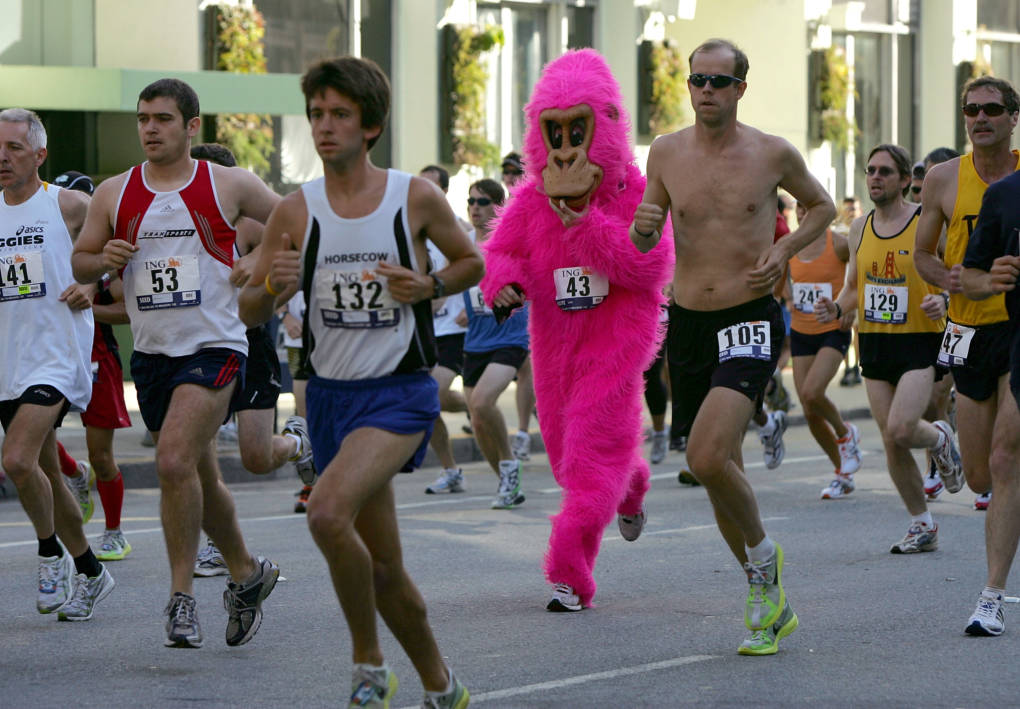
"caption": "Runners, some wearing costumes, take part in the ING Bay to Breakers race May 17, 2009.",
"description": "Runners, some wearing costumes, take part in the ING Bay to Breakers race May 17, 2009.",
"title": "ING Bay to Breakers",
"credit": "Ezra Shaw/Getty Images",
"status": "inherit",
"isLoading": false,
"fetchFailed": false
},
"news_11730036": {
"type": "attachments",
"id": "news_11730036",
"meta": {
"index": "attachments_1716263798",
"site": "news",
"id": "11730036",
"found": true
},
"parent": 11728586,
"imgSizes": {
"twentyfourteen-full-width": {
"file": "https://ww2.kqed.org/app/uploads/sites/10/2019/02/GettyImages-1132881595-1038x576.jpg",
"width": 1038,
"mimeType": "image/jpeg",
"height": 576
},
"thumbnail": {
"file": "https://ww2.kqed.org/app/uploads/sites/10/2019/02/GettyImages-1132881595-160x107.jpg",
"width": 160,
"mimeType": "image/jpeg",
"height": 107
},
"post-thumbnail": {
"file": "https://ww2.kqed.org/app/uploads/sites/10/2019/02/GettyImages-1132881595-672x372.jpg",
"width": 672,
"mimeType": "image/jpeg",
"height": 372
},
"kqedFullSize": {
"file": "https://ww2.kqed.org/app/uploads/sites/10/2019/02/GettyImages-1132881595-e1551471354186.jpg",
"width": 1920,
"height": 1280
},
"large": {
"file": "https://ww2.kqed.org/app/uploads/sites/10/2019/02/GettyImages-1132881595-1020x680.jpg",
"width": 1020,
"mimeType": "image/jpeg",
"height": 680
},
"complete_open_graph": {
"file": "https://ww2.kqed.org/app/uploads/sites/10/2019/02/GettyImages-1132881595-1200x800.jpg",
"width": 1200,
"mimeType": "image/jpeg",
"height": 800
},
"guest-author-50": {
"file": "https://ww2.kqed.org/app/uploads/sites/10/2019/02/GettyImages-1132881595-50x50.jpg",
"width": 50,
"mimeType": "image/jpeg",
"height": 50
},
"guest-author-96": {
"file": "https://ww2.kqed.org/app/uploads/sites/10/2019/02/GettyImages-1132881595-96x96.jpg",
"width": 96,
"mimeType": "image/jpeg",
"height": 96
},
"medium": {
"file": "https://ww2.kqed.org/app/uploads/sites/10/2019/02/GettyImages-1132881595-800x533.jpg",
"width": 800,
"mimeType": "image/jpeg",
"height": 533
},
"guest-author-64": {
"file": "https://ww2.kqed.org/app/uploads/sites/10/2019/02/GettyImages-1132881595-64x64.jpg",
"width": 64,
"mimeType": "image/jpeg",
"height": 64
},
"guest-author-32": {
"file": "https://ww2.kqed.org/app/uploads/sites/10/2019/02/GettyImages-1132881595-32x32.jpg",
"width": 32,
"mimeType": "image/jpeg",
"height": 32
},
"full-width": {
"file": "https://ww2.kqed.org/app/uploads/sites/10/2019/02/GettyImages-1132881595-1920x1280.jpg",
"width": 1920,
"mimeType": "image/jpeg",
"height": 1280
},
"guest-author-128": {
"file": "https://ww2.kqed.org/app/uploads/sites/10/2019/02/GettyImages-1132881595-128x128.jpg",
"width": 128,
"mimeType": "image/jpeg",
"height": 128
}
},
"publishDate": 1551471293,
"modified": 1553804511,
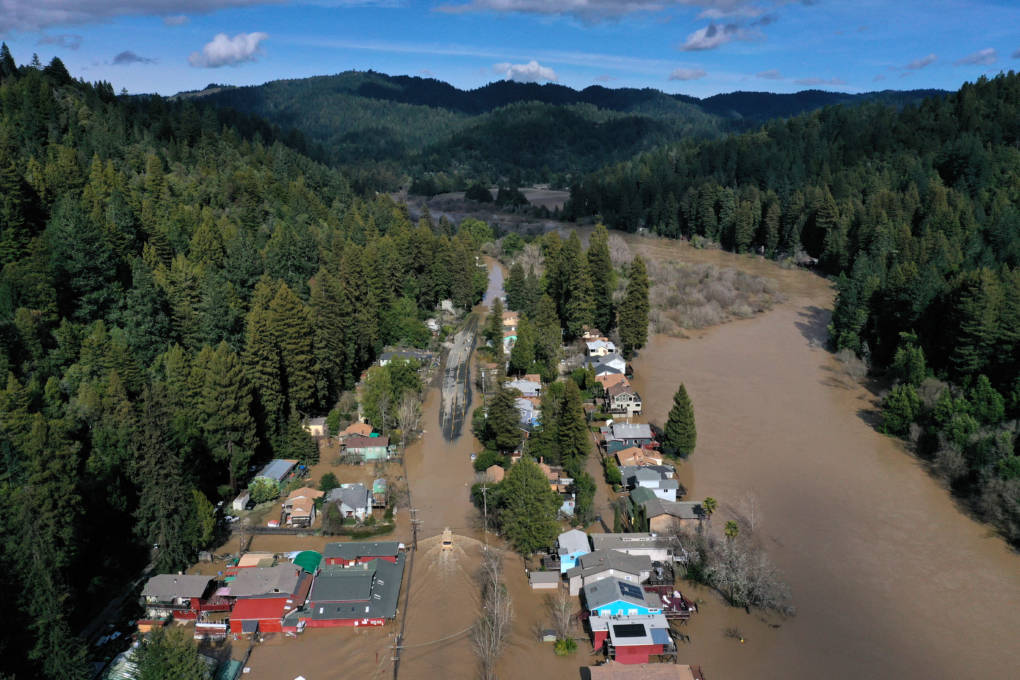
"caption": "An aerial view of a flooded neighborhood on Feb. 28, 2019, in Guerneville.",
"description": "An aerial view of a flooded neighborhood on Feb. 28, 2019, in Guerneville.",
"title": "Where’s Federal Help? Sonoma County Asks for Aid Dollars After Flooding",
"credit": "Justin Sullivan/Getty Images",
"status": "inherit",
"isLoading": false,
"fetchFailed": false
},
"news_11729736": {
"type": "attachments",
"id": "news_11729736",
"meta": {
"index": "attachments_1716263798",
"site": "news",
"id": "11729736",
"found": true
},
"parent": 11729722,
"imgSizes": {
"twentyfourteen-full-width": {
"file": "https://ww2.kqed.org/app/uploads/sites/10/2019/02/53478417_1182645578566153_8568907385601523712_o-1038x576.jpg",
"width": 1038,
"mimeType": "image/jpeg",
"height": 576
},
"thumbnail": {
"file": "https://ww2.kqed.org/app/uploads/sites/10/2019/02/53478417_1182645578566153_8568907385601523712_o-160x106.jpg",
"width": 160,
"mimeType": "image/jpeg",
"height": 106
},
"post-thumbnail": {
"file": "https://ww2.kqed.org/app/uploads/sites/10/2019/02/53478417_1182645578566153_8568907385601523712_o-672x372.jpg",
"width": 672,
"mimeType": "image/jpeg",
"height": 372
},
"kqedFullSize": {
"file": "https://ww2.kqed.org/app/uploads/sites/10/2019/02/53478417_1182645578566153_8568907385601523712_o-e1551383497757.jpg",
"width": 1920,
"height": 1275
},
"large": {
"file": "https://ww2.kqed.org/app/uploads/sites/10/2019/02/53478417_1182645578566153_8568907385601523712_o-1020x677.jpg",
"width": 1020,
"mimeType": "image/jpeg",
"height": 677
},
"complete_open_graph": {
"file": "https://ww2.kqed.org/app/uploads/sites/10/2019/02/53478417_1182645578566153_8568907385601523712_o-1200x797.jpg",
"width": 1200,
"mimeType": "image/jpeg",
"height": 797
},
"guest-author-50": {
"file": "https://ww2.kqed.org/app/uploads/sites/10/2019/02/53478417_1182645578566153_8568907385601523712_o-50x50.jpg",
"width": 50,
"mimeType": "image/jpeg",
"height": 50
},
"guest-author-96": {
"file": "https://ww2.kqed.org/app/uploads/sites/10/2019/02/53478417_1182645578566153_8568907385601523712_o-96x96.jpg",
"width": 96,
"mimeType": "image/jpeg",
"height": 96
},
"medium": {
"file": "https://ww2.kqed.org/app/uploads/sites/10/2019/02/53478417_1182645578566153_8568907385601523712_o-800x531.jpg",
"width": 800,
"mimeType": "image/jpeg",
"height": 531
},
"guest-author-64": {
"file": "https://ww2.kqed.org/app/uploads/sites/10/2019/02/53478417_1182645578566153_8568907385601523712_o-64x64.jpg",
"width": 64,
"mimeType": "image/jpeg",
"height": 64
},
"guest-author-32": {
"file": "https://ww2.kqed.org/app/uploads/sites/10/2019/02/53478417_1182645578566153_8568907385601523712_o-32x32.jpg",
"width": 32,
"mimeType": "image/jpeg",
"height": 32
},
"full-width": {
"file": "https://ww2.kqed.org/app/uploads/sites/10/2019/02/53478417_1182645578566153_8568907385601523712_o-1920x1275.jpg",
"width": 1920,
"mimeType": "image/jpeg",
"height": 1275
},
"guest-author-128": {
"file": "https://ww2.kqed.org/app/uploads/sites/10/2019/02/53478417_1182645578566153_8568907385601523712_o-128x128.jpg",
"width": 128,
"mimeType": "image/jpeg",
"height": 128
}
},
"publishDate": 1551383470,
"modified": 1551387296,
"caption": "An aerial photo of flooding on the Eel River at Fernbridge, near where Humboldt County deputies were dispatched to try and attempt a rescue.",
"description": "An aerial photo of flooding on the Eel River at Fernbridge, near where Humboldt County deputies were dispatched to try and attempt a rescue.",
"title": "53478417_1182645578566153_8568907385601523712_o",
"credit": "Humboldt County Office of Emergency Services",
"status": "inherit",
"isLoading": false,
"fetchFailed": false
},
"news_11729636": {
"type": "attachments",
"id": "news_11729636",
"meta": {
"index": "attachments_1716263798",
"site": "news",
"id": "11729636",
"found": true
},
"parent": 11729618,
"imgSizes": {
"twentyfourteen-full-width": {
"file": "https://ww2.kqed.org/app/uploads/sites/10/2019/02/Screen-Shot-2019-02-27-at-5.05.41-PM-1038x576.png",
"width": 1038,
"mimeType": "image/png",
"height": 576
},
"thumbnail": {
"file": "https://ww2.kqed.org/app/uploads/sites/10/2019/02/Screen-Shot-2019-02-27-at-5.05.41-PM-160x81.png",
"width": 160,
"mimeType": "image/png",
"height": 81
},
"post-thumbnail": {
"file": "https://ww2.kqed.org/app/uploads/sites/10/2019/02/Screen-Shot-2019-02-27-at-5.05.41-PM-672x372.png",
"width": 672,
"mimeType": "image/png",
"height": 372
},
"kqedFullSize": {
"file": "https://ww2.kqed.org/app/uploads/sites/10/2019/02/Screen-Shot-2019-02-27-at-5.05.41-PM.png",
"width": 1566,
"height": 790
},
"large": {
"file": "https://ww2.kqed.org/app/uploads/sites/10/2019/02/Screen-Shot-2019-02-27-at-5.05.41-PM-1020x515.png",
"width": 1020,
"mimeType": "image/png",
"height": 515
},
"complete_open_graph": {
"file": "https://ww2.kqed.org/app/uploads/sites/10/2019/02/Screen-Shot-2019-02-27-at-5.05.41-PM-1200x605.png",
"width": 1200,
"mimeType": "image/png",
"height": 605
},
"guest-author-50": {
"file": "https://ww2.kqed.org/app/uploads/sites/10/2019/02/Screen-Shot-2019-02-27-at-5.05.41-PM-50x50.png",
"width": 50,
"mimeType": "image/png",
"height": 50
},
"guest-author-96": {
"file": "https://ww2.kqed.org/app/uploads/sites/10/2019/02/Screen-Shot-2019-02-27-at-5.05.41-PM-96x96.png",
"width": 96,
"mimeType": "image/png",
"height": 96
},
"medium": {
"file": "https://ww2.kqed.org/app/uploads/sites/10/2019/02/Screen-Shot-2019-02-27-at-5.05.41-PM-800x404.png",
"width": 800,
"mimeType": "image/png",
"height": 404
},
"guest-author-64": {
"file": "https://ww2.kqed.org/app/uploads/sites/10/2019/02/Screen-Shot-2019-02-27-at-5.05.41-PM-64x64.png",
"width": 64,
"mimeType": "image/png",
"height": 64
},
"guest-author-32": {
"file": "https://ww2.kqed.org/app/uploads/sites/10/2019/02/Screen-Shot-2019-02-27-at-5.05.41-PM-32x32.png",
"width": 32,
"mimeType": "image/png",
"height": 32
},
"guest-author-128": {
"file": "https://ww2.kqed.org/app/uploads/sites/10/2019/02/Screen-Shot-2019-02-27-at-5.05.41-PM-128x128.png",
"width": 128,
"mimeType": "image/png",
"height": 128
}
},
"publishDate": 1551315965,
"modified": 1551316056,
"caption": "A before-and-after view of the Russian River at Monte Rio, with the \"after\" view showing the river during the flooding of Feb. 27, 2019. ",
"description": null,
"title": "Russian River-Before and After",
"credit": "KQED",
"status": "inherit",
"isLoading": false,
"fetchFailed": false
},
"news_11729432": {
"type": "attachments",
"id": "news_11729432",
"meta": {
"index": "attachments_1716263798",
"site": "news",
"id": "11729432",
"found": true
},
"parent": 11729368,
"imgSizes": {
"twentyfourteen-full-width": {
"file": "https://ww2.kqed.org/app/uploads/sites/10/2019/02/RS35550_Russian-River-flooding-4-qut-1038x576.jpg",
"width": 1038,
"mimeType": "image/jpeg",
"height": 576
},
"thumbnail": {
"file": "https://ww2.kqed.org/app/uploads/sites/10/2019/02/RS35550_Russian-River-flooding-4-qut-160x107.jpg",
"width": 160,
"mimeType": "image/jpeg",
"height": 107
},
"post-thumbnail": {
"file": "https://ww2.kqed.org/app/uploads/sites/10/2019/02/RS35550_Russian-River-flooding-4-qut-672x372.jpg",
"width": 672,
"mimeType": "image/jpeg",
"height": 372
},
"kqedFullSize": {
"file": "https://ww2.kqed.org/app/uploads/sites/10/2019/02/RS35550_Russian-River-flooding-4-qut.jpg",
"width": 1920,
"height": 1280
},
"large": {
"file": "https://ww2.kqed.org/app/uploads/sites/10/2019/02/RS35550_Russian-River-flooding-4-qut-1020x680.jpg",
"width": 1020,
"mimeType": "image/jpeg",
"height": 680
},
"complete_open_graph": {
"file": "https://ww2.kqed.org/app/uploads/sites/10/2019/02/RS35550_Russian-River-flooding-4-qut-1200x800.jpg",
"width": 1200,
"mimeType": "image/jpeg",
"height": 800
},
"guest-author-50": {
"file": "https://ww2.kqed.org/app/uploads/sites/10/2019/02/RS35550_Russian-River-flooding-4-qut-50x50.jpg",
"width": 50,
"mimeType": "image/jpeg",
"height": 50
},
"guest-author-96": {
"file": "https://ww2.kqed.org/app/uploads/sites/10/2019/02/RS35550_Russian-River-flooding-4-qut-96x96.jpg",
"width": 96,
"mimeType": "image/jpeg",
"height": 96
},
"medium": {
"file": "https://ww2.kqed.org/app/uploads/sites/10/2019/02/RS35550_Russian-River-flooding-4-qut-800x533.jpg",
"width": 800,
"mimeType": "image/jpeg",
"height": 533
},
"guest-author-64": {
"file": "https://ww2.kqed.org/app/uploads/sites/10/2019/02/RS35550_Russian-River-flooding-4-qut-64x64.jpg",
"width": 64,
"mimeType": "image/jpeg",
"height": 64
},
"guest-author-32": {
"file": "https://ww2.kqed.org/app/uploads/sites/10/2019/02/RS35550_Russian-River-flooding-4-qut-32x32.jpg",
"width": 32,
"mimeType": "image/jpeg",
"height": 32
},
"full-width": {
"file": "https://ww2.kqed.org/app/uploads/sites/10/2019/02/RS35550_Russian-River-flooding-4-qut-1920x1280.jpg",
"width": 1920,
"mimeType": "image/jpeg",
"height": 1280
},
"guest-author-128": {
"file": "https://ww2.kqed.org/app/uploads/sites/10/2019/02/RS35550_Russian-River-flooding-4-qut-128x128.jpg",
"width": 128,
"mimeType": "image/jpeg",
"height": 128
}
},
"publishDate": 1551297592,
"modified": 1551297639,
"caption": "Wohler Road flooded and closed at River Road during Russian River flooding in Sonoma County on Feb. 27, 2019.",
"description": null,
"title": "RS35550_Russian River flooding-4-qut",
"credit": "Adam Grossberg/KQED",
"status": "inherit",
"isLoading": false,
"fetchFailed": false
},
"news_11729155": {
"type": "attachments",
"id": "news_11729155",
"meta": {
"index": "attachments_1716263798",
"site": "news",
"id": "11729155",
"found": true
},
"parent": 11729151,
"imgSizes": {
"twentyfourteen-full-width": {
"file": "https://ww2.kqed.org/app/uploads/sites/10/2019/02/rivers_022619_final-1038x576.jpg",
"width": 1038,
"mimeType": "image/jpeg",
"height": 576
},
"thumbnail": {
"file": "https://ww2.kqed.org/app/uploads/sites/10/2019/02/rivers_022619_final-160x112.jpg",
"width": 160,
"mimeType": "image/jpeg",
"height": 112
},
"post-thumbnail": {
"file": "https://ww2.kqed.org/app/uploads/sites/10/2019/02/rivers_022619_final-672x372.jpg",
"width": 672,
"mimeType": "image/jpeg",
"height": 372
},
"kqedFullSize": {
"file": "https://ww2.kqed.org/app/uploads/sites/10/2019/02/rivers_022619_final.jpg",
"width": 1920,
"height": 1341
},
"large": {
"file": "https://ww2.kqed.org/app/uploads/sites/10/2019/02/rivers_022619_final-1020x712.jpg",
"width": 1020,
"mimeType": "image/jpeg",
"height": 712
},
"complete_open_graph": {
"file": "https://ww2.kqed.org/app/uploads/sites/10/2019/02/rivers_022619_final-1200x838.jpg",
"width": 1200,
"mimeType": "image/jpeg",
"height": 838
},
"guest-author-50": {
"file": "https://ww2.kqed.org/app/uploads/sites/10/2019/02/rivers_022619_final-50x50.jpg",
"width": 50,
"mimeType": "image/jpeg",
"height": 50
},
"guest-author-96": {
"file": "https://ww2.kqed.org/app/uploads/sites/10/2019/02/rivers_022619_final-96x96.jpg",
"width": 96,
"mimeType": "image/jpeg",
"height": 96
},
"medium": {
"file": "https://ww2.kqed.org/app/uploads/sites/10/2019/02/rivers_022619_final-800x559.jpg",
"width": 800,
"mimeType": "image/jpeg",
"height": 559
},
"guest-author-64": {
"file": "https://ww2.kqed.org/app/uploads/sites/10/2019/02/rivers_022619_final-64x64.jpg",
"width": 64,
"mimeType": "image/jpeg",
"height": 64
},
"guest-author-32": {
"file": "https://ww2.kqed.org/app/uploads/sites/10/2019/02/rivers_022619_final-32x32.jpg",
"width": 32,
"mimeType": "image/jpeg",
"height": 32
},
"full-width": {
"file": "https://ww2.kqed.org/app/uploads/sites/10/2019/02/rivers_022619_final-1920x1341.jpg",
"width": 1920,
"mimeType": "image/jpeg",
"height": 1341
},
"detail": {
"file": "https://ww2.kqed.org/app/uploads/sites/10/2019/02/rivers_022619_final-150x150.jpg",
"width": 150,
"mimeType": "image/jpeg",
"height": 150
},
"guest-author-128": {
"file": "https://ww2.kqed.org/app/uploads/sites/10/2019/02/rivers_022619_final-128x128.jpg",
"width": 128,
"mimeType": "image/jpeg",
"height": 128
}
},
"publishDate": 1551221245,
"modified": 1551221269,
"caption": null,
"description": null,
"title": "rivers_022619_final",
"credit": null,
"status": "inherit",
"isLoading": false,
"fetchFailed": false
},
"news_11729162": {
"type": "attachments",
"id": "news_11729162",
"meta": {
"index": "attachments_1716263798",
"site": "news",
"id": "11729162",
"found": true
},
"parent": 11729094,
"imgSizes": {
"twentyfourteen-full-width": {
"file": "https://ww2.kqed.org/app/uploads/sites/10/2019/02/goes17-190212b-1038x576.jpg",
"width": 1038,
"mimeType": "image/jpeg",
"height": 576
},
"thumbnail": {
"file": "https://ww2.kqed.org/app/uploads/sites/10/2019/02/goes17-190212b-160x111.jpg",
"width": 160,
"mimeType": "image/jpeg",
"height": 111
},
"post-thumbnail": {
"file": "https://ww2.kqed.org/app/uploads/sites/10/2019/02/goes17-190212b-672x372.jpg",
"width": 672,
"mimeType": "image/jpeg",
"height": 372
},
"kqedFullSize": {
"file": "https://ww2.kqed.org/app/uploads/sites/10/2019/02/goes17-190212b.jpg",
"width": 1920,
"height": 1333
},
"large": {
"file": "https://ww2.kqed.org/app/uploads/sites/10/2019/02/goes17-190212b-1020x708.jpg",
"width": 1020,
"mimeType": "image/jpeg",
"height": 708
},
"complete_open_graph": {
"file": "https://ww2.kqed.org/app/uploads/sites/10/2019/02/goes17-190212b-1200x833.jpg",
"width": 1200,
"mimeType": "image/jpeg",
"height": 833
},
"guest-author-50": {
"file": "https://ww2.kqed.org/app/uploads/sites/10/2019/02/goes17-190212b-50x50.jpg",
"width": 50,
"mimeType": "image/jpeg",
"height": 50
},
"guest-author-96": {
"file": "https://ww2.kqed.org/app/uploads/sites/10/2019/02/goes17-190212b-96x96.jpg",
"width": 96,
"mimeType": "image/jpeg",
"height": 96
},
"medium": {
"file": "https://ww2.kqed.org/app/uploads/sites/10/2019/02/goes17-190212b-800x555.jpg",
"width": 800,
"mimeType": "image/jpeg",
"height": 555
},
"guest-author-64": {
"file": "https://ww2.kqed.org/app/uploads/sites/10/2019/02/goes17-190212b-64x64.jpg",
"width": 64,
"mimeType": "image/jpeg",
"height": 64
},
"guest-author-32": {
"file": "https://ww2.kqed.org/app/uploads/sites/10/2019/02/goes17-190212b-32x32.jpg",
"width": 32,
"mimeType": "image/jpeg",
"height": 32
},
"full-width": {
"file": "https://ww2.kqed.org/app/uploads/sites/10/2019/02/goes17-190212b-1920x1333.jpg",
"width": 1920,
"mimeType": "image/jpeg",
"height": 1333
},
"detail": {
"file": "https://ww2.kqed.org/app/uploads/sites/10/2019/02/goes17-190212b-150x150.jpg",
"width": 150,
"mimeType": "image/jpeg",
"height": 150
},
"guest-author-128": {
"file": "https://ww2.kqed.org/app/uploads/sites/10/2019/02/goes17-190212b-128x128.jpg",
"width": 128,
"mimeType": "image/jpeg",
"height": 128
}
},
"publishDate": 1551221576,
"modified": 1551221604,
"caption": "Satellite image of storm that arrived Monday and has brought heavy rain and flooding to Sonoma, Marin and Napa counties.",
"description": null,
"title": "Storm 2019-02-26",
"credit": "NASA Worldview",
"status": "inherit",
"isLoading": false,
"fetchFailed": false
},
"news_11726831": {
"type": "attachments",
"id": "news_11726831",
"meta": {
"index": "attachments_1716263798",
"site": "news",
"id": "11726831",
"found": true
},
"parent": 11726828,
"imgSizes": {
"twentyfourteen-full-width": {
"file": "https://ww2.kqed.org/app/uploads/sites/10/2019/02/IMG_6258-1038x576.jpg",
"width": 1038,
"mimeType": "image/jpeg",
"height": 576
},
"thumbnail": {
"file": "https://ww2.kqed.org/app/uploads/sites/10/2019/02/IMG_6258-160x120.jpg",
"width": 160,
"mimeType": "image/jpeg",
"height": 120
},
"post-thumbnail": {
"file": "https://ww2.kqed.org/app/uploads/sites/10/2019/02/IMG_6258-672x372.jpg",
"width": 672,
"mimeType": "image/jpeg",
"height": 372
},
"kqedFullSize": {
"file": "https://ww2.kqed.org/app/uploads/sites/10/2019/02/IMG_6258-e1550370325423.jpg",
"width": 1920,
"height": 1440
},
"large": {
"file": "https://ww2.kqed.org/app/uploads/sites/10/2019/02/IMG_6258-1020x765.jpg",
"width": 1020,
"mimeType": "image/jpeg",
"height": 765
},
"complete_open_graph": {
"file": "https://ww2.kqed.org/app/uploads/sites/10/2019/02/IMG_6258-1200x900.jpg",
"width": 1200,
"mimeType": "image/jpeg",
"height": 900
},
"guest-author-50": {
"file": "https://ww2.kqed.org/app/uploads/sites/10/2019/02/IMG_6258-50x50.jpg",
"width": 50,
"mimeType": "image/jpeg",
"height": 50
},
"guest-author-96": {
"file": "https://ww2.kqed.org/app/uploads/sites/10/2019/02/IMG_6258-96x96.jpg",
"width": 96,
"mimeType": "image/jpeg",
"height": 96
},
"medium": {
"file": "https://ww2.kqed.org/app/uploads/sites/10/2019/02/IMG_6258-800x600.jpg",
"width": 800,
"mimeType": "image/jpeg",
"height": 600
},
"guest-author-64": {
"file": "https://ww2.kqed.org/app/uploads/sites/10/2019/02/IMG_6258-64x64.jpg",
"width": 64,
"mimeType": "image/jpeg",
"height": 64
},
"guest-author-32": {
"file": "https://ww2.kqed.org/app/uploads/sites/10/2019/02/IMG_6258-32x32.jpg",
"width": 32,
"mimeType": "image/jpeg",
"height": 32
},
"full-width": {
"file": "https://ww2.kqed.org/app/uploads/sites/10/2019/02/IMG_6258-1920x1440.jpg",
"width": 1920,
"mimeType": "image/jpeg",
"height": 1440
},
"detail": {
"file": "https://ww2.kqed.org/app/uploads/sites/10/2019/02/IMG_6258-150x150.jpg",
"width": 150,
"mimeType": "image/jpeg",
"height": 150
},
"guest-author-128": {
"file": "https://ww2.kqed.org/app/uploads/sites/10/2019/02/IMG_6258-128x128.jpg",
"width": 128,
"mimeType": "image/jpeg",
"height": 128
}
},
"publishDate": 1550299867,
"modified": 1550370314,
"caption": "Wet tents sheltering people experiencing homelessness during this past week's storms in San Francisco.",
"description": "Wet tents sheltering people experiencing homelessness during this past week's storms in San Francisco.",
"title": "IMG_6258",
"credit": "Courtesy of Coalition on Homelessness",
"status": "inherit",
"isLoading": false,
"fetchFailed": false
},
"news_11726224": {
"type": "attachments",
"id": "news_11726224",
"meta": {
"index": "attachments_1716263798",
"site": "news",
"id": "11726224",
"found": true
},
"parent": 11725582,
"imgSizes": {
"twentyfourteen-full-width": {
"file": "https://ww2.kqed.org/app/uploads/sites/10/2019/02/dzt4slruyaatxep-1038x576.jpeg",
"width": 1038,
"mimeType": "image/jpeg",
"height": 576
},
"thumbnail": {
"file": "https://ww2.kqed.org/app/uploads/sites/10/2019/02/dzt4slruyaatxep-160x90.jpeg",
"width": 160,
"mimeType": "image/jpeg",
"height": 90
},
"post-thumbnail": {
"file": "https://ww2.kqed.org/app/uploads/sites/10/2019/02/dzt4slruyaatxep-672x372.jpeg",
"width": 672,
"mimeType": "image/jpeg",
"height": 372
},
"kqedFullSize": {
"file": "https://ww2.kqed.org/app/uploads/sites/10/2019/02/dzt4slruyaatxep-e1550158380789.jpeg",
"width": 1920,
"height": 1080
},
"large": {
"file": "https://ww2.kqed.org/app/uploads/sites/10/2019/02/dzt4slruyaatxep-1020x574.jpeg",
"width": 1020,
"mimeType": "image/jpeg",
"height": 574
},
"complete_open_graph": {
"file": "https://ww2.kqed.org/app/uploads/sites/10/2019/02/dzt4slruyaatxep-1200x675.jpeg",
"width": 1200,
"mimeType": "image/jpeg",
"height": 675
},
"guest-author-50": {
"file": "https://ww2.kqed.org/app/uploads/sites/10/2019/02/dzt4slruyaatxep-50x50.jpeg",
"width": 50,
"mimeType": "image/jpeg",
"height": 50
},
"guest-author-96": {
"file": "https://ww2.kqed.org/app/uploads/sites/10/2019/02/dzt4slruyaatxep-96x96.jpeg",
"width": 96,
"mimeType": "image/jpeg",
"height": 96
},
"medium": {
"file": "https://ww2.kqed.org/app/uploads/sites/10/2019/02/dzt4slruyaatxep-800x450.jpeg",
"width": 800,
"mimeType": "image/jpeg",
"height": 450
},
"guest-author-64": {
"file": "https://ww2.kqed.org/app/uploads/sites/10/2019/02/dzt4slruyaatxep-64x64.jpeg",
"width": 64,
"mimeType": "image/jpeg",
"height": 64
},
"guest-author-32": {
"file": "https://ww2.kqed.org/app/uploads/sites/10/2019/02/dzt4slruyaatxep-32x32.jpeg",
"width": 32,
"mimeType": "image/jpeg",
"height": 32
},
"full-width": {
"file": "https://ww2.kqed.org/app/uploads/sites/10/2019/02/dzt4slruyaatxep-1920x1080.jpeg",
"width": 1920,
"mimeType": "image/jpeg",
"height": 1080
},
"detail": {
"file": "https://ww2.kqed.org/app/uploads/sites/10/2019/02/dzt4slruyaatxep-150x150.jpeg",
"width": 150,
"mimeType": "image/jpeg",
"height": 150
},
"guest-author-128": {
"file": "https://ww2.kqed.org/app/uploads/sites/10/2019/02/dzt4slruyaatxep-128x128.jpeg",
"width": 128,
"mimeType": "image/jpeg",
"height": 128
}
},
"publishDate": 1550157775,
"modified": 1550158371,
"caption": "A car was submerged Wednesday in floodwaters from Arana Creek in Santa Cruz. ",
"description": null,
"title": "Bay Area Storm 2019-02-13",
"credit": "California Highway Patrol",
"status": "inherit",
"isLoading": false,
"fetchFailed": false
},
"news_11725199": {
"type": "attachments",
"id": "news_11725199",
"meta": {
"index": "attachments_1716263798",
"site": "news",
"id": "11725199",
"found": true
},
"parent": 11725196,
"imgSizes": {
"twentyfourteen-full-width": {
"file": "https://ww2.kqed.org/app/uploads/sites/10/2019/02/Carmelian-Bay-1024x576.jpg",
"width": 1024,
"mimeType": "image/jpeg",
"height": 576
},
"thumbnail": {
"file": "https://ww2.kqed.org/app/uploads/sites/10/2019/02/Carmelian-Bay-160x120.jpg",
"width": 160,
"mimeType": "image/jpeg",
"height": 120
},
"post-thumbnail": {
"file": "https://ww2.kqed.org/app/uploads/sites/10/2019/02/Carmelian-Bay-672x372.jpg",
"width": 672,
"mimeType": "image/jpeg",
"height": 372
},
"kqedFullSize": {
"file": "https://ww2.kqed.org/app/uploads/sites/10/2019/02/Carmelian-Bay.jpg",
"width": 1024,
"height": 768
},
"large": {
"file": "https://ww2.kqed.org/app/uploads/sites/10/2019/02/Carmelian-Bay-1020x765.jpg",
"width": 1020,
"mimeType": "image/jpeg",
"height": 765
},
"guest-author-50": {
"file": "https://ww2.kqed.org/app/uploads/sites/10/2019/02/Carmelian-Bay-50x50.jpg",
"width": 50,
"mimeType": "image/jpeg",
"height": 50
},
"guest-author-96": {
"file": "https://ww2.kqed.org/app/uploads/sites/10/2019/02/Carmelian-Bay-96x96.jpg",
"width": 96,
"mimeType": "image/jpeg",
"height": 96
},
"medium": {
"file": "https://ww2.kqed.org/app/uploads/sites/10/2019/02/Carmelian-Bay-800x600.jpg",
"width": 800,
"mimeType": "image/jpeg",
"height": 600
},
"guest-author-64": {
"file": "https://ww2.kqed.org/app/uploads/sites/10/2019/02/Carmelian-Bay-64x64.jpg",
"width": 64,
"mimeType": "image/jpeg",
"height": 64
},
"detail": {
"file": "https://ww2.kqed.org/app/uploads/sites/10/2019/02/Carmelian-Bay-150x150.jpg",
"width": 150,
"mimeType": "image/jpeg",
"height": 150
},
"guest-author-32": {
"file": "https://ww2.kqed.org/app/uploads/sites/10/2019/02/Carmelian-Bay-32x32.jpg",
"width": 32,
"mimeType": "image/jpeg",
"height": 32
},
"guest-author-128": {
"file": "https://ww2.kqed.org/app/uploads/sites/10/2019/02/Carmelian-Bay-128x128.jpg",
"width": 128,
"mimeType": "image/jpeg",
"height": 128
}
},
"publishDate": 1549832915,
"modified": 1549833080,
"caption": "Several feet of snow fell in the Sierra Nevada this weekend, including here in Carnelian Bay.",
"description": "Several feet of snow fell in the Sierra Nevada this weekend, including here in Carnelian Bay.",
"title": "Carnelian Bay",
"credit": "Jess Olson",
"status": "inherit",
"isLoading": false,
"fetchFailed": false
},
"news_11723517": {
"type": "attachments",
"id": "news_11723517",
"meta": {
"index": "attachments_1716263798",
"site": "news",
"id": "11723517",
"found": true
},
"parent": 11723370,
"imgSizes": {
"twentyfourteen-full-width": {
"file": "https://ww2.kqed.org/app/uploads/sites/10/2019/02/Screen-Shot-2019-02-05-at-10.19.21-AM-1038x576.png",
"width": 1038,
"mimeType": "image/png",
"height": 576
},
"thumbnail": {
"file": "https://ww2.kqed.org/app/uploads/sites/10/2019/02/Screen-Shot-2019-02-05-at-10.19.21-AM-160x120.png",
"width": 160,
"mimeType": "image/png",
"height": 120
},
"post-thumbnail": {
"file": "https://ww2.kqed.org/app/uploads/sites/10/2019/02/Screen-Shot-2019-02-05-at-10.19.21-AM-672x372.png",
"width": 672,
"mimeType": "image/png",
"height": 372
},
"kqedFullSize": {
"file": "https://ww2.kqed.org/app/uploads/sites/10/2019/02/Screen-Shot-2019-02-05-at-10.19.21-AM.png",
"width": 1079,
"height": 811
},
"large": {
"file": "https://ww2.kqed.org/app/uploads/sites/10/2019/02/Screen-Shot-2019-02-05-at-10.19.21-AM-1020x767.png",
"width": 1020,
"mimeType": "image/png",
"height": 767
},
"guest-author-50": {
"file": "https://ww2.kqed.org/app/uploads/sites/10/2019/02/Screen-Shot-2019-02-05-at-10.19.21-AM-50x50.png",
"width": 50,
"mimeType": "image/png",
"height": 50
},
"guest-author-96": {
"file": "https://ww2.kqed.org/app/uploads/sites/10/2019/02/Screen-Shot-2019-02-05-at-10.19.21-AM-96x96.png",
"width": 96,
"mimeType": "image/png",
"height": 96
},
"medium": {
"file": "https://ww2.kqed.org/app/uploads/sites/10/2019/02/Screen-Shot-2019-02-05-at-10.19.21-AM-800x601.png",
"width": 800,
"mimeType": "image/png",
"height": 601
},
"guest-author-64": {
"file": "https://ww2.kqed.org/app/uploads/sites/10/2019/02/Screen-Shot-2019-02-05-at-10.19.21-AM-64x64.png",
"width": 64,
"mimeType": "image/png",
"height": 64
},
"detail": {
"file": "https://ww2.kqed.org/app/uploads/sites/10/2019/02/Screen-Shot-2019-02-05-at-10.19.21-AM-150x150.png",
"width": 150,
"mimeType": "image/png",
"height": 150
},
"guest-author-32": {
"file": "https://ww2.kqed.org/app/uploads/sites/10/2019/02/Screen-Shot-2019-02-05-at-10.19.21-AM-32x32.png",
"width": 32,
"mimeType": "image/png",
"height": 32
},
"guest-author-128": {
"file": "https://ww2.kqed.org/app/uploads/sites/10/2019/02/Screen-Shot-2019-02-05-at-10.19.21-AM-128x128.png",
"width": 128,
"mimeType": "image/png",
"height": 128
}
},
"publishDate": 1549393123,
"modified": 1549393191,
"caption": "Snow in the Santa Cruz Mountains on Feb. 5, 2019.",
"description": null,
"title": "Screen Shot 2019-02-05 at 10.19.21 AM",
"credit": "Courtesy of Rich Goldberg",
"status": "inherit",
"isLoading": false,
"fetchFailed": false
}
},
"audioPlayerReducer": {
"postId": "stream_live",
"isPaused": true,
"isPlaying": false,
"pfsActive": false,
"pledgeModalIsOpen": true,
"playerDrawerIsOpen": false,
"liveAudioPlayStartedAt": 0,
"liveAudioPlayContext": ""
},
"authorsReducer": {
"danbrekke": {
"type": "authors",
"id": "222",
"meta": {
"index": "authors_1716337520",
"id": "222",
"found": true
},
"name": "Dan Brekke",
"firstName": "Dan",
"lastName": "Brekke",
"slug": "danbrekke",
"email": "dbrekke@kqed.org",
"display_author_email": true,
"staff_mastheads": [
"news",
"science"
],
"title": "KQED Editor and Reporter",
"bio": "Dan Brekke is a reporter and editor for KQED News, responsible for coverage of topics ranging from California water issues to the Bay Area's transportation challenges. In a newsroom career that began in Chicago in 1972, Dan has worked for \u003cem>The San Francisco Examiner,\u003c/em> Wired and TechTV and has been published in The New York Times, The New York Times Magazine, Business 2.0, Salon and elsewhere.\r\n\r\nSince joining KQED in 2007, Dan has reported, edited and produced both radio and online features and breaking news pieces. He has shared as both editor and reporter in four Society of Professional Journalists Norcal Excellence in Journalism awards and one Edward R. Murrow regional award. He was chosen for a spring 2017 residency at the Mesa Refuge to advance his research on California salmon.\r\n\r\nEmail Dan at: \u003ca href=\"mailto:dbrekke@kqed.org\">dbrekke@kqed.org\u003c/a>\r\n\r\n\u003cstrong>Twitter:\u003c/strong> \u003ca href=\"https://twitter.com/danbrekke\" rel=\"noopener noreferrer\">twitter.com/danbrekke\u003c/a>\r\n\u003cstrong>Facebook:\u003c/strong> \u003ca href=\"https://www.facebook.com/danbrekke\" rel=\"noopener noreferrer\">www.facebook.com/danbrekke\u003c/a>\r\n\u003cstrong>LinkedIn:\u003c/strong> \u003ca href=\"https://www.linkedin.com/in/danbrekke\" rel=\"noopener noreferrer\">www.linkedin.com/in/danbrekke\u003c/a>",
"avatar": "https://secure.gravatar.com/avatar/8f1f0d2a978fb3b23426c922c7e2af558fa36905b49c4ce76a97dc3c72d27226?s=600&d=mm&r=g",
"twitter": "danbrekke",
"bluesky": null,
"facebook": null,
"instagram": "https://www.instagram.com/dan.brekke/",
"linkedin": "https://www.linkedin.com/in/danbrekke/",
"sites": [
{
"site": "news",
"roles": [
"administrator",
"create_posts"
]
},
{
"site": "stateofhealth",
"roles": [
"editor"
]
},
{
"site": "science",
"roles": [
"editor"
]
},
{
"site": "quest",
"roles": [
"contributor"
]
},
{
"site": "food",
"roles": [
"contributor"
]
},
{
"site": "forum",
"roles": [
"contributor"
]
},
{
"site": "elections",
"roles": [
"editor"
]
},
{
"site": "liveblog",
"roles": [
"editor"
]
}
],
"headData": {
"title": "Dan Brekke | KQED",
"description": "KQED Editor and Reporter",
"ogImgSrc": "https://secure.gravatar.com/avatar/8f1f0d2a978fb3b23426c922c7e2af558fa36905b49c4ce76a97dc3c72d27226?s=600&d=mm&r=g",
"twImgSrc": "https://secure.gravatar.com/avatar/8f1f0d2a978fb3b23426c922c7e2af558fa36905b49c4ce76a97dc3c72d27226?s=600&d=mm&r=g"
},
"isLoading": false,
"link": "/author/danbrekke"
},
"kqed": {
"type": "authors",
"id": "236",
"meta": {
"index": "authors_1716337520",
"id": "236",
"found": true
},
"name": "KQED News Staff",
"firstName": "KQED News Staff",
"lastName": null,
"slug": "kqed",
"email": "faq@kqed.org",
"display_author_email": false,
"staff_mastheads": [],
"title": null,
"bio": null,
"avatar": "https://secure.gravatar.com/avatar/ef0e801a68c4c54afa9180db14084167?s=600&d=blank&r=g",
"twitter": null,
"facebook": null,
"instagram": null,
"linkedin": null,
"sites": [
{
"site": "arts",
"roles": [
"contributor"
]
},
{
"site": "news",
"roles": [
"editor"
]
},
{
"site": "futureofyou",
"roles": [
"author"
]
}
],
"headData": {
"title": "KQED News Staff | KQED",
"description": null,
"ogImgSrc": "https://secure.gravatar.com/avatar/ef0e801a68c4c54afa9180db14084167?s=600&d=blank&r=g",
"twImgSrc": "https://secure.gravatar.com/avatar/ef0e801a68c4c54afa9180db14084167?s=600&d=blank&r=g"
},
"isLoading": false,
"link": "/author/kqed"
},
"kqednewsstaffandwires": {
"type": "authors",
"id": "237",
"meta": {
"index": "authors_1716337520",
"id": "237",
"found": true
},
"name": "KQED News Staff and Wires",
"firstName": "KQED News Staff and Wires",
"lastName": null,
"slug": "kqednewsstaffandwires",
"email": "onlinenewsstaff@kqed.org",
"display_author_email": false,
"staff_mastheads": [],
"title": null,
"bio": null,
"avatar": "https://secure.gravatar.com/avatar/72295af8ebbfbd19a4948f5271285664?s=600&d=blank&r=g",
"twitter": null,
"facebook": null,
"instagram": null,
"linkedin": null,
"sites": [
{
"site": "arts",
"roles": [
"contributor"
]
},
{
"site": "news",
"roles": [
"contributor"
]
},
{
"site": "lowdown",
"roles": [
"author"
]
},
{
"site": "stateofhealth",
"roles": [
"contributor"
]
},
{
"site": "food",
"roles": [
"author"
]
}
],
"headData": {
"title": "KQED News Staff and Wires | KQED",
"description": null,
"ogImgSrc": "https://secure.gravatar.com/avatar/72295af8ebbfbd19a4948f5271285664?s=600&d=blank&r=g",
"twImgSrc": "https://secure.gravatar.com/avatar/72295af8ebbfbd19a4948f5271285664?s=600&d=blank&r=g"
},
"isLoading": false,
"link": "/author/kqednewsstaffandwires"
},
"markfiore": {
"type": "authors",
"id": "3236",
"meta": {
"index": "authors_1716337520",
"id": "3236",
"found": true
},
"name": "Mark Fiore",
"firstName": "Mark",
"lastName": "Fiore",
"slug": "markfiore",
"email": "mark@markfiore.com",
"display_author_email": false,
"staff_mastheads": [
"news"
],
"title": "KQED News Cartoonist",
"bio": "\u003ca href=\"http://www.MarkFiore.com\">MarkFiore.com\u003c/a> | \u003ca href=\"https://twitter.com/markfiore\">Follow on Twitter\u003c/a> | \u003ca href=\"https://www.facebook.com/pages/Mark-Fiore-Animated-Political-Cartoons/94451707396?ref=bookmarks\">Facebook\u003c/a> | \u003ca href=\"mailto:mark@markfiore.com\">email\u003c/a>\r\n\r\nPulitzer Prize-winner, Mark Fiore, who the Wall Street Journal has called “the undisputed guru of the form,” creates animated political cartoons in San Francisco, where his work has been featured regularly on the San Francisco Chronicle’s web site, SFGate.com. His work has appeared on Newsweek.com, Slate.com, CBSNews.com, MotherJones.com, DailyKos.com and NPR’s web site. Fiore’s political animation has appeared on CNN, Frontline, Bill Moyers Journal, Salon.com and cable and broadcast outlets across the globe.\r\n\r\nBeginning his professional life by drawing traditional political cartoons for newspapers, Fiore’s work appeared in publications ranging from the Washington Post to the Los Angeles Times. In the late 1990s, he began to experiment with animating political cartoons and, after a short stint at the San Jose Mercury News as their staff cartoonist, Fiore devoted all his energies to animation.\r\nGrowing up in California, Fiore also spent a good portion of his life in the backwoods of Idaho. It was this combination that shaped him politically. Mark majored in political science at Colorado College, where, in a perfect send-off for a cartoonist, he received his diploma in 1991 as commencement speaker Dick Cheney smiled approvingly.\r\nMark Fiore was awarded the Pulitzer Prize for political cartooning in 2010, a Robert F. Kennedy Journalism Award in 2004 and has twice received an Online Journalism Award for commentary from the Online News Association (2002, 2008). Fiore has received two awards for his work in new media from the National Cartoonists Society (2001, 2002), and in 2006 received The James Madison Freedom of Information Award from The Society of Professional Journalists.",
"avatar": "https://secure.gravatar.com/avatar/fc4e2a612b15b67bad0c6f0e1db4ca9b?s=600&d=blank&r=g",
"twitter": "MarkFiore",
"facebook": null,
"instagram": "https://www.instagram.com/markfiore/?hl=en",
"linkedin": null,
"sites": [
{
"site": "arts",
"roles": [
"contributor"
]
},
{
"site": "news",
"roles": [
"editor"
]
},
{
"site": "futureofyou",
"roles": [
"editor"
]
},
{
"site": "science",
"roles": [
"editor"
]
}
],
"headData": {
"title": "Mark Fiore | KQED",
"description": "KQED News Cartoonist",
"ogImgSrc": "https://secure.gravatar.com/avatar/fc4e2a612b15b67bad0c6f0e1db4ca9b?s=600&d=blank&r=g",
"twImgSrc": "https://secure.gravatar.com/avatar/fc4e2a612b15b67bad0c6f0e1db4ca9b?s=600&d=blank&r=g"
},
"isLoading": false,
"link": "/author/markfiore"
},
"shutson": {
"type": "authors",
"id": "11216",
"meta": {
"index": "authors_1716337520",
"id": "11216",
"found": true
},
"name": "Sonja Hutson",
"firstName": "Sonja",
"lastName": "Hutson",
"slug": "shutson",
"email": "shutson@kqed.org",
"display_author_email": false,
"staff_mastheads": [],
"title": "KQED Contributor",
"bio": "Sonja Hutson is a former reporter for KQED's Silicon Valley desk and weekend newscasts. She primarily covers tech and housing. Sonja is a Bay Area native and now lives in San Francisco. When she's not working, you can find her camping, skiing, scuba diving, and struggling with the New York Times Crossword. Email: \u003ca href=\"mailto:shutson@kqed.org\">shutson@kqed.org. \u003c/a>Twitter: \u003ca href=\"https://twitter.com/SonjaHutson\">@SonjaHutson\u003c/a>",
"avatar": "https://secure.gravatar.com/avatar/7537c5e36818614e599b6c0f41d72b7a?s=600&d=blank&r=g",
"twitter": "SonjaHutson",
"facebook": null,
"instagram": null,
"linkedin": null,
"sites": [
{
"site": "arts",
"roles": [
"author"
]
},
{
"site": "news",
"roles": [
"subscriber"
]
}
],
"headData": {
"title": "Sonja Hutson | KQED",
"description": "KQED Contributor",
"ogImgSrc": "https://secure.gravatar.com/avatar/7537c5e36818614e599b6c0f41d72b7a?s=600&d=blank&r=g",
"twImgSrc": "https://secure.gravatar.com/avatar/7537c5e36818614e599b6c0f41d72b7a?s=600&d=blank&r=g"
},
"isLoading": false,
"link": "/author/shutson"
},
"rlevi": {
"type": "authors",
"id": "11260",
"meta": {
"index": "authors_1716337520",
"id": "11260",
"found": true
},
"name": "Ryan Levi",
"firstName": "Ryan",
"lastName": "Levi",
"slug": "rlevi",
"email": "rlevi@KQED.org",
"display_author_email": false,
"staff_mastheads": [],
"title": "KQED Contributor",
"bio": "Ryan Levi was a reporter and podcast producer at KQED News from 2016-2019. He worked on \u003ca href=\"https://www.kqed.org/news/series/baycurious\">Bay Curious\u003c/a>, \u003ca href=\"https://www.kqed.org/news/tag/the-bay/\">The Bay, \u003c/a>and \u003ca href=\"https://podcasts.apple.com/us/podcast/the-california-report-magazine/id1314750545\">The California Report Magazine\u003c/a>, as well as hosting and producing the weekly \u003ca href=\"https://www.kqed.org/news/program/qedup/\">Q'ed Up podcast. \u003c/a>He also helped inaugurate KQED's weekend news coverage in 2017 as one of two original digital producers. Ryan holds degrees in multimedia journalism and Spanish from the University of Missouri.",
"avatar": "https://secure.gravatar.com/avatar/4cb2ddd028ac8807d1adf09609c5555d?s=600&d=blank&r=g",
"twitter": "ryan_levi",
"facebook": null,
"instagram": null,
"linkedin": null,
"sites": [
{
"site": "arts",
"roles": [
"editor"
]
},
{
"site": "news",
"roles": [
"subscriber"
]
},
{
"site": "stateofhealth",
"roles": [
"editor"
]
},
{
"site": "science",
"roles": [
"editor"
]
},
{
"site": "forum",
"roles": [
"administrator"
]
},
{
"site": "perspectives",
"roles": [
"administrator"
]
}
],
"headData": {
"title": "Ryan Levi | KQED",
"description": "KQED Contributor",
"ogImgSrc": "https://secure.gravatar.com/avatar/4cb2ddd028ac8807d1adf09609c5555d?s=600&d=blank&r=g",
"twImgSrc": "https://secure.gravatar.com/avatar/4cb2ddd028ac8807d1adf09609c5555d?s=600&d=blank&r=g"
},
"isLoading": false,
"link": "/author/rlevi"
},
"mleitsinger": {
"type": "authors",
"id": "11310",
"meta": {
"index": "authors_1716337520",
"id": "11310",
"found": true
},
"name": "Miranda Leitsinger",
"firstName": "Miranda",
"lastName": "Leitsinger",
"slug": "mleitsinger",
"email": "mleitsinger@KQED.org",
"display_author_email": false,
"staff_mastheads": [
"news"
],
"title": "KQED Contributor",
"bio": "Miranda Leitsinger has worked in journalism as a reporter and editor since 2000, including seven years at The Associated Press in locales such as Cambodia and Puerto Rico, four years at NBC News Digital in New York and 2.5 years at CNN.com International in Hong Kong. Major stories she has covered included sexual abuse in the yoga community, the rise of women in local politics post-2016 election, the struggle over LGBTQ inclusion in the Boy Scouts, aftermath of the 2004 and 2011 tsunamis, the Aurora movie theater attack, the Newtown school shooting, Superstorm Sandy and the Boston Marathon bombing.",
"avatar": "https://secure.gravatar.com/avatar/cdd00de7be92aab3b7fd3d915e02033d?s=600&d=blank&r=g",
"twitter": "mimileitsinger",
"facebook": null,
"instagram": null,
"linkedin": null,
"sites": [
{
"site": "arts",
"roles": [
"author"
]
},
{
"site": "news",
"roles": [
"subscriber"
]
},
{
"site": "futureofyou",
"roles": [
"editor"
]
},
{
"site": "stateofhealth",
"roles": [
"editor"
]
}
],
"headData": {
"title": "Miranda Leitsinger | KQED",
"description": "KQED Contributor",
"ogImgSrc": "https://secure.gravatar.com/avatar/cdd00de7be92aab3b7fd3d915e02033d?s=600&d=blank&r=g",
"twImgSrc": "https://secure.gravatar.com/avatar/cdd00de7be92aab3b7fd3d915e02033d?s=600&d=blank&r=g"
},
"isLoading": false,
"link": "/author/mleitsinger"
},
"bhernandez": {
"type": "authors",
"id": "11359",
"meta": {
"index": "authors_1716337520",
"id": "11359",
"found": true
},
"name": "Bianca Hernandez",
"firstName": "Bianca",
"lastName": "Hernandez",
"slug": "bhernandez",
"email": "bhernandez@kqed.org",
"display_author_email": false,
"staff_mastheads": [],
"title": "KQED Contributor",
"bio": "Bianca Hernandez is a former Interactive Producer for KQED. She has produced at KGPE, KSEE24 and Sierra Magazine. In 2011 she received an undergraduate degree in Journalism and Anthropology from CSU, Chico . She earned a Master's from the University of Southern California in 2013, where she completed a documentary on teenage farmworkers. She is an avid Jane Austen fan and takes lightsaber combat class for fun.",
"avatar": "https://secure.gravatar.com/avatar/75b3424851e2f9fa131f2cb6a051aeac?s=600&d=blank&r=g",
"twitter": "bookhoarding",
"facebook": null,
"instagram": null,
"linkedin": null,
"sites": [
{
"site": "arts",
"roles": []
},
{
"site": "news",
"roles": []
},
{
"site": "science",
"roles": []
},
{
"site": "forum",
"roles": []
}
],
"headData": {
"title": "Bianca Hernandez | KQED",
"description": "KQED Contributor",
"ogImgSrc": "https://secure.gravatar.com/avatar/75b3424851e2f9fa131f2cb6a051aeac?s=600&d=blank&r=g",
"twImgSrc": "https://secure.gravatar.com/avatar/75b3424851e2f9fa131f2cb6a051aeac?s=600&d=blank&r=g"
},
"isLoading": false,
"link": "/author/bhernandez"
},
"hmckenney": {
"type": "authors",
"id": "11560",
"meta": {
"index": "authors_1716337520",
"id": "11560",
"found": true
},
"name": "Hope McKenney",
"firstName": "Hope",
"lastName": "McKenney",
"slug": "hmckenney",
"email": "hmckenney@kqed.org",
"display_author_email": false,
"staff_mastheads": [],
"title": null,
"bio": null,
"avatar": "https://secure.gravatar.com/avatar/e1ad0a80c4d64be4937a42a5d59d53df?s=600&d=blank&r=g",
"twitter": null,
"facebook": null,
"instagram": null,
"linkedin": null,
"sites": [
{
"site": "news",
"roles": [
"author"
]
}
],
"headData": {
"title": "Hope McKenney | KQED",
"description": null,
"ogImgSrc": "https://secure.gravatar.com/avatar/e1ad0a80c4d64be4937a42a5d59d53df?s=600&d=blank&r=g",
"twImgSrc": "https://secure.gravatar.com/avatar/e1ad0a80c4d64be4937a42a5d59d53df?s=600&d=blank&r=g"
},
"isLoading": false,
"link": "/author/hmckenney"
}
},
"pagesReducer": {
"news_tag_weather": {
"type": "terms",
"id": "news_3",
"meta": {
"index": "terms_1716263798",
"site": "news",
"id": "3",
"score": 9.108477
},
"featImg": null,
"name": "weather",
"description": null,
"taxonomy": "tag",
"headData": {
"twImgId": null,
"twTitle": null,
"ogTitle": null,
"ogImgId": null,
"twDescription": null,
"description": null,
"title": "weather Archives | KQED News",
"ogDescription": null
},
"ttid": 3,
"slug": "weather",
"isLoading": false,
"title": "weather",
"pageMeta": {
"site": "news",
"WpPageTemplate": "page-topic-editorial",
"currentPage": 16
},
"blocks": [
{
"blockName": "kqed/post-list",
"attrs": {
"layout": "cardArticle2",
"query": "posts/news?tag=weather",
"seeMore": false,
"paginated": true,
"page": 16
}
},
{
"blockName": "kqed/ad"
}
]
}
},
"pfsSessionReducer": {},
"postsReducer": {
"stream_live": {
"type": "live",
"id": "stream_live",
"audioUrl": "https://hls.kqed.org/hls/kqed_app/playlist.m3u8",
"title": "Live Stream",
"excerpt": "Live Stream information currently unavailable.",
"link": "/radio",
"featImg": "",
"label": {
"name": "KQED Live",
"link": "/"
}
},
"stream_kqedNewscast": {
"type": "posts",
"id": "stream_kqedNewscast",
"audioUrl": "https://www.kqed.org/.stream/anon/radio/RDnews/newscast.mp3?_=1",
"title": "KQED Newscast",
"featImg": "",
"label": {
"name": "88.5 FM",
"link": "/"
}
},
"news_11669401": {
"type": "posts",
"id": "news_11669401",
"meta": {
"index": "posts_1716263798",
"site": "news",
"id": "11669401",
"score": null,
"sort": [
1558044040000
]
},
"guestAuthors": [],
"slug": "what-you-need-to-know-about-bay-to-breakers",
"title": "Bay to Breakers 2019: Know Before You Go",
"publishDate": 1558044040,
"format": "image",
"headTitle": "Bay to Breakers 2019: Know Before You Go | KQED",
"labelTerm": {
"site": "news"
},
"content": "\u003cp>\u003cem>Updated 3:00 p.m., May 16, 2019. \u003c/em>\u003c/p>\n\u003cp>In case you’ve been wrapped up in \u003ca href=\"https://www.kqed.org/science/1941625/rain-in-may-not-unheard-of-in-northern-california-but-an-unusual-amount-for-entire-month\" rel=\"noopener\" target=\"_blank\">storm hype\u003c/a> or maybe a little distracted thinking about \u003ca href=\"https://www.kqed.org/pop/111777/game-of-thrones-season-8-episode-5-recap-hells-bells\" rel=\"noopener\" target=\"_blank\">the last episode of “Game of Thrones,”\u003c/a> here’s your reminder that Bay to Breakers 2019 is this Sunday. \u003c/p>\n\u003cp>https://twitter.com/Baytobreakers/status/1127633518723338240\u003c/p>\n\u003cp>In case you’re new to the city, or maybe this is your first time participating in the race, here’s a quick and dirty guide for what to expect. \u003c/p>\n\u003cp>\u003cstrong>What is Bay to Breakers?\u003c/strong>\u003c/p>\n\u003cp>[ad fullwidth]\u003c/p>\n\u003cp>It’s an annual foot race across San Francisco. Most notable for the vivid costumes people wear (or lack of costume in some cases) and dividing the city in half (hence all the tweets about road closures and transit detours, but we’ll get to that), the race brings people to the city from far and wide. \u003c/p>\n\u003cp>https://twitter.com/AlaskaAir/status/994748269522706432\u003c/p>\n\u003cp>According to \u003ca href=\"https://www.baytobreakers.com/history\" rel=\"noopener\" target=\"_blank\">its website\u003c/a>, the first race was held in 1912, and the event has been going strong ever since. \u003c/p>\n\u003cp>Tens of thousands participate, but even if you aren’t running or watching, you’ll probably still stumble upon festivities related to the race if you’re in San Francisco, so plan accordingly.\u003c/p>\n\u003cp>https://twitter.com/SF_emergency/status/1128380083272421376\u003c/p>\n\u003cp>The race starts Sunday, May 19 at 8 a.m. with the finish line closing at 1 p.m., but unofficial celebrations can continue well after the route is broken down. \u003c/p>\n\u003cp>\u003cstrong>How many miles is Bay to Breakers? What’s the route?\u003c/strong>\u003c/p>\n\u003cp>https://twitter.com/AlaskaAir/status/997303292878249984\u003c/p>\n\u003cp>Starting on Howard Street, almost to Embarcadero, the race goes through SoMa, up the infamous Hayes Hill, along the Panhandle and ends on the western edge of Golden Gate Park. There are multiple water stations and first aid areas set up along the route. \u003c/p>\n\u003cp>The main route is 12 kilometers (about 7.45 miles), but there is an extra loop set up for people who want to do 15 kilometers (also known as 9.32 miles). \u003c/p>\n\u003cp>\u003cstrong>There will be closures\u003c/strong>\u003c/p>\n\u003cp>City transit agencies have been trying to remind people to prepare for this. Though the race is 8 a.m. to 1 p.m., some closures will start Saturday night. If you plan to drive around the city or take public transit, SFMTA has \u003ca href=\"https://www.sfmta.com/project-updates/bay-breakers-service-impacts\" rel=\"noopener\" target=\"_blank\">a handy page\u003c/a> with lots of links explaining reroutes, closures and more. \u003c/p>\n\u003cp>https://twitter.com/sfmta_muni/status/1129027516440686594\u003c/p>\n\u003cp>\u003cstrong>For people participating\u003c/strong>\u003c/p>\n\u003cp>If you haven’t trained yet, there’s no real advice to get you ready for the physical aspects of the race, but if you find yourself in need of assistance during the race there are plenty of emergency services in place to help. \u003c/p>\n\u003cp>Staying hydrated (with water, \u003ca href=\"https://www.baytobreakers.com/faqs\" rel=\"noopener\" target=\"_blank\">alcohol is banned from the race\u003c/a>) is also key, which is why there are many water stations along the route. The end of the race will feature a festival with food, drink and entertainment. \u003c/p>\n\u003cp>If you have a pet, San Francisco Animal Care and Control recommends you don’t bring it to the race since they aren’t allowed. \u003c/p>\n\u003cp>https://twitter.com/SFACC/status/996858172190031877\u003c/p>\n\u003cp>Lastly, if you haven’t already come up with a costume, you can check out \u003ca href=\"https://www.instagram.com/explore/tags/baytobreakers/\" rel=\"noopener\" target=\"_blank\">#BayToBreakers\u003c/a> on Instagram for inspiration (be prepared for nudity, \u003ca href=\"https://www.kqed.org/news/11613510/the-history-of-nudity-in-san-francisco-uncovered\" rel=\"noopener\" target=\"_blank\">another thing the race is known for\u003c/a>). \u003c/p>\n\u003cp>\u003cstrong>What if it rains?\u003c/strong>\u003c/p>\n\u003cp>No, \u003ca href=\"https://www.baytobreakers.com/faqs\" rel=\"noopener\" target=\"_blank\">you can’t get a refund\u003c/a>. \u003c/p>\n\u003cp>If you’re worried about the \u003ca href=\"https://www.kqed.org/science/1941625/rain-in-may-not-unheard-of-in-northern-california-but-an-unusual-amount-for-entire-month\" rel=\"noopener\" target=\"_blank\">wet weather\u003c/a>, keep tabs \u003ca href=\"https://www.weather.gov/sto/\" rel=\"noopener\" target=\"_blank\">on the forecast\u003c/a> and maybe invest in a water-proof outfit. \u003c/p>\n\u003cp>\u003cstrong>For people not taking part\u003c/strong>\u003c/p>\n\u003cp>If you want to cheer on participants (or just want to see the array of costumes) you’ll want to claim your spot along the route early. \u003c/p>\n\u003cp>https://twitter.com/BrokeAssStuart/status/1128040432192016386\u003c/p>\n\u003cp>Though the race is over midday, it can still throw a wrench in plans if you get stuck on the opposite side of the city that you need to be on. Pay attention to the closures listed above before setting out. \u003c/p>\n\u003cp>\u003c/p>\n\u003cp>https://twitter.com/bittergiantsfan/status/997624902965387264\u003c/p>\n\n",
"blocks": [],
"excerpt": "In case you've been busy, here's your reminder that Bay to Breakers is this weekend. ",
"status": "publish",
"parent": 0,
"modified": 1721154429,
"stats": {
"hasAudio": false,
"hasVideo": false,
"hasChartOrMap": false,
"iframeSrcs": [],
"hasGoogleForm": false,
"hasGallery": false,
"hasHearkenModule": false,
"hasPolis": false,
"paragraphCount": 26,
"wordCount": 683
},
"headData": {
"title": "Bay to Breakers 2019: Know Before You Go | KQED",
"description": "In case you've been busy, here's your reminder that Bay to Breakers is this weekend. ",
"ogTitle": "",
"ogDescription": "",
"ogImgId": "",
"twTitle": "",
"twDescription": "",
"twImgId": "",
"schema": {
"@context": "https://schema.org",
"@type": "NewsArticle",
"headline": "Bay to Breakers 2019: Know Before You Go",
"datePublished": "2019-05-16T15:00:40-07:00",
"dateModified": "2024-07-16T11:27:09-07:00",
"image": "https://cdn.kqed.org/wp-content/uploads/2020/02/KQED-OG-Image@1x.png",
"isAccessibleForFree": "True",
"publisher": {
"@type": "NewsMediaOrganization",
"@id": "https://www.kqed.org/#organization",
"name": "KQED",
"logo": "https://cdn.kqed.org/wp-content/uploads/2020/02/KQED-OG-Image@1x.png",
"url": "https://www.kqed.org",
"sameAs": [
"https://www.facebook.com/KQED",
"https://twitter.com/KQED",
"https://www.instagram.com/kqed/",
"https://www.tiktok.com/@kqedofficial",
"https://www.linkedin.com/company/kqed",
"https://www.youtube.com/channel/UCeC0IOo7i1P_61zVUWbJ4nw"
]
}
}
},
"sticky": false,
"path": "/news/11669401/what-you-need-to-know-about-bay-to-breakers",
"audioTrackLength": null,
"parsedContent": [
{
"type": "contentString",
"content": "\u003cdiv class=\"post-body\">\u003cp>\u003cp>\u003cem>Updated 3:00 p.m., May 16, 2019. \u003c/em>\u003c/p>\n\u003cp>In case you’ve been wrapped up in \u003ca href=\"https://www.kqed.org/science/1941625/rain-in-may-not-unheard-of-in-northern-california-but-an-unusual-amount-for-entire-month\" rel=\"noopener\" target=\"_blank\">storm hype\u003c/a> or maybe a little distracted thinking about \u003ca href=\"https://www.kqed.org/pop/111777/game-of-thrones-season-8-episode-5-recap-hells-bells\" rel=\"noopener\" target=\"_blank\">the last episode of “Game of Thrones,”\u003c/a> here’s your reminder that Bay to Breakers 2019 is this Sunday. \u003c/p>\u003c/p>\u003c/div>",
"attributes": {
"named": {},
"numeric": []
}
},
{
"type": "component",
"content": "",
"name": "singleTwitterStatus",
"attributes": {
"named": {
"id": "1127633518723338240"
},
"numeric": []
}
},
{
"type": "contentString",
"content": "\u003cdiv class=\"post-body\">\u003cp>\n\u003cp>In case you’re new to the city, or maybe this is your first time participating in the race, here’s a quick and dirty guide for what to expect. \u003c/p>\n\u003cp>\u003cstrong>What is Bay to Breakers?\u003c/strong>\u003c/p>\n\u003cp>\u003c/p>\u003c/div>",
"attributes": {
"named": {},
"numeric": []
}
},
{
"type": "component",
"content": "",
"name": "ad",
"attributes": {
"named": {
"label": "fullwidth"
},
"numeric": [
"fullwidth"
]
}
},
{
"type": "contentString",
"content": "\u003cdiv class=\"post-body\">\u003cp>\u003c/p>\n\u003cp>It’s an annual foot race across San Francisco. Most notable for the vivid costumes people wear (or lack of costume in some cases) and dividing the city in half (hence all the tweets about road closures and transit detours, but we’ll get to that), the race brings people to the city from far and wide. \u003c/p>\u003c/p>\u003c/div>",
"attributes": {
"named": {},
"numeric": []
}
},
{
"type": "component",
"content": "",
"name": "singleTwitterStatus",
"attributes": {
"named": {
"id": "994748269522706432"
},
"numeric": []
}
},
{
"type": "contentString",
"content": "\u003cdiv class=\"post-body\">\u003cp>\n\u003cp>According to \u003ca href=\"https://www.baytobreakers.com/history\" rel=\"noopener\" target=\"_blank\">its website\u003c/a>, the first race was held in 1912, and the event has been going strong ever since. \u003c/p>\n\u003cp>Tens of thousands participate, but even if you aren’t running or watching, you’ll probably still stumble upon festivities related to the race if you’re in San Francisco, so plan accordingly.\u003c/p>\u003c/p>\u003c/div>",
"attributes": {
"named": {},
"numeric": []
}
},
{
"type": "component",
"content": "",
"name": "singleTwitterStatus",
"attributes": {
"named": {
"id": "1128380083272421376"
},
"numeric": []
}
},
{
"type": "contentString",
"content": "\u003cdiv class=\"post-body\">\u003cp>\n\u003cp>The race starts Sunday, May 19 at 8 a.m. with the finish line closing at 1 p.m., but unofficial celebrations can continue well after the route is broken down. \u003c/p>\n\u003cp>\u003cstrong>How many miles is Bay to Breakers? What’s the route?\u003c/strong>\u003c/p>\u003c/p>\u003c/div>",
"attributes": {
"named": {},
"numeric": []
}
},
{
"type": "component",
"content": "",
"name": "singleTwitterStatus",
"attributes": {
"named": {
"id": "997303292878249984"
},
"numeric": []
}
},
{
"type": "contentString",
"content": "\u003cdiv class=\"post-body\">\u003cp>\n\u003cp>Starting on Howard Street, almost to Embarcadero, the race goes through SoMa, up the infamous Hayes Hill, along the Panhandle and ends on the western edge of Golden Gate Park. There are multiple water stations and first aid areas set up along the route. \u003c/p>\n\u003cp>The main route is 12 kilometers (about 7.45 miles), but there is an extra loop set up for people who want to do 15 kilometers (also known as 9.32 miles). \u003c/p>\n\u003cp>\u003cstrong>There will be closures\u003c/strong>\u003c/p>\n\u003cp>City transit agencies have been trying to remind people to prepare for this. Though the race is 8 a.m. to 1 p.m., some closures will start Saturday night. If you plan to drive around the city or take public transit, SFMTA has \u003ca href=\"https://www.sfmta.com/project-updates/bay-breakers-service-impacts\" rel=\"noopener\" target=\"_blank\">a handy page\u003c/a> with lots of links explaining reroutes, closures and more. \u003c/p>\u003c/p>\u003c/div>",
"attributes": {
"named": {},
"numeric": []
}
},
{
"type": "component",
"content": "",
"name": "singleTwitterStatus",
"attributes": {
"named": {
"id": "1129027516440686594"
},
"numeric": []
}
},
{
"type": "contentString",
"content": "\u003cdiv class=\"post-body\">\u003cp>\n\u003cp>\u003cstrong>For people participating\u003c/strong>\u003c/p>\n\u003cp>If you haven’t trained yet, there’s no real advice to get you ready for the physical aspects of the race, but if you find yourself in need of assistance during the race there are plenty of emergency services in place to help. \u003c/p>\n\u003cp>Staying hydrated (with water, \u003ca href=\"https://www.baytobreakers.com/faqs\" rel=\"noopener\" target=\"_blank\">alcohol is banned from the race\u003c/a>) is also key, which is why there are many water stations along the route. The end of the race will feature a festival with food, drink and entertainment. \u003c/p>\n\u003cp>If you have a pet, San Francisco Animal Care and Control recommends you don’t bring it to the race since they aren’t allowed. \u003c/p>\u003c/p>\u003c/div>",
"attributes": {
"named": {},
"numeric": []
}
},
{
"type": "component",
"content": "",
"name": "singleTwitterStatus",
"attributes": {
"named": {
"id": "996858172190031877"
},
"numeric": []
}
},
{
"type": "contentString",
"content": "\u003cdiv class=\"post-body\">\u003cp>\n\u003cp>Lastly, if you haven’t already come up with a costume, you can check out \u003ca href=\"https://www.instagram.com/explore/tags/baytobreakers/\" rel=\"noopener\" target=\"_blank\">#BayToBreakers\u003c/a> on Instagram for inspiration (be prepared for nudity, \u003ca href=\"https://www.kqed.org/news/11613510/the-history-of-nudity-in-san-francisco-uncovered\" rel=\"noopener\" target=\"_blank\">another thing the race is known for\u003c/a>). \u003c/p>\n\u003cp>\u003cstrong>What if it rains?\u003c/strong>\u003c/p>\n\u003cp>No, \u003ca href=\"https://www.baytobreakers.com/faqs\" rel=\"noopener\" target=\"_blank\">you can’t get a refund\u003c/a>. \u003c/p>\n\u003cp>If you’re worried about the \u003ca href=\"https://www.kqed.org/science/1941625/rain-in-may-not-unheard-of-in-northern-california-but-an-unusual-amount-for-entire-month\" rel=\"noopener\" target=\"_blank\">wet weather\u003c/a>, keep tabs \u003ca href=\"https://www.weather.gov/sto/\" rel=\"noopener\" target=\"_blank\">on the forecast\u003c/a> and maybe invest in a water-proof outfit. \u003c/p>\n\u003cp>\u003cstrong>For people not taking part\u003c/strong>\u003c/p>\n\u003cp>If you want to cheer on participants (or just want to see the array of costumes) you’ll want to claim your spot along the route early. \u003c/p>\u003c/p>\u003c/div>",
"attributes": {
"named": {},
"numeric": []
}
},
{
"type": "component",
"content": "",
"name": "singleTwitterStatus",
"attributes": {
"named": {
"id": "1128040432192016386"
},
"numeric": []
}
},
{
"type": "contentString",
"content": "\u003cdiv class=\"post-body\">\u003cp>\n\u003cp>Though the race is over midday, it can still throw a wrench in plans if you get stuck on the opposite side of the city that you need to be on. Pay attention to the closures listed above before setting out. \u003c/p>\n\u003cp>\u003c/p>\u003c/p>\u003c/div>",
"attributes": {
"named": {},
"numeric": []
}
},
{
"type": "component",
"content": "",
"name": "singleTwitterStatus",
"attributes": {
"named": {
"id": "997624902965387264"
},
"numeric": []
}
},
{
"type": "contentString",
"content": "\u003cdiv class=\"post-body\">\u003cp>\n\n\u003c/div>\u003c/p>",
"attributes": {
"named": {},
"numeric": []
}
}
],
"link": "/news/11669401/what-you-need-to-know-about-bay-to-breakers",
"authors": [
"11359"
],
"categories": [
"news_223",
"news_8"
],
"tags": [
"news_19133",
"news_1422",
"news_2672",
"news_38",
"news_3"
],
"featImg": "news_11669422",
"label": "news"
},
"news_11736187": {
"type": "posts",
"id": "news_11736187",
"meta": {
"index": "posts_1716263798",
"site": "news",
"id": "11736187",
"score": null,
"sort": [
1553815148000
]
},
"guestAuthors": [],
"slug": "sonoma-county-still-hoping-flooding-will-be-declared-federal-disaster",
"title": "Sonoma County Still Hoping Flooding Will Be Declared Federal Disaster",
"publishDate": 1553815148,
"format": "standard",
"headTitle": "Sonoma County Still Hoping Flooding Will Be Declared Federal Disaster | KQED",
"labelTerm": {
"term": 72,
"site": "news"
},
"content": "\u003cp>One month after destructive flooding tore through Sonoma County, residents are waiting for the state to decide if it will ask the federal government for a disaster declaration — a move that they say can bring them much-needed financial aid.\u003c/p>\n\u003cp>[aside tag='russian-river' label='Russian River flooding']\u003c/p>\n\u003cp>Funding to help with the recovery has come in from the county and the state, but not the federal government. The Governor’s Office of Emergency Services said it’s still assessing the damage, which will help it determine whether to seek a federal disaster declaration.\u003c/p>\n\u003cp>If the flooding is declared such a disaster, people could apply for individual aid from FEMA. That money could go toward temporary housing, home repairs or expenses incurred due to the disaster, like child care.\u003c/p>\n\u003cp>“Getting assistance from FEMA would be huge,” Sonoma County Supervisor Lynda Hopkins said in mid-March, as she stood next to a pile of water-logged debris outside a home in her neighborhood.\u003c/p>\n\u003cp>[ad fullwidth]\u003c/p>\n\u003cp>“People are hurting. Some people lost their homes and they also lost their jobs because the small business that they worked for closed up shop, and so these folks have literally no way to make ends meet,” she added. “They can’t even afford to go to the grocery store, let alone provide first-last deposit for a new rental.”\u003c/p>\n\u003cp>[aside tag='atmospheric-river' label='Atmospheric rivers in California']\u003c/p>\n\u003cp>In late February, an atmospheric river pummeled the area, causing the Russian River to break its banks and reach a high of nearly 46 feet — the highest in more than 20 years — filling the stores and homes in downtown Guerneville with muddy water. The town of Monte Rio was also cut off by flooded roads.\u003c/p>\n\u003cp>“It’s taking a long time,” Hopkins said. “And we sort of feel like the longer we wait, the less likely it is to happen.”\u003c/p>\n\u003cp>In Guerneville, residents don’t have a lot to fall back on: The economy is fueled by summer tourism, and in the winter, they rely mainly on summer savings.\u003c/p>\n\u003cp>The floods came at a time when people were least financially prepared, which is what happened to Tom Orr. Today, his apartment and the restaurant where he worked are gone; he is staying with family in Seattle while he picks up the pieces.\u003c/p>\n\u003cp>If he got FEMA aid, Orr said he could get a permanent roof over his head again.\u003c/p>\n\u003cp>\u003c/p>\n\u003cp>“I don’t have anything backed up in savings,” he said. “It takes $5,000 to move into a place that I just don’t have.”\u003c/p>\n\n",
"blocks": [],
"excerpt": "The state said it hasn't decided yet whether to seek a federal disaster declaration for the February flooding — a move residents say could bring them much-needed FEMA financial aid.",
"status": "publish",
"parent": 0,
"modified": 1738793973,
"stats": {
"hasAudio": false,
"hasVideo": false,
"hasChartOrMap": false,
"iframeSrcs": [],
"hasGoogleForm": false,
"hasGallery": false,
"hasHearkenModule": false,
"hasPolis": false,
"paragraphCount": 15,
"wordCount": 454
},
"headData": {
"title": "Sonoma County Still Hoping Flooding Will Be Declared Federal Disaster | KQED",
"description": "The state said it hasn't decided yet whether to seek a federal disaster declaration for the February flooding — a move residents say could bring them much-needed FEMA financial aid.",
"ogTitle": "",
"ogDescription": "",
"ogImgId": "",
"twTitle": "",
"twDescription": "",
"twImgId": "",
"schema": {
"@context": "https://schema.org",
"@type": "NewsArticle",
"headline": "Sonoma County Still Hoping Flooding Will Be Declared Federal Disaster",
"datePublished": "2019-03-28T16:19:08-07:00",
"dateModified": "2025-02-05T14:19:33-08:00",
"image": "https://cdn.kqed.org/wp-content/uploads/2020/02/KQED-OG-Image@1x.png",
"isAccessibleForFree": "True",
"publisher": {
"@type": "NewsMediaOrganization",
"@id": "https://www.kqed.org/#organization",
"name": "KQED",
"logo": "https://cdn.kqed.org/wp-content/uploads/2020/02/KQED-OG-Image@1x.png",
"url": "https://www.kqed.org",
"sameAs": [
"https://www.facebook.com/KQED",
"https://twitter.com/KQED",
"https://www.instagram.com/kqed/",
"https://www.tiktok.com/@kqedofficial",
"https://www.linkedin.com/company/kqed",
"https://www.youtube.com/channel/UCeC0IOo7i1P_61zVUWbJ4nw"
]
}
}
},
"sticky": false,
"audioTrackLength": 145,
"path": "/news/11736187/sonoma-county-still-hoping-flooding-will-be-declared-federal-disaster",
"parsedContent": [
{
"type": "contentString",
"content": "\u003cdiv class=\"post-body\">\u003cp>\u003cp>One month after destructive flooding tore through Sonoma County, residents are waiting for the state to decide if it will ask the federal government for a disaster declaration — a move that they say can bring them much-needed financial aid.\u003c/p>\n\u003cp>\u003c/p>\u003c/div>",
"attributes": {
"named": {},
"numeric": []
}
},
{
"type": "component",
"content": "",
"name": "aside",
"attributes": {
"named": {
"tag": "russian-river",
"label": "Russian River flooding "
},
"numeric": []
}
},
{
"type": "contentString",
"content": "\u003cdiv class=\"post-body\">\u003cp>\u003c/p>\n\u003cp>Funding to help with the recovery has come in from the county and the state, but not the federal government. The Governor’s Office of Emergency Services said it’s still assessing the damage, which will help it determine whether to seek a federal disaster declaration.\u003c/p>\n\u003cp>If the flooding is declared such a disaster, people could apply for individual aid from FEMA. That money could go toward temporary housing, home repairs or expenses incurred due to the disaster, like child care.\u003c/p>\n\u003cp>“Getting assistance from FEMA would be huge,” Sonoma County Supervisor Lynda Hopkins said in mid-March, as she stood next to a pile of water-logged debris outside a home in her neighborhood.\u003c/p>\n\u003cp>\u003c/p>\u003c/div>",
"attributes": {
"named": {},
"numeric": []
}
},
{
"type": "component",
"content": "",
"name": "ad",
"attributes": {
"named": {
"label": "fullwidth"
},
"numeric": [
"fullwidth"
]
}
},
{
"type": "contentString",
"content": "\u003cdiv class=\"post-body\">\u003cp>\u003c/p>\n\u003cp>“People are hurting. Some people lost their homes and they also lost their jobs because the small business that they worked for closed up shop, and so these folks have literally no way to make ends meet,” she added. “They can’t even afford to go to the grocery store, let alone provide first-last deposit for a new rental.”\u003c/p>\n\u003cp>\u003c/p>\u003c/div>",
"attributes": {
"named": {},
"numeric": []
}
},
{
"type": "component",
"content": "",
"name": "aside",
"attributes": {
"named": {
"tag": "atmospheric-river",
"label": "Atmospheric rivers in California "
},
"numeric": []
}
},
{
"type": "contentString",
"content": "\u003cdiv class=\"post-body\">\u003cp>\u003c/p>\n\u003cp>In late February, an atmospheric river pummeled the area, causing the Russian River to break its banks and reach a high of nearly 46 feet — the highest in more than 20 years — filling the stores and homes in downtown Guerneville with muddy water. The town of Monte Rio was also cut off by flooded roads.\u003c/p>\n\u003cp>“It’s taking a long time,” Hopkins said. “And we sort of feel like the longer we wait, the less likely it is to happen.”\u003c/p>\n\u003cp>In Guerneville, residents don’t have a lot to fall back on: The economy is fueled by summer tourism, and in the winter, they rely mainly on summer savings.\u003c/p>\n\u003cp>The floods came at a time when people were least financially prepared, which is what happened to Tom Orr. Today, his apartment and the restaurant where he worked are gone; he is staying with family in Seattle while he picks up the pieces.\u003c/p>\n\u003cp>If he got FEMA aid, Orr said he could get a permanent roof over his head again.\u003c/p>\n\u003cp>\u003c/p>\n\u003cp>“I don’t have anything backed up in savings,” he said. “It takes $5,000 to move into a place that I just don’t have.”\u003c/p>\n\n\u003c/div>\u003c/p>",
"attributes": {
"named": {},
"numeric": []
}
}
],
"link": "/news/11736187/sonoma-county-still-hoping-flooding-will-be-declared-federal-disaster",
"authors": [
"11216",
"11310"
],
"programs": [
"news_72"
],
"categories": [
"news_19906",
"news_8",
"news_33520",
"news_13",
"news_356"
],
"tags": [
"news_20061",
"news_3431",
"news_5522",
"news_25120",
"news_25105",
"news_4981",
"news_3"
],
"featImg": "news_11730036",
"label": "news_72"
},
"news_11728586": {
"type": "posts",
"id": "news_11728586",
"meta": {
"index": "posts_1716263798",
"site": "news",
"id": "11728586",
"score": null,
"sort": [
1551475855000
]
},
"parent": 0,
"labelTerm": {
"site": "news"
},
"blocks": [],
"publishDate": 1551475855,
"format": "image",
"disqusTitle": "Russian River Recedes, Residents Allowed to Return",
"title": "Russian River Recedes, Residents Allowed to Return",
"headTitle": "KQED News",
"content": "\u003cp>\u003cstrong>Update, 1:50 p.m. Friday:\u003c/strong>\u003c/p>\n\u003cp>Authorities have reopened the roads into Guerneville and Monte Rio and the Sonoma County Sheriff's Office said \u003ca href=\"http://nixle.us/ASLFL\" rel=\"noopener\" target=\"_blank\">in a statement\u003c/a> it has lifted evacuation orders for about 3,500 people. Residents of the two towns are now starting to return home and work crews are beginning to clean up after the flooding from the Russian River. \u003c/p>\n\u003cp>However, the Sheriff's Office is urging residents to be careful because crews are still in the processing of clearing the roads of debris. Although the roads have been reopened to the general public as well, officials also requested that only those with businesses in the area enter right now. \"If you do not have legitimate business in the flood areas, please do not go out there,\" said the statement.\u003c/p>\n\u003cp>The river broke its banks Wednesday and reached a high of nearly 46 feet that night — the highest in more than 20 years — filling the stores and homes in downtown Guerneville with muddy water. \u003c/p>\n\u003cp>\u003ca href=\"https://www.sonomanews.com/news/9339686-181/russian-river-residents-will-need?sba=AAS\" rel=\"noopener\" target=\"_blank\">The Press Democrat\u003c/a> spoke with Sonoma County Sheriff’s Sgt. Spencer Crum:\u003c/p>\n\u003cblockquote>\u003cp>Among the organizations making inspections in the flooded areas along the Russian River include PG&E, the Sonoma County Department of Health Services and the county’s road maintenance team, Crum said. Each group will be on the look out of hazards caused by the atmospheric river that began on Monday, which include downed power lines and blocked roadways, he said.\u003cbr>\n\u003cbr>\nEmployees from Permit Sonoma will also enter the communities along the Russian River, when the roads become passable, to check flood-affected buildings, Sonoma County Supervisor Lynda Hopkins said.\u003c/p>\u003c/blockquote>\n\u003cp>Gov. Gavin Newsom on Thursday declared a state of emergency in Sonoma County, which Supervisor Hopkins welcomed.\u003c/p>\n\u003cp>\"That was a critical step in allowing us to access additional resources that will help us to fund hopefully some of the major repairs,\" Hopkins said. \"Unfortunately, in addition to the direct impacts to the flooding, we've had a number of road slides and anticipate extensive road damage to our rural road network.\"\u003c/p>\n\u003cp>Hopkins expected to survey the area Friday morning and help put together preliminary damage estimates to present to the state on Monday.\u003c/p>\n\u003cp>The Guerneville School District, Monte Rio School District, Montgomery School District and West Sonoma County Union High School District all remained closed Friday due to flooding, according to the Sonoma County Office of Education.\u003c/p>\n\u003cp>\u003cstrong>Update, 8:30 a.m. Thursday:\u003c/strong> The Russian River crested late Wednesday and has begun the long, slow process of receding. Residents, businesses and Sonoma County officials are bracing for the first view of what the flood left behind -- and for the big cleanup to come.\u003c/p>\n\u003cp>According to data from \u003ca href=\"http://cdec.water.ca.gov/dynamicapp/QueryF?s=GVB&d=27-Feb-2019+23:22&span=25hours\" rel=\"noopener\" target=\"_blank\">a U.S. Geological Survey gauge\u003c/a> at Guerneville Bridge, the river hit 45.38 feet at 9 p.m. Wednesday and fluctuated within an inch or two of that level until midnight. \u003c/p>\n\u003cp>By 8 a.m. Thursday, the river had fallen to about 44 feet. It's expected to fall below flood stage about midnight Thursday. \u003c/p>\n\u003cp>[aside hero=\"https://ww2.kqed.org/news/wp-content/uploads/sites/10/2019/02/Russian-River-flooding-3.jpg\" label=\"Bay Area Storms\" link1=\"https://www.kqed.org/news/11729368/photos-rains-bring-floods-to-north-bay-communites,Photos: Deluge Triggers Flooding on Russian, Napa Rivers\"]\u003c/p>\n\u003cp>Sonoma County emergency officials are asking those who remained in the flood zone to continue to shelter in place. Those who left homes along the river before the area was cut off will be allowed to return Friday or Saturday, officials said. \u003c/p>\n\u003cp>Both those who left and those who stayed face a big job: Assessing damage to communities along the river inundated by the flood and to roads and other infrastructure that took a beating from the prolonged intense rain earlier this week. \u003c/p>\n\u003cp>Images from \u003ca href=\"https://twitter.com/kentphotos\" rel=\"noopener\" target=\"_blank\">Kent Porter\u003c/a>, a photographer for the Santa Rosa Press Democrat who has been in Guerneville during the flooding, give some idea of the task facing the river towns. \u003c/p>\n\u003cp>https://twitter.com/kentphotos/status/1101004731239944192\u003c/p>\n\u003cp>In the meantime, communities across the county are still dealing with the effects of this week's storm, which dumped more than 21 inches of rain in the hills of western Sonoma County and huge amounts in the valleys as well:\u003c/p>\n\u003cul>\n\u003cli>Although water has retreated from many flooded roads, dozens of other remain closed, with some suffering major damage. See the county's \u003ca href=\"http://roadconditions.sonoma-county.org/\" rel=\"noopener\" target=\"_blank\">road closure list\u003c/a>.\u003c/li>\n\u003cli>More than a dozen school districts, many in the heart of the Russian River flood zone, canceled classes again Thursday. See \u003ca href=\"https://www.scoe.org/storm-update.html\" rel=\"noopener\" target=\"_blank\">county school closure list\u003c/a>.\u003c/li>\n\u003cli>PG&E reports about 3,100 customers in western Sonoma County communities were without power early Thursday.\u003c/li>\n\u003c/ul>\n\u003cp>\u003cem>KQED's Danielle Venton contributed to this update.\u003c/em>\u003c/p>\n\u003cp>\u003cstrong>Update, 2:55 p.m. Wednesday:\u003c/strong> The worst of the storm is over. But the worst of its impacts, with communities along the lower reaches of the Russian River cut off by still-rising floodwaters, may still be ahead.\u003c/p>\n\u003cp>The storm system that had been pumping a nonstop river of moisture into the North Bay moved south and east of the Bay Area early Wednesday, leaving showery weather behind across the Bay Area.\u003c/p>\n\u003cp>In Sonoma County, however, the Russian River continues to rise to a level predicted to be the highest since flooding on New Year's Day 1997.\u003c/p>\n\u003cp>The Russian River at Guerneville is on track to reach a crest of 45.6 feet Wednesday night-- 13.6 feet over flood stage and a level high enough to prompt mandatory evacuation orders for an estimated 4,000 residents along the waterway.\u003c/p>\n\u003cp>Daylight Wednesday morning showed a wide area of Sonoma County inundated by water rising in both the Russian River and creeks draining into it.\u003c/p>\n\u003cp>Much of Guerneville was awash:\u003c/p>\n\u003cp>https://twitter.com/kentphotos/status/1100779726346510337\u003c/p>\n\u003cp>Santa Rosa Press Democrat photographer Kent Porter, who stayed in Guerneville overnight, captured one rescue early Wednesday as the river rose:\u003c/p>\n\u003cp>https://twitter.com/kentphotos/status/1100790459046158338\u003c/p>\n\u003cp>Like Guerneville, the town of Monte Rio, a couple of miles downstream, was also cut off by flooded roads:\u003c/p>\n\u003cp>https://twitter.com/sonomasheriff/status/1100844549243432961\u003c/p>\n\u003cp>Other major storm impacts:\u003c/p>\n\u003cul>\n\u003cli>Sonoma County says dozens of roads have been closed by flooding. See \u003ca href=\"http://roadconditions.sonoma-county.org/\" target=\"_blank\" rel=\"noopener\">list\u003c/a> and \u003ca href=\"http://sonomamap.maps.arcgis.com/apps/webappviewer/index.html?id=20e120cba30b4e39a343b858475eb8f2\" target=\"_blank\" rel=\"noopener\">interactive map\u003c/a>.\u003c/li>\n\u003cli>PG&E reports about 4,400 North Bay customers without power -- and about 6,000 in all throughout the Bay Area in the wake of the storm.\u003c/li>\n\u003cli>More than 20 Sonoma County school districts, mostly along the Russian River, canceled classes Wednesday. See \u003ca href=\"https://www.scoe.org/storm-update.html\" target=\"_blank\" rel=\"noopener\">full list\u003c/a>.\u003c/li>\n\u003c/ul>\n\u003cp>\u003cstrong>Update, 9:20 p.m. Tuesday:\u003c/strong> With the Russian River rising rapidly past flood stage, Sonoma County officials ordered mandatory evacuations for residents and businesses on a long stretch of the waterway from just below Cloverdale, through the Healdsburg and Guerneville areas, and all the way to the coastal community of Jenner.\u003c/p>\n\u003cp>[aside hero=\"https://ww2.kqed.org/news/wp-content/uploads/sites/10/2019/02/goes17-190212b.jpg\" label=\"Bay Area Storms\" link1=\"https://www.kqed.org/news/11729094/keeping-tabs-on-the-storm-a-brief-list-of-our-go-to-weather-information-sites,Keeping Tabs on the Storm: A Brief List of Our Go-To Weather Information Sites\"]\u003c/p>\n\u003cp>The notice was issued as a rich stream of atmospheric moisture remained nearly stationary, pointing a steady stream of heavy precipitation into the North Bay counties. The deluge, which has continued with only brief breaks since early Monday, is expected to continue into early Wednesday morning.\u003c/p>\n\u003cp>\"If you live in an evacuation area, we want you to leave now,\" Sonoma County Sheriff Mark Essick said at \u003ca href=\"https://www.facebook.com/sonoma.sheriff/videos/1313693102106662/\" target=\"_blank\" rel=\"noopener\">a 5:30 p.m. media briefing\u003c/a>. \"Please don't wait until 10 o'clock tomorrow night\" — when the river is expected to crest 14 feet above flood stage at Guerneville — \"please evacuate now.\"\u003c/p>\n\u003cp>The warning affects 25 communities in all, listed \u003ca href=\"https://socoemergency.org/\" target=\"_blank\" rel=\"noopener\">here\u003c/a>.\u003c/p>\n\u003cp>The county has set up evacuation centers at the Sebastopol Center for the Arts and at the Sonoma County fairgrounds in Santa Rosa. Free shuttle buses began running from the Guerneville Veterans Memorial Building to the centers Tuesday afternoon.\u003c/p>\n\u003cp>The sheriff said 25 extra deputies and two boats were being deployed to the lower Russian River area to help people leave an area where many roads were already inundated by Tuesday afternoon.\u003c/p>\n\u003cp>Sheriff's Office spokeswoman Misti Harris said that despite Essick's plea, compliance with the evacuation order was \"a mixed bag\" Tuesday evening.\u003c/p>\n\u003cp>\"We're getting mixed results from the public,\" Harris said. \"Some people are flat-out refusing to leave.\"\u003c/p>\n\u003cp>The evacuation order was issued as the National Weather Service forecast the worst flooding along the river in a generation — exceeding a storm crest of 45 feet reached in 1997 but below catastrophic surges seen during February onslaughts in 1986 and 1995.\u003c/p>\n\u003cp>The service's California-Nevada River Forecast Center \u003ca href=\"https://www.cnrfc.noaa.gov/graphicalRVF.php?id=GUEC1\" target=\"_blank\" rel=\"noopener\">predicted\u003c/a> the Russian River would exceed flood stage at Guerneville at 6 p.m. Tuesday and crest at 46.1 feet late Wednesday night before receding below flood level on Thursday night.\u003c/p>\n\u003cp>The flooding — which has closed \u003ca href=\"http://roadconditions.sonoma-county.org/\" target=\"_blank\" rel=\"noopener\">dozens of roads\u003c/a> across Sonoma County — is the result of the storm stalling and unleashing nearly nonstop downpours north of the Golden Gate.\u003c/p>\n\u003cp>That pummeling is expected to continue past midnight Tuesday before the storm shifts to the south and east. The National Weather Service's Weather Prediction Center, in College Park, Maryland, issued an advisory late Tuesday forecasting heavy rain across the entire region before the system passes. The center said rain rates as high as three-quarters of an inch per hour may occur in the Santa Cruz Mountains early Wednesday.\u003c/p>\n\u003cp>Daniel Swain, a climate scientist at UCLA, pointed to one factor above all for the soaking the North Bay has gotten from the second atmospheric river to come ashore in the North Bay this month.\u003c/p>\n\u003cp>\"What's interesting about this one is that it's not an extreme atmospheric river from an intensity perspective,\" Swain said. \"It's certainly wet, but if we had only a few hours of this in any one place it really wouldn't be any problem at all. But the main issue is that it's an atmospheric river of moderate intensity that's lasting for many, many hours in the same place, and the accumulation of water over that period is really quite substantial.\"\u003c/p>\n\u003cp>The rainiest locations in the Russian River watershed have received more than a foot of rain since the storm's onset early Monday, with the rain gauge at Venado, west of Healdsburg, recording a total of 16.16 inches through 7 p.m. Tuesday.\u003c/p>\n\u003cp>Similarly impressive amounts have been recorded throughout the area. Warm Springs Dam, on Dry Creek northwest of Healdsburg, has reported 7.94 inches during the storm. Santa Rosa has received 5.73 inches; Mount Veeder, west of the city of Napa, has recorded 10.12 inches; and Yountville, on the floor of the Napa Valley, has gotten 6.69 inches.\u003c/p>\n\u003cp>The heavy rainfall started rapid rises on the Napa River, which is forecast to reach flood stage at St. Helena and the city of Napa, though not to the potentially disastrous levels forecast for the Russian.\u003c/p>\n\u003cp>The river forecast center said the Napa would crest late tonight \u003ca href=\"https://www.cnrfc.noaa.gov/graphicalRVF.php?id=SHEC1\" target=\"_blank\" rel=\"noopener\">at St. Helena\u003c/a> at about 3 feet above flood stage. In the city of Napa, the river is expected \u003ca href=\"https://www.cnrfc.noaa.gov/graphicalRVF.php?id=APCC1\" target=\"_blank\" rel=\"noopener\">to reach its peak\u003c/a> about dawn Wednesday.\u003c/p>\n\u003cp>The rising water led to some road closures across the Napa Valley on Tuesday, but even with the river exceeding flood levels, major damage is not anticipated.\u003c/p>\n\u003cp>\"We have seen these river levels in Napa before and we generally know what to expect,\" said Rick Thomasser, flood control operations manager for Napa County.\u003c/p>\n\u003cp>The rainiest locations in the Russian River watershed have received more than a foot of rain since the storm's onset early Monday, with the rain gauge at Venado, west of Healdsburg, recording a total of 15.36 inches through 6 p.m. Tuesday.\u003c/p>\n\u003cp>Nine school districts in Sonoma County have canceled classes Wednesday due to the high water: Alexander Valley Union School District, Forestville Union School, Guerneville School District, Geyserville Unified School District, Harmony Union School District, Monte Rio School District, Montgomery Elementary School District, Oak Grove Union School District and El Molino High School and West County Charter Middle School, both in West Sonoma County Union High School District.\u003c/p>\n\u003cp>\u003cstrong>Update, 12:40 p.m. Tuesday:\u003c/strong> The deluge that has targeted Sonoma, Napa and Marin counties for more than a full day is now threatening to trigger a disaster along the lower reaches of the Russian River in western Sonoma County.\u003c/p>\n\u003cp>Sustained downpours have led to a sharp rise on the river, which is expected to begin inundating low-lying areas around Guerneville by early Tuesday evening. The river is \u003ca href=\"https://www.cnrfc.noaa.gov/graphicalRVF.php?id=GUEC1\" target=\"_blank\" rel=\"noopener\">forecast to crest\u003c/a> at 45.9 feet — nearly 14 feet above flood stage — late Wednesday.\u003c/p>\n\u003cp>If \u003ca href=\"https://www.cnrfc.noaa.gov/graphicalRVF.php?id=GUEC1\" target=\"_blank\" rel=\"noopener\">that outlook\u003c/a> from the California-Nevada River Forecast Center is accurate — and it's driven by the expectation of continued heavy rain north of the Golden Gate — much of Guerneville and the nearby communities of Rio Nido and Monte Rio will flood.\u003c/p>\n\u003cp>https://twitter.com/sonomasheriff/status/1100466091539628032\u003c/p>\n\u003cp>Sonoma County emergency officials issued an evacuation warning late Tuesday morning recommending those living near the river to evacuate. The county Sheriff's Office advised those who don't leave that they will be isolated as River Road — the main route into and out of the area — is expected to be flooded and impassable.\u003c/p>\n\u003cp>The county set up sandbag stations at the Forestville Fire Station, the Guerneville Safeway and at Main Street and Fir Road in Monte Rio.\u003c/p>\n\u003cp>The storm flooded roads across the North Bay — with Sonoma County reporting \u003ca href=\"http://roadconditions.sonoma-county.org/\" target=\"_blank\" rel=\"noopener\">more than two dozen closures\u003c/a> since midmorning Monday (see \u003ca href=\"http://sonomamap.maps.arcgis.com/apps/webappviewer/index.html?id=20e120cba30b4e39a343b858475eb8f2\" target=\"_blank\" rel=\"noopener\">closure map\u003c/a>).\u003c/p>\n\u003cp>https://twitter.com/BrendanNWeber/status/1100431198130597889\u003c/p>\n\u003cp>People in the West Marin communities of Point Reyes Station and Inverness were advised to stay off the roads until floodwaters recede from local highways. The Bolinas-Stinson Union School District canceled classes at its two schools due to roads closed by flooding and downed trees.\u003c/p>\n\u003cp>[aside label=\"More Storm Coverage\" hero=\"https://ww2.kqed.org/wp-content/uploads/sites/35/2019/01/ARstormcurrent-800x376.gif\" link1=\"https://www.kqed.org/science/1935067/rivers-in-the-sky-what-you-need-to-know-about-atmospheric-river-storms,Rivers in the Sky: What You Need to Know About Atmospheric River Storms\"]\u003c/p>\n\u003cp>The deluge was causing problems for sewer systems in the North Bay. One area of concern is the Sonoma Valley County Sanitation District, which experienced \u003ca href=\"https://www.kqed.org/news/11720294/sonoma-spills-spewed-nearly-3-million-gallons-of-sewage-into-creeks-and-bay\" target=\"_blank\" rel=\"noopener\">sewage overflow problems\u003c/a> after heavy rains in January.\u003c/p>\n\u003cp>\"Our crews were out all night responding to issues from the rain,\" said Ann DuBay of the Sonoma County Water Agency, which runs the sanitation district. \"It’s unbelievable how much water we're seeing.\"\u003c/p>\n\u003cp>The district reported late Tuesday morning it was contending with four ongoing wastewater overflows, with a total of about 159,000 gallons of sewage and stormwater released.\u003c/p>\n\u003cp>In Marin, the Ross Valley Sanitation District said it had contingency plans in place as the storm challenged its system's capacity.\u003c/p>\n\u003cp>\"This evening’s cloudbursts could push our ability to keep the wastewater in the sewers, and our crews are showing signs of fatigue,\" said Steve Moore, the district's general manager.\u003c/p>\n\u003cp>The Napa River is also expected to flood late Tuesday into Wednesday — though not to the disastrous extent predicted for the Russian River. Moderate flooding is forecast for areas along the river from St. Helena to the city of Napa.\u003c/p>\n\u003cp>The forecast flooding on the North Bay rivers is the result of an \u003ca href=\"https://www.kqed.org/science/1935067/rivers-in-the-sky-what-you-need-to-know-about-atmospheric-river-storms\">atmospheric river\u003c/a>-fed storm that has remained focused on a narrow area of the North Bay counties since early Monday.\u003c/p>\n\u003cp>That rich flow of moisture-laden air, coupled with a slow-moving cold front draped across the coast just to the north, has resulted in spectacular rainfall totals in the Russian River drainage.\u003c/p>\n\u003cp>The heaviest rainfall total in the current storm: 11.03 inches, recorded through 10 a.m. Tuesday at the northern Sonoma County rain gauge in Venado, west of Healdsburg.\u003c/p>\n\u003cp>Other notable totals include Mount Veeder, west of Napa, 7.83; Olema, 5.47; Kentfield, 4.93; Mount Tamalpais, 4.68; and Santa Rosa, 3.97.\u003c/p>\n\u003cp>More modest amounts fell to the south, including Richmond, 1.50; Vollmer Peak (Berkeley Hills), 1.32; San Francisco, .40; and Oakland, .34. Most Peninsula and East Bay locations have gotten just a few hundredths of an inch of rain from the storm. A rain gauge near Boulder Creek in the Santa Cruz Mountains — a dependably soggy spot — has gotten a scant .63 of an inch since the storm began. San Jose International Airport had recorded zero rainfall as of 10 a.m.\u003c/p>\n\u003cp>Gusty winds accompanying the storm have led to power outages around the region, with PG&E saying early Tuesday it was working to restore electricity to about 12,000 customers. The biggest outage, by far, was for a stretch of the San Mateo County coast outside the heavy rain zone, where the lights were out for about 9,400 customers.\u003c/p>\n\u003cp>Forecasters and weather models suggest that will change by Wednesday morning as the approaching cold front finally moves through the region and rainfall — heavy at times — is more evenly distributed. Showery weather is expected to continue into Thursday before a brief break on Friday. More rain is expected over the weekend.\u003c/p>\n\u003cp>\u003cstrong>Update 5:50 p.m. Monday:\u003c/strong> Rain has returned to the Bay Area — or part of it anyway, as our latest atmospheric river-fed storm pours most of its abundant supply of moisture on the North Bay.\u003c/p>\n\u003cp>The heaviest rainfall total in the current storm: 4.08 inches, recorded through 5 p.m. at the northern Sonoma County rain gauge in Venado, west of Healdsburg. Rainfall amounts fall off dramatically to the south, and include Mount Veeder, west of the Napa Valley, 1.50; Santa Rosa, 1.08; San Rafael (Marin Civic Center), .91; Mount Tamalpais, .78; Vollmer Peak (Berkeley Hills), .29; Richmond, .18; San Francisco, .11; and Oakland, .05.\u003c/p>\n\u003cp>Virtually no rain had been recorded by midafternoon Monday in bayside and valley locations south of a line from Daly City to Livermore, except for a few hundredths of an inch recorded at several stations in the Santa Cruz Mountains.\u003c/p>\n\u003cp>The National Weather Service says that through late Monday, heavy rainfall will be confined almost exclusively to the North Bay before moving slowly south early Tuesday.\u003c/p>\n\u003cp>The copious rainfall in Sonoma, Marin and Napa counties is forecast to cause a new round of flooding on the lower reaches of the Russian River. The normally sluggish stream is expected to reach flood stage at Guerneville before dawn Wednesday and to crest Wednesday evening at about 6.5 feet above flood stage.\u003c/p>\n\u003cp>The Napa River, too, is expected to overflow early Wednesday, reaching 2 feet above flood stage and inundating areas adjacent to the river on the northern and southern ends of the city.\u003c/p>\n\u003cp>\u003cem>Original post (last updated 8:40 a.m. Monday):\u003c/em>\u003c/p>\n\u003cp>Yet another winter storm fed by an \u003ca href=\"https://www.kqed.org/science/1935067/rivers-in-the-sky-what-you-need-to-know-about-atmospheric-river-storms\" target=\"_blank\" rel=\"noopener\">atmospheric river\u003c/a> is expected to bring 9 inches of rain or more to the wettest locations of the North Bay, triggering another round of flooding on the lower reaches of the Russian River.\u003c/p>\n\u003cp>The Sierra Nevada, which has already received an epic snowfall this season, could see another 10 feet at the highest elevations and 5 to 7 feet at pass levels by Thursday.\u003c/p>\n\u003cp>With the storm crawling south along the coast, the National Weather Service issued flood watches for most of the Bay Area. Those include \u003ca href=\"https://forecast.weather.gov/wwamap/wwatxtget.php?cwa=mtr&wwa=flash%20flood%20watch\" target=\"_blank\" rel=\"noopener\">a flash flood watch\u003c/a> for the central Bay Area and South Bay through late Tuesday night and \u003ca href=\"https://forecast.weather.gov/wwamap/wwatxtget.php?cwa=mtr&wwa=flood%20watch\" target=\"_blank\" rel=\"noopener\">a flood watch\u003c/a> for Sonoma, Napa and Marin counties.\u003c/p>\n\u003cp>https://twitter.com/NWSBayArea/status/1099648930965569542\u003c/p>\n\u003cp>\"The next few days are going to be rather hectic up in the North Bay,\" said National Weather Service meteorologist Steve Anderson. He says the rain will start in the North Bay Monday morning, with heavy rains showing up by the evening commute and continuing overnight into Tuesday.\u003c/p>\n\u003cp>The California Nevada River Forecast Center \u003ca href=\"https://www.cnrfc.noaa.gov/graphicalRVF.php?id=GUEC1\" target=\"_blank\" rel=\"noopener\">says\u003c/a> the Russian River will go above flood levels at Guerneville on Wednesday morning, before hitting its peak about 5 feet above flood stage late Wednesday evening. The Napa River on the north side of the city of Napa is predicted to top flood levels by just \u003ca href=\"https://www.cnrfc.noaa.gov/graphicalRVF.php?id=APCC1\" target=\"_blank\" rel=\"noopener\">over a foot\u003c/a> before dawn on Wednesday.\u003c/p>\n\u003cp>Both rivers flooded during storms \u003ca href=\"https://www.kqed.org/news/11725582/a-double-barreled-storm-gets-ready-to-blast-bay-area-northern-california\" target=\"_blank\" rel=\"noopener\">earlier this month\u003c/a>, leading to school closures. With the soil already saturated from those earlier storms, this week's deluge could also flood creeks and smaller rivers throughout the region.\u003c/p>\n\u003cp>Officials in Napa and Marin counties say they are monitoring the storm. A Marin spokesman said the county will consider increasing staff for both public works and fire departments around midday on Monday based on updated forecast information. The county will also be monitoring the levees around Highway 37 — which breached during the last wave of storms — and the levels of Corte Madera Creek.\u003c/p>\n\u003cfigure id=\"attachment_11728623\" class=\"wp-caption aligncenter\" style=\"max-width: 800px\">\u003cimg class=\"size-medium wp-image-11728623\" src=\"https://ww2.kqed.org/news/wp-content/uploads/sites/10/2019/02/GettyImages-1129696417-800x541.jpg\" alt=\"\" width=\"800\" height=\"541\">\u003cfigcaption class=\"wp-caption-text\">An aerial view of a levee that was breached during a storm on Feb. 14, 2019, in Novato, California. \u003ccite>(Justin Sullivan/Getty Images)\u003c/cite>\u003c/figcaption>\u003c/figure>\n\u003cp>Anderson said the rest of the Bay Area will also likely see some heavy rains, with 2 to 3 inches forecast for the central Bay Area and up to an inch in the South Bay. He said winds will also surge during the storm, starting Monday night and peaking on Tuesday between 30 and 40 mph.\u003c/p>\n\u003cp>\"We expect more trees to come down during those winds,\" Anderson said. A PG&E spokeswoman said the storm \"could cause trees and other debris to bring down power lines, damage equipment and interrupt electric service.\"\u003c/p>\n\u003ch3>Storm to Add Even More Snow to State's Snowpack\u003c/h3>\n\u003cfigure id=\"attachment_11728633\" class=\"wp-caption aligncenter\" style=\"max-width: 800px\">\u003cimg class=\"size-medium wp-image-11728633\" src=\"https://ww2.kqed.org/news/wp-content/uploads/sites/10/2019/02/Snowpack-800x450.jpg\" alt=\"\" width=\"800\" height=\"450\" srcset=\"https://ww2.kqed.org/app/uploads/sites/10/2019/02/Snowpack-800x450.jpg 800w, https://ww2.kqed.org/app/uploads/sites/10/2019/02/Snowpack-160x90.jpg 160w, https://ww2.kqed.org/app/uploads/sites/10/2019/02/Snowpack-1020x574.jpg 1020w, https://ww2.kqed.org/app/uploads/sites/10/2019/02/Snowpack-1200x675.jpg 1200w, https://ww2.kqed.org/app/uploads/sites/10/2019/02/Snowpack.jpg 1920w\" sizes=\"(max-width: 800px) 100vw, 800px\">\u003cfigcaption class=\"wp-caption-text\">Satellite view of the Sierra Nevada and western Nevada from Yosemite National Park, at lower left, to Walker Lake, at the top of the images toward the right. The 'before' image was taken Feb. 16, 2018; the 'after' image on Feb. 11, 2019. \u003ccite>(Planet)\u003c/cite>\u003c/figcaption>\u003c/figure>\n\u003cp>The storm is also expected to bring several inches of rain to the Sacramento Valley and 5 to 7 feet of snow to pass levels in the Sierra Nevada, according to National Weather Service meteorologist Cory Mueller.\u003c/p>\n\u003cp>\"It's going to be a pretty impactful storm system,\" Mueller said. \"We're also going to see some flooding concerns.\" He said both creeks and rivers are expected to rise with the potential for street flooding.\u003c/p>\n\u003cp>Like the Bay Area, heavy precipitation is expected to start Monday night and continue through Wednesday morning, \"but snow will continue in the mountains, and mountain travel will continue to be quite terrible into Thursday,\" Mueller said.\u003c/p>\n\u003cp>Mueller said snow is expected starting at 5,500 feet, and rain at lower elevations could melt some of the snow that fell there during earlier storms. The additional snow at high elevations should add onto a \u003ca href=\"https://www.kqed.org/science/1938157/before-and-after-check-out-californias-monster-snow-year-by-satellite\" target=\"_blank\" rel=\"noopener\">snowpack\u003c/a> that is currently 127 percent of average in the northern Sierra and 152 percent in the central Sierra, according to Mueller.\u003c/p>\n\u003cp>\"The main takeaway is our snowpack is well above average,\" he said.\u003c/p>\n\u003cp>[ad fullwidth]\u003c/p>\n\u003cp>\u003cem>KQED's Ted Goldberg and Marisol Medina contributed to this post.\u003c/em>\u003c/p>\n\u003cp>[ad floatright]\u003c/p>\n",
"disqusIdentifier": "11728586 https://ww2.kqed.org/news/?p=11728586",
"disqusUrl": "https://ww2.kqed.org/news/2019/03/01/another-winter-storm-set-to-soak-the-bay-area-starting-monday/",
"stats": {
"hasVideo": false,
"hasChartOrMap": false,
"hasAudio": false,
"hasPolis": false,
"wordCount": 3894,
"hasGoogleForm": false,
"hasGallery": false,
"hasHearkenModule": false,
"iframeSrcs": [],
"paragraphCount": 96
},
"modified": 1551477648,
"excerpt": " Residents, businesses and Sonoma County officials are bracing for the first view of what the flood left behind -- and for the big cleanup to come.",
"headData": {
"twImgId": "",
"twTitle": "",
"ogTitle": "",
"ogImgId": "",
"twDescription": "",
"description": " Residents, businesses and Sonoma County officials are bracing for the first view of what the flood left behind -- and for the big cleanup to come.",
"title": "Russian River Recedes, Residents Allowed to Return | KQED",
"ogDescription": "",
"schema": {
"@context": "https://schema.org",
"@type": "NewsArticle",
"headline": "Russian River Recedes, Residents Allowed to Return",
"datePublished": "2019-03-01T13:30:55-08:00",
"dateModified": "2019-03-01T14:00:48-08:00",
"image": "https://cdn.kqed.org/wp-content/uploads/2020/02/KQED-OG-Image@1x.png",
"isAccessibleForFree": "True",
"publisher": {
"@type": "NewsMediaOrganization",
"@id": "https://www.kqed.org/#organization",
"name": "KQED",
"logo": "https://cdn.kqed.org/wp-content/uploads/2020/02/KQED-OG-Image@1x.png",
"url": "https://www.kqed.org",
"sameAs": [
"https://www.facebook.com/KQED",
"https://twitter.com/KQED",
"https://www.instagram.com/kqed/",
"https://www.tiktok.com/@kqedofficial",
"https://www.linkedin.com/company/kqed",
"https://www.youtube.com/channel/UCeC0IOo7i1P_61zVUWbJ4nw"
]
}
}
},
"guestAuthors": [],
"slug": "another-winter-storm-set-to-soak-the-bay-area-starting-monday",
"status": "publish",
"templateType": "standard",
"featuredImageType": "standard",
"path": "/news/11728586/another-winter-storm-set-to-soak-the-bay-area-starting-monday",
"audioTrackLength": null,
"parsedContent": [
{
"type": "contentString",
"content": "\u003cdiv class=\"post-body\">\u003cp>\u003cp>\u003cstrong>Update, 1:50 p.m. Friday:\u003c/strong>\u003c/p>\n\u003cp>Authorities have reopened the roads into Guerneville and Monte Rio and the Sonoma County Sheriff's Office said \u003ca href=\"http://nixle.us/ASLFL\" rel=\"noopener\" target=\"_blank\">in a statement\u003c/a> it has lifted evacuation orders for about 3,500 people. Residents of the two towns are now starting to return home and work crews are beginning to clean up after the flooding from the Russian River. \u003c/p>\n\u003cp>However, the Sheriff's Office is urging residents to be careful because crews are still in the processing of clearing the roads of debris. Although the roads have been reopened to the general public as well, officials also requested that only those with businesses in the area enter right now. \"If you do not have legitimate business in the flood areas, please do not go out there,\" said the statement.\u003c/p>\n\u003cp>The river broke its banks Wednesday and reached a high of nearly 46 feet that night — the highest in more than 20 years — filling the stores and homes in downtown Guerneville with muddy water. \u003c/p>\n\u003cp>\u003ca href=\"https://www.sonomanews.com/news/9339686-181/russian-river-residents-will-need?sba=AAS\" rel=\"noopener\" target=\"_blank\">The Press Democrat\u003c/a> spoke with Sonoma County Sheriff’s Sgt. Spencer Crum:\u003c/p>\n\u003cblockquote>\u003cp>Among the organizations making inspections in the flooded areas along the Russian River include PG&E, the Sonoma County Department of Health Services and the county’s road maintenance team, Crum said. Each group will be on the look out of hazards caused by the atmospheric river that began on Monday, which include downed power lines and blocked roadways, he said.\u003cbr>\n\u003cbr>\nEmployees from Permit Sonoma will also enter the communities along the Russian River, when the roads become passable, to check flood-affected buildings, Sonoma County Supervisor Lynda Hopkins said.\u003c/p>\u003c/blockquote>\n\u003cp>Gov. Gavin Newsom on Thursday declared a state of emergency in Sonoma County, which Supervisor Hopkins welcomed.\u003c/p>\n\u003cp>\"That was a critical step in allowing us to access additional resources that will help us to fund hopefully some of the major repairs,\" Hopkins said. \"Unfortunately, in addition to the direct impacts to the flooding, we've had a number of road slides and anticipate extensive road damage to our rural road network.\"\u003c/p>\n\u003cp>Hopkins expected to survey the area Friday morning and help put together preliminary damage estimates to present to the state on Monday.\u003c/p>\n\u003cp>The Guerneville School District, Monte Rio School District, Montgomery School District and West Sonoma County Union High School District all remained closed Friday due to flooding, according to the Sonoma County Office of Education.\u003c/p>\n\u003cp>\u003cstrong>Update, 8:30 a.m. Thursday:\u003c/strong> The Russian River crested late Wednesday and has begun the long, slow process of receding. Residents, businesses and Sonoma County officials are bracing for the first view of what the flood left behind -- and for the big cleanup to come.\u003c/p>\n\u003cp>According to data from \u003ca href=\"http://cdec.water.ca.gov/dynamicapp/QueryF?s=GVB&d=27-Feb-2019+23:22&span=25hours\" rel=\"noopener\" target=\"_blank\">a U.S. Geological Survey gauge\u003c/a> at Guerneville Bridge, the river hit 45.38 feet at 9 p.m. Wednesday and fluctuated within an inch or two of that level until midnight. \u003c/p>\n\u003cp>By 8 a.m. Thursday, the river had fallen to about 44 feet. It's expected to fall below flood stage about midnight Thursday. \u003c/p>\n\u003cp>\u003c/p>\u003c/div>",
"attributes": {
"named": {},
"numeric": []
}
},
{
"type": "component",
"content": "",
"name": "aside",
"attributes": {
"named": {
"hero": "https://ww2.kqed.org/news/wp-content/uploads/sites/10/2019/02/Russian-River-flooding-3.jpg",
"label": "Bay Area Storms ",
"link1": "https://www.kqed.org/news/11729368/photos-rains-bring-floods-to-north-bay-communites,Photos: Deluge Triggers Flooding on Russian, Napa Rivers"
},
"numeric": []
}
},
{
"type": "contentString",
"content": "\u003cdiv class=\"post-body\">\u003cp>\u003c/p>\n\u003cp>Sonoma County emergency officials are asking those who remained in the flood zone to continue to shelter in place. Those who left homes along the river before the area was cut off will be allowed to return Friday or Saturday, officials said. \u003c/p>\n\u003cp>Both those who left and those who stayed face a big job: Assessing damage to communities along the river inundated by the flood and to roads and other infrastructure that took a beating from the prolonged intense rain earlier this week. \u003c/p>\n\u003cp>Images from \u003ca href=\"https://twitter.com/kentphotos\" rel=\"noopener\" target=\"_blank\">Kent Porter\u003c/a>, a photographer for the Santa Rosa Press Democrat who has been in Guerneville during the flooding, give some idea of the task facing the river towns. \u003c/p>\u003c/p>\u003c/div>",
"attributes": {
"named": {},
"numeric": []
}
},
{
"type": "component",
"content": "",
"name": "singleTwitterStatus",
"attributes": {
"named": {
"id": "1101004731239944192"
},
"numeric": []
}
},
{
"type": "contentString",
"content": "\u003cdiv class=\"post-body\">\u003cp>\n\u003cp>In the meantime, communities across the county are still dealing with the effects of this week's storm, which dumped more than 21 inches of rain in the hills of western Sonoma County and huge amounts in the valleys as well:\u003c/p>\n\u003cul>\n\u003cli>Although water has retreated from many flooded roads, dozens of other remain closed, with some suffering major damage. See the county's \u003ca href=\"http://roadconditions.sonoma-county.org/\" rel=\"noopener\" target=\"_blank\">road closure list\u003c/a>.\u003c/li>\n\u003cli>More than a dozen school districts, many in the heart of the Russian River flood zone, canceled classes again Thursday. See \u003ca href=\"https://www.scoe.org/storm-update.html\" rel=\"noopener\" target=\"_blank\">county school closure list\u003c/a>.\u003c/li>\n\u003cli>PG&E reports about 3,100 customers in western Sonoma County communities were without power early Thursday.\u003c/li>\n\u003c/ul>\n\u003cp>\u003cem>KQED's Danielle Venton contributed to this update.\u003c/em>\u003c/p>\n\u003cp>\u003cstrong>Update, 2:55 p.m. Wednesday:\u003c/strong> The worst of the storm is over. But the worst of its impacts, with communities along the lower reaches of the Russian River cut off by still-rising floodwaters, may still be ahead.\u003c/p>\n\u003cp>The storm system that had been pumping a nonstop river of moisture into the North Bay moved south and east of the Bay Area early Wednesday, leaving showery weather behind across the Bay Area.\u003c/p>\n\u003cp>In Sonoma County, however, the Russian River continues to rise to a level predicted to be the highest since flooding on New Year's Day 1997.\u003c/p>\n\u003cp>The Russian River at Guerneville is on track to reach a crest of 45.6 feet Wednesday night-- 13.6 feet over flood stage and a level high enough to prompt mandatory evacuation orders for an estimated 4,000 residents along the waterway.\u003c/p>\n\u003cp>Daylight Wednesday morning showed a wide area of Sonoma County inundated by water rising in both the Russian River and creeks draining into it.\u003c/p>\n\u003cp>Much of Guerneville was awash:\u003c/p>\u003c/p>\u003c/div>",
"attributes": {
"named": {},
"numeric": []
}
},
{
"type": "component",
"content": "",
"name": "singleTwitterStatus",
"attributes": {
"named": {
"id": "1100779726346510337"
},
"numeric": []
}
},
{
"type": "contentString",
"content": "\u003cdiv class=\"post-body\">\u003cp>\n\u003cp>Santa Rosa Press Democrat photographer Kent Porter, who stayed in Guerneville overnight, captured one rescue early Wednesday as the river rose:\u003c/p>\u003c/p>\u003c/div>",
"attributes": {
"named": {},
"numeric": []
}
},
{
"type": "component",
"content": "",
"name": "singleTwitterStatus",
"attributes": {
"named": {
"id": "1100790459046158338"
},
"numeric": []
}
},
{
"type": "contentString",
"content": "\u003cdiv class=\"post-body\">\u003cp>\n\u003cp>Like Guerneville, the town of Monte Rio, a couple of miles downstream, was also cut off by flooded roads:\u003c/p>\u003c/p>\u003c/div>",
"attributes": {
"named": {},
"numeric": []
}
},
{
"type": "component",
"content": "",
"name": "singleTwitterStatus",
"attributes": {
"named": {
"id": "1100844549243432961"
},
"numeric": []
}
},
{
"type": "contentString",
"content": "\u003cdiv class=\"post-body\">\u003cp>\n\u003cp>Other major storm impacts:\u003c/p>\n\u003cul>\n\u003cli>Sonoma County says dozens of roads have been closed by flooding. See \u003ca href=\"http://roadconditions.sonoma-county.org/\" target=\"_blank\" rel=\"noopener\">list\u003c/a> and \u003ca href=\"http://sonomamap.maps.arcgis.com/apps/webappviewer/index.html?id=20e120cba30b4e39a343b858475eb8f2\" target=\"_blank\" rel=\"noopener\">interactive map\u003c/a>.\u003c/li>\n\u003cli>PG&E reports about 4,400 North Bay customers without power -- and about 6,000 in all throughout the Bay Area in the wake of the storm.\u003c/li>\n\u003cli>More than 20 Sonoma County school districts, mostly along the Russian River, canceled classes Wednesday. See \u003ca href=\"https://www.scoe.org/storm-update.html\" target=\"_blank\" rel=\"noopener\">full list\u003c/a>.\u003c/li>\n\u003c/ul>\n\u003cp>\u003cstrong>Update, 9:20 p.m. Tuesday:\u003c/strong> With the Russian River rising rapidly past flood stage, Sonoma County officials ordered mandatory evacuations for residents and businesses on a long stretch of the waterway from just below Cloverdale, through the Healdsburg and Guerneville areas, and all the way to the coastal community of Jenner.\u003c/p>\n\u003cp>\u003c/p>\u003c/div>",
"attributes": {
"named": {},
"numeric": []
}
},
{
"type": "component",
"content": "",
"name": "aside",
"attributes": {
"named": {
"hero": "https://ww2.kqed.org/news/wp-content/uploads/sites/10/2019/02/goes17-190212b.jpg",
"label": "Bay Area Storms ",
"link1": "https://www.kqed.org/news/11729094/keeping-tabs-on-the-storm-a-brief-list-of-our-go-to-weather-information-sites,Keeping Tabs on the Storm: A Brief List of Our Go-To Weather Information Sites"
},
"numeric": []
}
},
{
"type": "contentString",
"content": "\u003cdiv class=\"post-body\">\u003cp>\u003c/p>\n\u003cp>The notice was issued as a rich stream of atmospheric moisture remained nearly stationary, pointing a steady stream of heavy precipitation into the North Bay counties. The deluge, which has continued with only brief breaks since early Monday, is expected to continue into early Wednesday morning.\u003c/p>\n\u003cp>\"If you live in an evacuation area, we want you to leave now,\" Sonoma County Sheriff Mark Essick said at \u003ca href=\"https://www.facebook.com/sonoma.sheriff/videos/1313693102106662/\" target=\"_blank\" rel=\"noopener\">a 5:30 p.m. media briefing\u003c/a>. \"Please don't wait until 10 o'clock tomorrow night\" — when the river is expected to crest 14 feet above flood stage at Guerneville — \"please evacuate now.\"\u003c/p>\n\u003cp>The warning affects 25 communities in all, listed \u003ca href=\"https://socoemergency.org/\" target=\"_blank\" rel=\"noopener\">here\u003c/a>.\u003c/p>\n\u003cp>The county has set up evacuation centers at the Sebastopol Center for the Arts and at the Sonoma County fairgrounds in Santa Rosa. Free shuttle buses began running from the Guerneville Veterans Memorial Building to the centers Tuesday afternoon.\u003c/p>\n\u003cp>The sheriff said 25 extra deputies and two boats were being deployed to the lower Russian River area to help people leave an area where many roads were already inundated by Tuesday afternoon.\u003c/p>\n\u003cp>Sheriff's Office spokeswoman Misti Harris said that despite Essick's plea, compliance with the evacuation order was \"a mixed bag\" Tuesday evening.\u003c/p>\n\u003cp>\"We're getting mixed results from the public,\" Harris said. \"Some people are flat-out refusing to leave.\"\u003c/p>\n\u003cp>The evacuation order was issued as the National Weather Service forecast the worst flooding along the river in a generation — exceeding a storm crest of 45 feet reached in 1997 but below catastrophic surges seen during February onslaughts in 1986 and 1995.\u003c/p>\n\u003cp>The service's California-Nevada River Forecast Center \u003ca href=\"https://www.cnrfc.noaa.gov/graphicalRVF.php?id=GUEC1\" target=\"_blank\" rel=\"noopener\">predicted\u003c/a> the Russian River would exceed flood stage at Guerneville at 6 p.m. Tuesday and crest at 46.1 feet late Wednesday night before receding below flood level on Thursday night.\u003c/p>\n\u003cp>The flooding — which has closed \u003ca href=\"http://roadconditions.sonoma-county.org/\" target=\"_blank\" rel=\"noopener\">dozens of roads\u003c/a> across Sonoma County — is the result of the storm stalling and unleashing nearly nonstop downpours north of the Golden Gate.\u003c/p>\n\u003cp>That pummeling is expected to continue past midnight Tuesday before the storm shifts to the south and east. The National Weather Service's Weather Prediction Center, in College Park, Maryland, issued an advisory late Tuesday forecasting heavy rain across the entire region before the system passes. The center said rain rates as high as three-quarters of an inch per hour may occur in the Santa Cruz Mountains early Wednesday.\u003c/p>\n\u003cp>Daniel Swain, a climate scientist at UCLA, pointed to one factor above all for the soaking the North Bay has gotten from the second atmospheric river to come ashore in the North Bay this month.\u003c/p>\n\u003cp>\"What's interesting about this one is that it's not an extreme atmospheric river from an intensity perspective,\" Swain said. \"It's certainly wet, but if we had only a few hours of this in any one place it really wouldn't be any problem at all. But the main issue is that it's an atmospheric river of moderate intensity that's lasting for many, many hours in the same place, and the accumulation of water over that period is really quite substantial.\"\u003c/p>\n\u003cp>The rainiest locations in the Russian River watershed have received more than a foot of rain since the storm's onset early Monday, with the rain gauge at Venado, west of Healdsburg, recording a total of 16.16 inches through 7 p.m. Tuesday.\u003c/p>\n\u003cp>Similarly impressive amounts have been recorded throughout the area. Warm Springs Dam, on Dry Creek northwest of Healdsburg, has reported 7.94 inches during the storm. Santa Rosa has received 5.73 inches; Mount Veeder, west of the city of Napa, has recorded 10.12 inches; and Yountville, on the floor of the Napa Valley, has gotten 6.69 inches.\u003c/p>\n\u003cp>The heavy rainfall started rapid rises on the Napa River, which is forecast to reach flood stage at St. Helena and the city of Napa, though not to the potentially disastrous levels forecast for the Russian.\u003c/p>\n\u003cp>The river forecast center said the Napa would crest late tonight \u003ca href=\"https://www.cnrfc.noaa.gov/graphicalRVF.php?id=SHEC1\" target=\"_blank\" rel=\"noopener\">at St. Helena\u003c/a> at about 3 feet above flood stage. In the city of Napa, the river is expected \u003ca href=\"https://www.cnrfc.noaa.gov/graphicalRVF.php?id=APCC1\" target=\"_blank\" rel=\"noopener\">to reach its peak\u003c/a> about dawn Wednesday.\u003c/p>\n\u003cp>The rising water led to some road closures across the Napa Valley on Tuesday, but even with the river exceeding flood levels, major damage is not anticipated.\u003c/p>\n\u003cp>\"We have seen these river levels in Napa before and we generally know what to expect,\" said Rick Thomasser, flood control operations manager for Napa County.\u003c/p>\n\u003cp>The rainiest locations in the Russian River watershed have received more than a foot of rain since the storm's onset early Monday, with the rain gauge at Venado, west of Healdsburg, recording a total of 15.36 inches through 6 p.m. Tuesday.\u003c/p>\n\u003cp>Nine school districts in Sonoma County have canceled classes Wednesday due to the high water: Alexander Valley Union School District, Forestville Union School, Guerneville School District, Geyserville Unified School District, Harmony Union School District, Monte Rio School District, Montgomery Elementary School District, Oak Grove Union School District and El Molino High School and West County Charter Middle School, both in West Sonoma County Union High School District.\u003c/p>\n\u003cp>\u003cstrong>Update, 12:40 p.m. Tuesday:\u003c/strong> The deluge that has targeted Sonoma, Napa and Marin counties for more than a full day is now threatening to trigger a disaster along the lower reaches of the Russian River in western Sonoma County.\u003c/p>\n\u003cp>Sustained downpours have led to a sharp rise on the river, which is expected to begin inundating low-lying areas around Guerneville by early Tuesday evening. The river is \u003ca href=\"https://www.cnrfc.noaa.gov/graphicalRVF.php?id=GUEC1\" target=\"_blank\" rel=\"noopener\">forecast to crest\u003c/a> at 45.9 feet — nearly 14 feet above flood stage — late Wednesday.\u003c/p>\n\u003cp>If \u003ca href=\"https://www.cnrfc.noaa.gov/graphicalRVF.php?id=GUEC1\" target=\"_blank\" rel=\"noopener\">that outlook\u003c/a> from the California-Nevada River Forecast Center is accurate — and it's driven by the expectation of continued heavy rain north of the Golden Gate — much of Guerneville and the nearby communities of Rio Nido and Monte Rio will flood.\u003c/p>\u003c/p>\u003c/div>",
"attributes": {
"named": {},
"numeric": []
}
},
{
"type": "component",
"content": "",
"name": "singleTwitterStatus",
"attributes": {
"named": {
"id": "1100466091539628032"
},
"numeric": []
}
},
{
"type": "contentString",
"content": "\u003cdiv class=\"post-body\">\u003cp>\n\u003cp>Sonoma County emergency officials issued an evacuation warning late Tuesday morning recommending those living near the river to evacuate. The county Sheriff's Office advised those who don't leave that they will be isolated as River Road — the main route into and out of the area — is expected to be flooded and impassable.\u003c/p>\n\u003cp>The county set up sandbag stations at the Forestville Fire Station, the Guerneville Safeway and at Main Street and Fir Road in Monte Rio.\u003c/p>\n\u003cp>The storm flooded roads across the North Bay — with Sonoma County reporting \u003ca href=\"http://roadconditions.sonoma-county.org/\" target=\"_blank\" rel=\"noopener\">more than two dozen closures\u003c/a> since midmorning Monday (see \u003ca href=\"http://sonomamap.maps.arcgis.com/apps/webappviewer/index.html?id=20e120cba30b4e39a343b858475eb8f2\" target=\"_blank\" rel=\"noopener\">closure map\u003c/a>).\u003c/p>\u003c/p>\u003c/div>",
"attributes": {
"named": {},
"numeric": []
}
},
{
"type": "component",
"content": "",
"name": "singleTwitterStatus",
"attributes": {
"named": {
"id": "1100431198130597889"
},
"numeric": []
}
},
{
"type": "contentString",
"content": "\u003cdiv class=\"post-body\">\u003cp>\n\u003cp>People in the West Marin communities of Point Reyes Station and Inverness were advised to stay off the roads until floodwaters recede from local highways. The Bolinas-Stinson Union School District canceled classes at its two schools due to roads closed by flooding and downed trees.\u003c/p>\n\u003cp>\u003c/p>\u003c/div>",
"attributes": {
"named": {},
"numeric": []
}
},
{
"type": "component",
"content": "",
"name": "aside",
"attributes": {
"named": {
"label": "More Storm Coverage ",
"hero": "https://ww2.kqed.org/wp-content/uploads/sites/35/2019/01/ARstormcurrent-800x376.gif",
"link1": "https://www.kqed.org/science/1935067/rivers-in-the-sky-what-you-need-to-know-about-atmospheric-river-storms,Rivers in the Sky: What You Need to Know About Atmospheric River Storms"
},
"numeric": []
}
},
{
"type": "contentString",
"content": "\u003cdiv class=\"post-body\">\u003cp>\u003c/p>\n\u003cp>The deluge was causing problems for sewer systems in the North Bay. One area of concern is the Sonoma Valley County Sanitation District, which experienced \u003ca href=\"https://www.kqed.org/news/11720294/sonoma-spills-spewed-nearly-3-million-gallons-of-sewage-into-creeks-and-bay\" target=\"_blank\" rel=\"noopener\">sewage overflow problems\u003c/a> after heavy rains in January.\u003c/p>\n\u003cp>\"Our crews were out all night responding to issues from the rain,\" said Ann DuBay of the Sonoma County Water Agency, which runs the sanitation district. \"It’s unbelievable how much water we're seeing.\"\u003c/p>\n\u003cp>The district reported late Tuesday morning it was contending with four ongoing wastewater overflows, with a total of about 159,000 gallons of sewage and stormwater released.\u003c/p>\n\u003cp>In Marin, the Ross Valley Sanitation District said it had contingency plans in place as the storm challenged its system's capacity.\u003c/p>\n\u003cp>\"This evening’s cloudbursts could push our ability to keep the wastewater in the sewers, and our crews are showing signs of fatigue,\" said Steve Moore, the district's general manager.\u003c/p>\n\u003cp>The Napa River is also expected to flood late Tuesday into Wednesday — though not to the disastrous extent predicted for the Russian River. Moderate flooding is forecast for areas along the river from St. Helena to the city of Napa.\u003c/p>\n\u003cp>The forecast flooding on the North Bay rivers is the result of an \u003ca href=\"https://www.kqed.org/science/1935067/rivers-in-the-sky-what-you-need-to-know-about-atmospheric-river-storms\">atmospheric river\u003c/a>-fed storm that has remained focused on a narrow area of the North Bay counties since early Monday.\u003c/p>\n\u003cp>That rich flow of moisture-laden air, coupled with a slow-moving cold front draped across the coast just to the north, has resulted in spectacular rainfall totals in the Russian River drainage.\u003c/p>\n\u003cp>The heaviest rainfall total in the current storm: 11.03 inches, recorded through 10 a.m. Tuesday at the northern Sonoma County rain gauge in Venado, west of Healdsburg.\u003c/p>\n\u003cp>Other notable totals include Mount Veeder, west of Napa, 7.83; Olema, 5.47; Kentfield, 4.93; Mount Tamalpais, 4.68; and Santa Rosa, 3.97.\u003c/p>\n\u003cp>More modest amounts fell to the south, including Richmond, 1.50; Vollmer Peak (Berkeley Hills), 1.32; San Francisco, .40; and Oakland, .34. Most Peninsula and East Bay locations have gotten just a few hundredths of an inch of rain from the storm. A rain gauge near Boulder Creek in the Santa Cruz Mountains — a dependably soggy spot — has gotten a scant .63 of an inch since the storm began. San Jose International Airport had recorded zero rainfall as of 10 a.m.\u003c/p>\n\u003cp>Gusty winds accompanying the storm have led to power outages around the region, with PG&E saying early Tuesday it was working to restore electricity to about 12,000 customers. The biggest outage, by far, was for a stretch of the San Mateo County coast outside the heavy rain zone, where the lights were out for about 9,400 customers.\u003c/p>\n\u003cp>Forecasters and weather models suggest that will change by Wednesday morning as the approaching cold front finally moves through the region and rainfall — heavy at times — is more evenly distributed. Showery weather is expected to continue into Thursday before a brief break on Friday. More rain is expected over the weekend.\u003c/p>\n\u003cp>\u003cstrong>Update 5:50 p.m. Monday:\u003c/strong> Rain has returned to the Bay Area — or part of it anyway, as our latest atmospheric river-fed storm pours most of its abundant supply of moisture on the North Bay.\u003c/p>\n\u003cp>The heaviest rainfall total in the current storm: 4.08 inches, recorded through 5 p.m. at the northern Sonoma County rain gauge in Venado, west of Healdsburg. Rainfall amounts fall off dramatically to the south, and include Mount Veeder, west of the Napa Valley, 1.50; Santa Rosa, 1.08; San Rafael (Marin Civic Center), .91; Mount Tamalpais, .78; Vollmer Peak (Berkeley Hills), .29; Richmond, .18; San Francisco, .11; and Oakland, .05.\u003c/p>\n\u003cp>Virtually no rain had been recorded by midafternoon Monday in bayside and valley locations south of a line from Daly City to Livermore, except for a few hundredths of an inch recorded at several stations in the Santa Cruz Mountains.\u003c/p>\n\u003cp>The National Weather Service says that through late Monday, heavy rainfall will be confined almost exclusively to the North Bay before moving slowly south early Tuesday.\u003c/p>\n\u003cp>The copious rainfall in Sonoma, Marin and Napa counties is forecast to cause a new round of flooding on the lower reaches of the Russian River. The normally sluggish stream is expected to reach flood stage at Guerneville before dawn Wednesday and to crest Wednesday evening at about 6.5 feet above flood stage.\u003c/p>\n\u003cp>The Napa River, too, is expected to overflow early Wednesday, reaching 2 feet above flood stage and inundating areas adjacent to the river on the northern and southern ends of the city.\u003c/p>\n\u003cp>\u003cem>Original post (last updated 8:40 a.m. Monday):\u003c/em>\u003c/p>\n\u003cp>Yet another winter storm fed by an \u003ca href=\"https://www.kqed.org/science/1935067/rivers-in-the-sky-what-you-need-to-know-about-atmospheric-river-storms\" target=\"_blank\" rel=\"noopener\">atmospheric river\u003c/a> is expected to bring 9 inches of rain or more to the wettest locations of the North Bay, triggering another round of flooding on the lower reaches of the Russian River.\u003c/p>\n\u003cp>The Sierra Nevada, which has already received an epic snowfall this season, could see another 10 feet at the highest elevations and 5 to 7 feet at pass levels by Thursday.\u003c/p>\n\u003cp>With the storm crawling south along the coast, the National Weather Service issued flood watches for most of the Bay Area. Those include \u003ca href=\"https://forecast.weather.gov/wwamap/wwatxtget.php?cwa=mtr&wwa=flash%20flood%20watch\" target=\"_blank\" rel=\"noopener\">a flash flood watch\u003c/a> for the central Bay Area and South Bay through late Tuesday night and \u003ca href=\"https://forecast.weather.gov/wwamap/wwatxtget.php?cwa=mtr&wwa=flood%20watch\" target=\"_blank\" rel=\"noopener\">a flood watch\u003c/a> for Sonoma, Napa and Marin counties.\u003c/p>\u003c/p>\u003c/div>",
"attributes": {
"named": {},
"numeric": []
}
},
{
"type": "component",
"content": "",
"name": "singleTwitterStatus",
"attributes": {
"named": {
"id": "1099648930965569542"
},
"numeric": []
}
},
{
"type": "contentString",
"content": "\u003cdiv class=\"post-body\">\u003cp>\n\u003cp>\"The next few days are going to be rather hectic up in the North Bay,\" said National Weather Service meteorologist Steve Anderson. He says the rain will start in the North Bay Monday morning, with heavy rains showing up by the evening commute and continuing overnight into Tuesday.\u003c/p>\n\u003cp>The California Nevada River Forecast Center \u003ca href=\"https://www.cnrfc.noaa.gov/graphicalRVF.php?id=GUEC1\" target=\"_blank\" rel=\"noopener\">says\u003c/a> the Russian River will go above flood levels at Guerneville on Wednesday morning, before hitting its peak about 5 feet above flood stage late Wednesday evening. The Napa River on the north side of the city of Napa is predicted to top flood levels by just \u003ca href=\"https://www.cnrfc.noaa.gov/graphicalRVF.php?id=APCC1\" target=\"_blank\" rel=\"noopener\">over a foot\u003c/a> before dawn on Wednesday.\u003c/p>\n\u003cp>Both rivers flooded during storms \u003ca href=\"https://www.kqed.org/news/11725582/a-double-barreled-storm-gets-ready-to-blast-bay-area-northern-california\" target=\"_blank\" rel=\"noopener\">earlier this month\u003c/a>, leading to school closures. With the soil already saturated from those earlier storms, this week's deluge could also flood creeks and smaller rivers throughout the region.\u003c/p>\n\u003cp>Officials in Napa and Marin counties say they are monitoring the storm. A Marin spokesman said the county will consider increasing staff for both public works and fire departments around midday on Monday based on updated forecast information. The county will also be monitoring the levees around Highway 37 — which breached during the last wave of storms — and the levels of Corte Madera Creek.\u003c/p>\n\u003cfigure id=\"attachment_11728623\" class=\"wp-caption aligncenter\" style=\"max-width: 800px\">\u003cimg class=\"size-medium wp-image-11728623\" src=\"https://ww2.kqed.org/news/wp-content/uploads/sites/10/2019/02/GettyImages-1129696417-800x541.jpg\" alt=\"\" width=\"800\" height=\"541\">\u003cfigcaption class=\"wp-caption-text\">An aerial view of a levee that was breached during a storm on Feb. 14, 2019, in Novato, California. \u003ccite>(Justin Sullivan/Getty Images)\u003c/cite>\u003c/figcaption>\u003c/figure>\n\u003cp>Anderson said the rest of the Bay Area will also likely see some heavy rains, with 2 to 3 inches forecast for the central Bay Area and up to an inch in the South Bay. He said winds will also surge during the storm, starting Monday night and peaking on Tuesday between 30 and 40 mph.\u003c/p>\n\u003cp>\"We expect more trees to come down during those winds,\" Anderson said. A PG&E spokeswoman said the storm \"could cause trees and other debris to bring down power lines, damage equipment and interrupt electric service.\"\u003c/p>\n\u003ch3>Storm to Add Even More Snow to State's Snowpack\u003c/h3>\n\u003cfigure id=\"attachment_11728633\" class=\"wp-caption aligncenter\" style=\"max-width: 800px\">\u003cimg class=\"size-medium wp-image-11728633\" src=\"https://ww2.kqed.org/news/wp-content/uploads/sites/10/2019/02/Snowpack-800x450.jpg\" alt=\"\" width=\"800\" height=\"450\" srcset=\"https://ww2.kqed.org/app/uploads/sites/10/2019/02/Snowpack-800x450.jpg 800w, https://ww2.kqed.org/app/uploads/sites/10/2019/02/Snowpack-160x90.jpg 160w, https://ww2.kqed.org/app/uploads/sites/10/2019/02/Snowpack-1020x574.jpg 1020w, https://ww2.kqed.org/app/uploads/sites/10/2019/02/Snowpack-1200x675.jpg 1200w, https://ww2.kqed.org/app/uploads/sites/10/2019/02/Snowpack.jpg 1920w\" sizes=\"(max-width: 800px) 100vw, 800px\">\u003cfigcaption class=\"wp-caption-text\">Satellite view of the Sierra Nevada and western Nevada from Yosemite National Park, at lower left, to Walker Lake, at the top of the images toward the right. The 'before' image was taken Feb. 16, 2018; the 'after' image on Feb. 11, 2019. \u003ccite>(Planet)\u003c/cite>\u003c/figcaption>\u003c/figure>\n\u003cp>The storm is also expected to bring several inches of rain to the Sacramento Valley and 5 to 7 feet of snow to pass levels in the Sierra Nevada, according to National Weather Service meteorologist Cory Mueller.\u003c/p>\n\u003cp>\"It's going to be a pretty impactful storm system,\" Mueller said. \"We're also going to see some flooding concerns.\" He said both creeks and rivers are expected to rise with the potential for street flooding.\u003c/p>\n\u003cp>Like the Bay Area, heavy precipitation is expected to start Monday night and continue through Wednesday morning, \"but snow will continue in the mountains, and mountain travel will continue to be quite terrible into Thursday,\" Mueller said.\u003c/p>\n\u003cp>Mueller said snow is expected starting at 5,500 feet, and rain at lower elevations could melt some of the snow that fell there during earlier storms. The additional snow at high elevations should add onto a \u003ca href=\"https://www.kqed.org/science/1938157/before-and-after-check-out-californias-monster-snow-year-by-satellite\" target=\"_blank\" rel=\"noopener\">snowpack\u003c/a> that is currently 127 percent of average in the northern Sierra and 152 percent in the central Sierra, according to Mueller.\u003c/p>\n\u003cp>\"The main takeaway is our snowpack is well above average,\" he said.\u003c/p>\n\u003cp>\u003c/p>\u003c/div>",
"attributes": {
"named": {},
"numeric": []
}
},
{
"type": "component",
"content": "",
"name": "ad",
"attributes": {
"named": {
"label": "fullwidth"
},
"numeric": [
"fullwidth"
]
}
},
{
"type": "contentString",
"content": "\u003cdiv class=\"post-body\">\u003cp>\u003c/p>\n\u003cp>\u003cem>KQED's Ted Goldberg and Marisol Medina contributed to this post.\u003c/em>\u003c/p>\n\u003cp>\u003c/p>\u003c/div>",
"attributes": {
"named": {},
"numeric": []
}
},
{
"type": "component",
"content": "",
"name": "ad",
"attributes": {
"named": {
"label": "floatright"
},
"numeric": [
"floatright"
]
}
},
{
"type": "contentString",
"content": "\u003cdiv class=\"post-body\">\u003cp>\u003c/p>\n\u003c/div>\u003c/p>",
"attributes": {
"named": {},
"numeric": []
}
}
],
"link": "/news/11728586/another-winter-storm-set-to-soak-the-bay-area-starting-monday",
"authors": [
"222",
"11260"
],
"categories": [
"news_19906",
"news_8",
"news_356"
],
"tags": [
"news_3431",
"news_5522",
"news_465",
"news_25105",
"news_467",
"news_4981",
"news_3"
],
"featImg": "news_11730036",
"label": "news"
},
"news_11729722": {
"type": "posts",
"id": "news_11729722",
"meta": {
"index": "posts_1716263798",
"site": "news",
"id": "11729722",
"score": null,
"sort": [
1551387140000
]
},
"parent": 0,
"labelTerm": {
"site": "news",
"term": 72
},
"blocks": [],
"publishDate": 1551387140,
"format": "standard",
"disqusTitle": "Man Drowns in Humboldt County Floodwaters",
"title": "Man Drowns in Humboldt County Floodwaters",
"headTitle": "The California Report | KQED News",
"content": "\u003cp>A dairy farm worker drowned in the floodwaters of Humboldt County's Eel River Delta on Wednesday night while trying to get to his home where three children were trapped inside, Humboldt County Sheriff's Dept. officials said.\u003c/p>\n\u003cp>[aside hero=\"https://ww2.kqed.org/news/wp-content/uploads/sites/10/2019/02/russian-crest-1020x694.jpg\" label=\"Flooding in Northern California\" link1=\"https://www.kqed.org/news/11728586/another-winter-storm-set-to-soak-the-bay-area-starting-monday,Russian River Crests, and Now the Damage Assessment Begins\"]\u003c/p>\n\u003cp>Sheriff's deputies were dispatched Wednesday night to the house on the 800 block of Sage Road in Ferndale, the sheriff's office \u003ca href=\"https://humboldtgov.org/CivicAlerts.aspx?AID=2137\" rel=\"noopener\" target=\"_blank\">said in a statement\u003c/a>. \u003c/p>\n\u003cp>The victim was wading from a dairy barn to his home through up to five feet of water, when he was swept away by the fast-moving current.\u003c/p>\n\u003cp>\"The current began to make the victim come into distress and he began calling out for help,\" said Samantha Karges, a spokesperson for Humboldt County Sheriff's Office.\u003c/p>\n\u003cp>Two adults and one child tried to rescue the man by driving a tractor through the floodwaters. But the tractor stalled in the high water, and they lost sight of the victim, according to Karges.\u003c/p>\n\u003cp>https://twitter.com/KymKemp/status/1100989913267298305\u003c/p>\n\u003cp>Deputies in a jet boat rescued the three people from the tractor, and the children from the home on Wednesday night. None of them suffered major injuries.\u003c/p>\n\u003cp>Authorities found the victim's body when they resumed their search and rescue efforts Thursday morning. The man's name has not been made public, pending notification of his family.\u003c/p>\n\u003cp>The National Weather Service said rain is expected to return to the area next week, but that it won't be enough to cause significant flooding again.\u003c/p>\n\u003cp>“The floodwaters have receded in the area, so we're just kind of assessing damages and dealing with the aftermath of cleanup from flooding,\" said Karges.\u003c/p>\n\u003cp>\u003cem>KQED's Hope McKenney contributed to this report. \u003c/em>\u003c/p>\n\u003cp>[ad fullwidth]\u003c/p>\n\u003cp>\u003c/p>\n",
"disqusIdentifier": "11729722 https://ww2.kqed.org/news/?p=11729722",
"disqusUrl": "https://ww2.kqed.org/news/2019/02/28/man-drowns-in-humboldt-county-floodwaters/",
"stats": {
"hasVideo": false,
"hasChartOrMap": false,
"hasAudio": false,
"hasPolis": false,
"wordCount": 336,
"hasGoogleForm": false,
"hasGallery": false,
"hasHearkenModule": false,
"iframeSrcs": [],
"paragraphCount": 13
},
"modified": 1551387602,
"excerpt": "Sheriff’s officials said the dairy farm worker drowned while trying to get to his home, where three children were trapped inside.",
"headData": {
"twImgId": "",
"twTitle": "",
"ogTitle": "",
"ogImgId": "",
"twDescription": "",
"description": "Sheriff’s officials said the dairy farm worker drowned while trying to get to his home, where three children were trapped inside.",
"title": "Man Drowns in Humboldt County Floodwaters | KQED",
"ogDescription": "",
"schema": {
"@context": "https://schema.org",
"@type": "NewsArticle",
"headline": "Man Drowns in Humboldt County Floodwaters",
"datePublished": "2019-02-28T12:52:20-08:00",
"dateModified": "2019-02-28T13:00:02-08:00",
"image": "https://cdn.kqed.org/wp-content/uploads/2020/02/KQED-OG-Image@1x.png",
"isAccessibleForFree": "True",
"publisher": {
"@type": "NewsMediaOrganization",
"@id": "https://www.kqed.org/#organization",
"name": "KQED",
"logo": "https://cdn.kqed.org/wp-content/uploads/2020/02/KQED-OG-Image@1x.png",
"url": "https://www.kqed.org",
"sameAs": [
"https://www.facebook.com/KQED",
"https://twitter.com/KQED",
"https://www.instagram.com/kqed/",
"https://www.tiktok.com/@kqedofficial",
"https://www.linkedin.com/company/kqed",
"https://www.youtube.com/channel/UCeC0IOo7i1P_61zVUWbJ4nw"
]
}
}
},
"guestAuthors": [],
"slug": "man-drowns-in-humboldt-county-floodwaters",
"status": "publish",
"path": "/news/11729722/man-drowns-in-humboldt-county-floodwaters",
"audioTrackLength": null,
"parsedContent": [
{
"type": "contentString",
"content": "\u003cdiv class=\"post-body\">\u003cp>\u003cp>A dairy farm worker drowned in the floodwaters of Humboldt County's Eel River Delta on Wednesday night while trying to get to his home where three children were trapped inside, Humboldt County Sheriff's Dept. officials said.\u003c/p>\n\u003cp>\u003c/p>\u003c/div>",
"attributes": {
"named": {},
"numeric": []
}
},
{
"type": "component",
"content": "",
"name": "aside",
"attributes": {
"named": {
"hero": "https://ww2.kqed.org/news/wp-content/uploads/sites/10/2019/02/russian-crest-1020x694.jpg",
"label": "Flooding in Northern California ",
"link1": "https://www.kqed.org/news/11728586/another-winter-storm-set-to-soak-the-bay-area-starting-monday,Russian River Crests, and Now the Damage Assessment Begins"
},
"numeric": []
}
},
{
"type": "contentString",
"content": "\u003cdiv class=\"post-body\">\u003cp>\u003c/p>\n\u003cp>Sheriff's deputies were dispatched Wednesday night to the house on the 800 block of Sage Road in Ferndale, the sheriff's office \u003ca href=\"https://humboldtgov.org/CivicAlerts.aspx?AID=2137\" rel=\"noopener\" target=\"_blank\">said in a statement\u003c/a>. \u003c/p>\n\u003cp>The victim was wading from a dairy barn to his home through up to five feet of water, when he was swept away by the fast-moving current.\u003c/p>\n\u003cp>\"The current began to make the victim come into distress and he began calling out for help,\" said Samantha Karges, a spokesperson for Humboldt County Sheriff's Office.\u003c/p>\n\u003cp>Two adults and one child tried to rescue the man by driving a tractor through the floodwaters. But the tractor stalled in the high water, and they lost sight of the victim, according to Karges.\u003c/p>\u003c/p>\u003c/div>",
"attributes": {
"named": {},
"numeric": []
}
},
{
"type": "component",
"content": "",
"name": "singleTwitterStatus",
"attributes": {
"named": {
"id": "1100989913267298305"
},
"numeric": []
}
},
{
"type": "contentString",
"content": "\u003cdiv class=\"post-body\">\u003cp>\n\u003cp>Deputies in a jet boat rescued the three people from the tractor, and the children from the home on Wednesday night. None of them suffered major injuries.\u003c/p>\n\u003cp>Authorities found the victim's body when they resumed their search and rescue efforts Thursday morning. The man's name has not been made public, pending notification of his family.\u003c/p>\n\u003cp>The National Weather Service said rain is expected to return to the area next week, but that it won't be enough to cause significant flooding again.\u003c/p>\n\u003cp>“The floodwaters have receded in the area, so we're just kind of assessing damages and dealing with the aftermath of cleanup from flooding,\" said Karges.\u003c/p>\n\u003cp>\u003cem>KQED's Hope McKenney contributed to this report. \u003c/em>\u003c/p>\n\u003cp>\u003c/p>\u003c/div>",
"attributes": {
"named": {},
"numeric": []
}
},
{
"type": "component",
"content": "",
"name": "ad",
"attributes": {
"named": {
"label": "fullwidth"
},
"numeric": [
"fullwidth"
]
}
},
{
"type": "contentString",
"content": "\u003cdiv class=\"post-body\">\u003cp>\u003c/p>\n\u003cp>\u003c/p>\n\u003c/div>\u003c/p>",
"attributes": {
"named": {},
"numeric": []
}
}
],
"link": "/news/11729722/man-drowns-in-humboldt-county-floodwaters",
"authors": [
"237"
],
"programs": [
"news_72"
],
"categories": [
"news_19906",
"news_8"
],
"tags": [
"news_3431",
"news_5923",
"news_3"
],
"featImg": "news_11729736",
"label": "news_72"
},
"news_11729618": {
"type": "posts",
"id": "news_11729618",
"meta": {
"index": "posts_1716263798",
"site": "news",
"id": "11729618",
"score": null,
"sort": [
1551316495000
]
},
"guestAuthors": [],
"slug": "before-and-after-the-russian-river-floods-at-monte-rio",
"title": "Before and After: The Russian River Floods at Monte Rio",
"publishDate": 1551316495,
"format": "aside",
"headTitle": "Before and After: The Russian River Floods at Monte Rio | KQED",
"labelTerm": {
"site": "news"
},
"content": "\u003cp>\u003c!-- iframe plugin v.4.3 wordpress.org/plugins/iframe/ -->\u003cbr>\n\u003ciframe loading=\"lazy\" frameborder=\"0\" class=\"juxtapose\" width=\"100%\" height=\"440\" src=\"https://cdn.knightlab.com/libs/juxtapose/latest/embed/index.html?uid=f5ccbfdc-3aee-11e9-9dba-0edaf8f81e27\" scrolling=\"yes\">\u003c/iframe>\u003c/p>\n\u003cp>KQED reporter Molly Peterson made her way past flooded roads and slides to make it to the Russian River town of Monte Rio early Wednesday afternoon. Her mission was to talk to the town’s longtime fire chief and get an on-the-ground look at a town that was more or less isolated by the river’s rapid rise. \u003c/p>\n\u003cp>“The people I talked to, this wasn’t their first rodeo,” Molly told KQED host Mina Kim later. “They’ve got some experience preparing for floods and digging themselves out. … It was a nonchalant atmosphere, frankly, in downtown Monte Rio.”\u003c/p>\n\u003cp>But the rest of us may not be old hands at having a river rise up and take over your community. High water running fast? It’s impressive. \u003c/p>\n\u003cp>Before she left town, Molly stopped to shoot a short video of the flood from Moscow Road, a little ways off Main Street, on the river’s south bank.\u003c/p>\n\u003cp>[ad fullwidth]\u003c/p>\n\u003cp>Her viewpoint of the turbulent current nearly perfectly matched one depicted in a Google Streetview image taken in June 2016. That older image shows the river in the aspect that’s familiar to summertime visitors — a rather placid stream that invites people to hang out on the beach.\u003c/p>\n\u003cp>Above, the before and after. Below, the video version of what she saw:\u003c/p>\n\u003cp>\u003c/p>\n\u003cp>https://twitter.com/danbrekke/status/1100902185653624832\u003c/p>\n\n",
"blocks": [],
"excerpt": "Two faces of the Russian River: its placid summertime current and its turbulent wintertime floodwaters.",
"status": "publish",
"parent": 0,
"modified": 1738793977,
"stats": {
"hasAudio": false,
"hasVideo": false,
"hasChartOrMap": true,
"iframeSrcs": [
"https://cdn.knightlab.com/libs/juxtapose/latest/embed/index.html"
],
"hasGoogleForm": false,
"hasGallery": false,
"hasHearkenModule": false,
"hasPolis": false,
"paragraphCount": 9,
"wordCount": 239
},
"headData": {
"title": "Before and After: The Russian River Floods at Monte Rio | KQED",
"description": "Two faces of the Russian River: its placid summertime current and its turbulent wintertime floodwaters.",
"ogTitle": "",
"ogDescription": "",
"ogImgId": "",
"twTitle": "",
"twDescription": "",
"twImgId": "",
"schema": {
"@context": "https://schema.org",
"@type": "NewsArticle",
"headline": "Before and After: The Russian River Floods at Monte Rio",
"datePublished": "2019-02-27T17:14:55-08:00",
"dateModified": "2025-02-05T14:19:37-08:00",
"image": "https://cdn.kqed.org/wp-content/uploads/2020/02/KQED-OG-Image@1x.png",
"isAccessibleForFree": "True",
"publisher": {
"@type": "NewsMediaOrganization",
"@id": "https://www.kqed.org/#organization",
"name": "KQED",
"logo": "https://cdn.kqed.org/wp-content/uploads/2020/02/KQED-OG-Image@1x.png",
"url": "https://www.kqed.org",
"sameAs": [
"https://www.facebook.com/KQED",
"https://twitter.com/KQED",
"https://www.instagram.com/kqed/",
"https://www.tiktok.com/@kqedofficial",
"https://www.linkedin.com/company/kqed",
"https://www.youtube.com/channel/UCeC0IOo7i1P_61zVUWbJ4nw"
]
}
}
},
"sticky": false,
"path": "/news/11729618/before-and-after-the-russian-river-floods-at-monte-rio",
"audioTrackLength": null,
"parsedContent": [
{
"type": "contentString",
"content": "\u003cdiv class=\"post-body\">\u003cp>\u003cp>\u003c!-- iframe plugin v.4.3 wordpress.org/plugins/iframe/ -->\u003cbr>\n\u003ciframe loading=\"lazy\" frameborder=\"0\" class=\"juxtapose\" width=\"100%\" height=\"440\" src=\"https://cdn.knightlab.com/libs/juxtapose/latest/embed/index.html?uid=f5ccbfdc-3aee-11e9-9dba-0edaf8f81e27\" scrolling=\"yes\">\u003c/iframe>\u003c/p>\n\u003cp>KQED reporter Molly Peterson made her way past flooded roads and slides to make it to the Russian River town of Monte Rio early Wednesday afternoon. Her mission was to talk to the town’s longtime fire chief and get an on-the-ground look at a town that was more or less isolated by the river’s rapid rise. \u003c/p>\n\u003cp>“The people I talked to, this wasn’t their first rodeo,” Molly told KQED host Mina Kim later. “They’ve got some experience preparing for floods and digging themselves out. … It was a nonchalant atmosphere, frankly, in downtown Monte Rio.”\u003c/p>\n\u003cp>But the rest of us may not be old hands at having a river rise up and take over your community. High water running fast? It’s impressive. \u003c/p>\n\u003cp>Before she left town, Molly stopped to shoot a short video of the flood from Moscow Road, a little ways off Main Street, on the river’s south bank.\u003c/p>\n\u003cp>\u003c/p>\u003c/div>",
"attributes": {
"named": {},
"numeric": []
}
},
{
"type": "component",
"content": "",
"name": "ad",
"attributes": {
"named": {
"label": "fullwidth"
},
"numeric": [
"fullwidth"
]
}
},
{
"type": "contentString",
"content": "\u003cdiv class=\"post-body\">\u003cp>\u003c/p>\n\u003cp>Her viewpoint of the turbulent current nearly perfectly matched one depicted in a Google Streetview image taken in June 2016. That older image shows the river in the aspect that’s familiar to summertime visitors — a rather placid stream that invites people to hang out on the beach.\u003c/p>\n\u003cp>Above, the before and after. Below, the video version of what she saw:\u003c/p>\n\u003cp>\u003c/p>\u003c/p>\u003c/div>",
"attributes": {
"named": {},
"numeric": []
}
},
{
"type": "component",
"content": "",
"name": "singleTwitterStatus",
"attributes": {
"named": {
"id": "1100902185653624832"
},
"numeric": []
}
},
{
"type": "contentString",
"content": "\u003cdiv class=\"post-body\">\u003cp>\n\n\u003c/div>\u003c/p>",
"attributes": {
"named": {},
"numeric": []
}
}
],
"link": "/news/11729618/before-and-after-the-russian-river-floods-at-monte-rio",
"authors": [
"222"
],
"categories": [
"news_8",
"news_356"
],
"tags": [
"news_3431",
"news_25120",
"news_25105",
"news_4981",
"news_3"
],
"featImg": "news_11729636",
"label": "news"
},
"news_11729368": {
"type": "posts",
"id": "news_11729368",
"meta": {
"index": "posts_1716263798",
"site": "news",
"id": "11729368",
"score": null,
"sort": [
1551303105000
]
},
"parent": 0,
"labelTerm": {
"site": "news"
},
"blocks": [],
"publishDate": 1551303105,
"format": "image",
"disqusTitle": "PHOTOS: Deluge Triggers Flooding Along Russian, Napa Rivers",
"title": "PHOTOS: Deluge Triggers Flooding Along Russian, Napa Rivers",
"headTitle": "KQED News",
"content": "\u003cp>[dropcap]C[/dropcap]ommunities along the Russian River in western Sonoma County are contending with one of the worst floods the overflow-prone stream has seen in a generation. Some views from along the river and elsewhere in the North Bay after the area suffered nearly two full days of nonstop rain.\u003c/p>\n\u003cfigure id=\"attachment_11729355\" class=\"wp-caption aligncenter\" style=\"max-width: 800px\">\u003cimg class=\"size-medium wp-image-11729355\" src=\"https://ww2.kqed.org/news/wp-content/uploads/sites/10/2019/02/Image-from-iOS-1-1-800x600.jpg\" alt=\"\" width=\"800\" height=\"600\">\u003cfigcaption class=\"wp-caption-text\">Water from Mark West Creek and the Russian River inundated the Mirabel Trailer Park and Campground, about 10 miles northwest of Santa Rosa. \u003ccite>(Adam Grossberg/KQED)\u003c/cite>\u003c/figcaption>\u003c/figure>\n\u003cp>[aside hero=\"https://ww2.kqed.org/news/wp-content/uploads/sites/10/2019/02/Image-from-iOS-2-e1551290903254.jpg\" label=\"Bay Area Storms\" link1=\"https://www.kqed.org/news/11728586/another-winter-storm-set-to-soak-the-bay-area-starting-monday,Worst of the Storm Has Passed, But Russian River Continues to Rise\"]The Russian River is forecast to rise to 46 feet, some 14 feet above flood stage. The California-Nevada River Forecast Center has estimated the river will reach its crest late Wednesday night. It should recede below flood state late Thursday, forecasters say.\u003c/p>\n\u003cp>The forecast 46-foot crest is a foot above the level recorded on New Year's Day 1997 and at least several feet higher than floods that have been seen since then. But Wednesday's peak is below the catastrophic flood levels seen in February 1986 and February 1995.\u003c/p>\n\u003cfigure id=\"attachment_11729479\" class=\"wp-caption alignnone\" style=\"max-width: 800px\">\u003ca href=\"https://ww2.kqed.org/news/wp-content/uploads/sites/10/2019/02/monterio190227.jpg\">\u003cimg class=\"size-medium wp-image-11729479\" src=\"https://ww2.kqed.org/news/wp-content/uploads/sites/10/2019/02/monterio190227-800x600.jpg\" alt=\"\" width=\"800\" height=\"600\" srcset=\"https://ww2.kqed.org/app/uploads/sites/10/2019/02/monterio190227-800x600.jpg 800w, https://ww2.kqed.org/app/uploads/sites/10/2019/02/monterio190227-160x120.jpg 160w, https://ww2.kqed.org/app/uploads/sites/10/2019/02/monterio190227-1020x765.jpg 1020w, https://ww2.kqed.org/app/uploads/sites/10/2019/02/monterio190227.jpg 1024w\" sizes=\"(max-width: 800px) 100vw, 800px\">\u003c/a>\u003cfigcaption class=\"wp-caption-text\">The aftermath of a slide on Moscow Road near Monte Rio. \u003ccite>(Molly Peterson/KQED)\u003c/cite>\u003c/figcaption>\u003c/figure>\n\u003cfigure id=\"attachment_11729598\" class=\"wp-caption alignnone\" style=\"max-width: 800px\">\u003ca href=\"https://ww2.kqed.org/news/wp-content/uploads/sites/10/2019/02/IMG_7366-e1551311697254.jpg\">\u003cimg class=\"size-medium wp-image-11729598\" src=\"https://ww2.kqed.org/news/wp-content/uploads/sites/10/2019/02/IMG_7366-800x600.jpg\" alt=\"\" width=\"800\" height=\"600\">\u003c/a>\u003cfigcaption class=\"wp-caption-text\">A road crew at a slide that closed Moscow Road just outside Monte Rio during storm that slammed Russian River area. \u003ccite>(Molly Peterson/KQED)\u003c/cite>\u003c/figcaption>\u003c/figure>\n\u003cp>https://twitter.com/danbrekke/status/1100902185653624832\u003c/p>\n\u003cfigure id=\"attachment_11729373\" class=\"wp-caption aligncenter\" style=\"max-width: 800px\">\u003cimg class=\"size-medium wp-image-11729373\" src=\"https://ww2.kqed.org/news/wp-content/uploads/sites/10/2019/02/Image-from-iOS-3-800x600.jpg\" alt=\"\" width=\"800\" height=\"600\">\u003cfigcaption class=\"wp-caption-text\">The Mark West Creek at River Road at Wohler Road near the Mirabel RV Park and Campground northwest of Santa Rosa. \u003ccite>(Adam Grossberg/KQED)\u003c/cite>\u003c/figcaption>\u003c/figure>\n\u003cfigure id=\"attachment_11729401\" class=\"wp-caption aligncenter\" style=\"max-width: 800px\">\u003cimg class=\"size-medium wp-image-11729401\" src=\"https://ww2.kqed.org/news/wp-content/uploads/sites/10/2019/02/RS35564_Russian-River-flooding-18-qut-800x533.jpg\" alt=\"\" width=\"800\" height=\"533\" srcset=\"https://ww2.kqed.org/app/uploads/sites/10/2019/02/RS35564_Russian-River-flooding-18-qut-800x533.jpg 800w, https://ww2.kqed.org/app/uploads/sites/10/2019/02/RS35564_Russian-River-flooding-18-qut-160x107.jpg 160w, https://ww2.kqed.org/app/uploads/sites/10/2019/02/RS35564_Russian-River-flooding-18-qut-1020x680.jpg 1020w, https://ww2.kqed.org/app/uploads/sites/10/2019/02/RS35564_Russian-River-flooding-18-qut-1200x800.jpg 1200w, https://ww2.kqed.org/app/uploads/sites/10/2019/02/RS35564_Russian-River-flooding-18-qut.jpg 1920w\" sizes=\"(max-width: 800px) 100vw, 800px\">\u003cfigcaption class=\"wp-caption-text\">The Russian River flooding in Healdsburg. \u003ccite>(Adam Grossberg/KQED)\u003c/cite>\u003c/figcaption>\u003c/figure>\n\u003cfigure id=\"attachment_11729421\" class=\"wp-caption aligncenter\" style=\"max-width: 800px\">\u003cimg class=\"size-medium wp-image-11729421\" src=\"https://ww2.kqed.org/news/wp-content/uploads/sites/10/2019/02/RS35560_Russian-River-flooding-14-qut-800x533.jpg\" alt=\"\" width=\"800\" height=\"533\" srcset=\"https://ww2.kqed.org/app/uploads/sites/10/2019/02/RS35560_Russian-River-flooding-14-qut-800x533.jpg 800w, https://ww2.kqed.org/app/uploads/sites/10/2019/02/RS35560_Russian-River-flooding-14-qut-160x107.jpg 160w, https://ww2.kqed.org/app/uploads/sites/10/2019/02/RS35560_Russian-River-flooding-14-qut-1020x680.jpg 1020w, https://ww2.kqed.org/app/uploads/sites/10/2019/02/RS35560_Russian-River-flooding-14-qut-1200x800.jpg 1200w, https://ww2.kqed.org/app/uploads/sites/10/2019/02/RS35560_Russian-River-flooding-14-qut.jpg 1920w\" sizes=\"(max-width: 800px) 100vw, 800px\">\u003cfigcaption class=\"wp-caption-text\">A man walks a dog on the Healdsburg Avenue Bridge. \u003ccite>(Adam Grossberg/KQED)\u003c/cite>\u003c/figcaption>\u003c/figure>\n\u003cfigure id=\"attachment_11729407\" class=\"wp-caption aligncenter\" style=\"max-width: 800px\">\u003cimg class=\"size-medium wp-image-11729407\" src=\"https://ww2.kqed.org/news/wp-content/uploads/sites/10/2019/02/RS35559_Russian-River-flooding-13-qut-800x533.jpg\" alt=\"\" width=\"800\" height=\"533\" srcset=\"https://ww2.kqed.org/app/uploads/sites/10/2019/02/RS35559_Russian-River-flooding-13-qut-800x533.jpg 800w, https://ww2.kqed.org/app/uploads/sites/10/2019/02/RS35559_Russian-River-flooding-13-qut-160x107.jpg 160w, https://ww2.kqed.org/app/uploads/sites/10/2019/02/RS35559_Russian-River-flooding-13-qut-1020x680.jpg 1020w, https://ww2.kqed.org/app/uploads/sites/10/2019/02/RS35559_Russian-River-flooding-13-qut-1200x800.jpg 1200w, https://ww2.kqed.org/app/uploads/sites/10/2019/02/RS35559_Russian-River-flooding-13-qut.jpg 1920w\" sizes=\"(max-width: 800px) 100vw, 800px\">\u003cfigcaption class=\"wp-caption-text\">Oakwild Lane in Santa Rosa is flooded. \u003ccite>(Adam Grossberg/KQED)\u003c/cite>\u003c/figcaption>\u003c/figure>\n\u003cfigure id=\"attachment_11729412\" class=\"wp-caption aligncenter\" style=\"max-width: 800px\">\u003cimg class=\"size-medium wp-image-11729412\" src=\"https://ww2.kqed.org/news/wp-content/uploads/sites/10/2019/02/Russian-River-flooding-3-800x533.jpg\" alt=\"\" width=\"800\" height=\"533\" srcset=\"https://ww2.kqed.org/app/uploads/sites/10/2019/02/Russian-River-flooding-3-800x533.jpg 800w, https://ww2.kqed.org/app/uploads/sites/10/2019/02/Russian-River-flooding-3-160x107.jpg 160w, https://ww2.kqed.org/app/uploads/sites/10/2019/02/Russian-River-flooding-3-1020x680.jpg 1020w, https://ww2.kqed.org/app/uploads/sites/10/2019/02/Russian-River-flooding-3-1200x800.jpg 1200w, https://ww2.kqed.org/app/uploads/sites/10/2019/02/Russian-River-flooding-3-1920x1280.jpg 1920w, https://ww2.kqed.org/app/uploads/sites/10/2019/02/Russian-River-flooding-3.jpg 2048w\" sizes=\"(max-width: 800px) 100vw, 800px\">\u003cfigcaption class=\"wp-caption-text\">Slusser Road, just off River Road, in the town of Woolsey. \u003ccite>(Adam Grossberg/KQED)\u003c/cite>\u003c/figcaption>\u003c/figure>\n\u003cfigure id=\"attachment_11729703\" class=\"wp-caption aligncenter\" style=\"max-width: 800px\">\u003cimg src=\"https://ww2.kqed.org/news/wp-content/uploads/sites/10/2019/02/cuerneville2-800x533.jpg\" alt=\"\" width=\"800\" height=\"533\" class=\"size-medium wp-image-11729703\" srcset=\"https://ww2.kqed.org/app/uploads/sites/10/2019/02/cuerneville2-800x533.jpg 800w, https://ww2.kqed.org/app/uploads/sites/10/2019/02/cuerneville2-160x107.jpg 160w, https://ww2.kqed.org/app/uploads/sites/10/2019/02/cuerneville2-1020x680.jpg 1020w, https://ww2.kqed.org/app/uploads/sites/10/2019/02/cuerneville2-1200x800.jpg 1200w, https://ww2.kqed.org/app/uploads/sites/10/2019/02/cuerneville2.jpg 1920w\" sizes=\"(max-width: 800px) 100vw, 800px\">\u003cfigcaption class=\"wp-caption-text\">Homes and businesses sit under water in a flooded neighborhood on Feb. 27, 2019 in Guerneville. \u003ccite>(Justin Sullivan/Getty Images)\u003c/cite>\u003c/figcaption>\u003c/figure>\n\u003cfigure id=\"attachment_11729708\" class=\"wp-caption aligncenter\" style=\"max-width: 800px\">\u003cimg src=\"https://ww2.kqed.org/news/wp-content/uploads/sites/10/2019/02/guerneville1-800x533.jpg\" alt=\"\" width=\"800\" height=\"533\" class=\"size-medium wp-image-11729708\" srcset=\"https://ww2.kqed.org/app/uploads/sites/10/2019/02/guerneville1-800x533.jpg 800w, https://ww2.kqed.org/app/uploads/sites/10/2019/02/guerneville1-160x107.jpg 160w, https://ww2.kqed.org/app/uploads/sites/10/2019/02/guerneville1-1020x680.jpg 1020w, https://ww2.kqed.org/app/uploads/sites/10/2019/02/guerneville1-1200x800.jpg 1200w, https://ww2.kqed.org/app/uploads/sites/10/2019/02/guerneville1.jpg 1920w\" sizes=\"(max-width: 800px) 100vw, 800px\">\u003cfigcaption class=\"wp-caption-text\">Ari Herman (L) and Lea Herman embrace as they look at a flooded section of highway 116 on Feb. 27, 2019 in Guerneville. \u003ccite>(Justin Sullivan/Getty Images)\u003c/cite>\u003c/figcaption>\u003c/figure>\n\u003cfigure id=\"attachment_11729704\" class=\"wp-caption aligncenter\" style=\"max-width: 800px\">\u003cimg src=\"https://ww2.kqed.org/news/wp-content/uploads/sites/10/2019/02/forestvile1-800x533.jpg\" alt=\"\" width=\"800\" height=\"533\" class=\"size-medium wp-image-11729704\" srcset=\"https://ww2.kqed.org/app/uploads/sites/10/2019/02/forestvile1-800x533.jpg 800w, https://ww2.kqed.org/app/uploads/sites/10/2019/02/forestvile1-160x107.jpg 160w, https://ww2.kqed.org/app/uploads/sites/10/2019/02/forestvile1-1020x680.jpg 1020w, https://ww2.kqed.org/app/uploads/sites/10/2019/02/forestvile1-1200x800.jpg 1200w, https://ww2.kqed.org/app/uploads/sites/10/2019/02/forestvile1.jpg 1920w\" sizes=\"(max-width: 800px) 100vw, 800px\">\u003cfigcaption class=\"wp-caption-text\">A car sits underwater in a flooded neighborhood on Feb. 27, 2019 in Forestville. \u003ccite>(Justin Sullivan/Getty Images)\u003c/cite>\u003c/figcaption>\u003c/figure>\n\u003cfigure id=\"attachment_11729706\" class=\"wp-caption aligncenter\" style=\"max-width: 800px\">\u003cimg src=\"https://ww2.kqed.org/news/wp-content/uploads/sites/10/2019/02/forestville3-800x537.jpg\" alt=\"\" width=\"800\" height=\"537\" class=\"size-medium wp-image-11729706\" srcset=\"https://ww2.kqed.org/app/uploads/sites/10/2019/02/forestville3-800x537.jpg 800w, https://ww2.kqed.org/app/uploads/sites/10/2019/02/forestville3-160x107.jpg 160w, https://ww2.kqed.org/app/uploads/sites/10/2019/02/forestville3-1020x684.jpg 1020w, https://ww2.kqed.org/app/uploads/sites/10/2019/02/forestville3-1200x805.jpg 1200w, https://ww2.kqed.org/app/uploads/sites/10/2019/02/forestville3.jpg 1920w\" sizes=\"(max-width: 800px) 100vw, 800px\">\u003cfigcaption class=\"wp-caption-text\">Forestville firefighters Mike Pierson (L) and James Deurloo patrol a flooded neighborhood on Feb. 27, 2019 in Forestville. \u003ccite>(Justin Sullivan/Getty Images)\u003c/cite>\u003c/figcaption>\u003c/figure>\n\u003cp>Rivers and creeks continued to rise in Napa Wednesday — Napa River had risen to about 18 feet by noon Wednesday, according to a bridge marking.\u003c/p>\n\u003cfigure id=\"attachment_11729410\" class=\"wp-caption aligncenter\" style=\"max-width: 800px\">\u003cimg class=\"size-medium wp-image-11729410\" src=\"https://ww2.kqed.org/news/wp-content/uploads/sites/10/2019/02/Image-from-iOS-4-800x600.jpg\" alt=\"\" width=\"800\" height=\"600\">\u003cfigcaption class=\"wp-caption-text\">Corner of Silverado Trail and Trancas Street in Napa. \u003ccite>(Stephanie Lister/KQED)\u003c/cite>\u003c/figcaption>\u003c/figure>\n\u003cfigure id=\"attachment_11729424\" class=\"wp-caption aligncenter\" style=\"max-width: 800px\">\u003cimg class=\"size-medium wp-image-11729424\" src=\"https://ww2.kqed.org/news/wp-content/uploads/sites/10/2019/02/Image-from-iOS-5-800x600.jpg\" alt=\"\" width=\"800\" height=\"600\">\u003cfigcaption class=\"wp-caption-text\">A woman snaps a photo of the Napa River at Trancas Street. \u003ccite>(Stephanie LIster/KQED)\u003c/cite>\u003c/figcaption>\u003c/figure>\n\u003cfigure id=\"attachment_11729429\" class=\"wp-caption aligncenter\" style=\"max-width: 800px\">\u003cimg class=\"size-medium wp-image-11729429\" src=\"https://ww2.kqed.org/news/wp-content/uploads/sites/10/2019/02/Image-from-iOS-6-800x600.jpg\" alt=\"\" width=\"800\" height=\"600\">\u003cfigcaption class=\"wp-caption-text\">The Napa River flows under Lincoln Avenue. \u003ccite>(Stephanie Lister/KQED)\u003c/cite>\u003c/figcaption>\u003c/figure>\n\u003cfigure id=\"attachment_11729716\" class=\"wp-caption aligncenter\" style=\"max-width: 800px\">\u003cimg src=\"https://ww2.kqed.org/news/wp-content/uploads/sites/10/2019/02/RS35584_IMG_1602-qut-800x600.jpg\" alt=\"\" width=\"800\" height=\"600\" class=\"size-medium wp-image-11729716\" srcset=\"https://ww2.kqed.org/app/uploads/sites/10/2019/02/RS35584_IMG_1602-qut-800x600.jpg 800w, https://ww2.kqed.org/app/uploads/sites/10/2019/02/RS35584_IMG_1602-qut-160x120.jpg 160w, https://ww2.kqed.org/app/uploads/sites/10/2019/02/RS35584_IMG_1602-qut-1020x765.jpg 1020w, https://ww2.kqed.org/app/uploads/sites/10/2019/02/RS35584_IMG_1602-qut-1200x900.jpg 1200w, https://ww2.kqed.org/app/uploads/sites/10/2019/02/RS35584_IMG_1602-qut.jpg 1920w\" sizes=\"(max-width: 800px) 100vw, 800px\">\u003cfigcaption class=\"wp-caption-text\">The corner of Silverado Trail and Trancas Street in Napa on Feb.27, 2019. \u003ccite>(Stephanie Lister/KQED)\u003c/cite>\u003c/figcaption>\u003c/figure>\n\u003cp>[ad fullwidth]\u003c/p>\n\u003cp>\u003c/p>\n",
"disqusIdentifier": "11729368 https://ww2.kqed.org/news/?p=11729368",
"disqusUrl": "https://ww2.kqed.org/news/2019/02/27/photos-rains-bring-floods-to-north-bay-communites/",
"stats": {
"hasVideo": false,
"hasChartOrMap": false,
"hasAudio": false,
"hasPolis": false,
"wordCount": 507,
"hasGoogleForm": false,
"hasGallery": false,
"hasHearkenModule": false,
"iframeSrcs": [],
"paragraphCount": 6
},
"modified": 1551379225,
"excerpt": "In Sonoma County, the Russian River continues to rise to a level predicted to be the highest since catastrophic levels recorded in the 1980s and '90s.",
"headData": {
"twImgId": "",
"twTitle": "",
"ogTitle": "",
"ogImgId": "",
"twDescription": "",
"description": "In Sonoma County, the Russian River continues to rise to a level predicted to be the highest since catastrophic levels recorded in the 1980s and '90s.",
"title": "PHOTOS: Deluge Triggers Flooding Along Russian, Napa Rivers | KQED",
"ogDescription": "",
"schema": {
"@context": "https://schema.org",
"@type": "NewsArticle",
"headline": "PHOTOS: Deluge Triggers Flooding Along Russian, Napa Rivers",
"datePublished": "2019-02-27T13:31:45-08:00",
"dateModified": "2019-02-28T10:40:25-08:00",
"image": "https://cdn.kqed.org/wp-content/uploads/2020/02/KQED-OG-Image@1x.png",
"isAccessibleForFree": "True",
"publisher": {
"@type": "NewsMediaOrganization",
"@id": "https://www.kqed.org/#organization",
"name": "KQED",
"logo": "https://cdn.kqed.org/wp-content/uploads/2020/02/KQED-OG-Image@1x.png",
"url": "https://www.kqed.org",
"sameAs": [
"https://www.facebook.com/KQED",
"https://twitter.com/KQED",
"https://www.instagram.com/kqed/",
"https://www.tiktok.com/@kqedofficial",
"https://www.linkedin.com/company/kqed",
"https://www.youtube.com/channel/UCeC0IOo7i1P_61zVUWbJ4nw"
]
}
}
},
"guestAuthors": [],
"slug": "photos-rains-bring-floods-to-north-bay-communites",
"status": "publish",
"path": "/news/11729368/photos-rains-bring-floods-to-north-bay-communites",
"audioTrackLength": null,
"parsedContent": [
{
"type": "contentString",
"content": "\u003cdiv class=\"post-body\">\u003cp>\u003cp>\u003c/p>\u003cp>\u003cspan class=\"utils-parseShortcode-shortcodes-__dropcapShortcode__dropcap\">C\u003c/span>\u003c/p>\u003cp>ommunities along the Russian River in western Sonoma County are contending with one of the worst floods the overflow-prone stream has seen in a generation. Some views from along the river and elsewhere in the North Bay after the area suffered nearly two full days of nonstop rain.\u003c/p>\n\u003cfigure id=\"attachment_11729355\" class=\"wp-caption aligncenter\" style=\"max-width: 800px\">\u003cimg class=\"size-medium wp-image-11729355\" src=\"https://ww2.kqed.org/news/wp-content/uploads/sites/10/2019/02/Image-from-iOS-1-1-800x600.jpg\" alt=\"\" width=\"800\" height=\"600\">\u003cfigcaption class=\"wp-caption-text\">Water from Mark West Creek and the Russian River inundated the Mirabel Trailer Park and Campground, about 10 miles northwest of Santa Rosa. \u003ccite>(Adam Grossberg/KQED)\u003c/cite>\u003c/figcaption>\u003c/figure>\n\u003cp>\u003c/p>\u003c/div>",
"attributes": {
"named": {},
"numeric": []
}
},
{
"type": "component",
"content": "",
"name": "aside",
"attributes": {
"named": {
"hero": "https://ww2.kqed.org/news/wp-content/uploads/sites/10/2019/02/Image-from-iOS-2-e1551290903254.jpg",
"label": "Bay Area Storms ",
"link1": "https://www.kqed.org/news/11728586/another-winter-storm-set-to-soak-the-bay-area-starting-monday,Worst of the Storm Has Passed, But Russian River Continues to Rise"
},
"numeric": []
}
},
{
"type": "contentString",
"content": "\u003cdiv class=\"post-body\">\u003cp>The Russian River is forecast to rise to 46 feet, some 14 feet above flood stage. The California-Nevada River Forecast Center has estimated the river will reach its crest late Wednesday night. It should recede below flood state late Thursday, forecasters say.\u003c/p>\n\u003cp>The forecast 46-foot crest is a foot above the level recorded on New Year's Day 1997 and at least several feet higher than floods that have been seen since then. But Wednesday's peak is below the catastrophic flood levels seen in February 1986 and February 1995.\u003c/p>\n\u003cfigure id=\"attachment_11729479\" class=\"wp-caption alignnone\" style=\"max-width: 800px\">\u003ca href=\"https://ww2.kqed.org/news/wp-content/uploads/sites/10/2019/02/monterio190227.jpg\">\u003cimg class=\"size-medium wp-image-11729479\" src=\"https://ww2.kqed.org/news/wp-content/uploads/sites/10/2019/02/monterio190227-800x600.jpg\" alt=\"\" width=\"800\" height=\"600\" srcset=\"https://ww2.kqed.org/app/uploads/sites/10/2019/02/monterio190227-800x600.jpg 800w, https://ww2.kqed.org/app/uploads/sites/10/2019/02/monterio190227-160x120.jpg 160w, https://ww2.kqed.org/app/uploads/sites/10/2019/02/monterio190227-1020x765.jpg 1020w, https://ww2.kqed.org/app/uploads/sites/10/2019/02/monterio190227.jpg 1024w\" sizes=\"(max-width: 800px) 100vw, 800px\">\u003c/a>\u003cfigcaption class=\"wp-caption-text\">The aftermath of a slide on Moscow Road near Monte Rio. \u003ccite>(Molly Peterson/KQED)\u003c/cite>\u003c/figcaption>\u003c/figure>\n\u003cfigure id=\"attachment_11729598\" class=\"wp-caption alignnone\" style=\"max-width: 800px\">\u003ca href=\"https://ww2.kqed.org/news/wp-content/uploads/sites/10/2019/02/IMG_7366-e1551311697254.jpg\">\u003cimg class=\"size-medium wp-image-11729598\" src=\"https://ww2.kqed.org/news/wp-content/uploads/sites/10/2019/02/IMG_7366-800x600.jpg\" alt=\"\" width=\"800\" height=\"600\">\u003c/a>\u003cfigcaption class=\"wp-caption-text\">A road crew at a slide that closed Moscow Road just outside Monte Rio during storm that slammed Russian River area. \u003ccite>(Molly Peterson/KQED)\u003c/cite>\u003c/figcaption>\u003c/figure>\u003c/p>\u003c/div>",
"attributes": {
"named": {},
"numeric": []
}
},
{
"type": "component",
"content": "",
"name": "singleTwitterStatus",
"attributes": {
"named": {
"id": "1100902185653624832"
},
"numeric": []
}
},
{
"type": "contentString",
"content": "\u003cdiv class=\"post-body\">\u003cp>\n\u003cfigure id=\"attachment_11729373\" class=\"wp-caption aligncenter\" style=\"max-width: 800px\">\u003cimg class=\"size-medium wp-image-11729373\" src=\"https://ww2.kqed.org/news/wp-content/uploads/sites/10/2019/02/Image-from-iOS-3-800x600.jpg\" alt=\"\" width=\"800\" height=\"600\">\u003cfigcaption class=\"wp-caption-text\">The Mark West Creek at River Road at Wohler Road near the Mirabel RV Park and Campground northwest of Santa Rosa. \u003ccite>(Adam Grossberg/KQED)\u003c/cite>\u003c/figcaption>\u003c/figure>\n\u003cfigure id=\"attachment_11729401\" class=\"wp-caption aligncenter\" style=\"max-width: 800px\">\u003cimg class=\"size-medium wp-image-11729401\" src=\"https://ww2.kqed.org/news/wp-content/uploads/sites/10/2019/02/RS35564_Russian-River-flooding-18-qut-800x533.jpg\" alt=\"\" width=\"800\" height=\"533\" srcset=\"https://ww2.kqed.org/app/uploads/sites/10/2019/02/RS35564_Russian-River-flooding-18-qut-800x533.jpg 800w, https://ww2.kqed.org/app/uploads/sites/10/2019/02/RS35564_Russian-River-flooding-18-qut-160x107.jpg 160w, https://ww2.kqed.org/app/uploads/sites/10/2019/02/RS35564_Russian-River-flooding-18-qut-1020x680.jpg 1020w, https://ww2.kqed.org/app/uploads/sites/10/2019/02/RS35564_Russian-River-flooding-18-qut-1200x800.jpg 1200w, https://ww2.kqed.org/app/uploads/sites/10/2019/02/RS35564_Russian-River-flooding-18-qut.jpg 1920w\" sizes=\"(max-width: 800px) 100vw, 800px\">\u003cfigcaption class=\"wp-caption-text\">The Russian River flooding in Healdsburg. \u003ccite>(Adam Grossberg/KQED)\u003c/cite>\u003c/figcaption>\u003c/figure>\n\u003cfigure id=\"attachment_11729421\" class=\"wp-caption aligncenter\" style=\"max-width: 800px\">\u003cimg class=\"size-medium wp-image-11729421\" src=\"https://ww2.kqed.org/news/wp-content/uploads/sites/10/2019/02/RS35560_Russian-River-flooding-14-qut-800x533.jpg\" alt=\"\" width=\"800\" height=\"533\" srcset=\"https://ww2.kqed.org/app/uploads/sites/10/2019/02/RS35560_Russian-River-flooding-14-qut-800x533.jpg 800w, https://ww2.kqed.org/app/uploads/sites/10/2019/02/RS35560_Russian-River-flooding-14-qut-160x107.jpg 160w, https://ww2.kqed.org/app/uploads/sites/10/2019/02/RS35560_Russian-River-flooding-14-qut-1020x680.jpg 1020w, https://ww2.kqed.org/app/uploads/sites/10/2019/02/RS35560_Russian-River-flooding-14-qut-1200x800.jpg 1200w, https://ww2.kqed.org/app/uploads/sites/10/2019/02/RS35560_Russian-River-flooding-14-qut.jpg 1920w\" sizes=\"(max-width: 800px) 100vw, 800px\">\u003cfigcaption class=\"wp-caption-text\">A man walks a dog on the Healdsburg Avenue Bridge. \u003ccite>(Adam Grossberg/KQED)\u003c/cite>\u003c/figcaption>\u003c/figure>\n\u003cfigure id=\"attachment_11729407\" class=\"wp-caption aligncenter\" style=\"max-width: 800px\">\u003cimg class=\"size-medium wp-image-11729407\" src=\"https://ww2.kqed.org/news/wp-content/uploads/sites/10/2019/02/RS35559_Russian-River-flooding-13-qut-800x533.jpg\" alt=\"\" width=\"800\" height=\"533\" srcset=\"https://ww2.kqed.org/app/uploads/sites/10/2019/02/RS35559_Russian-River-flooding-13-qut-800x533.jpg 800w, https://ww2.kqed.org/app/uploads/sites/10/2019/02/RS35559_Russian-River-flooding-13-qut-160x107.jpg 160w, https://ww2.kqed.org/app/uploads/sites/10/2019/02/RS35559_Russian-River-flooding-13-qut-1020x680.jpg 1020w, https://ww2.kqed.org/app/uploads/sites/10/2019/02/RS35559_Russian-River-flooding-13-qut-1200x800.jpg 1200w, https://ww2.kqed.org/app/uploads/sites/10/2019/02/RS35559_Russian-River-flooding-13-qut.jpg 1920w\" sizes=\"(max-width: 800px) 100vw, 800px\">\u003cfigcaption class=\"wp-caption-text\">Oakwild Lane in Santa Rosa is flooded. \u003ccite>(Adam Grossberg/KQED)\u003c/cite>\u003c/figcaption>\u003c/figure>\n\u003cfigure id=\"attachment_11729412\" class=\"wp-caption aligncenter\" style=\"max-width: 800px\">\u003cimg class=\"size-medium wp-image-11729412\" src=\"https://ww2.kqed.org/news/wp-content/uploads/sites/10/2019/02/Russian-River-flooding-3-800x533.jpg\" alt=\"\" width=\"800\" height=\"533\" srcset=\"https://ww2.kqed.org/app/uploads/sites/10/2019/02/Russian-River-flooding-3-800x533.jpg 800w, https://ww2.kqed.org/app/uploads/sites/10/2019/02/Russian-River-flooding-3-160x107.jpg 160w, https://ww2.kqed.org/app/uploads/sites/10/2019/02/Russian-River-flooding-3-1020x680.jpg 1020w, https://ww2.kqed.org/app/uploads/sites/10/2019/02/Russian-River-flooding-3-1200x800.jpg 1200w, https://ww2.kqed.org/app/uploads/sites/10/2019/02/Russian-River-flooding-3-1920x1280.jpg 1920w, https://ww2.kqed.org/app/uploads/sites/10/2019/02/Russian-River-flooding-3.jpg 2048w\" sizes=\"(max-width: 800px) 100vw, 800px\">\u003cfigcaption class=\"wp-caption-text\">Slusser Road, just off River Road, in the town of Woolsey. \u003ccite>(Adam Grossberg/KQED)\u003c/cite>\u003c/figcaption>\u003c/figure>\n\u003cfigure id=\"attachment_11729703\" class=\"wp-caption aligncenter\" style=\"max-width: 800px\">\u003cimg src=\"https://ww2.kqed.org/news/wp-content/uploads/sites/10/2019/02/cuerneville2-800x533.jpg\" alt=\"\" width=\"800\" height=\"533\" class=\"size-medium wp-image-11729703\" srcset=\"https://ww2.kqed.org/app/uploads/sites/10/2019/02/cuerneville2-800x533.jpg 800w, https://ww2.kqed.org/app/uploads/sites/10/2019/02/cuerneville2-160x107.jpg 160w, https://ww2.kqed.org/app/uploads/sites/10/2019/02/cuerneville2-1020x680.jpg 1020w, https://ww2.kqed.org/app/uploads/sites/10/2019/02/cuerneville2-1200x800.jpg 1200w, https://ww2.kqed.org/app/uploads/sites/10/2019/02/cuerneville2.jpg 1920w\" sizes=\"(max-width: 800px) 100vw, 800px\">\u003cfigcaption class=\"wp-caption-text\">Homes and businesses sit under water in a flooded neighborhood on Feb. 27, 2019 in Guerneville. \u003ccite>(Justin Sullivan/Getty Images)\u003c/cite>\u003c/figcaption>\u003c/figure>\n\u003cfigure id=\"attachment_11729708\" class=\"wp-caption aligncenter\" style=\"max-width: 800px\">\u003cimg src=\"https://ww2.kqed.org/news/wp-content/uploads/sites/10/2019/02/guerneville1-800x533.jpg\" alt=\"\" width=\"800\" height=\"533\" class=\"size-medium wp-image-11729708\" srcset=\"https://ww2.kqed.org/app/uploads/sites/10/2019/02/guerneville1-800x533.jpg 800w, https://ww2.kqed.org/app/uploads/sites/10/2019/02/guerneville1-160x107.jpg 160w, https://ww2.kqed.org/app/uploads/sites/10/2019/02/guerneville1-1020x680.jpg 1020w, https://ww2.kqed.org/app/uploads/sites/10/2019/02/guerneville1-1200x800.jpg 1200w, https://ww2.kqed.org/app/uploads/sites/10/2019/02/guerneville1.jpg 1920w\" sizes=\"(max-width: 800px) 100vw, 800px\">\u003cfigcaption class=\"wp-caption-text\">Ari Herman (L) and Lea Herman embrace as they look at a flooded section of highway 116 on Feb. 27, 2019 in Guerneville. \u003ccite>(Justin Sullivan/Getty Images)\u003c/cite>\u003c/figcaption>\u003c/figure>\n\u003cfigure id=\"attachment_11729704\" class=\"wp-caption aligncenter\" style=\"max-width: 800px\">\u003cimg src=\"https://ww2.kqed.org/news/wp-content/uploads/sites/10/2019/02/forestvile1-800x533.jpg\" alt=\"\" width=\"800\" height=\"533\" class=\"size-medium wp-image-11729704\" srcset=\"https://ww2.kqed.org/app/uploads/sites/10/2019/02/forestvile1-800x533.jpg 800w, https://ww2.kqed.org/app/uploads/sites/10/2019/02/forestvile1-160x107.jpg 160w, https://ww2.kqed.org/app/uploads/sites/10/2019/02/forestvile1-1020x680.jpg 1020w, https://ww2.kqed.org/app/uploads/sites/10/2019/02/forestvile1-1200x800.jpg 1200w, https://ww2.kqed.org/app/uploads/sites/10/2019/02/forestvile1.jpg 1920w\" sizes=\"(max-width: 800px) 100vw, 800px\">\u003cfigcaption class=\"wp-caption-text\">A car sits underwater in a flooded neighborhood on Feb. 27, 2019 in Forestville. \u003ccite>(Justin Sullivan/Getty Images)\u003c/cite>\u003c/figcaption>\u003c/figure>\n\u003cfigure id=\"attachment_11729706\" class=\"wp-caption aligncenter\" style=\"max-width: 800px\">\u003cimg src=\"https://ww2.kqed.org/news/wp-content/uploads/sites/10/2019/02/forestville3-800x537.jpg\" alt=\"\" width=\"800\" height=\"537\" class=\"size-medium wp-image-11729706\" srcset=\"https://ww2.kqed.org/app/uploads/sites/10/2019/02/forestville3-800x537.jpg 800w, https://ww2.kqed.org/app/uploads/sites/10/2019/02/forestville3-160x107.jpg 160w, https://ww2.kqed.org/app/uploads/sites/10/2019/02/forestville3-1020x684.jpg 1020w, https://ww2.kqed.org/app/uploads/sites/10/2019/02/forestville3-1200x805.jpg 1200w, https://ww2.kqed.org/app/uploads/sites/10/2019/02/forestville3.jpg 1920w\" sizes=\"(max-width: 800px) 100vw, 800px\">\u003cfigcaption class=\"wp-caption-text\">Forestville firefighters Mike Pierson (L) and James Deurloo patrol a flooded neighborhood on Feb. 27, 2019 in Forestville. \u003ccite>(Justin Sullivan/Getty Images)\u003c/cite>\u003c/figcaption>\u003c/figure>\n\u003cp>Rivers and creeks continued to rise in Napa Wednesday — Napa River had risen to about 18 feet by noon Wednesday, according to a bridge marking.\u003c/p>\n\u003cfigure id=\"attachment_11729410\" class=\"wp-caption aligncenter\" style=\"max-width: 800px\">\u003cimg class=\"size-medium wp-image-11729410\" src=\"https://ww2.kqed.org/news/wp-content/uploads/sites/10/2019/02/Image-from-iOS-4-800x600.jpg\" alt=\"\" width=\"800\" height=\"600\">\u003cfigcaption class=\"wp-caption-text\">Corner of Silverado Trail and Trancas Street in Napa. \u003ccite>(Stephanie Lister/KQED)\u003c/cite>\u003c/figcaption>\u003c/figure>\n\u003cfigure id=\"attachment_11729424\" class=\"wp-caption aligncenter\" style=\"max-width: 800px\">\u003cimg class=\"size-medium wp-image-11729424\" src=\"https://ww2.kqed.org/news/wp-content/uploads/sites/10/2019/02/Image-from-iOS-5-800x600.jpg\" alt=\"\" width=\"800\" height=\"600\">\u003cfigcaption class=\"wp-caption-text\">A woman snaps a photo of the Napa River at Trancas Street. \u003ccite>(Stephanie LIster/KQED)\u003c/cite>\u003c/figcaption>\u003c/figure>\n\u003cfigure id=\"attachment_11729429\" class=\"wp-caption aligncenter\" style=\"max-width: 800px\">\u003cimg class=\"size-medium wp-image-11729429\" src=\"https://ww2.kqed.org/news/wp-content/uploads/sites/10/2019/02/Image-from-iOS-6-800x600.jpg\" alt=\"\" width=\"800\" height=\"600\">\u003cfigcaption class=\"wp-caption-text\">The Napa River flows under Lincoln Avenue. \u003ccite>(Stephanie Lister/KQED)\u003c/cite>\u003c/figcaption>\u003c/figure>\n\u003cfigure id=\"attachment_11729716\" class=\"wp-caption aligncenter\" style=\"max-width: 800px\">\u003cimg src=\"https://ww2.kqed.org/news/wp-content/uploads/sites/10/2019/02/RS35584_IMG_1602-qut-800x600.jpg\" alt=\"\" width=\"800\" height=\"600\" class=\"size-medium wp-image-11729716\" srcset=\"https://ww2.kqed.org/app/uploads/sites/10/2019/02/RS35584_IMG_1602-qut-800x600.jpg 800w, https://ww2.kqed.org/app/uploads/sites/10/2019/02/RS35584_IMG_1602-qut-160x120.jpg 160w, https://ww2.kqed.org/app/uploads/sites/10/2019/02/RS35584_IMG_1602-qut-1020x765.jpg 1020w, https://ww2.kqed.org/app/uploads/sites/10/2019/02/RS35584_IMG_1602-qut-1200x900.jpg 1200w, https://ww2.kqed.org/app/uploads/sites/10/2019/02/RS35584_IMG_1602-qut.jpg 1920w\" sizes=\"(max-width: 800px) 100vw, 800px\">\u003cfigcaption class=\"wp-caption-text\">The corner of Silverado Trail and Trancas Street in Napa on Feb.27, 2019. \u003ccite>(Stephanie Lister/KQED)\u003c/cite>\u003c/figcaption>\u003c/figure>\n\u003cp>\u003c/p>\u003c/div>",
"attributes": {
"named": {},
"numeric": []
}
},
{
"type": "component",
"content": "",
"name": "ad",
"attributes": {
"named": {
"label": "fullwidth"
},
"numeric": [
"fullwidth"
]
}
},
{
"type": "contentString",
"content": "\u003cdiv class=\"post-body\">\u003cp>\u003c/p>\n\u003cp>\u003c/p>\n\u003c/div>\u003c/p>",
"attributes": {
"named": {},
"numeric": []
}
}
],
"link": "/news/11729368/photos-rains-bring-floods-to-north-bay-communites",
"authors": [
"236"
],
"categories": [
"news_19906",
"news_8",
"news_356"
],
"tags": [
"news_19542",
"news_3431",
"news_6565",
"news_4981",
"news_19097",
"news_3"
],
"featImg": "news_11729432",
"label": "news"
},
"news_11729151": {
"type": "posts",
"id": "news_11729151",
"meta": {
"index": "posts_1716263798",
"site": "news",
"id": "11729151",
"score": null,
"sort": [
1551223404000
]
},
"parent": 0,
"labelTerm": {
"site": "news",
"term": 18515
},
"blocks": [],
"publishDate": 1551223404,
"format": "standard",
"disqusTitle": "River Above, River Below",
"title": "River Above, River Below",
"headTitle": "Mark Fiore: Drawn to the Bay | KQED News",
"content": "\u003cp>An atmospheric river storm has been dumping rain on the North Bay, with the Russian River forecast to rise to nearly \u003ca href=\"http://bit.ly/fiorerussianriver\" target=\"_blank\" rel=\"noopener\">14 feet above flood stage\u003c/a>.\u003c/p>\n\u003cp>If that forecast holds, much of Guerneville, Rio Nido and Monte Rio will flood.\u003c/p>\n\u003cp>KQED has compiled a selection of sites that track \u003ca href=\"https://www.kqed.org/news/11729094/keeping-tabs-on-the-storm-a-brief-list-of-our-go-to-weather-information-sites\" target=\"_blank\" rel=\"noopener\">weather, river and reservoir information here\u003c/a>.\u003c/p>\n\u003cp>It's definitely no Russian River, but this is what the creek running through Fairfax looks like right now.\u003c/p>\n\u003cp>https://twitter.com/MarkFiore/status/1100533589588901888\u003c/p>\n\u003cp>[ad fullwidth]\u003c/p>\u003cp>\u003c/p>\n",
"disqusIdentifier": "11729151 https://ww2.kqed.org/news/?p=11729151",
"disqusUrl": "https://ww2.kqed.org/news/2019/02/26/river-above-river-below/",
"stats": {
"hasVideo": false,
"hasChartOrMap": false,
"hasAudio": false,
"hasPolis": false,
"wordCount": 82,
"hasGoogleForm": false,
"hasGallery": false,
"hasHearkenModule": false,
"iframeSrcs": [],
"paragraphCount": 6
},
"modified": 1551223404,
"excerpt": "An atmospheric river storm has been dumping rain on the North Bay, with the Russian River forecast to rise to nearly 14 feet above flood stage.",
"headData": {
"twImgId": "",
"twTitle": "",
"ogTitle": "",
"ogImgId": "",
"twDescription": "",
"description": "An atmospheric river storm has been dumping rain on the North Bay, with the Russian River forecast to rise to nearly 14 feet above flood stage.",
"title": "River Above, River Below | KQED",
"ogDescription": "",
"schema": {
"@context": "https://schema.org",
"@type": "NewsArticle",
"headline": "River Above, River Below",
"datePublished": "2019-02-26T15:23:24-08:00",
"dateModified": "2019-02-26T15:23:24-08:00",
"image": "https://cdn.kqed.org/wp-content/uploads/2020/02/KQED-OG-Image@1x.png",
"isAccessibleForFree": "True",
"publisher": {
"@type": "NewsMediaOrganization",
"@id": "https://www.kqed.org/#organization",
"name": "KQED",
"logo": "https://cdn.kqed.org/wp-content/uploads/2020/02/KQED-OG-Image@1x.png",
"url": "https://www.kqed.org",
"sameAs": [
"https://www.facebook.com/KQED",
"https://twitter.com/KQED",
"https://www.instagram.com/kqed/",
"https://www.tiktok.com/@kqedofficial",
"https://www.linkedin.com/company/kqed",
"https://www.youtube.com/channel/UCeC0IOo7i1P_61zVUWbJ4nw"
]
}
}
},
"guestAuthors": [],
"slug": "river-above-river-below",
"status": "publish",
"path": "/news/11729151/river-above-river-below",
"audioTrackLength": null,
"parsedContent": [
{
"type": "contentString",
"content": "\u003cdiv class=\"post-body\">\u003cp>\u003cp>An atmospheric river storm has been dumping rain on the North Bay, with the Russian River forecast to rise to nearly \u003ca href=\"http://bit.ly/fiorerussianriver\" target=\"_blank\" rel=\"noopener\">14 feet above flood stage\u003c/a>.\u003c/p>\n\u003cp>If that forecast holds, much of Guerneville, Rio Nido and Monte Rio will flood.\u003c/p>\n\u003cp>KQED has compiled a selection of sites that track \u003ca href=\"https://www.kqed.org/news/11729094/keeping-tabs-on-the-storm-a-brief-list-of-our-go-to-weather-information-sites\" target=\"_blank\" rel=\"noopener\">weather, river and reservoir information here\u003c/a>.\u003c/p>\n\u003cp>It's definitely no Russian River, but this is what the creek running through Fairfax looks like right now.\u003c/p>\u003c/p>\u003c/div>",
"attributes": {
"named": {},
"numeric": []
}
},
{
"type": "component",
"content": "",
"name": "singleTwitterStatus",
"attributes": {
"named": {
"id": "1100533589588901888"
},
"numeric": []
}
},
{
"type": "contentString",
"content": "\u003cdiv class=\"post-body\">\u003cp>\n\u003cp>\u003c/p>\u003c/div>",
"attributes": {
"named": {},
"numeric": []
}
},
{
"type": "component",
"content": "",
"name": "ad",
"attributes": {
"named": {
"label": "fullwidth"
},
"numeric": [
"fullwidth"
]
}
},
{
"type": "contentString",
"content": "\u003cdiv class=\"post-body\">\u003cp>\u003c/p>\u003cp>\u003c/p>\n\u003c/div>\u003c/p>",
"attributes": {
"named": {},
"numeric": []
}
}
],
"link": "/news/11729151/river-above-river-below",
"authors": [
"3236"
],
"series": [
"news_18515"
],
"categories": [
"news_19906",
"news_8"
],
"tags": [
"news_20061",
"news_3431",
"news_20949",
"news_25105",
"news_3",
"news_3523"
],
"featImg": "news_11729155",
"label": "news_18515"
},
"news_11729094": {
"type": "posts",
"id": "news_11729094",
"meta": {
"index": "posts_1716263798",
"site": "news",
"id": "11729094",
"score": null,
"sort": [
1551220278000
]
},
"parent": 0,
"labelTerm": {
"site": "news"
},
"blocks": [],
"publishDate": 1551220278,
"format": "aside",
"disqusTitle": "Keeping Tabs on the Storm: A Brief List of Our Go-To Weather Information Sites",
"title": "Keeping Tabs on the Storm: A Brief List of Our Go-To Weather Information Sites",
"headTitle": "KQED News",
"content": "\u003cp>A short list of the sites we regularly use to monitor critical weather, river and reservoir data. They range from regional National Weather Service forecast sites to cutting-edge atmospheric research pages to imaginative visualizations of the many layers of planetary weather. \u003c/p>\n\u003ch4>Basic weather information\u003c/h4>\n\u003cfigure id=\"attachment_11729102\" class=\"wp-caption alignnone\" style=\"max-width: 800px\">\u003ca href=\"https://ww2.kqed.org/news/wp-content/uploads/sites/10/2019/02/WeatherStory2-190226.png\">\u003cimg src=\"https://ww2.kqed.org/news/wp-content/uploads/sites/10/2019/02/WeatherStory2-190226-800x600.png\" alt=\"\" width=\"800\" height=\"600\" class=\"size-medium wp-image-11729102\" srcset=\"https://ww2.kqed.org/app/uploads/sites/10/2019/02/WeatherStory2-190226-800x600.png 800w, https://ww2.kqed.org/app/uploads/sites/10/2019/02/WeatherStory2-190226-160x120.png 160w, https://ww2.kqed.org/app/uploads/sites/10/2019/02/WeatherStory2-190226.png 960w\" sizes=\"(max-width: 800px) 100vw, 800px\">\u003c/a>\u003cfigcaption class=\"wp-caption-text\">A wind advisory posted Feb. 26, 2019, for storm moving through Bay Area. \u003ccite>(National Weather Service)\u003c/cite>\u003c/figcaption>\u003c/figure>\n\u003cp>\u003cstrong>\u003ca href=\"http://www.wrh.noaa.gov/mtr/\" target=\"_blank\" rel=\"noopener\">National Weather Service, San Francisco Bay Area/Monterey\u003c/a>\u003c/strong>: A one-stop shop for the basics -- everything from forecasts for the coming week to current weather radar. Also valuable: The site's indispensable feature -- one common to every local National Weather Service office -- is its \u003ca href=\"http://www.wrh.noaa.gov/total_forecast/getprod.php?prod=XXXAFDMTR&wfo=MTR\" target=\"_blank\" rel=\"noopener\">Area Forecast Discussion\u003c/a>. In essence, the discusson is a forecaster's narrative of the reasoning behind the current outlook and includes details about timing of storms that are often obscure in the simple forecast. (For similar insights into the Sierra Nevada weather outlook -- especially how much snow to expect in the mountains and when -- check out the \u003ca href=\"http://www.wrh.noaa.gov/total_forecast/getprod.php?prod=XXXAFDSTO&wfo=STO\" target=\"_blank\" rel=\"noopener\">NWS Sacramento forecast discussion\u003c/a>.)\u003c/p>\n\u003chr>\n\u003cfigure id=\"attachment_11729103\" class=\"wp-caption alignnone\" style=\"max-width: 800px\">\u003ca href=\"https://ww2.kqed.org/news/wp-content/uploads/sites/10/2019/02/Screen-Shot-2019-02-26-at-1.21.44-PM.png\">\u003cimg src=\"https://ww2.kqed.org/news/wp-content/uploads/sites/10/2019/02/Screen-Shot-2019-02-26-at-1.21.44-PM-800x680.png\" alt=\"\" width=\"800\" height=\"680\" class=\"size-medium wp-image-11729103\" srcset=\"https://ww2.kqed.org/app/uploads/sites/10/2019/02/Screen-Shot-2019-02-26-at-1.21.44-PM-800x680.png 800w, https://ww2.kqed.org/app/uploads/sites/10/2019/02/Screen-Shot-2019-02-26-at-1.21.44-PM-160x136.png 160w, https://ww2.kqed.org/app/uploads/sites/10/2019/02/Screen-Shot-2019-02-26-at-1.21.44-PM-1020x867.png 1020w, https://ww2.kqed.org/app/uploads/sites/10/2019/02/Screen-Shot-2019-02-26-at-1.21.44-PM-1200x1020.png 1200w, https://ww2.kqed.org/app/uploads/sites/10/2019/02/Screen-Shot-2019-02-26-at-1.21.44-PM.png 1306w\" sizes=\"(max-width: 800px) 100vw, 800px\">\u003c/a>\u003cfigcaption class=\"wp-caption-text\">Screenshot of rainfall map from California-Nevada River Forecast Center.\u003c/figcaption>\u003c/figure>\n\u003cp>\u003cstrong>\u003ca href=\"http://www.cnrfc.noaa.gov/\" target=\"_blank\" rel=\"noopener\">California-Nevada River Forecast Center\u003c/a>\u003c/strong>: This site contains an almost limitless reservoir of data on precipitation -- both what's forecast to fall and what's coming -- and on near-real-time river conditions for California, Nevada and southern Oregon. A couple of important features to navigate to on the CNRFC home page: The Forecast Precipitation (QPF) and Observed Precipitation (QPE) pages, both of which open from tabs on the page's right side. Those pages give a comprehensive picture of California precipitation for the past five days and coming six days. If you're into the text discussion thing, the CNRFC's daily \u003ca href=\"http://www.wrh.noaa.gov/cnrfc/rsa_getprod.php?prod=RNOHMDRSA&wfo=cnrfc&version=0\" target=\"_blank\" rel=\"noopener\">Hydrometeorological Discussion\u003c/a> gives a quick rundown of storm impacts in major watersheds and a thorough forecast analysis based on numerical weather models.\u003c/p>\n\u003chr>\n\u003cfigure id=\"attachment_11729109\" class=\"wp-caption alignnone\" style=\"max-width: 573px\">\u003ca href=\"https://ww2.kqed.org/news/wp-content/uploads/sites/10/2019/02/dailysnow190226.png\">\u003cimg src=\"https://ww2.kqed.org/news/wp-content/uploads/sites/10/2019/02/dailysnow190226.png\" alt=\"\" width=\"573\" height=\"498\" class=\"size-full wp-image-11729109\" srcset=\"https://ww2.kqed.org/app/uploads/sites/10/2019/02/dailysnow190226.png 573w, https://ww2.kqed.org/app/uploads/sites/10/2019/02/dailysnow190226-160x139.png 160w\" sizes=\"(max-width: 573px) 100vw, 573px\">\u003c/a>\u003cfigcaption class=\"wp-caption-text\">Snowfall reports from Lake Tahoe-area resorts, featured on Tahoe Daily Snow. \u003ccite>(Tahoe Daily Snow)\u003c/cite>\u003c/figcaption>\u003c/figure>\n\u003cp>\u003cbr>\n\u003cstrong>\u003ca href=\"https://opensnow.com/dailysnow/tahoe\" target=\"_blank\" rel=\"noopener\">OpenSnow.com/Tahoe Daily Snow\u003c/a>\u003c/strong>: A smart, well-written site with a simple, straightforward mission: detailed snow forecasts for the Sierra Nevada around Lake Tahoe (it turns out people like to partake in winter sports up there -- things like skiing and snowboarding and chaining up while they sit in I-80 and U.S. 50 traffic).\n\u003c/p>\u003chr>\n\u003ch4>Useful, informative, analytical sites\u003c/h4>\n\u003cfigure id=\"attachment_11729117\" class=\"wp-caption alignnone\" style=\"max-width: 800px\">\u003ca href=\"https://ww2.kqed.org/news/wp-content/uploads/sites/10/2019/02/Screen-Shot-2019-02-26-at-1.53.03-PM.png\">\u003cimg src=\"https://ww2.kqed.org/news/wp-content/uploads/sites/10/2019/02/Screen-Shot-2019-02-26-at-1.53.03-PM-800x524.png\" alt=\"\" width=\"800\" height=\"524\" class=\"size-medium wp-image-11729117\" srcset=\"https://ww2.kqed.org/app/uploads/sites/10/2019/02/Screen-Shot-2019-02-26-at-1.53.03-PM-800x524.png 800w, https://ww2.kqed.org/app/uploads/sites/10/2019/02/Screen-Shot-2019-02-26-at-1.53.03-PM-160x105.png 160w, https://ww2.kqed.org/app/uploads/sites/10/2019/02/Screen-Shot-2019-02-26-at-1.53.03-PM-1020x668.png 1020w, https://ww2.kqed.org/app/uploads/sites/10/2019/02/Screen-Shot-2019-02-26-at-1.53.03-PM-1200x786.png 1200w, https://ww2.kqed.org/app/uploads/sites/10/2019/02/Screen-Shot-2019-02-26-at-1.53.03-PM.png 1816w\" sizes=\"(max-width: 800px) 100vw, 800px\">\u003c/a>\u003cfigcaption class=\"wp-caption-text\">Screen shot of developer Cameron Beccario's Earth, which visualizes the planet's wind and ocean current patterns.\u003c/figcaption>\u003c/figure>\n\u003cp>\u003cstrong>Cameron Beccario's \u003ca href=\"http://earth.nullschool.net/\" target=\"_blank\" rel=\"noopener\">Earth\u003c/a>\u003c/strong>: a site that turns raw data from weather observations and models into \u003ca href=\"http://ww2.kqed.org/news/2014/02/28/california-storm-the-coolest-view-you-will-see-today/\" target=\"_blank\" rel=\"noopener\">dynamic portraits\u003c/a> of current and upcoming weather. There is a lot to the visualizations here -- you need to open the controls under the label \"earth\" at the pages lower left to get an idea of the different slices of data and views available here. A newer site based on Beccario's open-source code and similar weather model input is \u003ca href=\"https://www.windytv.com\" target=\"_blank\" rel=\"noopener\">Windytv.com\u003c/a> -- embedded at the top of the post -- which is geared toward delivering observations and forecasts that people like pilots, kitesurfers and other adventurers can use.\u003c/p>\n\u003chr>\n\u003cfigure id=\"attachment_10787672\" class=\"wp-caption alignleft\" style=\"max-width: 400px\">\u003ca href=\"http://ww2.kqed.org/news/wp-content/uploads/sites/10/2015/12/814prcp.new_.gif\">\u003cimg class=\"size-thumbnail wp-image-10787672\" src=\"http://ww2.kqed.org/news/wp-content/uploads/sites/10/2015/12/814prcp.new_-400x422.gif\" alt=\"The 8- to 14-day precipitation outlook from NOAA's Climate Prediction Center. \" width=\"400\" height=\"422\">\u003c/a>\u003cfigcaption class=\"wp-caption-text\">The 8- to 14-day precipitation outlook from NOAA's Climate Prediction Center. \u003ccite>(CPC/NOAA)\u003c/cite>\u003c/figcaption>\u003c/figure>\n\u003cp>\u003cstrong>\u003ca href=\"http://www.cpc.ncep.noaa.gov/\" target=\"_blank\" rel=\"noopener\">NOAA's Climate Prediction Center\u003c/a>\u003c/strong>: A portal for the National Oceanic and Atmospheric Administration's precipitation and temperature outlooks for periods ranging from the next six to 10 days to three months. The CPC's maps give a quick overview of expected precipitation patterns and whether a given region is expected to get above or below median rainfall. For the details, and to understand exactly what's being forecast, it's necessary to read the \u003ca href=\"http://www.cpc.ncep.noaa.gov/products/predictions/610day/fxus06.html\" target=\"_blank\" rel=\"noopener\">prognostic discussion\u003c/a> that's published in concert with the shorter-term maps.\u003c/p>\n\u003chr>\n\u003cp>\u003cstrong>\u003ca href=\"http://www.weatherwest.com/\" target=\"_blank\" rel=\"noopener\">California Weather Blog\u003c/a>\u003c/strong>: This is a site featuring technical model analysis by \u003ca href=\"https://www.ioes.ucla.edu/person/daniel-swain/\" rel=\"noopener\" target=\"_blank\">Daniel Swain\u003c/a>, the UCLA climate scientist who \u003ca href=\"https://baynature.org/articles/watching-the-weather-with-daniel-swain/\" target=\"_blank\" rel=\"noopener\">coined\u003c/a> the term \"\u003ca href=\"http://www.mercurynews.com/science/ci_24904396/california-drought-whats-causing-it\" target=\"_blank\" rel=\"noopener\">Ridiculously Resilient Ridge\u003c/a>\" to describe the persistent dome of high pressure that blocked winter storms during one prolonged period in California's 2012-2016 drought. Swain picks his spots, generally posting on the most significant developments in California weather (and on longer-term climate issues and research. But his posts -- for instance, \u003ca href=\"https://weatherwest.com/archives/6670\" rel=\"noopener\" target=\"_blank\">his analysis\u003c/a> of Northern California;s Feb. 25-26 atmospheric river-fed storm -- draw wide attention and lots and lots of comments -- an online conversation that he participates in. Also worth following: Swain's \u003ca href=\"https://twitter.com/Weather_West\" target=\"_blank\" rel=\"noopener\">Twitter feed\u003c/a>.\n\u003c/p>\u003cp>[ad fullwidth]\u003c/p>\u003cp>\u003c/p>\n",
"disqusIdentifier": "11729094 https://ww2.kqed.org/news/?p=11729094",
"disqusUrl": "https://ww2.kqed.org/news/2019/02/26/keeping-tabs-on-the-storm-a-brief-list-of-our-go-to-weather-information-sites/",
"stats": {
"hasVideo": false,
"hasChartOrMap": false,
"hasAudio": false,
"hasPolis": false,
"wordCount": 711,
"hasGoogleForm": false,
"hasGallery": false,
"hasHearkenModule": false,
"iframeSrcs": [],
"paragraphCount": 9
},
"modified": 1551240264,
"excerpt": "A short list of the sites KQED uses most frequently to monitor weather, river and water information. ",
"headData": {
"twImgId": "",
"twTitle": "",
"ogTitle": "",
"ogImgId": "",
"twDescription": "",
"description": "A short list of the sites KQED uses most frequently to monitor weather, river and water information. ",
"title": "Keeping Tabs on the Storm: A Brief List of Our Go-To Weather Information Sites | KQED",
"ogDescription": "",
"schema": {
"@context": "https://schema.org",
"@type": "NewsArticle",
"headline": "Keeping Tabs on the Storm: A Brief List of Our Go-To Weather Information Sites",
"datePublished": "2019-02-26T14:31:18-08:00",
"dateModified": "2019-02-26T20:04:24-08:00",
"image": "https://cdn.kqed.org/wp-content/uploads/2020/02/KQED-OG-Image@1x.png",
"isAccessibleForFree": "True",
"publisher": {
"@type": "NewsMediaOrganization",
"@id": "https://www.kqed.org/#organization",
"name": "KQED",
"logo": "https://cdn.kqed.org/wp-content/uploads/2020/02/KQED-OG-Image@1x.png",
"url": "https://www.kqed.org",
"sameAs": [
"https://www.facebook.com/KQED",
"https://twitter.com/KQED",
"https://www.instagram.com/kqed/",
"https://www.tiktok.com/@kqedofficial",
"https://www.linkedin.com/company/kqed",
"https://www.youtube.com/channel/UCeC0IOo7i1P_61zVUWbJ4nw"
]
}
}
},
"guestAuthors": [],
"slug": "keeping-tabs-on-the-storm-a-brief-list-of-our-go-to-weather-information-sites",
"status": "publish",
"customPermalink": "2015/12/08/our-favorite-winter-weather-geek-outs/",
"path": "/news/11729094/keeping-tabs-on-the-storm-a-brief-list-of-our-go-to-weather-information-sites",
"audioTrackLength": null,
"parsedContent": [
{
"type": "contentString",
"content": "\u003cdiv class=\"post-body\">\u003cp>\u003cp>A short list of the sites we regularly use to monitor critical weather, river and reservoir data. They range from regional National Weather Service forecast sites to cutting-edge atmospheric research pages to imaginative visualizations of the many layers of planetary weather. \u003c/p>\n\u003ch4>Basic weather information\u003c/h4>\n\u003cfigure id=\"attachment_11729102\" class=\"wp-caption alignnone\" style=\"max-width: 800px\">\u003ca href=\"https://ww2.kqed.org/news/wp-content/uploads/sites/10/2019/02/WeatherStory2-190226.png\">\u003cimg src=\"https://ww2.kqed.org/news/wp-content/uploads/sites/10/2019/02/WeatherStory2-190226-800x600.png\" alt=\"\" width=\"800\" height=\"600\" class=\"size-medium wp-image-11729102\" srcset=\"https://ww2.kqed.org/app/uploads/sites/10/2019/02/WeatherStory2-190226-800x600.png 800w, https://ww2.kqed.org/app/uploads/sites/10/2019/02/WeatherStory2-190226-160x120.png 160w, https://ww2.kqed.org/app/uploads/sites/10/2019/02/WeatherStory2-190226.png 960w\" sizes=\"(max-width: 800px) 100vw, 800px\">\u003c/a>\u003cfigcaption class=\"wp-caption-text\">A wind advisory posted Feb. 26, 2019, for storm moving through Bay Area. \u003ccite>(National Weather Service)\u003c/cite>\u003c/figcaption>\u003c/figure>\n\u003cp>\u003cstrong>\u003ca href=\"http://www.wrh.noaa.gov/mtr/\" target=\"_blank\" rel=\"noopener\">National Weather Service, San Francisco Bay Area/Monterey\u003c/a>\u003c/strong>: A one-stop shop for the basics -- everything from forecasts for the coming week to current weather radar. Also valuable: The site's indispensable feature -- one common to every local National Weather Service office -- is its \u003ca href=\"http://www.wrh.noaa.gov/total_forecast/getprod.php?prod=XXXAFDMTR&wfo=MTR\" target=\"_blank\" rel=\"noopener\">Area Forecast Discussion\u003c/a>. In essence, the discusson is a forecaster's narrative of the reasoning behind the current outlook and includes details about timing of storms that are often obscure in the simple forecast. (For similar insights into the Sierra Nevada weather outlook -- especially how much snow to expect in the mountains and when -- check out the \u003ca href=\"http://www.wrh.noaa.gov/total_forecast/getprod.php?prod=XXXAFDSTO&wfo=STO\" target=\"_blank\" rel=\"noopener\">NWS Sacramento forecast discussion\u003c/a>.)\u003c/p>\n\u003chr>\n\u003cfigure id=\"attachment_11729103\" class=\"wp-caption alignnone\" style=\"max-width: 800px\">\u003ca href=\"https://ww2.kqed.org/news/wp-content/uploads/sites/10/2019/02/Screen-Shot-2019-02-26-at-1.21.44-PM.png\">\u003cimg src=\"https://ww2.kqed.org/news/wp-content/uploads/sites/10/2019/02/Screen-Shot-2019-02-26-at-1.21.44-PM-800x680.png\" alt=\"\" width=\"800\" height=\"680\" class=\"size-medium wp-image-11729103\" srcset=\"https://ww2.kqed.org/app/uploads/sites/10/2019/02/Screen-Shot-2019-02-26-at-1.21.44-PM-800x680.png 800w, https://ww2.kqed.org/app/uploads/sites/10/2019/02/Screen-Shot-2019-02-26-at-1.21.44-PM-160x136.png 160w, https://ww2.kqed.org/app/uploads/sites/10/2019/02/Screen-Shot-2019-02-26-at-1.21.44-PM-1020x867.png 1020w, https://ww2.kqed.org/app/uploads/sites/10/2019/02/Screen-Shot-2019-02-26-at-1.21.44-PM-1200x1020.png 1200w, https://ww2.kqed.org/app/uploads/sites/10/2019/02/Screen-Shot-2019-02-26-at-1.21.44-PM.png 1306w\" sizes=\"(max-width: 800px) 100vw, 800px\">\u003c/a>\u003cfigcaption class=\"wp-caption-text\">Screenshot of rainfall map from California-Nevada River Forecast Center.\u003c/figcaption>\u003c/figure>\n\u003cp>\u003cstrong>\u003ca href=\"http://www.cnrfc.noaa.gov/\" target=\"_blank\" rel=\"noopener\">California-Nevada River Forecast Center\u003c/a>\u003c/strong>: This site contains an almost limitless reservoir of data on precipitation -- both what's forecast to fall and what's coming -- and on near-real-time river conditions for California, Nevada and southern Oregon. A couple of important features to navigate to on the CNRFC home page: The Forecast Precipitation (QPF) and Observed Precipitation (QPE) pages, both of which open from tabs on the page's right side. Those pages give a comprehensive picture of California precipitation for the past five days and coming six days. If you're into the text discussion thing, the CNRFC's daily \u003ca href=\"http://www.wrh.noaa.gov/cnrfc/rsa_getprod.php?prod=RNOHMDRSA&wfo=cnrfc&version=0\" target=\"_blank\" rel=\"noopener\">Hydrometeorological Discussion\u003c/a> gives a quick rundown of storm impacts in major watersheds and a thorough forecast analysis based on numerical weather models.\u003c/p>\n\u003chr>\n\u003cfigure id=\"attachment_11729109\" class=\"wp-caption alignnone\" style=\"max-width: 573px\">\u003ca href=\"https://ww2.kqed.org/news/wp-content/uploads/sites/10/2019/02/dailysnow190226.png\">\u003cimg src=\"https://ww2.kqed.org/news/wp-content/uploads/sites/10/2019/02/dailysnow190226.png\" alt=\"\" width=\"573\" height=\"498\" class=\"size-full wp-image-11729109\" srcset=\"https://ww2.kqed.org/app/uploads/sites/10/2019/02/dailysnow190226.png 573w, https://ww2.kqed.org/app/uploads/sites/10/2019/02/dailysnow190226-160x139.png 160w\" sizes=\"(max-width: 573px) 100vw, 573px\">\u003c/a>\u003cfigcaption class=\"wp-caption-text\">Snowfall reports from Lake Tahoe-area resorts, featured on Tahoe Daily Snow. \u003ccite>(Tahoe Daily Snow)\u003c/cite>\u003c/figcaption>\u003c/figure>\n\u003cp>\u003cbr>\n\u003cstrong>\u003ca href=\"https://opensnow.com/dailysnow/tahoe\" target=\"_blank\" rel=\"noopener\">OpenSnow.com/Tahoe Daily Snow\u003c/a>\u003c/strong>: A smart, well-written site with a simple, straightforward mission: detailed snow forecasts for the Sierra Nevada around Lake Tahoe (it turns out people like to partake in winter sports up there -- things like skiing and snowboarding and chaining up while they sit in I-80 and U.S. 50 traffic).\n\u003c/p>\u003chr>\n\u003ch4>Useful, informative, analytical sites\u003c/h4>\n\u003cfigure id=\"attachment_11729117\" class=\"wp-caption alignnone\" style=\"max-width: 800px\">\u003ca href=\"https://ww2.kqed.org/news/wp-content/uploads/sites/10/2019/02/Screen-Shot-2019-02-26-at-1.53.03-PM.png\">\u003cimg src=\"https://ww2.kqed.org/news/wp-content/uploads/sites/10/2019/02/Screen-Shot-2019-02-26-at-1.53.03-PM-800x524.png\" alt=\"\" width=\"800\" height=\"524\" class=\"size-medium wp-image-11729117\" srcset=\"https://ww2.kqed.org/app/uploads/sites/10/2019/02/Screen-Shot-2019-02-26-at-1.53.03-PM-800x524.png 800w, https://ww2.kqed.org/app/uploads/sites/10/2019/02/Screen-Shot-2019-02-26-at-1.53.03-PM-160x105.png 160w, https://ww2.kqed.org/app/uploads/sites/10/2019/02/Screen-Shot-2019-02-26-at-1.53.03-PM-1020x668.png 1020w, https://ww2.kqed.org/app/uploads/sites/10/2019/02/Screen-Shot-2019-02-26-at-1.53.03-PM-1200x786.png 1200w, https://ww2.kqed.org/app/uploads/sites/10/2019/02/Screen-Shot-2019-02-26-at-1.53.03-PM.png 1816w\" sizes=\"(max-width: 800px) 100vw, 800px\">\u003c/a>\u003cfigcaption class=\"wp-caption-text\">Screen shot of developer Cameron Beccario's Earth, which visualizes the planet's wind and ocean current patterns.\u003c/figcaption>\u003c/figure>\n\u003cp>\u003cstrong>Cameron Beccario's \u003ca href=\"http://earth.nullschool.net/\" target=\"_blank\" rel=\"noopener\">Earth\u003c/a>\u003c/strong>: a site that turns raw data from weather observations and models into \u003ca href=\"http://ww2.kqed.org/news/2014/02/28/california-storm-the-coolest-view-you-will-see-today/\" target=\"_blank\" rel=\"noopener\">dynamic portraits\u003c/a> of current and upcoming weather. There is a lot to the visualizations here -- you need to open the controls under the label \"earth\" at the pages lower left to get an idea of the different slices of data and views available here. A newer site based on Beccario's open-source code and similar weather model input is \u003ca href=\"https://www.windytv.com\" target=\"_blank\" rel=\"noopener\">Windytv.com\u003c/a> -- embedded at the top of the post -- which is geared toward delivering observations and forecasts that people like pilots, kitesurfers and other adventurers can use.\u003c/p>\n\u003chr>\n\u003cfigure id=\"attachment_10787672\" class=\"wp-caption alignleft\" style=\"max-width: 400px\">\u003ca href=\"http://ww2.kqed.org/news/wp-content/uploads/sites/10/2015/12/814prcp.new_.gif\">\u003cimg class=\"size-thumbnail wp-image-10787672\" src=\"http://ww2.kqed.org/news/wp-content/uploads/sites/10/2015/12/814prcp.new_-400x422.gif\" alt=\"The 8- to 14-day precipitation outlook from NOAA's Climate Prediction Center. \" width=\"400\" height=\"422\">\u003c/a>\u003cfigcaption class=\"wp-caption-text\">The 8- to 14-day precipitation outlook from NOAA's Climate Prediction Center. \u003ccite>(CPC/NOAA)\u003c/cite>\u003c/figcaption>\u003c/figure>\n\u003cp>\u003cstrong>\u003ca href=\"http://www.cpc.ncep.noaa.gov/\" target=\"_blank\" rel=\"noopener\">NOAA's Climate Prediction Center\u003c/a>\u003c/strong>: A portal for the National Oceanic and Atmospheric Administration's precipitation and temperature outlooks for periods ranging from the next six to 10 days to three months. The CPC's maps give a quick overview of expected precipitation patterns and whether a given region is expected to get above or below median rainfall. For the details, and to understand exactly what's being forecast, it's necessary to read the \u003ca href=\"http://www.cpc.ncep.noaa.gov/products/predictions/610day/fxus06.html\" target=\"_blank\" rel=\"noopener\">prognostic discussion\u003c/a> that's published in concert with the shorter-term maps.\u003c/p>\n\u003chr>\n\u003cp>\u003cstrong>\u003ca href=\"http://www.weatherwest.com/\" target=\"_blank\" rel=\"noopener\">California Weather Blog\u003c/a>\u003c/strong>: This is a site featuring technical model analysis by \u003ca href=\"https://www.ioes.ucla.edu/person/daniel-swain/\" rel=\"noopener\" target=\"_blank\">Daniel Swain\u003c/a>, the UCLA climate scientist who \u003ca href=\"https://baynature.org/articles/watching-the-weather-with-daniel-swain/\" target=\"_blank\" rel=\"noopener\">coined\u003c/a> the term \"\u003ca href=\"http://www.mercurynews.com/science/ci_24904396/california-drought-whats-causing-it\" target=\"_blank\" rel=\"noopener\">Ridiculously Resilient Ridge\u003c/a>\" to describe the persistent dome of high pressure that blocked winter storms during one prolonged period in California's 2012-2016 drought. Swain picks his spots, generally posting on the most significant developments in California weather (and on longer-term climate issues and research. But his posts -- for instance, \u003ca href=\"https://weatherwest.com/archives/6670\" rel=\"noopener\" target=\"_blank\">his analysis\u003c/a> of Northern California;s Feb. 25-26 atmospheric river-fed storm -- draw wide attention and lots and lots of comments -- an online conversation that he participates in. Also worth following: Swain's \u003ca href=\"https://twitter.com/Weather_West\" target=\"_blank\" rel=\"noopener\">Twitter feed\u003c/a>.\n\u003c/p>\u003cp>\u003c/p>\u003c/div>",
"attributes": {
"named": {},
"numeric": []
}
},
{
"type": "component",
"content": "",
"name": "ad",
"attributes": {
"named": {
"label": "fullwidth"
},
"numeric": [
"fullwidth"
]
}
},
{
"type": "contentString",
"content": "\u003cdiv class=\"post-body\">\u003cp>\u003c/p>\u003cp>\u003c/p>\n\u003c/div>\u003c/p>",
"attributes": {
"named": {},
"numeric": []
}
}
],
"link": "/news/11729094/keeping-tabs-on-the-storm-a-brief-list-of-our-go-to-weather-information-sites",
"authors": [
"222"
],
"categories": [
"news_19906",
"news_8",
"news_356"
],
"tags": [
"news_19097",
"news_3"
],
"featImg": "news_11729162",
"label": "news"
},
"news_11726828": {
"type": "posts",
"id": "news_11726828",
"meta": {
"index": "posts_1716263798",
"site": "news",
"id": "11726828",
"score": null,
"sort": [
1550390479000
]
},
"guestAuthors": [],
"slug": "its-a-cold-hell-s-f-homeless-say-city-not-doing-enough-to-help-them-during-storms",
"title": "'It's a Cold Hell': S.F. Homeless Say City Not Doing Enough to Help Them During Storms",
"publishDate": 1550390479,
"format": "audio",
"headTitle": "‘It’s a Cold Hell’: S.F. Homeless Say City Not Doing Enough to Help Them During Storms | KQED",
"labelTerm": {
"site": "news"
},
"content": "\u003cp>The Bay Area has been hit by several winter storms since the beginning of the year, and the San Francisco homeless population says the city and the police aren’t doing enough to help them during the extreme weather.\u003c/p>\n\u003cp>The \u003ca href=\"https://www.kqed.org/news/11725582/a-double-barreled-storm-gets-ready-to-blast-bay-area-northern-california\" target=\"_blank\" rel=\"noopener\">recent storms\u003c/a> brought record rain, flooding, high winds, low temperatures and even some snow to the Bay Area.\u003c/p>\n\u003caside class=\"pullquote alignright\">“It’s one thing to rain, but then it’s cold and it’s windy too. All three? It’s hell. It’s cold hell. It’s a cold hell.”\u003ccite>James Smith\u003c/cite>\u003c/aside>\n\u003cp>“It’s one thing to rain, but then it’s cold and it’s windy too. All three? It’s hell. It’s cold hell. It’s a cold hell,” said James Smith, who has been living on the streets of the Tenderloin for over a year.\u003c/p>\n\u003cp>Smith — wearing four jackets, standing next to a wheelchair he uses when his sciatica acts up, and a pile of his belongings covered by half of a blue tarp with holes in it — said he hasn’t been offered any services or housing by the city, despite the storms. Although the police haven’t bothered him, he said they have been confiscating nearby tents.\u003c/p>\n\u003cp>Homeless advocacy groups agree. They say police have been seizing tents and survival supplies from people living on the streets before the storms. People on the streets have told advocates that the sweeps appear to increase before bad weather.\u003c/p>\n\u003cp>[ad fullwidth]\u003c/p>\n\u003cp>In a statement, Mayor London Breed’s office said crews only confiscate items if the person refuses to go to an open shelter bed. “If no shelter is available, officers will not issue a citation nor confiscate the tent,” the statement said.\u003c/p>\n\u003cp>Brian Edwards, from the \u003ca href=\"http://www.cohsf.org/\">Coalition on Homelessness\u003c/a>, said the worst homeless sweeps he has seen have been during storms. Edwards and his coworkers normally check on people living on the streets at least three times a week, but they increase that to nearly every day when the weather is bad.\u003c/p>\n\u003cp>He says San Francisco has one of highest rates of homeless people per capita, and there aren’t options for the thousands living on the city’s streets.\u003c/p>\n\u003cp>“No one’s telling us that they’re being offered services,” Edwards said. “No one’s telling us that they’re being offered a place in a shelter.”\u003c/p>\n\u003cp>According to San Francisco’s Department of Homeless and Supportive Housing (HSH), the city opens up an additional 75 shelter beds or more if one of the following conditions are met:\u003c/p>\n\u003cul>\n\u003cli>Temperatures forecast to drop to or below 40 degrees for two consecutive days or longer\u003c/li>\n\u003cli>Rainfall forecast to be 1.5 inches or more each day for two consecutive days\u003c/li>\n\u003cli>Rainfall forecast to be 0.75 inches or more on each of three or more consecutive days or longer\u003c/li>\n\u003cli>Forecasts of temperatures to drop to or below 45 degrees AND rainfall to be 0.5 inches or more AND winds of more than 30 miles per hour all within the same 24 hour period for one or more days\u003c/li>\n\u003c/ul>\n\u003cp>HSH Director Jeff Kositsky said his department has voluntarily opened up those additional beds, including during the most recent storm, even though the required criteria were never met. If 70 of the 75 beds are used on any given night, the city expands its response by opening additional shelters as needed.\u003c/p>\n\u003caside class=\"pullquote alignright\">“No one’s telling us that they’re being offered services. No one’s telling us that they’re being offered a place in a shelter.”\u003ccite>Brian Edwards\u003c/cite>\u003c/aside>\n\u003cp>“I was proud of our efforts last week. And I’m really proud of the staff that are out in the rain in the cold trying to help people,” Kositsky said. “Again, our protocols are good. But as long as anybody is out on the street, whether it’s raining or not, we still have more work to do.”\u003c/p>\n\u003cp>The department said it will continue to offer 75 additional shelter spots through Monday morning. But Edwards, of the Coalition on Homelessness, says the city is overloaded. There are nearly 1,200 people waiting for temporary beds on the single adult shelter waitlist in the city, and that doesn’t include families with children.\u003c/p>\n\u003cfigure id=\"attachment_11726830\" class=\"wp-caption aligncenter\" style=\"max-width: 800px\">\u003cimg loading=\"lazy\" decoding=\"async\" class=\"size-medium wp-image-11726830\" src=\"https://ww2.kqed.org/news/wp-content/uploads/sites/10/2019/02/FullSizeRender-800x600.jpg\" alt=\"\" width=\"800\" height=\"600\" srcset=\"https://cdn.kqed.org/wp-content/uploads/sites/10/2019/02/FullSizeRender-800x600.jpg 800w, https://cdn.kqed.org/wp-content/uploads/sites/10/2019/02/FullSizeRender-160x120.jpg 160w, https://cdn.kqed.org/wp-content/uploads/sites/10/2019/02/FullSizeRender-1020x766.jpg 1020w, https://cdn.kqed.org/wp-content/uploads/sites/10/2019/02/FullSizeRender-1200x901.jpg 1200w, https://cdn.kqed.org/wp-content/uploads/sites/10/2019/02/FullSizeRender-1920x1441.jpg 1920w\" sizes=\"(max-width: 800px) 100vw, 800px\">\u003cfigcaption class=\"wp-caption-text\">SFPD officers conduct a homeless sweep in the rain. \u003ccite>(Courtesy of the Coalition on Homelessness)\u003c/cite>\u003c/figcaption>\u003c/figure>\n\u003cp>“The reality of it is, there are 5,000 people that can’t fit into the shelter system today,” Edwards said. “People think that oh, there’s some place for people to go. Where are they going to go?”\u003c/p>\n\u003cp>Edwards says there’s a \u003ca href=\"https://www.kqed.org/news/11721460/why-do-these-4-myths-about-homelessness-persist\" target=\"_blank\" rel=\"noopener\">myth\u003c/a> that the homeless are offered resources and choose not to take them. But, he says, with 2,500 beds in the city already filled, the 5,000 people still on the streets have nowhere to go.\u003c/p>\n\u003cp>“The wind can blow someone’s tent away, and then all of a sudden you’re soaked. And so if you get a dry blanket, well then you need another dry blanket, then you need another dry blanket,” Edwards said. “I don’t know what there is to do besides build more housing and expand the shelter capacity.”\u003c/p>\n\u003cp>\u003c/p>\n\u003cp>Mayor Breed’s office said the city is committed to opening 1,000 new shelter beds by 2020.\u003c/p>\n\n",
"blocks": [],
"excerpt": "The Bay Area has been hit by several winter storms since the beginning of the year, and the San Francisco homeless population says the city and the police aren't doing enough to help them during the extreme weather.",
"status": "publish",
"parent": 0,
"modified": 1721105790,
"stats": {
"hasAudio": false,
"hasVideo": false,
"hasChartOrMap": false,
"iframeSrcs": [],
"hasGoogleForm": false,
"hasGallery": false,
"hasHearkenModule": false,
"hasPolis": false,
"paragraphCount": 19,
"wordCount": 935
},
"headData": {
"title": "'It's a Cold Hell': S.F. Homeless Say City Not Doing Enough to Help Them During Storms | KQED",
"description": "The Bay Area has been hit by several winter storms since the beginning of the year, and the San Francisco homeless population says the city and the police aren't doing enough to help them during the extreme weather.",
"ogTitle": "",
"ogDescription": "",
"ogImgId": "",
"twTitle": "",
"twDescription": "",
"twImgId": "",
"schema": {
"@context": "https://schema.org",
"@type": "NewsArticle",
"headline": "'It's a Cold Hell': S.F. Homeless Say City Not Doing Enough to Help Them During Storms",
"datePublished": "2019-02-17T00:01:19-08:00",
"dateModified": "2024-07-15T21:56:30-07:00",
"image": "https://cdn.kqed.org/wp-content/uploads/2020/02/KQED-OG-Image@1x.png",
"isAccessibleForFree": "True",
"publisher": {
"@type": "NewsMediaOrganization",
"@id": "https://www.kqed.org/#organization",
"name": "KQED",
"logo": "https://cdn.kqed.org/wp-content/uploads/2020/02/KQED-OG-Image@1x.png",
"url": "https://www.kqed.org",
"sameAs": [
"https://www.facebook.com/KQED",
"https://twitter.com/KQED",
"https://www.instagram.com/kqed/",
"https://www.tiktok.com/@kqedofficial",
"https://www.linkedin.com/company/kqed",
"https://www.youtube.com/channel/UCeC0IOo7i1P_61zVUWbJ4nw"
]
}
}
},
"audioUrl": "https://www.kqed.org/.stream/anon/radio/RDnews/2019/02/Hopehomelessweather.mp3",
"sticky": false,
"path": "/news/11726828/its-a-cold-hell-s-f-homeless-say-city-not-doing-enough-to-help-them-during-storms",
"audioTrackLength": null,
"parsedContent": [
{
"type": "contentString",
"content": "\u003cdiv class=\"post-body\">\u003cp>\u003cp>The Bay Area has been hit by several winter storms since the beginning of the year, and the San Francisco homeless population says the city and the police aren’t doing enough to help them during the extreme weather.\u003c/p>\n\u003cp>The \u003ca href=\"https://www.kqed.org/news/11725582/a-double-barreled-storm-gets-ready-to-blast-bay-area-northern-california\" target=\"_blank\" rel=\"noopener\">recent storms\u003c/a> brought record rain, flooding, high winds, low temperatures and even some snow to the Bay Area.\u003c/p>\n\u003caside class=\"pullquote alignright\">“It’s one thing to rain, but then it’s cold and it’s windy too. All three? It’s hell. It’s cold hell. It’s a cold hell.”\u003ccite>James Smith\u003c/cite>\u003c/aside>\n\u003cp>“It’s one thing to rain, but then it’s cold and it’s windy too. All three? It’s hell. It’s cold hell. It’s a cold hell,” said James Smith, who has been living on the streets of the Tenderloin for over a year.\u003c/p>\n\u003cp>Smith — wearing four jackets, standing next to a wheelchair he uses when his sciatica acts up, and a pile of his belongings covered by half of a blue tarp with holes in it — said he hasn’t been offered any services or housing by the city, despite the storms. Although the police haven’t bothered him, he said they have been confiscating nearby tents.\u003c/p>\n\u003cp>Homeless advocacy groups agree. They say police have been seizing tents and survival supplies from people living on the streets before the storms. People on the streets have told advocates that the sweeps appear to increase before bad weather.\u003c/p>\n\u003cp>\u003c/p>\u003c/div>",
"attributes": {
"named": {},
"numeric": []
}
},
{
"type": "component",
"content": "",
"name": "ad",
"attributes": {
"named": {
"label": "fullwidth"
},
"numeric": [
"fullwidth"
]
}
},
{
"type": "contentString",
"content": "\u003cdiv class=\"post-body\">\u003cp>\u003c/p>\n\u003cp>In a statement, Mayor London Breed’s office said crews only confiscate items if the person refuses to go to an open shelter bed. “If no shelter is available, officers will not issue a citation nor confiscate the tent,” the statement said.\u003c/p>\n\u003cp>Brian Edwards, from the \u003ca href=\"http://www.cohsf.org/\">Coalition on Homelessness\u003c/a>, said the worst homeless sweeps he has seen have been during storms. Edwards and his coworkers normally check on people living on the streets at least three times a week, but they increase that to nearly every day when the weather is bad.\u003c/p>\n\u003cp>He says San Francisco has one of highest rates of homeless people per capita, and there aren’t options for the thousands living on the city’s streets.\u003c/p>\n\u003cp>“No one’s telling us that they’re being offered services,” Edwards said. “No one’s telling us that they’re being offered a place in a shelter.”\u003c/p>\n\u003cp>According to San Francisco’s Department of Homeless and Supportive Housing (HSH), the city opens up an additional 75 shelter beds or more if one of the following conditions are met:\u003c/p>\n\u003cul>\n\u003cli>Temperatures forecast to drop to or below 40 degrees for two consecutive days or longer\u003c/li>\n\u003cli>Rainfall forecast to be 1.5 inches or more each day for two consecutive days\u003c/li>\n\u003cli>Rainfall forecast to be 0.75 inches or more on each of three or more consecutive days or longer\u003c/li>\n\u003cli>Forecasts of temperatures to drop to or below 45 degrees AND rainfall to be 0.5 inches or more AND winds of more than 30 miles per hour all within the same 24 hour period for one or more days\u003c/li>\n\u003c/ul>\n\u003cp>HSH Director Jeff Kositsky said his department has voluntarily opened up those additional beds, including during the most recent storm, even though the required criteria were never met. If 70 of the 75 beds are used on any given night, the city expands its response by opening additional shelters as needed.\u003c/p>\n\u003caside class=\"pullquote alignright\">“No one’s telling us that they’re being offered services. No one’s telling us that they’re being offered a place in a shelter.”\u003ccite>Brian Edwards\u003c/cite>\u003c/aside>\n\u003cp>“I was proud of our efforts last week. And I’m really proud of the staff that are out in the rain in the cold trying to help people,” Kositsky said. “Again, our protocols are good. But as long as anybody is out on the street, whether it’s raining or not, we still have more work to do.”\u003c/p>\n\u003cp>The department said it will continue to offer 75 additional shelter spots through Monday morning. But Edwards, of the Coalition on Homelessness, says the city is overloaded. There are nearly 1,200 people waiting for temporary beds on the single adult shelter waitlist in the city, and that doesn’t include families with children.\u003c/p>\n\u003cfigure id=\"attachment_11726830\" class=\"wp-caption aligncenter\" style=\"max-width: 800px\">\u003cimg loading=\"lazy\" decoding=\"async\" class=\"size-medium wp-image-11726830\" src=\"https://ww2.kqed.org/news/wp-content/uploads/sites/10/2019/02/FullSizeRender-800x600.jpg\" alt=\"\" width=\"800\" height=\"600\" srcset=\"https://cdn.kqed.org/wp-content/uploads/sites/10/2019/02/FullSizeRender-800x600.jpg 800w, https://cdn.kqed.org/wp-content/uploads/sites/10/2019/02/FullSizeRender-160x120.jpg 160w, https://cdn.kqed.org/wp-content/uploads/sites/10/2019/02/FullSizeRender-1020x766.jpg 1020w, https://cdn.kqed.org/wp-content/uploads/sites/10/2019/02/FullSizeRender-1200x901.jpg 1200w, https://cdn.kqed.org/wp-content/uploads/sites/10/2019/02/FullSizeRender-1920x1441.jpg 1920w\" sizes=\"(max-width: 800px) 100vw, 800px\">\u003cfigcaption class=\"wp-caption-text\">SFPD officers conduct a homeless sweep in the rain. \u003ccite>(Courtesy of the Coalition on Homelessness)\u003c/cite>\u003c/figcaption>\u003c/figure>\n\u003cp>“The reality of it is, there are 5,000 people that can’t fit into the shelter system today,” Edwards said. “People think that oh, there’s some place for people to go. Where are they going to go?”\u003c/p>\n\u003cp>Edwards says there’s a \u003ca href=\"https://www.kqed.org/news/11721460/why-do-these-4-myths-about-homelessness-persist\" target=\"_blank\" rel=\"noopener\">myth\u003c/a> that the homeless are offered resources and choose not to take them. But, he says, with 2,500 beds in the city already filled, the 5,000 people still on the streets have nowhere to go.\u003c/p>\n\u003cp>“The wind can blow someone’s tent away, and then all of a sudden you’re soaked. And so if you get a dry blanket, well then you need another dry blanket, then you need another dry blanket,” Edwards said. “I don’t know what there is to do besides build more housing and expand the shelter capacity.”\u003c/p>\n\u003cp>\u003c/p>\n\u003cp>Mayor Breed’s office said the city is committed to opening 1,000 new shelter beds by 2020.\u003c/p>\n\n\u003c/div>\u003c/p>",
"attributes": {
"named": {},
"numeric": []
}
}
],
"link": "/news/11726828/its-a-cold-hell-s-f-homeless-say-city-not-doing-enough-to-help-them-during-storms",
"authors": [
"11560"
],
"categories": [
"news_6266",
"news_8"
],
"tags": [
"news_19542",
"news_4020",
"news_3"
],
"featImg": "news_11726831",
"label": "news"
},
"news_11725582": {
"type": "posts",
"id": "news_11725582",
"meta": {
"index": "posts_1716263798",
"site": "news",
"id": "11725582",
"score": null,
"sort": [
1550151310000
]
},
"guestAuthors": [],
"slug": "a-double-barreled-storm-gets-ready-to-blast-bay-area-northern-california",
"title": "Round 2 of Wet, Windy Storm Triggers Rapid Rises on Bay Area Rivers",
"publishDate": 1550151310,
"format": "image",
"headTitle": "Round 2 of Wet, Windy Storm Triggers Rapid Rises on Bay Area Rivers | KQED",
"labelTerm": {
"term": 72,
"site": "news"
},
"content": "\u003cp>\u003cstrong>Update 4:39 p.m. Thursday:\u003c/strong> A nightlong deluge drove several Bay Area rivers toward or past flood stage early Thursday.\u003c/p>\n\u003cp>Rapidly rising water on the Guadalupe River triggered a flood warning at 4:21 a.m. and prompted San Jose city officials to issue an alert encouraging residents near the normally placid stream to evacuate.\u003c/p>\n\u003cp>https://twitter.com/CityofSanJose/status/1096035238705225728\u003c/p>\n\u003cp>The evacuation advisory, which applied to a section of the city’s Willow Glen neighborhood, was canceled at 6:30 a.m. as rain slackened and the river receded.\u003c/p>\n\u003cp>City spokeswoman Rosario Neaves said the city issued the advisory with \u003ca href=\"https://www.kqed.org/news/11612712/the-san-jose-flood-what-went-wrong-and-how-the-city-plans-to-fix-it\" target=\"_blank\" rel=\"noopener\">2017’s disastrous flooding along Coyote Creek\u003c/a> in mind. About 14,000 residents were forced from their homes in 2017, many without receiving warnings that flooding was imminent.\u003c/p>\n\u003cp>“We committed with Valley Water and the county to not have an incident like (Coyote Creek) to take place again,” Neaves said. “This demonstration is proof of that. … We’ve been taking this incident very seriously.”\u003c/p>\n\u003cp>In Marin County, California Highway Patrol reported a levee breach near Highway 37 in Novato.\u003c/p>\n\u003cp>https://twitter.com/MarinSheriff/status/1096124038659768321\u003c/p>\n\u003cp>A spokesman for the Marin County Department of Public Works said no homes are threatened, but it will be at least a couple of days before the water recedes enough for officials to begin examining the damage and making repairs. As the evening commute neared, CHP officers and Caltrans engineers were monitoring the rising water along the highway.\u003c/p>\n\u003cp>Farther north, the Napa and Russian rivers both continued to rise and are now expected to crest at 4 feet above flood stage overnight. As much as a foot of rain has fallen in the Russian River’s watershed since Tuesday night.\u003c/p>\n\u003cp>David Rabbitt, chairman of the Sonoma County Board of Supervisors, says that’s better than expected. “There will be a little cleanup to do in some parking lots and some properties that are closer to the river, but we should do fine,” he said.\u003c/p>\n\u003cp>The Guerneville School District announced, however, it would be closed on Friday due to flooding.\u003c/p>\n\u003cp>The Napa River is expected to top out just above flood stage at both St. Helena and the north side of the city of Napa.\u003c/p>\n\u003cp>In Sausalito, a duplex slid off its foundation and into another residence on Crescent Avenue, possibly because of a mudslide. One resident inside was rescued and hospitalized for minor injuries.\u003c/p>\n\u003cp>https://twitter.com/nbcbayarea/status/1096024867311403009\u003c/p>\n\u003cp>San Francisco Department of Public Works spokeswoman Rachel Gordon said approximately 65 trees and large limbs had fallen in the city during the storm but caused no injuries. Only a handful of vehicles were damaged.\u003c/p>\n\u003cp>PG&E reported 17,732 Bay Area customers were still without power as of about 3 p.m. — down from a high of over 31,000 around noon Thursday, as high winds raked much of the region. The regional breakdown at the peak of power outages: North Bay, 9,500; East Bay, 11,241; South Bay, 1,564; Peninsula, 6,409; San Francisco, 3,110.\u003c/p>\n\u003cp>The weather also continues to cause delays and cancellations at Bay Area airports. A spokesman for San Francisco International Airport said 115 of its 1,250 flights have been canceled so far, mostly routes up and down the West Coast. And 315 flights at SFO have been delayed. Six flights were canceled at Oakland International Airport, due to weather conditions in Las Vegas, San Diego and Seattle.\u003c/p>\n\u003cp>Totals for the previous 48 hours through 1:15 p.m. Thursday include:\u003c/p>\n\u003cp>\u003c!-- iframe plugin v.4.3 wordpress.org/plugins/iframe/ -->\u003cbr>\n\u003ciframe loading=\"lazy\" title=\"Chart: Bay Area Rainfall Totals Over Last 48 Hours\" aria-describedby=\"Storm totals through 11:15 a.m. Thursday, Feb. 14.\" id=\"datawrapper-chart-dDvgp\" src=\"//datawrapper.dwcdn.net/dDvgp/2/\" scrolling=\"no\" frameborder=\"0\" style=\"width: 0; min-width: 100% !important;\" height=\"1049\" width=\"100%\" class=\"iframe-class\">\u003c/iframe>\u003c/p>\n\u003cp>\u003cstrong>Update 6:55 p.m. Wednesday:\u003c/strong> More than 8,000 people in the Bay Area were without power Wednesday afternoon following the first wave of a potent atmospheric river storm that has drenched the Bay Area.\u003c/p>\n\u003cp>Pacific Gas and Electric Co. said 8,053 Bay Area customers were without electricity as of 5 p.m. Wednesday, down from nearly twice that many just a few hours earlier. The vast majority of those still without power — more than 5,000 customers — are in the South Bay, with another 1,665 in the North Bay and just fewer than 1,000 on the Peninsula.\u003c/p>\n\u003cp>A PG&E spokesman said that, with more stormy weather on the way, trees, tree limbs and other debris may fall on power lines, damaging equipment and interrupting service.\u003c/p>\n\u003cp>The storm has also brought some impressive rainfall totals and the promise of serious flooding on the Russian River.\u003c/p>\n\u003cp>As of 3:30 p.m. Wednesday, the National Weather Service reported that downtown San Francisco had already set a new daily record for rain on Feb. 13 with 2.13 inches, with more rain expected later in the afternoon and evening. The previous record was 2.08 inches in 2000.\u003c/p>\n\u003cp>https://twitter.com/NWSBayArea/status/1095828399392735233\u003c/p>\n\u003cp>The California-Nevada River Forecast Center said in an updated forecast early Wednesday that extremely heavy rain in the river’s watershed — for instance, 7.72 inches at Venado, west of Healdsburg, through 6:45 p.m. — will trigger a rapid rise on the Russian River.\u003c/p>\n\u003cp>The center forecast says the river at Guerneville will reach flood stage — 32 feet — on Thursday morning and crest at 39 feet early Friday.\u003c/p>\n\u003cp>A flood of that magnitude — about a foot higher than the last storm crest seen on the river, in 2017 — typically inundates homes, businesses and resorts from Guerneville downstream through Monte Rio and closes Highway 116 near Duncans Mills.\u003c/p>\n\u003cp>The National Weather Service issued a flood warning that for the Russian River at Guerneville starting 4 p.m. on Thursday and lasting until further notice.\u003c/p>\n\u003cp>Over the course of the day Wednesday, the dense plume of moisture-laden air shifted south from the North Bay and central Bay Area after daybreak, moving over the lower Peninsula, Santa Clara County and the Santa Cruz Mountains.\u003c/p>\n\u003cp>The region saw on-and-off rain throughout the day, with a second impulse expected to bring another prolonged round of heavy rain Wednesday evening and early Thursday morning.\u003c/p>\n\u003cp>The National Weather Service on Wednesday issued areal flood warnings for southeastern Marin County until 9 p.m. and southeastern Sonoma County until 10:45 p.m.. It also issued a flood warning for the area around the Napa River starting at 11 a.m. Thursday until further notice. Forecasters expect the river to rise above flood stage around noon on Thursday.\u003c/p>\n\u003cp>https://twitter.com/danbrekke/status/1095827181027057664\u003c/p>\n\u003cp>The storm prompted 135 flight cancellations at San Francisco International Airport and 11 at Oakland International Airport on Wednesday, with most of the affected flights involving departures to and arrivals from Southern California and other West Coast locations. An SFO spokesman said about 300 of their 1,250 flights were experiencing average delays of about 80 to 90 minutes through the afternoon.\u003c/p>\n\u003cp>At least one school district, Two Rock Union in Sonoma County, closed early Wednesday due to flooding, and the Guerneville School District will be closed on Thursday, also due to flooding.\u003c/p>\n\u003cp>Bay Area transit agencies also reported delays — 10 minutes on some BART lines and up to 20 minutes late on some Caltrain trips. Golden Gate Bridge, Highway and Transportation District said Wednesday night that ferry service in Tiburon on Thursday could be affected due to high winds.\u003c/p>\n\u003cp>https://twitter.com/NWSBayArea/status/1095860042446893057\u003c/p>\n\u003cp>The North Bay, which had the heaviest rainfall by far, experienced the most serious effects.\u003c/p>\n\u003cp>Scattered road closures were reported across Sonoma County, including roadways in or near Santa Rosa, Rohnert Park, Petaluma, Bodega Bay, Sebastopol, Forestville and Valley Ford.\u003c/p>\n\u003cp>Several roads in and around Windsor, just north of Santa Rosa, experienced significant flooding. That prompted a road closure at Windsor Road and Skylane Boulevard, and local firefighters helped drivers whose vehicles had stalled in water that came up to the wheel wells.\u003c/p>\n\u003cp>https://twitter.com/kentphotos/status/1095701334794194944\u003c/p>\n\u003cp>The National Weather Service Bay Area office also issued a flood warning for some North Bay creeks and a flood advisory for Bay Area locations with poor drainage.\u003c/p>\n\u003cp>The NWS also issued a coastal flood advisory for parts of the coastline and bay shoreline from 4 to 8 a.m. Thursday, saying southerly winds and excessive rainfall combined with the high tide could result in coastal flooding.\u003c/p>\n\u003cp>\u003ca href=\"https://www.rossvalleyfire.org/services/creek-levels-weather\">Marin County creeks\u003c/a> also showed sharp rises early Wednesday, though all appeared to have crested before reaching flood stage.\u003c/p>\n\u003cp>And creeks surged elsewhere, too. For instance, this stream north of downtown Oakland:\u003c/p>\n\u003cp>https://twitter.com/ClydeDon/status/1095726726393413633\u003c/p>\n\u003cp>Regional totals showed a sharp decline in recorded totals from north to south. Totals through 6:45 p.m. Wednesday include:\u003c/p>\n\u003cp>\u003c!-- iframe plugin v.4.3 wordpress.org/plugins/iframe/ -->\u003cbr>\n\u003ciframe loading=\"lazy\" title=\"Chart: Bay Area Rainfall Totals\" aria-describedby=\"Storm totals through 6:45 p.m. Wednesday, Feb. 13.\" id=\"datawrapper-chart-6qz2C\" src=\"//datawrapper.dwcdn.net/6qz2C/5/\" scrolling=\"no\" frameborder=\"0\" style=\"width: 0; min-width: 100% !important;\" height=\"1057\" width=\"100%\" class=\"iframe-class\">\u003c/iframe>\u003c/p>\n\u003cp>\u003cstrong>Original post, updated 10:30 p.m. Tuesday:\u003c/strong> A double-barreled Pacific storm system arrived in Northern California late Tuesday with heavy rains, high winds and just enough uncertainty about exactly where it will direct its fiercest energy to prompt forecasters to put the entire region on notice for the possibility of widespread flooding and power outages.\u003c/p>\n\u003cp>The storm system — featuring \u003ca href=\"https://www.kqed.org/science/1935067/rivers-in-the-sky-what-you-need-to-know-about-atmospheric-river-storms\" target=\"_blank\" rel=\"noopener\">a river of dense atmospheric water vapor\u003c/a> being pulled to the coast by a low-pressure center moving across the ocean from north of Hawaii and a second storm center moving slowly down the coast off California — brought its first heavy rains and gusty winds to the Bay Area before 10 p.m.\u003c/p>\n\u003cp>Venado, just west of Healdsburg in northern Sonoma County, had recorded nearly three-quarters of an inch of rain by 10 p.m. And a weather station on a ridge about 10 miles east of Cloverdale, near the Sonoma-Lake County line, recorded a wind gust of 72 mph at 9:45 p.m. A 69 mph gust was measured on Mount St. Helena, at the northern end of the Napa Valley.\u003c/p>\n\u003cp>https://twitter.com/NWSBayArea/status/1095562892437581829\u003c/p>\n\u003cp>That’s expected to be just an opening act. The storm is expected to spread a daylong steady rain over the region on Wednesday, broken up by intermittent heavy downpours. For a finale, the weather system is forecast to unload a second wallop of atmospheric river-fed rain early Thursday.\u003c/p>\n\u003cp>Those forecast conditions, on top of a landscape saturated by recent storms, have led the National Weather Service to issue a flash flood watch for the entire Bay Area from late Tuesday through late Thursday morning. A high-wind warning is in effect for higher terrain — elevations of 1,000 feet and up.\u003c/p>\n\u003caside class=\"alignright\">\n\u003ch4 style=\"text-align: center;\">\u003ca href=\"https://www.kqed.org/news/11723249/weather-geek-why-do-some-parts-of-the-bay-area-always-get-more-rain\" target=\"_blank\" rel=\"noopener\">\u003cspan style=\"color: #000000;\">Weather Geek, Why Do Some Parts of the Bay Area Always Get More Rain?\u003c/span>\u003c/a>\u003c/h4>\n\u003cfigure>\u003ca href=\"https://www.kqed.org/news/11723249/weather-geek-why-do-some-parts-of-the-bay-area-always-get-more-rain\" target=\"_blank\" rel=\"noopener\">\u003cimg decoding=\"async\" src=\"https://ww2.kqed.org/news/wp-content/uploads/sites/10/2019/02/GettyImages-631415386-e1549313950719.jpg\" alt=\"\">\u003c/a>\u003c/figure>\n\u003c/aside>\n\u003cp>Brian Garcia, the warning coordination meteorologist for the National Weather Service’s Bay Area office in Monterey, said the combination of rain, soaked soil and high winds portends trouble.\u003c/p>\n\u003cp>“We’re going to put some decent gusts on top of the saturated soil — we’ll probably see a lot of trees down and power outages,” Garcia said.\u003c/p>\n\u003cp>NOAA’s California-Nevada River Forecast Center’s Coastal forecast rain totals through Friday are ranging from nearly 9 inches in northern Sonoma County to 5 inches in the Santa Cruz Mountains. Much of the North Bay is expected to receive 3 to 5 inches.\u003c/p>\n\u003cp>Totals at lower elevations are projected to range from 2-plus inches in San Francisco and Oakland to between 1.5 inches and 2 inches along the bay shore and East Bay valleys.\u003c/p>\n\u003cp>That heavy rainfall is expected to cause a rapid rise on the Russian River, which is forecast to crest about 2 feet above flood stage late Thursday. Flows are expected to spike on the Napa River, too, with the river cresting just below flood stage at St. Helena and downtown Napa.\u003c/p>\n\u003cp>Most of the rest of California is in for a thrashing, too. Of special concern are conditions in the Sierra Nevada and its western foothills, which have received extremely heavy snowfall in the past two weeks.\u003c/p>\n\u003cp>The incoming storm is expected to cause snow levels to rise from 2,000 to 3,000 feet Tuesday night to 6,000 to 8,000 feet during the day Wednesday. That means that for some part of the storm, rain will fall on the snowpack. That, in turn, could enhance the runoff down streams and rivers toward reservoirs and valleys below.\u003c/p>\n\u003cp>Many of the reservoirs are near or at the level at which dam managers may be required to begin releasing water to maintain enough room to accommodate floodwaters and runoff later in the season.\u003c/p>\n\u003cp>Serious flooding is not forecast — yet — though the river forecast center outlook shows sharp rises on the Sacramento River with water cresting above flood stage at several locations. Water is expected to begin flowing through the Yolo Bypass, the huge flood bypass channel that runs north and west of Sacramento, sometime on Thursday.\u003c/p>\n\u003cp>Heavy rain is forecast throughout Southern California, too, with amounts ranging from 2 to 5 inches.\u003c/p>\n\u003cfigure id=\"attachment_11725603\" class=\"wp-caption aligncenter\" style=\"max-width: 800px\">\u003cimg loading=\"lazy\" decoding=\"async\" class=\"size-medium wp-image-11725603\" src=\"https://ww2.kqed.org/news/wp-content/uploads/sites/10/2019/02/WeatherStory2-1-800x600.png\" alt=\"\" width=\"800\" height=\"600\" srcset=\"https://cdn.kqed.org/wp-content/uploads/sites/10/2019/02/WeatherStory2-1-800x600.png 800w, https://cdn.kqed.org/wp-content/uploads/sites/10/2019/02/WeatherStory2-1-160x120.png 160w, https://cdn.kqed.org/wp-content/uploads/sites/10/2019/02/WeatherStory2-1.png 960w\" sizes=\"auto, (max-width: 800px) 100vw, 800px\">\u003cfigcaption class=\"wp-caption-text\">A high wind warning has been issued from 10 p.m. Tuesday until 10 a.m. Thursday for the coast and hills above 1,000 feet. \u003ccite>(National Weather Service)\u003c/cite>\u003c/figcaption>\u003c/figure>\n\u003cp>Forecasters were still adjusting forecasts as the storm began to brush the coast on Tuesday afternoon.\u003c/p>\n\u003cp>NWS Bay Area’s Garcia said that’s because weather models have a hard time predicting exactly where the most potent part of an atmospheric river will reach land.\u003c/p>\n\u003cp>“That kind of granular detail doesn’t really make itself known until all the factors really start to come together,” Garcia said. “And the final detail, the core of the highest amount of precipitable water, is very narrow. That little core — we don’t really know where it’s going to set up — until it really starts raining and pouring in a certain area.”\u003c/p>\n\u003cp>But atmospheric scientists who have been watching models over the last week are fairly certain about the broad details.\u003c/p>\n\u003cp>The Center for Western Weather and Water Extremes at UC San Diego’s Scripps Institution of Oceanography, which recently released \u003ca href=\"https://www.kqed.org/science/1937679/proposed-scale-for-atmospheric-river-storms-runs-from-beneficial-to-hazardous\" target=\"_blank\" rel=\"noopener\">a new category system\u003c/a> for atmospheric river storms, issued \u003ca href=\"http://cw3e.ucsd.edu/wp-content/uploads/2019/02/20190211_AR_Quicklook.pdf\" target=\"_blank\" rel=\"noopener\">a forecast advisory\u003c/a> Tuesday afternoon rating the incoming system as Category 4 (out of five categories), a “strong” storm event with high hazard potential.\u003c/p>\n\u003cp>The center noted, though, that it’s still uncertain how potent the second round of the storm, due Thursday, will be or how long it will last — both key factors in trying to assess the system’s impact in advance.\u003c/p>\n\u003cp>[ad fullwidth]\u003c/p>\n\u003cp>[ad floatright]\u003c/p>\n",
"blocks": [],
"excerpt": "Officials in San Jose advised residents along one section of the Guadalupe River to evacuate their homes before dawn Thursday,",
"status": "publish",
"parent": 0,
"modified": 1738792534,
"stats": {
"hasAudio": false,
"hasVideo": false,
"hasChartOrMap": true,
"iframeSrcs": [
"//datawrapper.dwcdn.net/dDvgp/2/",
"//datawrapper.dwcdn.net/6qz2C/5/"
],
"hasGoogleForm": false,
"hasGallery": false,
"hasHearkenModule": false,
"hasPolis": false,
"paragraphCount": 64,
"wordCount": 2432
},
"headData": {
"title": "Round 2 of Wet, Windy Storm Triggers Rapid Rises on Bay Area Rivers | KQED",
"description": "Officials in San Jose advised residents along one section of the Guadalupe River to evacuate their homes before dawn Thursday,",
"ogTitle": "",
"ogDescription": "",
"ogImgId": "",
"twTitle": "",
"twDescription": "",
"twImgId": "",
"schema": {
"@context": "https://schema.org",
"@type": "NewsArticle",
"headline": "Round 2 of Wet, Windy Storm Triggers Rapid Rises on Bay Area Rivers",
"datePublished": "2019-02-14T05:35:10-08:00",
"dateModified": "2025-02-05T13:55:34-08:00",
"image": "https://cdn.kqed.org/wp-content/uploads/2020/02/KQED-OG-Image@1x.png",
"isAccessibleForFree": "True",
"publisher": {
"@type": "NewsMediaOrganization",
"@id": "https://www.kqed.org/#organization",
"name": "KQED",
"logo": "https://cdn.kqed.org/wp-content/uploads/2020/02/KQED-OG-Image@1x.png",
"url": "https://www.kqed.org",
"sameAs": [
"https://www.facebook.com/KQED",
"https://twitter.com/KQED",
"https://www.instagram.com/kqed/",
"https://www.tiktok.com/@kqedofficial",
"https://www.linkedin.com/company/kqed",
"https://www.youtube.com/channel/UCeC0IOo7i1P_61zVUWbJ4nw"
]
}
}
},
"sticky": false,
"templateType": "standard",
"featuredImageType": "standard",
"path": "/news/11725582/a-double-barreled-storm-gets-ready-to-blast-bay-area-northern-california",
"audioTrackLength": null,
"parsedContent": [
{
"type": "contentString",
"content": "\u003cdiv class=\"post-body\">\u003cp>\u003cp>\u003cstrong>Update 4:39 p.m. Thursday:\u003c/strong> A nightlong deluge drove several Bay Area rivers toward or past flood stage early Thursday.\u003c/p>\n\u003cp>Rapidly rising water on the Guadalupe River triggered a flood warning at 4:21 a.m. and prompted San Jose city officials to issue an alert encouraging residents near the normally placid stream to evacuate.\u003c/p>\u003c/p>\u003c/div>",
"attributes": {
"named": {},
"numeric": []
}
},
{
"type": "component",
"content": "",
"name": "singleTwitterStatus",
"attributes": {
"named": {
"id": "1096035238705225728"
},
"numeric": []
}
},
{
"type": "contentString",
"content": "\u003cdiv class=\"post-body\">\u003cp>\n\u003cp>The evacuation advisory, which applied to a section of the city’s Willow Glen neighborhood, was canceled at 6:30 a.m. as rain slackened and the river receded.\u003c/p>\n\u003cp>City spokeswoman Rosario Neaves said the city issued the advisory with \u003ca href=\"https://www.kqed.org/news/11612712/the-san-jose-flood-what-went-wrong-and-how-the-city-plans-to-fix-it\" target=\"_blank\" rel=\"noopener\">2017’s disastrous flooding along Coyote Creek\u003c/a> in mind. About 14,000 residents were forced from their homes in 2017, many without receiving warnings that flooding was imminent.\u003c/p>\n\u003cp>“We committed with Valley Water and the county to not have an incident like (Coyote Creek) to take place again,” Neaves said. “This demonstration is proof of that. … We’ve been taking this incident very seriously.”\u003c/p>\n\u003cp>In Marin County, California Highway Patrol reported a levee breach near Highway 37 in Novato.\u003c/p>\u003c/p>\u003c/div>",
"attributes": {
"named": {},
"numeric": []
}
},
{
"type": "component",
"content": "",
"name": "singleTwitterStatus",
"attributes": {
"named": {
"id": "1096124038659768321"
},
"numeric": []
}
},
{
"type": "contentString",
"content": "\u003cdiv class=\"post-body\">\u003cp>\n\u003cp>A spokesman for the Marin County Department of Public Works said no homes are threatened, but it will be at least a couple of days before the water recedes enough for officials to begin examining the damage and making repairs. As the evening commute neared, CHP officers and Caltrans engineers were monitoring the rising water along the highway.\u003c/p>\n\u003cp>Farther north, the Napa and Russian rivers both continued to rise and are now expected to crest at 4 feet above flood stage overnight. As much as a foot of rain has fallen in the Russian River’s watershed since Tuesday night.\u003c/p>\n\u003cp>David Rabbitt, chairman of the Sonoma County Board of Supervisors, says that’s better than expected. “There will be a little cleanup to do in some parking lots and some properties that are closer to the river, but we should do fine,” he said.\u003c/p>\n\u003cp>The Guerneville School District announced, however, it would be closed on Friday due to flooding.\u003c/p>\n\u003cp>The Napa River is expected to top out just above flood stage at both St. Helena and the north side of the city of Napa.\u003c/p>\n\u003cp>In Sausalito, a duplex slid off its foundation and into another residence on Crescent Avenue, possibly because of a mudslide. One resident inside was rescued and hospitalized for minor injuries.\u003c/p>\u003c/p>\u003c/div>",
"attributes": {
"named": {},
"numeric": []
}
},
{
"type": "component",
"content": "",
"name": "singleTwitterStatus",
"attributes": {
"named": {
"id": "1096024867311403009"
},
"numeric": []
}
},
{
"type": "contentString",
"content": "\u003cdiv class=\"post-body\">\u003cp>\n\u003cp>San Francisco Department of Public Works spokeswoman Rachel Gordon said approximately 65 trees and large limbs had fallen in the city during the storm but caused no injuries. Only a handful of vehicles were damaged.\u003c/p>\n\u003cp>PG&E reported 17,732 Bay Area customers were still without power as of about 3 p.m. — down from a high of over 31,000 around noon Thursday, as high winds raked much of the region. The regional breakdown at the peak of power outages: North Bay, 9,500; East Bay, 11,241; South Bay, 1,564; Peninsula, 6,409; San Francisco, 3,110.\u003c/p>\n\u003cp>The weather also continues to cause delays and cancellations at Bay Area airports. A spokesman for San Francisco International Airport said 115 of its 1,250 flights have been canceled so far, mostly routes up and down the West Coast. And 315 flights at SFO have been delayed. Six flights were canceled at Oakland International Airport, due to weather conditions in Las Vegas, San Diego and Seattle.\u003c/p>\n\u003cp>Totals for the previous 48 hours through 1:15 p.m. Thursday include:\u003c/p>\n\u003cp>\u003c!-- iframe plugin v.4.3 wordpress.org/plugins/iframe/ -->\u003cbr>\n\u003ciframe loading=\"lazy\" title=\"Chart: Bay Area Rainfall Totals Over Last 48 Hours\" aria-describedby=\"Storm totals through 11:15 a.m. Thursday, Feb. 14.\" id=\"datawrapper-chart-dDvgp\" src=\"//datawrapper.dwcdn.net/dDvgp/2/\" scrolling=\"no\" frameborder=\"0\" style=\"width: 0; min-width: 100% !important;\" height=\"1049\" width=\"100%\" class=\"iframe-class\">\u003c/iframe>\u003c/p>\n\u003cp>\u003cstrong>Update 6:55 p.m. Wednesday:\u003c/strong> More than 8,000 people in the Bay Area were without power Wednesday afternoon following the first wave of a potent atmospheric river storm that has drenched the Bay Area.\u003c/p>\n\u003cp>Pacific Gas and Electric Co. said 8,053 Bay Area customers were without electricity as of 5 p.m. Wednesday, down from nearly twice that many just a few hours earlier. The vast majority of those still without power — more than 5,000 customers — are in the South Bay, with another 1,665 in the North Bay and just fewer than 1,000 on the Peninsula.\u003c/p>\n\u003cp>A PG&E spokesman said that, with more stormy weather on the way, trees, tree limbs and other debris may fall on power lines, damaging equipment and interrupting service.\u003c/p>\n\u003cp>The storm has also brought some impressive rainfall totals and the promise of serious flooding on the Russian River.\u003c/p>\n\u003cp>As of 3:30 p.m. Wednesday, the National Weather Service reported that downtown San Francisco had already set a new daily record for rain on Feb. 13 with 2.13 inches, with more rain expected later in the afternoon and evening. The previous record was 2.08 inches in 2000.\u003c/p>\u003c/p>\u003c/div>",
"attributes": {
"named": {},
"numeric": []
}
},
{
"type": "component",
"content": "",
"name": "singleTwitterStatus",
"attributes": {
"named": {
"id": "1095828399392735233"
},
"numeric": []
}
},
{
"type": "contentString",
"content": "\u003cdiv class=\"post-body\">\u003cp>\n\u003cp>The California-Nevada River Forecast Center said in an updated forecast early Wednesday that extremely heavy rain in the river’s watershed — for instance, 7.72 inches at Venado, west of Healdsburg, through 6:45 p.m. — will trigger a rapid rise on the Russian River.\u003c/p>\n\u003cp>The center forecast says the river at Guerneville will reach flood stage — 32 feet — on Thursday morning and crest at 39 feet early Friday.\u003c/p>\n\u003cp>A flood of that magnitude — about a foot higher than the last storm crest seen on the river, in 2017 — typically inundates homes, businesses and resorts from Guerneville downstream through Monte Rio and closes Highway 116 near Duncans Mills.\u003c/p>\n\u003cp>The National Weather Service issued a flood warning that for the Russian River at Guerneville starting 4 p.m. on Thursday and lasting until further notice.\u003c/p>\n\u003cp>Over the course of the day Wednesday, the dense plume of moisture-laden air shifted south from the North Bay and central Bay Area after daybreak, moving over the lower Peninsula, Santa Clara County and the Santa Cruz Mountains.\u003c/p>\n\u003cp>The region saw on-and-off rain throughout the day, with a second impulse expected to bring another prolonged round of heavy rain Wednesday evening and early Thursday morning.\u003c/p>\n\u003cp>The National Weather Service on Wednesday issued areal flood warnings for southeastern Marin County until 9 p.m. and southeastern Sonoma County until 10:45 p.m.. It also issued a flood warning for the area around the Napa River starting at 11 a.m. Thursday until further notice. Forecasters expect the river to rise above flood stage around noon on Thursday.\u003c/p>\u003c/p>\u003c/div>",
"attributes": {
"named": {},
"numeric": []
}
},
{
"type": "component",
"content": "",
"name": "singleTwitterStatus",
"attributes": {
"named": {
"id": "1095827181027057664"
},
"numeric": []
}
},
{
"type": "contentString",
"content": "\u003cdiv class=\"post-body\">\u003cp>\n\u003cp>The storm prompted 135 flight cancellations at San Francisco International Airport and 11 at Oakland International Airport on Wednesday, with most of the affected flights involving departures to and arrivals from Southern California and other West Coast locations. An SFO spokesman said about 300 of their 1,250 flights were experiencing average delays of about 80 to 90 minutes through the afternoon.\u003c/p>\n\u003cp>At least one school district, Two Rock Union in Sonoma County, closed early Wednesday due to flooding, and the Guerneville School District will be closed on Thursday, also due to flooding.\u003c/p>\n\u003cp>Bay Area transit agencies also reported delays — 10 minutes on some BART lines and up to 20 minutes late on some Caltrain trips. Golden Gate Bridge, Highway and Transportation District said Wednesday night that ferry service in Tiburon on Thursday could be affected due to high winds.\u003c/p>\u003c/p>\u003c/div>",
"attributes": {
"named": {},
"numeric": []
}
},
{
"type": "component",
"content": "",
"name": "singleTwitterStatus",
"attributes": {
"named": {
"id": "1095860042446893057"
},
"numeric": []
}
},
{
"type": "contentString",
"content": "\u003cdiv class=\"post-body\">\u003cp>\n\u003cp>The North Bay, which had the heaviest rainfall by far, experienced the most serious effects.\u003c/p>\n\u003cp>Scattered road closures were reported across Sonoma County, including roadways in or near Santa Rosa, Rohnert Park, Petaluma, Bodega Bay, Sebastopol, Forestville and Valley Ford.\u003c/p>\n\u003cp>Several roads in and around Windsor, just north of Santa Rosa, experienced significant flooding. That prompted a road closure at Windsor Road and Skylane Boulevard, and local firefighters helped drivers whose vehicles had stalled in water that came up to the wheel wells.\u003c/p>\u003c/p>\u003c/div>",
"attributes": {
"named": {},
"numeric": []
}
},
{
"type": "component",
"content": "",
"name": "singleTwitterStatus",
"attributes": {
"named": {
"id": "1095701334794194944"
},
"numeric": []
}
},
{
"type": "contentString",
"content": "\u003cdiv class=\"post-body\">\u003cp>\n\u003cp>The National Weather Service Bay Area office also issued a flood warning for some North Bay creeks and a flood advisory for Bay Area locations with poor drainage.\u003c/p>\n\u003cp>The NWS also issued a coastal flood advisory for parts of the coastline and bay shoreline from 4 to 8 a.m. Thursday, saying southerly winds and excessive rainfall combined with the high tide could result in coastal flooding.\u003c/p>\n\u003cp>\u003ca href=\"https://www.rossvalleyfire.org/services/creek-levels-weather\">Marin County creeks\u003c/a> also showed sharp rises early Wednesday, though all appeared to have crested before reaching flood stage.\u003c/p>\n\u003cp>And creeks surged elsewhere, too. For instance, this stream north of downtown Oakland:\u003c/p>\u003c/p>\u003c/div>",
"attributes": {
"named": {},
"numeric": []
}
},
{
"type": "component",
"content": "",
"name": "singleTwitterStatus",
"attributes": {
"named": {
"id": "1095726726393413633"
},
"numeric": []
}
},
{
"type": "contentString",
"content": "\u003cdiv class=\"post-body\">\u003cp>\n\u003cp>Regional totals showed a sharp decline in recorded totals from north to south. Totals through 6:45 p.m. Wednesday include:\u003c/p>\n\u003cp>\u003c!-- iframe plugin v.4.3 wordpress.org/plugins/iframe/ -->\u003cbr>\n\u003ciframe loading=\"lazy\" title=\"Chart: Bay Area Rainfall Totals\" aria-describedby=\"Storm totals through 6:45 p.m. Wednesday, Feb. 13.\" id=\"datawrapper-chart-6qz2C\" src=\"//datawrapper.dwcdn.net/6qz2C/5/\" scrolling=\"no\" frameborder=\"0\" style=\"width: 0; min-width: 100% !important;\" height=\"1057\" width=\"100%\" class=\"iframe-class\">\u003c/iframe>\u003c/p>\n\u003cp>\u003cstrong>Original post, updated 10:30 p.m. Tuesday:\u003c/strong> A double-barreled Pacific storm system arrived in Northern California late Tuesday with heavy rains, high winds and just enough uncertainty about exactly where it will direct its fiercest energy to prompt forecasters to put the entire region on notice for the possibility of widespread flooding and power outages.\u003c/p>\n\u003cp>The storm system — featuring \u003ca href=\"https://www.kqed.org/science/1935067/rivers-in-the-sky-what-you-need-to-know-about-atmospheric-river-storms\" target=\"_blank\" rel=\"noopener\">a river of dense atmospheric water vapor\u003c/a> being pulled to the coast by a low-pressure center moving across the ocean from north of Hawaii and a second storm center moving slowly down the coast off California — brought its first heavy rains and gusty winds to the Bay Area before 10 p.m.\u003c/p>\n\u003cp>Venado, just west of Healdsburg in northern Sonoma County, had recorded nearly three-quarters of an inch of rain by 10 p.m. And a weather station on a ridge about 10 miles east of Cloverdale, near the Sonoma-Lake County line, recorded a wind gust of 72 mph at 9:45 p.m. A 69 mph gust was measured on Mount St. Helena, at the northern end of the Napa Valley.\u003c/p>\u003c/p>\u003c/div>",
"attributes": {
"named": {},
"numeric": []
}
},
{
"type": "component",
"content": "",
"name": "singleTwitterStatus",
"attributes": {
"named": {
"id": "1095562892437581829"
},
"numeric": []
}
},
{
"type": "contentString",
"content": "\u003cdiv class=\"post-body\">\u003cp>\n\u003cp>That’s expected to be just an opening act. The storm is expected to spread a daylong steady rain over the region on Wednesday, broken up by intermittent heavy downpours. For a finale, the weather system is forecast to unload a second wallop of atmospheric river-fed rain early Thursday.\u003c/p>\n\u003cp>Those forecast conditions, on top of a landscape saturated by recent storms, have led the National Weather Service to issue a flash flood watch for the entire Bay Area from late Tuesday through late Thursday morning. A high-wind warning is in effect for higher terrain — elevations of 1,000 feet and up.\u003c/p>\n\u003caside class=\"alignright\">\n\u003ch4 style=\"text-align: center;\">\u003ca href=\"https://www.kqed.org/news/11723249/weather-geek-why-do-some-parts-of-the-bay-area-always-get-more-rain\" target=\"_blank\" rel=\"noopener\">\u003cspan style=\"color: #000000;\">Weather Geek, Why Do Some Parts of the Bay Area Always Get More Rain?\u003c/span>\u003c/a>\u003c/h4>\n\u003cfigure>\u003ca href=\"https://www.kqed.org/news/11723249/weather-geek-why-do-some-parts-of-the-bay-area-always-get-more-rain\" target=\"_blank\" rel=\"noopener\">\u003cimg decoding=\"async\" src=\"https://ww2.kqed.org/news/wp-content/uploads/sites/10/2019/02/GettyImages-631415386-e1549313950719.jpg\" alt=\"\">\u003c/a>\u003c/figure>\n\u003c/aside>\n\u003cp>Brian Garcia, the warning coordination meteorologist for the National Weather Service’s Bay Area office in Monterey, said the combination of rain, soaked soil and high winds portends trouble.\u003c/p>\n\u003cp>“We’re going to put some decent gusts on top of the saturated soil — we’ll probably see a lot of trees down and power outages,” Garcia said.\u003c/p>\n\u003cp>NOAA’s California-Nevada River Forecast Center’s Coastal forecast rain totals through Friday are ranging from nearly 9 inches in northern Sonoma County to 5 inches in the Santa Cruz Mountains. Much of the North Bay is expected to receive 3 to 5 inches.\u003c/p>\n\u003cp>Totals at lower elevations are projected to range from 2-plus inches in San Francisco and Oakland to between 1.5 inches and 2 inches along the bay shore and East Bay valleys.\u003c/p>\n\u003cp>That heavy rainfall is expected to cause a rapid rise on the Russian River, which is forecast to crest about 2 feet above flood stage late Thursday. Flows are expected to spike on the Napa River, too, with the river cresting just below flood stage at St. Helena and downtown Napa.\u003c/p>\n\u003cp>Most of the rest of California is in for a thrashing, too. Of special concern are conditions in the Sierra Nevada and its western foothills, which have received extremely heavy snowfall in the past two weeks.\u003c/p>\n\u003cp>The incoming storm is expected to cause snow levels to rise from 2,000 to 3,000 feet Tuesday night to 6,000 to 8,000 feet during the day Wednesday. That means that for some part of the storm, rain will fall on the snowpack. That, in turn, could enhance the runoff down streams and rivers toward reservoirs and valleys below.\u003c/p>\n\u003cp>Many of the reservoirs are near or at the level at which dam managers may be required to begin releasing water to maintain enough room to accommodate floodwaters and runoff later in the season.\u003c/p>\n\u003cp>Serious flooding is not forecast — yet — though the river forecast center outlook shows sharp rises on the Sacramento River with water cresting above flood stage at several locations. Water is expected to begin flowing through the Yolo Bypass, the huge flood bypass channel that runs north and west of Sacramento, sometime on Thursday.\u003c/p>\n\u003cp>Heavy rain is forecast throughout Southern California, too, with amounts ranging from 2 to 5 inches.\u003c/p>\n\u003cfigure id=\"attachment_11725603\" class=\"wp-caption aligncenter\" style=\"max-width: 800px\">\u003cimg loading=\"lazy\" decoding=\"async\" class=\"size-medium wp-image-11725603\" src=\"https://ww2.kqed.org/news/wp-content/uploads/sites/10/2019/02/WeatherStory2-1-800x600.png\" alt=\"\" width=\"800\" height=\"600\" srcset=\"https://cdn.kqed.org/wp-content/uploads/sites/10/2019/02/WeatherStory2-1-800x600.png 800w, https://cdn.kqed.org/wp-content/uploads/sites/10/2019/02/WeatherStory2-1-160x120.png 160w, https://cdn.kqed.org/wp-content/uploads/sites/10/2019/02/WeatherStory2-1.png 960w\" sizes=\"auto, (max-width: 800px) 100vw, 800px\">\u003cfigcaption class=\"wp-caption-text\">A high wind warning has been issued from 10 p.m. Tuesday until 10 a.m. Thursday for the coast and hills above 1,000 feet. \u003ccite>(National Weather Service)\u003c/cite>\u003c/figcaption>\u003c/figure>\n\u003cp>Forecasters were still adjusting forecasts as the storm began to brush the coast on Tuesday afternoon.\u003c/p>\n\u003cp>NWS Bay Area’s Garcia said that’s because weather models have a hard time predicting exactly where the most potent part of an atmospheric river will reach land.\u003c/p>\n\u003cp>“That kind of granular detail doesn’t really make itself known until all the factors really start to come together,” Garcia said. “And the final detail, the core of the highest amount of precipitable water, is very narrow. That little core — we don’t really know where it’s going to set up — until it really starts raining and pouring in a certain area.”\u003c/p>\n\u003cp>But atmospheric scientists who have been watching models over the last week are fairly certain about the broad details.\u003c/p>\n\u003cp>The Center for Western Weather and Water Extremes at UC San Diego’s Scripps Institution of Oceanography, which recently released \u003ca href=\"https://www.kqed.org/science/1937679/proposed-scale-for-atmospheric-river-storms-runs-from-beneficial-to-hazardous\" target=\"_blank\" rel=\"noopener\">a new category system\u003c/a> for atmospheric river storms, issued \u003ca href=\"http://cw3e.ucsd.edu/wp-content/uploads/2019/02/20190211_AR_Quicklook.pdf\" target=\"_blank\" rel=\"noopener\">a forecast advisory\u003c/a> Tuesday afternoon rating the incoming system as Category 4 (out of five categories), a “strong” storm event with high hazard potential.\u003c/p>\n\u003cp>The center noted, though, that it’s still uncertain how potent the second round of the storm, due Thursday, will be or how long it will last — both key factors in trying to assess the system’s impact in advance.\u003c/p>\n\u003cp>\u003c/p>\u003c/div>",
"attributes": {
"named": {},
"numeric": []
}
},
{
"type": "component",
"content": "",
"name": "ad",
"attributes": {
"named": {
"label": "fullwidth"
},
"numeric": [
"fullwidth"
]
}
},
{
"type": "contentString",
"content": "\u003cdiv class=\"post-body\">\u003cp>\u003c/p>\n\u003cp>\u003c/p>\u003c/div>",
"attributes": {
"named": {},
"numeric": []
}
},
{
"type": "component",
"content": "",
"name": "ad",
"attributes": {
"named": {
"label": "floatright"
},
"numeric": [
"floatright"
]
}
},
{
"type": "contentString",
"content": "\u003cdiv class=\"post-body\">\u003cp>\u003c/p>\n\u003c/div>\u003c/p>",
"attributes": {
"named": {},
"numeric": []
}
}
],
"link": "/news/11725582/a-double-barreled-storm-gets-ready-to-blast-bay-area-northern-california",
"authors": [
"222"
],
"programs": [
"news_72"
],
"categories": [
"news_8",
"news_33520",
"news_356"
],
"tags": [
"news_20061",
"news_1386",
"news_19542",
"news_461",
"news_3"
],
"featImg": "news_11726224",
"label": "news_72"
},
"news_11725196": {
"type": "posts",
"id": "news_11725196",
"meta": {
"index": "posts_1716263798",
"site": "news",
"id": "11725196",
"score": null,
"sort": [
1549835324000
]
},
"parent": 0,
"labelTerm": {
"site": "news",
"term": 72
},
"blocks": [],
"publishDate": 1549835324,
"format": "standard",
"disqusTitle": "PHOTOS: Weekend Storm Brings Several Feet of Fresh Snow to Lake Tahoe",
"title": "PHOTOS: Weekend Storm Brings Several Feet of Fresh Snow to Lake Tahoe",
"headTitle": "The California Report | KQED News",
"content": "\u003cp>If you were one of the people in the Bay Area who skipped out on work on Friday to take advantage of a long weekend of fresh powder in the Sierra Nevada, you might've gotten more than you bargained for.\u003c/p>\n\u003cp>A full 5 feet of snow fell at Castle Peak on Saturday, according to the National Weather Service, with Squaw-Alpine getting just more than 4 feet. The heavy snow led Caltrans to close Interstate 80 and Highway 50 on Saturday afternoon. Highway 50 reopened late Sunday morning, and Interstate 80 followed suit a few hours later.\u003c/p>\n\u003cp>https://twitter.com/NWSSacramento/status/1094672124818661378\u003c/p>\n\u003cp>Squaw Valley Ski Resort closed on Sunday because of avalanche danger, and a winter storm warning is in effect for coastal areas through 4 p.m. Sunday and for elevations above 2,500 ft. through 4 a.m. Monday.\u003c/p>\n\u003cp>The Bay Area, for the \u003ca href=\"https://www.kqed.org/news/11723370/bay-area-peaks-could-get-some-snow-overnight\" target=\"_blank\" rel=\"noopener\">second time\u003c/a> this month, got a little dusting of snow on our mountain peaks too.\u003c/p>\n\u003cp>[ad fullwidth]\u003c/p>\n\u003cp>https://twitter.com/gwilliamz/status/1094626490824572928\u003c/p>\n\u003cfigure id=\"attachment_11725214\" class=\"wp-caption aligncenter\" style=\"max-width: 800px\">\u003cimg class=\"wp-image-11725214 size-medium\" src=\"https://ww2.kqed.org/news/wp-content/uploads/sites/10/2019/02/Mt.-Tam-800x600.jpg\" alt=\"Mount Tamalpais\" width=\"800\" height=\"600\" srcset=\"https://ww2.kqed.org/app/uploads/sites/10/2019/02/Mt.-Tam-800x600.jpg 800w, https://ww2.kqed.org/app/uploads/sites/10/2019/02/Mt.-Tam-160x120.jpg 160w, https://ww2.kqed.org/app/uploads/sites/10/2019/02/Mt.-Tam-1020x765.jpg 1020w, https://ww2.kqed.org/app/uploads/sites/10/2019/02/Mt.-Tam.jpg 1024w\" sizes=\"(max-width: 800px) 100vw, 800px\">\u003cfigcaption class=\"wp-caption-text\">Mount Tamalpais \u003ccite>(Lee Adams)\u003c/cite>\u003c/figcaption>\u003c/figure>\n\u003cfigure id=\"attachment_11725217\" class=\"wp-caption aligncenter\" style=\"max-width: 800px\">\u003cimg class=\"wp-image-11725217 size-medium\" src=\"https://ww2.kqed.org/news/wp-content/uploads/sites/10/2019/02/Mt.-Diablo-Larry-Medina-800x600.jpg\" alt=\"Mount Diablo\" width=\"800\" height=\"600\" srcset=\"https://ww2.kqed.org/app/uploads/sites/10/2019/02/Mt.-Diablo-Larry-Medina-800x600.jpg 800w, https://ww2.kqed.org/app/uploads/sites/10/2019/02/Mt.-Diablo-Larry-Medina-160x120.jpg 160w, https://ww2.kqed.org/app/uploads/sites/10/2019/02/Mt.-Diablo-Larry-Medina-1020x765.jpg 1020w, https://ww2.kqed.org/app/uploads/sites/10/2019/02/Mt.-Diablo-Larry-Medina.jpg 1199w\" sizes=\"(max-width: 800px) 100vw, 800px\">\u003cfigcaption class=\"wp-caption-text\">Mount Diablo \u003ccite>(Larry Medina)\u003c/cite>\u003c/figcaption>\u003c/figure>\n\u003cfigure id=\"attachment_11725206\" class=\"wp-caption aligncenter\" style=\"max-width: 800px\">\u003cimg class=\"wp-image-11725206 size-medium\" src=\"https://ww2.kqed.org/news/wp-content/uploads/sites/10/2019/02/Mt.-Diablo-Jill-Gerstenberger-800x600.jpg\" alt=\"Mount Diablo\" width=\"800\" height=\"600\" srcset=\"https://ww2.kqed.org/app/uploads/sites/10/2019/02/Mt.-Diablo-Jill-Gerstenberger-800x600.jpg 800w, https://ww2.kqed.org/app/uploads/sites/10/2019/02/Mt.-Diablo-Jill-Gerstenberger-160x120.jpg 160w, https://ww2.kqed.org/app/uploads/sites/10/2019/02/Mt.-Diablo-Jill-Gerstenberger-1020x765.jpg 1020w, https://ww2.kqed.org/app/uploads/sites/10/2019/02/Mt.-Diablo-Jill-Gerstenberger-1200x900.jpg 1200w, https://ww2.kqed.org/app/uploads/sites/10/2019/02/Mt.-Diablo-Jill-Gerstenberger-1920x1440.jpg 1920w, https://ww2.kqed.org/app/uploads/sites/10/2019/02/Mt.-Diablo-Jill-Gerstenberger.jpg 2048w\" sizes=\"(max-width: 800px) 100vw, 800px\">\u003cfigcaption class=\"wp-caption-text\">Mount Diablo \u003ccite>(Jill Gerstenberger)\u003c/cite>\u003c/figcaption>\u003c/figure>\n\u003cp>\u003c/p>\n\u003cp>But the real action was farther north.\u003c/p>\n\u003cfigure id=\"attachment_11725204\" class=\"wp-caption aligncenter\" style=\"max-width: 800px\">\u003cimg class=\"size-medium wp-image-11725204\" src=\"https://ww2.kqed.org/news/wp-content/uploads/sites/10/2019/02/Carly-Yaris-800x600.jpg\" alt=\"A Toyota Yaris buried by snow on Lake Tahoe Boulevard.\" width=\"800\" height=\"600\" srcset=\"https://ww2.kqed.org/app/uploads/sites/10/2019/02/Carly-Yaris-800x600.jpg 800w, https://ww2.kqed.org/app/uploads/sites/10/2019/02/Carly-Yaris-160x120.jpg 160w, https://ww2.kqed.org/app/uploads/sites/10/2019/02/Carly-Yaris-1020x765.jpg 1020w, https://ww2.kqed.org/app/uploads/sites/10/2019/02/Carly-Yaris-1200x900.jpg 1200w, https://ww2.kqed.org/app/uploads/sites/10/2019/02/Carly-Yaris-1920x1440.jpg 1920w, https://ww2.kqed.org/app/uploads/sites/10/2019/02/Carly-Yaris.jpg 2048w\" sizes=\"(max-width: 800px) 100vw, 800px\">\u003cfigcaption class=\"wp-caption-text\">A Toyota Yaris buried by snow on Lake Tahoe Boulevard. \u003ccite>(Carly Severn/KQED)\u003c/cite>\u003c/figcaption>\u003c/figure>\n\u003cfigure id=\"attachment_11725227\" class=\"wp-caption aligncenter\" style=\"max-width: 800px\">\u003cimg src=\"https://ww2.kqed.org/news/wp-content/uploads/sites/10/2019/02/Truckee-800x600.jpg\" alt=\"\" width=\"800\" height=\"600\" class=\"size-medium wp-image-11725227\" srcset=\"https://ww2.kqed.org/app/uploads/sites/10/2019/02/Truckee-800x600.jpg 800w, https://ww2.kqed.org/app/uploads/sites/10/2019/02/Truckee-160x120.jpg 160w, https://ww2.kqed.org/app/uploads/sites/10/2019/02/Truckee-1020x765.jpg 1020w, https://ww2.kqed.org/app/uploads/sites/10/2019/02/Truckee.jpg 1024w\" sizes=\"(max-width: 800px) 100vw, 800px\">\u003cfigcaption class=\"wp-caption-text\">Truckee \u003ccite>(Lauren Tapia)\u003c/cite>\u003c/figcaption>\u003c/figure>\n\u003cfigure id=\"attachment_11725203\" class=\"wp-caption aligncenter\" style=\"max-width: 800px\">\u003cimg class=\"size-medium wp-image-11725203\" src=\"https://ww2.kqed.org/news/wp-content/uploads/sites/10/2019/02/Kings-Beach-1-800x1067.jpg\" alt=\"Kings Beach\" width=\"800\" height=\"1067\" srcset=\"https://ww2.kqed.org/app/uploads/sites/10/2019/02/Kings-Beach-1-800x1067.jpg 800w, https://ww2.kqed.org/app/uploads/sites/10/2019/02/Kings-Beach-1-160x213.jpg 160w, https://ww2.kqed.org/app/uploads/sites/10/2019/02/Kings-Beach-1-1020x1360.jpg 1020w, https://ww2.kqed.org/app/uploads/sites/10/2019/02/Kings-Beach-1-900x1200.jpg 900w, https://ww2.kqed.org/app/uploads/sites/10/2019/02/Kings-Beach-1.jpg 1536w\" sizes=\"(max-width: 800px) 100vw, 800px\">\u003cfigcaption class=\"wp-caption-text\">Kings Beach \u003ccite>(Tyler Arroyo)\u003c/cite>\u003c/figcaption>\u003c/figure>\n\u003cfigure id=\"attachment_11725202\" class=\"wp-caption aligncenter\" style=\"max-width: 800px\">\u003cimg class=\"size-medium wp-image-11725202\" src=\"https://ww2.kqed.org/news/wp-content/uploads/sites/10/2019/02/Kings-Beach-2-800x1067.jpg\" alt=\"Kings Beach\" width=\"800\" height=\"1067\" srcset=\"https://ww2.kqed.org/app/uploads/sites/10/2019/02/Kings-Beach-2-800x1067.jpg 800w, https://ww2.kqed.org/app/uploads/sites/10/2019/02/Kings-Beach-2-160x213.jpg 160w, https://ww2.kqed.org/app/uploads/sites/10/2019/02/Kings-Beach-2-1020x1360.jpg 1020w, https://ww2.kqed.org/app/uploads/sites/10/2019/02/Kings-Beach-2-900x1200.jpg 900w, https://ww2.kqed.org/app/uploads/sites/10/2019/02/Kings-Beach-2.jpg 1536w\" sizes=\"(max-width: 800px) 100vw, 800px\">\u003cfigcaption class=\"wp-caption-text\">Kings Beach \u003ccite>(Tyler Arroyo)\u003c/cite>\u003c/figcaption>\u003c/figure>\n\u003cfigure id=\"attachment_11725201\" class=\"wp-caption aligncenter\" style=\"max-width: 768px\">\u003cimg class=\"size-full wp-image-11725201\" src=\"https://ww2.kqed.org/news/wp-content/uploads/sites/10/2019/02/Donner-Pass.jpg\" alt=\"A second story window near Donner Pass.\" width=\"768\" height=\"1024\" srcset=\"https://ww2.kqed.org/app/uploads/sites/10/2019/02/Donner-Pass.jpg 768w, https://ww2.kqed.org/app/uploads/sites/10/2019/02/Donner-Pass-160x213.jpg 160w\" sizes=\"(max-width: 768px) 100vw, 768px\">\u003cfigcaption class=\"wp-caption-text\">A second story window near Donner Pass. \u003ccite>(David DeLoney)\u003c/cite>\u003c/figcaption>\u003c/figure>\n\u003cfigure id=\"attachment_11725200\" class=\"wp-caption aligncenter\" style=\"max-width: 800px\">\u003cimg class=\"size-medium wp-image-11725200\" src=\"https://ww2.kqed.org/news/wp-content/uploads/sites/10/2019/02/Truck-800x600.jpg\" alt=\"A white truck made even whiter by all of the snow at Donner Pass.\" width=\"800\" height=\"600\" srcset=\"https://ww2.kqed.org/app/uploads/sites/10/2019/02/Truck-800x600.jpg 800w, https://ww2.kqed.org/app/uploads/sites/10/2019/02/Truck-160x120.jpg 160w, https://ww2.kqed.org/app/uploads/sites/10/2019/02/Truck-1020x765.jpg 1020w, https://ww2.kqed.org/app/uploads/sites/10/2019/02/Truck-1200x900.jpg 1200w, https://ww2.kqed.org/app/uploads/sites/10/2019/02/Truck-1920x1440.jpg 1920w, https://ww2.kqed.org/app/uploads/sites/10/2019/02/Truck.jpg 2048w\" sizes=\"(max-width: 800px) 100vw, 800px\">\u003cfigcaption class=\"wp-caption-text\">A white truck made even whiter by all of the snow at Donner Pass. \u003ccite>(David DeLoney)\u003c/cite>\u003c/figcaption>\u003c/figure>\n\n",
"disqusIdentifier": "11725196 https://ww2.kqed.org/news/?p=11725196",
"disqusUrl": "https://ww2.kqed.org/news/2019/02/10/photos-weekend-storm-brings-several-feet-of-fresh-snow-to-lake-tahoe/",
"stats": {
"hasVideo": false,
"hasChartOrMap": false,
"hasAudio": false,
"hasPolis": false,
"wordCount": 239,
"hasGoogleForm": false,
"hasGallery": false,
"hasHearkenModule": false,
"iframeSrcs": [],
"paragraphCount": 7
},
"modified": 1549839504,
"excerpt": "For the second time this month, Bay Area mountain peaks got a dusting of snow, but the real action was up in the Sierra Nevada.",
"headData": {
"twImgId": "",
"twTitle": "",
"ogTitle": "",
"ogImgId": "",
"twDescription": "",
"description": "For the second time this month, Bay Area mountain peaks got a dusting of snow, but the real action was up in the Sierra Nevada.",
"title": "PHOTOS: Weekend Storm Brings Several Feet of Fresh Snow to Lake Tahoe | KQED",
"ogDescription": "",
"schema": {
"@context": "https://schema.org",
"@type": "NewsArticle",
"headline": "PHOTOS: Weekend Storm Brings Several Feet of Fresh Snow to Lake Tahoe",
"datePublished": "2019-02-10T13:48:44-08:00",
"dateModified": "2019-02-10T14:58:24-08:00",
"image": "https://cdn.kqed.org/wp-content/uploads/2020/02/KQED-OG-Image@1x.png",
"isAccessibleForFree": "True",
"publisher": {
"@type": "NewsMediaOrganization",
"@id": "https://www.kqed.org/#organization",
"name": "KQED",
"logo": "https://cdn.kqed.org/wp-content/uploads/2020/02/KQED-OG-Image@1x.png",
"url": "https://www.kqed.org",
"sameAs": [
"https://www.facebook.com/KQED",
"https://twitter.com/KQED",
"https://www.instagram.com/kqed/",
"https://www.tiktok.com/@kqedofficial",
"https://www.linkedin.com/company/kqed",
"https://www.youtube.com/channel/UCeC0IOo7i1P_61zVUWbJ4nw"
]
}
}
},
"guestAuthors": [],
"slug": "photos-weekend-storm-brings-several-feet-of-fresh-snow-to-lake-tahoe",
"status": "publish",
"path": "/news/11725196/photos-weekend-storm-brings-several-feet-of-fresh-snow-to-lake-tahoe",
"audioTrackLength": null,
"parsedContent": [
{
"type": "contentString",
"content": "\u003cdiv class=\"post-body\">\u003cp>\u003cp>If you were one of the people in the Bay Area who skipped out on work on Friday to take advantage of a long weekend of fresh powder in the Sierra Nevada, you might've gotten more than you bargained for.\u003c/p>\n\u003cp>A full 5 feet of snow fell at Castle Peak on Saturday, according to the National Weather Service, with Squaw-Alpine getting just more than 4 feet. The heavy snow led Caltrans to close Interstate 80 and Highway 50 on Saturday afternoon. Highway 50 reopened late Sunday morning, and Interstate 80 followed suit a few hours later.\u003c/p>\u003c/p>\u003c/div>",
"attributes": {
"named": {},
"numeric": []
}
},
{
"type": "component",
"content": "",
"name": "singleTwitterStatus",
"attributes": {
"named": {
"id": "1094672124818661378"
},
"numeric": []
}
},
{
"type": "contentString",
"content": "\u003cdiv class=\"post-body\">\u003cp>\n\u003cp>Squaw Valley Ski Resort closed on Sunday because of avalanche danger, and a winter storm warning is in effect for coastal areas through 4 p.m. Sunday and for elevations above 2,500 ft. through 4 a.m. Monday.\u003c/p>\n\u003cp>The Bay Area, for the \u003ca href=\"https://www.kqed.org/news/11723370/bay-area-peaks-could-get-some-snow-overnight\" target=\"_blank\" rel=\"noopener\">second time\u003c/a> this month, got a little dusting of snow on our mountain peaks too.\u003c/p>\n\u003cp>\u003c/p>\u003c/div>",
"attributes": {
"named": {},
"numeric": []
}
},
{
"type": "component",
"content": "",
"name": "ad",
"attributes": {
"named": {
"label": "fullwidth"
},
"numeric": [
"fullwidth"
]
}
},
{
"type": "contentString",
"content": "\u003cdiv class=\"post-body\">\u003cp>\u003c/p>\u003c/p>\u003c/div>",
"attributes": {
"named": {},
"numeric": []
}
},
{
"type": "component",
"content": "",
"name": "singleTwitterStatus",
"attributes": {
"named": {
"id": "1094626490824572928"
},
"numeric": []
}
},
{
"type": "contentString",
"content": "\u003cdiv class=\"post-body\">\u003cp>\n\u003cfigure id=\"attachment_11725214\" class=\"wp-caption aligncenter\" style=\"max-width: 800px\">\u003cimg class=\"wp-image-11725214 size-medium\" src=\"https://ww2.kqed.org/news/wp-content/uploads/sites/10/2019/02/Mt.-Tam-800x600.jpg\" alt=\"Mount Tamalpais\" width=\"800\" height=\"600\" srcset=\"https://ww2.kqed.org/app/uploads/sites/10/2019/02/Mt.-Tam-800x600.jpg 800w, https://ww2.kqed.org/app/uploads/sites/10/2019/02/Mt.-Tam-160x120.jpg 160w, https://ww2.kqed.org/app/uploads/sites/10/2019/02/Mt.-Tam-1020x765.jpg 1020w, https://ww2.kqed.org/app/uploads/sites/10/2019/02/Mt.-Tam.jpg 1024w\" sizes=\"(max-width: 800px) 100vw, 800px\">\u003cfigcaption class=\"wp-caption-text\">Mount Tamalpais \u003ccite>(Lee Adams)\u003c/cite>\u003c/figcaption>\u003c/figure>\n\u003cfigure id=\"attachment_11725217\" class=\"wp-caption aligncenter\" style=\"max-width: 800px\">\u003cimg class=\"wp-image-11725217 size-medium\" src=\"https://ww2.kqed.org/news/wp-content/uploads/sites/10/2019/02/Mt.-Diablo-Larry-Medina-800x600.jpg\" alt=\"Mount Diablo\" width=\"800\" height=\"600\" srcset=\"https://ww2.kqed.org/app/uploads/sites/10/2019/02/Mt.-Diablo-Larry-Medina-800x600.jpg 800w, https://ww2.kqed.org/app/uploads/sites/10/2019/02/Mt.-Diablo-Larry-Medina-160x120.jpg 160w, https://ww2.kqed.org/app/uploads/sites/10/2019/02/Mt.-Diablo-Larry-Medina-1020x765.jpg 1020w, https://ww2.kqed.org/app/uploads/sites/10/2019/02/Mt.-Diablo-Larry-Medina.jpg 1199w\" sizes=\"(max-width: 800px) 100vw, 800px\">\u003cfigcaption class=\"wp-caption-text\">Mount Diablo \u003ccite>(Larry Medina)\u003c/cite>\u003c/figcaption>\u003c/figure>\n\u003cfigure id=\"attachment_11725206\" class=\"wp-caption aligncenter\" style=\"max-width: 800px\">\u003cimg class=\"wp-image-11725206 size-medium\" src=\"https://ww2.kqed.org/news/wp-content/uploads/sites/10/2019/02/Mt.-Diablo-Jill-Gerstenberger-800x600.jpg\" alt=\"Mount Diablo\" width=\"800\" height=\"600\" srcset=\"https://ww2.kqed.org/app/uploads/sites/10/2019/02/Mt.-Diablo-Jill-Gerstenberger-800x600.jpg 800w, https://ww2.kqed.org/app/uploads/sites/10/2019/02/Mt.-Diablo-Jill-Gerstenberger-160x120.jpg 160w, https://ww2.kqed.org/app/uploads/sites/10/2019/02/Mt.-Diablo-Jill-Gerstenberger-1020x765.jpg 1020w, https://ww2.kqed.org/app/uploads/sites/10/2019/02/Mt.-Diablo-Jill-Gerstenberger-1200x900.jpg 1200w, https://ww2.kqed.org/app/uploads/sites/10/2019/02/Mt.-Diablo-Jill-Gerstenberger-1920x1440.jpg 1920w, https://ww2.kqed.org/app/uploads/sites/10/2019/02/Mt.-Diablo-Jill-Gerstenberger.jpg 2048w\" sizes=\"(max-width: 800px) 100vw, 800px\">\u003cfigcaption class=\"wp-caption-text\">Mount Diablo \u003ccite>(Jill Gerstenberger)\u003c/cite>\u003c/figcaption>\u003c/figure>\n\u003cp>\u003c/p>\n\u003cp>But the real action was farther north.\u003c/p>\n\u003cfigure id=\"attachment_11725204\" class=\"wp-caption aligncenter\" style=\"max-width: 800px\">\u003cimg class=\"size-medium wp-image-11725204\" src=\"https://ww2.kqed.org/news/wp-content/uploads/sites/10/2019/02/Carly-Yaris-800x600.jpg\" alt=\"A Toyota Yaris buried by snow on Lake Tahoe Boulevard.\" width=\"800\" height=\"600\" srcset=\"https://ww2.kqed.org/app/uploads/sites/10/2019/02/Carly-Yaris-800x600.jpg 800w, https://ww2.kqed.org/app/uploads/sites/10/2019/02/Carly-Yaris-160x120.jpg 160w, https://ww2.kqed.org/app/uploads/sites/10/2019/02/Carly-Yaris-1020x765.jpg 1020w, https://ww2.kqed.org/app/uploads/sites/10/2019/02/Carly-Yaris-1200x900.jpg 1200w, https://ww2.kqed.org/app/uploads/sites/10/2019/02/Carly-Yaris-1920x1440.jpg 1920w, https://ww2.kqed.org/app/uploads/sites/10/2019/02/Carly-Yaris.jpg 2048w\" sizes=\"(max-width: 800px) 100vw, 800px\">\u003cfigcaption class=\"wp-caption-text\">A Toyota Yaris buried by snow on Lake Tahoe Boulevard. \u003ccite>(Carly Severn/KQED)\u003c/cite>\u003c/figcaption>\u003c/figure>\n\u003cfigure id=\"attachment_11725227\" class=\"wp-caption aligncenter\" style=\"max-width: 800px\">\u003cimg src=\"https://ww2.kqed.org/news/wp-content/uploads/sites/10/2019/02/Truckee-800x600.jpg\" alt=\"\" width=\"800\" height=\"600\" class=\"size-medium wp-image-11725227\" srcset=\"https://ww2.kqed.org/app/uploads/sites/10/2019/02/Truckee-800x600.jpg 800w, https://ww2.kqed.org/app/uploads/sites/10/2019/02/Truckee-160x120.jpg 160w, https://ww2.kqed.org/app/uploads/sites/10/2019/02/Truckee-1020x765.jpg 1020w, https://ww2.kqed.org/app/uploads/sites/10/2019/02/Truckee.jpg 1024w\" sizes=\"(max-width: 800px) 100vw, 800px\">\u003cfigcaption class=\"wp-caption-text\">Truckee \u003ccite>(Lauren Tapia)\u003c/cite>\u003c/figcaption>\u003c/figure>\n\u003cfigure id=\"attachment_11725203\" class=\"wp-caption aligncenter\" style=\"max-width: 800px\">\u003cimg class=\"size-medium wp-image-11725203\" src=\"https://ww2.kqed.org/news/wp-content/uploads/sites/10/2019/02/Kings-Beach-1-800x1067.jpg\" alt=\"Kings Beach\" width=\"800\" height=\"1067\" srcset=\"https://ww2.kqed.org/app/uploads/sites/10/2019/02/Kings-Beach-1-800x1067.jpg 800w, https://ww2.kqed.org/app/uploads/sites/10/2019/02/Kings-Beach-1-160x213.jpg 160w, https://ww2.kqed.org/app/uploads/sites/10/2019/02/Kings-Beach-1-1020x1360.jpg 1020w, https://ww2.kqed.org/app/uploads/sites/10/2019/02/Kings-Beach-1-900x1200.jpg 900w, https://ww2.kqed.org/app/uploads/sites/10/2019/02/Kings-Beach-1.jpg 1536w\" sizes=\"(max-width: 800px) 100vw, 800px\">\u003cfigcaption class=\"wp-caption-text\">Kings Beach \u003ccite>(Tyler Arroyo)\u003c/cite>\u003c/figcaption>\u003c/figure>\n\u003cfigure id=\"attachment_11725202\" class=\"wp-caption aligncenter\" style=\"max-width: 800px\">\u003cimg class=\"size-medium wp-image-11725202\" src=\"https://ww2.kqed.org/news/wp-content/uploads/sites/10/2019/02/Kings-Beach-2-800x1067.jpg\" alt=\"Kings Beach\" width=\"800\" height=\"1067\" srcset=\"https://ww2.kqed.org/app/uploads/sites/10/2019/02/Kings-Beach-2-800x1067.jpg 800w, https://ww2.kqed.org/app/uploads/sites/10/2019/02/Kings-Beach-2-160x213.jpg 160w, https://ww2.kqed.org/app/uploads/sites/10/2019/02/Kings-Beach-2-1020x1360.jpg 1020w, https://ww2.kqed.org/app/uploads/sites/10/2019/02/Kings-Beach-2-900x1200.jpg 900w, https://ww2.kqed.org/app/uploads/sites/10/2019/02/Kings-Beach-2.jpg 1536w\" sizes=\"(max-width: 800px) 100vw, 800px\">\u003cfigcaption class=\"wp-caption-text\">Kings Beach \u003ccite>(Tyler Arroyo)\u003c/cite>\u003c/figcaption>\u003c/figure>\n\u003cfigure id=\"attachment_11725201\" class=\"wp-caption aligncenter\" style=\"max-width: 768px\">\u003cimg class=\"size-full wp-image-11725201\" src=\"https://ww2.kqed.org/news/wp-content/uploads/sites/10/2019/02/Donner-Pass.jpg\" alt=\"A second story window near Donner Pass.\" width=\"768\" height=\"1024\" srcset=\"https://ww2.kqed.org/app/uploads/sites/10/2019/02/Donner-Pass.jpg 768w, https://ww2.kqed.org/app/uploads/sites/10/2019/02/Donner-Pass-160x213.jpg 160w\" sizes=\"(max-width: 768px) 100vw, 768px\">\u003cfigcaption class=\"wp-caption-text\">A second story window near Donner Pass. \u003ccite>(David DeLoney)\u003c/cite>\u003c/figcaption>\u003c/figure>\n\u003cfigure id=\"attachment_11725200\" class=\"wp-caption aligncenter\" style=\"max-width: 800px\">\u003cimg class=\"size-medium wp-image-11725200\" src=\"https://ww2.kqed.org/news/wp-content/uploads/sites/10/2019/02/Truck-800x600.jpg\" alt=\"A white truck made even whiter by all of the snow at Donner Pass.\" width=\"800\" height=\"600\" srcset=\"https://ww2.kqed.org/app/uploads/sites/10/2019/02/Truck-800x600.jpg 800w, https://ww2.kqed.org/app/uploads/sites/10/2019/02/Truck-160x120.jpg 160w, https://ww2.kqed.org/app/uploads/sites/10/2019/02/Truck-1020x765.jpg 1020w, https://ww2.kqed.org/app/uploads/sites/10/2019/02/Truck-1200x900.jpg 1200w, https://ww2.kqed.org/app/uploads/sites/10/2019/02/Truck-1920x1440.jpg 1920w, https://ww2.kqed.org/app/uploads/sites/10/2019/02/Truck.jpg 2048w\" sizes=\"(max-width: 800px) 100vw, 800px\">\u003cfigcaption class=\"wp-caption-text\">A white truck made even whiter by all of the snow at Donner Pass. \u003ccite>(David DeLoney)\u003c/cite>\u003c/figcaption>\u003c/figure>\n\n\u003c/div>\u003c/p>",
"attributes": {
"named": {},
"numeric": []
}
}
],
"link": "/news/11725196/photos-weekend-storm-brings-several-feet-of-fresh-snow-to-lake-tahoe",
"authors": [
"11260"
],
"programs": [
"news_72"
],
"categories": [
"news_8",
"news_356",
"news_1397"
],
"tags": [
"news_896",
"news_19542",
"news_1430",
"news_4747",
"news_466",
"news_3"
],
"featImg": "news_11725199",
"label": "news_72"
},
"news_11723370": {
"type": "posts",
"id": "news_11723370",
"meta": {
"index": "posts_1716263798",
"site": "news",
"id": "11723370",
"score": null,
"sort": [
1549397570000
]
},
"guestAuthors": [],
"slug": "bay-area-peaks-could-get-some-snow-overnight",
"title": "Bay Area Peaks, Surrounding Mountains Get Dusting of Snow",
"publishDate": 1549397570,
"format": "standard",
"headTitle": "Bay Area Peaks, Surrounding Mountains Get Dusting of Snow | KQED",
"labelTerm": {
"term": 72,
"site": "news"
},
"content": "\u003cp>\u003cem>Updated Feb. 5, 12 p.m.\u003c/em>\u003c/p>\n\u003cp>Bay Area residents woke Tuesday morning to find snow dusting hilltops and mountains following a rare combination of cold temperatures and precipitation that hit the region Monday. Snow fell on Mount Hamilton, Mount Diablo, Mount Tamalpais, on hills surrounding San Jose, across the Santa Cruz Mountains and a portion of Upper Skyline Boulevard in San Mateo County.\u003c/p>\n\u003cp>The National Weather Service even reported a slight dusting of snow on Twin Peaks in San Francisco at approximately 3 a.m. on Tuesday.\u003c/p>\n\u003cp>https://twitter.com/NWSBayArea/status/1092787665638957057\u003c/p>\n\u003cp>The snow caused some road closures overnight. Highway 17 between Santa Clara and Santa Cruz counties was closed for about an hour early Tuesday. Northbound lanes of U.S. Highway 101 in unincorporated Marin County were temporarily closed Monday night into early Tuesday morning due to icy conditions, according to the California Highway Patrol.\u003c/p>\n\u003cp>Folks took to social media, posting their photos of the rare event. Philip Klotzbach posted to Twitter Tuesday morning that about 3 inches of snow had fallen on the summit of Mount Diablo.\u003c/p>\n\u003cp>https://twitter.com/KQED/status/1092867994839969792\u003c/p>\n\u003cp>https://twitter.com/SarRavani/status/1092812346853011456\u003c/p>\n\u003cp>Newly installed cameras used to \u003ca href=\"http://www.firesafemarin.org/remote-fire-detection-cameras/view\" target=\"_blank\" rel=\"noopener\">scan for wildfires in Marin County\u003c/a> allowed for online views of snow-dusted peaks, such as on Mt. Tamalpais.\u003c/p>\n\u003cp>https://twitter.com/marincountyfire/status/1092621471157866497\u003c/p>\n\u003cp>And enough snow fell in the Santa Cruz mountains to build a snowman, albeit a small one.\u003c/p>\n\u003cp> \u003c/p>\n\u003cp>The National Weather Service reports there will be a slight chance of showers Tuesday afternoon. Highs will be near 50 with winds gusting to 20 to 30 mph in the afternoon.\u003c/p>\n\u003cp>Tuesday night will be partly cloudy in the evening, then becoming mostly clear. Lows will be in the upper 30s to mid 40s.\u003c/p>\n\u003cp>Wednesday’s forecast calls for sunny skies with high temps the lower 50s.\u003c/p>\n\u003cblockquote class=\"twitter-tweet\" data-width=\"500\" data-dnt=\"true\">\n\u003cp lang=\"en\" dir=\"ltr\">❄️\u003cbr>❄️❄️\u003cbr>❄️❄️❄️\u003c/p>\n\u003cp>Here’s some \u003ca href=\"https://twitter.com/hashtag/SantaCruz?src=hash&ref_src=twsrc%5Etfw\">#SantaCruz\u003c/a> kids playing in the \u003ca href=\"https://twitter.com/hashtag/BayAreaSnow?src=hash&ref_src=twsrc%5Etfw\">#BayAreaSnow\u003c/a> in \u003ca href=\"https://twitter.com/hashtag/BonnyDoon?src=hash&ref_src=twsrc%5Etfw\">#BonnyDoon\u003c/a>!\u003c/p>\n\u003cp> Acacia Kautz via Instagram \u003c/p>\n\u003cp>❄️❄️❄️\u003cbr>❄️❄️\u003cbr>❄️ \u003ca href=\"https://t.co/CQfvzuFNWa\">pic.twitter.com/CQfvzuFNWa\u003c/a>\u003c/p>\n\u003cp>— KQED (@KQED) \u003ca href=\"https://twitter.com/KQED/status/1093229227954954241?ref_src=twsrc%5Etfw\">February 6, 2019\u003c/a>\u003c/p>\u003c/blockquote>\n\u003cp>\u003cscript async src=\"https://platform.twitter.com/widgets.js\" charset=\"utf-8\">\u003c/script>\u003c/p>\n\u003cblockquote class=\"twitter-tweet\" data-width=\"500\" data-dnt=\"true\">\n\u003cp lang=\"en\" dir=\"ltr\">❄️\u003cbr>❄️❄️\u003cbr>❄️❄️❄️\u003c/p>\n\u003cp>Ok, it’s not the \u003ca href=\"https://twitter.com/hashtag/PolarVortex?src=hash&ref_src=twsrc%5Etfw\">#PolarVortex\u003c/a>, but dusting of \u003ca href=\"https://twitter.com/hashtag/BayAreaSnow?src=hash&ref_src=twsrc%5Etfw\">#BayAreaSnow\u003c/a> can still be beautiful. Here’s a shot up \u003ca href=\"https://twitter.com/hashtag/Berkeley?src=hash&ref_src=twsrc%5Etfw\">#Berkeley\u003c/a>’s Grizzly Peak, from Noah Starr on Instagram \u003c/p>\n\u003cp>❄️❄️❄️\u003cbr>❄️❄️\u003cbr>❄️ \u003ca href=\"https://t.co/GgA7tEbM9d\">pic.twitter.com/GgA7tEbM9d\u003c/a>\u003c/p>\n\u003cp>— KQED (@KQED) \u003ca href=\"https://twitter.com/KQED/status/1093229240777039872?ref_src=twsrc%5Etfw\">February 6, 2019\u003c/a>\u003c/p>\u003c/blockquote>\n\u003cp>\u003cscript async src=\"https://platform.twitter.com/widgets.js\" charset=\"utf-8\">\u003c/script>\u003c/p>\n\u003cblockquote class=\"twitter-tweet\" data-width=\"500\" data-dnt=\"true\">\n\u003cp lang=\"en\" dir=\"ltr\">A winter wonderland on the summit of Mount Diablo (3849 feet) in the East Bay this morning. About 3 inches of snow at the summit. \u003ca href=\"https://twitter.com/hashtag/snow?src=hash&ref_src=twsrc%5Etfw\">#snow\u003c/a> \u003ca href=\"https://twitter.com/hashtag/MtDiablo?src=hash&ref_src=twsrc%5Etfw\">#MtDiablo\u003c/a> \u003ca href=\"https://t.co/X4GQlnP1Ds\">pic.twitter.com/X4GQlnP1Ds\u003c/a>\u003c/p>\n\u003cp>— Philip Klotzbach (@philklotzbach) \u003ca href=\"https://twitter.com/philklotzbach/status/1092828606907084801?ref_src=twsrc%5Etfw\">February 5, 2019\u003c/a>\u003c/p>\u003c/blockquote>\n\u003cp>\u003cscript async src=\"https://platform.twitter.com/widgets.js\" charset=\"utf-8\">\u003c/script>\u003c/p>\n\u003cp>\u003cem>Bay City News contributed to this update.\u003c/em>\u003c/p>\n\u003cp>\u003cstrong>Original Post Feb. 4:\u003c/strong> After the National Weather Service’s \u003ca href=\"https://forecast.weather.gov/wwamap/wwatxtget.php?cwa=mtr&wwa=winter%20weather%20advisory\" target=\"_blank\" rel=\"noopener\">prediction\u003c/a> of snow at its lowest levels \u003ca href=\"https://www.kqed.org/news/17464/snow-in-san-francisco-the-photos\" target=\"_blank\" rel=\"noopener\">since 2011\u003c/a>, the flurry of tweets about #BayAreaSnow was thick enough to blanket Bay Area newsfeeds in two feet of weather-related hype.\u003c/p>\n\u003cp>https://twitter.com/NWSBayArea/status/1092552890626048000\u003c/p>\n\u003cp>What \u003ca href=\"https://www.wpc.ncep.noaa.gov/discussions/hpcdiscussions.php?disc=pmdspd\" target=\"_blank\" rel=\"noopener\">the report\u003c/a> itself actually predicts is the potential for snow accumulation at lower levels than usual in the Bay Area, starting Monday afternoon and lasting until Tuesday morning.\u003c/p>\n\u003cp>Let’s break it down by region:\u003c/p>\n\u003cul>\n\u003cli>North Bay: Snow mixed with rain could occur lower than 1,000 feet.\u003c/li>\n\u003cli>Santa Cruz and East Bay: Snow levels predicted at above 1,000 feet.\u003c/li>\n\u003cli>Santa Lucia Mountains and Southern Gabilan Range: Snow levels anticipated about 1,500 feet.\u003c/li>\n\u003c/ul>\n\u003cp>“It’s definitely rare, though not unprecedented,” said Ryan Walbrun, a meteorologist with the National Weather Service.\u003c/p>\n\u003cp>The Bay Area is experiencing a rare (for the area) combination of cold temperatures and precipitation and, as of Monday afternoon, there were already confirmed reports of snow in the hills. Walbrun said the lowest confirmed snow was in Lake County at 1,300 feet, while hills around Livermore also had reports of the white stuff.\u003c/p>\n\u003cp>But Walbrun said he wouldn’t be surprised if they got reports of snow at lower elevations, though San Francisco itself shouldn’t be as hopeful.\u003c/p>\n\u003cp>“It’s even harder to get it in the city just because it’s surrounded by water on all three sides,” Walbrun said. The only places in San Francisco with even the smallest potential for snow sightings would be Twin Peaks or Mount Davidson.\u003c/p>\n\u003cp>The places with a much higher likelihood of accumulation are going to be the peaks in other parts of the Bay Area. Mount Tam, Mount Saint Helena, Mount Diablo and even Skyline Boulevard in the Santa Cruz mountains could see some snow. The best times for the combination of cold and wet weather to bring snow would be between 12 a.m. and 6 a.m Tuesday morning.\u003c/p>\n\u003cp>“Be smart in the morning if there’s ice or snow,” Walbrun warned. “Delay your time because it won’t take much to cause accidents.”\u003c/p>\n\u003cp>Here’s a handy map from the \u003ca href=\"https://www.weather.gov/mtr/\" target=\"_blank\" rel=\"noopener\">National Weather Service\u003c/a> that highlights their Winter Weather Advisory.\u003c/p>\n\u003cp>\u003cimg loading=\"lazy\" decoding=\"async\" class=\"aligncenter size-medium wp-image-11723388\" src=\"https://ww2.kqed.org/news/wp-content/uploads/sites/10/2019/02/WeatherStory2-800x600.png\" alt=\"\" width=\"800\" height=\"600\" srcset=\"https://cdn.kqed.org/wp-content/uploads/sites/10/2019/02/WeatherStory2-800x600.png 800w, https://cdn.kqed.org/wp-content/uploads/sites/10/2019/02/WeatherStory2-160x120.png 160w, https://cdn.kqed.org/wp-content/uploads/sites/10/2019/02/WeatherStory2.png 960w\" sizes=\"(max-width: 800px) 100vw, 800px\">\u003c/p>\n\u003cp>People took to social media to share photos and videos of the unusual Bay Area weather.\u003c/p>\n\u003cp>https://twitter.com/MarinSheriff/status/1092510391836467201\u003c/p>\n\u003cp>https://twitter.com/chuckclifford/status/1092490797545472000\u003c/p>\n\u003cp>https://twitter.com/codeuncommenter/status/1092532867001798657\u003c/p>\n\u003cp>While we eagerly await snowy photos in our newsfeeds tonight, let’s take a wintery stroll through the history of notable Bay Area snowfall.\u003c/p>\n\u003cp>\u003cstrong>1962\u003c/strong>\u003c/p>\n\u003cfigure id=\"attachment_11723418\" class=\"wp-caption aligncenter\" style=\"max-width: 573px\">\u003cimg loading=\"lazy\" decoding=\"async\" class=\"size-full wp-image-11723418\" src=\"https://ww2.kqed.org/news/wp-content/uploads/sites/10/2019/02/1962.jpg\" alt=\"\" width=\"573\" height=\"400\" srcset=\"https://cdn.kqed.org/wp-content/uploads/sites/10/2019/02/1962.jpg 573w, https://cdn.kqed.org/wp-content/uploads/sites/10/2019/02/1962-160x112.jpg 160w\" sizes=\"(max-width: 573px) 100vw, 573px\">\u003cfigcaption class=\"wp-caption-text\">Children playing in the snow at Westmore High School. \u003ccite>(SAN FRANCISCO HISTORY CENTER, SAN FRANCISCO PUBLIC LIBRARY)\u003c/cite>\u003c/figcaption>\u003c/figure>\n\u003cp>\u003cstrong>1939\u003c/strong>\u003c/p>\n\u003cfigure id=\"attachment_11723427\" class=\"wp-caption aligncenter\" style=\"max-width: 449px\">\u003cimg loading=\"lazy\" decoding=\"async\" class=\"size-full wp-image-11723427\" src=\"https://ww2.kqed.org/news/wp-content/uploads/sites/10/2019/02/AAB-8572.jpg\" alt=\"\" width=\"449\" height=\"400\" srcset=\"https://cdn.kqed.org/wp-content/uploads/sites/10/2019/02/AAB-8572.jpg 449w, https://cdn.kqed.org/wp-content/uploads/sites/10/2019/02/AAB-8572-160x143.jpg 160w\" sizes=\"(max-width: 449px) 100vw, 449px\">\u003cfigcaption class=\"wp-caption-text\">Fisherman’s Wharf after a snow fall. (1939) \u003ccite>(SAN FRANCISCO HISTORY CENTER, SAN FRANCISCO PUBLIC LIBRARY)\u003c/cite>\u003c/figcaption>\u003c/figure>\n\u003cp>\u003cstrong>1932\u003c/strong>\u003c/p>\n\u003cfigure id=\"attachment_11723432\" class=\"wp-caption aligncenter\" style=\"max-width: 544px\">\u003cimg loading=\"lazy\" decoding=\"async\" class=\"size-full wp-image-11723432\" src=\"https://ww2.kqed.org/news/wp-content/uploads/sites/10/2019/02/AAZ-0836.jpg\" alt=\"Cows in the snow on Twin Peaks, houses in background.\" width=\"544\" height=\"400\" srcset=\"https://cdn.kqed.org/wp-content/uploads/sites/10/2019/02/AAZ-0836.jpg 544w, https://cdn.kqed.org/wp-content/uploads/sites/10/2019/02/AAZ-0836-160x118.jpg 160w\" sizes=\"(max-width: 544px) 100vw, 544px\">\u003cfigcaption class=\"wp-caption-text\">Cows in the snow on Twin Peaks, houses in background. (1932) \u003ccite>(SAN FRANCISCO HISTORY CENTER, SAN FRANCISCO PUBLIC LIBRARY)\u003c/cite>\u003c/figcaption>\u003c/figure>\n\u003cp>\u003cstrong>1882\u003c/strong>\u003c/p>\n\u003cfigure id=\"attachment_11723438\" class=\"wp-caption aligncenter\" style=\"max-width: 540px\">\u003cimg loading=\"lazy\" decoding=\"async\" class=\"size-full wp-image-11723438\" src=\"https://ww2.kqed.org/news/wp-content/uploads/sites/10/2019/02/AAA-7124.jpg\" alt=\"\" width=\"540\" height=\"400\" srcset=\"https://cdn.kqed.org/wp-content/uploads/sites/10/2019/02/AAA-7124.jpg 540w, https://cdn.kqed.org/wp-content/uploads/sites/10/2019/02/AAA-7124-160x119.jpg 160w\" sizes=\"(max-width: 540px) 100vw, 540px\">\u003cfigcaption class=\"wp-caption-text\">Union Square, San Francisco, snow storm. (1882) \u003ccite>(SAN FRANCISCO HISTORY CENTER, SAN FRANCISCO PUBLIC LIBRARY.)\u003c/cite>\u003c/figcaption>\u003c/figure>\n\u003cp>[ad fullwidth]\u003c/p>\n\u003cp>\u003c/p>\n",
"blocks": [],
"excerpt": "Bay Area residents woke Tuesday morning to find snow dusting hilltops and mountains following a rare combination of cold temperatures and precipitation that hit the region Monday.",
"status": "publish",
"parent": 0,
"modified": 1721106917,
"stats": {
"hasAudio": false,
"hasVideo": false,
"hasChartOrMap": false,
"iframeSrcs": [],
"hasGoogleForm": false,
"hasGallery": false,
"hasHearkenModule": false,
"hasPolis": false,
"paragraphCount": 41,
"wordCount": 993
},
"headData": {
"title": "Bay Area Peaks, Surrounding Mountains Get Dusting of Snow | KQED",
"description": "Bay Area residents woke Tuesday morning to find snow dusting hilltops and mountains following a rare combination of cold temperatures and precipitation that hit the region Monday.",
"ogTitle": "",
"ogDescription": "",
"ogImgId": "",
"twTitle": "",
"twDescription": "",
"twImgId": "",
"schema": {
"@context": "https://schema.org",
"@type": "NewsArticle",
"headline": "Bay Area Peaks, Surrounding Mountains Get Dusting of Snow",
"datePublished": "2019-02-05T12:12:50-08:00",
"dateModified": "2024-07-15T22:15:17-07:00",
"image": "https://cdn.kqed.org/wp-content/uploads/2020/02/KQED-OG-Image@1x.png",
"isAccessibleForFree": "True",
"publisher": {
"@type": "NewsMediaOrganization",
"@id": "https://www.kqed.org/#organization",
"name": "KQED",
"logo": "https://cdn.kqed.org/wp-content/uploads/2020/02/KQED-OG-Image@1x.png",
"url": "https://www.kqed.org",
"sameAs": [
"https://www.facebook.com/KQED",
"https://twitter.com/KQED",
"https://www.instagram.com/kqed/",
"https://www.tiktok.com/@kqedofficial",
"https://www.linkedin.com/company/kqed",
"https://www.youtube.com/channel/UCeC0IOo7i1P_61zVUWbJ4nw"
]
}
}
},
"sticky": false,
"path": "/news/11723370/bay-area-peaks-could-get-some-snow-overnight",
"audioTrackLength": null,
"parsedContent": [
{
"type": "contentString",
"content": "\u003cdiv class=\"post-body\">\u003cp>\u003cp>\u003cem>Updated Feb. 5, 12 p.m.\u003c/em>\u003c/p>\n\u003cp>Bay Area residents woke Tuesday morning to find snow dusting hilltops and mountains following a rare combination of cold temperatures and precipitation that hit the region Monday. Snow fell on Mount Hamilton, Mount Diablo, Mount Tamalpais, on hills surrounding San Jose, across the Santa Cruz Mountains and a portion of Upper Skyline Boulevard in San Mateo County.\u003c/p>\n\u003cp>The National Weather Service even reported a slight dusting of snow on Twin Peaks in San Francisco at approximately 3 a.m. on Tuesday.\u003c/p>\u003c/p>\u003c/div>",
"attributes": {
"named": {},
"numeric": []
}
},
{
"type": "component",
"content": "",
"name": "singleTwitterStatus",
"attributes": {
"named": {
"id": "1092787665638957057"
},
"numeric": []
}
},
{
"type": "contentString",
"content": "\u003cdiv class=\"post-body\">\u003cp>\n\u003cp>The snow caused some road closures overnight. Highway 17 between Santa Clara and Santa Cruz counties was closed for about an hour early Tuesday. Northbound lanes of U.S. Highway 101 in unincorporated Marin County were temporarily closed Monday night into early Tuesday morning due to icy conditions, according to the California Highway Patrol.\u003c/p>\n\u003cp>Folks took to social media, posting their photos of the rare event. Philip Klotzbach posted to Twitter Tuesday morning that about 3 inches of snow had fallen on the summit of Mount Diablo.\u003c/p>\u003c/p>\u003c/div>",
"attributes": {
"named": {},
"numeric": []
}
},
{
"type": "component",
"content": "",
"name": "singleTwitterStatus",
"attributes": {
"named": {
"id": "1092867994839969792"
},
"numeric": []
}
},
{
"type": "contentString",
"content": "\u003cdiv class=\"post-body\">\u003cp>\u003c/p>\u003c/div>",
"attributes": {
"named": {},
"numeric": []
}
},
{
"type": "component",
"content": "",
"name": "singleTwitterStatus",
"attributes": {
"named": {
"id": "1092812346853011456"
},
"numeric": []
}
},
{
"type": "contentString",
"content": "\u003cdiv class=\"post-body\">\u003cp>\n\u003cp>Newly installed cameras used to \u003ca href=\"http://www.firesafemarin.org/remote-fire-detection-cameras/view\" target=\"_blank\" rel=\"noopener\">scan for wildfires in Marin County\u003c/a> allowed for online views of snow-dusted peaks, such as on Mt. Tamalpais.\u003c/p>\u003c/p>\u003c/div>",
"attributes": {
"named": {},
"numeric": []
}
},
{
"type": "component",
"content": "",
"name": "singleTwitterStatus",
"attributes": {
"named": {
"id": "1092621471157866497"
},
"numeric": []
}
},
{
"type": "contentString",
"content": "\u003cdiv class=\"post-body\">\u003cp>\n\u003cp>And enough snow fell in the Santa Cruz mountains to build a snowman, albeit a small one.\u003c/p>\n\u003cp> \u003c/p>\n\u003cp>The National Weather Service reports there will be a slight chance of showers Tuesday afternoon. Highs will be near 50 with winds gusting to 20 to 30 mph in the afternoon.\u003c/p>\n\u003cp>Tuesday night will be partly cloudy in the evening, then becoming mostly clear. Lows will be in the upper 30s to mid 40s.\u003c/p>\n\u003cp>Wednesday’s forecast calls for sunny skies with high temps the lower 50s.\u003c/p>\n\u003cblockquote class=\"twitter-tweet\" data-width=\"500\" data-dnt=\"true\">\n\u003cp lang=\"en\" dir=\"ltr\">❄️\u003cbr>❄️❄️\u003cbr>❄️❄️❄️\u003c/p>\n\u003cp>Here’s some \u003ca href=\"https://twitter.com/hashtag/SantaCruz?src=hash&ref_src=twsrc%5Etfw\">#SantaCruz\u003c/a> kids playing in the \u003ca href=\"https://twitter.com/hashtag/BayAreaSnow?src=hash&ref_src=twsrc%5Etfw\">#BayAreaSnow\u003c/a> in \u003ca href=\"https://twitter.com/hashtag/BonnyDoon?src=hash&ref_src=twsrc%5Etfw\">#BonnyDoon\u003c/a>!\u003c/p>\n\u003cp> Acacia Kautz via Instagram \u003c/p>\n\u003cp>❄️❄️❄️\u003cbr>❄️❄️\u003cbr>❄️ \u003ca href=\"https://t.co/CQfvzuFNWa\">pic.twitter.com/CQfvzuFNWa\u003c/a>\u003c/p>\n\u003cp>— KQED (@KQED) \u003ca href=\"https://twitter.com/KQED/status/1093229227954954241?ref_src=twsrc%5Etfw\">February 6, 2019\u003c/a>\u003c/p>\u003c/blockquote>\n\u003cp>\u003cscript async src=\"https://platform.twitter.com/widgets.js\" charset=\"utf-8\">\u003c/script>\u003c/p>\n\u003cblockquote class=\"twitter-tweet\" data-width=\"500\" data-dnt=\"true\">\n\u003cp lang=\"en\" dir=\"ltr\">❄️\u003cbr>❄️❄️\u003cbr>❄️❄️❄️\u003c/p>\n\u003cp>Ok, it’s not the \u003ca href=\"https://twitter.com/hashtag/PolarVortex?src=hash&ref_src=twsrc%5Etfw\">#PolarVortex\u003c/a>, but dusting of \u003ca href=\"https://twitter.com/hashtag/BayAreaSnow?src=hash&ref_src=twsrc%5Etfw\">#BayAreaSnow\u003c/a> can still be beautiful. Here’s a shot up \u003ca href=\"https://twitter.com/hashtag/Berkeley?src=hash&ref_src=twsrc%5Etfw\">#Berkeley\u003c/a>’s Grizzly Peak, from Noah Starr on Instagram \u003c/p>\n\u003cp>❄️❄️❄️\u003cbr>❄️❄️\u003cbr>❄️ \u003ca href=\"https://t.co/GgA7tEbM9d\">pic.twitter.com/GgA7tEbM9d\u003c/a>\u003c/p>\n\u003cp>— KQED (@KQED) \u003ca href=\"https://twitter.com/KQED/status/1093229240777039872?ref_src=twsrc%5Etfw\">February 6, 2019\u003c/a>\u003c/p>\u003c/blockquote>\n\u003cp>\u003cscript async src=\"https://platform.twitter.com/widgets.js\" charset=\"utf-8\">\u003c/script>\u003c/p>\n\u003cblockquote class=\"twitter-tweet\" data-width=\"500\" data-dnt=\"true\">\n\u003cp lang=\"en\" dir=\"ltr\">A winter wonderland on the summit of Mount Diablo (3849 feet) in the East Bay this morning. About 3 inches of snow at the summit. \u003ca href=\"https://twitter.com/hashtag/snow?src=hash&ref_src=twsrc%5Etfw\">#snow\u003c/a> \u003ca href=\"https://twitter.com/hashtag/MtDiablo?src=hash&ref_src=twsrc%5Etfw\">#MtDiablo\u003c/a> \u003ca href=\"https://t.co/X4GQlnP1Ds\">pic.twitter.com/X4GQlnP1Ds\u003c/a>\u003c/p>\n\u003cp>— Philip Klotzbach (@philklotzbach) \u003ca href=\"https://twitter.com/philklotzbach/status/1092828606907084801?ref_src=twsrc%5Etfw\">February 5, 2019\u003c/a>\u003c/p>\u003c/blockquote>\n\u003cp>\u003cscript async src=\"https://platform.twitter.com/widgets.js\" charset=\"utf-8\">\u003c/script>\u003c/p>\n\u003cp>\u003cem>Bay City News contributed to this update.\u003c/em>\u003c/p>\n\u003cp>\u003cstrong>Original Post Feb. 4:\u003c/strong> After the National Weather Service’s \u003ca href=\"https://forecast.weather.gov/wwamap/wwatxtget.php?cwa=mtr&wwa=winter%20weather%20advisory\" target=\"_blank\" rel=\"noopener\">prediction\u003c/a> of snow at its lowest levels \u003ca href=\"https://www.kqed.org/news/17464/snow-in-san-francisco-the-photos\" target=\"_blank\" rel=\"noopener\">since 2011\u003c/a>, the flurry of tweets about #BayAreaSnow was thick enough to blanket Bay Area newsfeeds in two feet of weather-related hype.\u003c/p>\u003c/p>\u003c/div>",
"attributes": {
"named": {},
"numeric": []
}
},
{
"type": "component",
"content": "",
"name": "singleTwitterStatus",
"attributes": {
"named": {
"id": "1092552890626048000"
},
"numeric": []
}
},
{
"type": "contentString",
"content": "\u003cdiv class=\"post-body\">\u003cp>\n\u003cp>What \u003ca href=\"https://www.wpc.ncep.noaa.gov/discussions/hpcdiscussions.php?disc=pmdspd\" target=\"_blank\" rel=\"noopener\">the report\u003c/a> itself actually predicts is the potential for snow accumulation at lower levels than usual in the Bay Area, starting Monday afternoon and lasting until Tuesday morning.\u003c/p>\n\u003cp>Let’s break it down by region:\u003c/p>\n\u003cul>\n\u003cli>North Bay: Snow mixed with rain could occur lower than 1,000 feet.\u003c/li>\n\u003cli>Santa Cruz and East Bay: Snow levels predicted at above 1,000 feet.\u003c/li>\n\u003cli>Santa Lucia Mountains and Southern Gabilan Range: Snow levels anticipated about 1,500 feet.\u003c/li>\n\u003c/ul>\n\u003cp>“It’s definitely rare, though not unprecedented,” said Ryan Walbrun, a meteorologist with the National Weather Service.\u003c/p>\n\u003cp>The Bay Area is experiencing a rare (for the area) combination of cold temperatures and precipitation and, as of Monday afternoon, there were already confirmed reports of snow in the hills. Walbrun said the lowest confirmed snow was in Lake County at 1,300 feet, while hills around Livermore also had reports of the white stuff.\u003c/p>\n\u003cp>But Walbrun said he wouldn’t be surprised if they got reports of snow at lower elevations, though San Francisco itself shouldn’t be as hopeful.\u003c/p>\n\u003cp>“It’s even harder to get it in the city just because it’s surrounded by water on all three sides,” Walbrun said. The only places in San Francisco with even the smallest potential for snow sightings would be Twin Peaks or Mount Davidson.\u003c/p>\n\u003cp>The places with a much higher likelihood of accumulation are going to be the peaks in other parts of the Bay Area. Mount Tam, Mount Saint Helena, Mount Diablo and even Skyline Boulevard in the Santa Cruz mountains could see some snow. The best times for the combination of cold and wet weather to bring snow would be between 12 a.m. and 6 a.m Tuesday morning.\u003c/p>\n\u003cp>“Be smart in the morning if there’s ice or snow,” Walbrun warned. “Delay your time because it won’t take much to cause accidents.”\u003c/p>\n\u003cp>Here’s a handy map from the \u003ca href=\"https://www.weather.gov/mtr/\" target=\"_blank\" rel=\"noopener\">National Weather Service\u003c/a> that highlights their Winter Weather Advisory.\u003c/p>\n\u003cp>\u003cimg loading=\"lazy\" decoding=\"async\" class=\"aligncenter size-medium wp-image-11723388\" src=\"https://ww2.kqed.org/news/wp-content/uploads/sites/10/2019/02/WeatherStory2-800x600.png\" alt=\"\" width=\"800\" height=\"600\" srcset=\"https://cdn.kqed.org/wp-content/uploads/sites/10/2019/02/WeatherStory2-800x600.png 800w, https://cdn.kqed.org/wp-content/uploads/sites/10/2019/02/WeatherStory2-160x120.png 160w, https://cdn.kqed.org/wp-content/uploads/sites/10/2019/02/WeatherStory2.png 960w\" sizes=\"(max-width: 800px) 100vw, 800px\">\u003c/p>\n\u003cp>People took to social media to share photos and videos of the unusual Bay Area weather.\u003c/p>\u003c/p>\u003c/div>",
"attributes": {
"named": {},
"numeric": []
}
},
{
"type": "component",
"content": "",
"name": "singleTwitterStatus",
"attributes": {
"named": {
"id": "1092510391836467201"
},
"numeric": []
}
},
{
"type": "contentString",
"content": "\u003cdiv class=\"post-body\">\u003cp>\u003c/p>\u003c/div>",
"attributes": {
"named": {},
"numeric": []
}
},
{
"type": "component",
"content": "",
"name": "singleTwitterStatus",
"attributes": {
"named": {
"id": "1092490797545472000"
},
"numeric": []
}
},
{
"type": "contentString",
"content": "\u003cdiv class=\"post-body\">\u003cp>\u003c/p>\u003c/div>",
"attributes": {
"named": {},
"numeric": []
}
},
{
"type": "component",
"content": "",
"name": "singleTwitterStatus",
"attributes": {
"named": {
"id": "1092532867001798657"
},
"numeric": []
}
},
{
"type": "contentString",
"content": "\u003cdiv class=\"post-body\">\u003cp>\n\u003cp>While we eagerly await snowy photos in our newsfeeds tonight, let’s take a wintery stroll through the history of notable Bay Area snowfall.\u003c/p>\n\u003cp>\u003cstrong>1962\u003c/strong>\u003c/p>\n\u003cfigure id=\"attachment_11723418\" class=\"wp-caption aligncenter\" style=\"max-width: 573px\">\u003cimg loading=\"lazy\" decoding=\"async\" class=\"size-full wp-image-11723418\" src=\"https://ww2.kqed.org/news/wp-content/uploads/sites/10/2019/02/1962.jpg\" alt=\"\" width=\"573\" height=\"400\" srcset=\"https://cdn.kqed.org/wp-content/uploads/sites/10/2019/02/1962.jpg 573w, https://cdn.kqed.org/wp-content/uploads/sites/10/2019/02/1962-160x112.jpg 160w\" sizes=\"(max-width: 573px) 100vw, 573px\">\u003cfigcaption class=\"wp-caption-text\">Children playing in the snow at Westmore High School. \u003ccite>(SAN FRANCISCO HISTORY CENTER, SAN FRANCISCO PUBLIC LIBRARY)\u003c/cite>\u003c/figcaption>\u003c/figure>\n\u003cp>\u003cstrong>1939\u003c/strong>\u003c/p>\n\u003cfigure id=\"attachment_11723427\" class=\"wp-caption aligncenter\" style=\"max-width: 449px\">\u003cimg loading=\"lazy\" decoding=\"async\" class=\"size-full wp-image-11723427\" src=\"https://ww2.kqed.org/news/wp-content/uploads/sites/10/2019/02/AAB-8572.jpg\" alt=\"\" width=\"449\" height=\"400\" srcset=\"https://cdn.kqed.org/wp-content/uploads/sites/10/2019/02/AAB-8572.jpg 449w, https://cdn.kqed.org/wp-content/uploads/sites/10/2019/02/AAB-8572-160x143.jpg 160w\" sizes=\"(max-width: 449px) 100vw, 449px\">\u003cfigcaption class=\"wp-caption-text\">Fisherman’s Wharf after a snow fall. (1939) \u003ccite>(SAN FRANCISCO HISTORY CENTER, SAN FRANCISCO PUBLIC LIBRARY)\u003c/cite>\u003c/figcaption>\u003c/figure>\n\u003cp>\u003cstrong>1932\u003c/strong>\u003c/p>\n\u003cfigure id=\"attachment_11723432\" class=\"wp-caption aligncenter\" style=\"max-width: 544px\">\u003cimg loading=\"lazy\" decoding=\"async\" class=\"size-full wp-image-11723432\" src=\"https://ww2.kqed.org/news/wp-content/uploads/sites/10/2019/02/AAZ-0836.jpg\" alt=\"Cows in the snow on Twin Peaks, houses in background.\" width=\"544\" height=\"400\" srcset=\"https://cdn.kqed.org/wp-content/uploads/sites/10/2019/02/AAZ-0836.jpg 544w, https://cdn.kqed.org/wp-content/uploads/sites/10/2019/02/AAZ-0836-160x118.jpg 160w\" sizes=\"(max-width: 544px) 100vw, 544px\">\u003cfigcaption class=\"wp-caption-text\">Cows in the snow on Twin Peaks, houses in background. (1932) \u003ccite>(SAN FRANCISCO HISTORY CENTER, SAN FRANCISCO PUBLIC LIBRARY)\u003c/cite>\u003c/figcaption>\u003c/figure>\n\u003cp>\u003cstrong>1882\u003c/strong>\u003c/p>\n\u003cfigure id=\"attachment_11723438\" class=\"wp-caption aligncenter\" style=\"max-width: 540px\">\u003cimg loading=\"lazy\" decoding=\"async\" class=\"size-full wp-image-11723438\" src=\"https://ww2.kqed.org/news/wp-content/uploads/sites/10/2019/02/AAA-7124.jpg\" alt=\"\" width=\"540\" height=\"400\" srcset=\"https://cdn.kqed.org/wp-content/uploads/sites/10/2019/02/AAA-7124.jpg 540w, https://cdn.kqed.org/wp-content/uploads/sites/10/2019/02/AAA-7124-160x119.jpg 160w\" sizes=\"(max-width: 540px) 100vw, 540px\">\u003cfigcaption class=\"wp-caption-text\">Union Square, San Francisco, snow storm. (1882) \u003ccite>(SAN FRANCISCO HISTORY CENTER, SAN FRANCISCO PUBLIC LIBRARY.)\u003c/cite>\u003c/figcaption>\u003c/figure>\n\u003cp>\u003c/p>\u003c/div>",
"attributes": {
"named": {},
"numeric": []
}
},
{
"type": "component",
"content": "",
"name": "ad",
"attributes": {
"named": {
"label": "fullwidth"
},
"numeric": [
"fullwidth"
]
}
},
{
"type": "contentString",
"content": "\u003cdiv class=\"post-body\">\u003cp>\u003c/p>\n\u003cp>\u003c/p>\n\u003c/div>\u003c/p>",
"attributes": {
"named": {},
"numeric": []
}
}
],
"link": "/news/11723370/bay-area-peaks-could-get-some-snow-overnight",
"authors": [
"11359"
],
"programs": [
"news_72"
],
"categories": [
"news_19906",
"news_8",
"news_356"
],
"tags": [
"news_5718",
"news_4831",
"news_461",
"news_38",
"news_466",
"news_3"
],
"featImg": "news_11723517",
"label": "news_72"
}
},
"podcastsReducer": {
"isFetching": false,
"fetchFailed": false,
"hasFetched": false,
"podcasts": {}
},
"radioProgramsReducer": {
"isFetching": false,
"fetchFailed": false,
"hasFetched": false,
"radioPrograms": {}
},
"radioSearchSegmentsReducer": {},
"programsReducer": {
"all-things-considered": {
"id": "all-things-considered",
"title": "All Things Considered",
"info": "Every weekday, \u003cem>All Things Considered\u003c/em> hosts Robert Siegel, Audie Cornish, Ari Shapiro, and Kelly McEvers present the program's trademark mix of news, interviews, commentaries, reviews, and offbeat features. Michel Martin hosts on the weekends.",
"airtime": "MON-FRI 1pm-2pm, 4:30pm-6:30pm\u003cbr />SAT-SUN 5pm-6pm",
"imageSrc": "https://cdn.kqed.org/wp-content/uploads/2024/04/All-Things-Considered-Podcast-Tile-360x360-1.jpg",
"officialWebsiteLink": "https://www.npr.org/programs/all-things-considered/",
"meta": {
"site": "news",
"source": "npr"
},
"link": "/radio/program/all-things-considered"
},
"american-suburb-podcast": {
"id": "american-suburb-podcast",
"title": "American Suburb: The Podcast",
"tagline": "The flip side of gentrification, told through one town",
"info": "Gentrification is changing cities across America, forcing people from neighborhoods they have long called home. Call them the displaced. Now those priced out of the Bay Area are looking for a better life in an unlikely place. American Suburb follows this migration to one California town along the Delta, 45 miles from San Francisco. But is this once sleepy suburb ready for them?",
"imageSrc": "https://cdn.kqed.org/wp-content/uploads/2024/04/American-Suburb-Podcast-Tile-703x703-1.jpg",
"officialWebsiteLink": "/news/series/american-suburb-podcast",
"meta": {
"site": "news",
"source": "kqed",
"order": 19
},
"link": "/news/series/american-suburb-podcast/",
"subscribe": {
"npr": "https://rpb3r.app.goo.gl/RBrW",
"apple": "https://itunes.apple.com/WebObjects/MZStore.woa/wa/viewPodcast?mt=2&id=1287748328",
"tuneIn": "https://tunein.com/radio/American-Suburb-p1086805/",
"rss": "https://ww2.kqed.org/news/series/american-suburb-podcast/feed/podcast",
"google": "https://podcasts.google.com/feed/aHR0cHM6Ly9mZWVkcy5tZWdhcGhvbmUuZm0vS1FJTkMzMDExODgxNjA5"
}
},
"baycurious": {
"id": "baycurious",
"title": "Bay Curious",
"tagline": "Exploring the Bay Area, one question at a time",
"info": "KQED’s new podcast, Bay Curious, gets to the bottom of the mysteries — both profound and peculiar — that give the Bay Area its unique identity. And we’ll do it with your help! You ask the questions. You decide what Bay Curious investigates. And you join us on the journey to find the answers.",
"imageSrc": "https://cdn.kqed.org/wp-content/uploads/2024/04/Bay-Curious-Podcast-Tile-703x703-1.jpg",
"imageAlt": "KQED Bay Curious",
"officialWebsiteLink": "/news/series/baycurious",
"meta": {
"site": "news",
"source": "kqed",
"order": 3
},
"link": "/podcasts/baycurious",
"subscribe": {
"apple": "https://podcasts.apple.com/us/podcast/bay-curious/id1172473406",
"npr": "https://www.npr.org/podcasts/500557090/bay-curious",
"rss": "https://ww2.kqed.org/news/category/bay-curious-podcast/feed/podcast",
"amazon": "https://music.amazon.com/podcasts/9a90d476-aa04-455d-9a4c-0871ed6216d4/bay-curious",
"stitcher": "https://www.stitcher.com/podcast/kqed/bay-curious",
"spotify": "https://open.spotify.com/show/6O76IdmhixfijmhTZLIJ8k"
}
},
"bbc-world-service": {
"id": "bbc-world-service",
"title": "BBC World Service",
"info": "The day's top stories from BBC News compiled twice daily in the week, once at weekends.",
"airtime": "MON-FRI 9pm-10pm, TUE-FRI 1am-2am",
"imageSrc": "https://cdn.kqed.org/wp-content/uploads/2024/04/BBC-World-Service-Podcast-Tile-360x360-1.jpg",
"officialWebsiteLink": "https://www.bbc.co.uk/sounds/play/live:bbc_world_service",
"meta": {
"site": "news",
"source": "BBC World Service"
},
"link": "/radio/program/bbc-world-service",
"subscribe": {
"apple": "https://itunes.apple.com/us/podcast/global-news-podcast/id135067274?mt=2",
"tuneIn": "https://tunein.com/radio/BBC-World-Service-p455581/",
"rss": "https://podcasts.files.bbci.co.uk/p02nq0gn.rss"
}
},
"californiareport": {
"id": "californiareport",
"title": "The California Report",
"tagline": "California, day by day",
"info": "KQED’s statewide radio news program providing daily coverage of issues, trends and public policy decisions.",
"imageSrc": "https://cdn.kqed.org/wp-content/uploads/2024/04/The-California-Report-Podcast-Tile-703x703-1.jpg",
"imageAlt": "KQED The California Report",
"officialWebsiteLink": "/californiareport",
"meta": {
"site": "news",
"source": "kqed",
"order": 8
},
"link": "/californiareport",
"subscribe": {
"apple": "https://podcasts.apple.com/us/podcast/kqeds-the-california-report/id79681292",
"amazon": "https://music.amazon.com/podcasts/26099305-72af-4542-9dde-ac1807fe36d5/kqed-s-the-california-report",
"npr": "https://www.npr.org/podcasts/432285393/the-california-report",
"stitcher": "https://www.stitcher.com/podcast/kqedfm-kqeds-the-california-report-podcast-8838",
"rss": "https://ww2.kqed.org/news/tag/tcram/feed/podcast"
}
},
"californiareportmagazine": {
"id": "californiareportmagazine",
"title": "The California Report Magazine",
"tagline": "Your state, your stories",
"info": "Every week, The California Report Magazine takes you on a road trip for the ears: to visit the places and meet the people who make California unique. The in-depth storytelling podcast from the California Report.",
"airtime": "FRI 4:30pm-5pm, 6:30pm-7pm, 11pm-11:30pm",
"imageSrc": "https://cdn.kqed.org/wp-content/uploads/2024/04/The-California-Report-Magazine-Podcast-Tile-703x703-1.jpg",
"imageAlt": "KQED The California Report Magazine",
"officialWebsiteLink": "/californiareportmagazine",
"meta": {
"site": "news",
"source": "kqed",
"order": 10
},
"link": "/californiareportmagazine",
"subscribe": {
"apple": "https://podcasts.apple.com/us/podcast/the-california-report-magazine/id1314750545",
"google": "https://podcasts.google.com/feed/aHR0cHM6Ly9mZWVkcy5tZWdhcGhvbmUuZm0vS1FJTkM3NjkwNjk1OTAz",
"npr": "https://www.npr.org/podcasts/564733126/the-california-report-magazine",
"stitcher": "https://www.stitcher.com/podcast/kqed/the-california-report-magazine",
"rss": "https://ww2.kqed.org/news/tag/tcrmag/feed/podcast"
}
},
"city-arts": {
"id": "city-arts",
"title": "City Arts & Lectures",
"info": "A one-hour radio program to hear celebrated writers, artists and thinkers address contemporary ideas and values, often discussing the creative process. Please note: tapes or transcripts are not available",
"imageSrc": "https://ww2.kqed.org/radio/wp-content/uploads/sites/50/2018/05/cityartsandlecture-300x300.jpg",
"officialWebsiteLink": "https://www.cityarts.net/",
"airtime": "SUN 1pm-2pm, TUE 10pm, WED 1am",
"meta": {
"site": "news",
"source": "City Arts & Lectures"
},
"link": "https://www.cityarts.net",
"subscribe": {
"tuneIn": "https://tunein.com/radio/City-Arts-and-Lectures-p692/",
"rss": "https://www.cityarts.net/feed/"
}
},
"closealltabs": {
"id": "closealltabs",
"title": "Close All Tabs",
"tagline": "Your irreverent guide to the trends redefining our world",
"info": "Close All Tabs breaks down how digital culture shapes our world through thoughtful insights and irreverent humor.",
"imageSrc": "https://cdn.kqed.org/wp-content/uploads/2025/02/CAT_2_Tile-scaled.jpg",
"imageAlt": "KQED Close All Tabs",
"officialWebsiteLink": "/podcasts/closealltabs",
"meta": {
"site": "news",
"source": "kqed",
"order": 1
},
"link": "/podcasts/closealltabs",
"subscribe": {
"apple": "https://podcasts.apple.com/us/podcast/close-all-tabs/id214663465",
"rss": "https://feeds.megaphone.fm/KQINC6993880386",
"amazon": "https://music.amazon.com/podcasts/92d9d4ac-67a3-4eed-b10a-fb45d45b1ef2/close-all-tabs",
"spotify": "https://open.spotify.com/show/6LAJFHnGK1pYXYzv6SIol6?si=deb0cae19813417c"
}
},
"code-switch-life-kit": {
"id": "code-switch-life-kit",
"title": "Code Switch / Life Kit",
"info": "\u003cem>Code Switch\u003c/em>, which listeners will hear in the first part of the hour, has fearless and much-needed conversations about race. Hosted by journalists of color, the show tackles the subject of race head-on, exploring how it impacts every part of society — from politics and pop culture to history, sports and more.\u003cbr />\u003cbr />\u003cem>Life Kit\u003c/em>, which will be in the second part of the hour, guides you through spaces and feelings no one prepares you for — from finances to mental health, from workplace microaggressions to imposter syndrome, from relationships to parenting. The show features experts with real world experience and shares their knowledge. Because everyone needs a little help being human.\u003cbr />\u003cbr />\u003ca href=\"https://www.npr.org/podcasts/510312/codeswitch\">\u003cem>Code Switch\u003c/em> offical site and podcast\u003c/a>\u003cbr />\u003ca href=\"https://www.npr.org/lifekit\">\u003cem>Life Kit\u003c/em> offical site and podcast\u003c/a>\u003cbr />",
"airtime": "SUN 9pm-10pm",
"imageSrc": "https://cdn.kqed.org/wp-content/uploads/2024/04/Code-Switch-Life-Kit-Podcast-Tile-360x360-1.jpg",
"meta": {
"site": "radio",
"source": "npr"
},
"link": "/radio/program/code-switch-life-kit",
"subscribe": {
"apple": "https://podcasts.apple.com/podcast/1112190608?mt=2&at=11l79Y&ct=nprdirectory",
"google": "https://podcasts.google.com/feed/aHR0cHM6Ly93d3cubnByLm9yZy9yc3MvcG9kY2FzdC5waHA_aWQ9NTEwMzEy",
"spotify": "https://open.spotify.com/show/3bExJ9JQpkwNhoHvaIIuyV",
"rss": "https://feeds.npr.org/510312/podcast.xml"
}
},
"commonwealth-club": {
"id": "commonwealth-club",
"title": "Commonwealth Club of California Podcast",
"info": "The Commonwealth Club of California is the nation's oldest and largest public affairs forum. As a non-partisan forum, The Club brings to the public airwaves diverse viewpoints on important topics. The Club's weekly radio broadcast - the oldest in the U.S., dating back to 1924 - is carried across the nation on public radio stations and is now podcasting. Our website archive features audio of our recent programs, as well as selected speeches from our long and distinguished history. This podcast feed is usually updated twice a week and is always un-edited.",
"airtime": "THU 10pm, FRI 1am",
"imageSrc": "https://cdn.kqed.org/wp-content/uploads/2024/04/Commonwealth-Club-Podcast-Tile-360x360-1.jpg",
"officialWebsiteLink": "https://www.commonwealthclub.org/podcasts",
"meta": {
"site": "news",
"source": "Commonwealth Club of California"
},
"link": "/radio/program/commonwealth-club",
"subscribe": {
"apple": "https://itunes.apple.com/us/podcast/commonwealth-club-of-california-podcast/id976334034?mt=2",
"google": "https://podcasts.google.com/feed/aHR0cDovL3d3dy5jb21tb253ZWFsdGhjbHViLm9yZy9hdWRpby9wb2RjYXN0L3dlZWtseS54bWw",
"tuneIn": "https://tunein.com/radio/Commonwealth-Club-of-California-p1060/"
}
},
"forum": {
"id": "forum",
"title": "Forum",
"tagline": "The conversation starts here",
"info": "KQED’s live call-in program discussing local, state, national and international issues, as well as in-depth interviews.",
"airtime": "MON-FRI 9am-11am, 10pm-11pm",
"imageSrc": "https://cdn.kqed.org/wp-content/uploads/2024/04/Forum-Podcast-Tile-703x703-1.jpg",
"imageAlt": "KQED Forum with Mina Kim and Alexis Madrigal",
"officialWebsiteLink": "/forum",
"meta": {
"site": "news",
"source": "kqed",
"order": 9
},
"link": "/forum",
"subscribe": {
"apple": "https://podcasts.apple.com/us/podcast/kqeds-forum/id73329719",
"google": "https://podcasts.google.com/feed/aHR0cHM6Ly9mZWVkcy5tZWdhcGhvbmUuZm0vS1FJTkM5NTU3MzgxNjMz",
"npr": "https://www.npr.org/podcasts/432307980/forum",
"stitcher": "https://www.stitcher.com/podcast/kqedfm-kqeds-forum-podcast",
"rss": "https://feeds.megaphone.fm/KQINC9557381633"
}
},
"freakonomics-radio": {
"id": "freakonomics-radio",
"title": "Freakonomics Radio",
"info": "Freakonomics Radio is a one-hour award-winning podcast and public-radio project hosted by Stephen Dubner, with co-author Steve Levitt as a regular guest. It is produced in partnership with WNYC.",
"imageSrc": "https://ww2.kqed.org/news/wp-content/uploads/sites/10/2018/05/freakonomicsRadio.png",
"officialWebsiteLink": "http://freakonomics.com/",
"airtime": "SUN 1am-2am, SAT 3pm-4pm",
"meta": {
"site": "radio",
"source": "WNYC"
},
"link": "/radio/program/freakonomics-radio",
"subscribe": {
"npr": "https://rpb3r.app.goo.gl/4s8b",
"apple": "https://itunes.apple.com/us/podcast/freakonomics-radio/id354668519",
"tuneIn": "https://tunein.com/podcasts/WNYC-Podcasts/Freakonomics-Radio-p272293/",
"rss": "https://feeds.feedburner.com/freakonomicsradio"
}
},
"fresh-air": {
"id": "fresh-air",
"title": "Fresh Air",
"info": "Hosted by Terry Gross, \u003cem>Fresh Air from WHYY\u003c/em> is the Peabody Award-winning weekday magazine of contemporary arts and issues. One of public radio's most popular programs, Fresh Air features intimate conversations with today's biggest luminaries.",
"airtime": "MON-FRI 7pm-8pm",
"imageSrc": "https://cdn.kqed.org/wp-content/uploads/2024/04/Fresh-Air-Podcast-Tile-360x360-1.jpg",
"officialWebsiteLink": "https://www.npr.org/programs/fresh-air/",
"meta": {
"site": "radio",
"source": "npr"
},
"link": "/radio/program/fresh-air",
"subscribe": {
"npr": "https://rpb3r.app.goo.gl/4s8b",
"apple": "https://itunes.apple.com/WebObjects/MZStore.woa/wa/viewPodcast?s=143441&mt=2&id=214089682&at=11l79Y&ct=nprdirectory",
"tuneIn": "https://tunein.com/radio/Fresh-Air-p17/",
"rss": "https://feeds.npr.org/381444908/podcast.xml"
}
},
"here-and-now": {
"id": "here-and-now",
"title": "Here & Now",
"info": "A live production of NPR and WBUR Boston, in collaboration with stations across the country, Here & Now reflects the fluid world of news as it's happening in the middle of the day, with timely, in-depth news, interviews and conversation. Hosted by Robin Young, Jeremy Hobson and Tonya Mosley.",
"airtime": "MON-THU 11am-12pm",
"imageSrc": "https://cdn.kqed.org/wp-content/uploads/2024/04/Here-And-Now-Podcast-Tile-360x360-1.jpg",
"officialWebsiteLink": "http://www.wbur.org/hereandnow",
"meta": {
"site": "news",
"source": "npr"
},
"link": "/radio/program/here-and-now",
"subsdcribe": {
"apple": "https://itunes.apple.com/WebObjects/MZStore.woa/wa/viewPodcast?mt=2&id=426698661",
"tuneIn": "https://tunein.com/radio/Here--Now-p211/",
"rss": "https://feeds.npr.org/510051/podcast.xml"
}
},
"hidden-brain": {
"id": "hidden-brain",
"title": "Hidden Brain",
"info": "Shankar Vedantam uses science and storytelling to reveal the unconscious patterns that drive human behavior, shape our choices and direct our relationships.",
"imageSrc": "https://ww2.kqed.org/radio/wp-content/uploads/sites/50/2018/05/hiddenbrain.jpg",
"officialWebsiteLink": "https://www.npr.org/series/423302056/hidden-brain",
"airtime": "SUN 7pm-8pm",
"meta": {
"site": "news",
"source": "NPR"
},
"link": "/radio/program/hidden-brain",
"subscribe": {
"apple": "https://itunes.apple.com/us/podcast/hidden-brain/id1028908750?mt=2",
"tuneIn": "https://tunein.com/podcasts/Science-Podcasts/Hidden-Brain-p787503/",
"rss": "https://feeds.npr.org/510308/podcast.xml"
}
},
"how-i-built-this": {
"id": "how-i-built-this",
"title": "How I Built This with Guy Raz",
"info": "Guy Raz dives into the stories behind some of the world's best known companies. How I Built This weaves a narrative journey about innovators, entrepreneurs and idealists—and the movements they built.",
"imageSrc": "https://ww2.kqed.org/news/wp-content/uploads/sites/10/2018/05/howIBuiltThis.png",
"officialWebsiteLink": "https://www.npr.org/podcasts/510313/how-i-built-this",
"airtime": "SUN 7:30pm-8pm",
"meta": {
"site": "news",
"source": "npr"
},
"link": "/radio/program/how-i-built-this",
"subscribe": {
"npr": "https://rpb3r.app.goo.gl/3zxy",
"apple": "https://itunes.apple.com/us/podcast/how-i-built-this-with-guy-raz/id1150510297?mt=2",
"tuneIn": "https://tunein.com/podcasts/Arts--Culture-Podcasts/How-I-Built-This-p910896/",
"rss": "https://feeds.npr.org/510313/podcast.xml"
}
},
"hyphenacion": {
"id": "hyphenacion",
"title": "Hyphenación",
"tagline": "Where conversation and cultura meet",
"info": "What kind of no sabo word is Hyphenación? For us, it’s about living within a hyphenation. Like being a third-gen Mexican-American from the Texas border now living that Bay Area Chicano life. Like Xorje! Each week we bring together a couple of hyphenated Latinos to talk all about personal life choices: family, careers, relationships, belonging … everything is on the table. ",
"imageSrc": "https://cdn.kqed.org/wp-content/uploads/2025/03/Hyphenacion_FinalAssets_PodcastTile.png",
"imageAlt": "KQED Hyphenación",
"officialWebsiteLink": "/podcasts/hyphenacion",
"meta": {
"site": "news",
"source": "kqed",
"order": 15
},
"link": "/podcasts/hyphenacion",
"subscribe": {
"apple": "https://podcasts.apple.com/us/podcast/hyphenaci%C3%B3n/id1191591838",
"spotify": "https://open.spotify.com/show/2p3Fifq96nw9BPcmFdIq0o?si=39209f7b25774f38",
"youtube": "https://www.youtube.com/c/kqedarts",
"amazon": "https://music.amazon.com/podcasts/6c3dd23c-93fb-4aab-97ba-1725fa6315f1/hyphenaci%C3%B3n",
"rss": "https://feeds.megaphone.fm/KQINC2275451163"
}
},
"jerrybrown": {
"id": "jerrybrown",
"title": "The Political Mind of Jerry Brown",
"tagline": "Lessons from a lifetime in politics",
"info": "The Political Mind of Jerry Brown brings listeners the wisdom of the former Governor, Mayor, and presidential candidate. Scott Shafer interviewed Brown for more than 40 hours, covering the former governor's life and half-century in the political game – and Brown has some lessons he'd like to share. ",
"imageSrc": "https://cdn.kqed.org/wp-content/uploads/2024/04/The-Political-Mind-of-Jerry-Brown-Podcast-Tile-703x703-1.jpg",
"imageAlt": "KQED The Political Mind of Jerry Brown",
"officialWebsiteLink": "/podcasts/jerrybrown",
"meta": {
"site": "news",
"source": "kqed",
"order": 18
},
"link": "/podcasts/jerrybrown",
"subscribe": {
"npr": "https://www.npr.org/podcasts/790253322/the-political-mind-of-jerry-brown",
"apple": "https://itunes.apple.com/us/podcast/id1492194549",
"rss": "https://ww2.kqed.org/news/series/jerrybrown/feed/podcast/",
"tuneIn": "http://tun.in/pjGcK",
"stitcher": "https://www.stitcher.com/podcast/kqed/the-political-mind-of-jerry-brown",
"spotify": "https://open.spotify.com/show/54C1dmuyFyKMFttY6X2j6r?si=K8SgRCoISNK6ZbjpXrX5-w",
"amazon": "https://music.amazon.com/podcasts/44420f75-3b0e-4301-ab3b-16da6b09e543/the-political-mind-of-jerry-brown"
}
},
"latino-usa": {
"id": "latino-usa",
"title": "Latino USA",
"airtime": "MON 1am-2am, SUN 6pm-7pm",
"info": "Latino USA, the radio journal of news and culture, is the only national, English-language radio program produced from a Latino perspective.",
"imageSrc": "https://ww2.kqed.org/radio/wp-content/uploads/sites/50/2018/04/latinoUsa.jpg",
"officialWebsiteLink": "http://latinousa.org/",
"meta": {
"site": "news",
"source": "npr"
},
"link": "/radio/program/latino-usa",
"subscribe": {
"npr": "https://rpb3r.app.goo.gl/xtTd",
"apple": "https://itunes.apple.com/WebObjects/MZStore.woa/wa/viewPodcast?s=143441&mt=2&id=79681317&at=11l79Y&ct=nprdirectory",
"tuneIn": "https://tunein.com/radio/Latino-USA-p621/",
"rss": "https://feeds.npr.org/510016/podcast.xml"
}
},
"marketplace": {
"id": "marketplace",
"title": "Marketplace",
"info": "Our flagship program, helmed by Kai Ryssdal, examines what the day in money delivered, through stories, conversations, newsworthy numbers and more. Updated Monday through Friday at about 3:30 p.m. PT.",
"airtime": "MON-FRI 4pm-4:30pm, MON-WED 6:30pm-7pm",
"imageSrc": "https://cdn.kqed.org/wp-content/uploads/2024/04/Marketplace-Podcast-Tile-360x360-1.jpg",
"officialWebsiteLink": "https://www.marketplace.org/",
"meta": {
"site": "news",
"source": "American Public Media"
},
"link": "/radio/program/marketplace",
"subscribe": {
"apple": "https://itunes.apple.com/WebObjects/MZStore.woa/wa/viewPodcast?s=143441&mt=2&id=201853034&at=11l79Y&ct=nprdirectory",
"tuneIn": "https://tunein.com/radio/APM-Marketplace-p88/",
"rss": "https://feeds.publicradio.org/public_feeds/marketplace-pm/rss/rss"
}
},
"masters-of-scale": {
"id": "masters-of-scale",
"title": "Masters of Scale",
"info": "Masters of Scale is an original podcast in which LinkedIn co-founder and Greylock Partner Reid Hoffman sets out to describe and prove theories that explain how great entrepreneurs take their companies from zero to a gazillion in ingenious fashion.",
"airtime": "Every other Wednesday June 12 through October 16 at 8pm (repeats Thursdays at 2am)",
"imageSrc": "https://cdn.kqed.org/wp-content/uploads/2024/04/Masters-of-Scale-Podcast-Tile-360x360-1.jpg",
"officialWebsiteLink": "https://mastersofscale.com/",
"meta": {
"site": "radio",
"source": "WaitWhat"
},
"link": "/radio/program/masters-of-scale",
"subscribe": {
"apple": "http://mastersofscale.app.link/",
"rss": "https://rss.art19.com/masters-of-scale"
}
},
"mindshift": {
"id": "mindshift",
"title": "MindShift",
"tagline": "A podcast about the future of learning and how we raise our kids",
"info": "The MindShift podcast explores the innovations in education that are shaping how kids learn. Hosts Ki Sung and Katrina Schwartz introduce listeners to educators, researchers, parents and students who are developing effective ways to improve how kids learn. We cover topics like how fed-up administrators are developing surprising tactics to deal with classroom disruptions; how listening to podcasts are helping kids develop reading skills; the consequences of overparenting; and why interdisciplinary learning can engage students on all ends of the traditional achievement spectrum. This podcast is part of the MindShift education site, a division of KQED News. KQED is an NPR/PBS member station based in San Francisco. You can also visit the MindShift website for episodes and supplemental blog posts or tweet us \u003ca href=\"https://twitter.com/MindShiftKQED\">@MindShiftKQED\u003c/a> or visit us at \u003ca href=\"/mindshift\">MindShift.KQED.org\u003c/a>",
"imageSrc": "https://cdn.kqed.org/wp-content/uploads/2024/04/Mindshift-Podcast-Tile-703x703-1.jpg",
"imageAlt": "KQED MindShift: How We Will Learn",
"officialWebsiteLink": "/mindshift/",
"meta": {
"site": "news",
"source": "kqed",
"order": 12
},
"link": "/podcasts/mindshift",
"subscribe": {
"apple": "https://podcasts.apple.com/us/podcast/mindshift-podcast/id1078765985",
"google": "https://podcasts.google.com/feed/aHR0cHM6Ly9mZWVkcy5tZWdhcGhvbmUuZm0vS1FJTkM1NzY0NjAwNDI5",
"npr": "https://www.npr.org/podcasts/464615685/mind-shift-podcast",
"stitcher": "https://www.stitcher.com/podcast/kqed/stories-teachers-share",
"spotify": "https://open.spotify.com/show/0MxSpNYZKNprFLCl7eEtyx"
}
},
"morning-edition": {
"id": "morning-edition",
"title": "Morning Edition",
"info": "\u003cem>Morning Edition\u003c/em> takes listeners around the country and the world with multi-faceted stories and commentaries every weekday. Hosts Steve Inskeep, David Greene and Rachel Martin bring you the latest breaking news and features to prepare you for the day.",
"airtime": "MON-FRI 3am-9am",
"imageSrc": "https://cdn.kqed.org/wp-content/uploads/2024/04/Morning-Edition-Podcast-Tile-360x360-1.jpg",
"officialWebsiteLink": "https://www.npr.org/programs/morning-edition/",
"meta": {
"site": "news",
"source": "npr"
},
"link": "/radio/program/morning-edition"
},
"onourwatch": {
"id": "onourwatch",
"title": "On Our Watch",
"tagline": "Deeply-reported investigative journalism",
"info": "For decades, the process for how police police themselves has been inconsistent – if not opaque. In some states, like California, these proceedings were completely hidden. After a new police transparency law unsealed scores of internal affairs files, our reporters set out to examine these cases and the shadow world of police discipline. On Our Watch brings listeners into the rooms where officers are questioned and witnesses are interrogated to find out who this system is really protecting. Is it the officers, or the public they've sworn to serve?",
"imageSrc": "https://cdn.kqed.org/wp-content/uploads/2024/04/On-Our-Watch-Podcast-Tile-703x703-1.jpg",
"imageAlt": "On Our Watch from NPR and KQED",
"officialWebsiteLink": "/podcasts/onourwatch",
"meta": {
"site": "news",
"source": "kqed",
"order": 11
},
"link": "/podcasts/onourwatch",
"subscribe": {
"apple": "https://podcasts.apple.com/podcast/id1567098962",
"google": "https://podcasts.google.com/feed/aHR0cHM6Ly9mZWVkcy5ucHIub3JnLzUxMDM2MC9wb2RjYXN0LnhtbD9zYz1nb29nbGVwb2RjYXN0cw",
"npr": "https://rpb3r.app.goo.gl/onourwatch",
"spotify": "https://open.spotify.com/show/0OLWoyizopu6tY1XiuX70x",
"tuneIn": "https://tunein.com/radio/On-Our-Watch-p1436229/",
"stitcher": "https://www.stitcher.com/show/on-our-watch",
"rss": "https://feeds.npr.org/510360/podcast.xml"
}
},
"on-the-media": {
"id": "on-the-media",
"title": "On The Media",
"info": "Our weekly podcast explores how the media 'sausage' is made, casts an incisive eye on fluctuations in the marketplace of ideas, and examines threats to the freedom of information and expression in America and abroad. For one hour a week, the show tries to lift the veil from the process of \"making media,\" especially news media, because it's through that lens that we see the world and the world sees us",
"airtime": "SUN 2pm-3pm, MON 12am-1am",
"imageSrc": "https://ww2.kqed.org/radio/wp-content/uploads/sites/50/2018/04/onTheMedia.png",
"officialWebsiteLink": "https://www.wnycstudios.org/shows/otm",
"meta": {
"site": "news",
"source": "wnyc"
},
"link": "/radio/program/on-the-media",
"subscribe": {
"apple": "https://itunes.apple.com/us/podcast/on-the-media/id73330715?mt=2",
"tuneIn": "https://tunein.com/radio/On-the-Media-p69/",
"rss": "http://feeds.wnyc.org/onthemedia"
}
},
"pbs-newshour": {
"id": "pbs-newshour",
"title": "PBS NewsHour",
"info": "Analysis, background reports and updates from the PBS NewsHour putting today's news in context.",
"airtime": "MON-FRI 3pm-4pm",
"imageSrc": "https://cdn.kqed.org/wp-content/uploads/2024/04/PBS-News-Hour-Podcast-Tile-360x360-1.jpg",
"officialWebsiteLink": "https://www.pbs.org/newshour/",
"meta": {
"site": "news",
"source": "pbs"
},
"link": "/radio/program/pbs-newshour",
"subscribe": {
"apple": "https://itunes.apple.com/us/podcast/pbs-newshour-full-show/id394432287?mt=2",
"tuneIn": "https://tunein.com/radio/PBS-NewsHour---Full-Show-p425698/",
"rss": "https://www.pbs.org/newshour/feeds/rss/podcasts/show"
}
},
"perspectives": {
"id": "perspectives",
"title": "Perspectives",
"tagline": "KQED's series of daily listener commentaries since 1991",
"info": "KQED's series of daily listener commentaries since 1991.",
"imageSrc": "https://cdn.kqed.org/wp-content/uploads/2025/01/Perspectives_Tile_Final.jpg",
"imageAlt": "KQED Perspectives",
"officialWebsiteLink": "/perspectives/",
"meta": {
"site": "radio",
"source": "kqed",
"order": 14
},
"link": "/perspectives",
"subscribe": {
"apple": "https://podcasts.apple.com/us/podcast/id73801135",
"npr": "https://www.npr.org/podcasts/432309616/perspectives",
"rss": "https://ww2.kqed.org/perspectives/category/perspectives/feed/",
"google": "https://podcasts.google.com/feed/aHR0cHM6Ly93dzIua3FlZC5vcmcvcGVyc3BlY3RpdmVzL2NhdGVnb3J5L3BlcnNwZWN0aXZlcy9mZWVkLw"
}
},
"planet-money": {
"id": "planet-money",
"title": "Planet Money",
"info": "The economy explained. Imagine you could call up a friend and say, Meet me at the bar and tell me what's going on with the economy. Now imagine that's actually a fun evening.",
"airtime": "SUN 3pm-4pm",
"imageSrc": "https://ww2.kqed.org/radio/wp-content/uploads/sites/50/2018/04/planetmoney.jpg",
"officialWebsiteLink": "https://www.npr.org/sections/money/",
"meta": {
"site": "news",
"source": "npr"
},
"link": "/radio/program/planet-money",
"subscribe": {
"npr": "https://rpb3r.app.goo.gl/M4f5",
"apple": "https://itunes.apple.com/us/podcast/planet-money/id290783428?mt=2",
"tuneIn": "https://tunein.com/podcasts/Business--Economics-Podcasts/Planet-Money-p164680/",
"rss": "https://feeds.npr.org/510289/podcast.xml"
}
},
"politicalbreakdown": {
"id": "politicalbreakdown",
"title": "Political Breakdown",
"tagline": "Politics from a personal perspective",
"info": "Political Breakdown is a new series that explores the political intersection of California and the nation. Each week hosts Scott Shafer and Marisa Lagos are joined with a new special guest to unpack politics -- with personality — and offer an insider’s glimpse at how politics happens.",
"airtime": "THU 6:30pm-7pm",
"imageSrc": "https://cdn.kqed.org/wp-content/uploads/2024/04/Political-Breakdown-2024-Podcast-Tile-703x703-1.jpg",
"imageAlt": "KQED Political Breakdown",
"officialWebsiteLink": "/podcasts/politicalbreakdown",
"meta": {
"site": "radio",
"source": "kqed",
"order": 5
},
"link": "/podcasts/politicalbreakdown",
"subscribe": {
"apple": "https://podcasts.apple.com/us/podcast/political-breakdown/id1327641087",
"amazon": "https://music.amazon.com/podcasts/e0c2d153-ad36-4c8d-901d-f1da6a724824/political-breakdown",
"npr": "https://www.npr.org/podcasts/572155894/political-breakdown",
"stitcher": "https://www.stitcher.com/podcast/kqed/political-breakdown",
"spotify": "https://open.spotify.com/show/07RVyIjIdk2WDuVehvBMoN",
"rss": "https://ww2.kqed.org/news/tag/political-breakdown/feed/podcast"
}
},
"possible": {
"id": "possible",
"title": "Possible",
"info": "Possible is hosted by entrepreneur Reid Hoffman and writer Aria Finger. Together in Possible, Hoffman and Finger lead enlightening discussions about building a brighter collective future. The show features interviews with visionary guests like Trevor Noah, Sam Altman and Janette Sadik-Khan. Possible paints an optimistic portrait of the world we can create through science, policy, business, art and our shared humanity. It asks: What if everything goes right for once? How can we get there? Each episode also includes a short fiction story generated by advanced AI GPT-4, serving as a thought-provoking springboard to speculate how humanity could leverage technology for good.",
"airtime": "SUN 2pm",
"imageSrc": "https://cdn.kqed.org/wp-content/uploads/2024/04/Possible-Podcast-Tile-360x360-1.jpg",
"officialWebsiteLink": "https://www.possible.fm/",
"meta": {
"site": "news",
"source": "Possible"
},
"link": "/radio/program/possible",
"subscribe": {
"apple": "https://podcasts.apple.com/us/podcast/possible/id1677184070",
"spotify": "https://open.spotify.com/show/730YpdUSNlMyPQwNnyjp4k"
}
},
"pri-the-world": {
"id": "pri-the-world",
"title": "PRI's The World: Latest Edition",
"info": "Each weekday, host Marco Werman and his team of producers bring you the world's most interesting stories in an hour of radio that reminds us just how small our planet really is.",
"airtime": "MON-FRI 2pm-3pm",
"imageSrc": "https://cdn.kqed.org/wp-content/uploads/2024/04/The-World-Podcast-Tile-360x360-1.jpg",
"officialWebsiteLink": "https://www.pri.org/programs/the-world",
"meta": {
"site": "news",
"source": "PRI"
},
"link": "/radio/program/pri-the-world",
"subscribe": {
"apple": "https://itunes.apple.com/us/podcast/pris-the-world-latest-edition/id278196007?mt=2",
"tuneIn": "https://tunein.com/podcasts/News--Politics-Podcasts/PRIs-The-World-p24/",
"rss": "http://feeds.feedburner.com/pri/theworld"
}
},
"radiolab": {
"id": "radiolab",
"title": "Radiolab",
"info": "A two-time Peabody Award-winner, Radiolab is an investigation told through sounds and stories, and centered around one big idea. In the Radiolab world, information sounds like music and science and culture collide. Hosted by Jad Abumrad and Robert Krulwich, the show is designed for listeners who demand skepticism, but appreciate wonder. WNYC Studios is the producer of other leading podcasts including Freakonomics Radio, Death, Sex & Money, On the Media and many more.",
"airtime": "SUN 12am-1am, SAT 2pm-3pm",
"imageSrc": "https://ww2.kqed.org/radio/wp-content/uploads/sites/50/2018/04/radiolab1400.png",
"officialWebsiteLink": "https://www.wnycstudios.org/shows/radiolab/",
"meta": {
"site": "science",
"source": "WNYC"
},
"link": "/radio/program/radiolab",
"subscribe": {
"apple": "https://itunes.apple.com/us/podcast/radiolab/id152249110?mt=2",
"tuneIn": "https://tunein.com/radio/RadioLab-p68032/",
"rss": "https://feeds.wnyc.org/radiolab"
}
},
"reveal": {
"id": "reveal",
"title": "Reveal",
"info": "Created by The Center for Investigative Reporting and PRX, Reveal is public radios first one-hour weekly radio show and podcast dedicated to investigative reporting. Credible, fact based and without a partisan agenda, Reveal combines the power and artistry of driveway moment storytelling with data-rich reporting on critically important issues. The result is stories that inform and inspire, arming our listeners with information to right injustices, hold the powerful accountable and improve lives.Reveal is hosted by Al Letson and showcases the award-winning work of CIR and newsrooms large and small across the nation. In a radio and podcast market crowded with choices, Reveal focuses on important and often surprising stories that illuminate the world for our listeners.",
"airtime": "SAT 4pm-5pm",
"imageSrc": "https://ww2.kqed.org/radio/wp-content/uploads/sites/50/2018/04/reveal300px.png",
"officialWebsiteLink": "https://www.revealnews.org/episodes/",
"meta": {
"site": "news",
"source": "npr"
},
"link": "/radio/program/reveal",
"subscribe": {
"apple": "https://itunes.apple.com/us/podcast/reveal/id886009669",
"tuneIn": "https://tunein.com/radio/Reveal-p679597/",
"rss": "http://feeds.revealradio.org/revealpodcast"
}
},
"rightnowish": {
"id": "rightnowish",
"title": "Rightnowish",
"tagline": "Art is where you find it",
"info": "Rightnowish digs into life in the Bay Area right now… ish. Journalist Pendarvis Harshaw takes us to galleries painted on the sides of liquor stores in West Oakland. We'll dance in warehouses in the Bayview, make smoothies with kids in South Berkeley, and listen to classical music in a 1984 Cutlass Supreme in Richmond. Every week, Pen talks to movers and shakers about how the Bay Area shapes what they create, and how they shape the place we call home.",
"imageSrc": "https://cdn.kqed.org/wp-content/uploads/2024/04/Rightnowish-Podcast-Tile-500x500-1.jpg",
"imageAlt": "KQED Rightnowish with Pendarvis Harshaw",
"officialWebsiteLink": "/podcasts/rightnowish",
"meta": {
"site": "arts",
"source": "kqed",
"order": 16
},
"link": "/podcasts/rightnowish",
"subscribe": {
"npr": "https://www.npr.org/podcasts/721590300/rightnowish",
"rss": "https://ww2.kqed.org/arts/programs/rightnowish/feed/podcast",
"apple": "https://podcasts.apple.com/us/podcast/rightnowish/id1482187648",
"stitcher": "https://www.stitcher.com/podcast/kqed/rightnowish",
"google": "https://podcasts.google.com/feed/aHR0cHM6Ly9mZWVkcy5tZWdhcGhvbmUuZm0vS1FJTkMxMjU5MTY3NDc4",
"spotify": "https://open.spotify.com/show/7kEJuafTzTVan7B78ttz1I"
}
},
"science-friday": {
"id": "science-friday",
"title": "Science Friday",
"info": "Science Friday is a weekly science talk show, broadcast live over public radio stations nationwide. Each week, the show focuses on science topics that are in the news and tries to bring an educated, balanced discussion to bear on the scientific issues at hand. Panels of expert guests join host Ira Flatow, a veteran science journalist, to discuss science and to take questions from listeners during the call-in portion of the program.",
"airtime": "FRI 11am-1pm",
"imageSrc": "https://cdn.kqed.org/wp-content/uploads/2024/04/Science-Friday-Podcast-Tile-360x360-1.jpg",
"officialWebsiteLink": "https://www.wnycstudios.org/shows/science-friday",
"meta": {
"site": "news",
"source": "npr"
},
"link": "/radio/program/science-friday",
"subscribe": {
"apple": "https://itunes.apple.com/WebObjects/MZStore.woa/wa/viewPodcast?s=143441&mt=2&id=73329284&at=11l79Y&ct=nprdirectory",
"tuneIn": "https://tunein.com/radio/Science-Friday-p394/",
"rss": "http://feeds.wnyc.org/science-friday"
}
},
"snap-judgment": {
"id": "snap-judgment",
"title": "Snap Judgment",
"tagline": "Real stories with killer beats",
"info": "The Snap Judgment radio show and podcast mixes real stories with killer beats to produce cinematic, dramatic radio. Snap's musical brand of storytelling dares listeners to see the world through the eyes of another. This is storytelling... with a BEAT!! Snap first aired on public radio stations nationwide in July 2010. Today, Snap Judgment airs on over 450 public radio stations and is brought to the airwaves by KQED & PRX.",
"airtime": "SAT 1pm-2pm, 9pm-10pm",
"imageSrc": "https://cdn.kqed.org/wp-content/uploads/2024/05/Snap-Judgment-Podcast-Tile-703x703-1.jpg",
"imageAlt": "KQED Snap Judgment",
"officialWebsiteLink": "https://snapjudgment.org",
"meta": {
"site": "arts",
"source": "kqed",
"order": 4
},
"link": "https://snapjudgment.org",
"subscribe": {
"apple": "https://podcasts.apple.com/us/podcast/snap-judgment/id283657561",
"npr": "https://www.npr.org/podcasts/449018144/snap-judgment",
"stitcher": "https://www.pandora.com/podcast/snap-judgment/PC:241?source=stitcher-sunset",
"spotify": "https://open.spotify.com/show/3Cct7ZWmxHNAtLgBTqjC5v",
"rss": "https://snap.feed.snapjudgment.org/"
}
},
"soldout": {
"id": "soldout",
"title": "SOLD OUT: Rethinking Housing in America",
"tagline": "A new future for housing",
"info": "Sold Out: Rethinking Housing in America",
"imageSrc": "https://cdn.kqed.org/wp-content/uploads/2024/04/Sold-Out-Podcast-Tile-703x703-1.jpg",
"imageAlt": "KQED Sold Out: Rethinking Housing in America",
"officialWebsiteLink": "/podcasts/soldout",
"meta": {
"site": "news",
"source": "kqed",
"order": 13
},
"link": "/podcasts/soldout",
"subscribe": {
"npr": "https://www.npr.org/podcasts/911586047/s-o-l-d-o-u-t-a-new-future-for-housing",
"apple": "https://podcasts.apple.com/us/podcast/introducing-sold-out-rethinking-housing-in-america/id1531354937",
"rss": "https://feeds.megaphone.fm/soldout",
"spotify": "https://open.spotify.com/show/38dTBSk2ISFoPiyYNoKn1X",
"stitcher": "https://www.stitcher.com/podcast/kqed/sold-out-rethinking-housing-in-america",
"tunein": "https://tunein.com/radio/SOLD-OUT-Rethinking-Housing-in-America-p1365871/"
}
},
"spooked": {
"id": "spooked",
"title": "Spooked",
"tagline": "True-life supernatural stories",
"info": "",
"imageSrc": "https://cdn.kqed.org/wp-content/uploads/2024/10/Spooked-Podcast-Tile-703x703-1.jpg",
"imageAlt": "KQED Spooked",
"officialWebsiteLink": "https://spookedpodcast.org/",
"meta": {
"site": "news",
"source": "kqed",
"order": 7
},
"link": "https://spookedpodcast.org/",
"subscribe": {
"apple": "https://podcasts.apple.com/us/podcast/spooked/id1279361017",
"npr": "https://www.npr.org/podcasts/549547848/snap-judgment-presents-spooked",
"spotify": "https://open.spotify.com/show/76571Rfl3m7PLJQZKQIGCT",
"rss": "https://feeds.simplecast.com/TBotaapn"
}
},
"tech-nation": {
"id": "tech-nation",
"title": "Tech Nation Radio Podcast",
"info": "Tech Nation is a weekly public radio program, hosted by Dr. Moira Gunn. Founded in 1993, it has grown from a simple interview show to a multi-faceted production, featuring conversations with noted technology and science leaders, and a weekly science and technology-related commentary.",
"airtime": "FRI 10pm",
"imageSrc": "https://cdn.kqed.org/wp-content/uploads/2024/04/Tech-Nation-Radio-Podcast-Tile-360x360-1.jpg",
"officialWebsiteLink": "http://technation.podomatic.com/",
"meta": {
"site": "science",
"source": "Tech Nation Media"
},
"link": "/radio/program/tech-nation",
"subscribe": {
"rss": "https://technation.podomatic.com/rss2.xml"
}
},
"ted-radio-hour": {
"id": "ted-radio-hour",
"title": "TED Radio Hour",
"info": "The TED Radio Hour is a journey through fascinating ideas, astonishing inventions, fresh approaches to old problems, and new ways to think and create.",
"airtime": "SUN 3pm-4pm, SAT 10pm-11pm",
"imageSrc": "https://ww2.kqed.org/radio/wp-content/uploads/sites/50/2018/04/tedRadioHour.jpg",
"officialWebsiteLink": "https://www.npr.org/programs/ted-radio-hour/?showDate=2018-06-22",
"meta": {
"site": "news",
"source": "npr"
},
"link": "/radio/program/ted-radio-hour",
"subscribe": {
"npr": "https://rpb3r.app.goo.gl/8vsS",
"apple": "https://itunes.apple.com/WebObjects/MZStore.woa/wa/viewPodcast?s=143441&mt=2&id=523121474&at=11l79Y&ct=nprdirectory",
"tuneIn": "https://tunein.com/radio/TED-Radio-Hour-p418021/",
"rss": "https://feeds.npr.org/510298/podcast.xml"
}
},
"thebay": {
"id": "thebay",
"title": "The Bay",
"tagline": "Local news to keep you rooted",
"info": "Host Devin Katayama walks you through the biggest story of the day with reporters and newsmakers.",
"imageSrc": "https://cdn.kqed.org/wp-content/uploads/2024/04/The-Bay-Podcast-Tile-703x703-1.jpg",
"imageAlt": "KQED The Bay",
"officialWebsiteLink": "/podcasts/thebay",
"meta": {
"site": "radio",
"source": "kqed",
"order": 2
},
"link": "/podcasts/thebay",
"subscribe": {
"apple": "https://podcasts.apple.com/us/podcast/the-bay/id1350043452",
"amazon": "https://music.amazon.com/podcasts/d800ea4c-7a2c-42f2-b861-edaf78a5db0b/the-bay",
"npr": "https://www.npr.org/podcasts/586725995/the-bay",
"stitcher": "https://www.stitcher.com/podcast/kqed/the-bay",
"spotify": "https://open.spotify.com/show/4BIKBKIujizLHlIlBNaAqQ",
"rss": "https://feeds.megaphone.fm/KQINC8259786327"
}
},
"thelatest": {
"id": "thelatest",
"title": "The Latest",
"tagline": "Trusted local news in real time",
"info": "",
"imageSrc": "https://cdn.kqed.org/wp-content/uploads/2025/05/The-Latest-2025-Podcast-Tile-703x703-1.jpg",
"imageAlt": "KQED The Latest",
"officialWebsiteLink": "/thelatest",
"meta": {
"site": "news",
"source": "kqed",
"order": 6
},
"link": "/thelatest",
"subscribe": {
"apple": "https://podcasts.apple.com/us/podcast/the-latest-from-kqed/id1197721799",
"npr": "https://www.npr.org/podcasts/1257949365/the-latest-from-k-q-e-d",
"spotify": "https://open.spotify.com/show/5KIIXMgM9GTi5AepwOYvIZ?si=bd3053fec7244dba",
"rss": "https://feeds.megaphone.fm/KQINC9137121918"
}
},
"theleap": {
"id": "theleap",
"title": "The Leap",
"tagline": "What if you closed your eyes, and jumped?",
"info": "Stories about people making dramatic, risky changes, told by award-winning public radio reporter Judy Campbell.",
"imageSrc": "https://cdn.kqed.org/wp-content/uploads/2024/04/The-Leap-Podcast-Tile-703x703-1.jpg",
"imageAlt": "KQED The Leap",
"officialWebsiteLink": "/podcasts/theleap",
"meta": {
"site": "news",
"source": "kqed",
"order": 17
},
"link": "/podcasts/theleap",
"subscribe": {
"apple": "https://podcasts.apple.com/us/podcast/the-leap/id1046668171",
"npr": "https://www.npr.org/podcasts/447248267/the-leap",
"stitcher": "https://www.stitcher.com/podcast/kqed/the-leap",
"spotify": "https://open.spotify.com/show/3sSlVHHzU0ytLwuGs1SD1U",
"rss": "https://ww2.kqed.org/news/programs/the-leap/feed/podcast"
}
},
"the-moth-radio-hour": {
"id": "the-moth-radio-hour",
"title": "The Moth Radio Hour",
"info": "Since its launch in 1997, The Moth has presented thousands of true stories, told live and without notes, to standing-room-only crowds worldwide. Moth storytellers stand alone, under a spotlight, with only a microphone and a roomful of strangers. The storyteller and the audience embark on a high-wire act of shared experience which is both terrifying and exhilarating. Since 2008, The Moth podcast has featured many of our favorite stories told live on Moth stages around the country. For information on all of our programs and live events, visit themoth.org.",
"airtime": "SAT 8pm-9pm and SUN 11am-12pm",
"imageSrc": "https://ww2.kqed.org/radio/wp-content/uploads/sites/50/2018/04/theMoth.jpg",
"officialWebsiteLink": "https://themoth.org/",
"meta": {
"site": "arts",
"source": "prx"
},
"link": "/radio/program/the-moth-radio-hour",
"subscribe": {
"apple": "https://itunes.apple.com/us/podcast/the-moth-podcast/id275699983?mt=2",
"tuneIn": "https://tunein.com/radio/The-Moth-p273888/",
"rss": "http://feeds.themoth.org/themothpodcast"
}
},
"the-new-yorker-radio-hour": {
"id": "the-new-yorker-radio-hour",
"title": "The New Yorker Radio Hour",
"info": "The New Yorker Radio Hour is a weekly program presented by the magazine's editor, David Remnick, and produced by WNYC Studios and The New Yorker. Each episode features a diverse mix of interviews, profiles, storytelling, and an occasional burst of humor inspired by the magazine, and shaped by its writers, artists, and editors. This isn't a radio version of a magazine, but something all its own, reflecting the rich possibilities of audio storytelling and conversation. Theme music for the show was composed and performed by Merrill Garbus of tUnE-YArDs.",
"airtime": "SAT 10am-11am",
"imageSrc": "https://cdn.kqed.org/wp-content/uploads/2024/04/The-New-Yorker-Podcast-Tile-360x360-1.jpg",
"officialWebsiteLink": "https://www.wnycstudios.org/shows/tnyradiohour",
"meta": {
"site": "arts",
"source": "WNYC"
},
"link": "/radio/program/the-new-yorker-radio-hour",
"subscribe": {
"apple": "https://itunes.apple.com/us/podcast/id1050430296",
"tuneIn": "https://tunein.com/podcasts/WNYC-Podcasts/New-Yorker-Radio-Hour-p803804/",
"rss": "https://feeds.feedburner.com/newyorkerradiohour"
}
},
"the-sam-sanders-show": {
"id": "the-sam-sanders-show",
"title": "The Sam Sanders Show",
"info": "One of public radio's most dynamic voices, Sam Sanders helped launch The NPR Politics Podcast and hosted NPR's hit show It's Been A Minute. Now, the award-winning host returns with something brand new, The Sam Sanders Show. Every week, Sam Sanders and friends dig into the culture that shapes our lives: what's driving the biggest trends, how artists really think, and even the memes you can't stop scrolling past. Sam is beloved for his way of unpacking the world and bringing you up close to fresh currents and engaging conversations. The Sam Sanders Show is smart, funny and always a good time.",
"airtime": "FRI 12-1pm AND SAT 11am-12pm",
"imageSrc": "https://cdn.kqed.org/wp-content/uploads/2025/11/The-Sam-Sanders-Show-Podcast-Tile-400x400-1.jpg",
"officialWebsiteLink": "https://www.kcrw.com/shows/the-sam-sanders-show/latest",
"meta": {
"site": "arts",
"source": "KCRW"
},
"link": "https://www.kcrw.com/shows/the-sam-sanders-show/latest",
"subscribe": {
"rss": "https://feed.cdnstream1.com/zjb/feed/download/ac/28/59/ac28594c-e1d0-4231-8728-61865cdc80e8.xml"
}
},
"the-splendid-table": {
"id": "the-splendid-table",
"title": "The Splendid Table",
"info": "\u003cem>The Splendid Table\u003c/em> hosts our nation's conversations about cooking, sustainability and food culture.",
"imageSrc": "https://cdn.kqed.org/wp-content/uploads/2024/04/The-Splendid-Table-Podcast-Tile-360x360-1.jpg",
"officialWebsiteLink": "https://www.splendidtable.org/",
"airtime": "SUN 10-11 pm",
"meta": {
"site": "radio",
"source": "npr"
},
"link": "/radio/program/the-splendid-table"
},
"this-american-life": {
"id": "this-american-life",
"title": "This American Life",
"info": "This American Life is a weekly public radio show, heard by 2.2 million people on more than 500 stations. Another 2.5 million people download the weekly podcast. It is hosted by Ira Glass, produced in collaboration with Chicago Public Media, delivered to stations by PRX The Public Radio Exchange, and has won all of the major broadcasting awards.",
"airtime": "SAT 12pm-1pm, 7pm-8pm",
"imageSrc": "https://ww2.kqed.org/radio/wp-content/uploads/sites/50/2018/04/thisAmericanLife.png",
"officialWebsiteLink": "https://www.thisamericanlife.org/",
"meta": {
"site": "news",
"source": "wbez"
},
"link": "/radio/program/this-american-life",
"subscribe": {
"apple": "https://itunes.apple.com/WebObjects/MZStore.woa/wa/viewPodcast?s=143441&mt=2&id=201671138&at=11l79Y&ct=nprdirectory",
"rss": "https://www.thisamericanlife.org/podcast/rss.xml"
}
},
"tinydeskradio": {
"id": "tinydeskradio",
"title": "Tiny Desk Radio",
"info": "We're bringing the best of Tiny Desk to the airwaves, only on public radio.",
"airtime": "SUN 8pm and SAT 9pm",
"imageSrc": "https://cdn.kqed.org/wp-content/uploads/2025/04/300x300-For-Member-Station-Logo-Tiny-Desk-Radio-@2x.png",
"officialWebsiteLink": "https://www.npr.org/series/g-s1-52030/tiny-desk-radio",
"meta": {
"site": "news",
"source": "npr"
},
"link": "/radio/program/tinydeskradio",
"subscribe": {
"rss": "https://feeds.npr.org/g-s1-52030/rss.xml"
}
},
"wait-wait-dont-tell-me": {
"id": "wait-wait-dont-tell-me",
"title": "Wait Wait... Don't Tell Me!",
"info": "Peter Sagal and Bill Kurtis host the weekly NPR News quiz show alongside some of the best and brightest news and entertainment personalities.",
"airtime": "SUN 10am-11am, SAT 11am-12pm, SAT 6pm-7pm",
"imageSrc": "https://cdn.kqed.org/wp-content/uploads/2024/04/Wait-Wait-Podcast-Tile-300x300-1.jpg",
"officialWebsiteLink": "https://www.npr.org/programs/wait-wait-dont-tell-me/",
"meta": {
"site": "news",
"source": "npr"
},
"link": "/radio/program/wait-wait-dont-tell-me",
"subscribe": {
"npr": "https://rpb3r.app.goo.gl/Xogv",
"apple": "https://itunes.apple.com/WebObjects/MZStore.woa/wa/viewPodcast?s=143441&mt=2&id=121493804&at=11l79Y&ct=nprdirectory",
"tuneIn": "https://tunein.com/radio/Wait-Wait-Dont-Tell-Me-p46/",
"rss": "https://feeds.npr.org/344098539/podcast.xml"
}
},
"weekend-edition-saturday": {
"id": "weekend-edition-saturday",
"title": "Weekend Edition Saturday",
"info": "Weekend Edition Saturday wraps up the week's news and offers a mix of analysis and features on a wide range of topics, including arts, sports, entertainment, and human interest stories. The two-hour program is hosted by NPR's Peabody Award-winning Scott Simon.",
"airtime": "SAT 5am-10am",
"imageSrc": "https://cdn.kqed.org/wp-content/uploads/2024/04/Weekend-Edition-Podcast-Tile-360x360-1.jpg",
"officialWebsiteLink": "https://www.npr.org/programs/weekend-edition-saturday/",
"meta": {
"site": "news",
"source": "npr"
},
"link": "/radio/program/weekend-edition-saturday"
},
"weekend-edition-sunday": {
"id": "weekend-edition-sunday",
"title": "Weekend Edition Sunday",
"info": "Weekend Edition Sunday features interviews with newsmakers, artists, scientists, politicians, musicians, writers, theologians and historians. The program has covered news events from Nelson Mandela's 1990 release from a South African prison to the capture of Saddam Hussein.",
"airtime": "SUN 5am-10am",
"imageSrc": "https://cdn.kqed.org/wp-content/uploads/2024/04/Weekend-Edition-Podcast-Tile-360x360-1.jpg",
"officialWebsiteLink": "https://www.npr.org/programs/weekend-edition-sunday/",
"meta": {
"site": "news",
"source": "npr"
},
"link": "/radio/program/weekend-edition-sunday"
}
},
"racesReducer": {},
"racesGenElectionReducer": {},
"racesGenElection2026Reducer": {},
"racesGeneralEl2026Reducer": {},
"radioSchedulesReducer": {},
"listsReducer": {
"posts/news?tag=weather": {
"isFetching": false,
"latestQuery": {
"from": 180,
"size": 12
},
"vitalsOnly": false,
"totalRequested": 12,
"isLoading": false,
"isLoadingMore": true,
"total": {
"value": 288,
"relation": "eq"
},
"items": [
"news_11669401",
"news_11736187",
"news_11728586",
"news_11729722",
"news_11729618",
"news_11729368",
"news_11729151",
"news_11729094",
"news_11726828",
"news_11725582",
"news_11725196",
"news_11723370"
],
"complete": true
}
},
"recallGuideReducer": {
"intros": {},
"policy": {},
"candidates": {}
},
"savedArticleReducer": {
"articles": [],
"status": {}
},
"newslettersReducer": {
"isFetching": false,
"fetchFailed": false,
"hasFetched": false,
"newsletters": {},
"isSubscribing": false,
"isUnsubscribing": false,
"subscribedNewsletters": {}
},
"termsReducer": {
"about": {
"name": "About",
"type": "terms",
"id": "about",
"slug": "about",
"link": "/about",
"taxonomy": "site"
},
"arts": {
"name": "Arts & Culture",
"grouping": [
"arts",
"pop",
"trulyca"
],
"description": "KQED Arts provides daily in-depth coverage of the Bay Area's music, art, film, performing arts, literature and arts news, as well as cultural commentary and criticism.",
"type": "terms",
"id": "arts",
"slug": "arts",
"link": "/arts",
"taxonomy": "site"
},
"artschool": {
"name": "Art School",
"parent": "arts",
"type": "terms",
"id": "artschool",
"slug": "artschool",
"link": "/artschool",
"taxonomy": "site"
},
"bayareabites": {
"name": "KQED food",
"grouping": [
"food",
"bayareabites",
"checkplease"
],
"parent": "food",
"type": "terms",
"id": "bayareabites",
"slug": "bayareabites",
"link": "/food",
"taxonomy": "site"
},
"bayareahiphop": {
"name": "Bay Area Hiphop",
"type": "terms",
"id": "bayareahiphop",
"slug": "bayareahiphop",
"link": "/bayareahiphop",
"taxonomy": "site"
},
"campaign21": {
"name": "Campaign 21",
"type": "terms",
"id": "campaign21",
"slug": "campaign21",
"link": "/campaign21",
"taxonomy": "site"
},
"careers": {
"name": "Careers",
"type": "terms",
"id": "careers",
"slug": "careers",
"link": "/careers",
"taxonomy": "site"
},
"checkplease": {
"name": "KQED food",
"grouping": [
"food",
"bayareabites",
"checkplease"
],
"parent": "food",
"type": "terms",
"id": "checkplease",
"slug": "checkplease",
"link": "/food",
"taxonomy": "site"
},
"education": {
"name": "Education",
"grouping": [
"education"
],
"type": "terms",
"id": "education",
"slug": "education",
"link": "/education",
"taxonomy": "site"
},
"elections": {
"name": "Elections",
"type": "terms",
"id": "elections",
"slug": "elections",
"link": "/elections",
"taxonomy": "site"
},
"events": {
"name": "Events",
"type": "terms",
"id": "events",
"slug": "events",
"link": "/events",
"taxonomy": "site"
},
"event": {
"name": "Event",
"alias": "events",
"type": "terms",
"id": "event",
"slug": "event",
"link": "/event",
"taxonomy": "site"
},
"filmschoolshorts": {
"name": "Film School Shorts",
"type": "terms",
"id": "filmschoolshorts",
"slug": "filmschoolshorts",
"link": "/filmschoolshorts",
"taxonomy": "site"
},
"food": {
"name": "KQED food",
"grouping": [
"food",
"bayareabites",
"checkplease"
],
"type": "terms",
"id": "food",
"slug": "food",
"link": "/food",
"taxonomy": "site"
},
"forum": {
"name": "Forum",
"relatedContentQuery": "posts/forum?",
"parent": "news",
"type": "terms",
"id": "forum",
"slug": "forum",
"link": "/forum",
"taxonomy": "site"
},
"futureofyou": {
"name": "Future of You",
"grouping": [
"science",
"futureofyou"
],
"parent": "science",
"type": "terms",
"id": "futureofyou",
"slug": "futureofyou",
"link": "/futureofyou",
"taxonomy": "site"
},
"jpepinheart": {
"name": "KQED food",
"relatedContentQuery": "posts/food,bayareabites,checkplease",
"parent": "food",
"type": "terms",
"id": "jpepinheart",
"slug": "jpepinheart",
"link": "/food",
"taxonomy": "site"
},
"liveblog": {
"name": "Live Blog",
"type": "terms",
"id": "liveblog",
"slug": "liveblog",
"link": "/liveblog",
"taxonomy": "site"
},
"livetv": {
"name": "Live TV",
"parent": "tv",
"type": "terms",
"id": "livetv",
"slug": "livetv",
"link": "/livetv",
"taxonomy": "site"
},
"lowdown": {
"name": "The Lowdown",
"relatedContentQuery": "posts/lowdown?",
"parent": "news",
"type": "terms",
"id": "lowdown",
"slug": "lowdown",
"link": "/lowdown",
"taxonomy": "site"
},
"mindshift": {
"name": "Mindshift",
"parent": "news",
"description": "MindShift explores the future of education by highlighting the innovative – and sometimes counterintuitive – ways educators and parents are helping all children succeed.",
"type": "terms",
"id": "mindshift",
"slug": "mindshift",
"link": "/mindshift",
"taxonomy": "site"
},
"news": {
"name": "News",
"grouping": [
"news",
"forum"
],
"type": "terms",
"id": "news",
"slug": "news",
"link": "/news",
"taxonomy": "site"
},
"newsletters": {
"name": "newsletters",
"type": "terms",
"id": "newsletters",
"slug": "newsletters",
"link": "/newsletters",
"taxonomy": "site"
},
"perspectives": {
"name": "Perspectives",
"parent": "radio",
"type": "terms",
"id": "perspectives",
"slug": "perspectives",
"link": "/perspectives",
"taxonomy": "site"
},
"podcasts": {
"name": "Podcasts",
"type": "terms",
"id": "podcasts",
"slug": "podcasts",
"link": "/podcasts",
"taxonomy": "site"
},
"pop": {
"name": "Pop",
"parent": "arts",
"type": "terms",
"id": "pop",
"slug": "pop",
"link": "/pop",
"taxonomy": "site"
},
"pressroom": {
"name": "Pressroom",
"type": "terms",
"id": "pressroom",
"slug": "pressroom",
"link": "/pressroom",
"taxonomy": "site"
},
"quest": {
"name": "Quest",
"parent": "science",
"type": "terms",
"id": "quest",
"slug": "quest",
"link": "/quest",
"taxonomy": "site"
},
"radio": {
"name": "Radio",
"grouping": [
"forum",
"perspectives"
],
"description": "Listen to KQED Public Radio – home of Forum and The California Report – on 88.5 FM in San Francisco, 89.3 FM in Sacramento, 88.3 FM in Santa Rosa and 88.1 FM in Martinez.",
"type": "terms",
"id": "radio",
"slug": "radio",
"link": "/radio",
"taxonomy": "site"
},
"root": {
"name": "KQED",
"image": "https://ww2.kqed.org/app/uploads/2020/02/KQED-OG-Image@1x.png",
"imageWidth": 1200,
"imageHeight": 630,
"headData": {
"title": "KQED | News, Radio, Podcasts, TV | Public Media for Northern California",
"description": "KQED provides public radio, television, and independent reporting on issues that matter to the Bay Area. We’re the NPR and PBS member station for Northern California."
},
"type": "terms",
"id": "root",
"slug": "root",
"link": "/root",
"taxonomy": "site"
},
"science": {
"name": "Science",
"grouping": [
"science",
"futureofyou"
],
"description": "KQED Science brings you award-winning science and environment coverage from the Bay Area and beyond.",
"type": "terms",
"id": "science",
"slug": "science",
"link": "/science",
"taxonomy": "site"
},
"stateofhealth": {
"name": "State of Health",
"parent": "science",
"type": "terms",
"id": "stateofhealth",
"slug": "stateofhealth",
"link": "/stateofhealth",
"taxonomy": "site"
},
"support": {
"name": "Support",
"type": "terms",
"id": "support",
"slug": "support",
"link": "/support",
"taxonomy": "site"
},
"thedolist": {
"name": "The Do List",
"parent": "arts",
"type": "terms",
"id": "thedolist",
"slug": "thedolist",
"link": "/thedolist",
"taxonomy": "site"
},
"trulyca": {
"name": "Truly CA",
"grouping": [
"arts",
"pop",
"trulyca"
],
"parent": "arts",
"type": "terms",
"id": "trulyca",
"slug": "trulyca",
"link": "/trulyca",
"taxonomy": "site"
},
"tv": {
"name": "TV",
"type": "terms",
"id": "tv",
"slug": "tv",
"link": "/tv",
"taxonomy": "site"
},
"voterguide": {
"name": "Voter Guide",
"parent": "elections",
"alias": "elections",
"type": "terms",
"id": "voterguide",
"slug": "voterguide",
"link": "/voterguide",
"taxonomy": "site"
},
"guiaelectoral": {
"name": "Guia Electoral",
"parent": "elections",
"alias": "elections",
"type": "terms",
"id": "guiaelectoral",
"slug": "guiaelectoral",
"link": "/guiaelectoral",
"taxonomy": "site"
},
"news_tag_weather": {
"isLoading": true
},
"news_3": {
"type": "terms",
"id": "news_3",
"meta": {
"index": "terms_1716263798",
"site": "news",
"id": "3",
"found": true
},
"relationships": {},
"featImg": null,
"name": "weather",
"description": null,
"taxonomy": "tag",
"headData": {
"twImgId": null,
"twTitle": null,
"ogTitle": null,
"ogImgId": null,
"twDescription": null,
"description": null,
"title": "weather Archives | KQED News",
"ogDescription": null
},
"ttid": 3,
"slug": "weather",
"isLoading": false,
"link": "/news/tag/weather"
},
"news_223": {
"type": "terms",
"id": "news_223",
"meta": {
"index": "terms_1716263798",
"site": "news",
"id": "223",
"found": true
},
"relationships": {},
"featImg": null,
"name": "Arts and Culture",
"description": null,
"taxonomy": "category",
"headData": {
"twImgId": null,
"twTitle": null,
"ogTitle": null,
"ogImgId": null,
"twDescription": null,
"description": null,
"title": "Arts and Culture Archives | KQED News",
"ogDescription": null
},
"ttid": 231,
"slug": "arts-and-culture",
"isLoading": false,
"link": "/news/category/arts-and-culture"
},
"news_8": {
"type": "terms",
"id": "news_8",
"meta": {
"index": "terms_1716263798",
"site": "news",
"id": "8",
"found": true
},
"relationships": {},
"featImg": null,
"name": "News",
"description": null,
"taxonomy": "category",
"headData": {
"twImgId": null,
"twTitle": null,
"ogTitle": null,
"ogImgId": null,
"twDescription": null,
"description": null,
"title": "News Archives | KQED News",
"ogDescription": null
},
"ttid": 8,
"slug": "news",
"isLoading": false,
"link": "/news/category/news"
},
"news_19133": {
"type": "terms",
"id": "news_19133",
"meta": {
"index": "terms_1716263798",
"site": "news",
"id": "19133",
"found": true
},
"relationships": {},
"featImg": null,
"name": "Arts",
"description": null,
"taxonomy": "tag",
"headData": {
"twImgId": null,
"twTitle": null,
"ogTitle": null,
"ogImgId": null,
"twDescription": null,
"description": null,
"title": "Arts Archives | KQED News",
"ogDescription": null
},
"ttid": 19150,
"slug": "arts",
"isLoading": false,
"link": "/news/tag/arts"
},
"news_1422": {
"type": "terms",
"id": "news_1422",
"meta": {
"index": "terms_1716263798",
"site": "news",
"id": "1422",
"found": true
},
"relationships": {},
"featImg": null,
"name": "Bay to Breakers",
"description": null,
"taxonomy": "tag",
"headData": {
"twImgId": null,
"twTitle": null,
"ogTitle": null,
"ogImgId": null,
"twDescription": null,
"description": null,
"title": "Bay to Breakers Archives | KQED News",
"ogDescription": null
},
"ttid": 1434,
"slug": "bay-to-breakers",
"isLoading": false,
"link": "/news/tag/bay-to-breakers"
},
"news_2672": {
"type": "terms",
"id": "news_2672",
"meta": {
"index": "terms_1716263798",
"site": "news",
"id": "2672",
"found": true
},
"relationships": {},
"featImg": null,
"name": "Photography",
"description": "Witness the Bay Area through captivating images and compelling narratives. Explore the latest visually-driven storytelling by KQED and immerse yourself in the heart of our community.",
"taxonomy": "tag",
"headData": {
"twImgId": null,
"twTitle": null,
"ogTitle": null,
"ogImgId": null,
"twDescription": null,
"description": "Witness the Bay Area through captivating images and compelling narratives. Explore the latest visually-driven storytelling by KQED and immerse yourself in the heart of our community.",
"title": "Photography Archives | KQED News",
"ogDescription": null
},
"ttid": 2689,
"slug": "photography",
"isLoading": false,
"link": "/news/tag/photography"
},
"news_38": {
"type": "terms",
"id": "news_38",
"meta": {
"index": "terms_1716263798",
"site": "news",
"id": "38",
"found": true
},
"relationships": {},
"featImg": null,
"name": "San Francisco",
"description": null,
"taxonomy": "tag",
"headData": {
"twImgId": null,
"twTitle": null,
"ogTitle": null,
"ogImgId": null,
"twDescription": null,
"description": null,
"title": "San Francisco Archives | KQED News",
"ogDescription": null
},
"ttid": 58,
"slug": "san-francisco",
"isLoading": false,
"link": "/news/tag/san-francisco"
},
"news_72": {
"type": "terms",
"id": "news_72",
"meta": {
"index": "terms_1716263798",
"site": "news",
"id": "72",
"found": true
},
"relationships": {},
"featImg": "https://ww2.kqed.org/app/uploads/sites/10/2014/10/TCR-2-Logo-Web-Banners-03.png",
"name": "The California Report",
"description": null,
"taxonomy": "program",
"headData": {
"twImgId": null,
"twTitle": null,
"ogTitle": null,
"ogImgId": null,
"twDescription": null,
"description": null,
"title": "The California Report Archives | KQED News",
"ogDescription": null
},
"ttid": 6969,
"slug": "the-california-report",
"isLoading": false,
"link": "/news/program/the-california-report"
},
"news_19906": {
"type": "terms",
"id": "news_19906",
"meta": {
"index": "terms_1716263798",
"site": "news",
"id": "19906",
"found": true
},
"relationships": {},
"featImg": null,
"name": "Environment",
"description": null,
"taxonomy": "category",
"headData": {
"twImgId": null,
"twTitle": null,
"ogTitle": null,
"ogImgId": null,
"twDescription": null,
"description": null,
"title": "Environment Archives | KQED News",
"ogDescription": null
},
"ttid": 19923,
"slug": "environment",
"isLoading": false,
"link": "/news/category/environment"
},
"news_33520": {
"type": "terms",
"id": "news_33520",
"meta": {
"index": "terms_1716263798",
"site": "news",
"id": "33520",
"found": true
},
"relationships": {},
"featImg": null,
"name": "Podcast",
"description": null,
"taxonomy": "category",
"headData": {
"twImgId": null,
"twTitle": null,
"ogTitle": null,
"ogImgId": null,
"twDescription": null,
"description": null,
"title": "Podcast Archives | KQED News",
"ogDescription": null
},
"ttid": 33537,
"slug": "podcast",
"isLoading": false,
"link": "/news/category/podcast"
},
"news_13": {
"type": "terms",
"id": "news_13",
"meta": {
"index": "terms_1716263798",
"site": "news",
"id": "13",
"found": true
},
"relationships": {},
"name": "Politics",
"slug": "politics",
"taxonomy": "category",
"description": null,
"featImg": null,
"headData": {
"title": "Politics | KQED News",
"description": null,
"ogTitle": null,
"ogDescription": null,
"ogImgId": null,
"twTitle": null,
"twDescription": null,
"twImgId": null
},
"ttid": 13,
"isLoading": false,
"link": "/news/category/politics"
},
"news_356": {
"type": "terms",
"id": "news_356",
"meta": {
"index": "terms_1716263798",
"site": "news",
"id": "356",
"found": true
},
"relationships": {},
"featImg": null,
"name": "Science",
"description": null,
"taxonomy": "category",
"headData": {
"twImgId": null,
"twTitle": null,
"ogTitle": null,
"ogImgId": null,
"twDescription": null,
"description": null,
"title": "Science Archives | KQED News",
"ogDescription": null
},
"ttid": 364,
"slug": "science",
"isLoading": false,
"link": "/news/category/science"
},
"news_20061": {
"type": "terms",
"id": "news_20061",
"meta": {
"index": "terms_1716263798",
"site": "news",
"id": "20061",
"found": true
},
"relationships": {},
"featImg": null,
"name": "Atmospheric River",
"description": null,
"taxonomy": "tag",
"headData": {
"twImgId": null,
"twTitle": null,
"ogTitle": null,
"ogImgId": null,
"twDescription": null,
"description": null,
"title": "Atmospheric River Archives | KQED News",
"ogDescription": null
},
"ttid": 20078,
"slug": "atmospheric-river",
"isLoading": false,
"link": "/news/tag/atmospheric-river"
},
"news_3431": {
"type": "terms",
"id": "news_3431",
"meta": {
"index": "terms_1716263798",
"site": "news",
"id": "3431",
"found": true
},
"relationships": {},
"name": "Flooding",
"slug": "flooding",
"taxonomy": "tag",
"description": null,
"featImg": null,
"headData": {
"title": "Flooding | KQED News",
"description": null,
"ogTitle": null,
"ogDescription": null,
"ogImgId": null,
"twTitle": null,
"twDescription": null,
"twImgId": null
},
"ttid": 3449,
"isLoading": false,
"link": "/news/tag/flooding"
},
"news_5522": {
"type": "terms",
"id": "news_5522",
"meta": {
"index": "terms_1716263798",
"site": "news",
"id": "5522",
"found": true
},
"relationships": {},
"name": "Guerneville",
"slug": "guerneville",
"taxonomy": "tag",
"description": null,
"featImg": null,
"headData": {
"title": "Guerneville | KQED News",
"description": null,
"ogTitle": null,
"ogDescription": null,
"ogImgId": null,
"twTitle": null,
"twDescription": null,
"twImgId": null,
"metaRobotsNoIndex": "noindex"
},
"ttid": 5545,
"isLoading": false,
"link": "/news/tag/guerneville"
},
"news_25120": {
"type": "terms",
"id": "news_25120",
"meta": {
"index": "terms_1716263798",
"site": "news",
"id": "25120",
"found": true
},
"relationships": {},
"featImg": null,
"name": "Monte Rio",
"description": null,
"taxonomy": "tag",
"headData": {
"twImgId": null,
"twTitle": null,
"ogTitle": null,
"ogImgId": null,
"twDescription": null,
"description": null,
"title": "Monte Rio Archives | KQED News",
"ogDescription": null
},
"ttid": 25137,
"slug": "monte-rio",
"isLoading": false,
"link": "/news/tag/monte-rio"
},
"news_25105": {
"type": "terms",
"id": "news_25105",
"meta": {
"index": "terms_1716263798",
"site": "news",
"id": "25105",
"found": true
},
"relationships": {},
"featImg": null,
"name": "Russian River",
"description": null,
"taxonomy": "tag",
"headData": {
"twImgId": null,
"twTitle": null,
"ogTitle": null,
"ogImgId": null,
"twDescription": null,
"description": null,
"title": "Russian River Archives | KQED News",
"ogDescription": null
},
"ttid": 25122,
"slug": "russian-river",
"isLoading": false,
"link": "/news/tag/russian-river"
},
"news_4981": {
"type": "terms",
"id": "news_4981",
"meta": {
"index": "terms_1716263798",
"site": "news",
"id": "4981",
"found": true
},
"relationships": {},
"featImg": null,
"name": "Sonoma County",
"description": null,
"taxonomy": "tag",
"headData": {
"twImgId": null,
"twTitle": null,
"ogTitle": null,
"ogImgId": null,
"twDescription": null,
"description": null,
"title": "Sonoma County Archives | KQED News",
"ogDescription": null
},
"ttid": 5000,
"slug": "sonoma-county",
"isLoading": false,
"link": "/news/tag/sonoma-county"
},
"news_465": {
"type": "terms",
"id": "news_465",
"meta": {
"index": "terms_1716263798",
"site": "news",
"id": "465",
"found": true
},
"relationships": {},
"featImg": null,
"name": "rain",
"description": null,
"taxonomy": "tag",
"headData": {
"twImgId": null,
"twTitle": null,
"ogTitle": null,
"ogImgId": null,
"twDescription": null,
"description": null,
"title": "rain Archives | KQED News",
"ogDescription": null
},
"ttid": 474,
"slug": "rain",
"isLoading": false,
"link": "/news/tag/rain"
},
"news_467": {
"type": "terms",
"id": "news_467",
"meta": {
"index": "terms_1716263798",
"site": "news",
"id": "467",
"found": true
},
"relationships": {},
"featImg": null,
"name": "snowpack",
"description": null,
"taxonomy": "tag",
"headData": {
"twImgId": null,
"twTitle": null,
"ogTitle": null,
"ogImgId": null,
"twDescription": null,
"description": null,
"title": "snowpack Archives | KQED News",
"ogDescription": null
},
"ttid": 476,
"slug": "snowpack",
"isLoading": false,
"link": "/news/tag/snowpack"
},
"news_5923": {
"type": "terms",
"id": "news_5923",
"meta": {
"index": "terms_1716263798",
"site": "news",
"id": "5923",
"found": true
},
"relationships": {},
"featImg": null,
"name": "Humboldt County",
"description": null,
"taxonomy": "tag",
"headData": {
"twImgId": null,
"twTitle": null,
"ogTitle": null,
"ogImgId": null,
"twDescription": null,
"description": null,
"title": "Humboldt County Archives | KQED News",
"ogDescription": null
},
"ttid": 5947,
"slug": "humboldt-county",
"isLoading": false,
"link": "/news/tag/humboldt-county"
},
"news_19542": {
"type": "terms",
"id": "news_19542",
"meta": {
"index": "terms_1716263798",
"site": "news",
"id": "19542",
"found": true
},
"relationships": {},
"featImg": null,
"name": "featured",
"description": null,
"taxonomy": "tag",
"headData": {
"twImgId": null,
"twTitle": null,
"ogTitle": null,
"ogImgId": null,
"twDescription": null,
"description": null,
"title": "featured Archives | KQED News",
"ogDescription": null
},
"ttid": 19559,
"slug": "featured",
"isLoading": false,
"link": "/news/tag/featured"
},
"news_6565": {
"type": "terms",
"id": "news_6565",
"meta": {
"index": "terms_1716263798",
"site": "news",
"id": "6565",
"found": true
},
"relationships": {},
"featImg": null,
"name": "Napa County",
"description": null,
"taxonomy": "tag",
"headData": {
"twImgId": null,
"twTitle": null,
"ogTitle": null,
"ogImgId": null,
"twDescription": null,
"description": null,
"title": "Napa County Archives | KQED News",
"ogDescription": null
},
"ttid": 6589,
"slug": "napa-county",
"isLoading": false,
"link": "/news/tag/napa-county"
},
"news_18515": {
"type": "terms",
"id": "news_18515",
"meta": {
"index": "terms_1716263798",
"site": "news",
"id": "18515",
"found": true
},
"relationships": {},
"featImg": "https://ww2.kqed.org/app/uploads/sites/10/2015/09/DrawnBayHeader.jpg",
"name": "Mark Fiore: Drawn to the Bay",
"description": "\"Mark Fiore: Drawn to the Bay\" is a look at the Bay Area through the eyes of a longtime local cartoonist. Sometimes current, sometimes quirky, always interesting and engaging, you can find Drawn to the Bay here and on KQED’s Facebook, Twitter and Instagram feeds Monday through Friday. Mark Fiore is a Pulitzer Prize-winning political animator and cartoonist who hatched in California before the Intertubes were even invented.\r\n",
"taxonomy": "series",
"headData": {
"twImgId": null,
"twTitle": null,
"ogTitle": null,
"ogImgId": null,
"twDescription": null,
"description": "\"Mark Fiore: Drawn to the Bay\" is a look at the Bay Area through the eyes of a longtime local cartoonist. Sometimes current, sometimes quirky, always interesting and engaging, you can find Drawn to the Bay here and on KQED’s Facebook, Twitter and Instagram feeds Monday through Friday. Mark Fiore is a Pulitzer Prize-winning political animator and cartoonist who hatched in California before the Intertubes were even invented.",
"title": "Mark Fiore: Drawn to the Bay Archives | KQED News",
"ogDescription": null
},
"ttid": 18549,
"slug": "mark-fiore-drawn-to-the-bay",
"isLoading": false,
"link": "/news/series/mark-fiore-drawn-to-the-bay"
},
"news_20949": {
"type": "terms",
"id": "news_20949",
"meta": {
"index": "terms_1716263798",
"site": "news",
"id": "20949",
"found": true
},
"relationships": {},
"featImg": null,
"name": "mark-fiore-drawn-to-the-bay-featured",
"description": null,
"taxonomy": "tag",
"headData": {
"twImgId": null,
"twTitle": null,
"ogTitle": null,
"ogImgId": null,
"twDescription": null,
"description": null,
"title": "mark-fiore-drawn-to-the-bay-featured Archives | KQED News",
"ogDescription": null
},
"ttid": 20966,
"slug": "mark-fiore-drawn-to-the-bay-featured",
"isLoading": false,
"link": "/news/tag/mark-fiore-drawn-to-the-bay-featured"
},
"news_3523": {
"type": "terms",
"id": "news_3523",
"meta": {
"index": "terms_1716263798",
"site": "news",
"id": "3523",
"found": true
},
"relationships": {},
"featImg": null,
"name": "winter storm",
"description": null,
"taxonomy": "tag",
"headData": {
"twImgId": null,
"twTitle": null,
"ogTitle": null,
"ogImgId": null,
"twDescription": null,
"description": null,
"title": "winter storm Archives | KQED News",
"ogDescription": null
},
"ttid": 3541,
"slug": "winter-storm",
"isLoading": false,
"link": "/news/tag/winter-storm"
},
"news_6266": {
"type": "terms",
"id": "news_6266",
"meta": {
"index": "terms_1716263798",
"site": "news",
"id": "6266",
"found": true
},
"relationships": {},
"featImg": null,
"name": "Housing",
"description": null,
"taxonomy": "category",
"headData": {
"twImgId": null,
"twTitle": null,
"ogTitle": null,
"ogImgId": null,
"twDescription": null,
"description": null,
"title": "Housing Archives | KQED News",
"ogDescription": null
},
"ttid": 6290,
"slug": "housing",
"isLoading": false,
"link": "/news/category/housing"
},
"news_4020": {
"type": "terms",
"id": "news_4020",
"meta": {
"index": "terms_1716263798",
"site": "news",
"id": "4020",
"found": true
},
"relationships": {},
"name": "Homelessness",
"slug": "homelessness",
"taxonomy": "tag",
"description": null,
"featImg": null,
"headData": {
"title": "Homelessness | KQED News",
"description": null,
"ogTitle": null,
"ogDescription": null,
"ogImgId": null,
"twTitle": null,
"twDescription": null,
"twImgId": null,
"metaRobotsNoIndex": "index"
},
"ttid": 4039,
"isLoading": false,
"link": "/news/tag/homelessness"
},
"news_1386": {
"type": "terms",
"id": "news_1386",
"meta": {
"index": "terms_1716263798",
"site": "news",
"id": "1386",
"found": true
},
"relationships": {},
"featImg": null,
"name": "Bay Area",
"description": null,
"taxonomy": "tag",
"headData": {
"twImgId": null,
"twTitle": null,
"ogTitle": null,
"ogImgId": null,
"twDescription": null,
"description": null,
"title": "Bay Area Archives | KQED News",
"ogDescription": null
},
"ttid": 1398,
"slug": "bay-area",
"isLoading": false,
"link": "/news/tag/bay-area"
},
"news_461": {
"type": "terms",
"id": "news_461",
"meta": {
"index": "terms_1716263798",
"site": "news",
"id": "461",
"found": true
},
"relationships": {},
"featImg": null,
"name": "National Weather Service",
"description": null,
"taxonomy": "tag",
"headData": {
"twImgId": null,
"twTitle": null,
"ogTitle": null,
"ogImgId": null,
"twDescription": null,
"description": null,
"title": "National Weather Service Archives | KQED News",
"ogDescription": null
},
"ttid": 470,
"slug": "national-weather-service",
"isLoading": false,
"link": "/news/tag/national-weather-service"
},
"news_1397": {
"type": "terms",
"id": "news_1397",
"meta": {
"index": "terms_1716263798",
"site": "news",
"id": "1397",
"found": true
},
"relationships": {},
"featImg": null,
"name": "Transportation",
"description": null,
"taxonomy": "category",
"headData": {
"twImgId": null,
"twTitle": null,
"ogTitle": null,
"ogImgId": null,
"twDescription": null,
"description": null,
"title": "Transportation Archives | KQED News",
"ogDescription": null
},
"ttid": 1409,
"slug": "transportation",
"isLoading": false,
"link": "/news/category/transportation"
},
"news_896": {
"type": "terms",
"id": "news_896",
"meta": {
"index": "terms_1716263798",
"site": "news",
"id": "896",
"found": true
},
"relationships": {},
"featImg": null,
"name": "Bay Area snow",
"description": null,
"taxonomy": "tag",
"headData": {
"twImgId": null,
"twTitle": null,
"ogTitle": null,
"ogImgId": null,
"twDescription": null,
"description": null,
"title": "Bay Area snow Archives | KQED News",
"ogDescription": null
},
"ttid": 906,
"slug": "bay-area-snow",
"isLoading": false,
"link": "/news/tag/bay-area-snow"
},
"news_1430": {
"type": "terms",
"id": "news_1430",
"meta": {
"index": "terms_1716263798",
"site": "news",
"id": "1430",
"found": true
},
"relationships": {},
"featImg": null,
"name": "Lake Tahoe",
"description": null,
"taxonomy": "tag",
"headData": {
"twImgId": null,
"twTitle": null,
"ogTitle": null,
"ogImgId": null,
"twDescription": null,
"description": null,
"title": "Lake Tahoe Archives | KQED News",
"ogDescription": null
},
"ttid": 1442,
"slug": "lake-tahoe",
"isLoading": false,
"link": "/news/tag/lake-tahoe"
},
"news_4747": {
"type": "terms",
"id": "news_4747",
"meta": {
"index": "terms_1716263798",
"site": "news",
"id": "4747",
"found": true
},
"relationships": {},
"featImg": null,
"name": "Sierra Nevada",
"description": null,
"taxonomy": "tag",
"headData": {
"twImgId": null,
"twTitle": null,
"ogTitle": null,
"ogImgId": null,
"twDescription": null,
"description": null,
"title": "Sierra Nevada Archives | KQED News",
"ogDescription": null
},
"ttid": 4766,
"slug": "sierra-nevada",
"isLoading": false,
"link": "/news/tag/sierra-nevada"
},
"news_466": {
"type": "terms",
"id": "news_466",
"meta": {
"index": "terms_1716263798",
"site": "news",
"id": "466",
"found": true
},
"relationships": {},
"featImg": null,
"name": "snow",
"description": null,
"taxonomy": "tag",
"headData": {
"twImgId": null,
"twTitle": null,
"ogTitle": null,
"ogImgId": null,
"twDescription": null,
"description": null,
"title": "snow Archives | KQED News",
"ogDescription": null
},
"ttid": 475,
"slug": "snow",
"isLoading": false,
"link": "/news/tag/snow"
},
"news_5718": {
"type": "terms",
"id": "news_5718",
"meta": {
"index": "terms_1716263798",
"site": "news",
"id": "5718",
"found": true
},
"relationships": {},
"featImg": null,
"name": "Mount Tamalpais",
"description": null,
"taxonomy": "tag",
"headData": {
"twImgId": null,
"twTitle": null,
"ogTitle": null,
"ogImgId": null,
"twDescription": null,
"description": null,
"title": "Mount Tamalpais Archives | KQED News",
"ogDescription": null
},
"ttid": 5742,
"slug": "mount-tamalpais",
"isLoading": false,
"link": "/news/tag/mount-tamalpais"
},
"news_4831": {
"type": "terms",
"id": "news_4831",
"meta": {
"index": "terms_1716263798",
"site": "news",
"id": "4831",
"found": true
},
"relationships": {},
"name": "Mt. Diablo",
"slug": "mt-diablo",
"taxonomy": "tag",
"description": null,
"featImg": null,
"headData": {
"title": "Mt. Diablo | KQED News",
"description": null,
"ogTitle": null,
"ogDescription": null,
"ogImgId": null,
"twTitle": null,
"twDescription": null,
"twImgId": null,
"metaRobotsNoIndex": "noindex"
},
"ttid": 4850,
"isLoading": false,
"link": "/news/tag/mt-diablo"
}
},
"userPermissionsReducer": {
"wpLoggedIn": false
},
"eventsReducer": {},
"fssReducer": {},
"tvDailyScheduleReducer": {},
"tvWeeklyScheduleReducer": {},
"tvPrimetimeScheduleReducer": {},
"tvMonthlyScheduleReducer": {},
"userAccountReducer": {
"user": {
"email": null,
"emailStatus": "EMAIL_UNVALIDATED",
"loggedStatus": "LOGGED_OUT",
"loggingChecked": false,
"articles": [],
"firstName": null,
"lastName": null,
"phoneNumber": null,
"fetchingMembership": false,
"membershipError": false,
"memberships": [
{
"id": null,
"startDate": null,
"firstName": null,
"lastName": null,
"familyNumber": null,
"memberNumber": null,
"memberSince": null,
"expirationDate": null,
"pfsEligible": false,
"isSustaining": false,
"membershipLevel": "Prospect",
"membershipStatus": "Non Member",
"lastGiftDate": null,
"renewalDate": null,
"lastDonationAmount": null
}
]
},
"authModal": {
"isOpen": false,
"view": "LANDING_VIEW"
},
"error": null
},
"youthMediaReducer": {},
"checkPleaseReducer": {
"filterData": {
"region": {
"key": "Restaurant Region",
"filters": [
"Any Region"
]
},
"cuisine": {
"key": "Restaurant Cuisine",
"filters": [
"Any Cuisine"
]
}
},
"restaurantDataById": {},
"restaurantIdsSorted": [],
"error": null
},
"userAgentReducer": {
"userAgent": "Mozilla/5.0 AppleWebKit/537.36 (KHTML, like Gecko; compatible; ClaudeBot/1.0; +claudebot@anthropic.com)",
"isBot": true
},
"requestOutcomesReducer": {
"notFound": []
},
"navPromosReducer": {
"isFetching": false,
"fetchFailed": false,
"hasFetched": true,
"promos": {
"news": {},
"podcasts-radio": {},
"video-tv": {},
"events": {},
"support": {
"name": "Shop exclusive Bay Area offers",
"link": "https://shop.kqed.org/",
"imageURL": "https://cdn.kqed.org/wp-content/uploads/2026/11/Nav-Support-KQED-Marketplace@2x-e29b8111.png",
"description": "100% of net proceeds go to support KQED’s mission."
}
}
}
}