window.__IS_SSR__=true
window.__INITIAL_STATE__={
"attachmentsReducer": {
"audio_0": {
"type": "attachments",
"id": "audio_0",
"imgSizes": {
"kqedFullSize": {
"file": "https://ww2.kqed.org/news/wp-content/themes/KQED-unified/img/audio_bgs/background0.jpg"
}
}
},
"audio_1": {
"type": "attachments",
"id": "audio_1",
"imgSizes": {
"kqedFullSize": {
"file": "https://ww2.kqed.org/news/wp-content/themes/KQED-unified/img/audio_bgs/background1.jpg"
}
}
},
"audio_2": {
"type": "attachments",
"id": "audio_2",
"imgSizes": {
"kqedFullSize": {
"file": "https://ww2.kqed.org/news/wp-content/themes/KQED-unified/img/audio_bgs/background2.jpg"
}
}
},
"audio_3": {
"type": "attachments",
"id": "audio_3",
"imgSizes": {
"kqedFullSize": {
"file": "https://ww2.kqed.org/news/wp-content/themes/KQED-unified/img/audio_bgs/background3.jpg"
}
}
},
"audio_4": {
"type": "attachments",
"id": "audio_4",
"imgSizes": {
"kqedFullSize": {
"file": "https://ww2.kqed.org/news/wp-content/themes/KQED-unified/img/audio_bgs/background4.jpg"
}
}
},
"placeholder": {
"type": "attachments",
"id": "placeholder",
"imgSizes": {
"thumbnail": {
"file": "https://cdn.kqed.org/wp-content/uploads/2024/12/KQED-Default-Image-816638274-2000x1333-1-160x107.jpg",
"width": 160,
"height": 107,
"mimeType": "image/jpeg"
},
"medium": {
"file": "https://cdn.kqed.org/wp-content/uploads/2024/12/KQED-Default-Image-816638274-2000x1333-1-800x533.jpg",
"width": 800,
"height": 533,
"mimeType": "image/jpeg"
},
"medium_large": {
"file": "https://cdn.kqed.org/wp-content/uploads/2024/12/KQED-Default-Image-816638274-2000x1333-1-768x512.jpg",
"width": 768,
"height": 512,
"mimeType": "image/jpeg"
},
"large": {
"file": "https://cdn.kqed.org/wp-content/uploads/2024/12/KQED-Default-Image-816638274-2000x1333-1-1020x680.jpg",
"width": 1020,
"height": 680,
"mimeType": "image/jpeg"
},
"1536x1536": {
"file": "https://cdn.kqed.org/wp-content/uploads/2024/12/KQED-Default-Image-816638274-2000x1333-1-1536x1024.jpg",
"width": 1536,
"height": 1024,
"mimeType": "image/jpeg"
},
"fd-lrg": {
"file": "https://cdn.kqed.org/wp-content/uploads/2024/12/KQED-Default-Image-816638274-2000x1333-1-1536x1024.jpg",
"width": 1536,
"height": 1024,
"mimeType": "image/jpeg"
},
"fd-med": {
"file": "https://cdn.kqed.org/wp-content/uploads/2024/12/KQED-Default-Image-816638274-2000x1333-1-1020x680.jpg",
"width": 1020,
"height": 680,
"mimeType": "image/jpeg"
},
"fd-sm": {
"file": "https://cdn.kqed.org/wp-content/uploads/2024/12/KQED-Default-Image-816638274-2000x1333-1-800x533.jpg",
"width": 800,
"height": 533,
"mimeType": "image/jpeg"
},
"post-thumbnail": {
"file": "https://cdn.kqed.org/wp-content/uploads/2024/12/KQED-Default-Image-816638274-2000x1333-1-672x372.jpg",
"width": 672,
"height": 372,
"mimeType": "image/jpeg"
},
"twentyfourteen-full-width": {
"file": "https://cdn.kqed.org/wp-content/uploads/2024/12/KQED-Default-Image-816638274-2000x1333-1-1038x576.jpg",
"width": 1038,
"height": 576,
"mimeType": "image/jpeg"
},
"xxsmall": {
"file": "https://cdn.kqed.org/wp-content/uploads/2024/12/KQED-Default-Image-816638274-2000x1333-1-160x107.jpg",
"width": 160,
"height": 107,
"mimeType": "image/jpeg"
},
"xsmall": {
"file": "https://cdn.kqed.org/wp-content/uploads/2024/12/KQED-Default-Image-816638274-2000x1333-1-672x372.jpg",
"width": 672,
"height": 372,
"mimeType": "image/jpeg"
},
"small": {
"file": "https://cdn.kqed.org/wp-content/uploads/2024/12/KQED-Default-Image-816638274-2000x1333-1-672x372.jpg",
"width": 672,
"height": 372,
"mimeType": "image/jpeg"
},
"xlarge": {
"file": "https://cdn.kqed.org/wp-content/uploads/2024/12/KQED-Default-Image-816638274-2000x1333-1-1020x680.jpg",
"width": 1020,
"height": 680,
"mimeType": "image/jpeg"
},
"full-width": {
"file": "https://cdn.kqed.org/wp-content/uploads/2024/12/KQED-Default-Image-816638274-2000x1333-1-1920x1280.jpg",
"width": 1920,
"height": 1280,
"mimeType": "image/jpeg"
},
"guest-author-32": {
"file": "https://cdn.kqed.org/wp-content/uploads/2025/01/KQED-Default-Image-816638274-1333x1333-1-160x160.jpg",
"width": 32,
"height": 32,
"mimeType": "image/jpeg"
},
"guest-author-50": {
"file": "https://cdn.kqed.org/wp-content/uploads/2025/01/KQED-Default-Image-816638274-1333x1333-1-160x160.jpg",
"width": 50,
"height": 50,
"mimeType": "image/jpeg"
},
"guest-author-64": {
"file": "https://cdn.kqed.org/wp-content/uploads/2025/01/KQED-Default-Image-816638274-1333x1333-1-160x160.jpg",
"width": 64,
"height": 64,
"mimeType": "image/jpeg"
},
"guest-author-96": {
"file": "https://cdn.kqed.org/wp-content/uploads/2025/01/KQED-Default-Image-816638274-1333x1333-1-160x160.jpg",
"width": 96,
"height": 96,
"mimeType": "image/jpeg"
},
"guest-author-128": {
"file": "https://cdn.kqed.org/wp-content/uploads/2025/01/KQED-Default-Image-816638274-1333x1333-1-160x160.jpg",
"width": 128,
"height": 128,
"mimeType": "image/jpeg"
},
"detail": {
"file": "https://cdn.kqed.org/wp-content/uploads/2025/01/KQED-Default-Image-816638274-1333x1333-1-160x160.jpg",
"width": 160,
"height": 160,
"mimeType": "image/jpeg"
},
"kqedFullSize": {
"file": "https://cdn.kqed.org/wp-content/uploads/2024/12/KQED-Default-Image-816638274-2000x1333-1.jpg",
"width": 2000,
"height": 1333
}
}
},
"news_10643255": {
"type": "attachments",
"id": "news_10643255",
"meta": {
"index": "attachments_1716263798",
"site": "news",
"id": "10643255",
"found": true
},
"title": "RS8329_IMG_1308.JPG-alt_319",
"publishDate": 1439586531,
"status": "inherit",
"parent": 10643248,
"modified": 1749242921,
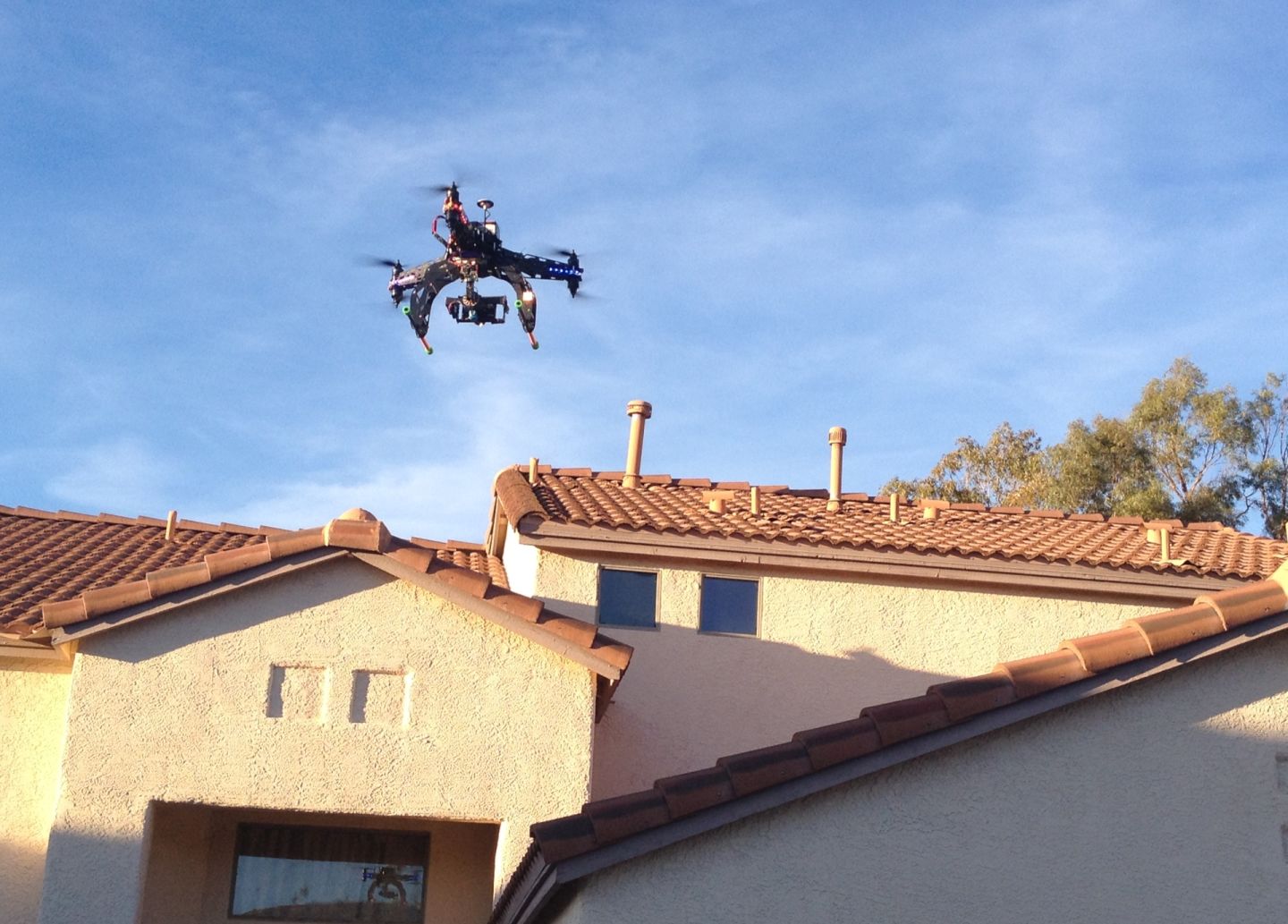
"caption": "An unmanned aircraft, or drone, flying over a house in California on Aug. 14, 2015. Sonoma County's drone program, originally used to track down illegal cannabis cultivation, has drawn criticism from privacy experts. ",
"credit": "Craig Miller/KQED",
"altTag": "File photo of a unmanned aircraft, or drone, flying over a house.",
"description": "File photo of a unmanned aircraft, or drone, flying over a house.",
"imgSizes": {
"thumbnail": {
"file": "https://cdn.kqed.org/wp-content/uploads/sites/10/2015/08/RS8329_IMG_1308.JPG-alt_319-e1439586720978-400x287.jpg",
"width": 400,
"height": 287,
"mimeType": "image/jpeg"
},
"medium": {
"file": "https://cdn.kqed.org/wp-content/uploads/sites/10/2015/08/RS8329_IMG_1308.JPG-alt_319-e1439586720978-800x574.jpg",
"width": 800,
"height": 574,
"mimeType": "image/jpeg"
},
"large": {
"file": "https://cdn.kqed.org/wp-content/uploads/sites/10/2015/08/RS8329_IMG_1308.JPG-alt_319-e1439586720978-1440x1033.jpg",
"width": 1440,
"height": 1033,
"mimeType": "image/jpeg"
},
"fd-lrg": {
"file": "https://cdn.kqed.org/wp-content/uploads/sites/10/2015/08/RS8329_IMG_1308.JPG-alt_319-e1439586720978-1920x1377.jpg",
"width": 1920,
"height": 1377,
"mimeType": "image/jpeg"
},
"fd-med": {
"file": "https://cdn.kqed.org/wp-content/uploads/sites/10/2015/08/RS8329_IMG_1308.JPG-alt_319-e1439586720978-1180x846.jpg",
"width": 1180,
"height": 846,
"mimeType": "image/jpeg"
},
"fd-sm": {
"file": "https://cdn.kqed.org/wp-content/uploads/sites/10/2015/08/RS8329_IMG_1308.JPG-alt_319-e1439586720978-960x689.jpg",
"width": 960,
"height": 689,
"mimeType": "image/jpeg"
},
"post-thumbnail": {
"file": "https://cdn.kqed.org/wp-content/uploads/sites/10/2015/08/RS8329_IMG_1308.JPG-alt_319-e1439586720978-672x372.jpg",
"width": 672,
"height": 372,
"mimeType": "image/jpeg"
},
"twentyfourteen-full-width": {
"file": "https://cdn.kqed.org/wp-content/uploads/sites/10/2015/08/RS8329_IMG_1308.JPG-alt_319-e1439586720978-1038x576.jpg",
"width": 1038,
"height": 576,
"mimeType": "image/jpeg"
},
"guest-author-32": {
"file": "https://cdn.kqed.org/wp-content/uploads/sites/10/2015/08/RS8329_IMG_1308.JPG-alt_319-e1439586720978-32x32.jpg",
"width": 32,
"height": 32,
"mimeType": "image/jpeg"
},
"guest-author-64": {
"file": "https://cdn.kqed.org/wp-content/uploads/sites/10/2015/08/RS8329_IMG_1308.JPG-alt_319-e1439586720978-64x64.jpg",
"width": 64,
"height": 64,
"mimeType": "image/jpeg"
},
"guest-author-96": {
"file": "https://cdn.kqed.org/wp-content/uploads/sites/10/2015/08/RS8329_IMG_1308.JPG-alt_319-e1439586720978-96x96.jpg",
"width": 96,
"height": 96,
"mimeType": "image/jpeg"
},
"guest-author-128": {
"file": "https://cdn.kqed.org/wp-content/uploads/sites/10/2015/08/RS8329_IMG_1308.JPG-alt_319-e1439586720978-128x128.jpg",
"width": 128,
"height": 128,
"mimeType": "image/jpeg"
},
"detail": {
"file": "https://cdn.kqed.org/wp-content/uploads/sites/10/2015/08/RS8329_IMG_1308.JPG-alt_319-e1439586720978-75x75.jpg",
"width": 75,
"height": 75,
"mimeType": "image/jpeg"
},
"jmtc-small-thumb": {
"file": "https://cdn.kqed.org/wp-content/uploads/sites/10/2015/08/RS8329_IMG_1308.JPG-alt_319-e1439586720978-280x150.jpg",
"width": 280,
"height": 150,
"mimeType": "image/jpeg"
},
"kqedFullSize": {
"file": "https://cdn.kqed.org/wp-content/uploads/sites/10/2015/08/RS8329_IMG_1308.JPG-alt_319-e1439586720978.jpg",
"width": 1920,
"height": 1377
}
},
"isLoading": false,
"fetchFailed": false
},
"news_12042829": {
"type": "attachments",
"id": "news_12042829",
"meta": {
"index": "attachments_1716263798",
"site": "news",
"id": "12042829",
"found": true
},
"title": "farmworkers with signs",
"publishDate": 1749099532,
"status": "inherit",
"parent": 12042828,
"modified": 1749099566,
"caption": "José Alejandro Cuevas Fuentes (centro) habla en una conferencia de prensa después de que él y otros seis trabajadores agrícolas recibieran casi 34 mil dólares como indemnización por una denuncia presentada por la Junta de Relaciones Laborales Agrícolas contra Redwood Empire Vineyard Management por represalias ilegales y coacción, en Healdsburg Plaza, Healdsburg, el 28 de mayo de 2025.",
"credit": "Gina Castro/KQED",
"altTag": null,
"description": null,
"imgSizes": {
"medium": {
"file": "https://cdn.kqed.org/wp-content/uploads/sites/10/2025/06/farmworkers-with-signs-800x533.jpg",
"width": 800,
"height": 533,
"mimeType": "image/jpeg"
},
"thumbnail": {
"file": "https://cdn.kqed.org/wp-content/uploads/sites/10/2025/06/farmworkers-with-signs-160x107.jpg",
"width": 160,
"height": 107,
"mimeType": "image/jpeg"
},
"post-thumbnail": {
"file": "https://cdn.kqed.org/wp-content/uploads/sites/10/2025/06/farmworkers-with-signs-672x372.jpg",
"width": 672,
"height": 372,
"mimeType": "image/jpeg"
},
"twentyfourteen-full-width": {
"file": "https://cdn.kqed.org/wp-content/uploads/sites/10/2025/06/farmworkers-with-signs-1020x576.jpg",
"width": 1020,
"height": 576,
"mimeType": "image/jpeg"
},
"kqedFullSize": {
"file": "https://cdn.kqed.org/wp-content/uploads/sites/10/2025/06/farmworkers-with-signs.jpg",
"width": 1020,
"height": 680
}
},
"isLoading": false,
"fetchFailed": false
},
"news_12041677": {
"type": "attachments",
"id": "news_12041677",
"meta": {
"index": "attachments_1716263798",
"site": "news",
"id": "12041677",
"found": true
},
"title": "SantaRosaChurchFire1",
"publishDate": 1748366178,
"status": "inherit",
"parent": 0,
"modified": 1748366252,
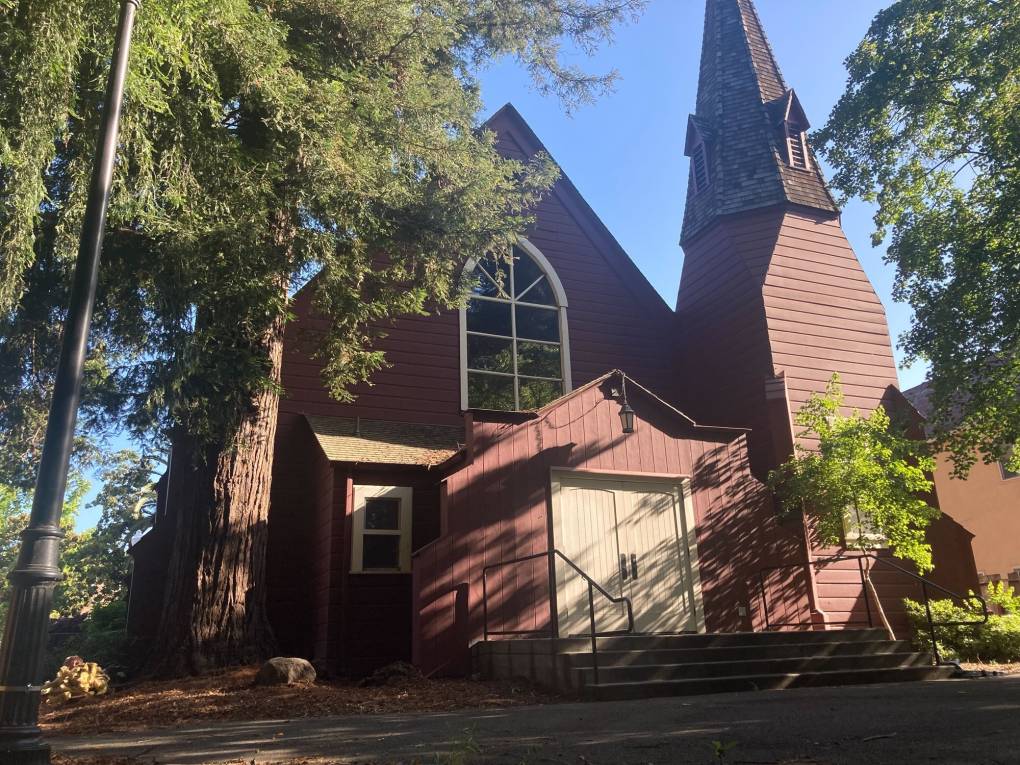
"caption": "The historic Church of One Tree in Santa Rosa is seen on Tuesday, May 27, the morning after a fire that authorities are investigating as arson.",
"credit": "Gabe Meline/KQED",
"altTag": null,
"description": null,
"imgSizes": {
"medium": {
"file": "https://cdn.kqed.org/wp-content/uploads/sites/10/2025/05/SantaRosaChurchFire1-800x600.jpg",
"width": 800,
"height": 600,
"mimeType": "image/jpeg"
},
"large": {
"file": "https://cdn.kqed.org/wp-content/uploads/sites/10/2025/05/SantaRosaChurchFire1-1020x765.jpg",
"width": 1020,
"height": 765,
"mimeType": "image/jpeg"
},
"thumbnail": {
"file": "https://cdn.kqed.org/wp-content/uploads/sites/10/2025/05/SantaRosaChurchFire1-160x120.jpg",
"width": 160,
"height": 120,
"mimeType": "image/jpeg"
},
"1536x1536": {
"file": "https://cdn.kqed.org/wp-content/uploads/sites/10/2025/05/SantaRosaChurchFire1-1536x1152.jpg",
"width": 1536,
"height": 1152,
"mimeType": "image/jpeg"
},
"post-thumbnail": {
"file": "https://cdn.kqed.org/wp-content/uploads/sites/10/2025/05/SantaRosaChurchFire1-672x372.jpg",
"width": 672,
"height": 372,
"mimeType": "image/jpeg"
},
"twentyfourteen-full-width": {
"file": "https://cdn.kqed.org/wp-content/uploads/sites/10/2025/05/SantaRosaChurchFire1-1038x576.jpg",
"width": 1038,
"height": 576,
"mimeType": "image/jpeg"
},
"full-width": {
"file": "https://cdn.kqed.org/wp-content/uploads/sites/10/2025/05/SantaRosaChurchFire1-1920x1440.jpg",
"width": 1920,
"height": 1440,
"mimeType": "image/jpeg"
},
"kqedFullSize": {
"file": "https://cdn.kqed.org/wp-content/uploads/sites/10/2025/05/SantaRosaChurchFire1.jpg",
"width": 2000,
"height": 1500
}
},
"isLoading": false,
"fetchFailed": false
},
"news_12035731": {
"type": "attachments",
"id": "news_12035731",
"meta": {
"index": "attachments_1716263798",
"site": "news",
"id": "12035731",
"found": true
},
"title": "20240411_PRESSDEMOCRATFILE_GC-3-KQED",
"publishDate": 1744406823,
"status": "inherit",
"parent": 0,
"modified": 1744406883,
"caption": "The Press Democrat’s former printing facility in Rohnert Park on April 11, 2025.",
"credit": "Gina Castro/KQED",
"altTag": null,
"description": null,
"imgSizes": {
"medium": {
"file": "https://cdn.kqed.org/wp-content/uploads/sites/10/2025/04/20240411_PRESSDEMOCRATFILE_GC-3-KQED-800x533.jpg",
"width": 800,
"height": 533,
"mimeType": "image/jpeg"
},
"large": {
"file": "https://cdn.kqed.org/wp-content/uploads/sites/10/2025/04/20240411_PRESSDEMOCRATFILE_GC-3-KQED-1020x680.jpg",
"width": 1020,
"height": 680,
"mimeType": "image/jpeg"
},
"thumbnail": {
"file": "https://cdn.kqed.org/wp-content/uploads/sites/10/2025/04/20240411_PRESSDEMOCRATFILE_GC-3-KQED-160x107.jpg",
"width": 160,
"height": 107,
"mimeType": "image/jpeg"
},
"1536x1536": {
"file": "https://cdn.kqed.org/wp-content/uploads/sites/10/2025/04/20240411_PRESSDEMOCRATFILE_GC-3-KQED-1536x1024.jpg",
"width": 1536,
"height": 1024,
"mimeType": "image/jpeg"
},
"post-thumbnail": {
"file": "https://cdn.kqed.org/wp-content/uploads/sites/10/2025/04/20240411_PRESSDEMOCRATFILE_GC-3-KQED-672x372.jpg",
"width": 672,
"height": 372,
"mimeType": "image/jpeg"
},
"twentyfourteen-full-width": {
"file": "https://cdn.kqed.org/wp-content/uploads/sites/10/2025/04/20240411_PRESSDEMOCRATFILE_GC-3-KQED-1038x576.jpg",
"width": 1038,
"height": 576,
"mimeType": "image/jpeg"
},
"full-width": {
"file": "https://cdn.kqed.org/wp-content/uploads/sites/10/2025/04/20240411_PRESSDEMOCRATFILE_GC-3-KQED-1920x1280.jpg",
"width": 1920,
"height": 1280,
"mimeType": "image/jpeg"
},
"kqedFullSize": {
"file": "https://cdn.kqed.org/wp-content/uploads/sites/10/2025/04/20240411_PRESSDEMOCRATFILE_GC-3-KQED.jpg",
"width": 2000,
"height": 1333
}
},
"isLoading": false,
"fetchFailed": false
},
"news_12035730": {
"type": "attachments",
"id": "news_12035730",
"meta": {
"index": "attachments_1716263798",
"site": "news",
"id": "12035730",
"found": true
},
"title": "20240411_PRESSDEMOCRATFILE_GC-1-KQED",
"publishDate": 1744406817,
"status": "inherit",
"parent": 12035646,
"modified": 1744411873,
"caption": "The Press Democrat’s former printing facility in Rohnert Park on April 11, 2025.",
"credit": "Gina Castro/KQED",
"altTag": null,
"description": null,
"imgSizes": {
"medium": {
"file": "https://cdn.kqed.org/wp-content/uploads/sites/10/2025/04/20240411_PRESSDEMOCRATFILE_GC-1-KQED-800x533.jpg",
"width": 800,
"height": 533,
"mimeType": "image/jpeg"
},
"large": {
"file": "https://cdn.kqed.org/wp-content/uploads/sites/10/2025/04/20240411_PRESSDEMOCRATFILE_GC-1-KQED-1020x680.jpg",
"width": 1020,
"height": 680,
"mimeType": "image/jpeg"
},
"thumbnail": {
"file": "https://cdn.kqed.org/wp-content/uploads/sites/10/2025/04/20240411_PRESSDEMOCRATFILE_GC-1-KQED-160x107.jpg",
"width": 160,
"height": 107,
"mimeType": "image/jpeg"
},
"1536x1536": {
"file": "https://cdn.kqed.org/wp-content/uploads/sites/10/2025/04/20240411_PRESSDEMOCRATFILE_GC-1-KQED-1536x1024.jpg",
"width": 1536,
"height": 1024,
"mimeType": "image/jpeg"
},
"post-thumbnail": {
"file": "https://cdn.kqed.org/wp-content/uploads/sites/10/2025/04/20240411_PRESSDEMOCRATFILE_GC-1-KQED-672x372.jpg",
"width": 672,
"height": 372,
"mimeType": "image/jpeg"
},
"twentyfourteen-full-width": {
"file": "https://cdn.kqed.org/wp-content/uploads/sites/10/2025/04/20240411_PRESSDEMOCRATFILE_GC-1-KQED-1038x576.jpg",
"width": 1038,
"height": 576,
"mimeType": "image/jpeg"
},
"full-width": {
"file": "https://cdn.kqed.org/wp-content/uploads/sites/10/2025/04/20240411_PRESSDEMOCRATFILE_GC-1-KQED-1920x1280.jpg",
"width": 1920,
"height": 1280,
"mimeType": "image/jpeg"
},
"kqedFullSize": {
"file": "https://cdn.kqed.org/wp-content/uploads/sites/10/2025/04/20240411_PRESSDEMOCRATFILE_GC-1-KQED.jpg",
"width": 2000,
"height": 1333
}
},
"isLoading": false,
"fetchFailed": false
},
"news_12024990": {
"type": "attachments",
"id": "news_12024990",
"meta": {
"index": "attachments_1716263798",
"site": "news",
"id": "12024990",
"found": true
},
"title": "20250130_SSUTownHall_GC-12",
"publishDate": 1738284655,
"status": "inherit",
"parent": 0,
"modified": 1744225932,
"caption": "Women and Gender Studies faculty, Lena McQuade, left, and Don Romesburg, center, attend a rally and virtual town hall wearing signs protesting the school’s budget cuts, at Sonoma State’s Seawolf Plaza in Rohnert Park, California, on Jan 30, 2025.",
"credit": "Gina Castro/KQED",
"altTag": null,
"description": null,
"imgSizes": {
"medium": {
"file": "https://cdn.kqed.org/wp-content/uploads/sites/10/2025/01/20250130_SSUTownHall_GC-12-800x533.jpg",
"width": 800,
"height": 533,
"mimeType": "image/jpeg"
},
"large": {
"file": "https://cdn.kqed.org/wp-content/uploads/sites/10/2025/01/20250130_SSUTownHall_GC-12-1020x680.jpg",
"width": 1020,
"height": 680,
"mimeType": "image/jpeg"
},
"thumbnail": {
"file": "https://cdn.kqed.org/wp-content/uploads/sites/10/2025/01/20250130_SSUTownHall_GC-12-160x107.jpg",
"width": 160,
"height": 107,
"mimeType": "image/jpeg"
},
"1536x1536": {
"file": "https://cdn.kqed.org/wp-content/uploads/sites/10/2025/01/20250130_SSUTownHall_GC-12-1536x1024.jpg",
"width": 1536,
"height": 1024,
"mimeType": "image/jpeg"
},
"post-thumbnail": {
"file": "https://cdn.kqed.org/wp-content/uploads/sites/10/2025/01/20250130_SSUTownHall_GC-12-672x372.jpg",
"width": 672,
"height": 372,
"mimeType": "image/jpeg"
},
"twentyfourteen-full-width": {
"file": "https://cdn.kqed.org/wp-content/uploads/sites/10/2025/01/20250130_SSUTownHall_GC-12-1038x576.jpg",
"width": 1038,
"height": 576,
"mimeType": "image/jpeg"
},
"full-width": {
"file": "https://cdn.kqed.org/wp-content/uploads/sites/10/2025/01/20250130_SSUTownHall_GC-12-1920x1280.jpg",
"width": 1920,
"height": 1280,
"mimeType": "image/jpeg"
},
"kqedFullSize": {
"file": "https://cdn.kqed.org/wp-content/uploads/sites/10/2025/01/20250130_SSUTownHall_GC-12.jpg",
"width": 2000,
"height": 1333
}
},
"isLoading": false,
"fetchFailed": false
},
"news_12033074": {
"type": "attachments",
"id": "news_12033074",
"meta": {
"index": "attachments_1716263798",
"site": "news",
"id": "12033074",
"found": true
},
"title": "sonoma farms",
"publishDate": 1742997281,
"status": "inherit",
"parent": 12033073,
"modified": 1742997330,
"caption": "Erin Roscoe and Brennan Murphy's flock of sheep at Fox Sparrow Farm.",
"credit": "Noah Abrams/KRCB",
"altTag": null,
"description": null,
"imgSizes": {
"thumbnail": {
"file": "https://cdn.kqed.org/wp-content/uploads/sites/10/2025/03/sonoma-farms-160x219.jpg",
"width": 160,
"height": 219,
"mimeType": "image/jpeg"
},
"post-thumbnail": {
"file": "https://cdn.kqed.org/wp-content/uploads/sites/10/2025/03/sonoma-farms-616x372.jpg",
"width": 616,
"height": 372,
"mimeType": "image/jpeg"
},
"twentyfourteen-full-width": {
"file": "https://cdn.kqed.org/wp-content/uploads/sites/10/2025/03/sonoma-farms-616x576.jpg",
"width": 616,
"height": 576,
"mimeType": "image/jpeg"
},
"kqedFullSize": {
"file": "https://cdn.kqed.org/wp-content/uploads/sites/10/2025/03/sonoma-farms.jpg",
"width": 616,
"height": 843
}
},
"isLoading": false,
"fetchFailed": false
},
"news_11621864": {
"type": "attachments",
"id": "news_11621864",
"meta": {
"index": "attachments_1716263798",
"site": "news",
"id": "11621864",
"found": true
},
"title": "Chimney",
"publishDate": 1507571472,
"status": "inherit",
"parent": 11621829,
"modified": 1739405839,
"caption": "Remains of destroyed homes smolder in Glen Ellen on Oct. 9, 2017. Tens of thousands of acres and dozens of homes and businesses have burned in a widespread wildfire that is burning in Napa and Sonoma counties.",
"credit": "Justin Sullivan/Getty Images",
"altTag": "The smouldering remains of a structure, with two brick parts of the structure still standing.",
"description": "Remains of destroyed homes smolder in Glen Ellen on October 9, 2017. Tens of thousands of acres and dozens of homes and businesses have burned in a widespread wildfire that is burning in Napa and Sonoma counties.",
"imgSizes": {
"thumbnail": {
"file": "https://cdn.kqed.org/wp-content/uploads/sites/10/2017/10/Chimney-160x107.jpg",
"width": 160,
"height": 107,
"mimeType": "image/jpeg"
},
"medium": {
"file": "https://cdn.kqed.org/wp-content/uploads/sites/10/2017/10/Chimney-800x533.jpg",
"width": 800,
"height": 533,
"mimeType": "image/jpeg"
},
"large": {
"file": "https://cdn.kqed.org/wp-content/uploads/sites/10/2017/10/Chimney-1020x680.jpg",
"width": 1020,
"height": 680,
"mimeType": "image/jpeg"
},
"fd-lrg": {
"file": "https://cdn.kqed.org/wp-content/uploads/sites/10/2017/10/Chimney-1920x1280.jpg",
"width": 1920,
"height": 1280,
"mimeType": "image/jpeg"
},
"fd-med": {
"file": "https://cdn.kqed.org/wp-content/uploads/sites/10/2017/10/Chimney-1180x787.jpg",
"width": 1180,
"height": 787,
"mimeType": "image/jpeg"
},
"fd-sm": {
"file": "https://cdn.kqed.org/wp-content/uploads/sites/10/2017/10/Chimney-960x640.jpg",
"width": 960,
"height": 640,
"mimeType": "image/jpeg"
},
"post-thumbnail": {
"file": "https://cdn.kqed.org/wp-content/uploads/sites/10/2017/10/Chimney-672x372.jpg",
"width": 672,
"height": 372,
"mimeType": "image/jpeg"
},
"twentyfourteen-full-width": {
"file": "https://cdn.kqed.org/wp-content/uploads/sites/10/2017/10/Chimney-1038x576.jpg",
"width": 1038,
"height": 576,
"mimeType": "image/jpeg"
},
"xxsmall": {
"file": "https://cdn.kqed.org/wp-content/uploads/sites/10/2017/10/Chimney-240x160.jpg",
"width": 240,
"height": 160,
"mimeType": "image/jpeg"
},
"xsmall": {
"file": "https://cdn.kqed.org/wp-content/uploads/sites/10/2017/10/Chimney-375x250.jpg",
"width": 375,
"height": 250,
"mimeType": "image/jpeg"
},
"small": {
"file": "https://cdn.kqed.org/wp-content/uploads/sites/10/2017/10/Chimney-520x347.jpg",
"width": 520,
"height": 347,
"mimeType": "image/jpeg"
},
"xlarge": {
"file": "https://cdn.kqed.org/wp-content/uploads/sites/10/2017/10/Chimney-1180x787.jpg",
"width": 1180,
"height": 787,
"mimeType": "image/jpeg"
},
"full-width": {
"file": "https://cdn.kqed.org/wp-content/uploads/sites/10/2017/10/Chimney-1920x1280.jpg",
"width": 1920,
"height": 1280,
"mimeType": "image/jpeg"
},
"guest-author-32": {
"file": "https://cdn.kqed.org/wp-content/uploads/sites/10/2017/10/Chimney-32x32.jpg",
"width": 32,
"height": 32,
"mimeType": "image/jpeg"
},
"guest-author-50": {
"file": "https://cdn.kqed.org/wp-content/uploads/sites/10/2017/10/Chimney-50x50.jpg",
"width": 50,
"height": 50,
"mimeType": "image/jpeg"
},
"guest-author-64": {
"file": "https://cdn.kqed.org/wp-content/uploads/sites/10/2017/10/Chimney-64x64.jpg",
"width": 64,
"height": 64,
"mimeType": "image/jpeg"
},
"guest-author-96": {
"file": "https://cdn.kqed.org/wp-content/uploads/sites/10/2017/10/Chimney-96x96.jpg",
"width": 96,
"height": 96,
"mimeType": "image/jpeg"
},
"guest-author-128": {
"file": "https://cdn.kqed.org/wp-content/uploads/sites/10/2017/10/Chimney-128x128.jpg",
"width": 128,
"height": 128,
"mimeType": "image/jpeg"
},
"detail": {
"file": "https://cdn.kqed.org/wp-content/uploads/sites/10/2017/10/Chimney-150x150.jpg",
"width": 150,
"height": 150,
"mimeType": "image/jpeg"
},
"kqedFullSize": {
"file": "https://cdn.kqed.org/wp-content/uploads/sites/10/2017/10/Chimney.jpg",
"width": 1920,
"height": 1280
}
},
"isLoading": false,
"fetchFailed": false
},
"news_12025675": {
"type": "attachments",
"id": "news_12025675",
"meta": {
"index": "attachments_1716263798",
"site": "news",
"id": "12025675",
"found": true
},
"title": "20250204_Post-Fire-Child-Care_DMB_00647",
"publishDate": 1738710972,
"status": "inherit",
"parent": 0,
"modified": 1738882012,
"caption": "Joshua plays on 'woodchip mountain' at Fulton Community School & Farm, a preschool in Santa Rosa, Sonoma County, on Tuesday, Feb. 4, 2025. The school reopened after the 2017 Tubbs fire with the support of city policies that prioritized adding more child care spaces.",
"credit": "David M. Barreda/KQED",
"altTag": null,
"description": null,
"imgSizes": {
"medium": {
"file": "https://cdn.kqed.org/wp-content/uploads/sites/10/2025/02/20250204_Post-Fire-Child-Care_DMB_00647-800x533.jpg",
"width": 800,
"height": 533,
"mimeType": "image/jpeg"
},
"large": {
"file": "https://cdn.kqed.org/wp-content/uploads/sites/10/2025/02/20250204_Post-Fire-Child-Care_DMB_00647-1020x680.jpg",
"width": 1020,
"height": 680,
"mimeType": "image/jpeg"
},
"thumbnail": {
"file": "https://cdn.kqed.org/wp-content/uploads/sites/10/2025/02/20250204_Post-Fire-Child-Care_DMB_00647-160x107.jpg",
"width": 160,
"height": 107,
"mimeType": "image/jpeg"
},
"1536x1536": {
"file": "https://cdn.kqed.org/wp-content/uploads/sites/10/2025/02/20250204_Post-Fire-Child-Care_DMB_00647-1536x1024.jpg",
"width": 1536,
"height": 1024,
"mimeType": "image/jpeg"
},
"post-thumbnail": {
"file": "https://cdn.kqed.org/wp-content/uploads/sites/10/2025/02/20250204_Post-Fire-Child-Care_DMB_00647-672x372.jpg",
"width": 672,
"height": 372,
"mimeType": "image/jpeg"
},
"twentyfourteen-full-width": {
"file": "https://cdn.kqed.org/wp-content/uploads/sites/10/2025/02/20250204_Post-Fire-Child-Care_DMB_00647-1038x576.jpg",
"width": 1038,
"height": 576,
"mimeType": "image/jpeg"
},
"full-width": {
"file": "https://cdn.kqed.org/wp-content/uploads/sites/10/2025/02/20250204_Post-Fire-Child-Care_DMB_00647-1920x1280.jpg",
"width": 1920,
"height": 1280,
"mimeType": "image/jpeg"
},
"kqedFullSize": {
"file": "https://cdn.kqed.org/wp-content/uploads/sites/10/2025/02/20250204_Post-Fire-Child-Care_DMB_00647.jpg",
"width": 2000,
"height": 1333
}
},
"isLoading": false,
"fetchFailed": false
},
"news_12025967": {
"type": "attachments",
"id": "news_12025967",
"meta": {
"index": "attachments_1716263798",
"site": "news",
"id": "12025967",
"found": true
},
"title": "476376313_1040974078062352_1809273546543627556_n",
"publishDate": 1738865125,
"status": "inherit",
"parent": 0,
"modified": 1738868172,
"caption": "A photo of Hall Road, Santa Rosa, California, posted to the Sonoma County Sheriff's Facebook page on Feb. 6, 2025.",
"credit": "Courtesy of Sonoma County Sherif",
"altTag": null,
"description": null,
"imgSizes": {
"medium": {
"file": "https://cdn.kqed.org/wp-content/uploads/sites/10/2025/02/476376313_1040974078062352_1809273546543627556_n-800x429.jpg",
"width": 800,
"height": 429,
"mimeType": "image/jpeg"
},
"large": {
"file": "https://cdn.kqed.org/wp-content/uploads/sites/10/2025/02/476376313_1040974078062352_1809273546543627556_n-1020x547.jpg",
"width": 1020,
"height": 547,
"mimeType": "image/jpeg"
},
"thumbnail": {
"file": "https://cdn.kqed.org/wp-content/uploads/sites/10/2025/02/476376313_1040974078062352_1809273546543627556_n-160x86.jpg",
"width": 160,
"height": 86,
"mimeType": "image/jpeg"
},
"1536x1536": {
"file": "https://cdn.kqed.org/wp-content/uploads/sites/10/2025/02/476376313_1040974078062352_1809273546543627556_n-1536x824.jpg",
"width": 1536,
"height": 824,
"mimeType": "image/jpeg"
},
"post-thumbnail": {
"file": "https://cdn.kqed.org/wp-content/uploads/sites/10/2025/02/476376313_1040974078062352_1809273546543627556_n-672x372.jpg",
"width": 672,
"height": 372,
"mimeType": "image/jpeg"
},
"twentyfourteen-full-width": {
"file": "https://cdn.kqed.org/wp-content/uploads/sites/10/2025/02/476376313_1040974078062352_1809273546543627556_n-1038x576.jpg",
"width": 1038,
"height": 576,
"mimeType": "image/jpeg"
},
"full-width": {
"file": "https://cdn.kqed.org/wp-content/uploads/sites/10/2025/02/476376313_1040974078062352_1809273546543627556_n-1920x1030.jpg",
"width": 1920,
"height": 1030,
"mimeType": "image/jpeg"
},
"kqedFullSize": {
"file": "https://cdn.kqed.org/wp-content/uploads/sites/10/2025/02/476376313_1040974078062352_1809273546543627556_n.jpg",
"width": 2000,
"height": 1073
}
},
"isLoading": false,
"fetchFailed": false
},
"news_12025688": {
"type": "attachments",
"id": "news_12025688",
"meta": {
"index": "attachments_1716263798",
"site": "news",
"id": "12025688",
"found": true
},
"title": "250204-RainStorm-01-BL",
"publishDate": 1738711489,
"status": "inherit",
"parent": 0,
"modified": 1738711597,
"caption": "Rain gathers on the windshield of a trolley car during a storm in San Francisco on Feb. 4, 2025.",
"credit": "Beth LaBerge/KQED",
"altTag": null,
"description": null,
"imgSizes": {
"medium": {
"file": "https://cdn.kqed.org/wp-content/uploads/sites/10/2025/02/250204-RainStorm-01-BL-800x533.jpg",
"width": 800,
"height": 533,
"mimeType": "image/jpeg"
},
"large": {
"file": "https://cdn.kqed.org/wp-content/uploads/sites/10/2025/02/250204-RainStorm-01-BL-1020x680.jpg",
"width": 1020,
"height": 680,
"mimeType": "image/jpeg"
},
"thumbnail": {
"file": "https://cdn.kqed.org/wp-content/uploads/sites/10/2025/02/250204-RainStorm-01-BL-160x107.jpg",
"width": 160,
"height": 107,
"mimeType": "image/jpeg"
},
"1536x1536": {
"file": "https://cdn.kqed.org/wp-content/uploads/sites/10/2025/02/250204-RainStorm-01-BL-1536x1024.jpg",
"width": 1536,
"height": 1024,
"mimeType": "image/jpeg"
},
"2048x2048": {
"file": "https://cdn.kqed.org/wp-content/uploads/sites/10/2025/02/250204-RainStorm-01-BL-2048x1365.jpg",
"width": 2048,
"height": 1365,
"mimeType": "image/jpeg"
},
"post-thumbnail": {
"file": "https://cdn.kqed.org/wp-content/uploads/sites/10/2025/02/250204-RainStorm-01-BL-672x372.jpg",
"width": 672,
"height": 372,
"mimeType": "image/jpeg"
},
"twentyfourteen-full-width": {
"file": "https://cdn.kqed.org/wp-content/uploads/sites/10/2025/02/250204-RainStorm-01-BL-1038x576.jpg",
"width": 1038,
"height": 576,
"mimeType": "image/jpeg"
},
"full-width": {
"file": "https://cdn.kqed.org/wp-content/uploads/sites/10/2025/02/250204-RainStorm-01-BL-1920x1280.jpg",
"width": 1920,
"height": 1280,
"mimeType": "image/jpeg"
},
"kqedFullSize": {
"file": "https://cdn.kqed.org/wp-content/uploads/sites/10/2025/02/250204-RainStorm-01-BL-scaled-e1738779197636.jpg",
"width": 2000,
"height": 1334
}
},
"isLoading": false,
"fetchFailed": false
}
},
"audioPlayerReducer": {
"postId": "stream_live",
"isPaused": true,
"isPlaying": false,
"pfsActive": false,
"pledgeModalIsOpen": true,
"playerDrawerIsOpen": false,
"liveAudioPlayStartedAt": 0,
"liveAudioPlayContext": ""
},
"authorsReducer": {
"gmeline": {
"type": "authors",
"id": "185",
"meta": {
"index": "authors_1716337520",
"id": "185",
"found": true
},
"name": "Gabe Meline",
"firstName": "Gabe",
"lastName": "Meline",
"slug": "gmeline",
"email": "gmeline@kqed.org",
"display_author_email": true,
"staff_mastheads": [
"arts"
],
"title": "Senior Editor, KQED Arts & Culture",
"bio": "Gabe Meline entered journalism at age 15 making photocopied zines, and has since earned awards from the Edward R. Murrow Awards, the Society for Professional Journalists, the Online Journalism Awards, the Association of Alternative Newsweeklies and the California Newspaper Publishers Association. Prior to KQED, he was the editor of the \u003cem>North Bay Bohemian\u003c/em> and a touring musician. He lives with his wife and daughter in his hometown of Santa Rosa, CA.",
"avatar": "https://secure.gravatar.com/avatar/5bebe57be0d8bc2dd318934feb47299e2d2d10cba28d09d8d7afb389a2ce2bdd?s=600&d=blank&r=g",
"twitter": null,
"bluesky": null,
"facebook": null,
"instagram": null,
"linkedin": null,
"sites": [
{
"site": "",
"roles": [
"editor"
]
},
{
"site": "arts",
"roles": [
"administrator"
]
},
{
"site": "artschool",
"roles": [
"editor"
]
},
{
"site": "news",
"roles": [
"author"
]
},
{
"site": "pop",
"roles": [
"editor"
]
},
{
"site": "bayareabites",
"roles": [
"editor"
]
},
{
"site": "food",
"roles": [
"editor"
]
},
{
"site": "forum",
"roles": [
"administrator"
]
},
{
"site": "liveblog",
"roles": [
"editor"
]
},
{
"site": "hiphop",
"roles": [
"editor"
]
}
],
"headData": {
"title": "Gabe Meline | KQED",
"description": "Senior Editor, KQED Arts & Culture",
"ogImgSrc": "https://secure.gravatar.com/avatar/5bebe57be0d8bc2dd318934feb47299e2d2d10cba28d09d8d7afb389a2ce2bdd?s=600&d=blank&r=g",
"twImgSrc": "https://secure.gravatar.com/avatar/5bebe57be0d8bc2dd318934feb47299e2d2d10cba28d09d8d7afb389a2ce2bdd?s=600&d=blank&r=g"
},
"isLoading": false,
"link": "/author/gmeline"
},
"ecruzguevarra": {
"type": "authors",
"id": "8654",
"meta": {
"index": "authors_1716337520",
"id": "8654",
"found": true
},
"name": "Ericka Cruz Guevarra",
"firstName": "Ericka",
"lastName": "Cruz Guevarra",
"slug": "ecruzguevarra",
"email": "ecruzguevarra@kqed.org",
"display_author_email": true,
"staff_mastheads": [
"news"
],
"title": "Producer, The Bay Podcast",
"bio": "Ericka Cruz Guevarra is host of \u003ca href=\"https://www.kqed.org/podcasts/thebay\">\u003cem>The Bay\u003c/em>\u003c/a> podcast at KQED. Before host, she was the show’s producer. Her work in that capacity includes a three-part reported series on policing in Vallejo, which won a 2020 excellence in journalism award from the Society of Professional Journalists. Ericka has worked as a breaking news reporter at Oregon Public Broadcasting, helped produce the Code Switch podcast, and was KQED’s inaugural Raul Ramirez Diversity Fund intern. She’s also an alumna of NPR’s Next Generation Radio program. Send her an email if you have strong feelings about whether Fairfield and Suisun City are the Bay. Ericka is represented by SAG-AFTRA.",
"avatar": "https://secure.gravatar.com/avatar/accefc1de4bafc7e234b69bcb9b6f6536c130fd84709bc3069ef11a78787e1bb?s=600&d=blank&r=g",
"twitter": "NotoriousECG",
"bluesky": null,
"facebook": null,
"instagram": null,
"linkedin": null,
"sites": [
{
"site": "arts",
"roles": [
"subscriber"
]
},
{
"site": "news",
"roles": [
"editor",
"manage_categories"
]
},
{
"site": "futureofyou",
"roles": [
"subscriber"
]
},
{
"site": "stateofhealth",
"roles": [
"subscriber"
]
},
{
"site": "science",
"roles": [
"editor"
]
},
{
"site": "forum",
"roles": [
"subscriber"
]
}
],
"headData": {
"title": "Ericka Cruz Guevarra | KQED",
"description": "Producer, The Bay Podcast",
"ogImgSrc": "https://secure.gravatar.com/avatar/accefc1de4bafc7e234b69bcb9b6f6536c130fd84709bc3069ef11a78787e1bb?s=600&d=blank&r=g",
"twImgSrc": "https://secure.gravatar.com/avatar/accefc1de4bafc7e234b69bcb9b6f6536c130fd84709bc3069ef11a78787e1bb?s=600&d=blank&r=g"
},
"isLoading": false,
"link": "/author/ecruzguevarra"
},
"amontecillo": {
"type": "authors",
"id": "11649",
"meta": {
"index": "authors_1716337520",
"id": "11649",
"found": true
},
"name": "Alan Montecillo",
"firstName": "Alan",
"lastName": "Montecillo",
"slug": "amontecillo",
"email": "amontecillo@kqed.org",
"display_author_email": false,
"staff_mastheads": [
"news"
],
"title": "KQED Contributor",
"bio": "Alan Montecillo is the senior editor of \u003cem>\u003ca href=\"http://kqed.org/thebay\">The Bay\u003c/a>, \u003c/em> KQED's local news podcast. Before moving to the Bay Area, he worked as a senior talk show producer for WILL in Champaign-Urbana, Illinois and at Oregon Public Broadcasting in Portland, Oregon. He has won journalism awards from the Society of Professional Journalists Northern California, the Public Media Journalists Association, The Signal Awards, and has also received a regional Edward R. Murrow award. Alan is a Filipino American from Hong Kong and a graduate of Reed College.",
"avatar": "https://secure.gravatar.com/avatar/268f53a2066899ea9efdd8a5900218b17c822d9862cbc9326cccec53ef41d349?s=600&d=blank&r=g",
"twitter": "alanmontecillo",
"bluesky": null,
"facebook": null,
"instagram": null,
"linkedin": null,
"sites": [
{
"site": "",
"roles": [
"editor"
]
},
{
"site": "news",
"roles": [
"editor",
"manage_categories"
]
}
],
"headData": {
"title": "Alan Montecillo | KQED",
"description": "KQED Contributor",
"ogImgSrc": "https://secure.gravatar.com/avatar/268f53a2066899ea9efdd8a5900218b17c822d9862cbc9326cccec53ef41d349?s=600&d=blank&r=g",
"twImgSrc": "https://secure.gravatar.com/avatar/268f53a2066899ea9efdd8a5900218b17c822d9862cbc9326cccec53ef41d349?s=600&d=blank&r=g"
},
"isLoading": false,
"link": "/author/amontecillo"
},
"ccabreralomeli": {
"type": "authors",
"id": "11708",
"meta": {
"index": "authors_1716337520",
"id": "11708",
"found": true
},
"name": "Carlos Cabrera-Lomelí",
"firstName": "Carlos",
"lastName": "Cabrera-Lomelí",
"slug": "ccabreralomeli",
"email": "ccabreralomeli@KQED.org",
"display_author_email": true,
"staff_mastheads": [
"news"
],
"title": "Community Reporter",
"bio": "Carlos Cabrera-Lomelí is a community reporter with KQED's digital engagement team. He also reports and co-produces for KQED's bilingual news hub KQED en Español. He grew up in San Francisco's Mission District and has previously worked with Univision, 48 Hills and REFORMA in Mexico City.",
"avatar": "https://secure.gravatar.com/avatar/c309be9665e484f887b818c89e273ecc673004f426f36b24d00a4d813a2e0518?s=600&d=blank&r=g",
"twitter": "@LomeliCabrera",
"bluesky": null,
"facebook": null,
"instagram": null,
"linkedin": null,
"sites": [
{
"site": "arts",
"roles": [
"editor"
]
},
{
"site": "news",
"roles": [
"editor"
]
},
{
"site": "about",
"roles": [
"editor"
]
},
{
"site": "science",
"roles": [
"editor"
]
},
{
"site": "perspectives",
"roles": [
"editor"
]
},
{
"site": "elections",
"roles": [
"editor"
]
},
{
"site": "liveblog",
"roles": [
"contributor"
]
}
],
"headData": {
"title": "Carlos Cabrera-Lomelí | KQED",
"description": "Community Reporter",
"ogImgSrc": "https://secure.gravatar.com/avatar/c309be9665e484f887b818c89e273ecc673004f426f36b24d00a4d813a2e0518?s=600&d=blank&r=g",
"twImgSrc": "https://secure.gravatar.com/avatar/c309be9665e484f887b818c89e273ecc673004f426f36b24d00a4d813a2e0518?s=600&d=blank&r=g"
},
"isLoading": false,
"link": "/author/ccabreralomeli"
},
"kmizuguchi": {
"type": "authors",
"id": "11739",
"meta": {
"index": "authors_1716337520",
"id": "11739",
"found": true
},
"name": "Keith Mizuguchi",
"firstName": "Keith",
"lastName": "Mizuguchi",
"slug": "kmizuguchi",
"email": "kmizuguchi@kqed.org",
"display_author_email": false,
"staff_mastheads": [],
"title": "KQED Contributor",
"bio": null,
"avatar": "https://secure.gravatar.com/avatar/64d8a7de0723d4099b9fe4e915136103febcc20809abce228ee4415bcb237023?s=600&d=blank&r=g",
"twitter": null,
"bluesky": null,
"facebook": null,
"instagram": null,
"linkedin": null,
"sites": [
{
"site": "news",
"roles": [
"editor"
]
},
{
"site": "science",
"roles": [
"editor"
]
}
],
"headData": {
"title": "Keith Mizuguchi | KQED",
"description": "KQED Contributor",
"ogImgSrc": "https://secure.gravatar.com/avatar/64d8a7de0723d4099b9fe4e915136103febcc20809abce228ee4415bcb237023?s=600&d=blank&r=g",
"twImgSrc": "https://secure.gravatar.com/avatar/64d8a7de0723d4099b9fe4e915136103febcc20809abce228ee4415bcb237023?s=600&d=blank&r=g"
},
"isLoading": false,
"link": "/author/kmizuguchi"
},
"daisynguyen": {
"type": "authors",
"id": "11829",
"meta": {
"index": "authors_1716337520",
"id": "11829",
"found": true
},
"name": "Daisy Nguyen",
"firstName": "Daisy",
"lastName": "Nguyen",
"slug": "daisynguyen",
"email": "daisynguyen@kqed.org",
"display_author_email": true,
"staff_mastheads": [
"news"
],
"title": "KQED Contributor",
"bio": "I have covered early childhood education and child care for KQED since 2022. I focus on policies aimed at increasing access to early care and education and how they shape individual lives. I've been a journalist for more than two decades, with most of that time devoted to covering breaking news throughout California for The Associated Press. I grew up in San Francisco and studied at UC Davis and Columbia University's Graduate School of Journalism. I live in Oakland with my husband and two kids.",
"avatar": "https://secure.gravatar.com/avatar/2da2127c27f7143b53ebd419800fd55f?s=600&d=blank&r=g",
"twitter": null,
"facebook": null,
"instagram": null,
"linkedin": "https://www.linkedin.com/in/daisynguyen/",
"sites": [
{
"site": "news",
"roles": [
"author"
]
},
{
"site": "liveblog",
"roles": [
"author"
]
}
],
"headData": {
"title": "Daisy Nguyen | KQED",
"description": "KQED Contributor",
"ogImgSrc": "https://secure.gravatar.com/avatar/2da2127c27f7143b53ebd419800fd55f?s=600&d=blank&r=g",
"twImgSrc": "https://secure.gravatar.com/avatar/2da2127c27f7143b53ebd419800fd55f?s=600&d=blank&r=g"
},
"isLoading": false,
"link": "/author/daisynguyen"
},
"jessicakariisa": {
"type": "authors",
"id": "11831",
"meta": {
"index": "authors_1716337520",
"id": "11831",
"found": true
},
"name": "Jessica Kariisa",
"firstName": "Jessica",
"lastName": "Kariisa",
"slug": "jessicakariisa",
"email": "jkariisa@kqed.org",
"display_author_email": false,
"staff_mastheads": [],
"title": "Producer, The Bay",
"bio": "Jessica Kariisa is the producer of The Bay. She first joined KQED as an intern for The California Report Magazine, after which she became an on-call producer. She reported a Bay Curious episode on the use of rap lyrics in criminal trials which won a Society of Professional Journalists award in 2023 for Excellence in Features Journalism and the 2023 Signal Award for Best Conversation Starter. She’s worked on podcasts for Snap Judgment and American Public Media. Before embarking on her audio career, she was a music journalist.\r\n\r\nJessica Kariisa is represented by SAG-AFTRA.",
"avatar": "https://secure.gravatar.com/avatar/522e97b28ac0b3d411621c0fde8f3419c7b71ea2c5c262c57c4bb600963f328c?s=600&d=blank&r=g",
"twitter": null,
"bluesky": null,
"facebook": null,
"instagram": null,
"linkedin": null,
"sites": [
{
"site": "arts",
"roles": [
"author"
]
},
{
"site": "news",
"roles": [
"editor",
"manage_categories"
]
}
],
"headData": {
"title": "Jessica Kariisa | KQED",
"description": "Producer, The Bay",
"ogImgSrc": "https://secure.gravatar.com/avatar/522e97b28ac0b3d411621c0fde8f3419c7b71ea2c5c262c57c4bb600963f328c?s=600&d=blank&r=g",
"twImgSrc": "https://secure.gravatar.com/avatar/522e97b28ac0b3d411621c0fde8f3419c7b71ea2c5c262c57c4bb600963f328c?s=600&d=blank&r=g"
},
"isLoading": false,
"link": "/author/jessicakariisa"
},
"jservantez": {
"type": "authors",
"id": "11909",
"meta": {
"index": "authors_1716337520",
"id": "11909",
"found": true
},
"name": "Jared Servantez",
"firstName": "Jared",
"lastName": "Servantez",
"slug": "jservantez",
"email": "jservantez@kqed.org",
"display_author_email": true,
"staff_mastheads": [
"news"
],
"title": "KQED Contributor",
"bio": "Jared Servantez is the editor of KQED's Express Desk, leading the newsroom's online breaking news operation. He most recently worked for the Los Angeles Times, where he served as a breaking news editor, the Metro Desk's night editor, and a copy editor. Jared is a graduate of the USC Annenberg School for Communication and Journalism.",
"avatar": "https://secure.gravatar.com/avatar/f0e317c67bb498c3f077f033d1cc79e62f3bc1303fa20a14e8880d31fbe7e01e?s=600&d=blank&r=g",
"twitter": "jservantez",
"bluesky": null,
"facebook": null,
"instagram": null,
"linkedin": null,
"sites": [
{
"site": "news",
"roles": [
"editor"
]
},
{
"site": "science",
"roles": [
"editor",
"author"
]
},
{
"site": "liveblog",
"roles": [
"editor"
]
}
],
"headData": {
"title": "Jared Servantez | KQED",
"description": "KQED Contributor",
"ogImgSrc": "https://secure.gravatar.com/avatar/f0e317c67bb498c3f077f033d1cc79e62f3bc1303fa20a14e8880d31fbe7e01e?s=600&d=blank&r=g",
"twImgSrc": "https://secure.gravatar.com/avatar/f0e317c67bb498c3f077f033d1cc79e62f3bc1303fa20a14e8880d31fbe7e01e?s=600&d=blank&r=g"
},
"isLoading": false,
"link": "/author/jservantez"
},
"kdebenedetti": {
"type": "authors",
"id": "11913",
"meta": {
"index": "authors_1716337520",
"id": "11913",
"found": true
},
"name": "Katie DeBenedetti",
"firstName": "Katie",
"lastName": "DeBenedetti",
"slug": "kdebenedetti",
"email": "kdebenedetti@kqed.org",
"display_author_email": false,
"staff_mastheads": [
"news",
"science"
],
"title": "KQED Contributor",
"bio": "Katie DeBenedetti is a digital reporter covering daily news for the Express Desk. Prior to joining KQED as a culture reporting intern in January 2024, she covered education and city government for the Napa Valley Register.",
"avatar": "https://secure.gravatar.com/avatar/6e31073cb8f7e4214ab03f42771d0f45?s=600&d=blank&r=g",
"twitter": null,
"facebook": null,
"instagram": null,
"linkedin": null,
"sites": [
{
"site": "news",
"roles": [
"author"
]
},
{
"site": "science",
"roles": [
"author"
]
},
{
"site": "liveblog",
"roles": [
"author"
]
}
],
"headData": {
"title": "Katie DeBenedetti | KQED",
"description": "KQED Contributor",
"ogImgSrc": "https://secure.gravatar.com/avatar/6e31073cb8f7e4214ab03f42771d0f45?s=600&d=blank&r=g",
"twImgSrc": "https://secure.gravatar.com/avatar/6e31073cb8f7e4214ab03f42771d0f45?s=600&d=blank&r=g"
},
"isLoading": false,
"link": "/author/kdebenedetti"
},
"slim": {
"type": "authors",
"id": "11920",
"meta": {
"index": "authors_1716337520",
"id": "11920",
"found": true
},
"name": "Samantha Lim",
"firstName": "Samantha",
"lastName": "Lim",
"slug": "slim",
"email": "slim@KQED.org",
"display_author_email": false,
"staff_mastheads": [],
"title": "KQED Contributor",
"bio": null,
"avatar": "https://secure.gravatar.com/avatar/82e592e6c15fe1a04d385e8ad0fb0b4e?s=600&d=blank&r=g",
"twitter": null,
"facebook": null,
"instagram": null,
"linkedin": null,
"sites": [
{
"site": "news",
"roles": []
}
],
"headData": {
"title": "Samantha Lim | KQED",
"description": "KQED Contributor",
"ogImgSrc": "https://secure.gravatar.com/avatar/82e592e6c15fe1a04d385e8ad0fb0b4e?s=600&d=blank&r=g",
"twImgSrc": "https://secure.gravatar.com/avatar/82e592e6c15fe1a04d385e8ad0fb0b4e?s=600&d=blank&r=g"
},
"isLoading": false,
"link": "/author/slim"
},
"rcooke": {
"type": "authors",
"id": "11921",
"meta": {
"index": "authors_1716337520",
"id": "11921",
"found": true
},
"name": "Riley Cooke",
"firstName": "Riley",
"lastName": "Cooke",
"slug": "rcooke",
"email": "rcooke@kqed.org",
"display_author_email": true,
"staff_mastheads": [
"news"
],
"title": "KQED Contributor",
"bio": "Riley is a senior at UC Berkeley, where she studies political science and journalism. Her work has appeared in SFGate, NBC Bay Area, Local News Matters and more. She enjoys reporting on politics, housing and homelessness — and using as many em dashes as her editors will allow.",
"avatar": "https://secure.gravatar.com/avatar/792f98c126cc5e270a8a96f77f7224ea?s=600&d=blank&r=g",
"twitter": "rrileycooke",
"facebook": null,
"instagram": null,
"linkedin": null,
"sites": [
{
"site": "arts",
"roles": [
"author"
]
},
{
"site": "news",
"roles": [
"author"
]
}
],
"headData": {
"title": "Riley Cooke | KQED",
"description": "KQED Contributor",
"ogImgSrc": "https://secure.gravatar.com/avatar/792f98c126cc5e270a8a96f77f7224ea?s=600&d=blank&r=g",
"twImgSrc": "https://secure.gravatar.com/avatar/792f98c126cc5e270a8a96f77f7224ea?s=600&d=blank&r=g"
},
"isLoading": false,
"link": "/author/rcooke"
},
"emanoukian": {
"type": "authors",
"id": "11925",
"meta": {
"index": "authors_1716337520",
"id": "11925",
"found": true
},
"name": "Elize Manoukian",
"firstName": "Elize",
"lastName": "Manoukian",
"slug": "emanoukian",
"email": "emanoukian@KQED.org",
"display_author_email": false,
"staff_mastheads": [
"news"
],
"title": "Digital News Editor",
"bio": "Elize Manoukian is an award-winning audio producer and editor on the Express Desk, KQED's digital news platform. Her work has appeared on KPFA, Interlochen Public Radio, Oregon Public Broadcast, the New York Daily News, LA Times and the San Diego Union-Tribune. You can reach her at emanoukian@kqed.org.",
"avatar": "https://secure.gravatar.com/avatar/4525f1a8e46ccb30933b32653d9772064cfefe3fa655eb45b3b3a80341f6bdad?s=600&d=blank&r=g",
"twitter": null,
"bluesky": null,
"facebook": null,
"instagram": null,
"linkedin": null,
"sites": [
{
"site": "arts",
"roles": [
"editor"
]
},
{
"site": "news",
"roles": [
"editor"
]
},
{
"site": "science",
"roles": [
"editor"
]
}
],
"headData": {
"title": "Elize Manoukian | KQED",
"description": "Digital News Editor",
"ogImgSrc": "https://secure.gravatar.com/avatar/4525f1a8e46ccb30933b32653d9772064cfefe3fa655eb45b3b3a80341f6bdad?s=600&d=blank&r=g",
"twImgSrc": "https://secure.gravatar.com/avatar/4525f1a8e46ccb30933b32653d9772064cfefe3fa655eb45b3b3a80341f6bdad?s=600&d=blank&r=g"
},
"isLoading": false,
"link": "/author/emanoukian"
},
"gzada": {
"type": "authors",
"id": "11929",
"meta": {
"index": "authors_1716337520",
"id": "11929",
"found": true
},
"name": "Gilare Zada",
"firstName": "Gilare",
"lastName": "Zada",
"slug": "gzada",
"email": "gzada@kqed.org",
"display_author_email": true,
"staff_mastheads": [
"news"
],
"title": null,
"bio": "Gilare Zada is a Kurdish-American from San Diego, CA. Storytelling, fitness, and binge reading are some of her passions outside of news reporting. Her work has appeared in Mission Local, the Peninsula Press, the San Francisco Press Club, and more. She also writes as a class correspondent for the Stanford Magazine - go Card!",
"avatar": "https://secure.gravatar.com/avatar/33a75f2b947669a488a805edec3fbf3838c1cedaedda710e983770633b4d6a75?s=600&d=blank&r=g",
"twitter": null,
"bluesky": null,
"facebook": null,
"instagram": null,
"linkedin": null,
"sites": [
{
"site": "",
"roles": [
"editor"
]
},
{
"site": "arts",
"roles": [
"editor"
]
},
{
"site": "news",
"roles": [
"administrator"
]
},
{
"site": "science",
"roles": [
"editor"
]
}
],
"headData": {
"title": "Gilare Zada | KQED",
"description": null,
"ogImgSrc": "https://secure.gravatar.com/avatar/33a75f2b947669a488a805edec3fbf3838c1cedaedda710e983770633b4d6a75?s=600&d=blank&r=g",
"twImgSrc": "https://secure.gravatar.com/avatar/33a75f2b947669a488a805edec3fbf3838c1cedaedda710e983770633b4d6a75?s=600&d=blank&r=g"
},
"isLoading": false,
"link": "/author/gzada"
}
},
"pagesReducer": {
"news_tag_sonoma-county": {
"type": "terms",
"id": "news_4981",
"meta": {
"index": "terms_1716263798",
"site": "news",
"id": "4981",
"score": 9.108458
},
"featImg": null,
"name": "Sonoma County",
"description": null,
"taxonomy": "tag",
"headData": {
"twImgId": null,
"twTitle": null,
"ogTitle": null,
"ogImgId": null,
"twDescription": null,
"description": null,
"title": "Sonoma County Archives | KQED News",
"ogDescription": null
},
"ttid": 5000,
"slug": "sonoma-county",
"isLoading": false,
"title": "Sonoma County",
"pageMeta": {
"site": "news",
"WpPageTemplate": "page-topic-editorial",
"currentPage": 4
},
"blocks": [
{
"blockName": "kqed/post-list",
"attrs": {
"layout": "cardArticle2",
"query": "posts/news?tag=sonoma-county",
"seeMore": false,
"paginated": true,
"page": 4
}
},
{
"blockName": "kqed/ad"
}
]
}
},
"pfsSessionReducer": {},
"postsReducer": {
"stream_live": {
"type": "live",
"id": "stream_live",
"audioUrl": "https://hls.kqed.org/hls/kqed_app/playlist.m3u8",
"title": "Live Stream",
"excerpt": "Live Stream information currently unavailable.",
"link": "/radio",
"featImg": "",
"label": {
"name": "KQED Live",
"link": "/"
}
},
"stream_kqedNewscast": {
"type": "posts",
"id": "stream_kqedNewscast",
"audioUrl": "https://www.kqed.org/.stream/anon/radio/RDnews/newscast.mp3?_=1",
"title": "KQED Newscast",
"featImg": "",
"label": {
"name": "88.5 FM",
"link": "/"
}
},
"news_12043142": {
"type": "posts",
"id": "news_12043142",
"meta": {
"index": "posts_1716263798",
"site": "news",
"id": "12043142",
"score": null,
"sort": [
1749243279000
]
},
"guestAuthors": [],
"slug": "sonoma-county-deployed-drones-700-times-since-2019-says-aclu-lawsuit",
"title": "Sonoma County Deployed Drones 700 Times Since 2019, Says ACLU Lawsuit",
"publishDate": 1749243279,
"format": "standard",
"headTitle": "Sonoma County Deployed Drones 700 Times Since 2019, Says ACLU Lawsuit | KQED",
"labelTerm": {
"site": "news"
},
"content": "\u003cp>The American Civil Liberties Union of Northern California is suing \u003ca href=\"https://www.kqed.org/news/tag/sonoma-county\">Sonoma County\u003c/a> for what it alleges is the county’s unconstitutional and invasive use of \u003ca href=\"https://www.kqed.org/news/tag/drones\">drones\u003c/a> to spy on residents as part of its enforcement efforts.\u003c/p>\n\u003cp>The surveillance drone program was originally used to track down \u003ca href=\"https://www.kqed.org/news/12022803/exclusive-ex-rohnert-park-cop-faces-few-consequences-illegal-cannabis-grow\">illegal cannabis cultivation\u003c/a> in hard-to-reach rural areas, but its use has since expanded beyond cannabis to issues such as building code violations and zoning rule infringements, the lawsuit alleges.\u003c/p>\n\u003cp>Since they were introduced in 2019, drones have been deployed more than 700 times, and at least 5,600 images have been captured, according to the lawsuit. It also alleges that most of the deployments have specifically targeted residential areas and private properties, occasionally resulting in penalties for code infractions, ground searches and criminal investigations — all without a warrant.\u003c/p>\n\u003cp>[ad fullwidth]\u003c/p>\n\u003cp>“Sonoma County’s warrantless drone surveillance program violates the California Constitution, which guarantees the people’s affirmative right to privacy and right to be free from unreasonable searches and seizures by the government,” the lawsuit reads.\u003c/p>\n\u003cp>While the county’s drone program is described in the suit as notable due to its scale and sophistication, it is far from the only one in the state. As more counties and government agencies, such as the \u003ca href=\"https://www.kqed.org/news/12042515/sf-crypto-billionaire-wants-to-donate-millions-for-police-drones-surveillance-efforts\">San Francisco Police Department\u003c/a>, expand their use of drones and other aerial surveillance devices, the lawsuit calls attention to the public’s growing concerns over the right to privacy.\u003c/p>\n\u003cfigure id=\"attachment_10831641\" class=\"wp-caption aligncenter\" style=\"max-width: 1920px\">\u003cimg loading=\"lazy\" decoding=\"async\" class=\"size-full wp-image-10831641\" src=\"https://cdn.kqed.org/wp-content/uploads/sites/10/2016/01/RS8331_IMG_1310-e1452733518537.jpg\" alt=\"California lawmakers have introduced several bills to regulate drone use in the state.\" width=\"1920\" height=\"1440\">\u003cfigcaption class=\"wp-caption-text\">California lawmakers have introduced several bills to regulate drone use in the state. \u003ccite>(Craig Miller/KQED)\u003c/cite>\u003c/figcaption>\u003c/figure>\n\u003cp>“The lawsuit is about our right to privacy and our right to live private lives in and around our homes as technology moves forward and the government gets powerful devices like drones,” said Matt Cagle, a senior staff attorney at the ACLU of Northern California. “\u003c/p>\n\u003cp>A spokesperson for Sonoma County declined to comment.\u003c/p>\n\u003cp>ACLU NorCal attorneys filed the lawsuit on behalf of three Sonoma County residents and property owners who accused the county of subjecting them to invasive surveillance operations, according to the lawsuit. Other defendants include county officials, code enforcement officers and Permit Sonoma, the agency that oversees land use and permitting, as well as the drone program.\u003c/p>\n\u003cp>Nichola Schmitz, one of the plaintiffs, said in the lawsuit that she only learned of the drones surveilling her home when a worker on her property pointed it out to her. Schmitz said she immediately ran into her home and was concerned that the drones had seen her naked earlier in the day.[aside postID=news_12042515 hero='https://cdn.kqed.org/wp-content/uploads/sites/10/2025/06/250418-SFPDFile-45-BL_qed-1020x680.jpg']Shortly after the incident, Schmitz received notice that parts of her property were in violation of the county code. She has since paid $25,000 to resolve the issue and is facing $10,000 in additional fees. According to the lawsuit, it was confirmed that drones were used to identify the violations.\u003c/p>\n\u003cp>“This horrible experience has shattered my sense of privacy and security,” Schmitz said in a statement. “I’m afraid to open my blinds or go outside to use my hot tub because who knows when the county’s drone could be spying on me.”\u003c/p>\n\u003cp>According to Cagle, drones have been used in the county to monitor private residences near the city of Santa Rosa, backyards, children’s play areas, swimming pools and hot tubs. The county has also made efforts to conceal its drone program from the public, he alleged, adding that officials have killed amendments to its surveillance policy that would restrict how drones can be used.\u003c/p>\n\u003cp>Plaintiffs in the lawsuit are seeking a permanent injunction against the use of taxpayer dollars to fund the program and also a judicial warrant requirement for any future drone flights.\u003c/p>\n\u003cp>“We know that people have a right to live their lives privately in and around their homes,” he said. “If a government agency is going to monitor private activities or private spaces where people expect to be having their privacy, they need to be getting a warrant.”\u003c/p>\n\u003cp>Under the California Constitution, people are entitled to a reasonable expectation of privacy from government surveillance in their homes and in the areas around their homes, Cagle said. The lawsuit against Sonoma County will help determine whether that expectation still stands in the “drone era,” he added.\u003c/p>\n\u003cp>“This is an important test case,” Cagle told KQED.\u003c/p>\n\u003cp>While there are laws relating to when private citizens and private individuals can use drones, when it comes to laws relating to government use of drones, it’s kind of the Wild West.”\u003c/p>\n\u003cp>\u003cem>KQED’s \u003c/em>\u003ca href=\"https://www.kqed.org/author/slewis\">\u003cem>Sukey Lewis\u003c/em>\u003c/a>\u003cem> contributed to this report.\u003c/em>\u003c/p>\n\u003cp>\u003c/p>\n",
"blocks": [],
"excerpt": "The county’s drone program, originally used to track down illegal cannabis cultivation, has drawn criticism from privacy experts. ",
"status": "publish",
"parent": 0,
"modified": 1749247954,
"stats": {
"hasAudio": false,
"hasVideo": false,
"hasChartOrMap": false,
"iframeSrcs": [],
"hasGoogleForm": false,
"hasGallery": false,
"hasHearkenModule": false,
"hasPolis": false,
"paragraphCount": 19,
"wordCount": 803
},
"headData": {
"title": "Sonoma County Deployed Drones 700 Times Since 2019, Says ACLU Lawsuit | KQED",
"description": "The county’s drone program, originally used to track down illegal cannabis cultivation, has drawn criticism from privacy experts. ",
"ogTitle": "",
"ogDescription": "",
"ogImgId": "",
"twTitle": "",
"twDescription": "",
"twImgId": "",
"schema": {
"@context": "https://schema.org",
"@type": "NewsArticle",
"headline": "Sonoma County Deployed Drones 700 Times Since 2019, Says ACLU Lawsuit",
"datePublished": "2025-06-06T13:54:39-07:00",
"dateModified": "2025-06-06T15:12:34-07:00",
"image": "https://cdn.kqed.org/wp-content/uploads/2020/02/KQED-OG-Image@1x.png",
"isAccessibleForFree": "True",
"publisher": {
"@type": "NewsMediaOrganization",
"@id": "https://www.kqed.org/#organization",
"name": "KQED",
"logo": "https://cdn.kqed.org/wp-content/uploads/2020/02/KQED-OG-Image@1x.png",
"url": "https://www.kqed.org",
"sameAs": [
"https://www.facebook.com/KQED",
"https://twitter.com/KQED",
"https://www.instagram.com/kqed/",
"https://www.tiktok.com/@kqedofficial",
"https://www.linkedin.com/company/kqed",
"https://www.youtube.com/channel/UCeC0IOo7i1P_61zVUWbJ4nw"
]
}
}
},
"sticky": false,
"nprStoryId": "kqed-12043142",
"templateType": "standard",
"featuredImageType": "standard",
"excludeFromSiteSearch": "Include",
"articleAge": "0",
"path": "/news/12043142/sonoma-county-deployed-drones-700-times-since-2019-says-aclu-lawsuit",
"audioTrackLength": null,
"parsedContent": [
{
"type": "contentString",
"content": "\u003cdiv class=\"post-body\">\u003cp>\u003cp>The American Civil Liberties Union of Northern California is suing \u003ca href=\"https://www.kqed.org/news/tag/sonoma-county\">Sonoma County\u003c/a> for what it alleges is the county’s unconstitutional and invasive use of \u003ca href=\"https://www.kqed.org/news/tag/drones\">drones\u003c/a> to spy on residents as part of its enforcement efforts.\u003c/p>\n\u003cp>The surveillance drone program was originally used to track down \u003ca href=\"https://www.kqed.org/news/12022803/exclusive-ex-rohnert-park-cop-faces-few-consequences-illegal-cannabis-grow\">illegal cannabis cultivation\u003c/a> in hard-to-reach rural areas, but its use has since expanded beyond cannabis to issues such as building code violations and zoning rule infringements, the lawsuit alleges.\u003c/p>\n\u003cp>Since they were introduced in 2019, drones have been deployed more than 700 times, and at least 5,600 images have been captured, according to the lawsuit. It also alleges that most of the deployments have specifically targeted residential areas and private properties, occasionally resulting in penalties for code infractions, ground searches and criminal investigations — all without a warrant.\u003c/p>\n\u003cp>\u003c/p>\u003c/div>",
"attributes": {
"named": {},
"numeric": []
}
},
{
"type": "component",
"content": "",
"name": "ad",
"attributes": {
"named": {
"label": "fullwidth"
},
"numeric": [
"fullwidth"
]
}
},
{
"type": "contentString",
"content": "\u003cdiv class=\"post-body\">\u003cp>\u003c/p>\n\u003cp>“Sonoma County’s warrantless drone surveillance program violates the California Constitution, which guarantees the people’s affirmative right to privacy and right to be free from unreasonable searches and seizures by the government,” the lawsuit reads.\u003c/p>\n\u003cp>While the county’s drone program is described in the suit as notable due to its scale and sophistication, it is far from the only one in the state. As more counties and government agencies, such as the \u003ca href=\"https://www.kqed.org/news/12042515/sf-crypto-billionaire-wants-to-donate-millions-for-police-drones-surveillance-efforts\">San Francisco Police Department\u003c/a>, expand their use of drones and other aerial surveillance devices, the lawsuit calls attention to the public’s growing concerns over the right to privacy.\u003c/p>\n\u003cfigure id=\"attachment_10831641\" class=\"wp-caption aligncenter\" style=\"max-width: 1920px\">\u003cimg loading=\"lazy\" decoding=\"async\" class=\"size-full wp-image-10831641\" src=\"https://cdn.kqed.org/wp-content/uploads/sites/10/2016/01/RS8331_IMG_1310-e1452733518537.jpg\" alt=\"California lawmakers have introduced several bills to regulate drone use in the state.\" width=\"1920\" height=\"1440\">\u003cfigcaption class=\"wp-caption-text\">California lawmakers have introduced several bills to regulate drone use in the state. \u003ccite>(Craig Miller/KQED)\u003c/cite>\u003c/figcaption>\u003c/figure>\n\u003cp>“The lawsuit is about our right to privacy and our right to live private lives in and around our homes as technology moves forward and the government gets powerful devices like drones,” said Matt Cagle, a senior staff attorney at the ACLU of Northern California. “\u003c/p>\n\u003cp>A spokesperson for Sonoma County declined to comment.\u003c/p>\n\u003cp>ACLU NorCal attorneys filed the lawsuit on behalf of three Sonoma County residents and property owners who accused the county of subjecting them to invasive surveillance operations, according to the lawsuit. Other defendants include county officials, code enforcement officers and Permit Sonoma, the agency that oversees land use and permitting, as well as the drone program.\u003c/p>\n\u003cp>Nichola Schmitz, one of the plaintiffs, said in the lawsuit that she only learned of the drones surveilling her home when a worker on her property pointed it out to her. Schmitz said she immediately ran into her home and was concerned that the drones had seen her naked earlier in the day.\u003c/p>\u003c/div>",
"attributes": {
"named": {},
"numeric": []
}
},
{
"type": "component",
"content": "",
"name": "aside",
"attributes": {
"named": {
"postid": "news_12042515",
"hero": "https://cdn.kqed.org/wp-content/uploads/sites/10/2025/06/250418-SFPDFile-45-BL_qed-1020x680.jpg",
"label": ""
},
"numeric": []
}
},
{
"type": "contentString",
"content": "\u003cdiv class=\"post-body\">\u003cp>Shortly after the incident, Schmitz received notice that parts of her property were in violation of the county code. She has since paid $25,000 to resolve the issue and is facing $10,000 in additional fees. According to the lawsuit, it was confirmed that drones were used to identify the violations.\u003c/p>\n\u003cp>“This horrible experience has shattered my sense of privacy and security,” Schmitz said in a statement. “I’m afraid to open my blinds or go outside to use my hot tub because who knows when the county’s drone could be spying on me.”\u003c/p>\n\u003cp>According to Cagle, drones have been used in the county to monitor private residences near the city of Santa Rosa, backyards, children’s play areas, swimming pools and hot tubs. The county has also made efforts to conceal its drone program from the public, he alleged, adding that officials have killed amendments to its surveillance policy that would restrict how drones can be used.\u003c/p>\n\u003cp>Plaintiffs in the lawsuit are seeking a permanent injunction against the use of taxpayer dollars to fund the program and also a judicial warrant requirement for any future drone flights.\u003c/p>\n\u003cp>“We know that people have a right to live their lives privately in and around their homes,” he said. “If a government agency is going to monitor private activities or private spaces where people expect to be having their privacy, they need to be getting a warrant.”\u003c/p>\n\u003cp>Under the California Constitution, people are entitled to a reasonable expectation of privacy from government surveillance in their homes and in the areas around their homes, Cagle said. The lawsuit against Sonoma County will help determine whether that expectation still stands in the “drone era,” he added.\u003c/p>\n\u003cp>“This is an important test case,” Cagle told KQED.\u003c/p>\n\u003cp>While there are laws relating to when private citizens and private individuals can use drones, when it comes to laws relating to government use of drones, it’s kind of the Wild West.”\u003c/p>\n\u003cp>\u003cem>KQED’s \u003c/em>\u003ca href=\"https://www.kqed.org/author/slewis\">\u003cem>Sukey Lewis\u003c/em>\u003c/a>\u003cem> contributed to this report.\u003c/em>\u003c/p>\n\u003cp>\u003c/p>\n\u003c/div>\u003c/p>",
"attributes": {
"named": {},
"numeric": []
}
}
],
"link": "/news/12043142/sonoma-county-deployed-drones-700-times-since-2019-says-aclu-lawsuit",
"authors": [
"11920"
],
"categories": [
"news_31795",
"news_28250",
"news_8"
],
"tags": [
"news_350",
"news_17959",
"news_21891",
"news_21766",
"news_4981",
"news_4289"
],
"featImg": "news_10643255",
"label": "news"
},
"news_12042828": {
"type": "posts",
"id": "news_12042828",
"meta": {
"index": "posts_1716263798",
"site": "news",
"id": "12042828",
"score": null,
"sort": [
1749160929000
]
},
"guestAuthors": [],
"slug": "campesinos-sonoma-logran-acuerdo-tras-sufrir-represalias",
"title": "Estos campesinos de Sonoma pidieron un aumento y perdieron su empleo. Pero no se quedaron callados",
"publishDate": 1749160929,
"format": "standard",
"headTitle": "Estos campesinos de Sonoma pidieron un aumento y perdieron su empleo. Pero no se quedaron callados | KQED",
"labelTerm": {},
"content": "\u003cp>\u003ca href=\"https://www.kqed.org/news/12042012/farmworkers-in-sonoma-county-win-settlement-after-alleged-retaliation\">\u003cem>Read in English\u003c/em>\u003c/a>\u003c/p>\n\u003cp>A sólo unos metros de hoteles de lujo y salas de degustación, trabajadores agrícolas y activistas laborales se manifestaron el 28 de mayo en Healdsburg, el núcleo de la multimillonaria industria vinícola del condado de Sonoma, para anunciar un acuerdo con Redwood Empire Vineyard Management (o REVM por sus siglas en inglés), una empresa de gestión de viñedos con sede en Geyserville.\u003c/p>\n\u003cp>“¿Tienen miedo? ¡No! ¿Están cansados? ¡No!”, gritaban los trabajadores.\u003c/p>\n\u003cp>REVM pagará 33 mil 548 dólares a siete empleados después de que la Junta de Relaciones Laborales Agrícolas (o ALRB por sus siglas en inglés) del estado determinara que la empresa se negó a ofrecerles trabajo por haber formado parte de iniciativas para mejorar las condiciones laborales. La ALRB también descubrió que REVM obligó a los trabajadores agrícolas el año pasado a firmar un contrato en el que se comprometían a ser despedidos inmediatamente si intentaban renegociar su sueldo.\u003c/p>\n\u003cul>\n\u003cli>\u003ca href=\"#algo\">\u003cstrong>Ir directo a: Qué hacer si le ocurre algo similar\u003c/strong>\u003c/a>\u003c/li>\n\u003c/ul>\n\u003cp>Según funcionarios estatales, las acciones de la empresa se consideran prácticas laborales injustas que violan la \u003ca href=\"https://www.alrb.ca.gov/forms-publications/faqs-and-guidance/fact-sheet-english/\">Ley de Relaciones Laborales Agrícolas de California\u003c/a>.\u003c/p>\n\u003cp>“Todos tenemos derecho a organizarnos con nuestros compañeros de trabajo para exigir mejores condiciones laborales y no sufrir represalias”, afirmó Yesenia De Luna, directora regional de la ALRB. “En este caso, los trabajadores asistían a protestas y marchas para exigir mejores salarios. Eso es una condición laboral”.\u003c/p>\n\u003cp>REVM no respondió a las múltiples solicitudes de comentarios por parte de KQED.\u003c/p>\n\u003cfigure id=\"attachment_12042830\" class=\"wp-caption aligncenter\" style=\"max-width: 800px\">\u003cimg loading=\"lazy\" decoding=\"async\" class=\"size-full wp-image-12042830\" src=\"https://cdn.kqed.org/wp-content/uploads/sites/10/2025/06/pic-of-Jesenia-de-Luna-with-megaphone.jpg\" alt=\"\" width=\"800\" height=\"533\" srcset=\"https://cdn.kqed.org/wp-content/uploads/sites/10/2025/06/pic-of-Jesenia-de-Luna-with-megaphone.jpg 800w, https://cdn.kqed.org/wp-content/uploads/sites/10/2025/06/pic-of-Jesenia-de-Luna-with-megaphone-160x107.jpg 160w\" sizes=\"auto, (max-width: 800px) 100vw, 800px\">\u003cfigcaption class=\"wp-caption-text\">Yesenia De Luna, directora regional de la Junta de Relaciones Laborales Agrícolas de California (ALRB), habla en una conferencia de prensa después de que siete trabajadores agrícolas recibieran casi 34 mil dólares como indemnización por una denuncia presentada por la ALRB por represalias y acciones ilegales por parte de la gerencia, esto en Healdsburg Plaza, en Healdsburg, el 28 de mayo de 2025. \u003ccite>(Gina Castro/KQED)\u003c/cite>\u003c/figcaption>\u003c/figure>\n\u003cp>José Alejandro Cuevas Fuentes y Yolanda Prida González son algunos de los trabajadores agrícolas que colaboraron con la investigación de la ALRB. Ambos trabajaron para REVM durante varios años, ayudando a cuidar y cosechar los numerosos viñedos que la empresa gestiona en la región. Pero las cosas cambiaron cuando asistieron a \u003ca href=\"https://www.kqed.org/news/11997877/farmworkers-remain-in-the-fields-during-wildfires-now-theyre-marching-for-hazard-pay\">una marcha el 28 de julio en Healdsburg\u003c/a>, cuando cientos trabajadores agrícolas salieron a las calles a reclamar salarios más altos que tomen en cuenta los riesgos que corren durante la temporada de incendios forestales.\u003c/p>\n\u003cp>“Ahí fue cuando las cosas empezaron a ponerse feas”, dijo Cuevas Fuentes, y añadió que un compañero le avisó de que los jefes \u003ca href=\"https://www.pressdemocrat.com/article/news/farmworkers-march-wages-healdsburg/?artslide=10\">habían visto una foto suya en la marcha\u003c/a> tomada por el periódico The Press Democrat. El 14 de agosto, Cuevas Fuentes intentó asistir a una reunión organizada por REVM para quienes iban a trabajar en la cosecha del otoño de 2024, pero fue impedido por la dirección de la empresa, que le señaló que su nombre ya no aparecía en la lista del equipo de trabajo a pesar de sus años de experiencia en la cosecha.\u003c/p>\n\u003cp>“Cuando Alejandro me dijo que lo habían rechazado para la cosecha, Ese fue el impacto para mí que me dio la depresión”, dijo Prida González, pareja de Cuevas Fuentes. Juntos están criando a dos hijas. Para entonces, ella también había sido despedida por REVM. “Estaba muy decepcionada con mis jefes porque había trabajado con ellos durante muchos años, pero lo único que recibí de ellos fue su rechazo e indiferencia”, dijo.\u003c/p>\n\u003cp>Con la ayuda del grupo de derechos laborales North Bay Jobs With Justice, la pareja, junto con cinco compañeros de trabajo, presentaron denuncias ante la ALRB, que inició una investigación de varios meses que incluyó entrevistas con empleados y directivos de REVM. La pareja aún tenía que encontrar una forma de pagar las facturas y mantener a sus hijas mientras continuaba la investigación.\u003c/p>\n\u003cp>[ad fullwidth]\u003c/p>\n\u003cp>“Todo esto hizo que mi depresión fuera mucho más difícil. No quiero que los compañeros sufran lo mismo”, dijo Prida González. “Quiero que todos mis compañeros comprendan que tienen estos derechos y que dejen de lado el miedo a alzar la voz”.\u003c/p>\n\u003cp>El miedo, la falta de información y la \u003ca href=\"https://www.kqed.org/news/11919450/trabajar-con-una-visa-h-2a-en-estados-unidos-represalias-derechos\">intimidación por parte de la dirección\u003c/a> son factores que dificultan enormemente que los trabajadores agrícolas busquen ayuda, según Armando Elenes, secretario tesorero de United Farm Workers, quien habla con trabajadores de todo el estado sobre sus derechos.\u003c/p>\n\u003cp>Aunque California cuenta con mecanismos para exigir a los empleadores que sigan la ley, Elenes añadió: “Muchos trabajadores simplemente aceptan las represalias y se van a otro empleador”.\u003c/p>\n\u003cp>“Cuantos más trabajadores se unan y formen sindicatos o emprendan acciones conjuntas, más podremos hacer frente a estos problemas”, afirmó. “La clave está en que los trabajadores participen y formen parte del proceso, eso es lo que hace que todo lo demás funcione”.\u003c/p>\n\u003cp>Como parte del acuerdo, REVM ya no exigirá a los empleados que firmen un contrato con cláusulas que amenacen con el despido por solicitar salarios más altos. Además, la empresa se ha comprometido con la ALRB a respetar los derechos de sus empleados a organizarse para mejorar sus condiciones laborales. En las próximas semanas, funcionarios de la ALRB hablarán con los trabajadores agrícolas de REVM sobre los derechos que les protegen y cómo identificar posibles represalias.\u003c/p>\n\u003cp>Los siete trabajadores del caso también tienen la oportunidad de volver a REVM. Por el momento, Cuevas Fuentes no volverá, pero Prida González sí ha regresado para asegurarse de que la empresa cumple su parte del acuerdo.\u003c/p>\n\u003cp>“Los trabajadores necesitamos ver cambios”, afirmó, y añadió que cree que su regreso a la empresa demostrará a sus compañeros que arriesgarse a alzar la voz tiene resultados. “Las cosas tienen que mejorar”.\u003c/p>\n\u003cfigure id=\"attachment_12042831\" class=\"wp-caption aligncenter\" style=\"max-width: 800px\">\u003cimg loading=\"lazy\" decoding=\"async\" class=\"size-full wp-image-12042831\" src=\"https://cdn.kqed.org/wp-content/uploads/sites/10/2025/06/people-with-signs-on-the-grassy-ground.jpg\" alt=\"\" width=\"800\" height=\"533\" srcset=\"https://cdn.kqed.org/wp-content/uploads/sites/10/2025/06/people-with-signs-on-the-grassy-ground.jpg 800w, https://cdn.kqed.org/wp-content/uploads/sites/10/2025/06/people-with-signs-on-the-grassy-ground-160x107.jpg 160w\" sizes=\"auto, (max-width: 800px) 100vw, 800px\">\u003cfigcaption class=\"wp-caption-text\">Vecinos y activistas laborales asisten a una conferencia de prensa después de que siete trabajadores agrícolas recibieran casi 34 mil dólares como indemnización por una denuncia presentada por la Junta de Relaciones Laborales Agrícolas contra Redwood Empire Vineyard Management por represalias, en Healdsburg Plaza, en Healdsburg, el 28 de mayo de 2025. \u003ccite>(Gina Castro/KQED)\u003c/cite>\u003c/figcaption>\u003c/figure>\n\u003ch3>\u003ca id=\"algo\">\u003c/a>¿Qué pasaría si a usted le ocurre algo similar en su trabajo?\u003c/h3>\n\u003cp>KQED tiene \u003ca href=\"https://www.kqed.org/news/11960536/trabaja-en-los-campos-de-california-que-hacer-si-sufre-represalias\">una guía disponible sobre qué hacer si usted es trabajador agrícola\u003c/a> y su empleador ha tomado represalias contra usted por denunciar sus condiciones laborales.\u003c/p>\n\u003cp>Si no es trabajador agrícola, siga leyendo para conocer la opinión de abogados expertos en derecho laboral en California y saber qué derechos y protecciones tienen todos los trabajadores cuando solicitan un aumento salarial.\u003c/p>\n\u003ch3>\u003cstrong>Los riesgos de hacer algo por su cuenta\u003c/strong>\u003c/h3>\n\u003cp>¿Quiere hablar con su jefe sobre cuánto le pagan? Por lo general, estará más protegido si lo hace junto con sus compañeros de trabajo, según Juan Villalvazo, abogado especializado en derechos laborales de La Raza Centro Legal, un grupo de asistencia jurídica en San Francisco.\u003c/p>\n\u003cp>Si se dirige a su jefe por su cuenta con el único objetivo de hablar sobre su salario, la situación podría ser muy diferente, afirma Villalvazo. En California, \u003ca href=\"https://www.dir.ca.gov/dlse/TerminationOfEmployment.pdf\">tener un trabajo se considera de “voluntad propia”\u003c/a>, lo que significa que un empleador puede despedir a un trabajador en cualquier momento. Por supuesto, el empleo de voluntad propia también significa que un empleado puede renunciar en cualquier momento, pero le da “al empleador mucha deferencia y protección”, dice Villalvazo, y “su empleador tiene derecho a despedirlo por cualquier motivo, siempre y cuando el motivo subyacente no sea ilegal”.[aside label='Más en español' tag='kqed-en-espanol']¿Qué sería ilegal en este caso? Un empleador podría tener problemas si el motivo por el que despide a alguien es discriminatorio (por motivos de raza, religión, género, discapacidad, orientación sexual u otra categoría protegida) o para tomar represalias contra un empleado que haya participado en una “actividad protegida”, como denunciar \u003ca href=\"https://www.kqed.org/news/12002744/trabaja-en-interiores-durante-una-ola-de-calor-descubra-como-le-protegen-las-leyes-de-california\">condiciones de trabajo inseguras\u003c/a>.\u003c/p>\n\u003cp>Pero cuando la conversación que quiera tener con su jefe es solo sobre su salario individual, la ley le da a su empleador mucho más poder. Podría acudir a su jefe y pedirle un aumento, dijo Villalvazo, pero “no solo no están obligados a concedérselo, sino que podrían despedirle y decirle: ‘Bueno, voy a contratar a alguien que esté contento con el salario'”.\u003c/p>\n\u003cp>Michael Palmer, socio de Sanford Heisler Sharp McKnight, un bufete que ofrece servicios jurídicos a los trabajadores, coincidió en que los empleados son más vulnerables cuando actúan solos.\u003c/p>\n\u003cp>“Los empleados se encuentran en una posición mucho más sólida desde el punto de vista jurídico si plantean sus preocupaciones sobre su sueldo, no solo en nombre propio, sino también en nombre de los demás”, afirmó.\u003c/p>\n\u003cfigure id=\"attachment_12042832\" class=\"wp-caption aligncenter\" style=\"max-width: 800px\">\u003cimg loading=\"lazy\" decoding=\"async\" class=\"size-full wp-image-12042832\" src=\"https://cdn.kqed.org/wp-content/uploads/sites/10/2025/06/protestors-on-bridge.jpg\" alt=\"\" width=\"800\" height=\"533\" srcset=\"https://cdn.kqed.org/wp-content/uploads/sites/10/2025/06/protestors-on-bridge.jpg 800w, https://cdn.kqed.org/wp-content/uploads/sites/10/2025/06/protestors-on-bridge-160x107.jpg 160w\" sizes=\"auto, (max-width: 800px) 100vw, 800px\">\u003cfigcaption class=\"wp-caption-text\">Cientos de trabajadores agrícolas de North Bay Jobs With Justice y simpatizantes de la comunidad marchan por el puente Healdsburg Memorial Bridge para exigir salarios más altos y pagos por desastre, el 28 de julio de 2024. \u003ccite>(Gina Castro/KQED)\u003c/cite>\u003c/figcaption>\u003c/figure>\n\u003ch3>\u003cstrong>La unión hace la fuerza\u003c/strong>\u003c/h3>\n\u003cp>Acudir a su jefe para hablar sobre el salario, esta vez acompañado de sus compañeros de trabajo que tienen las mismas preocupaciones sobre su propia remuneración, no solo le coloca en una posición más fuerte para negociar, sino que también le proporciona una capa de protección legal, afirma Palmer.\u003c/p>\n\u003cp>Esto se debe a que las leyes estatales y federales protegen el derecho de los trabajadores a participar en “actividades concertadas”, lo que se define como cualquier acción emprendida por los empleados en nombre de un grupo, no solo en nombre propio, explica Palmer. “Puede tratarse de una acción emprendida como grupo, o puede ser un individuo que toma la iniciativa y plantea las inquietudes en nombre de otras personas”, afirma.\u003c/p>\n\u003cp>Un ejemplo muy conocido de actividad concertada es la formación de un sindicato por parte de los trabajadores. Sin embargo, la \u003ca href=\"https://www.nlrb.gov/espanol\">Ley Nacional de Relaciones Laborales\u003c/a> protege los derechos de todos los empleados a buscar mejores condiciones, no solo los que forman parte de un sindicato. La \u003ca href=\"https://www.nlrb.gov/es\">Ley nacional de relaciones laborales\u003c/a>, aprobada por el Congreso tras \u003ca href=\"https://www.archives.gov/milestone-documents/national-labor-relations-act\">décadas de organización liderada por los trabajadores\u003c/a>, protege el derecho de los trabajadores a:\u003c/p>\n\u003cul>\n\u003cli>Hablar entre sí sobre sus salarios y condiciones laborales.\u003c/li>\n\u003cli>Hacer circular una petición para solicitar mejores horarios.\u003c/li>\n\u003cli>Participar en un rechazo colectivo a trabajar en condiciones inseguras.\u003c/li>\n\u003cli>Hablar, junto con sus compañeros de trabajo, con su empleador, con organismos gubernamentales o con los medios de comunicación sobre los problemas en su lugar de trabajo.\u003c/li>\n\u003c/ul>\n\u003cp>La Junta Nacional de Relaciones Laborales, que vela por el cumplimiento de las leyes laborales a nivel federal, advierte que los empleados \u003ca href=\"https://www.nlrb.gov/es\">podrían perder sus protecciones\u003c/a> si se comunican con su empleador de una manera que pueda considerarse “gravemente ofensiva o deliberadamente falsa” o si “desprestigian públicamente” los productos del empleador de una manera que no esté relacionada con los asuntos laborales.\u003c/p>\n\u003cp>Por eso, Palmer recomienda a los empleados que siempre “planteen sus inquietudes con respeto” pero a la misma vez, “con seguridad”.\u003c/p>\n\u003cfigure id=\"attachment_12042833\" class=\"wp-caption aligncenter\" style=\"max-width: 800px\">\u003cimg loading=\"lazy\" decoding=\"async\" class=\"size-full wp-image-12042833\" src=\"https://cdn.kqed.org/wp-content/uploads/sites/10/2025/06/la-union-hace-la-fuerza-signs.jpg\" alt=\"\" width=\"800\" height=\"533\" srcset=\"https://cdn.kqed.org/wp-content/uploads/sites/10/2025/06/la-union-hace-la-fuerza-signs.jpg 800w, https://cdn.kqed.org/wp-content/uploads/sites/10/2025/06/la-union-hace-la-fuerza-signs-160x107.jpg 160w\" sizes=\"auto, (max-width: 800px) 100vw, 800px\">\u003cfigcaption class=\"wp-caption-text\">Trabajadores sostienen carteles en español en una rueda de prensa organizada por North Bay Jobs with Justice en Healdsburg Plaza, en Healdsburg, el 28 de mayo de 2025. \u003ccite>(Gina Castro/KQED)\u003c/cite>\u003c/figcaption>\u003c/figure>\n\u003ch3>\u003cstrong>¿Puede un contrato prohibirle hablar sobre un aumento salarial?\u003c/strong>\u003c/h3>\n\u003cp>En el caso de los trabajadores agrícolas del condado de Sonoma, su empleador incluyó una cláusula en su contrato que amenazaba con el despido inmediato si los empleados hablaban sobre sus salarios. Los funcionarios de la ARLB determinaron que la cláusula violaba la ley estatal que protege los derechos de los trabajadores agrícolas a negociar colectivamente.\u003c/p>\n\u003cp>“Ese contrato básicamente les impide siquiera empezar a organizarse o hablar sobre ello”, dijo De Luna, de la ALRB.[aside postID=\"news_12002744\" hero=\"https://ww2.kqed.org/app/uploads/sites/10/2024/09/Cooks-in-Kitchen.jpg\"]Pero si usted trabaja en otro sector que no es el agrícola, ¿puede su empleador añadir una cláusula en su contrato de trabajo que le impida a usted o a sus compañeros pedir un aumento de sueldo?\u003c/p>\n\u003cp>Eso seguiría siendo una violación de la ley, afirmó Villavalzo, de La Raza Centro Legal. “Como grupo, tienen derecho a discutir entre ustedes los salarios, las prestaciones y las condiciones en el lugar de trabajo”, afirmó.\u003c/p>\n\u003cp>Palmer, de Sanford Heisler Sharp McKnight, dijo que el contrato que REVM ofreció a los trabajadores en 2024 restringe a los empleados la posibilidad de participar en una amplia gama de acciones, incluidas las actividades en grupo.\u003c/p>\n\u003cp>“Es un intento claro de impedir que los empleados se comuniquen con sus compañeros sobre las preocupaciones que tienen”, afirmó Palmer. Si bien los empleadores pueden despedir a los trabajadores que inician peleas o crean un entorno de trabajo inseguro, “eso no es lo que pretende este tipo de disposición”, señaló. En cambio, “se trata simplemente de una exigencia clara de que los empleados no participen en ningún tipo de actividad concertada ni se comuniquen sobre las condiciones de trabajo”.\u003c/p>\n\u003ch3>\u003cstrong>Cómo hablar con su jefe sobre el sueldo: lo que sugieren los expertos legales\u003c/strong>\u003c/h3>\n\u003cp>Según Palmer, es importante que los trabajadores se sientan cómodos expresando “que conocen su valor”, pero afirma que “siempre existe un riesgo” al pedir un aumento.\u003c/p>\n\u003cp>Si usted y otros compañeros creen que lo que se les paga no equivale el trabajo que realizan y piensan que tienen argumentos sólidos, hay cosas que pueden hacer para protegerse durante y después de las conversaciones con su empleador.\u003c/p>\n\u003cp>En primer lugar, recuerde que estará más protegido si solicita un aumento “como parte de una acción concertada en la que hace la solicitud junto con otros”, dijo Palmer. Pero también es una buena idea comprobar con antelación qué remuneración reciben otras personas por realizar un trabajo similar en otros lugares, añadió.\u003c/p>\n\u003cp>Villalvazo destaca la importancia de mantener buenas relaciones con los compañeros de trabajo. “Si es amigo de sus compañeros de trabajo, será más fácil trabajar en equipo”, afirma.\u003c/p>\n\u003cp>Villalvazo también recomienda llevar un registro escrito de las conversaciones que mantenga con sus compañeros de trabajo, cuando decidan entre todos qué solicitar, y con su empleador cuando presente la solicitud. La comunicación escrita no tiene por qué ser muy formal, afirma, “puede ser simplemente un mensaje de texto”.\u003c/p>\n\u003cp>Si utiliza WhatsApp para hablar de asuntos laborales, tenga en cuenta que la aplicación permite a un usuario individual eliminar mensajes y chats para todas las demás personas que forman parte del grupo. Puede considerar la posibilidad de hacer capturas de pantalla del chat para mantener un registro de las conversaciones, o incluso proponer a sus compañeros que se comuniquen a través de otra aplicación.\u003c/p>\n\u003cp>Villalvazo señala que, en muchos lugares de trabajo de California, algunos empleados trabajan con un estatus migratorio legal, mientras que otros pueden no tenerlo. “Mantenga la solidaridad con todos sus compañeros de trabajo, independientemente de su estatus migratorio, porque al fin y al cabo, todos ustedes \u003ca href=\"https://legalaidatwork.org/es/factsheet/immigration-related-retaliation-in-the-workplace/\">comparten muchos de los mismos derechos\u003c/a>”, afirma.\u003c/p>\n\u003cp>Y si usted y sus colegas creen que su empleador les redujo el salario o los despidió por solicitar un aumento de manera colectiva, pueden presentar una queja ante la Oficina del Comisionado Laboral del estado. \u003ca href=\"https://www.dir.ca.gov/dlse/howtofileretaliationcomplaint.htm\">Puede presentar una queja por represalias en línea\u003c/a> o llamando al 714-558-4913.\u003c/p>\n\u003cp>Aunque puede tomar varios meses para que una queja sea procesada por la Oficina del Comisionado de Trabajo, la agencia tiene la autoridad para investigar a los empleadores, imponer sanciones y restituir a ciertos trabajadores sus salarios perdidos o sus empleos.\u003c/p>\n\u003chr>\n\u003cp>\u003cem>Este artículo fue traducido por la periodista \u003ca href=\"https://www.kqed.org/author/mpena/\">María Peña\u003c/a> y esa traducción fue editada por el periodista \u003ca href=\"https://www.kqed.org/author/ccabreralomeli\">Carlos Cabrera-Lomelí\u003c/a>.\u003c/em>\u003c/p>\n\u003cp>[ad fullwidth]\u003c/p>\n\u003cp>[ad floatright]\u003c/p>\n",
"blocks": [],
"excerpt": "Un grupo de trabajadores campesinos inmigrantes logró reportar a su empleador que estaba actuando en contra de las leyes de California. Además, explicamos qué derechos tiene cuando va pedir a su jefe un aumento.",
"status": "publish",
"parent": 0,
"modified": 1749161026,
"stats": {
"hasAudio": false,
"hasVideo": false,
"hasChartOrMap": false,
"iframeSrcs": [],
"hasGoogleForm": false,
"hasGallery": false,
"hasHearkenModule": false,
"hasPolis": false,
"paragraphCount": 48,
"wordCount": 3069
},
"headData": {
"title": "Estos campesinos de Sonoma pidieron un aumento y perdieron su empleo. Pero no se quedaron callados | KQED",
"description": "Un grupo de trabajadores campesinos inmigrantes logró reportar a su empleador que estaba actuando en contra de las leyes de California. Además, explicamos qué derechos tiene cuando va pedir a su jefe un aumento.",
"ogTitle": "",
"ogDescription": "",
"ogImgId": "",
"twTitle": "",
"twDescription": "",
"twImgId": "",
"schema": {
"@context": "https://schema.org",
"@type": "NewsArticle",
"headline": "Estos campesinos de Sonoma pidieron un aumento y perdieron su empleo. Pero no se quedaron callados",
"datePublished": "2025-06-05T15:02:09-07:00",
"dateModified": "2025-06-05T15:03:46-07:00",
"image": "https://cdn.kqed.org/wp-content/uploads/2020/02/KQED-OG-Image@1x.png",
"isAccessibleForFree": "True",
"publisher": {
"@type": "NewsMediaOrganization",
"@id": "https://www.kqed.org/#organization",
"name": "KQED",
"logo": "https://cdn.kqed.org/wp-content/uploads/2020/02/KQED-OG-Image@1x.png",
"url": "https://www.kqed.org",
"sameAs": [
"https://www.facebook.com/KQED",
"https://twitter.com/KQED",
"https://www.instagram.com/kqed/",
"https://www.tiktok.com/@kqedofficial",
"https://www.linkedin.com/company/kqed",
"https://www.youtube.com/channel/UCeC0IOo7i1P_61zVUWbJ4nw"
]
}
}
},
"source": "KQED en Español",
"sourceUrl": "https://kqed.org/kqedenespanol",
"sticky": false,
"nprStoryId": "kqed-12042828",
"templateType": "standard",
"featuredImageType": "standard",
"excludeFromSiteSearch": "Include",
"articleAge": "0",
"path": "/news/12042828/campesinos-sonoma-logran-acuerdo-tras-sufrir-represalias",
"audioTrackLength": null,
"parsedContent": [
{
"type": "contentString",
"content": "\u003cdiv class=\"post-body\">\u003cp>\u003cp>\u003ca href=\"https://www.kqed.org/news/12042012/farmworkers-in-sonoma-county-win-settlement-after-alleged-retaliation\">\u003cem>Read in English\u003c/em>\u003c/a>\u003c/p>\n\u003cp>A sólo unos metros de hoteles de lujo y salas de degustación, trabajadores agrícolas y activistas laborales se manifestaron el 28 de mayo en Healdsburg, el núcleo de la multimillonaria industria vinícola del condado de Sonoma, para anunciar un acuerdo con Redwood Empire Vineyard Management (o REVM por sus siglas en inglés), una empresa de gestión de viñedos con sede en Geyserville.\u003c/p>\n\u003cp>“¿Tienen miedo? ¡No! ¿Están cansados? ¡No!”, gritaban los trabajadores.\u003c/p>\n\u003cp>REVM pagará 33 mil 548 dólares a siete empleados después de que la Junta de Relaciones Laborales Agrícolas (o ALRB por sus siglas en inglés) del estado determinara que la empresa se negó a ofrecerles trabajo por haber formado parte de iniciativas para mejorar las condiciones laborales. La ALRB también descubrió que REVM obligó a los trabajadores agrícolas el año pasado a firmar un contrato en el que se comprometían a ser despedidos inmediatamente si intentaban renegociar su sueldo.\u003c/p>\n\u003cul>\n\u003cli>\u003ca href=\"#algo\">\u003cstrong>Ir directo a: Qué hacer si le ocurre algo similar\u003c/strong>\u003c/a>\u003c/li>\n\u003c/ul>\n\u003cp>Según funcionarios estatales, las acciones de la empresa se consideran prácticas laborales injustas que violan la \u003ca href=\"https://www.alrb.ca.gov/forms-publications/faqs-and-guidance/fact-sheet-english/\">Ley de Relaciones Laborales Agrícolas de California\u003c/a>.\u003c/p>\n\u003cp>“Todos tenemos derecho a organizarnos con nuestros compañeros de trabajo para exigir mejores condiciones laborales y no sufrir represalias”, afirmó Yesenia De Luna, directora regional de la ALRB. “En este caso, los trabajadores asistían a protestas y marchas para exigir mejores salarios. Eso es una condición laboral”.\u003c/p>\n\u003cp>REVM no respondió a las múltiples solicitudes de comentarios por parte de KQED.\u003c/p>\n\u003cfigure id=\"attachment_12042830\" class=\"wp-caption aligncenter\" style=\"max-width: 800px\">\u003cimg loading=\"lazy\" decoding=\"async\" class=\"size-full wp-image-12042830\" src=\"https://cdn.kqed.org/wp-content/uploads/sites/10/2025/06/pic-of-Jesenia-de-Luna-with-megaphone.jpg\" alt=\"\" width=\"800\" height=\"533\" srcset=\"https://cdn.kqed.org/wp-content/uploads/sites/10/2025/06/pic-of-Jesenia-de-Luna-with-megaphone.jpg 800w, https://cdn.kqed.org/wp-content/uploads/sites/10/2025/06/pic-of-Jesenia-de-Luna-with-megaphone-160x107.jpg 160w\" sizes=\"auto, (max-width: 800px) 100vw, 800px\">\u003cfigcaption class=\"wp-caption-text\">Yesenia De Luna, directora regional de la Junta de Relaciones Laborales Agrícolas de California (ALRB), habla en una conferencia de prensa después de que siete trabajadores agrícolas recibieran casi 34 mil dólares como indemnización por una denuncia presentada por la ALRB por represalias y acciones ilegales por parte de la gerencia, esto en Healdsburg Plaza, en Healdsburg, el 28 de mayo de 2025. \u003ccite>(Gina Castro/KQED)\u003c/cite>\u003c/figcaption>\u003c/figure>\n\u003cp>José Alejandro Cuevas Fuentes y Yolanda Prida González son algunos de los trabajadores agrícolas que colaboraron con la investigación de la ALRB. Ambos trabajaron para REVM durante varios años, ayudando a cuidar y cosechar los numerosos viñedos que la empresa gestiona en la región. Pero las cosas cambiaron cuando asistieron a \u003ca href=\"https://www.kqed.org/news/11997877/farmworkers-remain-in-the-fields-during-wildfires-now-theyre-marching-for-hazard-pay\">una marcha el 28 de julio en Healdsburg\u003c/a>, cuando cientos trabajadores agrícolas salieron a las calles a reclamar salarios más altos que tomen en cuenta los riesgos que corren durante la temporada de incendios forestales.\u003c/p>\n\u003cp>“Ahí fue cuando las cosas empezaron a ponerse feas”, dijo Cuevas Fuentes, y añadió que un compañero le avisó de que los jefes \u003ca href=\"https://www.pressdemocrat.com/article/news/farmworkers-march-wages-healdsburg/?artslide=10\">habían visto una foto suya en la marcha\u003c/a> tomada por el periódico The Press Democrat. El 14 de agosto, Cuevas Fuentes intentó asistir a una reunión organizada por REVM para quienes iban a trabajar en la cosecha del otoño de 2024, pero fue impedido por la dirección de la empresa, que le señaló que su nombre ya no aparecía en la lista del equipo de trabajo a pesar de sus años de experiencia en la cosecha.\u003c/p>\n\u003cp>“Cuando Alejandro me dijo que lo habían rechazado para la cosecha, Ese fue el impacto para mí que me dio la depresión”, dijo Prida González, pareja de Cuevas Fuentes. Juntos están criando a dos hijas. Para entonces, ella también había sido despedida por REVM. “Estaba muy decepcionada con mis jefes porque había trabajado con ellos durante muchos años, pero lo único que recibí de ellos fue su rechazo e indiferencia”, dijo.\u003c/p>\n\u003cp>Con la ayuda del grupo de derechos laborales North Bay Jobs With Justice, la pareja, junto con cinco compañeros de trabajo, presentaron denuncias ante la ALRB, que inició una investigación de varios meses que incluyó entrevistas con empleados y directivos de REVM. La pareja aún tenía que encontrar una forma de pagar las facturas y mantener a sus hijas mientras continuaba la investigación.\u003c/p>\n\u003cp>\u003c/p>\u003c/div>",
"attributes": {
"named": {},
"numeric": []
}
},
{
"type": "component",
"content": "",
"name": "ad",
"attributes": {
"named": {
"label": "fullwidth"
},
"numeric": [
"fullwidth"
]
}
},
{
"type": "contentString",
"content": "\u003cdiv class=\"post-body\">\u003cp>\u003c/p>\n\u003cp>“Todo esto hizo que mi depresión fuera mucho más difícil. No quiero que los compañeros sufran lo mismo”, dijo Prida González. “Quiero que todos mis compañeros comprendan que tienen estos derechos y que dejen de lado el miedo a alzar la voz”.\u003c/p>\n\u003cp>El miedo, la falta de información y la \u003ca href=\"https://www.kqed.org/news/11919450/trabajar-con-una-visa-h-2a-en-estados-unidos-represalias-derechos\">intimidación por parte de la dirección\u003c/a> son factores que dificultan enormemente que los trabajadores agrícolas busquen ayuda, según Armando Elenes, secretario tesorero de United Farm Workers, quien habla con trabajadores de todo el estado sobre sus derechos.\u003c/p>\n\u003cp>Aunque California cuenta con mecanismos para exigir a los empleadores que sigan la ley, Elenes añadió: “Muchos trabajadores simplemente aceptan las represalias y se van a otro empleador”.\u003c/p>\n\u003cp>“Cuantos más trabajadores se unan y formen sindicatos o emprendan acciones conjuntas, más podremos hacer frente a estos problemas”, afirmó. “La clave está en que los trabajadores participen y formen parte del proceso, eso es lo que hace que todo lo demás funcione”.\u003c/p>\n\u003cp>Como parte del acuerdo, REVM ya no exigirá a los empleados que firmen un contrato con cláusulas que amenacen con el despido por solicitar salarios más altos. Además, la empresa se ha comprometido con la ALRB a respetar los derechos de sus empleados a organizarse para mejorar sus condiciones laborales. En las próximas semanas, funcionarios de la ALRB hablarán con los trabajadores agrícolas de REVM sobre los derechos que les protegen y cómo identificar posibles represalias.\u003c/p>\n\u003cp>Los siete trabajadores del caso también tienen la oportunidad de volver a REVM. Por el momento, Cuevas Fuentes no volverá, pero Prida González sí ha regresado para asegurarse de que la empresa cumple su parte del acuerdo.\u003c/p>\n\u003cp>“Los trabajadores necesitamos ver cambios”, afirmó, y añadió que cree que su regreso a la empresa demostrará a sus compañeros que arriesgarse a alzar la voz tiene resultados. “Las cosas tienen que mejorar”.\u003c/p>\n\u003cfigure id=\"attachment_12042831\" class=\"wp-caption aligncenter\" style=\"max-width: 800px\">\u003cimg loading=\"lazy\" decoding=\"async\" class=\"size-full wp-image-12042831\" src=\"https://cdn.kqed.org/wp-content/uploads/sites/10/2025/06/people-with-signs-on-the-grassy-ground.jpg\" alt=\"\" width=\"800\" height=\"533\" srcset=\"https://cdn.kqed.org/wp-content/uploads/sites/10/2025/06/people-with-signs-on-the-grassy-ground.jpg 800w, https://cdn.kqed.org/wp-content/uploads/sites/10/2025/06/people-with-signs-on-the-grassy-ground-160x107.jpg 160w\" sizes=\"auto, (max-width: 800px) 100vw, 800px\">\u003cfigcaption class=\"wp-caption-text\">Vecinos y activistas laborales asisten a una conferencia de prensa después de que siete trabajadores agrícolas recibieran casi 34 mil dólares como indemnización por una denuncia presentada por la Junta de Relaciones Laborales Agrícolas contra Redwood Empire Vineyard Management por represalias, en Healdsburg Plaza, en Healdsburg, el 28 de mayo de 2025. \u003ccite>(Gina Castro/KQED)\u003c/cite>\u003c/figcaption>\u003c/figure>\n\u003ch3>\u003ca id=\"algo\">\u003c/a>¿Qué pasaría si a usted le ocurre algo similar en su trabajo?\u003c/h3>\n\u003cp>KQED tiene \u003ca href=\"https://www.kqed.org/news/11960536/trabaja-en-los-campos-de-california-que-hacer-si-sufre-represalias\">una guía disponible sobre qué hacer si usted es trabajador agrícola\u003c/a> y su empleador ha tomado represalias contra usted por denunciar sus condiciones laborales.\u003c/p>\n\u003cp>Si no es trabajador agrícola, siga leyendo para conocer la opinión de abogados expertos en derecho laboral en California y saber qué derechos y protecciones tienen todos los trabajadores cuando solicitan un aumento salarial.\u003c/p>\n\u003ch3>\u003cstrong>Los riesgos de hacer algo por su cuenta\u003c/strong>\u003c/h3>\n\u003cp>¿Quiere hablar con su jefe sobre cuánto le pagan? Por lo general, estará más protegido si lo hace junto con sus compañeros de trabajo, según Juan Villalvazo, abogado especializado en derechos laborales de La Raza Centro Legal, un grupo de asistencia jurídica en San Francisco.\u003c/p>\n\u003cp>Si se dirige a su jefe por su cuenta con el único objetivo de hablar sobre su salario, la situación podría ser muy diferente, afirma Villalvazo. En California, \u003ca href=\"https://www.dir.ca.gov/dlse/TerminationOfEmployment.pdf\">tener un trabajo se considera de “voluntad propia”\u003c/a>, lo que significa que un empleador puede despedir a un trabajador en cualquier momento. Por supuesto, el empleo de voluntad propia también significa que un empleado puede renunciar en cualquier momento, pero le da “al empleador mucha deferencia y protección”, dice Villalvazo, y “su empleador tiene derecho a despedirlo por cualquier motivo, siempre y cuando el motivo subyacente no sea ilegal”.\u003c/p>\u003c/div>",
"attributes": {
"named": {},
"numeric": []
}
},
{
"type": "component",
"content": "",
"name": "aside",
"attributes": {
"named": {
"label": "Más en español ",
"tag": "kqed-en-espanol"
},
"numeric": []
}
},
{
"type": "contentString",
"content": "\u003cdiv class=\"post-body\">\u003cp>¿Qué sería ilegal en este caso? Un empleador podría tener problemas si el motivo por el que despide a alguien es discriminatorio (por motivos de raza, religión, género, discapacidad, orientación sexual u otra categoría protegida) o para tomar represalias contra un empleado que haya participado en una “actividad protegida”, como denunciar \u003ca href=\"https://www.kqed.org/news/12002744/trabaja-en-interiores-durante-una-ola-de-calor-descubra-como-le-protegen-las-leyes-de-california\">condiciones de trabajo inseguras\u003c/a>.\u003c/p>\n\u003cp>Pero cuando la conversación que quiera tener con su jefe es solo sobre su salario individual, la ley le da a su empleador mucho más poder. Podría acudir a su jefe y pedirle un aumento, dijo Villalvazo, pero “no solo no están obligados a concedérselo, sino que podrían despedirle y decirle: ‘Bueno, voy a contratar a alguien que esté contento con el salario'”.\u003c/p>\n\u003cp>Michael Palmer, socio de Sanford Heisler Sharp McKnight, un bufete que ofrece servicios jurídicos a los trabajadores, coincidió en que los empleados son más vulnerables cuando actúan solos.\u003c/p>\n\u003cp>“Los empleados se encuentran en una posición mucho más sólida desde el punto de vista jurídico si plantean sus preocupaciones sobre su sueldo, no solo en nombre propio, sino también en nombre de los demás”, afirmó.\u003c/p>\n\u003cfigure id=\"attachment_12042832\" class=\"wp-caption aligncenter\" style=\"max-width: 800px\">\u003cimg loading=\"lazy\" decoding=\"async\" class=\"size-full wp-image-12042832\" src=\"https://cdn.kqed.org/wp-content/uploads/sites/10/2025/06/protestors-on-bridge.jpg\" alt=\"\" width=\"800\" height=\"533\" srcset=\"https://cdn.kqed.org/wp-content/uploads/sites/10/2025/06/protestors-on-bridge.jpg 800w, https://cdn.kqed.org/wp-content/uploads/sites/10/2025/06/protestors-on-bridge-160x107.jpg 160w\" sizes=\"auto, (max-width: 800px) 100vw, 800px\">\u003cfigcaption class=\"wp-caption-text\">Cientos de trabajadores agrícolas de North Bay Jobs With Justice y simpatizantes de la comunidad marchan por el puente Healdsburg Memorial Bridge para exigir salarios más altos y pagos por desastre, el 28 de julio de 2024. \u003ccite>(Gina Castro/KQED)\u003c/cite>\u003c/figcaption>\u003c/figure>\n\u003ch3>\u003cstrong>La unión hace la fuerza\u003c/strong>\u003c/h3>\n\u003cp>Acudir a su jefe para hablar sobre el salario, esta vez acompañado de sus compañeros de trabajo que tienen las mismas preocupaciones sobre su propia remuneración, no solo le coloca en una posición más fuerte para negociar, sino que también le proporciona una capa de protección legal, afirma Palmer.\u003c/p>\n\u003cp>Esto se debe a que las leyes estatales y federales protegen el derecho de los trabajadores a participar en “actividades concertadas”, lo que se define como cualquier acción emprendida por los empleados en nombre de un grupo, no solo en nombre propio, explica Palmer. “Puede tratarse de una acción emprendida como grupo, o puede ser un individuo que toma la iniciativa y plantea las inquietudes en nombre de otras personas”, afirma.\u003c/p>\n\u003cp>Un ejemplo muy conocido de actividad concertada es la formación de un sindicato por parte de los trabajadores. Sin embargo, la \u003ca href=\"https://www.nlrb.gov/espanol\">Ley Nacional de Relaciones Laborales\u003c/a> protege los derechos de todos los empleados a buscar mejores condiciones, no solo los que forman parte de un sindicato. La \u003ca href=\"https://www.nlrb.gov/es\">Ley nacional de relaciones laborales\u003c/a>, aprobada por el Congreso tras \u003ca href=\"https://www.archives.gov/milestone-documents/national-labor-relations-act\">décadas de organización liderada por los trabajadores\u003c/a>, protege el derecho de los trabajadores a:\u003c/p>\n\u003cul>\n\u003cli>Hablar entre sí sobre sus salarios y condiciones laborales.\u003c/li>\n\u003cli>Hacer circular una petición para solicitar mejores horarios.\u003c/li>\n\u003cli>Participar en un rechazo colectivo a trabajar en condiciones inseguras.\u003c/li>\n\u003cli>Hablar, junto con sus compañeros de trabajo, con su empleador, con organismos gubernamentales o con los medios de comunicación sobre los problemas en su lugar de trabajo.\u003c/li>\n\u003c/ul>\n\u003cp>La Junta Nacional de Relaciones Laborales, que vela por el cumplimiento de las leyes laborales a nivel federal, advierte que los empleados \u003ca href=\"https://www.nlrb.gov/es\">podrían perder sus protecciones\u003c/a> si se comunican con su empleador de una manera que pueda considerarse “gravemente ofensiva o deliberadamente falsa” o si “desprestigian públicamente” los productos del empleador de una manera que no esté relacionada con los asuntos laborales.\u003c/p>\n\u003cp>Por eso, Palmer recomienda a los empleados que siempre “planteen sus inquietudes con respeto” pero a la misma vez, “con seguridad”.\u003c/p>\n\u003cfigure id=\"attachment_12042833\" class=\"wp-caption aligncenter\" style=\"max-width: 800px\">\u003cimg loading=\"lazy\" decoding=\"async\" class=\"size-full wp-image-12042833\" src=\"https://cdn.kqed.org/wp-content/uploads/sites/10/2025/06/la-union-hace-la-fuerza-signs.jpg\" alt=\"\" width=\"800\" height=\"533\" srcset=\"https://cdn.kqed.org/wp-content/uploads/sites/10/2025/06/la-union-hace-la-fuerza-signs.jpg 800w, https://cdn.kqed.org/wp-content/uploads/sites/10/2025/06/la-union-hace-la-fuerza-signs-160x107.jpg 160w\" sizes=\"auto, (max-width: 800px) 100vw, 800px\">\u003cfigcaption class=\"wp-caption-text\">Trabajadores sostienen carteles en español en una rueda de prensa organizada por North Bay Jobs with Justice en Healdsburg Plaza, en Healdsburg, el 28 de mayo de 2025. \u003ccite>(Gina Castro/KQED)\u003c/cite>\u003c/figcaption>\u003c/figure>\n\u003ch3>\u003cstrong>¿Puede un contrato prohibirle hablar sobre un aumento salarial?\u003c/strong>\u003c/h3>\n\u003cp>En el caso de los trabajadores agrícolas del condado de Sonoma, su empleador incluyó una cláusula en su contrato que amenazaba con el despido inmediato si los empleados hablaban sobre sus salarios. Los funcionarios de la ARLB determinaron que la cláusula violaba la ley estatal que protege los derechos de los trabajadores agrícolas a negociar colectivamente.\u003c/p>\n\u003cp>“Ese contrato básicamente les impide siquiera empezar a organizarse o hablar sobre ello”, dijo De Luna, de la ALRB.\u003c/p>\u003c/div>",
"attributes": {
"named": {},
"numeric": []
}
},
{
"type": "component",
"content": "",
"name": "aside",
"attributes": {
"named": {
"postid": "news_12002744",
"hero": "https://ww2.kqed.org/app/uploads/sites/10/2024/09/Cooks-in-Kitchen.jpg",
"label": ""
},
"numeric": []
}
},
{
"type": "contentString",
"content": "\u003cdiv class=\"post-body\">\u003cp>Pero si usted trabaja en otro sector que no es el agrícola, ¿puede su empleador añadir una cláusula en su contrato de trabajo que le impida a usted o a sus compañeros pedir un aumento de sueldo?\u003c/p>\n\u003cp>Eso seguiría siendo una violación de la ley, afirmó Villavalzo, de La Raza Centro Legal. “Como grupo, tienen derecho a discutir entre ustedes los salarios, las prestaciones y las condiciones en el lugar de trabajo”, afirmó.\u003c/p>\n\u003cp>Palmer, de Sanford Heisler Sharp McKnight, dijo que el contrato que REVM ofreció a los trabajadores en 2024 restringe a los empleados la posibilidad de participar en una amplia gama de acciones, incluidas las actividades en grupo.\u003c/p>\n\u003cp>“Es un intento claro de impedir que los empleados se comuniquen con sus compañeros sobre las preocupaciones que tienen”, afirmó Palmer. Si bien los empleadores pueden despedir a los trabajadores que inician peleas o crean un entorno de trabajo inseguro, “eso no es lo que pretende este tipo de disposición”, señaló. En cambio, “se trata simplemente de una exigencia clara de que los empleados no participen en ningún tipo de actividad concertada ni se comuniquen sobre las condiciones de trabajo”.\u003c/p>\n\u003ch3>\u003cstrong>Cómo hablar con su jefe sobre el sueldo: lo que sugieren los expertos legales\u003c/strong>\u003c/h3>\n\u003cp>Según Palmer, es importante que los trabajadores se sientan cómodos expresando “que conocen su valor”, pero afirma que “siempre existe un riesgo” al pedir un aumento.\u003c/p>\n\u003cp>Si usted y otros compañeros creen que lo que se les paga no equivale el trabajo que realizan y piensan que tienen argumentos sólidos, hay cosas que pueden hacer para protegerse durante y después de las conversaciones con su empleador.\u003c/p>\n\u003cp>En primer lugar, recuerde que estará más protegido si solicita un aumento “como parte de una acción concertada en la que hace la solicitud junto con otros”, dijo Palmer. Pero también es una buena idea comprobar con antelación qué remuneración reciben otras personas por realizar un trabajo similar en otros lugares, añadió.\u003c/p>\n\u003cp>Villalvazo destaca la importancia de mantener buenas relaciones con los compañeros de trabajo. “Si es amigo de sus compañeros de trabajo, será más fácil trabajar en equipo”, afirma.\u003c/p>\n\u003cp>Villalvazo también recomienda llevar un registro escrito de las conversaciones que mantenga con sus compañeros de trabajo, cuando decidan entre todos qué solicitar, y con su empleador cuando presente la solicitud. La comunicación escrita no tiene por qué ser muy formal, afirma, “puede ser simplemente un mensaje de texto”.\u003c/p>\n\u003cp>Si utiliza WhatsApp para hablar de asuntos laborales, tenga en cuenta que la aplicación permite a un usuario individual eliminar mensajes y chats para todas las demás personas que forman parte del grupo. Puede considerar la posibilidad de hacer capturas de pantalla del chat para mantener un registro de las conversaciones, o incluso proponer a sus compañeros que se comuniquen a través de otra aplicación.\u003c/p>\n\u003cp>Villalvazo señala que, en muchos lugares de trabajo de California, algunos empleados trabajan con un estatus migratorio legal, mientras que otros pueden no tenerlo. “Mantenga la solidaridad con todos sus compañeros de trabajo, independientemente de su estatus migratorio, porque al fin y al cabo, todos ustedes \u003ca href=\"https://legalaidatwork.org/es/factsheet/immigration-related-retaliation-in-the-workplace/\">comparten muchos de los mismos derechos\u003c/a>”, afirma.\u003c/p>\n\u003cp>Y si usted y sus colegas creen que su empleador les redujo el salario o los despidió por solicitar un aumento de manera colectiva, pueden presentar una queja ante la Oficina del Comisionado Laboral del estado. \u003ca href=\"https://www.dir.ca.gov/dlse/howtofileretaliationcomplaint.htm\">Puede presentar una queja por represalias en línea\u003c/a> o llamando al 714-558-4913.\u003c/p>\n\u003cp>Aunque puede tomar varios meses para que una queja sea procesada por la Oficina del Comisionado de Trabajo, la agencia tiene la autoridad para investigar a los empleadores, imponer sanciones y restituir a ciertos trabajadores sus salarios perdidos o sus empleos.\u003c/p>\n\u003chr>\n\u003cp>\u003cem>Este artículo fue traducido por la periodista \u003ca href=\"https://www.kqed.org/author/mpena/\">María Peña\u003c/a> y esa traducción fue editada por el periodista \u003ca href=\"https://www.kqed.org/author/ccabreralomeli\">Carlos Cabrera-Lomelí\u003c/a>.\u003c/em>\u003c/p>\n\u003cp>\u003c/p>\u003c/div>",
"attributes": {
"named": {},
"numeric": []
}
},
{
"type": "component",
"content": "",
"name": "ad",
"attributes": {
"named": {
"label": "fullwidth"
},
"numeric": [
"fullwidth"
]
}
},
{
"type": "contentString",
"content": "\u003cdiv class=\"post-body\">\u003cp>\u003c/p>\n\u003cp>\u003c/p>\u003c/div>",
"attributes": {
"named": {},
"numeric": []
}
},
{
"type": "component",
"content": "",
"name": "ad",
"attributes": {
"named": {
"label": "floatright"
},
"numeric": [
"floatright"
]
}
},
{
"type": "contentString",
"content": "\u003cdiv class=\"post-body\">\u003cp>\u003c/p>\n\u003c/div>\u003c/p>",
"attributes": {
"named": {},
"numeric": []
}
}
],
"link": "/news/12042828/campesinos-sonoma-logran-acuerdo-tras-sufrir-represalias",
"authors": [
"11708"
],
"categories": [
"news_31795",
"news_1169",
"news_28523",
"news_34551",
"news_6188",
"news_8"
],
"tags": [
"news_32707",
"news_28586",
"news_18269",
"news_30152",
"news_4338",
"news_27775",
"news_26702",
"news_28444",
"news_4981"
],
"featImg": "news_12042829",
"label": "source_news_12042828"
},
"news_12041675": {
"type": "posts",
"id": "news_12041675",
"meta": {
"index": "posts_1716263798",
"site": "news",
"id": "12041675",
"score": null,
"sort": [
1748369070000
]
},
"guestAuthors": [],
"slug": "fire-at-santa-rosas-historic-church-of-one-tree-is-believed-to-be-arson",
"title": "Fire at Santa Rosa’s Historic Church of One Tree Is Believed to Be Arson",
"publishDate": 1748369070,
"format": "standard",
"headTitle": "Fire at Santa Rosa’s Historic Church of One Tree Is Believed to Be Arson | KQED",
"labelTerm": {
"site": "news"
},
"content": "\u003cp>A fire at the historic Church of One Tree in \u003ca href=\"https://www.kqed.org/news/tag/santa-rosa\">Santa Rosa\u003c/a> on Monday night is being investigated as arson, according to fire officials.\u003c/p>\n\u003cp>The Santa Rosa Fire Department responded to reports of a fire at the 19th-century building, which was once the city’s First Baptist Church and later gained fame as the subject of an early installment of “Ripley’s Believe It or Not!”\u003c/p>\n\u003cp>Fire crews were dispatched to the building on Sonoma Avenue shortly before 8 p.m. and extinguished a fire on its backside, according to Battalion Chief Paul Ricci. Firefighters also cut a small portion of the church’s back wall open with chainsaws and determined that smoke, but no fire, had spread inside.\u003c/p>\n\u003cp>[ad fullwidth]\u003c/p>\n\u003cp>Ricci said that after the fire was put out, an investigator was called to the scene, and “based on the preliminary investigation, the fire appears to be an intentional act.”\u003c/p>\n\u003cp>On early Tuesday morning, a pile of redwood siding and insulation sat adjacent to the damage, which constituted a relatively small corner of the church’s alcove. No other materials were present.\u003c/p>\n\u003cfigure id=\"attachment_12041678\" class=\"wp-caption aligncenter\" style=\"max-width: 2000px\">\u003cimg loading=\"lazy\" decoding=\"async\" class=\"wp-image-12041678 size-full\" src=\"https://cdn.kqed.org/wp-content/uploads/sites/10/2025/05/SantaRosaChurchFire2.jpg\" alt=\"\" width=\"2000\" height=\"1500\" srcset=\"https://cdn.kqed.org/wp-content/uploads/sites/10/2025/05/SantaRosaChurchFire2.jpg 2000w, https://cdn.kqed.org/wp-content/uploads/sites/10/2025/05/SantaRosaChurchFire2-800x600.jpg 800w, https://cdn.kqed.org/wp-content/uploads/sites/10/2025/05/SantaRosaChurchFire2-1020x765.jpg 1020w, https://cdn.kqed.org/wp-content/uploads/sites/10/2025/05/SantaRosaChurchFire2-160x120.jpg 160w, https://cdn.kqed.org/wp-content/uploads/sites/10/2025/05/SantaRosaChurchFire2-1536x1152.jpg 1536w, https://cdn.kqed.org/wp-content/uploads/sites/10/2025/05/SantaRosaChurchFire2-1920x1440.jpg 1920w\" sizes=\"auto, (max-width: 2000px) 100vw, 2000px\">\u003cfigcaption class=\"wp-caption-text\">The historic Church of One Tree in Santa Rosa stands charred on Tuesday, May 27, the morning after a suspected arson fire. Built more than 150 years ago from a single redwood tree milled in Guerneville, the landmark once served as the First Baptist Church and later as a museum honoring “Believe It or Not!” creator and Santa Rosa native Robert Ripley. \u003ccite>(Gabe Meline/KQED)\u003c/cite>\u003c/figcaption>\u003c/figure>\n\u003cp>The well-known church was built in downtown Santa Rosa from a single redwood tree, 18 feet in diameter, milled in Guerneville more than 150 years ago.\u003c/p>\n\u003cp>It served as the First Baptist Church for nearly 100 years before being repurposed as a memorial museum honoring Robert Ripley, a Santa Rosa native. He featured the church in one of his earliest versions of “Believe it or Not!” because his mother attended its services.[aside postID=news_12038756 hero='https://cdn.kqed.org/wp-content/uploads/sites/10/2025/04/METTE.LAMPCOV.CHURCH.BELL-22-KQED-1020x680.jpg']In 1957, the building was moved from downtown Santa Rosa to its current location, across from Juilliard Park, to avoid being torn down. It is now owned by the city and used as a community event space.\u003c/p>\n\u003cp>This is not the first time the church has been damaged by fire. In 1984, just after the installation of a new automatic fire alarm system and fire-resistant roof, the church’s steeple was charred in a blaze believed to be arson. Repairs at the time cost $72,000.\u003c/p>\n\u003cp>\u003cem>KQED’s \u003c/em>\u003ca href=\"https://www.kqed.org/author/gmeline\">\u003cem>Gabe Meline\u003c/em>\u003c/a>\u003cem> contributed to this report.\u003c/em>\u003c/p>\n\u003cp>\u003c/p>\n",
"blocks": [],
"excerpt": "The fire damaged the exterior of the building, which was built over 150 years ago from a single redwood tree milled in Guerneville.",
"status": "publish",
"parent": 0,
"modified": 1748369608,
"stats": {
"hasAudio": false,
"hasVideo": false,
"hasChartOrMap": false,
"iframeSrcs": [],
"hasGoogleForm": false,
"hasGallery": false,
"hasHearkenModule": false,
"hasPolis": false,
"paragraphCount": 11,
"wordCount": 454
},
"headData": {
"title": "Fire at Santa Rosa’s Historic Church of One Tree Is Believed to Be Arson | KQED",
"description": "The fire damaged the exterior of the building, which was built over 150 years ago from a single redwood tree milled in Guerneville.",
"ogTitle": "",
"ogDescription": "",
"ogImgId": "",
"twTitle": "",
"twDescription": "",
"twImgId": "",
"schema": {
"@context": "https://schema.org",
"@type": "NewsArticle",
"headline": "Fire at Santa Rosa’s Historic Church of One Tree Is Believed to Be Arson",
"datePublished": "2025-05-27T11:04:30-07:00",
"dateModified": "2025-05-27T11:13:28-07:00",
"image": "https://cdn.kqed.org/wp-content/uploads/2020/02/KQED-OG-Image@1x.png",
"isAccessibleForFree": "True",
"publisher": {
"@type": "NewsMediaOrganization",
"@id": "https://www.kqed.org/#organization",
"name": "KQED",
"logo": "https://cdn.kqed.org/wp-content/uploads/2020/02/KQED-OG-Image@1x.png",
"url": "https://www.kqed.org",
"sameAs": [
"https://www.facebook.com/KQED",
"https://twitter.com/KQED",
"https://www.instagram.com/kqed/",
"https://www.tiktok.com/@kqedofficial",
"https://www.linkedin.com/company/kqed",
"https://www.youtube.com/channel/UCeC0IOo7i1P_61zVUWbJ4nw"
]
}
}
},
"sticky": false,
"nprStoryId": "kqed-12041675",
"templateType": "standard",
"featuredImageType": "standard",
"excludeFromSiteSearch": "Include",
"articleAge": "0",
"path": "/news/12041675/fire-at-santa-rosas-historic-church-of-one-tree-is-believed-to-be-arson",
"audioTrackLength": null,
"parsedContent": [
{
"type": "contentString",
"content": "\u003cdiv class=\"post-body\">\u003cp>\u003cp>A fire at the historic Church of One Tree in \u003ca href=\"https://www.kqed.org/news/tag/santa-rosa\">Santa Rosa\u003c/a> on Monday night is being investigated as arson, according to fire officials.\u003c/p>\n\u003cp>The Santa Rosa Fire Department responded to reports of a fire at the 19th-century building, which was once the city’s First Baptist Church and later gained fame as the subject of an early installment of “Ripley’s Believe It or Not!”\u003c/p>\n\u003cp>Fire crews were dispatched to the building on Sonoma Avenue shortly before 8 p.m. and extinguished a fire on its backside, according to Battalion Chief Paul Ricci. Firefighters also cut a small portion of the church’s back wall open with chainsaws and determined that smoke, but no fire, had spread inside.\u003c/p>\n\u003cp>\u003c/p>\u003c/div>",
"attributes": {
"named": {},
"numeric": []
}
},
{
"type": "component",
"content": "",
"name": "ad",
"attributes": {
"named": {
"label": "fullwidth"
},
"numeric": [
"fullwidth"
]
}
},
{
"type": "contentString",
"content": "\u003cdiv class=\"post-body\">\u003cp>\u003c/p>\n\u003cp>Ricci said that after the fire was put out, an investigator was called to the scene, and “based on the preliminary investigation, the fire appears to be an intentional act.”\u003c/p>\n\u003cp>On early Tuesday morning, a pile of redwood siding and insulation sat adjacent to the damage, which constituted a relatively small corner of the church’s alcove. No other materials were present.\u003c/p>\n\u003cfigure id=\"attachment_12041678\" class=\"wp-caption aligncenter\" style=\"max-width: 2000px\">\u003cimg loading=\"lazy\" decoding=\"async\" class=\"wp-image-12041678 size-full\" src=\"https://cdn.kqed.org/wp-content/uploads/sites/10/2025/05/SantaRosaChurchFire2.jpg\" alt=\"\" width=\"2000\" height=\"1500\" srcset=\"https://cdn.kqed.org/wp-content/uploads/sites/10/2025/05/SantaRosaChurchFire2.jpg 2000w, https://cdn.kqed.org/wp-content/uploads/sites/10/2025/05/SantaRosaChurchFire2-800x600.jpg 800w, https://cdn.kqed.org/wp-content/uploads/sites/10/2025/05/SantaRosaChurchFire2-1020x765.jpg 1020w, https://cdn.kqed.org/wp-content/uploads/sites/10/2025/05/SantaRosaChurchFire2-160x120.jpg 160w, https://cdn.kqed.org/wp-content/uploads/sites/10/2025/05/SantaRosaChurchFire2-1536x1152.jpg 1536w, https://cdn.kqed.org/wp-content/uploads/sites/10/2025/05/SantaRosaChurchFire2-1920x1440.jpg 1920w\" sizes=\"auto, (max-width: 2000px) 100vw, 2000px\">\u003cfigcaption class=\"wp-caption-text\">The historic Church of One Tree in Santa Rosa stands charred on Tuesday, May 27, the morning after a suspected arson fire. Built more than 150 years ago from a single redwood tree milled in Guerneville, the landmark once served as the First Baptist Church and later as a museum honoring “Believe It or Not!” creator and Santa Rosa native Robert Ripley. \u003ccite>(Gabe Meline/KQED)\u003c/cite>\u003c/figcaption>\u003c/figure>\n\u003cp>The well-known church was built in downtown Santa Rosa from a single redwood tree, 18 feet in diameter, milled in Guerneville more than 150 years ago.\u003c/p>\n\u003cp>It served as the First Baptist Church for nearly 100 years before being repurposed as a memorial museum honoring Robert Ripley, a Santa Rosa native. He featured the church in one of his earliest versions of “Believe it or Not!” because his mother attended its services.\u003c/p>\u003c/div>",
"attributes": {
"named": {},
"numeric": []
}
},
{
"type": "component",
"content": "",
"name": "aside",
"attributes": {
"named": {
"postid": "news_12038756",
"hero": "https://cdn.kqed.org/wp-content/uploads/sites/10/2025/04/METTE.LAMPCOV.CHURCH.BELL-22-KQED-1020x680.jpg",
"label": ""
},
"numeric": []
}
},
{
"type": "contentString",
"content": "\u003cdiv class=\"post-body\">\u003cp>In 1957, the building was moved from downtown Santa Rosa to its current location, across from Juilliard Park, to avoid being torn down. It is now owned by the city and used as a community event space.\u003c/p>\n\u003cp>This is not the first time the church has been damaged by fire. In 1984, just after the installation of a new automatic fire alarm system and fire-resistant roof, the church’s steeple was charred in a blaze believed to be arson. Repairs at the time cost $72,000.\u003c/p>\n\u003cp>\u003cem>KQED’s \u003c/em>\u003ca href=\"https://www.kqed.org/author/gmeline\">\u003cem>Gabe Meline\u003c/em>\u003c/a>\u003cem> contributed to this report.\u003c/em>\u003c/p>\n\u003cp>\u003c/p>\n\u003c/div>\u003c/p>",
"attributes": {
"named": {},
"numeric": []
}
}
],
"link": "/news/12041675/fire-at-santa-rosas-historic-church-of-one-tree-is-believed-to-be-arson",
"authors": [
"11913"
],
"categories": [
"news_34167",
"news_28250",
"news_8"
],
"tags": [
"news_24350",
"news_1386",
"news_17626",
"news_17725",
"news_856",
"news_474",
"news_4981"
],
"featImg": "news_12041677",
"label": "news"
},
"news_12039596": {
"type": "posts",
"id": "news_12039596",
"meta": {
"index": "posts_1716263798",
"site": "news",
"id": "12039596",
"score": null,
"sort": [
1747044005000
]
},
"guestAuthors": [],
"slug": "press-democrat-alden-sale-thebay",
"title": "A New York Investment Firm Just Bought Sonoma County's Local Newspaper",
"publishDate": 1747044005,
"format": "audio",
"headTitle": "A New York Investment Firm Just Bought Sonoma County’s Local Newspaper | KQED",
"labelTerm": {},
"content": "\u003cp>\u003cspan style=\"font-weight: 400\">The Press Democrat, the longtime local newspaper of Santa Rosa and Sonoma County, has been sold to MediaNews Group, a newspaper publisher owned by Alden Global Capital, an investment firm based in Manhattan. \u003c/span>\u003c/p>\n\u003cp>\u003cspan style=\"font-weight: 400\">The sale has raised alarms among North Bay journalists and residents, who fear that the company will continue its pattern of buying newspapers and then slashing staff. KQED’s Gabe Meline joins us to discuss the sale and its potential impact on the local media landscape in the North Bay. \u003c/span>\u003c/p>\n\u003cp>\u003cem>Correction: The description of Alden Global Capital has been updated.\u003c/em>\u003c/p>\n\u003cp>\u003c!-- iframe plugin v.4.3 wordpress.org/plugins/iframe/ -->\u003cbr>\n\u003ciframe loading=\"lazy\" frameborder=\"0\" height=\"200\" scrolling=\"no\" src=\"https://playlist.megaphone.fm?e=KQINC5460423302&light=true\" width=\"100%\" class=\"iframe-class\">\u003c/iframe>\u003c/p>\n\u003cp>\u003cspan style=\"font-weight: 400\">\u003cstrong>Links\u003c/strong>:\u003cbr>\n\u003c/span>\u003c/p>\n\u003cul>\n\u003cli style=\"font-weight: 400\">\u003ca href=\"https://www.kqed.org/news/12038583/santa-rosas-press-democrat-was-just-sold-locals-are-concerned-for-the-papers-future\">\u003cspan style=\"font-weight: 400\">Santa Rosa’s Press Democrat Was Just Sold. Locals Are Concerned For the Paper’s Future\u003c/span>\u003c/a>\u003c/li>\n\u003c/ul>\n\u003cp>\u003cem>This is a computer-generated transcript. While our team has reviewed it, there may be errors.\u003c/em>\u003c/p>\n\u003cp>[ad fullwidth]\u003c/p>\n\u003cp>\u003cstrong>Ericka Cruz Guevarra \u003c/strong>[00:01:24] Well, Gabe, you live in the North Bay in Santa Rosa. I mean, how would you characterize the role that the press democrat plays in the local news ecosystem out there?\u003c/p>\n\u003cp>\u003cstrong>Gabe Meline \u003c/strong>[00:01:37] I mean, it’s invaluable. The PD is certainly the longest-running and it’s just been especially invested in the local community. It reflects what’s happening in the community, but sort of also creates its own community itself, you know. Its comment section can be a real town square of, you know, local concerns. And, you just the paper of record. Like, you know, there’s the saying that newspapers are the first draft of history. I believe that to be true, and the PD’s archives are the story of Santa Rosa.\u003c/p>\n\u003cp>\u003cstrong>Ericka Cruz Guevarra \u003c/strong>[00:02:26] For people who maybe aren’t familiar, what areas of the North Bay does the press democrat really cover?\u003c/p>\n\u003cp>\u003cstrong>Gabe Meline \u003c/strong>[00:02:34] It’s headquartered in Santa Rosa, but it covers all of Sonoma County. It has expanded into Napa County recently. It also covers a lot of what’s referred to as the North Coast, you know, up into Mendocino County. It was started in 1897 by Ernest Finley, and it’s been in the same family for years, the Finleys and then the Persons owned it up until 1985. Then it was bought by the New York Times, and the New York Times had it until 2012 when they sold it to this company called Halifax, which, you know, really all they did was put it up for sale and tell reporters that they couldn’t wear jeans to work. And then less than a year later, it was bought by Sonoma Media Investments, which is a local ownership group. It was seen when they bought this as like a return to local ownership. Saving the paper from corporate overlords, it was a real feel-good story.\u003c/p>\n\u003cp>\u003cstrong>Ericka Cruz Guevarra \u003c/strong>[00:03:38] Which brings us to now and why we’re talking about the paper today, which is because there are some big changes coming to it. I mean, what happened, Gabe? Tell me about the announcement.\u003c/p>\n\u003cp>\u003cstrong>Gabe Meline \u003c/strong>[00:03:54] The Press Democrat has been sold to Alden Global Capital. Their model is, you know, to buy distressed, troubled companies, sell them for parts, guide them into bankruptcy if need be, with the goal being profit at any cost and not long-term sustainability. Least of all, not journalism.\u003c/p>\n\u003cp>\u003cstrong>Ericka Cruz Guevarra \u003c/strong>[00:04:19] I mean, my mind kind of goes to, okay, another local paper maybe not doing so well. I mean do we know anything about why it was sold?\u003c/p>\n\u003cp>\u003cstrong>Gabe Meline \u003c/strong>[00:04:32] The PD has been healthy as for why Sonoma Media Investments sold it. One part of that ownership group, Doug Bosco said to the SF standard that, you know, that the investor group is getting older and that they had been discussing a possible sale and, you know, selling it to another company.\u003c/p>\n\u003cp>\u003cstrong>Ericka Cruz Guevarra \u003c/strong>[00:04:53] Was this a surprise or did people at the paper see this coming?\u003c/p>\n\u003cp>\u003cstrong>Gabe Meline \u003c/strong>[00:04:57] The people that I talked to were completely shocked. I mean, I was completely shocked\u003c/p>\n\u003cp>\u003cstrong>Hunter Paniagua \u003c/strong>[00:05:01] Pretty disappointed all around, to be quite frank.\u003c/p>\n\u003cp>\u003cstrong>Gabe Meline \u003c/strong>[00:05:04] KQED also spoke to Hunter Paniagua, the staff rep for the union representing the Press Democrat’s editorial staff.\u003c/p>\n\u003cp>\u003cstrong>Hunter Paniagua \u003c/strong>[00:05:12] Both disappointed in the way that the SMI owners went about doing business with Media News Group to complete that sale, doing so without notifying us at all.\u003c/p>\n\u003cp>\u003cstrong>Gabe Meline \u003c/strong>[00:05:24] Another big shock to the newsroom is that it had been reported and everyone was expecting that the press democrat would be sold to Hearst, which also owns the Chronicle and more than 20 other papers around the country. And Alden was really held up as this boogeyman, like this doomsday scenario. You don’t want to be sold Alden, you don’t wanna be sold the Alden. And then they did it anyway.\u003c/p>\n\u003cp>\u003cstrong>Hunter Paniagua \u003c/strong>[00:05:49] And so not only are we disappointed in that part of it, but also just concerned about what it means to lose local ownership and it being handed over to a group that has the reputation that Media News Group does and Alden Global Capital that runs them.\u003c/p>\n\u003cp>\u003cstrong>Ericka Cruz Guevarra \u003c/strong>[00:06:08] Coming up, we’ll hear more about Alden Global Capital and what this sale could mean for readers. Stay with us.\u003c/p>\n\u003cp>\u003cstrong>Ericka Cruz Guevarra \u003c/strong>[00:06:22] So it sounds like one of the bigger surprises here is who the newspaper was sold to. What do we know about Alden Global Capital MediaNews Group? Who are they?\u003c/p>\n\u003cp>\u003cstrong>Gabe Meline \u003c/strong>[00:06:35] Alden Global Capital, nobody really knows who Alden Global Capital is. The co-founders are Randall Smith and Heath Freeman. They don’t give any interviews, you know, barely any photos of them exist online. In 2011, they started buying up newspapers nationwide and they now own or manage more than 300 other publications around the country. In the Bay Area, their media news group owns the San Jose Mercury News. East Bay Times, formerly the Oakland Tribune and the Marin Independent Journal, and they are notorious for just routing out newspapers. The Oakland Tribune, which was renamed the East Bay Times by Alden Global Capital, they won a Pulitzer in 2017 for their coverage of the Ghost Ship Fire and a week later they laid off 20 people.\u003c/p>\n\u003cp>\u003cstrong>Ericka Cruz Guevarra \u003c/strong>[00:07:30] I mean, what has been the reaction from reporters and journalists in the Press Democrat newsroom?\u003c/p>\n\u003cp>\u003cstrong>Gabe Meline \u003c/strong>[00:07:38] I would say a mixture of sadness and anger.\u003c/p>\n\u003cp>\u003cstrong>Phil Barber \u003c/strong>[00:07:43] Well, we’re stunned collectively as a newsroom.\u003c/p>\n\u003cp>\u003cstrong>Gabe Meline \u003c/strong>[00:07:46] KQED also talked to a Press Democrat reporter, Phil Barber, who commented on just what a complete surprise this sale was.\u003c/p>\n\u003cp>\u003cstrong>Phil Barber \u003c/strong>[00:07:54] We were not told or notified about this at all from our current management. We found out when everybody got an email from the news media group.\u003c/p>\n\u003cp>\u003cstrong>Gabe Meline \u003c/strong>[00:08:06] The newsroom also learned about this by email, and the email went to a lot of reporters’ junk inboxes. So a lot people just thought it was a joke until a meeting happened to be called later that day.\u003c/p>\n\u003cp>\u003cstrong>Phil Barber \u003c/strong>[00:08:19] We were sort of blindsided by it and we have a lot of questions and a lot of uncertainty. Let’s be honest, Alden has a well-established track record of flashing jobs, flashing positions, and roles that are executed in newsrooms. So we’re very worried about that.\u003c/p>\n\u003cp>\u003cstrong>Ericka Cruz Guevarra \u003c/strong>[00:08:53] And I mean, has media news groups said anything about what this change is gonna mean for the paper?\u003c/p>\n\u003cp>\u003cstrong>Gabe Meline \u003c/strong>[00:08:59] You know, contacted by KQED, Media NewsGroup said that they were “honored to bring a newspaper of such high quality as the Press Democrat into their company. We appreciate the importance of local news and information to the communities where we publish, and we’re proud to expand our commitment to Northern California and the North Bay.” Someone from MediaNews group visited the Press Democrat and sort of said all the right things. And you know, we’re not out for clicks. We’re out for subscribers. But the reality is, the staff has a contract through August 2026, and then after that, all bets are off. MediaNews Group can implement these changes or any reduction in staffing or cuts, you know, as much as that contract will allow over the next year and change. But, you know after that who knows?\u003c/p>\n\u003cp>\u003cstrong>Ericka Cruz Guevarra \u003c/strong>[00:09:54] I just have to imagine that part of the concern for journalists here is what this is going to mean for readers and people who rely on the Press Democrat for news.\u003c/p>\n\u003cp>\u003cstrong>Gabe Meline \u003c/strong>[00:10:10] You know, Alden’s model, via media newsgroup, their model is shared resources, shared content, share, share, which is, you know, code word for do more with less. There are certain, like, administrative functions at the PD that are gonna be gone. I assume the HR department will be gone, you now, these employees that know the staff intimately well. Um, the copy desk, uh, you know, will probably shift to a shared model and the copy, those are the people that know the difference between Sebastopol road and Sebastopol Avenue. Like, you, they’re the taxi drivers of this community. They, they know how to get things right and they save reporters a lot of headache. As for reporters and especially as for enterprise reporters, investigative reporters with smaller staff, you can do less of it. And there’s just so much to cover up here.\u003c/p>\n\u003cp>\u003cstrong>Ericka Cruz Guevarra \u003c/strong>[00:11:08] I mean, as someone who lives out there, Gabe, what big questions and concerns, I guess, do you have about this sale moving forward?\u003c/p>\n\u003cp>[ad floatright]\u003c/p>\n\u003cp>\u003cstrong>Gabe Meline \u003c/strong>[00:11:19] Any community which has seen their local newspaper slim down or contract, which is to say like every community in America, is that much more prone to corruption among elected officials, unfair treatment of marginalized people, backroom deals, just an uninformed population. What newspapers do and what the PD has done so well is that they connect the dots of the complicated ways that your community works. And they explain it to you clearly and they tell you when it’s being done poorly or wrong. I was the editor of the local Alt Weekly up here for about five years, and it was my job to criticize the Press Democrat. They made it hard, you know, but the reason that we criticize the press Democrat is because they’re important, is because we want to hold them to a high standard, is because they are necessary for the health of our city.\u003c/p>\n\n",
"blocks": [],
"excerpt": "North Bay journalists fear that the company will continue its pattern of buying newspapers and then slashing staff.",
"status": "publish",
"parent": 0,
"modified": 1747084794,
"stats": {
"hasAudio": true,
"hasVideo": false,
"hasChartOrMap": false,
"iframeSrcs": [],
"hasGoogleForm": false,
"hasGallery": false,
"hasHearkenModule": false,
"hasPolis": false,
"paragraphCount": 39,
"wordCount": 1878
},
"headData": {
"title": "A New York Investment Firm Just Bought Sonoma County's Local Newspaper | KQED",
"description": "North Bay journalists fear that the company will continue its pattern of buying newspapers and then slashing staff.",
"ogTitle": "",
"ogDescription": "",
"ogImgId": "",
"twTitle": "",
"twDescription": "",
"twImgId": "",
"schema": {
"@context": "https://schema.org",
"@type": "NewsArticle",
"headline": "A New York Investment Firm Just Bought Sonoma County's Local Newspaper",
"datePublished": "2025-05-12T03:00:05-07:00",
"dateModified": "2025-05-12T14:19:54-07:00",
"image": "https://cdn.kqed.org/wp-content/uploads/2020/02/KQED-OG-Image@1x.png",
"isAccessibleForFree": "True",
"publisher": {
"@type": "NewsMediaOrganization",
"@id": "https://www.kqed.org/#organization",
"name": "KQED",
"logo": "https://cdn.kqed.org/wp-content/uploads/2020/02/KQED-OG-Image@1x.png",
"url": "https://www.kqed.org",
"sameAs": [
"https://www.facebook.com/KQED",
"https://twitter.com/KQED",
"https://www.instagram.com/kqed/",
"https://www.tiktok.com/@kqedofficial",
"https://www.linkedin.com/company/kqed",
"https://www.youtube.com/channel/UCeC0IOo7i1P_61zVUWbJ4nw"
]
}
}
},
"source": "The Bay",
"sourceUrl": "https://www.kqed.org/podcasts/thebay",
"audioUrl": "https://www.podtrac.com/pts/redirect.mp3/chrt.fm/track/G6C7C3/traffic.megaphone.fm/KQINC5460423302.mp3?updated=1746831162",
"sticky": false,
"WpOldSlug": "a-new-york-hedge-fund-just-bought-santa-rosas-local-newspaper",
"nprStoryId": "kqed-12039596",
"templateType": "standard",
"featuredImageType": "standard",
"excludeFromSiteSearch": "Include",
"articleAge": "0",
"path": "/news/12039596/press-democrat-alden-sale-thebay",
"audioTrackLength": null,
"parsedContent": [
{
"type": "contentString",
"content": "\u003cdiv class=\"post-body\">\u003cp>\u003cp>\u003cspan style=\"font-weight: 400\">The Press Democrat, the longtime local newspaper of Santa Rosa and Sonoma County, has been sold to MediaNews Group, a newspaper publisher owned by Alden Global Capital, an investment firm based in Manhattan. \u003c/span>\u003c/p>\n\u003cp>\u003cspan style=\"font-weight: 400\">The sale has raised alarms among North Bay journalists and residents, who fear that the company will continue its pattern of buying newspapers and then slashing staff. KQED’s Gabe Meline joins us to discuss the sale and its potential impact on the local media landscape in the North Bay. \u003c/span>\u003c/p>\n\u003cp>\u003cem>Correction: The description of Alden Global Capital has been updated.\u003c/em>\u003c/p>\n\u003cp>\u003c!-- iframe plugin v.4.3 wordpress.org/plugins/iframe/ -->\u003cbr>\n\u003ciframe loading=\"lazy\" frameborder=\"0\" height=\"200\" scrolling=\"no\" src=\"https://playlist.megaphone.fm?e=KQINC5460423302&light=true\" width=\"100%\" class=\"iframe-class\">\u003c/iframe>\u003c/p>\n\u003cp>\u003cspan style=\"font-weight: 400\">\u003cstrong>Links\u003c/strong>:\u003cbr>\n\u003c/span>\u003c/p>\n\u003cul>\n\u003cli style=\"font-weight: 400\">\u003ca href=\"https://www.kqed.org/news/12038583/santa-rosas-press-democrat-was-just-sold-locals-are-concerned-for-the-papers-future\">\u003cspan style=\"font-weight: 400\">Santa Rosa’s Press Democrat Was Just Sold. Locals Are Concerned For the Paper’s Future\u003c/span>\u003c/a>\u003c/li>\n\u003c/ul>\n\u003cp>\u003cem>This is a computer-generated transcript. While our team has reviewed it, there may be errors.\u003c/em>\u003c/p>\n\u003cp>\u003c/p>\u003c/div>",
"attributes": {
"named": {},
"numeric": []
}
},
{
"type": "component",
"content": "",
"name": "ad",
"attributes": {
"named": {
"label": "fullwidth"
},
"numeric": [
"fullwidth"
]
}
},
{
"type": "contentString",
"content": "\u003cdiv class=\"post-body\">\u003cp>\u003c/p>\n\u003cp>\u003cstrong>Ericka Cruz Guevarra \u003c/strong>[00:01:24] Well, Gabe, you live in the North Bay in Santa Rosa. I mean, how would you characterize the role that the press democrat plays in the local news ecosystem out there?\u003c/p>\n\u003cp>\u003cstrong>Gabe Meline \u003c/strong>[00:01:37] I mean, it’s invaluable. The PD is certainly the longest-running and it’s just been especially invested in the local community. It reflects what’s happening in the community, but sort of also creates its own community itself, you know. Its comment section can be a real town square of, you know, local concerns. And, you just the paper of record. Like, you know, there’s the saying that newspapers are the first draft of history. I believe that to be true, and the PD’s archives are the story of Santa Rosa.\u003c/p>\n\u003cp>\u003cstrong>Ericka Cruz Guevarra \u003c/strong>[00:02:26] For people who maybe aren’t familiar, what areas of the North Bay does the press democrat really cover?\u003c/p>\n\u003cp>\u003cstrong>Gabe Meline \u003c/strong>[00:02:34] It’s headquartered in Santa Rosa, but it covers all of Sonoma County. It has expanded into Napa County recently. It also covers a lot of what’s referred to as the North Coast, you know, up into Mendocino County. It was started in 1897 by Ernest Finley, and it’s been in the same family for years, the Finleys and then the Persons owned it up until 1985. Then it was bought by the New York Times, and the New York Times had it until 2012 when they sold it to this company called Halifax, which, you know, really all they did was put it up for sale and tell reporters that they couldn’t wear jeans to work. And then less than a year later, it was bought by Sonoma Media Investments, which is a local ownership group. It was seen when they bought this as like a return to local ownership. Saving the paper from corporate overlords, it was a real feel-good story.\u003c/p>\n\u003cp>\u003cstrong>Ericka Cruz Guevarra \u003c/strong>[00:03:38] Which brings us to now and why we’re talking about the paper today, which is because there are some big changes coming to it. I mean, what happened, Gabe? Tell me about the announcement.\u003c/p>\n\u003cp>\u003cstrong>Gabe Meline \u003c/strong>[00:03:54] The Press Democrat has been sold to Alden Global Capital. Their model is, you know, to buy distressed, troubled companies, sell them for parts, guide them into bankruptcy if need be, with the goal being profit at any cost and not long-term sustainability. Least of all, not journalism.\u003c/p>\n\u003cp>\u003cstrong>Ericka Cruz Guevarra \u003c/strong>[00:04:19] I mean, my mind kind of goes to, okay, another local paper maybe not doing so well. I mean do we know anything about why it was sold?\u003c/p>\n\u003cp>\u003cstrong>Gabe Meline \u003c/strong>[00:04:32] The PD has been healthy as for why Sonoma Media Investments sold it. One part of that ownership group, Doug Bosco said to the SF standard that, you know, that the investor group is getting older and that they had been discussing a possible sale and, you know, selling it to another company.\u003c/p>\n\u003cp>\u003cstrong>Ericka Cruz Guevarra \u003c/strong>[00:04:53] Was this a surprise or did people at the paper see this coming?\u003c/p>\n\u003cp>\u003cstrong>Gabe Meline \u003c/strong>[00:04:57] The people that I talked to were completely shocked. I mean, I was completely shocked\u003c/p>\n\u003cp>\u003cstrong>Hunter Paniagua \u003c/strong>[00:05:01] Pretty disappointed all around, to be quite frank.\u003c/p>\n\u003cp>\u003cstrong>Gabe Meline \u003c/strong>[00:05:04] KQED also spoke to Hunter Paniagua, the staff rep for the union representing the Press Democrat’s editorial staff.\u003c/p>\n\u003cp>\u003cstrong>Hunter Paniagua \u003c/strong>[00:05:12] Both disappointed in the way that the SMI owners went about doing business with Media News Group to complete that sale, doing so without notifying us at all.\u003c/p>\n\u003cp>\u003cstrong>Gabe Meline \u003c/strong>[00:05:24] Another big shock to the newsroom is that it had been reported and everyone was expecting that the press democrat would be sold to Hearst, which also owns the Chronicle and more than 20 other papers around the country. And Alden was really held up as this boogeyman, like this doomsday scenario. You don’t want to be sold Alden, you don’t wanna be sold the Alden. And then they did it anyway.\u003c/p>\n\u003cp>\u003cstrong>Hunter Paniagua \u003c/strong>[00:05:49] And so not only are we disappointed in that part of it, but also just concerned about what it means to lose local ownership and it being handed over to a group that has the reputation that Media News Group does and Alden Global Capital that runs them.\u003c/p>\n\u003cp>\u003cstrong>Ericka Cruz Guevarra \u003c/strong>[00:06:08] Coming up, we’ll hear more about Alden Global Capital and what this sale could mean for readers. Stay with us.\u003c/p>\n\u003cp>\u003cstrong>Ericka Cruz Guevarra \u003c/strong>[00:06:22] So it sounds like one of the bigger surprises here is who the newspaper was sold to. What do we know about Alden Global Capital MediaNews Group? Who are they?\u003c/p>\n\u003cp>\u003cstrong>Gabe Meline \u003c/strong>[00:06:35] Alden Global Capital, nobody really knows who Alden Global Capital is. The co-founders are Randall Smith and Heath Freeman. They don’t give any interviews, you know, barely any photos of them exist online. In 2011, they started buying up newspapers nationwide and they now own or manage more than 300 other publications around the country. In the Bay Area, their media news group owns the San Jose Mercury News. East Bay Times, formerly the Oakland Tribune and the Marin Independent Journal, and they are notorious for just routing out newspapers. The Oakland Tribune, which was renamed the East Bay Times by Alden Global Capital, they won a Pulitzer in 2017 for their coverage of the Ghost Ship Fire and a week later they laid off 20 people.\u003c/p>\n\u003cp>\u003cstrong>Ericka Cruz Guevarra \u003c/strong>[00:07:30] I mean, what has been the reaction from reporters and journalists in the Press Democrat newsroom?\u003c/p>\n\u003cp>\u003cstrong>Gabe Meline \u003c/strong>[00:07:38] I would say a mixture of sadness and anger.\u003c/p>\n\u003cp>\u003cstrong>Phil Barber \u003c/strong>[00:07:43] Well, we’re stunned collectively as a newsroom.\u003c/p>\n\u003cp>\u003cstrong>Gabe Meline \u003c/strong>[00:07:46] KQED also talked to a Press Democrat reporter, Phil Barber, who commented on just what a complete surprise this sale was.\u003c/p>\n\u003cp>\u003cstrong>Phil Barber \u003c/strong>[00:07:54] We were not told or notified about this at all from our current management. We found out when everybody got an email from the news media group.\u003c/p>\n\u003cp>\u003cstrong>Gabe Meline \u003c/strong>[00:08:06] The newsroom also learned about this by email, and the email went to a lot of reporters’ junk inboxes. So a lot people just thought it was a joke until a meeting happened to be called later that day.\u003c/p>\n\u003cp>\u003cstrong>Phil Barber \u003c/strong>[00:08:19] We were sort of blindsided by it and we have a lot of questions and a lot of uncertainty. Let’s be honest, Alden has a well-established track record of flashing jobs, flashing positions, and roles that are executed in newsrooms. So we’re very worried about that.\u003c/p>\n\u003cp>\u003cstrong>Ericka Cruz Guevarra \u003c/strong>[00:08:53] And I mean, has media news groups said anything about what this change is gonna mean for the paper?\u003c/p>\n\u003cp>\u003cstrong>Gabe Meline \u003c/strong>[00:08:59] You know, contacted by KQED, Media NewsGroup said that they were “honored to bring a newspaper of such high quality as the Press Democrat into their company. We appreciate the importance of local news and information to the communities where we publish, and we’re proud to expand our commitment to Northern California and the North Bay.” Someone from MediaNews group visited the Press Democrat and sort of said all the right things. And you know, we’re not out for clicks. We’re out for subscribers. But the reality is, the staff has a contract through August 2026, and then after that, all bets are off. MediaNews Group can implement these changes or any reduction in staffing or cuts, you know, as much as that contract will allow over the next year and change. But, you know after that who knows?\u003c/p>\n\u003cp>\u003cstrong>Ericka Cruz Guevarra \u003c/strong>[00:09:54] I just have to imagine that part of the concern for journalists here is what this is going to mean for readers and people who rely on the Press Democrat for news.\u003c/p>\n\u003cp>\u003cstrong>Gabe Meline \u003c/strong>[00:10:10] You know, Alden’s model, via media newsgroup, their model is shared resources, shared content, share, share, which is, you know, code word for do more with less. There are certain, like, administrative functions at the PD that are gonna be gone. I assume the HR department will be gone, you now, these employees that know the staff intimately well. Um, the copy desk, uh, you know, will probably shift to a shared model and the copy, those are the people that know the difference between Sebastopol road and Sebastopol Avenue. Like, you, they’re the taxi drivers of this community. They, they know how to get things right and they save reporters a lot of headache. As for reporters and especially as for enterprise reporters, investigative reporters with smaller staff, you can do less of it. And there’s just so much to cover up here.\u003c/p>\n\u003cp>\u003cstrong>Ericka Cruz Guevarra \u003c/strong>[00:11:08] I mean, as someone who lives out there, Gabe, what big questions and concerns, I guess, do you have about this sale moving forward?\u003c/p>\n\u003cp>\u003c/p>\u003c/div>",
"attributes": {
"named": {},
"numeric": []
}
},
{
"type": "component",
"content": "",
"name": "ad",
"attributes": {
"named": {
"label": "floatright"
},
"numeric": [
"floatright"
]
}
},
{
"type": "contentString",
"content": "\u003cdiv class=\"post-body\">\u003cp>\u003c/p>\n\u003cp>\u003cstrong>Gabe Meline \u003c/strong>[00:11:19] Any community which has seen their local newspaper slim down or contract, which is to say like every community in America, is that much more prone to corruption among elected officials, unfair treatment of marginalized people, backroom deals, just an uninformed population. What newspapers do and what the PD has done so well is that they connect the dots of the complicated ways that your community works. And they explain it to you clearly and they tell you when it’s being done poorly or wrong. I was the editor of the local Alt Weekly up here for about five years, and it was my job to criticize the Press Democrat. They made it hard, you know, but the reason that we criticize the press Democrat is because they’re important, is because we want to hold them to a high standard, is because they are necessary for the health of our city.\u003c/p>\n\n\u003c/div>\u003c/p>",
"attributes": {
"named": {},
"numeric": []
}
}
],
"link": "/news/12039596/press-democrat-alden-sale-thebay",
"authors": [
"8654",
"185",
"11831",
"11649"
],
"categories": [
"news_8"
],
"tags": [
"news_33812",
"news_2670",
"news_205",
"news_6615",
"news_35431",
"news_474",
"news_21766",
"news_4981",
"news_22598"
],
"featImg": "news_12035731",
"label": "source_news_12039596"
},
"news_12038462": {
"type": "posts",
"id": "news_12038462",
"meta": {
"index": "posts_1716263798",
"site": "news",
"id": "12038462",
"score": null,
"sort": [
1746142195000
]
},
"guestAuthors": [],
"slug": "santa-rosa-press-democrat-sold-to-nations-largest-private-newspaper-group",
"title": "Santa Rosa Press Democrat Sold to Nation’s Largest Private Newspaper Group",
"publishDate": 1746142195,
"format": "standard",
"headTitle": "Santa Rosa Press Democrat Sold to Nation’s Largest Private Newspaper Group | KQED",
"labelTerm": {
"site": "news"
},
"content": "\u003cp>\u003cem>Updated at 5 p.m. May 5\u003c/em>\u003c/p>\n\u003cp>The Santa Rosa \u003cem>Press Democrat\u003c/em> and sister publications have been acquired by the MediaNews Group, the nation’s largest private newspaper operator — and not media conglomerate Hearst, as originally planned.\u003c/p>\n\u003cp>Phil Barber, a reporter for \u003cem>The\u003c/em> \u003cem>Press Democrat\u003c/em>, said the newsroom was “stunned” by the sale, which staff learned about in an email from the MediaNews Group — a newspaper publisher owned by investment firm Alden Global Capital — and not from management.\u003c/p>\n\u003cp>“We have a lot of questions,” Barber told KQED. “We’re a pretty optimistic group by nature, and we certainly want to make the most of this and hope for the best, but it’s going to open up a period of uncertainty for us.”\u003c/p>\n\u003cp>[ad fullwidth]\u003c/p>\n\u003cp>In a statement, Darius Anderson, managing member of Sonoma Media Investments — which owns the North Bay papers — said a viable, independent local press was vital to the North Bay community.\u003c/p>\n\u003cp>“The newspaper, its staff and most importantly the public will be best served under the stewardship of MediaNews Group, with the newspaper expertise and financial resources necessary to carry on our mission of delivering the highest-caliber local journalism for future North Bay generations,” Anderson said.\u003c/p>\n\u003cp>The announcement was the latest twist in a winding plan to find a new owner for the paper, which has been under local ownership since 2012.\u003c/p>\n\u003cp>[aside postID=news_12035646 hero='https://cdn.kqed.org/wp-content/uploads/sites/10/2025/04/20240411_PRESSDEMOCRATFILE_GC-3-KQED-1020x680.jpg']\u003c/p>\n\u003cp>Earlier this month, \u003cem>The\u003c/em> \u003cem>Press Democrat\u003c/em>’s staff faced a difficult choice of \u003ca href=\"https://www.kqed.org/news/12035646/press-democrat-union-waives-contract-leaving-newspapers-sale-imminent\">waiving their union contract\u003c/a> in order to make the Hearst deal possible. While the union had concerns that Hearst would not recognize their current contract, Barber said staff were pressured into signing a memorandum of understanding so that the deal could be made.\u003c/p>\n\u003cp>“Next thing we know, the next communication that we get is that we’re being sold to Alden,” Barber said.\u003c/p>\n\u003cp>While it is not clear what happened to the deal with Hearst, or why the sale to MediaNews Group went through, Barber said that the newsroom was told that all jobs at \u003cem>The\u003c/em> \u003cem>Press Democrat\u003c/em> and its sister publications were secure, and staff would be allowed to maintain their current union contracts.\u003c/p>\n\u003cp>While that news was a “great relief,” Barber said, the reporter still has doubts.\u003c/p>\n\u003cp>Alden, which also includes Bay Area papers like the \u003cem>San Jose Mercury News\u003c/em> and \u003cem>East Bay Times\u003c/em> in its portfolio, has earned a reputation among journalists for buying distressed newspapers and gutting their ranks.\u003c/p>\n\u003cp>Consolidation is another concern, Barber said. The acquisition includes other outlets under Sonoma Media Investments, such as the \u003cem>Petaluma Argus-Courier\u003c/em> and \u003cem>Sonoma Index-Tribune\u003c/em>. The papers have been under local ownership for 13 years, since Anderson, a local real estate developer and his partners \u003ca href=\"https://www.kqed.org/news/79576/santa-rosa-press-democrat-sold\">purchased it from the newspaper chain Halifax Media Group,\u003c/a> which had owned it for less than a year after buying it from the New York Times Company. Before that, the papers were in local hands for nearly a century.\u003c/p>\n\u003cp>“We’ve all enjoyed our independence and our collaboration as a small cluster of publications,” Barber said.\u003c/p>\n\u003cp>The Santa Rosa\u003cem> Press Democrat\u003c/em> \u003ca href=\"https://www.pulitzer.org/article/how-small-newspaper-took-big-fire\">garnered a Pulitzer Prize in 2018\u003c/a> for its tenacious coverage of wildfires in Sonoma County.\u003c/p>\n\u003cp>“We are honored to bring a newspaper of this quality into MediaNews Group,” said Frank Pine, executive editor of MediaNews Group, in a statement. “We appreciate the importance of local news and information to the communities where we publish and are proud to expand our commitment to Northern California in the North Bay.”\u003c/p>\n\u003cp>\u003cem>KQED’s \u003c/em>\u003ca href=\"https://www.kqed.org/author/nnavarro\">\u003cem>Natalia Navarro\u003c/em>\u003c/a>\u003cem> contributed to this report.\u003c/em>\u003c/p>\n\u003cp>\u003cem>Correction: The description of Alden Global Capital has been updated.\u003c/em>\u003c/p>\n\u003cp>\u003c/p>\n",
"blocks": [],
"excerpt": "The sale of the Sonoma County papers to the owner of the San José Mercury News and East Bay Times was a surprise twist in a plan to initially sell to SF Chronicle-owner Hearst. ",
"status": "publish",
"parent": 0,
"modified": 1746490416,
"stats": {
"hasAudio": false,
"hasVideo": false,
"hasChartOrMap": false,
"iframeSrcs": [],
"hasGoogleForm": false,
"hasGallery": false,
"hasHearkenModule": false,
"hasPolis": false,
"paragraphCount": 21,
"wordCount": 645
},
"headData": {
"title": "Santa Rosa Press Democrat Sold to Nation’s Largest Private Newspaper Group | KQED",
"description": "The sale of the Sonoma County papers to the owner of the San José Mercury News and East Bay Times was a surprise twist in a plan to initially sell to SF Chronicle-owner Hearst. ",
"ogTitle": "",
"ogDescription": "",
"ogImgId": "",
"twTitle": "",
"twDescription": "",
"twImgId": "",
"schema": {
"@context": "https://schema.org",
"@type": "NewsArticle",
"headline": "Santa Rosa Press Democrat Sold to Nation’s Largest Private Newspaper Group",
"datePublished": "2025-05-01T16:29:55-07:00",
"dateModified": "2025-05-05T17:13:36-07:00",
"image": "https://cdn.kqed.org/wp-content/uploads/2020/02/KQED-OG-Image@1x.png",
"isAccessibleForFree": "True",
"publisher": {
"@type": "NewsMediaOrganization",
"@id": "https://www.kqed.org/#organization",
"name": "KQED",
"logo": "https://cdn.kqed.org/wp-content/uploads/2020/02/KQED-OG-Image@1x.png",
"url": "https://www.kqed.org",
"sameAs": [
"https://www.facebook.com/KQED",
"https://twitter.com/KQED",
"https://www.instagram.com/kqed/",
"https://www.tiktok.com/@kqedofficial",
"https://www.linkedin.com/company/kqed",
"https://www.youtube.com/channel/UCeC0IOo7i1P_61zVUWbJ4nw"
]
}
}
},
"sticky": false,
"nprStoryId": "kqed-12038462",
"templateType": "standard",
"featuredImageType": "standard",
"excludeFromSiteSearch": "Include",
"articleAge": "0",
"path": "/news/12038462/santa-rosa-press-democrat-sold-to-nations-largest-private-newspaper-group",
"audioTrackLength": null,
"parsedContent": [
{
"type": "contentString",
"content": "\u003cdiv class=\"post-body\">\u003cp>\u003cp>\u003cem>Updated at 5 p.m. May 5\u003c/em>\u003c/p>\n\u003cp>The Santa Rosa \u003cem>Press Democrat\u003c/em> and sister publications have been acquired by the MediaNews Group, the nation’s largest private newspaper operator — and not media conglomerate Hearst, as originally planned.\u003c/p>\n\u003cp>Phil Barber, a reporter for \u003cem>The\u003c/em> \u003cem>Press Democrat\u003c/em>, said the newsroom was “stunned” by the sale, which staff learned about in an email from the MediaNews Group — a newspaper publisher owned by investment firm Alden Global Capital — and not from management.\u003c/p>\n\u003cp>“We have a lot of questions,” Barber told KQED. “We’re a pretty optimistic group by nature, and we certainly want to make the most of this and hope for the best, but it’s going to open up a period of uncertainty for us.”\u003c/p>\n\u003cp>\u003c/p>\u003c/div>",
"attributes": {
"named": {},
"numeric": []
}
},
{
"type": "component",
"content": "",
"name": "ad",
"attributes": {
"named": {
"label": "fullwidth"
},
"numeric": [
"fullwidth"
]
}
},
{
"type": "contentString",
"content": "\u003cdiv class=\"post-body\">\u003cp>\u003c/p>\n\u003cp>In a statement, Darius Anderson, managing member of Sonoma Media Investments — which owns the North Bay papers — said a viable, independent local press was vital to the North Bay community.\u003c/p>\n\u003cp>“The newspaper, its staff and most importantly the public will be best served under the stewardship of MediaNews Group, with the newspaper expertise and financial resources necessary to carry on our mission of delivering the highest-caliber local journalism for future North Bay generations,” Anderson said.\u003c/p>\n\u003cp>The announcement was the latest twist in a winding plan to find a new owner for the paper, which has been under local ownership since 2012.\u003c/p>\n\u003cp>\u003c/p>\u003c/div>",
"attributes": {
"named": {},
"numeric": []
}
},
{
"type": "component",
"content": "",
"name": "aside",
"attributes": {
"named": {
"postid": "news_12035646",
"hero": "https://cdn.kqed.org/wp-content/uploads/sites/10/2025/04/20240411_PRESSDEMOCRATFILE_GC-3-KQED-1020x680.jpg",
"label": ""
},
"numeric": []
}
},
{
"type": "contentString",
"content": "\u003cdiv class=\"post-body\">\u003cp>\u003c/p>\n\u003cp>Earlier this month, \u003cem>The\u003c/em> \u003cem>Press Democrat\u003c/em>’s staff faced a difficult choice of \u003ca href=\"https://www.kqed.org/news/12035646/press-democrat-union-waives-contract-leaving-newspapers-sale-imminent\">waiving their union contract\u003c/a> in order to make the Hearst deal possible. While the union had concerns that Hearst would not recognize their current contract, Barber said staff were pressured into signing a memorandum of understanding so that the deal could be made.\u003c/p>\n\u003cp>“Next thing we know, the next communication that we get is that we’re being sold to Alden,” Barber said.\u003c/p>\n\u003cp>While it is not clear what happened to the deal with Hearst, or why the sale to MediaNews Group went through, Barber said that the newsroom was told that all jobs at \u003cem>The\u003c/em> \u003cem>Press Democrat\u003c/em> and its sister publications were secure, and staff would be allowed to maintain their current union contracts.\u003c/p>\n\u003cp>While that news was a “great relief,” Barber said, the reporter still has doubts.\u003c/p>\n\u003cp>Alden, which also includes Bay Area papers like the \u003cem>San Jose Mercury News\u003c/em> and \u003cem>East Bay Times\u003c/em> in its portfolio, has earned a reputation among journalists for buying distressed newspapers and gutting their ranks.\u003c/p>\n\u003cp>Consolidation is another concern, Barber said. The acquisition includes other outlets under Sonoma Media Investments, such as the \u003cem>Petaluma Argus-Courier\u003c/em> and \u003cem>Sonoma Index-Tribune\u003c/em>. The papers have been under local ownership for 13 years, since Anderson, a local real estate developer and his partners \u003ca href=\"https://www.kqed.org/news/79576/santa-rosa-press-democrat-sold\">purchased it from the newspaper chain Halifax Media Group,\u003c/a> which had owned it for less than a year after buying it from the New York Times Company. Before that, the papers were in local hands for nearly a century.\u003c/p>\n\u003cp>“We’ve all enjoyed our independence and our collaboration as a small cluster of publications,” Barber said.\u003c/p>\n\u003cp>The Santa Rosa\u003cem> Press Democrat\u003c/em> \u003ca href=\"https://www.pulitzer.org/article/how-small-newspaper-took-big-fire\">garnered a Pulitzer Prize in 2018\u003c/a> for its tenacious coverage of wildfires in Sonoma County.\u003c/p>\n\u003cp>“We are honored to bring a newspaper of this quality into MediaNews Group,” said Frank Pine, executive editor of MediaNews Group, in a statement. “We appreciate the importance of local news and information to the communities where we publish and are proud to expand our commitment to Northern California in the North Bay.”\u003c/p>\n\u003cp>\u003cem>KQED’s \u003c/em>\u003ca href=\"https://www.kqed.org/author/nnavarro\">\u003cem>Natalia Navarro\u003c/em>\u003c/a>\u003cem> contributed to this report.\u003c/em>\u003c/p>\n\u003cp>\u003cem>Correction: The description of Alden Global Capital has been updated.\u003c/em>\u003c/p>\n\u003cp>\u003c/p>\n\u003c/div>\u003c/p>",
"attributes": {
"named": {},
"numeric": []
}
}
],
"link": "/news/12038462/santa-rosa-press-democrat-sold-to-nations-largest-private-newspaper-group",
"authors": [
"11925"
],
"categories": [
"news_34551",
"news_28250",
"news_8"
],
"tags": [
"news_35019",
"news_474",
"news_4981"
],
"featImg": "news_12035730",
"label": "news"
},
"news_12035646": {
"type": "posts",
"id": "news_12035646",
"meta": {
"index": "posts_1716263798",
"site": "news",
"id": "12035646",
"score": null,
"sort": [
1744412426000
]
},
"guestAuthors": [],
"slug": "press-democrat-union-waives-contract-leaving-newspapers-sale-imminent",
"title": "Press Democrat Union Waives Contract, Leaving Newspaper’s Sale Imminent",
"publishDate": 1744412426,
"format": "standard",
"headTitle": "Press Democrat Union Waives Contract, Leaving Newspaper’s Sale Imminent | KQED",
"labelTerm": {
"site": "news"
},
"content": "\u003cp>The union representing editorial staffers at the \u003ca href=\"https://www.kqed.org/news/tag/santa-rosa\">Santa Rosa\u003c/a> Press Democrat voted Friday to waive their current contract in the newspaper’s sale to media conglomerate Hearst, clearing the last major hurdle in a deal that would take the paper back out of local ownership.\u003c/p>\n\u003cp>By voting to approve the memorandum of understanding, union members agreed to waive their current contract — which would otherwise last through August 2026 — as soon as the sale is finalized, reporter Phil Barber said, adding that members were stuck between two less-than-ideal options.\u003c/p>\n\u003cp>“We were put in a very difficult position by our current and future owners, and we wound up with a couple of very imperfect outcomes,” Barber said.\u003c/p>\n\u003cp>[ad fullwidth]\u003c/p>\n\u003cp>The agreement also stipulates that union members cannot file a legal injunction to block the deal with Hearst Corporation, which owns the San Francisco Chronicle and many other outlets across the country. Barber said the union was considering doing so in earlier negotiations.\u003c/p>\n\u003cp>Although the outcome of Friday’s vote was decisive, Barber described uncertainty and frustration among union members. Journalists also feel that the current ownership under Sonoma Media Investments did not sufficiently fight to ensure the union’s contract would be recognized under Hearst.\u003c/p>\n\u003cfigure id=\"attachment_12035730\" class=\"wp-caption aligncenter\" style=\"max-width: 2000px\">\u003cimg loading=\"lazy\" decoding=\"async\" class=\"size-full wp-image-12035730\" src=\"https://cdn.kqed.org/wp-content/uploads/sites/10/2025/04/20240411_PRESSDEMOCRATFILE_GC-1-KQED.jpg\" alt=\"\" width=\"2000\" height=\"1333\" srcset=\"https://cdn.kqed.org/wp-content/uploads/sites/10/2025/04/20240411_PRESSDEMOCRATFILE_GC-1-KQED.jpg 2000w, https://cdn.kqed.org/wp-content/uploads/sites/10/2025/04/20240411_PRESSDEMOCRATFILE_GC-1-KQED-800x533.jpg 800w, https://cdn.kqed.org/wp-content/uploads/sites/10/2025/04/20240411_PRESSDEMOCRATFILE_GC-1-KQED-1020x680.jpg 1020w, https://cdn.kqed.org/wp-content/uploads/sites/10/2025/04/20240411_PRESSDEMOCRATFILE_GC-1-KQED-160x107.jpg 160w, https://cdn.kqed.org/wp-content/uploads/sites/10/2025/04/20240411_PRESSDEMOCRATFILE_GC-1-KQED-1536x1024.jpg 1536w, https://cdn.kqed.org/wp-content/uploads/sites/10/2025/04/20240411_PRESSDEMOCRATFILE_GC-1-KQED-1920x1280.jpg 1920w\" sizes=\"auto, (max-width: 2000px) 100vw, 2000px\">\u003cfigcaption class=\"wp-caption-text\">The Press Democrat’s former printing facility in Rohnert Park on April 11, 2025. \u003ccite>(Gina Castro/KQED)\u003c/cite>\u003c/figcaption>\u003c/figure>\n\u003cp>Union members were told by leadership at the Press Democrat that if they rejected the memorandum of understanding, Hearst would pull out of the deal, forcing the owners to consider other bids that would be less sympathetic to the union’s demands.\u003c/p>\n\u003cp>Among them was Alden Global Capital, a hedge fund that has earned a sour reputation among journalists for buying distressed newspapers and gutting their ranks. A group of Santa Rosa business leaders also put in an offer to buy the Press Democrat. That group includes the publisher of NorthBay biz, a magazine covering Sonoma, Napa and Marin counties.\u003c/p>\n\u003cp>Barber said it’s unclear whether Hearst would have actually pulled out of the deal or whether it was simply a negotiation tactic to move the sale through with fewer roadblocks from the union.[aside postID=news_12035299 hero='https://cdn.kqed.org/wp-content/uploads/sites/10/2018/05/17306665486_9d1bff4693_k-1180x787.jpg']“We don’t know if it was a tangible threat, or if it was a bluff, or somewhere in between the two,” Barber said. “We were put in the position of being the adults in the room and making the logical decision that wasn’t going to blow up the Press Democrat and our other publications, and in the end, we may not have had much real choice but to sign this agreement.”\u003c/p>\n\u003cp>Forty-five newsroom employees at the Press Democrat are represented by the Pacific Media Workers Guild, which also oversees units at the Chronicle. An acquisition by Hearst would include not just the Press Democrat but also other outlets under Sonoma Media Investments, such as the Petaluma Argus-Courier and Sonoma Index-Tribune.\u003c/p>\n\u003cp>Sonoma Media Investments also made concessions as part of the memorandum of understanding, according to a guild representative, which includes a payout to all union members and a requirement that Hearst offer employment to everyone at their current salaries.\u003c/p>\n\u003cp>The Press Democrat has been under local ownership since 2012, when real estate developer Darius Anderson and several business partners \u003ca href=\"https://www.kqed.org/news/79576/santa-rosa-press-democrat-sold\">purchased it from newspaper chain Halifax Media Group,\u003c/a> which had owned it for less than a year after buying it from the New York Times Company. The potential acquisition by Hearst, first reported by the San Francisco Standard in February, could be in the low eight figures.\u003c/p>\n\u003cfigure id=\"attachment_12035732\" class=\"wp-caption aligncenter\" style=\"max-width: 2000px\">\u003cimg loading=\"lazy\" decoding=\"async\" class=\"size-full wp-image-12035732\" src=\"https://cdn.kqed.org/wp-content/uploads/sites/10/2025/04/20240411_PRESSDEMOCRATFILE_GC-4-KQED.jpg\" alt=\"\" width=\"2000\" height=\"1333\" srcset=\"https://cdn.kqed.org/wp-content/uploads/sites/10/2025/04/20240411_PRESSDEMOCRATFILE_GC-4-KQED.jpg 2000w, https://cdn.kqed.org/wp-content/uploads/sites/10/2025/04/20240411_PRESSDEMOCRATFILE_GC-4-KQED-800x533.jpg 800w, https://cdn.kqed.org/wp-content/uploads/sites/10/2025/04/20240411_PRESSDEMOCRATFILE_GC-4-KQED-1020x680.jpg 1020w, https://cdn.kqed.org/wp-content/uploads/sites/10/2025/04/20240411_PRESSDEMOCRATFILE_GC-4-KQED-160x107.jpg 160w, https://cdn.kqed.org/wp-content/uploads/sites/10/2025/04/20240411_PRESSDEMOCRATFILE_GC-4-KQED-1536x1024.jpg 1536w, https://cdn.kqed.org/wp-content/uploads/sites/10/2025/04/20240411_PRESSDEMOCRATFILE_GC-4-KQED-1920x1280.jpg 1920w\" sizes=\"auto, (max-width: 2000px) 100vw, 2000px\">\u003cfigcaption class=\"wp-caption-text\">The Press Democrat’s former printing facility in Rohnert Park on April 11, 2025. \u003ccite>(Gina Castro/KQED)\u003c/cite>\u003c/figcaption>\u003c/figure>\n\u003cp>Anderson and Hearst did not immediately respond to requests for comment.\u003c/p>\n\u003cp>Barber said it’s not the first time the union has made sacrifices for the sake of a smooth transfer of ownership. When Sonoma Media Investments initially purchased the Press Democrat, union members took wage cuts and gave up their pensions to secure a new local owner.\u003c/p>\n\u003cp>Now, Barber said it’s “disappointing” that the owners did not fight harder to secure protections for them.\u003c/p>\n\u003cp>Union members are concerned that ownership by a large media conglomerate would alienate community members in the North Bay, who they say trust the Press Democrat in large part because of its historic local ownership.[aside postID=news_12034860 hero='https://cdn.kqed.org/wp-content/uploads/sites/10/2023/03/RS16535_IMG_0443.JPG-1020x680.jpg']“Our community has felt that their needs were really being looked after because we had local ownership,” Barber said. “We’re all sacrificing something as we lose local ownership. It’s also sort of the reality of today’s newspaper world.”\u003c/p>\n\u003cp>Hearst also recently acquired the Austin American-Statesman in Texas, where part of the deal included not recognizing the union’s existing contract. Barber said journalists at the Press Democrat were in conversation with reporters in Austin to learn more about what may be in store for them under Hearst ownership.\u003c/p>\n\u003cp>Union members at the American-Statesman are currently in contract negotiations with Hearst.\u003c/p>\n\u003cp>While the corporation does not have to recognize the Press Democrat’s current contract, it will still be obligated to recognize the union itself. Barber said the union hopes Hearst will bargain in good faith when it comes to negotiating a new contract.\u003c/p>\n\u003cp>“In the end, our members voted to make yet another sacrifice in order to preserve strong, local journalism in our community,” the union said in a statement. “We look forward to working with Hearst to negotiate a fair contract that provides our local journalists with the wages and working conditions we need to continue our excellent work and to serve our readers.”\u003c/p>\n\u003cp>\u003c/p>\n",
"blocks": [],
"excerpt": "The vote by union journalists in the North Bay clears the last major hurdle in a sale to San Francisco Chronicle owner, Hearst. Union members say their options were less than ideal.",
"status": "publish",
"parent": 0,
"modified": 1744414761,
"stats": {
"hasAudio": false,
"hasVideo": false,
"hasChartOrMap": false,
"iframeSrcs": [],
"hasGoogleForm": false,
"hasGallery": false,
"hasHearkenModule": false,
"hasPolis": false,
"paragraphCount": 21,
"wordCount": 996
},
"headData": {
"title": "Press Democrat Union Waives Contract, Leaving Newspaper’s Sale Imminent | KQED",
"description": "The vote by union journalists in the North Bay clears the last major hurdle in a sale to San Francisco Chronicle owner, Hearst. Union members say their options were less than ideal.",
"ogTitle": "",
"ogDescription": "",
"ogImgId": "",
"twTitle": "",
"twDescription": "",
"twImgId": "",
"schema": {
"@context": "https://schema.org",
"@type": "NewsArticle",
"headline": "Press Democrat Union Waives Contract, Leaving Newspaper’s Sale Imminent",
"datePublished": "2025-04-11T16:00:26-07:00",
"dateModified": "2025-04-11T16:39:21-07:00",
"image": "https://cdn.kqed.org/wp-content/uploads/2020/02/KQED-OG-Image@1x.png",
"isAccessibleForFree": "True",
"publisher": {
"@type": "NewsMediaOrganization",
"@id": "https://www.kqed.org/#organization",
"name": "KQED",
"logo": "https://cdn.kqed.org/wp-content/uploads/2020/02/KQED-OG-Image@1x.png",
"url": "https://www.kqed.org",
"sameAs": [
"https://www.facebook.com/KQED",
"https://twitter.com/KQED",
"https://www.instagram.com/kqed/",
"https://www.tiktok.com/@kqedofficial",
"https://www.linkedin.com/company/kqed",
"https://www.youtube.com/channel/UCeC0IOo7i1P_61zVUWbJ4nw"
]
}
}
},
"sticky": false,
"nprStoryId": "kqed-12035646",
"templateType": "standard",
"featuredImageType": "standard",
"excludeFromSiteSearch": "Include",
"articleAge": "0",
"path": "/news/12035646/press-democrat-union-waives-contract-leaving-newspapers-sale-imminent",
"audioTrackLength": null,
"parsedContent": [
{
"type": "contentString",
"content": "\u003cdiv class=\"post-body\">\u003cp>\u003cp>The union representing editorial staffers at the \u003ca href=\"https://www.kqed.org/news/tag/santa-rosa\">Santa Rosa\u003c/a> Press Democrat voted Friday to waive their current contract in the newspaper’s sale to media conglomerate Hearst, clearing the last major hurdle in a deal that would take the paper back out of local ownership.\u003c/p>\n\u003cp>By voting to approve the memorandum of understanding, union members agreed to waive their current contract — which would otherwise last through August 2026 — as soon as the sale is finalized, reporter Phil Barber said, adding that members were stuck between two less-than-ideal options.\u003c/p>\n\u003cp>“We were put in a very difficult position by our current and future owners, and we wound up with a couple of very imperfect outcomes,” Barber said.\u003c/p>\n\u003cp>\u003c/p>\u003c/div>",
"attributes": {
"named": {},
"numeric": []
}
},
{
"type": "component",
"content": "",
"name": "ad",
"attributes": {
"named": {
"label": "fullwidth"
},
"numeric": [
"fullwidth"
]
}
},
{
"type": "contentString",
"content": "\u003cdiv class=\"post-body\">\u003cp>\u003c/p>\n\u003cp>The agreement also stipulates that union members cannot file a legal injunction to block the deal with Hearst Corporation, which owns the San Francisco Chronicle and many other outlets across the country. Barber said the union was considering doing so in earlier negotiations.\u003c/p>\n\u003cp>Although the outcome of Friday’s vote was decisive, Barber described uncertainty and frustration among union members. Journalists also feel that the current ownership under Sonoma Media Investments did not sufficiently fight to ensure the union’s contract would be recognized under Hearst.\u003c/p>\n\u003cfigure id=\"attachment_12035730\" class=\"wp-caption aligncenter\" style=\"max-width: 2000px\">\u003cimg loading=\"lazy\" decoding=\"async\" class=\"size-full wp-image-12035730\" src=\"https://cdn.kqed.org/wp-content/uploads/sites/10/2025/04/20240411_PRESSDEMOCRATFILE_GC-1-KQED.jpg\" alt=\"\" width=\"2000\" height=\"1333\" srcset=\"https://cdn.kqed.org/wp-content/uploads/sites/10/2025/04/20240411_PRESSDEMOCRATFILE_GC-1-KQED.jpg 2000w, https://cdn.kqed.org/wp-content/uploads/sites/10/2025/04/20240411_PRESSDEMOCRATFILE_GC-1-KQED-800x533.jpg 800w, https://cdn.kqed.org/wp-content/uploads/sites/10/2025/04/20240411_PRESSDEMOCRATFILE_GC-1-KQED-1020x680.jpg 1020w, https://cdn.kqed.org/wp-content/uploads/sites/10/2025/04/20240411_PRESSDEMOCRATFILE_GC-1-KQED-160x107.jpg 160w, https://cdn.kqed.org/wp-content/uploads/sites/10/2025/04/20240411_PRESSDEMOCRATFILE_GC-1-KQED-1536x1024.jpg 1536w, https://cdn.kqed.org/wp-content/uploads/sites/10/2025/04/20240411_PRESSDEMOCRATFILE_GC-1-KQED-1920x1280.jpg 1920w\" sizes=\"auto, (max-width: 2000px) 100vw, 2000px\">\u003cfigcaption class=\"wp-caption-text\">The Press Democrat’s former printing facility in Rohnert Park on April 11, 2025. \u003ccite>(Gina Castro/KQED)\u003c/cite>\u003c/figcaption>\u003c/figure>\n\u003cp>Union members were told by leadership at the Press Democrat that if they rejected the memorandum of understanding, Hearst would pull out of the deal, forcing the owners to consider other bids that would be less sympathetic to the union’s demands.\u003c/p>\n\u003cp>Among them was Alden Global Capital, a hedge fund that has earned a sour reputation among journalists for buying distressed newspapers and gutting their ranks. A group of Santa Rosa business leaders also put in an offer to buy the Press Democrat. That group includes the publisher of NorthBay biz, a magazine covering Sonoma, Napa and Marin counties.\u003c/p>\n\u003cp>Barber said it’s unclear whether Hearst would have actually pulled out of the deal or whether it was simply a negotiation tactic to move the sale through with fewer roadblocks from the union.\u003c/p>\u003c/div>",
"attributes": {
"named": {},
"numeric": []
}
},
{
"type": "component",
"content": "",
"name": "aside",
"attributes": {
"named": {
"postid": "news_12035299",
"hero": "https://cdn.kqed.org/wp-content/uploads/sites/10/2018/05/17306665486_9d1bff4693_k-1180x787.jpg",
"label": ""
},
"numeric": []
}
},
{
"type": "contentString",
"content": "\u003cdiv class=\"post-body\">\u003cp>“We don’t know if it was a tangible threat, or if it was a bluff, or somewhere in between the two,” Barber said. “We were put in the position of being the adults in the room and making the logical decision that wasn’t going to blow up the Press Democrat and our other publications, and in the end, we may not have had much real choice but to sign this agreement.”\u003c/p>\n\u003cp>Forty-five newsroom employees at the Press Democrat are represented by the Pacific Media Workers Guild, which also oversees units at the Chronicle. An acquisition by Hearst would include not just the Press Democrat but also other outlets under Sonoma Media Investments, such as the Petaluma Argus-Courier and Sonoma Index-Tribune.\u003c/p>\n\u003cp>Sonoma Media Investments also made concessions as part of the memorandum of understanding, according to a guild representative, which includes a payout to all union members and a requirement that Hearst offer employment to everyone at their current salaries.\u003c/p>\n\u003cp>The Press Democrat has been under local ownership since 2012, when real estate developer Darius Anderson and several business partners \u003ca href=\"https://www.kqed.org/news/79576/santa-rosa-press-democrat-sold\">purchased it from newspaper chain Halifax Media Group,\u003c/a> which had owned it for less than a year after buying it from the New York Times Company. The potential acquisition by Hearst, first reported by the San Francisco Standard in February, could be in the low eight figures.\u003c/p>\n\u003cfigure id=\"attachment_12035732\" class=\"wp-caption aligncenter\" style=\"max-width: 2000px\">\u003cimg loading=\"lazy\" decoding=\"async\" class=\"size-full wp-image-12035732\" src=\"https://cdn.kqed.org/wp-content/uploads/sites/10/2025/04/20240411_PRESSDEMOCRATFILE_GC-4-KQED.jpg\" alt=\"\" width=\"2000\" height=\"1333\" srcset=\"https://cdn.kqed.org/wp-content/uploads/sites/10/2025/04/20240411_PRESSDEMOCRATFILE_GC-4-KQED.jpg 2000w, https://cdn.kqed.org/wp-content/uploads/sites/10/2025/04/20240411_PRESSDEMOCRATFILE_GC-4-KQED-800x533.jpg 800w, https://cdn.kqed.org/wp-content/uploads/sites/10/2025/04/20240411_PRESSDEMOCRATFILE_GC-4-KQED-1020x680.jpg 1020w, https://cdn.kqed.org/wp-content/uploads/sites/10/2025/04/20240411_PRESSDEMOCRATFILE_GC-4-KQED-160x107.jpg 160w, https://cdn.kqed.org/wp-content/uploads/sites/10/2025/04/20240411_PRESSDEMOCRATFILE_GC-4-KQED-1536x1024.jpg 1536w, https://cdn.kqed.org/wp-content/uploads/sites/10/2025/04/20240411_PRESSDEMOCRATFILE_GC-4-KQED-1920x1280.jpg 1920w\" sizes=\"auto, (max-width: 2000px) 100vw, 2000px\">\u003cfigcaption class=\"wp-caption-text\">The Press Democrat’s former printing facility in Rohnert Park on April 11, 2025. \u003ccite>(Gina Castro/KQED)\u003c/cite>\u003c/figcaption>\u003c/figure>\n\u003cp>Anderson and Hearst did not immediately respond to requests for comment.\u003c/p>\n\u003cp>Barber said it’s not the first time the union has made sacrifices for the sake of a smooth transfer of ownership. When Sonoma Media Investments initially purchased the Press Democrat, union members took wage cuts and gave up their pensions to secure a new local owner.\u003c/p>\n\u003cp>Now, Barber said it’s “disappointing” that the owners did not fight harder to secure protections for them.\u003c/p>\n\u003cp>Union members are concerned that ownership by a large media conglomerate would alienate community members in the North Bay, who they say trust the Press Democrat in large part because of its historic local ownership.\u003c/p>\u003c/div>",
"attributes": {
"named": {},
"numeric": []
}
},
{
"type": "component",
"content": "",
"name": "aside",
"attributes": {
"named": {
"postid": "news_12034860",
"hero": "https://cdn.kqed.org/wp-content/uploads/sites/10/2023/03/RS16535_IMG_0443.JPG-1020x680.jpg",
"label": ""
},
"numeric": []
}
},
{
"type": "contentString",
"content": "\u003cdiv class=\"post-body\">\u003cp>“Our community has felt that their needs were really being looked after because we had local ownership,” Barber said. “We’re all sacrificing something as we lose local ownership. It’s also sort of the reality of today’s newspaper world.”\u003c/p>\n\u003cp>Hearst also recently acquired the Austin American-Statesman in Texas, where part of the deal included not recognizing the union’s existing contract. Barber said journalists at the Press Democrat were in conversation with reporters in Austin to learn more about what may be in store for them under Hearst ownership.\u003c/p>\n\u003cp>Union members at the American-Statesman are currently in contract negotiations with Hearst.\u003c/p>\n\u003cp>While the corporation does not have to recognize the Press Democrat’s current contract, it will still be obligated to recognize the union itself. Barber said the union hopes Hearst will bargain in good faith when it comes to negotiating a new contract.\u003c/p>\n\u003cp>“In the end, our members voted to make yet another sacrifice in order to preserve strong, local journalism in our community,” the union said in a statement. “We look forward to working with Hearst to negotiate a fair contract that provides our local journalists with the wages and working conditions we need to continue our excellent work and to serve our readers.”\u003c/p>\n\u003cp>\u003c/p>\n\u003c/div>\u003c/p>",
"attributes": {
"named": {},
"numeric": []
}
}
],
"link": "/news/12035646/press-democrat-union-waives-contract-leaving-newspapers-sale-imminent",
"authors": [
"11921"
],
"categories": [
"news_31795",
"news_34551",
"news_8"
],
"tags": [
"news_1386",
"news_35019",
"news_205",
"news_2520",
"news_6565",
"news_1401",
"news_1258",
"news_21766",
"news_4981",
"news_5669"
],
"featImg": "news_12035731",
"label": "news"
},
"news_12034888": {
"type": "posts",
"id": "news_12034888",
"meta": {
"index": "posts_1716263798",
"site": "news",
"id": "12034888",
"score": null,
"sort": [
1744222264000
]
},
"guestAuthors": [],
"slug": "sonoma-state-charts-path-forward-after-huge-cuts-some-staff-are-skeptical",
"title": "Sonoma State Charts Its Path Forward After Huge Cuts. Some Staff Are Skeptical",
"publishDate": 1744222264,
"format": "standard",
"headTitle": "Sonoma State Charts Its Path Forward After Huge Cuts. Some Staff Are Skeptical | KQED",
"labelTerm": {
"site": "news"
},
"content": "\u003cp>Months after slashing dozens of academic and athletic programs, \u003ca href=\"https://www.kqed.org/news/tag/sonoma-state\">Sonoma State University\u003c/a> officials are planning to increase enrollment by shifting focus to what they call career-oriented degree tracks and emphasizing community engagement, but some staff say the proposal is at odds with the cuts the school made.\u003c/p>\n\u003cp>Sonoma State announced in January that it would cut all NCAA Division II athletics, more than 20 degree programs and six academic departments in the face of a $24 million budget deficit, prompting \u003ca href=\"https://www.kqed.org/news/12024772/angry-sonoma-state-university-community-protests-wide-cuts\">outrage from students and faculty\u003c/a>.\u003c/p>\n\u003cp>Interim President Emily Cutrer said at the time that the cuts, which will predominantly impact liberal arts departments, were necessary to offset declining enrollment and rising costs \u003ca href=\"https://www.kqed.org/news/12025961/sonoma-state-1st-csu-slash-programs-likely-wont-be-last\">across the CSU system\u003c/a>, which a reduction in state funding has exacerbated. Sonoma State’s enrollment has decreased by 38% since its peak in 2015, according to Cutrer.\u003c/p>\n\u003cp>[ad fullwidth]\u003c/p>\n\u003cp>“Our recent budget decisions now need to become investment decisions,” the school said in a statement outlining the new plan. “Those investments are going to help recruit students, retain them, prepare them for careers, connect them to on-campus and regional employment and business opportunities, and keep them in the North Bay.”\u003c/p>\n\u003cp>The new plan, dubbed “Bridge to the Future,” aims to increase enrollment by 20% in as few as five years, introduce four new career-oriented degree programs in the next three years and make huge gains in campus participation among students and surrounding neighborhoods.\u003c/p>\n\u003cfigure id=\"attachment_12034893\" class=\"wp-caption aligncenter\" style=\"max-width: 2000px\">\u003cimg loading=\"lazy\" decoding=\"async\" class=\"size-full wp-image-12034893\" src=\"https://cdn.kqed.org/wp-content/uploads/sites/10/2025/04/20250130_SSUTownHall_GC-38_qed.jpg\" alt=\"\" width=\"2000\" height=\"1333\" srcset=\"https://cdn.kqed.org/wp-content/uploads/sites/10/2025/04/20250130_SSUTownHall_GC-38_qed.jpg 2000w, https://cdn.kqed.org/wp-content/uploads/sites/10/2025/04/20250130_SSUTownHall_GC-38_qed-800x533.jpg 800w, https://cdn.kqed.org/wp-content/uploads/sites/10/2025/04/20250130_SSUTownHall_GC-38_qed-1020x680.jpg 1020w, https://cdn.kqed.org/wp-content/uploads/sites/10/2025/04/20250130_SSUTownHall_GC-38_qed-160x107.jpg 160w, https://cdn.kqed.org/wp-content/uploads/sites/10/2025/04/20250130_SSUTownHall_GC-38_qed-1536x1024.jpg 1536w, https://cdn.kqed.org/wp-content/uploads/sites/10/2025/04/20250130_SSUTownHall_GC-38_qed-1920x1280.jpg 1920w\" sizes=\"auto, (max-width: 2000px) 100vw, 2000px\">\u003cfigcaption class=\"wp-caption-text\">Hundreds of students, alumni and faculty gather for a rally and virtual town hall, protesting against the school’s budget cuts, at Sonoma State’s Seawolf Plaza, in Rohnert Park on Jan. 30, 2025. \u003ccite>(Gina Castro/KQED)\u003c/cite>\u003c/figcaption>\u003c/figure>\n\u003cp>The school said it plans to forge new dual and concurrent enrollment partnerships with high school districts and community colleges, create guaranteed and direct admissions pathways and increase marketing across the state.\u003c/p>\n\u003cp>It is also turning attention to the degree tracks that it offers, aiming to add at least four new “career-oriented” degree programs in the fields of health, clinical lab science, data science, computer engineering, business or social work.\u003c/p>\n\u003cp>Don Romesburg, the chair of the women and gender studies department, which is set to be cut, said that increasing trades-based degrees and cutting liberal arts ones doesn’t help \u003ca href=\"https://www.kqed.org/news/12025606/county-officials-urge-sonoma-state-to-rethink-huge-cuts-and-plan-for-universitys-future\">Sonoma State differentiate itself\u003c/a> with “unique” programs, as the plan states.[aside postID=news_12025961 hero='https://cdn.kqed.org/wp-content/uploads/sites/10/2025/01/20250130_SSUTownHall_GC-41-1020x680.jpg']“You could have basically picked these categories out of a hat of the buzzwords of careers today,” he said. “It’s very generic, this vision, and I don’t think it speaks to Sonoma State’s strengths, and I don’t think that it shows any particular innovative vision.”\u003c/p>\n\u003cp>He said that since finding out the women and gender studies department would be eliminated, alumni and professors have made a point to prove to the university that it is a career-focused program — especially for people who pursue social work in the region.\u003c/p>\n\u003cp>He believes this contributed to the university adding social work as a degree focus area, but is disappointed that women and gender studies courses won’t be a part of that program.\u003c/p>\n\u003cp>The campus plan is also focused on increasing school spirit and community “through a comprehensive array of clubs and organizations, campus events, club sports and recreational activities, artistic endeavors, and community service initiatives.”\u003c/p>\n\u003cp>Sonoma State said it will increase campus participation by 20% with an expanded weekly events calendar, revitalization work on its central outdoor plaza and development of a new outdoor park for working out and relaxing.\u003c/p>\n\u003cfigure id=\"attachment_12024031\" class=\"wp-caption aligncenter\" style=\"max-width: 2000px\">\u003cimg loading=\"lazy\" decoding=\"async\" class=\"size-full wp-image-12024031\" src=\"https://cdn.kqed.org/wp-content/uploads/sites/10/2025/01/20250123_SonomaStateFile_GC-42.jpg\" alt=\"\" width=\"2000\" height=\"1333\" srcset=\"https://cdn.kqed.org/wp-content/uploads/sites/10/2025/01/20250123_SonomaStateFile_GC-42.jpg 2000w, https://cdn.kqed.org/wp-content/uploads/sites/10/2025/01/20250123_SonomaStateFile_GC-42-800x533.jpg 800w, https://cdn.kqed.org/wp-content/uploads/sites/10/2025/01/20250123_SonomaStateFile_GC-42-1020x680.jpg 1020w, https://cdn.kqed.org/wp-content/uploads/sites/10/2025/01/20250123_SonomaStateFile_GC-42-160x107.jpg 160w, https://cdn.kqed.org/wp-content/uploads/sites/10/2025/01/20250123_SonomaStateFile_GC-42-1536x1024.jpg 1536w, https://cdn.kqed.org/wp-content/uploads/sites/10/2025/01/20250123_SonomaStateFile_GC-42-1920x1280.jpg 1920w\" sizes=\"auto, (max-width: 2000px) 100vw, 2000px\">\u003cfigcaption class=\"wp-caption-text\">The basketball courts, aka the Wolves Den, inside of Sonoma State’s gymnasium in Rohnert Park on Jan. 23, 2025. \u003ccite>(Gina Castro/KQED)\u003c/cite>\u003c/figcaption>\u003c/figure>\n\u003cp>Benjamin Ziemer, who heads “Save Seawolves Athletics,” a group launched in January to \u003ca href=\"https://www.kqed.org/news/12024572/sonoma-state-coaches-call-federal-investigation-elimination-athletics\">fight against the elimination of the school’s entire athletics department\u003c/a>, said the move will hurt efforts to improve community engagement.\u003c/p>\n\u003cp>“They’re going to cut [athletics], and then at the same time, they’re proposing a future plan that will build a campus environment, a college feel,” Ziemer told KQED. “It just doesn’t add up, and for us, it’s short-sighted. It’s reactive.”\u003c/p>\n\u003cp>The plan also hopes to increase revenue by renting out sporting fields and bringing back summer camps the school used to run for local kids. Ziemer said a lot of the student-athletes at the school worked those camps, and his brother Marcus, who is losing his job as the men’s head soccer coach, coordinated major tournaments.\u003c/p>\n\u003cfigure id=\"attachment_12024033\" class=\"wp-caption aligncenter\" style=\"max-width: 2000px\">\u003cimg loading=\"lazy\" decoding=\"async\" class=\"wp-image-12024033 size-full\" src=\"https://cdn.kqed.org/wp-content/uploads/sites/10/2025/01/20250123_SonomaStateFile_GC-44.jpg\" alt=\"\" width=\"2000\" height=\"1333\" srcset=\"https://cdn.kqed.org/wp-content/uploads/sites/10/2025/01/20250123_SonomaStateFile_GC-44.jpg 2000w, https://cdn.kqed.org/wp-content/uploads/sites/10/2025/01/20250123_SonomaStateFile_GC-44-800x533.jpg 800w, https://cdn.kqed.org/wp-content/uploads/sites/10/2025/01/20250123_SonomaStateFile_GC-44-1020x680.jpg 1020w, https://cdn.kqed.org/wp-content/uploads/sites/10/2025/01/20250123_SonomaStateFile_GC-44-160x107.jpg 160w, https://cdn.kqed.org/wp-content/uploads/sites/10/2025/01/20250123_SonomaStateFile_GC-44-1536x1024.jpg 1536w, https://cdn.kqed.org/wp-content/uploads/sites/10/2025/01/20250123_SonomaStateFile_GC-44-1920x1280.jpg 1920w\" sizes=\"auto, (max-width: 2000px) 100vw, 2000px\">\u003cfigcaption class=\"wp-caption-text\">Abbey Healy, left, and Carson Warfield, right, practice soccer at the soccer fields at Sonoma State University in Rohnert Park on Jan. 23, 2025. \u003ccite>(Gina Castro/KQED)\u003c/cite>\u003c/figcaption>\u003c/figure>\n\u003cp>“We had at one time one of the largest soccer tournaments, a six-a-side tournament, in the country,” Ziemer told KQED. “If you look at the camps and clinics, the number of players that come into the region to go to school and then stick around and get involved in coaching and mentoring and teaching — absolutely there’s a connection between the sporting community and athletics at Sonoma State.”\u003c/p>\n\u003cp>The “Bridge to the Future” plan also consolidates some administrative operations between Sonoma State, \u003ca href=\"https://www.kqed.org/news/12033333/as-cal-state-east-bay-slashes-budget-theater-students-push-to-save-their-program\">Cal State East Bay\u003c/a> and \u003ca href=\"https://www.kqed.org/news/12030322/sf-state-joins-wave-of-csu-campuses-making-deep-spending-cuts\">San Francisco State\u003c/a> to cut costs and reduce the cost per student on campus. But it comes with its own significant price tag: $10 million.\u003c/p>\n\u003cp>The school said some of that will be one-time money, but that “costs linked to the hiring of faculty and staff require recurring funding.”\u003c/p>\n\u003cp>“It’s hard to see this administration take an ax to so many programs that have worked incredibly well at Sonoma State, only to come around and say that now they need $10 million for these new ideas,” Romesburg said. “It seems like this administration has an agenda to remake the curriculum through its own priorities and not necessarily in consultation or consideration of what the faculty think.”\u003c/p>\n\u003cp>\u003c/p>\n",
"blocks": [],
"excerpt": "Sonoma State University officials hope to boost enrollment by focusing on “career-oriented” degree tracks and community engagement, but the proposal has drawn criticism.",
"status": "publish",
"parent": 0,
"modified": 1744226517,
"stats": {
"hasAudio": false,
"hasVideo": false,
"hasChartOrMap": false,
"iframeSrcs": [],
"hasGoogleForm": false,
"hasGallery": false,
"hasHearkenModule": false,
"hasPolis": false,
"paragraphCount": 21,
"wordCount": 1051
},
"headData": {
"title": "Sonoma State Charts Its Path Forward After Huge Cuts. Some Staff Are Skeptical | KQED",
"description": "Sonoma State University officials hope to boost enrollment by focusing on “career-oriented” degree tracks and community engagement, but the proposal has drawn criticism.",
"ogTitle": "",
"ogDescription": "",
"ogImgId": "",
"twTitle": "",
"twDescription": "",
"twImgId": "",
"schema": {
"@context": "https://schema.org",
"@type": "NewsArticle",
"headline": "Sonoma State Charts Its Path Forward After Huge Cuts. Some Staff Are Skeptical",
"datePublished": "2025-04-09T11:11:04-07:00",
"dateModified": "2025-04-09T12:21:57-07:00",
"image": "https://cdn.kqed.org/wp-content/uploads/2020/02/KQED-OG-Image@1x.png",
"isAccessibleForFree": "True",
"publisher": {
"@type": "NewsMediaOrganization",
"@id": "https://www.kqed.org/#organization",
"name": "KQED",
"logo": "https://cdn.kqed.org/wp-content/uploads/2020/02/KQED-OG-Image@1x.png",
"url": "https://www.kqed.org",
"sameAs": [
"https://www.facebook.com/KQED",
"https://twitter.com/KQED",
"https://www.instagram.com/kqed/",
"https://www.tiktok.com/@kqedofficial",
"https://www.linkedin.com/company/kqed",
"https://www.youtube.com/channel/UCeC0IOo7i1P_61zVUWbJ4nw"
]
}
}
},
"sticky": false,
"nprStoryId": "kqed-12034888",
"templateType": "standard",
"featuredImageType": "standard",
"excludeFromSiteSearch": "Include",
"articleAge": "0",
"path": "/news/12034888/sonoma-state-charts-path-forward-after-huge-cuts-some-staff-are-skeptical",
"audioTrackLength": null,
"parsedContent": [
{
"type": "contentString",
"content": "\u003cdiv class=\"post-body\">\u003cp>\u003cp>Months after slashing dozens of academic and athletic programs, \u003ca href=\"https://www.kqed.org/news/tag/sonoma-state\">Sonoma State University\u003c/a> officials are planning to increase enrollment by shifting focus to what they call career-oriented degree tracks and emphasizing community engagement, but some staff say the proposal is at odds with the cuts the school made.\u003c/p>\n\u003cp>Sonoma State announced in January that it would cut all NCAA Division II athletics, more than 20 degree programs and six academic departments in the face of a $24 million budget deficit, prompting \u003ca href=\"https://www.kqed.org/news/12024772/angry-sonoma-state-university-community-protests-wide-cuts\">outrage from students and faculty\u003c/a>.\u003c/p>\n\u003cp>Interim President Emily Cutrer said at the time that the cuts, which will predominantly impact liberal arts departments, were necessary to offset declining enrollment and rising costs \u003ca href=\"https://www.kqed.org/news/12025961/sonoma-state-1st-csu-slash-programs-likely-wont-be-last\">across the CSU system\u003c/a>, which a reduction in state funding has exacerbated. Sonoma State’s enrollment has decreased by 38% since its peak in 2015, according to Cutrer.\u003c/p>\n\u003cp>\u003c/p>\u003c/div>",
"attributes": {
"named": {},
"numeric": []
}
},
{
"type": "component",
"content": "",
"name": "ad",
"attributes": {
"named": {
"label": "fullwidth"
},
"numeric": [
"fullwidth"
]
}
},
{
"type": "contentString",
"content": "\u003cdiv class=\"post-body\">\u003cp>\u003c/p>\n\u003cp>“Our recent budget decisions now need to become investment decisions,” the school said in a statement outlining the new plan. “Those investments are going to help recruit students, retain them, prepare them for careers, connect them to on-campus and regional employment and business opportunities, and keep them in the North Bay.”\u003c/p>\n\u003cp>The new plan, dubbed “Bridge to the Future,” aims to increase enrollment by 20% in as few as five years, introduce four new career-oriented degree programs in the next three years and make huge gains in campus participation among students and surrounding neighborhoods.\u003c/p>\n\u003cfigure id=\"attachment_12034893\" class=\"wp-caption aligncenter\" style=\"max-width: 2000px\">\u003cimg loading=\"lazy\" decoding=\"async\" class=\"size-full wp-image-12034893\" src=\"https://cdn.kqed.org/wp-content/uploads/sites/10/2025/04/20250130_SSUTownHall_GC-38_qed.jpg\" alt=\"\" width=\"2000\" height=\"1333\" srcset=\"https://cdn.kqed.org/wp-content/uploads/sites/10/2025/04/20250130_SSUTownHall_GC-38_qed.jpg 2000w, https://cdn.kqed.org/wp-content/uploads/sites/10/2025/04/20250130_SSUTownHall_GC-38_qed-800x533.jpg 800w, https://cdn.kqed.org/wp-content/uploads/sites/10/2025/04/20250130_SSUTownHall_GC-38_qed-1020x680.jpg 1020w, https://cdn.kqed.org/wp-content/uploads/sites/10/2025/04/20250130_SSUTownHall_GC-38_qed-160x107.jpg 160w, https://cdn.kqed.org/wp-content/uploads/sites/10/2025/04/20250130_SSUTownHall_GC-38_qed-1536x1024.jpg 1536w, https://cdn.kqed.org/wp-content/uploads/sites/10/2025/04/20250130_SSUTownHall_GC-38_qed-1920x1280.jpg 1920w\" sizes=\"auto, (max-width: 2000px) 100vw, 2000px\">\u003cfigcaption class=\"wp-caption-text\">Hundreds of students, alumni and faculty gather for a rally and virtual town hall, protesting against the school’s budget cuts, at Sonoma State’s Seawolf Plaza, in Rohnert Park on Jan. 30, 2025. \u003ccite>(Gina Castro/KQED)\u003c/cite>\u003c/figcaption>\u003c/figure>\n\u003cp>The school said it plans to forge new dual and concurrent enrollment partnerships with high school districts and community colleges, create guaranteed and direct admissions pathways and increase marketing across the state.\u003c/p>\n\u003cp>It is also turning attention to the degree tracks that it offers, aiming to add at least four new “career-oriented” degree programs in the fields of health, clinical lab science, data science, computer engineering, business or social work.\u003c/p>\n\u003cp>Don Romesburg, the chair of the women and gender studies department, which is set to be cut, said that increasing trades-based degrees and cutting liberal arts ones doesn’t help \u003ca href=\"https://www.kqed.org/news/12025606/county-officials-urge-sonoma-state-to-rethink-huge-cuts-and-plan-for-universitys-future\">Sonoma State differentiate itself\u003c/a> with “unique” programs, as the plan states.\u003c/p>\u003c/div>",
"attributes": {
"named": {},
"numeric": []
}
},
{
"type": "component",
"content": "",
"name": "aside",
"attributes": {
"named": {
"postid": "news_12025961",
"hero": "https://cdn.kqed.org/wp-content/uploads/sites/10/2025/01/20250130_SSUTownHall_GC-41-1020x680.jpg",
"label": ""
},
"numeric": []
}
},
{
"type": "contentString",
"content": "\u003cdiv class=\"post-body\">\u003cp>“You could have basically picked these categories out of a hat of the buzzwords of careers today,” he said. “It’s very generic, this vision, and I don’t think it speaks to Sonoma State’s strengths, and I don’t think that it shows any particular innovative vision.”\u003c/p>\n\u003cp>He said that since finding out the women and gender studies department would be eliminated, alumni and professors have made a point to prove to the university that it is a career-focused program — especially for people who pursue social work in the region.\u003c/p>\n\u003cp>He believes this contributed to the university adding social work as a degree focus area, but is disappointed that women and gender studies courses won’t be a part of that program.\u003c/p>\n\u003cp>The campus plan is also focused on increasing school spirit and community “through a comprehensive array of clubs and organizations, campus events, club sports and recreational activities, artistic endeavors, and community service initiatives.”\u003c/p>\n\u003cp>Sonoma State said it will increase campus participation by 20% with an expanded weekly events calendar, revitalization work on its central outdoor plaza and development of a new outdoor park for working out and relaxing.\u003c/p>\n\u003cfigure id=\"attachment_12024031\" class=\"wp-caption aligncenter\" style=\"max-width: 2000px\">\u003cimg loading=\"lazy\" decoding=\"async\" class=\"size-full wp-image-12024031\" src=\"https://cdn.kqed.org/wp-content/uploads/sites/10/2025/01/20250123_SonomaStateFile_GC-42.jpg\" alt=\"\" width=\"2000\" height=\"1333\" srcset=\"https://cdn.kqed.org/wp-content/uploads/sites/10/2025/01/20250123_SonomaStateFile_GC-42.jpg 2000w, https://cdn.kqed.org/wp-content/uploads/sites/10/2025/01/20250123_SonomaStateFile_GC-42-800x533.jpg 800w, https://cdn.kqed.org/wp-content/uploads/sites/10/2025/01/20250123_SonomaStateFile_GC-42-1020x680.jpg 1020w, https://cdn.kqed.org/wp-content/uploads/sites/10/2025/01/20250123_SonomaStateFile_GC-42-160x107.jpg 160w, https://cdn.kqed.org/wp-content/uploads/sites/10/2025/01/20250123_SonomaStateFile_GC-42-1536x1024.jpg 1536w, https://cdn.kqed.org/wp-content/uploads/sites/10/2025/01/20250123_SonomaStateFile_GC-42-1920x1280.jpg 1920w\" sizes=\"auto, (max-width: 2000px) 100vw, 2000px\">\u003cfigcaption class=\"wp-caption-text\">The basketball courts, aka the Wolves Den, inside of Sonoma State’s gymnasium in Rohnert Park on Jan. 23, 2025. \u003ccite>(Gina Castro/KQED)\u003c/cite>\u003c/figcaption>\u003c/figure>\n\u003cp>Benjamin Ziemer, who heads “Save Seawolves Athletics,” a group launched in January to \u003ca href=\"https://www.kqed.org/news/12024572/sonoma-state-coaches-call-federal-investigation-elimination-athletics\">fight against the elimination of the school’s entire athletics department\u003c/a>, said the move will hurt efforts to improve community engagement.\u003c/p>\n\u003cp>“They’re going to cut [athletics], and then at the same time, they’re proposing a future plan that will build a campus environment, a college feel,” Ziemer told KQED. “It just doesn’t add up, and for us, it’s short-sighted. It’s reactive.”\u003c/p>\n\u003cp>The plan also hopes to increase revenue by renting out sporting fields and bringing back summer camps the school used to run for local kids. Ziemer said a lot of the student-athletes at the school worked those camps, and his brother Marcus, who is losing his job as the men’s head soccer coach, coordinated major tournaments.\u003c/p>\n\u003cfigure id=\"attachment_12024033\" class=\"wp-caption aligncenter\" style=\"max-width: 2000px\">\u003cimg loading=\"lazy\" decoding=\"async\" class=\"wp-image-12024033 size-full\" src=\"https://cdn.kqed.org/wp-content/uploads/sites/10/2025/01/20250123_SonomaStateFile_GC-44.jpg\" alt=\"\" width=\"2000\" height=\"1333\" srcset=\"https://cdn.kqed.org/wp-content/uploads/sites/10/2025/01/20250123_SonomaStateFile_GC-44.jpg 2000w, https://cdn.kqed.org/wp-content/uploads/sites/10/2025/01/20250123_SonomaStateFile_GC-44-800x533.jpg 800w, https://cdn.kqed.org/wp-content/uploads/sites/10/2025/01/20250123_SonomaStateFile_GC-44-1020x680.jpg 1020w, https://cdn.kqed.org/wp-content/uploads/sites/10/2025/01/20250123_SonomaStateFile_GC-44-160x107.jpg 160w, https://cdn.kqed.org/wp-content/uploads/sites/10/2025/01/20250123_SonomaStateFile_GC-44-1536x1024.jpg 1536w, https://cdn.kqed.org/wp-content/uploads/sites/10/2025/01/20250123_SonomaStateFile_GC-44-1920x1280.jpg 1920w\" sizes=\"auto, (max-width: 2000px) 100vw, 2000px\">\u003cfigcaption class=\"wp-caption-text\">Abbey Healy, left, and Carson Warfield, right, practice soccer at the soccer fields at Sonoma State University in Rohnert Park on Jan. 23, 2025. \u003ccite>(Gina Castro/KQED)\u003c/cite>\u003c/figcaption>\u003c/figure>\n\u003cp>“We had at one time one of the largest soccer tournaments, a six-a-side tournament, in the country,” Ziemer told KQED. “If you look at the camps and clinics, the number of players that come into the region to go to school and then stick around and get involved in coaching and mentoring and teaching — absolutely there’s a connection between the sporting community and athletics at Sonoma State.”\u003c/p>\n\u003cp>The “Bridge to the Future” plan also consolidates some administrative operations between Sonoma State, \u003ca href=\"https://www.kqed.org/news/12033333/as-cal-state-east-bay-slashes-budget-theater-students-push-to-save-their-program\">Cal State East Bay\u003c/a> and \u003ca href=\"https://www.kqed.org/news/12030322/sf-state-joins-wave-of-csu-campuses-making-deep-spending-cuts\">San Francisco State\u003c/a> to cut costs and reduce the cost per student on campus. But it comes with its own significant price tag: $10 million.\u003c/p>\n\u003cp>The school said some of that will be one-time money, but that “costs linked to the hiring of faculty and staff require recurring funding.”\u003c/p>\n\u003cp>“It’s hard to see this administration take an ax to so many programs that have worked incredibly well at Sonoma State, only to come around and say that now they need $10 million for these new ideas,” Romesburg said. “It seems like this administration has an agenda to remake the curriculum through its own priorities and not necessarily in consultation or consideration of what the faculty think.”\u003c/p>\n\u003cp>\u003c/p>\n\u003c/div>\u003c/p>",
"attributes": {
"named": {},
"numeric": []
}
}
],
"link": "/news/12034888/sonoma-state-charts-path-forward-after-huge-cuts-some-staff-are-skeptical",
"authors": [
"11913"
],
"categories": [
"news_18540",
"news_34551",
"news_8"
],
"tags": [
"news_1386",
"news_34186",
"news_18538",
"news_20013",
"news_6615",
"news_21766",
"news_4981",
"news_34058",
"news_34078",
"news_33765"
],
"featImg": "news_12024990",
"label": "news"
},
"news_12033073": {
"type": "posts",
"id": "news_12033073",
"meta": {
"index": "posts_1716263798",
"site": "news",
"id": "12033073",
"score": null,
"sort": [
1743010023000
]
},
"guestAuthors": [],
"slug": "program-aims-to-help-sonoma-farmers-map-out-their-future",
"title": "Program Aims To Help Sonoma Farmers Map Out Their Future",
"publishDate": 1743010023,
"format": "audio",
"headTitle": "Program Aims To Help Sonoma Farmers Map Out Their Future | KQED",
"labelTerm": {},
"content": "\u003cp>\u003cb>Here are the morning’s top stories on Wednesday, March 26, 2025…\u003c/b>\u003c/p>\n\u003cul>\n\u003cli style=\"font-weight: 400\">\u003cspan style=\"font-weight: 400\">Sonoma County is of course famous for its vineyards but a lot more is produced there by small farmers. From eggs to milk and all kinds of specialty greens, Sonoma County is the Bay Area’s bread basket. But \u003ca href=\"https://norcalpublicmedia.org/2025032097729/news-feed/sonoma-county-ag-open-space-district-tries-inventive-model-to-keep-small-farms-afloat\">making it as a small farmer in Sonoma\u003c/a> – like the rest of the state — has gotten a lot harder in recent years. In part, because land has gotten so expensive. \u003c/span>\u003c/li>\n\u003cli style=\"font-weight: 400\">\u003cspan style=\"font-weight: 400\">Drivers for ride hailing apps are rallying Wednesday in San Francisco, Los Angeles and San Diego, ahead of mediation talks linked to charges that Uber and Lyft stole wages from drivers. \u003c/span>\u003c/li>\n\u003cli style=\"font-weight: 400\">\u003cspan style=\"font-weight: 400\">The elections clerk in Shasta County, where several debates over voting and election integrity have occurred, \u003ca href=\"https://www.ijpr.org/politics-government/2025-03-25/second-shasta-county-elections-clerk-in-a-row-steps-down-within-a-year\">is resigning\u003c/a> at the end of April.\u003c/span>\u003c/li>\n\u003c/ul>\n\u003ch2>\u003ca href=\"https://norcalpublicmedia.org/2025032097729/news-feed/sonoma-county-ag-open-space-district-tries-inventive-model-to-keep-small-farms-afloat\">\u003cstrong>Sonoma County Tries Inventive Model To Keep Small Farms Afloat\u003c/strong>\u003c/a>\u003c/h2>\n\u003cp>Small farmers are a big part of Sonoma’s identity. In fact, it has the most farming acres of the nine Bay Area counties. But many of the small farmers in the area are having a difficult time making a living, in large part because buying land is becoming such a challenge. But, one new program hopes to make it easier for farmers to find a foothold in Sonoma.\u003c/p>\n\u003cp>Sonoma County’s Ag and Open Space District is launching a pilot program called Buy-Protect-Sell, and it’s meant to help farmers like Erin Roscoe and her partner Brennan Murphy. They run Fox Sparrow Farm west of Cotati, on about 13 acres, but they don’t own the land. “Right now it’s about a 5-year lease term,” Roscoe said. “So it’s not forever.”\u003c/p>\n\u003cp>Mary Chambers is with the Sonoma County Agriculture and Open Space District. She said the pilot program plans to buy one property in 2025. Once Ag & Open Space owns the property, the program plans to protect it with a conservation easement, and that puts all kinds of restrictions on land use. “The most typical restrictions would include things like the property can’t be subdivided into smaller pieces,” Chambers said. “It prevents that property from being converted from open land into like a parking lot or a big shopping center.”\u003c/p>\n\u003cp>Buy Protect Sell is being funded by Measure F, a sales tax that was renewed in 2006. Last year the measure raised about $32 million to conserve open space.\u003c/p>\n\u003ch2>\u003cstrong>Ride-Hailing App Drivers Rally Over Wages\u003c/strong>\u003c/h2>\n\u003cp>Drivers for Uber and Lyft are rallying across the state on Wednesday ahead of mediation talks. Those companies are accused of stealing wages from drivers.\u003c/p>\n\u003cp>[ad fullwidth]\u003c/p>\n\u003cp>In lawsuits filed in 2020, the state and three cities argue Uber and Lyft owe drivers minimum wage, overtime and other benefits. The lawsuits cover a period of time before voters passed Prop 22, which allowed the companies to classify drivers as independent contractors.\u003c/p>\n\u003cp>Uber and Lyft maintain the drivers were always independent contractors.\u003c/p>\n\u003ch2 class=\"ArtP-headline\">\u003ca href=\"https://www.ijpr.org/politics-government/2025-03-25/second-shasta-county-elections-clerk-in-a-row-steps-down-within-a-year\">\u003cstrong>Shasta County Elections Clerk To Step Down \u003c/strong>\u003c/a>\u003c/h2>\n\u003cp>Shasta County Clerk Thomas Toller wasn’t even in the seat for a year, but he’s already stepping down from the position. In a statement, Toller cited a serious illness that’s made it difficult to focus on work.\u003c/p>\n\u003cp>“Based on the advice of my doctors, it has become clear to me that I cannot both focus on my health and continue to serve the citizens of Shasta County with vigor and undivided attention,” he said.\u003c/p>\n\u003cp>Toller was appointed last June by county supervisors to replace the long-standing Clerk Cathy Darling Allen, who also resigned because of health issues, which she related to stress on the job.\u003c/p>\n\u003cp>\u003c/p>\n\u003cp>County supervisors will again have to appoint a replacement. Supervisors had tried to change the way vacancies could be filled, including by calling a special election. Voters rejected that proposal last November.\u003c/p>\n\n",
"blocks": [],
"excerpt": "The Buy Protect Sell is being funded by Measure F.",
"status": "publish",
"parent": 0,
"modified": 1743010023,
"stats": {
"hasAudio": false,
"hasVideo": false,
"hasChartOrMap": false,
"iframeSrcs": [],
"hasGoogleForm": false,
"hasGallery": false,
"hasHearkenModule": false,
"hasPolis": false,
"paragraphCount": 14,
"wordCount": 674
},
"headData": {
"title": "Program Aims To Help Sonoma Farmers Map Out Their Future | KQED",
"description": "The Buy Protect Sell is being funded by Measure F.",
"ogTitle": "",
"ogDescription": "",
"ogImgId": "",
"twTitle": "",
"twDescription": "",
"twImgId": "",
"schema": {
"@context": "https://schema.org",
"@type": "NewsArticle",
"headline": "Program Aims To Help Sonoma Farmers Map Out Their Future",
"datePublished": "2025-03-26T10:27:03-07:00",
"dateModified": "2025-03-26T10:27:03-07:00",
"image": "https://cdn.kqed.org/wp-content/uploads/2020/02/KQED-OG-Image@1x.png",
"isAccessibleForFree": "True",
"publisher": {
"@type": "NewsMediaOrganization",
"@id": "https://www.kqed.org/#organization",
"name": "KQED",
"logo": "https://cdn.kqed.org/wp-content/uploads/2020/02/KQED-OG-Image@1x.png",
"url": "https://www.kqed.org",
"sameAs": [
"https://www.facebook.com/KQED",
"https://twitter.com/KQED",
"https://www.instagram.com/kqed/",
"https://www.tiktok.com/@kqedofficial",
"https://www.linkedin.com/company/kqed",
"https://www.youtube.com/channel/UCeC0IOo7i1P_61zVUWbJ4nw"
]
}
}
},
"source": "The California Report",
"sourceUrl": "https://www.kqed.org/news/tag/tcrarchive/",
"audioUrl": "https://www.podtrac.com/pts/redirect.mp3/chrt.fm/track/G6C7C3/traffic.megaphone.fm/KQINC8594741557.mp3?updated=1742998459",
"sticky": false,
"nprStoryId": "kqed-12033073",
"templateType": "standard",
"featuredImageType": "standard",
"excludeFromSiteSearch": "Include",
"articleAge": "0",
"path": "/news/12033073/program-aims-to-help-sonoma-farmers-map-out-their-future",
"audioTrackLength": null,
"parsedContent": [
{
"type": "contentString",
"content": "\u003cdiv class=\"post-body\">\u003cp>\u003cp>\u003cb>Here are the morning’s top stories on Wednesday, March 26, 2025…\u003c/b>\u003c/p>\n\u003cul>\n\u003cli style=\"font-weight: 400\">\u003cspan style=\"font-weight: 400\">Sonoma County is of course famous for its vineyards but a lot more is produced there by small farmers. From eggs to milk and all kinds of specialty greens, Sonoma County is the Bay Area’s bread basket. But \u003ca href=\"https://norcalpublicmedia.org/2025032097729/news-feed/sonoma-county-ag-open-space-district-tries-inventive-model-to-keep-small-farms-afloat\">making it as a small farmer in Sonoma\u003c/a> – like the rest of the state — has gotten a lot harder in recent years. In part, because land has gotten so expensive. \u003c/span>\u003c/li>\n\u003cli style=\"font-weight: 400\">\u003cspan style=\"font-weight: 400\">Drivers for ride hailing apps are rallying Wednesday in San Francisco, Los Angeles and San Diego, ahead of mediation talks linked to charges that Uber and Lyft stole wages from drivers. \u003c/span>\u003c/li>\n\u003cli style=\"font-weight: 400\">\u003cspan style=\"font-weight: 400\">The elections clerk in Shasta County, where several debates over voting and election integrity have occurred, \u003ca href=\"https://www.ijpr.org/politics-government/2025-03-25/second-shasta-county-elections-clerk-in-a-row-steps-down-within-a-year\">is resigning\u003c/a> at the end of April.\u003c/span>\u003c/li>\n\u003c/ul>\n\u003ch2>\u003ca href=\"https://norcalpublicmedia.org/2025032097729/news-feed/sonoma-county-ag-open-space-district-tries-inventive-model-to-keep-small-farms-afloat\">\u003cstrong>Sonoma County Tries Inventive Model To Keep Small Farms Afloat\u003c/strong>\u003c/a>\u003c/h2>\n\u003cp>Small farmers are a big part of Sonoma’s identity. In fact, it has the most farming acres of the nine Bay Area counties. But many of the small farmers in the area are having a difficult time making a living, in large part because buying land is becoming such a challenge. But, one new program hopes to make it easier for farmers to find a foothold in Sonoma.\u003c/p>\n\u003cp>Sonoma County’s Ag and Open Space District is launching a pilot program called Buy-Protect-Sell, and it’s meant to help farmers like Erin Roscoe and her partner Brennan Murphy. They run Fox Sparrow Farm west of Cotati, on about 13 acres, but they don’t own the land. “Right now it’s about a 5-year lease term,” Roscoe said. “So it’s not forever.”\u003c/p>\n\u003cp>Mary Chambers is with the Sonoma County Agriculture and Open Space District. She said the pilot program plans to buy one property in 2025. Once Ag & Open Space owns the property, the program plans to protect it with a conservation easement, and that puts all kinds of restrictions on land use. “The most typical restrictions would include things like the property can’t be subdivided into smaller pieces,” Chambers said. “It prevents that property from being converted from open land into like a parking lot or a big shopping center.”\u003c/p>\n\u003cp>Buy Protect Sell is being funded by Measure F, a sales tax that was renewed in 2006. Last year the measure raised about $32 million to conserve open space.\u003c/p>\n\u003ch2>\u003cstrong>Ride-Hailing App Drivers Rally Over Wages\u003c/strong>\u003c/h2>\n\u003cp>Drivers for Uber and Lyft are rallying across the state on Wednesday ahead of mediation talks. Those companies are accused of stealing wages from drivers.\u003c/p>\n\u003cp>\u003c/p>\u003c/div>",
"attributes": {
"named": {},
"numeric": []
}
},
{
"type": "component",
"content": "",
"name": "ad",
"attributes": {
"named": {
"label": "fullwidth"
},
"numeric": [
"fullwidth"
]
}
},
{
"type": "contentString",
"content": "\u003cdiv class=\"post-body\">\u003cp>\u003c/p>\n\u003cp>In lawsuits filed in 2020, the state and three cities argue Uber and Lyft owe drivers minimum wage, overtime and other benefits. The lawsuits cover a period of time before voters passed Prop 22, which allowed the companies to classify drivers as independent contractors.\u003c/p>\n\u003cp>Uber and Lyft maintain the drivers were always independent contractors.\u003c/p>\n\u003ch2 class=\"ArtP-headline\">\u003ca href=\"https://www.ijpr.org/politics-government/2025-03-25/second-shasta-county-elections-clerk-in-a-row-steps-down-within-a-year\">\u003cstrong>Shasta County Elections Clerk To Step Down \u003c/strong>\u003c/a>\u003c/h2>\n\u003cp>Shasta County Clerk Thomas Toller wasn’t even in the seat for a year, but he’s already stepping down from the position. In a statement, Toller cited a serious illness that’s made it difficult to focus on work.\u003c/p>\n\u003cp>“Based on the advice of my doctors, it has become clear to me that I cannot both focus on my health and continue to serve the citizens of Shasta County with vigor and undivided attention,” he said.\u003c/p>\n\u003cp>Toller was appointed last June by county supervisors to replace the long-standing Clerk Cathy Darling Allen, who also resigned because of health issues, which she related to stress on the job.\u003c/p>\n\u003cp>\u003c/p>\n\u003cp>County supervisors will again have to appoint a replacement. Supervisors had tried to change the way vacancies could be filled, including by calling a special election. Voters rejected that proposal last November.\u003c/p>\n\n\u003c/div>\u003c/p>",
"attributes": {
"named": {},
"numeric": []
}
}
],
"link": "/news/12033073/program-aims-to-help-sonoma-farmers-map-out-their-future",
"authors": [
"11739"
],
"programs": [
"news_72"
],
"categories": [
"news_33520",
"news_34018"
],
"tags": [
"news_35206",
"news_35208",
"news_23394",
"news_34683",
"news_35207",
"news_22895",
"news_4981",
"news_21998",
"news_21268",
"news_3733"
],
"featImg": "news_12033074",
"label": "source_news_12033073"
},
"news_12026776": {
"type": "posts",
"id": "news_12026776",
"meta": {
"index": "posts_1716263798",
"site": "news",
"id": "12026776",
"score": null,
"sort": [
1739404559000
]
},
"guestAuthors": [],
"slug": "sonoma-valley-roads-could-be-a-death-trap-in-wildfire-evacuation-report-says",
"title": "Sonoma Valley Roads Could Be a ‘Death Trap’ in Wildfire Evacuation, Report Says",
"publishDate": 1739404559,
"format": "standard",
"headTitle": "Sonoma Valley Roads Could Be a ‘Death Trap’ in Wildfire Evacuation, Report Says | KQED",
"labelTerm": {
"site": "news"
},
"content": "\u003cp>Sonoma Valley roads could turn into a “death trap” in a \u003ca href=\"https://www.kqed.org/news/12021444/many-communities-arent-ready-for-wildfire-evacuations-heres-what-they-can-do\">wildfire evacuation\u003c/a>, leaving residents stuck in up to nine hours of traffic, according to a recent study.\u003c/p>\n\u003cp>The 187-page \u003ca href=\"https://www.dropbox.com/scl/fi/uwgc0rw9ko6as04swc70y/KLD_TR_24-1462_Sonoma_Valley_Final_Report_01-28-25-v0.1.pdf?rlkey=h9fh5w7nd5y6221qxrotrfswp&e=1&st=k75olo3e&dl=0\">report\u003c/a>, released to the public on Monday, was commissioned by the local Valley of the Moon Alliance, or VOTMA, which plans to present it to the \u003ca href=\"https://www.kqed.org/news/tag/sonoma-county\">Sonoma County\u003c/a> Board of Supervisors.\u003c/p>\n\u003cp>“We really wanted to do something that would help make people aware of what some of the parameters are in trying to get out of the valley if it burns — and it’s going to burn again,” said Kevin Padian, who was an advisor on the study and part of a group that pushed for it.\u003c/p>\n\u003cp>[ad fullwidth]\u003c/p>\n\u003cp>The results of the study, although numerous, boil down to two concerning observations of the county’s current capacity for mass evacuations: it’s inadequate and severely outdated.\u003c/p>\n\u003cp>“The roads in the Sonoma Valley haven’t been improved in a major way for a century,” Padian said. “At present, they are not sufficient to service our present population in case of an evacuation.”\u003c/p>\n\u003cp>An evacuation of the valley would entail about 34,000 vehicles fleeing the area on two routes, which would cause traffic to move at 1–2 mph, according to the report.\u003c/p>\n\u003cp>Padian is a former member of the Kensington Fire Board near the Berkeley Hills, which conducted a similar study. He said he felt compelled to push for a Sonoma Valley traffic study after experiencing the \u003ca href=\"https://www.kqed.org/news/11621778/wind-whipped-wildfires-forcing-evacuations-in-napa-and-sonoma-counties\">2017 fires\u003c/a> that ripped through the valley and left residents trying to flee in gridlock.\u003c/p>\n\u003cp>The study simulated evacuations based on the outlined routes and current population and found that residents would spend hours in gridlock. Glen Ellen residents, notably, are projected to see up to nine hours of traffic congestion.\u003c/p>\n\u003cp>“Everything’s going to get choked in a fire,” Padian said. “They’ve [KLD Associates] got animations of what’s going to happen and how, and the results are really sobering.”\u003c/p>\n\u003cp>Rebecca Cohen, a program director who managed the study for Texas-based firm KLD Associates, said the results showed the valley’s roadway capacity would likely fall short of demand in an evacuation.\u003c/p>\n\u003cp>“I do have concerns as to whether or not they would be able to evacuate in sufficient time,” said Cohen, who is a traffic engineer by trade. “It’s tough to say because without knowing exactly where a fire is going to start and how quickly it’s going to spread, I cannot say for sure if there is sufficient time to evacuate.”\u003c/p>\n\u003cfigure id=\"attachment_11622102\" class=\"wp-caption aligncenter\" style=\"max-width: 1920px\">\u003cimg loading=\"lazy\" decoding=\"async\" class=\"size-full wp-image-11622102\" src=\"https://cdn.kqed.org/wp-content/uploads/sites/10/2017/10/RS27338_GettyImages-859542984-qut.jpg\" alt=\"\" width=\"1920\" height=\"1280\" srcset=\"https://cdn.kqed.org/wp-content/uploads/sites/10/2017/10/RS27338_GettyImages-859542984-qut.jpg 1920w, https://cdn.kqed.org/wp-content/uploads/sites/10/2017/10/RS27338_GettyImages-859542984-qut-160x107.jpg 160w, https://cdn.kqed.org/wp-content/uploads/sites/10/2017/10/RS27338_GettyImages-859542984-qut-800x533.jpg 800w, https://cdn.kqed.org/wp-content/uploads/sites/10/2017/10/RS27338_GettyImages-859542984-qut-1020x680.jpg 1020w, https://cdn.kqed.org/wp-content/uploads/sites/10/2017/10/RS27338_GettyImages-859542984-qut-1180x787.jpg 1180w, https://cdn.kqed.org/wp-content/uploads/sites/10/2017/10/RS27338_GettyImages-859542984-qut-960x640.jpg 960w, https://cdn.kqed.org/wp-content/uploads/sites/10/2017/10/RS27338_GettyImages-859542984-qut-240x160.jpg 240w, https://cdn.kqed.org/wp-content/uploads/sites/10/2017/10/RS27338_GettyImages-859542984-qut-375x250.jpg 375w, https://cdn.kqed.org/wp-content/uploads/sites/10/2017/10/RS27338_GettyImages-859542984-qut-520x347.jpg 520w\" sizes=\"auto, (max-width: 1920px) 100vw, 1920px\">\u003cfigcaption class=\"wp-caption-text\">An out-of-control wildfire approaches Gundlach Bundschu winery on Oct. 9, 2017, in Sonoma, California. (Justin Sullivan/Getty Images)\u003c/figcaption>\u003c/figure>\n\u003cp>VOTMA, a nonprofit grassroots organization founded in 2002 by Sonoma Valley residents, has been vocal in challenging various policy and development proposals in the county, specifically as they relate to wildlife and agriculture. Its organizers raised $90,000 to fund the Sonoma Area Fire Evacuation report.\u003c/p>\n\u003cp>Cohen said the firm is usually contracted by governmental municipalities or private utility nuclear plants, so it was a surprise when VOTMA reached out to them.\u003c/p>\n\u003cp>“It was actually really nice because there was a ton of community engagement, review, input and concern,” Cohen said.\u003c/p>\n\u003cp>Padian said that while KLD Associates compiled traffic and road data, VOTMA conducted a survey of evacuation behaviors and needs and gathered other demographic data.\u003c/p>\n\u003cp>“I really think that every municipality in the wildlife-urban interface should have something like this to guide them in how to plan to get people out,” Padian said.\u003c/p>\n\u003cp>Sonoma County Supervisor Lynda Hopkins acknowledged the concerns brought up by Padian and VOTMA, writing in a statement that “when Sonoma County’s infrastructure and communities were built decades ago, leaders weren’t planning for an era of catastrophic wildfire and mass evacuations.”[aside postID=news_12021444 hero='https://cdn.kqed.org/wp-content/uploads/sites/10/2025/01/GettyImages-2192874110_resize.jpg']\u003c/p>\n\u003cp>Hopkins also noted that the area is “seeing \u003ca href=\"https://www.kqed.org/news/12025777/north-bay-rivers-flood-after-storm-little-time-prepare-next-round-rain\">major landslides\u003c/a> that take out critical evacuation routes and require complicated engineering solutions and permitting processes to repair — projects that can take years and millions of dollars to complete.”\u003c/p>\n\u003cp>Supervisor Rebecca Hermosillo, whose district includes the Sonoma Valley, thanked VOTMA for their “initiative and leadership.”\u003c/p>\n\u003cp>“I look forward to reading the study and working through our county process that will also seek to address public safety,” she said in a statement.\u003c/p>\n\u003cp>VOTMA plans to hold a community meeting on Feb. 24 to present the study’s findings and rally other residents before taking the report to the Board of Supervisors.\u003c/p>\n\u003cp>\u003cem>Feb. 13: A previous version of this story incorrectly said Kevin Padian was a VOTMA founder and former member of the Sonoma County Fire Board. He advised on the study commissioned by VOTMA and served on a different fire board in the East Bay. It has been updated to correct the error.\u003c/em>\u003c/p>\n\u003cp>\u003c/p>\n",
"blocks": [],
"excerpt": "Residents in some parts of the Sonoma Valley could face up to nine hours of traffic trying to evacuate on limited, outdated routes, according to a new study.",
"status": "publish",
"parent": 0,
"modified": 1739473012,
"stats": {
"hasAudio": false,
"hasVideo": false,
"hasChartOrMap": false,
"iframeSrcs": [],
"hasGoogleForm": false,
"hasGallery": false,
"hasHearkenModule": false,
"hasPolis": false,
"paragraphCount": 24,
"wordCount": 857
},
"headData": {
"title": "Sonoma Valley Roads Could Be a ‘Death Trap’ in Wildfire Evacuation, Report Says | KQED",
"description": "Residents in some parts of the Sonoma Valley could face up to nine hours of traffic trying to evacuate on limited, outdated routes, according to a new study.",
"ogTitle": "",
"ogDescription": "",
"ogImgId": "",
"twTitle": "",
"twDescription": "",
"twImgId": "",
"schema": {
"@context": "https://schema.org",
"@type": "NewsArticle",
"headline": "Sonoma Valley Roads Could Be a ‘Death Trap’ in Wildfire Evacuation, Report Says",
"datePublished": "2025-02-12T15:55:59-08:00",
"dateModified": "2025-02-13T10:56:52-08:00",
"image": "https://cdn.kqed.org/wp-content/uploads/2020/02/KQED-OG-Image@1x.png",
"isAccessibleForFree": "True",
"publisher": {
"@type": "NewsMediaOrganization",
"@id": "https://www.kqed.org/#organization",
"name": "KQED",
"logo": "https://cdn.kqed.org/wp-content/uploads/2020/02/KQED-OG-Image@1x.png",
"url": "https://www.kqed.org",
"sameAs": [
"https://www.facebook.com/KQED",
"https://twitter.com/KQED",
"https://www.instagram.com/kqed/",
"https://www.tiktok.com/@kqedofficial",
"https://www.linkedin.com/company/kqed",
"https://www.youtube.com/channel/UCeC0IOo7i1P_61zVUWbJ4nw"
]
}
}
},
"sticky": false,
"nprStoryId": "kqed-12026776",
"excludeFromSiteSearch": "Include",
"articleAge": "0",
"path": "/news/12026776/sonoma-valley-roads-could-be-a-death-trap-in-wildfire-evacuation-report-says",
"audioTrackLength": null,
"parsedContent": [
{
"type": "contentString",
"content": "\u003cdiv class=\"post-body\">\u003cp>\u003cp>Sonoma Valley roads could turn into a “death trap” in a \u003ca href=\"https://www.kqed.org/news/12021444/many-communities-arent-ready-for-wildfire-evacuations-heres-what-they-can-do\">wildfire evacuation\u003c/a>, leaving residents stuck in up to nine hours of traffic, according to a recent study.\u003c/p>\n\u003cp>The 187-page \u003ca href=\"https://www.dropbox.com/scl/fi/uwgc0rw9ko6as04swc70y/KLD_TR_24-1462_Sonoma_Valley_Final_Report_01-28-25-v0.1.pdf?rlkey=h9fh5w7nd5y6221qxrotrfswp&e=1&st=k75olo3e&dl=0\">report\u003c/a>, released to the public on Monday, was commissioned by the local Valley of the Moon Alliance, or VOTMA, which plans to present it to the \u003ca href=\"https://www.kqed.org/news/tag/sonoma-county\">Sonoma County\u003c/a> Board of Supervisors.\u003c/p>\n\u003cp>“We really wanted to do something that would help make people aware of what some of the parameters are in trying to get out of the valley if it burns — and it’s going to burn again,” said Kevin Padian, who was an advisor on the study and part of a group that pushed for it.\u003c/p>\n\u003cp>\u003c/p>\u003c/div>",
"attributes": {
"named": {},
"numeric": []
}
},
{
"type": "component",
"content": "",
"name": "ad",
"attributes": {
"named": {
"label": "fullwidth"
},
"numeric": [
"fullwidth"
]
}
},
{
"type": "contentString",
"content": "\u003cdiv class=\"post-body\">\u003cp>\u003c/p>\n\u003cp>The results of the study, although numerous, boil down to two concerning observations of the county’s current capacity for mass evacuations: it’s inadequate and severely outdated.\u003c/p>\n\u003cp>“The roads in the Sonoma Valley haven’t been improved in a major way for a century,” Padian said. “At present, they are not sufficient to service our present population in case of an evacuation.”\u003c/p>\n\u003cp>An evacuation of the valley would entail about 34,000 vehicles fleeing the area on two routes, which would cause traffic to move at 1–2 mph, according to the report.\u003c/p>\n\u003cp>Padian is a former member of the Kensington Fire Board near the Berkeley Hills, which conducted a similar study. He said he felt compelled to push for a Sonoma Valley traffic study after experiencing the \u003ca href=\"https://www.kqed.org/news/11621778/wind-whipped-wildfires-forcing-evacuations-in-napa-and-sonoma-counties\">2017 fires\u003c/a> that ripped through the valley and left residents trying to flee in gridlock.\u003c/p>\n\u003cp>The study simulated evacuations based on the outlined routes and current population and found that residents would spend hours in gridlock. Glen Ellen residents, notably, are projected to see up to nine hours of traffic congestion.\u003c/p>\n\u003cp>“Everything’s going to get choked in a fire,” Padian said. “They’ve [KLD Associates] got animations of what’s going to happen and how, and the results are really sobering.”\u003c/p>\n\u003cp>Rebecca Cohen, a program director who managed the study for Texas-based firm KLD Associates, said the results showed the valley’s roadway capacity would likely fall short of demand in an evacuation.\u003c/p>\n\u003cp>“I do have concerns as to whether or not they would be able to evacuate in sufficient time,” said Cohen, who is a traffic engineer by trade. “It’s tough to say because without knowing exactly where a fire is going to start and how quickly it’s going to spread, I cannot say for sure if there is sufficient time to evacuate.”\u003c/p>\n\u003cfigure id=\"attachment_11622102\" class=\"wp-caption aligncenter\" style=\"max-width: 1920px\">\u003cimg loading=\"lazy\" decoding=\"async\" class=\"size-full wp-image-11622102\" src=\"https://cdn.kqed.org/wp-content/uploads/sites/10/2017/10/RS27338_GettyImages-859542984-qut.jpg\" alt=\"\" width=\"1920\" height=\"1280\" srcset=\"https://cdn.kqed.org/wp-content/uploads/sites/10/2017/10/RS27338_GettyImages-859542984-qut.jpg 1920w, https://cdn.kqed.org/wp-content/uploads/sites/10/2017/10/RS27338_GettyImages-859542984-qut-160x107.jpg 160w, https://cdn.kqed.org/wp-content/uploads/sites/10/2017/10/RS27338_GettyImages-859542984-qut-800x533.jpg 800w, https://cdn.kqed.org/wp-content/uploads/sites/10/2017/10/RS27338_GettyImages-859542984-qut-1020x680.jpg 1020w, https://cdn.kqed.org/wp-content/uploads/sites/10/2017/10/RS27338_GettyImages-859542984-qut-1180x787.jpg 1180w, https://cdn.kqed.org/wp-content/uploads/sites/10/2017/10/RS27338_GettyImages-859542984-qut-960x640.jpg 960w, https://cdn.kqed.org/wp-content/uploads/sites/10/2017/10/RS27338_GettyImages-859542984-qut-240x160.jpg 240w, https://cdn.kqed.org/wp-content/uploads/sites/10/2017/10/RS27338_GettyImages-859542984-qut-375x250.jpg 375w, https://cdn.kqed.org/wp-content/uploads/sites/10/2017/10/RS27338_GettyImages-859542984-qut-520x347.jpg 520w\" sizes=\"auto, (max-width: 1920px) 100vw, 1920px\">\u003cfigcaption class=\"wp-caption-text\">An out-of-control wildfire approaches Gundlach Bundschu winery on Oct. 9, 2017, in Sonoma, California. (Justin Sullivan/Getty Images)\u003c/figcaption>\u003c/figure>\n\u003cp>VOTMA, a nonprofit grassroots organization founded in 2002 by Sonoma Valley residents, has been vocal in challenging various policy and development proposals in the county, specifically as they relate to wildlife and agriculture. Its organizers raised $90,000 to fund the Sonoma Area Fire Evacuation report.\u003c/p>\n\u003cp>Cohen said the firm is usually contracted by governmental municipalities or private utility nuclear plants, so it was a surprise when VOTMA reached out to them.\u003c/p>\n\u003cp>“It was actually really nice because there was a ton of community engagement, review, input and concern,” Cohen said.\u003c/p>\n\u003cp>Padian said that while KLD Associates compiled traffic and road data, VOTMA conducted a survey of evacuation behaviors and needs and gathered other demographic data.\u003c/p>\n\u003cp>“I really think that every municipality in the wildlife-urban interface should have something like this to guide them in how to plan to get people out,” Padian said.\u003c/p>\n\u003cp>Sonoma County Supervisor Lynda Hopkins acknowledged the concerns brought up by Padian and VOTMA, writing in a statement that “when Sonoma County’s infrastructure and communities were built decades ago, leaders weren’t planning for an era of catastrophic wildfire and mass evacuations.”\u003c/p>\u003c/div>",
"attributes": {
"named": {},
"numeric": []
}
},
{
"type": "component",
"content": "",
"name": "aside",
"attributes": {
"named": {
"postid": "news_12021444",
"hero": "https://cdn.kqed.org/wp-content/uploads/sites/10/2025/01/GettyImages-2192874110_resize.jpg",
"label": ""
},
"numeric": []
}
},
{
"type": "contentString",
"content": "\u003cdiv class=\"post-body\">\u003cp>\u003c/p>\n\u003cp>Hopkins also noted that the area is “seeing \u003ca href=\"https://www.kqed.org/news/12025777/north-bay-rivers-flood-after-storm-little-time-prepare-next-round-rain\">major landslides\u003c/a> that take out critical evacuation routes and require complicated engineering solutions and permitting processes to repair — projects that can take years and millions of dollars to complete.”\u003c/p>\n\u003cp>Supervisor Rebecca Hermosillo, whose district includes the Sonoma Valley, thanked VOTMA for their “initiative and leadership.”\u003c/p>\n\u003cp>“I look forward to reading the study and working through our county process that will also seek to address public safety,” she said in a statement.\u003c/p>\n\u003cp>VOTMA plans to hold a community meeting on Feb. 24 to present the study’s findings and rally other residents before taking the report to the Board of Supervisors.\u003c/p>\n\u003cp>\u003cem>Feb. 13: A previous version of this story incorrectly said Kevin Padian was a VOTMA founder and former member of the Sonoma County Fire Board. He advised on the study commissioned by VOTMA and served on a different fire board in the East Bay. It has been updated to correct the error.\u003c/em>\u003c/p>\n\u003cp>\u003c/p>\n\u003c/div>\u003c/p>",
"attributes": {
"named": {},
"numeric": []
}
}
],
"link": "/news/12026776/sonoma-valley-roads-could-be-a-death-trap-in-wildfire-evacuation-report-says",
"authors": [
"11929"
],
"categories": [
"news_31795",
"news_34165",
"news_19906",
"news_28250",
"news_8"
],
"tags": [
"news_474",
"news_4981",
"news_21760"
],
"featImg": "news_11621864",
"label": "news"
},
"news_12026039": {
"type": "posts",
"id": "news_12026039",
"meta": {
"index": "posts_1716263798",
"site": "news",
"id": "12026039",
"score": null,
"sort": [
1738929601000
]
},
"guestAuthors": [],
"slug": "from-sonoma-to-los-angeles-wildfires-hit-child-care-industry-hard",
"title": "From Sonoma to Los Angeles, Wildfires Hit Child Care Industry Hard",
"publishDate": 1738929601,
"format": "image",
"headTitle": "From Sonoma to Los Angeles, Wildfires Hit Child Care Industry Hard | KQED",
"labelTerm": {
"site": "news"
},
"content": "\u003cp>After the 2017 Tubbs wildfire destroyed the Santa Rosa preschool Renee Whitlock-Hemsouvanh had opened three years earlier, she felt desperate and hopeless and uncertain of the school’s future.\u003c/p>\n\u003cp>Many of the school’s families had also lost their homes, and she didn’t think she could recuperate enough insurance money to rebuild.\u003c/p>\n\u003cp>“There was just a lot of disbelief because whoever thinks that you’re going to lose everything, like it’s just gonna burn to the ground?” she said.\u003c/p>\n\u003cp>She eventually reestablished her preschool at another site, but the recovery took years. Lately, Whitlock-Hemsouvanh finds herself playing the role of wildfire survivor, giving advice to early educators in Los Angeles County figuring out how to move forward after last month’s devastating wildfires.\u003c/p>\n\u003cfigure id=\"attachment_12025677\" class=\"wp-caption aligncenter\" style=\"max-width: 2000px\">\u003ca href=\"https://cdn.kqed.org/wp-content/uploads/sites/10/2025/02/20250204_Post-Fire-Child-Care_DMB_01420.jpg\">\u003cimg loading=\"lazy\" decoding=\"async\" class=\"size-full wp-image-12025677\" src=\"https://cdn.kqed.org/wp-content/uploads/sites/10/2025/02/20250204_Post-Fire-Child-Care_DMB_01420.jpg\" alt=\"\" width=\"2000\" height=\"1333\" srcset=\"https://cdn.kqed.org/wp-content/uploads/sites/10/2025/02/20250204_Post-Fire-Child-Care_DMB_01420.jpg 2000w, https://cdn.kqed.org/wp-content/uploads/sites/10/2025/02/20250204_Post-Fire-Child-Care_DMB_01420-800x533.jpg 800w, https://cdn.kqed.org/wp-content/uploads/sites/10/2025/02/20250204_Post-Fire-Child-Care_DMB_01420-1020x680.jpg 1020w, https://cdn.kqed.org/wp-content/uploads/sites/10/2025/02/20250204_Post-Fire-Child-Care_DMB_01420-160x107.jpg 160w, https://cdn.kqed.org/wp-content/uploads/sites/10/2025/02/20250204_Post-Fire-Child-Care_DMB_01420-1536x1024.jpg 1536w, https://cdn.kqed.org/wp-content/uploads/sites/10/2025/02/20250204_Post-Fire-Child-Care_DMB_01420-1920x1280.jpg 1920w\" sizes=\"auto, (max-width: 2000px) 100vw, 2000px\">\u003c/a>\u003cfigcaption class=\"wp-caption-text\">Kauai, a preschool student, puts on dry socks after coming in from outdoor play at Fulton Community School & Farm. \u003ccite>(David M. Barreda/KQED)\u003c/cite>\u003c/figcaption>\u003c/figure>\n\u003cp>Forty licensed centers or homes that provide child care in Altadena and Pacific Palisades were destroyed, and about 240 others remain closed because of smoke damage or lack of power and water, according to the California Department of Social Services.\u003c/p>\n\u003cp>Family child care providers who lost their homes also lost their livelihoods. A coalition of childcare advocates, along with state and local agencies, are helping providers prepare for reopening and displaced families find child care wherever they land.\u003c/p>\n\u003cp>“A lot of folks are just getting to the point where they’ve been able to see what’s left, if anything is left, and starting to make plans for their next steps,” said Donna Sneeringer, chief strategy officer for Child Care Resource Center, based in L.A.’s San Fernando Valley.\u003c/p>\n\u003cfigure id=\"attachment_12025682\" class=\"wp-caption aligncenter\" style=\"max-width: 2000px\">\u003ca href=\"https://cdn.kqed.org/wp-content/uploads/sites/10/2025/02/20250204_Post-Fire-Child-Care_DMB_02636.jpg\">\u003cimg loading=\"lazy\" decoding=\"async\" class=\"size-full wp-image-12025682\" src=\"https://cdn.kqed.org/wp-content/uploads/sites/10/2025/02/20250204_Post-Fire-Child-Care_DMB_02636.jpg\" alt=\"\" width=\"2000\" height=\"1333\" srcset=\"https://cdn.kqed.org/wp-content/uploads/sites/10/2025/02/20250204_Post-Fire-Child-Care_DMB_02636.jpg 2000w, https://cdn.kqed.org/wp-content/uploads/sites/10/2025/02/20250204_Post-Fire-Child-Care_DMB_02636-800x533.jpg 800w, https://cdn.kqed.org/wp-content/uploads/sites/10/2025/02/20250204_Post-Fire-Child-Care_DMB_02636-1020x680.jpg 1020w, https://cdn.kqed.org/wp-content/uploads/sites/10/2025/02/20250204_Post-Fire-Child-Care_DMB_02636-160x107.jpg 160w, https://cdn.kqed.org/wp-content/uploads/sites/10/2025/02/20250204_Post-Fire-Child-Care_DMB_02636-1536x1024.jpg 1536w, https://cdn.kqed.org/wp-content/uploads/sites/10/2025/02/20250204_Post-Fire-Child-Care_DMB_02636-1920x1280.jpg 1920w\" sizes=\"auto, (max-width: 2000px) 100vw, 2000px\">\u003c/a>\u003cfigcaption class=\"wp-caption-text\">Renee Whitlock-Hemsouvanh is the director of Fulton Community School & Farm in Santa Rosa. \u003ccite>(David M. Barreda/KQED)\u003c/cite>\u003c/figcaption>\u003c/figure>\n\u003cp>Whitlock-Hemsouvanh advises program directors like Alana Levitt, whose preschool sustained smoke damage in the Palisades fire, how to mitigate that damage, how to deep clean playgrounds and how to support families whose lives were upended by the fires.\u003c/p>\n\u003cp>Levitt, director of Kehillat Israel’s Early Childhood Center, said enrollment had been cut in half because families scattered to other parts of California or even other states.\u003c/p>\n\u003cp>She temporarily moved to another preschool building in nearby Santa Monica that had space for the remaining children.\u003c/p>\n\u003cp>“We acted fast because the lesson that we learned from COVID is that we have to adapt really quickly,” Levitt said.\u003c/p>\n\u003cfigure id=\"attachment_12025683\" class=\"wp-caption aligncenter\" style=\"max-width: 2000px\">\u003ca href=\"https://cdn.kqed.org/wp-content/uploads/sites/10/2025/02/20250204_Post-Fire-Child-Care_DMB_02693.jpg\">\u003cimg loading=\"lazy\" decoding=\"async\" class=\"size-full wp-image-12025683\" src=\"https://cdn.kqed.org/wp-content/uploads/sites/10/2025/02/20250204_Post-Fire-Child-Care_DMB_02693.jpg\" alt=\"\" width=\"2000\" height=\"1333\" srcset=\"https://cdn.kqed.org/wp-content/uploads/sites/10/2025/02/20250204_Post-Fire-Child-Care_DMB_02693.jpg 2000w, https://cdn.kqed.org/wp-content/uploads/sites/10/2025/02/20250204_Post-Fire-Child-Care_DMB_02693-800x533.jpg 800w, https://cdn.kqed.org/wp-content/uploads/sites/10/2025/02/20250204_Post-Fire-Child-Care_DMB_02693-1020x680.jpg 1020w, https://cdn.kqed.org/wp-content/uploads/sites/10/2025/02/20250204_Post-Fire-Child-Care_DMB_02693-160x107.jpg 160w, https://cdn.kqed.org/wp-content/uploads/sites/10/2025/02/20250204_Post-Fire-Child-Care_DMB_02693-1536x1024.jpg 1536w, https://cdn.kqed.org/wp-content/uploads/sites/10/2025/02/20250204_Post-Fire-Child-Care_DMB_02693-1920x1280.jpg 1920w\" sizes=\"auto, (max-width: 2000px) 100vw, 2000px\">\u003c/a>\u003cfigcaption class=\"wp-caption-text\">Fulton Community School & Farm in Santa Rosa was once a Lutheran church. \u003ccite>(David M. Barreda/KQED)\u003c/cite>\u003c/figcaption>\u003c/figure>\n\u003cp>She was able to do that because the state is granting\u003ca href=\"https://url.us.m.mimecastprotect.com/s/meTVCkRozNIr6xKjTkCyTGeHqZ?domain=cdss.ca.gov\"> licensed child care providers some flexibility\u003c/a> in where they can relocate and how many children they can admit so they can continue their work in the aftermath of a disaster. Los Angeles Mayor Karen Bass also issued \u003ca href=\"https://mayor.lacity.gov/sites/g/files/wph2066/files/2025-02/EO%204%20-%20Emergency%20Executive%20Order%20-%20Temporary%20School%20and%20Child%20Care%20Facility%20Use.pdf\">an executive order\u003c/a> this week to speed up the process of opening new child care facilities in the city.\u003c/p>\n\u003cp>Levitt’s experience parallels what Whitlock-Hemsouvanh went through seven years ago. Two weeks after the Tubbs fire killed 22 people and destroyed 4,600 homes — the most destructive in state history at the time — her preschool moved to a temporary site and relied on donated books and supplies. Parents pitched in to spruce up the classrooms and outdoor play area.\u003c/p>\n\u003cp>She then caught a break when the city of Santa Rosa decided to lease a former church on city-owned land at a fair market value.\u003c/p>\n\u003cfigure id=\"attachment_12026087\" class=\"wp-caption aligncenter\" style=\"max-width: 2000px\">\u003ca href=\"https://cdn.kqed.org/wp-content/uploads/sites/10/2025/02/20250204_Post-Fire-Child-Care_DMB_02015_duo.jpg\">\u003cimg loading=\"lazy\" decoding=\"async\" class=\"wp-image-12026087 size-full\" src=\"https://cdn.kqed.org/wp-content/uploads/sites/10/2025/02/20250204_Post-Fire-Child-Care_DMB_02015_duo.jpg\" alt=\"\" width=\"2000\" height=\"660\" srcset=\"https://cdn.kqed.org/wp-content/uploads/sites/10/2025/02/20250204_Post-Fire-Child-Care_DMB_02015_duo.jpg 2000w, https://cdn.kqed.org/wp-content/uploads/sites/10/2025/02/20250204_Post-Fire-Child-Care_DMB_02015_duo-800x264.jpg 800w, https://cdn.kqed.org/wp-content/uploads/sites/10/2025/02/20250204_Post-Fire-Child-Care_DMB_02015_duo-1020x337.jpg 1020w, https://cdn.kqed.org/wp-content/uploads/sites/10/2025/02/20250204_Post-Fire-Child-Care_DMB_02015_duo-160x53.jpg 160w, https://cdn.kqed.org/wp-content/uploads/sites/10/2025/02/20250204_Post-Fire-Child-Care_DMB_02015_duo-1536x507.jpg 1536w, https://cdn.kqed.org/wp-content/uploads/sites/10/2025/02/20250204_Post-Fire-Child-Care_DMB_02015_duo-1920x634.jpg 1920w\" sizes=\"auto, (max-width: 2000px) 100vw, 2000px\">\u003c/a>\u003cfigcaption class=\"wp-caption-text\">Preschooler Joshua plays with a set of toys and (right) changes socks with the direction of his teacher, Yuka Morris, at Fulton Community School & Farm. \u003ccite>(David M. Barreda/KQED)\u003c/cite>\u003c/figcaption>\u003c/figure>\n\u003cp>\u003ca href=\"https://www.pressdemocrat.com/article/news/santa-rosa-to-lease-former-church-to-day-care-company-that-lost-facility-in/\">City officials chose the preschool over other proposals to\u003c/a> convert the property into transitional housing or a hospice facility after deciding to make affordable child care a priority.\u003c/p>\n\u003cp>In all, Sonoma County \u003ca href=\"https://upstreaminvestments.org/Microsites/Upstream%20Investments/Documents/READY/READY-Annual-Report-23-24.pdf\">lost 450 child care slots to the 2017 fires and\u003c/a> about 50% of its remaining licensed child care capacity after the COVID-19 pandemic gutted the early education workforce, according to a county report.\u003c/p>\n\u003cp>Experts say that because the sector already struggles with low profit margins, any additional costs brought on by events like the Sonoma and Los Angeles fires can destabilize providers and lead to closures.\u003c/p>\n\u003cp>[ad fullwidth]\u003c/p>\n\u003cp>“There’s already this lack of quality, accessible child care and when you add in an extreme weather event or natural disaster, it just kind of multiplies and exacerbates those existing problems,” said Ariel Ford, senior vice president of program impact at Child Care Aware of America, which offers \u003ca href=\"https://www.childcareaware.org/our-issues/crisis-and-disaster-resources/\">emergency preparedness, response and recovery tips\u003c/a> to its national network of child care resource organizations.\u003c/p>\n\u003cp>Child care is often an afterthought following a disaster, Ford said, “even though the parents are scrambling to find [it] because when you have little ones, you can’t do the work of recovery while you also have a baby on your hip.”\u003c/p>\n\u003cfigure id=\"attachment_12025681\" class=\"wp-caption aligncenter\" style=\"max-width: 2000px\">\u003ca href=\"https://cdn.kqed.org/wp-content/uploads/sites/10/2025/02/20250204_Post-Fire-Child-Care_DMB_02536.jpg\">\u003cimg loading=\"lazy\" decoding=\"async\" class=\"size-full wp-image-12025681\" src=\"https://cdn.kqed.org/wp-content/uploads/sites/10/2025/02/20250204_Post-Fire-Child-Care_DMB_02536.jpg\" alt=\"\" width=\"2000\" height=\"1333\" srcset=\"https://cdn.kqed.org/wp-content/uploads/sites/10/2025/02/20250204_Post-Fire-Child-Care_DMB_02536.jpg 2000w, https://cdn.kqed.org/wp-content/uploads/sites/10/2025/02/20250204_Post-Fire-Child-Care_DMB_02536-800x533.jpg 800w, https://cdn.kqed.org/wp-content/uploads/sites/10/2025/02/20250204_Post-Fire-Child-Care_DMB_02536-1020x680.jpg 1020w, https://cdn.kqed.org/wp-content/uploads/sites/10/2025/02/20250204_Post-Fire-Child-Care_DMB_02536-160x107.jpg 160w, https://cdn.kqed.org/wp-content/uploads/sites/10/2025/02/20250204_Post-Fire-Child-Care_DMB_02536-1536x1024.jpg 1536w, https://cdn.kqed.org/wp-content/uploads/sites/10/2025/02/20250204_Post-Fire-Child-Care_DMB_02536-1920x1280.jpg 1920w\" sizes=\"auto, (max-width: 2000px) 100vw, 2000px\">\u003c/a>\u003cfigcaption class=\"wp-caption-text\">Sally Soundara prepares lunch for the students at Fulton Community School & Farm. Soundara was on staff at the Mark West Community Preschool before fire destroyed it. \u003ccite>(David M. Barreda/KQED)\u003c/cite>\u003c/figcaption>\u003c/figure>\n\u003cp>For Whitlock-Hemsouvanh, community support was instrumental in helping her recover from her loss.\u003c/p>\n\u003cp>Changes in zoning regulations and reductions in red tape allowed her to reestablish her business. She abandoned plans to rebuild the burned preschool and used money raised for that project to convert the church into a spacious preschool named \u003ca href=\"https://fultoncommunityschool.com/\">Fulton Community School & Farm\u003c/a>. Contributions from United Way Wine Country and First 5 Sonoma County helped cover the $100,000 cost of installing a fire sprinkler system to bring it up to licensing standards.\u003c/p>\n\u003cfigure id=\"attachment_12025674\" class=\"wp-caption aligncenter\" style=\"max-width: 2000px\">\u003ca href=\"https://cdn.kqed.org/wp-content/uploads/sites/10/2025/02/20250204_Post-Fire-Child-Care_DMB_00170.jpg\">\u003cimg loading=\"lazy\" decoding=\"async\" class=\"size-full wp-image-12025674\" src=\"https://cdn.kqed.org/wp-content/uploads/sites/10/2025/02/20250204_Post-Fire-Child-Care_DMB_00170.jpg\" alt=\"\" width=\"2000\" height=\"1333\" srcset=\"https://cdn.kqed.org/wp-content/uploads/sites/10/2025/02/20250204_Post-Fire-Child-Care_DMB_00170.jpg 2000w, https://cdn.kqed.org/wp-content/uploads/sites/10/2025/02/20250204_Post-Fire-Child-Care_DMB_00170-800x533.jpg 800w, https://cdn.kqed.org/wp-content/uploads/sites/10/2025/02/20250204_Post-Fire-Child-Care_DMB_00170-1020x680.jpg 1020w, https://cdn.kqed.org/wp-content/uploads/sites/10/2025/02/20250204_Post-Fire-Child-Care_DMB_00170-160x107.jpg 160w, https://cdn.kqed.org/wp-content/uploads/sites/10/2025/02/20250204_Post-Fire-Child-Care_DMB_00170-1536x1024.jpg 1536w, https://cdn.kqed.org/wp-content/uploads/sites/10/2025/02/20250204_Post-Fire-Child-Care_DMB_00170-1920x1280.jpg 1920w\" sizes=\"auto, (max-width: 2000px) 100vw, 2000px\">\u003c/a>\u003cfigcaption class=\"wp-caption-text\">Children play on ‘woodchip mountain’ at Fulton Community School & Farm. \u003ccite>(David M. Barreda/KQED)\u003c/cite>\u003c/figcaption>\u003c/figure>\n\u003cp>However, a day after moving into the building in March 2020, the state ordered shutdowns to slow the spread of the coronavirus.\u003c/p>\n\u003cp>“It was a wild time, and we stayed closed for two months,” she said.[aside label=\"Related Stories\" postID=\"news_12021661,news_12024321,forum_2010101908557\"]When it reopened, the preschool operated at a lower capacity as children and teachers gradually returned to in-person learning. But after seven years of turmoil, enrollment has increased, staffing has stabilized, and she has paid off debts associated with losing her preschool to the fires.\u003c/p>\n\u003cp>The new building is on three acres of land, giving kids plenty of room to play outside, grow the food they eat and feed goats and chickens in the garden.\u003c/p>\n\u003cp>“From that time in 2017 until now has been nothing but change and recovery, and I think that it is this year finally that we’re seeing the light at the end of the tunnel,” Whitlock-Hemsouvanh said.\u003c/p>\n\u003cp>She encourages early educators to strengthen relationships in their community as they seek the help that they need. She also thinks a growing awareness of the child care crisis led voters in November to pass \u003ca href=\"https://www.kqed.org/news/12014476/3-local-measures-in-california-boosting-funding-for-kids-programs-on-verge-of-victory\">a quarter-cent sales tax\u003c/a> to raise about $30 million annually to fund child care and mental health services for young kids. She sees the funding as part of the long-term recovery.\u003c/p>\n\u003cp>\u003cstrong>“\u003c/strong>There’s a lot more people looking at this early childhood time as a profound time in life and seeing it as valuable and worthy of investment,” she said. “I’m just hoping that that kind of momentum continues in our community. And I realize it’s not that way everywhere, but in Sonoma County and in Santa Rosa, it feels like we’re really being seen.”\u003c/p>\n\u003cp>[ad floatright]\u003c/p>\n",
"blocks": [],
"excerpt": "Nearly 300 child care facilities remain closed a month after the wildfires swept through Los Angeles County, upending tens of thousands of lives. Early educators there are looking to Sonoma County for lessons on how to recover.",
"status": "publish",
"parent": 0,
"modified": 1739470335,
"stats": {
"hasAudio": false,
"hasVideo": false,
"hasChartOrMap": false,
"iframeSrcs": [],
"hasGoogleForm": false,
"hasGallery": false,
"hasHearkenModule": false,
"hasPolis": false,
"paragraphCount": 29,
"wordCount": 1284
},
"headData": {
"title": "From Sonoma to Los Angeles, Wildfires Hit Child Care Industry Hard | KQED",
"description": "Nearly 300 child care facilities remain closed a month after the wildfires swept through Los Angeles County, upending tens of thousands of lives. Early educators there are looking to Sonoma County for lessons on how to recover.",
"ogTitle": "",
"ogDescription": "",
"ogImgId": "",
"twTitle": "",
"twDescription": "",
"twImgId": "",
"schema": {
"@context": "https://schema.org",
"@type": "NewsArticle",
"headline": "From Sonoma to Los Angeles, Wildfires Hit Child Care Industry Hard",
"datePublished": "2025-02-07T04:00:01-08:00",
"dateModified": "2025-02-13T10:12:15-08:00",
"image": "https://cdn.kqed.org/wp-content/uploads/2020/02/KQED-OG-Image@1x.png",
"isAccessibleForFree": "True",
"publisher": {
"@type": "NewsMediaOrganization",
"@id": "https://www.kqed.org/#organization",
"name": "KQED",
"logo": "https://cdn.kqed.org/wp-content/uploads/2020/02/KQED-OG-Image@1x.png",
"url": "https://www.kqed.org",
"sameAs": [
"https://www.facebook.com/KQED",
"https://twitter.com/KQED",
"https://www.instagram.com/kqed/",
"https://www.tiktok.com/@kqedofficial",
"https://www.linkedin.com/company/kqed",
"https://www.youtube.com/channel/UCeC0IOo7i1P_61zVUWbJ4nw"
]
}
}
},
"audioUrl": "https://traffic.omny.fm/d/clips/0af137ef-751e-4b19-a055-aaef00d2d578/ffca7e9f-6831-41c5-bcaf-aaef00f5a073/952e6342-9063-4b6d-abc4-b2820115651a/audio.mp3",
"sticky": false,
"nprStoryId": "kqed-12026039",
"excludeFromSiteSearch": "Include",
"articleAge": "0",
"path": "/news/12026039/from-sonoma-to-los-angeles-wildfires-hit-child-care-industry-hard",
"audioTrackLength": null,
"parsedContent": [
{
"type": "contentString",
"content": "\u003cdiv class=\"post-body\">\u003cp>\u003cp>After the 2017 Tubbs wildfire destroyed the Santa Rosa preschool Renee Whitlock-Hemsouvanh had opened three years earlier, she felt desperate and hopeless and uncertain of the school’s future.\u003c/p>\n\u003cp>Many of the school’s families had also lost their homes, and she didn’t think she could recuperate enough insurance money to rebuild.\u003c/p>\n\u003cp>“There was just a lot of disbelief because whoever thinks that you’re going to lose everything, like it’s just gonna burn to the ground?” she said.\u003c/p>\n\u003cp>She eventually reestablished her preschool at another site, but the recovery took years. Lately, Whitlock-Hemsouvanh finds herself playing the role of wildfire survivor, giving advice to early educators in Los Angeles County figuring out how to move forward after last month’s devastating wildfires.\u003c/p>\n\u003cfigure id=\"attachment_12025677\" class=\"wp-caption aligncenter\" style=\"max-width: 2000px\">\u003ca href=\"https://cdn.kqed.org/wp-content/uploads/sites/10/2025/02/20250204_Post-Fire-Child-Care_DMB_01420.jpg\">\u003cimg loading=\"lazy\" decoding=\"async\" class=\"size-full wp-image-12025677\" src=\"https://cdn.kqed.org/wp-content/uploads/sites/10/2025/02/20250204_Post-Fire-Child-Care_DMB_01420.jpg\" alt=\"\" width=\"2000\" height=\"1333\" srcset=\"https://cdn.kqed.org/wp-content/uploads/sites/10/2025/02/20250204_Post-Fire-Child-Care_DMB_01420.jpg 2000w, https://cdn.kqed.org/wp-content/uploads/sites/10/2025/02/20250204_Post-Fire-Child-Care_DMB_01420-800x533.jpg 800w, https://cdn.kqed.org/wp-content/uploads/sites/10/2025/02/20250204_Post-Fire-Child-Care_DMB_01420-1020x680.jpg 1020w, https://cdn.kqed.org/wp-content/uploads/sites/10/2025/02/20250204_Post-Fire-Child-Care_DMB_01420-160x107.jpg 160w, https://cdn.kqed.org/wp-content/uploads/sites/10/2025/02/20250204_Post-Fire-Child-Care_DMB_01420-1536x1024.jpg 1536w, https://cdn.kqed.org/wp-content/uploads/sites/10/2025/02/20250204_Post-Fire-Child-Care_DMB_01420-1920x1280.jpg 1920w\" sizes=\"auto, (max-width: 2000px) 100vw, 2000px\">\u003c/a>\u003cfigcaption class=\"wp-caption-text\">Kauai, a preschool student, puts on dry socks after coming in from outdoor play at Fulton Community School & Farm. \u003ccite>(David M. Barreda/KQED)\u003c/cite>\u003c/figcaption>\u003c/figure>\n\u003cp>Forty licensed centers or homes that provide child care in Altadena and Pacific Palisades were destroyed, and about 240 others remain closed because of smoke damage or lack of power and water, according to the California Department of Social Services.\u003c/p>\n\u003cp>Family child care providers who lost their homes also lost their livelihoods. A coalition of childcare advocates, along with state and local agencies, are helping providers prepare for reopening and displaced families find child care wherever they land.\u003c/p>\n\u003cp>“A lot of folks are just getting to the point where they’ve been able to see what’s left, if anything is left, and starting to make plans for their next steps,” said Donna Sneeringer, chief strategy officer for Child Care Resource Center, based in L.A.’s San Fernando Valley.\u003c/p>\n\u003cfigure id=\"attachment_12025682\" class=\"wp-caption aligncenter\" style=\"max-width: 2000px\">\u003ca href=\"https://cdn.kqed.org/wp-content/uploads/sites/10/2025/02/20250204_Post-Fire-Child-Care_DMB_02636.jpg\">\u003cimg loading=\"lazy\" decoding=\"async\" class=\"size-full wp-image-12025682\" src=\"https://cdn.kqed.org/wp-content/uploads/sites/10/2025/02/20250204_Post-Fire-Child-Care_DMB_02636.jpg\" alt=\"\" width=\"2000\" height=\"1333\" srcset=\"https://cdn.kqed.org/wp-content/uploads/sites/10/2025/02/20250204_Post-Fire-Child-Care_DMB_02636.jpg 2000w, https://cdn.kqed.org/wp-content/uploads/sites/10/2025/02/20250204_Post-Fire-Child-Care_DMB_02636-800x533.jpg 800w, https://cdn.kqed.org/wp-content/uploads/sites/10/2025/02/20250204_Post-Fire-Child-Care_DMB_02636-1020x680.jpg 1020w, https://cdn.kqed.org/wp-content/uploads/sites/10/2025/02/20250204_Post-Fire-Child-Care_DMB_02636-160x107.jpg 160w, https://cdn.kqed.org/wp-content/uploads/sites/10/2025/02/20250204_Post-Fire-Child-Care_DMB_02636-1536x1024.jpg 1536w, https://cdn.kqed.org/wp-content/uploads/sites/10/2025/02/20250204_Post-Fire-Child-Care_DMB_02636-1920x1280.jpg 1920w\" sizes=\"auto, (max-width: 2000px) 100vw, 2000px\">\u003c/a>\u003cfigcaption class=\"wp-caption-text\">Renee Whitlock-Hemsouvanh is the director of Fulton Community School & Farm in Santa Rosa. \u003ccite>(David M. Barreda/KQED)\u003c/cite>\u003c/figcaption>\u003c/figure>\n\u003cp>Whitlock-Hemsouvanh advises program directors like Alana Levitt, whose preschool sustained smoke damage in the Palisades fire, how to mitigate that damage, how to deep clean playgrounds and how to support families whose lives were upended by the fires.\u003c/p>\n\u003cp>Levitt, director of Kehillat Israel’s Early Childhood Center, said enrollment had been cut in half because families scattered to other parts of California or even other states.\u003c/p>\n\u003cp>She temporarily moved to another preschool building in nearby Santa Monica that had space for the remaining children.\u003c/p>\n\u003cp>“We acted fast because the lesson that we learned from COVID is that we have to adapt really quickly,” Levitt said.\u003c/p>\n\u003cfigure id=\"attachment_12025683\" class=\"wp-caption aligncenter\" style=\"max-width: 2000px\">\u003ca href=\"https://cdn.kqed.org/wp-content/uploads/sites/10/2025/02/20250204_Post-Fire-Child-Care_DMB_02693.jpg\">\u003cimg loading=\"lazy\" decoding=\"async\" class=\"size-full wp-image-12025683\" src=\"https://cdn.kqed.org/wp-content/uploads/sites/10/2025/02/20250204_Post-Fire-Child-Care_DMB_02693.jpg\" alt=\"\" width=\"2000\" height=\"1333\" srcset=\"https://cdn.kqed.org/wp-content/uploads/sites/10/2025/02/20250204_Post-Fire-Child-Care_DMB_02693.jpg 2000w, https://cdn.kqed.org/wp-content/uploads/sites/10/2025/02/20250204_Post-Fire-Child-Care_DMB_02693-800x533.jpg 800w, https://cdn.kqed.org/wp-content/uploads/sites/10/2025/02/20250204_Post-Fire-Child-Care_DMB_02693-1020x680.jpg 1020w, https://cdn.kqed.org/wp-content/uploads/sites/10/2025/02/20250204_Post-Fire-Child-Care_DMB_02693-160x107.jpg 160w, https://cdn.kqed.org/wp-content/uploads/sites/10/2025/02/20250204_Post-Fire-Child-Care_DMB_02693-1536x1024.jpg 1536w, https://cdn.kqed.org/wp-content/uploads/sites/10/2025/02/20250204_Post-Fire-Child-Care_DMB_02693-1920x1280.jpg 1920w\" sizes=\"auto, (max-width: 2000px) 100vw, 2000px\">\u003c/a>\u003cfigcaption class=\"wp-caption-text\">Fulton Community School & Farm in Santa Rosa was once a Lutheran church. \u003ccite>(David M. Barreda/KQED)\u003c/cite>\u003c/figcaption>\u003c/figure>\n\u003cp>She was able to do that because the state is granting\u003ca href=\"https://url.us.m.mimecastprotect.com/s/meTVCkRozNIr6xKjTkCyTGeHqZ?domain=cdss.ca.gov\"> licensed child care providers some flexibility\u003c/a> in where they can relocate and how many children they can admit so they can continue their work in the aftermath of a disaster. Los Angeles Mayor Karen Bass also issued \u003ca href=\"https://mayor.lacity.gov/sites/g/files/wph2066/files/2025-02/EO%204%20-%20Emergency%20Executive%20Order%20-%20Temporary%20School%20and%20Child%20Care%20Facility%20Use.pdf\">an executive order\u003c/a> this week to speed up the process of opening new child care facilities in the city.\u003c/p>\n\u003cp>Levitt’s experience parallels what Whitlock-Hemsouvanh went through seven years ago. Two weeks after the Tubbs fire killed 22 people and destroyed 4,600 homes — the most destructive in state history at the time — her preschool moved to a temporary site and relied on donated books and supplies. Parents pitched in to spruce up the classrooms and outdoor play area.\u003c/p>\n\u003cp>She then caught a break when the city of Santa Rosa decided to lease a former church on city-owned land at a fair market value.\u003c/p>\n\u003cfigure id=\"attachment_12026087\" class=\"wp-caption aligncenter\" style=\"max-width: 2000px\">\u003ca href=\"https://cdn.kqed.org/wp-content/uploads/sites/10/2025/02/20250204_Post-Fire-Child-Care_DMB_02015_duo.jpg\">\u003cimg loading=\"lazy\" decoding=\"async\" class=\"wp-image-12026087 size-full\" src=\"https://cdn.kqed.org/wp-content/uploads/sites/10/2025/02/20250204_Post-Fire-Child-Care_DMB_02015_duo.jpg\" alt=\"\" width=\"2000\" height=\"660\" srcset=\"https://cdn.kqed.org/wp-content/uploads/sites/10/2025/02/20250204_Post-Fire-Child-Care_DMB_02015_duo.jpg 2000w, https://cdn.kqed.org/wp-content/uploads/sites/10/2025/02/20250204_Post-Fire-Child-Care_DMB_02015_duo-800x264.jpg 800w, https://cdn.kqed.org/wp-content/uploads/sites/10/2025/02/20250204_Post-Fire-Child-Care_DMB_02015_duo-1020x337.jpg 1020w, https://cdn.kqed.org/wp-content/uploads/sites/10/2025/02/20250204_Post-Fire-Child-Care_DMB_02015_duo-160x53.jpg 160w, https://cdn.kqed.org/wp-content/uploads/sites/10/2025/02/20250204_Post-Fire-Child-Care_DMB_02015_duo-1536x507.jpg 1536w, https://cdn.kqed.org/wp-content/uploads/sites/10/2025/02/20250204_Post-Fire-Child-Care_DMB_02015_duo-1920x634.jpg 1920w\" sizes=\"auto, (max-width: 2000px) 100vw, 2000px\">\u003c/a>\u003cfigcaption class=\"wp-caption-text\">Preschooler Joshua plays with a set of toys and (right) changes socks with the direction of his teacher, Yuka Morris, at Fulton Community School & Farm. \u003ccite>(David M. Barreda/KQED)\u003c/cite>\u003c/figcaption>\u003c/figure>\n\u003cp>\u003ca href=\"https://www.pressdemocrat.com/article/news/santa-rosa-to-lease-former-church-to-day-care-company-that-lost-facility-in/\">City officials chose the preschool over other proposals to\u003c/a> convert the property into transitional housing or a hospice facility after deciding to make affordable child care a priority.\u003c/p>\n\u003cp>In all, Sonoma County \u003ca href=\"https://upstreaminvestments.org/Microsites/Upstream%20Investments/Documents/READY/READY-Annual-Report-23-24.pdf\">lost 450 child care slots to the 2017 fires and\u003c/a> about 50% of its remaining licensed child care capacity after the COVID-19 pandemic gutted the early education workforce, according to a county report.\u003c/p>\n\u003cp>Experts say that because the sector already struggles with low profit margins, any additional costs brought on by events like the Sonoma and Los Angeles fires can destabilize providers and lead to closures.\u003c/p>\n\u003cp>\u003c/p>\u003c/div>",
"attributes": {
"named": {},
"numeric": []
}
},
{
"type": "component",
"content": "",
"name": "ad",
"attributes": {
"named": {
"label": "fullwidth"
},
"numeric": [
"fullwidth"
]
}
},
{
"type": "contentString",
"content": "\u003cdiv class=\"post-body\">\u003cp>\u003c/p>\n\u003cp>“There’s already this lack of quality, accessible child care and when you add in an extreme weather event or natural disaster, it just kind of multiplies and exacerbates those existing problems,” said Ariel Ford, senior vice president of program impact at Child Care Aware of America, which offers \u003ca href=\"https://www.childcareaware.org/our-issues/crisis-and-disaster-resources/\">emergency preparedness, response and recovery tips\u003c/a> to its national network of child care resource organizations.\u003c/p>\n\u003cp>Child care is often an afterthought following a disaster, Ford said, “even though the parents are scrambling to find [it] because when you have little ones, you can’t do the work of recovery while you also have a baby on your hip.”\u003c/p>\n\u003cfigure id=\"attachment_12025681\" class=\"wp-caption aligncenter\" style=\"max-width: 2000px\">\u003ca href=\"https://cdn.kqed.org/wp-content/uploads/sites/10/2025/02/20250204_Post-Fire-Child-Care_DMB_02536.jpg\">\u003cimg loading=\"lazy\" decoding=\"async\" class=\"size-full wp-image-12025681\" src=\"https://cdn.kqed.org/wp-content/uploads/sites/10/2025/02/20250204_Post-Fire-Child-Care_DMB_02536.jpg\" alt=\"\" width=\"2000\" height=\"1333\" srcset=\"https://cdn.kqed.org/wp-content/uploads/sites/10/2025/02/20250204_Post-Fire-Child-Care_DMB_02536.jpg 2000w, https://cdn.kqed.org/wp-content/uploads/sites/10/2025/02/20250204_Post-Fire-Child-Care_DMB_02536-800x533.jpg 800w, https://cdn.kqed.org/wp-content/uploads/sites/10/2025/02/20250204_Post-Fire-Child-Care_DMB_02536-1020x680.jpg 1020w, https://cdn.kqed.org/wp-content/uploads/sites/10/2025/02/20250204_Post-Fire-Child-Care_DMB_02536-160x107.jpg 160w, https://cdn.kqed.org/wp-content/uploads/sites/10/2025/02/20250204_Post-Fire-Child-Care_DMB_02536-1536x1024.jpg 1536w, https://cdn.kqed.org/wp-content/uploads/sites/10/2025/02/20250204_Post-Fire-Child-Care_DMB_02536-1920x1280.jpg 1920w\" sizes=\"auto, (max-width: 2000px) 100vw, 2000px\">\u003c/a>\u003cfigcaption class=\"wp-caption-text\">Sally Soundara prepares lunch for the students at Fulton Community School & Farm. Soundara was on staff at the Mark West Community Preschool before fire destroyed it. \u003ccite>(David M. Barreda/KQED)\u003c/cite>\u003c/figcaption>\u003c/figure>\n\u003cp>For Whitlock-Hemsouvanh, community support was instrumental in helping her recover from her loss.\u003c/p>\n\u003cp>Changes in zoning regulations and reductions in red tape allowed her to reestablish her business. She abandoned plans to rebuild the burned preschool and used money raised for that project to convert the church into a spacious preschool named \u003ca href=\"https://fultoncommunityschool.com/\">Fulton Community School & Farm\u003c/a>. Contributions from United Way Wine Country and First 5 Sonoma County helped cover the $100,000 cost of installing a fire sprinkler system to bring it up to licensing standards.\u003c/p>\n\u003cfigure id=\"attachment_12025674\" class=\"wp-caption aligncenter\" style=\"max-width: 2000px\">\u003ca href=\"https://cdn.kqed.org/wp-content/uploads/sites/10/2025/02/20250204_Post-Fire-Child-Care_DMB_00170.jpg\">\u003cimg loading=\"lazy\" decoding=\"async\" class=\"size-full wp-image-12025674\" src=\"https://cdn.kqed.org/wp-content/uploads/sites/10/2025/02/20250204_Post-Fire-Child-Care_DMB_00170.jpg\" alt=\"\" width=\"2000\" height=\"1333\" srcset=\"https://cdn.kqed.org/wp-content/uploads/sites/10/2025/02/20250204_Post-Fire-Child-Care_DMB_00170.jpg 2000w, https://cdn.kqed.org/wp-content/uploads/sites/10/2025/02/20250204_Post-Fire-Child-Care_DMB_00170-800x533.jpg 800w, https://cdn.kqed.org/wp-content/uploads/sites/10/2025/02/20250204_Post-Fire-Child-Care_DMB_00170-1020x680.jpg 1020w, https://cdn.kqed.org/wp-content/uploads/sites/10/2025/02/20250204_Post-Fire-Child-Care_DMB_00170-160x107.jpg 160w, https://cdn.kqed.org/wp-content/uploads/sites/10/2025/02/20250204_Post-Fire-Child-Care_DMB_00170-1536x1024.jpg 1536w, https://cdn.kqed.org/wp-content/uploads/sites/10/2025/02/20250204_Post-Fire-Child-Care_DMB_00170-1920x1280.jpg 1920w\" sizes=\"auto, (max-width: 2000px) 100vw, 2000px\">\u003c/a>\u003cfigcaption class=\"wp-caption-text\">Children play on ‘woodchip mountain’ at Fulton Community School & Farm. \u003ccite>(David M. Barreda/KQED)\u003c/cite>\u003c/figcaption>\u003c/figure>\n\u003cp>However, a day after moving into the building in March 2020, the state ordered shutdowns to slow the spread of the coronavirus.\u003c/p>\n\u003cp>“It was a wild time, and we stayed closed for two months,” she said.\u003c/p>\u003c/div>",
"attributes": {
"named": {},
"numeric": []
}
},
{
"type": "component",
"content": "",
"name": "aside",
"attributes": {
"named": {
"label": "Related Stories ",
"postid": "news_12021661,news_12024321,forum_2010101908557"
},
"numeric": []
}
},
{
"type": "contentString",
"content": "\u003cdiv class=\"post-body\">\u003cp>When it reopened, the preschool operated at a lower capacity as children and teachers gradually returned to in-person learning. But after seven years of turmoil, enrollment has increased, staffing has stabilized, and she has paid off debts associated with losing her preschool to the fires.\u003c/p>\n\u003cp>The new building is on three acres of land, giving kids plenty of room to play outside, grow the food they eat and feed goats and chickens in the garden.\u003c/p>\n\u003cp>“From that time in 2017 until now has been nothing but change and recovery, and I think that it is this year finally that we’re seeing the light at the end of the tunnel,” Whitlock-Hemsouvanh said.\u003c/p>\n\u003cp>She encourages early educators to strengthen relationships in their community as they seek the help that they need. She also thinks a growing awareness of the child care crisis led voters in November to pass \u003ca href=\"https://www.kqed.org/news/12014476/3-local-measures-in-california-boosting-funding-for-kids-programs-on-verge-of-victory\">a quarter-cent sales tax\u003c/a> to raise about $30 million annually to fund child care and mental health services for young kids. She sees the funding as part of the long-term recovery.\u003c/p>\n\u003cp>\u003cstrong>“\u003c/strong>There’s a lot more people looking at this early childhood time as a profound time in life and seeing it as valuable and worthy of investment,” she said. “I’m just hoping that that kind of momentum continues in our community. And I realize it’s not that way everywhere, but in Sonoma County and in Santa Rosa, it feels like we’re really being seen.”\u003c/p>\n\u003cp>\u003c/p>\u003c/div>",
"attributes": {
"named": {},
"numeric": []
}
},
{
"type": "component",
"content": "",
"name": "ad",
"attributes": {
"named": {
"label": "floatright"
},
"numeric": [
"floatright"
]
}
},
{
"type": "contentString",
"content": "\u003cdiv class=\"post-body\">\u003cp>\u003c/p>\n\u003c/div>\u003c/p>",
"attributes": {
"named": {},
"numeric": []
}
}
],
"link": "/news/12026039/from-sonoma-to-los-angeles-wildfires-hit-child-care-industry-hard",
"authors": [
"11829"
],
"categories": [
"news_31795",
"news_34165",
"news_18540",
"news_19906",
"news_8"
],
"tags": [
"news_20754",
"news_25966",
"news_19204",
"news_32102",
"news_32928",
"news_20013",
"news_27626",
"news_34868",
"news_4981",
"news_21998",
"news_21760",
"news_4463"
],
"featImg": "news_12025675",
"label": "news"
},
"news_12025965": {
"type": "posts",
"id": "news_12025965",
"meta": {
"index": "posts_1716263798",
"site": "news",
"id": "12025965",
"score": null,
"sort": [
1738867124000
]
},
"guestAuthors": [],
"slug": "storm-linked-2-sonoma-county-deaths-another-round-rain-hits-bay-area",
"title": "Storm Linked to 2 Sonoma County Deaths as Another Round of Rain Hits Bay Area",
"publishDate": 1738867124,
"format": "standard",
"headTitle": "Storm Linked to 2 Sonoma County Deaths as Another Round of Rain Hits Bay Area | KQED",
"labelTerm": {
"site": "news"
},
"content": "\u003cp>Two storm-related deaths were reported in Sonoma County in the last 24 hours \u003ca href=\"https://www.kqed.org/news/12025777/north-bay-rivers-flood-after-storm-little-time-prepare-next-round-rain\">as rivers swelled\u003c/a> and another round of rain moved in, authorities said Thursday morning.\u003c/p>\n\u003cp>Around 4:40 p.m. Wednesday, deputies and firefighters responded to a report of a person dead in a culvert on the 7700 block of Franz Valley Road in Santa Rosa, the Sonoma County Sheriff’s Office \u003ca href=\"https://www.facebook.com/sonomasheriff/posts/pfbid0351U5AezHNj91ZMQU55zmPQBHKN4Jjp1Tk7w41iqeG73JZ6YooS51FS3mW7G9mCcal\">said in a social media post\u003c/a>. Fire personnel from the Northern Sonoma County Fire District removed his body.\u003c/p>\n\u003cp>Around 7 a.m. Thursday, deputies working with firefighters and the California National Guard recovered another body from the 5800 block of Hall Road in Santa Rosa.\u003c/p>\n\u003cp>[ad fullwidth]\u003c/p>\n\u003cp>Neither man’s identity was released pending notification of family.\u003c/p>\n\u003cp>The deaths were reported as another round of showers began to soak the Bay Area on Thursday, raising the risk of further flooding and landslides, particularly in the North Bay, where all schools in the Guerneville School District remained closed, and some homes in Santa Rosa and nearby areas were evacuated Wednesday.\u003c/p>\n\u003cp>After the Russian River and a few central Sonoma County creeks reached moderate flood levels on Wednesday morning, the Russian River at Guerneville had receded to the lower end of the minor flood zone when the rain began around 7 a.m. Thursday, according to the National Oceanic and Atmospheric Administration.\u003c/p>\n\u003cfigure id=\"attachment_11723283\" class=\"wp-caption aligncenter\" style=\"max-width: 1920px\">\u003cimg loading=\"lazy\" decoding=\"async\" class=\"size-full wp-image-11723283\" src=\"https://cdn.kqed.org/wp-content/uploads/sites/10/2019/02/GettyImages-631415386-e1549313950719.jpg\" alt=\"\" width=\"1920\" height=\"1280\">\u003cfigcaption class=\"wp-caption-text\">Cars drive on a flooded road in Guerneville in January 2017. The Russian River town is just downstream from Venado, a site in the northern Sonoma County hills that is one of the rainiest locations in California. On Tuesday, at least one school in Guerneville closed because of the storm, and Sonoma County alerted residents in multiple RV parks along the Russian River and creeks that flow into the waterway that flooding may occur. \u003ccite>(Justin Sullivan/Getty Images)\u003c/cite>\u003c/figcaption>\u003c/figure>\n\u003cp>Water levels are expected to continue to decrease throughout the day since the North Bay — which was hit hardest by the previous two storms — is expected to get just about an inch of rain while the East Bay and San Francisco pick up about a half-inch.\u003c/p>\n\u003cp>The storm won’t rival those \u003ca href=\"https://www.kqed.org/news/12025572/storm-stalls-over-bay-area-raising-risk-flooding-potential-tornado-warning\">earlier in the week\u003c/a>, but it could bring another inch or a few of rainfall and gusty winds up to 55 miles per hour as it sweeps over Northern California throughout the day.\u003c/p>\n\u003cp>[aside postID=news_12025777 hero='https://cdn.kqed.org/wp-content/uploads/sites/10/2025/02/250204-RainStorm-01-BL-1020x680.jpg']\u003c/p>\n\u003cp>The \u003ca href=\"https://www.kqed.org/news/tag/national-weather-service\">National Weather Service\u003c/a> is forecasting consistent precipitation throughout the day, trailing off late Thursday night. While showers should be moderate, meteorologist Roger Gass said there’s a slight thunderstorm risk in the afternoon.\u003c/p>\n\u003cp>“I would say there’s anywhere from 10%–15% [chance], so not very significant, but I wouldn’t rule out a rumble of thunder here and there,” he told KQED.\u003c/p>\n\u003cp>The South Bay could see the highest rainfall totals from Thursday’s storm.\u003c/p>\n\u003cp>“The biggest winners are going to be in the Santa Cruz Mountains and the Santa Lucia range, where we could see up to about 4 to 4 ½ inches,” Gass said. “In the Santa Cruz mountains, anywhere from 2 to 3 [inches].”\u003c/p>\n\u003cp>Winds could reach up to 50 mph at lower elevations, picking up in the afternoon and evening, and stronger gusts could hit higher elevation areas.\u003c/p>\n\u003cp>The weekend forecast looks clear, and there’s a 90%–100% chance of fresh snow in the Sierra for the ski-bound.\u003c/p>\n\u003cp>Next week, the National Weather Service expects a return of rain and unsettled conditions, which could last through most of the work week.\u003c/p>\n\u003cp>\u003c/p>\n",
"blocks": [],
"excerpt": "Two storm-related deaths were reported around Santa Rosa in the last 24 hours as rivers swelled and another round of rain moved in, authorities said Thursday morning.",
"status": "publish",
"parent": 0,
"modified": 1738868660,
"stats": {
"hasAudio": false,
"hasVideo": false,
"hasChartOrMap": false,
"iframeSrcs": [],
"hasGoogleForm": false,
"hasGallery": false,
"hasHearkenModule": false,
"hasPolis": false,
"paragraphCount": 18,
"wordCount": 617
},
"headData": {
"title": "Storm Linked to 2 Sonoma County Deaths as Another Round of Rain Hits Bay Area | KQED",
"description": "Two storm-related deaths were reported around Santa Rosa in the last 24 hours as rivers swelled and another round of rain moved in, authorities said Thursday morning.",
"ogTitle": "",
"ogDescription": "",
"ogImgId": "",
"twTitle": "",
"twDescription": "",
"twImgId": "",
"schema": {
"@context": "https://schema.org",
"@type": "NewsArticle",
"headline": "Storm Linked to 2 Sonoma County Deaths as Another Round of Rain Hits Bay Area",
"datePublished": "2025-02-06T10:38:44-08:00",
"dateModified": "2025-02-06T11:04:20-08:00",
"image": "https://cdn.kqed.org/wp-content/uploads/2020/02/KQED-OG-Image@1x.png",
"isAccessibleForFree": "True",
"publisher": {
"@type": "NewsMediaOrganization",
"@id": "https://www.kqed.org/#organization",
"name": "KQED",
"logo": "https://cdn.kqed.org/wp-content/uploads/2020/02/KQED-OG-Image@1x.png",
"url": "https://www.kqed.org",
"sameAs": [
"https://www.facebook.com/KQED",
"https://twitter.com/KQED",
"https://www.instagram.com/kqed/",
"https://www.tiktok.com/@kqedofficial",
"https://www.linkedin.com/company/kqed",
"https://www.youtube.com/channel/UCeC0IOo7i1P_61zVUWbJ4nw"
]
}
}
},
"sticky": false,
"nprStoryId": "kqed-12025965",
"excludeFromSiteSearch": "Include",
"articleAge": "0",
"path": "/news/12025965/storm-linked-2-sonoma-county-deaths-another-round-rain-hits-bay-area",
"audioTrackLength": null,
"parsedContent": [
{
"type": "contentString",
"content": "\u003cdiv class=\"post-body\">\u003cp>\u003cp>Two storm-related deaths were reported in Sonoma County in the last 24 hours \u003ca href=\"https://www.kqed.org/news/12025777/north-bay-rivers-flood-after-storm-little-time-prepare-next-round-rain\">as rivers swelled\u003c/a> and another round of rain moved in, authorities said Thursday morning.\u003c/p>\n\u003cp>Around 4:40 p.m. Wednesday, deputies and firefighters responded to a report of a person dead in a culvert on the 7700 block of Franz Valley Road in Santa Rosa, the Sonoma County Sheriff’s Office \u003ca href=\"https://www.facebook.com/sonomasheriff/posts/pfbid0351U5AezHNj91ZMQU55zmPQBHKN4Jjp1Tk7w41iqeG73JZ6YooS51FS3mW7G9mCcal\">said in a social media post\u003c/a>. Fire personnel from the Northern Sonoma County Fire District removed his body.\u003c/p>\n\u003cp>Around 7 a.m. Thursday, deputies working with firefighters and the California National Guard recovered another body from the 5800 block of Hall Road in Santa Rosa.\u003c/p>\n\u003cp>\u003c/p>\u003c/div>",
"attributes": {
"named": {},
"numeric": []
}
},
{
"type": "component",
"content": "",
"name": "ad",
"attributes": {
"named": {
"label": "fullwidth"
},
"numeric": [
"fullwidth"
]
}
},
{
"type": "contentString",
"content": "\u003cdiv class=\"post-body\">\u003cp>\u003c/p>\n\u003cp>Neither man’s identity was released pending notification of family.\u003c/p>\n\u003cp>The deaths were reported as another round of showers began to soak the Bay Area on Thursday, raising the risk of further flooding and landslides, particularly in the North Bay, where all schools in the Guerneville School District remained closed, and some homes in Santa Rosa and nearby areas were evacuated Wednesday.\u003c/p>\n\u003cp>After the Russian River and a few central Sonoma County creeks reached moderate flood levels on Wednesday morning, the Russian River at Guerneville had receded to the lower end of the minor flood zone when the rain began around 7 a.m. Thursday, according to the National Oceanic and Atmospheric Administration.\u003c/p>\n\u003cfigure id=\"attachment_11723283\" class=\"wp-caption aligncenter\" style=\"max-width: 1920px\">\u003cimg loading=\"lazy\" decoding=\"async\" class=\"size-full wp-image-11723283\" src=\"https://cdn.kqed.org/wp-content/uploads/sites/10/2019/02/GettyImages-631415386-e1549313950719.jpg\" alt=\"\" width=\"1920\" height=\"1280\">\u003cfigcaption class=\"wp-caption-text\">Cars drive on a flooded road in Guerneville in January 2017. The Russian River town is just downstream from Venado, a site in the northern Sonoma County hills that is one of the rainiest locations in California. On Tuesday, at least one school in Guerneville closed because of the storm, and Sonoma County alerted residents in multiple RV parks along the Russian River and creeks that flow into the waterway that flooding may occur. \u003ccite>(Justin Sullivan/Getty Images)\u003c/cite>\u003c/figcaption>\u003c/figure>\n\u003cp>Water levels are expected to continue to decrease throughout the day since the North Bay — which was hit hardest by the previous two storms — is expected to get just about an inch of rain while the East Bay and San Francisco pick up about a half-inch.\u003c/p>\n\u003cp>The storm won’t rival those \u003ca href=\"https://www.kqed.org/news/12025572/storm-stalls-over-bay-area-raising-risk-flooding-potential-tornado-warning\">earlier in the week\u003c/a>, but it could bring another inch or a few of rainfall and gusty winds up to 55 miles per hour as it sweeps over Northern California throughout the day.\u003c/p>\n\u003cp>\u003c/p>\u003c/div>",
"attributes": {
"named": {},
"numeric": []
}
},
{
"type": "component",
"content": "",
"name": "aside",
"attributes": {
"named": {
"postid": "news_12025777",
"hero": "https://cdn.kqed.org/wp-content/uploads/sites/10/2025/02/250204-RainStorm-01-BL-1020x680.jpg",
"label": ""
},
"numeric": []
}
},
{
"type": "contentString",
"content": "\u003cdiv class=\"post-body\">\u003cp>\u003c/p>\n\u003cp>The \u003ca href=\"https://www.kqed.org/news/tag/national-weather-service\">National Weather Service\u003c/a> is forecasting consistent precipitation throughout the day, trailing off late Thursday night. While showers should be moderate, meteorologist Roger Gass said there’s a slight thunderstorm risk in the afternoon.\u003c/p>\n\u003cp>“I would say there’s anywhere from 10%–15% [chance], so not very significant, but I wouldn’t rule out a rumble of thunder here and there,” he told KQED.\u003c/p>\n\u003cp>The South Bay could see the highest rainfall totals from Thursday’s storm.\u003c/p>\n\u003cp>“The biggest winners are going to be in the Santa Cruz Mountains and the Santa Lucia range, where we could see up to about 4 to 4 ½ inches,” Gass said. “In the Santa Cruz mountains, anywhere from 2 to 3 [inches].”\u003c/p>\n\u003cp>Winds could reach up to 50 mph at lower elevations, picking up in the afternoon and evening, and stronger gusts could hit higher elevation areas.\u003c/p>\n\u003cp>The weekend forecast looks clear, and there’s a 90%–100% chance of fresh snow in the Sierra for the ski-bound.\u003c/p>\n\u003cp>Next week, the National Weather Service expects a return of rain and unsettled conditions, which could last through most of the work week.\u003c/p>\n\u003cp>\u003c/p>\n\u003c/div>\u003c/p>",
"attributes": {
"named": {},
"numeric": []
}
}
],
"link": "/news/12025965/storm-linked-2-sonoma-county-deaths-another-round-rain-hits-bay-area",
"authors": [
"11913",
"11909"
],
"categories": [
"news_31795",
"news_34165",
"news_8"
],
"tags": [
"news_20061",
"news_1386",
"news_34945",
"news_18538",
"news_19204",
"news_255",
"news_27626",
"news_3431",
"news_3729",
"news_30125",
"news_4981"
],
"featImg": "news_12025967",
"label": "news"
},
"news_12025777": {
"type": "posts",
"id": "news_12025777",
"meta": {
"index": "posts_1716263798",
"site": "news",
"id": "12025777",
"score": null,
"sort": [
1738790178000
]
},
"guestAuthors": [],
"slug": "north-bay-rivers-flood-after-storm-little-time-prepare-next-round-rain",
"title": "After Storm Floods Parts of North Bay, There’s Little Time to Prepare for More Rain",
"publishDate": 1738790178,
"format": "standard",
"headTitle": "After Storm Floods Parts of North Bay, There’s Little Time to Prepare for More Rain | KQED",
"labelTerm": {
"site": "news"
},
"content": "\u003cp>\u003cem>Updated 1:16 p.m. Wednesday\u003c/em>\u003c/p>\n\u003cp>The Russian River and other North Bay waterways have reached flood stages after \u003ca href=\"https://www.kqed.org/news/12025572/storm-stalls-over-bay-area-raising-risk-flooding-potential-tornado-warning\">Tuesday’s atmospheric river-fueled storm\u003c/a>, prompting evacuation orders and threatening many low-lying areas of Sonoma County.\u003c/p>\n\u003cp>Although Wednesday will bring a break from the rain, the rivers have been swollen after hours of downpour. According to the \u003ca href=\"https://www.kqed.org/news/tag/national-weather-service\">National Weather Service\u003c/a>, another wave of showers on Thursday could worsen the flooding and mudslide risk as days of wet weather wear on.\u003c/p>\n\u003cp>“Today is a lull or a break in the rainfall,” said Crystal Oudit, a meteorologist with the weather service’s Bay Area office. “The concern is that Thursday going into Friday, we’re going to get another push for rain, and because the soil’s already saturated, that can increase the risk of floods again.”\u003c/p>\n\u003cp>[ad fullwidth]\u003c/p>\n\u003cp>As of Wednesday morning, the Russian River at Guerneville had reached moderate flood levels, cresting at just over 36 feet around 8 a.m. It is expected to recede out of flood stage by the evening, but Oudit said a flood warning will remain in effect until Thursday morning.\u003c/p>\n\u003cp>Flood risk spurred evacuations of many trailer park communities along the banks of the lower Russian River near Guerneville and Healdsburg on Tuesday night. Sonoma County Supervisor Lynda Hopkins said the trailer parks and some apartments on both sides of the river around the unincorporated community can flood when the river hits 32 to 34 feet and was caught somewhat off guard by the evacuation order.\u003c/p>\n\u003cfigure id=\"attachment_11723283\" class=\"wp-caption aligncenter\" style=\"max-width: 1920px\">\u003cimg loading=\"lazy\" decoding=\"async\" class=\"size-full wp-image-11723283\" src=\"https://cdn.kqed.org/wp-content/uploads/sites/10/2019/02/GettyImages-631415386-e1549313950719.jpg\" alt=\"\" width=\"1920\" height=\"1280\">\u003cfigcaption class=\"wp-caption-text\">Cars drive on a flooded road in Guerneville in January 2017. The Russian River town is just downstream from Venado, a site in the northern Sonoma County hills that is one of the rainiest locations in California. On Tuesday, at least one school in Guerneville closed because of the storm, and Sonoma County alerted residents in multiple RV parks along the Russian River and creeks that flow into the waterway that flooding may occur. \u003ccite>(Justin Sullivan/Getty Images)\u003c/cite>\u003c/figcaption>\u003c/figure>\n\u003cp>She said historically, the National Oceanic and Atmospheric Administration overestimates flood risk and then reduces down, but has done the opposite before Sonoma’s last few major storms.\u003c/p>\n\u003cp>“That was, unfortunately, what happened yesterday was what [was expected to be] barely a flood actually wound up being a moderate flood stage for us in the lower Russian River,” she told KQED.\u003c/p>\n\u003cp>Steve Osborne, who lives off of residential Drake Road in Guerneville, said that even though houses in his area aren’t taking on water, they have been trapped by floodwaters since late Tuesday afternoon.\u003c/p>\n\u003cp>He said that when there’s a storm, it’s not uncommon for everyone who lives along the dead-end residential street, which has about a dozen offshoots, to get stuck because of an especially low spot as the road hits the on-ramp to the bridge that crosses the Russian River. It was sitting in about four feet of water midday Wednesday.\u003c/p>\n\u003cp>[aside postID=news_12025572 hero='https://cdn.kqed.org/wp-content/uploads/sites/10/2025/02/Russian-River-flooding-15_qed-1020x680.jpg']\u003c/p>\n\u003cp>“This is the only road out from all of the homes out here,” Osborne told KQED. He said that there isn’t much he thinks can be done to alleviate the issue, since it would require a lot of real estate and expensive renovation to lift the low-lying part of the road enough to avoid flood risk.\u003c/p>\n\u003cp>“Even when Guerneville itself isn’t impacted, this road will close because [it’s] at such a low point,” he said.\u003c/p>\n\u003cp>Osborne expects the flooding to go down enough to cross the road by Wednesday night, but if there are any showers in the afternoon, it could mean at least another day of being flooded in.\u003c/p>\n\u003cp>Creeks throughout central Sonoma County also reached moderate flood levels early Wednesday. Green Valley Creek at Martinelli Road and Colgan Creek near Sebastopol are both expected to follow a similar receding trend as the Russian River, but the risk remains high at Mark West Creek near Mirabel Heights, which is projected to crest above major flood levels. It had reached 65 feet as of 7:45 a.m., according to NWS observations.\u003c/p>\n\u003cp>In Napa, flood risk downtown at the Napa River was downgraded Wednesday morning after an earlier forecast projected major flooding risk. It hovered around 23.5 feet.\u003c/p>\n\u003cp>The flood gates on McKinstry Street near downtown’s Oxbow Market were closed by the Napa County Flood District and the city on Tuesday.\u003c/p>\n\u003cp>County spokesperson Linda Weinreich said that street teams were assessing mudslides that began overnight near Moore Creek Park in St. Helena and on Redwood Road near Oak Knoll and were trying to clear downed trees while there’s a break in the rain.\u003c/p>\n\u003cp>Since the forecast “shows that the rains are returning tomorrow — things, of course, could change — but it’s a good time to get sandbags,” she said. “And we want people also to sign up for emergency notifications.”\u003c/p>\n\u003cp>The return of rain on Thursday could bring downtown 1.5 inches more rainfall to Sonoma and Napa counties, according to Oudit. Gusty winds could knock down more trees and power lines, and more showers could exacerbate current road flooding and ponding near buildings.\u003c/p>\n\u003cp>“The challenge is that there’s not enough time to actually do anything,” Hopkins said. “I think that we’re all going to be waiting on pins and needles to see if that damage spreads.”\u003c/p>\n\u003cp>Resources for Sonoma County evacuees and people who experienced flooding will be available at the West County Services Center, known to locals as the Bank of America building in downtown Guerneville, in the coming days.\u003c/p>\n\u003cp>After the storm clears later this week, Hopkins said the county will look at how to better prepare for future storms. Her office has been working on safety and evacuation procedures with parks, trying to secure contracts with towing companies ahead of time, and looking for ways to give people longer warning windows.\u003c/p>\n\u003cp>The Forestville Youth Park, where many evacuees fled Tuesday, quickly reached capacity, so the county also opened its Guerneville park-and-ride for trailers. Hopkins said during greater floods, though, that location would be underwater.\u003c/p>\n\u003cp>“We also have to be careful if suddenly flood estimates are jumping up by a number of feet, then we run the risk of putting people in a place that could actually flood as well,” she said.\u003c/p>\n\u003cp>Mudslides, like a large one that damaged roads and carried an unoccupied home into the river in Forestville on Tuesday afternoon, are more challenging to prepare for.\u003c/p>\n\u003cp>“The reality is that we have a lot of homes that were built along old logging roads on extraordinarily steep slopes right next to the Russian River, which is one of the most powerful, sort of flashiest rivers,” Hopkins said. “When all of that water starts coming down, it can rise very, very quickly and have a tremendous amount of force. There’s not a whole lot that we can do.”\u003c/p>\n\u003cp>Hopkins said efforts will also shift to assessing damage and beginning eexpensive repairs — like to a road that fell into the Russian River during Tuesday’s mudslide — that need to be done before fire season in the spring.\u003c/p>\n\u003cp>“Those are critical evacuation routes during fire season and those kinds of projects — that kind of permitting — takes a really long time to actually get through,” she told KQED. “One of our biggest challenges is how can we deal with the flood damage in time to prepare for a wildfire season?”\u003c/p>\n\u003cp>[ad floatright]\u003c/p>\n",
"blocks": [],
"excerpt": "The Russian River and other waterways in Sonoma and Napa counties have been swollen by the atmospheric river-fueled storm, prompting evacuation orders and threatening low-lying areas.",
"status": "publish",
"parent": 0,
"modified": 1738790192,
"stats": {
"hasAudio": false,
"hasVideo": false,
"hasChartOrMap": false,
"iframeSrcs": [],
"hasGoogleForm": false,
"hasGallery": false,
"hasHearkenModule": false,
"hasPolis": false,
"paragraphCount": 31,
"wordCount": 1307
},
"headData": {
"title": "After Storm Floods Parts of North Bay, There’s Little Time to Prepare for More Rain | KQED",
"description": "The Russian River and other waterways in Sonoma and Napa counties have been swollen by the atmospheric river-fueled storm, prompting evacuation orders and threatening low-lying areas.",
"ogTitle": "",
"ogDescription": "",
"ogImgId": "",
"twTitle": "",
"twDescription": "",
"twImgId": "",
"schema": {
"@context": "https://schema.org",
"@type": "NewsArticle",
"headline": "After Storm Floods Parts of North Bay, There’s Little Time to Prepare for More Rain",
"datePublished": "2025-02-05T13:16:18-08:00",
"dateModified": "2025-02-05T13:16:32-08:00",
"image": "https://cdn.kqed.org/wp-content/uploads/2020/02/KQED-OG-Image@1x.png",
"isAccessibleForFree": "True",
"publisher": {
"@type": "NewsMediaOrganization",
"@id": "https://www.kqed.org/#organization",
"name": "KQED",
"logo": "https://cdn.kqed.org/wp-content/uploads/2020/02/KQED-OG-Image@1x.png",
"url": "https://www.kqed.org",
"sameAs": [
"https://www.facebook.com/KQED",
"https://twitter.com/KQED",
"https://www.instagram.com/kqed/",
"https://www.tiktok.com/@kqedofficial",
"https://www.linkedin.com/company/kqed",
"https://www.youtube.com/channel/UCeC0IOo7i1P_61zVUWbJ4nw"
]
}
}
},
"sticky": false,
"nprStoryId": "kqed-12025777",
"excludeFromSiteSearch": "Include",
"articleAge": "0",
"path": "/news/12025777/north-bay-rivers-flood-after-storm-little-time-prepare-next-round-rain",
"audioTrackLength": null,
"parsedContent": [
{
"type": "contentString",
"content": "\u003cdiv class=\"post-body\">\u003cp>\u003cp>\u003cem>Updated 1:16 p.m. Wednesday\u003c/em>\u003c/p>\n\u003cp>The Russian River and other North Bay waterways have reached flood stages after \u003ca href=\"https://www.kqed.org/news/12025572/storm-stalls-over-bay-area-raising-risk-flooding-potential-tornado-warning\">Tuesday’s atmospheric river-fueled storm\u003c/a>, prompting evacuation orders and threatening many low-lying areas of Sonoma County.\u003c/p>\n\u003cp>Although Wednesday will bring a break from the rain, the rivers have been swollen after hours of downpour. According to the \u003ca href=\"https://www.kqed.org/news/tag/national-weather-service\">National Weather Service\u003c/a>, another wave of showers on Thursday could worsen the flooding and mudslide risk as days of wet weather wear on.\u003c/p>\n\u003cp>“Today is a lull or a break in the rainfall,” said Crystal Oudit, a meteorologist with the weather service’s Bay Area office. “The concern is that Thursday going into Friday, we’re going to get another push for rain, and because the soil’s already saturated, that can increase the risk of floods again.”\u003c/p>\n\u003cp>\u003c/p>\u003c/div>",
"attributes": {
"named": {},
"numeric": []
}
},
{
"type": "component",
"content": "",
"name": "ad",
"attributes": {
"named": {
"label": "fullwidth"
},
"numeric": [
"fullwidth"
]
}
},
{
"type": "contentString",
"content": "\u003cdiv class=\"post-body\">\u003cp>\u003c/p>\n\u003cp>As of Wednesday morning, the Russian River at Guerneville had reached moderate flood levels, cresting at just over 36 feet around 8 a.m. It is expected to recede out of flood stage by the evening, but Oudit said a flood warning will remain in effect until Thursday morning.\u003c/p>\n\u003cp>Flood risk spurred evacuations of many trailer park communities along the banks of the lower Russian River near Guerneville and Healdsburg on Tuesday night. Sonoma County Supervisor Lynda Hopkins said the trailer parks and some apartments on both sides of the river around the unincorporated community can flood when the river hits 32 to 34 feet and was caught somewhat off guard by the evacuation order.\u003c/p>\n\u003cfigure id=\"attachment_11723283\" class=\"wp-caption aligncenter\" style=\"max-width: 1920px\">\u003cimg loading=\"lazy\" decoding=\"async\" class=\"size-full wp-image-11723283\" src=\"https://cdn.kqed.org/wp-content/uploads/sites/10/2019/02/GettyImages-631415386-e1549313950719.jpg\" alt=\"\" width=\"1920\" height=\"1280\">\u003cfigcaption class=\"wp-caption-text\">Cars drive on a flooded road in Guerneville in January 2017. The Russian River town is just downstream from Venado, a site in the northern Sonoma County hills that is one of the rainiest locations in California. On Tuesday, at least one school in Guerneville closed because of the storm, and Sonoma County alerted residents in multiple RV parks along the Russian River and creeks that flow into the waterway that flooding may occur. \u003ccite>(Justin Sullivan/Getty Images)\u003c/cite>\u003c/figcaption>\u003c/figure>\n\u003cp>She said historically, the National Oceanic and Atmospheric Administration overestimates flood risk and then reduces down, but has done the opposite before Sonoma’s last few major storms.\u003c/p>\n\u003cp>“That was, unfortunately, what happened yesterday was what [was expected to be] barely a flood actually wound up being a moderate flood stage for us in the lower Russian River,” she told KQED.\u003c/p>\n\u003cp>Steve Osborne, who lives off of residential Drake Road in Guerneville, said that even though houses in his area aren’t taking on water, they have been trapped by floodwaters since late Tuesday afternoon.\u003c/p>\n\u003cp>He said that when there’s a storm, it’s not uncommon for everyone who lives along the dead-end residential street, which has about a dozen offshoots, to get stuck because of an especially low spot as the road hits the on-ramp to the bridge that crosses the Russian River. It was sitting in about four feet of water midday Wednesday.\u003c/p>\n\u003cp>\u003c/p>\u003c/div>",
"attributes": {
"named": {},
"numeric": []
}
},
{
"type": "component",
"content": "",
"name": "aside",
"attributes": {
"named": {
"postid": "news_12025572",
"hero": "https://cdn.kqed.org/wp-content/uploads/sites/10/2025/02/Russian-River-flooding-15_qed-1020x680.jpg",
"label": ""
},
"numeric": []
}
},
{
"type": "contentString",
"content": "\u003cdiv class=\"post-body\">\u003cp>\u003c/p>\n\u003cp>“This is the only road out from all of the homes out here,” Osborne told KQED. He said that there isn’t much he thinks can be done to alleviate the issue, since it would require a lot of real estate and expensive renovation to lift the low-lying part of the road enough to avoid flood risk.\u003c/p>\n\u003cp>“Even when Guerneville itself isn’t impacted, this road will close because [it’s] at such a low point,” he said.\u003c/p>\n\u003cp>Osborne expects the flooding to go down enough to cross the road by Wednesday night, but if there are any showers in the afternoon, it could mean at least another day of being flooded in.\u003c/p>\n\u003cp>Creeks throughout central Sonoma County also reached moderate flood levels early Wednesday. Green Valley Creek at Martinelli Road and Colgan Creek near Sebastopol are both expected to follow a similar receding trend as the Russian River, but the risk remains high at Mark West Creek near Mirabel Heights, which is projected to crest above major flood levels. It had reached 65 feet as of 7:45 a.m., according to NWS observations.\u003c/p>\n\u003cp>In Napa, flood risk downtown at the Napa River was downgraded Wednesday morning after an earlier forecast projected major flooding risk. It hovered around 23.5 feet.\u003c/p>\n\u003cp>The flood gates on McKinstry Street near downtown’s Oxbow Market were closed by the Napa County Flood District and the city on Tuesday.\u003c/p>\n\u003cp>County spokesperson Linda Weinreich said that street teams were assessing mudslides that began overnight near Moore Creek Park in St. Helena and on Redwood Road near Oak Knoll and were trying to clear downed trees while there’s a break in the rain.\u003c/p>\n\u003cp>Since the forecast “shows that the rains are returning tomorrow — things, of course, could change — but it’s a good time to get sandbags,” she said. “And we want people also to sign up for emergency notifications.”\u003c/p>\n\u003cp>The return of rain on Thursday could bring downtown 1.5 inches more rainfall to Sonoma and Napa counties, according to Oudit. Gusty winds could knock down more trees and power lines, and more showers could exacerbate current road flooding and ponding near buildings.\u003c/p>\n\u003cp>“The challenge is that there’s not enough time to actually do anything,” Hopkins said. “I think that we’re all going to be waiting on pins and needles to see if that damage spreads.”\u003c/p>\n\u003cp>Resources for Sonoma County evacuees and people who experienced flooding will be available at the West County Services Center, known to locals as the Bank of America building in downtown Guerneville, in the coming days.\u003c/p>\n\u003cp>After the storm clears later this week, Hopkins said the county will look at how to better prepare for future storms. Her office has been working on safety and evacuation procedures with parks, trying to secure contracts with towing companies ahead of time, and looking for ways to give people longer warning windows.\u003c/p>\n\u003cp>The Forestville Youth Park, where many evacuees fled Tuesday, quickly reached capacity, so the county also opened its Guerneville park-and-ride for trailers. Hopkins said during greater floods, though, that location would be underwater.\u003c/p>\n\u003cp>“We also have to be careful if suddenly flood estimates are jumping up by a number of feet, then we run the risk of putting people in a place that could actually flood as well,” she said.\u003c/p>\n\u003cp>Mudslides, like a large one that damaged roads and carried an unoccupied home into the river in Forestville on Tuesday afternoon, are more challenging to prepare for.\u003c/p>\n\u003cp>“The reality is that we have a lot of homes that were built along old logging roads on extraordinarily steep slopes right next to the Russian River, which is one of the most powerful, sort of flashiest rivers,” Hopkins said. “When all of that water starts coming down, it can rise very, very quickly and have a tremendous amount of force. There’s not a whole lot that we can do.”\u003c/p>\n\u003cp>Hopkins said efforts will also shift to assessing damage and beginning eexpensive repairs — like to a road that fell into the Russian River during Tuesday’s mudslide — that need to be done before fire season in the spring.\u003c/p>\n\u003cp>“Those are critical evacuation routes during fire season and those kinds of projects — that kind of permitting — takes a really long time to actually get through,” she told KQED. “One of our biggest challenges is how can we deal with the flood damage in time to prepare for a wildfire season?”\u003c/p>\n\u003cp>\u003c/p>\u003c/div>",
"attributes": {
"named": {},
"numeric": []
}
},
{
"type": "component",
"content": "",
"name": "ad",
"attributes": {
"named": {
"label": "floatright"
},
"numeric": [
"floatright"
]
}
},
{
"type": "contentString",
"content": "\u003cdiv class=\"post-body\">\u003cp>\u003c/p>\n\u003c/div>\u003c/p>",
"attributes": {
"named": {},
"numeric": []
}
}
],
"link": "/news/12025777/north-bay-rivers-flood-after-storm-little-time-prepare-next-round-rain",
"authors": [
"11913"
],
"categories": [
"news_31795",
"news_34165",
"news_8"
],
"tags": [
"news_20061",
"news_1386",
"news_34945",
"news_19204",
"news_255",
"news_18352",
"news_3729",
"news_6615",
"news_30125",
"news_25105",
"news_38",
"news_4981",
"news_21285"
],
"featImg": "news_12025688",
"label": "news"
}
},
"podcastsReducer": {
"isFetching": false,
"fetchFailed": false,
"hasFetched": false,
"podcasts": {}
},
"radioProgramsReducer": {
"isFetching": false,
"fetchFailed": false,
"hasFetched": false,
"radioPrograms": {}
},
"radioSearchSegmentsReducer": {},
"programsReducer": {
"all-things-considered": {
"id": "all-things-considered",
"title": "All Things Considered",
"info": "Every weekday, \u003cem>All Things Considered\u003c/em> hosts Robert Siegel, Audie Cornish, Ari Shapiro, and Kelly McEvers present the program's trademark mix of news, interviews, commentaries, reviews, and offbeat features. Michel Martin hosts on the weekends.",
"airtime": "MON-FRI 1pm-2pm, 4:30pm-6:30pm\u003cbr />SAT-SUN 5pm-6pm",
"imageSrc": "https://cdn.kqed.org/wp-content/uploads/2024/04/All-Things-Considered-Podcast-Tile-360x360-1.jpg",
"officialWebsiteLink": "https://www.npr.org/programs/all-things-considered/",
"meta": {
"site": "news",
"source": "npr"
},
"link": "/radio/program/all-things-considered"
},
"american-suburb-podcast": {
"id": "american-suburb-podcast",
"title": "American Suburb: The Podcast",
"tagline": "The flip side of gentrification, told through one town",
"info": "Gentrification is changing cities across America, forcing people from neighborhoods they have long called home. Call them the displaced. Now those priced out of the Bay Area are looking for a better life in an unlikely place. American Suburb follows this migration to one California town along the Delta, 45 miles from San Francisco. But is this once sleepy suburb ready for them?",
"imageSrc": "https://cdn.kqed.org/wp-content/uploads/2024/04/American-Suburb-Podcast-Tile-703x703-1.jpg",
"officialWebsiteLink": "/news/series/american-suburb-podcast",
"meta": {
"site": "news",
"source": "kqed",
"order": 19
},
"link": "/news/series/american-suburb-podcast/",
"subscribe": {
"npr": "https://rpb3r.app.goo.gl/RBrW",
"apple": "https://itunes.apple.com/WebObjects/MZStore.woa/wa/viewPodcast?mt=2&id=1287748328",
"tuneIn": "https://tunein.com/radio/American-Suburb-p1086805/",
"rss": "https://ww2.kqed.org/news/series/american-suburb-podcast/feed/podcast",
"google": "https://podcasts.google.com/feed/aHR0cHM6Ly9mZWVkcy5tZWdhcGhvbmUuZm0vS1FJTkMzMDExODgxNjA5"
}
},
"baycurious": {
"id": "baycurious",
"title": "Bay Curious",
"tagline": "Exploring the Bay Area, one question at a time",
"info": "KQED’s new podcast, Bay Curious, gets to the bottom of the mysteries — both profound and peculiar — that give the Bay Area its unique identity. And we’ll do it with your help! You ask the questions. You decide what Bay Curious investigates. And you join us on the journey to find the answers.",
"imageSrc": "https://cdn.kqed.org/wp-content/uploads/2024/04/Bay-Curious-Podcast-Tile-703x703-1.jpg",
"imageAlt": "KQED Bay Curious",
"officialWebsiteLink": "/news/series/baycurious",
"meta": {
"site": "news",
"source": "kqed",
"order": 3
},
"link": "/podcasts/baycurious",
"subscribe": {
"apple": "https://podcasts.apple.com/us/podcast/bay-curious/id1172473406",
"npr": "https://www.npr.org/podcasts/500557090/bay-curious",
"rss": "https://ww2.kqed.org/news/category/bay-curious-podcast/feed/podcast",
"amazon": "https://music.amazon.com/podcasts/9a90d476-aa04-455d-9a4c-0871ed6216d4/bay-curious",
"stitcher": "https://www.stitcher.com/podcast/kqed/bay-curious",
"spotify": "https://open.spotify.com/show/6O76IdmhixfijmhTZLIJ8k"
}
},
"bbc-world-service": {
"id": "bbc-world-service",
"title": "BBC World Service",
"info": "The day's top stories from BBC News compiled twice daily in the week, once at weekends.",
"airtime": "MON-FRI 9pm-10pm, TUE-FRI 1am-2am",
"imageSrc": "https://cdn.kqed.org/wp-content/uploads/2024/04/BBC-World-Service-Podcast-Tile-360x360-1.jpg",
"officialWebsiteLink": "https://www.bbc.co.uk/sounds/play/live:bbc_world_service",
"meta": {
"site": "news",
"source": "BBC World Service"
},
"link": "/radio/program/bbc-world-service",
"subscribe": {
"apple": "https://itunes.apple.com/us/podcast/global-news-podcast/id135067274?mt=2",
"tuneIn": "https://tunein.com/radio/BBC-World-Service-p455581/",
"rss": "https://podcasts.files.bbci.co.uk/p02nq0gn.rss"
}
},
"californiareport": {
"id": "californiareport",
"title": "The California Report",
"tagline": "California, day by day",
"info": "KQED’s statewide radio news program providing daily coverage of issues, trends and public policy decisions.",
"imageSrc": "https://cdn.kqed.org/wp-content/uploads/2024/04/The-California-Report-Podcast-Tile-703x703-1.jpg",
"imageAlt": "KQED The California Report",
"officialWebsiteLink": "/californiareport",
"meta": {
"site": "news",
"source": "kqed",
"order": 8
},
"link": "/californiareport",
"subscribe": {
"apple": "https://podcasts.apple.com/us/podcast/kqeds-the-california-report/id79681292",
"amazon": "https://music.amazon.com/podcasts/26099305-72af-4542-9dde-ac1807fe36d5/kqed-s-the-california-report",
"npr": "https://www.npr.org/podcasts/432285393/the-california-report",
"stitcher": "https://www.stitcher.com/podcast/kqedfm-kqeds-the-california-report-podcast-8838",
"rss": "https://ww2.kqed.org/news/tag/tcram/feed/podcast"
}
},
"californiareportmagazine": {
"id": "californiareportmagazine",
"title": "The California Report Magazine",
"tagline": "Your state, your stories",
"info": "Every week, The California Report Magazine takes you on a road trip for the ears: to visit the places and meet the people who make California unique. The in-depth storytelling podcast from the California Report.",
"airtime": "FRI 4:30pm-5pm, 6:30pm-7pm, 11pm-11:30pm",
"imageSrc": "https://cdn.kqed.org/wp-content/uploads/2024/04/The-California-Report-Magazine-Podcast-Tile-703x703-1.jpg",
"imageAlt": "KQED The California Report Magazine",
"officialWebsiteLink": "/californiareportmagazine",
"meta": {
"site": "news",
"source": "kqed",
"order": 10
},
"link": "/californiareportmagazine",
"subscribe": {
"apple": "https://podcasts.apple.com/us/podcast/the-california-report-magazine/id1314750545",
"google": "https://podcasts.google.com/feed/aHR0cHM6Ly9mZWVkcy5tZWdhcGhvbmUuZm0vS1FJTkM3NjkwNjk1OTAz",
"npr": "https://www.npr.org/podcasts/564733126/the-california-report-magazine",
"stitcher": "https://www.stitcher.com/podcast/kqed/the-california-report-magazine",
"rss": "https://ww2.kqed.org/news/tag/tcrmag/feed/podcast"
}
},
"city-arts": {
"id": "city-arts",
"title": "City Arts & Lectures",
"info": "A one-hour radio program to hear celebrated writers, artists and thinkers address contemporary ideas and values, often discussing the creative process. Please note: tapes or transcripts are not available",
"imageSrc": "https://ww2.kqed.org/radio/wp-content/uploads/sites/50/2018/05/cityartsandlecture-300x300.jpg",
"officialWebsiteLink": "https://www.cityarts.net/",
"airtime": "SUN 1pm-2pm, TUE 10pm, WED 1am",
"meta": {
"site": "news",
"source": "City Arts & Lectures"
},
"link": "https://www.cityarts.net",
"subscribe": {
"tuneIn": "https://tunein.com/radio/City-Arts-and-Lectures-p692/",
"rss": "https://www.cityarts.net/feed/"
}
},
"closealltabs": {
"id": "closealltabs",
"title": "Close All Tabs",
"tagline": "Your irreverent guide to the trends redefining our world",
"info": "Close All Tabs breaks down how digital culture shapes our world through thoughtful insights and irreverent humor.",
"imageSrc": "https://cdn.kqed.org/wp-content/uploads/2025/02/CAT_2_Tile-scaled.jpg",
"imageAlt": "KQED Close All Tabs",
"officialWebsiteLink": "/podcasts/closealltabs",
"meta": {
"site": "news",
"source": "kqed",
"order": 1
},
"link": "/podcasts/closealltabs",
"subscribe": {
"apple": "https://podcasts.apple.com/us/podcast/close-all-tabs/id214663465",
"rss": "https://feeds.megaphone.fm/KQINC6993880386",
"amazon": "https://music.amazon.com/podcasts/92d9d4ac-67a3-4eed-b10a-fb45d45b1ef2/close-all-tabs",
"spotify": "https://open.spotify.com/show/6LAJFHnGK1pYXYzv6SIol6?si=deb0cae19813417c"
}
},
"code-switch-life-kit": {
"id": "code-switch-life-kit",
"title": "Code Switch / Life Kit",
"info": "\u003cem>Code Switch\u003c/em>, which listeners will hear in the first part of the hour, has fearless and much-needed conversations about race. Hosted by journalists of color, the show tackles the subject of race head-on, exploring how it impacts every part of society — from politics and pop culture to history, sports and more.\u003cbr />\u003cbr />\u003cem>Life Kit\u003c/em>, which will be in the second part of the hour, guides you through spaces and feelings no one prepares you for — from finances to mental health, from workplace microaggressions to imposter syndrome, from relationships to parenting. The show features experts with real world experience and shares their knowledge. Because everyone needs a little help being human.\u003cbr />\u003cbr />\u003ca href=\"https://www.npr.org/podcasts/510312/codeswitch\">\u003cem>Code Switch\u003c/em> offical site and podcast\u003c/a>\u003cbr />\u003ca href=\"https://www.npr.org/lifekit\">\u003cem>Life Kit\u003c/em> offical site and podcast\u003c/a>\u003cbr />",
"airtime": "SUN 9pm-10pm",
"imageSrc": "https://cdn.kqed.org/wp-content/uploads/2024/04/Code-Switch-Life-Kit-Podcast-Tile-360x360-1.jpg",
"meta": {
"site": "radio",
"source": "npr"
},
"link": "/radio/program/code-switch-life-kit",
"subscribe": {
"apple": "https://podcasts.apple.com/podcast/1112190608?mt=2&at=11l79Y&ct=nprdirectory",
"google": "https://podcasts.google.com/feed/aHR0cHM6Ly93d3cubnByLm9yZy9yc3MvcG9kY2FzdC5waHA_aWQ9NTEwMzEy",
"spotify": "https://open.spotify.com/show/3bExJ9JQpkwNhoHvaIIuyV",
"rss": "https://feeds.npr.org/510312/podcast.xml"
}
},
"commonwealth-club": {
"id": "commonwealth-club",
"title": "Commonwealth Club of California Podcast",
"info": "The Commonwealth Club of California is the nation's oldest and largest public affairs forum. As a non-partisan forum, The Club brings to the public airwaves diverse viewpoints on important topics. The Club's weekly radio broadcast - the oldest in the U.S., dating back to 1924 - is carried across the nation on public radio stations and is now podcasting. Our website archive features audio of our recent programs, as well as selected speeches from our long and distinguished history. This podcast feed is usually updated twice a week and is always un-edited.",
"airtime": "THU 10pm, FRI 1am",
"imageSrc": "https://cdn.kqed.org/wp-content/uploads/2024/04/Commonwealth-Club-Podcast-Tile-360x360-1.jpg",
"officialWebsiteLink": "https://www.commonwealthclub.org/podcasts",
"meta": {
"site": "news",
"source": "Commonwealth Club of California"
},
"link": "/radio/program/commonwealth-club",
"subscribe": {
"apple": "https://itunes.apple.com/us/podcast/commonwealth-club-of-california-podcast/id976334034?mt=2",
"google": "https://podcasts.google.com/feed/aHR0cDovL3d3dy5jb21tb253ZWFsdGhjbHViLm9yZy9hdWRpby9wb2RjYXN0L3dlZWtseS54bWw",
"tuneIn": "https://tunein.com/radio/Commonwealth-Club-of-California-p1060/"
}
},
"forum": {
"id": "forum",
"title": "Forum",
"tagline": "The conversation starts here",
"info": "KQED’s live call-in program discussing local, state, national and international issues, as well as in-depth interviews.",
"airtime": "MON-FRI 9am-11am, 10pm-11pm",
"imageSrc": "https://cdn.kqed.org/wp-content/uploads/2024/04/Forum-Podcast-Tile-703x703-1.jpg",
"imageAlt": "KQED Forum with Mina Kim and Alexis Madrigal",
"officialWebsiteLink": "/forum",
"meta": {
"site": "news",
"source": "kqed",
"order": 9
},
"link": "/forum",
"subscribe": {
"apple": "https://podcasts.apple.com/us/podcast/kqeds-forum/id73329719",
"google": "https://podcasts.google.com/feed/aHR0cHM6Ly9mZWVkcy5tZWdhcGhvbmUuZm0vS1FJTkM5NTU3MzgxNjMz",
"npr": "https://www.npr.org/podcasts/432307980/forum",
"stitcher": "https://www.stitcher.com/podcast/kqedfm-kqeds-forum-podcast",
"rss": "https://feeds.megaphone.fm/KQINC9557381633"
}
},
"freakonomics-radio": {
"id": "freakonomics-radio",
"title": "Freakonomics Radio",
"info": "Freakonomics Radio is a one-hour award-winning podcast and public-radio project hosted by Stephen Dubner, with co-author Steve Levitt as a regular guest. It is produced in partnership with WNYC.",
"imageSrc": "https://ww2.kqed.org/news/wp-content/uploads/sites/10/2018/05/freakonomicsRadio.png",
"officialWebsiteLink": "http://freakonomics.com/",
"airtime": "SUN 1am-2am, SAT 3pm-4pm",
"meta": {
"site": "radio",
"source": "WNYC"
},
"link": "/radio/program/freakonomics-radio",
"subscribe": {
"npr": "https://rpb3r.app.goo.gl/4s8b",
"apple": "https://itunes.apple.com/us/podcast/freakonomics-radio/id354668519",
"tuneIn": "https://tunein.com/podcasts/WNYC-Podcasts/Freakonomics-Radio-p272293/",
"rss": "https://feeds.feedburner.com/freakonomicsradio"
}
},
"fresh-air": {
"id": "fresh-air",
"title": "Fresh Air",
"info": "Hosted by Terry Gross, \u003cem>Fresh Air from WHYY\u003c/em> is the Peabody Award-winning weekday magazine of contemporary arts and issues. One of public radio's most popular programs, Fresh Air features intimate conversations with today's biggest luminaries.",
"airtime": "MON-FRI 7pm-8pm",
"imageSrc": "https://cdn.kqed.org/wp-content/uploads/2024/04/Fresh-Air-Podcast-Tile-360x360-1.jpg",
"officialWebsiteLink": "https://www.npr.org/programs/fresh-air/",
"meta": {
"site": "radio",
"source": "npr"
},
"link": "/radio/program/fresh-air",
"subscribe": {
"npr": "https://rpb3r.app.goo.gl/4s8b",
"apple": "https://itunes.apple.com/WebObjects/MZStore.woa/wa/viewPodcast?s=143441&mt=2&id=214089682&at=11l79Y&ct=nprdirectory",
"tuneIn": "https://tunein.com/radio/Fresh-Air-p17/",
"rss": "https://feeds.npr.org/381444908/podcast.xml"
}
},
"here-and-now": {
"id": "here-and-now",
"title": "Here & Now",
"info": "A live production of NPR and WBUR Boston, in collaboration with stations across the country, Here & Now reflects the fluid world of news as it's happening in the middle of the day, with timely, in-depth news, interviews and conversation. Hosted by Robin Young, Jeremy Hobson and Tonya Mosley.",
"airtime": "MON-THU 11am-12pm",
"imageSrc": "https://cdn.kqed.org/wp-content/uploads/2024/04/Here-And-Now-Podcast-Tile-360x360-1.jpg",
"officialWebsiteLink": "http://www.wbur.org/hereandnow",
"meta": {
"site": "news",
"source": "npr"
},
"link": "/radio/program/here-and-now",
"subsdcribe": {
"apple": "https://itunes.apple.com/WebObjects/MZStore.woa/wa/viewPodcast?mt=2&id=426698661",
"tuneIn": "https://tunein.com/radio/Here--Now-p211/",
"rss": "https://feeds.npr.org/510051/podcast.xml"
}
},
"hidden-brain": {
"id": "hidden-brain",
"title": "Hidden Brain",
"info": "Shankar Vedantam uses science and storytelling to reveal the unconscious patterns that drive human behavior, shape our choices and direct our relationships.",
"imageSrc": "https://ww2.kqed.org/radio/wp-content/uploads/sites/50/2018/05/hiddenbrain.jpg",
"officialWebsiteLink": "https://www.npr.org/series/423302056/hidden-brain",
"airtime": "SUN 7pm-8pm",
"meta": {
"site": "news",
"source": "NPR"
},
"link": "/radio/program/hidden-brain",
"subscribe": {
"apple": "https://itunes.apple.com/us/podcast/hidden-brain/id1028908750?mt=2",
"tuneIn": "https://tunein.com/podcasts/Science-Podcasts/Hidden-Brain-p787503/",
"rss": "https://feeds.npr.org/510308/podcast.xml"
}
},
"how-i-built-this": {
"id": "how-i-built-this",
"title": "How I Built This with Guy Raz",
"info": "Guy Raz dives into the stories behind some of the world's best known companies. How I Built This weaves a narrative journey about innovators, entrepreneurs and idealists—and the movements they built.",
"imageSrc": "https://ww2.kqed.org/news/wp-content/uploads/sites/10/2018/05/howIBuiltThis.png",
"officialWebsiteLink": "https://www.npr.org/podcasts/510313/how-i-built-this",
"airtime": "SUN 7:30pm-8pm",
"meta": {
"site": "news",
"source": "npr"
},
"link": "/radio/program/how-i-built-this",
"subscribe": {
"npr": "https://rpb3r.app.goo.gl/3zxy",
"apple": "https://itunes.apple.com/us/podcast/how-i-built-this-with-guy-raz/id1150510297?mt=2",
"tuneIn": "https://tunein.com/podcasts/Arts--Culture-Podcasts/How-I-Built-This-p910896/",
"rss": "https://feeds.npr.org/510313/podcast.xml"
}
},
"hyphenacion": {
"id": "hyphenacion",
"title": "Hyphenación",
"tagline": "Where conversation and cultura meet",
"info": "What kind of no sabo word is Hyphenación? For us, it’s about living within a hyphenation. Like being a third-gen Mexican-American from the Texas border now living that Bay Area Chicano life. Like Xorje! Each week we bring together a couple of hyphenated Latinos to talk all about personal life choices: family, careers, relationships, belonging … everything is on the table. ",
"imageSrc": "https://cdn.kqed.org/wp-content/uploads/2025/03/Hyphenacion_FinalAssets_PodcastTile.png",
"imageAlt": "KQED Hyphenación",
"officialWebsiteLink": "/podcasts/hyphenacion",
"meta": {
"site": "news",
"source": "kqed",
"order": 15
},
"link": "/podcasts/hyphenacion",
"subscribe": {
"apple": "https://podcasts.apple.com/us/podcast/hyphenaci%C3%B3n/id1191591838",
"spotify": "https://open.spotify.com/show/2p3Fifq96nw9BPcmFdIq0o?si=39209f7b25774f38",
"youtube": "https://www.youtube.com/c/kqedarts",
"amazon": "https://music.amazon.com/podcasts/6c3dd23c-93fb-4aab-97ba-1725fa6315f1/hyphenaci%C3%B3n",
"rss": "https://feeds.megaphone.fm/KQINC2275451163"
}
},
"jerrybrown": {
"id": "jerrybrown",
"title": "The Political Mind of Jerry Brown",
"tagline": "Lessons from a lifetime in politics",
"info": "The Political Mind of Jerry Brown brings listeners the wisdom of the former Governor, Mayor, and presidential candidate. Scott Shafer interviewed Brown for more than 40 hours, covering the former governor's life and half-century in the political game – and Brown has some lessons he'd like to share. ",
"imageSrc": "https://cdn.kqed.org/wp-content/uploads/2024/04/The-Political-Mind-of-Jerry-Brown-Podcast-Tile-703x703-1.jpg",
"imageAlt": "KQED The Political Mind of Jerry Brown",
"officialWebsiteLink": "/podcasts/jerrybrown",
"meta": {
"site": "news",
"source": "kqed",
"order": 18
},
"link": "/podcasts/jerrybrown",
"subscribe": {
"npr": "https://www.npr.org/podcasts/790253322/the-political-mind-of-jerry-brown",
"apple": "https://itunes.apple.com/us/podcast/id1492194549",
"rss": "https://ww2.kqed.org/news/series/jerrybrown/feed/podcast/",
"tuneIn": "http://tun.in/pjGcK",
"stitcher": "https://www.stitcher.com/podcast/kqed/the-political-mind-of-jerry-brown",
"spotify": "https://open.spotify.com/show/54C1dmuyFyKMFttY6X2j6r?si=K8SgRCoISNK6ZbjpXrX5-w",
"amazon": "https://music.amazon.com/podcasts/44420f75-3b0e-4301-ab3b-16da6b09e543/the-political-mind-of-jerry-brown"
}
},
"latino-usa": {
"id": "latino-usa",
"title": "Latino USA",
"airtime": "MON 1am-2am, SUN 6pm-7pm",
"info": "Latino USA, the radio journal of news and culture, is the only national, English-language radio program produced from a Latino perspective.",
"imageSrc": "https://ww2.kqed.org/radio/wp-content/uploads/sites/50/2018/04/latinoUsa.jpg",
"officialWebsiteLink": "http://latinousa.org/",
"meta": {
"site": "news",
"source": "npr"
},
"link": "/radio/program/latino-usa",
"subscribe": {
"npr": "https://rpb3r.app.goo.gl/xtTd",
"apple": "https://itunes.apple.com/WebObjects/MZStore.woa/wa/viewPodcast?s=143441&mt=2&id=79681317&at=11l79Y&ct=nprdirectory",
"tuneIn": "https://tunein.com/radio/Latino-USA-p621/",
"rss": "https://feeds.npr.org/510016/podcast.xml"
}
},
"marketplace": {
"id": "marketplace",
"title": "Marketplace",
"info": "Our flagship program, helmed by Kai Ryssdal, examines what the day in money delivered, through stories, conversations, newsworthy numbers and more. Updated Monday through Friday at about 3:30 p.m. PT.",
"airtime": "MON-FRI 4pm-4:30pm, MON-WED 6:30pm-7pm",
"imageSrc": "https://cdn.kqed.org/wp-content/uploads/2024/04/Marketplace-Podcast-Tile-360x360-1.jpg",
"officialWebsiteLink": "https://www.marketplace.org/",
"meta": {
"site": "news",
"source": "American Public Media"
},
"link": "/radio/program/marketplace",
"subscribe": {
"apple": "https://itunes.apple.com/WebObjects/MZStore.woa/wa/viewPodcast?s=143441&mt=2&id=201853034&at=11l79Y&ct=nprdirectory",
"tuneIn": "https://tunein.com/radio/APM-Marketplace-p88/",
"rss": "https://feeds.publicradio.org/public_feeds/marketplace-pm/rss/rss"
}
},
"masters-of-scale": {
"id": "masters-of-scale",
"title": "Masters of Scale",
"info": "Masters of Scale is an original podcast in which LinkedIn co-founder and Greylock Partner Reid Hoffman sets out to describe and prove theories that explain how great entrepreneurs take their companies from zero to a gazillion in ingenious fashion.",
"airtime": "Every other Wednesday June 12 through October 16 at 8pm (repeats Thursdays at 2am)",
"imageSrc": "https://cdn.kqed.org/wp-content/uploads/2024/04/Masters-of-Scale-Podcast-Tile-360x360-1.jpg",
"officialWebsiteLink": "https://mastersofscale.com/",
"meta": {
"site": "radio",
"source": "WaitWhat"
},
"link": "/radio/program/masters-of-scale",
"subscribe": {
"apple": "http://mastersofscale.app.link/",
"rss": "https://rss.art19.com/masters-of-scale"
}
},
"mindshift": {
"id": "mindshift",
"title": "MindShift",
"tagline": "A podcast about the future of learning and how we raise our kids",
"info": "The MindShift podcast explores the innovations in education that are shaping how kids learn. Hosts Ki Sung and Katrina Schwartz introduce listeners to educators, researchers, parents and students who are developing effective ways to improve how kids learn. We cover topics like how fed-up administrators are developing surprising tactics to deal with classroom disruptions; how listening to podcasts are helping kids develop reading skills; the consequences of overparenting; and why interdisciplinary learning can engage students on all ends of the traditional achievement spectrum. This podcast is part of the MindShift education site, a division of KQED News. KQED is an NPR/PBS member station based in San Francisco. You can also visit the MindShift website for episodes and supplemental blog posts or tweet us \u003ca href=\"https://twitter.com/MindShiftKQED\">@MindShiftKQED\u003c/a> or visit us at \u003ca href=\"/mindshift\">MindShift.KQED.org\u003c/a>",
"imageSrc": "https://cdn.kqed.org/wp-content/uploads/2024/04/Mindshift-Podcast-Tile-703x703-1.jpg",
"imageAlt": "KQED MindShift: How We Will Learn",
"officialWebsiteLink": "/mindshift/",
"meta": {
"site": "news",
"source": "kqed",
"order": 12
},
"link": "/podcasts/mindshift",
"subscribe": {
"apple": "https://podcasts.apple.com/us/podcast/mindshift-podcast/id1078765985",
"google": "https://podcasts.google.com/feed/aHR0cHM6Ly9mZWVkcy5tZWdhcGhvbmUuZm0vS1FJTkM1NzY0NjAwNDI5",
"npr": "https://www.npr.org/podcasts/464615685/mind-shift-podcast",
"stitcher": "https://www.stitcher.com/podcast/kqed/stories-teachers-share",
"spotify": "https://open.spotify.com/show/0MxSpNYZKNprFLCl7eEtyx"
}
},
"morning-edition": {
"id": "morning-edition",
"title": "Morning Edition",
"info": "\u003cem>Morning Edition\u003c/em> takes listeners around the country and the world with multi-faceted stories and commentaries every weekday. Hosts Steve Inskeep, David Greene and Rachel Martin bring you the latest breaking news and features to prepare you for the day.",
"airtime": "MON-FRI 3am-9am",
"imageSrc": "https://cdn.kqed.org/wp-content/uploads/2024/04/Morning-Edition-Podcast-Tile-360x360-1.jpg",
"officialWebsiteLink": "https://www.npr.org/programs/morning-edition/",
"meta": {
"site": "news",
"source": "npr"
},
"link": "/radio/program/morning-edition"
},
"onourwatch": {
"id": "onourwatch",
"title": "On Our Watch",
"tagline": "Deeply-reported investigative journalism",
"info": "For decades, the process for how police police themselves has been inconsistent – if not opaque. In some states, like California, these proceedings were completely hidden. After a new police transparency law unsealed scores of internal affairs files, our reporters set out to examine these cases and the shadow world of police discipline. On Our Watch brings listeners into the rooms where officers are questioned and witnesses are interrogated to find out who this system is really protecting. Is it the officers, or the public they've sworn to serve?",
"imageSrc": "https://cdn.kqed.org/wp-content/uploads/2024/04/On-Our-Watch-Podcast-Tile-703x703-1.jpg",
"imageAlt": "On Our Watch from NPR and KQED",
"officialWebsiteLink": "/podcasts/onourwatch",
"meta": {
"site": "news",
"source": "kqed",
"order": 11
},
"link": "/podcasts/onourwatch",
"subscribe": {
"apple": "https://podcasts.apple.com/podcast/id1567098962",
"google": "https://podcasts.google.com/feed/aHR0cHM6Ly9mZWVkcy5ucHIub3JnLzUxMDM2MC9wb2RjYXN0LnhtbD9zYz1nb29nbGVwb2RjYXN0cw",
"npr": "https://rpb3r.app.goo.gl/onourwatch",
"spotify": "https://open.spotify.com/show/0OLWoyizopu6tY1XiuX70x",
"tuneIn": "https://tunein.com/radio/On-Our-Watch-p1436229/",
"stitcher": "https://www.stitcher.com/show/on-our-watch",
"rss": "https://feeds.npr.org/510360/podcast.xml"
}
},
"on-the-media": {
"id": "on-the-media",
"title": "On The Media",
"info": "Our weekly podcast explores how the media 'sausage' is made, casts an incisive eye on fluctuations in the marketplace of ideas, and examines threats to the freedom of information and expression in America and abroad. For one hour a week, the show tries to lift the veil from the process of \"making media,\" especially news media, because it's through that lens that we see the world and the world sees us",
"airtime": "SUN 2pm-3pm, MON 12am-1am",
"imageSrc": "https://ww2.kqed.org/radio/wp-content/uploads/sites/50/2018/04/onTheMedia.png",
"officialWebsiteLink": "https://www.wnycstudios.org/shows/otm",
"meta": {
"site": "news",
"source": "wnyc"
},
"link": "/radio/program/on-the-media",
"subscribe": {
"apple": "https://itunes.apple.com/us/podcast/on-the-media/id73330715?mt=2",
"tuneIn": "https://tunein.com/radio/On-the-Media-p69/",
"rss": "http://feeds.wnyc.org/onthemedia"
}
},
"pbs-newshour": {
"id": "pbs-newshour",
"title": "PBS NewsHour",
"info": "Analysis, background reports and updates from the PBS NewsHour putting today's news in context.",
"airtime": "MON-FRI 3pm-4pm",
"imageSrc": "https://cdn.kqed.org/wp-content/uploads/2024/04/PBS-News-Hour-Podcast-Tile-360x360-1.jpg",
"officialWebsiteLink": "https://www.pbs.org/newshour/",
"meta": {
"site": "news",
"source": "pbs"
},
"link": "/radio/program/pbs-newshour",
"subscribe": {
"apple": "https://itunes.apple.com/us/podcast/pbs-newshour-full-show/id394432287?mt=2",
"tuneIn": "https://tunein.com/radio/PBS-NewsHour---Full-Show-p425698/",
"rss": "https://www.pbs.org/newshour/feeds/rss/podcasts/show"
}
},
"perspectives": {
"id": "perspectives",
"title": "Perspectives",
"tagline": "KQED's series of daily listener commentaries since 1991",
"info": "KQED's series of daily listener commentaries since 1991.",
"imageSrc": "https://cdn.kqed.org/wp-content/uploads/2025/01/Perspectives_Tile_Final.jpg",
"imageAlt": "KQED Perspectives",
"officialWebsiteLink": "/perspectives/",
"meta": {
"site": "radio",
"source": "kqed",
"order": 14
},
"link": "/perspectives",
"subscribe": {
"apple": "https://podcasts.apple.com/us/podcast/id73801135",
"npr": "https://www.npr.org/podcasts/432309616/perspectives",
"rss": "https://ww2.kqed.org/perspectives/category/perspectives/feed/",
"google": "https://podcasts.google.com/feed/aHR0cHM6Ly93dzIua3FlZC5vcmcvcGVyc3BlY3RpdmVzL2NhdGVnb3J5L3BlcnNwZWN0aXZlcy9mZWVkLw"
}
},
"planet-money": {
"id": "planet-money",
"title": "Planet Money",
"info": "The economy explained. Imagine you could call up a friend and say, Meet me at the bar and tell me what's going on with the economy. Now imagine that's actually a fun evening.",
"airtime": "SUN 3pm-4pm",
"imageSrc": "https://ww2.kqed.org/radio/wp-content/uploads/sites/50/2018/04/planetmoney.jpg",
"officialWebsiteLink": "https://www.npr.org/sections/money/",
"meta": {
"site": "news",
"source": "npr"
},
"link": "/radio/program/planet-money",
"subscribe": {
"npr": "https://rpb3r.app.goo.gl/M4f5",
"apple": "https://itunes.apple.com/us/podcast/planet-money/id290783428?mt=2",
"tuneIn": "https://tunein.com/podcasts/Business--Economics-Podcasts/Planet-Money-p164680/",
"rss": "https://feeds.npr.org/510289/podcast.xml"
}
},
"politicalbreakdown": {
"id": "politicalbreakdown",
"title": "Political Breakdown",
"tagline": "Politics from a personal perspective",
"info": "Political Breakdown is a new series that explores the political intersection of California and the nation. Each week hosts Scott Shafer and Marisa Lagos are joined with a new special guest to unpack politics -- with personality — and offer an insider’s glimpse at how politics happens.",
"airtime": "THU 6:30pm-7pm",
"imageSrc": "https://cdn.kqed.org/wp-content/uploads/2024/04/Political-Breakdown-2024-Podcast-Tile-703x703-1.jpg",
"imageAlt": "KQED Political Breakdown",
"officialWebsiteLink": "/podcasts/politicalbreakdown",
"meta": {
"site": "radio",
"source": "kqed",
"order": 5
},
"link": "/podcasts/politicalbreakdown",
"subscribe": {
"apple": "https://podcasts.apple.com/us/podcast/political-breakdown/id1327641087",
"amazon": "https://music.amazon.com/podcasts/e0c2d153-ad36-4c8d-901d-f1da6a724824/political-breakdown",
"npr": "https://www.npr.org/podcasts/572155894/political-breakdown",
"stitcher": "https://www.stitcher.com/podcast/kqed/political-breakdown",
"spotify": "https://open.spotify.com/show/07RVyIjIdk2WDuVehvBMoN",
"rss": "https://ww2.kqed.org/news/tag/political-breakdown/feed/podcast"
}
},
"possible": {
"id": "possible",
"title": "Possible",
"info": "Possible is hosted by entrepreneur Reid Hoffman and writer Aria Finger. Together in Possible, Hoffman and Finger lead enlightening discussions about building a brighter collective future. The show features interviews with visionary guests like Trevor Noah, Sam Altman and Janette Sadik-Khan. Possible paints an optimistic portrait of the world we can create through science, policy, business, art and our shared humanity. It asks: What if everything goes right for once? How can we get there? Each episode also includes a short fiction story generated by advanced AI GPT-4, serving as a thought-provoking springboard to speculate how humanity could leverage technology for good.",
"airtime": "SUN 2pm",
"imageSrc": "https://cdn.kqed.org/wp-content/uploads/2024/04/Possible-Podcast-Tile-360x360-1.jpg",
"officialWebsiteLink": "https://www.possible.fm/",
"meta": {
"site": "news",
"source": "Possible"
},
"link": "/radio/program/possible",
"subscribe": {
"apple": "https://podcasts.apple.com/us/podcast/possible/id1677184070",
"spotify": "https://open.spotify.com/show/730YpdUSNlMyPQwNnyjp4k"
}
},
"pri-the-world": {
"id": "pri-the-world",
"title": "PRI's The World: Latest Edition",
"info": "Each weekday, host Marco Werman and his team of producers bring you the world's most interesting stories in an hour of radio that reminds us just how small our planet really is.",
"airtime": "MON-FRI 2pm-3pm",
"imageSrc": "https://cdn.kqed.org/wp-content/uploads/2024/04/The-World-Podcast-Tile-360x360-1.jpg",
"officialWebsiteLink": "https://www.pri.org/programs/the-world",
"meta": {
"site": "news",
"source": "PRI"
},
"link": "/radio/program/pri-the-world",
"subscribe": {
"apple": "https://itunes.apple.com/us/podcast/pris-the-world-latest-edition/id278196007?mt=2",
"tuneIn": "https://tunein.com/podcasts/News--Politics-Podcasts/PRIs-The-World-p24/",
"rss": "http://feeds.feedburner.com/pri/theworld"
}
},
"radiolab": {
"id": "radiolab",
"title": "Radiolab",
"info": "A two-time Peabody Award-winner, Radiolab is an investigation told through sounds and stories, and centered around one big idea. In the Radiolab world, information sounds like music and science and culture collide. Hosted by Jad Abumrad and Robert Krulwich, the show is designed for listeners who demand skepticism, but appreciate wonder. WNYC Studios is the producer of other leading podcasts including Freakonomics Radio, Death, Sex & Money, On the Media and many more.",
"airtime": "SUN 12am-1am, SAT 2pm-3pm",
"imageSrc": "https://ww2.kqed.org/radio/wp-content/uploads/sites/50/2018/04/radiolab1400.png",
"officialWebsiteLink": "https://www.wnycstudios.org/shows/radiolab/",
"meta": {
"site": "science",
"source": "WNYC"
},
"link": "/radio/program/radiolab",
"subscribe": {
"apple": "https://itunes.apple.com/us/podcast/radiolab/id152249110?mt=2",
"tuneIn": "https://tunein.com/radio/RadioLab-p68032/",
"rss": "https://feeds.wnyc.org/radiolab"
}
},
"reveal": {
"id": "reveal",
"title": "Reveal",
"info": "Created by The Center for Investigative Reporting and PRX, Reveal is public radios first one-hour weekly radio show and podcast dedicated to investigative reporting. Credible, fact based and without a partisan agenda, Reveal combines the power and artistry of driveway moment storytelling with data-rich reporting on critically important issues. The result is stories that inform and inspire, arming our listeners with information to right injustices, hold the powerful accountable and improve lives.Reveal is hosted by Al Letson and showcases the award-winning work of CIR and newsrooms large and small across the nation. In a radio and podcast market crowded with choices, Reveal focuses on important and often surprising stories that illuminate the world for our listeners.",
"airtime": "SAT 4pm-5pm",
"imageSrc": "https://ww2.kqed.org/radio/wp-content/uploads/sites/50/2018/04/reveal300px.png",
"officialWebsiteLink": "https://www.revealnews.org/episodes/",
"meta": {
"site": "news",
"source": "npr"
},
"link": "/radio/program/reveal",
"subscribe": {
"apple": "https://itunes.apple.com/us/podcast/reveal/id886009669",
"tuneIn": "https://tunein.com/radio/Reveal-p679597/",
"rss": "http://feeds.revealradio.org/revealpodcast"
}
},
"rightnowish": {
"id": "rightnowish",
"title": "Rightnowish",
"tagline": "Art is where you find it",
"info": "Rightnowish digs into life in the Bay Area right now… ish. Journalist Pendarvis Harshaw takes us to galleries painted on the sides of liquor stores in West Oakland. We'll dance in warehouses in the Bayview, make smoothies with kids in South Berkeley, and listen to classical music in a 1984 Cutlass Supreme in Richmond. Every week, Pen talks to movers and shakers about how the Bay Area shapes what they create, and how they shape the place we call home.",
"imageSrc": "https://cdn.kqed.org/wp-content/uploads/2024/04/Rightnowish-Podcast-Tile-500x500-1.jpg",
"imageAlt": "KQED Rightnowish with Pendarvis Harshaw",
"officialWebsiteLink": "/podcasts/rightnowish",
"meta": {
"site": "arts",
"source": "kqed",
"order": 16
},
"link": "/podcasts/rightnowish",
"subscribe": {
"npr": "https://www.npr.org/podcasts/721590300/rightnowish",
"rss": "https://ww2.kqed.org/arts/programs/rightnowish/feed/podcast",
"apple": "https://podcasts.apple.com/us/podcast/rightnowish/id1482187648",
"stitcher": "https://www.stitcher.com/podcast/kqed/rightnowish",
"google": "https://podcasts.google.com/feed/aHR0cHM6Ly9mZWVkcy5tZWdhcGhvbmUuZm0vS1FJTkMxMjU5MTY3NDc4",
"spotify": "https://open.spotify.com/show/7kEJuafTzTVan7B78ttz1I"
}
},
"science-friday": {
"id": "science-friday",
"title": "Science Friday",
"info": "Science Friday is a weekly science talk show, broadcast live over public radio stations nationwide. Each week, the show focuses on science topics that are in the news and tries to bring an educated, balanced discussion to bear on the scientific issues at hand. Panels of expert guests join host Ira Flatow, a veteran science journalist, to discuss science and to take questions from listeners during the call-in portion of the program.",
"airtime": "FRI 11am-1pm",
"imageSrc": "https://cdn.kqed.org/wp-content/uploads/2024/04/Science-Friday-Podcast-Tile-360x360-1.jpg",
"officialWebsiteLink": "https://www.wnycstudios.org/shows/science-friday",
"meta": {
"site": "news",
"source": "npr"
},
"link": "/radio/program/science-friday",
"subscribe": {
"apple": "https://itunes.apple.com/WebObjects/MZStore.woa/wa/viewPodcast?s=143441&mt=2&id=73329284&at=11l79Y&ct=nprdirectory",
"tuneIn": "https://tunein.com/radio/Science-Friday-p394/",
"rss": "http://feeds.wnyc.org/science-friday"
}
},
"snap-judgment": {
"id": "snap-judgment",
"title": "Snap Judgment",
"tagline": "Real stories with killer beats",
"info": "The Snap Judgment radio show and podcast mixes real stories with killer beats to produce cinematic, dramatic radio. Snap's musical brand of storytelling dares listeners to see the world through the eyes of another. This is storytelling... with a BEAT!! Snap first aired on public radio stations nationwide in July 2010. Today, Snap Judgment airs on over 450 public radio stations and is brought to the airwaves by KQED & PRX.",
"airtime": "SAT 1pm-2pm, 9pm-10pm",
"imageSrc": "https://cdn.kqed.org/wp-content/uploads/2024/05/Snap-Judgment-Podcast-Tile-703x703-1.jpg",
"imageAlt": "KQED Snap Judgment",
"officialWebsiteLink": "https://snapjudgment.org",
"meta": {
"site": "arts",
"source": "kqed",
"order": 4
},
"link": "https://snapjudgment.org",
"subscribe": {
"apple": "https://podcasts.apple.com/us/podcast/snap-judgment/id283657561",
"npr": "https://www.npr.org/podcasts/449018144/snap-judgment",
"stitcher": "https://www.pandora.com/podcast/snap-judgment/PC:241?source=stitcher-sunset",
"spotify": "https://open.spotify.com/show/3Cct7ZWmxHNAtLgBTqjC5v",
"rss": "https://snap.feed.snapjudgment.org/"
}
},
"soldout": {
"id": "soldout",
"title": "SOLD OUT: Rethinking Housing in America",
"tagline": "A new future for housing",
"info": "Sold Out: Rethinking Housing in America",
"imageSrc": "https://cdn.kqed.org/wp-content/uploads/2024/04/Sold-Out-Podcast-Tile-703x703-1.jpg",
"imageAlt": "KQED Sold Out: Rethinking Housing in America",
"officialWebsiteLink": "/podcasts/soldout",
"meta": {
"site": "news",
"source": "kqed",
"order": 13
},
"link": "/podcasts/soldout",
"subscribe": {
"npr": "https://www.npr.org/podcasts/911586047/s-o-l-d-o-u-t-a-new-future-for-housing",
"apple": "https://podcasts.apple.com/us/podcast/introducing-sold-out-rethinking-housing-in-america/id1531354937",
"rss": "https://feeds.megaphone.fm/soldout",
"spotify": "https://open.spotify.com/show/38dTBSk2ISFoPiyYNoKn1X",
"stitcher": "https://www.stitcher.com/podcast/kqed/sold-out-rethinking-housing-in-america",
"tunein": "https://tunein.com/radio/SOLD-OUT-Rethinking-Housing-in-America-p1365871/"
}
},
"spooked": {
"id": "spooked",
"title": "Spooked",
"tagline": "True-life supernatural stories",
"info": "",
"imageSrc": "https://cdn.kqed.org/wp-content/uploads/2024/10/Spooked-Podcast-Tile-703x703-1.jpg",
"imageAlt": "KQED Spooked",
"officialWebsiteLink": "https://spookedpodcast.org/",
"meta": {
"site": "news",
"source": "kqed",
"order": 7
},
"link": "https://spookedpodcast.org/",
"subscribe": {
"apple": "https://podcasts.apple.com/us/podcast/spooked/id1279361017",
"npr": "https://www.npr.org/podcasts/549547848/snap-judgment-presents-spooked",
"spotify": "https://open.spotify.com/show/76571Rfl3m7PLJQZKQIGCT",
"rss": "https://feeds.simplecast.com/TBotaapn"
}
},
"tech-nation": {
"id": "tech-nation",
"title": "Tech Nation Radio Podcast",
"info": "Tech Nation is a weekly public radio program, hosted by Dr. Moira Gunn. Founded in 1993, it has grown from a simple interview show to a multi-faceted production, featuring conversations with noted technology and science leaders, and a weekly science and technology-related commentary.",
"airtime": "FRI 10pm",
"imageSrc": "https://cdn.kqed.org/wp-content/uploads/2024/04/Tech-Nation-Radio-Podcast-Tile-360x360-1.jpg",
"officialWebsiteLink": "http://technation.podomatic.com/",
"meta": {
"site": "science",
"source": "Tech Nation Media"
},
"link": "/radio/program/tech-nation",
"subscribe": {
"rss": "https://technation.podomatic.com/rss2.xml"
}
},
"ted-radio-hour": {
"id": "ted-radio-hour",
"title": "TED Radio Hour",
"info": "The TED Radio Hour is a journey through fascinating ideas, astonishing inventions, fresh approaches to old problems, and new ways to think and create.",
"airtime": "SUN 3pm-4pm, SAT 10pm-11pm",
"imageSrc": "https://ww2.kqed.org/radio/wp-content/uploads/sites/50/2018/04/tedRadioHour.jpg",
"officialWebsiteLink": "https://www.npr.org/programs/ted-radio-hour/?showDate=2018-06-22",
"meta": {
"site": "news",
"source": "npr"
},
"link": "/radio/program/ted-radio-hour",
"subscribe": {
"npr": "https://rpb3r.app.goo.gl/8vsS",
"apple": "https://itunes.apple.com/WebObjects/MZStore.woa/wa/viewPodcast?s=143441&mt=2&id=523121474&at=11l79Y&ct=nprdirectory",
"tuneIn": "https://tunein.com/radio/TED-Radio-Hour-p418021/",
"rss": "https://feeds.npr.org/510298/podcast.xml"
}
},
"thebay": {
"id": "thebay",
"title": "The Bay",
"tagline": "Local news to keep you rooted",
"info": "Host Devin Katayama walks you through the biggest story of the day with reporters and newsmakers.",
"imageSrc": "https://cdn.kqed.org/wp-content/uploads/2024/04/The-Bay-Podcast-Tile-703x703-1.jpg",
"imageAlt": "KQED The Bay",
"officialWebsiteLink": "/podcasts/thebay",
"meta": {
"site": "radio",
"source": "kqed",
"order": 2
},
"link": "/podcasts/thebay",
"subscribe": {
"apple": "https://podcasts.apple.com/us/podcast/the-bay/id1350043452",
"amazon": "https://music.amazon.com/podcasts/d800ea4c-7a2c-42f2-b861-edaf78a5db0b/the-bay",
"npr": "https://www.npr.org/podcasts/586725995/the-bay",
"stitcher": "https://www.stitcher.com/podcast/kqed/the-bay",
"spotify": "https://open.spotify.com/show/4BIKBKIujizLHlIlBNaAqQ",
"rss": "https://feeds.megaphone.fm/KQINC8259786327"
}
},
"thelatest": {
"id": "thelatest",
"title": "The Latest",
"tagline": "Trusted local news in real time",
"info": "",
"imageSrc": "https://cdn.kqed.org/wp-content/uploads/2025/05/The-Latest-2025-Podcast-Tile-703x703-1.jpg",
"imageAlt": "KQED The Latest",
"officialWebsiteLink": "/thelatest",
"meta": {
"site": "news",
"source": "kqed",
"order": 6
},
"link": "/thelatest",
"subscribe": {
"apple": "https://podcasts.apple.com/us/podcast/the-latest-from-kqed/id1197721799",
"npr": "https://www.npr.org/podcasts/1257949365/the-latest-from-k-q-e-d",
"spotify": "https://open.spotify.com/show/5KIIXMgM9GTi5AepwOYvIZ?si=bd3053fec7244dba",
"rss": "https://feeds.megaphone.fm/KQINC9137121918"
}
},
"theleap": {
"id": "theleap",
"title": "The Leap",
"tagline": "What if you closed your eyes, and jumped?",
"info": "Stories about people making dramatic, risky changes, told by award-winning public radio reporter Judy Campbell.",
"imageSrc": "https://cdn.kqed.org/wp-content/uploads/2024/04/The-Leap-Podcast-Tile-703x703-1.jpg",
"imageAlt": "KQED The Leap",
"officialWebsiteLink": "/podcasts/theleap",
"meta": {
"site": "news",
"source": "kqed",
"order": 17
},
"link": "/podcasts/theleap",
"subscribe": {
"apple": "https://podcasts.apple.com/us/podcast/the-leap/id1046668171",
"npr": "https://www.npr.org/podcasts/447248267/the-leap",
"stitcher": "https://www.stitcher.com/podcast/kqed/the-leap",
"spotify": "https://open.spotify.com/show/3sSlVHHzU0ytLwuGs1SD1U",
"rss": "https://ww2.kqed.org/news/programs/the-leap/feed/podcast"
}
},
"the-moth-radio-hour": {
"id": "the-moth-radio-hour",
"title": "The Moth Radio Hour",
"info": "Since its launch in 1997, The Moth has presented thousands of true stories, told live and without notes, to standing-room-only crowds worldwide. Moth storytellers stand alone, under a spotlight, with only a microphone and a roomful of strangers. The storyteller and the audience embark on a high-wire act of shared experience which is both terrifying and exhilarating. Since 2008, The Moth podcast has featured many of our favorite stories told live on Moth stages around the country. For information on all of our programs and live events, visit themoth.org.",
"airtime": "SAT 8pm-9pm and SUN 11am-12pm",
"imageSrc": "https://ww2.kqed.org/radio/wp-content/uploads/sites/50/2018/04/theMoth.jpg",
"officialWebsiteLink": "https://themoth.org/",
"meta": {
"site": "arts",
"source": "prx"
},
"link": "/radio/program/the-moth-radio-hour",
"subscribe": {
"apple": "https://itunes.apple.com/us/podcast/the-moth-podcast/id275699983?mt=2",
"tuneIn": "https://tunein.com/radio/The-Moth-p273888/",
"rss": "http://feeds.themoth.org/themothpodcast"
}
},
"the-new-yorker-radio-hour": {
"id": "the-new-yorker-radio-hour",
"title": "The New Yorker Radio Hour",
"info": "The New Yorker Radio Hour is a weekly program presented by the magazine's editor, David Remnick, and produced by WNYC Studios and The New Yorker. Each episode features a diverse mix of interviews, profiles, storytelling, and an occasional burst of humor inspired by the magazine, and shaped by its writers, artists, and editors. This isn't a radio version of a magazine, but something all its own, reflecting the rich possibilities of audio storytelling and conversation. Theme music for the show was composed and performed by Merrill Garbus of tUnE-YArDs.",
"airtime": "SAT 10am-11am",
"imageSrc": "https://cdn.kqed.org/wp-content/uploads/2024/04/The-New-Yorker-Podcast-Tile-360x360-1.jpg",
"officialWebsiteLink": "https://www.wnycstudios.org/shows/tnyradiohour",
"meta": {
"site": "arts",
"source": "WNYC"
},
"link": "/radio/program/the-new-yorker-radio-hour",
"subscribe": {
"apple": "https://itunes.apple.com/us/podcast/id1050430296",
"tuneIn": "https://tunein.com/podcasts/WNYC-Podcasts/New-Yorker-Radio-Hour-p803804/",
"rss": "https://feeds.feedburner.com/newyorkerradiohour"
}
},
"the-sam-sanders-show": {
"id": "the-sam-sanders-show",
"title": "The Sam Sanders Show",
"info": "One of public radio's most dynamic voices, Sam Sanders helped launch The NPR Politics Podcast and hosted NPR's hit show It's Been A Minute. Now, the award-winning host returns with something brand new, The Sam Sanders Show. Every week, Sam Sanders and friends dig into the culture that shapes our lives: what's driving the biggest trends, how artists really think, and even the memes you can't stop scrolling past. Sam is beloved for his way of unpacking the world and bringing you up close to fresh currents and engaging conversations. The Sam Sanders Show is smart, funny and always a good time.",
"airtime": "FRI 12-1pm AND SAT 11am-12pm",
"imageSrc": "https://cdn.kqed.org/wp-content/uploads/2025/11/The-Sam-Sanders-Show-Podcast-Tile-400x400-1.jpg",
"officialWebsiteLink": "https://www.kcrw.com/shows/the-sam-sanders-show/latest",
"meta": {
"site": "arts",
"source": "KCRW"
},
"link": "https://www.kcrw.com/shows/the-sam-sanders-show/latest",
"subscribe": {
"rss": "https://feed.cdnstream1.com/zjb/feed/download/ac/28/59/ac28594c-e1d0-4231-8728-61865cdc80e8.xml"
}
},
"the-splendid-table": {
"id": "the-splendid-table",
"title": "The Splendid Table",
"info": "\u003cem>The Splendid Table\u003c/em> hosts our nation's conversations about cooking, sustainability and food culture.",
"imageSrc": "https://cdn.kqed.org/wp-content/uploads/2024/04/The-Splendid-Table-Podcast-Tile-360x360-1.jpg",
"officialWebsiteLink": "https://www.splendidtable.org/",
"airtime": "SUN 10-11 pm",
"meta": {
"site": "radio",
"source": "npr"
},
"link": "/radio/program/the-splendid-table"
},
"this-american-life": {
"id": "this-american-life",
"title": "This American Life",
"info": "This American Life is a weekly public radio show, heard by 2.2 million people on more than 500 stations. Another 2.5 million people download the weekly podcast. It is hosted by Ira Glass, produced in collaboration with Chicago Public Media, delivered to stations by PRX The Public Radio Exchange, and has won all of the major broadcasting awards.",
"airtime": "SAT 12pm-1pm, 7pm-8pm",
"imageSrc": "https://ww2.kqed.org/radio/wp-content/uploads/sites/50/2018/04/thisAmericanLife.png",
"officialWebsiteLink": "https://www.thisamericanlife.org/",
"meta": {
"site": "news",
"source": "wbez"
},
"link": "/radio/program/this-american-life",
"subscribe": {
"apple": "https://itunes.apple.com/WebObjects/MZStore.woa/wa/viewPodcast?s=143441&mt=2&id=201671138&at=11l79Y&ct=nprdirectory",
"rss": "https://www.thisamericanlife.org/podcast/rss.xml"
}
},
"tinydeskradio": {
"id": "tinydeskradio",
"title": "Tiny Desk Radio",
"info": "We're bringing the best of Tiny Desk to the airwaves, only on public radio.",
"airtime": "SUN 8pm and SAT 9pm",
"imageSrc": "https://cdn.kqed.org/wp-content/uploads/2025/04/300x300-For-Member-Station-Logo-Tiny-Desk-Radio-@2x.png",
"officialWebsiteLink": "https://www.npr.org/series/g-s1-52030/tiny-desk-radio",
"meta": {
"site": "news",
"source": "npr"
},
"link": "/radio/program/tinydeskradio",
"subscribe": {
"rss": "https://feeds.npr.org/g-s1-52030/rss.xml"
}
},
"wait-wait-dont-tell-me": {
"id": "wait-wait-dont-tell-me",
"title": "Wait Wait... Don't Tell Me!",
"info": "Peter Sagal and Bill Kurtis host the weekly NPR News quiz show alongside some of the best and brightest news and entertainment personalities.",
"airtime": "SUN 10am-11am, SAT 11am-12pm, SAT 6pm-7pm",
"imageSrc": "https://cdn.kqed.org/wp-content/uploads/2024/04/Wait-Wait-Podcast-Tile-300x300-1.jpg",
"officialWebsiteLink": "https://www.npr.org/programs/wait-wait-dont-tell-me/",
"meta": {
"site": "news",
"source": "npr"
},
"link": "/radio/program/wait-wait-dont-tell-me",
"subscribe": {
"npr": "https://rpb3r.app.goo.gl/Xogv",
"apple": "https://itunes.apple.com/WebObjects/MZStore.woa/wa/viewPodcast?s=143441&mt=2&id=121493804&at=11l79Y&ct=nprdirectory",
"tuneIn": "https://tunein.com/radio/Wait-Wait-Dont-Tell-Me-p46/",
"rss": "https://feeds.npr.org/344098539/podcast.xml"
}
},
"weekend-edition-saturday": {
"id": "weekend-edition-saturday",
"title": "Weekend Edition Saturday",
"info": "Weekend Edition Saturday wraps up the week's news and offers a mix of analysis and features on a wide range of topics, including arts, sports, entertainment, and human interest stories. The two-hour program is hosted by NPR's Peabody Award-winning Scott Simon.",
"airtime": "SAT 5am-10am",
"imageSrc": "https://cdn.kqed.org/wp-content/uploads/2024/04/Weekend-Edition-Podcast-Tile-360x360-1.jpg",
"officialWebsiteLink": "https://www.npr.org/programs/weekend-edition-saturday/",
"meta": {
"site": "news",
"source": "npr"
},
"link": "/radio/program/weekend-edition-saturday"
},
"weekend-edition-sunday": {
"id": "weekend-edition-sunday",
"title": "Weekend Edition Sunday",
"info": "Weekend Edition Sunday features interviews with newsmakers, artists, scientists, politicians, musicians, writers, theologians and historians. The program has covered news events from Nelson Mandela's 1990 release from a South African prison to the capture of Saddam Hussein.",
"airtime": "SUN 5am-10am",
"imageSrc": "https://cdn.kqed.org/wp-content/uploads/2024/04/Weekend-Edition-Podcast-Tile-360x360-1.jpg",
"officialWebsiteLink": "https://www.npr.org/programs/weekend-edition-sunday/",
"meta": {
"site": "news",
"source": "npr"
},
"link": "/radio/program/weekend-edition-sunday"
}
},
"racesReducer": {},
"racesGenElectionReducer": {},
"racesGenElection2026Reducer": {},
"racesGeneralEl2026Reducer": {},
"radioSchedulesReducer": {},
"listsReducer": {
"posts/news?tag=sonoma-county": {
"isFetching": false,
"latestQuery": {
"from": 36,
"size": 12
},
"vitalsOnly": false,
"totalRequested": 12,
"isLoading": false,
"isLoadingMore": true,
"total": {
"value": 236,
"relation": "eq"
},
"items": [
"news_12043142",
"news_12042828",
"news_12041675",
"news_12039596",
"news_12038462",
"news_12035646",
"news_12034888",
"news_12033073",
"news_12026776",
"news_12026039",
"news_12025965",
"news_12025777"
],
"complete": true
}
},
"recallGuideReducer": {
"intros": {},
"policy": {},
"candidates": {}
},
"savedArticleReducer": {
"articles": [],
"status": {}
},
"newslettersReducer": {
"isFetching": false,
"fetchFailed": false,
"hasFetched": false,
"newsletters": {},
"isSubscribing": false,
"isUnsubscribing": false,
"subscribedNewsletters": {}
},
"termsReducer": {
"about": {
"name": "About",
"type": "terms",
"id": "about",
"slug": "about",
"link": "/about",
"taxonomy": "site"
},
"arts": {
"name": "Arts & Culture",
"grouping": [
"arts",
"pop",
"trulyca"
],
"description": "KQED Arts provides daily in-depth coverage of the Bay Area's music, art, film, performing arts, literature and arts news, as well as cultural commentary and criticism.",
"type": "terms",
"id": "arts",
"slug": "arts",
"link": "/arts",
"taxonomy": "site"
},
"artschool": {
"name": "Art School",
"parent": "arts",
"type": "terms",
"id": "artschool",
"slug": "artschool",
"link": "/artschool",
"taxonomy": "site"
},
"bayareabites": {
"name": "KQED food",
"grouping": [
"food",
"bayareabites",
"checkplease"
],
"parent": "food",
"type": "terms",
"id": "bayareabites",
"slug": "bayareabites",
"link": "/food",
"taxonomy": "site"
},
"bayareahiphop": {
"name": "Bay Area Hiphop",
"type": "terms",
"id": "bayareahiphop",
"slug": "bayareahiphop",
"link": "/bayareahiphop",
"taxonomy": "site"
},
"campaign21": {
"name": "Campaign 21",
"type": "terms",
"id": "campaign21",
"slug": "campaign21",
"link": "/campaign21",
"taxonomy": "site"
},
"careers": {
"name": "Careers",
"type": "terms",
"id": "careers",
"slug": "careers",
"link": "/careers",
"taxonomy": "site"
},
"checkplease": {
"name": "KQED food",
"grouping": [
"food",
"bayareabites",
"checkplease"
],
"parent": "food",
"type": "terms",
"id": "checkplease",
"slug": "checkplease",
"link": "/food",
"taxonomy": "site"
},
"education": {
"name": "Education",
"grouping": [
"education"
],
"type": "terms",
"id": "education",
"slug": "education",
"link": "/education",
"taxonomy": "site"
},
"elections": {
"name": "Elections",
"type": "terms",
"id": "elections",
"slug": "elections",
"link": "/elections",
"taxonomy": "site"
},
"events": {
"name": "Events",
"type": "terms",
"id": "events",
"slug": "events",
"link": "/events",
"taxonomy": "site"
},
"event": {
"name": "Event",
"alias": "events",
"type": "terms",
"id": "event",
"slug": "event",
"link": "/event",
"taxonomy": "site"
},
"filmschoolshorts": {
"name": "Film School Shorts",
"type": "terms",
"id": "filmschoolshorts",
"slug": "filmschoolshorts",
"link": "/filmschoolshorts",
"taxonomy": "site"
},
"food": {
"name": "KQED food",
"grouping": [
"food",
"bayareabites",
"checkplease"
],
"type": "terms",
"id": "food",
"slug": "food",
"link": "/food",
"taxonomy": "site"
},
"forum": {
"name": "Forum",
"relatedContentQuery": "posts/forum?",
"parent": "news",
"type": "terms",
"id": "forum",
"slug": "forum",
"link": "/forum",
"taxonomy": "site"
},
"futureofyou": {
"name": "Future of You",
"grouping": [
"science",
"futureofyou"
],
"parent": "science",
"type": "terms",
"id": "futureofyou",
"slug": "futureofyou",
"link": "/futureofyou",
"taxonomy": "site"
},
"jpepinheart": {
"name": "KQED food",
"relatedContentQuery": "posts/food,bayareabites,checkplease",
"parent": "food",
"type": "terms",
"id": "jpepinheart",
"slug": "jpepinheart",
"link": "/food",
"taxonomy": "site"
},
"liveblog": {
"name": "Live Blog",
"type": "terms",
"id": "liveblog",
"slug": "liveblog",
"link": "/liveblog",
"taxonomy": "site"
},
"livetv": {
"name": "Live TV",
"parent": "tv",
"type": "terms",
"id": "livetv",
"slug": "livetv",
"link": "/livetv",
"taxonomy": "site"
},
"lowdown": {
"name": "The Lowdown",
"relatedContentQuery": "posts/lowdown?",
"parent": "news",
"type": "terms",
"id": "lowdown",
"slug": "lowdown",
"link": "/lowdown",
"taxonomy": "site"
},
"mindshift": {
"name": "Mindshift",
"parent": "news",
"description": "MindShift explores the future of education by highlighting the innovative – and sometimes counterintuitive – ways educators and parents are helping all children succeed.",
"type": "terms",
"id": "mindshift",
"slug": "mindshift",
"link": "/mindshift",
"taxonomy": "site"
},
"news": {
"name": "News",
"grouping": [
"news",
"forum"
],
"type": "terms",
"id": "news",
"slug": "news",
"link": "/news",
"taxonomy": "site"
},
"newsletters": {
"name": "newsletters",
"type": "terms",
"id": "newsletters",
"slug": "newsletters",
"link": "/newsletters",
"taxonomy": "site"
},
"perspectives": {
"name": "Perspectives",
"parent": "radio",
"type": "terms",
"id": "perspectives",
"slug": "perspectives",
"link": "/perspectives",
"taxonomy": "site"
},
"podcasts": {
"name": "Podcasts",
"type": "terms",
"id": "podcasts",
"slug": "podcasts",
"link": "/podcasts",
"taxonomy": "site"
},
"pop": {
"name": "Pop",
"parent": "arts",
"type": "terms",
"id": "pop",
"slug": "pop",
"link": "/pop",
"taxonomy": "site"
},
"pressroom": {
"name": "Pressroom",
"type": "terms",
"id": "pressroom",
"slug": "pressroom",
"link": "/pressroom",
"taxonomy": "site"
},
"quest": {
"name": "Quest",
"parent": "science",
"type": "terms",
"id": "quest",
"slug": "quest",
"link": "/quest",
"taxonomy": "site"
},
"radio": {
"name": "Radio",
"grouping": [
"forum",
"perspectives"
],
"description": "Listen to KQED Public Radio – home of Forum and The California Report – on 88.5 FM in San Francisco, 89.3 FM in Sacramento, 88.3 FM in Santa Rosa and 88.1 FM in Martinez.",
"type": "terms",
"id": "radio",
"slug": "radio",
"link": "/radio",
"taxonomy": "site"
},
"root": {
"name": "KQED",
"image": "https://ww2.kqed.org/app/uploads/2020/02/KQED-OG-Image@1x.png",
"imageWidth": 1200,
"imageHeight": 630,
"headData": {
"title": "KQED | News, Radio, Podcasts, TV | Public Media for Northern California",
"description": "KQED provides public radio, television, and independent reporting on issues that matter to the Bay Area. We’re the NPR and PBS member station for Northern California."
},
"type": "terms",
"id": "root",
"slug": "root",
"link": "/root",
"taxonomy": "site"
},
"science": {
"name": "Science",
"grouping": [
"science",
"futureofyou"
],
"description": "KQED Science brings you award-winning science and environment coverage from the Bay Area and beyond.",
"type": "terms",
"id": "science",
"slug": "science",
"link": "/science",
"taxonomy": "site"
},
"stateofhealth": {
"name": "State of Health",
"parent": "science",
"type": "terms",
"id": "stateofhealth",
"slug": "stateofhealth",
"link": "/stateofhealth",
"taxonomy": "site"
},
"support": {
"name": "Support",
"type": "terms",
"id": "support",
"slug": "support",
"link": "/support",
"taxonomy": "site"
},
"thedolist": {
"name": "The Do List",
"parent": "arts",
"type": "terms",
"id": "thedolist",
"slug": "thedolist",
"link": "/thedolist",
"taxonomy": "site"
},
"trulyca": {
"name": "Truly CA",
"grouping": [
"arts",
"pop",
"trulyca"
],
"parent": "arts",
"type": "terms",
"id": "trulyca",
"slug": "trulyca",
"link": "/trulyca",
"taxonomy": "site"
},
"tv": {
"name": "TV",
"type": "terms",
"id": "tv",
"slug": "tv",
"link": "/tv",
"taxonomy": "site"
},
"voterguide": {
"name": "Voter Guide",
"parent": "elections",
"alias": "elections",
"type": "terms",
"id": "voterguide",
"slug": "voterguide",
"link": "/voterguide",
"taxonomy": "site"
},
"guiaelectoral": {
"name": "Guia Electoral",
"parent": "elections",
"alias": "elections",
"type": "terms",
"id": "guiaelectoral",
"slug": "guiaelectoral",
"link": "/guiaelectoral",
"taxonomy": "site"
},
"news_tag_sonoma-county": {
"isLoading": true
},
"news_4981": {
"type": "terms",
"id": "news_4981",
"meta": {
"index": "terms_1716263798",
"site": "news",
"id": "4981",
"found": true
},
"relationships": {},
"featImg": null,
"name": "Sonoma County",
"description": null,
"taxonomy": "tag",
"headData": {
"twImgId": null,
"twTitle": null,
"ogTitle": null,
"ogImgId": null,
"twDescription": null,
"description": null,
"title": "Sonoma County Archives | KQED News",
"ogDescription": null
},
"ttid": 5000,
"slug": "sonoma-county",
"isLoading": false,
"link": "/news/tag/sonoma-county"
},
"source_news_12042828": {
"type": "terms",
"id": "source_news_12042828",
"meta": {
"override": true
},
"name": "KQED en Español",
"link": "https://kqed.org/kqedenespanol",
"isLoading": false
},
"source_news_12039596": {
"type": "terms",
"id": "source_news_12039596",
"meta": {
"override": true
},
"name": "The Bay",
"link": "https://www.kqed.org/podcasts/thebay",
"isLoading": false
},
"source_news_12033073": {
"type": "terms",
"id": "source_news_12033073",
"meta": {
"override": true
},
"name": "The California Report",
"link": "https://www.kqed.org/news/tag/tcrarchive/",
"isLoading": false
},
"news_31795": {
"type": "terms",
"id": "news_31795",
"meta": {
"index": "terms_1716263798",
"site": "news",
"id": "31795",
"found": true
},
"relationships": {},
"featImg": null,
"name": "California",
"description": null,
"taxonomy": "category",
"headData": {
"twImgId": null,
"twTitle": null,
"ogTitle": null,
"ogImgId": null,
"twDescription": null,
"description": null,
"title": "California Archives | KQED News",
"ogDescription": null
},
"ttid": 31812,
"slug": "california",
"isLoading": false,
"link": "/news/category/california"
},
"news_28250": {
"type": "terms",
"id": "news_28250",
"meta": {
"index": "terms_1716263798",
"site": "news",
"id": "28250",
"found": true
},
"relationships": {},
"featImg": null,
"name": "Local",
"description": null,
"taxonomy": "category",
"headData": {
"twImgId": null,
"twTitle": null,
"ogTitle": null,
"ogImgId": null,
"twDescription": null,
"description": null,
"title": "Local Archives | KQED News",
"ogDescription": null
},
"ttid": 28267,
"slug": "local",
"isLoading": false,
"link": "/news/category/local"
},
"news_8": {
"type": "terms",
"id": "news_8",
"meta": {
"index": "terms_1716263798",
"site": "news",
"id": "8",
"found": true
},
"relationships": {},
"featImg": null,
"name": "News",
"description": null,
"taxonomy": "category",
"headData": {
"twImgId": null,
"twTitle": null,
"ogTitle": null,
"ogImgId": null,
"twDescription": null,
"description": null,
"title": "News Archives | KQED News",
"ogDescription": null
},
"ttid": 8,
"slug": "news",
"isLoading": false,
"link": "/news/category/news"
},
"news_350": {
"type": "terms",
"id": "news_350",
"meta": {
"index": "terms_1716263798",
"site": "news",
"id": "350",
"found": true
},
"relationships": {},
"featImg": null,
"name": "ACLU",
"description": null,
"taxonomy": "tag",
"headData": {
"twImgId": null,
"twTitle": null,
"ogTitle": null,
"ogImgId": null,
"twDescription": null,
"description": null,
"title": "ACLU Archives | KQED News",
"ogDescription": null
},
"ttid": 358,
"slug": "aclu",
"isLoading": false,
"link": "/news/tag/aclu"
},
"news_17959": {
"type": "terms",
"id": "news_17959",
"meta": {
"index": "terms_1716263798",
"site": "news",
"id": "17959",
"found": true
},
"relationships": {},
"featImg": null,
"name": "drones",
"description": null,
"taxonomy": "tag",
"headData": {
"twImgId": null,
"twTitle": null,
"ogTitle": null,
"ogImgId": null,
"twDescription": null,
"description": null,
"title": "drones Archives | KQED News",
"ogDescription": null
},
"ttid": 17993,
"slug": "drones",
"isLoading": false,
"link": "/news/tag/drones"
},
"news_21891": {
"type": "terms",
"id": "news_21891",
"meta": {
"index": "terms_1716263798",
"site": "news",
"id": "21891",
"found": true
},
"relationships": {},
"featImg": null,
"name": "lawsuits",
"description": null,
"taxonomy": "tag",
"headData": {
"twImgId": null,
"twTitle": null,
"ogTitle": null,
"ogImgId": null,
"twDescription": null,
"description": null,
"title": "lawsuits Archives | KQED News",
"ogDescription": null
},
"ttid": 21908,
"slug": "lawsuits",
"isLoading": false,
"link": "/news/tag/lawsuits"
},
"news_21766": {
"type": "terms",
"id": "news_21766",
"meta": {
"index": "terms_1716263798",
"site": "news",
"id": "21766",
"found": true
},
"relationships": {},
"featImg": null,
"name": "Sonoma",
"description": null,
"taxonomy": "tag",
"headData": {
"twImgId": null,
"twTitle": null,
"ogTitle": null,
"ogImgId": null,
"twDescription": null,
"description": null,
"title": "Sonoma Archives | KQED News",
"ogDescription": null
},
"ttid": 21783,
"slug": "sonoma",
"isLoading": false,
"link": "/news/tag/sonoma"
},
"news_4289": {
"type": "terms",
"id": "news_4289",
"meta": {
"index": "terms_1716263798",
"site": "news",
"id": "4289",
"found": true
},
"relationships": {},
"featImg": null,
"name": "surveillance",
"description": null,
"taxonomy": "tag",
"headData": {
"twImgId": null,
"twTitle": null,
"ogTitle": null,
"ogImgId": null,
"twDescription": null,
"description": null,
"title": "surveillance Archives | KQED News",
"ogDescription": null
},
"ttid": 4308,
"slug": "surveillance",
"isLoading": false,
"link": "/news/tag/surveillance"
},
"news_33738": {
"type": "terms",
"id": "news_33738",
"meta": {
"index": "terms_1716263798",
"site": "news",
"id": "33738",
"found": true
},
"relationships": {},
"featImg": null,
"name": "California",
"description": null,
"taxonomy": "interest",
"headData": {
"twImgId": null,
"twTitle": null,
"ogTitle": null,
"ogImgId": null,
"twDescription": null,
"description": null,
"title": "California Archives | KQED News",
"ogDescription": null
},
"ttid": 33755,
"slug": "california",
"isLoading": false,
"link": "/news/interest/california"
},
"news_33733": {
"type": "terms",
"id": "news_33733",
"meta": {
"index": "terms_1716263798",
"site": "news",
"id": "33733",
"found": true
},
"relationships": {},
"featImg": null,
"name": "News",
"description": null,
"taxonomy": "interest",
"headData": {
"twImgId": null,
"twTitle": null,
"ogTitle": null,
"ogImgId": null,
"twDescription": null,
"description": null,
"title": "News Archives | KQED News",
"ogDescription": null
},
"ttid": 33750,
"slug": "news",
"isLoading": false,
"link": "/news/interest/news"
},
"news_1169": {
"type": "terms",
"id": "news_1169",
"meta": {
"index": "terms_1716263798",
"site": "news",
"id": "1169",
"found": true
},
"relationships": {},
"featImg": null,
"name": "Immigration",
"description": null,
"taxonomy": "category",
"headData": {
"twImgId": null,
"twTitle": null,
"ogTitle": null,
"ogImgId": null,
"twDescription": null,
"description": null,
"title": "Immigration Archives | KQED News",
"ogDescription": null
},
"ttid": 1180,
"slug": "immigration",
"isLoading": false,
"link": "/news/category/immigration"
},
"news_28523": {
"type": "terms",
"id": "news_28523",
"meta": {
"index": "terms_1716263798",
"site": "news",
"id": "28523",
"found": true
},
"relationships": {},
"featImg": null,
"name": "KQED en Español",
"description": null,
"taxonomy": "category",
"headData": {
"twImgId": null,
"twTitle": null,
"ogTitle": null,
"ogImgId": null,
"twDescription": null,
"description": null,
"title": "KQED en Español Archives | KQED News",
"ogDescription": null
},
"ttid": 28540,
"slug": "kqed-en-espanol",
"isLoading": false,
"link": "/news/category/kqed-en-espanol"
},
"news_34551": {
"type": "terms",
"id": "news_34551",
"meta": {
"index": "terms_1716263798",
"site": "news",
"id": "34551",
"found": true
},
"relationships": {},
"name": "Labor",
"slug": "labor",
"taxonomy": "category",
"description": "We examine worker safety, workplace regulation, employment trends and union organizing.",
"featImg": null,
"headData": {
"title": "Labor | KQED News",
"description": "We examine worker safety, workplace regulation, employment trends and union organizing.",
"ogTitle": null,
"ogDescription": null,
"ogImgId": null,
"twTitle": null,
"twDescription": null,
"twImgId": null
},
"ttid": 34568,
"isLoading": false,
"link": "/news/category/labor"
},
"news_6188": {
"type": "terms",
"id": "news_6188",
"meta": {
"index": "terms_1716263798",
"site": "news",
"id": "6188",
"found": true
},
"relationships": {},
"featImg": null,
"name": "Law and Justice",
"description": null,
"taxonomy": "category",
"headData": {
"twImgId": null,
"twTitle": null,
"ogTitle": null,
"ogImgId": null,
"twDescription": null,
"description": null,
"title": "Law and Justice Archives | KQED News",
"ogDescription": null
},
"ttid": 6212,
"slug": "law-and-justice",
"isLoading": false,
"link": "/news/category/law-and-justice"
},
"news_32707": {
"type": "terms",
"id": "news_32707",
"meta": {
"index": "terms_1716263798",
"site": "news",
"id": "32707",
"found": true
},
"relationships": {},
"featImg": null,
"name": "audience-news",
"description": null,
"taxonomy": "tag",
"headData": {
"twImgId": null,
"twTitle": null,
"ogTitle": null,
"ogImgId": null,
"twDescription": null,
"description": null,
"title": "audience-news Archives | KQED News",
"ogDescription": null
},
"ttid": 32724,
"slug": "audience-news",
"isLoading": false,
"link": "/news/tag/audience-news"
},
"news_28586": {
"type": "terms",
"id": "news_28586",
"meta": {
"index": "terms_1716263798",
"site": "news",
"id": "28586",
"found": true
},
"relationships": {},
"featImg": null,
"name": "en español",
"description": null,
"taxonomy": "tag",
"headData": {
"twImgId": null,
"twTitle": null,
"ogTitle": null,
"ogImgId": null,
"twDescription": null,
"description": null,
"title": "en español Archives | KQED News",
"ogDescription": null
},
"ttid": 28603,
"slug": "en-espanol",
"isLoading": false,
"link": "/news/tag/en-espanol"
},
"news_18269": {
"type": "terms",
"id": "news_18269",
"meta": {
"index": "terms_1716263798",
"site": "news",
"id": "18269",
"found": true
},
"relationships": {},
"featImg": null,
"name": "farmworkers",
"description": null,
"taxonomy": "tag",
"headData": {
"twImgId": null,
"twTitle": null,
"ogTitle": null,
"ogImgId": null,
"twDescription": null,
"description": null,
"title": "farmworkers Archives | KQED News",
"ogDescription": null
},
"ttid": 18303,
"slug": "farmworkers",
"isLoading": false,
"link": "/news/tag/farmworkers"
},
"news_30152": {
"type": "terms",
"id": "news_30152",
"meta": {
"index": "terms_1716263798",
"site": "news",
"id": "30152",
"found": true
},
"relationships": {},
"featImg": null,
"name": "guías de KQED",
"description": null,
"taxonomy": "tag",
"headData": {
"twImgId": null,
"twTitle": null,
"ogTitle": null,
"ogImgId": null,
"twDescription": null,
"description": null,
"title": "guías de KQED Archives | KQED News",
"ogDescription": null
},
"ttid": 30169,
"slug": "guias-de-kqed",
"isLoading": false,
"link": "/news/tag/guias-de-kqed"
},
"news_4338": {
"type": "terms",
"id": "news_4338",
"meta": {
"index": "terms_1716263798",
"site": "news",
"id": "4338",
"found": true
},
"relationships": {},
"featImg": null,
"name": "Healdsburg",
"description": null,
"taxonomy": "tag",
"headData": {
"twImgId": null,
"twTitle": null,
"ogTitle": null,
"ogImgId": null,
"twDescription": null,
"description": null,
"title": "Healdsburg Archives | KQED News",
"ogDescription": null
},
"ttid": 4357,
"slug": "healdsburg",
"isLoading": false,
"link": "/news/tag/healdsburg"
},
"news_27775": {
"type": "terms",
"id": "news_27775",
"meta": {
"index": "terms_1716263798",
"site": "news",
"id": "27775",
"found": true
},
"relationships": {},
"featImg": null,
"name": "kqed en español",
"description": null,
"taxonomy": "tag",
"headData": {
"twImgId": null,
"twTitle": null,
"ogTitle": null,
"ogImgId": null,
"twDescription": null,
"description": null,
"title": "kqed en español Archives | KQED News",
"ogDescription": null
},
"ttid": 27792,
"slug": "kqed-en-espanol",
"isLoading": false,
"link": "/news/tag/kqed-en-espanol"
},
"news_26702": {
"type": "terms",
"id": "news_26702",
"meta": {
"index": "terms_1716263798",
"site": "news",
"id": "26702",
"found": true
},
"relationships": {},
"featImg": null,
"name": "KQED guides",
"description": null,
"taxonomy": "tag",
"headData": {
"twImgId": null,
"twTitle": null,
"ogTitle": null,
"ogImgId": null,
"twDescription": null,
"description": null,
"title": "KQED guides Archives | KQED News",
"ogDescription": null
},
"ttid": 26719,
"slug": "kqed-guides",
"isLoading": false,
"link": "/news/tag/kqed-guides"
},
"news_28444": {
"type": "terms",
"id": "news_28444",
"meta": {
"index": "terms_1716263798",
"site": "news",
"id": "28444",
"found": true
},
"relationships": {},
"featImg": null,
"name": "kqedenespanol",
"description": null,
"taxonomy": "tag",
"headData": {
"twImgId": null,
"twTitle": null,
"ogTitle": null,
"ogImgId": null,
"twDescription": null,
"description": null,
"title": "kqedenespanol Archives | KQED News",
"ogDescription": null
},
"ttid": 28461,
"slug": "kqedenespanol",
"isLoading": false,
"link": "/news/tag/kqedenespanol"
},
"news_33743": {
"type": "terms",
"id": "news_33743",
"meta": {
"index": "terms_1716263798",
"site": "news",
"id": "33743",
"found": true
},
"relationships": {},
"featImg": null,
"name": "North Bay",
"description": null,
"taxonomy": "interest",
"headData": {
"twImgId": null,
"twTitle": null,
"ogTitle": null,
"ogImgId": null,
"twDescription": null,
"description": null,
"title": "North Bay Archives | KQED News",
"ogDescription": null
},
"ttid": 33760,
"slug": "north-bay",
"isLoading": false,
"link": "/news/interest/north-bay"
},
"news_34167": {
"type": "terms",
"id": "news_34167",
"meta": {
"index": "terms_1716263798",
"site": "news",
"id": "34167",
"found": true
},
"relationships": {},
"name": "Criminal Justice",
"slug": "criminal-justice",
"taxonomy": "category",
"description": null,
"featImg": null,
"headData": {
"title": "Criminal Justice Archives | KQED News",
"description": null,
"ogTitle": null,
"ogDescription": null,
"ogImgId": null,
"twTitle": null,
"twDescription": null,
"twImgId": null
},
"ttid": 34184,
"isLoading": false,
"link": "/news/category/criminal-justice"
},
"news_24350": {
"type": "terms",
"id": "news_24350",
"meta": {
"index": "terms_1716263798",
"site": "news",
"id": "24350",
"found": true
},
"relationships": {},
"featImg": null,
"name": "arson",
"description": null,
"taxonomy": "tag",
"headData": {
"twImgId": null,
"twTitle": null,
"ogTitle": null,
"ogImgId": null,
"twDescription": null,
"description": null,
"title": "arson Archives | KQED News",
"ogDescription": null
},
"ttid": 24367,
"slug": "arson",
"isLoading": false,
"link": "/news/tag/arson"
},
"news_1386": {
"type": "terms",
"id": "news_1386",
"meta": {
"index": "terms_1716263798",
"site": "news",
"id": "1386",
"found": true
},
"relationships": {},
"featImg": null,
"name": "Bay Area",
"description": null,
"taxonomy": "tag",
"headData": {
"twImgId": null,
"twTitle": null,
"ogTitle": null,
"ogImgId": null,
"twDescription": null,
"description": null,
"title": "Bay Area Archives | KQED News",
"ogDescription": null
},
"ttid": 1398,
"slug": "bay-area",
"isLoading": false,
"link": "/news/tag/bay-area"
},
"news_17626": {
"type": "terms",
"id": "news_17626",
"meta": {
"index": "terms_1716263798",
"site": "news",
"id": "17626",
"found": true
},
"relationships": {},
"featImg": null,
"name": "crime",
"description": null,
"taxonomy": "tag",
"headData": {
"twImgId": null,
"twTitle": null,
"ogTitle": null,
"ogImgId": null,
"twDescription": null,
"description": null,
"title": "crime Archives | KQED News",
"ogDescription": null
},
"ttid": 17660,
"slug": "crime",
"isLoading": false,
"link": "/news/tag/crime"
},
"news_17725": {
"type": "terms",
"id": "news_17725",
"meta": {
"index": "terms_1716263798",
"site": "news",
"id": "17725",
"found": true
},
"relationships": {},
"featImg": null,
"name": "criminal justice",
"description": null,
"taxonomy": "tag",
"headData": {
"twImgId": null,
"twTitle": null,
"ogTitle": null,
"ogImgId": null,
"twDescription": null,
"description": null,
"title": "criminal justice Archives | KQED News",
"ogDescription": null
},
"ttid": 17759,
"slug": "criminal-justice",
"isLoading": false,
"link": "/news/tag/criminal-justice"
},
"news_856": {
"type": "terms",
"id": "news_856",
"meta": {
"index": "terms_1716263798",
"site": "news",
"id": "856",
"found": true
},
"relationships": {},
"featImg": null,
"name": "Religion",
"description": null,
"taxonomy": "tag",
"headData": {
"twImgId": null,
"twTitle": null,
"ogTitle": null,
"ogImgId": null,
"twDescription": null,
"description": null,
"title": "Religion Archives | KQED News",
"ogDescription": null
},
"ttid": 866,
"slug": "religion",
"isLoading": false,
"link": "/news/tag/religion"
},
"news_474": {
"type": "terms",
"id": "news_474",
"meta": {
"index": "terms_1716263798",
"site": "news",
"id": "474",
"found": true
},
"relationships": {},
"featImg": null,
"name": "Santa Rosa",
"description": null,
"taxonomy": "tag",
"headData": {
"twImgId": null,
"twTitle": null,
"ogTitle": null,
"ogImgId": null,
"twDescription": null,
"description": null,
"title": "Santa Rosa Archives | KQED News",
"ogDescription": null
},
"ttid": 483,
"slug": "santa-rosa",
"isLoading": false,
"link": "/news/tag/santa-rosa"
},
"news_33745": {
"type": "terms",
"id": "news_33745",
"meta": {
"index": "terms_1716263798",
"site": "news",
"id": "33745",
"found": true
},
"relationships": {},
"featImg": null,
"name": "Criminal Justice",
"description": null,
"taxonomy": "interest",
"headData": {
"twImgId": null,
"twTitle": null,
"ogTitle": null,
"ogImgId": null,
"twDescription": null,
"description": null,
"title": "Criminal Justice Archives | KQED News",
"ogDescription": null
},
"ttid": 33762,
"slug": "criminal-justice",
"isLoading": false,
"link": "/news/interest/criminal-justice"
},
"news_33812": {
"type": "terms",
"id": "news_33812",
"meta": {
"index": "terms_1716263798",
"site": "news",
"id": "33812",
"found": true
},
"relationships": {},
"featImg": null,
"name": "Interests",
"description": null,
"taxonomy": "tag",
"headData": {
"twImgId": null,
"twTitle": null,
"ogTitle": null,
"ogImgId": null,
"twDescription": null,
"description": null,
"title": "Interests Archives | KQED News",
"ogDescription": null
},
"ttid": 33829,
"slug": "interests",
"isLoading": false,
"link": "/news/tag/interests"
},
"news_2670": {
"type": "terms",
"id": "news_2670",
"meta": {
"index": "terms_1716263798",
"site": "news",
"id": "2670",
"found": true
},
"relationships": {},
"featImg": null,
"name": "journalism",
"description": null,
"taxonomy": "tag",
"headData": {
"twImgId": null,
"twTitle": null,
"ogTitle": null,
"ogImgId": null,
"twDescription": null,
"description": null,
"title": "journalism Archives | KQED News",
"ogDescription": null
},
"ttid": 2687,
"slug": "journalism",
"isLoading": false,
"link": "/news/tag/journalism"
},
"news_205": {
"type": "terms",
"id": "news_205",
"meta": {
"index": "terms_1716263798",
"site": "news",
"id": "205",
"found": true
},
"relationships": {},
"featImg": null,
"name": "Media",
"description": null,
"taxonomy": "tag",
"headData": {
"twImgId": null,
"twTitle": null,
"ogTitle": null,
"ogImgId": null,
"twDescription": null,
"description": null,
"title": "Media Archives | KQED News",
"ogDescription": null
},
"ttid": 213,
"slug": "media",
"isLoading": false,
"link": "/news/tag/media"
},
"news_6615": {
"type": "terms",
"id": "news_6615",
"meta": {
"index": "terms_1716263798",
"site": "news",
"id": "6615",
"found": true
},
"relationships": {},
"featImg": null,
"name": "North Bay",
"description": null,
"taxonomy": "tag",
"headData": {
"twImgId": null,
"twTitle": null,
"ogTitle": null,
"ogImgId": null,
"twDescription": null,
"description": null,
"title": "North Bay Archives | KQED News",
"ogDescription": null
},
"ttid": 6639,
"slug": "north-bay",
"isLoading": false,
"link": "/news/tag/north-bay"
},
"news_35431": {
"type": "terms",
"id": "news_35431",
"meta": {
"index": "terms_1716263798",
"site": "news",
"id": "35431",
"found": true
},
"relationships": {},
"name": "press democrat",
"slug": "press-democrat",
"taxonomy": "tag",
"description": null,
"featImg": null,
"headData": {
"title": "press democrat | KQED News",
"description": null,
"ogTitle": null,
"ogDescription": null,
"ogImgId": null,
"twTitle": null,
"twDescription": null,
"twImgId": null
},
"ttid": 35448,
"isLoading": false,
"link": "/news/tag/press-democrat"
},
"news_22598": {
"type": "terms",
"id": "news_22598",
"meta": {
"index": "terms_1716263798",
"site": "news",
"id": "22598",
"found": true
},
"relationships": {},
"featImg": null,
"name": "The Bay",
"description": "\u003cimg class=\"alignnone size-medium wp-image-11638190\" src=\"https://ww2.kqed.org/news/wp-content/uploads/sites/10/2018/02/TheBay_1200x6301.png\" alt=\"\" />\r\n\u003cbr/>\r\n\r\nEvery good story starts local. So that’s where we start. \u003ci>The Bay\u003c/i> is storytelling for daily news. KQED host Devin Katayama talks with reporters to help us make sense of what’s happening in the Bay Area. One story. One conversation. One idea.\r\n\r\n\u003cstrong>Subscribe to The Bay:\u003c/strong>\r\n\r\n\u003ca href=\"https://itunes.apple.com/us/podcast/the-bay/id1350043452?mt=2\">\u003cimg src=\"https://ww2.kqed.org/news/wp-content/uploads/sites/10/2018/01/Listen_on_Apple_Podcasts_sRGB_US-e1515635079510.png\" />\u003c/a>",
"taxonomy": "tag",
"headData": {
"twImgId": null,
"twTitle": null,
"ogTitle": null,
"ogImgId": null,
"twDescription": null,
"description": "Every good story starts local. So that’s where we start. The Bay is storytelling for daily news. KQED host Devin Katayama talks with reporters to help us make sense of what’s happening in the Bay Area. One story. One conversation. One idea. Subscribe to The Bay:",
"title": "The Bay Archives | KQED News",
"ogDescription": null
},
"ttid": 22615,
"slug": "the-bay",
"isLoading": false,
"link": "/news/tag/the-bay"
},
"news_35019": {
"type": "terms",
"id": "news_35019",
"meta": {
"index": "terms_1716263798",
"site": "news",
"id": "35019",
"found": true
},
"relationships": {},
"name": "Bay Area news",
"slug": "bay-area-news",
"taxonomy": "tag",
"description": null,
"featImg": null,
"headData": {
"title": "Bay Area news | KQED News",
"description": null,
"ogTitle": null,
"ogDescription": null,
"ogImgId": null,
"twTitle": null,
"twDescription": null,
"twImgId": null
},
"ttid": 35036,
"isLoading": false,
"link": "/news/tag/bay-area-news"
},
"news_2520": {
"type": "terms",
"id": "news_2520",
"meta": {
"index": "terms_1716263798",
"site": "news",
"id": "2520",
"found": true
},
"relationships": {},
"featImg": null,
"name": "Napa",
"description": null,
"taxonomy": "tag",
"headData": {
"twImgId": null,
"twTitle": null,
"ogTitle": null,
"ogImgId": null,
"twDescription": null,
"description": null,
"title": "Napa Archives | KQED News",
"ogDescription": null
},
"ttid": 2535,
"slug": "napa",
"isLoading": false,
"link": "/news/tag/napa"
},
"news_6565": {
"type": "terms",
"id": "news_6565",
"meta": {
"index": "terms_1716263798",
"site": "news",
"id": "6565",
"found": true
},
"relationships": {},
"featImg": null,
"name": "Napa County",
"description": null,
"taxonomy": "tag",
"headData": {
"twImgId": null,
"twTitle": null,
"ogTitle": null,
"ogImgId": null,
"twDescription": null,
"description": null,
"title": "Napa County Archives | KQED News",
"ogDescription": null
},
"ttid": 6589,
"slug": "napa-county",
"isLoading": false,
"link": "/news/tag/napa-county"
},
"news_1401": {
"type": "terms",
"id": "news_1401",
"meta": {
"index": "terms_1716263798",
"site": "news",
"id": "1401",
"found": true
},
"relationships": {},
"featImg": null,
"name": "public media",
"description": null,
"taxonomy": "tag",
"headData": {
"twImgId": null,
"twTitle": null,
"ogTitle": null,
"ogImgId": null,
"twDescription": null,
"description": null,
"title": "public media Archives | KQED News",
"ogDescription": null
},
"ttid": 1413,
"slug": "public-media",
"isLoading": false,
"link": "/news/tag/public-media"
},
"news_1258": {
"type": "terms",
"id": "news_1258",
"meta": {
"index": "terms_1716263798",
"site": "news",
"id": "1258",
"found": true
},
"relationships": {},
"featImg": null,
"name": "San Francisco Chronicle",
"description": null,
"taxonomy": "tag",
"headData": {
"twImgId": null,
"twTitle": null,
"ogTitle": null,
"ogImgId": null,
"twDescription": null,
"description": null,
"title": "San Francisco Chronicle Archives | KQED News",
"ogDescription": null
},
"ttid": 1270,
"slug": "san-francisco-chronicle",
"isLoading": false,
"link": "/news/tag/san-francisco-chronicle"
},
"news_5669": {
"type": "terms",
"id": "news_5669",
"meta": {
"index": "terms_1716263798",
"site": "news",
"id": "5669",
"found": true
},
"relationships": {},
"featImg": null,
"name": "William Randolph Hearst",
"description": null,
"taxonomy": "tag",
"headData": {
"twImgId": null,
"twTitle": null,
"ogTitle": null,
"ogImgId": null,
"twDescription": null,
"description": null,
"title": "William Randolph Hearst Archives | KQED News",
"ogDescription": null
},
"ttid": 5693,
"slug": "william-randolph-hearst",
"isLoading": false,
"link": "/news/tag/william-randolph-hearst"
},
"news_18540": {
"type": "terms",
"id": "news_18540",
"meta": {
"index": "terms_1716263798",
"site": "news",
"id": "18540",
"found": true
},
"relationships": {},
"featImg": null,
"name": "Education",
"description": null,
"taxonomy": "category",
"headData": {
"twImgId": null,
"twTitle": null,
"ogTitle": null,
"ogImgId": null,
"twDescription": null,
"description": null,
"title": "Education Archives | KQED News",
"ogDescription": null
},
"ttid": 2595,
"slug": "education",
"isLoading": false,
"link": "/news/category/education"
},
"news_34186": {
"type": "terms",
"id": "news_34186",
"meta": {
"index": "terms_1716263798",
"site": "news",
"id": "34186",
"found": true
},
"relationships": {},
"name": "budget deficit",
"slug": "budget-deficit",
"taxonomy": "tag",
"description": null,
"featImg": null,
"headData": {
"title": "budget deficit Archives | KQED News",
"description": null,
"ogTitle": null,
"ogDescription": null,
"ogImgId": null,
"twTitle": null,
"twDescription": null,
"twImgId": null
},
"ttid": 34203,
"isLoading": false,
"link": "/news/tag/budget-deficit"
},
"news_18538": {
"type": "terms",
"id": "news_18538",
"meta": {
"index": "terms_1716263798",
"site": "news",
"id": "18538",
"found": true
},
"relationships": {},
"featImg": null,
"name": "California",
"description": null,
"taxonomy": "tag",
"headData": {
"twImgId": null,
"twTitle": null,
"ogTitle": null,
"ogImgId": null,
"twDescription": null,
"description": null,
"title": "California Archives | KQED News",
"ogDescription": null
},
"ttid": 31,
"slug": "california",
"isLoading": false,
"link": "/news/tag/california"
},
"news_20013": {
"type": "terms",
"id": "news_20013",
"meta": {
"index": "terms_1716263798",
"site": "news",
"id": "20013",
"found": true
},
"relationships": {},
"featImg": null,
"name": "education",
"description": null,
"taxonomy": "tag",
"headData": {
"twImgId": null,
"twTitle": null,
"ogTitle": null,
"ogImgId": null,
"twDescription": null,
"description": null,
"title": "education Archives | KQED News",
"ogDescription": null
},
"ttid": 20030,
"slug": "education",
"isLoading": false,
"link": "/news/tag/education"
},
"news_34058": {
"type": "terms",
"id": "news_34058",
"meta": {
"index": "terms_1716263798",
"site": "news",
"id": "34058",
"found": true
},
"relationships": {},
"featImg": null,
"name": "Sonoma State",
"description": null,
"taxonomy": "tag",
"headData": {
"twImgId": null,
"twTitle": null,
"ogTitle": null,
"ogImgId": null,
"twDescription": null,
"description": null,
"title": "Sonoma State Archives | KQED News",
"ogDescription": null
},
"ttid": 34075,
"slug": "sonoma-state",
"isLoading": false,
"link": "/news/tag/sonoma-state"
},
"news_34078": {
"type": "terms",
"id": "news_34078",
"meta": {
"index": "terms_1716263798",
"site": "news",
"id": "34078",
"found": true
},
"relationships": {},
"featImg": null,
"name": "sports",
"description": null,
"taxonomy": "tag",
"headData": {
"twImgId": null,
"twTitle": null,
"ogTitle": null,
"ogImgId": null,
"twDescription": null,
"description": null,
"title": "sports Archives | KQED News",
"ogDescription": null
},
"ttid": 34095,
"slug": "sports",
"isLoading": false,
"link": "/news/tag/sports"
},
"news_33765": {
"type": "terms",
"id": "news_33765",
"meta": {
"index": "terms_1716263798",
"site": "news",
"id": "33765",
"found": true
},
"relationships": {},
"featImg": null,
"name": "universities",
"description": null,
"taxonomy": "tag",
"headData": {
"twImgId": null,
"twTitle": null,
"ogTitle": null,
"ogImgId": null,
"twDescription": null,
"description": null,
"title": "universities Archives | KQED News",
"ogDescription": null
},
"ttid": 33782,
"slug": "universities",
"isLoading": false,
"link": "/news/tag/universities"
},
"news_33746": {
"type": "terms",
"id": "news_33746",
"meta": {
"index": "terms_1716263798",
"site": "news",
"id": "33746",
"found": true
},
"relationships": {},
"featImg": null,
"name": "Education",
"description": null,
"taxonomy": "interest",
"headData": {
"twImgId": null,
"twTitle": null,
"ogTitle": null,
"ogImgId": null,
"twDescription": null,
"description": null,
"title": "Education Archives | KQED News",
"ogDescription": null
},
"ttid": 33763,
"slug": "education",
"isLoading": false,
"link": "/news/interest/education"
},
"news_72": {
"type": "terms",
"id": "news_72",
"meta": {
"index": "terms_1716263798",
"site": "news",
"id": "72",
"found": true
},
"relationships": {},
"featImg": "https://ww2.kqed.org/app/uploads/sites/10/2014/10/TCR-2-Logo-Web-Banners-03.png",
"name": "The California Report",
"description": null,
"taxonomy": "program",
"headData": {
"twImgId": null,
"twTitle": null,
"ogTitle": null,
"ogImgId": null,
"twDescription": null,
"description": null,
"title": "The California Report Archives | KQED News",
"ogDescription": null
},
"ttid": 6969,
"slug": "the-california-report",
"isLoading": false,
"link": "/news/program/the-california-report"
},
"news_33520": {
"type": "terms",
"id": "news_33520",
"meta": {
"index": "terms_1716263798",
"site": "news",
"id": "33520",
"found": true
},
"relationships": {},
"featImg": null,
"name": "Podcast",
"description": null,
"taxonomy": "category",
"headData": {
"twImgId": null,
"twTitle": null,
"ogTitle": null,
"ogImgId": null,
"twDescription": null,
"description": null,
"title": "Podcast Archives | KQED News",
"ogDescription": null
},
"ttid": 33537,
"slug": "podcast",
"isLoading": false,
"link": "/news/category/podcast"
},
"news_34018": {
"type": "terms",
"id": "news_34018",
"meta": {
"index": "terms_1716263798",
"site": "news",
"id": "34018",
"found": true
},
"relationships": {},
"featImg": null,
"name": "tcr",
"description": null,
"taxonomy": "category",
"headData": {
"twImgId": null,
"twTitle": null,
"ogTitle": null,
"ogImgId": null,
"twDescription": null,
"description": null,
"title": "tcr Archives | KQED News",
"ogDescription": null
},
"ttid": 34035,
"slug": "tcr",
"isLoading": false,
"link": "/news/category/tcr"
},
"news_35206": {
"type": "terms",
"id": "news_35206",
"meta": {
"index": "terms_1716263798",
"site": "news",
"id": "35206",
"found": true
},
"relationships": {},
"name": "buy protect sell",
"slug": "buy-protect-sell",
"taxonomy": "tag",
"description": null,
"featImg": null,
"headData": {
"title": "buy protect sell | KQED News",
"description": null,
"ogTitle": null,
"ogDescription": null,
"ogImgId": null,
"twTitle": null,
"twDescription": null,
"twImgId": null
},
"ttid": 35223,
"isLoading": false,
"link": "/news/tag/buy-protect-sell"
},
"news_35208": {
"type": "terms",
"id": "news_35208",
"meta": {
"index": "terms_1716263798",
"site": "news",
"id": "35208",
"found": true
},
"relationships": {},
"name": "clerk",
"slug": "clerk",
"taxonomy": "tag",
"description": null,
"featImg": null,
"headData": {
"title": "clerk | KQED News",
"description": null,
"ogTitle": null,
"ogDescription": null,
"ogImgId": null,
"twTitle": null,
"twDescription": null,
"twImgId": null
},
"ttid": 35225,
"isLoading": false,
"link": "/news/tag/clerk"
},
"news_23394": {
"type": "terms",
"id": "news_23394",
"meta": {
"index": "terms_1716263798",
"site": "news",
"id": "23394",
"found": true
},
"relationships": {},
"featImg": null,
"name": "elections",
"description": null,
"taxonomy": "tag",
"headData": {
"twImgId": null,
"twTitle": null,
"ogTitle": null,
"ogImgId": null,
"twDescription": null,
"description": null,
"title": "elections Archives | KQED News",
"ogDescription": null
},
"ttid": 23411,
"slug": "elections",
"isLoading": false,
"link": "/news/tag/elections"
},
"news_34683": {
"type": "terms",
"id": "news_34683",
"meta": {
"index": "terms_1716263798",
"site": "news",
"id": "34683",
"found": true
},
"relationships": {},
"name": "farming",
"slug": "farming",
"taxonomy": "tag",
"description": null,
"featImg": null,
"headData": {
"title": "farming | KQED News",
"description": null,
"ogTitle": null,
"ogDescription": null,
"ogImgId": null,
"twTitle": null,
"twDescription": null,
"twImgId": null
},
"ttid": 34700,
"isLoading": false,
"link": "/news/tag/farming"
},
"news_35207": {
"type": "terms",
"id": "news_35207",
"meta": {
"index": "terms_1716263798",
"site": "news",
"id": "35207",
"found": true
},
"relationships": {},
"name": "ride hail drivers",
"slug": "ride-hail-drivers",
"taxonomy": "tag",
"description": null,
"featImg": null,
"headData": {
"title": "ride hail drivers | KQED News",
"description": null,
"ogTitle": null,
"ogDescription": null,
"ogImgId": null,
"twTitle": null,
"twDescription": null,
"twImgId": null
},
"ttid": 35224,
"isLoading": false,
"link": "/news/tag/ride-hail-drivers"
},
"news_22895": {
"type": "terms",
"id": "news_22895",
"meta": {
"index": "terms_1716263798",
"site": "news",
"id": "22895",
"found": true
},
"relationships": {},
"featImg": null,
"name": "Shasta County",
"description": null,
"taxonomy": "tag",
"headData": {
"twImgId": null,
"twTitle": null,
"ogTitle": null,
"ogImgId": null,
"twDescription": null,
"description": null,
"title": "Shasta County Archives | KQED News",
"ogDescription": null
},
"ttid": 22912,
"slug": "shasta-county",
"isLoading": false,
"link": "/news/tag/shasta-county"
},
"news_21998": {
"type": "terms",
"id": "news_21998",
"meta": {
"index": "terms_1716263798",
"site": "news",
"id": "21998",
"found": true
},
"relationships": {},
"featImg": null,
"name": "TCRAM",
"description": null,
"taxonomy": "tag",
"headData": {
"twImgId": null,
"twTitle": null,
"ogTitle": null,
"ogImgId": null,
"twDescription": null,
"description": null,
"title": "TCRAM Archives | KQED News",
"ogDescription": null
},
"ttid": 22015,
"slug": "tcram",
"isLoading": false,
"link": "/news/tag/tcram"
},
"news_21268": {
"type": "terms",
"id": "news_21268",
"meta": {
"index": "terms_1716263798",
"site": "news",
"id": "21268",
"found": true
},
"relationships": {},
"featImg": null,
"name": "tcrarchive",
"description": null,
"taxonomy": "tag",
"headData": {
"twImgId": null,
"twTitle": null,
"ogTitle": null,
"ogImgId": null,
"twDescription": null,
"description": null,
"title": "tcrarchive Archives | KQED News",
"ogDescription": null
},
"ttid": 21285,
"slug": "tcrarchive",
"isLoading": false,
"link": "/news/tag/tcrarchive"
},
"news_3733": {
"type": "terms",
"id": "news_3733",
"meta": {
"index": "terms_1716263798",
"site": "news",
"id": "3733",
"found": true
},
"relationships": {},
"featImg": null,
"name": "wages",
"description": null,
"taxonomy": "tag",
"headData": {
"twImgId": null,
"twTitle": null,
"ogTitle": null,
"ogImgId": null,
"twDescription": null,
"description": null,
"title": "wages Archives | KQED News",
"ogDescription": null
},
"ttid": 3751,
"slug": "wages",
"isLoading": false,
"link": "/news/tag/wages"
},
"news_34165": {
"type": "terms",
"id": "news_34165",
"meta": {
"index": "terms_1716263798",
"site": "news",
"id": "34165",
"found": true
},
"relationships": {},
"name": "Climate",
"slug": "climate",
"taxonomy": "category",
"description": null,
"featImg": null,
"headData": {
"title": "Climate Archives | KQED News",
"description": null,
"ogTitle": null,
"ogDescription": null,
"ogImgId": null,
"twTitle": null,
"twDescription": null,
"twImgId": null
},
"ttid": 34182,
"isLoading": false,
"link": "/news/category/climate"
},
"news_19906": {
"type": "terms",
"id": "news_19906",
"meta": {
"index": "terms_1716263798",
"site": "news",
"id": "19906",
"found": true
},
"relationships": {},
"featImg": null,
"name": "Environment",
"description": null,
"taxonomy": "category",
"headData": {
"twImgId": null,
"twTitle": null,
"ogTitle": null,
"ogImgId": null,
"twDescription": null,
"description": null,
"title": "Environment Archives | KQED News",
"ogDescription": null
},
"ttid": 19923,
"slug": "environment",
"isLoading": false,
"link": "/news/category/environment"
},
"news_21760": {
"type": "terms",
"id": "news_21760",
"meta": {
"index": "terms_1716263798",
"site": "news",
"id": "21760",
"found": true
},
"relationships": {},
"featImg": null,
"name": "Tubbs Fire",
"description": null,
"taxonomy": "tag",
"headData": {
"twImgId": null,
"twTitle": null,
"ogTitle": null,
"ogImgId": null,
"twDescription": null,
"description": null,
"title": "Tubbs Fire Archives | KQED News",
"ogDescription": null
},
"ttid": 21777,
"slug": "tubbs-fire",
"isLoading": false,
"link": "/news/tag/tubbs-fire"
},
"news_33750": {
"type": "terms",
"id": "news_33750",
"meta": {
"index": "terms_1716263798",
"site": "news",
"id": "33750",
"found": true
},
"relationships": {},
"featImg": null,
"name": "Climate",
"description": null,
"taxonomy": "interest",
"headData": {
"twImgId": null,
"twTitle": null,
"ogTitle": null,
"ogImgId": null,
"twDescription": null,
"description": null,
"title": "Climate Archives | KQED News",
"ogDescription": null
},
"ttid": 33767,
"slug": "climate",
"isLoading": false,
"link": "/news/interest/climate"
},
"news_20754": {
"type": "terms",
"id": "news_20754",
"meta": {
"index": "terms_1716263798",
"site": "news",
"id": "20754",
"found": true
},
"relationships": {},
"featImg": null,
"name": "child care",
"description": null,
"taxonomy": "tag",
"headData": {
"twImgId": null,
"twTitle": null,
"ogTitle": null,
"ogImgId": null,
"twDescription": null,
"description": null,
"title": "child care Archives | KQED News",
"ogDescription": null
},
"ttid": 20771,
"slug": "child-care",
"isLoading": false,
"link": "/news/tag/child-care"
},
"news_25966": {
"type": "terms",
"id": "news_25966",
"meta": {
"index": "terms_1716263798",
"site": "news",
"id": "25966",
"found": true
},
"relationships": {},
"featImg": null,
"name": "child care providers",
"description": null,
"taxonomy": "tag",
"headData": {
"twImgId": null,
"twTitle": null,
"ogTitle": null,
"ogImgId": null,
"twDescription": null,
"description": null,
"title": "child care providers Archives | KQED News",
"ogDescription": null
},
"ttid": 25983,
"slug": "child-care-providers",
"isLoading": false,
"link": "/news/tag/child-care-providers"
},
"news_19204": {
"type": "terms",
"id": "news_19204",
"meta": {
"index": "terms_1716263798",
"site": "news",
"id": "19204",
"found": true
},
"relationships": {},
"featImg": null,
"name": "climate",
"description": null,
"taxonomy": "tag",
"headData": {
"twImgId": null,
"twTitle": null,
"ogTitle": null,
"ogImgId": null,
"twDescription": null,
"description": null,
"title": "climate Archives | KQED News",
"ogDescription": null
},
"ttid": 19221,
"slug": "climate",
"isLoading": false,
"link": "/news/tag/climate"
},
"news_32102": {
"type": "terms",
"id": "news_32102",
"meta": {
"index": "terms_1716263798",
"site": "news",
"id": "32102",
"found": true
},
"relationships": {},
"featImg": null,
"name": "early childhood education and care",
"description": null,
"taxonomy": "tag",
"headData": {
"twImgId": null,
"twTitle": null,
"ogTitle": null,
"ogImgId": null,
"twDescription": null,
"description": null,
"title": "early childhood education and care Archives | KQED News",
"ogDescription": null
},
"ttid": 32119,
"slug": "early-childhood-education-and-care",
"isLoading": false,
"link": "/news/tag/early-childhood-education-and-care"
},
"news_32928": {
"type": "terms",
"id": "news_32928",
"meta": {
"index": "terms_1716263798",
"site": "news",
"id": "32928",
"found": true
},
"relationships": {},
"featImg": null,
"name": "early childhood services",
"description": null,
"taxonomy": "tag",
"headData": {
"twImgId": null,
"twTitle": null,
"ogTitle": null,
"ogImgId": null,
"twDescription": null,
"description": null,
"title": "early childhood services Archives | KQED News",
"ogDescription": null
},
"ttid": 32945,
"slug": "early-childhood-services",
"isLoading": false,
"link": "/news/tag/early-childhood-services"
},
"news_27626": {
"type": "terms",
"id": "news_27626",
"meta": {
"index": "terms_1716263798",
"site": "news",
"id": "27626",
"found": true
},
"relationships": {},
"featImg": null,
"name": "featured-news",
"description": null,
"taxonomy": "tag",
"headData": {
"twImgId": null,
"twTitle": null,
"ogTitle": null,
"ogImgId": null,
"twDescription": null,
"description": null,
"title": "featured-news Archives | KQED News",
"ogDescription": null
},
"ttid": 27643,
"slug": "featured-news",
"isLoading": false,
"link": "/news/tag/featured-news"
},
"news_34868": {
"type": "terms",
"id": "news_34868",
"meta": {
"index": "terms_1716263798",
"site": "news",
"id": "34868",
"found": true
},
"relationships": {},
"name": "los angeles fires",
"slug": "los-angeles-fires",
"taxonomy": "tag",
"description": null,
"featImg": null,
"headData": {
"title": "los angeles fires | KQED News",
"description": null,
"ogTitle": null,
"ogDescription": null,
"ogImgId": null,
"twTitle": null,
"twDescription": null,
"twImgId": null
},
"ttid": 34885,
"isLoading": false,
"link": "/news/tag/los-angeles-fires"
},
"news_4463": {
"type": "terms",
"id": "news_4463",
"meta": {
"index": "terms_1716263798",
"site": "news",
"id": "4463",
"found": true
},
"relationships": {},
"featImg": null,
"name": "wildfires",
"description": null,
"taxonomy": "tag",
"headData": {
"twImgId": null,
"twTitle": null,
"ogTitle": null,
"ogImgId": null,
"twDescription": null,
"description": null,
"title": "wildfires Archives | KQED News",
"ogDescription": null
},
"ttid": 4482,
"slug": "wildfires",
"isLoading": false,
"link": "/news/tag/wildfires"
},
"news_20061": {
"type": "terms",
"id": "news_20061",
"meta": {
"index": "terms_1716263798",
"site": "news",
"id": "20061",
"found": true
},
"relationships": {},
"featImg": null,
"name": "Atmospheric River",
"description": null,
"taxonomy": "tag",
"headData": {
"twImgId": null,
"twTitle": null,
"ogTitle": null,
"ogImgId": null,
"twDescription": null,
"description": null,
"title": "Atmospheric River Archives | KQED News",
"ogDescription": null
},
"ttid": 20078,
"slug": "atmospheric-river",
"isLoading": false,
"link": "/news/tag/atmospheric-river"
},
"news_34945": {
"type": "terms",
"id": "news_34945",
"meta": {
"index": "terms_1716263798",
"site": "news",
"id": "34945",
"found": true
},
"relationships": {},
"name": "bay area weather",
"slug": "bay-area-weather",
"taxonomy": "tag",
"description": null,
"featImg": null,
"headData": {
"title": "bay area weather | KQED News",
"description": null,
"ogTitle": null,
"ogDescription": null,
"ogImgId": null,
"twTitle": null,
"twDescription": null,
"twImgId": null
},
"ttid": 34962,
"isLoading": false,
"link": "/news/tag/bay-area-weather"
},
"news_255": {
"type": "terms",
"id": "news_255",
"meta": {
"index": "terms_1716263798",
"site": "news",
"id": "255",
"found": true
},
"relationships": {},
"featImg": null,
"name": "climate change",
"description": null,
"taxonomy": "tag",
"headData": {
"twImgId": null,
"twTitle": null,
"ogTitle": null,
"ogImgId": null,
"twDescription": null,
"description": null,
"title": "climate change Archives | KQED News",
"ogDescription": null
},
"ttid": 263,
"slug": "climate-change",
"isLoading": false,
"link": "/news/tag/climate-change"
},
"news_3431": {
"type": "terms",
"id": "news_3431",
"meta": {
"index": "terms_1716263798",
"site": "news",
"id": "3431",
"found": true
},
"relationships": {},
"name": "Flooding",
"slug": "flooding",
"taxonomy": "tag",
"description": null,
"featImg": null,
"headData": {
"title": "Flooding | KQED News",
"description": null,
"ogTitle": null,
"ogDescription": null,
"ogImgId": null,
"twTitle": null,
"twDescription": null,
"twImgId": null
},
"ttid": 3449,
"isLoading": false,
"link": "/news/tag/flooding"
},
"news_3729": {
"type": "terms",
"id": "news_3729",
"meta": {
"index": "terms_1716263798",
"site": "news",
"id": "3729",
"found": true
},
"relationships": {},
"featImg": null,
"name": "Marin County",
"description": null,
"taxonomy": "tag",
"headData": {
"twImgId": null,
"twTitle": null,
"ogTitle": null,
"ogImgId": null,
"twDescription": null,
"description": null,
"title": "Marin County Archives | KQED News",
"ogDescription": null
},
"ttid": 3747,
"slug": "marin-county",
"isLoading": false,
"link": "/news/tag/marin-county"
},
"news_30125": {
"type": "terms",
"id": "news_30125",
"meta": {
"index": "terms_1716263798",
"site": "news",
"id": "30125",
"found": true
},
"relationships": {},
"featImg": null,
"name": "rain storm",
"description": null,
"taxonomy": "tag",
"headData": {
"twImgId": null,
"twTitle": null,
"ogTitle": null,
"ogImgId": null,
"twDescription": null,
"description": null,
"title": "rain storm Archives | KQED News",
"ogDescription": null
},
"ttid": 30142,
"slug": "rain-storm",
"isLoading": false,
"link": "/news/tag/rain-storm"
},
"news_18352": {
"type": "terms",
"id": "news_18352",
"meta": {
"index": "terms_1716263798",
"site": "news",
"id": "18352",
"found": true
},
"relationships": {},
"featImg": null,
"name": "East Bay",
"description": null,
"taxonomy": "tag",
"headData": {
"twImgId": null,
"twTitle": null,
"ogTitle": null,
"ogImgId": null,
"twDescription": null,
"description": null,
"title": "East Bay Archives | KQED News",
"ogDescription": null
},
"ttid": 18386,
"slug": "east-bay",
"isLoading": false,
"link": "/news/tag/east-bay"
},
"news_25105": {
"type": "terms",
"id": "news_25105",
"meta": {
"index": "terms_1716263798",
"site": "news",
"id": "25105",
"found": true
},
"relationships": {},
"featImg": null,
"name": "Russian River",
"description": null,
"taxonomy": "tag",
"headData": {
"twImgId": null,
"twTitle": null,
"ogTitle": null,
"ogImgId": null,
"twDescription": null,
"description": null,
"title": "Russian River Archives | KQED News",
"ogDescription": null
},
"ttid": 25122,
"slug": "russian-river",
"isLoading": false,
"link": "/news/tag/russian-river"
},
"news_38": {
"type": "terms",
"id": "news_38",
"meta": {
"index": "terms_1716263798",
"site": "news",
"id": "38",
"found": true
},
"relationships": {},
"featImg": null,
"name": "San Francisco",
"description": null,
"taxonomy": "tag",
"headData": {
"twImgId": null,
"twTitle": null,
"ogTitle": null,
"ogImgId": null,
"twDescription": null,
"description": null,
"title": "San Francisco Archives | KQED News",
"ogDescription": null
},
"ttid": 58,
"slug": "san-francisco",
"isLoading": false,
"link": "/news/tag/san-francisco"
},
"news_21285": {
"type": "terms",
"id": "news_21285",
"meta": {
"index": "terms_1716263798",
"site": "news",
"id": "21285",
"found": true
},
"relationships": {},
"featImg": null,
"name": "South Bay",
"description": null,
"taxonomy": "tag",
"headData": {
"twImgId": null,
"twTitle": null,
"ogTitle": null,
"ogImgId": null,
"twDescription": null,
"description": null,
"title": "South Bay Archives | KQED News",
"ogDescription": null
},
"ttid": 21302,
"slug": "south-bay",
"isLoading": false,
"link": "/news/tag/south-bay"
}
},
"userPermissionsReducer": {
"wpLoggedIn": false
},
"eventsReducer": {},
"fssReducer": {},
"tvDailyScheduleReducer": {},
"tvWeeklyScheduleReducer": {},
"tvPrimetimeScheduleReducer": {},
"tvMonthlyScheduleReducer": {},
"userAccountReducer": {
"user": {
"email": null,
"emailStatus": "EMAIL_UNVALIDATED",
"loggedStatus": "LOGGED_OUT",
"loggingChecked": false,
"articles": [],
"firstName": null,
"lastName": null,
"phoneNumber": null,
"fetchingMembership": false,
"membershipError": false,
"memberships": [
{
"id": null,
"startDate": null,
"firstName": null,
"lastName": null,
"familyNumber": null,
"memberNumber": null,
"memberSince": null,
"expirationDate": null,
"pfsEligible": false,
"isSustaining": false,
"membershipLevel": "Prospect",
"membershipStatus": "Non Member",
"lastGiftDate": null,
"renewalDate": null,
"lastDonationAmount": null
}
]
},
"authModal": {
"isOpen": false,
"view": "LANDING_VIEW"
},
"error": null
},
"youthMediaReducer": {},
"checkPleaseReducer": {
"filterData": {
"region": {
"key": "Restaurant Region",
"filters": [
"Any Region"
]
},
"cuisine": {
"key": "Restaurant Cuisine",
"filters": [
"Any Cuisine"
]
}
},
"restaurantDataById": {},
"restaurantIdsSorted": [],
"error": null
},
"userAgentReducer": {
"userAgent": "Mozilla/5.0 AppleWebKit/537.36 (KHTML, like Gecko; compatible; ClaudeBot/1.0; +claudebot@anthropic.com)",
"isBot": true
},
"requestOutcomesReducer": {
"notFound": []
},
"navPromosReducer": {
"isFetching": false,
"fetchFailed": false,
"hasFetched": true,
"promos": {
"news": {},
"podcasts-radio": {},
"video-tv": {},
"events": {},
"support": {
"name": "Shop exclusive Bay Area offers",
"link": "https://shop.kqed.org/",
"imageURL": "https://cdn.kqed.org/wp-content/uploads/2026/11/Nav-Support-KQED-Marketplace@2x-e29b8111.png",
"description": "100% of net proceeds go to support KQED’s mission."
}
}
}
}