window.__IS_SSR__=true
window.__INITIAL_STATE__={
"attachmentsReducer": {
"audio_0": {
"type": "attachments",
"id": "audio_0",
"imgSizes": {
"kqedFullSize": {
"file": "https://ww2.kqed.org/news/wp-content/themes/KQED-unified/img/audio_bgs/background0.jpg"
}
}
},
"audio_1": {
"type": "attachments",
"id": "audio_1",
"imgSizes": {
"kqedFullSize": {
"file": "https://ww2.kqed.org/news/wp-content/themes/KQED-unified/img/audio_bgs/background1.jpg"
}
}
},
"audio_2": {
"type": "attachments",
"id": "audio_2",
"imgSizes": {
"kqedFullSize": {
"file": "https://ww2.kqed.org/news/wp-content/themes/KQED-unified/img/audio_bgs/background2.jpg"
}
}
},
"audio_3": {
"type": "attachments",
"id": "audio_3",
"imgSizes": {
"kqedFullSize": {
"file": "https://ww2.kqed.org/news/wp-content/themes/KQED-unified/img/audio_bgs/background3.jpg"
}
}
},
"audio_4": {
"type": "attachments",
"id": "audio_4",
"imgSizes": {
"kqedFullSize": {
"file": "https://ww2.kqed.org/news/wp-content/themes/KQED-unified/img/audio_bgs/background4.jpg"
}
}
},
"placeholder": {
"type": "attachments",
"id": "placeholder",
"imgSizes": {
"thumbnail": {
"file": "https://cdn.kqed.org/wp-content/uploads/2024/12/KQED-Default-Image-816638274-2000x1333-1-160x107.jpg",
"width": 160,
"height": 107,
"mimeType": "image/jpeg"
},
"medium": {
"file": "https://cdn.kqed.org/wp-content/uploads/2024/12/KQED-Default-Image-816638274-2000x1333-1-800x533.jpg",
"width": 800,
"height": 533,
"mimeType": "image/jpeg"
},
"medium_large": {
"file": "https://cdn.kqed.org/wp-content/uploads/2024/12/KQED-Default-Image-816638274-2000x1333-1-768x512.jpg",
"width": 768,
"height": 512,
"mimeType": "image/jpeg"
},
"large": {
"file": "https://cdn.kqed.org/wp-content/uploads/2024/12/KQED-Default-Image-816638274-2000x1333-1-1020x680.jpg",
"width": 1020,
"height": 680,
"mimeType": "image/jpeg"
},
"1536x1536": {
"file": "https://cdn.kqed.org/wp-content/uploads/2024/12/KQED-Default-Image-816638274-2000x1333-1-1536x1024.jpg",
"width": 1536,
"height": 1024,
"mimeType": "image/jpeg"
},
"fd-lrg": {
"file": "https://cdn.kqed.org/wp-content/uploads/2024/12/KQED-Default-Image-816638274-2000x1333-1-1536x1024.jpg",
"width": 1536,
"height": 1024,
"mimeType": "image/jpeg"
},
"fd-med": {
"file": "https://cdn.kqed.org/wp-content/uploads/2024/12/KQED-Default-Image-816638274-2000x1333-1-1020x680.jpg",
"width": 1020,
"height": 680,
"mimeType": "image/jpeg"
},
"fd-sm": {
"file": "https://cdn.kqed.org/wp-content/uploads/2024/12/KQED-Default-Image-816638274-2000x1333-1-800x533.jpg",
"width": 800,
"height": 533,
"mimeType": "image/jpeg"
},
"post-thumbnail": {
"file": "https://cdn.kqed.org/wp-content/uploads/2024/12/KQED-Default-Image-816638274-2000x1333-1-672x372.jpg",
"width": 672,
"height": 372,
"mimeType": "image/jpeg"
},
"twentyfourteen-full-width": {
"file": "https://cdn.kqed.org/wp-content/uploads/2024/12/KQED-Default-Image-816638274-2000x1333-1-1038x576.jpg",
"width": 1038,
"height": 576,
"mimeType": "image/jpeg"
},
"xxsmall": {
"file": "https://cdn.kqed.org/wp-content/uploads/2024/12/KQED-Default-Image-816638274-2000x1333-1-160x107.jpg",
"width": 160,
"height": 107,
"mimeType": "image/jpeg"
},
"xsmall": {
"file": "https://cdn.kqed.org/wp-content/uploads/2024/12/KQED-Default-Image-816638274-2000x1333-1-672x372.jpg",
"width": 672,
"height": 372,
"mimeType": "image/jpeg"
},
"small": {
"file": "https://cdn.kqed.org/wp-content/uploads/2024/12/KQED-Default-Image-816638274-2000x1333-1-672x372.jpg",
"width": 672,
"height": 372,
"mimeType": "image/jpeg"
},
"xlarge": {
"file": "https://cdn.kqed.org/wp-content/uploads/2024/12/KQED-Default-Image-816638274-2000x1333-1-1020x680.jpg",
"width": 1020,
"height": 680,
"mimeType": "image/jpeg"
},
"full-width": {
"file": "https://cdn.kqed.org/wp-content/uploads/2024/12/KQED-Default-Image-816638274-2000x1333-1-1920x1280.jpg",
"width": 1920,
"height": 1280,
"mimeType": "image/jpeg"
},
"guest-author-32": {
"file": "https://cdn.kqed.org/wp-content/uploads/2025/01/KQED-Default-Image-816638274-1333x1333-1-160x160.jpg",
"width": 32,
"height": 32,
"mimeType": "image/jpeg"
},
"guest-author-50": {
"file": "https://cdn.kqed.org/wp-content/uploads/2025/01/KQED-Default-Image-816638274-1333x1333-1-160x160.jpg",
"width": 50,
"height": 50,
"mimeType": "image/jpeg"
},
"guest-author-64": {
"file": "https://cdn.kqed.org/wp-content/uploads/2025/01/KQED-Default-Image-816638274-1333x1333-1-160x160.jpg",
"width": 64,
"height": 64,
"mimeType": "image/jpeg"
},
"guest-author-96": {
"file": "https://cdn.kqed.org/wp-content/uploads/2025/01/KQED-Default-Image-816638274-1333x1333-1-160x160.jpg",
"width": 96,
"height": 96,
"mimeType": "image/jpeg"
},
"guest-author-128": {
"file": "https://cdn.kqed.org/wp-content/uploads/2025/01/KQED-Default-Image-816638274-1333x1333-1-160x160.jpg",
"width": 128,
"height": 128,
"mimeType": "image/jpeg"
},
"detail": {
"file": "https://cdn.kqed.org/wp-content/uploads/2025/01/KQED-Default-Image-816638274-1333x1333-1-160x160.jpg",
"width": 160,
"height": 160,
"mimeType": "image/jpeg"
},
"kqedFullSize": {
"file": "https://cdn.kqed.org/wp-content/uploads/2024/12/KQED-Default-Image-816638274-2000x1333-1.jpg",
"width": 2000,
"height": 1333
}
}
},
"news_11832080": {
"type": "attachments",
"id": "news_11832080",
"meta": {
"index": "attachments_1716263798",
"site": "news",
"id": "11832080",
"found": true
},
"parent": 11832073,
"imgSizes": {
"apple_news_ca_landscape_5_5": {
"file": "https://ww2.kqed.org/app/uploads/sites/10/2020/08/Schnitzer_Steel-1044x783.jpg",
"width": 1044,
"mimeType": "image/jpeg",
"height": 783
},
"apple_news_ca_square_4_0": {
"file": "https://ww2.kqed.org/app/uploads/sites/10/2020/08/Schnitzer_Steel-470x470.jpg",
"width": 470,
"mimeType": "image/jpeg",
"height": 470
},
"twentyfourteen-full-width": {
"file": "https://ww2.kqed.org/app/uploads/sites/10/2020/08/Schnitzer_Steel-1038x576.jpg",
"width": 1038,
"mimeType": "image/jpeg",
"height": 576
},
"thumbnail": {
"file": "https://ww2.kqed.org/app/uploads/sites/10/2020/08/Schnitzer_Steel-160x117.jpg",
"width": 160,
"mimeType": "image/jpeg",
"height": 117
},
"post-thumbnail": {
"file": "https://ww2.kqed.org/app/uploads/sites/10/2020/08/Schnitzer_Steel-672x372.jpg",
"width": 672,
"mimeType": "image/jpeg",
"height": 372
},
"kqedFullSize": {
"file": "https://ww2.kqed.org/app/uploads/sites/10/2020/08/Schnitzer_Steel.jpg",
"width": 1920,
"height": 1401
},
"apple_news_ca_landscape_4_7": {
"file": "https://ww2.kqed.org/app/uploads/sites/10/2020/08/Schnitzer_Steel-632x474.jpg",
"width": 632,
"mimeType": "image/jpeg",
"height": 474
},
"large": {
"file": "https://ww2.kqed.org/app/uploads/sites/10/2020/08/Schnitzer_Steel-1020x744.jpg",
"width": 1020,
"mimeType": "image/jpeg",
"height": 744
},
"apple_news_ca_landscape_4_0": {
"file": "https://ww2.kqed.org/app/uploads/sites/10/2020/08/Schnitzer_Steel-536x402.jpg",
"width": 536,
"mimeType": "image/jpeg",
"height": 402
},
"apple_news_ca_portrait_12_9": {
"file": "https://ww2.kqed.org/app/uploads/sites/10/2020/08/Schnitzer_Steel-1122x1401.jpg",
"width": 1122,
"mimeType": "image/jpeg",
"height": 1401
},
"medium": {
"file": "https://ww2.kqed.org/app/uploads/sites/10/2020/08/Schnitzer_Steel-800x584.jpg",
"width": 800,
"mimeType": "image/jpeg",
"height": 584
},
"apple_news_ca_portrait_4_0": {
"file": "https://ww2.kqed.org/app/uploads/sites/10/2020/08/Schnitzer_Steel-354x472.jpg",
"width": 354,
"mimeType": "image/jpeg",
"height": 472
},
"apple_news_ca_portrait_9_7": {
"file": "https://ww2.kqed.org/app/uploads/sites/10/2020/08/Schnitzer_Steel-840x1120.jpg",
"width": 840,
"mimeType": "image/jpeg",
"height": 1120
},
"apple_news_ca_landscape_12_9": {
"file": "https://ww2.kqed.org/app/uploads/sites/10/2020/08/Schnitzer_Steel-1832x1374.jpg",
"width": 1832,
"mimeType": "image/jpeg",
"height": 1374
},
"apple_news_ca_square_9_7": {
"file": "https://ww2.kqed.org/app/uploads/sites/10/2020/08/Schnitzer_Steel-1104x1104.jpg",
"width": 1104,
"mimeType": "image/jpeg",
"height": 1104
},
"1536x1536": {
"file": "https://ww2.kqed.org/app/uploads/sites/10/2020/08/Schnitzer_Steel-1536x1121.jpg",
"width": 1536,
"mimeType": "image/jpeg",
"height": 1121
},
"apple_news_ca_portrait_4_7": {
"file": "https://ww2.kqed.org/app/uploads/sites/10/2020/08/Schnitzer_Steel-414x552.jpg",
"width": 414,
"mimeType": "image/jpeg",
"height": 552
},
"apple_news_ca_square_12_9": {
"file": "https://ww2.kqed.org/app/uploads/sites/10/2020/08/Schnitzer_Steel-1472x1401.jpg",
"width": 1472,
"mimeType": "image/jpeg",
"height": 1401
},
"apple_news_ca_portrait_5_5": {
"file": "https://ww2.kqed.org/app/uploads/sites/10/2020/08/Schnitzer_Steel-687x916.jpg",
"width": 687,
"mimeType": "image/jpeg",
"height": 916
},
"apple_news_ca_square_4_7": {
"file": "https://ww2.kqed.org/app/uploads/sites/10/2020/08/Schnitzer_Steel-550x550.jpg",
"width": 550,
"mimeType": "image/jpeg",
"height": 550
},
"apple_news_ca_landscape_9_7": {
"file": "https://ww2.kqed.org/app/uploads/sites/10/2020/08/Schnitzer_Steel-1376x1032.jpg",
"width": 1376,
"mimeType": "image/jpeg",
"height": 1032
},
"apple_news_ca_square_5_5": {
"file": "https://ww2.kqed.org/app/uploads/sites/10/2020/08/Schnitzer_Steel-912x912.jpg",
"width": 912,
"mimeType": "image/jpeg",
"height": 912
}
},
"publishDate": 1596679701,
"modified": 1596750032,
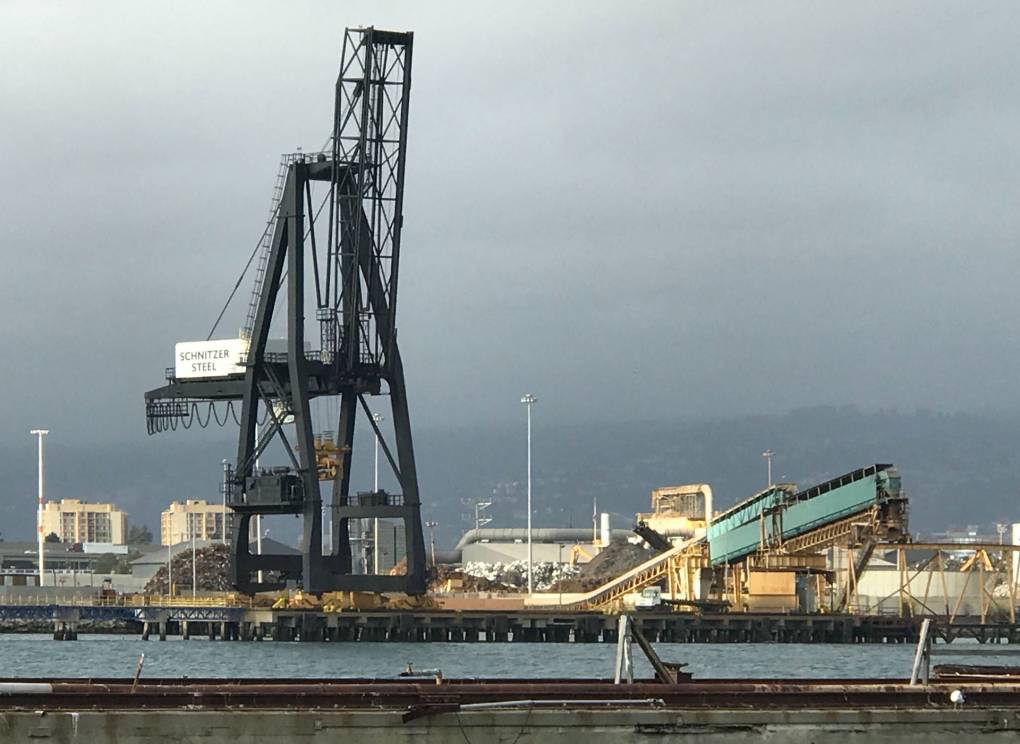
"caption": "Schnitzer Steel is the largest metal shredding plant in California, and the A’s say that state regulators have given the company a pass on its hazardous emissions for decades. Schnitzer Steel, in West Oakland, on Aug. 5, 2020.",
"description": null,
"title": "Schnitzer_Steel",
"credit": "David Marks/KQED",
"status": "inherit",
"isLoading": false,
"fetchFailed": false
},
"news_11805997": {
"type": "attachments",
"id": "news_11805997",
"meta": {
"index": "attachments_1716263798",
"site": "news",
"id": "11805997",
"found": true
},
"parent": 11805974,
"imgSizes": {
"apple_news_ca_landscape_5_5": {
"file": "https://ww2.kqed.org/app/uploads/sites/10/2020/03/003_KQED_Oakland_GrandPrincess_03092020_6250-1044x783.jpg",
"width": 1044,
"mimeType": "image/jpeg",
"height": 783
},
"apple_news_ca_square_4_0": {
"file": "https://ww2.kqed.org/app/uploads/sites/10/2020/03/003_KQED_Oakland_GrandPrincess_03092020_6250-470x470.jpg",
"width": 470,
"mimeType": "image/jpeg",
"height": 470
},
"twentyfourteen-full-width": {
"file": "https://ww2.kqed.org/app/uploads/sites/10/2020/03/003_KQED_Oakland_GrandPrincess_03092020_6250-1038x576.jpg",
"width": 1038,
"mimeType": "image/jpeg",
"height": 576
},
"thumbnail": {
"file": "https://ww2.kqed.org/app/uploads/sites/10/2020/03/003_KQED_Oakland_GrandPrincess_03092020_6250-160x107.jpg",
"width": 160,
"mimeType": "image/jpeg",
"height": 107
},
"post-thumbnail": {
"file": "https://ww2.kqed.org/app/uploads/sites/10/2020/03/003_KQED_Oakland_GrandPrincess_03092020_6250-672x372.jpg",
"width": 672,
"mimeType": "image/jpeg",
"height": 372
},
"kqedFullSize": {
"file": "https://ww2.kqed.org/app/uploads/sites/10/2020/03/003_KQED_Oakland_GrandPrincess_03092020_6250.jpg",
"width": 1920,
"height": 1280
},
"apple_news_ca_landscape_4_7": {
"file": "https://ww2.kqed.org/app/uploads/sites/10/2020/03/003_KQED_Oakland_GrandPrincess_03092020_6250-632x474.jpg",
"width": 632,
"mimeType": "image/jpeg",
"height": 474
},
"large": {
"file": "https://ww2.kqed.org/app/uploads/sites/10/2020/03/003_KQED_Oakland_GrandPrincess_03092020_6250-1020x680.jpg",
"width": 1020,
"mimeType": "image/jpeg",
"height": 680
},
"apple_news_ca_landscape_4_0": {
"file": "https://ww2.kqed.org/app/uploads/sites/10/2020/03/003_KQED_Oakland_GrandPrincess_03092020_6250-536x402.jpg",
"width": 536,
"mimeType": "image/jpeg",
"height": 402
},
"apple_news_ca_portrait_12_9": {
"file": "https://ww2.kqed.org/app/uploads/sites/10/2020/03/003_KQED_Oakland_GrandPrincess_03092020_6250-1122x1280.jpg",
"width": 1122,
"mimeType": "image/jpeg",
"height": 1280
},
"medium": {
"file": "https://ww2.kqed.org/app/uploads/sites/10/2020/03/003_KQED_Oakland_GrandPrincess_03092020_6250-800x533.jpg",
"width": 800,
"mimeType": "image/jpeg",
"height": 533
},
"apple_news_ca_portrait_4_0": {
"file": "https://ww2.kqed.org/app/uploads/sites/10/2020/03/003_KQED_Oakland_GrandPrincess_03092020_6250-354x472.jpg",
"width": 354,
"mimeType": "image/jpeg",
"height": 472
},
"apple_news_ca_portrait_9_7": {
"file": "https://ww2.kqed.org/app/uploads/sites/10/2020/03/003_KQED_Oakland_GrandPrincess_03092020_6250-840x1120.jpg",
"width": 840,
"mimeType": "image/jpeg",
"height": 1120
},
"apple_news_ca_landscape_12_9": {
"file": "https://ww2.kqed.org/app/uploads/sites/10/2020/03/003_KQED_Oakland_GrandPrincess_03092020_6250-1832x1280.jpg",
"width": 1832,
"mimeType": "image/jpeg",
"height": 1280
},
"apple_news_ca_square_9_7": {
"file": "https://ww2.kqed.org/app/uploads/sites/10/2020/03/003_KQED_Oakland_GrandPrincess_03092020_6250-1104x1104.jpg",
"width": 1104,
"mimeType": "image/jpeg",
"height": 1104
},
"apple_news_ca_portrait_4_7": {
"file": "https://ww2.kqed.org/app/uploads/sites/10/2020/03/003_KQED_Oakland_GrandPrincess_03092020_6250-414x552.jpg",
"width": 414,
"mimeType": "image/jpeg",
"height": 552
},
"apple_news_ca_square_12_9": {
"file": "https://ww2.kqed.org/app/uploads/sites/10/2020/03/003_KQED_Oakland_GrandPrincess_03092020_6250-1472x1280.jpg",
"width": 1472,
"mimeType": "image/jpeg",
"height": 1280
},
"apple_news_ca_portrait_5_5": {
"file": "https://ww2.kqed.org/app/uploads/sites/10/2020/03/003_KQED_Oakland_GrandPrincess_03092020_6250-687x916.jpg",
"width": 687,
"mimeType": "image/jpeg",
"height": 916
},
"full-width": {
"file": "https://ww2.kqed.org/app/uploads/sites/10/2020/03/003_KQED_Oakland_GrandPrincess_03092020_6250-1920x1280.jpg",
"width": 1920,
"mimeType": "image/jpeg",
"height": 1280
},
"apple_news_ca_square_4_7": {
"file": "https://ww2.kqed.org/app/uploads/sites/10/2020/03/003_KQED_Oakland_GrandPrincess_03092020_6250-550x550.jpg",
"width": 550,
"mimeType": "image/jpeg",
"height": 550
},
"apple_news_ca_landscape_9_7": {
"file": "https://ww2.kqed.org/app/uploads/sites/10/2020/03/003_KQED_Oakland_GrandPrincess_03092020_6250-1376x1032.jpg",
"width": 1376,
"mimeType": "image/jpeg",
"height": 1032
},
"apple_news_ca_square_5_5": {
"file": "https://ww2.kqed.org/app/uploads/sites/10/2020/03/003_KQED_Oakland_GrandPrincess_03092020_6250-912x912.jpg",
"width": 912,
"mimeType": "image/jpeg",
"height": 912
}
},
"publishDate": 1583864960,
"modified": 1583865450,
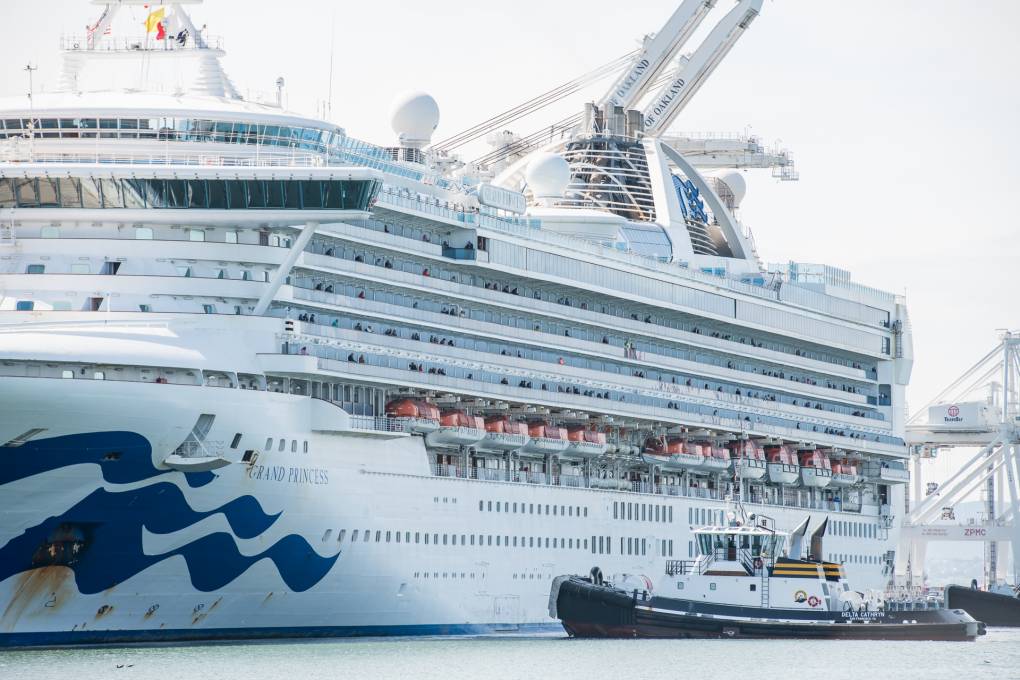
"caption": "Passengers watch from their room balconies as the Grand Princess cruise ship pulls into the Port of Oakland on Monday, March 9, 2020.",
"description": null,
"title": "003_KQED_Oakland_GrandPrincess_03092020_6250",
"credit": "Beth LaBerge/KQED",
"status": "inherit",
"isLoading": false,
"fetchFailed": false
},
"news_11805932": {
"type": "attachments",
"id": "news_11805932",
"meta": {
"index": "attachments_1716263798",
"site": "news",
"id": "11805932",
"found": true
},
"parent": 11805803,
"imgSizes": {
"apple_news_ca_landscape_5_5": {
"file": "https://ww2.kqed.org/app/uploads/sites/10/2020/03/001_KQED_Oakland_GrandPrincess_03092020_6238-1-1044x783.jpg",
"width": 1044,
"mimeType": "image/jpeg",
"height": 783
},
"apple_news_ca_square_4_0": {
"file": "https://ww2.kqed.org/app/uploads/sites/10/2020/03/001_KQED_Oakland_GrandPrincess_03092020_6238-1-470x470.jpg",
"width": 470,
"mimeType": "image/jpeg",
"height": 470
},
"twentyfourteen-full-width": {
"file": "https://ww2.kqed.org/app/uploads/sites/10/2020/03/001_KQED_Oakland_GrandPrincess_03092020_6238-1-1038x576.jpg",
"width": 1038,
"mimeType": "image/jpeg",
"height": 576
},
"thumbnail": {
"file": "https://ww2.kqed.org/app/uploads/sites/10/2020/03/001_KQED_Oakland_GrandPrincess_03092020_6238-1-160x107.jpg",
"width": 160,
"mimeType": "image/jpeg",
"height": 107
},
"post-thumbnail": {
"file": "https://ww2.kqed.org/app/uploads/sites/10/2020/03/001_KQED_Oakland_GrandPrincess_03092020_6238-1-672x372.jpg",
"width": 672,
"mimeType": "image/jpeg",
"height": 372
},
"kqedFullSize": {
"file": "https://ww2.kqed.org/app/uploads/sites/10/2020/03/001_KQED_Oakland_GrandPrincess_03092020_6238-1.jpg",
"width": 1920,
"height": 1280
},
"apple_news_ca_landscape_4_7": {
"file": "https://ww2.kqed.org/app/uploads/sites/10/2020/03/001_KQED_Oakland_GrandPrincess_03092020_6238-1-632x474.jpg",
"width": 632,
"mimeType": "image/jpeg",
"height": 474
},
"large": {
"file": "https://ww2.kqed.org/app/uploads/sites/10/2020/03/001_KQED_Oakland_GrandPrincess_03092020_6238-1-1020x680.jpg",
"width": 1020,
"mimeType": "image/jpeg",
"height": 680
},
"apple_news_ca_landscape_4_0": {
"file": "https://ww2.kqed.org/app/uploads/sites/10/2020/03/001_KQED_Oakland_GrandPrincess_03092020_6238-1-536x402.jpg",
"width": 536,
"mimeType": "image/jpeg",
"height": 402
},
"apple_news_ca_portrait_12_9": {
"file": "https://ww2.kqed.org/app/uploads/sites/10/2020/03/001_KQED_Oakland_GrandPrincess_03092020_6238-1-1122x1280.jpg",
"width": 1122,
"mimeType": "image/jpeg",
"height": 1280
},
"medium": {
"file": "https://ww2.kqed.org/app/uploads/sites/10/2020/03/001_KQED_Oakland_GrandPrincess_03092020_6238-1-800x533.jpg",
"width": 800,
"mimeType": "image/jpeg",
"height": 533
},
"apple_news_ca_portrait_4_0": {
"file": "https://ww2.kqed.org/app/uploads/sites/10/2020/03/001_KQED_Oakland_GrandPrincess_03092020_6238-1-354x472.jpg",
"width": 354,
"mimeType": "image/jpeg",
"height": 472
},
"apple_news_ca_portrait_9_7": {
"file": "https://ww2.kqed.org/app/uploads/sites/10/2020/03/001_KQED_Oakland_GrandPrincess_03092020_6238-1-840x1120.jpg",
"width": 840,
"mimeType": "image/jpeg",
"height": 1120
},
"apple_news_ca_landscape_12_9": {
"file": "https://ww2.kqed.org/app/uploads/sites/10/2020/03/001_KQED_Oakland_GrandPrincess_03092020_6238-1-1832x1280.jpg",
"width": 1832,
"mimeType": "image/jpeg",
"height": 1280
},
"apple_news_ca_square_9_7": {
"file": "https://ww2.kqed.org/app/uploads/sites/10/2020/03/001_KQED_Oakland_GrandPrincess_03092020_6238-1-1104x1104.jpg",
"width": 1104,
"mimeType": "image/jpeg",
"height": 1104
},
"apple_news_ca_portrait_4_7": {
"file": "https://ww2.kqed.org/app/uploads/sites/10/2020/03/001_KQED_Oakland_GrandPrincess_03092020_6238-1-414x552.jpg",
"width": 414,
"mimeType": "image/jpeg",
"height": 552
},
"apple_news_ca_square_12_9": {
"file": "https://ww2.kqed.org/app/uploads/sites/10/2020/03/001_KQED_Oakland_GrandPrincess_03092020_6238-1-1472x1280.jpg",
"width": 1472,
"mimeType": "image/jpeg",
"height": 1280
},
"apple_news_ca_portrait_5_5": {
"file": "https://ww2.kqed.org/app/uploads/sites/10/2020/03/001_KQED_Oakland_GrandPrincess_03092020_6238-1-687x916.jpg",
"width": 687,
"mimeType": "image/jpeg",
"height": 916
},
"full-width": {
"file": "https://ww2.kqed.org/app/uploads/sites/10/2020/03/001_KQED_Oakland_GrandPrincess_03092020_6238-1-1920x1280.jpg",
"width": 1920,
"mimeType": "image/jpeg",
"height": 1280
},
"apple_news_ca_square_4_7": {
"file": "https://ww2.kqed.org/app/uploads/sites/10/2020/03/001_KQED_Oakland_GrandPrincess_03092020_6238-1-550x550.jpg",
"width": 550,
"mimeType": "image/jpeg",
"height": 550
},
"apple_news_ca_landscape_9_7": {
"file": "https://ww2.kqed.org/app/uploads/sites/10/2020/03/001_KQED_Oakland_GrandPrincess_03092020_6238-1-1376x1032.jpg",
"width": 1376,
"mimeType": "image/jpeg",
"height": 1032
},
"apple_news_ca_square_5_5": {
"file": "https://ww2.kqed.org/app/uploads/sites/10/2020/03/001_KQED_Oakland_GrandPrincess_03092020_6238-1-912x912.jpg",
"width": 912,
"mimeType": "image/jpeg",
"height": 912
}
},
"publishDate": 1583800569,
"modified": 1583801787,
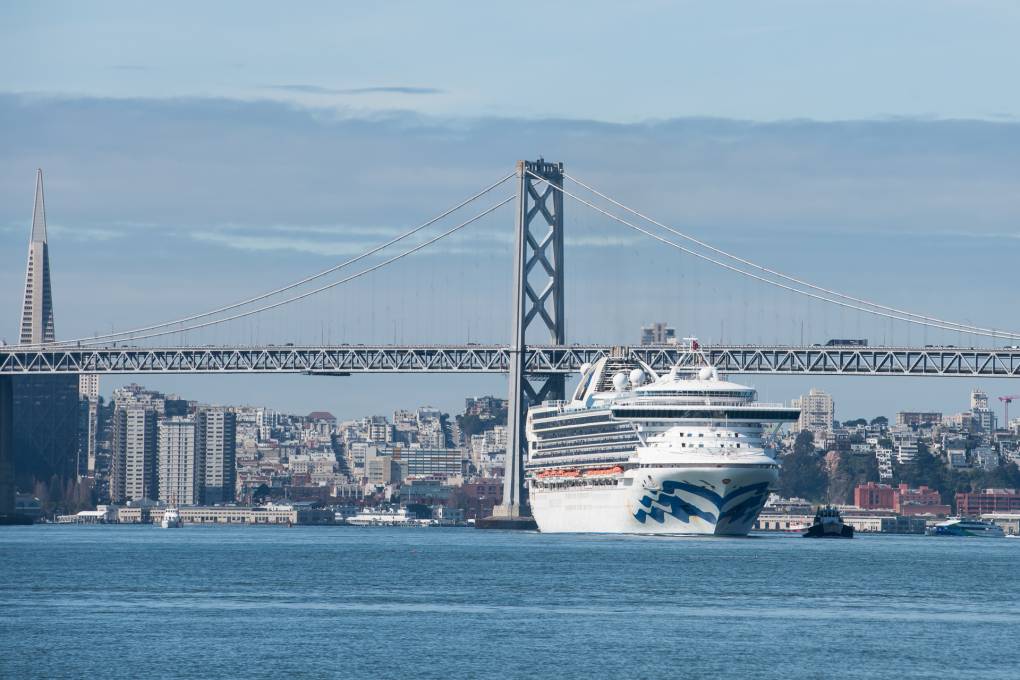
"caption": "The Grand Princess cruise ship sails under the Bay Bridge en route to the Port of Oakland on Monday, March 9, 2020. The ship, which idled for days off the coast, had at least 21 passengers who tested positive for coronavirus.",
"description": null,
"title": "001_KQED_Oakland_GrandPrincess_03092020_6238",
"credit": "Beth LaBerge/KQED",
"status": "inherit",
"isLoading": false,
"fetchFailed": false
},
"news_11791136": {
"type": "attachments",
"id": "news_11791136",
"meta": {
"index": "attachments_1716263798",
"site": "news",
"id": "11791136",
"found": true
},
"parent": 11790949,
"imgSizes": {
"apple_news_ca_landscape_5_5": {
"file": "https://ww2.kqed.org/app/uploads/sites/10/2019/12/cruiseship_121219_revise-1044x783.jpg",
"width": 1044,
"mimeType": "image/jpeg",
"height": 783
},
"apple_news_ca_square_4_0": {
"file": "https://ww2.kqed.org/app/uploads/sites/10/2019/12/cruiseship_121219_revise-470x470.jpg",
"width": 470,
"mimeType": "image/jpeg",
"height": 470
},
"twentyfourteen-full-width": {
"file": "https://ww2.kqed.org/app/uploads/sites/10/2019/12/cruiseship_121219_revise-1038x576.jpg",
"width": 1038,
"mimeType": "image/jpeg",
"height": 576
},
"thumbnail": {
"file": "https://ww2.kqed.org/app/uploads/sites/10/2019/12/cruiseship_121219_revise-160x115.jpg",
"width": 160,
"mimeType": "image/jpeg",
"height": 115
},
"post-thumbnail": {
"file": "https://ww2.kqed.org/app/uploads/sites/10/2019/12/cruiseship_121219_revise-672x372.jpg",
"width": 672,
"mimeType": "image/jpeg",
"height": 372
},
"kqedFullSize": {
"file": "https://ww2.kqed.org/app/uploads/sites/10/2019/12/cruiseship_121219_revise.jpg",
"width": 1920,
"height": 1378
},
"apple_news_ca_landscape_4_7": {
"file": "https://ww2.kqed.org/app/uploads/sites/10/2019/12/cruiseship_121219_revise-632x474.jpg",
"width": 632,
"mimeType": "image/jpeg",
"height": 474
},
"large": {
"file": "https://ww2.kqed.org/app/uploads/sites/10/2019/12/cruiseship_121219_revise-1020x732.jpg",
"width": 1020,
"mimeType": "image/jpeg",
"height": 732
},
"complete_open_graph": {
"file": "https://ww2.kqed.org/app/uploads/sites/10/2019/12/cruiseship_121219_revise-1200x861.jpg",
"width": 1200,
"mimeType": "image/jpeg",
"height": 861
},
"apple_news_ca_landscape_4_0": {
"file": "https://ww2.kqed.org/app/uploads/sites/10/2019/12/cruiseship_121219_revise-536x402.jpg",
"width": 536,
"mimeType": "image/jpeg",
"height": 402
},
"apple_news_ca_portrait_12_9": {
"file": "https://ww2.kqed.org/app/uploads/sites/10/2019/12/cruiseship_121219_revise-1122x1378.jpg",
"width": 1122,
"mimeType": "image/jpeg",
"height": 1378
},
"medium": {
"file": "https://ww2.kqed.org/app/uploads/sites/10/2019/12/cruiseship_121219_revise-800x574.jpg",
"width": 800,
"mimeType": "image/jpeg",
"height": 574
},
"apple_news_ca_portrait_4_0": {
"file": "https://ww2.kqed.org/app/uploads/sites/10/2019/12/cruiseship_121219_revise-354x472.jpg",
"width": 354,
"mimeType": "image/jpeg",
"height": 472
},
"apple_news_ca_portrait_9_7": {
"file": "https://ww2.kqed.org/app/uploads/sites/10/2019/12/cruiseship_121219_revise-840x1120.jpg",
"width": 840,
"mimeType": "image/jpeg",
"height": 1120
},
"apple_news_ca_landscape_12_9": {
"file": "https://ww2.kqed.org/app/uploads/sites/10/2019/12/cruiseship_121219_revise-1832x1374.jpg",
"width": 1832,
"mimeType": "image/jpeg",
"height": 1374
},
"apple_news_ca_square_9_7": {
"file": "https://ww2.kqed.org/app/uploads/sites/10/2019/12/cruiseship_121219_revise-1104x1104.jpg",
"width": 1104,
"mimeType": "image/jpeg",
"height": 1104
},
"apple_news_ca_portrait_4_7": {
"file": "https://ww2.kqed.org/app/uploads/sites/10/2019/12/cruiseship_121219_revise-414x552.jpg",
"width": 414,
"mimeType": "image/jpeg",
"height": 552
},
"apple_news_ca_square_12_9": {
"file": "https://ww2.kqed.org/app/uploads/sites/10/2019/12/cruiseship_121219_revise-1472x1378.jpg",
"width": 1472,
"mimeType": "image/jpeg",
"height": 1378
},
"apple_news_ca_portrait_5_5": {
"file": "https://ww2.kqed.org/app/uploads/sites/10/2019/12/cruiseship_121219_revise-687x916.jpg",
"width": 687,
"mimeType": "image/jpeg",
"height": 916
},
"full-width": {
"file": "https://ww2.kqed.org/app/uploads/sites/10/2019/12/cruiseship_121219_revise-1920x1378.jpg",
"width": 1920,
"mimeType": "image/jpeg",
"height": 1378
},
"apple_news_ca_square_4_7": {
"file": "https://ww2.kqed.org/app/uploads/sites/10/2019/12/cruiseship_121219_revise-550x550.jpg",
"width": 550,
"mimeType": "image/jpeg",
"height": 550
},
"apple_news_ca_landscape_9_7": {
"file": "https://ww2.kqed.org/app/uploads/sites/10/2019/12/cruiseship_121219_revise-1376x1032.jpg",
"width": 1376,
"mimeType": "image/jpeg",
"height": 1032
},
"apple_news_ca_square_5_5": {
"file": "https://ww2.kqed.org/app/uploads/sites/10/2019/12/cruiseship_121219_revise-912x912.jpg",
"width": 912,
"mimeType": "image/jpeg",
"height": 912
}
},
"publishDate": 1576267314,
"modified": 1576267346,
"caption": null,
"description": null,
"title": "cruiseship_121219_revise",
"credit": null,
"status": "inherit",
"isLoading": false,
"fetchFailed": false
},
"news_11762298": {
"type": "attachments",
"id": "news_11762298",
"meta": {
"index": "attachments_1716263798",
"site": "news",
"id": "11762298",
"found": true
},
"parent": 11762267,
"imgSizes": {
"apple_news_ca_landscape_5_5": {
"file": "https://ww2.kqed.org/app/uploads/sites/10/2019/07/RS38126_IMG_3943-qut-1044x783.jpg",
"width": 1044,
"mimeType": "image/jpeg",
"height": 783
},
"apple_news_ca_square_4_0": {
"file": "https://ww2.kqed.org/app/uploads/sites/10/2019/07/RS38126_IMG_3943-qut-470x470.jpg",
"width": 470,
"mimeType": "image/jpeg",
"height": 470
},
"twentyfourteen-full-width": {
"file": "https://ww2.kqed.org/app/uploads/sites/10/2019/07/RS38126_IMG_3943-qut-1038x576.jpg",
"width": 1038,
"mimeType": "image/jpeg",
"height": 576
},
"thumbnail": {
"file": "https://ww2.kqed.org/app/uploads/sites/10/2019/07/RS38126_IMG_3943-qut-160x120.jpg",
"width": 160,
"mimeType": "image/jpeg",
"height": 120
},
"post-thumbnail": {
"file": "https://ww2.kqed.org/app/uploads/sites/10/2019/07/RS38126_IMG_3943-qut-672x372.jpg",
"width": 672,
"mimeType": "image/jpeg",
"height": 372
},
"kqedFullSize": {
"file": "https://ww2.kqed.org/app/uploads/sites/10/2019/07/RS38126_IMG_3943-qut.jpg",
"width": 1920,
"height": 1440
},
"apple_news_ca_landscape_4_7": {
"file": "https://ww2.kqed.org/app/uploads/sites/10/2019/07/RS38126_IMG_3943-qut-632x474.jpg",
"width": 632,
"mimeType": "image/jpeg",
"height": 474
},
"large": {
"file": "https://ww2.kqed.org/app/uploads/sites/10/2019/07/RS38126_IMG_3943-qut-1020x765.jpg",
"width": 1020,
"mimeType": "image/jpeg",
"height": 765
},
"complete_open_graph": {
"file": "https://ww2.kqed.org/app/uploads/sites/10/2019/07/RS38126_IMG_3943-qut-1200x900.jpg",
"width": 1200,
"mimeType": "image/jpeg",
"height": 900
},
"apple_news_ca_landscape_4_0": {
"file": "https://ww2.kqed.org/app/uploads/sites/10/2019/07/RS38126_IMG_3943-qut-536x402.jpg",
"width": 536,
"mimeType": "image/jpeg",
"height": 402
},
"apple_news_ca_portrait_12_9": {
"file": "https://ww2.kqed.org/app/uploads/sites/10/2019/07/RS38126_IMG_3943-qut-1122x1440.jpg",
"width": 1122,
"mimeType": "image/jpeg",
"height": 1440
},
"medium": {
"file": "https://ww2.kqed.org/app/uploads/sites/10/2019/07/RS38126_IMG_3943-qut-800x600.jpg",
"width": 800,
"mimeType": "image/jpeg",
"height": 600
},
"apple_news_ca_portrait_4_0": {
"file": "https://ww2.kqed.org/app/uploads/sites/10/2019/07/RS38126_IMG_3943-qut-354x472.jpg",
"width": 354,
"mimeType": "image/jpeg",
"height": 472
},
"apple_news_ca_portrait_9_7": {
"file": "https://ww2.kqed.org/app/uploads/sites/10/2019/07/RS38126_IMG_3943-qut-840x1120.jpg",
"width": 840,
"mimeType": "image/jpeg",
"height": 1120
},
"apple_news_ca_landscape_12_9": {
"file": "https://ww2.kqed.org/app/uploads/sites/10/2019/07/RS38126_IMG_3943-qut-1832x1374.jpg",
"width": 1832,
"mimeType": "image/jpeg",
"height": 1374
},
"apple_news_ca_square_9_7": {
"file": "https://ww2.kqed.org/app/uploads/sites/10/2019/07/RS38126_IMG_3943-qut-1104x1104.jpg",
"width": 1104,
"mimeType": "image/jpeg",
"height": 1104
},
"apple_news_ca_portrait_4_7": {
"file": "https://ww2.kqed.org/app/uploads/sites/10/2019/07/RS38126_IMG_3943-qut-414x552.jpg",
"width": 414,
"mimeType": "image/jpeg",
"height": 552
},
"apple_news_ca_square_12_9": {
"file": "https://ww2.kqed.org/app/uploads/sites/10/2019/07/RS38126_IMG_3943-qut-1472x1440.jpg",
"width": 1472,
"mimeType": "image/jpeg",
"height": 1440
},
"apple_news_ca_portrait_5_5": {
"file": "https://ww2.kqed.org/app/uploads/sites/10/2019/07/RS38126_IMG_3943-qut-687x916.jpg",
"width": 687,
"mimeType": "image/jpeg",
"height": 916
},
"full-width": {
"file": "https://ww2.kqed.org/app/uploads/sites/10/2019/07/RS38126_IMG_3943-qut-1920x1440.jpg",
"width": 1920,
"mimeType": "image/jpeg",
"height": 1440
},
"apple_news_ca_square_4_7": {
"file": "https://ww2.kqed.org/app/uploads/sites/10/2019/07/RS38126_IMG_3943-qut-550x550.jpg",
"width": 550,
"mimeType": "image/jpeg",
"height": 550
},
"apple_news_ca_landscape_9_7": {
"file": "https://ww2.kqed.org/app/uploads/sites/10/2019/07/RS38126_IMG_3943-qut-1376x1032.jpg",
"width": 1376,
"mimeType": "image/jpeg",
"height": 1032
},
"apple_news_ca_square_5_5": {
"file": "https://ww2.kqed.org/app/uploads/sites/10/2019/07/RS38126_IMG_3943-qut-912x912.jpg",
"width": 912,
"mimeType": "image/jpeg",
"height": 912
}
},
"publishDate": 1563489968,
"modified": 1563569084,
"caption": "Chris Lytle, Executive Director, Port of Oakland, looks out from the Port headquarters at Jack London Square.",
"description": "Chris Lytle, Executive Director, Port of Oakland, looks out from the Port headquarters at Jack London Square.",
"title": "RS38126_IMG_3943-qut",
"credit": "Brian Watt/KQED",
"status": "inherit",
"isLoading": false,
"fetchFailed": false
},
"news_11746387": {
"type": "attachments",
"id": "news_11746387",
"meta": {
"index": "attachments_1716263798",
"site": "news",
"id": "11746387",
"found": true
},
"parent": 11746318,
"imgSizes": {
"apple_news_ca_landscape_5_5": {
"file": "https://ww2.kqed.org/app/uploads/sites/10/2019/05/05102019_Port-of-Oakland-trade-containers-shipping-Trump-tariffs-qut-1044x783.jpg",
"width": 1044,
"mimeType": "image/jpeg",
"height": 783
},
"apple_news_ca_square_4_0": {
"file": "https://ww2.kqed.org/app/uploads/sites/10/2019/05/05102019_Port-of-Oakland-trade-containers-shipping-Trump-tariffs-qut-470x470.jpg",
"width": 470,
"mimeType": "image/jpeg",
"height": 470
},
"twentyfourteen-full-width": {
"file": "https://ww2.kqed.org/app/uploads/sites/10/2019/05/05102019_Port-of-Oakland-trade-containers-shipping-Trump-tariffs-qut-1038x576.jpg",
"width": 1038,
"mimeType": "image/jpeg",
"height": 576
},
"thumbnail": {
"file": "https://ww2.kqed.org/app/uploads/sites/10/2019/05/05102019_Port-of-Oakland-trade-containers-shipping-Trump-tariffs-qut-160x104.jpg",
"width": 160,
"mimeType": "image/jpeg",
"height": 104
},
"post-thumbnail": {
"file": "https://ww2.kqed.org/app/uploads/sites/10/2019/05/05102019_Port-of-Oakland-trade-containers-shipping-Trump-tariffs-qut-672x372.jpg",
"width": 672,
"mimeType": "image/jpeg",
"height": 372
},
"kqedFullSize": {
"file": "https://ww2.kqed.org/app/uploads/sites/10/2019/05/05102019_Port-of-Oakland-trade-containers-shipping-Trump-tariffs-qut.jpg",
"width": 1920,
"height": 1249
},
"apple_news_ca_landscape_4_7": {
"file": "https://ww2.kqed.org/app/uploads/sites/10/2019/05/05102019_Port-of-Oakland-trade-containers-shipping-Trump-tariffs-qut-632x474.jpg",
"width": 632,
"mimeType": "image/jpeg",
"height": 474
},
"large": {
"file": "https://ww2.kqed.org/app/uploads/sites/10/2019/05/05102019_Port-of-Oakland-trade-containers-shipping-Trump-tariffs-qut-1020x664.jpg",
"width": 1020,
"mimeType": "image/jpeg",
"height": 664
},
"complete_open_graph": {
"file": "https://ww2.kqed.org/app/uploads/sites/10/2019/05/05102019_Port-of-Oakland-trade-containers-shipping-Trump-tariffs-qut-1200x781.jpg",
"width": 1200,
"mimeType": "image/jpeg",
"height": 781
},
"apple_news_ca_landscape_4_0": {
"file": "https://ww2.kqed.org/app/uploads/sites/10/2019/05/05102019_Port-of-Oakland-trade-containers-shipping-Trump-tariffs-qut-536x402.jpg",
"width": 536,
"mimeType": "image/jpeg",
"height": 402
},
"apple_news_ca_portrait_12_9": {
"file": "https://ww2.kqed.org/app/uploads/sites/10/2019/05/05102019_Port-of-Oakland-trade-containers-shipping-Trump-tariffs-qut-1122x1249.jpg",
"width": 1122,
"mimeType": "image/jpeg",
"height": 1249
},
"medium": {
"file": "https://ww2.kqed.org/app/uploads/sites/10/2019/05/05102019_Port-of-Oakland-trade-containers-shipping-Trump-tariffs-qut-800x520.jpg",
"width": 800,
"mimeType": "image/jpeg",
"height": 520
},
"apple_news_ca_portrait_4_0": {
"file": "https://ww2.kqed.org/app/uploads/sites/10/2019/05/05102019_Port-of-Oakland-trade-containers-shipping-Trump-tariffs-qut-354x472.jpg",
"width": 354,
"mimeType": "image/jpeg",
"height": 472
},
"apple_news_ca_portrait_9_7": {
"file": "https://ww2.kqed.org/app/uploads/sites/10/2019/05/05102019_Port-of-Oakland-trade-containers-shipping-Trump-tariffs-qut-840x1120.jpg",
"width": 840,
"mimeType": "image/jpeg",
"height": 1120
},
"apple_news_ca_landscape_12_9": {
"file": "https://ww2.kqed.org/app/uploads/sites/10/2019/05/05102019_Port-of-Oakland-trade-containers-shipping-Trump-tariffs-qut-1832x1249.jpg",
"width": 1832,
"mimeType": "image/jpeg",
"height": 1249
},
"apple_news_ca_square_9_7": {
"file": "https://ww2.kqed.org/app/uploads/sites/10/2019/05/05102019_Port-of-Oakland-trade-containers-shipping-Trump-tariffs-qut-1104x1104.jpg",
"width": 1104,
"mimeType": "image/jpeg",
"height": 1104
},
"apple_news_ca_portrait_4_7": {
"file": "https://ww2.kqed.org/app/uploads/sites/10/2019/05/05102019_Port-of-Oakland-trade-containers-shipping-Trump-tariffs-qut-414x552.jpg",
"width": 414,
"mimeType": "image/jpeg",
"height": 552
},
"apple_news_ca_square_12_9": {
"file": "https://ww2.kqed.org/app/uploads/sites/10/2019/05/05102019_Port-of-Oakland-trade-containers-shipping-Trump-tariffs-qut-1472x1249.jpg",
"width": 1472,
"mimeType": "image/jpeg",
"height": 1249
},
"apple_news_ca_portrait_5_5": {
"file": "https://ww2.kqed.org/app/uploads/sites/10/2019/05/05102019_Port-of-Oakland-trade-containers-shipping-Trump-tariffs-qut-687x916.jpg",
"width": 687,
"mimeType": "image/jpeg",
"height": 916
},
"full-width": {
"file": "https://ww2.kqed.org/app/uploads/sites/10/2019/05/05102019_Port-of-Oakland-trade-containers-shipping-Trump-tariffs-qut-1920x1249.jpg",
"width": 1920,
"mimeType": "image/jpeg",
"height": 1249
},
"apple_news_ca_square_4_7": {
"file": "https://ww2.kqed.org/app/uploads/sites/10/2019/05/05102019_Port-of-Oakland-trade-containers-shipping-Trump-tariffs-qut-550x550.jpg",
"width": 550,
"mimeType": "image/jpeg",
"height": 550
},
"apple_news_ca_landscape_9_7": {
"file": "https://ww2.kqed.org/app/uploads/sites/10/2019/05/05102019_Port-of-Oakland-trade-containers-shipping-Trump-tariffs-qut-1376x1032.jpg",
"width": 1376,
"mimeType": "image/jpeg",
"height": 1032
},
"apple_news_ca_square_5_5": {
"file": "https://ww2.kqed.org/app/uploads/sites/10/2019/05/05102019_Port-of-Oakland-trade-containers-shipping-Trump-tariffs-qut-912x912.jpg",
"width": 912,
"mimeType": "image/jpeg",
"height": 912
}
},
"publishDate": 1557527025,
"modified": 1557531517,
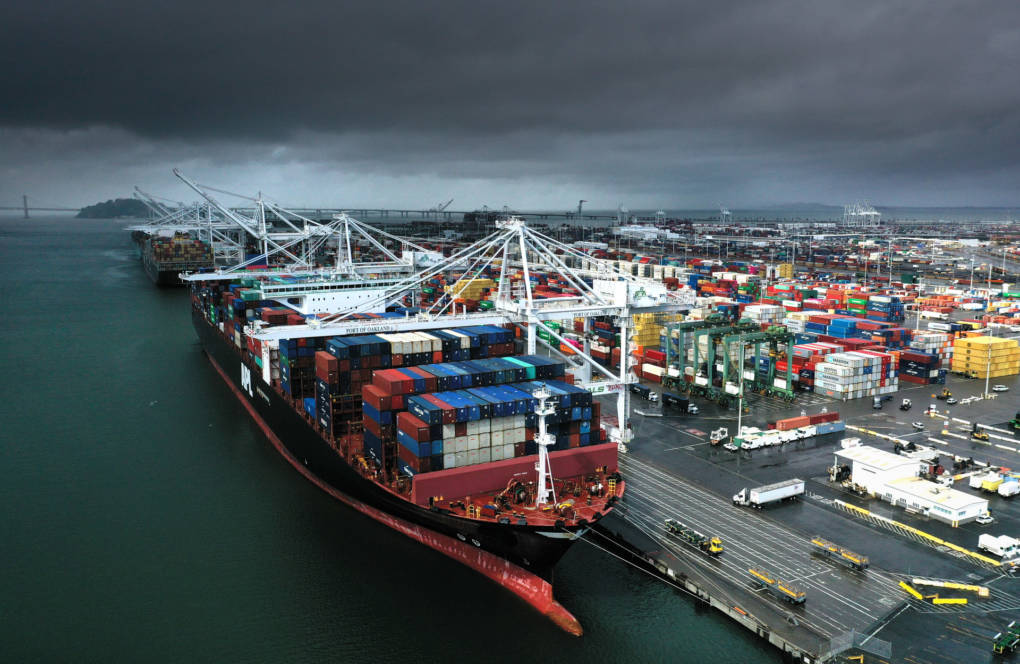
"caption": "An aerial view of container ships docked at the Port of Oakland on March 6, 2019.",
"description": "An aerial view of container ships docked at the Port of Oakland on March 06, 2019, in Oakland.",
"title": "U.S. Trade Deficit Rises To Highest Level In History At $891 Billion",
"credit": "Justin Sullivan/Getty Images",
"status": "inherit",
"isLoading": false,
"fetchFailed": false
},
"news_10590483": {
"type": "attachments",
"id": "news_10590483",
"meta": {
"index": "attachments_1716263798",
"site": "news",
"id": "10590483",
"found": true
},
"parent": 10585739,
"imgSizes": {
"twentyfourteen-full-width": {
"file": "https://ww2.kqed.org/app/uploads/sites/10/2015/07/8587826505_6377441764_o-1038x576.jpg",
"width": 1038,
"mimeType": "image/jpeg",
"height": 576
},
"thumbnail": {
"file": "https://ww2.kqed.org/app/uploads/sites/10/2015/07/8587826505_6377441764_o-400x259.jpg",
"width": 400,
"mimeType": "image/jpeg",
"height": 259
},
"fd-sm": {
"file": "https://ww2.kqed.org/app/uploads/sites/10/2015/07/8587826505_6377441764_o-960x622.jpg",
"width": 960,
"mimeType": "image/jpeg",
"height": 622
},
"post-thumbnail": {
"file": "https://ww2.kqed.org/app/uploads/sites/10/2015/07/8587826505_6377441764_o-672x372.jpg",
"width": 672,
"mimeType": "image/jpeg",
"height": 372
},
"kqedFullSize": {
"file": "https://ww2.kqed.org/app/uploads/sites/10/2015/07/8587826505_6377441764_o-e1436203736700.jpg",
"width": 1920,
"height": 1244
},
"large": {
"file": "https://ww2.kqed.org/app/uploads/sites/10/2015/07/8587826505_6377441764_o-1440x933.jpg",
"width": 1440,
"mimeType": "image/jpeg",
"height": 933
},
"guest-author-96": {
"file": "https://ww2.kqed.org/app/uploads/sites/10/2015/07/8587826505_6377441764_o-96x96.jpg",
"width": 96,
"mimeType": "image/jpeg",
"height": 96
},
"medium": {
"file": "https://ww2.kqed.org/app/uploads/sites/10/2015/07/8587826505_6377441764_o-800x518.jpg",
"width": 800,
"mimeType": "image/jpeg",
"height": 518
},
"guest-author-64": {
"file": "https://ww2.kqed.org/app/uploads/sites/10/2015/07/8587826505_6377441764_o-64x64.jpg",
"width": 64,
"mimeType": "image/jpeg",
"height": 64
},
"guest-author-32": {
"file": "https://ww2.kqed.org/app/uploads/sites/10/2015/07/8587826505_6377441764_o-32x32.jpg",
"width": 32,
"mimeType": "image/jpeg",
"height": 32
},
"jmtc-small-thumb": {
"file": "https://ww2.kqed.org/app/uploads/sites/10/2015/07/8587826505_6377441764_o-280x150.jpg",
"width": 280,
"mimeType": "image/jpeg",
"height": 150
},
"fd-med": {
"file": "https://ww2.kqed.org/app/uploads/sites/10/2015/07/8587826505_6377441764_o-1180x765.jpg",
"width": 1180,
"mimeType": "image/jpeg",
"height": 765
},
"detail": {
"file": "https://ww2.kqed.org/app/uploads/sites/10/2015/07/8587826505_6377441764_o-75x75.jpg",
"width": 75,
"mimeType": "image/jpeg",
"height": 75
},
"guest-author-128": {
"file": "https://ww2.kqed.org/app/uploads/sites/10/2015/07/8587826505_6377441764_o-128x128.jpg",
"width": 128,
"mimeType": "image/jpeg",
"height": 128
}
},
"publishDate": 1436203564,
"modified": 1467125632,
"caption": "Port of Oakland, from the Oakland Estuary. ",
"description": null,
"title": "Port of Oakland",
"credit": "Dan Brekke/KQED",
"status": "inherit",
"isLoading": false,
"fetchFailed": false
},
"news_10476689": {
"type": "attachments",
"id": "news_10476689",
"meta": {
"index": "attachments_1716263798",
"site": "news",
"id": "10476689",
"found": true
},
"parent": 0,
"imgSizes": {
"twentyfourteen-full-width": {
"file": "https://ww2.kqed.org/app/uploads/sites/10/2015/04/14259_transform-1038x576.jpg",
"width": 1038,
"mimeType": "image/jpeg",
"height": 576
},
"thumbnail": {
"file": "https://ww2.kqed.org/app/uploads/sites/10/2015/04/14259_transform-400x265.jpg",
"width": 400,
"mimeType": "image/jpeg",
"height": 265
},
"fd-sm": {
"file": "https://ww2.kqed.org/app/uploads/sites/10/2015/04/14259_transform-320x212.jpg",
"width": 320,
"mimeType": "image/jpeg",
"height": 212
},
"post-thumbnail": {
"file": "https://ww2.kqed.org/app/uploads/sites/10/2015/04/14259_transform-672x372.jpg",
"width": 672,
"mimeType": "image/jpeg",
"height": 372
},
"kqedFullSize": {
"file": "https://ww2.kqed.org/app/uploads/sites/10/2015/04/14259_transform.jpg",
"width": 1920,
"height": 1270
},
"large": {
"file": "https://ww2.kqed.org/app/uploads/sites/10/2015/04/14259_transform-1440x953.jpg",
"width": 1440,
"mimeType": "image/jpeg",
"height": 953
},
"guest-author-96": {
"file": "https://ww2.kqed.org/app/uploads/sites/10/2015/04/14259_transform-96x96.jpg",
"width": 96,
"mimeType": "image/jpeg",
"height": 96
},
"medium": {
"file": "https://ww2.kqed.org/app/uploads/sites/10/2015/04/14259_transform-800x529.jpg",
"width": 800,
"mimeType": "image/jpeg",
"height": 529
},
"guest-author-64": {
"file": "https://ww2.kqed.org/app/uploads/sites/10/2015/04/14259_transform-64x64.jpg",
"width": 64,
"mimeType": "image/jpeg",
"height": 64
},
"guest-author-32": {
"file": "https://ww2.kqed.org/app/uploads/sites/10/2015/04/14259_transform-32x32.jpg",
"width": 32,
"mimeType": "image/jpeg",
"height": 32
},
"fd-lrg": {
"file": "https://ww2.kqed.org/app/uploads/sites/10/2015/04/14259_transform-1180x781.jpg",
"width": 1180,
"mimeType": "image/jpeg",
"height": 781
},
"fd-med": {
"file": "https://ww2.kqed.org/app/uploads/sites/10/2015/04/14259_transform-768x508.jpg",
"width": 768,
"mimeType": "image/jpeg",
"height": 508
},
"detail": {
"file": "https://ww2.kqed.org/app/uploads/sites/10/2015/04/14259_transform-75x75.jpg",
"width": 75,
"mimeType": "image/jpeg",
"height": 75
},
"guest-author-128": {
"file": "https://ww2.kqed.org/app/uploads/sites/10/2015/04/14259_transform-128x128.jpg",
"width": 128,
"mimeType": "image/jpeg",
"height": 128
}
},
"publishDate": 1428097217,
"modified": 1458688097,
"caption": "A container ship sits docked in a berth at the Port of Oakland on Feb. 11, 2015.",
"description": "OAKLAND, CA - FEBRUARY 11: A container ship sits docked in a berth at the Port of Oakland on February 11, 2015 in Oakland, California. A work slowdown at West Coast ports continues amidst a long contract negotiations between Pacific Maritime Association and the International Longshore and Warehouse Union. (Photo by Justin Sullivan/Getty Images)",
"title": "Labor Agreement Yet To Be Reached By West Coast Dock Workers And Employers",
"credit": "Justin Sullivan/Getty Images",
"status": "inherit",
"isLoading": false,
"fetchFailed": false
},
"news_10826324": {
"type": "attachments",
"id": "news_10826324",
"meta": {
"index": "attachments_1716263798",
"site": "news",
"id": "10826324",
"found": true
},
"parent": 10826267,
"imgSizes": {
"twentyfourteen-full-width": {
"file": "https://ww2.kqed.org/app/uploads/sites/10/2016/01/diver_helmet-1038x576.jpg",
"width": 1038,
"mimeType": "image/jpeg",
"height": 576
},
"thumbnail": {
"file": "https://ww2.kqed.org/app/uploads/sites/10/2016/01/diver_helmet-400x225.jpg",
"width": 400,
"mimeType": "image/jpeg",
"height": 225
},
"fd-sm": {
"file": "https://ww2.kqed.org/app/uploads/sites/10/2016/01/diver_helmet-960x540.jpg",
"width": 960,
"mimeType": "image/jpeg",
"height": 540
},
"post-thumbnail": {
"file": "https://ww2.kqed.org/app/uploads/sites/10/2016/01/diver_helmet-672x372.jpg",
"width": 672,
"mimeType": "image/jpeg",
"height": 372
},
"kqedFullSize": {
"file": "https://ww2.kqed.org/app/uploads/sites/10/2016/01/diver_helmet.jpg",
"width": 1920,
"height": 1080
},
"large": {
"file": "https://ww2.kqed.org/app/uploads/sites/10/2016/01/diver_helmet-1440x810.jpg",
"width": 1440,
"mimeType": "image/jpeg",
"height": 810
},
"guest-author-96": {
"file": "https://ww2.kqed.org/app/uploads/sites/10/2016/01/diver_helmet-96x96.jpg",
"width": 96,
"mimeType": "image/jpeg",
"height": 96
},
"medium": {
"file": "https://ww2.kqed.org/app/uploads/sites/10/2016/01/diver_helmet-800x450.jpg",
"width": 800,
"mimeType": "image/jpeg",
"height": 450
},
"guest-author-64": {
"file": "https://ww2.kqed.org/app/uploads/sites/10/2016/01/diver_helmet-64x64.jpg",
"width": 64,
"mimeType": "image/jpeg",
"height": 64
},
"guest-author-32": {
"file": "https://ww2.kqed.org/app/uploads/sites/10/2016/01/diver_helmet-32x32.jpg",
"width": 32,
"mimeType": "image/jpeg",
"height": 32
},
"jmtc-small-thumb": {
"file": "https://ww2.kqed.org/app/uploads/sites/10/2016/01/diver_helmet-280x150.jpg",
"width": 280,
"mimeType": "image/jpeg",
"height": 150
},
"fd-lrg": {
"file": "https://ww2.kqed.org/app/uploads/sites/10/2016/01/diver_helmet-1920x1080.jpg",
"width": 1920,
"mimeType": "image/jpeg",
"height": 1080
},
"fd-med": {
"file": "https://ww2.kqed.org/app/uploads/sites/10/2016/01/diver_helmet-1180x664.jpg",
"width": 1180,
"mimeType": "image/jpeg",
"height": 664
},
"detail": {
"file": "https://ww2.kqed.org/app/uploads/sites/10/2016/01/diver_helmet-75x75.jpg",
"width": 75,
"mimeType": "image/jpeg",
"height": 75
},
"medium_large": {
"file": "https://ww2.kqed.org/app/uploads/sites/10/2016/01/diver_helmet-768x432.jpg",
"width": 768,
"mimeType": "image/jpeg",
"height": 432
},
"guest-author-128": {
"file": "https://ww2.kqed.org/app/uploads/sites/10/2016/01/diver_helmet-128x128.jpg",
"width": 128,
"mimeType": "image/jpeg",
"height": 128
}
},
"publishDate": 1452292952,
"modified": 1452292999,
"caption": "Diver Kevin Nekimken puts on his helmet before a recent dive at the Port of Oakland. (Alan Toth/KQED)",
"description": null,
"title": "diver_helmet",
"credit": null,
"status": "inherit",
"isLoading": false,
"fetchFailed": false
},
"news_10622557": {
"type": "attachments",
"id": "news_10622557",
"meta": {
"index": "attachments_1716263798",
"site": "news",
"id": "10622557",
"found": true
},
"parent": 10621695,
"imgSizes": {
"twentyfourteen-full-width": {
"file": "https://ww2.kqed.org/app/uploads/sites/10/2015/07/PortTrain-1038x576.jpg",
"width": 1038,
"mimeType": "image/jpeg",
"height": 576
},
"thumbnail": {
"file": "https://ww2.kqed.org/app/uploads/sites/10/2015/07/PortTrain-400x267.jpg",
"width": 400,
"mimeType": "image/jpeg",
"height": 267
},
"fd-sm": {
"file": "https://ww2.kqed.org/app/uploads/sites/10/2015/07/PortTrain-960x641.jpg",
"width": 960,
"mimeType": "image/jpeg",
"height": 641
},
"post-thumbnail": {
"file": "https://ww2.kqed.org/app/uploads/sites/10/2015/07/PortTrain-672x372.jpg",
"width": 672,
"mimeType": "image/jpeg",
"height": 372
},
"kqedFullSize": {
"file": "https://ww2.kqed.org/app/uploads/sites/10/2015/07/PortTrain.jpg",
"width": 1920,
"height": 1282
},
"large": {
"file": "https://ww2.kqed.org/app/uploads/sites/10/2015/07/PortTrain-1440x962.jpg",
"width": 1440,
"mimeType": "image/jpeg",
"height": 962
},
"guest-author-96": {
"file": "https://ww2.kqed.org/app/uploads/sites/10/2015/07/PortTrain-96x96.jpg",
"width": 96,
"mimeType": "image/jpeg",
"height": 96
},
"medium": {
"file": "https://ww2.kqed.org/app/uploads/sites/10/2015/07/PortTrain-800x534.jpg",
"width": 800,
"mimeType": "image/jpeg",
"height": 534
},
"guest-author-64": {
"file": "https://ww2.kqed.org/app/uploads/sites/10/2015/07/PortTrain-64x64.jpg",
"width": 64,
"mimeType": "image/jpeg",
"height": 64
},
"guest-author-32": {
"file": "https://ww2.kqed.org/app/uploads/sites/10/2015/07/PortTrain-32x32.jpg",
"width": 32,
"mimeType": "image/jpeg",
"height": 32
},
"jmtc-small-thumb": {
"file": "https://ww2.kqed.org/app/uploads/sites/10/2015/07/PortTrain-280x150.jpg",
"width": 280,
"mimeType": "image/jpeg",
"height": 150
},
"fd-lrg": {
"file": "https://ww2.kqed.org/app/uploads/sites/10/2015/07/PortTrain-1920x1282.jpg",
"width": 1920,
"mimeType": "image/jpeg",
"height": 1282
},
"fd-med": {
"file": "https://ww2.kqed.org/app/uploads/sites/10/2015/07/PortTrain-1180x788.jpg",
"width": 1180,
"mimeType": "image/jpeg",
"height": 788
},
"detail": {
"file": "https://ww2.kqed.org/app/uploads/sites/10/2015/07/PortTrain-75x75.jpg",
"width": 75,
"mimeType": "image/jpeg",
"height": 75
},
"guest-author-128": {
"file": "https://ww2.kqed.org/app/uploads/sites/10/2015/07/PortTrain-128x128.jpg",
"width": 128,
"mimeType": "image/jpeg",
"height": 128
}
},
"publishDate": 1438279168,
"modified": 1438279196,
"caption": "A Burlington Northern Santa Fe train sits idle at the Port of Oakland.",
"description": "A Burlington Northern Santa Fe train sits idle at the Port of Oakland.",
"title": "PortTrain",
"credit": "Justin Sullivan/Getty Images",
"status": "inherit",
"isLoading": false,
"fetchFailed": false
},
"news_10438777": {
"type": "attachments",
"id": "news_10438777",
"meta": {
"index": "attachments_1716263798",
"site": "news",
"id": "10438777",
"found": true
},
"parent": 10438776,
"imgSizes": {
"twentyfourteen-full-width": {
"file": "https://ww2.kqed.org/app/uploads/sites/10/2015/02/8587826505_6377441764_o-e1424468586353-1038x576.jpg",
"width": 1038,
"mimeType": "image/jpeg",
"height": 576
},
"thumbnail": {
"file": "https://ww2.kqed.org/app/uploads/sites/10/2015/02/8587826505_6377441764_o-e1424468586353-400x256.jpg",
"width": 400,
"mimeType": "image/jpeg",
"height": 256
},
"post-thumbnail": {
"file": "https://ww2.kqed.org/app/uploads/sites/10/2015/02/8587826505_6377441764_o-e1424468586353-672x372.jpg",
"width": 672,
"mimeType": "image/jpeg",
"height": 372
},
"kqedFullSize": {
"file": "https://ww2.kqed.org/app/uploads/sites/10/2015/02/8587826505_6377441764_o-e1424468611112.jpg",
"width": 1920,
"height": 1226
},
"large": {
"file": "https://ww2.kqed.org/app/uploads/sites/10/2015/02/8587826505_6377441764_o-e1424468586353-1440x920.jpg",
"width": 1440,
"mimeType": "image/jpeg",
"height": 920
},
"guest-author-96": {
"file": "https://ww2.kqed.org/app/uploads/sites/10/2015/02/8587826505_6377441764_o-e1424468586353-96x96.jpg",
"width": 96,
"mimeType": "image/jpeg",
"height": 96
},
"medium": {
"file": "https://ww2.kqed.org/app/uploads/sites/10/2015/02/8587826505_6377441764_o-e1424468586353-800x511.jpg",
"width": 800,
"mimeType": "image/jpeg",
"height": 511
},
"guest-author-64": {
"file": "https://ww2.kqed.org/app/uploads/sites/10/2015/02/8587826505_6377441764_o-e1424468586353-64x64.jpg",
"width": 64,
"mimeType": "image/jpeg",
"height": 64
},
"detail": {
"file": "https://ww2.kqed.org/app/uploads/sites/10/2015/02/8587826505_6377441764_o-e1424468586353-75x75.jpg",
"width": 75,
"mimeType": "image/jpeg",
"height": 75
},
"guest-author-32": {
"file": "https://ww2.kqed.org/app/uploads/sites/10/2015/02/8587826505_6377441764_o-e1424468586353-32x32.jpg",
"width": 32,
"mimeType": "image/jpeg",
"height": 32
},
"guest-author-128": {
"file": "https://ww2.kqed.org/app/uploads/sites/10/2015/02/8587826505_6377441764_o-e1424468586353-128x128.jpg",
"width": 128,
"mimeType": "image/jpeg",
"height": 128
}
},
"publishDate": 1424468505,
"modified": 1424468662,
"caption": "The Port of Oakland, one of more than two dozen ports affected by labor dispute, pictured in March 2013. ",
"description": null,
"title": "Port of Oakland",
"credit": "Dan Brekke/KQED",
"status": "inherit",
"isLoading": false,
"fetchFailed": false
},
"news_10431387": {
"type": "attachments",
"id": "news_10431387",
"meta": {
"index": "attachments_1716263798",
"site": "news",
"id": "10431387",
"found": true
},
"parent": 10431353,
"imgSizes": {
"twentyfourteen-full-width": {
"file": "https://ww2.kqed.org/app/uploads/sites/10/2015/02/portofoakland1440-1038x576.jpg",
"width": 1038,
"mimeType": "image/jpeg",
"height": 576
},
"thumbnail": {
"file": "https://ww2.kqed.org/app/uploads/sites/10/2015/02/portofoakland1440-400x264.jpg",
"width": 400,
"mimeType": "image/jpeg",
"height": 264
},
"post-thumbnail": {
"file": "https://ww2.kqed.org/app/uploads/sites/10/2015/02/portofoakland1440-672x372.jpg",
"width": 672,
"mimeType": "image/jpeg",
"height": 372
},
"kqedFullSize": {
"file": "https://ww2.kqed.org/app/uploads/sites/10/2015/02/portofoakland1440.jpg",
"width": 1440,
"height": 952
},
"large": {
"file": "https://ww2.kqed.org/app/uploads/sites/10/2015/02/portofoakland1440-1440x952.jpg",
"width": 1440,
"mimeType": "image/jpeg",
"height": 952
},
"guest-author-96": {
"file": "https://ww2.kqed.org/app/uploads/sites/10/2015/02/portofoakland1440-96x96.jpg",
"width": 96,
"mimeType": "image/jpeg",
"height": 96
},
"medium": {
"file": "https://ww2.kqed.org/app/uploads/sites/10/2015/02/portofoakland1440-800x529.jpg",
"width": 800,
"mimeType": "image/jpeg",
"height": 529
},
"guest-author-64": {
"file": "https://ww2.kqed.org/app/uploads/sites/10/2015/02/portofoakland1440-64x64.jpg",
"width": 64,
"mimeType": "image/jpeg",
"height": 64
},
"detail": {
"file": "https://ww2.kqed.org/app/uploads/sites/10/2015/02/portofoakland1440-75x75.jpg",
"width": 75,
"mimeType": "image/jpeg",
"height": 75
},
"guest-author-32": {
"file": "https://ww2.kqed.org/app/uploads/sites/10/2015/02/portofoakland1440-32x32.jpg",
"width": 32,
"mimeType": "image/jpeg",
"height": 32
},
"guest-author-128": {
"file": "https://ww2.kqed.org/app/uploads/sites/10/2015/02/portofoakland1440-128x128.jpg",
"width": 128,
"mimeType": "image/jpeg",
"height": 128
}
},
"publishDate": 1423768711,
"modified": 1423776000,
"caption": "A container ship sits docked in a berth at the Port of Oakland on Feb. 11, 2015. ",
"description": null,
"title": "Port of Oakland",
"credit": "Justin Sullivan/Getty Images",
"status": "inherit",
"isLoading": false,
"fetchFailed": false
}
},
"audioPlayerReducer": {
"postId": "stream_live",
"isPaused": true,
"isPlaying": false,
"pfsActive": false,
"pledgeModalIsOpen": true,
"playerDrawerIsOpen": false,
"liveAudioPlayStartedAt": 0,
"liveAudioPlayContext": ""
},
"authorsReducer": {
"byline_news_11805974": {
"type": "authors",
"id": "byline_news_11805974",
"meta": {
"override": true
},
"slug": "byline_news_11805974",
"name": "Olga R. Rodriguez and Daisy Nguyen\u003cbr>Associated Press",
"isLoading": false
},
"byline_news_11805803": {
"type": "authors",
"id": "byline_news_11805803",
"meta": {
"override": true
},
"slug": "byline_news_11805803",
"name": "Olga R. Rodriguez and Daisy Nguyen\u003cbr>Associated Press",
"isLoading": false
},
"byline_news_10438776": {
"type": "authors",
"id": "byline_news_10438776",
"meta": {
"override": true
},
"slug": "byline_news_10438776",
"name": "\u003cstrong>\u003ca href=\"https://twitter.com/lalanewsman\" target=\"_blank\">Justin Pritchard\u003c/a>\u003cbr />Associated Press\u003c/strong>",
"isLoading": false
},
"jbrooks": {
"type": "authors",
"id": "80",
"meta": {
"index": "authors_1716337520",
"id": "80",
"found": true
},
"name": "Jon Brooks",
"firstName": "Jon",
"lastName": "Brooks",
"slug": "jbrooks",
"email": "jbrooks@kqed.org",
"display_author_email": true,
"staff_mastheads": [
"science"
],
"title": "Digital Editor",
"bio": "Jon Brooks is a former Digital Editor for KQED Science. He is the former editor of KQED’s daily news blog, News Fix. In 2014, he won a California Journalism Award for his coverage of ride services like Uber and Lyft and the taxi industry. A veteran blogger, he previously worked for Yahoo! in various news writing and editing roles. Jon is also a playwright whose work has been produced in San Francisco, New York, Italy, and around the U.S. He has written about film for his own blog and studied film at Boston University.",
"avatar": "https://secure.gravatar.com/avatar/98887f7ed1c876ed414d4c915e969584?s=600&d=blank&r=g",
"twitter": "jbrooksfoy",
"facebook": null,
"instagram": null,
"linkedin": null,
"sites": [
{
"site": "arts",
"roles": [
"Contributor",
"editor"
]
},
{
"site": "news",
"roles": [
"author"
]
},
{
"site": "futureofyou",
"roles": [
"administrator"
]
},
{
"site": "mindshift",
"roles": [
"editor"
]
},
{
"site": "stateofhealth",
"roles": [
"editor"
]
},
{
"site": "science",
"roles": [
"administrator"
]
},
{
"site": "quest",
"roles": [
"editor"
]
}
],
"headData": {
"title": "Jon Brooks | KQED",
"description": "Digital Editor",
"ogImgSrc": "https://secure.gravatar.com/avatar/98887f7ed1c876ed414d4c915e969584?s=600&d=blank&r=g",
"twImgSrc": "https://secure.gravatar.com/avatar/98887f7ed1c876ed414d4c915e969584?s=600&d=blank&r=g"
},
"isLoading": false,
"link": "/author/jbrooks"
},
"kqednewsstaffandwires": {
"type": "authors",
"id": "237",
"meta": {
"index": "authors_1716337520",
"id": "237",
"found": true
},
"name": "KQED News Staff and Wires",
"firstName": "KQED News Staff and Wires",
"lastName": null,
"slug": "kqednewsstaffandwires",
"email": "onlinenewsstaff@kqed.org",
"display_author_email": false,
"staff_mastheads": [],
"title": null,
"bio": null,
"avatar": "https://secure.gravatar.com/avatar/72295af8ebbfbd19a4948f5271285664?s=600&d=blank&r=g",
"twitter": null,
"facebook": null,
"instagram": null,
"linkedin": null,
"sites": [
{
"site": "arts",
"roles": [
"contributor"
]
},
{
"site": "news",
"roles": [
"contributor"
]
},
{
"site": "lowdown",
"roles": [
"author"
]
},
{
"site": "stateofhealth",
"roles": [
"contributor"
]
},
{
"site": "food",
"roles": [
"author"
]
}
],
"headData": {
"title": "KQED News Staff and Wires | KQED",
"description": null,
"ogImgSrc": "https://secure.gravatar.com/avatar/72295af8ebbfbd19a4948f5271285664?s=600&d=blank&r=g",
"twImgSrc": "https://secure.gravatar.com/avatar/72295af8ebbfbd19a4948f5271285664?s=600&d=blank&r=g"
},
"isLoading": false,
"link": "/author/kqednewsstaffandwires"
},
"ninathorsen": {
"type": "authors",
"id": "246",
"meta": {
"index": "authors_1716337520",
"id": "246",
"found": true
},
"name": "Nina Thorsen",
"firstName": "Nina",
"lastName": "Thorsen",
"slug": "ninathorsen",
"email": "nthorsen@kqed.org",
"display_author_email": false,
"staff_mastheads": [
"news"
],
"title": "Producer, Radio",
"bio": "\u003cspan style=\"color: #000000;\">Nina Thorsen is a KQED radio producer, and frequently reports on sports and culture. \u003c/span>\u003cspan style=\"color: #000000;\">She co-created and produced KQED's \u003cem>Pacific Time, \u003c/em> a weekly radio program on Asian and Asian American issues that aired from 2000 to 2007. Before coming to KQED, Thorsen was the deputy foreign editor for \u003cem>Marketplace, \u003c/em>and in her home state of Minnesota, worked for \u003cem>A Prairie Home Companion\u003c/em> and for Public Radio International. \u003c/span>",
"avatar": "https://secure.gravatar.com/avatar/e13dc7282cec33c15d973ebb56d57ead?s=600&d=blank&r=g",
"twitter": "NinaKQED",
"facebook": null,
"instagram": null,
"linkedin": null,
"sites": [
{
"site": "news",
"roles": [
"editor"
]
},
{
"site": "podcasts",
"roles": [
"editor"
]
}
],
"headData": {
"title": "Nina Thorsen | KQED",
"description": "Producer, Radio",
"ogImgSrc": "https://secure.gravatar.com/avatar/e13dc7282cec33c15d973ebb56d57ead?s=600&d=blank&r=g",
"twImgSrc": "https://secure.gravatar.com/avatar/e13dc7282cec33c15d973ebb56d57ead?s=600&d=blank&r=g"
},
"isLoading": false,
"link": "/author/ninathorsen"
},
"patyollin": {
"type": "authors",
"id": "247",
"meta": {
"index": "authors_1716337520",
"id": "247",
"found": true
},
"name": "Patricia Yollin",
"firstName": "Patricia",
"lastName": "Yollin",
"slug": "patyollin",
"email": "pyollin@kqed.org",
"display_author_email": false,
"staff_mastheads": [],
"title": "KQED Contributor",
"bio": "Pat Yollin has written about lots of stuff, including organ transplants, wayward penguins at the San Francisco Zoo, the comeback of the cream puff, New York on the fifth anniversary of 9/11, a Slow Food gathering in Italy, and the microcredit movement in Northern California. Among her favorite stories: an interview with George Lucas at Skywalker Ranch that broke the story about his plan to build a cultural museum, and a pirate Trader Joe's operation in Vancouver that prompted the grocery chain to sue -- and lose. She joined KQED in 2013 and was previously a reporter and editor at the San Francisco Chronicle, the Hearst-owned San Francisco Examiner and the Hayward Daily Review.",
"avatar": "https://secure.gravatar.com/avatar/0a18ac41a263665c04b25b2c7d6b817c?s=600&d=blank&r=g",
"twitter": null,
"facebook": null,
"instagram": null,
"linkedin": null,
"sites": [
{
"site": "arts",
"roles": [
"subscriber"
]
},
{
"site": "news",
"roles": [
"subscriber"
]
},
{
"site": "futureofyou",
"roles": [
"editor"
]
},
{
"site": "lowdown",
"roles": [
"editor"
]
},
{
"site": "stateofhealth",
"roles": [
"editor"
]
}
],
"headData": {
"title": "Patricia Yollin | KQED",
"description": "KQED Contributor",
"ogImgSrc": "https://secure.gravatar.com/avatar/0a18ac41a263665c04b25b2c7d6b817c?s=600&d=blank&r=g",
"twImgSrc": "https://secure.gravatar.com/avatar/0a18ac41a263665c04b25b2c7d6b817c?s=600&d=blank&r=g"
},
"isLoading": false,
"link": "/author/patyollin"
},
"tgoldberg": {
"type": "authors",
"id": "258",
"meta": {
"index": "authors_1716337520",
"id": "258",
"found": true
},
"name": "Ted Goldberg",
"firstName": "Ted",
"lastName": "Goldberg",
"slug": "tgoldberg",
"email": "tgoldberg@kqed.org",
"display_author_email": true,
"staff_mastheads": [
"news"
],
"title": "KQED Managing Editor, News and Newscasts",
"bio": "Ted Goldberg is Managing Editor of News and Newscasts at KQED. His main reporting beat is the Bay Area's oil refining industry.\r\n\r\nPrior to joining KQED in 2014, Ted worked at CBS News and WCBS AM in New York and Bay City News and KCBS Radio in San Francisco. He graduated from Oberlin College in Ohio in 1998.",
"avatar": "https://secure.gravatar.com/avatar/30ce2e4fe89135e104f89be2394d16225b9d36c121b5b3cb7651ce642978b96f?s=600&d=blank&r=g",
"twitter": "TedrickG",
"bluesky": null,
"facebook": null,
"instagram": null,
"linkedin": null,
"sites": [
{
"site": "news",
"roles": [
"editor"
]
},
{
"site": "science",
"roles": [
"editor"
]
}
],
"headData": {
"title": "Ted Goldberg | KQED",
"description": "KQED Managing Editor, News and Newscasts",
"ogImgSrc": "https://secure.gravatar.com/avatar/30ce2e4fe89135e104f89be2394d16225b9d36c121b5b3cb7651ce642978b96f?s=600&d=blank&r=g",
"twImgSrc": "https://secure.gravatar.com/avatar/30ce2e4fe89135e104f89be2394d16225b9d36c121b5b3cb7651ce642978b96f?s=600&d=blank&r=g"
},
"isLoading": false,
"link": "/author/tgoldberg"
},
"markfiore": {
"type": "authors",
"id": "3236",
"meta": {
"index": "authors_1716337520",
"id": "3236",
"found": true
},
"name": "Mark Fiore",
"firstName": "Mark",
"lastName": "Fiore",
"slug": "markfiore",
"email": "mark@markfiore.com",
"display_author_email": false,
"staff_mastheads": [
"news"
],
"title": "KQED News Cartoonist",
"bio": "\u003ca href=\"http://www.MarkFiore.com\">MarkFiore.com\u003c/a> | \u003ca href=\"https://twitter.com/markfiore\">Follow on Twitter\u003c/a> | \u003ca href=\"https://www.facebook.com/pages/Mark-Fiore-Animated-Political-Cartoons/94451707396?ref=bookmarks\">Facebook\u003c/a> | \u003ca href=\"mailto:mark@markfiore.com\">email\u003c/a>\r\n\r\nPulitzer Prize-winner, Mark Fiore, who the Wall Street Journal has called “the undisputed guru of the form,” creates animated political cartoons in San Francisco, where his work has been featured regularly on the San Francisco Chronicle’s web site, SFGate.com. His work has appeared on Newsweek.com, Slate.com, CBSNews.com, MotherJones.com, DailyKos.com and NPR’s web site. Fiore’s political animation has appeared on CNN, Frontline, Bill Moyers Journal, Salon.com and cable and broadcast outlets across the globe.\r\n\r\nBeginning his professional life by drawing traditional political cartoons for newspapers, Fiore’s work appeared in publications ranging from the Washington Post to the Los Angeles Times. In the late 1990s, he began to experiment with animating political cartoons and, after a short stint at the San Jose Mercury News as their staff cartoonist, Fiore devoted all his energies to animation.\r\nGrowing up in California, Fiore also spent a good portion of his life in the backwoods of Idaho. It was this combination that shaped him politically. Mark majored in political science at Colorado College, where, in a perfect send-off for a cartoonist, he received his diploma in 1991 as commencement speaker Dick Cheney smiled approvingly.\r\nMark Fiore was awarded the Pulitzer Prize for political cartooning in 2010, a Robert F. Kennedy Journalism Award in 2004 and has twice received an Online Journalism Award for commentary from the Online News Association (2002, 2008). Fiore has received two awards for his work in new media from the National Cartoonists Society (2001, 2002), and in 2006 received The James Madison Freedom of Information Award from The Society of Professional Journalists.",
"avatar": "https://secure.gravatar.com/avatar/fc4e2a612b15b67bad0c6f0e1db4ca9b?s=600&d=blank&r=g",
"twitter": "MarkFiore",
"facebook": null,
"instagram": "https://www.instagram.com/markfiore/?hl=en",
"linkedin": null,
"sites": [
{
"site": "arts",
"roles": [
"contributor"
]
},
{
"site": "news",
"roles": [
"editor"
]
},
{
"site": "futureofyou",
"roles": [
"editor"
]
},
{
"site": "science",
"roles": [
"editor"
]
}
],
"headData": {
"title": "Mark Fiore | KQED",
"description": "KQED News Cartoonist",
"ogImgSrc": "https://secure.gravatar.com/avatar/fc4e2a612b15b67bad0c6f0e1db4ca9b?s=600&d=blank&r=g",
"twImgSrc": "https://secure.gravatar.com/avatar/fc4e2a612b15b67bad0c6f0e1db4ca9b?s=600&d=blank&r=g"
},
"isLoading": false,
"link": "/author/markfiore"
},
"jsmall": {
"type": "authors",
"id": "6625",
"meta": {
"index": "authors_1716337520",
"id": "6625",
"found": true
},
"name": "Julie Small",
"firstName": "Julie",
"lastName": "Small",
"slug": "jsmall",
"email": "jsmall@kqed.org",
"display_author_email": true,
"staff_mastheads": [
"news"
],
"title": "KQED Contributor",
"bio": "Julie Small reports on criminal justice and immigration.\r\n\r\nShe was part of a team at KQED awarded a regional 2019 Edward R. Murrow award for continuing coverage of the Trump Administration's family separation policy.\r\n\r\nThe Society for Professional Journalists recognized Julie's 2018 \u003ca href=\"https://www.kqed.org/news/11636262/the-officer-tased-him-31-times-the-sheriff-called-his-death-an-accident\">reporting\u003c/a> on the San Joaquin County Sheriff's \u003ca href=\"https://www.kqed.org/news/11634689/autopsy-doctors-sheriff-overrode-death-findings-to-protect-law-enforcement\">interference\u003c/a> in death investigations with an Excellence in Journalism Award for Ongoing Coverage.\r\n\r\nJulie's\u003ca href=\"https://www.kqed.org/news/11039666/two-mentally-ill-inmates-died-one-month-in-santa-clara\"> reporting\u003c/a> with Lisa Pickoff-White on the treatment of mentally ill offenders in California jails earned a 2017 regional Edward R. Murrow Award for news reporting and an investigative reporting award from the SPJ of Northern California.\r\n\r\nBefore joining KQED, Julie covered government and politics in Sacramento for Southern California Public Radio (SCPR). Her 2010 \u003ca href=\"https://www.scpr.org/specials/prisonmedical/\">series\u003c/a> on lapses in California’s prison medical care also won a regional Edward R. Murrow Award for investigative reporting and a Golden Mic Award from the RTNDA of Southern California.\r\n\r\nJulie began her career in journalism in 2000 as the deputy foreign editor for public radio's \u003cem>Marketplace, \u003c/em>while earning her master's degree in journalism from USC’s Annenberg School of Communication.",
"avatar": "https://secure.gravatar.com/avatar/4baedf201468df97be97c2a9dd7585d0?s=600&d=blank&r=g",
"twitter": "@SmallRadio2",
"facebook": null,
"instagram": null,
"linkedin": null,
"sites": [
{
"site": "news",
"roles": [
"editor"
]
},
{
"site": "stateofhealth",
"roles": [
"author"
]
},
{
"site": "science",
"roles": [
"author"
]
}
],
"headData": {
"title": "Julie Small | KQED",
"description": "KQED Contributor",
"ogImgSrc": "https://secure.gravatar.com/avatar/4baedf201468df97be97c2a9dd7585d0?s=600&d=blank&r=g",
"twImgSrc": "https://secure.gravatar.com/avatar/4baedf201468df97be97c2a9dd7585d0?s=600&d=blank&r=g"
},
"isLoading": false,
"link": "/author/jsmall"
},
"atoth": {
"type": "authors",
"id": "8650",
"meta": {
"index": "authors_1716337520",
"id": "8650",
"found": true
},
"name": "Alan Toth",
"firstName": "Alan",
"lastName": "Toth",
"slug": "atoth",
"email": "atoth@kqed.org",
"display_author_email": false,
"staff_mastheads": [],
"title": "KQED Contributor",
"bio": "Alan Toth is a filmmaker and video production professional. He is educated in multimedia production, and fine art. He worked for many years in cable television and publishing. He served as a Peace Corps volunteer in South Africa from 2010 – 2012. His Peace Corps service inspired him to pursue a career directing documentary feature films. He directed and produced the feature documentary \u003cem>Posh Corps\u003c/em> in 2013.\r\n\r\n@Alan_Toth",
"avatar": "https://secure.gravatar.com/avatar/a4fe68a29d3005d6bcfded12e2865e6a?s=600&d=blank&r=g",
"twitter": "@Alan_Toth",
"facebook": null,
"instagram": null,
"linkedin": null,
"sites": [
{
"site": "news",
"roles": [
"subscriber"
]
}
],
"headData": {
"title": "Alan Toth | KQED",
"description": "KQED Contributor",
"ogImgSrc": "https://secure.gravatar.com/avatar/a4fe68a29d3005d6bcfded12e2865e6a?s=600&d=blank&r=g",
"twImgSrc": "https://secure.gravatar.com/avatar/a4fe68a29d3005d6bcfded12e2865e6a?s=600&d=blank&r=g"
},
"isLoading": false,
"link": "/author/atoth"
},
"bwatt": {
"type": "authors",
"id": "11238",
"meta": {
"index": "authors_1716337520",
"id": "11238",
"found": true
},
"name": "Brian Watt",
"firstName": "Brian",
"lastName": "Watt",
"slug": "bwatt",
"email": "bwatt@KQED.org",
"display_author_email": false,
"staff_mastheads": [
"news"
],
"title": "Morning News Anchor",
"bio": "Brian Watt is KQED's morning radio news anchor. He joined the KQED News team in April of 2016. Prior to that, he worked as a Reporter for KPCC in Los Angeles and a producer at \u003cem>Marketplace.\u003c/em>\r\n\r\nDuring eight years at KPCC, Brian covered business and economics, and his work won several awards. In 2008, he won the Los Angeles Press Club’s first-place award for Business and Financial Reporting, Broadcast. He’s also received honorable mention and been first runner up for the Press Club’s Radio Journalist of the Year. He won two Golden Mike awards from the Radio and TV News Association of Southern California.\r\n\r\nBrian holds degrees in theater from Yale University and the Sorbonne, and has worked as an actor in France, Italy, Brazil, Hungary and . . . Hollywood. He appeared in a few television shows, including \u003cem>The West Wing, Judging Amy\u003c/em> and \u003cem>The District.\u003c/em>\r\n\r\nEmail: bwatt@KQED.org Twitter: @RadioBWatt",
"avatar": "https://secure.gravatar.com/avatar/55393ff57ed34e2be773ba4789dd6a19?s=600&d=blank&r=g",
"twitter": "@RadioBWatt",
"facebook": null,
"instagram": null,
"linkedin": null,
"sites": [
{
"site": "arts",
"roles": [
"contributor"
]
},
{
"site": "news",
"roles": [
"editor"
]
}
],
"headData": {
"title": "Brian Watt | KQED",
"description": "Morning News Anchor",
"ogImgSrc": "https://secure.gravatar.com/avatar/55393ff57ed34e2be773ba4789dd6a19?s=600&d=blank&r=g",
"twImgSrc": "https://secure.gravatar.com/avatar/55393ff57ed34e2be773ba4789dd6a19?s=600&d=blank&r=g"
},
"isLoading": false,
"link": "/author/bwatt"
}
},
"pagesReducer": {
"news_tag_port-of-oakland": {
"type": "terms",
"id": "news_2045",
"meta": {
"index": "terms_1716263798",
"site": "news",
"id": "2045",
"score": 9.892343
},
"featImg": null,
"name": "Port of Oakland",
"description": null,
"taxonomy": "tag",
"headData": {
"twImgId": null,
"twTitle": null,
"ogTitle": null,
"ogImgId": null,
"twDescription": null,
"description": null,
"title": "Port of Oakland Archives | KQED News",
"ogDescription": null
},
"ttid": 2060,
"slug": "port-of-oakland",
"isLoading": false,
"title": "Port of Oakland",
"pageMeta": {
"site": "news",
"WpPageTemplate": "page-topic-editorial",
"currentPage": 2
},
"blocks": [
{
"blockName": "kqed/post-list",
"attrs": {
"layout": "cardArticle2",
"query": "posts/news?tag=port-of-oakland",
"seeMore": false,
"paginated": true,
"page": 2
}
},
{
"blockName": "kqed/ad"
}
]
}
},
"pfsSessionReducer": {},
"postsReducer": {
"stream_live": {
"type": "live",
"id": "stream_live",
"audioUrl": "https://streams.kqed.org/kqedradio",
"title": "Live Stream",
"excerpt": "Live Stream information currently unavailable.",
"link": "/radio",
"featImg": "",
"label": {
"name": "KQED Live",
"link": "/"
}
},
"stream_kqedNewscast": {
"type": "posts",
"id": "stream_kqedNewscast",
"audioUrl": "https://www.kqed.org/.stream/anon/radio/RDnews/newscast.mp3?_=1",
"title": "KQED Newscast",
"featImg": "",
"label": {
"name": "88.5 FM",
"link": "/"
}
},
"news_11832073": {
"type": "posts",
"id": "news_11832073",
"meta": {
"index": "posts_1716263798",
"site": "news",
"id": "11832073",
"score": null,
"sort": [
1596681079000
]
},
"guestAuthors": [],
"slug": "as-file-suit-against-state-agency-to-regulate-steel-recycler",
"title": "A's File Suit Against State Agency to Regulate Oakland Steel Recycler",
"publishDate": 1596681079,
"format": "standard",
"headTitle": "A’s File Suit Against State Agency to Regulate Oakland Steel Recycler | KQED",
"labelTerm": {},
"content": "\u003cp>The Oakland A’s are suing the California Department of Toxic Substances Control for failing to regulate an industrial recycling plant located next to Howard Terminal, the waterfront where \u003ca href=\"https://www.mlb.com/athletics/oakland-ballpark\" target=\"_blank\" rel=\"noopener noreferrer\">the team plans to build a new ballpark\u003c/a>. Schnitzer Steel is the largest metal shredding plant in California, and the A’s say that state regulators have given the company a pass on its hazardous emissions for decades.\u003c/p>\n\u003cp>Athletics President Dave Kaval said the team met with community groups like the West Oakland Environmental Indicators Project and kept hearing complaints about the plant. “23,000 West Oakland residents live within a mile of the location,” Kaval said. “This steel recycler generates materials that are constantly exceeding the toxicity thresholds of hazardous waste. It leaches into the soil and groundwater. It blows off site and it catches fire.” Kaval said there have been five fires since 2018.\u003c/p>\n\u003cp>\u003ca href=\"https://www.change.org/p/california-department-of-toxic-substances-control-stop-schnitzer-steels-unlawful-pollution-in-west-oakland?recruiter=877667520&utm_campaign=signature_receipt&utm_medium=twitter&utm_source=share_petition\" target=\"_blank\" rel=\"noopener noreferrer\">A Change.org petition posted by the A’s\u003c/a> gained more than 1,000 signatures within eight hours of going live. [aside tag=\"pollution\" label=\"More Related Stories\"]\u003c/p>\n\u003cp>In a statement, a spokesperson for DTSC said that while the agency wouldn’t comment on pending litigation, “it is deeply committed to protecting Californians and the environment from toxic harm — particularly those who suffer from a disparate level of pollution.”\u003c/p>\n\u003cp>Oregon-based \u003ca href=\"https://www.schnitzersteel.com/\">Schnitzer Steel\u003c/a> said they’ve invested more than $30 million in emission control projects at the facility. Colin Kelly, the company’s director of public affairs, wrote, “Suing the state agency that regulates industrial businesses is an attempt by the A’s to distract from the lack of information and accountability they have demonstrated in their planning for a commercial real estate development at the working waterfront.” Additionally, the facility has been serving the Oakland community for over 50 years and is “committed to reducing emissions, saving water, conserving energy, and reducing landfill usage,” the statement said.\u003c/p>\n\u003cp>[ad fullwidth]\u003c/p>\n\u003cp>Schnitzer has allied itself with a \u003ca href=\"https://www.eastoaklandstadiumalliance.com/partners\" target=\"_blank\" rel=\"noopener noreferrer\">group that includes maritime businesses and the International Longshore and Warehouse Union\u003c/a> in opposing the Port of Oakland’s willingness to lease the Howard Terminal site near Jack London Square to the A’s. Former ILWU official Clarence Thomas said as a third-generation longshore worker, he feared the attempt to regulate Schnitzer was the beginning of a process to move the Port away from the industries that have historically supported a Black working class in Oakland.\u003c/p>\n\u003cp>“We who work at the Port realize that Schnitzer is just the first domino to fall,” Thomas said. “If this deal goes through, there’s no way that Schnitzer Steel can stay there. Who’s going to be paying millions of dollars for a condominium right next door to a metal recycling plant?”\u003c/p>\n\u003cp>\u003c/p>\n\u003cp>But Kaval, in an email to A’s season ticket holders, described the suit as an attempt to support current residents of the neighborhoods bordering the Port. “West Oakland has long dealt with unacceptably high levels of pollution, as well as elevated risks of health problems like asthma, heart disease and most recently, COVID-19. A better future is possible, and we want to be part of the solution,” Kaval said.\u003c/p>\n\n",
"blocks": [],
"excerpt": "Schnitzer Steel is the largest metal shredding plant in California, and the A’s say that state regulators have given the company a pass on its hazardous emissions for decades.",
"status": "publish",
"parent": 0,
"modified": 1727383471,
"stats": {
"hasAudio": false,
"hasVideo": false,
"hasChartOrMap": false,
"iframeSrcs": [],
"hasGoogleForm": false,
"hasGallery": false,
"hasHearkenModule": false,
"hasPolis": false,
"paragraphCount": 10,
"wordCount": 552
},
"headData": {
"title": "A's File Suit Against State Agency to Regulate Oakland Steel Recycler | KQED",
"description": "Schnitzer Steel is the largest metal shredding plant in California, and the A’s say that state regulators have given the company a pass on its hazardous emissions for decades.",
"ogTitle": "",
"ogDescription": "",
"ogImgId": "",
"twTitle": "",
"twDescription": "",
"twImgId": "",
"schema": {
"@context": "https://schema.org",
"@type": "NewsArticle",
"headline": "A's File Suit Against State Agency to Regulate Oakland Steel Recycler",
"datePublished": "2020-08-05T19:31:19-07:00",
"dateModified": "2024-09-26T13:44:31-07:00",
"image": "https://cdn.kqed.org/wp-content/uploads/2020/02/KQED-OG-Image@1x.png",
"isAccessibleForFree": "True",
"publisher": {
"@type": "NewsMediaOrganization",
"@id": "https://www.kqed.org/#organization",
"name": "KQED",
"logo": "https://cdn.kqed.org/wp-content/uploads/2020/02/KQED-OG-Image@1x.png",
"url": "https://www.kqed.org",
"sameAs": [
"https://www.facebook.com/KQED",
"https://twitter.com/KQED",
"https://www.instagram.com/kqed/",
"https://www.tiktok.com/@kqedofficial",
"https://www.linkedin.com/company/kqed",
"https://www.youtube.com/channel/UCeC0IOo7i1P_61zVUWbJ4nw"
]
}
}
},
"source": "News",
"sourceUrl": "http://kqed.org/",
"sticky": false,
"path": "/news/11832073/as-file-suit-against-state-agency-to-regulate-steel-recycler",
"audioTrackLength": null,
"parsedContent": [
{
"type": "contentString",
"content": "\u003cdiv class=\"post-body\">\u003cp>\u003cp>The Oakland A’s are suing the California Department of Toxic Substances Control for failing to regulate an industrial recycling plant located next to Howard Terminal, the waterfront where \u003ca href=\"https://www.mlb.com/athletics/oakland-ballpark\" target=\"_blank\" rel=\"noopener noreferrer\">the team plans to build a new ballpark\u003c/a>. Schnitzer Steel is the largest metal shredding plant in California, and the A’s say that state regulators have given the company a pass on its hazardous emissions for decades.\u003c/p>\n\u003cp>Athletics President Dave Kaval said the team met with community groups like the West Oakland Environmental Indicators Project and kept hearing complaints about the plant. “23,000 West Oakland residents live within a mile of the location,” Kaval said. “This steel recycler generates materials that are constantly exceeding the toxicity thresholds of hazardous waste. It leaches into the soil and groundwater. It blows off site and it catches fire.” Kaval said there have been five fires since 2018.\u003c/p>\n\u003cp>\u003ca href=\"https://www.change.org/p/california-department-of-toxic-substances-control-stop-schnitzer-steels-unlawful-pollution-in-west-oakland?recruiter=877667520&utm_campaign=signature_receipt&utm_medium=twitter&utm_source=share_petition\" target=\"_blank\" rel=\"noopener noreferrer\">A Change.org petition posted by the A’s\u003c/a> gained more than 1,000 signatures within eight hours of going live. \u003c/p>\u003c/div>",
"attributes": {
"named": {},
"numeric": []
}
},
{
"type": "component",
"content": "",
"name": "aside",
"attributes": {
"named": {
"tag": "pollution",
"label": "More Related Stories "
},
"numeric": []
}
},
{
"type": "contentString",
"content": "\u003cdiv class=\"post-body\">\u003cp>\u003c/p>\n\u003cp>In a statement, a spokesperson for DTSC said that while the agency wouldn’t comment on pending litigation, “it is deeply committed to protecting Californians and the environment from toxic harm — particularly those who suffer from a disparate level of pollution.”\u003c/p>\n\u003cp>Oregon-based \u003ca href=\"https://www.schnitzersteel.com/\">Schnitzer Steel\u003c/a> said they’ve invested more than $30 million in emission control projects at the facility. Colin Kelly, the company’s director of public affairs, wrote, “Suing the state agency that regulates industrial businesses is an attempt by the A’s to distract from the lack of information and accountability they have demonstrated in their planning for a commercial real estate development at the working waterfront.” Additionally, the facility has been serving the Oakland community for over 50 years and is “committed to reducing emissions, saving water, conserving energy, and reducing landfill usage,” the statement said.\u003c/p>\n\u003cp>\u003c/p>\u003c/div>",
"attributes": {
"named": {},
"numeric": []
}
},
{
"type": "component",
"content": "",
"name": "ad",
"attributes": {
"named": {
"label": "fullwidth"
},
"numeric": [
"fullwidth"
]
}
},
{
"type": "contentString",
"content": "\u003cdiv class=\"post-body\">\u003cp>\u003c/p>\n\u003cp>Schnitzer has allied itself with a \u003ca href=\"https://www.eastoaklandstadiumalliance.com/partners\" target=\"_blank\" rel=\"noopener noreferrer\">group that includes maritime businesses and the International Longshore and Warehouse Union\u003c/a> in opposing the Port of Oakland’s willingness to lease the Howard Terminal site near Jack London Square to the A’s. Former ILWU official Clarence Thomas said as a third-generation longshore worker, he feared the attempt to regulate Schnitzer was the beginning of a process to move the Port away from the industries that have historically supported a Black working class in Oakland.\u003c/p>\n\u003cp>“We who work at the Port realize that Schnitzer is just the first domino to fall,” Thomas said. “If this deal goes through, there’s no way that Schnitzer Steel can stay there. Who’s going to be paying millions of dollars for a condominium right next door to a metal recycling plant?”\u003c/p>\n\u003cp>\u003c/p>\n\u003cp>But Kaval, in an email to A’s season ticket holders, described the suit as an attempt to support current residents of the neighborhoods bordering the Port. “West Oakland has long dealt with unacceptably high levels of pollution, as well as elevated risks of health problems like asthma, heart disease and most recently, COVID-19. A better future is possible, and we want to be part of the solution,” Kaval said.\u003c/p>\n\n\u003c/div>\u003c/p>",
"attributes": {
"named": {},
"numeric": []
}
}
],
"link": "/news/11832073/as-file-suit-against-state-agency-to-regulate-steel-recycler",
"authors": [
"246"
],
"categories": [
"news_18540",
"news_19906",
"news_8",
"news_10"
],
"tags": [
"news_20013",
"news_161",
"news_2045",
"news_28361",
"news_2318"
],
"featImg": "news_11832080",
"label": "source_news_11832073"
},
"news_11805974": {
"type": "posts",
"id": "news_11805974",
"meta": {
"index": "posts_1716263798",
"site": "news",
"id": "11805974",
"score": null,
"sort": [
1583866969000
]
},
"guestAuthors": [],
"slug": "thousands-on-coronavirus-hit-cruise-ship-in-oakland-restlessly-wait-to-leave",
"title": "Thousands on Coronavirus-Hit Cruise Ship in Oakland Restlessly Wait to Leave",
"publishDate": 1583866969,
"format": "standard",
"headTitle": "Thousands on Coronavirus-Hit Cruise Ship in Oakland Restlessly Wait to Leave | KQED",
"labelTerm": {},
"content": "\u003cp>Thousands of increasingly bored and restless passengers aboard a cruise ship struck by the coronavirus waited for their turn Tuesday to get off the vessel, docked in Oakland, and go into two weeks of quarantine at military bases around the U.S.\u003c/p>\n\u003cp>Passengers wearing masks trickled out of the Grand Princess and walked to the bottom of a ramp, where officials in yellow protective gear and blue plastic gloves took their temperature and led them to a tent for more screening before they lined up to board buses.\u003c/p>\n\u003cp>[pullquote size='medium' align='right' citation=\"Beryl Ward, Grand Princess passenger\"]‘We’re trying to stay calm and we’re trying to stay positive, but it’s getting harder and harder. They can’t make up their minds how to keep us safe.’[/pullquote]\u003c/p>\n\u003cp>Carrying more than 3,500 passengers and crew, including at least 21 who tested positive for the \u003ca href=\"https://apnews.com/c8a91bc5c79920a8b6391bd48ae41b6c\">new virus\u003c/a>, the 951-foot ship pulled into the Port of Oakland on Monday after being forced to idle off the Northern California coast since Wednesday.\u003c/p>\n\u003cp>“We’re trying to stay calm and we’re trying to stay positive, but it’s getting harder and harder. They can’t make up their minds how to keep us safe,” said passenger Beryl Ward, 77, of Santa Fe, New Mexico.\u003c/p>\n\u003cp>About two dozen people who needed acute medical care were taken off first, though it was unclear how many of them were infected with the virus, California emergency authorities said. And more than 200 Canadians on board were flown to a military base in their country, Canadian officials said.\u003c/p>\n\u003cfigure id=\"attachment_11806025\" class=\"wp-caption alignnone\" style=\"max-width: 3040px\">\u003ca href=\"https://ww2.kqed.org/app/uploads/sites/10/2020/03/GettyImages-1206471584.jpg\">\u003cimg loading=\"lazy\" decoding=\"async\" class=\"size-full wp-image-11806025\" src=\"https://ww2.kqed.org/app/uploads/sites/10/2020/03/GettyImages-1206471584.jpg\" alt=\"\" width=\"3040\" height=\"1807\" srcset=\"https://cdn.kqed.org/wp-content/uploads/sites/10/2020/03/GettyImages-1206471584.jpg 3040w, https://cdn.kqed.org/wp-content/uploads/sites/10/2020/03/GettyImages-1206471584-160x95.jpg 160w, https://cdn.kqed.org/wp-content/uploads/sites/10/2020/03/GettyImages-1206471584-800x476.jpg 800w, https://cdn.kqed.org/wp-content/uploads/sites/10/2020/03/GettyImages-1206471584-1020x606.jpg 1020w, https://cdn.kqed.org/wp-content/uploads/sites/10/2020/03/GettyImages-1206471584-1920x1141.jpg 1920w\" sizes=\"(max-width: 3040px) 100vw, 3040px\">\u003c/a>\u003cfigcaption class=\"wp-caption-text\">Passengers are disembarked from the Grand Princess cruise ship at the Port of Oakland on March 10, 2020. The ship pulled into the port Monday after days stranded at sea, with 21 confirmed coronavirus infections among more than 3,500 passengers and crew. \u003ccite>(Josh Edelson/AFP via Getty Images)\u003c/cite>\u003c/figcaption>\u003c/figure>\n\u003cp>As of Monday night, about 2,000 passengers, including hundreds of Californians, were still aboard the ship. Authorities said foreigners from more than 50 countries would be flown home, while U.S. passengers would be flown or bused to military bases in California (Travis Air Force Base in Fairfield and Marine Corps Air Station Miramar in San Diego), Texas and Georgia for testing and 14-day quarantines.\u003c/p>\n\u003cp>Passengers were isolated in their cabins for days. When they were finally allowed a few minutes on deck, Ward said, they were warned to wear masks and stay 6 feet away from each other.\u003c/p>\n\u003cp>Ward’s cabin mate, Carolyn Wright, 63, also of Santa Fe, said she looked out her cabin window as passengers lined up to depart and saw people in yellow protective clothing, gloves and hazardous materials suits.\u003c/p>\n\u003cp>“They were queuing up the passengers like cattle,” Wright said. “Everybody was bunched up. They were physically touching each other and they were backed up along the gangplank.”\u003c/p>\n\u003cp>She added, “I’m just totally freaked out by that. It’s outrageous. If that’s safe, then why were we stuck in our rooms? It’s been stressed for the past five days that we’re not to have any contact with any other passengers.”\u003c/p>\n\u003cp>Wright and others said they weren’t being told details of what was happening.\u003c/p>\n\u003cp>[ad fullwidth]\u003c/p>\n\u003cp>“I’m willing to be quarantined,” Wright said. “’But I want to know if I’m positive or not. We don’t even know if we’re going to get tested. It’s all rumor and speculation.”\u003c/p>\n\u003cp>“I’m bored and frustrated,” she added. “All of a sudden a two-week vacation has turned into a five-week vacation.”\u003c/p>\n\u003cfigure id=\"attachment_11806029\" class=\"wp-caption alignnone\" style=\"max-width: 1024px\">\u003ca href=\"https://ww2.kqed.org/app/uploads/sites/10/2020/03/GettyImages-1206472009.jpg\">\u003cimg loading=\"lazy\" decoding=\"async\" src=\"https://ww2.kqed.org/app/uploads/sites/10/2020/03/GettyImages-1206472009.jpg\" alt=\"\" width=\"1024\" height=\"568\" class=\"size-full wp-image-11806029\" srcset=\"https://cdn.kqed.org/wp-content/uploads/sites/10/2020/03/GettyImages-1206472009.jpg 1024w, https://cdn.kqed.org/wp-content/uploads/sites/10/2020/03/GettyImages-1206472009-160x89.jpg 160w, https://cdn.kqed.org/wp-content/uploads/sites/10/2020/03/GettyImages-1206472009-800x444.jpg 800w, https://cdn.kqed.org/wp-content/uploads/sites/10/2020/03/GettyImages-1206472009-1020x566.jpg 1020w, https://cdn.kqed.org/wp-content/uploads/sites/10/2020/03/GettyImages-1206472009-672x372.jpg 672w\" sizes=\"(max-width: 1024px) 100vw, 1024px\">\u003c/a>\u003cfigcaption class=\"wp-caption-text\">Medical personnel help load passengers on to buses as they are led off the Grand Princess cruise ship at the Port of Oakland on March 10, 2020. \u003ccite>(Josh Edelson/AFP via Getty Images)\u003c/cite>\u003c/figcaption>\u003c/figure>\n\u003cp>About 1,100 crew members, 19 of whom tested positive for the virus, will be quarantined and treated aboard the ship, which will dock elsewhere after passengers are unloaded, Gov. Gavin Newsom said. He and Oakland Mayor Libby Schaaf sought to reassure people that no passengers would be exposed to the public before completing quarantine.\u003c/p>\n\u003cp>[aside label=related coverage\" tag=\"coronavirus\"]Another Princess ship, the Diamond Princess, was quarantined for two weeks in Yokohama, Japan, last month because of the virus. Ultimately, about 700 of the 3,700 people aboard became infected in what experts pronounced a public health failure.\u003c/p>\n\u003cp>The virus has infected over 700 people in the U.S. and killed at least 27, many of them from a single nursing home in the Seattle area.\u003c/p>\n\u003cp>The virus, which causes the disease, known as COVID-19, has shaken global markets, with stocks Monday taking their worst one-day beating on Wall Street since 2008.\u003c/p>\n\u003cp>For most people, the virus causes only mild or moderate symptoms such as fever and cough. For some, especially older adults and people with existing health problems, it can cause more severe illness, including pneumonia. Most people recover in a matter of weeks, as has happened with three-quarters of those infected in mainland China.\u003c/p>\n\u003cp>Several universities have begun online-only courses, including UC Berkeley, San Francisco State University, San Jose State University, Stanford University the University of Washington and Columbia University.\u003c/p>\n\u003cp>\u003c/p>\n",
"blocks": [],
"excerpt": "As of Monday night, about 2,000 passengers, including hundreds of Californians, were still aboard the ship, waiting to be transported to quarantine sites.",
"status": "publish",
"parent": 0,
"modified": 1721155377,
"stats": {
"hasAudio": false,
"hasVideo": false,
"hasChartOrMap": false,
"iframeSrcs": [],
"hasGoogleForm": false,
"hasGallery": false,
"hasHearkenModule": false,
"hasPolis": false,
"paragraphCount": 22,
"wordCount": 912
},
"headData": {
"title": "Thousands on Coronavirus-Hit Cruise Ship in Oakland Restlessly Wait to Leave | KQED",
"description": "As of Monday night, about 2,000 passengers, including hundreds of Californians, were still aboard the ship, waiting to be transported to quarantine sites.",
"ogTitle": "",
"ogDescription": "",
"ogImgId": "",
"twTitle": "",
"twDescription": "",
"twImgId": "",
"schema": {
"@context": "https://schema.org",
"@type": "NewsArticle",
"headline": "Thousands on Coronavirus-Hit Cruise Ship in Oakland Restlessly Wait to Leave",
"datePublished": "2020-03-10T12:02:49-07:00",
"dateModified": "2024-07-16T11:42:57-07:00",
"image": "https://cdn.kqed.org/wp-content/uploads/2020/02/KQED-OG-Image@1x.png",
"isAccessibleForFree": "True",
"publisher": {
"@type": "NewsMediaOrganization",
"@id": "https://www.kqed.org/#organization",
"name": "KQED",
"logo": "https://cdn.kqed.org/wp-content/uploads/2020/02/KQED-OG-Image@1x.png",
"url": "https://www.kqed.org",
"sameAs": [
"https://www.facebook.com/KQED",
"https://twitter.com/KQED",
"https://www.instagram.com/kqed/",
"https://www.tiktok.com/@kqedofficial",
"https://www.linkedin.com/company/kqed",
"https://www.youtube.com/channel/UCeC0IOo7i1P_61zVUWbJ4nw"
]
}
}
},
"source": "Coronavirus",
"sourceUrl": "https://www.kqed.org/coronavirus",
"sticky": false,
"nprByline": "Olga R. Rodriguez and Daisy Nguyen\u003cbr>Associated Press",
"path": "/news/11805974/thousands-on-coronavirus-hit-cruise-ship-in-oakland-restlessly-wait-to-leave",
"audioTrackLength": null,
"parsedContent": [
{
"type": "contentString",
"content": "\u003cdiv class=\"post-body\">\u003cp>\u003cp>Thousands of increasingly bored and restless passengers aboard a cruise ship struck by the coronavirus waited for their turn Tuesday to get off the vessel, docked in Oakland, and go into two weeks of quarantine at military bases around the U.S.\u003c/p>\n\u003cp>Passengers wearing masks trickled out of the Grand Princess and walked to the bottom of a ramp, where officials in yellow protective gear and blue plastic gloves took their temperature and led them to a tent for more screening before they lined up to board buses.\u003c/p>\n\u003cp>\u003c/p>\u003c/div>",
"attributes": {
"named": {},
"numeric": []
}
},
{
"type": "component",
"content": "‘We’re trying to stay calm and we’re trying to stay positive, but it’s getting harder and harder. They can’t make up their minds how to keep us safe.’",
"name": "pullquote",
"attributes": {
"named": {
"size": "medium",
"align": "right",
"citation": "Beryl Ward, Grand Princess passenger",
"label": ""
},
"numeric": []
}
},
{
"type": "contentString",
"content": "\u003cdiv class=\"post-body\">\u003cp>\u003c/p>\n\u003cp>Carrying more than 3,500 passengers and crew, including at least 21 who tested positive for the \u003ca href=\"https://apnews.com/c8a91bc5c79920a8b6391bd48ae41b6c\">new virus\u003c/a>, the 951-foot ship pulled into the Port of Oakland on Monday after being forced to idle off the Northern California coast since Wednesday.\u003c/p>\n\u003cp>“We’re trying to stay calm and we’re trying to stay positive, but it’s getting harder and harder. They can’t make up their minds how to keep us safe,” said passenger Beryl Ward, 77, of Santa Fe, New Mexico.\u003c/p>\n\u003cp>About two dozen people who needed acute medical care were taken off first, though it was unclear how many of them were infected with the virus, California emergency authorities said. And more than 200 Canadians on board were flown to a military base in their country, Canadian officials said.\u003c/p>\n\u003cfigure id=\"attachment_11806025\" class=\"wp-caption alignnone\" style=\"max-width: 3040px\">\u003ca href=\"https://ww2.kqed.org/app/uploads/sites/10/2020/03/GettyImages-1206471584.jpg\">\u003cimg loading=\"lazy\" decoding=\"async\" class=\"size-full wp-image-11806025\" src=\"https://ww2.kqed.org/app/uploads/sites/10/2020/03/GettyImages-1206471584.jpg\" alt=\"\" width=\"3040\" height=\"1807\" srcset=\"https://cdn.kqed.org/wp-content/uploads/sites/10/2020/03/GettyImages-1206471584.jpg 3040w, https://cdn.kqed.org/wp-content/uploads/sites/10/2020/03/GettyImages-1206471584-160x95.jpg 160w, https://cdn.kqed.org/wp-content/uploads/sites/10/2020/03/GettyImages-1206471584-800x476.jpg 800w, https://cdn.kqed.org/wp-content/uploads/sites/10/2020/03/GettyImages-1206471584-1020x606.jpg 1020w, https://cdn.kqed.org/wp-content/uploads/sites/10/2020/03/GettyImages-1206471584-1920x1141.jpg 1920w\" sizes=\"(max-width: 3040px) 100vw, 3040px\">\u003c/a>\u003cfigcaption class=\"wp-caption-text\">Passengers are disembarked from the Grand Princess cruise ship at the Port of Oakland on March 10, 2020. The ship pulled into the port Monday after days stranded at sea, with 21 confirmed coronavirus infections among more than 3,500 passengers and crew. \u003ccite>(Josh Edelson/AFP via Getty Images)\u003c/cite>\u003c/figcaption>\u003c/figure>\n\u003cp>As of Monday night, about 2,000 passengers, including hundreds of Californians, were still aboard the ship. Authorities said foreigners from more than 50 countries would be flown home, while U.S. passengers would be flown or bused to military bases in California (Travis Air Force Base in Fairfield and Marine Corps Air Station Miramar in San Diego), Texas and Georgia for testing and 14-day quarantines.\u003c/p>\n\u003cp>Passengers were isolated in their cabins for days. When they were finally allowed a few minutes on deck, Ward said, they were warned to wear masks and stay 6 feet away from each other.\u003c/p>\n\u003cp>Ward’s cabin mate, Carolyn Wright, 63, also of Santa Fe, said she looked out her cabin window as passengers lined up to depart and saw people in yellow protective clothing, gloves and hazardous materials suits.\u003c/p>\n\u003cp>“They were queuing up the passengers like cattle,” Wright said. “Everybody was bunched up. They were physically touching each other and they were backed up along the gangplank.”\u003c/p>\n\u003cp>She added, “I’m just totally freaked out by that. It’s outrageous. If that’s safe, then why were we stuck in our rooms? It’s been stressed for the past five days that we’re not to have any contact with any other passengers.”\u003c/p>\n\u003cp>Wright and others said they weren’t being told details of what was happening.\u003c/p>\n\u003cp>\u003c/p>\u003c/div>",
"attributes": {
"named": {},
"numeric": []
}
},
{
"type": "component",
"content": "",
"name": "ad",
"attributes": {
"named": {
"label": "fullwidth"
},
"numeric": [
"fullwidth"
]
}
},
{
"type": "contentString",
"content": "\u003cdiv class=\"post-body\">\u003cp>\u003c/p>\n\u003cp>“I’m willing to be quarantined,” Wright said. “’But I want to know if I’m positive or not. We don’t even know if we’re going to get tested. It’s all rumor and speculation.”\u003c/p>\n\u003cp>“I’m bored and frustrated,” she added. “All of a sudden a two-week vacation has turned into a five-week vacation.”\u003c/p>\n\u003cfigure id=\"attachment_11806029\" class=\"wp-caption alignnone\" style=\"max-width: 1024px\">\u003ca href=\"https://ww2.kqed.org/app/uploads/sites/10/2020/03/GettyImages-1206472009.jpg\">\u003cimg loading=\"lazy\" decoding=\"async\" src=\"https://ww2.kqed.org/app/uploads/sites/10/2020/03/GettyImages-1206472009.jpg\" alt=\"\" width=\"1024\" height=\"568\" class=\"size-full wp-image-11806029\" srcset=\"https://cdn.kqed.org/wp-content/uploads/sites/10/2020/03/GettyImages-1206472009.jpg 1024w, https://cdn.kqed.org/wp-content/uploads/sites/10/2020/03/GettyImages-1206472009-160x89.jpg 160w, https://cdn.kqed.org/wp-content/uploads/sites/10/2020/03/GettyImages-1206472009-800x444.jpg 800w, https://cdn.kqed.org/wp-content/uploads/sites/10/2020/03/GettyImages-1206472009-1020x566.jpg 1020w, https://cdn.kqed.org/wp-content/uploads/sites/10/2020/03/GettyImages-1206472009-672x372.jpg 672w\" sizes=\"(max-width: 1024px) 100vw, 1024px\">\u003c/a>\u003cfigcaption class=\"wp-caption-text\">Medical personnel help load passengers on to buses as they are led off the Grand Princess cruise ship at the Port of Oakland on March 10, 2020. \u003ccite>(Josh Edelson/AFP via Getty Images)\u003c/cite>\u003c/figcaption>\u003c/figure>\n\u003cp>About 1,100 crew members, 19 of whom tested positive for the virus, will be quarantined and treated aboard the ship, which will dock elsewhere after passengers are unloaded, Gov. Gavin Newsom said. He and Oakland Mayor Libby Schaaf sought to reassure people that no passengers would be exposed to the public before completing quarantine.\u003c/p>\n\u003cp>\u003c/p>\u003c/div>",
"attributes": {
"named": {},
"numeric": []
}
},
{
"type": "component",
"content": "",
"name": "aside",
"attributes": {
"named": {
"label": "related coverage\"",
"tag": "coronavirus"
},
"numeric": [
"coverage\""
]
}
},
{
"type": "contentString",
"content": "\u003cdiv class=\"post-body\">\u003cp>Another Princess ship, the Diamond Princess, was quarantined for two weeks in Yokohama, Japan, last month because of the virus. Ultimately, about 700 of the 3,700 people aboard became infected in what experts pronounced a public health failure.\u003c/p>\n\u003cp>The virus has infected over 700 people in the U.S. and killed at least 27, many of them from a single nursing home in the Seattle area.\u003c/p>\n\u003cp>The virus, which causes the disease, known as COVID-19, has shaken global markets, with stocks Monday taking their worst one-day beating on Wall Street since 2008.\u003c/p>\n\u003cp>For most people, the virus causes only mild or moderate symptoms such as fever and cough. For some, especially older adults and people with existing health problems, it can cause more severe illness, including pneumonia. Most people recover in a matter of weeks, as has happened with three-quarters of those infected in mainland China.\u003c/p>\n\u003cp>Several universities have begun online-only courses, including UC Berkeley, San Francisco State University, San Jose State University, Stanford University the University of Washington and Columbia University.\u003c/p>\n\u003cp>\u003c/p>\n\u003c/div>\u003c/p>",
"attributes": {
"named": {},
"numeric": []
}
}
],
"link": "/news/11805974/thousands-on-coronavirus-hit-cruise-ship-in-oakland-restlessly-wait-to-leave",
"authors": [
"byline_news_11805974"
],
"categories": [
"news_457",
"news_8"
],
"tags": [
"news_27350",
"news_27504",
"news_2045"
],
"featImg": "news_11805997",
"label": "source_news_11805974"
},
"news_11805803": {
"type": "posts",
"id": "news_11805803",
"meta": {
"index": "posts_1716263798",
"site": "news",
"id": "11805803",
"score": null,
"sort": [
1583785207000
]
},
"guestAuthors": [],
"slug": "cruise-ship-hit-by-coronavirus-docks-in-oakland",
"title": "Cruise Ship Hit by Coronavirus Pulls Into Oakland Port",
"publishDate": 1583785207,
"format": "standard",
"headTitle": "Cruise Ship Hit by Coronavirus Pulls Into Oakland Port | KQED",
"labelTerm": {
"site": "news"
},
"content": "\u003cp>\u003cem>Updated 5:30 p.m.\u003c/em>\u003c/p>\n\u003cp>A cruise ship carrying at least 21 people infected with the coronavirus arrived in Oakland on Monday, after idling for days off the coast of San Francisco, as federal and state officials prepared to transfer its thousands of passengers to military bases for quarantine or return them to their home countries.\u003c/p>\n\u003cp>The Grand Princess pulled into the Port of Oakland with more than 3,500 people aboard. Passengers lining the balconies waved and some left the cabins where they had been in isolation to go on deck as the ship entered the port.\u003c/p>\n\u003cp>As it sailed under the Golden Gate Bridge, passenger Karen Schwartz Dever said “everyone was hollering and clapping as we entered the harbor.”\u003c/p>\n\u003cp>The 23 people who needed acute medical care had been taken off the ship by late Monday afternoon, but it was not clear how many of them had tested positive for the virus, said Shawn Boyd, a spokesman for the California Office of Emergency Services.\u003c/p>\n\u003cfigure id=\"attachment_11805903\" class=\"wp-caption alignnone\" style=\"max-width: 1024px\">\u003ca href=\"https://ww2.kqed.org/app/uploads/sites/10/2020/03/GettyImages-1206290042.jpg\">\u003cimg loading=\"lazy\" decoding=\"async\" class=\"size-full wp-image-11805903\" src=\"https://ww2.kqed.org/app/uploads/sites/10/2020/03/GettyImages-1206290042.jpg\" alt=\"\" width=\"1024\" height=\"552\" srcset=\"https://cdn.kqed.org/wp-content/uploads/sites/10/2020/03/GettyImages-1206290042.jpg 1024w, https://cdn.kqed.org/wp-content/uploads/sites/10/2020/03/GettyImages-1206290042-160x86.jpg 160w, https://cdn.kqed.org/wp-content/uploads/sites/10/2020/03/GettyImages-1206290042-800x431.jpg 800w, https://cdn.kqed.org/wp-content/uploads/sites/10/2020/03/GettyImages-1206290042-1020x550.jpg 1020w\" sizes=\"(max-width: 1024px) 100vw, 1024px\">\u003c/a>\u003cfigcaption class=\"wp-caption-text\">Tents begin to appear as workers tend to passengers disembarking from the Grand Princess cruise ship at the Port of Oakland on March 9, 2020. The roughly 3,500 people on the ship were stranded off the coast of San Francisco for days due to a coronavirus outbreak on board. \u003ccite>(Josh Edelson /AFP/Getty Images)\u003c/cite>\u003c/figcaption>\u003c/figure>\n\u003cp>Live TV footage showed at least one passenger, an older man wearing a face mask, climbing onto a stretcher and being lifted into the back of an ambulance. Officials have said the unloading will take up to three days.\u003c/p>\n\u003cp>“Our intent is to basically disembark about half the passengers today. Everyone will be screened initially today,” said Robert Kadlec, assistant secretary at the U.S. Department of Health and Human Services Services.\u003c/p>\n\u003cp>Workers wearing gloves and yellow protective gear erected a large tent by a platform where passengers were disembarking, and two tents displaying Canadian flags were also on the tarmac. At least 20 buses and five ambulances waited. Canada and the UK were among the countries sending chartered flights to take home citizens.\u003c/p>\n\u003cp>https://twitter.com/AlexSavidgeKTVU/status/1237146845693927424\u003c/p>\n\u003cp>The unloading will take up to three days, officials said.\u003c/p>\n\u003cp>[aside label=\"more coronavirus coverage\" tag=\"coronavirus\"]U.S. passengers will be flown or bused from the port — chosen for its proximity to an airport and a military base — to bases in California, Texas and Georgia for testing and a 14-day quarantine. The ship is carrying people from 54 countries, and foreigners will be whisked home.\u003c/p>\n\u003cp>About 1,100 crew members, 19 of whom have tested positive for coronavirus, or COVID-19, will be quarantined and treated aboard the ship, which will dock elsewhere, Gov. Gavin Newsom said.\u003c/p>\n\u003cp>Newsom and Oakland Mayor Libby Schaaf sought to reassure people that none of the cruise ship passengers would be exposed to the public before completing the quarantine. Officials were trying to decide where the ship and its crew would go next.\u003c/p>\n\u003cp>“That ship will turn around — and they are currently assessing appropriate places to bring that quarantined ship — but it will not be here in the San Francisco Bay,” Newsom said Sunday.\u003c/p>\n\u003cfigure id=\"attachment_11805937\" class=\"wp-caption alignnone\" style=\"max-width: 1920px\">\u003ca href=\"https://ww2.kqed.org/app/uploads/sites/10/2020/03/007_KQED_Oakland_GrandPrincess_03092020_6278-1.jpg\">\u003cimg loading=\"lazy\" decoding=\"async\" class=\"size-full wp-image-11805937\" src=\"https://ww2.kqed.org/app/uploads/sites/10/2020/03/007_KQED_Oakland_GrandPrincess_03092020_6278-1.jpg\" alt=\"\" width=\"1920\" height=\"1280\" srcset=\"https://cdn.kqed.org/wp-content/uploads/sites/10/2020/03/007_KQED_Oakland_GrandPrincess_03092020_6278-1.jpg 1920w, https://cdn.kqed.org/wp-content/uploads/sites/10/2020/03/007_KQED_Oakland_GrandPrincess_03092020_6278-1-160x107.jpg 160w, https://cdn.kqed.org/wp-content/uploads/sites/10/2020/03/007_KQED_Oakland_GrandPrincess_03092020_6278-1-800x533.jpg 800w, https://cdn.kqed.org/wp-content/uploads/sites/10/2020/03/007_KQED_Oakland_GrandPrincess_03092020_6278-1-1020x680.jpg 1020w\" sizes=\"(max-width: 1920px) 100vw, 1920px\">\u003c/a>\u003cfigcaption class=\"wp-caption-text\">The Grand Princess cruise ship docks at the Port of Oakland on Monday afternoon, as medical teams prepare to treat and transport passengers. \u003ccite>(Beth LaBerge/KQED)\u003c/cite>\u003c/figcaption>\u003c/figure>\n\u003cp>The ship is stationed at an unused dock and will affect regular operations at the port, which is one of the nation’s busiest, said Port of Oakland spokesman Mike Zampa.\u003c/p>\n\u003cp>“We are confident in the measures that the state and federal government have taken,” he said. “They’ve cordoned off the area, they’ve put a perimeter fence, they’re allowing no one in who doesn’t belong there. With this, you won’t see any of our employees or stakeholders within a mile or so of it.”\u003c/p>\n\u003cp>For most people, the new coronavirus causes only mild or moderate symptoms, such as fever and cough. But for some, especially older adults and people with existing health problems, it can cause more severe illness, including pneumonia.\u003c/p>\n\u003cp>The vast majority of people recover from the disease. According to the World Health Organization, people with mild illness recover in about two weeks, while those with more severe illness may take three to six weeks to recover. In mainland China, where it first exploded, more than 80,000 people have been diagnosed and more than 58,000 have so far recovered.\u003c/p>\n\u003cfigure id=\"attachment_11805814\" class=\"wp-caption alignnone\" style=\"max-width: 1024px\">\u003ca href=\"https://ww2.kqed.org/app/uploads/sites/10/2020/03/GettyImages-1211404736.jpg\">\u003cimg loading=\"lazy\" decoding=\"async\" class=\"size-full wp-image-11805814\" src=\"https://ww2.kqed.org/app/uploads/sites/10/2020/03/GettyImages-1211404736.jpg\" alt=\"\" width=\"1024\" height=\"683\" srcset=\"https://cdn.kqed.org/wp-content/uploads/sites/10/2020/03/GettyImages-1211404736.jpg 1024w, https://cdn.kqed.org/wp-content/uploads/sites/10/2020/03/GettyImages-1211404736-160x107.jpg 160w, https://cdn.kqed.org/wp-content/uploads/sites/10/2020/03/GettyImages-1211404736-800x534.jpg 800w, https://cdn.kqed.org/wp-content/uploads/sites/10/2020/03/GettyImages-1211404736-1020x680.jpg 1020w\" sizes=\"(max-width: 1024px) 100vw, 1024px\">\u003c/a>\u003cfigcaption class=\"wp-caption-text\">The Grand Princess cruise ship heads under the Golden Gate Bridge to the Port of Oakland on Monday. \u003ccite>(Photo by Ezra Shaw/Getty Images)\u003c/cite>\u003c/figcaption>\u003c/figure>\n\u003cp>In an effort to stop the virus’ spread, Italy will impose \u003ca href=\"https://apnews.com/3ff579e06d07428f0bc993c0a98c001d\">travel restrictions\u003c/a> and other strict public health measures nationwide starting Tuesday.\u003c/p>\n\u003cp>The combination of coronavirus fears and plunging oil prices sent \u003ca href=\"https://apnews.com/d69d338f530492125c92424b8ae3290d\">stocks on Wall Street\u003c/a> plummeting Monday.\u003c/p>\n\u003cp>The virus has infected 600 people in the United States — including the director of the agency that runs the airports in New York and New Jersey — and at least 26 have died, most in Washington state. U.S. Surgeon General Jerome Adams said communities will need to start thinking about canceling large gatherings, closing schools and letting more employees work from home, as many companies have done in the wake of the recent outbreak in the Seattle area.\u003c/p>\n\u003cp>https://twitter.com/markdpace/status/1237078920194908163\u003c/p>\n\u003cp>A growing number of universities have begun \u003ca href=\"https://apnews.com/25003554f8fefff6789526708ab870d7\">online-only courses\u003c/a>, including the University of Washington, Stanford University and Columbia University. UC Berkeley also announced it would \u003ca href=\"https://news.berkeley.edu/2020/03/09/as-coronavirus-spreads-uc-berkeley-suspends-in-person-instruction/\">suspend most in-person classes\u003c/a>, beginning on Tuesday.\u003c/p>\n\u003cp>The Elk Grove Unified School District — the largest school district in Northern California, with 64,000 students — canceled classes for a week when it was discovered a family in the district was exposed to the virus. Georgia’s fourth-largest school district, which has more than 93,000 students, closed its schools for at least one day after a teacher at two middle schools was confirmed to have coronavirus.\u003c/p>\n\u003cp>[ad fullwidth]\u003c/p>\n\u003cp>The Grand Princess had been held off the coast since Wednesday because of evidence that it was the breeding ground for infections tied to a previous voyage.\u003c/p>\n\u003cp>Passengers from the previous voyage have tested positive in California and other states. Six Canadians who were on the Grand Princess from Feb. 11 to 21 were also confirmed to have the virus.\u003c/p>\n\u003cp>Current passenger Laurie Miller, of San Jose, said she and her husband were told that anyone who was getting off Monday had already received a written notice and luggage tags.\u003c/p>\n\u003cp>“Not us!” she said in a message. “This is an absolute circus.”\u003c/p>\n\u003cfigure id=\"attachment_11805813\" class=\"wp-caption alignnone\" style=\"max-width: 1929px\">\u003ca href=\"https://ww2.kqed.org/app/uploads/sites/10/2020/03/GettyImages-1206116295.jpg\">\u003cimg loading=\"lazy\" decoding=\"async\" class=\"size-full wp-image-11805813\" src=\"https://ww2.kqed.org/app/uploads/sites/10/2020/03/GettyImages-1206116295.jpg\" alt=\"\" width=\"1929\" height=\"1330\" srcset=\"https://cdn.kqed.org/wp-content/uploads/sites/10/2020/03/GettyImages-1206116295.jpg 1929w, https://cdn.kqed.org/wp-content/uploads/sites/10/2020/03/GettyImages-1206116295-160x110.jpg 160w, https://cdn.kqed.org/wp-content/uploads/sites/10/2020/03/GettyImages-1206116295-800x552.jpg 800w, https://cdn.kqed.org/wp-content/uploads/sites/10/2020/03/GettyImages-1206116295-1020x703.jpg 1020w, https://cdn.kqed.org/wp-content/uploads/sites/10/2020/03/GettyImages-1206116295-1920x1324.jpg 1920w\" sizes=\"(max-width: 1929px) 100vw, 1929px\">\u003c/a>\u003cfigcaption class=\"wp-caption-text\">A woman gestures as other passengers look on from aboard the Grand Princess cruise ship, operated by Princess Cruises, while it maintained a holding pattern about 25 miles off the coast of San Francisco, on Sunday. \u003ccite>(Josh Edelson/AFP via Getty Images)\u003c/cite>\u003c/figcaption>\u003c/figure>\n\u003cp>“At the end of the day, the most important thing to remember is that we’re dealing with people,” said Sgt. Ray Kelly, a spokesman for the Alameda County Sheriff’s Office, which is helping to transfer some ship passengers onto planes at the airport. “It’s important that we not lose sight that these are fellow human beings, that they need our help, and that they want to get home to their loved ones.”\u003c/p>\n\u003cp>The State Department warned against travel on cruise ships because of “increased risk of infection of COVID-19 in a cruise ship environment.”\u003c/p>\n\u003cp>Another Princess ship, the Diamond Princess, was quarantined for two weeks in Yokohama, Japan, last month because of the virus. Ultimately, about 700 of the 3,700 people aboard became infected in what experts pronounced a public health failure, with the vessel essentially becoming a floating germ factory.\u003c/p>\n\u003cp>\u003cem>KQED’s Sara Hossaini and Alex Emslie contributed reporting.\u003c/em>\u003c/p>\n\u003cp>[ad floatright]\u003c/p>\n",
"blocks": [],
"excerpt": "The Grand Princess cruise ship, carrying at least 21 people infected with the coronavirus, docked at the Port of Oakland Monday as federal and state officials prepared to transport and quarantine thousands of passengers.",
"status": "publish",
"parent": 0,
"modified": 1721155386,
"stats": {
"hasAudio": false,
"hasVideo": false,
"hasChartOrMap": false,
"iframeSrcs": [],
"hasGoogleForm": false,
"hasGallery": false,
"hasHearkenModule": false,
"hasPolis": false,
"paragraphCount": 32,
"wordCount": 1333
},
"headData": {
"title": "Cruise Ship Hit by Coronavirus Pulls Into Oakland Port | KQED",
"description": "The Grand Princess cruise ship, carrying at least 21 people infected with the coronavirus, docked at the Port of Oakland Monday as federal and state officials prepared to transport and quarantine thousands of passengers.",
"ogTitle": "",
"ogDescription": "",
"ogImgId": "",
"twTitle": "",
"twDescription": "",
"twImgId": "",
"schema": {
"@context": "https://schema.org",
"@type": "NewsArticle",
"headline": "Cruise Ship Hit by Coronavirus Pulls Into Oakland Port",
"datePublished": "2020-03-09T13:20:07-07:00",
"dateModified": "2024-07-16T11:43:06-07:00",
"image": "https://cdn.kqed.org/wp-content/uploads/2020/02/KQED-OG-Image@1x.png",
"isAccessibleForFree": "True",
"publisher": {
"@type": "NewsMediaOrganization",
"@id": "https://www.kqed.org/#organization",
"name": "KQED",
"logo": "https://cdn.kqed.org/wp-content/uploads/2020/02/KQED-OG-Image@1x.png",
"url": "https://www.kqed.org",
"sameAs": [
"https://www.facebook.com/KQED",
"https://twitter.com/KQED",
"https://www.instagram.com/kqed/",
"https://www.tiktok.com/@kqedofficial",
"https://www.linkedin.com/company/kqed",
"https://www.youtube.com/channel/UCeC0IOo7i1P_61zVUWbJ4nw"
]
}
}
},
"sticky": false,
"nprByline": "Olga R. Rodriguez and Daisy Nguyen\u003cbr>Associated Press",
"path": "/news/11805803/cruise-ship-hit-by-coronavirus-docks-in-oakland",
"audioTrackLength": null,
"parsedContent": [
{
"type": "contentString",
"content": "\u003cdiv class=\"post-body\">\u003cp>\u003cp>\u003cem>Updated 5:30 p.m.\u003c/em>\u003c/p>\n\u003cp>A cruise ship carrying at least 21 people infected with the coronavirus arrived in Oakland on Monday, after idling for days off the coast of San Francisco, as federal and state officials prepared to transfer its thousands of passengers to military bases for quarantine or return them to their home countries.\u003c/p>\n\u003cp>The Grand Princess pulled into the Port of Oakland with more than 3,500 people aboard. Passengers lining the balconies waved and some left the cabins where they had been in isolation to go on deck as the ship entered the port.\u003c/p>\n\u003cp>As it sailed under the Golden Gate Bridge, passenger Karen Schwartz Dever said “everyone was hollering and clapping as we entered the harbor.”\u003c/p>\n\u003cp>The 23 people who needed acute medical care had been taken off the ship by late Monday afternoon, but it was not clear how many of them had tested positive for the virus, said Shawn Boyd, a spokesman for the California Office of Emergency Services.\u003c/p>\n\u003cfigure id=\"attachment_11805903\" class=\"wp-caption alignnone\" style=\"max-width: 1024px\">\u003ca href=\"https://ww2.kqed.org/app/uploads/sites/10/2020/03/GettyImages-1206290042.jpg\">\u003cimg loading=\"lazy\" decoding=\"async\" class=\"size-full wp-image-11805903\" src=\"https://ww2.kqed.org/app/uploads/sites/10/2020/03/GettyImages-1206290042.jpg\" alt=\"\" width=\"1024\" height=\"552\" srcset=\"https://cdn.kqed.org/wp-content/uploads/sites/10/2020/03/GettyImages-1206290042.jpg 1024w, https://cdn.kqed.org/wp-content/uploads/sites/10/2020/03/GettyImages-1206290042-160x86.jpg 160w, https://cdn.kqed.org/wp-content/uploads/sites/10/2020/03/GettyImages-1206290042-800x431.jpg 800w, https://cdn.kqed.org/wp-content/uploads/sites/10/2020/03/GettyImages-1206290042-1020x550.jpg 1020w\" sizes=\"(max-width: 1024px) 100vw, 1024px\">\u003c/a>\u003cfigcaption class=\"wp-caption-text\">Tents begin to appear as workers tend to passengers disembarking from the Grand Princess cruise ship at the Port of Oakland on March 9, 2020. The roughly 3,500 people on the ship were stranded off the coast of San Francisco for days due to a coronavirus outbreak on board. \u003ccite>(Josh Edelson /AFP/Getty Images)\u003c/cite>\u003c/figcaption>\u003c/figure>\n\u003cp>Live TV footage showed at least one passenger, an older man wearing a face mask, climbing onto a stretcher and being lifted into the back of an ambulance. Officials have said the unloading will take up to three days.\u003c/p>\n\u003cp>“Our intent is to basically disembark about half the passengers today. Everyone will be screened initially today,” said Robert Kadlec, assistant secretary at the U.S. Department of Health and Human Services Services.\u003c/p>\n\u003cp>Workers wearing gloves and yellow protective gear erected a large tent by a platform where passengers were disembarking, and two tents displaying Canadian flags were also on the tarmac. At least 20 buses and five ambulances waited. Canada and the UK were among the countries sending chartered flights to take home citizens.\u003c/p>\u003c/p>\u003c/div>",
"attributes": {
"named": {},
"numeric": []
}
},
{
"type": "component",
"content": "",
"name": "singleTwitterStatus",
"attributes": {
"named": {
"id": "1237146845693927424"
},
"numeric": []
}
},
{
"type": "contentString",
"content": "\u003cdiv class=\"post-body\">\u003cp>\n\u003cp>The unloading will take up to three days, officials said.\u003c/p>\n\u003cp>\u003c/p>\u003c/div>",
"attributes": {
"named": {},
"numeric": []
}
},
{
"type": "component",
"content": "",
"name": "aside",
"attributes": {
"named": {
"label": "more coronavirus coverage ",
"tag": "coronavirus"
},
"numeric": []
}
},
{
"type": "contentString",
"content": "\u003cdiv class=\"post-body\">\u003cp>U.S. passengers will be flown or bused from the port — chosen for its proximity to an airport and a military base — to bases in California, Texas and Georgia for testing and a 14-day quarantine. The ship is carrying people from 54 countries, and foreigners will be whisked home.\u003c/p>\n\u003cp>About 1,100 crew members, 19 of whom have tested positive for coronavirus, or COVID-19, will be quarantined and treated aboard the ship, which will dock elsewhere, Gov. Gavin Newsom said.\u003c/p>\n\u003cp>Newsom and Oakland Mayor Libby Schaaf sought to reassure people that none of the cruise ship passengers would be exposed to the public before completing the quarantine. Officials were trying to decide where the ship and its crew would go next.\u003c/p>\n\u003cp>“That ship will turn around — and they are currently assessing appropriate places to bring that quarantined ship — but it will not be here in the San Francisco Bay,” Newsom said Sunday.\u003c/p>\n\u003cfigure id=\"attachment_11805937\" class=\"wp-caption alignnone\" style=\"max-width: 1920px\">\u003ca href=\"https://ww2.kqed.org/app/uploads/sites/10/2020/03/007_KQED_Oakland_GrandPrincess_03092020_6278-1.jpg\">\u003cimg loading=\"lazy\" decoding=\"async\" class=\"size-full wp-image-11805937\" src=\"https://ww2.kqed.org/app/uploads/sites/10/2020/03/007_KQED_Oakland_GrandPrincess_03092020_6278-1.jpg\" alt=\"\" width=\"1920\" height=\"1280\" srcset=\"https://cdn.kqed.org/wp-content/uploads/sites/10/2020/03/007_KQED_Oakland_GrandPrincess_03092020_6278-1.jpg 1920w, https://cdn.kqed.org/wp-content/uploads/sites/10/2020/03/007_KQED_Oakland_GrandPrincess_03092020_6278-1-160x107.jpg 160w, https://cdn.kqed.org/wp-content/uploads/sites/10/2020/03/007_KQED_Oakland_GrandPrincess_03092020_6278-1-800x533.jpg 800w, https://cdn.kqed.org/wp-content/uploads/sites/10/2020/03/007_KQED_Oakland_GrandPrincess_03092020_6278-1-1020x680.jpg 1020w\" sizes=\"(max-width: 1920px) 100vw, 1920px\">\u003c/a>\u003cfigcaption class=\"wp-caption-text\">The Grand Princess cruise ship docks at the Port of Oakland on Monday afternoon, as medical teams prepare to treat and transport passengers. \u003ccite>(Beth LaBerge/KQED)\u003c/cite>\u003c/figcaption>\u003c/figure>\n\u003cp>The ship is stationed at an unused dock and will affect regular operations at the port, which is one of the nation’s busiest, said Port of Oakland spokesman Mike Zampa.\u003c/p>\n\u003cp>“We are confident in the measures that the state and federal government have taken,” he said. “They’ve cordoned off the area, they’ve put a perimeter fence, they’re allowing no one in who doesn’t belong there. With this, you won’t see any of our employees or stakeholders within a mile or so of it.”\u003c/p>\n\u003cp>For most people, the new coronavirus causes only mild or moderate symptoms, such as fever and cough. But for some, especially older adults and people with existing health problems, it can cause more severe illness, including pneumonia.\u003c/p>\n\u003cp>The vast majority of people recover from the disease. According to the World Health Organization, people with mild illness recover in about two weeks, while those with more severe illness may take three to six weeks to recover. In mainland China, where it first exploded, more than 80,000 people have been diagnosed and more than 58,000 have so far recovered.\u003c/p>\n\u003cfigure id=\"attachment_11805814\" class=\"wp-caption alignnone\" style=\"max-width: 1024px\">\u003ca href=\"https://ww2.kqed.org/app/uploads/sites/10/2020/03/GettyImages-1211404736.jpg\">\u003cimg loading=\"lazy\" decoding=\"async\" class=\"size-full wp-image-11805814\" src=\"https://ww2.kqed.org/app/uploads/sites/10/2020/03/GettyImages-1211404736.jpg\" alt=\"\" width=\"1024\" height=\"683\" srcset=\"https://cdn.kqed.org/wp-content/uploads/sites/10/2020/03/GettyImages-1211404736.jpg 1024w, https://cdn.kqed.org/wp-content/uploads/sites/10/2020/03/GettyImages-1211404736-160x107.jpg 160w, https://cdn.kqed.org/wp-content/uploads/sites/10/2020/03/GettyImages-1211404736-800x534.jpg 800w, https://cdn.kqed.org/wp-content/uploads/sites/10/2020/03/GettyImages-1211404736-1020x680.jpg 1020w\" sizes=\"(max-width: 1024px) 100vw, 1024px\">\u003c/a>\u003cfigcaption class=\"wp-caption-text\">The Grand Princess cruise ship heads under the Golden Gate Bridge to the Port of Oakland on Monday. \u003ccite>(Photo by Ezra Shaw/Getty Images)\u003c/cite>\u003c/figcaption>\u003c/figure>\n\u003cp>In an effort to stop the virus’ spread, Italy will impose \u003ca href=\"https://apnews.com/3ff579e06d07428f0bc993c0a98c001d\">travel restrictions\u003c/a> and other strict public health measures nationwide starting Tuesday.\u003c/p>\n\u003cp>The combination of coronavirus fears and plunging oil prices sent \u003ca href=\"https://apnews.com/d69d338f530492125c92424b8ae3290d\">stocks on Wall Street\u003c/a> plummeting Monday.\u003c/p>\n\u003cp>The virus has infected 600 people in the United States — including the director of the agency that runs the airports in New York and New Jersey — and at least 26 have died, most in Washington state. U.S. Surgeon General Jerome Adams said communities will need to start thinking about canceling large gatherings, closing schools and letting more employees work from home, as many companies have done in the wake of the recent outbreak in the Seattle area.\u003c/p>\u003c/p>\u003c/div>",
"attributes": {
"named": {},
"numeric": []
}
},
{
"type": "component",
"content": "",
"name": "singleTwitterStatus",
"attributes": {
"named": {
"id": "1237078920194908163"
},
"numeric": []
}
},
{
"type": "contentString",
"content": "\u003cdiv class=\"post-body\">\u003cp>\n\u003cp>A growing number of universities have begun \u003ca href=\"https://apnews.com/25003554f8fefff6789526708ab870d7\">online-only courses\u003c/a>, including the University of Washington, Stanford University and Columbia University. UC Berkeley also announced it would \u003ca href=\"https://news.berkeley.edu/2020/03/09/as-coronavirus-spreads-uc-berkeley-suspends-in-person-instruction/\">suspend most in-person classes\u003c/a>, beginning on Tuesday.\u003c/p>\n\u003cp>The Elk Grove Unified School District — the largest school district in Northern California, with 64,000 students — canceled classes for a week when it was discovered a family in the district was exposed to the virus. Georgia’s fourth-largest school district, which has more than 93,000 students, closed its schools for at least one day after a teacher at two middle schools was confirmed to have coronavirus.\u003c/p>\n\u003cp>\u003c/p>\u003c/div>",
"attributes": {
"named": {},
"numeric": []
}
},
{
"type": "component",
"content": "",
"name": "ad",
"attributes": {
"named": {
"label": "fullwidth"
},
"numeric": [
"fullwidth"
]
}
},
{
"type": "contentString",
"content": "\u003cdiv class=\"post-body\">\u003cp>\u003c/p>\n\u003cp>The Grand Princess had been held off the coast since Wednesday because of evidence that it was the breeding ground for infections tied to a previous voyage.\u003c/p>\n\u003cp>Passengers from the previous voyage have tested positive in California and other states. Six Canadians who were on the Grand Princess from Feb. 11 to 21 were also confirmed to have the virus.\u003c/p>\n\u003cp>Current passenger Laurie Miller, of San Jose, said she and her husband were told that anyone who was getting off Monday had already received a written notice and luggage tags.\u003c/p>\n\u003cp>“Not us!” she said in a message. “This is an absolute circus.”\u003c/p>\n\u003cfigure id=\"attachment_11805813\" class=\"wp-caption alignnone\" style=\"max-width: 1929px\">\u003ca href=\"https://ww2.kqed.org/app/uploads/sites/10/2020/03/GettyImages-1206116295.jpg\">\u003cimg loading=\"lazy\" decoding=\"async\" class=\"size-full wp-image-11805813\" src=\"https://ww2.kqed.org/app/uploads/sites/10/2020/03/GettyImages-1206116295.jpg\" alt=\"\" width=\"1929\" height=\"1330\" srcset=\"https://cdn.kqed.org/wp-content/uploads/sites/10/2020/03/GettyImages-1206116295.jpg 1929w, https://cdn.kqed.org/wp-content/uploads/sites/10/2020/03/GettyImages-1206116295-160x110.jpg 160w, https://cdn.kqed.org/wp-content/uploads/sites/10/2020/03/GettyImages-1206116295-800x552.jpg 800w, https://cdn.kqed.org/wp-content/uploads/sites/10/2020/03/GettyImages-1206116295-1020x703.jpg 1020w, https://cdn.kqed.org/wp-content/uploads/sites/10/2020/03/GettyImages-1206116295-1920x1324.jpg 1920w\" sizes=\"(max-width: 1929px) 100vw, 1929px\">\u003c/a>\u003cfigcaption class=\"wp-caption-text\">A woman gestures as other passengers look on from aboard the Grand Princess cruise ship, operated by Princess Cruises, while it maintained a holding pattern about 25 miles off the coast of San Francisco, on Sunday. \u003ccite>(Josh Edelson/AFP via Getty Images)\u003c/cite>\u003c/figcaption>\u003c/figure>\n\u003cp>“At the end of the day, the most important thing to remember is that we’re dealing with people,” said Sgt. Ray Kelly, a spokesman for the Alameda County Sheriff’s Office, which is helping to transfer some ship passengers onto planes at the airport. “It’s important that we not lose sight that these are fellow human beings, that they need our help, and that they want to get home to their loved ones.”\u003c/p>\n\u003cp>The State Department warned against travel on cruise ships because of “increased risk of infection of COVID-19 in a cruise ship environment.”\u003c/p>\n\u003cp>Another Princess ship, the Diamond Princess, was quarantined for two weeks in Yokohama, Japan, last month because of the virus. Ultimately, about 700 of the 3,700 people aboard became infected in what experts pronounced a public health failure, with the vessel essentially becoming a floating germ factory.\u003c/p>\n\u003cp>\u003cem>KQED’s Sara Hossaini and Alex Emslie contributed reporting.\u003c/em>\u003c/p>\n\u003cp>\u003c/p>\u003c/div>",
"attributes": {
"named": {},
"numeric": []
}
},
{
"type": "component",
"content": "",
"name": "ad",
"attributes": {
"named": {
"label": "floatright"
},
"numeric": [
"floatright"
]
}
},
{
"type": "contentString",
"content": "\u003cdiv class=\"post-body\">\u003cp>\u003c/p>\n\u003c/div>\u003c/p>",
"attributes": {
"named": {},
"numeric": []
}
}
],
"link": "/news/11805803/cruise-ship-hit-by-coronavirus-docks-in-oakland",
"authors": [
"byline_news_11805803"
],
"categories": [
"news_457",
"news_8",
"news_356"
],
"tags": [
"news_18538",
"news_27350",
"news_27504",
"news_19542",
"news_2045"
],
"featImg": "news_11805932",
"label": "news"
},
"news_11790949": {
"type": "posts",
"id": "news_11790949",
"meta": {
"index": "posts_1716263798",
"site": "news",
"id": "11790949",
"score": null,
"sort": [
1576267453000
]
},
"guestAuthors": [],
"slug": "that-sinking-feeling",
"title": "That Sinking Feeling . . .",
"publishDate": 1576267453,
"format": "standard",
"headTitle": "That Sinking Feeling . . . | KQED",
"labelTerm": {
"term": 18515,
"site": "news"
},
"content": "\u003cp>Oakland City Council \u003cdel>Captain\u003c/del> President Rebecca Kaplan’s plan to \u003ca href=\"http://bit.ly/fiorehomelesscruise\" target=\"_blank\" rel=\"noopener noreferrer\">use a cruise ship to house homeless people\u003c/a> was called “untenable” by Port of Oakland officials.\u003c/p>\n\u003cp>While I love the idea of instantly housing 1,000 homeless people, it seems like the cruise ship idea might cause more problems than it solves.\u003c/p>\n\u003cp>There must be a better way to deal with homelessness in Oakland than by housing people in a floating facility known for swim-up bars and casinos.\u003c/p>\n\u003cp>[ad fullwidth]\u003c/p>\u003cp>\u003c/p>\n",
"blocks": [],
"excerpt": "Oakland City Council President Rebecca Kaplan's plan to use a cruise ship to house homeless people was called 'untenable' by Port of Oakland officials.",
"status": "publish",
"parent": 0,
"modified": 1740521075,
"stats": {
"hasAudio": false,
"hasVideo": false,
"hasChartOrMap": false,
"iframeSrcs": [],
"hasGoogleForm": false,
"hasGallery": false,
"hasHearkenModule": false,
"hasPolis": false,
"paragraphCount": 5,
"wordCount": 84
},
"headData": {
"title": "That Sinking Feeling . . . | KQED",
"description": "Oakland City Council President Rebecca Kaplan's plan to use a cruise ship to house homeless people was called 'untenable' by Port of Oakland officials.",
"ogTitle": "",
"ogDescription": "",
"ogImgId": "",
"twTitle": "",
"twDescription": "",
"twImgId": "",
"schema": {
"@context": "https://schema.org",
"@type": "NewsArticle",
"headline": "That Sinking Feeling . . .",
"datePublished": "2019-12-13T12:04:13-08:00",
"dateModified": "2025-02-25T14:04:35-08:00",
"image": "https://cdn.kqed.org/wp-content/uploads/2020/02/KQED-OG-Image@1x.png",
"isAccessibleForFree": "True",
"publisher": {
"@type": "NewsMediaOrganization",
"@id": "https://www.kqed.org/#organization",
"name": "KQED",
"logo": "https://cdn.kqed.org/wp-content/uploads/2020/02/KQED-OG-Image@1x.png",
"url": "https://www.kqed.org",
"sameAs": [
"https://www.facebook.com/KQED",
"https://twitter.com/KQED",
"https://www.instagram.com/kqed/",
"https://www.tiktok.com/@kqedofficial",
"https://www.linkedin.com/company/kqed",
"https://www.youtube.com/channel/UCeC0IOo7i1P_61zVUWbJ4nw"
]
}
}
},
"sticky": false,
"path": "/news/11790949/that-sinking-feeling",
"audioTrackLength": null,
"parsedContent": [
{
"type": "contentString",
"content": "\u003cdiv class=\"post-body\">\u003cp>\u003cp>Oakland City Council \u003cdel>Captain\u003c/del> President Rebecca Kaplan’s plan to \u003ca href=\"http://bit.ly/fiorehomelesscruise\" target=\"_blank\" rel=\"noopener noreferrer\">use a cruise ship to house homeless people\u003c/a> was called “untenable” by Port of Oakland officials.\u003c/p>\n\u003cp>While I love the idea of instantly housing 1,000 homeless people, it seems like the cruise ship idea might cause more problems than it solves.\u003c/p>\n\u003cp>There must be a better way to deal with homelessness in Oakland than by housing people in a floating facility known for swim-up bars and casinos.\u003c/p>\n\u003cp>\u003c/p>\u003c/div>",
"attributes": {
"named": {},
"numeric": []
}
},
{
"type": "component",
"content": "",
"name": "ad",
"attributes": {
"named": {
"label": "fullwidth"
},
"numeric": [
"fullwidth"
]
}
},
{
"type": "contentString",
"content": "\u003cdiv class=\"post-body\">\u003cp>\u003c/p>\u003cp>\u003c/p>\n\u003c/div>\u003c/p>",
"attributes": {
"named": {},
"numeric": []
}
}
],
"link": "/news/11790949/that-sinking-feeling",
"authors": [
"3236"
],
"series": [
"news_18515"
],
"categories": [
"news_1758",
"news_18540",
"news_6266",
"news_13"
],
"tags": [
"news_20013",
"news_4020",
"news_20949",
"news_643",
"news_2045"
],
"featImg": "news_11791136",
"label": "news_18515"
},
"news_11762267": {
"type": "posts",
"id": "news_11762267",
"meta": {
"index": "posts_1716263798",
"site": "news",
"id": "11762267",
"score": null,
"sort": [
1563569231000
]
},
"parent": 0,
"labelTerm": {
"site": "news"
},
"blocks": [],
"publishDate": 1563569231,
"format": "audio",
"disqusTitle": "Port of Oakland's Director Looks Back as He Prepares to Step Down",
"title": "Port of Oakland's Director Looks Back as He Prepares to Step Down",
"headTitle": "KQED News",
"content": "\u003cp>Chris Lytle has served as executive director of the Port of Oakland for the past six years. \u003c/p>\n\u003cp>He’s retiring this week after 53 years in the trade and transportation sector. \u003c/p>\n\u003cp>KQED Morning News Anchor Brian Watt went to Port of Oakland headquarters for a final interview with Lytle.\u003c/p>\n\u003cp>[ad fullwidth]\u003c/p>\u003cp>\u003c/p>\n",
"disqusIdentifier": "11762267 https://ww2.kqed.org/news/?p=11762267",
"disqusUrl": "https://ww2.kqed.org/news/2019/07/19/port-of-oaklands-director-looks-back-as-he-prepares-to-step-down/",
"stats": {
"hasVideo": false,
"hasChartOrMap": false,
"hasAudio": false,
"hasPolis": false,
"wordCount": 52,
"hasGoogleForm": false,
"hasGallery": false,
"hasHearkenModule": false,
"iframeSrcs": [],
"paragraphCount": 5
},
"modified": 1563569231,
"excerpt": "Chris Lytle has served as executive director of the Port of Oakland for the past six years. As he retires, he talks about the challenges and improvements he's overseen at the port.",
"headData": {
"twImgId": "",
"twTitle": "",
"ogTitle": "",
"ogImgId": "",
"twDescription": "",
"description": "Chris Lytle has served as executive director of the Port of Oakland for the past six years. As he retires, he talks about the challenges and improvements he's overseen at the port.",
"title": "Port of Oakland's Director Looks Back as He Prepares to Step Down | KQED",
"ogDescription": "",
"schema": {
"@context": "https://schema.org",
"@type": "NewsArticle",
"headline": "Port of Oakland's Director Looks Back as He Prepares to Step Down",
"datePublished": "2019-07-19T13:47:11-07:00",
"dateModified": "2019-07-19T13:47:11-07:00",
"image": "https://cdn.kqed.org/wp-content/uploads/2020/02/KQED-OG-Image@1x.png",
"isAccessibleForFree": "True",
"publisher": {
"@type": "NewsMediaOrganization",
"@id": "https://www.kqed.org/#organization",
"name": "KQED",
"logo": "https://cdn.kqed.org/wp-content/uploads/2020/02/KQED-OG-Image@1x.png",
"url": "https://www.kqed.org",
"sameAs": [
"https://www.facebook.com/KQED",
"https://twitter.com/KQED",
"https://www.instagram.com/kqed/",
"https://www.tiktok.com/@kqedofficial",
"https://www.linkedin.com/company/kqed",
"https://www.youtube.com/channel/UCeC0IOo7i1P_61zVUWbJ4nw"
]
}
}
},
"guestAuthors": [],
"slug": "port-of-oaklands-director-looks-back-as-he-prepares-to-step-down",
"status": "publish",
"audioUrl": "https://www.kqed.org/.stream/anon/radio/RDnews/2019/07/PORTTWOWAYLONG.mp3",
"audioTrackLength": 1119,
"path": "/news/11762267/port-of-oaklands-director-looks-back-as-he-prepares-to-step-down",
"audioDuration": 1119000,
"parsedContent": [
{
"type": "contentString",
"content": "\u003cdiv class=\"post-body\">\u003cp>\u003cp>Chris Lytle has served as executive director of the Port of Oakland for the past six years. \u003c/p>\n\u003cp>He’s retiring this week after 53 years in the trade and transportation sector. \u003c/p>\n\u003cp>KQED Morning News Anchor Brian Watt went to Port of Oakland headquarters for a final interview with Lytle.\u003c/p>\n\u003cp>\u003c/p>\u003c/div>",
"attributes": {
"named": {},
"numeric": []
}
},
{
"type": "component",
"content": "",
"name": "ad",
"attributes": {
"named": {
"label": "fullwidth"
},
"numeric": [
"fullwidth"
]
}
},
{
"type": "contentString",
"content": "\u003cdiv class=\"post-body\">\u003cp>\u003c/p>\u003cp>\u003c/p>\n\u003c/div>\u003c/p>",
"attributes": {
"named": {},
"numeric": []
}
}
],
"link": "/news/11762267/port-of-oaklands-director-looks-back-as-he-prepares-to-step-down",
"authors": [
"11238"
],
"categories": [
"news_1758",
"news_1397"
],
"tags": [
"news_2045"
],
"featImg": "news_11762298",
"label": "news"
},
"news_11746318": {
"type": "posts",
"id": "news_11746318",
"meta": {
"index": "posts_1716263798",
"site": "news",
"id": "11746318",
"score": null,
"sort": [
1557532867000
]
},
"parent": 0,
"labelTerm": {
"site": "news",
"term": 72
},
"blocks": [],
"publishDate": 1557532867,
"format": "standard",
"disqusTitle": "Record Imports at Port of Oakland, Partly Due to Companies Trying to Beat Trump's Tariff Increase",
"title": "Record Imports at Port of Oakland, Partly Due to Companies Trying to Beat Trump's Tariff Increase",
"headTitle": "The California Report | KQED News",
"content": "\u003cp>The Port of Oakland experienced record import volume for April, with more than 80,000 containers coming in — the highest number in its 92-year history, the port said.\u003c/p>\n\u003cp>The surge in imports came ahead of a decision by the Trump administration on Friday to boost tariffs on $200 billion worth of goods coming from China — Oakland’s largest trading partner — to 25% from 10%.\u003c/p>\n\u003cp>Some experts attributed the increase in the Oakland port’s imports to tense trade talks between the U.S. and China, in which President Trump’s threat to raise tariffs — unless they reached a deal that would address U.S. concerns about Chinese business practices — loomed.\u003c/p>\n\u003cp>“If you’re going to be shipping something to the United States, you may as well get a little bit ahead of the potential tariffs rather than behind them,” Andrew Rose, a professor at UC Berkeley's Haas School of Business, said Thursday.\u003c/p>\n\u003cp>The port said its trade numbers predated U.S. warnings of increased tariffs on Chinese goods and attributed the gains mostly to strong consumer demand. Import volume has increased 5.8% in the first four months of 2019, while overall total cargo volume – imports, exports and empty containers – is up 4.6%.\u003c/p>\n\u003cp>[ad fullwidth]\u003c/p>\n\u003cp>Still, a tariff hike could dampen import demand, said John Driscoll, the port’s maritime director.\u003c/p>\n\u003cp>“When you see things like this that could impact your business, yeah it’s not a positive sign for us,” Driscoll said.\u003c/p>\n\u003cp>[aside postID=news_11730890,news_11606579,news_10826267] Trump had threatened to increase tariffs in January and March, but the administration held off to give negotiators more time to make a deal. Financial markets have fallen this week in response to the escalation of the trade dispute and the prospect of higher tariffs, \u003ca href=\"https://www.npr.org/2019/05/09/721893765/tense-u-s-china-trade-talks-underway-with-threat-of-tariffs-\" target=\"_blank\" rel=\"noopener\">NPR reported\u003c/a> looming.\u003c/p>\n\u003cp>The tariffs would be \"paid for mostly by China,\" Trump has said, but economists disagree.\u003c/p>\n\u003cp>“The evidence so far is very strongly that businesses pass it completely on to consumers,” Rose said. “Consumers are just going to pay more.”\u003c/p>\n\u003cp>Previous rounds of tariffs are already making life more expensive, increasing consumer costs by $1.4 billion a month, according to experts from the \u003ca href=\"https://www.princeton.edu/~reddings/papers/CEPR-DP13564.pdf\" target=\"_blank\" rel=\"noopener\">Federal Reserve Bank of New York and Princeton and Columbia University\u003c/a>. To date, tariffs have largely affected raw materials used to make other products, so the cost increases appear incremental to the consumer. But additional new tariffs would boost prices on a broader number of finished goods that consumers buy, like bikes, \u003ca href=\"https://www.npr.org/2019/05/09/721893765/ten%20se-u-s-china-trade-talks-underway-with-threat-of-tariffs-looming\" target=\"_blank\" rel=\"noopener\">NPR reported\u003c/a>.\u003c/p>\n\u003cp>The latest tariffs will add $500 a year in costs for the average American household, Katheryn Russ, an economics professor at UC Davis, told NPR. The tariffs will be applied only to goods shipped after Friday.\u003c/p>\n\u003cp>\u003c/p>\n\u003cp>\u003cem>NPR and KQED News' Kate Wolffe and Miranda Leitsinger contributed to this report.\u003c/em>\u003c/p>\n\n",
"disqusIdentifier": "11746318 https://ww2.kqed.org/news/?p=11746318",
"disqusUrl": "https://ww2.kqed.org/news/2019/05/10/record-imports-at-port-of-oakland-partly-due-to-companies-trying-to-beat-trumps-tariff-increase/",
"stats": {
"hasVideo": false,
"hasChartOrMap": false,
"hasAudio": false,
"hasPolis": false,
"wordCount": 486,
"hasGoogleForm": false,
"hasGallery": false,
"hasHearkenModule": false,
"iframeSrcs": [],
"paragraphCount": 15
},
"modified": 1557533910,
"excerpt": "The surge in imports came ahead of a decision by the Trump administration on Friday to boost tariffs on $200 billion worth of goods coming from China — Oakland’s largest trading partner — to 25% from 10%.",
"headData": {
"twImgId": "",
"twTitle": "",
"ogTitle": "",
"ogImgId": "",
"twDescription": "",
"description": "The surge in imports came ahead of a decision by the Trump administration on Friday to boost tariffs on $200 billion worth of goods coming from China — Oakland’s largest trading partner — to 25% from 10%.",
"title": "Record Imports at Port of Oakland, Partly Due to Companies Trying to Beat Trump's Tariff Increase | KQED",
"ogDescription": "",
"schema": {
"@context": "https://schema.org",
"@type": "NewsArticle",
"headline": "Record Imports at Port of Oakland, Partly Due to Companies Trying to Beat Trump's Tariff Increase",
"datePublished": "2019-05-10T17:01:07-07:00",
"dateModified": "2019-05-10T17:18:30-07:00",
"image": "https://cdn.kqed.org/wp-content/uploads/2020/02/KQED-OG-Image@1x.png",
"isAccessibleForFree": "True",
"publisher": {
"@type": "NewsMediaOrganization",
"@id": "https://www.kqed.org/#organization",
"name": "KQED",
"logo": "https://cdn.kqed.org/wp-content/uploads/2020/02/KQED-OG-Image@1x.png",
"url": "https://www.kqed.org",
"sameAs": [
"https://www.facebook.com/KQED",
"https://twitter.com/KQED",
"https://www.instagram.com/kqed/",
"https://www.tiktok.com/@kqedofficial",
"https://www.linkedin.com/company/kqed",
"https://www.youtube.com/channel/UCeC0IOo7i1P_61zVUWbJ4nw"
]
}
}
},
"guestAuthors": [],
"slug": "record-imports-at-port-of-oakland-partly-due-to-companies-trying-to-beat-trumps-tariff-increase",
"status": "publish",
"audioUrl": "https://www.kqed.org/.stream/anon/radio/RDnews/2019/05/WolffeOaklandPort.mp3",
"audioTrackLength": 98,
"path": "/news/11746318/record-imports-at-port-of-oakland-partly-due-to-companies-trying-to-beat-trumps-tariff-increase",
"audioDuration": 98000,
"parsedContent": [
{
"type": "contentString",
"content": "\u003cdiv class=\"post-body\">\u003cp>\u003cp>The Port of Oakland experienced record import volume for April, with more than 80,000 containers coming in — the highest number in its 92-year history, the port said.\u003c/p>\n\u003cp>The surge in imports came ahead of a decision by the Trump administration on Friday to boost tariffs on $200 billion worth of goods coming from China — Oakland’s largest trading partner — to 25% from 10%.\u003c/p>\n\u003cp>Some experts attributed the increase in the Oakland port’s imports to tense trade talks between the U.S. and China, in which President Trump’s threat to raise tariffs — unless they reached a deal that would address U.S. concerns about Chinese business practices — loomed.\u003c/p>\n\u003cp>“If you’re going to be shipping something to the United States, you may as well get a little bit ahead of the potential tariffs rather than behind them,” Andrew Rose, a professor at UC Berkeley's Haas School of Business, said Thursday.\u003c/p>\n\u003cp>The port said its trade numbers predated U.S. warnings of increased tariffs on Chinese goods and attributed the gains mostly to strong consumer demand. Import volume has increased 5.8% in the first four months of 2019, while overall total cargo volume – imports, exports and empty containers – is up 4.6%.\u003c/p>\n\u003cp>\u003c/p>\u003c/div>",
"attributes": {
"named": {},
"numeric": []
}
},
{
"type": "component",
"content": "",
"name": "ad",
"attributes": {
"named": {
"label": "fullwidth"
},
"numeric": [
"fullwidth"
]
}
},
{
"type": "contentString",
"content": "\u003cdiv class=\"post-body\">\u003cp>\u003c/p>\n\u003cp>Still, a tariff hike could dampen import demand, said John Driscoll, the port’s maritime director.\u003c/p>\n\u003cp>“When you see things like this that could impact your business, yeah it’s not a positive sign for us,” Driscoll said.\u003c/p>\n\u003cp>\u003c/p>\u003c/div>",
"attributes": {
"named": {},
"numeric": []
}
},
{
"type": "component",
"content": "",
"name": "aside",
"attributes": {
"named": {
"postid": "news_11730890,news_11606579,news_10826267",
"label": ""
},
"numeric": []
}
},
{
"type": "contentString",
"content": "\u003cdiv class=\"post-body\">\u003cp> Trump had threatened to increase tariffs in January and March, but the administration held off to give negotiators more time to make a deal. Financial markets have fallen this week in response to the escalation of the trade dispute and the prospect of higher tariffs, \u003ca href=\"https://www.npr.org/2019/05/09/721893765/tense-u-s-china-trade-talks-underway-with-threat-of-tariffs-\" target=\"_blank\" rel=\"noopener\">NPR reported\u003c/a> looming.\u003c/p>\n\u003cp>The tariffs would be \"paid for mostly by China,\" Trump has said, but economists disagree.\u003c/p>\n\u003cp>“The evidence so far is very strongly that businesses pass it completely on to consumers,” Rose said. “Consumers are just going to pay more.”\u003c/p>\n\u003cp>Previous rounds of tariffs are already making life more expensive, increasing consumer costs by $1.4 billion a month, according to experts from the \u003ca href=\"https://www.princeton.edu/~reddings/papers/CEPR-DP13564.pdf\" target=\"_blank\" rel=\"noopener\">Federal Reserve Bank of New York and Princeton and Columbia University\u003c/a>. To date, tariffs have largely affected raw materials used to make other products, so the cost increases appear incremental to the consumer. But additional new tariffs would boost prices on a broader number of finished goods that consumers buy, like bikes, \u003ca href=\"https://www.npr.org/2019/05/09/721893765/ten%20se-u-s-china-trade-talks-underway-with-threat-of-tariffs-looming\" target=\"_blank\" rel=\"noopener\">NPR reported\u003c/a>.\u003c/p>\n\u003cp>The latest tariffs will add $500 a year in costs for the average American household, Katheryn Russ, an economics professor at UC Davis, told NPR. The tariffs will be applied only to goods shipped after Friday.\u003c/p>\n\u003cp>\u003c/p>\n\u003cp>\u003cem>NPR and KQED News' Kate Wolffe and Miranda Leitsinger contributed to this report.\u003c/em>\u003c/p>\n\n\u003c/div>\u003c/p>",
"attributes": {
"named": {},
"numeric": []
}
}
],
"link": "/news/11746318/record-imports-at-port-of-oakland-partly-due-to-companies-trying-to-beat-trumps-tariff-increase",
"authors": [
"237"
],
"programs": [
"news_72"
],
"categories": [
"news_1758",
"news_8",
"news_13"
],
"tags": [
"news_18378",
"news_1323",
"news_19542",
"news_2045",
"news_23908",
"news_18696",
"news_22934"
],
"featImg": "news_11746387",
"label": "news_72"
},
"news_11153945": {
"type": "posts",
"id": "news_11153945",
"meta": {
"index": "posts_1716263798",
"site": "news",
"id": "11153945",
"score": null,
"sort": [
1477984528000
]
},
"parent": 0,
"labelTerm": {
"site": "news",
"term": 72
},
"blocks": [],
"publishDate": 1477984528,
"format": "standard",
"disqusTitle": "West Coast Dockworkers and Shippers Set to Discuss Contract Extension",
"title": "West Coast Dockworkers and Shippers Set to Discuss Contract Extension",
"headTitle": "The California Report | KQED News",
"content": "\u003cp>Talks start Tuesday to extend the labor peace that ended a major dispute between tens of thousands of West Coast dockworkers and their shipping company employers.\u003c/p>\n\u003cp>The International Longshore and Warehouse Union (ILWU) and the Pacific Maritime Association (PMA) have agreed to meet for two days to discuss extending the contract that ended a nine-month dispute in late 2014 and early 2015 that involved work slowdowns and lockouts.\u003c/p>\n\u003cp>The current deal covers around 20,000 workers at 29 West Coast ports and expires July 1, 2019.\u003c/p>\n\u003cp>The nation's top labor official hopes the talks are fruitful.\u003c/p>\n\u003cp>\"I'm pleased to see labor and management coming to the table for discussions well in advance of the end of the current contract,\" Secretary of Labor Tom Perez said in a statement to KQED.\u003c/p>\n\u003cp>[ad fullwidth]\u003c/p>\n\u003cp>\"I'm optimistic about the prospects for an extension that would benefit both sides,\" said Perez, who was \u003ca href=\"http://www.cnn.com/2015/02/21/politics/tom-perez-ports-dispute/\" target=\"_blank\">brought in to end the last port labor dispute\u003c/a>.\u003c/p>\n\u003cp>Representatives at the Port of Oakland are also hoping for the best.\u003c/p>\n\u003cp>\"The Port sees it as a positive sign that both sides are willing to discuss a contract extension,\" said Mike Zampa, a Port of Oakland spokesman. \"Labor-management collaboration has been key to improvements in cargo-handling performance at the Port of Oakland in 2016.\"\u003c/p>\n\u003cp>In fact, the port announced Monday that work could start in November to \u003ca href=\"http://www.portofoakland.com/press-releases/port-oakland-terminal-ok-expand-start-november/\" target=\"_blank\">nearly double the size of its second-largest marine\u003c/a> terminal as it sees increased cargo volume.\u003c/p>\n\u003cp>Those hopeful statements are a far cry from the \u003ca href=\"https://ww2.kqed.org/news/2015/02/17/shipping-operations-to-resume-at-port-of-oakland-amid-ongoing-labor-dispute/\" target=\"_blank\">tense dispute\u003c/a> that slowed down, and at times halted, service at West Coast ports two years ago, hurting many businesses in California that were caught in the middle.\u003c/p>\n\u003cp>The new talks are in some way prompted by a fear of returning to those days.\u003c/p>\n\u003cp>It would be historic to have an extension to a contract this early, according to UC Berkeley professor Harley Shaiken, who specializes in labor issues.\u003c/p>\n\u003cp>\"It's clearly in the strong interest of both sides to be pre-emptive here,\" Shaiken said. \"It isn't simply the threat of a strike that is disruptive, but rather the uncertainty months before that disrupts supply lines.\"\u003c/p>\n\u003cp>Even the possibility of another round of labor strife could push some manufacturers and retailers to use other routes that favor the Panama Canal as well as ports along the East Coast and Gulf of Mexico, Shaiken said.\u003c/p>\n\u003cp>\"It used to be that geography trumped everything and the West Coast ports had a lock on that,\" Shaiken said. \"That's no longer the case.\"\u003c/p>\n\u003cp>\u003c/p>\n\u003cp>ILWU and PMA officials would not comment, other than referring to a \u003ca href=\"https://www.ajot.com/news/pma-ilwu-schedule-exploratory-contact-extension-talks\" target=\"_blank\">statement \u003c/a>they made in late September, announcing the exploratory contract extension talks.\u003c/p>\n\n",
"disqusIdentifier": "11153945 http://ww2.kqed.org/news/?p=11153945",
"disqusUrl": "https://ww2.kqed.org/news/2016/11/01/west-coast-dockworkers-and-shippers-set-to-discuss-contract-extension/",
"stats": {
"hasVideo": false,
"hasChartOrMap": false,
"hasAudio": false,
"hasPolis": false,
"wordCount": 460,
"hasGoogleForm": false,
"hasGallery": false,
"hasHearkenModule": false,
"iframeSrcs": [],
"paragraphCount": 18
},
"modified": 1478019426,
"excerpt": "'I'm pleased to see labor and management coming to the table for discussions well in advance of the end of the current contract,' Secretary of Labor Tom Perez said. ",
"headData": {
"twImgId": "",
"twTitle": "",
"ogTitle": "",
"ogImgId": "",
"twDescription": "",
"description": "'I'm pleased to see labor and management coming to the table for discussions well in advance of the end of the current contract,' Secretary of Labor Tom Perez said. ",
"title": "West Coast Dockworkers and Shippers Set to Discuss Contract Extension | KQED",
"ogDescription": "",
"schema": {
"@context": "https://schema.org",
"@type": "NewsArticle",
"headline": "West Coast Dockworkers and Shippers Set to Discuss Contract Extension",
"datePublished": "2016-11-01T00:15:28-07:00",
"dateModified": "2016-11-01T09:57:06-07:00",
"image": "https://cdn.kqed.org/wp-content/uploads/2020/02/KQED-OG-Image@1x.png",
"isAccessibleForFree": "True",
"publisher": {
"@type": "NewsMediaOrganization",
"@id": "https://www.kqed.org/#organization",
"name": "KQED",
"logo": "https://cdn.kqed.org/wp-content/uploads/2020/02/KQED-OG-Image@1x.png",
"url": "https://www.kqed.org",
"sameAs": [
"https://www.facebook.com/KQED",
"https://twitter.com/KQED",
"https://www.instagram.com/kqed/",
"https://www.tiktok.com/@kqedofficial",
"https://www.linkedin.com/company/kqed",
"https://www.youtube.com/channel/UCeC0IOo7i1P_61zVUWbJ4nw"
]
}
}
},
"guestAuthors": [],
"slug": "west-coast-dockworkers-and-shippers-set-to-discuss-contract-extension",
"status": "publish",
"path": "/news/11153945/west-coast-dockworkers-and-shippers-set-to-discuss-contract-extension",
"audioTrackLength": null,
"parsedContent": [
{
"type": "contentString",
"content": "\u003cdiv class=\"post-body\">\u003cp>\u003cp>Talks start Tuesday to extend the labor peace that ended a major dispute between tens of thousands of West Coast dockworkers and their shipping company employers.\u003c/p>\n\u003cp>The International Longshore and Warehouse Union (ILWU) and the Pacific Maritime Association (PMA) have agreed to meet for two days to discuss extending the contract that ended a nine-month dispute in late 2014 and early 2015 that involved work slowdowns and lockouts.\u003c/p>\n\u003cp>The current deal covers around 20,000 workers at 29 West Coast ports and expires July 1, 2019.\u003c/p>\n\u003cp>The nation's top labor official hopes the talks are fruitful.\u003c/p>\n\u003cp>\"I'm pleased to see labor and management coming to the table for discussions well in advance of the end of the current contract,\" Secretary of Labor Tom Perez said in a statement to KQED.\u003c/p>\n\u003cp>\u003c/p>\u003c/div>",
"attributes": {
"named": {},
"numeric": []
}
},
{
"type": "component",
"content": "",
"name": "ad",
"attributes": {
"named": {
"label": "fullwidth"
},
"numeric": [
"fullwidth"
]
}
},
{
"type": "contentString",
"content": "\u003cdiv class=\"post-body\">\u003cp>\u003c/p>\n\u003cp>\"I'm optimistic about the prospects for an extension that would benefit both sides,\" said Perez, who was \u003ca href=\"http://www.cnn.com/2015/02/21/politics/tom-perez-ports-dispute/\" target=\"_blank\">brought in to end the last port labor dispute\u003c/a>.\u003c/p>\n\u003cp>Representatives at the Port of Oakland are also hoping for the best.\u003c/p>\n\u003cp>\"The Port sees it as a positive sign that both sides are willing to discuss a contract extension,\" said Mike Zampa, a Port of Oakland spokesman. \"Labor-management collaboration has been key to improvements in cargo-handling performance at the Port of Oakland in 2016.\"\u003c/p>\n\u003cp>In fact, the port announced Monday that work could start in November to \u003ca href=\"http://www.portofoakland.com/press-releases/port-oakland-terminal-ok-expand-start-november/\" target=\"_blank\">nearly double the size of its second-largest marine\u003c/a> terminal as it sees increased cargo volume.\u003c/p>\n\u003cp>Those hopeful statements are a far cry from the \u003ca href=\"https://ww2.kqed.org/news/2015/02/17/shipping-operations-to-resume-at-port-of-oakland-amid-ongoing-labor-dispute/\" target=\"_blank\">tense dispute\u003c/a> that slowed down, and at times halted, service at West Coast ports two years ago, hurting many businesses in California that were caught in the middle.\u003c/p>\n\u003cp>The new talks are in some way prompted by a fear of returning to those days.\u003c/p>\n\u003cp>It would be historic to have an extension to a contract this early, according to UC Berkeley professor Harley Shaiken, who specializes in labor issues.\u003c/p>\n\u003cp>\"It's clearly in the strong interest of both sides to be pre-emptive here,\" Shaiken said. \"It isn't simply the threat of a strike that is disruptive, but rather the uncertainty months before that disrupts supply lines.\"\u003c/p>\n\u003cp>Even the possibility of another round of labor strife could push some manufacturers and retailers to use other routes that favor the Panama Canal as well as ports along the East Coast and Gulf of Mexico, Shaiken said.\u003c/p>\n\u003cp>\"It used to be that geography trumped everything and the West Coast ports had a lock on that,\" Shaiken said. \"That's no longer the case.\"\u003c/p>\n\u003cp>\u003c/p>\n\u003cp>ILWU and PMA officials would not comment, other than referring to a \u003ca href=\"https://www.ajot.com/news/pma-ilwu-schedule-exploratory-contact-extension-talks\" target=\"_blank\">statement \u003c/a>they made in late September, announcing the exploratory contract extension talks.\u003c/p>\n\n\u003c/div>\u003c/p>",
"attributes": {
"named": {},
"numeric": []
}
}
],
"link": "/news/11153945/west-coast-dockworkers-and-shippers-set-to-discuss-contract-extension",
"authors": [
"258"
],
"programs": [
"news_6944",
"news_72"
],
"categories": [
"news_1758",
"news_19906",
"news_8",
"news_13",
"news_1397"
],
"tags": [
"news_19542",
"news_2045"
],
"featImg": "news_10590483",
"label": "news_72"
},
"news_10912162": {
"type": "posts",
"id": "news_10912162",
"meta": {
"index": "posts_1716263798",
"site": "news",
"id": "10912162",
"score": null,
"sort": [
1459199182000
]
},
"parent": 0,
"labelTerm": {
"site": "news",
"term": 6944
},
"blocks": [],
"publishDate": 1459199182,
"format": "standard",
"disqusTitle": "Labor Dispute Shuts Down Port of Oakland's Largest Terminal",
"title": "Labor Dispute Shuts Down Port of Oakland's Largest Terminal",
"headTitle": "News Fix | KQED News",
"content": "\u003cp>Thirty unionized dockworkers at the Port of Oakland were fired this morning for showing up for work 15 minutes after their employer asked them to arrive, a dispute that resulted in the suspension of daytime operations at the facility's largest terminal.\u003c/p>\n\u003cp>The employees, represented by the \u003ca href=\"https://www.ilwu.org/\" target=\"_blank\">International Longshore and Warehouse Union\u003c/a> (ILWU), arrived at work at the \u003ca href=\"http://www.ssamarine.com/locations/pacificsw/oakland.asp\" target=\"_blank\">Oakland International Container Terminal\u003c/a> at 7 a.m., ILWU spokesman Craig Merrilees said.\u003c/p>\n\u003cp>Last week, the company that operates that terminal, \u003ca href=\"http://www.ssamarine.com/company/index.html\" target=\"_blank\">SSA Marine\u003c/a>, told its dockworkers to show up at 6:45 a.m., Merrilees said, adding that 7 a.m. is the time designated for ILWU members to arrive, according to their contract.\u003c/p>\n\u003cp>\"We're arguing with these folks over 15 minutes, but it's a matter of respecting the word that they gave in writing and making sure that people honor their word,\" Merrilees said in an interview. \"The operator of the dock decided that they would no longer observe and respect the contract and would start requiring workers to come in earlier than the contract specified.\"\u003c/p>\n\u003cp>An arbitrator is working with the ILWU and the Pacific Maritime Association, which represents the port's shipping companies, to resolve the conflict.\u003c/p>\n\u003cp>[ad fullwidth]\u003c/p>\n\u003cp>The maritime association has yet to comment. Wade Gates, a spokesman for the group, said in an email that he has yet to learn about the details of the conflict.\u003c/p>\n\u003cp>Operations at the terminal are expected to resume for evening shifts, Mike Zampa, communications director at the Port of Oakland, said in an email. All other terminals at the port are operating normally, Zampa said.\u003c/p>\n\u003cp>The dispute comes a year after \u003ca href=\"http://ww2.kqed.org/news/2015/02/17/shipping-operations-to-resume-at-port-of-oakland-amid-ongoing-labor-dispute/\" target=\"_blank\">a labor conflict\u003c/a> between the ILWU and the shipping companies affected traffic at ports throughout the West Coast.\u003c/p>\n\u003cp>Merrilees said Monday's conflict occurred after relations between the two sides had improved.\u003c/p>\n\u003cp>\u003c/p>\n\u003cp>\"This is very strange,\" Merrilees said. \"Things had been getting better, and the companies and the union have been able to work out problems, at least with most companies.\"\u003c/p>\n\n",
"disqusIdentifier": "10912162 http://ww2.kqed.org/news/?p=10912162",
"disqusUrl": "https://ww2.kqed.org/news/2016/03/28/labor-dispute-shuts-down-port-of-oaklands-largest-terminal/",
"stats": {
"hasVideo": false,
"hasChartOrMap": false,
"hasAudio": false,
"hasPolis": false,
"wordCount": 335,
"hasGoogleForm": false,
"hasGallery": false,
"hasHearkenModule": false,
"iframeSrcs": [],
"paragraphCount": 12
},
"modified": 1459206134,
"excerpt": "'We're arguing with these folks over 15 minutes,' the ILWU's Craig Merrilees said. ",
"headData": {
"twImgId": "",
"twTitle": "",
"ogTitle": "",
"ogImgId": "",
"twDescription": "",
"description": "'We're arguing with these folks over 15 minutes,' the ILWU's Craig Merrilees said. ",
"title": "Labor Dispute Shuts Down Port of Oakland's Largest Terminal | KQED",
"ogDescription": "",
"schema": {
"@context": "https://schema.org",
"@type": "NewsArticle",
"headline": "Labor Dispute Shuts Down Port of Oakland's Largest Terminal",
"datePublished": "2016-03-28T14:06:22-07:00",
"dateModified": "2016-03-28T16:02:14-07:00",
"image": "https://cdn.kqed.org/wp-content/uploads/2020/02/KQED-OG-Image@1x.png",
"isAccessibleForFree": "True",
"publisher": {
"@type": "NewsMediaOrganization",
"@id": "https://www.kqed.org/#organization",
"name": "KQED",
"logo": "https://cdn.kqed.org/wp-content/uploads/2020/02/KQED-OG-Image@1x.png",
"url": "https://www.kqed.org",
"sameAs": [
"https://www.facebook.com/KQED",
"https://twitter.com/KQED",
"https://www.instagram.com/kqed/",
"https://www.tiktok.com/@kqedofficial",
"https://www.linkedin.com/company/kqed",
"https://www.youtube.com/channel/UCeC0IOo7i1P_61zVUWbJ4nw"
]
}
}
},
"guestAuthors": [],
"slug": "labor-dispute-shuts-down-port-of-oaklands-largest-terminal",
"status": "publish",
"path": "/news/10912162/labor-dispute-shuts-down-port-of-oaklands-largest-terminal",
"audioTrackLength": null,
"parsedContent": [
{
"type": "contentString",
"content": "\u003cdiv class=\"post-body\">\u003cp>\u003cp>Thirty unionized dockworkers at the Port of Oakland were fired this morning for showing up for work 15 minutes after their employer asked them to arrive, a dispute that resulted in the suspension of daytime operations at the facility's largest terminal.\u003c/p>\n\u003cp>The employees, represented by the \u003ca href=\"https://www.ilwu.org/\" target=\"_blank\">International Longshore and Warehouse Union\u003c/a> (ILWU), arrived at work at the \u003ca href=\"http://www.ssamarine.com/locations/pacificsw/oakland.asp\" target=\"_blank\">Oakland International Container Terminal\u003c/a> at 7 a.m., ILWU spokesman Craig Merrilees said.\u003c/p>\n\u003cp>Last week, the company that operates that terminal, \u003ca href=\"http://www.ssamarine.com/company/index.html\" target=\"_blank\">SSA Marine\u003c/a>, told its dockworkers to show up at 6:45 a.m., Merrilees said, adding that 7 a.m. is the time designated for ILWU members to arrive, according to their contract.\u003c/p>\n\u003cp>\"We're arguing with these folks over 15 minutes, but it's a matter of respecting the word that they gave in writing and making sure that people honor their word,\" Merrilees said in an interview. \"The operator of the dock decided that they would no longer observe and respect the contract and would start requiring workers to come in earlier than the contract specified.\"\u003c/p>\n\u003cp>An arbitrator is working with the ILWU and the Pacific Maritime Association, which represents the port's shipping companies, to resolve the conflict.\u003c/p>\n\u003cp>\u003c/p>\u003c/div>",
"attributes": {
"named": {},
"numeric": []
}
},
{
"type": "component",
"content": "",
"name": "ad",
"attributes": {
"named": {
"label": "fullwidth"
},
"numeric": [
"fullwidth"
]
}
},
{
"type": "contentString",
"content": "\u003cdiv class=\"post-body\">\u003cp>\u003c/p>\n\u003cp>The maritime association has yet to comment. Wade Gates, a spokesman for the group, said in an email that he has yet to learn about the details of the conflict.\u003c/p>\n\u003cp>Operations at the terminal are expected to resume for evening shifts, Mike Zampa, communications director at the Port of Oakland, said in an email. All other terminals at the port are operating normally, Zampa said.\u003c/p>\n\u003cp>The dispute comes a year after \u003ca href=\"http://ww2.kqed.org/news/2015/02/17/shipping-operations-to-resume-at-port-of-oakland-amid-ongoing-labor-dispute/\" target=\"_blank\">a labor conflict\u003c/a> between the ILWU and the shipping companies affected traffic at ports throughout the West Coast.\u003c/p>\n\u003cp>Merrilees said Monday's conflict occurred after relations between the two sides had improved.\u003c/p>\n\u003cp>\u003c/p>\n\u003cp>\"This is very strange,\" Merrilees said. \"Things had been getting better, and the companies and the union have been able to work out problems, at least with most companies.\"\u003c/p>\n\n\u003c/div>\u003c/p>",
"attributes": {
"named": {},
"numeric": []
}
}
],
"link": "/news/10912162/labor-dispute-shuts-down-port-of-oaklands-largest-terminal",
"authors": [
"258"
],
"programs": [
"news_6944"
],
"categories": [
"news_8",
"news_1397"
],
"tags": [
"news_2045"
],
"featImg": "news_10476689",
"label": "news_6944"
},
"news_10826267": {
"type": "posts",
"id": "news_10826267",
"meta": {
"index": "posts_1716263798",
"site": "news",
"id": "10826267",
"score": null,
"sort": [
1452528006000
]
},
"parent": 0,
"labelTerm": {
"site": "news",
"term": 6944
},
"blocks": [],
"publishDate": 1452528006,
"format": "video",
"disqusTitle": "Small Team of Divers Helps Keep Port of Oakland Running Smoothly",
"title": "Small Team of Divers Helps Keep Port of Oakland Running Smoothly",
"headTitle": "News Fix | KQED News",
"content": "\u003cp>In 2015, more than 2 million cargo containers moved through the Port of Oakland. After those containers are offloaded from cargo ships, they are stacked onto large decks until they can be loaded onto trucks, trains or ships and shipped out.\u003c/p>\n\u003cp>Those decks are essentially massive piers, built over water on thousands of vertical concrete supports called piles. These piles — approximately 28,000 of them — are the critical unseen system that supports all cargo activities at the port.\u003c/p>\n\u003cp>This critical pile system is managed and maintained by a small team of four divers, who spend most of their time inspecting and repairing them.\u003c/p>\n\u003cfigure id=\"attachment_10826326\" class=\"wp-caption alignleft\" style=\"max-width: 640px\">\u003cimg class=\"size-large wp-image-10826326\" src=\"http://ww2.kqed.org/news/wp-content/uploads/sites/10/2016/01/diver_pier-1440x808.jpg\" alt=\"An example of the pile construction used at the Port of Oakland, on a decommissioned pier. (Alan Toth/KQED)\" width=\"640\" height=\"359\" srcset=\"https://ww2.kqed.org/app/uploads/sites/10/2016/01/diver_pier-1440x808.jpg 1440w, https://ww2.kqed.org/app/uploads/sites/10/2016/01/diver_pier-400x224.jpg 400w, https://ww2.kqed.org/app/uploads/sites/10/2016/01/diver_pier-800x449.jpg 800w, https://ww2.kqed.org/app/uploads/sites/10/2016/01/diver_pier-768x431.jpg 768w, https://ww2.kqed.org/app/uploads/sites/10/2016/01/diver_pier.jpg 1920w, https://ww2.kqed.org/app/uploads/sites/10/2016/01/diver_pier-1180x662.jpg 1180w, https://ww2.kqed.org/app/uploads/sites/10/2016/01/diver_pier-960x539.jpg 960w\" sizes=\"(max-width: 640px) 100vw, 640px\">\u003cfigcaption class=\"wp-caption-text\">An example of the pile construction used at the Port of Oakland, on a decommissioned pier. (Alan Toth/KQED)\u003c/figcaption>\u003c/figure>\n\u003cp>Most of the piles at the Port of Oakland are made of concrete with steel rebar cores. The piles stretch 60 feet from the terminal deck down into the water, but their actual length is much longer, as they are embedded deep into the mud at the bottom of the bay.\u003c/p>\n\u003cp>“We spend a lot of time playing in the mud,” said Kevin Nekimken, one of the divers at the Port of Oakland. “We see a lot of damage down in the mud line.”\u003c/p>\n\u003cp>[ad fullwidth]\u003c/p>\n\u003cp>One gray morning in December, as Nekimken prepared to dive into the water and perform a pile inspection, he discovered evidence of the damage caused by saltwater on his dive suit. The communications line that connects the suit to the boat had been infiltrated by water and corroded the electrical leads. Nekimken quickly cut out the rotted bit of the wire and reattached the communications line to his dive helmet.\u003c/p>\n\u003cfigure id=\"attachment_10826324\" class=\"wp-caption aligncenter\" style=\"max-width: 800px\">\u003cimg class=\"wp-image-10826324 size-medium\" src=\"http://ww2.kqed.org/news/wp-content/uploads/sites/10/2016/01/diver_helmet-800x450.jpg\" alt=\"Diver Kevin Nekimken puts on his helmet before a recent dive at the Port of Oakland. (Alan Toth/KQED)\" width=\"800\" height=\"450\" srcset=\"https://ww2.kqed.org/app/uploads/sites/10/2016/01/diver_helmet-800x450.jpg 800w, https://ww2.kqed.org/app/uploads/sites/10/2016/01/diver_helmet-400x225.jpg 400w, https://ww2.kqed.org/app/uploads/sites/10/2016/01/diver_helmet-768x432.jpg 768w, https://ww2.kqed.org/app/uploads/sites/10/2016/01/diver_helmet-1440x810.jpg 1440w, https://ww2.kqed.org/app/uploads/sites/10/2016/01/diver_helmet.jpg 1920w, https://ww2.kqed.org/app/uploads/sites/10/2016/01/diver_helmet-1180x664.jpg 1180w, https://ww2.kqed.org/app/uploads/sites/10/2016/01/diver_helmet-960x540.jpg 960w\" sizes=\"(max-width: 800px) 100vw, 800px\">\u003cfigcaption class=\"wp-caption-text\">Diver Kevin Nekimken puts on his helmet before a recent dive at the Port of Oakland. (Alan Toth/KQED)\u003c/figcaption>\u003c/figure>\n\u003cp>Nekimken then put on a thick neoprene dry suit before attaching his dive helmet. Commercial divers like Nekimken do not wear the iconic compressed air tanks like recreational scuba divers. Instead, they use bulky dive helmets that encompass the whole head. These dive helmets receive surface-supplied oxygen from an air compressor on a boat. This allows divers an unlimited supply of air. Nekimken said that it’s not uncommon for divers at the Port of Oakland to be underwater for as long as six hours without surfacing.\u003c/p>\n\u003cp>After putting on the dive helmet and attaching the compressed air hoses and communications cables, he jumped into the water.\u003c/p>\n\u003cp>As Nekimken sank into the bay and made his way to the back of the boat, his colleague, Sean Wheeles, was watching his back. Wheeles is also a diver for the port, but that day he was operating a robotic underwater vehicle called a VideoRay. The VideoRay is equipped with lights, a camera and sonar capability. Wheeles controlled the submersible from a laptop on the surface. He was able to provide a bit of extra light for Nekimken and monitor his progress from the boat.\u003c/p>\n\u003cp>A few minutes later, Nekimken resurfaced at the back of the boat. Dive supervisor Donald Ockrassa unceremoniously dropped an important tool into the water for Nekimken, a power washer.\u003c/p>\n\u003cfigure id=\"attachment_10826328\" class=\"wp-caption alignright\" style=\"max-width: 800px\">\u003cimg class=\"size-medium wp-image-10826328\" src=\"http://ww2.kqed.org/news/wp-content/uploads/sites/10/2016/01/diver_underwater-800x450.jpg\" alt=\"Kekimken uses a pressure washer to clean off a cement pile on a recent dive. (Alan Toth/KQED)\" width=\"800\" height=\"450\" srcset=\"https://ww2.kqed.org/app/uploads/sites/10/2016/01/diver_underwater-800x450.jpg 800w, https://ww2.kqed.org/app/uploads/sites/10/2016/01/diver_underwater-400x225.jpg 400w, https://ww2.kqed.org/app/uploads/sites/10/2016/01/diver_underwater-768x432.jpg 768w, https://ww2.kqed.org/app/uploads/sites/10/2016/01/diver_underwater-1440x810.jpg 1440w, https://ww2.kqed.org/app/uploads/sites/10/2016/01/diver_underwater.jpg 1920w, https://ww2.kqed.org/app/uploads/sites/10/2016/01/diver_underwater-1180x664.jpg 1180w, https://ww2.kqed.org/app/uploads/sites/10/2016/01/diver_underwater-960x540.jpg 960w\" sizes=\"(max-width: 800px) 100vw, 800px\">\u003cfigcaption class=\"wp-caption-text\">Kekimken uses a pressure washer to clean off a cement pile on a recent dive. (Alan Toth/KQED)\u003c/figcaption>\u003c/figure>\n\u003cp>Nekimken submerged and made his way to a nearby pile. Near the surface, the pile had a light coat of green algae. The power washer made quick work of the algae, but as Nekimken moved deeper into the water, the growth on the pile was more significant. Closer to the mud line at the base of the pile, Nekimken found thick clusters of barnacles and mussels. As he sprayed the thick growth near the bottom, the water clouded darkly around him, and he lost visibility.\u003c/p>\n\u003cp>Once the pile was cleaned of growth, Nekimken was able to inspect the surface of the pile for fractures. The concrete piles can be easily fractured during an earthquake. These small fractures are not an immediate concern, as the rebar inside the pile will still hold it together. The danger lies in the slow process of saltwater seeping through cracks and reaching the steel rebar inside. The saltwater slowly corrodes the steel, which over time begins to swell, further cracking and weakening the strength of the pile.\u003c/p>\n\u003cp>If divers discover a pile with hairline fractures, they can easily seal them on the spot. If they find a pile with significant damage, they will return later, surround the pile with scaffolding, and pour fresh concrete around the damaged pile.\u003c/p>\n\u003cfigure id=\"attachment_10826329\" class=\"wp-caption alignright\" style=\"max-width: 640px\">\u003cimg class=\"size-large wp-image-10826329\" src=\"http://ww2.kqed.org/news/wp-content/uploads/sites/10/2016/01/diver_piles-1440x942.jpg\" alt=\"Rows of cement piles support a deck at the Port of Oakland. (Alan Toth/KQED)\" width=\"640\" height=\"419\" srcset=\"https://ww2.kqed.org/app/uploads/sites/10/2016/01/diver_piles-1440x942.jpg 1440w, https://ww2.kqed.org/app/uploads/sites/10/2016/01/diver_piles-400x262.jpg 400w, https://ww2.kqed.org/app/uploads/sites/10/2016/01/diver_piles-800x523.jpg 800w, https://ww2.kqed.org/app/uploads/sites/10/2016/01/diver_piles-768x503.jpg 768w, https://ww2.kqed.org/app/uploads/sites/10/2016/01/diver_piles-1180x772.jpg 1180w, https://ww2.kqed.org/app/uploads/sites/10/2016/01/diver_piles-960x628.jpg 960w, https://ww2.kqed.org/app/uploads/sites/10/2016/01/diver_piles.jpg 1863w\" sizes=\"(max-width: 640px) 100vw, 640px\">\u003cfigcaption class=\"wp-caption-text\">Rows of cement piles support a deck at the Port of Oakland. (Alan Toth/KQED)\u003c/figcaption>\u003c/figure>\n\u003cp>Nekimken didn’t find any fractures that morning. He resurfaced after about an hour, making it a very short dive. He climbed up a ladder on the back of the boat, and his fellow divers helped him remove the suit. He squeezed dish soap into the neoprene suit to make it easier to remove.\u003c/p>\n\u003cp>As Nekimken struggled to get out of the tight suit, Wheeles packed up the VideoRay.\u003c/p>\n\u003cp>“It’s a great job,” said Wheeles. “There’s enough work for our dive team for the rest of our careers.”\u003c/p>\n\u003cp>\u003c/p>\n\u003cp>With thousands of concrete piles slowly degrading in the saltwater, regular fracturing created by earthquakes, and increased shipping activity at the port, Wheeles is right. The dive team at the Port of Oakland will never run out of work.\u003c/p>\n\n",
"disqusIdentifier": "10826267 http://ww2.kqed.org/news/?p=10826267",
"disqusUrl": "https://ww2.kqed.org/news/2016/01/11/small-team-of-divers-helps-keep-port-of-oakland-running-smoothly/",
"stats": {
"hasVideo": false,
"hasChartOrMap": false,
"hasAudio": false,
"hasPolis": false,
"wordCount": 908,
"hasGoogleForm": false,
"hasGallery": false,
"hasHearkenModule": false,
"iframeSrcs": [],
"paragraphCount": 19
},
"modified": 1452299379,
"excerpt": "Four divers are tasked with inspecting and repairing waterfront infrastructure, including more than 28,000 concrete piles.",
"headData": {
"twImgId": "",
"twTitle": "",
"ogTitle": "",
"ogImgId": "",
"twDescription": "",
"description": "Four divers are tasked with inspecting and repairing waterfront infrastructure, including more than 28,000 concrete piles.",
"title": "Small Team of Divers Helps Keep Port of Oakland Running Smoothly | KQED",
"ogDescription": "",
"schema": {
"@context": "https://schema.org",
"@type": "NewsArticle",
"headline": "Small Team of Divers Helps Keep Port of Oakland Running Smoothly",
"datePublished": "2016-01-11T08:00:06-08:00",
"dateModified": "2016-01-08T16:29:39-08:00",
"image": "https://cdn.kqed.org/wp-content/uploads/2020/02/KQED-OG-Image@1x.png",
"isAccessibleForFree": "True",
"publisher": {
"@type": "NewsMediaOrganization",
"@id": "https://www.kqed.org/#organization",
"name": "KQED",
"logo": "https://cdn.kqed.org/wp-content/uploads/2020/02/KQED-OG-Image@1x.png",
"url": "https://www.kqed.org",
"sameAs": [
"https://www.facebook.com/KQED",
"https://twitter.com/KQED",
"https://www.instagram.com/kqed/",
"https://www.tiktok.com/@kqedofficial",
"https://www.linkedin.com/company/kqed",
"https://www.youtube.com/channel/UCeC0IOo7i1P_61zVUWbJ4nw"
]
}
}
},
"guestAuthors": [],
"slug": "small-team-of-divers-helps-keep-port-of-oakland-running-smoothly",
"status": "publish",
"videoEmbed": "https://vimeo.com/151183062",
"nprStoryId": "462659807",
"path": "/news/10826267/small-team-of-divers-helps-keep-port-of-oakland-running-smoothly",
"audioTrackLength": null,
"parsedContent": [
{
"type": "contentString",
"content": "\u003cdiv class=\"post-body\">\u003cp>\u003cp>In 2015, more than 2 million cargo containers moved through the Port of Oakland. After those containers are offloaded from cargo ships, they are stacked onto large decks until they can be loaded onto trucks, trains or ships and shipped out.\u003c/p>\n\u003cp>Those decks are essentially massive piers, built over water on thousands of vertical concrete supports called piles. These piles — approximately 28,000 of them — are the critical unseen system that supports all cargo activities at the port.\u003c/p>\n\u003cp>This critical pile system is managed and maintained by a small team of four divers, who spend most of their time inspecting and repairing them.\u003c/p>\n\u003cfigure id=\"attachment_10826326\" class=\"wp-caption alignleft\" style=\"max-width: 640px\">\u003cimg class=\"size-large wp-image-10826326\" src=\"http://ww2.kqed.org/news/wp-content/uploads/sites/10/2016/01/diver_pier-1440x808.jpg\" alt=\"An example of the pile construction used at the Port of Oakland, on a decommissioned pier. (Alan Toth/KQED)\" width=\"640\" height=\"359\" srcset=\"https://ww2.kqed.org/app/uploads/sites/10/2016/01/diver_pier-1440x808.jpg 1440w, https://ww2.kqed.org/app/uploads/sites/10/2016/01/diver_pier-400x224.jpg 400w, https://ww2.kqed.org/app/uploads/sites/10/2016/01/diver_pier-800x449.jpg 800w, https://ww2.kqed.org/app/uploads/sites/10/2016/01/diver_pier-768x431.jpg 768w, https://ww2.kqed.org/app/uploads/sites/10/2016/01/diver_pier.jpg 1920w, https://ww2.kqed.org/app/uploads/sites/10/2016/01/diver_pier-1180x662.jpg 1180w, https://ww2.kqed.org/app/uploads/sites/10/2016/01/diver_pier-960x539.jpg 960w\" sizes=\"(max-width: 640px) 100vw, 640px\">\u003cfigcaption class=\"wp-caption-text\">An example of the pile construction used at the Port of Oakland, on a decommissioned pier. (Alan Toth/KQED)\u003c/figcaption>\u003c/figure>\n\u003cp>Most of the piles at the Port of Oakland are made of concrete with steel rebar cores. The piles stretch 60 feet from the terminal deck down into the water, but their actual length is much longer, as they are embedded deep into the mud at the bottom of the bay.\u003c/p>\n\u003cp>“We spend a lot of time playing in the mud,” said Kevin Nekimken, one of the divers at the Port of Oakland. “We see a lot of damage down in the mud line.”\u003c/p>\n\u003cp>\u003c/p>\u003c/div>",
"attributes": {
"named": {},
"numeric": []
}
},
{
"type": "component",
"content": "",
"name": "ad",
"attributes": {
"named": {
"label": "fullwidth"
},
"numeric": [
"fullwidth"
]
}
},
{
"type": "contentString",
"content": "\u003cdiv class=\"post-body\">\u003cp>\u003c/p>\n\u003cp>One gray morning in December, as Nekimken prepared to dive into the water and perform a pile inspection, he discovered evidence of the damage caused by saltwater on his dive suit. The communications line that connects the suit to the boat had been infiltrated by water and corroded the electrical leads. Nekimken quickly cut out the rotted bit of the wire and reattached the communications line to his dive helmet.\u003c/p>\n\u003cfigure id=\"attachment_10826324\" class=\"wp-caption aligncenter\" style=\"max-width: 800px\">\u003cimg class=\"wp-image-10826324 size-medium\" src=\"http://ww2.kqed.org/news/wp-content/uploads/sites/10/2016/01/diver_helmet-800x450.jpg\" alt=\"Diver Kevin Nekimken puts on his helmet before a recent dive at the Port of Oakland. (Alan Toth/KQED)\" width=\"800\" height=\"450\" srcset=\"https://ww2.kqed.org/app/uploads/sites/10/2016/01/diver_helmet-800x450.jpg 800w, https://ww2.kqed.org/app/uploads/sites/10/2016/01/diver_helmet-400x225.jpg 400w, https://ww2.kqed.org/app/uploads/sites/10/2016/01/diver_helmet-768x432.jpg 768w, https://ww2.kqed.org/app/uploads/sites/10/2016/01/diver_helmet-1440x810.jpg 1440w, https://ww2.kqed.org/app/uploads/sites/10/2016/01/diver_helmet.jpg 1920w, https://ww2.kqed.org/app/uploads/sites/10/2016/01/diver_helmet-1180x664.jpg 1180w, https://ww2.kqed.org/app/uploads/sites/10/2016/01/diver_helmet-960x540.jpg 960w\" sizes=\"(max-width: 800px) 100vw, 800px\">\u003cfigcaption class=\"wp-caption-text\">Diver Kevin Nekimken puts on his helmet before a recent dive at the Port of Oakland. (Alan Toth/KQED)\u003c/figcaption>\u003c/figure>\n\u003cp>Nekimken then put on a thick neoprene dry suit before attaching his dive helmet. Commercial divers like Nekimken do not wear the iconic compressed air tanks like recreational scuba divers. Instead, they use bulky dive helmets that encompass the whole head. These dive helmets receive surface-supplied oxygen from an air compressor on a boat. This allows divers an unlimited supply of air. Nekimken said that it’s not uncommon for divers at the Port of Oakland to be underwater for as long as six hours without surfacing.\u003c/p>\n\u003cp>After putting on the dive helmet and attaching the compressed air hoses and communications cables, he jumped into the water.\u003c/p>\n\u003cp>As Nekimken sank into the bay and made his way to the back of the boat, his colleague, Sean Wheeles, was watching his back. Wheeles is also a diver for the port, but that day he was operating a robotic underwater vehicle called a VideoRay. The VideoRay is equipped with lights, a camera and sonar capability. Wheeles controlled the submersible from a laptop on the surface. He was able to provide a bit of extra light for Nekimken and monitor his progress from the boat.\u003c/p>\n\u003cp>A few minutes later, Nekimken resurfaced at the back of the boat. Dive supervisor Donald Ockrassa unceremoniously dropped an important tool into the water for Nekimken, a power washer.\u003c/p>\n\u003cfigure id=\"attachment_10826328\" class=\"wp-caption alignright\" style=\"max-width: 800px\">\u003cimg class=\"size-medium wp-image-10826328\" src=\"http://ww2.kqed.org/news/wp-content/uploads/sites/10/2016/01/diver_underwater-800x450.jpg\" alt=\"Kekimken uses a pressure washer to clean off a cement pile on a recent dive. (Alan Toth/KQED)\" width=\"800\" height=\"450\" srcset=\"https://ww2.kqed.org/app/uploads/sites/10/2016/01/diver_underwater-800x450.jpg 800w, https://ww2.kqed.org/app/uploads/sites/10/2016/01/diver_underwater-400x225.jpg 400w, https://ww2.kqed.org/app/uploads/sites/10/2016/01/diver_underwater-768x432.jpg 768w, https://ww2.kqed.org/app/uploads/sites/10/2016/01/diver_underwater-1440x810.jpg 1440w, https://ww2.kqed.org/app/uploads/sites/10/2016/01/diver_underwater.jpg 1920w, https://ww2.kqed.org/app/uploads/sites/10/2016/01/diver_underwater-1180x664.jpg 1180w, https://ww2.kqed.org/app/uploads/sites/10/2016/01/diver_underwater-960x540.jpg 960w\" sizes=\"(max-width: 800px) 100vw, 800px\">\u003cfigcaption class=\"wp-caption-text\">Kekimken uses a pressure washer to clean off a cement pile on a recent dive. (Alan Toth/KQED)\u003c/figcaption>\u003c/figure>\n\u003cp>Nekimken submerged and made his way to a nearby pile. Near the surface, the pile had a light coat of green algae. The power washer made quick work of the algae, but as Nekimken moved deeper into the water, the growth on the pile was more significant. Closer to the mud line at the base of the pile, Nekimken found thick clusters of barnacles and mussels. As he sprayed the thick growth near the bottom, the water clouded darkly around him, and he lost visibility.\u003c/p>\n\u003cp>Once the pile was cleaned of growth, Nekimken was able to inspect the surface of the pile for fractures. The concrete piles can be easily fractured during an earthquake. These small fractures are not an immediate concern, as the rebar inside the pile will still hold it together. The danger lies in the slow process of saltwater seeping through cracks and reaching the steel rebar inside. The saltwater slowly corrodes the steel, which over time begins to swell, further cracking and weakening the strength of the pile.\u003c/p>\n\u003cp>If divers discover a pile with hairline fractures, they can easily seal them on the spot. If they find a pile with significant damage, they will return later, surround the pile with scaffolding, and pour fresh concrete around the damaged pile.\u003c/p>\n\u003cfigure id=\"attachment_10826329\" class=\"wp-caption alignright\" style=\"max-width: 640px\">\u003cimg class=\"size-large wp-image-10826329\" src=\"http://ww2.kqed.org/news/wp-content/uploads/sites/10/2016/01/diver_piles-1440x942.jpg\" alt=\"Rows of cement piles support a deck at the Port of Oakland. (Alan Toth/KQED)\" width=\"640\" height=\"419\" srcset=\"https://ww2.kqed.org/app/uploads/sites/10/2016/01/diver_piles-1440x942.jpg 1440w, https://ww2.kqed.org/app/uploads/sites/10/2016/01/diver_piles-400x262.jpg 400w, https://ww2.kqed.org/app/uploads/sites/10/2016/01/diver_piles-800x523.jpg 800w, https://ww2.kqed.org/app/uploads/sites/10/2016/01/diver_piles-768x503.jpg 768w, https://ww2.kqed.org/app/uploads/sites/10/2016/01/diver_piles-1180x772.jpg 1180w, https://ww2.kqed.org/app/uploads/sites/10/2016/01/diver_piles-960x628.jpg 960w, https://ww2.kqed.org/app/uploads/sites/10/2016/01/diver_piles.jpg 1863w\" sizes=\"(max-width: 640px) 100vw, 640px\">\u003cfigcaption class=\"wp-caption-text\">Rows of cement piles support a deck at the Port of Oakland. (Alan Toth/KQED)\u003c/figcaption>\u003c/figure>\n\u003cp>Nekimken didn’t find any fractures that morning. He resurfaced after about an hour, making it a very short dive. He climbed up a ladder on the back of the boat, and his fellow divers helped him remove the suit. He squeezed dish soap into the neoprene suit to make it easier to remove.\u003c/p>\n\u003cp>As Nekimken struggled to get out of the tight suit, Wheeles packed up the VideoRay.\u003c/p>\n\u003cp>“It’s a great job,” said Wheeles. “There’s enough work for our dive team for the rest of our careers.”\u003c/p>\n\u003cp>\u003c/p>\n\u003cp>With thousands of concrete piles slowly degrading in the saltwater, regular fracturing created by earthquakes, and increased shipping activity at the port, Wheeles is right. The dive team at the Port of Oakland will never run out of work.\u003c/p>\n\n\u003c/div>\u003c/p>",
"attributes": {
"named": {},
"numeric": []
}
}
],
"link": "/news/10826267/small-team-of-divers-helps-keep-port-of-oakland-running-smoothly",
"authors": [
"8650"
],
"programs": [
"news_6944"
],
"categories": [
"news_19906",
"news_8"
],
"tags": [
"news_2045",
"news_150"
],
"featImg": "news_10826324",
"label": "news_6944"
},
"news_10681403": {
"type": "posts",
"id": "news_10681403",
"meta": {
"index": "posts_1716263798",
"site": "news",
"id": "10681403",
"score": null,
"sort": [
1442844017000
]
},
"parent": 0,
"labelTerm": {
"site": "news",
"term": 6944
},
"blocks": [],
"publishDate": 1442844017,
"format": "standard",
"disqusTitle": "Oakland City Council Moves to Block Coal at New Port Terminal",
"title": "Oakland City Council Moves to Block Coal at New Port Terminal",
"headTitle": "News Fix | KQED News",
"content": "\u003cp>City officials may be able to block the export of coal and other fossil fuels from a new \u003ca href=\"http://obotjv.com/\" target=\"_blank\">shipping terminal\u003c/a> being built on the old Oakland Army Base -- if they find those exports seriously threaten the health and safety of residents.\u003c/p>\n\u003cp>The City Council will hold a \u003ca href=\"https://oakland.legistar.com/MeetingDetail.aspx?ID=434019&GUID=8C6DEBA2-0CFE-46C5-9481-7F6AA7FE719A&Options=info&Search=\" target=\"_blank\">public hearing\u003c/a> Monday to collect testimony on the potential health risks of transporting millions of tons of coal and petroleum byproducts through Oakland each year.\u003c/p>\n\u003cp>“There’s a lot of discussion going on in the community,” city spokeswoman Karen Boyd said. “[The] council wants to be well-informed and really wants to hear from the community, and that’s why they devoted extra time to the issue.”\u003c/p>\n\u003cp>Councilman Dan Kalb called for the hearing after \u003ca href=\"http://ww2.kqed.org/news/2015/07/06/oakland-mayor-port-developer-in-dispute-over-plan-to-ship-coal\" target=\"_blank\">news broke\u003c/a> that four coal-producing counties in Utah wanted to invest $53 million to be able to ship \"energy commodities\" through the West Oakland terminal, which is expected to open in 2017.\u003c/p>\n\u003cp>Kalb and other city leaders say coal exports would violate Oakland's 2014 resolution opposing the transportation of coal and petroleum coke, an oil refinery byproduct.\u003c/p>\n\u003cp>[ad fullwidth]\u003c/p>\n\u003cp>But the council passed that resolution after city officials agreed to let California Capital and Investment Group develop the export terminal and approved an \u003ca href=\"http://www.ceqanet.ca.gov/NODdescription.asp?DocPK=662627\" target=\"_blank\">environmental review\u003c/a> of the $260 million project.\u003c/p>\n\u003cp>An Oakland city \u003ca href=\"https://oakland.legistar.com/LegislationDetail.aspx?ID=2386009&GUID=D136342F-CA09-445D-8C24-AE4D3593C7CB&Options=&Search=\" target=\"_blank\">staff report\u003c/a> issued earlier this month says the agreement with CCIG is subject only to regulations that existed at the time.\u003c/p>\n\u003cp>Staff analysis of the issue found the only way for the City Council to bar the terminal's handling of coal and petcoke would be to demonstrate those exports put the health and safety of residents at risk.\u003c/p>\n\u003cp>Jess Dervin-Ackerman of the Sierra Club says there's plenty of proof of that.\u003c/p>\n\u003cp>“I have full confidence that the evidence presented at the hearing will allow the City Council to ban petcoke and coal from going through the development,” she said.\u003c/p>\n\u003cp>The Oakland Bulk and Oversized Terminal, or OBOT, is expected to be completed in 2017 and handle up to 9 million tons of commodities a year, brought in by rail and loaded onto ships bound for other countries.\u003c/p>\n\u003cp>Coal could make up nearly half those exports, according to the terminal’s builder and operator, Terminal Logistics Solutions. That’s 4.2 million tons of coal passing by rail through Oakland and other Bay Area cities every year.\u003c/p>\n\u003cp>In a letter to city officials, Earthjustice attorney Irene Gutierrez wrote that coal was not considered in any of the environmental reviews of the project, and she urged Oakland officials to reject development of a coal terminal.\u003c/p>\n\u003cp>\"Exporting coal from Oakland will have many negative impacts on community health and the environment,\" Gutierrez argued, \"and violates commitments made by state and local officials to reduce climate change forcing greenhouse gas emissions.\"\u003c/p>\n\u003cp>In a response, David Smith, an attorney for the Oakland Bulk and Oversized Terminal, wrote that coal was one of many legal commodities city officials knew might be exported from the facility when they agreed to the development. Backing out of the deal now, or slowing its progress, Smith warned, would expose Oakland to significant legal damages and impede economic development.\u003c/p>\n\u003cp>\u003c/p>\n\u003cp>Monday's hearing at City Hall starts at 4 p.m.\u003c/p>\n\n",
"disqusIdentifier": "10681403 http://ww2.kqed.org/news/?p=10681403",
"disqusUrl": "https://ww2.kqed.org/news/2015/09/21/oakland-moves-to-block-coal-at-new-terminal/",
"stats": {
"hasVideo": false,
"hasChartOrMap": false,
"hasAudio": false,
"hasPolis": false,
"wordCount": 581,
"hasGoogleForm": false,
"hasGallery": false,
"hasHearkenModule": false,
"iframeSrcs": [],
"paragraphCount": 18
},
"modified": 1442871179,
"excerpt": "Testimony at a public hearing in Oakland could help prove city's case. Developer threatens legal action.",
"headData": {
"twImgId": "",
"twTitle": "",
"ogTitle": "",
"ogImgId": "",
"twDescription": "",
"description": "Testimony at a public hearing in Oakland could help prove city's case. Developer threatens legal action.",
"title": "Oakland City Council Moves to Block Coal at New Port Terminal | KQED",
"ogDescription": "",
"schema": {
"@context": "https://schema.org",
"@type": "NewsArticle",
"headline": "Oakland City Council Moves to Block Coal at New Port Terminal",
"datePublished": "2015-09-21T07:00:17-07:00",
"dateModified": "2015-09-21T14:32:59-07:00",
"image": "https://cdn.kqed.org/wp-content/uploads/2020/02/KQED-OG-Image@1x.png",
"isAccessibleForFree": "True",
"publisher": {
"@type": "NewsMediaOrganization",
"@id": "https://www.kqed.org/#organization",
"name": "KQED",
"logo": "https://cdn.kqed.org/wp-content/uploads/2020/02/KQED-OG-Image@1x.png",
"url": "https://www.kqed.org",
"sameAs": [
"https://www.facebook.com/KQED",
"https://twitter.com/KQED",
"https://www.instagram.com/kqed/",
"https://www.tiktok.com/@kqedofficial",
"https://www.linkedin.com/company/kqed",
"https://www.youtube.com/channel/UCeC0IOo7i1P_61zVUWbJ4nw"
]
}
}
},
"guestAuthors": [],
"slug": "oakland-moves-to-block-coal-at-new-terminal",
"status": "publish",
"path": "/news/10681403/oakland-moves-to-block-coal-at-new-terminal",
"audioTrackLength": null,
"parsedContent": [
{
"type": "contentString",
"content": "\u003cdiv class=\"post-body\">\u003cp>\u003cp>City officials may be able to block the export of coal and other fossil fuels from a new \u003ca href=\"http://obotjv.com/\" target=\"_blank\">shipping terminal\u003c/a> being built on the old Oakland Army Base -- if they find those exports seriously threaten the health and safety of residents.\u003c/p>\n\u003cp>The City Council will hold a \u003ca href=\"https://oakland.legistar.com/MeetingDetail.aspx?ID=434019&GUID=8C6DEBA2-0CFE-46C5-9481-7F6AA7FE719A&Options=info&Search=\" target=\"_blank\">public hearing\u003c/a> Monday to collect testimony on the potential health risks of transporting millions of tons of coal and petroleum byproducts through Oakland each year.\u003c/p>\n\u003cp>“There’s a lot of discussion going on in the community,” city spokeswoman Karen Boyd said. “[The] council wants to be well-informed and really wants to hear from the community, and that’s why they devoted extra time to the issue.”\u003c/p>\n\u003cp>Councilman Dan Kalb called for the hearing after \u003ca href=\"http://ww2.kqed.org/news/2015/07/06/oakland-mayor-port-developer-in-dispute-over-plan-to-ship-coal\" target=\"_blank\">news broke\u003c/a> that four coal-producing counties in Utah wanted to invest $53 million to be able to ship \"energy commodities\" through the West Oakland terminal, which is expected to open in 2017.\u003c/p>\n\u003cp>Kalb and other city leaders say coal exports would violate Oakland's 2014 resolution opposing the transportation of coal and petroleum coke, an oil refinery byproduct.\u003c/p>\n\u003cp>\u003c/p>\u003c/div>",
"attributes": {
"named": {},
"numeric": []
}
},
{
"type": "component",
"content": "",
"name": "ad",
"attributes": {
"named": {
"label": "fullwidth"
},
"numeric": [
"fullwidth"
]
}
},
{
"type": "contentString",
"content": "\u003cdiv class=\"post-body\">\u003cp>\u003c/p>\n\u003cp>But the council passed that resolution after city officials agreed to let California Capital and Investment Group develop the export terminal and approved an \u003ca href=\"http://www.ceqanet.ca.gov/NODdescription.asp?DocPK=662627\" target=\"_blank\">environmental review\u003c/a> of the $260 million project.\u003c/p>\n\u003cp>An Oakland city \u003ca href=\"https://oakland.legistar.com/LegislationDetail.aspx?ID=2386009&GUID=D136342F-CA09-445D-8C24-AE4D3593C7CB&Options=&Search=\" target=\"_blank\">staff report\u003c/a> issued earlier this month says the agreement with CCIG is subject only to regulations that existed at the time.\u003c/p>\n\u003cp>Staff analysis of the issue found the only way for the City Council to bar the terminal's handling of coal and petcoke would be to demonstrate those exports put the health and safety of residents at risk.\u003c/p>\n\u003cp>Jess Dervin-Ackerman of the Sierra Club says there's plenty of proof of that.\u003c/p>\n\u003cp>“I have full confidence that the evidence presented at the hearing will allow the City Council to ban petcoke and coal from going through the development,” she said.\u003c/p>\n\u003cp>The Oakland Bulk and Oversized Terminal, or OBOT, is expected to be completed in 2017 and handle up to 9 million tons of commodities a year, brought in by rail and loaded onto ships bound for other countries.\u003c/p>\n\u003cp>Coal could make up nearly half those exports, according to the terminal’s builder and operator, Terminal Logistics Solutions. That’s 4.2 million tons of coal passing by rail through Oakland and other Bay Area cities every year.\u003c/p>\n\u003cp>In a letter to city officials, Earthjustice attorney Irene Gutierrez wrote that coal was not considered in any of the environmental reviews of the project, and she urged Oakland officials to reject development of a coal terminal.\u003c/p>\n\u003cp>\"Exporting coal from Oakland will have many negative impacts on community health and the environment,\" Gutierrez argued, \"and violates commitments made by state and local officials to reduce climate change forcing greenhouse gas emissions.\"\u003c/p>\n\u003cp>In a response, David Smith, an attorney for the Oakland Bulk and Oversized Terminal, wrote that coal was one of many legal commodities city officials knew might be exported from the facility when they agreed to the development. Backing out of the deal now, or slowing its progress, Smith warned, would expose Oakland to significant legal damages and impede economic development.\u003c/p>\n\u003cp>\u003c/p>\n\u003cp>Monday's hearing at City Hall starts at 4 p.m.\u003c/p>\n\n\u003c/div>\u003c/p>",
"attributes": {
"named": {},
"numeric": []
}
}
],
"link": "/news/10681403/oakland-moves-to-block-coal-at-new-terminal",
"authors": [
"6625"
],
"programs": [
"news_6944"
],
"categories": [
"news_19906",
"news_13",
"news_356"
],
"tags": [
"news_6253",
"news_2045"
],
"featImg": "news_10622557",
"label": "news_6944"
},
"news_10438776": {
"type": "posts",
"id": "news_10438776",
"meta": {
"index": "posts_1716263798",
"site": "news",
"id": "10438776",
"score": null,
"sort": [
1424468861000
]
},
"guestAuthors": [],
"slug": "ports-dockworkers-in-talks-as-deadline-nears",
"title": "Update: Ports, Dockworkers Reach a Deal",
"publishDate": 1424468861,
"format": "standard",
"headTitle": "Update: Ports, Dockworkers Reach a Deal | KQED",
"labelTerm": {
"term": 6944,
"site": "news"
},
"content": "\u003cp>\u003cstrong>Update, Friday 7 p.m.\u003c/strong>\u003c/p>\n\u003cp class=\"x_MsoNormal\">Longshoremen at the Port of Oakland should be back at work tomorrow, clearing a massive backlog of cargo.\u003c/p>\n\u003cp class=\"x_MsoNormal\">That’s after their union and their employers reached a deal tonight … after a nine-month labor dispute.\u003c/p>\n\u003cp class=\"x_MsoNormal\"> The dispute resulted in suspensions of loading and unloading cargo at 29 West Coast ports that see more than $1 trillion in trade a year.\u003c/p>\n\u003cp class=\"x_MsoNormal\">Details of the deal are still emerging. The two sides had claimed to be close for some time, with a sticking point reportedly over the removal of local arbitrators.\u003c/p>\n\u003cp>[ad fullwidth]\u003c/p>\n\u003cp class=\"x_MsoNormal\">According to reports, the union is confident its members will ratify the tentative agreement.\u003c/p>\n\u003cp class=\"x_MsoNormal\">\u003cstrong>Original story:\u003c/strong>\u003c/p>\n\u003cp>LOS ANGELES — With a Friday deadline looming, negotiators labored to reach a deal in a contract dispute that has snarled international trade at seaports from Southern California to Seattle.\u003c/p>\n\u003cp>U.S. Secretary of Labor Thomas Perez told dockworkers and their employers that if they cannot find common ground in San Francisco, he will take the parties to Washington next week. The idea is that, after nine months of talks, it will help to have a change of scenery and proximity to elected leaders who are increasingly pushing for a resolution to economically damaging problems on the West Coast waterfront.\u003c/p>\n\u003cp>The International Longshore and Warehouse Union and the Pacific Maritime Association, made up of shipping companies and port terminal operators, are working under a media blackout and had no comment Friday.\u003c/p>\n\u003cp>Billions of dollars of cargo is sitting on dozens of massive ships anchored outside West Coast ports. They cannot dock because of historically bad cargo bottlenecks at 29 ports that handle about $1 trillion of trade annually, much of it with Asia.\u003c/p>\n\u003cp>Though the economic impact has been hardest on specific industries — U.S. produce and meat exporters, for example, and smaller importers of consumer goods — Wal-Mart Stores Inc. warned Thursday that port congestion could affect selection in the retail giant’s stores.\u003c/p>\n\u003cp>Cargo already was moving slowly due to systemic problems in the supply chain, including a shortage of truckbeds to carry containers of cargo from dockside yards to distribution warehouses. Starting this fall, problems reached crisis levels as dockworkers slowed their work rate to comply fully with safety rules and companies that load and unload ships rolled out partial worker lockouts.\u003c/p>\n\u003cp>Employers said they would not pay extra wages on holidays and weekends to dockworkers they accused of purposely slowing down as a bargaining tactic, which their union denies.\u003c/p>\n\u003cp>Both imports and exports that would normally take a few days to clear the docks are now taking weeks.\u003c/p>\n\u003cp>Talks on a new contract began in May. The prior one lasted six years and expired in July, though longshoremen continued to work. After halting progress that led to agreements on issues including health care, talks broke down in recent weeks, and Perez began overseeing negotiations Tuesday.\u003c/p>\n\u003cp>\u003c/p>\n\u003cp>The big remaining difference is over whether to change the arbitration system that dockworkers and companies use to resolve workplace conflicts.\u003c/p>\n\n",
"blocks": [],
"excerpt": "Negotiations would have moved to Washington, D.C., unless two sides agreed on a contract. ",
"status": "publish",
"parent": 0,
"modified": 1721107926,
"stats": {
"hasAudio": false,
"hasVideo": false,
"hasChartOrMap": false,
"iframeSrcs": [],
"hasGoogleForm": false,
"hasGallery": false,
"hasHearkenModule": false,
"hasPolis": false,
"paragraphCount": 13,
"wordCount": 509
},
"headData": {
"title": "Update: Ports, Dockworkers Reach a Deal | KQED",
"description": "Negotiations would have moved to Washington, D.C., unless two sides agreed on a contract. ",
"ogTitle": "",
"ogDescription": "",
"ogImgId": "",
"twTitle": "",
"twDescription": "",
"twImgId": "",
"schema": {
"@context": "https://schema.org",
"@type": "NewsArticle",
"headline": "Update: Ports, Dockworkers Reach a Deal",
"datePublished": "2015-02-20T13:47:41-08:00",
"dateModified": "2024-07-15T22:32:06-07:00",
"image": "https://cdn.kqed.org/wp-content/uploads/2020/02/KQED-OG-Image@1x.png",
"isAccessibleForFree": "True",
"publisher": {
"@type": "NewsMediaOrganization",
"@id": "https://www.kqed.org/#organization",
"name": "KQED",
"logo": "https://cdn.kqed.org/wp-content/uploads/2020/02/KQED-OG-Image@1x.png",
"url": "https://www.kqed.org",
"sameAs": [
"https://www.facebook.com/KQED",
"https://twitter.com/KQED",
"https://www.instagram.com/kqed/",
"https://www.tiktok.com/@kqedofficial",
"https://www.linkedin.com/company/kqed",
"https://www.youtube.com/channel/UCeC0IOo7i1P_61zVUWbJ4nw"
]
}
}
},
"sticky": false,
"nprByline": "\u003cstrong>\u003ca href=\"https://twitter.com/lalanewsman\" target=\"_blank\">Justin Pritchard\u003c/a>\u003cbr />Associated Press\u003c/strong>",
"path": "/news/10438776/ports-dockworkers-in-talks-as-deadline-nears",
"audioTrackLength": null,
"parsedContent": [
{
"type": "contentString",
"content": "\u003cdiv class=\"post-body\">\u003cp>\u003cp>\u003cstrong>Update, Friday 7 p.m.\u003c/strong>\u003c/p>\n\u003cp class=\"x_MsoNormal\">Longshoremen at the Port of Oakland should be back at work tomorrow, clearing a massive backlog of cargo.\u003c/p>\n\u003cp class=\"x_MsoNormal\">That’s after their union and their employers reached a deal tonight … after a nine-month labor dispute.\u003c/p>\n\u003cp class=\"x_MsoNormal\"> The dispute resulted in suspensions of loading and unloading cargo at 29 West Coast ports that see more than $1 trillion in trade a year.\u003c/p>\n\u003cp class=\"x_MsoNormal\">Details of the deal are still emerging. The two sides had claimed to be close for some time, with a sticking point reportedly over the removal of local arbitrators.\u003c/p>\n\u003cp>\u003c/p>\u003c/div>",
"attributes": {
"named": {},
"numeric": []
}
},
{
"type": "component",
"content": "",
"name": "ad",
"attributes": {
"named": {
"label": "fullwidth"
},
"numeric": [
"fullwidth"
]
}
},
{
"type": "contentString",
"content": "\u003cdiv class=\"post-body\">\u003cp>\u003c/p>\n\u003cp class=\"x_MsoNormal\">According to reports, the union is confident its members will ratify the tentative agreement.\u003c/p>\n\u003cp class=\"x_MsoNormal\">\u003cstrong>Original story:\u003c/strong>\u003c/p>\n\u003cp>LOS ANGELES — With a Friday deadline looming, negotiators labored to reach a deal in a contract dispute that has snarled international trade at seaports from Southern California to Seattle.\u003c/p>\n\u003cp>U.S. Secretary of Labor Thomas Perez told dockworkers and their employers that if they cannot find common ground in San Francisco, he will take the parties to Washington next week. The idea is that, after nine months of talks, it will help to have a change of scenery and proximity to elected leaders who are increasingly pushing for a resolution to economically damaging problems on the West Coast waterfront.\u003c/p>\n\u003cp>The International Longshore and Warehouse Union and the Pacific Maritime Association, made up of shipping companies and port terminal operators, are working under a media blackout and had no comment Friday.\u003c/p>\n\u003cp>Billions of dollars of cargo is sitting on dozens of massive ships anchored outside West Coast ports. They cannot dock because of historically bad cargo bottlenecks at 29 ports that handle about $1 trillion of trade annually, much of it with Asia.\u003c/p>\n\u003cp>Though the economic impact has been hardest on specific industries — U.S. produce and meat exporters, for example, and smaller importers of consumer goods — Wal-Mart Stores Inc. warned Thursday that port congestion could affect selection in the retail giant’s stores.\u003c/p>\n\u003cp>Cargo already was moving slowly due to systemic problems in the supply chain, including a shortage of truckbeds to carry containers of cargo from dockside yards to distribution warehouses. Starting this fall, problems reached crisis levels as dockworkers slowed their work rate to comply fully with safety rules and companies that load and unload ships rolled out partial worker lockouts.\u003c/p>\n\u003cp>Employers said they would not pay extra wages on holidays and weekends to dockworkers they accused of purposely slowing down as a bargaining tactic, which their union denies.\u003c/p>\n\u003cp>Both imports and exports that would normally take a few days to clear the docks are now taking weeks.\u003c/p>\n\u003cp>Talks on a new contract began in May. The prior one lasted six years and expired in July, though longshoremen continued to work. After halting progress that led to agreements on issues including health care, talks broke down in recent weeks, and Perez began overseeing negotiations Tuesday.\u003c/p>\n\u003cp>\u003c/p>\n\u003cp>The big remaining difference is over whether to change the arbitration system that dockworkers and companies use to resolve workplace conflicts.\u003c/p>\n\n\u003c/div>\u003c/p>",
"attributes": {
"named": {},
"numeric": []
}
}
],
"link": "/news/10438776/ports-dockworkers-in-talks-as-deadline-nears",
"authors": [
"byline_news_10438776"
],
"programs": [
"news_6944"
],
"categories": [
"news_8"
],
"tags": [
"news_2045"
],
"featImg": "news_10438777",
"label": "news_6944"
},
"news_10434812": {
"type": "posts",
"id": "news_10434812",
"meta": {
"index": "posts_1716263798",
"site": "news",
"id": "10434812",
"score": null,
"sort": [
1424188816000
]
},
"guestAuthors": [],
"slug": "shipping-operations-to-resume-at-port-of-oakland-amid-ongoing-labor-dispute",
"title": "Shipping Resumes at Port of Oakland; Labor Dispute Continues",
"publishDate": 1424188816,
"format": "standard",
"headTitle": "Shipping Resumes at Port of Oakland; Labor Dispute Continues | KQED",
"labelTerm": {
"term": 72,
"site": "news"
},
"content": "\u003cp>The Port of Oakland reopened Tuesday after being idle for most of the last week. Employers have been shutting down operations in response to what they call intentional worker slowdowns, which the \u003ca href=\"http://www.ilwu.org\" target=\"_blank\" rel=\"noopener\">International Longshore and Warehouse Union\u003c/a> denies.\u003c/p>\n\u003cp>About 20,000 dockworkers up and down the West Coast have been working without a contract since July, and contract talks with shipping companies and terminal operators have been at an impasse.\u003c/p>\n\u003cp>ILWU spokesman Craig Merrilees said the port closures are counterproductive.\u003c/p>\n\u003cp> “We’re dealing with big, powerful multinational corporations, most of them foreign-based, and they may feel casual about closing the ports for the West Coast,” Merrilees said. “But I don’t think anybody that lives here does.”\u003c/p>\n\u003cp>The Port reports that containerized imports were down 39 percent last month, compared to January of last year, and exports declined 26 percent.\u003c/p>\n\u003cp>[ad fullwidth]\u003c/p>\n\u003cp>Businesses that rely on the port are caught in the middle. Joanne Gomez, CFO of the manufacturing company West Bay Counters in San Francisco, said she’s lost business waiting on supplies stuck at the port.\u003c/p>\n\u003cp>“We can’t even get materials for the jobs that we have. So it kind of puts us at a standstill. You know, if you can’t get materials, how do you manufacture things?”\u003c/p>\n\u003cp>The state’s citrus industry is also feeling the effects of the \u003ca href=\"http://www.sfchronicle.com/bayarea/article/Bitter-shipping-battle-continues-at-Oakland-port-6068413.php?cmpid=gsa-sfgate-result#/0\" target=\"_blank\" rel=\"noopener\">labor dispute,\u003c/a> which involves 29 West Coast ports. \u003c/p>\n\u003cp>KQED Central Valley Bureau Chief Sasha Khokha says it’s the height of the harvest season in a state that annually ships some $500 million worth of oranges, lemons and other citrus to Asia, Australia and New Zealand. Some of the highest-quality fruit fetches a premium price in places like Japan and Korea.\u003c/p>\n\u003cp>David Roth, CEO of Cecelia Packing near Fresno, told Khokha that growers who are already struggling — after a bad freeze last winter and the current drought — have been extremely hard hit.\u003c/p>\n\u003cp>“The export markets, we derive a couple of extra dollars per box more,” he said. “You sure want the most money you can get for this citrus.”\u003c/p>\n\u003cp>Roth said his company is shipping only about 25 percent of its normal load, and is not even sure if all of that is making it across the ocean before the fruit rots. He said he’s worried that even after the dispute at the ports is resolved, it could still take weeks to address the backlog of citrus shipments. And the peak growing season lasts only another six to eight weeks.\u003c/p>\n\u003cp>However, that might be good news for California consumers, Khokha says. More citrus could be diverted to the domestic market, resulting in lower prices at the checkout counter.\u003c/p>\n\u003cp>Other crops affected by the slowdown at the ports include almonds and rice.\u003c/p>\n\u003cp>[soundcloud url=”https://api.soundcloud.com/tracks/191515422″ params=”color=ff5500&auto_play=false&hide_related=false&show_comments=true&show_user=true&show_reposts=false” width=”100%” height=”166″ iframe=”true” /]\u003c/p>\n\u003cp>Meanwhile, Oakland officials are hoping the arrival of President Obama’s labor secretary on Tuesday can help get contract negotiations — and cargo — moving again.\u003c/p>\n\u003cp>In addition to meeting with dockworkers and their employers, Labor Secretary Tom Perez is engaging mayors in port cities affected by the ongoing labor dispute. Over the weekend, Obama said Perez would take a more active role in ending the costly dispute.\u003c/p>\n\u003cp>Perez held the first of what will be daily conference calls with the port mayors on Monday. Oakland Mayor Libby Schaaf said Perez wanted to hear about the impact of port slowdowns on the city.\u003c/p>\n\u003cp>“He had no idea that we literally had California produce rotting on decks because these ships are so delayed in Southern California, that they’re just turning around and heading back to Asia without coming up to make their originally planned stop in Oakland.”\u003c/p>\n\u003cp>Schaaf said Perez is exploring relief measures, such as temporarily relaxing time standards for the movement of goods and whether cities might offer training wages to dockworkers.\u003c/p>\n\u003cp>Schaaf said the conference calls will also touch on potential actions that mayors could take as a group.\u003c/p>\n\u003cp>\u003ca href=\"https://www.law.stanford.edu/profile/william-b-gould-iv\" target=\"_blank\" rel=\"noopener\">William Gould\u003c/a>, Stanford law professor emeritus and former chairman of the \u003ca href=\"http://www.nlrb.gov\" target=\"_blank\" rel=\"noopener\">National Labor Relations Board\u003c/a>, told KQED’s Stephanie Martin Taylor that he’s struck by the fact both sides have overcome major differences — such as wages, health care and contracting out — that are normally formidable in the bargaining process.\u003c/p>\n\u003cp>“It seems as though it’s all boiling down to one issue in Southern California — and that is the choice of an arbitrator, and the concern about rulings that he’s issued dealing with stoppages that have taken place down there,” Gould said.\u003c/p>\n\u003cp>He believes that the labor secretary, because of the prestige of the president, has a good shot at bringing the parties together. Gould hopes so.\u003c/p>\n\u003cp>\u003c/p>\n\u003cp>“What we’re doing is losing a lot of the work that we have to ports like Houston, as employers begin to look to other ports where they can ship their goods,” he said.\u003c/p>\n\n",
"blocks": [],
"excerpt": "President Obama is sending in his labor secretary to help get contract negotiations moving.",
"status": "publish",
"parent": 0,
"modified": 1721107930,
"stats": {
"hasAudio": false,
"hasVideo": false,
"hasChartOrMap": false,
"iframeSrcs": [],
"hasGoogleForm": false,
"hasGallery": false,
"hasHearkenModule": false,
"hasPolis": false,
"paragraphCount": 27,
"wordCount": 887
},
"headData": {
"title": "Shipping Resumes at Port of Oakland; Labor Dispute Continues | KQED",
"description": "President Obama is sending in his labor secretary to help get contract negotiations moving.",
"ogTitle": "",
"ogDescription": "",
"ogImgId": "",
"twTitle": "",
"twDescription": "",
"twImgId": "",
"schema": {
"@context": "https://schema.org",
"@type": "NewsArticle",
"headline": "Shipping Resumes at Port of Oakland; Labor Dispute Continues",
"datePublished": "2015-02-17T08:00:16-08:00",
"dateModified": "2024-07-15T22:32:10-07:00",
"image": "https://cdn.kqed.org/wp-content/uploads/2020/02/KQED-OG-Image@1x.png",
"isAccessibleForFree": "True",
"publisher": {
"@type": "NewsMediaOrganization",
"@id": "https://www.kqed.org/#organization",
"name": "KQED",
"logo": "https://cdn.kqed.org/wp-content/uploads/2020/02/KQED-OG-Image@1x.png",
"url": "https://www.kqed.org",
"sameAs": [
"https://www.facebook.com/KQED",
"https://twitter.com/KQED",
"https://www.instagram.com/kqed/",
"https://www.tiktok.com/@kqedofficial",
"https://www.linkedin.com/company/kqed",
"https://www.youtube.com/channel/UCeC0IOo7i1P_61zVUWbJ4nw"
]
}
}
},
"sticky": false,
"customPermalink": "2015/02/17/shipping-operations-to-resume-at-port-of-oakland-amid-ongoing-labor-dispute/",
"path": "/news/10434812/shipping-operations-to-resume-at-port-of-oakland-amid-ongoing-labor-dispute",
"audioTrackLength": null,
"parsedContent": [
{
"type": "contentString",
"content": "\u003cdiv class=\"post-body\">\u003cp>\u003cp>The Port of Oakland reopened Tuesday after being idle for most of the last week. Employers have been shutting down operations in response to what they call intentional worker slowdowns, which the \u003ca href=\"http://www.ilwu.org\" target=\"_blank\" rel=\"noopener\">International Longshore and Warehouse Union\u003c/a> denies.\u003c/p>\n\u003cp>About 20,000 dockworkers up and down the West Coast have been working without a contract since July, and contract talks with shipping companies and terminal operators have been at an impasse.\u003c/p>\n\u003cp>ILWU spokesman Craig Merrilees said the port closures are counterproductive.\u003c/p>\n\u003cp> “We’re dealing with big, powerful multinational corporations, most of them foreign-based, and they may feel casual about closing the ports for the West Coast,” Merrilees said. “But I don’t think anybody that lives here does.”\u003c/p>\n\u003cp>The Port reports that containerized imports were down 39 percent last month, compared to January of last year, and exports declined 26 percent.\u003c/p>\n\u003cp>\u003c/p>\u003c/div>",
"attributes": {
"named": {},
"numeric": []
}
},
{
"type": "component",
"content": "",
"name": "ad",
"attributes": {
"named": {
"label": "fullwidth"
},
"numeric": [
"fullwidth"
]
}
},
{
"type": "contentString",
"content": "\u003cdiv class=\"post-body\">\u003cp>\u003c/p>\n\u003cp>Businesses that rely on the port are caught in the middle. Joanne Gomez, CFO of the manufacturing company West Bay Counters in San Francisco, said she’s lost business waiting on supplies stuck at the port.\u003c/p>\n\u003cp>“We can’t even get materials for the jobs that we have. So it kind of puts us at a standstill. You know, if you can’t get materials, how do you manufacture things?”\u003c/p>\n\u003cp>The state’s citrus industry is also feeling the effects of the \u003ca href=\"http://www.sfchronicle.com/bayarea/article/Bitter-shipping-battle-continues-at-Oakland-port-6068413.php?cmpid=gsa-sfgate-result#/0\" target=\"_blank\" rel=\"noopener\">labor dispute,\u003c/a> which involves 29 West Coast ports. \u003c/p>\n\u003cp>KQED Central Valley Bureau Chief Sasha Khokha says it’s the height of the harvest season in a state that annually ships some $500 million worth of oranges, lemons and other citrus to Asia, Australia and New Zealand. Some of the highest-quality fruit fetches a premium price in places like Japan and Korea.\u003c/p>\n\u003cp>David Roth, CEO of Cecelia Packing near Fresno, told Khokha that growers who are already struggling — after a bad freeze last winter and the current drought — have been extremely hard hit.\u003c/p>\n\u003cp>“The export markets, we derive a couple of extra dollars per box more,” he said. “You sure want the most money you can get for this citrus.”\u003c/p>\n\u003cp>Roth said his company is shipping only about 25 percent of its normal load, and is not even sure if all of that is making it across the ocean before the fruit rots. He said he’s worried that even after the dispute at the ports is resolved, it could still take weeks to address the backlog of citrus shipments. And the peak growing season lasts only another six to eight weeks.\u003c/p>\n\u003cp>However, that might be good news for California consumers, Khokha says. More citrus could be diverted to the domestic market, resulting in lower prices at the checkout counter.\u003c/p>\n\u003cp>Other crops affected by the slowdown at the ports include almonds and rice.\u003c/p>\n\u003cp>\u003c/p>\u003cp>\u003cdiv class='utils-parseShortcode-shortcodes-__shortcodes__shortcodeWrapper'>\n \u003ciframe width='”100%”' height='”166″'\n scrolling='no' frameborder='no'\n src='https://w.soundcloud.com/player/?url=”https://api.soundcloud.com/tracks/191515422″&visual=true&”color=ff5500&auto_play=false&hide_related=false&show_comments=true&show_user=true&show_reposts=false”'\n title='”https://api.soundcloud.com/tracks/191515422″'>\n \u003c/iframe>\n \u003c/div>\u003c/p>\u003cp>\u003c/p>\n\u003cp>Meanwhile, Oakland officials are hoping the arrival of President Obama’s labor secretary on Tuesday can help get contract negotiations — and cargo — moving again.\u003c/p>\n\u003cp>In addition to meeting with dockworkers and their employers, Labor Secretary Tom Perez is engaging mayors in port cities affected by the ongoing labor dispute. Over the weekend, Obama said Perez would take a more active role in ending the costly dispute.\u003c/p>\n\u003cp>Perez held the first of what will be daily conference calls with the port mayors on Monday. Oakland Mayor Libby Schaaf said Perez wanted to hear about the impact of port slowdowns on the city.\u003c/p>\n\u003cp>“He had no idea that we literally had California produce rotting on decks because these ships are so delayed in Southern California, that they’re just turning around and heading back to Asia without coming up to make their originally planned stop in Oakland.”\u003c/p>\n\u003cp>Schaaf said Perez is exploring relief measures, such as temporarily relaxing time standards for the movement of goods and whether cities might offer training wages to dockworkers.\u003c/p>\n\u003cp>Schaaf said the conference calls will also touch on potential actions that mayors could take as a group.\u003c/p>\n\u003cp>\u003ca href=\"https://www.law.stanford.edu/profile/william-b-gould-iv\" target=\"_blank\" rel=\"noopener\">William Gould\u003c/a>, Stanford law professor emeritus and former chairman of the \u003ca href=\"http://www.nlrb.gov\" target=\"_blank\" rel=\"noopener\">National Labor Relations Board\u003c/a>, told KQED’s Stephanie Martin Taylor that he’s struck by the fact both sides have overcome major differences — such as wages, health care and contracting out — that are normally formidable in the bargaining process.\u003c/p>\n\u003cp>“It seems as though it’s all boiling down to one issue in Southern California — and that is the choice of an arbitrator, and the concern about rulings that he’s issued dealing with stoppages that have taken place down there,” Gould said.\u003c/p>\n\u003cp>He believes that the labor secretary, because of the prestige of the president, has a good shot at bringing the parties together. Gould hopes so.\u003c/p>\n\u003cp>\u003c/p>\n\u003cp>“What we’re doing is losing a lot of the work that we have to ports like Houston, as employers begin to look to other ports where they can ship their goods,” he said.\u003c/p>\n\n\u003c/div>\u003c/p>",
"attributes": {
"named": {},
"numeric": []
}
}
],
"link": "/news/10434812/shipping-operations-to-resume-at-port-of-oakland-amid-ongoing-labor-dispute",
"authors": [
"80",
"247"
],
"programs": [
"news_6944",
"news_72"
],
"categories": [
"news_1758"
],
"tags": [
"news_19904",
"news_2045"
],
"featImg": "news_10431387",
"label": "news_72"
}
},
"podcastsReducer": {
"isFetching": false,
"fetchFailed": false,
"hasFetched": false,
"podcasts": {}
},
"radioProgramsReducer": {
"isFetching": false,
"fetchFailed": false,
"hasFetched": false,
"radioPrograms": {}
},
"radioSearchSegmentsReducer": {},
"programsReducer": {
"all-things-considered": {
"id": "all-things-considered",
"title": "All Things Considered",
"info": "Every weekday, \u003cem>All Things Considered\u003c/em> hosts Robert Siegel, Audie Cornish, Ari Shapiro, and Kelly McEvers present the program's trademark mix of news, interviews, commentaries, reviews, and offbeat features. Michel Martin hosts on the weekends.",
"airtime": "MON-FRI 1pm-2pm, 4:30pm-6:30pm\u003cbr />SAT-SUN 5pm-6pm",
"imageSrc": "https://cdn.kqed.org/wp-content/uploads/2024/04/All-Things-Considered-Podcast-Tile-360x360-1.jpg",
"officialWebsiteLink": "https://www.npr.org/programs/all-things-considered/",
"meta": {
"site": "news",
"source": "npr"
},
"link": "/radio/program/all-things-considered"
},
"american-suburb-podcast": {
"id": "american-suburb-podcast",
"title": "American Suburb: The Podcast",
"tagline": "The flip side of gentrification, told through one town",
"info": "Gentrification is changing cities across America, forcing people from neighborhoods they have long called home. Call them the displaced. Now those priced out of the Bay Area are looking for a better life in an unlikely place. American Suburb follows this migration to one California town along the Delta, 45 miles from San Francisco. But is this once sleepy suburb ready for them?",
"imageSrc": "https://cdn.kqed.org/wp-content/uploads/2024/04/American-Suburb-Podcast-Tile-703x703-1.jpg",
"officialWebsiteLink": "/news/series/american-suburb-podcast",
"meta": {
"site": "news",
"source": "kqed",
"order": 19
},
"link": "/news/series/american-suburb-podcast/",
"subscribe": {
"npr": "https://rpb3r.app.goo.gl/RBrW",
"apple": "https://itunes.apple.com/WebObjects/MZStore.woa/wa/viewPodcast?mt=2&id=1287748328",
"tuneIn": "https://tunein.com/radio/American-Suburb-p1086805/",
"rss": "https://ww2.kqed.org/news/series/american-suburb-podcast/feed/podcast",
"google": "https://podcasts.google.com/feed/aHR0cHM6Ly9mZWVkcy5tZWdhcGhvbmUuZm0vS1FJTkMzMDExODgxNjA5"
}
},
"baycurious": {
"id": "baycurious",
"title": "Bay Curious",
"tagline": "Exploring the Bay Area, one question at a time",
"info": "KQED’s new podcast, Bay Curious, gets to the bottom of the mysteries — both profound and peculiar — that give the Bay Area its unique identity. And we’ll do it with your help! You ask the questions. You decide what Bay Curious investigates. And you join us on the journey to find the answers.",
"imageSrc": "https://cdn.kqed.org/wp-content/uploads/2024/04/Bay-Curious-Podcast-Tile-703x703-1.jpg",
"imageAlt": "KQED Bay Curious",
"officialWebsiteLink": "/news/series/baycurious",
"meta": {
"site": "news",
"source": "kqed",
"order": 3
},
"link": "/podcasts/baycurious",
"subscribe": {
"apple": "https://podcasts.apple.com/us/podcast/bay-curious/id1172473406",
"npr": "https://www.npr.org/podcasts/500557090/bay-curious",
"rss": "https://ww2.kqed.org/news/category/bay-curious-podcast/feed/podcast",
"amazon": "https://music.amazon.com/podcasts/9a90d476-aa04-455d-9a4c-0871ed6216d4/bay-curious",
"stitcher": "https://www.stitcher.com/podcast/kqed/bay-curious",
"spotify": "https://open.spotify.com/show/6O76IdmhixfijmhTZLIJ8k"
}
},
"bbc-world-service": {
"id": "bbc-world-service",
"title": "BBC World Service",
"info": "The day's top stories from BBC News compiled twice daily in the week, once at weekends.",
"airtime": "MON-FRI 9pm-10pm, TUE-FRI 1am-2am",
"imageSrc": "https://cdn.kqed.org/wp-content/uploads/2024/04/BBC-World-Service-Podcast-Tile-360x360-1.jpg",
"officialWebsiteLink": "https://www.bbc.co.uk/sounds/play/live:bbc_world_service",
"meta": {
"site": "news",
"source": "BBC World Service"
},
"link": "/radio/program/bbc-world-service",
"subscribe": {
"apple": "https://itunes.apple.com/us/podcast/global-news-podcast/id135067274?mt=2",
"tuneIn": "https://tunein.com/radio/BBC-World-Service-p455581/",
"rss": "https://podcasts.files.bbci.co.uk/p02nq0gn.rss"
}
},
"californiareport": {
"id": "californiareport",
"title": "The California Report",
"tagline": "California, day by day",
"info": "KQED’s statewide radio news program providing daily coverage of issues, trends and public policy decisions.",
"imageSrc": "https://cdn.kqed.org/wp-content/uploads/2024/04/The-California-Report-Podcast-Tile-703x703-1.jpg",
"imageAlt": "KQED The California Report",
"officialWebsiteLink": "/californiareport",
"meta": {
"site": "news",
"source": "kqed",
"order": 8
},
"link": "/californiareport",
"subscribe": {
"apple": "https://podcasts.apple.com/us/podcast/kqeds-the-california-report/id79681292",
"amazon": "https://music.amazon.com/podcasts/26099305-72af-4542-9dde-ac1807fe36d5/kqed-s-the-california-report",
"npr": "https://www.npr.org/podcasts/432285393/the-california-report",
"stitcher": "https://www.stitcher.com/podcast/kqedfm-kqeds-the-california-report-podcast-8838",
"rss": "https://ww2.kqed.org/news/tag/tcram/feed/podcast"
}
},
"californiareportmagazine": {
"id": "californiareportmagazine",
"title": "The California Report Magazine",
"tagline": "Your state, your stories",
"info": "Every week, The California Report Magazine takes you on a road trip for the ears: to visit the places and meet the people who make California unique. The in-depth storytelling podcast from the California Report.",
"airtime": "FRI 4:30pm-5pm, 6:30pm-7pm, 11pm-11:30pm",
"imageSrc": "https://cdn.kqed.org/wp-content/uploads/2024/04/The-California-Report-Magazine-Podcast-Tile-703x703-1.jpg",
"imageAlt": "KQED The California Report Magazine",
"officialWebsiteLink": "/californiareportmagazine",
"meta": {
"site": "news",
"source": "kqed",
"order": 10
},
"link": "/californiareportmagazine",
"subscribe": {
"apple": "https://podcasts.apple.com/us/podcast/the-california-report-magazine/id1314750545",
"google": "https://podcasts.google.com/feed/aHR0cHM6Ly9mZWVkcy5tZWdhcGhvbmUuZm0vS1FJTkM3NjkwNjk1OTAz",
"npr": "https://www.npr.org/podcasts/564733126/the-california-report-magazine",
"stitcher": "https://www.stitcher.com/podcast/kqed/the-california-report-magazine",
"rss": "https://ww2.kqed.org/news/tag/tcrmag/feed/podcast"
}
},
"city-arts": {
"id": "city-arts",
"title": "City Arts & Lectures",
"info": "A one-hour radio program to hear celebrated writers, artists and thinkers address contemporary ideas and values, often discussing the creative process. Please note: tapes or transcripts are not available",
"imageSrc": "https://ww2.kqed.org/radio/wp-content/uploads/sites/50/2018/05/cityartsandlecture-300x300.jpg",
"officialWebsiteLink": "https://www.cityarts.net/",
"airtime": "SUN 1pm-2pm, TUE 10pm, WED 1am",
"meta": {
"site": "news",
"source": "City Arts & Lectures"
},
"link": "https://www.cityarts.net",
"subscribe": {
"tuneIn": "https://tunein.com/radio/City-Arts-and-Lectures-p692/",
"rss": "https://www.cityarts.net/feed/"
}
},
"closealltabs": {
"id": "closealltabs",
"title": "Close All Tabs",
"tagline": "Your irreverent guide to the trends redefining our world",
"info": "Close All Tabs breaks down how digital culture shapes our world through thoughtful insights and irreverent humor.",
"imageSrc": "https://cdn.kqed.org/wp-content/uploads/2025/02/CAT_2_Tile-scaled.jpg",
"imageAlt": "KQED Close All Tabs",
"officialWebsiteLink": "/podcasts/closealltabs",
"meta": {
"site": "news",
"source": "kqed",
"order": 1
},
"link": "/podcasts/closealltabs",
"subscribe": {
"apple": "https://podcasts.apple.com/us/podcast/close-all-tabs/id214663465",
"rss": "https://feeds.megaphone.fm/KQINC6993880386",
"amazon": "https://music.amazon.com/podcasts/92d9d4ac-67a3-4eed-b10a-fb45d45b1ef2/close-all-tabs",
"spotify": "https://open.spotify.com/show/6LAJFHnGK1pYXYzv6SIol6?si=deb0cae19813417c"
}
},
"code-switch-life-kit": {
"id": "code-switch-life-kit",
"title": "Code Switch / Life Kit",
"info": "\u003cem>Code Switch\u003c/em>, which listeners will hear in the first part of the hour, has fearless and much-needed conversations about race. Hosted by journalists of color, the show tackles the subject of race head-on, exploring how it impacts every part of society — from politics and pop culture to history, sports and more.\u003cbr />\u003cbr />\u003cem>Life Kit\u003c/em>, which will be in the second part of the hour, guides you through spaces and feelings no one prepares you for — from finances to mental health, from workplace microaggressions to imposter syndrome, from relationships to parenting. The show features experts with real world experience and shares their knowledge. Because everyone needs a little help being human.\u003cbr />\u003cbr />\u003ca href=\"https://www.npr.org/podcasts/510312/codeswitch\">\u003cem>Code Switch\u003c/em> offical site and podcast\u003c/a>\u003cbr />\u003ca href=\"https://www.npr.org/lifekit\">\u003cem>Life Kit\u003c/em> offical site and podcast\u003c/a>\u003cbr />",
"airtime": "SUN 9pm-10pm",
"imageSrc": "https://cdn.kqed.org/wp-content/uploads/2024/04/Code-Switch-Life-Kit-Podcast-Tile-360x360-1.jpg",
"meta": {
"site": "radio",
"source": "npr"
},
"link": "/radio/program/code-switch-life-kit",
"subscribe": {
"apple": "https://podcasts.apple.com/podcast/1112190608?mt=2&at=11l79Y&ct=nprdirectory",
"google": "https://podcasts.google.com/feed/aHR0cHM6Ly93d3cubnByLm9yZy9yc3MvcG9kY2FzdC5waHA_aWQ9NTEwMzEy",
"spotify": "https://open.spotify.com/show/3bExJ9JQpkwNhoHvaIIuyV",
"rss": "https://feeds.npr.org/510312/podcast.xml"
}
},
"commonwealth-club": {
"id": "commonwealth-club",
"title": "Commonwealth Club of California Podcast",
"info": "The Commonwealth Club of California is the nation's oldest and largest public affairs forum. As a non-partisan forum, The Club brings to the public airwaves diverse viewpoints on important topics. The Club's weekly radio broadcast - the oldest in the U.S., dating back to 1924 - is carried across the nation on public radio stations and is now podcasting. Our website archive features audio of our recent programs, as well as selected speeches from our long and distinguished history. This podcast feed is usually updated twice a week and is always un-edited.",
"airtime": "THU 10pm, FRI 1am",
"imageSrc": "https://cdn.kqed.org/wp-content/uploads/2024/04/Commonwealth-Club-Podcast-Tile-360x360-1.jpg",
"officialWebsiteLink": "https://www.commonwealthclub.org/podcasts",
"meta": {
"site": "news",
"source": "Commonwealth Club of California"
},
"link": "/radio/program/commonwealth-club",
"subscribe": {
"apple": "https://itunes.apple.com/us/podcast/commonwealth-club-of-california-podcast/id976334034?mt=2",
"google": "https://podcasts.google.com/feed/aHR0cDovL3d3dy5jb21tb253ZWFsdGhjbHViLm9yZy9hdWRpby9wb2RjYXN0L3dlZWtseS54bWw",
"tuneIn": "https://tunein.com/radio/Commonwealth-Club-of-California-p1060/"
}
},
"forum": {
"id": "forum",
"title": "Forum",
"tagline": "The conversation starts here",
"info": "KQED’s live call-in program discussing local, state, national and international issues, as well as in-depth interviews.",
"airtime": "MON-FRI 9am-11am, 10pm-11pm",
"imageSrc": "https://cdn.kqed.org/wp-content/uploads/2024/04/Forum-Podcast-Tile-703x703-1.jpg",
"imageAlt": "KQED Forum with Mina Kim and Alexis Madrigal",
"officialWebsiteLink": "/forum",
"meta": {
"site": "news",
"source": "kqed",
"order": 9
},
"link": "/forum",
"subscribe": {
"apple": "https://podcasts.apple.com/us/podcast/kqeds-forum/id73329719",
"google": "https://podcasts.google.com/feed/aHR0cHM6Ly9mZWVkcy5tZWdhcGhvbmUuZm0vS1FJTkM5NTU3MzgxNjMz",
"npr": "https://www.npr.org/podcasts/432307980/forum",
"stitcher": "https://www.stitcher.com/podcast/kqedfm-kqeds-forum-podcast",
"rss": "https://feeds.megaphone.fm/KQINC9557381633"
}
},
"freakonomics-radio": {
"id": "freakonomics-radio",
"title": "Freakonomics Radio",
"info": "Freakonomics Radio is a one-hour award-winning podcast and public-radio project hosted by Stephen Dubner, with co-author Steve Levitt as a regular guest. It is produced in partnership with WNYC.",
"imageSrc": "https://ww2.kqed.org/news/wp-content/uploads/sites/10/2018/05/freakonomicsRadio.png",
"officialWebsiteLink": "http://freakonomics.com/",
"airtime": "SUN 1am-2am, SAT 3pm-4pm",
"meta": {
"site": "radio",
"source": "WNYC"
},
"link": "/radio/program/freakonomics-radio",
"subscribe": {
"npr": "https://rpb3r.app.goo.gl/4s8b",
"apple": "https://itunes.apple.com/us/podcast/freakonomics-radio/id354668519",
"tuneIn": "https://tunein.com/podcasts/WNYC-Podcasts/Freakonomics-Radio-p272293/",
"rss": "https://feeds.feedburner.com/freakonomicsradio"
}
},
"fresh-air": {
"id": "fresh-air",
"title": "Fresh Air",
"info": "Hosted by Terry Gross, \u003cem>Fresh Air from WHYY\u003c/em> is the Peabody Award-winning weekday magazine of contemporary arts and issues. One of public radio's most popular programs, Fresh Air features intimate conversations with today's biggest luminaries.",
"airtime": "MON-FRI 7pm-8pm",
"imageSrc": "https://cdn.kqed.org/wp-content/uploads/2024/04/Fresh-Air-Podcast-Tile-360x360-1.jpg",
"officialWebsiteLink": "https://www.npr.org/programs/fresh-air/",
"meta": {
"site": "radio",
"source": "npr"
},
"link": "/radio/program/fresh-air",
"subscribe": {
"npr": "https://rpb3r.app.goo.gl/4s8b",
"apple": "https://itunes.apple.com/WebObjects/MZStore.woa/wa/viewPodcast?s=143441&mt=2&id=214089682&at=11l79Y&ct=nprdirectory",
"tuneIn": "https://tunein.com/radio/Fresh-Air-p17/",
"rss": "https://feeds.npr.org/381444908/podcast.xml"
}
},
"here-and-now": {
"id": "here-and-now",
"title": "Here & Now",
"info": "A live production of NPR and WBUR Boston, in collaboration with stations across the country, Here & Now reflects the fluid world of news as it's happening in the middle of the day, with timely, in-depth news, interviews and conversation. Hosted by Robin Young, Jeremy Hobson and Tonya Mosley.",
"airtime": "MON-THU 11am-12pm",
"imageSrc": "https://cdn.kqed.org/wp-content/uploads/2024/04/Here-And-Now-Podcast-Tile-360x360-1.jpg",
"officialWebsiteLink": "http://www.wbur.org/hereandnow",
"meta": {
"site": "news",
"source": "npr"
},
"link": "/radio/program/here-and-now",
"subsdcribe": {
"apple": "https://itunes.apple.com/WebObjects/MZStore.woa/wa/viewPodcast?mt=2&id=426698661",
"tuneIn": "https://tunein.com/radio/Here--Now-p211/",
"rss": "https://feeds.npr.org/510051/podcast.xml"
}
},
"hidden-brain": {
"id": "hidden-brain",
"title": "Hidden Brain",
"info": "Shankar Vedantam uses science and storytelling to reveal the unconscious patterns that drive human behavior, shape our choices and direct our relationships.",
"imageSrc": "https://ww2.kqed.org/radio/wp-content/uploads/sites/50/2018/05/hiddenbrain.jpg",
"officialWebsiteLink": "https://www.npr.org/series/423302056/hidden-brain",
"airtime": "SUN 7pm-8pm",
"meta": {
"site": "news",
"source": "NPR"
},
"link": "/radio/program/hidden-brain",
"subscribe": {
"apple": "https://itunes.apple.com/us/podcast/hidden-brain/id1028908750?mt=2",
"tuneIn": "https://tunein.com/podcasts/Science-Podcasts/Hidden-Brain-p787503/",
"rss": "https://feeds.npr.org/510308/podcast.xml"
}
},
"how-i-built-this": {
"id": "how-i-built-this",
"title": "How I Built This with Guy Raz",
"info": "Guy Raz dives into the stories behind some of the world's best known companies. How I Built This weaves a narrative journey about innovators, entrepreneurs and idealists—and the movements they built.",
"imageSrc": "https://ww2.kqed.org/news/wp-content/uploads/sites/10/2018/05/howIBuiltThis.png",
"officialWebsiteLink": "https://www.npr.org/podcasts/510313/how-i-built-this",
"airtime": "SUN 7:30pm-8pm",
"meta": {
"site": "news",
"source": "npr"
},
"link": "/radio/program/how-i-built-this",
"subscribe": {
"npr": "https://rpb3r.app.goo.gl/3zxy",
"apple": "https://itunes.apple.com/us/podcast/how-i-built-this-with-guy-raz/id1150510297?mt=2",
"tuneIn": "https://tunein.com/podcasts/Arts--Culture-Podcasts/How-I-Built-This-p910896/",
"rss": "https://feeds.npr.org/510313/podcast.xml"
}
},
"hyphenacion": {
"id": "hyphenacion",
"title": "Hyphenación",
"tagline": "Where conversation and cultura meet",
"info": "What kind of no sabo word is Hyphenación? For us, it’s about living within a hyphenation. Like being a third-gen Mexican-American from the Texas border now living that Bay Area Chicano life. Like Xorje! Each week we bring together a couple of hyphenated Latinos to talk all about personal life choices: family, careers, relationships, belonging … everything is on the table. ",
"imageSrc": "https://cdn.kqed.org/wp-content/uploads/2025/03/Hyphenacion_FinalAssets_PodcastTile.png",
"imageAlt": "KQED Hyphenación",
"officialWebsiteLink": "/podcasts/hyphenacion",
"meta": {
"site": "news",
"source": "kqed",
"order": 15
},
"link": "/podcasts/hyphenacion",
"subscribe": {
"apple": "https://podcasts.apple.com/us/podcast/hyphenaci%C3%B3n/id1191591838",
"spotify": "https://open.spotify.com/show/2p3Fifq96nw9BPcmFdIq0o?si=39209f7b25774f38",
"youtube": "https://www.youtube.com/c/kqedarts",
"amazon": "https://music.amazon.com/podcasts/6c3dd23c-93fb-4aab-97ba-1725fa6315f1/hyphenaci%C3%B3n",
"rss": "https://feeds.megaphone.fm/KQINC2275451163"
}
},
"jerrybrown": {
"id": "jerrybrown",
"title": "The Political Mind of Jerry Brown",
"tagline": "Lessons from a lifetime in politics",
"info": "The Political Mind of Jerry Brown brings listeners the wisdom of the former Governor, Mayor, and presidential candidate. Scott Shafer interviewed Brown for more than 40 hours, covering the former governor's life and half-century in the political game – and Brown has some lessons he'd like to share. ",
"imageSrc": "https://cdn.kqed.org/wp-content/uploads/2024/04/The-Political-Mind-of-Jerry-Brown-Podcast-Tile-703x703-1.jpg",
"imageAlt": "KQED The Political Mind of Jerry Brown",
"officialWebsiteLink": "/podcasts/jerrybrown",
"meta": {
"site": "news",
"source": "kqed",
"order": 18
},
"link": "/podcasts/jerrybrown",
"subscribe": {
"npr": "https://www.npr.org/podcasts/790253322/the-political-mind-of-jerry-brown",
"apple": "https://itunes.apple.com/us/podcast/id1492194549",
"rss": "https://ww2.kqed.org/news/series/jerrybrown/feed/podcast/",
"tuneIn": "http://tun.in/pjGcK",
"stitcher": "https://www.stitcher.com/podcast/kqed/the-political-mind-of-jerry-brown",
"spotify": "https://open.spotify.com/show/54C1dmuyFyKMFttY6X2j6r?si=K8SgRCoISNK6ZbjpXrX5-w",
"amazon": "https://music.amazon.com/podcasts/44420f75-3b0e-4301-ab3b-16da6b09e543/the-political-mind-of-jerry-brown"
}
},
"latino-usa": {
"id": "latino-usa",
"title": "Latino USA",
"airtime": "MON 1am-2am, SUN 6pm-7pm",
"info": "Latino USA, the radio journal of news and culture, is the only national, English-language radio program produced from a Latino perspective.",
"imageSrc": "https://ww2.kqed.org/radio/wp-content/uploads/sites/50/2018/04/latinoUsa.jpg",
"officialWebsiteLink": "http://latinousa.org/",
"meta": {
"site": "news",
"source": "npr"
},
"link": "/radio/program/latino-usa",
"subscribe": {
"npr": "https://rpb3r.app.goo.gl/xtTd",
"apple": "https://itunes.apple.com/WebObjects/MZStore.woa/wa/viewPodcast?s=143441&mt=2&id=79681317&at=11l79Y&ct=nprdirectory",
"tuneIn": "https://tunein.com/radio/Latino-USA-p621/",
"rss": "https://feeds.npr.org/510016/podcast.xml"
}
},
"marketplace": {
"id": "marketplace",
"title": "Marketplace",
"info": "Our flagship program, helmed by Kai Ryssdal, examines what the day in money delivered, through stories, conversations, newsworthy numbers and more. Updated Monday through Friday at about 3:30 p.m. PT.",
"airtime": "MON-FRI 4pm-4:30pm, MON-WED 6:30pm-7pm",
"imageSrc": "https://cdn.kqed.org/wp-content/uploads/2024/04/Marketplace-Podcast-Tile-360x360-1.jpg",
"officialWebsiteLink": "https://www.marketplace.org/",
"meta": {
"site": "news",
"source": "American Public Media"
},
"link": "/radio/program/marketplace",
"subscribe": {
"apple": "https://itunes.apple.com/WebObjects/MZStore.woa/wa/viewPodcast?s=143441&mt=2&id=201853034&at=11l79Y&ct=nprdirectory",
"tuneIn": "https://tunein.com/radio/APM-Marketplace-p88/",
"rss": "https://feeds.publicradio.org/public_feeds/marketplace-pm/rss/rss"
}
},
"masters-of-scale": {
"id": "masters-of-scale",
"title": "Masters of Scale",
"info": "Masters of Scale is an original podcast in which LinkedIn co-founder and Greylock Partner Reid Hoffman sets out to describe and prove theories that explain how great entrepreneurs take their companies from zero to a gazillion in ingenious fashion.",
"airtime": "Every other Wednesday June 12 through October 16 at 8pm (repeats Thursdays at 2am)",
"imageSrc": "https://cdn.kqed.org/wp-content/uploads/2024/04/Masters-of-Scale-Podcast-Tile-360x360-1.jpg",
"officialWebsiteLink": "https://mastersofscale.com/",
"meta": {
"site": "radio",
"source": "WaitWhat"
},
"link": "/radio/program/masters-of-scale",
"subscribe": {
"apple": "http://mastersofscale.app.link/",
"rss": "https://rss.art19.com/masters-of-scale"
}
},
"mindshift": {
"id": "mindshift",
"title": "MindShift",
"tagline": "A podcast about the future of learning and how we raise our kids",
"info": "The MindShift podcast explores the innovations in education that are shaping how kids learn. Hosts Ki Sung and Katrina Schwartz introduce listeners to educators, researchers, parents and students who are developing effective ways to improve how kids learn. We cover topics like how fed-up administrators are developing surprising tactics to deal with classroom disruptions; how listening to podcasts are helping kids develop reading skills; the consequences of overparenting; and why interdisciplinary learning can engage students on all ends of the traditional achievement spectrum. This podcast is part of the MindShift education site, a division of KQED News. KQED is an NPR/PBS member station based in San Francisco. You can also visit the MindShift website for episodes and supplemental blog posts or tweet us \u003ca href=\"https://twitter.com/MindShiftKQED\">@MindShiftKQED\u003c/a> or visit us at \u003ca href=\"/mindshift\">MindShift.KQED.org\u003c/a>",
"imageSrc": "https://cdn.kqed.org/wp-content/uploads/2024/04/Mindshift-Podcast-Tile-703x703-1.jpg",
"imageAlt": "KQED MindShift: How We Will Learn",
"officialWebsiteLink": "/mindshift/",
"meta": {
"site": "news",
"source": "kqed",
"order": 12
},
"link": "/podcasts/mindshift",
"subscribe": {
"apple": "https://podcasts.apple.com/us/podcast/mindshift-podcast/id1078765985",
"google": "https://podcasts.google.com/feed/aHR0cHM6Ly9mZWVkcy5tZWdhcGhvbmUuZm0vS1FJTkM1NzY0NjAwNDI5",
"npr": "https://www.npr.org/podcasts/464615685/mind-shift-podcast",
"stitcher": "https://www.stitcher.com/podcast/kqed/stories-teachers-share",
"spotify": "https://open.spotify.com/show/0MxSpNYZKNprFLCl7eEtyx"
}
},
"morning-edition": {
"id": "morning-edition",
"title": "Morning Edition",
"info": "\u003cem>Morning Edition\u003c/em> takes listeners around the country and the world with multi-faceted stories and commentaries every weekday. Hosts Steve Inskeep, David Greene and Rachel Martin bring you the latest breaking news and features to prepare you for the day.",
"airtime": "MON-FRI 3am-9am",
"imageSrc": "https://cdn.kqed.org/wp-content/uploads/2024/04/Morning-Edition-Podcast-Tile-360x360-1.jpg",
"officialWebsiteLink": "https://www.npr.org/programs/morning-edition/",
"meta": {
"site": "news",
"source": "npr"
},
"link": "/radio/program/morning-edition"
},
"onourwatch": {
"id": "onourwatch",
"title": "On Our Watch",
"tagline": "Deeply-reported investigative journalism",
"info": "For decades, the process for how police police themselves has been inconsistent – if not opaque. In some states, like California, these proceedings were completely hidden. After a new police transparency law unsealed scores of internal affairs files, our reporters set out to examine these cases and the shadow world of police discipline. On Our Watch brings listeners into the rooms where officers are questioned and witnesses are interrogated to find out who this system is really protecting. Is it the officers, or the public they've sworn to serve?",
"imageSrc": "https://cdn.kqed.org/wp-content/uploads/2024/04/On-Our-Watch-Podcast-Tile-703x703-1.jpg",
"imageAlt": "On Our Watch from NPR and KQED",
"officialWebsiteLink": "/podcasts/onourwatch",
"meta": {
"site": "news",
"source": "kqed",
"order": 11
},
"link": "/podcasts/onourwatch",
"subscribe": {
"apple": "https://podcasts.apple.com/podcast/id1567098962",
"google": "https://podcasts.google.com/feed/aHR0cHM6Ly9mZWVkcy5ucHIub3JnLzUxMDM2MC9wb2RjYXN0LnhtbD9zYz1nb29nbGVwb2RjYXN0cw",
"npr": "https://rpb3r.app.goo.gl/onourwatch",
"spotify": "https://open.spotify.com/show/0OLWoyizopu6tY1XiuX70x",
"tuneIn": "https://tunein.com/radio/On-Our-Watch-p1436229/",
"stitcher": "https://www.stitcher.com/show/on-our-watch",
"rss": "https://feeds.npr.org/510360/podcast.xml"
}
},
"on-the-media": {
"id": "on-the-media",
"title": "On The Media",
"info": "Our weekly podcast explores how the media 'sausage' is made, casts an incisive eye on fluctuations in the marketplace of ideas, and examines threats to the freedom of information and expression in America and abroad. For one hour a week, the show tries to lift the veil from the process of \"making media,\" especially news media, because it's through that lens that we see the world and the world sees us",
"airtime": "SUN 2pm-3pm, MON 12am-1am",
"imageSrc": "https://ww2.kqed.org/radio/wp-content/uploads/sites/50/2018/04/onTheMedia.png",
"officialWebsiteLink": "https://www.wnycstudios.org/shows/otm",
"meta": {
"site": "news",
"source": "wnyc"
},
"link": "/radio/program/on-the-media",
"subscribe": {
"apple": "https://itunes.apple.com/us/podcast/on-the-media/id73330715?mt=2",
"tuneIn": "https://tunein.com/radio/On-the-Media-p69/",
"rss": "http://feeds.wnyc.org/onthemedia"
}
},
"pbs-newshour": {
"id": "pbs-newshour",
"title": "PBS NewsHour",
"info": "Analysis, background reports and updates from the PBS NewsHour putting today's news in context.",
"airtime": "MON-FRI 3pm-4pm",
"imageSrc": "https://cdn.kqed.org/wp-content/uploads/2024/04/PBS-News-Hour-Podcast-Tile-360x360-1.jpg",
"officialWebsiteLink": "https://www.pbs.org/newshour/",
"meta": {
"site": "news",
"source": "pbs"
},
"link": "/radio/program/pbs-newshour",
"subscribe": {
"apple": "https://itunes.apple.com/us/podcast/pbs-newshour-full-show/id394432287?mt=2",
"tuneIn": "https://tunein.com/radio/PBS-NewsHour---Full-Show-p425698/",
"rss": "https://www.pbs.org/newshour/feeds/rss/podcasts/show"
}
},
"perspectives": {
"id": "perspectives",
"title": "Perspectives",
"tagline": "KQED's series of daily listener commentaries since 1991",
"info": "KQED's series of daily listener commentaries since 1991.",
"imageSrc": "https://cdn.kqed.org/wp-content/uploads/2025/01/Perspectives_Tile_Final.jpg",
"imageAlt": "KQED Perspectives",
"officialWebsiteLink": "/perspectives/",
"meta": {
"site": "radio",
"source": "kqed",
"order": 14
},
"link": "/perspectives",
"subscribe": {
"apple": "https://podcasts.apple.com/us/podcast/id73801135",
"npr": "https://www.npr.org/podcasts/432309616/perspectives",
"rss": "https://ww2.kqed.org/perspectives/category/perspectives/feed/",
"google": "https://podcasts.google.com/feed/aHR0cHM6Ly93dzIua3FlZC5vcmcvcGVyc3BlY3RpdmVzL2NhdGVnb3J5L3BlcnNwZWN0aXZlcy9mZWVkLw"
}
},
"planet-money": {
"id": "planet-money",
"title": "Planet Money",
"info": "The economy explained. Imagine you could call up a friend and say, Meet me at the bar and tell me what's going on with the economy. Now imagine that's actually a fun evening.",
"airtime": "SUN 3pm-4pm",
"imageSrc": "https://ww2.kqed.org/radio/wp-content/uploads/sites/50/2018/04/planetmoney.jpg",
"officialWebsiteLink": "https://www.npr.org/sections/money/",
"meta": {
"site": "news",
"source": "npr"
},
"link": "/radio/program/planet-money",
"subscribe": {
"npr": "https://rpb3r.app.goo.gl/M4f5",
"apple": "https://itunes.apple.com/us/podcast/planet-money/id290783428?mt=2",
"tuneIn": "https://tunein.com/podcasts/Business--Economics-Podcasts/Planet-Money-p164680/",
"rss": "https://feeds.npr.org/510289/podcast.xml"
}
},
"politicalbreakdown": {
"id": "politicalbreakdown",
"title": "Political Breakdown",
"tagline": "Politics from a personal perspective",
"info": "Political Breakdown is a new series that explores the political intersection of California and the nation. Each week hosts Scott Shafer and Marisa Lagos are joined with a new special guest to unpack politics -- with personality — and offer an insider’s glimpse at how politics happens.",
"airtime": "THU 6:30pm-7pm",
"imageSrc": "https://cdn.kqed.org/wp-content/uploads/2024/04/Political-Breakdown-2024-Podcast-Tile-703x703-1.jpg",
"imageAlt": "KQED Political Breakdown",
"officialWebsiteLink": "/podcasts/politicalbreakdown",
"meta": {
"site": "radio",
"source": "kqed",
"order": 5
},
"link": "/podcasts/politicalbreakdown",
"subscribe": {
"apple": "https://podcasts.apple.com/us/podcast/political-breakdown/id1327641087",
"amazon": "https://music.amazon.com/podcasts/e0c2d153-ad36-4c8d-901d-f1da6a724824/political-breakdown",
"npr": "https://www.npr.org/podcasts/572155894/political-breakdown",
"stitcher": "https://www.stitcher.com/podcast/kqed/political-breakdown",
"spotify": "https://open.spotify.com/show/07RVyIjIdk2WDuVehvBMoN",
"rss": "https://ww2.kqed.org/news/tag/political-breakdown/feed/podcast"
}
},
"possible": {
"id": "possible",
"title": "Possible",
"info": "Possible is hosted by entrepreneur Reid Hoffman and writer Aria Finger. Together in Possible, Hoffman and Finger lead enlightening discussions about building a brighter collective future. The show features interviews with visionary guests like Trevor Noah, Sam Altman and Janette Sadik-Khan. Possible paints an optimistic portrait of the world we can create through science, policy, business, art and our shared humanity. It asks: What if everything goes right for once? How can we get there? Each episode also includes a short fiction story generated by advanced AI GPT-4, serving as a thought-provoking springboard to speculate how humanity could leverage technology for good.",
"airtime": "SUN 2pm",
"imageSrc": "https://cdn.kqed.org/wp-content/uploads/2024/04/Possible-Podcast-Tile-360x360-1.jpg",
"officialWebsiteLink": "https://www.possible.fm/",
"meta": {
"site": "news",
"source": "Possible"
},
"link": "/radio/program/possible",
"subscribe": {
"apple": "https://podcasts.apple.com/us/podcast/possible/id1677184070",
"spotify": "https://open.spotify.com/show/730YpdUSNlMyPQwNnyjp4k"
}
},
"pri-the-world": {
"id": "pri-the-world",
"title": "PRI's The World: Latest Edition",
"info": "Each weekday, host Marco Werman and his team of producers bring you the world's most interesting stories in an hour of radio that reminds us just how small our planet really is.",
"airtime": "MON-FRI 2pm-3pm",
"imageSrc": "https://cdn.kqed.org/wp-content/uploads/2024/04/The-World-Podcast-Tile-360x360-1.jpg",
"officialWebsiteLink": "https://www.pri.org/programs/the-world",
"meta": {
"site": "news",
"source": "PRI"
},
"link": "/radio/program/pri-the-world",
"subscribe": {
"apple": "https://itunes.apple.com/us/podcast/pris-the-world-latest-edition/id278196007?mt=2",
"tuneIn": "https://tunein.com/podcasts/News--Politics-Podcasts/PRIs-The-World-p24/",
"rss": "http://feeds.feedburner.com/pri/theworld"
}
},
"radiolab": {
"id": "radiolab",
"title": "Radiolab",
"info": "A two-time Peabody Award-winner, Radiolab is an investigation told through sounds and stories, and centered around one big idea. In the Radiolab world, information sounds like music and science and culture collide. Hosted by Jad Abumrad and Robert Krulwich, the show is designed for listeners who demand skepticism, but appreciate wonder. WNYC Studios is the producer of other leading podcasts including Freakonomics Radio, Death, Sex & Money, On the Media and many more.",
"airtime": "SUN 12am-1am, SAT 2pm-3pm",
"imageSrc": "https://ww2.kqed.org/radio/wp-content/uploads/sites/50/2018/04/radiolab1400.png",
"officialWebsiteLink": "https://www.wnycstudios.org/shows/radiolab/",
"meta": {
"site": "science",
"source": "WNYC"
},
"link": "/radio/program/radiolab",
"subscribe": {
"apple": "https://itunes.apple.com/us/podcast/radiolab/id152249110?mt=2",
"tuneIn": "https://tunein.com/radio/RadioLab-p68032/",
"rss": "https://feeds.wnyc.org/radiolab"
}
},
"reveal": {
"id": "reveal",
"title": "Reveal",
"info": "Created by The Center for Investigative Reporting and PRX, Reveal is public radios first one-hour weekly radio show and podcast dedicated to investigative reporting. Credible, fact based and without a partisan agenda, Reveal combines the power and artistry of driveway moment storytelling with data-rich reporting on critically important issues. The result is stories that inform and inspire, arming our listeners with information to right injustices, hold the powerful accountable and improve lives.Reveal is hosted by Al Letson and showcases the award-winning work of CIR and newsrooms large and small across the nation. In a radio and podcast market crowded with choices, Reveal focuses on important and often surprising stories that illuminate the world for our listeners.",
"airtime": "SAT 4pm-5pm",
"imageSrc": "https://ww2.kqed.org/radio/wp-content/uploads/sites/50/2018/04/reveal300px.png",
"officialWebsiteLink": "https://www.revealnews.org/episodes/",
"meta": {
"site": "news",
"source": "npr"
},
"link": "/radio/program/reveal",
"subscribe": {
"apple": "https://itunes.apple.com/us/podcast/reveal/id886009669",
"tuneIn": "https://tunein.com/radio/Reveal-p679597/",
"rss": "http://feeds.revealradio.org/revealpodcast"
}
},
"rightnowish": {
"id": "rightnowish",
"title": "Rightnowish",
"tagline": "Art is where you find it",
"info": "Rightnowish digs into life in the Bay Area right now… ish. Journalist Pendarvis Harshaw takes us to galleries painted on the sides of liquor stores in West Oakland. We'll dance in warehouses in the Bayview, make smoothies with kids in South Berkeley, and listen to classical music in a 1984 Cutlass Supreme in Richmond. Every week, Pen talks to movers and shakers about how the Bay Area shapes what they create, and how they shape the place we call home.",
"imageSrc": "https://cdn.kqed.org/wp-content/uploads/2024/04/Rightnowish-Podcast-Tile-500x500-1.jpg",
"imageAlt": "KQED Rightnowish with Pendarvis Harshaw",
"officialWebsiteLink": "/podcasts/rightnowish",
"meta": {
"site": "arts",
"source": "kqed",
"order": 16
},
"link": "/podcasts/rightnowish",
"subscribe": {
"npr": "https://www.npr.org/podcasts/721590300/rightnowish",
"rss": "https://ww2.kqed.org/arts/programs/rightnowish/feed/podcast",
"apple": "https://podcasts.apple.com/us/podcast/rightnowish/id1482187648",
"stitcher": "https://www.stitcher.com/podcast/kqed/rightnowish",
"google": "https://podcasts.google.com/feed/aHR0cHM6Ly9mZWVkcy5tZWdhcGhvbmUuZm0vS1FJTkMxMjU5MTY3NDc4",
"spotify": "https://open.spotify.com/show/7kEJuafTzTVan7B78ttz1I"
}
},
"science-friday": {
"id": "science-friday",
"title": "Science Friday",
"info": "Science Friday is a weekly science talk show, broadcast live over public radio stations nationwide. Each week, the show focuses on science topics that are in the news and tries to bring an educated, balanced discussion to bear on the scientific issues at hand. Panels of expert guests join host Ira Flatow, a veteran science journalist, to discuss science and to take questions from listeners during the call-in portion of the program.",
"airtime": "FRI 11am-1pm",
"imageSrc": "https://cdn.kqed.org/wp-content/uploads/2024/04/Science-Friday-Podcast-Tile-360x360-1.jpg",
"officialWebsiteLink": "https://www.wnycstudios.org/shows/science-friday",
"meta": {
"site": "news",
"source": "npr"
},
"link": "/radio/program/science-friday",
"subscribe": {
"apple": "https://itunes.apple.com/WebObjects/MZStore.woa/wa/viewPodcast?s=143441&mt=2&id=73329284&at=11l79Y&ct=nprdirectory",
"tuneIn": "https://tunein.com/radio/Science-Friday-p394/",
"rss": "http://feeds.wnyc.org/science-friday"
}
},
"snap-judgment": {
"id": "snap-judgment",
"title": "Snap Judgment",
"tagline": "Real stories with killer beats",
"info": "The Snap Judgment radio show and podcast mixes real stories with killer beats to produce cinematic, dramatic radio. Snap's musical brand of storytelling dares listeners to see the world through the eyes of another. This is storytelling... with a BEAT!! Snap first aired on public radio stations nationwide in July 2010. Today, Snap Judgment airs on over 450 public radio stations and is brought to the airwaves by KQED & PRX.",
"airtime": "SAT 1pm-2pm, 9pm-10pm",
"imageSrc": "https://cdn.kqed.org/wp-content/uploads/2024/05/Snap-Judgment-Podcast-Tile-703x703-1.jpg",
"imageAlt": "KQED Snap Judgment",
"officialWebsiteLink": "https://snapjudgment.org",
"meta": {
"site": "arts",
"source": "kqed",
"order": 4
},
"link": "https://snapjudgment.org",
"subscribe": {
"apple": "https://podcasts.apple.com/us/podcast/snap-judgment/id283657561",
"npr": "https://www.npr.org/podcasts/449018144/snap-judgment",
"stitcher": "https://www.pandora.com/podcast/snap-judgment/PC:241?source=stitcher-sunset",
"spotify": "https://open.spotify.com/show/3Cct7ZWmxHNAtLgBTqjC5v",
"rss": "https://snap.feed.snapjudgment.org/"
}
},
"soldout": {
"id": "soldout",
"title": "SOLD OUT: Rethinking Housing in America",
"tagline": "A new future for housing",
"info": "Sold Out: Rethinking Housing in America",
"imageSrc": "https://cdn.kqed.org/wp-content/uploads/2024/04/Sold-Out-Podcast-Tile-703x703-1.jpg",
"imageAlt": "KQED Sold Out: Rethinking Housing in America",
"officialWebsiteLink": "/podcasts/soldout",
"meta": {
"site": "news",
"source": "kqed",
"order": 13
},
"link": "/podcasts/soldout",
"subscribe": {
"npr": "https://www.npr.org/podcasts/911586047/s-o-l-d-o-u-t-a-new-future-for-housing",
"apple": "https://podcasts.apple.com/us/podcast/introducing-sold-out-rethinking-housing-in-america/id1531354937",
"rss": "https://feeds.megaphone.fm/soldout",
"spotify": "https://open.spotify.com/show/38dTBSk2ISFoPiyYNoKn1X",
"stitcher": "https://www.stitcher.com/podcast/kqed/sold-out-rethinking-housing-in-america",
"tunein": "https://tunein.com/radio/SOLD-OUT-Rethinking-Housing-in-America-p1365871/"
}
},
"spooked": {
"id": "spooked",
"title": "Spooked",
"tagline": "True-life supernatural stories",
"info": "",
"imageSrc": "https://cdn.kqed.org/wp-content/uploads/2024/10/Spooked-Podcast-Tile-703x703-1.jpg",
"imageAlt": "KQED Spooked",
"officialWebsiteLink": "https://spookedpodcast.org/",
"meta": {
"site": "news",
"source": "kqed",
"order": 7
},
"link": "https://spookedpodcast.org/",
"subscribe": {
"apple": "https://podcasts.apple.com/us/podcast/spooked/id1279361017",
"npr": "https://www.npr.org/podcasts/549547848/snap-judgment-presents-spooked",
"spotify": "https://open.spotify.com/show/76571Rfl3m7PLJQZKQIGCT",
"rss": "https://feeds.simplecast.com/TBotaapn"
}
},
"tech-nation": {
"id": "tech-nation",
"title": "Tech Nation Radio Podcast",
"info": "Tech Nation is a weekly public radio program, hosted by Dr. Moira Gunn. Founded in 1993, it has grown from a simple interview show to a multi-faceted production, featuring conversations with noted technology and science leaders, and a weekly science and technology-related commentary.",
"airtime": "FRI 10pm",
"imageSrc": "https://cdn.kqed.org/wp-content/uploads/2024/04/Tech-Nation-Radio-Podcast-Tile-360x360-1.jpg",
"officialWebsiteLink": "http://technation.podomatic.com/",
"meta": {
"site": "science",
"source": "Tech Nation Media"
},
"link": "/radio/program/tech-nation",
"subscribe": {
"rss": "https://technation.podomatic.com/rss2.xml"
}
},
"ted-radio-hour": {
"id": "ted-radio-hour",
"title": "TED Radio Hour",
"info": "The TED Radio Hour is a journey through fascinating ideas, astonishing inventions, fresh approaches to old problems, and new ways to think and create.",
"airtime": "SUN 3pm-4pm, SAT 10pm-11pm",
"imageSrc": "https://ww2.kqed.org/radio/wp-content/uploads/sites/50/2018/04/tedRadioHour.jpg",
"officialWebsiteLink": "https://www.npr.org/programs/ted-radio-hour/?showDate=2018-06-22",
"meta": {
"site": "news",
"source": "npr"
},
"link": "/radio/program/ted-radio-hour",
"subscribe": {
"npr": "https://rpb3r.app.goo.gl/8vsS",
"apple": "https://itunes.apple.com/WebObjects/MZStore.woa/wa/viewPodcast?s=143441&mt=2&id=523121474&at=11l79Y&ct=nprdirectory",
"tuneIn": "https://tunein.com/radio/TED-Radio-Hour-p418021/",
"rss": "https://feeds.npr.org/510298/podcast.xml"
}
},
"thebay": {
"id": "thebay",
"title": "The Bay",
"tagline": "Local news to keep you rooted",
"info": "Host Devin Katayama walks you through the biggest story of the day with reporters and newsmakers.",
"imageSrc": "https://cdn.kqed.org/wp-content/uploads/2024/04/The-Bay-Podcast-Tile-703x703-1.jpg",
"imageAlt": "KQED The Bay",
"officialWebsiteLink": "/podcasts/thebay",
"meta": {
"site": "radio",
"source": "kqed",
"order": 2
},
"link": "/podcasts/thebay",
"subscribe": {
"apple": "https://podcasts.apple.com/us/podcast/the-bay/id1350043452",
"amazon": "https://music.amazon.com/podcasts/d800ea4c-7a2c-42f2-b861-edaf78a5db0b/the-bay",
"npr": "https://www.npr.org/podcasts/586725995/the-bay",
"stitcher": "https://www.stitcher.com/podcast/kqed/the-bay",
"spotify": "https://open.spotify.com/show/4BIKBKIujizLHlIlBNaAqQ",
"rss": "https://feeds.megaphone.fm/KQINC8259786327"
}
},
"thelatest": {
"id": "thelatest",
"title": "The Latest",
"tagline": "Trusted local news in real time",
"info": "",
"imageSrc": "https://cdn.kqed.org/wp-content/uploads/2025/05/The-Latest-2025-Podcast-Tile-703x703-1.jpg",
"imageAlt": "KQED The Latest",
"officialWebsiteLink": "/thelatest",
"meta": {
"site": "news",
"source": "kqed",
"order": 6
},
"link": "/thelatest",
"subscribe": {
"apple": "https://podcasts.apple.com/us/podcast/the-latest-from-kqed/id1197721799",
"npr": "https://www.npr.org/podcasts/1257949365/the-latest-from-k-q-e-d",
"spotify": "https://open.spotify.com/show/5KIIXMgM9GTi5AepwOYvIZ?si=bd3053fec7244dba",
"rss": "https://feeds.megaphone.fm/KQINC9137121918"
}
},
"theleap": {
"id": "theleap",
"title": "The Leap",
"tagline": "What if you closed your eyes, and jumped?",
"info": "Stories about people making dramatic, risky changes, told by award-winning public radio reporter Judy Campbell.",
"imageSrc": "https://cdn.kqed.org/wp-content/uploads/2024/04/The-Leap-Podcast-Tile-703x703-1.jpg",
"imageAlt": "KQED The Leap",
"officialWebsiteLink": "/podcasts/theleap",
"meta": {
"site": "news",
"source": "kqed",
"order": 17
},
"link": "/podcasts/theleap",
"subscribe": {
"apple": "https://podcasts.apple.com/us/podcast/the-leap/id1046668171",
"npr": "https://www.npr.org/podcasts/447248267/the-leap",
"stitcher": "https://www.stitcher.com/podcast/kqed/the-leap",
"spotify": "https://open.spotify.com/show/3sSlVHHzU0ytLwuGs1SD1U",
"rss": "https://ww2.kqed.org/news/programs/the-leap/feed/podcast"
}
},
"the-moth-radio-hour": {
"id": "the-moth-radio-hour",
"title": "The Moth Radio Hour",
"info": "Since its launch in 1997, The Moth has presented thousands of true stories, told live and without notes, to standing-room-only crowds worldwide. Moth storytellers stand alone, under a spotlight, with only a microphone and a roomful of strangers. The storyteller and the audience embark on a high-wire act of shared experience which is both terrifying and exhilarating. Since 2008, The Moth podcast has featured many of our favorite stories told live on Moth stages around the country. For information on all of our programs and live events, visit themoth.org.",
"airtime": "SAT 8pm-9pm and SUN 11am-12pm",
"imageSrc": "https://ww2.kqed.org/radio/wp-content/uploads/sites/50/2018/04/theMoth.jpg",
"officialWebsiteLink": "https://themoth.org/",
"meta": {
"site": "arts",
"source": "prx"
},
"link": "/radio/program/the-moth-radio-hour",
"subscribe": {
"apple": "https://itunes.apple.com/us/podcast/the-moth-podcast/id275699983?mt=2",
"tuneIn": "https://tunein.com/radio/The-Moth-p273888/",
"rss": "http://feeds.themoth.org/themothpodcast"
}
},
"the-new-yorker-radio-hour": {
"id": "the-new-yorker-radio-hour",
"title": "The New Yorker Radio Hour",
"info": "The New Yorker Radio Hour is a weekly program presented by the magazine's editor, David Remnick, and produced by WNYC Studios and The New Yorker. Each episode features a diverse mix of interviews, profiles, storytelling, and an occasional burst of humor inspired by the magazine, and shaped by its writers, artists, and editors. This isn't a radio version of a magazine, but something all its own, reflecting the rich possibilities of audio storytelling and conversation. Theme music for the show was composed and performed by Merrill Garbus of tUnE-YArDs.",
"airtime": "SAT 10am-11am",
"imageSrc": "https://cdn.kqed.org/wp-content/uploads/2024/04/The-New-Yorker-Podcast-Tile-360x360-1.jpg",
"officialWebsiteLink": "https://www.wnycstudios.org/shows/tnyradiohour",
"meta": {
"site": "arts",
"source": "WNYC"
},
"link": "/radio/program/the-new-yorker-radio-hour",
"subscribe": {
"apple": "https://itunes.apple.com/us/podcast/id1050430296",
"tuneIn": "https://tunein.com/podcasts/WNYC-Podcasts/New-Yorker-Radio-Hour-p803804/",
"rss": "https://feeds.feedburner.com/newyorkerradiohour"
}
},
"the-sam-sanders-show": {
"id": "the-sam-sanders-show",
"title": "The Sam Sanders Show",
"info": "One of public radio's most dynamic voices, Sam Sanders helped launch The NPR Politics Podcast and hosted NPR's hit show It's Been A Minute. Now, the award-winning host returns with something brand new, The Sam Sanders Show. Every week, Sam Sanders and friends dig into the culture that shapes our lives: what's driving the biggest trends, how artists really think, and even the memes you can't stop scrolling past. Sam is beloved for his way of unpacking the world and bringing you up close to fresh currents and engaging conversations. The Sam Sanders Show is smart, funny and always a good time.",
"airtime": "FRI 12-1pm AND SAT 11am-12pm",
"imageSrc": "https://cdn.kqed.org/wp-content/uploads/2025/11/The-Sam-Sanders-Show-Podcast-Tile-400x400-1.jpg",
"officialWebsiteLink": "https://www.kcrw.com/shows/the-sam-sanders-show/latest",
"meta": {
"site": "arts",
"source": "KCRW"
},
"link": "https://www.kcrw.com/shows/the-sam-sanders-show/latest",
"subscribe": {
"rss": "https://feed.cdnstream1.com/zjb/feed/download/ac/28/59/ac28594c-e1d0-4231-8728-61865cdc80e8.xml"
}
},
"the-splendid-table": {
"id": "the-splendid-table",
"title": "The Splendid Table",
"info": "\u003cem>The Splendid Table\u003c/em> hosts our nation's conversations about cooking, sustainability and food culture.",
"imageSrc": "https://cdn.kqed.org/wp-content/uploads/2024/04/The-Splendid-Table-Podcast-Tile-360x360-1.jpg",
"officialWebsiteLink": "https://www.splendidtable.org/",
"airtime": "SUN 10-11 pm",
"meta": {
"site": "radio",
"source": "npr"
},
"link": "/radio/program/the-splendid-table"
},
"this-american-life": {
"id": "this-american-life",
"title": "This American Life",
"info": "This American Life is a weekly public radio show, heard by 2.2 million people on more than 500 stations. Another 2.5 million people download the weekly podcast. It is hosted by Ira Glass, produced in collaboration with Chicago Public Media, delivered to stations by PRX The Public Radio Exchange, and has won all of the major broadcasting awards.",
"airtime": "SAT 12pm-1pm, 7pm-8pm",
"imageSrc": "https://ww2.kqed.org/radio/wp-content/uploads/sites/50/2018/04/thisAmericanLife.png",
"officialWebsiteLink": "https://www.thisamericanlife.org/",
"meta": {
"site": "news",
"source": "wbez"
},
"link": "/radio/program/this-american-life",
"subscribe": {
"apple": "https://itunes.apple.com/WebObjects/MZStore.woa/wa/viewPodcast?s=143441&mt=2&id=201671138&at=11l79Y&ct=nprdirectory",
"rss": "https://www.thisamericanlife.org/podcast/rss.xml"
}
},
"tinydeskradio": {
"id": "tinydeskradio",
"title": "Tiny Desk Radio",
"info": "We're bringing the best of Tiny Desk to the airwaves, only on public radio.",
"airtime": "SUN 8pm and SAT 9pm",
"imageSrc": "https://cdn.kqed.org/wp-content/uploads/2025/04/300x300-For-Member-Station-Logo-Tiny-Desk-Radio-@2x.png",
"officialWebsiteLink": "https://www.npr.org/series/g-s1-52030/tiny-desk-radio",
"meta": {
"site": "news",
"source": "npr"
},
"link": "/radio/program/tinydeskradio",
"subscribe": {
"rss": "https://feeds.npr.org/g-s1-52030/rss.xml"
}
},
"wait-wait-dont-tell-me": {
"id": "wait-wait-dont-tell-me",
"title": "Wait Wait... Don't Tell Me!",
"info": "Peter Sagal and Bill Kurtis host the weekly NPR News quiz show alongside some of the best and brightest news and entertainment personalities.",
"airtime": "SUN 10am-11am, SAT 11am-12pm, SAT 6pm-7pm",
"imageSrc": "https://cdn.kqed.org/wp-content/uploads/2024/04/Wait-Wait-Podcast-Tile-300x300-1.jpg",
"officialWebsiteLink": "https://www.npr.org/programs/wait-wait-dont-tell-me/",
"meta": {
"site": "news",
"source": "npr"
},
"link": "/radio/program/wait-wait-dont-tell-me",
"subscribe": {
"npr": "https://rpb3r.app.goo.gl/Xogv",
"apple": "https://itunes.apple.com/WebObjects/MZStore.woa/wa/viewPodcast?s=143441&mt=2&id=121493804&at=11l79Y&ct=nprdirectory",
"tuneIn": "https://tunein.com/radio/Wait-Wait-Dont-Tell-Me-p46/",
"rss": "https://feeds.npr.org/344098539/podcast.xml"
}
},
"weekend-edition-saturday": {
"id": "weekend-edition-saturday",
"title": "Weekend Edition Saturday",
"info": "Weekend Edition Saturday wraps up the week's news and offers a mix of analysis and features on a wide range of topics, including arts, sports, entertainment, and human interest stories. The two-hour program is hosted by NPR's Peabody Award-winning Scott Simon.",
"airtime": "SAT 5am-10am",
"imageSrc": "https://cdn.kqed.org/wp-content/uploads/2024/04/Weekend-Edition-Podcast-Tile-360x360-1.jpg",
"officialWebsiteLink": "https://www.npr.org/programs/weekend-edition-saturday/",
"meta": {
"site": "news",
"source": "npr"
},
"link": "/radio/program/weekend-edition-saturday"
},
"weekend-edition-sunday": {
"id": "weekend-edition-sunday",
"title": "Weekend Edition Sunday",
"info": "Weekend Edition Sunday features interviews with newsmakers, artists, scientists, politicians, musicians, writers, theologians and historians. The program has covered news events from Nelson Mandela's 1990 release from a South African prison to the capture of Saddam Hussein.",
"airtime": "SUN 5am-10am",
"imageSrc": "https://cdn.kqed.org/wp-content/uploads/2024/04/Weekend-Edition-Podcast-Tile-360x360-1.jpg",
"officialWebsiteLink": "https://www.npr.org/programs/weekend-edition-sunday/",
"meta": {
"site": "news",
"source": "npr"
},
"link": "/radio/program/weekend-edition-sunday"
}
},
"racesReducer": {},
"racesGenElectionReducer": {},
"racesGenElection2026Reducer": {},
"radioSchedulesReducer": {},
"listsReducer": {
"posts/news?tag=port-of-oakland": {
"isFetching": false,
"latestQuery": {
"from": 12,
"size": 12
},
"vitalsOnly": false,
"totalRequested": 12,
"isLoading": false,
"isLoadingMore": true,
"total": {
"value": 41,
"relation": "eq"
},
"items": [
"news_11832073",
"news_11805974",
"news_11805803",
"news_11790949",
"news_11762267",
"news_11746318",
"news_11153945",
"news_10912162",
"news_10826267",
"news_10681403",
"news_10438776",
"news_10434812"
],
"complete": true
}
},
"recallGuideReducer": {
"intros": {},
"policy": {},
"candidates": {}
},
"savedArticleReducer": {
"articles": [],
"status": {}
},
"newslettersReducer": {
"isFetching": false,
"fetchFailed": false,
"hasFetched": false,
"newsletters": {},
"isSubscribing": false,
"isUnsubscribing": false,
"subscribedNewsletters": {}
},
"termsReducer": {
"about": {
"name": "About",
"type": "terms",
"id": "about",
"slug": "about",
"link": "/about",
"taxonomy": "site"
},
"arts": {
"name": "Arts & Culture",
"grouping": [
"arts",
"pop",
"trulyca"
],
"description": "KQED Arts provides daily in-depth coverage of the Bay Area's music, art, film, performing arts, literature and arts news, as well as cultural commentary and criticism.",
"type": "terms",
"id": "arts",
"slug": "arts",
"link": "/arts",
"taxonomy": "site"
},
"artschool": {
"name": "Art School",
"parent": "arts",
"type": "terms",
"id": "artschool",
"slug": "artschool",
"link": "/artschool",
"taxonomy": "site"
},
"bayareabites": {
"name": "KQED food",
"grouping": [
"food",
"bayareabites",
"checkplease"
],
"parent": "food",
"type": "terms",
"id": "bayareabites",
"slug": "bayareabites",
"link": "/food",
"taxonomy": "site"
},
"bayareahiphop": {
"name": "Bay Area Hiphop",
"type": "terms",
"id": "bayareahiphop",
"slug": "bayareahiphop",
"link": "/bayareahiphop",
"taxonomy": "site"
},
"campaign21": {
"name": "Campaign 21",
"type": "terms",
"id": "campaign21",
"slug": "campaign21",
"link": "/campaign21",
"taxonomy": "site"
},
"careers": {
"name": "Careers",
"type": "terms",
"id": "careers",
"slug": "careers",
"link": "/careers",
"taxonomy": "site"
},
"checkplease": {
"name": "KQED food",
"grouping": [
"food",
"bayareabites",
"checkplease"
],
"parent": "food",
"type": "terms",
"id": "checkplease",
"slug": "checkplease",
"link": "/food",
"taxonomy": "site"
},
"education": {
"name": "Education",
"grouping": [
"education"
],
"type": "terms",
"id": "education",
"slug": "education",
"link": "/education",
"taxonomy": "site"
},
"elections": {
"name": "Elections",
"type": "terms",
"id": "elections",
"slug": "elections",
"link": "/elections",
"taxonomy": "site"
},
"events": {
"name": "Events",
"type": "terms",
"id": "events",
"slug": "events",
"link": "/events",
"taxonomy": "site"
},
"event": {
"name": "Event",
"alias": "events",
"type": "terms",
"id": "event",
"slug": "event",
"link": "/event",
"taxonomy": "site"
},
"filmschoolshorts": {
"name": "Film School Shorts",
"type": "terms",
"id": "filmschoolshorts",
"slug": "filmschoolshorts",
"link": "/filmschoolshorts",
"taxonomy": "site"
},
"food": {
"name": "KQED food",
"grouping": [
"food",
"bayareabites",
"checkplease"
],
"type": "terms",
"id": "food",
"slug": "food",
"link": "/food",
"taxonomy": "site"
},
"forum": {
"name": "Forum",
"relatedContentQuery": "posts/forum?",
"parent": "news",
"type": "terms",
"id": "forum",
"slug": "forum",
"link": "/forum",
"taxonomy": "site"
},
"futureofyou": {
"name": "Future of You",
"grouping": [
"science",
"futureofyou"
],
"parent": "science",
"type": "terms",
"id": "futureofyou",
"slug": "futureofyou",
"link": "/futureofyou",
"taxonomy": "site"
},
"jpepinheart": {
"name": "KQED food",
"relatedContentQuery": "posts/food,bayareabites,checkplease",
"parent": "food",
"type": "terms",
"id": "jpepinheart",
"slug": "jpepinheart",
"link": "/food",
"taxonomy": "site"
},
"liveblog": {
"name": "Live Blog",
"type": "terms",
"id": "liveblog",
"slug": "liveblog",
"link": "/liveblog",
"taxonomy": "site"
},
"livetv": {
"name": "Live TV",
"parent": "tv",
"type": "terms",
"id": "livetv",
"slug": "livetv",
"link": "/livetv",
"taxonomy": "site"
},
"lowdown": {
"name": "The Lowdown",
"relatedContentQuery": "posts/lowdown?",
"parent": "news",
"type": "terms",
"id": "lowdown",
"slug": "lowdown",
"link": "/lowdown",
"taxonomy": "site"
},
"mindshift": {
"name": "Mindshift",
"parent": "news",
"description": "MindShift explores the future of education by highlighting the innovative – and sometimes counterintuitive – ways educators and parents are helping all children succeed.",
"type": "terms",
"id": "mindshift",
"slug": "mindshift",
"link": "/mindshift",
"taxonomy": "site"
},
"news": {
"name": "News",
"grouping": [
"news",
"forum"
],
"type": "terms",
"id": "news",
"slug": "news",
"link": "/news",
"taxonomy": "site"
},
"newsletters": {
"name": "newsletters",
"type": "terms",
"id": "newsletters",
"slug": "newsletters",
"link": "/newsletters",
"taxonomy": "site"
},
"perspectives": {
"name": "Perspectives",
"parent": "radio",
"type": "terms",
"id": "perspectives",
"slug": "perspectives",
"link": "/perspectives",
"taxonomy": "site"
},
"podcasts": {
"name": "Podcasts",
"type": "terms",
"id": "podcasts",
"slug": "podcasts",
"link": "/podcasts",
"taxonomy": "site"
},
"pop": {
"name": "Pop",
"parent": "arts",
"type": "terms",
"id": "pop",
"slug": "pop",
"link": "/pop",
"taxonomy": "site"
},
"pressroom": {
"name": "Pressroom",
"type": "terms",
"id": "pressroom",
"slug": "pressroom",
"link": "/pressroom",
"taxonomy": "site"
},
"quest": {
"name": "Quest",
"parent": "science",
"type": "terms",
"id": "quest",
"slug": "quest",
"link": "/quest",
"taxonomy": "site"
},
"radio": {
"name": "Radio",
"grouping": [
"forum",
"perspectives"
],
"description": "Listen to KQED Public Radio – home of Forum and The California Report – on 88.5 FM in San Francisco, 89.3 FM in Sacramento, 88.3 FM in Santa Rosa and 88.1 FM in Martinez.",
"type": "terms",
"id": "radio",
"slug": "radio",
"link": "/radio",
"taxonomy": "site"
},
"root": {
"name": "KQED",
"image": "https://ww2.kqed.org/app/uploads/2020/02/KQED-OG-Image@1x.png",
"imageWidth": 1200,
"imageHeight": 630,
"headData": {
"title": "KQED | News, Radio, Podcasts, TV | Public Media for Northern California",
"description": "KQED provides public radio, television, and independent reporting on issues that matter to the Bay Area. We’re the NPR and PBS member station for Northern California."
},
"type": "terms",
"id": "root",
"slug": "root",
"link": "/root",
"taxonomy": "site"
},
"science": {
"name": "Science",
"grouping": [
"science",
"futureofyou"
],
"description": "KQED Science brings you award-winning science and environment coverage from the Bay Area and beyond.",
"type": "terms",
"id": "science",
"slug": "science",
"link": "/science",
"taxonomy": "site"
},
"stateofhealth": {
"name": "State of Health",
"parent": "science",
"type": "terms",
"id": "stateofhealth",
"slug": "stateofhealth",
"link": "/stateofhealth",
"taxonomy": "site"
},
"support": {
"name": "Support",
"type": "terms",
"id": "support",
"slug": "support",
"link": "/support",
"taxonomy": "site"
},
"thedolist": {
"name": "The Do List",
"parent": "arts",
"type": "terms",
"id": "thedolist",
"slug": "thedolist",
"link": "/thedolist",
"taxonomy": "site"
},
"trulyca": {
"name": "Truly CA",
"grouping": [
"arts",
"pop",
"trulyca"
],
"parent": "arts",
"type": "terms",
"id": "trulyca",
"slug": "trulyca",
"link": "/trulyca",
"taxonomy": "site"
},
"tv": {
"name": "TV",
"type": "terms",
"id": "tv",
"slug": "tv",
"link": "/tv",
"taxonomy": "site"
},
"voterguide": {
"name": "Voter Guide",
"parent": "elections",
"alias": "elections",
"type": "terms",
"id": "voterguide",
"slug": "voterguide",
"link": "/voterguide",
"taxonomy": "site"
},
"guiaelectoral": {
"name": "Guia Electoral",
"parent": "elections",
"alias": "elections",
"type": "terms",
"id": "guiaelectoral",
"slug": "guiaelectoral",
"link": "/guiaelectoral",
"taxonomy": "site"
},
"news_tag_port-of-oakland": {
"isLoading": true
},
"news_2045": {
"type": "terms",
"id": "news_2045",
"meta": {
"index": "terms_1716263798",
"site": "news",
"id": "2045",
"found": true
},
"relationships": {},
"featImg": null,
"name": "Port of Oakland",
"description": null,
"taxonomy": "tag",
"headData": {
"twImgId": null,
"twTitle": null,
"ogTitle": null,
"ogImgId": null,
"twDescription": null,
"description": null,
"title": "Port of Oakland Archives | KQED News",
"ogDescription": null
},
"ttid": 2060,
"slug": "port-of-oakland",
"isLoading": false,
"link": "/news/tag/port-of-oakland"
},
"source_news_11832073": {
"type": "terms",
"id": "source_news_11832073",
"meta": {
"override": true
},
"name": "News",
"link": "http://kqed.org/",
"isLoading": false
},
"source_news_11805974": {
"type": "terms",
"id": "source_news_11805974",
"meta": {
"override": true
},
"name": "Coronavirus",
"link": "https://www.kqed.org/coronavirus",
"isLoading": false
},
"news_18540": {
"type": "terms",
"id": "news_18540",
"meta": {
"index": "terms_1716263798",
"site": "news",
"id": "18540",
"found": true
},
"relationships": {},
"featImg": null,
"name": "Education",
"description": null,
"taxonomy": "category",
"headData": {
"twImgId": null,
"twTitle": null,
"ogTitle": null,
"ogImgId": null,
"twDescription": null,
"description": null,
"title": "Education Archives | KQED News",
"ogDescription": null
},
"ttid": 2595,
"slug": "education",
"isLoading": false,
"link": "/news/category/education"
},
"news_19906": {
"type": "terms",
"id": "news_19906",
"meta": {
"index": "terms_1716263798",
"site": "news",
"id": "19906",
"found": true
},
"relationships": {},
"featImg": null,
"name": "Environment",
"description": null,
"taxonomy": "category",
"headData": {
"twImgId": null,
"twTitle": null,
"ogTitle": null,
"ogImgId": null,
"twDescription": null,
"description": null,
"title": "Environment Archives | KQED News",
"ogDescription": null
},
"ttid": 19923,
"slug": "environment",
"isLoading": false,
"link": "/news/category/environment"
},
"news_8": {
"type": "terms",
"id": "news_8",
"meta": {
"index": "terms_1716263798",
"site": "news",
"id": "8",
"found": true
},
"relationships": {},
"featImg": null,
"name": "News",
"description": null,
"taxonomy": "category",
"headData": {
"twImgId": null,
"twTitle": null,
"ogTitle": null,
"ogImgId": null,
"twDescription": null,
"description": null,
"title": "News Archives | KQED News",
"ogDescription": null
},
"ttid": 8,
"slug": "news",
"isLoading": false,
"link": "/news/category/news"
},
"news_10": {
"type": "terms",
"id": "news_10",
"meta": {
"index": "terms_1716263798",
"site": "news",
"id": "10",
"found": true
},
"relationships": {},
"featImg": null,
"name": "Sports",
"description": null,
"taxonomy": "category",
"headData": {
"twImgId": null,
"twTitle": null,
"ogTitle": null,
"ogImgId": null,
"twDescription": null,
"description": null,
"title": "Sports Archives | KQED News",
"ogDescription": null
},
"ttid": 10,
"slug": "sports",
"isLoading": false,
"link": "/news/category/sports"
},
"news_20013": {
"type": "terms",
"id": "news_20013",
"meta": {
"index": "terms_1716263798",
"site": "news",
"id": "20013",
"found": true
},
"relationships": {},
"featImg": null,
"name": "education",
"description": null,
"taxonomy": "tag",
"headData": {
"twImgId": null,
"twTitle": null,
"ogTitle": null,
"ogImgId": null,
"twDescription": null,
"description": null,
"title": "education Archives | KQED News",
"ogDescription": null
},
"ttid": 20030,
"slug": "education",
"isLoading": false,
"link": "/news/tag/education"
},
"news_161": {
"type": "terms",
"id": "news_161",
"meta": {
"index": "terms_1716263798",
"site": "news",
"id": "161",
"found": true
},
"relationships": {},
"name": "Oakland As",
"slug": "oakland-as",
"taxonomy": "tag",
"description": null,
"featImg": null,
"headData": {
"title": "Oakland As | KQED News",
"description": null,
"ogTitle": null,
"ogDescription": null,
"ogImgId": null,
"twTitle": null,
"twDescription": null,
"twImgId": null
},
"ttid": 168,
"isLoading": false,
"link": "/news/tag/oakland-as"
},
"news_28361": {
"type": "terms",
"id": "news_28361",
"meta": {
"index": "terms_1716263798",
"site": "news",
"id": "28361",
"found": true
},
"relationships": {},
"featImg": null,
"name": "schnitzer steel",
"description": null,
"taxonomy": "tag",
"headData": {
"twImgId": null,
"twTitle": null,
"ogTitle": null,
"ogImgId": null,
"twDescription": null,
"description": null,
"title": "schnitzer steel Archives | KQED News",
"ogDescription": null
},
"ttid": 28378,
"slug": "schnitzer-steel",
"isLoading": false,
"link": "/news/tag/schnitzer-steel"
},
"news_2318": {
"type": "terms",
"id": "news_2318",
"meta": {
"index": "terms_1716263798",
"site": "news",
"id": "2318",
"found": true
},
"relationships": {},
"featImg": null,
"name": "West Oakland",
"description": null,
"taxonomy": "tag",
"headData": {
"twImgId": null,
"twTitle": null,
"ogTitle": null,
"ogImgId": null,
"twDescription": null,
"description": null,
"title": "West Oakland Archives | KQED News",
"ogDescription": null
},
"ttid": 2333,
"slug": "west-oakland",
"isLoading": false,
"link": "/news/tag/west-oakland"
},
"news_457": {
"type": "terms",
"id": "news_457",
"meta": {
"index": "terms_1716263798",
"site": "news",
"id": "457",
"found": true
},
"relationships": {},
"featImg": null,
"name": "Health",
"description": null,
"taxonomy": "category",
"headData": {
"twImgId": null,
"twTitle": null,
"ogTitle": null,
"ogImgId": null,
"twDescription": null,
"description": null,
"title": "Health Archives | KQED News",
"ogDescription": null
},
"ttid": 16998,
"slug": "health",
"isLoading": false,
"link": "/news/category/health"
},
"news_27350": {
"type": "terms",
"id": "news_27350",
"meta": {
"index": "terms_1716263798",
"site": "news",
"id": "27350",
"found": true
},
"relationships": {},
"featImg": null,
"name": "coronavirus",
"description": null,
"taxonomy": "tag",
"headData": {
"twImgId": null,
"twTitle": null,
"ogTitle": null,
"ogImgId": null,
"twDescription": null,
"description": null,
"title": "coronavirus Archives | KQED News",
"ogDescription": null
},
"ttid": 27367,
"slug": "coronavirus",
"isLoading": false,
"link": "/news/tag/coronavirus"
},
"news_27504": {
"type": "terms",
"id": "news_27504",
"meta": {
"index": "terms_1716263798",
"site": "news",
"id": "27504",
"found": true
},
"relationships": {},
"featImg": null,
"name": "covid-19",
"description": null,
"taxonomy": "tag",
"headData": {
"twImgId": null,
"twTitle": null,
"ogTitle": null,
"ogImgId": null,
"twDescription": null,
"description": null,
"title": "covid-19 Archives | KQED News",
"ogDescription": null
},
"ttid": 27521,
"slug": "covid-19",
"isLoading": false,
"link": "/news/tag/covid-19"
},
"news_356": {
"type": "terms",
"id": "news_356",
"meta": {
"index": "terms_1716263798",
"site": "news",
"id": "356",
"found": true
},
"relationships": {},
"featImg": null,
"name": "Science",
"description": null,
"taxonomy": "category",
"headData": {
"twImgId": null,
"twTitle": null,
"ogTitle": null,
"ogImgId": null,
"twDescription": null,
"description": null,
"title": "Science Archives | KQED News",
"ogDescription": null
},
"ttid": 364,
"slug": "science",
"isLoading": false,
"link": "/news/category/science"
},
"news_18538": {
"type": "terms",
"id": "news_18538",
"meta": {
"index": "terms_1716263798",
"site": "news",
"id": "18538",
"found": true
},
"relationships": {},
"featImg": null,
"name": "California",
"description": null,
"taxonomy": "tag",
"headData": {
"twImgId": null,
"twTitle": null,
"ogTitle": null,
"ogImgId": null,
"twDescription": null,
"description": null,
"title": "California Archives | KQED News",
"ogDescription": null
},
"ttid": 31,
"slug": "california",
"isLoading": false,
"link": "/news/tag/california"
},
"news_19542": {
"type": "terms",
"id": "news_19542",
"meta": {
"index": "terms_1716263798",
"site": "news",
"id": "19542",
"found": true
},
"relationships": {},
"featImg": null,
"name": "featured",
"description": null,
"taxonomy": "tag",
"headData": {
"twImgId": null,
"twTitle": null,
"ogTitle": null,
"ogImgId": null,
"twDescription": null,
"description": null,
"title": "featured Archives | KQED News",
"ogDescription": null
},
"ttid": 19559,
"slug": "featured",
"isLoading": false,
"link": "/news/tag/featured"
},
"news_18515": {
"type": "terms",
"id": "news_18515",
"meta": {
"index": "terms_1716263798",
"site": "news",
"id": "18515",
"found": true
},
"relationships": {},
"featImg": "https://ww2.kqed.org/app/uploads/sites/10/2015/09/DrawnBayHeader.jpg",
"name": "Mark Fiore: Drawn to the Bay",
"description": "\"Mark Fiore: Drawn to the Bay\" is a look at the Bay Area through the eyes of a longtime local cartoonist. Sometimes current, sometimes quirky, always interesting and engaging, you can find Drawn to the Bay here and on KQED’s Facebook, Twitter and Instagram feeds Monday through Friday. Mark Fiore is a Pulitzer Prize-winning political animator and cartoonist who hatched in California before the Intertubes were even invented.\r\n",
"taxonomy": "series",
"headData": {
"twImgId": null,
"twTitle": null,
"ogTitle": null,
"ogImgId": null,
"twDescription": null,
"description": "\"Mark Fiore: Drawn to the Bay\" is a look at the Bay Area through the eyes of a longtime local cartoonist. Sometimes current, sometimes quirky, always interesting and engaging, you can find Drawn to the Bay here and on KQED’s Facebook, Twitter and Instagram feeds Monday through Friday. Mark Fiore is a Pulitzer Prize-winning political animator and cartoonist who hatched in California before the Intertubes were even invented.",
"title": "Mark Fiore: Drawn to the Bay Archives | KQED News",
"ogDescription": null
},
"ttid": 18549,
"slug": "mark-fiore-drawn-to-the-bay",
"isLoading": false,
"link": "/news/series/mark-fiore-drawn-to-the-bay"
},
"news_1758": {
"type": "terms",
"id": "news_1758",
"meta": {
"index": "terms_1716263798",
"site": "news",
"id": "1758",
"found": true
},
"relationships": {},
"featImg": null,
"name": "Economy",
"description": null,
"taxonomy": "category",
"headData": {
"twImgId": null,
"twTitle": null,
"ogTitle": null,
"ogImgId": null,
"twDescription": null,
"description": "Full coverage of the economy",
"title": "Economy Archives | KQED News",
"ogDescription": null
},
"ttid": 2648,
"slug": "economy",
"isLoading": false,
"link": "/news/category/economy"
},
"news_6266": {
"type": "terms",
"id": "news_6266",
"meta": {
"index": "terms_1716263798",
"site": "news",
"id": "6266",
"found": true
},
"relationships": {},
"featImg": null,
"name": "Housing",
"description": null,
"taxonomy": "category",
"headData": {
"twImgId": null,
"twTitle": null,
"ogTitle": null,
"ogImgId": null,
"twDescription": null,
"description": null,
"title": "Housing Archives | KQED News",
"ogDescription": null
},
"ttid": 6290,
"slug": "housing",
"isLoading": false,
"link": "/news/category/housing"
},
"news_13": {
"type": "terms",
"id": "news_13",
"meta": {
"index": "terms_1716263798",
"site": "news",
"id": "13",
"found": true
},
"relationships": {},
"name": "Politics",
"slug": "politics",
"taxonomy": "category",
"description": null,
"featImg": null,
"headData": {
"title": "Politics | KQED News",
"description": null,
"ogTitle": null,
"ogDescription": null,
"ogImgId": null,
"twTitle": null,
"twDescription": null,
"twImgId": null
},
"ttid": 13,
"isLoading": false,
"link": "/news/category/politics"
},
"news_4020": {
"type": "terms",
"id": "news_4020",
"meta": {
"index": "terms_1716263798",
"site": "news",
"id": "4020",
"found": true
},
"relationships": {},
"name": "Homelessness",
"slug": "homelessness",
"taxonomy": "tag",
"description": null,
"featImg": null,
"headData": {
"title": "Homelessness | KQED News",
"description": null,
"ogTitle": null,
"ogDescription": null,
"ogImgId": null,
"twTitle": null,
"twDescription": null,
"twImgId": null,
"metaRobotsNoIndex": "index"
},
"ttid": 4039,
"isLoading": false,
"link": "/news/tag/homelessness"
},
"news_20949": {
"type": "terms",
"id": "news_20949",
"meta": {
"index": "terms_1716263798",
"site": "news",
"id": "20949",
"found": true
},
"relationships": {},
"featImg": null,
"name": "mark-fiore-drawn-to-the-bay-featured",
"description": null,
"taxonomy": "tag",
"headData": {
"twImgId": null,
"twTitle": null,
"ogTitle": null,
"ogImgId": null,
"twDescription": null,
"description": null,
"title": "mark-fiore-drawn-to-the-bay-featured Archives | KQED News",
"ogDescription": null
},
"ttid": 20966,
"slug": "mark-fiore-drawn-to-the-bay-featured",
"isLoading": false,
"link": "/news/tag/mark-fiore-drawn-to-the-bay-featured"
},
"news_643": {
"type": "terms",
"id": "news_643",
"meta": {
"index": "terms_1716263798",
"site": "news",
"id": "643",
"found": true
},
"relationships": {},
"featImg": null,
"name": "Oakland City Council",
"description": null,
"taxonomy": "tag",
"headData": {
"twImgId": null,
"twTitle": null,
"ogTitle": null,
"ogImgId": null,
"twDescription": null,
"description": null,
"title": "Oakland City Council Archives | KQED News",
"ogDescription": null
},
"ttid": 652,
"slug": "oakland-city-council",
"isLoading": false,
"link": "/news/tag/oakland-city-council"
},
"news_1397": {
"type": "terms",
"id": "news_1397",
"meta": {
"index": "terms_1716263798",
"site": "news",
"id": "1397",
"found": true
},
"relationships": {},
"featImg": null,
"name": "Transportation",
"description": null,
"taxonomy": "category",
"headData": {
"twImgId": null,
"twTitle": null,
"ogTitle": null,
"ogImgId": null,
"twDescription": null,
"description": null,
"title": "Transportation Archives | KQED News",
"ogDescription": null
},
"ttid": 1409,
"slug": "transportation",
"isLoading": false,
"link": "/news/category/transportation"
},
"news_72": {
"type": "terms",
"id": "news_72",
"meta": {
"index": "terms_1716263798",
"site": "news",
"id": "72",
"found": true
},
"relationships": {},
"featImg": "https://ww2.kqed.org/app/uploads/sites/10/2014/10/TCR-2-Logo-Web-Banners-03.png",
"name": "The California Report",
"description": null,
"taxonomy": "program",
"headData": {
"twImgId": null,
"twTitle": null,
"ogTitle": null,
"ogImgId": null,
"twDescription": null,
"description": null,
"title": "The California Report Archives | KQED News",
"ogDescription": null
},
"ttid": 6969,
"slug": "the-california-report",
"isLoading": false,
"link": "/news/program/the-california-report"
},
"news_18378": {
"type": "terms",
"id": "news_18378",
"meta": {
"index": "terms_1716263798",
"site": "news",
"id": "18378",
"found": true
},
"relationships": {},
"featImg": null,
"name": "China",
"description": null,
"taxonomy": "tag",
"headData": {
"twImgId": null,
"twTitle": null,
"ogTitle": null,
"ogImgId": null,
"twDescription": null,
"description": null,
"title": "China Archives | KQED News",
"ogDescription": null
},
"ttid": 18412,
"slug": "china",
"isLoading": false,
"link": "/news/tag/china"
},
"news_1323": {
"type": "terms",
"id": "news_1323",
"meta": {
"index": "terms_1716263798",
"site": "news",
"id": "1323",
"found": true
},
"relationships": {},
"featImg": null,
"name": "Donald Trump",
"description": null,
"taxonomy": "tag",
"headData": {
"twImgId": null,
"twTitle": null,
"ogTitle": null,
"ogImgId": null,
"twDescription": null,
"description": null,
"title": "Donald Trump Archives | KQED News",
"ogDescription": null
},
"ttid": 1335,
"slug": "donald-trump",
"isLoading": false,
"link": "/news/tag/donald-trump"
},
"news_23908": {
"type": "terms",
"id": "news_23908",
"meta": {
"index": "terms_1716263798",
"site": "news",
"id": "23908",
"found": true
},
"relationships": {},
"featImg": null,
"name": "tariffs",
"description": null,
"taxonomy": "tag",
"headData": {
"twImgId": null,
"twTitle": null,
"ogTitle": null,
"ogImgId": null,
"twDescription": null,
"description": null,
"title": "tariffs Archives | KQED News",
"ogDescription": null
},
"ttid": 23925,
"slug": "tariffs",
"isLoading": false,
"link": "/news/tag/tariffs"
},
"news_18696": {
"type": "terms",
"id": "news_18696",
"meta": {
"index": "terms_1716263798",
"site": "news",
"id": "18696",
"found": true
},
"relationships": {},
"featImg": null,
"name": "trade",
"description": null,
"taxonomy": "tag",
"headData": {
"twImgId": null,
"twTitle": null,
"ogTitle": null,
"ogImgId": null,
"twDescription": null,
"description": null,
"title": "trade Archives | KQED News",
"ogDescription": null
},
"ttid": 18713,
"slug": "trade",
"isLoading": false,
"link": "/news/tag/trade"
},
"news_22934": {
"type": "terms",
"id": "news_22934",
"meta": {
"index": "terms_1716263798",
"site": "news",
"id": "22934",
"found": true
},
"relationships": {},
"featImg": null,
"name": "trade war",
"description": null,
"taxonomy": "tag",
"headData": {
"twImgId": null,
"twTitle": null,
"ogTitle": null,
"ogImgId": null,
"twDescription": null,
"description": null,
"title": "trade war Archives | KQED News",
"ogDescription": null
},
"ttid": 22951,
"slug": "trade-war",
"isLoading": false,
"link": "/news/tag/trade-war"
},
"news_6944": {
"type": "terms",
"id": "news_6944",
"meta": {
"index": "terms_1716263798",
"site": "news",
"id": "6944",
"found": true
},
"relationships": {},
"featImg": "https://ww2.kqed.org/app/uploads/sites/10/2014/10/News-Fix-Logo-Web-Banners-04.png",
"name": "News Fix",
"description": null,
"taxonomy": "program",
"headData": {
"twImgId": null,
"twTitle": null,
"ogTitle": null,
"ogImgId": null,
"twDescription": null,
"description": "The News Fix is a daily news podcast from KQED that breaks down the latest headlines and provides in-depth analysis of the stories that matter to the Bay Area.",
"title": "News Fix - Daily Dose of Bay Area News | KQED",
"ogDescription": null
},
"ttid": 6968,
"slug": "news-fix",
"isLoading": false,
"link": "/news/program/news-fix"
},
"news_150": {
"type": "terms",
"id": "news_150",
"meta": {
"index": "terms_1716263798",
"site": "news",
"id": "150",
"found": true
},
"relationships": {},
"featImg": null,
"name": "video",
"description": null,
"taxonomy": "tag",
"headData": {
"twImgId": null,
"twTitle": null,
"ogTitle": null,
"ogImgId": null,
"twDescription": null,
"description": null,
"title": "video Archives | KQED News",
"ogDescription": null
},
"ttid": 157,
"slug": "video",
"isLoading": false,
"link": "/news/tag/video"
},
"news_6253": {
"type": "terms",
"id": "news_6253",
"meta": {
"index": "terms_1716263798",
"site": "news",
"id": "6253",
"found": true
},
"relationships": {},
"featImg": null,
"name": "coal",
"description": null,
"taxonomy": "tag",
"headData": {
"twImgId": null,
"twTitle": null,
"ogTitle": null,
"ogImgId": null,
"twDescription": null,
"description": null,
"title": "coal Archives | KQED News",
"ogDescription": null
},
"ttid": 6277,
"slug": "coal",
"isLoading": false,
"link": "/news/tag/coal"
},
"news_19904": {
"type": "terms",
"id": "news_19904",
"meta": {
"index": "terms_1716263798",
"site": "news",
"id": "19904",
"found": true
},
"relationships": {},
"name": "Labor",
"slug": "labor",
"taxonomy": "tag",
"description": null,
"featImg": null,
"headData": {
"title": "Labor | KQED News",
"description": null,
"ogTitle": null,
"ogDescription": null,
"ogImgId": null,
"twTitle": null,
"twDescription": null,
"twImgId": null
},
"ttid": 19921,
"isLoading": false,
"link": "/news/tag/labor"
}
},
"userPermissionsReducer": {
"wpLoggedIn": false
},
"eventsReducer": {},
"fssReducer": {},
"tvDailyScheduleReducer": {},
"tvWeeklyScheduleReducer": {},
"tvPrimetimeScheduleReducer": {},
"tvMonthlyScheduleReducer": {},
"userAccountReducer": {
"user": {
"email": null,
"emailStatus": "EMAIL_UNVALIDATED",
"loggedStatus": "LOGGED_OUT",
"loggingChecked": false,
"articles": [],
"firstName": null,
"lastName": null,
"phoneNumber": null,
"fetchingMembership": false,
"membershipError": false,
"memberships": [
{
"id": null,
"startDate": null,
"firstName": null,
"lastName": null,
"familyNumber": null,
"memberNumber": null,
"memberSince": null,
"expirationDate": null,
"pfsEligible": false,
"isSustaining": false,
"membershipLevel": "Prospect",
"membershipStatus": "Non Member",
"lastGiftDate": null,
"renewalDate": null,
"lastDonationAmount": null
}
]
},
"authModal": {
"isOpen": false,
"view": "LANDING_VIEW"
},
"error": null
},
"youthMediaReducer": {},
"checkPleaseReducer": {
"filterData": {
"region": {
"key": "Restaurant Region",
"filters": [
"Any Region"
]
},
"cuisine": {
"key": "Restaurant Cuisine",
"filters": [
"Any Cuisine"
]
}
},
"restaurantDataById": {},
"restaurantIdsSorted": [],
"error": null
},
"userAgentReducer": {
"userAgent": "Mozilla/5.0 AppleWebKit/537.36 (KHTML, like Gecko; compatible; ClaudeBot/1.0; +claudebot@anthropic.com)",
"isBot": true
},
"requestOutcomesReducer": {
"notFound": []
}
}