window.__IS_SSR__=true
window.__INITIAL_STATE__={
"attachmentsReducer": {
"audio_0": {
"type": "attachments",
"id": "audio_0",
"imgSizes": {
"kqedFullSize": {
"file": "https://ww2.kqed.org/news/wp-content/themes/KQED-unified/img/audio_bgs/background0.jpg"
}
}
},
"audio_1": {
"type": "attachments",
"id": "audio_1",
"imgSizes": {
"kqedFullSize": {
"file": "https://ww2.kqed.org/news/wp-content/themes/KQED-unified/img/audio_bgs/background1.jpg"
}
}
},
"audio_2": {
"type": "attachments",
"id": "audio_2",
"imgSizes": {
"kqedFullSize": {
"file": "https://ww2.kqed.org/news/wp-content/themes/KQED-unified/img/audio_bgs/background2.jpg"
}
}
},
"audio_3": {
"type": "attachments",
"id": "audio_3",
"imgSizes": {
"kqedFullSize": {
"file": "https://ww2.kqed.org/news/wp-content/themes/KQED-unified/img/audio_bgs/background3.jpg"
}
}
},
"audio_4": {
"type": "attachments",
"id": "audio_4",
"imgSizes": {
"kqedFullSize": {
"file": "https://ww2.kqed.org/news/wp-content/themes/KQED-unified/img/audio_bgs/background4.jpg"
}
}
},
"placeholder": {
"type": "attachments",
"id": "placeholder",
"imgSizes": {
"thumbnail": {
"file": "https://cdn.kqed.org/wp-content/uploads/2024/12/KQED-Default-Image-816638274-2000x1333-1-160x107.jpg",
"width": 160,
"height": 107,
"mimeType": "image/jpeg"
},
"medium": {
"file": "https://cdn.kqed.org/wp-content/uploads/2024/12/KQED-Default-Image-816638274-2000x1333-1-800x533.jpg",
"width": 800,
"height": 533,
"mimeType": "image/jpeg"
},
"medium_large": {
"file": "https://cdn.kqed.org/wp-content/uploads/2024/12/KQED-Default-Image-816638274-2000x1333-1-768x512.jpg",
"width": 768,
"height": 512,
"mimeType": "image/jpeg"
},
"large": {
"file": "https://cdn.kqed.org/wp-content/uploads/2024/12/KQED-Default-Image-816638274-2000x1333-1-1020x680.jpg",
"width": 1020,
"height": 680,
"mimeType": "image/jpeg"
},
"1536x1536": {
"file": "https://cdn.kqed.org/wp-content/uploads/2024/12/KQED-Default-Image-816638274-2000x1333-1-1536x1024.jpg",
"width": 1536,
"height": 1024,
"mimeType": "image/jpeg"
},
"fd-lrg": {
"file": "https://cdn.kqed.org/wp-content/uploads/2024/12/KQED-Default-Image-816638274-2000x1333-1-1536x1024.jpg",
"width": 1536,
"height": 1024,
"mimeType": "image/jpeg"
},
"fd-med": {
"file": "https://cdn.kqed.org/wp-content/uploads/2024/12/KQED-Default-Image-816638274-2000x1333-1-1020x680.jpg",
"width": 1020,
"height": 680,
"mimeType": "image/jpeg"
},
"fd-sm": {
"file": "https://cdn.kqed.org/wp-content/uploads/2024/12/KQED-Default-Image-816638274-2000x1333-1-800x533.jpg",
"width": 800,
"height": 533,
"mimeType": "image/jpeg"
},
"post-thumbnail": {
"file": "https://cdn.kqed.org/wp-content/uploads/2024/12/KQED-Default-Image-816638274-2000x1333-1-672x372.jpg",
"width": 672,
"height": 372,
"mimeType": "image/jpeg"
},
"twentyfourteen-full-width": {
"file": "https://cdn.kqed.org/wp-content/uploads/2024/12/KQED-Default-Image-816638274-2000x1333-1-1038x576.jpg",
"width": 1038,
"height": 576,
"mimeType": "image/jpeg"
},
"xxsmall": {
"file": "https://cdn.kqed.org/wp-content/uploads/2024/12/KQED-Default-Image-816638274-2000x1333-1-160x107.jpg",
"width": 160,
"height": 107,
"mimeType": "image/jpeg"
},
"xsmall": {
"file": "https://cdn.kqed.org/wp-content/uploads/2024/12/KQED-Default-Image-816638274-2000x1333-1-672x372.jpg",
"width": 672,
"height": 372,
"mimeType": "image/jpeg"
},
"small": {
"file": "https://cdn.kqed.org/wp-content/uploads/2024/12/KQED-Default-Image-816638274-2000x1333-1-672x372.jpg",
"width": 672,
"height": 372,
"mimeType": "image/jpeg"
},
"xlarge": {
"file": "https://cdn.kqed.org/wp-content/uploads/2024/12/KQED-Default-Image-816638274-2000x1333-1-1020x680.jpg",
"width": 1020,
"height": 680,
"mimeType": "image/jpeg"
},
"full-width": {
"file": "https://cdn.kqed.org/wp-content/uploads/2024/12/KQED-Default-Image-816638274-2000x1333-1-1920x1280.jpg",
"width": 1920,
"height": 1280,
"mimeType": "image/jpeg"
},
"guest-author-32": {
"file": "https://cdn.kqed.org/wp-content/uploads/2025/01/KQED-Default-Image-816638274-1333x1333-1-160x160.jpg",
"width": 32,
"height": 32,
"mimeType": "image/jpeg"
},
"guest-author-50": {
"file": "https://cdn.kqed.org/wp-content/uploads/2025/01/KQED-Default-Image-816638274-1333x1333-1-160x160.jpg",
"width": 50,
"height": 50,
"mimeType": "image/jpeg"
},
"guest-author-64": {
"file": "https://cdn.kqed.org/wp-content/uploads/2025/01/KQED-Default-Image-816638274-1333x1333-1-160x160.jpg",
"width": 64,
"height": 64,
"mimeType": "image/jpeg"
},
"guest-author-96": {
"file": "https://cdn.kqed.org/wp-content/uploads/2025/01/KQED-Default-Image-816638274-1333x1333-1-160x160.jpg",
"width": 96,
"height": 96,
"mimeType": "image/jpeg"
},
"guest-author-128": {
"file": "https://cdn.kqed.org/wp-content/uploads/2025/01/KQED-Default-Image-816638274-1333x1333-1-160x160.jpg",
"width": 128,
"height": 128,
"mimeType": "image/jpeg"
},
"detail": {
"file": "https://cdn.kqed.org/wp-content/uploads/2025/01/KQED-Default-Image-816638274-1333x1333-1-160x160.jpg",
"width": 160,
"height": 160,
"mimeType": "image/jpeg"
},
"kqedFullSize": {
"file": "https://cdn.kqed.org/wp-content/uploads/2024/12/KQED-Default-Image-816638274-2000x1333-1.jpg",
"width": 2000,
"height": 1333
}
}
},
"news_12037464": {
"type": "attachments",
"id": "news_12037464",
"meta": {
"index": "attachments_1716263798",
"site": "news",
"id": "12037464",
"found": true
},
"title": "20250423_OUSDSupe_GC-11_qed",
"publishDate": 1745512311,
"status": "inherit",
"parent": 12040189,
"modified": 1747264165,
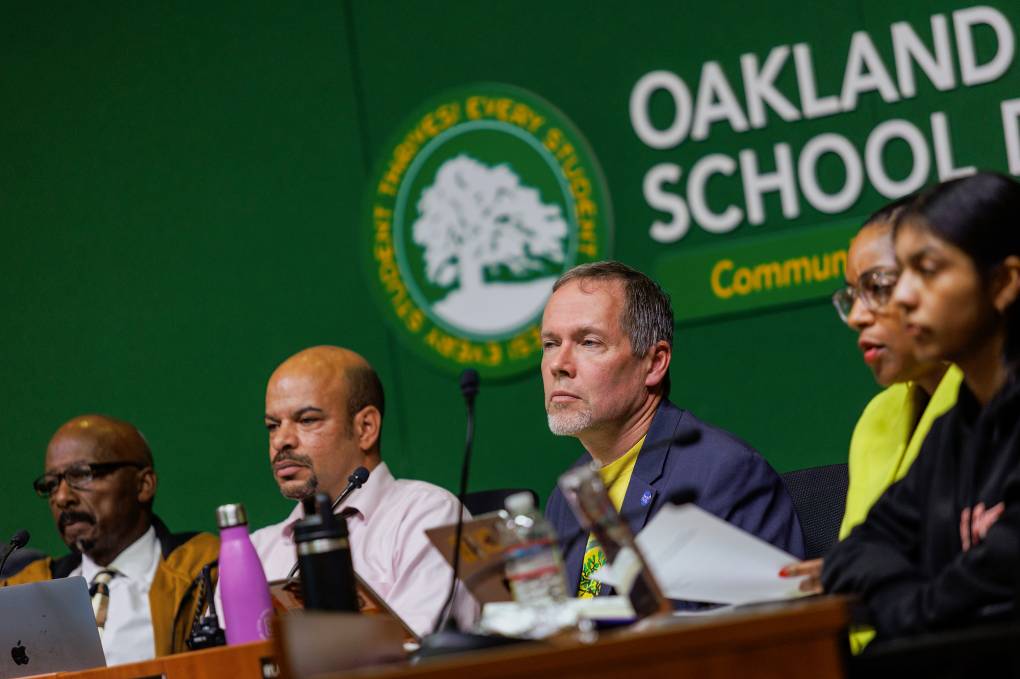
"caption": "The Oakland Unified School District Board listens to public comment during a meeting at La Escuelita Elementary School in Oakland on April 23, 2025. After weeks of uncertainty about OUSD leadership, the board voted 4-3 for a “voluntary separation agreement” with Superintendent Kyla Johnson-Trammell.",
"credit": "Gina Castro/KQED",
"altTag": null,
"description": null,
"imgSizes": {
"medium": {
"file": "https://cdn.kqed.org/wp-content/uploads/sites/10/2025/04/20250423_OUSDSupe_GC-11_qed-800x515.jpg",
"width": 800,
"height": 515,
"mimeType": "image/jpeg"
},
"large": {
"file": "https://cdn.kqed.org/wp-content/uploads/sites/10/2025/04/20250423_OUSDSupe_GC-11_qed-1020x656.jpg",
"width": 1020,
"height": 656,
"mimeType": "image/jpeg"
},
"thumbnail": {
"file": "https://cdn.kqed.org/wp-content/uploads/sites/10/2025/04/20250423_OUSDSupe_GC-11_qed-160x103.jpg",
"width": 160,
"height": 103,
"mimeType": "image/jpeg"
},
"1536x1536": {
"file": "https://cdn.kqed.org/wp-content/uploads/sites/10/2025/04/20250423_OUSDSupe_GC-11_qed-1536x988.jpg",
"width": 1536,
"height": 988,
"mimeType": "image/jpeg"
},
"post-thumbnail": {
"file": "https://cdn.kqed.org/wp-content/uploads/sites/10/2025/04/20250423_OUSDSupe_GC-11_qed-672x372.jpg",
"width": 672,
"height": 372,
"mimeType": "image/jpeg"
},
"twentyfourteen-full-width": {
"file": "https://cdn.kqed.org/wp-content/uploads/sites/10/2025/04/20250423_OUSDSupe_GC-11_qed-1038x576.jpg",
"width": 1038,
"height": 576,
"mimeType": "image/jpeg"
},
"full-width": {
"file": "https://cdn.kqed.org/wp-content/uploads/sites/10/2025/04/20250423_OUSDSupe_GC-11_qed-1920x1236.jpg",
"width": 1920,
"height": 1236,
"mimeType": "image/jpeg"
},
"kqedFullSize": {
"file": "https://cdn.kqed.org/wp-content/uploads/sites/10/2025/04/20250423_OUSDSupe_GC-11_qed.jpg",
"width": 2000,
"height": 1287
}
},
"isLoading": false,
"fetchFailed": false
},
"news_12037100": {
"type": "attachments",
"id": "news_12037100",
"meta": {
"index": "attachments_1716263798",
"site": "news",
"id": "12037100",
"found": true
},
"title": "DSC06392_qed",
"publishDate": 1745344975,
"status": "inherit",
"parent": 12037097,
"modified": 1745345003,
"caption": "Oakland Unified School District Superintendent Kyla Johnson-Trammell delivers a speech to the media with the OUSD's response to an ongoing teacher's strike on May 4, 2023.",
"credit": "Aryk Copley for KQED",
"altTag": null,
"description": null,
"imgSizes": {
"medium": {
"file": "https://cdn.kqed.org/wp-content/uploads/sites/10/2025/04/DSC06392_qed-800x533.jpg",
"width": 800,
"height": 533,
"mimeType": "image/jpeg"
},
"large": {
"file": "https://cdn.kqed.org/wp-content/uploads/sites/10/2025/04/DSC06392_qed-1020x680.jpg",
"width": 1020,
"height": 680,
"mimeType": "image/jpeg"
},
"thumbnail": {
"file": "https://cdn.kqed.org/wp-content/uploads/sites/10/2025/04/DSC06392_qed-160x107.jpg",
"width": 160,
"height": 107,
"mimeType": "image/jpeg"
},
"1536x1536": {
"file": "https://cdn.kqed.org/wp-content/uploads/sites/10/2025/04/DSC06392_qed-1536x1024.jpg",
"width": 1536,
"height": 1024,
"mimeType": "image/jpeg"
},
"post-thumbnail": {
"file": "https://cdn.kqed.org/wp-content/uploads/sites/10/2025/04/DSC06392_qed-672x372.jpg",
"width": 672,
"height": 372,
"mimeType": "image/jpeg"
},
"twentyfourteen-full-width": {
"file": "https://cdn.kqed.org/wp-content/uploads/sites/10/2025/04/DSC06392_qed-1038x576.jpg",
"width": 1038,
"height": 576,
"mimeType": "image/jpeg"
},
"full-width": {
"file": "https://cdn.kqed.org/wp-content/uploads/sites/10/2025/04/DSC06392_qed-1920x1280.jpg",
"width": 1920,
"height": 1280,
"mimeType": "image/jpeg"
},
"kqedFullSize": {
"file": "https://cdn.kqed.org/wp-content/uploads/sites/10/2025/04/DSC06392_qed.jpg",
"width": 2000,
"height": 1333
}
},
"isLoading": false,
"fetchFailed": false
},
"news_11727746": {
"type": "attachments",
"id": "news_11727746",
"meta": {
"index": "attachments_1716263798",
"site": "news",
"id": "11727746",
"found": true
},
"parent": 11727551,
"imgSizes": {
"twentyfourteen-full-width": {
"file": "https://ww2.kqed.org/app/uploads/sites/10/2019/02/Screen-Shot-2019-02-21-at-9.20.34-AM-1038x576.png",
"width": 1038,
"mimeType": "image/png",
"height": 576
},
"thumbnail": {
"file": "https://ww2.kqed.org/app/uploads/sites/10/2019/02/Screen-Shot-2019-02-21-at-9.20.34-AM-160x86.png",
"width": 160,
"mimeType": "image/png",
"height": 86
},
"post-thumbnail": {
"file": "https://ww2.kqed.org/app/uploads/sites/10/2019/02/Screen-Shot-2019-02-21-at-9.20.34-AM-672x372.png",
"width": 672,
"mimeType": "image/png",
"height": 372
},
"kqedFullSize": {
"file": "https://ww2.kqed.org/app/uploads/sites/10/2019/02/Screen-Shot-2019-02-21-at-9.20.34-AM-e1550769740649.png",
"width": 1920,
"height": 1035
},
"large": {
"file": "https://ww2.kqed.org/app/uploads/sites/10/2019/02/Screen-Shot-2019-02-21-at-9.20.34-AM-1020x550.png",
"width": 1020,
"mimeType": "image/png",
"height": 550
},
"complete_open_graph": {
"file": "https://ww2.kqed.org/app/uploads/sites/10/2019/02/Screen-Shot-2019-02-21-at-9.20.34-AM-1200x647.png",
"width": 1200,
"mimeType": "image/png",
"height": 647
},
"guest-author-50": {
"file": "https://ww2.kqed.org/app/uploads/sites/10/2019/02/Screen-Shot-2019-02-21-at-9.20.34-AM-50x50.png",
"width": 50,
"mimeType": "image/png",
"height": 50
},
"guest-author-96": {
"file": "https://ww2.kqed.org/app/uploads/sites/10/2019/02/Screen-Shot-2019-02-21-at-9.20.34-AM-96x96.png",
"width": 96,
"mimeType": "image/png",
"height": 96
},
"medium": {
"file": "https://ww2.kqed.org/app/uploads/sites/10/2019/02/Screen-Shot-2019-02-21-at-9.20.34-AM-800x431.png",
"width": 800,
"mimeType": "image/png",
"height": 431
},
"guest-author-64": {
"file": "https://ww2.kqed.org/app/uploads/sites/10/2019/02/Screen-Shot-2019-02-21-at-9.20.34-AM-64x64.png",
"width": 64,
"mimeType": "image/png",
"height": 64
},
"guest-author-32": {
"file": "https://ww2.kqed.org/app/uploads/sites/10/2019/02/Screen-Shot-2019-02-21-at-9.20.34-AM-32x32.png",
"width": 32,
"mimeType": "image/png",
"height": 32
},
"full-width": {
"file": "https://ww2.kqed.org/app/uploads/sites/10/2019/02/Screen-Shot-2019-02-21-at-9.20.34-AM-1920x1035.png",
"width": 1920,
"mimeType": "image/png",
"height": 1035
},
"detail": {
"file": "https://ww2.kqed.org/app/uploads/sites/10/2019/02/Screen-Shot-2019-02-21-at-9.20.34-AM-150x150.png",
"width": 150,
"mimeType": "image/png",
"height": 150
},
"guest-author-128": {
"file": "https://ww2.kqed.org/app/uploads/sites/10/2019/02/Screen-Shot-2019-02-21-at-9.20.34-AM-128x128.png",
"width": 128,
"mimeType": "image/png",
"height": 128
}
},
"publishDate": 1550769670,
"modified": 1550769793,
"caption": "Teachers strike outside of Oakland Technical High School on Feb. 21, 2019.",
"description": null,
"title": "Screen Shot 2019-02-21 at 9.20.34 AM",
"credit": "Stephanie Lister/KQED",
"status": "inherit",
"isLoading": false,
"fetchFailed": false
},
"news_11635686": {
"type": "attachments",
"id": "news_11635686",
"meta": {
"index": "attachments_1716263798",
"site": "news",
"id": "11635686",
"found": true
},
"title": "RS26222_IMG_2896-qut",
"publishDate": 1512690025,
"status": "inherit",
"parent": 11635537,
"modified": 1744151791,
"caption": "OUSD Superintendent Kyla Johnson-Trammell attends a leadership event at La Escuelita Elementary School before the start of the 2017–2018 school year. She says millions of dollars in budget cuts are necessary for the district's fiscal solvency. ",
"credit": "Devin Katayama/KQED",
"altTag": null,
"description": null,
"imgSizes": {
"thumbnail": {
"file": "https://cdn.kqed.org/wp-content/uploads/sites/10/2017/12/RS26222_IMG_2896-qut-160x107.jpg",
"width": 160,
"height": 107,
"mimeType": "image/jpeg"
},
"medium": {
"file": "https://cdn.kqed.org/wp-content/uploads/sites/10/2017/12/RS26222_IMG_2896-qut-800x533.jpg",
"width": 800,
"height": 533,
"mimeType": "image/jpeg"
},
"large": {
"file": "https://cdn.kqed.org/wp-content/uploads/sites/10/2017/12/RS26222_IMG_2896-qut-1020x680.jpg",
"width": 1020,
"height": 680,
"mimeType": "image/jpeg"
},
"fd-lrg": {
"file": "https://cdn.kqed.org/wp-content/uploads/sites/10/2017/12/RS26222_IMG_2896-qut-1920x1280.jpg",
"width": 1920,
"height": 1280,
"mimeType": "image/jpeg"
},
"fd-med": {
"file": "https://cdn.kqed.org/wp-content/uploads/sites/10/2017/12/RS26222_IMG_2896-qut-1180x787.jpg",
"width": 1180,
"height": 787,
"mimeType": "image/jpeg"
},
"fd-sm": {
"file": "https://cdn.kqed.org/wp-content/uploads/sites/10/2017/12/RS26222_IMG_2896-qut-960x640.jpg",
"width": 960,
"height": 640,
"mimeType": "image/jpeg"
},
"post-thumbnail": {
"file": "https://cdn.kqed.org/wp-content/uploads/sites/10/2017/12/RS26222_IMG_2896-qut-672x372.jpg",
"width": 672,
"height": 372,
"mimeType": "image/jpeg"
},
"twentyfourteen-full-width": {
"file": "https://cdn.kqed.org/wp-content/uploads/sites/10/2017/12/RS26222_IMG_2896-qut-1038x576.jpg",
"width": 1038,
"height": 576,
"mimeType": "image/jpeg"
},
"xxsmall": {
"file": "https://cdn.kqed.org/wp-content/uploads/sites/10/2017/12/RS26222_IMG_2896-qut-240x160.jpg",
"width": 240,
"height": 160,
"mimeType": "image/jpeg"
},
"xsmall": {
"file": "https://cdn.kqed.org/wp-content/uploads/sites/10/2017/12/RS26222_IMG_2896-qut-375x250.jpg",
"width": 375,
"height": 250,
"mimeType": "image/jpeg"
},
"small": {
"file": "https://cdn.kqed.org/wp-content/uploads/sites/10/2017/12/RS26222_IMG_2896-qut-520x347.jpg",
"width": 520,
"height": 347,
"mimeType": "image/jpeg"
},
"xlarge": {
"file": "https://cdn.kqed.org/wp-content/uploads/sites/10/2017/12/RS26222_IMG_2896-qut-1180x787.jpg",
"width": 1180,
"height": 787,
"mimeType": "image/jpeg"
},
"full-width": {
"file": "https://cdn.kqed.org/wp-content/uploads/sites/10/2017/12/RS26222_IMG_2896-qut-1920x1280.jpg",
"width": 1920,
"height": 1280,
"mimeType": "image/jpeg"
},
"guest-author-32": {
"file": "https://cdn.kqed.org/wp-content/uploads/sites/10/2017/12/RS26222_IMG_2896-qut-32x32.jpg",
"width": 32,
"height": 32,
"mimeType": "image/jpeg"
},
"guest-author-50": {
"file": "https://cdn.kqed.org/wp-content/uploads/sites/10/2017/12/RS26222_IMG_2896-qut-50x50.jpg",
"width": 50,
"height": 50,
"mimeType": "image/jpeg"
},
"guest-author-64": {
"file": "https://cdn.kqed.org/wp-content/uploads/sites/10/2017/12/RS26222_IMG_2896-qut-64x64.jpg",
"width": 64,
"height": 64,
"mimeType": "image/jpeg"
},
"guest-author-96": {
"file": "https://cdn.kqed.org/wp-content/uploads/sites/10/2017/12/RS26222_IMG_2896-qut-96x96.jpg",
"width": 96,
"height": 96,
"mimeType": "image/jpeg"
},
"guest-author-128": {
"file": "https://cdn.kqed.org/wp-content/uploads/sites/10/2017/12/RS26222_IMG_2896-qut-128x128.jpg",
"width": 128,
"height": 128,
"mimeType": "image/jpeg"
},
"detail": {
"file": "https://cdn.kqed.org/wp-content/uploads/sites/10/2017/12/RS26222_IMG_2896-qut-150x150.jpg",
"width": 150,
"height": 150,
"mimeType": "image/jpeg"
},
"kqedFullSize": {
"file": "https://cdn.kqed.org/wp-content/uploads/sites/10/2017/12/RS26222_IMG_2896-qut.jpg",
"width": 1920,
"height": 1280
}
},
"isLoading": false,
"fetchFailed": false
},
"news_12028939": {
"type": "attachments",
"id": "news_12028939",
"meta": {
"index": "attachments_1716263798",
"site": "news",
"id": "12028939",
"found": true
},
"title": "At McClymonds High School in Oakland on Feb. 6, 2025.",
"publishDate": 1740672046,
"status": "inherit",
"parent": 0,
"modified": 1740672401,
"caption": "At McClymonds High School in Oakland on Feb. 6, 2025.",
"credit": "Gina Castro/KQED",
"altTag": null,
"description": null,
"imgSizes": {
"medium": {
"file": "https://cdn.kqed.org/wp-content/uploads/sites/10/2025/02/20250206_OUSDChromebooks_GC-33-800x533.jpg",
"width": 800,
"height": 533,
"mimeType": "image/jpeg"
},
"large": {
"file": "https://cdn.kqed.org/wp-content/uploads/sites/10/2025/02/20250206_OUSDChromebooks_GC-33-1020x680.jpg",
"width": 1020,
"height": 680,
"mimeType": "image/jpeg"
},
"thumbnail": {
"file": "https://cdn.kqed.org/wp-content/uploads/sites/10/2025/02/20250206_OUSDChromebooks_GC-33-160x107.jpg",
"width": 160,
"height": 107,
"mimeType": "image/jpeg"
},
"1536x1536": {
"file": "https://cdn.kqed.org/wp-content/uploads/sites/10/2025/02/20250206_OUSDChromebooks_GC-33-1536x1024.jpg",
"width": 1536,
"height": 1024,
"mimeType": "image/jpeg"
},
"post-thumbnail": {
"file": "https://cdn.kqed.org/wp-content/uploads/sites/10/2025/02/20250206_OUSDChromebooks_GC-33-672x372.jpg",
"width": 672,
"height": 372,
"mimeType": "image/jpeg"
},
"twentyfourteen-full-width": {
"file": "https://cdn.kqed.org/wp-content/uploads/sites/10/2025/02/20250206_OUSDChromebooks_GC-33-1038x576.jpg",
"width": 1038,
"height": 576,
"mimeType": "image/jpeg"
},
"full-width": {
"file": "https://cdn.kqed.org/wp-content/uploads/sites/10/2025/02/20250206_OUSDChromebooks_GC-33-1920x1280.jpg",
"width": 1920,
"height": 1280,
"mimeType": "image/jpeg"
},
"kqedFullSize": {
"file": "https://cdn.kqed.org/wp-content/uploads/sites/10/2025/02/20250206_OUSDChromebooks_GC-33.jpg",
"width": 2000,
"height": 1333
}
},
"isLoading": false,
"fetchFailed": false
},
"news_12028936": {
"type": "attachments",
"id": "news_12028936",
"meta": {
"index": "attachments_1716263798",
"site": "news",
"id": "12028936",
"found": true
},
"title": "20250206_OUSDChromebooks_GC-19",
"publishDate": 1740672029,
"status": "inherit",
"parent": 12028948,
"modified": 1741035054,
"caption": "David Anderson, a junior at McClymonds High School, holds a Chromebook’s bezel in Oakland on Feb. 6, 2025. David is one of three paid interns at McClymonds High, under Oakland Unified’s student-led Chromebook repair program, where students are hired to repair the devices during the school year.",
"credit": "Gina Castro/KQED",
"altTag": null,
"description": null,
"imgSizes": {
"medium": {
"file": "https://cdn.kqed.org/wp-content/uploads/sites/10/2025/02/20250206_OUSDChromebooks_GC-19-800x533.jpg",
"width": 800,
"height": 533,
"mimeType": "image/jpeg"
},
"large": {
"file": "https://cdn.kqed.org/wp-content/uploads/sites/10/2025/02/20250206_OUSDChromebooks_GC-19-1020x680.jpg",
"width": 1020,
"height": 680,
"mimeType": "image/jpeg"
},
"thumbnail": {
"file": "https://cdn.kqed.org/wp-content/uploads/sites/10/2025/02/20250206_OUSDChromebooks_GC-19-160x107.jpg",
"width": 160,
"height": 107,
"mimeType": "image/jpeg"
},
"1536x1536": {
"file": "https://cdn.kqed.org/wp-content/uploads/sites/10/2025/02/20250206_OUSDChromebooks_GC-19-1536x1024.jpg",
"width": 1536,
"height": 1024,
"mimeType": "image/jpeg"
},
"post-thumbnail": {
"file": "https://cdn.kqed.org/wp-content/uploads/sites/10/2025/02/20250206_OUSDChromebooks_GC-19-672x372.jpg",
"width": 672,
"height": 372,
"mimeType": "image/jpeg"
},
"twentyfourteen-full-width": {
"file": "https://cdn.kqed.org/wp-content/uploads/sites/10/2025/02/20250206_OUSDChromebooks_GC-19-1038x576.jpg",
"width": 1038,
"height": 576,
"mimeType": "image/jpeg"
},
"full-width": {
"file": "https://cdn.kqed.org/wp-content/uploads/sites/10/2025/02/20250206_OUSDChromebooks_GC-19-1920x1280.jpg",
"width": 1920,
"height": 1280,
"mimeType": "image/jpeg"
},
"kqedFullSize": {
"file": "https://cdn.kqed.org/wp-content/uploads/sites/10/2025/02/20250206_OUSDChromebooks_GC-19.jpg",
"width": 2000,
"height": 1333
}
},
"isLoading": false,
"fetchFailed": false
},
"news_12029338": {
"type": "attachments",
"id": "news_12029338",
"meta": {
"index": "attachments_1716263798",
"site": "news",
"id": "12029338",
"found": true
},
"title": "20241211-OUSDMergerVote-JY-026_qed",
"publishDate": 1740786072,
"status": "inherit",
"parent": 12036400,
"modified": 1744912996,
"caption": "The Oakland Unified School District Board listens to public comment during a meeting at La Escuelita Elementary School in Oakland, California, on Dec. 11, 2024. ",
"credit": "Juliana Yamada/KQED",
"altTag": null,
"description": null,
"imgSizes": {
"medium": {
"file": "https://cdn.kqed.org/wp-content/uploads/sites/10/2025/02/20241211-OUSDMergerVote-JY-026_qed-800x533.jpg",
"width": 800,
"height": 533,
"mimeType": "image/jpeg"
},
"large": {
"file": "https://cdn.kqed.org/wp-content/uploads/sites/10/2025/02/20241211-OUSDMergerVote-JY-026_qed-1020x680.jpg",
"width": 1020,
"height": 680,
"mimeType": "image/jpeg"
},
"thumbnail": {
"file": "https://cdn.kqed.org/wp-content/uploads/sites/10/2025/02/20241211-OUSDMergerVote-JY-026_qed-160x107.jpg",
"width": 160,
"height": 107,
"mimeType": "image/jpeg"
},
"1536x1536": {
"file": "https://cdn.kqed.org/wp-content/uploads/sites/10/2025/02/20241211-OUSDMergerVote-JY-026_qed-1536x1024.jpg",
"width": 1536,
"height": 1024,
"mimeType": "image/jpeg"
},
"post-thumbnail": {
"file": "https://cdn.kqed.org/wp-content/uploads/sites/10/2025/02/20241211-OUSDMergerVote-JY-026_qed-672x372.jpg",
"width": 672,
"height": 372,
"mimeType": "image/jpeg"
},
"twentyfourteen-full-width": {
"file": "https://cdn.kqed.org/wp-content/uploads/sites/10/2025/02/20241211-OUSDMergerVote-JY-026_qed-1038x576.jpg",
"width": 1038,
"height": 576,
"mimeType": "image/jpeg"
},
"full-width": {
"file": "https://cdn.kqed.org/wp-content/uploads/sites/10/2025/02/20241211-OUSDMergerVote-JY-026_qed-1920x1280.jpg",
"width": 1920,
"height": 1280,
"mimeType": "image/jpeg"
},
"kqedFullSize": {
"file": "https://cdn.kqed.org/wp-content/uploads/sites/10/2025/02/20241211-OUSDMergerVote-JY-026_qed.jpg",
"width": 2000,
"height": 1333
}
},
"isLoading": false,
"fetchFailed": false
},
"news_12017852": {
"type": "attachments",
"id": "news_12017852",
"meta": {
"index": "attachments_1716263798",
"site": "news",
"id": "12017852",
"found": true
},
"title": "20241211-OUSDMergerVote-JY-033",
"publishDate": 1733989002,
"status": "inherit",
"parent": 12027158,
"modified": 1739579285,
"caption": "The Oakland Unified School District Board listens to public comment during a meeting at La Escuelita Elementary School in Oakland, California, on Wednesday, Dec. 11, 2024. Students, families, educators, and community members raised their concerns about a proposed merger of their schools.",
"credit": "Juliana Yamada/KQED",
"altTag": null,
"description": null,
"imgSizes": {
"medium": {
"file": "https://cdn.kqed.org/wp-content/uploads/sites/10/2024/12/20241211-OUSDMergerVote-JY-033-800x533.jpg",
"width": 800,
"height": 533,
"mimeType": "image/jpeg"
},
"large": {
"file": "https://cdn.kqed.org/wp-content/uploads/sites/10/2024/12/20241211-OUSDMergerVote-JY-033-1020x679.jpg",
"width": 1020,
"height": 679,
"mimeType": "image/jpeg"
},
"thumbnail": {
"file": "https://cdn.kqed.org/wp-content/uploads/sites/10/2024/12/20241211-OUSDMergerVote-JY-033-160x107.jpg",
"width": 160,
"height": 107,
"mimeType": "image/jpeg"
},
"1536x1536": {
"file": "https://cdn.kqed.org/wp-content/uploads/sites/10/2024/12/20241211-OUSDMergerVote-JY-033-1536x1023.jpg",
"width": 1536,
"height": 1023,
"mimeType": "image/jpeg"
},
"post-thumbnail": {
"file": "https://cdn.kqed.org/wp-content/uploads/sites/10/2024/12/20241211-OUSDMergerVote-JY-033-672x372.jpg",
"width": 672,
"height": 372,
"mimeType": "image/jpeg"
},
"twentyfourteen-full-width": {
"file": "https://cdn.kqed.org/wp-content/uploads/sites/10/2024/12/20241211-OUSDMergerVote-JY-033-1038x576.jpg",
"width": 1038,
"height": 576,
"mimeType": "image/jpeg"
},
"full-width": {
"file": "https://cdn.kqed.org/wp-content/uploads/sites/10/2024/12/20241211-OUSDMergerVote-JY-033-1920x1279.jpg",
"width": 1920,
"height": 1279,
"mimeType": "image/jpeg"
},
"kqedFullSize": {
"file": "https://cdn.kqed.org/wp-content/uploads/sites/10/2024/12/20241211-OUSDMergerVote-JY-033.jpg",
"width": 2000,
"height": 1332
}
},
"isLoading": false,
"fetchFailed": false
},
"news_12008939": {
"type": "attachments",
"id": "news_12008939",
"meta": {
"index": "attachments_1716263798",
"site": "news",
"id": "12008939",
"found": true
},
"title": "241010-SFUSDClosures-11-BL_qed",
"publishDate": 1728593726,
"status": "inherit",
"parent": 12025440,
"modified": 1739393473,
"caption": "Signs cover the fence in front of Spring Valley Science Elementary School in San Francisco during a press conference on Oct. 10, 2024, to push for city intervention in SFUSD’s school closure plans.",
"credit": "Beth LaBerge/KQED",
"altTag": null,
"description": null,
"imgSizes": {
"medium": {
"file": "https://cdn.kqed.org/wp-content/uploads/sites/10/2024/10/241010-SFUSDClosures-11-BL_qed-800x533.jpg",
"width": 800,
"height": 533,
"mimeType": "image/jpeg"
},
"large": {
"file": "https://cdn.kqed.org/wp-content/uploads/sites/10/2024/10/241010-SFUSDClosures-11-BL_qed-1020x680.jpg",
"width": 1020,
"height": 680,
"mimeType": "image/jpeg"
},
"thumbnail": {
"file": "https://cdn.kqed.org/wp-content/uploads/sites/10/2024/10/241010-SFUSDClosures-11-BL_qed-160x107.jpg",
"width": 160,
"height": 107,
"mimeType": "image/jpeg"
},
"1536x1536": {
"file": "https://cdn.kqed.org/wp-content/uploads/sites/10/2024/10/241010-SFUSDClosures-11-BL_qed-1536x1024.jpg",
"width": 1536,
"height": 1024,
"mimeType": "image/jpeg"
},
"post-thumbnail": {
"file": "https://cdn.kqed.org/wp-content/uploads/sites/10/2024/10/241010-SFUSDClosures-11-BL_qed-672x372.jpg",
"width": 672,
"height": 372,
"mimeType": "image/jpeg"
},
"twentyfourteen-full-width": {
"file": "https://cdn.kqed.org/wp-content/uploads/sites/10/2024/10/241010-SFUSDClosures-11-BL_qed-1038x576.jpg",
"width": 1038,
"height": 576,
"mimeType": "image/jpeg"
},
"full-width": {
"file": "https://cdn.kqed.org/wp-content/uploads/sites/10/2024/10/241010-SFUSDClosures-11-BL_qed-1920x1280.jpg",
"width": 1920,
"height": 1280,
"mimeType": "image/jpeg"
},
"kqedFullSize": {
"file": "https://cdn.kqed.org/wp-content/uploads/sites/10/2024/10/241010-SFUSDClosures-11-BL_qed.jpg",
"width": 2000,
"height": 1333
}
},
"isLoading": false,
"fetchFailed": false
},
"news_12017856": {
"type": "attachments",
"id": "news_12017856",
"meta": {
"index": "attachments_1716263798",
"site": "news",
"id": "12017856",
"found": true
},
"title": "20241211-OUSDMergerVote-JY-007",
"publishDate": 1733989044,
"status": "inherit",
"parent": 12027158,
"modified": 1739578517,
"caption": "Sahaana Garg, center, attends the Oakland Unified School District Board Meeting with her mom, Medha, right, and sister Naija, left, at La Escuelita Elementary School in Oakland on Wednesday, Dec. 11, 2024. The School Board took public comment on a proposed merger of ten different schools.",
"credit": "Juliana Yamada/KQED",
"altTag": null,
"description": null,
"imgSizes": {
"medium": {
"file": "https://cdn.kqed.org/wp-content/uploads/sites/10/2024/12/20241211-OUSDMergerVote-JY-007-800x533.jpg",
"width": 800,
"height": 533,
"mimeType": "image/jpeg"
},
"large": {
"file": "https://cdn.kqed.org/wp-content/uploads/sites/10/2024/12/20241211-OUSDMergerVote-JY-007-1020x679.jpg",
"width": 1020,
"height": 679,
"mimeType": "image/jpeg"
},
"thumbnail": {
"file": "https://cdn.kqed.org/wp-content/uploads/sites/10/2024/12/20241211-OUSDMergerVote-JY-007-160x107.jpg",
"width": 160,
"height": 107,
"mimeType": "image/jpeg"
},
"1536x1536": {
"file": "https://cdn.kqed.org/wp-content/uploads/sites/10/2024/12/20241211-OUSDMergerVote-JY-007-1536x1023.jpg",
"width": 1536,
"height": 1023,
"mimeType": "image/jpeg"
},
"post-thumbnail": {
"file": "https://cdn.kqed.org/wp-content/uploads/sites/10/2024/12/20241211-OUSDMergerVote-JY-007-672x372.jpg",
"width": 672,
"height": 372,
"mimeType": "image/jpeg"
},
"twentyfourteen-full-width": {
"file": "https://cdn.kqed.org/wp-content/uploads/sites/10/2024/12/20241211-OUSDMergerVote-JY-007-1038x576.jpg",
"width": 1038,
"height": 576,
"mimeType": "image/jpeg"
},
"full-width": {
"file": "https://cdn.kqed.org/wp-content/uploads/sites/10/2024/12/20241211-OUSDMergerVote-JY-007-1920x1279.jpg",
"width": 1920,
"height": 1279,
"mimeType": "image/jpeg"
},
"kqedFullSize": {
"file": "https://cdn.kqed.org/wp-content/uploads/sites/10/2024/12/20241211-OUSDMergerVote-JY-007.jpg",
"width": 2000,
"height": 1332
}
},
"isLoading": false,
"fetchFailed": false
},
"news_12014399": {
"type": "attachments",
"id": "news_12014399",
"meta": {
"index": "attachments_1716263798",
"site": "news",
"id": "12014399",
"found": true
},
"title": "028_KQEDScience_IntCommunitySchoolOakland_10202022_qed",
"publishDate": 1731605204,
"status": "inherit",
"parent": 12014397,
"modified": 1789341781,
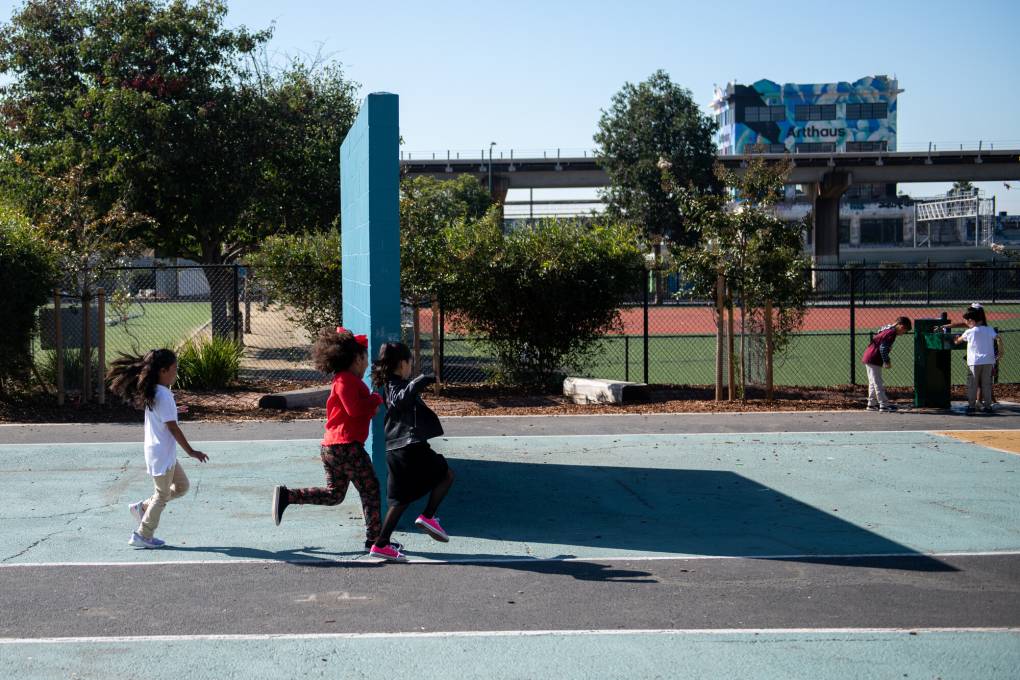
"caption": "Students run behind a wall providing shade in the schoolyard at International Community School in Oakland on Oct. 20, 2022.",
"credit": "Beth LaBerge/KQED",
"altTag": null,
"description": null,
"imgSizes": {
"medium": {
"file": "https://cdn.kqed.org/wp-content/uploads/sites/10/2024/11/028_KQEDScience_IntCommunitySchoolOakland_10202022_qed-800x533.jpg",
"width": 800,
"height": 533,
"mimeType": "image/jpeg"
},
"large": {
"file": "https://cdn.kqed.org/wp-content/uploads/sites/10/2024/11/028_KQEDScience_IntCommunitySchoolOakland_10202022_qed-1020x680.jpg",
"width": 1020,
"height": 680,
"mimeType": "image/jpeg"
},
"thumbnail": {
"file": "https://cdn.kqed.org/wp-content/uploads/sites/10/2024/11/028_KQEDScience_IntCommunitySchoolOakland_10202022_qed-160x107.jpg",
"width": 160,
"height": 107,
"mimeType": "image/jpeg"
},
"1536x1536": {
"file": "https://cdn.kqed.org/wp-content/uploads/sites/10/2024/11/028_KQEDScience_IntCommunitySchoolOakland_10202022_qed-1536x1024.jpg",
"width": 1536,
"height": 1024,
"mimeType": "image/jpeg"
},
"post-thumbnail": {
"file": "https://cdn.kqed.org/wp-content/uploads/sites/10/2024/11/028_KQEDScience_IntCommunitySchoolOakland_10202022_qed-672x372.jpg",
"width": 672,
"height": 372,
"mimeType": "image/jpeg"
},
"twentyfourteen-full-width": {
"file": "https://cdn.kqed.org/wp-content/uploads/sites/10/2024/11/028_KQEDScience_IntCommunitySchoolOakland_10202022_qed-1038x576.jpg",
"width": 1038,
"height": 576,
"mimeType": "image/jpeg"
},
"full-width": {
"file": "https://cdn.kqed.org/wp-content/uploads/sites/10/2024/11/028_KQEDScience_IntCommunitySchoolOakland_10202022_qed-1920x1280.jpg",
"width": 1920,
"height": 1280,
"mimeType": "image/jpeg"
},
"kqedFullSize": {
"file": "https://cdn.kqed.org/wp-content/uploads/sites/10/2024/11/028_KQEDScience_IntCommunitySchoolOakland_10202022_qed.jpg",
"width": 1999,
"height": 1333
}
},
"isLoading": false,
"fetchFailed": false
},
"news_12013785": {
"type": "attachments",
"id": "news_12013785",
"meta": {
"index": "attachments_1716263798",
"site": "news",
"id": "12013785",
"found": true
},
"title": "030_KQEDScience_IntCommunitySchoolOakland_10202022_qed",
"publishDate": 1731110987,
"status": "inherit",
"parent": 12013739,
"modified": 1731111020,
"caption": "Students go in from recess at International Community School in Oakland on Oct. 20, 2022.",
"credit": "Beth LaBerge/KQED",
"altTag": null,
"description": null,
"imgSizes": {
"medium": {
"file": "https://cdn.kqed.org/wp-content/uploads/sites/10/2024/11/030_KQEDScience_IntCommunitySchoolOakland_10202022_qed-800x533.jpg",
"width": 800,
"height": 533,
"mimeType": "image/jpeg"
},
"large": {
"file": "https://cdn.kqed.org/wp-content/uploads/sites/10/2024/11/030_KQEDScience_IntCommunitySchoolOakland_10202022_qed-1020x680.jpg",
"width": 1020,
"height": 680,
"mimeType": "image/jpeg"
},
"thumbnail": {
"file": "https://cdn.kqed.org/wp-content/uploads/sites/10/2024/11/030_KQEDScience_IntCommunitySchoolOakland_10202022_qed-160x107.jpg",
"width": 160,
"height": 107,
"mimeType": "image/jpeg"
},
"1536x1536": {
"file": "https://cdn.kqed.org/wp-content/uploads/sites/10/2024/11/030_KQEDScience_IntCommunitySchoolOakland_10202022_qed-1536x1024.jpg",
"width": 1536,
"height": 1024,
"mimeType": "image/jpeg"
},
"post-thumbnail": {
"file": "https://cdn.kqed.org/wp-content/uploads/sites/10/2024/11/030_KQEDScience_IntCommunitySchoolOakland_10202022_qed-672x372.jpg",
"width": 672,
"height": 372,
"mimeType": "image/jpeg"
},
"twentyfourteen-full-width": {
"file": "https://cdn.kqed.org/wp-content/uploads/sites/10/2024/11/030_KQEDScience_IntCommunitySchoolOakland_10202022_qed-1038x576.jpg",
"width": 1038,
"height": 576,
"mimeType": "image/jpeg"
},
"full-width": {
"file": "https://cdn.kqed.org/wp-content/uploads/sites/10/2024/11/030_KQEDScience_IntCommunitySchoolOakland_10202022_qed-1920x1280.jpg",
"width": 1920,
"height": 1280,
"mimeType": "image/jpeg"
},
"kqedFullSize": {
"file": "https://cdn.kqed.org/wp-content/uploads/sites/10/2024/11/030_KQEDScience_IntCommunitySchoolOakland_10202022_qed.jpg",
"width": 2000,
"height": 1333
}
},
"isLoading": false,
"fetchFailed": false
}
},
"audioPlayerReducer": {
"postId": "stream_live",
"isPaused": true,
"isPlaying": false,
"pfsActive": false,
"pledgeModalIsOpen": true,
"playerDrawerIsOpen": false,
"liveAudioPlayStartedAt": 0,
"liveAudioPlayContext": ""
},
"authorsReducer": {
"adahlstromeckman": {
"type": "authors",
"id": "11785",
"meta": {
"index": "authors_1716337520",
"id": "11785",
"found": true
},
"name": "Azul Dahlstrom-Eckman",
"firstName": "Azul",
"lastName": "Dahlstrom-Eckman",
"slug": "adahlstromeckman",
"email": "adahlstrom-eckman@kqed.org",
"display_author_email": true,
"staff_mastheads": [],
"title": "Reporter",
"bio": "Azul is a reporter for KQED focusing on transportation and features. He joined KQED in 2021 as an alumna of KALW's Audio Academy radio journalism training program.",
"avatar": "https://secure.gravatar.com/avatar/9cb750298435add7815a777f55bf1f46845c1386bb8452555c60a7b820b5aba3?s=600&d=blank&r=g",
"twitter": "@zuliemann",
"bluesky": "@azul415.bsky.social",
"facebook": null,
"instagram": null,
"linkedin": null,
"sites": [
{
"site": "arts",
"roles": [
"editor"
]
},
{
"site": "news",
"roles": [
"editor"
]
},
{
"site": "science",
"roles": [
"editor"
]
},
{
"site": "liveblog",
"roles": [
"author"
]
}
],
"headData": {
"title": "Azul Dahlstrom-Eckman | KQED",
"description": "Reporter",
"ogImgSrc": "https://secure.gravatar.com/avatar/9cb750298435add7815a777f55bf1f46845c1386bb8452555c60a7b820b5aba3?s=600&d=blank&r=g",
"twImgSrc": "https://secure.gravatar.com/avatar/9cb750298435add7815a777f55bf1f46845c1386bb8452555c60a7b820b5aba3?s=600&d=blank&r=g"
},
"isLoading": false,
"link": "/author/adahlstromeckman"
},
"gcastro": {
"type": "authors",
"id": "11908",
"meta": {
"index": "authors_1716337520",
"id": "11908",
"found": true
},
"name": "Gina Castro",
"firstName": "Gina",
"lastName": "Castro",
"slug": "gcastro",
"email": "gcastro@kqed.org",
"display_author_email": false,
"staff_mastheads": [
"news"
],
"title": "KQED Contributor",
"bio": null,
"avatar": "https://secure.gravatar.com/avatar/27b36c9ac0b86aced91deb0fc63fc510307488fa6761ac6062ac2eb798ed123f?s=600&d=blank&r=g",
"twitter": null,
"bluesky": null,
"facebook": null,
"instagram": null,
"linkedin": null,
"sites": [
{
"site": "arts",
"roles": [
"editor"
]
},
{
"site": "news",
"roles": [
"editor"
]
},
{
"site": "science",
"roles": [
"editor"
]
}
],
"headData": {
"title": "Gina Castro | KQED",
"description": "KQED Contributor",
"ogImgSrc": "https://secure.gravatar.com/avatar/27b36c9ac0b86aced91deb0fc63fc510307488fa6761ac6062ac2eb798ed123f?s=600&d=blank&r=g",
"twImgSrc": "https://secure.gravatar.com/avatar/27b36c9ac0b86aced91deb0fc63fc510307488fa6761ac6062ac2eb798ed123f?s=600&d=blank&r=g"
},
"isLoading": false,
"link": "/author/gcastro"
},
"kdebenedetti": {
"type": "authors",
"id": "11913",
"meta": {
"index": "authors_1716337520",
"id": "11913",
"found": true
},
"name": "Katie DeBenedetti",
"firstName": "Katie",
"lastName": "DeBenedetti",
"slug": "kdebenedetti",
"email": "kdebenedetti@kqed.org",
"display_author_email": false,
"staff_mastheads": [
"news",
"science"
],
"title": "KQED Contributor",
"bio": "Katie DeBenedetti is a digital reporter covering daily news for the Express Desk. Prior to joining KQED as a culture reporting intern in January 2024, she covered education and city government for the Napa Valley Register.",
"avatar": "https://secure.gravatar.com/avatar/6e31073cb8f7e4214ab03f42771d0f45?s=600&d=blank&r=g",
"twitter": null,
"facebook": null,
"instagram": null,
"linkedin": null,
"sites": [
{
"site": "news",
"roles": [
"author"
]
},
{
"site": "science",
"roles": [
"author"
]
},
{
"site": "liveblog",
"roles": [
"author"
]
}
],
"headData": {
"title": "Katie DeBenedetti | KQED",
"description": "KQED Contributor",
"ogImgSrc": "https://secure.gravatar.com/avatar/6e31073cb8f7e4214ab03f42771d0f45?s=600&d=blank&r=g",
"twImgSrc": "https://secure.gravatar.com/avatar/6e31073cb8f7e4214ab03f42771d0f45?s=600&d=blank&r=g"
},
"isLoading": false,
"link": "/author/kdebenedetti"
}
},
"pagesReducer": {
"news_tag_oakland-unified-school-district": {
"type": "terms",
"id": "news_1826",
"meta": {
"index": "terms_1716263798",
"site": "news",
"id": "1826",
"score": 10.403227
},
"featImg": null,
"name": "Oakland Unified School District",
"description": null,
"taxonomy": "tag",
"headData": {
"twImgId": null,
"twTitle": null,
"ogTitle": null,
"ogImgId": null,
"twDescription": null,
"description": null,
"title": "Oakland Unified School District Archives | KQED News",
"ogDescription": null
},
"ttid": 1841,
"slug": "oakland-unified-school-district",
"isLoading": false,
"title": "Oakland Unified School District",
"pageMeta": {
"site": "news",
"WpPageTemplate": "page-topic-editorial",
"currentPage": 3
},
"blocks": [
{
"blockName": "kqed/post-list",
"attrs": {
"layout": "cardArticle2",
"query": "posts/news?tag=oakland-unified-school-district",
"seeMore": false,
"paginated": true,
"page": 3
}
},
{
"blockName": "kqed/ad"
}
]
}
},
"pfsSessionReducer": {},
"postsReducer": {
"stream_live": {
"type": "live",
"id": "stream_live",
"audioUrl": "https://streams.kqed.org/kqedradio",
"title": "Live Stream",
"excerpt": "Live Stream information currently unavailable.",
"link": "/radio",
"featImg": "",
"label": {
"name": "KQED Live",
"link": "/"
}
},
"stream_kqedNewscast": {
"type": "posts",
"id": "stream_kqedNewscast",
"audioUrl": "https://www.kqed.org/.stream/anon/radio/RDnews/newscast.mp3?_=1",
"title": "KQED Newscast",
"featImg": "",
"label": {
"name": "88.5 FM",
"link": "/"
}
},
"news_12037315": {
"type": "posts",
"id": "news_12037315",
"meta": {
"index": "posts_1716263798",
"site": "news",
"id": "12037315",
"score": null,
"sort": [
1745515666000
]
},
"guestAuthors": [],
"slug": "oakland-school-board-votes-remove-superintendent-sparking-worries-instability",
"title": "Oakland School Board Votes to Remove Superintendent, Sparking Worries of Instability",
"publishDate": 1745515666,
"format": "standard",
"headTitle": "Oakland School Board Votes to Remove Superintendent, Sparking Worries of Instability | KQED",
"labelTerm": {
"site": "news"
},
"content": "\u003cp>Oakland’s school board voted Wednesday night to remove its superintendent, capping weeks of \u003ca href=\"https://www.kqed.org/news/12035569/is-the-oakland-school-board-ousting-the-superintendent-depends-on-which-board-member-you-ask\">swirling rumors\u003c/a> about her employment.\u003c/p>\n\u003cp>Superintendent Kyla Johnson-Trammell will leave her post on June 30 after agreeing to a “voluntary separation agreement,” passed by a 4-3 board vote. Previously, she was expected to remain at the helm through 2027 to ease the transition to her successor but step back from leading day-to-day operations at the end of this school year.\u003c/p>\n\u003cp>Board member Mike Hutchinson voted against the deal, saying that Johnson-Trammell, who was not present at the meeting, was pushed out after the board majority abruptly moved to change the terms of her contract earlier this month.\u003c/p>\n\u003cp>[ad fullwidth]\u003c/p>\n\u003cp>“We have four [board] directors who are risking all of the gains that we made, forcing out the superintendent,” he said. “Don’t be confused. The reason she’s getting a payout is because she didn’t resign. This wasn’t her plan.”\u003c/p>\n\u003cp>Board members who supported the superintendent’s renegotiation have not yet said why her contract was changed.\u003c/p>\n\u003cfigure id=\"attachment_12037458\" class=\"wp-caption aligncenter\" style=\"max-width: 2000px\">\u003cimg loading=\"lazy\" decoding=\"async\" class=\"wp-image-12037458 size-full\" src=\"https://cdn.kqed.org/wp-content/uploads/sites/10/2025/04/20250423_OUSDSupe_GC-16_qed.jpg\" alt=\"\" width=\"2000\" height=\"1333\" srcset=\"https://cdn.kqed.org/wp-content/uploads/sites/10/2025/04/20250423_OUSDSupe_GC-16_qed.jpg 2000w, https://cdn.kqed.org/wp-content/uploads/sites/10/2025/04/20250423_OUSDSupe_GC-16_qed-800x533.jpg 800w, https://cdn.kqed.org/wp-content/uploads/sites/10/2025/04/20250423_OUSDSupe_GC-16_qed-1020x680.jpg 1020w, https://cdn.kqed.org/wp-content/uploads/sites/10/2025/04/20250423_OUSDSupe_GC-16_qed-160x107.jpg 160w, https://cdn.kqed.org/wp-content/uploads/sites/10/2025/04/20250423_OUSDSupe_GC-16_qed-1536x1024.jpg 1536w, https://cdn.kqed.org/wp-content/uploads/sites/10/2025/04/20250423_OUSDSupe_GC-16_qed-1920x1280.jpg 1920w\" sizes=\"auto, (max-width: 2000px) 100vw, 2000px\">\u003cfigcaption class=\"wp-caption-text\">Oakland Unified School District board member, Mike Hutchinson, speaks during a meeting at La Escuelita Elementary School in Oakland on April 23, 2025. \u003ccite>(Gina Castro/KQED)\u003c/cite>\u003c/figcaption>\u003c/figure>\n\u003cp>Under the separation deal, Johnson-Trammell will be named “superintendent emeritus” of the district through mid-January. A new interim superintendent will be appointed July 1, according to board members.\u003c/p>\n\u003cp>Before her contract was changed, Johnson-Trammell was expected to present an interim leadership plan divvying up responsibilities to members of her senior leadership team this spring.\u003c/p>\n\u003cp>Until June 2027, she would have continued to serve as the superintendent in name but focused on special projects, including networking with local and state partners and helping select her successor.\u003c/p>\n\u003cp>“As I prepare to turn the page, I do so knowing that Oakland Unified is positioned to keep moving forward — with clarity, compassion, and courage,” she said in a statement on Wednesday night. “I will always champion the district and our students, with love and confidence that our shared commitment to joyful, thriving schools will continue to lead the way.”\u003c/p>\n\u003cfigure id=\"attachment_12037460\" class=\"wp-caption aligncenter\" style=\"max-width: 2000px\">\u003cimg loading=\"lazy\" decoding=\"async\" class=\"wp-image-12037460 size-full\" src=\"https://cdn.kqed.org/wp-content/uploads/sites/10/2025/04/20250423_OUSDSupe_GC-17_qed.jpg\" alt=\"\" width=\"2000\" height=\"1333\" srcset=\"https://cdn.kqed.org/wp-content/uploads/sites/10/2025/04/20250423_OUSDSupe_GC-17_qed.jpg 2000w, https://cdn.kqed.org/wp-content/uploads/sites/10/2025/04/20250423_OUSDSupe_GC-17_qed-800x533.jpg 800w, https://cdn.kqed.org/wp-content/uploads/sites/10/2025/04/20250423_OUSDSupe_GC-17_qed-1020x680.jpg 1020w, https://cdn.kqed.org/wp-content/uploads/sites/10/2025/04/20250423_OUSDSupe_GC-17_qed-160x107.jpg 160w, https://cdn.kqed.org/wp-content/uploads/sites/10/2025/04/20250423_OUSDSupe_GC-17_qed-1536x1024.jpg 1536w, https://cdn.kqed.org/wp-content/uploads/sites/10/2025/04/20250423_OUSDSupe_GC-17_qed-1920x1280.jpg 1920w\" sizes=\"auto, (max-width: 2000px) 100vw, 2000px\">\u003cfigcaption class=\"wp-caption-text\">Oakland Unified School District parents, students and supporters attend a board meeting at La Escuelita Elementary School in Oakland on April 23, 2025. \u003ccite>(Gina Castro/KQED)\u003c/cite>\u003c/figcaption>\u003c/figure>\n\u003cp>Johnson-Trammell has led the \u003ca href=\"https://www.kqed.org/news/tag/oakland-unified-school-district\">Oakland Unified School District\u003c/a> since 2017, walking it back from the \u003ca href=\"https://www.kqed.org/news/12037097/oakland-schools-poised-part-ways-with-superintendent-state-oversight-ends\">brink of financial insolvency\u003c/a> and bringing stability to the embattled district for the first time since it declared bankruptcy and was bailed out by the state in 2003. She previously attended OUSD schools and spent 18 years as a teacher and administrator in the district.\u003c/p>\n\u003cp>The announcement of her departure was met with boos from the crowd gathered for the meeting at La Escuelita Elementary School on Wednesday night, many of whom credited her for getting the district back on track after years of volatility.[aside postID=news_12037103 hero='https://cdn.kqed.org/wp-content/uploads/sites/10/2025/04/230816-Dublin-Womens-Prison-Suit-MD-01_qed-1020x680.jpg']“The superintendent’s stability has really led to the growth of really strong programs and beginning of results happening for students inside the district,” said Kimi Kean, who heads the advocacy group Families In Action. “Just the stability alone means there’s not that churn constantly. During those eight years, she’s really grown and retained a really strong senior team.”\u003c/p>\n\u003cp>Before Johnson-Trammell’s appointment, OUSD had had nine superintendents and state administrators since declaring bankruptcy.\u003c/p>\n\u003cp>A recent financial audit conducted as part of the district’s exit from state receivership credited Johnson-Trammell with the financial progress made.\u003c/p>\n\u003cp>“She understood from personal experience in Oakland how financial instability undermines our efforts toward student success,” it reads.\u003c/p>\n\u003cp>During her tenure, Johnson-Trammell oversaw near-constant money problems, as well as the response to the COVID-19 pandemic, several teacher strikes, and several stalled — and reversed — \u003ca href=\"https://www.kqed.org/news/12017719/oaklands-school-merger-plan-stalled-districts-huge-deficit-remains\">attempts to close schools\u003c/a> in line with enrollment decline.\u003c/p>\n\u003cfigure id=\"attachment_12037467\" class=\"wp-caption aligncenter\" style=\"max-width: 2000px\">\u003cimg loading=\"lazy\" decoding=\"async\" class=\"wp-image-12037467 size-full\" src=\"https://cdn.kqed.org/wp-content/uploads/sites/10/2025/04/20250423_OUSDSupe_GC-5_qed.jpg\" alt=\"\" width=\"2000\" height=\"1333\" srcset=\"https://cdn.kqed.org/wp-content/uploads/sites/10/2025/04/20250423_OUSDSupe_GC-5_qed.jpg 2000w, https://cdn.kqed.org/wp-content/uploads/sites/10/2025/04/20250423_OUSDSupe_GC-5_qed-800x533.jpg 800w, https://cdn.kqed.org/wp-content/uploads/sites/10/2025/04/20250423_OUSDSupe_GC-5_qed-1020x680.jpg 1020w, https://cdn.kqed.org/wp-content/uploads/sites/10/2025/04/20250423_OUSDSupe_GC-5_qed-160x107.jpg 160w, https://cdn.kqed.org/wp-content/uploads/sites/10/2025/04/20250423_OUSDSupe_GC-5_qed-1536x1024.jpg 1536w, https://cdn.kqed.org/wp-content/uploads/sites/10/2025/04/20250423_OUSDSupe_GC-5_qed-1920x1280.jpg 1920w\" sizes=\"auto, (max-width: 2000px) 100vw, 2000px\">\u003cfigcaption class=\"wp-caption-text\">A sign reading “we won’t wait for reading at grade level” is held by an individual during a rally calling for improved schools ahead of an Oakland Unified School District board meeting at La Escuelita Elementary School in Oakland on April 23, 2025. \u003ccite>(Gina Castro/KQED)\u003c/cite>\u003c/figcaption>\u003c/figure>\n\u003cp>Kean said she also began meaningful community engagement efforts to improve student learning outcomes, especially around early literacy, calling the superintendent’s approach “a real transparent and collaborative process.”\u003c/p>\n\u003cp>Jumoke Hinton, a former school board member who voted to name Johnson-Trammell superintendent, said that she was responsible for improving high school graduation rates and completion of the coursework required for admission to the University of California system.\u003c/p>\n\u003cp>“She was responsible for significant focus on student achievement during the pandemic, [and] thoughtful leadership around students having what they needed,” Hinton said in an email. “Kyla was pragmatic. She withstood teacher strikes and truly gave a lot to teachers.\u003c/p>\n\u003cp>“She brought resources, she built a trust with partners across Oakland.”\u003c/p>\n\u003cfigure id=\"attachment_12037466\" class=\"wp-caption aligncenter\" style=\"max-width: 2000px\">\u003cimg loading=\"lazy\" decoding=\"async\" class=\"wp-image-12037466 size-full\" src=\"https://cdn.kqed.org/wp-content/uploads/sites/10/2025/04/20250423_OUSDSupe_GC-1_qed.jpg\" alt=\"\" width=\"2000\" height=\"1333\" srcset=\"https://cdn.kqed.org/wp-content/uploads/sites/10/2025/04/20250423_OUSDSupe_GC-1_qed.jpg 2000w, https://cdn.kqed.org/wp-content/uploads/sites/10/2025/04/20250423_OUSDSupe_GC-1_qed-800x533.jpg 800w, https://cdn.kqed.org/wp-content/uploads/sites/10/2025/04/20250423_OUSDSupe_GC-1_qed-1020x680.jpg 1020w, https://cdn.kqed.org/wp-content/uploads/sites/10/2025/04/20250423_OUSDSupe_GC-1_qed-160x107.jpg 160w, https://cdn.kqed.org/wp-content/uploads/sites/10/2025/04/20250423_OUSDSupe_GC-1_qed-1536x1024.jpg 1536w, https://cdn.kqed.org/wp-content/uploads/sites/10/2025/04/20250423_OUSDSupe_GC-1_qed-1920x1280.jpg 1920w\" sizes=\"auto, (max-width: 2000px) 100vw, 2000px\">\u003cfigcaption class=\"wp-caption-text\">Oakland Unified School District parents, students and community leaders rally in support of improved schools, ahead of an OUSD board meeting at La Escuelita Elementary School in Oakland on April 23, 2025. \u003ccite>(Gina Castro/KQED)\u003c/cite>\u003c/figcaption>\u003c/figure>\n\u003cp>While the district is set to exit state receivership after completing its final loan payments to the state this summer, it is not out of the woods financially and still faces significant challenges with enrollment, low test scores and teacher retention.\u003c/p>\n\u003cp>The audit report commending OUSD’s progress also noted that the district has administrative inefficiencies and is operating 30 more schools than is fiscally responsible, which Johnson-Trammell and her senior leadership team had tried repeatedly to address.\u003c/p>\n\u003cp>“We’re finally free of the oversight of the colonial model that we’ve had to operate under for almost a quarter of a century, and we did it with our homegrown Black and brown leadership here in OUSD,” Hutchinson said at the meeting.\u003c/p>\n\u003cp>He worries that the district could have to return to state oversight without steady leadership in place.\u003c/p>\n\u003cp>“I assume many of our senior staff … will follow our superintendent out the door,” he said.\u003c/p>\n\u003cfigure id=\"attachment_12037465\" class=\"wp-caption aligncenter\" style=\"max-width: 2000px\">\u003cimg loading=\"lazy\" decoding=\"async\" class=\"wp-image-12037465 size-full\" src=\"https://cdn.kqed.org/wp-content/uploads/sites/10/2025/04/20250423_OUSDSupe_GC-4_qed.jpg\" alt=\"\" width=\"2000\" height=\"1333\" srcset=\"https://cdn.kqed.org/wp-content/uploads/sites/10/2025/04/20250423_OUSDSupe_GC-4_qed.jpg 2000w, https://cdn.kqed.org/wp-content/uploads/sites/10/2025/04/20250423_OUSDSupe_GC-4_qed-800x533.jpg 800w, https://cdn.kqed.org/wp-content/uploads/sites/10/2025/04/20250423_OUSDSupe_GC-4_qed-1020x680.jpg 1020w, https://cdn.kqed.org/wp-content/uploads/sites/10/2025/04/20250423_OUSDSupe_GC-4_qed-160x107.jpg 160w, https://cdn.kqed.org/wp-content/uploads/sites/10/2025/04/20250423_OUSDSupe_GC-4_qed-1536x1024.jpg 1536w, https://cdn.kqed.org/wp-content/uploads/sites/10/2025/04/20250423_OUSDSupe_GC-4_qed-1920x1280.jpg 1920w\" sizes=\"auto, (max-width: 2000px) 100vw, 2000px\">\u003cfigcaption class=\"wp-caption-text\">Viveca Ycoi-Walton, an Oakland Unified School District parent, cheers during a rally calling for improved schools, ahead of an OUSD board meeting at La Escuelita Elementary School in Oakland on April 23, 2025. \u003ccite>(Gina Castro/KQED)\u003c/cite>\u003c/figcaption>\u003c/figure>\n\u003cp>Hutchinson accused the board members who voted in favor of the deal of colluding with the teachers’ union, which is \u003ca href=\"https://www.kqed.org/news/12036400/oakland-teachers-union-moves-one-step-closer-possible-strike\">preparing to strike\u003c/a> for the fourth time in recent years on May 1 over fiscal transparency concerns.\u003c/p>\n\u003cp>“They’re openly colluding with [union] leadership. Today, they also refused to vote to protect the district against a strike,” he said.\u003c/p>\n\u003cp>Cary Kaufman, the president of the administrators’ union, said during the meeting that leaders of the teachers’ union had threatened members in recent weeks.\u003c/p>\n\u003cp>He said one principal was told: “We control the board. We got Kyla fired, we can get you fired.”\u003c/p>\n\u003cp>Oakland Education Association President Kampala Taiz-Rancifer said Johnson-Trammell had made positive strides for the district, but noted that throughout her tenure, there have been three labor strikes, including one in 2023 that led to a weeklong instruction stoppage.\u003c/p>\n\u003cfigure id=\"attachment_12037462\" class=\"wp-caption aligncenter\" style=\"max-width: 2000px\">\u003cimg loading=\"lazy\" decoding=\"async\" class=\"wp-image-12037462 size-full\" src=\"https://cdn.kqed.org/wp-content/uploads/sites/10/2025/04/20250423_OUSDSupe_GC-25_qed.jpg\" alt=\"\" width=\"2000\" height=\"1333\" srcset=\"https://cdn.kqed.org/wp-content/uploads/sites/10/2025/04/20250423_OUSDSupe_GC-25_qed.jpg 2000w, https://cdn.kqed.org/wp-content/uploads/sites/10/2025/04/20250423_OUSDSupe_GC-25_qed-800x533.jpg 800w, https://cdn.kqed.org/wp-content/uploads/sites/10/2025/04/20250423_OUSDSupe_GC-25_qed-1020x680.jpg 1020w, https://cdn.kqed.org/wp-content/uploads/sites/10/2025/04/20250423_OUSDSupe_GC-25_qed-160x107.jpg 160w, https://cdn.kqed.org/wp-content/uploads/sites/10/2025/04/20250423_OUSDSupe_GC-25_qed-1536x1024.jpg 1536w, https://cdn.kqed.org/wp-content/uploads/sites/10/2025/04/20250423_OUSDSupe_GC-25_qed-1920x1280.jpg 1920w\" sizes=\"auto, (max-width: 2000px) 100vw, 2000px\">\u003cfigcaption class=\"wp-caption-text\">Ronald Muhammad, an Oakland Unified School District parent, addresses the board during public comment at a meeting at La Escuelita Elementary School in Oakland on April 23, 2025. \u003ccite>(Gina Castro/KQED)\u003c/cite>\u003c/figcaption>\u003c/figure>\n\u003cp>Before the vote on Wednesday, she said, that no matter who was superintendent after the meeting, it was important to the union to improve labor relations.\u003c/p>\n\u003cp>“We have had significant labor challenges in this district, and who takes [her] place is of interest for us,” she told KQED.\u003c/p>\n\u003cp>Most people in the community who spoke with KQED said their top priority was a transparent, community-driven process to select a new leader — something they aren’t sure the current school board is committed to delivering.\u003c/p>\n\u003cp>“It seems like when it comes to the board, there’s a lack of transparency for the majority,” parent Alisha Powell said Wednesday.\u003c/p>\n\u003cp>[ad floatright]\u003c/p>\n",
"blocks": [],
"excerpt": "After weeks of uncertainty about Oakland Unified School District leadership, the board voted 4-3 for a “voluntary separation agreement” with Superintendent Kyla Johnson-Trammell.",
"status": "publish",
"parent": 0,
"modified": 1745523642,
"stats": {
"hasAudio": false,
"hasVideo": false,
"hasChartOrMap": false,
"iframeSrcs": [],
"hasGoogleForm": false,
"hasGallery": false,
"hasHearkenModule": false,
"hasPolis": false,
"paragraphCount": 35,
"wordCount": 1401
},
"headData": {
"title": "Oakland School Board Votes to Remove Superintendent, Sparking Worries of Instability | KQED",
"description": "After weeks of uncertainty about Oakland Unified School District leadership, the board voted 4-3 for a “voluntary separation agreement” with Superintendent Kyla Johnson-Trammell.",
"ogTitle": "",
"ogDescription": "",
"ogImgId": "",
"twTitle": "",
"twDescription": "",
"twImgId": "",
"schema": {
"@context": "https://schema.org",
"@type": "NewsArticle",
"headline": "Oakland School Board Votes to Remove Superintendent, Sparking Worries of Instability",
"datePublished": "2025-04-24T10:27:46-07:00",
"dateModified": "2025-04-24T12:40:42-07:00",
"image": "https://cdn.kqed.org/wp-content/uploads/2020/02/KQED-OG-Image@1x.png",
"isAccessibleForFree": "True",
"publisher": {
"@type": "NewsMediaOrganization",
"@id": "https://www.kqed.org/#organization",
"name": "KQED",
"logo": "https://cdn.kqed.org/wp-content/uploads/2020/02/KQED-OG-Image@1x.png",
"url": "https://www.kqed.org",
"sameAs": [
"https://www.facebook.com/KQED",
"https://twitter.com/KQED",
"https://www.instagram.com/kqed/",
"https://www.tiktok.com/@kqedofficial",
"https://www.linkedin.com/company/kqed",
"https://www.youtube.com/channel/UCeC0IOo7i1P_61zVUWbJ4nw"
]
}
}
},
"sticky": false,
"nprStoryId": "kqed-12037315",
"templateType": "standard",
"featuredImageType": "standard",
"excludeFromSiteSearch": "Include",
"articleAge": "0",
"path": "/news/12037315/oakland-school-board-votes-remove-superintendent-sparking-worries-instability",
"audioTrackLength": null,
"parsedContent": [
{
"type": "contentString",
"content": "\u003cdiv class=\"post-body\">\u003cp>\u003cp>Oakland’s school board voted Wednesday night to remove its superintendent, capping weeks of \u003ca href=\"https://www.kqed.org/news/12035569/is-the-oakland-school-board-ousting-the-superintendent-depends-on-which-board-member-you-ask\">swirling rumors\u003c/a> about her employment.\u003c/p>\n\u003cp>Superintendent Kyla Johnson-Trammell will leave her post on June 30 after agreeing to a “voluntary separation agreement,” passed by a 4-3 board vote. Previously, she was expected to remain at the helm through 2027 to ease the transition to her successor but step back from leading day-to-day operations at the end of this school year.\u003c/p>\n\u003cp>Board member Mike Hutchinson voted against the deal, saying that Johnson-Trammell, who was not present at the meeting, was pushed out after the board majority abruptly moved to change the terms of her contract earlier this month.\u003c/p>\n\u003cp>\u003c/p>\u003c/div>",
"attributes": {
"named": {},
"numeric": []
}
},
{
"type": "component",
"content": "",
"name": "ad",
"attributes": {
"named": {
"label": "fullwidth"
},
"numeric": [
"fullwidth"
]
}
},
{
"type": "contentString",
"content": "\u003cdiv class=\"post-body\">\u003cp>\u003c/p>\n\u003cp>“We have four [board] directors who are risking all of the gains that we made, forcing out the superintendent,” he said. “Don’t be confused. The reason she’s getting a payout is because she didn’t resign. This wasn’t her plan.”\u003c/p>\n\u003cp>Board members who supported the superintendent’s renegotiation have not yet said why her contract was changed.\u003c/p>\n\u003cfigure id=\"attachment_12037458\" class=\"wp-caption aligncenter\" style=\"max-width: 2000px\">\u003cimg loading=\"lazy\" decoding=\"async\" class=\"wp-image-12037458 size-full\" src=\"https://cdn.kqed.org/wp-content/uploads/sites/10/2025/04/20250423_OUSDSupe_GC-16_qed.jpg\" alt=\"\" width=\"2000\" height=\"1333\" srcset=\"https://cdn.kqed.org/wp-content/uploads/sites/10/2025/04/20250423_OUSDSupe_GC-16_qed.jpg 2000w, https://cdn.kqed.org/wp-content/uploads/sites/10/2025/04/20250423_OUSDSupe_GC-16_qed-800x533.jpg 800w, https://cdn.kqed.org/wp-content/uploads/sites/10/2025/04/20250423_OUSDSupe_GC-16_qed-1020x680.jpg 1020w, https://cdn.kqed.org/wp-content/uploads/sites/10/2025/04/20250423_OUSDSupe_GC-16_qed-160x107.jpg 160w, https://cdn.kqed.org/wp-content/uploads/sites/10/2025/04/20250423_OUSDSupe_GC-16_qed-1536x1024.jpg 1536w, https://cdn.kqed.org/wp-content/uploads/sites/10/2025/04/20250423_OUSDSupe_GC-16_qed-1920x1280.jpg 1920w\" sizes=\"auto, (max-width: 2000px) 100vw, 2000px\">\u003cfigcaption class=\"wp-caption-text\">Oakland Unified School District board member, Mike Hutchinson, speaks during a meeting at La Escuelita Elementary School in Oakland on April 23, 2025. \u003ccite>(Gina Castro/KQED)\u003c/cite>\u003c/figcaption>\u003c/figure>\n\u003cp>Under the separation deal, Johnson-Trammell will be named “superintendent emeritus” of the district through mid-January. A new interim superintendent will be appointed July 1, according to board members.\u003c/p>\n\u003cp>Before her contract was changed, Johnson-Trammell was expected to present an interim leadership plan divvying up responsibilities to members of her senior leadership team this spring.\u003c/p>\n\u003cp>Until June 2027, she would have continued to serve as the superintendent in name but focused on special projects, including networking with local and state partners and helping select her successor.\u003c/p>\n\u003cp>“As I prepare to turn the page, I do so knowing that Oakland Unified is positioned to keep moving forward — with clarity, compassion, and courage,” she said in a statement on Wednesday night. “I will always champion the district and our students, with love and confidence that our shared commitment to joyful, thriving schools will continue to lead the way.”\u003c/p>\n\u003cfigure id=\"attachment_12037460\" class=\"wp-caption aligncenter\" style=\"max-width: 2000px\">\u003cimg loading=\"lazy\" decoding=\"async\" class=\"wp-image-12037460 size-full\" src=\"https://cdn.kqed.org/wp-content/uploads/sites/10/2025/04/20250423_OUSDSupe_GC-17_qed.jpg\" alt=\"\" width=\"2000\" height=\"1333\" srcset=\"https://cdn.kqed.org/wp-content/uploads/sites/10/2025/04/20250423_OUSDSupe_GC-17_qed.jpg 2000w, https://cdn.kqed.org/wp-content/uploads/sites/10/2025/04/20250423_OUSDSupe_GC-17_qed-800x533.jpg 800w, https://cdn.kqed.org/wp-content/uploads/sites/10/2025/04/20250423_OUSDSupe_GC-17_qed-1020x680.jpg 1020w, https://cdn.kqed.org/wp-content/uploads/sites/10/2025/04/20250423_OUSDSupe_GC-17_qed-160x107.jpg 160w, https://cdn.kqed.org/wp-content/uploads/sites/10/2025/04/20250423_OUSDSupe_GC-17_qed-1536x1024.jpg 1536w, https://cdn.kqed.org/wp-content/uploads/sites/10/2025/04/20250423_OUSDSupe_GC-17_qed-1920x1280.jpg 1920w\" sizes=\"auto, (max-width: 2000px) 100vw, 2000px\">\u003cfigcaption class=\"wp-caption-text\">Oakland Unified School District parents, students and supporters attend a board meeting at La Escuelita Elementary School in Oakland on April 23, 2025. \u003ccite>(Gina Castro/KQED)\u003c/cite>\u003c/figcaption>\u003c/figure>\n\u003cp>Johnson-Trammell has led the \u003ca href=\"https://www.kqed.org/news/tag/oakland-unified-school-district\">Oakland Unified School District\u003c/a> since 2017, walking it back from the \u003ca href=\"https://www.kqed.org/news/12037097/oakland-schools-poised-part-ways-with-superintendent-state-oversight-ends\">brink of financial insolvency\u003c/a> and bringing stability to the embattled district for the first time since it declared bankruptcy and was bailed out by the state in 2003. She previously attended OUSD schools and spent 18 years as a teacher and administrator in the district.\u003c/p>\n\u003cp>The announcement of her departure was met with boos from the crowd gathered for the meeting at La Escuelita Elementary School on Wednesday night, many of whom credited her for getting the district back on track after years of volatility.\u003c/p>\u003c/div>",
"attributes": {
"named": {},
"numeric": []
}
},
{
"type": "component",
"content": "",
"name": "aside",
"attributes": {
"named": {
"postid": "news_12037103",
"hero": "https://cdn.kqed.org/wp-content/uploads/sites/10/2025/04/230816-Dublin-Womens-Prison-Suit-MD-01_qed-1020x680.jpg",
"label": ""
},
"numeric": []
}
},
{
"type": "contentString",
"content": "\u003cdiv class=\"post-body\">\u003cp>“The superintendent’s stability has really led to the growth of really strong programs and beginning of results happening for students inside the district,” said Kimi Kean, who heads the advocacy group Families In Action. “Just the stability alone means there’s not that churn constantly. During those eight years, she’s really grown and retained a really strong senior team.”\u003c/p>\n\u003cp>Before Johnson-Trammell’s appointment, OUSD had had nine superintendents and state administrators since declaring bankruptcy.\u003c/p>\n\u003cp>A recent financial audit conducted as part of the district’s exit from state receivership credited Johnson-Trammell with the financial progress made.\u003c/p>\n\u003cp>“She understood from personal experience in Oakland how financial instability undermines our efforts toward student success,” it reads.\u003c/p>\n\u003cp>During her tenure, Johnson-Trammell oversaw near-constant money problems, as well as the response to the COVID-19 pandemic, several teacher strikes, and several stalled — and reversed — \u003ca href=\"https://www.kqed.org/news/12017719/oaklands-school-merger-plan-stalled-districts-huge-deficit-remains\">attempts to close schools\u003c/a> in line with enrollment decline.\u003c/p>\n\u003cfigure id=\"attachment_12037467\" class=\"wp-caption aligncenter\" style=\"max-width: 2000px\">\u003cimg loading=\"lazy\" decoding=\"async\" class=\"wp-image-12037467 size-full\" src=\"https://cdn.kqed.org/wp-content/uploads/sites/10/2025/04/20250423_OUSDSupe_GC-5_qed.jpg\" alt=\"\" width=\"2000\" height=\"1333\" srcset=\"https://cdn.kqed.org/wp-content/uploads/sites/10/2025/04/20250423_OUSDSupe_GC-5_qed.jpg 2000w, https://cdn.kqed.org/wp-content/uploads/sites/10/2025/04/20250423_OUSDSupe_GC-5_qed-800x533.jpg 800w, https://cdn.kqed.org/wp-content/uploads/sites/10/2025/04/20250423_OUSDSupe_GC-5_qed-1020x680.jpg 1020w, https://cdn.kqed.org/wp-content/uploads/sites/10/2025/04/20250423_OUSDSupe_GC-5_qed-160x107.jpg 160w, https://cdn.kqed.org/wp-content/uploads/sites/10/2025/04/20250423_OUSDSupe_GC-5_qed-1536x1024.jpg 1536w, https://cdn.kqed.org/wp-content/uploads/sites/10/2025/04/20250423_OUSDSupe_GC-5_qed-1920x1280.jpg 1920w\" sizes=\"auto, (max-width: 2000px) 100vw, 2000px\">\u003cfigcaption class=\"wp-caption-text\">A sign reading “we won’t wait for reading at grade level” is held by an individual during a rally calling for improved schools ahead of an Oakland Unified School District board meeting at La Escuelita Elementary School in Oakland on April 23, 2025. \u003ccite>(Gina Castro/KQED)\u003c/cite>\u003c/figcaption>\u003c/figure>\n\u003cp>Kean said she also began meaningful community engagement efforts to improve student learning outcomes, especially around early literacy, calling the superintendent’s approach “a real transparent and collaborative process.”\u003c/p>\n\u003cp>Jumoke Hinton, a former school board member who voted to name Johnson-Trammell superintendent, said that she was responsible for improving high school graduation rates and completion of the coursework required for admission to the University of California system.\u003c/p>\n\u003cp>“She was responsible for significant focus on student achievement during the pandemic, [and] thoughtful leadership around students having what they needed,” Hinton said in an email. “Kyla was pragmatic. She withstood teacher strikes and truly gave a lot to teachers.\u003c/p>\n\u003cp>“She brought resources, she built a trust with partners across Oakland.”\u003c/p>\n\u003cfigure id=\"attachment_12037466\" class=\"wp-caption aligncenter\" style=\"max-width: 2000px\">\u003cimg loading=\"lazy\" decoding=\"async\" class=\"wp-image-12037466 size-full\" src=\"https://cdn.kqed.org/wp-content/uploads/sites/10/2025/04/20250423_OUSDSupe_GC-1_qed.jpg\" alt=\"\" width=\"2000\" height=\"1333\" srcset=\"https://cdn.kqed.org/wp-content/uploads/sites/10/2025/04/20250423_OUSDSupe_GC-1_qed.jpg 2000w, https://cdn.kqed.org/wp-content/uploads/sites/10/2025/04/20250423_OUSDSupe_GC-1_qed-800x533.jpg 800w, https://cdn.kqed.org/wp-content/uploads/sites/10/2025/04/20250423_OUSDSupe_GC-1_qed-1020x680.jpg 1020w, https://cdn.kqed.org/wp-content/uploads/sites/10/2025/04/20250423_OUSDSupe_GC-1_qed-160x107.jpg 160w, https://cdn.kqed.org/wp-content/uploads/sites/10/2025/04/20250423_OUSDSupe_GC-1_qed-1536x1024.jpg 1536w, https://cdn.kqed.org/wp-content/uploads/sites/10/2025/04/20250423_OUSDSupe_GC-1_qed-1920x1280.jpg 1920w\" sizes=\"auto, (max-width: 2000px) 100vw, 2000px\">\u003cfigcaption class=\"wp-caption-text\">Oakland Unified School District parents, students and community leaders rally in support of improved schools, ahead of an OUSD board meeting at La Escuelita Elementary School in Oakland on April 23, 2025. \u003ccite>(Gina Castro/KQED)\u003c/cite>\u003c/figcaption>\u003c/figure>\n\u003cp>While the district is set to exit state receivership after completing its final loan payments to the state this summer, it is not out of the woods financially and still faces significant challenges with enrollment, low test scores and teacher retention.\u003c/p>\n\u003cp>The audit report commending OUSD’s progress also noted that the district has administrative inefficiencies and is operating 30 more schools than is fiscally responsible, which Johnson-Trammell and her senior leadership team had tried repeatedly to address.\u003c/p>\n\u003cp>“We’re finally free of the oversight of the colonial model that we’ve had to operate under for almost a quarter of a century, and we did it with our homegrown Black and brown leadership here in OUSD,” Hutchinson said at the meeting.\u003c/p>\n\u003cp>He worries that the district could have to return to state oversight without steady leadership in place.\u003c/p>\n\u003cp>“I assume many of our senior staff … will follow our superintendent out the door,” he said.\u003c/p>\n\u003cfigure id=\"attachment_12037465\" class=\"wp-caption aligncenter\" style=\"max-width: 2000px\">\u003cimg loading=\"lazy\" decoding=\"async\" class=\"wp-image-12037465 size-full\" src=\"https://cdn.kqed.org/wp-content/uploads/sites/10/2025/04/20250423_OUSDSupe_GC-4_qed.jpg\" alt=\"\" width=\"2000\" height=\"1333\" srcset=\"https://cdn.kqed.org/wp-content/uploads/sites/10/2025/04/20250423_OUSDSupe_GC-4_qed.jpg 2000w, https://cdn.kqed.org/wp-content/uploads/sites/10/2025/04/20250423_OUSDSupe_GC-4_qed-800x533.jpg 800w, https://cdn.kqed.org/wp-content/uploads/sites/10/2025/04/20250423_OUSDSupe_GC-4_qed-1020x680.jpg 1020w, https://cdn.kqed.org/wp-content/uploads/sites/10/2025/04/20250423_OUSDSupe_GC-4_qed-160x107.jpg 160w, https://cdn.kqed.org/wp-content/uploads/sites/10/2025/04/20250423_OUSDSupe_GC-4_qed-1536x1024.jpg 1536w, https://cdn.kqed.org/wp-content/uploads/sites/10/2025/04/20250423_OUSDSupe_GC-4_qed-1920x1280.jpg 1920w\" sizes=\"auto, (max-width: 2000px) 100vw, 2000px\">\u003cfigcaption class=\"wp-caption-text\">Viveca Ycoi-Walton, an Oakland Unified School District parent, cheers during a rally calling for improved schools, ahead of an OUSD board meeting at La Escuelita Elementary School in Oakland on April 23, 2025. \u003ccite>(Gina Castro/KQED)\u003c/cite>\u003c/figcaption>\u003c/figure>\n\u003cp>Hutchinson accused the board members who voted in favor of the deal of colluding with the teachers’ union, which is \u003ca href=\"https://www.kqed.org/news/12036400/oakland-teachers-union-moves-one-step-closer-possible-strike\">preparing to strike\u003c/a> for the fourth time in recent years on May 1 over fiscal transparency concerns.\u003c/p>\n\u003cp>“They’re openly colluding with [union] leadership. Today, they also refused to vote to protect the district against a strike,” he said.\u003c/p>\n\u003cp>Cary Kaufman, the president of the administrators’ union, said during the meeting that leaders of the teachers’ union had threatened members in recent weeks.\u003c/p>\n\u003cp>He said one principal was told: “We control the board. We got Kyla fired, we can get you fired.”\u003c/p>\n\u003cp>Oakland Education Association President Kampala Taiz-Rancifer said Johnson-Trammell had made positive strides for the district, but noted that throughout her tenure, there have been three labor strikes, including one in 2023 that led to a weeklong instruction stoppage.\u003c/p>\n\u003cfigure id=\"attachment_12037462\" class=\"wp-caption aligncenter\" style=\"max-width: 2000px\">\u003cimg loading=\"lazy\" decoding=\"async\" class=\"wp-image-12037462 size-full\" src=\"https://cdn.kqed.org/wp-content/uploads/sites/10/2025/04/20250423_OUSDSupe_GC-25_qed.jpg\" alt=\"\" width=\"2000\" height=\"1333\" srcset=\"https://cdn.kqed.org/wp-content/uploads/sites/10/2025/04/20250423_OUSDSupe_GC-25_qed.jpg 2000w, https://cdn.kqed.org/wp-content/uploads/sites/10/2025/04/20250423_OUSDSupe_GC-25_qed-800x533.jpg 800w, https://cdn.kqed.org/wp-content/uploads/sites/10/2025/04/20250423_OUSDSupe_GC-25_qed-1020x680.jpg 1020w, https://cdn.kqed.org/wp-content/uploads/sites/10/2025/04/20250423_OUSDSupe_GC-25_qed-160x107.jpg 160w, https://cdn.kqed.org/wp-content/uploads/sites/10/2025/04/20250423_OUSDSupe_GC-25_qed-1536x1024.jpg 1536w, https://cdn.kqed.org/wp-content/uploads/sites/10/2025/04/20250423_OUSDSupe_GC-25_qed-1920x1280.jpg 1920w\" sizes=\"auto, (max-width: 2000px) 100vw, 2000px\">\u003cfigcaption class=\"wp-caption-text\">Ronald Muhammad, an Oakland Unified School District parent, addresses the board during public comment at a meeting at La Escuelita Elementary School in Oakland on April 23, 2025. \u003ccite>(Gina Castro/KQED)\u003c/cite>\u003c/figcaption>\u003c/figure>\n\u003cp>Before the vote on Wednesday, she said, that no matter who was superintendent after the meeting, it was important to the union to improve labor relations.\u003c/p>\n\u003cp>“We have had significant labor challenges in this district, and who takes [her] place is of interest for us,” she told KQED.\u003c/p>\n\u003cp>Most people in the community who spoke with KQED said their top priority was a transparent, community-driven process to select a new leader — something they aren’t sure the current school board is committed to delivering.\u003c/p>\n\u003cp>“It seems like when it comes to the board, there’s a lack of transparency for the majority,” parent Alisha Powell said Wednesday.\u003c/p>\n\u003cp>\u003c/p>\u003c/div>",
"attributes": {
"named": {},
"numeric": []
}
},
{
"type": "component",
"content": "",
"name": "ad",
"attributes": {
"named": {
"label": "floatright"
},
"numeric": [
"floatright"
]
}
},
{
"type": "contentString",
"content": "\u003cdiv class=\"post-body\">\u003cp>\u003c/p>\n\u003c/div>\u003c/p>",
"attributes": {
"named": {},
"numeric": []
}
}
],
"link": "/news/12037315/oakland-school-board-votes-remove-superintendent-sparking-worries-instability",
"authors": [
"11913"
],
"categories": [
"news_18540",
"news_28250",
"news_8"
],
"tags": [
"news_34186",
"news_18352",
"news_20013",
"news_34054",
"news_4281",
"news_3202",
"news_1826",
"news_3366"
],
"featImg": "news_12037464",
"label": "news"
},
"news_12037097": {
"type": "posts",
"id": "news_12037097",
"meta": {
"index": "posts_1716263798",
"site": "news",
"id": "12037097",
"score": null,
"sort": [
1745361758000
]
},
"guestAuthors": [],
"slug": "oakland-schools-poised-part-ways-with-superintendent-state-oversight-ends",
"title": "Oakland Schools Poised to Part Ways With Superintendent Just as State Oversight Ends",
"publishDate": 1745361758,
"format": "standard",
"headTitle": "Oakland Schools Poised to Part Ways With Superintendent Just as State Oversight Ends | KQED",
"labelTerm": {
"site": "news"
},
"content": "\u003cp>Oakland’s school board is prepared to part ways with its superintendent of schools \u003ca href=\"https://www.kqed.org/news/12035005/oakland-school-board-may-replace-superintendent-despite-contract-extension\">before the end of her term\u003c/a> during a vote Wednesday night, according to a board member.\u003c/p>\n\u003cp>The news comes as the embattled \u003ca href=\"https://www.kqed.org/news/tag/oakland-unified-school-district\">Oakland Unified School District\u003c/a>, which Superintendent Kyla Johnson-Trammell took over on the brink of financial insolvency in 2017, is set to take final steps to exit state receivership this summer following 22 years of state debt and oversight.\u003c/p>\n\u003cp>“This should be a celebration, but at the same meeting now the school board is trying to force out the leader who got us to this point,” board member Mike Hutchinson told KQED.\u003c/p>\n\u003cp>[ad fullwidth]\u003c/p>\n\u003cp>An item on the board’s closed-session agenda Wednesday night involves the final steps necessary to separate from Johnson-Trammell, according to Hutchinson. The move would follow discussions about Johnson-Trammell’s employment at board meetings over the last month, which had raised conflicting reports about \u003ca href=\"https://www.kqed.org/news/12035569/is-the-oakland-school-board-ousting-the-superintendent-depends-on-which-board-member-you-ask\">whether she was being pushed out early\u003c/a>.\u003c/p>\n\u003cp>Johnson-Trammell signed a three-year contract extension in August that would have had her oversee the district until the end of the 2026–2027 school year, though she had always planned to step back from heading its day-to-day operations this spring.\u003c/p>\n\u003cp>In a statement sent by the district after news of the superintendent’s potential departure initially broke earlier this month, Board President Jennifer Brouhard said that discussion of ousting Johnson-Trammell was “premature.” She did not respond to a request for comment Tuesday.\u003c/p>\n\u003cfigure id=\"attachment_12017852\" class=\"wp-caption aligncenter\" style=\"max-width: 2000px\">\u003cimg loading=\"lazy\" decoding=\"async\" class=\"size-full wp-image-12017852\" src=\"https://cdn.kqed.org/wp-content/uploads/sites/10/2024/12/20241211-OUSDMergerVote-JY-033.jpg\" alt=\"\" width=\"2000\" height=\"1332\" srcset=\"https://cdn.kqed.org/wp-content/uploads/sites/10/2024/12/20241211-OUSDMergerVote-JY-033.jpg 2000w, https://cdn.kqed.org/wp-content/uploads/sites/10/2024/12/20241211-OUSDMergerVote-JY-033-800x533.jpg 800w, https://cdn.kqed.org/wp-content/uploads/sites/10/2024/12/20241211-OUSDMergerVote-JY-033-1020x679.jpg 1020w, https://cdn.kqed.org/wp-content/uploads/sites/10/2024/12/20241211-OUSDMergerVote-JY-033-160x107.jpg 160w, https://cdn.kqed.org/wp-content/uploads/sites/10/2024/12/20241211-OUSDMergerVote-JY-033-1536x1023.jpg 1536w, https://cdn.kqed.org/wp-content/uploads/sites/10/2024/12/20241211-OUSDMergerVote-JY-033-1920x1279.jpg 1920w\" sizes=\"auto, (max-width: 2000px) 100vw, 2000px\">\u003cfigcaption class=\"wp-caption-text\">The Oakland Unified School District Board listens to public comment during a meeting at La Escuelita Elementary School in Oakland, on Wednesday, Dec. 11, 2024. Students, families, educators, and community members raised their concerns about a proposed merger of their schools. \u003ccite>(Juliana Yamada/KQED)\u003c/cite>\u003c/figcaption>\u003c/figure>\n\u003cp>Johnson-Trammell, an Oakland native and a former student and teacher in Oakland Unified classrooms, \u003ca href=\"https://www.kqed.org/news/11611940/meet-the-homegrown-superintendents-from-san-francisco-and-oakland\">took the helm of the district\u003c/a> amid a financial crisis — a position she has come to know well during her eight-year tenure. All of it has been under the watchful eye of the state since the district was bailed out of bankruptcy by California in 2003.\u003c/p>\n\u003cp>Between declaring bankruptcy and the start of Johnson-Trammell’s term, the district had nine different superintendents or state administrators.\u003c/p>\n\u003cp>“In the eight years since, [Johnson-Trammell] has led the district, and installed the systems that are digging us out of those financial challenges,” OUSD said in a statement Tuesday announcing its exit from receivership.[aside postID=news_12036400 hero='https://ww2.kqed.org/app/uploads/sites/10/2019/02/Screen-Shot-2019-02-21-at-9.20.34-AM-1020x550.png']“Since she became superintendent … Johnson-Trammell has had fiscal vitality and organizational resilience as two of her top priorities for the district, and that has led us to where we are today,” the district’s statement continued. “She understood from personal experience in Oakland how financial instability undermines our efforts toward student success.”\u003c/p>\n\u003cp>Johnson-Trammell’s first budget as superintendent required $9 million in cuts. Since then, the district’s budget has been squeezed by continued enrollment declines, a \u003ca href=\"https://www.kqed.org/news/12013739/oakland-school-board-spurns-campus-closures-plans-merge-some-schools-instead\">higher-than-advisable number of small schools\u003c/a> and significantly \u003ca href=\"https://www.kqed.org/news/11949458/oakland-teachers-strike-ends-as-union-reaches-agreement-with-school-district\">increasing teacher wages.\u003c/a>\u003c/p>\n\u003cp>Although the district said Tuesday that it has made considerable progress toward fiscal stability, recent budget planning \u003ca href=\"https://www.kqed.org/news/12023461/ousd-on-track-run-out-of-cash-after-avoiding-hard-decisions-scathing-letter-says\">hasn’t been smooth sailing\u003c/a>.\u003c/p>\n\u003cp>In December, the district certified its first negative budget in more than 20 years, indicating it could run out of cash to pay its bills in the next two years.\u003c/p>\n\u003cp>Hutchinson said the district would be in a bad spot if it loses Johnson-Trammell, whose top budget staff could leave with her.\u003c/p>\n\u003cp>“We know other senior staff will follow her out the door without a plan in place or replacement in place,” Hutchinson said.\u003c/p>\n\u003cfigure id=\"attachment_11904318\" class=\"wp-caption aligncenter\" style=\"max-width: 2000px\">\u003cimg loading=\"lazy\" decoding=\"async\" class=\"wp-image-11904318 size-full\" src=\"https://cdn.kqed.org/wp-content/uploads/sites/10/2022/02/IMG_7844-2-scaled-e1745361588134.jpeg\" alt=\"A bald man in a light blue hoodie stands for a portrait. Behind him a scattered crowd stands on blacktop at Prescott School.\" width=\"2000\" height=\"1473\">\u003cfigcaption class=\"wp-caption-text\">Mike Hutchinson, former Oakland school board director, stands on the blacktop of Prescott School in West Oakland during a rally on Feb. 5, 2022. \u003ccite>(Annelise Finney/KQED)\u003c/cite>\u003c/figcaption>\u003c/figure>\n\u003cp>An independent audit of the district’s finances, another step toward exiting receivership, found that the district is operating about 30 more school sites than is fiscally responsible and needs to increase its administrative efficiency. Still, it credited Johnson-Trammell and her budget team’s sustained leadership as the primary reason for the district’s progress.\u003c/p>\n\u003cp>Hutchinson worries that losing this stable team, without qualified candidates ready to take over, could make the district’s independence short-lived.\u003c/p>\n\u003cp>“We could potentially leave receivership on June 30th and get put right back in on July 1st if we don’t have a superintendent and leadership in place that [can] manage our decisions going forward,” he said.\u003c/p>\n\u003cp>OUSD still has a deficit of $70 million for the current academic year. It’s whittled down next year’s deficit, which was projected in December at $95 million, to $12 million after factoring in a laundry list of \u003ca href=\"https://www.kqed.org/news/12017719/oaklands-school-merger-plan-stalled-districts-huge-deficit-remains\">service cuts\u003c/a> and \u003ca href=\"https://www.kqed.org/news/12029001/oakland-school-board-approves-over-100-layoffs-a-day-after-similar-vote-in-sf\">layoffs\u003c/a>. Those will be reflected in the budget presented later this spring, by whoever steps in as interim superintendent should Johnson-Trammell leave.\u003c/p>\n\u003cp>School sites’ discretionary funds, individual supplies and community agency contracts, and capacity for overtime pay are all on the chopping block after the board approved a significant menu of cuts presented by Chief Budget Officer Lisa Grant-Dawson in the fall.\u003c/p>\n\u003cp>While these cuts reduced next year’s expected shortfall, the district is still planning to spend more than it brings in each month. Nearly half of the projected savings from the budget-balancing solutions will be one-time savings, so further cuts will likely be necessary in the future.\u003c/p>\n\u003cp>\u003c/p>\n",
"blocks": [],
"excerpt": "The Oakland school board is prepared to vote on the final steps to separate from Superintendent Kyla Johnson-Trammell, according to a board member.",
"status": "publish",
"parent": 0,
"modified": 1745363320,
"stats": {
"hasAudio": false,
"hasVideo": false,
"hasChartOrMap": false,
"iframeSrcs": [],
"hasGoogleForm": false,
"hasGallery": false,
"hasHearkenModule": false,
"hasPolis": false,
"paragraphCount": 22,
"wordCount": 958
},
"headData": {
"title": "Oakland Schools Poised to Part Ways With Superintendent Just as State Oversight Ends | KQED",
"description": "The Oakland school board is prepared to vote on the final steps to separate from Superintendent Kyla Johnson-Trammell, according to a board member.",
"ogTitle": "",
"ogDescription": "",
"ogImgId": "",
"twTitle": "",
"twDescription": "",
"twImgId": "",
"schema": {
"@context": "https://schema.org",
"@type": "NewsArticle",
"headline": "Oakland Schools Poised to Part Ways With Superintendent Just as State Oversight Ends",
"datePublished": "2025-04-22T15:42:38-07:00",
"dateModified": "2025-04-22T16:08:40-07:00",
"image": "https://cdn.kqed.org/wp-content/uploads/2020/02/KQED-OG-Image@1x.png",
"isAccessibleForFree": "True",
"publisher": {
"@type": "NewsMediaOrganization",
"@id": "https://www.kqed.org/#organization",
"name": "KQED",
"logo": "https://cdn.kqed.org/wp-content/uploads/2020/02/KQED-OG-Image@1x.png",
"url": "https://www.kqed.org",
"sameAs": [
"https://www.facebook.com/KQED",
"https://twitter.com/KQED",
"https://www.instagram.com/kqed/",
"https://www.tiktok.com/@kqedofficial",
"https://www.linkedin.com/company/kqed",
"https://www.youtube.com/channel/UCeC0IOo7i1P_61zVUWbJ4nw"
]
}
}
},
"sticky": false,
"nprStoryId": "kqed-12037097",
"templateType": "standard",
"featuredImageType": "standard",
"excludeFromSiteSearch": "Include",
"articleAge": "0",
"path": "/news/12037097/oakland-schools-poised-part-ways-with-superintendent-state-oversight-ends",
"audioTrackLength": null,
"parsedContent": [
{
"type": "contentString",
"content": "\u003cdiv class=\"post-body\">\u003cp>\u003cp>Oakland’s school board is prepared to part ways with its superintendent of schools \u003ca href=\"https://www.kqed.org/news/12035005/oakland-school-board-may-replace-superintendent-despite-contract-extension\">before the end of her term\u003c/a> during a vote Wednesday night, according to a board member.\u003c/p>\n\u003cp>The news comes as the embattled \u003ca href=\"https://www.kqed.org/news/tag/oakland-unified-school-district\">Oakland Unified School District\u003c/a>, which Superintendent Kyla Johnson-Trammell took over on the brink of financial insolvency in 2017, is set to take final steps to exit state receivership this summer following 22 years of state debt and oversight.\u003c/p>\n\u003cp>“This should be a celebration, but at the same meeting now the school board is trying to force out the leader who got us to this point,” board member Mike Hutchinson told KQED.\u003c/p>\n\u003cp>\u003c/p>\u003c/div>",
"attributes": {
"named": {},
"numeric": []
}
},
{
"type": "component",
"content": "",
"name": "ad",
"attributes": {
"named": {
"label": "fullwidth"
},
"numeric": [
"fullwidth"
]
}
},
{
"type": "contentString",
"content": "\u003cdiv class=\"post-body\">\u003cp>\u003c/p>\n\u003cp>An item on the board’s closed-session agenda Wednesday night involves the final steps necessary to separate from Johnson-Trammell, according to Hutchinson. The move would follow discussions about Johnson-Trammell’s employment at board meetings over the last month, which had raised conflicting reports about \u003ca href=\"https://www.kqed.org/news/12035569/is-the-oakland-school-board-ousting-the-superintendent-depends-on-which-board-member-you-ask\">whether she was being pushed out early\u003c/a>.\u003c/p>\n\u003cp>Johnson-Trammell signed a three-year contract extension in August that would have had her oversee the district until the end of the 2026–2027 school year, though she had always planned to step back from heading its day-to-day operations this spring.\u003c/p>\n\u003cp>In a statement sent by the district after news of the superintendent’s potential departure initially broke earlier this month, Board President Jennifer Brouhard said that discussion of ousting Johnson-Trammell was “premature.” She did not respond to a request for comment Tuesday.\u003c/p>\n\u003cfigure id=\"attachment_12017852\" class=\"wp-caption aligncenter\" style=\"max-width: 2000px\">\u003cimg loading=\"lazy\" decoding=\"async\" class=\"size-full wp-image-12017852\" src=\"https://cdn.kqed.org/wp-content/uploads/sites/10/2024/12/20241211-OUSDMergerVote-JY-033.jpg\" alt=\"\" width=\"2000\" height=\"1332\" srcset=\"https://cdn.kqed.org/wp-content/uploads/sites/10/2024/12/20241211-OUSDMergerVote-JY-033.jpg 2000w, https://cdn.kqed.org/wp-content/uploads/sites/10/2024/12/20241211-OUSDMergerVote-JY-033-800x533.jpg 800w, https://cdn.kqed.org/wp-content/uploads/sites/10/2024/12/20241211-OUSDMergerVote-JY-033-1020x679.jpg 1020w, https://cdn.kqed.org/wp-content/uploads/sites/10/2024/12/20241211-OUSDMergerVote-JY-033-160x107.jpg 160w, https://cdn.kqed.org/wp-content/uploads/sites/10/2024/12/20241211-OUSDMergerVote-JY-033-1536x1023.jpg 1536w, https://cdn.kqed.org/wp-content/uploads/sites/10/2024/12/20241211-OUSDMergerVote-JY-033-1920x1279.jpg 1920w\" sizes=\"auto, (max-width: 2000px) 100vw, 2000px\">\u003cfigcaption class=\"wp-caption-text\">The Oakland Unified School District Board listens to public comment during a meeting at La Escuelita Elementary School in Oakland, on Wednesday, Dec. 11, 2024. Students, families, educators, and community members raised their concerns about a proposed merger of their schools. \u003ccite>(Juliana Yamada/KQED)\u003c/cite>\u003c/figcaption>\u003c/figure>\n\u003cp>Johnson-Trammell, an Oakland native and a former student and teacher in Oakland Unified classrooms, \u003ca href=\"https://www.kqed.org/news/11611940/meet-the-homegrown-superintendents-from-san-francisco-and-oakland\">took the helm of the district\u003c/a> amid a financial crisis — a position she has come to know well during her eight-year tenure. All of it has been under the watchful eye of the state since the district was bailed out of bankruptcy by California in 2003.\u003c/p>\n\u003cp>Between declaring bankruptcy and the start of Johnson-Trammell’s term, the district had nine different superintendents or state administrators.\u003c/p>\n\u003cp>“In the eight years since, [Johnson-Trammell] has led the district, and installed the systems that are digging us out of those financial challenges,” OUSD said in a statement Tuesday announcing its exit from receivership.\u003c/p>\u003c/div>",
"attributes": {
"named": {},
"numeric": []
}
},
{
"type": "component",
"content": "",
"name": "aside",
"attributes": {
"named": {
"postid": "news_12036400",
"hero": "https://ww2.kqed.org/app/uploads/sites/10/2019/02/Screen-Shot-2019-02-21-at-9.20.34-AM-1020x550.png",
"label": ""
},
"numeric": []
}
},
{
"type": "contentString",
"content": "\u003cdiv class=\"post-body\">\u003cp>“Since she became superintendent … Johnson-Trammell has had fiscal vitality and organizational resilience as two of her top priorities for the district, and that has led us to where we are today,” the district’s statement continued. “She understood from personal experience in Oakland how financial instability undermines our efforts toward student success.”\u003c/p>\n\u003cp>Johnson-Trammell’s first budget as superintendent required $9 million in cuts. Since then, the district’s budget has been squeezed by continued enrollment declines, a \u003ca href=\"https://www.kqed.org/news/12013739/oakland-school-board-spurns-campus-closures-plans-merge-some-schools-instead\">higher-than-advisable number of small schools\u003c/a> and significantly \u003ca href=\"https://www.kqed.org/news/11949458/oakland-teachers-strike-ends-as-union-reaches-agreement-with-school-district\">increasing teacher wages.\u003c/a>\u003c/p>\n\u003cp>Although the district said Tuesday that it has made considerable progress toward fiscal stability, recent budget planning \u003ca href=\"https://www.kqed.org/news/12023461/ousd-on-track-run-out-of-cash-after-avoiding-hard-decisions-scathing-letter-says\">hasn’t been smooth sailing\u003c/a>.\u003c/p>\n\u003cp>In December, the district certified its first negative budget in more than 20 years, indicating it could run out of cash to pay its bills in the next two years.\u003c/p>\n\u003cp>Hutchinson said the district would be in a bad spot if it loses Johnson-Trammell, whose top budget staff could leave with her.\u003c/p>\n\u003cp>“We know other senior staff will follow her out the door without a plan in place or replacement in place,” Hutchinson said.\u003c/p>\n\u003cfigure id=\"attachment_11904318\" class=\"wp-caption aligncenter\" style=\"max-width: 2000px\">\u003cimg loading=\"lazy\" decoding=\"async\" class=\"wp-image-11904318 size-full\" src=\"https://cdn.kqed.org/wp-content/uploads/sites/10/2022/02/IMG_7844-2-scaled-e1745361588134.jpeg\" alt=\"A bald man in a light blue hoodie stands for a portrait. Behind him a scattered crowd stands on blacktop at Prescott School.\" width=\"2000\" height=\"1473\">\u003cfigcaption class=\"wp-caption-text\">Mike Hutchinson, former Oakland school board director, stands on the blacktop of Prescott School in West Oakland during a rally on Feb. 5, 2022. \u003ccite>(Annelise Finney/KQED)\u003c/cite>\u003c/figcaption>\u003c/figure>\n\u003cp>An independent audit of the district’s finances, another step toward exiting receivership, found that the district is operating about 30 more school sites than is fiscally responsible and needs to increase its administrative efficiency. Still, it credited Johnson-Trammell and her budget team’s sustained leadership as the primary reason for the district’s progress.\u003c/p>\n\u003cp>Hutchinson worries that losing this stable team, without qualified candidates ready to take over, could make the district’s independence short-lived.\u003c/p>\n\u003cp>“We could potentially leave receivership on June 30th and get put right back in on July 1st if we don’t have a superintendent and leadership in place that [can] manage our decisions going forward,” he said.\u003c/p>\n\u003cp>OUSD still has a deficit of $70 million for the current academic year. It’s whittled down next year’s deficit, which was projected in December at $95 million, to $12 million after factoring in a laundry list of \u003ca href=\"https://www.kqed.org/news/12017719/oaklands-school-merger-plan-stalled-districts-huge-deficit-remains\">service cuts\u003c/a> and \u003ca href=\"https://www.kqed.org/news/12029001/oakland-school-board-approves-over-100-layoffs-a-day-after-similar-vote-in-sf\">layoffs\u003c/a>. Those will be reflected in the budget presented later this spring, by whoever steps in as interim superintendent should Johnson-Trammell leave.\u003c/p>\n\u003cp>School sites’ discretionary funds, individual supplies and community agency contracts, and capacity for overtime pay are all on the chopping block after the board approved a significant menu of cuts presented by Chief Budget Officer Lisa Grant-Dawson in the fall.\u003c/p>\n\u003cp>While these cuts reduced next year’s expected shortfall, the district is still planning to spend more than it brings in each month. Nearly half of the projected savings from the budget-balancing solutions will be one-time savings, so further cuts will likely be necessary in the future.\u003c/p>\n\u003cp>\u003c/p>\n\u003c/div>\u003c/p>",
"attributes": {
"named": {},
"numeric": []
}
}
],
"link": "/news/12037097/oakland-schools-poised-part-ways-with-superintendent-state-oversight-ends",
"authors": [
"11913"
],
"categories": [
"news_18540",
"news_28250",
"news_8"
],
"tags": [
"news_34186",
"news_18352",
"news_20013",
"news_27626",
"news_19904",
"news_34054",
"news_4281",
"news_1826",
"news_3366"
],
"featImg": "news_12037100",
"label": "news"
},
"news_12036400": {
"type": "posts",
"id": "news_12036400",
"meta": {
"index": "posts_1716263798",
"site": "news",
"id": "12036400",
"score": null,
"sort": [
1744913582000
]
},
"guestAuthors": [],
"slug": "oakland-teachers-union-moves-one-step-closer-possible-strike",
"title": "Oakland Teachers Union Moves One Step Closer to a Possible Strike",
"publishDate": 1744913582,
"format": "standard",
"headTitle": "Oakland Teachers Union Moves One Step Closer to a Possible Strike | KQED",
"labelTerm": {
"site": "news"
},
"content": "\u003cp>\u003cem>Updated 4:20 p.m. Thursday\u003c/em>\u003c/p>\n\u003cp>Leaders of the union representing \u003ca href=\"https://www.kqed.org/news/tag/oakland-unified-school-district\">Oakland\u003c/a> teachers called for a strike authorization vote Wednesday, claiming the district has failed to provide transparent and timely \u003ca href=\"https://www.kqed.org/news/12023461/ousd-on-track-run-out-of-cash-after-avoiding-hard-decisions-scathing-letter-says\">financial information\u003c/a>.\u003c/p>\n\u003cp>If more than half of the union’s 3,000 members vote in favor, they will be authorized to hold a one-day walkout set for May 1.\u003c/p>\n\u003cp>The union is currently bargaining with Oakland Unified School District leadership after it triggered escalated fiscal oversight in December and\u003ca href=\"https://www.kqed.org/news/12029001/oakland-school-board-approves-over-100-layoffs-a-day-after-similar-vote-in-sf\"> voted \u003c/a>to approve layoffs to help address a\u003ca href=\"https://www.kqed.org/news/12023461/ousd-on-track-run-out-of-cash-after-avoiding-hard-decisions-scathing-letter-says\"> $95 million budget deficit\u003c/a> in February.\u003c/p>\n\u003cp>[ad fullwidth]\u003c/p>\n\u003cp>“We’ve attempted to gather information all year. OUSD’s response to those requests has been delayed,” union president Kampala Taiz-Rancifer said. “They have cut members’ jobs, and we have to … understand what are the resources in the school district, along with whether or not the job losses are actually necessary.”\u003c/p>\n\u003cp>She said that union leaders’ recent discussions with the county superintendent and OUSD’s chief business officer seeking answers to budget questions have been unproductive and contributed to the call for a strike authorization vote.\u003c/p>\n\u003cfigure id=\"attachment_12029338\" class=\"wp-caption aligncenter\" style=\"max-width: 2000px\">\u003cimg loading=\"lazy\" decoding=\"async\" class=\"size-full wp-image-12029338\" src=\"https://cdn.kqed.org/wp-content/uploads/sites/10/2025/02/20241211-OUSDMergerVote-JY-026_qed.jpg\" alt=\"\" width=\"2000\" height=\"1333\" srcset=\"https://cdn.kqed.org/wp-content/uploads/sites/10/2025/02/20241211-OUSDMergerVote-JY-026_qed.jpg 2000w, https://cdn.kqed.org/wp-content/uploads/sites/10/2025/02/20241211-OUSDMergerVote-JY-026_qed-800x533.jpg 800w, https://cdn.kqed.org/wp-content/uploads/sites/10/2025/02/20241211-OUSDMergerVote-JY-026_qed-1020x680.jpg 1020w, https://cdn.kqed.org/wp-content/uploads/sites/10/2025/02/20241211-OUSDMergerVote-JY-026_qed-160x107.jpg 160w, https://cdn.kqed.org/wp-content/uploads/sites/10/2025/02/20241211-OUSDMergerVote-JY-026_qed-1536x1024.jpg 1536w, https://cdn.kqed.org/wp-content/uploads/sites/10/2025/02/20241211-OUSDMergerVote-JY-026_qed-1920x1280.jpg 1920w\" sizes=\"auto, (max-width: 2000px) 100vw, 2000px\">\u003cfigcaption class=\"wp-caption-text\">The Oakland Unified School District Board listens to public comment during a meeting at La Escuelita Elementary School in Oakland, California, on Dec. 11, 2024. \u003ccite>(Juliana Yamada/KQED)\u003c/cite>\u003c/figcaption>\u003c/figure>\n\u003cp>After the meetings, Taiz-Rancifer said the union was given “data dumps” that were difficult to understand and parse through.\u003c/p>\n\u003cp>“Those are meant to confuse, meant to delay,” she told KQED.\u003c/p>\n\u003cp>The district said it is committed to transparency and open communication with the union.\u003c/p>\n\u003cp>“We are hopeful that we can work together to find solutions and ensure a strong finish to the school year for all Oakland students,” a spokesperson said in a statement.[aside postID=news_12035005 hero='https://cdn.kqed.org/wp-content/uploads/sites/10/2017/12/RS26222_IMG_2896-qut-1180x787.jpg']The move comes after Oakland’s school board certified a \u003ca href=\"https://www.kqed.org/news/12027158/how-oakland-and-sf-ended-up-among-7-ca-school-districts-who-cant-pay-their-bills\">negative budget\u003c/a> — meaning it doesn’t have the funds to pay its bills over the next two years — but quickly reversed course last month. The union has called the move misleading and accused the district of “manufacturing” a $95 million budget deficit.\u003c/p>\n\u003cp>“OUSD has a pattern of saying that they do not have resources, and then at the end of the school year, they are operating with a surplus,” Taiz-Rancifer said.\u003c/p>\n\u003cp>In its second interim report released last month, the district’s deficit shrank to $12 million, and it pulled back the negative status. The significant improvement followed the school board’s approval of a laundry list of “budget balancing solutions” in December and hundreds of \u003ca href=\"https://www.kqed.org/news/12029001/oakland-school-board-approves-over-100-layoffs-a-day-after-similar-vote-in-sf\">possible layoffs\u003c/a> in February, which could cost about 100 full-time positions and exclude some summer work for even more — resulting in a pay loss for many employees, according to union leaders.\u003c/p>\n\u003cp>If the union does strike, it will be the fourth time since 2019. Just two years ago, a \u003ca href=\"https://www.kqed.org/news/11949458/oakland-teachers-strike-ends-as-union-reaches-agreement-with-school-district\">work stoppage paused instruction\u003c/a> for more than a week, only ending after the district agreed to a retroactive 10% raise and continued salary increase between 11% and 23% for staffers.\u003c/p>\n\u003cfigure id=\"attachment_11726890\" class=\"wp-caption aligncenter\" style=\"max-width: 1920px\">\u003cimg loading=\"lazy\" decoding=\"async\" class=\"size-full wp-image-11726890\" src=\"https://cdn.kqed.org/wp-content/uploads/sites/10/2019/02/RS34714_20190118-30-qut.jpg\" alt=\"Oakland teachers march during an unsanctioned 'sick out' on Jan. 18, 2019. On Saturday, the teachers union announced that the teachers would go on strike starting Thursday, Jan. 21.\" width=\"1920\" height=\"1280\" srcset=\"https://cdn.kqed.org/wp-content/uploads/sites/10/2019/02/RS34714_20190118-30-qut.jpg 1920w, https://cdn.kqed.org/wp-content/uploads/sites/10/2019/02/RS34714_20190118-30-qut-160x107.jpg 160w, https://cdn.kqed.org/wp-content/uploads/sites/10/2019/02/RS34714_20190118-30-qut-800x533.jpg 800w, https://cdn.kqed.org/wp-content/uploads/sites/10/2019/02/RS34714_20190118-30-qut-1020x680.jpg 1020w, https://cdn.kqed.org/wp-content/uploads/sites/10/2019/02/RS34714_20190118-30-qut-1200x800.jpg 1200w\" sizes=\"auto, (max-width: 1920px) 100vw, 1920px\">\u003cfigcaption class=\"wp-caption-text\">Oakland teachers march during an unsanctioned “sickout” on Jan. 18, 2019. \u003ccite>(Monica Lam/KQED)\u003c/cite>\u003c/figcaption>\u003c/figure>\n\u003cp>In recent budget conversations, the district has cited those costs as part of the reason for its current financial struggle. The raises were paid for in part with one-time COVID-19 relief funds that have now dried up, and OUSD has been hesitant to make cuts elsewhere.\u003c/p>\n\u003cp>Separately, Oakland educators — \u003ca href=\"https://www.kqed.org/news/12025440/schools-face-cuts-california-teachers-unions-band-together-demands\">in alignment with unions across the state\u003c/a> — kicked off contract negotiations with the district in February, demanding smaller class sizes, more resources and better wages and benefits for teachers.\u003c/p>\n\u003cp>Union members will have until April 25 to vote on the strike authorization, after which the organization will decide whether to stage a walkout. Labor leaders say they are continuing to bargain with OUSD and hope to avoid a strike.\u003c/p>\n\u003cp>“That can only happen if there is a transparent and accountable relationship between the District and teachers, students, families, and our community,” Taiz-Rancifer said in a statement.\u003c/p>\n\u003cp>\u003c/p>\n",
"blocks": [],
"excerpt": "The Oakland Education Association says the Oakland Unified School District has not been transparent about its financial situation as the two parties negotiate.",
"status": "publish",
"parent": 0,
"modified": 1744932198,
"stats": {
"hasAudio": false,
"hasVideo": false,
"hasChartOrMap": false,
"iframeSrcs": [],
"hasGoogleForm": false,
"hasGallery": false,
"hasHearkenModule": false,
"hasPolis": false,
"paragraphCount": 19,
"wordCount": 710
},
"headData": {
"title": "Oakland Teachers Union Moves One Step Closer to a Possible Strike | KQED",
"description": "The Oakland Education Association says the Oakland Unified School District has not been transparent about its financial situation as the two parties negotiate.",
"ogTitle": "",
"ogDescription": "",
"ogImgId": "",
"twTitle": "",
"twDescription": "",
"twImgId": "",
"schema": {
"@context": "https://schema.org",
"@type": "NewsArticle",
"headline": "Oakland Teachers Union Moves One Step Closer to a Possible Strike",
"datePublished": "2025-04-17T11:13:02-07:00",
"dateModified": "2025-04-17T16:23:18-07:00",
"image": "https://cdn.kqed.org/wp-content/uploads/2020/02/KQED-OG-Image@1x.png",
"isAccessibleForFree": "True",
"publisher": {
"@type": "NewsMediaOrganization",
"@id": "https://www.kqed.org/#organization",
"name": "KQED",
"logo": "https://cdn.kqed.org/wp-content/uploads/2020/02/KQED-OG-Image@1x.png",
"url": "https://www.kqed.org",
"sameAs": [
"https://www.facebook.com/KQED",
"https://twitter.com/KQED",
"https://www.instagram.com/kqed/",
"https://www.tiktok.com/@kqedofficial",
"https://www.linkedin.com/company/kqed",
"https://www.youtube.com/channel/UCeC0IOo7i1P_61zVUWbJ4nw"
]
}
}
},
"sticky": false,
"nprStoryId": "kqed-12036400",
"templateType": "standard",
"featuredImageType": "standard",
"excludeFromSiteSearch": "Include",
"articleAge": "0",
"path": "/news/12036400/oakland-teachers-union-moves-one-step-closer-possible-strike",
"audioTrackLength": null,
"parsedContent": [
{
"type": "contentString",
"content": "\u003cdiv class=\"post-body\">\u003cp>\u003cp>\u003cem>Updated 4:20 p.m. Thursday\u003c/em>\u003c/p>\n\u003cp>Leaders of the union representing \u003ca href=\"https://www.kqed.org/news/tag/oakland-unified-school-district\">Oakland\u003c/a> teachers called for a strike authorization vote Wednesday, claiming the district has failed to provide transparent and timely \u003ca href=\"https://www.kqed.org/news/12023461/ousd-on-track-run-out-of-cash-after-avoiding-hard-decisions-scathing-letter-says\">financial information\u003c/a>.\u003c/p>\n\u003cp>If more than half of the union’s 3,000 members vote in favor, they will be authorized to hold a one-day walkout set for May 1.\u003c/p>\n\u003cp>The union is currently bargaining with Oakland Unified School District leadership after it triggered escalated fiscal oversight in December and\u003ca href=\"https://www.kqed.org/news/12029001/oakland-school-board-approves-over-100-layoffs-a-day-after-similar-vote-in-sf\"> voted \u003c/a>to approve layoffs to help address a\u003ca href=\"https://www.kqed.org/news/12023461/ousd-on-track-run-out-of-cash-after-avoiding-hard-decisions-scathing-letter-says\"> $95 million budget deficit\u003c/a> in February.\u003c/p>\n\u003cp>\u003c/p>\u003c/div>",
"attributes": {
"named": {},
"numeric": []
}
},
{
"type": "component",
"content": "",
"name": "ad",
"attributes": {
"named": {
"label": "fullwidth"
},
"numeric": [
"fullwidth"
]
}
},
{
"type": "contentString",
"content": "\u003cdiv class=\"post-body\">\u003cp>\u003c/p>\n\u003cp>“We’ve attempted to gather information all year. OUSD’s response to those requests has been delayed,” union president Kampala Taiz-Rancifer said. “They have cut members’ jobs, and we have to … understand what are the resources in the school district, along with whether or not the job losses are actually necessary.”\u003c/p>\n\u003cp>She said that union leaders’ recent discussions with the county superintendent and OUSD’s chief business officer seeking answers to budget questions have been unproductive and contributed to the call for a strike authorization vote.\u003c/p>\n\u003cfigure id=\"attachment_12029338\" class=\"wp-caption aligncenter\" style=\"max-width: 2000px\">\u003cimg loading=\"lazy\" decoding=\"async\" class=\"size-full wp-image-12029338\" src=\"https://cdn.kqed.org/wp-content/uploads/sites/10/2025/02/20241211-OUSDMergerVote-JY-026_qed.jpg\" alt=\"\" width=\"2000\" height=\"1333\" srcset=\"https://cdn.kqed.org/wp-content/uploads/sites/10/2025/02/20241211-OUSDMergerVote-JY-026_qed.jpg 2000w, https://cdn.kqed.org/wp-content/uploads/sites/10/2025/02/20241211-OUSDMergerVote-JY-026_qed-800x533.jpg 800w, https://cdn.kqed.org/wp-content/uploads/sites/10/2025/02/20241211-OUSDMergerVote-JY-026_qed-1020x680.jpg 1020w, https://cdn.kqed.org/wp-content/uploads/sites/10/2025/02/20241211-OUSDMergerVote-JY-026_qed-160x107.jpg 160w, https://cdn.kqed.org/wp-content/uploads/sites/10/2025/02/20241211-OUSDMergerVote-JY-026_qed-1536x1024.jpg 1536w, https://cdn.kqed.org/wp-content/uploads/sites/10/2025/02/20241211-OUSDMergerVote-JY-026_qed-1920x1280.jpg 1920w\" sizes=\"auto, (max-width: 2000px) 100vw, 2000px\">\u003cfigcaption class=\"wp-caption-text\">The Oakland Unified School District Board listens to public comment during a meeting at La Escuelita Elementary School in Oakland, California, on Dec. 11, 2024. \u003ccite>(Juliana Yamada/KQED)\u003c/cite>\u003c/figcaption>\u003c/figure>\n\u003cp>After the meetings, Taiz-Rancifer said the union was given “data dumps” that were difficult to understand and parse through.\u003c/p>\n\u003cp>“Those are meant to confuse, meant to delay,” she told KQED.\u003c/p>\n\u003cp>The district said it is committed to transparency and open communication with the union.\u003c/p>\n\u003cp>“We are hopeful that we can work together to find solutions and ensure a strong finish to the school year for all Oakland students,” a spokesperson said in a statement.\u003c/p>\u003c/div>",
"attributes": {
"named": {},
"numeric": []
}
},
{
"type": "component",
"content": "",
"name": "aside",
"attributes": {
"named": {
"postid": "news_12035005",
"hero": "https://cdn.kqed.org/wp-content/uploads/sites/10/2017/12/RS26222_IMG_2896-qut-1180x787.jpg",
"label": ""
},
"numeric": []
}
},
{
"type": "contentString",
"content": "\u003cdiv class=\"post-body\">\u003cp>The move comes after Oakland’s school board certified a \u003ca href=\"https://www.kqed.org/news/12027158/how-oakland-and-sf-ended-up-among-7-ca-school-districts-who-cant-pay-their-bills\">negative budget\u003c/a> — meaning it doesn’t have the funds to pay its bills over the next two years — but quickly reversed course last month. The union has called the move misleading and accused the district of “manufacturing” a $95 million budget deficit.\u003c/p>\n\u003cp>“OUSD has a pattern of saying that they do not have resources, and then at the end of the school year, they are operating with a surplus,” Taiz-Rancifer said.\u003c/p>\n\u003cp>In its second interim report released last month, the district’s deficit shrank to $12 million, and it pulled back the negative status. The significant improvement followed the school board’s approval of a laundry list of “budget balancing solutions” in December and hundreds of \u003ca href=\"https://www.kqed.org/news/12029001/oakland-school-board-approves-over-100-layoffs-a-day-after-similar-vote-in-sf\">possible layoffs\u003c/a> in February, which could cost about 100 full-time positions and exclude some summer work for even more — resulting in a pay loss for many employees, according to union leaders.\u003c/p>\n\u003cp>If the union does strike, it will be the fourth time since 2019. Just two years ago, a \u003ca href=\"https://www.kqed.org/news/11949458/oakland-teachers-strike-ends-as-union-reaches-agreement-with-school-district\">work stoppage paused instruction\u003c/a> for more than a week, only ending after the district agreed to a retroactive 10% raise and continued salary increase between 11% and 23% for staffers.\u003c/p>\n\u003cfigure id=\"attachment_11726890\" class=\"wp-caption aligncenter\" style=\"max-width: 1920px\">\u003cimg loading=\"lazy\" decoding=\"async\" class=\"size-full wp-image-11726890\" src=\"https://cdn.kqed.org/wp-content/uploads/sites/10/2019/02/RS34714_20190118-30-qut.jpg\" alt=\"Oakland teachers march during an unsanctioned 'sick out' on Jan. 18, 2019. On Saturday, the teachers union announced that the teachers would go on strike starting Thursday, Jan. 21.\" width=\"1920\" height=\"1280\" srcset=\"https://cdn.kqed.org/wp-content/uploads/sites/10/2019/02/RS34714_20190118-30-qut.jpg 1920w, https://cdn.kqed.org/wp-content/uploads/sites/10/2019/02/RS34714_20190118-30-qut-160x107.jpg 160w, https://cdn.kqed.org/wp-content/uploads/sites/10/2019/02/RS34714_20190118-30-qut-800x533.jpg 800w, https://cdn.kqed.org/wp-content/uploads/sites/10/2019/02/RS34714_20190118-30-qut-1020x680.jpg 1020w, https://cdn.kqed.org/wp-content/uploads/sites/10/2019/02/RS34714_20190118-30-qut-1200x800.jpg 1200w\" sizes=\"auto, (max-width: 1920px) 100vw, 1920px\">\u003cfigcaption class=\"wp-caption-text\">Oakland teachers march during an unsanctioned “sickout” on Jan. 18, 2019. \u003ccite>(Monica Lam/KQED)\u003c/cite>\u003c/figcaption>\u003c/figure>\n\u003cp>In recent budget conversations, the district has cited those costs as part of the reason for its current financial struggle. The raises were paid for in part with one-time COVID-19 relief funds that have now dried up, and OUSD has been hesitant to make cuts elsewhere.\u003c/p>\n\u003cp>Separately, Oakland educators — \u003ca href=\"https://www.kqed.org/news/12025440/schools-face-cuts-california-teachers-unions-band-together-demands\">in alignment with unions across the state\u003c/a> — kicked off contract negotiations with the district in February, demanding smaller class sizes, more resources and better wages and benefits for teachers.\u003c/p>\n\u003cp>Union members will have until April 25 to vote on the strike authorization, after which the organization will decide whether to stage a walkout. Labor leaders say they are continuing to bargain with OUSD and hope to avoid a strike.\u003c/p>\n\u003cp>“That can only happen if there is a transparent and accountable relationship between the District and teachers, students, families, and our community,” Taiz-Rancifer said in a statement.\u003c/p>\n\u003cp>\u003c/p>\n\u003c/div>\u003c/p>",
"attributes": {
"named": {},
"numeric": []
}
}
],
"link": "/news/12036400/oakland-teachers-union-moves-one-step-closer-possible-strike",
"authors": [
"11913"
],
"categories": [
"news_18540",
"news_28250",
"news_8"
],
"tags": [
"news_18352",
"news_20013",
"news_27626",
"news_19904",
"news_24590",
"news_34054",
"news_24851",
"news_31016",
"news_1826",
"news_3366",
"news_31988"
],
"featImg": "news_11727746",
"label": "news"
},
"news_12035005": {
"type": "posts",
"id": "news_12035005",
"meta": {
"index": "posts_1716263798",
"site": "news",
"id": "12035005",
"score": null,
"sort": [
1744226346000
]
},
"guestAuthors": [],
"slug": "oakland-school-board-may-replace-superintendent-despite-contract-extension",
"title": "Oakland School Board Could Be Set to Push Longtime Superintendent Out Early",
"publishDate": 1744226346,
"format": "standard",
"headTitle": "Oakland School Board Could Be Set to Push Longtime Superintendent Out Early | KQED",
"labelTerm": {
"site": "news"
},
"content": "\u003cp>\u003ca href=\"https://www.kqed.org/news/tag/oakland-unified-school-district\">Oakland’s school board\u003c/a> could be considering a plan to hire a new interim superintendent at the end of the current school year, despite extending current Superintendent Kyla Johnson-Trammell’s contract through 2027 last August.\u003c/p>\n\u003cp>The move could push out Johnson-Trammell, according to board member Mike Hutchinson, who told KQED that during the board’s meeting Wednesday night, members plan to discuss changing the multi-year transition plan to make way for Johnson-Trammell’s successor.\u003c/p>\n\u003cp>“What the board now is trying to do is say, ‘Forget that plan, we want to try to bring in an outside interim superintendent starting on July 1,’” Hutchinson said.\u003c/p>\n\u003cp>[ad fullwidth]\u003c/p>\n\u003cp>Last August, OUSD gave Johnson-Trammell, whose tenure at the district is the longest in more than 50 years, a final three-year contract extension. It included one more year leading the district’s day-to-day operations, followed by two years during which she would begin transferring those duties to OUSD’s senior staff “to prepare for a transition to her successor.”\u003c/p>\n\u003cp>“The members of the district’s senior leadership team — a stable, strong group of leaders who know Oakland well — are expected to each take on additional responsibilities,” the contract reads.\u003c/p>\n\u003cfigure id=\"attachment_12029603\" class=\"wp-caption aligncenter\" style=\"max-width: 2000px\">\u003cimg loading=\"lazy\" decoding=\"async\" class=\"size-full wp-image-12029603\" src=\"https://cdn.kqed.org/wp-content/uploads/sites/10/2025/03/DSC06407_qed.jpg\" alt=\"\" width=\"2000\" height=\"1333\" srcset=\"https://cdn.kqed.org/wp-content/uploads/sites/10/2025/03/DSC06407_qed.jpg 2000w, https://cdn.kqed.org/wp-content/uploads/sites/10/2025/03/DSC06407_qed-800x533.jpg 800w, https://cdn.kqed.org/wp-content/uploads/sites/10/2025/03/DSC06407_qed-1020x680.jpg 1020w, https://cdn.kqed.org/wp-content/uploads/sites/10/2025/03/DSC06407_qed-160x107.jpg 160w, https://cdn.kqed.org/wp-content/uploads/sites/10/2025/03/DSC06407_qed-1536x1024.jpg 1536w, https://cdn.kqed.org/wp-content/uploads/sites/10/2025/03/DSC06407_qed-1920x1280.jpg 1920w\" sizes=\"auto, (max-width: 2000px) 100vw, 2000px\">\u003cfigcaption class=\"wp-caption-text\">Former Oakland School Board President Mike Hutchinson delivers a speech to the media with OUSD’s response to an ongoing teacher’s strike on May 4, 2023. \u003ccite>(Aryk Copley/KQED)\u003c/cite>\u003c/figcaption>\u003c/figure>\n\u003cp>Johnson-Trammell is expected to provide the board with an interim operations plan by August, outlining which members of her senior leadership team will take on specific tasks.\u003c/p>\n\u003cp>Hutchinson believes that hiring an interim superintendent would violate Johnson-Trammell’s contract and therefore allow her to leave the district while still being paid out. He called the move “disrespectful” and said it could have big financial and personnel costs.\u003c/p>\n\u003cp>“If our superintendent leaves, then also our chief business officer will leave and probably other senior staff,” he told KQED. “It would leave us in a situation with no leadership in place and probably no ability to bring in new leadership any time soon.”[aside postID=news_12034895 hero='https://cdn.kqed.org/wp-content/uploads/sites/10/2025/04/GettyImages-1321784533.jpg']The board’s closed session agenda for Wednesday’s meeting said it will be discussing a “public employment discipline/dismissal/release.”\u003c/p>\n\u003cp>Board President Jennifer Brouhard said she could not comment on what discussions were slated for closed session. Board member Rachel Latta declined to comment on specifics but said that the board would be “discussing the superintendent transition plan.” Other board members did not respond to requests for comment.\u003c/p>\n\u003cp>Johnson-Trammell could not be reached.\u003c/p>\n\u003cp>The Oakland NAACP released a statement Tuesday in advance of the meeting, saying it was “profoundly concerned and compelled to speak out” about the “potential premature removal of the current superintendent.”\u003c/p>\n\u003cp>The organization urged residents to contact Brouhard to voice support for Johnson-Trammell, saying any attempt to remove her would be “disruptive, unjust, and potentially politically motivated.”\u003c/p>\n\u003cp>The board and district leadership have been at odds over OUSD’s tenuous budget situation for much of the academic year. In December, Johnson-Trammell and Chief Business Officer Lisa Grant-Dawson warned that the board’s hesitance to make big cuts \u003ca href=\"https://www.kqed.org/news/12017719/oaklands-school-merger-plan-stalled-districts-huge-deficit-remains\">could be devastating financially\u003c/a>.\u003c/p>\n\u003cp>“We are a billion-dollar organization, which is why you have got to make billion-dollar organization decisions,” Grant-Dawson said at the board’s Dec. 11 meeting.\u003c/p>\n\u003cp>Still, the move to oust Johnson-Trammell appears to have come out of the blue. If the board does decide to take any action regarding her employment status at Wednesday’s meeting, it will be reported following a closed-door discussion.\u003c/p>\n\u003cp>\u003c/p>\n",
"blocks": [],
"excerpt": "Board member Mike Hutchinson told KQED that during the board’s meeting Wednesday night, members plan to discuss altering the transition plan for Superintendent Kyla Johnson-Trammell.",
"status": "publish",
"parent": 0,
"modified": 1744226384,
"stats": {
"hasAudio": false,
"hasVideo": false,
"hasChartOrMap": false,
"iframeSrcs": [],
"hasGoogleForm": false,
"hasGallery": false,
"hasHearkenModule": false,
"hasPolis": false,
"paragraphCount": 17,
"wordCount": 656
},
"headData": {
"title": "Oakland School Board Could Be Set to Push Longtime Superintendent Out Early | KQED",
"description": "Board member Mike Hutchinson told KQED that during the board’s meeting Wednesday night, members plan to discuss altering the transition plan for Superintendent Kyla Johnson-Trammell.",
"ogTitle": "",
"ogDescription": "",
"ogImgId": "",
"twTitle": "",
"twDescription": "",
"twImgId": "",
"schema": {
"@context": "https://schema.org",
"@type": "NewsArticle",
"headline": "Oakland School Board Could Be Set to Push Longtime Superintendent Out Early",
"datePublished": "2025-04-09T12:19:06-07:00",
"dateModified": "2025-04-09T12:19:44-07:00",
"image": "https://cdn.kqed.org/wp-content/uploads/2020/02/KQED-OG-Image@1x.png",
"isAccessibleForFree": "True",
"publisher": {
"@type": "NewsMediaOrganization",
"@id": "https://www.kqed.org/#organization",
"name": "KQED",
"logo": "https://cdn.kqed.org/wp-content/uploads/2020/02/KQED-OG-Image@1x.png",
"url": "https://www.kqed.org",
"sameAs": [
"https://www.facebook.com/KQED",
"https://twitter.com/KQED",
"https://www.instagram.com/kqed/",
"https://www.tiktok.com/@kqedofficial",
"https://www.linkedin.com/company/kqed",
"https://www.youtube.com/channel/UCeC0IOo7i1P_61zVUWbJ4nw"
]
}
}
},
"sticky": false,
"nprStoryId": "kqed-12035005",
"templateType": "standard",
"featuredImageType": "standard",
"excludeFromSiteSearch": "Include",
"articleAge": "0",
"path": "/news/12035005/oakland-school-board-may-replace-superintendent-despite-contract-extension",
"audioTrackLength": null,
"parsedContent": [
{
"type": "contentString",
"content": "\u003cdiv class=\"post-body\">\u003cp>\u003cp>\u003ca href=\"https://www.kqed.org/news/tag/oakland-unified-school-district\">Oakland’s school board\u003c/a> could be considering a plan to hire a new interim superintendent at the end of the current school year, despite extending current Superintendent Kyla Johnson-Trammell’s contract through 2027 last August.\u003c/p>\n\u003cp>The move could push out Johnson-Trammell, according to board member Mike Hutchinson, who told KQED that during the board’s meeting Wednesday night, members plan to discuss changing the multi-year transition plan to make way for Johnson-Trammell’s successor.\u003c/p>\n\u003cp>“What the board now is trying to do is say, ‘Forget that plan, we want to try to bring in an outside interim superintendent starting on July 1,’” Hutchinson said.\u003c/p>\n\u003cp>\u003c/p>\u003c/div>",
"attributes": {
"named": {},
"numeric": []
}
},
{
"type": "component",
"content": "",
"name": "ad",
"attributes": {
"named": {
"label": "fullwidth"
},
"numeric": [
"fullwidth"
]
}
},
{
"type": "contentString",
"content": "\u003cdiv class=\"post-body\">\u003cp>\u003c/p>\n\u003cp>Last August, OUSD gave Johnson-Trammell, whose tenure at the district is the longest in more than 50 years, a final three-year contract extension. It included one more year leading the district’s day-to-day operations, followed by two years during which she would begin transferring those duties to OUSD’s senior staff “to prepare for a transition to her successor.”\u003c/p>\n\u003cp>“The members of the district’s senior leadership team — a stable, strong group of leaders who know Oakland well — are expected to each take on additional responsibilities,” the contract reads.\u003c/p>\n\u003cfigure id=\"attachment_12029603\" class=\"wp-caption aligncenter\" style=\"max-width: 2000px\">\u003cimg loading=\"lazy\" decoding=\"async\" class=\"size-full wp-image-12029603\" src=\"https://cdn.kqed.org/wp-content/uploads/sites/10/2025/03/DSC06407_qed.jpg\" alt=\"\" width=\"2000\" height=\"1333\" srcset=\"https://cdn.kqed.org/wp-content/uploads/sites/10/2025/03/DSC06407_qed.jpg 2000w, https://cdn.kqed.org/wp-content/uploads/sites/10/2025/03/DSC06407_qed-800x533.jpg 800w, https://cdn.kqed.org/wp-content/uploads/sites/10/2025/03/DSC06407_qed-1020x680.jpg 1020w, https://cdn.kqed.org/wp-content/uploads/sites/10/2025/03/DSC06407_qed-160x107.jpg 160w, https://cdn.kqed.org/wp-content/uploads/sites/10/2025/03/DSC06407_qed-1536x1024.jpg 1536w, https://cdn.kqed.org/wp-content/uploads/sites/10/2025/03/DSC06407_qed-1920x1280.jpg 1920w\" sizes=\"auto, (max-width: 2000px) 100vw, 2000px\">\u003cfigcaption class=\"wp-caption-text\">Former Oakland School Board President Mike Hutchinson delivers a speech to the media with OUSD’s response to an ongoing teacher’s strike on May 4, 2023. \u003ccite>(Aryk Copley/KQED)\u003c/cite>\u003c/figcaption>\u003c/figure>\n\u003cp>Johnson-Trammell is expected to provide the board with an interim operations plan by August, outlining which members of her senior leadership team will take on specific tasks.\u003c/p>\n\u003cp>Hutchinson believes that hiring an interim superintendent would violate Johnson-Trammell’s contract and therefore allow her to leave the district while still being paid out. He called the move “disrespectful” and said it could have big financial and personnel costs.\u003c/p>\n\u003cp>“If our superintendent leaves, then also our chief business officer will leave and probably other senior staff,” he told KQED. “It would leave us in a situation with no leadership in place and probably no ability to bring in new leadership any time soon.”\u003c/p>\u003c/div>",
"attributes": {
"named": {},
"numeric": []
}
},
{
"type": "component",
"content": "",
"name": "aside",
"attributes": {
"named": {
"postid": "news_12034895",
"hero": "https://cdn.kqed.org/wp-content/uploads/sites/10/2025/04/GettyImages-1321784533.jpg",
"label": ""
},
"numeric": []
}
},
{
"type": "contentString",
"content": "\u003cdiv class=\"post-body\">\u003cp>The board’s closed session agenda for Wednesday’s meeting said it will be discussing a “public employment discipline/dismissal/release.”\u003c/p>\n\u003cp>Board President Jennifer Brouhard said she could not comment on what discussions were slated for closed session. Board member Rachel Latta declined to comment on specifics but said that the board would be “discussing the superintendent transition plan.” Other board members did not respond to requests for comment.\u003c/p>\n\u003cp>Johnson-Trammell could not be reached.\u003c/p>\n\u003cp>The Oakland NAACP released a statement Tuesday in advance of the meeting, saying it was “profoundly concerned and compelled to speak out” about the “potential premature removal of the current superintendent.”\u003c/p>\n\u003cp>The organization urged residents to contact Brouhard to voice support for Johnson-Trammell, saying any attempt to remove her would be “disruptive, unjust, and potentially politically motivated.”\u003c/p>\n\u003cp>The board and district leadership have been at odds over OUSD’s tenuous budget situation for much of the academic year. In December, Johnson-Trammell and Chief Business Officer Lisa Grant-Dawson warned that the board’s hesitance to make big cuts \u003ca href=\"https://www.kqed.org/news/12017719/oaklands-school-merger-plan-stalled-districts-huge-deficit-remains\">could be devastating financially\u003c/a>.\u003c/p>\n\u003cp>“We are a billion-dollar organization, which is why you have got to make billion-dollar organization decisions,” Grant-Dawson said at the board’s Dec. 11 meeting.\u003c/p>\n\u003cp>Still, the move to oust Johnson-Trammell appears to have come out of the blue. If the board does decide to take any action regarding her employment status at Wednesday’s meeting, it will be reported following a closed-door discussion.\u003c/p>\n\u003cp>\u003c/p>\n\u003c/div>\u003c/p>",
"attributes": {
"named": {},
"numeric": []
}
}
],
"link": "/news/12035005/oakland-school-board-may-replace-superintendent-despite-contract-extension",
"authors": [
"11913"
],
"categories": [
"news_31795",
"news_18540",
"news_8"
],
"tags": [
"news_1386",
"news_18538",
"news_18352",
"news_20013",
"news_27626",
"news_34054",
"news_3202",
"news_1826",
"news_3366"
],
"featImg": "news_11635686",
"label": "news"
},
"news_12028948": {
"type": "posts",
"id": "news_12028948",
"meta": {
"index": "posts_1716263798",
"site": "news",
"id": "12028948",
"score": null,
"sort": [
1742144447000
]
},
"guestAuthors": [],
"slug": "oakland-students-repair-school-laptops-hands-on-tech-program",
"title": "When Oakland Students’ Laptops Break, Their Peers Get Paid To Fix Them",
"publishDate": 1742144447,
"format": "standard",
"headTitle": "When Oakland Students’ Laptops Break, Their Peers Get Paid To Fix Them | KQED",
"labelTerm": {
"site": "news"
},
"content": "\u003cp>David Anderson has a knack for fixing computers. He’s gotten a lot of practice at McClymonds High School in \u003ca href=\"https://www.kqed.org/news/tag/west-oakland\">West Oakland\u003c/a>.\u003c/p>\n\u003cp>On a recent afternoon, the 17-year-old junior quickly replaced a screen. There were laptops from all over the school district marked with sticky notes with messages such as “charger not working” or “screen cracked.”\u003c/p>\n\u003cp>“ You get to learn the layout of a computer and how they work,” Anderson said. “It gives people the skills to actually repair their own things.”\u003c/p>\n\u003cp>[ad fullwidth]\u003c/p>\n\u003cp>Anderson is one of three paid student interns at McClymonds High School who help repair and maintain the 41,000 Chromebooks used by more than 33,000 Oakland Unified School District students.\u003c/p>\n\u003cp>The program, called OUSD Tech Repair Hub, started in the summer of 2021 as the district navigated remote learning in response to COVID-19, which the World Health Organization \u003ca href=\"https://www.kqed.org/news/11864254/march-11-2020-the-day-everything-changed\">declared a global pandemic\u003c/a> five years ago Tuesday.\u003c/p>\n\u003cfigure id=\"attachment_12028942\" class=\"wp-caption aligncenter\" style=\"max-width: 2000px\">\u003ca href=\"https://cdn.kqed.org/wp-content/uploads/sites/10/2025/02/20250211_OUSDChromebooks_GC-2.jpg\">\u003cimg loading=\"lazy\" decoding=\"async\" class=\"size-full wp-image-12028942\" src=\"https://cdn.kqed.org/wp-content/uploads/sites/10/2025/02/20250211_OUSDChromebooks_GC-2.jpg\" alt=\"\" width=\"2000\" height=\"1333\" srcset=\"https://cdn.kqed.org/wp-content/uploads/sites/10/2025/02/20250211_OUSDChromebooks_GC-2.jpg 2000w, https://cdn.kqed.org/wp-content/uploads/sites/10/2025/02/20250211_OUSDChromebooks_GC-2-800x533.jpg 800w, https://cdn.kqed.org/wp-content/uploads/sites/10/2025/02/20250211_OUSDChromebooks_GC-2-1020x680.jpg 1020w, https://cdn.kqed.org/wp-content/uploads/sites/10/2025/02/20250211_OUSDChromebooks_GC-2-160x107.jpg 160w, https://cdn.kqed.org/wp-content/uploads/sites/10/2025/02/20250211_OUSDChromebooks_GC-2-1536x1024.jpg 1536w, https://cdn.kqed.org/wp-content/uploads/sites/10/2025/02/20250211_OUSDChromebooks_GC-2-1920x1280.jpg 1920w\" sizes=\"auto, (max-width: 2000px) 100vw, 2000px\">\u003c/a>\u003cfigcaption class=\"wp-caption-text\">David Anderson, a junior at McClymonds High School, works through a stack of broken Chromebooks at his job as one of three paid interns at his high school under Oakland Unified’s student-led Chromebook repair program, where students are hired to repair the devices during the school year. \u003ccite>(Gina Castro/KQED)\u003c/cite>\u003c/figcaption>\u003c/figure>\n\u003cfigure id=\"attachment_12028951\" class=\"wp-caption aligncenter\" style=\"max-width: 2000px\">\u003ca href=\"https://cdn.kqed.org/wp-content/uploads/sites/10/2025/02/20250206_OUSDChromebooks_GC-29_duo.jpg\">\u003cimg loading=\"lazy\" decoding=\"async\" class=\"size-full wp-image-12028951\" src=\"https://cdn.kqed.org/wp-content/uploads/sites/10/2025/02/20250206_OUSDChromebooks_GC-29_duo.jpg\" alt=\"\" width=\"2000\" height=\"660\" srcset=\"https://cdn.kqed.org/wp-content/uploads/sites/10/2025/02/20250206_OUSDChromebooks_GC-29_duo.jpg 2000w, https://cdn.kqed.org/wp-content/uploads/sites/10/2025/02/20250206_OUSDChromebooks_GC-29_duo-800x264.jpg 800w, https://cdn.kqed.org/wp-content/uploads/sites/10/2025/02/20250206_OUSDChromebooks_GC-29_duo-1020x337.jpg 1020w, https://cdn.kqed.org/wp-content/uploads/sites/10/2025/02/20250206_OUSDChromebooks_GC-29_duo-160x53.jpg 160w, https://cdn.kqed.org/wp-content/uploads/sites/10/2025/02/20250206_OUSDChromebooks_GC-29_duo-1536x507.jpg 1536w, https://cdn.kqed.org/wp-content/uploads/sites/10/2025/02/20250206_OUSDChromebooks_GC-29_duo-1920x634.jpg 1920w\" sizes=\"auto, (max-width: 2000px) 100vw, 2000px\">\u003c/a>\u003cfigcaption class=\"wp-caption-text\">The district maintains 41,000 Chromebooks, many of them repaired by students. \u003ccite>(Gina Castro/KQED)\u003c/cite>\u003c/figcaption>\u003c/figure>\n\u003cfigure id=\"attachment_12028933\" class=\"wp-caption aligncenter\" style=\"max-width: 2000px\">\u003ca href=\"https://cdn.kqed.org/wp-content/uploads/sites/10/2025/02/20250206_OUSDChromebooks_GC-7.jpg\">\u003cimg loading=\"lazy\" decoding=\"async\" class=\"size-full wp-image-12028933\" src=\"https://cdn.kqed.org/wp-content/uploads/sites/10/2025/02/20250206_OUSDChromebooks_GC-7.jpg\" alt=\"\" width=\"2000\" height=\"1333\" srcset=\"https://cdn.kqed.org/wp-content/uploads/sites/10/2025/02/20250206_OUSDChromebooks_GC-7.jpg 2000w, https://cdn.kqed.org/wp-content/uploads/sites/10/2025/02/20250206_OUSDChromebooks_GC-7-800x533.jpg 800w, https://cdn.kqed.org/wp-content/uploads/sites/10/2025/02/20250206_OUSDChromebooks_GC-7-1020x680.jpg 1020w, https://cdn.kqed.org/wp-content/uploads/sites/10/2025/02/20250206_OUSDChromebooks_GC-7-160x107.jpg 160w, https://cdn.kqed.org/wp-content/uploads/sites/10/2025/02/20250206_OUSDChromebooks_GC-7-1536x1024.jpg 1536w, https://cdn.kqed.org/wp-content/uploads/sites/10/2025/02/20250206_OUSDChromebooks_GC-7-1920x1280.jpg 1920w\" sizes=\"auto, (max-width: 2000px) 100vw, 2000px\">\u003c/a>\u003cfigcaption class=\"wp-caption-text\">A Chromebook with a removed bezel is ready to be repaired by one of the students who work up to eight hours a week during the school year and receive $18/hr. \u003ccite>(Gina Castro/KQED)\u003c/cite>\u003c/figcaption>\u003c/figure>\n\u003cp>OUSD’s Technology Services teach the student interns, who are paid $18 an hour, to repair keyboards, screens and batteries. The program also relies heavily on peer-to-peer education, with more experienced students teaching those who are new to the program.\u003c/p>\n\u003cp>https://www.youtube.com/watch?v=4SDnOjqusgA\u003c/p>\n\u003cp>The students at McClymonds work during their free periods for up to eight hours a week during the school year. The district also operates repair hubs at Oakland High School and Fremont High School. According to OUSD, the hubs have repaired over 800 devices so far this school year.\u003c/p>\n\u003cfigure id=\"attachment_12028943\" class=\"wp-caption aligncenter\" style=\"max-width: 2000px\">\u003ca href=\"https://cdn.kqed.org/wp-content/uploads/sites/10/2025/02/20250211_OUSDChromebooks_GC-11.jpg\">\u003cimg loading=\"lazy\" decoding=\"async\" class=\"size-full wp-image-12028943\" src=\"https://cdn.kqed.org/wp-content/uploads/sites/10/2025/02/20250211_OUSDChromebooks_GC-11.jpg\" alt=\"\" width=\"2000\" height=\"1333\" srcset=\"https://cdn.kqed.org/wp-content/uploads/sites/10/2025/02/20250211_OUSDChromebooks_GC-11.jpg 2000w, https://cdn.kqed.org/wp-content/uploads/sites/10/2025/02/20250211_OUSDChromebooks_GC-11-800x533.jpg 800w, https://cdn.kqed.org/wp-content/uploads/sites/10/2025/02/20250211_OUSDChromebooks_GC-11-1020x680.jpg 1020w, https://cdn.kqed.org/wp-content/uploads/sites/10/2025/02/20250211_OUSDChromebooks_GC-11-160x107.jpg 160w, https://cdn.kqed.org/wp-content/uploads/sites/10/2025/02/20250211_OUSDChromebooks_GC-11-1536x1024.jpg 1536w, https://cdn.kqed.org/wp-content/uploads/sites/10/2025/02/20250211_OUSDChromebooks_GC-11-1920x1280.jpg 1920w\" sizes=\"auto, (max-width: 2000px) 100vw, 2000px\">\u003c/a>\u003cfigcaption class=\"wp-caption-text\">From left, interns David Anderson and Gavin Armstrong, along with Colleen Piper, a college readiness manager, and Samantha Nuñez, an IT program manager, organize stacks of Chromebooks that need to be repaired. \u003ccite>(Gina Castro/KQED)\u003c/cite>\u003c/figcaption>\u003c/figure>\n\u003cfigure id=\"attachment_12028946\" class=\"wp-caption aligncenter\" style=\"max-width: 2000px\">\u003ca href=\"https://cdn.kqed.org/wp-content/uploads/sites/10/2025/02/20250211_OUSDChromebooks_GC-19.jpg\">\u003cimg loading=\"lazy\" decoding=\"async\" class=\"size-full wp-image-12028946\" src=\"https://cdn.kqed.org/wp-content/uploads/sites/10/2025/02/20250211_OUSDChromebooks_GC-19.jpg\" alt=\"\" width=\"2000\" height=\"1348\" srcset=\"https://cdn.kqed.org/wp-content/uploads/sites/10/2025/02/20250211_OUSDChromebooks_GC-19.jpg 2000w, https://cdn.kqed.org/wp-content/uploads/sites/10/2025/02/20250211_OUSDChromebooks_GC-19-800x539.jpg 800w, https://cdn.kqed.org/wp-content/uploads/sites/10/2025/02/20250211_OUSDChromebooks_GC-19-1020x687.jpg 1020w, https://cdn.kqed.org/wp-content/uploads/sites/10/2025/02/20250211_OUSDChromebooks_GC-19-160x108.jpg 160w, https://cdn.kqed.org/wp-content/uploads/sites/10/2025/02/20250211_OUSDChromebooks_GC-19-1536x1035.jpg 1536w, https://cdn.kqed.org/wp-content/uploads/sites/10/2025/02/20250211_OUSDChromebooks_GC-19-1920x1294.jpg 1920w\" sizes=\"auto, (max-width: 2000px) 100vw, 2000px\">\u003c/a>\u003cfigcaption class=\"wp-caption-text\">From left, interns and high school juniors Gavin Armstrong and David Anderson look at a broken Chromebook during their free period. This internship programs helps reduce OUSD’s carbon footprint in addition to saving the district money with each repair. \u003ccite>(Gina Castro/KQED)\u003c/cite>\u003c/figcaption>\u003c/figure>\n\u003cp>During the summer, the program employs 15 interns who work 30 hours a week.\u003c/p>\n\u003cp>“ We always thought that this was something that students would be able to do, and it frees up OUSD’s Tech Services to do more complicated repairs,” said Sam Berg, OUSD’s computer science coordinator.\u003c/p>\n\u003cp>Berg estimates the program saves OUSD about $240 for every Chromebook repair. The program also helps reduce OUSD’s carbon footprint. When a Chromebook breaks, the interns harvest reusable parts to be used to keep other Chromebooks in service.\u003c/p>\n\u003cfigure id=\"attachment_12028960\" class=\"wp-caption aligncenter\" style=\"max-width: 2000px\">\u003ca href=\"https://cdn.kqed.org/wp-content/uploads/sites/10/2025/02/20250211_OUSDChromebooks_GC-14_duo.jpg\">\u003cimg loading=\"lazy\" decoding=\"async\" class=\"wp-image-12028960 size-full\" src=\"https://cdn.kqed.org/wp-content/uploads/sites/10/2025/02/20250211_OUSDChromebooks_GC-14_duo.jpg\" alt=\"\" width=\"2000\" height=\"1235\" srcset=\"https://cdn.kqed.org/wp-content/uploads/sites/10/2025/02/20250211_OUSDChromebooks_GC-14_duo.jpg 2000w, https://cdn.kqed.org/wp-content/uploads/sites/10/2025/02/20250211_OUSDChromebooks_GC-14_duo-800x494.jpg 800w, https://cdn.kqed.org/wp-content/uploads/sites/10/2025/02/20250211_OUSDChromebooks_GC-14_duo-1020x630.jpg 1020w, https://cdn.kqed.org/wp-content/uploads/sites/10/2025/02/20250211_OUSDChromebooks_GC-14_duo-160x99.jpg 160w, https://cdn.kqed.org/wp-content/uploads/sites/10/2025/02/20250211_OUSDChromebooks_GC-14_duo-1536x948.jpg 1536w, https://cdn.kqed.org/wp-content/uploads/sites/10/2025/02/20250211_OUSDChromebooks_GC-14_duo-1920x1186.jpg 1920w\" sizes=\"auto, (max-width: 2000px) 100vw, 2000px\">\u003c/a>\u003cfigcaption class=\"wp-caption-text\">California is one of several states that have passed “right-to-repair” legislation in recent years. \u003ccite>(Gina Castro/KQED)\u003c/cite>\u003c/figcaption>\u003c/figure>\n\u003cfigure id=\"attachment_12028936\" class=\"wp-caption aligncenter\" style=\"max-width: 2000px\">\u003ca href=\"https://cdn.kqed.org/wp-content/uploads/sites/10/2025/02/20250206_OUSDChromebooks_GC-19.jpg\">\u003cimg loading=\"lazy\" decoding=\"async\" class=\"size-full wp-image-12028936\" src=\"https://cdn.kqed.org/wp-content/uploads/sites/10/2025/02/20250206_OUSDChromebooks_GC-19.jpg\" alt=\"\" width=\"2000\" height=\"1333\" srcset=\"https://cdn.kqed.org/wp-content/uploads/sites/10/2025/02/20250206_OUSDChromebooks_GC-19.jpg 2000w, https://cdn.kqed.org/wp-content/uploads/sites/10/2025/02/20250206_OUSDChromebooks_GC-19-800x533.jpg 800w, https://cdn.kqed.org/wp-content/uploads/sites/10/2025/02/20250206_OUSDChromebooks_GC-19-1020x680.jpg 1020w, https://cdn.kqed.org/wp-content/uploads/sites/10/2025/02/20250206_OUSDChromebooks_GC-19-160x107.jpg 160w, https://cdn.kqed.org/wp-content/uploads/sites/10/2025/02/20250206_OUSDChromebooks_GC-19-1536x1024.jpg 1536w, https://cdn.kqed.org/wp-content/uploads/sites/10/2025/02/20250206_OUSDChromebooks_GC-19-1920x1280.jpg 1920w\" sizes=\"auto, (max-width: 2000px) 100vw, 2000px\">\u003c/a>\u003cfigcaption class=\"wp-caption-text\">Anderson says his internship with the \u003cspan style=\"font-weight: 400\">OUSD Tech Repair Hub\u003c/span> “\u003cspan style=\"font-weight: 400\">gives people the skills to actually repair their own things.”\u003c/span> \u003ccite>(Gina Castro/KQED)\u003c/cite>\u003c/figcaption>\u003c/figure>\n\u003cp>Last June, California joined a small but growing list of states that have passed \u003ca href=\"https://www.kqed.org/news/11976367/bay-areas-fix-it-culture-thrives-as-right-to-repair-law-takes-effect-soon\">“right-to-repair” legislation\u003c/a>. The law is boosting programs like OUSD’s by requiring manufacturers of appliances and electronics to provide consumers with parts, tools, and information needed for repairs.\u003c/p>\n\u003cp>Nehemiah Cody, a senior at McClymonds, will be the school’s eighth intern to graduate from the program. He said the internship has inspired him to consider pursuing biomedical engineering in college.\u003c/p>\n\u003cp>“This internship opened a lot of doors for me,” Cody, 17, said. “ Anytime I see something broken, I feel like I can fix it.”\u003c/p>\n\u003cp>\u003c/p>\n",
"blocks": [],
"excerpt": "Oakland Unified students in a paid tech internship repair school laptops, saving OUSD $240 per fix and supporting 41,000 Chromebooks for more than 33,000 students.",
"status": "publish",
"parent": 0,
"modified": 1742142101,
"stats": {
"hasAudio": false,
"hasVideo": true,
"hasChartOrMap": false,
"iframeSrcs": [],
"hasGoogleForm": false,
"hasGallery": false,
"hasHearkenModule": false,
"hasPolis": false,
"paragraphCount": 15,
"wordCount": 698
},
"headData": {
"title": "When Oakland Students’ Laptops Break, Their Peers Get Paid To Fix Them | KQED",
"description": "Oakland Unified students in a paid tech internship repair school laptops, saving OUSD $240 per fix and supporting 41,000 Chromebooks for more than 33,000 students.",
"ogTitle": "",
"ogDescription": "",
"ogImgId": "news_12028936",
"twTitle": "",
"twDescription": "",
"twImgId": "news_12028936",
"schema": {
"@context": "https://schema.org",
"@type": "NewsArticle",
"headline": "When Oakland Students’ Laptops Break, Their Peers Get Paid To Fix Them",
"datePublished": "2025-03-16T10:00:47-07:00",
"dateModified": "2025-03-16T09:21:41-07:00",
"image": "https://cdn.kqed.org/wp-content/uploads/2020/02/KQED-OG-Image@1x.png",
"isAccessibleForFree": "True",
"publisher": {
"@type": "NewsMediaOrganization",
"@id": "https://www.kqed.org/#organization",
"name": "KQED",
"logo": "https://cdn.kqed.org/wp-content/uploads/2020/02/KQED-OG-Image@1x.png",
"url": "https://www.kqed.org",
"sameAs": [
"https://www.facebook.com/KQED",
"https://twitter.com/KQED",
"https://www.instagram.com/kqed/",
"https://www.tiktok.com/@kqedofficial",
"https://www.linkedin.com/company/kqed",
"https://www.youtube.com/channel/UCeC0IOo7i1P_61zVUWbJ4nw"
]
}
}
},
"audioUrl": "https://traffic.omny.fm/d/clips/0af137ef-751e-4b19-a055-aaef00d2d578/ffca7e9f-6831-4[…]f-aaef00f5a073/b3c369ed-3478-4593-b560-b29e01058d87/audio.mp3",
"sticky": false,
"nprStoryId": "kqed-12028948",
"templateType": "standard",
"featuredImageType": "standard",
"excludeFromSiteSearch": "Include",
"articleAge": "0",
"path": "/news/12028948/oakland-students-repair-school-laptops-hands-on-tech-program",
"audioTrackLength": null,
"parsedContent": [
{
"type": "contentString",
"content": "\u003cdiv class=\"post-body\">\u003cp>\u003cp>David Anderson has a knack for fixing computers. He’s gotten a lot of practice at McClymonds High School in \u003ca href=\"https://www.kqed.org/news/tag/west-oakland\">West Oakland\u003c/a>.\u003c/p>\n\u003cp>On a recent afternoon, the 17-year-old junior quickly replaced a screen. There were laptops from all over the school district marked with sticky notes with messages such as “charger not working” or “screen cracked.”\u003c/p>\n\u003cp>“ You get to learn the layout of a computer and how they work,” Anderson said. “It gives people the skills to actually repair their own things.”\u003c/p>\n\u003cp>\u003c/p>\u003c/div>",
"attributes": {
"named": {},
"numeric": []
}
},
{
"type": "component",
"content": "",
"name": "ad",
"attributes": {
"named": {
"label": "fullwidth"
},
"numeric": [
"fullwidth"
]
}
},
{
"type": "contentString",
"content": "\u003cdiv class=\"post-body\">\u003cp>\u003c/p>\n\u003cp>Anderson is one of three paid student interns at McClymonds High School who help repair and maintain the 41,000 Chromebooks used by more than 33,000 Oakland Unified School District students.\u003c/p>\n\u003cp>The program, called OUSD Tech Repair Hub, started in the summer of 2021 as the district navigated remote learning in response to COVID-19, which the World Health Organization \u003ca href=\"https://www.kqed.org/news/11864254/march-11-2020-the-day-everything-changed\">declared a global pandemic\u003c/a> five years ago Tuesday.\u003c/p>\n\u003cfigure id=\"attachment_12028942\" class=\"wp-caption aligncenter\" style=\"max-width: 2000px\">\u003ca href=\"https://cdn.kqed.org/wp-content/uploads/sites/10/2025/02/20250211_OUSDChromebooks_GC-2.jpg\">\u003cimg loading=\"lazy\" decoding=\"async\" class=\"size-full wp-image-12028942\" src=\"https://cdn.kqed.org/wp-content/uploads/sites/10/2025/02/20250211_OUSDChromebooks_GC-2.jpg\" alt=\"\" width=\"2000\" height=\"1333\" srcset=\"https://cdn.kqed.org/wp-content/uploads/sites/10/2025/02/20250211_OUSDChromebooks_GC-2.jpg 2000w, https://cdn.kqed.org/wp-content/uploads/sites/10/2025/02/20250211_OUSDChromebooks_GC-2-800x533.jpg 800w, https://cdn.kqed.org/wp-content/uploads/sites/10/2025/02/20250211_OUSDChromebooks_GC-2-1020x680.jpg 1020w, https://cdn.kqed.org/wp-content/uploads/sites/10/2025/02/20250211_OUSDChromebooks_GC-2-160x107.jpg 160w, https://cdn.kqed.org/wp-content/uploads/sites/10/2025/02/20250211_OUSDChromebooks_GC-2-1536x1024.jpg 1536w, https://cdn.kqed.org/wp-content/uploads/sites/10/2025/02/20250211_OUSDChromebooks_GC-2-1920x1280.jpg 1920w\" sizes=\"auto, (max-width: 2000px) 100vw, 2000px\">\u003c/a>\u003cfigcaption class=\"wp-caption-text\">David Anderson, a junior at McClymonds High School, works through a stack of broken Chromebooks at his job as one of three paid interns at his high school under Oakland Unified’s student-led Chromebook repair program, where students are hired to repair the devices during the school year. \u003ccite>(Gina Castro/KQED)\u003c/cite>\u003c/figcaption>\u003c/figure>\n\u003cfigure id=\"attachment_12028951\" class=\"wp-caption aligncenter\" style=\"max-width: 2000px\">\u003ca href=\"https://cdn.kqed.org/wp-content/uploads/sites/10/2025/02/20250206_OUSDChromebooks_GC-29_duo.jpg\">\u003cimg loading=\"lazy\" decoding=\"async\" class=\"size-full wp-image-12028951\" src=\"https://cdn.kqed.org/wp-content/uploads/sites/10/2025/02/20250206_OUSDChromebooks_GC-29_duo.jpg\" alt=\"\" width=\"2000\" height=\"660\" srcset=\"https://cdn.kqed.org/wp-content/uploads/sites/10/2025/02/20250206_OUSDChromebooks_GC-29_duo.jpg 2000w, https://cdn.kqed.org/wp-content/uploads/sites/10/2025/02/20250206_OUSDChromebooks_GC-29_duo-800x264.jpg 800w, https://cdn.kqed.org/wp-content/uploads/sites/10/2025/02/20250206_OUSDChromebooks_GC-29_duo-1020x337.jpg 1020w, https://cdn.kqed.org/wp-content/uploads/sites/10/2025/02/20250206_OUSDChromebooks_GC-29_duo-160x53.jpg 160w, https://cdn.kqed.org/wp-content/uploads/sites/10/2025/02/20250206_OUSDChromebooks_GC-29_duo-1536x507.jpg 1536w, https://cdn.kqed.org/wp-content/uploads/sites/10/2025/02/20250206_OUSDChromebooks_GC-29_duo-1920x634.jpg 1920w\" sizes=\"auto, (max-width: 2000px) 100vw, 2000px\">\u003c/a>\u003cfigcaption class=\"wp-caption-text\">The district maintains 41,000 Chromebooks, many of them repaired by students. \u003ccite>(Gina Castro/KQED)\u003c/cite>\u003c/figcaption>\u003c/figure>\n\u003cfigure id=\"attachment_12028933\" class=\"wp-caption aligncenter\" style=\"max-width: 2000px\">\u003ca href=\"https://cdn.kqed.org/wp-content/uploads/sites/10/2025/02/20250206_OUSDChromebooks_GC-7.jpg\">\u003cimg loading=\"lazy\" decoding=\"async\" class=\"size-full wp-image-12028933\" src=\"https://cdn.kqed.org/wp-content/uploads/sites/10/2025/02/20250206_OUSDChromebooks_GC-7.jpg\" alt=\"\" width=\"2000\" height=\"1333\" srcset=\"https://cdn.kqed.org/wp-content/uploads/sites/10/2025/02/20250206_OUSDChromebooks_GC-7.jpg 2000w, https://cdn.kqed.org/wp-content/uploads/sites/10/2025/02/20250206_OUSDChromebooks_GC-7-800x533.jpg 800w, https://cdn.kqed.org/wp-content/uploads/sites/10/2025/02/20250206_OUSDChromebooks_GC-7-1020x680.jpg 1020w, https://cdn.kqed.org/wp-content/uploads/sites/10/2025/02/20250206_OUSDChromebooks_GC-7-160x107.jpg 160w, https://cdn.kqed.org/wp-content/uploads/sites/10/2025/02/20250206_OUSDChromebooks_GC-7-1536x1024.jpg 1536w, https://cdn.kqed.org/wp-content/uploads/sites/10/2025/02/20250206_OUSDChromebooks_GC-7-1920x1280.jpg 1920w\" sizes=\"auto, (max-width: 2000px) 100vw, 2000px\">\u003c/a>\u003cfigcaption class=\"wp-caption-text\">A Chromebook with a removed bezel is ready to be repaired by one of the students who work up to eight hours a week during the school year and receive $18/hr. \u003ccite>(Gina Castro/KQED)\u003c/cite>\u003c/figcaption>\u003c/figure>\n\u003cp>OUSD’s Technology Services teach the student interns, who are paid $18 an hour, to repair keyboards, screens and batteries. The program also relies heavily on peer-to-peer education, with more experienced students teaching those who are new to the program.\u003c/p>\u003c/p>\u003cp>\u003cspan class='utils-parseShortcode-shortcodes-__youtubeShortcode__embedYoutube'>\n \u003cspan class='utils-parseShortcode-shortcodes-__youtubeShortcode__embedYoutubeInside'>\n \u003ciframe\n loading='lazy'\n class='utils-parseShortcode-shortcodes-__youtubeShortcode__youtubePlayer'\n type='text/html'\n src='//www.youtube.com/embed/4SDnOjqusgA'\n title='//www.youtube.com/embed/4SDnOjqusgA'\n allowfullscreen='true'\n style='border:0;'>\u003c/iframe>\n \u003c/span>\n \u003c/span>\u003c/p>\u003cp>\u003cp>The students at McClymonds work during their free periods for up to eight hours a week during the school year. The district also operates repair hubs at Oakland High School and Fremont High School. According to OUSD, the hubs have repaired over 800 devices so far this school year.\u003c/p>\n\u003cfigure id=\"attachment_12028943\" class=\"wp-caption aligncenter\" style=\"max-width: 2000px\">\u003ca href=\"https://cdn.kqed.org/wp-content/uploads/sites/10/2025/02/20250211_OUSDChromebooks_GC-11.jpg\">\u003cimg loading=\"lazy\" decoding=\"async\" class=\"size-full wp-image-12028943\" src=\"https://cdn.kqed.org/wp-content/uploads/sites/10/2025/02/20250211_OUSDChromebooks_GC-11.jpg\" alt=\"\" width=\"2000\" height=\"1333\" srcset=\"https://cdn.kqed.org/wp-content/uploads/sites/10/2025/02/20250211_OUSDChromebooks_GC-11.jpg 2000w, https://cdn.kqed.org/wp-content/uploads/sites/10/2025/02/20250211_OUSDChromebooks_GC-11-800x533.jpg 800w, https://cdn.kqed.org/wp-content/uploads/sites/10/2025/02/20250211_OUSDChromebooks_GC-11-1020x680.jpg 1020w, https://cdn.kqed.org/wp-content/uploads/sites/10/2025/02/20250211_OUSDChromebooks_GC-11-160x107.jpg 160w, https://cdn.kqed.org/wp-content/uploads/sites/10/2025/02/20250211_OUSDChromebooks_GC-11-1536x1024.jpg 1536w, https://cdn.kqed.org/wp-content/uploads/sites/10/2025/02/20250211_OUSDChromebooks_GC-11-1920x1280.jpg 1920w\" sizes=\"auto, (max-width: 2000px) 100vw, 2000px\">\u003c/a>\u003cfigcaption class=\"wp-caption-text\">From left, interns David Anderson and Gavin Armstrong, along with Colleen Piper, a college readiness manager, and Samantha Nuñez, an IT program manager, organize stacks of Chromebooks that need to be repaired. \u003ccite>(Gina Castro/KQED)\u003c/cite>\u003c/figcaption>\u003c/figure>\n\u003cfigure id=\"attachment_12028946\" class=\"wp-caption aligncenter\" style=\"max-width: 2000px\">\u003ca href=\"https://cdn.kqed.org/wp-content/uploads/sites/10/2025/02/20250211_OUSDChromebooks_GC-19.jpg\">\u003cimg loading=\"lazy\" decoding=\"async\" class=\"size-full wp-image-12028946\" src=\"https://cdn.kqed.org/wp-content/uploads/sites/10/2025/02/20250211_OUSDChromebooks_GC-19.jpg\" alt=\"\" width=\"2000\" height=\"1348\" srcset=\"https://cdn.kqed.org/wp-content/uploads/sites/10/2025/02/20250211_OUSDChromebooks_GC-19.jpg 2000w, https://cdn.kqed.org/wp-content/uploads/sites/10/2025/02/20250211_OUSDChromebooks_GC-19-800x539.jpg 800w, https://cdn.kqed.org/wp-content/uploads/sites/10/2025/02/20250211_OUSDChromebooks_GC-19-1020x687.jpg 1020w, https://cdn.kqed.org/wp-content/uploads/sites/10/2025/02/20250211_OUSDChromebooks_GC-19-160x108.jpg 160w, https://cdn.kqed.org/wp-content/uploads/sites/10/2025/02/20250211_OUSDChromebooks_GC-19-1536x1035.jpg 1536w, https://cdn.kqed.org/wp-content/uploads/sites/10/2025/02/20250211_OUSDChromebooks_GC-19-1920x1294.jpg 1920w\" sizes=\"auto, (max-width: 2000px) 100vw, 2000px\">\u003c/a>\u003cfigcaption class=\"wp-caption-text\">From left, interns and high school juniors Gavin Armstrong and David Anderson look at a broken Chromebook during their free period. This internship programs helps reduce OUSD’s carbon footprint in addition to saving the district money with each repair. \u003ccite>(Gina Castro/KQED)\u003c/cite>\u003c/figcaption>\u003c/figure>\n\u003cp>During the summer, the program employs 15 interns who work 30 hours a week.\u003c/p>\n\u003cp>“ We always thought that this was something that students would be able to do, and it frees up OUSD’s Tech Services to do more complicated repairs,” said Sam Berg, OUSD’s computer science coordinator.\u003c/p>\n\u003cp>Berg estimates the program saves OUSD about $240 for every Chromebook repair. The program also helps reduce OUSD’s carbon footprint. When a Chromebook breaks, the interns harvest reusable parts to be used to keep other Chromebooks in service.\u003c/p>\n\u003cfigure id=\"attachment_12028960\" class=\"wp-caption aligncenter\" style=\"max-width: 2000px\">\u003ca href=\"https://cdn.kqed.org/wp-content/uploads/sites/10/2025/02/20250211_OUSDChromebooks_GC-14_duo.jpg\">\u003cimg loading=\"lazy\" decoding=\"async\" class=\"wp-image-12028960 size-full\" src=\"https://cdn.kqed.org/wp-content/uploads/sites/10/2025/02/20250211_OUSDChromebooks_GC-14_duo.jpg\" alt=\"\" width=\"2000\" height=\"1235\" srcset=\"https://cdn.kqed.org/wp-content/uploads/sites/10/2025/02/20250211_OUSDChromebooks_GC-14_duo.jpg 2000w, https://cdn.kqed.org/wp-content/uploads/sites/10/2025/02/20250211_OUSDChromebooks_GC-14_duo-800x494.jpg 800w, https://cdn.kqed.org/wp-content/uploads/sites/10/2025/02/20250211_OUSDChromebooks_GC-14_duo-1020x630.jpg 1020w, https://cdn.kqed.org/wp-content/uploads/sites/10/2025/02/20250211_OUSDChromebooks_GC-14_duo-160x99.jpg 160w, https://cdn.kqed.org/wp-content/uploads/sites/10/2025/02/20250211_OUSDChromebooks_GC-14_duo-1536x948.jpg 1536w, https://cdn.kqed.org/wp-content/uploads/sites/10/2025/02/20250211_OUSDChromebooks_GC-14_duo-1920x1186.jpg 1920w\" sizes=\"auto, (max-width: 2000px) 100vw, 2000px\">\u003c/a>\u003cfigcaption class=\"wp-caption-text\">California is one of several states that have passed “right-to-repair” legislation in recent years. \u003ccite>(Gina Castro/KQED)\u003c/cite>\u003c/figcaption>\u003c/figure>\n\u003cfigure id=\"attachment_12028936\" class=\"wp-caption aligncenter\" style=\"max-width: 2000px\">\u003ca href=\"https://cdn.kqed.org/wp-content/uploads/sites/10/2025/02/20250206_OUSDChromebooks_GC-19.jpg\">\u003cimg loading=\"lazy\" decoding=\"async\" class=\"size-full wp-image-12028936\" src=\"https://cdn.kqed.org/wp-content/uploads/sites/10/2025/02/20250206_OUSDChromebooks_GC-19.jpg\" alt=\"\" width=\"2000\" height=\"1333\" srcset=\"https://cdn.kqed.org/wp-content/uploads/sites/10/2025/02/20250206_OUSDChromebooks_GC-19.jpg 2000w, https://cdn.kqed.org/wp-content/uploads/sites/10/2025/02/20250206_OUSDChromebooks_GC-19-800x533.jpg 800w, https://cdn.kqed.org/wp-content/uploads/sites/10/2025/02/20250206_OUSDChromebooks_GC-19-1020x680.jpg 1020w, https://cdn.kqed.org/wp-content/uploads/sites/10/2025/02/20250206_OUSDChromebooks_GC-19-160x107.jpg 160w, https://cdn.kqed.org/wp-content/uploads/sites/10/2025/02/20250206_OUSDChromebooks_GC-19-1536x1024.jpg 1536w, https://cdn.kqed.org/wp-content/uploads/sites/10/2025/02/20250206_OUSDChromebooks_GC-19-1920x1280.jpg 1920w\" sizes=\"auto, (max-width: 2000px) 100vw, 2000px\">\u003c/a>\u003cfigcaption class=\"wp-caption-text\">Anderson says his internship with the \u003cspan style=\"font-weight: 400\">OUSD Tech Repair Hub\u003c/span> “\u003cspan style=\"font-weight: 400\">gives people the skills to actually repair their own things.”\u003c/span> \u003ccite>(Gina Castro/KQED)\u003c/cite>\u003c/figcaption>\u003c/figure>\n\u003cp>Last June, California joined a small but growing list of states that have passed \u003ca href=\"https://www.kqed.org/news/11976367/bay-areas-fix-it-culture-thrives-as-right-to-repair-law-takes-effect-soon\">“right-to-repair” legislation\u003c/a>. The law is boosting programs like OUSD’s by requiring manufacturers of appliances and electronics to provide consumers with parts, tools, and information needed for repairs.\u003c/p>\n\u003cp>Nehemiah Cody, a senior at McClymonds, will be the school’s eighth intern to graduate from the program. He said the internship has inspired him to consider pursuing biomedical engineering in college.\u003c/p>\n\u003cp>“This internship opened a lot of doors for me,” Cody, 17, said. “ Anytime I see something broken, I feel like I can fix it.”\u003c/p>\n\u003cp>\u003c/p>\n\u003c/div>\u003c/p>",
"attributes": {
"named": {},
"numeric": []
}
}
],
"link": "/news/12028948/oakland-students-repair-school-laptops-hands-on-tech-program",
"authors": [
"11785",
"11908"
],
"categories": [
"news_18540",
"news_8",
"news_248"
],
"tags": [
"news_18352",
"news_20013",
"news_27626",
"news_34054",
"news_1826",
"news_3366",
"news_2672",
"news_1631"
],
"featImg": "news_12028939",
"label": "news"
},
"news_12029333": {
"type": "posts",
"id": "news_12029333",
"meta": {
"index": "posts_1716263798",
"site": "news",
"id": "12029333",
"score": null,
"sort": [
1741115371000
]
},
"guestAuthors": [],
"slug": "oaklands-school-board-long-been-disarray-is-it-turning-corner",
"title": "Oakland’s School Board Has Long Been in Disarray. Is It Turning a Corner?",
"publishDate": 1741115371,
"format": "standard",
"headTitle": "Oakland’s School Board Has Long Been in Disarray. Is It Turning a Corner? | KQED",
"labelTerm": {
"site": "news"
},
"content": "\u003cp>\u003ca href=\"https://www.kqed.org/news/tag/oakland-unified-school-district\">Oakland’s school board\u003c/a> has been on rocky ground for years — board members bicker, and tensions at public meetings often run high.\u003c/p>\n\u003cp>New board president Jennifer Brouhard said that when she tells school representatives from other cities that she represents Oakland, it’s not uncommon for them to ask, “How do you do it?”\u003c/p>\n\u003cp>“We’ve been seen as a board that can’t get things done, that’s divisive,” she told KQED.\u003c/p>\n\u003cp>Despite the board’s reputation — and the \u003ca href=\"https://www.kqed.org/news/12017719/oaklands-school-merger-plan-stalled-districts-huge-deficit-remains\">$95 million budget deficit\u003c/a> looming over its head — Brouhard and some other education officials feel the current group is coming together as it faces significant challenges to start the year. But infighting on the board is far from gone.\u003c/p>\n\u003cp>[ad fullwidth]\u003c/p>\n\u003cp>“I am more optimistic about this board than I have been for a while,” said Alameda County Superintendent Alysse Castro, who \u003ca href=\"https://www.kqed.org/news/12023461/ousd-on-track-run-out-of-cash-after-avoiding-hard-decisions-scathing-letter-says\">stepped up oversight of the district\u003c/a> in January after the board certified a negative interim budget for the first time in over 20 years, spurring dire warnings that its members were \u003ca href=\"https://www.kqed.org/news/12027158/how-oakland-and-sf-ended-up-among-7-ca-school-districts-who-cant-pay-their-bills\">avoiding difficult decisions\u003c/a>.\u003c/p>\n\u003cp>How the battles play out over two new proposals this month will offer insight into whether the school board has truly turned a corner.\u003c/p>\n\u003cfigure id=\"attachment_12029337\" class=\"wp-caption aligncenter\" style=\"max-width: 2000px\">\u003cimg loading=\"lazy\" decoding=\"async\" class=\"size-full wp-image-12029337\" src=\"https://cdn.kqed.org/wp-content/uploads/sites/10/2025/02/20241211-OUSDMergerVote-JY-022_qed.jpg\" alt=\"\" width=\"2000\" height=\"1333\" srcset=\"https://cdn.kqed.org/wp-content/uploads/sites/10/2025/02/20241211-OUSDMergerVote-JY-022_qed.jpg 2000w, https://cdn.kqed.org/wp-content/uploads/sites/10/2025/02/20241211-OUSDMergerVote-JY-022_qed-800x533.jpg 800w, https://cdn.kqed.org/wp-content/uploads/sites/10/2025/02/20241211-OUSDMergerVote-JY-022_qed-1020x680.jpg 1020w, https://cdn.kqed.org/wp-content/uploads/sites/10/2025/02/20241211-OUSDMergerVote-JY-022_qed-160x107.jpg 160w, https://cdn.kqed.org/wp-content/uploads/sites/10/2025/02/20241211-OUSDMergerVote-JY-022_qed-1536x1024.jpg 1536w, https://cdn.kqed.org/wp-content/uploads/sites/10/2025/02/20241211-OUSDMergerVote-JY-022_qed-1920x1280.jpg 1920w\" sizes=\"auto, (max-width: 2000px) 100vw, 2000px\">\u003cfigcaption class=\"wp-caption-text\">The Oakland Unified School District Board takes public comment during a meeting at La Escuelita Elementary School in Oakland, California, on Dec. 11, 2024. \u003ccite>(Juliana Yamada/KQED)\u003c/cite>\u003c/figcaption>\u003c/figure>\n\u003cp>As the board \u003ca href=\"https://www.kqed.org/news/12029001/oakland-school-board-approves-over-100-layoffs-a-day-after-similar-vote-in-sf\">approved layoff notices\u003c/a> and slung accusations about unprofessionalism during last week’s meeting, Brouhard read into the record the first proposal, which she introduced with Vice President Valarie Bachelor. It’s a set of “alternative budget adjustments” meant to supplement rather than replace the budget proposals passed by the board in December, Brouhard said.\u003c/p>\n\u003cp>“The intent is really to give the board more direction in things,” she told KQED. “A lot of times it feels to us that we’re in charge of making sure that the district is financially solvent, but we don’t always have the ways to direct that.”\u003c/p>\n\u003cp>The alternatives would add more guardrails to the budget proposed by district staff for next year and aim to make spending cuts away from school sites, limiting their direct effect on students, according to Brouhard.\u003c/p>\n\u003cp>Board member Mike Hutchinson, who heads the Budget and Finance Committee, was highly critical.\u003c/p>\n\u003cp>[aside postID=news_12028120 hero='https://cdn.kqed.org/wp-content/uploads/sites/10/2025/02/20250226_Youth-Vote_DMB_00479-1020x680.jpg']\u003c/p>\n\u003cp>“I would be embarrassed to submit that with my name on it,” Hutchinson said, adding that the budget-balancing proposal passed in December has the district on track. “There’s been no work to even develop a real alternative plan. If that’s what they wanted to do — five bullet points — when we’ve been working on this for five months, [it] doesn’t cut it.”\u003c/p>\n\u003cp>The short document instructs the district to cap spending on contracts with outside vendors, confidential employees, and books and supplies, a line item that Brouhard said is often used to fund other expenses that arise throughout the year. It would also require staff to alert the board of any new ongoing funds that become available and prioritize rescinding potential layoff notices the board approved sending to staff this month.\u003c/p>\n\u003cp>Hutchinson said that the board doesn’t cap spending categorically.\u003c/p>\n\u003cp>Latta said she was “cautiously supportive” of the proposal and looking forward to discussing its merits with the whole board.\u003c/p>\n\u003cp>Hutchinson also took issue with the other proposal, which new board member Rachel Latta introduced with Brouhard and would create a task force to do a deep dive on the district’s spending on services and contracts. It would be made up of representatives from OUSD labor partners, parent groups, student board delegates and a board member with district staff, and look for excessive or repetitive contracts with third-party vendors.\u003c/p>\n\u003cfigure id=\"attachment_12029603\" class=\"wp-caption aligncenter\" style=\"max-width: 2000px\">\u003cimg loading=\"lazy\" decoding=\"async\" class=\"wp-image-12029603 size-full\" src=\"https://cdn.kqed.org/wp-content/uploads/sites/10/2025/03/DSC06407_qed.jpg\" alt=\"\" width=\"2000\" height=\"1333\" srcset=\"https://cdn.kqed.org/wp-content/uploads/sites/10/2025/03/DSC06407_qed.jpg 2000w, https://cdn.kqed.org/wp-content/uploads/sites/10/2025/03/DSC06407_qed-800x533.jpg 800w, https://cdn.kqed.org/wp-content/uploads/sites/10/2025/03/DSC06407_qed-1020x680.jpg 1020w, https://cdn.kqed.org/wp-content/uploads/sites/10/2025/03/DSC06407_qed-160x107.jpg 160w, https://cdn.kqed.org/wp-content/uploads/sites/10/2025/03/DSC06407_qed-1536x1024.jpg 1536w, https://cdn.kqed.org/wp-content/uploads/sites/10/2025/03/DSC06407_qed-1920x1280.jpg 1920w\" sizes=\"auto, (max-width: 2000px) 100vw, 2000px\">\u003cfigcaption class=\"wp-caption-text\">Oakland School Board member Mike Hutchinson delivered a speech to the media with the OUSD’s response to an ongoing teacher’s strike on May 4, 2023. \u003ccite>(Aryk Copley/KQED)\u003c/cite>\u003c/figcaption>\u003c/figure>\n\u003cp>“We have a Budget and Finance Committee,” Hutchinson said. “If this is something that people want the board to address and discuss, then the board should do that — and the board does the work.”\u003c/p>\n\u003cp>He suggested that creating a task force would allow board members to outsource the work of sifting through spending to others. However, Latta’s reasoning for the makeup of the group is different.\u003c/p>\n\u003cp>“I want to honor the expertise that every stakeholder brings, and so I think it’s worth [the] little extra time to get their input,” she told KQED, saying that it “upholds a value that I have around meaningful community engagement.”\u003c/p>\n\u003cp>In the background of Hutchinson’s ire with both proposals, there seems to be a larger frustration with this year’s board leadership.\u003c/p>\n\u003cp>He’s accused Brouhard of “locking” the school board into the budget-balancing plan passed by last year’s board by canceling meetings in February, including a study session on the budget set for Feb. 5 and a meeting originally scheduled for Feb. 20, when an item regarding the layoffs would have been agendized.\u003c/p>\n\u003cfigure id=\"attachment_12029339\" class=\"wp-caption aligncenter\" style=\"max-width: 2000px\">\u003cimg loading=\"lazy\" decoding=\"async\" class=\"size-full wp-image-12029339\" src=\"https://cdn.kqed.org/wp-content/uploads/sites/10/2025/02/20241211-OUSDMergerVote-JY-013_qed.jpg\" alt=\"\" width=\"2000\" height=\"1333\" srcset=\"https://cdn.kqed.org/wp-content/uploads/sites/10/2025/02/20241211-OUSDMergerVote-JY-013_qed.jpg 2000w, https://cdn.kqed.org/wp-content/uploads/sites/10/2025/02/20241211-OUSDMergerVote-JY-013_qed-800x533.jpg 800w, https://cdn.kqed.org/wp-content/uploads/sites/10/2025/02/20241211-OUSDMergerVote-JY-013_qed-1020x680.jpg 1020w, https://cdn.kqed.org/wp-content/uploads/sites/10/2025/02/20241211-OUSDMergerVote-JY-013_qed-160x107.jpg 160w, https://cdn.kqed.org/wp-content/uploads/sites/10/2025/02/20241211-OUSDMergerVote-JY-013_qed-1536x1024.jpg 1536w, https://cdn.kqed.org/wp-content/uploads/sites/10/2025/02/20241211-OUSDMergerVote-JY-013_qed-1920x1280.jpg 1920w\" sizes=\"auto, (max-width: 2000px) 100vw, 2000px\">\u003cfigcaption class=\"wp-caption-text\">Alexandria Poole, right, comforts Navie Davis, left, as she becomes emotional while making a public comment to the Oakland Unified School District Board about a proposed merger during a meeting at La Escuelita Elementary School in Oakland, California, on Dec. 11, 2024. \u003ccite>(Juliana Yamada/KQED)\u003c/cite>\u003c/figcaption>\u003c/figure>\n\u003cp>“President Brouhard has canceled a series of meetings, taking away any opportunity to introduce any alternatives or even discuss the budget adjustments recommendations,” he wrote on \u003ca href=\"https://www.facebook.com/MikeHutchinson4SchoolBoard/posts/pfbid02KTnBqYyuWwawwWeKijzG9yG5Y6rCLmmy3in2k7ZVwSEUPCf53MwEdiwwp2CoRXBLl\">Facebook\u003c/a> ahead of the layoff notice vote. “Now she hasn’t even put a vote on the $95M budget adjustments package (attachment C) on the agenda for a vote.” That package was approved by the former school board on Dec. 11.\u003c/p>\n\u003cp>“The only time there was a discussion was at the February Budget and Finance Committee [meeting] because I set the agenda for that committee,” he told KQED, adding that instead of a discussion, Brouhard gave Castro time to present her plan to support OUSD’s budgeting in an expanded oversight role during one of the district’s two monthly meetings.\u003c/p>\n\u003cp>Multiple board members said a meeting slated for Feb. 20 was canceled after district staff told the board they would not be prepared to present layoff data by that time.\u003c/p>\n\u003cp>“They weren’t prepared yet with the financials and the number of [preliminary layoff] March 15 letters. So that meeting was canceled because I felt if you’re not ready for it, you don’t want to hand these things out to people who may not get them,” Brouhard told KQED.[aside postID=news_12029289 hero='https://cdn.kqed.org/wp-content/uploads/sites/10/2025/02/StanfordAthleticsGetty-1020x680.jpg']She said staff also hadn’t been prepared to have the discussion scheduled for Feb. 5, and that at the time, the board was “figuring out what our relationship was, how we’re going to navigate this thing with the county.”\u003c/p>\n\u003cp>“Those were opportunities that we could have wrestled with some of these issues in public a little bit more, in a slightly less formal manner,” according to Latta. “But I’ll just also name that because the county wanted to run that meeting. I think there was like an internal tension on the board of ‘Is that what we want to do?’”\u003c/p>\n\u003cp>Still, she doesn’t agree that board leadership has stifled discussion about the budget.\u003c/p>\n\u003cp>“We’re trying to be to the strictest letter of the law, the Brown Act, because with the county also being involved, it kind of adds an additional layer of complexity,” Latta said. “I understand why it feels like maybe things have come from on high, but some decisions also come through the county that we don’t have any control over.”\u003c/p>\n\u003cp>The board does seem to agree on a few key things, though: passing a balanced budget in June and regaining full local control by next year.\u003c/p>\n\u003cp>“We are now less than 18 months away from leaving receivership; we’ve taken away the cloud of fear hanging over our school sites,” Hutchinson said. “But, projecting forward, we do have to figure out how our district needs to be built going forward, and we can’t stay the same.\u003c/p>\n\u003cp>“It’s very unfortunate that in Oakland, we elected some school board members who are not prepared for the job.”\u003c/p>\n\u003cp>Latta said she expects bickering at board meetings to continue but is “confident we’re going to pass a balanced budget.\u003c/p>\n\u003cp>“We’ve already identified well over the amount of cuts in dollars than our projected deficit; we’re projected to beat our enrollment targets that all of our funding is based on,” she said. “Even though people see arguing, they see tension; I would just want to reassure people that that doesn’t mean that we’re not going to get our work done for the students of the district.”\u003c/p>\n\u003cp>[ad floatright]\u003c/p>\n",
"blocks": [],
"excerpt": "As the Oakland school board takes steps to deal with a $95 million budget deficit, some education officials feel it’s finally coming together. But infighting is far from gone.",
"status": "publish",
"parent": 0,
"modified": 1741117035,
"stats": {
"hasAudio": false,
"hasVideo": false,
"hasChartOrMap": false,
"iframeSrcs": [],
"hasGoogleForm": false,
"hasGallery": false,
"hasHearkenModule": false,
"hasPolis": false,
"paragraphCount": 35,
"wordCount": 1599
},
"headData": {
"title": "Oakland’s School Board Has Long Been in Disarray. Is It Turning a Corner? | KQED",
"description": "As the Oakland school board takes steps to deal with a $95 million budget deficit, some education officials feel it’s finally coming together. But infighting is far from gone.",
"ogTitle": "",
"ogDescription": "",
"ogImgId": "",
"twTitle": "",
"twDescription": "",
"twImgId": "",
"schema": {
"@context": "https://schema.org",
"@type": "NewsArticle",
"headline": "Oakland’s School Board Has Long Been in Disarray. Is It Turning a Corner?",
"datePublished": "2025-03-04T11:09:31-08:00",
"dateModified": "2025-03-04T11:37:15-08:00",
"image": "https://cdn.kqed.org/wp-content/uploads/2020/02/KQED-OG-Image@1x.png",
"isAccessibleForFree": "True",
"publisher": {
"@type": "NewsMediaOrganization",
"@id": "https://www.kqed.org/#organization",
"name": "KQED",
"logo": "https://cdn.kqed.org/wp-content/uploads/2020/02/KQED-OG-Image@1x.png",
"url": "https://www.kqed.org",
"sameAs": [
"https://www.facebook.com/KQED",
"https://twitter.com/KQED",
"https://www.instagram.com/kqed/",
"https://www.tiktok.com/@kqedofficial",
"https://www.linkedin.com/company/kqed",
"https://www.youtube.com/channel/UCeC0IOo7i1P_61zVUWbJ4nw"
]
}
}
},
"sticky": false,
"nprStoryId": "kqed-12029333",
"templateType": "standard",
"featuredImageType": "standard",
"excludeFromSiteSearch": "Include",
"articleAge": "0",
"path": "/news/12029333/oaklands-school-board-long-been-disarray-is-it-turning-corner",
"audioTrackLength": null,
"parsedContent": [
{
"type": "contentString",
"content": "\u003cdiv class=\"post-body\">\u003cp>\u003cp>\u003ca href=\"https://www.kqed.org/news/tag/oakland-unified-school-district\">Oakland’s school board\u003c/a> has been on rocky ground for years — board members bicker, and tensions at public meetings often run high.\u003c/p>\n\u003cp>New board president Jennifer Brouhard said that when she tells school representatives from other cities that she represents Oakland, it’s not uncommon for them to ask, “How do you do it?”\u003c/p>\n\u003cp>“We’ve been seen as a board that can’t get things done, that’s divisive,” she told KQED.\u003c/p>\n\u003cp>Despite the board’s reputation — and the \u003ca href=\"https://www.kqed.org/news/12017719/oaklands-school-merger-plan-stalled-districts-huge-deficit-remains\">$95 million budget deficit\u003c/a> looming over its head — Brouhard and some other education officials feel the current group is coming together as it faces significant challenges to start the year. But infighting on the board is far from gone.\u003c/p>\n\u003cp>\u003c/p>\u003c/div>",
"attributes": {
"named": {},
"numeric": []
}
},
{
"type": "component",
"content": "",
"name": "ad",
"attributes": {
"named": {
"label": "fullwidth"
},
"numeric": [
"fullwidth"
]
}
},
{
"type": "contentString",
"content": "\u003cdiv class=\"post-body\">\u003cp>\u003c/p>\n\u003cp>“I am more optimistic about this board than I have been for a while,” said Alameda County Superintendent Alysse Castro, who \u003ca href=\"https://www.kqed.org/news/12023461/ousd-on-track-run-out-of-cash-after-avoiding-hard-decisions-scathing-letter-says\">stepped up oversight of the district\u003c/a> in January after the board certified a negative interim budget for the first time in over 20 years, spurring dire warnings that its members were \u003ca href=\"https://www.kqed.org/news/12027158/how-oakland-and-sf-ended-up-among-7-ca-school-districts-who-cant-pay-their-bills\">avoiding difficult decisions\u003c/a>.\u003c/p>\n\u003cp>How the battles play out over two new proposals this month will offer insight into whether the school board has truly turned a corner.\u003c/p>\n\u003cfigure id=\"attachment_12029337\" class=\"wp-caption aligncenter\" style=\"max-width: 2000px\">\u003cimg loading=\"lazy\" decoding=\"async\" class=\"size-full wp-image-12029337\" src=\"https://cdn.kqed.org/wp-content/uploads/sites/10/2025/02/20241211-OUSDMergerVote-JY-022_qed.jpg\" alt=\"\" width=\"2000\" height=\"1333\" srcset=\"https://cdn.kqed.org/wp-content/uploads/sites/10/2025/02/20241211-OUSDMergerVote-JY-022_qed.jpg 2000w, https://cdn.kqed.org/wp-content/uploads/sites/10/2025/02/20241211-OUSDMergerVote-JY-022_qed-800x533.jpg 800w, https://cdn.kqed.org/wp-content/uploads/sites/10/2025/02/20241211-OUSDMergerVote-JY-022_qed-1020x680.jpg 1020w, https://cdn.kqed.org/wp-content/uploads/sites/10/2025/02/20241211-OUSDMergerVote-JY-022_qed-160x107.jpg 160w, https://cdn.kqed.org/wp-content/uploads/sites/10/2025/02/20241211-OUSDMergerVote-JY-022_qed-1536x1024.jpg 1536w, https://cdn.kqed.org/wp-content/uploads/sites/10/2025/02/20241211-OUSDMergerVote-JY-022_qed-1920x1280.jpg 1920w\" sizes=\"auto, (max-width: 2000px) 100vw, 2000px\">\u003cfigcaption class=\"wp-caption-text\">The Oakland Unified School District Board takes public comment during a meeting at La Escuelita Elementary School in Oakland, California, on Dec. 11, 2024. \u003ccite>(Juliana Yamada/KQED)\u003c/cite>\u003c/figcaption>\u003c/figure>\n\u003cp>As the board \u003ca href=\"https://www.kqed.org/news/12029001/oakland-school-board-approves-over-100-layoffs-a-day-after-similar-vote-in-sf\">approved layoff notices\u003c/a> and slung accusations about unprofessionalism during last week’s meeting, Brouhard read into the record the first proposal, which she introduced with Vice President Valarie Bachelor. It’s a set of “alternative budget adjustments” meant to supplement rather than replace the budget proposals passed by the board in December, Brouhard said.\u003c/p>\n\u003cp>“The intent is really to give the board more direction in things,” she told KQED. “A lot of times it feels to us that we’re in charge of making sure that the district is financially solvent, but we don’t always have the ways to direct that.”\u003c/p>\n\u003cp>The alternatives would add more guardrails to the budget proposed by district staff for next year and aim to make spending cuts away from school sites, limiting their direct effect on students, according to Brouhard.\u003c/p>\n\u003cp>Board member Mike Hutchinson, who heads the Budget and Finance Committee, was highly critical.\u003c/p>\n\u003cp>\u003c/p>\u003c/div>",
"attributes": {
"named": {},
"numeric": []
}
},
{
"type": "component",
"content": "",
"name": "aside",
"attributes": {
"named": {
"postid": "news_12028120",
"hero": "https://cdn.kqed.org/wp-content/uploads/sites/10/2025/02/20250226_Youth-Vote_DMB_00479-1020x680.jpg",
"label": ""
},
"numeric": []
}
},
{
"type": "contentString",
"content": "\u003cdiv class=\"post-body\">\u003cp>\u003c/p>\n\u003cp>“I would be embarrassed to submit that with my name on it,” Hutchinson said, adding that the budget-balancing proposal passed in December has the district on track. “There’s been no work to even develop a real alternative plan. If that’s what they wanted to do — five bullet points — when we’ve been working on this for five months, [it] doesn’t cut it.”\u003c/p>\n\u003cp>The short document instructs the district to cap spending on contracts with outside vendors, confidential employees, and books and supplies, a line item that Brouhard said is often used to fund other expenses that arise throughout the year. It would also require staff to alert the board of any new ongoing funds that become available and prioritize rescinding potential layoff notices the board approved sending to staff this month.\u003c/p>\n\u003cp>Hutchinson said that the board doesn’t cap spending categorically.\u003c/p>\n\u003cp>Latta said she was “cautiously supportive” of the proposal and looking forward to discussing its merits with the whole board.\u003c/p>\n\u003cp>Hutchinson also took issue with the other proposal, which new board member Rachel Latta introduced with Brouhard and would create a task force to do a deep dive on the district’s spending on services and contracts. It would be made up of representatives from OUSD labor partners, parent groups, student board delegates and a board member with district staff, and look for excessive or repetitive contracts with third-party vendors.\u003c/p>\n\u003cfigure id=\"attachment_12029603\" class=\"wp-caption aligncenter\" style=\"max-width: 2000px\">\u003cimg loading=\"lazy\" decoding=\"async\" class=\"wp-image-12029603 size-full\" src=\"https://cdn.kqed.org/wp-content/uploads/sites/10/2025/03/DSC06407_qed.jpg\" alt=\"\" width=\"2000\" height=\"1333\" srcset=\"https://cdn.kqed.org/wp-content/uploads/sites/10/2025/03/DSC06407_qed.jpg 2000w, https://cdn.kqed.org/wp-content/uploads/sites/10/2025/03/DSC06407_qed-800x533.jpg 800w, https://cdn.kqed.org/wp-content/uploads/sites/10/2025/03/DSC06407_qed-1020x680.jpg 1020w, https://cdn.kqed.org/wp-content/uploads/sites/10/2025/03/DSC06407_qed-160x107.jpg 160w, https://cdn.kqed.org/wp-content/uploads/sites/10/2025/03/DSC06407_qed-1536x1024.jpg 1536w, https://cdn.kqed.org/wp-content/uploads/sites/10/2025/03/DSC06407_qed-1920x1280.jpg 1920w\" sizes=\"auto, (max-width: 2000px) 100vw, 2000px\">\u003cfigcaption class=\"wp-caption-text\">Oakland School Board member Mike Hutchinson delivered a speech to the media with the OUSD’s response to an ongoing teacher’s strike on May 4, 2023. \u003ccite>(Aryk Copley/KQED)\u003c/cite>\u003c/figcaption>\u003c/figure>\n\u003cp>“We have a Budget and Finance Committee,” Hutchinson said. “If this is something that people want the board to address and discuss, then the board should do that — and the board does the work.”\u003c/p>\n\u003cp>He suggested that creating a task force would allow board members to outsource the work of sifting through spending to others. However, Latta’s reasoning for the makeup of the group is different.\u003c/p>\n\u003cp>“I want to honor the expertise that every stakeholder brings, and so I think it’s worth [the] little extra time to get their input,” she told KQED, saying that it “upholds a value that I have around meaningful community engagement.”\u003c/p>\n\u003cp>In the background of Hutchinson’s ire with both proposals, there seems to be a larger frustration with this year’s board leadership.\u003c/p>\n\u003cp>He’s accused Brouhard of “locking” the school board into the budget-balancing plan passed by last year’s board by canceling meetings in February, including a study session on the budget set for Feb. 5 and a meeting originally scheduled for Feb. 20, when an item regarding the layoffs would have been agendized.\u003c/p>\n\u003cfigure id=\"attachment_12029339\" class=\"wp-caption aligncenter\" style=\"max-width: 2000px\">\u003cimg loading=\"lazy\" decoding=\"async\" class=\"size-full wp-image-12029339\" src=\"https://cdn.kqed.org/wp-content/uploads/sites/10/2025/02/20241211-OUSDMergerVote-JY-013_qed.jpg\" alt=\"\" width=\"2000\" height=\"1333\" srcset=\"https://cdn.kqed.org/wp-content/uploads/sites/10/2025/02/20241211-OUSDMergerVote-JY-013_qed.jpg 2000w, https://cdn.kqed.org/wp-content/uploads/sites/10/2025/02/20241211-OUSDMergerVote-JY-013_qed-800x533.jpg 800w, https://cdn.kqed.org/wp-content/uploads/sites/10/2025/02/20241211-OUSDMergerVote-JY-013_qed-1020x680.jpg 1020w, https://cdn.kqed.org/wp-content/uploads/sites/10/2025/02/20241211-OUSDMergerVote-JY-013_qed-160x107.jpg 160w, https://cdn.kqed.org/wp-content/uploads/sites/10/2025/02/20241211-OUSDMergerVote-JY-013_qed-1536x1024.jpg 1536w, https://cdn.kqed.org/wp-content/uploads/sites/10/2025/02/20241211-OUSDMergerVote-JY-013_qed-1920x1280.jpg 1920w\" sizes=\"auto, (max-width: 2000px) 100vw, 2000px\">\u003cfigcaption class=\"wp-caption-text\">Alexandria Poole, right, comforts Navie Davis, left, as she becomes emotional while making a public comment to the Oakland Unified School District Board about a proposed merger during a meeting at La Escuelita Elementary School in Oakland, California, on Dec. 11, 2024. \u003ccite>(Juliana Yamada/KQED)\u003c/cite>\u003c/figcaption>\u003c/figure>\n\u003cp>“President Brouhard has canceled a series of meetings, taking away any opportunity to introduce any alternatives or even discuss the budget adjustments recommendations,” he wrote on \u003ca href=\"https://www.facebook.com/MikeHutchinson4SchoolBoard/posts/pfbid02KTnBqYyuWwawwWeKijzG9yG5Y6rCLmmy3in2k7ZVwSEUPCf53MwEdiwwp2CoRXBLl\">Facebook\u003c/a> ahead of the layoff notice vote. “Now she hasn’t even put a vote on the $95M budget adjustments package (attachment C) on the agenda for a vote.” That package was approved by the former school board on Dec. 11.\u003c/p>\n\u003cp>“The only time there was a discussion was at the February Budget and Finance Committee [meeting] because I set the agenda for that committee,” he told KQED, adding that instead of a discussion, Brouhard gave Castro time to present her plan to support OUSD’s budgeting in an expanded oversight role during one of the district’s two monthly meetings.\u003c/p>\n\u003cp>Multiple board members said a meeting slated for Feb. 20 was canceled after district staff told the board they would not be prepared to present layoff data by that time.\u003c/p>\n\u003cp>“They weren’t prepared yet with the financials and the number of [preliminary layoff] March 15 letters. So that meeting was canceled because I felt if you’re not ready for it, you don’t want to hand these things out to people who may not get them,” Brouhard told KQED.\u003c/p>\u003c/div>",
"attributes": {
"named": {},
"numeric": []
}
},
{
"type": "component",
"content": "",
"name": "aside",
"attributes": {
"named": {
"postid": "news_12029289",
"hero": "https://cdn.kqed.org/wp-content/uploads/sites/10/2025/02/StanfordAthleticsGetty-1020x680.jpg",
"label": ""
},
"numeric": []
}
},
{
"type": "contentString",
"content": "\u003cdiv class=\"post-body\">\u003cp>She said staff also hadn’t been prepared to have the discussion scheduled for Feb. 5, and that at the time, the board was “figuring out what our relationship was, how we’re going to navigate this thing with the county.”\u003c/p>\n\u003cp>“Those were opportunities that we could have wrestled with some of these issues in public a little bit more, in a slightly less formal manner,” according to Latta. “But I’ll just also name that because the county wanted to run that meeting. I think there was like an internal tension on the board of ‘Is that what we want to do?’”\u003c/p>\n\u003cp>Still, she doesn’t agree that board leadership has stifled discussion about the budget.\u003c/p>\n\u003cp>“We’re trying to be to the strictest letter of the law, the Brown Act, because with the county also being involved, it kind of adds an additional layer of complexity,” Latta said. “I understand why it feels like maybe things have come from on high, but some decisions also come through the county that we don’t have any control over.”\u003c/p>\n\u003cp>The board does seem to agree on a few key things, though: passing a balanced budget in June and regaining full local control by next year.\u003c/p>\n\u003cp>“We are now less than 18 months away from leaving receivership; we’ve taken away the cloud of fear hanging over our school sites,” Hutchinson said. “But, projecting forward, we do have to figure out how our district needs to be built going forward, and we can’t stay the same.\u003c/p>\n\u003cp>“It’s very unfortunate that in Oakland, we elected some school board members who are not prepared for the job.”\u003c/p>\n\u003cp>Latta said she expects bickering at board meetings to continue but is “confident we’re going to pass a balanced budget.\u003c/p>\n\u003cp>“We’ve already identified well over the amount of cuts in dollars than our projected deficit; we’re projected to beat our enrollment targets that all of our funding is based on,” she said. “Even though people see arguing, they see tension; I would just want to reassure people that that doesn’t mean that we’re not going to get our work done for the students of the district.”\u003c/p>\n\u003cp>\u003c/p>\u003c/div>",
"attributes": {
"named": {},
"numeric": []
}
},
{
"type": "component",
"content": "",
"name": "ad",
"attributes": {
"named": {
"label": "floatright"
},
"numeric": [
"floatright"
]
}
},
{
"type": "contentString",
"content": "\u003cdiv class=\"post-body\">\u003cp>\u003c/p>\n\u003c/div>\u003c/p>",
"attributes": {
"named": {},
"numeric": []
}
}
],
"link": "/news/12029333/oaklands-school-board-long-been-disarray-is-it-turning-corner",
"authors": [
"11913"
],
"categories": [
"news_31795",
"news_18540",
"news_8"
],
"tags": [
"news_34186",
"news_18352",
"news_20013",
"news_19904",
"news_352",
"news_34054",
"news_4281",
"news_1826",
"news_3366"
],
"featImg": "news_12029338",
"label": "news"
},
"news_12029001": {
"type": "posts",
"id": "news_12029001",
"meta": {
"index": "posts_1716263798",
"site": "news",
"id": "12029001",
"score": null,
"sort": [
1740691012000
]
},
"guestAuthors": [],
"slug": "oakland-school-board-approves-over-100-layoffs-a-day-after-similar-vote-in-sf",
"title": "Oakland School Board Approves Wide Layoffs, a Day After Similar Vote in SF",
"publishDate": 1740691012,
"format": "standard",
"headTitle": "Oakland School Board Approves Wide Layoffs, a Day After Similar Vote in SF | KQED",
"labelTerm": {
"site": "news"
},
"content": "\u003cp>\u003cem>Updated 1:50 p.m. Thursday\u003c/em>\u003c/p>\n\u003cp>Just a day after massive staff cuts moved forward across the bay, Oakland’s school board has approved sending preliminary layoff notices to reduce the district’s workforce by more than 100 employees as it also grapples with a massive budget deficit and a \u003ca href=\"https://www.kqed.org/news/12023461/ousd-on-track-run-out-of-cash-after-avoiding-hard-decisions-scathing-letter-says\">looming threat of financial insolvency\u003c/a>.\u003c/p>\n\u003cp>The board voted 6–1 on Wednesday evening to eliminate hundreds of credentialed teaching positions and cut vacant positions as the \u003ca href=\"https://www.kqed.org/news/tag/oakland-unified-school-district\">Oakland Unified School District\u003c/a> deals with a $95 million shortfall. While the total cuts are over 700, the net loss of employees is about 100 after taking into account new positions and others being added back with different funding sources.\u003c/p>\n\u003cp>The district is set to exit over 20 years of state receivership after paying off its loan in just 18 months, but it risks backsliding after certifying a negative budget in December.\u003c/p>\n\u003cp>“We knew that we had a larger looming budget adjustment to close the hole projected in next year’s budget,” board member Mike Hutchinson said during the meeting. “It’s because we didn’t make enough of an adjustment last year. A lot of our COVID dollars are sunsetting. We’re still cleaning up the mismanagement of the past. And this is now the way that we project forward as a district.”\u003c/p>\n\u003cp>[ad fullwidth]\u003c/p>\n\u003cp>The staff cuts are part of the district’s multi-year budget-balancing plan, part of which was \u003ca href=\"https://www.kqed.org/news/12017719/oaklands-school-merger-plan-stalled-districts-huge-deficit-remains\">approved by the board in December\u003c/a> to allow staff to realign spending and revenue.\u003c/p>\n\u003cp>Superintendent Kyla Johnson-Trammell said that declining enrollment, the end of COVID-19 relief dollars and rising costs for teacher salaries and other expenses are forcing districts across the state to make hard choices about how they’ll operate going forward. A day before the OUSD vote, San Francisco’s school board on Tuesday night approved \u003ca href=\"https://www.kqed.org/news/12028317/sf-schools-brace-hundreds-layoffs-including-teachers-librarians-counselors\">a plan to send preliminary layoff notices\u003c/a> to hundreds of employees.\u003c/p>\n\u003cfigure id=\"attachment_12017854\" class=\"wp-caption alignnone\" style=\"max-width: 2000px\">\u003ca href=\"https://cdn.kqed.org/wp-content/uploads/sites/10/2024/12/20241211-OUSDMergerVote-JY-016.jpg\">\u003cimg loading=\"lazy\" decoding=\"async\" class=\"size-full wp-image-12017854\" src=\"https://cdn.kqed.org/wp-content/uploads/sites/10/2024/12/20241211-OUSDMergerVote-JY-016.jpg\" alt=\"\" width=\"2000\" height=\"1332\" srcset=\"https://cdn.kqed.org/wp-content/uploads/sites/10/2024/12/20241211-OUSDMergerVote-JY-016.jpg 2000w, https://cdn.kqed.org/wp-content/uploads/sites/10/2024/12/20241211-OUSDMergerVote-JY-016-800x533.jpg 800w, https://cdn.kqed.org/wp-content/uploads/sites/10/2024/12/20241211-OUSDMergerVote-JY-016-1020x679.jpg 1020w, https://cdn.kqed.org/wp-content/uploads/sites/10/2024/12/20241211-OUSDMergerVote-JY-016-160x107.jpg 160w, https://cdn.kqed.org/wp-content/uploads/sites/10/2024/12/20241211-OUSDMergerVote-JY-016-1536x1023.jpg 1536w, https://cdn.kqed.org/wp-content/uploads/sites/10/2024/12/20241211-OUSDMergerVote-JY-016-1920x1279.jpg 1920w\" sizes=\"auto, (max-width: 2000px) 100vw, 2000px\">\u003c/a>\u003cfigcaption class=\"wp-caption-text\">Students, families, educators and community members attend the Oakland Unified School District Board Meeting at La Escuelita Elementary School in Oakland on Wednesday, Dec. 11, 2024. \u003ccite>(Juliana Yamada/KQED)\u003c/cite>\u003c/figcaption>\u003c/figure>\n\u003cp>“We made investments, and now we have to figure out how to pay for it,” Johnson-Trammell said.\u003c/p>\n\u003cp>During the pandemic, OUSD \u003ca href=\"https://www.kqed.org/news/11949458/oakland-teachers-strike-ends-as-union-reaches-agreement-with-school-district\">teachers got a 10% raise\u003c/a> — sorely needed after years of minimal wage increases — that was partly paid for with one-time pandemic money. But the last of the district’s $300 million in relief funds has been gone since September, Johnson-Trammell said.\u003c/p>\n\u003cp>Those additional funds also allowed the district to add permanent substitute teachers, known as STIP subs, at campuses where teachers were increasingly out sick. STIP subs are now among those that could receive layoff notices before the statewide deadline of March 15.\u003c/p>\n\u003cp>“It seemed like the most strategic thing to provide them to all the sites, and we had the money to do that,” Johnson-Trammell told the board. “We had the money to increase a lot of the site staff support. And in people’s contracts, it said the end date.\u003c/p>\n\u003cp>[aside postID=news_12028446 hero='https://cdn.kqed.org/wp-content/uploads/sites/10/2025/02/250226-UC-STRIKE-MD-02.jpg']\u003c/p>\n\u003cp>“It didn’t feel like we had a deficit growing because we had all of that one-time money,” she said.\u003c/p>\n\u003cp>As part of the plan passed Wednesday, OUSD could send pink slips to STIP subs, teachers on special English literacy assignments and community school managers, who liaise between parents and staff, among other roles. Some positions could also be moved from 11-month to 10-month roles to reduce costs.\u003c/p>\n\u003cp>One STIP substitute who spoke at Wednesday night’s meeting said that she had essentially become the primary teacher for a preschool class, providing stability after their teacher quit in November.\u003c/p>\n\u003cp>These educators also cover for teachers when they have individualized education plan meetings with families or need other coverage.\u003c/p>\n\u003cp>Under OUSD’s staff realignment plan, there will be dozens of centralized STIP subs who work at all of the schools when teachers are out. Some parents and teachers pointed out that not having them on the same campuses every day changes the role that they can play, though.\u003c/p>\n\u003cp>‘“Why on earth would you think it’s a good idea to put STIP subs out of the central office? That just means they’re a sub,” Michael Shane, whose daughter attends Lincoln Elementary School, said during public comment. “What’s the difference?”\u003c/p>\n\u003cfigure id=\"attachment_12017853\" class=\"wp-caption alignnone\" style=\"max-width: 2000px\">\u003ca href=\"https://cdn.kqed.org/wp-content/uploads/sites/10/2024/12/20241211-OUSDMergerVote-JY-029.jpg\">\u003cimg loading=\"lazy\" decoding=\"async\" class=\"size-full wp-image-12017853\" src=\"https://cdn.kqed.org/wp-content/uploads/sites/10/2024/12/20241211-OUSDMergerVote-JY-029.jpg\" alt=\"\" width=\"2000\" height=\"1334\" srcset=\"https://cdn.kqed.org/wp-content/uploads/sites/10/2024/12/20241211-OUSDMergerVote-JY-029.jpg 2000w, https://cdn.kqed.org/wp-content/uploads/sites/10/2024/12/20241211-OUSDMergerVote-JY-029-800x534.jpg 800w, https://cdn.kqed.org/wp-content/uploads/sites/10/2024/12/20241211-OUSDMergerVote-JY-029-1020x680.jpg 1020w, https://cdn.kqed.org/wp-content/uploads/sites/10/2024/12/20241211-OUSDMergerVote-JY-029-160x107.jpg 160w, https://cdn.kqed.org/wp-content/uploads/sites/10/2024/12/20241211-OUSDMergerVote-JY-029-1536x1025.jpg 1536w, https://cdn.kqed.org/wp-content/uploads/sites/10/2024/12/20241211-OUSDMergerVote-JY-029-1920x1281.jpg 1920w\" sizes=\"auto, (max-width: 2000px) 100vw, 2000px\">\u003c/a>\u003cfigcaption class=\"wp-caption-text\">Naija Garg, 8, attends the Oakland Unified School District Board Meeting at La Escuelita Elementary School in Oakland on Wednesday, Dec. 11, 2024. The School Board took public comment on a proposed merger of 10 different schools. \u003ccite>(Juliana Yamada/KQED)\u003c/cite>\u003c/figcaption>\u003c/figure>\n\u003cp>In addition to staffing changes, the district’s Re-envision, Redesign, and Restructure plan recommends centralizing contracts with community agencies and service providers, like those that provide photocopying services. Both have been up to school sites’ discretion in the past.\u003c/p>\n\u003cp>Board members said that as they continue to work on finding a new stable point for the district, they hope to increase community engagement and focus on cuts away from students, like in the district’s central office and contracts with outside consultants.\u003c/p>\n\u003cp>“I didn’t come on the board to lay people off,” board member Rachel Latta said. “We’re far enough in the process that I feel that I do have to vote on these, but I want to make it clear that I don’t plan to do this anymore. I’m committed to a process where we as a district look at what are the positions that are actually protecting our students, protecting their experience, protecting their achievement, and I don’t feel that we have done that as a district so far.”\u003c/p>\n\u003cp>\u003c/p>\n",
"blocks": [],
"excerpt": "The Oakland school district is grappling with a $95 million budget shortfall and a looming threat of financial insolvency, mirroring the issues San Francisco is also facing. \r\n",
"status": "publish",
"parent": 0,
"modified": 1740766207,
"stats": {
"hasAudio": false,
"hasVideo": false,
"hasChartOrMap": false,
"iframeSrcs": [],
"hasGoogleForm": false,
"hasGallery": false,
"hasHearkenModule": false,
"hasPolis": false,
"paragraphCount": 23,
"wordCount": 1006
},
"headData": {
"title": "Oakland School Board Approves Wide Layoffs, a Day After Similar Vote in SF | KQED",
"description": "The Oakland school district is grappling with a $95 million budget shortfall and a looming threat of financial insolvency, mirroring the issues San Francisco is also facing. \r\n",
"ogTitle": "",
"ogDescription": "",
"ogImgId": "",
"twTitle": "",
"twDescription": "",
"twImgId": "",
"schema": {
"@context": "https://schema.org",
"@type": "NewsArticle",
"headline": "Oakland School Board Approves Wide Layoffs, a Day After Similar Vote in SF",
"datePublished": "2025-02-27T13:16:52-08:00",
"dateModified": "2025-02-28T10:10:07-08:00",
"image": "https://cdn.kqed.org/wp-content/uploads/2020/02/KQED-OG-Image@1x.png",
"isAccessibleForFree": "True",
"publisher": {
"@type": "NewsMediaOrganization",
"@id": "https://www.kqed.org/#organization",
"name": "KQED",
"logo": "https://cdn.kqed.org/wp-content/uploads/2020/02/KQED-OG-Image@1x.png",
"url": "https://www.kqed.org",
"sameAs": [
"https://www.facebook.com/KQED",
"https://twitter.com/KQED",
"https://www.instagram.com/kqed/",
"https://www.tiktok.com/@kqedofficial",
"https://www.linkedin.com/company/kqed",
"https://www.youtube.com/channel/UCeC0IOo7i1P_61zVUWbJ4nw"
]
}
}
},
"sticky": false,
"nprStoryId": "kqed-12029001",
"templateType": "standard",
"featuredImageType": "standard",
"excludeFromSiteSearch": "Include",
"articleAge": "0",
"path": "/news/12029001/oakland-school-board-approves-over-100-layoffs-a-day-after-similar-vote-in-sf",
"audioTrackLength": null,
"parsedContent": [
{
"type": "contentString",
"content": "\u003cdiv class=\"post-body\">\u003cp>\u003cp>\u003cem>Updated 1:50 p.m. Thursday\u003c/em>\u003c/p>\n\u003cp>Just a day after massive staff cuts moved forward across the bay, Oakland’s school board has approved sending preliminary layoff notices to reduce the district’s workforce by more than 100 employees as it also grapples with a massive budget deficit and a \u003ca href=\"https://www.kqed.org/news/12023461/ousd-on-track-run-out-of-cash-after-avoiding-hard-decisions-scathing-letter-says\">looming threat of financial insolvency\u003c/a>.\u003c/p>\n\u003cp>The board voted 6–1 on Wednesday evening to eliminate hundreds of credentialed teaching positions and cut vacant positions as the \u003ca href=\"https://www.kqed.org/news/tag/oakland-unified-school-district\">Oakland Unified School District\u003c/a> deals with a $95 million shortfall. While the total cuts are over 700, the net loss of employees is about 100 after taking into account new positions and others being added back with different funding sources.\u003c/p>\n\u003cp>The district is set to exit over 20 years of state receivership after paying off its loan in just 18 months, but it risks backsliding after certifying a negative budget in December.\u003c/p>\n\u003cp>“We knew that we had a larger looming budget adjustment to close the hole projected in next year’s budget,” board member Mike Hutchinson said during the meeting. “It’s because we didn’t make enough of an adjustment last year. A lot of our COVID dollars are sunsetting. We’re still cleaning up the mismanagement of the past. And this is now the way that we project forward as a district.”\u003c/p>\n\u003cp>\u003c/p>\u003c/div>",
"attributes": {
"named": {},
"numeric": []
}
},
{
"type": "component",
"content": "",
"name": "ad",
"attributes": {
"named": {
"label": "fullwidth"
},
"numeric": [
"fullwidth"
]
}
},
{
"type": "contentString",
"content": "\u003cdiv class=\"post-body\">\u003cp>\u003c/p>\n\u003cp>The staff cuts are part of the district’s multi-year budget-balancing plan, part of which was \u003ca href=\"https://www.kqed.org/news/12017719/oaklands-school-merger-plan-stalled-districts-huge-deficit-remains\">approved by the board in December\u003c/a> to allow staff to realign spending and revenue.\u003c/p>\n\u003cp>Superintendent Kyla Johnson-Trammell said that declining enrollment, the end of COVID-19 relief dollars and rising costs for teacher salaries and other expenses are forcing districts across the state to make hard choices about how they’ll operate going forward. A day before the OUSD vote, San Francisco’s school board on Tuesday night approved \u003ca href=\"https://www.kqed.org/news/12028317/sf-schools-brace-hundreds-layoffs-including-teachers-librarians-counselors\">a plan to send preliminary layoff notices\u003c/a> to hundreds of employees.\u003c/p>\n\u003cfigure id=\"attachment_12017854\" class=\"wp-caption alignnone\" style=\"max-width: 2000px\">\u003ca href=\"https://cdn.kqed.org/wp-content/uploads/sites/10/2024/12/20241211-OUSDMergerVote-JY-016.jpg\">\u003cimg loading=\"lazy\" decoding=\"async\" class=\"size-full wp-image-12017854\" src=\"https://cdn.kqed.org/wp-content/uploads/sites/10/2024/12/20241211-OUSDMergerVote-JY-016.jpg\" alt=\"\" width=\"2000\" height=\"1332\" srcset=\"https://cdn.kqed.org/wp-content/uploads/sites/10/2024/12/20241211-OUSDMergerVote-JY-016.jpg 2000w, https://cdn.kqed.org/wp-content/uploads/sites/10/2024/12/20241211-OUSDMergerVote-JY-016-800x533.jpg 800w, https://cdn.kqed.org/wp-content/uploads/sites/10/2024/12/20241211-OUSDMergerVote-JY-016-1020x679.jpg 1020w, https://cdn.kqed.org/wp-content/uploads/sites/10/2024/12/20241211-OUSDMergerVote-JY-016-160x107.jpg 160w, https://cdn.kqed.org/wp-content/uploads/sites/10/2024/12/20241211-OUSDMergerVote-JY-016-1536x1023.jpg 1536w, https://cdn.kqed.org/wp-content/uploads/sites/10/2024/12/20241211-OUSDMergerVote-JY-016-1920x1279.jpg 1920w\" sizes=\"auto, (max-width: 2000px) 100vw, 2000px\">\u003c/a>\u003cfigcaption class=\"wp-caption-text\">Students, families, educators and community members attend the Oakland Unified School District Board Meeting at La Escuelita Elementary School in Oakland on Wednesday, Dec. 11, 2024. \u003ccite>(Juliana Yamada/KQED)\u003c/cite>\u003c/figcaption>\u003c/figure>\n\u003cp>“We made investments, and now we have to figure out how to pay for it,” Johnson-Trammell said.\u003c/p>\n\u003cp>During the pandemic, OUSD \u003ca href=\"https://www.kqed.org/news/11949458/oakland-teachers-strike-ends-as-union-reaches-agreement-with-school-district\">teachers got a 10% raise\u003c/a> — sorely needed after years of minimal wage increases — that was partly paid for with one-time pandemic money. But the last of the district’s $300 million in relief funds has been gone since September, Johnson-Trammell said.\u003c/p>\n\u003cp>Those additional funds also allowed the district to add permanent substitute teachers, known as STIP subs, at campuses where teachers were increasingly out sick. STIP subs are now among those that could receive layoff notices before the statewide deadline of March 15.\u003c/p>\n\u003cp>“It seemed like the most strategic thing to provide them to all the sites, and we had the money to do that,” Johnson-Trammell told the board. “We had the money to increase a lot of the site staff support. And in people’s contracts, it said the end date.\u003c/p>\n\u003cp>\u003c/p>\u003c/div>",
"attributes": {
"named": {},
"numeric": []
}
},
{
"type": "component",
"content": "",
"name": "aside",
"attributes": {
"named": {
"postid": "news_12028446",
"hero": "https://cdn.kqed.org/wp-content/uploads/sites/10/2025/02/250226-UC-STRIKE-MD-02.jpg",
"label": ""
},
"numeric": []
}
},
{
"type": "contentString",
"content": "\u003cdiv class=\"post-body\">\u003cp>\u003c/p>\n\u003cp>“It didn’t feel like we had a deficit growing because we had all of that one-time money,” she said.\u003c/p>\n\u003cp>As part of the plan passed Wednesday, OUSD could send pink slips to STIP subs, teachers on special English literacy assignments and community school managers, who liaise between parents and staff, among other roles. Some positions could also be moved from 11-month to 10-month roles to reduce costs.\u003c/p>\n\u003cp>One STIP substitute who spoke at Wednesday night’s meeting said that she had essentially become the primary teacher for a preschool class, providing stability after their teacher quit in November.\u003c/p>\n\u003cp>These educators also cover for teachers when they have individualized education plan meetings with families or need other coverage.\u003c/p>\n\u003cp>Under OUSD’s staff realignment plan, there will be dozens of centralized STIP subs who work at all of the schools when teachers are out. Some parents and teachers pointed out that not having them on the same campuses every day changes the role that they can play, though.\u003c/p>\n\u003cp>‘“Why on earth would you think it’s a good idea to put STIP subs out of the central office? That just means they’re a sub,” Michael Shane, whose daughter attends Lincoln Elementary School, said during public comment. “What’s the difference?”\u003c/p>\n\u003cfigure id=\"attachment_12017853\" class=\"wp-caption alignnone\" style=\"max-width: 2000px\">\u003ca href=\"https://cdn.kqed.org/wp-content/uploads/sites/10/2024/12/20241211-OUSDMergerVote-JY-029.jpg\">\u003cimg loading=\"lazy\" decoding=\"async\" class=\"size-full wp-image-12017853\" src=\"https://cdn.kqed.org/wp-content/uploads/sites/10/2024/12/20241211-OUSDMergerVote-JY-029.jpg\" alt=\"\" width=\"2000\" height=\"1334\" srcset=\"https://cdn.kqed.org/wp-content/uploads/sites/10/2024/12/20241211-OUSDMergerVote-JY-029.jpg 2000w, https://cdn.kqed.org/wp-content/uploads/sites/10/2024/12/20241211-OUSDMergerVote-JY-029-800x534.jpg 800w, https://cdn.kqed.org/wp-content/uploads/sites/10/2024/12/20241211-OUSDMergerVote-JY-029-1020x680.jpg 1020w, https://cdn.kqed.org/wp-content/uploads/sites/10/2024/12/20241211-OUSDMergerVote-JY-029-160x107.jpg 160w, https://cdn.kqed.org/wp-content/uploads/sites/10/2024/12/20241211-OUSDMergerVote-JY-029-1536x1025.jpg 1536w, https://cdn.kqed.org/wp-content/uploads/sites/10/2024/12/20241211-OUSDMergerVote-JY-029-1920x1281.jpg 1920w\" sizes=\"auto, (max-width: 2000px) 100vw, 2000px\">\u003c/a>\u003cfigcaption class=\"wp-caption-text\">Naija Garg, 8, attends the Oakland Unified School District Board Meeting at La Escuelita Elementary School in Oakland on Wednesday, Dec. 11, 2024. The School Board took public comment on a proposed merger of 10 different schools. \u003ccite>(Juliana Yamada/KQED)\u003c/cite>\u003c/figcaption>\u003c/figure>\n\u003cp>In addition to staffing changes, the district’s Re-envision, Redesign, and Restructure plan recommends centralizing contracts with community agencies and service providers, like those that provide photocopying services. Both have been up to school sites’ discretion in the past.\u003c/p>\n\u003cp>Board members said that as they continue to work on finding a new stable point for the district, they hope to increase community engagement and focus on cuts away from students, like in the district’s central office and contracts with outside consultants.\u003c/p>\n\u003cp>“I didn’t come on the board to lay people off,” board member Rachel Latta said. “We’re far enough in the process that I feel that I do have to vote on these, but I want to make it clear that I don’t plan to do this anymore. I’m committed to a process where we as a district look at what are the positions that are actually protecting our students, protecting their experience, protecting their achievement, and I don’t feel that we have done that as a district so far.”\u003c/p>\n\u003cp>\u003c/p>\n\u003c/div>\u003c/p>",
"attributes": {
"named": {},
"numeric": []
}
}
],
"link": "/news/12029001/oakland-school-board-approves-over-100-layoffs-a-day-after-similar-vote-in-sf",
"authors": [
"11913"
],
"categories": [
"news_31795",
"news_18540",
"news_8"
],
"tags": [
"news_1759",
"news_18538",
"news_20013",
"news_27626",
"news_352",
"news_17996",
"news_34054",
"news_1826"
],
"featImg": "news_12017852",
"label": "news"
},
"news_12027158": {
"type": "posts",
"id": "news_12027158",
"meta": {
"index": "posts_1716263798",
"site": "news",
"id": "12027158",
"score": null,
"sort": [
1739719858000
]
},
"guestAuthors": [],
"slug": "how-oakland-and-sf-ended-up-among-7-ca-school-districts-who-cant-pay-their-bills",
"title": "How Oakland and SF Ended Up Among 7 CA School Districts Who Can’t Pay Their Bills",
"publishDate": 1739719858,
"format": "standard",
"headTitle": "How Oakland and SF Ended Up Among 7 CA School Districts Who Can’t Pay Their Bills | KQED",
"labelTerm": {
"site": "news"
},
"content": "\u003cp>\u003cem>Updated 9 a.m. Tuesday, Feb. 18\u003c/em>\u003c/p>\n\u003cp>\u003ca href=\"https://www.kqed.org/news/tag/oakland-unified-school-district\">Oakland public school\u003c/a> parents, teachers and students packed La Escuelita Elementary School’s gym in December, \u003ca href=\"https://www.kqed.org/news/12017719/oaklands-school-merger-plan-stalled-districts-huge-deficit-remains\">ready for a fight\u003c/a>. The district’s board was set to vote on a \u003ca href=\"https://www.kqed.org/news/12013739/oakland-school-board-spurns-campus-closures-plans-merge-some-schools-instead\">plan to merge 10 schools\u003c/a> — a modest proposal compared to the number recommended by an efficiency study to align Oakland’s campuses with enrollment but a nonstarter for school communities.\u003c/p>\n\u003cp>After about 30 minutes of pleas from a long line of emotional students who shuffled to the podium, former board President Sam Davis paused the public comment period.\u003c/p>\n\u003cp>“I was like, ‘Do we still want to hear public comment given that the guy whose idea this was isn’t even here?’” Davis recalled referring to board Vice President Mike Hutchinson, who had left his seat at the dais during the comment period after no motion was made. \u003c/p>\n\u003cp>[ad fullwidth]\u003c/p>\n\u003cp>Davis and Hutchinson sparred all fall about how to address the district’s massive — and growing — budget crisis. Davis believed the district needed to close schools while Hutchinson, who originally supported voting on the merger plan, pushed back against more drastic consolidations, saying there hadn’t been sufficient community engagement to do so. \u003c/p>\n\u003cp>“We’re sitting in the meeting, and I’m like, ‘OK, is there a motion for this plan? And nobody makes a motion,” Davis said. “It’s not my place. I’m not going to make the motion.\u003c/p>\n\u003cp>“We basically didn’t vote.”\u003c/p>\n\u003cfigure id=\"attachment_12017852\" class=\"wp-caption alignnone\" style=\"max-width: 2000px\">\u003ca href=\"https://cdn.kqed.org/wp-content/uploads/sites/10/2024/12/20241211-OUSDMergerVote-JY-033.jpg\">\u003cimg loading=\"lazy\" decoding=\"async\" class=\"size-full wp-image-12017852\" src=\"https://cdn.kqed.org/wp-content/uploads/sites/10/2024/12/20241211-OUSDMergerVote-JY-033.jpg\" alt=\"\" width=\"2000\" height=\"1332\" srcset=\"https://cdn.kqed.org/wp-content/uploads/sites/10/2024/12/20241211-OUSDMergerVote-JY-033.jpg 2000w, https://cdn.kqed.org/wp-content/uploads/sites/10/2024/12/20241211-OUSDMergerVote-JY-033-800x533.jpg 800w, https://cdn.kqed.org/wp-content/uploads/sites/10/2024/12/20241211-OUSDMergerVote-JY-033-1020x679.jpg 1020w, https://cdn.kqed.org/wp-content/uploads/sites/10/2024/12/20241211-OUSDMergerVote-JY-033-160x107.jpg 160w, https://cdn.kqed.org/wp-content/uploads/sites/10/2024/12/20241211-OUSDMergerVote-JY-033-1536x1023.jpg 1536w, https://cdn.kqed.org/wp-content/uploads/sites/10/2024/12/20241211-OUSDMergerVote-JY-033-1920x1279.jpg 1920w\" sizes=\"auto, (max-width: 2000px) 100vw, 2000px\">\u003c/a>\u003cfigcaption class=\"wp-caption-text\">The Oakland Unified School District Board listens to public comment during a meeting at La Escuelita Elementary School in Oakland, California, on Wednesday, Dec. 11, 2024. Students, families, educators, and community members raised their concerns about a proposed merger of their schools. \u003ccite>(Juliana Yamada/KQED)\u003c/cite>\u003c/figcaption>\u003c/figure>\n\u003cp>The anticlimactic finale of the school closure proposal is nothing new. Oakland’s school board has \u003ca href=\"https://www.kqed.org/news/11905982/how-dare-you-oakland-school-closure-decision-inspires-new-opposition-efforts\">repeatedly floated, then backed off\u003c/a>, plans to close schools and impose other “draconian” cuts in the name of budget balancing. Lisa Grant-Dawson, the district’s chief budget officer, described it as a pattern.\u003c/p>\n\u003cp>“It’s been decades of not dealing with systemic issues and ultimately asking the superintendent … and the staff to make it work for the year with some commitment that ‘We’ll do something in the future,’” she told KQED. “That doesn’t happen, and we just reach the place where we’ve run out of space for us to be able to make amends as we have historically.”\u003c/p>\n\u003cp>Oakland — under state receivership since 2003 but now less than two years from regaining control — \u003ca href=\"https://www.kqed.org/news/12023461/ousd-on-track-run-out-of-cash-after-avoiding-hard-decisions-scathing-letter-says\">certified a negative interim budget\u003c/a> in December. That designation puts it among just seven of nearly 1,000 California school districts that see no clear path to meeting their financial obligations over the next three years. \u003ca href=\"https://www.kqed.org/news/tag/san-francisco-unified-school-district\">San Francisco’s school district\u003c/a> is \u003ca href=\"https://www.kqed.org/news/12017631/embattled-sf-school-district-offer-hundreds-buyouts-potential-layoffs\">also on the list\u003c/a>.\u003c/p>\n\u003cp>[aside postID=news_12017631 hero='https://cdn.kqed.org/wp-content/uploads/sites/10/2024/10/SFUSDStudentsFamiliesGetty.jpg']\u003c/p>\n\u003cp>The two urban, considerably well-resourced districts are outliers among California’s districts with severe financial struggles. Their budgets are hundreds of millions larger. Mike Fine, the executive director of FCMAT, the financial company tasked with assisting California districts with financial management, said the reason they find themselves at the bottom is because of this skittish pattern.\u003c/p>\n\u003cp>“Districts all over the state are dealing with many of the same issues,” he said. “What distinguishes the districts on the negative list from others is the districts on the negative list aren’t really dealing with their problem in a timely way. Oakland, San Francisco have [spent] lots of years of ignoring, of not dealing with the problem at hand. Of having the same conversation year over year over year.”\u003c/p>\n\u003ch2>A series of rolled-back plans\u003c/h2>\n\u003cp>Last fall, rumors and fears about \u003ca href=\"https://www.kqed.org/news/12002125/as-san-francisco-school-closures-loom-frustrated-teachers-say-hiring-has-hit-a-wall\">looming school closures\u003c/a> and budget cuts swirled through Oakland and San Francisco’s schoolyards and board meetings. Like many districts across the state, both have experienced \u003ca href=\"https://www.kqed.org/news/12014795/fewer-kids-are-going-to-california-public-schools-is-there-a-right-way-to-close-campuses\">declining enrollment\u003c/a>, shrinking the per-pupil funding they receive. COVID-19 relief money, which buoyed districts throughout the pandemic, is drying up.\u003c/p>\n\u003cp>In October, SFUSD released a plan to \u003ca href=\"https://www.kqed.org/news/12008405/these-san-francisco-schools-could-close-list-isnt-final\">close three schools and merge another eight\u003c/a>. After massive blowback, it was shelved, and the superintendent who proposed it \u003ca href=\"https://www.kqed.org/news/12010008/sf-schools-crisis-is-spiraling-with-top-official-to-resign-heres-all-thats-happened\">was ousted\u003c/a>. Weeks later, Oakland \u003ca href=\"https://www.kqed.org/news/12013739/oakland-school-board-spurns-campus-closures-plans-merge-some-schools-instead\">announced its more modest merger plan\u003c/a> — combining 10 schools that already share five campuses. Davis said this replaced a proposition to close a larger number of campuses that didn’t curry enough board support.\u003c/p>\n\u003cp>Both districts have skirted around unpopular school closures for years. In 2006, SFUSD drastically scaled back a plan to close schools and abandoned another push for consolidations just before the pandemic. After opening more than 40 small schools in the early 2000s amid declining enrollment, Oakland \u003ca href=\"https://www.kqed.org/news/11937906/oakland-school-board-halts-controversial-closure-plan-sparing-5-elementary-schools\">approved five closures\u003c/a> in 2022. The board reversed them before they took effect in 2023.\u003c/p>\n\u003cp>“We should have emerged from [state] receivership at some point recently, and the fact that we’re still kind of eking along in receivership, why? Why haven’t we made the progress to get out of it?” Davis said. “It’s because we’ll be like, ‘OK, we’re going to close schools. No, we’re not going to close schools. OK, we’re going to make a plan. And then, what’s the plan?’”\u003c/p>\n\u003cfigure id=\"attachment_12008830\" class=\"wp-caption alignnone\" style=\"max-width: 2000px\">\u003ca href=\"https://cdn.kqed.org/wp-content/uploads/sites/10/2024/10/241009-SFUSDCLOSURESMARCH-07-BL-KQED.jpg\">\u003cimg loading=\"lazy\" decoding=\"async\" class=\"size-full wp-image-12008830\" src=\"https://cdn.kqed.org/wp-content/uploads/sites/10/2024/10/241009-SFUSDCLOSURESMARCH-07-BL-KQED.jpg\" alt=\"\" width=\"2000\" height=\"1333\" srcset=\"https://cdn.kqed.org/wp-content/uploads/sites/10/2024/10/241009-SFUSDCLOSURESMARCH-07-BL-KQED.jpg 2000w, https://cdn.kqed.org/wp-content/uploads/sites/10/2024/10/241009-SFUSDCLOSURESMARCH-07-BL-KQED-800x533.jpg 800w, https://cdn.kqed.org/wp-content/uploads/sites/10/2024/10/241009-SFUSDCLOSURESMARCH-07-BL-KQED-1020x680.jpg 1020w, https://cdn.kqed.org/wp-content/uploads/sites/10/2024/10/241009-SFUSDCLOSURESMARCH-07-BL-KQED-160x107.jpg 160w, https://cdn.kqed.org/wp-content/uploads/sites/10/2024/10/241009-SFUSDCLOSURESMARCH-07-BL-KQED-1536x1024.jpg 1536w, https://cdn.kqed.org/wp-content/uploads/sites/10/2024/10/241009-SFUSDCLOSURESMARCH-07-BL-KQED-1920x1280.jpg 1920w\" sizes=\"auto, (max-width: 2000px) 100vw, 2000px\">\u003c/a>\u003cfigcaption class=\"wp-caption-text\">Teachers, K-5 students, families, and community members leave Harvey Milk Civil Rights Academy to march to Harvey Milk Plaza in the Castro neighborhood of San Francisco on Oct. 9, 2024, to protest against the potential closure of the school. The school is on the list of 11 San Francisco campuses that could close after this academic year as the district grapples with declining enrollment and a budget deficit. \u003ccite>(Beth LaBerge/KQED)\u003c/cite>\u003c/figcaption>\u003c/figure>\n\u003cp>Fine said that closures are happening across the state and that, while painful, most boards approve and implement the plans without much squabbling. He said what eases the transitions is the way they’re usually rolled out. Most include at least a year of lead time and provide next steps for staff and students all at once.\u003c/p>\n\u003cp>“The parents already know exactly where their kids are going, all questions are answered,” he told KQED. “They probably have already hosted some open houses at the receiving schools so that the kids and families can start to be comfortable and meet people and integrate.”\u003c/p>\n\u003cp>Oakland and San Francisco’s school boards have said the plans they’ve been presented disproportionately affect minority groups and don’t present clear pathways for students. Past board members argued that small school environments are good for student outcomes, and closing schools is painful for families who have built community.\u003c/p>\n\u003ch2>The majority of districts follow through\u003c/h2>\n\u003cp>“Do we want a community school manager and a restorative justice coordinator at every school?” asked new OUSD board member Patrice Berry. “I do. I think that’s important.”\u003c/p>\n\u003cp>Those aren’t positions that the state covers in its base funding, though.\u003c/p>\n\u003cp>“The hard part about this is you are used to a lot of resources at your schools,” Elliott Duchon, SFUSD’s state-appointed advisor, said to the board at last week’s meeting. “Social workers are wonderful, but they are not generally part of the school allocation. It’s not really something that’s covered in your base expenditures.”\u003c/p>\n\u003cp>[aside postID=news_12025440 hero='https://cdn.kqed.org/wp-content/uploads/sites/10/2025/02/250204-WeCantWait-04-BL.jpg']\u003c/p>\n\u003cp>Even paying for the positions California does require to “keep the lights on” — a principal, classroom teachers, clerks and janitors — at every SFUSD school will exceed the district’s unrestricted budget by more than $57 million next year.\u003c/p>\n\u003cp>One of the main arguments for consolidating school sites last fall was to free up funds to support auxiliary positions — such as counselors, social workers and specialists — that parents say are needs, not wants.\u003c/p>\n\u003cp>“We need a smaller number of schools that keep better promises to kids,” Alameda County Superintendent Alysse Castro, who stepped up oversight in Oakland after the negative budget certification, said.\u003c/p>\n\u003cp>While Oakland’s negative budget certification is its first in more than 20 years, it hasn’t been skating by financially.\u003c/p>\n\u003cp>The district’s budget had been categorized as qualified — the equivalent of a maintenance warning light in your car — for seven years.\u003c/p>\n\u003cp>“We adapt and balance a budget year by year, make cuts mid-year to get through the year,” Grant-Dawson told KQED last month. “What we’ve not done is not created a comprehensive plan for it to be sustainable.”\u003c/p>\n\u003cp>In 2023, Oakland \u003ca href=\"https://www.kqed.org/news/11949458/oakland-teachers-strike-ends-as-union-reaches-agreement-with-school-district\">gave teachers a 10% raise\u003c/a> after a tense, weeklong strike. The raise was paid for, in part, with COVID-19 relief money, Davis said.\u003c/p>\n\u003cfigure id=\"attachment_12017856\" class=\"wp-caption alignnone\" style=\"max-width: 2000px\">\u003ca href=\"https://cdn.kqed.org/wp-content/uploads/sites/10/2024/12/20241211-OUSDMergerVote-JY-007.jpg\">\u003cimg loading=\"lazy\" decoding=\"async\" class=\"size-full wp-image-12017856\" src=\"https://cdn.kqed.org/wp-content/uploads/sites/10/2024/12/20241211-OUSDMergerVote-JY-007.jpg\" alt=\"\" width=\"2000\" height=\"1332\" srcset=\"https://cdn.kqed.org/wp-content/uploads/sites/10/2024/12/20241211-OUSDMergerVote-JY-007.jpg 2000w, https://cdn.kqed.org/wp-content/uploads/sites/10/2024/12/20241211-OUSDMergerVote-JY-007-800x533.jpg 800w, https://cdn.kqed.org/wp-content/uploads/sites/10/2024/12/20241211-OUSDMergerVote-JY-007-1020x679.jpg 1020w, https://cdn.kqed.org/wp-content/uploads/sites/10/2024/12/20241211-OUSDMergerVote-JY-007-160x107.jpg 160w, https://cdn.kqed.org/wp-content/uploads/sites/10/2024/12/20241211-OUSDMergerVote-JY-007-1536x1023.jpg 1536w, https://cdn.kqed.org/wp-content/uploads/sites/10/2024/12/20241211-OUSDMergerVote-JY-007-1920x1279.jpg 1920w\" sizes=\"auto, (max-width: 2000px) 100vw, 2000px\">\u003c/a>\u003cfigcaption class=\"wp-caption-text\">Sahaana Garg, center, attends the Oakland Unified School District Board Meeting with her mom, Medha, right, and sister Naija, left, at La Escuelita Elementary School in Oakland on Wednesday, Dec. 11, 2024. The School Board took public comment on a proposed merger of ten different schools. \u003ccite>(Juliana Yamada/KQED)\u003c/cite>\u003c/figcaption>\u003c/figure>\n\u003cp>San Francisco covered overspending with pandemic funding as well, and its current three-year budget dips into reserves.\u003c/p>\n\u003cp>“For many years, SFUSD has relied on one-time funds to help us carry ourselves from year to year,” Su told the board last week. “If we make these cuts [to expenditures] now, we will be in a much better place in two years’ time where this district will be fully solvent.\u003c/p>\n\u003cp>“We will be able to give our teachers and educators and staff a level of stability and predictability that they need, which then translates to a level of stability and predictability that our students need, but we have to do this really hard thing now.”\u003c/p>\n\u003cp>For the two decades Oakland has been in receivership, its school boards have come up with fiscal plans meant to set the district on a sustainable path, but they haven’t held up. The current iteration, dubbed the Re-Envision, Redesign, and Restructure plan, includes centralizing contracts for supplies and programs and potential staffing cuts. It’s been preliminarily approved but faces a final test next week.\u003c/p>\n\u003cp>San Francisco said it’s currently engaged in conversations to build its fiscal sustainability plan, which started under former superintendent Matt Wayne’s leadership and was mostly redone from scratch by Su last fall. Su is set to give insight into the staffing portion of the plan on Feb. 25.\u003c/p>\n\u003cp>Fine said whether the districts are able to get out of the red depends on if they commit to pushing budget cuts and possibly moving forward on site closures.\u003c/p>\n\u003cp>“The majority of [districts] follow through on their plans. The board adopts a plan and the board follows through on what’s required to implement the plan. The exceptions are the ones that we’re talking about,” he said. “Oakland is notorious for taking a plan and naming it five different times. All they do is change the name of the plan but never fully implement the plan. San Francisco has yet to come up with a plan, in my opinion.”\u003c/p>\n\u003cp>\u003cem>KQED’s \u003c/em>\u003ca href=\"https://www.kqed.org/author/shossaini\">\u003cem>Sara Hossaini\u003c/em>\u003c/a>\u003cem> contributed to this report.\u003c/em>\u003c/p>\n\u003cp>\u003cem>Feb. 18: This story was updated to clarify that Mike Hutchinson, who was not present for public comment during the Oakland school board meeting in December, left his seat at the dais only after no motion had been made for a vote on the school closures.\u003c/em>\u003c/p>\n\u003cp>[ad floatright]\u003c/p>\n",
"blocks": [],
"excerpt": " San Francisco and Oakland school districts continue to face severe budget challenges, struggling with declining enrollment, rising costs and financial instability statewide. ",
"status": "publish",
"parent": 0,
"modified": 1740766237,
"stats": {
"hasAudio": false,
"hasVideo": false,
"hasChartOrMap": false,
"iframeSrcs": [],
"hasGoogleForm": false,
"hasGallery": false,
"hasHearkenModule": false,
"hasPolis": false,
"paragraphCount": 42,
"wordCount": 2006
},
"headData": {
"title": "How Oakland and SF Ended Up Among 7 CA School Districts Who Can’t Pay Their Bills | KQED",
"description": " San Francisco and Oakland school districts continue to face severe budget challenges, struggling with declining enrollment, rising costs and financial instability statewide. ",
"ogTitle": "",
"ogDescription": "",
"ogImgId": "",
"twTitle": "",
"twDescription": "",
"twImgId": "",
"schema": {
"@context": "https://schema.org",
"@type": "NewsArticle",
"headline": "How Oakland and SF Ended Up Among 7 CA School Districts Who Can’t Pay Their Bills",
"datePublished": "2025-02-16T07:30:58-08:00",
"dateModified": "2025-02-28T10:10:37-08:00",
"image": "https://cdn.kqed.org/wp-content/uploads/2020/02/KQED-OG-Image@1x.png",
"isAccessibleForFree": "True",
"publisher": {
"@type": "NewsMediaOrganization",
"@id": "https://www.kqed.org/#organization",
"name": "KQED",
"logo": "https://cdn.kqed.org/wp-content/uploads/2020/02/KQED-OG-Image@1x.png",
"url": "https://www.kqed.org",
"sameAs": [
"https://www.facebook.com/KQED",
"https://twitter.com/KQED",
"https://www.instagram.com/kqed/",
"https://www.tiktok.com/@kqedofficial",
"https://www.linkedin.com/company/kqed",
"https://www.youtube.com/channel/UCeC0IOo7i1P_61zVUWbJ4nw"
]
}
}
},
"sticky": false,
"nprStoryId": "kqed-12027158",
"templateType": "standard",
"featuredImageType": "standard",
"excludeFromSiteSearch": "Include",
"articleAge": "0",
"path": "/news/12027158/how-oakland-and-sf-ended-up-among-7-ca-school-districts-who-cant-pay-their-bills",
"audioTrackLength": null,
"parsedContent": [
{
"type": "contentString",
"content": "\u003cdiv class=\"post-body\">\u003cp>\u003cp>\u003cem>Updated 9 a.m. Tuesday, Feb. 18\u003c/em>\u003c/p>\n\u003cp>\u003ca href=\"https://www.kqed.org/news/tag/oakland-unified-school-district\">Oakland public school\u003c/a> parents, teachers and students packed La Escuelita Elementary School’s gym in December, \u003ca href=\"https://www.kqed.org/news/12017719/oaklands-school-merger-plan-stalled-districts-huge-deficit-remains\">ready for a fight\u003c/a>. The district’s board was set to vote on a \u003ca href=\"https://www.kqed.org/news/12013739/oakland-school-board-spurns-campus-closures-plans-merge-some-schools-instead\">plan to merge 10 schools\u003c/a> — a modest proposal compared to the number recommended by an efficiency study to align Oakland’s campuses with enrollment but a nonstarter for school communities.\u003c/p>\n\u003cp>After about 30 minutes of pleas from a long line of emotional students who shuffled to the podium, former board President Sam Davis paused the public comment period.\u003c/p>\n\u003cp>“I was like, ‘Do we still want to hear public comment given that the guy whose idea this was isn’t even here?’” Davis recalled referring to board Vice President Mike Hutchinson, who had left his seat at the dais during the comment period after no motion was made. \u003c/p>\n\u003cp>\u003c/p>\u003c/div>",
"attributes": {
"named": {},
"numeric": []
}
},
{
"type": "component",
"content": "",
"name": "ad",
"attributes": {
"named": {
"label": "fullwidth"
},
"numeric": [
"fullwidth"
]
}
},
{
"type": "contentString",
"content": "\u003cdiv class=\"post-body\">\u003cp>\u003c/p>\n\u003cp>Davis and Hutchinson sparred all fall about how to address the district’s massive — and growing — budget crisis. Davis believed the district needed to close schools while Hutchinson, who originally supported voting on the merger plan, pushed back against more drastic consolidations, saying there hadn’t been sufficient community engagement to do so. \u003c/p>\n\u003cp>“We’re sitting in the meeting, and I’m like, ‘OK, is there a motion for this plan? And nobody makes a motion,” Davis said. “It’s not my place. I’m not going to make the motion.\u003c/p>\n\u003cp>“We basically didn’t vote.”\u003c/p>\n\u003cfigure id=\"attachment_12017852\" class=\"wp-caption alignnone\" style=\"max-width: 2000px\">\u003ca href=\"https://cdn.kqed.org/wp-content/uploads/sites/10/2024/12/20241211-OUSDMergerVote-JY-033.jpg\">\u003cimg loading=\"lazy\" decoding=\"async\" class=\"size-full wp-image-12017852\" src=\"https://cdn.kqed.org/wp-content/uploads/sites/10/2024/12/20241211-OUSDMergerVote-JY-033.jpg\" alt=\"\" width=\"2000\" height=\"1332\" srcset=\"https://cdn.kqed.org/wp-content/uploads/sites/10/2024/12/20241211-OUSDMergerVote-JY-033.jpg 2000w, https://cdn.kqed.org/wp-content/uploads/sites/10/2024/12/20241211-OUSDMergerVote-JY-033-800x533.jpg 800w, https://cdn.kqed.org/wp-content/uploads/sites/10/2024/12/20241211-OUSDMergerVote-JY-033-1020x679.jpg 1020w, https://cdn.kqed.org/wp-content/uploads/sites/10/2024/12/20241211-OUSDMergerVote-JY-033-160x107.jpg 160w, https://cdn.kqed.org/wp-content/uploads/sites/10/2024/12/20241211-OUSDMergerVote-JY-033-1536x1023.jpg 1536w, https://cdn.kqed.org/wp-content/uploads/sites/10/2024/12/20241211-OUSDMergerVote-JY-033-1920x1279.jpg 1920w\" sizes=\"auto, (max-width: 2000px) 100vw, 2000px\">\u003c/a>\u003cfigcaption class=\"wp-caption-text\">The Oakland Unified School District Board listens to public comment during a meeting at La Escuelita Elementary School in Oakland, California, on Wednesday, Dec. 11, 2024. Students, families, educators, and community members raised their concerns about a proposed merger of their schools. \u003ccite>(Juliana Yamada/KQED)\u003c/cite>\u003c/figcaption>\u003c/figure>\n\u003cp>The anticlimactic finale of the school closure proposal is nothing new. Oakland’s school board has \u003ca href=\"https://www.kqed.org/news/11905982/how-dare-you-oakland-school-closure-decision-inspires-new-opposition-efforts\">repeatedly floated, then backed off\u003c/a>, plans to close schools and impose other “draconian” cuts in the name of budget balancing. Lisa Grant-Dawson, the district’s chief budget officer, described it as a pattern.\u003c/p>\n\u003cp>“It’s been decades of not dealing with systemic issues and ultimately asking the superintendent … and the staff to make it work for the year with some commitment that ‘We’ll do something in the future,’” she told KQED. “That doesn’t happen, and we just reach the place where we’ve run out of space for us to be able to make amends as we have historically.”\u003c/p>\n\u003cp>Oakland — under state receivership since 2003 but now less than two years from regaining control — \u003ca href=\"https://www.kqed.org/news/12023461/ousd-on-track-run-out-of-cash-after-avoiding-hard-decisions-scathing-letter-says\">certified a negative interim budget\u003c/a> in December. That designation puts it among just seven of nearly 1,000 California school districts that see no clear path to meeting their financial obligations over the next three years. \u003ca href=\"https://www.kqed.org/news/tag/san-francisco-unified-school-district\">San Francisco’s school district\u003c/a> is \u003ca href=\"https://www.kqed.org/news/12017631/embattled-sf-school-district-offer-hundreds-buyouts-potential-layoffs\">also on the list\u003c/a>.\u003c/p>\n\u003cp>\u003c/p>\u003c/div>",
"attributes": {
"named": {},
"numeric": []
}
},
{
"type": "component",
"content": "",
"name": "aside",
"attributes": {
"named": {
"postid": "news_12017631",
"hero": "https://cdn.kqed.org/wp-content/uploads/sites/10/2024/10/SFUSDStudentsFamiliesGetty.jpg",
"label": ""
},
"numeric": []
}
},
{
"type": "contentString",
"content": "\u003cdiv class=\"post-body\">\u003cp>\u003c/p>\n\u003cp>The two urban, considerably well-resourced districts are outliers among California’s districts with severe financial struggles. Their budgets are hundreds of millions larger. Mike Fine, the executive director of FCMAT, the financial company tasked with assisting California districts with financial management, said the reason they find themselves at the bottom is because of this skittish pattern.\u003c/p>\n\u003cp>“Districts all over the state are dealing with many of the same issues,” he said. “What distinguishes the districts on the negative list from others is the districts on the negative list aren’t really dealing with their problem in a timely way. Oakland, San Francisco have [spent] lots of years of ignoring, of not dealing with the problem at hand. Of having the same conversation year over year over year.”\u003c/p>\n\u003ch2>A series of rolled-back plans\u003c/h2>\n\u003cp>Last fall, rumors and fears about \u003ca href=\"https://www.kqed.org/news/12002125/as-san-francisco-school-closures-loom-frustrated-teachers-say-hiring-has-hit-a-wall\">looming school closures\u003c/a> and budget cuts swirled through Oakland and San Francisco’s schoolyards and board meetings. Like many districts across the state, both have experienced \u003ca href=\"https://www.kqed.org/news/12014795/fewer-kids-are-going-to-california-public-schools-is-there-a-right-way-to-close-campuses\">declining enrollment\u003c/a>, shrinking the per-pupil funding they receive. COVID-19 relief money, which buoyed districts throughout the pandemic, is drying up.\u003c/p>\n\u003cp>In October, SFUSD released a plan to \u003ca href=\"https://www.kqed.org/news/12008405/these-san-francisco-schools-could-close-list-isnt-final\">close three schools and merge another eight\u003c/a>. After massive blowback, it was shelved, and the superintendent who proposed it \u003ca href=\"https://www.kqed.org/news/12010008/sf-schools-crisis-is-spiraling-with-top-official-to-resign-heres-all-thats-happened\">was ousted\u003c/a>. Weeks later, Oakland \u003ca href=\"https://www.kqed.org/news/12013739/oakland-school-board-spurns-campus-closures-plans-merge-some-schools-instead\">announced its more modest merger plan\u003c/a> — combining 10 schools that already share five campuses. Davis said this replaced a proposition to close a larger number of campuses that didn’t curry enough board support.\u003c/p>\n\u003cp>Both districts have skirted around unpopular school closures for years. In 2006, SFUSD drastically scaled back a plan to close schools and abandoned another push for consolidations just before the pandemic. After opening more than 40 small schools in the early 2000s amid declining enrollment, Oakland \u003ca href=\"https://www.kqed.org/news/11937906/oakland-school-board-halts-controversial-closure-plan-sparing-5-elementary-schools\">approved five closures\u003c/a> in 2022. The board reversed them before they took effect in 2023.\u003c/p>\n\u003cp>“We should have emerged from [state] receivership at some point recently, and the fact that we’re still kind of eking along in receivership, why? Why haven’t we made the progress to get out of it?” Davis said. “It’s because we’ll be like, ‘OK, we’re going to close schools. No, we’re not going to close schools. OK, we’re going to make a plan. And then, what’s the plan?’”\u003c/p>\n\u003cfigure id=\"attachment_12008830\" class=\"wp-caption alignnone\" style=\"max-width: 2000px\">\u003ca href=\"https://cdn.kqed.org/wp-content/uploads/sites/10/2024/10/241009-SFUSDCLOSURESMARCH-07-BL-KQED.jpg\">\u003cimg loading=\"lazy\" decoding=\"async\" class=\"size-full wp-image-12008830\" src=\"https://cdn.kqed.org/wp-content/uploads/sites/10/2024/10/241009-SFUSDCLOSURESMARCH-07-BL-KQED.jpg\" alt=\"\" width=\"2000\" height=\"1333\" srcset=\"https://cdn.kqed.org/wp-content/uploads/sites/10/2024/10/241009-SFUSDCLOSURESMARCH-07-BL-KQED.jpg 2000w, https://cdn.kqed.org/wp-content/uploads/sites/10/2024/10/241009-SFUSDCLOSURESMARCH-07-BL-KQED-800x533.jpg 800w, https://cdn.kqed.org/wp-content/uploads/sites/10/2024/10/241009-SFUSDCLOSURESMARCH-07-BL-KQED-1020x680.jpg 1020w, https://cdn.kqed.org/wp-content/uploads/sites/10/2024/10/241009-SFUSDCLOSURESMARCH-07-BL-KQED-160x107.jpg 160w, https://cdn.kqed.org/wp-content/uploads/sites/10/2024/10/241009-SFUSDCLOSURESMARCH-07-BL-KQED-1536x1024.jpg 1536w, https://cdn.kqed.org/wp-content/uploads/sites/10/2024/10/241009-SFUSDCLOSURESMARCH-07-BL-KQED-1920x1280.jpg 1920w\" sizes=\"auto, (max-width: 2000px) 100vw, 2000px\">\u003c/a>\u003cfigcaption class=\"wp-caption-text\">Teachers, K-5 students, families, and community members leave Harvey Milk Civil Rights Academy to march to Harvey Milk Plaza in the Castro neighborhood of San Francisco on Oct. 9, 2024, to protest against the potential closure of the school. The school is on the list of 11 San Francisco campuses that could close after this academic year as the district grapples with declining enrollment and a budget deficit. \u003ccite>(Beth LaBerge/KQED)\u003c/cite>\u003c/figcaption>\u003c/figure>\n\u003cp>Fine said that closures are happening across the state and that, while painful, most boards approve and implement the plans without much squabbling. He said what eases the transitions is the way they’re usually rolled out. Most include at least a year of lead time and provide next steps for staff and students all at once.\u003c/p>\n\u003cp>“The parents already know exactly where their kids are going, all questions are answered,” he told KQED. “They probably have already hosted some open houses at the receiving schools so that the kids and families can start to be comfortable and meet people and integrate.”\u003c/p>\n\u003cp>Oakland and San Francisco’s school boards have said the plans they’ve been presented disproportionately affect minority groups and don’t present clear pathways for students. Past board members argued that small school environments are good for student outcomes, and closing schools is painful for families who have built community.\u003c/p>\n\u003ch2>The majority of districts follow through\u003c/h2>\n\u003cp>“Do we want a community school manager and a restorative justice coordinator at every school?” asked new OUSD board member Patrice Berry. “I do. I think that’s important.”\u003c/p>\n\u003cp>Those aren’t positions that the state covers in its base funding, though.\u003c/p>\n\u003cp>“The hard part about this is you are used to a lot of resources at your schools,” Elliott Duchon, SFUSD’s state-appointed advisor, said to the board at last week’s meeting. “Social workers are wonderful, but they are not generally part of the school allocation. It’s not really something that’s covered in your base expenditures.”\u003c/p>\n\u003cp>\u003c/p>\u003c/div>",
"attributes": {
"named": {},
"numeric": []
}
},
{
"type": "component",
"content": "",
"name": "aside",
"attributes": {
"named": {
"postid": "news_12025440",
"hero": "https://cdn.kqed.org/wp-content/uploads/sites/10/2025/02/250204-WeCantWait-04-BL.jpg",
"label": ""
},
"numeric": []
}
},
{
"type": "contentString",
"content": "\u003cdiv class=\"post-body\">\u003cp>\u003c/p>\n\u003cp>Even paying for the positions California does require to “keep the lights on” — a principal, classroom teachers, clerks and janitors — at every SFUSD school will exceed the district’s unrestricted budget by more than $57 million next year.\u003c/p>\n\u003cp>One of the main arguments for consolidating school sites last fall was to free up funds to support auxiliary positions — such as counselors, social workers and specialists — that parents say are needs, not wants.\u003c/p>\n\u003cp>“We need a smaller number of schools that keep better promises to kids,” Alameda County Superintendent Alysse Castro, who stepped up oversight in Oakland after the negative budget certification, said.\u003c/p>\n\u003cp>While Oakland’s negative budget certification is its first in more than 20 years, it hasn’t been skating by financially.\u003c/p>\n\u003cp>The district’s budget had been categorized as qualified — the equivalent of a maintenance warning light in your car — for seven years.\u003c/p>\n\u003cp>“We adapt and balance a budget year by year, make cuts mid-year to get through the year,” Grant-Dawson told KQED last month. “What we’ve not done is not created a comprehensive plan for it to be sustainable.”\u003c/p>\n\u003cp>In 2023, Oakland \u003ca href=\"https://www.kqed.org/news/11949458/oakland-teachers-strike-ends-as-union-reaches-agreement-with-school-district\">gave teachers a 10% raise\u003c/a> after a tense, weeklong strike. The raise was paid for, in part, with COVID-19 relief money, Davis said.\u003c/p>\n\u003cfigure id=\"attachment_12017856\" class=\"wp-caption alignnone\" style=\"max-width: 2000px\">\u003ca href=\"https://cdn.kqed.org/wp-content/uploads/sites/10/2024/12/20241211-OUSDMergerVote-JY-007.jpg\">\u003cimg loading=\"lazy\" decoding=\"async\" class=\"size-full wp-image-12017856\" src=\"https://cdn.kqed.org/wp-content/uploads/sites/10/2024/12/20241211-OUSDMergerVote-JY-007.jpg\" alt=\"\" width=\"2000\" height=\"1332\" srcset=\"https://cdn.kqed.org/wp-content/uploads/sites/10/2024/12/20241211-OUSDMergerVote-JY-007.jpg 2000w, https://cdn.kqed.org/wp-content/uploads/sites/10/2024/12/20241211-OUSDMergerVote-JY-007-800x533.jpg 800w, https://cdn.kqed.org/wp-content/uploads/sites/10/2024/12/20241211-OUSDMergerVote-JY-007-1020x679.jpg 1020w, https://cdn.kqed.org/wp-content/uploads/sites/10/2024/12/20241211-OUSDMergerVote-JY-007-160x107.jpg 160w, https://cdn.kqed.org/wp-content/uploads/sites/10/2024/12/20241211-OUSDMergerVote-JY-007-1536x1023.jpg 1536w, https://cdn.kqed.org/wp-content/uploads/sites/10/2024/12/20241211-OUSDMergerVote-JY-007-1920x1279.jpg 1920w\" sizes=\"auto, (max-width: 2000px) 100vw, 2000px\">\u003c/a>\u003cfigcaption class=\"wp-caption-text\">Sahaana Garg, center, attends the Oakland Unified School District Board Meeting with her mom, Medha, right, and sister Naija, left, at La Escuelita Elementary School in Oakland on Wednesday, Dec. 11, 2024. The School Board took public comment on a proposed merger of ten different schools. \u003ccite>(Juliana Yamada/KQED)\u003c/cite>\u003c/figcaption>\u003c/figure>\n\u003cp>San Francisco covered overspending with pandemic funding as well, and its current three-year budget dips into reserves.\u003c/p>\n\u003cp>“For many years, SFUSD has relied on one-time funds to help us carry ourselves from year to year,” Su told the board last week. “If we make these cuts [to expenditures] now, we will be in a much better place in two years’ time where this district will be fully solvent.\u003c/p>\n\u003cp>“We will be able to give our teachers and educators and staff a level of stability and predictability that they need, which then translates to a level of stability and predictability that our students need, but we have to do this really hard thing now.”\u003c/p>\n\u003cp>For the two decades Oakland has been in receivership, its school boards have come up with fiscal plans meant to set the district on a sustainable path, but they haven’t held up. The current iteration, dubbed the Re-Envision, Redesign, and Restructure plan, includes centralizing contracts for supplies and programs and potential staffing cuts. It’s been preliminarily approved but faces a final test next week.\u003c/p>\n\u003cp>San Francisco said it’s currently engaged in conversations to build its fiscal sustainability plan, which started under former superintendent Matt Wayne’s leadership and was mostly redone from scratch by Su last fall. Su is set to give insight into the staffing portion of the plan on Feb. 25.\u003c/p>\n\u003cp>Fine said whether the districts are able to get out of the red depends on if they commit to pushing budget cuts and possibly moving forward on site closures.\u003c/p>\n\u003cp>“The majority of [districts] follow through on their plans. The board adopts a plan and the board follows through on what’s required to implement the plan. The exceptions are the ones that we’re talking about,” he said. “Oakland is notorious for taking a plan and naming it five different times. All they do is change the name of the plan but never fully implement the plan. San Francisco has yet to come up with a plan, in my opinion.”\u003c/p>\n\u003cp>\u003cem>KQED’s \u003c/em>\u003ca href=\"https://www.kqed.org/author/shossaini\">\u003cem>Sara Hossaini\u003c/em>\u003c/a>\u003cem> contributed to this report.\u003c/em>\u003c/p>\n\u003cp>\u003cem>Feb. 18: This story was updated to clarify that Mike Hutchinson, who was not present for public comment during the Oakland school board meeting in December, left his seat at the dais only after no motion had been made for a vote on the school closures.\u003c/em>\u003c/p>\n\u003cp>\u003c/p>\u003c/div>",
"attributes": {
"named": {},
"numeric": []
}
},
{
"type": "component",
"content": "",
"name": "ad",
"attributes": {
"named": {
"label": "floatright"
},
"numeric": [
"floatright"
]
}
},
{
"type": "contentString",
"content": "\u003cdiv class=\"post-body\">\u003cp>\u003c/p>\n\u003c/div>\u003c/p>",
"attributes": {
"named": {},
"numeric": []
}
}
],
"link": "/news/12027158/how-oakland-and-sf-ended-up-among-7-ca-school-districts-who-cant-pay-their-bills",
"authors": [
"11913"
],
"categories": [
"news_31795",
"news_18540",
"news_8"
],
"tags": [
"news_1386",
"news_35038",
"news_1761",
"news_20013",
"news_1826",
"news_3366",
"news_17968",
"news_3946",
"news_1290",
"news_30789"
],
"featImg": "news_12008939",
"label": "news"
},
"news_12023461": {
"type": "posts",
"id": "news_12023461",
"meta": {
"index": "posts_1716263798",
"site": "news",
"id": "12023461",
"score": null,
"sort": [
1737573373000
]
},
"guestAuthors": [],
"slug": "ousd-on-track-run-out-of-cash-after-avoiding-hard-decisions-scathing-letter-says",
"title": "OUSD on Track to Run Out of Cash After Avoiding Hard Decisions, Scathing Letter Says",
"publishDate": 1737573373,
"format": "standard",
"headTitle": "OUSD on Track to Run Out of Cash After Avoiding Hard Decisions, Scathing Letter Says | KQED",
"labelTerm": {
"site": "news"
},
"content": "\u003cp>\u003cem>Updated 4:39 p.m. Wednesday\u003c/em>\u003c/p>\n\u003cp>Oakland’s school district will run out of money as soon as next fall if it doesn’t make significant budget changes, the head of the Alameda County Office of Education said in a new letter that lays out in stark terms the \u003ca href=\"https://www.kqed.org/news/12017719/oaklands-school-merger-plan-stalled-districts-huge-deficit-remains\">fiscal crisis gripping the district\u003c/a>.\u003c/p>\n\u003cp>The \u003ca href=\"https://www.kqed.org/news/tag/oakland-unified-school-district\">Oakland Unified School District\u003c/a>, while facing a $152 million budget shortfall this year, is putting off difficult but consequential decisions, according to the letter sent to the district on Tuesday and obtained by KQED. The letter went on to say OUSD could be out of cash by November and unable to meet its financial obligations if it doesn’t approve long-delayed cost-saving measures — most significantly by possibly \u003ca href=\"https://www.kqed.org/news/12014397/parents-teachers-say-oakland-school-mergers-could-hurt-students-in-the-flatlands\">closing and merging schools\u003c/a> — in the next six months.\u003c/p>\n\u003cp>“If the Board does not make decisions now, it will rapidly lose the ability to make them at all,” Alameda County Superintendent Alysse Castro wrote in the letter, raising the specter of the total loss of local control if the district needs another bankruptcy loan from the state.\u003c/p>\n\u003cp>[ad fullwidth]\u003c/p>\n\u003cp>Castro’s office is also stepping up its oversight of the beleaguered district, a move that was automatically triggered by the district’s negative budget certification in its first fiscal review of the year. The Alameda County Office of Education will assign a fiscal adviser to guide OUSD through the next six months as it rolls out its latest budget-balancing plan, passed in June.\u003c/p>\n\u003cp>“This is a last opportunity to provide additional intervention to support the Board in their decision-making efforts,” Castro wrote in the letter.\u003c/p>\n\u003cfigure id=\"attachment_12017853\" class=\"wp-caption aligncenter\" style=\"max-width: 2000px\">\u003cimg loading=\"lazy\" decoding=\"async\" class=\"size-full wp-image-12017853\" src=\"https://cdn.kqed.org/wp-content/uploads/sites/10/2024/12/20241211-OUSDMergerVote-JY-029.jpg\" alt=\"\" width=\"2000\" height=\"1334\" srcset=\"https://cdn.kqed.org/wp-content/uploads/sites/10/2024/12/20241211-OUSDMergerVote-JY-029.jpg 2000w, https://cdn.kqed.org/wp-content/uploads/sites/10/2024/12/20241211-OUSDMergerVote-JY-029-800x534.jpg 800w, https://cdn.kqed.org/wp-content/uploads/sites/10/2024/12/20241211-OUSDMergerVote-JY-029-1020x680.jpg 1020w, https://cdn.kqed.org/wp-content/uploads/sites/10/2024/12/20241211-OUSDMergerVote-JY-029-160x107.jpg 160w, https://cdn.kqed.org/wp-content/uploads/sites/10/2024/12/20241211-OUSDMergerVote-JY-029-1536x1025.jpg 1536w, https://cdn.kqed.org/wp-content/uploads/sites/10/2024/12/20241211-OUSDMergerVote-JY-029-1920x1281.jpg 1920w\" sizes=\"auto, (max-width: 2000px) 100vw, 2000px\">\u003cfigcaption class=\"wp-caption-text\">Naija Garg, 8, attends the Oakland Unified School District Board Meeting at La Escuelita Elementary School in Oakland on Wednesday, Dec. 11, 2024. The School Board took public comment on a proposed merger of 10 different schools. \u003ccite>(Juliana Yamada/KQED)\u003c/cite>\u003c/figcaption>\u003c/figure>\n\u003cp>The warning comes on the heels of a tense final \u003ca href=\"https://www.kqed.org/news/12017719/oaklands-school-merger-plan-stalled-districts-huge-deficit-remains\">school board meeting in December\u003c/a>, where board members were expected to vote on a proposal to merge 10 small schools that are co-located on five campuses. Despite the standing-room-only crowd of emotional parents, students and staff, no representative made a motion to vote on the plan, leaving it stalled indefinitely.\u003c/p>\n\u003cp>Former board president Sam Davis, who opted not to run for re-election, cautioned against kicking the can further down the road, since it would only mean making larger cuts later.\u003c/p>\n\u003cp>“I did my best this year as your president to carry us through the AB 1912 [consolidation] process,” he said before the meeting closed. “Yet here we are in December without a decision to move forward with the school closures and consolidations that we all know are inevitable given the rising cost of living that is pushing families out of Oakland and declining enrollment overall.”\u003c/p>\n\u003cp>[aside postID=news_12021883 hero='https://cdn.kqed.org/wp-content/uploads/sites/10/2025/01/02172023_ksuzuki_tkprogress-010_qed-1020x679.jpg']\u003c/p>\n\u003cp>OUSD has backed off of plans to close schools twice since 2021, when a plan to shutter 11 schools led to widespread anger from families and a hunger strike by two staff members. That proposal passed, but it was \u003ca href=\"https://www.kqed.org/news/11937906/oakland-school-board-halts-controversial-closure-plan-sparing-5-elementary-schools\">reversed\u003c/a> when a new board took office in January 2023.\u003c/p>\n\u003cp>Last fall, the mergers were proposed after a \u003ca href=\"https://www.kqed.org/news/12013739/oakland-school-board-spurns-campus-closures-plans-merge-some-schools-instead\">larger list of schools\u003c/a> to shutter was floated to board members by OUSD Superintendent Kyla Johnson-Trammell but didn’t receive enough support, Davis told KQED at the time.\u003c/p>\n\u003cp>FCMAT, the financial company tasked with assisting the district and county with financial management, said the district has repeatedly failed to use its tools to develop a “coherent” fiscal solvency plan, according to the Alameda County letter.\u003c/p>\n\u003cp>“Instead of using these resources, the district has created multiple alternative plans, which it continues to alter or bypass when faced with difficult decisions,” FCMAT’s review said. “As a result, the district board defers necessary decisions, and when made, they are either rescinded or their implementation is delayed.”\u003c/p>\n\u003cp>The budget crisis isn’t new — OUSD has been in state receivership since 2003 and is currently set to regain full financial control in 2026 after making its final loan payment to the state — but it has been exacerbated by declining enrollment and significant increases in compensation.\u003c/p>\n\u003cp>During the COVID-19 pandemic, OUSD was able to lean on one-time relief funds, especially as its number of students declined, but those have now dried up.\u003c/p>\n\u003cfigure id=\"attachment_12017854\" class=\"wp-caption aligncenter\" style=\"max-width: 2000px\">\u003cimg loading=\"lazy\" decoding=\"async\" class=\"size-full wp-image-12017854\" src=\"https://cdn.kqed.org/wp-content/uploads/sites/10/2024/12/20241211-OUSDMergerVote-JY-016.jpg\" alt=\"\" width=\"2000\" height=\"1332\" srcset=\"https://cdn.kqed.org/wp-content/uploads/sites/10/2024/12/20241211-OUSDMergerVote-JY-016.jpg 2000w, https://cdn.kqed.org/wp-content/uploads/sites/10/2024/12/20241211-OUSDMergerVote-JY-016-800x533.jpg 800w, https://cdn.kqed.org/wp-content/uploads/sites/10/2024/12/20241211-OUSDMergerVote-JY-016-1020x679.jpg 1020w, https://cdn.kqed.org/wp-content/uploads/sites/10/2024/12/20241211-OUSDMergerVote-JY-016-160x107.jpg 160w, https://cdn.kqed.org/wp-content/uploads/sites/10/2024/12/20241211-OUSDMergerVote-JY-016-1536x1023.jpg 1536w, https://cdn.kqed.org/wp-content/uploads/sites/10/2024/12/20241211-OUSDMergerVote-JY-016-1920x1279.jpg 1920w\" sizes=\"auto, (max-width: 2000px) 100vw, 2000px\">\u003cfigcaption class=\"wp-caption-text\">Students, families, educators and community members attend the Oakland Unified School District Board Meeting at La Escuelita Elementary School in Oakland on Wednesday, Dec. 11, 2024. \u003ccite>(Juliana Yamada/KQED)\u003c/cite>\u003c/figcaption>\u003c/figure>\n\u003cp>In June 2023, the board voted to give teachers a 10% raise after they went on a \u003ca href=\"https://www.kqed.org/news/11949458/oakland-teachers-strike-ends-as-union-reaches-agreement-with-school-district\">seven-day strike\u003c/a>, but without making necessary budget adjustments elsewhere, it’s been spending beyond its means to cover these new wages.\u003c/p>\n\u003cp>While enrollment dropped in the early 2000s, OUSD opened \u003ca href=\"https://www.kqed.org/news/11726682/why-does-oakland-have-so-many-small-schools\">more than 40 new small campuses\u003c/a> as part of a movement meant to improve equity for students in Oakland’s lower-income neighborhoods.\u003c/p>\n\u003cp>Lisa Grant-Dawson, the district’s chief budget officer, said that in the past, declining enrollment was something “almost not accepted” by the district. For years, they’ve pushed off restructuring and scraped by by making mid-year cuts.\u003c/p>\n\u003cp>“It’s been decades of not dealing with systemic issues and ultimately asking the superintendent … and the staff to make it work for the year with some commitment that ‘We’ll do something in the future,’” she told KQED. “That doesn’t happen and we just reach the place where we’ve run out of space for us to be able to make amends as we have historically.”\u003c/p>\n\u003cp>The current budget-balancing process — known as the Re-Envision, Redesign, and Restructure plan — includes reviewing the district’s footprint, which could mean closing or merging schools and restructuring its staffing formula, business and operations, and school site allocations. The board will also examine equity and student outcomes.\u003c/p>\n\u003cp>It will add to the cost savings the budget team identifies in the 2025-2026 spending plan after the board approved more than two dozen budget-balancing solutions for district staff last month. These include centralizing contracts with community agencies and supply manufacturers and reducing school site discretionary funding.\u003c/p>\n\u003cp>The new board seems less amenable to school consolidations than the last without Davis, but Castro warned that officials have reached the “fork in the road” she’s warned about for the last year of the budget discussion.\u003c/p>\n\u003cp>“One path leads back to full local control: paying off the loan, exiting trusteeship, and embarking on a new era of sustainable community schools. The other path — one paved by refusing to make tradeoffs and by deferring hard decisions — leads quickly to another bankruptcy loan from the State and a forfeit of local decision-making authority,” she wrote.\u003c/p>\n\u003cp>Grant-Dawson isn’t sure that’s enough time to fully develop a strategic fiscal plan or if the board will move to implement it.\u003c/p>\n\u003cp>“I think that they can develop concepts. I think what we’ve seen historically, though, is there is a commitment to move in a direction, you just don’t get there,” she said.\u003c/p>\n\u003cp>[ad floatright]\u003c/p>\n",
"blocks": [],
"excerpt": "Oakland’s school district will run out of money as soon as next fall if it doesn’t take long-delayed cost-saving measures, according to Alameda County education officials.",
"status": "publish",
"parent": 0,
"modified": 1737592801,
"stats": {
"hasAudio": false,
"hasVideo": false,
"hasChartOrMap": false,
"iframeSrcs": [],
"hasGoogleForm": false,
"hasGallery": false,
"hasHearkenModule": false,
"hasPolis": false,
"paragraphCount": 28,
"wordCount": 1256
},
"headData": {
"title": "OUSD on Track to Run Out of Cash After Avoiding Hard Decisions, Scathing Letter Says | KQED",
"description": "Oakland’s school district will run out of money as soon as next fall if it doesn’t take long-delayed cost-saving measures, according to Alameda County education officials.",
"ogTitle": "",
"ogDescription": "",
"ogImgId": "",
"twTitle": "",
"twDescription": "",
"twImgId": "",
"schema": {
"@context": "https://schema.org",
"@type": "NewsArticle",
"headline": "OUSD on Track to Run Out of Cash After Avoiding Hard Decisions, Scathing Letter Says",
"datePublished": "2025-01-22T11:16:13-08:00",
"dateModified": "2025-01-22T16:40:01-08:00",
"image": "https://cdn.kqed.org/wp-content/uploads/2020/02/KQED-OG-Image@1x.png",
"isAccessibleForFree": "True",
"publisher": {
"@type": "NewsMediaOrganization",
"@id": "https://www.kqed.org/#organization",
"name": "KQED",
"logo": "https://cdn.kqed.org/wp-content/uploads/2020/02/KQED-OG-Image@1x.png",
"url": "https://www.kqed.org",
"sameAs": [
"https://www.facebook.com/KQED",
"https://twitter.com/KQED",
"https://www.instagram.com/kqed/",
"https://www.tiktok.com/@kqedofficial",
"https://www.linkedin.com/company/kqed",
"https://www.youtube.com/channel/UCeC0IOo7i1P_61zVUWbJ4nw"
]
}
}
},
"sticky": false,
"nprStoryId": "kqed-12023461",
"excludeFromSiteSearch": "Include",
"articleAge": "0",
"path": "/news/12023461/ousd-on-track-run-out-of-cash-after-avoiding-hard-decisions-scathing-letter-says",
"audioTrackLength": null,
"parsedContent": [
{
"type": "contentString",
"content": "\u003cdiv class=\"post-body\">\u003cp>\u003cp>\u003cem>Updated 4:39 p.m. Wednesday\u003c/em>\u003c/p>\n\u003cp>Oakland’s school district will run out of money as soon as next fall if it doesn’t make significant budget changes, the head of the Alameda County Office of Education said in a new letter that lays out in stark terms the \u003ca href=\"https://www.kqed.org/news/12017719/oaklands-school-merger-plan-stalled-districts-huge-deficit-remains\">fiscal crisis gripping the district\u003c/a>.\u003c/p>\n\u003cp>The \u003ca href=\"https://www.kqed.org/news/tag/oakland-unified-school-district\">Oakland Unified School District\u003c/a>, while facing a $152 million budget shortfall this year, is putting off difficult but consequential decisions, according to the letter sent to the district on Tuesday and obtained by KQED. The letter went on to say OUSD could be out of cash by November and unable to meet its financial obligations if it doesn’t approve long-delayed cost-saving measures — most significantly by possibly \u003ca href=\"https://www.kqed.org/news/12014397/parents-teachers-say-oakland-school-mergers-could-hurt-students-in-the-flatlands\">closing and merging schools\u003c/a> — in the next six months.\u003c/p>\n\u003cp>“If the Board does not make decisions now, it will rapidly lose the ability to make them at all,” Alameda County Superintendent Alysse Castro wrote in the letter, raising the specter of the total loss of local control if the district needs another bankruptcy loan from the state.\u003c/p>\n\u003cp>\u003c/p>\u003c/div>",
"attributes": {
"named": {},
"numeric": []
}
},
{
"type": "component",
"content": "",
"name": "ad",
"attributes": {
"named": {
"label": "fullwidth"
},
"numeric": [
"fullwidth"
]
}
},
{
"type": "contentString",
"content": "\u003cdiv class=\"post-body\">\u003cp>\u003c/p>\n\u003cp>Castro’s office is also stepping up its oversight of the beleaguered district, a move that was automatically triggered by the district’s negative budget certification in its first fiscal review of the year. The Alameda County Office of Education will assign a fiscal adviser to guide OUSD through the next six months as it rolls out its latest budget-balancing plan, passed in June.\u003c/p>\n\u003cp>“This is a last opportunity to provide additional intervention to support the Board in their decision-making efforts,” Castro wrote in the letter.\u003c/p>\n\u003cfigure id=\"attachment_12017853\" class=\"wp-caption aligncenter\" style=\"max-width: 2000px\">\u003cimg loading=\"lazy\" decoding=\"async\" class=\"size-full wp-image-12017853\" src=\"https://cdn.kqed.org/wp-content/uploads/sites/10/2024/12/20241211-OUSDMergerVote-JY-029.jpg\" alt=\"\" width=\"2000\" height=\"1334\" srcset=\"https://cdn.kqed.org/wp-content/uploads/sites/10/2024/12/20241211-OUSDMergerVote-JY-029.jpg 2000w, https://cdn.kqed.org/wp-content/uploads/sites/10/2024/12/20241211-OUSDMergerVote-JY-029-800x534.jpg 800w, https://cdn.kqed.org/wp-content/uploads/sites/10/2024/12/20241211-OUSDMergerVote-JY-029-1020x680.jpg 1020w, https://cdn.kqed.org/wp-content/uploads/sites/10/2024/12/20241211-OUSDMergerVote-JY-029-160x107.jpg 160w, https://cdn.kqed.org/wp-content/uploads/sites/10/2024/12/20241211-OUSDMergerVote-JY-029-1536x1025.jpg 1536w, https://cdn.kqed.org/wp-content/uploads/sites/10/2024/12/20241211-OUSDMergerVote-JY-029-1920x1281.jpg 1920w\" sizes=\"auto, (max-width: 2000px) 100vw, 2000px\">\u003cfigcaption class=\"wp-caption-text\">Naija Garg, 8, attends the Oakland Unified School District Board Meeting at La Escuelita Elementary School in Oakland on Wednesday, Dec. 11, 2024. The School Board took public comment on a proposed merger of 10 different schools. \u003ccite>(Juliana Yamada/KQED)\u003c/cite>\u003c/figcaption>\u003c/figure>\n\u003cp>The warning comes on the heels of a tense final \u003ca href=\"https://www.kqed.org/news/12017719/oaklands-school-merger-plan-stalled-districts-huge-deficit-remains\">school board meeting in December\u003c/a>, where board members were expected to vote on a proposal to merge 10 small schools that are co-located on five campuses. Despite the standing-room-only crowd of emotional parents, students and staff, no representative made a motion to vote on the plan, leaving it stalled indefinitely.\u003c/p>\n\u003cp>Former board president Sam Davis, who opted not to run for re-election, cautioned against kicking the can further down the road, since it would only mean making larger cuts later.\u003c/p>\n\u003cp>“I did my best this year as your president to carry us through the AB 1912 [consolidation] process,” he said before the meeting closed. “Yet here we are in December without a decision to move forward with the school closures and consolidations that we all know are inevitable given the rising cost of living that is pushing families out of Oakland and declining enrollment overall.”\u003c/p>\n\u003cp>\u003c/p>\u003c/div>",
"attributes": {
"named": {},
"numeric": []
}
},
{
"type": "component",
"content": "",
"name": "aside",
"attributes": {
"named": {
"postid": "news_12021883",
"hero": "https://cdn.kqed.org/wp-content/uploads/sites/10/2025/01/02172023_ksuzuki_tkprogress-010_qed-1020x679.jpg",
"label": ""
},
"numeric": []
}
},
{
"type": "contentString",
"content": "\u003cdiv class=\"post-body\">\u003cp>\u003c/p>\n\u003cp>OUSD has backed off of plans to close schools twice since 2021, when a plan to shutter 11 schools led to widespread anger from families and a hunger strike by two staff members. That proposal passed, but it was \u003ca href=\"https://www.kqed.org/news/11937906/oakland-school-board-halts-controversial-closure-plan-sparing-5-elementary-schools\">reversed\u003c/a> when a new board took office in January 2023.\u003c/p>\n\u003cp>Last fall, the mergers were proposed after a \u003ca href=\"https://www.kqed.org/news/12013739/oakland-school-board-spurns-campus-closures-plans-merge-some-schools-instead\">larger list of schools\u003c/a> to shutter was floated to board members by OUSD Superintendent Kyla Johnson-Trammell but didn’t receive enough support, Davis told KQED at the time.\u003c/p>\n\u003cp>FCMAT, the financial company tasked with assisting the district and county with financial management, said the district has repeatedly failed to use its tools to develop a “coherent” fiscal solvency plan, according to the Alameda County letter.\u003c/p>\n\u003cp>“Instead of using these resources, the district has created multiple alternative plans, which it continues to alter or bypass when faced with difficult decisions,” FCMAT’s review said. “As a result, the district board defers necessary decisions, and when made, they are either rescinded or their implementation is delayed.”\u003c/p>\n\u003cp>The budget crisis isn’t new — OUSD has been in state receivership since 2003 and is currently set to regain full financial control in 2026 after making its final loan payment to the state — but it has been exacerbated by declining enrollment and significant increases in compensation.\u003c/p>\n\u003cp>During the COVID-19 pandemic, OUSD was able to lean on one-time relief funds, especially as its number of students declined, but those have now dried up.\u003c/p>\n\u003cfigure id=\"attachment_12017854\" class=\"wp-caption aligncenter\" style=\"max-width: 2000px\">\u003cimg loading=\"lazy\" decoding=\"async\" class=\"size-full wp-image-12017854\" src=\"https://cdn.kqed.org/wp-content/uploads/sites/10/2024/12/20241211-OUSDMergerVote-JY-016.jpg\" alt=\"\" width=\"2000\" height=\"1332\" srcset=\"https://cdn.kqed.org/wp-content/uploads/sites/10/2024/12/20241211-OUSDMergerVote-JY-016.jpg 2000w, https://cdn.kqed.org/wp-content/uploads/sites/10/2024/12/20241211-OUSDMergerVote-JY-016-800x533.jpg 800w, https://cdn.kqed.org/wp-content/uploads/sites/10/2024/12/20241211-OUSDMergerVote-JY-016-1020x679.jpg 1020w, https://cdn.kqed.org/wp-content/uploads/sites/10/2024/12/20241211-OUSDMergerVote-JY-016-160x107.jpg 160w, https://cdn.kqed.org/wp-content/uploads/sites/10/2024/12/20241211-OUSDMergerVote-JY-016-1536x1023.jpg 1536w, https://cdn.kqed.org/wp-content/uploads/sites/10/2024/12/20241211-OUSDMergerVote-JY-016-1920x1279.jpg 1920w\" sizes=\"auto, (max-width: 2000px) 100vw, 2000px\">\u003cfigcaption class=\"wp-caption-text\">Students, families, educators and community members attend the Oakland Unified School District Board Meeting at La Escuelita Elementary School in Oakland on Wednesday, Dec. 11, 2024. \u003ccite>(Juliana Yamada/KQED)\u003c/cite>\u003c/figcaption>\u003c/figure>\n\u003cp>In June 2023, the board voted to give teachers a 10% raise after they went on a \u003ca href=\"https://www.kqed.org/news/11949458/oakland-teachers-strike-ends-as-union-reaches-agreement-with-school-district\">seven-day strike\u003c/a>, but without making necessary budget adjustments elsewhere, it’s been spending beyond its means to cover these new wages.\u003c/p>\n\u003cp>While enrollment dropped in the early 2000s, OUSD opened \u003ca href=\"https://www.kqed.org/news/11726682/why-does-oakland-have-so-many-small-schools\">more than 40 new small campuses\u003c/a> as part of a movement meant to improve equity for students in Oakland’s lower-income neighborhoods.\u003c/p>\n\u003cp>Lisa Grant-Dawson, the district’s chief budget officer, said that in the past, declining enrollment was something “almost not accepted” by the district. For years, they’ve pushed off restructuring and scraped by by making mid-year cuts.\u003c/p>\n\u003cp>“It’s been decades of not dealing with systemic issues and ultimately asking the superintendent … and the staff to make it work for the year with some commitment that ‘We’ll do something in the future,’” she told KQED. “That doesn’t happen and we just reach the place where we’ve run out of space for us to be able to make amends as we have historically.”\u003c/p>\n\u003cp>The current budget-balancing process — known as the Re-Envision, Redesign, and Restructure plan — includes reviewing the district’s footprint, which could mean closing or merging schools and restructuring its staffing formula, business and operations, and school site allocations. The board will also examine equity and student outcomes.\u003c/p>\n\u003cp>It will add to the cost savings the budget team identifies in the 2025-2026 spending plan after the board approved more than two dozen budget-balancing solutions for district staff last month. These include centralizing contracts with community agencies and supply manufacturers and reducing school site discretionary funding.\u003c/p>\n\u003cp>The new board seems less amenable to school consolidations than the last without Davis, but Castro warned that officials have reached the “fork in the road” she’s warned about for the last year of the budget discussion.\u003c/p>\n\u003cp>“One path leads back to full local control: paying off the loan, exiting trusteeship, and embarking on a new era of sustainable community schools. The other path — one paved by refusing to make tradeoffs and by deferring hard decisions — leads quickly to another bankruptcy loan from the State and a forfeit of local decision-making authority,” she wrote.\u003c/p>\n\u003cp>Grant-Dawson isn’t sure that’s enough time to fully develop a strategic fiscal plan or if the board will move to implement it.\u003c/p>\n\u003cp>“I think that they can develop concepts. I think what we’ve seen historically, though, is there is a commitment to move in a direction, you just don’t get there,” she said.\u003c/p>\n\u003cp>\u003c/p>\u003c/div>",
"attributes": {
"named": {},
"numeric": []
}
},
{
"type": "component",
"content": "",
"name": "ad",
"attributes": {
"named": {
"label": "floatright"
},
"numeric": [
"floatright"
]
}
},
{
"type": "contentString",
"content": "\u003cdiv class=\"post-body\">\u003cp>\u003c/p>\n\u003c/div>\u003c/p>",
"attributes": {
"named": {},
"numeric": []
}
}
],
"link": "/news/12023461/ousd-on-track-run-out-of-cash-after-avoiding-hard-decisions-scathing-letter-says",
"authors": [
"11913"
],
"categories": [
"news_18540",
"news_28250",
"news_8"
],
"tags": [
"news_1386",
"news_18538",
"news_25612",
"news_32983",
"news_18352",
"news_20013",
"news_27626",
"news_34054",
"news_1826",
"news_3366",
"news_24524"
],
"featImg": "news_12017852",
"label": "news"
},
"news_12017719": {
"type": "posts",
"id": "news_12017719",
"meta": {
"index": "posts_1716263798",
"site": "news",
"id": "12017719",
"score": null,
"sort": [
1734026837000
]
},
"guestAuthors": [],
"slug": "oaklands-school-merger-plan-stalled-districts-huge-deficit-remains",
"title": "Oakland’s School Merger Plan Has Stalled, and the District’s Huge Deficit Remains",
"publishDate": 1734026837,
"format": "standard",
"headTitle": "Oakland’s School Merger Plan Has Stalled, and the District’s Huge Deficit Remains | KQED",
"labelTerm": {
"site": "news"
},
"content": "\u003cp>A controversial proposal to merge 10 schools appears to have stalled at the Oakland school board, which opted not to vote on the consolidations on Wednesday night as planned.\u003c/p>\n\u003cp>\u003ca href=\"https://www.kqed.org/news/tag/oakland-unified-school-district\">Oakland Unified School District\u003c/a> is at risk of running out of money if it does not take steps to quickly close a $95 million shortfall projected in next year’s budget and a larger structural deficit long-term, according to its most recent financial report. The mergers, which would \u003ca href=\"https://www.kqed.org/news/12013739/oakland-school-board-spurns-campus-closures-plans-merge-some-schools-instead\">combine 10 small schools that share five campuses\u003c/a>, could save $3 million, according to the district — leaving significant cuts to be made as OUSD faces a possible backslide into total state control.\u003c/p>\n\u003cp>The board did pass a resolution on Wednesday, giving the district permission to implement more than two dozen other cost-cutting measures into the 2025–26 budget to try to bridge that nearly hundred-million-dollar gap, though it represents only an initial step and no confirmed cuts.\u003c/p>\n\u003cp>[ad fullwidth]\u003c/p>\n\u003cp>Among the long list of budget-balancing proposals from district staff, the school merger plan was \u003ca href=\"https://www.kqed.org/news/12014397/parents-teachers-say-oakland-school-mergers-could-hurt-students-in-the-flatlands\">especially unpopular with families and school employees\u003c/a>, who worried it would disproportionately hurt low-income schools and remove specialized programs.\u003c/p>\n\u003cp>“The proposals, past and present … are not OK. They are not inclusive of our families and our students,” said parent Elizabeth Knight, whose child is in transitional kindergarten at International Community School, one of the schools that would have merged. “If the district’s vision to reduce the footprint is to get every elementary school to 500-plus students, say this transparently without jargon. And include the schools that are not under-resourced, that are not serving majority socio-economically disadvantaged students.”\u003c/p>\n\u003cfigure id=\"attachment_12017852\" class=\"wp-caption aligncenter\" style=\"max-width: 2000px\">\u003cimg loading=\"lazy\" decoding=\"async\" class=\"size-full wp-image-12017852\" src=\"https://cdn.kqed.org/wp-content/uploads/sites/10/2024/12/20241211-OUSDMergerVote-JY-033.jpg\" alt=\"\" width=\"2000\" height=\"1332\" srcset=\"https://cdn.kqed.org/wp-content/uploads/sites/10/2024/12/20241211-OUSDMergerVote-JY-033.jpg 2000w, https://cdn.kqed.org/wp-content/uploads/sites/10/2024/12/20241211-OUSDMergerVote-JY-033-800x533.jpg 800w, https://cdn.kqed.org/wp-content/uploads/sites/10/2024/12/20241211-OUSDMergerVote-JY-033-1020x679.jpg 1020w, https://cdn.kqed.org/wp-content/uploads/sites/10/2024/12/20241211-OUSDMergerVote-JY-033-160x107.jpg 160w, https://cdn.kqed.org/wp-content/uploads/sites/10/2024/12/20241211-OUSDMergerVote-JY-033-1536x1023.jpg 1536w, https://cdn.kqed.org/wp-content/uploads/sites/10/2024/12/20241211-OUSDMergerVote-JY-033-1920x1279.jpg 1920w\" sizes=\"auto, (max-width: 2000px) 100vw, 2000px\">\u003cfigcaption class=\"wp-caption-text\">The Oakland Unified School District Board listens to public comment during a meeting at La Escuelita Elementary School in Oakland on Wednesday, Dec. 11, 2024. Students, families, educators, and community members raised their concerns about a proposed merger of their schools. \u003ccite>(Juliana Yamada/KQED)\u003c/cite>\u003c/figcaption>\u003c/figure>\n\u003cp>After hearing from emotional students, parents and staff members, no board member made a motion to vote on the item.\u003c/p>\n\u003cp>“There has been no motion, so there is no vote, and this will not happen,” Board President Sam Davis told the packed board room. “This will not move forward. There’s nothing happening on the mergers tonight.”\u003c/p>\n\u003cp>The newly elected school board could return to some version of the merger proposal in January after it is sworn in, though the plan likely won’t gain any more support. Davis, one of the strongest advocates for the mergers, will depart the board after this term. Rachel Latta, who will fill his seat, and Patrice Berry, who will represent District 5, have both been skeptical of the effort.\u003c/p>\n\u003cp>Wednesday wasn’t the first time that school closures, posited as a cost-saving measure for the district as it battles low enrollment and rising costs, have been kicked down the road in OUSD. In 2021, a plan to shutter 11 campuses — which spurred widespread outrage and even a \u003ca href=\"https://www.kqed.org/news/11905982/how-dare-you-oakland-school-closure-decision-inspires-new-opposition-efforts\">hunger strike by two staff members\u003c/a> — was reversed.\u003c/p>\n\u003cfigure id=\"attachment_12017855\" class=\"wp-caption aligncenter\" style=\"max-width: 2000px\">\u003cimg loading=\"lazy\" decoding=\"async\" class=\"size-full wp-image-12017855\" src=\"https://cdn.kqed.org/wp-content/uploads/sites/10/2024/12/20241211-OUSDMergerVote-JY-012.jpg\" alt=\"\" width=\"2000\" height=\"1332\" srcset=\"https://cdn.kqed.org/wp-content/uploads/sites/10/2024/12/20241211-OUSDMergerVote-JY-012.jpg 2000w, https://cdn.kqed.org/wp-content/uploads/sites/10/2024/12/20241211-OUSDMergerVote-JY-012-800x533.jpg 800w, https://cdn.kqed.org/wp-content/uploads/sites/10/2024/12/20241211-OUSDMergerVote-JY-012-1020x679.jpg 1020w, https://cdn.kqed.org/wp-content/uploads/sites/10/2024/12/20241211-OUSDMergerVote-JY-012-160x107.jpg 160w, https://cdn.kqed.org/wp-content/uploads/sites/10/2024/12/20241211-OUSDMergerVote-JY-012-1536x1023.jpg 1536w, https://cdn.kqed.org/wp-content/uploads/sites/10/2024/12/20241211-OUSDMergerVote-JY-012-1920x1279.jpg 1920w\" sizes=\"auto, (max-width: 2000px) 100vw, 2000px\">\u003cfigcaption class=\"wp-caption-text\">Navie Davis, 14, becomes emotional as she makes a public comment to the Oakland Unified School District Board about a proposed merger during a meeting at La Escuelita Elementary School in Oakland on Wednesday, Dec. 11, 2024. \u003ccite>(Juliana Yamada/KQED)\u003c/cite>\u003c/figcaption>\u003c/figure>\n\u003cp>Board member Mike Hutchinson, who led the effort to reverse the earlier school closures, did not appear at the dais until after discussion of the mergers ended on Wednesday. He has also been vocally opposed to this year’s proposal for school closures, which was initially a more robust plan to shutter campuses in addition to the mergers.\u003c/p>\n\u003cp>Davis, who supported the wider closure plan, said a larger list of campus consolidations presented to board members by Superintendent Kyla Johnson-Trammell was dropped due to a lack of support.\u003c/p>\n\u003cp>Because of \u003ca href=\"https://www.kqed.org/news/11726682/why-does-oakland-have-so-many-small-schools.\">Oakland’s movement toward small schools\u003c/a> and declining enrollment, it is operating more schools than it needs to, according to the district. OUSD currently has 77 school sites, despite an efficiency analysis that suggested it should only have 46. Davis believes the true number that OUSD should maintain, considering equity and other factors, likely falls somewhere in the middle.\u003c/p>\n\u003cp>While the consolidation plan won’t go forward as of now, district staff warned the board that there isn’t time to push off deep and likely painful cuts.\u003c/p>\n\u003cfigure id=\"attachment_12017853\" class=\"wp-caption aligncenter\" style=\"max-width: 2000px\">\u003cimg loading=\"lazy\" decoding=\"async\" class=\"size-full wp-image-12017853\" src=\"https://cdn.kqed.org/wp-content/uploads/sites/10/2024/12/20241211-OUSDMergerVote-JY-029.jpg\" alt=\"\" width=\"2000\" height=\"1334\" srcset=\"https://cdn.kqed.org/wp-content/uploads/sites/10/2024/12/20241211-OUSDMergerVote-JY-029.jpg 2000w, https://cdn.kqed.org/wp-content/uploads/sites/10/2024/12/20241211-OUSDMergerVote-JY-029-800x534.jpg 800w, https://cdn.kqed.org/wp-content/uploads/sites/10/2024/12/20241211-OUSDMergerVote-JY-029-1020x680.jpg 1020w, https://cdn.kqed.org/wp-content/uploads/sites/10/2024/12/20241211-OUSDMergerVote-JY-029-160x107.jpg 160w, https://cdn.kqed.org/wp-content/uploads/sites/10/2024/12/20241211-OUSDMergerVote-JY-029-1536x1025.jpg 1536w, https://cdn.kqed.org/wp-content/uploads/sites/10/2024/12/20241211-OUSDMergerVote-JY-029-1920x1281.jpg 1920w\" sizes=\"auto, (max-width: 2000px) 100vw, 2000px\">\u003cfigcaption class=\"wp-caption-text\">Naija Garg, 8, attends the Oakland Unified School District Board Meeting at La Escuelita Elementary School in Oakland on Wednesday, Dec. 11, 2024. The School Board took public comment on a proposed merger of ten different schools. \u003ccite>(Juliana Yamada/KQED)\u003c/cite>\u003c/figcaption>\u003c/figure>\n\u003cp>“We are a billion-dollar organization, which is why you have got to make billion-dollar organization decisions,” chief business officer Lisa Grant-Dawson said. “I don’t see it, and I’m very concerned about the darkness. I don’t see how we’re going to get there.”\u003c/p>\n\u003cp>The district certified a negative budget on Wednesday, which indicates that if its spending remains as is, it will likely be unable to pay its expenses over the next two years.\u003c/p>\n\u003cp>Meanwhile, it is 18 months away from completing its final loan payment to the state and exiting state receivership. OUSD has been under state control since 2002, when it ran out of funds.\u003c/p>\n\u003cp>[aside postID=news_12017631 hero='https://cdn.kqed.org/wp-content/uploads/sites/10/2024/10/SFUSDStudentsFamiliesGetty-1020x680.jpg']\u003c/p>\n\u003cp>In recent years, OUSD has worked toward good financial standing and built up a strong reserve fund, but its growth has quickly turned into overspending, as wages and the community school model have driven up spending and pandemic relief funds dried up.\u003c/p>\n\u003cp>In June 2023, the board voted to give teachers a 10% raise after they \u003ca href=\"https://www.kqed.org/news/11949458/oakland-teachers-strike-ends-as-union-reaches-agreement-with-school-district\">went on a seven-day strike\u003c/a>. But without making necessary budget adjustments elsewhere, the district has been spending beyond its means to cover these new wages.\u003c/p>\n\u003cp>“This is a crisis that we very intentionally created because we decided as a board that we absolutely needed to prioritize giving increased compensation to all of our employees because people are leaving education, costs are rising around the Bay Area,” Davis said. “We needed to give raises to all of our employees, even though we didn’t have the resources to do it.”\u003c/p>\n\u003cp>The budget-balancing proposal passed by the board on Wednesday gives the district permission to implement 30 outlined cost-cutting solutions into the 2025–26 budget. Those include centralizing contracts, both with service manufacturers — like those that provide copiers — and community agencies. Both have historically been managed by school sites.\u003c/p>\n\u003cp>Other options are to reduce schools’ discretionary funding, potentially eliminating some positions and reducing the majority of overtime pay.\u003c/p>\n\u003cp>The motion passed with four votes. Board Directors VanCedric Williams, Valarie Bachelor and Davis dissented for differing reasons.\u003c/p>\n\u003cp>Even with the other cost-cutting measures, though, Johnson-Trammell said she believes school consolidations are only a matter of time.\u003c/p>\n\u003cp>“We can’t get to closing the deficit for good without addressing the number of schools we have,” she said. “This is math. This isn’t conjecture. There is not $95 million worth of investments, staff — support and central office — to get you out of that.”\u003c/p>\n\u003cp>[ad floatright]\u003c/p>\n",
"blocks": [],
"excerpt": "The Oakland school board opted not to vote on a controversial plan to merge 10 schools. Meanwhile, it must quickly close a $95 million projected shortfall.",
"status": "publish",
"parent": 0,
"modified": 1734030604,
"stats": {
"hasAudio": false,
"hasVideo": false,
"hasChartOrMap": false,
"iframeSrcs": [],
"hasGoogleForm": false,
"hasGallery": false,
"hasHearkenModule": false,
"hasPolis": false,
"paragraphCount": 27,
"wordCount": 1244
},
"headData": {
"title": "Oakland’s School Merger Plan Has Stalled, and the District’s Huge Deficit Remains | KQED",
"description": "The Oakland school board opted not to vote on a controversial plan to merge 10 schools. Meanwhile, it must quickly close a $95 million projected shortfall.",
"ogTitle": "",
"ogDescription": "",
"ogImgId": "",
"twTitle": "",
"twDescription": "",
"twImgId": "",
"schema": {
"@context": "https://schema.org",
"@type": "NewsArticle",
"headline": "Oakland’s School Merger Plan Has Stalled, and the District’s Huge Deficit Remains",
"datePublished": "2024-12-12T10:07:17-08:00",
"dateModified": "2024-12-12T11:10:04-08:00",
"image": "https://cdn.kqed.org/wp-content/uploads/2020/02/KQED-OG-Image@1x.png",
"isAccessibleForFree": "True",
"publisher": {
"@type": "NewsMediaOrganization",
"@id": "https://www.kqed.org/#organization",
"name": "KQED",
"logo": "https://cdn.kqed.org/wp-content/uploads/2020/02/KQED-OG-Image@1x.png",
"url": "https://www.kqed.org",
"sameAs": [
"https://www.facebook.com/KQED",
"https://twitter.com/KQED",
"https://www.instagram.com/kqed/",
"https://www.tiktok.com/@kqedofficial",
"https://www.linkedin.com/company/kqed",
"https://www.youtube.com/channel/UCeC0IOo7i1P_61zVUWbJ4nw"
]
}
}
},
"sticky": false,
"nprStoryId": "kqed-12017719",
"excludeFromSiteSearch": "Include",
"articleAge": "0",
"path": "/news/12017719/oaklands-school-merger-plan-stalled-districts-huge-deficit-remains",
"audioTrackLength": null,
"parsedContent": [
{
"type": "contentString",
"content": "\u003cdiv class=\"post-body\">\u003cp>\u003cp>A controversial proposal to merge 10 schools appears to have stalled at the Oakland school board, which opted not to vote on the consolidations on Wednesday night as planned.\u003c/p>\n\u003cp>\u003ca href=\"https://www.kqed.org/news/tag/oakland-unified-school-district\">Oakland Unified School District\u003c/a> is at risk of running out of money if it does not take steps to quickly close a $95 million shortfall projected in next year’s budget and a larger structural deficit long-term, according to its most recent financial report. The mergers, which would \u003ca href=\"https://www.kqed.org/news/12013739/oakland-school-board-spurns-campus-closures-plans-merge-some-schools-instead\">combine 10 small schools that share five campuses\u003c/a>, could save $3 million, according to the district — leaving significant cuts to be made as OUSD faces a possible backslide into total state control.\u003c/p>\n\u003cp>The board did pass a resolution on Wednesday, giving the district permission to implement more than two dozen other cost-cutting measures into the 2025–26 budget to try to bridge that nearly hundred-million-dollar gap, though it represents only an initial step and no confirmed cuts.\u003c/p>\n\u003cp>\u003c/p>\u003c/div>",
"attributes": {
"named": {},
"numeric": []
}
},
{
"type": "component",
"content": "",
"name": "ad",
"attributes": {
"named": {
"label": "fullwidth"
},
"numeric": [
"fullwidth"
]
}
},
{
"type": "contentString",
"content": "\u003cdiv class=\"post-body\">\u003cp>\u003c/p>\n\u003cp>Among the long list of budget-balancing proposals from district staff, the school merger plan was \u003ca href=\"https://www.kqed.org/news/12014397/parents-teachers-say-oakland-school-mergers-could-hurt-students-in-the-flatlands\">especially unpopular with families and school employees\u003c/a>, who worried it would disproportionately hurt low-income schools and remove specialized programs.\u003c/p>\n\u003cp>“The proposals, past and present … are not OK. They are not inclusive of our families and our students,” said parent Elizabeth Knight, whose child is in transitional kindergarten at International Community School, one of the schools that would have merged. “If the district’s vision to reduce the footprint is to get every elementary school to 500-plus students, say this transparently without jargon. And include the schools that are not under-resourced, that are not serving majority socio-economically disadvantaged students.”\u003c/p>\n\u003cfigure id=\"attachment_12017852\" class=\"wp-caption aligncenter\" style=\"max-width: 2000px\">\u003cimg loading=\"lazy\" decoding=\"async\" class=\"size-full wp-image-12017852\" src=\"https://cdn.kqed.org/wp-content/uploads/sites/10/2024/12/20241211-OUSDMergerVote-JY-033.jpg\" alt=\"\" width=\"2000\" height=\"1332\" srcset=\"https://cdn.kqed.org/wp-content/uploads/sites/10/2024/12/20241211-OUSDMergerVote-JY-033.jpg 2000w, https://cdn.kqed.org/wp-content/uploads/sites/10/2024/12/20241211-OUSDMergerVote-JY-033-800x533.jpg 800w, https://cdn.kqed.org/wp-content/uploads/sites/10/2024/12/20241211-OUSDMergerVote-JY-033-1020x679.jpg 1020w, https://cdn.kqed.org/wp-content/uploads/sites/10/2024/12/20241211-OUSDMergerVote-JY-033-160x107.jpg 160w, https://cdn.kqed.org/wp-content/uploads/sites/10/2024/12/20241211-OUSDMergerVote-JY-033-1536x1023.jpg 1536w, https://cdn.kqed.org/wp-content/uploads/sites/10/2024/12/20241211-OUSDMergerVote-JY-033-1920x1279.jpg 1920w\" sizes=\"auto, (max-width: 2000px) 100vw, 2000px\">\u003cfigcaption class=\"wp-caption-text\">The Oakland Unified School District Board listens to public comment during a meeting at La Escuelita Elementary School in Oakland on Wednesday, Dec. 11, 2024. Students, families, educators, and community members raised their concerns about a proposed merger of their schools. \u003ccite>(Juliana Yamada/KQED)\u003c/cite>\u003c/figcaption>\u003c/figure>\n\u003cp>After hearing from emotional students, parents and staff members, no board member made a motion to vote on the item.\u003c/p>\n\u003cp>“There has been no motion, so there is no vote, and this will not happen,” Board President Sam Davis told the packed board room. “This will not move forward. There’s nothing happening on the mergers tonight.”\u003c/p>\n\u003cp>The newly elected school board could return to some version of the merger proposal in January after it is sworn in, though the plan likely won’t gain any more support. Davis, one of the strongest advocates for the mergers, will depart the board after this term. Rachel Latta, who will fill his seat, and Patrice Berry, who will represent District 5, have both been skeptical of the effort.\u003c/p>\n\u003cp>Wednesday wasn’t the first time that school closures, posited as a cost-saving measure for the district as it battles low enrollment and rising costs, have been kicked down the road in OUSD. In 2021, a plan to shutter 11 campuses — which spurred widespread outrage and even a \u003ca href=\"https://www.kqed.org/news/11905982/how-dare-you-oakland-school-closure-decision-inspires-new-opposition-efforts\">hunger strike by two staff members\u003c/a> — was reversed.\u003c/p>\n\u003cfigure id=\"attachment_12017855\" class=\"wp-caption aligncenter\" style=\"max-width: 2000px\">\u003cimg loading=\"lazy\" decoding=\"async\" class=\"size-full wp-image-12017855\" src=\"https://cdn.kqed.org/wp-content/uploads/sites/10/2024/12/20241211-OUSDMergerVote-JY-012.jpg\" alt=\"\" width=\"2000\" height=\"1332\" srcset=\"https://cdn.kqed.org/wp-content/uploads/sites/10/2024/12/20241211-OUSDMergerVote-JY-012.jpg 2000w, https://cdn.kqed.org/wp-content/uploads/sites/10/2024/12/20241211-OUSDMergerVote-JY-012-800x533.jpg 800w, https://cdn.kqed.org/wp-content/uploads/sites/10/2024/12/20241211-OUSDMergerVote-JY-012-1020x679.jpg 1020w, https://cdn.kqed.org/wp-content/uploads/sites/10/2024/12/20241211-OUSDMergerVote-JY-012-160x107.jpg 160w, https://cdn.kqed.org/wp-content/uploads/sites/10/2024/12/20241211-OUSDMergerVote-JY-012-1536x1023.jpg 1536w, https://cdn.kqed.org/wp-content/uploads/sites/10/2024/12/20241211-OUSDMergerVote-JY-012-1920x1279.jpg 1920w\" sizes=\"auto, (max-width: 2000px) 100vw, 2000px\">\u003cfigcaption class=\"wp-caption-text\">Navie Davis, 14, becomes emotional as she makes a public comment to the Oakland Unified School District Board about a proposed merger during a meeting at La Escuelita Elementary School in Oakland on Wednesday, Dec. 11, 2024. \u003ccite>(Juliana Yamada/KQED)\u003c/cite>\u003c/figcaption>\u003c/figure>\n\u003cp>Board member Mike Hutchinson, who led the effort to reverse the earlier school closures, did not appear at the dais until after discussion of the mergers ended on Wednesday. He has also been vocally opposed to this year’s proposal for school closures, which was initially a more robust plan to shutter campuses in addition to the mergers.\u003c/p>\n\u003cp>Davis, who supported the wider closure plan, said a larger list of campus consolidations presented to board members by Superintendent Kyla Johnson-Trammell was dropped due to a lack of support.\u003c/p>\n\u003cp>Because of \u003ca href=\"https://www.kqed.org/news/11726682/why-does-oakland-have-so-many-small-schools.\">Oakland’s movement toward small schools\u003c/a> and declining enrollment, it is operating more schools than it needs to, according to the district. OUSD currently has 77 school sites, despite an efficiency analysis that suggested it should only have 46. Davis believes the true number that OUSD should maintain, considering equity and other factors, likely falls somewhere in the middle.\u003c/p>\n\u003cp>While the consolidation plan won’t go forward as of now, district staff warned the board that there isn’t time to push off deep and likely painful cuts.\u003c/p>\n\u003cfigure id=\"attachment_12017853\" class=\"wp-caption aligncenter\" style=\"max-width: 2000px\">\u003cimg loading=\"lazy\" decoding=\"async\" class=\"size-full wp-image-12017853\" src=\"https://cdn.kqed.org/wp-content/uploads/sites/10/2024/12/20241211-OUSDMergerVote-JY-029.jpg\" alt=\"\" width=\"2000\" height=\"1334\" srcset=\"https://cdn.kqed.org/wp-content/uploads/sites/10/2024/12/20241211-OUSDMergerVote-JY-029.jpg 2000w, https://cdn.kqed.org/wp-content/uploads/sites/10/2024/12/20241211-OUSDMergerVote-JY-029-800x534.jpg 800w, https://cdn.kqed.org/wp-content/uploads/sites/10/2024/12/20241211-OUSDMergerVote-JY-029-1020x680.jpg 1020w, https://cdn.kqed.org/wp-content/uploads/sites/10/2024/12/20241211-OUSDMergerVote-JY-029-160x107.jpg 160w, https://cdn.kqed.org/wp-content/uploads/sites/10/2024/12/20241211-OUSDMergerVote-JY-029-1536x1025.jpg 1536w, https://cdn.kqed.org/wp-content/uploads/sites/10/2024/12/20241211-OUSDMergerVote-JY-029-1920x1281.jpg 1920w\" sizes=\"auto, (max-width: 2000px) 100vw, 2000px\">\u003cfigcaption class=\"wp-caption-text\">Naija Garg, 8, attends the Oakland Unified School District Board Meeting at La Escuelita Elementary School in Oakland on Wednesday, Dec. 11, 2024. The School Board took public comment on a proposed merger of ten different schools. \u003ccite>(Juliana Yamada/KQED)\u003c/cite>\u003c/figcaption>\u003c/figure>\n\u003cp>“We are a billion-dollar organization, which is why you have got to make billion-dollar organization decisions,” chief business officer Lisa Grant-Dawson said. “I don’t see it, and I’m very concerned about the darkness. I don’t see how we’re going to get there.”\u003c/p>\n\u003cp>The district certified a negative budget on Wednesday, which indicates that if its spending remains as is, it will likely be unable to pay its expenses over the next two years.\u003c/p>\n\u003cp>Meanwhile, it is 18 months away from completing its final loan payment to the state and exiting state receivership. OUSD has been under state control since 2002, when it ran out of funds.\u003c/p>\n\u003cp>\u003c/p>\u003c/div>",
"attributes": {
"named": {},
"numeric": []
}
},
{
"type": "component",
"content": "",
"name": "aside",
"attributes": {
"named": {
"postid": "news_12017631",
"hero": "https://cdn.kqed.org/wp-content/uploads/sites/10/2024/10/SFUSDStudentsFamiliesGetty-1020x680.jpg",
"label": ""
},
"numeric": []
}
},
{
"type": "contentString",
"content": "\u003cdiv class=\"post-body\">\u003cp>\u003c/p>\n\u003cp>In recent years, OUSD has worked toward good financial standing and built up a strong reserve fund, but its growth has quickly turned into overspending, as wages and the community school model have driven up spending and pandemic relief funds dried up.\u003c/p>\n\u003cp>In June 2023, the board voted to give teachers a 10% raise after they \u003ca href=\"https://www.kqed.org/news/11949458/oakland-teachers-strike-ends-as-union-reaches-agreement-with-school-district\">went on a seven-day strike\u003c/a>. But without making necessary budget adjustments elsewhere, the district has been spending beyond its means to cover these new wages.\u003c/p>\n\u003cp>“This is a crisis that we very intentionally created because we decided as a board that we absolutely needed to prioritize giving increased compensation to all of our employees because people are leaving education, costs are rising around the Bay Area,” Davis said. “We needed to give raises to all of our employees, even though we didn’t have the resources to do it.”\u003c/p>\n\u003cp>The budget-balancing proposal passed by the board on Wednesday gives the district permission to implement 30 outlined cost-cutting solutions into the 2025–26 budget. Those include centralizing contracts, both with service manufacturers — like those that provide copiers — and community agencies. Both have historically been managed by school sites.\u003c/p>\n\u003cp>Other options are to reduce schools’ discretionary funding, potentially eliminating some positions and reducing the majority of overtime pay.\u003c/p>\n\u003cp>The motion passed with four votes. Board Directors VanCedric Williams, Valarie Bachelor and Davis dissented for differing reasons.\u003c/p>\n\u003cp>Even with the other cost-cutting measures, though, Johnson-Trammell said she believes school consolidations are only a matter of time.\u003c/p>\n\u003cp>“We can’t get to closing the deficit for good without addressing the number of schools we have,” she said. “This is math. This isn’t conjecture. There is not $95 million worth of investments, staff — support and central office — to get you out of that.”\u003c/p>\n\u003cp>\u003c/p>\u003c/div>",
"attributes": {
"named": {},
"numeric": []
}
},
{
"type": "component",
"content": "",
"name": "ad",
"attributes": {
"named": {
"label": "floatright"
},
"numeric": [
"floatright"
]
}
},
{
"type": "contentString",
"content": "\u003cdiv class=\"post-body\">\u003cp>\u003c/p>\n\u003c/div>\u003c/p>",
"attributes": {
"named": {},
"numeric": []
}
}
],
"link": "/news/12017719/oaklands-school-merger-plan-stalled-districts-huge-deficit-remains",
"authors": [
"11913"
],
"categories": [
"news_18540",
"news_28250",
"news_8"
],
"tags": [
"news_20013",
"news_27626",
"news_34054",
"news_1826",
"news_3366",
"news_24524"
],
"featImg": "news_12017856",
"label": "news"
},
"news_12014397": {
"type": "posts",
"id": "news_12014397",
"meta": {
"index": "posts_1716263798",
"site": "news",
"id": "12014397",
"score": null,
"sort": [
1731608414000
]
},
"guestAuthors": [],
"slug": "parents-teachers-say-oakland-school-mergers-could-hurt-students-in-the-flatlands",
"title": "Parents, Teachers Say Oakland School Mergers Could Hurt Students in the ‘Flatlands’",
"publishDate": 1731608414,
"format": "standard",
"headTitle": "Parents, Teachers Say Oakland School Mergers Could Hurt Students in the ‘Flatlands’ | KQED",
"labelTerm": {
"site": "news"
},
"content": "\u003cp>Dozens of Oakland parents and educators urged the school board to reject a \u003ca href=\"https://www.kqed.org/news/12013739/oakland-school-board-spurns-campus-closures-plans-merge-some-schools-instead\">proposal to merge five pairs of public schools\u003c/a> at its meeting on Wednesday night.\u003c/p>\n\u003cp>The mergers, announced last week after the board didn’t back a wider school closure plan, would save the \u003ca href=\"https://www.kqed.org/news/tag/oakland-unified-school-district\">Oakland Unified School District\u003c/a> money and account for declining enrollment, according to Chief Academic Officer Sondra Aguilera. However, they would also affect small school communities and bilingual programs that families say are sorely needed.\u003c/p>\n\u003cp>The plan would combine 10 schools that share five campuses next fall. The sites have a collective of 3,300 students, with 176 to 440 each. Merging them will save up to $3.5 million a year, the district predicts — making just a dent in its anticipated $174 million two-year deficit.\u003c/p>\n\u003cp>The board is scheduled to vote on the proposed mergers, along with other cost-saving measures, on Dec. 11.\u003c/p>\n\u003cp>[ad fullwidth]\u003c/p>\n\u003cp>At Wednesday’s board meeting, many parents and teachers spoke out against the proposal, which they believe is rushed and could hurt students.\u003c/p>\n\u003cp>“Less than a week for families to be able to respond to this plan and then four weeks before they’re actually going to be voting on it feels really like a lack of respect for the people that are being impacted,” said Kampala Taiz-Rancifer, a spokesperson for the Oakland Education Association and former EnCompass Academy teacher.\u003c/p>\n\u003cp>Nine of the 10 schools on the merger list opened after OUSD passed a policy encouraging more small schools in 1997, especially in the city’s lower-income “flatlands” neighborhoods.\u003c/p>\n\u003cp>Four of the proposed mergers would combine one school that runs a biliteracy or dual immersion Spanish program with one that does not. One of them also combines a high school and middle school serving different grade levels.\u003c/p>\n\u003cp>[aside postID=news_12013739 hero='https://cdn.kqed.org/wp-content/uploads/sites/10/2024/11/030_KQEDScience_IntCommunitySchoolOakland_10202022_qed-1020x680.jpg']\u003c/p>\n\u003cp>Many of the current schools also have large numbers of Black students, Taiz-Rancifer said, and she worries about either community being displaced in the mergers.\u003c/p>\n\u003cp>“What you’re going to wind up having is the elimination of one of the programs,” Taiz-Rancifer told KQED. “Maybe you’re going to eliminate a language program, but then … you’re displacing those kids because their parents are going to want their students to be able to get access to those language programs — or you’re going to displace Black students.\u003c/p>\n\u003cp>“This is why they haven’t done it in years because it’s very difficult to think about how you can merge these programs,” she continued.\u003c/p>\n\u003cp>OUSD last tried to consolidate schools in 2022. That plan to close 11 campuses led to a hunger strike, multiple site occupations and outrage from parents and educators who said it would have disproportionately affected low-income and underrepresented students.\u003c/p>\n\u003cp>It was approved in February 2022, but after taking office in January 2023, the current board \u003ca href=\"https://www.kqed.org/news/11937906/oakland-school-board-halts-controversial-closure-plan-sparing-5-elementary-schools\">reneged on the plan\u003c/a>, opting to close just two schools, merge one and eliminate middle-school grades at another. Only OUSD Board President Sam Davis and Director Clifford Thompson voted against rescinding the closures.\u003c/p>\n\u003cp>Davis said Superintendent Kyla Johnson-Trammell similarly proposed \u003ca href=\"https://www.kqed.org/news/12011731/oakland-school-closures-are-back-on-the-table-less-than-2-years-after-plan-was-axed\">a larger list of schools to close\u003c/a> on top of the five mergers being considered this fall but couldn’t garner support for the plan from the majority of the board.\u003c/p>\n\u003cp>He worries that the five mergers alone won’t go far enough to save the district from state intervention.\u003c/p>\n\u003cp>“It’s very clear what we need to do to become more sustainable, and it’s not clear right now what our board’s plan is to get there,” Davis told KQED last week.\u003c/p>\n\u003cp>Much like San Francisco’s school district — which recently halted a plan to close several schools — OUSD must close a massive budget deficit and bridge gaps left by declining enrollment. The district’s total enrollment has fallen 30% over the last 20 years and is headed for a “fiscal cliff,” according to Alameda County Superintendent Alysse Castro.\u003c/p>\n\u003cp>OUSD is just about 18 months away from regaining full local control after being taken over by the state in 2003 due to fiscal insolvency. The district risks returning to that point if it cannot correct its recurring budget shortfall, a task that \u003ca href=\"https://oaklandside.org/wp-content/uploads/2023/06/OUSD-Broken-Culture.FR-2.pdf\">an Alameda County Grand Jury report\u003c/a> in 2019 said was being kicked down the road amid dysfunction, waste and “a broken administrative culture.”\u003c/p>\n\u003cp>Johnson-Trammell has called the move to merge schools a step in the district’s long-term plan toward fiscal stability, including centralizing service providers and school-site spending.\u003c/p>\n\u003cp>But all that could change come January when the board will turn over again. Director Mike Hutchinson, a staunch opponent of school closures, will remain on the board, and Rachel Latta, who will take over Davis’ seat, has also expressed concern over them.\u003c/p>\n\u003cp>Thompson appears headed for reelection in District 7, which contains four of the affected campuses, and two other new board members will serve District 5 and District 3, where the remaining six schools are located.\u003c/p>\n\u003cp>\u003cstrong>The schools the district plans to merge are:\u003c/strong>\u003c/p>\n\u003cul>\n\u003cli>International Community School and Think College Now Elementary School\u003c/li>\n\u003cli>Manzanita Community School and Manzanita SEED Elementary School\u003c/li>\n\u003cli>United for Success Academy and Life Academy\u003c/li>\n\u003cli>Acorn Woodland Elementary and EnCompass Academy\u003c/li>\n\u003cli>Fred T. Korematsu Discovery Academy and Esperanza Elementary School\u003c/li>\n\u003c/ul>\n\u003cp>\u003c/p>\n",
"blocks": [],
"excerpt": "Oakland Unified plans to merge five pairs of schools to cut costs amid declining enrollment, but critics say it will hurt small school communities and bilingual programs.",
"status": "publish",
"parent": 0,
"modified": 1731611431,
"stats": {
"hasAudio": false,
"hasVideo": false,
"hasChartOrMap": false,
"iframeSrcs": [],
"hasGoogleForm": false,
"hasGallery": false,
"hasHearkenModule": false,
"hasPolis": false,
"paragraphCount": 25,
"wordCount": 933
},
"headData": {
"title": "Parents, Teachers Say Oakland School Mergers Could Hurt Students in the ‘Flatlands’ | KQED",
"description": "Oakland Unified plans to merge five pairs of schools to cut costs amid declining enrollment, but critics say it will hurt small school communities and bilingual programs.",
"ogTitle": "",
"ogDescription": "",
"ogImgId": "",
"twTitle": "",
"twDescription": "",
"twImgId": "",
"schema": {
"@context": "https://schema.org",
"@type": "NewsArticle",
"headline": "Parents, Teachers Say Oakland School Mergers Could Hurt Students in the ‘Flatlands’",
"datePublished": "2024-11-14T10:20:14-08:00",
"dateModified": "2024-11-14T11:10:31-08:00",
"image": "https://cdn.kqed.org/wp-content/uploads/2020/02/KQED-OG-Image@1x.png",
"isAccessibleForFree": "True",
"publisher": {
"@type": "NewsMediaOrganization",
"@id": "https://www.kqed.org/#organization",
"name": "KQED",
"logo": "https://cdn.kqed.org/wp-content/uploads/2020/02/KQED-OG-Image@1x.png",
"url": "https://www.kqed.org",
"sameAs": [
"https://www.facebook.com/KQED",
"https://twitter.com/KQED",
"https://www.instagram.com/kqed/",
"https://www.tiktok.com/@kqedofficial",
"https://www.linkedin.com/company/kqed",
"https://www.youtube.com/channel/UCeC0IOo7i1P_61zVUWbJ4nw"
]
}
}
},
"sticky": false,
"nprStoryId": "kqed-12014397",
"excludeFromSiteSearch": "Include",
"articleAge": "0",
"path": "/news/12014397/parents-teachers-say-oakland-school-mergers-could-hurt-students-in-the-flatlands",
"audioTrackLength": null,
"parsedContent": [
{
"type": "contentString",
"content": "\u003cdiv class=\"post-body\">\u003cp>\u003cp>Dozens of Oakland parents and educators urged the school board to reject a \u003ca href=\"https://www.kqed.org/news/12013739/oakland-school-board-spurns-campus-closures-plans-merge-some-schools-instead\">proposal to merge five pairs of public schools\u003c/a> at its meeting on Wednesday night.\u003c/p>\n\u003cp>The mergers, announced last week after the board didn’t back a wider school closure plan, would save the \u003ca href=\"https://www.kqed.org/news/tag/oakland-unified-school-district\">Oakland Unified School District\u003c/a> money and account for declining enrollment, according to Chief Academic Officer Sondra Aguilera. However, they would also affect small school communities and bilingual programs that families say are sorely needed.\u003c/p>\n\u003cp>The plan would combine 10 schools that share five campuses next fall. The sites have a collective of 3,300 students, with 176 to 440 each. Merging them will save up to $3.5 million a year, the district predicts — making just a dent in its anticipated $174 million two-year deficit.\u003c/p>\n\u003cp>The board is scheduled to vote on the proposed mergers, along with other cost-saving measures, on Dec. 11.\u003c/p>\n\u003cp>\u003c/p>\u003c/div>",
"attributes": {
"named": {},
"numeric": []
}
},
{
"type": "component",
"content": "",
"name": "ad",
"attributes": {
"named": {
"label": "fullwidth"
},
"numeric": [
"fullwidth"
]
}
},
{
"type": "contentString",
"content": "\u003cdiv class=\"post-body\">\u003cp>\u003c/p>\n\u003cp>At Wednesday’s board meeting, many parents and teachers spoke out against the proposal, which they believe is rushed and could hurt students.\u003c/p>\n\u003cp>“Less than a week for families to be able to respond to this plan and then four weeks before they’re actually going to be voting on it feels really like a lack of respect for the people that are being impacted,” said Kampala Taiz-Rancifer, a spokesperson for the Oakland Education Association and former EnCompass Academy teacher.\u003c/p>\n\u003cp>Nine of the 10 schools on the merger list opened after OUSD passed a policy encouraging more small schools in 1997, especially in the city’s lower-income “flatlands” neighborhoods.\u003c/p>\n\u003cp>Four of the proposed mergers would combine one school that runs a biliteracy or dual immersion Spanish program with one that does not. One of them also combines a high school and middle school serving different grade levels.\u003c/p>\n\u003cp>\u003c/p>\u003c/div>",
"attributes": {
"named": {},
"numeric": []
}
},
{
"type": "component",
"content": "",
"name": "aside",
"attributes": {
"named": {
"postid": "news_12013739",
"hero": "https://cdn.kqed.org/wp-content/uploads/sites/10/2024/11/030_KQEDScience_IntCommunitySchoolOakland_10202022_qed-1020x680.jpg",
"label": ""
},
"numeric": []
}
},
{
"type": "contentString",
"content": "\u003cdiv class=\"post-body\">\u003cp>\u003c/p>\n\u003cp>Many of the current schools also have large numbers of Black students, Taiz-Rancifer said, and she worries about either community being displaced in the mergers.\u003c/p>\n\u003cp>“What you’re going to wind up having is the elimination of one of the programs,” Taiz-Rancifer told KQED. “Maybe you’re going to eliminate a language program, but then … you’re displacing those kids because their parents are going to want their students to be able to get access to those language programs — or you’re going to displace Black students.\u003c/p>\n\u003cp>“This is why they haven’t done it in years because it’s very difficult to think about how you can merge these programs,” she continued.\u003c/p>\n\u003cp>OUSD last tried to consolidate schools in 2022. That plan to close 11 campuses led to a hunger strike, multiple site occupations and outrage from parents and educators who said it would have disproportionately affected low-income and underrepresented students.\u003c/p>\n\u003cp>It was approved in February 2022, but after taking office in January 2023, the current board \u003ca href=\"https://www.kqed.org/news/11937906/oakland-school-board-halts-controversial-closure-plan-sparing-5-elementary-schools\">reneged on the plan\u003c/a>, opting to close just two schools, merge one and eliminate middle-school grades at another. Only OUSD Board President Sam Davis and Director Clifford Thompson voted against rescinding the closures.\u003c/p>\n\u003cp>Davis said Superintendent Kyla Johnson-Trammell similarly proposed \u003ca href=\"https://www.kqed.org/news/12011731/oakland-school-closures-are-back-on-the-table-less-than-2-years-after-plan-was-axed\">a larger list of schools to close\u003c/a> on top of the five mergers being considered this fall but couldn’t garner support for the plan from the majority of the board.\u003c/p>\n\u003cp>He worries that the five mergers alone won’t go far enough to save the district from state intervention.\u003c/p>\n\u003cp>“It’s very clear what we need to do to become more sustainable, and it’s not clear right now what our board’s plan is to get there,” Davis told KQED last week.\u003c/p>\n\u003cp>Much like San Francisco’s school district — which recently halted a plan to close several schools — OUSD must close a massive budget deficit and bridge gaps left by declining enrollment. The district’s total enrollment has fallen 30% over the last 20 years and is headed for a “fiscal cliff,” according to Alameda County Superintendent Alysse Castro.\u003c/p>\n\u003cp>OUSD is just about 18 months away from regaining full local control after being taken over by the state in 2003 due to fiscal insolvency. The district risks returning to that point if it cannot correct its recurring budget shortfall, a task that \u003ca href=\"https://oaklandside.org/wp-content/uploads/2023/06/OUSD-Broken-Culture.FR-2.pdf\">an Alameda County Grand Jury report\u003c/a> in 2019 said was being kicked down the road amid dysfunction, waste and “a broken administrative culture.”\u003c/p>\n\u003cp>Johnson-Trammell has called the move to merge schools a step in the district’s long-term plan toward fiscal stability, including centralizing service providers and school-site spending.\u003c/p>\n\u003cp>But all that could change come January when the board will turn over again. Director Mike Hutchinson, a staunch opponent of school closures, will remain on the board, and Rachel Latta, who will take over Davis’ seat, has also expressed concern over them.\u003c/p>\n\u003cp>Thompson appears headed for reelection in District 7, which contains four of the affected campuses, and two other new board members will serve District 5 and District 3, where the remaining six schools are located.\u003c/p>\n\u003cp>\u003cstrong>The schools the district plans to merge are:\u003c/strong>\u003c/p>\n\u003cul>\n\u003cli>International Community School and Think College Now Elementary School\u003c/li>\n\u003cli>Manzanita Community School and Manzanita SEED Elementary School\u003c/li>\n\u003cli>United for Success Academy and Life Academy\u003c/li>\n\u003cli>Acorn Woodland Elementary and EnCompass Academy\u003c/li>\n\u003cli>Fred T. Korematsu Discovery Academy and Esperanza Elementary School\u003c/li>\n\u003c/ul>\n\u003cp>\u003c/p>\n\u003c/div>\u003c/p>",
"attributes": {
"named": {},
"numeric": []
}
}
],
"link": "/news/12014397/parents-teachers-say-oakland-school-mergers-could-hurt-students-in-the-flatlands",
"authors": [
"11913"
],
"categories": [
"news_31795",
"news_18540",
"news_8"
],
"tags": [
"news_20013",
"news_34054",
"news_4281",
"news_3202",
"news_1826",
"news_3366",
"news_24524"
],
"featImg": "news_12014399",
"label": "news"
},
"news_12013739": {
"type": "posts",
"id": "news_12013739",
"meta": {
"index": "posts_1716263798",
"site": "news",
"id": "12013739",
"score": null,
"sort": [
1731114980000
]
},
"guestAuthors": [],
"slug": "oakland-school-board-spurns-campus-closures-plans-merge-some-schools-instead",
"title": "Oakland School Board Spurns Campus Closures, Plans to Merge Some Schools Instead",
"publishDate": 1731114980,
"format": "standard",
"headTitle": "Oakland School Board Spurns Campus Closures, Plans to Merge Some Schools Instead | KQED",
"labelTerm": {
"site": "news"
},
"content": "\u003cp>Facing a major budget crisis, the \u003ca href=\"https://www.kqed.org/news/tag/oakland-unified-school-district\">Oakland Unified School District\u003c/a> plans to merge 10 co-located public schools next August rather than close any campuses, district leaders said Friday.\u003c/p>\n\u003cp>While OUSD’s staff initially created a \u003ca href=\"https://www.kqed.org/news/12011731/oakland-school-closures-are-back-on-the-table-less-than-2-years-after-plan-was-axed\">larger list of schools to consolidate\u003c/a> in addition to the co-located campuses, a majority of the school board did not support the plan, according to outgoing president Sam Davis.\u003c/p>\n\u003cp>The mergers are one part of the district’s plan to reduce costs to close a $174 million budget deficit. OUSD is on the brink of regaining total local control after a state takeover in 2003, but fiscal uncertainty threatens to thwart that.\u003c/p>\n\u003cp>[ad fullwidth]\u003c/p>\n\u003cp>The schools the district plans to merge are:\u003c/p>\n\u003cul>\n\u003cli>International Community School and Think College Now Elementary School\u003c/li>\n\u003cli>Manzanita Community School and Manzanita SEED Elementary School\u003c/li>\n\u003cli>United for Success Academy and Life Academy\u003c/li>\n\u003cli>Acorn Woodland Elementary and EnCompass Academy\u003c/li>\n\u003cli>Fred T. Korematsu Discovery Academy and Esperanza Elementary School\u003c/li>\n\u003c/ul>\n\u003cp>Superintendent Dr. Kyla Johnson-Trammell said in an email to families that the mergers would create schools that better serve students.\u003c/p>\n\u003cp>“These changes will allow us to combine resources and staff to create stronger educational programs where our students are now,” the message reads.\u003c/p>\n\u003cp>Davis, a first-term board member who did not run for reelection, said he’s worried that without more closures now, the district could end up under the control of Alameda County — and those closures could come anyway.\u003c/p>\n\u003cp>“It’s very clear what we need to do to become more sustainable,” he told KQED. “And it’s not clear right now what our board’s plan is to get there.”\u003c/p>\n\u003cfigure id=\"attachment_12013790\" class=\"wp-caption aligncenter\" style=\"max-width: 2000px\">\u003cimg loading=\"lazy\" decoding=\"async\" class=\"size-full wp-image-12013790\" src=\"https://cdn.kqed.org/wp-content/uploads/sites/10/2024/11/019_KQEDScience_IntCommunitySchoolOakland_10202022_qed.jpg\" alt=\"\" width=\"2000\" height=\"1333\" srcset=\"https://cdn.kqed.org/wp-content/uploads/sites/10/2024/11/019_KQEDScience_IntCommunitySchoolOakland_10202022_qed.jpg 2000w, https://cdn.kqed.org/wp-content/uploads/sites/10/2024/11/019_KQEDScience_IntCommunitySchoolOakland_10202022_qed-800x533.jpg 800w, https://cdn.kqed.org/wp-content/uploads/sites/10/2024/11/019_KQEDScience_IntCommunitySchoolOakland_10202022_qed-1020x680.jpg 1020w, https://cdn.kqed.org/wp-content/uploads/sites/10/2024/11/019_KQEDScience_IntCommunitySchoolOakland_10202022_qed-160x107.jpg 160w, https://cdn.kqed.org/wp-content/uploads/sites/10/2024/11/019_KQEDScience_IntCommunitySchoolOakland_10202022_qed-1536x1024.jpg 1536w, https://cdn.kqed.org/wp-content/uploads/sites/10/2024/11/019_KQEDScience_IntCommunitySchoolOakland_10202022_qed-1920x1280.jpg 1920w\" sizes=\"(max-width: 2000px) 100vw, 2000px\">\u003cfigcaption class=\"wp-caption-text\">Flowers grow in a garden in the schoolyard at International Community School in Oakland on Oct. 20, 2022. \u003ccite>(Beth LaBerge/KQED)\u003c/cite>\u003c/figcaption>\u003c/figure>\n\u003cp>These mergers are part of the district’s fiscal stabilization plan. A list of additional campus consolidations, which didn’t have enough board support in smaller meetings held in recent weeks, was dropped and will not be proposed, Davis said.\u003c/p>\n\u003cp>Other aspects include considering centralizing contracts with some service manufacturers, like those that provide copiers, at school sites, which are currently done on a school-by-school basis.\u003c/p>\n\u003cp>How individual schools contract with community agencies could also be centralized, which Davis said has received pushback.\u003c/p>\n\u003cp>“That’s the one which is more controversial because don’t you want schools to have autonomy to decide which community agencies to contract with rather than it all be centralized?” Davis said. “But, you know, there’s trade-offs either way, and so I think in terms of efficiency, that’s what this is.”\u003c/p>\n\u003cp>[aside postID=news_12013684 hero='https://cdn.kqed.org/wp-content/uploads/sites/10/2024/11/ShengThaoPamelaPrice-1020x680.jpg']\u003c/p>\n\u003cp>Schools’ discretionary funding from the district could also be impacted.\u003c/p>\n\u003cp>What will happen once a new board takes office in January, though, is unknown. In January 2023, then-president Mike Hutchinson, who is still on the board, reversed a \u003ca href=\"https://www.kqed.org/news/11937906/oakland-school-board-halts-controversial-closure-plan-sparing-5-elementary-schools\">controversial plan to close 11 schools\u003c/a>. The district ended up only closing two, merging one and eliminating middle-school grades at another.\u003c/p>\n\u003cp>Davis and Board Director Clifford Thompson were the only members who voted against the reversal. Thompson, who was up for reelection this year, is looking likely to hang on to his seat \u003ca href=\"https://www.kqed.org/elections/results/alameda/school#oakland-school-director-district-7\">in initial ballot returns\u003c/a>.\u003c/p>\n\u003cp>Three new board members will begin terms in January, though. Davis said he feels confident that the new board members seem invested in the city and district, but he knows that Rachel Latta, who will fill his seat, is skeptical.\u003c/p>\n\u003cp>Davis worries the plan Johnson-Trammell will propose to the board on Wednesday won’t do enough.\u003c/p>\n\u003cp>He said that in a letter to the board on Thursday, Alameda County Superintendent Alysse Castro warned that while the district’s current budget was approved, the district was headed for a “fiscal cliff.”\u003c/p>\n\u003cp>“When we look forward, it is almost inevitable that the District will face a ‘lack of going concern’ or ‘negative certification’ without major and prompt action,” the letter reads. “These designations would lead to [the Alameda County Office of Education] reluctantly implementing additional fiscal interventions.”\u003c/p>\n\u003cp>\u003cem>KQED’s Sara Hossaini contributed to this report.\u003c/em>\u003c/p>\n\u003cp>\u003c/p>\n",
"blocks": [],
"excerpt": "The five pairs of Oakland public schools that would merge are all already co-located on the same campuses. The move comes as the district faces a major budget crisis.",
"status": "publish",
"parent": 0,
"modified": 1731178752,
"stats": {
"hasAudio": false,
"hasVideo": false,
"hasChartOrMap": false,
"iframeSrcs": [],
"hasGoogleForm": false,
"hasGallery": false,
"hasHearkenModule": false,
"hasPolis": false,
"paragraphCount": 23,
"wordCount": 729
},
"headData": {
"title": "Oakland School Board Spurns Campus Closures, Plans to Merge Some Schools Instead | KQED",
"description": "The five pairs of Oakland public schools that would merge are all already co-located on the same campuses. The move comes as the district faces a major budget crisis.",
"ogTitle": "",
"ogDescription": "",
"ogImgId": "",
"twTitle": "",
"twDescription": "",
"twImgId": "",
"schema": {
"@context": "https://schema.org",
"@type": "NewsArticle",
"headline": "Oakland School Board Spurns Campus Closures, Plans to Merge Some Schools Instead",
"datePublished": "2024-11-08T17:16:20-08:00",
"dateModified": "2024-11-09T10:59:12-08:00",
"image": "https://cdn.kqed.org/wp-content/uploads/2020/02/KQED-OG-Image@1x.png",
"isAccessibleForFree": "True",
"publisher": {
"@type": "NewsMediaOrganization",
"@id": "https://www.kqed.org/#organization",
"name": "KQED",
"logo": "https://cdn.kqed.org/wp-content/uploads/2020/02/KQED-OG-Image@1x.png",
"url": "https://www.kqed.org",
"sameAs": [
"https://www.facebook.com/KQED",
"https://twitter.com/KQED",
"https://www.instagram.com/kqed/",
"https://www.tiktok.com/@kqedofficial",
"https://www.linkedin.com/company/kqed",
"https://www.youtube.com/channel/UCeC0IOo7i1P_61zVUWbJ4nw"
]
}
}
},
"sticky": false,
"nprStoryId": "kqed-12013739",
"excludeFromSiteSearch": "Include",
"articleAge": "0",
"path": "/news/12013739/oakland-school-board-spurns-campus-closures-plans-merge-some-schools-instead",
"audioTrackLength": null,
"parsedContent": [
{
"type": "contentString",
"content": "\u003cdiv class=\"post-body\">\u003cp>\u003cp>Facing a major budget crisis, the \u003ca href=\"https://www.kqed.org/news/tag/oakland-unified-school-district\">Oakland Unified School District\u003c/a> plans to merge 10 co-located public schools next August rather than close any campuses, district leaders said Friday.\u003c/p>\n\u003cp>While OUSD’s staff initially created a \u003ca href=\"https://www.kqed.org/news/12011731/oakland-school-closures-are-back-on-the-table-less-than-2-years-after-plan-was-axed\">larger list of schools to consolidate\u003c/a> in addition to the co-located campuses, a majority of the school board did not support the plan, according to outgoing president Sam Davis.\u003c/p>\n\u003cp>The mergers are one part of the district’s plan to reduce costs to close a $174 million budget deficit. OUSD is on the brink of regaining total local control after a state takeover in 2003, but fiscal uncertainty threatens to thwart that.\u003c/p>\n\u003cp>\u003c/p>\u003c/div>",
"attributes": {
"named": {},
"numeric": []
}
},
{
"type": "component",
"content": "",
"name": "ad",
"attributes": {
"named": {
"label": "fullwidth"
},
"numeric": [
"fullwidth"
]
}
},
{
"type": "contentString",
"content": "\u003cdiv class=\"post-body\">\u003cp>\u003c/p>\n\u003cp>The schools the district plans to merge are:\u003c/p>\n\u003cul>\n\u003cli>International Community School and Think College Now Elementary School\u003c/li>\n\u003cli>Manzanita Community School and Manzanita SEED Elementary School\u003c/li>\n\u003cli>United for Success Academy and Life Academy\u003c/li>\n\u003cli>Acorn Woodland Elementary and EnCompass Academy\u003c/li>\n\u003cli>Fred T. Korematsu Discovery Academy and Esperanza Elementary School\u003c/li>\n\u003c/ul>\n\u003cp>Superintendent Dr. Kyla Johnson-Trammell said in an email to families that the mergers would create schools that better serve students.\u003c/p>\n\u003cp>“These changes will allow us to combine resources and staff to create stronger educational programs where our students are now,” the message reads.\u003c/p>\n\u003cp>Davis, a first-term board member who did not run for reelection, said he’s worried that without more closures now, the district could end up under the control of Alameda County — and those closures could come anyway.\u003c/p>\n\u003cp>“It’s very clear what we need to do to become more sustainable,” he told KQED. “And it’s not clear right now what our board’s plan is to get there.”\u003c/p>\n\u003cfigure id=\"attachment_12013790\" class=\"wp-caption aligncenter\" style=\"max-width: 2000px\">\u003cimg loading=\"lazy\" decoding=\"async\" class=\"size-full wp-image-12013790\" src=\"https://cdn.kqed.org/wp-content/uploads/sites/10/2024/11/019_KQEDScience_IntCommunitySchoolOakland_10202022_qed.jpg\" alt=\"\" width=\"2000\" height=\"1333\" srcset=\"https://cdn.kqed.org/wp-content/uploads/sites/10/2024/11/019_KQEDScience_IntCommunitySchoolOakland_10202022_qed.jpg 2000w, https://cdn.kqed.org/wp-content/uploads/sites/10/2024/11/019_KQEDScience_IntCommunitySchoolOakland_10202022_qed-800x533.jpg 800w, https://cdn.kqed.org/wp-content/uploads/sites/10/2024/11/019_KQEDScience_IntCommunitySchoolOakland_10202022_qed-1020x680.jpg 1020w, https://cdn.kqed.org/wp-content/uploads/sites/10/2024/11/019_KQEDScience_IntCommunitySchoolOakland_10202022_qed-160x107.jpg 160w, https://cdn.kqed.org/wp-content/uploads/sites/10/2024/11/019_KQEDScience_IntCommunitySchoolOakland_10202022_qed-1536x1024.jpg 1536w, https://cdn.kqed.org/wp-content/uploads/sites/10/2024/11/019_KQEDScience_IntCommunitySchoolOakland_10202022_qed-1920x1280.jpg 1920w\" sizes=\"(max-width: 2000px) 100vw, 2000px\">\u003cfigcaption class=\"wp-caption-text\">Flowers grow in a garden in the schoolyard at International Community School in Oakland on Oct. 20, 2022. \u003ccite>(Beth LaBerge/KQED)\u003c/cite>\u003c/figcaption>\u003c/figure>\n\u003cp>These mergers are part of the district’s fiscal stabilization plan. A list of additional campus consolidations, which didn’t have enough board support in smaller meetings held in recent weeks, was dropped and will not be proposed, Davis said.\u003c/p>\n\u003cp>Other aspects include considering centralizing contracts with some service manufacturers, like those that provide copiers, at school sites, which are currently done on a school-by-school basis.\u003c/p>\n\u003cp>How individual schools contract with community agencies could also be centralized, which Davis said has received pushback.\u003c/p>\n\u003cp>“That’s the one which is more controversial because don’t you want schools to have autonomy to decide which community agencies to contract with rather than it all be centralized?” Davis said. “But, you know, there’s trade-offs either way, and so I think in terms of efficiency, that’s what this is.”\u003c/p>\n\u003cp>\u003c/p>\u003c/div>",
"attributes": {
"named": {},
"numeric": []
}
},
{
"type": "component",
"content": "",
"name": "aside",
"attributes": {
"named": {
"postid": "news_12013684",
"hero": "https://cdn.kqed.org/wp-content/uploads/sites/10/2024/11/ShengThaoPamelaPrice-1020x680.jpg",
"label": ""
},
"numeric": []
}
},
{
"type": "contentString",
"content": "\u003cdiv class=\"post-body\">\u003cp>\u003c/p>\n\u003cp>Schools’ discretionary funding from the district could also be impacted.\u003c/p>\n\u003cp>What will happen once a new board takes office in January, though, is unknown. In January 2023, then-president Mike Hutchinson, who is still on the board, reversed a \u003ca href=\"https://www.kqed.org/news/11937906/oakland-school-board-halts-controversial-closure-plan-sparing-5-elementary-schools\">controversial plan to close 11 schools\u003c/a>. The district ended up only closing two, merging one and eliminating middle-school grades at another.\u003c/p>\n\u003cp>Davis and Board Director Clifford Thompson were the only members who voted against the reversal. Thompson, who was up for reelection this year, is looking likely to hang on to his seat \u003ca href=\"https://www.kqed.org/elections/results/alameda/school#oakland-school-director-district-7\">in initial ballot returns\u003c/a>.\u003c/p>\n\u003cp>Three new board members will begin terms in January, though. Davis said he feels confident that the new board members seem invested in the city and district, but he knows that Rachel Latta, who will fill his seat, is skeptical.\u003c/p>\n\u003cp>Davis worries the plan Johnson-Trammell will propose to the board on Wednesday won’t do enough.\u003c/p>\n\u003cp>He said that in a letter to the board on Thursday, Alameda County Superintendent Alysse Castro warned that while the district’s current budget was approved, the district was headed for a “fiscal cliff.”\u003c/p>\n\u003cp>“When we look forward, it is almost inevitable that the District will face a ‘lack of going concern’ or ‘negative certification’ without major and prompt action,” the letter reads. “These designations would lead to [the Alameda County Office of Education] reluctantly implementing additional fiscal interventions.”\u003c/p>\n\u003cp>\u003cem>KQED’s Sara Hossaini contributed to this report.\u003c/em>\u003c/p>\n\u003cp>\u003c/p>\n\u003c/div>\u003c/p>",
"attributes": {
"named": {},
"numeric": []
}
}
],
"link": "/news/12013739/oakland-school-board-spurns-campus-closures-plans-merge-some-schools-instead",
"authors": [
"11913"
],
"categories": [
"news_18540",
"news_28250",
"news_8"
],
"tags": [
"news_20013",
"news_34054",
"news_4281",
"news_3202",
"news_1826",
"news_3366",
"news_24524"
],
"featImg": "news_12013785",
"label": "news"
}
},
"podcastsReducer": {
"isFetching": false,
"fetchFailed": false,
"hasFetched": false,
"podcasts": {}
},
"radioProgramsReducer": {
"isFetching": false,
"fetchFailed": false,
"hasFetched": false,
"radioPrograms": {}
},
"radioSearchSegmentsReducer": {},
"programsReducer": {
"all-things-considered": {
"id": "all-things-considered",
"title": "All Things Considered",
"info": "Every weekday, \u003cem>All Things Considered\u003c/em> hosts Robert Siegel, Audie Cornish, Ari Shapiro, and Kelly McEvers present the program's trademark mix of news, interviews, commentaries, reviews, and offbeat features. Michel Martin hosts on the weekends.",
"airtime": "MON-FRI 1pm-2pm, 4:30pm-6:30pm\u003cbr />SAT-SUN 5pm-6pm",
"imageSrc": "https://cdn.kqed.org/wp-content/uploads/2024/04/All-Things-Considered-Podcast-Tile-360x360-1.jpg",
"officialWebsiteLink": "https://www.npr.org/programs/all-things-considered/",
"meta": {
"site": "news",
"source": "npr"
},
"link": "/radio/program/all-things-considered"
},
"american-suburb-podcast": {
"id": "american-suburb-podcast",
"title": "American Suburb: The Podcast",
"tagline": "The flip side of gentrification, told through one town",
"info": "Gentrification is changing cities across America, forcing people from neighborhoods they have long called home. Call them the displaced. Now those priced out of the Bay Area are looking for a better life in an unlikely place. American Suburb follows this migration to one California town along the Delta, 45 miles from San Francisco. But is this once sleepy suburb ready for them?",
"imageSrc": "https://cdn.kqed.org/wp-content/uploads/2024/04/American-Suburb-Podcast-Tile-703x703-1.jpg",
"officialWebsiteLink": "/news/series/american-suburb-podcast",
"meta": {
"site": "news",
"source": "kqed",
"order": 19
},
"link": "/news/series/american-suburb-podcast/",
"subscribe": {
"npr": "https://rpb3r.app.goo.gl/RBrW",
"apple": "https://itunes.apple.com/WebObjects/MZStore.woa/wa/viewPodcast?mt=2&id=1287748328",
"tuneIn": "https://tunein.com/radio/American-Suburb-p1086805/",
"rss": "https://ww2.kqed.org/news/series/american-suburb-podcast/feed/podcast",
"google": "https://podcasts.google.com/feed/aHR0cHM6Ly9mZWVkcy5tZWdhcGhvbmUuZm0vS1FJTkMzMDExODgxNjA5"
}
},
"baycurious": {
"id": "baycurious",
"title": "Bay Curious",
"tagline": "Exploring the Bay Area, one question at a time",
"info": "KQED’s new podcast, Bay Curious, gets to the bottom of the mysteries — both profound and peculiar — that give the Bay Area its unique identity. And we’ll do it with your help! You ask the questions. You decide what Bay Curious investigates. And you join us on the journey to find the answers.",
"imageSrc": "https://cdn.kqed.org/wp-content/uploads/2024/04/Bay-Curious-Podcast-Tile-703x703-1.jpg",
"imageAlt": "KQED Bay Curious",
"officialWebsiteLink": "/news/series/baycurious",
"meta": {
"site": "news",
"source": "kqed",
"order": 3
},
"link": "/podcasts/baycurious",
"subscribe": {
"apple": "https://podcasts.apple.com/us/podcast/bay-curious/id1172473406",
"npr": "https://www.npr.org/podcasts/500557090/bay-curious",
"rss": "https://ww2.kqed.org/news/category/bay-curious-podcast/feed/podcast",
"amazon": "https://music.amazon.com/podcasts/9a90d476-aa04-455d-9a4c-0871ed6216d4/bay-curious",
"stitcher": "https://www.stitcher.com/podcast/kqed/bay-curious",
"spotify": "https://open.spotify.com/show/6O76IdmhixfijmhTZLIJ8k"
}
},
"bbc-world-service": {
"id": "bbc-world-service",
"title": "BBC World Service",
"info": "The day's top stories from BBC News compiled twice daily in the week, once at weekends.",
"airtime": "MON-FRI 9pm-10pm, TUE-FRI 1am-2am",
"imageSrc": "https://cdn.kqed.org/wp-content/uploads/2024/04/BBC-World-Service-Podcast-Tile-360x360-1.jpg",
"officialWebsiteLink": "https://www.bbc.co.uk/sounds/play/live:bbc_world_service",
"meta": {
"site": "news",
"source": "BBC World Service"
},
"link": "/radio/program/bbc-world-service",
"subscribe": {
"apple": "https://itunes.apple.com/us/podcast/global-news-podcast/id135067274?mt=2",
"tuneIn": "https://tunein.com/radio/BBC-World-Service-p455581/",
"rss": "https://podcasts.files.bbci.co.uk/p02nq0gn.rss"
}
},
"californiareport": {
"id": "californiareport",
"title": "The California Report",
"tagline": "California, day by day",
"info": "KQED’s statewide radio news program providing daily coverage of issues, trends and public policy decisions.",
"imageSrc": "https://cdn.kqed.org/wp-content/uploads/2024/04/The-California-Report-Podcast-Tile-703x703-1.jpg",
"imageAlt": "KQED The California Report",
"officialWebsiteLink": "/californiareport",
"meta": {
"site": "news",
"source": "kqed",
"order": 8
},
"link": "/californiareport",
"subscribe": {
"apple": "https://podcasts.apple.com/us/podcast/kqeds-the-california-report/id79681292",
"amazon": "https://music.amazon.com/podcasts/26099305-72af-4542-9dde-ac1807fe36d5/kqed-s-the-california-report",
"npr": "https://www.npr.org/podcasts/432285393/the-california-report",
"stitcher": "https://www.stitcher.com/podcast/kqedfm-kqeds-the-california-report-podcast-8838",
"rss": "https://ww2.kqed.org/news/tag/tcram/feed/podcast"
}
},
"californiareportmagazine": {
"id": "californiareportmagazine",
"title": "The California Report Magazine",
"tagline": "Your state, your stories",
"info": "Every week, The California Report Magazine takes you on a road trip for the ears: to visit the places and meet the people who make California unique. The in-depth storytelling podcast from the California Report.",
"airtime": "FRI 4:30pm-5pm, 6:30pm-7pm, 11pm-11:30pm",
"imageSrc": "https://cdn.kqed.org/wp-content/uploads/2024/04/The-California-Report-Magazine-Podcast-Tile-703x703-1.jpg",
"imageAlt": "KQED The California Report Magazine",
"officialWebsiteLink": "/californiareportmagazine",
"meta": {
"site": "news",
"source": "kqed",
"order": 10
},
"link": "/californiareportmagazine",
"subscribe": {
"apple": "https://podcasts.apple.com/us/podcast/the-california-report-magazine/id1314750545",
"google": "https://podcasts.google.com/feed/aHR0cHM6Ly9mZWVkcy5tZWdhcGhvbmUuZm0vS1FJTkM3NjkwNjk1OTAz",
"npr": "https://www.npr.org/podcasts/564733126/the-california-report-magazine",
"stitcher": "https://www.stitcher.com/podcast/kqed/the-california-report-magazine",
"rss": "https://ww2.kqed.org/news/tag/tcrmag/feed/podcast"
}
},
"city-arts": {
"id": "city-arts",
"title": "City Arts & Lectures",
"info": "A one-hour radio program to hear celebrated writers, artists and thinkers address contemporary ideas and values, often discussing the creative process. Please note: tapes or transcripts are not available",
"imageSrc": "https://ww2.kqed.org/radio/wp-content/uploads/sites/50/2018/05/cityartsandlecture-300x300.jpg",
"officialWebsiteLink": "https://www.cityarts.net/",
"airtime": "SUN 1pm-2pm, TUE 10pm, WED 1am",
"meta": {
"site": "news",
"source": "City Arts & Lectures"
},
"link": "https://www.cityarts.net",
"subscribe": {
"tuneIn": "https://tunein.com/radio/City-Arts-and-Lectures-p692/",
"rss": "https://www.cityarts.net/feed/"
}
},
"closealltabs": {
"id": "closealltabs",
"title": "Close All Tabs",
"tagline": "Your irreverent guide to the trends redefining our world",
"info": "Close All Tabs breaks down how digital culture shapes our world through thoughtful insights and irreverent humor.",
"imageSrc": "https://cdn.kqed.org/wp-content/uploads/2025/02/CAT_2_Tile-scaled.jpg",
"imageAlt": "KQED Close All Tabs",
"officialWebsiteLink": "/podcasts/closealltabs",
"meta": {
"site": "news",
"source": "kqed",
"order": 1
},
"link": "/podcasts/closealltabs",
"subscribe": {
"apple": "https://podcasts.apple.com/us/podcast/close-all-tabs/id214663465",
"rss": "https://feeds.megaphone.fm/KQINC6993880386",
"amazon": "https://music.amazon.com/podcasts/92d9d4ac-67a3-4eed-b10a-fb45d45b1ef2/close-all-tabs",
"spotify": "https://open.spotify.com/show/6LAJFHnGK1pYXYzv6SIol6?si=deb0cae19813417c"
}
},
"code-switch-life-kit": {
"id": "code-switch-life-kit",
"title": "Code Switch / Life Kit",
"info": "\u003cem>Code Switch\u003c/em>, which listeners will hear in the first part of the hour, has fearless and much-needed conversations about race. Hosted by journalists of color, the show tackles the subject of race head-on, exploring how it impacts every part of society — from politics and pop culture to history, sports and more.\u003cbr />\u003cbr />\u003cem>Life Kit\u003c/em>, which will be in the second part of the hour, guides you through spaces and feelings no one prepares you for — from finances to mental health, from workplace microaggressions to imposter syndrome, from relationships to parenting. The show features experts with real world experience and shares their knowledge. Because everyone needs a little help being human.\u003cbr />\u003cbr />\u003ca href=\"https://www.npr.org/podcasts/510312/codeswitch\">\u003cem>Code Switch\u003c/em> offical site and podcast\u003c/a>\u003cbr />\u003ca href=\"https://www.npr.org/lifekit\">\u003cem>Life Kit\u003c/em> offical site and podcast\u003c/a>\u003cbr />",
"airtime": "SUN 9pm-10pm",
"imageSrc": "https://cdn.kqed.org/wp-content/uploads/2024/04/Code-Switch-Life-Kit-Podcast-Tile-360x360-1.jpg",
"meta": {
"site": "radio",
"source": "npr"
},
"link": "/radio/program/code-switch-life-kit",
"subscribe": {
"apple": "https://podcasts.apple.com/podcast/1112190608?mt=2&at=11l79Y&ct=nprdirectory",
"google": "https://podcasts.google.com/feed/aHR0cHM6Ly93d3cubnByLm9yZy9yc3MvcG9kY2FzdC5waHA_aWQ9NTEwMzEy",
"spotify": "https://open.spotify.com/show/3bExJ9JQpkwNhoHvaIIuyV",
"rss": "https://feeds.npr.org/510312/podcast.xml"
}
},
"commonwealth-club": {
"id": "commonwealth-club",
"title": "Commonwealth Club of California Podcast",
"info": "The Commonwealth Club of California is the nation's oldest and largest public affairs forum. As a non-partisan forum, The Club brings to the public airwaves diverse viewpoints on important topics. The Club's weekly radio broadcast - the oldest in the U.S., dating back to 1924 - is carried across the nation on public radio stations and is now podcasting. Our website archive features audio of our recent programs, as well as selected speeches from our long and distinguished history. This podcast feed is usually updated twice a week and is always un-edited.",
"airtime": "THU 10pm, FRI 1am",
"imageSrc": "https://cdn.kqed.org/wp-content/uploads/2024/04/Commonwealth-Club-Podcast-Tile-360x360-1.jpg",
"officialWebsiteLink": "https://www.commonwealthclub.org/podcasts",
"meta": {
"site": "news",
"source": "Commonwealth Club of California"
},
"link": "/radio/program/commonwealth-club",
"subscribe": {
"apple": "https://itunes.apple.com/us/podcast/commonwealth-club-of-california-podcast/id976334034?mt=2",
"google": "https://podcasts.google.com/feed/aHR0cDovL3d3dy5jb21tb253ZWFsdGhjbHViLm9yZy9hdWRpby9wb2RjYXN0L3dlZWtseS54bWw",
"tuneIn": "https://tunein.com/radio/Commonwealth-Club-of-California-p1060/"
}
},
"forum": {
"id": "forum",
"title": "Forum",
"tagline": "The conversation starts here",
"info": "KQED’s live call-in program discussing local, state, national and international issues, as well as in-depth interviews.",
"airtime": "MON-FRI 9am-11am, 10pm-11pm",
"imageSrc": "https://cdn.kqed.org/wp-content/uploads/2024/04/Forum-Podcast-Tile-703x703-1.jpg",
"imageAlt": "KQED Forum with Mina Kim and Alexis Madrigal",
"officialWebsiteLink": "/forum",
"meta": {
"site": "news",
"source": "kqed",
"order": 9
},
"link": "/forum",
"subscribe": {
"apple": "https://podcasts.apple.com/us/podcast/kqeds-forum/id73329719",
"google": "https://podcasts.google.com/feed/aHR0cHM6Ly9mZWVkcy5tZWdhcGhvbmUuZm0vS1FJTkM5NTU3MzgxNjMz",
"npr": "https://www.npr.org/podcasts/432307980/forum",
"stitcher": "https://www.stitcher.com/podcast/kqedfm-kqeds-forum-podcast",
"rss": "https://feeds.megaphone.fm/KQINC9557381633"
}
},
"freakonomics-radio": {
"id": "freakonomics-radio",
"title": "Freakonomics Radio",
"info": "Freakonomics Radio is a one-hour award-winning podcast and public-radio project hosted by Stephen Dubner, with co-author Steve Levitt as a regular guest. It is produced in partnership with WNYC.",
"imageSrc": "https://ww2.kqed.org/news/wp-content/uploads/sites/10/2018/05/freakonomicsRadio.png",
"officialWebsiteLink": "http://freakonomics.com/",
"airtime": "SUN 1am-2am, SAT 3pm-4pm",
"meta": {
"site": "radio",
"source": "WNYC"
},
"link": "/radio/program/freakonomics-radio",
"subscribe": {
"npr": "https://rpb3r.app.goo.gl/4s8b",
"apple": "https://itunes.apple.com/us/podcast/freakonomics-radio/id354668519",
"tuneIn": "https://tunein.com/podcasts/WNYC-Podcasts/Freakonomics-Radio-p272293/",
"rss": "https://feeds.feedburner.com/freakonomicsradio"
}
},
"fresh-air": {
"id": "fresh-air",
"title": "Fresh Air",
"info": "Hosted by Terry Gross, \u003cem>Fresh Air from WHYY\u003c/em> is the Peabody Award-winning weekday magazine of contemporary arts and issues. One of public radio's most popular programs, Fresh Air features intimate conversations with today's biggest luminaries.",
"airtime": "MON-FRI 7pm-8pm",
"imageSrc": "https://cdn.kqed.org/wp-content/uploads/2024/04/Fresh-Air-Podcast-Tile-360x360-1.jpg",
"officialWebsiteLink": "https://www.npr.org/programs/fresh-air/",
"meta": {
"site": "radio",
"source": "npr"
},
"link": "/radio/program/fresh-air",
"subscribe": {
"npr": "https://rpb3r.app.goo.gl/4s8b",
"apple": "https://itunes.apple.com/WebObjects/MZStore.woa/wa/viewPodcast?s=143441&mt=2&id=214089682&at=11l79Y&ct=nprdirectory",
"tuneIn": "https://tunein.com/radio/Fresh-Air-p17/",
"rss": "https://feeds.npr.org/381444908/podcast.xml"
}
},
"here-and-now": {
"id": "here-and-now",
"title": "Here & Now",
"info": "A live production of NPR and WBUR Boston, in collaboration with stations across the country, Here & Now reflects the fluid world of news as it's happening in the middle of the day, with timely, in-depth news, interviews and conversation. Hosted by Robin Young, Jeremy Hobson and Tonya Mosley.",
"airtime": "MON-THU 11am-12pm",
"imageSrc": "https://cdn.kqed.org/wp-content/uploads/2024/04/Here-And-Now-Podcast-Tile-360x360-1.jpg",
"officialWebsiteLink": "http://www.wbur.org/hereandnow",
"meta": {
"site": "news",
"source": "npr"
},
"link": "/radio/program/here-and-now",
"subsdcribe": {
"apple": "https://itunes.apple.com/WebObjects/MZStore.woa/wa/viewPodcast?mt=2&id=426698661",
"tuneIn": "https://tunein.com/radio/Here--Now-p211/",
"rss": "https://feeds.npr.org/510051/podcast.xml"
}
},
"hidden-brain": {
"id": "hidden-brain",
"title": "Hidden Brain",
"info": "Shankar Vedantam uses science and storytelling to reveal the unconscious patterns that drive human behavior, shape our choices and direct our relationships.",
"imageSrc": "https://ww2.kqed.org/radio/wp-content/uploads/sites/50/2018/05/hiddenbrain.jpg",
"officialWebsiteLink": "https://www.npr.org/series/423302056/hidden-brain",
"airtime": "SUN 7pm-8pm",
"meta": {
"site": "news",
"source": "NPR"
},
"link": "/radio/program/hidden-brain",
"subscribe": {
"apple": "https://itunes.apple.com/us/podcast/hidden-brain/id1028908750?mt=2",
"tuneIn": "https://tunein.com/podcasts/Science-Podcasts/Hidden-Brain-p787503/",
"rss": "https://feeds.npr.org/510308/podcast.xml"
}
},
"how-i-built-this": {
"id": "how-i-built-this",
"title": "How I Built This with Guy Raz",
"info": "Guy Raz dives into the stories behind some of the world's best known companies. How I Built This weaves a narrative journey about innovators, entrepreneurs and idealists—and the movements they built.",
"imageSrc": "https://ww2.kqed.org/news/wp-content/uploads/sites/10/2018/05/howIBuiltThis.png",
"officialWebsiteLink": "https://www.npr.org/podcasts/510313/how-i-built-this",
"airtime": "SUN 7:30pm-8pm",
"meta": {
"site": "news",
"source": "npr"
},
"link": "/radio/program/how-i-built-this",
"subscribe": {
"npr": "https://rpb3r.app.goo.gl/3zxy",
"apple": "https://itunes.apple.com/us/podcast/how-i-built-this-with-guy-raz/id1150510297?mt=2",
"tuneIn": "https://tunein.com/podcasts/Arts--Culture-Podcasts/How-I-Built-This-p910896/",
"rss": "https://feeds.npr.org/510313/podcast.xml"
}
},
"hyphenacion": {
"id": "hyphenacion",
"title": "Hyphenación",
"tagline": "Where conversation and cultura meet",
"info": "What kind of no sabo word is Hyphenación? For us, it’s about living within a hyphenation. Like being a third-gen Mexican-American from the Texas border now living that Bay Area Chicano life. Like Xorje! Each week we bring together a couple of hyphenated Latinos to talk all about personal life choices: family, careers, relationships, belonging … everything is on the table. ",
"imageSrc": "https://cdn.kqed.org/wp-content/uploads/2025/03/Hyphenacion_FinalAssets_PodcastTile.png",
"imageAlt": "KQED Hyphenación",
"officialWebsiteLink": "/podcasts/hyphenacion",
"meta": {
"site": "news",
"source": "kqed",
"order": 15
},
"link": "/podcasts/hyphenacion",
"subscribe": {
"apple": "https://podcasts.apple.com/us/podcast/hyphenaci%C3%B3n/id1191591838",
"spotify": "https://open.spotify.com/show/2p3Fifq96nw9BPcmFdIq0o?si=39209f7b25774f38",
"youtube": "https://www.youtube.com/c/kqedarts",
"amazon": "https://music.amazon.com/podcasts/6c3dd23c-93fb-4aab-97ba-1725fa6315f1/hyphenaci%C3%B3n",
"rss": "https://feeds.megaphone.fm/KQINC2275451163"
}
},
"jerrybrown": {
"id": "jerrybrown",
"title": "The Political Mind of Jerry Brown",
"tagline": "Lessons from a lifetime in politics",
"info": "The Political Mind of Jerry Brown brings listeners the wisdom of the former Governor, Mayor, and presidential candidate. Scott Shafer interviewed Brown for more than 40 hours, covering the former governor's life and half-century in the political game – and Brown has some lessons he'd like to share. ",
"imageSrc": "https://cdn.kqed.org/wp-content/uploads/2024/04/The-Political-Mind-of-Jerry-Brown-Podcast-Tile-703x703-1.jpg",
"imageAlt": "KQED The Political Mind of Jerry Brown",
"officialWebsiteLink": "/podcasts/jerrybrown",
"meta": {
"site": "news",
"source": "kqed",
"order": 18
},
"link": "/podcasts/jerrybrown",
"subscribe": {
"npr": "https://www.npr.org/podcasts/790253322/the-political-mind-of-jerry-brown",
"apple": "https://itunes.apple.com/us/podcast/id1492194549",
"rss": "https://ww2.kqed.org/news/series/jerrybrown/feed/podcast/",
"tuneIn": "http://tun.in/pjGcK",
"stitcher": "https://www.stitcher.com/podcast/kqed/the-political-mind-of-jerry-brown",
"spotify": "https://open.spotify.com/show/54C1dmuyFyKMFttY6X2j6r?si=K8SgRCoISNK6ZbjpXrX5-w",
"amazon": "https://music.amazon.com/podcasts/44420f75-3b0e-4301-ab3b-16da6b09e543/the-political-mind-of-jerry-brown"
}
},
"latino-usa": {
"id": "latino-usa",
"title": "Latino USA",
"airtime": "MON 1am-2am, SUN 6pm-7pm",
"info": "Latino USA, the radio journal of news and culture, is the only national, English-language radio program produced from a Latino perspective.",
"imageSrc": "https://ww2.kqed.org/radio/wp-content/uploads/sites/50/2018/04/latinoUsa.jpg",
"officialWebsiteLink": "http://latinousa.org/",
"meta": {
"site": "news",
"source": "npr"
},
"link": "/radio/program/latino-usa",
"subscribe": {
"npr": "https://rpb3r.app.goo.gl/xtTd",
"apple": "https://itunes.apple.com/WebObjects/MZStore.woa/wa/viewPodcast?s=143441&mt=2&id=79681317&at=11l79Y&ct=nprdirectory",
"tuneIn": "https://tunein.com/radio/Latino-USA-p621/",
"rss": "https://feeds.npr.org/510016/podcast.xml"
}
},
"marketplace": {
"id": "marketplace",
"title": "Marketplace",
"info": "Our flagship program, helmed by Kai Ryssdal, examines what the day in money delivered, through stories, conversations, newsworthy numbers and more. Updated Monday through Friday at about 3:30 p.m. PT.",
"airtime": "MON-FRI 4pm-4:30pm, MON-WED 6:30pm-7pm",
"imageSrc": "https://cdn.kqed.org/wp-content/uploads/2024/04/Marketplace-Podcast-Tile-360x360-1.jpg",
"officialWebsiteLink": "https://www.marketplace.org/",
"meta": {
"site": "news",
"source": "American Public Media"
},
"link": "/radio/program/marketplace",
"subscribe": {
"apple": "https://itunes.apple.com/WebObjects/MZStore.woa/wa/viewPodcast?s=143441&mt=2&id=201853034&at=11l79Y&ct=nprdirectory",
"tuneIn": "https://tunein.com/radio/APM-Marketplace-p88/",
"rss": "https://feeds.publicradio.org/public_feeds/marketplace-pm/rss/rss"
}
},
"masters-of-scale": {
"id": "masters-of-scale",
"title": "Masters of Scale",
"info": "Masters of Scale is an original podcast in which LinkedIn co-founder and Greylock Partner Reid Hoffman sets out to describe and prove theories that explain how great entrepreneurs take their companies from zero to a gazillion in ingenious fashion.",
"airtime": "Every other Wednesday June 12 through October 16 at 8pm (repeats Thursdays at 2am)",
"imageSrc": "https://cdn.kqed.org/wp-content/uploads/2024/04/Masters-of-Scale-Podcast-Tile-360x360-1.jpg",
"officialWebsiteLink": "https://mastersofscale.com/",
"meta": {
"site": "radio",
"source": "WaitWhat"
},
"link": "/radio/program/masters-of-scale",
"subscribe": {
"apple": "http://mastersofscale.app.link/",
"rss": "https://rss.art19.com/masters-of-scale"
}
},
"mindshift": {
"id": "mindshift",
"title": "MindShift",
"tagline": "A podcast about the future of learning and how we raise our kids",
"info": "The MindShift podcast explores the innovations in education that are shaping how kids learn. Hosts Ki Sung and Katrina Schwartz introduce listeners to educators, researchers, parents and students who are developing effective ways to improve how kids learn. We cover topics like how fed-up administrators are developing surprising tactics to deal with classroom disruptions; how listening to podcasts are helping kids develop reading skills; the consequences of overparenting; and why interdisciplinary learning can engage students on all ends of the traditional achievement spectrum. This podcast is part of the MindShift education site, a division of KQED News. KQED is an NPR/PBS member station based in San Francisco. You can also visit the MindShift website for episodes and supplemental blog posts or tweet us \u003ca href=\"https://twitter.com/MindShiftKQED\">@MindShiftKQED\u003c/a> or visit us at \u003ca href=\"/mindshift\">MindShift.KQED.org\u003c/a>",
"imageSrc": "https://cdn.kqed.org/wp-content/uploads/2024/04/Mindshift-Podcast-Tile-703x703-1.jpg",
"imageAlt": "KQED MindShift: How We Will Learn",
"officialWebsiteLink": "/mindshift/",
"meta": {
"site": "news",
"source": "kqed",
"order": 12
},
"link": "/podcasts/mindshift",
"subscribe": {
"apple": "https://podcasts.apple.com/us/podcast/mindshift-podcast/id1078765985",
"google": "https://podcasts.google.com/feed/aHR0cHM6Ly9mZWVkcy5tZWdhcGhvbmUuZm0vS1FJTkM1NzY0NjAwNDI5",
"npr": "https://www.npr.org/podcasts/464615685/mind-shift-podcast",
"stitcher": "https://www.stitcher.com/podcast/kqed/stories-teachers-share",
"spotify": "https://open.spotify.com/show/0MxSpNYZKNprFLCl7eEtyx"
}
},
"morning-edition": {
"id": "morning-edition",
"title": "Morning Edition",
"info": "\u003cem>Morning Edition\u003c/em> takes listeners around the country and the world with multi-faceted stories and commentaries every weekday. Hosts Steve Inskeep, David Greene and Rachel Martin bring you the latest breaking news and features to prepare you for the day.",
"airtime": "MON-FRI 3am-9am",
"imageSrc": "https://cdn.kqed.org/wp-content/uploads/2024/04/Morning-Edition-Podcast-Tile-360x360-1.jpg",
"officialWebsiteLink": "https://www.npr.org/programs/morning-edition/",
"meta": {
"site": "news",
"source": "npr"
},
"link": "/radio/program/morning-edition"
},
"onourwatch": {
"id": "onourwatch",
"title": "On Our Watch",
"tagline": "Deeply-reported investigative journalism",
"info": "For decades, the process for how police police themselves has been inconsistent – if not opaque. In some states, like California, these proceedings were completely hidden. After a new police transparency law unsealed scores of internal affairs files, our reporters set out to examine these cases and the shadow world of police discipline. On Our Watch brings listeners into the rooms where officers are questioned and witnesses are interrogated to find out who this system is really protecting. Is it the officers, or the public they've sworn to serve?",
"imageSrc": "https://cdn.kqed.org/wp-content/uploads/2024/04/On-Our-Watch-Podcast-Tile-703x703-1.jpg",
"imageAlt": "On Our Watch from NPR and KQED",
"officialWebsiteLink": "/podcasts/onourwatch",
"meta": {
"site": "news",
"source": "kqed",
"order": 11
},
"link": "/podcasts/onourwatch",
"subscribe": {
"apple": "https://podcasts.apple.com/podcast/id1567098962",
"google": "https://podcasts.google.com/feed/aHR0cHM6Ly9mZWVkcy5ucHIub3JnLzUxMDM2MC9wb2RjYXN0LnhtbD9zYz1nb29nbGVwb2RjYXN0cw",
"npr": "https://rpb3r.app.goo.gl/onourwatch",
"spotify": "https://open.spotify.com/show/0OLWoyizopu6tY1XiuX70x",
"tuneIn": "https://tunein.com/radio/On-Our-Watch-p1436229/",
"stitcher": "https://www.stitcher.com/show/on-our-watch",
"rss": "https://feeds.npr.org/510360/podcast.xml"
}
},
"on-the-media": {
"id": "on-the-media",
"title": "On The Media",
"info": "Our weekly podcast explores how the media 'sausage' is made, casts an incisive eye on fluctuations in the marketplace of ideas, and examines threats to the freedom of information and expression in America and abroad. For one hour a week, the show tries to lift the veil from the process of \"making media,\" especially news media, because it's through that lens that we see the world and the world sees us",
"airtime": "SUN 2pm-3pm, MON 12am-1am",
"imageSrc": "https://ww2.kqed.org/radio/wp-content/uploads/sites/50/2018/04/onTheMedia.png",
"officialWebsiteLink": "https://www.wnycstudios.org/shows/otm",
"meta": {
"site": "news",
"source": "wnyc"
},
"link": "/radio/program/on-the-media",
"subscribe": {
"apple": "https://itunes.apple.com/us/podcast/on-the-media/id73330715?mt=2",
"tuneIn": "https://tunein.com/radio/On-the-Media-p69/",
"rss": "http://feeds.wnyc.org/onthemedia"
}
},
"pbs-newshour": {
"id": "pbs-newshour",
"title": "PBS NewsHour",
"info": "Analysis, background reports and updates from the PBS NewsHour putting today's news in context.",
"airtime": "MON-FRI 3pm-4pm",
"imageSrc": "https://cdn.kqed.org/wp-content/uploads/2024/04/PBS-News-Hour-Podcast-Tile-360x360-1.jpg",
"officialWebsiteLink": "https://www.pbs.org/newshour/",
"meta": {
"site": "news",
"source": "pbs"
},
"link": "/radio/program/pbs-newshour",
"subscribe": {
"apple": "https://itunes.apple.com/us/podcast/pbs-newshour-full-show/id394432287?mt=2",
"tuneIn": "https://tunein.com/radio/PBS-NewsHour---Full-Show-p425698/",
"rss": "https://www.pbs.org/newshour/feeds/rss/podcasts/show"
}
},
"perspectives": {
"id": "perspectives",
"title": "Perspectives",
"tagline": "KQED's series of daily listener commentaries since 1991",
"info": "KQED's series of daily listener commentaries since 1991.",
"imageSrc": "https://cdn.kqed.org/wp-content/uploads/2025/01/Perspectives_Tile_Final.jpg",
"imageAlt": "KQED Perspectives",
"officialWebsiteLink": "/perspectives/",
"meta": {
"site": "radio",
"source": "kqed",
"order": 14
},
"link": "/perspectives",
"subscribe": {
"apple": "https://podcasts.apple.com/us/podcast/id73801135",
"npr": "https://www.npr.org/podcasts/432309616/perspectives",
"rss": "https://ww2.kqed.org/perspectives/category/perspectives/feed/",
"google": "https://podcasts.google.com/feed/aHR0cHM6Ly93dzIua3FlZC5vcmcvcGVyc3BlY3RpdmVzL2NhdGVnb3J5L3BlcnNwZWN0aXZlcy9mZWVkLw"
}
},
"planet-money": {
"id": "planet-money",
"title": "Planet Money",
"info": "The economy explained. Imagine you could call up a friend and say, Meet me at the bar and tell me what's going on with the economy. Now imagine that's actually a fun evening.",
"airtime": "SUN 3pm-4pm",
"imageSrc": "https://ww2.kqed.org/radio/wp-content/uploads/sites/50/2018/04/planetmoney.jpg",
"officialWebsiteLink": "https://www.npr.org/sections/money/",
"meta": {
"site": "news",
"source": "npr"
},
"link": "/radio/program/planet-money",
"subscribe": {
"npr": "https://rpb3r.app.goo.gl/M4f5",
"apple": "https://itunes.apple.com/us/podcast/planet-money/id290783428?mt=2",
"tuneIn": "https://tunein.com/podcasts/Business--Economics-Podcasts/Planet-Money-p164680/",
"rss": "https://feeds.npr.org/510289/podcast.xml"
}
},
"politicalbreakdown": {
"id": "politicalbreakdown",
"title": "Political Breakdown",
"tagline": "Politics from a personal perspective",
"info": "Political Breakdown is a new series that explores the political intersection of California and the nation. Each week hosts Scott Shafer and Marisa Lagos are joined with a new special guest to unpack politics -- with personality — and offer an insider’s glimpse at how politics happens.",
"airtime": "THU 6:30pm-7pm",
"imageSrc": "https://cdn.kqed.org/wp-content/uploads/2024/04/Political-Breakdown-2024-Podcast-Tile-703x703-1.jpg",
"imageAlt": "KQED Political Breakdown",
"officialWebsiteLink": "/podcasts/politicalbreakdown",
"meta": {
"site": "radio",
"source": "kqed",
"order": 5
},
"link": "/podcasts/politicalbreakdown",
"subscribe": {
"apple": "https://podcasts.apple.com/us/podcast/political-breakdown/id1327641087",
"amazon": "https://music.amazon.com/podcasts/e0c2d153-ad36-4c8d-901d-f1da6a724824/political-breakdown",
"npr": "https://www.npr.org/podcasts/572155894/political-breakdown",
"stitcher": "https://www.stitcher.com/podcast/kqed/political-breakdown",
"spotify": "https://open.spotify.com/show/07RVyIjIdk2WDuVehvBMoN",
"rss": "https://ww2.kqed.org/news/tag/political-breakdown/feed/podcast"
}
},
"possible": {
"id": "possible",
"title": "Possible",
"info": "Possible is hosted by entrepreneur Reid Hoffman and writer Aria Finger. Together in Possible, Hoffman and Finger lead enlightening discussions about building a brighter collective future. The show features interviews with visionary guests like Trevor Noah, Sam Altman and Janette Sadik-Khan. Possible paints an optimistic portrait of the world we can create through science, policy, business, art and our shared humanity. It asks: What if everything goes right for once? How can we get there? Each episode also includes a short fiction story generated by advanced AI GPT-4, serving as a thought-provoking springboard to speculate how humanity could leverage technology for good.",
"airtime": "SUN 2pm",
"imageSrc": "https://cdn.kqed.org/wp-content/uploads/2024/04/Possible-Podcast-Tile-360x360-1.jpg",
"officialWebsiteLink": "https://www.possible.fm/",
"meta": {
"site": "news",
"source": "Possible"
},
"link": "/radio/program/possible",
"subscribe": {
"apple": "https://podcasts.apple.com/us/podcast/possible/id1677184070",
"spotify": "https://open.spotify.com/show/730YpdUSNlMyPQwNnyjp4k"
}
},
"pri-the-world": {
"id": "pri-the-world",
"title": "PRI's The World: Latest Edition",
"info": "Each weekday, host Marco Werman and his team of producers bring you the world's most interesting stories in an hour of radio that reminds us just how small our planet really is.",
"airtime": "MON-FRI 2pm-3pm",
"imageSrc": "https://cdn.kqed.org/wp-content/uploads/2024/04/The-World-Podcast-Tile-360x360-1.jpg",
"officialWebsiteLink": "https://www.pri.org/programs/the-world",
"meta": {
"site": "news",
"source": "PRI"
},
"link": "/radio/program/pri-the-world",
"subscribe": {
"apple": "https://itunes.apple.com/us/podcast/pris-the-world-latest-edition/id278196007?mt=2",
"tuneIn": "https://tunein.com/podcasts/News--Politics-Podcasts/PRIs-The-World-p24/",
"rss": "http://feeds.feedburner.com/pri/theworld"
}
},
"radiolab": {
"id": "radiolab",
"title": "Radiolab",
"info": "A two-time Peabody Award-winner, Radiolab is an investigation told through sounds and stories, and centered around one big idea. In the Radiolab world, information sounds like music and science and culture collide. Hosted by Jad Abumrad and Robert Krulwich, the show is designed for listeners who demand skepticism, but appreciate wonder. WNYC Studios is the producer of other leading podcasts including Freakonomics Radio, Death, Sex & Money, On the Media and many more.",
"airtime": "SUN 12am-1am, SAT 2pm-3pm",
"imageSrc": "https://ww2.kqed.org/radio/wp-content/uploads/sites/50/2018/04/radiolab1400.png",
"officialWebsiteLink": "https://www.wnycstudios.org/shows/radiolab/",
"meta": {
"site": "science",
"source": "WNYC"
},
"link": "/radio/program/radiolab",
"subscribe": {
"apple": "https://itunes.apple.com/us/podcast/radiolab/id152249110?mt=2",
"tuneIn": "https://tunein.com/radio/RadioLab-p68032/",
"rss": "https://feeds.wnyc.org/radiolab"
}
},
"reveal": {
"id": "reveal",
"title": "Reveal",
"info": "Created by The Center for Investigative Reporting and PRX, Reveal is public radios first one-hour weekly radio show and podcast dedicated to investigative reporting. Credible, fact based and without a partisan agenda, Reveal combines the power and artistry of driveway moment storytelling with data-rich reporting on critically important issues. The result is stories that inform and inspire, arming our listeners with information to right injustices, hold the powerful accountable and improve lives.Reveal is hosted by Al Letson and showcases the award-winning work of CIR and newsrooms large and small across the nation. In a radio and podcast market crowded with choices, Reveal focuses on important and often surprising stories that illuminate the world for our listeners.",
"airtime": "SAT 4pm-5pm",
"imageSrc": "https://ww2.kqed.org/radio/wp-content/uploads/sites/50/2018/04/reveal300px.png",
"officialWebsiteLink": "https://www.revealnews.org/episodes/",
"meta": {
"site": "news",
"source": "npr"
},
"link": "/radio/program/reveal",
"subscribe": {
"apple": "https://itunes.apple.com/us/podcast/reveal/id886009669",
"tuneIn": "https://tunein.com/radio/Reveal-p679597/",
"rss": "http://feeds.revealradio.org/revealpodcast"
}
},
"rightnowish": {
"id": "rightnowish",
"title": "Rightnowish",
"tagline": "Art is where you find it",
"info": "Rightnowish digs into life in the Bay Area right now… ish. Journalist Pendarvis Harshaw takes us to galleries painted on the sides of liquor stores in West Oakland. We'll dance in warehouses in the Bayview, make smoothies with kids in South Berkeley, and listen to classical music in a 1984 Cutlass Supreme in Richmond. Every week, Pen talks to movers and shakers about how the Bay Area shapes what they create, and how they shape the place we call home.",
"imageSrc": "https://cdn.kqed.org/wp-content/uploads/2024/04/Rightnowish-Podcast-Tile-500x500-1.jpg",
"imageAlt": "KQED Rightnowish with Pendarvis Harshaw",
"officialWebsiteLink": "/podcasts/rightnowish",
"meta": {
"site": "arts",
"source": "kqed",
"order": 16
},
"link": "/podcasts/rightnowish",
"subscribe": {
"npr": "https://www.npr.org/podcasts/721590300/rightnowish",
"rss": "https://ww2.kqed.org/arts/programs/rightnowish/feed/podcast",
"apple": "https://podcasts.apple.com/us/podcast/rightnowish/id1482187648",
"stitcher": "https://www.stitcher.com/podcast/kqed/rightnowish",
"google": "https://podcasts.google.com/feed/aHR0cHM6Ly9mZWVkcy5tZWdhcGhvbmUuZm0vS1FJTkMxMjU5MTY3NDc4",
"spotify": "https://open.spotify.com/show/7kEJuafTzTVan7B78ttz1I"
}
},
"science-friday": {
"id": "science-friday",
"title": "Science Friday",
"info": "Science Friday is a weekly science talk show, broadcast live over public radio stations nationwide. Each week, the show focuses on science topics that are in the news and tries to bring an educated, balanced discussion to bear on the scientific issues at hand. Panels of expert guests join host Ira Flatow, a veteran science journalist, to discuss science and to take questions from listeners during the call-in portion of the program.",
"airtime": "FRI 11am-1pm",
"imageSrc": "https://cdn.kqed.org/wp-content/uploads/2024/04/Science-Friday-Podcast-Tile-360x360-1.jpg",
"officialWebsiteLink": "https://www.wnycstudios.org/shows/science-friday",
"meta": {
"site": "news",
"source": "npr"
},
"link": "/radio/program/science-friday",
"subscribe": {
"apple": "https://itunes.apple.com/WebObjects/MZStore.woa/wa/viewPodcast?s=143441&mt=2&id=73329284&at=11l79Y&ct=nprdirectory",
"tuneIn": "https://tunein.com/radio/Science-Friday-p394/",
"rss": "http://feeds.wnyc.org/science-friday"
}
},
"snap-judgment": {
"id": "snap-judgment",
"title": "Snap Judgment",
"tagline": "Real stories with killer beats",
"info": "The Snap Judgment radio show and podcast mixes real stories with killer beats to produce cinematic, dramatic radio. Snap's musical brand of storytelling dares listeners to see the world through the eyes of another. This is storytelling... with a BEAT!! Snap first aired on public radio stations nationwide in July 2010. Today, Snap Judgment airs on over 450 public radio stations and is brought to the airwaves by KQED & PRX.",
"airtime": "SAT 1pm-2pm, 9pm-10pm",
"imageSrc": "https://cdn.kqed.org/wp-content/uploads/2024/05/Snap-Judgment-Podcast-Tile-703x703-1.jpg",
"imageAlt": "KQED Snap Judgment",
"officialWebsiteLink": "https://snapjudgment.org",
"meta": {
"site": "arts",
"source": "kqed",
"order": 4
},
"link": "https://snapjudgment.org",
"subscribe": {
"apple": "https://podcasts.apple.com/us/podcast/snap-judgment/id283657561",
"npr": "https://www.npr.org/podcasts/449018144/snap-judgment",
"stitcher": "https://www.pandora.com/podcast/snap-judgment/PC:241?source=stitcher-sunset",
"spotify": "https://open.spotify.com/show/3Cct7ZWmxHNAtLgBTqjC5v",
"rss": "https://snap.feed.snapjudgment.org/"
}
},
"soldout": {
"id": "soldout",
"title": "SOLD OUT: Rethinking Housing in America",
"tagline": "A new future for housing",
"info": "Sold Out: Rethinking Housing in America",
"imageSrc": "https://cdn.kqed.org/wp-content/uploads/2024/04/Sold-Out-Podcast-Tile-703x703-1.jpg",
"imageAlt": "KQED Sold Out: Rethinking Housing in America",
"officialWebsiteLink": "/podcasts/soldout",
"meta": {
"site": "news",
"source": "kqed",
"order": 13
},
"link": "/podcasts/soldout",
"subscribe": {
"npr": "https://www.npr.org/podcasts/911586047/s-o-l-d-o-u-t-a-new-future-for-housing",
"apple": "https://podcasts.apple.com/us/podcast/introducing-sold-out-rethinking-housing-in-america/id1531354937",
"rss": "https://feeds.megaphone.fm/soldout",
"spotify": "https://open.spotify.com/show/38dTBSk2ISFoPiyYNoKn1X",
"stitcher": "https://www.stitcher.com/podcast/kqed/sold-out-rethinking-housing-in-america",
"tunein": "https://tunein.com/radio/SOLD-OUT-Rethinking-Housing-in-America-p1365871/"
}
},
"spooked": {
"id": "spooked",
"title": "Spooked",
"tagline": "True-life supernatural stories",
"info": "",
"imageSrc": "https://cdn.kqed.org/wp-content/uploads/2024/10/Spooked-Podcast-Tile-703x703-1.jpg",
"imageAlt": "KQED Spooked",
"officialWebsiteLink": "https://spookedpodcast.org/",
"meta": {
"site": "news",
"source": "kqed",
"order": 7
},
"link": "https://spookedpodcast.org/",
"subscribe": {
"apple": "https://podcasts.apple.com/us/podcast/spooked/id1279361017",
"npr": "https://www.npr.org/podcasts/549547848/snap-judgment-presents-spooked",
"spotify": "https://open.spotify.com/show/76571Rfl3m7PLJQZKQIGCT",
"rss": "https://feeds.simplecast.com/TBotaapn"
}
},
"tech-nation": {
"id": "tech-nation",
"title": "Tech Nation Radio Podcast",
"info": "Tech Nation is a weekly public radio program, hosted by Dr. Moira Gunn. Founded in 1993, it has grown from a simple interview show to a multi-faceted production, featuring conversations with noted technology and science leaders, and a weekly science and technology-related commentary.",
"airtime": "FRI 10pm",
"imageSrc": "https://cdn.kqed.org/wp-content/uploads/2024/04/Tech-Nation-Radio-Podcast-Tile-360x360-1.jpg",
"officialWebsiteLink": "http://technation.podomatic.com/",
"meta": {
"site": "science",
"source": "Tech Nation Media"
},
"link": "/radio/program/tech-nation",
"subscribe": {
"rss": "https://technation.podomatic.com/rss2.xml"
}
},
"ted-radio-hour": {
"id": "ted-radio-hour",
"title": "TED Radio Hour",
"info": "The TED Radio Hour is a journey through fascinating ideas, astonishing inventions, fresh approaches to old problems, and new ways to think and create.",
"airtime": "SUN 3pm-4pm, SAT 10pm-11pm",
"imageSrc": "https://ww2.kqed.org/radio/wp-content/uploads/sites/50/2018/04/tedRadioHour.jpg",
"officialWebsiteLink": "https://www.npr.org/programs/ted-radio-hour/?showDate=2018-06-22",
"meta": {
"site": "news",
"source": "npr"
},
"link": "/radio/program/ted-radio-hour",
"subscribe": {
"npr": "https://rpb3r.app.goo.gl/8vsS",
"apple": "https://itunes.apple.com/WebObjects/MZStore.woa/wa/viewPodcast?s=143441&mt=2&id=523121474&at=11l79Y&ct=nprdirectory",
"tuneIn": "https://tunein.com/radio/TED-Radio-Hour-p418021/",
"rss": "https://feeds.npr.org/510298/podcast.xml"
}
},
"thebay": {
"id": "thebay",
"title": "The Bay",
"tagline": "Local news to keep you rooted",
"info": "Host Devin Katayama walks you through the biggest story of the day with reporters and newsmakers.",
"imageSrc": "https://cdn.kqed.org/wp-content/uploads/2024/04/The-Bay-Podcast-Tile-703x703-1.jpg",
"imageAlt": "KQED The Bay",
"officialWebsiteLink": "/podcasts/thebay",
"meta": {
"site": "radio",
"source": "kqed",
"order": 2
},
"link": "/podcasts/thebay",
"subscribe": {
"apple": "https://podcasts.apple.com/us/podcast/the-bay/id1350043452",
"amazon": "https://music.amazon.com/podcasts/d800ea4c-7a2c-42f2-b861-edaf78a5db0b/the-bay",
"npr": "https://www.npr.org/podcasts/586725995/the-bay",
"stitcher": "https://www.stitcher.com/podcast/kqed/the-bay",
"spotify": "https://open.spotify.com/show/4BIKBKIujizLHlIlBNaAqQ",
"rss": "https://feeds.megaphone.fm/KQINC8259786327"
}
},
"thelatest": {
"id": "thelatest",
"title": "The Latest",
"tagline": "Trusted local news in real time",
"info": "",
"imageSrc": "https://cdn.kqed.org/wp-content/uploads/2025/05/The-Latest-2025-Podcast-Tile-703x703-1.jpg",
"imageAlt": "KQED The Latest",
"officialWebsiteLink": "/thelatest",
"meta": {
"site": "news",
"source": "kqed",
"order": 6
},
"link": "/thelatest",
"subscribe": {
"apple": "https://podcasts.apple.com/us/podcast/the-latest-from-kqed/id1197721799",
"npr": "https://www.npr.org/podcasts/1257949365/the-latest-from-k-q-e-d",
"spotify": "https://open.spotify.com/show/5KIIXMgM9GTi5AepwOYvIZ?si=bd3053fec7244dba",
"rss": "https://feeds.megaphone.fm/KQINC9137121918"
}
},
"theleap": {
"id": "theleap",
"title": "The Leap",
"tagline": "What if you closed your eyes, and jumped?",
"info": "Stories about people making dramatic, risky changes, told by award-winning public radio reporter Judy Campbell.",
"imageSrc": "https://cdn.kqed.org/wp-content/uploads/2024/04/The-Leap-Podcast-Tile-703x703-1.jpg",
"imageAlt": "KQED The Leap",
"officialWebsiteLink": "/podcasts/theleap",
"meta": {
"site": "news",
"source": "kqed",
"order": 17
},
"link": "/podcasts/theleap",
"subscribe": {
"apple": "https://podcasts.apple.com/us/podcast/the-leap/id1046668171",
"npr": "https://www.npr.org/podcasts/447248267/the-leap",
"stitcher": "https://www.stitcher.com/podcast/kqed/the-leap",
"spotify": "https://open.spotify.com/show/3sSlVHHzU0ytLwuGs1SD1U",
"rss": "https://ww2.kqed.org/news/programs/the-leap/feed/podcast"
}
},
"the-moth-radio-hour": {
"id": "the-moth-radio-hour",
"title": "The Moth Radio Hour",
"info": "Since its launch in 1997, The Moth has presented thousands of true stories, told live and without notes, to standing-room-only crowds worldwide. Moth storytellers stand alone, under a spotlight, with only a microphone and a roomful of strangers. The storyteller and the audience embark on a high-wire act of shared experience which is both terrifying and exhilarating. Since 2008, The Moth podcast has featured many of our favorite stories told live on Moth stages around the country. For information on all of our programs and live events, visit themoth.org.",
"airtime": "SAT 8pm-9pm and SUN 11am-12pm",
"imageSrc": "https://ww2.kqed.org/radio/wp-content/uploads/sites/50/2018/04/theMoth.jpg",
"officialWebsiteLink": "https://themoth.org/",
"meta": {
"site": "arts",
"source": "prx"
},
"link": "/radio/program/the-moth-radio-hour",
"subscribe": {
"apple": "https://itunes.apple.com/us/podcast/the-moth-podcast/id275699983?mt=2",
"tuneIn": "https://tunein.com/radio/The-Moth-p273888/",
"rss": "http://feeds.themoth.org/themothpodcast"
}
},
"the-new-yorker-radio-hour": {
"id": "the-new-yorker-radio-hour",
"title": "The New Yorker Radio Hour",
"info": "The New Yorker Radio Hour is a weekly program presented by the magazine's editor, David Remnick, and produced by WNYC Studios and The New Yorker. Each episode features a diverse mix of interviews, profiles, storytelling, and an occasional burst of humor inspired by the magazine, and shaped by its writers, artists, and editors. This isn't a radio version of a magazine, but something all its own, reflecting the rich possibilities of audio storytelling and conversation. Theme music for the show was composed and performed by Merrill Garbus of tUnE-YArDs.",
"airtime": "SAT 10am-11am",
"imageSrc": "https://cdn.kqed.org/wp-content/uploads/2024/04/The-New-Yorker-Podcast-Tile-360x360-1.jpg",
"officialWebsiteLink": "https://www.wnycstudios.org/shows/tnyradiohour",
"meta": {
"site": "arts",
"source": "WNYC"
},
"link": "/radio/program/the-new-yorker-radio-hour",
"subscribe": {
"apple": "https://itunes.apple.com/us/podcast/id1050430296",
"tuneIn": "https://tunein.com/podcasts/WNYC-Podcasts/New-Yorker-Radio-Hour-p803804/",
"rss": "https://feeds.feedburner.com/newyorkerradiohour"
}
},
"the-sam-sanders-show": {
"id": "the-sam-sanders-show",
"title": "The Sam Sanders Show",
"info": "One of public radio's most dynamic voices, Sam Sanders helped launch The NPR Politics Podcast and hosted NPR's hit show It's Been A Minute. Now, the award-winning host returns with something brand new, The Sam Sanders Show. Every week, Sam Sanders and friends dig into the culture that shapes our lives: what's driving the biggest trends, how artists really think, and even the memes you can't stop scrolling past. Sam is beloved for his way of unpacking the world and bringing you up close to fresh currents and engaging conversations. The Sam Sanders Show is smart, funny and always a good time.",
"airtime": "FRI 12-1pm AND SAT 11am-12pm",
"imageSrc": "https://cdn.kqed.org/wp-content/uploads/2025/11/The-Sam-Sanders-Show-Podcast-Tile-400x400-1.jpg",
"officialWebsiteLink": "https://www.kcrw.com/shows/the-sam-sanders-show/latest",
"meta": {
"site": "arts",
"source": "KCRW"
},
"link": "https://www.kcrw.com/shows/the-sam-sanders-show/latest",
"subscribe": {
"rss": "https://feed.cdnstream1.com/zjb/feed/download/ac/28/59/ac28594c-e1d0-4231-8728-61865cdc80e8.xml"
}
},
"the-splendid-table": {
"id": "the-splendid-table",
"title": "The Splendid Table",
"info": "\u003cem>The Splendid Table\u003c/em> hosts our nation's conversations about cooking, sustainability and food culture.",
"imageSrc": "https://cdn.kqed.org/wp-content/uploads/2024/04/The-Splendid-Table-Podcast-Tile-360x360-1.jpg",
"officialWebsiteLink": "https://www.splendidtable.org/",
"airtime": "SUN 10-11 pm",
"meta": {
"site": "radio",
"source": "npr"
},
"link": "/radio/program/the-splendid-table"
},
"this-american-life": {
"id": "this-american-life",
"title": "This American Life",
"info": "This American Life is a weekly public radio show, heard by 2.2 million people on more than 500 stations. Another 2.5 million people download the weekly podcast. It is hosted by Ira Glass, produced in collaboration with Chicago Public Media, delivered to stations by PRX The Public Radio Exchange, and has won all of the major broadcasting awards.",
"airtime": "SAT 12pm-1pm, 7pm-8pm",
"imageSrc": "https://ww2.kqed.org/radio/wp-content/uploads/sites/50/2018/04/thisAmericanLife.png",
"officialWebsiteLink": "https://www.thisamericanlife.org/",
"meta": {
"site": "news",
"source": "wbez"
},
"link": "/radio/program/this-american-life",
"subscribe": {
"apple": "https://itunes.apple.com/WebObjects/MZStore.woa/wa/viewPodcast?s=143441&mt=2&id=201671138&at=11l79Y&ct=nprdirectory",
"rss": "https://www.thisamericanlife.org/podcast/rss.xml"
}
},
"tinydeskradio": {
"id": "tinydeskradio",
"title": "Tiny Desk Radio",
"info": "We're bringing the best of Tiny Desk to the airwaves, only on public radio.",
"airtime": "SUN 8pm and SAT 9pm",
"imageSrc": "https://cdn.kqed.org/wp-content/uploads/2025/04/300x300-For-Member-Station-Logo-Tiny-Desk-Radio-@2x.png",
"officialWebsiteLink": "https://www.npr.org/series/g-s1-52030/tiny-desk-radio",
"meta": {
"site": "news",
"source": "npr"
},
"link": "/radio/program/tinydeskradio",
"subscribe": {
"rss": "https://feeds.npr.org/g-s1-52030/rss.xml"
}
},
"wait-wait-dont-tell-me": {
"id": "wait-wait-dont-tell-me",
"title": "Wait Wait... Don't Tell Me!",
"info": "Peter Sagal and Bill Kurtis host the weekly NPR News quiz show alongside some of the best and brightest news and entertainment personalities.",
"airtime": "SUN 10am-11am, SAT 11am-12pm, SAT 6pm-7pm",
"imageSrc": "https://cdn.kqed.org/wp-content/uploads/2024/04/Wait-Wait-Podcast-Tile-300x300-1.jpg",
"officialWebsiteLink": "https://www.npr.org/programs/wait-wait-dont-tell-me/",
"meta": {
"site": "news",
"source": "npr"
},
"link": "/radio/program/wait-wait-dont-tell-me",
"subscribe": {
"npr": "https://rpb3r.app.goo.gl/Xogv",
"apple": "https://itunes.apple.com/WebObjects/MZStore.woa/wa/viewPodcast?s=143441&mt=2&id=121493804&at=11l79Y&ct=nprdirectory",
"tuneIn": "https://tunein.com/radio/Wait-Wait-Dont-Tell-Me-p46/",
"rss": "https://feeds.npr.org/344098539/podcast.xml"
}
},
"weekend-edition-saturday": {
"id": "weekend-edition-saturday",
"title": "Weekend Edition Saturday",
"info": "Weekend Edition Saturday wraps up the week's news and offers a mix of analysis and features on a wide range of topics, including arts, sports, entertainment, and human interest stories. The two-hour program is hosted by NPR's Peabody Award-winning Scott Simon.",
"airtime": "SAT 5am-10am",
"imageSrc": "https://cdn.kqed.org/wp-content/uploads/2024/04/Weekend-Edition-Podcast-Tile-360x360-1.jpg",
"officialWebsiteLink": "https://www.npr.org/programs/weekend-edition-saturday/",
"meta": {
"site": "news",
"source": "npr"
},
"link": "/radio/program/weekend-edition-saturday"
},
"weekend-edition-sunday": {
"id": "weekend-edition-sunday",
"title": "Weekend Edition Sunday",
"info": "Weekend Edition Sunday features interviews with newsmakers, artists, scientists, politicians, musicians, writers, theologians and historians. The program has covered news events from Nelson Mandela's 1990 release from a South African prison to the capture of Saddam Hussein.",
"airtime": "SUN 5am-10am",
"imageSrc": "https://cdn.kqed.org/wp-content/uploads/2024/04/Weekend-Edition-Podcast-Tile-360x360-1.jpg",
"officialWebsiteLink": "https://www.npr.org/programs/weekend-edition-sunday/",
"meta": {
"site": "news",
"source": "npr"
},
"link": "/radio/program/weekend-edition-sunday"
}
},
"racesReducer": {},
"racesGenElectionReducer": {},
"racesGenElection2026Reducer": {},
"radioSchedulesReducer": {},
"listsReducer": {
"posts/news?tag=oakland-unified-school-district": {
"isFetching": false,
"latestQuery": {
"from": 24,
"size": 12
},
"vitalsOnly": false,
"totalRequested": 12,
"isLoading": false,
"isLoadingMore": true,
"total": {
"value": 145,
"relation": "eq"
},
"items": [
"news_12037315",
"news_12037097",
"news_12036400",
"news_12035005",
"news_12028948",
"news_12029333",
"news_12029001",
"news_12027158",
"news_12023461",
"news_12017719",
"news_12014397",
"news_12013739"
],
"complete": true
}
},
"recallGuideReducer": {
"intros": {},
"policy": {},
"candidates": {}
},
"savedArticleReducer": {
"articles": [],
"status": {}
},
"newslettersReducer": {
"isFetching": false,
"fetchFailed": false,
"hasFetched": false,
"newsletters": {},
"isSubscribing": false,
"isUnsubscribing": false,
"subscribedNewsletters": {}
},
"termsReducer": {
"about": {
"name": "About",
"type": "terms",
"id": "about",
"slug": "about",
"link": "/about",
"taxonomy": "site"
},
"arts": {
"name": "Arts & Culture",
"grouping": [
"arts",
"pop",
"trulyca"
],
"description": "KQED Arts provides daily in-depth coverage of the Bay Area's music, art, film, performing arts, literature and arts news, as well as cultural commentary and criticism.",
"type": "terms",
"id": "arts",
"slug": "arts",
"link": "/arts",
"taxonomy": "site"
},
"artschool": {
"name": "Art School",
"parent": "arts",
"type": "terms",
"id": "artschool",
"slug": "artschool",
"link": "/artschool",
"taxonomy": "site"
},
"bayareabites": {
"name": "KQED food",
"grouping": [
"food",
"bayareabites",
"checkplease"
],
"parent": "food",
"type": "terms",
"id": "bayareabites",
"slug": "bayareabites",
"link": "/food",
"taxonomy": "site"
},
"bayareahiphop": {
"name": "Bay Area Hiphop",
"type": "terms",
"id": "bayareahiphop",
"slug": "bayareahiphop",
"link": "/bayareahiphop",
"taxonomy": "site"
},
"campaign21": {
"name": "Campaign 21",
"type": "terms",
"id": "campaign21",
"slug": "campaign21",
"link": "/campaign21",
"taxonomy": "site"
},
"careers": {
"name": "Careers",
"type": "terms",
"id": "careers",
"slug": "careers",
"link": "/careers",
"taxonomy": "site"
},
"checkplease": {
"name": "KQED food",
"grouping": [
"food",
"bayareabites",
"checkplease"
],
"parent": "food",
"type": "terms",
"id": "checkplease",
"slug": "checkplease",
"link": "/food",
"taxonomy": "site"
},
"education": {
"name": "Education",
"grouping": [
"education"
],
"type": "terms",
"id": "education",
"slug": "education",
"link": "/education",
"taxonomy": "site"
},
"elections": {
"name": "Elections",
"type": "terms",
"id": "elections",
"slug": "elections",
"link": "/elections",
"taxonomy": "site"
},
"events": {
"name": "Events",
"type": "terms",
"id": "events",
"slug": "events",
"link": "/events",
"taxonomy": "site"
},
"event": {
"name": "Event",
"alias": "events",
"type": "terms",
"id": "event",
"slug": "event",
"link": "/event",
"taxonomy": "site"
},
"filmschoolshorts": {
"name": "Film School Shorts",
"type": "terms",
"id": "filmschoolshorts",
"slug": "filmschoolshorts",
"link": "/filmschoolshorts",
"taxonomy": "site"
},
"food": {
"name": "KQED food",
"grouping": [
"food",
"bayareabites",
"checkplease"
],
"type": "terms",
"id": "food",
"slug": "food",
"link": "/food",
"taxonomy": "site"
},
"forum": {
"name": "Forum",
"relatedContentQuery": "posts/forum?",
"parent": "news",
"type": "terms",
"id": "forum",
"slug": "forum",
"link": "/forum",
"taxonomy": "site"
},
"futureofyou": {
"name": "Future of You",
"grouping": [
"science",
"futureofyou"
],
"parent": "science",
"type": "terms",
"id": "futureofyou",
"slug": "futureofyou",
"link": "/futureofyou",
"taxonomy": "site"
},
"jpepinheart": {
"name": "KQED food",
"relatedContentQuery": "posts/food,bayareabites,checkplease",
"parent": "food",
"type": "terms",
"id": "jpepinheart",
"slug": "jpepinheart",
"link": "/food",
"taxonomy": "site"
},
"liveblog": {
"name": "Live Blog",
"type": "terms",
"id": "liveblog",
"slug": "liveblog",
"link": "/liveblog",
"taxonomy": "site"
},
"livetv": {
"name": "Live TV",
"parent": "tv",
"type": "terms",
"id": "livetv",
"slug": "livetv",
"link": "/livetv",
"taxonomy": "site"
},
"lowdown": {
"name": "The Lowdown",
"relatedContentQuery": "posts/lowdown?",
"parent": "news",
"type": "terms",
"id": "lowdown",
"slug": "lowdown",
"link": "/lowdown",
"taxonomy": "site"
},
"mindshift": {
"name": "Mindshift",
"parent": "news",
"description": "MindShift explores the future of education by highlighting the innovative – and sometimes counterintuitive – ways educators and parents are helping all children succeed.",
"type": "terms",
"id": "mindshift",
"slug": "mindshift",
"link": "/mindshift",
"taxonomy": "site"
},
"news": {
"name": "News",
"grouping": [
"news",
"forum"
],
"type": "terms",
"id": "news",
"slug": "news",
"link": "/news",
"taxonomy": "site"
},
"newsletters": {
"name": "newsletters",
"type": "terms",
"id": "newsletters",
"slug": "newsletters",
"link": "/newsletters",
"taxonomy": "site"
},
"perspectives": {
"name": "Perspectives",
"parent": "radio",
"type": "terms",
"id": "perspectives",
"slug": "perspectives",
"link": "/perspectives",
"taxonomy": "site"
},
"podcasts": {
"name": "Podcasts",
"type": "terms",
"id": "podcasts",
"slug": "podcasts",
"link": "/podcasts",
"taxonomy": "site"
},
"pop": {
"name": "Pop",
"parent": "arts",
"type": "terms",
"id": "pop",
"slug": "pop",
"link": "/pop",
"taxonomy": "site"
},
"pressroom": {
"name": "Pressroom",
"type": "terms",
"id": "pressroom",
"slug": "pressroom",
"link": "/pressroom",
"taxonomy": "site"
},
"quest": {
"name": "Quest",
"parent": "science",
"type": "terms",
"id": "quest",
"slug": "quest",
"link": "/quest",
"taxonomy": "site"
},
"radio": {
"name": "Radio",
"grouping": [
"forum",
"perspectives"
],
"description": "Listen to KQED Public Radio – home of Forum and The California Report – on 88.5 FM in San Francisco, 89.3 FM in Sacramento, 88.3 FM in Santa Rosa and 88.1 FM in Martinez.",
"type": "terms",
"id": "radio",
"slug": "radio",
"link": "/radio",
"taxonomy": "site"
},
"root": {
"name": "KQED",
"image": "https://ww2.kqed.org/app/uploads/2020/02/KQED-OG-Image@1x.png",
"imageWidth": 1200,
"imageHeight": 630,
"headData": {
"title": "KQED | News, Radio, Podcasts, TV | Public Media for Northern California",
"description": "KQED provides public radio, television, and independent reporting on issues that matter to the Bay Area. We’re the NPR and PBS member station for Northern California."
},
"type": "terms",
"id": "root",
"slug": "root",
"link": "/root",
"taxonomy": "site"
},
"science": {
"name": "Science",
"grouping": [
"science",
"futureofyou"
],
"description": "KQED Science brings you award-winning science and environment coverage from the Bay Area and beyond.",
"type": "terms",
"id": "science",
"slug": "science",
"link": "/science",
"taxonomy": "site"
},
"stateofhealth": {
"name": "State of Health",
"parent": "science",
"type": "terms",
"id": "stateofhealth",
"slug": "stateofhealth",
"link": "/stateofhealth",
"taxonomy": "site"
},
"support": {
"name": "Support",
"type": "terms",
"id": "support",
"slug": "support",
"link": "/support",
"taxonomy": "site"
},
"thedolist": {
"name": "The Do List",
"parent": "arts",
"type": "terms",
"id": "thedolist",
"slug": "thedolist",
"link": "/thedolist",
"taxonomy": "site"
},
"trulyca": {
"name": "Truly CA",
"grouping": [
"arts",
"pop",
"trulyca"
],
"parent": "arts",
"type": "terms",
"id": "trulyca",
"slug": "trulyca",
"link": "/trulyca",
"taxonomy": "site"
},
"tv": {
"name": "TV",
"type": "terms",
"id": "tv",
"slug": "tv",
"link": "/tv",
"taxonomy": "site"
},
"voterguide": {
"name": "Voter Guide",
"parent": "elections",
"alias": "elections",
"type": "terms",
"id": "voterguide",
"slug": "voterguide",
"link": "/voterguide",
"taxonomy": "site"
},
"guiaelectoral": {
"name": "Guia Electoral",
"parent": "elections",
"alias": "elections",
"type": "terms",
"id": "guiaelectoral",
"slug": "guiaelectoral",
"link": "/guiaelectoral",
"taxonomy": "site"
},
"news_tag_oakland-unified-school-district": {
"isLoading": true
},
"news_1826": {
"type": "terms",
"id": "news_1826",
"meta": {
"index": "terms_1716263798",
"site": "news",
"id": "1826",
"found": true
},
"relationships": {},
"featImg": null,
"name": "Oakland Unified School District",
"description": null,
"taxonomy": "tag",
"headData": {
"twImgId": null,
"twTitle": null,
"ogTitle": null,
"ogImgId": null,
"twDescription": null,
"description": null,
"title": "Oakland Unified School District Archives | KQED News",
"ogDescription": null
},
"ttid": 1841,
"slug": "oakland-unified-school-district",
"isLoading": false,
"link": "/news/tag/oakland-unified-school-district"
},
"news_18540": {
"type": "terms",
"id": "news_18540",
"meta": {
"index": "terms_1716263798",
"site": "news",
"id": "18540",
"found": true
},
"relationships": {},
"featImg": null,
"name": "Education",
"description": null,
"taxonomy": "category",
"headData": {
"twImgId": null,
"twTitle": null,
"ogTitle": null,
"ogImgId": null,
"twDescription": null,
"description": null,
"title": "Education Archives | KQED News",
"ogDescription": null
},
"ttid": 2595,
"slug": "education",
"isLoading": false,
"link": "/news/category/education"
},
"news_28250": {
"type": "terms",
"id": "news_28250",
"meta": {
"index": "terms_1716263798",
"site": "news",
"id": "28250",
"found": true
},
"relationships": {},
"featImg": null,
"name": "Local",
"description": null,
"taxonomy": "category",
"headData": {
"twImgId": null,
"twTitle": null,
"ogTitle": null,
"ogImgId": null,
"twDescription": null,
"description": null,
"title": "Local Archives | KQED News",
"ogDescription": null
},
"ttid": 28267,
"slug": "local",
"isLoading": false,
"link": "/news/category/local"
},
"news_8": {
"type": "terms",
"id": "news_8",
"meta": {
"index": "terms_1716263798",
"site": "news",
"id": "8",
"found": true
},
"relationships": {},
"featImg": null,
"name": "News",
"description": null,
"taxonomy": "category",
"headData": {
"twImgId": null,
"twTitle": null,
"ogTitle": null,
"ogImgId": null,
"twDescription": null,
"description": null,
"title": "News Archives | KQED News",
"ogDescription": null
},
"ttid": 8,
"slug": "news",
"isLoading": false,
"link": "/news/category/news"
},
"news_34186": {
"type": "terms",
"id": "news_34186",
"meta": {
"index": "terms_1716263798",
"site": "news",
"id": "34186",
"found": true
},
"relationships": {},
"name": "budget deficit",
"slug": "budget-deficit",
"taxonomy": "tag",
"description": null,
"featImg": null,
"headData": {
"title": "budget deficit Archives | KQED News",
"description": null,
"ogTitle": null,
"ogDescription": null,
"ogImgId": null,
"twTitle": null,
"twDescription": null,
"twImgId": null
},
"ttid": 34203,
"isLoading": false,
"link": "/news/tag/budget-deficit"
},
"news_18352": {
"type": "terms",
"id": "news_18352",
"meta": {
"index": "terms_1716263798",
"site": "news",
"id": "18352",
"found": true
},
"relationships": {},
"featImg": null,
"name": "East Bay",
"description": null,
"taxonomy": "tag",
"headData": {
"twImgId": null,
"twTitle": null,
"ogTitle": null,
"ogImgId": null,
"twDescription": null,
"description": null,
"title": "East Bay Archives | KQED News",
"ogDescription": null
},
"ttid": 18386,
"slug": "east-bay",
"isLoading": false,
"link": "/news/tag/east-bay"
},
"news_20013": {
"type": "terms",
"id": "news_20013",
"meta": {
"index": "terms_1716263798",
"site": "news",
"id": "20013",
"found": true
},
"relationships": {},
"featImg": null,
"name": "education",
"description": null,
"taxonomy": "tag",
"headData": {
"twImgId": null,
"twTitle": null,
"ogTitle": null,
"ogImgId": null,
"twDescription": null,
"description": null,
"title": "education Archives | KQED News",
"ogDescription": null
},
"ttid": 20030,
"slug": "education",
"isLoading": false,
"link": "/news/tag/education"
},
"news_34054": {
"type": "terms",
"id": "news_34054",
"meta": {
"index": "terms_1716263798",
"site": "news",
"id": "34054",
"found": true
},
"relationships": {},
"featImg": null,
"name": "oakland",
"description": null,
"taxonomy": "tag",
"headData": {
"twImgId": null,
"twTitle": null,
"ogTitle": null,
"ogImgId": null,
"twDescription": null,
"description": null,
"title": "oakland Archives | KQED News",
"ogDescription": null
},
"ttid": 34071,
"slug": "oakland",
"isLoading": false,
"link": "/news/tag/oakland"
},
"news_4281": {
"type": "terms",
"id": "news_4281",
"meta": {
"index": "terms_1716263798",
"site": "news",
"id": "4281",
"found": true
},
"relationships": {},
"featImg": null,
"name": "Oakland School Board",
"description": null,
"taxonomy": "tag",
"headData": {
"twImgId": null,
"twTitle": null,
"ogTitle": null,
"ogImgId": null,
"twDescription": null,
"description": null,
"title": "Oakland School Board Archives | KQED News",
"ogDescription": null
},
"ttid": 4300,
"slug": "oakland-school-board",
"isLoading": false,
"link": "/news/tag/oakland-school-board"
},
"news_3202": {
"type": "terms",
"id": "news_3202",
"meta": {
"index": "terms_1716263798",
"site": "news",
"id": "3202",
"found": true
},
"relationships": {},
"featImg": null,
"name": "Oakland schools",
"description": null,
"taxonomy": "tag",
"headData": {
"twImgId": null,
"twTitle": null,
"ogTitle": null,
"ogImgId": null,
"twDescription": null,
"description": null,
"title": "Oakland schools Archives | KQED News",
"ogDescription": null
},
"ttid": 3220,
"slug": "oakland-schools",
"isLoading": false,
"link": "/news/tag/oakland-schools"
},
"news_3366": {
"type": "terms",
"id": "news_3366",
"meta": {
"index": "terms_1716263798",
"site": "news",
"id": "3366",
"found": true
},
"relationships": {},
"featImg": null,
"name": "OUSD",
"description": null,
"taxonomy": "tag",
"headData": {
"twImgId": null,
"twTitle": null,
"ogTitle": null,
"ogImgId": null,
"twDescription": null,
"description": null,
"title": "OUSD Archives | KQED News",
"ogDescription": null
},
"ttid": 3384,
"slug": "ousd",
"isLoading": false,
"link": "/news/tag/ousd"
},
"news_33746": {
"type": "terms",
"id": "news_33746",
"meta": {
"index": "terms_1716263798",
"site": "news",
"id": "33746",
"found": true
},
"relationships": {},
"featImg": null,
"name": "Education",
"description": null,
"taxonomy": "interest",
"headData": {
"twImgId": null,
"twTitle": null,
"ogTitle": null,
"ogImgId": null,
"twDescription": null,
"description": null,
"title": "Education Archives | KQED News",
"ogDescription": null
},
"ttid": 33763,
"slug": "education",
"isLoading": false,
"link": "/news/interest/education"
},
"news_33733": {
"type": "terms",
"id": "news_33733",
"meta": {
"index": "terms_1716263798",
"site": "news",
"id": "33733",
"found": true
},
"relationships": {},
"featImg": null,
"name": "News",
"description": null,
"taxonomy": "interest",
"headData": {
"twImgId": null,
"twTitle": null,
"ogTitle": null,
"ogImgId": null,
"twDescription": null,
"description": null,
"title": "News Archives | KQED News",
"ogDescription": null
},
"ttid": 33750,
"slug": "news",
"isLoading": false,
"link": "/news/interest/news"
},
"news_33730": {
"type": "terms",
"id": "news_33730",
"meta": {
"index": "terms_1716263798",
"site": "news",
"id": "33730",
"found": true
},
"relationships": {},
"featImg": null,
"name": "Oakland",
"description": null,
"taxonomy": "interest",
"headData": {
"twImgId": null,
"twTitle": null,
"ogTitle": null,
"ogImgId": null,
"twDescription": null,
"description": null,
"title": "Oakland Archives | KQED News",
"ogDescription": null
},
"ttid": 33747,
"slug": "oakland",
"isLoading": false,
"link": "/news/interest/oakland"
},
"news_27626": {
"type": "terms",
"id": "news_27626",
"meta": {
"index": "terms_1716263798",
"site": "news",
"id": "27626",
"found": true
},
"relationships": {},
"featImg": null,
"name": "featured-news",
"description": null,
"taxonomy": "tag",
"headData": {
"twImgId": null,
"twTitle": null,
"ogTitle": null,
"ogImgId": null,
"twDescription": null,
"description": null,
"title": "featured-news Archives | KQED News",
"ogDescription": null
},
"ttid": 27643,
"slug": "featured-news",
"isLoading": false,
"link": "/news/tag/featured-news"
},
"news_19904": {
"type": "terms",
"id": "news_19904",
"meta": {
"index": "terms_1716263798",
"site": "news",
"id": "19904",
"found": true
},
"relationships": {},
"name": "Labor",
"slug": "labor",
"taxonomy": "tag",
"description": null,
"featImg": null,
"headData": {
"title": "Labor | KQED News",
"description": null,
"ogTitle": null,
"ogDescription": null,
"ogImgId": null,
"twTitle": null,
"twDescription": null,
"twImgId": null
},
"ttid": 19921,
"isLoading": false,
"link": "/news/tag/labor"
},
"news_24590": {
"type": "terms",
"id": "news_24590",
"meta": {
"index": "terms_1716263798",
"site": "news",
"id": "24590",
"found": true
},
"relationships": {},
"featImg": null,
"name": "labor strikes",
"description": null,
"taxonomy": "tag",
"headData": {
"twImgId": null,
"twTitle": null,
"ogTitle": null,
"ogImgId": null,
"twDescription": null,
"description": null,
"title": "labor strikes Archives | KQED News",
"ogDescription": null
},
"ttid": 24607,
"slug": "labor-strikes",
"isLoading": false,
"link": "/news/tag/labor-strikes"
},
"news_24851": {
"type": "terms",
"id": "news_24851",
"meta": {
"index": "terms_1716263798",
"site": "news",
"id": "24851",
"found": true
},
"relationships": {},
"featImg": null,
"name": "Oakland teachers",
"description": null,
"taxonomy": "tag",
"headData": {
"twImgId": null,
"twTitle": null,
"ogTitle": null,
"ogImgId": null,
"twDescription": null,
"description": null,
"title": "Oakland teachers Archives | KQED News",
"ogDescription": null
},
"ttid": 24868,
"slug": "oakland-teachers",
"isLoading": false,
"link": "/news/tag/oakland-teachers"
},
"news_31016": {
"type": "terms",
"id": "news_31016",
"meta": {
"index": "terms_1716263798",
"site": "news",
"id": "31016",
"found": true
},
"relationships": {},
"featImg": null,
"name": "oakland teachers strike",
"description": null,
"taxonomy": "tag",
"headData": {
"twImgId": null,
"twTitle": null,
"ogTitle": null,
"ogImgId": null,
"twDescription": null,
"description": null,
"title": "oakland teachers strike Archives | KQED News",
"ogDescription": null
},
"ttid": 31033,
"slug": "oakland-teachers-strike",
"isLoading": false,
"link": "/news/tag/oakland-teachers-strike"
},
"news_31988": {
"type": "terms",
"id": "news_31988",
"meta": {
"index": "terms_1716263798",
"site": "news",
"id": "31988",
"found": true
},
"relationships": {},
"featImg": null,
"name": "teachers union",
"description": null,
"taxonomy": "tag",
"headData": {
"twImgId": null,
"twTitle": null,
"ogTitle": null,
"ogImgId": null,
"twDescription": null,
"description": null,
"title": "teachers union Archives | KQED News",
"ogDescription": null
},
"ttid": 32005,
"slug": "teachers-union",
"isLoading": false,
"link": "/news/tag/teachers-union"
},
"news_31795": {
"type": "terms",
"id": "news_31795",
"meta": {
"index": "terms_1716263798",
"site": "news",
"id": "31795",
"found": true
},
"relationships": {},
"featImg": null,
"name": "California",
"description": null,
"taxonomy": "category",
"headData": {
"twImgId": null,
"twTitle": null,
"ogTitle": null,
"ogImgId": null,
"twDescription": null,
"description": null,
"title": "California Archives | KQED News",
"ogDescription": null
},
"ttid": 31812,
"slug": "california",
"isLoading": false,
"link": "/news/category/california"
},
"news_1386": {
"type": "terms",
"id": "news_1386",
"meta": {
"index": "terms_1716263798",
"site": "news",
"id": "1386",
"found": true
},
"relationships": {},
"featImg": null,
"name": "Bay Area",
"description": null,
"taxonomy": "tag",
"headData": {
"twImgId": null,
"twTitle": null,
"ogTitle": null,
"ogImgId": null,
"twDescription": null,
"description": null,
"title": "Bay Area Archives | KQED News",
"ogDescription": null
},
"ttid": 1398,
"slug": "bay-area",
"isLoading": false,
"link": "/news/tag/bay-area"
},
"news_18538": {
"type": "terms",
"id": "news_18538",
"meta": {
"index": "terms_1716263798",
"site": "news",
"id": "18538",
"found": true
},
"relationships": {},
"featImg": null,
"name": "California",
"description": null,
"taxonomy": "tag",
"headData": {
"twImgId": null,
"twTitle": null,
"ogTitle": null,
"ogImgId": null,
"twDescription": null,
"description": null,
"title": "California Archives | KQED News",
"ogDescription": null
},
"ttid": 31,
"slug": "california",
"isLoading": false,
"link": "/news/tag/california"
},
"news_248": {
"type": "terms",
"id": "news_248",
"meta": {
"index": "terms_1716263798",
"site": "news",
"id": "248",
"found": true
},
"relationships": {},
"featImg": null,
"name": "Technology",
"description": null,
"taxonomy": "category",
"headData": {
"twImgId": null,
"twTitle": null,
"ogTitle": null,
"ogImgId": null,
"twDescription": null,
"description": null,
"title": "Technology Archives | KQED News",
"ogDescription": null
},
"ttid": 256,
"slug": "technology",
"isLoading": false,
"link": "/news/category/technology"
},
"news_2672": {
"type": "terms",
"id": "news_2672",
"meta": {
"index": "terms_1716263798",
"site": "news",
"id": "2672",
"found": true
},
"relationships": {},
"featImg": null,
"name": "Photography",
"description": "Witness the Bay Area through captivating images and compelling narratives. Explore the latest visually-driven storytelling by KQED and immerse yourself in the heart of our community.",
"taxonomy": "tag",
"headData": {
"twImgId": null,
"twTitle": null,
"ogTitle": null,
"ogImgId": null,
"twDescription": null,
"description": "Witness the Bay Area through captivating images and compelling narratives. Explore the latest visually-driven storytelling by KQED and immerse yourself in the heart of our community.",
"title": "Photography Archives | KQED News",
"ogDescription": null
},
"ttid": 2689,
"slug": "photography",
"isLoading": false,
"link": "/news/tag/photography"
},
"news_1631": {
"type": "terms",
"id": "news_1631",
"meta": {
"index": "terms_1716263798",
"site": "news",
"id": "1631",
"found": true
},
"relationships": {},
"name": "Technology",
"slug": "technology",
"taxonomy": "tag",
"description": null,
"featImg": null,
"headData": {
"title": "Technology | KQED News",
"description": null,
"ogTitle": null,
"ogDescription": null,
"ogImgId": null,
"twTitle": null,
"twDescription": null,
"twImgId": null
},
"ttid": 1643,
"isLoading": false,
"link": "/news/tag/technology"
},
"news_352": {
"type": "terms",
"id": "news_352",
"meta": {
"index": "terms_1716263798",
"site": "news",
"id": "352",
"found": true
},
"relationships": {},
"featImg": null,
"name": "layoffs",
"description": null,
"taxonomy": "tag",
"headData": {
"twImgId": null,
"twTitle": null,
"ogTitle": null,
"ogImgId": null,
"twDescription": null,
"description": null,
"title": "layoffs Archives | KQED News",
"ogDescription": null
},
"ttid": 360,
"slug": "layoffs",
"isLoading": false,
"link": "/news/tag/layoffs"
},
"news_1759": {
"type": "terms",
"id": "news_1759",
"meta": {
"index": "terms_1716263798",
"site": "news",
"id": "1759",
"found": true
},
"relationships": {},
"featImg": null,
"name": "budget",
"description": null,
"taxonomy": "tag",
"headData": {
"twImgId": null,
"twTitle": null,
"ogTitle": null,
"ogImgId": null,
"twDescription": null,
"description": null,
"title": "budget Archives | KQED News",
"ogDescription": null
},
"ttid": 1772,
"slug": "budget",
"isLoading": false,
"link": "/news/tag/budget"
},
"news_17996": {
"type": "terms",
"id": "news_17996",
"meta": {
"index": "terms_1716263798",
"site": "news",
"id": "17996",
"found": true
},
"relationships": {},
"featImg": null,
"name": "News",
"description": null,
"taxonomy": "tag",
"headData": {
"twImgId": null,
"twTitle": null,
"ogTitle": null,
"ogImgId": null,
"twDescription": null,
"description": null,
"title": "News Archives | KQED News",
"ogDescription": null
},
"ttid": 18030,
"slug": "news",
"isLoading": false,
"link": "/news/tag/news"
},
"news_35038": {
"type": "terms",
"id": "news_35038",
"meta": {
"index": "terms_1716263798",
"site": "news",
"id": "35038",
"found": true
},
"relationships": {},
"name": "budgets",
"slug": "budgets",
"taxonomy": "tag",
"description": null,
"featImg": null,
"headData": {
"title": "budgets | KQED News",
"description": null,
"ogTitle": null,
"ogDescription": null,
"ogImgId": null,
"twTitle": null,
"twDescription": null,
"twImgId": null
},
"ttid": 35055,
"isLoading": false,
"link": "/news/tag/budgets"
},
"news_1761": {
"type": "terms",
"id": "news_1761",
"meta": {
"index": "terms_1716263798",
"site": "news",
"id": "1761",
"found": true
},
"relationships": {},
"featImg": null,
"name": "economics",
"description": null,
"taxonomy": "tag",
"headData": {
"twImgId": null,
"twTitle": null,
"ogTitle": null,
"ogImgId": null,
"twDescription": null,
"description": null,
"title": "economics Archives | KQED News",
"ogDescription": null
},
"ttid": 1774,
"slug": "economics-2",
"isLoading": false,
"link": "/news/tag/economics-2"
},
"news_17968": {
"type": "terms",
"id": "news_17968",
"meta": {
"index": "terms_1716263798",
"site": "news",
"id": "17968",
"found": true
},
"relationships": {},
"name": "Politics",
"slug": "politics",
"taxonomy": "tag",
"description": null,
"featImg": null,
"headData": {
"title": "Politics | KQED News",
"description": null,
"ogTitle": null,
"ogDescription": null,
"ogImgId": null,
"twTitle": null,
"twDescription": null,
"twImgId": null
},
"ttid": 18002,
"isLoading": false,
"link": "/news/tag/politics"
},
"news_3946": {
"type": "terms",
"id": "news_3946",
"meta": {
"index": "terms_1716263798",
"site": "news",
"id": "3946",
"found": true
},
"relationships": {},
"featImg": null,
"name": "San Francisco Unified School District",
"description": null,
"taxonomy": "tag",
"headData": {
"twImgId": null,
"twTitle": null,
"ogTitle": null,
"ogImgId": null,
"twDescription": null,
"description": null,
"title": "San Francisco Unified School District Archives | KQED News",
"ogDescription": null
},
"ttid": 3965,
"slug": "san-francisco-unified-school-district",
"isLoading": false,
"link": "/news/tag/san-francisco-unified-school-district"
},
"news_1290": {
"type": "terms",
"id": "news_1290",
"meta": {
"index": "terms_1716263798",
"site": "news",
"id": "1290",
"found": true
},
"relationships": {},
"featImg": null,
"name": "SFUSD",
"description": null,
"taxonomy": "tag",
"headData": {
"twImgId": null,
"twTitle": null,
"ogTitle": null,
"ogImgId": null,
"twDescription": null,
"description": null,
"title": "SFUSD Archives | KQED News",
"ogDescription": null
},
"ttid": 1302,
"slug": "sfusd",
"isLoading": false,
"link": "/news/tag/sfusd"
},
"news_30789": {
"type": "terms",
"id": "news_30789",
"meta": {
"index": "terms_1716263798",
"site": "news",
"id": "30789",
"found": true
},
"relationships": {},
"featImg": null,
"name": "United Educators of San Francisco",
"description": null,
"taxonomy": "tag",
"headData": {
"twImgId": null,
"twTitle": null,
"ogTitle": null,
"ogImgId": null,
"twDescription": null,
"description": null,
"title": "United Educators of San Francisco Archives | KQED News",
"ogDescription": null
},
"ttid": 30806,
"slug": "united-educators-of-san-francisco",
"isLoading": false,
"link": "/news/tag/united-educators-of-san-francisco"
},
"news_33729": {
"type": "terms",
"id": "news_33729",
"meta": {
"index": "terms_1716263798",
"site": "news",
"id": "33729",
"found": true
},
"relationships": {},
"featImg": null,
"name": "San Francisco",
"description": null,
"taxonomy": "interest",
"headData": {
"twImgId": null,
"twTitle": null,
"ogTitle": null,
"ogImgId": null,
"twDescription": null,
"description": null,
"title": "San Francisco Archives | KQED News",
"ogDescription": null
},
"ttid": 33746,
"slug": "san-francisco",
"isLoading": false,
"link": "/news/interest/san-francisco"
},
"news_25612": {
"type": "terms",
"id": "news_25612",
"meta": {
"index": "terms_1716263798",
"site": "news",
"id": "25612",
"found": true
},
"relationships": {},
"featImg": null,
"name": "California Department of Education",
"description": null,
"taxonomy": "tag",
"headData": {
"twImgId": null,
"twTitle": null,
"ogTitle": null,
"ogImgId": null,
"twDescription": null,
"description": null,
"title": "California Department of Education Archives | KQED News",
"ogDescription": null
},
"ttid": 25629,
"slug": "california-department-of-education",
"isLoading": false,
"link": "/news/tag/california-department-of-education"
},
"news_32983": {
"type": "terms",
"id": "news_32983",
"meta": {
"index": "terms_1716263798",
"site": "news",
"id": "32983",
"found": true
},
"relationships": {},
"featImg": null,
"name": "city budgets",
"description": null,
"taxonomy": "tag",
"headData": {
"twImgId": null,
"twTitle": null,
"ogTitle": null,
"ogImgId": null,
"twDescription": null,
"description": null,
"title": "city budgets Archives | KQED News",
"ogDescription": null
},
"ttid": 33000,
"slug": "city-budgets",
"isLoading": false,
"link": "/news/tag/city-budgets"
},
"news_24524": {
"type": "terms",
"id": "news_24524",
"meta": {
"index": "terms_1716263798",
"site": "news",
"id": "24524",
"found": true
},
"relationships": {},
"featImg": null,
"name": "school closures",
"description": null,
"taxonomy": "tag",
"headData": {
"twImgId": null,
"twTitle": null,
"ogTitle": null,
"ogImgId": null,
"twDescription": null,
"description": null,
"title": "school closures Archives | KQED News",
"ogDescription": null
},
"ttid": 24541,
"slug": "school-closures",
"isLoading": false,
"link": "/news/tag/school-closures"
}
},
"userPermissionsReducer": {
"wpLoggedIn": false
},
"eventsReducer": {},
"fssReducer": {},
"tvDailyScheduleReducer": {},
"tvWeeklyScheduleReducer": {},
"tvPrimetimeScheduleReducer": {},
"tvMonthlyScheduleReducer": {},
"userAccountReducer": {
"user": {
"email": null,
"emailStatus": "EMAIL_UNVALIDATED",
"loggedStatus": "LOGGED_OUT",
"loggingChecked": false,
"articles": [],
"firstName": null,
"lastName": null,
"phoneNumber": null,
"fetchingMembership": false,
"membershipError": false,
"memberships": [
{
"id": null,
"startDate": null,
"firstName": null,
"lastName": null,
"familyNumber": null,
"memberNumber": null,
"memberSince": null,
"expirationDate": null,
"pfsEligible": false,
"isSustaining": false,
"membershipLevel": "Prospect",
"membershipStatus": "Non Member",
"lastGiftDate": null,
"renewalDate": null,
"lastDonationAmount": null
}
]
},
"authModal": {
"isOpen": false,
"view": "LANDING_VIEW"
},
"error": null
},
"youthMediaReducer": {},
"checkPleaseReducer": {
"filterData": {
"region": {
"key": "Restaurant Region",
"filters": [
"Any Region"
]
},
"cuisine": {
"key": "Restaurant Cuisine",
"filters": [
"Any Cuisine"
]
}
},
"restaurantDataById": {},
"restaurantIdsSorted": [],
"error": null
},
"userAgentReducer": {
"userAgent": "Mozilla/5.0 AppleWebKit/537.36 (KHTML, like Gecko; compatible; ClaudeBot/1.0; +claudebot@anthropic.com)",
"isBot": true
},
"requestOutcomesReducer": {
"notFound": []
}
}