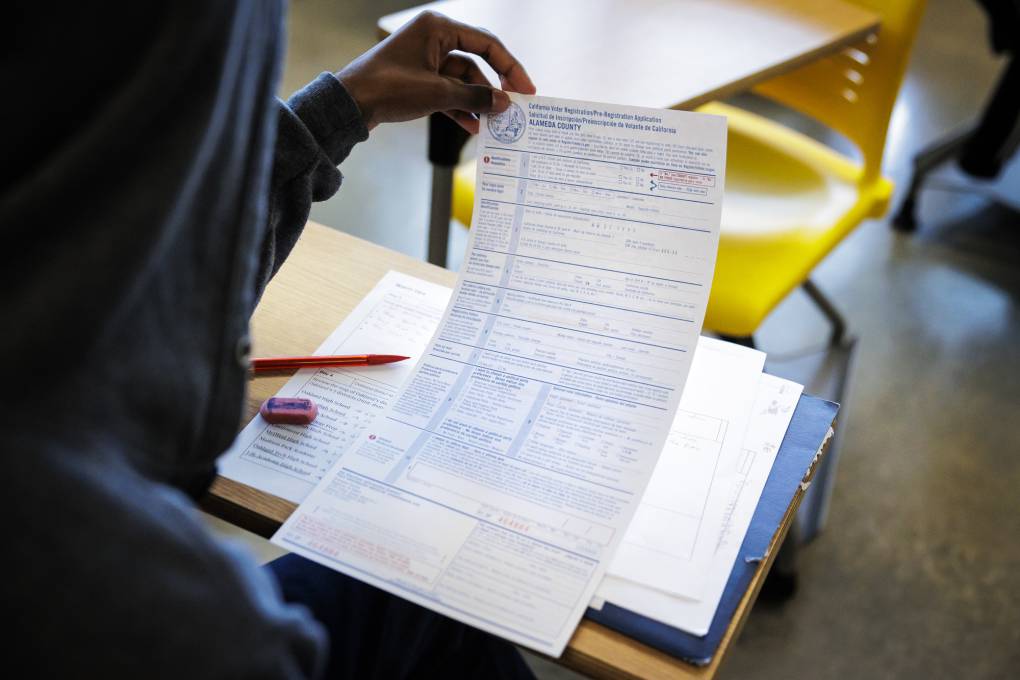
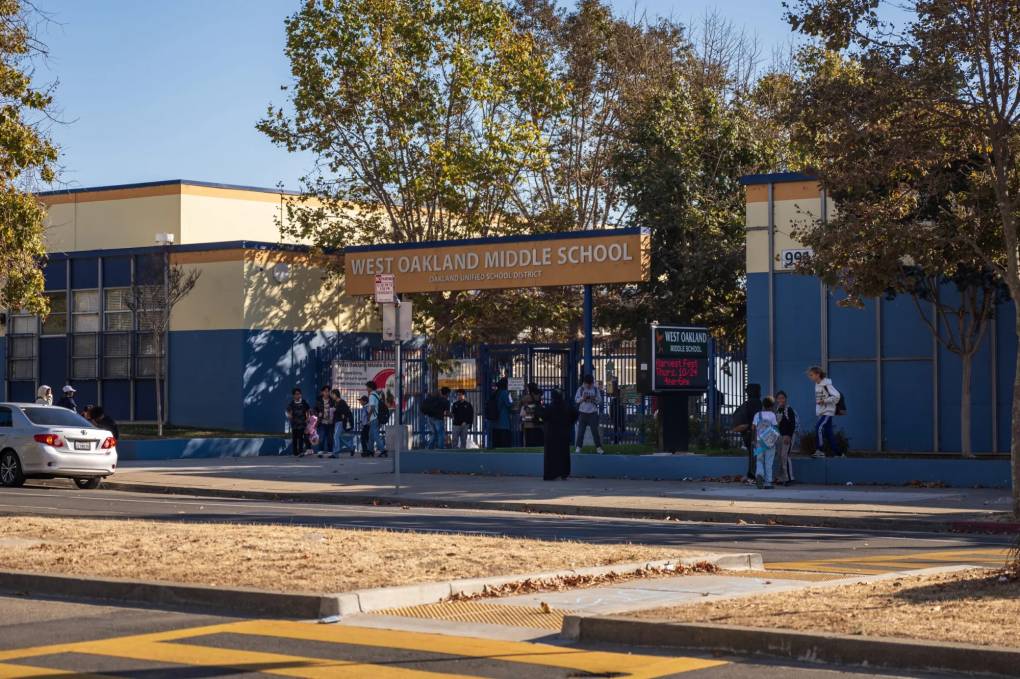
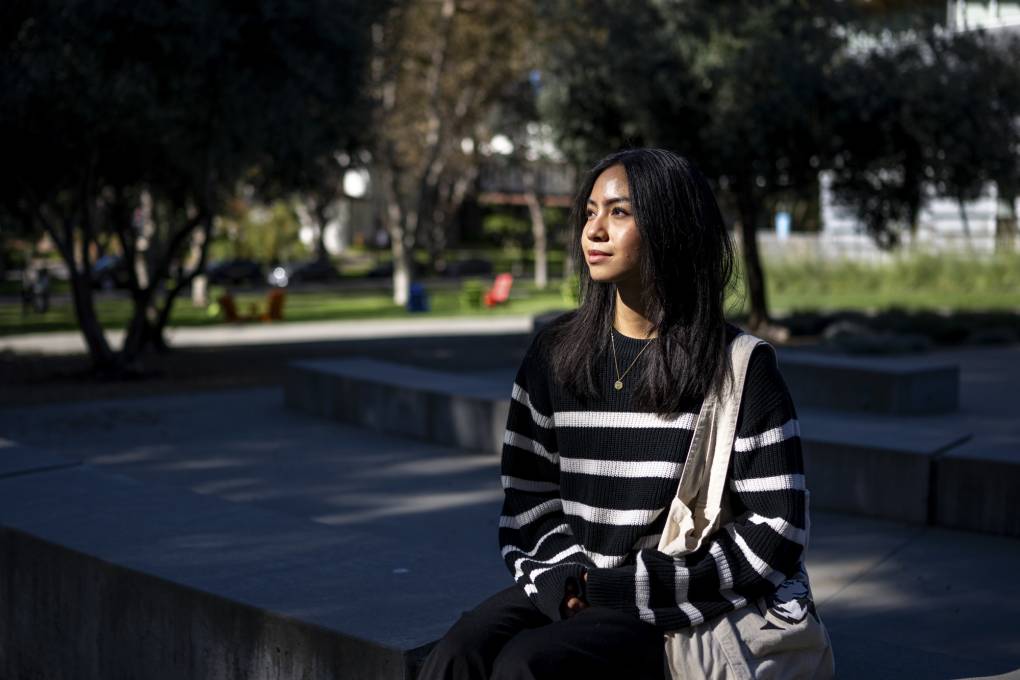
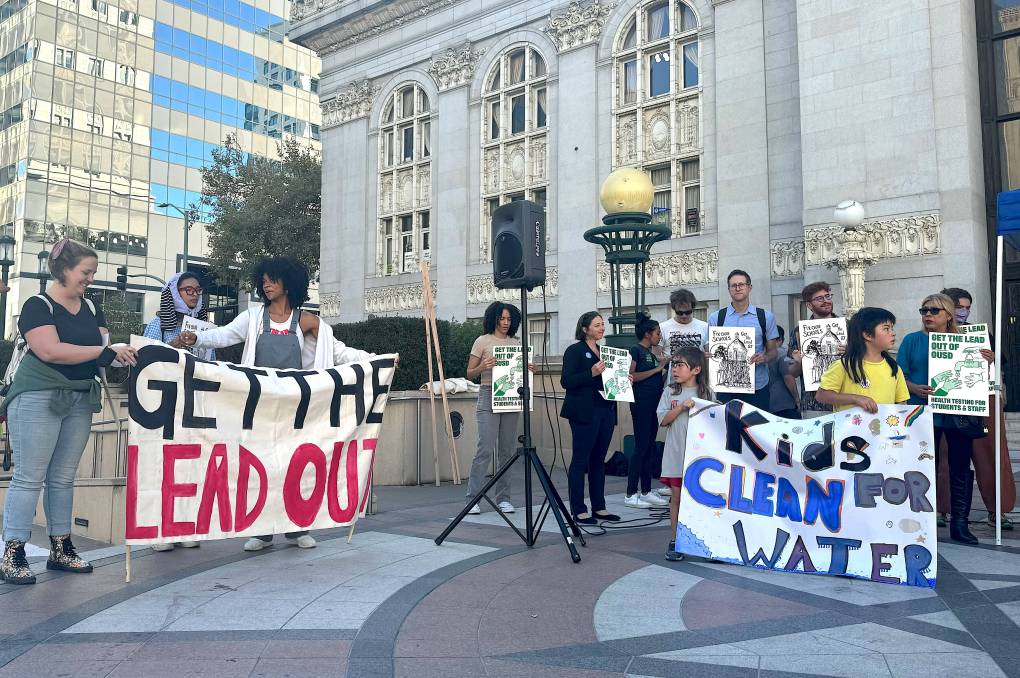
window.__IS_SSR__=true
window.__INITIAL_STATE__={
"attachmentsReducer": {
"audio_0": {
"type": "attachments",
"id": "audio_0",
"imgSizes": {
"kqedFullSize": {
"file": "https://ww2.kqed.org/news/wp-content/themes/KQED-unified/img/audio_bgs/background0.jpg"
}
}
},
"audio_1": {
"type": "attachments",
"id": "audio_1",
"imgSizes": {
"kqedFullSize": {
"file": "https://ww2.kqed.org/news/wp-content/themes/KQED-unified/img/audio_bgs/background1.jpg"
}
}
},
"audio_2": {
"type": "attachments",
"id": "audio_2",
"imgSizes": {
"kqedFullSize": {
"file": "https://ww2.kqed.org/news/wp-content/themes/KQED-unified/img/audio_bgs/background2.jpg"
}
}
},
"audio_3": {
"type": "attachments",
"id": "audio_3",
"imgSizes": {
"kqedFullSize": {
"file": "https://ww2.kqed.org/news/wp-content/themes/KQED-unified/img/audio_bgs/background3.jpg"
}
}
},
"audio_4": {
"type": "attachments",
"id": "audio_4",
"imgSizes": {
"kqedFullSize": {
"file": "https://ww2.kqed.org/news/wp-content/themes/KQED-unified/img/audio_bgs/background4.jpg"
}
}
},
"placeholder": {
"type": "attachments",
"id": "placeholder",
"imgSizes": {
"thumbnail": {
"file": "https://cdn.kqed.org/wp-content/uploads/2024/12/KQED-Default-Image-816638274-2000x1333-1-160x107.jpg",
"width": 160,
"height": 107,
"mimeType": "image/jpeg"
},
"medium": {
"file": "https://cdn.kqed.org/wp-content/uploads/2024/12/KQED-Default-Image-816638274-2000x1333-1-800x533.jpg",
"width": 800,
"height": 533,
"mimeType": "image/jpeg"
},
"medium_large": {
"file": "https://cdn.kqed.org/wp-content/uploads/2024/12/KQED-Default-Image-816638274-2000x1333-1-768x512.jpg",
"width": 768,
"height": 512,
"mimeType": "image/jpeg"
},
"large": {
"file": "https://cdn.kqed.org/wp-content/uploads/2024/12/KQED-Default-Image-816638274-2000x1333-1-1020x680.jpg",
"width": 1020,
"height": 680,
"mimeType": "image/jpeg"
},
"1536x1536": {
"file": "https://cdn.kqed.org/wp-content/uploads/2024/12/KQED-Default-Image-816638274-2000x1333-1-1536x1024.jpg",
"width": 1536,
"height": 1024,
"mimeType": "image/jpeg"
},
"fd-lrg": {
"file": "https://cdn.kqed.org/wp-content/uploads/2024/12/KQED-Default-Image-816638274-2000x1333-1-1536x1024.jpg",
"width": 1536,
"height": 1024,
"mimeType": "image/jpeg"
},
"fd-med": {
"file": "https://cdn.kqed.org/wp-content/uploads/2024/12/KQED-Default-Image-816638274-2000x1333-1-1020x680.jpg",
"width": 1020,
"height": 680,
"mimeType": "image/jpeg"
},
"fd-sm": {
"file": "https://cdn.kqed.org/wp-content/uploads/2024/12/KQED-Default-Image-816638274-2000x1333-1-800x533.jpg",
"width": 800,
"height": 533,
"mimeType": "image/jpeg"
},
"post-thumbnail": {
"file": "https://cdn.kqed.org/wp-content/uploads/2024/12/KQED-Default-Image-816638274-2000x1333-1-672x372.jpg",
"width": 672,
"height": 372,
"mimeType": "image/jpeg"
},
"twentyfourteen-full-width": {
"file": "https://cdn.kqed.org/wp-content/uploads/2024/12/KQED-Default-Image-816638274-2000x1333-1-1038x576.jpg",
"width": 1038,
"height": 576,
"mimeType": "image/jpeg"
},
"xxsmall": {
"file": "https://cdn.kqed.org/wp-content/uploads/2024/12/KQED-Default-Image-816638274-2000x1333-1-160x107.jpg",
"width": 160,
"height": 107,
"mimeType": "image/jpeg"
},
"xsmall": {
"file": "https://cdn.kqed.org/wp-content/uploads/2024/12/KQED-Default-Image-816638274-2000x1333-1-672x372.jpg",
"width": 672,
"height": 372,
"mimeType": "image/jpeg"
},
"small": {
"file": "https://cdn.kqed.org/wp-content/uploads/2024/12/KQED-Default-Image-816638274-2000x1333-1-672x372.jpg",
"width": 672,
"height": 372,
"mimeType": "image/jpeg"
},
"xlarge": {
"file": "https://cdn.kqed.org/wp-content/uploads/2024/12/KQED-Default-Image-816638274-2000x1333-1-1020x680.jpg",
"width": 1020,
"height": 680,
"mimeType": "image/jpeg"
},
"full-width": {
"file": "https://cdn.kqed.org/wp-content/uploads/2024/12/KQED-Default-Image-816638274-2000x1333-1-1920x1280.jpg",
"width": 1920,
"height": 1280,
"mimeType": "image/jpeg"
},
"guest-author-32": {
"file": "https://cdn.kqed.org/wp-content/uploads/2025/01/KQED-Default-Image-816638274-1333x1333-1-160x160.jpg",
"width": 32,
"height": 32,
"mimeType": "image/jpeg"
},
"guest-author-50": {
"file": "https://cdn.kqed.org/wp-content/uploads/2025/01/KQED-Default-Image-816638274-1333x1333-1-160x160.jpg",
"width": 50,
"height": 50,
"mimeType": "image/jpeg"
},
"guest-author-64": {
"file": "https://cdn.kqed.org/wp-content/uploads/2025/01/KQED-Default-Image-816638274-1333x1333-1-160x160.jpg",
"width": 64,
"height": 64,
"mimeType": "image/jpeg"
},
"guest-author-96": {
"file": "https://cdn.kqed.org/wp-content/uploads/2025/01/KQED-Default-Image-816638274-1333x1333-1-160x160.jpg",
"width": 96,
"height": 96,
"mimeType": "image/jpeg"
},
"guest-author-128": {
"file": "https://cdn.kqed.org/wp-content/uploads/2025/01/KQED-Default-Image-816638274-1333x1333-1-160x160.jpg",
"width": 128,
"height": 128,
"mimeType": "image/jpeg"
},
"detail": {
"file": "https://cdn.kqed.org/wp-content/uploads/2025/01/KQED-Default-Image-816638274-1333x1333-1-160x160.jpg",
"width": 160,
"height": 160,
"mimeType": "image/jpeg"
},
"kqedFullSize": {
"file": "https://cdn.kqed.org/wp-content/uploads/2024/12/KQED-Default-Image-816638274-2000x1333-1.jpg",
"width": 2000,
"height": 1333
}
}
},
"news_12008775": {
"type": "attachments",
"id": "news_12008775",
"meta": {
"index": "attachments_1716263798",
"site": "news",
"id": "12008775",
"found": true
},
"title": "241009-OAKLAND YOUTH VOTE-MD-01-KQED",
"publishDate": 1728508954,
"status": "inherit",
"parent": 0,
"modified": 1728509043,
"caption": "A student in Isabel Toscano's class looks over a voter registration form at Oakland High School in Oakland on Oct. 9, 2024.",
"credit": "Martin do Nascimento/KQED",
"altTag": null,
"description": null,
"imgSizes": {
"medium": {
"file": "https://cdn.kqed.org/wp-content/uploads/sites/10/2024/10/241009-OAKLAND-YOUTH-VOTE-MD-01-KQED-800x533.jpg",
"width": 800,
"height": 533,
"mimeType": "image/jpeg"
},
"large": {
"file": "https://cdn.kqed.org/wp-content/uploads/sites/10/2024/10/241009-OAKLAND-YOUTH-VOTE-MD-01-KQED-1020x680.jpg",
"width": 1020,
"height": 680,
"mimeType": "image/jpeg"
},
"thumbnail": {
"file": "https://cdn.kqed.org/wp-content/uploads/sites/10/2024/10/241009-OAKLAND-YOUTH-VOTE-MD-01-KQED-160x107.jpg",
"width": 160,
"height": 107,
"mimeType": "image/jpeg"
},
"1536x1536": {
"file": "https://cdn.kqed.org/wp-content/uploads/sites/10/2024/10/241009-OAKLAND-YOUTH-VOTE-MD-01-KQED-1536x1024.jpg",
"width": 1536,
"height": 1024,
"mimeType": "image/jpeg"
},
"post-thumbnail": {
"file": "https://cdn.kqed.org/wp-content/uploads/sites/10/2024/10/241009-OAKLAND-YOUTH-VOTE-MD-01-KQED-672x372.jpg",
"width": 672,
"height": 372,
"mimeType": "image/jpeg"
},
"twentyfourteen-full-width": {
"file": "https://cdn.kqed.org/wp-content/uploads/sites/10/2024/10/241009-OAKLAND-YOUTH-VOTE-MD-01-KQED-1038x576.jpg",
"width": 1038,
"height": 576,
"mimeType": "image/jpeg"
},
"full-width": {
"file": "https://cdn.kqed.org/wp-content/uploads/sites/10/2024/10/241009-OAKLAND-YOUTH-VOTE-MD-01-KQED-1920x1280.jpg",
"width": 1920,
"height": 1280,
"mimeType": "image/jpeg"
},
"kqedFullSize": {
"file": "https://cdn.kqed.org/wp-content/uploads/sites/10/2024/10/241009-OAKLAND-YOUTH-VOTE-MD-01-KQED.jpg",
"width": 2000,
"height": 1333
}
},
"isLoading": false,
"fetchFailed": false
},
"news_12012233": {
"type": "attachments",
"id": "news_12012233",
"meta": {
"index": "attachments_1716263798",
"site": "news",
"id": "12012233",
"found": true
},
"title": "10.28.2024_MeasureS-01-scaled",
"publishDate": 1730501149,
"status": "inherit",
"parent": 0,
"modified": 1730501368,
"caption": "Noncitizens make up 14% of Oakland’s population. Including immigrant parents in conversations about curriculum, staff and language used in class could lead to better academic outcomes for students, the original resolution for Measure S stated.",
"credit": "Hiram Alejandro Durán for El Tímpano/CatchLight Local/Report for America corps member",
"altTag": null,
"description": null,
"imgSizes": {
"medium": {
"file": "https://cdn.kqed.org/wp-content/uploads/sites/10/2024/11/10.28.2024_MeasureS-01-scaled-1-800x532.jpeg",
"width": 800,
"height": 532,
"mimeType": "image/jpeg"
},
"large": {
"file": "https://cdn.kqed.org/wp-content/uploads/sites/10/2024/11/10.28.2024_MeasureS-01-scaled-1-1020x679.jpeg",
"width": 1020,
"height": 679,
"mimeType": "image/jpeg"
},
"thumbnail": {
"file": "https://cdn.kqed.org/wp-content/uploads/sites/10/2024/11/10.28.2024_MeasureS-01-scaled-1-160x106.jpeg",
"width": 160,
"height": 106,
"mimeType": "image/jpeg"
},
"1536x1536": {
"file": "https://cdn.kqed.org/wp-content/uploads/sites/10/2024/11/10.28.2024_MeasureS-01-scaled-1-1536x1022.jpeg",
"width": 1536,
"height": 1022,
"mimeType": "image/jpeg"
},
"post-thumbnail": {
"file": "https://cdn.kqed.org/wp-content/uploads/sites/10/2024/11/10.28.2024_MeasureS-01-scaled-1-672x372.jpeg",
"width": 672,
"height": 372,
"mimeType": "image/jpeg"
},
"twentyfourteen-full-width": {
"file": "https://cdn.kqed.org/wp-content/uploads/sites/10/2024/11/10.28.2024_MeasureS-01-scaled-1-1038x576.jpeg",
"width": 1038,
"height": 576,
"mimeType": "image/jpeg"
},
"full-width": {
"file": "https://cdn.kqed.org/wp-content/uploads/sites/10/2024/11/10.28.2024_MeasureS-01-scaled-1-1920x1278.jpeg",
"width": 1920,
"height": 1278,
"mimeType": "image/jpeg"
},
"kqedFullSize": {
"file": "https://cdn.kqed.org/wp-content/uploads/sites/10/2024/11/10.28.2024_MeasureS-01-scaled-1.jpeg",
"width": 2000,
"height": 1331
}
},
"isLoading": false,
"fetchFailed": false
},
"news_12011588": {
"type": "attachments",
"id": "news_12011588",
"meta": {
"index": "attachments_1716263798",
"site": "news",
"id": "12011588",
"found": true
},
"title": "241029-OAKLANDSCHOLARSHIPSTUDENTS-17-BL-KQED",
"publishDate": 1730242132,
"status": "inherit",
"parent": 0,
"modified": 1730242192,
"caption": "Student Angela Vergara sits on the Northeastern University campus in Oakland on Oct. 29, 2024. Vergara received an Oakland Opportunity Scholarship to attend the university through Upward Bound, a federally funded program that helps first-generation college students from underrepresented communities.",
"credit": "Beth LaBerge/KQED",
"altTag": null,
"description": null,
"imgSizes": {
"medium": {
"file": "https://cdn.kqed.org/wp-content/uploads/sites/10/2024/10/241029-OAKLANDSCHOLARSHIPSTUDENTS-17-BL-KQED-800x533.jpg",
"width": 800,
"height": 533,
"mimeType": "image/jpeg"
},
"large": {
"file": "https://cdn.kqed.org/wp-content/uploads/sites/10/2024/10/241029-OAKLANDSCHOLARSHIPSTUDENTS-17-BL-KQED-1020x680.jpg",
"width": 1020,
"height": 680,
"mimeType": "image/jpeg"
},
"thumbnail": {
"file": "https://cdn.kqed.org/wp-content/uploads/sites/10/2024/10/241029-OAKLANDSCHOLARSHIPSTUDENTS-17-BL-KQED-160x107.jpg",
"width": 160,
"height": 107,
"mimeType": "image/jpeg"
},
"1536x1536": {
"file": "https://cdn.kqed.org/wp-content/uploads/sites/10/2024/10/241029-OAKLANDSCHOLARSHIPSTUDENTS-17-BL-KQED-1536x1024.jpg",
"width": 1536,
"height": 1024,
"mimeType": "image/jpeg"
},
"post-thumbnail": {
"file": "https://cdn.kqed.org/wp-content/uploads/sites/10/2024/10/241029-OAKLANDSCHOLARSHIPSTUDENTS-17-BL-KQED-672x372.jpg",
"width": 672,
"height": 372,
"mimeType": "image/jpeg"
},
"twentyfourteen-full-width": {
"file": "https://cdn.kqed.org/wp-content/uploads/sites/10/2024/10/241029-OAKLANDSCHOLARSHIPSTUDENTS-17-BL-KQED-1038x576.jpg",
"width": 1038,
"height": 576,
"mimeType": "image/jpeg"
},
"full-width": {
"file": "https://cdn.kqed.org/wp-content/uploads/sites/10/2024/10/241029-OAKLANDSCHOLARSHIPSTUDENTS-17-BL-KQED-1920x1280.jpg",
"width": 1920,
"height": 1280,
"mimeType": "image/jpeg"
},
"kqedFullSize": {
"file": "https://cdn.kqed.org/wp-content/uploads/sites/10/2024/10/241029-OAKLANDSCHOLARSHIPSTUDENTS-17-BL-KQED.jpg",
"width": 2000,
"height": 1333
}
},
"isLoading": false,
"fetchFailed": false
},
"news_11948331": {
"type": "attachments",
"id": "news_11948331",
"meta": {
"index": "attachments_1716263798",
"site": "news",
"id": "11948331",
"found": true
},
"title": "RS55916_058_KQED_OaklandTeacherStrike_04292022-qut",
"publishDate": 1683062568,
"status": "inherit",
"parent": 11948320,
"modified": 1772216225,
"caption": "Oakland teachers and students listen to speakers during a rally as part of a one-day walkout on April 29, 2022, to protest the Oakland Unified School District's planned closures. Teachers represented by the Oakland Education Association may go on strike once again on Thursday.",
"credit": "Beth LaBerge/KQED",
"altTag": "An older Black man stands outside at a rally, with a sign hanging from his neck that says: 'Fund Public Schools.'",
"description": null,
"imgSizes": {
"medium": {
"file": "https://cdn.kqed.org/wp-content/uploads/sites/10/2023/05/RS55916_058_KQED_OaklandTeacherStrike_04292022-qut-800x533.jpg",
"width": 800,
"height": 533,
"mimeType": "image/jpeg"
},
"large": {
"file": "https://cdn.kqed.org/wp-content/uploads/sites/10/2023/05/RS55916_058_KQED_OaklandTeacherStrike_04292022-qut-1020x680.jpg",
"width": 1020,
"height": 680,
"mimeType": "image/jpeg"
},
"thumbnail": {
"file": "https://cdn.kqed.org/wp-content/uploads/sites/10/2023/05/RS55916_058_KQED_OaklandTeacherStrike_04292022-qut-160x107.jpg",
"width": 160,
"height": 107,
"mimeType": "image/jpeg"
},
"1536x1536": {
"file": "https://cdn.kqed.org/wp-content/uploads/sites/10/2023/05/RS55916_058_KQED_OaklandTeacherStrike_04292022-qut-1536x1024.jpg",
"width": 1536,
"height": 1024,
"mimeType": "image/jpeg"
},
"post-thumbnail": {
"file": "https://cdn.kqed.org/wp-content/uploads/sites/10/2023/05/RS55916_058_KQED_OaklandTeacherStrike_04292022-qut-672x372.jpg",
"width": 672,
"height": 372,
"mimeType": "image/jpeg"
},
"twentyfourteen-full-width": {
"file": "https://cdn.kqed.org/wp-content/uploads/sites/10/2023/05/RS55916_058_KQED_OaklandTeacherStrike_04292022-qut-1038x576.jpg",
"width": 1038,
"height": 576,
"mimeType": "image/jpeg"
},
"kqedFullSize": {
"file": "https://cdn.kqed.org/wp-content/uploads/sites/10/2023/05/RS55916_058_KQED_OaklandTeacherStrike_04292022-qut.jpg",
"width": 1920,
"height": 1280
}
},
"isLoading": false,
"fetchFailed": false
},
"news_12008940": {
"type": "attachments",
"id": "news_12008940",
"meta": {
"index": "attachments_1716263798",
"site": "news",
"id": "12008940",
"found": true
},
"title": "IMG_4345",
"publishDate": 1728593736,
"status": "inherit",
"parent": 12008919,
"modified": 1728593948,
"caption": "Demonstrators rally in front of Oakland City Hall on Sept. 30, 2024, demanding the Oakland Unified School District act immediately to replace water pipes and fixtures at the 22 schools where high levels of lead in drinking water were recently detected.",
"credit": "Gilare Zada/KQED",
"altTag": "A small group of demonstrators, some of them small kids, stand outside of Oakland City Hall with signs that say 'Get the Lead Out' and 'Kids for Clean Water.'",
"description": null,
"imgSizes": {
"medium": {
"file": "https://cdn.kqed.org/wp-content/uploads/sites/10/2024/10/IMG_4345-1-800x532.jpg",
"width": 800,
"height": 532,
"mimeType": "image/jpeg"
},
"large": {
"file": "https://cdn.kqed.org/wp-content/uploads/sites/10/2024/10/IMG_4345-1-1020x678.jpg",
"width": 1020,
"height": 678,
"mimeType": "image/jpeg"
},
"thumbnail": {
"file": "https://cdn.kqed.org/wp-content/uploads/sites/10/2024/10/IMG_4345-1-160x106.jpg",
"width": 160,
"height": 106,
"mimeType": "image/jpeg"
},
"1536x1536": {
"file": "https://cdn.kqed.org/wp-content/uploads/sites/10/2024/10/IMG_4345-1-1536x1021.jpg",
"width": 1536,
"height": 1021,
"mimeType": "image/jpeg"
},
"2048x2048": {
"file": "https://cdn.kqed.org/wp-content/uploads/sites/10/2024/10/IMG_4345-1-2048x1362.jpg",
"width": 2048,
"height": 1362,
"mimeType": "image/jpeg"
},
"post-thumbnail": {
"file": "https://cdn.kqed.org/wp-content/uploads/sites/10/2024/10/IMG_4345-1-672x372.jpg",
"width": 672,
"height": 372,
"mimeType": "image/jpeg"
},
"twentyfourteen-full-width": {
"file": "https://cdn.kqed.org/wp-content/uploads/sites/10/2024/10/IMG_4345-1-1038x576.jpg",
"width": 1038,
"height": 576,
"mimeType": "image/jpeg"
},
"full-width": {
"file": "https://cdn.kqed.org/wp-content/uploads/sites/10/2024/10/IMG_4345-1-1920x1277.jpg",
"width": 1920,
"height": 1277,
"mimeType": "image/jpeg"
},
"kqedFullSize": {
"file": "https://cdn.kqed.org/wp-content/uploads/sites/10/2024/10/IMG_4345-1-scaled.jpg",
"width": 2560,
"height": 1702
}
},
"isLoading": false,
"fetchFailed": false
},
"news_12002049": {
"type": "attachments",
"id": "news_12002049",
"meta": {
"index": "attachments_1716263798",
"site": "news",
"id": "12002049",
"found": true
},
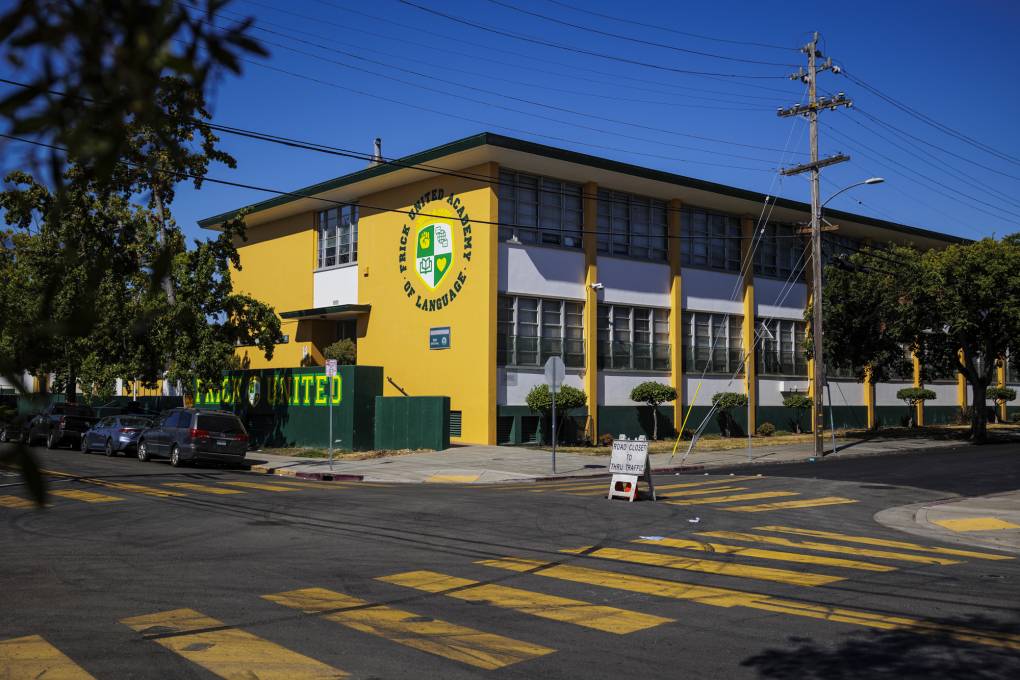
"title": "Frick United Academy of Language in Oakland on Aug. 28, 2024.",
"publishDate": 1724783152,
"status": "inherit",
"parent": 12074794,
"modified": 1772230864,
"caption": "Frick United Academy of Language in Oakland on Aug. 28, 2024.",
"credit": "Martin do Nascimento/KQED",
"altTag": null,
"description": null,
"imgSizes": {
"medium": {
"file": "https://cdn.kqed.org/wp-content/uploads/sites/10/2024/08/240827-OUSD-LEAD-FOLO-MD-03-KQED-800x533.jpg",
"width": 800,
"height": 533,
"mimeType": "image/jpeg"
},
"large": {
"file": "https://cdn.kqed.org/wp-content/uploads/sites/10/2024/08/240827-OUSD-LEAD-FOLO-MD-03-KQED-1020x680.jpg",
"width": 1020,
"height": 680,
"mimeType": "image/jpeg"
},
"thumbnail": {
"file": "https://cdn.kqed.org/wp-content/uploads/sites/10/2024/08/240827-OUSD-LEAD-FOLO-MD-03-KQED-160x107.jpg",
"width": 160,
"height": 107,
"mimeType": "image/jpeg"
},
"1536x1536": {
"file": "https://cdn.kqed.org/wp-content/uploads/sites/10/2024/08/240827-OUSD-LEAD-FOLO-MD-03-KQED-1536x1024.jpg",
"width": 1536,
"height": 1024,
"mimeType": "image/jpeg"
},
"post-thumbnail": {
"file": "https://cdn.kqed.org/wp-content/uploads/sites/10/2024/08/240827-OUSD-LEAD-FOLO-MD-03-KQED-672x372.jpg",
"width": 672,
"height": 372,
"mimeType": "image/jpeg"
},
"twentyfourteen-full-width": {
"file": "https://cdn.kqed.org/wp-content/uploads/sites/10/2024/08/240827-OUSD-LEAD-FOLO-MD-03-KQED-1038x576.jpg",
"width": 1038,
"height": 576,
"mimeType": "image/jpeg"
},
"full-width": {
"file": "https://cdn.kqed.org/wp-content/uploads/sites/10/2024/08/240827-OUSD-LEAD-FOLO-MD-03-KQED-1920x1280.jpg",
"width": 1920,
"height": 1280,
"mimeType": "image/jpeg"
},
"kqedFullSize": {
"file": "https://cdn.kqed.org/wp-content/uploads/sites/10/2024/08/240827-OUSD-LEAD-FOLO-MD-03-KQED.jpg",
"width": 2000,
"height": 1333
}
},
"isLoading": false,
"fetchFailed": false
},
"news_12001427": {
"type": "attachments",
"id": "news_12001427",
"meta": {
"index": "attachments_1716263798",
"site": "news",
"id": "12001427",
"found": true
},
"title": "230802-OAKLAND CITY HALL-MHN-02_qed",
"publishDate": 1724359088,
"status": "inherit",
"parent": 12001425,
"modified": 1724359115,
"caption": "Oakland City Hall in downtown Oakland on Aug. 2, 2023.",
"credit": "Martin do Nascimento/KQED",
"altTag": null,
"description": null,
"imgSizes": {
"medium": {
"file": "https://cdn.kqed.org/wp-content/uploads/sites/10/2024/08/230802-OAKLAND-CITY-HALL-MHN-02_qed-800x533.jpg",
"width": 800,
"height": 533,
"mimeType": "image/jpeg"
},
"large": {
"file": "https://cdn.kqed.org/wp-content/uploads/sites/10/2024/08/230802-OAKLAND-CITY-HALL-MHN-02_qed-1020x680.jpg",
"width": 1020,
"height": 680,
"mimeType": "image/jpeg"
},
"thumbnail": {
"file": "https://cdn.kqed.org/wp-content/uploads/sites/10/2024/08/230802-OAKLAND-CITY-HALL-MHN-02_qed-160x107.jpg",
"width": 160,
"height": 107,
"mimeType": "image/jpeg"
},
"1536x1536": {
"file": "https://cdn.kqed.org/wp-content/uploads/sites/10/2024/08/230802-OAKLAND-CITY-HALL-MHN-02_qed-1536x1024.jpg",
"width": 1536,
"height": 1024,
"mimeType": "image/jpeg"
},
"post-thumbnail": {
"file": "https://cdn.kqed.org/wp-content/uploads/sites/10/2024/08/230802-OAKLAND-CITY-HALL-MHN-02_qed-672x372.jpg",
"width": 672,
"height": 372,
"mimeType": "image/jpeg"
},
"twentyfourteen-full-width": {
"file": "https://cdn.kqed.org/wp-content/uploads/sites/10/2024/08/230802-OAKLAND-CITY-HALL-MHN-02_qed-1038x576.jpg",
"width": 1038,
"height": 576,
"mimeType": "image/jpeg"
},
"full-width": {
"file": "https://cdn.kqed.org/wp-content/uploads/sites/10/2024/08/230802-OAKLAND-CITY-HALL-MHN-02_qed-1920x1280.jpg",
"width": 1920,
"height": 1280,
"mimeType": "image/jpeg"
},
"kqedFullSize": {
"file": "https://cdn.kqed.org/wp-content/uploads/sites/10/2024/08/230802-OAKLAND-CITY-HALL-MHN-02_qed.jpg",
"width": 2000,
"height": 1333
}
},
"isLoading": false,
"fetchFailed": false
},
"news_12002050": {
"type": "attachments",
"id": "news_12002050",
"meta": {
"index": "attachments_1716263798",
"site": "news",
"id": "12002050",
"found": true
},
"title": "Frick United Academy of Language in Oakland on Aug. 28, 2024.",
"publishDate": 1724783158,
"status": "inherit",
"parent": 0,
"modified": 1724966795,
"caption": "Frick United Academy of Language in Oakland on Aug. 28, 2024. It's one of 22 schools identified as having high levels of lead in its drinking water. During last night's Oakland school board meeting, the superintendent discussed efforts to address lead in school drinking water. Officials cited communication delays as a personnel issue under investigation, while the school board vice president urged city and county support for facility repairs.",
"credit": "Martin do Nascimento/KQED",
"altTag": null,
"description": null,
"imgSizes": {
"medium": {
"file": "https://cdn.kqed.org/wp-content/uploads/sites/10/2024/08/240827-OUSD-LEAD-FOLO-MD-04-KQED-800x533.jpg",
"width": 800,
"height": 533,
"mimeType": "image/jpeg"
},
"large": {
"file": "https://cdn.kqed.org/wp-content/uploads/sites/10/2024/08/240827-OUSD-LEAD-FOLO-MD-04-KQED-1020x680.jpg",
"width": 1020,
"height": 680,
"mimeType": "image/jpeg"
},
"thumbnail": {
"file": "https://cdn.kqed.org/wp-content/uploads/sites/10/2024/08/240827-OUSD-LEAD-FOLO-MD-04-KQED-160x107.jpg",
"width": 160,
"height": 107,
"mimeType": "image/jpeg"
},
"1536x1536": {
"file": "https://cdn.kqed.org/wp-content/uploads/sites/10/2024/08/240827-OUSD-LEAD-FOLO-MD-04-KQED-1536x1024.jpg",
"width": 1536,
"height": 1024,
"mimeType": "image/jpeg"
},
"post-thumbnail": {
"file": "https://cdn.kqed.org/wp-content/uploads/sites/10/2024/08/240827-OUSD-LEAD-FOLO-MD-04-KQED-672x372.jpg",
"width": 672,
"height": 372,
"mimeType": "image/jpeg"
},
"twentyfourteen-full-width": {
"file": "https://cdn.kqed.org/wp-content/uploads/sites/10/2024/08/240827-OUSD-LEAD-FOLO-MD-04-KQED-1038x576.jpg",
"width": 1038,
"height": 576,
"mimeType": "image/jpeg"
},
"full-width": {
"file": "https://cdn.kqed.org/wp-content/uploads/sites/10/2024/08/240827-OUSD-LEAD-FOLO-MD-04-KQED-1920x1280.jpg",
"width": 1920,
"height": 1280,
"mimeType": "image/jpeg"
},
"kqedFullSize": {
"file": "https://cdn.kqed.org/wp-content/uploads/sites/10/2024/08/240827-OUSD-LEAD-FOLO-MD-04-KQED.jpg",
"width": 2000,
"height": 1333
}
},
"isLoading": false,
"fetchFailed": false
},
"news_12000403": {
"type": "attachments",
"id": "news_12000403",
"meta": {
"index": "attachments_1716263798",
"site": "news",
"id": "12000403",
"found": true
},
"title": "untitled-10_qed",
"publishDate": 1723747049,
"status": "inherit",
"parent": 12000395,
"modified": 1723850246,
"caption": "After a yearslong fight, 16- and 17-year-olds in Berkeley and Oakland will be able to vote in school board elections this fall, the first two districts in the state to give young people a say in who governs their public schools. ",
"credit": "Samantha Shanahan/KQED",
"altTag": null,
"description": null,
"imgSizes": {
"medium": {
"file": "https://cdn.kqed.org/wp-content/uploads/sites/10/2024/08/untitled-10_qed-800x533.jpg",
"width": 800,
"height": 533,
"mimeType": "image/jpeg"
},
"large": {
"file": "https://cdn.kqed.org/wp-content/uploads/sites/10/2024/08/untitled-10_qed-1020x680.jpg",
"width": 1020,
"height": 680,
"mimeType": "image/jpeg"
},
"thumbnail": {
"file": "https://cdn.kqed.org/wp-content/uploads/sites/10/2024/08/untitled-10_qed-160x107.jpg",
"width": 160,
"height": 107,
"mimeType": "image/jpeg"
},
"1536x1536": {
"file": "https://cdn.kqed.org/wp-content/uploads/sites/10/2024/08/untitled-10_qed-1536x1024.jpg",
"width": 1536,
"height": 1024,
"mimeType": "image/jpeg"
},
"post-thumbnail": {
"file": "https://cdn.kqed.org/wp-content/uploads/sites/10/2024/08/untitled-10_qed-672x372.jpg",
"width": 672,
"height": 372,
"mimeType": "image/jpeg"
},
"twentyfourteen-full-width": {
"file": "https://cdn.kqed.org/wp-content/uploads/sites/10/2024/08/untitled-10_qed-1038x576.jpg",
"width": 1038,
"height": 576,
"mimeType": "image/jpeg"
},
"full-width": {
"file": "https://cdn.kqed.org/wp-content/uploads/sites/10/2024/08/untitled-10_qed-1920x1280.jpg",
"width": 1920,
"height": 1280,
"mimeType": "image/jpeg"
},
"kqedFullSize": {
"file": "https://cdn.kqed.org/wp-content/uploads/sites/10/2024/08/untitled-10_qed.jpg",
"width": 1999,
"height": 1333
}
},
"isLoading": false,
"fetchFailed": false
},
"news_12000551": {
"type": "attachments",
"id": "news_12000551",
"meta": {
"index": "attachments_1716263798",
"site": "news",
"id": "12000551",
"found": true
},
"title": "016_KQEDScience_IntCommunitySchoolOakland_10202022_qed",
"publishDate": 1723837852,
"status": "inherit",
"parent": 12000525,
"modified": 1724092011,
"caption": "Students play soccer at International Community School in Oakland on Oct. 20, 2022. In the city's school district, which has a history of lead in water sources, 22 campuses were contacted this week about elevated lead levels as the 2024-25 school year started. International Community School was not one of them.",
"credit": "Beth LaBerge/KQED",
"altTag": null,
"description": null,
"imgSizes": {
"medium": {
"file": "https://cdn.kqed.org/wp-content/uploads/sites/10/2024/08/016_KQEDScience_IntCommunitySchoolOakland_10202022_qed-800x533.jpg",
"width": 800,
"height": 533,
"mimeType": "image/jpeg"
},
"large": {
"file": "https://cdn.kqed.org/wp-content/uploads/sites/10/2024/08/016_KQEDScience_IntCommunitySchoolOakland_10202022_qed-1020x680.jpg",
"width": 1020,
"height": 680,
"mimeType": "image/jpeg"
},
"thumbnail": {
"file": "https://cdn.kqed.org/wp-content/uploads/sites/10/2024/08/016_KQEDScience_IntCommunitySchoolOakland_10202022_qed-160x107.jpg",
"width": 160,
"height": 107,
"mimeType": "image/jpeg"
},
"1536x1536": {
"file": "https://cdn.kqed.org/wp-content/uploads/sites/10/2024/08/016_KQEDScience_IntCommunitySchoolOakland_10202022_qed-1536x1024.jpg",
"width": 1536,
"height": 1024,
"mimeType": "image/jpeg"
},
"post-thumbnail": {
"file": "https://cdn.kqed.org/wp-content/uploads/sites/10/2024/08/016_KQEDScience_IntCommunitySchoolOakland_10202022_qed-672x372.jpg",
"width": 672,
"height": 372,
"mimeType": "image/jpeg"
},
"twentyfourteen-full-width": {
"file": "https://cdn.kqed.org/wp-content/uploads/sites/10/2024/08/016_KQEDScience_IntCommunitySchoolOakland_10202022_qed-1038x576.jpg",
"width": 1038,
"height": 576,
"mimeType": "image/jpeg"
},
"full-width": {
"file": "https://cdn.kqed.org/wp-content/uploads/sites/10/2024/08/016_KQEDScience_IntCommunitySchoolOakland_10202022_qed-1920x1280.jpg",
"width": 1920,
"height": 1280,
"mimeType": "image/jpeg"
},
"kqedFullSize": {
"file": "https://cdn.kqed.org/wp-content/uploads/sites/10/2024/08/016_KQEDScience_IntCommunitySchoolOakland_10202022_qed.jpg",
"width": 2000,
"height": 1333
}
},
"isLoading": false,
"fetchFailed": false
},
"news_11987993": {
"type": "attachments",
"id": "news_11987993",
"meta": {
"index": "attachments_1716263798",
"site": "news",
"id": "11987993",
"found": true
},
"title": "Zum_0458_highres",
"publishDate": 1716938937,
"status": "inherit",
"parent": 11987991,
"modified": 1717480980,
"caption": "The school-transportation company Zum is providing and managing a fleet of 74 all-electric school buses and bidirectional chargers to Oakland Unified starting in August.",
"credit": "Courtesy of Zum",
"altTag": "A row of yellow school buses hooked up to charging ports.",
"description": null,
"imgSizes": {
"medium": {
"file": "https://cdn.kqed.org/wp-content/uploads/sites/10/2024/05/Zum_0458_highres-800x534.jpg",
"width": 800,
"height": 534,
"mimeType": "image/jpeg"
},
"large": {
"file": "https://cdn.kqed.org/wp-content/uploads/sites/10/2024/05/Zum_0458_highres-1020x680.jpg",
"width": 1020,
"height": 680,
"mimeType": "image/jpeg"
},
"thumbnail": {
"file": "https://cdn.kqed.org/wp-content/uploads/sites/10/2024/05/Zum_0458_highres-160x107.jpg",
"width": 160,
"height": 107,
"mimeType": "image/jpeg"
},
"1536x1536": {
"file": "https://cdn.kqed.org/wp-content/uploads/sites/10/2024/05/Zum_0458_highres-1536x1025.jpg",
"width": 1536,
"height": 1025,
"mimeType": "image/jpeg"
},
"2048x2048": {
"file": "https://cdn.kqed.org/wp-content/uploads/sites/10/2024/05/Zum_0458_highres-2048x1366.jpg",
"width": 2048,
"height": 1366,
"mimeType": "image/jpeg"
},
"post-thumbnail": {
"file": "https://cdn.kqed.org/wp-content/uploads/sites/10/2024/05/Zum_0458_highres-672x372.jpg",
"width": 672,
"height": 372,
"mimeType": "image/jpeg"
},
"twentyfourteen-full-width": {
"file": "https://cdn.kqed.org/wp-content/uploads/sites/10/2024/05/Zum_0458_highres-1038x576.jpg",
"width": 1038,
"height": 576,
"mimeType": "image/jpeg"
},
"full-width": {
"file": "https://cdn.kqed.org/wp-content/uploads/sites/10/2024/05/Zum_0458_highres-1920x1281.jpg",
"width": 1920,
"height": 1281,
"mimeType": "image/jpeg"
},
"kqedFullSize": {
"file": "https://cdn.kqed.org/wp-content/uploads/sites/10/2024/05/Zum_0458_highres-scaled.jpg",
"width": 2560,
"height": 1708
}
},
"isLoading": false,
"fetchFailed": false
}
},
"audioPlayerReducer": {
"postId": "stream_live",
"isPaused": true,
"isPlaying": false,
"pfsActive": false,
"pledgeModalIsOpen": true,
"playerDrawerIsOpen": false,
"liveAudioPlayStartedAt": 0,
"liveAudioPlayContext": ""
},
"authorsReducer": {
"byline_news_12012228": {
"type": "authors",
"id": "byline_news_12012228",
"meta": {
"override": true
},
"slug": "byline_news_12012228",
"name": "Vanessa Flores and Ximena Loeza, El Tímpano",
"isLoading": false
},
"afinney": {
"type": "authors",
"id": "11772",
"meta": {
"index": "authors_1716337520",
"id": "11772",
"found": true
},
"name": "Annelise Finney",
"firstName": "Annelise",
"lastName": "Finney",
"slug": "afinney",
"email": "afinney@kqed.org",
"display_author_email": true,
"staff_mastheads": [
"news"
],
"title": "Reporter",
"bio": "Annelise reports on reparations in California and East Bay politics. She co-produced the Sunday Music Drop, a limited-term radio series featuring Bay Area musicians that aired between Sept 2022 and Oct 2024. She joined KQED in 2021 as a general assignment reporter and is an alumna of KALW's Audio Academy. She was born and raised in the East Bay. She is currently away from KQED completing a year-long reporting project in Berlin, Germany as a Alexander Von Humboldt German Chancellor Fellow.",
"avatar": "https://secure.gravatar.com/avatar/5fded66cae47704cdfc5021cde0f3aa4?s=600&d=blank&r=g",
"twitter": null,
"facebook": null,
"instagram": null,
"linkedin": null,
"sites": [
{
"site": "news",
"roles": [
"editor"
]
},
{
"site": "liveblog",
"roles": [
"author"
]
}
],
"headData": {
"title": "Annelise Finney | KQED",
"description": "Reporter",
"ogImgSrc": "https://secure.gravatar.com/avatar/5fded66cae47704cdfc5021cde0f3aa4?s=600&d=blank&r=g",
"twImgSrc": "https://secure.gravatar.com/avatar/5fded66cae47704cdfc5021cde0f3aa4?s=600&d=blank&r=g"
},
"isLoading": false,
"link": "/author/afinney"
},
"swhitney": {
"type": "authors",
"id": "11784",
"meta": {
"index": "authors_1716337520",
"id": "11784",
"found": true
},
"name": "Spencer Whitney",
"firstName": "Spencer",
"lastName": "Whitney",
"slug": "swhitney",
"email": "swhitney@kqed.org",
"display_author_email": false,
"staff_mastheads": [],
"title": "KQED Digital Editor",
"bio": "Spencer Whitney is currently a Digital Editor for KQED News. Prior to joining KQED News, Spencer worked as the Multimedia Editor at the Oakland Post and an Assistant Editor in the Editorial department at the San Francisco Chronicle. He attended Howard University as an undergraduate and interned with SiriusXM. He also attended UC Berkeley's Graduate School of Journalism and had the opportunity to write for the hyperlocal news sites Richmond Confidential and Oakland North.",
"avatar": "https://secure.gravatar.com/avatar/e33ff4fd8b8f0d2796f36472fb32607ca8fc46ef5e537dcfdbdee688d8ea5b80?s=600&d=mm&r=g",
"twitter": null,
"bluesky": null,
"facebook": null,
"instagram": null,
"linkedin": null,
"sites": [
{
"site": "arts",
"roles": [
"editor"
]
},
{
"site": "news",
"roles": [
"editor"
]
},
{
"site": "science",
"roles": [
"editor"
]
},
{
"site": "perspectives",
"roles": [
"editor"
]
}
],
"headData": {
"title": "Spencer Whitney | KQED",
"description": "KQED Digital Editor",
"ogImgSrc": "https://secure.gravatar.com/avatar/e33ff4fd8b8f0d2796f36472fb32607ca8fc46ef5e537dcfdbdee688d8ea5b80?s=600&d=mm&r=g",
"twImgSrc": "https://secure.gravatar.com/avatar/e33ff4fd8b8f0d2796f36472fb32607ca8fc46ef5e537dcfdbdee688d8ea5b80?s=600&d=mm&r=g"
},
"isLoading": false,
"link": "/author/swhitney"
},
"kdebenedetti": {
"type": "authors",
"id": "11913",
"meta": {
"index": "authors_1716337520",
"id": "11913",
"found": true
},
"name": "Katie DeBenedetti",
"firstName": "Katie",
"lastName": "DeBenedetti",
"slug": "kdebenedetti",
"email": "kdebenedetti@kqed.org",
"display_author_email": false,
"staff_mastheads": [
"news",
"science"
],
"title": "KQED Contributor",
"bio": "Katie DeBenedetti is a digital reporter covering daily news for the Express Desk. Prior to joining KQED as a culture reporting intern in January 2024, she covered education and city government for the Napa Valley Register.",
"avatar": "https://secure.gravatar.com/avatar/6e31073cb8f7e4214ab03f42771d0f45?s=600&d=blank&r=g",
"twitter": null,
"facebook": null,
"instagram": null,
"linkedin": null,
"sites": [
{
"site": "news",
"roles": [
"author"
]
},
{
"site": "science",
"roles": [
"author"
]
},
{
"site": "liveblog",
"roles": [
"author"
]
}
],
"headData": {
"title": "Katie DeBenedetti | KQED",
"description": "KQED Contributor",
"ogImgSrc": "https://secure.gravatar.com/avatar/6e31073cb8f7e4214ab03f42771d0f45?s=600&d=blank&r=g",
"twImgSrc": "https://secure.gravatar.com/avatar/6e31073cb8f7e4214ab03f42771d0f45?s=600&d=blank&r=g"
},
"isLoading": false,
"link": "/author/kdebenedetti"
},
"emanoukian": {
"type": "authors",
"id": "11925",
"meta": {
"index": "authors_1716337520",
"id": "11925",
"found": true
},
"name": "Elize Manoukian",
"firstName": "Elize",
"lastName": "Manoukian",
"slug": "emanoukian",
"email": "emanoukian@KQED.org",
"display_author_email": false,
"staff_mastheads": [
"news"
],
"title": "Digital News Editor",
"bio": "Elize Manoukian is an award-winning audio producer and Senior Editor on the Express Desk, KQED's digital news platform. Her work has appeared on KPFA, Interlochen Public Radio, Oregon Public Broadcast, the New York Daily News, LA Times and the San Diego Union-Tribune.",
"avatar": "https://secure.gravatar.com/avatar/4525f1a8e46ccb30933b32653d9772064cfefe3fa655eb45b3b3a80341f6bdad?s=600&d=blank&r=g",
"twitter": null,
"bluesky": null,
"facebook": null,
"instagram": null,
"linkedin": null,
"sites": [
{
"site": "arts",
"roles": [
"editor"
]
},
{
"site": "news",
"roles": [
"editor"
]
},
{
"site": "science",
"roles": [
"editor"
]
}
],
"headData": {
"title": "Elize Manoukian | KQED",
"description": "Digital News Editor",
"ogImgSrc": "https://secure.gravatar.com/avatar/4525f1a8e46ccb30933b32653d9772064cfefe3fa655eb45b3b3a80341f6bdad?s=600&d=blank&r=g",
"twImgSrc": "https://secure.gravatar.com/avatar/4525f1a8e46ccb30933b32653d9772064cfefe3fa655eb45b3b3a80341f6bdad?s=600&d=blank&r=g"
},
"isLoading": false,
"link": "/author/emanoukian"
},
"gzada": {
"type": "authors",
"id": "11929",
"meta": {
"index": "authors_1716337520",
"id": "11929",
"found": true
},
"name": "Gilare Zada",
"firstName": "Gilare",
"lastName": "Zada",
"slug": "gzada",
"email": "gzada@kqed.org",
"display_author_email": true,
"staff_mastheads": [
"news"
],
"title": null,
"bio": "Gilare Zada is a Kurdish-American from San Diego, CA. Storytelling, fitness, and binge reading are some of her passions outside of news reporting. Her work has appeared in Mission Local, the Peninsula Press, the San Francisco Press Club, and more. She also writes as a class correspondent for the Stanford Magazine - go Card!",
"avatar": "https://secure.gravatar.com/avatar/33a75f2b947669a488a805edec3fbf3838c1cedaedda710e983770633b4d6a75?s=600&d=blank&r=g",
"twitter": null,
"bluesky": null,
"facebook": null,
"instagram": null,
"linkedin": null,
"sites": [
{
"site": "arts",
"roles": [
"editor"
]
},
{
"site": "news",
"roles": [
"administrator"
]
},
{
"site": "science",
"roles": [
"editor"
]
}
],
"headData": {
"title": "Gilare Zada | KQED",
"description": null,
"ogImgSrc": "https://secure.gravatar.com/avatar/33a75f2b947669a488a805edec3fbf3838c1cedaedda710e983770633b4d6a75?s=600&d=blank&r=g",
"twImgSrc": "https://secure.gravatar.com/avatar/33a75f2b947669a488a805edec3fbf3838c1cedaedda710e983770633b4d6a75?s=600&d=blank&r=g"
},
"isLoading": false,
"link": "/author/gzada"
}
},
"pagesReducer": {
"news_tag_oakland-unified-school-district": {
"type": "terms",
"id": "news_1826",
"meta": {
"index": "terms_1716263798",
"site": "news",
"id": "1826",
"score": 10.403227
},
"featImg": null,
"name": "Oakland Unified School District",
"description": null,
"taxonomy": "tag",
"headData": {
"twImgId": null,
"twTitle": null,
"ogTitle": null,
"ogImgId": null,
"twDescription": null,
"description": null,
"title": "Oakland Unified School District Archives | KQED News",
"ogDescription": null
},
"ttid": 1841,
"slug": "oakland-unified-school-district",
"isLoading": false,
"title": "Oakland Unified School District",
"pageMeta": {
"site": "news",
"WpPageTemplate": "page-topic-editorial",
"currentPage": 4
},
"blocks": [
{
"blockName": "kqed/post-list",
"attrs": {
"layout": "cardArticle2",
"query": "posts/news?tag=oakland-unified-school-district",
"seeMore": false,
"paginated": true,
"page": 4
}
},
{
"blockName": "kqed/ad"
}
]
}
},
"pfsSessionReducer": {},
"postsReducer": {
"stream_live": {
"type": "live",
"id": "stream_live",
"audioUrl": "https://streams.kqed.org/kqedradio",
"title": "Live Stream",
"excerpt": "Live Stream information currently unavailable.",
"link": "/radio",
"featImg": "",
"label": {
"name": "KQED Live",
"link": "/"
}
},
"stream_kqedNewscast": {
"type": "posts",
"id": "stream_kqedNewscast",
"audioUrl": "https://www.kqed.org/.stream/anon/radio/RDnews/newscast.mp3?_=1",
"title": "KQED Newscast",
"featImg": "",
"label": {
"name": "88.5 FM",
"link": "/"
}
},
"news_12012537": {
"type": "posts",
"id": "news_12012537",
"meta": {
"index": "posts_1716263798",
"site": "news",
"id": "12012537",
"score": null,
"sort": [
1730820634000
]
},
"guestAuthors": [],
"slug": "young-people-in-oakland-and-berkeley-are-casting-ballots-for-the-first-time-heres-what-it-looks-like",
"title": "'They Will Be Lifelong Voters': Oakland and Berkeley Youth Get Ready to Vote for the First Time",
"publishDate": 1730820634,
"format": "standard",
"headTitle": "‘They Will Be Lifelong Voters’: Oakland and Berkeley Youth Get Ready to Vote for the First Time | KQED",
"labelTerm": {
"site": "news"
},
"content": "\u003cp>For Oakland High School senior Soliyana Dawit, one thing is clear: To get her vote, a school board candidate needs to have deep ties to Oakland schools.\u003c/p>\n\u003cp>“Someone who knows how schooling in Oakland is,” Dawit said on a gray October morning in her U.S. Government class. “Someone who’s gone to school here and knows what the problems are and understands it at a personal level.”\u003c/p>\n\u003cp>A first for California, Dawit is one of an estimated 3,500 \u003ca href=\"https://www.kqed.org/news/12002068/in-oakland-and-berkeley-16-and-17-year-olds-can-now-vote-for-school-board\">16- and 17-year-olds in Oakland now able to cast a vote in local school board races\u003c/a>. Teens in Berkeley will also be voting in school board elections for the first time this November. The city overwhelmingly passed youth voting in 2016, and Oakland followed suit in 2020. Delays in the county registrar’s office to implement the new system postponed the first vote until this year.\u003c/p>\n\u003cfigure id=\"attachment_12008778\" class=\"wp-caption aligncenter\" style=\"max-width: 2000px\">\u003cimg loading=\"lazy\" decoding=\"async\" class=\"size-full wp-image-12008778\" src=\"https://cdn.kqed.org/wp-content/uploads/sites/10/2024/10/241009-OAKLAND-YOUTH-VOTE-MD-04-KQED.jpg\" alt=\"\" width=\"2000\" height=\"1333\" srcset=\"https://cdn.kqed.org/wp-content/uploads/sites/10/2024/10/241009-OAKLAND-YOUTH-VOTE-MD-04-KQED.jpg 2000w, https://cdn.kqed.org/wp-content/uploads/sites/10/2024/10/241009-OAKLAND-YOUTH-VOTE-MD-04-KQED-800x533.jpg 800w, https://cdn.kqed.org/wp-content/uploads/sites/10/2024/10/241009-OAKLAND-YOUTH-VOTE-MD-04-KQED-1020x680.jpg 1020w, https://cdn.kqed.org/wp-content/uploads/sites/10/2024/10/241009-OAKLAND-YOUTH-VOTE-MD-04-KQED-160x107.jpg 160w, https://cdn.kqed.org/wp-content/uploads/sites/10/2024/10/241009-OAKLAND-YOUTH-VOTE-MD-04-KQED-1536x1024.jpg 1536w, https://cdn.kqed.org/wp-content/uploads/sites/10/2024/10/241009-OAKLAND-YOUTH-VOTE-MD-04-KQED-1920x1280.jpg 1920w\" sizes=\"auto, (max-width: 2000px) 100vw, 2000px\">\u003cfigcaption class=\"wp-caption-text\">Soliyana Dawit and other students raise their hands in Isabel Toscano’s class at Oakland High School in Oakland on Oct. 9, 2024. \u003ccite>(Martin do Nascimento/KQED)\u003c/cite>\u003c/figcaption>\u003c/figure>\n\u003cp>Across the U.S., some smaller cities in Vermont, Maryland and New Jersey already allow youth voting in some local elections, but Oakland is the largest American city to give young people this right.\u003c/p>\n\u003cp>As the results come in from the Nov. 5 election, we’ll see how many young people in Oakland took advantage of this new power and what impact that had on four school board seats up for grabs.\u003c/p>\n\u003cp>Leading up to the election, an alliance of organizations forming the Oakland Youth Vote Coalition created \u003ca href=\"https://www.oaklandyouthvote.org/civic-engagement-curriculum/\">a curriculum for teachers\u003c/a> to help prepare young Oaklanders to vote.\u003c/p>\n\u003cp>[ad fullwidth]\u003c/p>\n\u003cp>During KQED’s recent visit to Oakland High School, Dawit’s teacher, Isabel Toscano, was using the curriculum to help students fill out voter registration forms and familiarize them with Oakland’s school board candidates.\u003c/p>\n\u003cp>Toscano, who grew up in the Fremont suburbs and came of age in the 1970s, wished voting had been a part of her high school experience.\u003c/p>\n\u003cp>“I think if I would have gotten a lesson like this, I think I would have been a stronger activist,” Toscano said. “It’s exciting to see young people are registering now and getting that habit of not just registering but hopefully voting. They will be lifelong voters.”\u003c/p>\n\u003cp>\u003cimg loading=\"lazy\" decoding=\"async\" class=\"aligncenter size-full wp-image-12008777\" src=\"https://cdn.kqed.org/wp-content/uploads/sites/10/2024/10/241009-OAKLAND-YOUTH-VOTE-MD-03-KQED.jpg\" alt=\"\" width=\"2000\" height=\"1333\" srcset=\"https://cdn.kqed.org/wp-content/uploads/sites/10/2024/10/241009-OAKLAND-YOUTH-VOTE-MD-03-KQED.jpg 2000w, https://cdn.kqed.org/wp-content/uploads/sites/10/2024/10/241009-OAKLAND-YOUTH-VOTE-MD-03-KQED-800x533.jpg 800w, https://cdn.kqed.org/wp-content/uploads/sites/10/2024/10/241009-OAKLAND-YOUTH-VOTE-MD-03-KQED-1020x680.jpg 1020w, https://cdn.kqed.org/wp-content/uploads/sites/10/2024/10/241009-OAKLAND-YOUTH-VOTE-MD-03-KQED-160x107.jpg 160w, https://cdn.kqed.org/wp-content/uploads/sites/10/2024/10/241009-OAKLAND-YOUTH-VOTE-MD-03-KQED-1536x1024.jpg 1536w, https://cdn.kqed.org/wp-content/uploads/sites/10/2024/10/241009-OAKLAND-YOUTH-VOTE-MD-03-KQED-1920x1280.jpg 1920w\" sizes=\"auto, (max-width: 2000px) 100vw, 2000px\">\u003c/p>\n\u003cfigure id=\"attachment_12012536\" class=\"wp-caption aligncenter\" style=\"max-width: 2500px\">\u003cimg loading=\"lazy\" decoding=\"async\" class=\"size-full wp-image-12012536\" src=\"https://cdn.kqed.org/wp-content/uploads/sites/10/2024/11/Copy-of-KQED-side-by-side-downpage-image-4.jpg\" alt=\"\" width=\"2500\" height=\"833\" srcset=\"https://cdn.kqed.org/wp-content/uploads/sites/10/2024/11/Copy-of-KQED-side-by-side-downpage-image-4.jpg 2500w, https://cdn.kqed.org/wp-content/uploads/sites/10/2024/11/Copy-of-KQED-side-by-side-downpage-image-4-800x267.jpg 800w, https://cdn.kqed.org/wp-content/uploads/sites/10/2024/11/Copy-of-KQED-side-by-side-downpage-image-4-1020x340.jpg 1020w, https://cdn.kqed.org/wp-content/uploads/sites/10/2024/11/Copy-of-KQED-side-by-side-downpage-image-4-160x53.jpg 160w, https://cdn.kqed.org/wp-content/uploads/sites/10/2024/11/Copy-of-KQED-side-by-side-downpage-image-4-1536x512.jpg 1536w, https://cdn.kqed.org/wp-content/uploads/sites/10/2024/11/Copy-of-KQED-side-by-side-downpage-image-4-2048x682.jpg 2048w, https://cdn.kqed.org/wp-content/uploads/sites/10/2024/11/Copy-of-KQED-side-by-side-downpage-image-4-1920x640.jpg 1920w\" sizes=\"auto, (max-width: 2500px) 100vw, 2500px\">\u003cfigcaption class=\"wp-caption-text\">Isabel Toscano teaches (top) at Oakland High School in Oakland on Oct. 9, 2024. She brings candidate promotional material to the classroom (bottom left) and shows students how to fill out a voter registration form (bottom right). \u003ccite>(Martin do Nascimento/KQED)\u003c/cite>\u003c/figcaption>\u003c/figure>\n\u003cp>A recent study from \u003ca href=\"https://uccs.ucdavis.edu/sites/g/files/dgvnsk12071/files/inline-files/White%20Paper%202024%20FINAL.pdf\">the University of California, Los Angeles,\u003c/a> found it’s easier to initiate voting habits in high schoolers before barriers such as work and moving to new places separate them from civic institutions. Another\u003ca href=\"https://alexandercoppock.com/coppock_green_2016.pdf\"> 2016 study\u003c/a> found that people who start voting regularly early in life are more likely to vote consistently throughout their lives.\u003c/p>\n\u003cp>These findings help explain why more jurisdictions are granting voting rights to minors. Oakland’s youth vote is part of a trend across Bay Area cities that have recently voted on or are considering legislation to give young people more say in how their schools — and, in some cases, cities — work. In \u003ca href=\"https://www.politico.com/news/2024/08/12/california-teens-voting-rights-00173719\">Albany\u003c/a>, residents will vote on whether to give 16- and 17-year-olds the right to vote in all municipal races.\u003c/p>\n\u003cp>In San Francisco, voters rejected a law similar to the one under consideration in Albany in 2016 and in 2020, though the measure saw growing support. Youth organizers \u003ca href=\"https://www.cbsnews.com/sanfrancisco/news/sf-youth-3rd-attempt-lower-voting-age-16-years-old-city-elections/\">are now pushing to bring the issue back\u003c/a> to voters for a third vote.\u003c/p>\n\u003cfigure id=\"attachment_12008785\" class=\"wp-caption aligncenter\" style=\"max-width: 2000px\">\u003cimg loading=\"lazy\" decoding=\"async\" class=\"size-full wp-image-12008785\" src=\"https://cdn.kqed.org/wp-content/uploads/sites/10/2024/10/241009-OAKLAND-YOUTH-VOTE-MD-11-KQED.jpg\" alt=\"\" width=\"2000\" height=\"1333\" srcset=\"https://cdn.kqed.org/wp-content/uploads/sites/10/2024/10/241009-OAKLAND-YOUTH-VOTE-MD-11-KQED.jpg 2000w, https://cdn.kqed.org/wp-content/uploads/sites/10/2024/10/241009-OAKLAND-YOUTH-VOTE-MD-11-KQED-800x533.jpg 800w, https://cdn.kqed.org/wp-content/uploads/sites/10/2024/10/241009-OAKLAND-YOUTH-VOTE-MD-11-KQED-1020x680.jpg 1020w, https://cdn.kqed.org/wp-content/uploads/sites/10/2024/10/241009-OAKLAND-YOUTH-VOTE-MD-11-KQED-160x107.jpg 160w, https://cdn.kqed.org/wp-content/uploads/sites/10/2024/10/241009-OAKLAND-YOUTH-VOTE-MD-11-KQED-1536x1024.jpg 1536w, https://cdn.kqed.org/wp-content/uploads/sites/10/2024/10/241009-OAKLAND-YOUTH-VOTE-MD-11-KQED-1920x1280.jpg 1920w\" sizes=\"auto, (max-width: 2000px) 100vw, 2000px\">\u003cfigcaption class=\"wp-caption-text\">Students on campus at Oakland High School in Oakland on Oct. 9, 2024. \u003ccite>(Martin do Nascimento/KQED)\u003c/cite>\u003c/figcaption>\u003c/figure>\n\u003cp>At Oakland High School, seniors Ojiugo Egeonu and Chiagozim Chima are part of a group of student organizers drumming up enthusiasm about the election on campus. They put up youth vote posters in the school’s hallways, presented in classrooms, posted on the school’s social media channels and tabled in the cafeteria at lunch.\u003c/p>\n\u003cp>“I feel like there’s still a long way to go,” Egeonu said. “Now people know what it is, but they’re still asking questions, like, ‘Who are the candidates? What district do I live in?’ And they know the basics. They need to go further in depth.”\u003c/p>\n\u003cp>Chima said talking with her peers about what changes they want at Oakland schools and explaining what the school board does and doesn’t have power over can help motivate the students to engage with candidates and fill out their ballots.\u003c/p>\n\u003cp>The top issues she wants to see addressed are bathroom cleanliness and teacher retention.\u003c/p>\n\u003cp>“One of our AP teachers quit in the middle of Thanksgiving break, and she made us write a 10-page paper that she never graded,” Chima said. “Then we had no World History teacher until like January, which I was like, ‘So what’s the point of having a teacher if the school year is almost over?’” She added that she has asthma and students smoking in the bathrooms sometimes makes it hard to breathe after using the restroom.\u003c/p>\n\u003cfigure id=\"attachment_12012544\" class=\"wp-caption aligncenter\" style=\"max-width: 2500px\">\u003cimg loading=\"lazy\" decoding=\"async\" class=\"size-full wp-image-12012544\" src=\"https://cdn.kqed.org/wp-content/uploads/sites/10/2024/11/Copy-of-KQED-side-by-side-downpage-image-3.jpg\" alt=\"\" width=\"2500\" height=\"833\" srcset=\"https://cdn.kqed.org/wp-content/uploads/sites/10/2024/11/Copy-of-KQED-side-by-side-downpage-image-3.jpg 2500w, https://cdn.kqed.org/wp-content/uploads/sites/10/2024/11/Copy-of-KQED-side-by-side-downpage-image-3-800x267.jpg 800w, https://cdn.kqed.org/wp-content/uploads/sites/10/2024/11/Copy-of-KQED-side-by-side-downpage-image-3-1020x340.jpg 1020w, https://cdn.kqed.org/wp-content/uploads/sites/10/2024/11/Copy-of-KQED-side-by-side-downpage-image-3-160x53.jpg 160w, https://cdn.kqed.org/wp-content/uploads/sites/10/2024/11/Copy-of-KQED-side-by-side-downpage-image-3-1536x512.jpg 1536w, https://cdn.kqed.org/wp-content/uploads/sites/10/2024/11/Copy-of-KQED-side-by-side-downpage-image-3-2048x682.jpg 2048w, https://cdn.kqed.org/wp-content/uploads/sites/10/2024/11/Copy-of-KQED-side-by-side-downpage-image-3-1920x640.jpg 1920w\" sizes=\"auto, (max-width: 2500px) 100vw, 2500px\">\u003cfigcaption class=\"wp-caption-text\">Ojiugo Egeonu (left) at Oakland High School in Oakland on Oct. 9, 2024, and Chiagozin Chima (right). \u003ccite>(Martin do Nascimento/KQED)\u003c/cite>\u003c/figcaption>\u003c/figure>\n\u003cp>The push for the youth vote in Oakland started in 2019. Oakland Unified School District was facing budget cuts and students were fighting to save foster student caseworker positions and restorative justice and AAPI student support programs. Despite student protests, cuts to those services and programs were made anyway.\u003c/p>\n\u003cp>UC Berkeley sophomore Natalie Gallegos Chavez was a student in OUSD at the time and helped kick off the fight for youth voting in the aftermath.\u003c/p>\n\u003cp>At a press conference organized by the Oakland Youth Vote Coalition on Oct. 16, Chavez reflected on why students wanted this right.\u003c/p>\n\u003cp>“We initiated this movement because we observed our school board directors making decisions without adequately considering student perspectives,” Chavez said from the steps of the Rene C. Davidson Courthouse by Oakland’s Lake Merritt. “We were losing valuable programs and witnessing our school board directors make decisions that weren’t in the interest of our students.”\u003c/p>\n\u003cfigure id=\"attachment_12012276\" class=\"wp-caption aligncenter\" style=\"max-width: 2000px\">\u003cimg loading=\"lazy\" decoding=\"async\" class=\"size-full wp-image-12012276\" src=\"https://cdn.kqed.org/wp-content/uploads/sites/10/2024/11/IMG_2084-KQED.jpg\" alt=\"\" width=\"2000\" height=\"1333\" srcset=\"https://cdn.kqed.org/wp-content/uploads/sites/10/2024/11/IMG_2084-KQED.jpg 2000w, https://cdn.kqed.org/wp-content/uploads/sites/10/2024/11/IMG_2084-KQED-800x533.jpg 800w, https://cdn.kqed.org/wp-content/uploads/sites/10/2024/11/IMG_2084-KQED-1020x680.jpg 1020w, https://cdn.kqed.org/wp-content/uploads/sites/10/2024/11/IMG_2084-KQED-160x107.jpg 160w, https://cdn.kqed.org/wp-content/uploads/sites/10/2024/11/IMG_2084-KQED-1536x1024.jpg 1536w, https://cdn.kqed.org/wp-content/uploads/sites/10/2024/11/IMG_2084-KQED-1920x1280.jpg 1920w\" sizes=\"auto, (max-width: 2000px) 100vw, 2000px\">\u003cfigcaption class=\"wp-caption-text\">Maximus Simmons, a student representative on the Oakland Board of Education, asked his peers what it felt like to be a part of history at a youth-led press conference at the Rene C. Davidson Courthouse on Oct. 16, 2024. \u003ccite>(Annelise Finney/KQED)\u003c/cite>\u003c/figcaption>\u003c/figure>\n\u003cp>Chavez was there along with a handful of other students to mark the moment and cheer on students dropping their completed ballots in an Alameda County ballot drop box.\u003c/p>\n\u003cp>As of Monday, Oakland Youth Vote Coalition said they registered more than 1,000 16- and 17-year-olds to vote in Tuesday’s election.\u003c/p>\n\u003cp>Maximus Simmons, a junior at Oakland High and one of two nonvoting student representatives on OUSD’s Board of Education, said this election marks a real change for student power in Oakland.\u003c/p>\n\u003cp>“This is a seat at the table,” Simmons said to the students assembled around him and the gaggle of journalists looking up at him from the courthouse’s stone steps. “We’re not at the kiddie table anymore.”\u003c/p>\n\u003cfigure id=\"attachment_12012277\" class=\"wp-caption aligncenter\" style=\"max-width: 2000px\">\u003cimg loading=\"lazy\" decoding=\"async\" class=\"size-full wp-image-12012277\" src=\"https://cdn.kqed.org/wp-content/uploads/sites/10/2024/11/IMG_2094-KQED.jpg\" alt=\"\" width=\"2000\" height=\"1333\" srcset=\"https://cdn.kqed.org/wp-content/uploads/sites/10/2024/11/IMG_2094-KQED.jpg 2000w, https://cdn.kqed.org/wp-content/uploads/sites/10/2024/11/IMG_2094-KQED-800x533.jpg 800w, https://cdn.kqed.org/wp-content/uploads/sites/10/2024/11/IMG_2094-KQED-1020x680.jpg 1020w, https://cdn.kqed.org/wp-content/uploads/sites/10/2024/11/IMG_2094-KQED-160x107.jpg 160w, https://cdn.kqed.org/wp-content/uploads/sites/10/2024/11/IMG_2094-KQED-1536x1024.jpg 1536w, https://cdn.kqed.org/wp-content/uploads/sites/10/2024/11/IMG_2094-KQED-1920x1280.jpg 1920w\" sizes=\"auto, (max-width: 2000px) 100vw, 2000px\">\u003cfigcaption class=\"wp-caption-text\">Castlemont High School senior Tommy Lemasney celebrates submitting his ballot at the Rene C. Davidson courthouse in Oakland on Oct. 16, 2024. \u003ccite>(Annelise Finney/KQED)\u003c/cite>\u003c/figcaption>\u003c/figure>\n\u003cp>Student votes, he said, are “not just a recommendation to old leaders, but a way to make sure that our input actually counts and matters.”\u003c/p>\n\u003cp>This year’s vote is just the beginning, he added. “We’re not gonna stop until everything, and I mean everything, we know we deserve and we know will help us thrive in schools becomes a reality.”\u003c/p>\n\u003cp>[ad floatright]\u003c/p>\n",
"blocks": [],
"excerpt": "Oakland and Berkeley teens are making history as the first 16- and 17-year-old California youth to vote in school board elections this November. KQED visited one Oakland classroom getting ready for today’s election to take you behind the scenes of the city’s first youth vote.",
"status": "publish",
"parent": 0,
"modified": 1738869823,
"stats": {
"hasAudio": false,
"hasVideo": false,
"hasChartOrMap": false,
"iframeSrcs": [],
"hasGoogleForm": false,
"hasGallery": false,
"hasHearkenModule": false,
"hasPolis": false,
"paragraphCount": 30,
"wordCount": 1341
},
"headData": {
"title": "'They Will Be Lifelong Voters': Oakland and Berkeley Youth Get Ready to Vote for the First Time | KQED",
"description": "Oakland and Berkeley teens are making history as the first 16- and 17-year-old California youth to vote in school board elections this November. KQED visited one Oakland classroom getting ready for today’s election to take you behind the scenes of the city’s first youth vote.",
"ogTitle": "",
"ogDescription": "",
"ogImgId": "",
"twTitle": "",
"twDescription": "",
"twImgId": "",
"schema": {
"@context": "https://schema.org",
"@type": "NewsArticle",
"headline": "'They Will Be Lifelong Voters': Oakland and Berkeley Youth Get Ready to Vote for the First Time",
"datePublished": "2024-11-05T07:30:34-08:00",
"dateModified": "2025-02-06T11:23:43-08:00",
"image": "https://cdn.kqed.org/wp-content/uploads/2020/02/KQED-OG-Image@1x.png",
"isAccessibleForFree": "True",
"publisher": {
"@type": "NewsMediaOrganization",
"@id": "https://www.kqed.org/#organization",
"name": "KQED",
"logo": "https://cdn.kqed.org/wp-content/uploads/2020/02/KQED-OG-Image@1x.png",
"url": "https://www.kqed.org",
"sameAs": [
"https://www.facebook.com/KQED",
"https://twitter.com/KQED",
"https://www.instagram.com/kqed/",
"https://www.tiktok.com/@kqedofficial",
"https://www.linkedin.com/company/kqed",
"https://www.youtube.com/channel/UCeC0IOo7i1P_61zVUWbJ4nw"
]
}
}
},
"audioUrl": "https://traffic.omny.fm/d/clips/0af137ef-751e-4b19-a055-aaef00d2d578/ffca7e9f-6831-4[…]f-aaef00f5a073/b5490dfe-a9f7-425a-a4b8-b21400f058d6/audio.mp3",
"sticky": false,
"nprStoryId": "kqed-12012537",
"excludeFromSiteSearch": "Include",
"articleAge": "0",
"path": "/news/12012537/young-people-in-oakland-and-berkeley-are-casting-ballots-for-the-first-time-heres-what-it-looks-like",
"audioTrackLength": null,
"parsedContent": [
{
"type": "contentString",
"content": "\u003cdiv class=\"post-body\">\u003cp>\u003cp>For Oakland High School senior Soliyana Dawit, one thing is clear: To get her vote, a school board candidate needs to have deep ties to Oakland schools.\u003c/p>\n\u003cp>“Someone who knows how schooling in Oakland is,” Dawit said on a gray October morning in her U.S. Government class. “Someone who’s gone to school here and knows what the problems are and understands it at a personal level.”\u003c/p>\n\u003cp>A first for California, Dawit is one of an estimated 3,500 \u003ca href=\"https://www.kqed.org/news/12002068/in-oakland-and-berkeley-16-and-17-year-olds-can-now-vote-for-school-board\">16- and 17-year-olds in Oakland now able to cast a vote in local school board races\u003c/a>. Teens in Berkeley will also be voting in school board elections for the first time this November. The city overwhelmingly passed youth voting in 2016, and Oakland followed suit in 2020. Delays in the county registrar’s office to implement the new system postponed the first vote until this year.\u003c/p>\n\u003cfigure id=\"attachment_12008778\" class=\"wp-caption aligncenter\" style=\"max-width: 2000px\">\u003cimg loading=\"lazy\" decoding=\"async\" class=\"size-full wp-image-12008778\" src=\"https://cdn.kqed.org/wp-content/uploads/sites/10/2024/10/241009-OAKLAND-YOUTH-VOTE-MD-04-KQED.jpg\" alt=\"\" width=\"2000\" height=\"1333\" srcset=\"https://cdn.kqed.org/wp-content/uploads/sites/10/2024/10/241009-OAKLAND-YOUTH-VOTE-MD-04-KQED.jpg 2000w, https://cdn.kqed.org/wp-content/uploads/sites/10/2024/10/241009-OAKLAND-YOUTH-VOTE-MD-04-KQED-800x533.jpg 800w, https://cdn.kqed.org/wp-content/uploads/sites/10/2024/10/241009-OAKLAND-YOUTH-VOTE-MD-04-KQED-1020x680.jpg 1020w, https://cdn.kqed.org/wp-content/uploads/sites/10/2024/10/241009-OAKLAND-YOUTH-VOTE-MD-04-KQED-160x107.jpg 160w, https://cdn.kqed.org/wp-content/uploads/sites/10/2024/10/241009-OAKLAND-YOUTH-VOTE-MD-04-KQED-1536x1024.jpg 1536w, https://cdn.kqed.org/wp-content/uploads/sites/10/2024/10/241009-OAKLAND-YOUTH-VOTE-MD-04-KQED-1920x1280.jpg 1920w\" sizes=\"auto, (max-width: 2000px) 100vw, 2000px\">\u003cfigcaption class=\"wp-caption-text\">Soliyana Dawit and other students raise their hands in Isabel Toscano’s class at Oakland High School in Oakland on Oct. 9, 2024. \u003ccite>(Martin do Nascimento/KQED)\u003c/cite>\u003c/figcaption>\u003c/figure>\n\u003cp>Across the U.S., some smaller cities in Vermont, Maryland and New Jersey already allow youth voting in some local elections, but Oakland is the largest American city to give young people this right.\u003c/p>\n\u003cp>As the results come in from the Nov. 5 election, we’ll see how many young people in Oakland took advantage of this new power and what impact that had on four school board seats up for grabs.\u003c/p>\n\u003cp>Leading up to the election, an alliance of organizations forming the Oakland Youth Vote Coalition created \u003ca href=\"https://www.oaklandyouthvote.org/civic-engagement-curriculum/\">a curriculum for teachers\u003c/a> to help prepare young Oaklanders to vote.\u003c/p>\n\u003cp>\u003c/p>\u003c/div>",
"attributes": {
"named": {},
"numeric": []
}
},
{
"type": "component",
"content": "",
"name": "ad",
"attributes": {
"named": {
"label": "fullwidth"
},
"numeric": [
"fullwidth"
]
}
},
{
"type": "contentString",
"content": "\u003cdiv class=\"post-body\">\u003cp>\u003c/p>\n\u003cp>During KQED’s recent visit to Oakland High School, Dawit’s teacher, Isabel Toscano, was using the curriculum to help students fill out voter registration forms and familiarize them with Oakland’s school board candidates.\u003c/p>\n\u003cp>Toscano, who grew up in the Fremont suburbs and came of age in the 1970s, wished voting had been a part of her high school experience.\u003c/p>\n\u003cp>“I think if I would have gotten a lesson like this, I think I would have been a stronger activist,” Toscano said. “It’s exciting to see young people are registering now and getting that habit of not just registering but hopefully voting. They will be lifelong voters.”\u003c/p>\n\u003cp>\u003cimg loading=\"lazy\" decoding=\"async\" class=\"aligncenter size-full wp-image-12008777\" src=\"https://cdn.kqed.org/wp-content/uploads/sites/10/2024/10/241009-OAKLAND-YOUTH-VOTE-MD-03-KQED.jpg\" alt=\"\" width=\"2000\" height=\"1333\" srcset=\"https://cdn.kqed.org/wp-content/uploads/sites/10/2024/10/241009-OAKLAND-YOUTH-VOTE-MD-03-KQED.jpg 2000w, https://cdn.kqed.org/wp-content/uploads/sites/10/2024/10/241009-OAKLAND-YOUTH-VOTE-MD-03-KQED-800x533.jpg 800w, https://cdn.kqed.org/wp-content/uploads/sites/10/2024/10/241009-OAKLAND-YOUTH-VOTE-MD-03-KQED-1020x680.jpg 1020w, https://cdn.kqed.org/wp-content/uploads/sites/10/2024/10/241009-OAKLAND-YOUTH-VOTE-MD-03-KQED-160x107.jpg 160w, https://cdn.kqed.org/wp-content/uploads/sites/10/2024/10/241009-OAKLAND-YOUTH-VOTE-MD-03-KQED-1536x1024.jpg 1536w, https://cdn.kqed.org/wp-content/uploads/sites/10/2024/10/241009-OAKLAND-YOUTH-VOTE-MD-03-KQED-1920x1280.jpg 1920w\" sizes=\"auto, (max-width: 2000px) 100vw, 2000px\">\u003c/p>\n\u003cfigure id=\"attachment_12012536\" class=\"wp-caption aligncenter\" style=\"max-width: 2500px\">\u003cimg loading=\"lazy\" decoding=\"async\" class=\"size-full wp-image-12012536\" src=\"https://cdn.kqed.org/wp-content/uploads/sites/10/2024/11/Copy-of-KQED-side-by-side-downpage-image-4.jpg\" alt=\"\" width=\"2500\" height=\"833\" srcset=\"https://cdn.kqed.org/wp-content/uploads/sites/10/2024/11/Copy-of-KQED-side-by-side-downpage-image-4.jpg 2500w, https://cdn.kqed.org/wp-content/uploads/sites/10/2024/11/Copy-of-KQED-side-by-side-downpage-image-4-800x267.jpg 800w, https://cdn.kqed.org/wp-content/uploads/sites/10/2024/11/Copy-of-KQED-side-by-side-downpage-image-4-1020x340.jpg 1020w, https://cdn.kqed.org/wp-content/uploads/sites/10/2024/11/Copy-of-KQED-side-by-side-downpage-image-4-160x53.jpg 160w, https://cdn.kqed.org/wp-content/uploads/sites/10/2024/11/Copy-of-KQED-side-by-side-downpage-image-4-1536x512.jpg 1536w, https://cdn.kqed.org/wp-content/uploads/sites/10/2024/11/Copy-of-KQED-side-by-side-downpage-image-4-2048x682.jpg 2048w, https://cdn.kqed.org/wp-content/uploads/sites/10/2024/11/Copy-of-KQED-side-by-side-downpage-image-4-1920x640.jpg 1920w\" sizes=\"auto, (max-width: 2500px) 100vw, 2500px\">\u003cfigcaption class=\"wp-caption-text\">Isabel Toscano teaches (top) at Oakland High School in Oakland on Oct. 9, 2024. She brings candidate promotional material to the classroom (bottom left) and shows students how to fill out a voter registration form (bottom right). \u003ccite>(Martin do Nascimento/KQED)\u003c/cite>\u003c/figcaption>\u003c/figure>\n\u003cp>A recent study from \u003ca href=\"https://uccs.ucdavis.edu/sites/g/files/dgvnsk12071/files/inline-files/White%20Paper%202024%20FINAL.pdf\">the University of California, Los Angeles,\u003c/a> found it’s easier to initiate voting habits in high schoolers before barriers such as work and moving to new places separate them from civic institutions. Another\u003ca href=\"https://alexandercoppock.com/coppock_green_2016.pdf\"> 2016 study\u003c/a> found that people who start voting regularly early in life are more likely to vote consistently throughout their lives.\u003c/p>\n\u003cp>These findings help explain why more jurisdictions are granting voting rights to minors. Oakland’s youth vote is part of a trend across Bay Area cities that have recently voted on or are considering legislation to give young people more say in how their schools — and, in some cases, cities — work. In \u003ca href=\"https://www.politico.com/news/2024/08/12/california-teens-voting-rights-00173719\">Albany\u003c/a>, residents will vote on whether to give 16- and 17-year-olds the right to vote in all municipal races.\u003c/p>\n\u003cp>In San Francisco, voters rejected a law similar to the one under consideration in Albany in 2016 and in 2020, though the measure saw growing support. Youth organizers \u003ca href=\"https://www.cbsnews.com/sanfrancisco/news/sf-youth-3rd-attempt-lower-voting-age-16-years-old-city-elections/\">are now pushing to bring the issue back\u003c/a> to voters for a third vote.\u003c/p>\n\u003cfigure id=\"attachment_12008785\" class=\"wp-caption aligncenter\" style=\"max-width: 2000px\">\u003cimg loading=\"lazy\" decoding=\"async\" class=\"size-full wp-image-12008785\" src=\"https://cdn.kqed.org/wp-content/uploads/sites/10/2024/10/241009-OAKLAND-YOUTH-VOTE-MD-11-KQED.jpg\" alt=\"\" width=\"2000\" height=\"1333\" srcset=\"https://cdn.kqed.org/wp-content/uploads/sites/10/2024/10/241009-OAKLAND-YOUTH-VOTE-MD-11-KQED.jpg 2000w, https://cdn.kqed.org/wp-content/uploads/sites/10/2024/10/241009-OAKLAND-YOUTH-VOTE-MD-11-KQED-800x533.jpg 800w, https://cdn.kqed.org/wp-content/uploads/sites/10/2024/10/241009-OAKLAND-YOUTH-VOTE-MD-11-KQED-1020x680.jpg 1020w, https://cdn.kqed.org/wp-content/uploads/sites/10/2024/10/241009-OAKLAND-YOUTH-VOTE-MD-11-KQED-160x107.jpg 160w, https://cdn.kqed.org/wp-content/uploads/sites/10/2024/10/241009-OAKLAND-YOUTH-VOTE-MD-11-KQED-1536x1024.jpg 1536w, https://cdn.kqed.org/wp-content/uploads/sites/10/2024/10/241009-OAKLAND-YOUTH-VOTE-MD-11-KQED-1920x1280.jpg 1920w\" sizes=\"auto, (max-width: 2000px) 100vw, 2000px\">\u003cfigcaption class=\"wp-caption-text\">Students on campus at Oakland High School in Oakland on Oct. 9, 2024. \u003ccite>(Martin do Nascimento/KQED)\u003c/cite>\u003c/figcaption>\u003c/figure>\n\u003cp>At Oakland High School, seniors Ojiugo Egeonu and Chiagozim Chima are part of a group of student organizers drumming up enthusiasm about the election on campus. They put up youth vote posters in the school’s hallways, presented in classrooms, posted on the school’s social media channels and tabled in the cafeteria at lunch.\u003c/p>\n\u003cp>“I feel like there’s still a long way to go,” Egeonu said. “Now people know what it is, but they’re still asking questions, like, ‘Who are the candidates? What district do I live in?’ And they know the basics. They need to go further in depth.”\u003c/p>\n\u003cp>Chima said talking with her peers about what changes they want at Oakland schools and explaining what the school board does and doesn’t have power over can help motivate the students to engage with candidates and fill out their ballots.\u003c/p>\n\u003cp>The top issues she wants to see addressed are bathroom cleanliness and teacher retention.\u003c/p>\n\u003cp>“One of our AP teachers quit in the middle of Thanksgiving break, and she made us write a 10-page paper that she never graded,” Chima said. “Then we had no World History teacher until like January, which I was like, ‘So what’s the point of having a teacher if the school year is almost over?’” She added that she has asthma and students smoking in the bathrooms sometimes makes it hard to breathe after using the restroom.\u003c/p>\n\u003cfigure id=\"attachment_12012544\" class=\"wp-caption aligncenter\" style=\"max-width: 2500px\">\u003cimg loading=\"lazy\" decoding=\"async\" class=\"size-full wp-image-12012544\" src=\"https://cdn.kqed.org/wp-content/uploads/sites/10/2024/11/Copy-of-KQED-side-by-side-downpage-image-3.jpg\" alt=\"\" width=\"2500\" height=\"833\" srcset=\"https://cdn.kqed.org/wp-content/uploads/sites/10/2024/11/Copy-of-KQED-side-by-side-downpage-image-3.jpg 2500w, https://cdn.kqed.org/wp-content/uploads/sites/10/2024/11/Copy-of-KQED-side-by-side-downpage-image-3-800x267.jpg 800w, https://cdn.kqed.org/wp-content/uploads/sites/10/2024/11/Copy-of-KQED-side-by-side-downpage-image-3-1020x340.jpg 1020w, https://cdn.kqed.org/wp-content/uploads/sites/10/2024/11/Copy-of-KQED-side-by-side-downpage-image-3-160x53.jpg 160w, https://cdn.kqed.org/wp-content/uploads/sites/10/2024/11/Copy-of-KQED-side-by-side-downpage-image-3-1536x512.jpg 1536w, https://cdn.kqed.org/wp-content/uploads/sites/10/2024/11/Copy-of-KQED-side-by-side-downpage-image-3-2048x682.jpg 2048w, https://cdn.kqed.org/wp-content/uploads/sites/10/2024/11/Copy-of-KQED-side-by-side-downpage-image-3-1920x640.jpg 1920w\" sizes=\"auto, (max-width: 2500px) 100vw, 2500px\">\u003cfigcaption class=\"wp-caption-text\">Ojiugo Egeonu (left) at Oakland High School in Oakland on Oct. 9, 2024, and Chiagozin Chima (right). \u003ccite>(Martin do Nascimento/KQED)\u003c/cite>\u003c/figcaption>\u003c/figure>\n\u003cp>The push for the youth vote in Oakland started in 2019. Oakland Unified School District was facing budget cuts and students were fighting to save foster student caseworker positions and restorative justice and AAPI student support programs. Despite student protests, cuts to those services and programs were made anyway.\u003c/p>\n\u003cp>UC Berkeley sophomore Natalie Gallegos Chavez was a student in OUSD at the time and helped kick off the fight for youth voting in the aftermath.\u003c/p>\n\u003cp>At a press conference organized by the Oakland Youth Vote Coalition on Oct. 16, Chavez reflected on why students wanted this right.\u003c/p>\n\u003cp>“We initiated this movement because we observed our school board directors making decisions without adequately considering student perspectives,” Chavez said from the steps of the Rene C. Davidson Courthouse by Oakland’s Lake Merritt. “We were losing valuable programs and witnessing our school board directors make decisions that weren’t in the interest of our students.”\u003c/p>\n\u003cfigure id=\"attachment_12012276\" class=\"wp-caption aligncenter\" style=\"max-width: 2000px\">\u003cimg loading=\"lazy\" decoding=\"async\" class=\"size-full wp-image-12012276\" src=\"https://cdn.kqed.org/wp-content/uploads/sites/10/2024/11/IMG_2084-KQED.jpg\" alt=\"\" width=\"2000\" height=\"1333\" srcset=\"https://cdn.kqed.org/wp-content/uploads/sites/10/2024/11/IMG_2084-KQED.jpg 2000w, https://cdn.kqed.org/wp-content/uploads/sites/10/2024/11/IMG_2084-KQED-800x533.jpg 800w, https://cdn.kqed.org/wp-content/uploads/sites/10/2024/11/IMG_2084-KQED-1020x680.jpg 1020w, https://cdn.kqed.org/wp-content/uploads/sites/10/2024/11/IMG_2084-KQED-160x107.jpg 160w, https://cdn.kqed.org/wp-content/uploads/sites/10/2024/11/IMG_2084-KQED-1536x1024.jpg 1536w, https://cdn.kqed.org/wp-content/uploads/sites/10/2024/11/IMG_2084-KQED-1920x1280.jpg 1920w\" sizes=\"auto, (max-width: 2000px) 100vw, 2000px\">\u003cfigcaption class=\"wp-caption-text\">Maximus Simmons, a student representative on the Oakland Board of Education, asked his peers what it felt like to be a part of history at a youth-led press conference at the Rene C. Davidson Courthouse on Oct. 16, 2024. \u003ccite>(Annelise Finney/KQED)\u003c/cite>\u003c/figcaption>\u003c/figure>\n\u003cp>Chavez was there along with a handful of other students to mark the moment and cheer on students dropping their completed ballots in an Alameda County ballot drop box.\u003c/p>\n\u003cp>As of Monday, Oakland Youth Vote Coalition said they registered more than 1,000 16- and 17-year-olds to vote in Tuesday’s election.\u003c/p>\n\u003cp>Maximus Simmons, a junior at Oakland High and one of two nonvoting student representatives on OUSD’s Board of Education, said this election marks a real change for student power in Oakland.\u003c/p>\n\u003cp>“This is a seat at the table,” Simmons said to the students assembled around him and the gaggle of journalists looking up at him from the courthouse’s stone steps. “We’re not at the kiddie table anymore.”\u003c/p>\n\u003cfigure id=\"attachment_12012277\" class=\"wp-caption aligncenter\" style=\"max-width: 2000px\">\u003cimg loading=\"lazy\" decoding=\"async\" class=\"size-full wp-image-12012277\" src=\"https://cdn.kqed.org/wp-content/uploads/sites/10/2024/11/IMG_2094-KQED.jpg\" alt=\"\" width=\"2000\" height=\"1333\" srcset=\"https://cdn.kqed.org/wp-content/uploads/sites/10/2024/11/IMG_2094-KQED.jpg 2000w, https://cdn.kqed.org/wp-content/uploads/sites/10/2024/11/IMG_2094-KQED-800x533.jpg 800w, https://cdn.kqed.org/wp-content/uploads/sites/10/2024/11/IMG_2094-KQED-1020x680.jpg 1020w, https://cdn.kqed.org/wp-content/uploads/sites/10/2024/11/IMG_2094-KQED-160x107.jpg 160w, https://cdn.kqed.org/wp-content/uploads/sites/10/2024/11/IMG_2094-KQED-1536x1024.jpg 1536w, https://cdn.kqed.org/wp-content/uploads/sites/10/2024/11/IMG_2094-KQED-1920x1280.jpg 1920w\" sizes=\"auto, (max-width: 2000px) 100vw, 2000px\">\u003cfigcaption class=\"wp-caption-text\">Castlemont High School senior Tommy Lemasney celebrates submitting his ballot at the Rene C. Davidson courthouse in Oakland on Oct. 16, 2024. \u003ccite>(Annelise Finney/KQED)\u003c/cite>\u003c/figcaption>\u003c/figure>\n\u003cp>Student votes, he said, are “not just a recommendation to old leaders, but a way to make sure that our input actually counts and matters.”\u003c/p>\n\u003cp>This year’s vote is just the beginning, he added. “We’re not gonna stop until everything, and I mean everything, we know we deserve and we know will help us thrive in schools becomes a reality.”\u003c/p>\n\u003cp>\u003c/p>\u003c/div>",
"attributes": {
"named": {},
"numeric": []
}
},
{
"type": "component",
"content": "",
"name": "ad",
"attributes": {
"named": {
"label": "floatright"
},
"numeric": [
"floatright"
]
}
},
{
"type": "contentString",
"content": "\u003cdiv class=\"post-body\">\u003cp>\u003c/p>\n\u003c/div>\u003c/p>",
"attributes": {
"named": {},
"numeric": []
}
}
],
"link": "/news/12012537/young-people-in-oakland-and-berkeley-are-casting-ballots-for-the-first-time-heres-what-it-looks-like",
"authors": [
"11772"
],
"categories": [
"news_18540",
"news_8",
"news_13",
"news_27832"
],
"tags": [
"news_32839",
"news_34377",
"news_34054",
"news_1826",
"news_17968",
"news_3457",
"news_34464"
],
"featImg": "news_12008775",
"label": "news"
},
"news_12012228": {
"type": "posts",
"id": "news_12012228",
"meta": {
"index": "posts_1716263798",
"site": "news",
"id": "12012228",
"score": null,
"sort": [
1730656836000
]
},
"guestAuthors": [],
"slug": "after-two-years-of-waiting-noncitizen-parents-still-cant-vote-in-oakland-school-board-elections",
"title": "After 2 Years of Waiting, Noncitizen Parents Still Can’t Vote in Oakland School Board Elections",
"publishDate": 1730656836,
"format": "standard",
"headTitle": "After 2 Years of Waiting, Noncitizen Parents Still Can’t Vote in Oakland School Board Elections | KQED",
"labelTerm": {},
"content": "\u003cp>\u003cem>This story was produced by \u003ca href=\"https://www.eltimpano.org/\">El Tímpano\u003c/a>, a bilingual nonprofit news outlet that amplifies the voices of Latino and Mayan immigrants in Oakland and the wider Bay Area. The original version of the story can be found \u003ca href=\"https://www.eltimpano.org/education/after-two-years-of-waiting-noncitizen-parents-still-cant-vote-in-oakland-school-board-elections/\">here\u003c/a>.\u003c/em>\u003c/p>\n\u003cp>[dropcap]N[/dropcap]oncitizen parents and guardians with students enrolled in Oakland Unified School District won the right to vote in school board elections two years ago. But they won’t be casting their ballots anytime soon.\u003c/p>\n\u003cp>Oakland ballot Measure S, passed in 2022, allows noncitizen parents, including those lacking permanent legal status, green card holders and asylum seekers, to vote in school board elections. But the city has yet to begin creating a process for people to register and cast ballots as noncitizens, El Tímpano found.\u003c/p>\n\u003cp>The delay has disappointed immigrant parents like Maria Cordova, a 47-year-old immigrant from El Salvador. Her 12-year-old daughter is in fifth grade at Fruitvale Elementary, and she said she was looking forward to voting. “I want to be able to vote because we can decide who can offer better opportunities for the children,” Cordova said. “So that we all, as parents and our children, have the opportunity to have a better life.”\u003c/p>\n\u003cp>A coalition of groups that support immigrants and their families in Oakland also \u003ca href=\"https://www.oaklandca.gov/news/councilmembers-vote-to-send-non-citizen-voting-ballot-measure-for-ousd-school-board-elections-to-november-general-election-ballot\">supported\u003c/a> Measure S, including The Unity Council and Homies Empowerment.\u003c/p>\n\u003cp>[ad fullwidth]\u003c/p>\n\u003cp>The failure of an \u003ca href=\"https://www.sfchronicle.com/politics/article/New-court-order-means-noncitizen-parents-can-vote-17430973.php\">appeals court case\u003c/a> challenging a similar ordinance in San Francisco cleared the way for Measure S to move forward without facing potential legal complications in late 2023.\u003c/p>\n\u003cp>Oakland City Council supported the \u003ca href=\"https://cao-94612.s3.amazonaws.com/documents/RESO-89281-Non-Citizen-Vote-filed-materials_2022-07-30-033334_eazb.pdf\">resolution\u003c/a> from councilmembers Treva Reid and Dan Kalb to include Measure S on the 2022 general election ballot. The measure allowed the city to amend the Oakland city charter and permit undocumented residents who are the parents, legal guardians or legally recognized caregivers of a child residing in Oakland to vote in elections for Oakland Unified School District. Most Oaklanders — \u003ca href=\"https://ballotpedia.org/Oakland,_California,_Measure_S,_Noncitizen_Residents_Voting_Measure_(November_2022)\">66%\u003c/a> of voters — approved the measure.\u003c/p>\n\u003cp>\u003cspan style=\"font-weight: 400\">[aside label=\"2024 California Voter Guide\" link1='https://www.kqed.org/voterguide,Learn everything you need to cast an informed ballot for the 2024 general election' hero=https://cdn.kqed.org/wp-content/uploads/sites/80/2024/09/Aside-California-Voter-Guide-2024-General-Election-1200x1200-1.png]\u003c/span>\u003c/p>\n\u003cp>“The hope is that parents of school-aged children should be able to decide who runs the [Oakland] school system,” Councilmember Kalb told El Tímpano. “Those parents, whether they’re citizens or not, shouldn’t be a factor [in voting], and so we want that to be a reality.”\u003c/p>\n\u003cp>Noncitizens make up 14% of Oakland’s population, and there are more than 13,000 noncitizen parents who send their children to school in Oakland, the resolution noted. Including immigrant parents in conversations about curriculum, staff and language used in class could lead to better academic outcomes for students, it stated.\u003c/p>\n\u003cp>Kalb attributed the delay in implementing Measure S to another measure passed in 2020, Measure QQ, allowing 16 and 17-year-old students in Oakland Unified School District to vote in school board elections. That process has now been created, and 16 and 17-year-old students can vote in the upcoming elections for the first time.\u003c/p>\n\u003cp>According to Kalb, the Oakland city clerk recommended pausing Measure S until after the 2024 election, as they were still managing the complexities of rolling out the youth vote.\u003c/p>\n\u003cp>Currently, Measure S has no timeline for implementation.\u003c/p>\n\u003cp>Kalb said he intends to meet with the city clerk after the November elections to set in motion the process of allowing noncitizen parents to vote. “The hope is that the council will pass an ordinance sometime in the next few months or next six months,” he said.\u003c/p>\n\u003cp>Oakland’s city clerk referred El Tímpano’s questions about implementing Measure S to an Oakland public information officer, who did not comment on the record for this story.\u003c/p>\n\u003cfigure id=\"attachment_12012234\" class=\"wp-caption alignnone\" style=\"max-width: 1200px\">\u003cimg loading=\"lazy\" decoding=\"async\" class=\"wp-image-12012234 size-full\" src=\"https://cdn.kqed.org/wp-content/uploads/sites/10/2024/11/10.28.2024_MeasureS-03-scaled-1.jpeg\" alt=\"\" width=\"1200\" height=\"798\" srcset=\"https://cdn.kqed.org/wp-content/uploads/sites/10/2024/11/10.28.2024_MeasureS-03-scaled-1.jpeg 1200w, https://cdn.kqed.org/wp-content/uploads/sites/10/2024/11/10.28.2024_MeasureS-03-scaled-1-800x532.jpeg 800w, https://cdn.kqed.org/wp-content/uploads/sites/10/2024/11/10.28.2024_MeasureS-03-scaled-1-1020x678.jpeg 1020w, https://cdn.kqed.org/wp-content/uploads/sites/10/2024/11/10.28.2024_MeasureS-03-scaled-1-160x106.jpeg 160w\" sizes=\"(max-width: 1200px) 100vw, 1200px\">\u003cfigcaption class=\"wp-caption-text\">Councilmember Dan Kalb attributed the delay in implementing Measure S to another measure passed in 2020, Measure QQ, allowing 16 and 17-year-old students in Oakland Unified School District to vote in school board elections. That process has now been created, and 16 and 17-year-old students can vote in the upcoming elections for the first time. \u003ccite>(Hiram Alejandro Durán for El Tímpano/CatchLight Local/Report for America corps member)\u003c/cite>\u003c/figcaption>\u003c/figure>\n\u003ch2>Creating a new category of voters\u003c/h2>\n\u003cp>San Francisco and \u003ca href=\"https://www.newsweek.com/immigrants-are-getting-right-vote-cities-across-america-664467\">other cities\u003c/a> have already made noncitizen voting a reality. In 2016, San Francisco voters approved Proposition N, which extended voting rights to noncitizens at the school board level. The law took effect in 2018.\u003c/p>\n\u003cp>School board members have several key responsibilities that directly affect the district’s quality of education and student experience. They include overseeing the district’s budget, developing and approving policies, negotiating teacher and staff contracts and other key decisions that shape the educational landscape.\u003c/p>\n\u003cp>Parents who voted in San Francisco’s school board election said the experience motivated them to become more involved with their children’s school, according to a \u003ca href=\"https://caasf.org/wp-content/uploads/2023/09/23-CAA-ImmigrationVotingReport-F2.pdf\">report\u003c/a> by Chinese for Affirmative Action, which supported giving noncitizens the right to vote in school board elections. One parent said they were inspired to volunteer and assume leadership positions in school committees and councils after voting for the first time in a school board election.\u003c/p>\n\u003ch2>Protecting noncitizen voters\u003c/h2>\n\u003cp>Voting rights for noncitizens come as part of a long push-back against anti-immigrant sentiment. Proposition 187, passed in 1993, mobilized immigrant organizations to create and back measures that expanded rights and access to services, said Ron Hayduk, a political science professor at San Francisco State University and co-author of the study “Immigrant Voting and the Movement for Inclusion in San Francisco.”\u003c/p>\n\u003cp>“California went from being worse on immigrant rights to first on immigrant rights in a lot of ways,” he added.\u003c/p>\n\u003cp>Figuring out how to better protect immigrants can make a difference in how or if they want to participate in local elections. The number of noncitizen voters in San Francisco has fluctuated between small and nearly nonexistent: 59 parents voted in the \u003ca href=\"https://abc7news.com/noncitizen-voting-san-francisco-recall-election-rights-jose/11556464/\">2018 election\u003c/a>, but only two noncitizens voted in \u003ca href=\"https://www.sfexaminer.com/news/politics/why-more-noncitizens-arent-voting-in-sf-school-races/article_be7cd5b4-37d1-11ee-bc57-97bd1533bffd.html\">2019\u003c/a>. The low turnout was attributed mainly to fear, though language barriers and a need for better voter mobilization likely also contributed to the low initial turnout, according to the report from Chinese for Affirmative Action.\u003c/p>\n\u003cp>More than 300 noncitizen parents voted in a \u003ca href=\"https://sfstandard.com/2022/09/16/sf-noncitizen-parents/\">2022 recall election\u003c/a>, but no noncitizen parents voted in 2023 because of a pending court challenge to the law’s constitutionality. Because the law has now been ruled constitutional, noncitizen parents can resume voting, starting with the 2024 school board election.\u003c/p>\n\u003cp>Noncitizen voting has become a flashpoint amid unfounded accusations that people lacking permanent legal status have been voting in federal and state elections. Multiple news outlets have noted that former president Donald Trump’s 2024 campaign has spread \u003ca href=\"https://www.npr.org/2024/10/12/nx-s1-5147789/voting-election-2024-noncitizen-fact-check-trump\">misinformation\u003c/a> about noncitizen voting to set the stage for \u003ca href=\"https://www.nbcnews.com/politics/2024-election/trump-election-results-2024-noncitizens-voting-big-lie-rcna175552\">challenging\u003c/a> the \u003ca href=\"https://www.theguardian.com/us-news/2024/oct/03/trump-republicans-non-citizen-voters-myth-stolen-election\">legitimacy\u003c/a> of the presidential election if Trump loses.\u003c/p>\n\u003cp>People lacking permanent legal status may be reluctant to call attention to their status by registering to vote as noncitizens in local elections, Hayduk said.\u003c/p>\n\u003cp>“Some folks have looked into whether or not people’s names could be protected like victims of domestic violence or police officers — they can register to vote, but their names don’t appear on a public voter registration list,” he said. “So, why not for immigrants? But that change needs to happen at the state level.”\u003c/p>\n\u003cp>Yet, despite the fear, there are parents who still want to vote in Oakland’s school board elections and are disappointed that they cannot vote in 2024.\u003c/p>\n\u003cp>[ad floatright]\u003c/p>\n\u003cp>“It frustrates me,” OUSD parent Cordova said. “It feels like we are not taken into account just because we are immigrants.”\u003c/p>\n\n",
"blocks": [],
"excerpt": null,
"status": "publish",
"parent": 0,
"modified": 1730505192,
"stats": {
"hasAudio": false,
"hasVideo": false,
"hasChartOrMap": false,
"iframeSrcs": [],
"hasGoogleForm": false,
"hasGallery": false,
"hasHearkenModule": false,
"hasPolis": false,
"paragraphCount": 29,
"wordCount": 1346
},
"headData": {
"title": "After 2 Years of Waiting, Noncitizen Parents Still Can’t Vote in Oakland School Board Elections | KQED",
"description": "This story was produced by El Tímpano, a bilingual nonprofit news outlet that amplifies the voices of Latino and Mayan immigrants in Oakland and the wider Bay Area. The original version of the story can be found here. oncitizen parents and guardians with students enrolled in Oakland Unified School District won the right to vote in school",
"ogTitle": "",
"ogDescription": "",
"ogImgId": "",
"twTitle": "",
"twDescription": "",
"twImgId": "",
"schema": {
"@context": "https://schema.org",
"@type": "NewsArticle",
"headline": "After 2 Years of Waiting, Noncitizen Parents Still Can’t Vote in Oakland School Board Elections",
"datePublished": "2024-11-03T10:00:36-08:00",
"dateModified": "2024-11-01T16:53:12-07:00",
"image": "https://cdn.kqed.org/wp-content/uploads/2020/02/KQED-OG-Image@1x.png",
"isAccessibleForFree": "True",
"publisher": {
"@type": "NewsMediaOrganization",
"@id": "https://www.kqed.org/#organization",
"name": "KQED",
"logo": "https://cdn.kqed.org/wp-content/uploads/2020/02/KQED-OG-Image@1x.png",
"url": "https://www.kqed.org",
"sameAs": [
"https://www.facebook.com/KQED",
"https://twitter.com/KQED",
"https://www.instagram.com/kqed/",
"https://www.tiktok.com/@kqedofficial",
"https://www.linkedin.com/company/kqed",
"https://www.youtube.com/channel/UCeC0IOo7i1P_61zVUWbJ4nw"
]
}
}
},
"source": "El Tímpano",
"sourceUrl": "https://www.eltimpano.org/",
"sticky": false,
"nprByline": "Vanessa Flores and Ximena Loeza, El Tímpano",
"subhead": "A 2022 ballot measure gave noncitizen parents the right to vote for their school boards, but the city hasn’t yet moved to make their right a reality.",
"excludeFromSiteSearch": "Include",
"showOnAuthorArchivePages": "No",
"articleAge": "0",
"path": "/news/12012228/after-two-years-of-waiting-noncitizen-parents-still-cant-vote-in-oakland-school-board-elections",
"audioTrackLength": null,
"parsedContent": [
{
"type": "contentString",
"content": "\u003cdiv class=\"post-body\">\u003cp>\u003cp>\u003cem>This story was produced by \u003ca href=\"https://www.eltimpano.org/\">El Tímpano\u003c/a>, a bilingual nonprofit news outlet that amplifies the voices of Latino and Mayan immigrants in Oakland and the wider Bay Area. The original version of the story can be found \u003ca href=\"https://www.eltimpano.org/education/after-two-years-of-waiting-noncitizen-parents-still-cant-vote-in-oakland-school-board-elections/\">here\u003c/a>.\u003c/em>\u003c/p>\n\u003cp>\u003c/p>\u003cp>\u003cspan class=\"utils-parseShortcode-shortcodes-__dropcapShortcode__dropcap\">N\u003c/span>\u003c/p>\u003cp>oncitizen parents and guardians with students enrolled in Oakland Unified School District won the right to vote in school board elections two years ago. But they won’t be casting their ballots anytime soon.\u003c/p>\n\u003cp>Oakland ballot Measure S, passed in 2022, allows noncitizen parents, including those lacking permanent legal status, green card holders and asylum seekers, to vote in school board elections. But the city has yet to begin creating a process for people to register and cast ballots as noncitizens, El Tímpano found.\u003c/p>\n\u003cp>The delay has disappointed immigrant parents like Maria Cordova, a 47-year-old immigrant from El Salvador. Her 12-year-old daughter is in fifth grade at Fruitvale Elementary, and she said she was looking forward to voting. “I want to be able to vote because we can decide who can offer better opportunities for the children,” Cordova said. “So that we all, as parents and our children, have the opportunity to have a better life.”\u003c/p>\n\u003cp>A coalition of groups that support immigrants and their families in Oakland also \u003ca href=\"https://www.oaklandca.gov/news/councilmembers-vote-to-send-non-citizen-voting-ballot-measure-for-ousd-school-board-elections-to-november-general-election-ballot\">supported\u003c/a> Measure S, including The Unity Council and Homies Empowerment.\u003c/p>\n\u003cp>\u003c/p>\u003c/div>",
"attributes": {
"named": {},
"numeric": []
}
},
{
"type": "component",
"content": "",
"name": "ad",
"attributes": {
"named": {
"label": "fullwidth"
},
"numeric": [
"fullwidth"
]
}
},
{
"type": "contentString",
"content": "\u003cdiv class=\"post-body\">\u003cp>\u003c/p>\n\u003cp>The failure of an \u003ca href=\"https://www.sfchronicle.com/politics/article/New-court-order-means-noncitizen-parents-can-vote-17430973.php\">appeals court case\u003c/a> challenging a similar ordinance in San Francisco cleared the way for Measure S to move forward without facing potential legal complications in late 2023.\u003c/p>\n\u003cp>Oakland City Council supported the \u003ca href=\"https://cao-94612.s3.amazonaws.com/documents/RESO-89281-Non-Citizen-Vote-filed-materials_2022-07-30-033334_eazb.pdf\">resolution\u003c/a> from councilmembers Treva Reid and Dan Kalb to include Measure S on the 2022 general election ballot. The measure allowed the city to amend the Oakland city charter and permit undocumented residents who are the parents, legal guardians or legally recognized caregivers of a child residing in Oakland to vote in elections for Oakland Unified School District. Most Oaklanders — \u003ca href=\"https://ballotpedia.org/Oakland,_California,_Measure_S,_Noncitizen_Residents_Voting_Measure_(November_2022)\">66%\u003c/a> of voters — approved the measure.\u003c/p>\n\u003cp>\u003cspan style=\"font-weight: 400\">\u003c/p>\u003c/div>",
"attributes": {
"named": {},
"numeric": []
}
},
{
"type": "component",
"content": "",
"name": "aside",
"attributes": {
"named": {
"label": "2024 California Voter Guide ",
"link1": "https://www.kqed.org/voterguide,Learn everything you need to cast an informed ballot for the 2024 general election",
"hero": "https://cdn.kqed.org/wp-content/uploads/sites/80/2024/09/Aside-California-Voter-Guide-2024-General-Election-1200x1200-1.png"
},
"numeric": []
}
},
{
"type": "contentString",
"content": "\u003cdiv class=\"post-body\">\u003cp>\u003c/span>\u003c/p>\n\u003cp>“The hope is that parents of school-aged children should be able to decide who runs the [Oakland] school system,” Councilmember Kalb told El Tímpano. “Those parents, whether they’re citizens or not, shouldn’t be a factor [in voting], and so we want that to be a reality.”\u003c/p>\n\u003cp>Noncitizens make up 14% of Oakland’s population, and there are more than 13,000 noncitizen parents who send their children to school in Oakland, the resolution noted. Including immigrant parents in conversations about curriculum, staff and language used in class could lead to better academic outcomes for students, it stated.\u003c/p>\n\u003cp>Kalb attributed the delay in implementing Measure S to another measure passed in 2020, Measure QQ, allowing 16 and 17-year-old students in Oakland Unified School District to vote in school board elections. That process has now been created, and 16 and 17-year-old students can vote in the upcoming elections for the first time.\u003c/p>\n\u003cp>According to Kalb, the Oakland city clerk recommended pausing Measure S until after the 2024 election, as they were still managing the complexities of rolling out the youth vote.\u003c/p>\n\u003cp>Currently, Measure S has no timeline for implementation.\u003c/p>\n\u003cp>Kalb said he intends to meet with the city clerk after the November elections to set in motion the process of allowing noncitizen parents to vote. “The hope is that the council will pass an ordinance sometime in the next few months or next six months,” he said.\u003c/p>\n\u003cp>Oakland’s city clerk referred El Tímpano’s questions about implementing Measure S to an Oakland public information officer, who did not comment on the record for this story.\u003c/p>\n\u003cfigure id=\"attachment_12012234\" class=\"wp-caption alignnone\" style=\"max-width: 1200px\">\u003cimg loading=\"lazy\" decoding=\"async\" class=\"wp-image-12012234 size-full\" src=\"https://cdn.kqed.org/wp-content/uploads/sites/10/2024/11/10.28.2024_MeasureS-03-scaled-1.jpeg\" alt=\"\" width=\"1200\" height=\"798\" srcset=\"https://cdn.kqed.org/wp-content/uploads/sites/10/2024/11/10.28.2024_MeasureS-03-scaled-1.jpeg 1200w, https://cdn.kqed.org/wp-content/uploads/sites/10/2024/11/10.28.2024_MeasureS-03-scaled-1-800x532.jpeg 800w, https://cdn.kqed.org/wp-content/uploads/sites/10/2024/11/10.28.2024_MeasureS-03-scaled-1-1020x678.jpeg 1020w, https://cdn.kqed.org/wp-content/uploads/sites/10/2024/11/10.28.2024_MeasureS-03-scaled-1-160x106.jpeg 160w\" sizes=\"(max-width: 1200px) 100vw, 1200px\">\u003cfigcaption class=\"wp-caption-text\">Councilmember Dan Kalb attributed the delay in implementing Measure S to another measure passed in 2020, Measure QQ, allowing 16 and 17-year-old students in Oakland Unified School District to vote in school board elections. That process has now been created, and 16 and 17-year-old students can vote in the upcoming elections for the first time. \u003ccite>(Hiram Alejandro Durán for El Tímpano/CatchLight Local/Report for America corps member)\u003c/cite>\u003c/figcaption>\u003c/figure>\n\u003ch2>Creating a new category of voters\u003c/h2>\n\u003cp>San Francisco and \u003ca href=\"https://www.newsweek.com/immigrants-are-getting-right-vote-cities-across-america-664467\">other cities\u003c/a> have already made noncitizen voting a reality. In 2016, San Francisco voters approved Proposition N, which extended voting rights to noncitizens at the school board level. The law took effect in 2018.\u003c/p>\n\u003cp>School board members have several key responsibilities that directly affect the district’s quality of education and student experience. They include overseeing the district’s budget, developing and approving policies, negotiating teacher and staff contracts and other key decisions that shape the educational landscape.\u003c/p>\n\u003cp>Parents who voted in San Francisco’s school board election said the experience motivated them to become more involved with their children’s school, according to a \u003ca href=\"https://caasf.org/wp-content/uploads/2023/09/23-CAA-ImmigrationVotingReport-F2.pdf\">report\u003c/a> by Chinese for Affirmative Action, which supported giving noncitizens the right to vote in school board elections. One parent said they were inspired to volunteer and assume leadership positions in school committees and councils after voting for the first time in a school board election.\u003c/p>\n\u003ch2>Protecting noncitizen voters\u003c/h2>\n\u003cp>Voting rights for noncitizens come as part of a long push-back against anti-immigrant sentiment. Proposition 187, passed in 1993, mobilized immigrant organizations to create and back measures that expanded rights and access to services, said Ron Hayduk, a political science professor at San Francisco State University and co-author of the study “Immigrant Voting and the Movement for Inclusion in San Francisco.”\u003c/p>\n\u003cp>“California went from being worse on immigrant rights to first on immigrant rights in a lot of ways,” he added.\u003c/p>\n\u003cp>Figuring out how to better protect immigrants can make a difference in how or if they want to participate in local elections. The number of noncitizen voters in San Francisco has fluctuated between small and nearly nonexistent: 59 parents voted in the \u003ca href=\"https://abc7news.com/noncitizen-voting-san-francisco-recall-election-rights-jose/11556464/\">2018 election\u003c/a>, but only two noncitizens voted in \u003ca href=\"https://www.sfexaminer.com/news/politics/why-more-noncitizens-arent-voting-in-sf-school-races/article_be7cd5b4-37d1-11ee-bc57-97bd1533bffd.html\">2019\u003c/a>. The low turnout was attributed mainly to fear, though language barriers and a need for better voter mobilization likely also contributed to the low initial turnout, according to the report from Chinese for Affirmative Action.\u003c/p>\n\u003cp>More than 300 noncitizen parents voted in a \u003ca href=\"https://sfstandard.com/2022/09/16/sf-noncitizen-parents/\">2022 recall election\u003c/a>, but no noncitizen parents voted in 2023 because of a pending court challenge to the law’s constitutionality. Because the law has now been ruled constitutional, noncitizen parents can resume voting, starting with the 2024 school board election.\u003c/p>\n\u003cp>Noncitizen voting has become a flashpoint amid unfounded accusations that people lacking permanent legal status have been voting in federal and state elections. Multiple news outlets have noted that former president Donald Trump’s 2024 campaign has spread \u003ca href=\"https://www.npr.org/2024/10/12/nx-s1-5147789/voting-election-2024-noncitizen-fact-check-trump\">misinformation\u003c/a> about noncitizen voting to set the stage for \u003ca href=\"https://www.nbcnews.com/politics/2024-election/trump-election-results-2024-noncitizens-voting-big-lie-rcna175552\">challenging\u003c/a> the \u003ca href=\"https://www.theguardian.com/us-news/2024/oct/03/trump-republicans-non-citizen-voters-myth-stolen-election\">legitimacy\u003c/a> of the presidential election if Trump loses.\u003c/p>\n\u003cp>People lacking permanent legal status may be reluctant to call attention to their status by registering to vote as noncitizens in local elections, Hayduk said.\u003c/p>\n\u003cp>“Some folks have looked into whether or not people’s names could be protected like victims of domestic violence or police officers — they can register to vote, but their names don’t appear on a public voter registration list,” he said. “So, why not for immigrants? But that change needs to happen at the state level.”\u003c/p>\n\u003cp>Yet, despite the fear, there are parents who still want to vote in Oakland’s school board elections and are disappointed that they cannot vote in 2024.\u003c/p>\n\u003cp>\u003c/p>\u003c/div>",
"attributes": {
"named": {},
"numeric": []
}
},
{
"type": "component",
"content": "",
"name": "ad",
"attributes": {
"named": {
"label": "floatright"
},
"numeric": [
"floatright"
]
}
},
{
"type": "contentString",
"content": "\u003cdiv class=\"post-body\">\u003cp>\u003c/p>\n\u003cp>“It frustrates me,” OUSD parent Cordova said. “It feels like we are not taken into account just because we are immigrants.”\u003c/p>\n\n\u003c/div>\u003c/p>",
"attributes": {
"named": {},
"numeric": []
}
}
],
"link": "/news/12012228/after-two-years-of-waiting-noncitizen-parents-still-cant-vote-in-oakland-school-board-elections",
"authors": [
"byline_news_12012228"
],
"categories": [
"news_31795",
"news_1169",
"news_8",
"news_13"
],
"tags": [
"news_32839",
"news_20202",
"news_34054",
"news_4281",
"news_1826"
],
"featImg": "news_12012233",
"label": "source_news_12012228"
},
"news_12011539": {
"type": "posts",
"id": "news_12011539",
"meta": {
"index": "posts_1716263798",
"site": "news",
"id": "12011539",
"score": null,
"sort": [
1730471451000
]
},
"guestAuthors": [],
"slug": "many-oakland-students-dont-go-to-college-this-new-scholarship-gives-some-a-chance",
"title": "Many Oakland Students Don’t Go to College. This New Scholarship Gives Some a Chance",
"publishDate": 1730471451,
"format": "standard",
"headTitle": "Many Oakland Students Don’t Go to College. This New Scholarship Gives Some a Chance | KQED",
"labelTerm": {
"site": "news"
},
"content": "\u003cp>It’s been about a year since Angela Vergara anxiously opened an email in her Oakland Tech guidance counselor’s office that would change her life.\u003c/p>\n\u003cp>She was venting to her counselor about the stress of waiting for college decisions when the message from Northeastern University Oakland arrived in her inbox — she had gotten into a new partner program between the university and \u003ca href=\"https://www.kqed.org/news/tag/oakland-unified-school-district\">Oakland Unified School District\u003c/a> offering admission and funding for four years of college.\u003c/p>\n\u003cp>“I cried when I saw it. I had to take a lap around the school; I could not believe it,” Vergara said this week, walking past her dorm room and the grassy, secluded campus’ mental health center. “I called my mom right away, like, ‘Mom, you won’t believe it,’ and she also cried — we all cried. It was just a really, really amazing opportunity.”\u003c/p>\n\u003cp>[ad fullwidth]\u003c/p>\n\u003cp>Vergara, who moved to Oakland from the Philippines in middle school, is one of seven OUSD students who started at Northeastern’s Bay Area campus this fall through the Oakland Opportunity Scholarship Program. They are the first class to enroll in the scholarship program since Northeastern University opened on the former site of Mills College in 2022 after the two merged.\u003c/p>\n\u003cp>Vergara applied to many schools, but she was considering going to a community college for two years to lessen the financial burden on her parents, who are already putting her two sisters — all of them first-generation college students — through school.\u003c/p>\n\u003cp>Through the Oakland Opportunity Scholarship Program, she will be able to graduate without debt or straining her parents’ finances. Students — who must qualify for a Pell Grant, which is awarded to students with \u003ca href=\"https://studentaid.gov/understand-aid/types/grants/pell\">great financial need\u003c/a> — receive free tuition, room and board for four years of education, which comes out to more than $340,000 each, according to OUSD spokesperson John Sasaki.\u003c/p>\n\u003cfigure id=\"attachment_12011589\" class=\"wp-caption aligncenter\" style=\"max-width: 2000px\">\u003cimg loading=\"lazy\" decoding=\"async\" class=\"size-full wp-image-12011589\" src=\"https://cdn.kqed.org/wp-content/uploads/sites/10/2024/10/241029-OAKLANDSCHOLARSHIPSTUDENTS-26-BL-KQED.jpg\" alt=\"\" width=\"2000\" height=\"1333\" srcset=\"https://cdn.kqed.org/wp-content/uploads/sites/10/2024/10/241029-OAKLANDSCHOLARSHIPSTUDENTS-26-BL-KQED.jpg 2000w, https://cdn.kqed.org/wp-content/uploads/sites/10/2024/10/241029-OAKLANDSCHOLARSHIPSTUDENTS-26-BL-KQED-800x533.jpg 800w, https://cdn.kqed.org/wp-content/uploads/sites/10/2024/10/241029-OAKLANDSCHOLARSHIPSTUDENTS-26-BL-KQED-1020x680.jpg 1020w, https://cdn.kqed.org/wp-content/uploads/sites/10/2024/10/241029-OAKLANDSCHOLARSHIPSTUDENTS-26-BL-KQED-160x107.jpg 160w, https://cdn.kqed.org/wp-content/uploads/sites/10/2024/10/241029-OAKLANDSCHOLARSHIPSTUDENTS-26-BL-KQED-1536x1024.jpg 1536w, https://cdn.kqed.org/wp-content/uploads/sites/10/2024/10/241029-OAKLANDSCHOLARSHIPSTUDENTS-26-BL-KQED-1920x1280.jpg 1920w\" sizes=\"(max-width: 2000px) 100vw, 2000px\">\u003cfigcaption class=\"wp-caption-text\">The campus of Northeastern University, formerly Mills College, on Oct. 29, 2024. \u003ccite>(Beth LaBerge/KQED)\u003c/cite>\u003c/figcaption>\u003c/figure>\n\u003cp>The program is an extension of a similar one on Northeastern University’s Boston campus. Officials hope to expand the Oakland program from seven to 10 students in future years.\u003c/p>\n\u003cp>“It seemed natural when we came to Oakland to bring that kind of program here, where we’re equally invested in growing and supporting the greater Oakland community,” Northeastern Oakland Dean Daniel Sachs told KQED. “One of those ways, of course, is by supporting the youth and the students in the public school system.”\u003c/p>\n\u003cp>Oakland public schools have had more than their share of problems. Amid steadily declining enrollment, the district faces a huge budget deficit that could lead to a proposal to \u003ca href=\"https://www.kqed.org/news/12011731/oakland-school-closures-are-back-on-the-table-less-than-2-years-after-plan-was-axed\">shutter some campuses\u003c/a>, and a persistent lead contamination issue plaguing many of its schools is likely to \u003ca href=\"https://www.kqed.org/news/12007326/lead-problems-in-oakland-schools-drinking-water-could-cost-over-50-million-to-fix\">cost tens of millions of dollars to fix\u003c/a>.\u003c/p>\n\u003cp>Many students who come up through the embattled Oakland school district don’t end up in college.\u003c/p>\n\u003cp>In 2020, only about 44% of OUSD graduates enrolled in a four-year university or community college. That’s far below the 72% of Bay Area graduates who went to college that year, according to the Public Policy Institute of California.\u003c/p>\n\u003cp>[aside postID=news_12011731 hero='https://cdn.kqed.org/wp-content/uploads/sites/10/2022/04/GettyImages-1382772776.jpg']\u003c/p>\n\u003cp>Last year’s figures showed improvement, with about 35% of OUSD’s graduating seniors enrolling in four-year universities and 20% more in two-year programs, but Oakland is still behind the curve.\u003c/p>\n\u003cp>A scholarship model like the Oakland Opportunity program, though, helps students not only get into college but earn a degree, said Tolani Britton, a professor at UC Berkeley’s School of Education.\u003c/p>\n\u003cp>“Part of what the research tells us is that it’s not simply that students need more information to get to and through college. They need wraparound services,” she said. “Students are actually guaranteed housing, food, tuition and fees so that they can put their energies in many ways towards succeeding in that environment as opposed to trying to figure out how they stay there.”\u003c/p>\n\u003cp>The scholarship students applied through the general Northeastern application and selected the Oakland campus as their top choice for their first year. Most were nominated by a counselor or another staff member at their high school.\u003c/p>\n\u003cp>After the OUSD students complete their first year in Oakland, they can choose to stay in the Bay Area or transfer to any of Northeastern’s 13 campuses in three countries.\u003c/p>\n\u003cp>If more local students attend college close to home and potentially join the workforce there after they graduate, it benefits the whole community economically, Britton said. But whether they stay in the area or not, it can also affect future generations of students.\u003c/p>\n\u003cp>“In addition to the resources you’re bringing after you graduate to your family, there’s also, I absolutely believe, a role model factor, particularly if you’re still local,” Britton said. “You may have that younger cousin who didn’t necessarily see four-year college as a possibility. That younger cousin then sees you graduate and the opportunity that you had. It means something about what is possible.”\u003c/p>\n\u003cfigure id=\"attachment_12011587\" class=\"wp-caption aligncenter\" style=\"max-width: 2000px\">\u003cimg loading=\"lazy\" decoding=\"async\" class=\"size-full wp-image-12011587\" src=\"https://cdn.kqed.org/wp-content/uploads/sites/10/2024/10/241029-OAKLANDSCHOLARSHIPSTUDENTS-12-BL-KQED.jpg\" alt=\"\" width=\"2000\" height=\"1333\" srcset=\"https://cdn.kqed.org/wp-content/uploads/sites/10/2024/10/241029-OAKLANDSCHOLARSHIPSTUDENTS-12-BL-KQED.jpg 2000w, https://cdn.kqed.org/wp-content/uploads/sites/10/2024/10/241029-OAKLANDSCHOLARSHIPSTUDENTS-12-BL-KQED-800x533.jpg 800w, https://cdn.kqed.org/wp-content/uploads/sites/10/2024/10/241029-OAKLANDSCHOLARSHIPSTUDENTS-12-BL-KQED-1020x680.jpg 1020w, https://cdn.kqed.org/wp-content/uploads/sites/10/2024/10/241029-OAKLANDSCHOLARSHIPSTUDENTS-12-BL-KQED-160x107.jpg 160w, https://cdn.kqed.org/wp-content/uploads/sites/10/2024/10/241029-OAKLANDSCHOLARSHIPSTUDENTS-12-BL-KQED-1536x1024.jpg 1536w, https://cdn.kqed.org/wp-content/uploads/sites/10/2024/10/241029-OAKLANDSCHOLARSHIPSTUDENTS-12-BL-KQED-1920x1280.jpg 1920w\" sizes=\"(max-width: 2000px) 100vw, 2000px\">\u003cfigcaption class=\"wp-caption-text\">Angela Vergara is one of seven OUSD students who started at Northeastern’s Bay Area campus this fall through the Oakland Opportunity Scholarship Program. \u003ccite>(Beth LaBerge/KQED)\u003c/cite>\u003c/figcaption>\u003c/figure>\n\u003cp>Vergara, who is studying politics, philosophy and economics, plans to transfer to Boston next fall.\u003c/p>\n\u003cp>“I’m definitely making the most out of my opportunity,” she said. “My plan is [that] after this year, I’m going to transition to Boston and then hopefully London and as many campuses as I can.”\u003c/p>\n\u003cp>She’s most excited about the opportunity to do one of Northeastern’s cooperative education programs, which connect students with semester-long, full-time work experiences. Vergara isn’t 100% sure what she wants to pursue after graduation, but she said she hopes to explore law during her co-op semester.\u003c/p>\n\u003cp>“The campus is in the heart of Boston, which opens you up to so many opportunities,” she said. “There’s lots of law firms there that [Northeastern] has connections with.”\u003c/p>\n\u003cp>While she’s in Oakland, though, she’s already taking full advantage of the school’s resources. She’s a part of the campus’ Trailblazer Program, which connects first-generation students before they begin their first year and provides them with additional advising and monthly meetings to learn about campus resources.[aside postID=news_12007326 hero='https://cdn.kqed.org/wp-content/uploads/sites/10/2024/08/240827-OUSD-LEAD-FOLO-MD-03-KQED.jpg']\u003c/p>\n\u003cp>Vergara took a school-sponsored trip to Lake Tahoe this fall and has joined clubs on campus, like the Women’s Interdisciplinary Society of Entrepreneurship, whose tech networking event she was headed to with her roommate Tuesday afternoon. Then, she was rushing over to economics office hours and studying for midterms later in the week.\u003c/p>\n\u003cp>She said navigating the first few weeks of freshman year has been challenging but exciting.\u003c/p>\n\u003cp>“At first, it was overwhelming because I’m new to campus; I didn’t know anything,” she said. “But I just remember we’re all in the same boat.”\u003c/p>\n\u003cp>[ad floatright]\u003c/p>\n",
"blocks": [],
"excerpt": "A partnership between the Oakland Unified School District and Northeastern University Oakland has its first class of students attending college tuition-free this fall.",
"status": "publish",
"parent": 0,
"modified": 1730501617,
"stats": {
"hasAudio": false,
"hasVideo": false,
"hasChartOrMap": false,
"iframeSrcs": [],
"hasGoogleForm": false,
"hasGallery": false,
"hasHearkenModule": false,
"hasPolis": false,
"paragraphCount": 29,
"wordCount": 1251
},
"headData": {
"title": "Many Oakland Students Don’t Go to College. This New Scholarship Gives Some a Chance | KQED",
"description": "A partnership between the Oakland Unified School District and Northeastern University Oakland has its first class of students attending college tuition-free this fall.",
"ogTitle": "",
"ogDescription": "",
"ogImgId": "",
"twTitle": "",
"twDescription": "",
"twImgId": "",
"schema": {
"@context": "https://schema.org",
"@type": "NewsArticle",
"headline": "Many Oakland Students Don’t Go to College. This New Scholarship Gives Some a Chance",
"datePublished": "2024-11-01T07:30:51-07:00",
"dateModified": "2024-11-01T15:53:37-07:00",
"image": "https://cdn.kqed.org/wp-content/uploads/2020/02/KQED-OG-Image@1x.png",
"isAccessibleForFree": "True",
"publisher": {
"@type": "NewsMediaOrganization",
"@id": "https://www.kqed.org/#organization",
"name": "KQED",
"logo": "https://cdn.kqed.org/wp-content/uploads/2020/02/KQED-OG-Image@1x.png",
"url": "https://www.kqed.org",
"sameAs": [
"https://www.facebook.com/KQED",
"https://twitter.com/KQED",
"https://www.instagram.com/kqed/",
"https://www.tiktok.com/@kqedofficial",
"https://www.linkedin.com/company/kqed",
"https://www.youtube.com/channel/UCeC0IOo7i1P_61zVUWbJ4nw"
]
}
}
},
"sticky": false,
"nprStoryId": "kqed-12011539",
"excludeFromSiteSearch": "Include",
"articleAge": "0",
"path": "/news/12011539/many-oakland-students-dont-go-to-college-this-new-scholarship-gives-some-a-chance",
"audioTrackLength": null,
"parsedContent": [
{
"type": "contentString",
"content": "\u003cdiv class=\"post-body\">\u003cp>\u003cp>It’s been about a year since Angela Vergara anxiously opened an email in her Oakland Tech guidance counselor’s office that would change her life.\u003c/p>\n\u003cp>She was venting to her counselor about the stress of waiting for college decisions when the message from Northeastern University Oakland arrived in her inbox — she had gotten into a new partner program between the university and \u003ca href=\"https://www.kqed.org/news/tag/oakland-unified-school-district\">Oakland Unified School District\u003c/a> offering admission and funding for four years of college.\u003c/p>\n\u003cp>“I cried when I saw it. I had to take a lap around the school; I could not believe it,” Vergara said this week, walking past her dorm room and the grassy, secluded campus’ mental health center. “I called my mom right away, like, ‘Mom, you won’t believe it,’ and she also cried — we all cried. It was just a really, really amazing opportunity.”\u003c/p>\n\u003cp>\u003c/p>\u003c/div>",
"attributes": {
"named": {},
"numeric": []
}
},
{
"type": "component",
"content": "",
"name": "ad",
"attributes": {
"named": {
"label": "fullwidth"
},
"numeric": [
"fullwidth"
]
}
},
{
"type": "contentString",
"content": "\u003cdiv class=\"post-body\">\u003cp>\u003c/p>\n\u003cp>Vergara, who moved to Oakland from the Philippines in middle school, is one of seven OUSD students who started at Northeastern’s Bay Area campus this fall through the Oakland Opportunity Scholarship Program. They are the first class to enroll in the scholarship program since Northeastern University opened on the former site of Mills College in 2022 after the two merged.\u003c/p>\n\u003cp>Vergara applied to many schools, but she was considering going to a community college for two years to lessen the financial burden on her parents, who are already putting her two sisters — all of them first-generation college students — through school.\u003c/p>\n\u003cp>Through the Oakland Opportunity Scholarship Program, she will be able to graduate without debt or straining her parents’ finances. Students — who must qualify for a Pell Grant, which is awarded to students with \u003ca href=\"https://studentaid.gov/understand-aid/types/grants/pell\">great financial need\u003c/a> — receive free tuition, room and board for four years of education, which comes out to more than $340,000 each, according to OUSD spokesperson John Sasaki.\u003c/p>\n\u003cfigure id=\"attachment_12011589\" class=\"wp-caption aligncenter\" style=\"max-width: 2000px\">\u003cimg loading=\"lazy\" decoding=\"async\" class=\"size-full wp-image-12011589\" src=\"https://cdn.kqed.org/wp-content/uploads/sites/10/2024/10/241029-OAKLANDSCHOLARSHIPSTUDENTS-26-BL-KQED.jpg\" alt=\"\" width=\"2000\" height=\"1333\" srcset=\"https://cdn.kqed.org/wp-content/uploads/sites/10/2024/10/241029-OAKLANDSCHOLARSHIPSTUDENTS-26-BL-KQED.jpg 2000w, https://cdn.kqed.org/wp-content/uploads/sites/10/2024/10/241029-OAKLANDSCHOLARSHIPSTUDENTS-26-BL-KQED-800x533.jpg 800w, https://cdn.kqed.org/wp-content/uploads/sites/10/2024/10/241029-OAKLANDSCHOLARSHIPSTUDENTS-26-BL-KQED-1020x680.jpg 1020w, https://cdn.kqed.org/wp-content/uploads/sites/10/2024/10/241029-OAKLANDSCHOLARSHIPSTUDENTS-26-BL-KQED-160x107.jpg 160w, https://cdn.kqed.org/wp-content/uploads/sites/10/2024/10/241029-OAKLANDSCHOLARSHIPSTUDENTS-26-BL-KQED-1536x1024.jpg 1536w, https://cdn.kqed.org/wp-content/uploads/sites/10/2024/10/241029-OAKLANDSCHOLARSHIPSTUDENTS-26-BL-KQED-1920x1280.jpg 1920w\" sizes=\"(max-width: 2000px) 100vw, 2000px\">\u003cfigcaption class=\"wp-caption-text\">The campus of Northeastern University, formerly Mills College, on Oct. 29, 2024. \u003ccite>(Beth LaBerge/KQED)\u003c/cite>\u003c/figcaption>\u003c/figure>\n\u003cp>The program is an extension of a similar one on Northeastern University’s Boston campus. Officials hope to expand the Oakland program from seven to 10 students in future years.\u003c/p>\n\u003cp>“It seemed natural when we came to Oakland to bring that kind of program here, where we’re equally invested in growing and supporting the greater Oakland community,” Northeastern Oakland Dean Daniel Sachs told KQED. “One of those ways, of course, is by supporting the youth and the students in the public school system.”\u003c/p>\n\u003cp>Oakland public schools have had more than their share of problems. Amid steadily declining enrollment, the district faces a huge budget deficit that could lead to a proposal to \u003ca href=\"https://www.kqed.org/news/12011731/oakland-school-closures-are-back-on-the-table-less-than-2-years-after-plan-was-axed\">shutter some campuses\u003c/a>, and a persistent lead contamination issue plaguing many of its schools is likely to \u003ca href=\"https://www.kqed.org/news/12007326/lead-problems-in-oakland-schools-drinking-water-could-cost-over-50-million-to-fix\">cost tens of millions of dollars to fix\u003c/a>.\u003c/p>\n\u003cp>Many students who come up through the embattled Oakland school district don’t end up in college.\u003c/p>\n\u003cp>In 2020, only about 44% of OUSD graduates enrolled in a four-year university or community college. That’s far below the 72% of Bay Area graduates who went to college that year, according to the Public Policy Institute of California.\u003c/p>\n\u003cp>\u003c/p>\u003c/div>",
"attributes": {
"named": {},
"numeric": []
}
},
{
"type": "component",
"content": "",
"name": "aside",
"attributes": {
"named": {
"postid": "news_12011731",
"hero": "https://cdn.kqed.org/wp-content/uploads/sites/10/2022/04/GettyImages-1382772776.jpg",
"label": ""
},
"numeric": []
}
},
{
"type": "contentString",
"content": "\u003cdiv class=\"post-body\">\u003cp>\u003c/p>\n\u003cp>Last year’s figures showed improvement, with about 35% of OUSD’s graduating seniors enrolling in four-year universities and 20% more in two-year programs, but Oakland is still behind the curve.\u003c/p>\n\u003cp>A scholarship model like the Oakland Opportunity program, though, helps students not only get into college but earn a degree, said Tolani Britton, a professor at UC Berkeley’s School of Education.\u003c/p>\n\u003cp>“Part of what the research tells us is that it’s not simply that students need more information to get to and through college. They need wraparound services,” she said. “Students are actually guaranteed housing, food, tuition and fees so that they can put their energies in many ways towards succeeding in that environment as opposed to trying to figure out how they stay there.”\u003c/p>\n\u003cp>The scholarship students applied through the general Northeastern application and selected the Oakland campus as their top choice for their first year. Most were nominated by a counselor or another staff member at their high school.\u003c/p>\n\u003cp>After the OUSD students complete their first year in Oakland, they can choose to stay in the Bay Area or transfer to any of Northeastern’s 13 campuses in three countries.\u003c/p>\n\u003cp>If more local students attend college close to home and potentially join the workforce there after they graduate, it benefits the whole community economically, Britton said. But whether they stay in the area or not, it can also affect future generations of students.\u003c/p>\n\u003cp>“In addition to the resources you’re bringing after you graduate to your family, there’s also, I absolutely believe, a role model factor, particularly if you’re still local,” Britton said. “You may have that younger cousin who didn’t necessarily see four-year college as a possibility. That younger cousin then sees you graduate and the opportunity that you had. It means something about what is possible.”\u003c/p>\n\u003cfigure id=\"attachment_12011587\" class=\"wp-caption aligncenter\" style=\"max-width: 2000px\">\u003cimg loading=\"lazy\" decoding=\"async\" class=\"size-full wp-image-12011587\" src=\"https://cdn.kqed.org/wp-content/uploads/sites/10/2024/10/241029-OAKLANDSCHOLARSHIPSTUDENTS-12-BL-KQED.jpg\" alt=\"\" width=\"2000\" height=\"1333\" srcset=\"https://cdn.kqed.org/wp-content/uploads/sites/10/2024/10/241029-OAKLANDSCHOLARSHIPSTUDENTS-12-BL-KQED.jpg 2000w, https://cdn.kqed.org/wp-content/uploads/sites/10/2024/10/241029-OAKLANDSCHOLARSHIPSTUDENTS-12-BL-KQED-800x533.jpg 800w, https://cdn.kqed.org/wp-content/uploads/sites/10/2024/10/241029-OAKLANDSCHOLARSHIPSTUDENTS-12-BL-KQED-1020x680.jpg 1020w, https://cdn.kqed.org/wp-content/uploads/sites/10/2024/10/241029-OAKLANDSCHOLARSHIPSTUDENTS-12-BL-KQED-160x107.jpg 160w, https://cdn.kqed.org/wp-content/uploads/sites/10/2024/10/241029-OAKLANDSCHOLARSHIPSTUDENTS-12-BL-KQED-1536x1024.jpg 1536w, https://cdn.kqed.org/wp-content/uploads/sites/10/2024/10/241029-OAKLANDSCHOLARSHIPSTUDENTS-12-BL-KQED-1920x1280.jpg 1920w\" sizes=\"(max-width: 2000px) 100vw, 2000px\">\u003cfigcaption class=\"wp-caption-text\">Angela Vergara is one of seven OUSD students who started at Northeastern’s Bay Area campus this fall through the Oakland Opportunity Scholarship Program. \u003ccite>(Beth LaBerge/KQED)\u003c/cite>\u003c/figcaption>\u003c/figure>\n\u003cp>Vergara, who is studying politics, philosophy and economics, plans to transfer to Boston next fall.\u003c/p>\n\u003cp>“I’m definitely making the most out of my opportunity,” she said. “My plan is [that] after this year, I’m going to transition to Boston and then hopefully London and as many campuses as I can.”\u003c/p>\n\u003cp>She’s most excited about the opportunity to do one of Northeastern’s cooperative education programs, which connect students with semester-long, full-time work experiences. Vergara isn’t 100% sure what she wants to pursue after graduation, but she said she hopes to explore law during her co-op semester.\u003c/p>\n\u003cp>“The campus is in the heart of Boston, which opens you up to so many opportunities,” she said. “There’s lots of law firms there that [Northeastern] has connections with.”\u003c/p>\n\u003cp>While she’s in Oakland, though, she’s already taking full advantage of the school’s resources. She’s a part of the campus’ Trailblazer Program, which connects first-generation students before they begin their first year and provides them with additional advising and monthly meetings to learn about campus resources.\u003c/p>\u003c/div>",
"attributes": {
"named": {},
"numeric": []
}
},
{
"type": "component",
"content": "",
"name": "aside",
"attributes": {
"named": {
"postid": "news_12007326",
"hero": "https://cdn.kqed.org/wp-content/uploads/sites/10/2024/08/240827-OUSD-LEAD-FOLO-MD-03-KQED.jpg",
"label": ""
},
"numeric": []
}
},
{
"type": "contentString",
"content": "\u003cdiv class=\"post-body\">\u003cp>\u003c/p>\n\u003cp>Vergara took a school-sponsored trip to Lake Tahoe this fall and has joined clubs on campus, like the Women’s Interdisciplinary Society of Entrepreneurship, whose tech networking event she was headed to with her roommate Tuesday afternoon. Then, she was rushing over to economics office hours and studying for midterms later in the week.\u003c/p>\n\u003cp>She said navigating the first few weeks of freshman year has been challenging but exciting.\u003c/p>\n\u003cp>“At first, it was overwhelming because I’m new to campus; I didn’t know anything,” she said. “But I just remember we’re all in the same boat.”\u003c/p>\n\u003cp>\u003c/p>\u003c/div>",
"attributes": {
"named": {},
"numeric": []
}
},
{
"type": "component",
"content": "",
"name": "ad",
"attributes": {
"named": {
"label": "floatright"
},
"numeric": [
"floatright"
]
}
},
{
"type": "contentString",
"content": "\u003cdiv class=\"post-body\">\u003cp>\u003c/p>\n\u003c/div>\u003c/p>",
"attributes": {
"named": {},
"numeric": []
}
}
],
"link": "/news/12011539/many-oakland-students-dont-go-to-college-this-new-scholarship-gives-some-a-chance",
"authors": [
"11913"
],
"categories": [
"news_31795",
"news_18540",
"news_19906",
"news_28250",
"news_8"
],
"tags": [
"news_20013",
"news_27626",
"news_34054",
"news_1826",
"news_3366"
],
"featImg": "news_12011588",
"label": "news"
},
"news_12011731": {
"type": "posts",
"id": "news_12011731",
"meta": {
"index": "posts_1716263798",
"site": "news",
"id": "12011731",
"score": null,
"sort": [
1730323265000
]
},
"guestAuthors": [],
"slug": "oakland-school-closures-are-back-on-the-table-less-than-2-years-after-plan-was-axed",
"title": "Oakland School Closures Are Back on the Table, Less Than 2 Years After Plan Was Axed",
"publishDate": 1730323265,
"format": "standard",
"headTitle": "Oakland School Closures Are Back on the Table, Less Than 2 Years After Plan Was Axed | KQED",
"labelTerm": {
"site": "news"
},
"content": "\u003cp>\u003cem>Updated 11 a.m. Thursday\u003c/em>\u003c/p>\n\u003cp>The \u003ca href=\"https://www.kqed.org/news/tag/oakland-unified-school-district\">Oakland Unified School District\u003c/a> could soon consider a list of schools to close or merge, less than two years after a controversial plan to do so was \u003ca href=\"https://www.kqed.org/news/11937906/oakland-school-board-halts-controversial-closure-plan-sparing-5-elementary-schools\">overturned by the school board\u003c/a>.\u003c/p>\n\u003cp>School board president Sam Davis said he expects board members to be briefed next week on the superintendent’s proposal to close the district’s $174 million budget deficit, which could include plans to close or merge school sites.\u003c/p>\n\u003cp>Like in San Francisco, where a similar plan to shutter schools \u003ca href=\"https://www.kqed.org/news/12011347/sf-schools-wont-close-yet-but-the-city-still-has-questions-about-huge-budget-cuts\">was recently paused\u003c/a>, Oakland has grappled with declining public school enrollment, leading to less funds for the district.\u003c/p>\n\u003cp>“Our only option is to cut costs, and so this is part of a very big package and the goal is not to strip every school of all the resources and shutter a whole bunch,” Davis said. “It’s about having better-resourced campuses, but in order to have better-resourced campuses and not be spread too thin, we have to have fewer of them.”\u003c/p>\n\u003cp>[ad fullwidth]\u003c/p>\n\u003cp>A first reading of “recommended school changes” is expected on Nov. 13, and a vote on the list could come as soon as Dec. 11, Davis said in last week’s Board of Education meeting.\u003c/p>\n\u003cp>Not all of the district directors believe a closure list will make it to the board. Director Mike Hutchinson said he was confident that Superintendent Kyla Johnson-Trammell would not bring forward a plan this year that includes school consolidations, apart from the possible mergers of five pairs of schools that already share campuses.\u003c/p>\n\u003cp>“Anything beyond that should not be coming forward,” he told KQED. “We have not done the work as a district yet to produce any plans further than that.”\u003c/p>\n\u003cp>OUSD spokesperson John Sasaki said district staffers plan to bring several cost reduction options to the board in November, which will likely include plans to decrease the number of school sites. The specifics are still being decided, he said. \u003c/p>\n\u003cp>“Almost 85% of our funds go to pay teachers, school staff, and all support staff across the district,” Sasaki said via email. “Because so much of the budget is dedicated to people, there are limited other options for closing the gap, which is one reason this situation is so challenging.”\u003c/p>\n\u003cp>The possibility of closing schools isn’t new for Oakland Unified. In 2021, a plan to close 11 campuses \u003ca href=\"https://www.kqed.org/news/11905982/how-dare-you-oakland-school-closure-decision-inspires-new-opposition-efforts\">spurred a hunger strike\u003c/a> and led to outrage from many parents and educators, who believed it would have disproportionately affected low-income and \u003ca href=\"https://www.kqed.org/news/11942006/reversal-of-oakland-school-closures-renews-hope-of-reparations-for-black-students\">underrepresented student\u003c/a>s. The plan was approved in February 2022 but overturned by a newly elected school board — led by then-President Hutchinson — in January 2023. Davis and Board Director Clifford Thompson voted against rescinding the closures.\u003c/p>\n\u003cp>The district ended up closing two schools, merging one and eliminating middle-school grades at another.\u003c/p>\n\u003cp>OUSD’s budget challenges are also ongoing. The district was taken over by the state in 2003, though it is expected to regain full local control in two years.\u003c/p>\n\u003cp>District officials have said it needs to “reduce its footprint” because it has far fewer students than it used to.\u003c/p>\n\u003cp>Enrollment has been declining in Oakland schools since 2002 when the district had more than 50,000 students. It now has just over 34,000, and earlier this month, the district projected it could lose 20% of its students between 2022 and 2032.\u003c/p>\n\u003cp>[aside postID=news_12007326 hero='https://cdn.kqed.org/wp-content/uploads/sites/10/2024/08/240827-OUSD-LEAD-FOLO-MD-03-KQED.jpg']\u003c/p>\n\u003cp>In February, the board approved a budget-balancing resolution, which called for the development of possible cuts as well as “restructuring schools” in alignment with a new state law that requires districts facing financial challenges to perform an equity impact analysis before proposing any possible closures.\u003c/p>\n\u003cp>Davis said this analysis was requested by the board in June and is still underway.\u003c/p>\n\u003cp>“The very first time it was on our agenda was actually my first meeting as president [at the start of the year],” he told KQED. “It’s been something we’ve been talking about all year long.”\u003c/p>\n\u003cp>The district currently has 77 school sites. Though an analysis geared only toward efficiency suggested the district should only operate 46, Davis said the true number that OUSD should maintain, considering equity and other factors, likely falls somewhere in the middle.\u003c/p>\n\u003cp>Addressing the budget this year and reducing the number of schools OUSD operates could allow the board to focus more on curriculum and other educational advancements, Davis said.\u003c/p>\n\u003cp>“As a board member, I feel like our board meetings are budget, budget, budget, austerity, austerity, austerity,” he said. “At some point, that’s not what any of us got elected to [and] want to do. We want to be able to talk about the future and planning for the future and student outcomes and instructional strategies. Until we get past this, we’re not going to be able to do that.”\u003c/p>\n\u003cp>\u003c/p>\n\u003cp>\u003cem>KQED’s \u003ca href=\"https://www.kqed.org/author/shossaini\">Sara Hossaini\u003c/a> contributed to this report\u003c/em>.\u003c/p>\n\n",
"blocks": [],
"excerpt": "The Oakland Unified School District is facing a $174 million budget deficit, and the plan to address it could include closing or merging school sites.",
"status": "publish",
"parent": 0,
"modified": 1730399441,
"stats": {
"hasAudio": false,
"hasVideo": false,
"hasChartOrMap": false,
"iframeSrcs": [],
"hasGoogleForm": false,
"hasGallery": false,
"hasHearkenModule": false,
"hasPolis": false,
"paragraphCount": 25,
"wordCount": 874
},
"headData": {
"title": "Oakland School Closures Are Back on the Table, Less Than 2 Years After Plan Was Axed | KQED",
"description": "The Oakland Unified School District is facing a $174 million budget deficit, and the plan to address it could include closing or merging school sites.",
"ogTitle": "",
"ogDescription": "",
"ogImgId": "",
"twTitle": "",
"twDescription": "",
"twImgId": "",
"schema": {
"@context": "https://schema.org",
"@type": "NewsArticle",
"headline": "Oakland School Closures Are Back on the Table, Less Than 2 Years After Plan Was Axed",
"datePublished": "2024-10-30T14:21:05-07:00",
"dateModified": "2024-10-31T11:30:41-07:00",
"image": "https://cdn.kqed.org/wp-content/uploads/2020/02/KQED-OG-Image@1x.png",
"isAccessibleForFree": "True",
"publisher": {
"@type": "NewsMediaOrganization",
"@id": "https://www.kqed.org/#organization",
"name": "KQED",
"logo": "https://cdn.kqed.org/wp-content/uploads/2020/02/KQED-OG-Image@1x.png",
"url": "https://www.kqed.org",
"sameAs": [
"https://www.facebook.com/KQED",
"https://twitter.com/KQED",
"https://www.instagram.com/kqed/",
"https://www.tiktok.com/@kqedofficial",
"https://www.linkedin.com/company/kqed",
"https://www.youtube.com/channel/UCeC0IOo7i1P_61zVUWbJ4nw"
]
}
}
},
"sticky": false,
"nprStoryId": "kqed-12011731",
"excludeFromSiteSearch": "Include",
"articleAge": "0",
"path": "/news/12011731/oakland-school-closures-are-back-on-the-table-less-than-2-years-after-plan-was-axed",
"audioTrackLength": null,
"parsedContent": [
{
"type": "contentString",
"content": "\u003cdiv class=\"post-body\">\u003cp>\u003cp>\u003cem>Updated 11 a.m. Thursday\u003c/em>\u003c/p>\n\u003cp>The \u003ca href=\"https://www.kqed.org/news/tag/oakland-unified-school-district\">Oakland Unified School District\u003c/a> could soon consider a list of schools to close or merge, less than two years after a controversial plan to do so was \u003ca href=\"https://www.kqed.org/news/11937906/oakland-school-board-halts-controversial-closure-plan-sparing-5-elementary-schools\">overturned by the school board\u003c/a>.\u003c/p>\n\u003cp>School board president Sam Davis said he expects board members to be briefed next week on the superintendent’s proposal to close the district’s $174 million budget deficit, which could include plans to close or merge school sites.\u003c/p>\n\u003cp>Like in San Francisco, where a similar plan to shutter schools \u003ca href=\"https://www.kqed.org/news/12011347/sf-schools-wont-close-yet-but-the-city-still-has-questions-about-huge-budget-cuts\">was recently paused\u003c/a>, Oakland has grappled with declining public school enrollment, leading to less funds for the district.\u003c/p>\n\u003cp>“Our only option is to cut costs, and so this is part of a very big package and the goal is not to strip every school of all the resources and shutter a whole bunch,” Davis said. “It’s about having better-resourced campuses, but in order to have better-resourced campuses and not be spread too thin, we have to have fewer of them.”\u003c/p>\n\u003cp>\u003c/p>\u003c/div>",
"attributes": {
"named": {},
"numeric": []
}
},
{
"type": "component",
"content": "",
"name": "ad",
"attributes": {
"named": {
"label": "fullwidth"
},
"numeric": [
"fullwidth"
]
}
},
{
"type": "contentString",
"content": "\u003cdiv class=\"post-body\">\u003cp>\u003c/p>\n\u003cp>A first reading of “recommended school changes” is expected on Nov. 13, and a vote on the list could come as soon as Dec. 11, Davis said in last week’s Board of Education meeting.\u003c/p>\n\u003cp>Not all of the district directors believe a closure list will make it to the board. Director Mike Hutchinson said he was confident that Superintendent Kyla Johnson-Trammell would not bring forward a plan this year that includes school consolidations, apart from the possible mergers of five pairs of schools that already share campuses.\u003c/p>\n\u003cp>“Anything beyond that should not be coming forward,” he told KQED. “We have not done the work as a district yet to produce any plans further than that.”\u003c/p>\n\u003cp>OUSD spokesperson John Sasaki said district staffers plan to bring several cost reduction options to the board in November, which will likely include plans to decrease the number of school sites. The specifics are still being decided, he said. \u003c/p>\n\u003cp>“Almost 85% of our funds go to pay teachers, school staff, and all support staff across the district,” Sasaki said via email. “Because so much of the budget is dedicated to people, there are limited other options for closing the gap, which is one reason this situation is so challenging.”\u003c/p>\n\u003cp>The possibility of closing schools isn’t new for Oakland Unified. In 2021, a plan to close 11 campuses \u003ca href=\"https://www.kqed.org/news/11905982/how-dare-you-oakland-school-closure-decision-inspires-new-opposition-efforts\">spurred a hunger strike\u003c/a> and led to outrage from many parents and educators, who believed it would have disproportionately affected low-income and \u003ca href=\"https://www.kqed.org/news/11942006/reversal-of-oakland-school-closures-renews-hope-of-reparations-for-black-students\">underrepresented student\u003c/a>s. The plan was approved in February 2022 but overturned by a newly elected school board — led by then-President Hutchinson — in January 2023. Davis and Board Director Clifford Thompson voted against rescinding the closures.\u003c/p>\n\u003cp>The district ended up closing two schools, merging one and eliminating middle-school grades at another.\u003c/p>\n\u003cp>OUSD’s budget challenges are also ongoing. The district was taken over by the state in 2003, though it is expected to regain full local control in two years.\u003c/p>\n\u003cp>District officials have said it needs to “reduce its footprint” because it has far fewer students than it used to.\u003c/p>\n\u003cp>Enrollment has been declining in Oakland schools since 2002 when the district had more than 50,000 students. It now has just over 34,000, and earlier this month, the district projected it could lose 20% of its students between 2022 and 2032.\u003c/p>\n\u003cp>\u003c/p>\u003c/div>",
"attributes": {
"named": {},
"numeric": []
}
},
{
"type": "component",
"content": "",
"name": "aside",
"attributes": {
"named": {
"postid": "news_12007326",
"hero": "https://cdn.kqed.org/wp-content/uploads/sites/10/2024/08/240827-OUSD-LEAD-FOLO-MD-03-KQED.jpg",
"label": ""
},
"numeric": []
}
},
{
"type": "contentString",
"content": "\u003cdiv class=\"post-body\">\u003cp>\u003c/p>\n\u003cp>In February, the board approved a budget-balancing resolution, which called for the development of possible cuts as well as “restructuring schools” in alignment with a new state law that requires districts facing financial challenges to perform an equity impact analysis before proposing any possible closures.\u003c/p>\n\u003cp>Davis said this analysis was requested by the board in June and is still underway.\u003c/p>\n\u003cp>“The very first time it was on our agenda was actually my first meeting as president [at the start of the year],” he told KQED. “It’s been something we’ve been talking about all year long.”\u003c/p>\n\u003cp>The district currently has 77 school sites. Though an analysis geared only toward efficiency suggested the district should only operate 46, Davis said the true number that OUSD should maintain, considering equity and other factors, likely falls somewhere in the middle.\u003c/p>\n\u003cp>Addressing the budget this year and reducing the number of schools OUSD operates could allow the board to focus more on curriculum and other educational advancements, Davis said.\u003c/p>\n\u003cp>“As a board member, I feel like our board meetings are budget, budget, budget, austerity, austerity, austerity,” he said. “At some point, that’s not what any of us got elected to [and] want to do. We want to be able to talk about the future and planning for the future and student outcomes and instructional strategies. Until we get past this, we’re not going to be able to do that.”\u003c/p>\n\u003cp>\u003c/p>\n\u003cp>\u003cem>KQED’s \u003ca href=\"https://www.kqed.org/author/shossaini\">Sara Hossaini\u003c/a> contributed to this report\u003c/em>.\u003c/p>\n\n\u003c/div>\u003c/p>",
"attributes": {
"named": {},
"numeric": []
}
}
],
"link": "/news/12011731/oakland-school-closures-are-back-on-the-table-less-than-2-years-after-plan-was-axed",
"authors": [
"11913"
],
"categories": [
"news_31795",
"news_18540",
"news_28250",
"news_8"
],
"tags": [
"news_20013",
"news_27626",
"news_1826",
"news_3366",
"news_24524"
],
"featImg": "news_11948331",
"label": "news"
},
"news_12008919": {
"type": "posts",
"id": "news_12008919",
"meta": {
"index": "posts_1716263798",
"site": "news",
"id": "12008919",
"score": null,
"sort": [
1728593358000
]
},
"guestAuthors": [],
"slug": "ousd-to-consider-using-all-of-measure-y-funds-to-address-campus-lead-crisis",
"title": "OUSD to Consider Using Entirety of Measure Y Funds to Address Campus Lead Crisis",
"publishDate": 1728593358,
"format": "standard",
"headTitle": "OUSD to Consider Using Entirety of Measure Y Funds to Address Campus Lead Crisis | KQED",
"labelTerm": {
"site": "news"
},
"content": "\u003cp>The Oakland Unified Board of Education is reviewing a new proposal that would divert millions of dollars in unused funds from an infrastructure bond to address the lead \u003ca href=\"https://www.kqed.org/news/12002387/oakland-schools-official-calls-for-state-federal-help-after-lead-contamination-findings\">contamination\u003c/a> issue plaguing many of its schools.\u003c/p>\n\u003cp>Introduced to the board on Wednesday, the resolution proposes redirecting funding from Measure Y, a $35 million facilities bond passed by the city’s voters in 2020, to help address the problem.\u003c/p>\n\u003cp>It comes several months after district officials announced that elevated lead levels, well above the threshold set by the district, had \u003ca href=\"https://www.kqed.org/news/12002387/oakland-schools-official-calls-for-state-federal-help-after-lead-contamination-findings\">been detected in water sources\u003c/a> on the campuses of nearly two dozen schools.\u003c/p>\n\u003cp>On Sept. 30, a community coalition of students, teachers and parents rallied outside Oakland City Hall to protest what they called an unacceptable response from the district, which they said had taken far too long to notify families and was failing to address the issue with the urgency it deserved.\u003c/p>\n\u003cp>“Is this what our students deserve? Is that what should be allowed to happen? Does that show care for our students? No, it does not,” said Stuart Loebl, a teacher at Frick United Academy of Language — the campus with the highest lead levels — who urged the district to reprioritize the available funds.\u003c/p>\n\u003cp>[ad fullwidth]\u003c/p>\n\u003cp>Demonstrators also emphasized the potentially devastating health effects that can come from consuming elevated amounts of lead — such as brain and kidney damage, myalgia and other severe consequences.\u003c/p>\n\u003cp>Measure Y was initially intended for construction, demolition and renovation projects within the district, including major renovations to Skyline High School and Elmhurst Middle School and the demolition of the district’s abandoned headquarters near Lake Merritt. But none of those projects have started yet.\u003c/p>\n\u003cp>Board members Mike Hutchinson and Jorge Lerma, who authored the resolution, are proposing that the board amend the measure’s original spending plan, scrapping those projects and using the funding entirely for lead remediation.\u003c/p>\n\u003cp>[aside label=\"more on OUSD's lead crisis\" tag=\"ousd\"]The board is expected to vote on the resolution in the next two weeks.\u003c/p>\n\u003cp>“I am excited about the prospect of utilizing Measure Y funds for lead,” Loebl, the teacher, told KQED, emphasizing that this should be the district’s top infrastructure improvement priority. “This is a needed first step to address the crisis that is causing our students to be poisoned by lead in the water.”\u003c/p>\n\u003cp>But even if the board approves using the measure’s funds for lead treatment, it may not be enough to address the full scale of the problem — in a previous meeting, the district \u003ca href=\"https://www.kqed.org/news/12007326/lead-problems-in-oakland-schools-drinking-water-could-cost-over-50-million-to-fix\">estimated\u003c/a> that a complete remediation could cost as much as $53 million.\u003c/p>\n\u003cp>The board’s consideration of the proposal aligns with a landmark \u003ca href=\"https://www.nytimes.com/2024/10/08/climate/biden-epa-lead-pipes.html\">Biden administration announcement\u003c/a> on Tuesday, requiring virtually every water utility in the nation to install new pipes within the next 10 years.\u003c/p>\n\u003cp>Nate Landry, an OUSD parent and community organizer, says that if the board passes the resolution, he hopes the district will collaborate with his coalition in addressing the issue.\u003c/p>\n\u003cp>\u003cb>“\u003c/b>The question of what the actual remediation plan this measure pays for is something that I hope can be developed in partnership with the community,” he said. “That’s been a major focus of the demands that we released.”\u003c/p>\n\u003cp>Those demands include free blood testing for all OUSD students and employees, comprehensive testing of the soil and grass in playgrounds and other outdoor school areas, and an overhaul of water fixtures at all district schools. Coalition members have also urged the district to lower its threshold for shutting down a water source from 5 parts per billion to 0 parts.\u003c/p>\n\u003cp>Loebl, who attended Wednesday’s board meeting, has reservations about how the funds will be used, even if the proposal is approved.\u003c/p>\n\u003cp>“We shouldn’t be seeing this bond money being spent on filters,” Loebl said. “It should be spent on pipe repairs, on fixture replacements.”\u003c/p>\n\u003cp>Loebl and Landry also both expressed concerns that the district would not include the coalition in decisions about the use of the funds.\u003c/p>\n\u003cp>\u003c/p>\n\u003cp>“It’s a true coalition in the sense that students are involved, teachers are involved, parents are involved. We have representatives from every union at OUSD who are involved,” Loebl said. “The idea that they might even consider doing any kind of lead legislation without consulting us would be a really big mistake.”\u003c/p>\n\n",
"blocks": [],
"excerpt": "The resolution to use some $35 million in funding from a 2020 infrastructure bond measure comes several months after district officials announced that elevated lead levels had been detected in water sources on the campuses of nearly two dozen schools.\r\n",
"status": "publish",
"parent": 0,
"modified": 1729709515,
"stats": {
"hasAudio": false,
"hasVideo": false,
"hasChartOrMap": false,
"iframeSrcs": [],
"hasGoogleForm": false,
"hasGallery": false,
"hasHearkenModule": false,
"hasPolis": false,
"paragraphCount": 21,
"wordCount": 749
},
"headData": {
"title": "OUSD to Consider Using Entirety of Measure Y Funds to Address Campus Lead Crisis | KQED",
"description": "The resolution to use some $35 million in funding from a 2020 infrastructure bond measure comes several months after district officials announced that elevated lead levels had been detected in water sources on the campuses of nearly two dozen schools.\r\n",
"ogTitle": "",
"ogDescription": "",
"ogImgId": "",
"twTitle": "",
"twDescription": "",
"twImgId": "",
"schema": {
"@context": "https://schema.org",
"@type": "NewsArticle",
"headline": "OUSD to Consider Using Entirety of Measure Y Funds to Address Campus Lead Crisis",
"datePublished": "2024-10-10T13:49:18-07:00",
"dateModified": "2024-10-23T11:51:55-07:00",
"image": "https://cdn.kqed.org/wp-content/uploads/2020/02/KQED-OG-Image@1x.png",
"isAccessibleForFree": "True",
"publisher": {
"@type": "NewsMediaOrganization",
"@id": "https://www.kqed.org/#organization",
"name": "KQED",
"logo": "https://cdn.kqed.org/wp-content/uploads/2020/02/KQED-OG-Image@1x.png",
"url": "https://www.kqed.org",
"sameAs": [
"https://www.facebook.com/KQED",
"https://twitter.com/KQED",
"https://www.instagram.com/kqed/",
"https://www.tiktok.com/@kqedofficial",
"https://www.linkedin.com/company/kqed",
"https://www.youtube.com/channel/UCeC0IOo7i1P_61zVUWbJ4nw"
]
}
}
},
"sticky": false,
"nprStoryId": "kqed-12008919",
"excludeFromSiteSearch": "Include",
"showOnAuthorArchivePages": "No",
"articleAge": "0",
"path": "/news/12008919/ousd-to-consider-using-all-of-measure-y-funds-to-address-campus-lead-crisis",
"audioTrackLength": null,
"parsedContent": [
{
"type": "contentString",
"content": "\u003cdiv class=\"post-body\">\u003cp>\u003cp>The Oakland Unified Board of Education is reviewing a new proposal that would divert millions of dollars in unused funds from an infrastructure bond to address the lead \u003ca href=\"https://www.kqed.org/news/12002387/oakland-schools-official-calls-for-state-federal-help-after-lead-contamination-findings\">contamination\u003c/a> issue plaguing many of its schools.\u003c/p>\n\u003cp>Introduced to the board on Wednesday, the resolution proposes redirecting funding from Measure Y, a $35 million facilities bond passed by the city’s voters in 2020, to help address the problem.\u003c/p>\n\u003cp>It comes several months after district officials announced that elevated lead levels, well above the threshold set by the district, had \u003ca href=\"https://www.kqed.org/news/12002387/oakland-schools-official-calls-for-state-federal-help-after-lead-contamination-findings\">been detected in water sources\u003c/a> on the campuses of nearly two dozen schools.\u003c/p>\n\u003cp>On Sept. 30, a community coalition of students, teachers and parents rallied outside Oakland City Hall to protest what they called an unacceptable response from the district, which they said had taken far too long to notify families and was failing to address the issue with the urgency it deserved.\u003c/p>\n\u003cp>“Is this what our students deserve? Is that what should be allowed to happen? Does that show care for our students? No, it does not,” said Stuart Loebl, a teacher at Frick United Academy of Language — the campus with the highest lead levels — who urged the district to reprioritize the available funds.\u003c/p>\n\u003cp>\u003c/p>\u003c/div>",
"attributes": {
"named": {},
"numeric": []
}
},
{
"type": "component",
"content": "",
"name": "ad",
"attributes": {
"named": {
"label": "fullwidth"
},
"numeric": [
"fullwidth"
]
}
},
{
"type": "contentString",
"content": "\u003cdiv class=\"post-body\">\u003cp>\u003c/p>\n\u003cp>Demonstrators also emphasized the potentially devastating health effects that can come from consuming elevated amounts of lead — such as brain and kidney damage, myalgia and other severe consequences.\u003c/p>\n\u003cp>Measure Y was initially intended for construction, demolition and renovation projects within the district, including major renovations to Skyline High School and Elmhurst Middle School and the demolition of the district’s abandoned headquarters near Lake Merritt. But none of those projects have started yet.\u003c/p>\n\u003cp>Board members Mike Hutchinson and Jorge Lerma, who authored the resolution, are proposing that the board amend the measure’s original spending plan, scrapping those projects and using the funding entirely for lead remediation.\u003c/p>\n\u003cp>\u003c/p>\u003c/div>",
"attributes": {
"named": {},
"numeric": []
}
},
{
"type": "component",
"content": "",
"name": "aside",
"attributes": {
"named": {
"label": "more on OUSD's lead crisis ",
"tag": "ousd"
},
"numeric": []
}
},
{
"type": "contentString",
"content": "\u003cdiv class=\"post-body\">\u003cp>The board is expected to vote on the resolution in the next two weeks.\u003c/p>\n\u003cp>“I am excited about the prospect of utilizing Measure Y funds for lead,” Loebl, the teacher, told KQED, emphasizing that this should be the district’s top infrastructure improvement priority. “This is a needed first step to address the crisis that is causing our students to be poisoned by lead in the water.”\u003c/p>\n\u003cp>But even if the board approves using the measure’s funds for lead treatment, it may not be enough to address the full scale of the problem — in a previous meeting, the district \u003ca href=\"https://www.kqed.org/news/12007326/lead-problems-in-oakland-schools-drinking-water-could-cost-over-50-million-to-fix\">estimated\u003c/a> that a complete remediation could cost as much as $53 million.\u003c/p>\n\u003cp>The board’s consideration of the proposal aligns with a landmark \u003ca href=\"https://www.nytimes.com/2024/10/08/climate/biden-epa-lead-pipes.html\">Biden administration announcement\u003c/a> on Tuesday, requiring virtually every water utility in the nation to install new pipes within the next 10 years.\u003c/p>\n\u003cp>Nate Landry, an OUSD parent and community organizer, says that if the board passes the resolution, he hopes the district will collaborate with his coalition in addressing the issue.\u003c/p>\n\u003cp>\u003cb>“\u003c/b>The question of what the actual remediation plan this measure pays for is something that I hope can be developed in partnership with the community,” he said. “That’s been a major focus of the demands that we released.”\u003c/p>\n\u003cp>Those demands include free blood testing for all OUSD students and employees, comprehensive testing of the soil and grass in playgrounds and other outdoor school areas, and an overhaul of water fixtures at all district schools. Coalition members have also urged the district to lower its threshold for shutting down a water source from 5 parts per billion to 0 parts.\u003c/p>\n\u003cp>Loebl, who attended Wednesday’s board meeting, has reservations about how the funds will be used, even if the proposal is approved.\u003c/p>\n\u003cp>“We shouldn’t be seeing this bond money being spent on filters,” Loebl said. “It should be spent on pipe repairs, on fixture replacements.”\u003c/p>\n\u003cp>Loebl and Landry also both expressed concerns that the district would not include the coalition in decisions about the use of the funds.\u003c/p>\n\u003cp>\u003c/p>\n\u003cp>“It’s a true coalition in the sense that students are involved, teachers are involved, parents are involved. We have representatives from every union at OUSD who are involved,” Loebl said. “The idea that they might even consider doing any kind of lead legislation without consulting us would be a really big mistake.”\u003c/p>\n\n\u003c/div>\u003c/p>",
"attributes": {
"named": {},
"numeric": []
}
}
],
"link": "/news/12008919/ousd-to-consider-using-all-of-measure-y-funds-to-address-campus-lead-crisis",
"authors": [
"11929"
],
"categories": [
"news_18540",
"news_457",
"news_8"
],
"tags": [
"news_20013",
"news_27626",
"news_18543",
"news_3025",
"news_1826",
"news_3366"
],
"featImg": "news_12008940",
"label": "news"
},
"news_12007326": {
"type": "posts",
"id": "news_12007326",
"meta": {
"index": "posts_1716263798",
"site": "news",
"id": "12007326",
"score": null,
"sort": [
1727815503000
]
},
"guestAuthors": [],
"slug": "lead-problems-in-oakland-schools-drinking-water-could-cost-over-50-million-to-fix",
"title": "Lead Problems in Oakland Schools’ Drinking Water Could Cost Over $50 Million to Fix",
"publishDate": 1727815503,
"format": "standard",
"headTitle": "Lead Problems in Oakland Schools’ Drinking Water Could Cost Over $50 Million to Fix | KQED",
"labelTerm": {
"site": "news"
},
"content": "\u003cp>As parents and educators call for stricter lead regulations in \u003ca href=\"https://www.kqed.org/news/12002387/oakland-schools-official-calls-for-state-federal-help-after-lead-contamination-findings\">Oakland schools\u003c/a>, district directors worry about the budget needed to remediate the issue — which could cost more than $50 million at the high end of estimates.\u003c/p>\n\u003cp>The costs were discussed at a Monday special meeting of the Oakland school board and the City Council’s Education Partnership Committee, where officials said the district was making progress in installing safe drinking sources and testing water fixtures after over 185 water sources across 22 Oakland schools tested above district limits for lead ahead of this school year.\u003c/p>\n\u003cp>Some of the tests were done as far back as April, but school communities did not find out that their \u003ca href=\"https://www.kqed.org/news/12000525/water-at-22-oakland-schools-tested-high-for-lead-its-no-surprise-parents-and-teachers-say\">water sources were contaminated\u003c/a> until Aug. 12 — the first week of the school year for the Oakland Unified School District.\u003c/p>\n\u003cp>Since then, the district has repaired the fixtures where lead was detected, started a \u003ca href=\"https://www.kqed.org/news/12002005/oakland-schools-vow-to-step-up-lead-testing-but-teachers-arent-convinced\">tiered system to test all schools’ fixtures\u003c/a> by the end of the year, and installed new water bottle filling stations. However, in the longer term, it will need to decide how often to test which fixtures and what additional repairs might be necessary.\u003c/p>\n\u003cp>[ad fullwidth]\u003c/p>\n\u003cp>The district is currently estimating that full remediation could cost between $16 million and $53 million, OUSD Chief Systems and Services Officer Preston Thomas said during the meeting.\u003c/p>\n\u003cp>“It’s kind of scary how much it costs,” Councilmember Dan Kalb said. “Thirty, $40, $50 million — that’s scary because people are drinking this water.”\u003c/p>\n\u003cp>Frustrated families think the district should be doing more to address the problem. Nate Landry, whose daughter attends Edna Brewer Middle School, said installing additional Flowater bottle-filling systems is a good start but not enough.\u003c/p>\n\u003cp>[aside postID=news_12005223 hero='https://cdn.kqed.org/wp-content/uploads/sites/10/2024/08/230802-OAKLAND-CITY-HALL-MHN-02_qed-1020x680.jpg']\u003c/p>\n\u003cp>“We think that’s sort of somewhere between a Band-Aid and a suture. It’s not really the solution that we’re looking for,” Landry told KQED. They led a community rally outside the meeting to call on the district to meet a list of demands, including stricter parts-per-billion lead standards and better communication.\u003c/p>\n\u003cp>“What we’re looking for is not only accountability for why there was this complete sort of failure in communication, but also we’re looking for a comprehensive analysis of where the contamination points are at any given school site and how those will be addressed,” Landry said.\u003c/p>\n\u003cp>In the longer term, the district plans to analyze how extensive the remediation will need to be, but how it will pay for the work it identifies is unclear. Thomas said further testing would help OUSD determine where repairing the fixtures got rid of lead or where larger systems, like the pipes, might be the root of the problem.\u003c/p>\n\u003cp>“We are ongoing in testing every day as we speak right now, and then we will circle back to those schools at the end of this school year to do a second round of testing,” he said.\u003c/p>\n\u003cp>So far, the district has installed 50 of 60 new FloWater bottle-filling systems, which routinely test extremely low for lead, Thomas said at the meeting. All of the fixtures where lead was initially detected have been repaired and are awaiting retesting.\u003c/p>\n\u003cp>OUSD also has plans to install 88 more FloWater stations by the end of the year, aiming to have one water fountain per every 200 students on a school site. Installing the additional Flowater systems will cost an estimated $1.5 million, plus more than half a million to maintain annually.\u003c/p>\n\u003cp>The larger cost of remediation comes as Oakland and its school district are both dealing with budget deficits. School board Vice President Mike Hutchinson said there isn’t much money left unaccounted for in the budget set aside for facilities through recent bond measures.\u003c/p>\n\u003cp>District leaders at Monday’s meeting asked about using funds from a settlement initiated in 2019 between 10 cities and counties in California, including Oakland, and companies whose lead paint “poisons tens of thousands of children across California each year,” according to a press release, but Selia Warren, a deputy attorney at the Oakland city attorney’s office, said that money is required to be used for remediation efforts related to lead paint.\u003c/p>\n\u003cp>Kalb suggested a city staffer help the district with outreach to state and local agencies and applications for grants that have funding available for lead-related remediation. But the true cost won’t be known until at least the end of the year.\u003c/p>\n\u003cp>“We greatly need help and support from everyone,” Hutchinson said. “Both to make sure this short-term solution of Flowater systems is accessible and workable, but especially for the medium and long-term fix, which probably is going to involve repairs at some of our school sites that could become more extensive. … We don’t know what the cost is, but we have to take care of this immediately.”\u003c/p>\n\u003cp>\u003c/p>\n",
"blocks": [],
"excerpt": "Oakland and its school district both face budget deficits, raising worry about the cost of a long-term fix after water at 22 OUSD schools tested above district limits for lead.",
"status": "publish",
"parent": 0,
"modified": 1727817612,
"stats": {
"hasAudio": false,
"hasVideo": false,
"hasChartOrMap": false,
"iframeSrcs": [],
"hasGoogleForm": false,
"hasGallery": false,
"hasHearkenModule": false,
"hasPolis": false,
"paragraphCount": 20,
"wordCount": 864
},
"headData": {
"title": "Lead Problems in Oakland Schools’ Drinking Water Could Cost Over $50 Million to Fix | KQED",
"description": "Oakland and its school district both face budget deficits, raising worry about the cost of a long-term fix after water at 22 OUSD schools tested above district limits for lead.",
"ogTitle": "",
"ogDescription": "",
"ogImgId": "",
"twTitle": "",
"twDescription": "",
"twImgId": "",
"schema": {
"@context": "https://schema.org",
"@type": "NewsArticle",
"headline": "Lead Problems in Oakland Schools’ Drinking Water Could Cost Over $50 Million to Fix",
"datePublished": "2024-10-01T13:45:03-07:00",
"dateModified": "2024-10-01T14:20:12-07:00",
"image": "https://cdn.kqed.org/wp-content/uploads/2020/02/KQED-OG-Image@1x.png",
"isAccessibleForFree": "True",
"publisher": {
"@type": "NewsMediaOrganization",
"@id": "https://www.kqed.org/#organization",
"name": "KQED",
"logo": "https://cdn.kqed.org/wp-content/uploads/2020/02/KQED-OG-Image@1x.png",
"url": "https://www.kqed.org",
"sameAs": [
"https://www.facebook.com/KQED",
"https://twitter.com/KQED",
"https://www.instagram.com/kqed/",
"https://www.tiktok.com/@kqedofficial",
"https://www.linkedin.com/company/kqed",
"https://www.youtube.com/channel/UCeC0IOo7i1P_61zVUWbJ4nw"
]
}
}
},
"sticky": false,
"nprStoryId": "kqed-12007326",
"excludeFromSiteSearch": "Include",
"articleAge": "0",
"path": "/news/12007326/lead-problems-in-oakland-schools-drinking-water-could-cost-over-50-million-to-fix",
"audioTrackLength": null,
"parsedContent": [
{
"type": "contentString",
"content": "\u003cdiv class=\"post-body\">\u003cp>\u003cp>As parents and educators call for stricter lead regulations in \u003ca href=\"https://www.kqed.org/news/12002387/oakland-schools-official-calls-for-state-federal-help-after-lead-contamination-findings\">Oakland schools\u003c/a>, district directors worry about the budget needed to remediate the issue — which could cost more than $50 million at the high end of estimates.\u003c/p>\n\u003cp>The costs were discussed at a Monday special meeting of the Oakland school board and the City Council’s Education Partnership Committee, where officials said the district was making progress in installing safe drinking sources and testing water fixtures after over 185 water sources across 22 Oakland schools tested above district limits for lead ahead of this school year.\u003c/p>\n\u003cp>Some of the tests were done as far back as April, but school communities did not find out that their \u003ca href=\"https://www.kqed.org/news/12000525/water-at-22-oakland-schools-tested-high-for-lead-its-no-surprise-parents-and-teachers-say\">water sources were contaminated\u003c/a> until Aug. 12 — the first week of the school year for the Oakland Unified School District.\u003c/p>\n\u003cp>Since then, the district has repaired the fixtures where lead was detected, started a \u003ca href=\"https://www.kqed.org/news/12002005/oakland-schools-vow-to-step-up-lead-testing-but-teachers-arent-convinced\">tiered system to test all schools’ fixtures\u003c/a> by the end of the year, and installed new water bottle filling stations. However, in the longer term, it will need to decide how often to test which fixtures and what additional repairs might be necessary.\u003c/p>\n\u003cp>\u003c/p>\u003c/div>",
"attributes": {
"named": {},
"numeric": []
}
},
{
"type": "component",
"content": "",
"name": "ad",
"attributes": {
"named": {
"label": "fullwidth"
},
"numeric": [
"fullwidth"
]
}
},
{
"type": "contentString",
"content": "\u003cdiv class=\"post-body\">\u003cp>\u003c/p>\n\u003cp>The district is currently estimating that full remediation could cost between $16 million and $53 million, OUSD Chief Systems and Services Officer Preston Thomas said during the meeting.\u003c/p>\n\u003cp>“It’s kind of scary how much it costs,” Councilmember Dan Kalb said. “Thirty, $40, $50 million — that’s scary because people are drinking this water.”\u003c/p>\n\u003cp>Frustrated families think the district should be doing more to address the problem. Nate Landry, whose daughter attends Edna Brewer Middle School, said installing additional Flowater bottle-filling systems is a good start but not enough.\u003c/p>\n\u003cp>\u003c/p>\u003c/div>",
"attributes": {
"named": {},
"numeric": []
}
},
{
"type": "component",
"content": "",
"name": "aside",
"attributes": {
"named": {
"postid": "news_12005223",
"hero": "https://cdn.kqed.org/wp-content/uploads/sites/10/2024/08/230802-OAKLAND-CITY-HALL-MHN-02_qed-1020x680.jpg",
"label": ""
},
"numeric": []
}
},
{
"type": "contentString",
"content": "\u003cdiv class=\"post-body\">\u003cp>\u003c/p>\n\u003cp>“We think that’s sort of somewhere between a Band-Aid and a suture. It’s not really the solution that we’re looking for,” Landry told KQED. They led a community rally outside the meeting to call on the district to meet a list of demands, including stricter parts-per-billion lead standards and better communication.\u003c/p>\n\u003cp>“What we’re looking for is not only accountability for why there was this complete sort of failure in communication, but also we’re looking for a comprehensive analysis of where the contamination points are at any given school site and how those will be addressed,” Landry said.\u003c/p>\n\u003cp>In the longer term, the district plans to analyze how extensive the remediation will need to be, but how it will pay for the work it identifies is unclear. Thomas said further testing would help OUSD determine where repairing the fixtures got rid of lead or where larger systems, like the pipes, might be the root of the problem.\u003c/p>\n\u003cp>“We are ongoing in testing every day as we speak right now, and then we will circle back to those schools at the end of this school year to do a second round of testing,” he said.\u003c/p>\n\u003cp>So far, the district has installed 50 of 60 new FloWater bottle-filling systems, which routinely test extremely low for lead, Thomas said at the meeting. All of the fixtures where lead was initially detected have been repaired and are awaiting retesting.\u003c/p>\n\u003cp>OUSD also has plans to install 88 more FloWater stations by the end of the year, aiming to have one water fountain per every 200 students on a school site. Installing the additional Flowater systems will cost an estimated $1.5 million, plus more than half a million to maintain annually.\u003c/p>\n\u003cp>The larger cost of remediation comes as Oakland and its school district are both dealing with budget deficits. School board Vice President Mike Hutchinson said there isn’t much money left unaccounted for in the budget set aside for facilities through recent bond measures.\u003c/p>\n\u003cp>District leaders at Monday’s meeting asked about using funds from a settlement initiated in 2019 between 10 cities and counties in California, including Oakland, and companies whose lead paint “poisons tens of thousands of children across California each year,” according to a press release, but Selia Warren, a deputy attorney at the Oakland city attorney’s office, said that money is required to be used for remediation efforts related to lead paint.\u003c/p>\n\u003cp>Kalb suggested a city staffer help the district with outreach to state and local agencies and applications for grants that have funding available for lead-related remediation. But the true cost won’t be known until at least the end of the year.\u003c/p>\n\u003cp>“We greatly need help and support from everyone,” Hutchinson said. “Both to make sure this short-term solution of Flowater systems is accessible and workable, but especially for the medium and long-term fix, which probably is going to involve repairs at some of our school sites that could become more extensive. … We don’t know what the cost is, but we have to take care of this immediately.”\u003c/p>\n\u003cp>\u003c/p>\n\u003c/div>\u003c/p>",
"attributes": {
"named": {},
"numeric": []
}
}
],
"link": "/news/12007326/lead-problems-in-oakland-schools-drinking-water-could-cost-over-50-million-to-fix",
"authors": [
"11913"
],
"categories": [
"news_18540",
"news_457",
"news_8"
],
"tags": [
"news_19232",
"news_20013",
"news_27626",
"news_18543",
"news_3025",
"news_34054",
"news_3202",
"news_1826",
"news_3366",
"news_19960"
],
"featImg": "news_12002049",
"label": "news"
},
"news_12005223": {
"type": "posts",
"id": "news_12005223",
"meta": {
"index": "posts_1716263798",
"site": "news",
"id": "12005223",
"score": null,
"sort": [
1726696166000
]
},
"guestAuthors": [],
"slug": "oakland-and-its-own-school-board-are-locked-in-a-legal-fight-over-election-costs",
"title": "Oakland and Its Own School Board Are Locked in a Legal Fight Over Election Costs",
"publishDate": 1726696166,
"format": "standard",
"headTitle": "Oakland and Its Own School Board Are Locked in a Legal Fight Over Election Costs | KQED",
"labelTerm": {
"site": "news"
},
"content": "\u003cp>A legal spat between the city of \u003ca href=\"https://www.kqed.org/news/tag/oakland\">Oakland\u003c/a> and its school board over the cost of elections doesn’t appear to be heading toward a quick resolution, as the board argues that it’s not responsible for paying such costs.\u003c/p>\n\u003cp>This comes after the city sued the Oakland Unified School District on Friday, seeking an order for the district to pay more than $2 million, alleging that the district’s Board of Education has refused to pay its fair share of election costs, dating back to the school board election in 2020.\u003c/p>\n\u003cp>“We operate schools. We don’t run elections,” Board President Sam Davis told KQED on Tuesday. “That’s just not what we do as a school district.”\u003c/p>\n\u003cp>[ad fullwidth]\u003c/p>\n\u003cp>At the center of the city’s grievances is an unpaid bill of $600,000 for a 2023 special election to fill a vacant seat in East Oakland’s District 5. The complaint filed by Oakland City Attorney Barbara Parker said the school board opted to hold a special election to replace board member Mike Hutchinson rather than appoint a provisional board member.\u003c/p>\n\u003cp>“The law is clear that OUSD is responsible for paying the costs of the 2023 special election that it called to fill a vacancy on the OUSD Board and for paying its fair share of other election costs,” Parker said in a statement. “The City always strives to resolve issues without resorting to litigation.”\u003c/p>\n\u003cp>[aside postID=news_12002387 hero='https://cdn.kqed.org/wp-content/uploads/sites/10/2024/08/240827-OUSD-LEAD-FOLO-MD-04-KQED-1020x680.jpg']\u003c/p>\n\u003cp>Davis responded that the Alameda County superintendent called the special election, not the school board.\u003c/p>\n\u003cp>“Maybe that’s just semantics, but these are the details that matter in a legal dispute,” he said.\u003c/p>\n\u003cp>Oakland city officials claimed that OUSD already owed the city more than $1.5 million for its share of election costs in 2020 and 2022 — and that officials hadn’t realized it. In their complaint, filed in Alameda County Superior Court, they allege a “history of past payment” by OUSD and say “clear California law” requires school districts to pay their share of election costs for ballot measures related to OUSD.\u003c/p>\n\u003cp>But Davis said the past two general elections were called in compliance with the city’s charter.\u003c/p>\n\u003cp>“There’s cities like New York or Boston where board members are appointed in different ways by the city. But in Oakland, the choice of the city has been to have elections,” he said. “That’s why I believe it’s the city’s responsibility to organize those elections and pay for them through the county.”\u003c/p>\n\u003cp>Davis said he hopes the city will drop the lawsuit, but in the meantime, the school board will continue working with the city on other pressing issues — \u003ca href=\"https://www.kqed.org/news/12000525/water-at-22-oakland-schools-tested-high-for-lead-its-no-surprise-parents-and-teachers-say\">like high levels of lead contamination\u003c/a> found in some schools’ water.\u003c/p>\n\u003cp>“There’s some areas where we actually need to collaborate,” Davis said. “And by getting involved in litigation, it just takes resources away from serving our kids.”\u003c/p>\n\u003cp>\u003cem>KQED’s \u003ca href=\"https://www.kqed.org/author/afinney\">Annelise Finney\u003c/a> contributed to this report.\u003c/em>\u003c/p>\n\u003cp>\u003c/p>\n",
"blocks": [],
"excerpt": "The Oakland school board said it’s not responsible for covering elections costs in response to a lawsuit filed by the city over a more than $2 million tab.",
"status": "publish",
"parent": 0,
"modified": 1728601068,
"stats": {
"hasAudio": false,
"hasVideo": false,
"hasChartOrMap": false,
"iframeSrcs": [],
"hasGoogleForm": false,
"hasGallery": false,
"hasHearkenModule": false,
"hasPolis": false,
"paragraphCount": 16,
"wordCount": 553
},
"headData": {
"title": "Oakland and Its Own School Board Are Locked in a Legal Fight Over Election Costs | KQED",
"description": "The Oakland school board said it’s not responsible for covering elections costs in response to a lawsuit filed by the city over a more than $2 million tab.",
"ogTitle": "",
"ogDescription": "",
"ogImgId": "",
"twTitle": "",
"twDescription": "",
"twImgId": "",
"schema": {
"@context": "https://schema.org",
"@type": "NewsArticle",
"headline": "Oakland and Its Own School Board Are Locked in a Legal Fight Over Election Costs",
"datePublished": "2024-09-18T14:49:26-07:00",
"dateModified": "2024-10-10T15:57:48-07:00",
"image": "https://cdn.kqed.org/wp-content/uploads/2020/02/KQED-OG-Image@1x.png",
"isAccessibleForFree": "True",
"publisher": {
"@type": "NewsMediaOrganization",
"@id": "https://www.kqed.org/#organization",
"name": "KQED",
"logo": "https://cdn.kqed.org/wp-content/uploads/2020/02/KQED-OG-Image@1x.png",
"url": "https://www.kqed.org",
"sameAs": [
"https://www.facebook.com/KQED",
"https://twitter.com/KQED",
"https://www.instagram.com/kqed/",
"https://www.tiktok.com/@kqedofficial",
"https://www.linkedin.com/company/kqed",
"https://www.youtube.com/channel/UCeC0IOo7i1P_61zVUWbJ4nw"
]
}
}
},
"sticky": false,
"nprStoryId": "kqed-12005223",
"excludeFromSiteSearch": "Include",
"articleAge": "0",
"path": "/news/12005223/oakland-and-its-own-school-board-are-locked-in-a-legal-fight-over-election-costs",
"audioTrackLength": null,
"parsedContent": [
{
"type": "contentString",
"content": "\u003cdiv class=\"post-body\">\u003cp>\u003cp>A legal spat between the city of \u003ca href=\"https://www.kqed.org/news/tag/oakland\">Oakland\u003c/a> and its school board over the cost of elections doesn’t appear to be heading toward a quick resolution, as the board argues that it’s not responsible for paying such costs.\u003c/p>\n\u003cp>This comes after the city sued the Oakland Unified School District on Friday, seeking an order for the district to pay more than $2 million, alleging that the district’s Board of Education has refused to pay its fair share of election costs, dating back to the school board election in 2020.\u003c/p>\n\u003cp>“We operate schools. We don’t run elections,” Board President Sam Davis told KQED on Tuesday. “That’s just not what we do as a school district.”\u003c/p>\n\u003cp>\u003c/p>\u003c/div>",
"attributes": {
"named": {},
"numeric": []
}
},
{
"type": "component",
"content": "",
"name": "ad",
"attributes": {
"named": {
"label": "fullwidth"
},
"numeric": [
"fullwidth"
]
}
},
{
"type": "contentString",
"content": "\u003cdiv class=\"post-body\">\u003cp>\u003c/p>\n\u003cp>At the center of the city’s grievances is an unpaid bill of $600,000 for a 2023 special election to fill a vacant seat in East Oakland’s District 5. The complaint filed by Oakland City Attorney Barbara Parker said the school board opted to hold a special election to replace board member Mike Hutchinson rather than appoint a provisional board member.\u003c/p>\n\u003cp>“The law is clear that OUSD is responsible for paying the costs of the 2023 special election that it called to fill a vacancy on the OUSD Board and for paying its fair share of other election costs,” Parker said in a statement. “The City always strives to resolve issues without resorting to litigation.”\u003c/p>\n\u003cp>\u003c/p>\u003c/div>",
"attributes": {
"named": {},
"numeric": []
}
},
{
"type": "component",
"content": "",
"name": "aside",
"attributes": {
"named": {
"postid": "news_12002387",
"hero": "https://cdn.kqed.org/wp-content/uploads/sites/10/2024/08/240827-OUSD-LEAD-FOLO-MD-04-KQED-1020x680.jpg",
"label": ""
},
"numeric": []
}
},
{
"type": "contentString",
"content": "\u003cdiv class=\"post-body\">\u003cp>\u003c/p>\n\u003cp>Davis responded that the Alameda County superintendent called the special election, not the school board.\u003c/p>\n\u003cp>“Maybe that’s just semantics, but these are the details that matter in a legal dispute,” he said.\u003c/p>\n\u003cp>Oakland city officials claimed that OUSD already owed the city more than $1.5 million for its share of election costs in 2020 and 2022 — and that officials hadn’t realized it. In their complaint, filed in Alameda County Superior Court, they allege a “history of past payment” by OUSD and say “clear California law” requires school districts to pay their share of election costs for ballot measures related to OUSD.\u003c/p>\n\u003cp>But Davis said the past two general elections were called in compliance with the city’s charter.\u003c/p>\n\u003cp>“There’s cities like New York or Boston where board members are appointed in different ways by the city. But in Oakland, the choice of the city has been to have elections,” he said. “That’s why I believe it’s the city’s responsibility to organize those elections and pay for them through the county.”\u003c/p>\n\u003cp>Davis said he hopes the city will drop the lawsuit, but in the meantime, the school board will continue working with the city on other pressing issues — \u003ca href=\"https://www.kqed.org/news/12000525/water-at-22-oakland-schools-tested-high-for-lead-its-no-surprise-parents-and-teachers-say\">like high levels of lead contamination\u003c/a> found in some schools’ water.\u003c/p>\n\u003cp>“There’s some areas where we actually need to collaborate,” Davis said. “And by getting involved in litigation, it just takes resources away from serving our kids.”\u003c/p>\n\u003cp>\u003cem>KQED’s \u003ca href=\"https://www.kqed.org/author/afinney\">Annelise Finney\u003c/a> contributed to this report.\u003c/em>\u003c/p>\n\u003cp>\u003c/p>\n\u003c/div>\u003c/p>",
"attributes": {
"named": {},
"numeric": []
}
}
],
"link": "/news/12005223/oakland-and-its-own-school-board-are-locked-in-a-legal-fight-over-election-costs",
"authors": [
"11925"
],
"categories": [
"news_18540",
"news_8",
"news_13"
],
"tags": [
"news_20013",
"news_21891",
"news_34054",
"news_4281",
"news_1826",
"news_3366",
"news_17968",
"news_31987"
],
"featImg": "news_12001427",
"label": "news"
},
"news_12002387": {
"type": "posts",
"id": "news_12002387",
"meta": {
"index": "posts_1716263798",
"site": "news",
"id": "12002387",
"score": null,
"sort": [
1724974896000
]
},
"guestAuthors": [],
"slug": "oakland-schools-official-calls-for-state-federal-help-after-lead-contamination-findings",
"title": "Oakland Schools Official Calls for State, Federal Help After Lead Contamination Findings",
"publishDate": 1724974896,
"format": "standard",
"headTitle": "Oakland Schools Official Calls for State, Federal Help After Lead Contamination Findings | KQED",
"labelTerm": {
"site": "news"
},
"content": "\u003cp>At a contentious Oakland school board meeting where officials gave an update on \u003ca href=\"https://www.kqed.org/news/12002005/oakland-schools-vow-to-step-up-lead-testing-but-teachers-arent-convinced\">elevated lead levels\u003c/a> found in water at nearly two dozen campuses, district leaders called for state and federal help to address aging infrastructure and criticized communication lapses.\u003c/p>\n\u003cp>“This is a legacy problem that we’re facing,” board Vice President Mike Hutchinson said, addressing district officials and community members in attendance Wednesday night. “It’s something that’s been known, and it’s something that, as a community and a district, we need to be able to figure out how to address.”\u003c/p>\n\u003cp>Testing that found water sources on 22 campuses had lead levels above the Oakland Unified School District’s acceptable standard of 5 parts per billion was completed as early as April in some cases.\u003c/p>\n\u003cp>Emails to the affected school communities \u003ca href=\"https://www.kqed.org/news/12000525/water-at-22-oakland-schools-tested-high-for-lead-its-no-surprise-parents-and-teachers-say\">were only sent this month\u003c/a>, during the first week of class, prompting anger and fears about the students and staff drinking water in the months between.\u003c/p>\n\u003cp>[ad fullwidth]\u003c/p>\n\u003cp>At Wednesday night’s meeting, Superintendent Kyla Johnson-Trammell apologized for the lapse in communication, calling it “completely unacceptable.” She said a full personnel investigation was underway to determine the cause of the shortcomings.\u003c/p>\n\u003cp>“I sincerely apologize for the stress and concern this has caused our school sites, students and families,” Johnson-Trammell said. “We understand the gravity of this situation, and we are fully committed to taking immediate, transparent and corrective action.”\u003c/p>\n\u003cp>Still, board members and parents pressed that more should be done to replace the aging water fixtures and ensure that lead contamination isn’t just tested more regularly but absent in the schools.\u003c/p>\n\u003cp>[aside postID=news_12000525 hero='https://cdn.kqed.org/wp-content/uploads/sites/10/2024/08/016_KQEDScience_IntCommunitySchoolOakland_10202022_qed-1020x680.jpg']\u003c/p>\n\u003cp>Multiple district directors said they would work to access local funds allocated for lead abatement after Oakland and Alameda County were allotted a combined $24 million in a 2019 settlement “to clean up lead paint that poisons tens of thousands of children across California each year,” according to a \u003ca href=\"https://www.oaklandcityattorney.org/california-cities-and-counties-announce-groundbreaking-305-million-settlement-of-landmark-lead-paint-litigation/\">release from the city attorney’s office\u003c/a>.\u003c/p>\n\u003cp>Hutchinson also said the district needed “help to improve our infrastructure from both the state and federal government.”\u003c/p>\n\u003cp>“Our local facilities bonds cannot build our way out of this,” he said.\u003c/p>\n\u003cp>Preston Thomas, the district’s chief systems and services officer, said the cost of fixing aging water systems, brought in front of the board in 2017, was estimated at $38 million.\u003c/p>\n\u003cp>Currently, the district is watching Proposition 2, which could allot California schools funding for the renovation of aging facilities if it passes in November, as well as a state bill that would establish a pilot program to require lead testing and remediation at participating school sites built before 2010.\u003c/p>\n\u003cp>Other funding sources that have been discussed come from the lead paint settlement as well as revenue from Oakland’s tax on sugary drinks, which Thomas believed helped fund some of the district’s current FloWater bottle-filling systems.\u003c/p>\n\u003cp>During the meeting, Thomas \u003ca href=\"https://www.kqed.org/news/12002005/oakland-schools-vow-to-step-up-lead-testing-but-teachers-arent-convinced\">outlined the district’s plan\u003c/a> to restore water fixtures where lead was detected and create a more structured and transparent testing policy.\u003c/p>\n\u003cp>Thomas also said that the district had already ordered additional FloWater stations to be installed at the most affected schools this week and that a second round of testing, focusing on schools with the oldest buildings that were not tested this spring and summer, was completed. Results, which showed six fixtures identified for repair, according to the presentation, were communicated to the campus communities, he said.\u003c/p>\n\u003cp>\u003c/p>\n",
"blocks": [],
"excerpt": "Oakland school district leaders acknowledged problems with aging infrastructure and communication after elevated lead levels were found in water at 22 campuses.",
"status": "publish",
"parent": 0,
"modified": 1724977583,
"stats": {
"hasAudio": false,
"hasVideo": false,
"hasChartOrMap": false,
"iframeSrcs": [],
"hasGoogleForm": false,
"hasGallery": false,
"hasHearkenModule": false,
"hasPolis": false,
"paragraphCount": 18,
"wordCount": 612
},
"headData": {
"title": "Oakland Schools Official Calls for State, Federal Help After Lead Contamination Findings | KQED",
"description": "Oakland school district leaders acknowledged problems with aging infrastructure and communication after elevated lead levels were found in water at 22 campuses.",
"ogTitle": "",
"ogDescription": "",
"ogImgId": "",
"twTitle": "",
"twDescription": "",
"twImgId": "",
"schema": {
"@context": "https://schema.org",
"@type": "NewsArticle",
"headline": "Oakland Schools Official Calls for State, Federal Help After Lead Contamination Findings",
"datePublished": "2024-08-29T16:41:36-07:00",
"dateModified": "2024-08-29T17:26:23-07:00",
"image": "https://cdn.kqed.org/wp-content/uploads/2020/02/KQED-OG-Image@1x.png",
"isAccessibleForFree": "True",
"publisher": {
"@type": "NewsMediaOrganization",
"@id": "https://www.kqed.org/#organization",
"name": "KQED",
"logo": "https://cdn.kqed.org/wp-content/uploads/2020/02/KQED-OG-Image@1x.png",
"url": "https://www.kqed.org",
"sameAs": [
"https://www.facebook.com/KQED",
"https://twitter.com/KQED",
"https://www.instagram.com/kqed/",
"https://www.tiktok.com/@kqedofficial",
"https://www.linkedin.com/company/kqed",
"https://www.youtube.com/channel/UCeC0IOo7i1P_61zVUWbJ4nw"
]
}
}
},
"sticky": false,
"nprStoryId": "kqed-12002387",
"excludeFromSiteSearch": "Include",
"articleAge": "0",
"path": "/news/12002387/oakland-schools-official-calls-for-state-federal-help-after-lead-contamination-findings",
"audioTrackLength": null,
"parsedContent": [
{
"type": "contentString",
"content": "\u003cdiv class=\"post-body\">\u003cp>\u003cp>At a contentious Oakland school board meeting where officials gave an update on \u003ca href=\"https://www.kqed.org/news/12002005/oakland-schools-vow-to-step-up-lead-testing-but-teachers-arent-convinced\">elevated lead levels\u003c/a> found in water at nearly two dozen campuses, district leaders called for state and federal help to address aging infrastructure and criticized communication lapses.\u003c/p>\n\u003cp>“This is a legacy problem that we’re facing,” board Vice President Mike Hutchinson said, addressing district officials and community members in attendance Wednesday night. “It’s something that’s been known, and it’s something that, as a community and a district, we need to be able to figure out how to address.”\u003c/p>\n\u003cp>Testing that found water sources on 22 campuses had lead levels above the Oakland Unified School District’s acceptable standard of 5 parts per billion was completed as early as April in some cases.\u003c/p>\n\u003cp>Emails to the affected school communities \u003ca href=\"https://www.kqed.org/news/12000525/water-at-22-oakland-schools-tested-high-for-lead-its-no-surprise-parents-and-teachers-say\">were only sent this month\u003c/a>, during the first week of class, prompting anger and fears about the students and staff drinking water in the months between.\u003c/p>\n\u003cp>\u003c/p>\u003c/div>",
"attributes": {
"named": {},
"numeric": []
}
},
{
"type": "component",
"content": "",
"name": "ad",
"attributes": {
"named": {
"label": "fullwidth"
},
"numeric": [
"fullwidth"
]
}
},
{
"type": "contentString",
"content": "\u003cdiv class=\"post-body\">\u003cp>\u003c/p>\n\u003cp>At Wednesday night’s meeting, Superintendent Kyla Johnson-Trammell apologized for the lapse in communication, calling it “completely unacceptable.” She said a full personnel investigation was underway to determine the cause of the shortcomings.\u003c/p>\n\u003cp>“I sincerely apologize for the stress and concern this has caused our school sites, students and families,” Johnson-Trammell said. “We understand the gravity of this situation, and we are fully committed to taking immediate, transparent and corrective action.”\u003c/p>\n\u003cp>Still, board members and parents pressed that more should be done to replace the aging water fixtures and ensure that lead contamination isn’t just tested more regularly but absent in the schools.\u003c/p>\n\u003cp>\u003c/p>\u003c/div>",
"attributes": {
"named": {},
"numeric": []
}
},
{
"type": "component",
"content": "",
"name": "aside",
"attributes": {
"named": {
"postid": "news_12000525",
"hero": "https://cdn.kqed.org/wp-content/uploads/sites/10/2024/08/016_KQEDScience_IntCommunitySchoolOakland_10202022_qed-1020x680.jpg",
"label": ""
},
"numeric": []
}
},
{
"type": "contentString",
"content": "\u003cdiv class=\"post-body\">\u003cp>\u003c/p>\n\u003cp>Multiple district directors said they would work to access local funds allocated for lead abatement after Oakland and Alameda County were allotted a combined $24 million in a 2019 settlement “to clean up lead paint that poisons tens of thousands of children across California each year,” according to a \u003ca href=\"https://www.oaklandcityattorney.org/california-cities-and-counties-announce-groundbreaking-305-million-settlement-of-landmark-lead-paint-litigation/\">release from the city attorney’s office\u003c/a>.\u003c/p>\n\u003cp>Hutchinson also said the district needed “help to improve our infrastructure from both the state and federal government.”\u003c/p>\n\u003cp>“Our local facilities bonds cannot build our way out of this,” he said.\u003c/p>\n\u003cp>Preston Thomas, the district’s chief systems and services officer, said the cost of fixing aging water systems, brought in front of the board in 2017, was estimated at $38 million.\u003c/p>\n\u003cp>Currently, the district is watching Proposition 2, which could allot California schools funding for the renovation of aging facilities if it passes in November, as well as a state bill that would establish a pilot program to require lead testing and remediation at participating school sites built before 2010.\u003c/p>\n\u003cp>Other funding sources that have been discussed come from the lead paint settlement as well as revenue from Oakland’s tax on sugary drinks, which Thomas believed helped fund some of the district’s current FloWater bottle-filling systems.\u003c/p>\n\u003cp>During the meeting, Thomas \u003ca href=\"https://www.kqed.org/news/12002005/oakland-schools-vow-to-step-up-lead-testing-but-teachers-arent-convinced\">outlined the district’s plan\u003c/a> to restore water fixtures where lead was detected and create a more structured and transparent testing policy.\u003c/p>\n\u003cp>Thomas also said that the district had already ordered additional FloWater stations to be installed at the most affected schools this week and that a second round of testing, focusing on schools with the oldest buildings that were not tested this spring and summer, was completed. Results, which showed six fixtures identified for repair, according to the presentation, were communicated to the campus communities, he said.\u003c/p>\n\u003cp>\u003c/p>\n\u003c/div>\u003c/p>",
"attributes": {
"named": {},
"numeric": []
}
}
],
"link": "/news/12002387/oakland-schools-official-calls-for-state-federal-help-after-lead-contamination-findings",
"authors": [
"11913"
],
"categories": [
"news_18540",
"news_457",
"news_8"
],
"tags": [
"news_19232",
"news_20013",
"news_18543",
"news_3025",
"news_34054",
"news_3202",
"news_1826",
"news_3366",
"news_19960",
"news_3457"
],
"featImg": "news_12002050",
"label": "news"
},
"news_12002005": {
"type": "posts",
"id": "news_12002005",
"meta": {
"index": "posts_1716263798",
"site": "news",
"id": "12002005",
"score": null,
"sort": [
1724794673000
]
},
"guestAuthors": [],
"slug": "oakland-schools-vow-to-step-up-lead-testing-but-teachers-arent-convinced",
"title": "Oakland Schools Vow to Step Up Lead Testing, But Teachers Aren’t Convinced",
"publishDate": 1724794673,
"format": "standard",
"headTitle": "Oakland Schools Vow to Step Up Lead Testing, But Teachers Aren’t Convinced | KQED",
"labelTerm": {
"site": "news"
},
"content": "\u003cp>After high lead levels were found in water sources \u003ca href=\"https://www.kqed.org/news/12000525/water-at-22-oakland-schools-tested-high-for-lead-its-no-surprise-parents-and-teachers-say\">at nearly two dozen Oakland public schools\u003c/a>, the district plans to roll out more robust testing on a routine schedule and share the data in a public dashboard.\u003c/p>\n\u003cp>The plans are set to be presented by Superintendent Kyla Johnson-Trammell at Wednesday’s school board meeting as the district seeks to quell concerns over the safety of drinking water at its campuses. Still, teachers say the situation has affected their classrooms and aren’t convinced that the district’s plans go far enough to ensure water on campus is safe in the future.\u003c/p>\n\u003cp>During the first week of school, OUSD sent emails notifying families of 22 schools that at least one water source on their campus had heightened lead levels in routine testing over the spring and summer. In one case, the concentration was as high as 900 parts per billion. The Oakland school board’s maximum allowable level is 5 parts per billion, while the state and federal standard is 15 parts per billion.\u003c/p>\n\u003cp>The testing took place at 49 sites and found a total of 186 needed repairs, according to Johnson-Trammell’s presentation.\u003c/p>\n\u003cp>As of Aug. 16, 66 have been addressed and are waiting for retesting. The district plans to complete the remediation process within three weeks.\u003c/p>\n\u003cp>[ad fullwidth]\u003c/p>\n\u003cp>Some teachers and parents criticized what they called a lag in communication after tests were completed, as early as April at certain schools. Stuart Loebl, a sixth-grade teacher at Frick United Academy of Language, where the highest detected lead level was 51 parts per billion, said he doesn’t feel the district’s response has been adequate.\u003c/p>\n\u003cp>“They let students continue to drink from that fountain for months, both during the rest of the school year and [when] we had 80 students at our site during summer school. To call the problem an issue of communication is very damaging to the trust that I can put in the districts to solve this issue,” Loebl said. “I haven’t seen any kind of explanation as to why that failure happened, in which all these water fountains were not immediately shut down.”\u003c/p>\n\u003cp>OUSD officials did not respond to a request for comment on Tuesday, but spokesperson John Sasaki told KQED earlier this month that district officials were “aggressive about the testing but were not as efficient at communicating in the ways we should have been. That’s something we are working on as an organization.”\u003c/p>\n\u003cp>Frick staff found out on Aug. 12, the first day of school, that six fixtures on campus tested over the district limit in April.\u003c/p>\n\u003cp>Loebl said that made for a hectic start to the school year as everybody was directed to use only the campus’ single FloWater filtered water bottle filling station.\u003c/p>\n\u003cp>“When 400 people, 370 students plus staff, are trying to use that one FloWater station, it very quickly started to break down and go out of service because the way that these work is they need a certain amount of time for them to filter the water,” he said.\u003c/p>\n\u003cp>\u003cspan style=\"font-weight: 400\">[aside postID=news_12000525 hero='https://cdn.kqed.org/wp-content/uploads/sites/10/2024/08/016_KQEDScience_IntCommunitySchoolOakland_10202022_qed-1020x680.jpg']\u003c/span>\u003c/p>\n\u003cp>The administration added a second FloWater station last week and brought in Gatorade jugs to supplement the amount of water available. But Loebl teaches on the second floor of the two-story campus, while the FloWater stations are located on the first floor and in the cafeteria — “It’s, the way that students walk, a five to 10-minute round trip to get water,” he said.\u003c/p>\n\u003cp>Cassandra Lizardi Morales, who teaches sixth grade English at Frick, said it’s been “hit and miss” trying to meet the demand for water in her classroom, especially on hot days.\u003c/p>\n\u003cp>The district began expedited testing of all campuses more than 50 years old that were not tested earlier this year on Aug. 17. Reports from that testing showed that more than 95% of the fixtures were below OUSD’s permissible lead level and six fixtures were identified for repair, according to the superintendent’s presentation.\u003c/p>\n\u003cp>Throughout the fall, OUSD plans to conduct testing at its other sites, working from the oldest campuses to the newest and prioritizing early education centers that were not tested recently.\u003c/p>\n\u003cp>A comprehensive testing schedule will also be announced within 30 days, the presentation says, and OUSD will ask the facilities committee to install more water bottle filling stations on campuses. By January, the district plans to launch a testing dashboard on its website.\u003c/p>\n\u003cp>But teachers say that the efforts to test and repair fixtures where lead is found might just be “kicking the can down the road.”\u003c/p>\n\u003cp>“There’s soldering in the lead pipes, and you can do short-term filters, but if you’re not regularly maintaining the filters, the lead will come back into the water,” Loebl said. “There needs to be a long-term plan to replace the pipes so that there is no longer lead seeping into our water.”\u003c/p>\n\u003cp>Lizardi Morales added that she feels the district will need to rebuild trust in schools’ water sources after their retesting is complete. She said she wouldn’t feel comfortable drinking the water unless lead was not detectable at all.\u003c/p>\n\u003cp>“They are serving a community of children who are already exposed to lead in the paint of their old homes and soil; they shouldn’t be exasperating the lead poisoning of our children,” Lizardi Morales said. “I’m not even comfortable with the 5 parts per billion… no amount of lead is safe.”\u003c/p>\n\u003cp>\u003c/p>\n",
"blocks": [],
"excerpt": "After high lead levels were found in water sources at 22 Oakland schools, the district plans to roll out more robust testing and share the data in a public dashboard.",
"status": "publish",
"parent": 0,
"modified": 1724796278,
"stats": {
"hasAudio": false,
"hasVideo": false,
"hasChartOrMap": false,
"iframeSrcs": [],
"hasGoogleForm": false,
"hasGallery": false,
"hasHearkenModule": false,
"hasPolis": false,
"paragraphCount": 23,
"wordCount": 975
},
"headData": {
"title": "Oakland Schools Vow to Step Up Lead Testing, But Teachers Aren’t Convinced | KQED",
"description": "After high lead levels were found in water sources at 22 Oakland schools, the district plans to roll out more robust testing and share the data in a public dashboard.",
"ogTitle": "",
"ogDescription": "",
"ogImgId": "",
"twTitle": "",
"twDescription": "",
"twImgId": "",
"schema": {
"@context": "https://schema.org",
"@type": "NewsArticle",
"headline": "Oakland Schools Vow to Step Up Lead Testing, But Teachers Aren’t Convinced",
"datePublished": "2024-08-27T14:37:53-07:00",
"dateModified": "2024-08-27T15:04:38-07:00",
"image": "https://cdn.kqed.org/wp-content/uploads/2020/02/KQED-OG-Image@1x.png",
"isAccessibleForFree": "True",
"publisher": {
"@type": "NewsMediaOrganization",
"@id": "https://www.kqed.org/#organization",
"name": "KQED",
"logo": "https://cdn.kqed.org/wp-content/uploads/2020/02/KQED-OG-Image@1x.png",
"url": "https://www.kqed.org",
"sameAs": [
"https://www.facebook.com/KQED",
"https://twitter.com/KQED",
"https://www.instagram.com/kqed/",
"https://www.tiktok.com/@kqedofficial",
"https://www.linkedin.com/company/kqed",
"https://www.youtube.com/channel/UCeC0IOo7i1P_61zVUWbJ4nw"
]
}
}
},
"sticky": false,
"nprStoryId": "kqed-12002005",
"excludeFromSiteSearch": "Include",
"articleAge": "0",
"path": "/news/12002005/oakland-schools-vow-to-step-up-lead-testing-but-teachers-arent-convinced",
"audioTrackLength": null,
"parsedContent": [
{
"type": "contentString",
"content": "\u003cdiv class=\"post-body\">\u003cp>\u003cp>After high lead levels were found in water sources \u003ca href=\"https://www.kqed.org/news/12000525/water-at-22-oakland-schools-tested-high-for-lead-its-no-surprise-parents-and-teachers-say\">at nearly two dozen Oakland public schools\u003c/a>, the district plans to roll out more robust testing on a routine schedule and share the data in a public dashboard.\u003c/p>\n\u003cp>The plans are set to be presented by Superintendent Kyla Johnson-Trammell at Wednesday’s school board meeting as the district seeks to quell concerns over the safety of drinking water at its campuses. Still, teachers say the situation has affected their classrooms and aren’t convinced that the district’s plans go far enough to ensure water on campus is safe in the future.\u003c/p>\n\u003cp>During the first week of school, OUSD sent emails notifying families of 22 schools that at least one water source on their campus had heightened lead levels in routine testing over the spring and summer. In one case, the concentration was as high as 900 parts per billion. The Oakland school board’s maximum allowable level is 5 parts per billion, while the state and federal standard is 15 parts per billion.\u003c/p>\n\u003cp>The testing took place at 49 sites and found a total of 186 needed repairs, according to Johnson-Trammell’s presentation.\u003c/p>\n\u003cp>As of Aug. 16, 66 have been addressed and are waiting for retesting. The district plans to complete the remediation process within three weeks.\u003c/p>\n\u003cp>\u003c/p>\u003c/div>",
"attributes": {
"named": {},
"numeric": []
}
},
{
"type": "component",
"content": "",
"name": "ad",
"attributes": {
"named": {
"label": "fullwidth"
},
"numeric": [
"fullwidth"
]
}
},
{
"type": "contentString",
"content": "\u003cdiv class=\"post-body\">\u003cp>\u003c/p>\n\u003cp>Some teachers and parents criticized what they called a lag in communication after tests were completed, as early as April at certain schools. Stuart Loebl, a sixth-grade teacher at Frick United Academy of Language, where the highest detected lead level was 51 parts per billion, said he doesn’t feel the district’s response has been adequate.\u003c/p>\n\u003cp>“They let students continue to drink from that fountain for months, both during the rest of the school year and [when] we had 80 students at our site during summer school. To call the problem an issue of communication is very damaging to the trust that I can put in the districts to solve this issue,” Loebl said. “I haven’t seen any kind of explanation as to why that failure happened, in which all these water fountains were not immediately shut down.”\u003c/p>\n\u003cp>OUSD officials did not respond to a request for comment on Tuesday, but spokesperson John Sasaki told KQED earlier this month that district officials were “aggressive about the testing but were not as efficient at communicating in the ways we should have been. That’s something we are working on as an organization.”\u003c/p>\n\u003cp>Frick staff found out on Aug. 12, the first day of school, that six fixtures on campus tested over the district limit in April.\u003c/p>\n\u003cp>Loebl said that made for a hectic start to the school year as everybody was directed to use only the campus’ single FloWater filtered water bottle filling station.\u003c/p>\n\u003cp>“When 400 people, 370 students plus staff, are trying to use that one FloWater station, it very quickly started to break down and go out of service because the way that these work is they need a certain amount of time for them to filter the water,” he said.\u003c/p>\n\u003cp>\u003cspan style=\"font-weight: 400\">\u003c/p>\u003c/div>",
"attributes": {
"named": {},
"numeric": []
}
},
{
"type": "component",
"content": "",
"name": "aside",
"attributes": {
"named": {
"postid": "news_12000525",
"hero": "https://cdn.kqed.org/wp-content/uploads/sites/10/2024/08/016_KQEDScience_IntCommunitySchoolOakland_10202022_qed-1020x680.jpg",
"label": ""
},
"numeric": []
}
},
{
"type": "contentString",
"content": "\u003cdiv class=\"post-body\">\u003cp>\u003c/span>\u003c/p>\n\u003cp>The administration added a second FloWater station last week and brought in Gatorade jugs to supplement the amount of water available. But Loebl teaches on the second floor of the two-story campus, while the FloWater stations are located on the first floor and in the cafeteria — “It’s, the way that students walk, a five to 10-minute round trip to get water,” he said.\u003c/p>\n\u003cp>Cassandra Lizardi Morales, who teaches sixth grade English at Frick, said it’s been “hit and miss” trying to meet the demand for water in her classroom, especially on hot days.\u003c/p>\n\u003cp>The district began expedited testing of all campuses more than 50 years old that were not tested earlier this year on Aug. 17. Reports from that testing showed that more than 95% of the fixtures were below OUSD’s permissible lead level and six fixtures were identified for repair, according to the superintendent’s presentation.\u003c/p>\n\u003cp>Throughout the fall, OUSD plans to conduct testing at its other sites, working from the oldest campuses to the newest and prioritizing early education centers that were not tested recently.\u003c/p>\n\u003cp>A comprehensive testing schedule will also be announced within 30 days, the presentation says, and OUSD will ask the facilities committee to install more water bottle filling stations on campuses. By January, the district plans to launch a testing dashboard on its website.\u003c/p>\n\u003cp>But teachers say that the efforts to test and repair fixtures where lead is found might just be “kicking the can down the road.”\u003c/p>\n\u003cp>“There’s soldering in the lead pipes, and you can do short-term filters, but if you’re not regularly maintaining the filters, the lead will come back into the water,” Loebl said. “There needs to be a long-term plan to replace the pipes so that there is no longer lead seeping into our water.”\u003c/p>\n\u003cp>Lizardi Morales added that she feels the district will need to rebuild trust in schools’ water sources after their retesting is complete. She said she wouldn’t feel comfortable drinking the water unless lead was not detectable at all.\u003c/p>\n\u003cp>“They are serving a community of children who are already exposed to lead in the paint of their old homes and soil; they shouldn’t be exasperating the lead poisoning of our children,” Lizardi Morales said. “I’m not even comfortable with the 5 parts per billion… no amount of lead is safe.”\u003c/p>\n\u003cp>\u003c/p>\n\u003c/div>\u003c/p>",
"attributes": {
"named": {},
"numeric": []
}
}
],
"link": "/news/12002005/oakland-schools-vow-to-step-up-lead-testing-but-teachers-arent-convinced",
"authors": [
"11913"
],
"categories": [
"news_18540",
"news_457",
"news_8"
],
"tags": [
"news_19232",
"news_20013",
"news_27626",
"news_18543",
"news_3025",
"news_34054",
"news_1826",
"news_3366",
"news_19960",
"news_3457"
],
"featImg": "news_12002049",
"label": "news"
},
"news_12000395": {
"type": "posts",
"id": "news_12000395",
"meta": {
"index": "posts_1716263798",
"site": "news",
"id": "12000395",
"score": null,
"sort": [
1723914050000
]
},
"guestAuthors": [],
"slug": "how-teen-voters-in-berkeley-oakland-can-shape-upcoming-school-board-elections",
"title": "How Teen Voters in Berkeley, Oakland Can Shape Upcoming School Board Elections",
"publishDate": 1723914050,
"format": "standard",
"headTitle": "How Teen Voters in Berkeley, Oakland Can Shape Upcoming School Board Elections | KQED",
"labelTerm": {
"site": "news"
},
"content": "\u003cp>After a years-long fight, 16 and 17-year-olds in Berkeley and Oakland will be able to vote in school board \u003ca href=\"https://www.kqed.org/voterguide/alameda/school\">elections\u003c/a> this fall, the first two districts in the state to give young people a say in who governs their public schools.\u003c/p>\n\u003cp>Earlier this month, the Alameda County Registrar of Voters announced technology for printing and counting youth ballots is ready for the November election. Berkeley passed Measure Y1, giving young people the right to vote in school board elections in 2016. Oakland followed suit with Measure QQ four years later.\u003c/p>\n\u003cp>Ixchel Arista, an Oakland High School graduate, joined the campaign for the Oakland measure as a high school freshman.\u003c/p>\n\u003cp>“We are the main constituents and recipients of the decisions made at the school board level, and it only makes sense in my mind that 16-17 year-olds are able to decide who they feel is going to best represent their interests,” Arista says, adding that the challenge now is making sure young people have the information they need to cast their vote.\u003c/p>\n\u003cp>[ad fullwidth]\u003c/p>\n\u003cp>And there is a lot to learn. Chances are, if you are 16 or 17, you have never voted in an election before. If that’s the case, don’t worry; this is new to everyone. Even the county registrar has had a hard time figuring it out and spent months designing and building a new voting system for young people. Below, you’ll find information about how to register, how to learn about candidates, and where to vote.\u003c/p>\n\u003cp>\u003cem>Did we miss something? If you have other questions about how to vote, please send us your questions by \u003ca href=\"https://docs.google.com/forms/d/e/1FAIpQLSe2Acbz9vp9kYjW_zXntoPd3AGmn4q3A57lVKLQ-oInhMdzXg/viewform\">filling out this form\u003c/a>. If you’d like to email me directly, \u003ca href=\"mailto:afinney@kqed.org\">click here.\u003c/a>\u003c/em>\u003c/p>\n\u003cfigure id=\"attachment_12000542\" class=\"wp-caption aligncenter\" style=\"max-width: 1999px\">\u003cimg loading=\"lazy\" decoding=\"async\" class=\"size-full wp-image-12000542\" src=\"https://cdn.kqed.org/wp-content/uploads/sites/10/2024/08/Photo3_qed.jpg\" alt=\"\" width=\"1999\" height=\"1333\" srcset=\"https://cdn.kqed.org/wp-content/uploads/sites/10/2024/08/Photo3_qed.jpg 1999w, https://cdn.kqed.org/wp-content/uploads/sites/10/2024/08/Photo3_qed-800x533.jpg 800w, https://cdn.kqed.org/wp-content/uploads/sites/10/2024/08/Photo3_qed-1020x680.jpg 1020w, https://cdn.kqed.org/wp-content/uploads/sites/10/2024/08/Photo3_qed-160x107.jpg 160w, https://cdn.kqed.org/wp-content/uploads/sites/10/2024/08/Photo3_qed-1536x1024.jpg 1536w, https://cdn.kqed.org/wp-content/uploads/sites/10/2024/08/Photo3_qed-1920x1280.jpg 1920w\" sizes=\"auto, (max-width: 1999px) 100vw, 1999px\">\u003cfigcaption class=\"wp-caption-text\">This November, 16- and 17-year-olds in Oakland will have four school board seats to consider on the ballot, while those in Berkeley will have two. \u003ccite>(Aaron Mendelson/KQED)\u003c/cite>\u003c/figcaption>\u003c/figure>\n\u003ch2>How do I register to vote?\u003c/h2>\n\u003cp>To cast a ballot, people who are 16 or 17 need to register with the Secretary of State using a process called “pre-registration.” You can pre-register \u003ca href=\"https://registertovote.ca.gov/\">online\u003c/a> or in person at the Alameda County Registrar’s office in the Rene C. Davidson Courthouse near Lake Merritt in Oakland at 1225 Fallon St., room G1. Paper forms are also available at some public libraries and DMV locations.\u003c/p>\n\u003cp>If you register online, make sure you select the “pre-register” option on the Secretary of State’s website. If you are using a paper form, check the box at the top of the page that says you are 16 or 17.\u003c/p>\n\u003cp>To pre-register to vote in Berkeley or Oakland school board elections, you’ll need to meet all of the state’s regular voting requirements, other than being 18, and be a Berkeley or Oakland resident.\u003c/p>\n\u003cp>The online application will ask you for the following information, so it’s good to have it ready when you go online to fill out the form:\u003c/p>\n\u003cul>\n\u003cli>Your home address\u003c/li>\n\u003cli>The last four digits of your social security number or a state driver’s license or ID card number. If you don’t have a state ID, the registrar will need a copy of your signature to have on file. The registrar will compare that signature with the signature on your ballot to make sure it came from you. If you register on paper, the registrar will ask you to sign a legal document called an affidavit. If you register online, you will have to print a form, sign it and mail it to the registrar’s office.\u003c/li>\n\u003c/ul>\n\u003cp>After you register, you can check to make sure it was received using the Secretary of State’s \u003ca href=\"https://voterstatus.sos.ca.gov/\">registration voter status page\u003c/a>. The Alameda County Registrar is encouraging young people to register before Oct. 21.\u003c/p>\n\u003ch2>How can I learn about what I’ll be voting on?\u003c/h2>\n\u003cp>Eligible voters who are 16 and 17 are only allowed to vote in their school board elections. In Oakland, there are four school board seats on the ballot in November, two in Berkeley.\u003c/p>\n\u003cp>In Oakland, only eligible youth voters living in school board Districts 1, 3, 5 and 7 will vote this year. In 2026, Districts 2, 4 and 6, will be up for election. You can look up which Oakland school board district you live in using this \u003ca href=\"https://gisapps1.mapoakland.com/ousd/\">Oakland Unified School District District map\u003c/a>.\u003c/p>\n\u003cp>\u003cspan style=\"font-weight: 400\">[aside postID=news_12000525 hero='https://cdn.kqed.org/wp-content/uploads/sites/10/2024/08/016_KQEDScience_IntCommunitySchoolOakland_10202022_qed-1020x680.jpg']\u003c/span>\u003c/p>\n\u003cp>In Berkeley, school board members serve the entire city, so all eligible youth voters will be able to vote regardless of where they live in the city.\u003c/p>\n\u003cp>School boards are a group of people elected to make decisions about how local public schools operate. They vote on what schools teach, how schools are kept safe and how to spend money set aside by the state for schools. There is a lot to say about what school boards do. For more check out \u003ca href=\"https://oaklandside.org/2020/09/17/what-do-oakland-school-board-members-do-exactly/?gad_source=1&gclid=Cj0KCQjwiOy1BhDCARIsADGvQnCmKEjAinyYWO727WdG7ixHUEAarQxP6O4ATBxpFpKrnRgV6P8YPVMaAiy1EALw_wcB\">this 2020 article\u003c/a> from \u003cem>The Oaklandside\u003c/em>.\u003c/p>\n\u003cp>School board directors in Oakland and Berkeley are up for election every four years. Leading up to elections, people interested in becoming school board members file official paperwork, start raising money, make campaign websites, print advertisements like lawn signs (if you keep an eye out, you’ll probably see some around your city) and host campaign events.\u003c/p>\n\u003cp>To find out what candidates support, you can search online for their campaign websites, go to local campaign events or candidate forums, read local reporting about how candidates have voted in the past and research candidates in voter information guides. You can look up who is giving money to each candidate on \u003ca href=\"https://public.netfile.com/pub2/Default.aspx?aid=COAK\">Oakland’s campaign finance website\u003c/a> or \u003ca href=\"https://public.netfile.com/pub2/?aid=BRK\">Berkeley’s campaign finance website\u003c/a>.\u003c/p>\n\u003cp>KQED has a voter guide that will give you basic information about Oakland’s school board candidates for Districts \u003ca href=\"https://www.kqed.org/voterguide/alameda/school#oakland-school-director-district-1\">1\u003c/a>, \u003ca href=\"https://www.kqed.org/voterguide/alameda/school#oakland-school-director-district-3\">3\u003c/a>, \u003ca href=\"https://www.kqed.org/voterguide/alameda/school#oakland-school-director-district-5\">5\u003c/a> and \u003ca href=\"https://www.kqed.org/voterguide/alameda/school#oakland-school-director-district-7\">7\u003c/a> and \u003ca href=\"https://www.kqed.org/voterguide/alameda/school#berkeley-school-director\">Berkeley’s school board candidates\u003c/a>.\u003c/p>\n\u003ch2>How do I vote?\u003c/h2>\n\u003cp>If you pre-register with the Secretary of State, you’ll get a ballot sent to the address on your registration. You have to fill out the ballot, sign the envelope and send it in on or before Election Day on Nov. 5.\u003c/p>\n\u003cp>If you don’t receive a mail-in ballot, lose it or would just like to get help filling it out, there will be one location for in-person youth voting on Nov. 5: The Alameda County Registrar’s office at the Rene Davidson Courthouse.\u003c/p>\n\u003cp>[ad floatright]\u003c/p>\n",
"blocks": [],
"excerpt": "Here’s the information eligible teenagers need to register to vote, learn about candidates and how to vote in upcoming elections.",
"status": "publish",
"parent": 0,
"modified": 1740613308,
"stats": {
"hasAudio": false,
"hasVideo": false,
"hasChartOrMap": false,
"iframeSrcs": [],
"hasGoogleForm": false,
"hasGallery": false,
"hasHearkenModule": false,
"hasPolis": false,
"paragraphCount": 23,
"wordCount": 1110
},
"headData": {
"title": "How Teen Voters in Berkeley, Oakland Can Shape Upcoming School Board Elections | KQED",
"description": "Here’s the information eligible teenagers need to register to vote, learn about candidates and how to vote in upcoming elections.",
"ogTitle": "",
"ogDescription": "",
"ogImgId": "",
"twTitle": "",
"twDescription": "",
"twImgId": "",
"schema": {
"@context": "https://schema.org",
"@type": "NewsArticle",
"headline": "How Teen Voters in Berkeley, Oakland Can Shape Upcoming School Board Elections",
"datePublished": "2024-08-17T10:00:50-07:00",
"dateModified": "2025-02-26T15:41:48-08:00",
"image": "https://cdn.kqed.org/wp-content/uploads/2020/02/KQED-OG-Image@1x.png",
"isAccessibleForFree": "True",
"publisher": {
"@type": "NewsMediaOrganization",
"@id": "https://www.kqed.org/#organization",
"name": "KQED",
"logo": "https://cdn.kqed.org/wp-content/uploads/2020/02/KQED-OG-Image@1x.png",
"url": "https://www.kqed.org",
"sameAs": [
"https://www.facebook.com/KQED",
"https://twitter.com/KQED",
"https://www.instagram.com/kqed/",
"https://www.tiktok.com/@kqedofficial",
"https://www.linkedin.com/company/kqed",
"https://www.youtube.com/channel/UCeC0IOo7i1P_61zVUWbJ4nw"
]
}
}
},
"audioUrl": "https://traffic.omny.fm/d/clips/0af137ef-751e-4b19-a055-aaef00d2d578/ffca7e9f-6831-41c5-bcaf-aaef00f5a073/c5015048-6a08-4799-99ac-b1ca01074452/audio.mp3",
"sticky": false,
"nprStoryId": "kqed-12000395",
"excludeFromSiteSearch": "Include",
"articleAge": "0",
"path": "/news/12000395/how-teen-voters-in-berkeley-oakland-can-shape-upcoming-school-board-elections",
"audioTrackLength": null,
"parsedContent": [
{
"type": "contentString",
"content": "\u003cdiv class=\"post-body\">\u003cp>\u003cp>After a years-long fight, 16 and 17-year-olds in Berkeley and Oakland will be able to vote in school board \u003ca href=\"https://www.kqed.org/voterguide/alameda/school\">elections\u003c/a> this fall, the first two districts in the state to give young people a say in who governs their public schools.\u003c/p>\n\u003cp>Earlier this month, the Alameda County Registrar of Voters announced technology for printing and counting youth ballots is ready for the November election. Berkeley passed Measure Y1, giving young people the right to vote in school board elections in 2016. Oakland followed suit with Measure QQ four years later.\u003c/p>\n\u003cp>Ixchel Arista, an Oakland High School graduate, joined the campaign for the Oakland measure as a high school freshman.\u003c/p>\n\u003cp>“We are the main constituents and recipients of the decisions made at the school board level, and it only makes sense in my mind that 16-17 year-olds are able to decide who they feel is going to best represent their interests,” Arista says, adding that the challenge now is making sure young people have the information they need to cast their vote.\u003c/p>\n\u003cp>\u003c/p>\u003c/div>",
"attributes": {
"named": {},
"numeric": []
}
},
{
"type": "component",
"content": "",
"name": "ad",
"attributes": {
"named": {
"label": "fullwidth"
},
"numeric": [
"fullwidth"
]
}
},
{
"type": "contentString",
"content": "\u003cdiv class=\"post-body\">\u003cp>\u003c/p>\n\u003cp>And there is a lot to learn. Chances are, if you are 16 or 17, you have never voted in an election before. If that’s the case, don’t worry; this is new to everyone. Even the county registrar has had a hard time figuring it out and spent months designing and building a new voting system for young people. Below, you’ll find information about how to register, how to learn about candidates, and where to vote.\u003c/p>\n\u003cp>\u003cem>Did we miss something? If you have other questions about how to vote, please send us your questions by \u003ca href=\"https://docs.google.com/forms/d/e/1FAIpQLSe2Acbz9vp9kYjW_zXntoPd3AGmn4q3A57lVKLQ-oInhMdzXg/viewform\">filling out this form\u003c/a>. If you’d like to email me directly, \u003ca href=\"mailto:afinney@kqed.org\">click here.\u003c/a>\u003c/em>\u003c/p>\n\u003cfigure id=\"attachment_12000542\" class=\"wp-caption aligncenter\" style=\"max-width: 1999px\">\u003cimg loading=\"lazy\" decoding=\"async\" class=\"size-full wp-image-12000542\" src=\"https://cdn.kqed.org/wp-content/uploads/sites/10/2024/08/Photo3_qed.jpg\" alt=\"\" width=\"1999\" height=\"1333\" srcset=\"https://cdn.kqed.org/wp-content/uploads/sites/10/2024/08/Photo3_qed.jpg 1999w, https://cdn.kqed.org/wp-content/uploads/sites/10/2024/08/Photo3_qed-800x533.jpg 800w, https://cdn.kqed.org/wp-content/uploads/sites/10/2024/08/Photo3_qed-1020x680.jpg 1020w, https://cdn.kqed.org/wp-content/uploads/sites/10/2024/08/Photo3_qed-160x107.jpg 160w, https://cdn.kqed.org/wp-content/uploads/sites/10/2024/08/Photo3_qed-1536x1024.jpg 1536w, https://cdn.kqed.org/wp-content/uploads/sites/10/2024/08/Photo3_qed-1920x1280.jpg 1920w\" sizes=\"auto, (max-width: 1999px) 100vw, 1999px\">\u003cfigcaption class=\"wp-caption-text\">This November, 16- and 17-year-olds in Oakland will have four school board seats to consider on the ballot, while those in Berkeley will have two. \u003ccite>(Aaron Mendelson/KQED)\u003c/cite>\u003c/figcaption>\u003c/figure>\n\u003ch2>How do I register to vote?\u003c/h2>\n\u003cp>To cast a ballot, people who are 16 or 17 need to register with the Secretary of State using a process called “pre-registration.” You can pre-register \u003ca href=\"https://registertovote.ca.gov/\">online\u003c/a> or in person at the Alameda County Registrar’s office in the Rene C. Davidson Courthouse near Lake Merritt in Oakland at 1225 Fallon St., room G1. Paper forms are also available at some public libraries and DMV locations.\u003c/p>\n\u003cp>If you register online, make sure you select the “pre-register” option on the Secretary of State’s website. If you are using a paper form, check the box at the top of the page that says you are 16 or 17.\u003c/p>\n\u003cp>To pre-register to vote in Berkeley or Oakland school board elections, you’ll need to meet all of the state’s regular voting requirements, other than being 18, and be a Berkeley or Oakland resident.\u003c/p>\n\u003cp>The online application will ask you for the following information, so it’s good to have it ready when you go online to fill out the form:\u003c/p>\n\u003cul>\n\u003cli>Your home address\u003c/li>\n\u003cli>The last four digits of your social security number or a state driver’s license or ID card number. If you don’t have a state ID, the registrar will need a copy of your signature to have on file. The registrar will compare that signature with the signature on your ballot to make sure it came from you. If you register on paper, the registrar will ask you to sign a legal document called an affidavit. If you register online, you will have to print a form, sign it and mail it to the registrar’s office.\u003c/li>\n\u003c/ul>\n\u003cp>After you register, you can check to make sure it was received using the Secretary of State’s \u003ca href=\"https://voterstatus.sos.ca.gov/\">registration voter status page\u003c/a>. The Alameda County Registrar is encouraging young people to register before Oct. 21.\u003c/p>\n\u003ch2>How can I learn about what I’ll be voting on?\u003c/h2>\n\u003cp>Eligible voters who are 16 and 17 are only allowed to vote in their school board elections. In Oakland, there are four school board seats on the ballot in November, two in Berkeley.\u003c/p>\n\u003cp>In Oakland, only eligible youth voters living in school board Districts 1, 3, 5 and 7 will vote this year. In 2026, Districts 2, 4 and 6, will be up for election. You can look up which Oakland school board district you live in using this \u003ca href=\"https://gisapps1.mapoakland.com/ousd/\">Oakland Unified School District District map\u003c/a>.\u003c/p>\n\u003cp>\u003cspan style=\"font-weight: 400\">\u003c/p>\u003c/div>",
"attributes": {
"named": {},
"numeric": []
}
},
{
"type": "component",
"content": "",
"name": "aside",
"attributes": {
"named": {
"postid": "news_12000525",
"hero": "https://cdn.kqed.org/wp-content/uploads/sites/10/2024/08/016_KQEDScience_IntCommunitySchoolOakland_10202022_qed-1020x680.jpg",
"label": ""
},
"numeric": []
}
},
{
"type": "contentString",
"content": "\u003cdiv class=\"post-body\">\u003cp>\u003c/span>\u003c/p>\n\u003cp>In Berkeley, school board members serve the entire city, so all eligible youth voters will be able to vote regardless of where they live in the city.\u003c/p>\n\u003cp>School boards are a group of people elected to make decisions about how local public schools operate. They vote on what schools teach, how schools are kept safe and how to spend money set aside by the state for schools. There is a lot to say about what school boards do. For more check out \u003ca href=\"https://oaklandside.org/2020/09/17/what-do-oakland-school-board-members-do-exactly/?gad_source=1&gclid=Cj0KCQjwiOy1BhDCARIsADGvQnCmKEjAinyYWO727WdG7ixHUEAarQxP6O4ATBxpFpKrnRgV6P8YPVMaAiy1EALw_wcB\">this 2020 article\u003c/a> from \u003cem>The Oaklandside\u003c/em>.\u003c/p>\n\u003cp>School board directors in Oakland and Berkeley are up for election every four years. Leading up to elections, people interested in becoming school board members file official paperwork, start raising money, make campaign websites, print advertisements like lawn signs (if you keep an eye out, you’ll probably see some around your city) and host campaign events.\u003c/p>\n\u003cp>To find out what candidates support, you can search online for their campaign websites, go to local campaign events or candidate forums, read local reporting about how candidates have voted in the past and research candidates in voter information guides. You can look up who is giving money to each candidate on \u003ca href=\"https://public.netfile.com/pub2/Default.aspx?aid=COAK\">Oakland’s campaign finance website\u003c/a> or \u003ca href=\"https://public.netfile.com/pub2/?aid=BRK\">Berkeley’s campaign finance website\u003c/a>.\u003c/p>\n\u003cp>KQED has a voter guide that will give you basic information about Oakland’s school board candidates for Districts \u003ca href=\"https://www.kqed.org/voterguide/alameda/school#oakland-school-director-district-1\">1\u003c/a>, \u003ca href=\"https://www.kqed.org/voterguide/alameda/school#oakland-school-director-district-3\">3\u003c/a>, \u003ca href=\"https://www.kqed.org/voterguide/alameda/school#oakland-school-director-district-5\">5\u003c/a> and \u003ca href=\"https://www.kqed.org/voterguide/alameda/school#oakland-school-director-district-7\">7\u003c/a> and \u003ca href=\"https://www.kqed.org/voterguide/alameda/school#berkeley-school-director\">Berkeley’s school board candidates\u003c/a>.\u003c/p>\n\u003ch2>How do I vote?\u003c/h2>\n\u003cp>If you pre-register with the Secretary of State, you’ll get a ballot sent to the address on your registration. You have to fill out the ballot, sign the envelope and send it in on or before Election Day on Nov. 5.\u003c/p>\n\u003cp>If you don’t receive a mail-in ballot, lose it or would just like to get help filling it out, there will be one location for in-person youth voting on Nov. 5: The Alameda County Registrar’s office at the Rene Davidson Courthouse.\u003c/p>\n\u003cp>\u003c/p>\u003c/div>",
"attributes": {
"named": {},
"numeric": []
}
},
{
"type": "component",
"content": "",
"name": "ad",
"attributes": {
"named": {
"label": "floatright"
},
"numeric": [
"floatright"
]
}
},
{
"type": "contentString",
"content": "\u003cdiv class=\"post-body\">\u003cp>\u003c/p>\n\u003c/div>\u003c/p>",
"attributes": {
"named": {},
"numeric": []
}
}
],
"link": "/news/12000395/how-teen-voters-in-berkeley-oakland-can-shape-upcoming-school-board-elections",
"authors": [
"11772"
],
"categories": [
"news_18540",
"news_34168",
"news_8"
],
"tags": [
"news_32707",
"news_129",
"news_26942",
"news_20013",
"news_27626",
"news_34054",
"news_4281",
"news_1826",
"news_31987",
"news_3457",
"news_34381",
"news_98",
"news_24431"
],
"featImg": "news_12000403",
"label": "news"
},
"news_12000525": {
"type": "posts",
"id": "news_12000525",
"meta": {
"index": "posts_1716263798",
"site": "news",
"id": "12000525",
"score": null,
"sort": [
1723839646000
]
},
"guestAuthors": [],
"slug": "water-at-22-oakland-schools-tested-high-for-lead-its-no-surprise-parents-and-teachers-say",
"title": "Water at 22 Oakland Schools Tested High for Lead. It’s No Surprise, Parents and Teachers Say",
"publishDate": 1723839646,
"format": "standard",
"headTitle": "Water at 22 Oakland Schools Tested High for Lead. It’s No Surprise, Parents and Teachers Say | KQED",
"labelTerm": {
"site": "news"
},
"content": "\u003cp>As staff welcomed students back to Frick United Academy of Language in \u003ca href=\"https://www.kqed.org/news/tag/oakland\">Oakland\u003c/a> on Monday, they received concerning information — five water sources at their school contained unsafe levels of lead.\u003c/p>\n\u003cp>Ella Every-Wortman, who teaches eighth-grade English at Frick, said they were confused and frustrated.\u003c/p>\n\u003cp>Their two immediate concerns were “first, our safety, and second, how this lapse in communication and complete systems failure had happened,” Every-Wortman said. “The testing was done in April. The information was released in April. So why, as a school site, were we not receiving this information until August?”\u003c/p>\n\u003cp>Twenty-two campuses in the Oakland Unified School District were contacted this week regarding elevated lead levels, according to district spokesperson John Sasaki.\u003c/p>\n\u003cp>[ad fullwidth]\u003c/p>\n\u003cp>The district has been “aggressive” in testing water since 2017, he said, but “in this case, we were aggressive about the testing but were not as efficient at communicating in the ways we should have been,” referring to the tests done in April. “That’s something we are working on as an organization.”\u003c/p>\n\u003cp>On Tuesday morning, parents and community members at the schools received messages from the district, multiple of which have been viewed by KQED, notifying them of the testing and ensuring that the affected water sources were not accessible. Forty schools’ water has been tested, and Sasaki said the number with elevated lead in at least one source could be higher than 22.\u003c/p>\n\u003cp>Every-Wortman brought their concerns to a school board meeting on Wednesday, where they said the lead levels in one of the tested water sources at Frick was 51 parts per billion. Sasaki could not confirm any levels but said that the testing data would be made publicly available.\u003c/p>\n\u003cp>The Oakland school board’s maximum allowable level is 5 parts per billion, while the state and federal standard is 15 parts per billion.\u003c/p>\n\u003cp>The affected campuses had water sources that tested above the board’s maximum allowable level during routine testing over recent months.\u003c/p>\n\u003cp>In its letter to parents and community members, the district said its buildings and grounds team was installing new filters on every fixture that showed elevated levels of lead or replacing the fixtures and some of the attached piping.\u003c/p>\n\u003cp>Nate Landry, whose daughter began at Edna Brewer Middle School this week, said that when they got the notice, their reaction “unfortunately was not one of surprise.” Other parents gathered at a parent-teacher-student association coffee meeting on Friday shared similar sentiments.\u003c/p>\n\u003cp>\u003cspan style=\"font-weight: 400\">[aside postID=news_11999998 hero='https://cdn.kqed.org/wp-content/uploads/sites/10/2024/08/20240604_FloodedSchool-17_qed-1020x680.jpg']\u003c/span>\u003c/p>\n\u003cp>Multiple pointed to the lead previously identified in water sources at McClymonds High School, where elevated levels were reported in 2016. Over the next few years, 22 more schools were found to have at least one tap with lead levels above 15 parts per billion, according to \u003ca href=\"https://www.ktvu.com/news/lead-found-under-blacktop-at-two-oakland-schools\">KTVU\u003c/a>. In 2019, lead was also found under the blacktop at two schools in the district.\u003c/p>\n\u003cp>“This was a predictable problem,” Every-Wortman said. “We have many facilities in this district that were built prior to 1980. They have a high likelihood of containing lead.”\u003c/p>\n\u003cp>Brewer was built in \u003ca href=\"https://www.oaklandedfund.org/wp-content/uploads/2021/07/Edna-Brewer.pdf\">1913\u003c/a>, and a building at Frick was constructed in \u003ca href=\"https://abitofhistory.site/2019/10/08/oakland-schools-then-and-now-part-1/\">1927\u003c/a>.\u003c/p>\n\u003cp>Oakland Superintendent Kyla Johnson-Trammell is expected to give an update on the district’s progress in addressing the affected water fixtures at the next school board meeting on Aug. 28.\u003c/p>\n\u003cp>“Each fixture will be tested again after our staff installs the new filters to ensure they comply with our safety standards. We expect the work to be completed over the next several weeks,” the letter sent to Frick parents reads.\u003c/p>\n\u003cp>One Brewer mom said her kids only use the school’s filtered “FloWater” stations, which the district’s letter said are safe to drink and located on each campus. Most parents KQED spoke with said they were having their children bring water from home — and don’t really worry about them using the water on campus.\u003c/p>\n\u003cp>One parent lovingly said their daughter “isn’t the queen of hydration.”\u003c/p>\n\u003cp>With a laugh, Brewer mom, Stefanie Moser, said, “I can’t get [my son] to refill his water bottle during the day.”\u003c/p>\n\u003cp>“We want the kids to be safe, and we want them to be healthy, and we obviously want the staff to be safe and healthy too because they are drinking the same water out of the pipes,” she continued. “I’m glad that they’ve got a mitigation plan in place and that they’re going to work on it and get it fixed.”\u003c/p>\n\u003cp>Staff and parents said they hope the district will make it a priority to ensure that the water on campus does not contain lead, but Brewer employee Dinah Despenza said there was “nothing” the district could do that would make her feel comfortable drinking the school’s water.\u003c/p>\n\u003cp>“I just wash my hands in it, that’s all.”\u003c/p>\n\u003cp>\u003cem>KQED’s \u003ca href=\"https://www.kqed.org/author/afinney\">Annelise Finney\u003c/a> contributed to this report. \u003c/em>\u003c/p>\n\u003cp>\u003c/p>\n",
"blocks": [],
"excerpt": "In Oakland, which has a history of lead in schools’ water sources, some parents and teachers reacted with frustration but called it a “predictable problem.”",
"status": "publish",
"parent": 0,
"modified": 1726004314,
"stats": {
"hasAudio": false,
"hasVideo": false,
"hasChartOrMap": false,
"iframeSrcs": [],
"hasGoogleForm": false,
"hasGallery": false,
"hasHearkenModule": false,
"hasPolis": false,
"paragraphCount": 26,
"wordCount": 878
},
"headData": {
"title": "Water at 22 Oakland Schools Tested High for Lead. It’s No Surprise, Parents and Teachers Say | KQED",
"description": "In Oakland, which has a history of lead in schools’ water sources, some parents and teachers reacted with frustration but called it a “predictable problem.”",
"ogTitle": "",
"ogDescription": "",
"ogImgId": "",
"twTitle": "",
"twDescription": "",
"twImgId": "",
"schema": {
"@context": "https://schema.org",
"@type": "NewsArticle",
"headline": "Water at 22 Oakland Schools Tested High for Lead. It’s No Surprise, Parents and Teachers Say",
"datePublished": "2024-08-16T13:20:46-07:00",
"dateModified": "2024-09-10T14:38:34-07:00",
"image": "https://cdn.kqed.org/wp-content/uploads/2020/02/KQED-OG-Image@1x.png",
"isAccessibleForFree": "True",
"publisher": {
"@type": "NewsMediaOrganization",
"@id": "https://www.kqed.org/#organization",
"name": "KQED",
"logo": "https://cdn.kqed.org/wp-content/uploads/2020/02/KQED-OG-Image@1x.png",
"url": "https://www.kqed.org",
"sameAs": [
"https://www.facebook.com/KQED",
"https://twitter.com/KQED",
"https://www.instagram.com/kqed/",
"https://www.tiktok.com/@kqedofficial",
"https://www.linkedin.com/company/kqed",
"https://www.youtube.com/channel/UCeC0IOo7i1P_61zVUWbJ4nw"
]
}
}
},
"sticky": false,
"nprStoryId": "kqed-12000525",
"excludeFromSiteSearch": "Include",
"articleAge": "0",
"path": "/news/12000525/water-at-22-oakland-schools-tested-high-for-lead-its-no-surprise-parents-and-teachers-say",
"audioTrackLength": null,
"parsedContent": [
{
"type": "contentString",
"content": "\u003cdiv class=\"post-body\">\u003cp>\u003cp>As staff welcomed students back to Frick United Academy of Language in \u003ca href=\"https://www.kqed.org/news/tag/oakland\">Oakland\u003c/a> on Monday, they received concerning information — five water sources at their school contained unsafe levels of lead.\u003c/p>\n\u003cp>Ella Every-Wortman, who teaches eighth-grade English at Frick, said they were confused and frustrated.\u003c/p>\n\u003cp>Their two immediate concerns were “first, our safety, and second, how this lapse in communication and complete systems failure had happened,” Every-Wortman said. “The testing was done in April. The information was released in April. So why, as a school site, were we not receiving this information until August?”\u003c/p>\n\u003cp>Twenty-two campuses in the Oakland Unified School District were contacted this week regarding elevated lead levels, according to district spokesperson John Sasaki.\u003c/p>\n\u003cp>\u003c/p>\u003c/div>",
"attributes": {
"named": {},
"numeric": []
}
},
{
"type": "component",
"content": "",
"name": "ad",
"attributes": {
"named": {
"label": "fullwidth"
},
"numeric": [
"fullwidth"
]
}
},
{
"type": "contentString",
"content": "\u003cdiv class=\"post-body\">\u003cp>\u003c/p>\n\u003cp>The district has been “aggressive” in testing water since 2017, he said, but “in this case, we were aggressive about the testing but were not as efficient at communicating in the ways we should have been,” referring to the tests done in April. “That’s something we are working on as an organization.”\u003c/p>\n\u003cp>On Tuesday morning, parents and community members at the schools received messages from the district, multiple of which have been viewed by KQED, notifying them of the testing and ensuring that the affected water sources were not accessible. Forty schools’ water has been tested, and Sasaki said the number with elevated lead in at least one source could be higher than 22.\u003c/p>\n\u003cp>Every-Wortman brought their concerns to a school board meeting on Wednesday, where they said the lead levels in one of the tested water sources at Frick was 51 parts per billion. Sasaki could not confirm any levels but said that the testing data would be made publicly available.\u003c/p>\n\u003cp>The Oakland school board’s maximum allowable level is 5 parts per billion, while the state and federal standard is 15 parts per billion.\u003c/p>\n\u003cp>The affected campuses had water sources that tested above the board’s maximum allowable level during routine testing over recent months.\u003c/p>\n\u003cp>In its letter to parents and community members, the district said its buildings and grounds team was installing new filters on every fixture that showed elevated levels of lead or replacing the fixtures and some of the attached piping.\u003c/p>\n\u003cp>Nate Landry, whose daughter began at Edna Brewer Middle School this week, said that when they got the notice, their reaction “unfortunately was not one of surprise.” Other parents gathered at a parent-teacher-student association coffee meeting on Friday shared similar sentiments.\u003c/p>\n\u003cp>\u003cspan style=\"font-weight: 400\">\u003c/p>\u003c/div>",
"attributes": {
"named": {},
"numeric": []
}
},
{
"type": "component",
"content": "",
"name": "aside",
"attributes": {
"named": {
"postid": "news_11999998",
"hero": "https://cdn.kqed.org/wp-content/uploads/sites/10/2024/08/20240604_FloodedSchool-17_qed-1020x680.jpg",
"label": ""
},
"numeric": []
}
},
{
"type": "contentString",
"content": "\u003cdiv class=\"post-body\">\u003cp>\u003c/span>\u003c/p>\n\u003cp>Multiple pointed to the lead previously identified in water sources at McClymonds High School, where elevated levels were reported in 2016. Over the next few years, 22 more schools were found to have at least one tap with lead levels above 15 parts per billion, according to \u003ca href=\"https://www.ktvu.com/news/lead-found-under-blacktop-at-two-oakland-schools\">KTVU\u003c/a>. In 2019, lead was also found under the blacktop at two schools in the district.\u003c/p>\n\u003cp>“This was a predictable problem,” Every-Wortman said. “We have many facilities in this district that were built prior to 1980. They have a high likelihood of containing lead.”\u003c/p>\n\u003cp>Brewer was built in \u003ca href=\"https://www.oaklandedfund.org/wp-content/uploads/2021/07/Edna-Brewer.pdf\">1913\u003c/a>, and a building at Frick was constructed in \u003ca href=\"https://abitofhistory.site/2019/10/08/oakland-schools-then-and-now-part-1/\">1927\u003c/a>.\u003c/p>\n\u003cp>Oakland Superintendent Kyla Johnson-Trammell is expected to give an update on the district’s progress in addressing the affected water fixtures at the next school board meeting on Aug. 28.\u003c/p>\n\u003cp>“Each fixture will be tested again after our staff installs the new filters to ensure they comply with our safety standards. We expect the work to be completed over the next several weeks,” the letter sent to Frick parents reads.\u003c/p>\n\u003cp>One Brewer mom said her kids only use the school’s filtered “FloWater” stations, which the district’s letter said are safe to drink and located on each campus. Most parents KQED spoke with said they were having their children bring water from home — and don’t really worry about them using the water on campus.\u003c/p>\n\u003cp>One parent lovingly said their daughter “isn’t the queen of hydration.”\u003c/p>\n\u003cp>With a laugh, Brewer mom, Stefanie Moser, said, “I can’t get [my son] to refill his water bottle during the day.”\u003c/p>\n\u003cp>“We want the kids to be safe, and we want them to be healthy, and we obviously want the staff to be safe and healthy too because they are drinking the same water out of the pipes,” she continued. “I’m glad that they’ve got a mitigation plan in place and that they’re going to work on it and get it fixed.”\u003c/p>\n\u003cp>Staff and parents said they hope the district will make it a priority to ensure that the water on campus does not contain lead, but Brewer employee Dinah Despenza said there was “nothing” the district could do that would make her feel comfortable drinking the school’s water.\u003c/p>\n\u003cp>“I just wash my hands in it, that’s all.”\u003c/p>\n\u003cp>\u003cem>KQED’s \u003ca href=\"https://www.kqed.org/author/afinney\">Annelise Finney\u003c/a> contributed to this report. \u003c/em>\u003c/p>\n\u003cp>\u003c/p>\n\u003c/div>\u003c/p>",
"attributes": {
"named": {},
"numeric": []
}
}
],
"link": "/news/12000525/water-at-22-oakland-schools-tested-high-for-lead-its-no-surprise-parents-and-teachers-say",
"authors": [
"11913"
],
"categories": [
"news_457",
"news_8"
],
"tags": [
"news_19232",
"news_20013",
"news_18543",
"news_34054",
"news_3202",
"news_1826",
"news_19960",
"news_3457"
],
"featImg": "news_12000551",
"label": "news"
},
"news_11988654": {
"type": "posts",
"id": "news_11988654",
"meta": {
"index": "posts_1716263798",
"site": "news",
"id": "11988654",
"score": null,
"sort": [
1717511451000
]
},
"guestAuthors": [],
"slug": "oakland-schools-ditch-the-diesel-with-new-all-electric-school-bus-fleet",
"title": "Oakland Schools Ditch Diesel With New All-Electric School Bus Fleet",
"publishDate": 1717511451,
"format": "standard",
"headTitle": "Oakland Schools Ditch Diesel With New All-Electric School Bus Fleet | KQED",
"labelTerm": {
"site": "news"
},
"content": "\u003cp>Oakland Unified will soon become the first major district in the country to host an all-electric fleet of school buses.\u003c/p>\n\u003cp>Some 1,300 special education students in the district, who have the option of riding the buses, can look forward to quieter and cleaner rides starting at the beginning of the next school year, in August. (Unlike some other Bay Area districts, OUSD does not offer busing for most of its students.)\u003c/p>\n\u003cp>In \u003ca href=\"https://www.facebook.com/ousdnews/posts/pfbid0KE5MdV5nv4LbQ993mYiZ7ZttedxMoJXF72n4LgaSx3ocPsneydKqp973nRiyHbwfl\">a Facebook post last month\u003c/a>, the district announced its new partnership with school transportation company Zum (pronounced ZOOM), based in Redwood City, which is providing and managing the 74-bus fleet.\u003c/p>\n\u003cp>\u003ca href=\"https://www.ridezum.com/blog/zum-launches-nations-first-100-electrified-bidirectional-v2g-school-bus-fleet-in-oakland-ca/\">Zum estimates\u003c/a> the buses will prevent about 25,000 tons of greenhouse gases from entering the environment each year — the amount it said that 74 diesel buses would likely produce.\u003c/p>\n\u003cp>The vehicles are all equipped with bidirectional chargers that replenish the buses overnight but can also enable them to serve as power sources when needed. Zum said its AI technology monitors the buses’ energy use and determines the best times to return power back to the grid while calculating the most efficient bus routes based on traffic patterns.\u003c/p>\n\u003cp>[ad fullwidth]\u003c/p>\n\u003cp>Families will also be able to use an app to track the buses their children are riding on and receive updates about delays, the company said.\u003c/p>\n\u003cp>As part of its initial five-year contract, OUSD will pay Zum $11.2 million a year to run the buses, according to Kimberly Raney, OUSD’s transportation director. About half of the district’s total costs for the service will be covered by federal, state and private grants, she said.\u003c/p>\n\u003cp>“It’s a true partnership of how we do what’s right for the kids,” Raney said. “Oakland is really the perfect place for this. We have a lot of special education kids who need to travel to school using our bus systems.”\u003c/p>\n\u003cp>Diesel exhaust is one of the main air pollutants in California and has been linked to an increased risk of lung cancer and aggravated asthma, among other negative health impacts.\u003c/p>\n\u003cp>A \u003ca href=\"https://scholarworks.sjsu.edu/cgi/viewcontent.cgi?article=1008&context=mcnair#:~:text=Visits%20in%20Oakland,-There%20is%20an&text=For%20West%20Oakland%20children%20aged,rate%20of%20421.9%20per%20100%2C000\">2017 study\u003c/a> found significantly elevated rates of asthma among children in West and East Oakland living near freeways, the port and other high-traffic corridors, with Black and Latino children making up more than 60% of Alameda County’s asthma-related hospitalizations.[aside postID=\"news_11973450,news_11980715,science_1992222\" label=\"Related Stories\"]“OUSD is the first, but there is an eagerness from federal, state, and local partners across the country to electrify their school bus fleets,” Ritu Narayan, Zum’s CEO and co-founder, said in an email. The company, she notes, already has existing contracts with smaller Southern California districts as well as contracts with San Francisco and Los Angeles school districts. “Our goal is to expand the program and have 10,000 electric school buses deployed across the country over the next several years.”\u003c/p>\n\u003cp>PG&E worked with Zum for two years to complete the large East Oakland charging site for the bus fleet, a project that required significant infrastructure upgrades, including the installation of a new transformer and 171 feet of underground infrastructure, according to Paul Doherty, a spokesperson for the utility.\u003c/p>\n\u003cp>Although OUSD is ahead of the curve in its bus electrification efforts, the district’s move marks a transition that most school districts in California will have to start making within the next decade. That’s due to \u003ca href=\"https://www.gov.ca.gov/wp-content/uploads/2023/10/AB-579-Signing-Message.pdf\">a 2023 state law\u003c/a> requiring all new or leased state school buses to be zero-emission beginning in 2035 — with extensions for rural school districts.\u003c/p>\n\u003cp>Gov. Gavin Newsom is pushing for the state to spend $1.8 billion over the next five years to help districts acquire more zero-emission buses and charging equipment.\u003c/p>\n\u003cp>The state Legislature had initially committed $500 million annually toward electric school buses for the next two school years. Newson’s budget plan would add nearly $400 million more to the pot for next year.\u003c/p>\n\u003cfigure id=\"attachment_11987992\" class=\"wp-caption alignnone\" style=\"max-width: 2560px\">\u003ca href=\"https://cdn.kqed.org/wp-content/uploads/sites/10/2024/05/Zum_0307_highres-scaled.jpg\">\u003cimg loading=\"lazy\" decoding=\"async\" class=\"size-full wp-image-11987992\" src=\"https://cdn.kqed.org/wp-content/uploads/sites/10/2024/05/Zum_0307_highres-scaled.jpg\" alt=\"A woman wearing a green shirt and a man wearing a dark shirt stand in between two school buses and a charging station.\" width=\"2560\" height=\"1708\" srcset=\"https://cdn.kqed.org/wp-content/uploads/sites/10/2024/05/Zum_0307_highres-scaled.jpg 2560w, https://cdn.kqed.org/wp-content/uploads/sites/10/2024/05/Zum_0307_highres-800x534.jpg 800w, https://cdn.kqed.org/wp-content/uploads/sites/10/2024/05/Zum_0307_highres-1020x680.jpg 1020w, https://cdn.kqed.org/wp-content/uploads/sites/10/2024/05/Zum_0307_highres-160x107.jpg 160w, https://cdn.kqed.org/wp-content/uploads/sites/10/2024/05/Zum_0307_highres-1536x1025.jpg 1536w, https://cdn.kqed.org/wp-content/uploads/sites/10/2024/05/Zum_0307_highres-2048x1366.jpg 2048w, https://cdn.kqed.org/wp-content/uploads/sites/10/2024/05/Zum_0307_highres-1920x1281.jpg 1920w\" sizes=\"auto, (max-width: 2560px) 100vw, 2560px\">\u003c/a>\u003cfigcaption class=\"wp-caption-text\">Zum CEO Ritu Narayan (front) and COO Vivek Garg pose with the first of the 74 electric school buses it will be running in Oakland. \u003ccite>(Courtesy of Zum)\u003c/cite>\u003c/figcaption>\u003c/figure>\n\u003cp>However, that \u003ca href=\"https://edsource.org/2024/newsom-prioritizes-electric-school-buses-over-preschool-for-children-with-disabilities/712445\">proposal has proven controversial\u003c/a> among some education advocates and parents, as the money would come at the expense of the state’s Inclusive Early Education Expansion Program, which helps train preschool teachers to better serve children with disabilities.\u003c/p>\n\u003cp>“As a special education administrator and somebody who’s been in the special education field, I think students with disabilities are more important than electric buses,” Anthony Rebelo, chair of the Coalition for Adequate Funding for Special Education, \u003ca href=\"https://edsource.org/2024/newsom-prioritizes-electric-school-buses-over-preschool-for-children-with-disabilities/712445\">recently told EdSource\u003c/a>.\u003c/p>\n\u003cp>School bus driver Marjorie Urbina has been picking up and dropping off students in San Francisco for decades and has experience driving more than a dozen different types of school buses. She began working in Oakland two years ago and now drives for Zum on a contract basis.\u003c/p>\n\u003cp>Urbina said the Zum buses are much quieter and easier to clean, and the driver’s seat is more comfortable than other buses she’s driven.\u003c/p>\n\u003cp>The new buses also have driver-side tablets that display navigation tools and allow drivers and dispatchers to connect in real-time.\u003c/p>\n\u003cp>\u003c/p>\n\u003cp>“With the new buses, we asked for certain things, like making the ceiling more soundproof to help diffuse the noise of the kids,” Urbina said, noting that those improvements have made her job a bit easier. “That atmosphere of having a quiet bus keeps the environment inside a little more relaxed.”\u003c/p>\n\n",
"blocks": [],
"excerpt": "Many special education students in Oakland will ride on quieter and cleaner buses starting next school year, when Oakland Unified becomes the first major district in the country to launch an all-electric fleet of school buses. ",
"status": "publish",
"parent": 0,
"modified": 1740180109,
"stats": {
"hasAudio": false,
"hasVideo": false,
"hasChartOrMap": false,
"iframeSrcs": [],
"hasGoogleForm": false,
"hasGallery": false,
"hasHearkenModule": false,
"hasPolis": false,
"paragraphCount": 22,
"wordCount": 943
},
"headData": {
"title": "Oakland Schools Ditch Diesel With New All-Electric School Bus Fleet | KQED",
"description": "Many special education students in Oakland will ride on quieter and cleaner buses starting next school year, when Oakland Unified becomes the first major district in the country to launch an all-electric fleet of school buses. ",
"ogTitle": "",
"ogDescription": "",
"ogImgId": "",
"twTitle": "",
"twDescription": "",
"twImgId": "",
"schema": {
"@context": "https://schema.org",
"@type": "NewsArticle",
"headline": "Oakland Schools Ditch Diesel With New All-Electric School Bus Fleet",
"datePublished": "2024-06-04T07:30:51-07:00",
"dateModified": "2025-02-21T15:21:49-08:00",
"image": "https://cdn.kqed.org/wp-content/uploads/2020/02/KQED-OG-Image@1x.png",
"isAccessibleForFree": "True",
"publisher": {
"@type": "NewsMediaOrganization",
"@id": "https://www.kqed.org/#organization",
"name": "KQED",
"logo": "https://cdn.kqed.org/wp-content/uploads/2020/02/KQED-OG-Image@1x.png",
"url": "https://www.kqed.org",
"sameAs": [
"https://www.facebook.com/KQED",
"https://twitter.com/KQED",
"https://www.instagram.com/kqed/",
"https://www.tiktok.com/@kqedofficial",
"https://www.linkedin.com/company/kqed",
"https://www.youtube.com/channel/UCeC0IOo7i1P_61zVUWbJ4nw"
]
}
}
},
"sticky": false,
"nprStoryId": "kqed-11988654",
"excludeFromSiteSearch": "Include",
"articleAge": "0",
"path": "/news/11988654/oakland-schools-ditch-the-diesel-with-new-all-electric-school-bus-fleet",
"audioTrackLength": null,
"parsedContent": [
{
"type": "contentString",
"content": "\u003cdiv class=\"post-body\">\u003cp>\u003cp>Oakland Unified will soon become the first major district in the country to host an all-electric fleet of school buses.\u003c/p>\n\u003cp>Some 1,300 special education students in the district, who have the option of riding the buses, can look forward to quieter and cleaner rides starting at the beginning of the next school year, in August. (Unlike some other Bay Area districts, OUSD does not offer busing for most of its students.)\u003c/p>\n\u003cp>In \u003ca href=\"https://www.facebook.com/ousdnews/posts/pfbid0KE5MdV5nv4LbQ993mYiZ7ZttedxMoJXF72n4LgaSx3ocPsneydKqp973nRiyHbwfl\">a Facebook post last month\u003c/a>, the district announced its new partnership with school transportation company Zum (pronounced ZOOM), based in Redwood City, which is providing and managing the 74-bus fleet.\u003c/p>\n\u003cp>\u003ca href=\"https://www.ridezum.com/blog/zum-launches-nations-first-100-electrified-bidirectional-v2g-school-bus-fleet-in-oakland-ca/\">Zum estimates\u003c/a> the buses will prevent about 25,000 tons of greenhouse gases from entering the environment each year — the amount it said that 74 diesel buses would likely produce.\u003c/p>\n\u003cp>The vehicles are all equipped with bidirectional chargers that replenish the buses overnight but can also enable them to serve as power sources when needed. Zum said its AI technology monitors the buses’ energy use and determines the best times to return power back to the grid while calculating the most efficient bus routes based on traffic patterns.\u003c/p>\n\u003cp>\u003c/p>\u003c/div>",
"attributes": {
"named": {},
"numeric": []
}
},
{
"type": "component",
"content": "",
"name": "ad",
"attributes": {
"named": {
"label": "fullwidth"
},
"numeric": [
"fullwidth"
]
}
},
{
"type": "contentString",
"content": "\u003cdiv class=\"post-body\">\u003cp>\u003c/p>\n\u003cp>Families will also be able to use an app to track the buses their children are riding on and receive updates about delays, the company said.\u003c/p>\n\u003cp>As part of its initial five-year contract, OUSD will pay Zum $11.2 million a year to run the buses, according to Kimberly Raney, OUSD’s transportation director. About half of the district’s total costs for the service will be covered by federal, state and private grants, she said.\u003c/p>\n\u003cp>“It’s a true partnership of how we do what’s right for the kids,” Raney said. “Oakland is really the perfect place for this. We have a lot of special education kids who need to travel to school using our bus systems.”\u003c/p>\n\u003cp>Diesel exhaust is one of the main air pollutants in California and has been linked to an increased risk of lung cancer and aggravated asthma, among other negative health impacts.\u003c/p>\n\u003cp>A \u003ca href=\"https://scholarworks.sjsu.edu/cgi/viewcontent.cgi?article=1008&context=mcnair#:~:text=Visits%20in%20Oakland,-There%20is%20an&text=For%20West%20Oakland%20children%20aged,rate%20of%20421.9%20per%20100%2C000\">2017 study\u003c/a> found significantly elevated rates of asthma among children in West and East Oakland living near freeways, the port and other high-traffic corridors, with Black and Latino children making up more than 60% of Alameda County’s asthma-related hospitalizations.\u003c/p>\u003c/div>",
"attributes": {
"named": {},
"numeric": []
}
},
{
"type": "component",
"content": "",
"name": "aside",
"attributes": {
"named": {
"postid": "news_11973450,news_11980715,science_1992222",
"label": "Related Stories "
},
"numeric": []
}
},
{
"type": "contentString",
"content": "\u003cdiv class=\"post-body\">\u003cp>“OUSD is the first, but there is an eagerness from federal, state, and local partners across the country to electrify their school bus fleets,” Ritu Narayan, Zum’s CEO and co-founder, said in an email. The company, she notes, already has existing contracts with smaller Southern California districts as well as contracts with San Francisco and Los Angeles school districts. “Our goal is to expand the program and have 10,000 electric school buses deployed across the country over the next several years.”\u003c/p>\n\u003cp>PG&E worked with Zum for two years to complete the large East Oakland charging site for the bus fleet, a project that required significant infrastructure upgrades, including the installation of a new transformer and 171 feet of underground infrastructure, according to Paul Doherty, a spokesperson for the utility.\u003c/p>\n\u003cp>Although OUSD is ahead of the curve in its bus electrification efforts, the district’s move marks a transition that most school districts in California will have to start making within the next decade. That’s due to \u003ca href=\"https://www.gov.ca.gov/wp-content/uploads/2023/10/AB-579-Signing-Message.pdf\">a 2023 state law\u003c/a> requiring all new or leased state school buses to be zero-emission beginning in 2035 — with extensions for rural school districts.\u003c/p>\n\u003cp>Gov. Gavin Newsom is pushing for the state to spend $1.8 billion over the next five years to help districts acquire more zero-emission buses and charging equipment.\u003c/p>\n\u003cp>The state Legislature had initially committed $500 million annually toward electric school buses for the next two school years. Newson’s budget plan would add nearly $400 million more to the pot for next year.\u003c/p>\n\u003cfigure id=\"attachment_11987992\" class=\"wp-caption alignnone\" style=\"max-width: 2560px\">\u003ca href=\"https://cdn.kqed.org/wp-content/uploads/sites/10/2024/05/Zum_0307_highres-scaled.jpg\">\u003cimg loading=\"lazy\" decoding=\"async\" class=\"size-full wp-image-11987992\" src=\"https://cdn.kqed.org/wp-content/uploads/sites/10/2024/05/Zum_0307_highres-scaled.jpg\" alt=\"A woman wearing a green shirt and a man wearing a dark shirt stand in between two school buses and a charging station.\" width=\"2560\" height=\"1708\" srcset=\"https://cdn.kqed.org/wp-content/uploads/sites/10/2024/05/Zum_0307_highres-scaled.jpg 2560w, https://cdn.kqed.org/wp-content/uploads/sites/10/2024/05/Zum_0307_highres-800x534.jpg 800w, https://cdn.kqed.org/wp-content/uploads/sites/10/2024/05/Zum_0307_highres-1020x680.jpg 1020w, https://cdn.kqed.org/wp-content/uploads/sites/10/2024/05/Zum_0307_highres-160x107.jpg 160w, https://cdn.kqed.org/wp-content/uploads/sites/10/2024/05/Zum_0307_highres-1536x1025.jpg 1536w, https://cdn.kqed.org/wp-content/uploads/sites/10/2024/05/Zum_0307_highres-2048x1366.jpg 2048w, https://cdn.kqed.org/wp-content/uploads/sites/10/2024/05/Zum_0307_highres-1920x1281.jpg 1920w\" sizes=\"auto, (max-width: 2560px) 100vw, 2560px\">\u003c/a>\u003cfigcaption class=\"wp-caption-text\">Zum CEO Ritu Narayan (front) and COO Vivek Garg pose with the first of the 74 electric school buses it will be running in Oakland. \u003ccite>(Courtesy of Zum)\u003c/cite>\u003c/figcaption>\u003c/figure>\n\u003cp>However, that \u003ca href=\"https://edsource.org/2024/newsom-prioritizes-electric-school-buses-over-preschool-for-children-with-disabilities/712445\">proposal has proven controversial\u003c/a> among some education advocates and parents, as the money would come at the expense of the state’s Inclusive Early Education Expansion Program, which helps train preschool teachers to better serve children with disabilities.\u003c/p>\n\u003cp>“As a special education administrator and somebody who’s been in the special education field, I think students with disabilities are more important than electric buses,” Anthony Rebelo, chair of the Coalition for Adequate Funding for Special Education, \u003ca href=\"https://edsource.org/2024/newsom-prioritizes-electric-school-buses-over-preschool-for-children-with-disabilities/712445\">recently told EdSource\u003c/a>.\u003c/p>\n\u003cp>School bus driver Marjorie Urbina has been picking up and dropping off students in San Francisco for decades and has experience driving more than a dozen different types of school buses. She began working in Oakland two years ago and now drives for Zum on a contract basis.\u003c/p>\n\u003cp>Urbina said the Zum buses are much quieter and easier to clean, and the driver’s seat is more comfortable than other buses she’s driven.\u003c/p>\n\u003cp>The new buses also have driver-side tablets that display navigation tools and allow drivers and dispatchers to connect in real-time.\u003c/p>\n\u003cp>\u003c/p>\n\u003cp>“With the new buses, we asked for certain things, like making the ceiling more soundproof to help diffuse the noise of the kids,” Urbina said, noting that those improvements have made her job a bit easier. “That atmosphere of having a quiet bus keeps the environment inside a little more relaxed.”\u003c/p>\n\n\u003c/div>\u003c/p>",
"attributes": {
"named": {},
"numeric": []
}
}
],
"link": "/news/11988654/oakland-schools-ditch-the-diesel-with-new-all-electric-school-bus-fleet",
"authors": [
"11784"
],
"categories": [
"news_18540",
"news_8",
"news_356"
],
"tags": [
"news_33200",
"news_20013",
"news_21348",
"news_30472",
"news_34146",
"news_27626",
"news_34054",
"news_1826",
"news_3366",
"news_140",
"news_20517"
],
"featImg": "news_11987993",
"label": "news"
}
},
"podcastsReducer": {
"isFetching": false,
"fetchFailed": false,
"hasFetched": false,
"podcasts": {}
},
"radioProgramsReducer": {
"isFetching": false,
"fetchFailed": false,
"hasFetched": false,
"radioPrograms": {}
},
"radioSearchSegmentsReducer": {},
"programsReducer": {
"all-things-considered": {
"id": "all-things-considered",
"title": "All Things Considered",
"info": "Every weekday, \u003cem>All Things Considered\u003c/em> hosts Robert Siegel, Audie Cornish, Ari Shapiro, and Kelly McEvers present the program's trademark mix of news, interviews, commentaries, reviews, and offbeat features. Michel Martin hosts on the weekends.",
"airtime": "MON-FRI 1pm-2pm, 4:30pm-6:30pm\u003cbr />SAT-SUN 5pm-6pm",
"imageSrc": "https://cdn.kqed.org/wp-content/uploads/2024/04/All-Things-Considered-Podcast-Tile-360x360-1.jpg",
"officialWebsiteLink": "https://www.npr.org/programs/all-things-considered/",
"meta": {
"site": "news",
"source": "npr"
},
"link": "/radio/program/all-things-considered"
},
"american-suburb-podcast": {
"id": "american-suburb-podcast",
"title": "American Suburb: The Podcast",
"tagline": "The flip side of gentrification, told through one town",
"info": "Gentrification is changing cities across America, forcing people from neighborhoods they have long called home. Call them the displaced. Now those priced out of the Bay Area are looking for a better life in an unlikely place. American Suburb follows this migration to one California town along the Delta, 45 miles from San Francisco. But is this once sleepy suburb ready for them?",
"imageSrc": "https://cdn.kqed.org/wp-content/uploads/2024/04/American-Suburb-Podcast-Tile-703x703-1.jpg",
"officialWebsiteLink": "/news/series/american-suburb-podcast",
"meta": {
"site": "news",
"source": "kqed",
"order": 19
},
"link": "/news/series/american-suburb-podcast/",
"subscribe": {
"npr": "https://rpb3r.app.goo.gl/RBrW",
"apple": "https://itunes.apple.com/WebObjects/MZStore.woa/wa/viewPodcast?mt=2&id=1287748328",
"tuneIn": "https://tunein.com/radio/American-Suburb-p1086805/",
"rss": "https://ww2.kqed.org/news/series/american-suburb-podcast/feed/podcast",
"google": "https://podcasts.google.com/feed/aHR0cHM6Ly9mZWVkcy5tZWdhcGhvbmUuZm0vS1FJTkMzMDExODgxNjA5"
}
},
"baycurious": {
"id": "baycurious",
"title": "Bay Curious",
"tagline": "Exploring the Bay Area, one question at a time",
"info": "KQED’s new podcast, Bay Curious, gets to the bottom of the mysteries — both profound and peculiar — that give the Bay Area its unique identity. And we’ll do it with your help! You ask the questions. You decide what Bay Curious investigates. And you join us on the journey to find the answers.",
"imageSrc": "https://cdn.kqed.org/wp-content/uploads/2024/04/Bay-Curious-Podcast-Tile-703x703-1.jpg",
"imageAlt": "KQED Bay Curious",
"officialWebsiteLink": "/news/series/baycurious",
"meta": {
"site": "news",
"source": "kqed",
"order": 3
},
"link": "/podcasts/baycurious",
"subscribe": {
"apple": "https://podcasts.apple.com/us/podcast/bay-curious/id1172473406",
"npr": "https://www.npr.org/podcasts/500557090/bay-curious",
"rss": "https://ww2.kqed.org/news/category/bay-curious-podcast/feed/podcast",
"amazon": "https://music.amazon.com/podcasts/9a90d476-aa04-455d-9a4c-0871ed6216d4/bay-curious",
"stitcher": "https://www.stitcher.com/podcast/kqed/bay-curious",
"spotify": "https://open.spotify.com/show/6O76IdmhixfijmhTZLIJ8k"
}
},
"bbc-world-service": {
"id": "bbc-world-service",
"title": "BBC World Service",
"info": "The day's top stories from BBC News compiled twice daily in the week, once at weekends.",
"airtime": "MON-FRI 9pm-10pm, TUE-FRI 1am-2am",
"imageSrc": "https://cdn.kqed.org/wp-content/uploads/2024/04/BBC-World-Service-Podcast-Tile-360x360-1.jpg",
"officialWebsiteLink": "https://www.bbc.co.uk/sounds/play/live:bbc_world_service",
"meta": {
"site": "news",
"source": "BBC World Service"
},
"link": "/radio/program/bbc-world-service",
"subscribe": {
"apple": "https://itunes.apple.com/us/podcast/global-news-podcast/id135067274?mt=2",
"tuneIn": "https://tunein.com/radio/BBC-World-Service-p455581/",
"rss": "https://podcasts.files.bbci.co.uk/p02nq0gn.rss"
}
},
"californiareport": {
"id": "californiareport",
"title": "The California Report",
"tagline": "California, day by day",
"info": "KQED’s statewide radio news program providing daily coverage of issues, trends and public policy decisions.",
"imageSrc": "https://cdn.kqed.org/wp-content/uploads/2024/04/The-California-Report-Podcast-Tile-703x703-1.jpg",
"imageAlt": "KQED The California Report",
"officialWebsiteLink": "/californiareport",
"meta": {
"site": "news",
"source": "kqed",
"order": 8
},
"link": "/californiareport",
"subscribe": {
"apple": "https://podcasts.apple.com/us/podcast/kqeds-the-california-report/id79681292",
"amazon": "https://music.amazon.com/podcasts/26099305-72af-4542-9dde-ac1807fe36d5/kqed-s-the-california-report",
"npr": "https://www.npr.org/podcasts/432285393/the-california-report",
"stitcher": "https://www.stitcher.com/podcast/kqedfm-kqeds-the-california-report-podcast-8838",
"rss": "https://ww2.kqed.org/news/tag/tcram/feed/podcast"
}
},
"californiareportmagazine": {
"id": "californiareportmagazine",
"title": "The California Report Magazine",
"tagline": "Your state, your stories",
"info": "Every week, The California Report Magazine takes you on a road trip for the ears: to visit the places and meet the people who make California unique. The in-depth storytelling podcast from the California Report.",
"airtime": "FRI 4:30pm-5pm, 6:30pm-7pm, 11pm-11:30pm",
"imageSrc": "https://cdn.kqed.org/wp-content/uploads/2024/04/The-California-Report-Magazine-Podcast-Tile-703x703-1.jpg",
"imageAlt": "KQED The California Report Magazine",
"officialWebsiteLink": "/californiareportmagazine",
"meta": {
"site": "news",
"source": "kqed",
"order": 10
},
"link": "/californiareportmagazine",
"subscribe": {
"apple": "https://podcasts.apple.com/us/podcast/the-california-report-magazine/id1314750545",
"google": "https://podcasts.google.com/feed/aHR0cHM6Ly9mZWVkcy5tZWdhcGhvbmUuZm0vS1FJTkM3NjkwNjk1OTAz",
"npr": "https://www.npr.org/podcasts/564733126/the-california-report-magazine",
"stitcher": "https://www.stitcher.com/podcast/kqed/the-california-report-magazine",
"rss": "https://ww2.kqed.org/news/tag/tcrmag/feed/podcast"
}
},
"city-arts": {
"id": "city-arts",
"title": "City Arts & Lectures",
"info": "A one-hour radio program to hear celebrated writers, artists and thinkers address contemporary ideas and values, often discussing the creative process. Please note: tapes or transcripts are not available",
"imageSrc": "https://ww2.kqed.org/radio/wp-content/uploads/sites/50/2018/05/cityartsandlecture-300x300.jpg",
"officialWebsiteLink": "https://www.cityarts.net/",
"airtime": "SUN 1pm-2pm, TUE 10pm, WED 1am",
"meta": {
"site": "news",
"source": "City Arts & Lectures"
},
"link": "https://www.cityarts.net",
"subscribe": {
"tuneIn": "https://tunein.com/radio/City-Arts-and-Lectures-p692/",
"rss": "https://www.cityarts.net/feed/"
}
},
"closealltabs": {
"id": "closealltabs",
"title": "Close All Tabs",
"tagline": "Your irreverent guide to the trends redefining our world",
"info": "Close All Tabs breaks down how digital culture shapes our world through thoughtful insights and irreverent humor.",
"imageSrc": "https://cdn.kqed.org/wp-content/uploads/2025/02/CAT_2_Tile-scaled.jpg",
"imageAlt": "KQED Close All Tabs",
"officialWebsiteLink": "/podcasts/closealltabs",
"meta": {
"site": "news",
"source": "kqed",
"order": 1
},
"link": "/podcasts/closealltabs",
"subscribe": {
"apple": "https://podcasts.apple.com/us/podcast/close-all-tabs/id214663465",
"rss": "https://feeds.megaphone.fm/KQINC6993880386",
"amazon": "https://music.amazon.com/podcasts/92d9d4ac-67a3-4eed-b10a-fb45d45b1ef2/close-all-tabs",
"spotify": "https://open.spotify.com/show/6LAJFHnGK1pYXYzv6SIol6?si=deb0cae19813417c"
}
},
"code-switch-life-kit": {
"id": "code-switch-life-kit",
"title": "Code Switch / Life Kit",
"info": "\u003cem>Code Switch\u003c/em>, which listeners will hear in the first part of the hour, has fearless and much-needed conversations about race. Hosted by journalists of color, the show tackles the subject of race head-on, exploring how it impacts every part of society — from politics and pop culture to history, sports and more.\u003cbr />\u003cbr />\u003cem>Life Kit\u003c/em>, which will be in the second part of the hour, guides you through spaces and feelings no one prepares you for — from finances to mental health, from workplace microaggressions to imposter syndrome, from relationships to parenting. The show features experts with real world experience and shares their knowledge. Because everyone needs a little help being human.\u003cbr />\u003cbr />\u003ca href=\"https://www.npr.org/podcasts/510312/codeswitch\">\u003cem>Code Switch\u003c/em> offical site and podcast\u003c/a>\u003cbr />\u003ca href=\"https://www.npr.org/lifekit\">\u003cem>Life Kit\u003c/em> offical site and podcast\u003c/a>\u003cbr />",
"airtime": "SUN 9pm-10pm",
"imageSrc": "https://cdn.kqed.org/wp-content/uploads/2024/04/Code-Switch-Life-Kit-Podcast-Tile-360x360-1.jpg",
"meta": {
"site": "radio",
"source": "npr"
},
"link": "/radio/program/code-switch-life-kit",
"subscribe": {
"apple": "https://podcasts.apple.com/podcast/1112190608?mt=2&at=11l79Y&ct=nprdirectory",
"google": "https://podcasts.google.com/feed/aHR0cHM6Ly93d3cubnByLm9yZy9yc3MvcG9kY2FzdC5waHA_aWQ9NTEwMzEy",
"spotify": "https://open.spotify.com/show/3bExJ9JQpkwNhoHvaIIuyV",
"rss": "https://feeds.npr.org/510312/podcast.xml"
}
},
"commonwealth-club": {
"id": "commonwealth-club",
"title": "Commonwealth Club of California Podcast",
"info": "The Commonwealth Club of California is the nation's oldest and largest public affairs forum. As a non-partisan forum, The Club brings to the public airwaves diverse viewpoints on important topics. The Club's weekly radio broadcast - the oldest in the U.S., dating back to 1924 - is carried across the nation on public radio stations and is now podcasting. Our website archive features audio of our recent programs, as well as selected speeches from our long and distinguished history. This podcast feed is usually updated twice a week and is always un-edited.",
"airtime": "THU 10pm, FRI 1am",
"imageSrc": "https://cdn.kqed.org/wp-content/uploads/2024/04/Commonwealth-Club-Podcast-Tile-360x360-1.jpg",
"officialWebsiteLink": "https://www.commonwealthclub.org/podcasts",
"meta": {
"site": "news",
"source": "Commonwealth Club of California"
},
"link": "/radio/program/commonwealth-club",
"subscribe": {
"apple": "https://itunes.apple.com/us/podcast/commonwealth-club-of-california-podcast/id976334034?mt=2",
"google": "https://podcasts.google.com/feed/aHR0cDovL3d3dy5jb21tb253ZWFsdGhjbHViLm9yZy9hdWRpby9wb2RjYXN0L3dlZWtseS54bWw",
"tuneIn": "https://tunein.com/radio/Commonwealth-Club-of-California-p1060/"
}
},
"forum": {
"id": "forum",
"title": "Forum",
"tagline": "The conversation starts here",
"info": "KQED’s live call-in program discussing local, state, national and international issues, as well as in-depth interviews.",
"airtime": "MON-FRI 9am-11am, 10pm-11pm",
"imageSrc": "https://cdn.kqed.org/wp-content/uploads/2024/04/Forum-Podcast-Tile-703x703-1.jpg",
"imageAlt": "KQED Forum with Mina Kim and Alexis Madrigal",
"officialWebsiteLink": "/forum",
"meta": {
"site": "news",
"source": "kqed",
"order": 9
},
"link": "/forum",
"subscribe": {
"apple": "https://podcasts.apple.com/us/podcast/kqeds-forum/id73329719",
"google": "https://podcasts.google.com/feed/aHR0cHM6Ly9mZWVkcy5tZWdhcGhvbmUuZm0vS1FJTkM5NTU3MzgxNjMz",
"npr": "https://www.npr.org/podcasts/432307980/forum",
"stitcher": "https://www.stitcher.com/podcast/kqedfm-kqeds-forum-podcast",
"rss": "https://feeds.megaphone.fm/KQINC9557381633"
}
},
"freakonomics-radio": {
"id": "freakonomics-radio",
"title": "Freakonomics Radio",
"info": "Freakonomics Radio is a one-hour award-winning podcast and public-radio project hosted by Stephen Dubner, with co-author Steve Levitt as a regular guest. It is produced in partnership with WNYC.",
"imageSrc": "https://ww2.kqed.org/news/wp-content/uploads/sites/10/2018/05/freakonomicsRadio.png",
"officialWebsiteLink": "http://freakonomics.com/",
"airtime": "SUN 1am-2am, SAT 3pm-4pm",
"meta": {
"site": "radio",
"source": "WNYC"
},
"link": "/radio/program/freakonomics-radio",
"subscribe": {
"npr": "https://rpb3r.app.goo.gl/4s8b",
"apple": "https://itunes.apple.com/us/podcast/freakonomics-radio/id354668519",
"tuneIn": "https://tunein.com/podcasts/WNYC-Podcasts/Freakonomics-Radio-p272293/",
"rss": "https://feeds.feedburner.com/freakonomicsradio"
}
},
"fresh-air": {
"id": "fresh-air",
"title": "Fresh Air",
"info": "Hosted by Terry Gross, \u003cem>Fresh Air from WHYY\u003c/em> is the Peabody Award-winning weekday magazine of contemporary arts and issues. One of public radio's most popular programs, Fresh Air features intimate conversations with today's biggest luminaries.",
"airtime": "MON-FRI 7pm-8pm",
"imageSrc": "https://cdn.kqed.org/wp-content/uploads/2024/04/Fresh-Air-Podcast-Tile-360x360-1.jpg",
"officialWebsiteLink": "https://www.npr.org/programs/fresh-air/",
"meta": {
"site": "radio",
"source": "npr"
},
"link": "/radio/program/fresh-air",
"subscribe": {
"npr": "https://rpb3r.app.goo.gl/4s8b",
"apple": "https://itunes.apple.com/WebObjects/MZStore.woa/wa/viewPodcast?s=143441&mt=2&id=214089682&at=11l79Y&ct=nprdirectory",
"tuneIn": "https://tunein.com/radio/Fresh-Air-p17/",
"rss": "https://feeds.npr.org/381444908/podcast.xml"
}
},
"here-and-now": {
"id": "here-and-now",
"title": "Here & Now",
"info": "A live production of NPR and WBUR Boston, in collaboration with stations across the country, Here & Now reflects the fluid world of news as it's happening in the middle of the day, with timely, in-depth news, interviews and conversation. Hosted by Robin Young, Jeremy Hobson and Tonya Mosley.",
"airtime": "MON-THU 11am-12pm",
"imageSrc": "https://cdn.kqed.org/wp-content/uploads/2024/04/Here-And-Now-Podcast-Tile-360x360-1.jpg",
"officialWebsiteLink": "http://www.wbur.org/hereandnow",
"meta": {
"site": "news",
"source": "npr"
},
"link": "/radio/program/here-and-now",
"subsdcribe": {
"apple": "https://itunes.apple.com/WebObjects/MZStore.woa/wa/viewPodcast?mt=2&id=426698661",
"tuneIn": "https://tunein.com/radio/Here--Now-p211/",
"rss": "https://feeds.npr.org/510051/podcast.xml"
}
},
"hidden-brain": {
"id": "hidden-brain",
"title": "Hidden Brain",
"info": "Shankar Vedantam uses science and storytelling to reveal the unconscious patterns that drive human behavior, shape our choices and direct our relationships.",
"imageSrc": "https://ww2.kqed.org/radio/wp-content/uploads/sites/50/2018/05/hiddenbrain.jpg",
"officialWebsiteLink": "https://www.npr.org/series/423302056/hidden-brain",
"airtime": "SUN 7pm-8pm",
"meta": {
"site": "news",
"source": "NPR"
},
"link": "/radio/program/hidden-brain",
"subscribe": {
"apple": "https://itunes.apple.com/us/podcast/hidden-brain/id1028908750?mt=2",
"tuneIn": "https://tunein.com/podcasts/Science-Podcasts/Hidden-Brain-p787503/",
"rss": "https://feeds.npr.org/510308/podcast.xml"
}
},
"how-i-built-this": {
"id": "how-i-built-this",
"title": "How I Built This with Guy Raz",
"info": "Guy Raz dives into the stories behind some of the world's best known companies. How I Built This weaves a narrative journey about innovators, entrepreneurs and idealists—and the movements they built.",
"imageSrc": "https://ww2.kqed.org/news/wp-content/uploads/sites/10/2018/05/howIBuiltThis.png",
"officialWebsiteLink": "https://www.npr.org/podcasts/510313/how-i-built-this",
"airtime": "SUN 7:30pm-8pm",
"meta": {
"site": "news",
"source": "npr"
},
"link": "/radio/program/how-i-built-this",
"subscribe": {
"npr": "https://rpb3r.app.goo.gl/3zxy",
"apple": "https://itunes.apple.com/us/podcast/how-i-built-this-with-guy-raz/id1150510297?mt=2",
"tuneIn": "https://tunein.com/podcasts/Arts--Culture-Podcasts/How-I-Built-This-p910896/",
"rss": "https://feeds.npr.org/510313/podcast.xml"
}
},
"hyphenacion": {
"id": "hyphenacion",
"title": "Hyphenación",
"tagline": "Where conversation and cultura meet",
"info": "What kind of no sabo word is Hyphenación? For us, it’s about living within a hyphenation. Like being a third-gen Mexican-American from the Texas border now living that Bay Area Chicano life. Like Xorje! Each week we bring together a couple of hyphenated Latinos to talk all about personal life choices: family, careers, relationships, belonging … everything is on the table. ",
"imageSrc": "https://cdn.kqed.org/wp-content/uploads/2025/03/Hyphenacion_FinalAssets_PodcastTile.png",
"imageAlt": "KQED Hyphenación",
"officialWebsiteLink": "/podcasts/hyphenacion",
"meta": {
"site": "news",
"source": "kqed",
"order": 15
},
"link": "/podcasts/hyphenacion",
"subscribe": {
"apple": "https://podcasts.apple.com/us/podcast/hyphenaci%C3%B3n/id1191591838",
"spotify": "https://open.spotify.com/show/2p3Fifq96nw9BPcmFdIq0o?si=39209f7b25774f38",
"youtube": "https://www.youtube.com/c/kqedarts",
"amazon": "https://music.amazon.com/podcasts/6c3dd23c-93fb-4aab-97ba-1725fa6315f1/hyphenaci%C3%B3n",
"rss": "https://feeds.megaphone.fm/KQINC2275451163"
}
},
"jerrybrown": {
"id": "jerrybrown",
"title": "The Political Mind of Jerry Brown",
"tagline": "Lessons from a lifetime in politics",
"info": "The Political Mind of Jerry Brown brings listeners the wisdom of the former Governor, Mayor, and presidential candidate. Scott Shafer interviewed Brown for more than 40 hours, covering the former governor's life and half-century in the political game – and Brown has some lessons he'd like to share. ",
"imageSrc": "https://cdn.kqed.org/wp-content/uploads/2024/04/The-Political-Mind-of-Jerry-Brown-Podcast-Tile-703x703-1.jpg",
"imageAlt": "KQED The Political Mind of Jerry Brown",
"officialWebsiteLink": "/podcasts/jerrybrown",
"meta": {
"site": "news",
"source": "kqed",
"order": 18
},
"link": "/podcasts/jerrybrown",
"subscribe": {
"npr": "https://www.npr.org/podcasts/790253322/the-political-mind-of-jerry-brown",
"apple": "https://itunes.apple.com/us/podcast/id1492194549",
"rss": "https://ww2.kqed.org/news/series/jerrybrown/feed/podcast/",
"tuneIn": "http://tun.in/pjGcK",
"stitcher": "https://www.stitcher.com/podcast/kqed/the-political-mind-of-jerry-brown",
"spotify": "https://open.spotify.com/show/54C1dmuyFyKMFttY6X2j6r?si=K8SgRCoISNK6ZbjpXrX5-w",
"amazon": "https://music.amazon.com/podcasts/44420f75-3b0e-4301-ab3b-16da6b09e543/the-political-mind-of-jerry-brown"
}
},
"latino-usa": {
"id": "latino-usa",
"title": "Latino USA",
"airtime": "MON 1am-2am, SUN 6pm-7pm",
"info": "Latino USA, the radio journal of news and culture, is the only national, English-language radio program produced from a Latino perspective.",
"imageSrc": "https://ww2.kqed.org/radio/wp-content/uploads/sites/50/2018/04/latinoUsa.jpg",
"officialWebsiteLink": "http://latinousa.org/",
"meta": {
"site": "news",
"source": "npr"
},
"link": "/radio/program/latino-usa",
"subscribe": {
"npr": "https://rpb3r.app.goo.gl/xtTd",
"apple": "https://itunes.apple.com/WebObjects/MZStore.woa/wa/viewPodcast?s=143441&mt=2&id=79681317&at=11l79Y&ct=nprdirectory",
"tuneIn": "https://tunein.com/radio/Latino-USA-p621/",
"rss": "https://feeds.npr.org/510016/podcast.xml"
}
},
"marketplace": {
"id": "marketplace",
"title": "Marketplace",
"info": "Our flagship program, helmed by Kai Ryssdal, examines what the day in money delivered, through stories, conversations, newsworthy numbers and more. Updated Monday through Friday at about 3:30 p.m. PT.",
"airtime": "MON-FRI 4pm-4:30pm, MON-WED 6:30pm-7pm",
"imageSrc": "https://cdn.kqed.org/wp-content/uploads/2024/04/Marketplace-Podcast-Tile-360x360-1.jpg",
"officialWebsiteLink": "https://www.marketplace.org/",
"meta": {
"site": "news",
"source": "American Public Media"
},
"link": "/radio/program/marketplace",
"subscribe": {
"apple": "https://itunes.apple.com/WebObjects/MZStore.woa/wa/viewPodcast?s=143441&mt=2&id=201853034&at=11l79Y&ct=nprdirectory",
"tuneIn": "https://tunein.com/radio/APM-Marketplace-p88/",
"rss": "https://feeds.publicradio.org/public_feeds/marketplace-pm/rss/rss"
}
},
"masters-of-scale": {
"id": "masters-of-scale",
"title": "Masters of Scale",
"info": "Masters of Scale is an original podcast in which LinkedIn co-founder and Greylock Partner Reid Hoffman sets out to describe and prove theories that explain how great entrepreneurs take their companies from zero to a gazillion in ingenious fashion.",
"airtime": "Every other Wednesday June 12 through October 16 at 8pm (repeats Thursdays at 2am)",
"imageSrc": "https://cdn.kqed.org/wp-content/uploads/2024/04/Masters-of-Scale-Podcast-Tile-360x360-1.jpg",
"officialWebsiteLink": "https://mastersofscale.com/",
"meta": {
"site": "radio",
"source": "WaitWhat"
},
"link": "/radio/program/masters-of-scale",
"subscribe": {
"apple": "http://mastersofscale.app.link/",
"rss": "https://rss.art19.com/masters-of-scale"
}
},
"mindshift": {
"id": "mindshift",
"title": "MindShift",
"tagline": "A podcast about the future of learning and how we raise our kids",
"info": "The MindShift podcast explores the innovations in education that are shaping how kids learn. Hosts Ki Sung and Katrina Schwartz introduce listeners to educators, researchers, parents and students who are developing effective ways to improve how kids learn. We cover topics like how fed-up administrators are developing surprising tactics to deal with classroom disruptions; how listening to podcasts are helping kids develop reading skills; the consequences of overparenting; and why interdisciplinary learning can engage students on all ends of the traditional achievement spectrum. This podcast is part of the MindShift education site, a division of KQED News. KQED is an NPR/PBS member station based in San Francisco. You can also visit the MindShift website for episodes and supplemental blog posts or tweet us \u003ca href=\"https://twitter.com/MindShiftKQED\">@MindShiftKQED\u003c/a> or visit us at \u003ca href=\"/mindshift\">MindShift.KQED.org\u003c/a>",
"imageSrc": "https://cdn.kqed.org/wp-content/uploads/2024/04/Mindshift-Podcast-Tile-703x703-1.jpg",
"imageAlt": "KQED MindShift: How We Will Learn",
"officialWebsiteLink": "/mindshift/",
"meta": {
"site": "news",
"source": "kqed",
"order": 12
},
"link": "/podcasts/mindshift",
"subscribe": {
"apple": "https://podcasts.apple.com/us/podcast/mindshift-podcast/id1078765985",
"google": "https://podcasts.google.com/feed/aHR0cHM6Ly9mZWVkcy5tZWdhcGhvbmUuZm0vS1FJTkM1NzY0NjAwNDI5",
"npr": "https://www.npr.org/podcasts/464615685/mind-shift-podcast",
"stitcher": "https://www.stitcher.com/podcast/kqed/stories-teachers-share",
"spotify": "https://open.spotify.com/show/0MxSpNYZKNprFLCl7eEtyx"
}
},
"morning-edition": {
"id": "morning-edition",
"title": "Morning Edition",
"info": "\u003cem>Morning Edition\u003c/em> takes listeners around the country and the world with multi-faceted stories and commentaries every weekday. Hosts Steve Inskeep, David Greene and Rachel Martin bring you the latest breaking news and features to prepare you for the day.",
"airtime": "MON-FRI 3am-9am",
"imageSrc": "https://cdn.kqed.org/wp-content/uploads/2024/04/Morning-Edition-Podcast-Tile-360x360-1.jpg",
"officialWebsiteLink": "https://www.npr.org/programs/morning-edition/",
"meta": {
"site": "news",
"source": "npr"
},
"link": "/radio/program/morning-edition"
},
"onourwatch": {
"id": "onourwatch",
"title": "On Our Watch",
"tagline": "Deeply-reported investigative journalism",
"info": "For decades, the process for how police police themselves has been inconsistent – if not opaque. In some states, like California, these proceedings were completely hidden. After a new police transparency law unsealed scores of internal affairs files, our reporters set out to examine these cases and the shadow world of police discipline. On Our Watch brings listeners into the rooms where officers are questioned and witnesses are interrogated to find out who this system is really protecting. Is it the officers, or the public they've sworn to serve?",
"imageSrc": "https://cdn.kqed.org/wp-content/uploads/2024/04/On-Our-Watch-Podcast-Tile-703x703-1.jpg",
"imageAlt": "On Our Watch from NPR and KQED",
"officialWebsiteLink": "/podcasts/onourwatch",
"meta": {
"site": "news",
"source": "kqed",
"order": 11
},
"link": "/podcasts/onourwatch",
"subscribe": {
"apple": "https://podcasts.apple.com/podcast/id1567098962",
"google": "https://podcasts.google.com/feed/aHR0cHM6Ly9mZWVkcy5ucHIub3JnLzUxMDM2MC9wb2RjYXN0LnhtbD9zYz1nb29nbGVwb2RjYXN0cw",
"npr": "https://rpb3r.app.goo.gl/onourwatch",
"spotify": "https://open.spotify.com/show/0OLWoyizopu6tY1XiuX70x",
"tuneIn": "https://tunein.com/radio/On-Our-Watch-p1436229/",
"stitcher": "https://www.stitcher.com/show/on-our-watch",
"rss": "https://feeds.npr.org/510360/podcast.xml"
}
},
"on-the-media": {
"id": "on-the-media",
"title": "On The Media",
"info": "Our weekly podcast explores how the media 'sausage' is made, casts an incisive eye on fluctuations in the marketplace of ideas, and examines threats to the freedom of information and expression in America and abroad. For one hour a week, the show tries to lift the veil from the process of \"making media,\" especially news media, because it's through that lens that we see the world and the world sees us",
"airtime": "SUN 2pm-3pm, MON 12am-1am",
"imageSrc": "https://ww2.kqed.org/radio/wp-content/uploads/sites/50/2018/04/onTheMedia.png",
"officialWebsiteLink": "https://www.wnycstudios.org/shows/otm",
"meta": {
"site": "news",
"source": "wnyc"
},
"link": "/radio/program/on-the-media",
"subscribe": {
"apple": "https://itunes.apple.com/us/podcast/on-the-media/id73330715?mt=2",
"tuneIn": "https://tunein.com/radio/On-the-Media-p69/",
"rss": "http://feeds.wnyc.org/onthemedia"
}
},
"pbs-newshour": {
"id": "pbs-newshour",
"title": "PBS NewsHour",
"info": "Analysis, background reports and updates from the PBS NewsHour putting today's news in context.",
"airtime": "MON-FRI 3pm-4pm",
"imageSrc": "https://cdn.kqed.org/wp-content/uploads/2024/04/PBS-News-Hour-Podcast-Tile-360x360-1.jpg",
"officialWebsiteLink": "https://www.pbs.org/newshour/",
"meta": {
"site": "news",
"source": "pbs"
},
"link": "/radio/program/pbs-newshour",
"subscribe": {
"apple": "https://itunes.apple.com/us/podcast/pbs-newshour-full-show/id394432287?mt=2",
"tuneIn": "https://tunein.com/radio/PBS-NewsHour---Full-Show-p425698/",
"rss": "https://www.pbs.org/newshour/feeds/rss/podcasts/show"
}
},
"perspectives": {
"id": "perspectives",
"title": "Perspectives",
"tagline": "KQED's series of daily listener commentaries since 1991",
"info": "KQED's series of daily listener commentaries since 1991.",
"imageSrc": "https://cdn.kqed.org/wp-content/uploads/2025/01/Perspectives_Tile_Final.jpg",
"imageAlt": "KQED Perspectives",
"officialWebsiteLink": "/perspectives/",
"meta": {
"site": "radio",
"source": "kqed",
"order": 14
},
"link": "/perspectives",
"subscribe": {
"apple": "https://podcasts.apple.com/us/podcast/id73801135",
"npr": "https://www.npr.org/podcasts/432309616/perspectives",
"rss": "https://ww2.kqed.org/perspectives/category/perspectives/feed/",
"google": "https://podcasts.google.com/feed/aHR0cHM6Ly93dzIua3FlZC5vcmcvcGVyc3BlY3RpdmVzL2NhdGVnb3J5L3BlcnNwZWN0aXZlcy9mZWVkLw"
}
},
"planet-money": {
"id": "planet-money",
"title": "Planet Money",
"info": "The economy explained. Imagine you could call up a friend and say, Meet me at the bar and tell me what's going on with the economy. Now imagine that's actually a fun evening.",
"airtime": "SUN 3pm-4pm",
"imageSrc": "https://ww2.kqed.org/radio/wp-content/uploads/sites/50/2018/04/planetmoney.jpg",
"officialWebsiteLink": "https://www.npr.org/sections/money/",
"meta": {
"site": "news",
"source": "npr"
},
"link": "/radio/program/planet-money",
"subscribe": {
"npr": "https://rpb3r.app.goo.gl/M4f5",
"apple": "https://itunes.apple.com/us/podcast/planet-money/id290783428?mt=2",
"tuneIn": "https://tunein.com/podcasts/Business--Economics-Podcasts/Planet-Money-p164680/",
"rss": "https://feeds.npr.org/510289/podcast.xml"
}
},
"politicalbreakdown": {
"id": "politicalbreakdown",
"title": "Political Breakdown",
"tagline": "Politics from a personal perspective",
"info": "Political Breakdown is a new series that explores the political intersection of California and the nation. Each week hosts Scott Shafer and Marisa Lagos are joined with a new special guest to unpack politics -- with personality — and offer an insider’s glimpse at how politics happens.",
"airtime": "THU 6:30pm-7pm",
"imageSrc": "https://cdn.kqed.org/wp-content/uploads/2024/04/Political-Breakdown-2024-Podcast-Tile-703x703-1.jpg",
"imageAlt": "KQED Political Breakdown",
"officialWebsiteLink": "/podcasts/politicalbreakdown",
"meta": {
"site": "radio",
"source": "kqed",
"order": 5
},
"link": "/podcasts/politicalbreakdown",
"subscribe": {
"apple": "https://podcasts.apple.com/us/podcast/political-breakdown/id1327641087",
"amazon": "https://music.amazon.com/podcasts/e0c2d153-ad36-4c8d-901d-f1da6a724824/political-breakdown",
"npr": "https://www.npr.org/podcasts/572155894/political-breakdown",
"stitcher": "https://www.stitcher.com/podcast/kqed/political-breakdown",
"spotify": "https://open.spotify.com/show/07RVyIjIdk2WDuVehvBMoN",
"rss": "https://ww2.kqed.org/news/tag/political-breakdown/feed/podcast"
}
},
"possible": {
"id": "possible",
"title": "Possible",
"info": "Possible is hosted by entrepreneur Reid Hoffman and writer Aria Finger. Together in Possible, Hoffman and Finger lead enlightening discussions about building a brighter collective future. The show features interviews with visionary guests like Trevor Noah, Sam Altman and Janette Sadik-Khan. Possible paints an optimistic portrait of the world we can create through science, policy, business, art and our shared humanity. It asks: What if everything goes right for once? How can we get there? Each episode also includes a short fiction story generated by advanced AI GPT-4, serving as a thought-provoking springboard to speculate how humanity could leverage technology for good.",
"airtime": "SUN 2pm",
"imageSrc": "https://cdn.kqed.org/wp-content/uploads/2024/04/Possible-Podcast-Tile-360x360-1.jpg",
"officialWebsiteLink": "https://www.possible.fm/",
"meta": {
"site": "news",
"source": "Possible"
},
"link": "/radio/program/possible",
"subscribe": {
"apple": "https://podcasts.apple.com/us/podcast/possible/id1677184070",
"spotify": "https://open.spotify.com/show/730YpdUSNlMyPQwNnyjp4k"
}
},
"pri-the-world": {
"id": "pri-the-world",
"title": "PRI's The World: Latest Edition",
"info": "Each weekday, host Marco Werman and his team of producers bring you the world's most interesting stories in an hour of radio that reminds us just how small our planet really is.",
"airtime": "MON-FRI 2pm-3pm",
"imageSrc": "https://cdn.kqed.org/wp-content/uploads/2024/04/The-World-Podcast-Tile-360x360-1.jpg",
"officialWebsiteLink": "https://www.pri.org/programs/the-world",
"meta": {
"site": "news",
"source": "PRI"
},
"link": "/radio/program/pri-the-world",
"subscribe": {
"apple": "https://itunes.apple.com/us/podcast/pris-the-world-latest-edition/id278196007?mt=2",
"tuneIn": "https://tunein.com/podcasts/News--Politics-Podcasts/PRIs-The-World-p24/",
"rss": "http://feeds.feedburner.com/pri/theworld"
}
},
"radiolab": {
"id": "radiolab",
"title": "Radiolab",
"info": "A two-time Peabody Award-winner, Radiolab is an investigation told through sounds and stories, and centered around one big idea. In the Radiolab world, information sounds like music and science and culture collide. Hosted by Jad Abumrad and Robert Krulwich, the show is designed for listeners who demand skepticism, but appreciate wonder. WNYC Studios is the producer of other leading podcasts including Freakonomics Radio, Death, Sex & Money, On the Media and many more.",
"airtime": "SUN 12am-1am, SAT 2pm-3pm",
"imageSrc": "https://ww2.kqed.org/radio/wp-content/uploads/sites/50/2018/04/radiolab1400.png",
"officialWebsiteLink": "https://www.wnycstudios.org/shows/radiolab/",
"meta": {
"site": "science",
"source": "WNYC"
},
"link": "/radio/program/radiolab",
"subscribe": {
"apple": "https://itunes.apple.com/us/podcast/radiolab/id152249110?mt=2",
"tuneIn": "https://tunein.com/radio/RadioLab-p68032/",
"rss": "https://feeds.wnyc.org/radiolab"
}
},
"reveal": {
"id": "reveal",
"title": "Reveal",
"info": "Created by The Center for Investigative Reporting and PRX, Reveal is public radios first one-hour weekly radio show and podcast dedicated to investigative reporting. Credible, fact based and without a partisan agenda, Reveal combines the power and artistry of driveway moment storytelling with data-rich reporting on critically important issues. The result is stories that inform and inspire, arming our listeners with information to right injustices, hold the powerful accountable and improve lives.Reveal is hosted by Al Letson and showcases the award-winning work of CIR and newsrooms large and small across the nation. In a radio and podcast market crowded with choices, Reveal focuses on important and often surprising stories that illuminate the world for our listeners.",
"airtime": "SAT 4pm-5pm",
"imageSrc": "https://ww2.kqed.org/radio/wp-content/uploads/sites/50/2018/04/reveal300px.png",
"officialWebsiteLink": "https://www.revealnews.org/episodes/",
"meta": {
"site": "news",
"source": "npr"
},
"link": "/radio/program/reveal",
"subscribe": {
"apple": "https://itunes.apple.com/us/podcast/reveal/id886009669",
"tuneIn": "https://tunein.com/radio/Reveal-p679597/",
"rss": "http://feeds.revealradio.org/revealpodcast"
}
},
"rightnowish": {
"id": "rightnowish",
"title": "Rightnowish",
"tagline": "Art is where you find it",
"info": "Rightnowish digs into life in the Bay Area right now… ish. Journalist Pendarvis Harshaw takes us to galleries painted on the sides of liquor stores in West Oakland. We'll dance in warehouses in the Bayview, make smoothies with kids in South Berkeley, and listen to classical music in a 1984 Cutlass Supreme in Richmond. Every week, Pen talks to movers and shakers about how the Bay Area shapes what they create, and how they shape the place we call home.",
"imageSrc": "https://cdn.kqed.org/wp-content/uploads/2024/04/Rightnowish-Podcast-Tile-500x500-1.jpg",
"imageAlt": "KQED Rightnowish with Pendarvis Harshaw",
"officialWebsiteLink": "/podcasts/rightnowish",
"meta": {
"site": "arts",
"source": "kqed",
"order": 16
},
"link": "/podcasts/rightnowish",
"subscribe": {
"npr": "https://www.npr.org/podcasts/721590300/rightnowish",
"rss": "https://ww2.kqed.org/arts/programs/rightnowish/feed/podcast",
"apple": "https://podcasts.apple.com/us/podcast/rightnowish/id1482187648",
"stitcher": "https://www.stitcher.com/podcast/kqed/rightnowish",
"google": "https://podcasts.google.com/feed/aHR0cHM6Ly9mZWVkcy5tZWdhcGhvbmUuZm0vS1FJTkMxMjU5MTY3NDc4",
"spotify": "https://open.spotify.com/show/7kEJuafTzTVan7B78ttz1I"
}
},
"science-friday": {
"id": "science-friday",
"title": "Science Friday",
"info": "Science Friday is a weekly science talk show, broadcast live over public radio stations nationwide. Each week, the show focuses on science topics that are in the news and tries to bring an educated, balanced discussion to bear on the scientific issues at hand. Panels of expert guests join host Ira Flatow, a veteran science journalist, to discuss science and to take questions from listeners during the call-in portion of the program.",
"airtime": "FRI 11am-1pm",
"imageSrc": "https://cdn.kqed.org/wp-content/uploads/2024/04/Science-Friday-Podcast-Tile-360x360-1.jpg",
"officialWebsiteLink": "https://www.wnycstudios.org/shows/science-friday",
"meta": {
"site": "news",
"source": "npr"
},
"link": "/radio/program/science-friday",
"subscribe": {
"apple": "https://itunes.apple.com/WebObjects/MZStore.woa/wa/viewPodcast?s=143441&mt=2&id=73329284&at=11l79Y&ct=nprdirectory",
"tuneIn": "https://tunein.com/radio/Science-Friday-p394/",
"rss": "http://feeds.wnyc.org/science-friday"
}
},
"snap-judgment": {
"id": "snap-judgment",
"title": "Snap Judgment",
"tagline": "Real stories with killer beats",
"info": "The Snap Judgment radio show and podcast mixes real stories with killer beats to produce cinematic, dramatic radio. Snap's musical brand of storytelling dares listeners to see the world through the eyes of another. This is storytelling... with a BEAT!! Snap first aired on public radio stations nationwide in July 2010. Today, Snap Judgment airs on over 450 public radio stations and is brought to the airwaves by KQED & PRX.",
"airtime": "SAT 1pm-2pm, 9pm-10pm",
"imageSrc": "https://cdn.kqed.org/wp-content/uploads/2024/05/Snap-Judgment-Podcast-Tile-703x703-1.jpg",
"imageAlt": "KQED Snap Judgment",
"officialWebsiteLink": "https://snapjudgment.org",
"meta": {
"site": "arts",
"source": "kqed",
"order": 4
},
"link": "https://snapjudgment.org",
"subscribe": {
"apple": "https://podcasts.apple.com/us/podcast/snap-judgment/id283657561",
"npr": "https://www.npr.org/podcasts/449018144/snap-judgment",
"stitcher": "https://www.pandora.com/podcast/snap-judgment/PC:241?source=stitcher-sunset",
"spotify": "https://open.spotify.com/show/3Cct7ZWmxHNAtLgBTqjC5v",
"rss": "https://snap.feed.snapjudgment.org/"
}
},
"soldout": {
"id": "soldout",
"title": "SOLD OUT: Rethinking Housing in America",
"tagline": "A new future for housing",
"info": "Sold Out: Rethinking Housing in America",
"imageSrc": "https://cdn.kqed.org/wp-content/uploads/2024/04/Sold-Out-Podcast-Tile-703x703-1.jpg",
"imageAlt": "KQED Sold Out: Rethinking Housing in America",
"officialWebsiteLink": "/podcasts/soldout",
"meta": {
"site": "news",
"source": "kqed",
"order": 13
},
"link": "/podcasts/soldout",
"subscribe": {
"npr": "https://www.npr.org/podcasts/911586047/s-o-l-d-o-u-t-a-new-future-for-housing",
"apple": "https://podcasts.apple.com/us/podcast/introducing-sold-out-rethinking-housing-in-america/id1531354937",
"rss": "https://feeds.megaphone.fm/soldout",
"spotify": "https://open.spotify.com/show/38dTBSk2ISFoPiyYNoKn1X",
"stitcher": "https://www.stitcher.com/podcast/kqed/sold-out-rethinking-housing-in-america",
"tunein": "https://tunein.com/radio/SOLD-OUT-Rethinking-Housing-in-America-p1365871/"
}
},
"spooked": {
"id": "spooked",
"title": "Spooked",
"tagline": "True-life supernatural stories",
"info": "",
"imageSrc": "https://cdn.kqed.org/wp-content/uploads/2024/10/Spooked-Podcast-Tile-703x703-1.jpg",
"imageAlt": "KQED Spooked",
"officialWebsiteLink": "https://spookedpodcast.org/",
"meta": {
"site": "news",
"source": "kqed",
"order": 7
},
"link": "https://spookedpodcast.org/",
"subscribe": {
"apple": "https://podcasts.apple.com/us/podcast/spooked/id1279361017",
"npr": "https://www.npr.org/podcasts/549547848/snap-judgment-presents-spooked",
"spotify": "https://open.spotify.com/show/76571Rfl3m7PLJQZKQIGCT",
"rss": "https://feeds.simplecast.com/TBotaapn"
}
},
"tech-nation": {
"id": "tech-nation",
"title": "Tech Nation Radio Podcast",
"info": "Tech Nation is a weekly public radio program, hosted by Dr. Moira Gunn. Founded in 1993, it has grown from a simple interview show to a multi-faceted production, featuring conversations with noted technology and science leaders, and a weekly science and technology-related commentary.",
"airtime": "FRI 10pm",
"imageSrc": "https://cdn.kqed.org/wp-content/uploads/2024/04/Tech-Nation-Radio-Podcast-Tile-360x360-1.jpg",
"officialWebsiteLink": "http://technation.podomatic.com/",
"meta": {
"site": "science",
"source": "Tech Nation Media"
},
"link": "/radio/program/tech-nation",
"subscribe": {
"rss": "https://technation.podomatic.com/rss2.xml"
}
},
"ted-radio-hour": {
"id": "ted-radio-hour",
"title": "TED Radio Hour",
"info": "The TED Radio Hour is a journey through fascinating ideas, astonishing inventions, fresh approaches to old problems, and new ways to think and create.",
"airtime": "SUN 3pm-4pm, SAT 10pm-11pm",
"imageSrc": "https://ww2.kqed.org/radio/wp-content/uploads/sites/50/2018/04/tedRadioHour.jpg",
"officialWebsiteLink": "https://www.npr.org/programs/ted-radio-hour/?showDate=2018-06-22",
"meta": {
"site": "news",
"source": "npr"
},
"link": "/radio/program/ted-radio-hour",
"subscribe": {
"npr": "https://rpb3r.app.goo.gl/8vsS",
"apple": "https://itunes.apple.com/WebObjects/MZStore.woa/wa/viewPodcast?s=143441&mt=2&id=523121474&at=11l79Y&ct=nprdirectory",
"tuneIn": "https://tunein.com/radio/TED-Radio-Hour-p418021/",
"rss": "https://feeds.npr.org/510298/podcast.xml"
}
},
"thebay": {
"id": "thebay",
"title": "The Bay",
"tagline": "Local news to keep you rooted",
"info": "Host Devin Katayama walks you through the biggest story of the day with reporters and newsmakers.",
"imageSrc": "https://cdn.kqed.org/wp-content/uploads/2024/04/The-Bay-Podcast-Tile-703x703-1.jpg",
"imageAlt": "KQED The Bay",
"officialWebsiteLink": "/podcasts/thebay",
"meta": {
"site": "radio",
"source": "kqed",
"order": 2
},
"link": "/podcasts/thebay",
"subscribe": {
"apple": "https://podcasts.apple.com/us/podcast/the-bay/id1350043452",
"amazon": "https://music.amazon.com/podcasts/d800ea4c-7a2c-42f2-b861-edaf78a5db0b/the-bay",
"npr": "https://www.npr.org/podcasts/586725995/the-bay",
"stitcher": "https://www.stitcher.com/podcast/kqed/the-bay",
"spotify": "https://open.spotify.com/show/4BIKBKIujizLHlIlBNaAqQ",
"rss": "https://feeds.megaphone.fm/KQINC8259786327"
}
},
"thelatest": {
"id": "thelatest",
"title": "The Latest",
"tagline": "Trusted local news in real time",
"info": "",
"imageSrc": "https://cdn.kqed.org/wp-content/uploads/2025/05/The-Latest-2025-Podcast-Tile-703x703-1.jpg",
"imageAlt": "KQED The Latest",
"officialWebsiteLink": "/thelatest",
"meta": {
"site": "news",
"source": "kqed",
"order": 6
},
"link": "/thelatest",
"subscribe": {
"apple": "https://podcasts.apple.com/us/podcast/the-latest-from-kqed/id1197721799",
"npr": "https://www.npr.org/podcasts/1257949365/the-latest-from-k-q-e-d",
"spotify": "https://open.spotify.com/show/5KIIXMgM9GTi5AepwOYvIZ?si=bd3053fec7244dba",
"rss": "https://feeds.megaphone.fm/KQINC9137121918"
}
},
"theleap": {
"id": "theleap",
"title": "The Leap",
"tagline": "What if you closed your eyes, and jumped?",
"info": "Stories about people making dramatic, risky changes, told by award-winning public radio reporter Judy Campbell.",
"imageSrc": "https://cdn.kqed.org/wp-content/uploads/2024/04/The-Leap-Podcast-Tile-703x703-1.jpg",
"imageAlt": "KQED The Leap",
"officialWebsiteLink": "/podcasts/theleap",
"meta": {
"site": "news",
"source": "kqed",
"order": 17
},
"link": "/podcasts/theleap",
"subscribe": {
"apple": "https://podcasts.apple.com/us/podcast/the-leap/id1046668171",
"npr": "https://www.npr.org/podcasts/447248267/the-leap",
"stitcher": "https://www.stitcher.com/podcast/kqed/the-leap",
"spotify": "https://open.spotify.com/show/3sSlVHHzU0ytLwuGs1SD1U",
"rss": "https://ww2.kqed.org/news/programs/the-leap/feed/podcast"
}
},
"the-moth-radio-hour": {
"id": "the-moth-radio-hour",
"title": "The Moth Radio Hour",
"info": "Since its launch in 1997, The Moth has presented thousands of true stories, told live and without notes, to standing-room-only crowds worldwide. Moth storytellers stand alone, under a spotlight, with only a microphone and a roomful of strangers. The storyteller and the audience embark on a high-wire act of shared experience which is both terrifying and exhilarating. Since 2008, The Moth podcast has featured many of our favorite stories told live on Moth stages around the country. For information on all of our programs and live events, visit themoth.org.",
"airtime": "SAT 8pm-9pm and SUN 11am-12pm",
"imageSrc": "https://ww2.kqed.org/radio/wp-content/uploads/sites/50/2018/04/theMoth.jpg",
"officialWebsiteLink": "https://themoth.org/",
"meta": {
"site": "arts",
"source": "prx"
},
"link": "/radio/program/the-moth-radio-hour",
"subscribe": {
"apple": "https://itunes.apple.com/us/podcast/the-moth-podcast/id275699983?mt=2",
"tuneIn": "https://tunein.com/radio/The-Moth-p273888/",
"rss": "http://feeds.themoth.org/themothpodcast"
}
},
"the-new-yorker-radio-hour": {
"id": "the-new-yorker-radio-hour",
"title": "The New Yorker Radio Hour",
"info": "The New Yorker Radio Hour is a weekly program presented by the magazine's editor, David Remnick, and produced by WNYC Studios and The New Yorker. Each episode features a diverse mix of interviews, profiles, storytelling, and an occasional burst of humor inspired by the magazine, and shaped by its writers, artists, and editors. This isn't a radio version of a magazine, but something all its own, reflecting the rich possibilities of audio storytelling and conversation. Theme music for the show was composed and performed by Merrill Garbus of tUnE-YArDs.",
"airtime": "SAT 10am-11am",
"imageSrc": "https://cdn.kqed.org/wp-content/uploads/2024/04/The-New-Yorker-Podcast-Tile-360x360-1.jpg",
"officialWebsiteLink": "https://www.wnycstudios.org/shows/tnyradiohour",
"meta": {
"site": "arts",
"source": "WNYC"
},
"link": "/radio/program/the-new-yorker-radio-hour",
"subscribe": {
"apple": "https://itunes.apple.com/us/podcast/id1050430296",
"tuneIn": "https://tunein.com/podcasts/WNYC-Podcasts/New-Yorker-Radio-Hour-p803804/",
"rss": "https://feeds.feedburner.com/newyorkerradiohour"
}
},
"the-sam-sanders-show": {
"id": "the-sam-sanders-show",
"title": "The Sam Sanders Show",
"info": "One of public radio's most dynamic voices, Sam Sanders helped launch The NPR Politics Podcast and hosted NPR's hit show It's Been A Minute. Now, the award-winning host returns with something brand new, The Sam Sanders Show. Every week, Sam Sanders and friends dig into the culture that shapes our lives: what's driving the biggest trends, how artists really think, and even the memes you can't stop scrolling past. Sam is beloved for his way of unpacking the world and bringing you up close to fresh currents and engaging conversations. The Sam Sanders Show is smart, funny and always a good time.",
"airtime": "FRI 12-1pm AND SAT 11am-12pm",
"imageSrc": "https://cdn.kqed.org/wp-content/uploads/2025/11/The-Sam-Sanders-Show-Podcast-Tile-400x400-1.jpg",
"officialWebsiteLink": "https://www.kcrw.com/shows/the-sam-sanders-show/latest",
"meta": {
"site": "arts",
"source": "KCRW"
},
"link": "https://www.kcrw.com/shows/the-sam-sanders-show/latest",
"subscribe": {
"rss": "https://feed.cdnstream1.com/zjb/feed/download/ac/28/59/ac28594c-e1d0-4231-8728-61865cdc80e8.xml"
}
},
"the-splendid-table": {
"id": "the-splendid-table",
"title": "The Splendid Table",
"info": "\u003cem>The Splendid Table\u003c/em> hosts our nation's conversations about cooking, sustainability and food culture.",
"imageSrc": "https://cdn.kqed.org/wp-content/uploads/2024/04/The-Splendid-Table-Podcast-Tile-360x360-1.jpg",
"officialWebsiteLink": "https://www.splendidtable.org/",
"airtime": "SUN 10-11 pm",
"meta": {
"site": "radio",
"source": "npr"
},
"link": "/radio/program/the-splendid-table"
},
"this-american-life": {
"id": "this-american-life",
"title": "This American Life",
"info": "This American Life is a weekly public radio show, heard by 2.2 million people on more than 500 stations. Another 2.5 million people download the weekly podcast. It is hosted by Ira Glass, produced in collaboration with Chicago Public Media, delivered to stations by PRX The Public Radio Exchange, and has won all of the major broadcasting awards.",
"airtime": "SAT 12pm-1pm, 7pm-8pm",
"imageSrc": "https://ww2.kqed.org/radio/wp-content/uploads/sites/50/2018/04/thisAmericanLife.png",
"officialWebsiteLink": "https://www.thisamericanlife.org/",
"meta": {
"site": "news",
"source": "wbez"
},
"link": "/radio/program/this-american-life",
"subscribe": {
"apple": "https://itunes.apple.com/WebObjects/MZStore.woa/wa/viewPodcast?s=143441&mt=2&id=201671138&at=11l79Y&ct=nprdirectory",
"rss": "https://www.thisamericanlife.org/podcast/rss.xml"
}
},
"tinydeskradio": {
"id": "tinydeskradio",
"title": "Tiny Desk Radio",
"info": "We're bringing the best of Tiny Desk to the airwaves, only on public radio.",
"airtime": "SUN 8pm and SAT 9pm",
"imageSrc": "https://cdn.kqed.org/wp-content/uploads/2025/04/300x300-For-Member-Station-Logo-Tiny-Desk-Radio-@2x.png",
"officialWebsiteLink": "https://www.npr.org/series/g-s1-52030/tiny-desk-radio",
"meta": {
"site": "news",
"source": "npr"
},
"link": "/radio/program/tinydeskradio",
"subscribe": {
"rss": "https://feeds.npr.org/g-s1-52030/rss.xml"
}
},
"wait-wait-dont-tell-me": {
"id": "wait-wait-dont-tell-me",
"title": "Wait Wait... Don't Tell Me!",
"info": "Peter Sagal and Bill Kurtis host the weekly NPR News quiz show alongside some of the best and brightest news and entertainment personalities.",
"airtime": "SUN 10am-11am, SAT 11am-12pm, SAT 6pm-7pm",
"imageSrc": "https://cdn.kqed.org/wp-content/uploads/2024/04/Wait-Wait-Podcast-Tile-300x300-1.jpg",
"officialWebsiteLink": "https://www.npr.org/programs/wait-wait-dont-tell-me/",
"meta": {
"site": "news",
"source": "npr"
},
"link": "/radio/program/wait-wait-dont-tell-me",
"subscribe": {
"npr": "https://rpb3r.app.goo.gl/Xogv",
"apple": "https://itunes.apple.com/WebObjects/MZStore.woa/wa/viewPodcast?s=143441&mt=2&id=121493804&at=11l79Y&ct=nprdirectory",
"tuneIn": "https://tunein.com/radio/Wait-Wait-Dont-Tell-Me-p46/",
"rss": "https://feeds.npr.org/344098539/podcast.xml"
}
},
"weekend-edition-saturday": {
"id": "weekend-edition-saturday",
"title": "Weekend Edition Saturday",
"info": "Weekend Edition Saturday wraps up the week's news and offers a mix of analysis and features on a wide range of topics, including arts, sports, entertainment, and human interest stories. The two-hour program is hosted by NPR's Peabody Award-winning Scott Simon.",
"airtime": "SAT 5am-10am",
"imageSrc": "https://cdn.kqed.org/wp-content/uploads/2024/04/Weekend-Edition-Podcast-Tile-360x360-1.jpg",
"officialWebsiteLink": "https://www.npr.org/programs/weekend-edition-saturday/",
"meta": {
"site": "news",
"source": "npr"
},
"link": "/radio/program/weekend-edition-saturday"
},
"weekend-edition-sunday": {
"id": "weekend-edition-sunday",
"title": "Weekend Edition Sunday",
"info": "Weekend Edition Sunday features interviews with newsmakers, artists, scientists, politicians, musicians, writers, theologians and historians. The program has covered news events from Nelson Mandela's 1990 release from a South African prison to the capture of Saddam Hussein.",
"airtime": "SUN 5am-10am",
"imageSrc": "https://cdn.kqed.org/wp-content/uploads/2024/04/Weekend-Edition-Podcast-Tile-360x360-1.jpg",
"officialWebsiteLink": "https://www.npr.org/programs/weekend-edition-sunday/",
"meta": {
"site": "news",
"source": "npr"
},
"link": "/radio/program/weekend-edition-sunday"
}
},
"racesReducer": {},
"racesGenElectionReducer": {},
"racesGenElection2026Reducer": {},
"radioSchedulesReducer": {},
"listsReducer": {
"posts/news?tag=oakland-unified-school-district": {
"isFetching": false,
"latestQuery": {
"from": 36,
"size": 12
},
"vitalsOnly": false,
"totalRequested": 12,
"isLoading": false,
"isLoadingMore": true,
"total": {
"value": 145,
"relation": "eq"
},
"items": [
"news_12012537",
"news_12012228",
"news_12011539",
"news_12011731",
"news_12008919",
"news_12007326",
"news_12005223",
"news_12002387",
"news_12002005",
"news_12000395",
"news_12000525",
"news_11988654"
],
"complete": true
}
},
"recallGuideReducer": {
"intros": {},
"policy": {},
"candidates": {}
},
"savedArticleReducer": {
"articles": [],
"status": {}
},
"newslettersReducer": {
"isFetching": false,
"fetchFailed": false,
"hasFetched": false,
"newsletters": {},
"isSubscribing": false,
"isUnsubscribing": false,
"subscribedNewsletters": {}
},
"termsReducer": {
"about": {
"name": "About",
"type": "terms",
"id": "about",
"slug": "about",
"link": "/about",
"taxonomy": "site"
},
"arts": {
"name": "Arts & Culture",
"grouping": [
"arts",
"pop",
"trulyca"
],
"description": "KQED Arts provides daily in-depth coverage of the Bay Area's music, art, film, performing arts, literature and arts news, as well as cultural commentary and criticism.",
"type": "terms",
"id": "arts",
"slug": "arts",
"link": "/arts",
"taxonomy": "site"
},
"artschool": {
"name": "Art School",
"parent": "arts",
"type": "terms",
"id": "artschool",
"slug": "artschool",
"link": "/artschool",
"taxonomy": "site"
},
"bayareabites": {
"name": "KQED food",
"grouping": [
"food",
"bayareabites",
"checkplease"
],
"parent": "food",
"type": "terms",
"id": "bayareabites",
"slug": "bayareabites",
"link": "/food",
"taxonomy": "site"
},
"bayareahiphop": {
"name": "Bay Area Hiphop",
"type": "terms",
"id": "bayareahiphop",
"slug": "bayareahiphop",
"link": "/bayareahiphop",
"taxonomy": "site"
},
"campaign21": {
"name": "Campaign 21",
"type": "terms",
"id": "campaign21",
"slug": "campaign21",
"link": "/campaign21",
"taxonomy": "site"
},
"careers": {
"name": "Careers",
"type": "terms",
"id": "careers",
"slug": "careers",
"link": "/careers",
"taxonomy": "site"
},
"checkplease": {
"name": "KQED food",
"grouping": [
"food",
"bayareabites",
"checkplease"
],
"parent": "food",
"type": "terms",
"id": "checkplease",
"slug": "checkplease",
"link": "/food",
"taxonomy": "site"
},
"education": {
"name": "Education",
"grouping": [
"education"
],
"type": "terms",
"id": "education",
"slug": "education",
"link": "/education",
"taxonomy": "site"
},
"elections": {
"name": "Elections",
"type": "terms",
"id": "elections",
"slug": "elections",
"link": "/elections",
"taxonomy": "site"
},
"events": {
"name": "Events",
"type": "terms",
"id": "events",
"slug": "events",
"link": "/events",
"taxonomy": "site"
},
"event": {
"name": "Event",
"alias": "events",
"type": "terms",
"id": "event",
"slug": "event",
"link": "/event",
"taxonomy": "site"
},
"filmschoolshorts": {
"name": "Film School Shorts",
"type": "terms",
"id": "filmschoolshorts",
"slug": "filmschoolshorts",
"link": "/filmschoolshorts",
"taxonomy": "site"
},
"food": {
"name": "KQED food",
"grouping": [
"food",
"bayareabites",
"checkplease"
],
"type": "terms",
"id": "food",
"slug": "food",
"link": "/food",
"taxonomy": "site"
},
"forum": {
"name": "Forum",
"relatedContentQuery": "posts/forum?",
"parent": "news",
"type": "terms",
"id": "forum",
"slug": "forum",
"link": "/forum",
"taxonomy": "site"
},
"futureofyou": {
"name": "Future of You",
"grouping": [
"science",
"futureofyou"
],
"parent": "science",
"type": "terms",
"id": "futureofyou",
"slug": "futureofyou",
"link": "/futureofyou",
"taxonomy": "site"
},
"jpepinheart": {
"name": "KQED food",
"relatedContentQuery": "posts/food,bayareabites,checkplease",
"parent": "food",
"type": "terms",
"id": "jpepinheart",
"slug": "jpepinheart",
"link": "/food",
"taxonomy": "site"
},
"liveblog": {
"name": "Live Blog",
"type": "terms",
"id": "liveblog",
"slug": "liveblog",
"link": "/liveblog",
"taxonomy": "site"
},
"livetv": {
"name": "Live TV",
"parent": "tv",
"type": "terms",
"id": "livetv",
"slug": "livetv",
"link": "/livetv",
"taxonomy": "site"
},
"lowdown": {
"name": "The Lowdown",
"relatedContentQuery": "posts/lowdown?",
"parent": "news",
"type": "terms",
"id": "lowdown",
"slug": "lowdown",
"link": "/lowdown",
"taxonomy": "site"
},
"mindshift": {
"name": "Mindshift",
"parent": "news",
"description": "MindShift explores the future of education by highlighting the innovative – and sometimes counterintuitive – ways educators and parents are helping all children succeed.",
"type": "terms",
"id": "mindshift",
"slug": "mindshift",
"link": "/mindshift",
"taxonomy": "site"
},
"news": {
"name": "News",
"grouping": [
"news",
"forum"
],
"type": "terms",
"id": "news",
"slug": "news",
"link": "/news",
"taxonomy": "site"
},
"newsletters": {
"name": "newsletters",
"type": "terms",
"id": "newsletters",
"slug": "newsletters",
"link": "/newsletters",
"taxonomy": "site"
},
"perspectives": {
"name": "Perspectives",
"parent": "radio",
"type": "terms",
"id": "perspectives",
"slug": "perspectives",
"link": "/perspectives",
"taxonomy": "site"
},
"podcasts": {
"name": "Podcasts",
"type": "terms",
"id": "podcasts",
"slug": "podcasts",
"link": "/podcasts",
"taxonomy": "site"
},
"pop": {
"name": "Pop",
"parent": "arts",
"type": "terms",
"id": "pop",
"slug": "pop",
"link": "/pop",
"taxonomy": "site"
},
"pressroom": {
"name": "Pressroom",
"type": "terms",
"id": "pressroom",
"slug": "pressroom",
"link": "/pressroom",
"taxonomy": "site"
},
"quest": {
"name": "Quest",
"parent": "science",
"type": "terms",
"id": "quest",
"slug": "quest",
"link": "/quest",
"taxonomy": "site"
},
"radio": {
"name": "Radio",
"grouping": [
"forum",
"perspectives"
],
"description": "Listen to KQED Public Radio – home of Forum and The California Report – on 88.5 FM in San Francisco, 89.3 FM in Sacramento, 88.3 FM in Santa Rosa and 88.1 FM in Martinez.",
"type": "terms",
"id": "radio",
"slug": "radio",
"link": "/radio",
"taxonomy": "site"
},
"root": {
"name": "KQED",
"image": "https://ww2.kqed.org/app/uploads/2020/02/KQED-OG-Image@1x.png",
"imageWidth": 1200,
"imageHeight": 630,
"headData": {
"title": "KQED | News, Radio, Podcasts, TV | Public Media for Northern California",
"description": "KQED provides public radio, television, and independent reporting on issues that matter to the Bay Area. We’re the NPR and PBS member station for Northern California."
},
"type": "terms",
"id": "root",
"slug": "root",
"link": "/root",
"taxonomy": "site"
},
"science": {
"name": "Science",
"grouping": [
"science",
"futureofyou"
],
"description": "KQED Science brings you award-winning science and environment coverage from the Bay Area and beyond.",
"type": "terms",
"id": "science",
"slug": "science",
"link": "/science",
"taxonomy": "site"
},
"stateofhealth": {
"name": "State of Health",
"parent": "science",
"type": "terms",
"id": "stateofhealth",
"slug": "stateofhealth",
"link": "/stateofhealth",
"taxonomy": "site"
},
"support": {
"name": "Support",
"type": "terms",
"id": "support",
"slug": "support",
"link": "/support",
"taxonomy": "site"
},
"thedolist": {
"name": "The Do List",
"parent": "arts",
"type": "terms",
"id": "thedolist",
"slug": "thedolist",
"link": "/thedolist",
"taxonomy": "site"
},
"trulyca": {
"name": "Truly CA",
"grouping": [
"arts",
"pop",
"trulyca"
],
"parent": "arts",
"type": "terms",
"id": "trulyca",
"slug": "trulyca",
"link": "/trulyca",
"taxonomy": "site"
},
"tv": {
"name": "TV",
"type": "terms",
"id": "tv",
"slug": "tv",
"link": "/tv",
"taxonomy": "site"
},
"voterguide": {
"name": "Voter Guide",
"parent": "elections",
"alias": "elections",
"type": "terms",
"id": "voterguide",
"slug": "voterguide",
"link": "/voterguide",
"taxonomy": "site"
},
"guiaelectoral": {
"name": "Guia Electoral",
"parent": "elections",
"alias": "elections",
"type": "terms",
"id": "guiaelectoral",
"slug": "guiaelectoral",
"link": "/guiaelectoral",
"taxonomy": "site"
},
"news_tag_oakland-unified-school-district": {
"isLoading": true
},
"news_1826": {
"type": "terms",
"id": "news_1826",
"meta": {
"index": "terms_1716263798",
"site": "news",
"id": "1826",
"found": true
},
"relationships": {},
"featImg": null,
"name": "Oakland Unified School District",
"description": null,
"taxonomy": "tag",
"headData": {
"twImgId": null,
"twTitle": null,
"ogTitle": null,
"ogImgId": null,
"twDescription": null,
"description": null,
"title": "Oakland Unified School District Archives | KQED News",
"ogDescription": null
},
"ttid": 1841,
"slug": "oakland-unified-school-district",
"isLoading": false,
"link": "/news/tag/oakland-unified-school-district"
},
"source_news_12012228": {
"type": "terms",
"id": "source_news_12012228",
"meta": {
"override": true
},
"name": "El Tímpano",
"link": "https://www.eltimpano.org/",
"isLoading": false
},
"news_18540": {
"type": "terms",
"id": "news_18540",
"meta": {
"index": "terms_1716263798",
"site": "news",
"id": "18540",
"found": true
},
"relationships": {},
"featImg": null,
"name": "Education",
"description": null,
"taxonomy": "category",
"headData": {
"twImgId": null,
"twTitle": null,
"ogTitle": null,
"ogImgId": null,
"twDescription": null,
"description": null,
"title": "Education Archives | KQED News",
"ogDescription": null
},
"ttid": 2595,
"slug": "education",
"isLoading": false,
"link": "/news/category/education"
},
"news_8": {
"type": "terms",
"id": "news_8",
"meta": {
"index": "terms_1716263798",
"site": "news",
"id": "8",
"found": true
},
"relationships": {},
"featImg": null,
"name": "News",
"description": null,
"taxonomy": "category",
"headData": {
"twImgId": null,
"twTitle": null,
"ogTitle": null,
"ogImgId": null,
"twDescription": null,
"description": null,
"title": "News Archives | KQED News",
"ogDescription": null
},
"ttid": 8,
"slug": "news",
"isLoading": false,
"link": "/news/category/news"
},
"news_13": {
"type": "terms",
"id": "news_13",
"meta": {
"index": "terms_1716263798",
"site": "news",
"id": "13",
"found": true
},
"relationships": {},
"name": "Politics",
"slug": "politics",
"taxonomy": "category",
"description": null,
"featImg": null,
"headData": {
"title": "Politics | KQED News",
"description": null,
"ogTitle": null,
"ogDescription": null,
"ogImgId": null,
"twTitle": null,
"twDescription": null,
"twImgId": null
},
"ttid": 13,
"isLoading": false,
"link": "/news/category/politics"
},
"news_27832": {
"type": "terms",
"id": "news_27832",
"meta": {
"index": "terms_1716263798",
"site": "news",
"id": "27832",
"found": true
},
"relationships": {},
"featImg": null,
"name": "Youth Senior Year",
"description": null,
"taxonomy": "category",
"headData": {
"twImgId": null,
"twTitle": null,
"ogTitle": null,
"ogImgId": null,
"twDescription": null,
"description": null,
"title": "Youth Senior Year Archives | KQED News",
"ogDescription": null
},
"ttid": 27849,
"slug": "youth-senior-year",
"isLoading": false,
"link": "/news/category/youth-senior-year"
},
"news_32839": {
"type": "terms",
"id": "news_32839",
"meta": {
"index": "terms_1716263798",
"site": "news",
"id": "32839",
"found": true
},
"relationships": {},
"featImg": null,
"name": "Election 2024",
"description": null,
"taxonomy": "tag",
"headData": {
"twImgId": null,
"twTitle": null,
"ogTitle": null,
"ogImgId": null,
"twDescription": null,
"description": null,
"title": "Election 2024 Archives | KQED News",
"ogDescription": null
},
"ttid": 32856,
"slug": "election-2024",
"isLoading": false,
"link": "/news/tag/election-2024"
},
"news_34377": {
"type": "terms",
"id": "news_34377",
"meta": {
"index": "terms_1716263798",
"site": "news",
"id": "34377",
"found": true
},
"relationships": {},
"name": "featured-politics",
"slug": "featured-politics",
"taxonomy": "tag",
"description": null,
"featImg": null,
"headData": {
"title": "featured-politics Archives | KQED News",
"description": null,
"ogTitle": null,
"ogDescription": null,
"ogImgId": null,
"twTitle": null,
"twDescription": null,
"twImgId": null
},
"ttid": 34394,
"isLoading": false,
"link": "/news/tag/featured-politics"
},
"news_34054": {
"type": "terms",
"id": "news_34054",
"meta": {
"index": "terms_1716263798",
"site": "news",
"id": "34054",
"found": true
},
"relationships": {},
"featImg": null,
"name": "oakland",
"description": null,
"taxonomy": "tag",
"headData": {
"twImgId": null,
"twTitle": null,
"ogTitle": null,
"ogImgId": null,
"twDescription": null,
"description": null,
"title": "oakland Archives | KQED News",
"ogDescription": null
},
"ttid": 34071,
"slug": "oakland",
"isLoading": false,
"link": "/news/tag/oakland"
},
"news_17968": {
"type": "terms",
"id": "news_17968",
"meta": {
"index": "terms_1716263798",
"site": "news",
"id": "17968",
"found": true
},
"relationships": {},
"name": "Politics",
"slug": "politics",
"taxonomy": "tag",
"description": null,
"featImg": null,
"headData": {
"title": "Politics | KQED News",
"description": null,
"ogTitle": null,
"ogDescription": null,
"ogImgId": null,
"twTitle": null,
"twDescription": null,
"twImgId": null
},
"ttid": 18002,
"isLoading": false,
"link": "/news/tag/politics"
},
"news_3457": {
"type": "terms",
"id": "news_3457",
"meta": {
"index": "terms_1716263798",
"site": "news",
"id": "3457",
"found": true
},
"relationships": {},
"name": "Students",
"slug": "students",
"taxonomy": "tag",
"description": null,
"featImg": null,
"headData": {
"title": "Students | KQED News",
"description": null,
"ogTitle": null,
"ogDescription": null,
"ogImgId": null,
"twTitle": null,
"twDescription": null,
"twImgId": null
},
"ttid": 3475,
"isLoading": false,
"link": "/news/tag/students"
},
"news_34464": {
"type": "terms",
"id": "news_34464",
"meta": {
"index": "terms_1716263798",
"site": "news",
"id": "34464",
"found": true
},
"relationships": {},
"name": "youth voting",
"slug": "youth-voting",
"taxonomy": "tag",
"description": null,
"featImg": null,
"headData": {
"title": "youth voting | KQED News",
"description": null,
"ogTitle": null,
"ogDescription": null,
"ogImgId": null,
"twTitle": null,
"twDescription": null,
"twImgId": null
},
"ttid": 34481,
"isLoading": false,
"link": "/news/tag/youth-voting"
},
"news_33746": {
"type": "terms",
"id": "news_33746",
"meta": {
"index": "terms_1716263798",
"site": "news",
"id": "33746",
"found": true
},
"relationships": {},
"featImg": null,
"name": "Education",
"description": null,
"taxonomy": "interest",
"headData": {
"twImgId": null,
"twTitle": null,
"ogTitle": null,
"ogImgId": null,
"twDescription": null,
"description": null,
"title": "Education Archives | KQED News",
"ogDescription": null
},
"ttid": 33763,
"slug": "education",
"isLoading": false,
"link": "/news/interest/education"
},
"news_33734": {
"type": "terms",
"id": "news_33734",
"meta": {
"index": "terms_1716263798",
"site": "news",
"id": "33734",
"found": true
},
"relationships": {},
"featImg": null,
"name": "Local Politics",
"description": null,
"taxonomy": "interest",
"headData": {
"twImgId": null,
"twTitle": null,
"ogTitle": null,
"ogImgId": null,
"twDescription": null,
"description": null,
"title": "Local Politics Archives | KQED News",
"ogDescription": null
},
"ttid": 33751,
"slug": "local-politics",
"isLoading": false,
"link": "/news/interest/local-politics"
},
"news_33733": {
"type": "terms",
"id": "news_33733",
"meta": {
"index": "terms_1716263798",
"site": "news",
"id": "33733",
"found": true
},
"relationships": {},
"featImg": null,
"name": "News",
"description": null,
"taxonomy": "interest",
"headData": {
"twImgId": null,
"twTitle": null,
"ogTitle": null,
"ogImgId": null,
"twDescription": null,
"description": null,
"title": "News Archives | KQED News",
"ogDescription": null
},
"ttid": 33750,
"slug": "news",
"isLoading": false,
"link": "/news/interest/news"
},
"news_33730": {
"type": "terms",
"id": "news_33730",
"meta": {
"index": "terms_1716263798",
"site": "news",
"id": "33730",
"found": true
},
"relationships": {},
"featImg": null,
"name": "Oakland",
"description": null,
"taxonomy": "interest",
"headData": {
"twImgId": null,
"twTitle": null,
"ogTitle": null,
"ogImgId": null,
"twDescription": null,
"description": null,
"title": "Oakland Archives | KQED News",
"ogDescription": null
},
"ttid": 33747,
"slug": "oakland",
"isLoading": false,
"link": "/news/interest/oakland"
},
"news_31795": {
"type": "terms",
"id": "news_31795",
"meta": {
"index": "terms_1716263798",
"site": "news",
"id": "31795",
"found": true
},
"relationships": {},
"featImg": null,
"name": "California",
"description": null,
"taxonomy": "category",
"headData": {
"twImgId": null,
"twTitle": null,
"ogTitle": null,
"ogImgId": null,
"twDescription": null,
"description": null,
"title": "California Archives | KQED News",
"ogDescription": null
},
"ttid": 31812,
"slug": "california",
"isLoading": false,
"link": "/news/category/california"
},
"news_1169": {
"type": "terms",
"id": "news_1169",
"meta": {
"index": "terms_1716263798",
"site": "news",
"id": "1169",
"found": true
},
"relationships": {},
"featImg": null,
"name": "Immigration",
"description": null,
"taxonomy": "category",
"headData": {
"twImgId": null,
"twTitle": null,
"ogTitle": null,
"ogImgId": null,
"twDescription": null,
"description": null,
"title": "Immigration Archives | KQED News",
"ogDescription": null
},
"ttid": 1180,
"slug": "immigration",
"isLoading": false,
"link": "/news/category/immigration"
},
"news_20202": {
"type": "terms",
"id": "news_20202",
"meta": {
"index": "terms_1716263798",
"site": "news",
"id": "20202",
"found": true
},
"relationships": {},
"featImg": null,
"name": "immigration",
"description": null,
"taxonomy": "tag",
"headData": {
"twImgId": null,
"twTitle": null,
"ogTitle": null,
"ogImgId": null,
"twDescription": null,
"description": null,
"title": "immigration Archives | KQED News",
"ogDescription": null
},
"ttid": 20219,
"slug": "immigration",
"isLoading": false,
"link": "/news/tag/immigration"
},
"news_4281": {
"type": "terms",
"id": "news_4281",
"meta": {
"index": "terms_1716263798",
"site": "news",
"id": "4281",
"found": true
},
"relationships": {},
"featImg": null,
"name": "Oakland School Board",
"description": null,
"taxonomy": "tag",
"headData": {
"twImgId": null,
"twTitle": null,
"ogTitle": null,
"ogImgId": null,
"twDescription": null,
"description": null,
"title": "Oakland School Board Archives | KQED News",
"ogDescription": null
},
"ttid": 4300,
"slug": "oakland-school-board",
"isLoading": false,
"link": "/news/tag/oakland-school-board"
},
"news_33738": {
"type": "terms",
"id": "news_33738",
"meta": {
"index": "terms_1716263798",
"site": "news",
"id": "33738",
"found": true
},
"relationships": {},
"featImg": null,
"name": "California",
"description": null,
"taxonomy": "interest",
"headData": {
"twImgId": null,
"twTitle": null,
"ogTitle": null,
"ogImgId": null,
"twDescription": null,
"description": null,
"title": "California Archives | KQED News",
"ogDescription": null
},
"ttid": 33755,
"slug": "california",
"isLoading": false,
"link": "/news/interest/california"
},
"news_33741": {
"type": "terms",
"id": "news_33741",
"meta": {
"index": "terms_1716263798",
"site": "news",
"id": "33741",
"found": true
},
"relationships": {},
"featImg": null,
"name": "East Bay",
"description": null,
"taxonomy": "interest",
"headData": {
"twImgId": null,
"twTitle": null,
"ogTitle": null,
"ogImgId": null,
"twDescription": null,
"description": null,
"title": "East Bay Archives | KQED News",
"ogDescription": null
},
"ttid": 33758,
"slug": "east-bay",
"isLoading": false,
"link": "/news/interest/east-bay"
},
"news_33748": {
"type": "terms",
"id": "news_33748",
"meta": {
"index": "terms_1716263798",
"site": "news",
"id": "33748",
"found": true
},
"relationships": {},
"featImg": null,
"name": "Immigration",
"description": null,
"taxonomy": "interest",
"headData": {
"twImgId": null,
"twTitle": null,
"ogTitle": null,
"ogImgId": null,
"twDescription": null,
"description": null,
"title": "Immigration Archives | KQED News",
"ogDescription": null
},
"ttid": 33765,
"slug": "immigration",
"isLoading": false,
"link": "/news/interest/immigration"
},
"news_19906": {
"type": "terms",
"id": "news_19906",
"meta": {
"index": "terms_1716263798",
"site": "news",
"id": "19906",
"found": true
},
"relationships": {},
"featImg": null,
"name": "Environment",
"description": null,
"taxonomy": "category",
"headData": {
"twImgId": null,
"twTitle": null,
"ogTitle": null,
"ogImgId": null,
"twDescription": null,
"description": null,
"title": "Environment Archives | KQED News",
"ogDescription": null
},
"ttid": 19923,
"slug": "environment",
"isLoading": false,
"link": "/news/category/environment"
},
"news_28250": {
"type": "terms",
"id": "news_28250",
"meta": {
"index": "terms_1716263798",
"site": "news",
"id": "28250",
"found": true
},
"relationships": {},
"featImg": null,
"name": "Local",
"description": null,
"taxonomy": "category",
"headData": {
"twImgId": null,
"twTitle": null,
"ogTitle": null,
"ogImgId": null,
"twDescription": null,
"description": null,
"title": "Local Archives | KQED News",
"ogDescription": null
},
"ttid": 28267,
"slug": "local",
"isLoading": false,
"link": "/news/category/local"
},
"news_20013": {
"type": "terms",
"id": "news_20013",
"meta": {
"index": "terms_1716263798",
"site": "news",
"id": "20013",
"found": true
},
"relationships": {},
"featImg": null,
"name": "education",
"description": null,
"taxonomy": "tag",
"headData": {
"twImgId": null,
"twTitle": null,
"ogTitle": null,
"ogImgId": null,
"twDescription": null,
"description": null,
"title": "education Archives | KQED News",
"ogDescription": null
},
"ttid": 20030,
"slug": "education",
"isLoading": false,
"link": "/news/tag/education"
},
"news_27626": {
"type": "terms",
"id": "news_27626",
"meta": {
"index": "terms_1716263798",
"site": "news",
"id": "27626",
"found": true
},
"relationships": {},
"featImg": null,
"name": "featured-news",
"description": null,
"taxonomy": "tag",
"headData": {
"twImgId": null,
"twTitle": null,
"ogTitle": null,
"ogImgId": null,
"twDescription": null,
"description": null,
"title": "featured-news Archives | KQED News",
"ogDescription": null
},
"ttid": 27643,
"slug": "featured-news",
"isLoading": false,
"link": "/news/tag/featured-news"
},
"news_3366": {
"type": "terms",
"id": "news_3366",
"meta": {
"index": "terms_1716263798",
"site": "news",
"id": "3366",
"found": true
},
"relationships": {},
"featImg": null,
"name": "OUSD",
"description": null,
"taxonomy": "tag",
"headData": {
"twImgId": null,
"twTitle": null,
"ogTitle": null,
"ogImgId": null,
"twDescription": null,
"description": null,
"title": "OUSD Archives | KQED News",
"ogDescription": null
},
"ttid": 3384,
"slug": "ousd",
"isLoading": false,
"link": "/news/tag/ousd"
},
"news_33747": {
"type": "terms",
"id": "news_33747",
"meta": {
"index": "terms_1716263798",
"site": "news",
"id": "33747",
"found": true
},
"relationships": {},
"featImg": null,
"name": "Health",
"description": null,
"taxonomy": "interest",
"headData": {
"twImgId": null,
"twTitle": null,
"ogTitle": null,
"ogImgId": null,
"twDescription": null,
"description": null,
"title": "Health Archives | KQED News",
"ogDescription": null
},
"ttid": 33764,
"slug": "health",
"isLoading": false,
"link": "/news/interest/health"
},
"news_24524": {
"type": "terms",
"id": "news_24524",
"meta": {
"index": "terms_1716263798",
"site": "news",
"id": "24524",
"found": true
},
"relationships": {},
"featImg": null,
"name": "school closures",
"description": null,
"taxonomy": "tag",
"headData": {
"twImgId": null,
"twTitle": null,
"ogTitle": null,
"ogImgId": null,
"twDescription": null,
"description": null,
"title": "school closures Archives | KQED News",
"ogDescription": null
},
"ttid": 24541,
"slug": "school-closures",
"isLoading": false,
"link": "/news/tag/school-closures"
},
"news_457": {
"type": "terms",
"id": "news_457",
"meta": {
"index": "terms_1716263798",
"site": "news",
"id": "457",
"found": true
},
"relationships": {},
"featImg": null,
"name": "Health",
"description": null,
"taxonomy": "category",
"headData": {
"twImgId": null,
"twTitle": null,
"ogTitle": null,
"ogImgId": null,
"twDescription": null,
"description": null,
"title": "Health Archives | KQED News",
"ogDescription": null
},
"ttid": 16998,
"slug": "health",
"isLoading": false,
"link": "/news/category/health"
},
"news_18543": {
"type": "terms",
"id": "news_18543",
"meta": {
"index": "terms_1716263798",
"site": "news",
"id": "18543",
"found": true
},
"relationships": {},
"featImg": null,
"name": "Health",
"description": null,
"taxonomy": "tag",
"headData": {
"twImgId": null,
"twTitle": null,
"ogTitle": null,
"ogImgId": null,
"twDescription": null,
"description": null,
"title": "Health Archives | KQED News",
"ogDescription": null
},
"ttid": 466,
"slug": "health",
"isLoading": false,
"link": "/news/tag/health"
},
"news_3025": {
"type": "terms",
"id": "news_3025",
"meta": {
"index": "terms_1716263798",
"site": "news",
"id": "3025",
"found": true
},
"relationships": {},
"featImg": null,
"name": "lead",
"description": null,
"taxonomy": "tag",
"headData": {
"twImgId": null,
"twTitle": null,
"ogTitle": null,
"ogImgId": null,
"twDescription": null,
"description": null,
"title": "lead Archives | KQED News",
"ogDescription": null
},
"ttid": 3043,
"slug": "lead",
"isLoading": false,
"link": "/news/tag/lead"
},
"news_19232": {
"type": "terms",
"id": "news_19232",
"meta": {
"index": "terms_1716263798",
"site": "news",
"id": "19232",
"found": true
},
"relationships": {},
"featImg": null,
"name": "drinking water",
"description": null,
"taxonomy": "tag",
"headData": {
"twImgId": null,
"twTitle": null,
"ogTitle": null,
"ogImgId": null,
"twDescription": null,
"description": null,
"title": "drinking water Archives | KQED News",
"ogDescription": null
},
"ttid": 19249,
"slug": "drinking-water",
"isLoading": false,
"link": "/news/tag/drinking-water"
},
"news_3202": {
"type": "terms",
"id": "news_3202",
"meta": {
"index": "terms_1716263798",
"site": "news",
"id": "3202",
"found": true
},
"relationships": {},
"featImg": null,
"name": "Oakland schools",
"description": null,
"taxonomy": "tag",
"headData": {
"twImgId": null,
"twTitle": null,
"ogTitle": null,
"ogImgId": null,
"twDescription": null,
"description": null,
"title": "Oakland schools Archives | KQED News",
"ogDescription": null
},
"ttid": 3220,
"slug": "oakland-schools",
"isLoading": false,
"link": "/news/tag/oakland-schools"
},
"news_19960": {
"type": "terms",
"id": "news_19960",
"meta": {
"index": "terms_1716263798",
"site": "news",
"id": "19960",
"found": true
},
"relationships": {},
"featImg": null,
"name": "public health",
"description": null,
"taxonomy": "tag",
"headData": {
"twImgId": null,
"twTitle": null,
"ogTitle": null,
"ogImgId": null,
"twDescription": null,
"description": null,
"title": "public health Archives | KQED News",
"ogDescription": null
},
"ttid": 19977,
"slug": "public-health",
"isLoading": false,
"link": "/news/tag/public-health"
},
"news_21891": {
"type": "terms",
"id": "news_21891",
"meta": {
"index": "terms_1716263798",
"site": "news",
"id": "21891",
"found": true
},
"relationships": {},
"featImg": null,
"name": "lawsuits",
"description": null,
"taxonomy": "tag",
"headData": {
"twImgId": null,
"twTitle": null,
"ogTitle": null,
"ogImgId": null,
"twDescription": null,
"description": null,
"title": "lawsuits Archives | KQED News",
"ogDescription": null
},
"ttid": 21908,
"slug": "lawsuits",
"isLoading": false,
"link": "/news/tag/lawsuits"
},
"news_31987": {
"type": "terms",
"id": "news_31987",
"meta": {
"index": "terms_1716263798",
"site": "news",
"id": "31987",
"found": true
},
"relationships": {},
"featImg": null,
"name": "school board races",
"description": null,
"taxonomy": "tag",
"headData": {
"twImgId": null,
"twTitle": null,
"ogTitle": null,
"ogImgId": null,
"twDescription": null,
"description": null,
"title": "school board races Archives | KQED News",
"ogDescription": null
},
"ttid": 32004,
"slug": "school-board-races",
"isLoading": false,
"link": "/news/tag/school-board-races"
},
"news_34168": {
"type": "terms",
"id": "news_34168",
"meta": {
"index": "terms_1716263798",
"site": "news",
"id": "34168",
"found": true
},
"relationships": {},
"name": "Guides and Explainers",
"slug": "guides-and-explainers",
"taxonomy": "category",
"description": null,
"featImg": null,
"headData": {
"title": "Guides and Explainers Archives | KQED News",
"description": null,
"ogTitle": null,
"ogDescription": null,
"ogImgId": null,
"twTitle": null,
"twDescription": null,
"twImgId": null
},
"ttid": 34185,
"isLoading": false,
"link": "/news/category/guides-and-explainers"
},
"news_32707": {
"type": "terms",
"id": "news_32707",
"meta": {
"index": "terms_1716263798",
"site": "news",
"id": "32707",
"found": true
},
"relationships": {},
"featImg": null,
"name": "audience-news",
"description": null,
"taxonomy": "tag",
"headData": {
"twImgId": null,
"twTitle": null,
"ogTitle": null,
"ogImgId": null,
"twDescription": null,
"description": null,
"title": "audience-news Archives | KQED News",
"ogDescription": null
},
"ttid": 32724,
"slug": "audience-news",
"isLoading": false,
"link": "/news/tag/audience-news"
},
"news_129": {
"type": "terms",
"id": "news_129",
"meta": {
"index": "terms_1716263798",
"site": "news",
"id": "129",
"found": true
},
"relationships": {},
"featImg": null,
"name": "Berkeley",
"description": null,
"taxonomy": "tag",
"headData": {
"twImgId": null,
"twTitle": null,
"ogTitle": null,
"ogImgId": null,
"twDescription": null,
"description": null,
"title": "Berkeley Archives | KQED News",
"ogDescription": null
},
"ttid": 133,
"slug": "berkeley",
"isLoading": false,
"link": "/news/tag/berkeley"
},
"news_26942": {
"type": "terms",
"id": "news_26942",
"meta": {
"index": "terms_1716263798",
"site": "news",
"id": "26942",
"found": true
},
"relationships": {},
"featImg": null,
"name": "Berkeley Unified School District",
"description": null,
"taxonomy": "tag",
"headData": {
"twImgId": null,
"twTitle": null,
"ogTitle": null,
"ogImgId": null,
"twDescription": null,
"description": null,
"title": "Berkeley Unified School District Archives | KQED News",
"ogDescription": null
},
"ttid": 26959,
"slug": "berkeley-unified-school-district",
"isLoading": false,
"link": "/news/tag/berkeley-unified-school-district"
},
"news_34381": {
"type": "terms",
"id": "news_34381",
"meta": {
"index": "terms_1716263798",
"site": "news",
"id": "34381",
"found": true
},
"relationships": {},
"name": "young voters",
"slug": "young-voters",
"taxonomy": "tag",
"description": null,
"featImg": null,
"headData": {
"title": "young voters | KQED News",
"description": null,
"ogTitle": null,
"ogDescription": null,
"ogImgId": null,
"twTitle": null,
"twDescription": null,
"twImgId": null,
"metaRobotsNoIndex": "noindex"
},
"ttid": 34398,
"isLoading": false,
"link": "/news/tag/young-voters"
},
"news_98": {
"type": "terms",
"id": "news_98",
"meta": {
"index": "terms_1716263798",
"site": "news",
"id": "98",
"found": true
},
"relationships": {},
"featImg": null,
"name": "Youth",
"description": null,
"taxonomy": "tag",
"headData": {
"twImgId": null,
"twTitle": null,
"ogTitle": null,
"ogImgId": null,
"twDescription": null,
"description": null,
"title": "Youth Archives | KQED News",
"ogDescription": null
},
"ttid": 101,
"slug": "youth",
"isLoading": false,
"link": "/news/tag/youth"
},
"news_24431": {
"type": "terms",
"id": "news_24431",
"meta": {
"index": "terms_1716263798",
"site": "news",
"id": "24431",
"found": true
},
"relationships": {},
"featImg": null,
"name": "youth vote",
"description": null,
"taxonomy": "tag",
"headData": {
"twImgId": null,
"twTitle": null,
"ogTitle": null,
"ogImgId": null,
"twDescription": null,
"description": null,
"title": "youth vote Archives | KQED News",
"ogDescription": null
},
"ttid": 24448,
"slug": "youth-vote",
"isLoading": false,
"link": "/news/tag/youth-vote"
},
"news_33742": {
"type": "terms",
"id": "news_33742",
"meta": {
"index": "terms_1716263798",
"site": "news",
"id": "33742",
"found": true
},
"relationships": {},
"featImg": null,
"name": "Berkeley",
"description": null,
"taxonomy": "interest",
"headData": {
"twImgId": null,
"twTitle": null,
"ogTitle": null,
"ogImgId": null,
"twDescription": null,
"description": null,
"title": "Berkeley Archives | KQED News",
"ogDescription": null
},
"ttid": 33759,
"slug": "berkeley",
"isLoading": false,
"link": "/news/interest/berkeley"
},
"news_356": {
"type": "terms",
"id": "news_356",
"meta": {
"index": "terms_1716263798",
"site": "news",
"id": "356",
"found": true
},
"relationships": {},
"featImg": null,
"name": "Science",
"description": null,
"taxonomy": "category",
"headData": {
"twImgId": null,
"twTitle": null,
"ogTitle": null,
"ogImgId": null,
"twDescription": null,
"description": null,
"title": "Science Archives | KQED News",
"ogDescription": null
},
"ttid": 364,
"slug": "science",
"isLoading": false,
"link": "/news/category/science"
},
"news_33200": {
"type": "terms",
"id": "news_33200",
"meta": {
"index": "terms_1716263798",
"site": "news",
"id": "33200",
"found": true
},
"relationships": {},
"name": "clean power",
"slug": "clean-power",
"taxonomy": "tag",
"description": null,
"featImg": null,
"headData": {
"title": "clean power | KQED News",
"description": null,
"ogTitle": null,
"ogDescription": null,
"ogImgId": null,
"twTitle": null,
"twDescription": null,
"twImgId": null,
"metaRobotsNoIndex": "noindex"
},
"ttid": 33217,
"isLoading": false,
"link": "/news/tag/clean-power"
},
"news_21348": {
"type": "terms",
"id": "news_21348",
"meta": {
"index": "terms_1716263798",
"site": "news",
"id": "21348",
"found": true
},
"relationships": {},
"featImg": null,
"name": "electric vehicles;",
"description": null,
"taxonomy": "tag",
"headData": {
"twImgId": null,
"twTitle": null,
"ogTitle": null,
"ogImgId": null,
"twDescription": null,
"description": null,
"title": "electric vehicles; Archives | KQED News",
"ogDescription": null
},
"ttid": 21365,
"slug": "electric-vehicles",
"isLoading": false,
"link": "/news/tag/electric-vehicles"
},
"news_30472": {
"type": "terms",
"id": "news_30472",
"meta": {
"index": "terms_1716263798",
"site": "news",
"id": "30472",
"found": true
},
"relationships": {},
"featImg": null,
"name": "electrical grid",
"description": null,
"taxonomy": "tag",
"headData": {
"twImgId": null,
"twTitle": null,
"ogTitle": null,
"ogImgId": null,
"twDescription": null,
"description": null,
"title": "electrical grid Archives | KQED News",
"ogDescription": null
},
"ttid": 30489,
"slug": "electrical-grid",
"isLoading": false,
"link": "/news/tag/electrical-grid"
},
"news_34146": {
"type": "terms",
"id": "news_34146",
"meta": {
"index": "terms_1716263798",
"site": "news",
"id": "34146",
"found": true
},
"relationships": {},
"name": "EVs",
"slug": "evs",
"taxonomy": "tag",
"description": null,
"featImg": null,
"headData": {
"title": "EVs Archives | KQED News",
"description": null,
"ogTitle": null,
"ogDescription": null,
"ogImgId": null,
"twTitle": null,
"twDescription": null,
"twImgId": null
},
"ttid": 34163,
"isLoading": false,
"link": "/news/tag/evs"
},
"news_140": {
"type": "terms",
"id": "news_140",
"meta": {
"index": "terms_1716263798",
"site": "news",
"id": "140",
"found": true
},
"relationships": {},
"featImg": null,
"name": "PG&E",
"description": null,
"taxonomy": "tag",
"headData": {
"twImgId": null,
"twTitle": null,
"ogTitle": null,
"ogImgId": null,
"twDescription": null,
"description": null,
"title": "PG&E Archives | KQED News",
"ogDescription": null
},
"ttid": 144,
"slug": "pge",
"isLoading": false,
"link": "/news/tag/pge"
},
"news_20517": {
"type": "terms",
"id": "news_20517",
"meta": {
"index": "terms_1716263798",
"site": "news",
"id": "20517",
"found": true
},
"relationships": {},
"featImg": null,
"name": "transportation",
"description": null,
"taxonomy": "tag",
"headData": {
"twImgId": null,
"twTitle": null,
"ogTitle": null,
"ogImgId": null,
"twDescription": null,
"description": null,
"title": "transportation Archives | KQED News",
"ogDescription": null
},
"ttid": 20534,
"slug": "transportation",
"isLoading": false,
"link": "/news/tag/transportation"
}
},
"userPermissionsReducer": {
"wpLoggedIn": false
},
"eventsReducer": {},
"fssReducer": {},
"tvDailyScheduleReducer": {},
"tvWeeklyScheduleReducer": {},
"tvPrimetimeScheduleReducer": {},
"tvMonthlyScheduleReducer": {},
"userAccountReducer": {
"user": {
"email": null,
"emailStatus": "EMAIL_UNVALIDATED",
"loggedStatus": "LOGGED_OUT",
"loggingChecked": false,
"articles": [],
"firstName": null,
"lastName": null,
"phoneNumber": null,
"fetchingMembership": false,
"membershipError": false,
"memberships": [
{
"id": null,
"startDate": null,
"firstName": null,
"lastName": null,
"familyNumber": null,
"memberNumber": null,
"memberSince": null,
"expirationDate": null,
"pfsEligible": false,
"isSustaining": false,
"membershipLevel": "Prospect",
"membershipStatus": "Non Member",
"lastGiftDate": null,
"renewalDate": null,
"lastDonationAmount": null
}
]
},
"authModal": {
"isOpen": false,
"view": "LANDING_VIEW"
},
"error": null
},
"youthMediaReducer": {},
"checkPleaseReducer": {
"filterData": {
"region": {
"key": "Restaurant Region",
"filters": [
"Any Region"
]
},
"cuisine": {
"key": "Restaurant Cuisine",
"filters": [
"Any Cuisine"
]
}
},
"restaurantDataById": {},
"restaurantIdsSorted": [],
"error": null
},
"userAgentReducer": {
"userAgent": "Mozilla/5.0 AppleWebKit/537.36 (KHTML, like Gecko; compatible; ClaudeBot/1.0; +claudebot@anthropic.com)",
"isBot": true
},
"requestOutcomesReducer": {
"notFound": []
}
}