window.__IS_SSR__=true
window.__INITIAL_STATE__={
"attachmentsReducer": {
"audio_0": {
"type": "attachments",
"id": "audio_0",
"imgSizes": {
"kqedFullSize": {
"file": "https://ww2.kqed.org/news/wp-content/themes/KQED-unified/img/audio_bgs/background0.jpg"
}
}
},
"audio_1": {
"type": "attachments",
"id": "audio_1",
"imgSizes": {
"kqedFullSize": {
"file": "https://ww2.kqed.org/news/wp-content/themes/KQED-unified/img/audio_bgs/background1.jpg"
}
}
},
"audio_2": {
"type": "attachments",
"id": "audio_2",
"imgSizes": {
"kqedFullSize": {
"file": "https://ww2.kqed.org/news/wp-content/themes/KQED-unified/img/audio_bgs/background2.jpg"
}
}
},
"audio_3": {
"type": "attachments",
"id": "audio_3",
"imgSizes": {
"kqedFullSize": {
"file": "https://ww2.kqed.org/news/wp-content/themes/KQED-unified/img/audio_bgs/background3.jpg"
}
}
},
"audio_4": {
"type": "attachments",
"id": "audio_4",
"imgSizes": {
"kqedFullSize": {
"file": "https://ww2.kqed.org/news/wp-content/themes/KQED-unified/img/audio_bgs/background4.jpg"
}
}
},
"placeholder": {
"type": "attachments",
"id": "placeholder",
"imgSizes": {
"thumbnail": {
"file": "https://cdn.kqed.org/wp-content/uploads/2024/12/KQED-Default-Image-816638274-2000x1333-1-160x107.jpg",
"width": 160,
"height": 107,
"mimeType": "image/jpeg"
},
"medium": {
"file": "https://cdn.kqed.org/wp-content/uploads/2024/12/KQED-Default-Image-816638274-2000x1333-1-800x533.jpg",
"width": 800,
"height": 533,
"mimeType": "image/jpeg"
},
"medium_large": {
"file": "https://cdn.kqed.org/wp-content/uploads/2024/12/KQED-Default-Image-816638274-2000x1333-1-768x512.jpg",
"width": 768,
"height": 512,
"mimeType": "image/jpeg"
},
"large": {
"file": "https://cdn.kqed.org/wp-content/uploads/2024/12/KQED-Default-Image-816638274-2000x1333-1-1020x680.jpg",
"width": 1020,
"height": 680,
"mimeType": "image/jpeg"
},
"1536x1536": {
"file": "https://cdn.kqed.org/wp-content/uploads/2024/12/KQED-Default-Image-816638274-2000x1333-1-1536x1024.jpg",
"width": 1536,
"height": 1024,
"mimeType": "image/jpeg"
},
"fd-lrg": {
"file": "https://cdn.kqed.org/wp-content/uploads/2024/12/KQED-Default-Image-816638274-2000x1333-1-1536x1024.jpg",
"width": 1536,
"height": 1024,
"mimeType": "image/jpeg"
},
"fd-med": {
"file": "https://cdn.kqed.org/wp-content/uploads/2024/12/KQED-Default-Image-816638274-2000x1333-1-1020x680.jpg",
"width": 1020,
"height": 680,
"mimeType": "image/jpeg"
},
"fd-sm": {
"file": "https://cdn.kqed.org/wp-content/uploads/2024/12/KQED-Default-Image-816638274-2000x1333-1-800x533.jpg",
"width": 800,
"height": 533,
"mimeType": "image/jpeg"
},
"post-thumbnail": {
"file": "https://cdn.kqed.org/wp-content/uploads/2024/12/KQED-Default-Image-816638274-2000x1333-1-672x372.jpg",
"width": 672,
"height": 372,
"mimeType": "image/jpeg"
},
"twentyfourteen-full-width": {
"file": "https://cdn.kqed.org/wp-content/uploads/2024/12/KQED-Default-Image-816638274-2000x1333-1-1038x576.jpg",
"width": 1038,
"height": 576,
"mimeType": "image/jpeg"
},
"xxsmall": {
"file": "https://cdn.kqed.org/wp-content/uploads/2024/12/KQED-Default-Image-816638274-2000x1333-1-160x107.jpg",
"width": 160,
"height": 107,
"mimeType": "image/jpeg"
},
"xsmall": {
"file": "https://cdn.kqed.org/wp-content/uploads/2024/12/KQED-Default-Image-816638274-2000x1333-1-672x372.jpg",
"width": 672,
"height": 372,
"mimeType": "image/jpeg"
},
"small": {
"file": "https://cdn.kqed.org/wp-content/uploads/2024/12/KQED-Default-Image-816638274-2000x1333-1-672x372.jpg",
"width": 672,
"height": 372,
"mimeType": "image/jpeg"
},
"xlarge": {
"file": "https://cdn.kqed.org/wp-content/uploads/2024/12/KQED-Default-Image-816638274-2000x1333-1-1020x680.jpg",
"width": 1020,
"height": 680,
"mimeType": "image/jpeg"
},
"full-width": {
"file": "https://cdn.kqed.org/wp-content/uploads/2024/12/KQED-Default-Image-816638274-2000x1333-1-1920x1280.jpg",
"width": 1920,
"height": 1280,
"mimeType": "image/jpeg"
},
"guest-author-32": {
"file": "https://cdn.kqed.org/wp-content/uploads/2025/01/KQED-Default-Image-816638274-1333x1333-1-160x160.jpg",
"width": 32,
"height": 32,
"mimeType": "image/jpeg"
},
"guest-author-50": {
"file": "https://cdn.kqed.org/wp-content/uploads/2025/01/KQED-Default-Image-816638274-1333x1333-1-160x160.jpg",
"width": 50,
"height": 50,
"mimeType": "image/jpeg"
},
"guest-author-64": {
"file": "https://cdn.kqed.org/wp-content/uploads/2025/01/KQED-Default-Image-816638274-1333x1333-1-160x160.jpg",
"width": 64,
"height": 64,
"mimeType": "image/jpeg"
},
"guest-author-96": {
"file": "https://cdn.kqed.org/wp-content/uploads/2025/01/KQED-Default-Image-816638274-1333x1333-1-160x160.jpg",
"width": 96,
"height": 96,
"mimeType": "image/jpeg"
},
"guest-author-128": {
"file": "https://cdn.kqed.org/wp-content/uploads/2025/01/KQED-Default-Image-816638274-1333x1333-1-160x160.jpg",
"width": 128,
"height": 128,
"mimeType": "image/jpeg"
},
"detail": {
"file": "https://cdn.kqed.org/wp-content/uploads/2025/01/KQED-Default-Image-816638274-1333x1333-1-160x160.jpg",
"width": 160,
"height": 160,
"mimeType": "image/jpeg"
},
"kqedFullSize": {
"file": "https://cdn.kqed.org/wp-content/uploads/2024/12/KQED-Default-Image-816638274-2000x1333-1.jpg",
"width": 2000,
"height": 1333
}
}
},
"news_11898116": {
"type": "attachments",
"id": "news_11898116",
"meta": {
"index": "attachments_1716263798",
"site": "news",
"id": "11898116",
"found": true
},
"parent": 11898110,
"imgSizes": {
"twentyfourteen-full-width": {
"file": "https://ww2.kqed.org/app/uploads/sites/10/2021/12/Neil_Cummins_Elementary_School_1-800x576.jpg",
"width": 800,
"mimeType": "image/jpeg",
"height": 576
},
"thumbnail": {
"file": "https://ww2.kqed.org/app/uploads/sites/10/2021/12/Neil_Cummins_Elementary_School_1-160x120.jpg",
"width": 160,
"mimeType": "image/jpeg",
"height": 120
},
"post-thumbnail": {
"file": "https://ww2.kqed.org/app/uploads/sites/10/2021/12/Neil_Cummins_Elementary_School_1-672x372.jpg",
"width": 672,
"mimeType": "image/jpeg",
"height": 372
},
"kqedFullSize": {
"file": "https://ww2.kqed.org/app/uploads/sites/10/2021/12/Neil_Cummins_Elementary_School_1.jpg",
"width": 800,
"height": 600
}
},
"publishDate": 1638676003,
"modified": 1638819092,
"caption": "Neil Cummins Elementary School, in Corte Madera, California.",
"description": null,
"title": "Neil_Cummins_Elementary_School_1",
"credit": "Mx. Granger via Creative Commons",
"status": "inherit",
"altTag": "A yellow-colored elementary school's entrance is topped with a low steeple roof, with a blue sky behind it.",
"isLoading": false,
"fetchFailed": false
},
"news_11892031": {
"type": "attachments",
"id": "news_11892031",
"meta": {
"index": "attachments_1716263798",
"site": "news",
"id": "11892031",
"found": true
},
"parent": 11892029,
"imgSizes": {
"twentyfourteen-full-width": {
"file": "https://ww2.kqed.org/app/uploads/sites/10/2021/10/marinnukes01-1038x576.png",
"width": 1038,
"mimeType": "image/png",
"height": 576
},
"thumbnail": {
"file": "https://ww2.kqed.org/app/uploads/sites/10/2021/10/marinnukes01-160x160.png",
"width": 160,
"mimeType": "image/png",
"height": 160
},
"post-thumbnail": {
"file": "https://ww2.kqed.org/app/uploads/sites/10/2021/10/marinnukes01-672x372.png",
"width": 672,
"mimeType": "image/png",
"height": 372
},
"kqedFullSize": {
"file": "https://ww2.kqed.org/app/uploads/sites/10/2021/10/marinnukes01.png",
"width": 1920,
"height": 1920
},
"large": {
"file": "https://ww2.kqed.org/app/uploads/sites/10/2021/10/marinnukes01-1020x1020.png",
"width": 1020,
"mimeType": "image/png",
"height": 1020
},
"1536x1536": {
"file": "https://ww2.kqed.org/app/uploads/sites/10/2021/10/marinnukes01-1536x1536.png",
"width": 1536,
"mimeType": "image/png",
"height": 1536
},
"medium": {
"file": "https://ww2.kqed.org/app/uploads/sites/10/2021/10/marinnukes01-800x800.png",
"width": 800,
"mimeType": "image/png",
"height": 800
}
},
"publishDate": 1634072367,
"modified": 1634072457,
"caption": null,
"description": null,
"title": "marinnukes01",
"credit": null,
"status": "inherit",
"altTag": "Cartoon: a huge nuclear missile on a hillside over the ocean as two surprised people sit in a hot tub together. Caption reads, \"yes, Marin was once armed with nukes... and so were Pacifica, Fremont & Angel Island!\"",
"isLoading": false,
"fetchFailed": false
},
"news_11869279": {
"type": "attachments",
"id": "news_11869279",
"meta": {
"index": "attachments_1716263798",
"site": "news",
"id": "11869279",
"found": true
},
"parent": 11869265,
"imgSizes": {
"twentyfourteen-full-width": {
"file": "https://ww2.kqed.org/app/uploads/sites/10/2021/04/GettyImages-1306576537-1038x576.jpg",
"width": 1038,
"mimeType": "image/jpeg",
"height": 576
},
"thumbnail": {
"file": "https://ww2.kqed.org/app/uploads/sites/10/2021/04/GettyImages-1306576537-160x113.jpg",
"width": 160,
"mimeType": "image/jpeg",
"height": 113
},
"post-thumbnail": {
"file": "https://ww2.kqed.org/app/uploads/sites/10/2021/04/GettyImages-1306576537-672x372.jpg",
"width": 672,
"mimeType": "image/jpeg",
"height": 372
},
"kqedFullSize": {
"file": "https://ww2.kqed.org/app/uploads/sites/10/2021/04/GettyImages-1306576537-scaled.jpg",
"width": 2560,
"height": 1802
},
"2048x2048": {
"file": "https://ww2.kqed.org/app/uploads/sites/10/2021/04/GettyImages-1306576537-2048x1441.jpg",
"width": 2048,
"mimeType": "image/jpeg",
"height": 1441
},
"large": {
"file": "https://ww2.kqed.org/app/uploads/sites/10/2021/04/GettyImages-1306576537-1020x718.jpg",
"width": 1020,
"mimeType": "image/jpeg",
"height": 718
},
"1536x1536": {
"file": "https://ww2.kqed.org/app/uploads/sites/10/2021/04/GettyImages-1306576537-1536x1081.jpg",
"width": 1536,
"mimeType": "image/jpeg",
"height": 1081
},
"full-width": {
"file": "https://ww2.kqed.org/app/uploads/sites/10/2021/04/GettyImages-1306576537-1920x1351.jpg",
"width": 1920,
"mimeType": "image/jpeg",
"height": 1351
},
"medium": {
"file": "https://ww2.kqed.org/app/uploads/sites/10/2021/04/GettyImages-1306576537-800x563.jpg",
"width": 800,
"mimeType": "image/jpeg",
"height": 563
}
},
"publishDate": 1618343086,
"modified": 1618434942,
"caption": "A dose of the new one-shot Johnson & Johnson COVID-19 vaccine is prepared at a vaccination event March 11, 2021 in Los Angeles, California. ",
"description": "A dose of the new one-shot Johnson & Johnson COVID-19 vaccine is prepared at a vaccination event March 11, 2021 in Los Angeles, California.",
"title": "California Health Officials Host Johnson & Johnson Vaccination Event In Los Angeles",
"credit": "Mario Tama/Getty Images",
"status": "inherit",
"altTag": null,
"isLoading": false,
"fetchFailed": false
},
"news_11868439": {
"type": "attachments",
"id": "news_11868439",
"meta": {
"index": "attachments_1716263798",
"site": "news",
"id": "11868439",
"found": true
},
"parent": 11868430,
"imgSizes": {
"twentyfourteen-full-width": {
"file": "https://ww2.kqed.org/app/uploads/sites/10/2021/04/GettyImages-1232069530-1038x576.jpg",
"width": 1038,
"mimeType": "image/jpeg",
"height": 576
},
"thumbnail": {
"file": "https://ww2.kqed.org/app/uploads/sites/10/2021/04/GettyImages-1232069530-160x107.jpg",
"width": 160,
"mimeType": "image/jpeg",
"height": 107
},
"post-thumbnail": {
"file": "https://ww2.kqed.org/app/uploads/sites/10/2021/04/GettyImages-1232069530-672x372.jpg",
"width": 672,
"mimeType": "image/jpeg",
"height": 372
},
"kqedFullSize": {
"file": "https://ww2.kqed.org/app/uploads/sites/10/2021/04/GettyImages-1232069530-e1617826087107.jpg",
"width": 1350,
"height": 900
},
"large": {
"file": "https://ww2.kqed.org/app/uploads/sites/10/2021/04/GettyImages-1232069530-1020x680.jpg",
"width": 1020,
"mimeType": "image/jpeg",
"height": 680
},
"medium": {
"file": "https://ww2.kqed.org/app/uploads/sites/10/2021/04/GettyImages-1232069530-800x533.jpg",
"width": 800,
"mimeType": "image/jpeg",
"height": 533
}
},
"publishDate": 1617826044,
"modified": 1617836461,
"caption": "Los Angeles County Department of Public Health holds coronavirus vaccination facility for seniors at Whispering Fountains Senior Living Community on March 31, 2021 in Lakewood, California.",
"description": "L.A. County Department of Public Health holds coronavirus vaccination facility for seniors at Whispering Fountains Senior Living Community on Wednesday, March 31, 2021 in Lakewood, CA.",
"title": "L.A. County Department of Public Health holds coronavirus vaccination facility for seniors.",
"credit": "Irfan Khan / Los Angeles Times via Getty Images",
"status": "inherit",
"altTag": null,
"isLoading": false,
"fetchFailed": false
},
"news_11866514": {
"type": "attachments",
"id": "news_11866514",
"meta": {
"index": "attachments_1716263798",
"site": "news",
"id": "11866514",
"found": true
},
"parent": 11866506,
"imgSizes": {
"twentyfourteen-full-width": {
"file": "https://ww2.kqed.org/app/uploads/sites/10/2021/03/RS6975_172765550-1038x576.jpg",
"width": 1038,
"mimeType": "image/jpeg",
"height": 576
},
"thumbnail": {
"file": "https://ww2.kqed.org/app/uploads/sites/10/2021/03/RS6975_172765550-160x106.jpg",
"width": 160,
"mimeType": "image/jpeg",
"height": 106
},
"post-thumbnail": {
"file": "https://ww2.kqed.org/app/uploads/sites/10/2021/03/RS6975_172765550-672x372.jpg",
"width": 672,
"mimeType": "image/jpeg",
"height": 372
},
"kqedFullSize": {
"file": "https://ww2.kqed.org/app/uploads/sites/10/2021/03/RS6975_172765550.jpg",
"width": 2126,
"height": 1412
},
"2048x2048": {
"file": "https://ww2.kqed.org/app/uploads/sites/10/2021/03/RS6975_172765550-2048x1360.jpg",
"width": 2048,
"mimeType": "image/jpeg",
"height": 1360
},
"large": {
"file": "https://ww2.kqed.org/app/uploads/sites/10/2021/03/RS6975_172765550-1020x677.jpg",
"width": 1020,
"mimeType": "image/jpeg",
"height": 677
},
"1536x1536": {
"file": "https://ww2.kqed.org/app/uploads/sites/10/2021/03/RS6975_172765550-1536x1020.jpg",
"width": 1536,
"mimeType": "image/jpeg",
"height": 1020
},
"full-width": {
"file": "https://ww2.kqed.org/app/uploads/sites/10/2021/03/RS6975_172765550-1920x1275.jpg",
"width": 1920,
"mimeType": "image/jpeg",
"height": 1275
},
"medium": {
"file": "https://ww2.kqed.org/app/uploads/sites/10/2021/03/RS6975_172765550-800x531.jpg",
"width": 800,
"mimeType": "image/jpeg",
"height": 531
}
},
"publishDate": 1616709065,
"modified": 1616709065,
"caption": "USA Currency Background",
"description": null,
"title": "RS6975_172765550",
"credit": null,
"status": "inherit",
"altTag": null,
"isLoading": false,
"fetchFailed": false
},
"news_11866181": {
"type": "attachments",
"id": "news_11866181",
"meta": {
"index": "attachments_1716263798",
"site": "news",
"id": "11866181",
"found": true
},
"parent": 11866002,
"imgSizes": {
"twentyfourteen-full-width": {
"file": "https://ww2.kqed.org/app/uploads/sites/10/2021/03/GettyImages-1231150579-1-1038x576.jpg",
"width": 1038,
"mimeType": "image/jpeg",
"height": 576
},
"thumbnail": {
"file": "https://ww2.kqed.org/app/uploads/sites/10/2021/03/GettyImages-1231150579-1-160x101.jpg",
"width": 160,
"mimeType": "image/jpeg",
"height": 101
},
"post-thumbnail": {
"file": "https://ww2.kqed.org/app/uploads/sites/10/2021/03/GettyImages-1231150579-1-672x372.jpg",
"width": 672,
"mimeType": "image/jpeg",
"height": 372
},
"kqedFullSize": {
"file": "https://ww2.kqed.org/app/uploads/sites/10/2021/03/GettyImages-1231150579-1-scaled.jpg",
"width": 2560,
"height": 1624
},
"2048x2048": {
"file": "https://ww2.kqed.org/app/uploads/sites/10/2021/03/GettyImages-1231150579-1-2048x1299.jpg",
"width": 2048,
"mimeType": "image/jpeg",
"height": 1299
},
"large": {
"file": "https://ww2.kqed.org/app/uploads/sites/10/2021/03/GettyImages-1231150579-1-1020x647.jpg",
"width": 1020,
"mimeType": "image/jpeg",
"height": 647
},
"1536x1536": {
"file": "https://ww2.kqed.org/app/uploads/sites/10/2021/03/GettyImages-1231150579-1-1536x974.jpg",
"width": 1536,
"mimeType": "image/jpeg",
"height": 974
},
"full-width": {
"file": "https://ww2.kqed.org/app/uploads/sites/10/2021/03/GettyImages-1231150579-1-1920x1218.jpg",
"width": 1920,
"mimeType": "image/jpeg",
"height": 1218
},
"medium": {
"file": "https://ww2.kqed.org/app/uploads/sites/10/2021/03/GettyImages-1231150579-1-800x507.jpg",
"width": 800,
"mimeType": "image/jpeg",
"height": 507
}
},
"publishDate": 1616551023,
"modified": 1616606450,
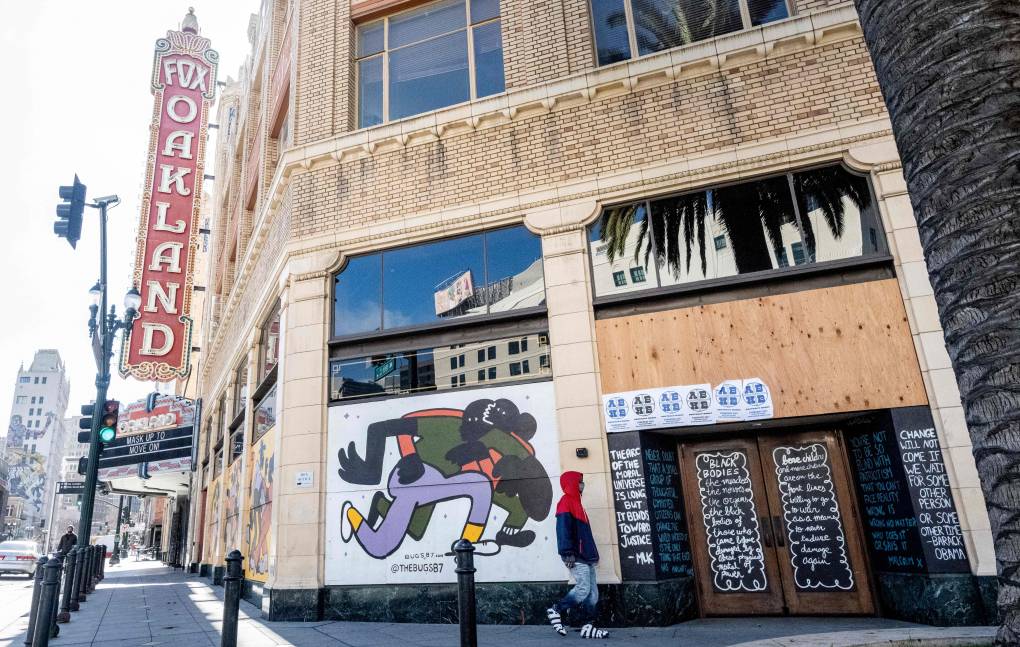
"caption": "A person walks by a boarded-up shop in Oakland on Feb. 12, 2021. Oakland residents of color have borne the economic brunt of the COVID-19 pandemic, with higher rates of unemployment and business failure. Oakland Resilient Families, a new initiative, aims to target aid to the most affected families.",
"description": null,
"title": "US-ECONOMY-POLITICS-MINORITIES-STIMULUS",
"credit": "Josh Edelson/AFP via Getty Images",
"status": "inherit",
"altTag": null,
"isLoading": false,
"fetchFailed": false
},
"news_11862916": {
"type": "attachments",
"id": "news_11862916",
"meta": {
"index": "attachments_1716263798",
"site": "news",
"id": "11862916",
"found": true
},
"parent": 11862871,
"imgSizes": {
"apple_news_ca_landscape_5_5": {
"file": "https://ww2.kqed.org/app/uploads/sites/10/2021/03/IMG_0342-1044x768.jpg",
"width": 1044,
"mimeType": "image/jpeg",
"height": 768
},
"apple_news_ca_square_4_0": {
"file": "https://ww2.kqed.org/app/uploads/sites/10/2021/03/IMG_0342-470x470.jpg",
"width": 470,
"mimeType": "image/jpeg",
"height": 470
},
"twentyfourteen-full-width": {
"file": "https://ww2.kqed.org/app/uploads/sites/10/2021/03/IMG_0342-1038x576.jpg",
"width": 1038,
"mimeType": "image/jpeg",
"height": 576
},
"thumbnail": {
"file": "https://ww2.kqed.org/app/uploads/sites/10/2021/03/IMG_0342-160x107.jpg",
"width": 160,
"mimeType": "image/jpeg",
"height": 107
},
"post-thumbnail": {
"file": "https://ww2.kqed.org/app/uploads/sites/10/2021/03/IMG_0342-672x372.jpg",
"width": 672,
"mimeType": "image/jpeg",
"height": 372
},
"kqedFullSize": {
"file": "https://ww2.kqed.org/app/uploads/sites/10/2021/03/IMG_0342.jpg",
"width": 1152,
"height": 768
},
"apple_news_ca_landscape_4_7": {
"file": "https://ww2.kqed.org/app/uploads/sites/10/2021/03/IMG_0342-632x474.jpg",
"width": 632,
"mimeType": "image/jpeg",
"height": 474
},
"large": {
"file": "https://ww2.kqed.org/app/uploads/sites/10/2021/03/IMG_0342-1020x680.jpg",
"width": 1020,
"mimeType": "image/jpeg",
"height": 680
},
"apple_news_ca_landscape_4_0": {
"file": "https://ww2.kqed.org/app/uploads/sites/10/2021/03/IMG_0342-536x402.jpg",
"width": 536,
"mimeType": "image/jpeg",
"height": 402
},
"apple_news_ca_portrait_12_9": {
"file": "https://ww2.kqed.org/app/uploads/sites/10/2021/03/IMG_0342-1122x768.jpg",
"width": 1122,
"mimeType": "image/jpeg",
"height": 768
},
"medium": {
"file": "https://ww2.kqed.org/app/uploads/sites/10/2021/03/IMG_0342-800x533.jpg",
"width": 800,
"mimeType": "image/jpeg",
"height": 533
},
"apple_news_ca_portrait_4_0": {
"file": "https://ww2.kqed.org/app/uploads/sites/10/2021/03/IMG_0342-354x472.jpg",
"width": 354,
"mimeType": "image/jpeg",
"height": 472
},
"apple_news_ca_portrait_9_7": {
"file": "https://ww2.kqed.org/app/uploads/sites/10/2021/03/IMG_0342-840x768.jpg",
"width": 840,
"mimeType": "image/jpeg",
"height": 768
},
"apple_news_ca_square_9_7": {
"file": "https://ww2.kqed.org/app/uploads/sites/10/2021/03/IMG_0342-1104x768.jpg",
"width": 1104,
"mimeType": "image/jpeg",
"height": 768
},
"apple_news_ca_portrait_4_7": {
"file": "https://ww2.kqed.org/app/uploads/sites/10/2021/03/IMG_0342-414x552.jpg",
"width": 414,
"mimeType": "image/jpeg",
"height": 552
},
"apple_news_ca_portrait_5_5": {
"file": "https://ww2.kqed.org/app/uploads/sites/10/2021/03/IMG_0342-687x768.jpg",
"width": 687,
"mimeType": "image/jpeg",
"height": 768
},
"apple_news_ca_square_4_7": {
"file": "https://ww2.kqed.org/app/uploads/sites/10/2021/03/IMG_0342-550x550.jpg",
"width": 550,
"mimeType": "image/jpeg",
"height": 550
},
"apple_news_ca_square_5_5": {
"file": "https://ww2.kqed.org/app/uploads/sites/10/2021/03/IMG_0342-912x768.jpg",
"width": 912,
"mimeType": "image/jpeg",
"height": 768
}
},
"publishDate": 1614734987,
"modified": 1614735048,
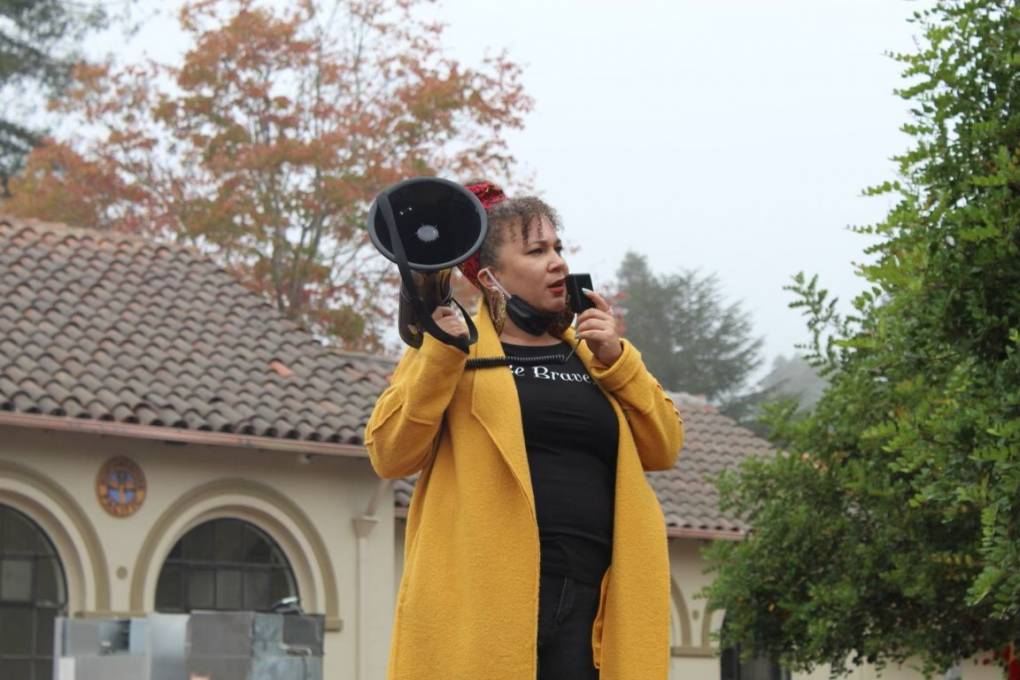
"caption": "Amber-Allen Pierson, an activist in Mill Valley, speaks at a protest.",
"description": null,
"title": "IMG_0342",
"credit": "Courtesy of Amber-Allen Pierson",
"status": "inherit",
"altTag": null,
"isLoading": false,
"fetchFailed": false
},
"news_11853712": {
"type": "attachments",
"id": "news_11853712",
"meta": {
"index": "attachments_1716263798",
"site": "news",
"id": "11853712",
"found": true
},
"parent": 11853658,
"imgSizes": {
"apple_news_ca_landscape_5_5": {
"file": "https://ww2.kqed.org/app/uploads/sites/10/2021/01/Tent-Vandal-Novato-1044x783.jpg",
"width": 1044,
"mimeType": "image/jpeg",
"height": 783
},
"apple_news_ca_square_4_0": {
"file": "https://ww2.kqed.org/app/uploads/sites/10/2021/01/Tent-Vandal-Novato-470x470.jpg",
"width": 470,
"mimeType": "image/jpeg",
"height": 470
},
"twentyfourteen-full-width": {
"file": "https://ww2.kqed.org/app/uploads/sites/10/2021/01/Tent-Vandal-Novato-1038x576.jpg",
"width": 1038,
"mimeType": "image/jpeg",
"height": 576
},
"thumbnail": {
"file": "https://ww2.kqed.org/app/uploads/sites/10/2021/01/Tent-Vandal-Novato-160x93.jpg",
"width": 160,
"mimeType": "image/jpeg",
"height": 93
},
"post-thumbnail": {
"file": "https://ww2.kqed.org/app/uploads/sites/10/2021/01/Tent-Vandal-Novato-672x372.jpg",
"width": 672,
"mimeType": "image/jpeg",
"height": 372
},
"kqedFullSize": {
"file": "https://ww2.kqed.org/app/uploads/sites/10/2021/01/Tent-Vandal-Novato.jpg",
"width": 1920,
"height": 1115
},
"apple_news_ca_landscape_4_7": {
"file": "https://ww2.kqed.org/app/uploads/sites/10/2021/01/Tent-Vandal-Novato-632x474.jpg",
"width": 632,
"mimeType": "image/jpeg",
"height": 474
},
"large": {
"file": "https://ww2.kqed.org/app/uploads/sites/10/2021/01/Tent-Vandal-Novato-1020x592.jpg",
"width": 1020,
"mimeType": "image/jpeg",
"height": 592
},
"apple_news_ca_landscape_4_0": {
"file": "https://ww2.kqed.org/app/uploads/sites/10/2021/01/Tent-Vandal-Novato-536x402.jpg",
"width": 536,
"mimeType": "image/jpeg",
"height": 402
},
"apple_news_ca_portrait_12_9": {
"file": "https://ww2.kqed.org/app/uploads/sites/10/2021/01/Tent-Vandal-Novato-1122x1115.jpg",
"width": 1122,
"mimeType": "image/jpeg",
"height": 1115
},
"medium": {
"file": "https://ww2.kqed.org/app/uploads/sites/10/2021/01/Tent-Vandal-Novato-800x465.jpg",
"width": 800,
"mimeType": "image/jpeg",
"height": 465
},
"apple_news_ca_portrait_4_0": {
"file": "https://ww2.kqed.org/app/uploads/sites/10/2021/01/Tent-Vandal-Novato-354x472.jpg",
"width": 354,
"mimeType": "image/jpeg",
"height": 472
},
"apple_news_ca_portrait_9_7": {
"file": "https://ww2.kqed.org/app/uploads/sites/10/2021/01/Tent-Vandal-Novato-840x1115.jpg",
"width": 840,
"mimeType": "image/jpeg",
"height": 1115
},
"apple_news_ca_landscape_12_9": {
"file": "https://ww2.kqed.org/app/uploads/sites/10/2021/01/Tent-Vandal-Novato-1832x1115.jpg",
"width": 1832,
"mimeType": "image/jpeg",
"height": 1115
},
"apple_news_ca_square_9_7": {
"file": "https://ww2.kqed.org/app/uploads/sites/10/2021/01/Tent-Vandal-Novato-1104x1104.jpg",
"width": 1104,
"mimeType": "image/jpeg",
"height": 1104
},
"1536x1536": {
"file": "https://ww2.kqed.org/app/uploads/sites/10/2021/01/Tent-Vandal-Novato-1536x892.jpg",
"width": 1536,
"mimeType": "image/jpeg",
"height": 892
},
"apple_news_ca_portrait_4_7": {
"file": "https://ww2.kqed.org/app/uploads/sites/10/2021/01/Tent-Vandal-Novato-414x552.jpg",
"width": 414,
"mimeType": "image/jpeg",
"height": 552
},
"apple_news_ca_square_12_9": {
"file": "https://ww2.kqed.org/app/uploads/sites/10/2021/01/Tent-Vandal-Novato-1472x1115.jpg",
"width": 1472,
"mimeType": "image/jpeg",
"height": 1115
},
"apple_news_ca_portrait_5_5": {
"file": "https://ww2.kqed.org/app/uploads/sites/10/2021/01/Tent-Vandal-Novato-687x916.jpg",
"width": 687,
"mimeType": "image/jpeg",
"height": 916
},
"apple_news_ca_square_4_7": {
"file": "https://ww2.kqed.org/app/uploads/sites/10/2021/01/Tent-Vandal-Novato-550x550.jpg",
"width": 550,
"mimeType": "image/jpeg",
"height": 550
},
"apple_news_ca_landscape_9_7": {
"file": "https://ww2.kqed.org/app/uploads/sites/10/2021/01/Tent-Vandal-Novato-1376x1032.jpg",
"width": 1376,
"mimeType": "image/jpeg",
"height": 1032
},
"apple_news_ca_square_5_5": {
"file": "https://ww2.kqed.org/app/uploads/sites/10/2021/01/Tent-Vandal-Novato-912x912.jpg",
"width": 912,
"mimeType": "image/jpeg",
"height": 912
}
},
"publishDate": 1609872303,
"modified": 1609881756,
"caption": "A trail camera set up by a resident of a Novato tent encampment captured a man slicing tents and breaking their poles on Jan. 3, 2021.",
"description": null,
"title": "Tent-Vandal-Novato",
"credit": "YouTube",
"status": "inherit",
"altTag": null,
"isLoading": false,
"fetchFailed": false
},
"news_11845394": {
"type": "attachments",
"id": "news_11845394",
"meta": {
"index": "attachments_1716263798",
"site": "news",
"id": "11845394",
"found": true
},
"parent": 11845369,
"imgSizes": {
"apple_news_ca_square_4_0": {
"file": "https://ww2.kqed.org/app/uploads/sites/10/2020/11/Yema-470x470.jpg",
"width": 470,
"mimeType": "image/jpeg",
"height": 470
},
"thumbnail": {
"file": "https://ww2.kqed.org/app/uploads/sites/10/2020/11/Yema-160x90.jpg",
"width": 160,
"mimeType": "image/jpeg",
"height": 90
},
"post-thumbnail": {
"file": "https://ww2.kqed.org/app/uploads/sites/10/2020/11/Yema-672x372.jpg",
"width": 672,
"mimeType": "image/jpeg",
"height": 372
},
"kqedFullSize": {
"file": "https://ww2.kqed.org/app/uploads/sites/10/2020/11/Yema.jpg",
"width": 964,
"height": 542
},
"apple_news_ca_landscape_4_7": {
"file": "https://ww2.kqed.org/app/uploads/sites/10/2020/11/Yema-632x474.jpg",
"width": 632,
"mimeType": "image/jpeg",
"height": 474
},
"apple_news_ca_landscape_4_0": {
"file": "https://ww2.kqed.org/app/uploads/sites/10/2020/11/Yema-536x402.jpg",
"width": 536,
"mimeType": "image/jpeg",
"height": 402
},
"medium": {
"file": "https://ww2.kqed.org/app/uploads/sites/10/2020/11/Yema-800x450.jpg",
"width": 800,
"mimeType": "image/jpeg",
"height": 450
},
"apple_news_ca_portrait_4_0": {
"file": "https://ww2.kqed.org/app/uploads/sites/10/2020/11/Yema-354x472.jpg",
"width": 354,
"mimeType": "image/jpeg",
"height": 472
},
"apple_news_ca_portrait_9_7": {
"file": "https://ww2.kqed.org/app/uploads/sites/10/2020/11/Yema-840x542.jpg",
"width": 840,
"mimeType": "image/jpeg",
"height": 542
},
"apple_news_ca_portrait_4_7": {
"file": "https://ww2.kqed.org/app/uploads/sites/10/2020/11/Yema-414x542.jpg",
"width": 414,
"mimeType": "image/jpeg",
"height": 542
},
"apple_news_ca_portrait_5_5": {
"file": "https://ww2.kqed.org/app/uploads/sites/10/2020/11/Yema-687x542.jpg",
"width": 687,
"mimeType": "image/jpeg",
"height": 542
},
"apple_news_ca_square_4_7": {
"file": "https://ww2.kqed.org/app/uploads/sites/10/2020/11/Yema-550x542.jpg",
"width": 550,
"mimeType": "image/jpeg",
"height": 542
},
"apple_news_ca_square_5_5": {
"file": "https://ww2.kqed.org/app/uploads/sites/10/2020/11/Yema-912x542.jpg",
"width": 912,
"mimeType": "image/jpeg",
"height": 542
}
},
"publishDate": 1604478833,
"modified": 1604478833,
"caption": null,
"description": null,
"title": "Yema",
"credit": null,
"status": "inherit",
"isLoading": false,
"fetchFailed": false
},
"news_11833128": {
"type": "attachments",
"id": "news_11833128",
"meta": {
"index": "attachments_1716263798",
"site": "news",
"id": "11833128",
"found": true
},
"parent": 11833113,
"imgSizes": {
"apple_news_ca_landscape_5_5": {
"file": "https://ww2.kqed.org/app/uploads/sites/10/2020/08/SanRafaelEssentialWorkersTesting-1044x783.jpg",
"width": 1044,
"mimeType": "image/jpeg",
"height": 783
},
"apple_news_ca_square_4_0": {
"file": "https://ww2.kqed.org/app/uploads/sites/10/2020/08/SanRafaelEssentialWorkersTesting-470x470.jpg",
"width": 470,
"mimeType": "image/jpeg",
"height": 470
},
"twentyfourteen-full-width": {
"file": "https://ww2.kqed.org/app/uploads/sites/10/2020/08/SanRafaelEssentialWorkersTesting-1038x576.jpg",
"width": 1038,
"mimeType": "image/jpeg",
"height": 576
},
"thumbnail": {
"file": "https://ww2.kqed.org/app/uploads/sites/10/2020/08/SanRafaelEssentialWorkersTesting-160x118.jpg",
"width": 160,
"mimeType": "image/jpeg",
"height": 118
},
"post-thumbnail": {
"file": "https://ww2.kqed.org/app/uploads/sites/10/2020/08/SanRafaelEssentialWorkersTesting-672x372.jpg",
"width": 672,
"mimeType": "image/jpeg",
"height": 372
},
"kqedFullSize": {
"file": "https://ww2.kqed.org/app/uploads/sites/10/2020/08/SanRafaelEssentialWorkersTesting.jpg",
"width": 1920,
"height": 1410
},
"apple_news_ca_landscape_4_7": {
"file": "https://ww2.kqed.org/app/uploads/sites/10/2020/08/SanRafaelEssentialWorkersTesting-632x474.jpg",
"width": 632,
"mimeType": "image/jpeg",
"height": 474
},
"large": {
"file": "https://ww2.kqed.org/app/uploads/sites/10/2020/08/SanRafaelEssentialWorkersTesting-1020x749.jpg",
"width": 1020,
"mimeType": "image/jpeg",
"height": 749
},
"apple_news_ca_landscape_4_0": {
"file": "https://ww2.kqed.org/app/uploads/sites/10/2020/08/SanRafaelEssentialWorkersTesting-536x402.jpg",
"width": 536,
"mimeType": "image/jpeg",
"height": 402
},
"apple_news_ca_portrait_12_9": {
"file": "https://ww2.kqed.org/app/uploads/sites/10/2020/08/SanRafaelEssentialWorkersTesting-1122x1410.jpg",
"width": 1122,
"mimeType": "image/jpeg",
"height": 1410
},
"medium": {
"file": "https://ww2.kqed.org/app/uploads/sites/10/2020/08/SanRafaelEssentialWorkersTesting-800x588.jpg",
"width": 800,
"mimeType": "image/jpeg",
"height": 588
},
"apple_news_ca_portrait_4_0": {
"file": "https://ww2.kqed.org/app/uploads/sites/10/2020/08/SanRafaelEssentialWorkersTesting-354x472.jpg",
"width": 354,
"mimeType": "image/jpeg",
"height": 472
},
"apple_news_ca_portrait_9_7": {
"file": "https://ww2.kqed.org/app/uploads/sites/10/2020/08/SanRafaelEssentialWorkersTesting-840x1120.jpg",
"width": 840,
"mimeType": "image/jpeg",
"height": 1120
},
"apple_news_ca_landscape_12_9": {
"file": "https://ww2.kqed.org/app/uploads/sites/10/2020/08/SanRafaelEssentialWorkersTesting-1832x1374.jpg",
"width": 1832,
"mimeType": "image/jpeg",
"height": 1374
},
"apple_news_ca_square_9_7": {
"file": "https://ww2.kqed.org/app/uploads/sites/10/2020/08/SanRafaelEssentialWorkersTesting-1104x1104.jpg",
"width": 1104,
"mimeType": "image/jpeg",
"height": 1104
},
"1536x1536": {
"file": "https://ww2.kqed.org/app/uploads/sites/10/2020/08/SanRafaelEssentialWorkersTesting-1536x1128.jpg",
"width": 1536,
"mimeType": "image/jpeg",
"height": 1128
},
"apple_news_ca_portrait_4_7": {
"file": "https://ww2.kqed.org/app/uploads/sites/10/2020/08/SanRafaelEssentialWorkersTesting-414x552.jpg",
"width": 414,
"mimeType": "image/jpeg",
"height": 552
},
"apple_news_ca_square_12_9": {
"file": "https://ww2.kqed.org/app/uploads/sites/10/2020/08/SanRafaelEssentialWorkersTesting-1472x1410.jpg",
"width": 1472,
"mimeType": "image/jpeg",
"height": 1410
},
"apple_news_ca_portrait_5_5": {
"file": "https://ww2.kqed.org/app/uploads/sites/10/2020/08/SanRafaelEssentialWorkersTesting-687x916.jpg",
"width": 687,
"mimeType": "image/jpeg",
"height": 916
},
"apple_news_ca_square_4_7": {
"file": "https://ww2.kqed.org/app/uploads/sites/10/2020/08/SanRafaelEssentialWorkersTesting-550x550.jpg",
"width": 550,
"mimeType": "image/jpeg",
"height": 550
},
"apple_news_ca_landscape_9_7": {
"file": "https://ww2.kqed.org/app/uploads/sites/10/2020/08/SanRafaelEssentialWorkersTesting-1376x1032.jpg",
"width": 1376,
"mimeType": "image/jpeg",
"height": 1032
},
"apple_news_ca_square_5_5": {
"file": "https://ww2.kqed.org/app/uploads/sites/10/2020/08/SanRafaelEssentialWorkersTesting-912x912.jpg",
"width": 912,
"mimeType": "image/jpeg",
"height": 912
}
},
"publishDate": 1597260456,
"modified": 1597260680,
"caption": "Jennifer Tores, a lifelong resident of San Rafael's Canal neighborhood, waits at a local COVID-19 testing site recently. The neighborhood is one of the most heavily tested communities in the state, say health officials, who are struggling to control the spread of the COVID-19.",
"description": "Jennifer Tores, a lifelong resident of San Rafael's Canal neighborhood, waits at a local COVID-19 testing site recently. The neighborhood is one of the most heavily tested communities in the state, say health officials, who are struggling to control the spread of the COVID-19.",
"title": "SanRafaelEssentialWorkersTesting",
"credit": "Rachel Scheier/California Healthline",
"status": "inherit",
"isLoading": false,
"fetchFailed": false
},
"news_11825499": {
"type": "attachments",
"id": "news_11825499",
"meta": {
"index": "attachments_1716263798",
"site": "news",
"id": "11825499",
"found": true
},
"parent": 11824642,
"imgSizes": {
"apple_news_ca_landscape_5_5": {
"file": "https://ww2.kqed.org/app/uploads/sites/10/2020/06/RS43701_IMG_2103_v2-qut-1044x783.jpg",
"width": 1044,
"mimeType": "image/jpeg",
"height": 783
},
"apple_news_ca_square_4_0": {
"file": "https://ww2.kqed.org/app/uploads/sites/10/2020/06/RS43701_IMG_2103_v2-qut-470x470.jpg",
"width": 470,
"mimeType": "image/jpeg",
"height": 470
},
"twentyfourteen-full-width": {
"file": "https://ww2.kqed.org/app/uploads/sites/10/2020/06/RS43701_IMG_2103_v2-qut-1038x576.jpg",
"width": 1038,
"mimeType": "image/jpeg",
"height": 576
},
"thumbnail": {
"file": "https://ww2.kqed.org/app/uploads/sites/10/2020/06/RS43701_IMG_2103_v2-qut-160x98.jpg",
"width": 160,
"mimeType": "image/jpeg",
"height": 98
},
"post-thumbnail": {
"file": "https://ww2.kqed.org/app/uploads/sites/10/2020/06/RS43701_IMG_2103_v2-qut-672x372.jpg",
"width": 672,
"mimeType": "image/jpeg",
"height": 372
},
"kqedFullSize": {
"file": "https://ww2.kqed.org/app/uploads/sites/10/2020/06/RS43701_IMG_2103_v2-qut.jpg",
"width": 1920,
"height": 1170
},
"apple_news_ca_landscape_4_7": {
"file": "https://ww2.kqed.org/app/uploads/sites/10/2020/06/RS43701_IMG_2103_v2-qut-632x474.jpg",
"width": 632,
"mimeType": "image/jpeg",
"height": 474
},
"large": {
"file": "https://ww2.kqed.org/app/uploads/sites/10/2020/06/RS43701_IMG_2103_v2-qut-1020x622.jpg",
"width": 1020,
"mimeType": "image/jpeg",
"height": 622
},
"apple_news_ca_landscape_4_0": {
"file": "https://ww2.kqed.org/app/uploads/sites/10/2020/06/RS43701_IMG_2103_v2-qut-536x402.jpg",
"width": 536,
"mimeType": "image/jpeg",
"height": 402
},
"apple_news_ca_portrait_12_9": {
"file": "https://ww2.kqed.org/app/uploads/sites/10/2020/06/RS43701_IMG_2103_v2-qut-1122x1170.jpg",
"width": 1122,
"mimeType": "image/jpeg",
"height": 1170
},
"medium": {
"file": "https://ww2.kqed.org/app/uploads/sites/10/2020/06/RS43701_IMG_2103_v2-qut-800x488.jpg",
"width": 800,
"mimeType": "image/jpeg",
"height": 488
},
"apple_news_ca_portrait_4_0": {
"file": "https://ww2.kqed.org/app/uploads/sites/10/2020/06/RS43701_IMG_2103_v2-qut-354x472.jpg",
"width": 354,
"mimeType": "image/jpeg",
"height": 472
},
"apple_news_ca_portrait_9_7": {
"file": "https://ww2.kqed.org/app/uploads/sites/10/2020/06/RS43701_IMG_2103_v2-qut-840x1120.jpg",
"width": 840,
"mimeType": "image/jpeg",
"height": 1120
},
"apple_news_ca_landscape_12_9": {
"file": "https://ww2.kqed.org/app/uploads/sites/10/2020/06/RS43701_IMG_2103_v2-qut-1832x1170.jpg",
"width": 1832,
"mimeType": "image/jpeg",
"height": 1170
},
"apple_news_ca_square_9_7": {
"file": "https://ww2.kqed.org/app/uploads/sites/10/2020/06/RS43701_IMG_2103_v2-qut-1104x1104.jpg",
"width": 1104,
"mimeType": "image/jpeg",
"height": 1104
},
"apple_news_ca_portrait_4_7": {
"file": "https://ww2.kqed.org/app/uploads/sites/10/2020/06/RS43701_IMG_2103_v2-qut-414x552.jpg",
"width": 414,
"mimeType": "image/jpeg",
"height": 552
},
"apple_news_ca_square_12_9": {
"file": "https://ww2.kqed.org/app/uploads/sites/10/2020/06/RS43701_IMG_2103_v2-qut-1472x1170.jpg",
"width": 1472,
"mimeType": "image/jpeg",
"height": 1170
},
"apple_news_ca_portrait_5_5": {
"file": "https://ww2.kqed.org/app/uploads/sites/10/2020/06/RS43701_IMG_2103_v2-qut-687x916.jpg",
"width": 687,
"mimeType": "image/jpeg",
"height": 916
},
"full-width": {
"file": "https://ww2.kqed.org/app/uploads/sites/10/2020/06/RS43701_IMG_2103_v2-qut-1920x1170.jpg",
"width": 1920,
"mimeType": "image/jpeg",
"height": 1170
},
"apple_news_ca_square_4_7": {
"file": "https://ww2.kqed.org/app/uploads/sites/10/2020/06/RS43701_IMG_2103_v2-qut-550x550.jpg",
"width": 550,
"mimeType": "image/jpeg",
"height": 550
},
"apple_news_ca_landscape_9_7": {
"file": "https://ww2.kqed.org/app/uploads/sites/10/2020/06/RS43701_IMG_2103_v2-qut-1376x1032.jpg",
"width": 1376,
"mimeType": "image/jpeg",
"height": 1032
},
"apple_news_ca_square_5_5": {
"file": "https://ww2.kqed.org/app/uploads/sites/10/2020/06/RS43701_IMG_2103_v2-qut-912x912.jpg",
"width": 912,
"mimeType": "image/jpeg",
"height": 912
}
},
"publishDate": 1592612889,
"modified": 1592613505,
"caption": "Students under 12 years of age are not required to wear masks, according to the Marin Health and Human Services, even while attending an in-person pilot program at Bayside Martin Luther King Jr. Academy.",
"description": "Students under 12 years of age are not required to wear masks, according to the Marin Health and Human Services, even while attending an in-person pilot program at Bayside Martin Luther King Jr. Academy.",
"title": "RS43701_IMG_2103_v2-qut",
"credit": "Julia McEvoy/KQED",
"status": "inherit",
"isLoading": false,
"fetchFailed": false
},
"news_11540138": {
"type": "attachments",
"id": "news_11540138",
"meta": {
"index": "attachments_1716263798",
"site": "news",
"id": "11540138",
"found": true
},
"parent": 11539532,
"imgSizes": {
"small": {
"file": "https://ww2.kqed.org/app/uploads/sites/10/2017/06/SMARTTrain.MAIN_-520x357.jpg",
"width": 520,
"mimeType": "image/jpeg",
"height": 357
},
"twentyfourteen-full-width": {
"file": "https://ww2.kqed.org/app/uploads/sites/10/2017/06/SMARTTrain.MAIN_-1038x576.jpg",
"width": 1038,
"mimeType": "image/jpeg",
"height": 576
},
"thumbnail": {
"file": "https://ww2.kqed.org/app/uploads/sites/10/2017/06/SMARTTrain.MAIN_-160x110.jpg",
"width": 160,
"mimeType": "image/jpeg",
"height": 110
},
"fd-sm": {
"file": "https://ww2.kqed.org/app/uploads/sites/10/2017/06/SMARTTrain.MAIN_-960x659.jpg",
"width": 960,
"mimeType": "image/jpeg",
"height": 659
},
"post-thumbnail": {
"file": "https://ww2.kqed.org/app/uploads/sites/10/2017/06/SMARTTrain.MAIN_-672x372.jpg",
"width": 672,
"mimeType": "image/jpeg",
"height": 372
},
"xsmall": {
"file": "https://ww2.kqed.org/app/uploads/sites/10/2017/06/SMARTTrain.MAIN_-375x257.jpg",
"width": 375,
"mimeType": "image/jpeg",
"height": 257
},
"kqedFullSize": {
"file": "https://ww2.kqed.org/app/uploads/sites/10/2017/06/SMARTTrain.MAIN_.jpg",
"width": 1920,
"height": 1317
},
"large": {
"file": "https://ww2.kqed.org/app/uploads/sites/10/2017/06/SMARTTrain.MAIN_-1020x700.jpg",
"width": 1020,
"mimeType": "image/jpeg",
"height": 700
},
"xlarge": {
"file": "https://ww2.kqed.org/app/uploads/sites/10/2017/06/SMARTTrain.MAIN_-1180x809.jpg",
"width": 1180,
"mimeType": "image/jpeg",
"height": 809
},
"guest-author-50": {
"file": "https://ww2.kqed.org/app/uploads/sites/10/2017/06/SMARTTrain.MAIN_-50x50.jpg",
"width": 50,
"mimeType": "image/jpeg",
"height": 50
},
"guest-author-96": {
"file": "https://ww2.kqed.org/app/uploads/sites/10/2017/06/SMARTTrain.MAIN_-96x96.jpg",
"width": 96,
"mimeType": "image/jpeg",
"height": 96
},
"medium": {
"file": "https://ww2.kqed.org/app/uploads/sites/10/2017/06/SMARTTrain.MAIN_-800x549.jpg",
"width": 800,
"mimeType": "image/jpeg",
"height": 549
},
"guest-author-64": {
"file": "https://ww2.kqed.org/app/uploads/sites/10/2017/06/SMARTTrain.MAIN_-64x64.jpg",
"width": 64,
"mimeType": "image/jpeg",
"height": 64
},
"guest-author-32": {
"file": "https://ww2.kqed.org/app/uploads/sites/10/2017/06/SMARTTrain.MAIN_-32x32.jpg",
"width": 32,
"mimeType": "image/jpeg",
"height": 32
},
"fd-lrg": {
"file": "https://ww2.kqed.org/app/uploads/sites/10/2017/06/SMARTTrain.MAIN_-1920x1317.jpg",
"width": 1920,
"mimeType": "image/jpeg",
"height": 1317
},
"fd-med": {
"file": "https://ww2.kqed.org/app/uploads/sites/10/2017/06/SMARTTrain.MAIN_-1180x809.jpg",
"width": 1180,
"mimeType": "image/jpeg",
"height": 809
},
"full-width": {
"file": "https://ww2.kqed.org/app/uploads/sites/10/2017/06/SMARTTrain.MAIN_-1920x1317.jpg",
"width": 1920,
"mimeType": "image/jpeg",
"height": 1317
},
"detail": {
"file": "https://ww2.kqed.org/app/uploads/sites/10/2017/06/SMARTTrain.MAIN_-150x150.jpg",
"width": 150,
"mimeType": "image/jpeg",
"height": 150
},
"guest-author-128": {
"file": "https://ww2.kqed.org/app/uploads/sites/10/2017/06/SMARTTrain.MAIN_-128x128.jpg",
"width": 128,
"mimeType": "image/jpeg",
"height": 128
},
"xxsmall": {
"file": "https://ww2.kqed.org/app/uploads/sites/10/2017/06/SMARTTrain.MAIN_-240x165.jpg",
"width": 240,
"mimeType": "image/jpeg",
"height": 165
}
},
"publishDate": 1498809607,
"modified": 1498860382,
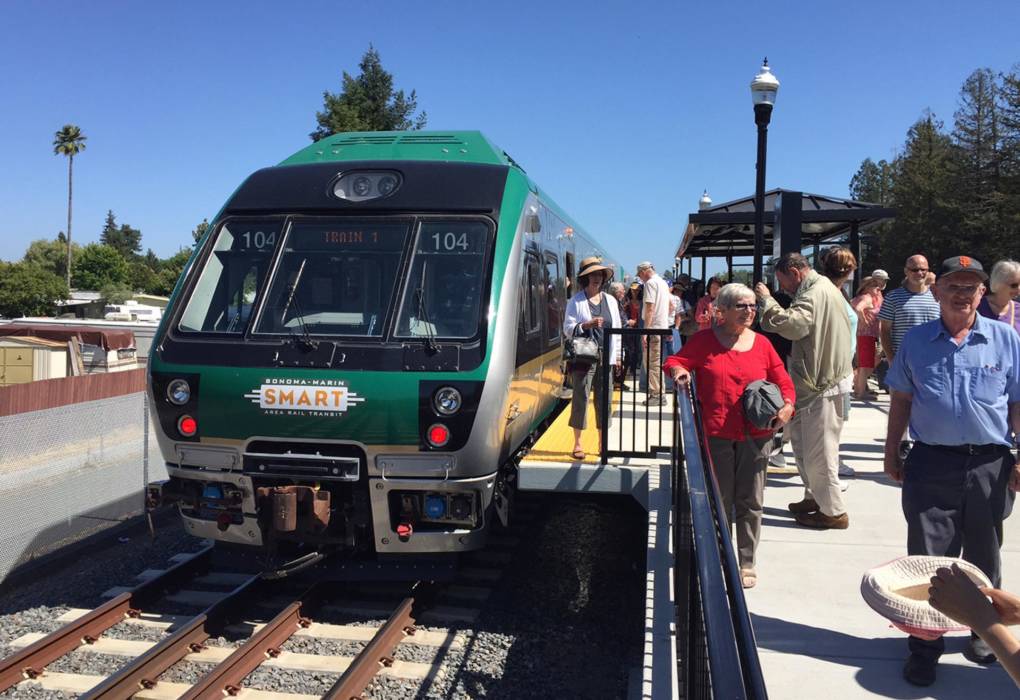
"caption": "A SMART train awaits departure at the Rohnert Park station for a preview ride on June 29, 2017.",
"description": "A SMART train awaits departure at the Rohnert Park station for a preview ride, June 29, 2017.",
"title": "SMARTTrain.MAIN",
"credit": "Gabe Meline/KQED",
"status": "inherit",
"isLoading": false,
"fetchFailed": false
}
},
"audioPlayerReducer": {
"postId": "stream_live",
"isPaused": true,
"isPlaying": false,
"pfsActive": false,
"pledgeModalIsOpen": true,
"playerDrawerIsOpen": false,
"liveAudioPlayStartedAt": 0,
"liveAudioPlayContext": ""
},
"authorsReducer": {
"byline_news_11869265": {
"type": "authors",
"id": "byline_news_11869265",
"meta": {
"override": true
},
"slug": "byline_news_11869265",
"name": "Kathleen Ronayne and Janie Har\u003cbr />Associated Press",
"isLoading": false
},
"byline_news_11868430": {
"type": "authors",
"id": "byline_news_11868430",
"meta": {
"override": true
},
"slug": "byline_news_11868430",
"name": "\u003ca href=\"https://khn.org/news/author/jenny-gold/\">Jenny Gold\u003c/a>",
"isLoading": false
},
"byline_news_11833113": {
"type": "authors",
"id": "byline_news_11833113",
"meta": {
"override": true
},
"slug": "byline_news_11833113",
"name": "\u003ca href=\"https://californiahealthline.org/news/author/rachel-scheier/\">Rachel Scheier\u003c/a>",
"isLoading": false
},
"danbrekke": {
"type": "authors",
"id": "222",
"meta": {
"index": "authors_1716337520",
"id": "222",
"found": true
},
"name": "Dan Brekke",
"firstName": "Dan",
"lastName": "Brekke",
"slug": "danbrekke",
"email": "dbrekke@kqed.org",
"display_author_email": true,
"staff_mastheads": [
"news",
"science"
],
"title": "KQED Editor and Reporter",
"bio": "Dan Brekke is a reporter and editor for KQED News, responsible for coverage of topics ranging from California water issues to the Bay Area's transportation challenges. In a newsroom career that began in Chicago in 1972, Dan has worked for \u003cem>The San Francisco Examiner,\u003c/em> Wired and TechTV and has been published in The New York Times, The New York Times Magazine, Business 2.0, Salon and elsewhere.\r\n\r\nSince joining KQED in 2007, Dan has reported, edited and produced both radio and online features and breaking news pieces. He has shared as both editor and reporter in four Society of Professional Journalists Norcal Excellence in Journalism awards and one Edward R. Murrow regional award. He was chosen for a spring 2017 residency at the Mesa Refuge to advance his research on California salmon.\r\n\r\nEmail Dan at: \u003ca href=\"mailto:dbrekke@kqed.org\">dbrekke@kqed.org\u003c/a>\r\n\r\n\u003cstrong>Twitter:\u003c/strong> \u003ca href=\"https://twitter.com/danbrekke\" rel=\"noopener noreferrer\">twitter.com/danbrekke\u003c/a>\r\n\u003cstrong>Facebook:\u003c/strong> \u003ca href=\"https://www.facebook.com/danbrekke\" rel=\"noopener noreferrer\">www.facebook.com/danbrekke\u003c/a>\r\n\u003cstrong>LinkedIn:\u003c/strong> \u003ca href=\"https://www.linkedin.com/in/danbrekke\" rel=\"noopener noreferrer\">www.linkedin.com/in/danbrekke\u003c/a>",
"avatar": "https://secure.gravatar.com/avatar/c8126230345efca3f7aa89b1a402be45?s=600&d=mm&r=g",
"twitter": "danbrekke",
"facebook": null,
"instagram": "https://www.instagram.com/dan.brekke/",
"linkedin": "https://www.linkedin.com/in/danbrekke/",
"sites": [
{
"site": "news",
"roles": [
"administrator",
"create_posts"
]
},
{
"site": "stateofhealth",
"roles": [
"editor"
]
},
{
"site": "science",
"roles": [
"editor"
]
},
{
"site": "quest",
"roles": [
"contributor"
]
},
{
"site": "food",
"roles": [
"contributor"
]
},
{
"site": "forum",
"roles": [
"contributor"
]
},
{
"site": "liveblog",
"roles": [
"editor"
]
}
],
"headData": {
"title": "Dan Brekke | KQED",
"description": "KQED Editor and Reporter",
"ogImgSrc": "https://secure.gravatar.com/avatar/c8126230345efca3f7aa89b1a402be45?s=600&d=mm&r=g",
"twImgSrc": "https://secure.gravatar.com/avatar/c8126230345efca3f7aa89b1a402be45?s=600&d=mm&r=g"
},
"isLoading": false,
"link": "/author/danbrekke"
},
"gmarzorati": {
"type": "authors",
"id": "227",
"meta": {
"index": "authors_1716337520",
"id": "227",
"found": true
},
"name": "Guy Marzorati",
"firstName": "Guy",
"lastName": "Marzorati",
"slug": "gmarzorati",
"email": "gmarzorati@KQED.org",
"display_author_email": true,
"staff_mastheads": [
"news"
],
"title": "Correspondent",
"bio": "Guy Marzorati is a correspondent on KQED's California Politics and Government Desk, based in San Jose. A graduate of Santa Clara University, Guy joined KQED in 2013. He reports on state and local politics and produces KQED's digital voter guide.",
"avatar": "https://secure.gravatar.com/avatar/e7038b8dbfd55b104369b76b1cd0b9de?s=600&d=blank&r=g",
"twitter": "guymarzorati",
"facebook": null,
"instagram": null,
"linkedin": null,
"sites": [
{
"site": "",
"roles": [
"editor"
]
},
{
"site": "news",
"roles": [
"editor"
]
},
{
"site": "science",
"roles": [
"editor"
]
},
{
"site": "forum",
"roles": [
"editor"
]
},
{
"site": "elections",
"roles": [
"editor"
]
},
{
"site": "liveblog",
"roles": [
"editor"
]
}
],
"headData": {
"title": "Guy Marzorati | KQED",
"description": "Correspondent",
"ogImgSrc": "https://secure.gravatar.com/avatar/e7038b8dbfd55b104369b76b1cd0b9de?s=600&d=blank&r=g",
"twImgSrc": "https://secure.gravatar.com/avatar/e7038b8dbfd55b104369b76b1cd0b9de?s=600&d=blank&r=g"
},
"isLoading": false,
"link": "/author/gmarzorati"
},
"jmcevoy": {
"type": "authors",
"id": "231",
"meta": {
"index": "authors_1716337520",
"id": "231",
"found": true
},
"name": "Julia McEvoy",
"firstName": "Julia",
"lastName": "McEvoy",
"slug": "jmcevoy",
"email": "jmcevoy@KQED.org",
"display_author_email": true,
"staff_mastheads": [
"news"
],
"title": "KQED Senior Editor",
"bio": "Julia McEvoy is KQED's Senior Editor, Education Equity.\r\n\r\nJulia heads KQED’s education coverage examining inequities students face in Bay Area and California schools, and reports on what it will take to educate the next generation.\r\n\r\nJulia's editorial work has received a Peabody Award, a Casey Medal for Coverage of Children and Families, several Edward R. Murrow awards, as well as awards from the Public Radio News Directors Inc. and the Society for Professional Journalists.",
"avatar": "https://secure.gravatar.com/avatar/aec3ce21abe02b302fd33638abd56a22?s=600&d=blank&r=g",
"twitter": "juliamcevoy1",
"facebook": null,
"instagram": null,
"linkedin": null,
"sites": [
{
"site": "news",
"roles": []
},
{
"site": "stateofhealth",
"roles": [
"author"
]
}
],
"headData": {
"title": "Julia McEvoy | KQED",
"description": "KQED Senior Editor",
"ogImgSrc": "https://secure.gravatar.com/avatar/aec3ce21abe02b302fd33638abd56a22?s=600&d=blank&r=g",
"twImgSrc": "https://secure.gravatar.com/avatar/aec3ce21abe02b302fd33638abd56a22?s=600&d=blank&r=g"
},
"isLoading": false,
"link": "/author/jmcevoy"
},
"kqednewsstaffandwires": {
"type": "authors",
"id": "237",
"meta": {
"index": "authors_1716337520",
"id": "237",
"found": true
},
"name": "KQED News Staff and Wires",
"firstName": "KQED News Staff and Wires",
"lastName": null,
"slug": "kqednewsstaffandwires",
"email": "onlinenewsstaff@kqed.org",
"display_author_email": false,
"staff_mastheads": [],
"title": null,
"bio": null,
"avatar": "https://secure.gravatar.com/avatar/72295af8ebbfbd19a4948f5271285664?s=600&d=blank&r=g",
"twitter": null,
"facebook": null,
"instagram": null,
"linkedin": null,
"sites": [
{
"site": "arts",
"roles": [
"contributor"
]
},
{
"site": "news",
"roles": [
"contributor"
]
},
{
"site": "lowdown",
"roles": [
"author"
]
},
{
"site": "stateofhealth",
"roles": [
"contributor"
]
},
{
"site": "food",
"roles": [
"author"
]
}
],
"headData": {
"title": "KQED News Staff and Wires | KQED",
"description": null,
"ogImgSrc": "https://secure.gravatar.com/avatar/72295af8ebbfbd19a4948f5271285664?s=600&d=blank&r=g",
"twImgSrc": "https://secure.gravatar.com/avatar/72295af8ebbfbd19a4948f5271285664?s=600&d=blank&r=g"
},
"isLoading": false,
"link": "/author/kqednewsstaffandwires"
},
"shossaini": {
"type": "authors",
"id": "3214",
"meta": {
"index": "authors_1716337520",
"id": "3214",
"found": true
},
"name": "Sara Hossaini",
"firstName": "Sara",
"lastName": "Hossaini",
"slug": "shossaini",
"email": "shossaini@kqed.org",
"display_author_email": true,
"staff_mastheads": [
"news"
],
"title": "KQED Reporter",
"bio": "Sara Hossaini came to general assignment reporting at KQED in 2013 after two winters reporting at Wyoming Public Radio. She holds a bachelor's degree in broadcast journalism from the University of Nebraska-Lincoln. Her radio romance began after a bitter breakup with documentary film (Ok, maybe it's still complicated). Her first simultaneous jobs in San Francisco were as Associate Producer on a PBS film series through the Center for Asian American Media and as a butler. She likes to trot, plot and make things with her hands.",
"avatar": "https://secure.gravatar.com/avatar/060e9f56b9554e17942e89f413242774?s=600&d=blank&r=g",
"twitter": "mshossaini",
"facebook": null,
"instagram": null,
"linkedin": null,
"sites": [
{
"site": "news",
"roles": [
"author"
]
},
{
"site": "stateofhealth",
"roles": [
"author"
]
}
],
"headData": {
"title": "Sara Hossaini | KQED",
"description": "KQED Reporter",
"ogImgSrc": "https://secure.gravatar.com/avatar/060e9f56b9554e17942e89f413242774?s=600&d=blank&r=g",
"twImgSrc": "https://secure.gravatar.com/avatar/060e9f56b9554e17942e89f413242774?s=600&d=blank&r=g"
},
"isLoading": false,
"link": "/author/shossaini"
},
"markfiore": {
"type": "authors",
"id": "3236",
"meta": {
"index": "authors_1716337520",
"id": "3236",
"found": true
},
"name": "Mark Fiore",
"firstName": "Mark",
"lastName": "Fiore",
"slug": "markfiore",
"email": "mark@markfiore.com",
"display_author_email": false,
"staff_mastheads": [
"news"
],
"title": "KQED News Cartoonist",
"bio": "\u003ca href=\"http://www.MarkFiore.com\">MarkFiore.com\u003c/a> | \u003ca href=\"https://twitter.com/markfiore\">Follow on Twitter\u003c/a> | \u003ca href=\"https://www.facebook.com/pages/Mark-Fiore-Animated-Political-Cartoons/94451707396?ref=bookmarks\">Facebook\u003c/a> | \u003ca href=\"mailto:mark@markfiore.com\">email\u003c/a>\r\n\r\nPulitzer Prize-winner, Mark Fiore, who the Wall Street Journal has called “the undisputed guru of the form,” creates animated political cartoons in San Francisco, where his work has been featured regularly on the San Francisco Chronicle’s web site, SFGate.com. His work has appeared on Newsweek.com, Slate.com, CBSNews.com, MotherJones.com, DailyKos.com and NPR’s web site. Fiore’s political animation has appeared on CNN, Frontline, Bill Moyers Journal, Salon.com and cable and broadcast outlets across the globe.\r\n\r\nBeginning his professional life by drawing traditional political cartoons for newspapers, Fiore’s work appeared in publications ranging from the Washington Post to the Los Angeles Times. In the late 1990s, he began to experiment with animating political cartoons and, after a short stint at the San Jose Mercury News as their staff cartoonist, Fiore devoted all his energies to animation.\r\nGrowing up in California, Fiore also spent a good portion of his life in the backwoods of Idaho. It was this combination that shaped him politically. Mark majored in political science at Colorado College, where, in a perfect send-off for a cartoonist, he received his diploma in 1991 as commencement speaker Dick Cheney smiled approvingly.\r\nMark Fiore was awarded the Pulitzer Prize for political cartooning in 2010, a Robert F. Kennedy Journalism Award in 2004 and has twice received an Online Journalism Award for commentary from the Online News Association (2002, 2008). Fiore has received two awards for his work in new media from the National Cartoonists Society (2001, 2002), and in 2006 received The James Madison Freedom of Information Award from The Society of Professional Journalists.",
"avatar": "https://secure.gravatar.com/avatar/fc4e2a612b15b67bad0c6f0e1db4ca9b?s=600&d=blank&r=g",
"twitter": "MarkFiore",
"facebook": null,
"instagram": "https://www.instagram.com/markfiore/?hl=en",
"linkedin": null,
"sites": [
{
"site": "arts",
"roles": [
"contributor"
]
},
{
"site": "news",
"roles": [
"editor"
]
},
{
"site": "futureofyou",
"roles": [
"editor"
]
},
{
"site": "science",
"roles": [
"editor"
]
}
],
"headData": {
"title": "Mark Fiore | KQED",
"description": "KQED News Cartoonist",
"ogImgSrc": "https://secure.gravatar.com/avatar/fc4e2a612b15b67bad0c6f0e1db4ca9b?s=600&d=blank&r=g",
"twImgSrc": "https://secure.gravatar.com/avatar/fc4e2a612b15b67bad0c6f0e1db4ca9b?s=600&d=blank&r=g"
},
"isLoading": false,
"link": "/author/markfiore"
},
"dkatayama": {
"type": "authors",
"id": "7240",
"meta": {
"index": "authors_1716337520",
"id": "7240",
"found": true
},
"name": "Devin Katayama",
"firstName": "Devin",
"lastName": "Katayama",
"slug": "dkatayama",
"email": "dkatayama@kqed.org",
"display_author_email": true,
"staff_mastheads": [
"news"
],
"title": "Editor of Talent and Development",
"bio": "Devin Katayama is former Editor of Talent and Development for KQED. He supported our internship program and on-call staff by looking for equitable opportunities to improve the newsroom.\r\n\r\nHe previously hosted The Bay and American Suburb podcasts from KQED News. Prior to returning to the Bay Area in 2015, Devin was the education reporter for WFPL in Louisville and worked as a producer with radio stations in Chicago and Portland, OR. His work has appeared on NPR’s \u003cem>Morning Edition, All Things Considered, The Takeaway\u003c/em> and \u003cem>Here and Now.\u003c/em>\r\n\r\nDevin earned his MA in Journalism from Columbia College Chicago, where he was a Follett Fellow and the recipient of the 2011 Studs Terkel Community Media Workshop Scholarship for his story on Chicago's homeless youth. He won WBUR's 2014 Daniel Schorr award and a regional RTNDA Edward R. Murrow Award for his documentary \"At Risk\" that looked at issues facing some of Louisville's students. Devin has also received numerous local awards from the Associated Press and the Society of Professional Journalists.",
"avatar": "https://secure.gravatar.com/avatar/d0d2978a31002fb2de107921a8e18405?s=600&d=blank&r=g",
"twitter": "RadioDevin",
"facebook": null,
"instagram": null,
"linkedin": null,
"sites": [
{
"site": "arts",
"roles": []
},
{
"site": "news",
"roles": [
"author"
]
},
{
"site": "stateofhealth",
"roles": [
"author"
]
},
{
"site": "forum",
"roles": [
"editor"
]
},
{
"site": "perspectives",
"roles": [
"editor"
]
}
],
"headData": {
"title": "Devin Katayama | KQED",
"description": "Editor of Talent and Development",
"ogImgSrc": "https://secure.gravatar.com/avatar/d0d2978a31002fb2de107921a8e18405?s=600&d=blank&r=g",
"twImgSrc": "https://secure.gravatar.com/avatar/d0d2978a31002fb2de107921a8e18405?s=600&d=blank&r=g"
},
"isLoading": false,
"link": "/author/dkatayama"
},
"ecruzguevarra": {
"type": "authors",
"id": "8654",
"meta": {
"index": "authors_1716337520",
"id": "8654",
"found": true
},
"name": "Ericka Cruz Guevarra",
"firstName": "Ericka",
"lastName": "Cruz Guevarra",
"slug": "ecruzguevarra",
"email": "ecruzguevarra@kqed.org",
"display_author_email": true,
"staff_mastheads": [
"news"
],
"title": "Producer, The Bay Podcast",
"bio": "Ericka Cruz Guevarra is host of \u003ca href=\"https://www.kqed.org/podcasts/thebay\">\u003cem>The Bay\u003c/em>\u003c/a> podcast at KQED. Before host, she was the show’s producer. Her work in that capacity includes a three-part reported series on policing in Vallejo, which won a 2020 excellence in journalism award from the Society of Professional Journalists. Ericka has worked as a breaking news reporter at Oregon Public Broadcasting, helped produce the Code Switch podcast, and was KQED’s inaugural Raul Ramirez Diversity Fund intern. She’s also an alumna of NPR’s Next Generation Radio program. Send her an email if you have strong feelings about whether Fairfield and Suisun City are the Bay. Ericka is represented by SAG-AFTRA.",
"avatar": "https://secure.gravatar.com/avatar/accefc1de4bafc7e234b69bcb9b6f6536c130fd84709bc3069ef11a78787e1bb?s=600&d=blank&r=g",
"twitter": "NotoriousECG",
"bluesky": null,
"facebook": null,
"instagram": null,
"linkedin": null,
"sites": [
{
"site": "arts",
"roles": [
"subscriber"
]
},
{
"site": "news",
"roles": [
"editor",
"manage_categories"
]
},
{
"site": "futureofyou",
"roles": [
"subscriber"
]
},
{
"site": "stateofhealth",
"roles": [
"subscriber"
]
},
{
"site": "science",
"roles": [
"editor"
]
},
{
"site": "forum",
"roles": [
"subscriber"
]
}
],
"headData": {
"title": "Ericka Cruz Guevarra | KQED",
"description": "Producer, The Bay Podcast",
"ogImgSrc": "https://secure.gravatar.com/avatar/accefc1de4bafc7e234b69bcb9b6f6536c130fd84709bc3069ef11a78787e1bb?s=600&d=blank&r=g",
"twImgSrc": "https://secure.gravatar.com/avatar/accefc1de4bafc7e234b69bcb9b6f6536c130fd84709bc3069ef11a78787e1bb?s=600&d=blank&r=g"
},
"isLoading": false,
"link": "/author/ecruzguevarra"
},
"aehsanipour": {
"type": "authors",
"id": "11580",
"meta": {
"index": "authors_1716337520",
"id": "11580",
"found": true
},
"name": "Asal Ehsanipour",
"firstName": "Asal",
"lastName": "Ehsanipour",
"slug": "aehsanipour",
"email": "aehsanipour@kqed.org",
"display_author_email": false,
"staff_mastheads": [],
"title": "Reporter and Producer",
"bio": "Asal Ehsanipour is a producer and reporter for Rightnowish, Bay Curious and The California Report Magazine. She is also a producer for \u003ca href=\"https://www.thedoubleshift.com/\">The Double Shift\u003c/a>, a podcast about a new generation of working mothers. In 2018, Asal was named an Emerging Journalist Fellow by the Journalism and Women’s Symposium. Her work has appeared on KQED, KALW, PRI’s The World, and in several food and travel publications.",
"avatar": "https://secure.gravatar.com/avatar/c0e210438f5dca1b76921ff9f0eada52?s=600&d=blank&r=g",
"twitter": null,
"facebook": null,
"instagram": null,
"linkedin": null,
"sites": [
{
"site": "arts",
"roles": []
},
{
"site": "news",
"roles": [
"author",
"edit_others_posts"
]
}
],
"headData": {
"title": "Asal Ehsanipour | KQED",
"description": "Reporter and Producer",
"ogImgSrc": "https://secure.gravatar.com/avatar/c0e210438f5dca1b76921ff9f0eada52?s=600&d=blank&r=g",
"twImgSrc": "https://secure.gravatar.com/avatar/c0e210438f5dca1b76921ff9f0eada52?s=600&d=blank&r=g"
},
"isLoading": false,
"link": "/author/aehsanipour"
},
"jchang": {
"type": "authors",
"id": "11642",
"meta": {
"index": "authors_1716337520",
"id": "11642",
"found": true
},
"name": "Julie Chang",
"firstName": "Julie",
"lastName": "Chang",
"slug": "jchang",
"email": "jchang@kqed.org",
"display_author_email": false,
"staff_mastheads": [
"news"
],
"title": "KQED Contributor",
"bio": "Julie Chang is a reporter and producer (and occasional anchor) with the radio and digital teams at KQED. Before KQED, she worked at WAMU 88.5 in Washington D.C. and 89.3 KPCC in Los Angeles County. Her work has been featured on NPR’s Morning Edition and All Things Considered, Here & Now, the New York Times, and more. Julie graduated from UC Berkeley’s Graduate School of Journalism. She previously taught English at Pasadena City College, Fullerton College and Cal Poly Pomona. Julie earned her M.A. in English from Cal Poly Pomona and her B.A. in English from UCI with a minor in criminology.",
"avatar": "https://secure.gravatar.com/avatar/a7afce94ef127082c5475116b4a3b77d?s=600&d=blank&r=g",
"twitter": "BayAreaJulie",
"facebook": null,
"instagram": null,
"linkedin": "https://www.linkedin.com/in/julieyc/",
"sites": [
{
"site": "",
"roles": [
"editor"
]
},
{
"site": "news",
"roles": [
"author"
]
},
{
"site": "science",
"roles": [
"editor"
]
}
],
"headData": {
"title": "Julie Chang | KQED",
"description": "KQED Contributor",
"ogImgSrc": "https://secure.gravatar.com/avatar/a7afce94ef127082c5475116b4a3b77d?s=600&d=blank&r=g",
"twImgSrc": "https://secure.gravatar.com/avatar/a7afce94ef127082c5475116b4a3b77d?s=600&d=blank&r=g"
},
"isLoading": false,
"link": "/author/jchang"
},
"amontecillo": {
"type": "authors",
"id": "11649",
"meta": {
"index": "authors_1716337520",
"id": "11649",
"found": true
},
"name": "Alan Montecillo",
"firstName": "Alan",
"lastName": "Montecillo",
"slug": "amontecillo",
"email": "amontecillo@kqed.org",
"display_author_email": false,
"staff_mastheads": [
"news"
],
"title": "KQED Contributor",
"bio": "Alan Montecillo is the senior editor of \u003cem>\u003ca href=\"http://kqed.org/thebay\">The Bay\u003c/a>, \u003c/em> KQED's local news podcast. Before moving to the Bay Area, he worked as a senior talk show producer for WILL in Champaign-Urbana, Illinois and at Oregon Public Broadcasting in Portland, Oregon. He has won journalism awards from the Society of Professional Journalists Northern California, the Public Media Journalists Association, The Signal Awards, and has also received a regional Edward R. Murrow award. Alan is a Filipino American from Hong Kong and a graduate of Reed College.",
"avatar": "https://secure.gravatar.com/avatar/268f53a2066899ea9efdd8a5900218b17c822d9862cbc9326cccec53ef41d349?s=600&d=blank&r=g",
"twitter": "alanmontecillo",
"bluesky": null,
"facebook": null,
"instagram": null,
"linkedin": null,
"sites": [
{
"site": "",
"roles": [
"editor"
]
},
{
"site": "news",
"roles": [
"editor",
"manage_categories"
]
}
],
"headData": {
"title": "Alan Montecillo | KQED",
"description": "KQED Contributor",
"ogImgSrc": "https://secure.gravatar.com/avatar/268f53a2066899ea9efdd8a5900218b17c822d9862cbc9326cccec53ef41d349?s=600&d=blank&r=g",
"twImgSrc": "https://secure.gravatar.com/avatar/268f53a2066899ea9efdd8a5900218b17c822d9862cbc9326cccec53ef41d349?s=600&d=blank&r=g"
},
"isLoading": false,
"link": "/author/amontecillo"
},
"abandlamudi": {
"type": "authors",
"id": "11672",
"meta": {
"index": "authors_1716337520",
"id": "11672",
"found": true
},
"name": "Adhiti Bandlamudi",
"firstName": "Adhiti",
"lastName": "Bandlamudi",
"slug": "abandlamudi",
"email": "abandlamudi@kqed.org",
"display_author_email": false,
"staff_mastheads": [
"news"
],
"title": "KQED Housing Reporter",
"bio": "Adhiti Bandlamudi reports for KQED's Housing desk. She focuses on how housing gets built across the Bay Area. Before joining KQED in 2020, she reported for WUNC in Durham, North Carolina, WABE in Atlanta, Georgia and Capital Public Radio in Sacramento. In 2017, she was awarded a Kroc Fellowship at NPR where she reported on everything from sprinkles to the Golden State Killer's arrest. When she's not reporting, she's baking new recipes in her kitchen or watching movies with friends and family. She's originally from Georgia and has strong opinions about Great British Bake Off.",
"avatar": "https://secure.gravatar.com/avatar/868129c8b257bb99a3500e2c86a65400?s=600&d=mm&r=g",
"twitter": "oddity_adhiti",
"facebook": null,
"instagram": null,
"linkedin": null,
"sites": [
{
"site": "arts",
"roles": [
"author"
]
},
{
"site": "news",
"roles": [
"editor"
]
},
{
"site": "liveblog",
"roles": [
"author"
]
}
],
"headData": {
"title": "Adhiti Bandlamudi | KQED",
"description": "KQED Housing Reporter",
"ogImgSrc": "https://secure.gravatar.com/avatar/868129c8b257bb99a3500e2c86a65400?s=600&d=mm&r=g",
"twImgSrc": "https://secure.gravatar.com/avatar/868129c8b257bb99a3500e2c86a65400?s=600&d=mm&r=g"
},
"isLoading": false,
"link": "/author/abandlamudi"
},
"smartos": {
"type": "authors",
"id": "11741",
"meta": {
"index": "authors_1716337520",
"id": "11741",
"found": true
},
"name": "Shaylyn Martos",
"firstName": "Shaylyn",
"lastName": "Martos",
"slug": "smartos",
"email": "smartos@kqed.org",
"display_author_email": false,
"staff_mastheads": [],
"title": "KQED Contributor",
"bio": null,
"avatar": "https://secure.gravatar.com/avatar/ca566efb61a864c9a7fff48e77d45f31?s=600&d=blank&r=g",
"twitter": "@shaylynmartos",
"facebook": null,
"instagram": null,
"linkedin": null,
"sites": [
{
"site": "news",
"roles": [
"author"
]
}
],
"headData": {
"title": "Shaylyn Martos | KQED",
"description": "KQED Contributor",
"ogImgSrc": "https://secure.gravatar.com/avatar/ca566efb61a864c9a7fff48e77d45f31?s=600&d=blank&r=g",
"twImgSrc": "https://secure.gravatar.com/avatar/ca566efb61a864c9a7fff48e77d45f31?s=600&d=blank&r=g"
},
"isLoading": false,
"link": "/author/smartos"
}
},
"pagesReducer": {
"news_tag_marin-county": {
"type": "terms",
"id": "news_3729",
"meta": {
"index": "terms_1716263798",
"site": "news",
"id": "3729",
"score": 8.793995
},
"featImg": null,
"name": "Marin County",
"description": null,
"taxonomy": "tag",
"headData": {
"twImgId": null,
"twTitle": null,
"ogTitle": null,
"ogImgId": null,
"twDescription": null,
"description": null,
"title": "Marin County Archives | KQED News",
"ogDescription": null
},
"ttid": 3747,
"slug": "marin-county",
"isLoading": false,
"title": "Marin County",
"pageMeta": {
"site": "news",
"WpPageTemplate": "page-topic-editorial",
"currentPage": 5
},
"blocks": [
{
"blockName": "kqed/post-list",
"attrs": {
"layout": "cardArticle2",
"query": "posts/news?tag=marin-county",
"seeMore": false,
"paginated": true,
"page": 5
}
},
{
"blockName": "kqed/ad"
}
]
}
},
"pfsSessionReducer": {},
"postsReducer": {
"stream_live": {
"type": "live",
"id": "stream_live",
"audioUrl": "https://streams.kqed.org/kqedradio",
"title": "Live Stream",
"excerpt": "Live Stream information currently unavailable.",
"link": "/radio",
"featImg": "",
"label": {
"name": "KQED Live",
"link": "/"
}
},
"stream_kqedNewscast": {
"type": "posts",
"id": "stream_kqedNewscast",
"audioUrl": "https://www.kqed.org/.stream/anon/radio/RDnews/newscast.mp3?_=1",
"title": "KQED Newscast",
"featImg": "",
"label": {
"name": "88.5 FM",
"link": "/"
}
},
"news_11898110": {
"type": "posts",
"id": "news_11898110",
"meta": {
"index": "posts_1716263798",
"site": "news",
"id": "11898110",
"score": null,
"sort": [
1638722217000
]
},
"parent": 0,
"labelTerm": {
"site": "news"
},
"blocks": [],
"publishDate": 1638722217,
"format": "standard",
"disqusTitle": "Marin County School District Issues 'Corrective Action' Against Parents Who Sent Child to School with COVID",
"title": "Marin County School District Issues 'Corrective Action' Against Parents Who Sent Child to School with COVID",
"headTitle": "KQED News",
"content": "\u003cp>In Marin County, a couple knowingly sent their COVID-19-positive child and a sibling to school last month in violation of isolation and quarantine rules, causing a coronavirus outbreak in an elementary school, officials said Saturday.\u003c/p>\n\u003cp>The parents could face a fine or a misdemeanor charge for violating \u003ca href=\"https://coronavirus.marinhhs.org/isolation-and-quarantine-order\">Marin County’s health order\u003c/a>, under which people who test positive for the virus must isolate themselves for at least 10 days.\u003c/p>\n\u003cp>Dr. Matt Willis, the county’s public health officer, told The Associated Press that a decision will be made early next week on whether the family will face a penalty.[pullquote size=\"medium\" align=\"right\" citation=\"Dr. Matt Willis, Marin County public health officer\"]'It's a violation of the law that we've put in place. More importantly it's also a violation of just basic ethics of community responsibility.'[/pullquote]\u003c/p>\n\u003cp>“It’s a violation of the law that we’ve put in place,” he said. “More importantly it’s also a violation of just basic ethics of community responsibility.”\u003c/p>\n\u003cp>In the meantime, the children's school district issued a “corrective action” against the family, Superintendent of the Larkspur-Corte Madera School District Brett Geithman told KQED.\u003c/p>\n\u003cp>[ad fullwidth]\u003c/p>\n\u003cp>Geithman said that exactly what action was issued against the family is confidential. The family, however, caused a “safety risk” to students, staff and the school community that easily could have spread further over the Thanksgiving break if the exposed families had not been informed, he said.\u003c/p>\n\u003cp>\"I think it's important for them, which they do, to understand the gravity of their decision and the impact it had on our school, and how much worse it could have actually been,\" Geithman said. \"When you look at the numbers, in this particular case, it could have been a lot worse.\"\u003c/p>\n\u003cp>Mary Jane Burke, Marin superintendent of schools, said the parents' actions compromised the health and well-being of others.\u003c/p>\n\u003cp>\"It is obviously very unsettling to find ourselves in a situation with this type of a breach that affects the health and welfare of, frankly, an entire community. This is not just school-based,\" she said.\u003c/p>\n\u003cp>Some students in schools are immunocompromised, Burke said, or for other reasons may be particularly vulnerable should they be infected with COVID-19.\u003c/p>\n\u003cp>Of a parent sending their COVID-19-positive child to school, Burke said, \"I consider that to be basic child endangerment.\"\u003c/p>\n\u003cp>The child tested positive for the virus during the week of Nov. 8, Geithman said. Both children continued to attend school the rest of that week and into the following week.\u003c/p>\n\u003cp>The child and their sibling, who later tested positive as well, are students in the district's Neil Cummins Elementary School in Corte Madera, a town in Marin County 15 miles north of San Francisco.\u003c/p>\n\u003cp>The parents did not notify the school of the positive test or return multiple calls from public health contact tracers, Geithman said.\u003c/p>\n\u003cp>\"Our enforcement team is evaluating the circumstances and will respond accordingly,\" Marin County Public Health said in a statement. “Thankfully, this is the only known occurrence of a household knowingly sending a COVID-19 positive student to school.”\u003c/p>\n\u003cp>Willis, the county health officer, said when the school's principal spoke to the family, “they had cited that they were not clear on the protocol” to isolate the child after the positive test.\u003c/p>\n\u003cp>Willis said language barriers or economic factors — meaning the parents could not take time off from work when the kids needed to isolate at home — did not appear to be a factor for the family.\u003c/p>\n\u003cp>He also said it was \"quite simple” for people to know not to send their children to school if they test positive for the virus.\u003c/p>\n\u003cp>\"What I've heard from other parents is that they are definitely frustrated and there definitely was anger at the family that made this poor, or this lack of, judgment,\" Geithman, the superintendent, said.\u003c/p>\n\u003cp>On Nov. 18, public health officials contacted the school district after they noticed a discrepancy in records, according to Geithman.\u003c/p>\n\u003cp>“'We noticed you didn’t enter student X into the database'” of students with COVID-19, Geithman said district officials were told.\u003c/p>\n\u003cp>The district immediately contacted the families of students who were exposed and told them to report to the school for rapid testing the next morning.\u003c/p>\n\u003cp>A total of eight students tested positive: the original student, their sibling, three classmates with suspected school-based transmissions and three students with suspected household transmissions. None of the students experienced serious illness or had to be hospitalized.\u003c/p>\n\u003cp>About 75 students were exposed to the virus from the eight cases, the superintendent said. No staff members tested positive.\u003c/p>\n\u003cp>Schools have an indoor mask mandate.\u003c/p>\n\u003cp>“Had those children been unmasked, we would have seen a lot more transmission,” Willis said. “We depend on one another to prevent spread and this is kind of a stark and unfortunate lesson in what happens when we don’t follow the protocols.”\u003c/p>\n\u003cp>Geithman said he did not know whether the original student and their sibling had received any doses of the vaccine. [aside tag=\"covid, coronavirus\" label=\"More COVID News\"]The district reopened for in-person instruction in October 2020 and this is its first case of classroom-based transmission, Geithman said.\u003c/p>\n\u003cp>“This one family, as troubling as it's been, this is not the norm,\" he said.\u003c/p>\n\u003cp>It's also an example of their reporting system working, Geithman said. When discrepancies were found between the public health system and the school district, the government acted to evaluate what happened.\u003c/p>\n\u003cp>\"We have a number of checks and balances,\" Geithman said, \"and so it was these checks and balances that caught this unfortunate situation.\"\u003c/p>\n\u003cp>In May there was an outbreak at Our Lady of Loretto School, a private parochial elementary school also in Marin County, linked to an unvaccinated teacher. The teacher would unmask while reading aloud to students — despite an indoor mask mandate — and worked at the school despite a cough, fever and headache until testing positive later.\u003c/p>\n\u003cp>Altogether 26 other people — including students and their parents — were infected. A report by the Centers for Disease Control and Prevention, released in August, \u003ca href=\"https://www.cdc.gov/mmwr/volumes/70/wr/mm7035e2.htm?s_cid=mm7035e2_w\">identified the virus in that outbreak as the delta variant\u003c/a>.\u003c/p>\n\u003cp>[ad floatright]\u003c/p>\n\u003cp>\u003cem>The Associated Press and KQED's Sara Hossaini contributed to this report. \u003c/em>\u003c/p>\n\n",
"disqusIdentifier": "11898110 https://ww2.kqed.org/news/?p=11898110",
"disqusUrl": "https://ww2.kqed.org/news/2021/12/05/marin-county-school-district-issues-corrective-action-against-parents-who-sent-children-to-school-with-covid/",
"stats": {
"hasVideo": false,
"hasChartOrMap": false,
"hasAudio": false,
"hasPolis": false,
"wordCount": 1089,
"hasGoogleForm": false,
"hasGallery": false,
"hasHearkenModule": false,
"iframeSrcs": [],
"paragraphCount": 35
},
"modified": 1638835068,
"excerpt": "Marin County health officials said the parents were confused about what actions were required when their child tested positive for the coronavirus.",
"headData": {
"twImgId": "",
"twTitle": "",
"ogTitle": "",
"ogImgId": "",
"twDescription": "",
"description": "Marin County health officials said the parents were confused about what actions were required when their child tested positive for the coronavirus.",
"title": "Marin County School District Issues 'Corrective Action' Against Parents Who Sent Child to School with COVID | KQED",
"ogDescription": "",
"schema": {
"@context": "https://schema.org",
"@type": "NewsArticle",
"headline": "Marin County School District Issues 'Corrective Action' Against Parents Who Sent Child to School with COVID",
"datePublished": "2021-12-05T08:36:57-08:00",
"dateModified": "2021-12-06T15:57:48-08:00",
"image": "https://cdn.kqed.org/wp-content/uploads/2020/02/KQED-OG-Image@1x.png",
"isAccessibleForFree": "True",
"publisher": {
"@type": "NewsMediaOrganization",
"@id": "https://www.kqed.org/#organization",
"name": "KQED",
"logo": "https://cdn.kqed.org/wp-content/uploads/2020/02/KQED-OG-Image@1x.png",
"url": "https://www.kqed.org",
"sameAs": [
"https://www.facebook.com/KQED",
"https://twitter.com/KQED",
"https://www.instagram.com/kqed/",
"https://www.tiktok.com/@kqedofficial",
"https://www.linkedin.com/company/kqed",
"https://www.youtube.com/channel/UCeC0IOo7i1P_61zVUWbJ4nw"
]
}
}
},
"guestAuthors": [],
"slug": "marin-county-school-district-issues-corrective-action-against-parents-who-sent-children-to-school-with-covid",
"status": "publish",
"excludeFromSiteSearch": "Include",
"path": "/news/11898110/marin-county-school-district-issues-corrective-action-against-parents-who-sent-children-to-school-with-covid",
"audioTrackLength": null,
"parsedContent": [
{
"type": "contentString",
"content": "\u003cdiv class=\"post-body\">\u003cp>\u003cp>In Marin County, a couple knowingly sent their COVID-19-positive child and a sibling to school last month in violation of isolation and quarantine rules, causing a coronavirus outbreak in an elementary school, officials said Saturday.\u003c/p>\n\u003cp>The parents could face a fine or a misdemeanor charge for violating \u003ca href=\"https://coronavirus.marinhhs.org/isolation-and-quarantine-order\">Marin County’s health order\u003c/a>, under which people who test positive for the virus must isolate themselves for at least 10 days.\u003c/p>\n\u003cp>Dr. Matt Willis, the county’s public health officer, told The Associated Press that a decision will be made early next week on whether the family will face a penalty.\u003c/p>\u003c/div>",
"attributes": {
"named": {},
"numeric": []
}
},
{
"type": "component",
"content": "'It's a violation of the law that we've put in place. More importantly it's also a violation of just basic ethics of community responsibility.'",
"name": "pullquote",
"attributes": {
"named": {
"size": "medium",
"align": "right",
"citation": "Dr. Matt Willis, Marin County public health officer",
"label": ""
},
"numeric": []
}
},
{
"type": "contentString",
"content": "\u003cdiv class=\"post-body\">\u003cp>\u003c/p>\n\u003cp>“It’s a violation of the law that we’ve put in place,” he said. “More importantly it’s also a violation of just basic ethics of community responsibility.”\u003c/p>\n\u003cp>In the meantime, the children's school district issued a “corrective action” against the family, Superintendent of the Larkspur-Corte Madera School District Brett Geithman told KQED.\u003c/p>\n\u003cp>\u003c/p>\u003c/div>",
"attributes": {
"named": {},
"numeric": []
}
},
{
"type": "component",
"content": "",
"name": "ad",
"attributes": {
"named": {
"label": "fullwidth"
},
"numeric": [
"fullwidth"
]
}
},
{
"type": "contentString",
"content": "\u003cdiv class=\"post-body\">\u003cp>\u003c/p>\n\u003cp>Geithman said that exactly what action was issued against the family is confidential. The family, however, caused a “safety risk” to students, staff and the school community that easily could have spread further over the Thanksgiving break if the exposed families had not been informed, he said.\u003c/p>\n\u003cp>\"I think it's important for them, which they do, to understand the gravity of their decision and the impact it had on our school, and how much worse it could have actually been,\" Geithman said. \"When you look at the numbers, in this particular case, it could have been a lot worse.\"\u003c/p>\n\u003cp>Mary Jane Burke, Marin superintendent of schools, said the parents' actions compromised the health and well-being of others.\u003c/p>\n\u003cp>\"It is obviously very unsettling to find ourselves in a situation with this type of a breach that affects the health and welfare of, frankly, an entire community. This is not just school-based,\" she said.\u003c/p>\n\u003cp>Some students in schools are immunocompromised, Burke said, or for other reasons may be particularly vulnerable should they be infected with COVID-19.\u003c/p>\n\u003cp>Of a parent sending their COVID-19-positive child to school, Burke said, \"I consider that to be basic child endangerment.\"\u003c/p>\n\u003cp>The child tested positive for the virus during the week of Nov. 8, Geithman said. Both children continued to attend school the rest of that week and into the following week.\u003c/p>\n\u003cp>The child and their sibling, who later tested positive as well, are students in the district's Neil Cummins Elementary School in Corte Madera, a town in Marin County 15 miles north of San Francisco.\u003c/p>\n\u003cp>The parents did not notify the school of the positive test or return multiple calls from public health contact tracers, Geithman said.\u003c/p>\n\u003cp>\"Our enforcement team is evaluating the circumstances and will respond accordingly,\" Marin County Public Health said in a statement. “Thankfully, this is the only known occurrence of a household knowingly sending a COVID-19 positive student to school.”\u003c/p>\n\u003cp>Willis, the county health officer, said when the school's principal spoke to the family, “they had cited that they were not clear on the protocol” to isolate the child after the positive test.\u003c/p>\n\u003cp>Willis said language barriers or economic factors — meaning the parents could not take time off from work when the kids needed to isolate at home — did not appear to be a factor for the family.\u003c/p>\n\u003cp>He also said it was \"quite simple” for people to know not to send their children to school if they test positive for the virus.\u003c/p>\n\u003cp>\"What I've heard from other parents is that they are definitely frustrated and there definitely was anger at the family that made this poor, or this lack of, judgment,\" Geithman, the superintendent, said.\u003c/p>\n\u003cp>On Nov. 18, public health officials contacted the school district after they noticed a discrepancy in records, according to Geithman.\u003c/p>\n\u003cp>“'We noticed you didn’t enter student X into the database'” of students with COVID-19, Geithman said district officials were told.\u003c/p>\n\u003cp>The district immediately contacted the families of students who were exposed and told them to report to the school for rapid testing the next morning.\u003c/p>\n\u003cp>A total of eight students tested positive: the original student, their sibling, three classmates with suspected school-based transmissions and three students with suspected household transmissions. None of the students experienced serious illness or had to be hospitalized.\u003c/p>\n\u003cp>About 75 students were exposed to the virus from the eight cases, the superintendent said. No staff members tested positive.\u003c/p>\n\u003cp>Schools have an indoor mask mandate.\u003c/p>\n\u003cp>“Had those children been unmasked, we would have seen a lot more transmission,” Willis said. “We depend on one another to prevent spread and this is kind of a stark and unfortunate lesson in what happens when we don’t follow the protocols.”\u003c/p>\n\u003cp>Geithman said he did not know whether the original student and their sibling had received any doses of the vaccine. \u003c/p>\u003c/div>",
"attributes": {
"named": {},
"numeric": []
}
},
{
"type": "component",
"content": "",
"name": "aside",
"attributes": {
"named": {
"tag": "covid, coronavirus",
"label": "More COVID News "
},
"numeric": []
}
},
{
"type": "contentString",
"content": "\u003cdiv class=\"post-body\">\u003cp>The district reopened for in-person instruction in October 2020 and this is its first case of classroom-based transmission, Geithman said.\u003c/p>\n\u003cp>“This one family, as troubling as it's been, this is not the norm,\" he said.\u003c/p>\n\u003cp>It's also an example of their reporting system working, Geithman said. When discrepancies were found between the public health system and the school district, the government acted to evaluate what happened.\u003c/p>\n\u003cp>\"We have a number of checks and balances,\" Geithman said, \"and so it was these checks and balances that caught this unfortunate situation.\"\u003c/p>\n\u003cp>In May there was an outbreak at Our Lady of Loretto School, a private parochial elementary school also in Marin County, linked to an unvaccinated teacher. The teacher would unmask while reading aloud to students — despite an indoor mask mandate — and worked at the school despite a cough, fever and headache until testing positive later.\u003c/p>\n\u003cp>Altogether 26 other people — including students and their parents — were infected. A report by the Centers for Disease Control and Prevention, released in August, \u003ca href=\"https://www.cdc.gov/mmwr/volumes/70/wr/mm7035e2.htm?s_cid=mm7035e2_w\">identified the virus in that outbreak as the delta variant\u003c/a>.\u003c/p>\n\u003cp>\u003c/p>\u003c/div>",
"attributes": {
"named": {},
"numeric": []
}
},
{
"type": "component",
"content": "",
"name": "ad",
"attributes": {
"named": {
"label": "floatright"
},
"numeric": [
"floatright"
]
}
},
{
"type": "contentString",
"content": "\u003cdiv class=\"post-body\">\u003cp>\u003c/p>\n\u003cp>\u003cem>The Associated Press and KQED's Sara Hossaini contributed to this report. \u003c/em>\u003c/p>\n\n\u003c/div>\u003c/p>",
"attributes": {
"named": {},
"numeric": []
}
}
],
"link": "/news/11898110/marin-county-school-district-issues-corrective-action-against-parents-who-sent-children-to-school-with-covid",
"authors": [
"237"
],
"categories": [
"news_18540",
"news_457",
"news_8"
],
"tags": [
"news_30335",
"news_27350",
"news_27989",
"news_27504",
"news_3729",
"news_28372",
"news_2998"
],
"featImg": "news_11898116",
"label": "news"
},
"news_11892029": {
"type": "posts",
"id": "news_11892029",
"meta": {
"index": "posts_1716263798",
"site": "news",
"id": "11892029",
"score": null,
"sort": [
1637777005000
]
},
"guestAuthors": [],
"slug": "beautiful-hilltops-for-the-nuclear-apocalypse-a-look-at-the-bay-areas-cold-war-past",
"title": "Beautiful Hilltops for the Nuclear Apocalypse: A Look at the Bay Area's Cold War Past",
"publishDate": 1637777005,
"format": "aside",
"headTitle": "Beautiful Hilltops for the Nuclear Apocalypse: A Look at the Bay Area’s Cold War Past | KQED",
"labelTerm": {
"term": 18515,
"site": "news"
},
"content": "\u003cp>\u003ca href=\"https://ww2.kqed.org/app/uploads/sites/10/2021/10/marinnukes01.png\">\u003cimg loading=\"lazy\" decoding=\"async\" class=\"alignnone size-full wp-image-11892031\" src=\"https://ww2.kqed.org/app/uploads/sites/10/2021/10/marinnukes01.png\" alt='Cartoon: a huge nuclear missile on a hillside over the ocean as two surprised people sit in a hot tub together. Caption reads, \"yes, Marin was once armed with nukes... and so were Pacifica, Fremont & Angel Island!\"' width=\"1920\" height=\"1920\" srcset=\"https://cdn.kqed.org/wp-content/uploads/sites/10/2021/10/marinnukes01.png 1920w, https://cdn.kqed.org/wp-content/uploads/sites/10/2021/10/marinnukes01-800x800.png 800w, https://cdn.kqed.org/wp-content/uploads/sites/10/2021/10/marinnukes01-1020x1020.png 1020w, https://cdn.kqed.org/wp-content/uploads/sites/10/2021/10/marinnukes01-160x160.png 160w, https://cdn.kqed.org/wp-content/uploads/sites/10/2021/10/marinnukes01-1536x1536.png 1536w\" sizes=\"(max-width: 1920px) 100vw, 1920px\">\u003c/a>\u003c/p>\n\u003cp>Several hillsides around San Francisco Bay held enough nuclear firepower during the Cold War to help carry out World War III.\u003c/p>\n\u003cp>Technically, WWIII would already have been underway when these missiles were launched – they were part of a last line of defense against nuclear-armed Soviet bombers headed our way.\u003c/p>\n\u003cp>Check out \u003ca href=\"https://www.kqed.org/news/11753198/nuclear-missiles-in-marin-oh-yeah-in-fact-all-around-the-bay-at-one-time-2\">Craig Miller’s wonderful Bay Curious interview\u003c/a> with two of the “missile men” who helped operate a missile battery in the Marin Headlands.\u003c/p>\n\u003cp>If just one of the nuclear-tipped Nike Ajax or Hercules missiles had been launched to intercept an approaching bomber, as it detonated overhead it would have vaporized everything within a radius of about 30 miles.\u003cbr>\n(The young Air Force guys who ran the various missile batteries around the Bay knew they would have approximately 30 minutes to live after launching a missile, and we can only assume the same would have been true for millions of civilians nearby.)\u003c/p>\n\u003cp>Many of the hilltops around us are where the idea of “\u003ca href=\"https://www.kuow.org/stories/how-daniel-ellsberg-learned-start-worrying-and-hate-bomb\">mutual assured destruction\u003c/a>” was to be put into practice.\u003c/p>\n\u003cp>\u003ca href=\"https://www.cnn.com/2021/10/06/politics/us-nuclear-weapons-stockpile/index.html\">We’re not out\u003c/a> of \u003ca href=\"https://www.washingtonpost.com/world/north-korea-hypersonic-missile-nuclear/2021/10/11/10664d70-2af9-11ec-b17d-985c186de338_story.html\">the woods\u003c/a> yet . . . but at least our ridges are now being used for \u003ca href=\"https://www.nps.gov/goga/marin-headlands.htm\">hiking and views\u003c/a> instead of for nuclear weapons.\u003c/p>\n\u003cp>[ad fullwidth]\u003c/p>\n\u003cp>\u003c/p>\n",
"blocks": [],
"excerpt": "Several hillsides around San Francisco Bay held enough nuclear firepower during the Cold War to help carry out World War III.",
"status": "publish",
"parent": 0,
"modified": 1721154124,
"stats": {
"hasAudio": false,
"hasVideo": false,
"hasChartOrMap": false,
"iframeSrcs": [],
"hasGoogleForm": false,
"hasGallery": false,
"hasHearkenModule": false,
"hasPolis": false,
"paragraphCount": 9,
"wordCount": 210
},
"headData": {
"title": "Beautiful Hilltops for the Nuclear Apocalypse: A Look at the Bay Area's Cold War Past | KQED",
"description": "Several hillsides around San Francisco Bay held enough nuclear firepower during the Cold War to help carry out World War III.",
"ogTitle": "",
"ogDescription": "",
"ogImgId": "",
"twTitle": "",
"twDescription": "",
"twImgId": "",
"schema": {
"@context": "https://schema.org",
"@type": "NewsArticle",
"headline": "Beautiful Hilltops for the Nuclear Apocalypse: A Look at the Bay Area's Cold War Past",
"datePublished": "2021-11-24T10:03:25-08:00",
"dateModified": "2024-07-16T11:22:04-07:00",
"image": "https://cdn.kqed.org/wp-content/uploads/2020/02/KQED-OG-Image@1x.png",
"isAccessibleForFree": "True",
"publisher": {
"@type": "NewsMediaOrganization",
"@id": "https://www.kqed.org/#organization",
"name": "KQED",
"logo": "https://cdn.kqed.org/wp-content/uploads/2020/02/KQED-OG-Image@1x.png",
"url": "https://www.kqed.org",
"sameAs": [
"https://www.facebook.com/KQED",
"https://twitter.com/KQED",
"https://www.instagram.com/kqed/",
"https://www.tiktok.com/@kqedofficial",
"https://www.linkedin.com/company/kqed",
"https://www.youtube.com/channel/UCeC0IOo7i1P_61zVUWbJ4nw"
]
}
}
},
"sticky": false,
"excludeFromSiteSearch": "Include",
"path": "/news/11892029/beautiful-hilltops-for-the-nuclear-apocalypse-a-look-at-the-bay-areas-cold-war-past",
"audioTrackLength": null,
"parsedContent": [
{
"type": "contentString",
"content": "\u003cdiv class=\"post-body\">\u003cp>\u003cp>\u003ca href=\"https://ww2.kqed.org/app/uploads/sites/10/2021/10/marinnukes01.png\">\u003cimg loading=\"lazy\" decoding=\"async\" class=\"alignnone size-full wp-image-11892031\" src=\"https://ww2.kqed.org/app/uploads/sites/10/2021/10/marinnukes01.png\" alt='Cartoon: a huge nuclear missile on a hillside over the ocean as two surprised people sit in a hot tub together. Caption reads, \"yes, Marin was once armed with nukes... and so were Pacifica, Fremont & Angel Island!\"' width=\"1920\" height=\"1920\" srcset=\"https://cdn.kqed.org/wp-content/uploads/sites/10/2021/10/marinnukes01.png 1920w, https://cdn.kqed.org/wp-content/uploads/sites/10/2021/10/marinnukes01-800x800.png 800w, https://cdn.kqed.org/wp-content/uploads/sites/10/2021/10/marinnukes01-1020x1020.png 1020w, https://cdn.kqed.org/wp-content/uploads/sites/10/2021/10/marinnukes01-160x160.png 160w, https://cdn.kqed.org/wp-content/uploads/sites/10/2021/10/marinnukes01-1536x1536.png 1536w\" sizes=\"(max-width: 1920px) 100vw, 1920px\">\u003c/a>\u003c/p>\n\u003cp>Several hillsides around San Francisco Bay held enough nuclear firepower during the Cold War to help carry out World War III.\u003c/p>\n\u003cp>Technically, WWIII would already have been underway when these missiles were launched – they were part of a last line of defense against nuclear-armed Soviet bombers headed our way.\u003c/p>\n\u003cp>Check out \u003ca href=\"https://www.kqed.org/news/11753198/nuclear-missiles-in-marin-oh-yeah-in-fact-all-around-the-bay-at-one-time-2\">Craig Miller’s wonderful Bay Curious interview\u003c/a> with two of the “missile men” who helped operate a missile battery in the Marin Headlands.\u003c/p>\n\u003cp>If just one of the nuclear-tipped Nike Ajax or Hercules missiles had been launched to intercept an approaching bomber, as it detonated overhead it would have vaporized everything within a radius of about 30 miles.\u003cbr>\n(The young Air Force guys who ran the various missile batteries around the Bay knew they would have approximately 30 minutes to live after launching a missile, and we can only assume the same would have been true for millions of civilians nearby.)\u003c/p>\n\u003cp>Many of the hilltops around us are where the idea of “\u003ca href=\"https://www.kuow.org/stories/how-daniel-ellsberg-learned-start-worrying-and-hate-bomb\">mutual assured destruction\u003c/a>” was to be put into practice.\u003c/p>\n\u003cp>\u003ca href=\"https://www.cnn.com/2021/10/06/politics/us-nuclear-weapons-stockpile/index.html\">We’re not out\u003c/a> of \u003ca href=\"https://www.washingtonpost.com/world/north-korea-hypersonic-missile-nuclear/2021/10/11/10664d70-2af9-11ec-b17d-985c186de338_story.html\">the woods\u003c/a> yet . . . but at least our ridges are now being used for \u003ca href=\"https://www.nps.gov/goga/marin-headlands.htm\">hiking and views\u003c/a> instead of for nuclear weapons.\u003c/p>\n\u003cp>\u003c/p>\u003c/div>",
"attributes": {
"named": {},
"numeric": []
}
},
{
"type": "component",
"content": "",
"name": "ad",
"attributes": {
"named": {
"label": "fullwidth"
},
"numeric": [
"fullwidth"
]
}
},
{
"type": "contentString",
"content": "\u003cdiv class=\"post-body\">\u003cp>\u003c/p>\n\u003cp>\u003c/p>\n\u003c/div>\u003c/p>",
"attributes": {
"named": {},
"numeric": []
}
}
],
"link": "/news/11892029/beautiful-hilltops-for-the-nuclear-apocalypse-a-look-at-the-bay-areas-cold-war-past",
"authors": [
"3236"
],
"series": [
"news_18515"
],
"categories": [
"news_19906",
"news_13",
"news_248"
],
"tags": [
"news_3729",
"news_20949",
"news_21079"
],
"featImg": "news_11892031",
"label": "news_18515"
},
"news_11869265": {
"type": "posts",
"id": "news_11869265",
"meta": {
"index": "posts_1716263798",
"site": "news",
"id": "11869265",
"score": null,
"sort": [
1618344828000
]
},
"guestAuthors": [],
"slug": "california-bay-area-counties-pause-use-of-johnson-johnson-vaccine-following-federal-recommendation",
"title": "California, Bay Area Counties Pause Use of Johnson & Johnson Vaccine Following Federal Recommendation",
"publishDate": 1618344828,
"format": "standard",
"headTitle": "California, Bay Area Counties Pause Use of Johnson & Johnson Vaccine Following Federal Recommendation | KQED",
"labelTerm": {
"site": "news"
},
"content": "\u003cp>California state officials directed counties and other providers on Tuesday to \u003ca href=\"https://www.kqed.org/news/11869210/u-s-recommends-pausing-use-of-johnson-johnson-vaccine-over-blood-clot-concerns\">pause use of the Johnson & Johnson vaccine\u003c/a> as recommended by the Centers for Disease Control and Prevention and the Food and Drug Administration as agencies examine a possible and rare side effect that can cause blood clots.\u003c/p>\n\u003cp>On a visit to Butte County this morning, Gov. Gavin Newsom said that J&J vaccines represent about 4% of the state’s weekly allocation of vaccines from the federal government.\u003c/p>\n\u003cp>\u003cspan style=\"font-weight: 400\">“We are mindful that with the J&J, our ability to do as much as we had anticipated this week and over the next few weeks is impacted,” he said. “but our medium and long term goals are not.”\u003c/span>\u003c/p>\n\u003cp>The governor’s office also said on social media that the pause will not affect plans to open vaccination to all eligible teens and adults as scheduled on Thursday or its broader plan to reopen California’s economy in mid-June.\u003c/p>\n\u003cblockquote class=\"twitter-tweet\">\n\u003cp dir=\"ltr\" lang=\"en\">CA will follow CDC & FDA recommendations to temporarily pause use of the J&J COVID-19 vaccine, out of an abundance of caution.\u003c/p>\n\u003cp>Our vaccine allocations will not be significantly impacted.\u003c/p>\n\u003cp>Californians 16+ are eligible on April 15 and we remain set to fully reopen on June 15.\u003c/p>\n\u003cp>— Office of the Governor of California (@CAgovernor) \u003ca href=\"https://twitter.com/CAgovernor/status/1382016031275687943?ref_src=twsrc%5Etfw\">April 13, 2021\u003c/a>\u003c/p>\u003c/blockquote>\n\u003cp>Several Bay Area counties have already announced temporary halts to the use of the one-dose J&J vaccine. As of publication, this list includes San Francisco, Santa Clara, Alameda, Contra Costa, San Mateo, Sonoma, Alameda and Solano counties.\u003c/p>\n\u003cp>In Southern California, the city of Los Angeles has also announced its intention to pause the use of this vaccine.\u003c/p>\n\u003cp>The San Francisco COVID Command Center informed through its own statement that out of the 33,000 doses of the J&J vaccine that the city has administered so far, there are no reported cases of blood clotting.\u003c/p>\n\u003cp>“As this adverse event is reported to be extremely rare with just over six reported cases nationwide, we do not believe there is cause for immediate alarm,” city officials said, adding that anyone who has received the J&J vaccine should contact their care provider if they experience severe headache, abdominal pain, leg pain or shortness of breath within three weeks after vaccination.\u003c/p>\n\u003cp>Only 5% of the doses San Francisco received this week are of the J&J vaccine. Similarly, other counties have indicated that this vaccine makes up a very small proportion of their supplies.\u003c/p>\n\u003cp>In Marin County, J&J doses account for less than 3% of the county’s cumulative vaccine allocation, according to health officials. The county expects to use Pfizer and Moderna doses instead in its efforts to vaccinate harder-to-reach groups.\u003c/p>\n\u003cp>Similarly, Santa Clara County said in its own statement that it “anticipates being able to cover all scheduled appointments with the Pfizer or Moderna vaccines.”\u003c/p>\n\u003cp>[pullquote align=\"right\" size=\"medium\" citation=\"San Francisco COVID Command Center\"]‘The Pfizer and Moderna vaccines … are proven to be highly effective at preventing hospitalization or death from COVID-19.’[/pullquote]Contra Costa County, for its part, has made it clear that it does not plan to cancel any vaccination appointments, and residents who have already made an appointment should still show up to their vaccination time. The county also shared that it does not know of any cases of blood clots connected to the COVID-19 vaccines it has already administered.\u003c/p>\n\u003cp>However, the counties were clear in pointing out the safety of the other two vaccines. “The Pfizer and Moderna vaccines … are proven to be highly effective at preventing hospitalization or death from COVID-19,” said the San Francisco COVID Command Center.\u003c/p>\n\u003cp>The pause on J&J vaccines may now make it more difficult for public health officials to promote the use of this type of vaccine. Newsom and other high-profile California officials publicly received shots of the J&J vaccine in an attempt to demonstrate to the public that it was safe.\u003c/p>\n\u003cp>\u003cspan style=\"font-weight: 400\">“We’ve administered some 6.85 million doses of the J&J vaccine but you’ve had 6 recorded incidents of serious conditions,” Newsom said today. \u003c/span>\u003c/p>\n\u003cp>\u003cspan style=\"font-weight: 400\">“Six. That’s one in quite literally a million. I had the J&J vaccine. I had no side effects, whatsoever.”\u003c/span>\u003c/p>\n\u003cp>[aside postID=\"science_1972627\" hero=\"https://ww2.kqed.org/app/uploads/sites/35/2021/02/RS47031_GettyImages-1230936684-qut-1020x668.jpg\"]But production issues have plagued the vaccine. State public health officials last week warned of significant drops in shipments, from 575,000 J&J doses last week to 67,000 doses this week and 22,000 doses next week.\u003c/p>\n\u003cp>As a result, California will receive 2 million doses of all vaccine doses this week and 1.9 million doses next week, in addition to doses provided directly to pharmacies and community health clinics by the federal government.\u003c/p>\n\u003cp>The CDC and the FDA said Tuesday they were investigating clots in six women that emerged in the days after they were vaccinated, in combination with reduced platelet counts. Federal officials recommended pausing use of the vaccine until they know more.\u003c/p>\n\u003cp>More than 6.8 million doses of the J&J vaccine have been administered in the U.S., the vast majority with no or mild side effects.\u003c/p>\n\u003cp>[aside label ='Related Coverage' tag='vaccines,vaccine']A CDC committee will meet Wednesday to discuss the cases, and the FDA has also launched an investigation.\u003c/p>\n\u003cp>State epidemiologist Dr. Erica Pan also said California will convene a regional scientific safety workgroup to review information provided by the federal government. The review group created by California and joined by Nevada, Washington and Oregon, approved the J&J vaccine for use in the states on March 3. California got its first shipment of the shots that week.\u003c/p>\n\u003cp>Newsom, a Democrat, created the group amid fears that former President Donald Trump’s administration would politicize the approval process. The group reviewed the FDA’s approval of the shot and deemed it safe and effective.\u003c/p>\n\u003cp>\u003cem>This post has been updated and\u003c/em>\u003cem> includes reporting from KQED’s \u003ca href=\"https://www.kqed.org/author/katewolffe\">Kate Wolffe\u003c/a>, \u003ca href=\"https://www.kqed.org/author/parcuni\">Peter Arcuni\u003c/a> and \u003ca href=\"https://www.kqed.org/author/tgoldberg\">Ted Goldberg\u003c/a>.\u003c/em>\u003cbr>\n[ad fullwidth]\u003c/p>\n\u003cp>\u003c/p>\n",
"blocks": [],
"excerpt": "Several Bay Area counties have announced that they will pause the use of the Johnson & Johnson vaccine according to federal recommendations. However, counties do not expect this to impact vaccine supply.",
"status": "publish",
"parent": 0,
"modified": 1740699691,
"stats": {
"hasAudio": false,
"hasVideo": false,
"hasChartOrMap": false,
"iframeSrcs": [],
"hasGoogleForm": false,
"hasGallery": false,
"hasHearkenModule": false,
"hasPolis": false,
"paragraphCount": 28,
"wordCount": 1059
},
"headData": {
"title": "California, Bay Area Counties Pause Use of Johnson & Johnson Vaccine Following Federal Recommendation | KQED",
"description": "Several Bay Area counties have announced that they will pause the use of the Johnson & Johnson vaccine according to federal recommendations. However, counties do not expect this to impact vaccine supply.",
"ogTitle": "",
"ogDescription": "",
"ogImgId": "",
"twTitle": "",
"twDescription": "",
"twImgId": "",
"schema": {
"@context": "https://schema.org",
"@type": "NewsArticle",
"headline": "California, Bay Area Counties Pause Use of Johnson & Johnson Vaccine Following Federal Recommendation",
"datePublished": "2021-04-13T13:13:48-07:00",
"dateModified": "2025-02-27T15:41:31-08:00",
"image": "https://cdn.kqed.org/wp-content/uploads/2020/02/KQED-OG-Image@1x.png",
"isAccessibleForFree": "True",
"publisher": {
"@type": "NewsMediaOrganization",
"@id": "https://www.kqed.org/#organization",
"name": "KQED",
"logo": "https://cdn.kqed.org/wp-content/uploads/2020/02/KQED-OG-Image@1x.png",
"url": "https://www.kqed.org",
"sameAs": [
"https://www.facebook.com/KQED",
"https://twitter.com/KQED",
"https://www.instagram.com/kqed/",
"https://www.tiktok.com/@kqedofficial",
"https://www.linkedin.com/company/kqed",
"https://www.youtube.com/channel/UCeC0IOo7i1P_61zVUWbJ4nw"
]
}
}
},
"sticky": false,
"nprByline": "Kathleen Ronayne and Janie Har\u003cbr />Associated Press",
"path": "/news/11869265/california-bay-area-counties-pause-use-of-johnson-johnson-vaccine-following-federal-recommendation",
"audioTrackLength": null,
"parsedContent": [
{
"type": "contentString",
"content": "\u003cdiv class=\"post-body\">\u003cp>\u003cp>California state officials directed counties and other providers on Tuesday to \u003ca href=\"https://www.kqed.org/news/11869210/u-s-recommends-pausing-use-of-johnson-johnson-vaccine-over-blood-clot-concerns\">pause use of the Johnson & Johnson vaccine\u003c/a> as recommended by the Centers for Disease Control and Prevention and the Food and Drug Administration as agencies examine a possible and rare side effect that can cause blood clots.\u003c/p>\n\u003cp>On a visit to Butte County this morning, Gov. Gavin Newsom said that J&J vaccines represent about 4% of the state’s weekly allocation of vaccines from the federal government.\u003c/p>\n\u003cp>\u003cspan style=\"font-weight: 400\">“We are mindful that with the J&J, our ability to do as much as we had anticipated this week and over the next few weeks is impacted,” he said. “but our medium and long term goals are not.”\u003c/span>\u003c/p>\n\u003cp>The governor’s office also said on social media that the pause will not affect plans to open vaccination to all eligible teens and adults as scheduled on Thursday or its broader plan to reopen California’s economy in mid-June.\u003c/p>\n\u003cblockquote class=\"twitter-tweet\">\n\u003cp dir=\"ltr\" lang=\"en\">CA will follow CDC & FDA recommendations to temporarily pause use of the J&J COVID-19 vaccine, out of an abundance of caution.\u003c/p>\n\u003cp>Our vaccine allocations will not be significantly impacted.\u003c/p>\n\u003cp>Californians 16+ are eligible on April 15 and we remain set to fully reopen on June 15.\u003c/p>\n\u003cp>— Office of the Governor of California (@CAgovernor) \u003ca href=\"https://twitter.com/CAgovernor/status/1382016031275687943?ref_src=twsrc%5Etfw\">April 13, 2021\u003c/a>\u003c/p>\u003c/blockquote>\n\u003cp>Several Bay Area counties have already announced temporary halts to the use of the one-dose J&J vaccine. As of publication, this list includes San Francisco, Santa Clara, Alameda, Contra Costa, San Mateo, Sonoma, Alameda and Solano counties.\u003c/p>\n\u003cp>In Southern California, the city of Los Angeles has also announced its intention to pause the use of this vaccine.\u003c/p>\n\u003cp>The San Francisco COVID Command Center informed through its own statement that out of the 33,000 doses of the J&J vaccine that the city has administered so far, there are no reported cases of blood clotting.\u003c/p>\n\u003cp>“As this adverse event is reported to be extremely rare with just over six reported cases nationwide, we do not believe there is cause for immediate alarm,” city officials said, adding that anyone who has received the J&J vaccine should contact their care provider if they experience severe headache, abdominal pain, leg pain or shortness of breath within three weeks after vaccination.\u003c/p>\n\u003cp>Only 5% of the doses San Francisco received this week are of the J&J vaccine. Similarly, other counties have indicated that this vaccine makes up a very small proportion of their supplies.\u003c/p>\n\u003cp>In Marin County, J&J doses account for less than 3% of the county’s cumulative vaccine allocation, according to health officials. The county expects to use Pfizer and Moderna doses instead in its efforts to vaccinate harder-to-reach groups.\u003c/p>\n\u003cp>Similarly, Santa Clara County said in its own statement that it “anticipates being able to cover all scheduled appointments with the Pfizer or Moderna vaccines.”\u003c/p>\n\u003cp>\u003c/p>\u003c/div>",
"attributes": {
"named": {},
"numeric": []
}
},
{
"type": "component",
"content": "‘The Pfizer and Moderna vaccines … are proven to be highly effective at preventing hospitalization or death from COVID-19.’",
"name": "pullquote",
"attributes": {
"named": {
"align": "right",
"size": "medium",
"citation": "San Francisco COVID Command Center",
"label": ""
},
"numeric": []
}
},
{
"type": "contentString",
"content": "\u003cdiv class=\"post-body\">\u003cp>Contra Costa County, for its part, has made it clear that it does not plan to cancel any vaccination appointments, and residents who have already made an appointment should still show up to their vaccination time. The county also shared that it does not know of any cases of blood clots connected to the COVID-19 vaccines it has already administered.\u003c/p>\n\u003cp>However, the counties were clear in pointing out the safety of the other two vaccines. “The Pfizer and Moderna vaccines … are proven to be highly effective at preventing hospitalization or death from COVID-19,” said the San Francisco COVID Command Center.\u003c/p>\n\u003cp>The pause on J&J vaccines may now make it more difficult for public health officials to promote the use of this type of vaccine. Newsom and other high-profile California officials publicly received shots of the J&J vaccine in an attempt to demonstrate to the public that it was safe.\u003c/p>\n\u003cp>\u003cspan style=\"font-weight: 400\">“We’ve administered some 6.85 million doses of the J&J vaccine but you’ve had 6 recorded incidents of serious conditions,” Newsom said today. \u003c/span>\u003c/p>\n\u003cp>\u003cspan style=\"font-weight: 400\">“Six. That’s one in quite literally a million. I had the J&J vaccine. I had no side effects, whatsoever.”\u003c/span>\u003c/p>\n\u003cp>\u003c/p>\u003c/div>",
"attributes": {
"named": {},
"numeric": []
}
},
{
"type": "component",
"content": "",
"name": "aside",
"attributes": {
"named": {
"postid": "science_1972627",
"hero": "https://ww2.kqed.org/app/uploads/sites/35/2021/02/RS47031_GettyImages-1230936684-qut-1020x668.jpg",
"label": ""
},
"numeric": []
}
},
{
"type": "contentString",
"content": "\u003cdiv class=\"post-body\">\u003cp>But production issues have plagued the vaccine. State public health officials last week warned of significant drops in shipments, from 575,000 J&J doses last week to 67,000 doses this week and 22,000 doses next week.\u003c/p>\n\u003cp>As a result, California will receive 2 million doses of all vaccine doses this week and 1.9 million doses next week, in addition to doses provided directly to pharmacies and community health clinics by the federal government.\u003c/p>\n\u003cp>The CDC and the FDA said Tuesday they were investigating clots in six women that emerged in the days after they were vaccinated, in combination with reduced platelet counts. Federal officials recommended pausing use of the vaccine until they know more.\u003c/p>\n\u003cp>More than 6.8 million doses of the J&J vaccine have been administered in the U.S., the vast majority with no or mild side effects.\u003c/p>\n\u003cp>\u003c/p>\u003c/div>",
"attributes": {
"named": {},
"numeric": []
}
},
{
"type": "component",
"content": "",
"name": "aside",
"attributes": {
"named": {
"label": "Related Coverage ",
"tag": "vaccines,vaccine"
},
"numeric": []
}
},
{
"type": "contentString",
"content": "\u003cdiv class=\"post-body\">\u003cp>A CDC committee will meet Wednesday to discuss the cases, and the FDA has also launched an investigation.\u003c/p>\n\u003cp>State epidemiologist Dr. Erica Pan also said California will convene a regional scientific safety workgroup to review information provided by the federal government. The review group created by California and joined by Nevada, Washington and Oregon, approved the J&J vaccine for use in the states on March 3. California got its first shipment of the shots that week.\u003c/p>\n\u003cp>Newsom, a Democrat, created the group amid fears that former President Donald Trump’s administration would politicize the approval process. The group reviewed the FDA’s approval of the shot and deemed it safe and effective.\u003c/p>\n\u003cp>\u003cem>This post has been updated and\u003c/em>\u003cem> includes reporting from KQED’s \u003ca href=\"https://www.kqed.org/author/katewolffe\">Kate Wolffe\u003c/a>, \u003ca href=\"https://www.kqed.org/author/parcuni\">Peter Arcuni\u003c/a> and \u003ca href=\"https://www.kqed.org/author/tgoldberg\">Ted Goldberg\u003c/a>.\u003c/em>\u003cbr>\n\u003c/p>\u003c/div>",
"attributes": {
"named": {},
"numeric": []
}
},
{
"type": "component",
"content": "",
"name": "ad",
"attributes": {
"named": {
"label": "fullwidth"
},
"numeric": [
"fullwidth"
]
}
},
{
"type": "contentString",
"content": "\u003cdiv class=\"post-body\">\u003cp>\u003c/p>\n\u003cp>\u003c/p>\n\u003c/div>\u003c/p>",
"attributes": {
"named": {},
"numeric": []
}
}
],
"link": "/news/11869265/california-bay-area-counties-pause-use-of-johnson-johnson-vaccine-following-federal-recommendation",
"authors": [
"byline_news_11869265"
],
"categories": [
"news_457",
"news_8",
"news_356"
],
"tags": [
"news_18538",
"news_1467",
"news_27350",
"news_28801",
"news_27626",
"news_16",
"news_29348",
"news_3729",
"news_38",
"news_18188",
"news_981"
],
"featImg": "news_11869279",
"label": "news"
},
"news_11868430": {
"type": "posts",
"id": "news_11868430",
"meta": {
"index": "posts_1716263798",
"site": "news",
"id": "11868430",
"score": null,
"sort": [
1617827754000
]
},
"parent": 0,
"labelTerm": {},
"blocks": [],
"publishDate": 1617827754,
"format": "standard",
"disqusTitle": "California Counties a Hodgepodge of Highs and Lows in Vaccinating Vulnerable Seniors",
"title": "California Counties a Hodgepodge of Highs and Lows in Vaccinating Vulnerable Seniors",
"headTitle": "KQED News",
"content": "\u003cp>Even as California prepares to expand vaccine eligibility on April 15 to all residents 16 and older, the state has managed to inoculate only about half its senior population — the 65-and-older target group deemed most vulnerable to death and serious illness in the pandemic.\u003c/p>\n\u003cp>Overall, nearly 56% of California seniors have received the full course of a COVID-19 vaccine, according to the latest \u003ca href=\"https://covid.cdc.gov/covid-data-tracker/#vaccinations\">data from the federal Centers for Disease Control and Prevention\u003c/a>. That’s about average compared with other states — not nearly as high as places like South Dakota, where almost 74% of seniors are fully vaccinated, but also not as far behind as Hawaii, which has reached 44%. The data, current as of Tuesday, does not include seniors who have received only the first dose of the Pfizer-BioNTech or Moderna vaccine. [aside tag=\"vaccines\" label=\"more vaccine coverage\"]\u003c/p>\n\u003cp>But California’s overall progress masks huge variations in senior vaccination rates among the state’s 58 counties, which largely are running their own vaccine rollouts with different eligibility rules and outreach protocols. The discrepancies notably break down by geographic region, with the state’s remote rural counties — generally conservative strongholds — in some cases struggling to give away available doses, while the more populous — and generally left-leaning — metropolitan areas often have far more demand than supply.\u003c/p>\n\u003cp>In San Francisco Bay Area counties like Marin and Contra Costa, for example, more than two-thirds of seniors are fully vaccinated. Meanwhile, in the far northern reaches of the state, encompassing some of California’s most dramatic and rugged terrain, rural counties like Tehama, Shasta and Del Norte have fully vaccinated only about a third of senior residents, according to CDC data.\u003c/p>\n\u003cp>“We definitely share one thing in common and that is that we have a fairly high percentage of people who are vaccine hesitant. And that even spreads into the seniors,” Dr. Warren Rehwaldt, health officer for Del Norte County, said of the Northern California counties with relatively low vaccination rates. Del Norte, which is 62% white and voted solidly for Donald Trump in the 2020 election, has vaccinated 36.6% of residents 65 and older.\u003c/p>\n\u003cp>The county, population 28,000, has spotty internet service, leaving the health department reliant on phone appointments for its twice-weekly clinics, which have the capacity to give out 300 doses in a day.\u003c/p>\n\u003cp>“I don’t think we have filled any of them completely, and they are tapering off,” Rehwaldt said. Often, 100 or more appointment slots go unused, even after the county expanded eligibility to age 50 and up. “We expected that, but we didn’t expect it this fast,” he said. [pullquote size='medium' align='right' citation='Dr. Warren Rehwaldt, health officer for Del Norte County']'[It's] a really high hurdle to overcome serious misgivings about the vaccine itself'[/pullquote]\u003c/p>\n\u003cp>Every Thursday morning, Rehwaldt joins a local public radio broadcast to encourage people to get their shots, and the department regularly airs public service announcements. “But it’s a really high hurdle to overcome serious misgivings about the vaccine itself,” Rehwaldt said.\u003c/p>\n\u003cp>Asked what resources might help bolster vaccination rates, Rehwaldt said he’d opt for a mobile van to travel to remote areas of his county. But moments later, he sighed and said he wasn’t sure a van would help much after all. “What kind of resources are going to overcome hesitancy? It’s not a resource problem,” he said.\u003c/p>\n\u003cp>Shasta County, whose population is about 80% white and voted in even stronger numbers for Trump, is also struggling to reach the 65-plus group, with just 36.6% of seniors fully vaccinated. Public information officer Kerri Schuette acknowledged health workers were encountering some hesitancy among residents but said their efforts also were hampered by early supply issues.\u003c/p>\n\u003cp>On the other end of the spectrum are counties like Marin, a largely suburban and affluent stretch of communities just north of San Francisco where 71.4% of seniors are fully vaccinated.\u003c/p>\n\u003cp>“There’s a thread of privilege that does lead to ease of access to vaccines that needs to be acknowledged,” said county Public Health Officer Dr. Matt Willis. Many seniors in the county have access to computers and cars, he said, and have been able to access vaccine appointments with relative ease.\u003c/p>\n\u003cp>Still, the county made an aggressive plan to vaccinate seniors even before the first doses arrived, he said. Rather than waiting for the federal government’s program that relied on pharmacies to vaccinate residents in long-term care facilities, for example, the health department sent in workers as soon as it had vaccines.\u003c/p>\n\u003cp>The county also kept its eligibility rules tightly focused on seniors ages 75 and older through the middle of February, while other counties were expanding to younger age groups and a broad array of occupations. At one point, the county briefly expanded eligibility to teachers, but pulled back just one week later when doses grew scarce. [aside tag=\"coronavirus, covid-19\" label=\"more coverage\"]\u003c/p>\n\u003cp>“We showed that a dose offered to someone 75 and older in Marin was 320 times more likely to save a life than a dose offered to someone younger than 50,” Willis said.\u003c/p>\n\u003cp>Contra Costa County, a more diverse area on the other side of San Francisco Bay, has done nearly as well: 70.9% of seniors are fully vaccinated. Add in those who have received at least one dose, and the numbers are far higher: 90% of people ages 65-74 and 97% of those 75 and older, according to the county’s vaccine tracker.\u003c/p>\n\u003cp>To reach vulnerable seniors, Dr. Ori Tzvieli, Contra Costa’s deputy health officer, said the county worked with nonprofit groups to make lists of residential care facilities and low-income senior housing, then sent mobile clinics to each one. “For people who were literally homebound, we send someone inside. Otherwise, we set up a station in the lobby or right outside,” he said.\u003c/p>\n\u003cp>The county also set up mobile clinics at farms and places of worship. It gave community health workers dedicated appointments to sign up older residents directly. And rather than have residents track down their own appointment slots online, the department had people fill out forms and then scheduled appointments for them, prioritizing those who lived in low-income ZIP codes with high rates of disease.\u003c/p>\n\u003cp>With a population of just over 1 million, Contra Costa County now is able to vaccinate 100,000 people a week, Tzvieli said, and has recently opened eligibility to everyone 16 and older. But even within the county, inequalities remain. In Bay Point, for example, a largely working-class Latino community, vaccination rates are still just half of those of some wealthier communities, Tzvieli said. [ad fullwidth]\u003c/p>\n\u003cp>Farther south, in California’s agricultural Central Valley, Fresno County falls somewhere in the middle on vaccination rates. About 54% of seniors 65-plus are fully vaccinated, just under the state average. Just more than half the county’s residents are Latino, many of them farmworkers. And about a fifth of the population lives in poverty, which presents its own hurdles to a vaccination campaign.\u003c/p>\n\u003cp>“Poverty immobilizes, physically and mentally,” said Joe Prado, community health division manager in Fresno County. “For a wealthier population, going 3 to 5 miles away [to a vaccine clinic] is simple; you hop in the car and go. But if you’re living in poverty, that’s a big barrier.”\u003c/p>\n\u003cp>There are community pockets that have not engaged with the county health system, meaning health officials are coming up against vaccine hesitancy and distrust, Prado added. “Our health literacy is nowhere near where it should be, and now there’s a digital literacy problem, too,” he said. “We’re trying to deal with all this in the middle of a pandemic.” [pullquote size='medium' align='right' citation='Joe Prado, community health division manager in Fresno County']'Poverty immobilizes, physically and mentally ... For a wealthier population, going 3 to 5 miles away [to a vaccine clinic] is simple; you hop in the car and go. But if you’re living in poverty, that’s a big barrier.'[/pullquote]\u003c/p>\n\u003cp>At this point in the campaign, Prado said, most seniors eager for the vaccine have received at least an initial dose: “The final 25% is going to be the most resource-intensive, the most difficult to reach.”\u003c/p>\n\u003cp>Dr. William Schaffner, an infectious-disease specialist at Vanderbilt University, calls this public health’s “low-hanging fruit phenomenon.” As the proportion of people who are vaccinated grows, he said, “we’ll have to work proportionally harder to keep advancing these numbers, because the eager beavers go first.” In rural counties from California to Tennessee, he added, supply is already outpacing demand.\u003c/p>\n\u003cp>So far, just more than 75% of seniors in the U.S. have received at least one dose of vaccine, according to the CDC.\u003c/p>\n\u003cp>“You can look at that as the glass is half-empty or half-full,” said Michael Osterholm, director of the Center for Infectious Disease Research and Policy at the University of Minnesota, during a recent episode of his weekly podcast. That still leaves more than 13 million seniors unprotected despite facing the highest risk of death; 8 in 10 deaths from COVID-19 reported in the U.S. have been among adults 65 and older.\u003c/p>\n\u003cp>It is crucial, Osterholm said, that states continue to direct efforts toward reaching and vaccinating vulnerable seniors who are homebound or hesitant.\u003c/p>\n\u003cp>“When we say we’re going to open up eligibility to everybody 16 or 18 years and older, that seems like a victory,” he said. “In many states, that is an admission of defeat.”\u003c/p>\n\u003cp>\u003cem>KHN senior correspondent Anna Maria Barry-Jester contributed to this report.\u003c/em>\u003c/p>\n\u003cp>[ad fullwidth]\u003c/p>\n\u003cp>\u003cem>KHN (Kaiser Health News) is a national newsroom that produces in-depth journalism about health issues. Together with Policy Analysis and Polling, KHN is one of the three major operating programs at KFF (Kaiser Family Foundation). KFF is an endowed nonprofit organization providing information on health issues to the nation.\u003c/em>\u003c/p>\n\u003cp>[ad floatright]\u003c/p>\n",
"disqusIdentifier": "11868430 https://ww2.kqed.org/news/?p=11868430",
"disqusUrl": "https://ww2.kqed.org/news/2021/04/07/california-counties-a-hodgepodge-of-highs-and-lows-in-vaccinating-vulnerable-seniors/",
"stats": {
"hasVideo": false,
"hasChartOrMap": false,
"hasAudio": false,
"hasPolis": false,
"wordCount": 1746,
"hasGoogleForm": false,
"hasGallery": false,
"hasHearkenModule": false,
"iframeSrcs": [],
"paragraphCount": 32
},
"modified": 1617836463,
"excerpt": "California’s overall progress masks huge variations in senior vaccination rates among the state’s 58 counties, which largely are running their own vaccine rollouts with different eligibility rules and outreach protocols.",
"headData": {
"twImgId": "",
"twTitle": "",
"ogTitle": "",
"ogImgId": "",
"twDescription": "",
"description": "California’s overall progress masks huge variations in senior vaccination rates among the state’s 58 counties, which largely are running their own vaccine rollouts with different eligibility rules and outreach protocols.",
"title": "California Counties a Hodgepodge of Highs and Lows in Vaccinating Vulnerable Seniors | KQED",
"ogDescription": "",
"schema": {
"@context": "https://schema.org",
"@type": "NewsArticle",
"headline": "California Counties a Hodgepodge of Highs and Lows in Vaccinating Vulnerable Seniors",
"datePublished": "2021-04-07T13:35:54-07:00",
"dateModified": "2021-04-07T16:01:03-07:00",
"image": "https://cdn.kqed.org/wp-content/uploads/2020/02/KQED-OG-Image@1x.png",
"isAccessibleForFree": "True",
"publisher": {
"@type": "NewsMediaOrganization",
"@id": "https://www.kqed.org/#organization",
"name": "KQED",
"logo": "https://cdn.kqed.org/wp-content/uploads/2020/02/KQED-OG-Image@1x.png",
"url": "https://www.kqed.org",
"sameAs": [
"https://www.facebook.com/KQED",
"https://twitter.com/KQED",
"https://www.instagram.com/kqed/",
"https://www.tiktok.com/@kqedofficial",
"https://www.linkedin.com/company/kqed",
"https://www.youtube.com/channel/UCeC0IOo7i1P_61zVUWbJ4nw"
]
}
}
},
"guestAuthors": [],
"slug": "california-counties-a-hodgepodge-of-highs-and-lows-in-vaccinating-vulnerable-seniors",
"status": "publish",
"sourceUrl": "https://khn.org",
"nprByline": "\u003ca href=\"https://khn.org/news/author/jenny-gold/\">Jenny Gold\u003c/a>",
"source": "Kaiser Health News",
"path": "/news/11868430/california-counties-a-hodgepodge-of-highs-and-lows-in-vaccinating-vulnerable-seniors",
"audioTrackLength": null,
"parsedContent": [
{
"type": "contentString",
"content": "\u003cdiv class=\"post-body\">\u003cp>\u003cp>Even as California prepares to expand vaccine eligibility on April 15 to all residents 16 and older, the state has managed to inoculate only about half its senior population — the 65-and-older target group deemed most vulnerable to death and serious illness in the pandemic.\u003c/p>\n\u003cp>Overall, nearly 56% of California seniors have received the full course of a COVID-19 vaccine, according to the latest \u003ca href=\"https://covid.cdc.gov/covid-data-tracker/#vaccinations\">data from the federal Centers for Disease Control and Prevention\u003c/a>. That’s about average compared with other states — not nearly as high as places like South Dakota, where almost 74% of seniors are fully vaccinated, but also not as far behind as Hawaii, which has reached 44%. The data, current as of Tuesday, does not include seniors who have received only the first dose of the Pfizer-BioNTech or Moderna vaccine. \u003c/p>\u003c/div>",
"attributes": {
"named": {},
"numeric": []
}
},
{
"type": "component",
"content": "",
"name": "aside",
"attributes": {
"named": {
"tag": "vaccines",
"label": "more vaccine coverage "
},
"numeric": []
}
},
{
"type": "contentString",
"content": "\u003cdiv class=\"post-body\">\u003cp>\u003c/p>\n\u003cp>But California’s overall progress masks huge variations in senior vaccination rates among the state’s 58 counties, which largely are running their own vaccine rollouts with different eligibility rules and outreach protocols. The discrepancies notably break down by geographic region, with the state’s remote rural counties — generally conservative strongholds — in some cases struggling to give away available doses, while the more populous — and generally left-leaning — metropolitan areas often have far more demand than supply.\u003c/p>\n\u003cp>In San Francisco Bay Area counties like Marin and Contra Costa, for example, more than two-thirds of seniors are fully vaccinated. Meanwhile, in the far northern reaches of the state, encompassing some of California’s most dramatic and rugged terrain, rural counties like Tehama, Shasta and Del Norte have fully vaccinated only about a third of senior residents, according to CDC data.\u003c/p>\n\u003cp>“We definitely share one thing in common and that is that we have a fairly high percentage of people who are vaccine hesitant. And that even spreads into the seniors,” Dr. Warren Rehwaldt, health officer for Del Norte County, said of the Northern California counties with relatively low vaccination rates. Del Norte, which is 62% white and voted solidly for Donald Trump in the 2020 election, has vaccinated 36.6% of residents 65 and older.\u003c/p>\n\u003cp>The county, population 28,000, has spotty internet service, leaving the health department reliant on phone appointments for its twice-weekly clinics, which have the capacity to give out 300 doses in a day.\u003c/p>\n\u003cp>“I don’t think we have filled any of them completely, and they are tapering off,” Rehwaldt said. Often, 100 or more appointment slots go unused, even after the county expanded eligibility to age 50 and up. “We expected that, but we didn’t expect it this fast,” he said. \u003c/p>\u003c/div>",
"attributes": {
"named": {},
"numeric": []
}
},
{
"type": "component",
"content": "'[It's] a really high hurdle to overcome serious misgivings about the vaccine itself'",
"name": "pullquote",
"attributes": {
"named": {
"size": "medium",
"align": "right",
"citation": "Dr. Warren Rehwaldt, health officer for Del Norte County",
"label": ""
},
"numeric": []
}
},
{
"type": "contentString",
"content": "\u003cdiv class=\"post-body\">\u003cp>\u003c/p>\n\u003cp>Every Thursday morning, Rehwaldt joins a local public radio broadcast to encourage people to get their shots, and the department regularly airs public service announcements. “But it’s a really high hurdle to overcome serious misgivings about the vaccine itself,” Rehwaldt said.\u003c/p>\n\u003cp>Asked what resources might help bolster vaccination rates, Rehwaldt said he’d opt for a mobile van to travel to remote areas of his county. But moments later, he sighed and said he wasn’t sure a van would help much after all. “What kind of resources are going to overcome hesitancy? It’s not a resource problem,” he said.\u003c/p>\n\u003cp>Shasta County, whose population is about 80% white and voted in even stronger numbers for Trump, is also struggling to reach the 65-plus group, with just 36.6% of seniors fully vaccinated. Public information officer Kerri Schuette acknowledged health workers were encountering some hesitancy among residents but said their efforts also were hampered by early supply issues.\u003c/p>\n\u003cp>On the other end of the spectrum are counties like Marin, a largely suburban and affluent stretch of communities just north of San Francisco where 71.4% of seniors are fully vaccinated.\u003c/p>\n\u003cp>“There’s a thread of privilege that does lead to ease of access to vaccines that needs to be acknowledged,” said county Public Health Officer Dr. Matt Willis. Many seniors in the county have access to computers and cars, he said, and have been able to access vaccine appointments with relative ease.\u003c/p>\n\u003cp>Still, the county made an aggressive plan to vaccinate seniors even before the first doses arrived, he said. Rather than waiting for the federal government’s program that relied on pharmacies to vaccinate residents in long-term care facilities, for example, the health department sent in workers as soon as it had vaccines.\u003c/p>\n\u003cp>The county also kept its eligibility rules tightly focused on seniors ages 75 and older through the middle of February, while other counties were expanding to younger age groups and a broad array of occupations. At one point, the county briefly expanded eligibility to teachers, but pulled back just one week later when doses grew scarce. \u003c/p>\u003c/div>",
"attributes": {
"named": {},
"numeric": []
}
},
{
"type": "component",
"content": "",
"name": "aside",
"attributes": {
"named": {
"tag": "coronavirus, covid-19",
"label": "more coverage "
},
"numeric": []
}
},
{
"type": "contentString",
"content": "\u003cdiv class=\"post-body\">\u003cp>\u003c/p>\n\u003cp>“We showed that a dose offered to someone 75 and older in Marin was 320 times more likely to save a life than a dose offered to someone younger than 50,” Willis said.\u003c/p>\n\u003cp>Contra Costa County, a more diverse area on the other side of San Francisco Bay, has done nearly as well: 70.9% of seniors are fully vaccinated. Add in those who have received at least one dose, and the numbers are far higher: 90% of people ages 65-74 and 97% of those 75 and older, according to the county’s vaccine tracker.\u003c/p>\n\u003cp>To reach vulnerable seniors, Dr. Ori Tzvieli, Contra Costa’s deputy health officer, said the county worked with nonprofit groups to make lists of residential care facilities and low-income senior housing, then sent mobile clinics to each one. “For people who were literally homebound, we send someone inside. Otherwise, we set up a station in the lobby or right outside,” he said.\u003c/p>\n\u003cp>The county also set up mobile clinics at farms and places of worship. It gave community health workers dedicated appointments to sign up older residents directly. And rather than have residents track down their own appointment slots online, the department had people fill out forms and then scheduled appointments for them, prioritizing those who lived in low-income ZIP codes with high rates of disease.\u003c/p>\n\u003cp>With a population of just over 1 million, Contra Costa County now is able to vaccinate 100,000 people a week, Tzvieli said, and has recently opened eligibility to everyone 16 and older. But even within the county, inequalities remain. In Bay Point, for example, a largely working-class Latino community, vaccination rates are still just half of those of some wealthier communities, Tzvieli said. \u003c/p>\u003c/div>",
"attributes": {
"named": {},
"numeric": []
}
},
{
"type": "component",
"content": "",
"name": "ad",
"attributes": {
"named": {
"label": "fullwidth"
},
"numeric": [
"fullwidth"
]
}
},
{
"type": "contentString",
"content": "\u003cdiv class=\"post-body\">\u003cp>\u003c/p>\n\u003cp>Farther south, in California’s agricultural Central Valley, Fresno County falls somewhere in the middle on vaccination rates. About 54% of seniors 65-plus are fully vaccinated, just under the state average. Just more than half the county’s residents are Latino, many of them farmworkers. And about a fifth of the population lives in poverty, which presents its own hurdles to a vaccination campaign.\u003c/p>\n\u003cp>“Poverty immobilizes, physically and mentally,” said Joe Prado, community health division manager in Fresno County. “For a wealthier population, going 3 to 5 miles away [to a vaccine clinic] is simple; you hop in the car and go. But if you’re living in poverty, that’s a big barrier.”\u003c/p>\n\u003cp>There are community pockets that have not engaged with the county health system, meaning health officials are coming up against vaccine hesitancy and distrust, Prado added. “Our health literacy is nowhere near where it should be, and now there’s a digital literacy problem, too,” he said. “We’re trying to deal with all this in the middle of a pandemic.” \u003c/p>\u003c/div>",
"attributes": {
"named": {},
"numeric": []
}
},
{
"type": "component",
"content": "'Poverty immobilizes, physically and mentally ... For a wealthier population, going 3 to 5 miles away [to a vaccine clinic] is simple; you hop in the car and go. But if you’re living in poverty, that’s a big barrier.'",
"name": "pullquote",
"attributes": {
"named": {
"size": "medium",
"align": "right",
"citation": "Joe Prado, community health division manager in Fresno County",
"label": ""
},
"numeric": []
}
},
{
"type": "contentString",
"content": "\u003cdiv class=\"post-body\">\u003cp>\u003c/p>\n\u003cp>At this point in the campaign, Prado said, most seniors eager for the vaccine have received at least an initial dose: “The final 25% is going to be the most resource-intensive, the most difficult to reach.”\u003c/p>\n\u003cp>Dr. William Schaffner, an infectious-disease specialist at Vanderbilt University, calls this public health’s “low-hanging fruit phenomenon.” As the proportion of people who are vaccinated grows, he said, “we’ll have to work proportionally harder to keep advancing these numbers, because the eager beavers go first.” In rural counties from California to Tennessee, he added, supply is already outpacing demand.\u003c/p>\n\u003cp>So far, just more than 75% of seniors in the U.S. have received at least one dose of vaccine, according to the CDC.\u003c/p>\n\u003cp>“You can look at that as the glass is half-empty or half-full,” said Michael Osterholm, director of the Center for Infectious Disease Research and Policy at the University of Minnesota, during a recent episode of his weekly podcast. That still leaves more than 13 million seniors unprotected despite facing the highest risk of death; 8 in 10 deaths from COVID-19 reported in the U.S. have been among adults 65 and older.\u003c/p>\n\u003cp>It is crucial, Osterholm said, that states continue to direct efforts toward reaching and vaccinating vulnerable seniors who are homebound or hesitant.\u003c/p>\n\u003cp>“When we say we’re going to open up eligibility to everybody 16 or 18 years and older, that seems like a victory,” he said. “In many states, that is an admission of defeat.”\u003c/p>\n\u003cp>\u003cem>KHN senior correspondent Anna Maria Barry-Jester contributed to this report.\u003c/em>\u003c/p>\n\u003cp>\u003c/p>\u003c/div>",
"attributes": {
"named": {},
"numeric": []
}
},
{
"type": "component",
"content": "",
"name": "ad",
"attributes": {
"named": {
"label": "fullwidth"
},
"numeric": [
"fullwidth"
]
}
},
{
"type": "contentString",
"content": "\u003cdiv class=\"post-body\">\u003cp>\u003c/p>\n\u003cp>\u003cem>KHN (Kaiser Health News) is a national newsroom that produces in-depth journalism about health issues. Together with Policy Analysis and Polling, KHN is one of the three major operating programs at KFF (Kaiser Family Foundation). KFF is an endowed nonprofit organization providing information on health issues to the nation.\u003c/em>\u003c/p>\n\u003cp>\u003c/p>\u003c/div>",
"attributes": {
"named": {},
"numeric": []
}
},
{
"type": "component",
"content": "",
"name": "ad",
"attributes": {
"named": {
"label": "floatright"
},
"numeric": [
"floatright"
]
}
},
{
"type": "contentString",
"content": "\u003cdiv class=\"post-body\">\u003cp>\u003c/p>\n\u003c/div>\u003c/p>",
"attributes": {
"named": {},
"numeric": []
}
}
],
"link": "/news/11868430/california-counties-a-hodgepodge-of-highs-and-lows-in-vaccinating-vulnerable-seniors",
"authors": [
"byline_news_11868430"
],
"categories": [
"news_457",
"news_8"
],
"tags": [
"news_1467",
"news_27350",
"news_28801",
"news_27504",
"news_3729",
"news_981"
],
"featImg": "news_11868439",
"label": "source_news_11868430"
},
"news_11866506": {
"type": "posts",
"id": "news_11866506",
"meta": {
"index": "posts_1716263798",
"site": "news",
"id": "11866506",
"score": null,
"sort": [
1616752851000
]
},
"guestAuthors": [],
"slug": "oakland-and-marin-county-are-starting-guaranteed-income-pilot-projects",
"title": "Oakland and Marin County Are Starting ‘Guaranteed Income’ Pilot Projects",
"publishDate": 1616752851,
"format": "audio",
"headTitle": "Oakland and Marin County Are Starting ‘Guaranteed Income’ Pilot Projects | KQED",
"labelTerm": {},
"content": "\u003cp>Oakland and Marin County are the latest California jurisdictions to announce plans to launch guaranteed income pilot programs. The idea is to give money to hundreds of low-income residents of color, every month, with no strings attached.\u003c/p>\n\u003cp>The two projects have their similarities and differences. But in general, supporters that the results will build a bigger case for even bigger guaranteed income projects in the future.\u003c/p>\n\u003cp>\u003cstrong>Guest\u003c/strong>: \u003ca href=\"https://twitter.com/GuyMarzorati\">Guy Marzorati\u003c/a>, KQED politics reporter and producer for the \u003ca href=\"https://www.kqed.org/podcasts/politicalbreakdown\">Political Breakdown\u003c/a> podcast.\u003c/p>\n\u003cp>\u003cem>Episode transcript \u003ca href=\"https://bit.ly/3ff7n4P\">here\u003c/a>.\u003c/em>\u003c/p>\n\u003cp>\u003cstrong>More Resources:\u003cbr>\n\u003c/strong>\u003c/p>\n\u003cul>\n\u003cli>\u003ca href=\"https://www.kqed.org/arts/13894521/san-francisco-launches-guaranteed-income-pilot-program-for-struggling-artists\" target=\"_blank\" rel=\"noopener noreferrer\">San Francisco Launches ‘Guaranteed Income’ Pilot Program for Struggling Artists\u003c/a>\u003c/li>\n\u003c/ul>\n\u003cp>\u003cstrong>Click \u003ca href=\"http://kqed.org/thebaynewsletter\">here\u003c/a> to subscribe to our weekly newsletter!\u003c/strong>\u003c/p>\n\u003cp>[ad fullwidth]\u003c/p>\n\u003cp>\u003c/p>\n\u003cp>\u003ci>Subscribe to \u003c/i>\u003ca href=\"https://www.kqed.org/news/tag/the-bay\">\u003ci>The Bay\u003c/i>\u003c/a>\u003ci> to hear more local Bay Area stories like this one. New episodes are released Monday, Wednesday and Friday at 3 a.m. Find The Bay on \u003c/i>\u003ca href=\"https://podcasts.apple.com/us/podcast/the-bay/id1350043452?mt=2\">\u003ci>Apple Podcasts\u003c/i>\u003c/a>\u003ci>, \u003c/i>\u003ca href=\"https://open.spotify.com/show/4BIKBKIujizLHlIlBNaAqQ\">\u003ci>Spotify\u003c/i>\u003c/a>\u003ci>, \u003c/i>\u003ca href=\"https://www.stitcher.com/podcast/kqed/the-bay\">\u003ci>Stitcher\u003c/i>\u003c/a>\u003ci>, NPR One or via \u003c/i>\u003ca href=\"https://www.amazon.com/KQED-The-Bay-Flash-Briefing/dp/B07H6YYV23\">\u003ci>Alexa\u003c/i>\u003c/a>.\u003c/p>\n\n",
"blocks": [],
"excerpt": null,
"status": "publish",
"parent": 0,
"modified": 1721157064,
"stats": {
"hasAudio": false,
"hasVideo": false,
"hasChartOrMap": false,
"iframeSrcs": [],
"hasGoogleForm": false,
"hasGallery": false,
"hasHearkenModule": false,
"hasPolis": false,
"paragraphCount": 9,
"wordCount": 146
},
"headData": {
"title": "Oakland and Marin County Are Starting ‘Guaranteed Income’ Pilot Projects | KQED",
"description": "Oakland and Marin County are the latest California jurisdictions to announce plans to launch guaranteed income pilot programs. The idea is to give money to hundreds of low-income residents of color, every month, with no strings attached. The two projects have their similarities and differences. But in general, supporters that the results will build a",
"ogTitle": "",
"ogDescription": "",
"ogImgId": "",
"twTitle": "",
"twDescription": "",
"twImgId": "",
"schema": {
"@context": "https://schema.org",
"@type": "NewsArticle",
"headline": "Oakland and Marin County Are Starting ‘Guaranteed Income’ Pilot Projects",
"datePublished": "2021-03-26T03:00:51-07:00",
"dateModified": "2024-07-16T12:11:04-07:00",
"image": "https://cdn.kqed.org/wp-content/uploads/2020/02/KQED-OG-Image@1x.png",
"isAccessibleForFree": "True",
"publisher": {
"@type": "NewsMediaOrganization",
"@id": "https://www.kqed.org/#organization",
"name": "KQED",
"logo": "https://cdn.kqed.org/wp-content/uploads/2020/02/KQED-OG-Image@1x.png",
"url": "https://www.kqed.org",
"sameAs": [
"https://www.facebook.com/KQED",
"https://twitter.com/KQED",
"https://www.instagram.com/kqed/",
"https://www.tiktok.com/@kqedofficial",
"https://www.linkedin.com/company/kqed",
"https://www.youtube.com/channel/UCeC0IOo7i1P_61zVUWbJ4nw"
]
}
}
},
"source": "The Bay",
"sourceUrl": "https://www.kqed.org/podcasts/thebay",
"audioUrl": "https://www.podtrac.com/pts/redirect.mp3/traffic.megaphone.fm/KQINC2474549187.mp3?updated=1616725503",
"sticky": false,
"path": "/news/11866506/oakland-and-marin-county-are-starting-guaranteed-income-pilot-projects",
"audioTrackLength": null,
"parsedContent": [
{
"type": "contentString",
"content": "\u003cdiv class=\"post-body\">\u003cp>\u003cp>Oakland and Marin County are the latest California jurisdictions to announce plans to launch guaranteed income pilot programs. The idea is to give money to hundreds of low-income residents of color, every month, with no strings attached.\u003c/p>\n\u003cp>The two projects have their similarities and differences. But in general, supporters that the results will build a bigger case for even bigger guaranteed income projects in the future.\u003c/p>\n\u003cp>\u003cstrong>Guest\u003c/strong>: \u003ca href=\"https://twitter.com/GuyMarzorati\">Guy Marzorati\u003c/a>, KQED politics reporter and producer for the \u003ca href=\"https://www.kqed.org/podcasts/politicalbreakdown\">Political Breakdown\u003c/a> podcast.\u003c/p>\n\u003cp>\u003cem>Episode transcript \u003ca href=\"https://bit.ly/3ff7n4P\">here\u003c/a>.\u003c/em>\u003c/p>\n\u003cp>\u003cstrong>More Resources:\u003cbr>\n\u003c/strong>\u003c/p>\n\u003cul>\n\u003cli>\u003ca href=\"https://www.kqed.org/arts/13894521/san-francisco-launches-guaranteed-income-pilot-program-for-struggling-artists\" target=\"_blank\" rel=\"noopener noreferrer\">San Francisco Launches ‘Guaranteed Income’ Pilot Program for Struggling Artists\u003c/a>\u003c/li>\n\u003c/ul>\n\u003cp>\u003cstrong>Click \u003ca href=\"http://kqed.org/thebaynewsletter\">here\u003c/a> to subscribe to our weekly newsletter!\u003c/strong>\u003c/p>\n\u003cp>\u003c/p>\u003c/div>",
"attributes": {
"named": {},
"numeric": []
}
},
{
"type": "component",
"content": "",
"name": "ad",
"attributes": {
"named": {
"label": "fullwidth"
},
"numeric": [
"fullwidth"
]
}
},
{
"type": "contentString",
"content": "\u003cdiv class=\"post-body\">\u003cp>\u003c/p>\n\u003cp>\u003c/p>\n\u003cp>\u003ci>Subscribe to \u003c/i>\u003ca href=\"https://www.kqed.org/news/tag/the-bay\">\u003ci>The Bay\u003c/i>\u003c/a>\u003ci> to hear more local Bay Area stories like this one. New episodes are released Monday, Wednesday and Friday at 3 a.m. Find The Bay on \u003c/i>\u003ca href=\"https://podcasts.apple.com/us/podcast/the-bay/id1350043452?mt=2\">\u003ci>Apple Podcasts\u003c/i>\u003c/a>\u003ci>, \u003c/i>\u003ca href=\"https://open.spotify.com/show/4BIKBKIujizLHlIlBNaAqQ\">\u003ci>Spotify\u003c/i>\u003c/a>\u003ci>, \u003c/i>\u003ca href=\"https://www.stitcher.com/podcast/kqed/the-bay\">\u003ci>Stitcher\u003c/i>\u003c/a>\u003ci>, NPR One or via \u003c/i>\u003ca href=\"https://www.amazon.com/KQED-The-Bay-Flash-Briefing/dp/B07H6YYV23\">\u003ci>Alexa\u003c/i>\u003c/a>.\u003c/p>\n\n\u003c/div>\u003c/p>",
"attributes": {
"named": {},
"numeric": []
}
}
],
"link": "/news/11866506/oakland-and-marin-county-are-starting-guaranteed-income-pilot-projects",
"authors": [
"7240",
"227",
"11580",
"11649"
],
"programs": [
"news_28779"
],
"categories": [
"news_8",
"news_33520"
],
"tags": [
"news_20013",
"news_28824",
"news_3729",
"news_22598",
"news_22418"
],
"featImg": "news_11866514",
"label": "source_news_11866506"
},
"news_11866002": {
"type": "posts",
"id": "news_11866002",
"meta": {
"index": "posts_1716263798",
"site": "news",
"id": "11866002",
"score": null,
"sort": [
1616551477000
]
},
"guestAuthors": [],
"slug": "following-stocktons-lead-guaranteed-income-programs-to-launch-in-oakland-and-marin-county",
"title": "Following Stockton's Lead, Guaranteed Income Programs to Launch in Oakland and Marin County",
"publishDate": 1616551477,
"format": "standard",
"headTitle": "Following Stockton’s Lead, Guaranteed Income Programs to Launch in Oakland and Marin County | KQED",
"labelTerm": {
"site": "news"
},
"content": "\u003cp>Oakland and Marin County this Tuesday became the latest jurisdictions in California to launch a guaranteed income program for hundreds of low-income residents, joining a growing progressive movement around the country that views direct cash payments as a crucial strategy in lifting families out of poverty.\u003c/p>\n\u003cp>Building on \u003ca href=\"https://www.kqed.org/news/11863446/like-being-able-to-breathe-stocktons-universal-basic-income-experiment-paid-off-study-finds\">a high-profile guaranteed income experiment\u003c/a> conducted in Stockton, the pilot programs in Marin County and Oakland will be among the first in the nation to send aid exclusively to residents of color.\u003c/p>\n\u003cp>“Our vision is an Oakland that has closed the racial wealth gap, and where all families thrive,” Oakland Mayor Libby Schaaf said at a Tuesday morning press conference. “We believe that guaranteed income is the most transformative policy that can achieve this vision and whose time has come.”\u003c/p>\n\u003cp>A key premise of the basic income experiments is to let residents use the payments however they see fit, bucking the post-welfare reform trend of placing requirements or restrictions around government aid.\u003c/p>\n\u003cblockquote class=\"twitter-tweet\">\n\u003cp dir=\"ltr\" lang=\"en\">Boosted by Stockton’s results, our goal is to add to the body of evidence that unrestricted cash to our lowest-income residents – and particularly those who’ve suffered from historical racial inequity – can improve outcomes + change systems.\u003c/p>\n\u003cp>— Libby Schaaf (@LibbySchaaf) \u003ca href=\"https://twitter.com/LibbySchaaf/status/1374459810205241347?ref_src=twsrc%5Etfw\">March 23, 2021\u003c/a>\u003c/p>\u003c/blockquote>\n\u003cp>“Guaranteed income is based on the belief that those in poverty are best able to identify what they need to escape that poverty,” said Oakland City Councilmember Loren Taylor. “If someone is tethered to a life of poverty, we can’t untether them by tying them down with more strings.”\u003c/p>\n\u003cp>The Oakland Resilient Families program will send $500 a month for 18 months to 600 families that identify as Black, Indigenous or as other people of color, chosen at random from a pool of applicants.\u003c/p>\n\u003cp>Half of the spots will be reserved for families with a household income at or below 50% of the area median income (roughly $65,000 a year for a family of four), with the other half for families earning below 138% of the federal poverty level (about $36,000 annually for a family of four).\u003c/p>\n\u003cp>Additionally, the participants will be split into two groups: one comprised of East Oakland residents and a separate group made up of residents from other parts of the city. Residents interested in applying for the basic income program can visit \u003ca href=\"https://oaklandresilientfamilies.org/faqs\">the website of Oakland Resilient Families\u003c/a>.\u003c/p>\n\u003cp>The program will be funded by donations, chiefly from the nonprofit Blue Meridian Partners.\u003c/p>\n\u003cp>Jesús Gerena, CEO of the Family Independence Initiative, an anti-poverty nonprofit, said $6.75 million has been raised so far to begin payments to families this spring.\u003c/p>\n\u003cp>Gerena affirmed that this initiative, with its explicit focus on racial disparities in a \u003ca href=\"https://www.ppic.org/publication/income-inequality-in-california/\" target=\"_blank\" rel=\"noopener noreferrer\">region beset by income inequality\u003c/a>, recognizes “the value of our under-resourced communities and their contributions.”\u003cbr>\n[ad fullwidth]\u003c/p>\n\u003ch3>Cash Aid Paired With Social Services\u003c/h3>\n\u003cp>Hours after the Oakland announcement, the Marin County Board of Supervisors signed off on a guaranteed income program for dozens of low-income mothers of color.\u003c/p>\n\u003cp>On a 5-0 vote, the board agreed to spend $400,000 on a two-year pilot initiative, in partnership with the \u003ca href=\"https://www.marincf.org/\">Marin Community Foundation\u003c/a>.\u003c/p>\n\u003cp>Monthly payments of $1,000 would be sent to 125 women whose children are younger than 18.\u003c/p>\n\u003cp>Participants will be chosen at random, but program organizers said they are hoping to source candidates from four underserved areas of the county: Marin City, Novato, the Canal area in San Rafael and West Marin.\u003c/p>\n\u003cp>[pullquote align=\"right\" size=\"medium\" citation=\"Jonathan Logan, vice president of community engagement at Marin Community Foundation\"]‘Philanthropy is at its best when it’s testing out things, providing laboratories, if you will, to come up with great social policy or proof points that ultimately become policy.’[/pullquote]The novel feature of Marin’s program is that the cash aid will be paired with optional wrap-around services for eligible mothers: The county’s share of the investment will go to services such as job training and placement.\u003c/p>\n\u003cp>The county, along with MCF, is currently ironing out the details on how eligible residents can apply. \u003c/p>\n\u003cp>“We are still probably in the tail end of the design phase,” said Barbara Clifton Zarate, director for economic opportunity at MCF.\u003c/p>\n\u003cp>“The opportunity to test out and be part of new social policy is very exciting and it’s the right thing for Marin County to do,” said Supervisor Stephanie Moulton-Peters.\u003c/p>\n\u003cp>As in Oakland, the Marin payments are financed by significant private investment, mitigating any potential spending concerns on the part of local officials.\u003c/p>\n\u003cp>But Jonathan Logan, vice president of community engagement at MCF said the long-term goal is for the public sector to take an increasing role in funding guaranteed income.\u003c/p>\n\u003cp>“Philanthropy is at its best when it’s testing out things, providing laboratories, if you will, to come up with great social policy or proof points that ultimately become policy,” he said.\u003c/p>\n\u003ch3>‘An Investment Directly to Our People’\u003c/h3>\n\u003cp>Proposals to funnel basic income payments to residents have been \u003ca href=\"https://www.kqed.org/news/11643575/stockton-gets-ready-to-experiment-with-universal-basic-income\" target=\"_blank\" rel=\"noopener noreferrer\">floated for decades\u003c/a> — including by the \u003ca href=\"https://blackpower.web.unc.edu/2017/04/the-black-panthers-10-point-program/\" target=\"_blank\" rel=\"noopener noreferrer\">Black Panther Party\u003c/a> — but this policy idea \u003ca href=\"https://www.kqed.org/news/11818088/stockton-mayor-tubbs-how-residents-are-using-guaranteed-income-during-the-pandemic\">gathered momentum\u003c/a> when the city of Stockton took on a \u003ca href=\"https://www.kqed.org/news/11732253/stocktons-guaranteed-income-experiment-why-mayor-tubbs-is-doing-it\" target=\"_blank\" rel=\"noopener noreferrer\">two-year experiment\u003c/a> of sending $500 payments to residents.\u003c/p>\n\u003cp>[aside postID=\"news_11864244\" hero=\"https://ww2.kqed.org/app/uploads/sites/10/2021/03/iStock_daycare_01-1020x680.jpeg\"]Researchers found that recipients in Stockton had \u003ca href=\"https://www.kqed.org/news/11863446/like-being-able-to-breathe-stocktons-universal-basic-income-experiment-paid-off-study-finds\" target=\"_blank\" rel=\"noopener noreferrer\">increased rates of employment\u003c/a>, along with better physical and emotional health outcomes. And the cash payments seemed to stabilize fluctuations in household incomes from month to month.\u003c/p>\n\u003cp>The pilot in Stockton was spearheaded by the city’s former mayor, Michael Tubbs, who has founded the advocacy group Mayors for a Guaranteed Income to encourage the policy’s adoption across the country.\u003c/p>\n\u003cp>The promise of a universal basic income was a central plank of Democrat Andrew Yang’s run for president in 2020. And the American Rescue Plan Act recently signed into law by President Biden relies on forms of direct aid including $1,400 checks for individuals and a child tax credit for parents.\u003c/p>\n\u003cp>Tubbs, who joined Mayor Schaaf Tuesday for the announcement, said, “We truly believe the most important investment we can make as a government is an investment directly to our people.”\u003cbr>\n[ad fullwidth]\u003c/p>\n\u003cp>[ad floatright]\u003c/p>\n",
"blocks": [],
"excerpt": "Lawmakers hope monthly payments, with no strings attached, will help close the region's racial wealth gap. ",
"status": "publish",
"parent": 0,
"modified": 1721101245,
"stats": {
"hasAudio": false,
"hasVideo": false,
"hasChartOrMap": false,
"iframeSrcs": [],
"hasGoogleForm": false,
"hasGallery": false,
"hasHearkenModule": false,
"hasPolis": false,
"paragraphCount": 29,
"wordCount": 1078
},
"headData": {
"title": "Following Stockton's Lead, Guaranteed Income Programs to Launch in Oakland and Marin County | KQED",
"description": "Lawmakers hope monthly payments, with no strings attached, will help close the region's racial wealth gap. ",
"ogTitle": "",
"ogDescription": "",
"ogImgId": "",
"twTitle": "",
"twDescription": "",
"twImgId": "",
"schema": {
"@context": "https://schema.org",
"@type": "NewsArticle",
"headline": "Following Stockton's Lead, Guaranteed Income Programs to Launch in Oakland and Marin County",
"datePublished": "2021-03-23T19:04:37-07:00",
"dateModified": "2024-07-15T20:40:45-07:00",
"image": "https://cdn.kqed.org/wp-content/uploads/2020/02/KQED-OG-Image@1x.png",
"isAccessibleForFree": "True",
"publisher": {
"@type": "NewsMediaOrganization",
"@id": "https://www.kqed.org/#organization",
"name": "KQED",
"logo": "https://cdn.kqed.org/wp-content/uploads/2020/02/KQED-OG-Image@1x.png",
"url": "https://www.kqed.org",
"sameAs": [
"https://www.facebook.com/KQED",
"https://twitter.com/KQED",
"https://www.instagram.com/kqed/",
"https://www.tiktok.com/@kqedofficial",
"https://www.linkedin.com/company/kqed",
"https://www.youtube.com/channel/UCeC0IOo7i1P_61zVUWbJ4nw"
]
}
}
},
"sticky": false,
"path": "/news/11866002/following-stocktons-lead-guaranteed-income-programs-to-launch-in-oakland-and-marin-county",
"audioTrackLength": null,
"parsedContent": [
{
"type": "contentString",
"content": "\u003cdiv class=\"post-body\">\u003cp>\u003cp>Oakland and Marin County this Tuesday became the latest jurisdictions in California to launch a guaranteed income program for hundreds of low-income residents, joining a growing progressive movement around the country that views direct cash payments as a crucial strategy in lifting families out of poverty.\u003c/p>\n\u003cp>Building on \u003ca href=\"https://www.kqed.org/news/11863446/like-being-able-to-breathe-stocktons-universal-basic-income-experiment-paid-off-study-finds\">a high-profile guaranteed income experiment\u003c/a> conducted in Stockton, the pilot programs in Marin County and Oakland will be among the first in the nation to send aid exclusively to residents of color.\u003c/p>\n\u003cp>“Our vision is an Oakland that has closed the racial wealth gap, and where all families thrive,” Oakland Mayor Libby Schaaf said at a Tuesday morning press conference. “We believe that guaranteed income is the most transformative policy that can achieve this vision and whose time has come.”\u003c/p>\n\u003cp>A key premise of the basic income experiments is to let residents use the payments however they see fit, bucking the post-welfare reform trend of placing requirements or restrictions around government aid.\u003c/p>\n\u003cblockquote class=\"twitter-tweet\">\n\u003cp dir=\"ltr\" lang=\"en\">Boosted by Stockton’s results, our goal is to add to the body of evidence that unrestricted cash to our lowest-income residents – and particularly those who’ve suffered from historical racial inequity – can improve outcomes + change systems.\u003c/p>\n\u003cp>— Libby Schaaf (@LibbySchaaf) \u003ca href=\"https://twitter.com/LibbySchaaf/status/1374459810205241347?ref_src=twsrc%5Etfw\">March 23, 2021\u003c/a>\u003c/p>\u003c/blockquote>\n\u003cp>“Guaranteed income is based on the belief that those in poverty are best able to identify what they need to escape that poverty,” said Oakland City Councilmember Loren Taylor. “If someone is tethered to a life of poverty, we can’t untether them by tying them down with more strings.”\u003c/p>\n\u003cp>The Oakland Resilient Families program will send $500 a month for 18 months to 600 families that identify as Black, Indigenous or as other people of color, chosen at random from a pool of applicants.\u003c/p>\n\u003cp>Half of the spots will be reserved for families with a household income at or below 50% of the area median income (roughly $65,000 a year for a family of four), with the other half for families earning below 138% of the federal poverty level (about $36,000 annually for a family of four).\u003c/p>\n\u003cp>Additionally, the participants will be split into two groups: one comprised of East Oakland residents and a separate group made up of residents from other parts of the city. Residents interested in applying for the basic income program can visit \u003ca href=\"https://oaklandresilientfamilies.org/faqs\">the website of Oakland Resilient Families\u003c/a>.\u003c/p>\n\u003cp>The program will be funded by donations, chiefly from the nonprofit Blue Meridian Partners.\u003c/p>\n\u003cp>Jesús Gerena, CEO of the Family Independence Initiative, an anti-poverty nonprofit, said $6.75 million has been raised so far to begin payments to families this spring.\u003c/p>\n\u003cp>Gerena affirmed that this initiative, with its explicit focus on racial disparities in a \u003ca href=\"https://www.ppic.org/publication/income-inequality-in-california/\" target=\"_blank\" rel=\"noopener noreferrer\">region beset by income inequality\u003c/a>, recognizes “the value of our under-resourced communities and their contributions.”\u003cbr>\n\u003c/p>\u003c/div>",
"attributes": {
"named": {},
"numeric": []
}
},
{
"type": "component",
"content": "",
"name": "ad",
"attributes": {
"named": {
"label": "fullwidth"
},
"numeric": [
"fullwidth"
]
}
},
{
"type": "contentString",
"content": "\u003cdiv class=\"post-body\">\u003cp>\u003c/p>\n\u003ch3>Cash Aid Paired With Social Services\u003c/h3>\n\u003cp>Hours after the Oakland announcement, the Marin County Board of Supervisors signed off on a guaranteed income program for dozens of low-income mothers of color.\u003c/p>\n\u003cp>On a 5-0 vote, the board agreed to spend $400,000 on a two-year pilot initiative, in partnership with the \u003ca href=\"https://www.marincf.org/\">Marin Community Foundation\u003c/a>.\u003c/p>\n\u003cp>Monthly payments of $1,000 would be sent to 125 women whose children are younger than 18.\u003c/p>\n\u003cp>Participants will be chosen at random, but program organizers said they are hoping to source candidates from four underserved areas of the county: Marin City, Novato, the Canal area in San Rafael and West Marin.\u003c/p>\n\u003cp>\u003c/p>\u003c/div>",
"attributes": {
"named": {},
"numeric": []
}
},
{
"type": "component",
"content": "‘Philanthropy is at its best when it’s testing out things, providing laboratories, if you will, to come up with great social policy or proof points that ultimately become policy.’",
"name": "pullquote",
"attributes": {
"named": {
"align": "right",
"size": "medium",
"citation": "Jonathan Logan, vice president of community engagement at Marin Community Foundation",
"label": ""
},
"numeric": []
}
},
{
"type": "contentString",
"content": "\u003cdiv class=\"post-body\">\u003cp>The novel feature of Marin’s program is that the cash aid will be paired with optional wrap-around services for eligible mothers: The county’s share of the investment will go to services such as job training and placement.\u003c/p>\n\u003cp>The county, along with MCF, is currently ironing out the details on how eligible residents can apply. \u003c/p>\n\u003cp>“We are still probably in the tail end of the design phase,” said Barbara Clifton Zarate, director for economic opportunity at MCF.\u003c/p>\n\u003cp>“The opportunity to test out and be part of new social policy is very exciting and it’s the right thing for Marin County to do,” said Supervisor Stephanie Moulton-Peters.\u003c/p>\n\u003cp>As in Oakland, the Marin payments are financed by significant private investment, mitigating any potential spending concerns on the part of local officials.\u003c/p>\n\u003cp>But Jonathan Logan, vice president of community engagement at MCF said the long-term goal is for the public sector to take an increasing role in funding guaranteed income.\u003c/p>\n\u003cp>“Philanthropy is at its best when it’s testing out things, providing laboratories, if you will, to come up with great social policy or proof points that ultimately become policy,” he said.\u003c/p>\n\u003ch3>‘An Investment Directly to Our People’\u003c/h3>\n\u003cp>Proposals to funnel basic income payments to residents have been \u003ca href=\"https://www.kqed.org/news/11643575/stockton-gets-ready-to-experiment-with-universal-basic-income\" target=\"_blank\" rel=\"noopener noreferrer\">floated for decades\u003c/a> — including by the \u003ca href=\"https://blackpower.web.unc.edu/2017/04/the-black-panthers-10-point-program/\" target=\"_blank\" rel=\"noopener noreferrer\">Black Panther Party\u003c/a> — but this policy idea \u003ca href=\"https://www.kqed.org/news/11818088/stockton-mayor-tubbs-how-residents-are-using-guaranteed-income-during-the-pandemic\">gathered momentum\u003c/a> when the city of Stockton took on a \u003ca href=\"https://www.kqed.org/news/11732253/stocktons-guaranteed-income-experiment-why-mayor-tubbs-is-doing-it\" target=\"_blank\" rel=\"noopener noreferrer\">two-year experiment\u003c/a> of sending $500 payments to residents.\u003c/p>\n\u003cp>\u003c/p>\u003c/div>",
"attributes": {
"named": {},
"numeric": []
}
},
{
"type": "component",
"content": "",
"name": "aside",
"attributes": {
"named": {
"postid": "news_11864244",
"hero": "https://ww2.kqed.org/app/uploads/sites/10/2021/03/iStock_daycare_01-1020x680.jpeg",
"label": ""
},
"numeric": []
}
},
{
"type": "contentString",
"content": "\u003cdiv class=\"post-body\">\u003cp>Researchers found that recipients in Stockton had \u003ca href=\"https://www.kqed.org/news/11863446/like-being-able-to-breathe-stocktons-universal-basic-income-experiment-paid-off-study-finds\" target=\"_blank\" rel=\"noopener noreferrer\">increased rates of employment\u003c/a>, along with better physical and emotional health outcomes. And the cash payments seemed to stabilize fluctuations in household incomes from month to month.\u003c/p>\n\u003cp>The pilot in Stockton was spearheaded by the city’s former mayor, Michael Tubbs, who has founded the advocacy group Mayors for a Guaranteed Income to encourage the policy’s adoption across the country.\u003c/p>\n\u003cp>The promise of a universal basic income was a central plank of Democrat Andrew Yang’s run for president in 2020. And the American Rescue Plan Act recently signed into law by President Biden relies on forms of direct aid including $1,400 checks for individuals and a child tax credit for parents.\u003c/p>\n\u003cp>Tubbs, who joined Mayor Schaaf Tuesday for the announcement, said, “We truly believe the most important investment we can make as a government is an investment directly to our people.”\u003cbr>\n\u003c/p>\u003c/div>",
"attributes": {
"named": {},
"numeric": []
}
},
{
"type": "component",
"content": "",
"name": "ad",
"attributes": {
"named": {
"label": "fullwidth"
},
"numeric": [
"fullwidth"
]
}
},
{
"type": "contentString",
"content": "\u003cdiv class=\"post-body\">\u003cp>\u003c/p>\n\u003cp>\u003c/p>\u003c/div>",
"attributes": {
"named": {},
"numeric": []
}
},
{
"type": "component",
"content": "",
"name": "ad",
"attributes": {
"named": {
"label": "floatright"
},
"numeric": [
"floatright"
]
}
},
{
"type": "contentString",
"content": "\u003cdiv class=\"post-body\">\u003cp>\u003c/p>\n\u003c/div>\u003c/p>",
"attributes": {
"named": {},
"numeric": []
}
}
],
"link": "/news/11866002/following-stocktons-lead-guaranteed-income-programs-to-launch-in-oakland-and-marin-county",
"authors": [
"227"
],
"categories": [
"news_8"
],
"tags": [
"news_20013",
"news_27626",
"news_28824",
"news_5605",
"news_6905",
"news_6505",
"news_3729",
"news_22418",
"news_19961"
],
"featImg": "news_11866181",
"label": "news"
},
"news_11862871": {
"type": "posts",
"id": "news_11862871",
"meta": {
"index": "posts_1716263798",
"site": "news",
"id": "11862871",
"score": null,
"sort": [
1614769224000
]
},
"parent": 0,
"labelTerm": {},
"blocks": [],
"publishDate": 1614769224,
"format": "audio",
"title": "'All Eyes Should Be on Marin': A Racial Reckoning in the Bay’s Whitest County",
"headTitle": "‘All Eyes Should Be on Marin’: A Racial Reckoning in the Bay’s Whitest County | KQED",
"content": "\u003cp>\u003cspan style=\"font-weight: 400\">Mill Valley in Marin County is one of the 10 most segregated cities in the Bay Area. \u003c/span>\u003cspan style=\"font-weight: 400\">During the rise of protests following George Floyd’s death in Minneapolis last year, Mill Valley Mayor Sashi McEntee claimed the Black Lives Matter movement was “not of immediate local importance.” That summer, community activists held protests and sit-ins demanding a public apology from the mayor and plans for lasting change.\u003c/span>\u003c/p>\n\u003cp>\u003cspan style=\"font-weight: 400\">In response, the City Council created the Diversity, Equity and Inclusion Task Force, but in February the\u003c/span>\u003ca href=\"https://www.marinij.com/2021/02/21/mill-valley-critics-blast-city-over-equity-plan-process/\"> \u003cspan style=\"font-weight: 400\">City Council rejected\u003c/span>\u003c/a>\u003cspan style=\"font-weight: 400\"> half of the task force’s proposals and refused to accept its recommendations. \u003c/span>\u003c/p>\n\u003cp>\u003cspan style=\"font-weight: 400\">The fight for racial justice is happening in cities across the Bay, but what has it looked like in the Bay Area’s whitest and wealthiest county?\u003c/span>\u003c/p>\n\u003cp>\u003cspan style=\"font-weight: 400\">Guest:\u003c/span>\u003ca href=\"https://twitter.com/Enzomorotti\"> \u003cspan style=\"font-weight: 400\">Lorenzo Morotti\u003c/span>\u003c/a>\u003cspan style=\"font-weight: 400\">, Marin Independent Journal reporter and \u003c/span>\u003ca href=\"https://www.instagram.com/clearlyclarity/\">\u003cspan style=\"font-weight: 400\">Amber Allen-Peirson\u003c/span>\u003c/a>\u003cspan style=\"font-weight: 400\">, activist in Marin City and Mill Valley.\u003c/span>\u003c/p>\n\u003cp>Episode transcript \u003cstrong>\u003ca href=\"http://bit.ly/2MIEvGm\">here\u003c/a>\u003c/strong>.\u003c/p>\n\u003cp>[ad fullwidth]\u003c/p>\n\u003cp>\u003c!-- iframe plugin v.4.3 wordpress.org/plugins/iframe/ -->\u003cbr>\n\u003ciframe loading=\"lazy\" frameborder=\"0\" height=\"200\" scrolling=\"no\" src=\"https://playlist.megaphone.fm?e=KQINC3569851190&light=true\" width=\"100%\" class=\"iframe-class\">\u003c/iframe>\u003c/p>\n\u003cp>\u003c/p>\n\u003cp>\u003cem>Subscribe to our newsletter \u003c/em>\u003ca href=\"https://docs.google.com/forms/d/e/1FAIpQLSfeiQTfCnzwvOkxyTf8kUNPHsaoishgMkbMpQ25W5UpHOn9bw/viewform\" target=\"_blank\" rel=\"noopener noreferrer\">\u003cem>here\u003c/em>\u003c/a>\u003cem>.\u003c/em>\u003c/p>\n\n",
"stats": {
"hasVideo": false,
"hasChartOrMap": false,
"hasAudio": true,
"hasPolis": false,
"wordCount": 163,
"hasGoogleForm": false,
"hasGallery": false,
"hasHearkenModule": false,
"iframeSrcs": [],
"paragraphCount": 9
},
"modified": 1700693135,
"excerpt": null,
"headData": {
"twImgId": "",
"twTitle": "",
"ogTitle": "",
"ogImgId": "",
"twDescription": "",
"description": "Mill Valley in Marin County is one of the 10 most segregated cities in the Bay Area. During the rise of protests following George Floyd’s death in Minneapolis last year, Mill Valley Mayor Sashi McEntee claimed the Black Lives Matter movement was “not of immediate local importance.” That summer, community activists held protests and sit-ins",
"title": "'All Eyes Should Be on Marin': A Racial Reckoning in the Bay’s Whitest County | KQED",
"ogDescription": "",
"schema": {
"@context": "https://schema.org",
"@type": "NewsArticle",
"headline": "'All Eyes Should Be on Marin': A Racial Reckoning in the Bay’s Whitest County",
"datePublished": "2021-03-03T03:00:24-08:00",
"dateModified": "2023-11-22T14:45:35-08:00",
"image": "https://cdn.kqed.org/wp-content/uploads/2020/02/KQED-OG-Image@1x.png",
"isAccessibleForFree": "True",
"publisher": {
"@type": "NewsMediaOrganization",
"@id": "https://www.kqed.org/#organization",
"name": "KQED",
"logo": "https://cdn.kqed.org/wp-content/uploads/2020/02/KQED-OG-Image@1x.png",
"url": "https://www.kqed.org",
"sameAs": [
"https://www.facebook.com/KQED",
"https://twitter.com/KQED",
"https://www.instagram.com/kqed/",
"https://www.tiktok.com/@kqedofficial",
"https://www.linkedin.com/company/kqed",
"https://www.youtube.com/channel/UCeC0IOo7i1P_61zVUWbJ4nw"
]
}
}
},
"guestAuthors": [],
"slug": "all-eyes-should-be-on-marin-a-racial-reckoning-in-the-bays-whitest-county",
"status": "publish",
"sourceUrl": "https://www.kqed.org/podcasts/thebay",
"audioUrl": "https://www.podtrac.com/pts/redirect.mp3/traffic.megaphone.fm/KQINC3569851190.mp3?updated=1614742614",
"source": "The Bay",
"path": "/news/11862871/all-eyes-should-be-on-marin-a-racial-reckoning-in-the-bays-whitest-county",
"audioTrackLength": null,
"parsedContent": [
{
"type": "contentString",
"content": "\u003cdiv class=\"post-body\">\u003cp>\u003cp>\u003cspan style=\"font-weight: 400\">Mill Valley in Marin County is one of the 10 most segregated cities in the Bay Area. \u003c/span>\u003cspan style=\"font-weight: 400\">During the rise of protests following George Floyd’s death in Minneapolis last year, Mill Valley Mayor Sashi McEntee claimed the Black Lives Matter movement was “not of immediate local importance.” That summer, community activists held protests and sit-ins demanding a public apology from the mayor and plans for lasting change.\u003c/span>\u003c/p>\n\u003cp>\u003cspan style=\"font-weight: 400\">In response, the City Council created the Diversity, Equity and Inclusion Task Force, but in February the\u003c/span>\u003ca href=\"https://www.marinij.com/2021/02/21/mill-valley-critics-blast-city-over-equity-plan-process/\"> \u003cspan style=\"font-weight: 400\">City Council rejected\u003c/span>\u003c/a>\u003cspan style=\"font-weight: 400\"> half of the task force’s proposals and refused to accept its recommendations. \u003c/span>\u003c/p>\n\u003cp>\u003cspan style=\"font-weight: 400\">The fight for racial justice is happening in cities across the Bay, but what has it looked like in the Bay Area’s whitest and wealthiest county?\u003c/span>\u003c/p>\n\u003cp>\u003cspan style=\"font-weight: 400\">Guest:\u003c/span>\u003ca href=\"https://twitter.com/Enzomorotti\"> \u003cspan style=\"font-weight: 400\">Lorenzo Morotti\u003c/span>\u003c/a>\u003cspan style=\"font-weight: 400\">, Marin Independent Journal reporter and \u003c/span>\u003ca href=\"https://www.instagram.com/clearlyclarity/\">\u003cspan style=\"font-weight: 400\">Amber Allen-Peirson\u003c/span>\u003c/a>\u003cspan style=\"font-weight: 400\">, activist in Marin City and Mill Valley.\u003c/span>\u003c/p>\n\u003cp>Episode transcript \u003cstrong>\u003ca href=\"http://bit.ly/2MIEvGm\">here\u003c/a>\u003c/strong>.\u003c/p>\n\u003cp>\u003c/p>\u003c/div>",
"attributes": {
"named": {},
"numeric": []
}
},
{
"type": "component",
"content": "",
"name": "ad",
"attributes": {
"named": {
"label": "fullwidth"
},
"numeric": [
"fullwidth"
]
}
},
{
"type": "contentString",
"content": "\u003cdiv class=\"post-body\">\u003cp>\u003c/p>\n\u003cp>\u003c!-- iframe plugin v.4.3 wordpress.org/plugins/iframe/ -->\u003cbr>\n\u003ciframe loading=\"lazy\" frameborder=\"0\" height=\"200\" scrolling=\"no\" src=\"https://playlist.megaphone.fm?e=KQINC3569851190&light=true\" width=\"100%\" class=\"iframe-class\">\u003c/iframe>\u003c/p>\n\u003cp>\u003c/p>\n\u003cp>\u003cem>Subscribe to our newsletter \u003c/em>\u003ca href=\"https://docs.google.com/forms/d/e/1FAIpQLSfeiQTfCnzwvOkxyTf8kUNPHsaoishgMkbMpQ25W5UpHOn9bw/viewform\" target=\"_blank\" rel=\"noopener noreferrer\">\u003cem>here\u003c/em>\u003c/a>\u003cem>.\u003c/em>\u003c/p>\n\n\u003c/div>\u003c/p>",
"attributes": {
"named": {},
"numeric": []
}
}
],
"link": "/news/11862871/all-eyes-should-be-on-marin-a-racial-reckoning-in-the-bays-whitest-county",
"authors": [
"7240",
"11672",
"8654",
"11741"
],
"programs": [
"news_28779"
],
"categories": [
"news_8",
"news_33520"
],
"tags": [
"news_3729",
"news_657",
"news_22598"
],
"featImg": "news_11862916",
"label": "source_news_11862871"
},
"news_11853658": {
"type": "posts",
"id": "news_11853658",
"meta": {
"index": "posts_1716263798",
"site": "news",
"id": "11853658",
"score": null,
"sort": [
1609879579000
]
},
"parent": 0,
"labelTerm": {
"site": "news"
},
"blocks": [],
"publishDate": 1609879579,
"format": "audio",
"disqusTitle": "Police Search for Man Filmed Vandalizing Novato Homeless Encampment",
"title": "Police Search for Man Filmed Vandalizing Novato Homeless Encampment",
"headTitle": "KQED News",
"content": "\u003cp>Novato police on Monday said they are \u003ca href=\"https://local.nixle.com/alert/8457286/?l=en\">looking for a man\u003c/a> who was caught on \u003ca href=\"https://www.youtube.com/watch?v=5UPjKujned8\">video\u003c/a> vandalizing tents in a homeless encampment on Jan. 3. The unidentified man appears to slice through the fabric of two tents with a knife, before bending and breaking the tents' poles.\u003c/p>\n\u003cp>In separate \u003ca href=\"https://www.facebook.com/robert.powelson/videos/3979385912118231\">videos\u003c/a> posted to Facebook, Robbie Powelson said he reported the crime after capturing with a trail camera what he describes as a vigilante attack on his property, and said that it wasn't the first time the encampment had been targeted.\u003c/p>\n\u003cp>Powelson is part of a small group who recently set up camp at Hamilton Field, a former military base. Residents of the encampment have refused to vacate the property, despite an order issued by the city. Powelson said they're advocating for affordable housing on the site.\u003c/p>\n\u003cp>https://www.youtube.com/watch?v=5UPjKujned8\u003c/p>\n\u003cp>\"We're just still going to be fighting for this community land trust and fighting for some change in Novato,\" Powelson said.\u003c/p>\n\u003cp>In a statement, City Manager Adam McGill called the occupation of 201 Sunset Dr. in the Hamilton neighborhood a two-man effort that shifts the city's attention away from an established, sanctioned encampment.\u003c/p>\n\u003cp>[ad fullwidth]\u003c/p>\n\u003cp>\"This stunt only serves as a distraction that appears to be for their own self-interest,\" McGill said. \"One of them should return to his house and the other should return to Lee Gerner Park where there is an established encampment that has routine wrap-around support services for all those present rather than inefficiently divide our efforts at a new encampment across town.\"\u003c/p>\n\u003cp>[aside label='Related Coverage' tag='homelessness']The city hopes to sell the 9-acre group of Hamilton \u003ca href=\"https://www.novato.org/about-novato/get-to-know-novato/hamilton-field/hamilton-field-federal-lands-to-parks-exchange\">properties\u003c/a>, which it \u003ca href=\"https://legistarweb-production.s3.amazonaws.com/uploads/attachment/pdf/700538/J.4_Disposition_of_City_Property_09-22-2020.pdf\">estimates\u003c/a> is worth $6.9 million.\u003c/p>\n\u003cp>Marin County is home to more than 1,000 unhoused people, according to last year's \u003ca href=\"https://www.marinhhs.org/sites/default/files/files/servicepages/2019_07/2019hirdreport_marincounty_final.pdf\">count\u003c/a>. About a third of those people reside in Novato. In November, county leaders \u003ca href=\"https://www.sfchronicle.com/bayarea/article/Homeless-housing-plan-for-Novato-hotel-under-15718089.php\">rejected\u003c/a> a controversial plan to buy a 70-room hotel in the city to help bring people in off the streets in conjunction with the state's Homekey program.\u003c/p>\n\u003cp>Powelson said a camp-out demonstration at Novato City Hall is planned for Jan. 11 to protest the tent vandalization.\u003c/p>\n\u003cp>\u003c/p>\n",
"disqusIdentifier": "11853658 https://ww2.kqed.org/news/?p=11853658",
"disqusUrl": "https://ww2.kqed.org/news/2021/01/05/police-search-for-man-filmed-vandalizing-novato-homeless-encampment/",
"stats": {
"hasVideo": true,
"hasChartOrMap": false,
"hasAudio": false,
"hasPolis": false,
"wordCount": 372,
"hasGoogleForm": false,
"hasGallery": false,
"hasHearkenModule": false,
"iframeSrcs": [],
"paragraphCount": 11
},
"modified": 1609885326,
"excerpt": "The unidentified man appears to slice through the fabric of two tents with a knife, before bending and breaking the tents' poles at an encampment on a former military base.",
"headData": {
"twImgId": "",
"twTitle": "",
"ogTitle": "",
"ogImgId": "",
"twDescription": "",
"description": "The unidentified man appears to slice through the fabric of two tents with a knife, before bending and breaking the tents' poles at an encampment on a former military base.",
"title": "Police Search for Man Filmed Vandalizing Novato Homeless Encampment | KQED",
"ogDescription": "",
"schema": {
"@context": "https://schema.org",
"@type": "NewsArticle",
"headline": "Police Search for Man Filmed Vandalizing Novato Homeless Encampment",
"datePublished": "2021-01-05T12:46:19-08:00",
"dateModified": "2021-01-05T14:22:06-08:00",
"image": "https://cdn.kqed.org/wp-content/uploads/2020/02/KQED-OG-Image@1x.png",
"isAccessibleForFree": "True",
"publisher": {
"@type": "NewsMediaOrganization",
"@id": "https://www.kqed.org/#organization",
"name": "KQED",
"logo": "https://cdn.kqed.org/wp-content/uploads/2020/02/KQED-OG-Image@1x.png",
"url": "https://www.kqed.org",
"sameAs": [
"https://www.facebook.com/KQED",
"https://twitter.com/KQED",
"https://www.instagram.com/kqed/",
"https://www.tiktok.com/@kqedofficial",
"https://www.linkedin.com/company/kqed",
"https://www.youtube.com/channel/UCeC0IOo7i1P_61zVUWbJ4nw"
]
}
}
},
"guestAuthors": [],
"slug": "police-search-for-man-filmed-vandalizing-novato-homeless-encampment",
"status": "publish",
"audioUrl": "https://www.kqed.org/.stream/anon/radio/RDnews/2021/01/HossainiNovatoEncampmentVandalized.mp3",
"path": "/news/11853658/police-search-for-man-filmed-vandalizing-novato-homeless-encampment",
"audioDuration": 62000,
"audioTrackLength": null,
"parsedContent": [
{
"type": "contentString",
"content": "\u003cdiv class=\"post-body\">\u003cp>\u003cp>Novato police on Monday said they are \u003ca href=\"https://local.nixle.com/alert/8457286/?l=en\">looking for a man\u003c/a> who was caught on \u003ca href=\"https://www.youtube.com/watch?v=5UPjKujned8\">video\u003c/a> vandalizing tents in a homeless encampment on Jan. 3. The unidentified man appears to slice through the fabric of two tents with a knife, before bending and breaking the tents' poles.\u003c/p>\n\u003cp>In separate \u003ca href=\"https://www.facebook.com/robert.powelson/videos/3979385912118231\">videos\u003c/a> posted to Facebook, Robbie Powelson said he reported the crime after capturing with a trail camera what he describes as a vigilante attack on his property, and said that it wasn't the first time the encampment had been targeted.\u003c/p>\n\u003cp>Powelson is part of a small group who recently set up camp at Hamilton Field, a former military base. Residents of the encampment have refused to vacate the property, despite an order issued by the city. Powelson said they're advocating for affordable housing on the site.\u003c/p>\u003c/p>\u003cp>\u003cspan class='utils-parseShortcode-shortcodes-__youtubeShortcode__embedYoutube'>\n \u003cspan class='utils-parseShortcode-shortcodes-__youtubeShortcode__embedYoutubeInside'>\n \u003ciframe\n loading='lazy'\n class='utils-parseShortcode-shortcodes-__youtubeShortcode__youtubePlayer'\n type='text/html'\n src='//www.youtube.com/embed/5UPjKujned8'\n title='//www.youtube.com/embed/5UPjKujned8'\n allowfullscreen='true'\n style='border:0;'>\u003c/iframe>\n \u003c/span>\n \u003c/span>\u003c/p>\u003cp>\u003cp>\"We're just still going to be fighting for this community land trust and fighting for some change in Novato,\" Powelson said.\u003c/p>\n\u003cp>In a statement, City Manager Adam McGill called the occupation of 201 Sunset Dr. in the Hamilton neighborhood a two-man effort that shifts the city's attention away from an established, sanctioned encampment.\u003c/p>\n\u003cp>\u003c/p>\u003c/div>",
"attributes": {
"named": {},
"numeric": []
}
},
{
"type": "component",
"content": "",
"name": "ad",
"attributes": {
"named": {
"label": "fullwidth"
},
"numeric": [
"fullwidth"
]
}
},
{
"type": "contentString",
"content": "\u003cdiv class=\"post-body\">\u003cp>\u003c/p>\n\u003cp>\"This stunt only serves as a distraction that appears to be for their own self-interest,\" McGill said. \"One of them should return to his house and the other should return to Lee Gerner Park where there is an established encampment that has routine wrap-around support services for all those present rather than inefficiently divide our efforts at a new encampment across town.\"\u003c/p>\n\u003cp>\u003c/p>\u003c/div>",
"attributes": {
"named": {},
"numeric": []
}
},
{
"type": "component",
"content": "",
"name": "aside",
"attributes": {
"named": {
"label": "Related Coverage ",
"tag": "homelessness"
},
"numeric": []
}
},
{
"type": "contentString",
"content": "\u003cdiv class=\"post-body\">\u003cp>The city hopes to sell the 9-acre group of Hamilton \u003ca href=\"https://www.novato.org/about-novato/get-to-know-novato/hamilton-field/hamilton-field-federal-lands-to-parks-exchange\">properties\u003c/a>, which it \u003ca href=\"https://legistarweb-production.s3.amazonaws.com/uploads/attachment/pdf/700538/J.4_Disposition_of_City_Property_09-22-2020.pdf\">estimates\u003c/a> is worth $6.9 million.\u003c/p>\n\u003cp>Marin County is home to more than 1,000 unhoused people, according to last year's \u003ca href=\"https://www.marinhhs.org/sites/default/files/files/servicepages/2019_07/2019hirdreport_marincounty_final.pdf\">count\u003c/a>. About a third of those people reside in Novato. In November, county leaders \u003ca href=\"https://www.sfchronicle.com/bayarea/article/Homeless-housing-plan-for-Novato-hotel-under-15718089.php\">rejected\u003c/a> a controversial plan to buy a 70-room hotel in the city to help bring people in off the streets in conjunction with the state's Homekey program.\u003c/p>\n\u003cp>Powelson said a camp-out demonstration at Novato City Hall is planned for Jan. 11 to protest the tent vandalization.\u003c/p>\n\u003cp>\u003c/p>\n\u003c/div>\u003c/p>",
"attributes": {
"named": {},
"numeric": []
}
}
],
"link": "/news/11853658/police-search-for-man-filmed-vandalizing-novato-homeless-encampment",
"authors": [
"3214"
],
"categories": [
"news_6266",
"news_6188",
"news_8"
],
"tags": [
"news_4020",
"news_1775",
"news_3729",
"news_28979"
],
"featImg": "news_11853712",
"label": "news"
},
"news_11845369": {
"type": "posts",
"id": "news_11845369",
"meta": {
"index": "posts_1716263798",
"site": "news",
"id": "11845369",
"score": null,
"sort": [
1604478899000
]
},
"guestAuthors": [],
"slug": "black-owned-store-in-marin-county-threatened-in-online-post",
"title": "Black-Owned Store in Marin County Threatened in Online Post",
"publishDate": 1604478899,
"format": "standard",
"headTitle": "Black-Owned Store in Marin County Threatened in Online Post | KQED",
"labelTerm": {
"site": "news"
},
"content": "\u003cp>The Tiburon Police Department in Marin County is investigating an election-related threat made against a Black-owned clothing store known as YEMA.\u003c/p>\n\u003cp>The \u003ca href=\"https://scontent-sjc3-1.xx.fbcdn.net/v/t1.0-9/123751989_1045577039218108_4304873559925080603_o.jpg?_nc_cat=107&ccb=2&_nc_sid=a26aad&_nc_ohc=s4KwXY8MJm0AX-lOsQl&_nc_ht=scontent-sjc3-1.xx&oh=8e5d9e0c6f479c60404aa83545742347&oe=5FC7D4F9\" rel=\"noopener noreferrer\" target=\"_blank\">threat\u003c/a> was posted on Instagram by a now-deleted account. It featured a photo of the storefront and said “If Biden wins me and my boys gonna go raid yemma” on the top and “4:00 on Election Day show up” at the bottom.\u003c/p>\n\u003cp>The Tiburon Police Department said the threat doesn’t appear to be legitimate and that the post was created by a “spoof” account that has since been taken down, but added that their investigation is ongoing.\u003c/p>\n\u003cp>Store owner Yema Khalif said he was alerted to the post when a student from a local school came across it and shared it with their parent.\u003c/p>\n\u003cp>Khalif said this kind of racism must be addressed in Marin County.\u003c/p>\n\u003cp>[ad fullwidth]\u003c/p>\n\u003cp>“This is not a game to us,” he said. “Our lives are being targeted, and our livelihoods are being targeted.”\u003c/p>\n\u003cp>Khalif said there’s been an outpouring of support from communities across the Bay Area with people from as far as Fairfax to East Oakland coming by on Tuesday to guard the store.\u003c/p>\n\u003cp>\u003c/p>\n\u003cp>\u003cem>—Julie Chang (\u003ca href=\"https://twitter.com/bayareajulie?lang=en\" rel=\"noopener noreferrer\" target=\"_blank\">@BayAreaJulie\u003c/a>)\u003c/em>\u003c/p>\n\n",
"blocks": [],
"excerpt": "The Tiburon Police Department is investigating an election-related threat made against a store known as YEMA.",
"status": "publish",
"parent": 0,
"modified": 1727130802,
"stats": {
"hasAudio": false,
"hasVideo": false,
"hasChartOrMap": false,
"iframeSrcs": [],
"hasGoogleForm": false,
"hasGallery": false,
"hasHearkenModule": false,
"hasPolis": false,
"paragraphCount": 10,
"wordCount": 214
},
"headData": {
"title": "Black-Owned Store in Marin County Threatened in Online Post | KQED",
"description": "The Tiburon Police Department is investigating an election-related threat made against a store known as YEMA.",
"ogTitle": "",
"ogDescription": "",
"ogImgId": "",
"twTitle": "",
"twDescription": "",
"twImgId": "",
"schema": {
"@context": "https://schema.org",
"@type": "NewsArticle",
"headline": "Black-Owned Store in Marin County Threatened in Online Post",
"datePublished": "2020-11-04T00:34:59-08:00",
"dateModified": "2024-09-23T15:33:22-07:00",
"image": "https://cdn.kqed.org/wp-content/uploads/2020/02/KQED-OG-Image@1x.png",
"isAccessibleForFree": "True",
"publisher": {
"@type": "NewsMediaOrganization",
"@id": "https://www.kqed.org/#organization",
"name": "KQED",
"logo": "https://cdn.kqed.org/wp-content/uploads/2020/02/KQED-OG-Image@1x.png",
"url": "https://www.kqed.org",
"sameAs": [
"https://www.facebook.com/KQED",
"https://twitter.com/KQED",
"https://www.instagram.com/kqed/",
"https://www.tiktok.com/@kqedofficial",
"https://www.linkedin.com/company/kqed",
"https://www.youtube.com/channel/UCeC0IOo7i1P_61zVUWbJ4nw"
]
}
}
},
"sticky": false,
"templateType": "standard",
"featuredImageType": "standard",
"excludeFromSiteSearch": "Include",
"articleAge": "0",
"path": "/news/11845369/black-owned-store-in-marin-county-threatened-in-online-post",
"audioTrackLength": null,
"parsedContent": [
{
"type": "contentString",
"content": "\u003cdiv class=\"post-body\">\u003cp>\u003cp>The Tiburon Police Department in Marin County is investigating an election-related threat made against a Black-owned clothing store known as YEMA.\u003c/p>\n\u003cp>The \u003ca href=\"https://scontent-sjc3-1.xx.fbcdn.net/v/t1.0-9/123751989_1045577039218108_4304873559925080603_o.jpg?_nc_cat=107&ccb=2&_nc_sid=a26aad&_nc_ohc=s4KwXY8MJm0AX-lOsQl&_nc_ht=scontent-sjc3-1.xx&oh=8e5d9e0c6f479c60404aa83545742347&oe=5FC7D4F9\" rel=\"noopener noreferrer\" target=\"_blank\">threat\u003c/a> was posted on Instagram by a now-deleted account. It featured a photo of the storefront and said “If Biden wins me and my boys gonna go raid yemma” on the top and “4:00 on Election Day show up” at the bottom.\u003c/p>\n\u003cp>The Tiburon Police Department said the threat doesn’t appear to be legitimate and that the post was created by a “spoof” account that has since been taken down, but added that their investigation is ongoing.\u003c/p>\n\u003cp>Store owner Yema Khalif said he was alerted to the post when a student from a local school came across it and shared it with their parent.\u003c/p>\n\u003cp>Khalif said this kind of racism must be addressed in Marin County.\u003c/p>\n\u003cp>\u003c/p>\u003c/div>",
"attributes": {
"named": {},
"numeric": []
}
},
{
"type": "component",
"content": "",
"name": "ad",
"attributes": {
"named": {
"label": "fullwidth"
},
"numeric": [
"fullwidth"
]
}
},
{
"type": "contentString",
"content": "\u003cdiv class=\"post-body\">\u003cp>\u003c/p>\n\u003cp>“This is not a game to us,” he said. “Our lives are being targeted, and our livelihoods are being targeted.”\u003c/p>\n\u003cp>Khalif said there’s been an outpouring of support from communities across the Bay Area with people from as far as Fairfax to East Oakland coming by on Tuesday to guard the store.\u003c/p>\n\u003cp>\u003c/p>\n\u003cp>\u003cem>—Julie Chang (\u003ca href=\"https://twitter.com/bayareajulie?lang=en\" rel=\"noopener noreferrer\" target=\"_blank\">@BayAreaJulie\u003c/a>)\u003c/em>\u003c/p>\n\n\u003c/div>\u003c/p>",
"attributes": {
"named": {},
"numeric": []
}
}
],
"link": "/news/11845369/black-owned-store-in-marin-county-threatened-in-online-post",
"authors": [
"11642"
],
"categories": [
"news_8"
],
"tags": [
"news_4273",
"news_3729",
"news_19216"
],
"featImg": "news_11845394",
"label": "news"
},
"news_11833113": {
"type": "posts",
"id": "news_11833113",
"meta": {
"index": "posts_1716263798",
"site": "news",
"id": "11833113",
"score": null,
"sort": [
1597262467000
]
},
"parent": 0,
"labelTerm": {},
"blocks": [],
"publishDate": 1597262467,
"format": "standard",
"disqusTitle": "In Health-Conscious Marin County, Virus Runs Rampant Among Latino Essential Workers",
"title": "In Health-Conscious Marin County, Virus Runs Rampant Among Latino Essential Workers",
"headTitle": "KQED News",
"content": "\u003cp>On a warm evening in late June, people flocked to alfresco tables set up along San Rafael's main drag to sip sauvignon blanc and eat wood-oven pizza for Dining Under the Lights, an event to welcome Marin County residents back to one of their favorite pastimes.\u003c/p>\n\u003cp>About a mile away, Crisalia Calderon was hunkered down in her apartment facing a sleepless night as she grappled with the early symptoms of COVID-19.\u003c/p>\n\u003cp>The 29-year-old house cleaner and her husband Henry, a construction worker, both suffered terrible back pain, and she struggled to breathe. \u003c/p>\n\u003cp>“Every time I tried to sleep, I felt like I was drowning,” she said recently, speaking in Spanish through an interpreter.\u003c/p>\n\u003cp>A few days earlier, Henry had called her sobbing from a hospital emergency room after testing positive for the coronavirus. The couple and their three small children share their Canal neighborhood flat with Crisalia’s sister and her four family members. “He didn’t want to come home,” she said. “But what could we do? Where could he go?”\u003c/p>\n\u003cp>[pullquote size=\"medium\" align=\"right\" citation=\"Matt Willis, Marin County public health officer\"]'This is our essential workforce. This isn’t the result of casual socializing at happy hour.'[/pullquote]\u003c/p>\n\u003cp>At home, Henry tried to isolate himself in the top bunk of one of their kids’ beds. But it was too late. Within about a week, all but two of the 10 people in the household had tested positive for COVID-19.\u003c/p>\n\u003cp>Low-income communities of color — especially Latinos — are increasingly bearing the brunt of the coronavirus pandemic in California, where spreading infections among poor service workers living in crowded conditions has highlighted widening racial and economic inequities. These disparities are particularly stark in idyllic Marin, where a surge of new COVID-19 cases concentrated in one crowded neighborhood has helped land the county on the \u003ca href=\"https://www.cdph.ca.gov/Programs/CID/DCDC/Pages/COVID-19/CountyMonitoringDataStep2.aspx\">state’s pandemic watchlist.\u003c/a>\u003c/p>\n\u003cp>[ad fullwidth]\u003c/p>\n\u003cp>Latinos, who comprise 16% of the county’s population, account for 75% of coronavirus infections — closer to 90% since mid-June, according to Dr. Matt Willis, the public health officer for Marin County. After recording only a handful of coronavirus cases in the early months of the pandemic, the county now has the highest per-capita rate in the Bay Area.\u003c/p>\n\u003cp>“This is our essential workforce,” said Willis. “This isn’t the result of casual socializing at happy hour.”\u003c/p>\n\u003cp>The Canal, named for the waterway on its northern border that was once San Rafael’s commercial waterfront, is a flat, densely populated district in a Bay Area suburb famous for its wooded hillside hamlets and multimillion-dollar vistas. The Canal’s 2.5 square miles are dotted by auto shops, scruffy palm trees and rows of low-slung apartment buildings occupied by immigrants from countries such as Mexico, Guatemala and El Salvador. An influx of young Latinos has nearly tripled the neighborhood’s population since the 1990s.\u003c/p>\n\u003cp>“It’s like a Hispanic village where everybody knows everybody else,” said Jennifer Tores, 22, a Canal native who works at a discount clothing store.\u003c/p>\n\u003cp>[aside postID=news_11828620 hero='https://ww2.kqed.org/app/uploads/sites/10/2020/07/GettyImages-1211223326-1-1020x720.jpg']The laborers of the Canal are both a world away from and intimately connected to well-heeled towns like San Anselmo and Tiburon, where they clean mansions, wax Teslas and steam milk for $6 lattes.\u003c/p>\n\u003cp>More than half of families in the neighborhood earn less than $35,000 a year, in a county where the median income is almost triple that. People are often squeezed two or three families to an apartment in order to afford Marin’s infamously high rents. The Calderons live paycheck-to-paycheck to cover their half of the $2,100 monthly rent while also managing to send money back home to relatives in Guatemala.\u003c/p>\n\u003cp>Willis said such living arrangements “can easily translate one case of COVID-19 into five or 10.”\u003c/p>\n\u003cp>Even more contagious than the virus is the misinformation that’s spread quickly through the Latino community, including a rumor that local testing sites were infecting people and claims that beer is a cure.\u003c/p>\n\u003cp>Confused and isolated at home in quarantine for several weeks with her entire family, Crisalia Calderon began to worry. “I was getting really scared,” she said. “We were running out of food and money.”\u003c/p>\n\u003cfigure id=\"attachment_11833135\" class=\"wp-caption aligncenter\" style=\"max-width: 1920px\">\u003cimg src=\"https://ww2.kqed.org/app/uploads/sites/10/2020/08/Calderon-Family.jpg\" alt=\"Crisalia Calderon with her children, Neymar (left), Daisy and Katy. The whole family tested positive for COVID-19 in late June but have since recovered.\" width=\"1920\" height=\"1440\" class=\"size-full wp-image-11833135\" srcset=\"https://ww2.kqed.org/app/uploads/sites/10/2020/08/Calderon-Family.jpg 1920w, https://ww2.kqed.org/app/uploads/sites/10/2020/08/Calderon-Family-800x600.jpg 800w, https://ww2.kqed.org/app/uploads/sites/10/2020/08/Calderon-Family-1020x765.jpg 1020w, https://ww2.kqed.org/app/uploads/sites/10/2020/08/Calderon-Family-160x120.jpg 160w, https://ww2.kqed.org/app/uploads/sites/10/2020/08/Calderon-Family-1536x1152.jpg 1536w, https://ww2.kqed.org/app/uploads/sites/10/2020/08/Calderon-Family-1832x1374.jpg 1832w, https://ww2.kqed.org/app/uploads/sites/10/2020/08/Calderon-Family-1376x1032.jpg 1376w, https://ww2.kqed.org/app/uploads/sites/10/2020/08/Calderon-Family-1044x783.jpg 1044w, https://ww2.kqed.org/app/uploads/sites/10/2020/08/Calderon-Family-632x474.jpg 632w, https://ww2.kqed.org/app/uploads/sites/10/2020/08/Calderon-Family-536x402.jpg 536w\" sizes=\"(max-width: 1920px) 100vw, 1920px\">\u003cfigcaption class=\"wp-caption-text\">Crisalia Calderon with her children, Neymar (left), Daisy and Katy. The whole family tested positive for COVID-19 in late June but have since recovered. \u003ccite>(Rachel Scheier/California Healthline)\u003c/cite>\u003c/figcaption>\u003c/figure>\n\u003cp>She spent hours dialing county officials and local nonprofits, but no one called back. Finally, someone at a community organization promised to deliver meals to the family, but all that arrived the next day was some expired ground meat and a few potatoes.\u003c/p>\n\u003cp>So Calderon turned to the same informal safety net she’d relied on in the rural village she left at 16 to migrate north. A fellow Guatemalan neighbor went to Costco and brought her ibuprofen for the aches and fever, and diapers and PediaSure for the kids, who are aged 5, 3, and 2 years old. Someone else brought vegetables, milk and beans from a Latin American market. After three hours on the phone, Calderon managed to qualify for $500 in state coronavirus aid for undocumented residents.\u003c/p>\n\u003cp>Willis said officials are working with Canal Alliance, a neighborhood group, to provide support to residents who contract the virus — in the form of cash and hotel rooms to isolate the infected. The county is recruiting bilingual contact tracers from the Latino community.\u003c/p>\n\u003ch3>'These People Were in Survival Mode Before COVID-19'\u003c/h3>\n\u003cp>Marin is one of California’s healthiest, wealthiest and best-educated counties, and one of the \u003ca href=\"https://www.racecounts.org/county/marin/\">most segregated\u003c/a>. The county has fiercely preserved its natural beauty and wide-open spaces over the years — often at the cost of public transit and affordable housing.\u003c/p>\n\u003cp>A 2012 \u003ca href=\"http://measureofamerica.org/docs/APOM_Final-SinglePages_12.14.11.pdf\">report on Marin County by the American Human Development Project\u003c/a> showed that fewer than half of adults in the Canal had a high school diploma. It ranked the neighborhood’s nearly 12,000 residents dead-last among the county’s 51 census tracts for community well-being and opportunity.\u003c/p>\n\u003cp>In light of these disparities, it’s not surprising that people like Calderon are falling through the cracks, said Omar Carrera, Canal Alliance’s CEO.\u003c/p>\n\u003cp>“These people were in survival mode before COVID-19,” Carrera said on a recent afternoon, standing before a mural that adorns the group’s headquarters. \u003c/p>\n\u003cp>People had been lining up since 7 a.m. for free coronavirus testing that began at 1 p.m. Health officials are scrambling to keep pace with demand for tests as infections have surged and employers such as gas stations and grocery stores have started requiring workers to be tested regularly.\u003c/p>\n\u003cp>[aside postID=news_11818312 hero='https://ww2.kqed.org/app/uploads/sites/10/2020/03/HaywardCoronavirusTesting-1020x664.jpg']An average of 20% of Canal tests are coming back positive. Some days, the positivity rate has been as high as 40%, said Willis. With many of the infected showing few or no symptoms, the virus has raced through this relatively young community.\u003c/p>\n\u003cp>But people around here have to go to work, so life continues mostly as usual in the Canal. Day laborers still gather in the parking lots at dawn; vendors set up at street corners beneath colorful umbrellas to hawk roasted corn or bags of fruit.\u003c/p>\n\u003cp>Conspiracy theories continue to multiply; one circulating in Spanish on social media holds that the virus was a government conspiracy. Another says local testing sites are reusing dirty test swabs to deliberately infect people. The rumors have fed a climate of fear and silence around the virus.\u003c/p>\n\u003cp>One resident said neighbors painted an “X” on the front door of a friend of her husband’s to warn others he was infected.\u003c/p>\n\u003cp>Crisalia Calderon and her family have all recovered and since tested negative for COVID-19, but still, “there are neighbors who run away from us,” she said. She waits until late at night to do the laundry in her building, when no one else is around.\u003c/p>\n\u003cp>The other day, Calderon decided it was finally time to ask her landlord to come to her apartment to fix a long-festering plumbing problem and some broken burners. But he said he couldn’t come. He was home sick with COVID-19.\u003c/p>\n\u003cp>\u003cem>\u003ca href=\"https://californiahealthline.org/morning-briefing/\">Subscribe\u003c/a> to KHN's free Morning Briefing.\u003c/em>\u003c/p>\n\u003cp>\u003cimg src=\"https://ssl.google-analytics.com/collect?v=1&t=event&ec=Republish&tid=UA-72777370-1&z=1597257004628&cid=640a36bd-3433-4fd0-9e1d-0128c549a9ca&ea=https%3A%2F%2Fcaliforniahealthline.org%2Fnews%2Fin-health-conscious-marin-county-virus-runs-rampant-among-essential-latino-workers%2F&el=In%20Health-Conscious%20Marin%20County%2C%20Virus%20Runs%20Rampant%20Among%20%E2%80%98Essential%E2%80%99%20Latino%20Workers\">\u003c/p>\n\u003cp>[ad floatright]\u003c/p>\n",
"disqusIdentifier": "11833113 https://ww2.kqed.org/news/?p=11833113",
"disqusUrl": "https://ww2.kqed.org/news/2020/08/12/in-health-conscious-marin-county-virus-runs-rampant-among-latino-essential-workers/",
"stats": {
"hasVideo": false,
"hasChartOrMap": false,
"hasAudio": false,
"hasPolis": false,
"wordCount": 1456,
"hasGoogleForm": false,
"hasGallery": false,
"hasHearkenModule": false,
"iframeSrcs": [],
"paragraphCount": 35
},
"modified": 1597269792,
"excerpt": "Low-income communities of color – especially Latinos – are increasingly bearing the brunt of the state's COVID-19 pandemic. Health disparities are particularly stark in idyllic Marin County.",
"headData": {
"twImgId": "",
"twTitle": "",
"ogTitle": "",
"ogImgId": "",
"twDescription": "",
"description": "Low-income communities of color are bearing the brunt of the state's COVID-19 pandemic. Health disparities are particularly stark in idyllic Marin County.",
"title": "In Health-Conscious Marin County, Virus Runs Rampant Among Latino Essential Workers | KQED",
"ogDescription": "",
"schema": {
"@context": "https://schema.org",
"@type": "NewsArticle",
"headline": "In Health-Conscious Marin County, Virus Runs Rampant Among Latino Essential Workers",
"datePublished": "2020-08-12T13:01:07-07:00",
"dateModified": "2020-08-12T15:03:12-07:00",
"image": "https://cdn.kqed.org/wp-content/uploads/2020/02/KQED-OG-Image@1x.png",
"isAccessibleForFree": "True",
"publisher": {
"@type": "NewsMediaOrganization",
"@id": "https://www.kqed.org/#organization",
"name": "KQED",
"logo": "https://cdn.kqed.org/wp-content/uploads/2020/02/KQED-OG-Image@1x.png",
"url": "https://www.kqed.org",
"sameAs": [
"https://www.facebook.com/KQED",
"https://twitter.com/KQED",
"https://www.instagram.com/kqed/",
"https://www.tiktok.com/@kqedofficial",
"https://www.linkedin.com/company/kqed",
"https://www.youtube.com/channel/UCeC0IOo7i1P_61zVUWbJ4nw"
]
}
}
},
"guestAuthors": [],
"slug": "in-health-conscious-marin-county-virus-runs-rampant-among-latino-essential-workers",
"status": "publish",
"sourceUrl": "https://californiahealthline.org/",
"nprByline": "\u003ca href=\"https://californiahealthline.org/news/author/rachel-scheier/\">Rachel Scheier\u003c/a>",
"source": "California Healthline",
"path": "/news/11833113/in-health-conscious-marin-county-virus-runs-rampant-among-latino-essential-workers",
"audioTrackLength": null,
"parsedContent": [
{
"type": "contentString",
"content": "\u003cdiv class=\"post-body\">\u003cp>\u003cp>On a warm evening in late June, people flocked to alfresco tables set up along San Rafael's main drag to sip sauvignon blanc and eat wood-oven pizza for Dining Under the Lights, an event to welcome Marin County residents back to one of their favorite pastimes.\u003c/p>\n\u003cp>About a mile away, Crisalia Calderon was hunkered down in her apartment facing a sleepless night as she grappled with the early symptoms of COVID-19.\u003c/p>\n\u003cp>The 29-year-old house cleaner and her husband Henry, a construction worker, both suffered terrible back pain, and she struggled to breathe. \u003c/p>\n\u003cp>“Every time I tried to sleep, I felt like I was drowning,” she said recently, speaking in Spanish through an interpreter.\u003c/p>\n\u003cp>A few days earlier, Henry had called her sobbing from a hospital emergency room after testing positive for the coronavirus. The couple and their three small children share their Canal neighborhood flat with Crisalia’s sister and her four family members. “He didn’t want to come home,” she said. “But what could we do? Where could he go?”\u003c/p>\n\u003cp>\u003c/p>\u003c/div>",
"attributes": {
"named": {},
"numeric": []
}
},
{
"type": "component",
"content": "'This is our essential workforce. This isn’t the result of casual socializing at happy hour.'",
"name": "pullquote",
"attributes": {
"named": {
"size": "medium",
"align": "right",
"citation": "Matt Willis, Marin County public health officer",
"label": ""
},
"numeric": []
}
},
{
"type": "contentString",
"content": "\u003cdiv class=\"post-body\">\u003cp>\u003c/p>\n\u003cp>At home, Henry tried to isolate himself in the top bunk of one of their kids’ beds. But it was too late. Within about a week, all but two of the 10 people in the household had tested positive for COVID-19.\u003c/p>\n\u003cp>Low-income communities of color — especially Latinos — are increasingly bearing the brunt of the coronavirus pandemic in California, where spreading infections among poor service workers living in crowded conditions has highlighted widening racial and economic inequities. These disparities are particularly stark in idyllic Marin, where a surge of new COVID-19 cases concentrated in one crowded neighborhood has helped land the county on the \u003ca href=\"https://www.cdph.ca.gov/Programs/CID/DCDC/Pages/COVID-19/CountyMonitoringDataStep2.aspx\">state’s pandemic watchlist.\u003c/a>\u003c/p>\n\u003cp>\u003c/p>\u003c/div>",
"attributes": {
"named": {},
"numeric": []
}
},
{
"type": "component",
"content": "",
"name": "ad",
"attributes": {
"named": {
"label": "fullwidth"
},
"numeric": [
"fullwidth"
]
}
},
{
"type": "contentString",
"content": "\u003cdiv class=\"post-body\">\u003cp>\u003c/p>\n\u003cp>Latinos, who comprise 16% of the county’s population, account for 75% of coronavirus infections — closer to 90% since mid-June, according to Dr. Matt Willis, the public health officer for Marin County. After recording only a handful of coronavirus cases in the early months of the pandemic, the county now has the highest per-capita rate in the Bay Area.\u003c/p>\n\u003cp>“This is our essential workforce,” said Willis. “This isn’t the result of casual socializing at happy hour.”\u003c/p>\n\u003cp>The Canal, named for the waterway on its northern border that was once San Rafael’s commercial waterfront, is a flat, densely populated district in a Bay Area suburb famous for its wooded hillside hamlets and multimillion-dollar vistas. The Canal’s 2.5 square miles are dotted by auto shops, scruffy palm trees and rows of low-slung apartment buildings occupied by immigrants from countries such as Mexico, Guatemala and El Salvador. An influx of young Latinos has nearly tripled the neighborhood’s population since the 1990s.\u003c/p>\n\u003cp>“It’s like a Hispanic village where everybody knows everybody else,” said Jennifer Tores, 22, a Canal native who works at a discount clothing store.\u003c/p>\n\u003cp>\u003c/p>\u003c/div>",
"attributes": {
"named": {},
"numeric": []
}
},
{
"type": "component",
"content": "",
"name": "aside",
"attributes": {
"named": {
"postid": "news_11828620",
"hero": "https://ww2.kqed.org/app/uploads/sites/10/2020/07/GettyImages-1211223326-1-1020x720.jpg",
"label": ""
},
"numeric": []
}
},
{
"type": "contentString",
"content": "\u003cdiv class=\"post-body\">\u003cp>The laborers of the Canal are both a world away from and intimately connected to well-heeled towns like San Anselmo and Tiburon, where they clean mansions, wax Teslas and steam milk for $6 lattes.\u003c/p>\n\u003cp>More than half of families in the neighborhood earn less than $35,000 a year, in a county where the median income is almost triple that. People are often squeezed two or three families to an apartment in order to afford Marin’s infamously high rents. The Calderons live paycheck-to-paycheck to cover their half of the $2,100 monthly rent while also managing to send money back home to relatives in Guatemala.\u003c/p>\n\u003cp>Willis said such living arrangements “can easily translate one case of COVID-19 into five or 10.”\u003c/p>\n\u003cp>Even more contagious than the virus is the misinformation that’s spread quickly through the Latino community, including a rumor that local testing sites were infecting people and claims that beer is a cure.\u003c/p>\n\u003cp>Confused and isolated at home in quarantine for several weeks with her entire family, Crisalia Calderon began to worry. “I was getting really scared,” she said. “We were running out of food and money.”\u003c/p>\n\u003cfigure id=\"attachment_11833135\" class=\"wp-caption aligncenter\" style=\"max-width: 1920px\">\u003cimg src=\"https://ww2.kqed.org/app/uploads/sites/10/2020/08/Calderon-Family.jpg\" alt=\"Crisalia Calderon with her children, Neymar (left), Daisy and Katy. The whole family tested positive for COVID-19 in late June but have since recovered.\" width=\"1920\" height=\"1440\" class=\"size-full wp-image-11833135\" srcset=\"https://ww2.kqed.org/app/uploads/sites/10/2020/08/Calderon-Family.jpg 1920w, https://ww2.kqed.org/app/uploads/sites/10/2020/08/Calderon-Family-800x600.jpg 800w, https://ww2.kqed.org/app/uploads/sites/10/2020/08/Calderon-Family-1020x765.jpg 1020w, https://ww2.kqed.org/app/uploads/sites/10/2020/08/Calderon-Family-160x120.jpg 160w, https://ww2.kqed.org/app/uploads/sites/10/2020/08/Calderon-Family-1536x1152.jpg 1536w, https://ww2.kqed.org/app/uploads/sites/10/2020/08/Calderon-Family-1832x1374.jpg 1832w, https://ww2.kqed.org/app/uploads/sites/10/2020/08/Calderon-Family-1376x1032.jpg 1376w, https://ww2.kqed.org/app/uploads/sites/10/2020/08/Calderon-Family-1044x783.jpg 1044w, https://ww2.kqed.org/app/uploads/sites/10/2020/08/Calderon-Family-632x474.jpg 632w, https://ww2.kqed.org/app/uploads/sites/10/2020/08/Calderon-Family-536x402.jpg 536w\" sizes=\"(max-width: 1920px) 100vw, 1920px\">\u003cfigcaption class=\"wp-caption-text\">Crisalia Calderon with her children, Neymar (left), Daisy and Katy. The whole family tested positive for COVID-19 in late June but have since recovered. \u003ccite>(Rachel Scheier/California Healthline)\u003c/cite>\u003c/figcaption>\u003c/figure>\n\u003cp>She spent hours dialing county officials and local nonprofits, but no one called back. Finally, someone at a community organization promised to deliver meals to the family, but all that arrived the next day was some expired ground meat and a few potatoes.\u003c/p>\n\u003cp>So Calderon turned to the same informal safety net she’d relied on in the rural village she left at 16 to migrate north. A fellow Guatemalan neighbor went to Costco and brought her ibuprofen for the aches and fever, and diapers and PediaSure for the kids, who are aged 5, 3, and 2 years old. Someone else brought vegetables, milk and beans from a Latin American market. After three hours on the phone, Calderon managed to qualify for $500 in state coronavirus aid for undocumented residents.\u003c/p>\n\u003cp>Willis said officials are working with Canal Alliance, a neighborhood group, to provide support to residents who contract the virus — in the form of cash and hotel rooms to isolate the infected. The county is recruiting bilingual contact tracers from the Latino community.\u003c/p>\n\u003ch3>'These People Were in Survival Mode Before COVID-19'\u003c/h3>\n\u003cp>Marin is one of California’s healthiest, wealthiest and best-educated counties, and one of the \u003ca href=\"https://www.racecounts.org/county/marin/\">most segregated\u003c/a>. The county has fiercely preserved its natural beauty and wide-open spaces over the years — often at the cost of public transit and affordable housing.\u003c/p>\n\u003cp>A 2012 \u003ca href=\"http://measureofamerica.org/docs/APOM_Final-SinglePages_12.14.11.pdf\">report on Marin County by the American Human Development Project\u003c/a> showed that fewer than half of adults in the Canal had a high school diploma. It ranked the neighborhood’s nearly 12,000 residents dead-last among the county’s 51 census tracts for community well-being and opportunity.\u003c/p>\n\u003cp>In light of these disparities, it’s not surprising that people like Calderon are falling through the cracks, said Omar Carrera, Canal Alliance’s CEO.\u003c/p>\n\u003cp>“These people were in survival mode before COVID-19,” Carrera said on a recent afternoon, standing before a mural that adorns the group’s headquarters. \u003c/p>\n\u003cp>People had been lining up since 7 a.m. for free coronavirus testing that began at 1 p.m. Health officials are scrambling to keep pace with demand for tests as infections have surged and employers such as gas stations and grocery stores have started requiring workers to be tested regularly.\u003c/p>\n\u003cp>\u003c/p>\u003c/div>",
"attributes": {
"named": {},
"numeric": []
}
},
{
"type": "component",
"content": "",
"name": "aside",
"attributes": {
"named": {
"postid": "news_11818312",
"hero": "https://ww2.kqed.org/app/uploads/sites/10/2020/03/HaywardCoronavirusTesting-1020x664.jpg",
"label": ""
},
"numeric": []
}
},
{
"type": "contentString",
"content": "\u003cdiv class=\"post-body\">\u003cp>An average of 20% of Canal tests are coming back positive. Some days, the positivity rate has been as high as 40%, said Willis. With many of the infected showing few or no symptoms, the virus has raced through this relatively young community.\u003c/p>\n\u003cp>But people around here have to go to work, so life continues mostly as usual in the Canal. Day laborers still gather in the parking lots at dawn; vendors set up at street corners beneath colorful umbrellas to hawk roasted corn or bags of fruit.\u003c/p>\n\u003cp>Conspiracy theories continue to multiply; one circulating in Spanish on social media holds that the virus was a government conspiracy. Another says local testing sites are reusing dirty test swabs to deliberately infect people. The rumors have fed a climate of fear and silence around the virus.\u003c/p>\n\u003cp>One resident said neighbors painted an “X” on the front door of a friend of her husband’s to warn others he was infected.\u003c/p>\n\u003cp>Crisalia Calderon and her family have all recovered and since tested negative for COVID-19, but still, “there are neighbors who run away from us,” she said. She waits until late at night to do the laundry in her building, when no one else is around.\u003c/p>\n\u003cp>The other day, Calderon decided it was finally time to ask her landlord to come to her apartment to fix a long-festering plumbing problem and some broken burners. But he said he couldn’t come. He was home sick with COVID-19.\u003c/p>\n\u003cp>\u003cem>\u003ca href=\"https://californiahealthline.org/morning-briefing/\">Subscribe\u003c/a> to KHN's free Morning Briefing.\u003c/em>\u003c/p>\n\u003cp>\u003cimg src=\"https://ssl.google-analytics.com/collect?v=1&t=event&ec=Republish&tid=UA-72777370-1&z=1597257004628&cid=640a36bd-3433-4fd0-9e1d-0128c549a9ca&ea=https%3A%2F%2Fcaliforniahealthline.org%2Fnews%2Fin-health-conscious-marin-county-virus-runs-rampant-among-essential-latino-workers%2F&el=In%20Health-Conscious%20Marin%20County%2C%20Virus%20Runs%20Rampant%20Among%20%E2%80%98Essential%E2%80%99%20Latino%20Workers\">\u003c/p>\n\u003cp>\u003c/p>\u003c/div>",
"attributes": {
"named": {},
"numeric": []
}
},
{
"type": "component",
"content": "",
"name": "ad",
"attributes": {
"named": {
"label": "floatright"
},
"numeric": [
"floatright"
]
}
},
{
"type": "contentString",
"content": "\u003cdiv class=\"post-body\">\u003cp>\u003c/p>\n\u003c/div>\u003c/p>",
"attributes": {
"named": {},
"numeric": []
}
}
],
"link": "/news/11833113/in-health-conscious-marin-county-virus-runs-rampant-among-latino-essential-workers",
"authors": [
"byline_news_11833113"
],
"categories": [
"news_1758",
"news_457",
"news_1169",
"news_8"
],
"tags": [
"news_18538",
"news_27350",
"news_27504",
"news_27698",
"news_18142",
"news_3729",
"news_23515"
],
"featImg": "news_11833128",
"label": "source_news_11833113"
},
"news_11824642": {
"type": "posts",
"id": "news_11824642",
"meta": {
"index": "posts_1716263798",
"site": "news",
"id": "11824642",
"score": null,
"sort": [
1592838026000
]
},
"guestAuthors": [],
"slug": "a-sausalito-school-reopened-during-the-pandemic-heres-what-they-learned",
"title": "A Sausalito School Reopened During the Pandemic. Here's What They Learned",
"publishDate": 1592838026,
"format": "audio",
"headTitle": "A Sausalito School Reopened During the Pandemic. Here’s What They Learned | KQED",
"labelTerm": {},
"content": "\u003cp>Every day that Kim Lewis headed out the door to her job at a nursing home in San Rafael, she left her husband, Robert Lewis, to keep track of their first- and third-graders’ homeschooling, while he also watched their 4 year old.\u003c/p>\n\u003cp>Lewis said their kids’ teachers had been pretty good at communicating and tracking progress, but she said sometimes the kids would be “sneaky.”\u003c/p>\n\u003cp>“They pretend they’re doing their homework, but they don’t,” she said, laughing. “They think it’s vacation.”\u003c/p>\n\u003cp>Then one day, school principal David Finnane knocked on their door.\u003c/p>\n\u003cp>“He was so funny. He said, ‘What’s going on? Where’s my kids?'” said Lewis. “And then my husband was like, ‘Oh, they didn’t do their homework today.’”\u003c/p>\n\u003cp>[ad fullwidth]\u003c/p>\n\u003cp>Shortly after Marin County issued shelter-in-place orders in mid-March, Bayside Martin Luther King Jr. Academy realized a small number of its 120 students were having a hard time learning from home.\u003c/p>\n\u003cp>Superintendent of the Sausalito Marin City School District, Itoco Garcia, said staff came together as a team and began calling families at home.\u003c/p>\n\u003cp>“Part of the reason some of our kids were struggling to get their distance learning done is that their parents are essential workers and they’re still working,” said Garcia, adding that he could relate, with kids of his own at home.\u003c/p>\n\u003cp>But the phone calls weren’t enough, so the school decided to offer 35 parents the option of sending their children to school from 9 a.m. to 11 a.m. to learn in class with a teacher.\u003c/p>\n\u003cfigure id=\"attachment_11825498\" class=\"wp-caption alignnone\" style=\"max-width: 800px\">\u003cimg loading=\"lazy\" decoding=\"async\" class=\"size-medium wp-image-11825498\" src=\"https://ww2.kqed.org/app/uploads/sites/10/2020/06/RS43702_IMG_2099_v2-qut-800x501.jpg\" alt=\"Kim Lewis said she signed a school waiver so that her two children could attend an in-person pilot program at Bayside Martin Luther King Jr. Academy.\" width=\"800\" height=\"501\" srcset=\"https://cdn.kqed.org/wp-content/uploads/sites/10/2020/06/RS43702_IMG_2099_v2-qut-800x501.jpg 800w, https://cdn.kqed.org/wp-content/uploads/sites/10/2020/06/RS43702_IMG_2099_v2-qut-160x100.jpg 160w, https://cdn.kqed.org/wp-content/uploads/sites/10/2020/06/RS43702_IMG_2099_v2-qut-1020x639.jpg 1020w, https://cdn.kqed.org/wp-content/uploads/sites/10/2020/06/RS43702_IMG_2099_v2-qut.jpg 1500w\" sizes=\"(max-width: 800px) 100vw, 800px\">\u003cfigcaption class=\"wp-caption-text\">Kim Lewis said she signed a school waiver so that her two children could attend an in-person pilot program at Bayside Martin Luther King Jr. Academy. \u003ccite>(Julia McEvoy/KQED)\u003c/cite>\u003c/figcaption>\u003c/figure>\n\u003cp>Lewis said that after learning about the safety procedures the school would put in place, she felt comfortable signing the school’s waiver and agreed to send in her children, Cameron and Camora.\u003c/p>\n\u003cp>“I trust the school,” she said. “It was a relief.”\u003c/p>\n\u003cp>The three-week pilot began May 20 and ended on the last day of school, June 4. Twenty-seven students from the K-8 school, which is near the border of Marin City and Sausalito, consistently attended school in the building as part of a limited test run of how things could work this summer and in the fall. The school took guidance from the county health department.\u003c/p>\n\u003cfigure id=\"attachment_11825497\" class=\"wp-caption aligncenter\" style=\"max-width: 800px\">\u003cimg loading=\"lazy\" decoding=\"async\" class=\"wp-image-11825497 size-medium\" src=\"https://ww2.kqed.org/app/uploads/sites/10/2020/06/RS43703_IMG_2092_v2-qut-800x853.jpg\" alt=\"Administrative assistant Julius Holtzclaw checks a kindergartner's temperature when she arrives at school.\" width=\"800\" height=\"853\" srcset=\"https://cdn.kqed.org/wp-content/uploads/sites/10/2020/06/RS43703_IMG_2092_v2-qut-800x853.jpg 800w, https://cdn.kqed.org/wp-content/uploads/sites/10/2020/06/RS43703_IMG_2092_v2-qut-160x171.jpg 160w, https://cdn.kqed.org/wp-content/uploads/sites/10/2020/06/RS43703_IMG_2092_v2-qut-1020x1088.jpg 1020w, https://cdn.kqed.org/wp-content/uploads/sites/10/2020/06/RS43703_IMG_2092_v2-qut.jpg 1500w\" sizes=\"(max-width: 800px) 100vw, 800px\">\u003cfigcaption class=\"wp-caption-text\">Administrative assistant Julius Holtzclaw checks a kindergartner’s temperature when she arrives at school. \u003ccite>(Julia McEvoy/KQED)\u003c/cite>\u003c/figcaption>\u003c/figure>\n\u003cp>Protocol during the three weeks required families to drop their children off outside the school at staggered times in 10 to 15 minute intervals and by grade level or cohort; if students arrived in groups, they were directed to stand on taped marks 6 feet apart outside.\u003c/p>\n\u003cp>At the school doorway, administrative assistant Julius Holtzclaw checked each student, making sure they had masks on, got their temperature checked, and received a big squirt of hand sanitizer and rubbed while he counted to 20. He asked them whether they had had any diarrhea or vomiting the night before.\u003c/p>\n\u003cp>Superintendent Garcia said county public health officials had advised that students in the pilot program under the age of 12 didn’t need to wear masks, but the school still encouraged it. Teachers had to wear masks, and inside each classroom was a desk holding extra masks and hand sanitizer.\u003c/p>\n\u003cp>As fifth grader Roderick Bradley arrived, Holtzclaw reminded him to put on his mask\u003c/p>\n\u003cp>“Yeah, a little bit, it bothers me,” said Roderick. But he said he was glad to be back in class with his friend Bairon Puertas.\u003c/p>\n\u003cp>“This was a good idea,” said Bairon. “Because if I don’t get something, the teacher is there. I could just ask for help.”\u003c/p>\n\u003cp>The boys sat at desks 6 feet apart, and the maximum class size during the pilot was 10.\u003c/p>\n\u003cfigure id=\"attachment_11825495\" class=\"wp-caption alignnone\" style=\"max-width: 800px\">\u003cimg loading=\"lazy\" decoding=\"async\" class=\"size-medium wp-image-11825495\" src=\"https://ww2.kqed.org/app/uploads/sites/10/2020/06/RS43705_IMG_2114_v2-qut-800x450.jpg\" alt=\"Fifth grade teacher Brandon Culley makes a point of getting his in-person class of six students out on a walk during the school day.\" width=\"800\" height=\"450\" srcset=\"https://cdn.kqed.org/wp-content/uploads/sites/10/2020/06/RS43705_IMG_2114_v2-qut-800x450.jpg 800w, https://cdn.kqed.org/wp-content/uploads/sites/10/2020/06/RS43705_IMG_2114_v2-qut-160x90.jpg 160w, https://cdn.kqed.org/wp-content/uploads/sites/10/2020/06/RS43705_IMG_2114_v2-qut-1020x573.jpg 1020w, https://cdn.kqed.org/wp-content/uploads/sites/10/2020/06/RS43705_IMG_2114_v2-qut.jpg 1599w\" sizes=\"(max-width: 800px) 100vw, 800px\">\u003cfigcaption class=\"wp-caption-text\">Fifth grade teacher Brandon Culley makes a point of getting his in-person class of six students out on a walk during the school day. \u003ccite>(Julia McEvoy/KQED)\u003c/cite>\u003c/figcaption>\u003c/figure>\n\u003cp>Fifth grade teacher Brandon Culley is one of several teachers who volunteered to return to Bayside MLK. He figured he could run his virtual classes from inside the school for the majority of his students who were doing fine learning from home, while at the same time provide in-person instruction for six of his students for whom virtual learning was not working.\u003c/p>\n\u003cp>“I just really wanted to come back to work,” said Culley. “I’m a person-to-person kind of teacher. It was just really odd, trying to get it all done through Zoom.”\u003c/p>\n\u003cp>However, it’s not lost on Culley that reopening school campuses is a risk. As shelter-in-place orders ease up, California is seeing a rise in the number of COVID-19 infections. The virus can spread from an adult to a child who then, potentially asymptomatic, can spread it to others.\u003c/p>\n\u003cp>“I’m questioning myself as to how close do I get? When is the last time I washed my hands or used hand sanitizer? There’s a lot of filtering going on that is hard to get used to,” Culley said. “I’m constantly worried about kids being human beings in the sense of being close and talking and touching, and that’s been challenging.”\u003c/p>\n\u003cfigure id=\"attachment_11825496\" class=\"wp-caption alignnone\" style=\"max-width: 800px\">\u003cimg loading=\"lazy\" decoding=\"async\" class=\"size-medium wp-image-11825496\" src=\"https://ww2.kqed.org/app/uploads/sites/10/2020/06/RS43704_IMG_2101_v2-qut-800x450.jpg\" alt=\"Sausalito Marin City schools superintendent Itoco Garcia drops in on a pilot program class, where desks are spaced 6 feet apart.\" width=\"800\" height=\"450\" srcset=\"https://cdn.kqed.org/wp-content/uploads/sites/10/2020/06/RS43704_IMG_2101_v2-qut-800x450.jpg 800w, https://cdn.kqed.org/wp-content/uploads/sites/10/2020/06/RS43704_IMG_2101_v2-qut-160x90.jpg 160w, https://cdn.kqed.org/wp-content/uploads/sites/10/2020/06/RS43704_IMG_2101_v2-qut-1020x574.jpg 1020w, https://cdn.kqed.org/wp-content/uploads/sites/10/2020/06/RS43704_IMG_2101_v2-qut.jpg 1500w\" sizes=\"(max-width: 800px) 100vw, 800px\">\u003cfigcaption class=\"wp-caption-text\">Sausalito Marin City schools superintendent Itoco Garcia drops in on a pilot program class, where desks are spaced 6 feet apart. \u003ccite>(Julia McEvoy/KQED)\u003c/cite>\u003c/figcaption>\u003c/figure>\n\u003cp>Garcia said the pilot program proved that this school community can reopen classrooms safely. But he said it will take more investment by the state to achieve smaller class sizes in the fall.\u003c/p>\n\u003cp>Garcia said he will need to hire three more teachers in the fall to keep students in groups of 12, as recommended by public health and state guidelines for schools. Yet, he is facing a 10% budget reduction.\u003c/p>\n\u003cp>The state Legislature just passed a budget that rejected the deep cuts to education proposed by Gov. Gavin Newsom. However, it won’t be until July that state tax revenues will be tallied and word on whether any further COVID-19 relief is on its way from the federal government.\u003c/p>\n\u003cp>Some 80 families dropped their children off Monday at Bayside MLK for summer school. Summer school is when many students who need to catch up on learning can do so — and with the pandemic, this year there are plenty of takers.\u003c/p>\n\u003cp>[ad floatright]\u003c/p>\n\u003cp>Lewis said she signed up her children to attend.\u003c/p>\n\n",
"blocks": [],
"excerpt": "A Marin County elementary school experimented with a small three-week pilot program to offer in-person instruction with adjustments for social distancing and health protocols.",
"status": "publish",
"parent": 0,
"modified": 1721155793,
"stats": {
"hasAudio": false,
"hasVideo": false,
"hasChartOrMap": false,
"iframeSrcs": [],
"hasGoogleForm": false,
"hasGallery": false,
"hasHearkenModule": false,
"hasPolis": false,
"paragraphCount": 30,
"wordCount": 1144
},
"headData": {
"title": "A Sausalito School Reopened During the Pandemic. Here's What They Learned | KQED",
"description": "A Marin County elementary school experimented with a small three-week pilot program to offer in-person instruction with adjustments for social distancing and health protocols.",
"ogTitle": "",
"ogDescription": "",
"ogImgId": "",
"twTitle": "",
"twDescription": "",
"twImgId": "",
"schema": {
"@context": "https://schema.org",
"@type": "NewsArticle",
"headline": "A Sausalito School Reopened During the Pandemic. Here's What They Learned",
"datePublished": "2020-06-22T08:00:26-07:00",
"dateModified": "2024-07-16T11:49:53-07:00",
"image": "https://cdn.kqed.org/wp-content/uploads/2020/02/KQED-OG-Image@1x.png",
"isAccessibleForFree": "True",
"publisher": {
"@type": "NewsMediaOrganization",
"@id": "https://www.kqed.org/#organization",
"name": "KQED",
"logo": "https://cdn.kqed.org/wp-content/uploads/2020/02/KQED-OG-Image@1x.png",
"url": "https://www.kqed.org",
"sameAs": [
"https://www.facebook.com/KQED",
"https://twitter.com/KQED",
"https://www.instagram.com/kqed/",
"https://www.tiktok.com/@kqedofficial",
"https://www.linkedin.com/company/kqed",
"https://www.youtube.com/channel/UCeC0IOo7i1P_61zVUWbJ4nw"
]
}
}
},
"source": "coronavirus",
"sourceUrl": "https://www.kqed.org/coronavirus",
"audioUrl": "https://traffic.omny.fm/d/clips/0af137ef-751e-4b19-a055-aaef00d2d578/ffca7e9f-6831-41c5-bcaf-aaef00f5a073/afdd3510-f5d1-4b3d-8b9f-abdc01321b39/audio.mp3",
"sticky": false,
"path": "/news/11824642/a-sausalito-school-reopened-during-the-pandemic-heres-what-they-learned",
"audioDuration": 435000,
"audioTrackLength": null,
"parsedContent": [
{
"type": "contentString",
"content": "\u003cdiv class=\"post-body\">\u003cp>\u003cp>Every day that Kim Lewis headed out the door to her job at a nursing home in San Rafael, she left her husband, Robert Lewis, to keep track of their first- and third-graders’ homeschooling, while he also watched their 4 year old.\u003c/p>\n\u003cp>Lewis said their kids’ teachers had been pretty good at communicating and tracking progress, but she said sometimes the kids would be “sneaky.”\u003c/p>\n\u003cp>“They pretend they’re doing their homework, but they don’t,” she said, laughing. “They think it’s vacation.”\u003c/p>\n\u003cp>Then one day, school principal David Finnane knocked on their door.\u003c/p>\n\u003cp>“He was so funny. He said, ‘What’s going on? Where’s my kids?'” said Lewis. “And then my husband was like, ‘Oh, they didn’t do their homework today.’”\u003c/p>\n\u003cp>\u003c/p>\u003c/div>",
"attributes": {
"named": {},
"numeric": []
}
},
{
"type": "component",
"content": "",
"name": "ad",
"attributes": {
"named": {
"label": "fullwidth"
},
"numeric": [
"fullwidth"
]
}
},
{
"type": "contentString",
"content": "\u003cdiv class=\"post-body\">\u003cp>\u003c/p>\n\u003cp>Shortly after Marin County issued shelter-in-place orders in mid-March, Bayside Martin Luther King Jr. Academy realized a small number of its 120 students were having a hard time learning from home.\u003c/p>\n\u003cp>Superintendent of the Sausalito Marin City School District, Itoco Garcia, said staff came together as a team and began calling families at home.\u003c/p>\n\u003cp>“Part of the reason some of our kids were struggling to get their distance learning done is that their parents are essential workers and they’re still working,” said Garcia, adding that he could relate, with kids of his own at home.\u003c/p>\n\u003cp>But the phone calls weren’t enough, so the school decided to offer 35 parents the option of sending their children to school from 9 a.m. to 11 a.m. to learn in class with a teacher.\u003c/p>\n\u003cfigure id=\"attachment_11825498\" class=\"wp-caption alignnone\" style=\"max-width: 800px\">\u003cimg loading=\"lazy\" decoding=\"async\" class=\"size-medium wp-image-11825498\" src=\"https://ww2.kqed.org/app/uploads/sites/10/2020/06/RS43702_IMG_2099_v2-qut-800x501.jpg\" alt=\"Kim Lewis said she signed a school waiver so that her two children could attend an in-person pilot program at Bayside Martin Luther King Jr. Academy.\" width=\"800\" height=\"501\" srcset=\"https://cdn.kqed.org/wp-content/uploads/sites/10/2020/06/RS43702_IMG_2099_v2-qut-800x501.jpg 800w, https://cdn.kqed.org/wp-content/uploads/sites/10/2020/06/RS43702_IMG_2099_v2-qut-160x100.jpg 160w, https://cdn.kqed.org/wp-content/uploads/sites/10/2020/06/RS43702_IMG_2099_v2-qut-1020x639.jpg 1020w, https://cdn.kqed.org/wp-content/uploads/sites/10/2020/06/RS43702_IMG_2099_v2-qut.jpg 1500w\" sizes=\"(max-width: 800px) 100vw, 800px\">\u003cfigcaption class=\"wp-caption-text\">Kim Lewis said she signed a school waiver so that her two children could attend an in-person pilot program at Bayside Martin Luther King Jr. Academy. \u003ccite>(Julia McEvoy/KQED)\u003c/cite>\u003c/figcaption>\u003c/figure>\n\u003cp>Lewis said that after learning about the safety procedures the school would put in place, she felt comfortable signing the school’s waiver and agreed to send in her children, Cameron and Camora.\u003c/p>\n\u003cp>“I trust the school,” she said. “It was a relief.”\u003c/p>\n\u003cp>The three-week pilot began May 20 and ended on the last day of school, June 4. Twenty-seven students from the K-8 school, which is near the border of Marin City and Sausalito, consistently attended school in the building as part of a limited test run of how things could work this summer and in the fall. The school took guidance from the county health department.\u003c/p>\n\u003cfigure id=\"attachment_11825497\" class=\"wp-caption aligncenter\" style=\"max-width: 800px\">\u003cimg loading=\"lazy\" decoding=\"async\" class=\"wp-image-11825497 size-medium\" src=\"https://ww2.kqed.org/app/uploads/sites/10/2020/06/RS43703_IMG_2092_v2-qut-800x853.jpg\" alt=\"Administrative assistant Julius Holtzclaw checks a kindergartner's temperature when she arrives at school.\" width=\"800\" height=\"853\" srcset=\"https://cdn.kqed.org/wp-content/uploads/sites/10/2020/06/RS43703_IMG_2092_v2-qut-800x853.jpg 800w, https://cdn.kqed.org/wp-content/uploads/sites/10/2020/06/RS43703_IMG_2092_v2-qut-160x171.jpg 160w, https://cdn.kqed.org/wp-content/uploads/sites/10/2020/06/RS43703_IMG_2092_v2-qut-1020x1088.jpg 1020w, https://cdn.kqed.org/wp-content/uploads/sites/10/2020/06/RS43703_IMG_2092_v2-qut.jpg 1500w\" sizes=\"(max-width: 800px) 100vw, 800px\">\u003cfigcaption class=\"wp-caption-text\">Administrative assistant Julius Holtzclaw checks a kindergartner’s temperature when she arrives at school. \u003ccite>(Julia McEvoy/KQED)\u003c/cite>\u003c/figcaption>\u003c/figure>\n\u003cp>Protocol during the three weeks required families to drop their children off outside the school at staggered times in 10 to 15 minute intervals and by grade level or cohort; if students arrived in groups, they were directed to stand on taped marks 6 feet apart outside.\u003c/p>\n\u003cp>At the school doorway, administrative assistant Julius Holtzclaw checked each student, making sure they had masks on, got their temperature checked, and received a big squirt of hand sanitizer and rubbed while he counted to 20. He asked them whether they had had any diarrhea or vomiting the night before.\u003c/p>\n\u003cp>Superintendent Garcia said county public health officials had advised that students in the pilot program under the age of 12 didn’t need to wear masks, but the school still encouraged it. Teachers had to wear masks, and inside each classroom was a desk holding extra masks and hand sanitizer.\u003c/p>\n\u003cp>As fifth grader Roderick Bradley arrived, Holtzclaw reminded him to put on his mask\u003c/p>\n\u003cp>“Yeah, a little bit, it bothers me,” said Roderick. But he said he was glad to be back in class with his friend Bairon Puertas.\u003c/p>\n\u003cp>“This was a good idea,” said Bairon. “Because if I don’t get something, the teacher is there. I could just ask for help.”\u003c/p>\n\u003cp>The boys sat at desks 6 feet apart, and the maximum class size during the pilot was 10.\u003c/p>\n\u003cfigure id=\"attachment_11825495\" class=\"wp-caption alignnone\" style=\"max-width: 800px\">\u003cimg loading=\"lazy\" decoding=\"async\" class=\"size-medium wp-image-11825495\" src=\"https://ww2.kqed.org/app/uploads/sites/10/2020/06/RS43705_IMG_2114_v2-qut-800x450.jpg\" alt=\"Fifth grade teacher Brandon Culley makes a point of getting his in-person class of six students out on a walk during the school day.\" width=\"800\" height=\"450\" srcset=\"https://cdn.kqed.org/wp-content/uploads/sites/10/2020/06/RS43705_IMG_2114_v2-qut-800x450.jpg 800w, https://cdn.kqed.org/wp-content/uploads/sites/10/2020/06/RS43705_IMG_2114_v2-qut-160x90.jpg 160w, https://cdn.kqed.org/wp-content/uploads/sites/10/2020/06/RS43705_IMG_2114_v2-qut-1020x573.jpg 1020w, https://cdn.kqed.org/wp-content/uploads/sites/10/2020/06/RS43705_IMG_2114_v2-qut.jpg 1599w\" sizes=\"(max-width: 800px) 100vw, 800px\">\u003cfigcaption class=\"wp-caption-text\">Fifth grade teacher Brandon Culley makes a point of getting his in-person class of six students out on a walk during the school day. \u003ccite>(Julia McEvoy/KQED)\u003c/cite>\u003c/figcaption>\u003c/figure>\n\u003cp>Fifth grade teacher Brandon Culley is one of several teachers who volunteered to return to Bayside MLK. He figured he could run his virtual classes from inside the school for the majority of his students who were doing fine learning from home, while at the same time provide in-person instruction for six of his students for whom virtual learning was not working.\u003c/p>\n\u003cp>“I just really wanted to come back to work,” said Culley. “I’m a person-to-person kind of teacher. It was just really odd, trying to get it all done through Zoom.”\u003c/p>\n\u003cp>However, it’s not lost on Culley that reopening school campuses is a risk. As shelter-in-place orders ease up, California is seeing a rise in the number of COVID-19 infections. The virus can spread from an adult to a child who then, potentially asymptomatic, can spread it to others.\u003c/p>\n\u003cp>“I’m questioning myself as to how close do I get? When is the last time I washed my hands or used hand sanitizer? There’s a lot of filtering going on that is hard to get used to,” Culley said. “I’m constantly worried about kids being human beings in the sense of being close and talking and touching, and that’s been challenging.”\u003c/p>\n\u003cfigure id=\"attachment_11825496\" class=\"wp-caption alignnone\" style=\"max-width: 800px\">\u003cimg loading=\"lazy\" decoding=\"async\" class=\"size-medium wp-image-11825496\" src=\"https://ww2.kqed.org/app/uploads/sites/10/2020/06/RS43704_IMG_2101_v2-qut-800x450.jpg\" alt=\"Sausalito Marin City schools superintendent Itoco Garcia drops in on a pilot program class, where desks are spaced 6 feet apart.\" width=\"800\" height=\"450\" srcset=\"https://cdn.kqed.org/wp-content/uploads/sites/10/2020/06/RS43704_IMG_2101_v2-qut-800x450.jpg 800w, https://cdn.kqed.org/wp-content/uploads/sites/10/2020/06/RS43704_IMG_2101_v2-qut-160x90.jpg 160w, https://cdn.kqed.org/wp-content/uploads/sites/10/2020/06/RS43704_IMG_2101_v2-qut-1020x574.jpg 1020w, https://cdn.kqed.org/wp-content/uploads/sites/10/2020/06/RS43704_IMG_2101_v2-qut.jpg 1500w\" sizes=\"(max-width: 800px) 100vw, 800px\">\u003cfigcaption class=\"wp-caption-text\">Sausalito Marin City schools superintendent Itoco Garcia drops in on a pilot program class, where desks are spaced 6 feet apart. \u003ccite>(Julia McEvoy/KQED)\u003c/cite>\u003c/figcaption>\u003c/figure>\n\u003cp>Garcia said the pilot program proved that this school community can reopen classrooms safely. But he said it will take more investment by the state to achieve smaller class sizes in the fall.\u003c/p>\n\u003cp>Garcia said he will need to hire three more teachers in the fall to keep students in groups of 12, as recommended by public health and state guidelines for schools. Yet, he is facing a 10% budget reduction.\u003c/p>\n\u003cp>The state Legislature just passed a budget that rejected the deep cuts to education proposed by Gov. Gavin Newsom. However, it won’t be until July that state tax revenues will be tallied and word on whether any further COVID-19 relief is on its way from the federal government.\u003c/p>\n\u003cp>Some 80 families dropped their children off Monday at Bayside MLK for summer school. Summer school is when many students who need to catch up on learning can do so — and with the pandemic, this year there are plenty of takers.\u003c/p>\n\u003cp>\u003c/p>\u003c/div>",
"attributes": {
"named": {},
"numeric": []
}
},
{
"type": "component",
"content": "",
"name": "ad",
"attributes": {
"named": {
"label": "floatright"
},
"numeric": [
"floatright"
]
}
},
{
"type": "contentString",
"content": "\u003cdiv class=\"post-body\">\u003cp>\u003c/p>\n\u003cp>Lewis said she signed up her children to attend.\u003c/p>\n\n\u003c/div>\u003c/p>",
"attributes": {
"named": {},
"numeric": []
}
}
],
"link": "/news/11824642/a-sausalito-school-reopened-during-the-pandemic-heres-what-they-learned",
"authors": [
"231"
],
"categories": [
"news_18540",
"news_457",
"news_8"
],
"tags": [
"news_27350",
"news_27504",
"news_20013",
"news_27626",
"news_24539",
"news_3729",
"news_2998"
],
"featImg": "news_11825499",
"label": "source_news_11824642"
},
"news_11804544": {
"type": "posts",
"id": "news_11804544",
"meta": {
"index": "posts_1716263798",
"site": "news",
"id": "11804544",
"score": null,
"sort": [
1583307816000
]
},
"guestAuthors": [],
"slug": "smart-train-sales-tax-extension-headed-for-defeat-in-sonoma-and-marin",
"title": "Voters Reject SMART Train Sales Tax Extension in Sonoma and Marin",
"publishDate": 1583307816,
"format": "standard",
"headTitle": "Voters Reject SMART Train Sales Tax Extension in Sonoma and Marin | KQED",
"labelTerm": {},
"content": "\u003cp>The long-term future of the North Bay’s ambitious SMART train system has been thrown into doubt after the resounding defeat of a sales tax measure that would have extended the service’s funding for 30 years.\u003c/p>\n\u003cp>Measure I, which asked voters to continue a quarter-cent sales tax that supports Sonoma-Marin Area Rail Transit, or SMART, needed 66.67% to pass.\u003c/p>\n\u003cp>With 100% of precincts reporting early Wednesday morning, the measure fell far short of that level, with just 49.8% support in Sonoma County and 53.5% in Marin County.\u003c/p>\n\u003cp>For up to date vote counts see \u003ca href=\"https://www.kqed.org/elections/results\">KQED’s election result page\u003c/a>. County election officials generally officially announce whether the measures passed a month after the election.\u003c/p>\n\u003cp>Mike Arnold, a Novato economist and treasurer of the NotSoSMART campaign that opposed the tax, said Tuesday that the measure’s defeat was predictable given what he called the rail agency’s “dysfunction,” its relatively high operating costs and modest ridership numbers.\u003c/p>\n\u003cp>[ad fullwidth]\u003c/p>\n\u003cp>“The story is not that complicated,” said Arnold, who has opposed the rail system since its inception and fought the successful sales tax measure funding the transit agency in 2008. He pointed to federal government data that shows SMART, which has about 3,000 riders per weekday, spends about $37.60 for each passenger trip. That compares to $5 per trip for BART.\u003c/p>\n\u003cp>“It’s an incredible amount to be spending on something that doesn’t deliver very much,” Arnold said.\u003c/p>\n\u003cp>Over the last two months, the battle over the sales tax extension became the most expensive ballot measure campaign in North Bay history. With a total of more than $3 million spent on the issue, Measure I was also by far the costliest 2020 local ballot fight anywhere in the Bay Area, with a total more than five times higher than the No. 2 big-dollar race, \u003ca href=\"https://www.kqed.org/news/11805061/contentious-open-space-measure-in-danville-too-close-to-call\" target=\"_blank\" rel=\"noopener noreferrer\">Danville’s Measure Y\u003c/a> development proposition.\u003c/p>\n\u003cp>Sonoma County developer Molly Gallaher Flater donated nearly $2 million to fund the effort to defeat the SMART measure, campaign finance records show. The measure’s supporters raised more than $1.1 million, with about 90% of that cash coming from the Native American tribe that owns the Graton Casino in Rohnert Park.\u003c/p>\n\u003cp>The Measure I result is not the end of the SMART rail story. The current quarter-cent sales tax that funds the system runs through March 2029, and the agency will have to go to voters before then to get the levy extended.\u003c/p>\n\u003cp>NotSoSMART’s Mike Arnold said the vote should be a wake-up call for the agency’s appointed 12-member board, made up mostly of Marin and Sonoma elected officials. He argued that the board has failed to rein in “incredibly risky” operating decisions made by SMART managers. He and other opponents have accused SMART of not being transparent about how the agency is run, noting, for instance, that it only recently began releasing ridership reports.\u003c/p>\n\u003cp>“It’s going to require quite a reform of the agency for them to win back the trust of the voters,” Arnold said. One step in that direction would be to dismiss General Manager Farhad Mansourian, whose leadership SMART opponents have long criticized.\u003c/p>\n\u003cp>“There were a lot of accusations leveled against SMART, some more factual than others,” said Chris Rogers, a SMART board member and Santa Rosa City Council member. He acknowledged that the board must make strides to become more transparent and to demonstrate to voters that it’s in control of SMART’s budget.\u003c/p>\n\u003cp>“There were accusations we have no oversight over agency funding,” Rogers noted. “That’s categorically untrue. We need to do a better job of showing what that oversight is.”\u003c/p>\n\u003cp>Tuesday’s vote “doesn’t change the need for us to get people out of single occupancy vehicles and do a better job of explaining why SMART is something we need,” Rogers said.\u003c/p>\n\u003cp>Eric Lucan, a member of the Novato City Council now serving as the SMART board chair, argued as the first votes were being counted that SMART is on track to providing an effective commute service — citing, for instance, newly released data that shows weekday ridership in the first two months of 2020 rising about 30% compared to the previous year.\u003c/p>\n\u003cp>But he conceded that the agency has work to do to win wider public support.\u003c/p>\n\u003cp>“As a young agency, we’re always collecting feedback and trying to deliver the best possible service we can,” Lucan told KQED’s Mina Kim in an on-air interview.\u003c/p>\n\u003cp>North Bay voters approved the quarter-cent SMART sales tax in November 2008 by a vote of 69.6% yes. Strong support in Sonoma County, where Measure Q won a 73.7% yes vote, was decisive.\u003c/p>\n\u003cp>NotSoSMART’s Arnold said that the rail project’s opponents lacked funds in 2008 to mount a campaign in Sonoma County, which in 2008 had about 70,000 more voters than Marin.\u003c/p>\n\u003cp>He said that the $2 million war chest provided by Molly Gallaher Flater allowed the “No on I” forces to target Sonoma voters this time around. Returns showed Measure I with notably less support in Sonoma County than in Marin County.\u003c/p>\n\u003cp>Measure Q in 2008 envisioned a roughly 70-mile rail system that would include at least 14 stations and stretch from Cloverdale, at the northern edge of Sonoma County, to the Marin County town of Larkspur. The plan also included a cycling and pedestrian path that would parallel the rail line. [aside tag=\"election2020\" label=\"Election 2020\"]\u003c/p>\n\u003cp>But from the beginning, SMART struggled to deliver on those initial promises. Due in part to a shortfall in funding because of the Great Recession, the agency scaled back the initial schedule of the project’s completion.\u003c/p>\n\u003cp>SMART opened in 2017, running its two-car diesel electric trains between Charles M. Shulz-Sonoma County Airport and downtown San Rafael. The rail line, which has now been completed southward to Larkspur, covers about 45 miles and includes a dozen stations. The accompanying bike/pedestrian route has gone mostly uncompleted — a fact that led the major bicycling advocacy groups in the North Bay to withhold support for Measure I.\u003c/p>\n\u003cp>[ad floatright]\u003c/p>\n\u003cp>The SMART board of directors sought the sales tax extension to fund system expansion and a list of future capital needs, including buying new cars and building a new maintenance facility.\u003c/p>\n\n",
"blocks": [],
"excerpt": "A sales tax measure that would extend the North Bay’s rail transit system's funding through the year 2059 is falling far short of the required two-thirds vote needed for approval. ",
"status": "publish",
"parent": 0,
"modified": 1721110521,
"stats": {
"hasAudio": false,
"hasVideo": false,
"hasChartOrMap": false,
"iframeSrcs": [],
"hasGoogleForm": false,
"hasGallery": false,
"hasHearkenModule": false,
"hasPolis": false,
"paragraphCount": 27,
"wordCount": 1106
},
"headData": {
"title": "Voters Reject SMART Train Sales Tax Extension in Sonoma and Marin | KQED",
"description": "A sales tax measure that would extend the North Bay’s rail transit system's funding through the year 2059 is falling far short of the required two-thirds vote needed for approval. ",
"ogTitle": "",
"ogDescription": "",
"ogImgId": "",
"twTitle": "",
"twDescription": "",
"twImgId": "",
"schema": {
"@context": "https://schema.org",
"@type": "NewsArticle",
"headline": "Voters Reject SMART Train Sales Tax Extension in Sonoma and Marin",
"datePublished": "2020-03-03T23:43:36-08:00",
"dateModified": "2024-07-15T23:15:21-07:00",
"image": "https://cdn.kqed.org/wp-content/uploads/2020/02/KQED-OG-Image@1x.png",
"isAccessibleForFree": "True",
"publisher": {
"@type": "NewsMediaOrganization",
"@id": "https://www.kqed.org/#organization",
"name": "KQED",
"logo": "https://cdn.kqed.org/wp-content/uploads/2020/02/KQED-OG-Image@1x.png",
"url": "https://www.kqed.org",
"sameAs": [
"https://www.facebook.com/KQED",
"https://twitter.com/KQED",
"https://www.instagram.com/kqed/",
"https://www.tiktok.com/@kqedofficial",
"https://www.linkedin.com/company/kqed",
"https://www.youtube.com/channel/UCeC0IOo7i1P_61zVUWbJ4nw"
]
}
}
},
"source": "Election 2020",
"sourceUrl": "https://www.kqed.org/elections",
"sticky": false,
"templateType": "standard",
"featuredImageType": "standard",
"justInHeadline": "SMART Train sales tax extension headed for defeat",
"justInDateAndTime": 1583307780,
"path": "/news/11804544/smart-train-sales-tax-extension-headed-for-defeat-in-sonoma-and-marin",
"audioTrackLength": null,
"parsedContent": [
{
"type": "contentString",
"content": "\u003cdiv class=\"post-body\">\u003cp>\u003cp>The long-term future of the North Bay’s ambitious SMART train system has been thrown into doubt after the resounding defeat of a sales tax measure that would have extended the service’s funding for 30 years.\u003c/p>\n\u003cp>Measure I, which asked voters to continue a quarter-cent sales tax that supports Sonoma-Marin Area Rail Transit, or SMART, needed 66.67% to pass.\u003c/p>\n\u003cp>With 100% of precincts reporting early Wednesday morning, the measure fell far short of that level, with just 49.8% support in Sonoma County and 53.5% in Marin County.\u003c/p>\n\u003cp>For up to date vote counts see \u003ca href=\"https://www.kqed.org/elections/results\">KQED’s election result page\u003c/a>. County election officials generally officially announce whether the measures passed a month after the election.\u003c/p>\n\u003cp>Mike Arnold, a Novato economist and treasurer of the NotSoSMART campaign that opposed the tax, said Tuesday that the measure’s defeat was predictable given what he called the rail agency’s “dysfunction,” its relatively high operating costs and modest ridership numbers.\u003c/p>\n\u003cp>\u003c/p>\u003c/div>",
"attributes": {
"named": {},
"numeric": []
}
},
{
"type": "component",
"content": "",
"name": "ad",
"attributes": {
"named": {
"label": "fullwidth"
},
"numeric": [
"fullwidth"
]
}
},
{
"type": "contentString",
"content": "\u003cdiv class=\"post-body\">\u003cp>\u003c/p>\n\u003cp>“The story is not that complicated,” said Arnold, who has opposed the rail system since its inception and fought the successful sales tax measure funding the transit agency in 2008. He pointed to federal government data that shows SMART, which has about 3,000 riders per weekday, spends about $37.60 for each passenger trip. That compares to $5 per trip for BART.\u003c/p>\n\u003cp>“It’s an incredible amount to be spending on something that doesn’t deliver very much,” Arnold said.\u003c/p>\n\u003cp>Over the last two months, the battle over the sales tax extension became the most expensive ballot measure campaign in North Bay history. With a total of more than $3 million spent on the issue, Measure I was also by far the costliest 2020 local ballot fight anywhere in the Bay Area, with a total more than five times higher than the No. 2 big-dollar race, \u003ca href=\"https://www.kqed.org/news/11805061/contentious-open-space-measure-in-danville-too-close-to-call\" target=\"_blank\" rel=\"noopener noreferrer\">Danville’s Measure Y\u003c/a> development proposition.\u003c/p>\n\u003cp>Sonoma County developer Molly Gallaher Flater donated nearly $2 million to fund the effort to defeat the SMART measure, campaign finance records show. The measure’s supporters raised more than $1.1 million, with about 90% of that cash coming from the Native American tribe that owns the Graton Casino in Rohnert Park.\u003c/p>\n\u003cp>The Measure I result is not the end of the SMART rail story. The current quarter-cent sales tax that funds the system runs through March 2029, and the agency will have to go to voters before then to get the levy extended.\u003c/p>\n\u003cp>NotSoSMART’s Mike Arnold said the vote should be a wake-up call for the agency’s appointed 12-member board, made up mostly of Marin and Sonoma elected officials. He argued that the board has failed to rein in “incredibly risky” operating decisions made by SMART managers. He and other opponents have accused SMART of not being transparent about how the agency is run, noting, for instance, that it only recently began releasing ridership reports.\u003c/p>\n\u003cp>“It’s going to require quite a reform of the agency for them to win back the trust of the voters,” Arnold said. One step in that direction would be to dismiss General Manager Farhad Mansourian, whose leadership SMART opponents have long criticized.\u003c/p>\n\u003cp>“There were a lot of accusations leveled against SMART, some more factual than others,” said Chris Rogers, a SMART board member and Santa Rosa City Council member. He acknowledged that the board must make strides to become more transparent and to demonstrate to voters that it’s in control of SMART’s budget.\u003c/p>\n\u003cp>“There were accusations we have no oversight over agency funding,” Rogers noted. “That’s categorically untrue. We need to do a better job of showing what that oversight is.”\u003c/p>\n\u003cp>Tuesday’s vote “doesn’t change the need for us to get people out of single occupancy vehicles and do a better job of explaining why SMART is something we need,” Rogers said.\u003c/p>\n\u003cp>Eric Lucan, a member of the Novato City Council now serving as the SMART board chair, argued as the first votes were being counted that SMART is on track to providing an effective commute service — citing, for instance, newly released data that shows weekday ridership in the first two months of 2020 rising about 30% compared to the previous year.\u003c/p>\n\u003cp>But he conceded that the agency has work to do to win wider public support.\u003c/p>\n\u003cp>“As a young agency, we’re always collecting feedback and trying to deliver the best possible service we can,” Lucan told KQED’s Mina Kim in an on-air interview.\u003c/p>\n\u003cp>North Bay voters approved the quarter-cent SMART sales tax in November 2008 by a vote of 69.6% yes. Strong support in Sonoma County, where Measure Q won a 73.7% yes vote, was decisive.\u003c/p>\n\u003cp>NotSoSMART’s Arnold said that the rail project’s opponents lacked funds in 2008 to mount a campaign in Sonoma County, which in 2008 had about 70,000 more voters than Marin.\u003c/p>\n\u003cp>He said that the $2 million war chest provided by Molly Gallaher Flater allowed the “No on I” forces to target Sonoma voters this time around. Returns showed Measure I with notably less support in Sonoma County than in Marin County.\u003c/p>\n\u003cp>Measure Q in 2008 envisioned a roughly 70-mile rail system that would include at least 14 stations and stretch from Cloverdale, at the northern edge of Sonoma County, to the Marin County town of Larkspur. The plan also included a cycling and pedestrian path that would parallel the rail line. \u003c/p>\u003c/div>",
"attributes": {
"named": {},
"numeric": []
}
},
{
"type": "component",
"content": "",
"name": "aside",
"attributes": {
"named": {
"tag": "election2020",
"label": "Election 2020 "
},
"numeric": []
}
},
{
"type": "contentString",
"content": "\u003cdiv class=\"post-body\">\u003cp>\u003c/p>\n\u003cp>But from the beginning, SMART struggled to deliver on those initial promises. Due in part to a shortfall in funding because of the Great Recession, the agency scaled back the initial schedule of the project’s completion.\u003c/p>\n\u003cp>SMART opened in 2017, running its two-car diesel electric trains between Charles M. Shulz-Sonoma County Airport and downtown San Rafael. The rail line, which has now been completed southward to Larkspur, covers about 45 miles and includes a dozen stations. The accompanying bike/pedestrian route has gone mostly uncompleted — a fact that led the major bicycling advocacy groups in the North Bay to withhold support for Measure I.\u003c/p>\n\u003cp>\u003c/p>\u003c/div>",
"attributes": {
"named": {},
"numeric": []
}
},
{
"type": "component",
"content": "",
"name": "ad",
"attributes": {
"named": {
"label": "floatright"
},
"numeric": [
"floatright"
]
}
},
{
"type": "contentString",
"content": "\u003cdiv class=\"post-body\">\u003cp>\u003c/p>\n\u003cp>The SMART board of directors sought the sales tax extension to fund system expansion and a list of future capital needs, including buying new cars and building a new maintenance facility.\u003c/p>\n\n\u003c/div>\u003c/p>",
"attributes": {
"named": {},
"numeric": []
}
}
],
"link": "/news/11804544/smart-train-sales-tax-extension-headed-for-defeat-in-sonoma-and-marin",
"authors": [
"222"
],
"categories": [
"news_1397"
],
"tags": [
"news_28756",
"news_3729",
"news_17968",
"news_4981",
"news_20517"
],
"featImg": "news_11540138",
"label": "source_news_11804544"
}
},
"podcastsReducer": {
"isFetching": false,
"fetchFailed": false,
"hasFetched": false,
"podcasts": {}
},
"radioProgramsReducer": {
"isFetching": false,
"fetchFailed": false,
"hasFetched": false,
"radioPrograms": {}
},
"radioSearchSegmentsReducer": {},
"programsReducer": {
"all-things-considered": {
"id": "all-things-considered",
"title": "All Things Considered",
"info": "Every weekday, \u003cem>All Things Considered\u003c/em> hosts Robert Siegel, Audie Cornish, Ari Shapiro, and Kelly McEvers present the program's trademark mix of news, interviews, commentaries, reviews, and offbeat features. Michel Martin hosts on the weekends.",
"airtime": "MON-FRI 1pm-2pm, 4:30pm-6:30pm\u003cbr />SAT-SUN 5pm-6pm",
"imageSrc": "https://cdn.kqed.org/wp-content/uploads/2024/04/All-Things-Considered-Podcast-Tile-360x360-1.jpg",
"officialWebsiteLink": "https://www.npr.org/programs/all-things-considered/",
"meta": {
"site": "news",
"source": "npr"
},
"link": "/radio/program/all-things-considered"
},
"american-suburb-podcast": {
"id": "american-suburb-podcast",
"title": "American Suburb: The Podcast",
"tagline": "The flip side of gentrification, told through one town",
"info": "Gentrification is changing cities across America, forcing people from neighborhoods they have long called home. Call them the displaced. Now those priced out of the Bay Area are looking for a better life in an unlikely place. American Suburb follows this migration to one California town along the Delta, 45 miles from San Francisco. But is this once sleepy suburb ready for them?",
"imageSrc": "https://cdn.kqed.org/wp-content/uploads/2024/04/American-Suburb-Podcast-Tile-703x703-1.jpg",
"officialWebsiteLink": "/news/series/american-suburb-podcast",
"meta": {
"site": "news",
"source": "kqed",
"order": 19
},
"link": "/news/series/american-suburb-podcast/",
"subscribe": {
"npr": "https://rpb3r.app.goo.gl/RBrW",
"apple": "https://itunes.apple.com/WebObjects/MZStore.woa/wa/viewPodcast?mt=2&id=1287748328",
"tuneIn": "https://tunein.com/radio/American-Suburb-p1086805/",
"rss": "https://ww2.kqed.org/news/series/american-suburb-podcast/feed/podcast",
"google": "https://podcasts.google.com/feed/aHR0cHM6Ly9mZWVkcy5tZWdhcGhvbmUuZm0vS1FJTkMzMDExODgxNjA5"
}
},
"baycurious": {
"id": "baycurious",
"title": "Bay Curious",
"tagline": "Exploring the Bay Area, one question at a time",
"info": "KQED’s new podcast, Bay Curious, gets to the bottom of the mysteries — both profound and peculiar — that give the Bay Area its unique identity. And we’ll do it with your help! You ask the questions. You decide what Bay Curious investigates. And you join us on the journey to find the answers.",
"imageSrc": "https://cdn.kqed.org/wp-content/uploads/2024/04/Bay-Curious-Podcast-Tile-703x703-1.jpg",
"imageAlt": "KQED Bay Curious",
"officialWebsiteLink": "/news/series/baycurious",
"meta": {
"site": "news",
"source": "kqed",
"order": 3
},
"link": "/podcasts/baycurious",
"subscribe": {
"apple": "https://podcasts.apple.com/us/podcast/bay-curious/id1172473406",
"npr": "https://www.npr.org/podcasts/500557090/bay-curious",
"rss": "https://ww2.kqed.org/news/category/bay-curious-podcast/feed/podcast",
"amazon": "https://music.amazon.com/podcasts/9a90d476-aa04-455d-9a4c-0871ed6216d4/bay-curious",
"stitcher": "https://www.stitcher.com/podcast/kqed/bay-curious",
"spotify": "https://open.spotify.com/show/6O76IdmhixfijmhTZLIJ8k"
}
},
"bbc-world-service": {
"id": "bbc-world-service",
"title": "BBC World Service",
"info": "The day's top stories from BBC News compiled twice daily in the week, once at weekends.",
"airtime": "MON-FRI 9pm-10pm, TUE-FRI 1am-2am",
"imageSrc": "https://cdn.kqed.org/wp-content/uploads/2024/04/BBC-World-Service-Podcast-Tile-360x360-1.jpg",
"officialWebsiteLink": "https://www.bbc.co.uk/sounds/play/live:bbc_world_service",
"meta": {
"site": "news",
"source": "BBC World Service"
},
"link": "/radio/program/bbc-world-service",
"subscribe": {
"apple": "https://itunes.apple.com/us/podcast/global-news-podcast/id135067274?mt=2",
"tuneIn": "https://tunein.com/radio/BBC-World-Service-p455581/",
"rss": "https://podcasts.files.bbci.co.uk/p02nq0gn.rss"
}
},
"californiareport": {
"id": "californiareport",
"title": "The California Report",
"tagline": "California, day by day",
"info": "KQED’s statewide radio news program providing daily coverage of issues, trends and public policy decisions.",
"imageSrc": "https://cdn.kqed.org/wp-content/uploads/2024/04/The-California-Report-Podcast-Tile-703x703-1.jpg",
"imageAlt": "KQED The California Report",
"officialWebsiteLink": "/californiareport",
"meta": {
"site": "news",
"source": "kqed",
"order": 8
},
"link": "/californiareport",
"subscribe": {
"apple": "https://podcasts.apple.com/us/podcast/kqeds-the-california-report/id79681292",
"amazon": "https://music.amazon.com/podcasts/26099305-72af-4542-9dde-ac1807fe36d5/kqed-s-the-california-report",
"npr": "https://www.npr.org/podcasts/432285393/the-california-report",
"stitcher": "https://www.stitcher.com/podcast/kqedfm-kqeds-the-california-report-podcast-8838",
"rss": "https://ww2.kqed.org/news/tag/tcram/feed/podcast"
}
},
"californiareportmagazine": {
"id": "californiareportmagazine",
"title": "The California Report Magazine",
"tagline": "Your state, your stories",
"info": "Every week, The California Report Magazine takes you on a road trip for the ears: to visit the places and meet the people who make California unique. The in-depth storytelling podcast from the California Report.",
"airtime": "FRI 4:30pm-5pm, 6:30pm-7pm, 11pm-11:30pm",
"imageSrc": "https://cdn.kqed.org/wp-content/uploads/2024/04/The-California-Report-Magazine-Podcast-Tile-703x703-1.jpg",
"imageAlt": "KQED The California Report Magazine",
"officialWebsiteLink": "/californiareportmagazine",
"meta": {
"site": "news",
"source": "kqed",
"order": 10
},
"link": "/californiareportmagazine",
"subscribe": {
"apple": "https://podcasts.apple.com/us/podcast/the-california-report-magazine/id1314750545",
"google": "https://podcasts.google.com/feed/aHR0cHM6Ly9mZWVkcy5tZWdhcGhvbmUuZm0vS1FJTkM3NjkwNjk1OTAz",
"npr": "https://www.npr.org/podcasts/564733126/the-california-report-magazine",
"stitcher": "https://www.stitcher.com/podcast/kqed/the-california-report-magazine",
"rss": "https://ww2.kqed.org/news/tag/tcrmag/feed/podcast"
}
},
"city-arts": {
"id": "city-arts",
"title": "City Arts & Lectures",
"info": "A one-hour radio program to hear celebrated writers, artists and thinkers address contemporary ideas and values, often discussing the creative process. Please note: tapes or transcripts are not available",
"imageSrc": "https://ww2.kqed.org/radio/wp-content/uploads/sites/50/2018/05/cityartsandlecture-300x300.jpg",
"officialWebsiteLink": "https://www.cityarts.net/",
"airtime": "SUN 1pm-2pm, TUE 10pm, WED 1am",
"meta": {
"site": "news",
"source": "City Arts & Lectures"
},
"link": "https://www.cityarts.net",
"subscribe": {
"tuneIn": "https://tunein.com/radio/City-Arts-and-Lectures-p692/",
"rss": "https://www.cityarts.net/feed/"
}
},
"closealltabs": {
"id": "closealltabs",
"title": "Close All Tabs",
"tagline": "Your irreverent guide to the trends redefining our world",
"info": "Close All Tabs breaks down how digital culture shapes our world through thoughtful insights and irreverent humor.",
"imageSrc": "https://cdn.kqed.org/wp-content/uploads/2025/02/CAT_2_Tile-scaled.jpg",
"imageAlt": "KQED Close All Tabs",
"officialWebsiteLink": "/podcasts/closealltabs",
"meta": {
"site": "news",
"source": "kqed",
"order": 1
},
"link": "/podcasts/closealltabs",
"subscribe": {
"apple": "https://podcasts.apple.com/us/podcast/close-all-tabs/id214663465",
"rss": "https://feeds.megaphone.fm/KQINC6993880386",
"amazon": "https://music.amazon.com/podcasts/92d9d4ac-67a3-4eed-b10a-fb45d45b1ef2/close-all-tabs",
"spotify": "https://open.spotify.com/show/6LAJFHnGK1pYXYzv6SIol6?si=deb0cae19813417c"
}
},
"code-switch-life-kit": {
"id": "code-switch-life-kit",
"title": "Code Switch / Life Kit",
"info": "\u003cem>Code Switch\u003c/em>, which listeners will hear in the first part of the hour, has fearless and much-needed conversations about race. Hosted by journalists of color, the show tackles the subject of race head-on, exploring how it impacts every part of society — from politics and pop culture to history, sports and more.\u003cbr />\u003cbr />\u003cem>Life Kit\u003c/em>, which will be in the second part of the hour, guides you through spaces and feelings no one prepares you for — from finances to mental health, from workplace microaggressions to imposter syndrome, from relationships to parenting. The show features experts with real world experience and shares their knowledge. Because everyone needs a little help being human.\u003cbr />\u003cbr />\u003ca href=\"https://www.npr.org/podcasts/510312/codeswitch\">\u003cem>Code Switch\u003c/em> offical site and podcast\u003c/a>\u003cbr />\u003ca href=\"https://www.npr.org/lifekit\">\u003cem>Life Kit\u003c/em> offical site and podcast\u003c/a>\u003cbr />",
"airtime": "SUN 9pm-10pm",
"imageSrc": "https://cdn.kqed.org/wp-content/uploads/2024/04/Code-Switch-Life-Kit-Podcast-Tile-360x360-1.jpg",
"meta": {
"site": "radio",
"source": "npr"
},
"link": "/radio/program/code-switch-life-kit",
"subscribe": {
"apple": "https://podcasts.apple.com/podcast/1112190608?mt=2&at=11l79Y&ct=nprdirectory",
"google": "https://podcasts.google.com/feed/aHR0cHM6Ly93d3cubnByLm9yZy9yc3MvcG9kY2FzdC5waHA_aWQ9NTEwMzEy",
"spotify": "https://open.spotify.com/show/3bExJ9JQpkwNhoHvaIIuyV",
"rss": "https://feeds.npr.org/510312/podcast.xml"
}
},
"commonwealth-club": {
"id": "commonwealth-club",
"title": "Commonwealth Club of California Podcast",
"info": "The Commonwealth Club of California is the nation's oldest and largest public affairs forum. As a non-partisan forum, The Club brings to the public airwaves diverse viewpoints on important topics. The Club's weekly radio broadcast - the oldest in the U.S., dating back to 1924 - is carried across the nation on public radio stations and is now podcasting. Our website archive features audio of our recent programs, as well as selected speeches from our long and distinguished history. This podcast feed is usually updated twice a week and is always un-edited.",
"airtime": "THU 10pm, FRI 1am",
"imageSrc": "https://cdn.kqed.org/wp-content/uploads/2024/04/Commonwealth-Club-Podcast-Tile-360x360-1.jpg",
"officialWebsiteLink": "https://www.commonwealthclub.org/podcasts",
"meta": {
"site": "news",
"source": "Commonwealth Club of California"
},
"link": "/radio/program/commonwealth-club",
"subscribe": {
"apple": "https://itunes.apple.com/us/podcast/commonwealth-club-of-california-podcast/id976334034?mt=2",
"google": "https://podcasts.google.com/feed/aHR0cDovL3d3dy5jb21tb253ZWFsdGhjbHViLm9yZy9hdWRpby9wb2RjYXN0L3dlZWtseS54bWw",
"tuneIn": "https://tunein.com/radio/Commonwealth-Club-of-California-p1060/"
}
},
"forum": {
"id": "forum",
"title": "Forum",
"tagline": "The conversation starts here",
"info": "KQED’s live call-in program discussing local, state, national and international issues, as well as in-depth interviews.",
"airtime": "MON-FRI 9am-11am, 10pm-11pm",
"imageSrc": "https://cdn.kqed.org/wp-content/uploads/2024/04/Forum-Podcast-Tile-703x703-1.jpg",
"imageAlt": "KQED Forum with Mina Kim and Alexis Madrigal",
"officialWebsiteLink": "/forum",
"meta": {
"site": "news",
"source": "kqed",
"order": 9
},
"link": "/forum",
"subscribe": {
"apple": "https://podcasts.apple.com/us/podcast/kqeds-forum/id73329719",
"google": "https://podcasts.google.com/feed/aHR0cHM6Ly9mZWVkcy5tZWdhcGhvbmUuZm0vS1FJTkM5NTU3MzgxNjMz",
"npr": "https://www.npr.org/podcasts/432307980/forum",
"stitcher": "https://www.stitcher.com/podcast/kqedfm-kqeds-forum-podcast",
"rss": "https://feeds.megaphone.fm/KQINC9557381633"
}
},
"freakonomics-radio": {
"id": "freakonomics-radio",
"title": "Freakonomics Radio",
"info": "Freakonomics Radio is a one-hour award-winning podcast and public-radio project hosted by Stephen Dubner, with co-author Steve Levitt as a regular guest. It is produced in partnership with WNYC.",
"imageSrc": "https://ww2.kqed.org/news/wp-content/uploads/sites/10/2018/05/freakonomicsRadio.png",
"officialWebsiteLink": "http://freakonomics.com/",
"airtime": "SUN 1am-2am, SAT 3pm-4pm",
"meta": {
"site": "radio",
"source": "WNYC"
},
"link": "/radio/program/freakonomics-radio",
"subscribe": {
"npr": "https://rpb3r.app.goo.gl/4s8b",
"apple": "https://itunes.apple.com/us/podcast/freakonomics-radio/id354668519",
"tuneIn": "https://tunein.com/podcasts/WNYC-Podcasts/Freakonomics-Radio-p272293/",
"rss": "https://feeds.feedburner.com/freakonomicsradio"
}
},
"fresh-air": {
"id": "fresh-air",
"title": "Fresh Air",
"info": "Hosted by Terry Gross, \u003cem>Fresh Air from WHYY\u003c/em> is the Peabody Award-winning weekday magazine of contemporary arts and issues. One of public radio's most popular programs, Fresh Air features intimate conversations with today's biggest luminaries.",
"airtime": "MON-FRI 7pm-8pm",
"imageSrc": "https://cdn.kqed.org/wp-content/uploads/2024/04/Fresh-Air-Podcast-Tile-360x360-1.jpg",
"officialWebsiteLink": "https://www.npr.org/programs/fresh-air/",
"meta": {
"site": "radio",
"source": "npr"
},
"link": "/radio/program/fresh-air",
"subscribe": {
"npr": "https://rpb3r.app.goo.gl/4s8b",
"apple": "https://itunes.apple.com/WebObjects/MZStore.woa/wa/viewPodcast?s=143441&mt=2&id=214089682&at=11l79Y&ct=nprdirectory",
"tuneIn": "https://tunein.com/radio/Fresh-Air-p17/",
"rss": "https://feeds.npr.org/381444908/podcast.xml"
}
},
"here-and-now": {
"id": "here-and-now",
"title": "Here & Now",
"info": "A live production of NPR and WBUR Boston, in collaboration with stations across the country, Here & Now reflects the fluid world of news as it's happening in the middle of the day, with timely, in-depth news, interviews and conversation. Hosted by Robin Young, Jeremy Hobson and Tonya Mosley.",
"airtime": "MON-THU 11am-12pm",
"imageSrc": "https://cdn.kqed.org/wp-content/uploads/2024/04/Here-And-Now-Podcast-Tile-360x360-1.jpg",
"officialWebsiteLink": "http://www.wbur.org/hereandnow",
"meta": {
"site": "news",
"source": "npr"
},
"link": "/radio/program/here-and-now",
"subsdcribe": {
"apple": "https://itunes.apple.com/WebObjects/MZStore.woa/wa/viewPodcast?mt=2&id=426698661",
"tuneIn": "https://tunein.com/radio/Here--Now-p211/",
"rss": "https://feeds.npr.org/510051/podcast.xml"
}
},
"hidden-brain": {
"id": "hidden-brain",
"title": "Hidden Brain",
"info": "Shankar Vedantam uses science and storytelling to reveal the unconscious patterns that drive human behavior, shape our choices and direct our relationships.",
"imageSrc": "https://ww2.kqed.org/radio/wp-content/uploads/sites/50/2018/05/hiddenbrain.jpg",
"officialWebsiteLink": "https://www.npr.org/series/423302056/hidden-brain",
"airtime": "SUN 7pm-8pm",
"meta": {
"site": "news",
"source": "NPR"
},
"link": "/radio/program/hidden-brain",
"subscribe": {
"apple": "https://itunes.apple.com/us/podcast/hidden-brain/id1028908750?mt=2",
"tuneIn": "https://tunein.com/podcasts/Science-Podcasts/Hidden-Brain-p787503/",
"rss": "https://feeds.npr.org/510308/podcast.xml"
}
},
"how-i-built-this": {
"id": "how-i-built-this",
"title": "How I Built This with Guy Raz",
"info": "Guy Raz dives into the stories behind some of the world's best known companies. How I Built This weaves a narrative journey about innovators, entrepreneurs and idealists—and the movements they built.",
"imageSrc": "https://ww2.kqed.org/news/wp-content/uploads/sites/10/2018/05/howIBuiltThis.png",
"officialWebsiteLink": "https://www.npr.org/podcasts/510313/how-i-built-this",
"airtime": "SUN 7:30pm-8pm",
"meta": {
"site": "news",
"source": "npr"
},
"link": "/radio/program/how-i-built-this",
"subscribe": {
"npr": "https://rpb3r.app.goo.gl/3zxy",
"apple": "https://itunes.apple.com/us/podcast/how-i-built-this-with-guy-raz/id1150510297?mt=2",
"tuneIn": "https://tunein.com/podcasts/Arts--Culture-Podcasts/How-I-Built-This-p910896/",
"rss": "https://feeds.npr.org/510313/podcast.xml"
}
},
"hyphenacion": {
"id": "hyphenacion",
"title": "Hyphenación",
"tagline": "Where conversation and cultura meet",
"info": "What kind of no sabo word is Hyphenación? For us, it’s about living within a hyphenation. Like being a third-gen Mexican-American from the Texas border now living that Bay Area Chicano life. Like Xorje! Each week we bring together a couple of hyphenated Latinos to talk all about personal life choices: family, careers, relationships, belonging … everything is on the table. ",
"imageSrc": "https://cdn.kqed.org/wp-content/uploads/2025/03/Hyphenacion_FinalAssets_PodcastTile.png",
"imageAlt": "KQED Hyphenación",
"officialWebsiteLink": "/podcasts/hyphenacion",
"meta": {
"site": "news",
"source": "kqed",
"order": 15
},
"link": "/podcasts/hyphenacion",
"subscribe": {
"apple": "https://podcasts.apple.com/us/podcast/hyphenaci%C3%B3n/id1191591838",
"spotify": "https://open.spotify.com/show/2p3Fifq96nw9BPcmFdIq0o?si=39209f7b25774f38",
"youtube": "https://www.youtube.com/c/kqedarts",
"amazon": "https://music.amazon.com/podcasts/6c3dd23c-93fb-4aab-97ba-1725fa6315f1/hyphenaci%C3%B3n",
"rss": "https://feeds.megaphone.fm/KQINC2275451163"
}
},
"jerrybrown": {
"id": "jerrybrown",
"title": "The Political Mind of Jerry Brown",
"tagline": "Lessons from a lifetime in politics",
"info": "The Political Mind of Jerry Brown brings listeners the wisdom of the former Governor, Mayor, and presidential candidate. Scott Shafer interviewed Brown for more than 40 hours, covering the former governor's life and half-century in the political game – and Brown has some lessons he'd like to share. ",
"imageSrc": "https://cdn.kqed.org/wp-content/uploads/2024/04/The-Political-Mind-of-Jerry-Brown-Podcast-Tile-703x703-1.jpg",
"imageAlt": "KQED The Political Mind of Jerry Brown",
"officialWebsiteLink": "/podcasts/jerrybrown",
"meta": {
"site": "news",
"source": "kqed",
"order": 18
},
"link": "/podcasts/jerrybrown",
"subscribe": {
"npr": "https://www.npr.org/podcasts/790253322/the-political-mind-of-jerry-brown",
"apple": "https://itunes.apple.com/us/podcast/id1492194549",
"rss": "https://ww2.kqed.org/news/series/jerrybrown/feed/podcast/",
"tuneIn": "http://tun.in/pjGcK",
"stitcher": "https://www.stitcher.com/podcast/kqed/the-political-mind-of-jerry-brown",
"spotify": "https://open.spotify.com/show/54C1dmuyFyKMFttY6X2j6r?si=K8SgRCoISNK6ZbjpXrX5-w",
"amazon": "https://music.amazon.com/podcasts/44420f75-3b0e-4301-ab3b-16da6b09e543/the-political-mind-of-jerry-brown"
}
},
"latino-usa": {
"id": "latino-usa",
"title": "Latino USA",
"airtime": "MON 1am-2am, SUN 6pm-7pm",
"info": "Latino USA, the radio journal of news and culture, is the only national, English-language radio program produced from a Latino perspective.",
"imageSrc": "https://ww2.kqed.org/radio/wp-content/uploads/sites/50/2018/04/latinoUsa.jpg",
"officialWebsiteLink": "http://latinousa.org/",
"meta": {
"site": "news",
"source": "npr"
},
"link": "/radio/program/latino-usa",
"subscribe": {
"npr": "https://rpb3r.app.goo.gl/xtTd",
"apple": "https://itunes.apple.com/WebObjects/MZStore.woa/wa/viewPodcast?s=143441&mt=2&id=79681317&at=11l79Y&ct=nprdirectory",
"tuneIn": "https://tunein.com/radio/Latino-USA-p621/",
"rss": "https://feeds.npr.org/510016/podcast.xml"
}
},
"marketplace": {
"id": "marketplace",
"title": "Marketplace",
"info": "Our flagship program, helmed by Kai Ryssdal, examines what the day in money delivered, through stories, conversations, newsworthy numbers and more. Updated Monday through Friday at about 3:30 p.m. PT.",
"airtime": "MON-FRI 4pm-4:30pm, MON-WED 6:30pm-7pm",
"imageSrc": "https://cdn.kqed.org/wp-content/uploads/2024/04/Marketplace-Podcast-Tile-360x360-1.jpg",
"officialWebsiteLink": "https://www.marketplace.org/",
"meta": {
"site": "news",
"source": "American Public Media"
},
"link": "/radio/program/marketplace",
"subscribe": {
"apple": "https://itunes.apple.com/WebObjects/MZStore.woa/wa/viewPodcast?s=143441&mt=2&id=201853034&at=11l79Y&ct=nprdirectory",
"tuneIn": "https://tunein.com/radio/APM-Marketplace-p88/",
"rss": "https://feeds.publicradio.org/public_feeds/marketplace-pm/rss/rss"
}
},
"masters-of-scale": {
"id": "masters-of-scale",
"title": "Masters of Scale",
"info": "Masters of Scale is an original podcast in which LinkedIn co-founder and Greylock Partner Reid Hoffman sets out to describe and prove theories that explain how great entrepreneurs take their companies from zero to a gazillion in ingenious fashion.",
"airtime": "Every other Wednesday June 12 through October 16 at 8pm (repeats Thursdays at 2am)",
"imageSrc": "https://cdn.kqed.org/wp-content/uploads/2024/04/Masters-of-Scale-Podcast-Tile-360x360-1.jpg",
"officialWebsiteLink": "https://mastersofscale.com/",
"meta": {
"site": "radio",
"source": "WaitWhat"
},
"link": "/radio/program/masters-of-scale",
"subscribe": {
"apple": "http://mastersofscale.app.link/",
"rss": "https://rss.art19.com/masters-of-scale"
}
},
"mindshift": {
"id": "mindshift",
"title": "MindShift",
"tagline": "A podcast about the future of learning and how we raise our kids",
"info": "The MindShift podcast explores the innovations in education that are shaping how kids learn. Hosts Ki Sung and Katrina Schwartz introduce listeners to educators, researchers, parents and students who are developing effective ways to improve how kids learn. We cover topics like how fed-up administrators are developing surprising tactics to deal with classroom disruptions; how listening to podcasts are helping kids develop reading skills; the consequences of overparenting; and why interdisciplinary learning can engage students on all ends of the traditional achievement spectrum. This podcast is part of the MindShift education site, a division of KQED News. KQED is an NPR/PBS member station based in San Francisco. You can also visit the MindShift website for episodes and supplemental blog posts or tweet us \u003ca href=\"https://twitter.com/MindShiftKQED\">@MindShiftKQED\u003c/a> or visit us at \u003ca href=\"/mindshift\">MindShift.KQED.org\u003c/a>",
"imageSrc": "https://cdn.kqed.org/wp-content/uploads/2024/04/Mindshift-Podcast-Tile-703x703-1.jpg",
"imageAlt": "KQED MindShift: How We Will Learn",
"officialWebsiteLink": "/mindshift/",
"meta": {
"site": "news",
"source": "kqed",
"order": 12
},
"link": "/podcasts/mindshift",
"subscribe": {
"apple": "https://podcasts.apple.com/us/podcast/mindshift-podcast/id1078765985",
"google": "https://podcasts.google.com/feed/aHR0cHM6Ly9mZWVkcy5tZWdhcGhvbmUuZm0vS1FJTkM1NzY0NjAwNDI5",
"npr": "https://www.npr.org/podcasts/464615685/mind-shift-podcast",
"stitcher": "https://www.stitcher.com/podcast/kqed/stories-teachers-share",
"spotify": "https://open.spotify.com/show/0MxSpNYZKNprFLCl7eEtyx"
}
},
"morning-edition": {
"id": "morning-edition",
"title": "Morning Edition",
"info": "\u003cem>Morning Edition\u003c/em> takes listeners around the country and the world with multi-faceted stories and commentaries every weekday. Hosts Steve Inskeep, David Greene and Rachel Martin bring you the latest breaking news and features to prepare you for the day.",
"airtime": "MON-FRI 3am-9am",
"imageSrc": "https://cdn.kqed.org/wp-content/uploads/2024/04/Morning-Edition-Podcast-Tile-360x360-1.jpg",
"officialWebsiteLink": "https://www.npr.org/programs/morning-edition/",
"meta": {
"site": "news",
"source": "npr"
},
"link": "/radio/program/morning-edition"
},
"onourwatch": {
"id": "onourwatch",
"title": "On Our Watch",
"tagline": "Deeply-reported investigative journalism",
"info": "For decades, the process for how police police themselves has been inconsistent – if not opaque. In some states, like California, these proceedings were completely hidden. After a new police transparency law unsealed scores of internal affairs files, our reporters set out to examine these cases and the shadow world of police discipline. On Our Watch brings listeners into the rooms where officers are questioned and witnesses are interrogated to find out who this system is really protecting. Is it the officers, or the public they've sworn to serve?",
"imageSrc": "https://cdn.kqed.org/wp-content/uploads/2024/04/On-Our-Watch-Podcast-Tile-703x703-1.jpg",
"imageAlt": "On Our Watch from NPR and KQED",
"officialWebsiteLink": "/podcasts/onourwatch",
"meta": {
"site": "news",
"source": "kqed",
"order": 11
},
"link": "/podcasts/onourwatch",
"subscribe": {
"apple": "https://podcasts.apple.com/podcast/id1567098962",
"google": "https://podcasts.google.com/feed/aHR0cHM6Ly9mZWVkcy5ucHIub3JnLzUxMDM2MC9wb2RjYXN0LnhtbD9zYz1nb29nbGVwb2RjYXN0cw",
"npr": "https://rpb3r.app.goo.gl/onourwatch",
"spotify": "https://open.spotify.com/show/0OLWoyizopu6tY1XiuX70x",
"tuneIn": "https://tunein.com/radio/On-Our-Watch-p1436229/",
"stitcher": "https://www.stitcher.com/show/on-our-watch",
"rss": "https://feeds.npr.org/510360/podcast.xml"
}
},
"on-the-media": {
"id": "on-the-media",
"title": "On The Media",
"info": "Our weekly podcast explores how the media 'sausage' is made, casts an incisive eye on fluctuations in the marketplace of ideas, and examines threats to the freedom of information and expression in America and abroad. For one hour a week, the show tries to lift the veil from the process of \"making media,\" especially news media, because it's through that lens that we see the world and the world sees us",
"airtime": "SUN 2pm-3pm, MON 12am-1am",
"imageSrc": "https://ww2.kqed.org/radio/wp-content/uploads/sites/50/2018/04/onTheMedia.png",
"officialWebsiteLink": "https://www.wnycstudios.org/shows/otm",
"meta": {
"site": "news",
"source": "wnyc"
},
"link": "/radio/program/on-the-media",
"subscribe": {
"apple": "https://itunes.apple.com/us/podcast/on-the-media/id73330715?mt=2",
"tuneIn": "https://tunein.com/radio/On-the-Media-p69/",
"rss": "http://feeds.wnyc.org/onthemedia"
}
},
"pbs-newshour": {
"id": "pbs-newshour",
"title": "PBS NewsHour",
"info": "Analysis, background reports and updates from the PBS NewsHour putting today's news in context.",
"airtime": "MON-FRI 3pm-4pm",
"imageSrc": "https://cdn.kqed.org/wp-content/uploads/2024/04/PBS-News-Hour-Podcast-Tile-360x360-1.jpg",
"officialWebsiteLink": "https://www.pbs.org/newshour/",
"meta": {
"site": "news",
"source": "pbs"
},
"link": "/radio/program/pbs-newshour",
"subscribe": {
"apple": "https://itunes.apple.com/us/podcast/pbs-newshour-full-show/id394432287?mt=2",
"tuneIn": "https://tunein.com/radio/PBS-NewsHour---Full-Show-p425698/",
"rss": "https://www.pbs.org/newshour/feeds/rss/podcasts/show"
}
},
"perspectives": {
"id": "perspectives",
"title": "Perspectives",
"tagline": "KQED's series of daily listener commentaries since 1991",
"info": "KQED's series of daily listener commentaries since 1991.",
"imageSrc": "https://cdn.kqed.org/wp-content/uploads/2025/01/Perspectives_Tile_Final.jpg",
"imageAlt": "KQED Perspectives",
"officialWebsiteLink": "/perspectives/",
"meta": {
"site": "radio",
"source": "kqed",
"order": 14
},
"link": "/perspectives",
"subscribe": {
"apple": "https://podcasts.apple.com/us/podcast/id73801135",
"npr": "https://www.npr.org/podcasts/432309616/perspectives",
"rss": "https://ww2.kqed.org/perspectives/category/perspectives/feed/",
"google": "https://podcasts.google.com/feed/aHR0cHM6Ly93dzIua3FlZC5vcmcvcGVyc3BlY3RpdmVzL2NhdGVnb3J5L3BlcnNwZWN0aXZlcy9mZWVkLw"
}
},
"planet-money": {
"id": "planet-money",
"title": "Planet Money",
"info": "The economy explained. Imagine you could call up a friend and say, Meet me at the bar and tell me what's going on with the economy. Now imagine that's actually a fun evening.",
"airtime": "SUN 3pm-4pm",
"imageSrc": "https://ww2.kqed.org/radio/wp-content/uploads/sites/50/2018/04/planetmoney.jpg",
"officialWebsiteLink": "https://www.npr.org/sections/money/",
"meta": {
"site": "news",
"source": "npr"
},
"link": "/radio/program/planet-money",
"subscribe": {
"npr": "https://rpb3r.app.goo.gl/M4f5",
"apple": "https://itunes.apple.com/us/podcast/planet-money/id290783428?mt=2",
"tuneIn": "https://tunein.com/podcasts/Business--Economics-Podcasts/Planet-Money-p164680/",
"rss": "https://feeds.npr.org/510289/podcast.xml"
}
},
"politicalbreakdown": {
"id": "politicalbreakdown",
"title": "Political Breakdown",
"tagline": "Politics from a personal perspective",
"info": "Political Breakdown is a new series that explores the political intersection of California and the nation. Each week hosts Scott Shafer and Marisa Lagos are joined with a new special guest to unpack politics -- with personality — and offer an insider’s glimpse at how politics happens.",
"airtime": "THU 6:30pm-7pm",
"imageSrc": "https://cdn.kqed.org/wp-content/uploads/2024/04/Political-Breakdown-2024-Podcast-Tile-703x703-1.jpg",
"imageAlt": "KQED Political Breakdown",
"officialWebsiteLink": "/podcasts/politicalbreakdown",
"meta": {
"site": "radio",
"source": "kqed",
"order": 5
},
"link": "/podcasts/politicalbreakdown",
"subscribe": {
"apple": "https://podcasts.apple.com/us/podcast/political-breakdown/id1327641087",
"amazon": "https://music.amazon.com/podcasts/e0c2d153-ad36-4c8d-901d-f1da6a724824/political-breakdown",
"npr": "https://www.npr.org/podcasts/572155894/political-breakdown",
"stitcher": "https://www.stitcher.com/podcast/kqed/political-breakdown",
"spotify": "https://open.spotify.com/show/07RVyIjIdk2WDuVehvBMoN",
"rss": "https://ww2.kqed.org/news/tag/political-breakdown/feed/podcast"
}
},
"possible": {
"id": "possible",
"title": "Possible",
"info": "Possible is hosted by entrepreneur Reid Hoffman and writer Aria Finger. Together in Possible, Hoffman and Finger lead enlightening discussions about building a brighter collective future. The show features interviews with visionary guests like Trevor Noah, Sam Altman and Janette Sadik-Khan. Possible paints an optimistic portrait of the world we can create through science, policy, business, art and our shared humanity. It asks: What if everything goes right for once? How can we get there? Each episode also includes a short fiction story generated by advanced AI GPT-4, serving as a thought-provoking springboard to speculate how humanity could leverage technology for good.",
"airtime": "SUN 2pm",
"imageSrc": "https://cdn.kqed.org/wp-content/uploads/2024/04/Possible-Podcast-Tile-360x360-1.jpg",
"officialWebsiteLink": "https://www.possible.fm/",
"meta": {
"site": "news",
"source": "Possible"
},
"link": "/radio/program/possible",
"subscribe": {
"apple": "https://podcasts.apple.com/us/podcast/possible/id1677184070",
"spotify": "https://open.spotify.com/show/730YpdUSNlMyPQwNnyjp4k"
}
},
"pri-the-world": {
"id": "pri-the-world",
"title": "PRI's The World: Latest Edition",
"info": "Each weekday, host Marco Werman and his team of producers bring you the world's most interesting stories in an hour of radio that reminds us just how small our planet really is.",
"airtime": "MON-FRI 2pm-3pm",
"imageSrc": "https://cdn.kqed.org/wp-content/uploads/2024/04/The-World-Podcast-Tile-360x360-1.jpg",
"officialWebsiteLink": "https://www.pri.org/programs/the-world",
"meta": {
"site": "news",
"source": "PRI"
},
"link": "/radio/program/pri-the-world",
"subscribe": {
"apple": "https://itunes.apple.com/us/podcast/pris-the-world-latest-edition/id278196007?mt=2",
"tuneIn": "https://tunein.com/podcasts/News--Politics-Podcasts/PRIs-The-World-p24/",
"rss": "http://feeds.feedburner.com/pri/theworld"
}
},
"radiolab": {
"id": "radiolab",
"title": "Radiolab",
"info": "A two-time Peabody Award-winner, Radiolab is an investigation told through sounds and stories, and centered around one big idea. In the Radiolab world, information sounds like music and science and culture collide. Hosted by Jad Abumrad and Robert Krulwich, the show is designed for listeners who demand skepticism, but appreciate wonder. WNYC Studios is the producer of other leading podcasts including Freakonomics Radio, Death, Sex & Money, On the Media and many more.",
"airtime": "SUN 12am-1am, SAT 2pm-3pm",
"imageSrc": "https://ww2.kqed.org/radio/wp-content/uploads/sites/50/2018/04/radiolab1400.png",
"officialWebsiteLink": "https://www.wnycstudios.org/shows/radiolab/",
"meta": {
"site": "science",
"source": "WNYC"
},
"link": "/radio/program/radiolab",
"subscribe": {
"apple": "https://itunes.apple.com/us/podcast/radiolab/id152249110?mt=2",
"tuneIn": "https://tunein.com/radio/RadioLab-p68032/",
"rss": "https://feeds.wnyc.org/radiolab"
}
},
"reveal": {
"id": "reveal",
"title": "Reveal",
"info": "Created by The Center for Investigative Reporting and PRX, Reveal is public radios first one-hour weekly radio show and podcast dedicated to investigative reporting. Credible, fact based and without a partisan agenda, Reveal combines the power and artistry of driveway moment storytelling with data-rich reporting on critically important issues. The result is stories that inform and inspire, arming our listeners with information to right injustices, hold the powerful accountable and improve lives.Reveal is hosted by Al Letson and showcases the award-winning work of CIR and newsrooms large and small across the nation. In a radio and podcast market crowded with choices, Reveal focuses on important and often surprising stories that illuminate the world for our listeners.",
"airtime": "SAT 4pm-5pm",
"imageSrc": "https://ww2.kqed.org/radio/wp-content/uploads/sites/50/2018/04/reveal300px.png",
"officialWebsiteLink": "https://www.revealnews.org/episodes/",
"meta": {
"site": "news",
"source": "npr"
},
"link": "/radio/program/reveal",
"subscribe": {
"apple": "https://itunes.apple.com/us/podcast/reveal/id886009669",
"tuneIn": "https://tunein.com/radio/Reveal-p679597/",
"rss": "http://feeds.revealradio.org/revealpodcast"
}
},
"rightnowish": {
"id": "rightnowish",
"title": "Rightnowish",
"tagline": "Art is where you find it",
"info": "Rightnowish digs into life in the Bay Area right now… ish. Journalist Pendarvis Harshaw takes us to galleries painted on the sides of liquor stores in West Oakland. We'll dance in warehouses in the Bayview, make smoothies with kids in South Berkeley, and listen to classical music in a 1984 Cutlass Supreme in Richmond. Every week, Pen talks to movers and shakers about how the Bay Area shapes what they create, and how they shape the place we call home.",
"imageSrc": "https://cdn.kqed.org/wp-content/uploads/2024/04/Rightnowish-Podcast-Tile-500x500-1.jpg",
"imageAlt": "KQED Rightnowish with Pendarvis Harshaw",
"officialWebsiteLink": "/podcasts/rightnowish",
"meta": {
"site": "arts",
"source": "kqed",
"order": 16
},
"link": "/podcasts/rightnowish",
"subscribe": {
"npr": "https://www.npr.org/podcasts/721590300/rightnowish",
"rss": "https://ww2.kqed.org/arts/programs/rightnowish/feed/podcast",
"apple": "https://podcasts.apple.com/us/podcast/rightnowish/id1482187648",
"stitcher": "https://www.stitcher.com/podcast/kqed/rightnowish",
"google": "https://podcasts.google.com/feed/aHR0cHM6Ly9mZWVkcy5tZWdhcGhvbmUuZm0vS1FJTkMxMjU5MTY3NDc4",
"spotify": "https://open.spotify.com/show/7kEJuafTzTVan7B78ttz1I"
}
},
"science-friday": {
"id": "science-friday",
"title": "Science Friday",
"info": "Science Friday is a weekly science talk show, broadcast live over public radio stations nationwide. Each week, the show focuses on science topics that are in the news and tries to bring an educated, balanced discussion to bear on the scientific issues at hand. Panels of expert guests join host Ira Flatow, a veteran science journalist, to discuss science and to take questions from listeners during the call-in portion of the program.",
"airtime": "FRI 11am-1pm",
"imageSrc": "https://cdn.kqed.org/wp-content/uploads/2024/04/Science-Friday-Podcast-Tile-360x360-1.jpg",
"officialWebsiteLink": "https://www.wnycstudios.org/shows/science-friday",
"meta": {
"site": "news",
"source": "npr"
},
"link": "/radio/program/science-friday",
"subscribe": {
"apple": "https://itunes.apple.com/WebObjects/MZStore.woa/wa/viewPodcast?s=143441&mt=2&id=73329284&at=11l79Y&ct=nprdirectory",
"tuneIn": "https://tunein.com/radio/Science-Friday-p394/",
"rss": "http://feeds.wnyc.org/science-friday"
}
},
"snap-judgment": {
"id": "snap-judgment",
"title": "Snap Judgment",
"tagline": "Real stories with killer beats",
"info": "The Snap Judgment radio show and podcast mixes real stories with killer beats to produce cinematic, dramatic radio. Snap's musical brand of storytelling dares listeners to see the world through the eyes of another. This is storytelling... with a BEAT!! Snap first aired on public radio stations nationwide in July 2010. Today, Snap Judgment airs on over 450 public radio stations and is brought to the airwaves by KQED & PRX.",
"airtime": "SAT 1pm-2pm, 9pm-10pm",
"imageSrc": "https://cdn.kqed.org/wp-content/uploads/2024/05/Snap-Judgment-Podcast-Tile-703x703-1.jpg",
"imageAlt": "KQED Snap Judgment",
"officialWebsiteLink": "https://snapjudgment.org",
"meta": {
"site": "arts",
"source": "kqed",
"order": 4
},
"link": "https://snapjudgment.org",
"subscribe": {
"apple": "https://podcasts.apple.com/us/podcast/snap-judgment/id283657561",
"npr": "https://www.npr.org/podcasts/449018144/snap-judgment",
"stitcher": "https://www.pandora.com/podcast/snap-judgment/PC:241?source=stitcher-sunset",
"spotify": "https://open.spotify.com/show/3Cct7ZWmxHNAtLgBTqjC5v",
"rss": "https://snap.feed.snapjudgment.org/"
}
},
"soldout": {
"id": "soldout",
"title": "SOLD OUT: Rethinking Housing in America",
"tagline": "A new future for housing",
"info": "Sold Out: Rethinking Housing in America",
"imageSrc": "https://cdn.kqed.org/wp-content/uploads/2024/04/Sold-Out-Podcast-Tile-703x703-1.jpg",
"imageAlt": "KQED Sold Out: Rethinking Housing in America",
"officialWebsiteLink": "/podcasts/soldout",
"meta": {
"site": "news",
"source": "kqed",
"order": 13
},
"link": "/podcasts/soldout",
"subscribe": {
"npr": "https://www.npr.org/podcasts/911586047/s-o-l-d-o-u-t-a-new-future-for-housing",
"apple": "https://podcasts.apple.com/us/podcast/introducing-sold-out-rethinking-housing-in-america/id1531354937",
"rss": "https://feeds.megaphone.fm/soldout",
"spotify": "https://open.spotify.com/show/38dTBSk2ISFoPiyYNoKn1X",
"stitcher": "https://www.stitcher.com/podcast/kqed/sold-out-rethinking-housing-in-america",
"tunein": "https://tunein.com/radio/SOLD-OUT-Rethinking-Housing-in-America-p1365871/"
}
},
"spooked": {
"id": "spooked",
"title": "Spooked",
"tagline": "True-life supernatural stories",
"info": "",
"imageSrc": "https://cdn.kqed.org/wp-content/uploads/2024/10/Spooked-Podcast-Tile-703x703-1.jpg",
"imageAlt": "KQED Spooked",
"officialWebsiteLink": "https://spookedpodcast.org/",
"meta": {
"site": "news",
"source": "kqed",
"order": 7
},
"link": "https://spookedpodcast.org/",
"subscribe": {
"apple": "https://podcasts.apple.com/us/podcast/spooked/id1279361017",
"npr": "https://www.npr.org/podcasts/549547848/snap-judgment-presents-spooked",
"spotify": "https://open.spotify.com/show/76571Rfl3m7PLJQZKQIGCT",
"rss": "https://feeds.simplecast.com/TBotaapn"
}
},
"tech-nation": {
"id": "tech-nation",
"title": "Tech Nation Radio Podcast",
"info": "Tech Nation is a weekly public radio program, hosted by Dr. Moira Gunn. Founded in 1993, it has grown from a simple interview show to a multi-faceted production, featuring conversations with noted technology and science leaders, and a weekly science and technology-related commentary.",
"airtime": "FRI 10pm",
"imageSrc": "https://cdn.kqed.org/wp-content/uploads/2024/04/Tech-Nation-Radio-Podcast-Tile-360x360-1.jpg",
"officialWebsiteLink": "http://technation.podomatic.com/",
"meta": {
"site": "science",
"source": "Tech Nation Media"
},
"link": "/radio/program/tech-nation",
"subscribe": {
"rss": "https://technation.podomatic.com/rss2.xml"
}
},
"ted-radio-hour": {
"id": "ted-radio-hour",
"title": "TED Radio Hour",
"info": "The TED Radio Hour is a journey through fascinating ideas, astonishing inventions, fresh approaches to old problems, and new ways to think and create.",
"airtime": "SUN 3pm-4pm, SAT 10pm-11pm",
"imageSrc": "https://ww2.kqed.org/radio/wp-content/uploads/sites/50/2018/04/tedRadioHour.jpg",
"officialWebsiteLink": "https://www.npr.org/programs/ted-radio-hour/?showDate=2018-06-22",
"meta": {
"site": "news",
"source": "npr"
},
"link": "/radio/program/ted-radio-hour",
"subscribe": {
"npr": "https://rpb3r.app.goo.gl/8vsS",
"apple": "https://itunes.apple.com/WebObjects/MZStore.woa/wa/viewPodcast?s=143441&mt=2&id=523121474&at=11l79Y&ct=nprdirectory",
"tuneIn": "https://tunein.com/radio/TED-Radio-Hour-p418021/",
"rss": "https://feeds.npr.org/510298/podcast.xml"
}
},
"thebay": {
"id": "thebay",
"title": "The Bay",
"tagline": "Local news to keep you rooted",
"info": "Host Devin Katayama walks you through the biggest story of the day with reporters and newsmakers.",
"imageSrc": "https://cdn.kqed.org/wp-content/uploads/2024/04/The-Bay-Podcast-Tile-703x703-1.jpg",
"imageAlt": "KQED The Bay",
"officialWebsiteLink": "/podcasts/thebay",
"meta": {
"site": "radio",
"source": "kqed",
"order": 2
},
"link": "/podcasts/thebay",
"subscribe": {
"apple": "https://podcasts.apple.com/us/podcast/the-bay/id1350043452",
"amazon": "https://music.amazon.com/podcasts/d800ea4c-7a2c-42f2-b861-edaf78a5db0b/the-bay",
"npr": "https://www.npr.org/podcasts/586725995/the-bay",
"stitcher": "https://www.stitcher.com/podcast/kqed/the-bay",
"spotify": "https://open.spotify.com/show/4BIKBKIujizLHlIlBNaAqQ",
"rss": "https://feeds.megaphone.fm/KQINC8259786327"
}
},
"thelatest": {
"id": "thelatest",
"title": "The Latest",
"tagline": "Trusted local news in real time",
"info": "",
"imageSrc": "https://cdn.kqed.org/wp-content/uploads/2025/05/The-Latest-2025-Podcast-Tile-703x703-1.jpg",
"imageAlt": "KQED The Latest",
"officialWebsiteLink": "/thelatest",
"meta": {
"site": "news",
"source": "kqed",
"order": 6
},
"link": "/thelatest",
"subscribe": {
"apple": "https://podcasts.apple.com/us/podcast/the-latest-from-kqed/id1197721799",
"npr": "https://www.npr.org/podcasts/1257949365/the-latest-from-k-q-e-d",
"spotify": "https://open.spotify.com/show/5KIIXMgM9GTi5AepwOYvIZ?si=bd3053fec7244dba",
"rss": "https://feeds.megaphone.fm/KQINC9137121918"
}
},
"theleap": {
"id": "theleap",
"title": "The Leap",
"tagline": "What if you closed your eyes, and jumped?",
"info": "Stories about people making dramatic, risky changes, told by award-winning public radio reporter Judy Campbell.",
"imageSrc": "https://cdn.kqed.org/wp-content/uploads/2024/04/The-Leap-Podcast-Tile-703x703-1.jpg",
"imageAlt": "KQED The Leap",
"officialWebsiteLink": "/podcasts/theleap",
"meta": {
"site": "news",
"source": "kqed",
"order": 17
},
"link": "/podcasts/theleap",
"subscribe": {
"apple": "https://podcasts.apple.com/us/podcast/the-leap/id1046668171",
"npr": "https://www.npr.org/podcasts/447248267/the-leap",
"stitcher": "https://www.stitcher.com/podcast/kqed/the-leap",
"spotify": "https://open.spotify.com/show/3sSlVHHzU0ytLwuGs1SD1U",
"rss": "https://ww2.kqed.org/news/programs/the-leap/feed/podcast"
}
},
"the-moth-radio-hour": {
"id": "the-moth-radio-hour",
"title": "The Moth Radio Hour",
"info": "Since its launch in 1997, The Moth has presented thousands of true stories, told live and without notes, to standing-room-only crowds worldwide. Moth storytellers stand alone, under a spotlight, with only a microphone and a roomful of strangers. The storyteller and the audience embark on a high-wire act of shared experience which is both terrifying and exhilarating. Since 2008, The Moth podcast has featured many of our favorite stories told live on Moth stages around the country. For information on all of our programs and live events, visit themoth.org.",
"airtime": "SAT 8pm-9pm and SUN 11am-12pm",
"imageSrc": "https://ww2.kqed.org/radio/wp-content/uploads/sites/50/2018/04/theMoth.jpg",
"officialWebsiteLink": "https://themoth.org/",
"meta": {
"site": "arts",
"source": "prx"
},
"link": "/radio/program/the-moth-radio-hour",
"subscribe": {
"apple": "https://itunes.apple.com/us/podcast/the-moth-podcast/id275699983?mt=2",
"tuneIn": "https://tunein.com/radio/The-Moth-p273888/",
"rss": "http://feeds.themoth.org/themothpodcast"
}
},
"the-new-yorker-radio-hour": {
"id": "the-new-yorker-radio-hour",
"title": "The New Yorker Radio Hour",
"info": "The New Yorker Radio Hour is a weekly program presented by the magazine's editor, David Remnick, and produced by WNYC Studios and The New Yorker. Each episode features a diverse mix of interviews, profiles, storytelling, and an occasional burst of humor inspired by the magazine, and shaped by its writers, artists, and editors. This isn't a radio version of a magazine, but something all its own, reflecting the rich possibilities of audio storytelling and conversation. Theme music for the show was composed and performed by Merrill Garbus of tUnE-YArDs.",
"airtime": "SAT 10am-11am",
"imageSrc": "https://cdn.kqed.org/wp-content/uploads/2024/04/The-New-Yorker-Podcast-Tile-360x360-1.jpg",
"officialWebsiteLink": "https://www.wnycstudios.org/shows/tnyradiohour",
"meta": {
"site": "arts",
"source": "WNYC"
},
"link": "/radio/program/the-new-yorker-radio-hour",
"subscribe": {
"apple": "https://itunes.apple.com/us/podcast/id1050430296",
"tuneIn": "https://tunein.com/podcasts/WNYC-Podcasts/New-Yorker-Radio-Hour-p803804/",
"rss": "https://feeds.feedburner.com/newyorkerradiohour"
}
},
"the-sam-sanders-show": {
"id": "the-sam-sanders-show",
"title": "The Sam Sanders Show",
"info": "One of public radio's most dynamic voices, Sam Sanders helped launch The NPR Politics Podcast and hosted NPR's hit show It's Been A Minute. Now, the award-winning host returns with something brand new, The Sam Sanders Show. Every week, Sam Sanders and friends dig into the culture that shapes our lives: what's driving the biggest trends, how artists really think, and even the memes you can't stop scrolling past. Sam is beloved for his way of unpacking the world and bringing you up close to fresh currents and engaging conversations. The Sam Sanders Show is smart, funny and always a good time.",
"airtime": "FRI 12-1pm AND SAT 11am-12pm",
"imageSrc": "https://cdn.kqed.org/wp-content/uploads/2025/11/The-Sam-Sanders-Show-Podcast-Tile-400x400-1.jpg",
"officialWebsiteLink": "https://www.kcrw.com/shows/the-sam-sanders-show/latest",
"meta": {
"site": "arts",
"source": "KCRW"
},
"link": "https://www.kcrw.com/shows/the-sam-sanders-show/latest",
"subscribe": {
"rss": "https://feed.cdnstream1.com/zjb/feed/download/ac/28/59/ac28594c-e1d0-4231-8728-61865cdc80e8.xml"
}
},
"the-splendid-table": {
"id": "the-splendid-table",
"title": "The Splendid Table",
"info": "\u003cem>The Splendid Table\u003c/em> hosts our nation's conversations about cooking, sustainability and food culture.",
"imageSrc": "https://cdn.kqed.org/wp-content/uploads/2024/04/The-Splendid-Table-Podcast-Tile-360x360-1.jpg",
"officialWebsiteLink": "https://www.splendidtable.org/",
"airtime": "SUN 10-11 pm",
"meta": {
"site": "radio",
"source": "npr"
},
"link": "/radio/program/the-splendid-table"
},
"this-american-life": {
"id": "this-american-life",
"title": "This American Life",
"info": "This American Life is a weekly public radio show, heard by 2.2 million people on more than 500 stations. Another 2.5 million people download the weekly podcast. It is hosted by Ira Glass, produced in collaboration with Chicago Public Media, delivered to stations by PRX The Public Radio Exchange, and has won all of the major broadcasting awards.",
"airtime": "SAT 12pm-1pm, 7pm-8pm",
"imageSrc": "https://ww2.kqed.org/radio/wp-content/uploads/sites/50/2018/04/thisAmericanLife.png",
"officialWebsiteLink": "https://www.thisamericanlife.org/",
"meta": {
"site": "news",
"source": "wbez"
},
"link": "/radio/program/this-american-life",
"subscribe": {
"apple": "https://itunes.apple.com/WebObjects/MZStore.woa/wa/viewPodcast?s=143441&mt=2&id=201671138&at=11l79Y&ct=nprdirectory",
"rss": "https://www.thisamericanlife.org/podcast/rss.xml"
}
},
"tinydeskradio": {
"id": "tinydeskradio",
"title": "Tiny Desk Radio",
"info": "We're bringing the best of Tiny Desk to the airwaves, only on public radio.",
"airtime": "SUN 8pm and SAT 9pm",
"imageSrc": "https://cdn.kqed.org/wp-content/uploads/2025/04/300x300-For-Member-Station-Logo-Tiny-Desk-Radio-@2x.png",
"officialWebsiteLink": "https://www.npr.org/series/g-s1-52030/tiny-desk-radio",
"meta": {
"site": "news",
"source": "npr"
},
"link": "/radio/program/tinydeskradio",
"subscribe": {
"rss": "https://feeds.npr.org/g-s1-52030/rss.xml"
}
},
"wait-wait-dont-tell-me": {
"id": "wait-wait-dont-tell-me",
"title": "Wait Wait... Don't Tell Me!",
"info": "Peter Sagal and Bill Kurtis host the weekly NPR News quiz show alongside some of the best and brightest news and entertainment personalities.",
"airtime": "SUN 10am-11am, SAT 11am-12pm, SAT 6pm-7pm",
"imageSrc": "https://cdn.kqed.org/wp-content/uploads/2024/04/Wait-Wait-Podcast-Tile-300x300-1.jpg",
"officialWebsiteLink": "https://www.npr.org/programs/wait-wait-dont-tell-me/",
"meta": {
"site": "news",
"source": "npr"
},
"link": "/radio/program/wait-wait-dont-tell-me",
"subscribe": {
"npr": "https://rpb3r.app.goo.gl/Xogv",
"apple": "https://itunes.apple.com/WebObjects/MZStore.woa/wa/viewPodcast?s=143441&mt=2&id=121493804&at=11l79Y&ct=nprdirectory",
"tuneIn": "https://tunein.com/radio/Wait-Wait-Dont-Tell-Me-p46/",
"rss": "https://feeds.npr.org/344098539/podcast.xml"
}
},
"weekend-edition-saturday": {
"id": "weekend-edition-saturday",
"title": "Weekend Edition Saturday",
"info": "Weekend Edition Saturday wraps up the week's news and offers a mix of analysis and features on a wide range of topics, including arts, sports, entertainment, and human interest stories. The two-hour program is hosted by NPR's Peabody Award-winning Scott Simon.",
"airtime": "SAT 5am-10am",
"imageSrc": "https://cdn.kqed.org/wp-content/uploads/2024/04/Weekend-Edition-Podcast-Tile-360x360-1.jpg",
"officialWebsiteLink": "https://www.npr.org/programs/weekend-edition-saturday/",
"meta": {
"site": "news",
"source": "npr"
},
"link": "/radio/program/weekend-edition-saturday"
},
"weekend-edition-sunday": {
"id": "weekend-edition-sunday",
"title": "Weekend Edition Sunday",
"info": "Weekend Edition Sunday features interviews with newsmakers, artists, scientists, politicians, musicians, writers, theologians and historians. The program has covered news events from Nelson Mandela's 1990 release from a South African prison to the capture of Saddam Hussein.",
"airtime": "SUN 5am-10am",
"imageSrc": "https://cdn.kqed.org/wp-content/uploads/2024/04/Weekend-Edition-Podcast-Tile-360x360-1.jpg",
"officialWebsiteLink": "https://www.npr.org/programs/weekend-edition-sunday/",
"meta": {
"site": "news",
"source": "npr"
},
"link": "/radio/program/weekend-edition-sunday"
}
},
"racesReducer": {},
"racesGenElectionReducer": {},
"racesGenElection2026Reducer": {},
"radioSchedulesReducer": {},
"listsReducer": {
"posts/news?tag=marin-county": {
"isFetching": false,
"latestQuery": {
"from": 48,
"size": 12
},
"vitalsOnly": false,
"totalRequested": 12,
"isLoading": false,
"isLoadingMore": true,
"total": {
"value": 165,
"relation": "eq"
},
"items": [
"news_11898110",
"news_11892029",
"news_11869265",
"news_11868430",
"news_11866506",
"news_11866002",
"news_11862871",
"news_11853658",
"news_11845369",
"news_11833113",
"news_11824642",
"news_11804544"
],
"complete": true
}
},
"recallGuideReducer": {
"intros": {},
"policy": {},
"candidates": {}
},
"savedArticleReducer": {
"articles": [],
"status": {}
},
"newslettersReducer": {
"isFetching": false,
"fetchFailed": false,
"hasFetched": false,
"newsletters": {},
"isSubscribing": false,
"isUnsubscribing": false,
"subscribedNewsletters": {}
},
"termsReducer": {
"about": {
"name": "About",
"type": "terms",
"id": "about",
"slug": "about",
"link": "/about",
"taxonomy": "site"
},
"arts": {
"name": "Arts & Culture",
"grouping": [
"arts",
"pop",
"trulyca"
],
"description": "KQED Arts provides daily in-depth coverage of the Bay Area's music, art, film, performing arts, literature and arts news, as well as cultural commentary and criticism.",
"type": "terms",
"id": "arts",
"slug": "arts",
"link": "/arts",
"taxonomy": "site"
},
"artschool": {
"name": "Art School",
"parent": "arts",
"type": "terms",
"id": "artschool",
"slug": "artschool",
"link": "/artschool",
"taxonomy": "site"
},
"bayareabites": {
"name": "KQED food",
"grouping": [
"food",
"bayareabites",
"checkplease"
],
"parent": "food",
"type": "terms",
"id": "bayareabites",
"slug": "bayareabites",
"link": "/food",
"taxonomy": "site"
},
"bayareahiphop": {
"name": "Bay Area Hiphop",
"type": "terms",
"id": "bayareahiphop",
"slug": "bayareahiphop",
"link": "/bayareahiphop",
"taxonomy": "site"
},
"campaign21": {
"name": "Campaign 21",
"type": "terms",
"id": "campaign21",
"slug": "campaign21",
"link": "/campaign21",
"taxonomy": "site"
},
"careers": {
"name": "Careers",
"type": "terms",
"id": "careers",
"slug": "careers",
"link": "/careers",
"taxonomy": "site"
},
"checkplease": {
"name": "KQED food",
"grouping": [
"food",
"bayareabites",
"checkplease"
],
"parent": "food",
"type": "terms",
"id": "checkplease",
"slug": "checkplease",
"link": "/food",
"taxonomy": "site"
},
"education": {
"name": "Education",
"grouping": [
"education"
],
"type": "terms",
"id": "education",
"slug": "education",
"link": "/education",
"taxonomy": "site"
},
"elections": {
"name": "Elections",
"type": "terms",
"id": "elections",
"slug": "elections",
"link": "/elections",
"taxonomy": "site"
},
"events": {
"name": "Events",
"type": "terms",
"id": "events",
"slug": "events",
"link": "/events",
"taxonomy": "site"
},
"event": {
"name": "Event",
"alias": "events",
"type": "terms",
"id": "event",
"slug": "event",
"link": "/event",
"taxonomy": "site"
},
"filmschoolshorts": {
"name": "Film School Shorts",
"type": "terms",
"id": "filmschoolshorts",
"slug": "filmschoolshorts",
"link": "/filmschoolshorts",
"taxonomy": "site"
},
"food": {
"name": "KQED food",
"grouping": [
"food",
"bayareabites",
"checkplease"
],
"type": "terms",
"id": "food",
"slug": "food",
"link": "/food",
"taxonomy": "site"
},
"forum": {
"name": "Forum",
"relatedContentQuery": "posts/forum?",
"parent": "news",
"type": "terms",
"id": "forum",
"slug": "forum",
"link": "/forum",
"taxonomy": "site"
},
"futureofyou": {
"name": "Future of You",
"grouping": [
"science",
"futureofyou"
],
"parent": "science",
"type": "terms",
"id": "futureofyou",
"slug": "futureofyou",
"link": "/futureofyou",
"taxonomy": "site"
},
"jpepinheart": {
"name": "KQED food",
"relatedContentQuery": "posts/food,bayareabites,checkplease",
"parent": "food",
"type": "terms",
"id": "jpepinheart",
"slug": "jpepinheart",
"link": "/food",
"taxonomy": "site"
},
"liveblog": {
"name": "Live Blog",
"type": "terms",
"id": "liveblog",
"slug": "liveblog",
"link": "/liveblog",
"taxonomy": "site"
},
"livetv": {
"name": "Live TV",
"parent": "tv",
"type": "terms",
"id": "livetv",
"slug": "livetv",
"link": "/livetv",
"taxonomy": "site"
},
"lowdown": {
"name": "The Lowdown",
"relatedContentQuery": "posts/lowdown?",
"parent": "news",
"type": "terms",
"id": "lowdown",
"slug": "lowdown",
"link": "/lowdown",
"taxonomy": "site"
},
"mindshift": {
"name": "Mindshift",
"parent": "news",
"description": "MindShift explores the future of education by highlighting the innovative – and sometimes counterintuitive – ways educators and parents are helping all children succeed.",
"type": "terms",
"id": "mindshift",
"slug": "mindshift",
"link": "/mindshift",
"taxonomy": "site"
},
"news": {
"name": "News",
"grouping": [
"news",
"forum"
],
"type": "terms",
"id": "news",
"slug": "news",
"link": "/news",
"taxonomy": "site"
},
"newsletters": {
"name": "newsletters",
"type": "terms",
"id": "newsletters",
"slug": "newsletters",
"link": "/newsletters",
"taxonomy": "site"
},
"perspectives": {
"name": "Perspectives",
"parent": "radio",
"type": "terms",
"id": "perspectives",
"slug": "perspectives",
"link": "/perspectives",
"taxonomy": "site"
},
"podcasts": {
"name": "Podcasts",
"type": "terms",
"id": "podcasts",
"slug": "podcasts",
"link": "/podcasts",
"taxonomy": "site"
},
"pop": {
"name": "Pop",
"parent": "arts",
"type": "terms",
"id": "pop",
"slug": "pop",
"link": "/pop",
"taxonomy": "site"
},
"pressroom": {
"name": "Pressroom",
"type": "terms",
"id": "pressroom",
"slug": "pressroom",
"link": "/pressroom",
"taxonomy": "site"
},
"quest": {
"name": "Quest",
"parent": "science",
"type": "terms",
"id": "quest",
"slug": "quest",
"link": "/quest",
"taxonomy": "site"
},
"radio": {
"name": "Radio",
"grouping": [
"forum",
"perspectives"
],
"description": "Listen to KQED Public Radio – home of Forum and The California Report – on 88.5 FM in San Francisco, 89.3 FM in Sacramento, 88.3 FM in Santa Rosa and 88.1 FM in Martinez.",
"type": "terms",
"id": "radio",
"slug": "radio",
"link": "/radio",
"taxonomy": "site"
},
"root": {
"name": "KQED",
"image": "https://ww2.kqed.org/app/uploads/2020/02/KQED-OG-Image@1x.png",
"imageWidth": 1200,
"imageHeight": 630,
"headData": {
"title": "KQED | News, Radio, Podcasts, TV | Public Media for Northern California",
"description": "KQED provides public radio, television, and independent reporting on issues that matter to the Bay Area. We’re the NPR and PBS member station for Northern California."
},
"type": "terms",
"id": "root",
"slug": "root",
"link": "/root",
"taxonomy": "site"
},
"science": {
"name": "Science",
"grouping": [
"science",
"futureofyou"
],
"description": "KQED Science brings you award-winning science and environment coverage from the Bay Area and beyond.",
"type": "terms",
"id": "science",
"slug": "science",
"link": "/science",
"taxonomy": "site"
},
"stateofhealth": {
"name": "State of Health",
"parent": "science",
"type": "terms",
"id": "stateofhealth",
"slug": "stateofhealth",
"link": "/stateofhealth",
"taxonomy": "site"
},
"support": {
"name": "Support",
"type": "terms",
"id": "support",
"slug": "support",
"link": "/support",
"taxonomy": "site"
},
"thedolist": {
"name": "The Do List",
"parent": "arts",
"type": "terms",
"id": "thedolist",
"slug": "thedolist",
"link": "/thedolist",
"taxonomy": "site"
},
"trulyca": {
"name": "Truly CA",
"grouping": [
"arts",
"pop",
"trulyca"
],
"parent": "arts",
"type": "terms",
"id": "trulyca",
"slug": "trulyca",
"link": "/trulyca",
"taxonomy": "site"
},
"tv": {
"name": "TV",
"type": "terms",
"id": "tv",
"slug": "tv",
"link": "/tv",
"taxonomy": "site"
},
"voterguide": {
"name": "Voter Guide",
"parent": "elections",
"alias": "elections",
"type": "terms",
"id": "voterguide",
"slug": "voterguide",
"link": "/voterguide",
"taxonomy": "site"
},
"guiaelectoral": {
"name": "Guia Electoral",
"parent": "elections",
"alias": "elections",
"type": "terms",
"id": "guiaelectoral",
"slug": "guiaelectoral",
"link": "/guiaelectoral",
"taxonomy": "site"
},
"news_tag_marin-county": {
"isLoading": true
},
"news_3729": {
"type": "terms",
"id": "news_3729",
"meta": {
"index": "terms_1716263798",
"site": "news",
"id": "3729",
"found": true
},
"relationships": {},
"featImg": null,
"name": "Marin County",
"description": null,
"taxonomy": "tag",
"headData": {
"twImgId": null,
"twTitle": null,
"ogTitle": null,
"ogImgId": null,
"twDescription": null,
"description": null,
"title": "Marin County Archives | KQED News",
"ogDescription": null
},
"ttid": 3747,
"slug": "marin-county",
"isLoading": false,
"link": "/news/tag/marin-county"
},
"source_news_11868430": {
"type": "terms",
"id": "source_news_11868430",
"meta": {
"override": true
},
"name": "Kaiser Health News",
"link": "https://khn.org",
"isLoading": false
},
"source_news_11866506": {
"type": "terms",
"id": "source_news_11866506",
"meta": {
"override": true
},
"name": "The Bay",
"link": "https://www.kqed.org/podcasts/thebay",
"isLoading": false
},
"source_news_11862871": {
"type": "terms",
"id": "source_news_11862871",
"meta": {
"override": true
},
"name": "The Bay",
"link": "https://www.kqed.org/podcasts/thebay",
"isLoading": false
},
"source_news_11833113": {
"type": "terms",
"id": "source_news_11833113",
"meta": {
"override": true
},
"name": "California Healthline",
"link": "https://californiahealthline.org/",
"isLoading": false
},
"source_news_11824642": {
"type": "terms",
"id": "source_news_11824642",
"meta": {
"override": true
},
"name": "coronavirus",
"link": "https://www.kqed.org/coronavirus",
"isLoading": false
},
"source_news_11804544": {
"type": "terms",
"id": "source_news_11804544",
"meta": {
"override": true
},
"name": "Election 2020",
"link": "https://www.kqed.org/elections",
"isLoading": false
},
"news_18540": {
"type": "terms",
"id": "news_18540",
"meta": {
"index": "terms_1716263798",
"site": "news",
"id": "18540",
"found": true
},
"relationships": {},
"featImg": null,
"name": "Education",
"description": null,
"taxonomy": "category",
"headData": {
"twImgId": null,
"twTitle": null,
"ogTitle": null,
"ogImgId": null,
"twDescription": null,
"description": null,
"title": "Education Archives | KQED News",
"ogDescription": null
},
"ttid": 2595,
"slug": "education",
"isLoading": false,
"link": "/news/category/education"
},
"news_457": {
"type": "terms",
"id": "news_457",
"meta": {
"index": "terms_1716263798",
"site": "news",
"id": "457",
"found": true
},
"relationships": {},
"featImg": null,
"name": "Health",
"description": null,
"taxonomy": "category",
"headData": {
"twImgId": null,
"twTitle": null,
"ogTitle": null,
"ogImgId": null,
"twDescription": null,
"description": null,
"title": "Health Archives | KQED News",
"ogDescription": null
},
"ttid": 16998,
"slug": "health",
"isLoading": false,
"link": "/news/category/health"
},
"news_8": {
"type": "terms",
"id": "news_8",
"meta": {
"index": "terms_1716263798",
"site": "news",
"id": "8",
"found": true
},
"relationships": {},
"featImg": null,
"name": "News",
"description": null,
"taxonomy": "category",
"headData": {
"twImgId": null,
"twTitle": null,
"ogTitle": null,
"ogImgId": null,
"twDescription": null,
"description": null,
"title": "News Archives | KQED News",
"ogDescription": null
},
"ttid": 8,
"slug": "news",
"isLoading": false,
"link": "/news/category/news"
},
"news_27350": {
"type": "terms",
"id": "news_27350",
"meta": {
"index": "terms_1716263798",
"site": "news",
"id": "27350",
"found": true
},
"relationships": {},
"featImg": null,
"name": "coronavirus",
"description": null,
"taxonomy": "tag",
"headData": {
"twImgId": null,
"twTitle": null,
"ogTitle": null,
"ogImgId": null,
"twDescription": null,
"description": null,
"title": "coronavirus Archives | KQED News",
"ogDescription": null
},
"ttid": 27367,
"slug": "coronavirus",
"isLoading": false,
"link": "/news/tag/coronavirus"
},
"news_27989": {
"type": "terms",
"id": "news_27989",
"meta": {
"index": "terms_1716263798",
"site": "news",
"id": "27989",
"found": true
},
"relationships": {},
"featImg": null,
"name": "covid",
"description": null,
"taxonomy": "tag",
"headData": {
"twImgId": null,
"twTitle": null,
"ogTitle": null,
"ogImgId": null,
"twDescription": null,
"description": null,
"title": "covid Archives | KQED News",
"ogDescription": null
},
"ttid": 28006,
"slug": "covid",
"isLoading": false,
"link": "/news/tag/covid"
},
"news_27504": {
"type": "terms",
"id": "news_27504",
"meta": {
"index": "terms_1716263798",
"site": "news",
"id": "27504",
"found": true
},
"relationships": {},
"featImg": null,
"name": "covid-19",
"description": null,
"taxonomy": "tag",
"headData": {
"twImgId": null,
"twTitle": null,
"ogTitle": null,
"ogImgId": null,
"twDescription": null,
"description": null,
"title": "covid-19 Archives | KQED News",
"ogDescription": null
},
"ttid": 27521,
"slug": "covid-19",
"isLoading": false,
"link": "/news/tag/covid-19"
},
"news_2998": {
"type": "terms",
"id": "news_2998",
"meta": {
"index": "terms_1716263798",
"site": "news",
"id": "2998",
"found": true
},
"relationships": {},
"featImg": null,
"name": "schools",
"description": null,
"taxonomy": "tag",
"headData": {
"twImgId": null,
"twTitle": null,
"ogTitle": null,
"ogImgId": null,
"twDescription": null,
"description": null,
"title": "schools Archives | KQED News",
"ogDescription": null
},
"ttid": 3016,
"slug": "schools",
"isLoading": false,
"link": "/news/tag/schools"
},
"news_18515": {
"type": "terms",
"id": "news_18515",
"meta": {
"index": "terms_1716263798",
"site": "news",
"id": "18515",
"found": true
},
"relationships": {},
"featImg": "https://ww2.kqed.org/app/uploads/sites/10/2015/09/DrawnBayHeader.jpg",
"name": "Mark Fiore: Drawn to the Bay",
"description": "\"Mark Fiore: Drawn to the Bay\" is a look at the Bay Area through the eyes of a longtime local cartoonist. Sometimes current, sometimes quirky, always interesting and engaging, you can find Drawn to the Bay here and on KQED’s Facebook, Twitter and Instagram feeds Monday through Friday. Mark Fiore is a Pulitzer Prize-winning political animator and cartoonist who hatched in California before the Intertubes were even invented.\r\n",
"taxonomy": "series",
"headData": {
"twImgId": null,
"twTitle": null,
"ogTitle": null,
"ogImgId": null,
"twDescription": null,
"description": "\"Mark Fiore: Drawn to the Bay\" is a look at the Bay Area through the eyes of a longtime local cartoonist. Sometimes current, sometimes quirky, always interesting and engaging, you can find Drawn to the Bay here and on KQED’s Facebook, Twitter and Instagram feeds Monday through Friday. Mark Fiore is a Pulitzer Prize-winning political animator and cartoonist who hatched in California before the Intertubes were even invented.",
"title": "Mark Fiore: Drawn to the Bay Archives | KQED News",
"ogDescription": null
},
"ttid": 18549,
"slug": "mark-fiore-drawn-to-the-bay",
"isLoading": false,
"link": "/news/series/mark-fiore-drawn-to-the-bay"
},
"news_19906": {
"type": "terms",
"id": "news_19906",
"meta": {
"index": "terms_1716263798",
"site": "news",
"id": "19906",
"found": true
},
"relationships": {},
"featImg": null,
"name": "Environment",
"description": null,
"taxonomy": "category",
"headData": {
"twImgId": null,
"twTitle": null,
"ogTitle": null,
"ogImgId": null,
"twDescription": null,
"description": null,
"title": "Environment Archives | KQED News",
"ogDescription": null
},
"ttid": 19923,
"slug": "environment",
"isLoading": false,
"link": "/news/category/environment"
},
"news_13": {
"type": "terms",
"id": "news_13",
"meta": {
"index": "terms_1716263798",
"site": "news",
"id": "13",
"found": true
},
"relationships": {},
"name": "Politics",
"slug": "politics",
"taxonomy": "category",
"description": null,
"featImg": null,
"headData": {
"title": "Politics | KQED News",
"description": null,
"ogTitle": null,
"ogDescription": null,
"ogImgId": null,
"twTitle": null,
"twDescription": null,
"twImgId": null
},
"ttid": 13,
"isLoading": false,
"link": "/news/category/politics"
},
"news_248": {
"type": "terms",
"id": "news_248",
"meta": {
"index": "terms_1716263798",
"site": "news",
"id": "248",
"found": true
},
"relationships": {},
"featImg": null,
"name": "Technology",
"description": null,
"taxonomy": "category",
"headData": {
"twImgId": null,
"twTitle": null,
"ogTitle": null,
"ogImgId": null,
"twDescription": null,
"description": null,
"title": "Technology Archives | KQED News",
"ogDescription": null
},
"ttid": 256,
"slug": "technology",
"isLoading": false,
"link": "/news/category/technology"
},
"news_20949": {
"type": "terms",
"id": "news_20949",
"meta": {
"index": "terms_1716263798",
"site": "news",
"id": "20949",
"found": true
},
"relationships": {},
"featImg": null,
"name": "mark-fiore-drawn-to-the-bay-featured",
"description": null,
"taxonomy": "tag",
"headData": {
"twImgId": null,
"twTitle": null,
"ogTitle": null,
"ogImgId": null,
"twDescription": null,
"description": null,
"title": "mark-fiore-drawn-to-the-bay-featured Archives | KQED News",
"ogDescription": null
},
"ttid": 20966,
"slug": "mark-fiore-drawn-to-the-bay-featured",
"isLoading": false,
"link": "/news/tag/mark-fiore-drawn-to-the-bay-featured"
},
"news_21079": {
"type": "terms",
"id": "news_21079",
"meta": {
"index": "terms_1716263798",
"site": "news",
"id": "21079",
"found": true
},
"relationships": {},
"featImg": null,
"name": "nuclear warfare",
"description": null,
"taxonomy": "tag",
"headData": {
"twImgId": null,
"twTitle": null,
"ogTitle": null,
"ogImgId": null,
"twDescription": null,
"description": null,
"title": "nuclear warfare Archives | KQED News",
"ogDescription": null
},
"ttid": 21096,
"slug": "nuclear-warfare",
"isLoading": false,
"link": "/news/tag/nuclear-warfare"
},
"news_356": {
"type": "terms",
"id": "news_356",
"meta": {
"index": "terms_1716263798",
"site": "news",
"id": "356",
"found": true
},
"relationships": {},
"featImg": null,
"name": "Science",
"description": null,
"taxonomy": "category",
"headData": {
"twImgId": null,
"twTitle": null,
"ogTitle": null,
"ogImgId": null,
"twDescription": null,
"description": null,
"title": "Science Archives | KQED News",
"ogDescription": null
},
"ttid": 364,
"slug": "science",
"isLoading": false,
"link": "/news/category/science"
},
"news_18538": {
"type": "terms",
"id": "news_18538",
"meta": {
"index": "terms_1716263798",
"site": "news",
"id": "18538",
"found": true
},
"relationships": {},
"featImg": null,
"name": "California",
"description": null,
"taxonomy": "tag",
"headData": {
"twImgId": null,
"twTitle": null,
"ogTitle": null,
"ogImgId": null,
"twDescription": null,
"description": null,
"title": "California Archives | KQED News",
"ogDescription": null
},
"ttid": 31,
"slug": "california",
"isLoading": false,
"link": "/news/tag/california"
},
"news_1467": {
"type": "terms",
"id": "news_1467",
"meta": {
"index": "terms_1716263798",
"site": "news",
"id": "1467",
"found": true
},
"relationships": {},
"featImg": null,
"name": "Contra Costa County",
"description": null,
"taxonomy": "tag",
"headData": {
"twImgId": null,
"twTitle": null,
"ogTitle": null,
"ogImgId": null,
"twDescription": null,
"description": null,
"title": "Contra Costa County Archives | KQED News",
"ogDescription": null
},
"ttid": 1479,
"slug": "contra-costa-county",
"isLoading": false,
"link": "/news/tag/contra-costa-county"
},
"news_28801": {
"type": "terms",
"id": "news_28801",
"meta": {
"index": "terms_1716263798",
"site": "news",
"id": "28801",
"found": true
},
"relationships": {},
"name": "COVID vaccines",
"slug": "covid-vaccines",
"taxonomy": "tag",
"description": null,
"featImg": null,
"headData": {
"title": "COVID vaccines | KQED News",
"description": null,
"ogTitle": null,
"ogDescription": null,
"ogImgId": null,
"twTitle": null,
"twDescription": null,
"twImgId": null
},
"ttid": 28818,
"isLoading": false,
"link": "/news/tag/covid-vaccines"
},
"news_27626": {
"type": "terms",
"id": "news_27626",
"meta": {
"index": "terms_1716263798",
"site": "news",
"id": "27626",
"found": true
},
"relationships": {},
"featImg": null,
"name": "featured-news",
"description": null,
"taxonomy": "tag",
"headData": {
"twImgId": null,
"twTitle": null,
"ogTitle": null,
"ogImgId": null,
"twDescription": null,
"description": null,
"title": "featured-news Archives | KQED News",
"ogDescription": null
},
"ttid": 27643,
"slug": "featured-news",
"isLoading": false,
"link": "/news/tag/featured-news"
},
"news_16": {
"type": "terms",
"id": "news_16",
"meta": {
"index": "terms_1716263798",
"site": "news",
"id": "16",
"found": true
},
"relationships": {},
"featImg": null,
"name": "Gavin Newsom",
"description": null,
"taxonomy": "tag",
"headData": {
"twImgId": null,
"twTitle": null,
"ogTitle": null,
"ogImgId": null,
"twDescription": null,
"description": null,
"title": "Gavin Newsom Archives | KQED News",
"ogDescription": null
},
"ttid": 16,
"slug": "gavin-newsom",
"isLoading": false,
"link": "/news/tag/gavin-newsom"
},
"news_29348": {
"type": "terms",
"id": "news_29348",
"meta": {
"index": "terms_1716263798",
"site": "news",
"id": "29348",
"found": true
},
"relationships": {},
"featImg": null,
"name": "johnson & johnson",
"description": null,
"taxonomy": "tag",
"headData": {
"twImgId": null,
"twTitle": null,
"ogTitle": null,
"ogImgId": null,
"twDescription": null,
"description": null,
"title": "johnson & johnson Archives | KQED News",
"ogDescription": null
},
"ttid": 29365,
"slug": "johnson-johnson",
"isLoading": false,
"link": "/news/tag/johnson-johnson"
},
"news_38": {
"type": "terms",
"id": "news_38",
"meta": {
"index": "terms_1716263798",
"site": "news",
"id": "38",
"found": true
},
"relationships": {},
"featImg": null,
"name": "San Francisco",
"description": null,
"taxonomy": "tag",
"headData": {
"twImgId": null,
"twTitle": null,
"ogTitle": null,
"ogImgId": null,
"twDescription": null,
"description": null,
"title": "San Francisco Archives | KQED News",
"ogDescription": null
},
"ttid": 58,
"slug": "san-francisco",
"isLoading": false,
"link": "/news/tag/san-francisco"
},
"news_18188": {
"type": "terms",
"id": "news_18188",
"meta": {
"index": "terms_1716263798",
"site": "news",
"id": "18188",
"found": true
},
"relationships": {},
"featImg": null,
"name": "Santa Clara County",
"description": null,
"taxonomy": "tag",
"headData": {
"twImgId": null,
"twTitle": null,
"ogTitle": null,
"ogImgId": null,
"twDescription": null,
"description": null,
"title": "Santa Clara County Archives | KQED News",
"ogDescription": null
},
"ttid": 18222,
"slug": "santa-clara-county",
"isLoading": false,
"link": "/news/tag/santa-clara-county"
},
"news_981": {
"type": "terms",
"id": "news_981",
"meta": {
"index": "terms_1716263798",
"site": "news",
"id": "981",
"found": true
},
"relationships": {},
"name": "Vaccines",
"slug": "vaccines",
"taxonomy": "tag",
"description": null,
"featImg": null,
"headData": {
"title": "Vaccines | KQED News",
"description": null,
"ogTitle": null,
"ogDescription": null,
"ogImgId": null,
"twTitle": null,
"twDescription": null,
"twImgId": null
},
"ttid": 991,
"isLoading": false,
"link": "/news/tag/vaccines"
},
"news_28779": {
"type": "terms",
"id": "news_28779",
"meta": {
"index": "terms_1716263798",
"site": "news",
"id": "28779",
"found": true
},
"relationships": {},
"featImg": null,
"name": "The Bay",
"description": null,
"taxonomy": "program",
"headData": {
"twImgId": null,
"twTitle": null,
"ogTitle": null,
"ogImgId": null,
"twDescription": null,
"description": "The Bay is a daily news and culture program from KQED that covers the latest headlines, trends, and stories that matter to the Bay Area.",
"title": "The Bay Area Archives | KQED",
"ogDescription": null
},
"ttid": 28796,
"slug": "the-bay",
"isLoading": false,
"link": "/news/program/the-bay"
},
"news_33520": {
"type": "terms",
"id": "news_33520",
"meta": {
"index": "terms_1716263798",
"site": "news",
"id": "33520",
"found": true
},
"relationships": {},
"featImg": null,
"name": "Podcast",
"description": null,
"taxonomy": "category",
"headData": {
"twImgId": null,
"twTitle": null,
"ogTitle": null,
"ogImgId": null,
"twDescription": null,
"description": null,
"title": "Podcast Archives | KQED News",
"ogDescription": null
},
"ttid": 33537,
"slug": "podcast",
"isLoading": false,
"link": "/news/category/podcast"
},
"news_20013": {
"type": "terms",
"id": "news_20013",
"meta": {
"index": "terms_1716263798",
"site": "news",
"id": "20013",
"found": true
},
"relationships": {},
"featImg": null,
"name": "education",
"description": null,
"taxonomy": "tag",
"headData": {
"twImgId": null,
"twTitle": null,
"ogTitle": null,
"ogImgId": null,
"twDescription": null,
"description": null,
"title": "education Archives | KQED News",
"ogDescription": null
},
"ttid": 20030,
"slug": "education",
"isLoading": false,
"link": "/news/tag/education"
},
"news_28824": {
"type": "terms",
"id": "news_28824",
"meta": {
"index": "terms_1716263798",
"site": "news",
"id": "28824",
"found": true
},
"relationships": {},
"featImg": null,
"name": "guaranteed income",
"description": null,
"taxonomy": "tag",
"headData": {
"twImgId": null,
"twTitle": null,
"ogTitle": null,
"ogImgId": null,
"twDescription": null,
"description": null,
"title": "guaranteed income Archives | KQED News",
"ogDescription": null
},
"ttid": 28841,
"slug": "guaranteed-income",
"isLoading": false,
"link": "/news/tag/guaranteed-income"
},
"news_22598": {
"type": "terms",
"id": "news_22598",
"meta": {
"index": "terms_1716263798",
"site": "news",
"id": "22598",
"found": true
},
"relationships": {},
"featImg": null,
"name": "The Bay",
"description": "\u003cimg class=\"alignnone size-medium wp-image-11638190\" src=\"https://ww2.kqed.org/news/wp-content/uploads/sites/10/2018/02/TheBay_1200x6301.png\" alt=\"\" />\r\n\u003cbr/>\r\n\r\nEvery good story starts local. So that’s where we start. \u003ci>The Bay\u003c/i> is storytelling for daily news. KQED host Devin Katayama talks with reporters to help us make sense of what’s happening in the Bay Area. One story. One conversation. One idea.\r\n\r\n\u003cstrong>Subscribe to The Bay:\u003c/strong>\r\n\r\n\u003ca href=\"https://itunes.apple.com/us/podcast/the-bay/id1350043452?mt=2\">\u003cimg src=\"https://ww2.kqed.org/news/wp-content/uploads/sites/10/2018/01/Listen_on_Apple_Podcasts_sRGB_US-e1515635079510.png\" />\u003c/a>",
"taxonomy": "tag",
"headData": {
"twImgId": null,
"twTitle": null,
"ogTitle": null,
"ogImgId": null,
"twDescription": null,
"description": "Every good story starts local. So that’s where we start. The Bay is storytelling for daily news. KQED host Devin Katayama talks with reporters to help us make sense of what’s happening in the Bay Area. One story. One conversation. One idea. Subscribe to The Bay:",
"title": "The Bay Archives | KQED News",
"ogDescription": null
},
"ttid": 22615,
"slug": "the-bay",
"isLoading": false,
"link": "/news/tag/the-bay"
},
"news_22418": {
"type": "terms",
"id": "news_22418",
"meta": {
"index": "terms_1716263798",
"site": "news",
"id": "22418",
"found": true
},
"relationships": {},
"featImg": null,
"name": "UBI",
"description": null,
"taxonomy": "tag",
"headData": {
"twImgId": null,
"twTitle": null,
"ogTitle": null,
"ogImgId": null,
"twDescription": null,
"description": null,
"title": "UBI Archives | KQED News",
"ogDescription": null
},
"ttid": 22435,
"slug": "ubi",
"isLoading": false,
"link": "/news/tag/ubi"
},
"news_5605": {
"type": "terms",
"id": "news_5605",
"meta": {
"index": "terms_1716263798",
"site": "news",
"id": "5605",
"found": true
},
"relationships": {},
"featImg": null,
"name": "inequality",
"description": null,
"taxonomy": "tag",
"headData": {
"twImgId": null,
"twTitle": null,
"ogTitle": null,
"ogImgId": null,
"twDescription": null,
"description": null,
"title": "inequality Archives | KQED News",
"ogDescription": null
},
"ttid": 5629,
"slug": "inequality",
"isLoading": false,
"link": "/news/tag/inequality"
},
"news_6905": {
"type": "terms",
"id": "news_6905",
"meta": {
"index": "terms_1716263798",
"site": "news",
"id": "6905",
"found": true
},
"relationships": {},
"featImg": null,
"name": "Libby Schaaf",
"description": null,
"taxonomy": "tag",
"headData": {
"twImgId": null,
"twTitle": null,
"ogTitle": null,
"ogImgId": null,
"twDescription": null,
"description": null,
"title": "Libby Schaaf Archives | KQED News",
"ogDescription": null
},
"ttid": 6929,
"slug": "libby-schaaf",
"isLoading": false,
"link": "/news/tag/libby-schaaf"
},
"news_6505": {
"type": "terms",
"id": "news_6505",
"meta": {
"index": "terms_1716263798",
"site": "news",
"id": "6505",
"found": true
},
"relationships": {},
"featImg": null,
"name": "Marin",
"description": null,
"taxonomy": "tag",
"headData": {
"twImgId": null,
"twTitle": null,
"ogTitle": null,
"ogImgId": null,
"twDescription": null,
"description": null,
"title": "Marin Archives | KQED News",
"ogDescription": null
},
"ttid": 6529,
"slug": "marin",
"isLoading": false,
"link": "/news/tag/marin"
},
"news_19961": {
"type": "terms",
"id": "news_19961",
"meta": {
"index": "terms_1716263798",
"site": "news",
"id": "19961",
"found": true
},
"relationships": {},
"featImg": null,
"name": "universal basic income",
"description": null,
"taxonomy": "tag",
"headData": {
"twImgId": null,
"twTitle": null,
"ogTitle": null,
"ogImgId": null,
"twDescription": null,
"description": null,
"title": "universal basic income Archives | KQED News",
"ogDescription": null
},
"ttid": 19978,
"slug": "universal-basic-income",
"isLoading": false,
"link": "/news/tag/universal-basic-income"
},
"news_657": {
"type": "terms",
"id": "news_657",
"meta": {
"index": "terms_1716263798",
"site": "news",
"id": "657",
"found": true
},
"relationships": {},
"featImg": null,
"name": "Mill Valley",
"description": null,
"taxonomy": "tag",
"headData": {
"twImgId": null,
"twTitle": null,
"ogTitle": null,
"ogImgId": null,
"twDescription": null,
"description": null,
"title": "Mill Valley Archives | KQED News",
"ogDescription": null
},
"ttid": 666,
"slug": "mill-valley",
"isLoading": false,
"link": "/news/tag/mill-valley"
},
"news_6266": {
"type": "terms",
"id": "news_6266",
"meta": {
"index": "terms_1716263798",
"site": "news",
"id": "6266",
"found": true
},
"relationships": {},
"featImg": null,
"name": "Housing",
"description": null,
"taxonomy": "category",
"headData": {
"twImgId": null,
"twTitle": null,
"ogTitle": null,
"ogImgId": null,
"twDescription": null,
"description": null,
"title": "Housing Archives | KQED News",
"ogDescription": null
},
"ttid": 6290,
"slug": "housing",
"isLoading": false,
"link": "/news/category/housing"
},
"news_6188": {
"type": "terms",
"id": "news_6188",
"meta": {
"index": "terms_1716263798",
"site": "news",
"id": "6188",
"found": true
},
"relationships": {},
"featImg": null,
"name": "Law and Justice",
"description": null,
"taxonomy": "category",
"headData": {
"twImgId": null,
"twTitle": null,
"ogTitle": null,
"ogImgId": null,
"twDescription": null,
"description": null,
"title": "Law and Justice Archives | KQED News",
"ogDescription": null
},
"ttid": 6212,
"slug": "law-and-justice",
"isLoading": false,
"link": "/news/category/law-and-justice"
},
"news_4020": {
"type": "terms",
"id": "news_4020",
"meta": {
"index": "terms_1716263798",
"site": "news",
"id": "4020",
"found": true
},
"relationships": {},
"name": "Homelessness",
"slug": "homelessness",
"taxonomy": "tag",
"description": null,
"featImg": null,
"headData": {
"title": "Homelessness | KQED News",
"description": null,
"ogTitle": null,
"ogDescription": null,
"ogImgId": null,
"twTitle": null,
"twDescription": null,
"twImgId": null,
"metaRobotsNoIndex": "index"
},
"ttid": 4039,
"isLoading": false,
"link": "/news/tag/homelessness"
},
"news_1775": {
"type": "terms",
"id": "news_1775",
"meta": {
"index": "terms_1716263798",
"site": "news",
"id": "1775",
"found": true
},
"relationships": {},
"featImg": null,
"name": "housing",
"description": null,
"taxonomy": "tag",
"headData": {
"twImgId": null,
"twTitle": null,
"ogTitle": null,
"ogImgId": null,
"twDescription": null,
"description": null,
"title": "housing Archives | KQED News",
"ogDescription": null
},
"ttid": 1790,
"slug": "housing",
"isLoading": false,
"link": "/news/tag/housing"
},
"news_28979": {
"type": "terms",
"id": "news_28979",
"meta": {
"index": "terms_1716263798",
"site": "news",
"id": "28979",
"found": true
},
"relationships": {},
"name": "novato",
"slug": "novato",
"taxonomy": "tag",
"description": null,
"featImg": null,
"headData": {
"title": "novato | KQED News",
"description": null,
"ogTitle": null,
"ogDescription": null,
"ogImgId": null,
"twTitle": null,
"twDescription": null,
"twImgId": null,
"metaRobotsNoIndex": "noindex"
},
"ttid": 28996,
"isLoading": false,
"link": "/news/tag/novato"
},
"news_4273": {
"type": "terms",
"id": "news_4273",
"meta": {
"index": "terms_1716263798",
"site": "news",
"id": "4273",
"found": true
},
"relationships": {},
"featImg": null,
"name": "hate crimes",
"description": null,
"taxonomy": "tag",
"headData": {
"twImgId": null,
"twTitle": null,
"ogTitle": null,
"ogImgId": null,
"twDescription": null,
"description": null,
"title": "hate crimes Archives | KQED News",
"ogDescription": null
},
"ttid": 4292,
"slug": "hate-crimes",
"isLoading": false,
"link": "/news/tag/hate-crimes"
},
"news_19216": {
"type": "terms",
"id": "news_19216",
"meta": {
"index": "terms_1716263798",
"site": "news",
"id": "19216",
"found": true
},
"relationships": {},
"featImg": null,
"name": "racism",
"description": null,
"taxonomy": "tag",
"headData": {
"twImgId": null,
"twTitle": null,
"ogTitle": null,
"ogImgId": null,
"twDescription": null,
"description": null,
"title": "racism Archives | KQED News",
"ogDescription": null
},
"ttid": 19233,
"slug": "racism",
"isLoading": false,
"link": "/news/tag/racism"
},
"news_1758": {
"type": "terms",
"id": "news_1758",
"meta": {
"index": "terms_1716263798",
"site": "news",
"id": "1758",
"found": true
},
"relationships": {},
"featImg": null,
"name": "Economy",
"description": null,
"taxonomy": "category",
"headData": {
"twImgId": null,
"twTitle": null,
"ogTitle": null,
"ogImgId": null,
"twDescription": null,
"description": "Full coverage of the economy",
"title": "Economy Archives | KQED News",
"ogDescription": null
},
"ttid": 2648,
"slug": "economy",
"isLoading": false,
"link": "/news/category/economy"
},
"news_1169": {
"type": "terms",
"id": "news_1169",
"meta": {
"index": "terms_1716263798",
"site": "news",
"id": "1169",
"found": true
},
"relationships": {},
"featImg": null,
"name": "Immigration",
"description": null,
"taxonomy": "category",
"headData": {
"twImgId": null,
"twTitle": null,
"ogTitle": null,
"ogImgId": null,
"twDescription": null,
"description": null,
"title": "Immigration Archives | KQED News",
"ogDescription": null
},
"ttid": 1180,
"slug": "immigration",
"isLoading": false,
"link": "/news/category/immigration"
},
"news_27698": {
"type": "terms",
"id": "news_27698",
"meta": {
"index": "terms_1716263798",
"site": "news",
"id": "27698",
"found": true
},
"relationships": {},
"featImg": null,
"name": "essential workers",
"description": null,
"taxonomy": "tag",
"headData": {
"twImgId": null,
"twTitle": null,
"ogTitle": null,
"ogImgId": null,
"twDescription": null,
"description": null,
"title": "essential workers Archives | KQED News",
"ogDescription": null
},
"ttid": 27715,
"slug": "essential-workers",
"isLoading": false,
"link": "/news/tag/essential-workers"
},
"news_18142": {
"type": "terms",
"id": "news_18142",
"meta": {
"index": "terms_1716263798",
"site": "news",
"id": "18142",
"found": true
},
"relationships": {},
"featImg": null,
"name": "Latinos",
"description": null,
"taxonomy": "tag",
"headData": {
"twImgId": null,
"twTitle": null,
"ogTitle": null,
"ogImgId": null,
"twDescription": null,
"description": null,
"title": "Latinos Archives | KQED News",
"ogDescription": null
},
"ttid": 18176,
"slug": "latinos",
"isLoading": false,
"link": "/news/tag/latinos"
},
"news_23515": {
"type": "terms",
"id": "news_23515",
"meta": {
"index": "terms_1716263798",
"site": "news",
"id": "23515",
"found": true
},
"relationships": {},
"featImg": null,
"name": "San Rafael",
"description": null,
"taxonomy": "tag",
"headData": {
"twImgId": null,
"twTitle": null,
"ogTitle": null,
"ogImgId": null,
"twDescription": null,
"description": null,
"title": "San Rafael Archives | KQED News",
"ogDescription": null
},
"ttid": 23532,
"slug": "san-rafael",
"isLoading": false,
"link": "/news/tag/san-rafael"
},
"news_24539": {
"type": "terms",
"id": "news_24539",
"meta": {
"index": "terms_1716263798",
"site": "news",
"id": "24539",
"found": true
},
"relationships": {},
"featImg": null,
"name": "Julia McEvoy",
"description": null,
"taxonomy": "tag",
"headData": {
"twImgId": null,
"twTitle": null,
"ogTitle": null,
"ogImgId": null,
"twDescription": null,
"description": null,
"title": "Julia McEvoy Archives | KQED News",
"ogDescription": null
},
"ttid": 24556,
"slug": "julia-mcevoy",
"isLoading": false,
"link": "/news/tag/julia-mcevoy"
},
"news_1397": {
"type": "terms",
"id": "news_1397",
"meta": {
"index": "terms_1716263798",
"site": "news",
"id": "1397",
"found": true
},
"relationships": {},
"featImg": null,
"name": "Transportation",
"description": null,
"taxonomy": "category",
"headData": {
"twImgId": null,
"twTitle": null,
"ogTitle": null,
"ogImgId": null,
"twDescription": null,
"description": null,
"title": "Transportation Archives | KQED News",
"ogDescription": null
},
"ttid": 1409,
"slug": "transportation",
"isLoading": false,
"link": "/news/category/transportation"
},
"news_28756": {
"type": "terms",
"id": "news_28756",
"meta": {
"index": "terms_1716263798",
"site": "news",
"id": "28756",
"found": true
},
"relationships": {},
"name": "Election 2020",
"slug": "election-2020",
"taxonomy": "tag",
"description": null,
"featImg": null,
"headData": {
"title": "Election 2020 | KQED News",
"description": null,
"ogTitle": null,
"ogDescription": null,
"ogImgId": null,
"twTitle": null,
"twDescription": null,
"twImgId": null
},
"ttid": 28773,
"isLoading": false,
"link": "/news/tag/election-2020"
},
"news_17968": {
"type": "terms",
"id": "news_17968",
"meta": {
"index": "terms_1716263798",
"site": "news",
"id": "17968",
"found": true
},
"relationships": {},
"name": "Politics",
"slug": "politics",
"taxonomy": "tag",
"description": null,
"featImg": null,
"headData": {
"title": "Politics | KQED News",
"description": null,
"ogTitle": null,
"ogDescription": null,
"ogImgId": null,
"twTitle": null,
"twDescription": null,
"twImgId": null
},
"ttid": 18002,
"isLoading": false,
"link": "/news/tag/politics"
},
"news_4981": {
"type": "terms",
"id": "news_4981",
"meta": {
"index": "terms_1716263798",
"site": "news",
"id": "4981",
"found": true
},
"relationships": {},
"featImg": null,
"name": "Sonoma County",
"description": null,
"taxonomy": "tag",
"headData": {
"twImgId": null,
"twTitle": null,
"ogTitle": null,
"ogImgId": null,
"twDescription": null,
"description": null,
"title": "Sonoma County Archives | KQED News",
"ogDescription": null
},
"ttid": 5000,
"slug": "sonoma-county",
"isLoading": false,
"link": "/news/tag/sonoma-county"
},
"news_20517": {
"type": "terms",
"id": "news_20517",
"meta": {
"index": "terms_1716263798",
"site": "news",
"id": "20517",
"found": true
},
"relationships": {},
"featImg": null,
"name": "transportation",
"description": null,
"taxonomy": "tag",
"headData": {
"twImgId": null,
"twTitle": null,
"ogTitle": null,
"ogImgId": null,
"twDescription": null,
"description": null,
"title": "transportation Archives | KQED News",
"ogDescription": null
},
"ttid": 20534,
"slug": "transportation",
"isLoading": false,
"link": "/news/tag/transportation"
}
},
"userPermissionsReducer": {
"wpLoggedIn": false
},
"eventsReducer": {},
"fssReducer": {},
"tvDailyScheduleReducer": {},
"tvWeeklyScheduleReducer": {},
"tvPrimetimeScheduleReducer": {},
"tvMonthlyScheduleReducer": {},
"userAccountReducer": {
"user": {
"email": null,
"emailStatus": "EMAIL_UNVALIDATED",
"loggedStatus": "LOGGED_OUT",
"loggingChecked": false,
"articles": [],
"firstName": null,
"lastName": null,
"phoneNumber": null,
"fetchingMembership": false,
"membershipError": false,
"memberships": [
{
"id": null,
"startDate": null,
"firstName": null,
"lastName": null,
"familyNumber": null,
"memberNumber": null,
"memberSince": null,
"expirationDate": null,
"pfsEligible": false,
"isSustaining": false,
"membershipLevel": "Prospect",
"membershipStatus": "Non Member",
"lastGiftDate": null,
"renewalDate": null,
"lastDonationAmount": null
}
]
},
"authModal": {
"isOpen": false,
"view": "LANDING_VIEW"
},
"error": null
},
"youthMediaReducer": {},
"checkPleaseReducer": {
"filterData": {
"region": {
"key": "Restaurant Region",
"filters": [
"Any Region"
]
},
"cuisine": {
"key": "Restaurant Cuisine",
"filters": [
"Any Cuisine"
]
}
},
"restaurantDataById": {},
"restaurantIdsSorted": [],
"error": null
},
"userAgentReducer": {
"userAgent": "Mozilla/5.0 AppleWebKit/537.36 (KHTML, like Gecko; compatible; ClaudeBot/1.0; +claudebot@anthropic.com)",
"isBot": true
},
"requestOutcomesReducer": {
"notFound": []
}
}