window.__IS_SSR__=true
window.__INITIAL_STATE__={
"attachmentsReducer": {
"audio_0": {
"type": "attachments",
"id": "audio_0",
"imgSizes": {
"kqedFullSize": {
"file": "https://ww2.kqed.org/news/wp-content/themes/KQED-unified/img/audio_bgs/background0.jpg"
}
}
},
"audio_1": {
"type": "attachments",
"id": "audio_1",
"imgSizes": {
"kqedFullSize": {
"file": "https://ww2.kqed.org/news/wp-content/themes/KQED-unified/img/audio_bgs/background1.jpg"
}
}
},
"audio_2": {
"type": "attachments",
"id": "audio_2",
"imgSizes": {
"kqedFullSize": {
"file": "https://ww2.kqed.org/news/wp-content/themes/KQED-unified/img/audio_bgs/background2.jpg"
}
}
},
"audio_3": {
"type": "attachments",
"id": "audio_3",
"imgSizes": {
"kqedFullSize": {
"file": "https://ww2.kqed.org/news/wp-content/themes/KQED-unified/img/audio_bgs/background3.jpg"
}
}
},
"audio_4": {
"type": "attachments",
"id": "audio_4",
"imgSizes": {
"kqedFullSize": {
"file": "https://ww2.kqed.org/news/wp-content/themes/KQED-unified/img/audio_bgs/background4.jpg"
}
}
},
"placeholder": {
"type": "attachments",
"id": "placeholder",
"imgSizes": {
"thumbnail": {
"file": "https://cdn.kqed.org/wp-content/uploads/2024/12/KQED-Default-Image-816638274-2000x1333-1-160x107.jpg",
"width": 160,
"height": 107,
"mimeType": "image/jpeg"
},
"medium": {
"file": "https://cdn.kqed.org/wp-content/uploads/2024/12/KQED-Default-Image-816638274-2000x1333-1-800x533.jpg",
"width": 800,
"height": 533,
"mimeType": "image/jpeg"
},
"medium_large": {
"file": "https://cdn.kqed.org/wp-content/uploads/2024/12/KQED-Default-Image-816638274-2000x1333-1-768x512.jpg",
"width": 768,
"height": 512,
"mimeType": "image/jpeg"
},
"large": {
"file": "https://cdn.kqed.org/wp-content/uploads/2024/12/KQED-Default-Image-816638274-2000x1333-1-1020x680.jpg",
"width": 1020,
"height": 680,
"mimeType": "image/jpeg"
},
"1536x1536": {
"file": "https://cdn.kqed.org/wp-content/uploads/2024/12/KQED-Default-Image-816638274-2000x1333-1-1536x1024.jpg",
"width": 1536,
"height": 1024,
"mimeType": "image/jpeg"
},
"fd-lrg": {
"file": "https://cdn.kqed.org/wp-content/uploads/2024/12/KQED-Default-Image-816638274-2000x1333-1-1536x1024.jpg",
"width": 1536,
"height": 1024,
"mimeType": "image/jpeg"
},
"fd-med": {
"file": "https://cdn.kqed.org/wp-content/uploads/2024/12/KQED-Default-Image-816638274-2000x1333-1-1020x680.jpg",
"width": 1020,
"height": 680,
"mimeType": "image/jpeg"
},
"fd-sm": {
"file": "https://cdn.kqed.org/wp-content/uploads/2024/12/KQED-Default-Image-816638274-2000x1333-1-800x533.jpg",
"width": 800,
"height": 533,
"mimeType": "image/jpeg"
},
"post-thumbnail": {
"file": "https://cdn.kqed.org/wp-content/uploads/2024/12/KQED-Default-Image-816638274-2000x1333-1-672x372.jpg",
"width": 672,
"height": 372,
"mimeType": "image/jpeg"
},
"twentyfourteen-full-width": {
"file": "https://cdn.kqed.org/wp-content/uploads/2024/12/KQED-Default-Image-816638274-2000x1333-1-1038x576.jpg",
"width": 1038,
"height": 576,
"mimeType": "image/jpeg"
},
"xxsmall": {
"file": "https://cdn.kqed.org/wp-content/uploads/2024/12/KQED-Default-Image-816638274-2000x1333-1-160x107.jpg",
"width": 160,
"height": 107,
"mimeType": "image/jpeg"
},
"xsmall": {
"file": "https://cdn.kqed.org/wp-content/uploads/2024/12/KQED-Default-Image-816638274-2000x1333-1-672x372.jpg",
"width": 672,
"height": 372,
"mimeType": "image/jpeg"
},
"small": {
"file": "https://cdn.kqed.org/wp-content/uploads/2024/12/KQED-Default-Image-816638274-2000x1333-1-672x372.jpg",
"width": 672,
"height": 372,
"mimeType": "image/jpeg"
},
"xlarge": {
"file": "https://cdn.kqed.org/wp-content/uploads/2024/12/KQED-Default-Image-816638274-2000x1333-1-1020x680.jpg",
"width": 1020,
"height": 680,
"mimeType": "image/jpeg"
},
"full-width": {
"file": "https://cdn.kqed.org/wp-content/uploads/2024/12/KQED-Default-Image-816638274-2000x1333-1-1920x1280.jpg",
"width": 1920,
"height": 1280,
"mimeType": "image/jpeg"
},
"guest-author-32": {
"file": "https://cdn.kqed.org/wp-content/uploads/2025/01/KQED-Default-Image-816638274-1333x1333-1-160x160.jpg",
"width": 32,
"height": 32,
"mimeType": "image/jpeg"
},
"guest-author-50": {
"file": "https://cdn.kqed.org/wp-content/uploads/2025/01/KQED-Default-Image-816638274-1333x1333-1-160x160.jpg",
"width": 50,
"height": 50,
"mimeType": "image/jpeg"
},
"guest-author-64": {
"file": "https://cdn.kqed.org/wp-content/uploads/2025/01/KQED-Default-Image-816638274-1333x1333-1-160x160.jpg",
"width": 64,
"height": 64,
"mimeType": "image/jpeg"
},
"guest-author-96": {
"file": "https://cdn.kqed.org/wp-content/uploads/2025/01/KQED-Default-Image-816638274-1333x1333-1-160x160.jpg",
"width": 96,
"height": 96,
"mimeType": "image/jpeg"
},
"guest-author-128": {
"file": "https://cdn.kqed.org/wp-content/uploads/2025/01/KQED-Default-Image-816638274-1333x1333-1-160x160.jpg",
"width": 128,
"height": 128,
"mimeType": "image/jpeg"
},
"detail": {
"file": "https://cdn.kqed.org/wp-content/uploads/2025/01/KQED-Default-Image-816638274-1333x1333-1-160x160.jpg",
"width": 160,
"height": 160,
"mimeType": "image/jpeg"
},
"kqedFullSize": {
"file": "https://cdn.kqed.org/wp-content/uploads/2024/12/KQED-Default-Image-816638274-2000x1333-1.jpg",
"width": 2000,
"height": 1333
}
}
},
"news_11999722": {
"type": "attachments",
"id": "news_11999722",
"meta": {
"index": "attachments_1716263798",
"site": "news",
"id": "11999722",
"found": true
},
"title": "Kamala Harris",
"publishDate": 1723296865,
"status": "inherit",
"parent": 11999721,
"modified": 1723296950,
"caption": "Sen. Kamala Harris, D-Calif., joins an women's advocacy group, MomsRising, to protest against threats by President Donald Trump against Central American asylum-seekers to separate children from their parents along the southwest border to deter migrants from crossing into the United States, at the Capitol in Washington, Wednesday, May 23, 2018. (AP Photo/J. Scott Applewhite)",
"credit": null,
"altTag": "A woman in a suit stands in front of a white building with a dome.",
"description": "Sen. Kamala Harris, D-Calif., joins an women's advocacy group, MomsRising, to protest against threats by President Donald Trump against Central American asylum-seekers to separate children from their parents along the southwest border to deter migrants from crossing into the United States, at the Capitol in Washington, Wednesday, May 23, 2018. (AP Photo/J. Scott Applewhite)",
"imgSizes": {
"medium": {
"file": "https://cdn.kqed.org/wp-content/uploads/sites/10/2024/08/ap18143651019181-800x568.jpeg",
"width": 800,
"height": 568,
"mimeType": "image/jpeg"
},
"large": {
"file": "https://cdn.kqed.org/wp-content/uploads/sites/10/2024/08/ap18143651019181-1020x724.jpeg",
"width": 1020,
"height": 724,
"mimeType": "image/jpeg"
},
"thumbnail": {
"file": "https://cdn.kqed.org/wp-content/uploads/sites/10/2024/08/ap18143651019181-160x114.jpeg",
"width": 160,
"height": 114,
"mimeType": "image/jpeg"
},
"1536x1536": {
"file": "https://cdn.kqed.org/wp-content/uploads/sites/10/2024/08/ap18143651019181-1536x1091.jpeg",
"width": 1536,
"height": 1091,
"mimeType": "image/jpeg"
},
"2048x2048": {
"file": "https://cdn.kqed.org/wp-content/uploads/sites/10/2024/08/ap18143651019181-2048x1454.jpeg",
"width": 2048,
"height": 1454,
"mimeType": "image/jpeg"
},
"post-thumbnail": {
"file": "https://cdn.kqed.org/wp-content/uploads/sites/10/2024/08/ap18143651019181-672x372.jpeg",
"width": 672,
"height": 372,
"mimeType": "image/jpeg"
},
"twentyfourteen-full-width": {
"file": "https://cdn.kqed.org/wp-content/uploads/sites/10/2024/08/ap18143651019181-1038x576.jpeg",
"width": 1038,
"height": 576,
"mimeType": "image/jpeg"
},
"full-width": {
"file": "https://cdn.kqed.org/wp-content/uploads/sites/10/2024/08/ap18143651019181-1920x1363.jpeg",
"width": 1920,
"height": 1363,
"mimeType": "image/jpeg"
},
"kqedFullSize": {
"file": "https://cdn.kqed.org/wp-content/uploads/sites/10/2024/08/ap18143651019181-scaled.jpeg",
"width": 2560,
"height": 1818
}
},
"isLoading": false,
"fetchFailed": false
},
"news_11999573": {
"type": "attachments",
"id": "news_11999573",
"meta": {
"index": "attachments_1716263798",
"site": "news",
"id": "11999573",
"found": true
},
"title": "Photo_1",
"publishDate": 1723175780,
"status": "inherit",
"parent": 11999292,
"modified": 1723176674,
"caption": "A recent lowrider show in downtown Mexico City. For decades, Mexican immigrants shaped the culture of California cities like Los Angeles. Now, a growing number of their children and grandchildren are moving to Mexico and influencing the communities they're settling in.\n",
"credit": "Levi Bridges/KQED",
"altTag": "A small crowd on the street watches a red lowrider car that has one wheel in the air and the trunk open.",
"description": null,
"imgSizes": {
"medium": {
"file": "https://cdn.kqed.org/wp-content/uploads/sites/10/2024/08/Photo_1-1-800x600.jpg",
"width": 800,
"height": 600,
"mimeType": "image/jpeg"
},
"large": {
"file": "https://cdn.kqed.org/wp-content/uploads/sites/10/2024/08/Photo_1-1-1020x765.jpg",
"width": 1020,
"height": 765,
"mimeType": "image/jpeg"
},
"thumbnail": {
"file": "https://cdn.kqed.org/wp-content/uploads/sites/10/2024/08/Photo_1-1-160x120.jpg",
"width": 160,
"height": 120,
"mimeType": "image/jpeg"
},
"1536x1536": {
"file": "https://cdn.kqed.org/wp-content/uploads/sites/10/2024/08/Photo_1-1-1536x1152.jpg",
"width": 1536,
"height": 1152,
"mimeType": "image/jpeg"
},
"2048x2048": {
"file": "https://cdn.kqed.org/wp-content/uploads/sites/10/2024/08/Photo_1-1-2048x1536.jpg",
"width": 2048,
"height": 1536,
"mimeType": "image/jpeg"
},
"post-thumbnail": {
"file": "https://cdn.kqed.org/wp-content/uploads/sites/10/2024/08/Photo_1-1-672x372.jpg",
"width": 672,
"height": 372,
"mimeType": "image/jpeg"
},
"twentyfourteen-full-width": {
"file": "https://cdn.kqed.org/wp-content/uploads/sites/10/2024/08/Photo_1-1-1038x576.jpg",
"width": 1038,
"height": 576,
"mimeType": "image/jpeg"
},
"full-width": {
"file": "https://cdn.kqed.org/wp-content/uploads/sites/10/2024/08/Photo_1-1-1920x1440.jpg",
"width": 1920,
"height": 1440,
"mimeType": "image/jpeg"
},
"kqedFullSize": {
"file": "https://cdn.kqed.org/wp-content/uploads/sites/10/2024/08/Photo_1-1-scaled.jpg",
"width": 2560,
"height": 1920
}
},
"isLoading": false,
"fetchFailed": false
},
"news_11998865": {
"type": "attachments",
"id": "news_11998865",
"meta": {
"index": "attachments_1716263798",
"site": "news",
"id": "11998865",
"found": true
},
"title": "Screenshot-2024-07-28-at-9.33.45 PM",
"publishDate": 1722892294,
"status": "inherit",
"parent": 11998859,
"modified": 1722897492,
"caption": "A screenshot from recently released body-worn camera footage shows the driver-side door of a U.S. Border Patrol vehicle near the U.S.-Mexico border fence. ",
"credit": "U.S. Customs and Border Protection",
"altTag": "A screenshot from a body-worn camera showing the U.S.-Mexico border wall, with the caption: 'Ayudenme!' or 'Help me!'",
"description": null,
"imgSizes": {
"medium": {
"file": "https://cdn.kqed.org/wp-content/uploads/sites/10/2024/08/Screenshot-2024-07-28-at-9.33.45 PM-800x500.jpg",
"width": 800,
"height": 500,
"mimeType": "image/jpeg"
},
"large": {
"file": "https://cdn.kqed.org/wp-content/uploads/sites/10/2024/08/Screenshot-2024-07-28-at-9.33.45 PM-1020x638.jpg",
"width": 1020,
"height": 638,
"mimeType": "image/jpeg"
},
"thumbnail": {
"file": "https://cdn.kqed.org/wp-content/uploads/sites/10/2024/08/Screenshot-2024-07-28-at-9.33.45 PM-160x100.jpg",
"width": 160,
"height": 100,
"mimeType": "image/jpeg"
},
"1536x1536": {
"file": "https://cdn.kqed.org/wp-content/uploads/sites/10/2024/08/Screenshot-2024-07-28-at-9.33.45 PM-1536x960.jpg",
"width": 1536,
"height": 960,
"mimeType": "image/jpeg"
},
"2048x2048": {
"file": "https://cdn.kqed.org/wp-content/uploads/sites/10/2024/08/Screenshot-2024-07-28-at-9.33.45 PM-2048x1280.jpg",
"width": 2048,
"height": 1280,
"mimeType": "image/jpeg"
},
"post-thumbnail": {
"file": "https://cdn.kqed.org/wp-content/uploads/sites/10/2024/08/Screenshot-2024-07-28-at-9.33.45 PM-672x372.jpg",
"width": 672,
"height": 372,
"mimeType": "image/jpeg"
},
"twentyfourteen-full-width": {
"file": "https://cdn.kqed.org/wp-content/uploads/sites/10/2024/08/Screenshot-2024-07-28-at-9.33.45 PM-1038x576.jpg",
"width": 1038,
"height": 576,
"mimeType": "image/jpeg"
},
"full-width": {
"file": "https://cdn.kqed.org/wp-content/uploads/sites/10/2024/08/Screenshot-2024-07-28-at-9.33.45 PM-1920x1200.jpg",
"width": 1920,
"height": 1200,
"mimeType": "image/jpeg"
},
"kqedFullSize": {
"file": "https://cdn.kqed.org/wp-content/uploads/sites/10/2024/08/Screenshot-2024-07-28-at-9.33.45 PM-scaled.jpg",
"width": 2560,
"height": 1600
}
},
"isLoading": false,
"fetchFailed": false
},
"news_11998632": {
"type": "attachments",
"id": "news_11998632",
"meta": {
"index": "attachments_1716263798",
"site": "news",
"id": "11998632",
"found": true
},
"title": "ICE Holds Immigrants At Adelanto Detention Facility",
"publishDate": 1722625203,
"status": "inherit",
"parent": 11998614,
"modified": 1722627027,
"caption": "Detainees at the Adelanto Detention Facility walk down a hallway on November 15, 2013, in Adelanto, California. The facility, the largest and newest Immigration and Customs Enforcement (ICE) detention center in California, houses an average of 1,100 immigrants in custody pending a decision in their immigration cases or awaiting deportation. ",
"credit": " John Moore/Getty Images",
"altTag": "Immigrant detainees walk down a hallway.",
"description": null,
"imgSizes": {
"medium": {
"file": "https://cdn.kqed.org/wp-content/uploads/sites/10/2024/08/GettyImages-450371283-2-800x534.jpg",
"width": 800,
"height": 534,
"mimeType": "image/jpeg"
},
"large": {
"file": "https://cdn.kqed.org/wp-content/uploads/sites/10/2024/08/GettyImages-450371283-2-1020x680.jpg",
"width": 1020,
"height": 680,
"mimeType": "image/jpeg"
},
"thumbnail": {
"file": "https://cdn.kqed.org/wp-content/uploads/sites/10/2024/08/GettyImages-450371283-2-160x107.jpg",
"width": 160,
"height": 107,
"mimeType": "image/jpeg"
},
"post-thumbnail": {
"file": "https://cdn.kqed.org/wp-content/uploads/sites/10/2024/08/GettyImages-450371283-2-672x372.jpg",
"width": 672,
"height": 372,
"mimeType": "image/jpeg"
},
"twentyfourteen-full-width": {
"file": "https://cdn.kqed.org/wp-content/uploads/sites/10/2024/08/GettyImages-450371283-2-1024x576.jpg",
"width": 1024,
"height": 576,
"mimeType": "image/jpeg"
},
"kqedFullSize": {
"file": "https://cdn.kqed.org/wp-content/uploads/sites/10/2024/08/GettyImages-450371283-2.jpg",
"width": 1024,
"height": 683
}
},
"isLoading": false,
"fetchFailed": false
},
"news_11336857": {
"type": "attachments",
"id": "news_11336857",
"meta": {
"index": "attachments_1716263798",
"site": "news",
"id": "11336857",
"found": true
},
"title": "ICEDetainee",
"publishDate": 1488241734,
"status": "inherit",
"parent": 11336767,
"modified": 1722550121,
"caption": "An immigrant walks in chains through a U.S. Immigration and Customs Enforcement (ICE) processing center after being detained in 2015.",
"credit": "John Moore/Getty Images",
"altTag": "A person wearing dark-colored clothes and white shoes has their legs bound together with cuffs.",
"description": "An immigrant walks in chains through a U.S. Immigration and Customs Enforcement (ICE), processing center after being detained in 2015. ",
"imgSizes": {
"thumbnail": {
"file": "https://cdn.kqed.org/wp-content/uploads/sites/10/2017/02/ICEDetainee-160x108.jpg",
"width": 160,
"height": 108,
"mimeType": "image/jpeg"
},
"medium": {
"file": "https://cdn.kqed.org/wp-content/uploads/sites/10/2017/02/ICEDetainee-800x540.jpg",
"width": 800,
"height": 540,
"mimeType": "image/jpeg"
},
"large": {
"file": "https://cdn.kqed.org/wp-content/uploads/sites/10/2017/02/ICEDetainee-1020x688.jpg",
"width": 1020,
"height": 688,
"mimeType": "image/jpeg"
},
"fd-lrg": {
"file": "https://cdn.kqed.org/wp-content/uploads/sites/10/2017/02/ICEDetainee-1920x1295.jpg",
"width": 1920,
"height": 1295,
"mimeType": "image/jpeg"
},
"fd-med": {
"file": "https://cdn.kqed.org/wp-content/uploads/sites/10/2017/02/ICEDetainee-1180x796.jpg",
"width": 1180,
"height": 796,
"mimeType": "image/jpeg"
},
"fd-sm": {
"file": "https://cdn.kqed.org/wp-content/uploads/sites/10/2017/02/ICEDetainee-960x648.jpg",
"width": 960,
"height": 648,
"mimeType": "image/jpeg"
},
"post-thumbnail": {
"file": "https://cdn.kqed.org/wp-content/uploads/sites/10/2017/02/ICEDetainee-672x372.jpg",
"width": 672,
"height": 372,
"mimeType": "image/jpeg"
},
"twentyfourteen-full-width": {
"file": "https://cdn.kqed.org/wp-content/uploads/sites/10/2017/02/ICEDetainee-1038x576.jpg",
"width": 1038,
"height": 576,
"mimeType": "image/jpeg"
},
"xxsmall": {
"file": "https://cdn.kqed.org/wp-content/uploads/sites/10/2017/02/ICEDetainee-240x162.jpg",
"width": 240,
"height": 162,
"mimeType": "image/jpeg"
},
"xsmall": {
"file": "https://cdn.kqed.org/wp-content/uploads/sites/10/2017/02/ICEDetainee-375x253.jpg",
"width": 375,
"height": 253,
"mimeType": "image/jpeg"
},
"small": {
"file": "https://cdn.kqed.org/wp-content/uploads/sites/10/2017/02/ICEDetainee-520x351.jpg",
"width": 520,
"height": 351,
"mimeType": "image/jpeg"
},
"xlarge": {
"file": "https://cdn.kqed.org/wp-content/uploads/sites/10/2017/02/ICEDetainee-1180x796.jpg",
"width": 1180,
"height": 796,
"mimeType": "image/jpeg"
},
"full-width": {
"file": "https://cdn.kqed.org/wp-content/uploads/sites/10/2017/02/ICEDetainee-1920x1295.jpg",
"width": 1920,
"height": 1295,
"mimeType": "image/jpeg"
},
"guest-author-32": {
"file": "https://cdn.kqed.org/wp-content/uploads/sites/10/2017/02/ICEDetainee-32x32.jpg",
"width": 32,
"height": 32,
"mimeType": "image/jpeg"
},
"guest-author-50": {
"file": "https://cdn.kqed.org/wp-content/uploads/sites/10/2017/02/ICEDetainee-50x50.jpg",
"width": 50,
"height": 50,
"mimeType": "image/jpeg"
},
"guest-author-64": {
"file": "https://cdn.kqed.org/wp-content/uploads/sites/10/2017/02/ICEDetainee-64x64.jpg",
"width": 64,
"height": 64,
"mimeType": "image/jpeg"
},
"guest-author-96": {
"file": "https://cdn.kqed.org/wp-content/uploads/sites/10/2017/02/ICEDetainee-96x96.jpg",
"width": 96,
"height": 96,
"mimeType": "image/jpeg"
},
"guest-author-128": {
"file": "https://cdn.kqed.org/wp-content/uploads/sites/10/2017/02/ICEDetainee-128x128.jpg",
"width": 128,
"height": 128,
"mimeType": "image/jpeg"
},
"detail": {
"file": "https://cdn.kqed.org/wp-content/uploads/sites/10/2017/02/ICEDetainee-150x150.jpg",
"width": 150,
"height": 150,
"mimeType": "image/jpeg"
},
"kqedFullSize": {
"file": "https://cdn.kqed.org/wp-content/uploads/sites/10/2017/02/ICEDetainee.jpg",
"width": 1920,
"height": 1295
}
},
"isLoading": false,
"fetchFailed": false
},
"news_11998081": {
"type": "attachments",
"id": "news_11998081",
"meta": {
"index": "attachments_1716263798",
"site": "news",
"id": "11998081",
"found": true
},
"title": "240730-CITIZENSHIP FOR ALL-TH-03-KQED",
"publishDate": 1722378827,
"status": "inherit",
"parent": 11998034,
"modified": 1722379792,
"caption": "Immigrants rights activists rally at the US Capitol in Washington, DC, on July 30, 2024.",
"credit": "Tyche Hendricks/KQED",
"altTag": null,
"description": null,
"imgSizes": {
"medium": {
"file": "https://cdn.kqed.org/wp-content/uploads/sites/10/2024/07/240730-CITIZENSHIP-FOR-ALL-TH-03-KQED-800x533.jpg",
"width": 800,
"height": 533,
"mimeType": "image/jpeg"
},
"large": {
"file": "https://cdn.kqed.org/wp-content/uploads/sites/10/2024/07/240730-CITIZENSHIP-FOR-ALL-TH-03-KQED-1020x680.jpg",
"width": 1020,
"height": 680,
"mimeType": "image/jpeg"
},
"thumbnail": {
"file": "https://cdn.kqed.org/wp-content/uploads/sites/10/2024/07/240730-CITIZENSHIP-FOR-ALL-TH-03-KQED-160x107.jpg",
"width": 160,
"height": 107,
"mimeType": "image/jpeg"
},
"1536x1536": {
"file": "https://cdn.kqed.org/wp-content/uploads/sites/10/2024/07/240730-CITIZENSHIP-FOR-ALL-TH-03-KQED-1536x1024.jpg",
"width": 1536,
"height": 1024,
"mimeType": "image/jpeg"
},
"post-thumbnail": {
"file": "https://cdn.kqed.org/wp-content/uploads/sites/10/2024/07/240730-CITIZENSHIP-FOR-ALL-TH-03-KQED-672x372.jpg",
"width": 672,
"height": 372,
"mimeType": "image/jpeg"
},
"twentyfourteen-full-width": {
"file": "https://cdn.kqed.org/wp-content/uploads/sites/10/2024/07/240730-CITIZENSHIP-FOR-ALL-TH-03-KQED-1038x576.jpg",
"width": 1038,
"height": 576,
"mimeType": "image/jpeg"
},
"full-width": {
"file": "https://cdn.kqed.org/wp-content/uploads/sites/10/2024/07/240730-CITIZENSHIP-FOR-ALL-TH-03-KQED-1920x1280.jpg",
"width": 1920,
"height": 1280,
"mimeType": "image/jpeg"
},
"kqedFullSize": {
"file": "https://cdn.kqed.org/wp-content/uploads/sites/10/2024/07/240730-CITIZENSHIP-FOR-ALL-TH-03-KQED.jpg",
"width": 2000,
"height": 1333
}
},
"isLoading": false,
"fetchFailed": false
},
"news_11998079": {
"type": "attachments",
"id": "news_11998079",
"meta": {
"index": "attachments_1716263798",
"site": "news",
"id": "11998079",
"found": true
},
"title": "240730-CITIZENSHIP FOR ALL-TH-01-KQED",
"publishDate": 1722378817,
"status": "inherit",
"parent": 0,
"modified": 1722380702,
"caption": "Immigrant rights activists march to the U.S. Capitol to urge lawmakers to support a path to citizenship for millions of long-term immigrants without permanent legal status in Washington, D.C., on July 30, 2024.",
"credit": "Tyche Hendricks/KQED",
"altTag": null,
"description": null,
"imgSizes": {
"medium": {
"file": "https://cdn.kqed.org/wp-content/uploads/sites/10/2024/07/240730-CITIZENSHIP-FOR-ALL-TH-01-KQED-800x533.jpg",
"width": 800,
"height": 533,
"mimeType": "image/jpeg"
},
"large": {
"file": "https://cdn.kqed.org/wp-content/uploads/sites/10/2024/07/240730-CITIZENSHIP-FOR-ALL-TH-01-KQED-1020x680.jpg",
"width": 1020,
"height": 680,
"mimeType": "image/jpeg"
},
"thumbnail": {
"file": "https://cdn.kqed.org/wp-content/uploads/sites/10/2024/07/240730-CITIZENSHIP-FOR-ALL-TH-01-KQED-160x107.jpg",
"width": 160,
"height": 107,
"mimeType": "image/jpeg"
},
"1536x1536": {
"file": "https://cdn.kqed.org/wp-content/uploads/sites/10/2024/07/240730-CITIZENSHIP-FOR-ALL-TH-01-KQED-1536x1024.jpg",
"width": 1536,
"height": 1024,
"mimeType": "image/jpeg"
},
"post-thumbnail": {
"file": "https://cdn.kqed.org/wp-content/uploads/sites/10/2024/07/240730-CITIZENSHIP-FOR-ALL-TH-01-KQED-672x372.jpg",
"width": 672,
"height": 372,
"mimeType": "image/jpeg"
},
"twentyfourteen-full-width": {
"file": "https://cdn.kqed.org/wp-content/uploads/sites/10/2024/07/240730-CITIZENSHIP-FOR-ALL-TH-01-KQED-1038x576.jpg",
"width": 1038,
"height": 576,
"mimeType": "image/jpeg"
},
"full-width": {
"file": "https://cdn.kqed.org/wp-content/uploads/sites/10/2024/07/240730-CITIZENSHIP-FOR-ALL-TH-01-KQED-1920x1280.jpg",
"width": 1920,
"height": 1280,
"mimeType": "image/jpeg"
},
"kqedFullSize": {
"file": "https://cdn.kqed.org/wp-content/uploads/sites/10/2024/07/240730-CITIZENSHIP-FOR-ALL-TH-01-KQED.jpg",
"width": 2000,
"height": 1333
}
},
"isLoading": false,
"fetchFailed": false
},
"news_11997919": {
"type": "attachments",
"id": "news_11997919",
"meta": {
"index": "attachments_1716263798",
"site": "news",
"id": "11997919",
"found": true
},
"title": "GettyImages-2158153192",
"publishDate": 1722298332,
"status": "inherit",
"parent": 11997911,
"modified": 1722300828,
"caption": "President Joe Biden delivers remarks at an event marking the 12th anniversary of the Deferred Action for Childhood Arrivals (DACA) program in the East Room at the White House on June 18, 2024, in Washington, D.C. Biden announced a new program that will provide protections for undocumented immigrants married to U.S. citizens, allowing them to obtain work authorization and streamline their path to citizenship. ",
"credit": "Kevin Dietsch/Getty Images",
"altTag": null,
"description": null,
"imgSizes": {
"medium": {
"file": "https://cdn.kqed.org/wp-content/uploads/sites/10/2024/07/GettyImages-2158153192-800x533.jpg",
"width": 800,
"height": 533,
"mimeType": "image/jpeg"
},
"large": {
"file": "https://cdn.kqed.org/wp-content/uploads/sites/10/2024/07/GettyImages-2158153192-1020x680.jpg",
"width": 1020,
"height": 680,
"mimeType": "image/jpeg"
},
"thumbnail": {
"file": "https://cdn.kqed.org/wp-content/uploads/sites/10/2024/07/GettyImages-2158153192-160x107.jpg",
"width": 160,
"height": 107,
"mimeType": "image/jpeg"
},
"1536x1536": {
"file": "https://cdn.kqed.org/wp-content/uploads/sites/10/2024/07/GettyImages-2158153192-1536x1024.jpg",
"width": 1536,
"height": 1024,
"mimeType": "image/jpeg"
},
"post-thumbnail": {
"file": "https://cdn.kqed.org/wp-content/uploads/sites/10/2024/07/GettyImages-2158153192-672x372.jpg",
"width": 672,
"height": 372,
"mimeType": "image/jpeg"
},
"twentyfourteen-full-width": {
"file": "https://cdn.kqed.org/wp-content/uploads/sites/10/2024/07/GettyImages-2158153192-1038x576.jpg",
"width": 1038,
"height": 576,
"mimeType": "image/jpeg"
},
"kqedFullSize": {
"file": "https://cdn.kqed.org/wp-content/uploads/sites/10/2024/07/GettyImages-2158153192.jpg",
"width": 1920,
"height": 1280
}
},
"isLoading": false,
"fetchFailed": false
},
"news_11996915": {
"type": "attachments",
"id": "news_11996915",
"meta": {
"index": "attachments_1716263798",
"site": "news",
"id": "11996915",
"found": true
},
"title": "06.24.2024-HMB Farmer Housing",
"publishDate": 1721761651,
"status": "inherit",
"parent": 0,
"modified": 1721762037,
"caption": "Farmworkers sat in the crowd, often with earpieces to hear live translations, listening to their peers and other Half Moon Bay residents give public comment before the council voted on the appeal of the Half Moon Bay City Council Planning Commission’s decision to approve the building of a five-story affordable housing building at 555 Kelly Ave. on Wednesday, June 26, 2024.",
"credit": "Hiram Alejandro Durán for El Tímpano/CatchLight Local/Report for America corps member",
"altTag": null,
"description": null,
"imgSizes": {
"medium": {
"file": "https://cdn.kqed.org/wp-content/uploads/sites/10/2024/07/06.26.2024-HMB-FARMER-HOUSING-48-KQED-800x532.jpg",
"width": 800,
"height": 532,
"mimeType": "image/jpeg"
},
"large": {
"file": "https://cdn.kqed.org/wp-content/uploads/sites/10/2024/07/06.26.2024-HMB-FARMER-HOUSING-48-KQED-1020x679.jpg",
"width": 1020,
"height": 679,
"mimeType": "image/jpeg"
},
"thumbnail": {
"file": "https://cdn.kqed.org/wp-content/uploads/sites/10/2024/07/06.26.2024-HMB-FARMER-HOUSING-48-KQED-160x106.jpg",
"width": 160,
"height": 106,
"mimeType": "image/jpeg"
},
"1536x1536": {
"file": "https://cdn.kqed.org/wp-content/uploads/sites/10/2024/07/06.26.2024-HMB-FARMER-HOUSING-48-KQED-1536x1022.jpg",
"width": 1536,
"height": 1022,
"mimeType": "image/jpeg"
},
"post-thumbnail": {
"file": "https://cdn.kqed.org/wp-content/uploads/sites/10/2024/07/06.26.2024-HMB-FARMER-HOUSING-48-KQED-672x372.jpg",
"width": 672,
"height": 372,
"mimeType": "image/jpeg"
},
"twentyfourteen-full-width": {
"file": "https://cdn.kqed.org/wp-content/uploads/sites/10/2024/07/06.26.2024-HMB-FARMER-HOUSING-48-KQED-1038x576.jpg",
"width": 1038,
"height": 576,
"mimeType": "image/jpeg"
},
"full-width": {
"file": "https://cdn.kqed.org/wp-content/uploads/sites/10/2024/07/06.26.2024-HMB-FARMER-HOUSING-48-KQED-1920x1278.jpg",
"width": 1920,
"height": 1278,
"mimeType": "image/jpeg"
},
"kqedFullSize": {
"file": "https://cdn.kqed.org/wp-content/uploads/sites/10/2024/07/06.26.2024-HMB-FARMER-HOUSING-48-KQED.jpg",
"width": 2000,
"height": 1331
}
},
"isLoading": false,
"fetchFailed": false
},
"news_11814875": {
"type": "attachments",
"id": "news_11814875",
"meta": {
"index": "attachments_1716263798",
"site": "news",
"id": "11814875",
"found": true
},
"title": "RS42922_003_KQED_SanFrancisco_MarriottMarquis_04262020-qut",
"publishDate": 1588119869,
"status": "inherit",
"parent": 11813671,
"modified": 1721767257,
"caption": "A pedestrian walks past a closed-off entrance to the Mariott Marquis Hotel in San Francisco on April 26, 2020.",
"credit": "Beth LaBerge/KQED",
"altTag": "The front of a building with a barricade closing entry. The front doors are boarded up with wood.",
"description": "A pedestrian walks past a closed off entrance to the Mariott Marquis hotel in San Francisco on April 26, 2020.",
"imgSizes": {
"thumbnail": {
"file": "https://cdn.kqed.org/wp-content/uploads/sites/10/2020/04/RS42922_003_KQED_SanFrancisco_MarriottMarquis_04262020-qut-160x107.jpg",
"width": 160,
"height": 107,
"mimeType": "image/jpeg"
},
"medium": {
"file": "https://cdn.kqed.org/wp-content/uploads/sites/10/2020/04/RS42922_003_KQED_SanFrancisco_MarriottMarquis_04262020-qut-800x533.jpg",
"width": 800,
"height": 533,
"mimeType": "image/jpeg"
},
"large": {
"file": "https://cdn.kqed.org/wp-content/uploads/sites/10/2020/04/RS42922_003_KQED_SanFrancisco_MarriottMarquis_04262020-qut-1020x680.jpg",
"width": 1020,
"height": 680,
"mimeType": "image/jpeg"
},
"post-thumbnail": {
"file": "https://cdn.kqed.org/wp-content/uploads/sites/10/2020/04/RS42922_003_KQED_SanFrancisco_MarriottMarquis_04262020-qut-672x372.jpg",
"width": 672,
"height": 372,
"mimeType": "image/jpeg"
},
"twentyfourteen-full-width": {
"file": "https://cdn.kqed.org/wp-content/uploads/sites/10/2020/04/RS42922_003_KQED_SanFrancisco_MarriottMarquis_04262020-qut-1038x576.jpg",
"width": 1038,
"height": 576,
"mimeType": "image/jpeg"
},
"full-width": {
"file": "https://cdn.kqed.org/wp-content/uploads/sites/10/2020/04/RS42922_003_KQED_SanFrancisco_MarriottMarquis_04262020-qut-1920x1280.jpg",
"width": 1920,
"height": 1280,
"mimeType": "image/jpeg"
},
"apple_news_ca_landscape_12_9": {
"file": "https://cdn.kqed.org/wp-content/uploads/sites/10/2020/04/RS42922_003_KQED_SanFrancisco_MarriottMarquis_04262020-qut-1832x1280.jpg",
"width": 1832,
"height": 1280,
"mimeType": "image/jpeg"
},
"apple_news_ca_landscape_9_7": {
"file": "https://cdn.kqed.org/wp-content/uploads/sites/10/2020/04/RS42922_003_KQED_SanFrancisco_MarriottMarquis_04262020-qut-1376x1032.jpg",
"width": 1376,
"height": 1032,
"mimeType": "image/jpeg"
},
"apple_news_ca_landscape_5_5": {
"file": "https://cdn.kqed.org/wp-content/uploads/sites/10/2020/04/RS42922_003_KQED_SanFrancisco_MarriottMarquis_04262020-qut-1044x783.jpg",
"width": 1044,
"height": 783,
"mimeType": "image/jpeg"
},
"apple_news_ca_landscape_4_7": {
"file": "https://cdn.kqed.org/wp-content/uploads/sites/10/2020/04/RS42922_003_KQED_SanFrancisco_MarriottMarquis_04262020-qut-632x474.jpg",
"width": 632,
"height": 474,
"mimeType": "image/jpeg"
},
"apple_news_ca_landscape_4_0": {
"file": "https://cdn.kqed.org/wp-content/uploads/sites/10/2020/04/RS42922_003_KQED_SanFrancisco_MarriottMarquis_04262020-qut-536x402.jpg",
"width": 536,
"height": 402,
"mimeType": "image/jpeg"
},
"apple_news_ca_portrait_12_9": {
"file": "https://cdn.kqed.org/wp-content/uploads/sites/10/2020/04/RS42922_003_KQED_SanFrancisco_MarriottMarquis_04262020-qut-1122x1280.jpg",
"width": 1122,
"height": 1280,
"mimeType": "image/jpeg"
},
"apple_news_ca_portrait_9_7": {
"file": "https://cdn.kqed.org/wp-content/uploads/sites/10/2020/04/RS42922_003_KQED_SanFrancisco_MarriottMarquis_04262020-qut-840x1120.jpg",
"width": 840,
"height": 1120,
"mimeType": "image/jpeg"
},
"apple_news_ca_portrait_5_5": {
"file": "https://cdn.kqed.org/wp-content/uploads/sites/10/2020/04/RS42922_003_KQED_SanFrancisco_MarriottMarquis_04262020-qut-687x916.jpg",
"width": 687,
"height": 916,
"mimeType": "image/jpeg"
},
"apple_news_ca_portrait_4_7": {
"file": "https://cdn.kqed.org/wp-content/uploads/sites/10/2020/04/RS42922_003_KQED_SanFrancisco_MarriottMarquis_04262020-qut-414x552.jpg",
"width": 414,
"height": 552,
"mimeType": "image/jpeg"
},
"apple_news_ca_portrait_4_0": {
"file": "https://cdn.kqed.org/wp-content/uploads/sites/10/2020/04/RS42922_003_KQED_SanFrancisco_MarriottMarquis_04262020-qut-354x472.jpg",
"width": 354,
"height": 472,
"mimeType": "image/jpeg"
},
"apple_news_ca_square_12_9": {
"file": "https://cdn.kqed.org/wp-content/uploads/sites/10/2020/04/RS42922_003_KQED_SanFrancisco_MarriottMarquis_04262020-qut-1472x1280.jpg",
"width": 1472,
"height": 1280,
"mimeType": "image/jpeg"
},
"apple_news_ca_square_9_7": {
"file": "https://cdn.kqed.org/wp-content/uploads/sites/10/2020/04/RS42922_003_KQED_SanFrancisco_MarriottMarquis_04262020-qut-1104x1104.jpg",
"width": 1104,
"height": 1104,
"mimeType": "image/jpeg"
},
"apple_news_ca_square_5_5": {
"file": "https://cdn.kqed.org/wp-content/uploads/sites/10/2020/04/RS42922_003_KQED_SanFrancisco_MarriottMarquis_04262020-qut-912x912.jpg",
"width": 912,
"height": 912,
"mimeType": "image/jpeg"
},
"apple_news_ca_square_4_7": {
"file": "https://cdn.kqed.org/wp-content/uploads/sites/10/2020/04/RS42922_003_KQED_SanFrancisco_MarriottMarquis_04262020-qut-550x550.jpg",
"width": 550,
"height": 550,
"mimeType": "image/jpeg"
},
"apple_news_ca_square_4_0": {
"file": "https://cdn.kqed.org/wp-content/uploads/sites/10/2020/04/RS42922_003_KQED_SanFrancisco_MarriottMarquis_04262020-qut-470x470.jpg",
"width": 470,
"height": 470,
"mimeType": "image/jpeg"
},
"kqedFullSize": {
"file": "https://cdn.kqed.org/wp-content/uploads/sites/10/2020/04/RS42922_003_KQED_SanFrancisco_MarriottMarquis_04262020-qut.jpg",
"width": 1920,
"height": 1280
}
},
"isLoading": false,
"fetchFailed": false
},
"news_11993429": {
"type": "attachments",
"id": "news_11993429",
"meta": {
"index": "attachments_1716263798",
"site": "news",
"id": "11993429",
"found": true
},
"title": "TOPSHOT-US-POLITICS-TRUMP",
"publishDate": 1720562770,
"status": "inherit",
"parent": 11993427,
"modified": 1720719491,
"caption": "US President Donald Trump participates in a ceremony commemorating the 200th mile of border wall at the international border with Mexico in San Luis, Arizona, June 23, 2020.",
"credit": "Saul Loeb/AFP via Getty Images",
"altTag": null,
"description": null,
"imgSizes": {
"medium": {
"file": "https://cdn.kqed.org/wp-content/uploads/sites/10/2024/07/GettyImages-1222218746-800x527.jpg",
"width": 800,
"height": 527,
"mimeType": "image/jpeg"
},
"large": {
"file": "https://cdn.kqed.org/wp-content/uploads/sites/10/2024/07/GettyImages-1222218746-1020x672.jpg",
"width": 1020,
"height": 672,
"mimeType": "image/jpeg"
},
"thumbnail": {
"file": "https://cdn.kqed.org/wp-content/uploads/sites/10/2024/07/GettyImages-1222218746-160x105.jpg",
"width": 160,
"height": 105,
"mimeType": "image/jpeg"
},
"1536x1536": {
"file": "https://cdn.kqed.org/wp-content/uploads/sites/10/2024/07/GettyImages-1222218746-1536x1012.jpg",
"width": 1536,
"height": 1012,
"mimeType": "image/jpeg"
},
"2048x2048": {
"file": "https://cdn.kqed.org/wp-content/uploads/sites/10/2024/07/GettyImages-1222218746-2048x1350.jpg",
"width": 2048,
"height": 1350,
"mimeType": "image/jpeg"
},
"post-thumbnail": {
"file": "https://cdn.kqed.org/wp-content/uploads/sites/10/2024/07/GettyImages-1222218746-672x372.jpg",
"width": 672,
"height": 372,
"mimeType": "image/jpeg"
},
"twentyfourteen-full-width": {
"file": "https://cdn.kqed.org/wp-content/uploads/sites/10/2024/07/GettyImages-1222218746-1038x576.jpg",
"width": 1038,
"height": 576,
"mimeType": "image/jpeg"
},
"full-width": {
"file": "https://cdn.kqed.org/wp-content/uploads/sites/10/2024/07/GettyImages-1222218746-1920x1265.jpg",
"width": 1920,
"height": 1265,
"mimeType": "image/jpeg"
},
"kqedFullSize": {
"file": "https://cdn.kqed.org/wp-content/uploads/sites/10/2024/07/GettyImages-1222218746-scaled.jpg",
"width": 2560,
"height": 1687
}
},
"isLoading": false,
"fetchFailed": false
},
"news_11992155": {
"type": "attachments",
"id": "news_11992155",
"meta": {
"index": "attachments_1716263798",
"site": "news",
"id": "11992155",
"found": true
},
"title": "Sen. Alex Padilla at KQED in San Francisco on June 26, 2024.",
"publishDate": 1719442787,
"status": "inherit",
"parent": 0,
"modified": 1719453964,
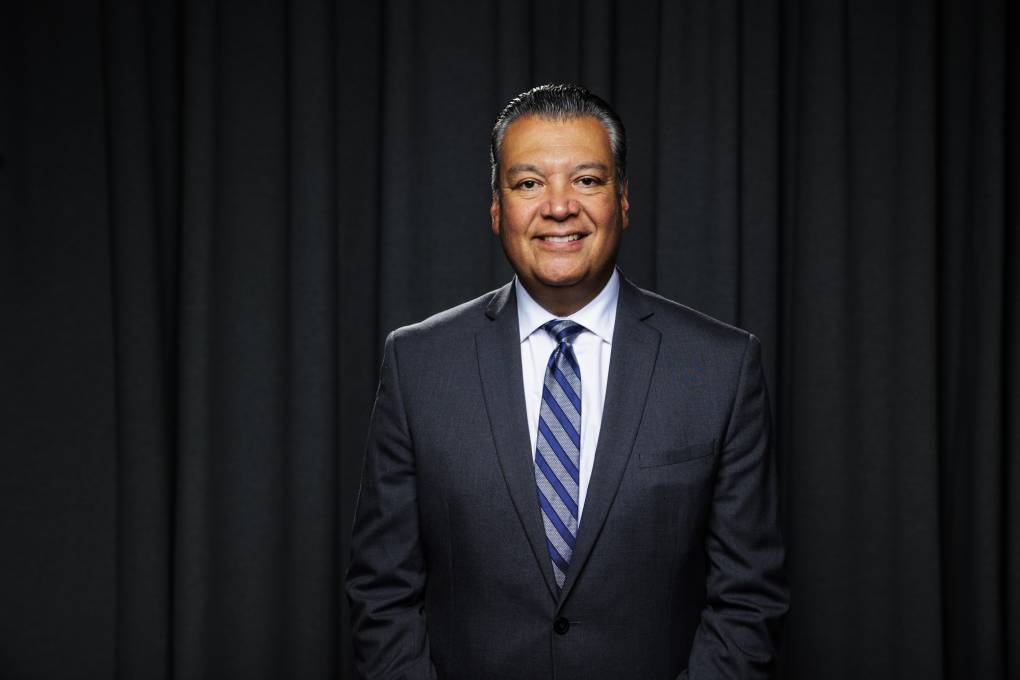
"caption": "Sen. Alex Padilla at KQED Headquarters in San Francisco on June 26, 2024.",
"credit": "Martin do Nascimento/KQED",
"altTag": null,
"description": null,
"imgSizes": {
"medium": {
"file": "https://cdn.kqed.org/wp-content/uploads/sites/10/2024/06/240626-ALEX-PADILLA-ON-PB-MD-01-KQED-800x533.jpg",
"width": 800,
"height": 533,
"mimeType": "image/jpeg"
},
"large": {
"file": "https://cdn.kqed.org/wp-content/uploads/sites/10/2024/06/240626-ALEX-PADILLA-ON-PB-MD-01-KQED-1020x680.jpg",
"width": 1020,
"height": 680,
"mimeType": "image/jpeg"
},
"thumbnail": {
"file": "https://cdn.kqed.org/wp-content/uploads/sites/10/2024/06/240626-ALEX-PADILLA-ON-PB-MD-01-KQED-160x107.jpg",
"width": 160,
"height": 107,
"mimeType": "image/jpeg"
},
"1536x1536": {
"file": "https://cdn.kqed.org/wp-content/uploads/sites/10/2024/06/240626-ALEX-PADILLA-ON-PB-MD-01-KQED-1536x1024.jpg",
"width": 1536,
"height": 1024,
"mimeType": "image/jpeg"
},
"post-thumbnail": {
"file": "https://cdn.kqed.org/wp-content/uploads/sites/10/2024/06/240626-ALEX-PADILLA-ON-PB-MD-01-KQED-672x372.jpg",
"width": 672,
"height": 372,
"mimeType": "image/jpeg"
},
"twentyfourteen-full-width": {
"file": "https://cdn.kqed.org/wp-content/uploads/sites/10/2024/06/240626-ALEX-PADILLA-ON-PB-MD-01-KQED-1038x576.jpg",
"width": 1038,
"height": 576,
"mimeType": "image/jpeg"
},
"full-width": {
"file": "https://cdn.kqed.org/wp-content/uploads/sites/10/2024/06/240626-ALEX-PADILLA-ON-PB-MD-01-KQED-1920x1280.jpg",
"width": 1920,
"height": 1280,
"mimeType": "image/jpeg"
},
"kqedFullSize": {
"file": "https://cdn.kqed.org/wp-content/uploads/sites/10/2024/06/240626-ALEX-PADILLA-ON-PB-MD-01-KQED.jpg?ver=1719449828",
"width": 2000,
"height": 1333
}
},
"isLoading": false,
"fetchFailed": false
}
},
"audioPlayerReducer": {
"postId": "stream_live",
"isPaused": true,
"isPlaying": false,
"pfsActive": false,
"pledgeModalIsOpen": true,
"playerDrawerIsOpen": false,
"liveAudioPlayStartedAt": 0,
"liveAudioPlayContext": ""
},
"authorsReducer": {
"byline_news_11999292": {
"type": "authors",
"id": "byline_news_11999292",
"meta": {
"override": true
},
"slug": "byline_news_11999292",
"name": "Levi Bridges",
"isLoading": false
},
"byline_news_11998859": {
"type": "authors",
"id": "byline_news_11998859",
"meta": {
"override": true
},
"slug": "byline_news_11998859",
"name": "\u003ca href=\"https://inewsource.org/author/sofiamejias/\">Sofia Mejias-Pascoe\u003c/a>, inewsource",
"isLoading": false
},
"byline_news_11998614": {
"type": "authors",
"id": "byline_news_11998614",
"meta": {
"override": true
},
"slug": "byline_news_11998614",
"name": "Vanessa G. Sánchez, KFF Health News ",
"isLoading": false
},
"byline_news_11997911": {
"type": "authors",
"id": "byline_news_11997911",
"meta": {
"override": true
},
"slug": "byline_news_11997911",
"name": "Zaidee Stavely, EdSource",
"isLoading": false
},
"byline_news_11996924": {
"type": "authors",
"id": "byline_news_11996924",
"meta": {
"override": true
},
"slug": "byline_news_11996924",
"name": "\u003ca href=\"https://www.eltimpano.org/author/cgaribay/\">Cassandra Garibay\u003c/a> and \u003ca href=\"https://www.eltimpano.org/author/hiram/\">Hiram Durán\u003c/a>, El Tímpano",
"isLoading": false
},
"scottshafer": {
"type": "authors",
"id": "255",
"meta": {
"index": "authors_1716337520",
"id": "255",
"found": true
},
"name": "Scott Shafer",
"firstName": "Scott",
"lastName": "Shafer",
"slug": "scottshafer",
"email": "sshafer@kqed.org",
"display_author_email": false,
"staff_mastheads": [
"news"
],
"title": "KQED Contributor",
"bio": "Scott Shafer is a senior editor with the KQED Politics and Government desk. He is co-host of Political Breakdown, the award-winning radio show and podcast with a personal take on the world of politics. Scott came to KQED in 1998 to host the statewide\u003cem> California Report\u003c/em>. Prior to that he had extended stints in politics and government\u003cem>.\u003c/em> He uses that inside experience at KQED in his, reporting, hosting and analysis for the politics desk. Scott collaborated \u003cem>Political Breakdown a\u003c/em>nd on \u003cem>The Political Mind of Jerry Brown, \u003c/em>an eight-part series about the life and extraordinary political career of the former governor. For fun, he plays water polo with the San Francisco Tsunami.",
"avatar": "https://secure.gravatar.com/avatar/a62ebae45b79d7aed1a39a0e3bf68104?s=600&d=blank&r=g",
"twitter": "scottshafer",
"bluesky": null,
"facebook": null,
"instagram": null,
"linkedin": null,
"sites": [
{
"site": "news",
"roles": [
"editor"
]
},
{
"site": "stateofhealth",
"roles": [
"author"
]
},
{
"site": "science",
"roles": [
"author"
]
},
{
"site": "forum",
"roles": [
"subscriber"
]
},
{
"site": "liveblog",
"roles": [
"author"
]
}
],
"headData": {
"title": "Scott Shafer | KQED",
"description": "KQED Contributor",
"ogImgSrc": "https://secure.gravatar.com/avatar/a62ebae45b79d7aed1a39a0e3bf68104?s=600&d=blank&r=g",
"twImgSrc": "https://secure.gravatar.com/avatar/a62ebae45b79d7aed1a39a0e3bf68104?s=600&d=blank&r=g"
},
"isLoading": false,
"link": "/author/scottshafer"
},
"tychehendricks": {
"type": "authors",
"id": "259",
"meta": {
"index": "authors_1716337520",
"id": "259",
"found": true
},
"name": "Tyche Hendricks",
"firstName": "Tyche",
"lastName": "Hendricks",
"slug": "tychehendricks",
"email": "thendricks@kqed.org",
"display_author_email": true,
"staff_mastheads": [
"news"
],
"title": "KQED Senior Editor, Immigration",
"bio": "\u003cspan style=\"font-weight: 400;\">Tyche Hendricks is KQED’s senior editor for immigration, leading coverage of the policy and politics that affect California’s immigrant communities. Her work for KQED’s radio and online audiences is also carried on NPR and other national outlets. She has been recognized with awards from the Radio and Television News Directors Association, the Society for Professional Journalists; the Education Writers Association; the Best of the West and the National Federation of Community Broadcasters. Before joining KQED in 2010, Tyche spent more than a dozen years as a newspaper reporter, notably at the \u003c/span>\u003ci>\u003cspan style=\"font-weight: 400;\">San Francisco Chronicle\u003c/span>\u003c/i>\u003cspan style=\"font-weight: 400;\">. At different times she has covered criminal justice, government and politics and urban planning. Tyche has taught in the MFA Creative Writing program at the University of San Francisco and at UC Berkeley’s Graduate School of Journalism, where she was co-director of a national immigration symposium for professional journalists. She is the author of \u003c/span>\u003ci>\u003cspan style=\"font-weight: 400;\">The Wind Doesn't Need a Passport: Stories from the U.S.-Mexico Borderlands\u003c/span>\u003c/i>\u003cspan style=\"font-weight: 400;\"> (University of California Press). \u003c/span>",
"avatar": "https://secure.gravatar.com/avatar/b8ee458e2731c2d43df86882ce17267e?s=600&d=blank&r=g",
"twitter": "tychehendricks",
"facebook": null,
"instagram": null,
"linkedin": null,
"sites": [
{
"site": "news",
"roles": [
"editor"
]
},
{
"site": "stateofhealth",
"roles": [
"editor"
]
}
],
"headData": {
"title": "Tyche Hendricks | KQED",
"description": "KQED Senior Editor, Immigration",
"ogImgSrc": "https://secure.gravatar.com/avatar/b8ee458e2731c2d43df86882ce17267e?s=600&d=blank&r=g",
"twImgSrc": "https://secure.gravatar.com/avatar/b8ee458e2731c2d43df86882ce17267e?s=600&d=blank&r=g"
},
"isLoading": false,
"link": "/author/tychehendricks"
},
"mlagos": {
"type": "authors",
"id": "3239",
"meta": {
"index": "authors_1716337520",
"id": "3239",
"found": true
},
"name": "Marisa Lagos",
"firstName": "Marisa",
"lastName": "Lagos",
"slug": "mlagos",
"email": "mlagos@kqed.org",
"display_author_email": false,
"staff_mastheads": [
"news"
],
"title": "KQED Contributor",
"bio": "Marisa Lagos is a correspondent for KQED’s California Politics and Government Desk and co-hosts the award-winning show and podcast, Political Breakdown. At KQED, Lagos also conducts reporting, analysis and investigations into state, local and national politics for radio, TV, online and onstage. In 2022, she and co-host, Scott Shafer, moderated the only gubernatorial debate in California. In 2020, the \u003ci>Washington Post\u003c/i> named her one of the top political journalists in California; she was nominated for a Peabody and won several other awards for her work investigating the 2017 California wildfires. She has worked at the \u003ci>San Francisco Chronicle\u003c/i>, \u003ci>San Francisco Examiner\u003c/i> and \u003ci>Los Angeles Times\u003c/i>. A UC Santa Barbara graduate, she lives in San Francisco with her two sons and husband.",
"avatar": "https://secure.gravatar.com/avatar/a261a0d3696fc066871ef96b85b5e7d2?s=600&d=blank&r=g",
"twitter": "@mlagos",
"facebook": null,
"instagram": null,
"linkedin": null,
"sites": [
{
"site": "arts",
"roles": [
"author"
]
},
{
"site": "news",
"roles": [
"editor"
]
},
{
"site": "science",
"roles": [
"editor"
]
},
{
"site": "forum",
"roles": [
"author"
]
},
{
"site": "liveblog",
"roles": [
"author"
]
}
],
"headData": {
"title": "Marisa Lagos | KQED",
"description": "KQED Contributor",
"ogImgSrc": "https://secure.gravatar.com/avatar/a261a0d3696fc066871ef96b85b5e7d2?s=600&d=blank&r=g",
"twImgSrc": "https://secure.gravatar.com/avatar/a261a0d3696fc066871ef96b85b5e7d2?s=600&d=blank&r=g"
},
"isLoading": false,
"link": "/author/mlagos"
},
"fjhabvala": {
"type": "authors",
"id": "8659",
"meta": {
"index": "authors_1716337520",
"id": "8659",
"found": true
},
"name": "Farida Jhabvala Romero",
"firstName": "Farida",
"lastName": "Jhabvala Romero",
"slug": "fjhabvala",
"email": "fjhabvala@kqed.org",
"display_author_email": true,
"staff_mastheads": [
"news"
],
"title": "KQED Contributor",
"bio": "\u003cspan style=\"font-weight: 400;\">Farida Jhabvala Romero is a Labor Correspondent for KQED. She previously covered immigration. Farida was \u003ca href=\"https://www.ccnma.org/2022-most-influential-latina-journalists\">named\u003c/a> one of the 10 Most Influential Latina Journalists in California in 2022 by the California Chicano News Media Association. Her work has won awards from the Society of Professional Journalists (Northern California), as well as a national and regional Edward M. Murrow Award for the collaborative reporting projects “Dangerous Air” and “Graying California.” \u003c/span>\u003cspan style=\"font-weight: 400;\">Before joining KQED, Farida worked as a producer at Radio Bilingüe, a national public radio network. Farida earned her master’s degree in journalism from Stanford University.\u003c/span>",
"avatar": "https://secure.gravatar.com/avatar/c3ab27c5554b67b478f80971e515aa02?s=600&d=blank&r=g",
"twitter": "FaridaJhabvala",
"facebook": null,
"instagram": null,
"linkedin": "https://www.linkedin.com/in/faridajhabvala/",
"sites": [
{
"site": "news",
"roles": [
"editor"
]
},
{
"site": "stateofhealth",
"roles": [
"author"
]
}
],
"headData": {
"title": "Farida Jhabvala Romero | KQED",
"description": "KQED Contributor",
"ogImgSrc": "https://secure.gravatar.com/avatar/c3ab27c5554b67b478f80971e515aa02?s=600&d=blank&r=g",
"twImgSrc": "https://secure.gravatar.com/avatar/c3ab27c5554b67b478f80971e515aa02?s=600&d=blank&r=g"
},
"isLoading": false,
"link": "/author/fjhabvala"
},
"kmizuguchi": {
"type": "authors",
"id": "11739",
"meta": {
"index": "authors_1716337520",
"id": "11739",
"found": true
},
"name": "Keith Mizuguchi",
"firstName": "Keith",
"lastName": "Mizuguchi",
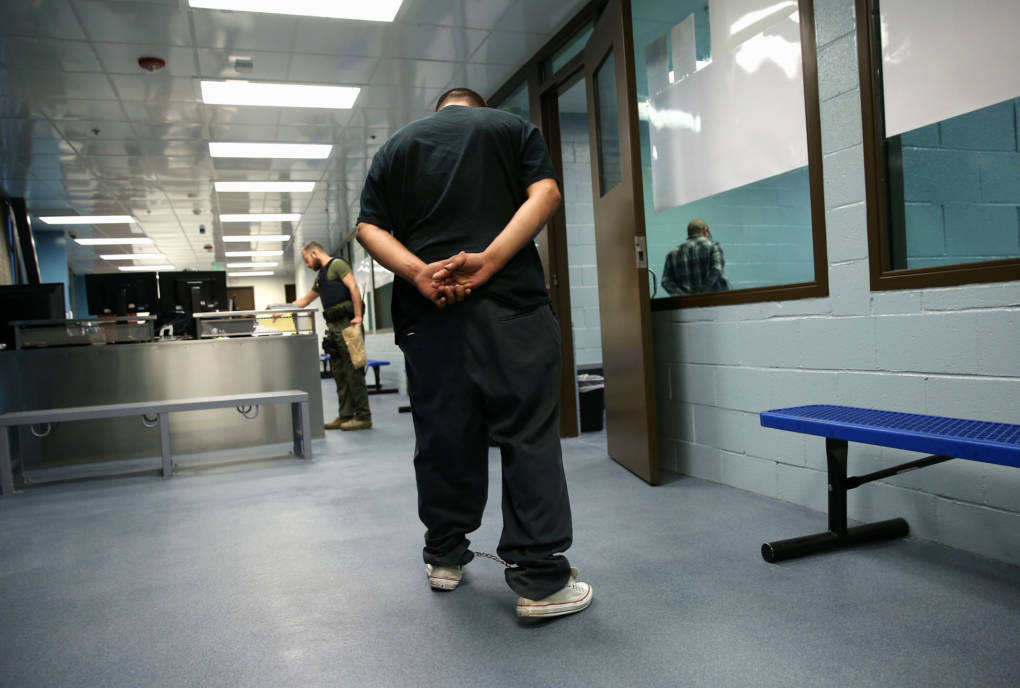
"slug": "kmizuguchi",
"email": "kmizuguchi@kqed.org",
"display_author_email": false,
"staff_mastheads": [],
"title": "KQED Contributor",
"bio": null,
"avatar": "https://secure.gravatar.com/avatar/64d8a7de0723d4099b9fe4e915136103febcc20809abce228ee4415bcb237023?s=600&d=blank&r=g",
"twitter": null,
"bluesky": null,
"facebook": null,
"instagram": null,
"linkedin": null,
"sites": [
{
"site": "news",
"roles": [
"editor"
]
},
{
"site": "science",
"roles": [
"editor"
]
}
],
"headData": {
"title": "Keith Mizuguchi | KQED",
"description": "KQED Contributor",
"ogImgSrc": "https://secure.gravatar.com/avatar/64d8a7de0723d4099b9fe4e915136103febcc20809abce228ee4415bcb237023?s=600&d=blank&r=g",
"twImgSrc": "https://secure.gravatar.com/avatar/64d8a7de0723d4099b9fe4e915136103febcc20809abce228ee4415bcb237023?s=600&d=blank&r=g"
},
"isLoading": false,
"link": "/author/kmizuguchi"
}
},
"pagesReducer": {
"news_tag_immigration": {
"type": "terms",
"id": "news_20202",
"meta": {
"index": "terms_1716263798",
"site": "news",
"id": "20202",
"score": 6.90447
},
"featImg": null,
"name": "immigration",
"description": null,
"taxonomy": "tag",
"headData": {
"twImgId": null,
"twTitle": null,
"ogTitle": null,
"ogImgId": null,
"twDescription": null,
"description": null,
"title": "immigration Archives | KQED News",
"ogDescription": null
},
"ttid": 20219,
"slug": "immigration",
"isLoading": false,
"title": "immigration",
"pageMeta": {
"site": "news",
"WpPageTemplate": "page-topic-editorial",
"currentPage": 41
},
"blocks": [
{
"blockName": "kqed/post-list",
"attrs": {
"layout": "cardArticle2",
"query": "posts/news?tag=immigration",
"seeMore": false,
"paginated": true,
"page": 41
}
},
{
"blockName": "kqed/ad"
}
]
}
},
"pfsSessionReducer": {},
"postsReducer": {
"stream_live": {
"type": "live",
"id": "stream_live",
"audioUrl": "https://streams.kqed.org/kqedradio",
"title": "Live Stream",
"excerpt": "Live Stream information currently unavailable.",
"link": "/radio",
"featImg": "",
"label": {
"name": "KQED Live",
"link": "/"
}
},
"stream_kqedNewscast": {
"type": "posts",
"id": "stream_kqedNewscast",
"audioUrl": "https://www.kqed.org/.stream/anon/radio/RDnews/newscast.mp3?_=1",
"title": "KQED Newscast",
"featImg": "",
"label": {
"name": "88.5 FM",
"link": "/"
}
},
"news_11999721": {
"type": "posts",
"id": "news_11999721",
"meta": {
"index": "posts_1716263798",
"site": "news",
"id": "11999721",
"score": null,
"sort": [
1723298704000
]
},
"guestAuthors": [],
"slug": "as-republicans-attack-harris-on-immigration-heres-what-her-california-record-reveals",
"title": "As Republicans Attack Harris on Immigration, Here’s What Her California Record Reveals",
"publishDate": 1723298704,
"format": "standard",
"headTitle": "As Republicans Attack Harris on Immigration, Here’s What Her California Record Reveals | KQED",
"labelTerm": {},
"content": "\u003cp>With the Biden administration facing \u003ca href=\"https://news.gallup.com/poll/610322/immigration-leads-reasons-biden-detractors-disapprove.aspx\">low approval ratings on immigration\u003c/a>, and Republicans blaming Democratic presidential nominee Kamala Harris for what they call a “border \u003ca href=\"https://www.donaldjtrump.com/news/ca8d0dd5-2f4b-417b-8ed2-9d42b89f5946\">invasion\u003c/a>,” Harris is pushing back, \u003ca href=\"https://www.youtube.com/watch?v=hamD7RueuvA\">spotlighting\u003c/a> in campaign ads and speeches what she says is her history of tough border enforcement.\u003c/p>\n\u003cp>But a look at Harris’ record as a public official in California — the state with the largest number and share of immigrants — finds a more nuanced picture. Longtime political observers say her experience as the daughter of immigrants has intertwined with her career as a prosecutor to form a pattern: pro-immigration but tough in enforcing the law.\u003c/p>\n\u003cp>Dan Morain, a California political reporter who wrote a 2021 \u003ca href=\"https://www.simonandschuster.com/books/Kamalas-Way/Dan-Morain/9781982175771\">biography of Harris\u003c/a>, says her parents took her to their respective home countries of India and Jamaica, where she learned about her roots. And, as high-achieving scholars committed to civil rights, her parents embodied a belief that, with persistence, in America great things are possible.\u003c/p>\n\u003cp>With immigration at the core of her own life experience, Harris has a history of supporting immigrant communities and legislation that would provide a path to citizenship for undocumented immigrants. But her work in California, including as the state’s attorney general, provides her with opportunities to also tout law enforcement measures she’s taken on the issue. [ad fullwidth]\u003c/p>\n\u003ch3>Harris as DA and AG\u003c/h3>\n\u003cp>As San Francisco district attorney from 2004 to 2010, Harris \u003ca href=\"https://www.sfgate.com/bayarea/article/SAN-FRANCISCO-Unlicensed-contractor-charged-in-2570411.php\">went after abusive employers\u003c/a> shortchanging immigrant workers. And she encouraged immigrant communities to feel safe dealing with law enforcement.\u003c/p>\n\u003cp>But she also \u003ca href=\"https://www.sfgate.com/news/article/ILLEGALS-CALLED-COURT-S-PROBLEM-3206302.php\">favored turning over juvenile immigrants\u003c/a> arrested for crimes to immigration agents, \u003ca href=\"https://www.cnn.com/2019/02/11/politics/kfile-kamala-harris-undocumented-juveniles/index.html\">bucking the San Francisco Board of Supervisors\u003c/a> on how to apply the city’s \u003ca href=\"https://www.sf.gov/information/sanctuary-city-ordinance\">sanctuary ordinance\u003c/a>, which restricted cooperation with federal immigration enforcement.\u003c/p>\n\u003cp>“That she would take a dim view of people who break the law is in keeping with who she was,” Morain said. “I mean, she’s a prosecutor. That’s what her job was.”\u003c/p>\n\u003cp>As California’s attorney general from 2011 to 2016, Harris brought that forceful approach to \u003ca href=\"https://oag.ca.gov/news/press-releases/attorney-general-kamala-d-harris-issues-comprehensive-report-transnational\">tackling cross-border crime\u003c/a>. At a presidential campaign rally in Atlanta last month, Harris spotlighted that work.\u003c/p>\n\u003cp>“I went after transnational gangs, drug cartels and human traffickers that came into our country illegally,” she said. “I prosecuted them in case after case, and I won.”\u003c/p>\n\u003cp>Sonja Diaz worked as policy counsel on the attorney general’s executive staff in those days. She says she saw Harris make that a particular focus.\u003c/p>\n\u003cp>“She did a lot of work to address the proliferation of transnational criminal organizations, not just with respect to drugs, but also the issue of human trafficking\u003cem>,\u003c/em>” she said.\u003c/p>\n\u003cp>Harris built ties with her law enforcement counterparts in Mexico and El Salvador, added Diaz, who now runs a UCLA research lab focused on Latinas.\u003c/p>\n\u003cp>“To do this type of work necessitated partnerships and bilateral relationships that could really move the needle,” she said.\u003c/p>\n\u003cfigure class=\"wp-block-image size-large\">\n\u003cfigure class=\"wp-caption alignnone\" style=\"max-width: 1200px\">\u003cimg loading=\"lazy\" decoding=\"async\" src=\"https://npr.brightspotcdn.com/dims3/default/strip/false/crop/2193x1234+0+45/resize/1200/quality/75/format/jpeg/?url=http%3A%2F%2Fnpr-brightspot.s3.amazonaws.com%2Fa1%2Fe0%2Fefd82a064a9096fe25770a28b155%2Fap24216054883839.jpg\" alt=\"Then-California Attorney General Kamala Harris gives a news conference in Los Angeles on Nov. 30, 2010.\" width=\"1200\" height=\"675\">\u003cfigcaption class=\"wp-caption-text\">Then-California Attorney General Kamala Harris gives a news conference in Los Angeles on Nov. 30, 2010. (Damian Dovarganes/AP)\u003c/figcaption>\u003c/figure>\n\u003c/figure>\n\u003cp>But when thousands of unaccompanied children began arriving at the border in 2014, she led with humanity, says Diaz. Harris \u003ca href=\"https://oag.ca.gov/news/press-releases/attorney-general-kamala-d-harris-convenes-immigration-advocates-law-firms\">convened\u003c/a> government, philanthropy, nonprofits and corporate law firms, securing tens of millions of dollars so children going into immigration court alone had lawyers.\u003c/p>\n\u003cp>“The way that she acted was … to identify how we as Californians under her leadership could start to fill the holes in access to justice and representation for these kids,” Diaz said.\u003c/p>\n\u003ch3>“She has stood with us in our worst moments”\u003c/h3>\n\u003cp>On Capitol Hill last month, advocates rallied for \u003ca href=\"https://lofgren.house.gov/media/press-releases/leading-immigrant-rights-representatives-reintroduce-registry-bill-provide-path\">a bill that would offer a path to citizenship\u003c/a> to long-term undocumented immigrants. At the rally, Angelica Salas, who runs the Coalition for Humane Immigrant Rights of Los Angeles, known as CHIRLA, said she and other advocates are energized to have Harris at the top of the Democratic ticket.\u003c/p>\n\u003cp>“We know her,” she said. “She comes from California, so she knows the immigrant community. She has stood with us in our worst moments.”\u003c/p>\n\u003cp>When Donald Trump became president in 2017 and Harris was a new U.S. senator, Salas said Harris met with CHIRLA members, reassuring undocumented immigrants fearful of Trump’s threats of mass deportation that she would fight for them. She also \u003ca href=\"https://thehill.com/homenews/campaign/448196-harris-unveils-plan-to-provide-dreamers-a-pathway-to-citizenship/\">stood with Dreamers\u003c/a>, young undocumented immigrants brought to the U.S. as children, when Trump tried to end the Deferred Action for Childhood Arrivals program.\u003c/p>\n\u003cp>And Salas says Harris \u003ca href=\"https://thehill.com/homenews/senate/393742-kamala-harris-trump-treatment-of-migrants-is-a-crime-against-humanity/\">did more than speak out\u003c/a> when the Trump administration separated children from migrant parents at the border.\u003c/p>\n\u003cp>“She went to detention centers to talk to the mothers whose children had been taken away from them,” she said. “So we have incredible faith that she will be an incredible champion for our families.”\u003c/p>\n\u003ch3>The Biden-Harris administration struggles with migration\u003c/h3>\n\u003cp>Now in the White House, Harris has had to wrestle with immigration from another standpoint.\u003c/p>\n\u003cp>She’s part of a Biden administration that has been confronted with record numbers of international migrants arriving at the U.S.-Mexico border and attempting to enter the country illegally, often to request asylum. Border enforcement and asylum adjudication agencies have been swamped.\u003c/p>\n\u003cfigure class=\"wp-block-embed npr-promo-card insettwocolumn\">\n\u003cdiv class=\"wp-block-embed__wrapper\">\u003c/div>\n\u003c/figure>\n\u003cp>In 2021, President Biden tasked Harris with addressing the “root causes” of migration from three Central American countries that were then the source of most unauthorized migration — a role that Republicans have falsely dubbed “border czar.” Analysts say Harris made some headway on business investment to create jobs, and on promoting the rule of law, but the results of such efforts could be many years in the future.\u003c/p>\n\u003cp>To bring down the number of unauthorized border crossings more immediately, the Biden administration has \u003ca href=\"https://www.whitehouse.gov/briefing-room/statements-releases/2024/06/04/fact-sheet-president-biden-announces-new-actions-to-secure-the-border/\">restricted access to asylum\u003c/a>, among other measures.\u003c/p>\n\u003cp>Harris joined Biden in calling on Congress to pass a \u003ca href=\"https://www.whitehouse.gov/briefing-room/statements-releases/2024/02/29/fact-sheet-impact-of-bipartisan-border-agreement-funding-on-border-operations/\">bipartisan bill\u003c/a>, hammered out early this year, that would pour more resources into the Border Patrol and immigration courts, and allow the government to summarily expel people without hearing asylum claims if border encounters reach a certain level. Harris has slammed Trump for \u003ca href=\"https://www.cnn.com/2024/02/07/politics/senate-border-ukraine-israel-aid-vote/index.html\">undercutting Republican support\u003c/a> and tanking the bill’s chances of passage.\u003c/p>\n\u003cp>In response to these policies, many immigrant rights groups have \u003ca href=\"https://www.nilc.org/2024/06/04/nilc-statement-on-bidens-executive-action-on-the-border/\">sharply criticized Biden\u003c/a> for what they say are moves that override the legal right to ask for protection from persecution. But so far, they’re not attacking Harris in the same way.[aside tag=\"kamala-harris, election\" label=\"More Related Stories\"]\u003c/p>\n\u003cp>Political observers say that may be because — with the November election approaching — advocates recognize the alternative to a Harris presidency is a return to Trump’s hard-line policies.\u003c/p>\n\u003ch3>“We’ll see if that works as a political message”\u003c/h3>\n\u003cp>Though three-quarters of Americans say they believe the border is either a crisis or a major problem, according to a \u003ca href=\"https://news.gallup.com/poll/647123/sharply-americans-curb-immigration.aspx#:~:text=Americans'%20Preferences%20for%20Immigration%20to%20the%20U.S.&text=Trend%20from%201965%20to%202024,highest%20since%2058%25%20in%202001.\">recent Gallup poll\u003c/a>, two-thirds say immigration is good for the country and vast majorities back an earned path to citizenship for undocumented immigrants, especially Dreamers.\u003c/p>\n\u003cp>Andrew Selee, president of the nonpartisan Migration Policy Institute in Washington, D.C., says that is the backdrop to a presidential election that offers starkly diverging approaches to immigration.\u003c/p>\n\u003cp>“We’ve seen the Trump campaign lean into the idea that immigration is bad for the country,” he said. “But actually, most Americans don’t believe that. They’re worried about the border, which is a specific part of the immigration debate.”\u003c/p>\n\u003cp>Selee predicts Harris will try to look for the middle ground, bringing together the two sides of her own life experience.\u003c/p>\n\u003cp>“We’re going to see Vice President Harris talk about immigration as a good thing for the country, because she’s the child of two immigrants, and she understands how important it is for America’s future. And at the same time [she’ll] talk like a prosecutor when she’s talking about the border, specifically,” he said. “We’ll see if that works as a political message.”\u003c/p>\n\u003cp>[ad floatright]\u003c/p>\n",
"blocks": [],
"excerpt": "Political observers say Kamala Harris' experience as the daughter of immigrants has intertwined with her career as a prosecutor to form a pattern: pro-immigration but tough in enforcing the law.",
"status": "publish",
"parent": 0,
"modified": 1724269635,
"stats": {
"hasAudio": false,
"hasVideo": false,
"hasChartOrMap": false,
"iframeSrcs": [],
"hasGoogleForm": false,
"hasGallery": false,
"hasHearkenModule": false,
"hasPolis": false,
"paragraphCount": 33,
"wordCount": 1379
},
"headData": {
"title": "As Republicans Attack Harris on Immigration, Here’s What Her California Record Reveals | KQED",
"description": "Political observers say Kamala Harris' experience as the daughter of immigrants has intertwined with her career as a prosecutor to form a pattern: pro-immigration but tough in enforcing the law.",
"ogTitle": "",
"ogDescription": "",
"ogImgId": "",
"twTitle": "",
"twDescription": "",
"twImgId": "",
"schema": {
"@context": "https://schema.org",
"@type": "NewsArticle",
"headline": "As Republicans Attack Harris on Immigration, Here’s What Her California Record Reveals",
"datePublished": "2024-08-10T07:05:04-07:00",
"dateModified": "2024-08-21T12:47:15-07:00",
"image": "https://cdn.kqed.org/wp-content/uploads/2020/02/KQED-OG-Image@1x.png",
"isAccessibleForFree": "True",
"publisher": {
"@type": "NewsMediaOrganization",
"@id": "https://www.kqed.org/#organization",
"name": "KQED",
"logo": "https://cdn.kqed.org/wp-content/uploads/2020/02/KQED-OG-Image@1x.png",
"url": "https://www.kqed.org",
"sameAs": [
"https://www.facebook.com/KQED",
"https://twitter.com/KQED",
"https://www.instagram.com/kqed/",
"https://www.tiktok.com/@kqedofficial",
"https://www.linkedin.com/company/kqed",
"https://www.youtube.com/channel/UCeC0IOo7i1P_61zVUWbJ4nw"
]
}
}
},
"source": "NPR",
"sourceUrl": "https://www.npr.org/2024/08/10/nx-s1-5061760/kamala-harris-immigration-record-california",
"sticky": false,
"nprStoryId": "nx-s1-5061760",
"nprHtmlLink": "https://www.npr.org/2024/08/10/nx-s1-5061760/kamala-harris-immigration-record-california",
"nprRetrievedStory": "1",
"nprPubDate": "2024-08-10T05:00:00-04:00",
"nprStoryDate": "2024-08-10T05:00:00-04:00",
"nprLastModifiedDate": "2024-08-10T08:49:59.319-04:00",
"nprAudio": "https://ondemand.npr.org/anon.npr-mp3/npr/wesat/2024/08/20240810_wesat_harris_immigration_record.mp3?size=4280365&d=267475&e=nx-s1-5061760",
"excludeFromSiteSearch": "Include",
"showOnAuthorArchivePages": "No",
"articleAge": "0",
"path": "/news/11999721/as-republicans-attack-harris-on-immigration-heres-what-her-california-record-reveals",
"audioUrl": "https://ondemand.npr.org/anon.npr-mp3/npr/wesat/2024/08/20240810_wesat_harris_immigration_record.mp3?size=4280365&d=267475&e=nx-s1-5061760",
"audioTrackLength": null,
"parsedContent": [
{
"type": "contentString",
"content": "\u003cdiv class=\"post-body\">\u003cp>\u003cp>With the Biden administration facing \u003ca href=\"https://news.gallup.com/poll/610322/immigration-leads-reasons-biden-detractors-disapprove.aspx\">low approval ratings on immigration\u003c/a>, and Republicans blaming Democratic presidential nominee Kamala Harris for what they call a “border \u003ca href=\"https://www.donaldjtrump.com/news/ca8d0dd5-2f4b-417b-8ed2-9d42b89f5946\">invasion\u003c/a>,” Harris is pushing back, \u003ca href=\"https://www.youtube.com/watch?v=hamD7RueuvA\">spotlighting\u003c/a> in campaign ads and speeches what she says is her history of tough border enforcement.\u003c/p>\n\u003cp>But a look at Harris’ record as a public official in California — the state with the largest number and share of immigrants — finds a more nuanced picture. Longtime political observers say her experience as the daughter of immigrants has intertwined with her career as a prosecutor to form a pattern: pro-immigration but tough in enforcing the law.\u003c/p>\n\u003cp>Dan Morain, a California political reporter who wrote a 2021 \u003ca href=\"https://www.simonandschuster.com/books/Kamalas-Way/Dan-Morain/9781982175771\">biography of Harris\u003c/a>, says her parents took her to their respective home countries of India and Jamaica, where she learned about her roots. And, as high-achieving scholars committed to civil rights, her parents embodied a belief that, with persistence, in America great things are possible.\u003c/p>\n\u003cp>With immigration at the core of her own life experience, Harris has a history of supporting immigrant communities and legislation that would provide a path to citizenship for undocumented immigrants. But her work in California, including as the state’s attorney general, provides her with opportunities to also tout law enforcement measures she’s taken on the issue. \u003c/p>\u003c/div>",
"attributes": {
"named": {},
"numeric": []
}
},
{
"type": "component",
"content": "",
"name": "ad",
"attributes": {
"named": {
"label": "fullwidth"
},
"numeric": [
"fullwidth"
]
}
},
{
"type": "contentString",
"content": "\u003cdiv class=\"post-body\">\u003cp>\u003c/p>\n\u003ch3>Harris as DA and AG\u003c/h3>\n\u003cp>As San Francisco district attorney from 2004 to 2010, Harris \u003ca href=\"https://www.sfgate.com/bayarea/article/SAN-FRANCISCO-Unlicensed-contractor-charged-in-2570411.php\">went after abusive employers\u003c/a> shortchanging immigrant workers. And she encouraged immigrant communities to feel safe dealing with law enforcement.\u003c/p>\n\u003cp>But she also \u003ca href=\"https://www.sfgate.com/news/article/ILLEGALS-CALLED-COURT-S-PROBLEM-3206302.php\">favored turning over juvenile immigrants\u003c/a> arrested for crimes to immigration agents, \u003ca href=\"https://www.cnn.com/2019/02/11/politics/kfile-kamala-harris-undocumented-juveniles/index.html\">bucking the San Francisco Board of Supervisors\u003c/a> on how to apply the city’s \u003ca href=\"https://www.sf.gov/information/sanctuary-city-ordinance\">sanctuary ordinance\u003c/a>, which restricted cooperation with federal immigration enforcement.\u003c/p>\n\u003cp>“That she would take a dim view of people who break the law is in keeping with who she was,” Morain said. “I mean, she’s a prosecutor. That’s what her job was.”\u003c/p>\n\u003cp>As California’s attorney general from 2011 to 2016, Harris brought that forceful approach to \u003ca href=\"https://oag.ca.gov/news/press-releases/attorney-general-kamala-d-harris-issues-comprehensive-report-transnational\">tackling cross-border crime\u003c/a>. At a presidential campaign rally in Atlanta last month, Harris spotlighted that work.\u003c/p>\n\u003cp>“I went after transnational gangs, drug cartels and human traffickers that came into our country illegally,” she said. “I prosecuted them in case after case, and I won.”\u003c/p>\n\u003cp>Sonja Diaz worked as policy counsel on the attorney general’s executive staff in those days. She says she saw Harris make that a particular focus.\u003c/p>\n\u003cp>“She did a lot of work to address the proliferation of transnational criminal organizations, not just with respect to drugs, but also the issue of human trafficking\u003cem>,\u003c/em>” she said.\u003c/p>\n\u003cp>Harris built ties with her law enforcement counterparts in Mexico and El Salvador, added Diaz, who now runs a UCLA research lab focused on Latinas.\u003c/p>\n\u003cp>“To do this type of work necessitated partnerships and bilateral relationships that could really move the needle,” she said.\u003c/p>\n\u003cfigure class=\"wp-block-image size-large\">\n\u003cfigure class=\"wp-caption alignnone\" style=\"max-width: 1200px\">\u003cimg loading=\"lazy\" decoding=\"async\" src=\"https://npr.brightspotcdn.com/dims3/default/strip/false/crop/2193x1234+0+45/resize/1200/quality/75/format/jpeg/?url=http%3A%2F%2Fnpr-brightspot.s3.amazonaws.com%2Fa1%2Fe0%2Fefd82a064a9096fe25770a28b155%2Fap24216054883839.jpg\" alt=\"Then-California Attorney General Kamala Harris gives a news conference in Los Angeles on Nov. 30, 2010.\" width=\"1200\" height=\"675\">\u003cfigcaption class=\"wp-caption-text\">Then-California Attorney General Kamala Harris gives a news conference in Los Angeles on Nov. 30, 2010. (Damian Dovarganes/AP)\u003c/figcaption>\u003c/figure>\n\u003c/figure>\n\u003cp>But when thousands of unaccompanied children began arriving at the border in 2014, she led with humanity, says Diaz. Harris \u003ca href=\"https://oag.ca.gov/news/press-releases/attorney-general-kamala-d-harris-convenes-immigration-advocates-law-firms\">convened\u003c/a> government, philanthropy, nonprofits and corporate law firms, securing tens of millions of dollars so children going into immigration court alone had lawyers.\u003c/p>\n\u003cp>“The way that she acted was … to identify how we as Californians under her leadership could start to fill the holes in access to justice and representation for these kids,” Diaz said.\u003c/p>\n\u003ch3>“She has stood with us in our worst moments”\u003c/h3>\n\u003cp>On Capitol Hill last month, advocates rallied for \u003ca href=\"https://lofgren.house.gov/media/press-releases/leading-immigrant-rights-representatives-reintroduce-registry-bill-provide-path\">a bill that would offer a path to citizenship\u003c/a> to long-term undocumented immigrants. At the rally, Angelica Salas, who runs the Coalition for Humane Immigrant Rights of Los Angeles, known as CHIRLA, said she and other advocates are energized to have Harris at the top of the Democratic ticket.\u003c/p>\n\u003cp>“We know her,” she said. “She comes from California, so she knows the immigrant community. She has stood with us in our worst moments.”\u003c/p>\n\u003cp>When Donald Trump became president in 2017 and Harris was a new U.S. senator, Salas said Harris met with CHIRLA members, reassuring undocumented immigrants fearful of Trump’s threats of mass deportation that she would fight for them. She also \u003ca href=\"https://thehill.com/homenews/campaign/448196-harris-unveils-plan-to-provide-dreamers-a-pathway-to-citizenship/\">stood with Dreamers\u003c/a>, young undocumented immigrants brought to the U.S. as children, when Trump tried to end the Deferred Action for Childhood Arrivals program.\u003c/p>\n\u003cp>And Salas says Harris \u003ca href=\"https://thehill.com/homenews/senate/393742-kamala-harris-trump-treatment-of-migrants-is-a-crime-against-humanity/\">did more than speak out\u003c/a> when the Trump administration separated children from migrant parents at the border.\u003c/p>\n\u003cp>“She went to detention centers to talk to the mothers whose children had been taken away from them,” she said. “So we have incredible faith that she will be an incredible champion for our families.”\u003c/p>\n\u003ch3>The Biden-Harris administration struggles with migration\u003c/h3>\n\u003cp>Now in the White House, Harris has had to wrestle with immigration from another standpoint.\u003c/p>\n\u003cp>She’s part of a Biden administration that has been confronted with record numbers of international migrants arriving at the U.S.-Mexico border and attempting to enter the country illegally, often to request asylum. Border enforcement and asylum adjudication agencies have been swamped.\u003c/p>\n\u003cfigure class=\"wp-block-embed npr-promo-card insettwocolumn\">\n\u003cdiv class=\"wp-block-embed__wrapper\">\u003c/div>\n\u003c/figure>\n\u003cp>In 2021, President Biden tasked Harris with addressing the “root causes” of migration from three Central American countries that were then the source of most unauthorized migration — a role that Republicans have falsely dubbed “border czar.” Analysts say Harris made some headway on business investment to create jobs, and on promoting the rule of law, but the results of such efforts could be many years in the future.\u003c/p>\n\u003cp>To bring down the number of unauthorized border crossings more immediately, the Biden administration has \u003ca href=\"https://www.whitehouse.gov/briefing-room/statements-releases/2024/06/04/fact-sheet-president-biden-announces-new-actions-to-secure-the-border/\">restricted access to asylum\u003c/a>, among other measures.\u003c/p>\n\u003cp>Harris joined Biden in calling on Congress to pass a \u003ca href=\"https://www.whitehouse.gov/briefing-room/statements-releases/2024/02/29/fact-sheet-impact-of-bipartisan-border-agreement-funding-on-border-operations/\">bipartisan bill\u003c/a>, hammered out early this year, that would pour more resources into the Border Patrol and immigration courts, and allow the government to summarily expel people without hearing asylum claims if border encounters reach a certain level. Harris has slammed Trump for \u003ca href=\"https://www.cnn.com/2024/02/07/politics/senate-border-ukraine-israel-aid-vote/index.html\">undercutting Republican support\u003c/a> and tanking the bill’s chances of passage.\u003c/p>\n\u003cp>In response to these policies, many immigrant rights groups have \u003ca href=\"https://www.nilc.org/2024/06/04/nilc-statement-on-bidens-executive-action-on-the-border/\">sharply criticized Biden\u003c/a> for what they say are moves that override the legal right to ask for protection from persecution. But so far, they’re not attacking Harris in the same way.\u003c/p>\u003c/div>",
"attributes": {
"named": {},
"numeric": []
}
},
{
"type": "component",
"content": "",
"name": "aside",
"attributes": {
"named": {
"tag": "kamala-harris, election",
"label": "More Related Stories "
},
"numeric": []
}
},
{
"type": "contentString",
"content": "\u003cdiv class=\"post-body\">\u003cp>\u003c/p>\n\u003cp>Political observers say that may be because — with the November election approaching — advocates recognize the alternative to a Harris presidency is a return to Trump’s hard-line policies.\u003c/p>\n\u003ch3>“We’ll see if that works as a political message”\u003c/h3>\n\u003cp>Though three-quarters of Americans say they believe the border is either a crisis or a major problem, according to a \u003ca href=\"https://news.gallup.com/poll/647123/sharply-americans-curb-immigration.aspx#:~:text=Americans'%20Preferences%20for%20Immigration%20to%20the%20U.S.&text=Trend%20from%201965%20to%202024,highest%20since%2058%25%20in%202001.\">recent Gallup poll\u003c/a>, two-thirds say immigration is good for the country and vast majorities back an earned path to citizenship for undocumented immigrants, especially Dreamers.\u003c/p>\n\u003cp>Andrew Selee, president of the nonpartisan Migration Policy Institute in Washington, D.C., says that is the backdrop to a presidential election that offers starkly diverging approaches to immigration.\u003c/p>\n\u003cp>“We’ve seen the Trump campaign lean into the idea that immigration is bad for the country,” he said. “But actually, most Americans don’t believe that. They’re worried about the border, which is a specific part of the immigration debate.”\u003c/p>\n\u003cp>Selee predicts Harris will try to look for the middle ground, bringing together the two sides of her own life experience.\u003c/p>\n\u003cp>“We’re going to see Vice President Harris talk about immigration as a good thing for the country, because she’s the child of two immigrants, and she understands how important it is for America’s future. And at the same time [she’ll] talk like a prosecutor when she’s talking about the border, specifically,” he said. “We’ll see if that works as a political message.”\u003c/p>\n\u003cp>\u003c/p>\u003c/div>",
"attributes": {
"named": {},
"numeric": []
}
},
{
"type": "component",
"content": "",
"name": "ad",
"attributes": {
"named": {
"label": "floatright"
},
"numeric": [
"floatright"
]
}
},
{
"type": "contentString",
"content": "\u003cdiv class=\"post-body\">\u003cp>\u003c/p>\n\u003c/div>\u003c/p>",
"attributes": {
"named": {},
"numeric": []
}
}
],
"link": "/news/11999721/as-republicans-attack-harris-on-immigration-heres-what-her-california-record-reveals",
"authors": [
"259"
],
"categories": [
"news_31795",
"news_1169",
"news_8",
"news_13"
],
"tags": [
"news_32839",
"news_20202",
"news_61"
],
"featImg": "news_11999722",
"label": "source_news_11999721"
},
"news_11999292": {
"type": "posts",
"id": "news_11999292",
"meta": {
"index": "posts_1716263798",
"site": "news",
"id": "11999292",
"score": null,
"sort": [
1723213841000
]
},
"guestAuthors": [],
"slug": "how-these-3-mexican-americans-from-la-found-their-true-homes-in-mexico",
"title": "How These 3 Mexican Americans From LA Found Their True Homes in Mexico",
"publishDate": 1723213841,
"format": "standard",
"headTitle": "How These 3 Mexican Americans From LA Found Their True Homes in Mexico | KQED",
"labelTerm": {
"term": 26731,
"site": "news"
},
"content": "\u003cp>A growing number of Californians with Mexican ancestry are relocating to Mexico — the same country their ancestors once left in search of a better life.\u003c/p>\n\u003cp>Since the pandemic, the number of American citizens applying for Mexican residency has nearly doubled. Many of the transplants are remote workers looking to settle in a country with rents that are often a fraction of what a typical apartment goes for in San Francisco.\u003c/p>\n\u003cp>But that move is, of course, a deeply personal one. Reporter Levi Bridges asked three Angelenos who recently moved to the Mexico City area to explain why they left California and why they don’t intend on coming back.\u003c/p>\n\u003ch2>Tlahui González\u003c/h2>\n\u003cp>\u003cem>From Boyle Heights (LA); now living in Ecatepec de Morelos, Mexico\u003cbr>\n\u003c/em>\u003c/p>\n\u003cp>\u003cem>Occupation: Jewelry maker and dancer\u003c/em>\u003c/p>\n\u003cfigure id=\"attachment_11999574\" class=\"wp-caption alignnone\" style=\"max-width: 2560px\">\u003ca href=\"https://cdn.kqed.org/wp-content/uploads/sites/10/2024/08/Photo_2-scaled.jpg\">\u003cimg loading=\"lazy\" decoding=\"async\" class=\"size-full wp-image-11999574\" src=\"https://cdn.kqed.org/wp-content/uploads/sites/10/2024/08/Photo_2-scaled.jpg\" alt=\"A young woman with multiple turquoise necklaces stands against a fence in an outdoor market.\" width=\"2560\" height=\"1920\" srcset=\"https://cdn.kqed.org/wp-content/uploads/sites/10/2024/08/Photo_2-scaled.jpg 2560w, https://cdn.kqed.org/wp-content/uploads/sites/10/2024/08/Photo_2-800x600.jpg 800w, https://cdn.kqed.org/wp-content/uploads/sites/10/2024/08/Photo_2-1020x765.jpg 1020w, https://cdn.kqed.org/wp-content/uploads/sites/10/2024/08/Photo_2-160x120.jpg 160w, https://cdn.kqed.org/wp-content/uploads/sites/10/2024/08/Photo_2-1536x1152.jpg 1536w, https://cdn.kqed.org/wp-content/uploads/sites/10/2024/08/Photo_2-2048x1536.jpg 2048w, https://cdn.kqed.org/wp-content/uploads/sites/10/2024/08/Photo_2-1920x1440.jpg 1920w\" sizes=\"(max-width: 2560px) 100vw, 2560px\">\u003c/a>\u003cfigcaption class=\"wp-caption-text\">Tlahui González, a jewelry maker and dancer from Los Angeles, ended up settling in Mexico City in part because she does not have to be tied to the kind of full-time job she would need to survive in California and can be more present in her young son’s life. \u003ccite>(Levi Bridges/KQED)\u003c/cite>\u003c/figcaption>\u003c/figure>\n\u003cp>Tlahui González of Los Angeles ended up settling in Mexico City partly because she does not have to be tied to the kind of full-time job she would need to survive in California and can be more present in her young son’s life. González’s family emigrated to LA from the Mexican state of Jalisco in the 1990s. During her childhood, González was the only one in her family who wasn’t undocumented. Her older sisters told her about traditional dances — called danza — they had learned back in their parents’ village in Mexico. González found places to learn danza in LA and connect with her family’s culture through dance.\u003c/p>\n\u003cp>[ad fullwidth]\u003c/p>\n\u003cp>As an adult, González traveled to Mexico City to study danza. While visiting, she fell in love with a man who lived there and decided to stay. She now has a 3-year-old son.\u003c/p>\n\u003cfigure id=\"attachment_11999575\" class=\"wp-caption alignnone\" style=\"max-width: 828px\">\u003ca href=\"https://cdn.kqed.org/wp-content/uploads/sites/10/2024/08/Photo_3.jpeg\">\u003cimg loading=\"lazy\" decoding=\"async\" class=\"size-full wp-image-11999575\" src=\"https://cdn.kqed.org/wp-content/uploads/sites/10/2024/08/Photo_3.jpeg\" alt=\"A woman in an ornate dance dress performs on the street. \" width=\"828\" height=\"818\" srcset=\"https://cdn.kqed.org/wp-content/uploads/sites/10/2024/08/Photo_3.jpeg 828w, https://cdn.kqed.org/wp-content/uploads/sites/10/2024/08/Photo_3-800x790.jpeg 800w, https://cdn.kqed.org/wp-content/uploads/sites/10/2024/08/Photo_3-160x158.jpeg 160w\" sizes=\"(max-width: 828px) 100vw, 828px\">\u003c/a>\u003cfigcaption class=\"wp-caption-text\">González grew up learning traditional Mexican dances as a way to connect with the country her parents and older siblings emigrated from. Now based in Mexico City, she travels the country performing with a group of local dancers. \u003ccite>(Levi Bridges/KQED)\u003c/cite>\u003c/figcaption>\u003c/figure>\n\u003cp>González says her son is enjoying a much different childhood than the one she had growing up in California, when her parents were always gone, working different jobs to make ends meet. In Mexico City, González gets by making jewelry and dancing and can focus on being a mom instead of working full time.\u003c/p>\n\u003cp>“When I’m back there [in California], I am more in a rush. I need to go work all the time,” she said. “In Mexico, I can be with my son any time of day, comfort him when I see him cry, or help him when I see him angry. Just be there for him in general, which is something I didn’t have growing up.”\u003c/p>\n\u003ch2>Colleen Rodríguez\u003c/h2>\n\u003cp>\u003cem>From Upland (LA County); now living in Colonia Del Valle, Mexico City\u003c/em>\u003c/p>\n\u003cp>\u003cem>Occupation: Working remotely for a tech startup\u003c/em>\u003c/p>\n\u003cfigure id=\"attachment_11999576\" class=\"wp-caption alignnone\" style=\"max-width: 1024px\">\u003ca href=\"https://cdn.kqed.org/wp-content/uploads/sites/10/2024/08/Photo_4.jpeg\">\u003cimg loading=\"lazy\" decoding=\"async\" class=\"wp-image-11999576 size-full\" src=\"https://cdn.kqed.org/wp-content/uploads/sites/10/2024/08/Photo_4.jpeg\" alt=\"A woman in a peach sweater and jeans stands on a sidewalk, with buildings behind her.\" width=\"1024\" height=\"768\" srcset=\"https://cdn.kqed.org/wp-content/uploads/sites/10/2024/08/Photo_4.jpeg 1024w, https://cdn.kqed.org/wp-content/uploads/sites/10/2024/08/Photo_4-800x600.jpeg 800w, https://cdn.kqed.org/wp-content/uploads/sites/10/2024/08/Photo_4-1020x765.jpeg 1020w, https://cdn.kqed.org/wp-content/uploads/sites/10/2024/08/Photo_4-160x120.jpeg 160w\" sizes=\"(max-width: 1024px) 100vw, 1024px\">\u003c/a>\u003cfigcaption class=\"wp-caption-text\">Last year, Colleen Rodríguez fulfilled a lifelong dream of moving to Mexico to master Spanish and learn more about the country her grandparents came from. \u003ccite>(Levi Bridges/KQED)\u003c/cite>\u003c/figcaption>\u003c/figure>\n\u003cp>Although Colleen Rodríguez’s grandparents emigrated from Mexico City to LA, she didn’t speak Spanish at home when she was growing up and only knew Mexico from occasional trips to the beach south of Tijuana. She got bullied in school for having Mexican heritage, and from an early age says she had the feeling she didn’t quite belong in the United States.\u003c/p>\n\u003cp>As an adult, Rodríguez began to think about moving to Mexico one day to master Spanish and explore her family’s roots. She started traveling there frequently and finally decided to make the move last year amid skyrocketing housing costs in Southern California.\u003c/p>\n\u003cp>“You can eat so much better food for less than even McDonald’s. Even in a big city, just right there on the corner, you can get fruit, or tortillas or cheeses,” she says, pointing to just one of the reasons she plans on staying.\u003c/p>\n\u003ch3>Madeline Arroyo Romero\u003c/h3>\n\u003cp>\u003cem>From Highland Park (LA); now living in Iztapalapa, Mexico City\u003c/em>\u003c/p>\n\u003cp>\u003cem>Occupation: English teacher\u003c/em>\u003c/p>\n\u003cfigure id=\"attachment_11999577\" class=\"wp-caption alignnone\" style=\"max-width: 2560px\">\u003ca href=\"https://cdn.kqed.org/wp-content/uploads/sites/10/2024/08/Photo_5-scaled.jpg\">\u003cimg loading=\"lazy\" decoding=\"async\" class=\"size-full wp-image-11999577\" src=\"https://cdn.kqed.org/wp-content/uploads/sites/10/2024/08/Photo_5-scaled.jpg\" alt=\"A woman with glasses and a blue jacket poses for a photo on a sidewalk.\" width=\"2560\" height=\"1909\" srcset=\"https://cdn.kqed.org/wp-content/uploads/sites/10/2024/08/Photo_5-scaled.jpg 2560w, https://cdn.kqed.org/wp-content/uploads/sites/10/2024/08/Photo_5-800x596.jpg 800w, https://cdn.kqed.org/wp-content/uploads/sites/10/2024/08/Photo_5-1020x761.jpg 1020w, https://cdn.kqed.org/wp-content/uploads/sites/10/2024/08/Photo_5-160x119.jpg 160w, https://cdn.kqed.org/wp-content/uploads/sites/10/2024/08/Photo_5-1536x1145.jpg 1536w, https://cdn.kqed.org/wp-content/uploads/sites/10/2024/08/Photo_5-2048x1527.jpg 2048w, https://cdn.kqed.org/wp-content/uploads/sites/10/2024/08/Photo_5-1920x1432.jpg 1920w\" sizes=\"(max-width: 2560px) 100vw, 2560px\">\u003c/a>\u003cfigcaption class=\"wp-caption-text\">Madeline Arroyo Romero grew up undocumented in LA. But after becoming a U.S. citizen, she decided to move back to the part of Mexico City where she was born to be closer to family. \u003ccite>(Levi Bridges/KQED)\u003c/cite>\u003c/figcaption>\u003c/figure>\n\u003cp>Madeline Arroyo Romero crossed the U.S.-Mexico border with her mom when she was 5 years old, where they reunited with her father, who was already living in LA. As a kid, she didn’t know she was undocumented until her uncle in Mexico died, and her parents told her why they couldn’t go to the funeral. Her entire family eventually became U.S. citizens.\u003c/p>\n\u003cp>After her mother retired and moved back to Mexico City, Arroyo Romero followed her. Almost all of her extended family lives in Mexico City, and after so many years away, she says she wants to be near them and make up for lost time.\u003c/p>\n\u003cp>\u003c/p>\n\u003cp>“You know I could be better off economically in California, but that wouldn’t make me happy,” she said. “My happiness right now is being close with my family.”\u003c/p>\n\n",
"blocks": [],
"excerpt": "For decades, Mexican immigrants have headed north and shaped the culture of California’s cities. But now, a growing number of their children and grandchildren are returning to Mexico. Here are profiles of three of them.",
"status": "publish",
"parent": 0,
"modified": 1729132375,
"stats": {
"hasAudio": false,
"hasVideo": false,
"hasChartOrMap": false,
"iframeSrcs": [],
"hasGoogleForm": false,
"hasGallery": false,
"hasHearkenModule": false,
"hasPolis": false,
"paragraphCount": 21,
"wordCount": 944
},
"headData": {
"title": "How These 3 Mexican Americans From LA Found Their True Homes in Mexico | KQED",
"description": "For decades, Mexican immigrants have headed north and shaped the culture of California’s cities. But now, a growing number of their children and grandchildren are returning to Mexico. Here are profiles of three of them.",
"ogTitle": "",
"ogDescription": "",
"ogImgId": "",
"twTitle": "",
"twDescription": "",
"twImgId": "",
"schema": {
"@context": "https://schema.org",
"@type": "NewsArticle",
"headline": "How These 3 Mexican Americans From LA Found Their True Homes in Mexico",
"datePublished": "2024-08-09T07:30:41-07:00",
"dateModified": "2024-10-16T19:32:55-07:00",
"image": "https://cdn.kqed.org/wp-content/uploads/2020/02/KQED-OG-Image@1x.png",
"isAccessibleForFree": "True",
"publisher": {
"@type": "NewsMediaOrganization",
"@id": "https://www.kqed.org/#organization",
"name": "KQED",
"logo": "https://cdn.kqed.org/wp-content/uploads/2020/02/KQED-OG-Image@1x.png",
"url": "https://www.kqed.org",
"sameAs": [
"https://www.facebook.com/KQED",
"https://twitter.com/KQED",
"https://www.instagram.com/kqed/",
"https://www.tiktok.com/@kqedofficial",
"https://www.linkedin.com/company/kqed",
"https://www.youtube.com/channel/UCeC0IOo7i1P_61zVUWbJ4nw"
]
}
}
},
"audioUrl": "https://traffic.omny.fm/d/clips/0af137ef-751e-4b19-a055-aaef00d2d578/ffca7e9f-6831-41c5-bcaf-aaef00f5a073/bb91e1f8-a16e-4a18-b23d-b1c401898673/audio.mp3",
"sticky": false,
"nprByline": "Levi Bridges",
"nprStoryId": "kqed-11999292",
"excludeFromSiteSearch": "Include",
"showOnAuthorArchivePages": "No",
"articleAge": "0",
"path": "/news/11999292/how-these-3-mexican-americans-from-la-found-their-true-homes-in-mexico",
"audioTrackLength": null,
"parsedContent": [
{
"type": "contentString",
"content": "\u003cdiv class=\"post-body\">\u003cp>\u003cp>A growing number of Californians with Mexican ancestry are relocating to Mexico — the same country their ancestors once left in search of a better life.\u003c/p>\n\u003cp>Since the pandemic, the number of American citizens applying for Mexican residency has nearly doubled. Many of the transplants are remote workers looking to settle in a country with rents that are often a fraction of what a typical apartment goes for in San Francisco.\u003c/p>\n\u003cp>But that move is, of course, a deeply personal one. Reporter Levi Bridges asked three Angelenos who recently moved to the Mexico City area to explain why they left California and why they don’t intend on coming back.\u003c/p>\n\u003ch2>Tlahui González\u003c/h2>\n\u003cp>\u003cem>From Boyle Heights (LA); now living in Ecatepec de Morelos, Mexico\u003cbr>\n\u003c/em>\u003c/p>\n\u003cp>\u003cem>Occupation: Jewelry maker and dancer\u003c/em>\u003c/p>\n\u003cfigure id=\"attachment_11999574\" class=\"wp-caption alignnone\" style=\"max-width: 2560px\">\u003ca href=\"https://cdn.kqed.org/wp-content/uploads/sites/10/2024/08/Photo_2-scaled.jpg\">\u003cimg loading=\"lazy\" decoding=\"async\" class=\"size-full wp-image-11999574\" src=\"https://cdn.kqed.org/wp-content/uploads/sites/10/2024/08/Photo_2-scaled.jpg\" alt=\"A young woman with multiple turquoise necklaces stands against a fence in an outdoor market.\" width=\"2560\" height=\"1920\" srcset=\"https://cdn.kqed.org/wp-content/uploads/sites/10/2024/08/Photo_2-scaled.jpg 2560w, https://cdn.kqed.org/wp-content/uploads/sites/10/2024/08/Photo_2-800x600.jpg 800w, https://cdn.kqed.org/wp-content/uploads/sites/10/2024/08/Photo_2-1020x765.jpg 1020w, https://cdn.kqed.org/wp-content/uploads/sites/10/2024/08/Photo_2-160x120.jpg 160w, https://cdn.kqed.org/wp-content/uploads/sites/10/2024/08/Photo_2-1536x1152.jpg 1536w, https://cdn.kqed.org/wp-content/uploads/sites/10/2024/08/Photo_2-2048x1536.jpg 2048w, https://cdn.kqed.org/wp-content/uploads/sites/10/2024/08/Photo_2-1920x1440.jpg 1920w\" sizes=\"(max-width: 2560px) 100vw, 2560px\">\u003c/a>\u003cfigcaption class=\"wp-caption-text\">Tlahui González, a jewelry maker and dancer from Los Angeles, ended up settling in Mexico City in part because she does not have to be tied to the kind of full-time job she would need to survive in California and can be more present in her young son’s life. \u003ccite>(Levi Bridges/KQED)\u003c/cite>\u003c/figcaption>\u003c/figure>\n\u003cp>Tlahui González of Los Angeles ended up settling in Mexico City partly because she does not have to be tied to the kind of full-time job she would need to survive in California and can be more present in her young son’s life. González’s family emigrated to LA from the Mexican state of Jalisco in the 1990s. During her childhood, González was the only one in her family who wasn’t undocumented. Her older sisters told her about traditional dances — called danza — they had learned back in their parents’ village in Mexico. González found places to learn danza in LA and connect with her family’s culture through dance.\u003c/p>\n\u003cp>\u003c/p>\u003c/div>",
"attributes": {
"named": {},
"numeric": []
}
},
{
"type": "component",
"content": "",
"name": "ad",
"attributes": {
"named": {
"label": "fullwidth"
},
"numeric": [
"fullwidth"
]
}
},
{
"type": "contentString",
"content": "\u003cdiv class=\"post-body\">\u003cp>\u003c/p>\n\u003cp>As an adult, González traveled to Mexico City to study danza. While visiting, she fell in love with a man who lived there and decided to stay. She now has a 3-year-old son.\u003c/p>\n\u003cfigure id=\"attachment_11999575\" class=\"wp-caption alignnone\" style=\"max-width: 828px\">\u003ca href=\"https://cdn.kqed.org/wp-content/uploads/sites/10/2024/08/Photo_3.jpeg\">\u003cimg loading=\"lazy\" decoding=\"async\" class=\"size-full wp-image-11999575\" src=\"https://cdn.kqed.org/wp-content/uploads/sites/10/2024/08/Photo_3.jpeg\" alt=\"A woman in an ornate dance dress performs on the street. \" width=\"828\" height=\"818\" srcset=\"https://cdn.kqed.org/wp-content/uploads/sites/10/2024/08/Photo_3.jpeg 828w, https://cdn.kqed.org/wp-content/uploads/sites/10/2024/08/Photo_3-800x790.jpeg 800w, https://cdn.kqed.org/wp-content/uploads/sites/10/2024/08/Photo_3-160x158.jpeg 160w\" sizes=\"(max-width: 828px) 100vw, 828px\">\u003c/a>\u003cfigcaption class=\"wp-caption-text\">González grew up learning traditional Mexican dances as a way to connect with the country her parents and older siblings emigrated from. Now based in Mexico City, she travels the country performing with a group of local dancers. \u003ccite>(Levi Bridges/KQED)\u003c/cite>\u003c/figcaption>\u003c/figure>\n\u003cp>González says her son is enjoying a much different childhood than the one she had growing up in California, when her parents were always gone, working different jobs to make ends meet. In Mexico City, González gets by making jewelry and dancing and can focus on being a mom instead of working full time.\u003c/p>\n\u003cp>“When I’m back there [in California], I am more in a rush. I need to go work all the time,” she said. “In Mexico, I can be with my son any time of day, comfort him when I see him cry, or help him when I see him angry. Just be there for him in general, which is something I didn’t have growing up.”\u003c/p>\n\u003ch2>Colleen Rodríguez\u003c/h2>\n\u003cp>\u003cem>From Upland (LA County); now living in Colonia Del Valle, Mexico City\u003c/em>\u003c/p>\n\u003cp>\u003cem>Occupation: Working remotely for a tech startup\u003c/em>\u003c/p>\n\u003cfigure id=\"attachment_11999576\" class=\"wp-caption alignnone\" style=\"max-width: 1024px\">\u003ca href=\"https://cdn.kqed.org/wp-content/uploads/sites/10/2024/08/Photo_4.jpeg\">\u003cimg loading=\"lazy\" decoding=\"async\" class=\"wp-image-11999576 size-full\" src=\"https://cdn.kqed.org/wp-content/uploads/sites/10/2024/08/Photo_4.jpeg\" alt=\"A woman in a peach sweater and jeans stands on a sidewalk, with buildings behind her.\" width=\"1024\" height=\"768\" srcset=\"https://cdn.kqed.org/wp-content/uploads/sites/10/2024/08/Photo_4.jpeg 1024w, https://cdn.kqed.org/wp-content/uploads/sites/10/2024/08/Photo_4-800x600.jpeg 800w, https://cdn.kqed.org/wp-content/uploads/sites/10/2024/08/Photo_4-1020x765.jpeg 1020w, https://cdn.kqed.org/wp-content/uploads/sites/10/2024/08/Photo_4-160x120.jpeg 160w\" sizes=\"(max-width: 1024px) 100vw, 1024px\">\u003c/a>\u003cfigcaption class=\"wp-caption-text\">Last year, Colleen Rodríguez fulfilled a lifelong dream of moving to Mexico to master Spanish and learn more about the country her grandparents came from. \u003ccite>(Levi Bridges/KQED)\u003c/cite>\u003c/figcaption>\u003c/figure>\n\u003cp>Although Colleen Rodríguez’s grandparents emigrated from Mexico City to LA, she didn’t speak Spanish at home when she was growing up and only knew Mexico from occasional trips to the beach south of Tijuana. She got bullied in school for having Mexican heritage, and from an early age says she had the feeling she didn’t quite belong in the United States.\u003c/p>\n\u003cp>As an adult, Rodríguez began to think about moving to Mexico one day to master Spanish and explore her family’s roots. She started traveling there frequently and finally decided to make the move last year amid skyrocketing housing costs in Southern California.\u003c/p>\n\u003cp>“You can eat so much better food for less than even McDonald’s. Even in a big city, just right there on the corner, you can get fruit, or tortillas or cheeses,” she says, pointing to just one of the reasons she plans on staying.\u003c/p>\n\u003ch3>Madeline Arroyo Romero\u003c/h3>\n\u003cp>\u003cem>From Highland Park (LA); now living in Iztapalapa, Mexico City\u003c/em>\u003c/p>\n\u003cp>\u003cem>Occupation: English teacher\u003c/em>\u003c/p>\n\u003cfigure id=\"attachment_11999577\" class=\"wp-caption alignnone\" style=\"max-width: 2560px\">\u003ca href=\"https://cdn.kqed.org/wp-content/uploads/sites/10/2024/08/Photo_5-scaled.jpg\">\u003cimg loading=\"lazy\" decoding=\"async\" class=\"size-full wp-image-11999577\" src=\"https://cdn.kqed.org/wp-content/uploads/sites/10/2024/08/Photo_5-scaled.jpg\" alt=\"A woman with glasses and a blue jacket poses for a photo on a sidewalk.\" width=\"2560\" height=\"1909\" srcset=\"https://cdn.kqed.org/wp-content/uploads/sites/10/2024/08/Photo_5-scaled.jpg 2560w, https://cdn.kqed.org/wp-content/uploads/sites/10/2024/08/Photo_5-800x596.jpg 800w, https://cdn.kqed.org/wp-content/uploads/sites/10/2024/08/Photo_5-1020x761.jpg 1020w, https://cdn.kqed.org/wp-content/uploads/sites/10/2024/08/Photo_5-160x119.jpg 160w, https://cdn.kqed.org/wp-content/uploads/sites/10/2024/08/Photo_5-1536x1145.jpg 1536w, https://cdn.kqed.org/wp-content/uploads/sites/10/2024/08/Photo_5-2048x1527.jpg 2048w, https://cdn.kqed.org/wp-content/uploads/sites/10/2024/08/Photo_5-1920x1432.jpg 1920w\" sizes=\"(max-width: 2560px) 100vw, 2560px\">\u003c/a>\u003cfigcaption class=\"wp-caption-text\">Madeline Arroyo Romero grew up undocumented in LA. But after becoming a U.S. citizen, she decided to move back to the part of Mexico City where she was born to be closer to family. \u003ccite>(Levi Bridges/KQED)\u003c/cite>\u003c/figcaption>\u003c/figure>\n\u003cp>Madeline Arroyo Romero crossed the U.S.-Mexico border with her mom when she was 5 years old, where they reunited with her father, who was already living in LA. As a kid, she didn’t know she was undocumented until her uncle in Mexico died, and her parents told her why they couldn’t go to the funeral. Her entire family eventually became U.S. citizens.\u003c/p>\n\u003cp>After her mother retired and moved back to Mexico City, Arroyo Romero followed her. Almost all of her extended family lives in Mexico City, and after so many years away, she says she wants to be near them and make up for lost time.\u003c/p>\n\u003cp>\u003c/p>\n\u003cp>“You know I could be better off economically in California, but that wouldn’t make me happy,” she said. “My happiness right now is being close with my family.”\u003c/p>\n\n\u003c/div>\u003c/p>",
"attributes": {
"named": {},
"numeric": []
}
}
],
"link": "/news/11999292/how-these-3-mexican-americans-from-la-found-their-true-homes-in-mexico",
"authors": [
"byline_news_11999292"
],
"programs": [
"news_26731"
],
"categories": [
"news_1169",
"news_8",
"news_33520"
],
"tags": [
"news_20202",
"news_4",
"news_2403"
],
"featImg": "news_11999573",
"label": "news_26731"
},
"news_11998859": {
"type": "posts",
"id": "news_11998859",
"meta": {
"index": "posts_1716263798",
"site": "news",
"id": "11998859",
"score": null,
"sort": [
1722970813000
]
},
"guestAuthors": [],
"slug": "she-cried-help-for-24-minutes-then-fell-to-her-death-as-border-patrol-waited-for-backup",
"title": "She Cried 'Help!' for 24 Minutes Then Fell to Her Death as Border Patrol Waited For Backup",
"publishDate": 1722970813,
"format": "standard",
"headTitle": "She Cried ‘Help!’ for 24 Minutes Then Fell to Her Death as Border Patrol Waited For Backup | KQED",
"labelTerm": {},
"content": "\u003cp>\u003cem>Trigger Warning: This story contains content that may be distressing. It describes a video, linked to at the end of the story, that depicts a woman’s fatal fall from the U.S.-Mexico border fence, captured in body-worn camera footage. \u003c/em>\u003c/p>\n\u003cp>The young woman’s pleas for help became increasingly desperate over the more than 20 minutes she was stuck on top of the U.S.-Mexico border fence in San Diego. As she screamed for help, Border Patrol agents watched from below and emergency personnel struggled to reach her.\u003c/p>\n\u003cp>Twice, a Border Patrol agent turned down suggestions from others to use a nearby ladder to help the woman, saying they had to wait for the fire department. Another agent led the fire engine to the wrong location, delaying their arrival.\u003c/p>\n\u003cp>Finally, she couldn’t hold on any longer.\u003c/p>\n\u003cp>“I’m gonna fall!” the woman said in Spanish, her cries audible in body-worn camera footage from a Border Patrol agent at the scene.\u003c/p>\n\u003cp>[ad fullwidth]\u003c/p>\n\u003cp>Then, the footage captured a loud thud. The woman plummeted at least 30 feet to the ground, hitting her head on a concrete platform at the bottom of the fence before rolling onto a dirt road.\u003c/p>\n\u003cp>A Border Patrol agent who had driven up afterward stepped out of his vehicle to get closer.\u003c/p>\n\u003cp>“Oh shit, bro,” the agent said. “I think she’s done, bro.”\u003c/p>\n\u003cp>Petronila Elizabeth Poma Perez, a 24-year-old from Guatemala who also went by “Heidy,” was pronounced dead at the scene.\u003c/p>\n\u003cp>Body-worn camera footage recently released by Border Patrol sheds new light on the chaotic and confused response from agents and San Diego Fire-Rescue personnel over the 24-minute span before Poma Perez ultimately fell to her death.\u003c/p>\n\u003cp>It also raises questions about whether Border Patrol is doing enough to respond to emergencies along the border, which are common in the region.\u003c/p>\n\u003cp>Poma Perez’s death in March is the latest among the dozens of migrants in recent years who have scaled and fallen from the border fence in their attempts to reach the U.S. between legal ports of entry. Local hospitals have seen a fivefold increase in border fall-related injuries since the fence was heightened to 30 feet under former President Donald Trump in 2019.\u003c/p>\n\u003cp>Customs and Border Protection, Border Patrol’s overseeing agency, has faced mounting criticism from immigration advocates and aid volunteers who say agents have at times failed to respond appropriately to injured or sick migrants in need of medical care.\u003c/p>\n\u003cp>CBP released the video earlier this month in accordance with a 2022 presidential executive order, which required federal law enforcement agencies to release body-worn camera footage in incidents resulting in serious bodily injury or a death in custody. The footage appears in an edited video that is narrated and does not provide continuous footage of the incident.\u003c/p>\n\u003cp>CBP did not comment on this story by the time of publication. In March, the agency said that its Office of Professional Responsibility, which investigates misconduct, was reviewing the incident.\u003c/p>\n\u003cp>The border is a challenging environment for emergency medical responders, but fire crews and CBP working together have saved lives over the years, according to Mónica Muñoz, spokesperson for San Diego Fire-Rescue.\u003c/p>\n\u003cp>“Our personnel feel horrible when a fatality occurs because our intent is always to rescue, render aid and get those folks who need further medical care to the hospital,” Muñoz said in an email.\u003c/p>\n\u003cp>The San Diego Police Department’s investigation found “no foul play is suspected in the death,” said Joel Tien, detective sergeant, in an email.\u003c/p>\n\u003cp>Lilian Serrano, director of the Southern Border Communities Coalition, an immigrant advocacy organization, said the lack of coordination displayed in the video was “shocking.”\u003c/p>\n\u003cp>“One, if not multiple, agents made mistakes that took somebody’s life,” Serrano said.\u003c/p>\n\u003cp>Serrano wants clarity on the agency’s policies.\u003c/p>\n\u003cp>“We want to make sure that there is an investigation that results in the agency taking real actions to prevent this type of mistake from ever being made again,” she said.\u003c/p>\n\u003ch2>‘Stay there, do not get down’\u003c/h2>\n\u003cp>The first agent arrived on the scene at 10:30 p.m., according to CBP. He was south of the secondary fence, the northernmost of two parallel fences that make up the border barrier.\u003c/p>\n\u003cp>Just after the agent’s arrival, Poma Perez scaled from the south to the north side of the secondary fence when she could not get down. The fence, which is constructed with vertical metal bollards and has a concrete base at the bottom, is between 30 and 35 feet in this area.\u003c/p>\n\u003cp>“Stay there, do not get down! Please, please!” the agent yelled in Spanish. He told her an ambulance and firefighters were coming. He radioed in for help, repeating several times that the woman was stuck on the north side of the secondary fence.\u003c/p>\n\u003cfigure id=\"attachment_11998868\" class=\"wp-caption alignnone\" style=\"max-width: 2560px\">\u003ca href=\"https://cdn.kqed.org/wp-content/uploads/sites/10/2024/08/Screenshot-2024-07-29-at-7.25.43%E2%80%AFAM-scaled.jpg\">\u003cimg loading=\"lazy\" decoding=\"async\" class=\"size-full wp-image-11998868\" src=\"https://cdn.kqed.org/wp-content/uploads/sites/10/2024/08/Screenshot-2024-07-29-at-7.25.43%E2%80%AFAM-scaled.jpg\" alt=\"A screenshot of two border patrol fences, with the caption 'between the primary and secondary fences.'\" width=\"2560\" height=\"1600\" srcset=\"https://cdn.kqed.org/wp-content/uploads/sites/10/2024/08/Screenshot-2024-07-29-at-7.25.43 AM-scaled.jpg 2560w, https://cdn.kqed.org/wp-content/uploads/sites/10/2024/08/Screenshot-2024-07-29-at-7.25.43 AM-800x500.jpg 800w, https://cdn.kqed.org/wp-content/uploads/sites/10/2024/08/Screenshot-2024-07-29-at-7.25.43 AM-1020x638.jpg 1020w, https://cdn.kqed.org/wp-content/uploads/sites/10/2024/08/Screenshot-2024-07-29-at-7.25.43 AM-160x100.jpg 160w, https://cdn.kqed.org/wp-content/uploads/sites/10/2024/08/Screenshot-2024-07-29-at-7.25.43 AM-1536x960.jpg 1536w, https://cdn.kqed.org/wp-content/uploads/sites/10/2024/08/Screenshot-2024-07-29-at-7.25.43 AM-2048x1280.jpg 2048w, https://cdn.kqed.org/wp-content/uploads/sites/10/2024/08/Screenshot-2024-07-29-at-7.25.43 AM-1920x1200.jpg 1920w\" sizes=\"(max-width: 2560px) 100vw, 2560px\">\u003c/a>\u003cfigcaption class=\"wp-caption-text\">A screenshot from recently released body-worn camera footage shows the primary and secondary fences of the U.S.-Mexico border wall. \u003ccite>(U.S. Customs and Border Protection)\u003c/cite>\u003c/figcaption>\u003c/figure>\n\u003cp>“Help me!” Poma Perez yelled.\u003c/p>\n\u003cp>Little is known about Poma Perez’s journey to the U.S. from Guatemala before that March 21 night, but a \u003ca href=\"https://www.gofundme.com/f/heidy-poma-perez\">GoFundMe page\u003c/a> started after her death said “all she wanted was to see her father and husband.”\u003c/p>\n\u003cp>She was from a small city in Guatemala called Mazatenango, according to her death certificate. \u003cem>inewsource\u003c/em> was unable to reach the family for this story.\u003c/p>\n\u003ch2>Fire-Rescue arrived at wrong location\u003c/h2>\n\u003cp>Fire-Rescue received the call at 10:33 p.m. The dispatcher sent the nearest vehicle, a fire engine with a 24-foot ground ladder, and a Chula Vista fire truck with a 100-foot aerial ladder.\u003c/p>\n\u003cp>The engine was eight minutes away and the truck was more than 15 minutes away, according to a Fire-Rescue’s dispatch records.\u003c/p>\n\u003cp>The realities of the border region have proven challenging for medical responders as \u003ca href=\"https://inewsource.org/2024/04/03/injuries-on-border-wall-san-diego-emergency-medical-care/\">injuries and emergencies\u003c/a> have piled up over the years. Unmarked locations, restricted areas and unpaved roads have meant that fire crews have had to rely heavily on Border Patrol to direct and allow them access to the locations of emergencies.\u003c/p>\n\u003cp>But that night, after the engine arrived at a meeting point close to the border, a Border Patrol agent led the crew to the wrong location — to the south side of the fence instead of the north where Poma Perez was stuck.\u003c/p>\n\u003cfigure id=\"attachment_11998866\" class=\"wp-caption alignnone\" style=\"max-width: 2560px\">\u003ca href=\"https://cdn.kqed.org/wp-content/uploads/sites/10/2024/08/Screenshot-2024-07-28-at-9.38.47%E2%80%AFPM-scaled.jpg\">\u003cimg loading=\"lazy\" decoding=\"async\" class=\"wp-image-11998866 size-full\" src=\"https://cdn.kqed.org/wp-content/uploads/sites/10/2024/08/Screenshot-2024-07-28-at-9.38.47%E2%80%AFPM-scaled.jpg\" alt=\"A screenshot from recently released body-worn camera footage shows a fire-rescue vehicle near the border fence. The caption reads: 'Boss, she's on, she's on top, but she's on the other side.'\" width=\"2560\" height=\"1600\" srcset=\"https://cdn.kqed.org/wp-content/uploads/sites/10/2024/08/Screenshot-2024-07-28-at-9.38.47 PM-scaled.jpg 2560w, https://cdn.kqed.org/wp-content/uploads/sites/10/2024/08/Screenshot-2024-07-28-at-9.38.47 PM-800x500.jpg 800w, https://cdn.kqed.org/wp-content/uploads/sites/10/2024/08/Screenshot-2024-07-28-at-9.38.47 PM-1020x638.jpg 1020w, https://cdn.kqed.org/wp-content/uploads/sites/10/2024/08/Screenshot-2024-07-28-at-9.38.47 PM-160x100.jpg 160w, https://cdn.kqed.org/wp-content/uploads/sites/10/2024/08/Screenshot-2024-07-28-at-9.38.47 PM-1536x960.jpg 1536w, https://cdn.kqed.org/wp-content/uploads/sites/10/2024/08/Screenshot-2024-07-28-at-9.38.47 PM-2048x1280.jpg 2048w, https://cdn.kqed.org/wp-content/uploads/sites/10/2024/08/Screenshot-2024-07-28-at-9.38.47 PM-1920x1200.jpg 1920w\" sizes=\"(max-width: 2560px) 100vw, 2560px\">\u003c/a>\u003cfigcaption class=\"wp-caption-text\">A screenshot from recently released body-worn camera footage shows a Fire-Rescue vehicle near the border fence. \u003ccite>(U.S. Customs and Border Protection)\u003c/cite>\u003c/figcaption>\u003c/figure>\n\u003cp>“Boss, she’s on top but on the other side,” the agent who was waiting with Poma Perez told them as they arrived.\u003c/p>\n\u003cp>From there, the engine crew wouldn’t be able to reach her with the 24-foot ground ladder, according to Muñoz.\u003c/p>\n\u003cp>Then, when the agent led the engine to a nearby gate to go back north, the engine couldn’t complete the turn to enter because of its size. Then, they had to take another route, performing “lengthy maneuvers,” further delaying their arrival, Muñoz said.\u003c/p>\n\u003cp>The engine arranged to meet the fire truck at another meeting point so both units could arrive at Poma Perez’s location together. But by then, it would be too late.\u003c/p>\n\u003cp>“We have worked with CBP extensively to train their agents to include vital details that will assist us in sending the appropriate resource for the incident at hand,” Muñoz said.\u003c/p>\n\u003cp>In this case, Muñoz said CBP did not provide her team with the best information to reach Poma Perez.\u003c/p>\n\u003cp>“Had the CBP agents provided the correct location initially, the crews would have gone to that location,” Muñoz said. “However, it is unknown whether the patient would have still been on the wall.”\u003c/p>\n\u003ch2>‘We can’t do anything’\u003c/h2>\n\u003cp>Around 10:34 p.m., an “unknown individual” on the north side of the fence approached the agent on the south side and offered to use a ladder to help Poma Perez, according to CBP.\u003c/p>\n\u003cp>“Your coworker told me that I could (inaudible) put the ladder that they left thrown there,” said the person, according to the subtitles in the video. The video does not show the ladder the person was referring to.\u003c/p>\n\u003cp>The agent replied, “The thing is, we can’t put (up) ladders until the fire department comes.”\u003c/p>\n\u003cp>“We can’t do anything,” the agent said.\u003c/p>\n\u003cp>Meanwhile, the agent apprehended another migrant woman who was walking between the border fences. Poma Perez was screaming that she was struggling to hold on.\u003c/p>\n\u003cp>At 10:50 p.m., an agent arrived on the scene on the north side of the fence, according to CBP.\u003c/p>\n\u003cp>Poma Perez yelled again that she couldn’t hold on any longer. The agent on the south side told her that help was on the way but then asked the other agent where the Fire-Rescue units were.\u003c/p>\n\u003cp>“I have no idea, bro,” the agent replied.\u003c/p>\n\u003cp>The agent on the north side then asked the other, “Could you pass that ladder through the north side?”\u003c/p>\n\u003cp>Body-worn camera footage from the agent on the south side captured what appears to be a makeshift ladder — a single vertical pole with short horizontal poles fashioned into steps — leaning against the border fence.\u003c/p>\n\u003cfigure id=\"attachment_11998867\" class=\"wp-caption alignnone\" style=\"max-width: 2560px\">\u003ca href=\"https://cdn.kqed.org/wp-content/uploads/sites/10/2024/08/Screenshot-2024-07-28-at-9.43.41%E2%80%AFPM-scaled.jpg\">\u003cimg loading=\"lazy\" decoding=\"async\" class=\"wp-image-11998867 size-full\" src=\"https://cdn.kqed.org/wp-content/uploads/sites/10/2024/08/Screenshot-2024-07-28-at-9.43.41%E2%80%AFPM-scaled.jpg\" alt=\"A screenshot from recently released body-worn camera footage shows what appears to be a makeshift ladder leaning against a border fence. The caption reads: 'Señor, ya donde vienen?' or 'Sir, where are they?'\" width=\"2560\" height=\"1600\" srcset=\"https://cdn.kqed.org/wp-content/uploads/sites/10/2024/08/Screenshot-2024-07-28-at-9.43.41 PM-scaled.jpg 2560w, https://cdn.kqed.org/wp-content/uploads/sites/10/2024/08/Screenshot-2024-07-28-at-9.43.41 PM-800x500.jpg 800w, https://cdn.kqed.org/wp-content/uploads/sites/10/2024/08/Screenshot-2024-07-28-at-9.43.41 PM-1020x638.jpg 1020w, https://cdn.kqed.org/wp-content/uploads/sites/10/2024/08/Screenshot-2024-07-28-at-9.43.41 PM-160x100.jpg 160w, https://cdn.kqed.org/wp-content/uploads/sites/10/2024/08/Screenshot-2024-07-28-at-9.43.41 PM-1536x960.jpg 1536w, https://cdn.kqed.org/wp-content/uploads/sites/10/2024/08/Screenshot-2024-07-28-at-9.43.41 PM-2048x1280.jpg 2048w, https://cdn.kqed.org/wp-content/uploads/sites/10/2024/08/Screenshot-2024-07-28-at-9.43.41 PM-1920x1200.jpg 1920w\" sizes=\"(max-width: 2560px) 100vw, 2560px\">\u003c/a>\u003cfigcaption class=\"wp-caption-text\">A screenshot from recently released body-worn camera footage shows what appears to be a makeshift ladder leaning against the border fence. \u003ccite>(U.S. Customs and Border Protection)\u003c/cite>\u003c/figcaption>\u003c/figure>\n\u003cp>The agent on the south side responds: “You can’t … No, no, I mean–”\u003c/p>\n\u003cp>Poma Perez’s yells seemed to interrupt them for a moment. Then, the agents started arranging transfers for other migrants they apprehended.\u003c/p>\n\u003cp>CBP did not respond to a list of questions from \u003cem>inewsource,\u003c/em> including about any policies the agency has in place for responding to emergencies and why the agent could not use the ladder offered by a civilian and another agent.\u003c/p>\n\u003cp>The agent on the south side tells the other that he’s having trouble communicating with her from where he is. He asked the other agent to tell her to keep holding on.\u003c/p>\n\u003ch2>‘No, no, no!’\u003c/h2>\n\u003cp>By now, Poma Perez had been holding on for 20 minutes. “Sir, where are they?” she asked.\u003c/p>\n\u003cp>“They are bringing the firefighters, so you must wait,” the agent said.\u003c/p>\n\u003cp>A minute later, Poma Perez yelled that she was going to fall.\u003c/p>\n\u003cp>“No, no, no!” the agent yelled.\u003c/p>\n\u003cp>A second later, the camera captured the flash of her body, seen between the pillars of the border fence, crashing to the ground.\u003c/p>\n\u003cp>The agent approached the fence, then walked back to his vehicle and radioed in: “Yeah, we’re gonna need EMS on the north side of the border secondary.”\u003c/p>\n\u003cp>Minutes later, another agent arrived on the north side, stepped out of his car and approached Poma Perez’s body on the ground.\u003c/p>\n\u003cp>The camera captured what appeared to be blood dripping from the concrete platform at the bottom of the wall. Just below, Poma Perez was still, facing up on the ground. A large pool of blood formed near her head.\u003c/p>\n\u003cp>The agent did not appear to check Poma Perez’s pulse or render medical aid. He then radioed in that the female had “massive head trauma” and was unresponsive. He asked if emergency medical services were still coming.\u003c/p>\n\u003cp>“Yeah, she f– fell and hit her head, dude,” the agent said a minute later.\u003c/p>\n\u003cp>Seconds later, another agent arrived in a vehicle. “Do I even wanna look at this?” he said.\u003c/p>\n\u003cp>The two agents still didn’t know when EMS would arrive. A third on the other side of the fence asked again where EMS was.\u003c/p>\n\u003cp>Soon, the lights of a fire vehicle appeared in the distance down the dirt road.\u003c/p>\n\u003cp>“They didn’t make it in time. She couldn’t hold on.” one agent said.\u003c/p>\n\u003cp>Around 11:04 p.m., half an hour after Fire-Rescue received the initial call, they arrived. The crew assessed the woman, found that she had no pulse and performed CPR.\u003c/p>\n\u003cp>Poma Perez was declared dead at 11:17 p.m. She died from blunt force head trauma, according to her death certificate.\u003c/p>\n\u003cp>“Did you guys see her fall?” one person in the crew asked the agents.\u003c/p>\n\u003cp>One agent replied that they had been working traffic when it happened. But he pointed his flashlight toward the fence above Poma Perez, where the light caught glints of the makeshift ladder sitting on the other side.\u003c/p>\n\u003cp>“They got their ladder right there,” the agent said.\u003c/p>\n\u003cp>[ad floatright]\u003c/p>\n\u003cp>\u003cem>CBP’s video can be viewed \u003c/em>\u003ca href=\"https://www.dvidshub.net/video/930845/woman-dies-after-fall-international-border-fence-near-otay-mesa-port-entry\">\u003cem>here\u003c/em>\u003c/a>\u003cem>. It is extremely graphic and may be disturbing to viewers. \u003c/em>\u003c/p>\n\n",
"blocks": [],
"excerpt": "Body-worn camera footage recently released by Border Patrol sheds new light on the chaotic and confused response from agents and San Diego Fire-Rescue personnel.",
"status": "publish",
"parent": 0,
"modified": 1722906057,
"stats": {
"hasAudio": false,
"hasVideo": false,
"hasChartOrMap": false,
"iframeSrcs": [],
"hasGoogleForm": false,
"hasGallery": false,
"hasHearkenModule": false,
"hasPolis": false,
"paragraphCount": 75,
"wordCount": 2227
},
"headData": {
"title": "She Cried 'Help!' for 24 Minutes Then Fell to Her Death as Border Patrol Waited For Backup | KQED",
"description": "Body-worn camera footage recently released by Border Patrol sheds new light on the chaotic and confused response from agents and San Diego Fire-Rescue personnel.",
"ogTitle": "",
"ogDescription": "",
"ogImgId": "",
"twTitle": "",
"twDescription": "",
"twImgId": "",
"canonicalUrl": "https://inewsource.org/2024/07/29/border-patrol-wall-migrant-fall-death-ladder-ems-rescue-response/",
"schema": {
"@context": "https://schema.org",
"@type": "NewsArticle",
"headline": "She Cried 'Help!' for 24 Minutes Then Fell to Her Death as Border Patrol Waited For Backup",
"datePublished": "2024-08-06T12:00:13-07:00",
"dateModified": "2024-08-05T18:00:57-07:00",
"image": "https://cdn.kqed.org/wp-content/uploads/2020/02/KQED-OG-Image@1x.png",
"isAccessibleForFree": "True",
"publisher": {
"@type": "NewsMediaOrganization",
"@id": "https://www.kqed.org/#organization",
"name": "KQED",
"logo": "https://cdn.kqed.org/wp-content/uploads/2020/02/KQED-OG-Image@1x.png",
"url": "https://www.kqed.org",
"sameAs": [
"https://www.facebook.com/KQED",
"https://twitter.com/KQED",
"https://www.instagram.com/kqed/",
"https://www.tiktok.com/@kqedofficial",
"https://www.linkedin.com/company/kqed",
"https://www.youtube.com/channel/UCeC0IOo7i1P_61zVUWbJ4nw"
]
}
}
},
"source": "inewsource",
"sourceUrl": "https://inewsource.org/",
"sticky": false,
"nprByline": "\u003ca href=\"https://inewsource.org/author/sofiamejias/\">Sofia Mejias-Pascoe\u003c/a>, inewsource",
"templateType": "standard",
"featuredImageType": "standard",
"excludeFromSiteSearch": "Include",
"showOnAuthorArchivePages": "No",
"articleAge": "0",
"path": "https://inewsource.org/2024/07/29/border-patrol-wall-migrant-fall-death-ladder-ems-rescue-response/",
"redirect": {
"type": "external",
"url": "https://inewsource.org/2024/07/29/border-patrol-wall-migrant-fall-death-ladder-ems-rescue-response/"
},
"audioTrackLength": null,
"parsedContent": [
{
"type": "contentString",
"content": "\u003cdiv class=\"post-body\">\u003cp>\u003cp>\u003cem>Trigger Warning: This story contains content that may be distressing. It describes a video, linked to at the end of the story, that depicts a woman’s fatal fall from the U.S.-Mexico border fence, captured in body-worn camera footage. \u003c/em>\u003c/p>\n\u003cp>The young woman’s pleas for help became increasingly desperate over the more than 20 minutes she was stuck on top of the U.S.-Mexico border fence in San Diego. As she screamed for help, Border Patrol agents watched from below and emergency personnel struggled to reach her.\u003c/p>\n\u003cp>Twice, a Border Patrol agent turned down suggestions from others to use a nearby ladder to help the woman, saying they had to wait for the fire department. Another agent led the fire engine to the wrong location, delaying their arrival.\u003c/p>\n\u003cp>Finally, she couldn’t hold on any longer.\u003c/p>\n\u003cp>“I’m gonna fall!” the woman said in Spanish, her cries audible in body-worn camera footage from a Border Patrol agent at the scene.\u003c/p>\n\u003cp>\u003c/p>\u003c/div>",
"attributes": {
"named": {},
"numeric": []
}
},
{
"type": "component",
"content": "",
"name": "ad",
"attributes": {
"named": {
"label": "fullwidth"
},
"numeric": [
"fullwidth"
]
}
},
{
"type": "contentString",
"content": "\u003cdiv class=\"post-body\">\u003cp>\u003c/p>\n\u003cp>Then, the footage captured a loud thud. The woman plummeted at least 30 feet to the ground, hitting her head on a concrete platform at the bottom of the fence before rolling onto a dirt road.\u003c/p>\n\u003cp>A Border Patrol agent who had driven up afterward stepped out of his vehicle to get closer.\u003c/p>\n\u003cp>“Oh shit, bro,” the agent said. “I think she’s done, bro.”\u003c/p>\n\u003cp>Petronila Elizabeth Poma Perez, a 24-year-old from Guatemala who also went by “Heidy,” was pronounced dead at the scene.\u003c/p>\n\u003cp>Body-worn camera footage recently released by Border Patrol sheds new light on the chaotic and confused response from agents and San Diego Fire-Rescue personnel over the 24-minute span before Poma Perez ultimately fell to her death.\u003c/p>\n\u003cp>It also raises questions about whether Border Patrol is doing enough to respond to emergencies along the border, which are common in the region.\u003c/p>\n\u003cp>Poma Perez’s death in March is the latest among the dozens of migrants in recent years who have scaled and fallen from the border fence in their attempts to reach the U.S. between legal ports of entry. Local hospitals have seen a fivefold increase in border fall-related injuries since the fence was heightened to 30 feet under former President Donald Trump in 2019.\u003c/p>\n\u003cp>Customs and Border Protection, Border Patrol’s overseeing agency, has faced mounting criticism from immigration advocates and aid volunteers who say agents have at times failed to respond appropriately to injured or sick migrants in need of medical care.\u003c/p>\n\u003cp>CBP released the video earlier this month in accordance with a 2022 presidential executive order, which required federal law enforcement agencies to release body-worn camera footage in incidents resulting in serious bodily injury or a death in custody. The footage appears in an edited video that is narrated and does not provide continuous footage of the incident.\u003c/p>\n\u003cp>CBP did not comment on this story by the time of publication. In March, the agency said that its Office of Professional Responsibility, which investigates misconduct, was reviewing the incident.\u003c/p>\n\u003cp>The border is a challenging environment for emergency medical responders, but fire crews and CBP working together have saved lives over the years, according to Mónica Muñoz, spokesperson for San Diego Fire-Rescue.\u003c/p>\n\u003cp>“Our personnel feel horrible when a fatality occurs because our intent is always to rescue, render aid and get those folks who need further medical care to the hospital,” Muñoz said in an email.\u003c/p>\n\u003cp>The San Diego Police Department’s investigation found “no foul play is suspected in the death,” said Joel Tien, detective sergeant, in an email.\u003c/p>\n\u003cp>Lilian Serrano, director of the Southern Border Communities Coalition, an immigrant advocacy organization, said the lack of coordination displayed in the video was “shocking.”\u003c/p>\n\u003cp>“One, if not multiple, agents made mistakes that took somebody’s life,” Serrano said.\u003c/p>\n\u003cp>Serrano wants clarity on the agency’s policies.\u003c/p>\n\u003cp>“We want to make sure that there is an investigation that results in the agency taking real actions to prevent this type of mistake from ever being made again,” she said.\u003c/p>\n\u003ch2>‘Stay there, do not get down’\u003c/h2>\n\u003cp>The first agent arrived on the scene at 10:30 p.m., according to CBP. He was south of the secondary fence, the northernmost of two parallel fences that make up the border barrier.\u003c/p>\n\u003cp>Just after the agent’s arrival, Poma Perez scaled from the south to the north side of the secondary fence when she could not get down. The fence, which is constructed with vertical metal bollards and has a concrete base at the bottom, is between 30 and 35 feet in this area.\u003c/p>\n\u003cp>“Stay there, do not get down! Please, please!” the agent yelled in Spanish. He told her an ambulance and firefighters were coming. He radioed in for help, repeating several times that the woman was stuck on the north side of the secondary fence.\u003c/p>\n\u003cfigure id=\"attachment_11998868\" class=\"wp-caption alignnone\" style=\"max-width: 2560px\">\u003ca href=\"https://cdn.kqed.org/wp-content/uploads/sites/10/2024/08/Screenshot-2024-07-29-at-7.25.43%E2%80%AFAM-scaled.jpg\">\u003cimg loading=\"lazy\" decoding=\"async\" class=\"size-full wp-image-11998868\" src=\"https://cdn.kqed.org/wp-content/uploads/sites/10/2024/08/Screenshot-2024-07-29-at-7.25.43%E2%80%AFAM-scaled.jpg\" alt=\"A screenshot of two border patrol fences, with the caption 'between the primary and secondary fences.'\" width=\"2560\" height=\"1600\" srcset=\"https://cdn.kqed.org/wp-content/uploads/sites/10/2024/08/Screenshot-2024-07-29-at-7.25.43 AM-scaled.jpg 2560w, https://cdn.kqed.org/wp-content/uploads/sites/10/2024/08/Screenshot-2024-07-29-at-7.25.43 AM-800x500.jpg 800w, https://cdn.kqed.org/wp-content/uploads/sites/10/2024/08/Screenshot-2024-07-29-at-7.25.43 AM-1020x638.jpg 1020w, https://cdn.kqed.org/wp-content/uploads/sites/10/2024/08/Screenshot-2024-07-29-at-7.25.43 AM-160x100.jpg 160w, https://cdn.kqed.org/wp-content/uploads/sites/10/2024/08/Screenshot-2024-07-29-at-7.25.43 AM-1536x960.jpg 1536w, https://cdn.kqed.org/wp-content/uploads/sites/10/2024/08/Screenshot-2024-07-29-at-7.25.43 AM-2048x1280.jpg 2048w, https://cdn.kqed.org/wp-content/uploads/sites/10/2024/08/Screenshot-2024-07-29-at-7.25.43 AM-1920x1200.jpg 1920w\" sizes=\"(max-width: 2560px) 100vw, 2560px\">\u003c/a>\u003cfigcaption class=\"wp-caption-text\">A screenshot from recently released body-worn camera footage shows the primary and secondary fences of the U.S.-Mexico border wall. \u003ccite>(U.S. Customs and Border Protection)\u003c/cite>\u003c/figcaption>\u003c/figure>\n\u003cp>“Help me!” Poma Perez yelled.\u003c/p>\n\u003cp>Little is known about Poma Perez’s journey to the U.S. from Guatemala before that March 21 night, but a \u003ca href=\"https://www.gofundme.com/f/heidy-poma-perez\">GoFundMe page\u003c/a> started after her death said “all she wanted was to see her father and husband.”\u003c/p>\n\u003cp>She was from a small city in Guatemala called Mazatenango, according to her death certificate. \u003cem>inewsource\u003c/em> was unable to reach the family for this story.\u003c/p>\n\u003ch2>Fire-Rescue arrived at wrong location\u003c/h2>\n\u003cp>Fire-Rescue received the call at 10:33 p.m. The dispatcher sent the nearest vehicle, a fire engine with a 24-foot ground ladder, and a Chula Vista fire truck with a 100-foot aerial ladder.\u003c/p>\n\u003cp>The engine was eight minutes away and the truck was more than 15 minutes away, according to a Fire-Rescue’s dispatch records.\u003c/p>\n\u003cp>The realities of the border region have proven challenging for medical responders as \u003ca href=\"https://inewsource.org/2024/04/03/injuries-on-border-wall-san-diego-emergency-medical-care/\">injuries and emergencies\u003c/a> have piled up over the years. Unmarked locations, restricted areas and unpaved roads have meant that fire crews have had to rely heavily on Border Patrol to direct and allow them access to the locations of emergencies.\u003c/p>\n\u003cp>But that night, after the engine arrived at a meeting point close to the border, a Border Patrol agent led the crew to the wrong location — to the south side of the fence instead of the north where Poma Perez was stuck.\u003c/p>\n\u003cfigure id=\"attachment_11998866\" class=\"wp-caption alignnone\" style=\"max-width: 2560px\">\u003ca href=\"https://cdn.kqed.org/wp-content/uploads/sites/10/2024/08/Screenshot-2024-07-28-at-9.38.47%E2%80%AFPM-scaled.jpg\">\u003cimg loading=\"lazy\" decoding=\"async\" class=\"wp-image-11998866 size-full\" src=\"https://cdn.kqed.org/wp-content/uploads/sites/10/2024/08/Screenshot-2024-07-28-at-9.38.47%E2%80%AFPM-scaled.jpg\" alt=\"A screenshot from recently released body-worn camera footage shows a fire-rescue vehicle near the border fence. The caption reads: 'Boss, she's on, she's on top, but she's on the other side.'\" width=\"2560\" height=\"1600\" srcset=\"https://cdn.kqed.org/wp-content/uploads/sites/10/2024/08/Screenshot-2024-07-28-at-9.38.47 PM-scaled.jpg 2560w, https://cdn.kqed.org/wp-content/uploads/sites/10/2024/08/Screenshot-2024-07-28-at-9.38.47 PM-800x500.jpg 800w, https://cdn.kqed.org/wp-content/uploads/sites/10/2024/08/Screenshot-2024-07-28-at-9.38.47 PM-1020x638.jpg 1020w, https://cdn.kqed.org/wp-content/uploads/sites/10/2024/08/Screenshot-2024-07-28-at-9.38.47 PM-160x100.jpg 160w, https://cdn.kqed.org/wp-content/uploads/sites/10/2024/08/Screenshot-2024-07-28-at-9.38.47 PM-1536x960.jpg 1536w, https://cdn.kqed.org/wp-content/uploads/sites/10/2024/08/Screenshot-2024-07-28-at-9.38.47 PM-2048x1280.jpg 2048w, https://cdn.kqed.org/wp-content/uploads/sites/10/2024/08/Screenshot-2024-07-28-at-9.38.47 PM-1920x1200.jpg 1920w\" sizes=\"(max-width: 2560px) 100vw, 2560px\">\u003c/a>\u003cfigcaption class=\"wp-caption-text\">A screenshot from recently released body-worn camera footage shows a Fire-Rescue vehicle near the border fence. \u003ccite>(U.S. Customs and Border Protection)\u003c/cite>\u003c/figcaption>\u003c/figure>\n\u003cp>“Boss, she’s on top but on the other side,” the agent who was waiting with Poma Perez told them as they arrived.\u003c/p>\n\u003cp>From there, the engine crew wouldn’t be able to reach her with the 24-foot ground ladder, according to Muñoz.\u003c/p>\n\u003cp>Then, when the agent led the engine to a nearby gate to go back north, the engine couldn’t complete the turn to enter because of its size. Then, they had to take another route, performing “lengthy maneuvers,” further delaying their arrival, Muñoz said.\u003c/p>\n\u003cp>The engine arranged to meet the fire truck at another meeting point so both units could arrive at Poma Perez’s location together. But by then, it would be too late.\u003c/p>\n\u003cp>“We have worked with CBP extensively to train their agents to include vital details that will assist us in sending the appropriate resource for the incident at hand,” Muñoz said.\u003c/p>\n\u003cp>In this case, Muñoz said CBP did not provide her team with the best information to reach Poma Perez.\u003c/p>\n\u003cp>“Had the CBP agents provided the correct location initially, the crews would have gone to that location,” Muñoz said. “However, it is unknown whether the patient would have still been on the wall.”\u003c/p>\n\u003ch2>‘We can’t do anything’\u003c/h2>\n\u003cp>Around 10:34 p.m., an “unknown individual” on the north side of the fence approached the agent on the south side and offered to use a ladder to help Poma Perez, according to CBP.\u003c/p>\n\u003cp>“Your coworker told me that I could (inaudible) put the ladder that they left thrown there,” said the person, according to the subtitles in the video. The video does not show the ladder the person was referring to.\u003c/p>\n\u003cp>The agent replied, “The thing is, we can’t put (up) ladders until the fire department comes.”\u003c/p>\n\u003cp>“We can’t do anything,” the agent said.\u003c/p>\n\u003cp>Meanwhile, the agent apprehended another migrant woman who was walking between the border fences. Poma Perez was screaming that she was struggling to hold on.\u003c/p>\n\u003cp>At 10:50 p.m., an agent arrived on the scene on the north side of the fence, according to CBP.\u003c/p>\n\u003cp>Poma Perez yelled again that she couldn’t hold on any longer. The agent on the south side told her that help was on the way but then asked the other agent where the Fire-Rescue units were.\u003c/p>\n\u003cp>“I have no idea, bro,” the agent replied.\u003c/p>\n\u003cp>The agent on the north side then asked the other, “Could you pass that ladder through the north side?”\u003c/p>\n\u003cp>Body-worn camera footage from the agent on the south side captured what appears to be a makeshift ladder — a single vertical pole with short horizontal poles fashioned into steps — leaning against the border fence.\u003c/p>\n\u003cfigure id=\"attachment_11998867\" class=\"wp-caption alignnone\" style=\"max-width: 2560px\">\u003ca href=\"https://cdn.kqed.org/wp-content/uploads/sites/10/2024/08/Screenshot-2024-07-28-at-9.43.41%E2%80%AFPM-scaled.jpg\">\u003cimg loading=\"lazy\" decoding=\"async\" class=\"wp-image-11998867 size-full\" src=\"https://cdn.kqed.org/wp-content/uploads/sites/10/2024/08/Screenshot-2024-07-28-at-9.43.41%E2%80%AFPM-scaled.jpg\" alt=\"A screenshot from recently released body-worn camera footage shows what appears to be a makeshift ladder leaning against a border fence. The caption reads: 'Señor, ya donde vienen?' or 'Sir, where are they?'\" width=\"2560\" height=\"1600\" srcset=\"https://cdn.kqed.org/wp-content/uploads/sites/10/2024/08/Screenshot-2024-07-28-at-9.43.41 PM-scaled.jpg 2560w, https://cdn.kqed.org/wp-content/uploads/sites/10/2024/08/Screenshot-2024-07-28-at-9.43.41 PM-800x500.jpg 800w, https://cdn.kqed.org/wp-content/uploads/sites/10/2024/08/Screenshot-2024-07-28-at-9.43.41 PM-1020x638.jpg 1020w, https://cdn.kqed.org/wp-content/uploads/sites/10/2024/08/Screenshot-2024-07-28-at-9.43.41 PM-160x100.jpg 160w, https://cdn.kqed.org/wp-content/uploads/sites/10/2024/08/Screenshot-2024-07-28-at-9.43.41 PM-1536x960.jpg 1536w, https://cdn.kqed.org/wp-content/uploads/sites/10/2024/08/Screenshot-2024-07-28-at-9.43.41 PM-2048x1280.jpg 2048w, https://cdn.kqed.org/wp-content/uploads/sites/10/2024/08/Screenshot-2024-07-28-at-9.43.41 PM-1920x1200.jpg 1920w\" sizes=\"(max-width: 2560px) 100vw, 2560px\">\u003c/a>\u003cfigcaption class=\"wp-caption-text\">A screenshot from recently released body-worn camera footage shows what appears to be a makeshift ladder leaning against the border fence. \u003ccite>(U.S. Customs and Border Protection)\u003c/cite>\u003c/figcaption>\u003c/figure>\n\u003cp>The agent on the south side responds: “You can’t … No, no, I mean–”\u003c/p>\n\u003cp>Poma Perez’s yells seemed to interrupt them for a moment. Then, the agents started arranging transfers for other migrants they apprehended.\u003c/p>\n\u003cp>CBP did not respond to a list of questions from \u003cem>inewsource,\u003c/em> including about any policies the agency has in place for responding to emergencies and why the agent could not use the ladder offered by a civilian and another agent.\u003c/p>\n\u003cp>The agent on the south side tells the other that he’s having trouble communicating with her from where he is. He asked the other agent to tell her to keep holding on.\u003c/p>\n\u003ch2>‘No, no, no!’\u003c/h2>\n\u003cp>By now, Poma Perez had been holding on for 20 minutes. “Sir, where are they?” she asked.\u003c/p>\n\u003cp>“They are bringing the firefighters, so you must wait,” the agent said.\u003c/p>\n\u003cp>A minute later, Poma Perez yelled that she was going to fall.\u003c/p>\n\u003cp>“No, no, no!” the agent yelled.\u003c/p>\n\u003cp>A second later, the camera captured the flash of her body, seen between the pillars of the border fence, crashing to the ground.\u003c/p>\n\u003cp>The agent approached the fence, then walked back to his vehicle and radioed in: “Yeah, we’re gonna need EMS on the north side of the border secondary.”\u003c/p>\n\u003cp>Minutes later, another agent arrived on the north side, stepped out of his car and approached Poma Perez’s body on the ground.\u003c/p>\n\u003cp>The camera captured what appeared to be blood dripping from the concrete platform at the bottom of the wall. Just below, Poma Perez was still, facing up on the ground. A large pool of blood formed near her head.\u003c/p>\n\u003cp>The agent did not appear to check Poma Perez’s pulse or render medical aid. He then radioed in that the female had “massive head trauma” and was unresponsive. He asked if emergency medical services were still coming.\u003c/p>\n\u003cp>“Yeah, she f– fell and hit her head, dude,” the agent said a minute later.\u003c/p>\n\u003cp>Seconds later, another agent arrived in a vehicle. “Do I even wanna look at this?” he said.\u003c/p>\n\u003cp>The two agents still didn’t know when EMS would arrive. A third on the other side of the fence asked again where EMS was.\u003c/p>\n\u003cp>Soon, the lights of a fire vehicle appeared in the distance down the dirt road.\u003c/p>\n\u003cp>“They didn’t make it in time. She couldn’t hold on.” one agent said.\u003c/p>\n\u003cp>Around 11:04 p.m., half an hour after Fire-Rescue received the initial call, they arrived. The crew assessed the woman, found that she had no pulse and performed CPR.\u003c/p>\n\u003cp>Poma Perez was declared dead at 11:17 p.m. She died from blunt force head trauma, according to her death certificate.\u003c/p>\n\u003cp>“Did you guys see her fall?” one person in the crew asked the agents.\u003c/p>\n\u003cp>One agent replied that they had been working traffic when it happened. But he pointed his flashlight toward the fence above Poma Perez, where the light caught glints of the makeshift ladder sitting on the other side.\u003c/p>\n\u003cp>“They got their ladder right there,” the agent said.\u003c/p>\n\u003cp>\u003c/p>\u003c/div>",
"attributes": {
"named": {},
"numeric": []
}
},
{
"type": "component",
"content": "",
"name": "ad",
"attributes": {
"named": {
"label": "floatright"
},
"numeric": [
"floatright"
]
}
},
{
"type": "contentString",
"content": "\u003cdiv class=\"post-body\">\u003cp>\u003c/p>\n\u003cp>\u003cem>CBP’s video can be viewed \u003c/em>\u003ca href=\"https://www.dvidshub.net/video/930845/woman-dies-after-fall-international-border-fence-near-otay-mesa-port-entry\">\u003cem>here\u003c/em>\u003c/a>\u003cem>. It is extremely graphic and may be disturbing to viewers. \u003c/em>\u003c/p>\n\n\u003c/div>\u003c/p>",
"attributes": {
"named": {},
"numeric": []
}
}
],
"link": "https://inewsource.org/2024/07/29/border-patrol-wall-migrant-fall-death-ladder-ems-rescue-response/",
"authors": [
"byline_news_11998859"
],
"categories": [
"news_1169",
"news_8"
],
"tags": [
"news_23629",
"news_26287",
"news_20202",
"news_23796"
],
"featImg": "news_11998865",
"label": "source_news_11998859"
},
"news_11998614": {
"type": "posts",
"id": "news_11998614",
"meta": {
"index": "posts_1716263798",
"site": "news",
"id": "11998614",
"score": null,
"sort": [
1722628905000
]
},
"guestAuthors": [],
"slug": "local-health-inspectors-cant-access-immigration-detention-centers-california-may-change-that",
"title": "Local Health Inspectors Can’t Access Immigration Detention Centers. California May Change That",
"publishDate": 1722628905,
"format": "standard",
"headTitle": "Local Health Inspectors Can’t Access Immigration Detention Centers. California May Change That | KQED",
"labelTerm": {},
"content": "\u003cp>COVID-19, mumps and chickenpox outbreaks. Contaminated water, moldy food, and air ducts spewing black dust.\u003c/p>\n\u003cp>These health threats have been documented inside privately run immigration detention facilities in California through lawsuits, federal and state audits, and complaints lodged by detainees themselves.\u003c/p>\n\u003cp>However, local public health officers who routinely inspect county jails and state prisons say they don’t have the authority under state law to inspect detention centers operated by private companies, including all six federal immigration centers in California.\u003c/p>\n\u003cp>State \u003ca href=\"https://sd26.senate.ca.gov/\">Sen. María Elena Durazo\u003c/a> (D-Los Angeles) wants to close that loophole with legislation that would allow county health officers to conduct inspections at the facilities if health officers deem them necessary.\u003c/p>\n\u003cp>Durazo said that many detainees live in substandard conditions and that communicable diseases sweeping through these facilities could pose a risk to surrounding communities.\u003c/p>\n\u003cp>[ad fullwidth]\u003c/p>\n\u003cp>“Unfortunately, our detainees are treated as if they’re not human beings,” she said. “We don’t want any excuses. We want state and public health officials to go in whenever it’s needed.”\u003c/p>\n\u003cp>It’s not clear how much authority local health officers would have to implement changes, but public health experts say they could act as independent observers who document violations that would otherwise remain unknown to the public.\u003c/p>\n\u003cp>The state Senate passed the bill, \u003ca href=\"https://leginfo.legislature.ca.gov/faces/billNavClient.xhtml?bill_id=202320240SB1132\">SB 1132\u003c/a>, unanimously in late May. It is now under consideration in the state Assembly.\u003c/p>\n\u003cp>The federal government regulates immigration. GEO Group, the country’s largest private prison contractor, runs California’s federal centers, located in four counties. Together, they can house up to 6,500 people awaiting deportation or immigration hearings. [aside label=\"Related Stories\" tag=\"geo-group\"]\u003c/p>\n\u003cp>While campaigning in 2020, President Joe Biden pledged to end for-profit immigration detention. However, more than 90% of the roughly 30,000 people held by the U.S. Immigration and Customs Enforcement agency on any given day remain in private facilities, according to a \u003ca href=\"https://www.aclu.org/news/immigrants-rights/unchecked-growth-private-prison-corporations-and-immigration-detention-three-years-into-the-biden-administration\">2023 analysis\u003c/a> by the American Civil Liberties Union. Congress members in both chambers have introduced legislation to \u003ca href=\"https://jayapal.house.gov/2023/04/20/jayapal-booker-and-smith-introduce-dignity-for-detained-immigrants-act/#:~:text=%E2%80%9CThe%20Dignity%20for%20Detained%20Immigrants%20Act%20is%20a%20critical%20bill,long%20history%20of%20cruel%20conditions\">phase out private detention centers\u003c/a>, while other lawmakers, including at least two this month, have called for investigations into substandard \u003ca href=\"https://www.judiciary.senate.gov/press/dem/releases/durbin-launches-inquiry-into-medical-and-mental-health-care-in-ice-detention-facilities\">medical and mental health care\u003c/a> and \u003ca href=\"https://www.spokesman.com/stories/2024/jul/12/murray-requests-federal-audit-on-ice-health-care-s/\">deaths\u003c/a>.\u003c/p>\n\u003cp>Lawmakers in Washington state passed a law in 2023 to impose state oversight of private detention facilities, but the GEO Group sued and the measure is \u003ca href=\"https://www.reuters.com/legal/judge-blocks-tighter-washington-state-oversight-immigration-detention-center-2024-03-10/\">tied up in court\u003c/a>. California lawmakers have repeatedly attempted to regulate such facilities, with mixed results.\u003c/p>\n\u003cp>In 2019, California Gov. Gavin Newsom, a Democrat, signed a measure banning private prisons and detention facilities from operating in California. However, a federal court later declared the law unconstitutional as it related to immigration detention centers, saying it interfered with federal functions.\u003c/p>\n\u003cp>In 2021, state lawmakers passed a bill requiring private detention centers to comply with state and local public health orders and worker safety and health regulations. That measure was adopted at the height of the COVID-19 pandemic, as the virus tore through detention facilities where people were packed into dorms with little or no protection from airborne viruses.\u003c/p>\n\u003cp>For instance, at the Otay Mesa Detention Center in San Diego, one outbreak at the start of the pandemic infected more than 300 staff members and detainees.\u003c/p>\n\u003cp>The Health Officers Association of California, which represents the public health officers for the state’s 61 local health departments, supports Durazo’s legislation.\u003c/p>\n\u003cp>“These investigations play a pivotal role in identifying and addressing health and sanitary concerns within these facilities, thereby mitigating risks to detainees, staff, and the surrounding communities,” according to \u003ca href=\"https://californiahealthline.org/wp-content/uploads/sites/3/2024/07/240531-SB-1132-Durazo-Support-Letter.pdf\">a letter\u003c/a> from the association’s executive director, Kat DeBurgh.\u003c/p>\n\u003cp>Under the measure, public health officers \u003ca href=\"https://californiahealthline.org/wp-content/uploads/sites/3/2024/07/202320240SB1132_Assembly-Public-Safety.pdf\">would determine\u003c/a> whether the facilities are complying with environmental rules, such as ensuring proper ventilation, and offering basic mental and health care, emergency treatment, and safely prepared food.\u003c/p>\n\u003cp>Unlike public correctional facilities, which local health officers inspect every year, private detention centers would be inspected as needed, to be determined by the health officer.[aside label=\"More Immigration Coverage\" tag=\"immigration\"]\u003c/p>\n\u003cp>GEO Group spokesperson Christopher Ferreira and ICE spokesperson Richard Beam declined to comment on the measure.\u003c/p>\n\u003cp>American Public Health Association Executive Director Georges Benjamin said public health officers are well positioned to inspect these facilities because they understand how to make confined spaces safer for large populations.\u003c/p>\n\u003cp>Even though they likely can’t force the detention centers to comply with their recommendations, their reports could provide valuable information for public officials, attorneys, and others who want to pursue options such as litigation, he said. “When the system isn’t working, the courts can play a very profound role,” Benjamin said.\u003c/p>\n\u003cp>The federal system that monitors health care and the transmission of communicable diseases inside immigration detention centers is broken, said Annette Dekker, an assistant clinical professor of emergency medicine at UCLA, who studies health care in these facilities.\u003c/p>\n\u003cp>Inspections of detention centers are typically conducted by ICE employees and, up until 2022, by a private auditor. In a paper \u003ca href=\"https://www.thelancet.com/journals/lanam/article/PIIS2667-193X(24)00152-2/fulltext#secsectitle0045\">published in June\u003c/a>, Dekker and other researchers showed that immigration officials and the auditor conducted inspections infrequently — at least once every three years — and provided limited public information about deficiencies and how they were addressed.\u003c/p>\n\u003cp>“There’s a lot of harm that is happening in detention centers that we are not able to document,” Dekker said.\u003c/p>\n\u003cp>ICE and the GEO Group have been the subjects of lawsuits and hundreds of complaints alleging poor conditions inside the California facilities since the pandemic began. Some of these lawsuits are pending, but a significant share of complaints have been dismissed, according to \u003ca href=\"https://www.aclunc.org/CA_database\">a database\u003c/a> maintained by the American Civil Liberties Union.\u003c/p>\n\u003cp>The most recent lawsuits by detainees allege crowded and \u003ca href=\"https://cdn.craft.cloud/5cd1c590-65ba-4ad2-a52c-b55e67f8f04b/assets/media/Programs/Immigrant-Rights/Form95andSupplement_ICEAdminComplaint_IR_12202023_Redacted.pdf\">unsanitary conditions\u003c/a>, denial of adequate mental and medical health care, \u003ca href=\"https://www.kpbs.org/news/border-immigration/2024/04/16/lawsuit-against-ice-detention-center-highlights-medical-neglect-complaints\">medical neglect\u003c/a>, and \u003ca href=\"https://www.ccijustice.org/laf-05-17-2022\">wrongful death\u003c/a> by suicide.\u003c/p>\n\u003cp>The California Division of Occupational Safety and Health fined the GEO Group about $100,000 in 2022 for failing to maintain written procedures to reduce exposure to COVID-19. The GEO Group has contested the fine.\u003c/p>\n\u003cp>“I have experienced really inhumane living conditions,” 28-year-old Dilmer Lovos told KFF Health News by phone from the Golden State Annex immigration detention center in McFarland, Kern County. Lovos has been held there since January while awaiting an immigration hearing.\u003c/p>\n\u003cp>Lovos, who was born in El Salvador and uses the pronouns they/them, has been a legal permanent resident for 15 years and was detained by immigration officials while on parole.\u003c/p>\n\u003cp>In early July, Lovos and 58 other detainees from Golden State Annex and the Mesa Verde ICE Processing Center in Bakersfield started a labor and hunger strike demanding the end of poor living conditions, solitary confinement, and inadequate medical and mental health services.\u003c/p>\n\u003cp>Lovos described a packed dorm room, clogged air filters, mice and cockroaches scurrying in the kitchen, water leaking from the ceiling, and detainees with flu-like symptoms who couldn’t get access to medication or a COVID-19 test when requested.\u003c/p>\n\u003cp>\u003ca href=\"https://www.ice.gov/doclib/coronavirus/eroCOVID19PostPandemicEmergencyGuidelinesProtocol_05112023.pdf\" target=\"_blank\" rel=\"noreferrer noopener\">ICE protocols\u003c/a> require testing of detainees with symptoms upon intake into facilities with no COVID-19 hospitalizations or deaths in the previous week. In facilities with two or more hospitalizations or deaths in the previous week, all detainees are tested during intake. It is up to each facility’s medical providers to decide when a test is necessary after that.\u003c/p>\n\u003cp>After Lovos filed a complaint with the GEO Group in June, alleging medical and mental health neglect, they said they were placed in solitary confinement for 20 days without a properly functioning toilet. “I was smelling my urine and feces because I was not able to flush.”\u003c/p>\n\u003cp>Ferreira declined to address Lovos’ allegations but said via email that detainees receive “around-the-clock access to medical care,” including doctors, dentists, psychologists, and referrals to off-site specialists.\u003c/p>\n\u003cp>“GEO takes exception to the unsubstantiated allegations that have been made regarding access to health care services at GEO-contracted ICE Processing Centers,” he said.\u003c/p>\n\u003cp>An \u003ca href=\"https://www.oig.dhs.gov/sites/default/files/assets/2024-04/OIG-24-23-Apr24.pdf\">unannounced inspection\u003c/a> by federal immigration officials in April 2023 found Golden State Annex employees did not respond within 24 hours to medical complaints, which the report said could negatively affect detainees’ health and did not properly store detainees’ medical records.\u003c/p>\n\u003cp>Lovos said that no one has addressed their concerns and that conditions have only worsened.\u003c/p>\n\u003cp>“Please come check these places out,” Lovos said in a plea to local health officials.\u003c/p>\n\u003cp>[ad floatright]\u003c/p>\n\u003cp>\u003cem>This article was produced by \u003c/em>\u003ca href=\"https://kffhealthnews.org/about-us\" target=\"_blank\" rel=\"noreferrer noopener\">\u003cem>KFF Health News\u003c/em>\u003c/a>\u003cem>, which publishes \u003c/em>\u003ca href=\"http://www.californiahealthline.org/\" target=\"_blank\" rel=\"noreferrer noopener\">\u003cem>California Healthline\u003c/em>\u003c/a>\u003cem>, an editorially independent service of the \u003c/em>\u003ca href=\"http://www.chcf.org/\" target=\"_blank\" rel=\"noreferrer noopener\">\u003cem>California Health Care Foundation\u003c/em>\u003c/a>\u003cem>.\u003c/em>\u003c/p>\n\n",
"blocks": [],
"excerpt": "The federal government regulates immigration, but California lawmakers may give local public health inspectors the authority to inspect privately operated immigration detention facilities, citing complaints and lawsuits from detainees alleging inadequate medical care and unsanitary conditions.",
"status": "publish",
"parent": 0,
"modified": 1722629014,
"stats": {
"hasAudio": false,
"hasVideo": false,
"hasChartOrMap": false,
"iframeSrcs": [],
"hasGoogleForm": false,
"hasGallery": false,
"hasHearkenModule": false,
"hasPolis": false,
"paragraphCount": 41,
"wordCount": 1475
},
"headData": {
"title": "Local Health Inspectors Can’t Access Immigration Detention Centers. California May Change That | KQED",
"description": "The federal government regulates immigration, but California lawmakers may give local public health inspectors the authority to inspect privately operated immigration detention facilities, citing complaints and lawsuits from detainees alleging inadequate medical care and unsanitary conditions.",
"ogTitle": "",
"ogDescription": "",
"ogImgId": "",
"twTitle": "",
"twDescription": "",
"twImgId": "",
"schema": {
"@context": "https://schema.org",
"@type": "NewsArticle",
"headline": "Local Health Inspectors Can’t Access Immigration Detention Centers. California May Change That",
"datePublished": "2024-08-02T13:01:45-07:00",
"dateModified": "2024-08-02T13:03:34-07:00",
"image": "https://cdn.kqed.org/wp-content/uploads/2020/02/KQED-OG-Image@1x.png",
"isAccessibleForFree": "True",
"publisher": {
"@type": "NewsMediaOrganization",
"@id": "https://www.kqed.org/#organization",
"name": "KQED",
"logo": "https://cdn.kqed.org/wp-content/uploads/2020/02/KQED-OG-Image@1x.png",
"url": "https://www.kqed.org",
"sameAs": [
"https://www.facebook.com/KQED",
"https://twitter.com/KQED",
"https://www.instagram.com/kqed/",
"https://www.tiktok.com/@kqedofficial",
"https://www.linkedin.com/company/kqed",
"https://www.youtube.com/channel/UCeC0IOo7i1P_61zVUWbJ4nw"
]
}
}
},
"source": "KFF Health News ",
"sourceUrl": "https://kffhealthnews.org/news/article/federal-immigration-detention-facilities-ice-local-health-inspectors-complaints-deaths/",
"sticky": false,
"nprByline": "Vanessa G. Sánchez, KFF Health News ",
"nprStoryId": "kqed-11998614",
"excludeFromSiteSearch": "Include",
"showOnAuthorArchivePages": "No",
"articleAge": "0",
"path": "/news/11998614/local-health-inspectors-cant-access-immigration-detention-centers-california-may-change-that",
"audioTrackLength": null,
"parsedContent": [
{
"type": "contentString",
"content": "\u003cdiv class=\"post-body\">\u003cp>\u003cp>COVID-19, mumps and chickenpox outbreaks. Contaminated water, moldy food, and air ducts spewing black dust.\u003c/p>\n\u003cp>These health threats have been documented inside privately run immigration detention facilities in California through lawsuits, federal and state audits, and complaints lodged by detainees themselves.\u003c/p>\n\u003cp>However, local public health officers who routinely inspect county jails and state prisons say they don’t have the authority under state law to inspect detention centers operated by private companies, including all six federal immigration centers in California.\u003c/p>\n\u003cp>State \u003ca href=\"https://sd26.senate.ca.gov/\">Sen. María Elena Durazo\u003c/a> (D-Los Angeles) wants to close that loophole with legislation that would allow county health officers to conduct inspections at the facilities if health officers deem them necessary.\u003c/p>\n\u003cp>Durazo said that many detainees live in substandard conditions and that communicable diseases sweeping through these facilities could pose a risk to surrounding communities.\u003c/p>\n\u003cp>\u003c/p>\u003c/div>",
"attributes": {
"named": {},
"numeric": []
}
},
{
"type": "component",
"content": "",
"name": "ad",
"attributes": {
"named": {
"label": "fullwidth"
},
"numeric": [
"fullwidth"
]
}
},
{
"type": "contentString",
"content": "\u003cdiv class=\"post-body\">\u003cp>\u003c/p>\n\u003cp>“Unfortunately, our detainees are treated as if they’re not human beings,” she said. “We don’t want any excuses. We want state and public health officials to go in whenever it’s needed.”\u003c/p>\n\u003cp>It’s not clear how much authority local health officers would have to implement changes, but public health experts say they could act as independent observers who document violations that would otherwise remain unknown to the public.\u003c/p>\n\u003cp>The state Senate passed the bill, \u003ca href=\"https://leginfo.legislature.ca.gov/faces/billNavClient.xhtml?bill_id=202320240SB1132\">SB 1132\u003c/a>, unanimously in late May. It is now under consideration in the state Assembly.\u003c/p>\n\u003cp>The federal government regulates immigration. GEO Group, the country’s largest private prison contractor, runs California’s federal centers, located in four counties. Together, they can house up to 6,500 people awaiting deportation or immigration hearings. \u003c/p>\u003c/div>",
"attributes": {
"named": {},
"numeric": []
}
},
{
"type": "component",
"content": "",
"name": "aside",
"attributes": {
"named": {
"label": "Related Stories ",
"tag": "geo-group"
},
"numeric": []
}
},
{
"type": "contentString",
"content": "\u003cdiv class=\"post-body\">\u003cp>\u003c/p>\n\u003cp>While campaigning in 2020, President Joe Biden pledged to end for-profit immigration detention. However, more than 90% of the roughly 30,000 people held by the U.S. Immigration and Customs Enforcement agency on any given day remain in private facilities, according to a \u003ca href=\"https://www.aclu.org/news/immigrants-rights/unchecked-growth-private-prison-corporations-and-immigration-detention-three-years-into-the-biden-administration\">2023 analysis\u003c/a> by the American Civil Liberties Union. Congress members in both chambers have introduced legislation to \u003ca href=\"https://jayapal.house.gov/2023/04/20/jayapal-booker-and-smith-introduce-dignity-for-detained-immigrants-act/#:~:text=%E2%80%9CThe%20Dignity%20for%20Detained%20Immigrants%20Act%20is%20a%20critical%20bill,long%20history%20of%20cruel%20conditions\">phase out private detention centers\u003c/a>, while other lawmakers, including at least two this month, have called for investigations into substandard \u003ca href=\"https://www.judiciary.senate.gov/press/dem/releases/durbin-launches-inquiry-into-medical-and-mental-health-care-in-ice-detention-facilities\">medical and mental health care\u003c/a> and \u003ca href=\"https://www.spokesman.com/stories/2024/jul/12/murray-requests-federal-audit-on-ice-health-care-s/\">deaths\u003c/a>.\u003c/p>\n\u003cp>Lawmakers in Washington state passed a law in 2023 to impose state oversight of private detention facilities, but the GEO Group sued and the measure is \u003ca href=\"https://www.reuters.com/legal/judge-blocks-tighter-washington-state-oversight-immigration-detention-center-2024-03-10/\">tied up in court\u003c/a>. California lawmakers have repeatedly attempted to regulate such facilities, with mixed results.\u003c/p>\n\u003cp>In 2019, California Gov. Gavin Newsom, a Democrat, signed a measure banning private prisons and detention facilities from operating in California. However, a federal court later declared the law unconstitutional as it related to immigration detention centers, saying it interfered with federal functions.\u003c/p>\n\u003cp>In 2021, state lawmakers passed a bill requiring private detention centers to comply with state and local public health orders and worker safety and health regulations. That measure was adopted at the height of the COVID-19 pandemic, as the virus tore through detention facilities where people were packed into dorms with little or no protection from airborne viruses.\u003c/p>\n\u003cp>For instance, at the Otay Mesa Detention Center in San Diego, one outbreak at the start of the pandemic infected more than 300 staff members and detainees.\u003c/p>\n\u003cp>The Health Officers Association of California, which represents the public health officers for the state’s 61 local health departments, supports Durazo’s legislation.\u003c/p>\n\u003cp>“These investigations play a pivotal role in identifying and addressing health and sanitary concerns within these facilities, thereby mitigating risks to detainees, staff, and the surrounding communities,” according to \u003ca href=\"https://californiahealthline.org/wp-content/uploads/sites/3/2024/07/240531-SB-1132-Durazo-Support-Letter.pdf\">a letter\u003c/a> from the association’s executive director, Kat DeBurgh.\u003c/p>\n\u003cp>Under the measure, public health officers \u003ca href=\"https://californiahealthline.org/wp-content/uploads/sites/3/2024/07/202320240SB1132_Assembly-Public-Safety.pdf\">would determine\u003c/a> whether the facilities are complying with environmental rules, such as ensuring proper ventilation, and offering basic mental and health care, emergency treatment, and safely prepared food.\u003c/p>\n\u003cp>Unlike public correctional facilities, which local health officers inspect every year, private detention centers would be inspected as needed, to be determined by the health officer.\u003c/p>\u003c/div>",
"attributes": {
"named": {},
"numeric": []
}
},
{
"type": "component",
"content": "",
"name": "aside",
"attributes": {
"named": {
"label": "More Immigration Coverage ",
"tag": "immigration"
},
"numeric": []
}
},
{
"type": "contentString",
"content": "\u003cdiv class=\"post-body\">\u003cp>\u003c/p>\n\u003cp>GEO Group spokesperson Christopher Ferreira and ICE spokesperson Richard Beam declined to comment on the measure.\u003c/p>\n\u003cp>American Public Health Association Executive Director Georges Benjamin said public health officers are well positioned to inspect these facilities because they understand how to make confined spaces safer for large populations.\u003c/p>\n\u003cp>Even though they likely can’t force the detention centers to comply with their recommendations, their reports could provide valuable information for public officials, attorneys, and others who want to pursue options such as litigation, he said. “When the system isn’t working, the courts can play a very profound role,” Benjamin said.\u003c/p>\n\u003cp>The federal system that monitors health care and the transmission of communicable diseases inside immigration detention centers is broken, said Annette Dekker, an assistant clinical professor of emergency medicine at UCLA, who studies health care in these facilities.\u003c/p>\n\u003cp>Inspections of detention centers are typically conducted by ICE employees and, up until 2022, by a private auditor. In a paper \u003ca href=\"https://www.thelancet.com/journals/lanam/article/PIIS2667-193X(24)00152-2/fulltext#secsectitle0045\">published in June\u003c/a>, Dekker and other researchers showed that immigration officials and the auditor conducted inspections infrequently — at least once every three years — and provided limited public information about deficiencies and how they were addressed.\u003c/p>\n\u003cp>“There’s a lot of harm that is happening in detention centers that we are not able to document,” Dekker said.\u003c/p>\n\u003cp>ICE and the GEO Group have been the subjects of lawsuits and hundreds of complaints alleging poor conditions inside the California facilities since the pandemic began. Some of these lawsuits are pending, but a significant share of complaints have been dismissed, according to \u003ca href=\"https://www.aclunc.org/CA_database\">a database\u003c/a> maintained by the American Civil Liberties Union.\u003c/p>\n\u003cp>The most recent lawsuits by detainees allege crowded and \u003ca href=\"https://cdn.craft.cloud/5cd1c590-65ba-4ad2-a52c-b55e67f8f04b/assets/media/Programs/Immigrant-Rights/Form95andSupplement_ICEAdminComplaint_IR_12202023_Redacted.pdf\">unsanitary conditions\u003c/a>, denial of adequate mental and medical health care, \u003ca href=\"https://www.kpbs.org/news/border-immigration/2024/04/16/lawsuit-against-ice-detention-center-highlights-medical-neglect-complaints\">medical neglect\u003c/a>, and \u003ca href=\"https://www.ccijustice.org/laf-05-17-2022\">wrongful death\u003c/a> by suicide.\u003c/p>\n\u003cp>The California Division of Occupational Safety and Health fined the GEO Group about $100,000 in 2022 for failing to maintain written procedures to reduce exposure to COVID-19. The GEO Group has contested the fine.\u003c/p>\n\u003cp>“I have experienced really inhumane living conditions,” 28-year-old Dilmer Lovos told KFF Health News by phone from the Golden State Annex immigration detention center in McFarland, Kern County. Lovos has been held there since January while awaiting an immigration hearing.\u003c/p>\n\u003cp>Lovos, who was born in El Salvador and uses the pronouns they/them, has been a legal permanent resident for 15 years and was detained by immigration officials while on parole.\u003c/p>\n\u003cp>In early July, Lovos and 58 other detainees from Golden State Annex and the Mesa Verde ICE Processing Center in Bakersfield started a labor and hunger strike demanding the end of poor living conditions, solitary confinement, and inadequate medical and mental health services.\u003c/p>\n\u003cp>Lovos described a packed dorm room, clogged air filters, mice and cockroaches scurrying in the kitchen, water leaking from the ceiling, and detainees with flu-like symptoms who couldn’t get access to medication or a COVID-19 test when requested.\u003c/p>\n\u003cp>\u003ca href=\"https://www.ice.gov/doclib/coronavirus/eroCOVID19PostPandemicEmergencyGuidelinesProtocol_05112023.pdf\" target=\"_blank\" rel=\"noreferrer noopener\">ICE protocols\u003c/a> require testing of detainees with symptoms upon intake into facilities with no COVID-19 hospitalizations or deaths in the previous week. In facilities with two or more hospitalizations or deaths in the previous week, all detainees are tested during intake. It is up to each facility’s medical providers to decide when a test is necessary after that.\u003c/p>\n\u003cp>After Lovos filed a complaint with the GEO Group in June, alleging medical and mental health neglect, they said they were placed in solitary confinement for 20 days without a properly functioning toilet. “I was smelling my urine and feces because I was not able to flush.”\u003c/p>\n\u003cp>Ferreira declined to address Lovos’ allegations but said via email that detainees receive “around-the-clock access to medical care,” including doctors, dentists, psychologists, and referrals to off-site specialists.\u003c/p>\n\u003cp>“GEO takes exception to the unsubstantiated allegations that have been made regarding access to health care services at GEO-contracted ICE Processing Centers,” he said.\u003c/p>\n\u003cp>An \u003ca href=\"https://www.oig.dhs.gov/sites/default/files/assets/2024-04/OIG-24-23-Apr24.pdf\">unannounced inspection\u003c/a> by federal immigration officials in April 2023 found Golden State Annex employees did not respond within 24 hours to medical complaints, which the report said could negatively affect detainees’ health and did not properly store detainees’ medical records.\u003c/p>\n\u003cp>Lovos said that no one has addressed their concerns and that conditions have only worsened.\u003c/p>\n\u003cp>“Please come check these places out,” Lovos said in a plea to local health officials.\u003c/p>\n\u003cp>\u003c/p>\u003c/div>",
"attributes": {
"named": {},
"numeric": []
}
},
{
"type": "component",
"content": "",
"name": "ad",
"attributes": {
"named": {
"label": "floatright"
},
"numeric": [
"floatright"
]
}
},
{
"type": "contentString",
"content": "\u003cdiv class=\"post-body\">\u003cp>\u003c/p>\n\u003cp>\u003cem>This article was produced by \u003c/em>\u003ca href=\"https://kffhealthnews.org/about-us\" target=\"_blank\" rel=\"noreferrer noopener\">\u003cem>KFF Health News\u003c/em>\u003c/a>\u003cem>, which publishes \u003c/em>\u003ca href=\"http://www.californiahealthline.org/\" target=\"_blank\" rel=\"noreferrer noopener\">\u003cem>California Healthline\u003c/em>\u003c/a>\u003cem>, an editorially independent service of the \u003c/em>\u003ca href=\"http://www.chcf.org/\" target=\"_blank\" rel=\"noreferrer noopener\">\u003cem>California Health Care Foundation\u003c/em>\u003c/a>\u003cem>.\u003c/em>\u003c/p>\n\n\u003c/div>\u003c/p>",
"attributes": {
"named": {},
"numeric": []
}
}
],
"link": "/news/11998614/local-health-inspectors-cant-access-immigration-detention-centers-california-may-change-that",
"authors": [
"byline_news_11998614"
],
"categories": [
"news_457",
"news_1169",
"news_8"
],
"tags": [
"news_24238",
"news_18543",
"news_20202",
"news_20584"
],
"featImg": "news_11998632",
"label": "source_news_11998614"
},
"news_11998413": {
"type": "posts",
"id": "news_11998413",
"meta": {
"index": "posts_1716263798",
"site": "news",
"id": "11998413",
"score": null,
"sort": [
1722548429000
]
},
"guestAuthors": [],
"slug": "ice-cuts-off-free-calls-to-lawyers-for-immigrant-detainees-in-california",
"title": "ICE Cuts Off Free Calls to Lawyers for Immigrant Detainees in California",
"publishDate": 1722548429,
"format": "standard",
"headTitle": "ICE Cuts Off Free Calls to Lawyers for Immigrant Detainees in California | KQED",
"labelTerm": {
"site": "news"
},
"content": "\u003cp>Authorities on Thursday ended free legal phone calls for \u003ca href=\"https://www.kqed.org/news/tag/immigrant-detainees\">immigrant detainees\u003c/a> fighting deportation cases from two facilities in the southern Central Valley, drawing backlash from advocates who said the move would hurt people’s ability to win release regardless of their ability to pay.\u003c/p>\n\u003cp>Immigrants held at the for-profit detention centers in Bakersfield and nearby McFarland are often hundreds of miles away from their legal services and rely on phone calls to prepare their cases.\u003c/p>\n\u003cp>“Were it not for the ability to reach attorneys, I would not have been able to challenge deportation proceedings and would have been deported to a country where I would have faced great harm and even death,” said Jose Ruben Hernandez Gomez, who was freed from one of the detention centers after being represented by the San Francisco public defender’s office.\u003c/p>\n\u003cp>[ad fullwidth]\u003c/p>\n\u003cp>U.S. Immigration and Customs Enforcement did not immediately return a request for comment on why it has ended the no-cost calls to legal counsel at the Mesa Verde ICE Processing Center in Bakersfield and Golden State Annex in McFarland. The GEO Group, one of the world’s largest private prison companies, operates the two facilities that held more than \u003ca href=\"https://www.ice.gov/detain/detention-management\">350 detainees\u003c/a> as of July.\u003c/p>\n\u003cp>Bree Bernwanger, an attorney with the ACLU of Northern California, said ICE alerted the detainees over the July 4 weekend that free calls to counsel would end on Aug. 1.\u003c/p>\n\u003cp>“ICE has given no explanation for why they are cutting off these calls that have been in place since 2016 and that are crucial to people in custody,” Bernwanger told KQED.\u003c/p>\n\u003cp>The free legal phone calls were the result of a \u003ca href=\"https://www.aclunc.org/our-work/legal-docket/lyon-v-ice-telephone-access-immigration-detainees\">settlement\u003c/a> in a class-action lawsuit filed by the ACLU alleging that inadequate telephone access violated detainees’ right to a full and fair hearing. That settlement has since expired, Bernwanger said.[aside postID=news_11998145 hero='https://cdn.kqed.org/wp-content/uploads/sites/10/2024/07/240730-CITIZENSHIP-FOR-ALL-TH-01-KQED-1020x680.jpg']“Even though the settlement agreement expired, that obligation that ICE has to make sure people in custody can call their lawyers and make phone calls to try to find counsel … doesn’t go away,” she said.\u003c/p>\n\u003cp>A new process to clear legal service providers to receive free phone calls from the ICE detention centers could take months, Bernwenger added.\u003c/p>\n\u003cp>Several studies show that most detained immigrants \u003ca href=\"https://www.aila.org/library/featured-issue-immigration-detention#:~:text=Lastly%2C%20because%20immigration%20detention%20is,release%20or%20long%2Dterm%20protection.\">do not have legal representation\u003c/a>, which hurts their chances of winning their cases.\u003c/p>\n\u003cp>In June, ICE discontinued a separate pandemic-era nationwide program that allowed most of the approximately \u003ca href=\"https://trac.syr.edu/immigration/quickfacts/\">37,000 people\u003c/a> in its custody 520 free minutes per month of phone calls, \u003ca href=\"https://www.dhs.gov/sites/default/files/2023-03/U.S.%20Immigration%20and%20Customs%20Enforcement%20%28ICE%29%20%E2%80%93%20Access%20to%20Due%20Process_0.pdf\">including to family or friends\u003c/a>.\u003c/p>\n\u003cp>Last month, dozens held at Mesa Verde and Golden State Annex relaunched \u003ca href=\"https://sites.google.com/ccijustice.org/mv-gsa-resistance/press/press-releases?authuser=0#h.522bjcji570v\">labor and hunger strikes\u003c/a> to protest the phone call charges as well as long-standing \u003ca href=\"https://www.kqed.org/news/11917597/immigrant-detainees-strike-over-working-conditions-california-regulators-investigate\">$1-a-day wages\u003c/a> and conditions they say violate ICE’s own detention standards, including expired food. Detainees there say they have \u003ca href=\"https://www.kqed.org/news/11923753/ice-overusing-solitary-confinement-in-california-lawmakers-worry\">faced retaliation\u003c/a> for refusing to work or eat while protesting conditions on and off for years.\u003c/p>\n\u003cp>Democratic Rep. Zoe Lofgren (D-San José) blamed Republicans in Congress for declining to keep funding ICE’s nationwide free calls program.\u003c/p>\n\u003cp>“Justice can only properly be served when everyone has access to counsel and relevant evidence, and there are still barriers [like the cost of phone calls] that prevent the system from working equitably,” said Lofgren, a former chair of the House Judiciary Immigration and Citizenship Subcommittee.\u003c/p>\n\u003cp>\u003cem>KQED’s \u003ca href=\"https://www.kqed.org/author/swhitney\">Spencer Whitney\u003c/a> contributed to this report.\u003c/em>\u003c/p>\n\u003cp>\u003c/p>\n",
"blocks": [],
"excerpt": "Immigrants held at two for-profit detention centers in the southern Central Valley had been granted no-cost legal calls since a 2016 settlement. That ended Thursday, advocates said.",
"status": "publish",
"parent": 0,
"modified": 1738715712,
"stats": {
"hasAudio": false,
"hasVideo": false,
"hasChartOrMap": false,
"iframeSrcs": [],
"hasGoogleForm": false,
"hasGallery": false,
"hasHearkenModule": false,
"hasPolis": false,
"paragraphCount": 16,
"wordCount": 605
},
"headData": {
"title": "ICE Cuts Off Free Calls to Lawyers for Immigrant Detainees in California | KQED",
"description": "Immigrants held at two for-profit detention centers in the southern Central Valley had been granted no-cost legal calls since a 2016 settlement. That ended Thursday, advocates said.",
"ogTitle": "",
"ogDescription": "",
"ogImgId": "",
"twTitle": "",
"twDescription": "",
"twImgId": "",
"schema": {
"@context": "https://schema.org",
"@type": "NewsArticle",
"headline": "ICE Cuts Off Free Calls to Lawyers for Immigrant Detainees in California",
"datePublished": "2024-08-01T14:40:29-07:00",
"dateModified": "2025-02-04T16:35:12-08:00",
"image": "https://cdn.kqed.org/wp-content/uploads/2020/02/KQED-OG-Image@1x.png",
"isAccessibleForFree": "True",
"publisher": {
"@type": "NewsMediaOrganization",
"@id": "https://www.kqed.org/#organization",
"name": "KQED",
"logo": "https://cdn.kqed.org/wp-content/uploads/2020/02/KQED-OG-Image@1x.png",
"url": "https://www.kqed.org",
"sameAs": [
"https://www.facebook.com/KQED",
"https://twitter.com/KQED",
"https://www.instagram.com/kqed/",
"https://www.tiktok.com/@kqedofficial",
"https://www.linkedin.com/company/kqed",
"https://www.youtube.com/channel/UCeC0IOo7i1P_61zVUWbJ4nw"
]
}
}
},
"sticky": false,
"nprStoryId": "kqed-11998413",
"excludeFromSiteSearch": "Include",
"articleAge": "0",
"path": "/news/11998413/ice-cuts-off-free-calls-to-lawyers-for-immigrant-detainees-in-california",
"audioTrackLength": null,
"parsedContent": [
{
"type": "contentString",
"content": "\u003cdiv class=\"post-body\">\u003cp>\u003cp>Authorities on Thursday ended free legal phone calls for \u003ca href=\"https://www.kqed.org/news/tag/immigrant-detainees\">immigrant detainees\u003c/a> fighting deportation cases from two facilities in the southern Central Valley, drawing backlash from advocates who said the move would hurt people’s ability to win release regardless of their ability to pay.\u003c/p>\n\u003cp>Immigrants held at the for-profit detention centers in Bakersfield and nearby McFarland are often hundreds of miles away from their legal services and rely on phone calls to prepare their cases.\u003c/p>\n\u003cp>“Were it not for the ability to reach attorneys, I would not have been able to challenge deportation proceedings and would have been deported to a country where I would have faced great harm and even death,” said Jose Ruben Hernandez Gomez, who was freed from one of the detention centers after being represented by the San Francisco public defender’s office.\u003c/p>\n\u003cp>\u003c/p>\u003c/div>",
"attributes": {
"named": {},
"numeric": []
}
},
{
"type": "component",
"content": "",
"name": "ad",
"attributes": {
"named": {
"label": "fullwidth"
},
"numeric": [
"fullwidth"
]
}
},
{
"type": "contentString",
"content": "\u003cdiv class=\"post-body\">\u003cp>\u003c/p>\n\u003cp>U.S. Immigration and Customs Enforcement did not immediately return a request for comment on why it has ended the no-cost calls to legal counsel at the Mesa Verde ICE Processing Center in Bakersfield and Golden State Annex in McFarland. The GEO Group, one of the world’s largest private prison companies, operates the two facilities that held more than \u003ca href=\"https://www.ice.gov/detain/detention-management\">350 detainees\u003c/a> as of July.\u003c/p>\n\u003cp>Bree Bernwanger, an attorney with the ACLU of Northern California, said ICE alerted the detainees over the July 4 weekend that free calls to counsel would end on Aug. 1.\u003c/p>\n\u003cp>“ICE has given no explanation for why they are cutting off these calls that have been in place since 2016 and that are crucial to people in custody,” Bernwanger told KQED.\u003c/p>\n\u003cp>The free legal phone calls were the result of a \u003ca href=\"https://www.aclunc.org/our-work/legal-docket/lyon-v-ice-telephone-access-immigration-detainees\">settlement\u003c/a> in a class-action lawsuit filed by the ACLU alleging that inadequate telephone access violated detainees’ right to a full and fair hearing. That settlement has since expired, Bernwanger said.\u003c/p>\u003c/div>",
"attributes": {
"named": {},
"numeric": []
}
},
{
"type": "component",
"content": "",
"name": "aside",
"attributes": {
"named": {
"postid": "news_11998145",
"hero": "https://cdn.kqed.org/wp-content/uploads/sites/10/2024/07/240730-CITIZENSHIP-FOR-ALL-TH-01-KQED-1020x680.jpg",
"label": ""
},
"numeric": []
}
},
{
"type": "contentString",
"content": "\u003cdiv class=\"post-body\">\u003cp>“Even though the settlement agreement expired, that obligation that ICE has to make sure people in custody can call their lawyers and make phone calls to try to find counsel … doesn’t go away,” she said.\u003c/p>\n\u003cp>A new process to clear legal service providers to receive free phone calls from the ICE detention centers could take months, Bernwenger added.\u003c/p>\n\u003cp>Several studies show that most detained immigrants \u003ca href=\"https://www.aila.org/library/featured-issue-immigration-detention#:~:text=Lastly%2C%20because%20immigration%20detention%20is,release%20or%20long%2Dterm%20protection.\">do not have legal representation\u003c/a>, which hurts their chances of winning their cases.\u003c/p>\n\u003cp>In June, ICE discontinued a separate pandemic-era nationwide program that allowed most of the approximately \u003ca href=\"https://trac.syr.edu/immigration/quickfacts/\">37,000 people\u003c/a> in its custody 520 free minutes per month of phone calls, \u003ca href=\"https://www.dhs.gov/sites/default/files/2023-03/U.S.%20Immigration%20and%20Customs%20Enforcement%20%28ICE%29%20%E2%80%93%20Access%20to%20Due%20Process_0.pdf\">including to family or friends\u003c/a>.\u003c/p>\n\u003cp>Last month, dozens held at Mesa Verde and Golden State Annex relaunched \u003ca href=\"https://sites.google.com/ccijustice.org/mv-gsa-resistance/press/press-releases?authuser=0#h.522bjcji570v\">labor and hunger strikes\u003c/a> to protest the phone call charges as well as long-standing \u003ca href=\"https://www.kqed.org/news/11917597/immigrant-detainees-strike-over-working-conditions-california-regulators-investigate\">$1-a-day wages\u003c/a> and conditions they say violate ICE’s own detention standards, including expired food. Detainees there say they have \u003ca href=\"https://www.kqed.org/news/11923753/ice-overusing-solitary-confinement-in-california-lawmakers-worry\">faced retaliation\u003c/a> for refusing to work or eat while protesting conditions on and off for years.\u003c/p>\n\u003cp>Democratic Rep. Zoe Lofgren (D-San José) blamed Republicans in Congress for declining to keep funding ICE’s nationwide free calls program.\u003c/p>\n\u003cp>“Justice can only properly be served when everyone has access to counsel and relevant evidence, and there are still barriers [like the cost of phone calls] that prevent the system from working equitably,” said Lofgren, a former chair of the House Judiciary Immigration and Citizenship Subcommittee.\u003c/p>\n\u003cp>\u003cem>KQED’s \u003ca href=\"https://www.kqed.org/author/swhitney\">Spencer Whitney\u003c/a> contributed to this report.\u003c/em>\u003c/p>\n\u003cp>\u003c/p>\n\u003c/div>\u003c/p>",
"attributes": {
"named": {},
"numeric": []
}
}
],
"link": "/news/11998413/ice-cuts-off-free-calls-to-lawyers-for-immigrant-detainees-in-california",
"authors": [
"8659"
],
"categories": [
"news_1169",
"news_8"
],
"tags": [
"news_5563",
"news_18538",
"news_21027",
"news_20606",
"news_20202"
],
"featImg": "news_11336857",
"label": "news"
},
"news_11998145": {
"type": "posts",
"id": "news_11998145",
"meta": {
"index": "posts_1716263798",
"site": "news",
"id": "11998145",
"score": null,
"sort": [
1722454609000
]
},
"guestAuthors": [],
"slug": "california-advocates-push-for-passage-of-bill-offering-path-to-citizenship-for-immigrants",
"title": "California Advocates Push For Passage Of Bill Offering Path To Citizenship For Immigrants",
"publishDate": 1722454609,
"format": "standard",
"headTitle": "California Advocates Push For Passage Of Bill Offering Path To Citizenship For Immigrants | KQED",
"labelTerm": {},
"content": "\u003cp>\u003cb>Here are the morning’s top stories on Wednesday, July 31, 2024…\u003c/b>\u003c/p>\n\u003cul>\n\u003cli style=\"font-weight: 400\">\u003cspan style=\"font-weight: 400\">While the border is a contentious election issue and a growing number of Americans now want to restrict immigration, large majorities still support a path to citizenship for long-term undocumented immigrants. California immigrant advocates \u003c/span>\u003ca href=\"https://www.kqed.org/news/11998034/californian-activists-in-dc-press-congress-to-pass-legalization-bill-for-long-term-immigrants\">\u003cspan style=\"font-weight: 400\">hope to capitalize on that support this week\u003c/span>\u003c/a>\u003cspan style=\"font-weight: 400\"> as they lobby in Washington D.C. for a bill that could make legalization possible for millions. \u003c/span>\u003c/li>\n\u003cli style=\"font-weight: 400\">\u003cspan style=\"font-weight: 400\">Among all of former President Donald Trump’s border policies, forced separations of migrant families was the most controversial. President Joe Biden vowed to end the separations when he took office, \u003c/span>\u003ca href=\"https://www.kpbs.org/news/border-immigration/2024/07/29/report-reveals-migrant-family-separations-continue-under-biden\">\u003cspan style=\"font-weight: 400\">but they’re still happening.\u003c/span>\u003c/a>\u003cspan style=\"font-weight: 400\"> \u003c/span>\u003c/li>\n\u003cli>Wildfires continue to consume California. The largest is the Park Fire burning northeast of Chico. It’s \u003ca href=\"https://www.fire.ca.gov/incidents/2024/7/24/park-fire\">the fifth largest in state history\u003c/a> at more than 389,000 acres. Meanwhile, in southwest Riverside County, firefighters are working to contain the rapid spread of the Nixon Fire.\u003c/li>\n\u003c/ul>\n\u003ch2>\u003ca href=\"https://www.kqed.org/news/11998034/californian-activists-in-dc-press-congress-to-pass-legalization-bill-for-long-term-immigrants\">\u003cb>Californian Activists In DC Press Congress To Pass Legalization Bill For Long-Term Immigrants\u003c/b>\u003c/a>\u003c/h2>\n\u003cp>\u003cspan style=\"font-weight: 400\">With \u003c/span>\u003ca href=\"https://www.npr.org/2024/07/22/nx-s1-5048025/kamala-harris-immigration-policy-border-central-america\">\u003cspan style=\"font-weight: 400\">immigration \u003c/span>\u003c/a>\u003cspan style=\"font-weight: 400\">emerging as a key, divisive issue in the presidential election, scores of immigrant advocates from California converged on Washington, D.C., this week to put a human face on their concerns and press Congress for a bill that would offer a path to citizenship for millions of long-term people without permanent legal status.\u003c/span>\u003c/p>\n\u003cp>\u003cspan style=\"font-weight: 400\">At a rally Tuesday morning outside the U.S. Capitol, advocates said that now that \u003ca href=\"https://www.kqed.org/news/11996616/biden-ends-reelection-campaign-leaving-democrats-next-steps-unclear\">Vice President Kamala Harris\u003c/a> is the leading candidate to top the Democratic ticket, they have new hope for pro-immigrant policies.\u003c/span>\u003c/p>\n\u003cp>\u003cspan style=\"font-weight: 400\">Angelica Salas, the executive director of the Coalition for Humane Immigrant Rights of Los Angeles, or CHIRLA, said the fact that Harris is from California — and the daughter of immigrants herself — means she understands the immigrant community.\u003c/span>\u003c/p>\n\u003cp>\u003cspan style=\"font-weight: 400\">“She has stood with us in our worst moments,” including during the presidency of Donald Trump, Salas said. “When she knew that our families were fearful, she went to CHIRLA. She talked to our members. She told them that she would be a fighter for them. And she kept her promise.”\u003c/span>\u003c/p>\n\u003ch2>\u003ca href=\"https://www.kpbs.org/news/border-immigration/2024/07/29/report-reveals-migrant-family-separations-continue-under-biden\">\u003cb>Report Reveals Migrant Family Separations Continue Under Biden\u003c/b>\u003c/a>\u003c/h2>\n\u003cp>\u003cspan style=\"font-weight: 400\">Central to President Joe Biden’s 2020 campaign for president was a commitment to roll back Donald Trump’s harsh immigration policies, including the controversial practice of separating families at the southern border.\u003c/span>\u003c/p>\n\u003cp>[ad fullwidth]\u003c/p>\n\u003cp>\u003cspan style=\"font-weight: 400\">“It makes us a laughing stock and violates every notion of who we are as a nation,” Biden said of Trump’s family separation policies \u003c/span>\u003ca href=\"https://www.youtube.com/watch?v=XaHidsQaqXE\">\u003cspan style=\"font-weight: 400\">during a 2020 presidential debate. \u003c/span>\u003c/a>\u003c/p>\n\u003cp>\u003cspan style=\"font-weight: 400\">However, a \u003c/span>\u003ca href=\"https://law.ucla.edu/sites/default/files/PDFs/Center_for_Immigration_Law_and_Policy/Cruel_Indifference.pdf\">\u003cspan style=\"font-weight: 400\">new report \u003c/span>\u003c/a>\u003cspan style=\"font-weight: 400\">from UCLA’s Center for Immigration Law and Policy reveals that while the Biden administration does not take the intentionally harsh approach of Trump’s policy, family separations are still happening.\u003c/span>\u003c/p>\n\u003ch2>\u003ca href=\"https://www.kvcrnews.org/local-news/2024-07-30/nixon-fire-explodes-in-rural-riverside-county\">\u003cb>Nixon Fire Explodes In Rural Riverside County\u003c/b>\u003c/a>\u003c/h2>\n\u003cp>\u003cspan style=\"font-weight: 400\">Wildfires continue to burn up serious chunks of land here in California. The largest is \u003c/span>\u003ca href=\"https://www.fire.ca.gov/incidents/2024/7/24/park-fire\">\u003cspan style=\"font-weight: 400\">the Park Fire\u003c/span>\u003c/a>\u003cspan style=\"font-weight: 400\"> in Northern California. It’s consumed more than 389,000 acres in four counties, making it the \u003c/span>\u003ca href=\"https://x.com/CAL_FIRE/status/1818311222443610301\">\u003cspan style=\"font-weight: 400\">fifth largest fire\u003c/span>\u003c/a>\u003cspan style=\"font-weight: 400\"> in state history.\u003c/span>\u003c/p>\n\u003cp>\u003cspan style=\"font-weight: 400\">Meanwhile in Southern California, \u003c/span>\u003cspan style=\"font-weight: 400\">firefighters are working to contain the rapid spread of \u003c/span>\u003ca href=\"https://www.fire.ca.gov/incidents/2024/7/29/nixon-fire\">\u003cspan style=\"font-weight: 400\">the Nixon Fire\u003c/span>\u003c/a>\u003cspan style=\"font-weight: 400\"> in southwest Riverside County. The blaze exploded to nearly 5,000 acres, but crews have gained some containment. As of Wednesday morning, the fire is 5% contained. Evacuation orders and warnings are in place for some 2000 homes.\u003c/span>\u003c/p>\n\u003cp>\u003c/p>\n\u003cp>\u003cspan style=\"font-weight: 400\">The fire started in vegetation Monday afternoon near the Riverside and San Diego County border. A Cal Fire spokesperson says the cause is under investigation.\u003c/span>\u003c/p>\n\n",
"blocks": [],
"excerpt": null,
"status": "publish",
"parent": 0,
"modified": 1722899670,
"stats": {
"hasAudio": false,
"hasVideo": false,
"hasChartOrMap": false,
"iframeSrcs": [],
"hasGoogleForm": false,
"hasGallery": false,
"hasHearkenModule": false,
"hasPolis": false,
"paragraphCount": 13,
"wordCount": 605
},
"headData": {
"title": "California Advocates Push For Passage Of Bill Offering Path To Citizenship For Immigrants | KQED",
"description": "Here are the morning's top stories on Wednesday, July 31, 2024… While the border is a contentious election issue and a growing number of Americans now want to restrict immigration, large majorities still support a path to citizenship for long-term undocumented immigrants. California immigrant advocates hope to capitalize on that support this week as they lobby in Washington D.C. for a bill that could make legalization possible for millions. Among all of former President Donald Trump’s border policies, forced separations of migrant families was the most controversial. President Joe Biden vowed to end the separations when he took office, but",
"ogTitle": "",
"ogDescription": "",
"ogImgId": "",
"twTitle": "",
"twDescription": "",
"twImgId": "",
"schema": {
"@context": "https://schema.org",
"@type": "NewsArticle",
"headline": "California Advocates Push For Passage Of Bill Offering Path To Citizenship For Immigrants",
"datePublished": "2024-07-31T12:36:49-07:00",
"dateModified": "2024-08-05T16:14:30-07:00",
"image": "https://cdn.kqed.org/wp-content/uploads/2020/02/KQED-OG-Image@1x.png",
"isAccessibleForFree": "True",
"publisher": {
"@type": "NewsMediaOrganization",
"@id": "https://www.kqed.org/#organization",
"name": "KQED",
"logo": "https://cdn.kqed.org/wp-content/uploads/2020/02/KQED-OG-Image@1x.png",
"url": "https://www.kqed.org",
"sameAs": [
"https://www.facebook.com/KQED",
"https://twitter.com/KQED",
"https://www.instagram.com/kqed/",
"https://www.tiktok.com/@kqedofficial",
"https://www.linkedin.com/company/kqed",
"https://www.youtube.com/channel/UCeC0IOo7i1P_61zVUWbJ4nw"
]
}
}
},
"source": "The California Report",
"sourceUrl": "https://www.kqed.org/news/tag/tcrarchive/",
"audioUrl": "https://www.podtrac.com/pts/redirect.mp3/chrt.fm/track/G6C7C3/traffic.megaphone.fm/KQINC4213121859.mp3?updated=1722436672",
"sticky": false,
"nprStoryId": "kqed-11998145",
"excludeFromSiteSearch": "Include",
"articleAge": "0",
"path": "/news/11998145/california-advocates-push-for-passage-of-bill-offering-path-to-citizenship-for-immigrants",
"audioTrackLength": null,
"parsedContent": [
{
"type": "contentString",
"content": "\u003cdiv class=\"post-body\">\u003cp>\u003cp>\u003cb>Here are the morning’s top stories on Wednesday, July 31, 2024…\u003c/b>\u003c/p>\n\u003cul>\n\u003cli style=\"font-weight: 400\">\u003cspan style=\"font-weight: 400\">While the border is a contentious election issue and a growing number of Americans now want to restrict immigration, large majorities still support a path to citizenship for long-term undocumented immigrants. California immigrant advocates \u003c/span>\u003ca href=\"https://www.kqed.org/news/11998034/californian-activists-in-dc-press-congress-to-pass-legalization-bill-for-long-term-immigrants\">\u003cspan style=\"font-weight: 400\">hope to capitalize on that support this week\u003c/span>\u003c/a>\u003cspan style=\"font-weight: 400\"> as they lobby in Washington D.C. for a bill that could make legalization possible for millions. \u003c/span>\u003c/li>\n\u003cli style=\"font-weight: 400\">\u003cspan style=\"font-weight: 400\">Among all of former President Donald Trump’s border policies, forced separations of migrant families was the most controversial. President Joe Biden vowed to end the separations when he took office, \u003c/span>\u003ca href=\"https://www.kpbs.org/news/border-immigration/2024/07/29/report-reveals-migrant-family-separations-continue-under-biden\">\u003cspan style=\"font-weight: 400\">but they’re still happening.\u003c/span>\u003c/a>\u003cspan style=\"font-weight: 400\"> \u003c/span>\u003c/li>\n\u003cli>Wildfires continue to consume California. The largest is the Park Fire burning northeast of Chico. It’s \u003ca href=\"https://www.fire.ca.gov/incidents/2024/7/24/park-fire\">the fifth largest in state history\u003c/a> at more than 389,000 acres. Meanwhile, in southwest Riverside County, firefighters are working to contain the rapid spread of the Nixon Fire.\u003c/li>\n\u003c/ul>\n\u003ch2>\u003ca href=\"https://www.kqed.org/news/11998034/californian-activists-in-dc-press-congress-to-pass-legalization-bill-for-long-term-immigrants\">\u003cb>Californian Activists In DC Press Congress To Pass Legalization Bill For Long-Term Immigrants\u003c/b>\u003c/a>\u003c/h2>\n\u003cp>\u003cspan style=\"font-weight: 400\">With \u003c/span>\u003ca href=\"https://www.npr.org/2024/07/22/nx-s1-5048025/kamala-harris-immigration-policy-border-central-america\">\u003cspan style=\"font-weight: 400\">immigration \u003c/span>\u003c/a>\u003cspan style=\"font-weight: 400\">emerging as a key, divisive issue in the presidential election, scores of immigrant advocates from California converged on Washington, D.C., this week to put a human face on their concerns and press Congress for a bill that would offer a path to citizenship for millions of long-term people without permanent legal status.\u003c/span>\u003c/p>\n\u003cp>\u003cspan style=\"font-weight: 400\">At a rally Tuesday morning outside the U.S. Capitol, advocates said that now that \u003ca href=\"https://www.kqed.org/news/11996616/biden-ends-reelection-campaign-leaving-democrats-next-steps-unclear\">Vice President Kamala Harris\u003c/a> is the leading candidate to top the Democratic ticket, they have new hope for pro-immigrant policies.\u003c/span>\u003c/p>\n\u003cp>\u003cspan style=\"font-weight: 400\">Angelica Salas, the executive director of the Coalition for Humane Immigrant Rights of Los Angeles, or CHIRLA, said the fact that Harris is from California — and the daughter of immigrants herself — means she understands the immigrant community.\u003c/span>\u003c/p>\n\u003cp>\u003cspan style=\"font-weight: 400\">“She has stood with us in our worst moments,” including during the presidency of Donald Trump, Salas said. “When she knew that our families were fearful, she went to CHIRLA. She talked to our members. She told them that she would be a fighter for them. And she kept her promise.”\u003c/span>\u003c/p>\n\u003ch2>\u003ca href=\"https://www.kpbs.org/news/border-immigration/2024/07/29/report-reveals-migrant-family-separations-continue-under-biden\">\u003cb>Report Reveals Migrant Family Separations Continue Under Biden\u003c/b>\u003c/a>\u003c/h2>\n\u003cp>\u003cspan style=\"font-weight: 400\">Central to President Joe Biden’s 2020 campaign for president was a commitment to roll back Donald Trump’s harsh immigration policies, including the controversial practice of separating families at the southern border.\u003c/span>\u003c/p>\n\u003cp>\u003c/p>\u003c/div>",
"attributes": {
"named": {},
"numeric": []
}
},
{
"type": "component",
"content": "",
"name": "ad",
"attributes": {
"named": {
"label": "fullwidth"
},
"numeric": [
"fullwidth"
]
}
},
{
"type": "contentString",
"content": "\u003cdiv class=\"post-body\">\u003cp>\u003c/p>\n\u003cp>\u003cspan style=\"font-weight: 400\">“It makes us a laughing stock and violates every notion of who we are as a nation,” Biden said of Trump’s family separation policies \u003c/span>\u003ca href=\"https://www.youtube.com/watch?v=XaHidsQaqXE\">\u003cspan style=\"font-weight: 400\">during a 2020 presidential debate. \u003c/span>\u003c/a>\u003c/p>\n\u003cp>\u003cspan style=\"font-weight: 400\">However, a \u003c/span>\u003ca href=\"https://law.ucla.edu/sites/default/files/PDFs/Center_for_Immigration_Law_and_Policy/Cruel_Indifference.pdf\">\u003cspan style=\"font-weight: 400\">new report \u003c/span>\u003c/a>\u003cspan style=\"font-weight: 400\">from UCLA’s Center for Immigration Law and Policy reveals that while the Biden administration does not take the intentionally harsh approach of Trump’s policy, family separations are still happening.\u003c/span>\u003c/p>\n\u003ch2>\u003ca href=\"https://www.kvcrnews.org/local-news/2024-07-30/nixon-fire-explodes-in-rural-riverside-county\">\u003cb>Nixon Fire Explodes In Rural Riverside County\u003c/b>\u003c/a>\u003c/h2>\n\u003cp>\u003cspan style=\"font-weight: 400\">Wildfires continue to burn up serious chunks of land here in California. The largest is \u003c/span>\u003ca href=\"https://www.fire.ca.gov/incidents/2024/7/24/park-fire\">\u003cspan style=\"font-weight: 400\">the Park Fire\u003c/span>\u003c/a>\u003cspan style=\"font-weight: 400\"> in Northern California. It’s consumed more than 389,000 acres in four counties, making it the \u003c/span>\u003ca href=\"https://x.com/CAL_FIRE/status/1818311222443610301\">\u003cspan style=\"font-weight: 400\">fifth largest fire\u003c/span>\u003c/a>\u003cspan style=\"font-weight: 400\"> in state history.\u003c/span>\u003c/p>\n\u003cp>\u003cspan style=\"font-weight: 400\">Meanwhile in Southern California, \u003c/span>\u003cspan style=\"font-weight: 400\">firefighters are working to contain the rapid spread of \u003c/span>\u003ca href=\"https://www.fire.ca.gov/incidents/2024/7/29/nixon-fire\">\u003cspan style=\"font-weight: 400\">the Nixon Fire\u003c/span>\u003c/a>\u003cspan style=\"font-weight: 400\"> in southwest Riverside County. The blaze exploded to nearly 5,000 acres, but crews have gained some containment. As of Wednesday morning, the fire is 5% contained. Evacuation orders and warnings are in place for some 2000 homes.\u003c/span>\u003c/p>\n\u003cp>\u003c/p>\n\u003cp>\u003cspan style=\"font-weight: 400\">The fire started in vegetation Monday afternoon near the Riverside and San Diego County border. A Cal Fire spokesperson says the cause is under investigation.\u003c/span>\u003c/p>\n\n\u003c/div>\u003c/p>",
"attributes": {
"named": {},
"numeric": []
}
}
],
"link": "/news/11998145/california-advocates-push-for-passage-of-bill-offering-path-to-citizenship-for-immigrants",
"authors": [
"11739"
],
"categories": [
"news_34018"
],
"tags": [
"news_22883",
"news_23456",
"news_20202",
"news_21998",
"news_21268",
"news_4463"
],
"featImg": "news_11998081",
"label": "source_news_11998145"
},
"news_11998034": {
"type": "posts",
"id": "news_11998034",
"meta": {
"index": "posts_1716263798",
"site": "news",
"id": "11998034",
"score": null,
"sort": [
1722423630000
]
},
"guestAuthors": [],
"slug": "californian-activists-in-dc-press-congress-to-pass-legalization-bill-for-long-term-immigrants",
"title": "Californian Activists in DC Press Congress to Pass Legalization Bill for Long-Term Immigrants",
"publishDate": 1722423630,
"format": "standard",
"headTitle": "Californian Activists in DC Press Congress to Pass Legalization Bill for Long-Term Immigrants | KQED",
"labelTerm": {
"site": "news"
},
"content": "\u003cp>WASHINGTON — With immigration emerging as a key, divisive issue in the presidential election, scores of immigrant advocates from California converged on Washington, D.C., this week to put a human face on their concerns and press Congress for a bill that would offer a path to citizenship for millions of long-term people without permanent legal status.\u003c/p>\n\u003cp>At a rally Tuesday morning outside the U.S. Capitol, advocates said that now that Vice President Kamala Harris is leading the Democratic ticket, they have new hope for pro-immigrant policies.\u003c/p>\n\u003cp>Angelica Salas, the executive director of the Coalition for Humane Immigrant Rights of Los Angeles, or CHIRLA, said the fact that Harris is from California — and the daughter of immigrants herself — means she understands the immigrant community.\u003c/p>\n\u003cp>[ad fullwidth]\u003c/p>\n\u003cp>“She has stood with us in our worst moments,” including during the presidency of Donald Trump, Salas said. “When she knew that our families were fearful, she went to CHIRLA. She talked to our members. She told them that she would be a fighter for them. And she kept her promise.”\u003c/p>\n\u003cp>But Salas said she’s not waiting for Harris to win the presidency. Members of her group and hundreds of advocates from California and nearly a dozen other states plan to visit congressional offices this week to make the case for a bill that would update the 1929 Registry Act, a provision of immigration law that allowed long-term undocumented residents (mostly Europeans at the time) to gain lawful permanent status and eventually citizenship.\u003c/p>\n\u003cp>Over the decades, Congress has periodically updated the “registry date,” but not since 1986. The current cutoff means that \u003ca href=\"https://www.uscis.gov/policy-manual/volume-7-part-o-chapter-4\">immigrants are only eligible if they’ve lived in the U.S. continuously since 1972\u003c/a>.\u003c/p>\n\u003cp>“So that’s what we’re asking: Update this registry law created to bring people out of the shadows,” Salas said. “We need to educate members of Congress and the public. A lot of people don’t even know that the registry law already exists.”\u003c/p>\n\u003cfigure id=\"attachment_11998083\" class=\"wp-caption alignnone\" style=\"max-width: 2000px\">\u003cimg loading=\"lazy\" decoding=\"async\" class=\"size-full wp-image-11998083\" src=\"https://cdn.kqed.org/wp-content/uploads/sites/10/2024/07/240730-CITIZENSHIP-FOR-ALL-TH-05-KQED.jpg\" alt=\"\" width=\"2000\" height=\"1333\" srcset=\"https://cdn.kqed.org/wp-content/uploads/sites/10/2024/07/240730-CITIZENSHIP-FOR-ALL-TH-05-KQED.jpg 2000w, https://cdn.kqed.org/wp-content/uploads/sites/10/2024/07/240730-CITIZENSHIP-FOR-ALL-TH-05-KQED-800x533.jpg 800w, https://cdn.kqed.org/wp-content/uploads/sites/10/2024/07/240730-CITIZENSHIP-FOR-ALL-TH-05-KQED-1020x680.jpg 1020w, https://cdn.kqed.org/wp-content/uploads/sites/10/2024/07/240730-CITIZENSHIP-FOR-ALL-TH-05-KQED-160x107.jpg 160w, https://cdn.kqed.org/wp-content/uploads/sites/10/2024/07/240730-CITIZENSHIP-FOR-ALL-TH-05-KQED-1536x1024.jpg 1536w, https://cdn.kqed.org/wp-content/uploads/sites/10/2024/07/240730-CITIZENSHIP-FOR-ALL-TH-05-KQED-1920x1280.jpg 1920w\" sizes=\"(max-width: 2000px) 100vw, 2000px\">\u003cfigcaption class=\"wp-caption-text\">Angelica Salas and other immigrant rights activists rally at the U.S. Capitol in Washington, D.C., on July 30, 2024. \u003ccite>(Tyche Hendricks/KQED)\u003c/cite>\u003c/figcaption>\u003c/figure>\n\u003cp>A \u003ca href=\"https://news.gallup.com/poll/647123/sharply-americans-curb-immigration.aspx\">Gallup poll this month\u003c/a> found that a growing number of Americans — 55%, up from 41% last year — want immigration levels reduced, and three out of four consider the border a crisis or a major problem. However, a strong majority of Americans also \u003ca href=\"https://news.gallup.com/poll/647123/sharply-americans-curb-immigration.aspx\" target=\"_blank\" rel=\"noopener\">say immigration is good for the country\u003c/a>, and 70% want to let immigrants living in the U.S. illegally become U.S. citizens if they meet certain requirements over time, a policy that has had consistent support for years.\u003c/p>\n\u003cp>However, in a closely divided Congress, with Republicans unified in their opposition to immigration reform, the bill has no chance of passage. The \u003ca href=\"https://www.congress.gov/bill/118th-congress/house-bill/1511/cosponsors\">House bill\u003c/a>, authored by Rep. Zoe Lofgren of San José, has 82 Democratic co-sponsors but no Republican backers. Similarly, \u003ca href=\"https://www.congress.gov/bill/118th-congress/senate-bill/2606\">the Senate version\u003c/a>, authored by California Sen. Alex Padilla and with 10 Democratic co-sponsors, is stuck, as Democrats hold a narrow majority but lack a 60-vote supermajority to overcome Senate filibuster rules.\u003c/p>\n\u003cp>Advocates with CHIRLA said they hoped to persuade Central Valley Rep. David Valadao to support the bill. He’s a rare Republican who has previously supported bipartisan legalization bills. His office did not respond to KQED’s request for an interview.\u003c/p>\n\u003cp>Meanwhile, Trump is working to stir a fear of immigrants among voters and aiming to put Harris on the defensive on immigration, \u003ca href=\"https://app.frame.io/presentations/a2bb65e7-a32e-4cec-9258-847977d4cf76\">attacking her for high levels of unauthorized border crossings in his first television ad\u003c/a> of the general election campaign, released this week.\u003c/p>\n\u003cfigure id=\"attachment_11998081\" class=\"wp-caption alignnone\" style=\"max-width: 2000px\">\u003cimg loading=\"lazy\" decoding=\"async\" class=\"size-full wp-image-11998081\" src=\"https://cdn.kqed.org/wp-content/uploads/sites/10/2024/07/240730-CITIZENSHIP-FOR-ALL-TH-03-KQED.jpg\" alt=\"\" width=\"2000\" height=\"1333\" srcset=\"https://cdn.kqed.org/wp-content/uploads/sites/10/2024/07/240730-CITIZENSHIP-FOR-ALL-TH-03-KQED.jpg 2000w, https://cdn.kqed.org/wp-content/uploads/sites/10/2024/07/240730-CITIZENSHIP-FOR-ALL-TH-03-KQED-800x533.jpg 800w, https://cdn.kqed.org/wp-content/uploads/sites/10/2024/07/240730-CITIZENSHIP-FOR-ALL-TH-03-KQED-1020x680.jpg 1020w, https://cdn.kqed.org/wp-content/uploads/sites/10/2024/07/240730-CITIZENSHIP-FOR-ALL-TH-03-KQED-160x107.jpg 160w, https://cdn.kqed.org/wp-content/uploads/sites/10/2024/07/240730-CITIZENSHIP-FOR-ALL-TH-03-KQED-1536x1024.jpg 1536w, https://cdn.kqed.org/wp-content/uploads/sites/10/2024/07/240730-CITIZENSHIP-FOR-ALL-TH-03-KQED-1920x1280.jpg 1920w\" sizes=\"(max-width: 2000px) 100vw, 2000px\">\u003cfigcaption class=\"wp-caption-text\">Immigrant rights activists rally at the U.S. Capitol in Washington, D.C., on July 30, 2024. \u003ccite>(Tyche Hendricks/KQED)\u003c/cite>\u003c/figcaption>\u003c/figure>\n\u003cp>“As border czar, Kamala threw open our borders that allowed 20 million illegal aliens to stampede into our country from all over the world,” \u003ca href=\"https://www.youtube.com/watch?v=6G3Dl-lhZFU\">Trump alleged at a July 24 campaign rally\u003c/a>, greatly inflating the number of arrivals and falsely assigning Harris a role that was never hers. While President Joe Biden tasked Harris with tackling the root causes of immigration from Central America, she was not in charge of policing the U.S.-Mexico border.\u003c/p>\n\u003cp>Though Harris has a record of supporting long-time immigrants in the U.S., \u003ca href=\"https://www.cbsnews.com/news/kamala-harris-campaign-chief-signals-biden-border-crackdown-continued-if-elected/\">her campaign has indicated she will maintain Biden’s recent asylum restrictions\u003c/a> that the administration credits with a sharp drop in border crossings in recent months that are being challenged in court by migrant advocates.\u003c/p>\n\u003cp>And though Congress is unlikely to take action on the registry bill or any other immigration legislation before the election, analysts say it makes sense that immigrant rights groups are now lobbying in Washington, D.C., to raise awareness of their demands.\u003c/p>\n\u003cp>Political science professor Fernando Guerra, who runs the Center for the Study of Los Angeles at Loyola Marymount University, said advocates are positioning themselves — either to mount a strong defense against the actions of a second Trump presidency or to push Congress and a Harris administration for long-sought legalization.\u003c/p>\n\u003cp>“The emergence of Harris has propelled momentum on the Democratic side, and it’s also mobilizing advocates for all kinds of different policies and especially immigration, to begin to shape the narrative now,” Guerra said. “Being there today and beginning to shift the narrative can have an impact on what will be done in early 2025.”\u003c/p>\n\u003cp>At the rally, Blessing Roland-Magaji, 22, said she showed up to support the registry bill because it would offer a way to make a permanent home in the U.S. A recent Scripps College graduate who’ll start at Stanford Law School in the fall, Roland-Magaji said she was born in Ireland to Nigerian parents and has lived in the U.S. since she was 11 but without legal status.\u003c/p>\n\u003cp>“There are so many temporary solutions. DACA: I immigrated one year too late. When it comes to adjusting [immigration status] through family, I was too old,” she said.” There’s always bars for people who just want to be able to work and live here. I’ve almost been in the States longer than I was ever in Ireland. This is my home.”\u003c/p>\n\u003cfigure id=\"attachment_11998082\" class=\"wp-caption alignnone\" style=\"max-width: 2000px\">\u003cimg loading=\"lazy\" decoding=\"async\" class=\"size-full wp-image-11998082\" src=\"https://cdn.kqed.org/wp-content/uploads/sites/10/2024/07/240730-CITIZENSHIP-FOR-ALL-TH-04-KQED.jpg\" alt=\"\" width=\"2000\" height=\"1333\" srcset=\"https://cdn.kqed.org/wp-content/uploads/sites/10/2024/07/240730-CITIZENSHIP-FOR-ALL-TH-04-KQED.jpg 2000w, https://cdn.kqed.org/wp-content/uploads/sites/10/2024/07/240730-CITIZENSHIP-FOR-ALL-TH-04-KQED-800x533.jpg 800w, https://cdn.kqed.org/wp-content/uploads/sites/10/2024/07/240730-CITIZENSHIP-FOR-ALL-TH-04-KQED-1020x680.jpg 1020w, https://cdn.kqed.org/wp-content/uploads/sites/10/2024/07/240730-CITIZENSHIP-FOR-ALL-TH-04-KQED-160x107.jpg 160w, https://cdn.kqed.org/wp-content/uploads/sites/10/2024/07/240730-CITIZENSHIP-FOR-ALL-TH-04-KQED-1536x1024.jpg 1536w, https://cdn.kqed.org/wp-content/uploads/sites/10/2024/07/240730-CITIZENSHIP-FOR-ALL-TH-04-KQED-1920x1280.jpg 1920w\" sizes=\"(max-width: 2000px) 100vw, 2000px\">\u003cfigcaption class=\"wp-caption-text\">Blessing Roland-Magaji and other immigrant rights activists at the U.S. Capitol in Washington, D.C., on July 30, 2024. \u003ccite>(Tyche Hendricks/KQED)\u003c/cite>\u003c/figcaption>\u003c/figure>\n\u003cp>For another California resident, the journey to the Capitol was motivated by raw pain.\u003c/p>\n\u003cp>Teresa Solís, 57, a health care aide from Santa Rosa, said she has lived in the U.S. for 24 years, working and raising her children in Sonoma County. For years, she has heard elected officials talk about making a path to citizenship for immigrants without permanent legal status like herself. But it has never happened. And the impact hit keenly early this year when her little sister was dying of cancer in Mexico, and Solís was unable to visit her to say goodbye.\u003c/p>\n\u003cp>“That’s why I bought my own ticket to come here,” she said, wiping away tears. “I’m here to fight, not just for me, but for everyone who’s had to go through something like this. It hurts so much, and I thought: ‘If I’m hurting, others are too.’ We need legalization.”\u003c/p>\n\u003cp>[ad floatright]\u003c/p>\n",
"blocks": [],
"excerpt": "While the border is a contentious election issue and a growing number of Americans want to restrict new immigration, large majorities still support a path to citizenship for long-term immigrants without permanent legal status.",
"status": "publish",
"parent": 0,
"modified": 1722451227,
"stats": {
"hasAudio": false,
"hasVideo": false,
"hasChartOrMap": false,
"iframeSrcs": [],
"hasGoogleForm": false,
"hasGallery": false,
"hasHearkenModule": false,
"hasPolis": false,
"paragraphCount": 23,
"wordCount": 1260
},
"headData": {
"title": "Californian Activists in DC Press Congress to Pass Legalization Bill for Long-Term Immigrants | KQED",
"description": "While the border is a contentious election issue and a growing number of Americans want to restrict new immigration, large majorities still support a path to citizenship for long-term immigrants without permanent legal status.",
"ogTitle": "",
"ogDescription": "",
"ogImgId": "",
"twTitle": "",
"twDescription": "",
"twImgId": "",
"schema": {
"@context": "https://schema.org",
"@type": "NewsArticle",
"headline": "Californian Activists in DC Press Congress to Pass Legalization Bill for Long-Term Immigrants",
"datePublished": "2024-07-31T04:00:30-07:00",
"dateModified": "2024-07-31T11:40:27-07:00",
"image": "https://cdn.kqed.org/wp-content/uploads/2020/02/KQED-OG-Image@1x.png",
"isAccessibleForFree": "True",
"publisher": {
"@type": "NewsMediaOrganization",
"@id": "https://www.kqed.org/#organization",
"name": "KQED",
"logo": "https://cdn.kqed.org/wp-content/uploads/2020/02/KQED-OG-Image@1x.png",
"url": "https://www.kqed.org",
"sameAs": [
"https://www.facebook.com/KQED",
"https://twitter.com/KQED",
"https://www.instagram.com/kqed/",
"https://www.tiktok.com/@kqedofficial",
"https://www.linkedin.com/company/kqed",
"https://www.youtube.com/channel/UCeC0IOo7i1P_61zVUWbJ4nw"
]
}
}
},
"audioUrl": "https://traffic.omny.fm/d/clips/0af137ef-751e-4b19-a055-aaef00d2d578/ffca7e9f-6831-4[…]f-aaef00f5a073/d6ca01e7-0764-4b37-b43a-b1be010ac6d5/audio.mp3",
"sticky": false,
"nprStoryId": "kqed-11998034",
"excludeFromSiteSearch": "Include",
"articleAge": "0",
"path": "/news/11998034/californian-activists-in-dc-press-congress-to-pass-legalization-bill-for-long-term-immigrants",
"audioTrackLength": null,
"parsedContent": [
{
"type": "contentString",
"content": "\u003cdiv class=\"post-body\">\u003cp>\u003cp>WASHINGTON — With immigration emerging as a key, divisive issue in the presidential election, scores of immigrant advocates from California converged on Washington, D.C., this week to put a human face on their concerns and press Congress for a bill that would offer a path to citizenship for millions of long-term people without permanent legal status.\u003c/p>\n\u003cp>At a rally Tuesday morning outside the U.S. Capitol, advocates said that now that Vice President Kamala Harris is leading the Democratic ticket, they have new hope for pro-immigrant policies.\u003c/p>\n\u003cp>Angelica Salas, the executive director of the Coalition for Humane Immigrant Rights of Los Angeles, or CHIRLA, said the fact that Harris is from California — and the daughter of immigrants herself — means she understands the immigrant community.\u003c/p>\n\u003cp>\u003c/p>\u003c/div>",
"attributes": {
"named": {},
"numeric": []
}
},
{
"type": "component",
"content": "",
"name": "ad",
"attributes": {
"named": {
"label": "fullwidth"
},
"numeric": [
"fullwidth"
]
}
},
{
"type": "contentString",
"content": "\u003cdiv class=\"post-body\">\u003cp>\u003c/p>\n\u003cp>“She has stood with us in our worst moments,” including during the presidency of Donald Trump, Salas said. “When she knew that our families were fearful, she went to CHIRLA. She talked to our members. She told them that she would be a fighter for them. And she kept her promise.”\u003c/p>\n\u003cp>But Salas said she’s not waiting for Harris to win the presidency. Members of her group and hundreds of advocates from California and nearly a dozen other states plan to visit congressional offices this week to make the case for a bill that would update the 1929 Registry Act, a provision of immigration law that allowed long-term undocumented residents (mostly Europeans at the time) to gain lawful permanent status and eventually citizenship.\u003c/p>\n\u003cp>Over the decades, Congress has periodically updated the “registry date,” but not since 1986. The current cutoff means that \u003ca href=\"https://www.uscis.gov/policy-manual/volume-7-part-o-chapter-4\">immigrants are only eligible if they’ve lived in the U.S. continuously since 1972\u003c/a>.\u003c/p>\n\u003cp>“So that’s what we’re asking: Update this registry law created to bring people out of the shadows,” Salas said. “We need to educate members of Congress and the public. A lot of people don’t even know that the registry law already exists.”\u003c/p>\n\u003cfigure id=\"attachment_11998083\" class=\"wp-caption alignnone\" style=\"max-width: 2000px\">\u003cimg loading=\"lazy\" decoding=\"async\" class=\"size-full wp-image-11998083\" src=\"https://cdn.kqed.org/wp-content/uploads/sites/10/2024/07/240730-CITIZENSHIP-FOR-ALL-TH-05-KQED.jpg\" alt=\"\" width=\"2000\" height=\"1333\" srcset=\"https://cdn.kqed.org/wp-content/uploads/sites/10/2024/07/240730-CITIZENSHIP-FOR-ALL-TH-05-KQED.jpg 2000w, https://cdn.kqed.org/wp-content/uploads/sites/10/2024/07/240730-CITIZENSHIP-FOR-ALL-TH-05-KQED-800x533.jpg 800w, https://cdn.kqed.org/wp-content/uploads/sites/10/2024/07/240730-CITIZENSHIP-FOR-ALL-TH-05-KQED-1020x680.jpg 1020w, https://cdn.kqed.org/wp-content/uploads/sites/10/2024/07/240730-CITIZENSHIP-FOR-ALL-TH-05-KQED-160x107.jpg 160w, https://cdn.kqed.org/wp-content/uploads/sites/10/2024/07/240730-CITIZENSHIP-FOR-ALL-TH-05-KQED-1536x1024.jpg 1536w, https://cdn.kqed.org/wp-content/uploads/sites/10/2024/07/240730-CITIZENSHIP-FOR-ALL-TH-05-KQED-1920x1280.jpg 1920w\" sizes=\"(max-width: 2000px) 100vw, 2000px\">\u003cfigcaption class=\"wp-caption-text\">Angelica Salas and other immigrant rights activists rally at the U.S. Capitol in Washington, D.C., on July 30, 2024. \u003ccite>(Tyche Hendricks/KQED)\u003c/cite>\u003c/figcaption>\u003c/figure>\n\u003cp>A \u003ca href=\"https://news.gallup.com/poll/647123/sharply-americans-curb-immigration.aspx\">Gallup poll this month\u003c/a> found that a growing number of Americans — 55%, up from 41% last year — want immigration levels reduced, and three out of four consider the border a crisis or a major problem. However, a strong majority of Americans also \u003ca href=\"https://news.gallup.com/poll/647123/sharply-americans-curb-immigration.aspx\" target=\"_blank\" rel=\"noopener\">say immigration is good for the country\u003c/a>, and 70% want to let immigrants living in the U.S. illegally become U.S. citizens if they meet certain requirements over time, a policy that has had consistent support for years.\u003c/p>\n\u003cp>However, in a closely divided Congress, with Republicans unified in their opposition to immigration reform, the bill has no chance of passage. The \u003ca href=\"https://www.congress.gov/bill/118th-congress/house-bill/1511/cosponsors\">House bill\u003c/a>, authored by Rep. Zoe Lofgren of San José, has 82 Democratic co-sponsors but no Republican backers. Similarly, \u003ca href=\"https://www.congress.gov/bill/118th-congress/senate-bill/2606\">the Senate version\u003c/a>, authored by California Sen. Alex Padilla and with 10 Democratic co-sponsors, is stuck, as Democrats hold a narrow majority but lack a 60-vote supermajority to overcome Senate filibuster rules.\u003c/p>\n\u003cp>Advocates with CHIRLA said they hoped to persuade Central Valley Rep. David Valadao to support the bill. He’s a rare Republican who has previously supported bipartisan legalization bills. His office did not respond to KQED’s request for an interview.\u003c/p>\n\u003cp>Meanwhile, Trump is working to stir a fear of immigrants among voters and aiming to put Harris on the defensive on immigration, \u003ca href=\"https://app.frame.io/presentations/a2bb65e7-a32e-4cec-9258-847977d4cf76\">attacking her for high levels of unauthorized border crossings in his first television ad\u003c/a> of the general election campaign, released this week.\u003c/p>\n\u003cfigure id=\"attachment_11998081\" class=\"wp-caption alignnone\" style=\"max-width: 2000px\">\u003cimg loading=\"lazy\" decoding=\"async\" class=\"size-full wp-image-11998081\" src=\"https://cdn.kqed.org/wp-content/uploads/sites/10/2024/07/240730-CITIZENSHIP-FOR-ALL-TH-03-KQED.jpg\" alt=\"\" width=\"2000\" height=\"1333\" srcset=\"https://cdn.kqed.org/wp-content/uploads/sites/10/2024/07/240730-CITIZENSHIP-FOR-ALL-TH-03-KQED.jpg 2000w, https://cdn.kqed.org/wp-content/uploads/sites/10/2024/07/240730-CITIZENSHIP-FOR-ALL-TH-03-KQED-800x533.jpg 800w, https://cdn.kqed.org/wp-content/uploads/sites/10/2024/07/240730-CITIZENSHIP-FOR-ALL-TH-03-KQED-1020x680.jpg 1020w, https://cdn.kqed.org/wp-content/uploads/sites/10/2024/07/240730-CITIZENSHIP-FOR-ALL-TH-03-KQED-160x107.jpg 160w, https://cdn.kqed.org/wp-content/uploads/sites/10/2024/07/240730-CITIZENSHIP-FOR-ALL-TH-03-KQED-1536x1024.jpg 1536w, https://cdn.kqed.org/wp-content/uploads/sites/10/2024/07/240730-CITIZENSHIP-FOR-ALL-TH-03-KQED-1920x1280.jpg 1920w\" sizes=\"(max-width: 2000px) 100vw, 2000px\">\u003cfigcaption class=\"wp-caption-text\">Immigrant rights activists rally at the U.S. Capitol in Washington, D.C., on July 30, 2024. \u003ccite>(Tyche Hendricks/KQED)\u003c/cite>\u003c/figcaption>\u003c/figure>\n\u003cp>“As border czar, Kamala threw open our borders that allowed 20 million illegal aliens to stampede into our country from all over the world,” \u003ca href=\"https://www.youtube.com/watch?v=6G3Dl-lhZFU\">Trump alleged at a July 24 campaign rally\u003c/a>, greatly inflating the number of arrivals and falsely assigning Harris a role that was never hers. While President Joe Biden tasked Harris with tackling the root causes of immigration from Central America, she was not in charge of policing the U.S.-Mexico border.\u003c/p>\n\u003cp>Though Harris has a record of supporting long-time immigrants in the U.S., \u003ca href=\"https://www.cbsnews.com/news/kamala-harris-campaign-chief-signals-biden-border-crackdown-continued-if-elected/\">her campaign has indicated she will maintain Biden’s recent asylum restrictions\u003c/a> that the administration credits with a sharp drop in border crossings in recent months that are being challenged in court by migrant advocates.\u003c/p>\n\u003cp>And though Congress is unlikely to take action on the registry bill or any other immigration legislation before the election, analysts say it makes sense that immigrant rights groups are now lobbying in Washington, D.C., to raise awareness of their demands.\u003c/p>\n\u003cp>Political science professor Fernando Guerra, who runs the Center for the Study of Los Angeles at Loyola Marymount University, said advocates are positioning themselves — either to mount a strong defense against the actions of a second Trump presidency or to push Congress and a Harris administration for long-sought legalization.\u003c/p>\n\u003cp>“The emergence of Harris has propelled momentum on the Democratic side, and it’s also mobilizing advocates for all kinds of different policies and especially immigration, to begin to shape the narrative now,” Guerra said. “Being there today and beginning to shift the narrative can have an impact on what will be done in early 2025.”\u003c/p>\n\u003cp>At the rally, Blessing Roland-Magaji, 22, said she showed up to support the registry bill because it would offer a way to make a permanent home in the U.S. A recent Scripps College graduate who’ll start at Stanford Law School in the fall, Roland-Magaji said she was born in Ireland to Nigerian parents and has lived in the U.S. since she was 11 but without legal status.\u003c/p>\n\u003cp>“There are so many temporary solutions. DACA: I immigrated one year too late. When it comes to adjusting [immigration status] through family, I was too old,” she said.” There’s always bars for people who just want to be able to work and live here. I’ve almost been in the States longer than I was ever in Ireland. This is my home.”\u003c/p>\n\u003cfigure id=\"attachment_11998082\" class=\"wp-caption alignnone\" style=\"max-width: 2000px\">\u003cimg loading=\"lazy\" decoding=\"async\" class=\"size-full wp-image-11998082\" src=\"https://cdn.kqed.org/wp-content/uploads/sites/10/2024/07/240730-CITIZENSHIP-FOR-ALL-TH-04-KQED.jpg\" alt=\"\" width=\"2000\" height=\"1333\" srcset=\"https://cdn.kqed.org/wp-content/uploads/sites/10/2024/07/240730-CITIZENSHIP-FOR-ALL-TH-04-KQED.jpg 2000w, https://cdn.kqed.org/wp-content/uploads/sites/10/2024/07/240730-CITIZENSHIP-FOR-ALL-TH-04-KQED-800x533.jpg 800w, https://cdn.kqed.org/wp-content/uploads/sites/10/2024/07/240730-CITIZENSHIP-FOR-ALL-TH-04-KQED-1020x680.jpg 1020w, https://cdn.kqed.org/wp-content/uploads/sites/10/2024/07/240730-CITIZENSHIP-FOR-ALL-TH-04-KQED-160x107.jpg 160w, https://cdn.kqed.org/wp-content/uploads/sites/10/2024/07/240730-CITIZENSHIP-FOR-ALL-TH-04-KQED-1536x1024.jpg 1536w, https://cdn.kqed.org/wp-content/uploads/sites/10/2024/07/240730-CITIZENSHIP-FOR-ALL-TH-04-KQED-1920x1280.jpg 1920w\" sizes=\"(max-width: 2000px) 100vw, 2000px\">\u003cfigcaption class=\"wp-caption-text\">Blessing Roland-Magaji and other immigrant rights activists at the U.S. Capitol in Washington, D.C., on July 30, 2024. \u003ccite>(Tyche Hendricks/KQED)\u003c/cite>\u003c/figcaption>\u003c/figure>\n\u003cp>For another California resident, the journey to the Capitol was motivated by raw pain.\u003c/p>\n\u003cp>Teresa Solís, 57, a health care aide from Santa Rosa, said she has lived in the U.S. for 24 years, working and raising her children in Sonoma County. For years, she has heard elected officials talk about making a path to citizenship for immigrants without permanent legal status like herself. But it has never happened. And the impact hit keenly early this year when her little sister was dying of cancer in Mexico, and Solís was unable to visit her to say goodbye.\u003c/p>\n\u003cp>“That’s why I bought my own ticket to come here,” she said, wiping away tears. “I’m here to fight, not just for me, but for everyone who’s had to go through something like this. It hurts so much, and I thought: ‘If I’m hurting, others are too.’ We need legalization.”\u003c/p>\n\u003cp>\u003c/p>\u003c/div>",
"attributes": {
"named": {},
"numeric": []
}
},
{
"type": "component",
"content": "",
"name": "ad",
"attributes": {
"named": {
"label": "floatright"
},
"numeric": [
"floatright"
]
}
},
{
"type": "contentString",
"content": "\u003cdiv class=\"post-body\">\u003cp>\u003c/p>\n\u003c/div>\u003c/p>",
"attributes": {
"named": {},
"numeric": []
}
}
],
"link": "/news/11998034/californian-activists-in-dc-press-congress-to-pass-legalization-bill-for-long-term-immigrants",
"authors": [
"259"
],
"categories": [
"news_1169",
"news_6188",
"news_8",
"news_13"
],
"tags": [
"news_22883",
"news_27626",
"news_20829",
"news_20579",
"news_20202",
"news_61"
],
"featImg": "news_11998079",
"label": "news"
},
"news_11997911": {
"type": "posts",
"id": "news_11997911",
"meta": {
"index": "posts_1716263798",
"site": "news",
"id": "11997911",
"score": null,
"sort": [
1722349832000
]
},
"guestAuthors": [],
"slug": "huge-sigh-of-relief-thousands-of-california-children-could-benefit-from-biden-immigration-order",
"title": "‘Huge Sigh of Relief’: Thousands of California Children Could Benefit From Biden Immigration Order",
"publishDate": 1722349832,
"format": "standard",
"headTitle": "‘Huge Sigh of Relief’: Thousands of California Children Could Benefit From Biden Immigration Order | KQED",
"labelTerm": {},
"content": "\u003cp>Tens of thousands of children in California stand to benefit from a new executive order by the Biden administration that would provide their parents with a pathway to citizenship.\u003c/p>\n\u003cp>Advocates said the new program will improve children’s financial security, physical health, mental health and will help them stay focused in school.\u003c/p>\n\u003cp>Biden announced in June a \u003ca class=\"external\" href=\"https://www.uscis.gov/keepingfamiliestogether\" target=\"_blank\" rel=\"noopener\">new program\u003c/a> that will allow undocumented immigrant spouses of U.S. citizens to apply for permanent residency without returning to their home countries if they have lived in the U.S. for at least 10 years and have no criminal record. In the past, undocumented spouses of U.S. citizens could apply for permanent residency, but they had to return to their home countries to finalize the process and could be barred from the U.S. for up to 10 years. U.S. Citizenship and Immigration Services will begin accepting applications in August.\u003c/p>\n\u003cp>The Department of Homeland Security estimates that about 500,000 spouses of U.S. citizens and 50,000 children of applicants who are stepchildren of U.S. citizens will be eligible for the new program nationwide. About 120,000 spouses of U.S. citizens will be eligible for the program in California, according to an \u003ca class=\"external\" href=\"https://www.fwd.us/news/parole-in-place-citizen-spouses/\" target=\"_blank\" rel=\"noopener\">analysis\u003c/a> by the organization FWD.us of data from the 2022 American Community Survey conducted by the U.S. Census Bureau.\u003c/p>\n\u003cp>Many of those eligible likely have children. An estimated 1 in 10 children in California have at least one undocumented parent, according to the \u003ca class=\"external\" href=\"https://www.nccp.org/immigration/?state=CA\" target=\"_blank\" rel=\"noopener\">National Center for Children in Poverty\u003c/a>. It is unclear how many of them also have a U.S. citizen parent.\u003c/p>\n\u003cp>[ad fullwidth]\u003c/p>\n\u003cp>“When this was announced, it was like a huge sigh of relief,” said Mayra Alvarez, president of The Children’s Partnership, a nonprofit children’s advocacy organization based in Los Angeles. \u003cstrong>“\u003c/strong>The opportunity that families are going to be able to stay together as they apply for permanent residency is a direct commitment to child well-being. It’s an acknowledgment that parents and caregivers are critical to children’s healthy development.”\u003c/p>\n\u003cp>Some research shows that the fear of deportation of a parent or caregiver impacts children’s ability to do well in school.\u003c/p>\n\u003cp>“Absenteeism, repeating a grade and dropping out are all more likely” for children who have an undocumented parent, said Carolyn Sattin-Bajaj, associate professor of education at UC Santa Barbara. She added that undocumented parents are also less likely to apply for public programs for which their U.S. citizen children are eligible, like Head Start, food stamps and public health insurance.\u003c/p>\n\u003cp>Modesto resident Mirna Cisneros, whose husband and three children are U.S. citizens, said she was elated when she learned about the new policy.\u003c/p>\n\u003cp>“Imagine, I even cried when I found out,” Cisneros said in Spanish. Still, she said she won’t truly believe it until she is actually able to apply for permanent residency.\u003c/p>\n\u003cp>Cisneros came to the U.S. from Mexico in 1999 when she was 17. She met her husband in Florida and later moved with him to California. Though her husband is a U.S. citizen, she has not been able to obtain permanent residency through him. She was going to apply but stopped the process after realizing that she would have to return to Mexico and might have to stay there for 10 years.\u003c/p>\n\u003cp>Cisneros said her three children, who are 17, 16 and 11 years old and are also U.S. citizens, have told her many times they are afraid she will be deported. She said her middle son told her, “’Mamá, I’m always thinking about what will happen if they grab you and take you to Mexico. I’m going to miss you. What will happen if we can’t see you?’”\u003c/p>\n\u003cp>If she gets permanent residency, she said, it would allow her to work in better-paying jobs to help support her family. She currently bakes and decorates cakes from her home.\u003c/p>\n\u003cp>Being able to apply for permanent residency would also give her children more flexibility and freedom to choose where they want to attend college, Cisneros said. Her oldest daughter is set to graduate from high school next year and has told her she wants to attend college out of state, in Florida, but because Cisneros avoids traveling by plane because of her immigration status, her daughter has been planning to give up that dream to attend school closer to home.\u003c/p>\n\u003cp>“We know that as soon as they’re able to get a work permit and have the stability of knowing that they’re not going to be deported, that parent will be able to access better employment. That will mean better salaries, better types of jobs that allow parents to be more engaged in their children’s schooling, and that’s going to lead to mental and physical health benefits for parents and children,” said Wendy Cervantes, director of immigration and immigrant families at the Center for Law and Social Policy (CLASP). The nonprofit organization was one of two dozen groups that sent a \u003ca class=\"external\" href=\"https://childrenthriveaction.org/2024/05/parole-in-place-letter-from-child-focused-organizations/\" target=\"_blank\" rel=\"noopener\">letter\u003c/a> to the Biden administration in May asking for the change in policy.\u003c/p>\n\u003cp>Cervantes pointed to research about how children benefited when their parents received work permits and protection from deportation through the Deferred Action for Childhood Arrivals (DACA) program, introduced by then-President Barack Obama in 2012 that has allowed hundreds of thousands of people who were brought to the United States as children to temporarily remain in the country and obtain work permits. In one \u003ca class=\"external\" href=\"https://www.science.org/doi/full/10.1126/science.aan5893?casa_token=hdIyd4TIqBUAAAAA%3AsP8nHGHPIOAAHQiQdWhR04UXPD7iNfUeVet2V13xzpLcWNwZmWLvPeJxDKRNXHC6zSl64Lr_JxmklR0\" target=\"_blank\" rel=\"noopener\">study\u003c/a>, children whose mothers were eligible for the deferral program had 50% fewer diagnoses of adjustment and anxiety disorders.\u003c/p>\n\u003cp>However, Sattin-Bajaj expressed concern that many immigrants may be hesitant to apply because of the upcoming presidential election and the uncertainty of whether such a policy would be maintained under a new administration, particularly if led by former President Donald Trump.\u003c/p>\n\u003cp>“I don’t have a lot of confidence that there’s euphoria right now because things move so slowly, and it feels like a storm is brewing,” Sattin-Bajaj said.\u003c/p>\n\u003cp>Top Republican leaders have rejected the program. Karoline Leavitt, the Trump campaign national press secretary, issued a statement saying, “Biden only cares about one thing — power — and that’s why he is giving mass amnesty and citizenship to hundreds of thousands of illegals who he knows will ultimately vote for him and the Open Border Democrat Party.”\u003c/p>\n\u003cp>Those who qualify for the new program would not be able to vote until they receive citizenship, and they would not be able to apply for citizenship until three years after they get permanent residency.\u003c/p>\n\u003cp>Speaker of the House Mike Johnson \u003ca class=\"external\" href=\"https://mikejohnson.house.gov/news/documentsingle.aspx?DocumentID=1408\" target=\"_blank\" rel=\"noopener\">issued a statement\u003c/a> saying he expects the program to be challenged in court and accused President Joe Biden of trying to “play both sides.”\u003c/p>\n\u003cp>[ad floatright]\u003c/p>\n\u003cp>“The President may think our homeland security is some kind of game that he can try to use for political points, but Americans know this amnesty plan will only incentivize more illegal immigration and endanger Americans,” Johnson said.\u003c/p>\n\n",
"blocks": [],
"excerpt": "However, some immigrants may be hesitant to apply because of the upcoming presidential election and the uncertainty of whether the policy will be maintained under a new administration. ",
"status": "publish",
"parent": 0,
"modified": 1722645019,
"stats": {
"hasAudio": false,
"hasVideo": false,
"hasChartOrMap": false,
"iframeSrcs": [],
"hasGoogleForm": false,
"hasGallery": false,
"hasHearkenModule": false,
"hasPolis": false,
"paragraphCount": 24,
"wordCount": 1225
},
"headData": {
"title": "‘Huge Sigh of Relief’: Thousands of California Children Could Benefit From Biden Immigration Order | KQED",
"description": "However, some immigrants may be hesitant to apply because of the upcoming presidential election and the uncertainty of whether the policy will be maintained under a new administration. ",
"ogTitle": "",
"ogDescription": "",
"ogImgId": "",
"twTitle": "",
"twDescription": "",
"twImgId": "",
"schema": {
"@context": "https://schema.org",
"@type": "NewsArticle",
"headline": "‘Huge Sigh of Relief’: Thousands of California Children Could Benefit From Biden Immigration Order",
"datePublished": "2024-07-30T07:30:32-07:00",
"dateModified": "2024-08-02T17:30:19-07:00",
"image": "https://cdn.kqed.org/wp-content/uploads/2020/02/KQED-OG-Image@1x.png",
"isAccessibleForFree": "True",
"publisher": {
"@type": "NewsMediaOrganization",
"@id": "https://www.kqed.org/#organization",
"name": "KQED",
"logo": "https://cdn.kqed.org/wp-content/uploads/2020/02/KQED-OG-Image@1x.png",
"url": "https://www.kqed.org",
"sameAs": [
"https://www.facebook.com/KQED",
"https://twitter.com/KQED",
"https://www.instagram.com/kqed/",
"https://www.tiktok.com/@kqedofficial",
"https://www.linkedin.com/company/kqed",
"https://www.youtube.com/channel/UCeC0IOo7i1P_61zVUWbJ4nw"
]
}
}
},
"source": "EdSource",
"sourceUrl": "https://edsource.org/2024/bidens-latest-immigration-order-could-help-thousands-of-california-children/716237",
"sticky": false,
"nprByline": "Zaidee Stavely, EdSource",
"excludeFromSiteSearch": "Include",
"showOnAuthorArchivePages": "No",
"articleAge": "0",
"path": "/news/11997911/huge-sigh-of-relief-thousands-of-california-children-could-benefit-from-biden-immigration-order",
"audioTrackLength": null,
"parsedContent": [
{
"type": "contentString",
"content": "\u003cdiv class=\"post-body\">\u003cp>\u003cp>Tens of thousands of children in California stand to benefit from a new executive order by the Biden administration that would provide their parents with a pathway to citizenship.\u003c/p>\n\u003cp>Advocates said the new program will improve children’s financial security, physical health, mental health and will help them stay focused in school.\u003c/p>\n\u003cp>Biden announced in June a \u003ca class=\"external\" href=\"https://www.uscis.gov/keepingfamiliestogether\" target=\"_blank\" rel=\"noopener\">new program\u003c/a> that will allow undocumented immigrant spouses of U.S. citizens to apply for permanent residency without returning to their home countries if they have lived in the U.S. for at least 10 years and have no criminal record. In the past, undocumented spouses of U.S. citizens could apply for permanent residency, but they had to return to their home countries to finalize the process and could be barred from the U.S. for up to 10 years. U.S. Citizenship and Immigration Services will begin accepting applications in August.\u003c/p>\n\u003cp>The Department of Homeland Security estimates that about 500,000 spouses of U.S. citizens and 50,000 children of applicants who are stepchildren of U.S. citizens will be eligible for the new program nationwide. About 120,000 spouses of U.S. citizens will be eligible for the program in California, according to an \u003ca class=\"external\" href=\"https://www.fwd.us/news/parole-in-place-citizen-spouses/\" target=\"_blank\" rel=\"noopener\">analysis\u003c/a> by the organization FWD.us of data from the 2022 American Community Survey conducted by the U.S. Census Bureau.\u003c/p>\n\u003cp>Many of those eligible likely have children. An estimated 1 in 10 children in California have at least one undocumented parent, according to the \u003ca class=\"external\" href=\"https://www.nccp.org/immigration/?state=CA\" target=\"_blank\" rel=\"noopener\">National Center for Children in Poverty\u003c/a>. It is unclear how many of them also have a U.S. citizen parent.\u003c/p>\n\u003cp>\u003c/p>\u003c/div>",
"attributes": {
"named": {},
"numeric": []
}
},
{
"type": "component",
"content": "",
"name": "ad",
"attributes": {
"named": {
"label": "fullwidth"
},
"numeric": [
"fullwidth"
]
}
},
{
"type": "contentString",
"content": "\u003cdiv class=\"post-body\">\u003cp>\u003c/p>\n\u003cp>“When this was announced, it was like a huge sigh of relief,” said Mayra Alvarez, president of The Children’s Partnership, a nonprofit children’s advocacy organization based in Los Angeles. \u003cstrong>“\u003c/strong>The opportunity that families are going to be able to stay together as they apply for permanent residency is a direct commitment to child well-being. It’s an acknowledgment that parents and caregivers are critical to children’s healthy development.”\u003c/p>\n\u003cp>Some research shows that the fear of deportation of a parent or caregiver impacts children’s ability to do well in school.\u003c/p>\n\u003cp>“Absenteeism, repeating a grade and dropping out are all more likely” for children who have an undocumented parent, said Carolyn Sattin-Bajaj, associate professor of education at UC Santa Barbara. She added that undocumented parents are also less likely to apply for public programs for which their U.S. citizen children are eligible, like Head Start, food stamps and public health insurance.\u003c/p>\n\u003cp>Modesto resident Mirna Cisneros, whose husband and three children are U.S. citizens, said she was elated when she learned about the new policy.\u003c/p>\n\u003cp>“Imagine, I even cried when I found out,” Cisneros said in Spanish. Still, she said she won’t truly believe it until she is actually able to apply for permanent residency.\u003c/p>\n\u003cp>Cisneros came to the U.S. from Mexico in 1999 when she was 17. She met her husband in Florida and later moved with him to California. Though her husband is a U.S. citizen, she has not been able to obtain permanent residency through him. She was going to apply but stopped the process after realizing that she would have to return to Mexico and might have to stay there for 10 years.\u003c/p>\n\u003cp>Cisneros said her three children, who are 17, 16 and 11 years old and are also U.S. citizens, have told her many times they are afraid she will be deported. She said her middle son told her, “’Mamá, I’m always thinking about what will happen if they grab you and take you to Mexico. I’m going to miss you. What will happen if we can’t see you?’”\u003c/p>\n\u003cp>If she gets permanent residency, she said, it would allow her to work in better-paying jobs to help support her family. She currently bakes and decorates cakes from her home.\u003c/p>\n\u003cp>Being able to apply for permanent residency would also give her children more flexibility and freedom to choose where they want to attend college, Cisneros said. Her oldest daughter is set to graduate from high school next year and has told her she wants to attend college out of state, in Florida, but because Cisneros avoids traveling by plane because of her immigration status, her daughter has been planning to give up that dream to attend school closer to home.\u003c/p>\n\u003cp>“We know that as soon as they’re able to get a work permit and have the stability of knowing that they’re not going to be deported, that parent will be able to access better employment. That will mean better salaries, better types of jobs that allow parents to be more engaged in their children’s schooling, and that’s going to lead to mental and physical health benefits for parents and children,” said Wendy Cervantes, director of immigration and immigrant families at the Center for Law and Social Policy (CLASP). The nonprofit organization was one of two dozen groups that sent a \u003ca class=\"external\" href=\"https://childrenthriveaction.org/2024/05/parole-in-place-letter-from-child-focused-organizations/\" target=\"_blank\" rel=\"noopener\">letter\u003c/a> to the Biden administration in May asking for the change in policy.\u003c/p>\n\u003cp>Cervantes pointed to research about how children benefited when their parents received work permits and protection from deportation through the Deferred Action for Childhood Arrivals (DACA) program, introduced by then-President Barack Obama in 2012 that has allowed hundreds of thousands of people who were brought to the United States as children to temporarily remain in the country and obtain work permits. In one \u003ca class=\"external\" href=\"https://www.science.org/doi/full/10.1126/science.aan5893?casa_token=hdIyd4TIqBUAAAAA%3AsP8nHGHPIOAAHQiQdWhR04UXPD7iNfUeVet2V13xzpLcWNwZmWLvPeJxDKRNXHC6zSl64Lr_JxmklR0\" target=\"_blank\" rel=\"noopener\">study\u003c/a>, children whose mothers were eligible for the deferral program had 50% fewer diagnoses of adjustment and anxiety disorders.\u003c/p>\n\u003cp>However, Sattin-Bajaj expressed concern that many immigrants may be hesitant to apply because of the upcoming presidential election and the uncertainty of whether such a policy would be maintained under a new administration, particularly if led by former President Donald Trump.\u003c/p>\n\u003cp>“I don’t have a lot of confidence that there’s euphoria right now because things move so slowly, and it feels like a storm is brewing,” Sattin-Bajaj said.\u003c/p>\n\u003cp>Top Republican leaders have rejected the program. Karoline Leavitt, the Trump campaign national press secretary, issued a statement saying, “Biden only cares about one thing — power — and that’s why he is giving mass amnesty and citizenship to hundreds of thousands of illegals who he knows will ultimately vote for him and the Open Border Democrat Party.”\u003c/p>\n\u003cp>Those who qualify for the new program would not be able to vote until they receive citizenship, and they would not be able to apply for citizenship until three years after they get permanent residency.\u003c/p>\n\u003cp>Speaker of the House Mike Johnson \u003ca class=\"external\" href=\"https://mikejohnson.house.gov/news/documentsingle.aspx?DocumentID=1408\" target=\"_blank\" rel=\"noopener\">issued a statement\u003c/a> saying he expects the program to be challenged in court and accused President Joe Biden of trying to “play both sides.”\u003c/p>\n\u003cp>\u003c/p>\u003c/div>",
"attributes": {
"named": {},
"numeric": []
}
},
{
"type": "component",
"content": "",
"name": "ad",
"attributes": {
"named": {
"label": "floatright"
},
"numeric": [
"floatright"
]
}
},
{
"type": "contentString",
"content": "\u003cdiv class=\"post-body\">\u003cp>\u003c/p>\n\u003cp>“The President may think our homeland security is some kind of game that he can try to use for political points, but Americans know this amnesty plan will only incentivize more illegal immigration and endanger Americans,” Johnson said.\u003c/p>\n\n\u003c/div>\u003c/p>",
"attributes": {
"named": {},
"numeric": []
}
}
],
"link": "/news/11997911/huge-sigh-of-relief-thousands-of-california-children-could-benefit-from-biden-immigration-order",
"authors": [
"byline_news_11997911"
],
"categories": [
"news_1169",
"news_8"
],
"tags": [
"news_20202",
"news_717"
],
"featImg": "news_11997919",
"label": "source_news_11997911"
},
"news_11996924": {
"type": "posts",
"id": "news_11996924",
"meta": {
"index": "posts_1716263798",
"site": "news",
"id": "11996924",
"score": null,
"sort": [
1721912418000
]
},
"guestAuthors": [],
"slug": "aging-farmworkers-in-half-moon-bay-want-a-place-to-rest-with-dignity",
"title": "For Half Moon Bay's Aging Farmworkers, New Affordable Housing Projects Offer Opportunity to 'Rest With Dignity'",
"publishDate": 1721912418,
"format": "standard",
"headTitle": "For Half Moon Bay’s Aging Farmworkers, New Affordable Housing Projects Offer Opportunity to ‘Rest With Dignity’ | KQED",
"labelTerm": {
"site": "news"
},
"content": "\u003cp>\u003cem>This story was produced by \u003ca href=\"https://www.eltimpano.org/\">El Tímpano\u003c/a>, a bilingual nonprofit news outlet that amplifies the voices of Latino and Mayan immigrants in Oakland and the wider Bay Area. The original version of the story can be \u003ca href=\"https://www.eltimpano.org/housing/aging-farmworkers-in-half-moon-bay-want-a-place-to-rest-with-dignity/\">found here\u003c/a>.\u003c/em>\u003c/p>\n\u003cp>[dropcap]J[/dropcap]avier and Felix Torres, two brothers from Guanajuato, Mexico, have lived, raised families and worked at farms in and around Half Moon Bay for more than 40 years. The brothers, now in their 60s, spoke with El Tímpano just outside Cabrillo Farms in late June. Their work day had just finished around 3 p.m., and their hands were stained green from harvesting sweet snap peas. It was a windy afternoon, but Javier Torres said that the cool weather was part of what he loved about Half Moon Bay because it made working the fields in long sleeves easier.\u003c/p>\n\u003cp>He recalled his first three nights in the United States in 1979. He was in Pescadero, a town in unincorporated San Mateo County about 30 minutes south of Half Moon Bay, sleeping head-to-toe on a bed with strangers before finding work at a farm near Half Moon Bay. Now, Javier Torres owns a four-bedroom home with his wife, his two adult children and his granddaughter, but he said he knows the high cost of living has made overcrowding common practice in the area.\u003c/p>\n\u003cp>A mass shooting at two farms in Half Moon Bay last year left seven people dead and revealed horrific conditions for the farmworkers, who were living on-site in shipping containers later described by county officials as “\u003ca href=\"https://www.sfchronicle.com/bayarea/article/half-moon-bay-mass-shooting-farms-were-not-17747665.php\">deplorable\u003c/a>.”\u003c/p>\n\u003cfigure id=\"attachment_11996909\" class=\"wp-caption alignnone\" style=\"max-width: 2000px\">\u003cimg loading=\"lazy\" decoding=\"async\" class=\"size-full wp-image-11996909\" src=\"https://cdn.kqed.org/wp-content/uploads/sites/10/2024/07/06.24.2024-HMB-FARMER-HOUSING-04-KQED.jpg\" alt=\"\" width=\"2000\" height=\"1331\" srcset=\"https://cdn.kqed.org/wp-content/uploads/sites/10/2024/07/06.24.2024-HMB-FARMER-HOUSING-04-KQED.jpg 2000w, https://cdn.kqed.org/wp-content/uploads/sites/10/2024/07/06.24.2024-HMB-FARMER-HOUSING-04-KQED-800x532.jpg 800w, https://cdn.kqed.org/wp-content/uploads/sites/10/2024/07/06.24.2024-HMB-FARMER-HOUSING-04-KQED-1020x679.jpg 1020w, https://cdn.kqed.org/wp-content/uploads/sites/10/2024/07/06.24.2024-HMB-FARMER-HOUSING-04-KQED-160x106.jpg 160w, https://cdn.kqed.org/wp-content/uploads/sites/10/2024/07/06.24.2024-HMB-FARMER-HOUSING-04-KQED-1536x1022.jpg 1536w, https://cdn.kqed.org/wp-content/uploads/sites/10/2024/07/06.24.2024-HMB-FARMER-HOUSING-04-KQED-1920x1278.jpg 1920w\" sizes=\"(max-width: 2000px) 100vw, 2000px\">\u003cfigcaption class=\"wp-caption-text\">A mural depicting ALAS, Ayudando Latinos A Soñar, workers and the communities they serve lines the driveway of the organization’s main office in Half Moon Bay on Monday, June 24, 2024. \u003ccite>(Hiram Alejandro Durán for El Tímpano/CatchLight Local/Report for America corps member)\u003c/cite>\u003c/figcaption>\u003c/figure>\n\u003cp>However, addressing the urgent need for affordable housing is far from simple. A proposed five-story affordable housing development for senior farmworkers, located at 555 Kelly Ave., was finally approved in May after three five-hour meetings and criticism from Gov. Gavin Newsom. The joint project, led by affordable housing developer Mercy Housing and Half Moon Bay nonprofit Ayudando Latinos a Soñar (ALAS), was promptly appealed by some community members.\u003c/p>\n\u003cp>\u003ca href=\"https://eltimpano.org/housing/half-moon-bay-council-approves-crucial-housing-project-for-senior-farmworkers/\">Half Moon Bay’s city council reaffirmed the planning commission’s decision\u003c/a> in late June, voting unanimously to deny three appeals to the project. Yet the delays pushed the expected groundbreaking to mid-2026, according to Mercy Housing. Work is also underway on \u003ca href=\"https://www.smcgov.org/ceo/news/supervisors-allocate-115m-critical-next-step-toward-farmworker-housing\">47 manufactured homes for farmworkers \u003c/a>in Half Moon Bay and is expected to be move-in ready by early 2025. The project, which \u003ca href=\"https://www.hcd.ca.gov/about-hcd/newsroom/governor-newsom-announces-16-million-to-support-farmworker-homeownership\">received state funding and support\u003c/a>, will give priority to survivors.\u003c/p>\n\u003cfigure id=\"attachment_11996912\" class=\"wp-caption alignnone\" style=\"max-width: 2000px\">\u003cimg loading=\"lazy\" decoding=\"async\" class=\"size-full wp-image-11996912\" src=\"https://cdn.kqed.org/wp-content/uploads/sites/10/2024/07/06.24.2024-HMB-FARMER-HOUSING-13-KQED.jpg\" alt=\"\" width=\"2000\" height=\"1331\" srcset=\"https://cdn.kqed.org/wp-content/uploads/sites/10/2024/07/06.24.2024-HMB-FARMER-HOUSING-13-KQED.jpg 2000w, https://cdn.kqed.org/wp-content/uploads/sites/10/2024/07/06.24.2024-HMB-FARMER-HOUSING-13-KQED-800x532.jpg 800w, https://cdn.kqed.org/wp-content/uploads/sites/10/2024/07/06.24.2024-HMB-FARMER-HOUSING-13-KQED-1020x679.jpg 1020w, https://cdn.kqed.org/wp-content/uploads/sites/10/2024/07/06.24.2024-HMB-FARMER-HOUSING-13-KQED-160x106.jpg 160w, https://cdn.kqed.org/wp-content/uploads/sites/10/2024/07/06.24.2024-HMB-FARMER-HOUSING-13-KQED-1536x1022.jpg 1536w, https://cdn.kqed.org/wp-content/uploads/sites/10/2024/07/06.24.2024-HMB-FARMER-HOUSING-13-KQED-1920x1278.jpg 1920w\" sizes=\"(max-width: 2000px) 100vw, 2000px\">\u003cfigcaption class=\"wp-caption-text\">Construction at 880 Stone Pine Rd is underway to create a mobile housing community for farmworkers, photographed Monday, June 24, 2024. Survivors of the shooting on Jan. 23, 2023, at the nearby California Terra Gardens and Concord Farms that left seven farmworkers dead will be given priority to live at 880 Stone Pine Rd. \u003ccite>(Hiram Alejandro Durán for El Tímpano/CatchLight Local/Report for America corps member)\u003c/cite>\u003c/figcaption>\u003c/figure>\n\u003cp>Shortages of affordable housing and low wages mean that farmworkers who have built their lives in the region struggle to afford living there. Most coastside farmworkers have lived in the community for many years, according to \u003ca href=\"https://www.half-moon-bay.ca.us/DocumentCenter/View/6659/A_HMB_Housing-Needs-Assessment_TRACK-CHANGES\">Half Moon Bay’s draft housing element (PDF)\u003c/a> and a \u003ca href=\"https://www.smcgov.org/media/31031/download?inline=\">2016 San Mateo County Agricultural Workforce Needs Assessment (PDF)\u003c/a>. The agriculture industry makes up approximately 1,300 jobs in San Mateo County, according to the 2017 Department of Agriculture census of farmworkers.\u003c/p>\n\u003cp>“It’s a community that’s been in the shadows for so long,” ALAS Farmworker Program Director Sandra Sencion said.\u003c/p>\n\u003cp>[ad fullwidth]\u003c/p>\n\u003cp>Sencion said that many of the farmworkers ALAS serves speak only Spanish, work long hours and have few transportation options, which limits their access to support and assistance.\u003c/p>\n\u003cp>More than 1,000 affordable housing units were needed for farmworkers throughout San Mateo County, the 2016 Agricultural Workforce Needs Assessment estimated. \u003ca href=\"https://www.half-moon-bay.ca.us/DocumentCenter/View/6659/A_HMB_Housing-Needs-Assessment_TRACK-CHANGES\">Latinos also experience overcrowding at the highest rate\u003c/a> in Half Moon Bay and households with low-income are at a higher risk of overcrowding.\u003c/p>\n\u003cp>“I think ALAS has just created a space where folks can come together and support each other,” Sencion said.\u003c/p>\n\u003cfigure id=\"attachment_11996911\" class=\"wp-caption alignnone\" style=\"max-width: 2000px\">\u003cimg loading=\"lazy\" decoding=\"async\" class=\"size-full wp-image-11996911\" src=\"https://cdn.kqed.org/wp-content/uploads/sites/10/2024/07/06.24.2024-HMB-FARMER-HOUSING-07-KQED.jpg\" alt=\"\" width=\"2000\" height=\"1331\" srcset=\"https://cdn.kqed.org/wp-content/uploads/sites/10/2024/07/06.24.2024-HMB-FARMER-HOUSING-07-KQED.jpg 2000w, https://cdn.kqed.org/wp-content/uploads/sites/10/2024/07/06.24.2024-HMB-FARMER-HOUSING-07-KQED-800x532.jpg 800w, https://cdn.kqed.org/wp-content/uploads/sites/10/2024/07/06.24.2024-HMB-FARMER-HOUSING-07-KQED-1020x679.jpg 1020w, https://cdn.kqed.org/wp-content/uploads/sites/10/2024/07/06.24.2024-HMB-FARMER-HOUSING-07-KQED-160x106.jpg 160w, https://cdn.kqed.org/wp-content/uploads/sites/10/2024/07/06.24.2024-HMB-FARMER-HOUSING-07-KQED-1536x1022.jpg 1536w, https://cdn.kqed.org/wp-content/uploads/sites/10/2024/07/06.24.2024-HMB-FARMER-HOUSING-07-KQED-1920x1278.jpg 1920w\" sizes=\"(max-width: 2000px) 100vw, 2000px\">\u003cfigcaption class=\"wp-caption-text\">From Left: Sandra Sencion, Farmworker Director at ALAS, and Jorge Sánchez, Farmworker Community Case Manager at ALAS, in discussion prior to a farm visit in their double-decker bus which provides social, educational and health services to the farmworker community on Monday, June 24, 2024. \u003ccite>(Hiram Alejandro Durán for El Tímpano/CatchLight Local/Report for America corps member)\u003c/cite>\u003c/figcaption>\u003c/figure>\n\u003cp>Local farmworkers who have lived and worked in Half Moon Bay for decades have begun advocating for affordable housing, speaking in support of housing at local meetings and informing others in their community.\u003c/p>\n\u003cp>“Oftentimes, there’s a gap between the people making the decisions and who it’s affecting. I think we have seen that dynamic change in our community, shifting the power,” Sencion said.\u003c/p>\n\u003cfigure id=\"attachment_11996914\" class=\"wp-caption alignnone\" style=\"max-width: 2000px\">\u003cimg loading=\"lazy\" decoding=\"async\" class=\"size-full wp-image-11996914\" src=\"https://cdn.kqed.org/wp-content/uploads/sites/10/2024/07/06.26.2024-HMB-FARMER-HOUSING-32-KQED.jpg\" alt=\"\" width=\"2000\" height=\"1331\" srcset=\"https://cdn.kqed.org/wp-content/uploads/sites/10/2024/07/06.26.2024-HMB-FARMER-HOUSING-32-KQED.jpg 2000w, https://cdn.kqed.org/wp-content/uploads/sites/10/2024/07/06.26.2024-HMB-FARMER-HOUSING-32-KQED-800x532.jpg 800w, https://cdn.kqed.org/wp-content/uploads/sites/10/2024/07/06.26.2024-HMB-FARMER-HOUSING-32-KQED-1020x679.jpg 1020w, https://cdn.kqed.org/wp-content/uploads/sites/10/2024/07/06.26.2024-HMB-FARMER-HOUSING-32-KQED-160x106.jpg 160w, https://cdn.kqed.org/wp-content/uploads/sites/10/2024/07/06.26.2024-HMB-FARMER-HOUSING-32-KQED-1536x1022.jpg 1536w, https://cdn.kqed.org/wp-content/uploads/sites/10/2024/07/06.26.2024-HMB-FARMER-HOUSING-32-KQED-1920x1278.jpg 1920w\" sizes=\"(max-width: 2000px) 100vw, 2000px\">\u003cfigcaption class=\"wp-caption-text\">Javier Torres, a farmworker in Half Moon Bay, poses for a portrait near the shuttered fruit stand at the edge of Cabrillo Farms in Half Moon Bay on Wednesday, June 26, 2024. \u003ccite>(Hiram Alejandro Durán for El Tímpano/CatchLight Local/Report for America corps member)\u003c/cite>\u003c/figcaption>\u003c/figure>\n\u003cp>Javier Torres and his brother, Felix, were both present at the June 26 evening appeals hearing despite their 5:30 a.m. start to the day.\u003c/p>\n\u003cp>“Here there are families that have up to 15 people in one house,” Torres said in Spanish, explaining his support of the 555 Kelly Ave. project mere hours before the city council decided to deny appeals that sought to derail the project.\u003c/p>\n\u003cfigure id=\"attachment_11996918\" class=\"wp-caption alignnone\" style=\"max-width: 2000px\">\u003cimg loading=\"lazy\" decoding=\"async\" class=\"size-full wp-image-11996918\" src=\"https://cdn.kqed.org/wp-content/uploads/sites/10/2024/07/06.26.2024-HMB-FARMER-HOUSING-DIPTYCH-1-KQED.jpg\" alt=\"\" width=\"2000\" height=\"1333\" srcset=\"https://cdn.kqed.org/wp-content/uploads/sites/10/2024/07/06.26.2024-HMB-FARMER-HOUSING-DIPTYCH-1-KQED.jpg 2000w, https://cdn.kqed.org/wp-content/uploads/sites/10/2024/07/06.26.2024-HMB-FARMER-HOUSING-DIPTYCH-1-KQED-800x533.jpg 800w, https://cdn.kqed.org/wp-content/uploads/sites/10/2024/07/06.26.2024-HMB-FARMER-HOUSING-DIPTYCH-1-KQED-1020x680.jpg 1020w, https://cdn.kqed.org/wp-content/uploads/sites/10/2024/07/06.26.2024-HMB-FARMER-HOUSING-DIPTYCH-1-KQED-160x107.jpg 160w, https://cdn.kqed.org/wp-content/uploads/sites/10/2024/07/06.26.2024-HMB-FARMER-HOUSING-DIPTYCH-1-KQED-1536x1024.jpg 1536w, https://cdn.kqed.org/wp-content/uploads/sites/10/2024/07/06.26.2024-HMB-FARMER-HOUSING-DIPTYCH-1-KQED-1920x1280.jpg 1920w\" sizes=\"(max-width: 2000px) 100vw, 2000px\">\u003cfigcaption class=\"wp-caption-text\">Left: Felix Torres, a farm worker in Half Moon Bay, poses for a portrait on the flatbed of his truck at the edge of Cabrillo Farms in Half Moon Bay on Wednesday, June 26, 2024. Right: Artichoke fields at Cabrillo Farms in Half Moon Bay on Wednesday, June 26, 2024. \u003ccite>(Hiram Alejandro Durán for El Tímpano/CatchLight Local/Report for America corps member)\u003c/cite>\u003c/figcaption>\u003c/figure>\n\u003cp>Felix Torres says that finding affordable housing in Half Moon Bay is challenging. He has lived in the same apartment for around 24 years, which he shares with one of his sons in order to afford rent.\u003c/p>\n\u003cp>“It is a point of pride for me to work so many years in the field, for 44 years,” Felix Torres said in Spanish. He later added, “If they carry out those apartments, then the simple truth is that we can rest with dignity.”\u003c/p>\n\u003cfigure id=\"attachment_11996913\" class=\"wp-caption alignnone\" style=\"max-width: 2000px\">\u003cimg loading=\"lazy\" decoding=\"async\" class=\"size-full wp-image-11996913\" src=\"https://cdn.kqed.org/wp-content/uploads/sites/10/2024/07/06.26.2024-HMB-FARMER-HOUSING-23-KQED.jpg\" alt=\"\" width=\"2000\" height=\"1331\" srcset=\"https://cdn.kqed.org/wp-content/uploads/sites/10/2024/07/06.26.2024-HMB-FARMER-HOUSING-23-KQED.jpg 2000w, https://cdn.kqed.org/wp-content/uploads/sites/10/2024/07/06.26.2024-HMB-FARMER-HOUSING-23-KQED-800x532.jpg 800w, https://cdn.kqed.org/wp-content/uploads/sites/10/2024/07/06.26.2024-HMB-FARMER-HOUSING-23-KQED-1020x679.jpg 1020w, https://cdn.kqed.org/wp-content/uploads/sites/10/2024/07/06.26.2024-HMB-FARMER-HOUSING-23-KQED-160x106.jpg 160w, https://cdn.kqed.org/wp-content/uploads/sites/10/2024/07/06.26.2024-HMB-FARMER-HOUSING-23-KQED-1536x1022.jpg 1536w, https://cdn.kqed.org/wp-content/uploads/sites/10/2024/07/06.26.2024-HMB-FARMER-HOUSING-23-KQED-1920x1278.jpg 1920w\" sizes=\"(max-width: 2000px) 100vw, 2000px\">\u003cfigcaption class=\"wp-caption-text\">Javier Torres, a farmworker in Half Moon Bay, poses for a portrait near the shuttered fruit stand at the edge of Cabrillo Farms in Half Moon Bay on Wednesday, June 26, 2024. \u003ccite>(Hiram Alejandro Durán for El Tímpano/CatchLight Local/Report for America corps member)\u003c/cite>\u003c/figcaption>\u003c/figure>\n\u003cp>Half Moon Bay resident Yajayra Sonoqui spoke in support of the 555 Kelly project on behalf of her father, a longtime farmworker who was unable to attend the June 26 meeting as he recovered from surgery to remove several of his toes. Sonoqui said her father, who is 68 years old, worked at farms in Half Moon Bay for 42 years and is an active volunteer in the community, but his health has declined in recent years.\u003c/p>\n\u003cp>She said she hoped her parents could someday move into one of the few two-bedroom apartments at the development to live out their days more comfortably and have additional room for a family caretaker.\u003c/p>\n\u003cfigure id=\"attachment_11996916\" class=\"wp-caption alignnone\" style=\"max-width: 2000px\">\u003cimg loading=\"lazy\" decoding=\"async\" class=\"size-full wp-image-11996916\" src=\"https://cdn.kqed.org/wp-content/uploads/sites/10/2024/07/06.26.2024-HMB-FARMER-HOUSING-56-KQED.jpg\" alt=\"\" width=\"2000\" height=\"1331\" srcset=\"https://cdn.kqed.org/wp-content/uploads/sites/10/2024/07/06.26.2024-HMB-FARMER-HOUSING-56-KQED.jpg 2000w, https://cdn.kqed.org/wp-content/uploads/sites/10/2024/07/06.26.2024-HMB-FARMER-HOUSING-56-KQED-800x532.jpg 800w, https://cdn.kqed.org/wp-content/uploads/sites/10/2024/07/06.26.2024-HMB-FARMER-HOUSING-56-KQED-1020x679.jpg 1020w, https://cdn.kqed.org/wp-content/uploads/sites/10/2024/07/06.26.2024-HMB-FARMER-HOUSING-56-KQED-160x106.jpg 160w, https://cdn.kqed.org/wp-content/uploads/sites/10/2024/07/06.26.2024-HMB-FARMER-HOUSING-56-KQED-1536x1022.jpg 1536w, https://cdn.kqed.org/wp-content/uploads/sites/10/2024/07/06.26.2024-HMB-FARMER-HOUSING-56-KQED-1920x1278.jpg 1920w\" sizes=\"(max-width: 2000px) 100vw, 2000px\">\u003cfigcaption class=\"wp-caption-text\">Yajayra Sonoqui used her 1 minute of public comment to talk about the life-changing amputation her father underwent recently and how a project like 555 Kelly would help him and other elderly farm workers with similar economic and health conditions on Wednesday, June 26, 2024.\u003c/figcaption>\u003c/figure>\n\u003cp>Sonoqui and eight other family members, including her parents, share a three-bedroom apartment to make ends meet. She said with her father’s recent surgery and her mother’s dialysis, having more space for the aging couple would be a relief for the family.\u003c/p>\n\u003cfigure id=\"attachment_11996919\" class=\"wp-caption alignnone\" style=\"max-width: 2000px\">\u003cimg loading=\"lazy\" decoding=\"async\" class=\"size-full wp-image-11996919\" src=\"https://cdn.kqed.org/wp-content/uploads/sites/10/2024/07/06.26.2024-HMB-FARMER-HOUSING-DIPTYCH-2-KQED.jpg\" alt=\"\" width=\"2000\" height=\"1333\" srcset=\"https://cdn.kqed.org/wp-content/uploads/sites/10/2024/07/06.26.2024-HMB-FARMER-HOUSING-DIPTYCH-2-KQED.jpg 2000w, https://cdn.kqed.org/wp-content/uploads/sites/10/2024/07/06.26.2024-HMB-FARMER-HOUSING-DIPTYCH-2-KQED-800x533.jpg 800w, https://cdn.kqed.org/wp-content/uploads/sites/10/2024/07/06.26.2024-HMB-FARMER-HOUSING-DIPTYCH-2-KQED-1020x680.jpg 1020w, https://cdn.kqed.org/wp-content/uploads/sites/10/2024/07/06.26.2024-HMB-FARMER-HOUSING-DIPTYCH-2-KQED-160x107.jpg 160w, https://cdn.kqed.org/wp-content/uploads/sites/10/2024/07/06.26.2024-HMB-FARMER-HOUSING-DIPTYCH-2-KQED-1536x1024.jpg 1536w, https://cdn.kqed.org/wp-content/uploads/sites/10/2024/07/06.26.2024-HMB-FARMER-HOUSING-DIPTYCH-2-KQED-1920x1280.jpg 1920w\" sizes=\"(max-width: 2000px) 100vw, 2000px\">\u003cfigcaption class=\"wp-caption-text\">Left: Christian Landaverde, Farmworker Outreach Coordinator at ALAS, opens sugar snap peas near the entrance of the Cabrillo Farms in Half Moon Bay on Wednesday, June 26, 2024. Right: Tractor tracks etched into dry dirt on the perimeter of Cabrillo Farms in Half Moon Bay on Wednesday, June 26, 2024. \u003ccite>(Hiram Alejandro Durán for El Tímpano/CatchLight Local/Report for America corps member)\u003c/cite>\u003c/figcaption>\u003c/figure>\n\u003cp>Rocio Avila, a local farmworker and member of the ALAS Housing Committee, said her own experience with overcrowded housing led her to advocate for more affordable housing in the region.\u003c/p>\n\u003cfigure id=\"attachment_11996922\" class=\"wp-caption alignnone\" style=\"max-width: 1500px\">\u003cimg loading=\"lazy\" decoding=\"async\" class=\"size-full wp-image-11996922\" src=\"https://cdn.kqed.org/wp-content/uploads/sites/10/2024/07/06.24.2024-HMB-FARMER-HOUSING-10-KQED-e1721764367461.jpg\" alt=\"\" width=\"1500\" height=\"963\" srcset=\"https://cdn.kqed.org/wp-content/uploads/sites/10/2024/07/06.24.2024-HMB-FARMER-HOUSING-10-KQED-e1721764367461.jpg 1500w, https://cdn.kqed.org/wp-content/uploads/sites/10/2024/07/06.24.2024-HMB-FARMER-HOUSING-10-KQED-e1721764367461-800x514.jpg 800w, https://cdn.kqed.org/wp-content/uploads/sites/10/2024/07/06.24.2024-HMB-FARMER-HOUSING-10-KQED-e1721764367461-1020x655.jpg 1020w, https://cdn.kqed.org/wp-content/uploads/sites/10/2024/07/06.24.2024-HMB-FARMER-HOUSING-10-KQED-e1721764367461-160x103.jpg 160w\" sizes=\"(max-width: 1500px) 100vw, 1500px\">\u003cfigcaption class=\"wp-caption-text\">Rocio Avila, a farmworker promotora with ALAS, poses for a portrait at the ALAS main office on Monday, June 24, 2024. \u003ccite>(Hiram Alejandro Durán for El Tímpano/CatchLight Local/Report for America corps member)\u003c/cite>\u003c/figcaption>\u003c/figure>\n\u003cp>Until four months ago, Avila, her husband and their three children crammed into a single room in a house shared with her three brothers. According to Avila, she and her husband and their two youngest children shared a bed while her eldest daughter slept in a small space on the floor before they could move into a three-bedroom mobile home earlier this year.\u003c/p>\n\u003cfigure id=\"attachment_11996910\" class=\"wp-caption alignnone\" style=\"max-width: 2000px\">\u003cimg loading=\"lazy\" decoding=\"async\" class=\"size-full wp-image-11996910\" src=\"https://cdn.kqed.org/wp-content/uploads/sites/10/2024/07/06.24.2024-HMB-FARMER-HOUSING-05-KQED.jpg\" alt=\"\" width=\"2000\" height=\"1331\" srcset=\"https://cdn.kqed.org/wp-content/uploads/sites/10/2024/07/06.24.2024-HMB-FARMER-HOUSING-05-KQED.jpg 2000w, https://cdn.kqed.org/wp-content/uploads/sites/10/2024/07/06.24.2024-HMB-FARMER-HOUSING-05-KQED-800x532.jpg 800w, https://cdn.kqed.org/wp-content/uploads/sites/10/2024/07/06.24.2024-HMB-FARMER-HOUSING-05-KQED-1020x679.jpg 1020w, https://cdn.kqed.org/wp-content/uploads/sites/10/2024/07/06.24.2024-HMB-FARMER-HOUSING-05-KQED-160x106.jpg 160w, https://cdn.kqed.org/wp-content/uploads/sites/10/2024/07/06.24.2024-HMB-FARMER-HOUSING-05-KQED-1536x1022.jpg 1536w, https://cdn.kqed.org/wp-content/uploads/sites/10/2024/07/06.24.2024-HMB-FARMER-HOUSING-05-KQED-1920x1278.jpg 1920w\" sizes=\"(max-width: 2000px) 100vw, 2000px\">\u003cfigcaption class=\"wp-caption-text\">Ana Morales-Galvan, ALAS Equity Express Program Coordinator, and Jorge Sánchez, Farmworker Community Case Manager at ALAS, load bags of vegetables at the organization’s headquarters. The bags were delivered to farmworkers in Pescadero. \u003ccite>(Hiram Alejandro Durán for El Tímpano/CatchLight Local/Report for America corps member)\u003c/cite>\u003c/figcaption>\u003c/figure>\n\u003cp>Avila was among the farmworkers who spoke in support of the 555 Kelly Ave. project at Wednesday’s city council hearing. Following the vote, she celebrated with tears in her eyes, hugging those around her.\u003c/p>\n\u003cfigure id=\"attachment_11996917\" class=\"wp-caption alignnone\" style=\"max-width: 2000px\">\u003cimg loading=\"lazy\" decoding=\"async\" class=\"size-full wp-image-11996917\" src=\"https://cdn.kqed.org/wp-content/uploads/sites/10/2024/07/06.26.2024-HMB-FARMER-HOUSING-74-KQED.jpg\" alt=\"\" width=\"2000\" height=\"1331\" srcset=\"https://cdn.kqed.org/wp-content/uploads/sites/10/2024/07/06.26.2024-HMB-FARMER-HOUSING-74-KQED.jpg 2000w, https://cdn.kqed.org/wp-content/uploads/sites/10/2024/07/06.26.2024-HMB-FARMER-HOUSING-74-KQED-800x532.jpg 800w, https://cdn.kqed.org/wp-content/uploads/sites/10/2024/07/06.26.2024-HMB-FARMER-HOUSING-74-KQED-1020x679.jpg 1020w, https://cdn.kqed.org/wp-content/uploads/sites/10/2024/07/06.26.2024-HMB-FARMER-HOUSING-74-KQED-160x106.jpg 160w, https://cdn.kqed.org/wp-content/uploads/sites/10/2024/07/06.26.2024-HMB-FARMER-HOUSING-74-KQED-1536x1022.jpg 1536w, https://cdn.kqed.org/wp-content/uploads/sites/10/2024/07/06.26.2024-HMB-FARMER-HOUSING-74-KQED-1920x1278.jpg 1920w\" sizes=\"(max-width: 2000px) 100vw, 2000px\">\u003cfigcaption class=\"wp-caption-text\">Rocio Avila embraces a community member in support of the 555 Kelly Ave affordable housing project on Wednesday, June 26, 2024. Avila’s eyes welled with tears as her peer relayed their congratulations in her ear. \u003ccite>(Hiram Alejandro Durán for El Tímpano/CatchLight Local/Report for America corps member)\u003c/cite>\u003c/figcaption>\u003c/figure>\n\u003cp>[ad floatright]\u003c/p>\n",
"blocks": [],
"excerpt": "Senior farmworker housing is approved after years of advocacy and a singular tragedy.\r\n",
"status": "publish",
"parent": 0,
"modified": 1721926552,
"stats": {
"hasAudio": false,
"hasVideo": false,
"hasChartOrMap": false,
"iframeSrcs": [],
"hasGoogleForm": false,
"hasGallery": false,
"hasHearkenModule": false,
"hasPolis": false,
"paragraphCount": 25,
"wordCount": 1753
},
"headData": {
"title": "For Half Moon Bay's Aging Farmworkers, New Affordable Housing Projects Offer Opportunity to 'Rest With Dignity' | KQED",
"description": "Senior farmworker housing is approved after years of advocacy and a singular tragedy.\r\n",
"ogTitle": "",
"ogDescription": "",
"ogImgId": "",
"twTitle": "",
"twDescription": "",
"twImgId": "",
"schema": {
"@context": "https://schema.org",
"@type": "NewsArticle",
"headline": "For Half Moon Bay's Aging Farmworkers, New Affordable Housing Projects Offer Opportunity to 'Rest With Dignity'",
"datePublished": "2024-07-25T06:00:18-07:00",
"dateModified": "2024-07-25T09:55:52-07:00",
"image": "https://cdn.kqed.org/wp-content/uploads/2020/02/KQED-OG-Image@1x.png",
"isAccessibleForFree": "True",
"publisher": {
"@type": "NewsMediaOrganization",
"@id": "https://www.kqed.org/#organization",
"name": "KQED",
"logo": "https://cdn.kqed.org/wp-content/uploads/2020/02/KQED-OG-Image@1x.png",
"url": "https://www.kqed.org",
"sameAs": [
"https://www.facebook.com/KQED",
"https://twitter.com/KQED",
"https://www.instagram.com/kqed/",
"https://www.tiktok.com/@kqedofficial",
"https://www.linkedin.com/company/kqed",
"https://www.youtube.com/channel/UCeC0IOo7i1P_61zVUWbJ4nw"
]
}
}
},
"sticky": false,
"nprByline": "\u003ca href=\"https://www.eltimpano.org/author/cgaribay/\">Cassandra Garibay\u003c/a> and \u003ca href=\"https://www.eltimpano.org/author/hiram/\">Hiram Durán\u003c/a>, El Tímpano",
"nprStoryId": "kqed-11996924",
"excludeFromSiteSearch": "Include",
"showOnAuthorArchivePages": "No",
"articleAge": "0",
"path": "/news/11996924/aging-farmworkers-in-half-moon-bay-want-a-place-to-rest-with-dignity",
"audioTrackLength": null,
"parsedContent": [
{
"type": "contentString",
"content": "\u003cdiv class=\"post-body\">\u003cp>\u003cp>\u003cem>This story was produced by \u003ca href=\"https://www.eltimpano.org/\">El Tímpano\u003c/a>, a bilingual nonprofit news outlet that amplifies the voices of Latino and Mayan immigrants in Oakland and the wider Bay Area. The original version of the story can be \u003ca href=\"https://www.eltimpano.org/housing/aging-farmworkers-in-half-moon-bay-want-a-place-to-rest-with-dignity/\">found here\u003c/a>.\u003c/em>\u003c/p>\n\u003cp>\u003c/p>\u003cp>\u003cspan class=\"utils-parseShortcode-shortcodes-__dropcapShortcode__dropcap\">J\u003c/span>\u003c/p>\u003cp>avier and Felix Torres, two brothers from Guanajuato, Mexico, have lived, raised families and worked at farms in and around Half Moon Bay for more than 40 years. The brothers, now in their 60s, spoke with El Tímpano just outside Cabrillo Farms in late June. Their work day had just finished around 3 p.m., and their hands were stained green from harvesting sweet snap peas. It was a windy afternoon, but Javier Torres said that the cool weather was part of what he loved about Half Moon Bay because it made working the fields in long sleeves easier.\u003c/p>\n\u003cp>He recalled his first three nights in the United States in 1979. He was in Pescadero, a town in unincorporated San Mateo County about 30 minutes south of Half Moon Bay, sleeping head-to-toe on a bed with strangers before finding work at a farm near Half Moon Bay. Now, Javier Torres owns a four-bedroom home with his wife, his two adult children and his granddaughter, but he said he knows the high cost of living has made overcrowding common practice in the area.\u003c/p>\n\u003cp>A mass shooting at two farms in Half Moon Bay last year left seven people dead and revealed horrific conditions for the farmworkers, who were living on-site in shipping containers later described by county officials as “\u003ca href=\"https://www.sfchronicle.com/bayarea/article/half-moon-bay-mass-shooting-farms-were-not-17747665.php\">deplorable\u003c/a>.”\u003c/p>\n\u003cfigure id=\"attachment_11996909\" class=\"wp-caption alignnone\" style=\"max-width: 2000px\">\u003cimg loading=\"lazy\" decoding=\"async\" class=\"size-full wp-image-11996909\" src=\"https://cdn.kqed.org/wp-content/uploads/sites/10/2024/07/06.24.2024-HMB-FARMER-HOUSING-04-KQED.jpg\" alt=\"\" width=\"2000\" height=\"1331\" srcset=\"https://cdn.kqed.org/wp-content/uploads/sites/10/2024/07/06.24.2024-HMB-FARMER-HOUSING-04-KQED.jpg 2000w, https://cdn.kqed.org/wp-content/uploads/sites/10/2024/07/06.24.2024-HMB-FARMER-HOUSING-04-KQED-800x532.jpg 800w, https://cdn.kqed.org/wp-content/uploads/sites/10/2024/07/06.24.2024-HMB-FARMER-HOUSING-04-KQED-1020x679.jpg 1020w, https://cdn.kqed.org/wp-content/uploads/sites/10/2024/07/06.24.2024-HMB-FARMER-HOUSING-04-KQED-160x106.jpg 160w, https://cdn.kqed.org/wp-content/uploads/sites/10/2024/07/06.24.2024-HMB-FARMER-HOUSING-04-KQED-1536x1022.jpg 1536w, https://cdn.kqed.org/wp-content/uploads/sites/10/2024/07/06.24.2024-HMB-FARMER-HOUSING-04-KQED-1920x1278.jpg 1920w\" sizes=\"(max-width: 2000px) 100vw, 2000px\">\u003cfigcaption class=\"wp-caption-text\">A mural depicting ALAS, Ayudando Latinos A Soñar, workers and the communities they serve lines the driveway of the organization’s main office in Half Moon Bay on Monday, June 24, 2024. \u003ccite>(Hiram Alejandro Durán for El Tímpano/CatchLight Local/Report for America corps member)\u003c/cite>\u003c/figcaption>\u003c/figure>\n\u003cp>However, addressing the urgent need for affordable housing is far from simple. A proposed five-story affordable housing development for senior farmworkers, located at 555 Kelly Ave., was finally approved in May after three five-hour meetings and criticism from Gov. Gavin Newsom. The joint project, led by affordable housing developer Mercy Housing and Half Moon Bay nonprofit Ayudando Latinos a Soñar (ALAS), was promptly appealed by some community members.\u003c/p>\n\u003cp>\u003ca href=\"https://eltimpano.org/housing/half-moon-bay-council-approves-crucial-housing-project-for-senior-farmworkers/\">Half Moon Bay’s city council reaffirmed the planning commission’s decision\u003c/a> in late June, voting unanimously to deny three appeals to the project. Yet the delays pushed the expected groundbreaking to mid-2026, according to Mercy Housing. Work is also underway on \u003ca href=\"https://www.smcgov.org/ceo/news/supervisors-allocate-115m-critical-next-step-toward-farmworker-housing\">47 manufactured homes for farmworkers \u003c/a>in Half Moon Bay and is expected to be move-in ready by early 2025. The project, which \u003ca href=\"https://www.hcd.ca.gov/about-hcd/newsroom/governor-newsom-announces-16-million-to-support-farmworker-homeownership\">received state funding and support\u003c/a>, will give priority to survivors.\u003c/p>\n\u003cfigure id=\"attachment_11996912\" class=\"wp-caption alignnone\" style=\"max-width: 2000px\">\u003cimg loading=\"lazy\" decoding=\"async\" class=\"size-full wp-image-11996912\" src=\"https://cdn.kqed.org/wp-content/uploads/sites/10/2024/07/06.24.2024-HMB-FARMER-HOUSING-13-KQED.jpg\" alt=\"\" width=\"2000\" height=\"1331\" srcset=\"https://cdn.kqed.org/wp-content/uploads/sites/10/2024/07/06.24.2024-HMB-FARMER-HOUSING-13-KQED.jpg 2000w, https://cdn.kqed.org/wp-content/uploads/sites/10/2024/07/06.24.2024-HMB-FARMER-HOUSING-13-KQED-800x532.jpg 800w, https://cdn.kqed.org/wp-content/uploads/sites/10/2024/07/06.24.2024-HMB-FARMER-HOUSING-13-KQED-1020x679.jpg 1020w, https://cdn.kqed.org/wp-content/uploads/sites/10/2024/07/06.24.2024-HMB-FARMER-HOUSING-13-KQED-160x106.jpg 160w, https://cdn.kqed.org/wp-content/uploads/sites/10/2024/07/06.24.2024-HMB-FARMER-HOUSING-13-KQED-1536x1022.jpg 1536w, https://cdn.kqed.org/wp-content/uploads/sites/10/2024/07/06.24.2024-HMB-FARMER-HOUSING-13-KQED-1920x1278.jpg 1920w\" sizes=\"(max-width: 2000px) 100vw, 2000px\">\u003cfigcaption class=\"wp-caption-text\">Construction at 880 Stone Pine Rd is underway to create a mobile housing community for farmworkers, photographed Monday, June 24, 2024. Survivors of the shooting on Jan. 23, 2023, at the nearby California Terra Gardens and Concord Farms that left seven farmworkers dead will be given priority to live at 880 Stone Pine Rd. \u003ccite>(Hiram Alejandro Durán for El Tímpano/CatchLight Local/Report for America corps member)\u003c/cite>\u003c/figcaption>\u003c/figure>\n\u003cp>Shortages of affordable housing and low wages mean that farmworkers who have built their lives in the region struggle to afford living there. Most coastside farmworkers have lived in the community for many years, according to \u003ca href=\"https://www.half-moon-bay.ca.us/DocumentCenter/View/6659/A_HMB_Housing-Needs-Assessment_TRACK-CHANGES\">Half Moon Bay’s draft housing element (PDF)\u003c/a> and a \u003ca href=\"https://www.smcgov.org/media/31031/download?inline=\">2016 San Mateo County Agricultural Workforce Needs Assessment (PDF)\u003c/a>. The agriculture industry makes up approximately 1,300 jobs in San Mateo County, according to the 2017 Department of Agriculture census of farmworkers.\u003c/p>\n\u003cp>“It’s a community that’s been in the shadows for so long,” ALAS Farmworker Program Director Sandra Sencion said.\u003c/p>\n\u003cp>\u003c/p>\u003c/div>",
"attributes": {
"named": {},
"numeric": []
}
},
{
"type": "component",
"content": "",
"name": "ad",
"attributes": {
"named": {
"label": "fullwidth"
},
"numeric": [
"fullwidth"
]
}
},
{
"type": "contentString",
"content": "\u003cdiv class=\"post-body\">\u003cp>\u003c/p>\n\u003cp>Sencion said that many of the farmworkers ALAS serves speak only Spanish, work long hours and have few transportation options, which limits their access to support and assistance.\u003c/p>\n\u003cp>More than 1,000 affordable housing units were needed for farmworkers throughout San Mateo County, the 2016 Agricultural Workforce Needs Assessment estimated. \u003ca href=\"https://www.half-moon-bay.ca.us/DocumentCenter/View/6659/A_HMB_Housing-Needs-Assessment_TRACK-CHANGES\">Latinos also experience overcrowding at the highest rate\u003c/a> in Half Moon Bay and households with low-income are at a higher risk of overcrowding.\u003c/p>\n\u003cp>“I think ALAS has just created a space where folks can come together and support each other,” Sencion said.\u003c/p>\n\u003cfigure id=\"attachment_11996911\" class=\"wp-caption alignnone\" style=\"max-width: 2000px\">\u003cimg loading=\"lazy\" decoding=\"async\" class=\"size-full wp-image-11996911\" src=\"https://cdn.kqed.org/wp-content/uploads/sites/10/2024/07/06.24.2024-HMB-FARMER-HOUSING-07-KQED.jpg\" alt=\"\" width=\"2000\" height=\"1331\" srcset=\"https://cdn.kqed.org/wp-content/uploads/sites/10/2024/07/06.24.2024-HMB-FARMER-HOUSING-07-KQED.jpg 2000w, https://cdn.kqed.org/wp-content/uploads/sites/10/2024/07/06.24.2024-HMB-FARMER-HOUSING-07-KQED-800x532.jpg 800w, https://cdn.kqed.org/wp-content/uploads/sites/10/2024/07/06.24.2024-HMB-FARMER-HOUSING-07-KQED-1020x679.jpg 1020w, https://cdn.kqed.org/wp-content/uploads/sites/10/2024/07/06.24.2024-HMB-FARMER-HOUSING-07-KQED-160x106.jpg 160w, https://cdn.kqed.org/wp-content/uploads/sites/10/2024/07/06.24.2024-HMB-FARMER-HOUSING-07-KQED-1536x1022.jpg 1536w, https://cdn.kqed.org/wp-content/uploads/sites/10/2024/07/06.24.2024-HMB-FARMER-HOUSING-07-KQED-1920x1278.jpg 1920w\" sizes=\"(max-width: 2000px) 100vw, 2000px\">\u003cfigcaption class=\"wp-caption-text\">From Left: Sandra Sencion, Farmworker Director at ALAS, and Jorge Sánchez, Farmworker Community Case Manager at ALAS, in discussion prior to a farm visit in their double-decker bus which provides social, educational and health services to the farmworker community on Monday, June 24, 2024. \u003ccite>(Hiram Alejandro Durán for El Tímpano/CatchLight Local/Report for America corps member)\u003c/cite>\u003c/figcaption>\u003c/figure>\n\u003cp>Local farmworkers who have lived and worked in Half Moon Bay for decades have begun advocating for affordable housing, speaking in support of housing at local meetings and informing others in their community.\u003c/p>\n\u003cp>“Oftentimes, there’s a gap between the people making the decisions and who it’s affecting. I think we have seen that dynamic change in our community, shifting the power,” Sencion said.\u003c/p>\n\u003cfigure id=\"attachment_11996914\" class=\"wp-caption alignnone\" style=\"max-width: 2000px\">\u003cimg loading=\"lazy\" decoding=\"async\" class=\"size-full wp-image-11996914\" src=\"https://cdn.kqed.org/wp-content/uploads/sites/10/2024/07/06.26.2024-HMB-FARMER-HOUSING-32-KQED.jpg\" alt=\"\" width=\"2000\" height=\"1331\" srcset=\"https://cdn.kqed.org/wp-content/uploads/sites/10/2024/07/06.26.2024-HMB-FARMER-HOUSING-32-KQED.jpg 2000w, https://cdn.kqed.org/wp-content/uploads/sites/10/2024/07/06.26.2024-HMB-FARMER-HOUSING-32-KQED-800x532.jpg 800w, https://cdn.kqed.org/wp-content/uploads/sites/10/2024/07/06.26.2024-HMB-FARMER-HOUSING-32-KQED-1020x679.jpg 1020w, https://cdn.kqed.org/wp-content/uploads/sites/10/2024/07/06.26.2024-HMB-FARMER-HOUSING-32-KQED-160x106.jpg 160w, https://cdn.kqed.org/wp-content/uploads/sites/10/2024/07/06.26.2024-HMB-FARMER-HOUSING-32-KQED-1536x1022.jpg 1536w, https://cdn.kqed.org/wp-content/uploads/sites/10/2024/07/06.26.2024-HMB-FARMER-HOUSING-32-KQED-1920x1278.jpg 1920w\" sizes=\"(max-width: 2000px) 100vw, 2000px\">\u003cfigcaption class=\"wp-caption-text\">Javier Torres, a farmworker in Half Moon Bay, poses for a portrait near the shuttered fruit stand at the edge of Cabrillo Farms in Half Moon Bay on Wednesday, June 26, 2024. \u003ccite>(Hiram Alejandro Durán for El Tímpano/CatchLight Local/Report for America corps member)\u003c/cite>\u003c/figcaption>\u003c/figure>\n\u003cp>Javier Torres and his brother, Felix, were both present at the June 26 evening appeals hearing despite their 5:30 a.m. start to the day.\u003c/p>\n\u003cp>“Here there are families that have up to 15 people in one house,” Torres said in Spanish, explaining his support of the 555 Kelly Ave. project mere hours before the city council decided to deny appeals that sought to derail the project.\u003c/p>\n\u003cfigure id=\"attachment_11996918\" class=\"wp-caption alignnone\" style=\"max-width: 2000px\">\u003cimg loading=\"lazy\" decoding=\"async\" class=\"size-full wp-image-11996918\" src=\"https://cdn.kqed.org/wp-content/uploads/sites/10/2024/07/06.26.2024-HMB-FARMER-HOUSING-DIPTYCH-1-KQED.jpg\" alt=\"\" width=\"2000\" height=\"1333\" srcset=\"https://cdn.kqed.org/wp-content/uploads/sites/10/2024/07/06.26.2024-HMB-FARMER-HOUSING-DIPTYCH-1-KQED.jpg 2000w, https://cdn.kqed.org/wp-content/uploads/sites/10/2024/07/06.26.2024-HMB-FARMER-HOUSING-DIPTYCH-1-KQED-800x533.jpg 800w, https://cdn.kqed.org/wp-content/uploads/sites/10/2024/07/06.26.2024-HMB-FARMER-HOUSING-DIPTYCH-1-KQED-1020x680.jpg 1020w, https://cdn.kqed.org/wp-content/uploads/sites/10/2024/07/06.26.2024-HMB-FARMER-HOUSING-DIPTYCH-1-KQED-160x107.jpg 160w, https://cdn.kqed.org/wp-content/uploads/sites/10/2024/07/06.26.2024-HMB-FARMER-HOUSING-DIPTYCH-1-KQED-1536x1024.jpg 1536w, https://cdn.kqed.org/wp-content/uploads/sites/10/2024/07/06.26.2024-HMB-FARMER-HOUSING-DIPTYCH-1-KQED-1920x1280.jpg 1920w\" sizes=\"(max-width: 2000px) 100vw, 2000px\">\u003cfigcaption class=\"wp-caption-text\">Left: Felix Torres, a farm worker in Half Moon Bay, poses for a portrait on the flatbed of his truck at the edge of Cabrillo Farms in Half Moon Bay on Wednesday, June 26, 2024. Right: Artichoke fields at Cabrillo Farms in Half Moon Bay on Wednesday, June 26, 2024. \u003ccite>(Hiram Alejandro Durán for El Tímpano/CatchLight Local/Report for America corps member)\u003c/cite>\u003c/figcaption>\u003c/figure>\n\u003cp>Felix Torres says that finding affordable housing in Half Moon Bay is challenging. He has lived in the same apartment for around 24 years, which he shares with one of his sons in order to afford rent.\u003c/p>\n\u003cp>“It is a point of pride for me to work so many years in the field, for 44 years,” Felix Torres said in Spanish. He later added, “If they carry out those apartments, then the simple truth is that we can rest with dignity.”\u003c/p>\n\u003cfigure id=\"attachment_11996913\" class=\"wp-caption alignnone\" style=\"max-width: 2000px\">\u003cimg loading=\"lazy\" decoding=\"async\" class=\"size-full wp-image-11996913\" src=\"https://cdn.kqed.org/wp-content/uploads/sites/10/2024/07/06.26.2024-HMB-FARMER-HOUSING-23-KQED.jpg\" alt=\"\" width=\"2000\" height=\"1331\" srcset=\"https://cdn.kqed.org/wp-content/uploads/sites/10/2024/07/06.26.2024-HMB-FARMER-HOUSING-23-KQED.jpg 2000w, https://cdn.kqed.org/wp-content/uploads/sites/10/2024/07/06.26.2024-HMB-FARMER-HOUSING-23-KQED-800x532.jpg 800w, https://cdn.kqed.org/wp-content/uploads/sites/10/2024/07/06.26.2024-HMB-FARMER-HOUSING-23-KQED-1020x679.jpg 1020w, https://cdn.kqed.org/wp-content/uploads/sites/10/2024/07/06.26.2024-HMB-FARMER-HOUSING-23-KQED-160x106.jpg 160w, https://cdn.kqed.org/wp-content/uploads/sites/10/2024/07/06.26.2024-HMB-FARMER-HOUSING-23-KQED-1536x1022.jpg 1536w, https://cdn.kqed.org/wp-content/uploads/sites/10/2024/07/06.26.2024-HMB-FARMER-HOUSING-23-KQED-1920x1278.jpg 1920w\" sizes=\"(max-width: 2000px) 100vw, 2000px\">\u003cfigcaption class=\"wp-caption-text\">Javier Torres, a farmworker in Half Moon Bay, poses for a portrait near the shuttered fruit stand at the edge of Cabrillo Farms in Half Moon Bay on Wednesday, June 26, 2024. \u003ccite>(Hiram Alejandro Durán for El Tímpano/CatchLight Local/Report for America corps member)\u003c/cite>\u003c/figcaption>\u003c/figure>\n\u003cp>Half Moon Bay resident Yajayra Sonoqui spoke in support of the 555 Kelly project on behalf of her father, a longtime farmworker who was unable to attend the June 26 meeting as he recovered from surgery to remove several of his toes. Sonoqui said her father, who is 68 years old, worked at farms in Half Moon Bay for 42 years and is an active volunteer in the community, but his health has declined in recent years.\u003c/p>\n\u003cp>She said she hoped her parents could someday move into one of the few two-bedroom apartments at the development to live out their days more comfortably and have additional room for a family caretaker.\u003c/p>\n\u003cfigure id=\"attachment_11996916\" class=\"wp-caption alignnone\" style=\"max-width: 2000px\">\u003cimg loading=\"lazy\" decoding=\"async\" class=\"size-full wp-image-11996916\" src=\"https://cdn.kqed.org/wp-content/uploads/sites/10/2024/07/06.26.2024-HMB-FARMER-HOUSING-56-KQED.jpg\" alt=\"\" width=\"2000\" height=\"1331\" srcset=\"https://cdn.kqed.org/wp-content/uploads/sites/10/2024/07/06.26.2024-HMB-FARMER-HOUSING-56-KQED.jpg 2000w, https://cdn.kqed.org/wp-content/uploads/sites/10/2024/07/06.26.2024-HMB-FARMER-HOUSING-56-KQED-800x532.jpg 800w, https://cdn.kqed.org/wp-content/uploads/sites/10/2024/07/06.26.2024-HMB-FARMER-HOUSING-56-KQED-1020x679.jpg 1020w, https://cdn.kqed.org/wp-content/uploads/sites/10/2024/07/06.26.2024-HMB-FARMER-HOUSING-56-KQED-160x106.jpg 160w, https://cdn.kqed.org/wp-content/uploads/sites/10/2024/07/06.26.2024-HMB-FARMER-HOUSING-56-KQED-1536x1022.jpg 1536w, https://cdn.kqed.org/wp-content/uploads/sites/10/2024/07/06.26.2024-HMB-FARMER-HOUSING-56-KQED-1920x1278.jpg 1920w\" sizes=\"(max-width: 2000px) 100vw, 2000px\">\u003cfigcaption class=\"wp-caption-text\">Yajayra Sonoqui used her 1 minute of public comment to talk about the life-changing amputation her father underwent recently and how a project like 555 Kelly would help him and other elderly farm workers with similar economic and health conditions on Wednesday, June 26, 2024.\u003c/figcaption>\u003c/figure>\n\u003cp>Sonoqui and eight other family members, including her parents, share a three-bedroom apartment to make ends meet. She said with her father’s recent surgery and her mother’s dialysis, having more space for the aging couple would be a relief for the family.\u003c/p>\n\u003cfigure id=\"attachment_11996919\" class=\"wp-caption alignnone\" style=\"max-width: 2000px\">\u003cimg loading=\"lazy\" decoding=\"async\" class=\"size-full wp-image-11996919\" src=\"https://cdn.kqed.org/wp-content/uploads/sites/10/2024/07/06.26.2024-HMB-FARMER-HOUSING-DIPTYCH-2-KQED.jpg\" alt=\"\" width=\"2000\" height=\"1333\" srcset=\"https://cdn.kqed.org/wp-content/uploads/sites/10/2024/07/06.26.2024-HMB-FARMER-HOUSING-DIPTYCH-2-KQED.jpg 2000w, https://cdn.kqed.org/wp-content/uploads/sites/10/2024/07/06.26.2024-HMB-FARMER-HOUSING-DIPTYCH-2-KQED-800x533.jpg 800w, https://cdn.kqed.org/wp-content/uploads/sites/10/2024/07/06.26.2024-HMB-FARMER-HOUSING-DIPTYCH-2-KQED-1020x680.jpg 1020w, https://cdn.kqed.org/wp-content/uploads/sites/10/2024/07/06.26.2024-HMB-FARMER-HOUSING-DIPTYCH-2-KQED-160x107.jpg 160w, https://cdn.kqed.org/wp-content/uploads/sites/10/2024/07/06.26.2024-HMB-FARMER-HOUSING-DIPTYCH-2-KQED-1536x1024.jpg 1536w, https://cdn.kqed.org/wp-content/uploads/sites/10/2024/07/06.26.2024-HMB-FARMER-HOUSING-DIPTYCH-2-KQED-1920x1280.jpg 1920w\" sizes=\"(max-width: 2000px) 100vw, 2000px\">\u003cfigcaption class=\"wp-caption-text\">Left: Christian Landaverde, Farmworker Outreach Coordinator at ALAS, opens sugar snap peas near the entrance of the Cabrillo Farms in Half Moon Bay on Wednesday, June 26, 2024. Right: Tractor tracks etched into dry dirt on the perimeter of Cabrillo Farms in Half Moon Bay on Wednesday, June 26, 2024. \u003ccite>(Hiram Alejandro Durán for El Tímpano/CatchLight Local/Report for America corps member)\u003c/cite>\u003c/figcaption>\u003c/figure>\n\u003cp>Rocio Avila, a local farmworker and member of the ALAS Housing Committee, said her own experience with overcrowded housing led her to advocate for more affordable housing in the region.\u003c/p>\n\u003cfigure id=\"attachment_11996922\" class=\"wp-caption alignnone\" style=\"max-width: 1500px\">\u003cimg loading=\"lazy\" decoding=\"async\" class=\"size-full wp-image-11996922\" src=\"https://cdn.kqed.org/wp-content/uploads/sites/10/2024/07/06.24.2024-HMB-FARMER-HOUSING-10-KQED-e1721764367461.jpg\" alt=\"\" width=\"1500\" height=\"963\" srcset=\"https://cdn.kqed.org/wp-content/uploads/sites/10/2024/07/06.24.2024-HMB-FARMER-HOUSING-10-KQED-e1721764367461.jpg 1500w, https://cdn.kqed.org/wp-content/uploads/sites/10/2024/07/06.24.2024-HMB-FARMER-HOUSING-10-KQED-e1721764367461-800x514.jpg 800w, https://cdn.kqed.org/wp-content/uploads/sites/10/2024/07/06.24.2024-HMB-FARMER-HOUSING-10-KQED-e1721764367461-1020x655.jpg 1020w, https://cdn.kqed.org/wp-content/uploads/sites/10/2024/07/06.24.2024-HMB-FARMER-HOUSING-10-KQED-e1721764367461-160x103.jpg 160w\" sizes=\"(max-width: 1500px) 100vw, 1500px\">\u003cfigcaption class=\"wp-caption-text\">Rocio Avila, a farmworker promotora with ALAS, poses for a portrait at the ALAS main office on Monday, June 24, 2024. \u003ccite>(Hiram Alejandro Durán for El Tímpano/CatchLight Local/Report for America corps member)\u003c/cite>\u003c/figcaption>\u003c/figure>\n\u003cp>Until four months ago, Avila, her husband and their three children crammed into a single room in a house shared with her three brothers. According to Avila, she and her husband and their two youngest children shared a bed while her eldest daughter slept in a small space on the floor before they could move into a three-bedroom mobile home earlier this year.\u003c/p>\n\u003cfigure id=\"attachment_11996910\" class=\"wp-caption alignnone\" style=\"max-width: 2000px\">\u003cimg loading=\"lazy\" decoding=\"async\" class=\"size-full wp-image-11996910\" src=\"https://cdn.kqed.org/wp-content/uploads/sites/10/2024/07/06.24.2024-HMB-FARMER-HOUSING-05-KQED.jpg\" alt=\"\" width=\"2000\" height=\"1331\" srcset=\"https://cdn.kqed.org/wp-content/uploads/sites/10/2024/07/06.24.2024-HMB-FARMER-HOUSING-05-KQED.jpg 2000w, https://cdn.kqed.org/wp-content/uploads/sites/10/2024/07/06.24.2024-HMB-FARMER-HOUSING-05-KQED-800x532.jpg 800w, https://cdn.kqed.org/wp-content/uploads/sites/10/2024/07/06.24.2024-HMB-FARMER-HOUSING-05-KQED-1020x679.jpg 1020w, https://cdn.kqed.org/wp-content/uploads/sites/10/2024/07/06.24.2024-HMB-FARMER-HOUSING-05-KQED-160x106.jpg 160w, https://cdn.kqed.org/wp-content/uploads/sites/10/2024/07/06.24.2024-HMB-FARMER-HOUSING-05-KQED-1536x1022.jpg 1536w, https://cdn.kqed.org/wp-content/uploads/sites/10/2024/07/06.24.2024-HMB-FARMER-HOUSING-05-KQED-1920x1278.jpg 1920w\" sizes=\"(max-width: 2000px) 100vw, 2000px\">\u003cfigcaption class=\"wp-caption-text\">Ana Morales-Galvan, ALAS Equity Express Program Coordinator, and Jorge Sánchez, Farmworker Community Case Manager at ALAS, load bags of vegetables at the organization’s headquarters. The bags were delivered to farmworkers in Pescadero. \u003ccite>(Hiram Alejandro Durán for El Tímpano/CatchLight Local/Report for America corps member)\u003c/cite>\u003c/figcaption>\u003c/figure>\n\u003cp>Avila was among the farmworkers who spoke in support of the 555 Kelly Ave. project at Wednesday’s city council hearing. Following the vote, she celebrated with tears in her eyes, hugging those around her.\u003c/p>\n\u003cfigure id=\"attachment_11996917\" class=\"wp-caption alignnone\" style=\"max-width: 2000px\">\u003cimg loading=\"lazy\" decoding=\"async\" class=\"size-full wp-image-11996917\" src=\"https://cdn.kqed.org/wp-content/uploads/sites/10/2024/07/06.26.2024-HMB-FARMER-HOUSING-74-KQED.jpg\" alt=\"\" width=\"2000\" height=\"1331\" srcset=\"https://cdn.kqed.org/wp-content/uploads/sites/10/2024/07/06.26.2024-HMB-FARMER-HOUSING-74-KQED.jpg 2000w, https://cdn.kqed.org/wp-content/uploads/sites/10/2024/07/06.26.2024-HMB-FARMER-HOUSING-74-KQED-800x532.jpg 800w, https://cdn.kqed.org/wp-content/uploads/sites/10/2024/07/06.26.2024-HMB-FARMER-HOUSING-74-KQED-1020x679.jpg 1020w, https://cdn.kqed.org/wp-content/uploads/sites/10/2024/07/06.26.2024-HMB-FARMER-HOUSING-74-KQED-160x106.jpg 160w, https://cdn.kqed.org/wp-content/uploads/sites/10/2024/07/06.26.2024-HMB-FARMER-HOUSING-74-KQED-1536x1022.jpg 1536w, https://cdn.kqed.org/wp-content/uploads/sites/10/2024/07/06.26.2024-HMB-FARMER-HOUSING-74-KQED-1920x1278.jpg 1920w\" sizes=\"(max-width: 2000px) 100vw, 2000px\">\u003cfigcaption class=\"wp-caption-text\">Rocio Avila embraces a community member in support of the 555 Kelly Ave affordable housing project on Wednesday, June 26, 2024. Avila’s eyes welled with tears as her peer relayed their congratulations in her ear. \u003ccite>(Hiram Alejandro Durán for El Tímpano/CatchLight Local/Report for America corps member)\u003c/cite>\u003c/figcaption>\u003c/figure>\n\u003cp>\u003c/p>\u003c/div>",
"attributes": {
"named": {},
"numeric": []
}
},
{
"type": "component",
"content": "",
"name": "ad",
"attributes": {
"named": {
"label": "floatright"
},
"numeric": [
"floatright"
]
}
},
{
"type": "contentString",
"content": "\u003cdiv class=\"post-body\">\u003cp>\u003c/p>\n\u003c/div>\u003c/p>",
"attributes": {
"named": {},
"numeric": []
}
}
],
"link": "/news/11996924/aging-farmworkers-in-half-moon-bay-want-a-place-to-rest-with-dignity",
"authors": [
"byline_news_11996924"
],
"categories": [
"news_31795",
"news_6266",
"news_1169",
"news_8"
],
"tags": [
"news_1164",
"news_32332",
"news_1775",
"news_20202",
"news_2672"
],
"featImg": "news_11996915",
"label": "news"
},
"news_11996902": {
"type": "posts",
"id": "news_11996902",
"meta": {
"index": "posts_1716263798",
"site": "news",
"id": "11996902",
"score": null,
"sort": [
1721765737000
]
},
"guestAuthors": [],
"slug": "thousands-of-san-francisco-hotel-workers-ready-for-strike-vote",
"title": "Thousands of San Francisco Hotel Workers Ready for Strike Vote",
"publishDate": 1721765737,
"format": "standard",
"headTitle": "Thousands of San Francisco Hotel Workers Ready for Strike Vote | KQED",
"labelTerm": {
"site": "news"
},
"content": "\u003cp>After months of contract negotiations have yet to produce a deal, some of San Francisco’s largest hotel brands could have to contend with a strike by thousands of their workers as early as next month.\u003c/p>\n\u003cp>About 3,000 employees at Marriott, Hilton and Hyatt \u003ca href=\"https://www.kqed.org/news/tag/hotels\">hotels\u003c/a> are set to hold a strike authorization vote, their union, Unite Here Local 2, said Tuesday. If it passes, they could walk off the job soon after their contracts expire on Aug. 14.\u003c/p>\n\u003cp>A strike would be the latest disruption for a San Francisco hospitality industry still struggling to recover from the COVID-19 pandemic. It also comes amid a nationwide wave of hotel labor unrest; across the U.S., 40,000 Unite Here workers have contracts set to expire this year, and union locals in cities such as Boston and Providence, Rhode Island, have announced similar strike votes, inching up the heat on employers as they negotiate new contracts.\u003c/p>\n\u003cp>In San Francisco, workers at the eight downtown hotels said they are calling for wage increases and pensions that keep up with the cost of living, as well as fixes to what they see as frequent understaffing during very busy shifts.\u003c/p>\n\u003cp>[ad fullwidth]\u003c/p>\n\u003cp>Management proposals have included smaller raises and cuts to benefits, which most union members consider as “trash” and “unacceptable,” said Bill Fung, who has worked at the Hilton San Francisco Union Square for 29 years.\u003c/p>\n\u003cp>“Nobody wants to go on strike,” said Fung, a 59-year-old carpet cleaner who has sat in recent negotiations. “But the hotels are going too far.”\u003c/p>\n\u003cp>Marriott, Hyatt and Hilton did not immediately respond to a request for comment.\u003c/p>\n\u003cp>Even as tourism in other California cities has \u003ca href=\"https://www.sfchronicle.com/california/article/california-tourism-recovers-pandemic-s-f-beats-19440850.php\">rebounded\u003c/a> from the pandemic, in San Francisco, the hotel industry “is hurting significantly, with some owners surrendering their properties,” said Alex Bastian, president and CEO of the Hotel Council of San Francisco, an industry trade group that is not involved in the contract negotiations.[aside postID=news_11995935 hero='https://cdn.kqed.org/wp-content/uploads/sites/10/2024/07/20240716_SANJOSEHOTELWORKERSMARCH_GC-10-KQED-1020x680.jpg']“The decrease in visitors has led to fewer shifts for workers,” Bastian said in a statement, adding that other challenges include soaring interest rates and inflation. “In the immediate future, we must make tough decisions to sustain the industry. By approaching this year with objectivity and unity, we can overcome these unprecedented obstacles, ensuring our community’s survival.”\u003c/p>\n\u003cp>San Francisco’s hotel sector relies heavily on business tourism and conventions, both of which have been slow to return since the pandemic, said Ted Egan, the city’s chief economist.\u003c/p>\n\u003cp>Hotel occupancy rates remain lower than in 2019, and the city’s hotel tax revenue was $283 million for the 2022–23 fiscal year, down from $414 million in 2018–19, Egan said.\u003c/p>\n\u003cp>Despite the downturn, Marriott International, Hyatt and Hilton are very profitable corporations that can afford to improve conditions for their local housekeepers, cooks, dishwashers, bartenders and other staffers, said Lizzy Tapia, president at Unite Here Local 2.\u003c/p>\n\u003cp>The workers’ proposals “are really about what we need, and not about what we want,” Tapia said. “And the way the companies have responded to us, it’s almost as if they went backwards.”\u003c/p>\n\u003cp>The hotels are “taking advantage” of fluctuating business to keep staffing levels low even when there is a surge of guests, which stresses out workers on the clock while keeping others without a paycheck at home, she said.\u003c/p>\n\u003cp>“What we know for a fact is that business is actually back some of the time,” Tapia told KQED. “When business picks up, will they then staff accordingly? Can we get folks brought back to work when they are actually needed?”\u003c/p>\n\u003cp>The San Francisco hotels where workers announced a strike vote are the Grand Hyatt, Hilton Union Square, Hyatt Regency Embarcadero, Marriott Marquis, Marriott Union Square, Palace Hotel, Parc 55 and Westin St. Francis.\u003c/p>\n\u003cp>\u003c/p>\n",
"blocks": [],
"excerpt": "The union representing about 3,000 employees at Marriott, Hilton and Hyatt hotels is holding a strike authorization vote as contracts are set to expire next month.",
"status": "publish",
"parent": 0,
"modified": 1740182205,
"stats": {
"hasAudio": false,
"hasVideo": false,
"hasChartOrMap": false,
"iframeSrcs": [],
"hasGoogleForm": false,
"hasGallery": false,
"hasHearkenModule": false,
"hasPolis": false,
"paragraphCount": 17,
"wordCount": 684
},
"headData": {
"title": "Thousands of San Francisco Hotel Workers Ready for Strike Vote | KQED",
"description": "The union representing about 3,000 employees at Marriott, Hilton and Hyatt hotels is holding a strike authorization vote as contracts are set to expire next month.",
"ogTitle": "",
"ogDescription": "",
"ogImgId": "",
"twTitle": "",
"twDescription": "",
"twImgId": "",
"schema": {
"@context": "https://schema.org",
"@type": "NewsArticle",
"headline": "Thousands of San Francisco Hotel Workers Ready for Strike Vote",
"datePublished": "2024-07-23T13:15:37-07:00",
"dateModified": "2025-02-21T15:56:45-08:00",
"image": "https://cdn.kqed.org/wp-content/uploads/2020/02/KQED-OG-Image@1x.png",
"isAccessibleForFree": "True",
"publisher": {
"@type": "NewsMediaOrganization",
"@id": "https://www.kqed.org/#organization",
"name": "KQED",
"logo": "https://cdn.kqed.org/wp-content/uploads/2020/02/KQED-OG-Image@1x.png",
"url": "https://www.kqed.org",
"sameAs": [
"https://www.facebook.com/KQED",
"https://twitter.com/KQED",
"https://www.instagram.com/kqed/",
"https://www.tiktok.com/@kqedofficial",
"https://www.linkedin.com/company/kqed",
"https://www.youtube.com/channel/UCeC0IOo7i1P_61zVUWbJ4nw"
]
}
}
},
"sticky": false,
"nprStoryId": "kqed-11996902",
"excludeFromSiteSearch": "Include",
"articleAge": "0",
"path": "/news/11996902/thousands-of-san-francisco-hotel-workers-ready-for-strike-vote",
"audioTrackLength": null,
"parsedContent": [
{
"type": "contentString",
"content": "\u003cdiv class=\"post-body\">\u003cp>\u003cp>After months of contract negotiations have yet to produce a deal, some of San Francisco’s largest hotel brands could have to contend with a strike by thousands of their workers as early as next month.\u003c/p>\n\u003cp>About 3,000 employees at Marriott, Hilton and Hyatt \u003ca href=\"https://www.kqed.org/news/tag/hotels\">hotels\u003c/a> are set to hold a strike authorization vote, their union, Unite Here Local 2, said Tuesday. If it passes, they could walk off the job soon after their contracts expire on Aug. 14.\u003c/p>\n\u003cp>A strike would be the latest disruption for a San Francisco hospitality industry still struggling to recover from the COVID-19 pandemic. It also comes amid a nationwide wave of hotel labor unrest; across the U.S., 40,000 Unite Here workers have contracts set to expire this year, and union locals in cities such as Boston and Providence, Rhode Island, have announced similar strike votes, inching up the heat on employers as they negotiate new contracts.\u003c/p>\n\u003cp>In San Francisco, workers at the eight downtown hotels said they are calling for wage increases and pensions that keep up with the cost of living, as well as fixes to what they see as frequent understaffing during very busy shifts.\u003c/p>\n\u003cp>\u003c/p>\u003c/div>",
"attributes": {
"named": {},
"numeric": []
}
},
{
"type": "component",
"content": "",
"name": "ad",
"attributes": {
"named": {
"label": "fullwidth"
},
"numeric": [
"fullwidth"
]
}
},
{
"type": "contentString",
"content": "\u003cdiv class=\"post-body\">\u003cp>\u003c/p>\n\u003cp>Management proposals have included smaller raises and cuts to benefits, which most union members consider as “trash” and “unacceptable,” said Bill Fung, who has worked at the Hilton San Francisco Union Square for 29 years.\u003c/p>\n\u003cp>“Nobody wants to go on strike,” said Fung, a 59-year-old carpet cleaner who has sat in recent negotiations. “But the hotels are going too far.”\u003c/p>\n\u003cp>Marriott, Hyatt and Hilton did not immediately respond to a request for comment.\u003c/p>\n\u003cp>Even as tourism in other California cities has \u003ca href=\"https://www.sfchronicle.com/california/article/california-tourism-recovers-pandemic-s-f-beats-19440850.php\">rebounded\u003c/a> from the pandemic, in San Francisco, the hotel industry “is hurting significantly, with some owners surrendering their properties,” said Alex Bastian, president and CEO of the Hotel Council of San Francisco, an industry trade group that is not involved in the contract negotiations.\u003c/p>\u003c/div>",
"attributes": {
"named": {},
"numeric": []
}
},
{
"type": "component",
"content": "",
"name": "aside",
"attributes": {
"named": {
"postid": "news_11995935",
"hero": "https://cdn.kqed.org/wp-content/uploads/sites/10/2024/07/20240716_SANJOSEHOTELWORKERSMARCH_GC-10-KQED-1020x680.jpg",
"label": ""
},
"numeric": []
}
},
{
"type": "contentString",
"content": "\u003cdiv class=\"post-body\">\u003cp>“The decrease in visitors has led to fewer shifts for workers,” Bastian said in a statement, adding that other challenges include soaring interest rates and inflation. “In the immediate future, we must make tough decisions to sustain the industry. By approaching this year with objectivity and unity, we can overcome these unprecedented obstacles, ensuring our community’s survival.”\u003c/p>\n\u003cp>San Francisco’s hotel sector relies heavily on business tourism and conventions, both of which have been slow to return since the pandemic, said Ted Egan, the city’s chief economist.\u003c/p>\n\u003cp>Hotel occupancy rates remain lower than in 2019, and the city’s hotel tax revenue was $283 million for the 2022–23 fiscal year, down from $414 million in 2018–19, Egan said.\u003c/p>\n\u003cp>Despite the downturn, Marriott International, Hyatt and Hilton are very profitable corporations that can afford to improve conditions for their local housekeepers, cooks, dishwashers, bartenders and other staffers, said Lizzy Tapia, president at Unite Here Local 2.\u003c/p>\n\u003cp>The workers’ proposals “are really about what we need, and not about what we want,” Tapia said. “And the way the companies have responded to us, it’s almost as if they went backwards.”\u003c/p>\n\u003cp>The hotels are “taking advantage” of fluctuating business to keep staffing levels low even when there is a surge of guests, which stresses out workers on the clock while keeping others without a paycheck at home, she said.\u003c/p>\n\u003cp>“What we know for a fact is that business is actually back some of the time,” Tapia told KQED. “When business picks up, will they then staff accordingly? Can we get folks brought back to work when they are actually needed?”\u003c/p>\n\u003cp>The San Francisco hotels where workers announced a strike vote are the Grand Hyatt, Hilton Union Square, Hyatt Regency Embarcadero, Marriott Marquis, Marriott Union Square, Palace Hotel, Parc 55 and Westin St. Francis.\u003c/p>\n\u003cp>\u003c/p>\n\u003c/div>\u003c/p>",
"attributes": {
"named": {},
"numeric": []
}
}
],
"link": "/news/11996902/thousands-of-san-francisco-hotel-workers-ready-for-strike-vote",
"authors": [
"8659"
],
"categories": [
"news_1169",
"news_34551",
"news_8"
],
"tags": [
"news_32885",
"news_6114",
"news_20202",
"news_19904",
"news_32652",
"news_24590",
"news_23738",
"news_38"
],
"featImg": "news_11814875",
"label": "news"
},
"news_11993427": {
"type": "posts",
"id": "news_11993427",
"meta": {
"index": "posts_1716263798",
"site": "news",
"id": "11993427",
"score": null,
"sort": [
1720657853000
]
},
"guestAuthors": [],
"slug": "if-trump-wins-immigration-and-foreign-affairs",
"title": "If Trump Wins: Immigration and Foreign Affairs",
"publishDate": 1720657853,
"format": "audio",
"headTitle": "If Trump Wins: Immigration and Foreign Affairs | KQED",
"labelTerm": {},
"content": "\u003cp>Political Breakdown continues our weeklong series looking at the possibility of a second Donald Trump presidency. Today, Marisa and Scott are joined by Franco Ordoñez, White House correspondent for NPR’s Washington Desk, to talk about what Trump 2.0 could mean for immigration enforcement, the NATO alliance and more.\u003c/p>\n\u003cp>We will continue looking into policy areas in the coming days, including the economy and climate.\u003c/p>\n\u003cp>[ad fullwidth]\u003c/p>\u003cp>\u003c/p>\n",
"blocks": [],
"excerpt": null,
"status": "publish",
"parent": 0,
"modified": 1723235740,
"stats": {
"hasAudio": false,
"hasVideo": false,
"hasChartOrMap": false,
"iframeSrcs": [],
"hasGoogleForm": false,
"hasGallery": false,
"hasHearkenModule": false,
"hasPolis": false,
"paragraphCount": 4,
"wordCount": 70
},
"headData": {
"title": "If Trump Wins: Immigration and Foreign Affairs | KQED",
"description": "Political Breakdown continues our weeklong series looking at the possibility of a second Donald Trump presidency. Today, Marisa and Scott are joined by Franco Ordoñez, White House correspondent for NPR's Washington Desk, to talk about what Trump 2.0 could mean for immigration enforcement, the NATO alliance and more. We will continue looking into policy areas in the coming days, including the economy and climate.",
"ogTitle": "",
"ogDescription": "",
"ogImgId": "",
"twTitle": "",
"twDescription": "",
"twImgId": "",
"schema": {
"@context": "https://schema.org",
"@type": "NewsArticle",
"headline": "If Trump Wins: Immigration and Foreign Affairs",
"datePublished": "2024-07-10T17:30:53-07:00",
"dateModified": "2024-08-09T13:35:40-07:00",
"image": "https://cdn.kqed.org/wp-content/uploads/2020/02/KQED-OG-Image@1x.png",
"isAccessibleForFree": "True",
"publisher": {
"@type": "NewsMediaOrganization",
"@id": "https://www.kqed.org/#organization",
"name": "KQED",
"logo": "https://cdn.kqed.org/wp-content/uploads/2020/02/KQED-OG-Image@1x.png",
"url": "https://www.kqed.org",
"sameAs": [
"https://www.facebook.com/KQED",
"https://twitter.com/KQED",
"https://www.instagram.com/kqed/",
"https://www.tiktok.com/@kqedofficial",
"https://www.linkedin.com/company/kqed",
"https://www.youtube.com/channel/UCeC0IOo7i1P_61zVUWbJ4nw"
]
}
}
},
"source": "Political Breakdown",
"audioUrl": "https://www.podtrac.com/pts/redirect.mp3/chrt.fm/track/G6C7C3/traffic.megaphone.fm/KQINC1450515925.mp3?updated=1720647899",
"sticky": false,
"nprStoryId": "kqed-11993427",
"excludeFromSiteSearch": "Include",
"articleAge": "0",
"path": "/news/11993427/if-trump-wins-immigration-and-foreign-affairs",
"audioTrackLength": null,
"parsedContent": [
{
"type": "contentString",
"content": "\u003cdiv class=\"post-body\">\u003cp>\u003cp>Political Breakdown continues our weeklong series looking at the possibility of a second Donald Trump presidency. Today, Marisa and Scott are joined by Franco Ordoñez, White House correspondent for NPR’s Washington Desk, to talk about what Trump 2.0 could mean for immigration enforcement, the NATO alliance and more.\u003c/p>\n\u003cp>We will continue looking into policy areas in the coming days, including the economy and climate.\u003c/p>\n\u003cp>\u003c/p>\u003c/div>",
"attributes": {
"named": {},
"numeric": []
}
},
{
"type": "component",
"content": "",
"name": "ad",
"attributes": {
"named": {
"label": "fullwidth"
},
"numeric": [
"fullwidth"
]
}
},
{
"type": "contentString",
"content": "\u003cdiv class=\"post-body\">\u003cp>\u003c/p>\u003cp>\u003c/p>\n\u003c/div>\u003c/p>",
"attributes": {
"named": {},
"numeric": []
}
}
],
"link": "/news/11993427/if-trump-wins-immigration-and-foreign-affairs",
"authors": [
"3239",
"255"
],
"programs": [
"news_33544"
],
"categories": [
"news_8"
],
"tags": [
"news_1323",
"news_32839",
"news_34265",
"news_20202",
"news_22235",
"news_17968",
"news_29111"
],
"featImg": "news_11993429",
"label": "source_news_11993427"
},
"news_11992174": {
"type": "posts",
"id": "news_11992174",
"meta": {
"index": "posts_1716263798",
"site": "news",
"id": "11992174",
"score": null,
"sort": [
1719534603000
]
},
"guestAuthors": [],
"slug": "sen-padilla-on-the-presidential-debate-immigration-two-years-since-dobbs",
"title": "Sen. Padilla on the Presidential Debate, Immigration, 2 Years Since Dobbs",
"publishDate": 1719534603,
"format": "audio",
"headTitle": "Sen. Padilla on the Presidential Debate, Immigration, 2 Years Since Dobbs | KQED",
"labelTerm": {},
"content": "\u003cp>U.S. Senator Alex Padilla was sworn in to represent California in January 2021. Since then, he’s made a name as an outspoken advocate for immigration reform and reproductive rights — someone who’s not afraid to take on his own party over their rightward lurch on border policy. Senator Padilla joins Marisa just moments before the first 2024 presidential debate between Joe Biden and Donald Trump and shares what he’s hoping to see in the debate.\u003c/p>\n\u003cp>[ad fullwidth]\u003c/p>\u003cp>\u003c/p>\n",
"blocks": [],
"excerpt": null,
"status": "publish",
"parent": 0,
"modified": 1729712399,
"stats": {
"hasAudio": false,
"hasVideo": false,
"hasChartOrMap": false,
"iframeSrcs": [],
"hasGoogleForm": false,
"hasGallery": false,
"hasHearkenModule": false,
"hasPolis": false,
"paragraphCount": 3,
"wordCount": 85
},
"headData": {
"title": "Sen. Padilla on the Presidential Debate, Immigration, 2 Years Since Dobbs | KQED",
"description": "U.S. Senator Alex Padilla was sworn in to represent California in January 2021. Since then, he’s made a name as an outspoken advocate for immigration reform and reproductive rights — someone who’s not afraid to take on his own party over their rightward lurch on border policy. Senator Padilla joins Marisa just moments before the first 2024 presidential debate between Joe Biden and Donald Trump and shares what he’s hoping to see in the debate.",
"ogTitle": "",
"ogDescription": "",
"ogImgId": "",
"twTitle": "",
"twDescription": "",
"twImgId": "",
"schema": {
"@context": "https://schema.org",
"@type": "NewsArticle",
"headline": "Sen. Padilla on the Presidential Debate, Immigration, 2 Years Since Dobbs",
"datePublished": "2024-06-27T17:30:03-07:00",
"dateModified": "2024-10-23T12:39:59-07:00",
"image": "https://cdn.kqed.org/wp-content/uploads/2020/02/KQED-OG-Image@1x.png",
"isAccessibleForFree": "True",
"publisher": {
"@type": "NewsMediaOrganization",
"@id": "https://www.kqed.org/#organization",
"name": "KQED",
"logo": "https://cdn.kqed.org/wp-content/uploads/2020/02/KQED-OG-Image@1x.png",
"url": "https://www.kqed.org",
"sameAs": [
"https://www.facebook.com/KQED",
"https://twitter.com/KQED",
"https://www.instagram.com/kqed/",
"https://www.tiktok.com/@kqedofficial",
"https://www.linkedin.com/company/kqed",
"https://www.youtube.com/channel/UCeC0IOo7i1P_61zVUWbJ4nw"
]
}
}
},
"source": "Political Breakdown",
"audioUrl": "https://www.podtrac.com/pts/redirect.mp3/chrt.fm/track/G6C7C3/traffic.megaphone.fm/KQINC2510005821.mp3?updated=1719446445",
"sticky": false,
"nprStoryId": "kqed-11992174",
"excludeFromSiteSearch": "Include",
"articleAge": "0",
"path": "/news/11992174/sen-padilla-on-the-presidential-debate-immigration-two-years-since-dobbs",
"audioTrackLength": null,
"parsedContent": [
{
"type": "contentString",
"content": "\u003cdiv class=\"post-body\">\u003cp>\u003cp>U.S. Senator Alex Padilla was sworn in to represent California in January 2021. Since then, he’s made a name as an outspoken advocate for immigration reform and reproductive rights — someone who’s not afraid to take on his own party over their rightward lurch on border policy. Senator Padilla joins Marisa just moments before the first 2024 presidential debate between Joe Biden and Donald Trump and shares what he’s hoping to see in the debate.\u003c/p>\n\u003cp>\u003c/p>\u003c/div>",
"attributes": {
"named": {},
"numeric": []
}
},
{
"type": "component",
"content": "",
"name": "ad",
"attributes": {
"named": {
"label": "fullwidth"
},
"numeric": [
"fullwidth"
]
}
},
{
"type": "contentString",
"content": "\u003cdiv class=\"post-body\">\u003cp>\u003c/p>\u003cp>\u003c/p>\n\u003c/div>\u003c/p>",
"attributes": {
"named": {},
"numeric": []
}
}
],
"link": "/news/11992174/sen-padilla-on-the-presidential-debate-immigration-two-years-since-dobbs",
"authors": [
"3239"
],
"programs": [
"news_33544"
],
"categories": [
"news_1169",
"news_8",
"news_33520"
],
"tags": [
"news_866",
"news_19112",
"news_31238",
"news_32839",
"news_20202",
"news_22235",
"news_17968",
"news_29111"
],
"featImg": "news_11992155",
"label": "source_news_11992174"
}
},
"podcastsReducer": {
"isFetching": false,
"fetchFailed": false,
"hasFetched": false,
"podcasts": {}
},
"radioProgramsReducer": {
"isFetching": false,
"fetchFailed": false,
"hasFetched": false,
"radioPrograms": {}
},
"programsReducer": {
"all-things-considered": {
"id": "all-things-considered",
"title": "All Things Considered",
"info": "Every weekday, \u003cem>All Things Considered\u003c/em> hosts Robert Siegel, Audie Cornish, Ari Shapiro, and Kelly McEvers present the program's trademark mix of news, interviews, commentaries, reviews, and offbeat features. Michel Martin hosts on the weekends.",
"airtime": "MON-FRI 1pm-2pm, 4:30pm-6:30pm\u003cbr />SAT-SUN 5pm-6pm",
"imageSrc": "https://cdn.kqed.org/wp-content/uploads/2024/04/All-Things-Considered-Podcast-Tile-360x360-1.jpg",
"officialWebsiteLink": "https://www.npr.org/programs/all-things-considered/",
"meta": {
"site": "news",
"source": "npr"
},
"link": "/radio/program/all-things-considered"
},
"american-suburb-podcast": {
"id": "american-suburb-podcast",
"title": "American Suburb: The Podcast",
"tagline": "The flip side of gentrification, told through one town",
"info": "Gentrification is changing cities across America, forcing people from neighborhoods they have long called home. Call them the displaced. Now those priced out of the Bay Area are looking for a better life in an unlikely place. American Suburb follows this migration to one California town along the Delta, 45 miles from San Francisco. But is this once sleepy suburb ready for them?",
"imageSrc": "https://cdn.kqed.org/wp-content/uploads/2024/04/American-Suburb-Podcast-Tile-703x703-1.jpg",
"officialWebsiteLink": "/news/series/american-suburb-podcast",
"meta": {
"site": "news",
"source": "kqed",
"order": 19
},
"link": "/news/series/american-suburb-podcast/",
"subscribe": {
"npr": "https://rpb3r.app.goo.gl/RBrW",
"apple": "https://itunes.apple.com/WebObjects/MZStore.woa/wa/viewPodcast?mt=2&id=1287748328",
"tuneIn": "https://tunein.com/radio/American-Suburb-p1086805/",
"rss": "https://ww2.kqed.org/news/series/american-suburb-podcast/feed/podcast",
"google": "https://podcasts.google.com/feed/aHR0cHM6Ly9mZWVkcy5tZWdhcGhvbmUuZm0vS1FJTkMzMDExODgxNjA5"
}
},
"baycurious": {
"id": "baycurious",
"title": "Bay Curious",
"tagline": "Exploring the Bay Area, one question at a time",
"info": "KQED’s new podcast, Bay Curious, gets to the bottom of the mysteries — both profound and peculiar — that give the Bay Area its unique identity. And we’ll do it with your help! You ask the questions. You decide what Bay Curious investigates. And you join us on the journey to find the answers.",
"imageSrc": "https://cdn.kqed.org/wp-content/uploads/2024/04/Bay-Curious-Podcast-Tile-703x703-1.jpg",
"imageAlt": "KQED Bay Curious",
"officialWebsiteLink": "/news/series/baycurious",
"meta": {
"site": "news",
"source": "kqed",
"order": 3
},
"link": "/podcasts/baycurious",
"subscribe": {
"apple": "https://podcasts.apple.com/us/podcast/bay-curious/id1172473406",
"npr": "https://www.npr.org/podcasts/500557090/bay-curious",
"rss": "https://ww2.kqed.org/news/category/bay-curious-podcast/feed/podcast",
"amazon": "https://music.amazon.com/podcasts/9a90d476-aa04-455d-9a4c-0871ed6216d4/bay-curious",
"stitcher": "https://www.stitcher.com/podcast/kqed/bay-curious",
"spotify": "https://open.spotify.com/show/6O76IdmhixfijmhTZLIJ8k"
}
},
"bbc-world-service": {
"id": "bbc-world-service",
"title": "BBC World Service",
"info": "The day's top stories from BBC News compiled twice daily in the week, once at weekends.",
"airtime": "MON-FRI 9pm-10pm, TUE-FRI 1am-2am",
"imageSrc": "https://cdn.kqed.org/wp-content/uploads/2024/04/BBC-World-Service-Podcast-Tile-360x360-1.jpg",
"officialWebsiteLink": "https://www.bbc.co.uk/sounds/play/live:bbc_world_service",
"meta": {
"site": "news",
"source": "BBC World Service"
},
"link": "/radio/program/bbc-world-service",
"subscribe": {
"apple": "https://itunes.apple.com/us/podcast/global-news-podcast/id135067274?mt=2",
"tuneIn": "https://tunein.com/radio/BBC-World-Service-p455581/",
"rss": "https://podcasts.files.bbci.co.uk/p02nq0gn.rss"
}
},
"californiareport": {
"id": "californiareport",
"title": "The California Report",
"tagline": "California, day by day",
"info": "KQED’s statewide radio news program providing daily coverage of issues, trends and public policy decisions.",
"imageSrc": "https://cdn.kqed.org/wp-content/uploads/2024/04/The-California-Report-Podcast-Tile-703x703-1.jpg",
"imageAlt": "KQED The California Report",
"officialWebsiteLink": "/californiareport",
"meta": {
"site": "news",
"source": "kqed",
"order": 8
},
"link": "/californiareport",
"subscribe": {
"apple": "https://podcasts.apple.com/us/podcast/kqeds-the-california-report/id79681292",
"amazon": "https://music.amazon.com/podcasts/26099305-72af-4542-9dde-ac1807fe36d5/kqed-s-the-california-report",
"npr": "https://www.npr.org/podcasts/432285393/the-california-report",
"stitcher": "https://www.stitcher.com/podcast/kqedfm-kqeds-the-california-report-podcast-8838",
"rss": "https://ww2.kqed.org/news/tag/tcram/feed/podcast"
}
},
"californiareportmagazine": {
"id": "californiareportmagazine",
"title": "The California Report Magazine",
"tagline": "Your state, your stories",
"info": "Every week, The California Report Magazine takes you on a road trip for the ears: to visit the places and meet the people who make California unique. The in-depth storytelling podcast from the California Report.",
"airtime": "FRI 4:30pm-5pm, 6:30pm-7pm, 11pm-11:30pm",
"imageSrc": "https://cdn.kqed.org/wp-content/uploads/2024/04/The-California-Report-Magazine-Podcast-Tile-703x703-1.jpg",
"imageAlt": "KQED The California Report Magazine",
"officialWebsiteLink": "/californiareportmagazine",
"meta": {
"site": "news",
"source": "kqed",
"order": 10
},
"link": "/californiareportmagazine",
"subscribe": {
"apple": "https://podcasts.apple.com/us/podcast/the-california-report-magazine/id1314750545",
"google": "https://podcasts.google.com/feed/aHR0cHM6Ly9mZWVkcy5tZWdhcGhvbmUuZm0vS1FJTkM3NjkwNjk1OTAz",
"npr": "https://www.npr.org/podcasts/564733126/the-california-report-magazine",
"stitcher": "https://www.stitcher.com/podcast/kqed/the-california-report-magazine",
"rss": "https://ww2.kqed.org/news/tag/tcrmag/feed/podcast"
}
},
"city-arts": {
"id": "city-arts",
"title": "City Arts & Lectures",
"info": "A one-hour radio program to hear celebrated writers, artists and thinkers address contemporary ideas and values, often discussing the creative process. Please note: tapes or transcripts are not available",
"imageSrc": "https://ww2.kqed.org/radio/wp-content/uploads/sites/50/2018/05/cityartsandlecture-300x300.jpg",
"officialWebsiteLink": "https://www.cityarts.net/",
"airtime": "SUN 1pm-2pm, TUE 10pm, WED 1am",
"meta": {
"site": "news",
"source": "City Arts & Lectures"
},
"link": "https://www.cityarts.net",
"subscribe": {
"tuneIn": "https://tunein.com/radio/City-Arts-and-Lectures-p692/",
"rss": "https://www.cityarts.net/feed/"
}
},
"closealltabs": {
"id": "closealltabs",
"title": "Close All Tabs",
"tagline": "Your irreverent guide to the trends redefining our world",
"info": "Close All Tabs breaks down how digital culture shapes our world through thoughtful insights and irreverent humor.",
"imageSrc": "https://cdn.kqed.org/wp-content/uploads/2025/02/CAT_2_Tile-scaled.jpg",
"imageAlt": "KQED Close All Tabs",
"officialWebsiteLink": "/podcasts/closealltabs",
"meta": {
"site": "news",
"source": "kqed",
"order": 1
},
"link": "/podcasts/closealltabs",
"subscribe": {
"apple": "https://podcasts.apple.com/us/podcast/close-all-tabs/id214663465",
"rss": "https://feeds.megaphone.fm/KQINC6993880386",
"amazon": "https://music.amazon.com/podcasts/92d9d4ac-67a3-4eed-b10a-fb45d45b1ef2/close-all-tabs",
"spotify": "https://open.spotify.com/show/6LAJFHnGK1pYXYzv6SIol6?si=deb0cae19813417c"
}
},
"code-switch-life-kit": {
"id": "code-switch-life-kit",
"title": "Code Switch / Life Kit",
"info": "\u003cem>Code Switch\u003c/em>, which listeners will hear in the first part of the hour, has fearless and much-needed conversations about race. Hosted by journalists of color, the show tackles the subject of race head-on, exploring how it impacts every part of society — from politics and pop culture to history, sports and more.\u003cbr />\u003cbr />\u003cem>Life Kit\u003c/em>, which will be in the second part of the hour, guides you through spaces and feelings no one prepares you for — from finances to mental health, from workplace microaggressions to imposter syndrome, from relationships to parenting. The show features experts with real world experience and shares their knowledge. Because everyone needs a little help being human.\u003cbr />\u003cbr />\u003ca href=\"https://www.npr.org/podcasts/510312/codeswitch\">\u003cem>Code Switch\u003c/em> offical site and podcast\u003c/a>\u003cbr />\u003ca href=\"https://www.npr.org/lifekit\">\u003cem>Life Kit\u003c/em> offical site and podcast\u003c/a>\u003cbr />",
"airtime": "SUN 9pm-10pm",
"imageSrc": "https://cdn.kqed.org/wp-content/uploads/2024/04/Code-Switch-Life-Kit-Podcast-Tile-360x360-1.jpg",
"meta": {
"site": "radio",
"source": "npr"
},
"link": "/radio/program/code-switch-life-kit",
"subscribe": {
"apple": "https://podcasts.apple.com/podcast/1112190608?mt=2&at=11l79Y&ct=nprdirectory",
"google": "https://podcasts.google.com/feed/aHR0cHM6Ly93d3cubnByLm9yZy9yc3MvcG9kY2FzdC5waHA_aWQ9NTEwMzEy",
"spotify": "https://open.spotify.com/show/3bExJ9JQpkwNhoHvaIIuyV",
"rss": "https://feeds.npr.org/510312/podcast.xml"
}
},
"commonwealth-club": {
"id": "commonwealth-club",
"title": "Commonwealth Club of California Podcast",
"info": "The Commonwealth Club of California is the nation's oldest and largest public affairs forum. As a non-partisan forum, The Club brings to the public airwaves diverse viewpoints on important topics. The Club's weekly radio broadcast - the oldest in the U.S., dating back to 1924 - is carried across the nation on public radio stations and is now podcasting. Our website archive features audio of our recent programs, as well as selected speeches from our long and distinguished history. This podcast feed is usually updated twice a week and is always un-edited.",
"airtime": "THU 10pm, FRI 1am",
"imageSrc": "https://cdn.kqed.org/wp-content/uploads/2024/04/Commonwealth-Club-Podcast-Tile-360x360-1.jpg",
"officialWebsiteLink": "https://www.commonwealthclub.org/podcasts",
"meta": {
"site": "news",
"source": "Commonwealth Club of California"
},
"link": "/radio/program/commonwealth-club",
"subscribe": {
"apple": "https://itunes.apple.com/us/podcast/commonwealth-club-of-california-podcast/id976334034?mt=2",
"google": "https://podcasts.google.com/feed/aHR0cDovL3d3dy5jb21tb253ZWFsdGhjbHViLm9yZy9hdWRpby9wb2RjYXN0L3dlZWtseS54bWw",
"tuneIn": "https://tunein.com/radio/Commonwealth-Club-of-California-p1060/"
}
},
"forum": {
"id": "forum",
"title": "Forum",
"tagline": "The conversation starts here",
"info": "KQED’s live call-in program discussing local, state, national and international issues, as well as in-depth interviews.",
"airtime": "MON-FRI 9am-11am, 10pm-11pm",
"imageSrc": "https://cdn.kqed.org/wp-content/uploads/2024/04/Forum-Podcast-Tile-703x703-1.jpg",
"imageAlt": "KQED Forum with Mina Kim and Alexis Madrigal",
"officialWebsiteLink": "/forum",
"meta": {
"site": "news",
"source": "kqed",
"order": 9
},
"link": "/forum",
"subscribe": {
"apple": "https://podcasts.apple.com/us/podcast/kqeds-forum/id73329719",
"google": "https://podcasts.google.com/feed/aHR0cHM6Ly9mZWVkcy5tZWdhcGhvbmUuZm0vS1FJTkM5NTU3MzgxNjMz",
"npr": "https://www.npr.org/podcasts/432307980/forum",
"stitcher": "https://www.stitcher.com/podcast/kqedfm-kqeds-forum-podcast",
"rss": "https://feeds.megaphone.fm/KQINC9557381633"
}
},
"freakonomics-radio": {
"id": "freakonomics-radio",
"title": "Freakonomics Radio",
"info": "Freakonomics Radio is a one-hour award-winning podcast and public-radio project hosted by Stephen Dubner, with co-author Steve Levitt as a regular guest. It is produced in partnership with WNYC.",
"imageSrc": "https://ww2.kqed.org/news/wp-content/uploads/sites/10/2018/05/freakonomicsRadio.png",
"officialWebsiteLink": "http://freakonomics.com/",
"airtime": "SUN 1am-2am, SAT 3pm-4pm",
"meta": {
"site": "radio",
"source": "WNYC"
},
"link": "/radio/program/freakonomics-radio",
"subscribe": {
"npr": "https://rpb3r.app.goo.gl/4s8b",
"apple": "https://itunes.apple.com/us/podcast/freakonomics-radio/id354668519",
"tuneIn": "https://tunein.com/podcasts/WNYC-Podcasts/Freakonomics-Radio-p272293/",
"rss": "https://feeds.feedburner.com/freakonomicsradio"
}
},
"fresh-air": {
"id": "fresh-air",
"title": "Fresh Air",
"info": "Hosted by Terry Gross, \u003cem>Fresh Air from WHYY\u003c/em> is the Peabody Award-winning weekday magazine of contemporary arts and issues. One of public radio's most popular programs, Fresh Air features intimate conversations with today's biggest luminaries.",
"airtime": "MON-FRI 7pm-8pm",
"imageSrc": "https://cdn.kqed.org/wp-content/uploads/2024/04/Fresh-Air-Podcast-Tile-360x360-1.jpg",
"officialWebsiteLink": "https://www.npr.org/programs/fresh-air/",
"meta": {
"site": "radio",
"source": "npr"
},
"link": "/radio/program/fresh-air",
"subscribe": {
"npr": "https://rpb3r.app.goo.gl/4s8b",
"apple": "https://itunes.apple.com/WebObjects/MZStore.woa/wa/viewPodcast?s=143441&mt=2&id=214089682&at=11l79Y&ct=nprdirectory",
"tuneIn": "https://tunein.com/radio/Fresh-Air-p17/",
"rss": "https://feeds.npr.org/381444908/podcast.xml"
}
},
"here-and-now": {
"id": "here-and-now",
"title": "Here & Now",
"info": "A live production of NPR and WBUR Boston, in collaboration with stations across the country, Here & Now reflects the fluid world of news as it's happening in the middle of the day, with timely, in-depth news, interviews and conversation. Hosted by Robin Young, Jeremy Hobson and Tonya Mosley.",
"airtime": "MON-THU 11am-12pm",
"imageSrc": "https://cdn.kqed.org/wp-content/uploads/2024/04/Here-And-Now-Podcast-Tile-360x360-1.jpg",
"officialWebsiteLink": "http://www.wbur.org/hereandnow",
"meta": {
"site": "news",
"source": "npr"
},
"link": "/radio/program/here-and-now",
"subsdcribe": {
"apple": "https://itunes.apple.com/WebObjects/MZStore.woa/wa/viewPodcast?mt=2&id=426698661",
"tuneIn": "https://tunein.com/radio/Here--Now-p211/",
"rss": "https://feeds.npr.org/510051/podcast.xml"
}
},
"hidden-brain": {
"id": "hidden-brain",
"title": "Hidden Brain",
"info": "Shankar Vedantam uses science and storytelling to reveal the unconscious patterns that drive human behavior, shape our choices and direct our relationships.",
"imageSrc": "https://ww2.kqed.org/radio/wp-content/uploads/sites/50/2018/05/hiddenbrain.jpg",
"officialWebsiteLink": "https://www.npr.org/series/423302056/hidden-brain",
"airtime": "SUN 7pm-8pm",
"meta": {
"site": "news",
"source": "NPR"
},
"link": "/radio/program/hidden-brain",
"subscribe": {
"apple": "https://itunes.apple.com/us/podcast/hidden-brain/id1028908750?mt=2",
"tuneIn": "https://tunein.com/podcasts/Science-Podcasts/Hidden-Brain-p787503/",
"rss": "https://feeds.npr.org/510308/podcast.xml"
}
},
"how-i-built-this": {
"id": "how-i-built-this",
"title": "How I Built This with Guy Raz",
"info": "Guy Raz dives into the stories behind some of the world's best known companies. How I Built This weaves a narrative journey about innovators, entrepreneurs and idealists—and the movements they built.",
"imageSrc": "https://ww2.kqed.org/news/wp-content/uploads/sites/10/2018/05/howIBuiltThis.png",
"officialWebsiteLink": "https://www.npr.org/podcasts/510313/how-i-built-this",
"airtime": "SUN 7:30pm-8pm",
"meta": {
"site": "news",
"source": "npr"
},
"link": "/radio/program/how-i-built-this",
"subscribe": {
"npr": "https://rpb3r.app.goo.gl/3zxy",
"apple": "https://itunes.apple.com/us/podcast/how-i-built-this-with-guy-raz/id1150510297?mt=2",
"tuneIn": "https://tunein.com/podcasts/Arts--Culture-Podcasts/How-I-Built-This-p910896/",
"rss": "https://feeds.npr.org/510313/podcast.xml"
}
},
"hyphenacion": {
"id": "hyphenacion",
"title": "Hyphenación",
"tagline": "Where conversation and cultura meet",
"info": "What kind of no sabo word is Hyphenación? For us, it’s about living within a hyphenation. Like being a third-gen Mexican-American from the Texas border now living that Bay Area Chicano life. Like Xorje! Each week we bring together a couple of hyphenated Latinos to talk all about personal life choices: family, careers, relationships, belonging … everything is on the table. ",
"imageSrc": "https://cdn.kqed.org/wp-content/uploads/2025/03/Hyphenacion_FinalAssets_PodcastTile.png",
"imageAlt": "KQED Hyphenación",
"officialWebsiteLink": "/podcasts/hyphenacion",
"meta": {
"site": "news",
"source": "kqed",
"order": 15
},
"link": "/podcasts/hyphenacion",
"subscribe": {
"apple": "https://podcasts.apple.com/us/podcast/hyphenaci%C3%B3n/id1191591838",
"spotify": "https://open.spotify.com/show/2p3Fifq96nw9BPcmFdIq0o?si=39209f7b25774f38",
"youtube": "https://www.youtube.com/c/kqedarts",
"amazon": "https://music.amazon.com/podcasts/6c3dd23c-93fb-4aab-97ba-1725fa6315f1/hyphenaci%C3%B3n",
"rss": "https://feeds.megaphone.fm/KQINC2275451163"
}
},
"jerrybrown": {
"id": "jerrybrown",
"title": "The Political Mind of Jerry Brown",
"tagline": "Lessons from a lifetime in politics",
"info": "The Political Mind of Jerry Brown brings listeners the wisdom of the former Governor, Mayor, and presidential candidate. Scott Shafer interviewed Brown for more than 40 hours, covering the former governor's life and half-century in the political game – and Brown has some lessons he'd like to share. ",
"imageSrc": "https://cdn.kqed.org/wp-content/uploads/2024/04/The-Political-Mind-of-Jerry-Brown-Podcast-Tile-703x703-1.jpg",
"imageAlt": "KQED The Political Mind of Jerry Brown",
"officialWebsiteLink": "/podcasts/jerrybrown",
"meta": {
"site": "news",
"source": "kqed",
"order": 18
},
"link": "/podcasts/jerrybrown",
"subscribe": {
"npr": "https://www.npr.org/podcasts/790253322/the-political-mind-of-jerry-brown",
"apple": "https://itunes.apple.com/us/podcast/id1492194549",
"rss": "https://ww2.kqed.org/news/series/jerrybrown/feed/podcast/",
"tuneIn": "http://tun.in/pjGcK",
"stitcher": "https://www.stitcher.com/podcast/kqed/the-political-mind-of-jerry-brown",
"spotify": "https://open.spotify.com/show/54C1dmuyFyKMFttY6X2j6r?si=K8SgRCoISNK6ZbjpXrX5-w",
"amazon": "https://music.amazon.com/podcasts/44420f75-3b0e-4301-ab3b-16da6b09e543/the-political-mind-of-jerry-brown"
}
},
"latino-usa": {
"id": "latino-usa",
"title": "Latino USA",
"airtime": "MON 1am-2am, SUN 6pm-7pm",
"info": "Latino USA, the radio journal of news and culture, is the only national, English-language radio program produced from a Latino perspective.",
"imageSrc": "https://ww2.kqed.org/radio/wp-content/uploads/sites/50/2018/04/latinoUsa.jpg",
"officialWebsiteLink": "http://latinousa.org/",
"meta": {
"site": "news",
"source": "npr"
},
"link": "/radio/program/latino-usa",
"subscribe": {
"npr": "https://rpb3r.app.goo.gl/xtTd",
"apple": "https://itunes.apple.com/WebObjects/MZStore.woa/wa/viewPodcast?s=143441&mt=2&id=79681317&at=11l79Y&ct=nprdirectory",
"tuneIn": "https://tunein.com/radio/Latino-USA-p621/",
"rss": "https://feeds.npr.org/510016/podcast.xml"
}
},
"marketplace": {
"id": "marketplace",
"title": "Marketplace",
"info": "Our flagship program, helmed by Kai Ryssdal, examines what the day in money delivered, through stories, conversations, newsworthy numbers and more. Updated Monday through Friday at about 3:30 p.m. PT.",
"airtime": "MON-FRI 4pm-4:30pm, MON-WED 6:30pm-7pm",
"imageSrc": "https://cdn.kqed.org/wp-content/uploads/2024/04/Marketplace-Podcast-Tile-360x360-1.jpg",
"officialWebsiteLink": "https://www.marketplace.org/",
"meta": {
"site": "news",
"source": "American Public Media"
},
"link": "/radio/program/marketplace",
"subscribe": {
"apple": "https://itunes.apple.com/WebObjects/MZStore.woa/wa/viewPodcast?s=143441&mt=2&id=201853034&at=11l79Y&ct=nprdirectory",
"tuneIn": "https://tunein.com/radio/APM-Marketplace-p88/",
"rss": "https://feeds.publicradio.org/public_feeds/marketplace-pm/rss/rss"
}
},
"masters-of-scale": {
"id": "masters-of-scale",
"title": "Masters of Scale",
"info": "Masters of Scale is an original podcast in which LinkedIn co-founder and Greylock Partner Reid Hoffman sets out to describe and prove theories that explain how great entrepreneurs take their companies from zero to a gazillion in ingenious fashion.",
"airtime": "Every other Wednesday June 12 through October 16 at 8pm (repeats Thursdays at 2am)",
"imageSrc": "https://cdn.kqed.org/wp-content/uploads/2024/04/Masters-of-Scale-Podcast-Tile-360x360-1.jpg",
"officialWebsiteLink": "https://mastersofscale.com/",
"meta": {
"site": "radio",
"source": "WaitWhat"
},
"link": "/radio/program/masters-of-scale",
"subscribe": {
"apple": "http://mastersofscale.app.link/",
"rss": "https://rss.art19.com/masters-of-scale"
}
},
"mindshift": {
"id": "mindshift",
"title": "MindShift",
"tagline": "A podcast about the future of learning and how we raise our kids",
"info": "The MindShift podcast explores the innovations in education that are shaping how kids learn. Hosts Ki Sung and Katrina Schwartz introduce listeners to educators, researchers, parents and students who are developing effective ways to improve how kids learn. We cover topics like how fed-up administrators are developing surprising tactics to deal with classroom disruptions; how listening to podcasts are helping kids develop reading skills; the consequences of overparenting; and why interdisciplinary learning can engage students on all ends of the traditional achievement spectrum. This podcast is part of the MindShift education site, a division of KQED News. KQED is an NPR/PBS member station based in San Francisco. You can also visit the MindShift website for episodes and supplemental blog posts or tweet us \u003ca href=\"https://twitter.com/MindShiftKQED\">@MindShiftKQED\u003c/a> or visit us at \u003ca href=\"/mindshift\">MindShift.KQED.org\u003c/a>",
"imageSrc": "https://cdn.kqed.org/wp-content/uploads/2024/04/Mindshift-Podcast-Tile-703x703-1.jpg",
"imageAlt": "KQED MindShift: How We Will Learn",
"officialWebsiteLink": "/mindshift/",
"meta": {
"site": "news",
"source": "kqed",
"order": 12
},
"link": "/podcasts/mindshift",
"subscribe": {
"apple": "https://podcasts.apple.com/us/podcast/mindshift-podcast/id1078765985",
"google": "https://podcasts.google.com/feed/aHR0cHM6Ly9mZWVkcy5tZWdhcGhvbmUuZm0vS1FJTkM1NzY0NjAwNDI5",
"npr": "https://www.npr.org/podcasts/464615685/mind-shift-podcast",
"stitcher": "https://www.stitcher.com/podcast/kqed/stories-teachers-share",
"spotify": "https://open.spotify.com/show/0MxSpNYZKNprFLCl7eEtyx"
}
},
"morning-edition": {
"id": "morning-edition",
"title": "Morning Edition",
"info": "\u003cem>Morning Edition\u003c/em> takes listeners around the country and the world with multi-faceted stories and commentaries every weekday. Hosts Steve Inskeep, David Greene and Rachel Martin bring you the latest breaking news and features to prepare you for the day.",
"airtime": "MON-FRI 3am-9am",
"imageSrc": "https://cdn.kqed.org/wp-content/uploads/2024/04/Morning-Edition-Podcast-Tile-360x360-1.jpg",
"officialWebsiteLink": "https://www.npr.org/programs/morning-edition/",
"meta": {
"site": "news",
"source": "npr"
},
"link": "/radio/program/morning-edition"
},
"onourwatch": {
"id": "onourwatch",
"title": "On Our Watch",
"tagline": "Deeply-reported investigative journalism",
"info": "For decades, the process for how police police themselves has been inconsistent – if not opaque. In some states, like California, these proceedings were completely hidden. After a new police transparency law unsealed scores of internal affairs files, our reporters set out to examine these cases and the shadow world of police discipline. On Our Watch brings listeners into the rooms where officers are questioned and witnesses are interrogated to find out who this system is really protecting. Is it the officers, or the public they've sworn to serve?",
"imageSrc": "https://cdn.kqed.org/wp-content/uploads/2024/04/On-Our-Watch-Podcast-Tile-703x703-1.jpg",
"imageAlt": "On Our Watch from NPR and KQED",
"officialWebsiteLink": "/podcasts/onourwatch",
"meta": {
"site": "news",
"source": "kqed",
"order": 11
},
"link": "/podcasts/onourwatch",
"subscribe": {
"apple": "https://podcasts.apple.com/podcast/id1567098962",
"google": "https://podcasts.google.com/feed/aHR0cHM6Ly9mZWVkcy5ucHIub3JnLzUxMDM2MC9wb2RjYXN0LnhtbD9zYz1nb29nbGVwb2RjYXN0cw",
"npr": "https://rpb3r.app.goo.gl/onourwatch",
"spotify": "https://open.spotify.com/show/0OLWoyizopu6tY1XiuX70x",
"tuneIn": "https://tunein.com/radio/On-Our-Watch-p1436229/",
"stitcher": "https://www.stitcher.com/show/on-our-watch",
"rss": "https://feeds.npr.org/510360/podcast.xml"
}
},
"on-the-media": {
"id": "on-the-media",
"title": "On The Media",
"info": "Our weekly podcast explores how the media 'sausage' is made, casts an incisive eye on fluctuations in the marketplace of ideas, and examines threats to the freedom of information and expression in America and abroad. For one hour a week, the show tries to lift the veil from the process of \"making media,\" especially news media, because it's through that lens that we see the world and the world sees us",
"airtime": "SUN 2pm-3pm, MON 12am-1am",
"imageSrc": "https://ww2.kqed.org/radio/wp-content/uploads/sites/50/2018/04/onTheMedia.png",
"officialWebsiteLink": "https://www.wnycstudios.org/shows/otm",
"meta": {
"site": "news",
"source": "wnyc"
},
"link": "/radio/program/on-the-media",
"subscribe": {
"apple": "https://itunes.apple.com/us/podcast/on-the-media/id73330715?mt=2",
"tuneIn": "https://tunein.com/radio/On-the-Media-p69/",
"rss": "http://feeds.wnyc.org/onthemedia"
}
},
"pbs-newshour": {
"id": "pbs-newshour",
"title": "PBS NewsHour",
"info": "Analysis, background reports and updates from the PBS NewsHour putting today's news in context.",
"airtime": "MON-FRI 3pm-4pm",
"imageSrc": "https://cdn.kqed.org/wp-content/uploads/2024/04/PBS-News-Hour-Podcast-Tile-360x360-1.jpg",
"officialWebsiteLink": "https://www.pbs.org/newshour/",
"meta": {
"site": "news",
"source": "pbs"
},
"link": "/radio/program/pbs-newshour",
"subscribe": {
"apple": "https://itunes.apple.com/us/podcast/pbs-newshour-full-show/id394432287?mt=2",
"tuneIn": "https://tunein.com/radio/PBS-NewsHour---Full-Show-p425698/",
"rss": "https://www.pbs.org/newshour/feeds/rss/podcasts/show"
}
},
"perspectives": {
"id": "perspectives",
"title": "Perspectives",
"tagline": "KQED's series of daily listener commentaries since 1991",
"info": "KQED's series of daily listener commentaries since 1991.",
"imageSrc": "https://cdn.kqed.org/wp-content/uploads/2025/01/Perspectives_Tile_Final.jpg",
"imageAlt": "KQED Perspectives",
"officialWebsiteLink": "/perspectives/",
"meta": {
"site": "radio",
"source": "kqed",
"order": 14
},
"link": "/perspectives",
"subscribe": {
"apple": "https://podcasts.apple.com/us/podcast/id73801135",
"npr": "https://www.npr.org/podcasts/432309616/perspectives",
"rss": "https://ww2.kqed.org/perspectives/category/perspectives/feed/",
"google": "https://podcasts.google.com/feed/aHR0cHM6Ly93dzIua3FlZC5vcmcvcGVyc3BlY3RpdmVzL2NhdGVnb3J5L3BlcnNwZWN0aXZlcy9mZWVkLw"
}
},
"planet-money": {
"id": "planet-money",
"title": "Planet Money",
"info": "The economy explained. Imagine you could call up a friend and say, Meet me at the bar and tell me what's going on with the economy. Now imagine that's actually a fun evening.",
"airtime": "SUN 3pm-4pm",
"imageSrc": "https://ww2.kqed.org/radio/wp-content/uploads/sites/50/2018/04/planetmoney.jpg",
"officialWebsiteLink": "https://www.npr.org/sections/money/",
"meta": {
"site": "news",
"source": "npr"
},
"link": "/radio/program/planet-money",
"subscribe": {
"npr": "https://rpb3r.app.goo.gl/M4f5",
"apple": "https://itunes.apple.com/us/podcast/planet-money/id290783428?mt=2",
"tuneIn": "https://tunein.com/podcasts/Business--Economics-Podcasts/Planet-Money-p164680/",
"rss": "https://feeds.npr.org/510289/podcast.xml"
}
},
"politicalbreakdown": {
"id": "politicalbreakdown",
"title": "Political Breakdown",
"tagline": "Politics from a personal perspective",
"info": "Political Breakdown is a new series that explores the political intersection of California and the nation. Each week hosts Scott Shafer and Marisa Lagos are joined with a new special guest to unpack politics -- with personality — and offer an insider’s glimpse at how politics happens.",
"airtime": "THU 6:30pm-7pm",
"imageSrc": "https://cdn.kqed.org/wp-content/uploads/2024/04/Political-Breakdown-2024-Podcast-Tile-703x703-1.jpg",
"imageAlt": "KQED Political Breakdown",
"officialWebsiteLink": "/podcasts/politicalbreakdown",
"meta": {
"site": "radio",
"source": "kqed",
"order": 5
},
"link": "/podcasts/politicalbreakdown",
"subscribe": {
"apple": "https://podcasts.apple.com/us/podcast/political-breakdown/id1327641087",
"amazon": "https://music.amazon.com/podcasts/e0c2d153-ad36-4c8d-901d-f1da6a724824/political-breakdown",
"npr": "https://www.npr.org/podcasts/572155894/political-breakdown",
"stitcher": "https://www.stitcher.com/podcast/kqed/political-breakdown",
"spotify": "https://open.spotify.com/show/07RVyIjIdk2WDuVehvBMoN",
"rss": "https://ww2.kqed.org/news/tag/political-breakdown/feed/podcast"
}
},
"possible": {
"id": "possible",
"title": "Possible",
"info": "Possible is hosted by entrepreneur Reid Hoffman and writer Aria Finger. Together in Possible, Hoffman and Finger lead enlightening discussions about building a brighter collective future. The show features interviews with visionary guests like Trevor Noah, Sam Altman and Janette Sadik-Khan. Possible paints an optimistic portrait of the world we can create through science, policy, business, art and our shared humanity. It asks: What if everything goes right for once? How can we get there? Each episode also includes a short fiction story generated by advanced AI GPT-4, serving as a thought-provoking springboard to speculate how humanity could leverage technology for good.",
"airtime": "SUN 2pm",
"imageSrc": "https://cdn.kqed.org/wp-content/uploads/2024/04/Possible-Podcast-Tile-360x360-1.jpg",
"officialWebsiteLink": "https://www.possible.fm/",
"meta": {
"site": "news",
"source": "Possible"
},
"link": "/radio/program/possible",
"subscribe": {
"apple": "https://podcasts.apple.com/us/podcast/possible/id1677184070",
"spotify": "https://open.spotify.com/show/730YpdUSNlMyPQwNnyjp4k"
}
},
"pri-the-world": {
"id": "pri-the-world",
"title": "PRI's The World: Latest Edition",
"info": "Each weekday, host Marco Werman and his team of producers bring you the world's most interesting stories in an hour of radio that reminds us just how small our planet really is.",
"airtime": "MON-FRI 2pm-3pm",
"imageSrc": "https://cdn.kqed.org/wp-content/uploads/2024/04/The-World-Podcast-Tile-360x360-1.jpg",
"officialWebsiteLink": "https://www.pri.org/programs/the-world",
"meta": {
"site": "news",
"source": "PRI"
},
"link": "/radio/program/pri-the-world",
"subscribe": {
"apple": "https://itunes.apple.com/us/podcast/pris-the-world-latest-edition/id278196007?mt=2",
"tuneIn": "https://tunein.com/podcasts/News--Politics-Podcasts/PRIs-The-World-p24/",
"rss": "http://feeds.feedburner.com/pri/theworld"
}
},
"radiolab": {
"id": "radiolab",
"title": "Radiolab",
"info": "A two-time Peabody Award-winner, Radiolab is an investigation told through sounds and stories, and centered around one big idea. In the Radiolab world, information sounds like music and science and culture collide. Hosted by Jad Abumrad and Robert Krulwich, the show is designed for listeners who demand skepticism, but appreciate wonder. WNYC Studios is the producer of other leading podcasts including Freakonomics Radio, Death, Sex & Money, On the Media and many more.",
"airtime": "SUN 12am-1am, SAT 2pm-3pm",
"imageSrc": "https://ww2.kqed.org/radio/wp-content/uploads/sites/50/2018/04/radiolab1400.png",
"officialWebsiteLink": "https://www.wnycstudios.org/shows/radiolab/",
"meta": {
"site": "science",
"source": "WNYC"
},
"link": "/radio/program/radiolab",
"subscribe": {
"apple": "https://itunes.apple.com/us/podcast/radiolab/id152249110?mt=2",
"tuneIn": "https://tunein.com/radio/RadioLab-p68032/",
"rss": "https://feeds.wnyc.org/radiolab"
}
},
"reveal": {
"id": "reveal",
"title": "Reveal",
"info": "Created by The Center for Investigative Reporting and PRX, Reveal is public radios first one-hour weekly radio show and podcast dedicated to investigative reporting. Credible, fact based and without a partisan agenda, Reveal combines the power and artistry of driveway moment storytelling with data-rich reporting on critically important issues. The result is stories that inform and inspire, arming our listeners with information to right injustices, hold the powerful accountable and improve lives.Reveal is hosted by Al Letson and showcases the award-winning work of CIR and newsrooms large and small across the nation. In a radio and podcast market crowded with choices, Reveal focuses on important and often surprising stories that illuminate the world for our listeners.",
"airtime": "SAT 4pm-5pm",
"imageSrc": "https://ww2.kqed.org/radio/wp-content/uploads/sites/50/2018/04/reveal300px.png",
"officialWebsiteLink": "https://www.revealnews.org/episodes/",
"meta": {
"site": "news",
"source": "npr"
},
"link": "/radio/program/reveal",
"subscribe": {
"apple": "https://itunes.apple.com/us/podcast/reveal/id886009669",
"tuneIn": "https://tunein.com/radio/Reveal-p679597/",
"rss": "http://feeds.revealradio.org/revealpodcast"
}
},
"rightnowish": {
"id": "rightnowish",
"title": "Rightnowish",
"tagline": "Art is where you find it",
"info": "Rightnowish digs into life in the Bay Area right now… ish. Journalist Pendarvis Harshaw takes us to galleries painted on the sides of liquor stores in West Oakland. We'll dance in warehouses in the Bayview, make smoothies with kids in South Berkeley, and listen to classical music in a 1984 Cutlass Supreme in Richmond. Every week, Pen talks to movers and shakers about how the Bay Area shapes what they create, and how they shape the place we call home.",
"imageSrc": "https://cdn.kqed.org/wp-content/uploads/2024/04/Rightnowish-Podcast-Tile-500x500-1.jpg",
"imageAlt": "KQED Rightnowish with Pendarvis Harshaw",
"officialWebsiteLink": "/podcasts/rightnowish",
"meta": {
"site": "arts",
"source": "kqed",
"order": 16
},
"link": "/podcasts/rightnowish",
"subscribe": {
"npr": "https://www.npr.org/podcasts/721590300/rightnowish",
"rss": "https://ww2.kqed.org/arts/programs/rightnowish/feed/podcast",
"apple": "https://podcasts.apple.com/us/podcast/rightnowish/id1482187648",
"stitcher": "https://www.stitcher.com/podcast/kqed/rightnowish",
"google": "https://podcasts.google.com/feed/aHR0cHM6Ly9mZWVkcy5tZWdhcGhvbmUuZm0vS1FJTkMxMjU5MTY3NDc4",
"spotify": "https://open.spotify.com/show/7kEJuafTzTVan7B78ttz1I"
}
},
"science-friday": {
"id": "science-friday",
"title": "Science Friday",
"info": "Science Friday is a weekly science talk show, broadcast live over public radio stations nationwide. Each week, the show focuses on science topics that are in the news and tries to bring an educated, balanced discussion to bear on the scientific issues at hand. Panels of expert guests join host Ira Flatow, a veteran science journalist, to discuss science and to take questions from listeners during the call-in portion of the program.",
"airtime": "FRI 11am-1pm",
"imageSrc": "https://cdn.kqed.org/wp-content/uploads/2024/04/Science-Friday-Podcast-Tile-360x360-1.jpg",
"officialWebsiteLink": "https://www.wnycstudios.org/shows/science-friday",
"meta": {
"site": "news",
"source": "npr"
},
"link": "/radio/program/science-friday",
"subscribe": {
"apple": "https://itunes.apple.com/WebObjects/MZStore.woa/wa/viewPodcast?s=143441&mt=2&id=73329284&at=11l79Y&ct=nprdirectory",
"tuneIn": "https://tunein.com/radio/Science-Friday-p394/",
"rss": "http://feeds.wnyc.org/science-friday"
}
},
"snap-judgment": {
"id": "snap-judgment",
"title": "Snap Judgment",
"tagline": "Real stories with killer beats",
"info": "The Snap Judgment radio show and podcast mixes real stories with killer beats to produce cinematic, dramatic radio. Snap's musical brand of storytelling dares listeners to see the world through the eyes of another. This is storytelling... with a BEAT!! Snap first aired on public radio stations nationwide in July 2010. Today, Snap Judgment airs on over 450 public radio stations and is brought to the airwaves by KQED & PRX.",
"airtime": "SAT 1pm-2pm, 9pm-10pm",
"imageSrc": "https://cdn.kqed.org/wp-content/uploads/2024/05/Snap-Judgment-Podcast-Tile-703x703-1.jpg",
"imageAlt": "KQED Snap Judgment",
"officialWebsiteLink": "https://snapjudgment.org",
"meta": {
"site": "arts",
"source": "kqed",
"order": 4
},
"link": "https://snapjudgment.org",
"subscribe": {
"apple": "https://podcasts.apple.com/us/podcast/snap-judgment/id283657561",
"npr": "https://www.npr.org/podcasts/449018144/snap-judgment",
"stitcher": "https://www.pandora.com/podcast/snap-judgment/PC:241?source=stitcher-sunset",
"spotify": "https://open.spotify.com/show/3Cct7ZWmxHNAtLgBTqjC5v",
"rss": "https://snap.feed.snapjudgment.org/"
}
},
"soldout": {
"id": "soldout",
"title": "SOLD OUT: Rethinking Housing in America",
"tagline": "A new future for housing",
"info": "Sold Out: Rethinking Housing in America",
"imageSrc": "https://cdn.kqed.org/wp-content/uploads/2024/04/Sold-Out-Podcast-Tile-703x703-1.jpg",
"imageAlt": "KQED Sold Out: Rethinking Housing in America",
"officialWebsiteLink": "/podcasts/soldout",
"meta": {
"site": "news",
"source": "kqed",
"order": 13
},
"link": "/podcasts/soldout",
"subscribe": {
"npr": "https://www.npr.org/podcasts/911586047/s-o-l-d-o-u-t-a-new-future-for-housing",
"apple": "https://podcasts.apple.com/us/podcast/introducing-sold-out-rethinking-housing-in-america/id1531354937",
"rss": "https://feeds.megaphone.fm/soldout",
"spotify": "https://open.spotify.com/show/38dTBSk2ISFoPiyYNoKn1X",
"stitcher": "https://www.stitcher.com/podcast/kqed/sold-out-rethinking-housing-in-america",
"tunein": "https://tunein.com/radio/SOLD-OUT-Rethinking-Housing-in-America-p1365871/"
}
},
"spooked": {
"id": "spooked",
"title": "Spooked",
"tagline": "True-life supernatural stories",
"info": "",
"imageSrc": "https://cdn.kqed.org/wp-content/uploads/2024/10/Spooked-Podcast-Tile-703x703-1.jpg",
"imageAlt": "KQED Spooked",
"officialWebsiteLink": "https://spookedpodcast.org/",
"meta": {
"site": "news",
"source": "kqed",
"order": 7
},
"link": "https://spookedpodcast.org/",
"subscribe": {
"apple": "https://podcasts.apple.com/us/podcast/spooked/id1279361017",
"npr": "https://www.npr.org/podcasts/549547848/snap-judgment-presents-spooked",
"spotify": "https://open.spotify.com/show/76571Rfl3m7PLJQZKQIGCT",
"rss": "https://feeds.simplecast.com/TBotaapn"
}
},
"tech-nation": {
"id": "tech-nation",
"title": "Tech Nation Radio Podcast",
"info": "Tech Nation is a weekly public radio program, hosted by Dr. Moira Gunn. Founded in 1993, it has grown from a simple interview show to a multi-faceted production, featuring conversations with noted technology and science leaders, and a weekly science and technology-related commentary.",
"airtime": "FRI 10pm",
"imageSrc": "https://cdn.kqed.org/wp-content/uploads/2024/04/Tech-Nation-Radio-Podcast-Tile-360x360-1.jpg",
"officialWebsiteLink": "http://technation.podomatic.com/",
"meta": {
"site": "science",
"source": "Tech Nation Media"
},
"link": "/radio/program/tech-nation",
"subscribe": {
"rss": "https://technation.podomatic.com/rss2.xml"
}
},
"ted-radio-hour": {
"id": "ted-radio-hour",
"title": "TED Radio Hour",
"info": "The TED Radio Hour is a journey through fascinating ideas, astonishing inventions, fresh approaches to old problems, and new ways to think and create.",
"airtime": "SUN 3pm-4pm, SAT 10pm-11pm",
"imageSrc": "https://ww2.kqed.org/radio/wp-content/uploads/sites/50/2018/04/tedRadioHour.jpg",
"officialWebsiteLink": "https://www.npr.org/programs/ted-radio-hour/?showDate=2018-06-22",
"meta": {
"site": "news",
"source": "npr"
},
"link": "/radio/program/ted-radio-hour",
"subscribe": {
"npr": "https://rpb3r.app.goo.gl/8vsS",
"apple": "https://itunes.apple.com/WebObjects/MZStore.woa/wa/viewPodcast?s=143441&mt=2&id=523121474&at=11l79Y&ct=nprdirectory",
"tuneIn": "https://tunein.com/radio/TED-Radio-Hour-p418021/",
"rss": "https://feeds.npr.org/510298/podcast.xml"
}
},
"thebay": {
"id": "thebay",
"title": "The Bay",
"tagline": "Local news to keep you rooted",
"info": "Host Devin Katayama walks you through the biggest story of the day with reporters and newsmakers.",
"imageSrc": "https://cdn.kqed.org/wp-content/uploads/2024/04/The-Bay-Podcast-Tile-703x703-1.jpg",
"imageAlt": "KQED The Bay",
"officialWebsiteLink": "/podcasts/thebay",
"meta": {
"site": "radio",
"source": "kqed",
"order": 2
},
"link": "/podcasts/thebay",
"subscribe": {
"apple": "https://podcasts.apple.com/us/podcast/the-bay/id1350043452",
"amazon": "https://music.amazon.com/podcasts/d800ea4c-7a2c-42f2-b861-edaf78a5db0b/the-bay",
"npr": "https://www.npr.org/podcasts/586725995/the-bay",
"stitcher": "https://www.stitcher.com/podcast/kqed/the-bay",
"spotify": "https://open.spotify.com/show/4BIKBKIujizLHlIlBNaAqQ",
"rss": "https://feeds.megaphone.fm/KQINC8259786327"
}
},
"thelatest": {
"id": "thelatest",
"title": "The Latest",
"tagline": "Trusted local news in real time",
"info": "",
"imageSrc": "https://cdn.kqed.org/wp-content/uploads/2025/05/The-Latest-2025-Podcast-Tile-703x703-1.jpg",
"imageAlt": "KQED The Latest",
"officialWebsiteLink": "/thelatest",
"meta": {
"site": "news",
"source": "kqed",
"order": 6
},
"link": "/thelatest",
"subscribe": {
"apple": "https://podcasts.apple.com/us/podcast/the-latest-from-kqed/id1197721799",
"npr": "https://www.npr.org/podcasts/1257949365/the-latest-from-k-q-e-d",
"spotify": "https://open.spotify.com/show/5KIIXMgM9GTi5AepwOYvIZ?si=bd3053fec7244dba",
"rss": "https://feeds.megaphone.fm/KQINC9137121918"
}
},
"theleap": {
"id": "theleap",
"title": "The Leap",
"tagline": "What if you closed your eyes, and jumped?",
"info": "Stories about people making dramatic, risky changes, told by award-winning public radio reporter Judy Campbell.",
"imageSrc": "https://cdn.kqed.org/wp-content/uploads/2024/04/The-Leap-Podcast-Tile-703x703-1.jpg",
"imageAlt": "KQED The Leap",
"officialWebsiteLink": "/podcasts/theleap",
"meta": {
"site": "news",
"source": "kqed",
"order": 17
},
"link": "/podcasts/theleap",
"subscribe": {
"apple": "https://podcasts.apple.com/us/podcast/the-leap/id1046668171",
"npr": "https://www.npr.org/podcasts/447248267/the-leap",
"stitcher": "https://www.stitcher.com/podcast/kqed/the-leap",
"spotify": "https://open.spotify.com/show/3sSlVHHzU0ytLwuGs1SD1U",
"rss": "https://ww2.kqed.org/news/programs/the-leap/feed/podcast"
}
},
"the-moth-radio-hour": {
"id": "the-moth-radio-hour",
"title": "The Moth Radio Hour",
"info": "Since its launch in 1997, The Moth has presented thousands of true stories, told live and without notes, to standing-room-only crowds worldwide. Moth storytellers stand alone, under a spotlight, with only a microphone and a roomful of strangers. The storyteller and the audience embark on a high-wire act of shared experience which is both terrifying and exhilarating. Since 2008, The Moth podcast has featured many of our favorite stories told live on Moth stages around the country. For information on all of our programs and live events, visit themoth.org.",
"airtime": "SAT 8pm-9pm and SUN 11am-12pm",
"imageSrc": "https://ww2.kqed.org/radio/wp-content/uploads/sites/50/2018/04/theMoth.jpg",
"officialWebsiteLink": "https://themoth.org/",
"meta": {
"site": "arts",
"source": "prx"
},
"link": "/radio/program/the-moth-radio-hour",
"subscribe": {
"apple": "https://itunes.apple.com/us/podcast/the-moth-podcast/id275699983?mt=2",
"tuneIn": "https://tunein.com/radio/The-Moth-p273888/",
"rss": "http://feeds.themoth.org/themothpodcast"
}
},
"the-new-yorker-radio-hour": {
"id": "the-new-yorker-radio-hour",
"title": "The New Yorker Radio Hour",
"info": "The New Yorker Radio Hour is a weekly program presented by the magazine's editor, David Remnick, and produced by WNYC Studios and The New Yorker. Each episode features a diverse mix of interviews, profiles, storytelling, and an occasional burst of humor inspired by the magazine, and shaped by its writers, artists, and editors. This isn't a radio version of a magazine, but something all its own, reflecting the rich possibilities of audio storytelling and conversation. Theme music for the show was composed and performed by Merrill Garbus of tUnE-YArDs.",
"airtime": "SAT 10am-11am",
"imageSrc": "https://cdn.kqed.org/wp-content/uploads/2024/04/The-New-Yorker-Podcast-Tile-360x360-1.jpg",
"officialWebsiteLink": "https://www.wnycstudios.org/shows/tnyradiohour",
"meta": {
"site": "arts",
"source": "WNYC"
},
"link": "/radio/program/the-new-yorker-radio-hour",
"subscribe": {
"apple": "https://itunes.apple.com/us/podcast/id1050430296",
"tuneIn": "https://tunein.com/podcasts/WNYC-Podcasts/New-Yorker-Radio-Hour-p803804/",
"rss": "https://feeds.feedburner.com/newyorkerradiohour"
}
},
"the-sam-sanders-show": {
"id": "the-sam-sanders-show",
"title": "The Sam Sanders Show",
"info": "One of public radio's most dynamic voices, Sam Sanders helped launch The NPR Politics Podcast and hosted NPR's hit show It's Been A Minute. Now, the award-winning host returns with something brand new, The Sam Sanders Show. Every week, Sam Sanders and friends dig into the culture that shapes our lives: what's driving the biggest trends, how artists really think, and even the memes you can't stop scrolling past. Sam is beloved for his way of unpacking the world and bringing you up close to fresh currents and engaging conversations. The Sam Sanders Show is smart, funny and always a good time.",
"airtime": "FRI 12-1pm AND SAT 11am-12pm",
"imageSrc": "https://cdn.kqed.org/wp-content/uploads/2025/11/The-Sam-Sanders-Show-Podcast-Tile-400x400-1.jpg",
"officialWebsiteLink": "https://www.kcrw.com/shows/the-sam-sanders-show/latest",
"meta": {
"site": "arts",
"source": "KCRW"
},
"link": "https://www.kcrw.com/shows/the-sam-sanders-show/latest",
"subscribe": {
"rss": "https://feed.cdnstream1.com/zjb/feed/download/ac/28/59/ac28594c-e1d0-4231-8728-61865cdc80e8.xml"
}
},
"the-splendid-table": {
"id": "the-splendid-table",
"title": "The Splendid Table",
"info": "\u003cem>The Splendid Table\u003c/em> hosts our nation's conversations about cooking, sustainability and food culture.",
"imageSrc": "https://cdn.kqed.org/wp-content/uploads/2024/04/The-Splendid-Table-Podcast-Tile-360x360-1.jpg",
"officialWebsiteLink": "https://www.splendidtable.org/",
"airtime": "SUN 10-11 pm",
"meta": {
"site": "radio",
"source": "npr"
},
"link": "/radio/program/the-splendid-table"
},
"this-american-life": {
"id": "this-american-life",
"title": "This American Life",
"info": "This American Life is a weekly public radio show, heard by 2.2 million people on more than 500 stations. Another 2.5 million people download the weekly podcast. It is hosted by Ira Glass, produced in collaboration with Chicago Public Media, delivered to stations by PRX The Public Radio Exchange, and has won all of the major broadcasting awards.",
"airtime": "SAT 12pm-1pm, 7pm-8pm",
"imageSrc": "https://ww2.kqed.org/radio/wp-content/uploads/sites/50/2018/04/thisAmericanLife.png",
"officialWebsiteLink": "https://www.thisamericanlife.org/",
"meta": {
"site": "news",
"source": "wbez"
},
"link": "/radio/program/this-american-life",
"subscribe": {
"apple": "https://itunes.apple.com/WebObjects/MZStore.woa/wa/viewPodcast?s=143441&mt=2&id=201671138&at=11l79Y&ct=nprdirectory",
"rss": "https://www.thisamericanlife.org/podcast/rss.xml"
}
},
"tinydeskradio": {
"id": "tinydeskradio",
"title": "Tiny Desk Radio",
"info": "We're bringing the best of Tiny Desk to the airwaves, only on public radio.",
"airtime": "SUN 8pm and SAT 9pm",
"imageSrc": "https://cdn.kqed.org/wp-content/uploads/2025/04/300x300-For-Member-Station-Logo-Tiny-Desk-Radio-@2x.png",
"officialWebsiteLink": "https://www.npr.org/series/g-s1-52030/tiny-desk-radio",
"meta": {
"site": "news",
"source": "npr"
},
"link": "/radio/program/tinydeskradio",
"subscribe": {
"rss": "https://feeds.npr.org/g-s1-52030/rss.xml"
}
},
"wait-wait-dont-tell-me": {
"id": "wait-wait-dont-tell-me",
"title": "Wait Wait... Don't Tell Me!",
"info": "Peter Sagal and Bill Kurtis host the weekly NPR News quiz show alongside some of the best and brightest news and entertainment personalities.",
"airtime": "SUN 10am-11am, SAT 11am-12pm, SAT 6pm-7pm",
"imageSrc": "https://cdn.kqed.org/wp-content/uploads/2024/04/Wait-Wait-Podcast-Tile-300x300-1.jpg",
"officialWebsiteLink": "https://www.npr.org/programs/wait-wait-dont-tell-me/",
"meta": {
"site": "news",
"source": "npr"
},
"link": "/radio/program/wait-wait-dont-tell-me",
"subscribe": {
"npr": "https://rpb3r.app.goo.gl/Xogv",
"apple": "https://itunes.apple.com/WebObjects/MZStore.woa/wa/viewPodcast?s=143441&mt=2&id=121493804&at=11l79Y&ct=nprdirectory",
"tuneIn": "https://tunein.com/radio/Wait-Wait-Dont-Tell-Me-p46/",
"rss": "https://feeds.npr.org/344098539/podcast.xml"
}
},
"weekend-edition-saturday": {
"id": "weekend-edition-saturday",
"title": "Weekend Edition Saturday",
"info": "Weekend Edition Saturday wraps up the week's news and offers a mix of analysis and features on a wide range of topics, including arts, sports, entertainment, and human interest stories. The two-hour program is hosted by NPR's Peabody Award-winning Scott Simon.",
"airtime": "SAT 5am-10am",
"imageSrc": "https://cdn.kqed.org/wp-content/uploads/2024/04/Weekend-Edition-Podcast-Tile-360x360-1.jpg",
"officialWebsiteLink": "https://www.npr.org/programs/weekend-edition-saturday/",
"meta": {
"site": "news",
"source": "npr"
},
"link": "/radio/program/weekend-edition-saturday"
},
"weekend-edition-sunday": {
"id": "weekend-edition-sunday",
"title": "Weekend Edition Sunday",
"info": "Weekend Edition Sunday features interviews with newsmakers, artists, scientists, politicians, musicians, writers, theologians and historians. The program has covered news events from Nelson Mandela's 1990 release from a South African prison to the capture of Saddam Hussein.",
"airtime": "SUN 5am-10am",
"imageSrc": "https://cdn.kqed.org/wp-content/uploads/2024/04/Weekend-Edition-Podcast-Tile-360x360-1.jpg",
"officialWebsiteLink": "https://www.npr.org/programs/weekend-edition-sunday/",
"meta": {
"site": "news",
"source": "npr"
},
"link": "/radio/program/weekend-edition-sunday"
}
},
"racesReducer": {},
"racesGenElectionReducer": {},
"racesGenElection2026Reducer": {},
"radioSchedulesReducer": {},
"listsReducer": {
"posts/news?tag=immigration": {
"isFetching": false,
"latestQuery": {
"from": 480,
"size": 12
},
"vitalsOnly": false,
"totalRequested": 12,
"isLoading": false,
"isLoadingMore": true,
"total": {
"value": 1098,
"relation": "eq"
},
"items": [
"news_11999721",
"news_11999292",
"news_11998859",
"news_11998614",
"news_11998413",
"news_11998145",
"news_11998034",
"news_11997911",
"news_11996924",
"news_11996902",
"news_11993427",
"news_11992174"
],
"complete": true
}
},
"recallGuideReducer": {
"intros": {},
"policy": {},
"candidates": {}
},
"savedArticleReducer": {
"articles": [],
"status": {}
},
"newslettersReducer": {
"isFetching": false,
"fetchFailed": false,
"hasFetched": false,
"newsletters": {},
"isSubscribing": false,
"isUnsubscribing": false,
"subscribedNewsletters": {}
},
"termsReducer": {
"about": {
"name": "About",
"type": "terms",
"id": "about",
"slug": "about",
"link": "/about",
"taxonomy": "site"
},
"arts": {
"name": "Arts & Culture",
"grouping": [
"arts",
"pop",
"trulyca"
],
"description": "KQED Arts provides daily in-depth coverage of the Bay Area's music, art, film, performing arts, literature and arts news, as well as cultural commentary and criticism.",
"type": "terms",
"id": "arts",
"slug": "arts",
"link": "/arts",
"taxonomy": "site"
},
"artschool": {
"name": "Art School",
"parent": "arts",
"type": "terms",
"id": "artschool",
"slug": "artschool",
"link": "/artschool",
"taxonomy": "site"
},
"bayareabites": {
"name": "KQED food",
"grouping": [
"food",
"bayareabites",
"checkplease"
],
"parent": "food",
"type": "terms",
"id": "bayareabites",
"slug": "bayareabites",
"link": "/food",
"taxonomy": "site"
},
"bayareahiphop": {
"name": "Bay Area Hiphop",
"type": "terms",
"id": "bayareahiphop",
"slug": "bayareahiphop",
"link": "/bayareahiphop",
"taxonomy": "site"
},
"campaign21": {
"name": "Campaign 21",
"type": "terms",
"id": "campaign21",
"slug": "campaign21",
"link": "/campaign21",
"taxonomy": "site"
},
"careers": {
"name": "Careers",
"type": "terms",
"id": "careers",
"slug": "careers",
"link": "/careers",
"taxonomy": "site"
},
"checkplease": {
"name": "KQED food",
"grouping": [
"food",
"bayareabites",
"checkplease"
],
"parent": "food",
"type": "terms",
"id": "checkplease",
"slug": "checkplease",
"link": "/food",
"taxonomy": "site"
},
"education": {
"name": "Education",
"grouping": [
"education"
],
"type": "terms",
"id": "education",
"slug": "education",
"link": "/education",
"taxonomy": "site"
},
"elections": {
"name": "Elections",
"type": "terms",
"id": "elections",
"slug": "elections",
"link": "/elections",
"taxonomy": "site"
},
"events": {
"name": "Events",
"type": "terms",
"id": "events",
"slug": "events",
"link": "/events",
"taxonomy": "site"
},
"event": {
"name": "Event",
"alias": "events",
"type": "terms",
"id": "event",
"slug": "event",
"link": "/event",
"taxonomy": "site"
},
"filmschoolshorts": {
"name": "Film School Shorts",
"type": "terms",
"id": "filmschoolshorts",
"slug": "filmschoolshorts",
"link": "/filmschoolshorts",
"taxonomy": "site"
},
"food": {
"name": "KQED food",
"grouping": [
"food",
"bayareabites",
"checkplease"
],
"type": "terms",
"id": "food",
"slug": "food",
"link": "/food",
"taxonomy": "site"
},
"forum": {
"name": "Forum",
"relatedContentQuery": "posts/forum?",
"parent": "news",
"type": "terms",
"id": "forum",
"slug": "forum",
"link": "/forum",
"taxonomy": "site"
},
"futureofyou": {
"name": "Future of You",
"grouping": [
"science",
"futureofyou"
],
"parent": "science",
"type": "terms",
"id": "futureofyou",
"slug": "futureofyou",
"link": "/futureofyou",
"taxonomy": "site"
},
"jpepinheart": {
"name": "KQED food",
"relatedContentQuery": "posts/food,bayareabites,checkplease",
"parent": "food",
"type": "terms",
"id": "jpepinheart",
"slug": "jpepinheart",
"link": "/food",
"taxonomy": "site"
},
"liveblog": {
"name": "Live Blog",
"type": "terms",
"id": "liveblog",
"slug": "liveblog",
"link": "/liveblog",
"taxonomy": "site"
},
"livetv": {
"name": "Live TV",
"parent": "tv",
"type": "terms",
"id": "livetv",
"slug": "livetv",
"link": "/livetv",
"taxonomy": "site"
},
"lowdown": {
"name": "The Lowdown",
"relatedContentQuery": "posts/lowdown?",
"parent": "news",
"type": "terms",
"id": "lowdown",
"slug": "lowdown",
"link": "/lowdown",
"taxonomy": "site"
},
"mindshift": {
"name": "Mindshift",
"parent": "news",
"description": "MindShift explores the future of education by highlighting the innovative – and sometimes counterintuitive – ways educators and parents are helping all children succeed.",
"type": "terms",
"id": "mindshift",
"slug": "mindshift",
"link": "/mindshift",
"taxonomy": "site"
},
"news": {
"name": "News",
"grouping": [
"news",
"forum"
],
"type": "terms",
"id": "news",
"slug": "news",
"link": "/news",
"taxonomy": "site"
},
"newsletters": {
"name": "newsletters",
"type": "terms",
"id": "newsletters",
"slug": "newsletters",
"link": "/newsletters",
"taxonomy": "site"
},
"perspectives": {
"name": "Perspectives",
"parent": "radio",
"type": "terms",
"id": "perspectives",
"slug": "perspectives",
"link": "/perspectives",
"taxonomy": "site"
},
"podcasts": {
"name": "Podcasts",
"type": "terms",
"id": "podcasts",
"slug": "podcasts",
"link": "/podcasts",
"taxonomy": "site"
},
"pop": {
"name": "Pop",
"parent": "arts",
"type": "terms",
"id": "pop",
"slug": "pop",
"link": "/pop",
"taxonomy": "site"
},
"pressroom": {
"name": "Pressroom",
"type": "terms",
"id": "pressroom",
"slug": "pressroom",
"link": "/pressroom",
"taxonomy": "site"
},
"quest": {
"name": "Quest",
"parent": "science",
"type": "terms",
"id": "quest",
"slug": "quest",
"link": "/quest",
"taxonomy": "site"
},
"radio": {
"name": "Radio",
"grouping": [
"forum",
"perspectives"
],
"description": "Listen to KQED Public Radio – home of Forum and The California Report – on 88.5 FM in San Francisco, 89.3 FM in Sacramento, 88.3 FM in Santa Rosa and 88.1 FM in Martinez.",
"type": "terms",
"id": "radio",
"slug": "radio",
"link": "/radio",
"taxonomy": "site"
},
"root": {
"name": "KQED",
"image": "https://ww2.kqed.org/app/uploads/2020/02/KQED-OG-Image@1x.png",
"imageWidth": 1200,
"imageHeight": 630,
"headData": {
"title": "KQED | News, Radio, Podcasts, TV | Public Media for Northern California",
"description": "KQED provides public radio, television, and independent reporting on issues that matter to the Bay Area. We’re the NPR and PBS member station for Northern California."
},
"type": "terms",
"id": "root",
"slug": "root",
"link": "/root",
"taxonomy": "site"
},
"science": {
"name": "Science",
"grouping": [
"science",
"futureofyou"
],
"description": "KQED Science brings you award-winning science and environment coverage from the Bay Area and beyond.",
"type": "terms",
"id": "science",
"slug": "science",
"link": "/science",
"taxonomy": "site"
},
"stateofhealth": {
"name": "State of Health",
"parent": "science",
"type": "terms",
"id": "stateofhealth",
"slug": "stateofhealth",
"link": "/stateofhealth",
"taxonomy": "site"
},
"support": {
"name": "Support",
"type": "terms",
"id": "support",
"slug": "support",
"link": "/support",
"taxonomy": "site"
},
"thedolist": {
"name": "The Do List",
"parent": "arts",
"type": "terms",
"id": "thedolist",
"slug": "thedolist",
"link": "/thedolist",
"taxonomy": "site"
},
"trulyca": {
"name": "Truly CA",
"grouping": [
"arts",
"pop",
"trulyca"
],
"parent": "arts",
"type": "terms",
"id": "trulyca",
"slug": "trulyca",
"link": "/trulyca",
"taxonomy": "site"
},
"tv": {
"name": "TV",
"type": "terms",
"id": "tv",
"slug": "tv",
"link": "/tv",
"taxonomy": "site"
},
"voterguide": {
"name": "Voter Guide",
"parent": "elections",
"alias": "elections",
"type": "terms",
"id": "voterguide",
"slug": "voterguide",
"link": "/voterguide",
"taxonomy": "site"
},
"guiaelectoral": {
"name": "Guia Electoral",
"parent": "elections",
"alias": "elections",
"type": "terms",
"id": "guiaelectoral",
"slug": "guiaelectoral",
"link": "/guiaelectoral",
"taxonomy": "site"
},
"news_tag_immigration": {
"isLoading": true
},
"news_20202": {
"type": "terms",
"id": "news_20202",
"meta": {
"index": "terms_1716263798",
"site": "news",
"id": "20202",
"found": true
},
"relationships": {},
"featImg": null,
"name": "immigration",
"description": null,
"taxonomy": "tag",
"headData": {
"twImgId": null,
"twTitle": null,
"ogTitle": null,
"ogImgId": null,
"twDescription": null,
"description": null,
"title": "immigration Archives | KQED News",
"ogDescription": null
},
"ttid": 20219,
"slug": "immigration",
"isLoading": false,
"link": "/news/tag/immigration"
},
"source_news_11999721": {
"type": "terms",
"id": "source_news_11999721",
"meta": {
"override": true
},
"name": "NPR",
"link": "https://www.npr.org/2024/08/10/nx-s1-5061760/kamala-harris-immigration-record-california",
"isLoading": false
},
"source_news_11998859": {
"type": "terms",
"id": "source_news_11998859",
"meta": {
"override": true
},
"name": "inewsource",
"link": "https://inewsource.org/",
"isLoading": false
},
"source_news_11998614": {
"type": "terms",
"id": "source_news_11998614",
"meta": {
"override": true
},
"name": "KFF Health News ",
"link": "https://kffhealthnews.org/news/article/federal-immigration-detention-facilities-ice-local-health-inspectors-complaints-deaths/",
"isLoading": false
},
"source_news_11998145": {
"type": "terms",
"id": "source_news_11998145",
"meta": {
"override": true
},
"name": "The California Report",
"link": "https://www.kqed.org/news/tag/tcrarchive/",
"isLoading": false
},
"source_news_11997911": {
"type": "terms",
"id": "source_news_11997911",
"meta": {
"override": true
},
"name": "EdSource",
"link": "https://edsource.org/2024/bidens-latest-immigration-order-could-help-thousands-of-california-children/716237",
"isLoading": false
},
"source_news_11993427": {
"type": "terms",
"id": "source_news_11993427",
"meta": {
"override": true
},
"name": "Political Breakdown",
"isLoading": false
},
"source_news_11992174": {
"type": "terms",
"id": "source_news_11992174",
"meta": {
"override": true
},
"name": "Political Breakdown",
"isLoading": false
},
"news_31795": {
"type": "terms",
"id": "news_31795",
"meta": {
"index": "terms_1716263798",
"site": "news",
"id": "31795",
"found": true
},
"relationships": {},
"featImg": null,
"name": "California",
"description": null,
"taxonomy": "category",
"headData": {
"twImgId": null,
"twTitle": null,
"ogTitle": null,
"ogImgId": null,
"twDescription": null,
"description": null,
"title": "California Archives | KQED News",
"ogDescription": null
},
"ttid": 31812,
"slug": "california",
"isLoading": false,
"link": "/news/category/california"
},
"news_1169": {
"type": "terms",
"id": "news_1169",
"meta": {
"index": "terms_1716263798",
"site": "news",
"id": "1169",
"found": true
},
"relationships": {},
"featImg": null,
"name": "Immigration",
"description": null,
"taxonomy": "category",
"headData": {
"twImgId": null,
"twTitle": null,
"ogTitle": null,
"ogImgId": null,
"twDescription": null,
"description": null,
"title": "Immigration Archives | KQED News",
"ogDescription": null
},
"ttid": 1180,
"slug": "immigration",
"isLoading": false,
"link": "/news/category/immigration"
},
"news_8": {
"type": "terms",
"id": "news_8",
"meta": {
"index": "terms_1716263798",
"site": "news",
"id": "8",
"found": true
},
"relationships": {},
"featImg": null,
"name": "News",
"description": null,
"taxonomy": "category",
"headData": {
"twImgId": null,
"twTitle": null,
"ogTitle": null,
"ogImgId": null,
"twDescription": null,
"description": null,
"title": "News Archives | KQED News",
"ogDescription": null
},
"ttid": 8,
"slug": "news",
"isLoading": false,
"link": "/news/category/news"
},
"news_13": {
"type": "terms",
"id": "news_13",
"meta": {
"index": "terms_1716263798",
"site": "news",
"id": "13",
"found": true
},
"relationships": {},
"name": "Politics",
"slug": "politics",
"taxonomy": "category",
"description": null,
"featImg": null,
"headData": {
"title": "Politics | KQED News",
"description": null,
"ogTitle": null,
"ogDescription": null,
"ogImgId": null,
"twTitle": null,
"twDescription": null,
"twImgId": null
},
"ttid": 13,
"isLoading": false,
"link": "/news/category/politics"
},
"news_32839": {
"type": "terms",
"id": "news_32839",
"meta": {
"index": "terms_1716263798",
"site": "news",
"id": "32839",
"found": true
},
"relationships": {},
"featImg": null,
"name": "Election 2024",
"description": null,
"taxonomy": "tag",
"headData": {
"twImgId": null,
"twTitle": null,
"ogTitle": null,
"ogImgId": null,
"twDescription": null,
"description": null,
"title": "Election 2024 Archives | KQED News",
"ogDescription": null
},
"ttid": 32856,
"slug": "election-2024",
"isLoading": false,
"link": "/news/tag/election-2024"
},
"news_61": {
"type": "terms",
"id": "news_61",
"meta": {
"index": "terms_1716263798",
"site": "news",
"id": "61",
"found": true
},
"relationships": {},
"name": "Kamala Harris",
"slug": "kamala-harris",
"taxonomy": "tag",
"description": "Browse all our stories on Vice President Kamala Harris, including archive coverage of her accomplishments — and controversies — during her time in Bay Area and California politics before 2020.\r\n\r\nThe Oakland-born, Berkeley-raised Harris was San Francisco district attorney from 2004–10, California attorney general from 2011–17 and United States senator for California from 2017–21. In 2020, she became the first woman, the first Black woman and the first South Asian woman to be elected to vice president.",
"featImg": null,
"headData": {
"title": "Kamala Harris Archives | KQED News",
"description": "Browse all our stories on Vice President Kamala Harris, including archive coverage of her accomplishments — and controversies — during her time in Bay Area and California politics before 2020. The Oakland-born, Berkeley-raised Harris was San Francisco district attorney from 2004–10, California attorney general from 2011–17 and United States senator for California from 2017–21. In 2020, she became the first woman, the first Black woman and the first South Asian woman to be elected to vice president.",
"ogTitle": null,
"ogDescription": null,
"ogImgId": null,
"twTitle": null,
"twDescription": null,
"twImgId": null
},
"ttid": 62,
"isLoading": false,
"link": "/news/tag/kamala-harris"
},
"news_33738": {
"type": "terms",
"id": "news_33738",
"meta": {
"index": "terms_1716263798",
"site": "news",
"id": "33738",
"found": true
},
"relationships": {},
"featImg": null,
"name": "California",
"description": null,
"taxonomy": "interest",
"headData": {
"twImgId": null,
"twTitle": null,
"ogTitle": null,
"ogImgId": null,
"twDescription": null,
"description": null,
"title": "California Archives | KQED News",
"ogDescription": null
},
"ttid": 33755,
"slug": "california",
"isLoading": false,
"link": "/news/interest/california"
},
"news_33733": {
"type": "terms",
"id": "news_33733",
"meta": {
"index": "terms_1716263798",
"site": "news",
"id": "33733",
"found": true
},
"relationships": {},
"featImg": null,
"name": "News",
"description": null,
"taxonomy": "interest",
"headData": {
"twImgId": null,
"twTitle": null,
"ogTitle": null,
"ogImgId": null,
"twDescription": null,
"description": null,
"title": "News Archives | KQED News",
"ogDescription": null
},
"ttid": 33750,
"slug": "news",
"isLoading": false,
"link": "/news/interest/news"
},
"news_26731": {
"type": "terms",
"id": "news_26731",
"meta": {
"index": "terms_1716263798",
"site": "news",
"id": "26731",
"found": true
},
"relationships": {},
"featImg": null,
"name": "The California Report Magazine",
"description": null,
"taxonomy": "program",
"headData": {
"twImgId": null,
"twTitle": null,
"ogTitle": null,
"ogImgId": null,
"twDescription": null,
"description": null,
"title": "The California Report Magazine Archives | KQED News",
"ogDescription": null
},
"ttid": 26748,
"slug": "the-california-report-magazine",
"isLoading": false,
"link": "/news/program/the-california-report-magazine"
},
"news_33520": {
"type": "terms",
"id": "news_33520",
"meta": {
"index": "terms_1716263798",
"site": "news",
"id": "33520",
"found": true
},
"relationships": {},
"featImg": null,
"name": "Podcast",
"description": null,
"taxonomy": "category",
"headData": {
"twImgId": null,
"twTitle": null,
"ogTitle": null,
"ogImgId": null,
"twDescription": null,
"description": null,
"title": "Podcast Archives | KQED News",
"ogDescription": null
},
"ttid": 33537,
"slug": "podcast",
"isLoading": false,
"link": "/news/category/podcast"
},
"news_4": {
"type": "terms",
"id": "news_4",
"meta": {
"index": "terms_1716263798",
"site": "news",
"id": "4",
"found": true
},
"relationships": {},
"featImg": null,
"name": "los angeles",
"description": null,
"taxonomy": "tag",
"headData": {
"twImgId": null,
"twTitle": null,
"ogTitle": null,
"ogImgId": null,
"twDescription": null,
"description": null,
"title": "los angeles Archives | KQED News",
"ogDescription": null
},
"ttid": 4,
"slug": "los-angeles",
"isLoading": false,
"link": "/news/tag/los-angeles"
},
"news_2403": {
"type": "terms",
"id": "news_2403",
"meta": {
"index": "terms_1716263798",
"site": "news",
"id": "2403",
"found": true
},
"relationships": {},
"featImg": null,
"name": "Mexico",
"description": null,
"taxonomy": "tag",
"headData": {
"twImgId": null,
"twTitle": null,
"ogTitle": null,
"ogImgId": null,
"twDescription": null,
"description": null,
"title": "Mexico Archives | KQED News",
"ogDescription": null
},
"ttid": 2418,
"slug": "mexico",
"isLoading": false,
"link": "/news/tag/mexico"
},
"news_33748": {
"type": "terms",
"id": "news_33748",
"meta": {
"index": "terms_1716263798",
"site": "news",
"id": "33748",
"found": true
},
"relationships": {},
"featImg": null,
"name": "Immigration",
"description": null,
"taxonomy": "interest",
"headData": {
"twImgId": null,
"twTitle": null,
"ogTitle": null,
"ogImgId": null,
"twDescription": null,
"description": null,
"title": "Immigration Archives | KQED News",
"ogDescription": null
},
"ttid": 33765,
"slug": "immigration",
"isLoading": false,
"link": "/news/interest/immigration"
},
"news_23629": {
"type": "terms",
"id": "news_23629",
"meta": {
"index": "terms_1716263798",
"site": "news",
"id": "23629",
"found": true
},
"relationships": {},
"featImg": null,
"name": "border crossings",
"description": null,
"taxonomy": "tag",
"headData": {
"twImgId": null,
"twTitle": null,
"ogTitle": null,
"ogImgId": null,
"twDescription": null,
"description": null,
"title": "border crossings Archives | KQED News",
"ogDescription": null
},
"ttid": 23646,
"slug": "border-crossings",
"isLoading": false,
"link": "/news/tag/border-crossings"
},
"news_26287": {
"type": "terms",
"id": "news_26287",
"meta": {
"index": "terms_1716263798",
"site": "news",
"id": "26287",
"found": true
},
"relationships": {},
"featImg": null,
"name": "Central American migrants",
"description": null,
"taxonomy": "tag",
"headData": {
"twImgId": null,
"twTitle": null,
"ogTitle": null,
"ogImgId": null,
"twDescription": null,
"description": null,
"title": "Central American migrants Archives | KQED News",
"ogDescription": null
},
"ttid": 26304,
"slug": "central-american-migrants",
"isLoading": false,
"link": "/news/tag/central-american-migrants"
},
"news_23796": {
"type": "terms",
"id": "news_23796",
"meta": {
"index": "terms_1716263798",
"site": "news",
"id": "23796",
"found": true
},
"relationships": {},
"featImg": null,
"name": "U.S. Border Patrol",
"description": null,
"taxonomy": "tag",
"headData": {
"twImgId": null,
"twTitle": null,
"ogTitle": null,
"ogImgId": null,
"twDescription": null,
"description": null,
"title": "U.S. Border Patrol Archives | KQED News",
"ogDescription": null
},
"ttid": 23813,
"slug": "u-s-border-patrol",
"isLoading": false,
"link": "/news/tag/u-s-border-patrol"
},
"news_457": {
"type": "terms",
"id": "news_457",
"meta": {
"index": "terms_1716263798",
"site": "news",
"id": "457",
"found": true
},
"relationships": {},
"featImg": null,
"name": "Health",
"description": null,
"taxonomy": "category",
"headData": {
"twImgId": null,
"twTitle": null,
"ogTitle": null,
"ogImgId": null,
"twDescription": null,
"description": null,
"title": "Health Archives | KQED News",
"ogDescription": null
},
"ttid": 16998,
"slug": "health",
"isLoading": false,
"link": "/news/category/health"
},
"news_24238": {
"type": "terms",
"id": "news_24238",
"meta": {
"index": "terms_1716263798",
"site": "news",
"id": "24238",
"found": true
},
"relationships": {},
"featImg": null,
"name": "GEO Group",
"description": null,
"taxonomy": "tag",
"headData": {
"twImgId": null,
"twTitle": null,
"ogTitle": null,
"ogImgId": null,
"twDescription": null,
"description": null,
"title": "GEO Group Archives | KQED News",
"ogDescription": null
},
"ttid": 24255,
"slug": "geo-group",
"isLoading": false,
"link": "/news/tag/geo-group"
},
"news_18543": {
"type": "terms",
"id": "news_18543",
"meta": {
"index": "terms_1716263798",
"site": "news",
"id": "18543",
"found": true
},
"relationships": {},
"featImg": null,
"name": "Health",
"description": null,
"taxonomy": "tag",
"headData": {
"twImgId": null,
"twTitle": null,
"ogTitle": null,
"ogImgId": null,
"twDescription": null,
"description": null,
"title": "Health Archives | KQED News",
"ogDescription": null
},
"ttid": 466,
"slug": "health",
"isLoading": false,
"link": "/news/tag/health"
},
"news_20584": {
"type": "terms",
"id": "news_20584",
"meta": {
"index": "terms_1716263798",
"site": "news",
"id": "20584",
"found": true
},
"relationships": {},
"featImg": null,
"name": "immigration detention",
"description": null,
"taxonomy": "tag",
"headData": {
"twImgId": null,
"twTitle": null,
"ogTitle": null,
"ogImgId": null,
"twDescription": null,
"description": null,
"title": "immigration detention Archives | KQED News",
"ogDescription": null
},
"ttid": 20601,
"slug": "immigration-detention",
"isLoading": false,
"link": "/news/tag/immigration-detention"
},
"news_5563": {
"type": "terms",
"id": "news_5563",
"meta": {
"index": "terms_1716263798",
"site": "news",
"id": "5563",
"found": true
},
"relationships": {},
"featImg": null,
"name": "Bakersfield",
"description": null,
"taxonomy": "tag",
"headData": {
"twImgId": null,
"twTitle": null,
"ogTitle": null,
"ogImgId": null,
"twDescription": null,
"description": null,
"title": "Bakersfield Archives | KQED News",
"ogDescription": null
},
"ttid": 5587,
"slug": "bakersfield",
"isLoading": false,
"link": "/news/tag/bakersfield"
},
"news_18538": {
"type": "terms",
"id": "news_18538",
"meta": {
"index": "terms_1716263798",
"site": "news",
"id": "18538",
"found": true
},
"relationships": {},
"featImg": null,
"name": "California",
"description": null,
"taxonomy": "tag",
"headData": {
"twImgId": null,
"twTitle": null,
"ogTitle": null,
"ogImgId": null,
"twDescription": null,
"description": null,
"title": "California Archives | KQED News",
"ogDescription": null
},
"ttid": 31,
"slug": "california",
"isLoading": false,
"link": "/news/tag/california"
},
"news_21027": {
"type": "terms",
"id": "news_21027",
"meta": {
"index": "terms_1716263798",
"site": "news",
"id": "21027",
"found": true
},
"relationships": {},
"featImg": null,
"name": "ICE",
"description": null,
"taxonomy": "tag",
"headData": {
"twImgId": null,
"twTitle": null,
"ogTitle": null,
"ogImgId": null,
"twDescription": null,
"description": null,
"title": "ICE Archives | KQED News",
"ogDescription": null
},
"ttid": 21044,
"slug": "ice",
"isLoading": false,
"link": "/news/tag/ice"
},
"news_20606": {
"type": "terms",
"id": "news_20606",
"meta": {
"index": "terms_1716263798",
"site": "news",
"id": "20606",
"found": true
},
"relationships": {},
"featImg": null,
"name": "immigrant detainees",
"description": null,
"taxonomy": "tag",
"headData": {
"twImgId": null,
"twTitle": null,
"ogTitle": null,
"ogImgId": null,
"twDescription": null,
"description": null,
"title": "immigrant detainees Archives | KQED News",
"ogDescription": null
},
"ttid": 20623,
"slug": "immigrant-detainees",
"isLoading": false,
"link": "/news/tag/immigrant-detainees"
},
"news_34018": {
"type": "terms",
"id": "news_34018",
"meta": {
"index": "terms_1716263798",
"site": "news",
"id": "34018",
"found": true
},
"relationships": {},
"featImg": null,
"name": "tcr",
"description": null,
"taxonomy": "category",
"headData": {
"twImgId": null,
"twTitle": null,
"ogTitle": null,
"ogImgId": null,
"twDescription": null,
"description": null,
"title": "tcr Archives | KQED News",
"ogDescription": null
},
"ttid": 34035,
"slug": "tcr",
"isLoading": false,
"link": "/news/category/tcr"
},
"news_22883": {
"type": "terms",
"id": "news_22883",
"meta": {
"index": "terms_1716263798",
"site": "news",
"id": "22883",
"found": true
},
"relationships": {},
"featImg": null,
"name": "citizenship",
"description": null,
"taxonomy": "tag",
"headData": {
"twImgId": null,
"twTitle": null,
"ogTitle": null,
"ogImgId": null,
"twDescription": null,
"description": null,
"title": "citizenship Archives | KQED News",
"ogDescription": null
},
"ttid": 22900,
"slug": "citizenship",
"isLoading": false,
"link": "/news/tag/citizenship"
},
"news_23456": {
"type": "terms",
"id": "news_23456",
"meta": {
"index": "terms_1716263798",
"site": "news",
"id": "23456",
"found": true
},
"relationships": {},
"featImg": null,
"name": "family separation",
"description": null,
"taxonomy": "tag",
"headData": {
"twImgId": null,
"twTitle": null,
"ogTitle": null,
"ogImgId": null,
"twDescription": null,
"description": null,
"title": "family separation Archives | KQED News",
"ogDescription": null
},
"ttid": 23473,
"slug": "family-separation",
"isLoading": false,
"link": "/news/tag/family-separation"
},
"news_21998": {
"type": "terms",
"id": "news_21998",
"meta": {
"index": "terms_1716263798",
"site": "news",
"id": "21998",
"found": true
},
"relationships": {},
"featImg": null,
"name": "TCRAM",
"description": null,
"taxonomy": "tag",
"headData": {
"twImgId": null,
"twTitle": null,
"ogTitle": null,
"ogImgId": null,
"twDescription": null,
"description": null,
"title": "TCRAM Archives | KQED News",
"ogDescription": null
},
"ttid": 22015,
"slug": "tcram",
"isLoading": false,
"link": "/news/tag/tcram"
},
"news_21268": {
"type": "terms",
"id": "news_21268",
"meta": {
"index": "terms_1716263798",
"site": "news",
"id": "21268",
"found": true
},
"relationships": {},
"featImg": null,
"name": "tcrarchive",
"description": null,
"taxonomy": "tag",
"headData": {
"twImgId": null,
"twTitle": null,
"ogTitle": null,
"ogImgId": null,
"twDescription": null,
"description": null,
"title": "tcrarchive Archives | KQED News",
"ogDescription": null
},
"ttid": 21285,
"slug": "tcrarchive",
"isLoading": false,
"link": "/news/tag/tcrarchive"
},
"news_4463": {
"type": "terms",
"id": "news_4463",
"meta": {
"index": "terms_1716263798",
"site": "news",
"id": "4463",
"found": true
},
"relationships": {},
"featImg": null,
"name": "wildfires",
"description": null,
"taxonomy": "tag",
"headData": {
"twImgId": null,
"twTitle": null,
"ogTitle": null,
"ogImgId": null,
"twDescription": null,
"description": null,
"title": "wildfires Archives | KQED News",
"ogDescription": null
},
"ttid": 4482,
"slug": "wildfires",
"isLoading": false,
"link": "/news/tag/wildfires"
},
"news_6188": {
"type": "terms",
"id": "news_6188",
"meta": {
"index": "terms_1716263798",
"site": "news",
"id": "6188",
"found": true
},
"relationships": {},
"featImg": null,
"name": "Law and Justice",
"description": null,
"taxonomy": "category",
"headData": {
"twImgId": null,
"twTitle": null,
"ogTitle": null,
"ogImgId": null,
"twDescription": null,
"description": null,
"title": "Law and Justice Archives | KQED News",
"ogDescription": null
},
"ttid": 6212,
"slug": "law-and-justice",
"isLoading": false,
"link": "/news/category/law-and-justice"
},
"news_27626": {
"type": "terms",
"id": "news_27626",
"meta": {
"index": "terms_1716263798",
"site": "news",
"id": "27626",
"found": true
},
"relationships": {},
"featImg": null,
"name": "featured-news",
"description": null,
"taxonomy": "tag",
"headData": {
"twImgId": null,
"twTitle": null,
"ogTitle": null,
"ogImgId": null,
"twDescription": null,
"description": null,
"title": "featured-news Archives | KQED News",
"ogDescription": null
},
"ttid": 27643,
"slug": "featured-news",
"isLoading": false,
"link": "/news/tag/featured-news"
},
"news_20829": {
"type": "terms",
"id": "news_20829",
"meta": {
"index": "terms_1716263798",
"site": "news",
"id": "20829",
"found": true
},
"relationships": {},
"featImg": null,
"name": "green card",
"description": null,
"taxonomy": "tag",
"headData": {
"twImgId": null,
"twTitle": null,
"ogTitle": null,
"ogImgId": null,
"twDescription": null,
"description": null,
"title": "green card Archives | KQED News",
"ogDescription": null
},
"ttid": 20846,
"slug": "green-card",
"isLoading": false,
"link": "/news/tag/green-card"
},
"news_20579": {
"type": "terms",
"id": "news_20579",
"meta": {
"index": "terms_1716263798",
"site": "news",
"id": "20579",
"found": true
},
"relationships": {},
"featImg": null,
"name": "immigrant rights",
"description": null,
"taxonomy": "tag",
"headData": {
"twImgId": null,
"twTitle": null,
"ogTitle": null,
"ogImgId": null,
"twDescription": null,
"description": null,
"title": "immigrant rights Archives | KQED News",
"ogDescription": null
},
"ttid": 20596,
"slug": "immigrant-rights",
"isLoading": false,
"link": "/news/tag/immigrant-rights"
},
"news_717": {
"type": "terms",
"id": "news_717",
"meta": {
"index": "terms_1716263798",
"site": "news",
"id": "717",
"found": true
},
"relationships": {},
"featImg": null,
"name": "Joe Biden",
"description": null,
"taxonomy": "tag",
"headData": {
"twImgId": null,
"twTitle": null,
"ogTitle": null,
"ogImgId": null,
"twDescription": null,
"description": null,
"title": "Joe Biden Archives | KQED News",
"ogDescription": null
},
"ttid": 726,
"slug": "joe-biden",
"isLoading": false,
"link": "/news/tag/joe-biden"
},
"news_6266": {
"type": "terms",
"id": "news_6266",
"meta": {
"index": "terms_1716263798",
"site": "news",
"id": "6266",
"found": true
},
"relationships": {},
"featImg": null,
"name": "Housing",
"description": null,
"taxonomy": "category",
"headData": {
"twImgId": null,
"twTitle": null,
"ogTitle": null,
"ogImgId": null,
"twDescription": null,
"description": null,
"title": "Housing Archives | KQED News",
"ogDescription": null
},
"ttid": 6290,
"slug": "housing",
"isLoading": false,
"link": "/news/category/housing"
},
"news_1164": {
"type": "terms",
"id": "news_1164",
"meta": {
"index": "terms_1716263798",
"site": "news",
"id": "1164",
"found": true
},
"relationships": {},
"featImg": null,
"name": "Half Moon Bay",
"description": null,
"taxonomy": "tag",
"headData": {
"twImgId": null,
"twTitle": null,
"ogTitle": null,
"ogImgId": null,
"twDescription": null,
"description": null,
"title": "Half Moon Bay Archives | KQED News",
"ogDescription": null
},
"ttid": 1175,
"slug": "half-moon-bay",
"isLoading": false,
"link": "/news/tag/half-moon-bay"
},
"news_32332": {
"type": "terms",
"id": "news_32332",
"meta": {
"index": "terms_1716263798",
"site": "news",
"id": "32332",
"found": true
},
"relationships": {},
"featImg": null,
"name": "half moon bay shooting",
"description": null,
"taxonomy": "tag",
"headData": {
"twImgId": null,
"twTitle": null,
"ogTitle": null,
"ogImgId": null,
"twDescription": null,
"description": null,
"title": "half moon bay shooting Archives | KQED News",
"ogDescription": null
},
"ttid": 32349,
"slug": "half-moon-bay-shooting",
"isLoading": false,
"link": "/news/tag/half-moon-bay-shooting"
},
"news_1775": {
"type": "terms",
"id": "news_1775",
"meta": {
"index": "terms_1716263798",
"site": "news",
"id": "1775",
"found": true
},
"relationships": {},
"featImg": null,
"name": "housing",
"description": null,
"taxonomy": "tag",
"headData": {
"twImgId": null,
"twTitle": null,
"ogTitle": null,
"ogImgId": null,
"twDescription": null,
"description": null,
"title": "housing Archives | KQED News",
"ogDescription": null
},
"ttid": 1790,
"slug": "housing",
"isLoading": false,
"link": "/news/tag/housing"
},
"news_2672": {
"type": "terms",
"id": "news_2672",
"meta": {
"index": "terms_1716263798",
"site": "news",
"id": "2672",
"found": true
},
"relationships": {},
"featImg": null,
"name": "Photography",
"description": "Witness the Bay Area through captivating images and compelling narratives. Explore the latest visually-driven storytelling by KQED and immerse yourself in the heart of our community.",
"taxonomy": "tag",
"headData": {
"twImgId": null,
"twTitle": null,
"ogTitle": null,
"ogImgId": null,
"twDescription": null,
"description": "Witness the Bay Area through captivating images and compelling narratives. Explore the latest visually-driven storytelling by KQED and immerse yourself in the heart of our community.",
"title": "Photography Archives | KQED News",
"ogDescription": null
},
"ttid": 2689,
"slug": "photography",
"isLoading": false,
"link": "/news/tag/photography"
},
"news_33739": {
"type": "terms",
"id": "news_33739",
"meta": {
"index": "terms_1716263798",
"site": "news",
"id": "33739",
"found": true
},
"relationships": {},
"featImg": null,
"name": "Housing",
"description": null,
"taxonomy": "interest",
"headData": {
"twImgId": null,
"twTitle": null,
"ogTitle": null,
"ogImgId": null,
"twDescription": null,
"description": null,
"title": "Housing Archives | KQED News",
"ogDescription": null
},
"ttid": 33756,
"slug": "housing",
"isLoading": false,
"link": "/news/interest/housing"
},
"news_34551": {
"type": "terms",
"id": "news_34551",
"meta": {
"index": "terms_1716263798",
"site": "news",
"id": "34551",
"found": true
},
"relationships": {},
"name": "Labor",
"slug": "labor",
"taxonomy": "category",
"description": "We examine worker safety, workplace regulation, employment trends and union organizing.",
"featImg": null,
"headData": {
"title": "Labor | KQED News",
"description": "We examine worker safety, workplace regulation, employment trends and union organizing.",
"ogTitle": null,
"ogDescription": null,
"ogImgId": null,
"twTitle": null,
"twDescription": null,
"twImgId": null
},
"ttid": 34568,
"isLoading": false,
"link": "/news/category/labor"
},
"news_32885": {
"type": "terms",
"id": "news_32885",
"meta": {
"index": "terms_1716263798",
"site": "news",
"id": "32885",
"found": true
},
"relationships": {},
"featImg": null,
"name": "higher wages",
"description": null,
"taxonomy": "tag",
"headData": {
"twImgId": null,
"twTitle": null,
"ogTitle": null,
"ogImgId": null,
"twDescription": null,
"description": null,
"title": "higher wages Archives | KQED News",
"ogDescription": null
},
"ttid": 32902,
"slug": "higher-wages",
"isLoading": false,
"link": "/news/tag/higher-wages"
},
"news_6114": {
"type": "terms",
"id": "news_6114",
"meta": {
"index": "terms_1716263798",
"site": "news",
"id": "6114",
"found": true
},
"relationships": {},
"featImg": null,
"name": "hotels",
"description": null,
"taxonomy": "tag",
"headData": {
"twImgId": null,
"twTitle": null,
"ogTitle": null,
"ogImgId": null,
"twDescription": null,
"description": null,
"title": "hotels Archives | KQED News",
"ogDescription": null
},
"ttid": 6138,
"slug": "hotels",
"isLoading": false,
"link": "/news/tag/hotels"
},
"news_19904": {
"type": "terms",
"id": "news_19904",
"meta": {
"index": "terms_1716263798",
"site": "news",
"id": "19904",
"found": true
},
"relationships": {},
"name": "Labor",
"slug": "labor",
"taxonomy": "tag",
"description": null,
"featImg": null,
"headData": {
"title": "Labor | KQED News",
"description": null,
"ogTitle": null,
"ogDescription": null,
"ogImgId": null,
"twTitle": null,
"twDescription": null,
"twImgId": null
},
"ttid": 19921,
"isLoading": false,
"link": "/news/tag/labor"
},
"news_32652": {
"type": "terms",
"id": "news_32652",
"meta": {
"index": "terms_1716263798",
"site": "news",
"id": "32652",
"found": true
},
"relationships": {},
"name": "labor actions",
"slug": "labor-actions",
"taxonomy": "tag",
"description": null,
"featImg": null,
"headData": {
"title": "labor actions | KQED News",
"description": null,
"ogTitle": null,
"ogDescription": null,
"ogImgId": null,
"twTitle": null,
"twDescription": null,
"twImgId": null,
"metaRobotsNoIndex": "noindex"
},
"ttid": 32669,
"isLoading": false,
"link": "/news/tag/labor-actions"
},
"news_24590": {
"type": "terms",
"id": "news_24590",
"meta": {
"index": "terms_1716263798",
"site": "news",
"id": "24590",
"found": true
},
"relationships": {},
"featImg": null,
"name": "labor strikes",
"description": null,
"taxonomy": "tag",
"headData": {
"twImgId": null,
"twTitle": null,
"ogTitle": null,
"ogImgId": null,
"twDescription": null,
"description": null,
"title": "labor strikes Archives | KQED News",
"ogDescription": null
},
"ttid": 24607,
"slug": "labor-strikes",
"isLoading": false,
"link": "/news/tag/labor-strikes"
},
"news_23738": {
"type": "terms",
"id": "news_23738",
"meta": {
"index": "terms_1716263798",
"site": "news",
"id": "23738",
"found": true
},
"relationships": {},
"featImg": null,
"name": "marriott",
"description": null,
"taxonomy": "tag",
"headData": {
"twImgId": null,
"twTitle": null,
"ogTitle": null,
"ogImgId": null,
"twDescription": null,
"description": null,
"title": "marriott Archives | KQED News",
"ogDescription": null
},
"ttid": 23755,
"slug": "marriott",
"isLoading": false,
"link": "/news/tag/marriott"
},
"news_38": {
"type": "terms",
"id": "news_38",
"meta": {
"index": "terms_1716263798",
"site": "news",
"id": "38",
"found": true
},
"relationships": {},
"featImg": null,
"name": "San Francisco",
"description": null,
"taxonomy": "tag",
"headData": {
"twImgId": null,
"twTitle": null,
"ogTitle": null,
"ogImgId": null,
"twDescription": null,
"description": null,
"title": "San Francisco Archives | KQED News",
"ogDescription": null
},
"ttid": 58,
"slug": "san-francisco",
"isLoading": false,
"link": "/news/tag/san-francisco"
},
"news_33729": {
"type": "terms",
"id": "news_33729",
"meta": {
"index": "terms_1716263798",
"site": "news",
"id": "33729",
"found": true
},
"relationships": {},
"featImg": null,
"name": "San Francisco",
"description": null,
"taxonomy": "interest",
"headData": {
"twImgId": null,
"twTitle": null,
"ogTitle": null,
"ogImgId": null,
"twDescription": null,
"description": null,
"title": "San Francisco Archives | KQED News",
"ogDescription": null
},
"ttid": 33746,
"slug": "san-francisco",
"isLoading": false,
"link": "/news/interest/san-francisco"
},
"news_33544": {
"type": "terms",
"id": "news_33544",
"meta": {
"index": "terms_1716263798",
"site": "news",
"id": "33544",
"found": true
},
"relationships": {},
"featImg": null,
"name": "Political Breakdown",
"description": null,
"taxonomy": "program",
"headData": {
"twImgId": null,
"twTitle": null,
"ogTitle": null,
"ogImgId": null,
"twDescription": null,
"description": null,
"title": "Political Breakdown Archives | KQED News",
"ogDescription": null
},
"ttid": 33561,
"slug": "political-breakdown",
"isLoading": false,
"link": "/news/program/political-breakdown"
},
"news_1323": {
"type": "terms",
"id": "news_1323",
"meta": {
"index": "terms_1716263798",
"site": "news",
"id": "1323",
"found": true
},
"relationships": {},
"featImg": null,
"name": "Donald Trump",
"description": null,
"taxonomy": "tag",
"headData": {
"twImgId": null,
"twTitle": null,
"ogTitle": null,
"ogImgId": null,
"twDescription": null,
"description": null,
"title": "Donald Trump Archives | KQED News",
"ogDescription": null
},
"ttid": 1335,
"slug": "donald-trump",
"isLoading": false,
"link": "/news/tag/donald-trump"
},
"news_34265": {
"type": "terms",
"id": "news_34265",
"meta": {
"index": "terms_1716263798",
"site": "news",
"id": "34265",
"found": true
},
"relationships": {},
"name": "foreign affairs",
"slug": "foreign-affairs",
"taxonomy": "tag",
"description": null,
"featImg": null,
"headData": {
"title": "foreign affairs Archives | KQED News",
"description": null,
"ogTitle": null,
"ogDescription": null,
"ogImgId": null,
"twTitle": null,
"twDescription": null,
"twImgId": null
},
"ttid": 34282,
"isLoading": false,
"link": "/news/tag/foreign-affairs"
},
"news_22235": {
"type": "terms",
"id": "news_22235",
"meta": {
"index": "terms_1716263798",
"site": "news",
"id": "22235",
"found": true
},
"relationships": {},
"featImg": null,
"name": "Political Breakdown",
"description": "\u003cimg class=\"alignnone size-medium wp-image-11638190\" src=\"https://ww2.kqed.org/news/wp-content/uploads/sites/10/2018/01/PB-for-FB-links.png\" alt=\"\" />\r\n\r\nJoin hosts\u003cstrong> Scott Shafer\u003c/strong> and \u003cstrong>Marisa Lagos\u003c/strong> as they unpack the week in politics with a California perspective. Featuring interviews with reporters and other insiders involved in the craft of politics—including elected officials, candidates, pollsters, campaign managers, fundraisers, and other political players—\u003ci>Political Breakdown \u003c/i>pulls back the curtain to offer an insider’s glimpse at how politics works today.\r\n\r\n\u003ca href=\"https://itunes.apple.com/us/podcast/political-breakdown/id1327641087?mt=2\">\u003cimg src=\"https://ww2.kqed.org/news/wp-content/uploads/sites/10/2018/01/Listen_on_Apple_Podcasts_sRGB_US-e1515635079510.png\" />\u003c/a>",
"taxonomy": "tag",
"headData": {
"twImgId": null,
"twTitle": null,
"ogTitle": null,
"ogImgId": null,
"twDescription": null,
"description": "Join hosts Scott Shafer and Marisa Lagos as they unpack the week in politics with a California perspective. Featuring interviews with reporters and other insiders involved in the craft of politics—including elected officials, candidates, pollsters, campaign managers, fundraisers, and other political players—Political Breakdown pulls back the curtain to offer an insider’s glimpse at how politics works today.",
"title": "Political Breakdown Archives | KQED News",
"ogDescription": null
},
"ttid": 22252,
"slug": "political-breakdown",
"isLoading": false,
"link": "/news/tag/political-breakdown"
},
"news_17968": {
"type": "terms",
"id": "news_17968",
"meta": {
"index": "terms_1716263798",
"site": "news",
"id": "17968",
"found": true
},
"relationships": {},
"name": "Politics",
"slug": "politics",
"taxonomy": "tag",
"description": null,
"featImg": null,
"headData": {
"title": "Politics | KQED News",
"description": null,
"ogTitle": null,
"ogDescription": null,
"ogImgId": null,
"twTitle": null,
"twDescription": null,
"twImgId": null
},
"ttid": 18002,
"isLoading": false,
"link": "/news/tag/politics"
},
"news_29111": {
"type": "terms",
"id": "news_29111",
"meta": {
"index": "terms_1716263798",
"site": "news",
"id": "29111",
"found": true
},
"relationships": {},
"name": "Presidential Election",
"slug": "presidential-election",
"taxonomy": "tag",
"description": null,
"featImg": null,
"headData": {
"title": "Presidential Election Archives | KQED News",
"description": null,
"ogTitle": null,
"ogDescription": null,
"ogImgId": null,
"twTitle": null,
"twDescription": null,
"twImgId": null
},
"ttid": 29128,
"isLoading": false,
"link": "/news/tag/presidential-election"
},
"news_866": {
"type": "terms",
"id": "news_866",
"meta": {
"index": "terms_1716263798",
"site": "news",
"id": "866",
"found": true
},
"relationships": {},
"featImg": null,
"name": "abortion",
"description": null,
"taxonomy": "tag",
"headData": {
"twImgId": null,
"twTitle": null,
"ogTitle": null,
"ogImgId": null,
"twDescription": null,
"description": null,
"title": "abortion Archives | KQED News",
"ogDescription": null
},
"ttid": 876,
"slug": "abortion",
"isLoading": false,
"link": "/news/tag/abortion"
},
"news_19112": {
"type": "terms",
"id": "news_19112",
"meta": {
"index": "terms_1716263798",
"site": "news",
"id": "19112",
"found": true
},
"relationships": {},
"featImg": null,
"name": "Alex Padilla",
"description": null,
"taxonomy": "tag",
"headData": {
"twImgId": null,
"twTitle": null,
"ogTitle": null,
"ogImgId": null,
"twDescription": null,
"description": null,
"title": "Alex Padilla Archives | KQED News",
"ogDescription": null
},
"ttid": 19129,
"slug": "alex-padilla",
"isLoading": false,
"link": "/news/tag/alex-padilla"
},
"news_31238": {
"type": "terms",
"id": "news_31238",
"meta": {
"index": "terms_1716263798",
"site": "news",
"id": "31238",
"found": true
},
"relationships": {},
"featImg": null,
"name": "Dobbs v. Jackson Women's Health Organization",
"description": null,
"taxonomy": "tag",
"headData": {
"twImgId": null,
"twTitle": null,
"ogTitle": null,
"ogImgId": null,
"twDescription": null,
"description": null,
"title": "Dobbs v. Jackson Women's Health Organization Archives | KQED News",
"ogDescription": null
},
"ttid": 31255,
"slug": "dobbs-v-jackson-womens-health-organization",
"isLoading": false,
"link": "/news/tag/dobbs-v-jackson-womens-health-organization"
}
},
"userPermissionsReducer": {
"wpLoggedIn": false
},
"eventsReducer": {},
"fssReducer": {},
"tvDailyScheduleReducer": {},
"tvWeeklyScheduleReducer": {},
"tvPrimetimeScheduleReducer": {},
"tvMonthlyScheduleReducer": {},
"userAccountReducer": {
"user": {
"email": null,
"emailStatus": "EMAIL_UNVALIDATED",
"loggedStatus": "LOGGED_OUT",
"loggingChecked": false,
"articles": [],
"firstName": null,
"lastName": null,
"phoneNumber": null,
"fetchingMembership": false,
"membershipError": false,
"memberships": [
{
"id": null,
"startDate": null,
"firstName": null,
"lastName": null,
"familyNumber": null,
"memberNumber": null,
"memberSince": null,
"expirationDate": null,
"pfsEligible": false,
"isSustaining": false,
"membershipLevel": "Prospect",
"membershipStatus": "Non Member",
"lastGiftDate": null,
"renewalDate": null,
"lastDonationAmount": null
}
]
},
"authModal": {
"isOpen": false,
"view": "LANDING_VIEW"
},
"error": null
},
"youthMediaReducer": {},
"checkPleaseReducer": {
"filterData": {
"region": {
"key": "Restaurant Region",
"filters": [
"Any Region"
]
},
"cuisine": {
"key": "Restaurant Cuisine",
"filters": [
"Any Cuisine"
]
}
},
"restaurantDataById": {},
"restaurantIdsSorted": [],
"error": null
},
"userAgentReducer": {
"userAgent": "Mozilla/5.0 AppleWebKit/537.36 (KHTML, like Gecko; compatible; ClaudeBot/1.0; +claudebot@anthropic.com)",
"isBot": true
}
}