window.__IS_SSR__=true
window.__INITIAL_STATE__={
"attachmentsReducer": {
"audio_0": {
"type": "attachments",
"id": "audio_0",
"imgSizes": {
"kqedFullSize": {
"file": "https://ww2.kqed.org/news/wp-content/themes/KQED-unified/img/audio_bgs/background0.jpg"
}
}
},
"audio_1": {
"type": "attachments",
"id": "audio_1",
"imgSizes": {
"kqedFullSize": {
"file": "https://ww2.kqed.org/news/wp-content/themes/KQED-unified/img/audio_bgs/background1.jpg"
}
}
},
"audio_2": {
"type": "attachments",
"id": "audio_2",
"imgSizes": {
"kqedFullSize": {
"file": "https://ww2.kqed.org/news/wp-content/themes/KQED-unified/img/audio_bgs/background2.jpg"
}
}
},
"audio_3": {
"type": "attachments",
"id": "audio_3",
"imgSizes": {
"kqedFullSize": {
"file": "https://ww2.kqed.org/news/wp-content/themes/KQED-unified/img/audio_bgs/background3.jpg"
}
}
},
"audio_4": {
"type": "attachments",
"id": "audio_4",
"imgSizes": {
"kqedFullSize": {
"file": "https://ww2.kqed.org/news/wp-content/themes/KQED-unified/img/audio_bgs/background4.jpg"
}
}
},
"placeholder": {
"type": "attachments",
"id": "placeholder",
"imgSizes": {
"thumbnail": {
"file": "https://cdn.kqed.org/wp-content/uploads/2024/12/KQED-Default-Image-816638274-2000x1333-1-160x107.jpg",
"width": 160,
"height": 107,
"mimeType": "image/jpeg"
},
"medium": {
"file": "https://cdn.kqed.org/wp-content/uploads/2024/12/KQED-Default-Image-816638274-2000x1333-1-800x533.jpg",
"width": 800,
"height": 533,
"mimeType": "image/jpeg"
},
"medium_large": {
"file": "https://cdn.kqed.org/wp-content/uploads/2024/12/KQED-Default-Image-816638274-2000x1333-1-768x512.jpg",
"width": 768,
"height": 512,
"mimeType": "image/jpeg"
},
"large": {
"file": "https://cdn.kqed.org/wp-content/uploads/2024/12/KQED-Default-Image-816638274-2000x1333-1-1020x680.jpg",
"width": 1020,
"height": 680,
"mimeType": "image/jpeg"
},
"1536x1536": {
"file": "https://cdn.kqed.org/wp-content/uploads/2024/12/KQED-Default-Image-816638274-2000x1333-1-1536x1024.jpg",
"width": 1536,
"height": 1024,
"mimeType": "image/jpeg"
},
"fd-lrg": {
"file": "https://cdn.kqed.org/wp-content/uploads/2024/12/KQED-Default-Image-816638274-2000x1333-1-1536x1024.jpg",
"width": 1536,
"height": 1024,
"mimeType": "image/jpeg"
},
"fd-med": {
"file": "https://cdn.kqed.org/wp-content/uploads/2024/12/KQED-Default-Image-816638274-2000x1333-1-1020x680.jpg",
"width": 1020,
"height": 680,
"mimeType": "image/jpeg"
},
"fd-sm": {
"file": "https://cdn.kqed.org/wp-content/uploads/2024/12/KQED-Default-Image-816638274-2000x1333-1-800x533.jpg",
"width": 800,
"height": 533,
"mimeType": "image/jpeg"
},
"post-thumbnail": {
"file": "https://cdn.kqed.org/wp-content/uploads/2024/12/KQED-Default-Image-816638274-2000x1333-1-672x372.jpg",
"width": 672,
"height": 372,
"mimeType": "image/jpeg"
},
"twentyfourteen-full-width": {
"file": "https://cdn.kqed.org/wp-content/uploads/2024/12/KQED-Default-Image-816638274-2000x1333-1-1038x576.jpg",
"width": 1038,
"height": 576,
"mimeType": "image/jpeg"
},
"xxsmall": {
"file": "https://cdn.kqed.org/wp-content/uploads/2024/12/KQED-Default-Image-816638274-2000x1333-1-160x107.jpg",
"width": 160,
"height": 107,
"mimeType": "image/jpeg"
},
"xsmall": {
"file": "https://cdn.kqed.org/wp-content/uploads/2024/12/KQED-Default-Image-816638274-2000x1333-1-672x372.jpg",
"width": 672,
"height": 372,
"mimeType": "image/jpeg"
},
"small": {
"file": "https://cdn.kqed.org/wp-content/uploads/2024/12/KQED-Default-Image-816638274-2000x1333-1-672x372.jpg",
"width": 672,
"height": 372,
"mimeType": "image/jpeg"
},
"xlarge": {
"file": "https://cdn.kqed.org/wp-content/uploads/2024/12/KQED-Default-Image-816638274-2000x1333-1-1020x680.jpg",
"width": 1020,
"height": 680,
"mimeType": "image/jpeg"
},
"full-width": {
"file": "https://cdn.kqed.org/wp-content/uploads/2024/12/KQED-Default-Image-816638274-2000x1333-1-1920x1280.jpg",
"width": 1920,
"height": 1280,
"mimeType": "image/jpeg"
},
"guest-author-32": {
"file": "https://cdn.kqed.org/wp-content/uploads/2025/01/KQED-Default-Image-816638274-1333x1333-1-160x160.jpg",
"width": 32,
"height": 32,
"mimeType": "image/jpeg"
},
"guest-author-50": {
"file": "https://cdn.kqed.org/wp-content/uploads/2025/01/KQED-Default-Image-816638274-1333x1333-1-160x160.jpg",
"width": 50,
"height": 50,
"mimeType": "image/jpeg"
},
"guest-author-64": {
"file": "https://cdn.kqed.org/wp-content/uploads/2025/01/KQED-Default-Image-816638274-1333x1333-1-160x160.jpg",
"width": 64,
"height": 64,
"mimeType": "image/jpeg"
},
"guest-author-96": {
"file": "https://cdn.kqed.org/wp-content/uploads/2025/01/KQED-Default-Image-816638274-1333x1333-1-160x160.jpg",
"width": 96,
"height": 96,
"mimeType": "image/jpeg"
},
"guest-author-128": {
"file": "https://cdn.kqed.org/wp-content/uploads/2025/01/KQED-Default-Image-816638274-1333x1333-1-160x160.jpg",
"width": 128,
"height": 128,
"mimeType": "image/jpeg"
},
"detail": {
"file": "https://cdn.kqed.org/wp-content/uploads/2025/01/KQED-Default-Image-816638274-1333x1333-1-160x160.jpg",
"width": 160,
"height": 160,
"mimeType": "image/jpeg"
},
"kqedFullSize": {
"file": "https://cdn.kqed.org/wp-content/uploads/2024/12/KQED-Default-Image-816638274-2000x1333-1.jpg",
"width": 2000,
"height": 1333
}
}
},
"news_12058519": {
"type": "attachments",
"id": "news_12058519",
"meta": {
"index": "attachments_1716263798",
"site": "news",
"id": "12058519",
"found": true
},
"title": "Yosemite National Park To Begin Reservations",
"publishDate": 1759449230,
"status": "inherit",
"parent": 12058508,
"modified": 1759449259,
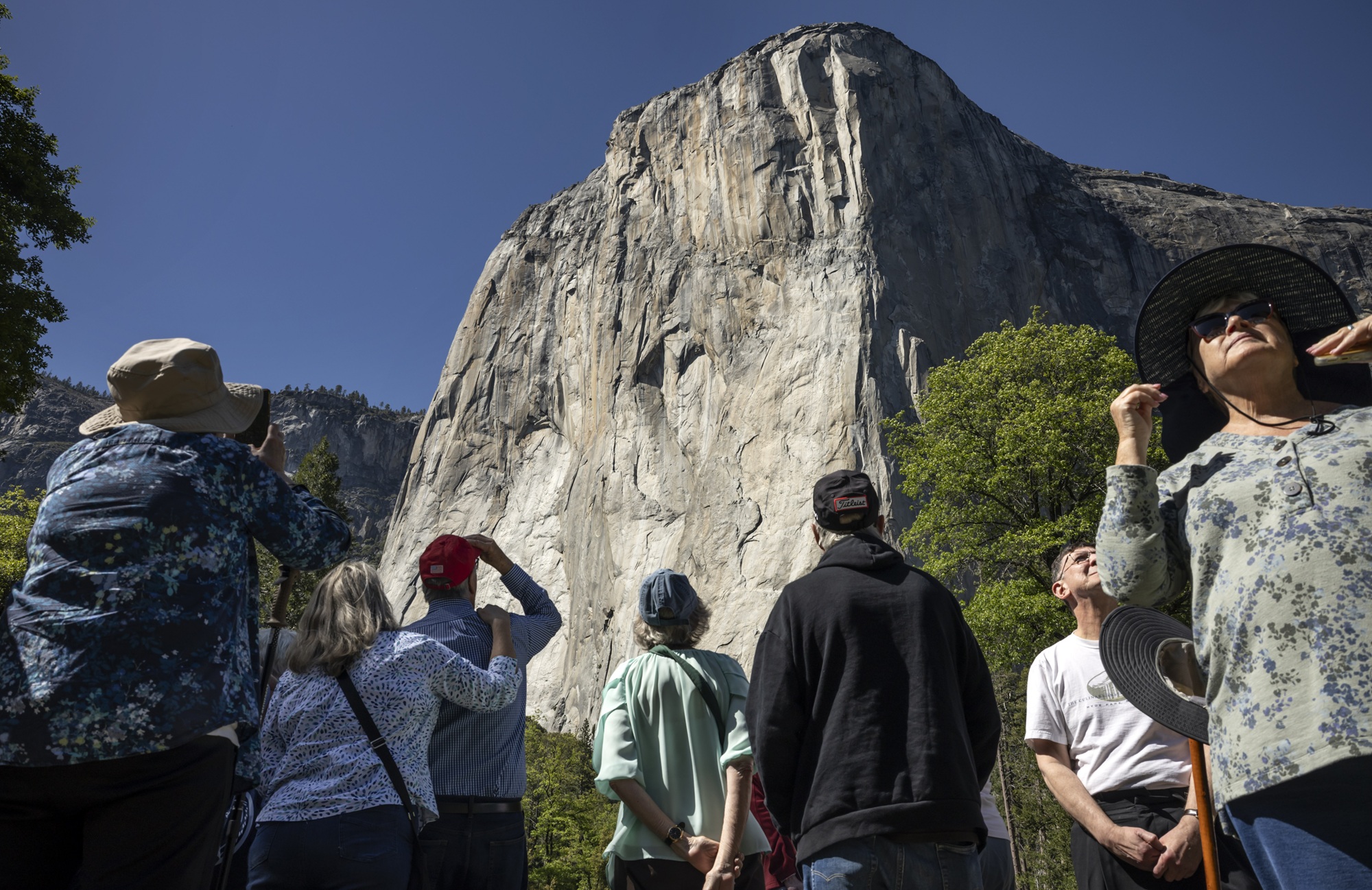
"caption": "Visitors look up at El Capitan from El Capitan Meadow in Yosemite National Park, California, on May 20, 2025. Starting next year, international visitors to U.S. parks like Yosemite will face steeper-than-ever fees.",
"credit": "Carlos Avila Gonzalez/San Francisco Chronicle via Getty Images",
"altTag": null,
"description": null,
"imgSizes": {
"thumbnail": {
"file": "https://cdn.kqed.org/wp-content/uploads/sites/10/2025/10/YosemiteGetty-160x104.jpg",
"width": 160,
"height": 104,
"mimeType": "image/jpeg"
},
"1536x1536": {
"file": "https://cdn.kqed.org/wp-content/uploads/sites/10/2025/10/YosemiteGetty-1536x997.jpg",
"width": 1536,
"height": 997,
"mimeType": "image/jpeg"
},
"post-thumbnail": {
"file": "https://cdn.kqed.org/wp-content/uploads/sites/10/2025/10/YosemiteGetty-672x372.jpg",
"width": 672,
"height": 372,
"mimeType": "image/jpeg"
},
"twentyfourteen-full-width": {
"file": "https://cdn.kqed.org/wp-content/uploads/sites/10/2025/10/YosemiteGetty-1038x576.jpg",
"width": 1038,
"height": 576,
"mimeType": "image/jpeg"
},
"kqedFullSize": {
"file": "https://cdn.kqed.org/wp-content/uploads/sites/10/2025/10/YosemiteGetty.jpg",
"width": 2000,
"height": 1298
}
},
"isLoading": false,
"fetchFailed": false
},
"news_12068725": {
"type": "attachments",
"id": "news_12068725",
"meta": {
"index": "attachments_1716263798",
"site": "news",
"id": "12068725",
"found": true
},
"title": "260105-VenezuelaCalifornia-06-BL_qed",
"publishDate": 1767660816,
"status": "inherit",
"parent": 0,
"modified": 1767660832,
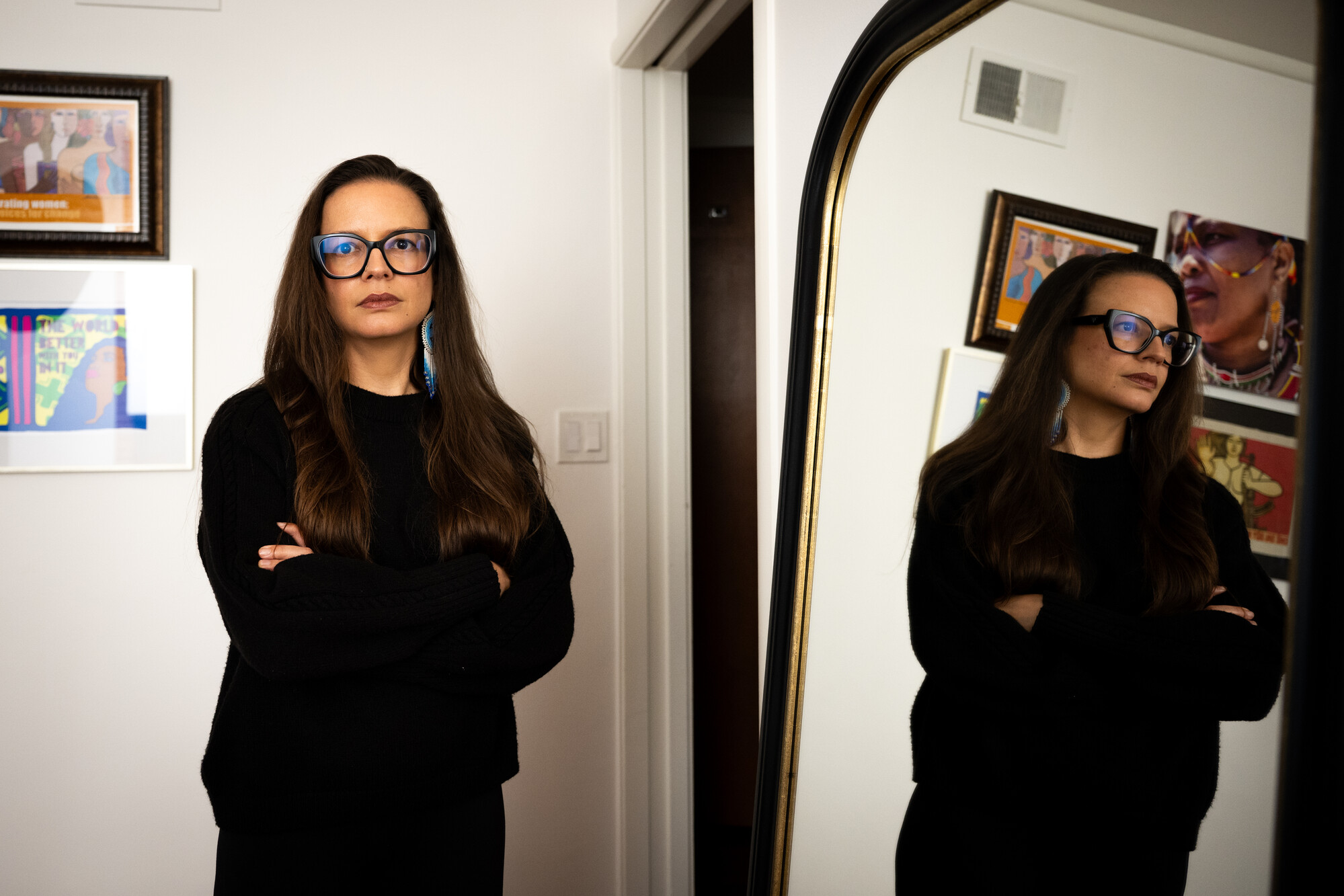
"caption": "Carolina Morales stands in her apartment in San Francisco on Jan. 5, 2026. Morales, a Venezuelan American, is troubled by U.S. military intervention and uncertain about what comes next.",
"credit": "Beth LaBerge/KQED",
"altTag": null,
"description": null,
"imgSizes": {
"thumbnail": {
"file": "https://cdn.kqed.org/wp-content/uploads/sites/10/2026/01/260105-VenezuelaCalifornia-06-BL_qed-160x107.jpg",
"width": 160,
"height": 107,
"mimeType": "image/jpeg"
},
"1536x1536": {
"file": "https://cdn.kqed.org/wp-content/uploads/sites/10/2026/01/260105-VenezuelaCalifornia-06-BL_qed-1536x1024.jpg",
"width": 1536,
"height": 1024,
"mimeType": "image/jpeg"
},
"post-thumbnail": {
"file": "https://cdn.kqed.org/wp-content/uploads/sites/10/2026/01/260105-VenezuelaCalifornia-06-BL_qed-672x372.jpg",
"width": 672,
"height": 372,
"mimeType": "image/jpeg"
},
"twentyfourteen-full-width": {
"file": "https://cdn.kqed.org/wp-content/uploads/sites/10/2026/01/260105-VenezuelaCalifornia-06-BL_qed-1038x576.jpg",
"width": 1038,
"height": 576,
"mimeType": "image/jpeg"
},
"npr-cds-wide": {
"file": "https://cdn.kqed.org/wp-content/uploads/sites/10/2026/01/260105-VenezuelaCalifornia-06-BL_qed-1200x675.jpg",
"width": 1200,
"height": 675,
"mimeType": "image/jpeg"
},
"kqedFullSize": {
"file": "https://cdn.kqed.org/wp-content/uploads/sites/10/2026/01/260105-VenezuelaCalifornia-06-BL_qed.jpg",
"width": 1999,
"height": 1333
}
},
"isLoading": false,
"fetchFailed": false
},
"news_12055077": {
"type": "attachments",
"id": "news_12055077",
"meta": {
"index": "attachments_1716263798",
"site": "news",
"id": "12055077",
"found": true
},
"title": "250905-ADOPTACORNER_00805_TV-KQED",
"publishDate": 1757337325,
"status": "inherit",
"parent": 12055084,
"modified": 1757352537,
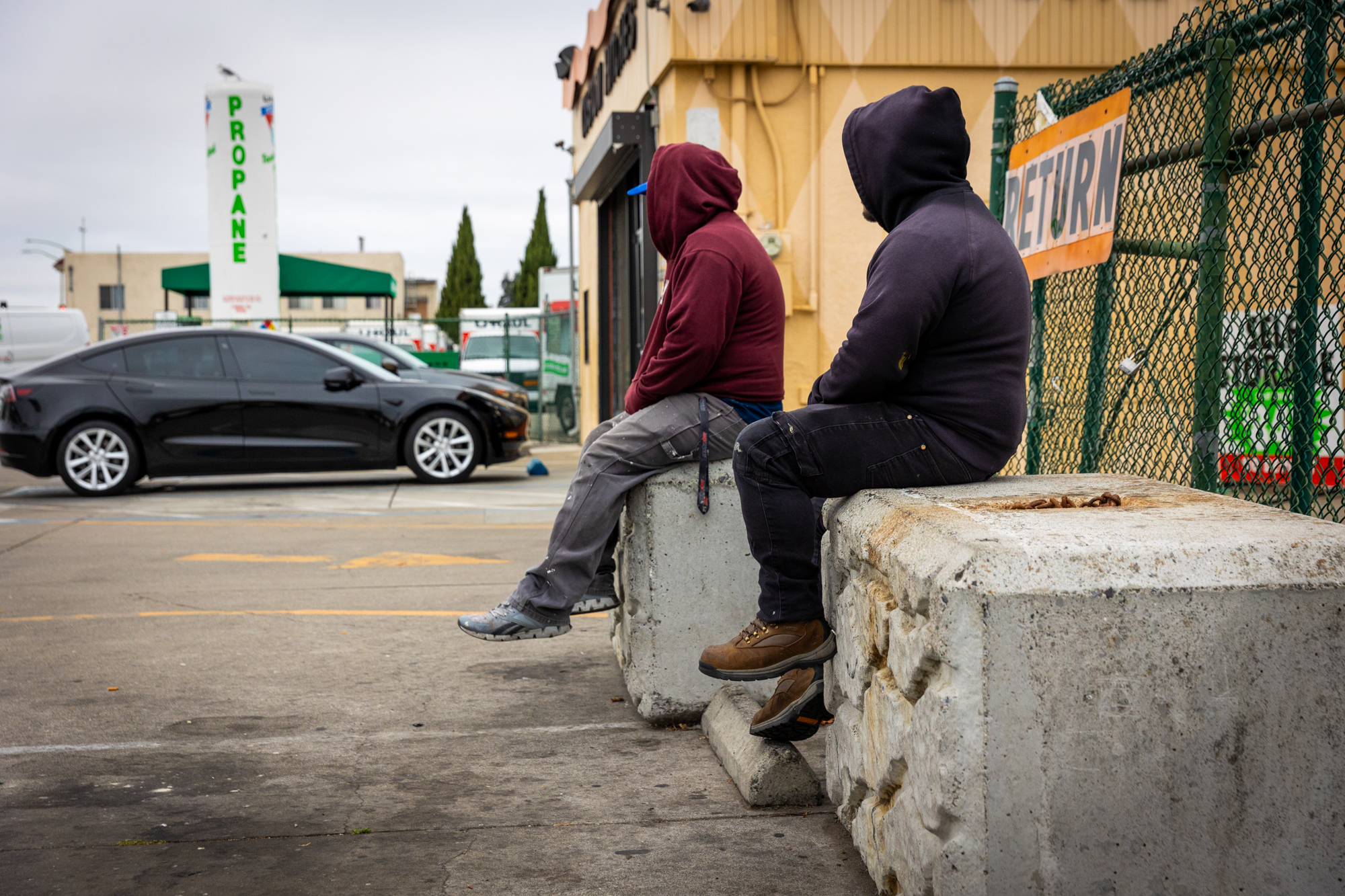
"caption": "Day laborers wait for work on International Boulevard at a U-Haul in Oakland on Sept. 5, 2025.",
"credit": "Tâm Vũ/KQED",
"altTag": null,
"description": null,
"imgSizes": {
"thumbnail": {
"file": "https://cdn.kqed.org/wp-content/uploads/sites/10/2025/09/250905-ADOPTACORNER_00805_TV-KQED-160x107.jpg",
"width": 160,
"height": 107,
"mimeType": "image/jpeg"
},
"1536x1536": {
"file": "https://cdn.kqed.org/wp-content/uploads/sites/10/2025/09/250905-ADOPTACORNER_00805_TV-KQED-1536x1024.jpg",
"width": 1536,
"height": 1024,
"mimeType": "image/jpeg"
},
"post-thumbnail": {
"file": "https://cdn.kqed.org/wp-content/uploads/sites/10/2025/09/250905-ADOPTACORNER_00805_TV-KQED-672x372.jpg",
"width": 672,
"height": 372,
"mimeType": "image/jpeg"
},
"twentyfourteen-full-width": {
"file": "https://cdn.kqed.org/wp-content/uploads/sites/10/2025/09/250905-ADOPTACORNER_00805_TV-KQED-1038x576.jpg",
"width": 1038,
"height": 576,
"mimeType": "image/jpeg"
},
"kqedFullSize": {
"file": "https://cdn.kqed.org/wp-content/uploads/sites/10/2025/09/250905-ADOPTACORNER_00805_TV-KQED.jpg",
"width": 2000,
"height": 1333
}
},
"isLoading": false,
"fetchFailed": false
},
"news_12068316": {
"type": "attachments",
"id": "news_12068316",
"meta": {
"index": "attachments_1716263798",
"site": "news",
"id": "12068316",
"found": true
},
"title": "ICE in Little Tokyo",
"publishDate": 1766455825,
"status": "inherit",
"parent": 12068314,
"modified": 1766455843,
"caption": "Gregory Bovino, Chief Patrol Agent of the El Centro Sector and Commander-Operation At Large CA (center), marches with federal agents to the Edward R. Roybal Federal Building after US Border Patrol agents produced a show of force outside the Japanese American National Museum where Gov. Newsom was holding a redistricting press conference on Thursday, Aug. 14, 2025 in Los Angeles, CA.",
"credit": "Carlin Stiehl / Los Angeles Times via Getty Images",
"altTag": null,
"description": null,
"imgSizes": {
"thumbnail": {
"file": "https://cdn.kqed.org/wp-content/uploads/sites/10/2025/12/BorderPatrolAgentsGetty-160x107.jpeg",
"width": 160,
"height": 107,
"mimeType": "image/jpeg"
},
"1536x1536": {
"file": "https://cdn.kqed.org/wp-content/uploads/sites/10/2025/12/BorderPatrolAgentsGetty-1536x1025.jpeg",
"width": 1536,
"height": 1025,
"mimeType": "image/jpeg"
},
"post-thumbnail": {
"file": "https://cdn.kqed.org/wp-content/uploads/sites/10/2025/12/BorderPatrolAgentsGetty-672x372.jpeg",
"width": 672,
"height": 372,
"mimeType": "image/jpeg"
},
"twentyfourteen-full-width": {
"file": "https://cdn.kqed.org/wp-content/uploads/sites/10/2025/12/BorderPatrolAgentsGetty-1038x576.jpeg",
"width": 1038,
"height": 576,
"mimeType": "image/jpeg"
},
"npr-cds-wide": {
"file": "https://cdn.kqed.org/wp-content/uploads/sites/10/2025/12/BorderPatrolAgentsGetty-1200x675.jpeg",
"width": 1200,
"height": 675,
"mimeType": "image/jpeg"
},
"kqedFullSize": {
"file": "https://cdn.kqed.org/wp-content/uploads/sites/10/2025/12/BorderPatrolAgentsGetty.jpeg",
"width": 2000,
"height": 1334
}
},
"isLoading": false,
"fetchFailed": false
},
"news_12042200": {
"type": "attachments",
"id": "news_12042200",
"meta": {
"index": "attachments_1716263798",
"site": "news",
"id": "12042200",
"found": true
},
"title": "008_KQED_630Sansome_02052020_1470_qed",
"publishDate": 1748630169,
"status": "inherit",
"parent": 12042197,
"modified": 1748649209,
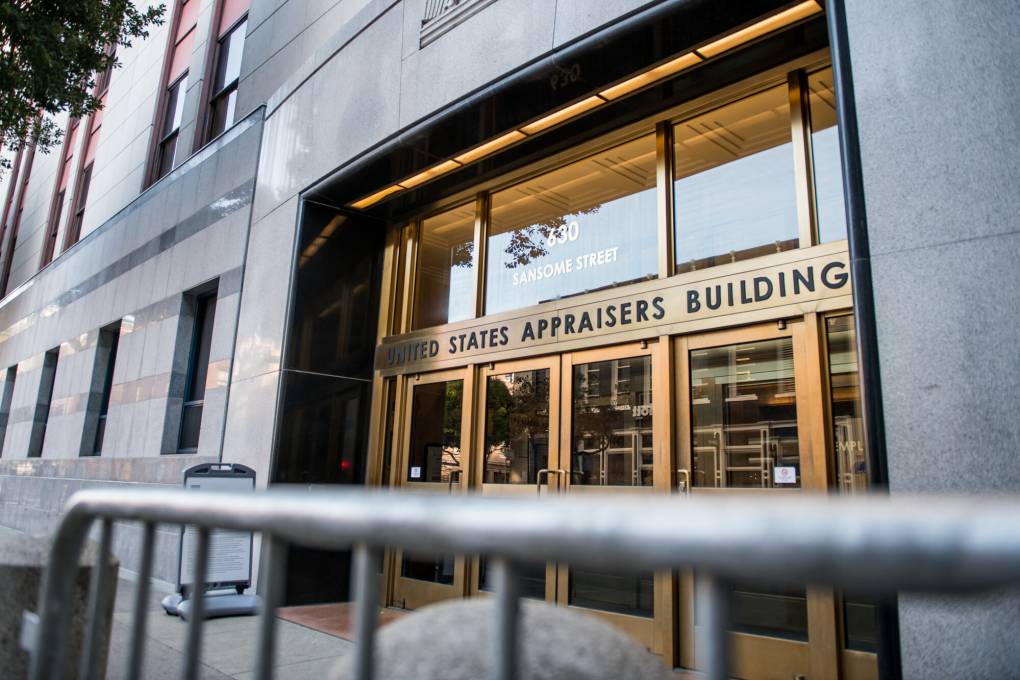
"caption": "The U.S. Immigration & Customs Enforcement building at 630 Sansome St. in San Francisco, California, on Feb. 5, 2020.",
"credit": "Beth LaBerge/KQED",
"altTag": null,
"description": null,
"imgSizes": {
"medium": {
"file": "https://cdn.kqed.org/wp-content/uploads/sites/10/2025/05/008_KQED_630Sansome_02052020_1470_qed-800x533.jpg",
"width": 800,
"height": 533,
"mimeType": "image/jpeg"
},
"large": {
"file": "https://cdn.kqed.org/wp-content/uploads/sites/10/2025/05/008_KQED_630Sansome_02052020_1470_qed-1020x680.jpg",
"width": 1020,
"height": 680,
"mimeType": "image/jpeg"
},
"thumbnail": {
"file": "https://cdn.kqed.org/wp-content/uploads/sites/10/2025/05/008_KQED_630Sansome_02052020_1470_qed-160x107.jpg",
"width": 160,
"height": 107,
"mimeType": "image/jpeg"
},
"1536x1536": {
"file": "https://cdn.kqed.org/wp-content/uploads/sites/10/2025/05/008_KQED_630Sansome_02052020_1470_qed-1536x1024.jpg",
"width": 1536,
"height": 1024,
"mimeType": "image/jpeg"
},
"post-thumbnail": {
"file": "https://cdn.kqed.org/wp-content/uploads/sites/10/2025/05/008_KQED_630Sansome_02052020_1470_qed-672x372.jpg",
"width": 672,
"height": 372,
"mimeType": "image/jpeg"
},
"twentyfourteen-full-width": {
"file": "https://cdn.kqed.org/wp-content/uploads/sites/10/2025/05/008_KQED_630Sansome_02052020_1470_qed-1038x576.jpg",
"width": 1038,
"height": 576,
"mimeType": "image/jpeg"
},
"full-width": {
"file": "https://cdn.kqed.org/wp-content/uploads/sites/10/2025/05/008_KQED_630Sansome_02052020_1470_qed-1920x1280.jpg",
"width": 1920,
"height": 1280,
"mimeType": "image/jpeg"
},
"kqedFullSize": {
"file": "https://cdn.kqed.org/wp-content/uploads/sites/10/2025/05/008_KQED_630Sansome_02052020_1470_qed.jpg",
"width": 1999,
"height": 1333
}
},
"isLoading": false,
"fetchFailed": false
},
"news_12066613": {
"type": "attachments",
"id": "news_12066613",
"meta": {
"index": "attachments_1716263798",
"site": "news",
"id": "12066613",
"found": true
},
"title": "SENIOR CENTERS SAN FRANCISCO IMMIGRANTS",
"publishDate": 1765389181,
"status": "inherit",
"parent": 0,
"modified": 1765389469,
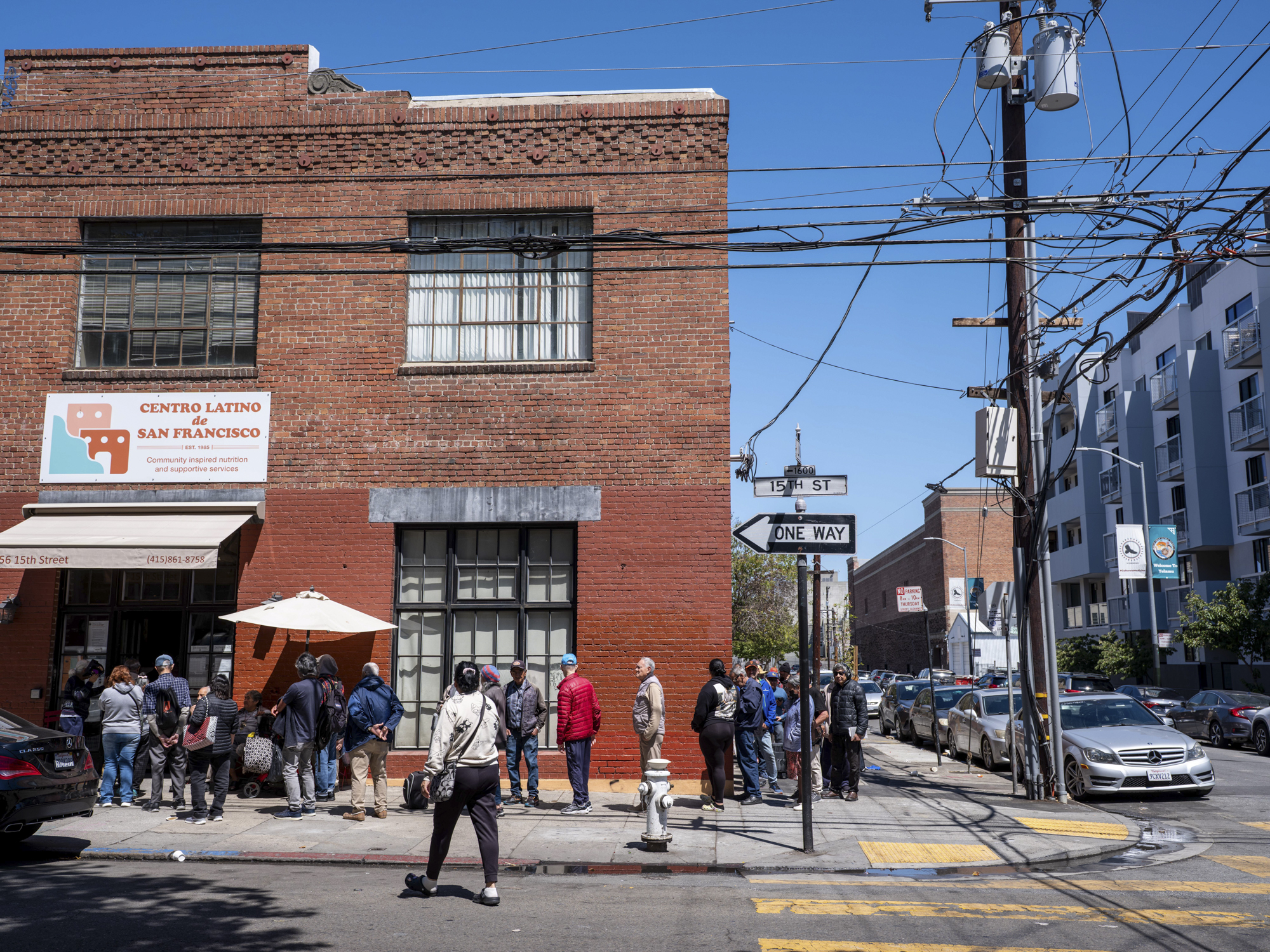
"caption": "People line up outside the Centro Latino de San Francisco, a civic center serving seniors and those with disabilities, to receive the free lunch that they offer in San Francisco on Aug. 14, 2025.",
"credit": "Courtesy of Matthew Busch/The Investigative Reporting Program",
"altTag": null,
"description": null,
"imgSizes": {
"thumbnail": {
"file": "https://cdn.kqed.org/wp-content/uploads/sites/10/2025/12/251210-Aging-Immigrants-ICE-MD-01-KQED-160x120.jpg",
"width": 160,
"height": 120,
"mimeType": "image/jpeg"
},
"1536x1536": {
"file": "https://cdn.kqed.org/wp-content/uploads/sites/10/2025/12/251210-Aging-Immigrants-ICE-MD-01-KQED-1536x1152.jpg",
"width": 1536,
"height": 1152,
"mimeType": "image/jpeg"
},
"post-thumbnail": {
"file": "https://cdn.kqed.org/wp-content/uploads/sites/10/2025/12/251210-Aging-Immigrants-ICE-MD-01-KQED-672x372.jpg",
"width": 672,
"height": 372,
"mimeType": "image/jpeg"
},
"twentyfourteen-full-width": {
"file": "https://cdn.kqed.org/wp-content/uploads/sites/10/2025/12/251210-Aging-Immigrants-ICE-MD-01-KQED-1038x576.jpg",
"width": 1038,
"height": 576,
"mimeType": "image/jpeg"
},
"npr-cds-wide": {
"file": "https://cdn.kqed.org/wp-content/uploads/sites/10/2025/12/251210-Aging-Immigrants-ICE-MD-01-KQED-1200x675.jpg",
"width": 1200,
"height": 675,
"mimeType": "image/jpeg"
},
"kqedFullSize": {
"file": "https://cdn.kqed.org/wp-content/uploads/sites/10/2025/12/251210-Aging-Immigrants-ICE-MD-01-KQED.jpg",
"width": 2000,
"height": 1500
}
},
"isLoading": false,
"fetchFailed": false
},
"news_12067538": {
"type": "attachments",
"id": "news_12067538",
"meta": {
"index": "attachments_1716263798",
"site": "news",
"id": "12067538",
"found": true
},
"title": "20251216_REVOKE OF COMMERCIAL DRIVERS LICENSES_DECEMBER_GH-9-KQED",
"publishDate": 1765991722,
"status": "inherit",
"parent": 12067557,
"modified": 1772147172,
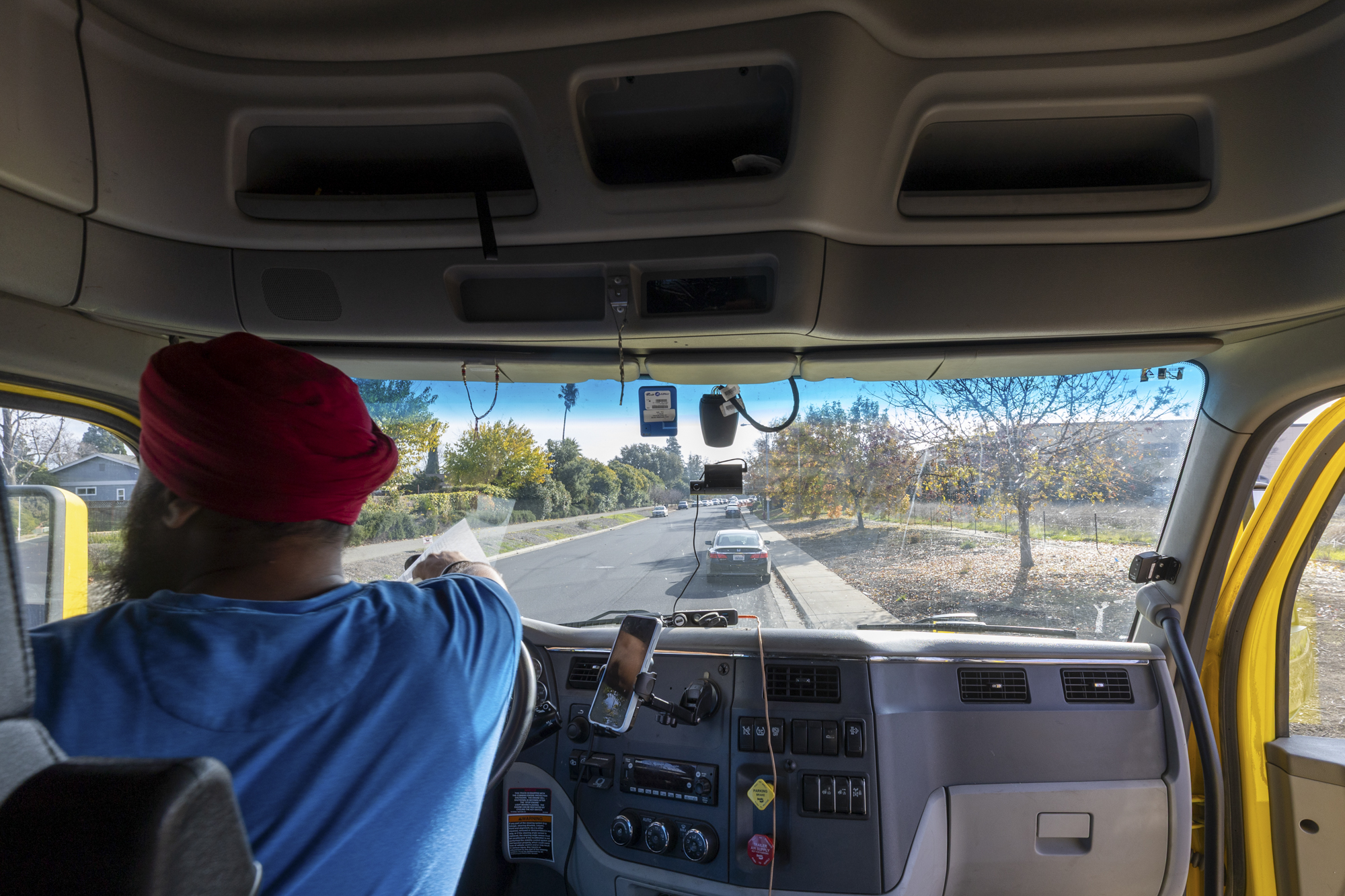
"caption": "The view from inside Amarjit Singh’s truck in Livermore, on Dec. 16, 2025. ",
"credit": "Gustavo Hernandez/KQED",
"altTag": null,
"description": null,
"imgSizes": {
"thumbnail": {
"file": "https://cdn.kqed.org/wp-content/uploads/sites/10/2025/12/20251216_REVOKE-OF-COMMERCIAL-DRIVERS-LICENSES_DECEMBER_GH-9-KQED-160x107.jpg",
"width": 160,
"height": 107,
"mimeType": "image/jpeg"
},
"1536x1536": {
"file": "https://cdn.kqed.org/wp-content/uploads/sites/10/2025/12/20251216_REVOKE-OF-COMMERCIAL-DRIVERS-LICENSES_DECEMBER_GH-9-KQED-1536x1024.jpg",
"width": 1536,
"height": 1024,
"mimeType": "image/jpeg"
},
"post-thumbnail": {
"file": "https://cdn.kqed.org/wp-content/uploads/sites/10/2025/12/20251216_REVOKE-OF-COMMERCIAL-DRIVERS-LICENSES_DECEMBER_GH-9-KQED-672x372.jpg",
"width": 672,
"height": 372,
"mimeType": "image/jpeg"
},
"twentyfourteen-full-width": {
"file": "https://cdn.kqed.org/wp-content/uploads/sites/10/2025/12/20251216_REVOKE-OF-COMMERCIAL-DRIVERS-LICENSES_DECEMBER_GH-9-KQED-1038x576.jpg",
"width": 1038,
"height": 576,
"mimeType": "image/jpeg"
},
"npr-cds-wide": {
"file": "https://cdn.kqed.org/wp-content/uploads/sites/10/2025/12/20251216_REVOKE-OF-COMMERCIAL-DRIVERS-LICENSES_DECEMBER_GH-9-KQED-1200x675.jpg",
"width": 1200,
"height": 675,
"mimeType": "image/jpeg"
},
"kqedFullSize": {
"file": "https://cdn.kqed.org/wp-content/uploads/sites/10/2025/12/20251216_REVOKE-OF-COMMERCIAL-DRIVERS-LICENSES_DECEMBER_GH-9-KQED.jpg",
"width": 2000,
"height": 1333
}
},
"isLoading": false,
"fetchFailed": false
},
"news_12067916": {
"type": "attachments",
"id": "news_12067916",
"meta": {
"index": "attachments_1716263798",
"site": "news",
"id": "12067916",
"found": true
},
"title": "MigrantDayKQED",
"publishDate": 1766104573,
"status": "inherit",
"parent": 12067803,
"modified": 1766107014,
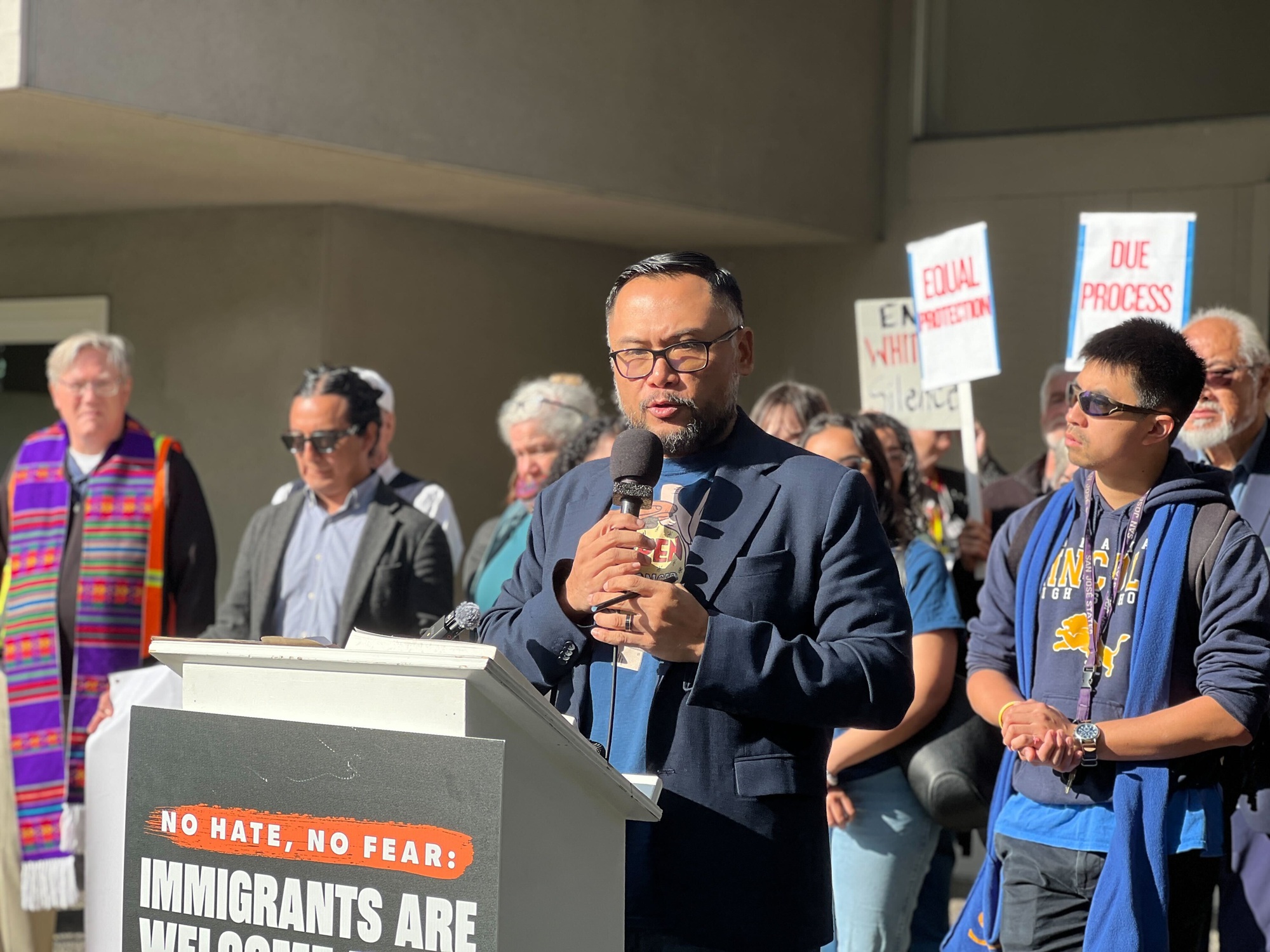
"caption": "Services, Immigrant Rights & Education Network’s Executive Director Huy Tran speaks during an International Migrants Day press conference on Dec. 18, 2025.",
"credit": "Ayah Ali-Ahmad/KQED",
"altTag": null,
"description": null,
"imgSizes": {
"thumbnail": {
"file": "https://cdn.kqed.org/wp-content/uploads/sites/10/2025/12/MigrantDayKQED-160x120.jpg",
"width": 160,
"height": 120,
"mimeType": "image/jpeg"
},
"1536x1536": {
"file": "https://cdn.kqed.org/wp-content/uploads/sites/10/2025/12/MigrantDayKQED-1536x1152.jpg",
"width": 1536,
"height": 1152,
"mimeType": "image/jpeg"
},
"post-thumbnail": {
"file": "https://cdn.kqed.org/wp-content/uploads/sites/10/2025/12/MigrantDayKQED-672x372.jpg",
"width": 672,
"height": 372,
"mimeType": "image/jpeg"
},
"twentyfourteen-full-width": {
"file": "https://cdn.kqed.org/wp-content/uploads/sites/10/2025/12/MigrantDayKQED-1038x576.jpg",
"width": 1038,
"height": 576,
"mimeType": "image/jpeg"
},
"npr-cds-wide": {
"file": "https://cdn.kqed.org/wp-content/uploads/sites/10/2025/12/MigrantDayKQED-1200x675.jpg",
"width": 1200,
"height": 675,
"mimeType": "image/jpeg"
},
"kqedFullSize": {
"file": "https://cdn.kqed.org/wp-content/uploads/sites/10/2025/12/MigrantDayKQED.jpg",
"width": 2000,
"height": 1500
}
},
"isLoading": false,
"fetchFailed": false
},
"news_12067898": {
"type": "attachments",
"id": "news_12067898",
"meta": {
"index": "attachments_1716263798",
"site": "news",
"id": "12067898",
"found": true
},
"title": "Migrants At The US-Mexico Border",
"publishDate": 1766101184,
"status": "inherit",
"parent": 12067561,
"modified": 1766102644,
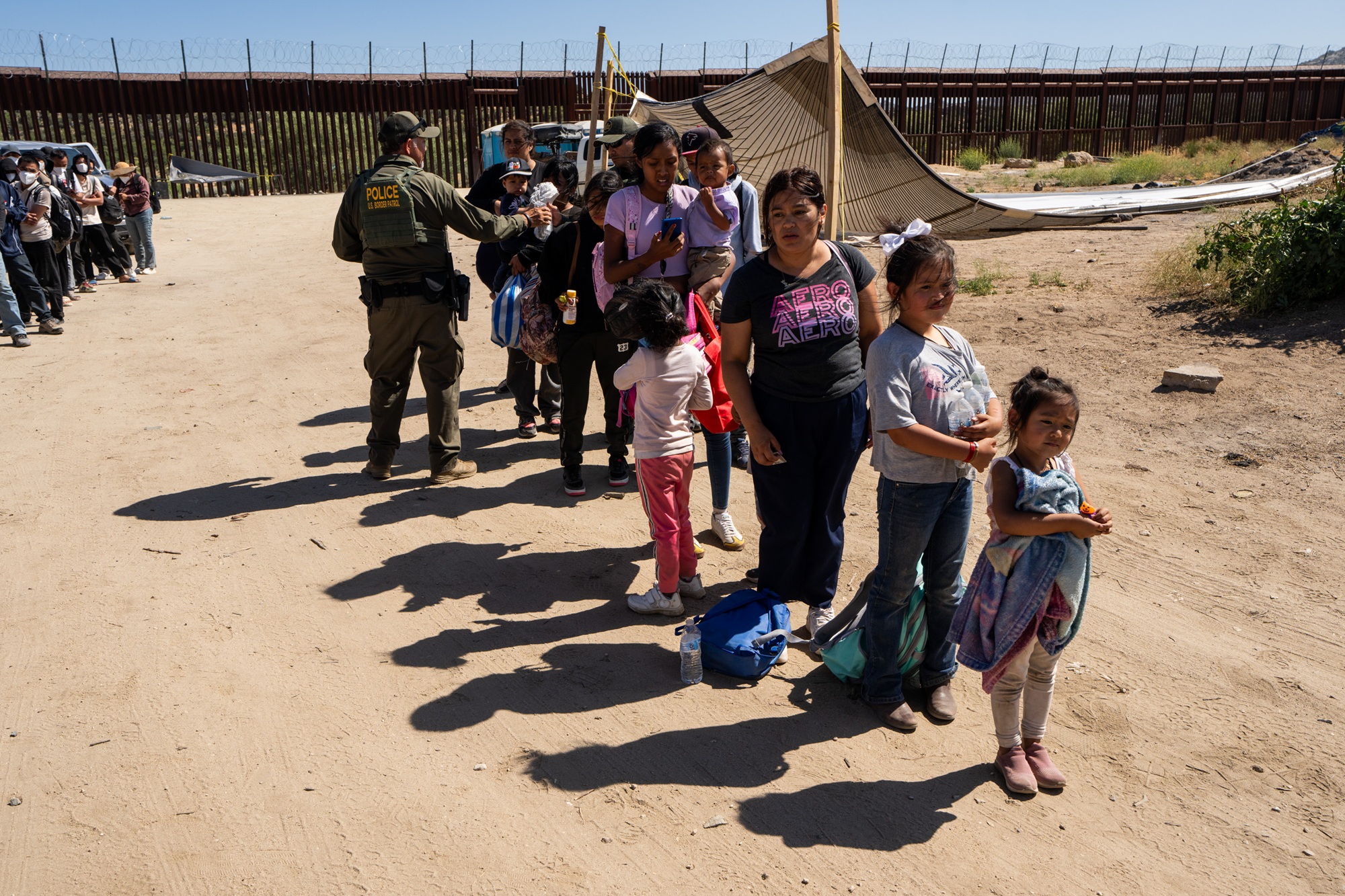
"caption": "The U.S. Border Patrol processes migrants near the Jacumba Hot Springs after crossing the US-Mexico border on June 13, 2024, in San Diego, California. ",
"credit": "Qian Weizhong/VCG via Getty Images",
"altTag": null,
"description": null,
"imgSizes": {
"thumbnail": {
"file": "https://cdn.kqed.org/wp-content/uploads/sites/10/2025/12/MexicoBorderChildrenGetty-160x107.jpg",
"width": 160,
"height": 107,
"mimeType": "image/jpeg"
},
"1536x1536": {
"file": "https://cdn.kqed.org/wp-content/uploads/sites/10/2025/12/MexicoBorderChildrenGetty-1536x1024.jpg",
"width": 1536,
"height": 1024,
"mimeType": "image/jpeg"
},
"post-thumbnail": {
"file": "https://cdn.kqed.org/wp-content/uploads/sites/10/2025/12/MexicoBorderChildrenGetty-672x372.jpg",
"width": 672,
"height": 372,
"mimeType": "image/jpeg"
},
"twentyfourteen-full-width": {
"file": "https://cdn.kqed.org/wp-content/uploads/sites/10/2025/12/MexicoBorderChildrenGetty-1038x576.jpg",
"width": 1038,
"height": 576,
"mimeType": "image/jpeg"
},
"npr-cds-wide": {
"file": "https://cdn.kqed.org/wp-content/uploads/sites/10/2025/12/MexicoBorderChildrenGetty-1200x675.jpg",
"width": 1200,
"height": 675,
"mimeType": "image/jpeg"
},
"kqedFullSize": {
"file": "https://cdn.kqed.org/wp-content/uploads/sites/10/2025/12/MexicoBorderChildrenGetty.jpg",
"width": 2000,
"height": 1333
}
},
"isLoading": false,
"fetchFailed": false
},
"news_12066777": {
"type": "attachments",
"id": "news_12066777",
"meta": {
"index": "attachments_1716263798",
"site": "news",
"id": "12066777",
"found": true
},
"title": "251210-License-Plate Readers-01-KQED",
"publishDate": 1765483809,
"status": "inherit",
"parent": 12074467,
"modified": 1772045309,
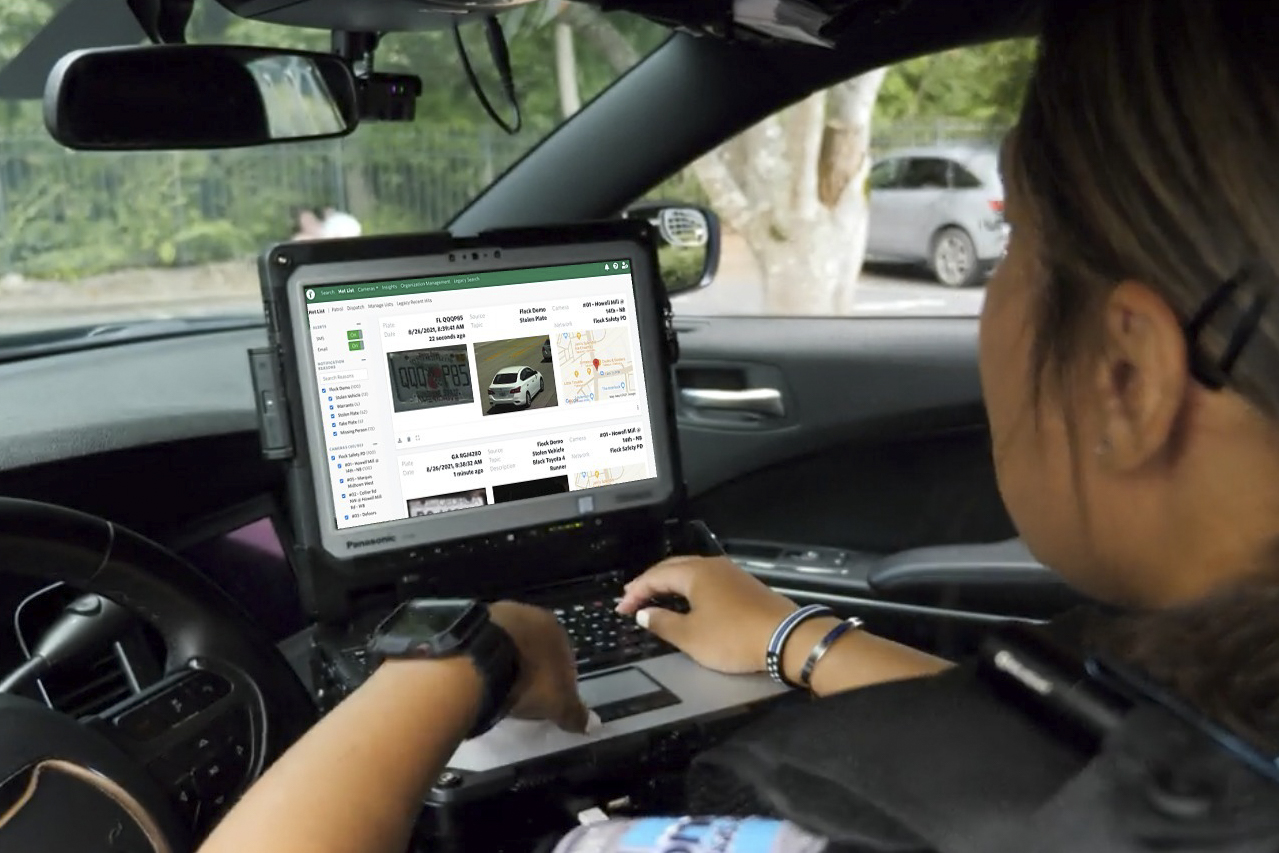
"caption": "Law enforcement agencies are deploying vehicle-tracking networks with settings that can make local data nationally searchable, opening the door to federal access even in cities that consider themselves sanctuaries for immigrants and others targeted by the Trump administration.",
"credit": "Courtesy of Flock Safety",
"altTag": null,
"description": null,
"imgSizes": {
"thumbnail": {
"file": "https://cdn.kqed.org/wp-content/uploads/sites/10/2025/12/251210-License-Plate-Readers-01-KQED-160x107.jpg",
"width": 160,
"height": 107,
"mimeType": "image/jpeg"
},
"post-thumbnail": {
"file": "https://cdn.kqed.org/wp-content/uploads/sites/10/2025/12/251210-License-Plate-Readers-01-KQED-672x372.jpg",
"width": 672,
"height": 372,
"mimeType": "image/jpeg"
},
"twentyfourteen-full-width": {
"file": "https://cdn.kqed.org/wp-content/uploads/sites/10/2025/12/251210-License-Plate-Readers-01-KQED-1038x576.jpg",
"width": 1038,
"height": 576,
"mimeType": "image/jpeg"
},
"npr-cds-wide": {
"file": "https://cdn.kqed.org/wp-content/uploads/sites/10/2025/12/251210-License-Plate-Readers-01-KQED-1200x675.jpg",
"width": 1200,
"height": 675,
"mimeType": "image/jpeg"
},
"kqedFullSize": {
"file": "https://cdn.kqed.org/wp-content/uploads/sites/10/2025/12/251210-License-Plate-Readers-01-KQED.jpg",
"width": 1279,
"height": 853
}
},
"isLoading": false,
"fetchFailed": false
},
"news_11990987": {
"type": "attachments",
"id": "news_11990987",
"meta": {
"index": "attachments_1716263798",
"site": "news",
"id": "11990987",
"found": true
},
"title": "240408-FCIDublin-017-BL_qut (1)",
"publishDate": 1718748119,
"status": "inherit",
"parent": 11990979,
"modified": 1718748232,
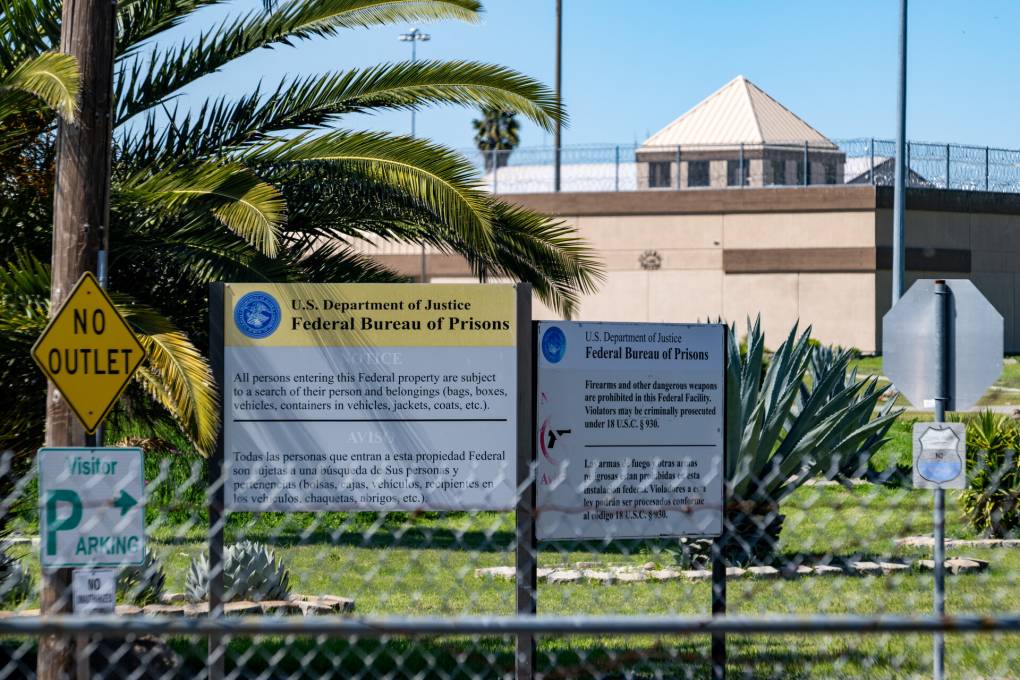
"caption": "The Federal Bureau of Prisons abruptly shut down FCI Dublin in April.",
"credit": "Beth LaBerge/KQED",
"altTag": null,
"description": null,
"imgSizes": {
"medium": {
"file": "https://cdn.kqed.org/wp-content/uploads/sites/10/2024/06/240408-FCIDublin-017-BL_qut-1-800x533.jpg",
"width": 800,
"height": 533,
"mimeType": "image/jpeg"
},
"large": {
"file": "https://cdn.kqed.org/wp-content/uploads/sites/10/2024/06/240408-FCIDublin-017-BL_qut-1-1020x680.jpg",
"width": 1020,
"height": 680,
"mimeType": "image/jpeg"
},
"thumbnail": {
"file": "https://cdn.kqed.org/wp-content/uploads/sites/10/2024/06/240408-FCIDublin-017-BL_qut-1-160x107.jpg",
"width": 160,
"height": 107,
"mimeType": "image/jpeg"
},
"1536x1536": {
"file": "https://cdn.kqed.org/wp-content/uploads/sites/10/2024/06/240408-FCIDublin-017-BL_qut-1-1536x1024.jpg",
"width": 1536,
"height": 1024,
"mimeType": "image/jpeg"
},
"post-thumbnail": {
"file": "https://cdn.kqed.org/wp-content/uploads/sites/10/2024/06/240408-FCIDublin-017-BL_qut-1-672x372.jpg",
"width": 672,
"height": 372,
"mimeType": "image/jpeg"
},
"twentyfourteen-full-width": {
"file": "https://cdn.kqed.org/wp-content/uploads/sites/10/2024/06/240408-FCIDublin-017-BL_qut-1-1038x576.jpg",
"width": 1038,
"height": 576,
"mimeType": "image/jpeg"
},
"kqedFullSize": {
"file": "https://cdn.kqed.org/wp-content/uploads/sites/10/2024/06/240408-FCIDublin-017-BL_qut-1.jpg",
"width": 1920,
"height": 1280
}
},
"isLoading": false,
"fetchFailed": false
},
"news_12067537": {
"type": "attachments",
"id": "news_12067537",
"meta": {
"index": "attachments_1716263798",
"site": "news",
"id": "12067537",
"found": true
},
"title": "20251216_REVOKE OF COMMERCIAL DRIVERS LICENSES_DECEMBER_GH-5-KQED",
"publishDate": 1765991719,
"status": "inherit",
"parent": 0,
"modified": 1766015725,
"caption": "Amarjit Singh stands beside his truck on Dec. 16, 2025, in Livermore. Singh is among thousands of immigrant drivers whose commercial licenses the state planned to revoke after federal pressure. ",
"credit": "Gustavo Hernandez/KQED",
"altTag": null,
"description": null,
"imgSizes": {
"thumbnail": {
"file": "https://cdn.kqed.org/wp-content/uploads/sites/10/2025/12/20251216_REVOKE-OF-COMMERCIAL-DRIVERS-LICENSES_DECEMBER_GH-5-KQED-160x107.jpg",
"width": 160,
"height": 107,
"mimeType": "image/jpeg"
},
"1536x1536": {
"file": "https://cdn.kqed.org/wp-content/uploads/sites/10/2025/12/20251216_REVOKE-OF-COMMERCIAL-DRIVERS-LICENSES_DECEMBER_GH-5-KQED-1536x1024.jpg",
"width": 1536,
"height": 1024,
"mimeType": "image/jpeg"
},
"post-thumbnail": {
"file": "https://cdn.kqed.org/wp-content/uploads/sites/10/2025/12/20251216_REVOKE-OF-COMMERCIAL-DRIVERS-LICENSES_DECEMBER_GH-5-KQED-672x372.jpg",
"width": 672,
"height": 372,
"mimeType": "image/jpeg"
},
"twentyfourteen-full-width": {
"file": "https://cdn.kqed.org/wp-content/uploads/sites/10/2025/12/20251216_REVOKE-OF-COMMERCIAL-DRIVERS-LICENSES_DECEMBER_GH-5-KQED-1038x576.jpg",
"width": 1038,
"height": 576,
"mimeType": "image/jpeg"
},
"npr-cds-wide": {
"file": "https://cdn.kqed.org/wp-content/uploads/sites/10/2025/12/20251216_REVOKE-OF-COMMERCIAL-DRIVERS-LICENSES_DECEMBER_GH-5-KQED-1200x675.jpg",
"width": 1200,
"height": 675,
"mimeType": "image/jpeg"
},
"kqedFullSize": {
"file": "https://cdn.kqed.org/wp-content/uploads/sites/10/2025/12/20251216_REVOKE-OF-COMMERCIAL-DRIVERS-LICENSES_DECEMBER_GH-5-KQED.jpg",
"width": 2000,
"height": 1333
}
},
"isLoading": false,
"fetchFailed": false
}
},
"audioPlayerReducer": {
"postId": "stream_live",
"isPaused": true,
"isPlaying": false,
"pfsActive": false,
"pledgeModalIsOpen": true,
"playerDrawerIsOpen": false,
"liveAudioPlayStartedAt": 0,
"liveAudioPlayContext": ""
},
"authorsReducer": {
"byline_news_12068314": {
"type": "authors",
"id": "byline_news_12068314",
"meta": {
"override": true
},
"slug": "byline_news_12068314",
"name": "Nigel Duara, CalMatters",
"isLoading": false
},
"byline_news_12068004": {
"type": "authors",
"id": "byline_news_12068004",
"meta": {
"override": true
},
"slug": "byline_news_12068004",
"name": "Hussain Khan ",
"isLoading": false
},
"byline_news_12067561": {
"type": "authors",
"id": "byline_news_12067561",
"meta": {
"override": true
},
"slug": "byline_news_12067561",
"name": "Mark Betancourt, The California Newsroom",
"isLoading": false
},
"rachael-myrow": {
"type": "authors",
"id": "251",
"meta": {
"index": "authors_1716337520",
"id": "251",
"found": true
},
"name": "Rachael Myrow",
"firstName": "Rachael",
"lastName": "Myrow",
"slug": "rachael-myrow",
"email": "rmyrow@kqed.org",
"display_author_email": true,
"staff_mastheads": [
"news"
],
"title": "Senior Editor of KQED's Silicon Valley News Desk",
"bio": "• I write and edit stories about how Silicon Valley power and policies shape everyday life in California. I’m also passionate about making Bay Area history and culture more accessible to a broad public. • I’ve been a journalist for most of my life, starting in high school with The Franklin Press in Los Angeles, where I grew up. While earning my first degree in English at UC Berkeley, I got my start in public radio at KALX-FM. After completing a second degree in journalism at Cal, I landed my first professional job at Marketplace, then moved on to KPCC (now LAist), and then KQED, where I hosted The California Report for more than seven years. • My reporting has appeared on NPR, The World, WBUR’s \u003ci>Here & Now\u003c/i>, and the BBC. I also guest host for KQED’s \u003ci>Forum\u003c/i>, as well as the Commonwealth Club in San Francisco. • I speak periodically on media, democracy and technology issues, and do voiceover work for documentaries and educational video projects. • Outside of the studio, you'll find me hiking Bay Area trails and whipping up Insta-ready meals in my kitchen. • I do not accept gifts, money, or favors from anyone connected to my reporting, I don't pay people for information, and I do not support or donate to political causes. • I strive to treat the people I report on with fairness, honesty, and respect. I also recognize there are often multiple sides to a story and work to verify information through multiple sources and documentation. If I get something wrong, I correct it.",
"avatar": "https://secure.gravatar.com/avatar/87bf8cb5874e045cdff430523a6d48b1?s=600&d=blank&r=g",
"twitter": "rachaelmyrow",
"facebook": null,
"instagram": null,
"linkedin": "https://www.linkedin.com/in/rachaelmyrow/",
"sites": [
{
"site": "arts",
"roles": [
"administrator"
]
},
{
"site": "news",
"roles": [
"edit_others_posts",
"editor"
]
},
{
"site": "futureofyou",
"roles": [
"editor"
]
},
{
"site": "bayareabites",
"roles": [
"editor"
]
},
{
"site": "stateofhealth",
"roles": [
"editor"
]
},
{
"site": "science",
"roles": [
"editor"
]
},
{
"site": "food",
"roles": [
"editor"
]
},
{
"site": "forum",
"roles": [
"editor"
]
},
{
"site": "liveblog",
"roles": [
"author"
]
}
],
"headData": {
"title": "Rachael Myrow | KQED",
"description": "Senior Editor of KQED's Silicon Valley News Desk",
"ogImgSrc": "https://secure.gravatar.com/avatar/87bf8cb5874e045cdff430523a6d48b1?s=600&d=blank&r=g",
"twImgSrc": "https://secure.gravatar.com/avatar/87bf8cb5874e045cdff430523a6d48b1?s=600&d=blank&r=g"
},
"isLoading": false,
"link": "/author/rachael-myrow"
},
"tychehendricks": {
"type": "authors",
"id": "259",
"meta": {
"index": "authors_1716337520",
"id": "259",
"found": true
},
"name": "Tyche Hendricks",
"firstName": "Tyche",
"lastName": "Hendricks",
"slug": "tychehendricks",
"email": "thendricks@kqed.org",
"display_author_email": true,
"staff_mastheads": [
"news"
],
"title": "KQED Senior Editor, Immigration",
"bio": "\u003cspan style=\"font-weight: 400;\">Tyche Hendricks is KQED’s senior editor for immigration, leading coverage of the policy and politics that affect California’s immigrant communities. Her work for KQED’s radio and online audiences is also carried on NPR and other national outlets. She has been recognized with awards from the Radio and Television News Directors Association, the Society for Professional Journalists; the Education Writers Association; the Best of the West and the National Federation of Community Broadcasters. Before joining KQED in 2010, Tyche spent more than a dozen years as a newspaper reporter, notably at the \u003c/span>\u003ci>\u003cspan style=\"font-weight: 400;\">San Francisco Chronicle\u003c/span>\u003c/i>\u003cspan style=\"font-weight: 400;\">. At different times she has covered criminal justice, government and politics and urban planning. Tyche has taught in the MFA Creative Writing program at the University of San Francisco and at UC Berkeley’s Graduate School of Journalism, where she was co-director of a national immigration symposium for professional journalists. She is the author of \u003c/span>\u003ci>\u003cspan style=\"font-weight: 400;\">The Wind Doesn't Need a Passport: Stories from the U.S.-Mexico Borderlands\u003c/span>\u003c/i>\u003cspan style=\"font-weight: 400;\"> (University of California Press). \u003c/span>",
"avatar": "https://secure.gravatar.com/avatar/b8ee458e2731c2d43df86882ce17267e?s=600&d=blank&r=g",
"twitter": "tychehendricks",
"facebook": null,
"instagram": null,
"linkedin": null,
"sites": [
{
"site": "news",
"roles": [
"editor"
]
},
{
"site": "stateofhealth",
"roles": [
"editor"
]
}
],
"headData": {
"title": "Tyche Hendricks | KQED",
"description": "KQED Senior Editor, Immigration",
"ogImgSrc": "https://secure.gravatar.com/avatar/b8ee458e2731c2d43df86882ce17267e?s=600&d=blank&r=g",
"twImgSrc": "https://secure.gravatar.com/avatar/b8ee458e2731c2d43df86882ce17267e?s=600&d=blank&r=g"
},
"isLoading": false,
"link": "/author/tychehendricks"
},
"ecruzguevarra": {
"type": "authors",
"id": "8654",
"meta": {
"index": "authors_1716337520",
"id": "8654",
"found": true
},
"name": "Ericka Cruz Guevarra",
"firstName": "Ericka",
"lastName": "Cruz Guevarra",
"slug": "ecruzguevarra",
"email": "ecruzguevarra@kqed.org",
"display_author_email": true,
"staff_mastheads": [
"news"
],
"title": "Producer, The Bay Podcast",
"bio": "Ericka Cruz Guevarra is host of \u003ca href=\"https://www.kqed.org/podcasts/thebay\">\u003cem>The Bay\u003c/em>\u003c/a> podcast at KQED. Before host, she was the show’s producer. Her work in that capacity includes a three-part reported series on policing in Vallejo, which won a 2020 excellence in journalism award from the Society of Professional Journalists. Ericka has worked as a breaking news reporter at Oregon Public Broadcasting, helped produce the Code Switch podcast, and was KQED’s inaugural Raul Ramirez Diversity Fund intern. She’s also an alumna of NPR’s Next Generation Radio program. Send her an email if you have strong feelings about whether Fairfield and Suisun City are the Bay. Ericka is represented by SAG-AFTRA.",
"avatar": "https://secure.gravatar.com/avatar/25e5ab8d3d53fad2dcc7bb2b5c506b1a?s=600&d=blank&r=g",
"twitter": "NotoriousECG",
"facebook": null,
"instagram": null,
"linkedin": null,
"sites": [
{
"site": "arts",
"roles": [
"subscriber"
]
},
{
"site": "news",
"roles": [
"editor",
"manage_categories"
]
},
{
"site": "futureofyou",
"roles": [
"subscriber"
]
},
{
"site": "stateofhealth",
"roles": [
"subscriber"
]
},
{
"site": "science",
"roles": [
"editor"
]
},
{
"site": "forum",
"roles": [
"subscriber"
]
}
],
"headData": {
"title": "Ericka Cruz Guevarra | KQED",
"description": "Producer, The Bay Podcast",
"ogImgSrc": "https://secure.gravatar.com/avatar/25e5ab8d3d53fad2dcc7bb2b5c506b1a?s=600&d=blank&r=g",
"twImgSrc": "https://secure.gravatar.com/avatar/25e5ab8d3d53fad2dcc7bb2b5c506b1a?s=600&d=blank&r=g"
},
"isLoading": false,
"link": "/author/ecruzguevarra"
},
"fjhabvala": {
"type": "authors",
"id": "8659",
"meta": {
"index": "authors_1716337520",
"id": "8659",
"found": true
},
"name": "Farida Jhabvala Romero",
"firstName": "Farida",
"lastName": "Jhabvala Romero",
"slug": "fjhabvala",
"email": "fjhabvala@kqed.org",
"display_author_email": true,
"staff_mastheads": [
"news"
],
"title": "KQED Contributor",
"bio": "\u003cspan style=\"font-weight: 400;\">Farida Jhabvala Romero is a Labor Correspondent for KQED. She previously covered immigration. Farida was \u003ca href=\"https://www.ccnma.org/2022-most-influential-latina-journalists\">named\u003c/a> one of the 10 Most Influential Latina Journalists in California in 2022 by the California Chicano News Media Association. Her work has won awards from the Society of Professional Journalists (Northern California), as well as a national and regional Edward M. Murrow Award for the collaborative reporting projects “Dangerous Air” and “Graying California.” \u003c/span>\u003cspan style=\"font-weight: 400;\">Before joining KQED, Farida worked as a producer at Radio Bilingüe, a national public radio network. Farida earned her master’s degree in journalism from Stanford University.\u003c/span>",
"avatar": "https://secure.gravatar.com/avatar/c3ab27c5554b67b478f80971e515aa02?s=600&d=blank&r=g",
"twitter": "FaridaJhabvala",
"facebook": null,
"instagram": null,
"linkedin": "https://www.linkedin.com/in/faridajhabvala/",
"sites": [
{
"site": "news",
"roles": [
"editor"
]
},
{
"site": "stateofhealth",
"roles": [
"author"
]
}
],
"headData": {
"title": "Farida Jhabvala Romero | KQED",
"description": "KQED Contributor",
"ogImgSrc": "https://secure.gravatar.com/avatar/c3ab27c5554b67b478f80971e515aa02?s=600&d=blank&r=g",
"twImgSrc": "https://secure.gravatar.com/avatar/c3ab27c5554b67b478f80971e515aa02?s=600&d=blank&r=g"
},
"isLoading": false,
"link": "/author/fjhabvala"
},
"amontecillo": {
"type": "authors",
"id": "11649",
"meta": {
"index": "authors_1716337520",
"id": "11649",
"found": true
},
"name": "Alan Montecillo",
"firstName": "Alan",
"lastName": "Montecillo",
"slug": "amontecillo",
"email": "amontecillo@kqed.org",
"display_author_email": false,
"staff_mastheads": [
"news"
],
"title": "KQED Contributor",
"bio": "Alan Montecillo is the senior editor of \u003cem>\u003ca href=\"http://kqed.org/thebay\">The Bay\u003c/a>, \u003c/em> KQED's local news podcast. Before moving to the Bay Area, he worked as a senior talk show producer for WILL in Champaign-Urbana, Illinois and at Oregon Public Broadcasting in Portland, Oregon. He has won journalism awards from the Society of Professional Journalists Northern California, the Public Media Journalists Association, The Signal Awards, and has also received a regional Edward R. Murrow award. Alan is a Filipino American from Hong Kong and a graduate of Reed College.",
"avatar": "https://secure.gravatar.com/avatar/d5e4e7a76481969ccba76f4e2b5ccabc?s=600&d=blank&r=g",
"twitter": "alanmontecillo",
"facebook": null,
"instagram": null,
"linkedin": null,
"sites": [
{
"site": "",
"roles": [
"editor"
]
},
{
"site": "news",
"roles": [
"editor",
"manage_categories"
]
}
],
"headData": {
"title": "Alan Montecillo | KQED",
"description": "KQED Contributor",
"ogImgSrc": "https://secure.gravatar.com/avatar/d5e4e7a76481969ccba76f4e2b5ccabc?s=600&d=blank&r=g",
"twImgSrc": "https://secure.gravatar.com/avatar/d5e4e7a76481969ccba76f4e2b5ccabc?s=600&d=blank&r=g"
},
"isLoading": false,
"link": "/author/amontecillo"
},
"jessicakariisa": {
"type": "authors",
"id": "11831",
"meta": {
"index": "authors_1716337520",
"id": "11831",
"found": true
},
"name": "Jessica Kariisa",
"firstName": "Jessica",
"lastName": "Kariisa",
"slug": "jessicakariisa",
"email": "jkariisa@kqed.org",
"display_author_email": false,
"staff_mastheads": [],
"title": "Producer, The Bay",
"bio": "Jessica Kariisa is the producer of The Bay. She first joined KQED as an intern for The California Report Magazine, after which she became an on-call producer. She reported a Bay Curious episode on the use of rap lyrics in criminal trials which won a Society of Professional Journalists award in 2023 for Excellence in Features Journalism and the 2023 Signal Award for Best Conversation Starter. She’s worked on podcasts for Snap Judgment and American Public Media. Before embarking on her audio career, she was a music journalist.\r\n\r\nJessica Kariisa is represented by SAG-AFTRA.",
"avatar": "https://secure.gravatar.com/avatar/522e97b28ac0b3d411621c0fde8f3419c7b71ea2c5c262c57c4bb600963f328c?s=600&d=blank&r=g",
"twitter": null,
"bluesky": null,
"facebook": null,
"instagram": null,
"linkedin": null,
"sites": [
{
"site": "arts",
"roles": [
"author"
]
},
{
"site": "news",
"roles": [
"editor",
"manage_categories"
]
}
],
"headData": {
"title": "Jessica Kariisa | KQED",
"description": "Producer, The Bay",
"ogImgSrc": "https://secure.gravatar.com/avatar/522e97b28ac0b3d411621c0fde8f3419c7b71ea2c5c262c57c4bb600963f328c?s=600&d=blank&r=g",
"twImgSrc": "https://secure.gravatar.com/avatar/522e97b28ac0b3d411621c0fde8f3419c7b71ea2c5c262c57c4bb600963f328c?s=600&d=blank&r=g"
},
"isLoading": false,
"link": "/author/jessicakariisa"
},
"sarahwright": {
"type": "authors",
"id": "11956",
"meta": {
"index": "authors_1716337520",
"id": "11956",
"found": true
},
"name": "Sarah Wright",
"firstName": "Sarah",
"lastName": "Wright",
"slug": "sarahwright",
"email": "swright@kqed.org",
"display_author_email": true,
"staff_mastheads": [],
"title": "Outdoors Engagement Reporter",
"bio": "Sarah Wright is KQED's Outdoors Engagement Reporter. Originally from Lake Tahoe, she completed a thru-hike of the Pacific Crest Trail in 2019 and was a U.S. Fulbright Program grantee to Argentina in 2023. Her journalism has appeared in The Guardian, The San Francisco Standard, The Palo Alto Weekly and the Half Moon Bay Review.",
"avatar": "https://secure.gravatar.com/avatar/c161a3d6441865cba25e6db4fa561099ad665799e9432e34da2b84d7e371524c?s=600&d=blank&r=g",
"twitter": null,
"bluesky": null,
"facebook": null,
"instagram": null,
"linkedin": null,
"sites": [
{
"site": "arts",
"roles": [
"editor"
]
},
{
"site": "news",
"roles": [
"editor"
]
},
{
"site": "science",
"roles": [
"contributor",
"author"
]
},
{
"site": "forum",
"roles": [
"editor"
]
}
],
"headData": {
"title": "Sarah Wright | KQED",
"description": "Outdoors Engagement Reporter",
"ogImgSrc": "https://secure.gravatar.com/avatar/c161a3d6441865cba25e6db4fa561099ad665799e9432e34da2b84d7e371524c?s=600&d=blank&r=g",
"twImgSrc": "https://secure.gravatar.com/avatar/c161a3d6441865cba25e6db4fa561099ad665799e9432e34da2b84d7e371524c?s=600&d=blank&r=g"
},
"isLoading": false,
"link": "/author/sarahwright"
},
"aaliahmad": {
"type": "authors",
"id": "11986",
"meta": {
"index": "authors_1716337520",
"id": "11986",
"found": true
},
"name": "Ayah Ali-Ahmad",
"firstName": "Ayah",
"lastName": "Ali-Ahmad",
"slug": "aaliahmad",
"email": "aaliahmad@KQED.org",
"display_author_email": false,
"staff_mastheads": [],
"title": "KQED Contributor",
"bio": null,
"avatar": "https://secure.gravatar.com/avatar/7f340465c69a2c816f6c07000137a3ee?s=600&d=blank&r=g",
"twitter": "ayahaliahmad",
"bluesky": null,
"facebook": null,
"instagram": null,
"linkedin": null,
"sites": [
{
"site": "news",
"roles": [
"author"
]
}
],
"headData": {
"title": "Ayah Ali-Ahmad | KQED",
"description": "KQED Contributor",
"ogImgSrc": "https://secure.gravatar.com/avatar/7f340465c69a2c816f6c07000137a3ee?s=600&d=blank&r=g",
"twImgSrc": "https://secure.gravatar.com/avatar/7f340465c69a2c816f6c07000137a3ee?s=600&d=blank&r=g"
},
"isLoading": false,
"link": "/author/aaliahmad"
}
},
"pagesReducer": {
"news_tag_immigration": {
"type": "terms",
"id": "news_20202",
"meta": {
"index": "terms_1716263798",
"site": "news",
"id": "20202",
"score": 6.90445
},
"featImg": null,
"name": "immigration",
"description": null,
"taxonomy": "tag",
"headData": {
"twImgId": null,
"twTitle": null,
"ogTitle": null,
"ogImgId": null,
"twDescription": null,
"description": null,
"title": "immigration Archives | KQED News",
"ogDescription": null
},
"ttid": 20219,
"slug": "immigration",
"isLoading": false,
"title": "immigration",
"pageMeta": {
"site": "news",
"WpPageTemplate": "page-topic-editorial",
"currentPage": 11
},
"blocks": [
{
"blockName": "kqed/post-list",
"attrs": {
"layout": "cardArticle2",
"query": "posts/news?tag=immigration",
"seeMore": false,
"paginated": true,
"page": 11
}
},
{
"blockName": "kqed/ad"
}
]
}
},
"pfsSessionReducer": {},
"postsReducer": {
"stream_live": {
"type": "live",
"id": "stream_live",
"audioUrl": "https://streams.kqed.org/kqedradio",
"title": "Live Stream",
"excerpt": "Live Stream information currently unavailable.",
"link": "/radio",
"featImg": "",
"label": {
"name": "KQED Live",
"link": "/"
}
},
"stream_kqedNewscast": {
"type": "posts",
"id": "stream_kqedNewscast",
"audioUrl": "https://www.kqed.org/.stream/anon/radio/RDnews/newscast.mp3?_=1",
"title": "KQED Newscast",
"featImg": "",
"label": {
"name": "88.5 FM",
"link": "/"
}
},
"news_12065737": {
"type": "posts",
"id": "news_12065737",
"meta": {
"index": "posts_1716263798",
"site": "news",
"id": "12065737",
"score": null,
"sort": [
1767822020000
]
},
"guestAuthors": [],
"slug": "yosemite-national-park-new-fees-international-tourists-foreigners-annual-pass-2026",
"title": "Trump’s $100 National Park Fee for International Tourists is Now in Effect. What to Know",
"publishDate": 1767822020,
"format": "standard",
"headTitle": "Trump’s $100 National Park Fee for International Tourists is Now in Effect. What to Know | KQED",
"labelTerm": {
"site": "news"
},
"content": "\u003cp>As of Jan. 1, visitors to the United States will have to pay $100 each to enter some of the country’s most popular \u003ca href=\"https://www.kqed.org/news/tag/national-parks\">national parks\u003c/a> — on top of existing entry fees.\u003c/p>\n\u003cp>U.S. Department of the Interior Secretary Doug Burgum \u003ca href=\"https://www.doi.gov/pressreleases/department-interior-announces-modernized-more-affordable-national-park-access\">announced\u003c/a> late last year that entry fees for 11 national parks — including Yosemite National Park — were going up for foreign visitors only in 2026.\u003c/p>\n\u003cp>And while park entry fees for U.S. residents will remain the same, typically $35 per vehicle or $80 for an annual pass, as of Jan. 1, anyone who can’t prove their U.S. residency with a government-issued ID will have to pay the additional $100 at major national parks.\u003c/p>\n\u003cp>[ad fullwidth]\u003c/p>\n\u003cp>The announcement means a steep increase in national park fees for tourists to the U.S., who will also see the cost of buying an annual pass for themselves rise. So, if you’re a U.S. resident who’s planning on welcoming family or friends from abroad, and were hoping to take them to Yosemite, what should you know about these latest costs?\u003c/p>\n\u003cp>Keep reading for what we know about the new national park fees for 2026.\u003c/p>\n\u003cp>\u003cstrong>Jump straight to:\u003c/strong>\u003c/p>\n\u003cul>\n\u003cli>\u003cstrong>\u003ca href=\"#Howwillfeesforinternationaltravelersbeenforced\">How will fees for international travelers be enforced?\u003c/a>\u003c/strong>\u003c/li>\n\u003cli>\u003cstrong>\u003ca href=\"#WhatshouldUSresidentsknowaboutenteringnationalparksin2026\">What should U.S. residents know about entering national parks in 2026? \u003c/a>\u003c/strong>\u003c/li>\n\u003c/ul>\n\u003ch2>At which national parks do non-U.S. residents have to pay higher fees?\u003c/h2>\n\u003cp>Starting Jan. 1, 2026, a $100 per-person fee — charged on top of the typical fee of $35 per vehicle — will apply to entry for foreigners ages 16 and older at 11 of the country’s most-visited national parks (see below).\u003c/p>\n\u003cp>A spokesperson for the Department of the Interior confirmed in an email to KQED that the new fees will apply for the amount of time the entry ticket is valid. For Yosemite, for example, the $100 per-person fee would be valid for seven days of entry to the park, just like the $35 vehicle fee.\u003c/p>\n\u003cfigure id=\"attachment_12062225\" class=\"wp-caption aligncenter\" style=\"max-width: 2000px\">\u003cimg loading=\"lazy\" decoding=\"async\" class=\"wp-image-12062225 size-full\" src=\"https://cdn.kqed.org/wp-content/uploads/sites/10/2025/10/251028-YOSEMITESHUTDOWN-114-BL_QED-KQED.jpg\" alt=\"\" width=\"2000\" height=\"1333\" srcset=\"https://cdn.kqed.org/wp-content/uploads/sites/10/2025/10/251028-YOSEMITESHUTDOWN-114-BL_QED-KQED.jpg 2000w, https://cdn.kqed.org/wp-content/uploads/sites/10/2025/10/251028-YOSEMITESHUTDOWN-114-BL_QED-KQED-160x107.jpg 160w, https://cdn.kqed.org/wp-content/uploads/sites/10/2025/10/251028-YOSEMITESHUTDOWN-114-BL_QED-KQED-1536x1024.jpg 1536w\" sizes=\"auto, (max-width: 2000px) 100vw, 2000px\">\u003cfigcaption class=\"wp-caption-text\">Visitors stand at Tunnel View overlook in Yosemite National Park in the Sierra Nevada Mountains on Oct. 28, 2025. \u003ccite>(Beth LaBerge/KQED)\u003c/cite>\u003c/figcaption>\u003c/figure>\n\u003cp>In California, Yosemite National Park and Sequoia & Kings Canyon National Parks will be affected.\u003c/p>\n\u003cp>Elsewhere, other national parks where non U.S. residents will have to pay the extra fees are:\u003c/p>\n\u003cul>\n\u003cli>Acadia National Park, Maine\u003c/li>\n\u003cli>Bryce Canyon National Park, Utah\u003c/li>\n\u003cli>Everglades National Park, Florida\u003c/li>\n\u003cli>Glacier National Park, Montana\u003c/li>\n\u003cli>Grand Canyon National Park, Arizona\u003c/li>\n\u003cli>Grand Teton National Park, Wyoming\u003c/li>\n\u003cli>Rocky Mountain National Park, Colorado\u003c/li>\n\u003cli>Yellowstone National Park, Wyoming\u003c/li>\n\u003cli>Zion National Park, Utah\u003c/li>\n\u003c/ul>\n\u003cp>Last year, these 11 parks have seen around a combined 23 million visitors. The National Park Service doesn’t currently track the proportion of visitors coming to parks from outside the U.S.\u003c/p>\n\u003ch2>How much will an annual pass be for tourists to the U.S.?\u003c/h2>\n\u003cp>Before these recent changes, \u003ca href=\"https://www.nps.gov/planyourvisit/passes.htm\">an $80 annual National Park Service pass\u003c/a> was available to all, with no residency requirements.\u003cbr>\nBut as of Jan. 1, an annual national parks pass for non U.S. residents, which allows free entry at any national park, is $250 per passholder.\u003c/p>\n\u003cfigure id=\"attachment_12062211\" class=\"wp-caption aligncenter\" style=\"max-width: 1999px\">\u003cimg loading=\"lazy\" decoding=\"async\" class=\"size-full wp-image-12062211\" src=\"https://cdn.kqed.org/wp-content/uploads/sites/10/2025/10/251027-YOSEMITESHUTDOWN-18-BL_QED-KQED.jpg\" alt=\"\" width=\"1999\" height=\"1333\" srcset=\"https://cdn.kqed.org/wp-content/uploads/sites/10/2025/10/251027-YOSEMITESHUTDOWN-18-BL_QED-KQED.jpg 1999w, https://cdn.kqed.org/wp-content/uploads/sites/10/2025/10/251027-YOSEMITESHUTDOWN-18-BL_QED-KQED-160x107.jpg 160w, https://cdn.kqed.org/wp-content/uploads/sites/10/2025/10/251027-YOSEMITESHUTDOWN-18-BL_QED-KQED-1536x1024.jpg 1536w\" sizes=\"auto, (max-width: 1999px) 100vw, 1999px\">\u003cfigcaption class=\"wp-caption-text\">Visitors look at a welcome at the entrance to Yosemite National Park in the Sierra Nevada Mountains on Oct. 27, 2025. \u003ccite>(Beth LaBerge/KQED)\u003c/cite>\u003c/figcaption>\u003c/figure>\n\u003ch2>\u003ca id=\"Howwillfeesforinternationaltravelersbeenforced\">\u003c/a>How are these fees for international travelers be enforced?\u003c/h2>\n\u003cp>According to the Department of the Interior, all visitors age 16 and older with annual passes are asked to present a U.S. government-issued photo ID at the entrance of every national park, such as a passport or state driver’s license.\u003c/p>\n\u003cp>Those who don’t have a U.S. ID to present “will be asked to upgrade to the nonresident annual pass,” a DOI spokesperson told KQED by email.\u003c/p>\n\u003cp>“Visitors will confirm their residency by providing a ZIP code when purchasing a pass online and must present a U.S. government-issued photo ID when using it,” the DOI spokesperson said.\u003c/p>\n\u003cp>The new fees also apply to visitors taking YARTS, the public Yosemite Area Regional Transportation System, the Department of the Interior confirmed to KQED.\u003c/p>\n\u003cp>A spokesperson for YARTS said it’s too early to know if the fee is changing ridership on its service — but declined to comment on how fees and bus passengers’ IDs are being collected.\u003c/p>\n\u003ch2>\u003ca id=\"WhatshouldUSresidentsknowaboutenteringnationalparksin2026\">\u003c/a>What should U.S. residents know about changes to national parks entry this year?\u003c/h2>\n\u003cp>To enforce annual pass compliance for non-U.S. residents, starting Jan. 1, all visitors age 16 and older with annual passes are now asked to present a U.S. government-issued photo ID to prove their U.S. residency. Currently, a national parks annual pass bears a message requiring the pass to be signed by the passholder, who must be present and provide “Valid Photo ID.”\u003c/p>\n\u003cp>Last year’s DOI announcement also included the launch of \u003ca href=\"https://www.doi.gov/video/digital-park-passes\">digital annual passes\u003c/a> for national parks, which can be bought and accessed online.\u003c/p>\n\u003cfigure id=\"attachment_12062221\" class=\"wp-caption aligncenter\" style=\"max-width: 2000px\">\u003cimg loading=\"lazy\" decoding=\"async\" class=\"wp-image-12062221 size-full\" src=\"https://cdn.kqed.org/wp-content/uploads/sites/10/2025/10/251028-YOSEMITESHUTDOWN-61-BL_QED-KQED.jpg\" alt=\"\" width=\"2000\" height=\"1333\" srcset=\"https://cdn.kqed.org/wp-content/uploads/sites/10/2025/10/251028-YOSEMITESHUTDOWN-61-BL_QED-KQED.jpg 2000w, https://cdn.kqed.org/wp-content/uploads/sites/10/2025/10/251028-YOSEMITESHUTDOWN-61-BL_QED-KQED-160x107.jpg 160w, https://cdn.kqed.org/wp-content/uploads/sites/10/2025/10/251028-YOSEMITESHUTDOWN-61-BL_QED-KQED-1536x1024.jpg 1536w\" sizes=\"auto, (max-width: 2000px) 100vw, 2000px\">\u003cfigcaption class=\"wp-caption-text\">Visitors stand at Tunnel View overlook in Yosemite National Park in the Sierra Nevada Mountains on Oct. 28, 2025. \u003ccite>(Beth LaBerge/KQED)\u003c/cite>\u003c/figcaption>\u003c/figure>\n\u003cp>The new entry policies will also allow two motorcycles, rather than just one, to enter under a single annual park pass in 2026.\u003c/p>\n\u003cp>The lineup of the national parks’ fee-free days has also been altered. The lineup of the national parks’ fee-free days has also been altered. Martin Luther King Jr. Day and Juneteenth have been removed from the list of days on which visitors can enter the park for free — a move condemned by organizations including the NAACP and the Sierra Club.\u003cbr>\nFlag Day on June 16, which is also President Trump’s birthday, has been added, as has Constitution Day on Sept. 17. The fee-free days, \u003ca href=\"https://www.nps.gov/planyourvisit/passes.htm\">listed here\u003c/a>, do not apply to non-U.S. residents.\u003c/p>\n\u003cp>This year’s annual passes now also feature new graphics on the cards to commemorate the 250th anniversary of U.S. independence, featuring the faces of former President George Washington and President Trump.\u003c/p>\n\u003ch2>Is there any way for international visitors to avoid the higher fees?\u003c/h2>\n\u003cp>The new fees go into effect Jan. 1, 2026. But because annual passes are punched on the date of purchase and are valid for 12 months on a rolling basis, any annual pass that was already purchased before the new year will be exempt from the new fee.\u003c/p>\n\u003cp>A spokesperson for the DOI confirmed to KQED by email that “international visitors with a valid 2025 pass can use that pass until it expires.”\u003c/p>\n\u003cfigure id=\"attachment_12062224\" class=\"wp-caption aligncenter\" style=\"max-width: 1999px\">\u003cimg loading=\"lazy\" decoding=\"async\" class=\"wp-image-12062224 size-full\" src=\"https://cdn.kqed.org/wp-content/uploads/sites/10/2025/10/251028-YOSEMITESHUTDOWN-112-BL_QED-KQED.jpg\" alt=\"\" width=\"1999\" height=\"1333\" srcset=\"https://cdn.kqed.org/wp-content/uploads/sites/10/2025/10/251028-YOSEMITESHUTDOWN-112-BL_QED-KQED.jpg 1999w, https://cdn.kqed.org/wp-content/uploads/sites/10/2025/10/251028-YOSEMITESHUTDOWN-112-BL_QED-KQED-160x107.jpg 160w, https://cdn.kqed.org/wp-content/uploads/sites/10/2025/10/251028-YOSEMITESHUTDOWN-112-BL_QED-KQED-1536x1024.jpg 1536w\" sizes=\"auto, (max-width: 1999px) 100vw, 1999px\">\u003cfigcaption class=\"wp-caption-text\">A person fishes in the Yosemite Valley in Yosemite National Park in the Sierra Nevada Mountains on Oct. 28, 2025. \u003ccite>(Beth LaBerge/KQED)\u003c/cite>\u003c/figcaption>\u003c/figure>\n\u003cp>In response to the announcement, the Mariposa County Tourism Bureau published \u003ca href=\"https://www.yosemite.com/nonresident-and-international-fees/\">a guide to help foreign travelers navigate the new fee structure\u003c/a>. In it, the organization recommends that most groups of international visitors who plan to visit more than one national park in 2026 purchase the $250 annual pass for non U.S. residents — but that solo travelers or couples who are only planning to visit one park, like Yosemite, should probably swallow the $100 per-person fee.\u003c/p>\n\u003cp>Elisabeth Barton, founding member and CEO of tour company Echo Adventure Cooperative, which operates guided tours in and around Yosemite and Stanislaus National Forest, said tour groups like hers are already facing confusion and longer wait times at entrances due to the changes.\u003c/p>\n\u003cp>Her group normally prefers to take care of entrance fees on the backend, but Barton said the groups of visitors they’ve led into the park so far this year have had to pony up the extra money at the gate themselves in addition to their IDs if they are U.S. residents — spending a lengthy 10 minutes sorting through who pays what.\u003c/p>\n\u003cp>“The whole situation just feels very haphazard and like they don’t quite know how to handle it,” Barton said. “You can tell too that all the rangers were really uncomfortable and they were already very brow beaten.”\u003c/p>\n\u003cp>The rules for tour groups like hers have also changed, upping the usual $20-per person entrance fee to $100 per person for international travelers.\u003c/p>\n\u003cp>Plus non-residents can no longer purchase annual Yosemite-only passes, which are $70 for the whole year.\u003c/p>\n\u003cp>Barton said communication from the park to the general public and tour groups has been slow and even conflicting at times — so much so that international tourists are arriving completely unaware of the quadrupled fee.\u003c/p>\n\u003cp>“They won’t know until they arrive – and I have a feeling that’s going to happen a lot,” she said.\u003c/p>\n\u003ch2>Why is the U.S. government increasing national park fees for international travelers?\u003c/h2>\n\u003cp>According to a DOI spokesperson, the fee increase is a direct response to President Donald Trump’s \u003ca href=\"https://www.whitehouse.gov/presidential-actions/2025/07/making-america-beautiful-again-by-improving-our-national-parks/\">July 3 executive order\u003c/a> that instructed the Interior Secretary to increase park pass rates for nonresidents.\u003c/p>\n\u003cp>Revenue from the increased fees is slated to go to park facility upgrades, maintenance and services, according to the Department of the Interior’s \u003ca href=\"https://www.doi.gov/pressreleases/department-interior-announces-modernized-more-affordable-national-park-access\">press release\u003c/a>.\u003c/p>\n\u003cp>https://twitter.com/SecretaryBurgum/status/1993381881380061610\u003c/p>\n\u003cp>In their email to KQED, a DOI spokesperson argued that revenue from passes sold will “help keep our parks beautiful and running well, including for … \u003ca href=\"https://www.nps.gov/subjects/infrastructure/deferred-maintenance.htm\">the deferred maintenance backlog\u003c/a>.”\u003c/p>\n\u003cp>“The nonresident surcharge is a small fraction of total trip costs (airfare, lodging, transport) for foreign tourists,” the statement read.\u003c/p>\n\u003ch2>What concerns are already being raised about levying higher fees for parks on international tourists?\u003c/h2>\n\u003cp>In response to the announcement, parks advocacy groups, including the \u003ca href=\"https://www.sierraclub.org/press-releases/2025/11/sierra-club-statement-trump-administration-hike-nps-entrance-fees\">Sierra Club\u003c/a> and the Coalition to Protect National Parks, released statements condemning the coming changes.\u003c/p>\n\u003cp>In particular, these groups raised concerns about the burden of checking IDs on already overworked parks staff — as well as the potential that increased fees for foreigners could deter international travel to parks.\u003c/p>\n\u003cfigure id=\"attachment_11997996\" class=\"wp-caption aligncenter\" style=\"max-width: 2000px\">\u003cimg loading=\"lazy\" decoding=\"async\" class=\"size-full wp-image-11997996\" src=\"https://cdn.kqed.org/wp-content/uploads/sites/10/2024/07/GETTYIMAGES-2021284785-KQED.jpg\" alt=\"\" width=\"2000\" height=\"1333\" srcset=\"https://cdn.kqed.org/wp-content/uploads/sites/10/2024/07/GETTYIMAGES-2021284785-KQED.jpg 2000w, https://cdn.kqed.org/wp-content/uploads/sites/10/2024/07/GETTYIMAGES-2021284785-KQED-800x533.jpg 800w, https://cdn.kqed.org/wp-content/uploads/sites/10/2024/07/GETTYIMAGES-2021284785-KQED-1020x680.jpg 1020w, https://cdn.kqed.org/wp-content/uploads/sites/10/2024/07/GETTYIMAGES-2021284785-KQED-160x107.jpg 160w, https://cdn.kqed.org/wp-content/uploads/sites/10/2024/07/GETTYIMAGES-2021284785-KQED-1536x1024.jpg 1536w, https://cdn.kqed.org/wp-content/uploads/sites/10/2024/07/GETTYIMAGES-2021284785-KQED-1920x1280.jpg 1920w\" sizes=\"auto, (max-width: 2000px) 100vw, 2000px\">\u003cfigcaption class=\"wp-caption-text\">Upper Yosemite Fall is reflected in the Merced River at Swinging Bridge in Yosemite National Park on June 13, 2023. \u003ccite>(Tracy Barbutes/The Washington Post via Getty Images)\u003c/cite>\u003c/figcaption>\u003c/figure>\n\u003cp>“If the administration wants to support the National Park System, we urge them to help ensure our national parks are fully funded and fully staffed,” Coalition to Protect National Parks Executive Director Emily Thompson said in an emailed statement to KQED. “That’s the answer rather than focusing on complicated directives that will only increase the workload for park staff already overstretched to keep everything running.”\u003c/p>\n\u003cp>The Center for Biological Diversity has also pushed back, \u003ca href=\"https://biologicaldiversity.org/w/news/press-releases/lawsuit-challenges-trump-use-of-headshot-on-national-parks-pass-2025-12-10/\">filing a lawsuit on Dec. 10 \u003c/a>that argues that both the America the Beautiful pass’s new graphics bearing President Trump’s face and the creation of a new non-resident pass option violate the Federal Lands Recreation Enhancement Act of 2004. \u003cspan style=\"font-weight: 400;\">While \u003c/span>\u003ca href=\"https://www.sfgate.com/national-parks/article/sticker-covering-trump-void-national-park-pass-21278091.php\">\u003cspan style=\"font-weight: 400;\">some artists have begun selling stickers to cover the new graphics\u003c/span>\u003c/a>\u003cspan style=\"font-weight: 400;\">, the National Park Service confirmed in an email to KQED that altered passes are void.\u003c/span>\u003c/p>\n\u003cp>Yosemite-based tour guides have also expressed concern that the new policy could create long wait times at park gates while IDs are being checked.\u003c/p>\n\u003cp>John DeGrazio, owner of Yosemite tour provider YExplore, said the rules may put park rangers — and even guiding businesses like his — in the uncomfortable position of asking for identification to determine U.S. residency, calling it “a stripping away of freedoms.”[aside postID=news_12062476 hero='https://cdn.kqed.org/wp-content/uploads/sites/10/2025/10/251028-YOSEMITESHUTDOWN-93-BL_QED-KQED-1536x1024.jpg']The policy, fears DeGrazio, “could be a gateway: Are they gonna now position ICE agents at the entrance of national parks?”\u003c/p>\n\u003cp>“It kind of goes against the whole idea of going out and visiting our national parks,” he said.\u003c/p>\n\u003cp>The new policies could also put a deeper dent in the \u003ca href=\"https://www.kqed.org/news/12040535/canadians-tourists-say-they-are-avoiding-the-united-states-due-to-fear\">already precipitous drop in international tourism \u003c/a>reported this year — with \u003ca href=\"https://www.forbes.com/sites/suzannerowankelleher/2025/07/03/us-tourism-lose-29-billion-trump-policies/\">estimates as high as $30 billion lost\u003c/a> this year due to fewer international visitors.\u003c/p>\n\u003cp>DeGrazio said he’s worried the parks fee increase will be an even further “inhibitor of visitation” to parks nationwide, shrinking demand for businesses like his.\u003c/p>\n\u003cp>And Echo Adventure Cooperative’s Barton said she’d already fielded a cancellation following the announcement, from an international tourist who’d planned to visit Yosemite in March.\u003c/p>\n\u003cp>Quoting the visitor, she said, “‘The cost is one thing, but just feeling that we get that we’re not wanted in the United States was enough for us to cancel our visit,’” Barton said. “And that broke my heart.”\u003c/p>\n\u003ch2>How many foreigners typically visit these U.S. National Parks?\u003c/h2>\n\u003cp>While the DOI doesn’t collect statistics on international parks visitorship, a spokesperson told KQED by email that the agency plans to begin doing so next year.\u003c/p>\n\u003cp>According to \u003ca href=\"https://www.ustravel.org/sites/default/files/media_root/document/NPS_Overseas_Highlights_V1%20%281%29.pdf\">estimates\u003c/a> from the U.S. Travel Association, around 35% of international travelers visited national parks as part of their trips in 2016 — and more than 14 million foreigners visited national parks in 2018.\u003c/p>\n\u003cfigure id=\"attachment_12059389\" class=\"wp-caption aligncenter\" style=\"max-width: 2000px\">\u003cimg loading=\"lazy\" decoding=\"async\" class=\"size-full wp-image-12059389\" src=\"https://cdn.kqed.org/wp-content/uploads/sites/10/2025/10/YosemiteGetty2.jpg\" alt=\"\" width=\"2000\" height=\"1333\" srcset=\"https://cdn.kqed.org/wp-content/uploads/sites/10/2025/10/YosemiteGetty2.jpg 2000w, https://cdn.kqed.org/wp-content/uploads/sites/10/2025/10/YosemiteGetty2-160x107.jpg 160w, https://cdn.kqed.org/wp-content/uploads/sites/10/2025/10/YosemiteGetty2-1536x1024.jpg 1536w\" sizes=\"auto, (max-width: 2000px) 100vw, 2000px\">\u003cfigcaption class=\"wp-caption-text\">Visitors hike the Mist Trail toward Vernal Falls on Aug. 31, 2025, in the Yosemite National Park, California. \u003ccite>(Apu Gomes/Getty Images)\u003c/cite>\u003c/figcaption>\u003c/figure>\n\u003cp>DeGrazio said the number of international customers his Yosemite tour company sees has been going down steadily, from around 30% “a couple of years ago” to less than 10% this year — and is worried it could decrease even more as a result of the new fees.\u003c/p>\n\u003cp>“This is a terrible, short-sighted idea that will damage local businesses in and around the national parks,” he said. “Everyone believes that there is no positive outcome for a move like this.”\u003c/p>\n\u003cp>Barton said that changes to travel and immigration policies under President Trump had even left one family who had reserved cabins in the Yosemite area through her company with half their group unable to get into the country.\u003c/p>\n\u003cp>“We’re already seeing these policies affect our gateway communities, and this is just going to take it another step forward,” she said.\u003c/p>\n\u003cp>She also fears that \u003ca href=\"https://www.kqed.org/immigration\">Trump’s rhetoric around immigration \u003c/a>has fueled what she calls “us versus them” conversations happening in rural communities where these national parks are located.\u003c/p>\n\u003cp>“What permission does that give folks, and how will that change the visitor experience?” she said. “I think that’s my biggest concern.”\u003c/p>\n\u003cp>[ad floatright]\u003c/p>\n",
"blocks": [],
"excerpt": "Starting this year, international visitors to U.S. parks like Yosemite will face steeper-than-ever fees.",
"status": "publish",
"parent": 0,
"modified": 1767822397,
"stats": {
"hasAudio": false,
"hasVideo": false,
"hasChartOrMap": false,
"iframeSrcs": [],
"hasGoogleForm": false,
"hasGallery": false,
"hasHearkenModule": false,
"hasPolis": false,
"paragraphCount": 57,
"wordCount": 2437
},
"headData": {
"title": "Trump’s $100 National Park Fee for International Tourists is Now in Effect. What to Know | KQED",
"description": "Starting this year, international visitors to U.S. parks like Yosemite will face steeper-than-ever fees.",
"ogTitle": "",
"ogDescription": "",
"ogImgId": "",
"twTitle": "",
"twDescription": "",
"twImgId": "",
"schema": {
"@context": "https://schema.org",
"@type": "NewsArticle",
"headline": "Trump’s $100 National Park Fee for International Tourists is Now in Effect. What to Know",
"datePublished": "2026-01-07T13:40:20-08:00",
"dateModified": "2026-01-07T13:46:37-08:00",
"image": "https://cdn.kqed.org/wp-content/uploads/2020/02/KQED-OG-Image@1x.png",
"isAccessibleForFree": "True",
"publisher": {
"@type": "NewsMediaOrganization",
"@id": "https://www.kqed.org/#organization",
"name": "KQED",
"logo": "https://cdn.kqed.org/wp-content/uploads/2020/02/KQED-OG-Image@1x.png",
"url": "https://www.kqed.org",
"sameAs": [
"https://www.facebook.com/KQED",
"https://twitter.com/KQED",
"https://www.instagram.com/kqed/",
"https://www.tiktok.com/@kqedofficial",
"https://www.linkedin.com/company/kqed",
"https://www.youtube.com/channel/UCeC0IOo7i1P_61zVUWbJ4nw"
]
}
}
},
"primaryCategory": {
"termId": 34168,
"slug": "guides-and-explainers",
"name": "Guides and Explainers"
},
"sticky": false,
"nprStoryId": "kqed-12065737",
"templateType": "standard",
"featuredImageType": "standard",
"excludeFromSiteSearch": "Include",
"articleAge": "0",
"path": "/news/12065737/yosemite-national-park-new-fees-international-tourists-foreigners-annual-pass-2026",
"audioTrackLength": null,
"parsedContent": [
{
"type": "contentString",
"content": "\u003cdiv class=\"post-body\">\u003cp>\u003cp>As of Jan. 1, visitors to the United States will have to pay $100 each to enter some of the country’s most popular \u003ca href=\"https://www.kqed.org/news/tag/national-parks\">national parks\u003c/a> — on top of existing entry fees.\u003c/p>\n\u003cp>U.S. Department of the Interior Secretary Doug Burgum \u003ca href=\"https://www.doi.gov/pressreleases/department-interior-announces-modernized-more-affordable-national-park-access\">announced\u003c/a> late last year that entry fees for 11 national parks — including Yosemite National Park — were going up for foreign visitors only in 2026.\u003c/p>\n\u003cp>And while park entry fees for U.S. residents will remain the same, typically $35 per vehicle or $80 for an annual pass, as of Jan. 1, anyone who can’t prove their U.S. residency with a government-issued ID will have to pay the additional $100 at major national parks.\u003c/p>\n\u003cp>\u003c/p>\u003c/div>",
"attributes": {
"named": {},
"numeric": []
}
},
{
"type": "component",
"content": "",
"name": "ad",
"attributes": {
"named": {
"label": "fullwidth"
},
"numeric": [
"fullwidth"
]
}
},
{
"type": "contentString",
"content": "\u003cdiv class=\"post-body\">\u003cp>\u003c/p>\n\u003cp>The announcement means a steep increase in national park fees for tourists to the U.S., who will also see the cost of buying an annual pass for themselves rise. So, if you’re a U.S. resident who’s planning on welcoming family or friends from abroad, and were hoping to take them to Yosemite, what should you know about these latest costs?\u003c/p>\n\u003cp>Keep reading for what we know about the new national park fees for 2026.\u003c/p>\n\u003cp>\u003cstrong>Jump straight to:\u003c/strong>\u003c/p>\n\u003cul>\n\u003cli>\u003cstrong>\u003ca href=\"#Howwillfeesforinternationaltravelersbeenforced\">How will fees for international travelers be enforced?\u003c/a>\u003c/strong>\u003c/li>\n\u003cli>\u003cstrong>\u003ca href=\"#WhatshouldUSresidentsknowaboutenteringnationalparksin2026\">What should U.S. residents know about entering national parks in 2026? \u003c/a>\u003c/strong>\u003c/li>\n\u003c/ul>\n\u003ch2>At which national parks do non-U.S. residents have to pay higher fees?\u003c/h2>\n\u003cp>Starting Jan. 1, 2026, a $100 per-person fee — charged on top of the typical fee of $35 per vehicle — will apply to entry for foreigners ages 16 and older at 11 of the country’s most-visited national parks (see below).\u003c/p>\n\u003cp>A spokesperson for the Department of the Interior confirmed in an email to KQED that the new fees will apply for the amount of time the entry ticket is valid. For Yosemite, for example, the $100 per-person fee would be valid for seven days of entry to the park, just like the $35 vehicle fee.\u003c/p>\n\u003cfigure id=\"attachment_12062225\" class=\"wp-caption aligncenter\" style=\"max-width: 2000px\">\u003cimg loading=\"lazy\" decoding=\"async\" class=\"wp-image-12062225 size-full\" src=\"https://cdn.kqed.org/wp-content/uploads/sites/10/2025/10/251028-YOSEMITESHUTDOWN-114-BL_QED-KQED.jpg\" alt=\"\" width=\"2000\" height=\"1333\" srcset=\"https://cdn.kqed.org/wp-content/uploads/sites/10/2025/10/251028-YOSEMITESHUTDOWN-114-BL_QED-KQED.jpg 2000w, https://cdn.kqed.org/wp-content/uploads/sites/10/2025/10/251028-YOSEMITESHUTDOWN-114-BL_QED-KQED-160x107.jpg 160w, https://cdn.kqed.org/wp-content/uploads/sites/10/2025/10/251028-YOSEMITESHUTDOWN-114-BL_QED-KQED-1536x1024.jpg 1536w\" sizes=\"auto, (max-width: 2000px) 100vw, 2000px\">\u003cfigcaption class=\"wp-caption-text\">Visitors stand at Tunnel View overlook in Yosemite National Park in the Sierra Nevada Mountains on Oct. 28, 2025. \u003ccite>(Beth LaBerge/KQED)\u003c/cite>\u003c/figcaption>\u003c/figure>\n\u003cp>In California, Yosemite National Park and Sequoia & Kings Canyon National Parks will be affected.\u003c/p>\n\u003cp>Elsewhere, other national parks where non U.S. residents will have to pay the extra fees are:\u003c/p>\n\u003cul>\n\u003cli>Acadia National Park, Maine\u003c/li>\n\u003cli>Bryce Canyon National Park, Utah\u003c/li>\n\u003cli>Everglades National Park, Florida\u003c/li>\n\u003cli>Glacier National Park, Montana\u003c/li>\n\u003cli>Grand Canyon National Park, Arizona\u003c/li>\n\u003cli>Grand Teton National Park, Wyoming\u003c/li>\n\u003cli>Rocky Mountain National Park, Colorado\u003c/li>\n\u003cli>Yellowstone National Park, Wyoming\u003c/li>\n\u003cli>Zion National Park, Utah\u003c/li>\n\u003c/ul>\n\u003cp>Last year, these 11 parks have seen around a combined 23 million visitors. The National Park Service doesn’t currently track the proportion of visitors coming to parks from outside the U.S.\u003c/p>\n\u003ch2>How much will an annual pass be for tourists to the U.S.?\u003c/h2>\n\u003cp>Before these recent changes, \u003ca href=\"https://www.nps.gov/planyourvisit/passes.htm\">an $80 annual National Park Service pass\u003c/a> was available to all, with no residency requirements.\u003cbr>\nBut as of Jan. 1, an annual national parks pass for non U.S. residents, which allows free entry at any national park, is $250 per passholder.\u003c/p>\n\u003cfigure id=\"attachment_12062211\" class=\"wp-caption aligncenter\" style=\"max-width: 1999px\">\u003cimg loading=\"lazy\" decoding=\"async\" class=\"size-full wp-image-12062211\" src=\"https://cdn.kqed.org/wp-content/uploads/sites/10/2025/10/251027-YOSEMITESHUTDOWN-18-BL_QED-KQED.jpg\" alt=\"\" width=\"1999\" height=\"1333\" srcset=\"https://cdn.kqed.org/wp-content/uploads/sites/10/2025/10/251027-YOSEMITESHUTDOWN-18-BL_QED-KQED.jpg 1999w, https://cdn.kqed.org/wp-content/uploads/sites/10/2025/10/251027-YOSEMITESHUTDOWN-18-BL_QED-KQED-160x107.jpg 160w, https://cdn.kqed.org/wp-content/uploads/sites/10/2025/10/251027-YOSEMITESHUTDOWN-18-BL_QED-KQED-1536x1024.jpg 1536w\" sizes=\"auto, (max-width: 1999px) 100vw, 1999px\">\u003cfigcaption class=\"wp-caption-text\">Visitors look at a welcome at the entrance to Yosemite National Park in the Sierra Nevada Mountains on Oct. 27, 2025. \u003ccite>(Beth LaBerge/KQED)\u003c/cite>\u003c/figcaption>\u003c/figure>\n\u003ch2>\u003ca id=\"Howwillfeesforinternationaltravelersbeenforced\">\u003c/a>How are these fees for international travelers be enforced?\u003c/h2>\n\u003cp>According to the Department of the Interior, all visitors age 16 and older with annual passes are asked to present a U.S. government-issued photo ID at the entrance of every national park, such as a passport or state driver’s license.\u003c/p>\n\u003cp>Those who don’t have a U.S. ID to present “will be asked to upgrade to the nonresident annual pass,” a DOI spokesperson told KQED by email.\u003c/p>\n\u003cp>“Visitors will confirm their residency by providing a ZIP code when purchasing a pass online and must present a U.S. government-issued photo ID when using it,” the DOI spokesperson said.\u003c/p>\n\u003cp>The new fees also apply to visitors taking YARTS, the public Yosemite Area Regional Transportation System, the Department of the Interior confirmed to KQED.\u003c/p>\n\u003cp>A spokesperson for YARTS said it’s too early to know if the fee is changing ridership on its service — but declined to comment on how fees and bus passengers’ IDs are being collected.\u003c/p>\n\u003ch2>\u003ca id=\"WhatshouldUSresidentsknowaboutenteringnationalparksin2026\">\u003c/a>What should U.S. residents know about changes to national parks entry this year?\u003c/h2>\n\u003cp>To enforce annual pass compliance for non-U.S. residents, starting Jan. 1, all visitors age 16 and older with annual passes are now asked to present a U.S. government-issued photo ID to prove their U.S. residency. Currently, a national parks annual pass bears a message requiring the pass to be signed by the passholder, who must be present and provide “Valid Photo ID.”\u003c/p>\n\u003cp>Last year’s DOI announcement also included the launch of \u003ca href=\"https://www.doi.gov/video/digital-park-passes\">digital annual passes\u003c/a> for national parks, which can be bought and accessed online.\u003c/p>\n\u003cfigure id=\"attachment_12062221\" class=\"wp-caption aligncenter\" style=\"max-width: 2000px\">\u003cimg loading=\"lazy\" decoding=\"async\" class=\"wp-image-12062221 size-full\" src=\"https://cdn.kqed.org/wp-content/uploads/sites/10/2025/10/251028-YOSEMITESHUTDOWN-61-BL_QED-KQED.jpg\" alt=\"\" width=\"2000\" height=\"1333\" srcset=\"https://cdn.kqed.org/wp-content/uploads/sites/10/2025/10/251028-YOSEMITESHUTDOWN-61-BL_QED-KQED.jpg 2000w, https://cdn.kqed.org/wp-content/uploads/sites/10/2025/10/251028-YOSEMITESHUTDOWN-61-BL_QED-KQED-160x107.jpg 160w, https://cdn.kqed.org/wp-content/uploads/sites/10/2025/10/251028-YOSEMITESHUTDOWN-61-BL_QED-KQED-1536x1024.jpg 1536w\" sizes=\"auto, (max-width: 2000px) 100vw, 2000px\">\u003cfigcaption class=\"wp-caption-text\">Visitors stand at Tunnel View overlook in Yosemite National Park in the Sierra Nevada Mountains on Oct. 28, 2025. \u003ccite>(Beth LaBerge/KQED)\u003c/cite>\u003c/figcaption>\u003c/figure>\n\u003cp>The new entry policies will also allow two motorcycles, rather than just one, to enter under a single annual park pass in 2026.\u003c/p>\n\u003cp>The lineup of the national parks’ fee-free days has also been altered. The lineup of the national parks’ fee-free days has also been altered. Martin Luther King Jr. Day and Juneteenth have been removed from the list of days on which visitors can enter the park for free — a move condemned by organizations including the NAACP and the Sierra Club.\u003cbr>\nFlag Day on June 16, which is also President Trump’s birthday, has been added, as has Constitution Day on Sept. 17. The fee-free days, \u003ca href=\"https://www.nps.gov/planyourvisit/passes.htm\">listed here\u003c/a>, do not apply to non-U.S. residents.\u003c/p>\n\u003cp>This year’s annual passes now also feature new graphics on the cards to commemorate the 250th anniversary of U.S. independence, featuring the faces of former President George Washington and President Trump.\u003c/p>\n\u003ch2>Is there any way for international visitors to avoid the higher fees?\u003c/h2>\n\u003cp>The new fees go into effect Jan. 1, 2026. But because annual passes are punched on the date of purchase and are valid for 12 months on a rolling basis, any annual pass that was already purchased before the new year will be exempt from the new fee.\u003c/p>\n\u003cp>A spokesperson for the DOI confirmed to KQED by email that “international visitors with a valid 2025 pass can use that pass until it expires.”\u003c/p>\n\u003cfigure id=\"attachment_12062224\" class=\"wp-caption aligncenter\" style=\"max-width: 1999px\">\u003cimg loading=\"lazy\" decoding=\"async\" class=\"wp-image-12062224 size-full\" src=\"https://cdn.kqed.org/wp-content/uploads/sites/10/2025/10/251028-YOSEMITESHUTDOWN-112-BL_QED-KQED.jpg\" alt=\"\" width=\"1999\" height=\"1333\" srcset=\"https://cdn.kqed.org/wp-content/uploads/sites/10/2025/10/251028-YOSEMITESHUTDOWN-112-BL_QED-KQED.jpg 1999w, https://cdn.kqed.org/wp-content/uploads/sites/10/2025/10/251028-YOSEMITESHUTDOWN-112-BL_QED-KQED-160x107.jpg 160w, https://cdn.kqed.org/wp-content/uploads/sites/10/2025/10/251028-YOSEMITESHUTDOWN-112-BL_QED-KQED-1536x1024.jpg 1536w\" sizes=\"auto, (max-width: 1999px) 100vw, 1999px\">\u003cfigcaption class=\"wp-caption-text\">A person fishes in the Yosemite Valley in Yosemite National Park in the Sierra Nevada Mountains on Oct. 28, 2025. \u003ccite>(Beth LaBerge/KQED)\u003c/cite>\u003c/figcaption>\u003c/figure>\n\u003cp>In response to the announcement, the Mariposa County Tourism Bureau published \u003ca href=\"https://www.yosemite.com/nonresident-and-international-fees/\">a guide to help foreign travelers navigate the new fee structure\u003c/a>. In it, the organization recommends that most groups of international visitors who plan to visit more than one national park in 2026 purchase the $250 annual pass for non U.S. residents — but that solo travelers or couples who are only planning to visit one park, like Yosemite, should probably swallow the $100 per-person fee.\u003c/p>\n\u003cp>Elisabeth Barton, founding member and CEO of tour company Echo Adventure Cooperative, which operates guided tours in and around Yosemite and Stanislaus National Forest, said tour groups like hers are already facing confusion and longer wait times at entrances due to the changes.\u003c/p>\n\u003cp>Her group normally prefers to take care of entrance fees on the backend, but Barton said the groups of visitors they’ve led into the park so far this year have had to pony up the extra money at the gate themselves in addition to their IDs if they are U.S. residents — spending a lengthy 10 minutes sorting through who pays what.\u003c/p>\n\u003cp>“The whole situation just feels very haphazard and like they don’t quite know how to handle it,” Barton said. “You can tell too that all the rangers were really uncomfortable and they were already very brow beaten.”\u003c/p>\n\u003cp>The rules for tour groups like hers have also changed, upping the usual $20-per person entrance fee to $100 per person for international travelers.\u003c/p>\n\u003cp>Plus non-residents can no longer purchase annual Yosemite-only passes, which are $70 for the whole year.\u003c/p>\n\u003cp>Barton said communication from the park to the general public and tour groups has been slow and even conflicting at times — so much so that international tourists are arriving completely unaware of the quadrupled fee.\u003c/p>\n\u003cp>“They won’t know until they arrive – and I have a feeling that’s going to happen a lot,” she said.\u003c/p>\n\u003ch2>Why is the U.S. government increasing national park fees for international travelers?\u003c/h2>\n\u003cp>According to a DOI spokesperson, the fee increase is a direct response to President Donald Trump’s \u003ca href=\"https://www.whitehouse.gov/presidential-actions/2025/07/making-america-beautiful-again-by-improving-our-national-parks/\">July 3 executive order\u003c/a> that instructed the Interior Secretary to increase park pass rates for nonresidents.\u003c/p>\n\u003cp>Revenue from the increased fees is slated to go to park facility upgrades, maintenance and services, according to the Department of the Interior’s \u003ca href=\"https://www.doi.gov/pressreleases/department-interior-announces-modernized-more-affordable-national-park-access\">press release\u003c/a>.\u003c/p>\u003c/p>\u003c/div>",
"attributes": {
"named": {},
"numeric": []
}
},
{
"type": "component",
"content": "",
"name": "singleTwitterStatus",
"attributes": {
"named": {
"id": "1993381881380061610"
},
"numeric": []
}
},
{
"type": "contentString",
"content": "\u003cdiv class=\"post-body\">\u003cp>\n\u003cp>In their email to KQED, a DOI spokesperson argued that revenue from passes sold will “help keep our parks beautiful and running well, including for … \u003ca href=\"https://www.nps.gov/subjects/infrastructure/deferred-maintenance.htm\">the deferred maintenance backlog\u003c/a>.”\u003c/p>\n\u003cp>“The nonresident surcharge is a small fraction of total trip costs (airfare, lodging, transport) for foreign tourists,” the statement read.\u003c/p>\n\u003ch2>What concerns are already being raised about levying higher fees for parks on international tourists?\u003c/h2>\n\u003cp>In response to the announcement, parks advocacy groups, including the \u003ca href=\"https://www.sierraclub.org/press-releases/2025/11/sierra-club-statement-trump-administration-hike-nps-entrance-fees\">Sierra Club\u003c/a> and the Coalition to Protect National Parks, released statements condemning the coming changes.\u003c/p>\n\u003cp>In particular, these groups raised concerns about the burden of checking IDs on already overworked parks staff — as well as the potential that increased fees for foreigners could deter international travel to parks.\u003c/p>\n\u003cfigure id=\"attachment_11997996\" class=\"wp-caption aligncenter\" style=\"max-width: 2000px\">\u003cimg loading=\"lazy\" decoding=\"async\" class=\"size-full wp-image-11997996\" src=\"https://cdn.kqed.org/wp-content/uploads/sites/10/2024/07/GETTYIMAGES-2021284785-KQED.jpg\" alt=\"\" width=\"2000\" height=\"1333\" srcset=\"https://cdn.kqed.org/wp-content/uploads/sites/10/2024/07/GETTYIMAGES-2021284785-KQED.jpg 2000w, https://cdn.kqed.org/wp-content/uploads/sites/10/2024/07/GETTYIMAGES-2021284785-KQED-800x533.jpg 800w, https://cdn.kqed.org/wp-content/uploads/sites/10/2024/07/GETTYIMAGES-2021284785-KQED-1020x680.jpg 1020w, https://cdn.kqed.org/wp-content/uploads/sites/10/2024/07/GETTYIMAGES-2021284785-KQED-160x107.jpg 160w, https://cdn.kqed.org/wp-content/uploads/sites/10/2024/07/GETTYIMAGES-2021284785-KQED-1536x1024.jpg 1536w, https://cdn.kqed.org/wp-content/uploads/sites/10/2024/07/GETTYIMAGES-2021284785-KQED-1920x1280.jpg 1920w\" sizes=\"auto, (max-width: 2000px) 100vw, 2000px\">\u003cfigcaption class=\"wp-caption-text\">Upper Yosemite Fall is reflected in the Merced River at Swinging Bridge in Yosemite National Park on June 13, 2023. \u003ccite>(Tracy Barbutes/The Washington Post via Getty Images)\u003c/cite>\u003c/figcaption>\u003c/figure>\n\u003cp>“If the administration wants to support the National Park System, we urge them to help ensure our national parks are fully funded and fully staffed,” Coalition to Protect National Parks Executive Director Emily Thompson said in an emailed statement to KQED. “That’s the answer rather than focusing on complicated directives that will only increase the workload for park staff already overstretched to keep everything running.”\u003c/p>\n\u003cp>The Center for Biological Diversity has also pushed back, \u003ca href=\"https://biologicaldiversity.org/w/news/press-releases/lawsuit-challenges-trump-use-of-headshot-on-national-parks-pass-2025-12-10/\">filing a lawsuit on Dec. 10 \u003c/a>that argues that both the America the Beautiful pass’s new graphics bearing President Trump’s face and the creation of a new non-resident pass option violate the Federal Lands Recreation Enhancement Act of 2004. \u003cspan style=\"font-weight: 400;\">While \u003c/span>\u003ca href=\"https://www.sfgate.com/national-parks/article/sticker-covering-trump-void-national-park-pass-21278091.php\">\u003cspan style=\"font-weight: 400;\">some artists have begun selling stickers to cover the new graphics\u003c/span>\u003c/a>\u003cspan style=\"font-weight: 400;\">, the National Park Service confirmed in an email to KQED that altered passes are void.\u003c/span>\u003c/p>\n\u003cp>Yosemite-based tour guides have also expressed concern that the new policy could create long wait times at park gates while IDs are being checked.\u003c/p>\n\u003cp>John DeGrazio, owner of Yosemite tour provider YExplore, said the rules may put park rangers — and even guiding businesses like his — in the uncomfortable position of asking for identification to determine U.S. residency, calling it “a stripping away of freedoms.”\u003c/p>\u003c/div>",
"attributes": {
"named": {},
"numeric": []
}
},
{
"type": "component",
"content": "",
"name": "aside",
"attributes": {
"named": {
"postid": "news_12062476",
"hero": "https://cdn.kqed.org/wp-content/uploads/sites/10/2025/10/251028-YOSEMITESHUTDOWN-93-BL_QED-KQED-1536x1024.jpg",
"label": ""
},
"numeric": []
}
},
{
"type": "contentString",
"content": "\u003cdiv class=\"post-body\">\u003cp>The policy, fears DeGrazio, “could be a gateway: Are they gonna now position ICE agents at the entrance of national parks?”\u003c/p>\n\u003cp>“It kind of goes against the whole idea of going out and visiting our national parks,” he said.\u003c/p>\n\u003cp>The new policies could also put a deeper dent in the \u003ca href=\"https://www.kqed.org/news/12040535/canadians-tourists-say-they-are-avoiding-the-united-states-due-to-fear\">already precipitous drop in international tourism \u003c/a>reported this year — with \u003ca href=\"https://www.forbes.com/sites/suzannerowankelleher/2025/07/03/us-tourism-lose-29-billion-trump-policies/\">estimates as high as $30 billion lost\u003c/a> this year due to fewer international visitors.\u003c/p>\n\u003cp>DeGrazio said he’s worried the parks fee increase will be an even further “inhibitor of visitation” to parks nationwide, shrinking demand for businesses like his.\u003c/p>\n\u003cp>And Echo Adventure Cooperative’s Barton said she’d already fielded a cancellation following the announcement, from an international tourist who’d planned to visit Yosemite in March.\u003c/p>\n\u003cp>Quoting the visitor, she said, “‘The cost is one thing, but just feeling that we get that we’re not wanted in the United States was enough for us to cancel our visit,’” Barton said. “And that broke my heart.”\u003c/p>\n\u003ch2>How many foreigners typically visit these U.S. National Parks?\u003c/h2>\n\u003cp>While the DOI doesn’t collect statistics on international parks visitorship, a spokesperson told KQED by email that the agency plans to begin doing so next year.\u003c/p>\n\u003cp>According to \u003ca href=\"https://www.ustravel.org/sites/default/files/media_root/document/NPS_Overseas_Highlights_V1%20%281%29.pdf\">estimates\u003c/a> from the U.S. Travel Association, around 35% of international travelers visited national parks as part of their trips in 2016 — and more than 14 million foreigners visited national parks in 2018.\u003c/p>\n\u003cfigure id=\"attachment_12059389\" class=\"wp-caption aligncenter\" style=\"max-width: 2000px\">\u003cimg loading=\"lazy\" decoding=\"async\" class=\"size-full wp-image-12059389\" src=\"https://cdn.kqed.org/wp-content/uploads/sites/10/2025/10/YosemiteGetty2.jpg\" alt=\"\" width=\"2000\" height=\"1333\" srcset=\"https://cdn.kqed.org/wp-content/uploads/sites/10/2025/10/YosemiteGetty2.jpg 2000w, https://cdn.kqed.org/wp-content/uploads/sites/10/2025/10/YosemiteGetty2-160x107.jpg 160w, https://cdn.kqed.org/wp-content/uploads/sites/10/2025/10/YosemiteGetty2-1536x1024.jpg 1536w\" sizes=\"auto, (max-width: 2000px) 100vw, 2000px\">\u003cfigcaption class=\"wp-caption-text\">Visitors hike the Mist Trail toward Vernal Falls on Aug. 31, 2025, in the Yosemite National Park, California. \u003ccite>(Apu Gomes/Getty Images)\u003c/cite>\u003c/figcaption>\u003c/figure>\n\u003cp>DeGrazio said the number of international customers his Yosemite tour company sees has been going down steadily, from around 30% “a couple of years ago” to less than 10% this year — and is worried it could decrease even more as a result of the new fees.\u003c/p>\n\u003cp>“This is a terrible, short-sighted idea that will damage local businesses in and around the national parks,” he said. “Everyone believes that there is no positive outcome for a move like this.”\u003c/p>\n\u003cp>Barton said that changes to travel and immigration policies under President Trump had even left one family who had reserved cabins in the Yosemite area through her company with half their group unable to get into the country.\u003c/p>\n\u003cp>“We’re already seeing these policies affect our gateway communities, and this is just going to take it another step forward,” she said.\u003c/p>\n\u003cp>She also fears that \u003ca href=\"https://www.kqed.org/immigration\">Trump’s rhetoric around immigration \u003c/a>has fueled what she calls “us versus them” conversations happening in rural communities where these national parks are located.\u003c/p>\n\u003cp>“What permission does that give folks, and how will that change the visitor experience?” she said. “I think that’s my biggest concern.”\u003c/p>\n\u003cp>\u003c/p>\u003c/div>",
"attributes": {
"named": {},
"numeric": []
}
},
{
"type": "component",
"content": "",
"name": "ad",
"attributes": {
"named": {
"label": "floatright"
},
"numeric": [
"floatright"
]
}
},
{
"type": "contentString",
"content": "\u003cdiv class=\"post-body\">\u003cp>\u003c/p>\n\u003c/div>\u003c/p>",
"attributes": {
"named": {},
"numeric": []
}
}
],
"link": "/news/12065737/yosemite-national-park-new-fees-international-tourists-foreigners-annual-pass-2026",
"authors": [
"11956"
],
"categories": [
"news_31795",
"news_34168",
"news_1169",
"news_8",
"news_13"
],
"tags": [
"news_32707",
"news_18538",
"news_1323",
"news_35888",
"news_20202",
"news_2715",
"news_21950",
"news_2905",
"news_17968",
"news_1855"
],
"featImg": "news_12058519",
"label": "news"
},
"news_12068663": {
"type": "posts",
"id": "news_12068663",
"meta": {
"index": "posts_1716263798",
"site": "news",
"id": "12068663",
"score": null,
"sort": [
1767735813000
]
},
"guestAuthors": [],
"slug": "a-really-confusing-moment-bay-area-venezuelans-struggle-to-make-sense-of-us-attack",
"title": "‘A Really Confusing Moment’: Bay Area Venezuelans Struggle to Make Sense of US Attack",
"publishDate": 1767735813,
"format": "standard",
"headTitle": "‘A Really Confusing Moment’: Bay Area Venezuelans Struggle to Make Sense of US Attack | KQED",
"labelTerm": {
"site": "news"
},
"content": "\u003cp>At Pica Pica, a Venezuelan restaurant in San Francisco where expatriates have gathered in recent days to make sense of the \u003ca href=\"https://www.kqed.org/news/12068698/7-takeaways-from-trumps-incursion-into-venezuela\">U.S. military attack \u003c/a>on Saturday that removed Venezuela’s President Nicolás Maduro, an employee named Alejandro was taking orders for arepas at the counter and thinking about the news.\u003c/p>\n\u003cp>He said everyone he knows is a jumble of emotions.\u003c/p>\n\u003cp>“We feel joy but also bewilderment. And we’re worried for our families,” he said. “It’s a really confusing moment.”\u003c/p>\n\u003cp>[ad fullwidth]\u003c/p>\n\u003cp>Venezuelans in the Bay Area have been experiencing a wide range of feelings; some rejoiced, others felt outrage, and all had a lot of questions about the future. Worldwide, \u003ca href=\"https://www.migrationpolicy.org/article/venezuelan-immigrants-united-states#distribution\">nearly 8 million displaced Venezuelans live in exile\u003c/a>, after two decades of economic crisis and political repression under Maduro and his predecessor, the late President Hugo Chávez.\u003c/p>\n\u003cp>Alejandro, who didn’t want his last name used because he fears jeopardizing his effort to solidify his temporary immigration status, said he was forced to give up his university studies and leave Venezuela two years ago because of the lack of political space and an economic situation so dire that he sometimes had to choose between eating and paying the bus fare to campus.\u003c/p>\n\u003cfigure id=\"attachment_12068724\" class=\"wp-caption aligncenter\" style=\"max-width: 2000px\">\u003ca href=\"https://cdn.kqed.org/wp-content/uploads/sites/10/2026/01/260105-VenezuelaCalifornia-04-BL_qed.jpg\">\u003cimg loading=\"lazy\" decoding=\"async\" class=\"size-full wp-image-12068724\" src=\"https://cdn.kqed.org/wp-content/uploads/sites/10/2026/01/260105-VenezuelaCalifornia-04-BL_qed.jpg\" alt=\"\" width=\"2000\" height=\"1333\" srcset=\"https://cdn.kqed.org/wp-content/uploads/sites/10/2026/01/260105-VenezuelaCalifornia-04-BL_qed.jpg 2000w, https://cdn.kqed.org/wp-content/uploads/sites/10/2026/01/260105-VenezuelaCalifornia-04-BL_qed-160x107.jpg 160w, https://cdn.kqed.org/wp-content/uploads/sites/10/2026/01/260105-VenezuelaCalifornia-04-BL_qed-1536x1024.jpg 1536w\" sizes=\"auto, (max-width: 2000px) 100vw, 2000px\">\u003c/a>\u003cfigcaption class=\"wp-caption-text\">Carolina Morales holds a photo of her family on a beach in Venezuela in her apartment in San Francisco on Jan. 5, 2026. Morales, a Venezuelan American, is troubled by U.S. military intervention and uncertain about what comes next. \u003ccite>(Beth LaBerge/KQED)\u003c/cite>\u003c/figcaption>\u003c/figure>\n\u003cp>Across San Francisco, Henry, a university maintenance worker, said he was happy that the United States captured Maduro.\u003c/p>\n\u003cp>“This guy is paying now for what was done to so many people,” he said. “They’ve done a lot of damage to the country. It’s an illegitimate government.”\u003c/p>\n\u003cp>Henry said he was imprisoned and tortured by a notorious Venezuelan military unit after joining in a strike for better wages. After a judge exonerated and released him, he said, he fled to the U.S. two years ago and sought asylum.\u003c/p>\n\u003cp>KQED is not using Henry’s full name because his asylum application is pending, and he could be in danger if deported to Venezuela.\u003c/p>\n\u003cp>The number of Venezuelans reaching the U.S. has grown rapidly in recent years. While the vast majority of displaced Venezuelans are elsewhere in Latin America, roughly 10% live in the U.S., often after traveling dangerous overland routes, as Henry did.\u003c/p>\n\u003cp>The Biden administration offered them certain humanitarian protections, which the Trump administration has since withdrawn, leaving hundreds of thousands of Venezuelans vulnerable to deportation. Several thousand are estimated to live in the Bay Area; Florida, on the other hand, is home to nearly half of the Venezuelans in the U.S.[aside postID=news_12068657 hero='https://cdn.kqed.org/wp-content/uploads/sites/10/2026/01/NicolasMaduroGetty.jpg']Carolina Morales, a program officer at a foundation in San Francisco who works to end domestic violence, is not a recent arrival. She’s lived in California for more than two decades, since moving here after high school.\u003c/p>\n\u003cp>Morales, 41, is now a U.S. citizen, and she said her first response to the news of the attack on her native country was horror.\u003c/p>\n\u003cp>“I am horrified and scared and embarrassed, to be honest,” she said. “I’m embarrassed by our government in the United States, and horrified that we, as a nation, are paying for missiles and bombs to be dropped in another country.”\u003c/p>\n\u003cp>The fear she feels is for her family members and friends in Venezuela’s capital, Caracas, she said.\u003c/p>\n\u003cp>“My parents and aunts and uncles and cousins are on standby. They’re wondering what’s going to come next,” she said. “People are concerned. People are confused — as we are here, as well.”\u003c/p>\n\u003cp>In particular, she said, she worries that if the U.S. toughens its blockade, as Trump has promised, essentials that are hard to come by now may get pushed entirely out of reach.\u003c/p>\n\u003cp>“Everyday people in Venezuela need food, need medication,” she said. “My father has cancer. He actually has to start radiation…. What if the consequence of this is actually going to be more suffering?”\u003c/p>\n\u003cfigure id=\"attachment_12068723\" class=\"wp-caption aligncenter\" style=\"max-width: 2000px\">\u003ca href=\"https://cdn.kqed.org/wp-content/uploads/sites/10/2026/01/260105-VenezuelaCalifornia-01-BL_qed.jpg\">\u003cimg loading=\"lazy\" decoding=\"async\" class=\"size-full wp-image-12068723\" src=\"https://cdn.kqed.org/wp-content/uploads/sites/10/2026/01/260105-VenezuelaCalifornia-01-BL_qed.jpg\" alt=\"\" width=\"2000\" height=\"1333\" srcset=\"https://cdn.kqed.org/wp-content/uploads/sites/10/2026/01/260105-VenezuelaCalifornia-01-BL_qed.jpg 2000w, https://cdn.kqed.org/wp-content/uploads/sites/10/2026/01/260105-VenezuelaCalifornia-01-BL_qed-160x107.jpg 160w, https://cdn.kqed.org/wp-content/uploads/sites/10/2026/01/260105-VenezuelaCalifornia-01-BL_qed-1536x1024.jpg 1536w\" sizes=\"auto, (max-width: 2000px) 100vw, 2000px\">\u003c/a>\u003cfigcaption class=\"wp-caption-text\">Carolina Morales sits in her apartment in San Francisco on Jan. 5, 2026. Morales, a Venezuelan American, is troubled by U.S. military intervention and uncertain about what comes next. \u003ccite>(Beth LaBerge/KQED)\u003c/cite>\u003c/figcaption>\u003c/figure>\n\u003cp>Maduro’s ouster comes after years in which he withstood coup attempts and international sanctions, and refused to step down in spite of credible evidence that he lost the 2025 presidential election. He and his wife, Cilia Flores, are now in U.S. custody in New York and face criminal charges of drug trafficking.\u003c/p>\n\u003cp>Many Venezuelans had given up hope that things could change, said Alejandro, the restaurant worker, so even though the Maduro regime remains intact, the president’s capture feels like a first step toward restoring democracy.\u003c/p>\n\u003cp>“It might look to foreign eyes like an aggressive invasion, but we know this is what had to happen for this man to leave,” he said. “The United States is not known as Cinderella’s fairy godmother, granting wishes for peace and happiness. Clearly, the U.S. is operating out of self-interest. But if there’s a price we have to pay for Venezuela to change, then we have to pay it.”[aside postID=news_12068004 hero='https://cdn.kqed.org/wp-content/uploads/sites/10/2025/12/251210-Aging-Immigrants-ICE-MD-01-KQED.jpg']Guillermo Useche, a social studies teacher in Emeryville, said he, too, has been overwhelmed by conflicting feelings, as he’s followed the news on television and in numerous conversations with friends and family.\u003c/p>\n\u003cp>“I went from surprise and anxiety when I saw everything unfolding … and then I was scared,” he said. “Then when Maduro got captured, I definitely felt joy, and somehow relief, a feeling of justice being served.\u003cem>”\u003c/em>\u003c/p>\n\u003cp>Useche, 47, said he had to leave Venezuela 13 years ago after he was “blacklisted” and lost his job over his opposition to the government.\u003c/p>\n\u003cp>But Useche said he’s also disturbed by what he sees as President Donald Trump’s disregard for international law in ordering the attack. And he’s not convinced Trump cares about a democratic future for Venezuela.\u003c/p>\n\u003cp>“We’re not happy with any side. But Trump’s term has an expiration date. [Maduro’s] didn’t,” he said. “And that makes getting rid of Maduro a priority. You’re just choosing the least of two really bad things.”\u003c/p>\n\u003cp>Meanwhile, Useche said, he’s worried for his parents, whose monthly pension check barely covers a dozen eggs and who depend on the money he sends them. And he’s unsettled by reports that the Venezuelan government has unleashed a new crackdown on dissent, arresting journalists and stopping citizens to check their cell phones for messages critical of the ruling party.\u003c/p>\n\u003cp>Morales, the foundation officer, said her knowledge of past U.S. interventions in Latin America and elsewhere — combined with Trump’s aggressive deployment of troops in U.S. cities — leaves her unnerved about the future.\u003c/p>\n\u003cp>“I’m honestly very terrified because I am aware of the history of the United States in other countries and I can see what our federal administration is currently doing within our own borders in the U.S.,” she said. “If there have been very few limits here, I can’t imagine what horrors our peoples in Venezuela might be facing in the coming months or even years.”\u003c/p>\n\u003cp>[ad floatright]\u003c/p>\n",
"blocks": [],
"excerpt": "Joy and relief over the removal of strongman President Nicolás Maduro are tempered by fear for family in Venezuela, anger at the U.S. military incursion and cautious hope for the future.\r\n\r\n",
"status": "publish",
"parent": 0,
"modified": 1767738561,
"stats": {
"hasAudio": false,
"hasVideo": false,
"hasChartOrMap": false,
"iframeSrcs": [],
"hasGoogleForm": false,
"hasGallery": false,
"hasHearkenModule": false,
"hasPolis": false,
"paragraphCount": 29,
"wordCount": 1328
},
"headData": {
"title": "‘A Really Confusing Moment’: Bay Area Venezuelans Struggle to Make Sense of US Attack | KQED",
"description": "Joy and relief over the removal of strongman President Nicolás Maduro are tempered by fear for family in Venezuela, anger at the U.S. military incursion and cautious hope for the future.\r\n\r\n",
"ogTitle": "",
"ogDescription": "",
"ogImgId": "",
"twTitle": "",
"twDescription": "",
"twImgId": "",
"schema": {
"@context": "https://schema.org",
"@type": "NewsArticle",
"headline": "‘A Really Confusing Moment’: Bay Area Venezuelans Struggle to Make Sense of US Attack",
"datePublished": "2026-01-06T13:43:33-08:00",
"dateModified": "2026-01-06T14:29:21-08:00",
"image": "https://cdn.kqed.org/wp-content/uploads/2020/02/KQED-OG-Image@1x.png",
"isAccessibleForFree": "True",
"publisher": {
"@type": "NewsMediaOrganization",
"@id": "https://www.kqed.org/#organization",
"name": "KQED",
"logo": "https://cdn.kqed.org/wp-content/uploads/2020/02/KQED-OG-Image@1x.png",
"url": "https://www.kqed.org",
"sameAs": [
"https://www.facebook.com/KQED",
"https://twitter.com/KQED",
"https://www.instagram.com/kqed/",
"https://www.tiktok.com/@kqedofficial",
"https://www.linkedin.com/company/kqed",
"https://www.youtube.com/channel/UCeC0IOo7i1P_61zVUWbJ4nw"
]
}
}
},
"primaryCategory": {
"termId": 1169,
"slug": "immigration",
"name": "Immigration"
},
"audioUrl": "https://traffic.omny.fm/d/clips/0af137ef-751e-4b19-a055-aaef00d2d578/ffca7e9f-6831-41c5-bcaf-aaef00f5a073/d5405eae-2d38-4f98-a28b-b3ca0125b0ec/audio.mp3",
"sticky": false,
"nprStoryId": "kqed-12068663",
"templateType": "standard",
"featuredImageType": "standard",
"excludeFromSiteSearch": "Include",
"articleAge": "0",
"path": "/news/12068663/a-really-confusing-moment-bay-area-venezuelans-struggle-to-make-sense-of-us-attack",
"audioTrackLength": null,
"parsedContent": [
{
"type": "contentString",
"content": "\u003cdiv class=\"post-body\">\u003cp>\u003cp>At Pica Pica, a Venezuelan restaurant in San Francisco where expatriates have gathered in recent days to make sense of the \u003ca href=\"https://www.kqed.org/news/12068698/7-takeaways-from-trumps-incursion-into-venezuela\">U.S. military attack \u003c/a>on Saturday that removed Venezuela’s President Nicolás Maduro, an employee named Alejandro was taking orders for arepas at the counter and thinking about the news.\u003c/p>\n\u003cp>He said everyone he knows is a jumble of emotions.\u003c/p>\n\u003cp>“We feel joy but also bewilderment. And we’re worried for our families,” he said. “It’s a really confusing moment.”\u003c/p>\n\u003cp>\u003c/p>\u003c/div>",
"attributes": {
"named": {},
"numeric": []
}
},
{
"type": "component",
"content": "",
"name": "ad",
"attributes": {
"named": {
"label": "fullwidth"
},
"numeric": [
"fullwidth"
]
}
},
{
"type": "contentString",
"content": "\u003cdiv class=\"post-body\">\u003cp>\u003c/p>\n\u003cp>Venezuelans in the Bay Area have been experiencing a wide range of feelings; some rejoiced, others felt outrage, and all had a lot of questions about the future. Worldwide, \u003ca href=\"https://www.migrationpolicy.org/article/venezuelan-immigrants-united-states#distribution\">nearly 8 million displaced Venezuelans live in exile\u003c/a>, after two decades of economic crisis and political repression under Maduro and his predecessor, the late President Hugo Chávez.\u003c/p>\n\u003cp>Alejandro, who didn’t want his last name used because he fears jeopardizing his effort to solidify his temporary immigration status, said he was forced to give up his university studies and leave Venezuela two years ago because of the lack of political space and an economic situation so dire that he sometimes had to choose between eating and paying the bus fare to campus.\u003c/p>\n\u003cfigure id=\"attachment_12068724\" class=\"wp-caption aligncenter\" style=\"max-width: 2000px\">\u003ca href=\"https://cdn.kqed.org/wp-content/uploads/sites/10/2026/01/260105-VenezuelaCalifornia-04-BL_qed.jpg\">\u003cimg loading=\"lazy\" decoding=\"async\" class=\"size-full wp-image-12068724\" src=\"https://cdn.kqed.org/wp-content/uploads/sites/10/2026/01/260105-VenezuelaCalifornia-04-BL_qed.jpg\" alt=\"\" width=\"2000\" height=\"1333\" srcset=\"https://cdn.kqed.org/wp-content/uploads/sites/10/2026/01/260105-VenezuelaCalifornia-04-BL_qed.jpg 2000w, https://cdn.kqed.org/wp-content/uploads/sites/10/2026/01/260105-VenezuelaCalifornia-04-BL_qed-160x107.jpg 160w, https://cdn.kqed.org/wp-content/uploads/sites/10/2026/01/260105-VenezuelaCalifornia-04-BL_qed-1536x1024.jpg 1536w\" sizes=\"auto, (max-width: 2000px) 100vw, 2000px\">\u003c/a>\u003cfigcaption class=\"wp-caption-text\">Carolina Morales holds a photo of her family on a beach in Venezuela in her apartment in San Francisco on Jan. 5, 2026. Morales, a Venezuelan American, is troubled by U.S. military intervention and uncertain about what comes next. \u003ccite>(Beth LaBerge/KQED)\u003c/cite>\u003c/figcaption>\u003c/figure>\n\u003cp>Across San Francisco, Henry, a university maintenance worker, said he was happy that the United States captured Maduro.\u003c/p>\n\u003cp>“This guy is paying now for what was done to so many people,” he said. “They’ve done a lot of damage to the country. It’s an illegitimate government.”\u003c/p>\n\u003cp>Henry said he was imprisoned and tortured by a notorious Venezuelan military unit after joining in a strike for better wages. After a judge exonerated and released him, he said, he fled to the U.S. two years ago and sought asylum.\u003c/p>\n\u003cp>KQED is not using Henry’s full name because his asylum application is pending, and he could be in danger if deported to Venezuela.\u003c/p>\n\u003cp>The number of Venezuelans reaching the U.S. has grown rapidly in recent years. While the vast majority of displaced Venezuelans are elsewhere in Latin America, roughly 10% live in the U.S., often after traveling dangerous overland routes, as Henry did.\u003c/p>\n\u003cp>The Biden administration offered them certain humanitarian protections, which the Trump administration has since withdrawn, leaving hundreds of thousands of Venezuelans vulnerable to deportation. Several thousand are estimated to live in the Bay Area; Florida, on the other hand, is home to nearly half of the Venezuelans in the U.S.\u003c/p>\u003c/div>",
"attributes": {
"named": {},
"numeric": []
}
},
{
"type": "component",
"content": "",
"name": "aside",
"attributes": {
"named": {
"postid": "news_12068657",
"hero": "https://cdn.kqed.org/wp-content/uploads/sites/10/2026/01/NicolasMaduroGetty.jpg",
"label": ""
},
"numeric": []
}
},
{
"type": "contentString",
"content": "\u003cdiv class=\"post-body\">\u003cp>Carolina Morales, a program officer at a foundation in San Francisco who works to end domestic violence, is not a recent arrival. She’s lived in California for more than two decades, since moving here after high school.\u003c/p>\n\u003cp>Morales, 41, is now a U.S. citizen, and she said her first response to the news of the attack on her native country was horror.\u003c/p>\n\u003cp>“I am horrified and scared and embarrassed, to be honest,” she said. “I’m embarrassed by our government in the United States, and horrified that we, as a nation, are paying for missiles and bombs to be dropped in another country.”\u003c/p>\n\u003cp>The fear she feels is for her family members and friends in Venezuela’s capital, Caracas, she said.\u003c/p>\n\u003cp>“My parents and aunts and uncles and cousins are on standby. They’re wondering what’s going to come next,” she said. “People are concerned. People are confused — as we are here, as well.”\u003c/p>\n\u003cp>In particular, she said, she worries that if the U.S. toughens its blockade, as Trump has promised, essentials that are hard to come by now may get pushed entirely out of reach.\u003c/p>\n\u003cp>“Everyday people in Venezuela need food, need medication,” she said. “My father has cancer. He actually has to start radiation…. What if the consequence of this is actually going to be more suffering?”\u003c/p>\n\u003cfigure id=\"attachment_12068723\" class=\"wp-caption aligncenter\" style=\"max-width: 2000px\">\u003ca href=\"https://cdn.kqed.org/wp-content/uploads/sites/10/2026/01/260105-VenezuelaCalifornia-01-BL_qed.jpg\">\u003cimg loading=\"lazy\" decoding=\"async\" class=\"size-full wp-image-12068723\" src=\"https://cdn.kqed.org/wp-content/uploads/sites/10/2026/01/260105-VenezuelaCalifornia-01-BL_qed.jpg\" alt=\"\" width=\"2000\" height=\"1333\" srcset=\"https://cdn.kqed.org/wp-content/uploads/sites/10/2026/01/260105-VenezuelaCalifornia-01-BL_qed.jpg 2000w, https://cdn.kqed.org/wp-content/uploads/sites/10/2026/01/260105-VenezuelaCalifornia-01-BL_qed-160x107.jpg 160w, https://cdn.kqed.org/wp-content/uploads/sites/10/2026/01/260105-VenezuelaCalifornia-01-BL_qed-1536x1024.jpg 1536w\" sizes=\"auto, (max-width: 2000px) 100vw, 2000px\">\u003c/a>\u003cfigcaption class=\"wp-caption-text\">Carolina Morales sits in her apartment in San Francisco on Jan. 5, 2026. Morales, a Venezuelan American, is troubled by U.S. military intervention and uncertain about what comes next. \u003ccite>(Beth LaBerge/KQED)\u003c/cite>\u003c/figcaption>\u003c/figure>\n\u003cp>Maduro’s ouster comes after years in which he withstood coup attempts and international sanctions, and refused to step down in spite of credible evidence that he lost the 2025 presidential election. He and his wife, Cilia Flores, are now in U.S. custody in New York and face criminal charges of drug trafficking.\u003c/p>\n\u003cp>Many Venezuelans had given up hope that things could change, said Alejandro, the restaurant worker, so even though the Maduro regime remains intact, the president’s capture feels like a first step toward restoring democracy.\u003c/p>\n\u003cp>“It might look to foreign eyes like an aggressive invasion, but we know this is what had to happen for this man to leave,” he said. “The United States is not known as Cinderella’s fairy godmother, granting wishes for peace and happiness. Clearly, the U.S. is operating out of self-interest. But if there’s a price we have to pay for Venezuela to change, then we have to pay it.”\u003c/p>\u003c/div>",
"attributes": {
"named": {},
"numeric": []
}
},
{
"type": "component",
"content": "",
"name": "aside",
"attributes": {
"named": {
"postid": "news_12068004",
"hero": "https://cdn.kqed.org/wp-content/uploads/sites/10/2025/12/251210-Aging-Immigrants-ICE-MD-01-KQED.jpg",
"label": ""
},
"numeric": []
}
},
{
"type": "contentString",
"content": "\u003cdiv class=\"post-body\">\u003cp>Guillermo Useche, a social studies teacher in Emeryville, said he, too, has been overwhelmed by conflicting feelings, as he’s followed the news on television and in numerous conversations with friends and family.\u003c/p>\n\u003cp>“I went from surprise and anxiety when I saw everything unfolding … and then I was scared,” he said. “Then when Maduro got captured, I definitely felt joy, and somehow relief, a feeling of justice being served.\u003cem>”\u003c/em>\u003c/p>\n\u003cp>Useche, 47, said he had to leave Venezuela 13 years ago after he was “blacklisted” and lost his job over his opposition to the government.\u003c/p>\n\u003cp>But Useche said he’s also disturbed by what he sees as President Donald Trump’s disregard for international law in ordering the attack. And he’s not convinced Trump cares about a democratic future for Venezuela.\u003c/p>\n\u003cp>“We’re not happy with any side. But Trump’s term has an expiration date. [Maduro’s] didn’t,” he said. “And that makes getting rid of Maduro a priority. You’re just choosing the least of two really bad things.”\u003c/p>\n\u003cp>Meanwhile, Useche said, he’s worried for his parents, whose monthly pension check barely covers a dozen eggs and who depend on the money he sends them. And he’s unsettled by reports that the Venezuelan government has unleashed a new crackdown on dissent, arresting journalists and stopping citizens to check their cell phones for messages critical of the ruling party.\u003c/p>\n\u003cp>Morales, the foundation officer, said her knowledge of past U.S. interventions in Latin America and elsewhere — combined with Trump’s aggressive deployment of troops in U.S. cities — leaves her unnerved about the future.\u003c/p>\n\u003cp>“I’m honestly very terrified because I am aware of the history of the United States in other countries and I can see what our federal administration is currently doing within our own borders in the U.S.,” she said. “If there have been very few limits here, I can’t imagine what horrors our peoples in Venezuela might be facing in the coming months or even years.”\u003c/p>\n\u003cp>\u003c/p>\u003c/div>",
"attributes": {
"named": {},
"numeric": []
}
},
{
"type": "component",
"content": "",
"name": "ad",
"attributes": {
"named": {
"label": "floatright"
},
"numeric": [
"floatright"
]
}
},
{
"type": "contentString",
"content": "\u003cdiv class=\"post-body\">\u003cp>\u003c/p>\n\u003c/div>\u003c/p>",
"attributes": {
"named": {},
"numeric": []
}
}
],
"link": "/news/12068663/a-really-confusing-moment-bay-area-venezuelans-struggle-to-make-sense-of-us-attack",
"authors": [
"259"
],
"categories": [
"news_31795",
"news_1169",
"news_8",
"news_13"
],
"tags": [
"news_18538",
"news_18123",
"news_1323",
"news_20202",
"news_34468",
"news_17968"
],
"featImg": "news_12068725",
"label": "news"
},
"news_12067771": {
"type": "posts",
"id": "news_12067771",
"meta": {
"index": "posts_1716263798",
"site": "news",
"id": "12067771",
"score": null,
"sort": [
1767610818000
]
},
"guestAuthors": [],
"slug": "volunteers-help-monitor-street-corners-for-ice-activity",
"title": "Volunteers Help Monitor Street Corners for ICE Activity",
"publishDate": 1767610818,
"format": "audio",
"headTitle": "Volunteers Help Monitor Street Corners for ICE Activity | KQED",
"labelTerm": {},
"content": "\u003cp>In response to arrests of street vendors and day laborers by federal immigration authorities, thousands of volunteers have mobilized to ‘adopt’ a street corner. KQED’s labor correspondent Farida Jhabvala Romero takes us to one corner in East Oakland to meet the volunteers offering their time to watch out for ICE and Border Patrol agents.\u003c/p>\n\u003cp>\u003ci>This episode originally aired on \u003c/i>\u003ca href=\"https://www.kqed.org/news/12054668/to-monitor-ice-activity-some-volunteers-are-adopting-street-corners\">\u003ci>Sept. 5, 2025.\u003c/i>\u003c/a>\u003c/p>\n\u003cp>\u003c!-- iframe plugin v.4.3 wordpress.org/plugins/iframe/ -->\u003cbr>\n\u003ciframe loading=\"lazy\" frameborder=\"0\" height=\"200\" scrolling=\"no\" src=\"https://playlist.megaphone.fm?e=KQINC3507168760\" width=\"100%\" class=\"iframe-class\">\u003c/iframe>\u003c/p>\n\u003cp>\u003cem>\u003ci>Some members of the KQED podcast team are represented by The Screen Actors Guild, American Federation of Television and Radio Artists. San Francisco Northern California Local.\u003c/i>\u003c/em>\u003c/p>\n\u003cp>[ad fullwidth]\u003c/p>\u003cp>\u003c/p>\n",
"blocks": [],
"excerpt": "In response to arrests of street vendors and day laborers by federal immigration authorities, thousands of volunteers have mobilized to ‘adopt’ a street corner.",
"status": "publish",
"parent": 0,
"modified": 1766101815,
"stats": {
"hasAudio": true,
"hasVideo": false,
"hasChartOrMap": false,
"iframeSrcs": [],
"hasGoogleForm": false,
"hasGallery": false,
"hasHearkenModule": false,
"hasPolis": false,
"paragraphCount": 6,
"wordCount": 94
},
"headData": {
"title": "Volunteers Help Monitor Street Corners for ICE Activity | KQED",
"description": "In response to arrests of street vendors and day laborers by federal immigration authorities, thousands of volunteers have mobilized to ‘adopt’ a street corner.",
"ogTitle": "",
"ogDescription": "",
"ogImgId": "",
"twTitle": "",
"twDescription": "",
"twImgId": "",
"schema": {
"@context": "https://schema.org",
"@type": "NewsArticle",
"headline": "Volunteers Help Monitor Street Corners for ICE Activity",
"datePublished": "2026-01-05T03:00:18-08:00",
"dateModified": "2025-12-18T15:50:15-08:00",
"image": "https://cdn.kqed.org/wp-content/uploads/2020/02/KQED-OG-Image@1x.png",
"isAccessibleForFree": "True",
"publisher": {
"@type": "NewsMediaOrganization",
"@id": "https://www.kqed.org/#organization",
"name": "KQED",
"logo": "https://cdn.kqed.org/wp-content/uploads/2020/02/KQED-OG-Image@1x.png",
"url": "https://www.kqed.org",
"sameAs": [
"https://www.facebook.com/KQED",
"https://twitter.com/KQED",
"https://www.instagram.com/kqed/",
"https://www.tiktok.com/@kqedofficial",
"https://www.linkedin.com/company/kqed",
"https://www.youtube.com/channel/UCeC0IOo7i1P_61zVUWbJ4nw"
]
}
}
},
"primaryCategory": {
"termId": 8,
"slug": "news",
"name": "News"
},
"source": "The Bay",
"sourceUrl": "https://www.kqed.org/podcasts/thebay",
"audioUrl": "https://www.podtrac.com/pts/redirect.mp3/traffic.megaphone.fm/KQINC3507168760.mp3?updated=1766091047",
"sticky": false,
"templateType": "standard",
"featuredImageType": "standard",
"excludeFromSiteSearch": "Include",
"articleAge": "0",
"path": "/news/12067771/volunteers-help-monitor-street-corners-for-ice-activity",
"audioTrackLength": null,
"parsedContent": [
{
"type": "contentString",
"content": "\u003cdiv class=\"post-body\">\u003cp>\u003cp>In response to arrests of street vendors and day laborers by federal immigration authorities, thousands of volunteers have mobilized to ‘adopt’ a street corner. KQED’s labor correspondent Farida Jhabvala Romero takes us to one corner in East Oakland to meet the volunteers offering their time to watch out for ICE and Border Patrol agents.\u003c/p>\n\u003cp>\u003ci>This episode originally aired on \u003c/i>\u003ca href=\"https://www.kqed.org/news/12054668/to-monitor-ice-activity-some-volunteers-are-adopting-street-corners\">\u003ci>Sept. 5, 2025.\u003c/i>\u003c/a>\u003c/p>\n\u003cp>\u003c!-- iframe plugin v.4.3 wordpress.org/plugins/iframe/ -->\u003cbr>\n\u003ciframe loading=\"lazy\" frameborder=\"0\" height=\"200\" scrolling=\"no\" src=\"https://playlist.megaphone.fm?e=KQINC3507168760\" width=\"100%\" class=\"iframe-class\">\u003c/iframe>\u003c/p>\n\u003cp>\u003cem>\u003ci>Some members of the KQED podcast team are represented by The Screen Actors Guild, American Federation of Television and Radio Artists. San Francisco Northern California Local.\u003c/i>\u003c/em>\u003c/p>\n\u003cp>\u003c/p>\u003c/div>",
"attributes": {
"named": {},
"numeric": []
}
},
{
"type": "component",
"content": "",
"name": "ad",
"attributes": {
"named": {
"label": "fullwidth"
},
"numeric": [
"fullwidth"
]
}
},
{
"type": "contentString",
"content": "\u003cdiv class=\"post-body\">\u003cp>\u003c/p>\u003cp>\u003c/p>\n\u003c/div>\u003c/p>",
"attributes": {
"named": {},
"numeric": []
}
}
],
"link": "/news/12067771/volunteers-help-monitor-street-corners-for-ice-activity",
"authors": [
"8654",
"11831",
"11649"
],
"categories": [
"news_8"
],
"tags": [
"news_21077",
"news_36194",
"news_20202",
"news_33812",
"news_22598"
],
"featImg": "news_12055077",
"label": "source_news_12067771"
},
"news_12068314": {
"type": "posts",
"id": "news_12068314",
"meta": {
"index": "posts_1716263798",
"site": "news",
"id": "12068314",
"score": null,
"sort": [
1766494853000
]
},
"guestAuthors": [],
"slug": "california-is-banning-masks-for-federal-agents-heres-why-it-could-lose-in-court",
"title": "California Is Banning Masks for Federal Agents. Here’s Why It Could Lose in Court",
"publishDate": 1766494853,
"format": "standard",
"headTitle": "California Is Banning Masks for Federal Agents. Here’s Why It Could Lose in Court | KQED",
"labelTerm": {},
"content": "\u003cp>\u003cem>This story was originally published by \u003ca href=\"https://calmatters.org/\">CalMatters\u003c/a>. \u003ca href=\"https://calmatters.org/subscribe-to-calmatters/\">Sign up\u003c/a> for their newsletters.\u003c/em>\u003c/p>\n\u003cp>A series of \u003ca href=\"https://www.kqed.org/immigration\">immigration\u003c/a> raids across California in 2025 had one thing in common: Most of the federal agents detaining people wore \u003ca href=\"https://www.kqed.org/news/12058936/masking-bill-fuels-california-legal-battle-over-federal-immigration-agents\">masks over their faces\u003c/a>.\u003c/p>\n\u003cp>In January, the state of California and its largest county will ban law enforcement officers from covering their faces, with a few exceptions, putting local and state police at odds with masked immigration agents.\u003c/p>\n\u003cp>\u003ca href=\"https://calmatters.digitaldemocracy.org/bills/ca_202520260sb627\">The state law\u003c/a> gives law enforcement officers a choice: If they cover their faces, they lose the ability to assert \u003ca href=\"https://www.ncsl.org/civil-and-criminal-justice/qualified-immunity\">“qualified immunity,”\u003c/a> the doctrine that \u003ca href=\"https://calmatters.org/health/mental-health/2025/04/mental-health-crisis-california-police-response/\">protects officers from individual liability\u003c/a> for their actions. That means they can be sued for assault, battery, false imprisonment, false arrest or malicious prosecution, and the law adds a clause that says the minimum penalty for committing those offenses while wearing a mask is $10,000.\u003c/p>\n\u003cp>[ad fullwidth]\u003c/p>\n\u003cp>Assemblymember Mark Gonzalez, a Los Angeles Democrat who co-authored the law, said it was necessary to rein in \u003ca href=\"https://calmatters.org/investigation/2025/06/taken-la-immigration-raids/\">anonymous federal agents\u003c/a>.\u003c/p>\n\u003cp>“We initially were under the understanding that, oh, they’re only targeting folks who were not citizens,” Gonzalez said, “And then actually over time you learn they don’t give a shit who you are, they’re attacking you no matter what, with no due process.”\u003c/p>\n\u003cp>The Trump administration has sued to block the bill, and more than a century of \u003ca href=\"https://calmatters.org/commentary/2025/09/mask-ban-federal-officers-california/\">federal court precedent\u003c/a> is on its side. \u003ca href=\"https://www.oyez.org/cases/1850-1900/135us1\">An 1890 Supreme Court case\u003c/a> provides that a state cannot prosecute a federal law enforcement officer acting in the course of their duties.\u003c/p>\n\u003cp>The Trump administration said \u003ca href=\"https://links-1.govdelivery.com/CL0/https:%2F%2Fwww.justice.gov%2Fopa%2Fmedia%2F1418431%2Fdl%3Finline=%26utm_medium=email%26utm_source=govdelivery/1/0100019a93783d3d-9559745b-a3dc-401e-9cc7-fbdee5f65b6a-000000/DgJjMUNPrkbbqE3CaIT2ozxz1kZf0eAnTvS70XOg80Q=431\">in its brief\u003c/a> to the U.S. District Court for the Central District of California that forcing agents to reveal their identities would put the agents at risk.\u003c/p>\n\u003cp>During Immigration and Customs Enforcement “actions, individuals can be heard threatening to doxx and find out who officers and their family members are and where they live,” the administration’s lawyers said in the Nov. 17 brief. “There are even public websites that seek and publish personal information about ICE and other federal officers to harass and threaten them and their families.”\u003c/p>\n\u003cp>\u003cspan style=\"font-weight: 400\">[aside postID=news_12064511 hero='https://cdn.kqed.org/wp-content/uploads/sites/10/2025/11/20251118_SKYLINE_WALKOUT_GH-18-KQED.jpg']Erwin Chemerinsky, dean of the UC Berkeley School of Law, said the issue may not be as cut-and-dried as one or two Supreme Court cases. He pointed to a \u003ca href=\"https://www.nytimes.com/2001/06/06/us/fbi-agent-can-be-charged-in-idaho-siege-court-rules.html\">2001 9th Circuit Court of Appeals decision\u003c/a> that allowed the case of a federal sniper who killed a woman during the 1992 Ruby Ridge, Idaho, standoff to go to trial.\u003c/span>\u003c/p>\n\u003cp>“It basically says that a federal officer can be criminally prosecuted for unreasonable actions,” Chemerinsky said. “Federal officers, by virtue of being federal officers, do not get immunity from all state civil and criminal laws.”\u003c/p>\n\u003cp>Brian Marvel, president of an organization that represents California police unions, said the law will make life harder for local cops and county sheriffs’ deputies. The organizations that represent police chiefs, sheriffs, agents in the Attorney General’s office and California Highway Patrol officers opposed the law, too.\u003c/p>\n\u003cp>“I think that the state has put us in a tenuous position with this battle they’re having with the Trump administration,” said Marvel of the Peace Officers Research Association of California. “We don’t want to be in the middle of this fight. But unfortunately, (with) the desire for higher name recognition and elections in 2026, they decided to create things that are much more political and not geared toward legitimate public safety issues.”\u003c/p>\n\u003cp>Marvel said another drawback of the law is giving “a false sense of hope to the immigrant community in California” that the law will force federal agents to leave the state.\u003c/p>\n\u003cp>Los Angeles County supervisors have also \u003ca href=\"https://boyleheightsbeat.com/ice-banned-from-wearing-masks-in-unincorporated-l-a-county/\">approved a local mask ban\u003c/a> on law enforcement for unincorporated areas of the county, a measure that will go into effect in mid-January, unless a court decision comes sooner.\u003c/p>\n\u003cp>Gonzalez noted that masks have played a significant role in recent California history. First,, during the pandemic \u003ca href=\"https://calmatters.org/newsletters/whatmatters/2020/06/gavin-newsom-face-masks-california/\">California temporarily made masks mandatory\u003c/a> in public and at work. Then, a couple of years later, a rush of smash-and-grab robberies were harder to solve because \u003ca href=\"https://abc7.com/post/los-angeles-northridge-smash-and-grab-surveillance-video/13396886/\">the suspects all wore masks\u003c/a>. Now, California finds itself in its third back-and-forth over face coverings.\u003c/p>\n\u003cp>The law provides exemptions for N-95 or medical-grade masks to prevent infection transmission, and permits undercover operatives to wear a mask.\u003c/p>\n\u003cp>“This is specifically aimed to federal agents because we gotta combat these kidnappings somehow,” Gonzalez said, “and this was our way in.”\u003c/p>\n\u003cp>\u003cem>This article was \u003ca href=\"https://calmatters.org/justice/2025/12/immigration-mask-ban-new-law/\">originally published on CalMatters\u003c/a> and was republished under the \u003ca href=\"https://creativecommons.org/licenses/by-nc-nd/4.0/\">Creative Commons Attribution-NonCommercial-NoDerivatives\u003c/a> license.\u003c/em>\u003c/p>\n\u003cp>\u003c/p>\n",
"blocks": [],
"excerpt": "The Trump administration is suing to block a new California law that would ban federal law enforcement officers from wearings masks on duty. It was shaped by concerns over masked immigration agents in Los Angeles.\r\n\r\n\r\n",
"status": "publish",
"parent": 0,
"modified": 1766456076,
"stats": {
"hasAudio": false,
"hasVideo": false,
"hasChartOrMap": false,
"iframeSrcs": [],
"hasGoogleForm": false,
"hasGallery": false,
"hasHearkenModule": false,
"hasPolis": false,
"paragraphCount": 21,
"wordCount": 815
},
"headData": {
"title": "California Is Banning Masks for Federal Agents. Here’s Why It Could Lose in Court | KQED",
"description": "The Trump administration is suing to block a new California law that would ban federal law enforcement officers from wearings masks on duty. It was shaped by concerns over masked immigration agents in Los Angeles.\r\n\r\n\r\n",
"ogTitle": "",
"ogDescription": "",
"ogImgId": "",
"twTitle": "",
"twDescription": "",
"twImgId": "",
"schema": {
"@context": "https://schema.org",
"@type": "NewsArticle",
"headline": "California Is Banning Masks for Federal Agents. Here’s Why It Could Lose in Court",
"datePublished": "2025-12-23T05:00:53-08:00",
"dateModified": "2025-12-22T18:14:36-08:00",
"image": "https://cdn.kqed.org/wp-content/uploads/2020/02/KQED-OG-Image@1x.png",
"isAccessibleForFree": "True",
"publisher": {
"@type": "NewsMediaOrganization",
"@id": "https://www.kqed.org/#organization",
"name": "KQED",
"logo": "https://cdn.kqed.org/wp-content/uploads/2020/02/KQED-OG-Image@1x.png",
"url": "https://www.kqed.org",
"sameAs": [
"https://www.facebook.com/KQED",
"https://twitter.com/KQED",
"https://www.instagram.com/kqed/",
"https://www.tiktok.com/@kqedofficial",
"https://www.linkedin.com/company/kqed",
"https://www.youtube.com/channel/UCeC0IOo7i1P_61zVUWbJ4nw"
]
}
}
},
"primaryCategory": {
"termId": 1169,
"slug": "immigration",
"name": "Immigration"
},
"source": "CalMatters",
"sourceUrl": "https://calmatters.org/",
"sticky": false,
"nprByline": "Nigel Duara, CalMatters",
"nprStoryId": "kqed-12065893",
"templateType": "standard",
"featuredImageType": "standard",
"excludeFromSiteSearch": "Include",
"showOnAuthorArchivePages": "No",
"articleAge": "0",
"path": "/news/12068314/california-is-banning-masks-for-federal-agents-heres-why-it-could-lose-in-court",
"audioTrackLength": null,
"parsedContent": [
{
"type": "contentString",
"content": "\u003cdiv class=\"post-body\">\u003cp>\u003cp>\u003cem>This story was originally published by \u003ca href=\"https://calmatters.org/\">CalMatters\u003c/a>. \u003ca href=\"https://calmatters.org/subscribe-to-calmatters/\">Sign up\u003c/a> for their newsletters.\u003c/em>\u003c/p>\n\u003cp>A series of \u003ca href=\"https://www.kqed.org/immigration\">immigration\u003c/a> raids across California in 2025 had one thing in common: Most of the federal agents detaining people wore \u003ca href=\"https://www.kqed.org/news/12058936/masking-bill-fuels-california-legal-battle-over-federal-immigration-agents\">masks over their faces\u003c/a>.\u003c/p>\n\u003cp>In January, the state of California and its largest county will ban law enforcement officers from covering their faces, with a few exceptions, putting local and state police at odds with masked immigration agents.\u003c/p>\n\u003cp>\u003ca href=\"https://calmatters.digitaldemocracy.org/bills/ca_202520260sb627\">The state law\u003c/a> gives law enforcement officers a choice: If they cover their faces, they lose the ability to assert \u003ca href=\"https://www.ncsl.org/civil-and-criminal-justice/qualified-immunity\">“qualified immunity,”\u003c/a> the doctrine that \u003ca href=\"https://calmatters.org/health/mental-health/2025/04/mental-health-crisis-california-police-response/\">protects officers from individual liability\u003c/a> for their actions. That means they can be sued for assault, battery, false imprisonment, false arrest or malicious prosecution, and the law adds a clause that says the minimum penalty for committing those offenses while wearing a mask is $10,000.\u003c/p>\n\u003cp>\u003c/p>\u003c/div>",
"attributes": {
"named": {},
"numeric": []
}
},
{
"type": "component",
"content": "",
"name": "ad",
"attributes": {
"named": {
"label": "fullwidth"
},
"numeric": [
"fullwidth"
]
}
},
{
"type": "contentString",
"content": "\u003cdiv class=\"post-body\">\u003cp>\u003c/p>\n\u003cp>Assemblymember Mark Gonzalez, a Los Angeles Democrat who co-authored the law, said it was necessary to rein in \u003ca href=\"https://calmatters.org/investigation/2025/06/taken-la-immigration-raids/\">anonymous federal agents\u003c/a>.\u003c/p>\n\u003cp>“We initially were under the understanding that, oh, they’re only targeting folks who were not citizens,” Gonzalez said, “And then actually over time you learn they don’t give a shit who you are, they’re attacking you no matter what, with no due process.”\u003c/p>\n\u003cp>The Trump administration has sued to block the bill, and more than a century of \u003ca href=\"https://calmatters.org/commentary/2025/09/mask-ban-federal-officers-california/\">federal court precedent\u003c/a> is on its side. \u003ca href=\"https://www.oyez.org/cases/1850-1900/135us1\">An 1890 Supreme Court case\u003c/a> provides that a state cannot prosecute a federal law enforcement officer acting in the course of their duties.\u003c/p>\n\u003cp>The Trump administration said \u003ca href=\"https://links-1.govdelivery.com/CL0/https:%2F%2Fwww.justice.gov%2Fopa%2Fmedia%2F1418431%2Fdl%3Finline=%26utm_medium=email%26utm_source=govdelivery/1/0100019a93783d3d-9559745b-a3dc-401e-9cc7-fbdee5f65b6a-000000/DgJjMUNPrkbbqE3CaIT2ozxz1kZf0eAnTvS70XOg80Q=431\">in its brief\u003c/a> to the U.S. District Court for the Central District of California that forcing agents to reveal their identities would put the agents at risk.\u003c/p>\n\u003cp>During Immigration and Customs Enforcement “actions, individuals can be heard threatening to doxx and find out who officers and their family members are and where they live,” the administration’s lawyers said in the Nov. 17 brief. “There are even public websites that seek and publish personal information about ICE and other federal officers to harass and threaten them and their families.”\u003c/p>\n\u003cp>\u003cspan style=\"font-weight: 400\">\u003c/p>\u003c/div>",
"attributes": {
"named": {},
"numeric": []
}
},
{
"type": "component",
"content": "",
"name": "aside",
"attributes": {
"named": {
"postid": "news_12064511",
"hero": "https://cdn.kqed.org/wp-content/uploads/sites/10/2025/11/20251118_SKYLINE_WALKOUT_GH-18-KQED.jpg",
"label": ""
},
"numeric": []
}
},
{
"type": "contentString",
"content": "\u003cdiv class=\"post-body\">\u003cp>Erwin Chemerinsky, dean of the UC Berkeley School of Law, said the issue may not be as cut-and-dried as one or two Supreme Court cases. He pointed to a \u003ca href=\"https://www.nytimes.com/2001/06/06/us/fbi-agent-can-be-charged-in-idaho-siege-court-rules.html\">2001 9th Circuit Court of Appeals decision\u003c/a> that allowed the case of a federal sniper who killed a woman during the 1992 Ruby Ridge, Idaho, standoff to go to trial.\u003c/span>\u003c/p>\n\u003cp>“It basically says that a federal officer can be criminally prosecuted for unreasonable actions,” Chemerinsky said. “Federal officers, by virtue of being federal officers, do not get immunity from all state civil and criminal laws.”\u003c/p>\n\u003cp>Brian Marvel, president of an organization that represents California police unions, said the law will make life harder for local cops and county sheriffs’ deputies. The organizations that represent police chiefs, sheriffs, agents in the Attorney General’s office and California Highway Patrol officers opposed the law, too.\u003c/p>\n\u003cp>“I think that the state has put us in a tenuous position with this battle they’re having with the Trump administration,” said Marvel of the Peace Officers Research Association of California. “We don’t want to be in the middle of this fight. But unfortunately, (with) the desire for higher name recognition and elections in 2026, they decided to create things that are much more political and not geared toward legitimate public safety issues.”\u003c/p>\n\u003cp>Marvel said another drawback of the law is giving “a false sense of hope to the immigrant community in California” that the law will force federal agents to leave the state.\u003c/p>\n\u003cp>Los Angeles County supervisors have also \u003ca href=\"https://boyleheightsbeat.com/ice-banned-from-wearing-masks-in-unincorporated-l-a-county/\">approved a local mask ban\u003c/a> on law enforcement for unincorporated areas of the county, a measure that will go into effect in mid-January, unless a court decision comes sooner.\u003c/p>\n\u003cp>Gonzalez noted that masks have played a significant role in recent California history. First,, during the pandemic \u003ca href=\"https://calmatters.org/newsletters/whatmatters/2020/06/gavin-newsom-face-masks-california/\">California temporarily made masks mandatory\u003c/a> in public and at work. Then, a couple of years later, a rush of smash-and-grab robberies were harder to solve because \u003ca href=\"https://abc7.com/post/los-angeles-northridge-smash-and-grab-surveillance-video/13396886/\">the suspects all wore masks\u003c/a>. Now, California finds itself in its third back-and-forth over face coverings.\u003c/p>\n\u003cp>The law provides exemptions for N-95 or medical-grade masks to prevent infection transmission, and permits undercover operatives to wear a mask.\u003c/p>\n\u003cp>“This is specifically aimed to federal agents because we gotta combat these kidnappings somehow,” Gonzalez said, “and this was our way in.”\u003c/p>\n\u003cp>\u003cem>This article was \u003ca href=\"https://calmatters.org/justice/2025/12/immigration-mask-ban-new-law/\">originally published on CalMatters\u003c/a> and was republished under the \u003ca href=\"https://creativecommons.org/licenses/by-nc-nd/4.0/\">Creative Commons Attribution-NonCommercial-NoDerivatives\u003c/a> license.\u003c/em>\u003c/p>\n\u003cp>\u003c/p>\n\u003c/div>\u003c/p>",
"attributes": {
"named": {},
"numeric": []
}
}
],
"link": "/news/12068314/california-is-banning-masks-for-federal-agents-heres-why-it-could-lose-in-court",
"authors": [
"byline_news_12068314"
],
"categories": [
"news_31795",
"news_1169",
"news_8"
],
"tags": [
"news_18538",
"news_22772",
"news_1323",
"news_16",
"news_20202"
],
"featImg": "news_12068316",
"label": "source_news_12068314"
},
"news_12068148": {
"type": "posts",
"id": "news_12068148",
"meta": {
"index": "posts_1716263798",
"site": "news",
"id": "12068148",
"score": null,
"sort": [
1766329254000
]
},
"guestAuthors": [],
"slug": "san-francisco-immigration-court-down-to-four-judges-after-new-departures",
"title": "San Francisco Immigration Court Down to Four Judges After New Departures",
"publishDate": 1766329254,
"format": "standard",
"headTitle": "San Francisco Immigration Court Down to Four Judges After New Departures | KQED",
"labelTerm": {
"site": "news"
},
"content": "\u003cp>Half a dozen immigration judges are departing the Northern California immigration courts this month, leaving just a handful of judges to handle a massive case backlog, as the Trump administration continues \u003ca href=\"https://www.kqed.org/news/12065240/after-trump-fires-5-more-sf-immigration-judges-legal-scholars-fear-a-more-partisan-system\">an unprecedented push\u003c/a> to remake the court system by eliminating judges who are more likely to grant asylum.\u003c/p>\n\u003cp>Two immigration judges were fired late Friday: \u003ca href=\"https://tracreports.org/immigration/reports/judgereports/00540SFR/index.html\">Arwen Swink\u003c/a>, who has served nearly nine years on the San Francisco bench, and \u003ca href=\"https://tracreports.org/immigration/reports/judgereports/01035SMO/index.html\">Denise Hunter\u003c/a>, who was appointed to the Sacramento bench in 2022.\u003c/p>\n\u003cp>In addition, four San Francisco judges are taking retirements that some told attorneys they were pressured into. They are Howard Davis, Charles Greene, Patrick O’Brien and Joseph Park, according to Milli Atkinson, director of the Immigrant Legal Defense Program at the Bar Association of San Francisco.\u003c/p>\n\u003cp>The exodus comes on top of the \u003ca href=\"https://www.kqed.org/news/12054620/despite-a-growing-case-backlog-trump-fires-6th-san-francisco-immigration-judge\">previous firings\u003c/a> of \u003ca href=\"https://www.kqed.org/news/12065240/after-trump-fires-5-more-sf-immigration-judges-legal-scholars-fear-a-more-partisan-system\">12 San Francisco immigration judges\u003c/a> this year. Nationwide, more than 100 immigration judges have been forced out of their jobs, leaving roughly 600 adjudicators to handle 3.4 million cases.\u003c/p>\n\u003cp>[ad fullwidth]\u003c/p>\n\u003cp>San Francisco’s court, which had 21 judges earlier this year, will now have four. It is one of the nation’s busiest, with a backlog of more than 120,000 cases. Along with the historically smaller courts in Concord and Sacramento, it handles all the asylum and other deportation cases from Bakersfield to the Oregon border.\u003c/p>\n\u003cp>The Sacramento bench, which has been reduced to three judges from six, is responsible for 30,000 cases. The Concord court, \u003ca href=\"https://www.kqed.org/news/11975904/new-bay-area-immigration-court-opens-aims-to-tackle-deportation-backlog\">which opened last year\u003c/a> with a promise to hire 21 judges, currently has seven judges and 60,000 cases on its docket.\u003c/p>\n\u003cp>Attorneys and former judges say the hollowing out of the court is wreaking havoc on the ability of asylum seekers and other immigrants to receive a fair hearing.\u003c/p>\n\u003cp>“It’s devastating,” said Elizabeth Young, who served as deputy chief immigration judge for the Western United States before she was forced out earlier this year. “It undermines the credibility of the entire system.”[aside postID=news_12065240 hero='https://cdn.kqed.org/wp-content/uploads/sites/10/2019/06/iStock-1155523595-e1561227391685.jpg']The whittling down of the bench means hearings are frequently canceled and rescheduled, often years into the future. It also comes as the Trump administration is employing other measures that advocates say are intended to pressure people into giving up their cases and leaving the country, even if they came to the United States fleeing persecution.\u003c/p>\n\u003cp>In recent months, federal officers have been arresting people in the halls of immigration courthouses. For the past month, immigration prosecutors have also moved to close asylum cases and \u003ca href=\"https://www.justice.gov/eoir/media/1416811/dl?inline\">send immigrants\u003c/a> to “third countries” that have agreed to accept some deportees, including Guatemala, Honduras, Ecuador and Uganda.\u003c/p>\n\u003cp>Santa Rosa immigration attorney Nicole Gorney says all of that is affecting her clients, leaving them in a state of constant anxiety.\u003c/p>\n\u003cp>“We’re talking about people who’ve been here for years, waiting for their hearing. And the goalpost is literally moved as they’re playing the game,” she said. “But these are people’s lives. It’s not a game. It should be a lawful process.”\u003c/p>\n\u003cp>Gorney was one of several attorneys who said that retiring San Francisco judges had told them their departures were not voluntary.\u003c/p>\n\u003cp>“I was in front of Judge O’Brien last week, and I mentioned to him that I heard he was retiring,” Gorney said. “He told me that it wasn’t his choice.”\u003c/p>\n\u003cp>In a statement, the Executive Office of Immigration Review, the formal name of the immigration court system, said it declines to comment on personnel matters.\u003c/p>\n\u003cp>The statement said the agency is “restoring integrity” after what it described as the Biden administration’s “de facto amnesty for hundreds of thousands of aliens.”\u003c/p>\n\u003cp>“All judges have a legal, ethical, and professional obligation to be impartial and neutral in adjudicating cases,” the statement said. “If a judge violates that obligation by demonstrating a systematic bias in favor of or against either party, EOIR is obligated to take action to preserve the integrity of its system.”\u003c/p>\n\u003cp>EOIR is a quasi-judicial entity within the Department of Justice, not an independent court in the judicial branch. Immigration judges serve at the pleasure of the U.S. Attorney General, who is appointed by the president.\u003c/p>\n\u003cp>The agency has been recruiting new judges, including a \u003ca href=\"https://join.justice.gov/\">posting\u003c/a> advertising for “deportation judges,” a term Homeland Security Secretary Kristi Noem also used in a \u003ca href=\"https://x.com/i/flow/login?redirect_after_login=%2Fnotifications\">post\u003c/a> on the social media platform X last month.\u003c/p>\n\u003cp>The Trump administration has also sought to \u003ca href=\"https://apnews.com/article/immigration-judges-military-lawyers-deportation-9f9d42869469e42240ef0720c25fc681\">assign military lawyers\u003c/a>, known as judge advocates general, to the immigration bench on a temporary basis, though they are unlikely to have specialized knowledge of immigration law.\u003c/p>\n\u003cp>The hollowing out of the San Francisco bench has led some court watchers to speculate that EOIR may be planning to close one of the city’s two immigration court locations.\u003c/p>\n\u003cp>The federal government owns a building at 630 Sansome St. that houses several courtrooms, along with Homeland Security offices and short-term immigration detention cells. But rented space in a downtown office building at 100 Montgomery St. carries a $6.7 million annual price tag, and EOIR has historically been on the lookout for \u003ca href=\"https://www.gsa.gov/system/files/FY%202024%20San%20Francisco%20CA%20Department%20of%20Justice%20%26%20Department%20of%20Homeland%20Security%20Lease.pdf\">lower-cost alternatives\u003c/a>.\u003c/p>\n\u003cp>Young, the former court administrator, said it wouldn’t surprise her if, with only a skeleton crew of judges remaining, the agency vacates the Montgomery Street building when the lease expires in early 2027, or sooner, to save costs.\u003c/p>\n\u003cp>“If the administration decides to downsize and go to Sansome or move everybody to Concord, then it would signal that potentially they’re not looking for long-term judges in San Francisco,” she said.\u003c/p>\n\u003cp>Young said that could mean either “they intend on allowing this huge backlog to continue on the shoulders of very few judges,” or EOIR might supplement the bench with temporary military judges and immigration judges in other jurisdictions who hear cases remotely by video.\u003c/p>\n\u003cp>“It’s ridiculous to think that that would give a fair hearing,” she said.\u003c/p>\n\u003cp>The forced departure of so many immigration judges, combined with the uncertainty about the court’s future, is having “a chilling effect” on the fair adjudication of cases, said Atkinson, who runs the San Francisco Bar Association’s Attorney of the Day program, which offers free legal help to unrepresented immigrants when they appear in court.\u003c/p>\n\u003cp>“It would be very difficult for a lot of people to have to travel farther for court or not to be able to have hearings in person if there was no court in San Francisco,” she said. “But as long as our clients here in San Francisco need representation, we will represent them regardless of where their hearings are held.”\u003c/p>\n\u003cp>[ad floatright]\u003c/p>\n",
"blocks": [],
"excerpt": "The latest firings and retirements are part of a nationwide push by the Department of Justice to remove judges deemed too generous to asylum seekers, while shrinking courts push already backlogged cases years into the future.",
"status": "publish",
"parent": 0,
"modified": 1766434552,
"stats": {
"hasAudio": false,
"hasVideo": false,
"hasChartOrMap": false,
"iframeSrcs": [],
"hasGoogleForm": false,
"hasGallery": false,
"hasHearkenModule": false,
"hasPolis": false,
"paragraphCount": 29,
"wordCount": 1173
},
"headData": {
"title": "San Francisco Immigration Court Down to Four Judges After New Departures | KQED",
"description": "The latest firings and retirements are part of a nationwide push by the Department of Justice to remove judges deemed too generous to asylum seekers, while shrinking courts push already backlogged cases years into the future.",
"ogTitle": "",
"ogDescription": "",
"ogImgId": "",
"twTitle": "",
"twDescription": "",
"twImgId": "",
"schema": {
"@context": "https://schema.org",
"@type": "NewsArticle",
"headline": "San Francisco Immigration Court Down to Four Judges After New Departures",
"datePublished": "2025-12-21T07:00:54-08:00",
"dateModified": "2025-12-22T12:15:52-08:00",
"image": "https://cdn.kqed.org/wp-content/uploads/2020/02/KQED-OG-Image@1x.png",
"isAccessibleForFree": "True",
"publisher": {
"@type": "NewsMediaOrganization",
"@id": "https://www.kqed.org/#organization",
"name": "KQED",
"logo": "https://cdn.kqed.org/wp-content/uploads/2020/02/KQED-OG-Image@1x.png",
"url": "https://www.kqed.org",
"sameAs": [
"https://www.facebook.com/KQED",
"https://twitter.com/KQED",
"https://www.instagram.com/kqed/",
"https://www.tiktok.com/@kqedofficial",
"https://www.linkedin.com/company/kqed",
"https://www.youtube.com/channel/UCeC0IOo7i1P_61zVUWbJ4nw"
]
}
}
},
"primaryCategory": {
"termId": 1169,
"slug": "immigration",
"name": "Immigration"
},
"audioUrl": "https://traffic.omny.fm/d/clips/0af137ef-751e-4b19-a055-aaef00d2d578/ffca7e9f-6831-41c5-bcaf-aaef00f5a073/3dbb75fd-4329-482b-a80c-b3bb012cd243/audio.mp3",
"sticky": false,
"nprStoryId": "kqed-12068148",
"templateType": "standard",
"featuredImageType": "standard",
"excludeFromSiteSearch": "Include",
"articleAge": "0",
"path": "/news/12068148/san-francisco-immigration-court-down-to-four-judges-after-new-departures",
"audioTrackLength": null,
"parsedContent": [
{
"type": "contentString",
"content": "\u003cdiv class=\"post-body\">\u003cp>\u003cp>Half a dozen immigration judges are departing the Northern California immigration courts this month, leaving just a handful of judges to handle a massive case backlog, as the Trump administration continues \u003ca href=\"https://www.kqed.org/news/12065240/after-trump-fires-5-more-sf-immigration-judges-legal-scholars-fear-a-more-partisan-system\">an unprecedented push\u003c/a> to remake the court system by eliminating judges who are more likely to grant asylum.\u003c/p>\n\u003cp>Two immigration judges were fired late Friday: \u003ca href=\"https://tracreports.org/immigration/reports/judgereports/00540SFR/index.html\">Arwen Swink\u003c/a>, who has served nearly nine years on the San Francisco bench, and \u003ca href=\"https://tracreports.org/immigration/reports/judgereports/01035SMO/index.html\">Denise Hunter\u003c/a>, who was appointed to the Sacramento bench in 2022.\u003c/p>\n\u003cp>In addition, four San Francisco judges are taking retirements that some told attorneys they were pressured into. They are Howard Davis, Charles Greene, Patrick O’Brien and Joseph Park, according to Milli Atkinson, director of the Immigrant Legal Defense Program at the Bar Association of San Francisco.\u003c/p>\n\u003cp>The exodus comes on top of the \u003ca href=\"https://www.kqed.org/news/12054620/despite-a-growing-case-backlog-trump-fires-6th-san-francisco-immigration-judge\">previous firings\u003c/a> of \u003ca href=\"https://www.kqed.org/news/12065240/after-trump-fires-5-more-sf-immigration-judges-legal-scholars-fear-a-more-partisan-system\">12 San Francisco immigration judges\u003c/a> this year. Nationwide, more than 100 immigration judges have been forced out of their jobs, leaving roughly 600 adjudicators to handle 3.4 million cases.\u003c/p>\n\u003cp>\u003c/p>\u003c/div>",
"attributes": {
"named": {},
"numeric": []
}
},
{
"type": "component",
"content": "",
"name": "ad",
"attributes": {
"named": {
"label": "fullwidth"
},
"numeric": [
"fullwidth"
]
}
},
{
"type": "contentString",
"content": "\u003cdiv class=\"post-body\">\u003cp>\u003c/p>\n\u003cp>San Francisco’s court, which had 21 judges earlier this year, will now have four. It is one of the nation’s busiest, with a backlog of more than 120,000 cases. Along with the historically smaller courts in Concord and Sacramento, it handles all the asylum and other deportation cases from Bakersfield to the Oregon border.\u003c/p>\n\u003cp>The Sacramento bench, which has been reduced to three judges from six, is responsible for 30,000 cases. The Concord court, \u003ca href=\"https://www.kqed.org/news/11975904/new-bay-area-immigration-court-opens-aims-to-tackle-deportation-backlog\">which opened last year\u003c/a> with a promise to hire 21 judges, currently has seven judges and 60,000 cases on its docket.\u003c/p>\n\u003cp>Attorneys and former judges say the hollowing out of the court is wreaking havoc on the ability of asylum seekers and other immigrants to receive a fair hearing.\u003c/p>\n\u003cp>“It’s devastating,” said Elizabeth Young, who served as deputy chief immigration judge for the Western United States before she was forced out earlier this year. “It undermines the credibility of the entire system.”\u003c/p>\u003c/div>",
"attributes": {
"named": {},
"numeric": []
}
},
{
"type": "component",
"content": "",
"name": "aside",
"attributes": {
"named": {
"postid": "news_12065240",
"hero": "https://cdn.kqed.org/wp-content/uploads/sites/10/2019/06/iStock-1155523595-e1561227391685.jpg",
"label": ""
},
"numeric": []
}
},
{
"type": "contentString",
"content": "\u003cdiv class=\"post-body\">\u003cp>The whittling down of the bench means hearings are frequently canceled and rescheduled, often years into the future. It also comes as the Trump administration is employing other measures that advocates say are intended to pressure people into giving up their cases and leaving the country, even if they came to the United States fleeing persecution.\u003c/p>\n\u003cp>In recent months, federal officers have been arresting people in the halls of immigration courthouses. For the past month, immigration prosecutors have also moved to close asylum cases and \u003ca href=\"https://www.justice.gov/eoir/media/1416811/dl?inline\">send immigrants\u003c/a> to “third countries” that have agreed to accept some deportees, including Guatemala, Honduras, Ecuador and Uganda.\u003c/p>\n\u003cp>Santa Rosa immigration attorney Nicole Gorney says all of that is affecting her clients, leaving them in a state of constant anxiety.\u003c/p>\n\u003cp>“We’re talking about people who’ve been here for years, waiting for their hearing. And the goalpost is literally moved as they’re playing the game,” she said. “But these are people’s lives. It’s not a game. It should be a lawful process.”\u003c/p>\n\u003cp>Gorney was one of several attorneys who said that retiring San Francisco judges had told them their departures were not voluntary.\u003c/p>\n\u003cp>“I was in front of Judge O’Brien last week, and I mentioned to him that I heard he was retiring,” Gorney said. “He told me that it wasn’t his choice.”\u003c/p>\n\u003cp>In a statement, the Executive Office of Immigration Review, the formal name of the immigration court system, said it declines to comment on personnel matters.\u003c/p>\n\u003cp>The statement said the agency is “restoring integrity” after what it described as the Biden administration’s “de facto amnesty for hundreds of thousands of aliens.”\u003c/p>\n\u003cp>“All judges have a legal, ethical, and professional obligation to be impartial and neutral in adjudicating cases,” the statement said. “If a judge violates that obligation by demonstrating a systematic bias in favor of or against either party, EOIR is obligated to take action to preserve the integrity of its system.”\u003c/p>\n\u003cp>EOIR is a quasi-judicial entity within the Department of Justice, not an independent court in the judicial branch. Immigration judges serve at the pleasure of the U.S. Attorney General, who is appointed by the president.\u003c/p>\n\u003cp>The agency has been recruiting new judges, including a \u003ca href=\"https://join.justice.gov/\">posting\u003c/a> advertising for “deportation judges,” a term Homeland Security Secretary Kristi Noem also used in a \u003ca href=\"https://x.com/i/flow/login?redirect_after_login=%2Fnotifications\">post\u003c/a> on the social media platform X last month.\u003c/p>\n\u003cp>The Trump administration has also sought to \u003ca href=\"https://apnews.com/article/immigration-judges-military-lawyers-deportation-9f9d42869469e42240ef0720c25fc681\">assign military lawyers\u003c/a>, known as judge advocates general, to the immigration bench on a temporary basis, though they are unlikely to have specialized knowledge of immigration law.\u003c/p>\n\u003cp>The hollowing out of the San Francisco bench has led some court watchers to speculate that EOIR may be planning to close one of the city’s two immigration court locations.\u003c/p>\n\u003cp>The federal government owns a building at 630 Sansome St. that houses several courtrooms, along with Homeland Security offices and short-term immigration detention cells. But rented space in a downtown office building at 100 Montgomery St. carries a $6.7 million annual price tag, and EOIR has historically been on the lookout for \u003ca href=\"https://www.gsa.gov/system/files/FY%202024%20San%20Francisco%20CA%20Department%20of%20Justice%20%26%20Department%20of%20Homeland%20Security%20Lease.pdf\">lower-cost alternatives\u003c/a>.\u003c/p>\n\u003cp>Young, the former court administrator, said it wouldn’t surprise her if, with only a skeleton crew of judges remaining, the agency vacates the Montgomery Street building when the lease expires in early 2027, or sooner, to save costs.\u003c/p>\n\u003cp>“If the administration decides to downsize and go to Sansome or move everybody to Concord, then it would signal that potentially they’re not looking for long-term judges in San Francisco,” she said.\u003c/p>\n\u003cp>Young said that could mean either “they intend on allowing this huge backlog to continue on the shoulders of very few judges,” or EOIR might supplement the bench with temporary military judges and immigration judges in other jurisdictions who hear cases remotely by video.\u003c/p>\n\u003cp>“It’s ridiculous to think that that would give a fair hearing,” she said.\u003c/p>\n\u003cp>The forced departure of so many immigration judges, combined with the uncertainty about the court’s future, is having “a chilling effect” on the fair adjudication of cases, said Atkinson, who runs the San Francisco Bar Association’s Attorney of the Day program, which offers free legal help to unrepresented immigrants when they appear in court.\u003c/p>\n\u003cp>“It would be very difficult for a lot of people to have to travel farther for court or not to be able to have hearings in person if there was no court in San Francisco,” she said. “But as long as our clients here in San Francisco need representation, we will represent them regardless of where their hearings are held.”\u003c/p>\n\u003cp>\u003c/p>\u003c/div>",
"attributes": {
"named": {},
"numeric": []
}
},
{
"type": "component",
"content": "",
"name": "ad",
"attributes": {
"named": {
"label": "floatright"
},
"numeric": [
"floatright"
]
}
},
{
"type": "contentString",
"content": "\u003cdiv class=\"post-body\">\u003cp>\u003c/p>\n\u003c/div>\u003c/p>",
"attributes": {
"named": {},
"numeric": []
}
}
],
"link": "/news/12068148/san-francisco-immigration-court-down-to-four-judges-after-new-departures",
"authors": [
"259"
],
"categories": [
"news_31795",
"news_1169",
"news_6188",
"news_8",
"news_13"
],
"tags": [
"news_1386",
"news_18538",
"news_1323",
"news_27626",
"news_20202",
"news_6883",
"news_17968",
"news_38"
],
"featImg": "news_12042200",
"label": "news"
},
"news_12068004": {
"type": "posts",
"id": "news_12068004",
"meta": {
"index": "posts_1716263798",
"site": "news",
"id": "12068004",
"score": null,
"sort": [
1766325634000
]
},
"guestAuthors": [],
"slug": "fearing-ice-californias-immigrant-seniors-retreat-from-social-and-health-services",
"title": "Fearing ICE, California’s Immigrant Seniors Retreat From Social and Health Services",
"publishDate": 1766325634,
"format": "standard",
"headTitle": "Fearing ICE, California’s Immigrant Seniors Retreat From Social and Health Services | KQED",
"labelTerm": {
"site": "news"
},
"content": "\u003cp>When patients started cancelling appointments out of fear that \u003ca href=\"https://www.kqed.org/immigration\">Immigration and Customs Enforcement\u003c/a> might arrest them on the street, St. John’s Community Health in Los Angeles adapted.\u003c/p>\n\u003cp>The clinic began sending nurse practitioners, like Gabriella Oloye, to patients’ homes.\u003c/p>\n\u003cp>“It felt like I was in a movie,” Oloye said. “Like I was meeting patients in secrecy.”\u003c/p>\n\u003cp>[ad fullwidth]\u003c/p>\n\u003cp>As the months passed, the home visitation program became more familiar to staff, who packed a van with fresh food and hygiene supplies to deliver through the \u003ca href=\"https://www.sjch.org/grocery-assistance\">clinic’s\u003c/a> Healthcare Without Fear program.\u003c/p>\n\u003cp>Oloye estimates 40% of her patients are over age 50 and often behind on screenings like mammograms or colonoscopies.\u003c/p>\n\u003cp>One patient in his 50’s with a chronic condition was too scared to leave home, even for a walk or to go to work. “I can’t even go out to the park,” he told her. “This is no way to live.”\u003c/p>\n\u003cfigure id=\"attachment_12066615\" class=\"wp-caption aligncenter\" style=\"max-width: 2000px\">\u003ca href=\"https://cdn.kqed.org/wp-content/uploads/sites/10/2025/12/251210-Aging-Immigrants-ICE-MD-03-KQED.jpg\">\u003cimg loading=\"lazy\" decoding=\"async\" class=\"size-full wp-image-12066615\" src=\"https://cdn.kqed.org/wp-content/uploads/sites/10/2025/12/251210-Aging-Immigrants-ICE-MD-03-KQED.jpg\" alt=\"\" width=\"2000\" height=\"1500\" srcset=\"https://cdn.kqed.org/wp-content/uploads/sites/10/2025/12/251210-Aging-Immigrants-ICE-MD-03-KQED.jpg 2000w, https://cdn.kqed.org/wp-content/uploads/sites/10/2025/12/251210-Aging-Immigrants-ICE-MD-03-KQED-160x120.jpg 160w, https://cdn.kqed.org/wp-content/uploads/sites/10/2025/12/251210-Aging-Immigrants-ICE-MD-03-KQED-1536x1152.jpg 1536w\" sizes=\"auto, (max-width: 2000px) 100vw, 2000px\">\u003c/a>\u003cfigcaption class=\"wp-caption-text\">Shashi Dalal, 88, originally from Mumbai, India, center, eats a free lunch at Centro Latino de San Francisco, a civic center serving seniors and those with disabilities in San Francisco on Aug. 14, 2025. \u003ccite>(Courtesy of Matthew Busch/The Investigative Reporting Program)\u003c/cite>\u003c/figcaption>\u003c/figure>\n\u003cp>Another patient waited too long to seek help for cellulitis in an infected toe.\u003c/p>\n\u003cp>“That could mean losing limbs or appendages,” Oloye said.\u003c/p>\n\u003cp>Since President Donald Trump took office, the U.S. Department of Homeland Security has deported over 527,000 people, with another 1.5 million who have self-deported, according to a recent announcement by the agency. And one of the administration’s first \u003ca href=\"https://www.dhs.gov/news/2025/01/21/statement-dhs-spokesperson-directives-expanding-law-enforcement-and-ending-abuse\">orders\u003c/a> was to rescind a Biden-era rule that protected “sensitive locations” — places of worship, schools, hospitals and clinics — from immigration operations.\u003c/p>\n\u003cp>Advocates who coordinate care for immigrant patients have reported seeing this hesitancy to access healthcare.\u003c/p>\n\u003cp>“We had over a thousand cases a few years ago,” said Laszlo Maderas, the chief medical officer of the Migrant Clinicians Network. “Now, we’re down to a few dozen.”\u003c/p>\n\u003cp>According to \u003ca href=\"https://www.pbs.org/newshour/politics/what-americans-think-about-trumps-deportations-right-now\">polling\u003c/a> conducted by NPR with PBS and Marist, support for these mass deportations is split across party lines; a majority of polled Republicans believe these policies are making the country safer.[aside postID=news_12067803 hero='https://cdn.kqed.org/wp-content/uploads/sites/10/2025/12/MigrantDayKQED.jpg']But health care and service providers in California who work with immigrants said they are concerned about the toll the Trump administration’s immigration policy is having on their patients — many of whom are avoiding medical treatment and social programs because they fear immigration arrests or raids. Clinicians and social workers said they are particularly concerned for older immigrants and those with chronic conditions, for whom routine medical care is more critical.\u003c/p>\n\u003cp>For older patients, often dealing with cancer or chronic conditions such as diabetes and heart disease, avoiding care can mean greater severity for someone already holding more disease.\u003c/p>\n\u003cp>While telehealth offers an alternative to a routine appointment, services like lab tests and vaccines require in-person visits.\u003c/p>\n\u003cp>“That fear will outweigh the need to actually get care,” Wang said. “That’s the real human impact.”\u003c/p>\n\u003cp>While Alameda County did not provide data tracking the relation between immigrants avoiding care and adverse health outcomes, research suggests the two are correlated: \u003ca href=\"https://www.healthaffairs.org/content/briefs/mitigating-health-impacts-exclusionary-immigration-policies-evidence-review\">studies\u003c/a> and \u003ca href=\"https://pmc.ncbi.nlm.nih.gov/articles/PMC4074451/\">literature reviews\u003c/a> show that fear of detainment leads to exacerbated stress and reluctance to obtain health services amongst both undocumented and legal migrant populations. Wang speculated that missed care may have already contributed to premature deaths, noting chronic disease — prevalent in older populations — is the leading cause of death in Alameda County.\u003c/p>\n\u003cp>“If you don’t pay attention to it,” Wang warned, “you’re going to die early from something totally preventable.”\u003c/p>\n\u003cp>Staff at the Mission Neighborhood Centers’ Health Aging and Disability Program in San Francisco said that patient fears have led to a noticeable drop in attendance. The center is located at the corner of 19th and Capp Street in the Mission District,\u003ca href=\"https://www.kqed.org/news/11906012/latinos-in-la-mision-a-story-of-resistance-and-community\"> the heart of San Francisco’s Latino community\u003c/a>, which has attracted generations of immigrant families and more recent migrants.\u003c/p>\n\u003cfigure id=\"attachment_12066618\" class=\"wp-caption aligncenter\" style=\"max-width: 2000px\">\u003ca href=\"https://cdn.kqed.org/wp-content/uploads/sites/10/2025/12/251210-Aging-Immigrants-ICE-MD-06-KQED.jpg\">\u003cimg loading=\"lazy\" decoding=\"async\" class=\"size-full wp-image-12066618\" src=\"https://cdn.kqed.org/wp-content/uploads/sites/10/2025/12/251210-Aging-Immigrants-ICE-MD-06-KQED.jpg\" alt=\"\" width=\"2000\" height=\"1500\" srcset=\"https://cdn.kqed.org/wp-content/uploads/sites/10/2025/12/251210-Aging-Immigrants-ICE-MD-06-KQED.jpg 2000w, https://cdn.kqed.org/wp-content/uploads/sites/10/2025/12/251210-Aging-Immigrants-ICE-MD-06-KQED-160x120.jpg 160w, https://cdn.kqed.org/wp-content/uploads/sites/10/2025/12/251210-Aging-Immigrants-ICE-MD-06-KQED-1536x1152.jpg 1536w\" sizes=\"auto, (max-width: 2000px) 100vw, 2000px\">\u003c/a>\u003cfigcaption class=\"wp-caption-text\">Sandra Arena, 82, left, and Amalia Quintanilla, 80, right, play bingo at Mission Neighborhood Center, a civic center serving seniors in San Francisco on Aug. 14, 2025. \u003ccite>(Courtesy of Matthew Busch/The Investigative Reporting Program)\u003c/cite>\u003c/figcaption>\u003c/figure>\n\u003cp>Fear for themselves or undocumented family and friends, combined with rumors, has pushed many into isolation. Claudia Perez-Vaughan, who leads senior activities for the program, said the current situation reminds her of what many seniors were forced to endure during the COVID-19 lockdown. \u003ca href=\"https://jamanetwork.com/journals/jamanetworkopen/fullarticle/2821456\">Studies\u003c/a> have shown a correlation between isolation and increased risk of mortality, dementia, and disability in older results.\u003c/p>\n\u003cp>“They have this community center that is their second house, their second home,” she said. “We are like a family.”\u003c/p>\n\u003cp>The atmosphere has changed recently. Some seniors have limited their visits to once a month, said Cinthia Torres, the community services coordinator. Others come only for to-go meals. A few have disappeared entirely. She remembers clients who used to drop by to say hello or play bingo.\u003c/p>\n\u003cp>“They don’t come anymore,” Torres said.\u003c/p>\n\u003cp>José Sequaira, 77, and a naturalized citizen, still comes to the center for community activities like bingo, but it isn’t without trepidation. He’s upset by stories of people being ambushed by ICE officers and deported after building lives here. “I’m afraid because people with power, they treat them like nothing,” he said. “I don’t have any power, and how are they going to treat me?”\u003c/p>\n\u003cfigure id=\"attachment_12066617\" class=\"wp-caption aligncenter\" style=\"max-width: 2000px\">\u003ca href=\"https://cdn.kqed.org/wp-content/uploads/sites/10/2025/12/251210-Aging-Immigrants-ICE-MD-05-KQED.jpg\">\u003cimg loading=\"lazy\" decoding=\"async\" class=\"size-full wp-image-12066617\" src=\"https://cdn.kqed.org/wp-content/uploads/sites/10/2025/12/251210-Aging-Immigrants-ICE-MD-05-KQED.jpg\" alt=\"\" width=\"2000\" height=\"1500\" srcset=\"https://cdn.kqed.org/wp-content/uploads/sites/10/2025/12/251210-Aging-Immigrants-ICE-MD-05-KQED.jpg 2000w, https://cdn.kqed.org/wp-content/uploads/sites/10/2025/12/251210-Aging-Immigrants-ICE-MD-05-KQED-160x120.jpg 160w, https://cdn.kqed.org/wp-content/uploads/sites/10/2025/12/251210-Aging-Immigrants-ICE-MD-05-KQED-1536x1152.jpg 1536w\" sizes=\"auto, (max-width: 2000px) 100vw, 2000px\">\u003c/a>\u003cfigcaption class=\"wp-caption-text\">Seniors play bingo at the Mission Neighborhood Center, a civic center serving seniors in San Francisco, on Aug. 14, 2025. \u003ccite>(Courtesy of Matthew Busch/The Investigative Reporting Program)\u003c/cite>\u003c/figcaption>\u003c/figure>\n\u003cp>Much of the fear stems from language barriers, Torres noted.\u003c/p>\n\u003cp>“Let’s say someone stops them and asks them something. They’re afraid they won’t be able to answer, and they’re going to be taken away.”\u003c/p>\n\u003cp>Torres reminds clients that Mission Neighborhood Centers isn’t a sanctuary, but staff will do everything they can to protect them — “even if we have to sleep here.”\u003c/p>\n\u003cp>Citizenship can offer some protection against the threat. Jake Simons, associate director and naturalization program manager at Centro Latino de San Francisco, said there’s a push among clients to enroll in classes.\u003c/p>\n\u003cp>Naturalization class enrollment applications have jumped from 250 to 400 in the past year at Centro Latino, a community center for older adults and people with disabilities. It’s normal to be nervous before citizenship exams, Simons said. Now he’s seeing students break down crying during one-on-one conversations with him, others are being prescribed anxiety medication. A few ask staff to accompany them to their citizenship exams, a service the center doesn’t officially offer.\u003c/p>\n\u003cp>“They think going through this process, something bad is going to happen to them when in reality it should be a positive thing,” Simons said.[aside postID=news_12067566 hero='https://cdn.kqed.org/wp-content/uploads/sites/10/2024/06/240408-FCIDublin-017-BL_qut-1-1020x680.jpg']Julio Sifuentes, 67, who attends the naturalization classes, said a friend had a heart attack brought on by fear and stress.\u003c/p>\n\u003cp>The man, undocumented, was rushed to the ER and now won’t leave his house.\u003c/p>\n\u003cp>“I was scared,” Sifuentes said. “I also thought it could happen to me.”\u003c/p>\n\u003cp>Beyond medical appointments and social activities, some seniors are also choosing not to apply or recertify for CalFresh food benefits or Medi-Cal health insurance, said Centro Latino social worker Veronica Lacayo. She said the seniors worry that their information could be accessed by ICE — which had\u003ca href=\"https://www.wired.com/story/ice-access-medicaid-data/\"> access \u003c/a>to Medicaid data before being \u003ca href=\"https://www.healthcareitnews.com/news/use-medicaid-data-ice-blocked-20-states\">blocked\u003c/a> in California.\u003c/p>\n\u003cp>“Part of [their] well-being is food, it’s medical assistance. If they won’t get those services, it’s devastating,” Lacayo said.\u003c/p>\n\u003cp>Centro Latino distributes hot meals, often drawing long lines. Now, it’s not unusual for clients to ask to wait indoors, afraid of being seen by immigration agents, Lacayo said.\u003c/p>\n\u003cp>Others hide at home. Meal-delivery drivers have reported seniors not answering their doors. When Lacayo calls to follow up with clients, they tell her they thought ICE was knocking.\u003c/p>\n\u003cp>“For most, it’s the only meal they get all day,” she said. Now, she instructs drivers to loudly say “la comida,” announcing the meal, and to identify themselves.\u003c/p>\n\u003cp>Some clients have asked Lacayo for virtual programming, she said, and she urges them to return in person.\u003c/p>\n\u003cp>“But this situation is really challenging,” she said. “Encourage them how, when they feel fear?”\u003c/p>\n\u003cp>\u003cem>Hussain Khan is a reporter and Matthew Busch is a photographer with the Investigative Reporting Program at the \u003c/em>\u003ca href=\"https://journalism.berkeley.edu/\">\u003cem>UC Berkeley Graduate School of Journalism\u003c/em>\u003c/a>\u003cem>. They covered this story through a grant from \u003c/em>\u003ca href=\"https://www.thescanfoundation.org/\">\u003cem>The SCAN Foundation\u003c/em>\u003c/a>\u003cem>.\u003c/em>\u003c/p>\n\u003cp>[ad floatright]\u003c/p>\n",
"blocks": [],
"excerpt": "Experts in the Bay Area and Los Angeles report that older patients and social service clients are staying home to avoid rampant immigration enforcement. ",
"status": "publish",
"parent": 0,
"modified": 1766176971,
"stats": {
"hasAudio": false,
"hasVideo": false,
"hasChartOrMap": false,
"iframeSrcs": [],
"hasGoogleForm": false,
"hasGallery": false,
"hasHearkenModule": false,
"hasPolis": false,
"paragraphCount": 41,
"wordCount": 1551
},
"headData": {
"title": "Fearing ICE, California’s Immigrant Seniors Retreat From Social and Health Services | KQED",
"description": "Experts in the Bay Area and Los Angeles report that older patients and social service clients are staying home to avoid rampant immigration enforcement. ",
"ogTitle": "",
"ogDescription": "",
"ogImgId": "",
"twTitle": "",
"twDescription": "",
"twImgId": "",
"schema": {
"@context": "https://schema.org",
"@type": "NewsArticle",
"headline": "Fearing ICE, California’s Immigrant Seniors Retreat From Social and Health Services",
"datePublished": "2025-12-21T06:00:34-08:00",
"dateModified": "2025-12-19T12:42:51-08:00",
"image": "https://cdn.kqed.org/wp-content/uploads/2020/02/KQED-OG-Image@1x.png",
"isAccessibleForFree": "True",
"publisher": {
"@type": "NewsMediaOrganization",
"@id": "https://www.kqed.org/#organization",
"name": "KQED",
"logo": "https://cdn.kqed.org/wp-content/uploads/2020/02/KQED-OG-Image@1x.png",
"url": "https://www.kqed.org",
"sameAs": [
"https://www.facebook.com/KQED",
"https://twitter.com/KQED",
"https://www.instagram.com/kqed/",
"https://www.tiktok.com/@kqedofficial",
"https://www.linkedin.com/company/kqed",
"https://www.youtube.com/channel/UCeC0IOo7i1P_61zVUWbJ4nw"
]
}
}
},
"primaryCategory": {
"termId": 1169,
"slug": "immigration",
"name": "Immigration"
},
"sticky": false,
"nprByline": "Hussain Khan ",
"nprStoryId": "kqed-12067803",
"templateType": "standard",
"featuredImageType": "standard",
"excludeFromSiteSearch": "Include",
"showOnAuthorArchivePages": "No",
"articleAge": "0",
"path": "/news/12068004/fearing-ice-californias-immigrant-seniors-retreat-from-social-and-health-services",
"audioTrackLength": null,
"parsedContent": [
{
"type": "contentString",
"content": "\u003cdiv class=\"post-body\">\u003cp>\u003cp>When patients started cancelling appointments out of fear that \u003ca href=\"https://www.kqed.org/immigration\">Immigration and Customs Enforcement\u003c/a> might arrest them on the street, St. John’s Community Health in Los Angeles adapted.\u003c/p>\n\u003cp>The clinic began sending nurse practitioners, like Gabriella Oloye, to patients’ homes.\u003c/p>\n\u003cp>“It felt like I was in a movie,” Oloye said. “Like I was meeting patients in secrecy.”\u003c/p>\n\u003cp>\u003c/p>\u003c/div>",
"attributes": {
"named": {},
"numeric": []
}
},
{
"type": "component",
"content": "",
"name": "ad",
"attributes": {
"named": {
"label": "fullwidth"
},
"numeric": [
"fullwidth"
]
}
},
{
"type": "contentString",
"content": "\u003cdiv class=\"post-body\">\u003cp>\u003c/p>\n\u003cp>As the months passed, the home visitation program became more familiar to staff, who packed a van with fresh food and hygiene supplies to deliver through the \u003ca href=\"https://www.sjch.org/grocery-assistance\">clinic’s\u003c/a> Healthcare Without Fear program.\u003c/p>\n\u003cp>Oloye estimates 40% of her patients are over age 50 and often behind on screenings like mammograms or colonoscopies.\u003c/p>\n\u003cp>One patient in his 50’s with a chronic condition was too scared to leave home, even for a walk or to go to work. “I can’t even go out to the park,” he told her. “This is no way to live.”\u003c/p>\n\u003cfigure id=\"attachment_12066615\" class=\"wp-caption aligncenter\" style=\"max-width: 2000px\">\u003ca href=\"https://cdn.kqed.org/wp-content/uploads/sites/10/2025/12/251210-Aging-Immigrants-ICE-MD-03-KQED.jpg\">\u003cimg loading=\"lazy\" decoding=\"async\" class=\"size-full wp-image-12066615\" src=\"https://cdn.kqed.org/wp-content/uploads/sites/10/2025/12/251210-Aging-Immigrants-ICE-MD-03-KQED.jpg\" alt=\"\" width=\"2000\" height=\"1500\" srcset=\"https://cdn.kqed.org/wp-content/uploads/sites/10/2025/12/251210-Aging-Immigrants-ICE-MD-03-KQED.jpg 2000w, https://cdn.kqed.org/wp-content/uploads/sites/10/2025/12/251210-Aging-Immigrants-ICE-MD-03-KQED-160x120.jpg 160w, https://cdn.kqed.org/wp-content/uploads/sites/10/2025/12/251210-Aging-Immigrants-ICE-MD-03-KQED-1536x1152.jpg 1536w\" sizes=\"auto, (max-width: 2000px) 100vw, 2000px\">\u003c/a>\u003cfigcaption class=\"wp-caption-text\">Shashi Dalal, 88, originally from Mumbai, India, center, eats a free lunch at Centro Latino de San Francisco, a civic center serving seniors and those with disabilities in San Francisco on Aug. 14, 2025. \u003ccite>(Courtesy of Matthew Busch/The Investigative Reporting Program)\u003c/cite>\u003c/figcaption>\u003c/figure>\n\u003cp>Another patient waited too long to seek help for cellulitis in an infected toe.\u003c/p>\n\u003cp>“That could mean losing limbs or appendages,” Oloye said.\u003c/p>\n\u003cp>Since President Donald Trump took office, the U.S. Department of Homeland Security has deported over 527,000 people, with another 1.5 million who have self-deported, according to a recent announcement by the agency. And one of the administration’s first \u003ca href=\"https://www.dhs.gov/news/2025/01/21/statement-dhs-spokesperson-directives-expanding-law-enforcement-and-ending-abuse\">orders\u003c/a> was to rescind a Biden-era rule that protected “sensitive locations” — places of worship, schools, hospitals and clinics — from immigration operations.\u003c/p>\n\u003cp>Advocates who coordinate care for immigrant patients have reported seeing this hesitancy to access healthcare.\u003c/p>\n\u003cp>“We had over a thousand cases a few years ago,” said Laszlo Maderas, the chief medical officer of the Migrant Clinicians Network. “Now, we’re down to a few dozen.”\u003c/p>\n\u003cp>According to \u003ca href=\"https://www.pbs.org/newshour/politics/what-americans-think-about-trumps-deportations-right-now\">polling\u003c/a> conducted by NPR with PBS and Marist, support for these mass deportations is split across party lines; a majority of polled Republicans believe these policies are making the country safer.\u003c/p>\u003c/div>",
"attributes": {
"named": {},
"numeric": []
}
},
{
"type": "component",
"content": "",
"name": "aside",
"attributes": {
"named": {
"postid": "news_12067803",
"hero": "https://cdn.kqed.org/wp-content/uploads/sites/10/2025/12/MigrantDayKQED.jpg",
"label": ""
},
"numeric": []
}
},
{
"type": "contentString",
"content": "\u003cdiv class=\"post-body\">\u003cp>But health care and service providers in California who work with immigrants said they are concerned about the toll the Trump administration’s immigration policy is having on their patients — many of whom are avoiding medical treatment and social programs because they fear immigration arrests or raids. Clinicians and social workers said they are particularly concerned for older immigrants and those with chronic conditions, for whom routine medical care is more critical.\u003c/p>\n\u003cp>For older patients, often dealing with cancer or chronic conditions such as diabetes and heart disease, avoiding care can mean greater severity for someone already holding more disease.\u003c/p>\n\u003cp>While telehealth offers an alternative to a routine appointment, services like lab tests and vaccines require in-person visits.\u003c/p>\n\u003cp>“That fear will outweigh the need to actually get care,” Wang said. “That’s the real human impact.”\u003c/p>\n\u003cp>While Alameda County did not provide data tracking the relation between immigrants avoiding care and adverse health outcomes, research suggests the two are correlated: \u003ca href=\"https://www.healthaffairs.org/content/briefs/mitigating-health-impacts-exclusionary-immigration-policies-evidence-review\">studies\u003c/a> and \u003ca href=\"https://pmc.ncbi.nlm.nih.gov/articles/PMC4074451/\">literature reviews\u003c/a> show that fear of detainment leads to exacerbated stress and reluctance to obtain health services amongst both undocumented and legal migrant populations. Wang speculated that missed care may have already contributed to premature deaths, noting chronic disease — prevalent in older populations — is the leading cause of death in Alameda County.\u003c/p>\n\u003cp>“If you don’t pay attention to it,” Wang warned, “you’re going to die early from something totally preventable.”\u003c/p>\n\u003cp>Staff at the Mission Neighborhood Centers’ Health Aging and Disability Program in San Francisco said that patient fears have led to a noticeable drop in attendance. The center is located at the corner of 19th and Capp Street in the Mission District,\u003ca href=\"https://www.kqed.org/news/11906012/latinos-in-la-mision-a-story-of-resistance-and-community\"> the heart of San Francisco’s Latino community\u003c/a>, which has attracted generations of immigrant families and more recent migrants.\u003c/p>\n\u003cfigure id=\"attachment_12066618\" class=\"wp-caption aligncenter\" style=\"max-width: 2000px\">\u003ca href=\"https://cdn.kqed.org/wp-content/uploads/sites/10/2025/12/251210-Aging-Immigrants-ICE-MD-06-KQED.jpg\">\u003cimg loading=\"lazy\" decoding=\"async\" class=\"size-full wp-image-12066618\" src=\"https://cdn.kqed.org/wp-content/uploads/sites/10/2025/12/251210-Aging-Immigrants-ICE-MD-06-KQED.jpg\" alt=\"\" width=\"2000\" height=\"1500\" srcset=\"https://cdn.kqed.org/wp-content/uploads/sites/10/2025/12/251210-Aging-Immigrants-ICE-MD-06-KQED.jpg 2000w, https://cdn.kqed.org/wp-content/uploads/sites/10/2025/12/251210-Aging-Immigrants-ICE-MD-06-KQED-160x120.jpg 160w, https://cdn.kqed.org/wp-content/uploads/sites/10/2025/12/251210-Aging-Immigrants-ICE-MD-06-KQED-1536x1152.jpg 1536w\" sizes=\"auto, (max-width: 2000px) 100vw, 2000px\">\u003c/a>\u003cfigcaption class=\"wp-caption-text\">Sandra Arena, 82, left, and Amalia Quintanilla, 80, right, play bingo at Mission Neighborhood Center, a civic center serving seniors in San Francisco on Aug. 14, 2025. \u003ccite>(Courtesy of Matthew Busch/The Investigative Reporting Program)\u003c/cite>\u003c/figcaption>\u003c/figure>\n\u003cp>Fear for themselves or undocumented family and friends, combined with rumors, has pushed many into isolation. Claudia Perez-Vaughan, who leads senior activities for the program, said the current situation reminds her of what many seniors were forced to endure during the COVID-19 lockdown. \u003ca href=\"https://jamanetwork.com/journals/jamanetworkopen/fullarticle/2821456\">Studies\u003c/a> have shown a correlation between isolation and increased risk of mortality, dementia, and disability in older results.\u003c/p>\n\u003cp>“They have this community center that is their second house, their second home,” she said. “We are like a family.”\u003c/p>\n\u003cp>The atmosphere has changed recently. Some seniors have limited their visits to once a month, said Cinthia Torres, the community services coordinator. Others come only for to-go meals. A few have disappeared entirely. She remembers clients who used to drop by to say hello or play bingo.\u003c/p>\n\u003cp>“They don’t come anymore,” Torres said.\u003c/p>\n\u003cp>José Sequaira, 77, and a naturalized citizen, still comes to the center for community activities like bingo, but it isn’t without trepidation. He’s upset by stories of people being ambushed by ICE officers and deported after building lives here. “I’m afraid because people with power, they treat them like nothing,” he said. “I don’t have any power, and how are they going to treat me?”\u003c/p>\n\u003cfigure id=\"attachment_12066617\" class=\"wp-caption aligncenter\" style=\"max-width: 2000px\">\u003ca href=\"https://cdn.kqed.org/wp-content/uploads/sites/10/2025/12/251210-Aging-Immigrants-ICE-MD-05-KQED.jpg\">\u003cimg loading=\"lazy\" decoding=\"async\" class=\"size-full wp-image-12066617\" src=\"https://cdn.kqed.org/wp-content/uploads/sites/10/2025/12/251210-Aging-Immigrants-ICE-MD-05-KQED.jpg\" alt=\"\" width=\"2000\" height=\"1500\" srcset=\"https://cdn.kqed.org/wp-content/uploads/sites/10/2025/12/251210-Aging-Immigrants-ICE-MD-05-KQED.jpg 2000w, https://cdn.kqed.org/wp-content/uploads/sites/10/2025/12/251210-Aging-Immigrants-ICE-MD-05-KQED-160x120.jpg 160w, https://cdn.kqed.org/wp-content/uploads/sites/10/2025/12/251210-Aging-Immigrants-ICE-MD-05-KQED-1536x1152.jpg 1536w\" sizes=\"auto, (max-width: 2000px) 100vw, 2000px\">\u003c/a>\u003cfigcaption class=\"wp-caption-text\">Seniors play bingo at the Mission Neighborhood Center, a civic center serving seniors in San Francisco, on Aug. 14, 2025. \u003ccite>(Courtesy of Matthew Busch/The Investigative Reporting Program)\u003c/cite>\u003c/figcaption>\u003c/figure>\n\u003cp>Much of the fear stems from language barriers, Torres noted.\u003c/p>\n\u003cp>“Let’s say someone stops them and asks them something. They’re afraid they won’t be able to answer, and they’re going to be taken away.”\u003c/p>\n\u003cp>Torres reminds clients that Mission Neighborhood Centers isn’t a sanctuary, but staff will do everything they can to protect them — “even if we have to sleep here.”\u003c/p>\n\u003cp>Citizenship can offer some protection against the threat. Jake Simons, associate director and naturalization program manager at Centro Latino de San Francisco, said there’s a push among clients to enroll in classes.\u003c/p>\n\u003cp>Naturalization class enrollment applications have jumped from 250 to 400 in the past year at Centro Latino, a community center for older adults and people with disabilities. It’s normal to be nervous before citizenship exams, Simons said. Now he’s seeing students break down crying during one-on-one conversations with him, others are being prescribed anxiety medication. A few ask staff to accompany them to their citizenship exams, a service the center doesn’t officially offer.\u003c/p>\n\u003cp>“They think going through this process, something bad is going to happen to them when in reality it should be a positive thing,” Simons said.\u003c/p>\u003c/div>",
"attributes": {
"named": {},
"numeric": []
}
},
{
"type": "component",
"content": "",
"name": "aside",
"attributes": {
"named": {
"postid": "news_12067566",
"hero": "https://cdn.kqed.org/wp-content/uploads/sites/10/2024/06/240408-FCIDublin-017-BL_qut-1-1020x680.jpg",
"label": ""
},
"numeric": []
}
},
{
"type": "contentString",
"content": "\u003cdiv class=\"post-body\">\u003cp>Julio Sifuentes, 67, who attends the naturalization classes, said a friend had a heart attack brought on by fear and stress.\u003c/p>\n\u003cp>The man, undocumented, was rushed to the ER and now won’t leave his house.\u003c/p>\n\u003cp>“I was scared,” Sifuentes said. “I also thought it could happen to me.”\u003c/p>\n\u003cp>Beyond medical appointments and social activities, some seniors are also choosing not to apply or recertify for CalFresh food benefits or Medi-Cal health insurance, said Centro Latino social worker Veronica Lacayo. She said the seniors worry that their information could be accessed by ICE — which had\u003ca href=\"https://www.wired.com/story/ice-access-medicaid-data/\"> access \u003c/a>to Medicaid data before being \u003ca href=\"https://www.healthcareitnews.com/news/use-medicaid-data-ice-blocked-20-states\">blocked\u003c/a> in California.\u003c/p>\n\u003cp>“Part of [their] well-being is food, it’s medical assistance. If they won’t get those services, it’s devastating,” Lacayo said.\u003c/p>\n\u003cp>Centro Latino distributes hot meals, often drawing long lines. Now, it’s not unusual for clients to ask to wait indoors, afraid of being seen by immigration agents, Lacayo said.\u003c/p>\n\u003cp>Others hide at home. Meal-delivery drivers have reported seniors not answering their doors. When Lacayo calls to follow up with clients, they tell her they thought ICE was knocking.\u003c/p>\n\u003cp>“For most, it’s the only meal they get all day,” she said. Now, she instructs drivers to loudly say “la comida,” announcing the meal, and to identify themselves.\u003c/p>\n\u003cp>Some clients have asked Lacayo for virtual programming, she said, and she urges them to return in person.\u003c/p>\n\u003cp>“But this situation is really challenging,” she said. “Encourage them how, when they feel fear?”\u003c/p>\n\u003cp>\u003cem>Hussain Khan is a reporter and Matthew Busch is a photographer with the Investigative Reporting Program at the \u003c/em>\u003ca href=\"https://journalism.berkeley.edu/\">\u003cem>UC Berkeley Graduate School of Journalism\u003c/em>\u003c/a>\u003cem>. They covered this story through a grant from \u003c/em>\u003ca href=\"https://www.thescanfoundation.org/\">\u003cem>The SCAN Foundation\u003c/em>\u003c/a>\u003cem>.\u003c/em>\u003c/p>\n\u003cp>\u003c/p>\u003c/div>",
"attributes": {
"named": {},
"numeric": []
}
},
{
"type": "component",
"content": "",
"name": "ad",
"attributes": {
"named": {
"label": "floatright"
},
"numeric": [
"floatright"
]
}
},
{
"type": "contentString",
"content": "\u003cdiv class=\"post-body\">\u003cp>\u003c/p>\n\u003c/div>\u003c/p>",
"attributes": {
"named": {},
"numeric": []
}
}
],
"link": "/news/12068004/fearing-ice-californias-immigrant-seniors-retreat-from-social-and-health-services",
"authors": [
"byline_news_12068004"
],
"categories": [
"news_31795",
"news_1169",
"news_28250",
"news_8"
],
"tags": [
"news_2814",
"news_1386",
"news_18538",
"news_1323",
"news_27626",
"news_17708",
"news_20202",
"news_4",
"news_17968",
"news_38"
],
"featImg": "news_12066613",
"label": "news"
},
"news_12068027": {
"type": "posts",
"id": "news_12068027",
"meta": {
"index": "posts_1716263798",
"site": "news",
"id": "12068027",
"score": null,
"sort": [
1766189097000
]
},
"guestAuthors": [],
"slug": "california-delays-plan-to-reissue-commercial-licenses-drivers-mired-in-uncertainty",
"title": "California Delays Plan to Reissue Commercial Licenses, Drivers Mired in Uncertainty",
"publishDate": 1766189097,
"format": "standard",
"headTitle": "California Delays Plan to Reissue Commercial Licenses, Drivers Mired in Uncertainty | KQED",
"labelTerm": {
"site": "news"
},
"content": "\u003cp>\u003ca href=\"https://www.kqed.org/news/tag/california\">California\u003c/a> has paused its plan to resume issuing contested commercial driver’s licenses under pressure from the \u003ca href=\"https://www.kqed.org/news/tag/donald-trump\">Trump\u003c/a> administration, according to state transportation officials, leaving thousands of immigrant truck and bus drivers uncertain if they can keep their jobs.\u003c/p>\n\u003cp>The delay is the latest twist in a monthslong dispute between California and the federal government over non-domiciled commercial drivers’ licenses for noncitizens who are authorized to work but lack permanent residency (or a green card).\u003c/p>\n\u003cp>At stake is more than $150 million in federal highway funding that the U.S. Department of Transportation threatened to withhold from California unless the state fixes problems with its non-domiciled CDL program, including licenses that expired at a later date than the driver’s work permit.\u003c/p>\n\u003cp>[ad fullwidth]\u003c/p>\n\u003cp>After a state review found more than 20,000 licenses had incorrect expiration dates, due to Department of Motor Vehicles clerical errors, the agency sent those drivers 60-day cancellation notices. The licenses of most of these drivers, 17,000, are now set to be rescinded on Jan. 5. Many of them are Sikh truckers, with roots in Punjab, India, who said they have valid work permits and the revocations threaten their livelihoods and families.\u003c/p>\n\u003cp>“People are going to lose out. Most of these guys have homes, families, businesses,” said Rajinder Singh Tanda, president at Global Truck Permits near Stockton, who has heard from many concerned truckers who could lose their license. “This will be a disaster in California.”\u003c/p>\n\u003cp>For weeks, several unions and other driver advocates pushed the state to allow eligible drivers to renew their licenses. This week, the DMV said it planned to \u003ca href=\"https://www.kqed.org/news/12067557/california-plans-to-reissue-contested-drivers-licenses-to-thousands-of-immigrants\">begin reissuing\u003c/a> these documents on Dec. 17, as the agency believed it met all conditions to fix earlier problems. But the federal government notified the DMV on Dec. 16 that it may not issue these licenses yet.\u003c/p>\n\u003cfigure id=\"attachment_12068050\" class=\"wp-caption aligncenter\" style=\"max-width: 1999px\">\u003cimg loading=\"lazy\" decoding=\"async\" class=\"wp-image-12068050 size-full\" src=\"https://cdn.kqed.org/wp-content/uploads/sites/10/2025/12/20251216_revoke-of-commercial-drivers-licenses_December_GH-16_qed.jpg\" alt=\"\" width=\"1999\" height=\"1333\" srcset=\"https://cdn.kqed.org/wp-content/uploads/sites/10/2025/12/20251216_revoke-of-commercial-drivers-licenses_December_GH-16_qed.jpg 1999w, https://cdn.kqed.org/wp-content/uploads/sites/10/2025/12/20251216_revoke-of-commercial-drivers-licenses_December_GH-16_qed-160x107.jpg 160w, https://cdn.kqed.org/wp-content/uploads/sites/10/2025/12/20251216_revoke-of-commercial-drivers-licenses_December_GH-16_qed-1536x1024.jpg 1536w\" sizes=\"auto, (max-width: 1999px) 100vw, 1999px\">\u003cfigcaption class=\"wp-caption-text\">A long-haul truck driver holds a letter from the California Department of Motor Vehicles notifying him of the cancellation of his commercial driver’s license on Dec. 16, 2025, in Livermore, California. \u003ccite>(Gustavo Hernandez/KQED)\u003c/cite>\u003c/figcaption>\u003c/figure>\n\u003cp>“DMV stands ready to resume issuing commercial driver’s licenses, including corrected licenses to eligible drivers,” Eva Spiegel, Deputy Director of the Office of Public Affairs at the DMV, said in a statement. “Given we are in compliance with federal regulations and state law, this delay by the federal government not only hurts our trucking industry, but it also leaves eligible drivers in the cold without any resolution during this holiday season.”\u003c/p>\n\u003cp>“We are hopeful the federal government will do the right thing and allow California to reissue these commercial driver’s licenses promptly,” Spiegel added. “Commercial drivers are an important part of our economy — our supply chains don’t move and our communities don’t stay connected without them.”\u003c/p>\n\u003cp>The U.S. Department of Transportation did not immediately respond to a request for comment.\u003c/p>\n\u003cp>The department’s Federal Motor Carrier Safety Administration has been reviewing whether the state is complying with federal guidelines. In a Nov. 13 letter to Steve Gordon, California DMV director, the agency warned it could penalize the state by withholding not just funding but also its authority to issue all commercial drivers’ licenses.[aside postID=news_12067557 hero='https://cdn.kqed.org/wp-content/uploads/sites/10/2025/12/20251216_REVOKE-OF-COMMERCIAL-DRIVERS-LICENSES_DECEMBER_GH-5-KQED.jpg']About 700,000 drivers have commercial licenses in California to operate large vehicles such as school buses, garbage trucks and big rigs, according to the DMV.\u003c/p>\n\u003cp>The back and forth comes as the Trump administration tried to exclude most asylum seekers, refugees and other immigrants from holding non-domiciled CDLs through an interim rule it issued in September. The emergency regulation, \u003ca href=\"https://www.fmcsa.dot.gov/newsroom/trumps-transportation-secretary-sean-p-duffy-takes-emergency-action-protect-americas-roads\">announced by\u003c/a> U.S. Transportation Secretary Sean Duffy, aimed to improve safety on the roads after a series of deadly crashes involving immigrant truck drivers in Florida and other states. Trucking industry experts, however, doubted that any reliable evidence links safe driving to immigration status.\u003c/p>\n\u003cp>A federal court in Washington, DC put that regulation on hold on Nov. 10, which meant the 20,000 immigrant drivers with cancellation notices in California could be eligible again to renew licenses. But now those drivers will have to wait longer for a resolution, even though the state’s program is in compliance, said Shane Gusman, legislative director for Teamsters California.\u003c/p>\n\u003cp>“We’re very disappointed,” said Gusman, whose union represents truck drivers who could lose their jobs. “There’s absolutely no legitimate reason why the federal government stepped in and said, ‘hold off.’ And it’s really disappointing for folks right before the holiday who thought their license issues were going to be fixed. And now it’s kind of left in the world of the unknown.”\u003c/p>\n\u003cp>Bhupinder Kaur, director of operations for United Sikhs, said the nonprofit organization is encouraging hundreds of impacted drivers, including through a WhatsApp chat group, to stay hopeful.\u003c/p>\n\u003cp>“We always strive to fight for what is right,” Kaur said. “United Sikhs will continue fighting for the right of these drivers to pursue their life, liberty and pursuit of happiness.”\u003c/p>\n\u003cp>\u003c/p>\n",
"blocks": [],
"excerpt": "More than 20,000 immigrant truck and bus drivers in the state could lose their jobs starting next month if their commercial driver’s licenses are cancelled with no recourse.",
"status": "publish",
"parent": 0,
"modified": 1766195331,
"stats": {
"hasAudio": false,
"hasVideo": false,
"hasChartOrMap": false,
"iframeSrcs": [],
"hasGoogleForm": false,
"hasGallery": false,
"hasHearkenModule": false,
"hasPolis": false,
"paragraphCount": 17,
"wordCount": 886
},
"headData": {
"title": "California Delays Plan to Reissue Commercial Licenses, Drivers Mired in Uncertainty | KQED",
"description": "More than 20,000 immigrant truck and bus drivers in the state could lose their jobs starting next month if their commercial driver’s licenses are cancelled with no recourse.",
"ogTitle": "",
"ogDescription": "",
"ogImgId": "",
"twTitle": "",
"twDescription": "",
"twImgId": "",
"schema": {
"@context": "https://schema.org",
"@type": "NewsArticle",
"headline": "California Delays Plan to Reissue Commercial Licenses, Drivers Mired in Uncertainty",
"datePublished": "2025-12-19T16:04:57-08:00",
"dateModified": "2025-12-19T17:48:51-08:00",
"image": "https://cdn.kqed.org/wp-content/uploads/2020/02/KQED-OG-Image@1x.png",
"isAccessibleForFree": "True",
"publisher": {
"@type": "NewsMediaOrganization",
"@id": "https://www.kqed.org/#organization",
"name": "KQED",
"logo": "https://cdn.kqed.org/wp-content/uploads/2020/02/KQED-OG-Image@1x.png",
"url": "https://www.kqed.org",
"sameAs": [
"https://www.facebook.com/KQED",
"https://twitter.com/KQED",
"https://www.instagram.com/kqed/",
"https://www.tiktok.com/@kqedofficial",
"https://www.linkedin.com/company/kqed",
"https://www.youtube.com/channel/UCeC0IOo7i1P_61zVUWbJ4nw"
]
}
}
},
"primaryCategory": {
"termId": 34551,
"slug": "labor",
"name": "Labor"
},
"sticky": false,
"nprStoryId": "kqed-12068027",
"templateType": "standard",
"featuredImageType": "standard",
"excludeFromSiteSearch": "Include",
"articleAge": "0",
"path": "/news/12068027/california-delays-plan-to-reissue-commercial-licenses-drivers-mired-in-uncertainty",
"audioTrackLength": null,
"parsedContent": [
{
"type": "contentString",
"content": "\u003cdiv class=\"post-body\">\u003cp>\u003cp>\u003ca href=\"https://www.kqed.org/news/tag/california\">California\u003c/a> has paused its plan to resume issuing contested commercial driver’s licenses under pressure from the \u003ca href=\"https://www.kqed.org/news/tag/donald-trump\">Trump\u003c/a> administration, according to state transportation officials, leaving thousands of immigrant truck and bus drivers uncertain if they can keep their jobs.\u003c/p>\n\u003cp>The delay is the latest twist in a monthslong dispute between California and the federal government over non-domiciled commercial drivers’ licenses for noncitizens who are authorized to work but lack permanent residency (or a green card).\u003c/p>\n\u003cp>At stake is more than $150 million in federal highway funding that the U.S. Department of Transportation threatened to withhold from California unless the state fixes problems with its non-domiciled CDL program, including licenses that expired at a later date than the driver’s work permit.\u003c/p>\n\u003cp>\u003c/p>\u003c/div>",
"attributes": {
"named": {},
"numeric": []
}
},
{
"type": "component",
"content": "",
"name": "ad",
"attributes": {
"named": {
"label": "fullwidth"
},
"numeric": [
"fullwidth"
]
}
},
{
"type": "contentString",
"content": "\u003cdiv class=\"post-body\">\u003cp>\u003c/p>\n\u003cp>After a state review found more than 20,000 licenses had incorrect expiration dates, due to Department of Motor Vehicles clerical errors, the agency sent those drivers 60-day cancellation notices. The licenses of most of these drivers, 17,000, are now set to be rescinded on Jan. 5. Many of them are Sikh truckers, with roots in Punjab, India, who said they have valid work permits and the revocations threaten their livelihoods and families.\u003c/p>\n\u003cp>“People are going to lose out. Most of these guys have homes, families, businesses,” said Rajinder Singh Tanda, president at Global Truck Permits near Stockton, who has heard from many concerned truckers who could lose their license. “This will be a disaster in California.”\u003c/p>\n\u003cp>For weeks, several unions and other driver advocates pushed the state to allow eligible drivers to renew their licenses. This week, the DMV said it planned to \u003ca href=\"https://www.kqed.org/news/12067557/california-plans-to-reissue-contested-drivers-licenses-to-thousands-of-immigrants\">begin reissuing\u003c/a> these documents on Dec. 17, as the agency believed it met all conditions to fix earlier problems. But the federal government notified the DMV on Dec. 16 that it may not issue these licenses yet.\u003c/p>\n\u003cfigure id=\"attachment_12068050\" class=\"wp-caption aligncenter\" style=\"max-width: 1999px\">\u003cimg loading=\"lazy\" decoding=\"async\" class=\"wp-image-12068050 size-full\" src=\"https://cdn.kqed.org/wp-content/uploads/sites/10/2025/12/20251216_revoke-of-commercial-drivers-licenses_December_GH-16_qed.jpg\" alt=\"\" width=\"1999\" height=\"1333\" srcset=\"https://cdn.kqed.org/wp-content/uploads/sites/10/2025/12/20251216_revoke-of-commercial-drivers-licenses_December_GH-16_qed.jpg 1999w, https://cdn.kqed.org/wp-content/uploads/sites/10/2025/12/20251216_revoke-of-commercial-drivers-licenses_December_GH-16_qed-160x107.jpg 160w, https://cdn.kqed.org/wp-content/uploads/sites/10/2025/12/20251216_revoke-of-commercial-drivers-licenses_December_GH-16_qed-1536x1024.jpg 1536w\" sizes=\"auto, (max-width: 1999px) 100vw, 1999px\">\u003cfigcaption class=\"wp-caption-text\">A long-haul truck driver holds a letter from the California Department of Motor Vehicles notifying him of the cancellation of his commercial driver’s license on Dec. 16, 2025, in Livermore, California. \u003ccite>(Gustavo Hernandez/KQED)\u003c/cite>\u003c/figcaption>\u003c/figure>\n\u003cp>“DMV stands ready to resume issuing commercial driver’s licenses, including corrected licenses to eligible drivers,” Eva Spiegel, Deputy Director of the Office of Public Affairs at the DMV, said in a statement. “Given we are in compliance with federal regulations and state law, this delay by the federal government not only hurts our trucking industry, but it also leaves eligible drivers in the cold without any resolution during this holiday season.”\u003c/p>\n\u003cp>“We are hopeful the federal government will do the right thing and allow California to reissue these commercial driver’s licenses promptly,” Spiegel added. “Commercial drivers are an important part of our economy — our supply chains don’t move and our communities don’t stay connected without them.”\u003c/p>\n\u003cp>The U.S. Department of Transportation did not immediately respond to a request for comment.\u003c/p>\n\u003cp>The department’s Federal Motor Carrier Safety Administration has been reviewing whether the state is complying with federal guidelines. In a Nov. 13 letter to Steve Gordon, California DMV director, the agency warned it could penalize the state by withholding not just funding but also its authority to issue all commercial drivers’ licenses.\u003c/p>\u003c/div>",
"attributes": {
"named": {},
"numeric": []
}
},
{
"type": "component",
"content": "",
"name": "aside",
"attributes": {
"named": {
"postid": "news_12067557",
"hero": "https://cdn.kqed.org/wp-content/uploads/sites/10/2025/12/20251216_REVOKE-OF-COMMERCIAL-DRIVERS-LICENSES_DECEMBER_GH-5-KQED.jpg",
"label": ""
},
"numeric": []
}
},
{
"type": "contentString",
"content": "\u003cdiv class=\"post-body\">\u003cp>About 700,000 drivers have commercial licenses in California to operate large vehicles such as school buses, garbage trucks and big rigs, according to the DMV.\u003c/p>\n\u003cp>The back and forth comes as the Trump administration tried to exclude most asylum seekers, refugees and other immigrants from holding non-domiciled CDLs through an interim rule it issued in September. The emergency regulation, \u003ca href=\"https://www.fmcsa.dot.gov/newsroom/trumps-transportation-secretary-sean-p-duffy-takes-emergency-action-protect-americas-roads\">announced by\u003c/a> U.S. Transportation Secretary Sean Duffy, aimed to improve safety on the roads after a series of deadly crashes involving immigrant truck drivers in Florida and other states. Trucking industry experts, however, doubted that any reliable evidence links safe driving to immigration status.\u003c/p>\n\u003cp>A federal court in Washington, DC put that regulation on hold on Nov. 10, which meant the 20,000 immigrant drivers with cancellation notices in California could be eligible again to renew licenses. But now those drivers will have to wait longer for a resolution, even though the state’s program is in compliance, said Shane Gusman, legislative director for Teamsters California.\u003c/p>\n\u003cp>“We’re very disappointed,” said Gusman, whose union represents truck drivers who could lose their jobs. “There’s absolutely no legitimate reason why the federal government stepped in and said, ‘hold off.’ And it’s really disappointing for folks right before the holiday who thought their license issues were going to be fixed. And now it’s kind of left in the world of the unknown.”\u003c/p>\n\u003cp>Bhupinder Kaur, director of operations for United Sikhs, said the nonprofit organization is encouraging hundreds of impacted drivers, including through a WhatsApp chat group, to stay hopeful.\u003c/p>\n\u003cp>“We always strive to fight for what is right,” Kaur said. “United Sikhs will continue fighting for the right of these drivers to pursue their life, liberty and pursuit of happiness.”\u003c/p>\n\u003cp>\u003c/p>\n\u003c/div>\u003c/p>",
"attributes": {
"named": {},
"numeric": []
}
}
],
"link": "/news/12068027/california-delays-plan-to-reissue-commercial-licenses-drivers-mired-in-uncertainty",
"authors": [
"8659"
],
"categories": [
"news_31795",
"news_1169",
"news_34551",
"news_28250",
"news_8",
"news_13"
],
"tags": [
"news_18538",
"news_1323",
"news_27626",
"news_36248",
"news_35825",
"news_17708",
"news_20202",
"news_19904",
"news_17968"
],
"featImg": "news_12067538",
"label": "news"
},
"news_12067803": {
"type": "posts",
"id": "news_12067803",
"meta": {
"index": "posts_1716263798",
"site": "news",
"id": "12067803",
"score": null,
"sort": [
1766160018000
]
},
"guestAuthors": [],
"slug": "san-jose-activists-march-on-international-migrants-day-at-a-time-of-unprecedented-threats",
"title": "San José Activists March on International Migrants Day, at a Time of Unprecedented Threats",
"publishDate": 1766160018,
"format": "standard",
"headTitle": "San José Activists March on International Migrants Day, at a Time of Unprecedented Threats | KQED",
"labelTerm": {
"site": "news"
},
"content": "\u003cp>In commemoration of International Migrants Day, dozens of faith leaders, activists and residents marched through \u003ca href=\"https://www.kqed.org/news/tag/san-jose\">San José\u003c/a> on Thursday to protest the Trump administration’s immigration policies and pressure the city to bolster investments in \u003ca href=\"https://www.kqed.org/news/tag/immigration\">immigration\u003c/a> legal services.\u003c/p>\n\u003cp>Participants from the nonprofit Services, Immigrant Rights & Education Network and the multi-faith group PACT reenacted “La Posada,” a Latin American tradition dramatizing a scene in the Bible where Mary and Joseph seek shelter but are repeatedly turned away — a metaphor for the U.S.’s treatment of asylum seekers today, advocates said.\u003c/p>\n\u003cp>Joanna Becerra, a community leader with Amigos de Guadalupe, spoke through an interpreter about the critical need for legal representation. She cited the administration’s expanded funding for enforcement — an estimated $\u003ca href=\"https://www.kqed.org/forum/2010101910650/ices-budget-just-tripled-whats-next\">170 billion federal budget for ICE\u003c/a> — as a direct threat to families in the South Bay.\u003c/p>\n\u003cp>[ad fullwidth]\u003c/p>\n\u003cp>“The Trump administration has put together a massive machine to deport millions of people,” Becerra said. “When people facing deportation have access to legal representation, they have a way better chance at a positive outcome.”\u003c/p>\n\u003cp>The coalition, which includes the South Bay Labor Council and Amigos de Guadalupe, is demanding that the San José City Council allocate an additional $500,000 toward the legal defense of immigrant communities. This would bring the city’s total commitment to roughly $1.5 million for legal services and rapid response networks.\u003c/p>\n\u003cfigure id=\"attachment_12060896\" class=\"wp-caption aligncenter\" style=\"max-width: 2000px\">\u003cimg loading=\"lazy\" decoding=\"async\" class=\"size-full wp-image-12060896\" src=\"https://cdn.kqed.org/wp-content/uploads/sites/10/2025/10/PeterOrtizKQED.jpg\" alt=\"\" width=\"2000\" height=\"1505\" srcset=\"https://cdn.kqed.org/wp-content/uploads/sites/10/2025/10/PeterOrtizKQED.jpg 2000w, https://cdn.kqed.org/wp-content/uploads/sites/10/2025/10/PeterOrtizKQED-160x120.jpg 160w, https://cdn.kqed.org/wp-content/uploads/sites/10/2025/10/PeterOrtizKQED-1536x1156.jpg 1536w\" sizes=\"auto, (max-width: 2000px) 100vw, 2000px\">\u003cfigcaption class=\"wp-caption-text\">District 5 San José City Councilmember Peter Ortiz speaks during a protest against ICE in South San José on June 6, 2025. \u003ccite>(Joseph Geha/KQED)\u003c/cite>\u003c/figcaption>\u003c/figure>\n\u003cp>The push follows similar moves in neighboring \u003ca href=\"https://www.kqed.org/news/12059894/alameda-county-approves-3-5-million-to-scale-up-immigrant-defense-amid-ice-surge\">Alameda County\u003c/a> and \u003ca href=\"https://www.kqed.org/news/12061844/after-trump-surge-scare-sf-supervisors-race-to-fund-immigrant-legal-defense\">San Francisco\u003c/a>, where officials recently increased their own funding for immigrant legal defense in anticipation of federal policy changes.\u003c/p>\n\u003cp>With President Donald Trump’s mass deportation program recently expanding to include attacks on naturalized citizens and challenges to birthright citizenship in the Supreme Court, San José leaders are racing to fortify local protections.\u003c/p>\n\u003cp>The council moved forward with measures to establish “\u003ca href=\"https://www.kqed.org/news/12060893/south-bay-leaders-aim-to-create-ice-free-zones\">ICE-free zones\u003c/a>” on city property—barring federal agents from using city parking lots or facilities for operations—and \u003ca href=\"https://www.kqed.org/news/12058155/san-jose-city-council-supports-ice-mask-ban-after-plainclothes-arrest\">banned federal immigration officers\u003c/a> from concealing their identities with \u003ca href=\"https://www.kqed.org/news/12059900/san-jose-could-soon-ban-ice-from-wearing-masks\">masks\u003c/a>.\u003c/p>\n\u003cp>“We’re on the offense,” said San José Councilmember Peter Ortiz, who led both of those initiatives, and who joined the march. “I was watching what happened in Chicago and Los Angeles … so I took those test cases and started doing what those legislators were doing.”[aside postID=news_12066314 hero='https://cdn.kqed.org/wp-content/uploads/sites/10/2025/12/251203-SJPRIESTIMMIGRATION00043_TV-KQED.jpg']Ortiz acknowledged that the city faces a budget shortfall, meaning difficult choices lie ahead during the mid-year budget review. He stressed that funding legal defense might require cuts to other programs or outreach to philanthropy, but argued inaction is not an option.\u003c/p>\n\u003cp>The threat of raids has already rippled through the local economy in East San José, Ortiz said. La Perla Taqueria, a small business in his district, recently announced it would close. He attributed the struggle, in part, to a drop in clientele as fear grips the neighborhood.\u003c/p>\n\u003cp>“I’ve spoken to businesses who have seen a 40%-50% decrease in their customers,” Ortiz said. “They’re scared to go to their local restaurants … and it’s impacting our entire ecosystem.”\u003c/p>\n\u003cp>The march made strategic stops to deliver their demands, including at the office of U.S. Rep. Zoe Lofgren (D-San José). While \u003ca href=\"https://www.kqed.org/news/12066314/as-immigration-enforcement-escalates-how-one-south-bay-priest-is-pushing-back\">Father Jon Pedigo\u003c/a>, executive director of PACT, praised Lofgren as a longstanding ally in Congress, the group asked federal lawmakers to act with greater urgency.\u003c/p>\n\u003cp>Pedigo noted that while the Posada is traditionally a celebration of hope, the mood this year has shifted toward vigilance against rising “intolerance” and “white Christian nationalism.”\u003c/p>\n\u003cp>“We see the light getting darker,” Pedigo said. “We’re knocking on doors. Not just asking, but demanding a response for justice for immigrants.”\u003c/p>\n\u003cfigure id=\"attachment_12066050\" class=\"wp-caption aligncenter\" style=\"max-width: 2000px\">\u003cimg loading=\"lazy\" decoding=\"async\" class=\"wp-image-12066050 size-full\" src=\"https://cdn.kqed.org/wp-content/uploads/sites/10/2025/12/251203-SJPRIESTIMMIGRATION00002_TV-KQED.jpg\" alt=\"\" width=\"2000\" height=\"1333\" srcset=\"https://cdn.kqed.org/wp-content/uploads/sites/10/2025/12/251203-SJPRIESTIMMIGRATION00002_TV-KQED.jpg 2000w, https://cdn.kqed.org/wp-content/uploads/sites/10/2025/12/251203-SJPRIESTIMMIGRATION00002_TV-KQED-160x107.jpg 160w, https://cdn.kqed.org/wp-content/uploads/sites/10/2025/12/251203-SJPRIESTIMMIGRATION00002_TV-KQED-1536x1024.jpg 1536w\" sizes=\"auto, (max-width: 2000px) 100vw, 2000px\">\u003cfigcaption class=\"wp-caption-text\">A mural decorates the exterior of Our Lady of Guadalupe Church, where Father Jon Pedigo has worked as a priest in San José on Dec. 3, 2025. Father Pedigo, who worked with immigrant communities affected by ICE raids and deportations, left his full-time job as a priest to be a full-time organizer. \u003ccite>(Tâm Vũ/KQED)\u003c/cite>\u003c/figcaption>\u003c/figure>\n\u003cp>The coalition’s demands also highlighted the intersection of immigration status and housing, calling for services that specifically include unhoused residents in their planning.\u003c/p>\n\u003cp>Paul Fong of the South Bay Labor Council emphasized that the fight for immigrant rights is inextricably linked to labor rights in the region.\u003c/p>\n\u003cp>“Our unions are negotiating right now for strong contracts, fair wages and safe working conditions,” Fong said. “The work succeeds when the broader community stands with us, especially as immigrant workers are targeted and exploited to weaken labor standards for everyone.”\u003c/p>\n\u003cp>Speaking to the crowd, Huy Tran, SIREN’s executive director, reflected on his own family’s journey as refugees from Vietnam.\u003c/p>\n\u003cp>“I knew that all of us came here for the same reasons: Safety. Security. Stability,” Tran said. “We are as American as anybody else in this country. No document or decree can take that from us.”\u003c/p>\n\u003cp>The demonstration in San José coincided with similar actions in Fresno and 25 other cities across the U.S. as part of a national mobilization by the Fair Immigration Reform Movement.\u003c/p>\n\u003cp>\u003c/p>\n",
"blocks": [],
"excerpt": "“Inaction” in the face of threats to the city’s immigrant community “is not an option,” San José city Councilmember Pete Ortiz said.",
"status": "publish",
"parent": 0,
"modified": 1766165270,
"stats": {
"hasAudio": false,
"hasVideo": false,
"hasChartOrMap": false,
"iframeSrcs": [],
"hasGoogleForm": false,
"hasGallery": false,
"hasHearkenModule": false,
"hasPolis": false,
"paragraphCount": 22,
"wordCount": 940
},
"headData": {
"title": "San José Activists March on International Migrants Day, at a Time of Unprecedented Threats | KQED",
"description": "“Inaction” in the face of threats to the city’s immigrant community “is not an option,” San José city Councilmember Pete Ortiz said.",
"ogTitle": "",
"ogDescription": "",
"ogImgId": "",
"twTitle": "",
"twDescription": "",
"twImgId": "",
"schema": {
"@context": "https://schema.org",
"@type": "NewsArticle",
"headline": "San José Activists March on International Migrants Day, at a Time of Unprecedented Threats",
"datePublished": "2025-12-19T08:00:18-08:00",
"dateModified": "2025-12-19T09:27:50-08:00",
"image": "https://cdn.kqed.org/wp-content/uploads/2020/02/KQED-OG-Image@1x.png",
"isAccessibleForFree": "True",
"publisher": {
"@type": "NewsMediaOrganization",
"@id": "https://www.kqed.org/#organization",
"name": "KQED",
"logo": "https://cdn.kqed.org/wp-content/uploads/2020/02/KQED-OG-Image@1x.png",
"url": "https://www.kqed.org",
"sameAs": [
"https://www.facebook.com/KQED",
"https://twitter.com/KQED",
"https://www.instagram.com/kqed/",
"https://www.tiktok.com/@kqedofficial",
"https://www.linkedin.com/company/kqed",
"https://www.youtube.com/channel/UCeC0IOo7i1P_61zVUWbJ4nw"
]
}
}
},
"primaryCategory": {
"termId": 1169,
"slug": "immigration",
"name": "Immigration"
},
"audioUrl": "https://traffic.omny.fm/d/clips/0af137ef-751e-4b19-a055-aaef00d2d578/ffca7e9f-6831-41c5-bcaf-aaef00f5a073/232caada-dc05-48e6-8699-b3b8011e204f/audio.mp3",
"sticky": false,
"nprStoryId": "kqed-12067803",
"templateType": "standard",
"featuredImageType": "standard",
"excludeFromSiteSearch": "Include",
"articleAge": "0",
"path": "/news/12067803/san-jose-activists-march-on-international-migrants-day-at-a-time-of-unprecedented-threats",
"audioTrackLength": null,
"parsedContent": [
{
"type": "contentString",
"content": "\u003cdiv class=\"post-body\">\u003cp>\u003cp>In commemoration of International Migrants Day, dozens of faith leaders, activists and residents marched through \u003ca href=\"https://www.kqed.org/news/tag/san-jose\">San José\u003c/a> on Thursday to protest the Trump administration’s immigration policies and pressure the city to bolster investments in \u003ca href=\"https://www.kqed.org/news/tag/immigration\">immigration\u003c/a> legal services.\u003c/p>\n\u003cp>Participants from the nonprofit Services, Immigrant Rights & Education Network and the multi-faith group PACT reenacted “La Posada,” a Latin American tradition dramatizing a scene in the Bible where Mary and Joseph seek shelter but are repeatedly turned away — a metaphor for the U.S.’s treatment of asylum seekers today, advocates said.\u003c/p>\n\u003cp>Joanna Becerra, a community leader with Amigos de Guadalupe, spoke through an interpreter about the critical need for legal representation. She cited the administration’s expanded funding for enforcement — an estimated $\u003ca href=\"https://www.kqed.org/forum/2010101910650/ices-budget-just-tripled-whats-next\">170 billion federal budget for ICE\u003c/a> — as a direct threat to families in the South Bay.\u003c/p>\n\u003cp>\u003c/p>\u003c/div>",
"attributes": {
"named": {},
"numeric": []
}
},
{
"type": "component",
"content": "",
"name": "ad",
"attributes": {
"named": {
"label": "fullwidth"
},
"numeric": [
"fullwidth"
]
}
},
{
"type": "contentString",
"content": "\u003cdiv class=\"post-body\">\u003cp>\u003c/p>\n\u003cp>“The Trump administration has put together a massive machine to deport millions of people,” Becerra said. “When people facing deportation have access to legal representation, they have a way better chance at a positive outcome.”\u003c/p>\n\u003cp>The coalition, which includes the South Bay Labor Council and Amigos de Guadalupe, is demanding that the San José City Council allocate an additional $500,000 toward the legal defense of immigrant communities. This would bring the city’s total commitment to roughly $1.5 million for legal services and rapid response networks.\u003c/p>\n\u003cfigure id=\"attachment_12060896\" class=\"wp-caption aligncenter\" style=\"max-width: 2000px\">\u003cimg loading=\"lazy\" decoding=\"async\" class=\"size-full wp-image-12060896\" src=\"https://cdn.kqed.org/wp-content/uploads/sites/10/2025/10/PeterOrtizKQED.jpg\" alt=\"\" width=\"2000\" height=\"1505\" srcset=\"https://cdn.kqed.org/wp-content/uploads/sites/10/2025/10/PeterOrtizKQED.jpg 2000w, https://cdn.kqed.org/wp-content/uploads/sites/10/2025/10/PeterOrtizKQED-160x120.jpg 160w, https://cdn.kqed.org/wp-content/uploads/sites/10/2025/10/PeterOrtizKQED-1536x1156.jpg 1536w\" sizes=\"auto, (max-width: 2000px) 100vw, 2000px\">\u003cfigcaption class=\"wp-caption-text\">District 5 San José City Councilmember Peter Ortiz speaks during a protest against ICE in South San José on June 6, 2025. \u003ccite>(Joseph Geha/KQED)\u003c/cite>\u003c/figcaption>\u003c/figure>\n\u003cp>The push follows similar moves in neighboring \u003ca href=\"https://www.kqed.org/news/12059894/alameda-county-approves-3-5-million-to-scale-up-immigrant-defense-amid-ice-surge\">Alameda County\u003c/a> and \u003ca href=\"https://www.kqed.org/news/12061844/after-trump-surge-scare-sf-supervisors-race-to-fund-immigrant-legal-defense\">San Francisco\u003c/a>, where officials recently increased their own funding for immigrant legal defense in anticipation of federal policy changes.\u003c/p>\n\u003cp>With President Donald Trump’s mass deportation program recently expanding to include attacks on naturalized citizens and challenges to birthright citizenship in the Supreme Court, San José leaders are racing to fortify local protections.\u003c/p>\n\u003cp>The council moved forward with measures to establish “\u003ca href=\"https://www.kqed.org/news/12060893/south-bay-leaders-aim-to-create-ice-free-zones\">ICE-free zones\u003c/a>” on city property—barring federal agents from using city parking lots or facilities for operations—and \u003ca href=\"https://www.kqed.org/news/12058155/san-jose-city-council-supports-ice-mask-ban-after-plainclothes-arrest\">banned federal immigration officers\u003c/a> from concealing their identities with \u003ca href=\"https://www.kqed.org/news/12059900/san-jose-could-soon-ban-ice-from-wearing-masks\">masks\u003c/a>.\u003c/p>\n\u003cp>“We’re on the offense,” said San José Councilmember Peter Ortiz, who led both of those initiatives, and who joined the march. “I was watching what happened in Chicago and Los Angeles … so I took those test cases and started doing what those legislators were doing.”\u003c/p>\u003c/div>",
"attributes": {
"named": {},
"numeric": []
}
},
{
"type": "component",
"content": "",
"name": "aside",
"attributes": {
"named": {
"postid": "news_12066314",
"hero": "https://cdn.kqed.org/wp-content/uploads/sites/10/2025/12/251203-SJPRIESTIMMIGRATION00043_TV-KQED.jpg",
"label": ""
},
"numeric": []
}
},
{
"type": "contentString",
"content": "\u003cdiv class=\"post-body\">\u003cp>Ortiz acknowledged that the city faces a budget shortfall, meaning difficult choices lie ahead during the mid-year budget review. He stressed that funding legal defense might require cuts to other programs or outreach to philanthropy, but argued inaction is not an option.\u003c/p>\n\u003cp>The threat of raids has already rippled through the local economy in East San José, Ortiz said. La Perla Taqueria, a small business in his district, recently announced it would close. He attributed the struggle, in part, to a drop in clientele as fear grips the neighborhood.\u003c/p>\n\u003cp>“I’ve spoken to businesses who have seen a 40%-50% decrease in their customers,” Ortiz said. “They’re scared to go to their local restaurants … and it’s impacting our entire ecosystem.”\u003c/p>\n\u003cp>The march made strategic stops to deliver their demands, including at the office of U.S. Rep. Zoe Lofgren (D-San José). While \u003ca href=\"https://www.kqed.org/news/12066314/as-immigration-enforcement-escalates-how-one-south-bay-priest-is-pushing-back\">Father Jon Pedigo\u003c/a>, executive director of PACT, praised Lofgren as a longstanding ally in Congress, the group asked federal lawmakers to act with greater urgency.\u003c/p>\n\u003cp>Pedigo noted that while the Posada is traditionally a celebration of hope, the mood this year has shifted toward vigilance against rising “intolerance” and “white Christian nationalism.”\u003c/p>\n\u003cp>“We see the light getting darker,” Pedigo said. “We’re knocking on doors. Not just asking, but demanding a response for justice for immigrants.”\u003c/p>\n\u003cfigure id=\"attachment_12066050\" class=\"wp-caption aligncenter\" style=\"max-width: 2000px\">\u003cimg loading=\"lazy\" decoding=\"async\" class=\"wp-image-12066050 size-full\" src=\"https://cdn.kqed.org/wp-content/uploads/sites/10/2025/12/251203-SJPRIESTIMMIGRATION00002_TV-KQED.jpg\" alt=\"\" width=\"2000\" height=\"1333\" srcset=\"https://cdn.kqed.org/wp-content/uploads/sites/10/2025/12/251203-SJPRIESTIMMIGRATION00002_TV-KQED.jpg 2000w, https://cdn.kqed.org/wp-content/uploads/sites/10/2025/12/251203-SJPRIESTIMMIGRATION00002_TV-KQED-160x107.jpg 160w, https://cdn.kqed.org/wp-content/uploads/sites/10/2025/12/251203-SJPRIESTIMMIGRATION00002_TV-KQED-1536x1024.jpg 1536w\" sizes=\"auto, (max-width: 2000px) 100vw, 2000px\">\u003cfigcaption class=\"wp-caption-text\">A mural decorates the exterior of Our Lady of Guadalupe Church, where Father Jon Pedigo has worked as a priest in San José on Dec. 3, 2025. Father Pedigo, who worked with immigrant communities affected by ICE raids and deportations, left his full-time job as a priest to be a full-time organizer. \u003ccite>(Tâm Vũ/KQED)\u003c/cite>\u003c/figcaption>\u003c/figure>\n\u003cp>The coalition’s demands also highlighted the intersection of immigration status and housing, calling for services that specifically include unhoused residents in their planning.\u003c/p>\n\u003cp>Paul Fong of the South Bay Labor Council emphasized that the fight for immigrant rights is inextricably linked to labor rights in the region.\u003c/p>\n\u003cp>“Our unions are negotiating right now for strong contracts, fair wages and safe working conditions,” Fong said. “The work succeeds when the broader community stands with us, especially as immigrant workers are targeted and exploited to weaken labor standards for everyone.”\u003c/p>\n\u003cp>Speaking to the crowd, Huy Tran, SIREN’s executive director, reflected on his own family’s journey as refugees from Vietnam.\u003c/p>\n\u003cp>“I knew that all of us came here for the same reasons: Safety. Security. Stability,” Tran said. “We are as American as anybody else in this country. No document or decree can take that from us.”\u003c/p>\n\u003cp>The demonstration in San José coincided with similar actions in Fresno and 25 other cities across the U.S. as part of a national mobilization by the Fair Immigration Reform Movement.\u003c/p>\n\u003cp>\u003c/p>\n\u003c/div>\u003c/p>",
"attributes": {
"named": {},
"numeric": []
}
}
],
"link": "/news/12067803/san-jose-activists-march-on-international-migrants-day-at-a-time-of-unprecedented-threats",
"authors": [
"11986"
],
"categories": [
"news_31795",
"news_1169",
"news_28250",
"news_8"
],
"tags": [
"news_1386",
"news_18538",
"news_1323",
"news_17708",
"news_20202",
"news_23978",
"news_17968",
"news_18541",
"news_21285",
"news_244"
],
"featImg": "news_12067916",
"label": "news"
},
"news_12067561": {
"type": "posts",
"id": "news_12067561",
"meta": {
"index": "posts_1716263798",
"site": "news",
"id": "12067561",
"score": null,
"sort": [
1766103889000
]
},
"guestAuthors": [],
"slug": "the-trump-admin-has-all-but-stopped-reuniting-detained-migrant-children-with-their-families-2",
"title": "The Trump Admin Has All but Stopped Reuniting Detained Migrant Children With Their Families",
"publishDate": 1766103889,
"format": "standard",
"headTitle": "The Trump Admin Has All but Stopped Reuniting Detained Migrant Children With Their Families | KQED",
"labelTerm": {
"site": "news"
},
"content": "\u003cp>The \u003ca href=\"https://www.kqed.org/news/tag/donald-trump\">Trump\u003c/a> administration has virtually stopped releasing children without permanent legal status who are in federal custody to their parents and other relatives. That’s according to data obtained by the \u003cem>California Newsroom\u003c/em>, immigration attorneys around the country and officials inside the Office of Refugee Resettlement (ORR), the agency tasked with caring for those children.\u003c/p>\n\u003cp>\u003cspan style=\"font-weight: 400;\">The Administration for Children and Families, which oversees ORR, said via email that earlier this year, it put in place “enhanced vetting policies” for adults who will care for the children after their release. The goal, it said, was to better protect children from harm. But it said the office “has not issued a moratorium” on releases to those adults.\u003c/span>\u003c/p>\n\u003cp>\u003cspan style=\"font-weight: 400;\">However, sources with knowledge of the office’s directives contradict that claim, saying ORR leadership began issuing verbal orders to staff in early November to stop releasing kids to their relatives until further notice.\u003c/span>\u003c/p>\n\u003cp>Here’s what we know right now:\u003c/p>\n\u003cp>[ad fullwidth]\u003c/p>\n\u003ch2>Who are the children stuck in federal custody?\u003c/h2>\n\u003cp>These are kids without legal immigration status — from toddlers to teenagers — who were apprehended crossing the border without a parent or legal guardian or were separated from them \u003ca href=\"https://www.propublica.org/article/ice-detentions-immigrant-kids-family-separations\">during arrests\u003c/a> by Immigration and Customs Enforcement.\u003c/p>\n\u003cp>The children are then handed over to ORR, which usually places them at shelters it oversees around the country. There are about 2,400 kids in ORR custody right now.\u003c/p>\n\u003cfigure id=\"attachment_12067900\" class=\"wp-caption aligncenter\" style=\"max-width: 2000px\">\u003cimg loading=\"lazy\" decoding=\"async\" class=\"wp-image-12067900 size-full\" src=\"https://cdn.kqed.org/wp-content/uploads/sites/10/2025/12/MexicoBorderChildrenGetty2.jpg\" alt=\"\" width=\"2000\" height=\"1333\" srcset=\"https://cdn.kqed.org/wp-content/uploads/sites/10/2025/12/MexicoBorderChildrenGetty2.jpg 2000w, https://cdn.kqed.org/wp-content/uploads/sites/10/2025/12/MexicoBorderChildrenGetty2-160x107.jpg 160w, https://cdn.kqed.org/wp-content/uploads/sites/10/2025/12/MexicoBorderChildrenGetty2-1536x1024.jpg 1536w\" sizes=\"auto, (max-width: 2000px) 100vw, 2000px\">\u003cfigcaption class=\"wp-caption-text\">Colombian asylum-seekers walk through the desert after crossing the U.S.-Mexico border on Sept. 22, 2024, near Jacumba Hot Springs, California. \u003ccite>(John Moore/Getty Images)\u003c/cite>\u003c/figcaption>\u003c/figure>\n\u003cp>Here in California, there are about 30 shelters with more than 300 kids altogether.\u003c/p>\n\u003cp>Most of these children came to the U.S. to join their parents or other family members, who immigration officials call sponsors. ORR must vet those adults before the kids can be released to them.\u003c/p>\n\u003cp>Attorneys say many of these kids are fleeing violence, persecution or abuse in their home countries, and they plan to apply for an immigration status that protects them from being deported back to those situations.\u003c/p>\n\u003ch2>What’s happening to them now?\u003c/h2>\n\u003cp>According to eight officials at ORR, who asked not to be named because they fear losing their jobs, the government largely stopped releasing children to sponsors in early November, even those who had cleared the vetting process.\u003c/p>\n\u003cp>Eight immigration attorneys across the country — in San Francisco, Los Angeles, Houston, Miami, Charlotte and Washington, D.C. — said that since early November, they have not been able to get kids with cleared sponsors out of ORR custody in most cases, even after sending letters to ORR demanding they be released and threatening litigation. The attorneys said the government has not explained why it won’t let the kids go.\u003c/p>\n\u003cfigure id=\"attachment_12060605\" class=\"wp-caption aligncenter\" style=\"max-width: 2000px\">\u003cimg loading=\"lazy\" decoding=\"async\" class=\"size-full wp-image-12060605\" src=\"https://cdn.kqed.org/wp-content/uploads/sites/10/2025/10/20251018_NoKingsOakland_Hernandez-26_qed.jpg\" alt=\"\" width=\"2000\" height=\"1333\" srcset=\"https://cdn.kqed.org/wp-content/uploads/sites/10/2025/10/20251018_NoKingsOakland_Hernandez-26_qed.jpg 2000w, https://cdn.kqed.org/wp-content/uploads/sites/10/2025/10/20251018_NoKingsOakland_Hernandez-26_qed-160x107.jpg 160w, https://cdn.kqed.org/wp-content/uploads/sites/10/2025/10/20251018_NoKingsOakland_Hernandez-26_qed-1536x1024.jpg 1536w\" sizes=\"auto, (max-width: 2000px) 100vw, 2000px\">\u003cfigcaption class=\"wp-caption-text\">A demonstrator’s silhouette is cast beneath an American flag during the No Kings National Day of Action in Oakland on Oct. 18, 2025. \u003ccite>(Gustavo Hernandez/KQED)\u003c/cite>\u003c/figcaption>\u003c/figure>\n\u003cp>According to recent ORR data obtained by the \u003cem>California Newsroom\u003c/em>, the government released about four children per day to sponsors throughout the month of October, before releases were all but stopped. That’s a little over 100 children for the month.\u003c/p>\n\u003cp>Over the last month and a half, ORR has released only four kids \u003cem>total\u003c/em> to sponsors, according to the data.\u003c/p>\n\u003cp>It’s unclear why the four were released, and no other children were.\u003c/p>\n\u003cp>“ORR continues to discharge children to vetted sponsors when all statutory and safety requirements are fully met and when release is assessed to be appropriate given the child’s individual needs and circumstances,” the Administration for Children and Families told the California Newsroom. “Each case is evaluated individually, and decisions are made based on child welfare best practices.”[aside postID=news_12065240 hero='https://cdn.kqed.org/wp-content/uploads/sites/10/2022/01/IMG_4486-1020x765.jpeg']But three ORR officials with knowledge of the office’s release process told the California Newsroom that in early November, agency leadership ordered a hold on releasing children to sponsors until further notice, even if the sponsors have been cleared to receive them.\u003c/p>\n\u003cp>The sources said the order was not put in writing, but issued verbally to field officers across the country who are charged with signing off on releases.\u003c/p>\n\u003cp>“Many cases are absolutely ready to go, but because releases aren’t being allowed, they are in limbo,” a field officer who received the order said.\u003c/p>\n\u003cp>Neha Desai, who leads the National Center for Youth Law’s work on behalf of immigrant children, pushed back on the agency’s explanation for the stalled releases, citing research that shows prolonged detention is \u003ca href=\"https://acaciajustice.org/two-new-reports-reveal-harms-of-prolonged-custody-for-unaccompanied-children/\">detrimental to children’s health\u003c/a>.\u003c/p>\n\u003cp>“There are currently many children in custody who are very predictably experiencing a severe mental health decline,” she said. “The premise that kids are necessarily safer while in government custody than they are in the homes of their families is fundamentally flawed.”\u003c/p>\n\u003cp>Marion “Mickey” Donovan-Kaloust, legal services director at Immigrant Defenders Law Center in L.A., said that, whatever the reason for the vanishingly few sponsor releases, it’s taking a toll on kids. “Children are very tearful, expressing difficulty sleeping,” she said. “No one can tell them, ‘Well, just wait a little longer, only this step is missing.’ We have no idea why they’re still detained.“\u003c/p>\n\u003ch2>Has this ever happened before?\u003c/h2>\n\u003cp>Child welfare experts inside and outside ORR who work with migrant children told the California Newsroom they’ve never seen reunifications at a virtual standstill, the way they have since early November.\u003c/p>\n\u003cp>Starting this spring, the Trump administration began adding new vetting requirements for sponsors — for example, all adult members of a household have to be fingerprinted, and sponsors claiming to be related to the child must take DNA tests.\u003c/p>\n\u003cp>“Earlier this year ORR enhanced its sponsor vetting policies — since the previous administration’s policies prioritized speed over safety and put children in danger — to address common categories of sponsor fraud and to establish clear protocols for detecting, documenting, and preventing criminals from exploiting children,” the Administration for Children and Families said.\u003c/p>\n\u003cfigure id=\"attachment_12060144\" class=\"wp-caption aligncenter\" style=\"max-width: 2000px\">\u003cimg loading=\"lazy\" decoding=\"async\" class=\"size-full wp-image-12060144\" src=\"https://cdn.kqed.org/wp-content/uploads/sites/10/2025/10/FamilySeparationGetty2.jpg\" alt=\"\" width=\"2000\" height=\"1403\" srcset=\"https://cdn.kqed.org/wp-content/uploads/sites/10/2025/10/FamilySeparationGetty2.jpg 2000w, https://cdn.kqed.org/wp-content/uploads/sites/10/2025/10/FamilySeparationGetty2-160x112.jpg 160w, https://cdn.kqed.org/wp-content/uploads/sites/10/2025/10/FamilySeparationGetty2-1536x1078.jpg 1536w\" sizes=\"auto, (max-width: 2000px) 100vw, 2000px\">\u003cfigcaption class=\"wp-caption-text\">Protesters stand outside the James A. Musick Facility, a detention center that houses immigrants lacking permanent legal status, to protest President Trump’s immigration policies and demand that children be reunited with their families in Irvine on June 30, 2018. \u003ccite>(Kevin Sullivan/Orange County Register via Getty Images)\u003c/cite>\u003c/figcaption>\u003c/figure>\n\u003cp>The requirements added earlier this year \u003ca href=\"https://youthlaw.org/wp-content/uploads/ncyl_the-unraveling-of-orr_sept2025_final.pdf\">ground vetting to a crawl\u003c/a>.\u003c/p>\n\u003cp>“Across the board, we are seeing prolonged detention and extreme delays in the reunification process,” said Alexa Sendukas, an attorney at the Galveston-Houston Immigrant Representation Project.\u003c/p>\n\u003cp>Kids who would have spent only a few weeks in ORR custody are now \u003ca href=\"https://acaciajustice.org/wp-content/uploads/2025/09/Acacia-Dismantling-Protections-2025-09.pdf\">stuck there for months\u003c/a>, advocates said. Prior to November, they were at least trickling out of custody on a daily basis, according to the ORR data.\u003c/p>\n\u003cp>ACF did not specify whether yet another vetting process has been put in place since early November.\u003c/p>\n\u003ch2>What are advocates doing about it?\u003c/h2>\n\u003cp>In addition to sending letters to ORR demanding the government release children in its care, attorneys are also preparing to file habeas corpus petitions — in other words, they’ll be asking federal courts to force the government to release kids based on the claim that it has no legal reason to detain them.\u003c/p>\n\u003cp>Many of those attorneys are now having to learn the mechanics of a habeas petition, which, until recently, has rarely been necessary for children.\u003c/p>\n\u003cp>“Habeas is really starting to feel like the only way to help a child get to their family,” Donovan-Kaloust said.\u003c/p>\n\u003ch2>Why isn’t the administration releasing kids now?\u003c/h2>\n\u003cp>Sources within ORR said the office’s leadership is keeping a tight lid on why reunifications have been halted, and when or whether they will return to previous levels.\u003c/p>\n\u003cp>Attorneys have said that an increasing number of children are deciding that waiting to be released to their sponsors isn’t worth it. Instead, they’re choosing to get out of U.S. custody by leaving the country.[aside postID=news_12060135 hero='https://cdn.kqed.org/wp-content/uploads/sites/10/2025/10/FamilySeparationGetty1.jpg']Scott Bassett, managing attorney for the children’s program at Amica Center for Immigrant Rights in Washington, D.C., said the delay in getting kids released has turned ORR shelters into “pressure cookers.”\u003c/p>\n\u003cp>In addition to expanding the vetting requirements for sponsors, Bassett listed off the other ways the Trump administration has twisted the screws on unaccompanied minors: \u003ca href=\"https://nysfocus.com/2025/10/24/big-beauitful-bill-immigrant-children-fine\">fining them thousands of dollars\u003c/a> for entering the U.S. without authorization, \u003ca href=\"https://www.cnn.com/2018/09/20/politics/ice-arrested-immigrants-sponsor-children/index.html\">arresting family members\u003c/a> who come to claim them and \u003ca href=\"https://www.theguardian.com/us-news/2025/oct/03/unaccompanied-minors-self-deport-payment\">offering them money to leave the country\u003c/a>.\u003c/p>\n\u003cp>Now, attorneys have to tell children there’s no way to know how long they could be in federal custody.\u003c/p>\n\u003cp>“That’s definitely contributing to these decisions to take voluntary departure,” Bassett said.\u003c/p>\n\u003cp>During a recent visit to an ORR shelter, Bassett said he was wrapping up a know-your-rights training when a teenage girl raised her hand and asked a simple question: “Why do they keep doing this to us?”\u003c/p>\n\u003cp>\u003ca href=\"https://www.kqed.org/californianewsroom\">\u003cem>The California Newsroom\u003c/em>\u003c/a>\u003cem> is a collaboration of public media outlets throughout the state, with NPR as its national partner. \u003c/em>\u003c/p>\n\u003cp>[ad floatright]\u003c/p>\n",
"blocks": [],
"excerpt": "Government sources say that for the last six weeks, they’ve been ordered not to release children lacking permanent legal status who are in federal custody to their parents and relatives.",
"status": "publish",
"parent": 0,
"modified": 1782154374,
"stats": {
"hasAudio": false,
"hasVideo": false,
"hasChartOrMap": false,
"iframeSrcs": [],
"hasGoogleForm": false,
"hasGallery": false,
"hasHearkenModule": false,
"hasPolis": false,
"paragraphCount": 39,
"wordCount": 1592
},
"headData": {
"title": "The Trump Admin Has All but Stopped Reuniting Detained Migrant Children With Their Families | KQED",
"description": "Government sources say that for the last six weeks, they’ve been ordered not to release children lacking permanent legal status who are in federal custody to their parents and relatives.",
"ogTitle": "",
"ogDescription": "",
"ogImgId": "",
"twTitle": "",
"twDescription": "",
"twImgId": "",
"schema": {
"@context": "https://schema.org",
"@type": "NewsArticle",
"headline": "The Trump Admin Has All but Stopped Reuniting Detained Migrant Children With Their Families",
"datePublished": "2025-12-18T16:24:49-08:00",
"dateModified": "2026-06-22T11:52:54-07:00",
"image": "https://cdn.kqed.org/wp-content/uploads/2020/02/KQED-OG-Image@1x.png",
"isAccessibleForFree": "True",
"publisher": {
"@type": "NewsMediaOrganization",
"@id": "https://www.kqed.org/#organization",
"name": "KQED",
"logo": "https://cdn.kqed.org/wp-content/uploads/2020/02/KQED-OG-Image@1x.png",
"url": "https://www.kqed.org",
"sameAs": [
"https://www.facebook.com/KQED",
"https://twitter.com/KQED",
"https://www.instagram.com/kqed/",
"https://www.tiktok.com/@kqedofficial",
"https://www.linkedin.com/company/kqed",
"https://www.youtube.com/channel/UCeC0IOo7i1P_61zVUWbJ4nw"
]
}
}
},
"primaryCategory": {
"termId": 1169,
"slug": "immigration",
"name": "Immigration"
},
"sticky": false,
"nprByline": "Mark Betancourt, The California Newsroom",
"nprStoryId": "kqed-12067561",
"templateType": "standard",
"featuredImageType": "standard",
"excludeFromSiteSearch": "Include",
"showOnAuthorArchivePages": "No",
"articleAge": "0",
"path": "/news/12067561/the-trump-admin-has-all-but-stopped-reuniting-detained-migrant-children-with-their-families-2",
"audioTrackLength": null,
"parsedContent": [
{
"type": "contentString",
"content": "\u003cdiv class=\"post-body\">\u003cp>\u003cp>The \u003ca href=\"https://www.kqed.org/news/tag/donald-trump\">Trump\u003c/a> administration has virtually stopped releasing children without permanent legal status who are in federal custody to their parents and other relatives. That’s according to data obtained by the \u003cem>California Newsroom\u003c/em>, immigration attorneys around the country and officials inside the Office of Refugee Resettlement (ORR), the agency tasked with caring for those children.\u003c/p>\n\u003cp>\u003cspan style=\"font-weight: 400;\">The Administration for Children and Families, which oversees ORR, said via email that earlier this year, it put in place “enhanced vetting policies” for adults who will care for the children after their release. The goal, it said, was to better protect children from harm. But it said the office “has not issued a moratorium” on releases to those adults.\u003c/span>\u003c/p>\n\u003cp>\u003cspan style=\"font-weight: 400;\">However, sources with knowledge of the office’s directives contradict that claim, saying ORR leadership began issuing verbal orders to staff in early November to stop releasing kids to their relatives until further notice.\u003c/span>\u003c/p>\n\u003cp>Here’s what we know right now:\u003c/p>\n\u003cp>\u003c/p>\u003c/div>",
"attributes": {
"named": {},
"numeric": []
}
},
{
"type": "component",
"content": "",
"name": "ad",
"attributes": {
"named": {
"label": "fullwidth"
},
"numeric": [
"fullwidth"
]
}
},
{
"type": "contentString",
"content": "\u003cdiv class=\"post-body\">\u003cp>\u003c/p>\n\u003ch2>Who are the children stuck in federal custody?\u003c/h2>\n\u003cp>These are kids without legal immigration status — from toddlers to teenagers — who were apprehended crossing the border without a parent or legal guardian or were separated from them \u003ca href=\"https://www.propublica.org/article/ice-detentions-immigrant-kids-family-separations\">during arrests\u003c/a> by Immigration and Customs Enforcement.\u003c/p>\n\u003cp>The children are then handed over to ORR, which usually places them at shelters it oversees around the country. There are about 2,400 kids in ORR custody right now.\u003c/p>\n\u003cfigure id=\"attachment_12067900\" class=\"wp-caption aligncenter\" style=\"max-width: 2000px\">\u003cimg loading=\"lazy\" decoding=\"async\" class=\"wp-image-12067900 size-full\" src=\"https://cdn.kqed.org/wp-content/uploads/sites/10/2025/12/MexicoBorderChildrenGetty2.jpg\" alt=\"\" width=\"2000\" height=\"1333\" srcset=\"https://cdn.kqed.org/wp-content/uploads/sites/10/2025/12/MexicoBorderChildrenGetty2.jpg 2000w, https://cdn.kqed.org/wp-content/uploads/sites/10/2025/12/MexicoBorderChildrenGetty2-160x107.jpg 160w, https://cdn.kqed.org/wp-content/uploads/sites/10/2025/12/MexicoBorderChildrenGetty2-1536x1024.jpg 1536w\" sizes=\"auto, (max-width: 2000px) 100vw, 2000px\">\u003cfigcaption class=\"wp-caption-text\">Colombian asylum-seekers walk through the desert after crossing the U.S.-Mexico border on Sept. 22, 2024, near Jacumba Hot Springs, California. \u003ccite>(John Moore/Getty Images)\u003c/cite>\u003c/figcaption>\u003c/figure>\n\u003cp>Here in California, there are about 30 shelters with more than 300 kids altogether.\u003c/p>\n\u003cp>Most of these children came to the U.S. to join their parents or other family members, who immigration officials call sponsors. ORR must vet those adults before the kids can be released to them.\u003c/p>\n\u003cp>Attorneys say many of these kids are fleeing violence, persecution or abuse in their home countries, and they plan to apply for an immigration status that protects them from being deported back to those situations.\u003c/p>\n\u003ch2>What’s happening to them now?\u003c/h2>\n\u003cp>According to eight officials at ORR, who asked not to be named because they fear losing their jobs, the government largely stopped releasing children to sponsors in early November, even those who had cleared the vetting process.\u003c/p>\n\u003cp>Eight immigration attorneys across the country — in San Francisco, Los Angeles, Houston, Miami, Charlotte and Washington, D.C. — said that since early November, they have not been able to get kids with cleared sponsors out of ORR custody in most cases, even after sending letters to ORR demanding they be released and threatening litigation. The attorneys said the government has not explained why it won’t let the kids go.\u003c/p>\n\u003cfigure id=\"attachment_12060605\" class=\"wp-caption aligncenter\" style=\"max-width: 2000px\">\u003cimg loading=\"lazy\" decoding=\"async\" class=\"size-full wp-image-12060605\" src=\"https://cdn.kqed.org/wp-content/uploads/sites/10/2025/10/20251018_NoKingsOakland_Hernandez-26_qed.jpg\" alt=\"\" width=\"2000\" height=\"1333\" srcset=\"https://cdn.kqed.org/wp-content/uploads/sites/10/2025/10/20251018_NoKingsOakland_Hernandez-26_qed.jpg 2000w, https://cdn.kqed.org/wp-content/uploads/sites/10/2025/10/20251018_NoKingsOakland_Hernandez-26_qed-160x107.jpg 160w, https://cdn.kqed.org/wp-content/uploads/sites/10/2025/10/20251018_NoKingsOakland_Hernandez-26_qed-1536x1024.jpg 1536w\" sizes=\"auto, (max-width: 2000px) 100vw, 2000px\">\u003cfigcaption class=\"wp-caption-text\">A demonstrator’s silhouette is cast beneath an American flag during the No Kings National Day of Action in Oakland on Oct. 18, 2025. \u003ccite>(Gustavo Hernandez/KQED)\u003c/cite>\u003c/figcaption>\u003c/figure>\n\u003cp>According to recent ORR data obtained by the \u003cem>California Newsroom\u003c/em>, the government released about four children per day to sponsors throughout the month of October, before releases were all but stopped. That’s a little over 100 children for the month.\u003c/p>\n\u003cp>Over the last month and a half, ORR has released only four kids \u003cem>total\u003c/em> to sponsors, according to the data.\u003c/p>\n\u003cp>It’s unclear why the four were released, and no other children were.\u003c/p>\n\u003cp>“ORR continues to discharge children to vetted sponsors when all statutory and safety requirements are fully met and when release is assessed to be appropriate given the child’s individual needs and circumstances,” the Administration for Children and Families told the California Newsroom. “Each case is evaluated individually, and decisions are made based on child welfare best practices.”\u003c/p>\u003c/div>",
"attributes": {
"named": {},
"numeric": []
}
},
{
"type": "component",
"content": "",
"name": "aside",
"attributes": {
"named": {
"postid": "news_12065240",
"hero": "https://cdn.kqed.org/wp-content/uploads/sites/10/2022/01/IMG_4486-1020x765.jpeg",
"label": ""
},
"numeric": []
}
},
{
"type": "contentString",
"content": "\u003cdiv class=\"post-body\">\u003cp>But three ORR officials with knowledge of the office’s release process told the California Newsroom that in early November, agency leadership ordered a hold on releasing children to sponsors until further notice, even if the sponsors have been cleared to receive them.\u003c/p>\n\u003cp>The sources said the order was not put in writing, but issued verbally to field officers across the country who are charged with signing off on releases.\u003c/p>\n\u003cp>“Many cases are absolutely ready to go, but because releases aren’t being allowed, they are in limbo,” a field officer who received the order said.\u003c/p>\n\u003cp>Neha Desai, who leads the National Center for Youth Law’s work on behalf of immigrant children, pushed back on the agency’s explanation for the stalled releases, citing research that shows prolonged detention is \u003ca href=\"https://acaciajustice.org/two-new-reports-reveal-harms-of-prolonged-custody-for-unaccompanied-children/\">detrimental to children’s health\u003c/a>.\u003c/p>\n\u003cp>“There are currently many children in custody who are very predictably experiencing a severe mental health decline,” she said. “The premise that kids are necessarily safer while in government custody than they are in the homes of their families is fundamentally flawed.”\u003c/p>\n\u003cp>Marion “Mickey” Donovan-Kaloust, legal services director at Immigrant Defenders Law Center in L.A., said that, whatever the reason for the vanishingly few sponsor releases, it’s taking a toll on kids. “Children are very tearful, expressing difficulty sleeping,” she said. “No one can tell them, ‘Well, just wait a little longer, only this step is missing.’ We have no idea why they’re still detained.“\u003c/p>\n\u003ch2>Has this ever happened before?\u003c/h2>\n\u003cp>Child welfare experts inside and outside ORR who work with migrant children told the California Newsroom they’ve never seen reunifications at a virtual standstill, the way they have since early November.\u003c/p>\n\u003cp>Starting this spring, the Trump administration began adding new vetting requirements for sponsors — for example, all adult members of a household have to be fingerprinted, and sponsors claiming to be related to the child must take DNA tests.\u003c/p>\n\u003cp>“Earlier this year ORR enhanced its sponsor vetting policies — since the previous administration’s policies prioritized speed over safety and put children in danger — to address common categories of sponsor fraud and to establish clear protocols for detecting, documenting, and preventing criminals from exploiting children,” the Administration for Children and Families said.\u003c/p>\n\u003cfigure id=\"attachment_12060144\" class=\"wp-caption aligncenter\" style=\"max-width: 2000px\">\u003cimg loading=\"lazy\" decoding=\"async\" class=\"size-full wp-image-12060144\" src=\"https://cdn.kqed.org/wp-content/uploads/sites/10/2025/10/FamilySeparationGetty2.jpg\" alt=\"\" width=\"2000\" height=\"1403\" srcset=\"https://cdn.kqed.org/wp-content/uploads/sites/10/2025/10/FamilySeparationGetty2.jpg 2000w, https://cdn.kqed.org/wp-content/uploads/sites/10/2025/10/FamilySeparationGetty2-160x112.jpg 160w, https://cdn.kqed.org/wp-content/uploads/sites/10/2025/10/FamilySeparationGetty2-1536x1078.jpg 1536w\" sizes=\"auto, (max-width: 2000px) 100vw, 2000px\">\u003cfigcaption class=\"wp-caption-text\">Protesters stand outside the James A. Musick Facility, a detention center that houses immigrants lacking permanent legal status, to protest President Trump’s immigration policies and demand that children be reunited with their families in Irvine on June 30, 2018. \u003ccite>(Kevin Sullivan/Orange County Register via Getty Images)\u003c/cite>\u003c/figcaption>\u003c/figure>\n\u003cp>The requirements added earlier this year \u003ca href=\"https://youthlaw.org/wp-content/uploads/ncyl_the-unraveling-of-orr_sept2025_final.pdf\">ground vetting to a crawl\u003c/a>.\u003c/p>\n\u003cp>“Across the board, we are seeing prolonged detention and extreme delays in the reunification process,” said Alexa Sendukas, an attorney at the Galveston-Houston Immigrant Representation Project.\u003c/p>\n\u003cp>Kids who would have spent only a few weeks in ORR custody are now \u003ca href=\"https://acaciajustice.org/wp-content/uploads/2025/09/Acacia-Dismantling-Protections-2025-09.pdf\">stuck there for months\u003c/a>, advocates said. Prior to November, they were at least trickling out of custody on a daily basis, according to the ORR data.\u003c/p>\n\u003cp>ACF did not specify whether yet another vetting process has been put in place since early November.\u003c/p>\n\u003ch2>What are advocates doing about it?\u003c/h2>\n\u003cp>In addition to sending letters to ORR demanding the government release children in its care, attorneys are also preparing to file habeas corpus petitions — in other words, they’ll be asking federal courts to force the government to release kids based on the claim that it has no legal reason to detain them.\u003c/p>\n\u003cp>Many of those attorneys are now having to learn the mechanics of a habeas petition, which, until recently, has rarely been necessary for children.\u003c/p>\n\u003cp>“Habeas is really starting to feel like the only way to help a child get to their family,” Donovan-Kaloust said.\u003c/p>\n\u003ch2>Why isn’t the administration releasing kids now?\u003c/h2>\n\u003cp>Sources within ORR said the office’s leadership is keeping a tight lid on why reunifications have been halted, and when or whether they will return to previous levels.\u003c/p>\n\u003cp>Attorneys have said that an increasing number of children are deciding that waiting to be released to their sponsors isn’t worth it. Instead, they’re choosing to get out of U.S. custody by leaving the country.\u003c/p>\u003c/div>",
"attributes": {
"named": {},
"numeric": []
}
},
{
"type": "component",
"content": "",
"name": "aside",
"attributes": {
"named": {
"postid": "news_12060135",
"hero": "https://cdn.kqed.org/wp-content/uploads/sites/10/2025/10/FamilySeparationGetty1.jpg",
"label": ""
},
"numeric": []
}
},
{
"type": "contentString",
"content": "\u003cdiv class=\"post-body\">\u003cp>Scott Bassett, managing attorney for the children’s program at Amica Center for Immigrant Rights in Washington, D.C., said the delay in getting kids released has turned ORR shelters into “pressure cookers.”\u003c/p>\n\u003cp>In addition to expanding the vetting requirements for sponsors, Bassett listed off the other ways the Trump administration has twisted the screws on unaccompanied minors: \u003ca href=\"https://nysfocus.com/2025/10/24/big-beauitful-bill-immigrant-children-fine\">fining them thousands of dollars\u003c/a> for entering the U.S. without authorization, \u003ca href=\"https://www.cnn.com/2018/09/20/politics/ice-arrested-immigrants-sponsor-children/index.html\">arresting family members\u003c/a> who come to claim them and \u003ca href=\"https://www.theguardian.com/us-news/2025/oct/03/unaccompanied-minors-self-deport-payment\">offering them money to leave the country\u003c/a>.\u003c/p>\n\u003cp>Now, attorneys have to tell children there’s no way to know how long they could be in federal custody.\u003c/p>\n\u003cp>“That’s definitely contributing to these decisions to take voluntary departure,” Bassett said.\u003c/p>\n\u003cp>During a recent visit to an ORR shelter, Bassett said he was wrapping up a know-your-rights training when a teenage girl raised her hand and asked a simple question: “Why do they keep doing this to us?”\u003c/p>\n\u003cp>\u003ca href=\"https://www.kqed.org/californianewsroom\">\u003cem>The California Newsroom\u003c/em>\u003c/a>\u003cem> is a collaboration of public media outlets throughout the state, with NPR as its national partner. \u003c/em>\u003c/p>\n\u003cp>\u003c/p>\u003c/div>",
"attributes": {
"named": {},
"numeric": []
}
},
{
"type": "component",
"content": "",
"name": "ad",
"attributes": {
"named": {
"label": "floatright"
},
"numeric": [
"floatright"
]
}
},
{
"type": "contentString",
"content": "\u003cdiv class=\"post-body\">\u003cp>\u003c/p>\n\u003c/div>\u003c/p>",
"attributes": {
"named": {},
"numeric": []
}
}
],
"link": "/news/12067561/the-trump-admin-has-all-but-stopped-reuniting-detained-migrant-children-with-their-families-2",
"authors": [
"byline_news_12067561"
],
"categories": [
"news_31795",
"news_1169",
"news_8",
"news_13"
],
"tags": [
"news_18538",
"news_36765",
"news_1323",
"news_27626",
"news_34377",
"news_6904",
"news_20202",
"news_36181",
"news_17968",
"news_23744",
"news_20529",
"news_21038"
],
"featImg": "news_12067898",
"label": "news"
},
"news_12066989": {
"type": "posts",
"id": "news_12066989",
"meta": {
"index": "posts_1716263798",
"site": "news",
"id": "12066989",
"score": null,
"sort": [
1766077209000
]
},
"guestAuthors": [],
"slug": "california-cities-double-down-on-license-plate-readers-as-federal-surveillance-grows",
"title": "California Cities Double Down on License-Plate Readers as Federal Surveillance Grows",
"publishDate": 1766077209,
"format": "audio",
"headTitle": "California Cities Double Down on License-Plate Readers as Federal Surveillance Grows | KQED",
"labelTerm": {
"site": "news"
},
"content": "\u003cp>Over the past decade, automated license-plate readers have quietly become a standard tool for law enforcement across \u003ca href=\"https://www.kqed.org/news/tag/california\">California\u003c/a>, \u003ca href=\"https://www.kqed.org/news/12005347/the-east-bay-has-hundreds-of-new-surveillance-cameras-and-more-are-on-the-way\">adopted\u003c/a> by more than 200 city police departments, sheriff’s departments and other agencies.\u003c/p>\n\u003cp>That’s despite a series of media reports \u003ca href=\"https://www.404media.co/cbp-had-access-to-more-than-80-000-flock-ai-cameras-nationwide/\">demonstrating\u003c/a> local AI-enabled ALPR databases are \u003ca href=\"https://apnews.com/article/immigration-border-patrol-surveillance-drivers-ice-trump-9f5d05469ce8c629d6fecf32d32098cd\">feeding\u003c/a> a federal surveillance system used by the Trump administration against immigrants and others. While a short list of municipalities in other states, including in Texas and Oregon, have responded by canceling contracts, most California officials appear to be digging their heels in.\u003c/p>\n\u003cp>The tensions at the heart of the debate were on full view at Oakland City Hall on Tuesday night. More than three hours of public comment preceded the City Council’s 7-1 vote to renew and expand the Oakland Police Department’s \u003ca href=\"https://oakland.legistar.com/LegislationDetail.aspx?ID=7778357&GUID=BC9ADFD5-2714-4303-BEA4-70DF1AD489D1&Options=&Search=\">contract with Flock Safety\u003c/a>, the fastest-growing surveillance product vendor in California, according to the \u003ca href=\"https://www.atlasofsurveillance.org/search?location=California&sort=city_asc&technologies%5B%5D=automated-license-plate-readers&utm_source=chatgpt.com\">Electronic Frontier Foundation\u003c/a>.\u003c/p>\n\u003cp>[ad fullwidth]\u003c/p>\n\u003cp>Dozens of residents spoke in favor of the $2.25 million, two-year contract, including local homeowners association representatives and small business owners. Stephanie Tran, president of Oakland’s Chinatown Chamber of Commerce, told the city council that the chamber operates more than 50 Flock cameras in the neighborhood.\u003c/p>\n\u003cp>“These community-led systems have supported over 100 cases of investigations, from robberies to arson, car accidents, theft, break-ins and homicide,” Tran said. As part of the contract approved by the city council, the chamber will be able to continue sharing its Flock system data with the police department.\u003c/p>\n\u003cp>Other Oakland residents argued that the federal government’s data-enabled immigration crackdown trumps local crime concerns. “This surveillance technology has already caused harm in our communities, and all over the country,” said Alberto Parra of the \u003ca href=\"https://www.acceaction.org\">Alliance of Californians for Community Empowerment Action\u003c/a>, speaking in Spanish. “Oakland residents should not fear driving to work, church, or school, knowing that this data is going to be fed to a national system that’s accessible to ICE.”\u003c/p>\n\u003cfigure id=\"attachment_12066779\" class=\"wp-caption aligncenter\" style=\"max-width: 2000px\">\u003cimg loading=\"lazy\" decoding=\"async\" class=\"size-full wp-image-12066779\" src=\"https://cdn.kqed.org/wp-content/uploads/sites/10/2025/12/251210-License-Plate-Readers-02-KQED.jpg\" alt=\"\" width=\"2000\" height=\"1504\" srcset=\"https://cdn.kqed.org/wp-content/uploads/sites/10/2025/12/251210-License-Plate-Readers-02-KQED.jpg 2000w, https://cdn.kqed.org/wp-content/uploads/sites/10/2025/12/251210-License-Plate-Readers-02-KQED-160x120.jpg 160w, https://cdn.kqed.org/wp-content/uploads/sites/10/2025/12/251210-License-Plate-Readers-02-KQED-1536x1155.jpg 1536w\" sizes=\"auto, (max-width: 2000px) 100vw, 2000px\">\u003cfigcaption class=\"wp-caption-text\">Law enforcement agencies across California have widely adopted automated license-plate readers to fight crime, but civil-rights advocates warn these surveillance networks also serve as data troves that can be accessed far beyond state borders. \u003ccite>(Courtesy of Flock Safety)\u003c/cite>\u003c/figcaption>\u003c/figure>\n\u003cp>Civil liberties advocates have sued both Oakland and \u003ca href=\"https://www.kqed.org/news/12064587/civil-liberties-groups-sue-san-jose-over-license-plate-reader-use\">San José\u003c/a>, alleging their use of automated license plate readers amounts to a “deeply invasive” mass surveillance system that violates residents’ rights to privacy in California.\u003c/p>\n\u003cp>“ALPRs, operating at the scale that they’re operating now, with the kind of vendors that are running these systems now, are posing a direct public safety threat,” said Sarah Hamid, director of strategic campaigns at the Electronic Frontier Foundation.\u003c/p>\n\u003cp>“We’re living in a political climate where undocumented community members are being kidnapped off the street in broad daylight, where people’s healthcare is being criminalized, people’s political speech is being criminalized, and having this much location data information about everyone who drives in this country, and where they go, and when they go there, is fundamentally unsafe,” Hamid said.\u003c/p>\n\u003cp>Automated License Plate Readers are AI-powered cameras that capture and analyze millions of images, including vehicle location, date, time, as well as make, model, color, and details like dents and bumper stickers.[aside postID=news_12067461 hero='https://cdn.kqed.org/wp-content/uploads/sites/10/2025/04/250428-OAKLAND-CITY-HALL-FILE-MD-02_qed-1020x680.jpg']OPD has a \u003ca href=\"https://oaklandside.org/wp-content/uploads/2025/12/View-Attachment-A-7.pdf\">policy\u003c/a> outlining steps to follow when an outside agency seeks access to Oakland license plate data. Tuesday night, the council adopted a series of amendments to mollify data privacy concerns, including a “two-key” approval system requiring both the city’s Chief Privacy Officer and the OPD Information Technology Director to authorize any new data-sharing relationships, as well as quarterly independent compliance audits to be overseen by the City Auditor.\u003c/p>\n\u003cp>“Communities are in full control of who they share with,” said Trevor Chandler, director of public affairs for Flock. “Some communities choose to share with no one.”\u003c/p>\n\u003cp>In a \u003ca href=\"https://oaklandside.org/2025/11/18/oakland-police-lawsuit-license-plate-camera-flock-safety/\">recent lawsuit\u003c/a> filed against OPD, privacy advocate Brian Hofer claimed the department violated its own rules, alleging there are records of millions of external searches of Oakland’s system. Hofer recently stepped down from Oakland’s Privacy Advisory Commission, which \u003ca href=\"https://www.kqed.org/news/12066924/oaklands-license-plate-camera-contract-is-back-up-for-a-vote-critics-are-crying-foul\">voted against\u003c/a> reupping with Flock earlier this year.\u003c/p>\n\u003cp>Hofer, who advises cities and counties across California, points out that more than 80 California cities have adopted \u003ca href=\"https://www.kqed.org/news/tag/sanctuary-cities\">sanctuary laws\u003c/a> limiting cooperation with federal immigration enforcement. But those policies, he argues, often stop short of governing how police departments collect, share and audit license plate reader data, a gap he said leaves agencies vulnerable to violating state law.\u003c/p>\n\u003cp>Under SB 34, California law enforcement agencies are required to adopt detailed usage and privacy policies governing ALPR data, restrict access to authorized purposes, and regularly audit searches to prevent misuse. Hofer calls many local approaches “performative,” arguing that city councils and city attorneys frequently approve surveillance programs without providing effective oversight.\u003c/p>\n\u003cp>His concerns echo findings by the California \u003ca href=\"https://oag.ca.gov/news/press-releases/attorney-general-bonta-advises-california-law-enforcement-legal-uses-and\">Attorney General’s office\u003c/a> two years ago, after a state audit found “the majority of California law enforcement agencies collect and use images captured by ALPR cameras, but few have appropriate usage and privacy policies in place.”\u003c/p>\n\u003cfigure id=\"attachment_12051143\" class=\"wp-caption aligncenter\" style=\"max-width: 2000px\">\u003cimg loading=\"lazy\" decoding=\"async\" class=\"size-full wp-image-12051143\" src=\"https://cdn.kqed.org/wp-content/uploads/sites/10/2025/08/250806-RICHMOND-POLICE-FILE-MD-03-KQED.jpg\" alt=\"\" width=\"2000\" height=\"1334\" srcset=\"https://cdn.kqed.org/wp-content/uploads/sites/10/2025/08/250806-RICHMOND-POLICE-FILE-MD-03-KQED.jpg 2000w, https://cdn.kqed.org/wp-content/uploads/sites/10/2025/08/250806-RICHMOND-POLICE-FILE-MD-03-KQED-160x107.jpg 160w, https://cdn.kqed.org/wp-content/uploads/sites/10/2025/08/250806-RICHMOND-POLICE-FILE-MD-03-KQED-1536x1025.jpg 1536w\" sizes=\"auto, (max-width: 2000px) 100vw, 2000px\">\u003cfigcaption class=\"wp-caption-text\">The Richmond Police Department in Richmond on Aug. 6, 2025. \u003ccite>(Martin do Nascimento/KQED)\u003c/cite>\u003c/figcaption>\u003c/figure>\n\u003cp>Even if they do, federal laws supersede state laws. “If we get a federal court warrant, we’re still going to have to respond to it. We’re gonna still have to turn over the data,” Hofer said. “That’s why privacy folks like me are, like, don’t collect the data in the first place. Any data collected is data at risk,” Hofer said.\u003c/p>\n\u003cp>That risk is not hypothetical.\u003c/p>\n\u003cp>A few weeks ago, Richmond’s new police chief, Tim Simmons, \u003ca href=\"https://www.facebook.com/richmondpolicecali/posts/pfbid02DLgEZwDpaCE6ZEXMyYboDY4EFiQFq8axkX2SG9YE6oQFUdgQDVuHMdPwx8xzXbpel\">shut down\u003c/a> its automated license plate reader system after Flock notified the police department of a configuration error that could have allowed outside law enforcement agencies to run searches of the city’s data.\u003c/p>\n\u003cp>While the police department wrote in a Facebook post that it has no evidence any outside agency actually viewed Richmond’s data, Chief Simmons told\u003ca href=\"https://richmondside.org/2025/12/09/richmond-license-plate-reader-data-breach/\"> \u003cem>Richmondside\u003c/em>\u003c/a>, “The fact that it was made available was outside the scope of what we’ve been telling people and what has been told to us. So that was enough for me to shut the whole system down.”\u003c/p>\n\u003cp>\u003c!-- iframe plugin v.4.3 wordpress.org/plugins/iframe/ -->\u003cbr>\n\u003ciframe loading=\"lazy\" src=\"https://www.facebook.com/plugins/post.php?href=https%3A%2F%2Fwww.facebook.com%2Frichmondpolicecali%2Fposts%2Fpfbid09K5X682FuFQ3nYULeSRsezaJXJbVde1TPy4BfFEXyjQfwCZ7mqf1g9s1NWFpZq4Wl&show_text=true&width=500\" width=\"500\" height=\"750\" style=\"border:none;overflow:hidden\" scrolling=\"no\" frameborder=\"0\" allowfullscreen=\"true\" class=\"iframe-class\">\u003c/iframe>\u003c/p>\n\u003cp>Chandler from Flock said the company has shut off out-of-state access to camera data from California law enforcement agencies. “We’re working in as proactive a way as possible to ensure that these agencies have default compliance,” he said, noting that the customers contractually own the data. Each law enforcement agency also decides how long data is stored before being deleted.\u003c/p>\n\u003cp>But Richmond officials are not alone in harboring misgivings.\u003c/p>\n\u003cp>In November, Santa Cruz officials decided to \u003ca href=\"https://lookout.co/city-of-santa-cruz-pauses-statewide-license-plate-data-sharing-citing-flock-safetys-violation-of-california-law/story\">temporarily limit\u003c/a> outside agencies’ access to the city’s license plate reader data and to review its agreement with Flock. The move followed testimony from Santa Cruz Police Chief Bernie Escalante, who told the city council that Flock disclosed earlier this year that it had allowed out-of-state law enforcement agencies to use a national search tool to access license plate data collected by California agencies.\u003c/p>\n\u003cp>Over the summer, the \u003ca href=\"https://sfstandard.com/2025/07/14/oakland-san-francisco-ice-license-plate-readers/\">San Francisco Standard\u003c/a> reported that OPD shared data from its camera systems with federal agencies. \u003ca href=\"https://calmatters.org/economy/technology/2025/06/california-police-sharing-license-plate-reader-data/\">CalMatters reported\u003c/a> that law enforcement agencies in Southern California have shared information from automated license plate readers with federal agents as well.\u003c/p>\n\u003cp>And in a recent analysis of 10 months of nationwide searches on Flock’s servers, EFF discovered more than 50 federal, state, and local agencies — including some in California — ran hundreds of searches in connection with \u003ca href=\"https://www.eff.org/deeplinks/2025/11/how-cops-are-using-flock-safetys-alpr-network-surveil-protesters-and-activists\">political protests\u003c/a>.\u003c/p>\n\u003cp>Hofer, who has sued Oakland twice over surveillance practices, said his frustration is not with Flock or its competitors in the industry. It’s with local elected officials. “They’re not connecting the dots. We are building these systems for Donald Trump. We are harvesting data for Donald Trump,” Hofer said.\u003c/p>\n\u003cp>[ad floatright]\u003c/p>\n",
"blocks": [],
"excerpt": "California municipalities continue to press ahead with automated license-plate reader contracts, betting the technology’s public-safety value outweighs demonstrated risks to data privacy and civil liberties.",
"status": "publish",
"parent": 0,
"modified": 1767723682,
"stats": {
"hasAudio": false,
"hasVideo": false,
"hasChartOrMap": false,
"iframeSrcs": [],
"hasGoogleForm": false,
"hasGallery": false,
"hasHearkenModule": false,
"hasPolis": false,
"paragraphCount": 28,
"wordCount": 1402
},
"headData": {
"title": "California Cities Double Down on License-Plate Readers as Federal Surveillance Grows | KQED",
"description": "California municipalities continue to press ahead with automated license-plate reader contracts, betting the technology’s public-safety value outweighs demonstrated risks to data privacy and civil liberties.",
"ogTitle": "",
"ogDescription": "",
"ogImgId": "",
"twTitle": "",
"twDescription": "",
"twImgId": "",
"schema": {
"@context": "https://schema.org",
"@type": "NewsArticle",
"headline": "California Cities Double Down on License-Plate Readers as Federal Surveillance Grows",
"datePublished": "2025-12-18T09:00:09-08:00",
"dateModified": "2026-01-06T10:21:22-08:00",
"image": "https://cdn.kqed.org/wp-content/uploads/2020/02/KQED-OG-Image@1x.png",
"isAccessibleForFree": "True",
"publisher": {
"@type": "NewsMediaOrganization",
"@id": "https://www.kqed.org/#organization",
"name": "KQED",
"logo": "https://cdn.kqed.org/wp-content/uploads/2020/02/KQED-OG-Image@1x.png",
"url": "https://www.kqed.org",
"sameAs": [
"https://www.facebook.com/KQED",
"https://twitter.com/KQED",
"https://www.instagram.com/kqed/",
"https://www.tiktok.com/@kqedofficial",
"https://www.linkedin.com/company/kqed",
"https://www.youtube.com/channel/UCeC0IOo7i1P_61zVUWbJ4nw"
]
}
}
},
"primaryCategory": {
"termId": 31795,
"slug": "california",
"name": "California"
},
"audioUrl": "https://traffic.omny.fm/d/clips/0af137ef-751e-4b19-a055-aaef00d2d578/ffca7e9f-6831-41c5-bcaf-aaef00f5a073/34b4220e-99b8-4001-8aee-b3ca0125b0f6/audio.mp3",
"sticky": false,
"nprStoryId": "kqed-12066989",
"templateType": "standard",
"featuredImageType": "standard",
"excludeFromSiteSearch": "Include",
"articleAge": "0",
"path": "/news/12066989/california-cities-double-down-on-license-plate-readers-as-federal-surveillance-grows",
"audioTrackLength": null,
"parsedContent": [
{
"type": "contentString",
"content": "\u003cdiv class=\"post-body\">\u003cp>\u003cp>Over the past decade, automated license-plate readers have quietly become a standard tool for law enforcement across \u003ca href=\"https://www.kqed.org/news/tag/california\">California\u003c/a>, \u003ca href=\"https://www.kqed.org/news/12005347/the-east-bay-has-hundreds-of-new-surveillance-cameras-and-more-are-on-the-way\">adopted\u003c/a> by more than 200 city police departments, sheriff’s departments and other agencies.\u003c/p>\n\u003cp>That’s despite a series of media reports \u003ca href=\"https://www.404media.co/cbp-had-access-to-more-than-80-000-flock-ai-cameras-nationwide/\">demonstrating\u003c/a> local AI-enabled ALPR databases are \u003ca href=\"https://apnews.com/article/immigration-border-patrol-surveillance-drivers-ice-trump-9f5d05469ce8c629d6fecf32d32098cd\">feeding\u003c/a> a federal surveillance system used by the Trump administration against immigrants and others. While a short list of municipalities in other states, including in Texas and Oregon, have responded by canceling contracts, most California officials appear to be digging their heels in.\u003c/p>\n\u003cp>The tensions at the heart of the debate were on full view at Oakland City Hall on Tuesday night. More than three hours of public comment preceded the City Council’s 7-1 vote to renew and expand the Oakland Police Department’s \u003ca href=\"https://oakland.legistar.com/LegislationDetail.aspx?ID=7778357&GUID=BC9ADFD5-2714-4303-BEA4-70DF1AD489D1&Options=&Search=\">contract with Flock Safety\u003c/a>, the fastest-growing surveillance product vendor in California, according to the \u003ca href=\"https://www.atlasofsurveillance.org/search?location=California&sort=city_asc&technologies%5B%5D=automated-license-plate-readers&utm_source=chatgpt.com\">Electronic Frontier Foundation\u003c/a>.\u003c/p>\n\u003cp>\u003c/p>\u003c/div>",
"attributes": {
"named": {},
"numeric": []
}
},
{
"type": "component",
"content": "",
"name": "ad",
"attributes": {
"named": {
"label": "fullwidth"
},
"numeric": [
"fullwidth"
]
}
},
{
"type": "contentString",
"content": "\u003cdiv class=\"post-body\">\u003cp>\u003c/p>\n\u003cp>Dozens of residents spoke in favor of the $2.25 million, two-year contract, including local homeowners association representatives and small business owners. Stephanie Tran, president of Oakland’s Chinatown Chamber of Commerce, told the city council that the chamber operates more than 50 Flock cameras in the neighborhood.\u003c/p>\n\u003cp>“These community-led systems have supported over 100 cases of investigations, from robberies to arson, car accidents, theft, break-ins and homicide,” Tran said. As part of the contract approved by the city council, the chamber will be able to continue sharing its Flock system data with the police department.\u003c/p>\n\u003cp>Other Oakland residents argued that the federal government’s data-enabled immigration crackdown trumps local crime concerns. “This surveillance technology has already caused harm in our communities, and all over the country,” said Alberto Parra of the \u003ca href=\"https://www.acceaction.org\">Alliance of Californians for Community Empowerment Action\u003c/a>, speaking in Spanish. “Oakland residents should not fear driving to work, church, or school, knowing that this data is going to be fed to a national system that’s accessible to ICE.”\u003c/p>\n\u003cfigure id=\"attachment_12066779\" class=\"wp-caption aligncenter\" style=\"max-width: 2000px\">\u003cimg loading=\"lazy\" decoding=\"async\" class=\"size-full wp-image-12066779\" src=\"https://cdn.kqed.org/wp-content/uploads/sites/10/2025/12/251210-License-Plate-Readers-02-KQED.jpg\" alt=\"\" width=\"2000\" height=\"1504\" srcset=\"https://cdn.kqed.org/wp-content/uploads/sites/10/2025/12/251210-License-Plate-Readers-02-KQED.jpg 2000w, https://cdn.kqed.org/wp-content/uploads/sites/10/2025/12/251210-License-Plate-Readers-02-KQED-160x120.jpg 160w, https://cdn.kqed.org/wp-content/uploads/sites/10/2025/12/251210-License-Plate-Readers-02-KQED-1536x1155.jpg 1536w\" sizes=\"auto, (max-width: 2000px) 100vw, 2000px\">\u003cfigcaption class=\"wp-caption-text\">Law enforcement agencies across California have widely adopted automated license-plate readers to fight crime, but civil-rights advocates warn these surveillance networks also serve as data troves that can be accessed far beyond state borders. \u003ccite>(Courtesy of Flock Safety)\u003c/cite>\u003c/figcaption>\u003c/figure>\n\u003cp>Civil liberties advocates have sued both Oakland and \u003ca href=\"https://www.kqed.org/news/12064587/civil-liberties-groups-sue-san-jose-over-license-plate-reader-use\">San José\u003c/a>, alleging their use of automated license plate readers amounts to a “deeply invasive” mass surveillance system that violates residents’ rights to privacy in California.\u003c/p>\n\u003cp>“ALPRs, operating at the scale that they’re operating now, with the kind of vendors that are running these systems now, are posing a direct public safety threat,” said Sarah Hamid, director of strategic campaigns at the Electronic Frontier Foundation.\u003c/p>\n\u003cp>“We’re living in a political climate where undocumented community members are being kidnapped off the street in broad daylight, where people’s healthcare is being criminalized, people’s political speech is being criminalized, and having this much location data information about everyone who drives in this country, and where they go, and when they go there, is fundamentally unsafe,” Hamid said.\u003c/p>\n\u003cp>Automated License Plate Readers are AI-powered cameras that capture and analyze millions of images, including vehicle location, date, time, as well as make, model, color, and details like dents and bumper stickers.\u003c/p>\u003c/div>",
"attributes": {
"named": {},
"numeric": []
}
},
{
"type": "component",
"content": "",
"name": "aside",
"attributes": {
"named": {
"postid": "news_12067461",
"hero": "https://cdn.kqed.org/wp-content/uploads/sites/10/2025/04/250428-OAKLAND-CITY-HALL-FILE-MD-02_qed-1020x680.jpg",
"label": ""
},
"numeric": []
}
},
{
"type": "contentString",
"content": "\u003cdiv class=\"post-body\">\u003cp>OPD has a \u003ca href=\"https://oaklandside.org/wp-content/uploads/2025/12/View-Attachment-A-7.pdf\">policy\u003c/a> outlining steps to follow when an outside agency seeks access to Oakland license plate data. Tuesday night, the council adopted a series of amendments to mollify data privacy concerns, including a “two-key” approval system requiring both the city’s Chief Privacy Officer and the OPD Information Technology Director to authorize any new data-sharing relationships, as well as quarterly independent compliance audits to be overseen by the City Auditor.\u003c/p>\n\u003cp>“Communities are in full control of who they share with,” said Trevor Chandler, director of public affairs for Flock. “Some communities choose to share with no one.”\u003c/p>\n\u003cp>In a \u003ca href=\"https://oaklandside.org/2025/11/18/oakland-police-lawsuit-license-plate-camera-flock-safety/\">recent lawsuit\u003c/a> filed against OPD, privacy advocate Brian Hofer claimed the department violated its own rules, alleging there are records of millions of external searches of Oakland’s system. Hofer recently stepped down from Oakland’s Privacy Advisory Commission, which \u003ca href=\"https://www.kqed.org/news/12066924/oaklands-license-plate-camera-contract-is-back-up-for-a-vote-critics-are-crying-foul\">voted against\u003c/a> reupping with Flock earlier this year.\u003c/p>\n\u003cp>Hofer, who advises cities and counties across California, points out that more than 80 California cities have adopted \u003ca href=\"https://www.kqed.org/news/tag/sanctuary-cities\">sanctuary laws\u003c/a> limiting cooperation with federal immigration enforcement. But those policies, he argues, often stop short of governing how police departments collect, share and audit license plate reader data, a gap he said leaves agencies vulnerable to violating state law.\u003c/p>\n\u003cp>Under SB 34, California law enforcement agencies are required to adopt detailed usage and privacy policies governing ALPR data, restrict access to authorized purposes, and regularly audit searches to prevent misuse. Hofer calls many local approaches “performative,” arguing that city councils and city attorneys frequently approve surveillance programs without providing effective oversight.\u003c/p>\n\u003cp>His concerns echo findings by the California \u003ca href=\"https://oag.ca.gov/news/press-releases/attorney-general-bonta-advises-california-law-enforcement-legal-uses-and\">Attorney General’s office\u003c/a> two years ago, after a state audit found “the majority of California law enforcement agencies collect and use images captured by ALPR cameras, but few have appropriate usage and privacy policies in place.”\u003c/p>\n\u003cfigure id=\"attachment_12051143\" class=\"wp-caption aligncenter\" style=\"max-width: 2000px\">\u003cimg loading=\"lazy\" decoding=\"async\" class=\"size-full wp-image-12051143\" src=\"https://cdn.kqed.org/wp-content/uploads/sites/10/2025/08/250806-RICHMOND-POLICE-FILE-MD-03-KQED.jpg\" alt=\"\" width=\"2000\" height=\"1334\" srcset=\"https://cdn.kqed.org/wp-content/uploads/sites/10/2025/08/250806-RICHMOND-POLICE-FILE-MD-03-KQED.jpg 2000w, https://cdn.kqed.org/wp-content/uploads/sites/10/2025/08/250806-RICHMOND-POLICE-FILE-MD-03-KQED-160x107.jpg 160w, https://cdn.kqed.org/wp-content/uploads/sites/10/2025/08/250806-RICHMOND-POLICE-FILE-MD-03-KQED-1536x1025.jpg 1536w\" sizes=\"auto, (max-width: 2000px) 100vw, 2000px\">\u003cfigcaption class=\"wp-caption-text\">The Richmond Police Department in Richmond on Aug. 6, 2025. \u003ccite>(Martin do Nascimento/KQED)\u003c/cite>\u003c/figcaption>\u003c/figure>\n\u003cp>Even if they do, federal laws supersede state laws. “If we get a federal court warrant, we’re still going to have to respond to it. We’re gonna still have to turn over the data,” Hofer said. “That’s why privacy folks like me are, like, don’t collect the data in the first place. Any data collected is data at risk,” Hofer said.\u003c/p>\n\u003cp>That risk is not hypothetical.\u003c/p>\n\u003cp>A few weeks ago, Richmond’s new police chief, Tim Simmons, \u003ca href=\"https://www.facebook.com/richmondpolicecali/posts/pfbid02DLgEZwDpaCE6ZEXMyYboDY4EFiQFq8axkX2SG9YE6oQFUdgQDVuHMdPwx8xzXbpel\">shut down\u003c/a> its automated license plate reader system after Flock notified the police department of a configuration error that could have allowed outside law enforcement agencies to run searches of the city’s data.\u003c/p>\n\u003cp>While the police department wrote in a Facebook post that it has no evidence any outside agency actually viewed Richmond’s data, Chief Simmons told\u003ca href=\"https://richmondside.org/2025/12/09/richmond-license-plate-reader-data-breach/\"> \u003cem>Richmondside\u003c/em>\u003c/a>, “The fact that it was made available was outside the scope of what we’ve been telling people and what has been told to us. So that was enough for me to shut the whole system down.”\u003c/p>\n\u003cp>\u003c!-- iframe plugin v.4.3 wordpress.org/plugins/iframe/ -->\u003cbr>\n\u003ciframe loading=\"lazy\" src=\"https://www.facebook.com/plugins/post.php?href=https%3A%2F%2Fwww.facebook.com%2Frichmondpolicecali%2Fposts%2Fpfbid09K5X682FuFQ3nYULeSRsezaJXJbVde1TPy4BfFEXyjQfwCZ7mqf1g9s1NWFpZq4Wl&show_text=true&width=500\" width=\"500\" height=\"750\" style=\"border:none;overflow:hidden\" scrolling=\"no\" frameborder=\"0\" allowfullscreen=\"true\" class=\"iframe-class\">\u003c/iframe>\u003c/p>\n\u003cp>Chandler from Flock said the company has shut off out-of-state access to camera data from California law enforcement agencies. “We’re working in as proactive a way as possible to ensure that these agencies have default compliance,” he said, noting that the customers contractually own the data. Each law enforcement agency also decides how long data is stored before being deleted.\u003c/p>\n\u003cp>But Richmond officials are not alone in harboring misgivings.\u003c/p>\n\u003cp>In November, Santa Cruz officials decided to \u003ca href=\"https://lookout.co/city-of-santa-cruz-pauses-statewide-license-plate-data-sharing-citing-flock-safetys-violation-of-california-law/story\">temporarily limit\u003c/a> outside agencies’ access to the city’s license plate reader data and to review its agreement with Flock. The move followed testimony from Santa Cruz Police Chief Bernie Escalante, who told the city council that Flock disclosed earlier this year that it had allowed out-of-state law enforcement agencies to use a national search tool to access license plate data collected by California agencies.\u003c/p>\n\u003cp>Over the summer, the \u003ca href=\"https://sfstandard.com/2025/07/14/oakland-san-francisco-ice-license-plate-readers/\">San Francisco Standard\u003c/a> reported that OPD shared data from its camera systems with federal agencies. \u003ca href=\"https://calmatters.org/economy/technology/2025/06/california-police-sharing-license-plate-reader-data/\">CalMatters reported\u003c/a> that law enforcement agencies in Southern California have shared information from automated license plate readers with federal agents as well.\u003c/p>\n\u003cp>And in a recent analysis of 10 months of nationwide searches on Flock’s servers, EFF discovered more than 50 federal, state, and local agencies — including some in California — ran hundreds of searches in connection with \u003ca href=\"https://www.eff.org/deeplinks/2025/11/how-cops-are-using-flock-safetys-alpr-network-surveil-protesters-and-activists\">political protests\u003c/a>.\u003c/p>\n\u003cp>Hofer, who has sued Oakland twice over surveillance practices, said his frustration is not with Flock or its competitors in the industry. It’s with local elected officials. “They’re not connecting the dots. We are building these systems for Donald Trump. We are harvesting data for Donald Trump,” Hofer said.\u003c/p>\n\u003cp>\u003c/p>\u003c/div>",
"attributes": {
"named": {},
"numeric": []
}
},
{
"type": "component",
"content": "",
"name": "ad",
"attributes": {
"named": {
"label": "floatright"
},
"numeric": [
"floatright"
]
}
},
{
"type": "contentString",
"content": "\u003cdiv class=\"post-body\">\u003cp>\u003c/p>\n\u003c/div>\u003c/p>",
"attributes": {
"named": {},
"numeric": []
}
}
],
"link": "/news/12066989/california-cities-double-down-on-license-plate-readers-as-federal-surveillance-grows",
"authors": [
"251"
],
"categories": [
"news_31795",
"news_28250",
"news_8",
"news_248"
],
"tags": [
"news_30251",
"news_36200",
"news_1386",
"news_18538",
"news_17626",
"news_22844",
"news_27626",
"news_36201",
"news_31843",
"news_20202",
"news_34054",
"news_1859",
"news_579",
"news_38",
"news_4289",
"news_35336",
"news_35256"
],
"featImg": "news_12066777",
"label": "news"
},
"news_12067566": {
"type": "posts",
"id": "news_12067566",
"meta": {
"index": "posts_1716263798",
"site": "news",
"id": "12067566",
"score": null,
"sort": [
1766015536000
]
},
"guestAuthors": [],
"slug": "dublin-council-takes-stand-against-turning-closed-prison-into-ice-detention",
"title": "Dublin Council Takes Stand Against Turning Closed Prison Into ICE Detention",
"publishDate": 1766015536,
"format": "standard",
"headTitle": "Dublin Council Takes Stand Against Turning Closed Prison Into ICE Detention | KQED",
"labelTerm": {
"site": "news"
},
"content": "\u003cp>The Dublin City Council unanimously voted Tuesday night to oppose repurposing \u003ca href=\"https://www.kqed.org/news/tag/federal-correctional-institution-in-dublin\">a shuttered federal women’s prison\u003c/a> as an immigration detention facility or for any other type of incarceration.\u003c/p>\n\u003cp>FCI Dublin \u003ca href=\"https://www.kqed.org/news/11984115/women-forced-to-relocate-from-fci-dublin-prison-report-traumatizing-journey-seek-compassionate-release\">closed in scandal\u003c/a> last year amid allegations from scores of incarcerated women that they had faced years of sexual assault and mistreatment there. Following \u003ca href=\"https://www.ktvu.com/news/prison-union-concerned-fci-dublin-could-be-turned-ice-detention-center\">news reports\u003c/a> that U.S. Immigration and Customs Enforcement officials had toured the facility in February, community members rallied against a potential pivot to ICE detention.\u003c/p>\n\u003cp>More than 100 Dublin residents and others attended Tuesday evening’s council meeting, carrying signs that read “ICE out of Dublin,” and “We welcome immigrants here.”\u003c/p>\n\u003cp>[ad fullwidth]\u003c/p>\n\u003cp>Vice Mayor Jean Josey said the message was heard loud and clear. Forty percent of Dublin residents are foreign-born, and she said she’s concerned they could be subject to racial profiling by immigration agents, as she’s observed in the Trump administration’s aggressive approach to enforcement in other cities.\u003c/p>\n\u003cp>“We’re seeing fear around the country. We’re seeing impacts on schools and small businesses,” she said. “When there’s a detention facility nearby, it is well documented that there’s increased enforcement that’s not necessarily targeting folks with criminal backgrounds, but folks who may just look as if they might be immigrants.”\u003c/p>\n\u003cfigure id=\"attachment_11997597\" class=\"wp-caption aligncenter\" style=\"max-width: 2000px\">\u003cimg loading=\"lazy\" decoding=\"async\" class=\"size-full wp-image-11997597\" src=\"https://cdn.kqed.org/wp-content/uploads/sites/10/2024/07/240408-FCIDublin-012-BL_qed.jpg\" alt=\"\" width=\"2000\" height=\"1333\" srcset=\"https://cdn.kqed.org/wp-content/uploads/sites/10/2024/07/240408-FCIDublin-012-BL_qed.jpg 2000w, https://cdn.kqed.org/wp-content/uploads/sites/10/2024/07/240408-FCIDublin-012-BL_qed-800x533.jpg 800w, https://cdn.kqed.org/wp-content/uploads/sites/10/2024/07/240408-FCIDublin-012-BL_qed-1020x680.jpg 1020w, https://cdn.kqed.org/wp-content/uploads/sites/10/2024/07/240408-FCIDublin-012-BL_qed-160x107.jpg 160w, https://cdn.kqed.org/wp-content/uploads/sites/10/2024/07/240408-FCIDublin-012-BL_qed-1536x1024.jpg 1536w, https://cdn.kqed.org/wp-content/uploads/sites/10/2024/07/240408-FCIDublin-012-BL_qed-1920x1280.jpg 1920w\" sizes=\"auto, (max-width: 2000px) 100vw, 2000px\">\u003cfigcaption class=\"wp-caption-text\">A sign for the Federal Correctional Institution, Dublin, a former prison for women, in Dublin on April 8, 2024. \u003ccite>(Beth LaBerge/KQED)\u003c/cite>\u003c/figcaption>\u003c/figure>\n\u003cp>In addition, Josey said, the prison has problems such as mold, asbestos and structural deficiencies that make it unsafe for inmates and staff. And residential neighborhoods have grown up around the facility.\u003c/p>\n\u003cp>\u003cstrong>“\u003c/strong>There are homes right up against the property,” she said. “We don’t feel that it is an appropriate facility at this point to house anyone.”\u003c/p>\n\u003cp>All five council members approved the \u003ca href=\"https://legistarweb-production.s3.amazonaws.com/uploads/attachment/pdf/3795225/FCI_Dublin_Reso.final.CT.pdf\">resolution\u003c/a>, which states their opposition to reopening the facility “for any detention or correctional purpose, including but not limited to its use as an Immigration and Customs Enforcement detention facility.” They call on the federal government “to engage in open and transparent communication with the City regarding any decisions affecting the site.”\u003c/p>\n\u003cp>City officials don’t control what the federal government does with its property, so the resolution is primarily symbolic. But both advocates and Dublin leaders say it’s still important to go on the record with a message of opposition.[aside postID=news_12067398 hero='https://cdn.kqed.org/wp-content/uploads/sites/10/2025/12/251216-ICEPROTEST-22-BL-KQED.jpg']Roughly three dozen people spoke Tuesday night in favor of the resolution, with just one speaker opposed. One of those who spoke was Liz Schmitt, 85, a member of the local chapter of Indivisible, a grassroots progressive network working to combat President Donald Trump’s agenda.\u003c/p>\n\u003cp>“I recognize it’s federal property and the city has absolutely no legal authority, but public outcry can go a long way,” she said. “The council listened to the residents and did what the residents asked, and I’m very proud of that.”\u003c/p>\n\u003cp>The vote followed a meeting last month where scores of community members urged the council to take a more public stance against turning the prison into an ICE detention facility.\u003c/p>\n\u003cp>According to Josey, city staffers have written to the Federal Bureau of Prisons, which owns the property, and to the Department of Homeland Security, urging them not to reopen the FCI Dublin site. She said the council is also in communication with Dublin’s state and federal representatives.\u003c/p>\n\u003cp>“While it is true that we do not have any direct influence or any direct control, we believe that we can make our feelings known,” Josey said.\u003c/p>\n\u003cp>Democratic Reps. Eric Swalwell and Mark DeSaulnier, who represent Dublin in Congress, have both spoken out against turning the prison into an ICE facility.\u003c/p>\n\u003cfigure id=\"attachment_12054567\" class=\"wp-caption aligncenter\" style=\"max-width: 2000px\">\u003cimg loading=\"lazy\" decoding=\"async\" class=\"size-full wp-image-12054567\" src=\"https://cdn.kqed.org/wp-content/uploads/sites/10/2025/09/KernCountyICEDetentionGetty.jpg\" alt=\"\" width=\"2000\" height=\"1333\" srcset=\"https://cdn.kqed.org/wp-content/uploads/sites/10/2025/09/KernCountyICEDetentionGetty.jpg 2000w, https://cdn.kqed.org/wp-content/uploads/sites/10/2025/09/KernCountyICEDetentionGetty-160x107.jpg 160w, https://cdn.kqed.org/wp-content/uploads/sites/10/2025/09/KernCountyICEDetentionGetty-1536x1024.jpg 1536w\" sizes=\"auto, (max-width: 2000px) 100vw, 2000px\">\u003cfigcaption class=\"wp-caption-text\">The CoreCivic, Inc. California City Immigration Processing Center stands in the Kern County desert awaiting reopening as a federal immigrant detention facility under contract with the U.S. Immigration and Customs Enforcement in California City, California, on July 10, 2025. \u003ccite>(Patrick T. Fallon/AFP via Getty Images)\u003c/cite>\u003c/figcaption>\u003c/figure>\n\u003cp>Even before the Trump administration began vastly ramping up immigration enforcement, ICE was \u003ca href=\"https://calmatters.org/justice/2024/12/ice-detention-center-plan-northern-california/\">seeking additional detention \u003c/a>space in California and elsewhere in the Western U.S. Last year, the agency issued a \u003ca href=\"https://sam.gov/opp/b062f46b8208474f807af0a75e0d320f/view\">request for information about potential facilities \u003c/a>within a two-hour drive of its San Francisco field office. Today, the closest ICE lockup is nearly 300 miles away.\u003c/p>\n\u003cp>\u003ca href=\"https://www.kqed.org/news/12054544/californias-newest-immigration-facility-is-also-its-biggest-is-it-operating-legally\">A new ICE facility opened\u003c/a> in late August in the Kern County town of California City. That facility, which is already facing \u003ca href=\"https://www.kqed.org/news/12062774/conditions-at-massive-new-california-immigration-facility-are-alarming-report-finds\">allegations of substandard conditions\u003c/a>, is privately run, as are the other six ICE detention centers in California.\u003c/p>\n\u003cp>Community activists fear a planned transfer of FCI Dublin out of the ownership of the Federal Bureau of Prisons could be the first step in handing the property over to ICE or a private prison company, which could run it as an immigration detention center.\u003c/p>\n\u003cp>In a Dec. 4 letter to Dublin officials, the BOP said it is planning to turn the Dublin facility over to the U.S. General Services Administration, which handles federal real estate, because the property is too expensive to keep up.\u003c/p>\n\u003cp>“The BOP has determined that the Federal Correctional Institution (FCI) located in Dublin, California (FCI Dublin), where most of the buildings and infrastructure were developed in the 1970s, is no longer needed to house inmates, requires substantial capital investment to meet standards, and is costly to operate and maintain,” the letter stated.\u003c/p>\n\u003cp>After this article was published, the Department of Homeland Security said Friday that it has “nothing to announce about new detention facilities” at this time. But a spokesperson, who did not provide their name, went on to say that, with unprecedented cash provided by the tax and spending bill passed by Congress in July, “ICE now has historic funding to secure enough detention capacity to maintain an average daily population of 100,000 illegal aliens.”\u003c/p>\n\u003cp>ICE is currently holding a record 66,000 people in detention. At the start of Trump’s current term, the agency was detaining fewer than 40,000 people.\u003c/p>\n\u003cp>\u003c/p>\n",
"blocks": [],
"excerpt": "The Dublin City Council voted unanimously to oppose repurposing FCI Dublin, though the city has no legal authority over federal property.",
"status": "publish",
"parent": 0,
"modified": 1766098207,
"stats": {
"hasAudio": false,
"hasVideo": false,
"hasChartOrMap": false,
"iframeSrcs": [],
"hasGoogleForm": false,
"hasGallery": false,
"hasHearkenModule": false,
"hasPolis": false,
"paragraphCount": 23,
"wordCount": 1065
},
"headData": {
"title": "Dublin Council Takes Stand Against Turning Closed Prison Into ICE Detention | KQED",
"description": "The Dublin City Council voted unanimously to oppose repurposing FCI Dublin, though the city has no legal authority over federal property.",
"ogTitle": "",
"ogDescription": "",
"ogImgId": "",
"twTitle": "",
"twDescription": "",
"twImgId": "",
"schema": {
"@context": "https://schema.org",
"@type": "NewsArticle",
"headline": "Dublin Council Takes Stand Against Turning Closed Prison Into ICE Detention",
"datePublished": "2025-12-17T15:52:16-08:00",
"dateModified": "2025-12-18T14:50:07-08:00",
"image": "https://cdn.kqed.org/wp-content/uploads/2020/02/KQED-OG-Image@1x.png",
"isAccessibleForFree": "True",
"publisher": {
"@type": "NewsMediaOrganization",
"@id": "https://www.kqed.org/#organization",
"name": "KQED",
"logo": "https://cdn.kqed.org/wp-content/uploads/2020/02/KQED-OG-Image@1x.png",
"url": "https://www.kqed.org",
"sameAs": [
"https://www.facebook.com/KQED",
"https://twitter.com/KQED",
"https://www.instagram.com/kqed/",
"https://www.tiktok.com/@kqedofficial",
"https://www.linkedin.com/company/kqed",
"https://www.youtube.com/channel/UCeC0IOo7i1P_61zVUWbJ4nw"
]
}
}
},
"primaryCategory": {
"termId": 1169,
"slug": "immigration",
"name": "Immigration"
},
"audioUrl": "https://traffic.omny.fm/d/clips/0af137ef-751e-4b19-a055-aaef00d2d578/ffca7e9f-6831-4[…]f-aaef00f5a073/83aaafbd-9d7e-4cc5-894c-b3b7011faed3/audio.mp3",
"sticky": false,
"nprStoryId": "kqed-12067566",
"templateType": "standard",
"featuredImageType": "standard",
"excludeFromSiteSearch": "Include",
"articleAge": "0",
"path": "/news/12067566/dublin-council-takes-stand-against-turning-closed-prison-into-ice-detention",
"audioTrackLength": null,
"parsedContent": [
{
"type": "contentString",
"content": "\u003cdiv class=\"post-body\">\u003cp>\u003cp>The Dublin City Council unanimously voted Tuesday night to oppose repurposing \u003ca href=\"https://www.kqed.org/news/tag/federal-correctional-institution-in-dublin\">a shuttered federal women’s prison\u003c/a> as an immigration detention facility or for any other type of incarceration.\u003c/p>\n\u003cp>FCI Dublin \u003ca href=\"https://www.kqed.org/news/11984115/women-forced-to-relocate-from-fci-dublin-prison-report-traumatizing-journey-seek-compassionate-release\">closed in scandal\u003c/a> last year amid allegations from scores of incarcerated women that they had faced years of sexual assault and mistreatment there. Following \u003ca href=\"https://www.ktvu.com/news/prison-union-concerned-fci-dublin-could-be-turned-ice-detention-center\">news reports\u003c/a> that U.S. Immigration and Customs Enforcement officials had toured the facility in February, community members rallied against a potential pivot to ICE detention.\u003c/p>\n\u003cp>More than 100 Dublin residents and others attended Tuesday evening’s council meeting, carrying signs that read “ICE out of Dublin,” and “We welcome immigrants here.”\u003c/p>\n\u003cp>\u003c/p>\u003c/div>",
"attributes": {
"named": {},
"numeric": []
}
},
{
"type": "component",
"content": "",
"name": "ad",
"attributes": {
"named": {
"label": "fullwidth"
},
"numeric": [
"fullwidth"
]
}
},
{
"type": "contentString",
"content": "\u003cdiv class=\"post-body\">\u003cp>\u003c/p>\n\u003cp>Vice Mayor Jean Josey said the message was heard loud and clear. Forty percent of Dublin residents are foreign-born, and she said she’s concerned they could be subject to racial profiling by immigration agents, as she’s observed in the Trump administration’s aggressive approach to enforcement in other cities.\u003c/p>\n\u003cp>“We’re seeing fear around the country. We’re seeing impacts on schools and small businesses,” she said. “When there’s a detention facility nearby, it is well documented that there’s increased enforcement that’s not necessarily targeting folks with criminal backgrounds, but folks who may just look as if they might be immigrants.”\u003c/p>\n\u003cfigure id=\"attachment_11997597\" class=\"wp-caption aligncenter\" style=\"max-width: 2000px\">\u003cimg loading=\"lazy\" decoding=\"async\" class=\"size-full wp-image-11997597\" src=\"https://cdn.kqed.org/wp-content/uploads/sites/10/2024/07/240408-FCIDublin-012-BL_qed.jpg\" alt=\"\" width=\"2000\" height=\"1333\" srcset=\"https://cdn.kqed.org/wp-content/uploads/sites/10/2024/07/240408-FCIDublin-012-BL_qed.jpg 2000w, https://cdn.kqed.org/wp-content/uploads/sites/10/2024/07/240408-FCIDublin-012-BL_qed-800x533.jpg 800w, https://cdn.kqed.org/wp-content/uploads/sites/10/2024/07/240408-FCIDublin-012-BL_qed-1020x680.jpg 1020w, https://cdn.kqed.org/wp-content/uploads/sites/10/2024/07/240408-FCIDublin-012-BL_qed-160x107.jpg 160w, https://cdn.kqed.org/wp-content/uploads/sites/10/2024/07/240408-FCIDublin-012-BL_qed-1536x1024.jpg 1536w, https://cdn.kqed.org/wp-content/uploads/sites/10/2024/07/240408-FCIDublin-012-BL_qed-1920x1280.jpg 1920w\" sizes=\"auto, (max-width: 2000px) 100vw, 2000px\">\u003cfigcaption class=\"wp-caption-text\">A sign for the Federal Correctional Institution, Dublin, a former prison for women, in Dublin on April 8, 2024. \u003ccite>(Beth LaBerge/KQED)\u003c/cite>\u003c/figcaption>\u003c/figure>\n\u003cp>In addition, Josey said, the prison has problems such as mold, asbestos and structural deficiencies that make it unsafe for inmates and staff. And residential neighborhoods have grown up around the facility.\u003c/p>\n\u003cp>\u003cstrong>“\u003c/strong>There are homes right up against the property,” she said. “We don’t feel that it is an appropriate facility at this point to house anyone.”\u003c/p>\n\u003cp>All five council members approved the \u003ca href=\"https://legistarweb-production.s3.amazonaws.com/uploads/attachment/pdf/3795225/FCI_Dublin_Reso.final.CT.pdf\">resolution\u003c/a>, which states their opposition to reopening the facility “for any detention or correctional purpose, including but not limited to its use as an Immigration and Customs Enforcement detention facility.” They call on the federal government “to engage in open and transparent communication with the City regarding any decisions affecting the site.”\u003c/p>\n\u003cp>City officials don’t control what the federal government does with its property, so the resolution is primarily symbolic. But both advocates and Dublin leaders say it’s still important to go on the record with a message of opposition.\u003c/p>\u003c/div>",
"attributes": {
"named": {},
"numeric": []
}
},
{
"type": "component",
"content": "",
"name": "aside",
"attributes": {
"named": {
"postid": "news_12067398",
"hero": "https://cdn.kqed.org/wp-content/uploads/sites/10/2025/12/251216-ICEPROTEST-22-BL-KQED.jpg",
"label": ""
},
"numeric": []
}
},
{
"type": "contentString",
"content": "\u003cdiv class=\"post-body\">\u003cp>Roughly three dozen people spoke Tuesday night in favor of the resolution, with just one speaker opposed. One of those who spoke was Liz Schmitt, 85, a member of the local chapter of Indivisible, a grassroots progressive network working to combat President Donald Trump’s agenda.\u003c/p>\n\u003cp>“I recognize it’s federal property and the city has absolutely no legal authority, but public outcry can go a long way,” she said. “The council listened to the residents and did what the residents asked, and I’m very proud of that.”\u003c/p>\n\u003cp>The vote followed a meeting last month where scores of community members urged the council to take a more public stance against turning the prison into an ICE detention facility.\u003c/p>\n\u003cp>According to Josey, city staffers have written to the Federal Bureau of Prisons, which owns the property, and to the Department of Homeland Security, urging them not to reopen the FCI Dublin site. She said the council is also in communication with Dublin’s state and federal representatives.\u003c/p>\n\u003cp>“While it is true that we do not have any direct influence or any direct control, we believe that we can make our feelings known,” Josey said.\u003c/p>\n\u003cp>Democratic Reps. Eric Swalwell and Mark DeSaulnier, who represent Dublin in Congress, have both spoken out against turning the prison into an ICE facility.\u003c/p>\n\u003cfigure id=\"attachment_12054567\" class=\"wp-caption aligncenter\" style=\"max-width: 2000px\">\u003cimg loading=\"lazy\" decoding=\"async\" class=\"size-full wp-image-12054567\" src=\"https://cdn.kqed.org/wp-content/uploads/sites/10/2025/09/KernCountyICEDetentionGetty.jpg\" alt=\"\" width=\"2000\" height=\"1333\" srcset=\"https://cdn.kqed.org/wp-content/uploads/sites/10/2025/09/KernCountyICEDetentionGetty.jpg 2000w, https://cdn.kqed.org/wp-content/uploads/sites/10/2025/09/KernCountyICEDetentionGetty-160x107.jpg 160w, https://cdn.kqed.org/wp-content/uploads/sites/10/2025/09/KernCountyICEDetentionGetty-1536x1024.jpg 1536w\" sizes=\"auto, (max-width: 2000px) 100vw, 2000px\">\u003cfigcaption class=\"wp-caption-text\">The CoreCivic, Inc. California City Immigration Processing Center stands in the Kern County desert awaiting reopening as a federal immigrant detention facility under contract with the U.S. Immigration and Customs Enforcement in California City, California, on July 10, 2025. \u003ccite>(Patrick T. Fallon/AFP via Getty Images)\u003c/cite>\u003c/figcaption>\u003c/figure>\n\u003cp>Even before the Trump administration began vastly ramping up immigration enforcement, ICE was \u003ca href=\"https://calmatters.org/justice/2024/12/ice-detention-center-plan-northern-california/\">seeking additional detention \u003c/a>space in California and elsewhere in the Western U.S. Last year, the agency issued a \u003ca href=\"https://sam.gov/opp/b062f46b8208474f807af0a75e0d320f/view\">request for information about potential facilities \u003c/a>within a two-hour drive of its San Francisco field office. Today, the closest ICE lockup is nearly 300 miles away.\u003c/p>\n\u003cp>\u003ca href=\"https://www.kqed.org/news/12054544/californias-newest-immigration-facility-is-also-its-biggest-is-it-operating-legally\">A new ICE facility opened\u003c/a> in late August in the Kern County town of California City. That facility, which is already facing \u003ca href=\"https://www.kqed.org/news/12062774/conditions-at-massive-new-california-immigration-facility-are-alarming-report-finds\">allegations of substandard conditions\u003c/a>, is privately run, as are the other six ICE detention centers in California.\u003c/p>\n\u003cp>Community activists fear a planned transfer of FCI Dublin out of the ownership of the Federal Bureau of Prisons could be the first step in handing the property over to ICE or a private prison company, which could run it as an immigration detention center.\u003c/p>\n\u003cp>In a Dec. 4 letter to Dublin officials, the BOP said it is planning to turn the Dublin facility over to the U.S. General Services Administration, which handles federal real estate, because the property is too expensive to keep up.\u003c/p>\n\u003cp>“The BOP has determined that the Federal Correctional Institution (FCI) located in Dublin, California (FCI Dublin), where most of the buildings and infrastructure were developed in the 1970s, is no longer needed to house inmates, requires substantial capital investment to meet standards, and is costly to operate and maintain,” the letter stated.\u003c/p>\n\u003cp>After this article was published, the Department of Homeland Security said Friday that it has “nothing to announce about new detention facilities” at this time. But a spokesperson, who did not provide their name, went on to say that, with unprecedented cash provided by the tax and spending bill passed by Congress in July, “ICE now has historic funding to secure enough detention capacity to maintain an average daily population of 100,000 illegal aliens.”\u003c/p>\n\u003cp>ICE is currently holding a record 66,000 people in detention. At the start of Trump’s current term, the agency was detaining fewer than 40,000 people.\u003c/p>\n\u003cp>\u003c/p>\n\u003c/div>\u003c/p>",
"attributes": {
"named": {},
"numeric": []
}
}
],
"link": "/news/12067566/dublin-council-takes-stand-against-turning-closed-prison-into-ice-detention",
"authors": [
"259"
],
"categories": [
"news_31795",
"news_1169",
"news_8"
],
"tags": [
"news_32044",
"news_18538",
"news_616",
"news_3543",
"news_33723",
"news_33888",
"news_6884",
"news_34944",
"news_20202",
"news_17968"
],
"featImg": "news_11990987",
"label": "news"
},
"news_12067557": {
"type": "posts",
"id": "news_12067557",
"meta": {
"index": "posts_1716263798",
"site": "news",
"id": "12067557",
"score": null,
"sort": [
1766014745000
]
},
"guestAuthors": [],
"slug": "california-plans-to-reissue-contested-drivers-licenses-to-thousands-of-immigrants",
"title": "California Plans to Reissue Contested Driver’s Licenses to Thousands of Immigrants",
"publishDate": 1766014745,
"format": "standard",
"headTitle": "California Plans to Reissue Contested Driver’s Licenses to Thousands of Immigrants | KQED",
"labelTerm": {
"site": "news"
},
"content": "\u003cp>\u003cstrong>Update, 11:05 a.m. Saturday: \u003c/strong>After this story was published, the California Department of Motor Vehicles \u003ca href=\"https://www.kqed.org/news/12068027/california-delays-plan-to-reissue-commercial-licenses-drivers-mired-in-uncertainty\">announced it has paused its plan\u003c/a> to resume issuing non-domiciled commercial driver’s licenses under pressure from the Trump administration.\u003c/p>\n\u003cp>\u003cstrong>Original story, 3:39 p.m. Wednesday \u003c/strong>\u003ca href=\"https://www.kqed.org/news/12067524/sikh-truck-drivers-have-a-second-chance-in-california\">Thousands of immigrant truck drivers\u003c/a> are breathing a sigh of relief after \u003ca href=\"https://www.kqed.org/news/tag/california\">California\u003c/a> said Tuesday it’s preparing to reissue commercial licences it planned to revoke after federal pressure.\u003c/p>\n\u003cp>State transportation officials confirmed that the Department of Motor Vehicles will start reissuing the contested licences to 17,000 immigrant drivers who were sent 60-day cancellation notices on Nov. 6. The agency has yet to clarify how that process will work.\u003c/p>\n\u003cp>“I was so happy,” said Amarjit Singh, a 41-year-old truck owner and driver who worried he wouldn’t be able to support his two young children or afford the $4,000 monthly payments on his truck if the state canceled his license on Jan. 6. “This is a very big relief.”\u003c/p>\n\u003cp>[ad fullwidth]\u003c/p>\n\u003cp>Singh, a Livermore resident whose work authorization is valid through 2029, first heard the news while making an afternoon delivery 90 miles away in Santa Rosa. He took a moment in his yellow sleeper truck cabin, with a 53-foot trailer, to pray in gratitude. When he made it home and told his wife, Zoraida, she cried, he said.\u003c/p>\n\u003cp>“It’s great news,” said Singh, who invested all his savings and borrowed money from relatives to purchase his truck in 2022 for $160,000. “It’s going to save my life, and it’s going to save my business.”\u003c/p>\n\u003cfigure id=\"attachment_12067538\" class=\"wp-caption aligncenter\" style=\"max-width: 2000px\">\u003cimg loading=\"lazy\" decoding=\"async\" class=\"size-full wp-image-12067538\" src=\"https://cdn.kqed.org/wp-content/uploads/sites/10/2025/12/20251216_REVOKE-OF-COMMERCIAL-DRIVERS-LICENSES_DECEMBER_GH-9-KQED.jpg\" alt=\"\" width=\"2000\" height=\"1333\" srcset=\"https://cdn.kqed.org/wp-content/uploads/sites/10/2025/12/20251216_REVOKE-OF-COMMERCIAL-DRIVERS-LICENSES_DECEMBER_GH-9-KQED.jpg 2000w, https://cdn.kqed.org/wp-content/uploads/sites/10/2025/12/20251216_REVOKE-OF-COMMERCIAL-DRIVERS-LICENSES_DECEMBER_GH-9-KQED-160x107.jpg 160w, https://cdn.kqed.org/wp-content/uploads/sites/10/2025/12/20251216_REVOKE-OF-COMMERCIAL-DRIVERS-LICENSES_DECEMBER_GH-9-KQED-1536x1024.jpg 1536w\" sizes=\"auto, (max-width: 2000px) 100vw, 2000px\">\u003cfigcaption class=\"wp-caption-text\">The view from inside Amarjit Singh’s truck in Livermore, on Dec. 16, 2025. Advocates are calling on California officials to halt the planned license revocations. \u003ccite>(Gustavo Hernandez/KQED)\u003c/cite>\u003c/figcaption>\u003c/figure>\n\u003cp>The U.S. Department of Transportation threatened to pull more than $150 million in highway funding from California unless the state addressed non-domiciled commercial driver’s licenses, in which the driver’s work permit ended before the license expired, due to a DMV clerical error. A state review found at least 17,000 licenses with mismatched expiration dates, many of them held by Sikh men like Singh who fled persecution in India and sought asylum in the U.S.\u003c/p>\n\u003cp>The transportation and logistics industry is a major source of employment for Sikhs, a community with roots in Punjab, India, that has its largest U.S. population in California. About 150,000 Sikhs work in the trucking industry nationwide, according to \u003ca href=\"https://www.sikhcoalition.org/our-work/ending-employment-discrimination/resources-for-sikh-truck-drivers/\">estimates\u003c/a>.\u003c/p>\n\u003cp>Non-domiciled CDLs, issued to noncitizens without permanent U.S. residency (or a green card), became a political flashpoint after incidents of fatal crashes involving immigrant truck drivers in Florida and other states.[aside postID=news_12067098 hero='https://cdn.kqed.org/wp-content/uploads/sites/10/2025/12/IMG_6628-2000x1500.jpg']President Donald Trump signed an \u003ca href=\"https://www.whitehouse.gov/presidential-actions/2025/04/enforcing-commonsense-rules-of-the-road-for-americas-truck-drivers/\">executive order\u003c/a> in April, reinforcing English requirements for commercial vehicle drivers. In September, the Federal Motor Carrier Safety Administration announced an emergency rule to exclude asylum seekers, refugees and other immigrants from holding these licenses, arguing it would \u003ca href=\"https://www.fmcsa.dot.gov/newsroom/trumps-transportation-secretary-sean-p-duffy-takes-emergency-action-protect-americas-roads\">improve safety\u003c/a> on the roads. About 200,000 commercial drivers with valid work permits were expected to lose their licenses and jobs as a result.\u003c/p>\n\u003cp>“We have a vulnerable workforce here that [has] become a political football,” said Steve Viscelli, a sociology professor at the University of Pennsylvania who studies the trucking industry.\u003c/p>\n\u003cp>Viscelli questioned whether any reliable evidence links safe driving with immigration status. He recommended the administration focus instead on enhancing job conditions and wages in the industry, especially in long-haul trucking.\u003c/p>\n\u003cp>“The best thing we can do for safety is to retain experienced, well-compensated professional drivers,” he said. “Experienced drivers are more knowledgeable, just more ready to handle those unexpected situations. And the problem is we can’t retain them.”\u003c/p>\n\u003cp>About 700,000 drivers have commercial licenses in California to operate large vehicles ranging from semi-trailers to oil tankers and school buses, according to the DMV. A federal court in Washington, D.C. halted the FMCSA rule in November after unions, drivers and others sued. The administration is preparing a permanent regulation and reviewing public comments.\u003c/p>\n\u003cfigure id=\"attachment_12067539\" class=\"wp-caption aligncenter\" style=\"max-width: 2000px\">\u003cimg loading=\"lazy\" decoding=\"async\" class=\"size-full wp-image-12067539\" src=\"https://cdn.kqed.org/wp-content/uploads/sites/10/2025/12/20251216_REVOKE-OF-COMMERCIAL-DRIVERS-LICENSES_DECEMBER_GH-13-KQED.jpg\" alt=\"\" width=\"2000\" height=\"1333\" srcset=\"https://cdn.kqed.org/wp-content/uploads/sites/10/2025/12/20251216_REVOKE-OF-COMMERCIAL-DRIVERS-LICENSES_DECEMBER_GH-13-KQED.jpg 2000w, https://cdn.kqed.org/wp-content/uploads/sites/10/2025/12/20251216_REVOKE-OF-COMMERCIAL-DRIVERS-LICENSES_DECEMBER_GH-13-KQED-160x107.jpg 160w, https://cdn.kqed.org/wp-content/uploads/sites/10/2025/12/20251216_REVOKE-OF-COMMERCIAL-DRIVERS-LICENSES_DECEMBER_GH-13-KQED-1536x1024.jpg 1536w\" sizes=\"auto, (max-width: 2000px) 100vw, 2000px\">\u003cfigcaption class=\"wp-caption-text\">The sleeping area inside Amarjit Singh’s truck is seen on Dec. 16, 2025, in Livermore. \u003ccite>(Gustavo Hernandez/KQED)\u003c/cite>\u003c/figcaption>\u003c/figure>\n\u003cp>The California DMV’s Nov. 6 cancellation letters said that only drivers who met the new FMCSA rule requirements may keep their commercial licenses. But the court’s decision putting that rule on hold meant the state could reissue CDLs with correct expiration dates to those who have valid work authorization and pass knowledge, skills and medical tests, according to several unions, elected officials and nonprofits that called on Gov. Gavin Newsom to intervene. Groups such as United Sikhs and the Sikh Coalition said \u003ca href=\"https://www.sikhcoalition.org/blog/2025/fateh-solution-for-truck-drivers-targeted-in-california/\">they met\u003c/a> with state officials seeking a resolution.\u003c/p>\n\u003cp>A spokesperson with the California State Transportation Agency, which oversees the DMV, maintained as of early Tuesday that the agency could not issue or renew non-domiciled commercial driver’s licenses due to the FMCSA findings of mismatched dates. Members of WhatsApp driver chat groups, however, and several sources not authorized to speak with the media said they expected a good outcome for drivers would be announced soon.\u003c/p>\n\u003cp>Shortly after the \u003cem>San Francisco Chronicle\u003c/em> \u003ca href=\"https://www.sfchronicle.com/politics/article/california-immigrant-truck-drivers-21235419.php\">first reported\u003c/a> California’s plans to start reissuing non-domiciled CDLs for drivers, the transportation agency spokesperson confirmed to KQED the news but declined to provide more information.\u003c/p>\n\u003cfigure id=\"attachment_12068050\" class=\"wp-caption aligncenter\" style=\"max-width: 1999px\">\u003cimg loading=\"lazy\" decoding=\"async\" class=\"size-full wp-image-12068050\" src=\"https://cdn.kqed.org/wp-content/uploads/sites/10/2025/12/20251216_revoke-of-commercial-drivers-licenses_December_GH-16_qed.jpg\" alt=\"\" width=\"1999\" height=\"1333\" srcset=\"https://cdn.kqed.org/wp-content/uploads/sites/10/2025/12/20251216_revoke-of-commercial-drivers-licenses_December_GH-16_qed.jpg 1999w, https://cdn.kqed.org/wp-content/uploads/sites/10/2025/12/20251216_revoke-of-commercial-drivers-licenses_December_GH-16_qed-160x107.jpg 160w, https://cdn.kqed.org/wp-content/uploads/sites/10/2025/12/20251216_revoke-of-commercial-drivers-licenses_December_GH-16_qed-1536x1024.jpg 1536w\" sizes=\"auto, (max-width: 1999px) 100vw, 1999px\">\u003cfigcaption class=\"wp-caption-text\">Amarjit Singh holds a letter from the California Department of Motor Vehicles notifying him of the cancellation of his commercial driver’s license on Dec. 16, 2025, in Livermore, California. \u003ccite>(Gustavo Hernandez/KQED)\u003c/cite>\u003c/figcaption>\u003c/figure>\n\u003cp>As of Wednesday afternoon, the DMV’s website had not posted updates on the issue and drivers said they had not yet received emailed notifications of any changes.\u003c/p>\n\u003cp>It’s unclear how federal officials will react if the state moves to reissue these licenses. The U.S. Department of Transportation did not immediately respond to a request for comment.\u003c/p>\n\u003cp>Bhupinder Kaur, director of operations of advocacy group United Sikhs, said many drivers have contacted the \u003ca href=\"https://unitedsikhs.org/umeed-our-247-helpline-is-a-potential-lifeline-you-are-helping-sustain-it/\">nonprofit’s helpline\u003c/a> with questions about what steps they should follow to keep their licenses.\u003c/p>\n\u003cp>Some reported that DMV offices they’d flocked to on Wednesday morning were still not sharing updated information.\u003c/p>\n\u003cp>Overall, Kaur said the ordeal left her and several relatives in the trucking business “on edge,” fearing that these licenses could still be taken away, which would threaten families’ livelihoods. She added that some Sikh drivers and logistics businesses had already lost income as a result of the uncertainty.\u003c/p>\n\u003cp>“Immigrant truck drivers were turned into collateral damage in a federal power struggle,” Kaur said. “It should never have happened, and we hope it doesn’t happen again.”\u003c/p>\n\u003cp>[ad floatright]\u003c/p>\n",
"blocks": [],
"excerpt": "Sikh truckers and other vulnerable workers have become a “political football” in the Trump administration’s push to restrict who gets commercial driver’s licenses. ",
"status": "publish",
"parent": 0,
"modified": 1766259327,
"stats": {
"hasAudio": false,
"hasVideo": false,
"hasChartOrMap": false,
"iframeSrcs": [],
"hasGoogleForm": false,
"hasGallery": false,
"hasHearkenModule": false,
"hasPolis": false,
"paragraphCount": 24,
"wordCount": 1172
},
"headData": {
"title": "California Plans to Reissue Contested Driver’s Licenses to Thousands of Immigrants | KQED",
"description": "Sikh truckers and other vulnerable workers have become a “political football” in the Trump administration’s push to restrict who gets commercial driver’s licenses. ",
"ogTitle": "",
"ogDescription": "",
"ogImgId": "",
"twTitle": "",
"twDescription": "",
"twImgId": "",
"schema": {
"@context": "https://schema.org",
"@type": "NewsArticle",
"headline": "California Plans to Reissue Contested Driver’s Licenses to Thousands of Immigrants",
"datePublished": "2025-12-17T15:39:05-08:00",
"dateModified": "2025-12-20T11:35:27-08:00",
"image": "https://cdn.kqed.org/wp-content/uploads/2020/02/KQED-OG-Image@1x.png",
"isAccessibleForFree": "True",
"publisher": {
"@type": "NewsMediaOrganization",
"@id": "https://www.kqed.org/#organization",
"name": "KQED",
"logo": "https://cdn.kqed.org/wp-content/uploads/2020/02/KQED-OG-Image@1x.png",
"url": "https://www.kqed.org",
"sameAs": [
"https://www.facebook.com/KQED",
"https://twitter.com/KQED",
"https://www.instagram.com/kqed/",
"https://www.tiktok.com/@kqedofficial",
"https://www.linkedin.com/company/kqed",
"https://www.youtube.com/channel/UCeC0IOo7i1P_61zVUWbJ4nw"
]
}
}
},
"primaryCategory": {
"termId": 34551,
"slug": "labor",
"name": "Labor"
},
"audioUrl": "https://traffic.omny.fm/d/clips/0af137ef-751e-4b19-a055-aaef00d2d578/ffca7e9f-6831-41c5-bcaf-aaef00f5a073/33d7e542-f322-4f5f-91ca-b3b60120bd95/audio.mp3",
"sticky": false,
"nprStoryId": "kqed-12067557",
"templateType": "standard",
"featuredImageType": "standard",
"excludeFromSiteSearch": "Include",
"articleAge": "0",
"path": "/news/12067557/california-plans-to-reissue-contested-drivers-licenses-to-thousands-of-immigrants",
"audioTrackLength": null,
"parsedContent": [
{
"type": "contentString",
"content": "\u003cdiv class=\"post-body\">\u003cp>\u003cp>\u003cstrong>Update, 11:05 a.m. Saturday: \u003c/strong>After this story was published, the California Department of Motor Vehicles \u003ca href=\"https://www.kqed.org/news/12068027/california-delays-plan-to-reissue-commercial-licenses-drivers-mired-in-uncertainty\">announced it has paused its plan\u003c/a> to resume issuing non-domiciled commercial driver’s licenses under pressure from the Trump administration.\u003c/p>\n\u003cp>\u003cstrong>Original story, 3:39 p.m. Wednesday \u003c/strong>\u003ca href=\"https://www.kqed.org/news/12067524/sikh-truck-drivers-have-a-second-chance-in-california\">Thousands of immigrant truck drivers\u003c/a> are breathing a sigh of relief after \u003ca href=\"https://www.kqed.org/news/tag/california\">California\u003c/a> said Tuesday it’s preparing to reissue commercial licences it planned to revoke after federal pressure.\u003c/p>\n\u003cp>State transportation officials confirmed that the Department of Motor Vehicles will start reissuing the contested licences to 17,000 immigrant drivers who were sent 60-day cancellation notices on Nov. 6. The agency has yet to clarify how that process will work.\u003c/p>\n\u003cp>“I was so happy,” said Amarjit Singh, a 41-year-old truck owner and driver who worried he wouldn’t be able to support his two young children or afford the $4,000 monthly payments on his truck if the state canceled his license on Jan. 6. “This is a very big relief.”\u003c/p>\n\u003cp>\u003c/p>\u003c/div>",
"attributes": {
"named": {},
"numeric": []
}
},
{
"type": "component",
"content": "",
"name": "ad",
"attributes": {
"named": {
"label": "fullwidth"
},
"numeric": [
"fullwidth"
]
}
},
{
"type": "contentString",
"content": "\u003cdiv class=\"post-body\">\u003cp>\u003c/p>\n\u003cp>Singh, a Livermore resident whose work authorization is valid through 2029, first heard the news while making an afternoon delivery 90 miles away in Santa Rosa. He took a moment in his yellow sleeper truck cabin, with a 53-foot trailer, to pray in gratitude. When he made it home and told his wife, Zoraida, she cried, he said.\u003c/p>\n\u003cp>“It’s great news,” said Singh, who invested all his savings and borrowed money from relatives to purchase his truck in 2022 for $160,000. “It’s going to save my life, and it’s going to save my business.”\u003c/p>\n\u003cfigure id=\"attachment_12067538\" class=\"wp-caption aligncenter\" style=\"max-width: 2000px\">\u003cimg loading=\"lazy\" decoding=\"async\" class=\"size-full wp-image-12067538\" src=\"https://cdn.kqed.org/wp-content/uploads/sites/10/2025/12/20251216_REVOKE-OF-COMMERCIAL-DRIVERS-LICENSES_DECEMBER_GH-9-KQED.jpg\" alt=\"\" width=\"2000\" height=\"1333\" srcset=\"https://cdn.kqed.org/wp-content/uploads/sites/10/2025/12/20251216_REVOKE-OF-COMMERCIAL-DRIVERS-LICENSES_DECEMBER_GH-9-KQED.jpg 2000w, https://cdn.kqed.org/wp-content/uploads/sites/10/2025/12/20251216_REVOKE-OF-COMMERCIAL-DRIVERS-LICENSES_DECEMBER_GH-9-KQED-160x107.jpg 160w, https://cdn.kqed.org/wp-content/uploads/sites/10/2025/12/20251216_REVOKE-OF-COMMERCIAL-DRIVERS-LICENSES_DECEMBER_GH-9-KQED-1536x1024.jpg 1536w\" sizes=\"auto, (max-width: 2000px) 100vw, 2000px\">\u003cfigcaption class=\"wp-caption-text\">The view from inside Amarjit Singh’s truck in Livermore, on Dec. 16, 2025. Advocates are calling on California officials to halt the planned license revocations. \u003ccite>(Gustavo Hernandez/KQED)\u003c/cite>\u003c/figcaption>\u003c/figure>\n\u003cp>The U.S. Department of Transportation threatened to pull more than $150 million in highway funding from California unless the state addressed non-domiciled commercial driver’s licenses, in which the driver’s work permit ended before the license expired, due to a DMV clerical error. A state review found at least 17,000 licenses with mismatched expiration dates, many of them held by Sikh men like Singh who fled persecution in India and sought asylum in the U.S.\u003c/p>\n\u003cp>The transportation and logistics industry is a major source of employment for Sikhs, a community with roots in Punjab, India, that has its largest U.S. population in California. About 150,000 Sikhs work in the trucking industry nationwide, according to \u003ca href=\"https://www.sikhcoalition.org/our-work/ending-employment-discrimination/resources-for-sikh-truck-drivers/\">estimates\u003c/a>.\u003c/p>\n\u003cp>Non-domiciled CDLs, issued to noncitizens without permanent U.S. residency (or a green card), became a political flashpoint after incidents of fatal crashes involving immigrant truck drivers in Florida and other states.\u003c/p>\u003c/div>",
"attributes": {
"named": {},
"numeric": []
}
},
{
"type": "component",
"content": "",
"name": "aside",
"attributes": {
"named": {
"postid": "news_12067098",
"hero": "https://cdn.kqed.org/wp-content/uploads/sites/10/2025/12/IMG_6628-2000x1500.jpg",
"label": ""
},
"numeric": []
}
},
{
"type": "contentString",
"content": "\u003cdiv class=\"post-body\">\u003cp>President Donald Trump signed an \u003ca href=\"https://www.whitehouse.gov/presidential-actions/2025/04/enforcing-commonsense-rules-of-the-road-for-americas-truck-drivers/\">executive order\u003c/a> in April, reinforcing English requirements for commercial vehicle drivers. In September, the Federal Motor Carrier Safety Administration announced an emergency rule to exclude asylum seekers, refugees and other immigrants from holding these licenses, arguing it would \u003ca href=\"https://www.fmcsa.dot.gov/newsroom/trumps-transportation-secretary-sean-p-duffy-takes-emergency-action-protect-americas-roads\">improve safety\u003c/a> on the roads. About 200,000 commercial drivers with valid work permits were expected to lose their licenses and jobs as a result.\u003c/p>\n\u003cp>“We have a vulnerable workforce here that [has] become a political football,” said Steve Viscelli, a sociology professor at the University of Pennsylvania who studies the trucking industry.\u003c/p>\n\u003cp>Viscelli questioned whether any reliable evidence links safe driving with immigration status. He recommended the administration focus instead on enhancing job conditions and wages in the industry, especially in long-haul trucking.\u003c/p>\n\u003cp>“The best thing we can do for safety is to retain experienced, well-compensated professional drivers,” he said. “Experienced drivers are more knowledgeable, just more ready to handle those unexpected situations. And the problem is we can’t retain them.”\u003c/p>\n\u003cp>About 700,000 drivers have commercial licenses in California to operate large vehicles ranging from semi-trailers to oil tankers and school buses, according to the DMV. A federal court in Washington, D.C. halted the FMCSA rule in November after unions, drivers and others sued. The administration is preparing a permanent regulation and reviewing public comments.\u003c/p>\n\u003cfigure id=\"attachment_12067539\" class=\"wp-caption aligncenter\" style=\"max-width: 2000px\">\u003cimg loading=\"lazy\" decoding=\"async\" class=\"size-full wp-image-12067539\" src=\"https://cdn.kqed.org/wp-content/uploads/sites/10/2025/12/20251216_REVOKE-OF-COMMERCIAL-DRIVERS-LICENSES_DECEMBER_GH-13-KQED.jpg\" alt=\"\" width=\"2000\" height=\"1333\" srcset=\"https://cdn.kqed.org/wp-content/uploads/sites/10/2025/12/20251216_REVOKE-OF-COMMERCIAL-DRIVERS-LICENSES_DECEMBER_GH-13-KQED.jpg 2000w, https://cdn.kqed.org/wp-content/uploads/sites/10/2025/12/20251216_REVOKE-OF-COMMERCIAL-DRIVERS-LICENSES_DECEMBER_GH-13-KQED-160x107.jpg 160w, https://cdn.kqed.org/wp-content/uploads/sites/10/2025/12/20251216_REVOKE-OF-COMMERCIAL-DRIVERS-LICENSES_DECEMBER_GH-13-KQED-1536x1024.jpg 1536w\" sizes=\"auto, (max-width: 2000px) 100vw, 2000px\">\u003cfigcaption class=\"wp-caption-text\">The sleeping area inside Amarjit Singh’s truck is seen on Dec. 16, 2025, in Livermore. \u003ccite>(Gustavo Hernandez/KQED)\u003c/cite>\u003c/figcaption>\u003c/figure>\n\u003cp>The California DMV’s Nov. 6 cancellation letters said that only drivers who met the new FMCSA rule requirements may keep their commercial licenses. But the court’s decision putting that rule on hold meant the state could reissue CDLs with correct expiration dates to those who have valid work authorization and pass knowledge, skills and medical tests, according to several unions, elected officials and nonprofits that called on Gov. Gavin Newsom to intervene. Groups such as United Sikhs and the Sikh Coalition said \u003ca href=\"https://www.sikhcoalition.org/blog/2025/fateh-solution-for-truck-drivers-targeted-in-california/\">they met\u003c/a> with state officials seeking a resolution.\u003c/p>\n\u003cp>A spokesperson with the California State Transportation Agency, which oversees the DMV, maintained as of early Tuesday that the agency could not issue or renew non-domiciled commercial driver’s licenses due to the FMCSA findings of mismatched dates. Members of WhatsApp driver chat groups, however, and several sources not authorized to speak with the media said they expected a good outcome for drivers would be announced soon.\u003c/p>\n\u003cp>Shortly after the \u003cem>San Francisco Chronicle\u003c/em> \u003ca href=\"https://www.sfchronicle.com/politics/article/california-immigrant-truck-drivers-21235419.php\">first reported\u003c/a> California’s plans to start reissuing non-domiciled CDLs for drivers, the transportation agency spokesperson confirmed to KQED the news but declined to provide more information.\u003c/p>\n\u003cfigure id=\"attachment_12068050\" class=\"wp-caption aligncenter\" style=\"max-width: 1999px\">\u003cimg loading=\"lazy\" decoding=\"async\" class=\"size-full wp-image-12068050\" src=\"https://cdn.kqed.org/wp-content/uploads/sites/10/2025/12/20251216_revoke-of-commercial-drivers-licenses_December_GH-16_qed.jpg\" alt=\"\" width=\"1999\" height=\"1333\" srcset=\"https://cdn.kqed.org/wp-content/uploads/sites/10/2025/12/20251216_revoke-of-commercial-drivers-licenses_December_GH-16_qed.jpg 1999w, https://cdn.kqed.org/wp-content/uploads/sites/10/2025/12/20251216_revoke-of-commercial-drivers-licenses_December_GH-16_qed-160x107.jpg 160w, https://cdn.kqed.org/wp-content/uploads/sites/10/2025/12/20251216_revoke-of-commercial-drivers-licenses_December_GH-16_qed-1536x1024.jpg 1536w\" sizes=\"auto, (max-width: 1999px) 100vw, 1999px\">\u003cfigcaption class=\"wp-caption-text\">Amarjit Singh holds a letter from the California Department of Motor Vehicles notifying him of the cancellation of his commercial driver’s license on Dec. 16, 2025, in Livermore, California. \u003ccite>(Gustavo Hernandez/KQED)\u003c/cite>\u003c/figcaption>\u003c/figure>\n\u003cp>As of Wednesday afternoon, the DMV’s website had not posted updates on the issue and drivers said they had not yet received emailed notifications of any changes.\u003c/p>\n\u003cp>It’s unclear how federal officials will react if the state moves to reissue these licenses. The U.S. Department of Transportation did not immediately respond to a request for comment.\u003c/p>\n\u003cp>Bhupinder Kaur, director of operations of advocacy group United Sikhs, said many drivers have contacted the \u003ca href=\"https://unitedsikhs.org/umeed-our-247-helpline-is-a-potential-lifeline-you-are-helping-sustain-it/\">nonprofit’s helpline\u003c/a> with questions about what steps they should follow to keep their licenses.\u003c/p>\n\u003cp>Some reported that DMV offices they’d flocked to on Wednesday morning were still not sharing updated information.\u003c/p>\n\u003cp>Overall, Kaur said the ordeal left her and several relatives in the trucking business “on edge,” fearing that these licenses could still be taken away, which would threaten families’ livelihoods. She added that some Sikh drivers and logistics businesses had already lost income as a result of the uncertainty.\u003c/p>\n\u003cp>“Immigrant truck drivers were turned into collateral damage in a federal power struggle,” Kaur said. “It should never have happened, and we hope it doesn’t happen again.”\u003c/p>\n\u003cp>\u003c/p>\u003c/div>",
"attributes": {
"named": {},
"numeric": []
}
},
{
"type": "component",
"content": "",
"name": "ad",
"attributes": {
"named": {
"label": "floatright"
},
"numeric": [
"floatright"
]
}
},
{
"type": "contentString",
"content": "\u003cdiv class=\"post-body\">\u003cp>\u003c/p>\n\u003c/div>\u003c/p>",
"attributes": {
"named": {},
"numeric": []
}
}
],
"link": "/news/12067557/california-plans-to-reissue-contested-drivers-licenses-to-thousands-of-immigrants",
"authors": [
"8659"
],
"categories": [
"news_31795",
"news_1169",
"news_34551",
"news_8"
],
"tags": [
"news_1386",
"news_18538",
"news_1323",
"news_35346",
"news_17940",
"news_20579",
"news_35825",
"news_20202",
"news_19904",
"news_35347",
"news_804",
"news_17968",
"news_20242",
"news_20056",
"news_20517"
],
"featImg": "news_12067537",
"label": "news"
}
},
"podcastsReducer": {
"isFetching": false,
"fetchFailed": false,
"hasFetched": false,
"podcasts": {}
},
"radioProgramsReducer": {
"isFetching": false,
"fetchFailed": false,
"hasFetched": false,
"radioPrograms": {}
},
"programsReducer": {
"all-things-considered": {
"id": "all-things-considered",
"title": "All Things Considered",
"info": "Every weekday, \u003cem>All Things Considered\u003c/em> hosts Robert Siegel, Audie Cornish, Ari Shapiro, and Kelly McEvers present the program's trademark mix of news, interviews, commentaries, reviews, and offbeat features. Michel Martin hosts on the weekends.",
"airtime": "MON-FRI 1pm-2pm, 4:30pm-6:30pm\u003cbr />SAT-SUN 5pm-6pm",
"imageSrc": "https://cdn.kqed.org/wp-content/uploads/2024/04/All-Things-Considered-Podcast-Tile-360x360-1.jpg",
"officialWebsiteLink": "https://www.npr.org/programs/all-things-considered/",
"meta": {
"site": "news",
"source": "npr"
},
"link": "/radio/program/all-things-considered"
},
"american-suburb-podcast": {
"id": "american-suburb-podcast",
"title": "American Suburb: The Podcast",
"tagline": "The flip side of gentrification, told through one town",
"info": "Gentrification is changing cities across America, forcing people from neighborhoods they have long called home. Call them the displaced. Now those priced out of the Bay Area are looking for a better life in an unlikely place. American Suburb follows this migration to one California town along the Delta, 45 miles from San Francisco. But is this once sleepy suburb ready for them?",
"imageSrc": "https://cdn.kqed.org/wp-content/uploads/2024/04/American-Suburb-Podcast-Tile-703x703-1.jpg",
"officialWebsiteLink": "/news/series/american-suburb-podcast",
"meta": {
"site": "news",
"source": "kqed",
"order": 19
},
"link": "/news/series/american-suburb-podcast/",
"subscribe": {
"npr": "https://rpb3r.app.goo.gl/RBrW",
"apple": "https://itunes.apple.com/WebObjects/MZStore.woa/wa/viewPodcast?mt=2&id=1287748328",
"tuneIn": "https://tunein.com/radio/American-Suburb-p1086805/",
"rss": "https://ww2.kqed.org/news/series/american-suburb-podcast/feed/podcast",
"google": "https://podcasts.google.com/feed/aHR0cHM6Ly9mZWVkcy5tZWdhcGhvbmUuZm0vS1FJTkMzMDExODgxNjA5"
}
},
"baycurious": {
"id": "baycurious",
"title": "Bay Curious",
"tagline": "Exploring the Bay Area, one question at a time",
"info": "KQED’s new podcast, Bay Curious, gets to the bottom of the mysteries — both profound and peculiar — that give the Bay Area its unique identity. And we’ll do it with your help! You ask the questions. You decide what Bay Curious investigates. And you join us on the journey to find the answers.",
"imageSrc": "https://cdn.kqed.org/wp-content/uploads/2024/04/Bay-Curious-Podcast-Tile-703x703-1.jpg",
"imageAlt": "KQED Bay Curious",
"officialWebsiteLink": "/news/series/baycurious",
"meta": {
"site": "news",
"source": "kqed",
"order": 3
},
"link": "/podcasts/baycurious",
"subscribe": {
"apple": "https://podcasts.apple.com/us/podcast/bay-curious/id1172473406",
"npr": "https://www.npr.org/podcasts/500557090/bay-curious",
"rss": "https://ww2.kqed.org/news/category/bay-curious-podcast/feed/podcast",
"amazon": "https://music.amazon.com/podcasts/9a90d476-aa04-455d-9a4c-0871ed6216d4/bay-curious",
"stitcher": "https://www.stitcher.com/podcast/kqed/bay-curious",
"spotify": "https://open.spotify.com/show/6O76IdmhixfijmhTZLIJ8k"
}
},
"bbc-world-service": {
"id": "bbc-world-service",
"title": "BBC World Service",
"info": "The day's top stories from BBC News compiled twice daily in the week, once at weekends.",
"airtime": "MON-FRI 9pm-10pm, TUE-FRI 1am-2am",
"imageSrc": "https://cdn.kqed.org/wp-content/uploads/2024/04/BBC-World-Service-Podcast-Tile-360x360-1.jpg",
"officialWebsiteLink": "https://www.bbc.co.uk/sounds/play/live:bbc_world_service",
"meta": {
"site": "news",
"source": "BBC World Service"
},
"link": "/radio/program/bbc-world-service",
"subscribe": {
"apple": "https://itunes.apple.com/us/podcast/global-news-podcast/id135067274?mt=2",
"tuneIn": "https://tunein.com/radio/BBC-World-Service-p455581/",
"rss": "https://podcasts.files.bbci.co.uk/p02nq0gn.rss"
}
},
"californiareport": {
"id": "californiareport",
"title": "The California Report",
"tagline": "California, day by day",
"info": "KQED’s statewide radio news program providing daily coverage of issues, trends and public policy decisions.",
"imageSrc": "https://cdn.kqed.org/wp-content/uploads/2024/04/The-California-Report-Podcast-Tile-703x703-1.jpg",
"imageAlt": "KQED The California Report",
"officialWebsiteLink": "/californiareport",
"meta": {
"site": "news",
"source": "kqed",
"order": 8
},
"link": "/californiareport",
"subscribe": {
"apple": "https://podcasts.apple.com/us/podcast/kqeds-the-california-report/id79681292",
"amazon": "https://music.amazon.com/podcasts/26099305-72af-4542-9dde-ac1807fe36d5/kqed-s-the-california-report",
"npr": "https://www.npr.org/podcasts/432285393/the-california-report",
"stitcher": "https://www.stitcher.com/podcast/kqedfm-kqeds-the-california-report-podcast-8838",
"rss": "https://ww2.kqed.org/news/tag/tcram/feed/podcast"
}
},
"californiareportmagazine": {
"id": "californiareportmagazine",
"title": "The California Report Magazine",
"tagline": "Your state, your stories",
"info": "Every week, The California Report Magazine takes you on a road trip for the ears: to visit the places and meet the people who make California unique. The in-depth storytelling podcast from the California Report.",
"airtime": "FRI 4:30pm-5pm, 6:30pm-7pm, 11pm-11:30pm",
"imageSrc": "https://cdn.kqed.org/wp-content/uploads/2024/04/The-California-Report-Magazine-Podcast-Tile-703x703-1.jpg",
"imageAlt": "KQED The California Report Magazine",
"officialWebsiteLink": "/californiareportmagazine",
"meta": {
"site": "news",
"source": "kqed",
"order": 10
},
"link": "/californiareportmagazine",
"subscribe": {
"apple": "https://podcasts.apple.com/us/podcast/the-california-report-magazine/id1314750545",
"google": "https://podcasts.google.com/feed/aHR0cHM6Ly9mZWVkcy5tZWdhcGhvbmUuZm0vS1FJTkM3NjkwNjk1OTAz",
"npr": "https://www.npr.org/podcasts/564733126/the-california-report-magazine",
"stitcher": "https://www.stitcher.com/podcast/kqed/the-california-report-magazine",
"rss": "https://ww2.kqed.org/news/tag/tcrmag/feed/podcast"
}
},
"city-arts": {
"id": "city-arts",
"title": "City Arts & Lectures",
"info": "A one-hour radio program to hear celebrated writers, artists and thinkers address contemporary ideas and values, often discussing the creative process. Please note: tapes or transcripts are not available",
"imageSrc": "https://ww2.kqed.org/radio/wp-content/uploads/sites/50/2018/05/cityartsandlecture-300x300.jpg",
"officialWebsiteLink": "https://www.cityarts.net/",
"airtime": "SUN 1pm-2pm, TUE 10pm, WED 1am",
"meta": {
"site": "news",
"source": "City Arts & Lectures"
},
"link": "https://www.cityarts.net",
"subscribe": {
"tuneIn": "https://tunein.com/radio/City-Arts-and-Lectures-p692/",
"rss": "https://www.cityarts.net/feed/"
}
},
"closealltabs": {
"id": "closealltabs",
"title": "Close All Tabs",
"tagline": "Your irreverent guide to the trends redefining our world",
"info": "Close All Tabs breaks down how digital culture shapes our world through thoughtful insights and irreverent humor.",
"imageSrc": "https://cdn.kqed.org/wp-content/uploads/2025/02/CAT_2_Tile-scaled.jpg",
"imageAlt": "KQED Close All Tabs",
"officialWebsiteLink": "/podcasts/closealltabs",
"meta": {
"site": "news",
"source": "kqed",
"order": 1
},
"link": "/podcasts/closealltabs",
"subscribe": {
"apple": "https://podcasts.apple.com/us/podcast/close-all-tabs/id214663465",
"rss": "https://feeds.megaphone.fm/KQINC6993880386",
"amazon": "https://music.amazon.com/podcasts/92d9d4ac-67a3-4eed-b10a-fb45d45b1ef2/close-all-tabs",
"spotify": "https://open.spotify.com/show/6LAJFHnGK1pYXYzv6SIol6?si=deb0cae19813417c"
}
},
"code-switch-life-kit": {
"id": "code-switch-life-kit",
"title": "Code Switch / Life Kit",
"info": "\u003cem>Code Switch\u003c/em>, which listeners will hear in the first part of the hour, has fearless and much-needed conversations about race. Hosted by journalists of color, the show tackles the subject of race head-on, exploring how it impacts every part of society — from politics and pop culture to history, sports and more.\u003cbr />\u003cbr />\u003cem>Life Kit\u003c/em>, which will be in the second part of the hour, guides you through spaces and feelings no one prepares you for — from finances to mental health, from workplace microaggressions to imposter syndrome, from relationships to parenting. The show features experts with real world experience and shares their knowledge. Because everyone needs a little help being human.\u003cbr />\u003cbr />\u003ca href=\"https://www.npr.org/podcasts/510312/codeswitch\">\u003cem>Code Switch\u003c/em> offical site and podcast\u003c/a>\u003cbr />\u003ca href=\"https://www.npr.org/lifekit\">\u003cem>Life Kit\u003c/em> offical site and podcast\u003c/a>\u003cbr />",
"airtime": "SUN 9pm-10pm",
"imageSrc": "https://cdn.kqed.org/wp-content/uploads/2024/04/Code-Switch-Life-Kit-Podcast-Tile-360x360-1.jpg",
"meta": {
"site": "radio",
"source": "npr"
},
"link": "/radio/program/code-switch-life-kit",
"subscribe": {
"apple": "https://podcasts.apple.com/podcast/1112190608?mt=2&at=11l79Y&ct=nprdirectory",
"google": "https://podcasts.google.com/feed/aHR0cHM6Ly93d3cubnByLm9yZy9yc3MvcG9kY2FzdC5waHA_aWQ9NTEwMzEy",
"spotify": "https://open.spotify.com/show/3bExJ9JQpkwNhoHvaIIuyV",
"rss": "https://feeds.npr.org/510312/podcast.xml"
}
},
"commonwealth-club": {
"id": "commonwealth-club",
"title": "Commonwealth Club of California Podcast",
"info": "The Commonwealth Club of California is the nation's oldest and largest public affairs forum. As a non-partisan forum, The Club brings to the public airwaves diverse viewpoints on important topics. The Club's weekly radio broadcast - the oldest in the U.S., dating back to 1924 - is carried across the nation on public radio stations and is now podcasting. Our website archive features audio of our recent programs, as well as selected speeches from our long and distinguished history. This podcast feed is usually updated twice a week and is always un-edited.",
"airtime": "THU 10pm, FRI 1am",
"imageSrc": "https://cdn.kqed.org/wp-content/uploads/2024/04/Commonwealth-Club-Podcast-Tile-360x360-1.jpg",
"officialWebsiteLink": "https://www.commonwealthclub.org/podcasts",
"meta": {
"site": "news",
"source": "Commonwealth Club of California"
},
"link": "/radio/program/commonwealth-club",
"subscribe": {
"apple": "https://itunes.apple.com/us/podcast/commonwealth-club-of-california-podcast/id976334034?mt=2",
"google": "https://podcasts.google.com/feed/aHR0cDovL3d3dy5jb21tb253ZWFsdGhjbHViLm9yZy9hdWRpby9wb2RjYXN0L3dlZWtseS54bWw",
"tuneIn": "https://tunein.com/radio/Commonwealth-Club-of-California-p1060/"
}
},
"forum": {
"id": "forum",
"title": "Forum",
"tagline": "The conversation starts here",
"info": "KQED’s live call-in program discussing local, state, national and international issues, as well as in-depth interviews.",
"airtime": "MON-FRI 9am-11am, 10pm-11pm",
"imageSrc": "https://cdn.kqed.org/wp-content/uploads/2024/04/Forum-Podcast-Tile-703x703-1.jpg",
"imageAlt": "KQED Forum with Mina Kim and Alexis Madrigal",
"officialWebsiteLink": "/forum",
"meta": {
"site": "news",
"source": "kqed",
"order": 9
},
"link": "/forum",
"subscribe": {
"apple": "https://podcasts.apple.com/us/podcast/kqeds-forum/id73329719",
"google": "https://podcasts.google.com/feed/aHR0cHM6Ly9mZWVkcy5tZWdhcGhvbmUuZm0vS1FJTkM5NTU3MzgxNjMz",
"npr": "https://www.npr.org/podcasts/432307980/forum",
"stitcher": "https://www.stitcher.com/podcast/kqedfm-kqeds-forum-podcast",
"rss": "https://feeds.megaphone.fm/KQINC9557381633"
}
},
"freakonomics-radio": {
"id": "freakonomics-radio",
"title": "Freakonomics Radio",
"info": "Freakonomics Radio is a one-hour award-winning podcast and public-radio project hosted by Stephen Dubner, with co-author Steve Levitt as a regular guest. It is produced in partnership with WNYC.",
"imageSrc": "https://ww2.kqed.org/news/wp-content/uploads/sites/10/2018/05/freakonomicsRadio.png",
"officialWebsiteLink": "http://freakonomics.com/",
"airtime": "SUN 1am-2am, SAT 3pm-4pm",
"meta": {
"site": "radio",
"source": "WNYC"
},
"link": "/radio/program/freakonomics-radio",
"subscribe": {
"npr": "https://rpb3r.app.goo.gl/4s8b",
"apple": "https://itunes.apple.com/us/podcast/freakonomics-radio/id354668519",
"tuneIn": "https://tunein.com/podcasts/WNYC-Podcasts/Freakonomics-Radio-p272293/",
"rss": "https://feeds.feedburner.com/freakonomicsradio"
}
},
"fresh-air": {
"id": "fresh-air",
"title": "Fresh Air",
"info": "Hosted by Terry Gross, \u003cem>Fresh Air from WHYY\u003c/em> is the Peabody Award-winning weekday magazine of contemporary arts and issues. One of public radio's most popular programs, Fresh Air features intimate conversations with today's biggest luminaries.",
"airtime": "MON-FRI 7pm-8pm",
"imageSrc": "https://cdn.kqed.org/wp-content/uploads/2024/04/Fresh-Air-Podcast-Tile-360x360-1.jpg",
"officialWebsiteLink": "https://www.npr.org/programs/fresh-air/",
"meta": {
"site": "radio",
"source": "npr"
},
"link": "/radio/program/fresh-air",
"subscribe": {
"npr": "https://rpb3r.app.goo.gl/4s8b",
"apple": "https://itunes.apple.com/WebObjects/MZStore.woa/wa/viewPodcast?s=143441&mt=2&id=214089682&at=11l79Y&ct=nprdirectory",
"tuneIn": "https://tunein.com/radio/Fresh-Air-p17/",
"rss": "https://feeds.npr.org/381444908/podcast.xml"
}
},
"here-and-now": {
"id": "here-and-now",
"title": "Here & Now",
"info": "A live production of NPR and WBUR Boston, in collaboration with stations across the country, Here & Now reflects the fluid world of news as it's happening in the middle of the day, with timely, in-depth news, interviews and conversation. Hosted by Robin Young, Jeremy Hobson and Tonya Mosley.",
"airtime": "MON-THU 11am-12pm",
"imageSrc": "https://cdn.kqed.org/wp-content/uploads/2024/04/Here-And-Now-Podcast-Tile-360x360-1.jpg",
"officialWebsiteLink": "http://www.wbur.org/hereandnow",
"meta": {
"site": "news",
"source": "npr"
},
"link": "/radio/program/here-and-now",
"subsdcribe": {
"apple": "https://itunes.apple.com/WebObjects/MZStore.woa/wa/viewPodcast?mt=2&id=426698661",
"tuneIn": "https://tunein.com/radio/Here--Now-p211/",
"rss": "https://feeds.npr.org/510051/podcast.xml"
}
},
"hidden-brain": {
"id": "hidden-brain",
"title": "Hidden Brain",
"info": "Shankar Vedantam uses science and storytelling to reveal the unconscious patterns that drive human behavior, shape our choices and direct our relationships.",
"imageSrc": "https://ww2.kqed.org/radio/wp-content/uploads/sites/50/2018/05/hiddenbrain.jpg",
"officialWebsiteLink": "https://www.npr.org/series/423302056/hidden-brain",
"airtime": "SUN 7pm-8pm",
"meta": {
"site": "news",
"source": "NPR"
},
"link": "/radio/program/hidden-brain",
"subscribe": {
"apple": "https://itunes.apple.com/us/podcast/hidden-brain/id1028908750?mt=2",
"tuneIn": "https://tunein.com/podcasts/Science-Podcasts/Hidden-Brain-p787503/",
"rss": "https://feeds.npr.org/510308/podcast.xml"
}
},
"how-i-built-this": {
"id": "how-i-built-this",
"title": "How I Built This with Guy Raz",
"info": "Guy Raz dives into the stories behind some of the world's best known companies. How I Built This weaves a narrative journey about innovators, entrepreneurs and idealists—and the movements they built.",
"imageSrc": "https://ww2.kqed.org/news/wp-content/uploads/sites/10/2018/05/howIBuiltThis.png",
"officialWebsiteLink": "https://www.npr.org/podcasts/510313/how-i-built-this",
"airtime": "SUN 7:30pm-8pm",
"meta": {
"site": "news",
"source": "npr"
},
"link": "/radio/program/how-i-built-this",
"subscribe": {
"npr": "https://rpb3r.app.goo.gl/3zxy",
"apple": "https://itunes.apple.com/us/podcast/how-i-built-this-with-guy-raz/id1150510297?mt=2",
"tuneIn": "https://tunein.com/podcasts/Arts--Culture-Podcasts/How-I-Built-This-p910896/",
"rss": "https://feeds.npr.org/510313/podcast.xml"
}
},
"hyphenacion": {
"id": "hyphenacion",
"title": "Hyphenación",
"tagline": "Where conversation and cultura meet",
"info": "What kind of no sabo word is Hyphenación? For us, it’s about living within a hyphenation. Like being a third-gen Mexican-American from the Texas border now living that Bay Area Chicano life. Like Xorje! Each week we bring together a couple of hyphenated Latinos to talk all about personal life choices: family, careers, relationships, belonging … everything is on the table. ",
"imageSrc": "https://cdn.kqed.org/wp-content/uploads/2025/03/Hyphenacion_FinalAssets_PodcastTile.png",
"imageAlt": "KQED Hyphenación",
"officialWebsiteLink": "/podcasts/hyphenacion",
"meta": {
"site": "news",
"source": "kqed",
"order": 15
},
"link": "/podcasts/hyphenacion",
"subscribe": {
"apple": "https://podcasts.apple.com/us/podcast/hyphenaci%C3%B3n/id1191591838",
"spotify": "https://open.spotify.com/show/2p3Fifq96nw9BPcmFdIq0o?si=39209f7b25774f38",
"youtube": "https://www.youtube.com/c/kqedarts",
"amazon": "https://music.amazon.com/podcasts/6c3dd23c-93fb-4aab-97ba-1725fa6315f1/hyphenaci%C3%B3n",
"rss": "https://feeds.megaphone.fm/KQINC2275451163"
}
},
"jerrybrown": {
"id": "jerrybrown",
"title": "The Political Mind of Jerry Brown",
"tagline": "Lessons from a lifetime in politics",
"info": "The Political Mind of Jerry Brown brings listeners the wisdom of the former Governor, Mayor, and presidential candidate. Scott Shafer interviewed Brown for more than 40 hours, covering the former governor's life and half-century in the political game – and Brown has some lessons he'd like to share. ",
"imageSrc": "https://cdn.kqed.org/wp-content/uploads/2024/04/The-Political-Mind-of-Jerry-Brown-Podcast-Tile-703x703-1.jpg",
"imageAlt": "KQED The Political Mind of Jerry Brown",
"officialWebsiteLink": "/podcasts/jerrybrown",
"meta": {
"site": "news",
"source": "kqed",
"order": 18
},
"link": "/podcasts/jerrybrown",
"subscribe": {
"npr": "https://www.npr.org/podcasts/790253322/the-political-mind-of-jerry-brown",
"apple": "https://itunes.apple.com/us/podcast/id1492194549",
"rss": "https://ww2.kqed.org/news/series/jerrybrown/feed/podcast/",
"tuneIn": "http://tun.in/pjGcK",
"stitcher": "https://www.stitcher.com/podcast/kqed/the-political-mind-of-jerry-brown",
"spotify": "https://open.spotify.com/show/54C1dmuyFyKMFttY6X2j6r?si=K8SgRCoISNK6ZbjpXrX5-w",
"amazon": "https://music.amazon.com/podcasts/44420f75-3b0e-4301-ab3b-16da6b09e543/the-political-mind-of-jerry-brown"
}
},
"latino-usa": {
"id": "latino-usa",
"title": "Latino USA",
"airtime": "MON 1am-2am, SUN 6pm-7pm",
"info": "Latino USA, the radio journal of news and culture, is the only national, English-language radio program produced from a Latino perspective.",
"imageSrc": "https://ww2.kqed.org/radio/wp-content/uploads/sites/50/2018/04/latinoUsa.jpg",
"officialWebsiteLink": "http://latinousa.org/",
"meta": {
"site": "news",
"source": "npr"
},
"link": "/radio/program/latino-usa",
"subscribe": {
"npr": "https://rpb3r.app.goo.gl/xtTd",
"apple": "https://itunes.apple.com/WebObjects/MZStore.woa/wa/viewPodcast?s=143441&mt=2&id=79681317&at=11l79Y&ct=nprdirectory",
"tuneIn": "https://tunein.com/radio/Latino-USA-p621/",
"rss": "https://feeds.npr.org/510016/podcast.xml"
}
},
"marketplace": {
"id": "marketplace",
"title": "Marketplace",
"info": "Our flagship program, helmed by Kai Ryssdal, examines what the day in money delivered, through stories, conversations, newsworthy numbers and more. Updated Monday through Friday at about 3:30 p.m. PT.",
"airtime": "MON-FRI 4pm-4:30pm, MON-WED 6:30pm-7pm",
"imageSrc": "https://cdn.kqed.org/wp-content/uploads/2024/04/Marketplace-Podcast-Tile-360x360-1.jpg",
"officialWebsiteLink": "https://www.marketplace.org/",
"meta": {
"site": "news",
"source": "American Public Media"
},
"link": "/radio/program/marketplace",
"subscribe": {
"apple": "https://itunes.apple.com/WebObjects/MZStore.woa/wa/viewPodcast?s=143441&mt=2&id=201853034&at=11l79Y&ct=nprdirectory",
"tuneIn": "https://tunein.com/radio/APM-Marketplace-p88/",
"rss": "https://feeds.publicradio.org/public_feeds/marketplace-pm/rss/rss"
}
},
"masters-of-scale": {
"id": "masters-of-scale",
"title": "Masters of Scale",
"info": "Masters of Scale is an original podcast in which LinkedIn co-founder and Greylock Partner Reid Hoffman sets out to describe and prove theories that explain how great entrepreneurs take their companies from zero to a gazillion in ingenious fashion.",
"airtime": "Every other Wednesday June 12 through October 16 at 8pm (repeats Thursdays at 2am)",
"imageSrc": "https://cdn.kqed.org/wp-content/uploads/2024/04/Masters-of-Scale-Podcast-Tile-360x360-1.jpg",
"officialWebsiteLink": "https://mastersofscale.com/",
"meta": {
"site": "radio",
"source": "WaitWhat"
},
"link": "/radio/program/masters-of-scale",
"subscribe": {
"apple": "http://mastersofscale.app.link/",
"rss": "https://rss.art19.com/masters-of-scale"
}
},
"mindshift": {
"id": "mindshift",
"title": "MindShift",
"tagline": "A podcast about the future of learning and how we raise our kids",
"info": "The MindShift podcast explores the innovations in education that are shaping how kids learn. Hosts Ki Sung and Katrina Schwartz introduce listeners to educators, researchers, parents and students who are developing effective ways to improve how kids learn. We cover topics like how fed-up administrators are developing surprising tactics to deal with classroom disruptions; how listening to podcasts are helping kids develop reading skills; the consequences of overparenting; and why interdisciplinary learning can engage students on all ends of the traditional achievement spectrum. This podcast is part of the MindShift education site, a division of KQED News. KQED is an NPR/PBS member station based in San Francisco. You can also visit the MindShift website for episodes and supplemental blog posts or tweet us \u003ca href=\"https://twitter.com/MindShiftKQED\">@MindShiftKQED\u003c/a> or visit us at \u003ca href=\"/mindshift\">MindShift.KQED.org\u003c/a>",
"imageSrc": "https://cdn.kqed.org/wp-content/uploads/2024/04/Mindshift-Podcast-Tile-703x703-1.jpg",
"imageAlt": "KQED MindShift: How We Will Learn",
"officialWebsiteLink": "/mindshift/",
"meta": {
"site": "news",
"source": "kqed",
"order": 12
},
"link": "/podcasts/mindshift",
"subscribe": {
"apple": "https://podcasts.apple.com/us/podcast/mindshift-podcast/id1078765985",
"google": "https://podcasts.google.com/feed/aHR0cHM6Ly9mZWVkcy5tZWdhcGhvbmUuZm0vS1FJTkM1NzY0NjAwNDI5",
"npr": "https://www.npr.org/podcasts/464615685/mind-shift-podcast",
"stitcher": "https://www.stitcher.com/podcast/kqed/stories-teachers-share",
"spotify": "https://open.spotify.com/show/0MxSpNYZKNprFLCl7eEtyx"
}
},
"morning-edition": {
"id": "morning-edition",
"title": "Morning Edition",
"info": "\u003cem>Morning Edition\u003c/em> takes listeners around the country and the world with multi-faceted stories and commentaries every weekday. Hosts Steve Inskeep, David Greene and Rachel Martin bring you the latest breaking news and features to prepare you for the day.",
"airtime": "MON-FRI 3am-9am",
"imageSrc": "https://cdn.kqed.org/wp-content/uploads/2024/04/Morning-Edition-Podcast-Tile-360x360-1.jpg",
"officialWebsiteLink": "https://www.npr.org/programs/morning-edition/",
"meta": {
"site": "news",
"source": "npr"
},
"link": "/radio/program/morning-edition"
},
"onourwatch": {
"id": "onourwatch",
"title": "On Our Watch",
"tagline": "Deeply-reported investigative journalism",
"info": "For decades, the process for how police police themselves has been inconsistent – if not opaque. In some states, like California, these proceedings were completely hidden. After a new police transparency law unsealed scores of internal affairs files, our reporters set out to examine these cases and the shadow world of police discipline. On Our Watch brings listeners into the rooms where officers are questioned and witnesses are interrogated to find out who this system is really protecting. Is it the officers, or the public they've sworn to serve?",
"imageSrc": "https://cdn.kqed.org/wp-content/uploads/2024/04/On-Our-Watch-Podcast-Tile-703x703-1.jpg",
"imageAlt": "On Our Watch from NPR and KQED",
"officialWebsiteLink": "/podcasts/onourwatch",
"meta": {
"site": "news",
"source": "kqed",
"order": 11
},
"link": "/podcasts/onourwatch",
"subscribe": {
"apple": "https://podcasts.apple.com/podcast/id1567098962",
"google": "https://podcasts.google.com/feed/aHR0cHM6Ly9mZWVkcy5ucHIub3JnLzUxMDM2MC9wb2RjYXN0LnhtbD9zYz1nb29nbGVwb2RjYXN0cw",
"npr": "https://rpb3r.app.goo.gl/onourwatch",
"spotify": "https://open.spotify.com/show/0OLWoyizopu6tY1XiuX70x",
"tuneIn": "https://tunein.com/radio/On-Our-Watch-p1436229/",
"stitcher": "https://www.stitcher.com/show/on-our-watch",
"rss": "https://feeds.npr.org/510360/podcast.xml"
}
},
"on-the-media": {
"id": "on-the-media",
"title": "On The Media",
"info": "Our weekly podcast explores how the media 'sausage' is made, casts an incisive eye on fluctuations in the marketplace of ideas, and examines threats to the freedom of information and expression in America and abroad. For one hour a week, the show tries to lift the veil from the process of \"making media,\" especially news media, because it's through that lens that we see the world and the world sees us",
"airtime": "SUN 2pm-3pm, MON 12am-1am",
"imageSrc": "https://ww2.kqed.org/radio/wp-content/uploads/sites/50/2018/04/onTheMedia.png",
"officialWebsiteLink": "https://www.wnycstudios.org/shows/otm",
"meta": {
"site": "news",
"source": "wnyc"
},
"link": "/radio/program/on-the-media",
"subscribe": {
"apple": "https://itunes.apple.com/us/podcast/on-the-media/id73330715?mt=2",
"tuneIn": "https://tunein.com/radio/On-the-Media-p69/",
"rss": "http://feeds.wnyc.org/onthemedia"
}
},
"pbs-newshour": {
"id": "pbs-newshour",
"title": "PBS NewsHour",
"info": "Analysis, background reports and updates from the PBS NewsHour putting today's news in context.",
"airtime": "MON-FRI 3pm-4pm",
"imageSrc": "https://cdn.kqed.org/wp-content/uploads/2024/04/PBS-News-Hour-Podcast-Tile-360x360-1.jpg",
"officialWebsiteLink": "https://www.pbs.org/newshour/",
"meta": {
"site": "news",
"source": "pbs"
},
"link": "/radio/program/pbs-newshour",
"subscribe": {
"apple": "https://itunes.apple.com/us/podcast/pbs-newshour-full-show/id394432287?mt=2",
"tuneIn": "https://tunein.com/radio/PBS-NewsHour---Full-Show-p425698/",
"rss": "https://www.pbs.org/newshour/feeds/rss/podcasts/show"
}
},
"perspectives": {
"id": "perspectives",
"title": "Perspectives",
"tagline": "KQED's series of daily listener commentaries since 1991",
"info": "KQED's series of daily listener commentaries since 1991.",
"imageSrc": "https://cdn.kqed.org/wp-content/uploads/2025/01/Perspectives_Tile_Final.jpg",
"imageAlt": "KQED Perspectives",
"officialWebsiteLink": "/perspectives/",
"meta": {
"site": "radio",
"source": "kqed",
"order": 14
},
"link": "/perspectives",
"subscribe": {
"apple": "https://podcasts.apple.com/us/podcast/id73801135",
"npr": "https://www.npr.org/podcasts/432309616/perspectives",
"rss": "https://ww2.kqed.org/perspectives/category/perspectives/feed/",
"google": "https://podcasts.google.com/feed/aHR0cHM6Ly93dzIua3FlZC5vcmcvcGVyc3BlY3RpdmVzL2NhdGVnb3J5L3BlcnNwZWN0aXZlcy9mZWVkLw"
}
},
"planet-money": {
"id": "planet-money",
"title": "Planet Money",
"info": "The economy explained. Imagine you could call up a friend and say, Meet me at the bar and tell me what's going on with the economy. Now imagine that's actually a fun evening.",
"airtime": "SUN 3pm-4pm",
"imageSrc": "https://ww2.kqed.org/radio/wp-content/uploads/sites/50/2018/04/planetmoney.jpg",
"officialWebsiteLink": "https://www.npr.org/sections/money/",
"meta": {
"site": "news",
"source": "npr"
},
"link": "/radio/program/planet-money",
"subscribe": {
"npr": "https://rpb3r.app.goo.gl/M4f5",
"apple": "https://itunes.apple.com/us/podcast/planet-money/id290783428?mt=2",
"tuneIn": "https://tunein.com/podcasts/Business--Economics-Podcasts/Planet-Money-p164680/",
"rss": "https://feeds.npr.org/510289/podcast.xml"
}
},
"politicalbreakdown": {
"id": "politicalbreakdown",
"title": "Political Breakdown",
"tagline": "Politics from a personal perspective",
"info": "Political Breakdown is a new series that explores the political intersection of California and the nation. Each week hosts Scott Shafer and Marisa Lagos are joined with a new special guest to unpack politics -- with personality — and offer an insider’s glimpse at how politics happens.",
"airtime": "THU 6:30pm-7pm",
"imageSrc": "https://cdn.kqed.org/wp-content/uploads/2024/04/Political-Breakdown-2024-Podcast-Tile-703x703-1.jpg",
"imageAlt": "KQED Political Breakdown",
"officialWebsiteLink": "/podcasts/politicalbreakdown",
"meta": {
"site": "radio",
"source": "kqed",
"order": 5
},
"link": "/podcasts/politicalbreakdown",
"subscribe": {
"apple": "https://podcasts.apple.com/us/podcast/political-breakdown/id1327641087",
"amazon": "https://music.amazon.com/podcasts/e0c2d153-ad36-4c8d-901d-f1da6a724824/political-breakdown",
"npr": "https://www.npr.org/podcasts/572155894/political-breakdown",
"stitcher": "https://www.stitcher.com/podcast/kqed/political-breakdown",
"spotify": "https://open.spotify.com/show/07RVyIjIdk2WDuVehvBMoN",
"rss": "https://ww2.kqed.org/news/tag/political-breakdown/feed/podcast"
}
},
"possible": {
"id": "possible",
"title": "Possible",
"info": "Possible is hosted by entrepreneur Reid Hoffman and writer Aria Finger. Together in Possible, Hoffman and Finger lead enlightening discussions about building a brighter collective future. The show features interviews with visionary guests like Trevor Noah, Sam Altman and Janette Sadik-Khan. Possible paints an optimistic portrait of the world we can create through science, policy, business, art and our shared humanity. It asks: What if everything goes right for once? How can we get there? Each episode also includes a short fiction story generated by advanced AI GPT-4, serving as a thought-provoking springboard to speculate how humanity could leverage technology for good.",
"airtime": "SUN 2pm",
"imageSrc": "https://cdn.kqed.org/wp-content/uploads/2024/04/Possible-Podcast-Tile-360x360-1.jpg",
"officialWebsiteLink": "https://www.possible.fm/",
"meta": {
"site": "news",
"source": "Possible"
},
"link": "/radio/program/possible",
"subscribe": {
"apple": "https://podcasts.apple.com/us/podcast/possible/id1677184070",
"spotify": "https://open.spotify.com/show/730YpdUSNlMyPQwNnyjp4k"
}
},
"pri-the-world": {
"id": "pri-the-world",
"title": "PRI's The World: Latest Edition",
"info": "Each weekday, host Marco Werman and his team of producers bring you the world's most interesting stories in an hour of radio that reminds us just how small our planet really is.",
"airtime": "MON-FRI 2pm-3pm",
"imageSrc": "https://cdn.kqed.org/wp-content/uploads/2024/04/The-World-Podcast-Tile-360x360-1.jpg",
"officialWebsiteLink": "https://www.pri.org/programs/the-world",
"meta": {
"site": "news",
"source": "PRI"
},
"link": "/radio/program/pri-the-world",
"subscribe": {
"apple": "https://itunes.apple.com/us/podcast/pris-the-world-latest-edition/id278196007?mt=2",
"tuneIn": "https://tunein.com/podcasts/News--Politics-Podcasts/PRIs-The-World-p24/",
"rss": "http://feeds.feedburner.com/pri/theworld"
}
},
"radiolab": {
"id": "radiolab",
"title": "Radiolab",
"info": "A two-time Peabody Award-winner, Radiolab is an investigation told through sounds and stories, and centered around one big idea. In the Radiolab world, information sounds like music and science and culture collide. Hosted by Jad Abumrad and Robert Krulwich, the show is designed for listeners who demand skepticism, but appreciate wonder. WNYC Studios is the producer of other leading podcasts including Freakonomics Radio, Death, Sex & Money, On the Media and many more.",
"airtime": "SUN 12am-1am, SAT 2pm-3pm",
"imageSrc": "https://ww2.kqed.org/radio/wp-content/uploads/sites/50/2018/04/radiolab1400.png",
"officialWebsiteLink": "https://www.wnycstudios.org/shows/radiolab/",
"meta": {
"site": "science",
"source": "WNYC"
},
"link": "/radio/program/radiolab",
"subscribe": {
"apple": "https://itunes.apple.com/us/podcast/radiolab/id152249110?mt=2",
"tuneIn": "https://tunein.com/radio/RadioLab-p68032/",
"rss": "https://feeds.wnyc.org/radiolab"
}
},
"reveal": {
"id": "reveal",
"title": "Reveal",
"info": "Created by The Center for Investigative Reporting and PRX, Reveal is public radios first one-hour weekly radio show and podcast dedicated to investigative reporting. Credible, fact based and without a partisan agenda, Reveal combines the power and artistry of driveway moment storytelling with data-rich reporting on critically important issues. The result is stories that inform and inspire, arming our listeners with information to right injustices, hold the powerful accountable and improve lives.Reveal is hosted by Al Letson and showcases the award-winning work of CIR and newsrooms large and small across the nation. In a radio and podcast market crowded with choices, Reveal focuses on important and often surprising stories that illuminate the world for our listeners.",
"airtime": "SAT 4pm-5pm",
"imageSrc": "https://ww2.kqed.org/radio/wp-content/uploads/sites/50/2018/04/reveal300px.png",
"officialWebsiteLink": "https://www.revealnews.org/episodes/",
"meta": {
"site": "news",
"source": "npr"
},
"link": "/radio/program/reveal",
"subscribe": {
"apple": "https://itunes.apple.com/us/podcast/reveal/id886009669",
"tuneIn": "https://tunein.com/radio/Reveal-p679597/",
"rss": "http://feeds.revealradio.org/revealpodcast"
}
},
"rightnowish": {
"id": "rightnowish",
"title": "Rightnowish",
"tagline": "Art is where you find it",
"info": "Rightnowish digs into life in the Bay Area right now… ish. Journalist Pendarvis Harshaw takes us to galleries painted on the sides of liquor stores in West Oakland. We'll dance in warehouses in the Bayview, make smoothies with kids in South Berkeley, and listen to classical music in a 1984 Cutlass Supreme in Richmond. Every week, Pen talks to movers and shakers about how the Bay Area shapes what they create, and how they shape the place we call home.",
"imageSrc": "https://cdn.kqed.org/wp-content/uploads/2024/04/Rightnowish-Podcast-Tile-500x500-1.jpg",
"imageAlt": "KQED Rightnowish with Pendarvis Harshaw",
"officialWebsiteLink": "/podcasts/rightnowish",
"meta": {
"site": "arts",
"source": "kqed",
"order": 16
},
"link": "/podcasts/rightnowish",
"subscribe": {
"npr": "https://www.npr.org/podcasts/721590300/rightnowish",
"rss": "https://ww2.kqed.org/arts/programs/rightnowish/feed/podcast",
"apple": "https://podcasts.apple.com/us/podcast/rightnowish/id1482187648",
"stitcher": "https://www.stitcher.com/podcast/kqed/rightnowish",
"google": "https://podcasts.google.com/feed/aHR0cHM6Ly9mZWVkcy5tZWdhcGhvbmUuZm0vS1FJTkMxMjU5MTY3NDc4",
"spotify": "https://open.spotify.com/show/7kEJuafTzTVan7B78ttz1I"
}
},
"science-friday": {
"id": "science-friday",
"title": "Science Friday",
"info": "Science Friday is a weekly science talk show, broadcast live over public radio stations nationwide. Each week, the show focuses on science topics that are in the news and tries to bring an educated, balanced discussion to bear on the scientific issues at hand. Panels of expert guests join host Ira Flatow, a veteran science journalist, to discuss science and to take questions from listeners during the call-in portion of the program.",
"airtime": "FRI 11am-1pm",
"imageSrc": "https://cdn.kqed.org/wp-content/uploads/2024/04/Science-Friday-Podcast-Tile-360x360-1.jpg",
"officialWebsiteLink": "https://www.wnycstudios.org/shows/science-friday",
"meta": {
"site": "news",
"source": "npr"
},
"link": "/radio/program/science-friday",
"subscribe": {
"apple": "https://itunes.apple.com/WebObjects/MZStore.woa/wa/viewPodcast?s=143441&mt=2&id=73329284&at=11l79Y&ct=nprdirectory",
"tuneIn": "https://tunein.com/radio/Science-Friday-p394/",
"rss": "http://feeds.wnyc.org/science-friday"
}
},
"snap-judgment": {
"id": "snap-judgment",
"title": "Snap Judgment",
"tagline": "Real stories with killer beats",
"info": "The Snap Judgment radio show and podcast mixes real stories with killer beats to produce cinematic, dramatic radio. Snap's musical brand of storytelling dares listeners to see the world through the eyes of another. This is storytelling... with a BEAT!! Snap first aired on public radio stations nationwide in July 2010. Today, Snap Judgment airs on over 450 public radio stations and is brought to the airwaves by KQED & PRX.",
"airtime": "SAT 1pm-2pm, 9pm-10pm",
"imageSrc": "https://cdn.kqed.org/wp-content/uploads/2024/05/Snap-Judgment-Podcast-Tile-703x703-1.jpg",
"imageAlt": "KQED Snap Judgment",
"officialWebsiteLink": "https://snapjudgment.org",
"meta": {
"site": "arts",
"source": "kqed",
"order": 4
},
"link": "https://snapjudgment.org",
"subscribe": {
"apple": "https://podcasts.apple.com/us/podcast/snap-judgment/id283657561",
"npr": "https://www.npr.org/podcasts/449018144/snap-judgment",
"stitcher": "https://www.pandora.com/podcast/snap-judgment/PC:241?source=stitcher-sunset",
"spotify": "https://open.spotify.com/show/3Cct7ZWmxHNAtLgBTqjC5v",
"rss": "https://snap.feed.snapjudgment.org/"
}
},
"soldout": {
"id": "soldout",
"title": "SOLD OUT: Rethinking Housing in America",
"tagline": "A new future for housing",
"info": "Sold Out: Rethinking Housing in America",
"imageSrc": "https://cdn.kqed.org/wp-content/uploads/2024/04/Sold-Out-Podcast-Tile-703x703-1.jpg",
"imageAlt": "KQED Sold Out: Rethinking Housing in America",
"officialWebsiteLink": "/podcasts/soldout",
"meta": {
"site": "news",
"source": "kqed",
"order": 13
},
"link": "/podcasts/soldout",
"subscribe": {
"npr": "https://www.npr.org/podcasts/911586047/s-o-l-d-o-u-t-a-new-future-for-housing",
"apple": "https://podcasts.apple.com/us/podcast/introducing-sold-out-rethinking-housing-in-america/id1531354937",
"rss": "https://feeds.megaphone.fm/soldout",
"spotify": "https://open.spotify.com/show/38dTBSk2ISFoPiyYNoKn1X",
"stitcher": "https://www.stitcher.com/podcast/kqed/sold-out-rethinking-housing-in-america",
"tunein": "https://tunein.com/radio/SOLD-OUT-Rethinking-Housing-in-America-p1365871/"
}
},
"spooked": {
"id": "spooked",
"title": "Spooked",
"tagline": "True-life supernatural stories",
"info": "",
"imageSrc": "https://cdn.kqed.org/wp-content/uploads/2024/10/Spooked-Podcast-Tile-703x703-1.jpg",
"imageAlt": "KQED Spooked",
"officialWebsiteLink": "https://spookedpodcast.org/",
"meta": {
"site": "news",
"source": "kqed",
"order": 7
},
"link": "https://spookedpodcast.org/",
"subscribe": {
"apple": "https://podcasts.apple.com/us/podcast/spooked/id1279361017",
"npr": "https://www.npr.org/podcasts/549547848/snap-judgment-presents-spooked",
"spotify": "https://open.spotify.com/show/76571Rfl3m7PLJQZKQIGCT",
"rss": "https://feeds.simplecast.com/TBotaapn"
}
},
"tech-nation": {
"id": "tech-nation",
"title": "Tech Nation Radio Podcast",
"info": "Tech Nation is a weekly public radio program, hosted by Dr. Moira Gunn. Founded in 1993, it has grown from a simple interview show to a multi-faceted production, featuring conversations with noted technology and science leaders, and a weekly science and technology-related commentary.",
"airtime": "FRI 10pm",
"imageSrc": "https://cdn.kqed.org/wp-content/uploads/2024/04/Tech-Nation-Radio-Podcast-Tile-360x360-1.jpg",
"officialWebsiteLink": "http://technation.podomatic.com/",
"meta": {
"site": "science",
"source": "Tech Nation Media"
},
"link": "/radio/program/tech-nation",
"subscribe": {
"rss": "https://technation.podomatic.com/rss2.xml"
}
},
"ted-radio-hour": {
"id": "ted-radio-hour",
"title": "TED Radio Hour",
"info": "The TED Radio Hour is a journey through fascinating ideas, astonishing inventions, fresh approaches to old problems, and new ways to think and create.",
"airtime": "SUN 3pm-4pm, SAT 10pm-11pm",
"imageSrc": "https://ww2.kqed.org/radio/wp-content/uploads/sites/50/2018/04/tedRadioHour.jpg",
"officialWebsiteLink": "https://www.npr.org/programs/ted-radio-hour/?showDate=2018-06-22",
"meta": {
"site": "news",
"source": "npr"
},
"link": "/radio/program/ted-radio-hour",
"subscribe": {
"npr": "https://rpb3r.app.goo.gl/8vsS",
"apple": "https://itunes.apple.com/WebObjects/MZStore.woa/wa/viewPodcast?s=143441&mt=2&id=523121474&at=11l79Y&ct=nprdirectory",
"tuneIn": "https://tunein.com/radio/TED-Radio-Hour-p418021/",
"rss": "https://feeds.npr.org/510298/podcast.xml"
}
},
"thebay": {
"id": "thebay",
"title": "The Bay",
"tagline": "Local news to keep you rooted",
"info": "Host Devin Katayama walks you through the biggest story of the day with reporters and newsmakers.",
"imageSrc": "https://cdn.kqed.org/wp-content/uploads/2024/04/The-Bay-Podcast-Tile-703x703-1.jpg",
"imageAlt": "KQED The Bay",
"officialWebsiteLink": "/podcasts/thebay",
"meta": {
"site": "radio",
"source": "kqed",
"order": 2
},
"link": "/podcasts/thebay",
"subscribe": {
"apple": "https://podcasts.apple.com/us/podcast/the-bay/id1350043452",
"amazon": "https://music.amazon.com/podcasts/d800ea4c-7a2c-42f2-b861-edaf78a5db0b/the-bay",
"npr": "https://www.npr.org/podcasts/586725995/the-bay",
"stitcher": "https://www.stitcher.com/podcast/kqed/the-bay",
"spotify": "https://open.spotify.com/show/4BIKBKIujizLHlIlBNaAqQ",
"rss": "https://feeds.megaphone.fm/KQINC8259786327"
}
},
"thelatest": {
"id": "thelatest",
"title": "The Latest",
"tagline": "Trusted local news in real time",
"info": "",
"imageSrc": "https://cdn.kqed.org/wp-content/uploads/2025/05/The-Latest-2025-Podcast-Tile-703x703-1.jpg",
"imageAlt": "KQED The Latest",
"officialWebsiteLink": "/thelatest",
"meta": {
"site": "news",
"source": "kqed",
"order": 6
},
"link": "/thelatest",
"subscribe": {
"apple": "https://podcasts.apple.com/us/podcast/the-latest-from-kqed/id1197721799",
"npr": "https://www.npr.org/podcasts/1257949365/the-latest-from-k-q-e-d",
"spotify": "https://open.spotify.com/show/5KIIXMgM9GTi5AepwOYvIZ?si=bd3053fec7244dba",
"rss": "https://feeds.megaphone.fm/KQINC9137121918"
}
},
"theleap": {
"id": "theleap",
"title": "The Leap",
"tagline": "What if you closed your eyes, and jumped?",
"info": "Stories about people making dramatic, risky changes, told by award-winning public radio reporter Judy Campbell.",
"imageSrc": "https://cdn.kqed.org/wp-content/uploads/2024/04/The-Leap-Podcast-Tile-703x703-1.jpg",
"imageAlt": "KQED The Leap",
"officialWebsiteLink": "/podcasts/theleap",
"meta": {
"site": "news",
"source": "kqed",
"order": 17
},
"link": "/podcasts/theleap",
"subscribe": {
"apple": "https://podcasts.apple.com/us/podcast/the-leap/id1046668171",
"npr": "https://www.npr.org/podcasts/447248267/the-leap",
"stitcher": "https://www.stitcher.com/podcast/kqed/the-leap",
"spotify": "https://open.spotify.com/show/3sSlVHHzU0ytLwuGs1SD1U",
"rss": "https://ww2.kqed.org/news/programs/the-leap/feed/podcast"
}
},
"the-moth-radio-hour": {
"id": "the-moth-radio-hour",
"title": "The Moth Radio Hour",
"info": "Since its launch in 1997, The Moth has presented thousands of true stories, told live and without notes, to standing-room-only crowds worldwide. Moth storytellers stand alone, under a spotlight, with only a microphone and a roomful of strangers. The storyteller and the audience embark on a high-wire act of shared experience which is both terrifying and exhilarating. Since 2008, The Moth podcast has featured many of our favorite stories told live on Moth stages around the country. For information on all of our programs and live events, visit themoth.org.",
"airtime": "SAT 8pm-9pm and SUN 11am-12pm",
"imageSrc": "https://ww2.kqed.org/radio/wp-content/uploads/sites/50/2018/04/theMoth.jpg",
"officialWebsiteLink": "https://themoth.org/",
"meta": {
"site": "arts",
"source": "prx"
},
"link": "/radio/program/the-moth-radio-hour",
"subscribe": {
"apple": "https://itunes.apple.com/us/podcast/the-moth-podcast/id275699983?mt=2",
"tuneIn": "https://tunein.com/radio/The-Moth-p273888/",
"rss": "http://feeds.themoth.org/themothpodcast"
}
},
"the-new-yorker-radio-hour": {
"id": "the-new-yorker-radio-hour",
"title": "The New Yorker Radio Hour",
"info": "The New Yorker Radio Hour is a weekly program presented by the magazine's editor, David Remnick, and produced by WNYC Studios and The New Yorker. Each episode features a diverse mix of interviews, profiles, storytelling, and an occasional burst of humor inspired by the magazine, and shaped by its writers, artists, and editors. This isn't a radio version of a magazine, but something all its own, reflecting the rich possibilities of audio storytelling and conversation. Theme music for the show was composed and performed by Merrill Garbus of tUnE-YArDs.",
"airtime": "SAT 10am-11am",
"imageSrc": "https://cdn.kqed.org/wp-content/uploads/2024/04/The-New-Yorker-Podcast-Tile-360x360-1.jpg",
"officialWebsiteLink": "https://www.wnycstudios.org/shows/tnyradiohour",
"meta": {
"site": "arts",
"source": "WNYC"
},
"link": "/radio/program/the-new-yorker-radio-hour",
"subscribe": {
"apple": "https://itunes.apple.com/us/podcast/id1050430296",
"tuneIn": "https://tunein.com/podcasts/WNYC-Podcasts/New-Yorker-Radio-Hour-p803804/",
"rss": "https://feeds.feedburner.com/newyorkerradiohour"
}
},
"the-sam-sanders-show": {
"id": "the-sam-sanders-show",
"title": "The Sam Sanders Show",
"info": "One of public radio's most dynamic voices, Sam Sanders helped launch The NPR Politics Podcast and hosted NPR's hit show It's Been A Minute. Now, the award-winning host returns with something brand new, The Sam Sanders Show. Every week, Sam Sanders and friends dig into the culture that shapes our lives: what's driving the biggest trends, how artists really think, and even the memes you can't stop scrolling past. Sam is beloved for his way of unpacking the world and bringing you up close to fresh currents and engaging conversations. The Sam Sanders Show is smart, funny and always a good time.",
"airtime": "FRI 12-1pm AND SAT 11am-12pm",
"imageSrc": "https://cdn.kqed.org/wp-content/uploads/2025/11/The-Sam-Sanders-Show-Podcast-Tile-400x400-1.jpg",
"officialWebsiteLink": "https://www.kcrw.com/shows/the-sam-sanders-show/latest",
"meta": {
"site": "arts",
"source": "KCRW"
},
"link": "https://www.kcrw.com/shows/the-sam-sanders-show/latest",
"subscribe": {
"rss": "https://feed.cdnstream1.com/zjb/feed/download/ac/28/59/ac28594c-e1d0-4231-8728-61865cdc80e8.xml"
}
},
"the-splendid-table": {
"id": "the-splendid-table",
"title": "The Splendid Table",
"info": "\u003cem>The Splendid Table\u003c/em> hosts our nation's conversations about cooking, sustainability and food culture.",
"imageSrc": "https://cdn.kqed.org/wp-content/uploads/2024/04/The-Splendid-Table-Podcast-Tile-360x360-1.jpg",
"officialWebsiteLink": "https://www.splendidtable.org/",
"airtime": "SUN 10-11 pm",
"meta": {
"site": "radio",
"source": "npr"
},
"link": "/radio/program/the-splendid-table"
},
"this-american-life": {
"id": "this-american-life",
"title": "This American Life",
"info": "This American Life is a weekly public radio show, heard by 2.2 million people on more than 500 stations. Another 2.5 million people download the weekly podcast. It is hosted by Ira Glass, produced in collaboration with Chicago Public Media, delivered to stations by PRX The Public Radio Exchange, and has won all of the major broadcasting awards.",
"airtime": "SAT 12pm-1pm, 7pm-8pm",
"imageSrc": "https://ww2.kqed.org/radio/wp-content/uploads/sites/50/2018/04/thisAmericanLife.png",
"officialWebsiteLink": "https://www.thisamericanlife.org/",
"meta": {
"site": "news",
"source": "wbez"
},
"link": "/radio/program/this-american-life",
"subscribe": {
"apple": "https://itunes.apple.com/WebObjects/MZStore.woa/wa/viewPodcast?s=143441&mt=2&id=201671138&at=11l79Y&ct=nprdirectory",
"rss": "https://www.thisamericanlife.org/podcast/rss.xml"
}
},
"tinydeskradio": {
"id": "tinydeskradio",
"title": "Tiny Desk Radio",
"info": "We're bringing the best of Tiny Desk to the airwaves, only on public radio.",
"airtime": "SUN 8pm and SAT 9pm",
"imageSrc": "https://cdn.kqed.org/wp-content/uploads/2025/04/300x300-For-Member-Station-Logo-Tiny-Desk-Radio-@2x.png",
"officialWebsiteLink": "https://www.npr.org/series/g-s1-52030/tiny-desk-radio",
"meta": {
"site": "news",
"source": "npr"
},
"link": "/radio/program/tinydeskradio",
"subscribe": {
"rss": "https://feeds.npr.org/g-s1-52030/rss.xml"
}
},
"wait-wait-dont-tell-me": {
"id": "wait-wait-dont-tell-me",
"title": "Wait Wait... Don't Tell Me!",
"info": "Peter Sagal and Bill Kurtis host the weekly NPR News quiz show alongside some of the best and brightest news and entertainment personalities.",
"airtime": "SUN 10am-11am, SAT 11am-12pm, SAT 6pm-7pm",
"imageSrc": "https://cdn.kqed.org/wp-content/uploads/2024/04/Wait-Wait-Podcast-Tile-300x300-1.jpg",
"officialWebsiteLink": "https://www.npr.org/programs/wait-wait-dont-tell-me/",
"meta": {
"site": "news",
"source": "npr"
},
"link": "/radio/program/wait-wait-dont-tell-me",
"subscribe": {
"npr": "https://rpb3r.app.goo.gl/Xogv",
"apple": "https://itunes.apple.com/WebObjects/MZStore.woa/wa/viewPodcast?s=143441&mt=2&id=121493804&at=11l79Y&ct=nprdirectory",
"tuneIn": "https://tunein.com/radio/Wait-Wait-Dont-Tell-Me-p46/",
"rss": "https://feeds.npr.org/344098539/podcast.xml"
}
},
"weekend-edition-saturday": {
"id": "weekend-edition-saturday",
"title": "Weekend Edition Saturday",
"info": "Weekend Edition Saturday wraps up the week's news and offers a mix of analysis and features on a wide range of topics, including arts, sports, entertainment, and human interest stories. The two-hour program is hosted by NPR's Peabody Award-winning Scott Simon.",
"airtime": "SAT 5am-10am",
"imageSrc": "https://cdn.kqed.org/wp-content/uploads/2024/04/Weekend-Edition-Podcast-Tile-360x360-1.jpg",
"officialWebsiteLink": "https://www.npr.org/programs/weekend-edition-saturday/",
"meta": {
"site": "news",
"source": "npr"
},
"link": "/radio/program/weekend-edition-saturday"
},
"weekend-edition-sunday": {
"id": "weekend-edition-sunday",
"title": "Weekend Edition Sunday",
"info": "Weekend Edition Sunday features interviews with newsmakers, artists, scientists, politicians, musicians, writers, theologians and historians. The program has covered news events from Nelson Mandela's 1990 release from a South African prison to the capture of Saddam Hussein.",
"airtime": "SUN 5am-10am",
"imageSrc": "https://cdn.kqed.org/wp-content/uploads/2024/04/Weekend-Edition-Podcast-Tile-360x360-1.jpg",
"officialWebsiteLink": "https://www.npr.org/programs/weekend-edition-sunday/",
"meta": {
"site": "news",
"source": "npr"
},
"link": "/radio/program/weekend-edition-sunday"
}
},
"racesReducer": {},
"racesGenElectionReducer": {},
"racesGenElection2026Reducer": {},
"radioSchedulesReducer": {},
"listsReducer": {
"posts/news?tag=immigration": {
"isFetching": false,
"latestQuery": {
"from": 120,
"size": 12
},
"vitalsOnly": false,
"totalRequested": 12,
"isLoading": false,
"isLoadingMore": true,
"total": {
"value": 1097,
"relation": "eq"
},
"items": [
"news_12065737",
"news_12068663",
"news_12067771",
"news_12068314",
"news_12068148",
"news_12068004",
"news_12068027",
"news_12067803",
"news_12067561",
"news_12066989",
"news_12067566",
"news_12067557"
],
"complete": true
}
},
"recallGuideReducer": {
"intros": {},
"policy": {},
"candidates": {}
},
"savedArticleReducer": {
"articles": [],
"status": {}
},
"newslettersReducer": {
"isFetching": false,
"fetchFailed": false,
"hasFetched": false,
"newsletters": {},
"isSubscribing": false,
"isUnsubscribing": false,
"subscribedNewsletters": {}
},
"termsReducer": {
"about": {
"name": "About",
"type": "terms",
"id": "about",
"slug": "about",
"link": "/about",
"taxonomy": "site"
},
"arts": {
"name": "Arts & Culture",
"grouping": [
"arts",
"pop",
"trulyca"
],
"description": "KQED Arts provides daily in-depth coverage of the Bay Area's music, art, film, performing arts, literature and arts news, as well as cultural commentary and criticism.",
"type": "terms",
"id": "arts",
"slug": "arts",
"link": "/arts",
"taxonomy": "site"
},
"artschool": {
"name": "Art School",
"parent": "arts",
"type": "terms",
"id": "artschool",
"slug": "artschool",
"link": "/artschool",
"taxonomy": "site"
},
"bayareabites": {
"name": "KQED food",
"grouping": [
"food",
"bayareabites",
"checkplease"
],
"parent": "food",
"type": "terms",
"id": "bayareabites",
"slug": "bayareabites",
"link": "/food",
"taxonomy": "site"
},
"bayareahiphop": {
"name": "Bay Area Hiphop",
"type": "terms",
"id": "bayareahiphop",
"slug": "bayareahiphop",
"link": "/bayareahiphop",
"taxonomy": "site"
},
"campaign21": {
"name": "Campaign 21",
"type": "terms",
"id": "campaign21",
"slug": "campaign21",
"link": "/campaign21",
"taxonomy": "site"
},
"careers": {
"name": "Careers",
"type": "terms",
"id": "careers",
"slug": "careers",
"link": "/careers",
"taxonomy": "site"
},
"checkplease": {
"name": "KQED food",
"grouping": [
"food",
"bayareabites",
"checkplease"
],
"parent": "food",
"type": "terms",
"id": "checkplease",
"slug": "checkplease",
"link": "/food",
"taxonomy": "site"
},
"education": {
"name": "Education",
"grouping": [
"education"
],
"type": "terms",
"id": "education",
"slug": "education",
"link": "/education",
"taxonomy": "site"
},
"elections": {
"name": "Elections",
"type": "terms",
"id": "elections",
"slug": "elections",
"link": "/elections",
"taxonomy": "site"
},
"events": {
"name": "Events",
"type": "terms",
"id": "events",
"slug": "events",
"link": "/events",
"taxonomy": "site"
},
"event": {
"name": "Event",
"alias": "events",
"type": "terms",
"id": "event",
"slug": "event",
"link": "/event",
"taxonomy": "site"
},
"filmschoolshorts": {
"name": "Film School Shorts",
"type": "terms",
"id": "filmschoolshorts",
"slug": "filmschoolshorts",
"link": "/filmschoolshorts",
"taxonomy": "site"
},
"food": {
"name": "KQED food",
"grouping": [
"food",
"bayareabites",
"checkplease"
],
"type": "terms",
"id": "food",
"slug": "food",
"link": "/food",
"taxonomy": "site"
},
"forum": {
"name": "Forum",
"relatedContentQuery": "posts/forum?",
"parent": "news",
"type": "terms",
"id": "forum",
"slug": "forum",
"link": "/forum",
"taxonomy": "site"
},
"futureofyou": {
"name": "Future of You",
"grouping": [
"science",
"futureofyou"
],
"parent": "science",
"type": "terms",
"id": "futureofyou",
"slug": "futureofyou",
"link": "/futureofyou",
"taxonomy": "site"
},
"jpepinheart": {
"name": "KQED food",
"relatedContentQuery": "posts/food,bayareabites,checkplease",
"parent": "food",
"type": "terms",
"id": "jpepinheart",
"slug": "jpepinheart",
"link": "/food",
"taxonomy": "site"
},
"liveblog": {
"name": "Live Blog",
"type": "terms",
"id": "liveblog",
"slug": "liveblog",
"link": "/liveblog",
"taxonomy": "site"
},
"livetv": {
"name": "Live TV",
"parent": "tv",
"type": "terms",
"id": "livetv",
"slug": "livetv",
"link": "/livetv",
"taxonomy": "site"
},
"lowdown": {
"name": "The Lowdown",
"relatedContentQuery": "posts/lowdown?",
"parent": "news",
"type": "terms",
"id": "lowdown",
"slug": "lowdown",
"link": "/lowdown",
"taxonomy": "site"
},
"mindshift": {
"name": "Mindshift",
"parent": "news",
"description": "MindShift explores the future of education by highlighting the innovative – and sometimes counterintuitive – ways educators and parents are helping all children succeed.",
"type": "terms",
"id": "mindshift",
"slug": "mindshift",
"link": "/mindshift",
"taxonomy": "site"
},
"news": {
"name": "News",
"grouping": [
"news",
"forum"
],
"type": "terms",
"id": "news",
"slug": "news",
"link": "/news",
"taxonomy": "site"
},
"newsletters": {
"name": "newsletters",
"type": "terms",
"id": "newsletters",
"slug": "newsletters",
"link": "/newsletters",
"taxonomy": "site"
},
"perspectives": {
"name": "Perspectives",
"parent": "radio",
"type": "terms",
"id": "perspectives",
"slug": "perspectives",
"link": "/perspectives",
"taxonomy": "site"
},
"podcasts": {
"name": "Podcasts",
"type": "terms",
"id": "podcasts",
"slug": "podcasts",
"link": "/podcasts",
"taxonomy": "site"
},
"pop": {
"name": "Pop",
"parent": "arts",
"type": "terms",
"id": "pop",
"slug": "pop",
"link": "/pop",
"taxonomy": "site"
},
"pressroom": {
"name": "Pressroom",
"type": "terms",
"id": "pressroom",
"slug": "pressroom",
"link": "/pressroom",
"taxonomy": "site"
},
"quest": {
"name": "Quest",
"parent": "science",
"type": "terms",
"id": "quest",
"slug": "quest",
"link": "/quest",
"taxonomy": "site"
},
"radio": {
"name": "Radio",
"grouping": [
"forum",
"perspectives"
],
"description": "Listen to KQED Public Radio – home of Forum and The California Report – on 88.5 FM in San Francisco, 89.3 FM in Sacramento, 88.3 FM in Santa Rosa and 88.1 FM in Martinez.",
"type": "terms",
"id": "radio",
"slug": "radio",
"link": "/radio",
"taxonomy": "site"
},
"root": {
"name": "KQED",
"image": "https://ww2.kqed.org/app/uploads/2020/02/KQED-OG-Image@1x.png",
"imageWidth": 1200,
"imageHeight": 630,
"headData": {
"title": "KQED | News, Radio, Podcasts, TV | Public Media for Northern California",
"description": "KQED provides public radio, television, and independent reporting on issues that matter to the Bay Area. We’re the NPR and PBS member station for Northern California."
},
"type": "terms",
"id": "root",
"slug": "root",
"link": "/root",
"taxonomy": "site"
},
"science": {
"name": "Science",
"grouping": [
"science",
"futureofyou"
],
"description": "KQED Science brings you award-winning science and environment coverage from the Bay Area and beyond.",
"type": "terms",
"id": "science",
"slug": "science",
"link": "/science",
"taxonomy": "site"
},
"stateofhealth": {
"name": "State of Health",
"parent": "science",
"type": "terms",
"id": "stateofhealth",
"slug": "stateofhealth",
"link": "/stateofhealth",
"taxonomy": "site"
},
"support": {
"name": "Support",
"type": "terms",
"id": "support",
"slug": "support",
"link": "/support",
"taxonomy": "site"
},
"thedolist": {
"name": "The Do List",
"parent": "arts",
"type": "terms",
"id": "thedolist",
"slug": "thedolist",
"link": "/thedolist",
"taxonomy": "site"
},
"trulyca": {
"name": "Truly CA",
"grouping": [
"arts",
"pop",
"trulyca"
],
"parent": "arts",
"type": "terms",
"id": "trulyca",
"slug": "trulyca",
"link": "/trulyca",
"taxonomy": "site"
},
"tv": {
"name": "TV",
"type": "terms",
"id": "tv",
"slug": "tv",
"link": "/tv",
"taxonomy": "site"
},
"voterguide": {
"name": "Voter Guide",
"parent": "elections",
"alias": "elections",
"type": "terms",
"id": "voterguide",
"slug": "voterguide",
"link": "/voterguide",
"taxonomy": "site"
},
"guiaelectoral": {
"name": "Guia Electoral",
"parent": "elections",
"alias": "elections",
"type": "terms",
"id": "guiaelectoral",
"slug": "guiaelectoral",
"link": "/guiaelectoral",
"taxonomy": "site"
},
"news_tag_immigration": {
"isLoading": true
},
"news_20202": {
"type": "terms",
"id": "news_20202",
"meta": {
"index": "terms_1716263798",
"site": "news",
"id": "20202",
"found": true
},
"relationships": {},
"featImg": null,
"name": "immigration",
"description": null,
"taxonomy": "tag",
"headData": {
"twImgId": null,
"twTitle": null,
"ogTitle": null,
"ogImgId": null,
"twDescription": null,
"description": null,
"title": "immigration Archives | KQED News",
"ogDescription": null
},
"ttid": 20219,
"slug": "immigration",
"isLoading": false,
"link": "/news/tag/immigration"
},
"source_news_12067771": {
"type": "terms",
"id": "source_news_12067771",
"meta": {
"override": true
},
"name": "The Bay",
"link": "https://www.kqed.org/podcasts/thebay",
"isLoading": false
},
"source_news_12068314": {
"type": "terms",
"id": "source_news_12068314",
"meta": {
"override": true
},
"name": "CalMatters",
"link": "https://calmatters.org/",
"isLoading": false
},
"news_31795": {
"type": "terms",
"id": "news_31795",
"meta": {
"index": "terms_1716263798",
"site": "news",
"id": "31795",
"found": true
},
"relationships": {},
"featImg": null,
"name": "California",
"description": null,
"taxonomy": "category",
"headData": {
"twImgId": null,
"twTitle": null,
"ogTitle": null,
"ogImgId": null,
"twDescription": null,
"description": null,
"title": "California Archives | KQED News",
"ogDescription": null
},
"ttid": 31812,
"slug": "california",
"isLoading": false,
"link": "/news/category/california"
},
"news_34168": {
"type": "terms",
"id": "news_34168",
"meta": {
"index": "terms_1716263798",
"site": "news",
"id": "34168",
"found": true
},
"relationships": {},
"name": "Guides and Explainers",
"slug": "guides-and-explainers",
"taxonomy": "category",
"description": null,
"featImg": null,
"headData": {
"title": "Guides and Explainers Archives | KQED News",
"description": null,
"ogTitle": null,
"ogDescription": null,
"ogImgId": null,
"twTitle": null,
"twDescription": null,
"twImgId": null
},
"ttid": 34185,
"isLoading": false,
"link": "/news/category/guides-and-explainers"
},
"news_1169": {
"type": "terms",
"id": "news_1169",
"meta": {
"index": "terms_1716263798",
"site": "news",
"id": "1169",
"found": true
},
"relationships": {},
"featImg": null,
"name": "Immigration",
"description": null,
"taxonomy": "category",
"headData": {
"twImgId": null,
"twTitle": null,
"ogTitle": null,
"ogImgId": null,
"twDescription": null,
"description": null,
"title": "Immigration Archives | KQED News",
"ogDescription": null
},
"ttid": 1180,
"slug": "immigration",
"isLoading": false,
"link": "/news/category/immigration"
},
"news_8": {
"type": "terms",
"id": "news_8",
"meta": {
"index": "terms_1716263798",
"site": "news",
"id": "8",
"found": true
},
"relationships": {},
"featImg": null,
"name": "News",
"description": null,
"taxonomy": "category",
"headData": {
"twImgId": null,
"twTitle": null,
"ogTitle": null,
"ogImgId": null,
"twDescription": null,
"description": null,
"title": "News Archives | KQED News",
"ogDescription": null
},
"ttid": 8,
"slug": "news",
"isLoading": false,
"link": "/news/category/news"
},
"news_13": {
"type": "terms",
"id": "news_13",
"meta": {
"index": "terms_1716263798",
"site": "news",
"id": "13",
"found": true
},
"relationships": {},
"name": "Politics",
"slug": "politics",
"taxonomy": "category",
"description": null,
"featImg": null,
"headData": {
"title": "Politics | KQED News",
"description": null,
"ogTitle": null,
"ogDescription": null,
"ogImgId": null,
"twTitle": null,
"twDescription": null,
"twImgId": null
},
"ttid": 13,
"isLoading": false,
"link": "/news/category/politics"
},
"news_32707": {
"type": "terms",
"id": "news_32707",
"meta": {
"index": "terms_1716263798",
"site": "news",
"id": "32707",
"found": true
},
"relationships": {},
"featImg": null,
"name": "audience-news",
"description": null,
"taxonomy": "tag",
"headData": {
"twImgId": null,
"twTitle": null,
"ogTitle": null,
"ogImgId": null,
"twDescription": null,
"description": null,
"title": "audience-news Archives | KQED News",
"ogDescription": null
},
"ttid": 32724,
"slug": "audience-news",
"isLoading": false,
"link": "/news/tag/audience-news"
},
"news_18538": {
"type": "terms",
"id": "news_18538",
"meta": {
"index": "terms_1716263798",
"site": "news",
"id": "18538",
"found": true
},
"relationships": {},
"featImg": null,
"name": "California",
"description": null,
"taxonomy": "tag",
"headData": {
"twImgId": null,
"twTitle": null,
"ogTitle": null,
"ogImgId": null,
"twDescription": null,
"description": null,
"title": "California Archives | KQED News",
"ogDescription": null
},
"ttid": 31,
"slug": "california",
"isLoading": false,
"link": "/news/tag/california"
},
"news_1323": {
"type": "terms",
"id": "news_1323",
"meta": {
"index": "terms_1716263798",
"site": "news",
"id": "1323",
"found": true
},
"relationships": {},
"featImg": null,
"name": "Donald Trump",
"description": null,
"taxonomy": "tag",
"headData": {
"twImgId": null,
"twTitle": null,
"ogTitle": null,
"ogImgId": null,
"twDescription": null,
"description": null,
"title": "Donald Trump Archives | KQED News",
"ogDescription": null
},
"ttid": 1335,
"slug": "donald-trump",
"isLoading": false,
"link": "/news/tag/donald-trump"
},
"news_35888": {
"type": "terms",
"id": "news_35888",
"meta": {
"index": "terms_1716263798",
"site": "news",
"id": "35888",
"found": true
},
"relationships": {},
"name": "featured-audience-news",
"slug": "featured-audience-news",
"taxonomy": "tag",
"description": null,
"featImg": null,
"headData": {
"title": "featured-audience-news | KQED News",
"description": null,
"ogTitle": null,
"ogDescription": null,
"ogImgId": null,
"twTitle": null,
"twDescription": null,
"twImgId": null
},
"ttid": 35905,
"isLoading": false,
"link": "/news/tag/featured-audience-news"
},
"news_2715": {
"type": "terms",
"id": "news_2715",
"meta": {
"index": "terms_1716263798",
"site": "news",
"id": "2715",
"found": true
},
"relationships": {},
"featImg": null,
"name": "national parks",
"description": null,
"taxonomy": "tag",
"headData": {
"twImgId": null,
"twTitle": null,
"ogTitle": null,
"ogImgId": null,
"twDescription": null,
"description": null,
"title": "national parks Archives | KQED News",
"ogDescription": null
},
"ttid": 2733,
"slug": "national-parks",
"isLoading": false,
"link": "/news/tag/national-parks"
},
"news_21950": {
"type": "terms",
"id": "news_21950",
"meta": {
"index": "terms_1716263798",
"site": "news",
"id": "21950",
"found": true
},
"relationships": {},
"featImg": null,
"name": "nature",
"description": null,
"taxonomy": "tag",
"headData": {
"twImgId": null,
"twTitle": null,
"ogTitle": null,
"ogImgId": null,
"twDescription": null,
"description": null,
"title": "nature Archives | KQED News",
"ogDescription": null
},
"ttid": 21967,
"slug": "nature",
"isLoading": false,
"link": "/news/tag/nature"
},
"news_2905": {
"type": "terms",
"id": "news_2905",
"meta": {
"index": "terms_1716263798",
"site": "news",
"id": "2905",
"found": true
},
"relationships": {},
"featImg": null,
"name": "parks",
"description": null,
"taxonomy": "tag",
"headData": {
"twImgId": null,
"twTitle": null,
"ogTitle": null,
"ogImgId": null,
"twDescription": null,
"description": null,
"title": "parks Archives | KQED News",
"ogDescription": null
},
"ttid": 2923,
"slug": "parks",
"isLoading": false,
"link": "/news/tag/parks"
},
"news_17968": {
"type": "terms",
"id": "news_17968",
"meta": {
"index": "terms_1716263798",
"site": "news",
"id": "17968",
"found": true
},
"relationships": {},
"name": "Politics",
"slug": "politics",
"taxonomy": "tag",
"description": null,
"featImg": null,
"headData": {
"title": "Politics | KQED News",
"description": null,
"ogTitle": null,
"ogDescription": null,
"ogImgId": null,
"twTitle": null,
"twDescription": null,
"twImgId": null
},
"ttid": 18002,
"isLoading": false,
"link": "/news/tag/politics"
},
"news_1855": {
"type": "terms",
"id": "news_1855",
"meta": {
"index": "terms_1716263798",
"site": "news",
"id": "1855",
"found": true
},
"relationships": {},
"featImg": null,
"name": "travel",
"description": null,
"taxonomy": "tag",
"headData": {
"twImgId": null,
"twTitle": null,
"ogTitle": null,
"ogImgId": null,
"twDescription": null,
"description": null,
"title": "travel Archives | KQED News",
"ogDescription": null
},
"ttid": 1870,
"slug": "travel",
"isLoading": false,
"link": "/news/tag/travel"
},
"news_33738": {
"type": "terms",
"id": "news_33738",
"meta": {
"index": "terms_1716263798",
"site": "news",
"id": "33738",
"found": true
},
"relationships": {},
"featImg": null,
"name": "California",
"description": null,
"taxonomy": "interest",
"headData": {
"twImgId": null,
"twTitle": null,
"ogTitle": null,
"ogImgId": null,
"twDescription": null,
"description": null,
"title": "California Archives | KQED News",
"ogDescription": null
},
"ttid": 33755,
"slug": "california",
"isLoading": false,
"link": "/news/interest/california"
},
"news_33748": {
"type": "terms",
"id": "news_33748",
"meta": {
"index": "terms_1716263798",
"site": "news",
"id": "33748",
"found": true
},
"relationships": {},
"featImg": null,
"name": "Immigration",
"description": null,
"taxonomy": "interest",
"headData": {
"twImgId": null,
"twTitle": null,
"ogTitle": null,
"ogImgId": null,
"twDescription": null,
"description": null,
"title": "Immigration Archives | KQED News",
"ogDescription": null
},
"ttid": 33765,
"slug": "immigration",
"isLoading": false,
"link": "/news/interest/immigration"
},
"news_33733": {
"type": "terms",
"id": "news_33733",
"meta": {
"index": "terms_1716263798",
"site": "news",
"id": "33733",
"found": true
},
"relationships": {},
"featImg": null,
"name": "News",
"description": null,
"taxonomy": "interest",
"headData": {
"twImgId": null,
"twTitle": null,
"ogTitle": null,
"ogImgId": null,
"twDescription": null,
"description": null,
"title": "News Archives | KQED News",
"ogDescription": null
},
"ttid": 33750,
"slug": "news",
"isLoading": false,
"link": "/news/interest/news"
},
"news_18123": {
"type": "terms",
"id": "news_18123",
"meta": {
"index": "terms_1716263798",
"site": "news",
"id": "18123",
"found": true
},
"relationships": {},
"featImg": null,
"name": "deportation",
"description": null,
"taxonomy": "tag",
"headData": {
"twImgId": null,
"twTitle": null,
"ogTitle": null,
"ogImgId": null,
"twDescription": null,
"description": null,
"title": "deportation Archives | KQED News",
"ogDescription": null
},
"ttid": 18157,
"slug": "deportation",
"isLoading": false,
"link": "/news/tag/deportation"
},
"news_34468": {
"type": "terms",
"id": "news_34468",
"meta": {
"index": "terms_1716263798",
"site": "news",
"id": "34468",
"found": true
},
"relationships": {},
"name": "mass deportations",
"slug": "mass-deportations",
"taxonomy": "tag",
"description": null,
"featImg": null,
"headData": {
"title": "mass deportations | KQED News",
"description": null,
"ogTitle": null,
"ogDescription": null,
"ogImgId": null,
"twTitle": null,
"twDescription": null,
"twImgId": null
},
"ttid": 34485,
"isLoading": false,
"link": "/news/tag/mass-deportations"
},
"news_21077": {
"type": "terms",
"id": "news_21077",
"meta": {
"index": "terms_1716263798",
"site": "news",
"id": "21077",
"found": true
},
"relationships": {},
"featImg": null,
"name": "activism",
"description": null,
"taxonomy": "tag",
"headData": {
"twImgId": null,
"twTitle": null,
"ogTitle": null,
"ogImgId": null,
"twDescription": null,
"description": null,
"title": "activism Archives | KQED News",
"ogDescription": null
},
"ttid": 21094,
"slug": "activism",
"isLoading": false,
"link": "/news/tag/activism"
},
"news_36194": {
"type": "terms",
"id": "news_36194",
"meta": {
"index": "terms_1716263798",
"site": "news",
"id": "36194",
"found": true
},
"relationships": {},
"name": "day laborer",
"slug": "day-laborer",
"taxonomy": "tag",
"description": null,
"featImg": null,
"headData": {
"title": "day laborer | KQED News",
"description": null,
"ogTitle": null,
"ogDescription": null,
"ogImgId": null,
"twTitle": null,
"twDescription": null,
"twImgId": null
},
"ttid": 36211,
"isLoading": false,
"link": "/news/tag/day-laborer"
},
"news_33812": {
"type": "terms",
"id": "news_33812",
"meta": {
"index": "terms_1716263798",
"site": "news",
"id": "33812",
"found": true
},
"relationships": {},
"featImg": null,
"name": "Interests",
"description": null,
"taxonomy": "tag",
"headData": {
"twImgId": null,
"twTitle": null,
"ogTitle": null,
"ogImgId": null,
"twDescription": null,
"description": null,
"title": "Interests Archives | KQED News",
"ogDescription": null
},
"ttid": 33829,
"slug": "interests",
"isLoading": false,
"link": "/news/tag/interests"
},
"news_22598": {
"type": "terms",
"id": "news_22598",
"meta": {
"index": "terms_1716263798",
"site": "news",
"id": "22598",
"found": true
},
"relationships": {},
"featImg": null,
"name": "The Bay",
"description": "\u003cimg class=\"alignnone size-medium wp-image-11638190\" src=\"https://ww2.kqed.org/news/wp-content/uploads/sites/10/2018/02/TheBay_1200x6301.png\" alt=\"\" />\r\n\u003cbr/>\r\n\r\nEvery good story starts local. So that’s where we start. \u003ci>The Bay\u003c/i> is storytelling for daily news. KQED host Devin Katayama talks with reporters to help us make sense of what’s happening in the Bay Area. One story. One conversation. One idea.\r\n\r\n\u003cstrong>Subscribe to The Bay:\u003c/strong>\r\n\r\n\u003ca href=\"https://itunes.apple.com/us/podcast/the-bay/id1350043452?mt=2\">\u003cimg src=\"https://ww2.kqed.org/news/wp-content/uploads/sites/10/2018/01/Listen_on_Apple_Podcasts_sRGB_US-e1515635079510.png\" />\u003c/a>",
"taxonomy": "tag",
"headData": {
"twImgId": null,
"twTitle": null,
"ogTitle": null,
"ogImgId": null,
"twDescription": null,
"description": "Every good story starts local. So that’s where we start. The Bay is storytelling for daily news. KQED host Devin Katayama talks with reporters to help us make sense of what’s happening in the Bay Area. One story. One conversation. One idea. Subscribe to The Bay:",
"title": "The Bay Archives | KQED News",
"ogDescription": null
},
"ttid": 22615,
"slug": "the-bay",
"isLoading": false,
"link": "/news/tag/the-bay"
},
"news_22772": {
"type": "terms",
"id": "news_22772",
"meta": {
"index": "terms_1716263798",
"site": "news",
"id": "22772",
"found": true
},
"relationships": {},
"featImg": null,
"name": "CALmatters",
"description": null,
"taxonomy": "tag",
"headData": {
"twImgId": null,
"twTitle": null,
"ogTitle": null,
"ogImgId": null,
"twDescription": null,
"description": null,
"title": "CALmatters Archives | KQED News",
"ogDescription": null
},
"ttid": 22789,
"slug": "calmatters",
"isLoading": false,
"link": "/news/tag/calmatters"
},
"news_16": {
"type": "terms",
"id": "news_16",
"meta": {
"index": "terms_1716263798",
"site": "news",
"id": "16",
"found": true
},
"relationships": {},
"featImg": null,
"name": "Gavin Newsom",
"description": null,
"taxonomy": "tag",
"headData": {
"twImgId": null,
"twTitle": null,
"ogTitle": null,
"ogImgId": null,
"twDescription": null,
"description": null,
"title": "Gavin Newsom Archives | KQED News",
"ogDescription": null
},
"ttid": 16,
"slug": "gavin-newsom",
"isLoading": false,
"link": "/news/tag/gavin-newsom"
},
"news_6188": {
"type": "terms",
"id": "news_6188",
"meta": {
"index": "terms_1716263798",
"site": "news",
"id": "6188",
"found": true
},
"relationships": {},
"featImg": null,
"name": "Law and Justice",
"description": null,
"taxonomy": "category",
"headData": {
"twImgId": null,
"twTitle": null,
"ogTitle": null,
"ogImgId": null,
"twDescription": null,
"description": null,
"title": "Law and Justice Archives | KQED News",
"ogDescription": null
},
"ttid": 6212,
"slug": "law-and-justice",
"isLoading": false,
"link": "/news/category/law-and-justice"
},
"news_1386": {
"type": "terms",
"id": "news_1386",
"meta": {
"index": "terms_1716263798",
"site": "news",
"id": "1386",
"found": true
},
"relationships": {},
"featImg": null,
"name": "Bay Area",
"description": null,
"taxonomy": "tag",
"headData": {
"twImgId": null,
"twTitle": null,
"ogTitle": null,
"ogImgId": null,
"twDescription": null,
"description": null,
"title": "Bay Area Archives | KQED News",
"ogDescription": null
},
"ttid": 1398,
"slug": "bay-area",
"isLoading": false,
"link": "/news/tag/bay-area"
},
"news_27626": {
"type": "terms",
"id": "news_27626",
"meta": {
"index": "terms_1716263798",
"site": "news",
"id": "27626",
"found": true
},
"relationships": {},
"featImg": null,
"name": "featured-news",
"description": null,
"taxonomy": "tag",
"headData": {
"twImgId": null,
"twTitle": null,
"ogTitle": null,
"ogImgId": null,
"twDescription": null,
"description": null,
"title": "featured-news Archives | KQED News",
"ogDescription": null
},
"ttid": 27643,
"slug": "featured-news",
"isLoading": false,
"link": "/news/tag/featured-news"
},
"news_6883": {
"type": "terms",
"id": "news_6883",
"meta": {
"index": "terms_1716263798",
"site": "news",
"id": "6883",
"found": true
},
"relationships": {},
"featImg": null,
"name": "immigration courts",
"description": null,
"taxonomy": "tag",
"headData": {
"twImgId": null,
"twTitle": null,
"ogTitle": null,
"ogImgId": null,
"twDescription": null,
"description": null,
"title": "immigration courts Archives | KQED News",
"ogDescription": null
},
"ttid": 6907,
"slug": "immigration-courts",
"isLoading": false,
"link": "/news/tag/immigration-courts"
},
"news_38": {
"type": "terms",
"id": "news_38",
"meta": {
"index": "terms_1716263798",
"site": "news",
"id": "38",
"found": true
},
"relationships": {},
"featImg": null,
"name": "San Francisco",
"description": null,
"taxonomy": "tag",
"headData": {
"twImgId": null,
"twTitle": null,
"ogTitle": null,
"ogImgId": null,
"twDescription": null,
"description": null,
"title": "San Francisco Archives | KQED News",
"ogDescription": null
},
"ttid": 58,
"slug": "san-francisco",
"isLoading": false,
"link": "/news/tag/san-francisco"
},
"news_33729": {
"type": "terms",
"id": "news_33729",
"meta": {
"index": "terms_1716263798",
"site": "news",
"id": "33729",
"found": true
},
"relationships": {},
"featImg": null,
"name": "San Francisco",
"description": null,
"taxonomy": "interest",
"headData": {
"twImgId": null,
"twTitle": null,
"ogTitle": null,
"ogImgId": null,
"twDescription": null,
"description": null,
"title": "San Francisco Archives | KQED News",
"ogDescription": null
},
"ttid": 33746,
"slug": "san-francisco",
"isLoading": false,
"link": "/news/interest/san-francisco"
},
"news_28250": {
"type": "terms",
"id": "news_28250",
"meta": {
"index": "terms_1716263798",
"site": "news",
"id": "28250",
"found": true
},
"relationships": {},
"featImg": null,
"name": "Local",
"description": null,
"taxonomy": "category",
"headData": {
"twImgId": null,
"twTitle": null,
"ogTitle": null,
"ogImgId": null,
"twDescription": null,
"description": null,
"title": "Local Archives | KQED News",
"ogDescription": null
},
"ttid": 28267,
"slug": "local",
"isLoading": false,
"link": "/news/category/local"
},
"news_2814": {
"type": "terms",
"id": "news_2814",
"meta": {
"index": "terms_1716263798",
"site": "news",
"id": "2814",
"found": true
},
"relationships": {},
"name": "aging",
"slug": "aging",
"taxonomy": "tag",
"description": null,
"featImg": null,
"headData": {
"title": "aging | KQED News",
"description": null,
"ogTitle": null,
"ogDescription": null,
"ogImgId": null,
"twTitle": null,
"twDescription": null,
"twImgId": null,
"metaRobotsNoIndex": "noindex"
},
"ttid": 2832,
"isLoading": false,
"link": "/news/tag/aging"
},
"news_17708": {
"type": "terms",
"id": "news_17708",
"meta": {
"index": "terms_1716263798",
"site": "news",
"id": "17708",
"found": true
},
"relationships": {},
"featImg": null,
"name": "immigrants",
"description": null,
"taxonomy": "tag",
"headData": {
"twImgId": null,
"twTitle": null,
"ogTitle": null,
"ogImgId": null,
"twDescription": null,
"description": null,
"title": "immigrants Archives | KQED News",
"ogDescription": null
},
"ttid": 17742,
"slug": "immigrants",
"isLoading": false,
"link": "/news/tag/immigrants"
},
"news_4": {
"type": "terms",
"id": "news_4",
"meta": {
"index": "terms_1716263798",
"site": "news",
"id": "4",
"found": true
},
"relationships": {},
"featImg": null,
"name": "los angeles",
"description": null,
"taxonomy": "tag",
"headData": {
"twImgId": null,
"twTitle": null,
"ogTitle": null,
"ogImgId": null,
"twDescription": null,
"description": null,
"title": "los angeles Archives | KQED News",
"ogDescription": null
},
"ttid": 4,
"slug": "los-angeles",
"isLoading": false,
"link": "/news/tag/los-angeles"
},
"news_34551": {
"type": "terms",
"id": "news_34551",
"meta": {
"index": "terms_1716263798",
"site": "news",
"id": "34551",
"found": true
},
"relationships": {},
"name": "Labor",
"slug": "labor",
"taxonomy": "category",
"description": "We examine worker safety, workplace regulation, employment trends and union organizing.",
"featImg": null,
"headData": {
"title": "Labor | KQED News",
"description": "We examine worker safety, workplace regulation, employment trends and union organizing.",
"ogTitle": null,
"ogDescription": null,
"ogImgId": null,
"twTitle": null,
"twDescription": null,
"twImgId": null
},
"ttid": 34568,
"isLoading": false,
"link": "/news/category/labor"
},
"news_36248": {
"type": "terms",
"id": "news_36248",
"meta": {
"index": "terms_1716263798",
"site": "news",
"id": "36248",
"found": true
},
"relationships": {},
"name": "immigrant drivers",
"slug": "immigrant-drivers",
"taxonomy": "tag",
"description": null,
"featImg": null,
"headData": {
"title": "immigrant drivers | KQED News",
"description": null,
"ogTitle": null,
"ogDescription": null,
"ogImgId": null,
"twTitle": null,
"twDescription": null,
"twImgId": null
},
"ttid": 36265,
"isLoading": false,
"link": "/news/tag/immigrant-drivers"
},
"news_35825": {
"type": "terms",
"id": "news_35825",
"meta": {
"index": "terms_1716263798",
"site": "news",
"id": "35825",
"found": true
},
"relationships": {},
"name": "immigrant workers",
"slug": "immigrant-workers",
"taxonomy": "tag",
"description": null,
"featImg": null,
"headData": {
"title": "immigrant workers | KQED News",
"description": null,
"ogTitle": null,
"ogDescription": null,
"ogImgId": null,
"twTitle": null,
"twDescription": null,
"twImgId": null
},
"ttid": 35842,
"isLoading": false,
"link": "/news/tag/immigrant-workers"
},
"news_19904": {
"type": "terms",
"id": "news_19904",
"meta": {
"index": "terms_1716263798",
"site": "news",
"id": "19904",
"found": true
},
"relationships": {},
"name": "Labor",
"slug": "labor",
"taxonomy": "tag",
"description": null,
"featImg": null,
"headData": {
"title": "Labor | KQED News",
"description": null,
"ogTitle": null,
"ogDescription": null,
"ogImgId": null,
"twTitle": null,
"twDescription": null,
"twImgId": null
},
"ttid": 19921,
"isLoading": false,
"link": "/news/tag/labor"
},
"news_33734": {
"type": "terms",
"id": "news_33734",
"meta": {
"index": "terms_1716263798",
"site": "news",
"id": "33734",
"found": true
},
"relationships": {},
"featImg": null,
"name": "Local Politics",
"description": null,
"taxonomy": "interest",
"headData": {
"twImgId": null,
"twTitle": null,
"ogTitle": null,
"ogImgId": null,
"twDescription": null,
"description": null,
"title": "Local Politics Archives | KQED News",
"ogDescription": null
},
"ttid": 33751,
"slug": "local-politics",
"isLoading": false,
"link": "/news/interest/local-politics"
},
"news_23978": {
"type": "terms",
"id": "news_23978",
"meta": {
"index": "terms_1716263798",
"site": "news",
"id": "23978",
"found": true
},
"relationships": {},
"featImg": null,
"name": "migrants",
"description": null,
"taxonomy": "tag",
"headData": {
"twImgId": null,
"twTitle": null,
"ogTitle": null,
"ogImgId": null,
"twDescription": null,
"description": null,
"title": "migrants Archives | KQED News",
"ogDescription": null
},
"ttid": 23995,
"slug": "migrants",
"isLoading": false,
"link": "/news/tag/migrants"
},
"news_18541": {
"type": "terms",
"id": "news_18541",
"meta": {
"index": "terms_1716263798",
"site": "news",
"id": "18541",
"found": true
},
"relationships": {},
"featImg": null,
"name": "San Jose",
"description": null,
"taxonomy": "tag",
"headData": {
"twImgId": null,
"twTitle": null,
"ogTitle": null,
"ogImgId": null,
"twDescription": null,
"description": null,
"title": "San Jose Archives | KQED News",
"ogDescription": null
},
"ttid": 91,
"slug": "san-jose",
"isLoading": false,
"link": "/news/tag/san-jose"
},
"news_21285": {
"type": "terms",
"id": "news_21285",
"meta": {
"index": "terms_1716263798",
"site": "news",
"id": "21285",
"found": true
},
"relationships": {},
"featImg": null,
"name": "South Bay",
"description": null,
"taxonomy": "tag",
"headData": {
"twImgId": null,
"twTitle": null,
"ogTitle": null,
"ogImgId": null,
"twDescription": null,
"description": null,
"title": "South Bay Archives | KQED News",
"ogDescription": null
},
"ttid": 21302,
"slug": "south-bay",
"isLoading": false,
"link": "/news/tag/south-bay"
},
"news_244": {
"type": "terms",
"id": "news_244",
"meta": {
"index": "terms_1716263798",
"site": "news",
"id": "244",
"found": true
},
"relationships": {},
"featImg": null,
"name": "undocumented immigrants",
"description": null,
"taxonomy": "tag",
"headData": {
"twImgId": null,
"twTitle": null,
"ogTitle": null,
"ogImgId": null,
"twDescription": null,
"description": null,
"title": "undocumented immigrants Archives | KQED News",
"ogDescription": null
},
"ttid": 252,
"slug": "undocumented-immigrants",
"isLoading": false,
"link": "/news/tag/undocumented-immigrants"
},
"news_36765": {
"type": "terms",
"id": "news_36765",
"meta": {
"index": "terms_1716263798",
"site": "news",
"id": "36765",
"found": true
},
"relationships": {},
"name": "California Newsroom",
"slug": "california-newsroom",
"taxonomy": "tag",
"description": "Tag that will file all California Newsroom-related stories to the California Newsroom landing page.",
"featImg": null,
"headData": {
"title": "California Newsroom | KQED News",
"description": "Tag that will file all California Newsroom-related stories to the California Newsroom landing page.",
"ogTitle": null,
"ogDescription": null,
"ogImgId": null,
"twTitle": null,
"twDescription": null,
"twImgId": null
},
"ttid": 36782,
"isLoading": false,
"link": "/news/tag/california-newsroom"
},
"news_34377": {
"type": "terms",
"id": "news_34377",
"meta": {
"index": "terms_1716263798",
"site": "news",
"id": "34377",
"found": true
},
"relationships": {},
"name": "featured-politics",
"slug": "featured-politics",
"taxonomy": "tag",
"description": null,
"featImg": null,
"headData": {
"title": "featured-politics Archives | KQED News",
"description": null,
"ogTitle": null,
"ogDescription": null,
"ogImgId": null,
"twTitle": null,
"twDescription": null,
"twImgId": null
},
"ttid": 34394,
"isLoading": false,
"link": "/news/tag/featured-politics"
},
"news_6904": {
"type": "terms",
"id": "news_6904",
"meta": {
"index": "terms_1716263798",
"site": "news",
"id": "6904",
"found": true
},
"relationships": {},
"featImg": null,
"name": "immigrant children",
"description": null,
"taxonomy": "tag",
"headData": {
"twImgId": null,
"twTitle": null,
"ogTitle": null,
"ogImgId": null,
"twDescription": null,
"description": null,
"title": "immigrant children Archives | KQED News",
"ogDescription": null
},
"ttid": 6928,
"slug": "immigrant-children",
"isLoading": false,
"link": "/news/tag/immigrant-children"
},
"news_36181": {
"type": "terms",
"id": "news_36181",
"meta": {
"index": "terms_1716263798",
"site": "news",
"id": "36181",
"found": true
},
"relationships": {},
"name": "kristi noem",
"slug": "kristi-noem",
"taxonomy": "tag",
"description": null,
"featImg": null,
"headData": {
"title": "kristi noem | KQED News",
"description": null,
"ogTitle": null,
"ogDescription": null,
"ogImgId": null,
"twTitle": null,
"twDescription": null,
"twImgId": null
},
"ttid": 36198,
"isLoading": false,
"link": "/news/tag/kristi-noem"
},
"news_23744": {
"type": "terms",
"id": "news_23744",
"meta": {
"index": "terms_1716263798",
"site": "news",
"id": "23744",
"found": true
},
"relationships": {},
"featImg": null,
"name": "U.S. Customs and Border Enforcement",
"description": null,
"taxonomy": "tag",
"headData": {
"twImgId": null,
"twTitle": null,
"ogTitle": null,
"ogImgId": null,
"twDescription": null,
"description": null,
"title": "U.S. Customs and Border Enforcement Archives | KQED News",
"ogDescription": null
},
"ttid": 23761,
"slug": "u-s-customs-and-border-enforcement",
"isLoading": false,
"link": "/news/tag/u-s-customs-and-border-enforcement"
},
"news_20529": {
"type": "terms",
"id": "news_20529",
"meta": {
"index": "terms_1716263798",
"site": "news",
"id": "20529",
"found": true
},
"relationships": {},
"featImg": null,
"name": "U.S. Immigration and Customs Enforcement",
"description": null,
"taxonomy": "tag",
"headData": {
"twImgId": null,
"twTitle": null,
"ogTitle": null,
"ogImgId": null,
"twDescription": null,
"description": null,
"title": "U.S. Immigration and Customs Enforcement Archives | KQED News",
"ogDescription": null
},
"ttid": 20546,
"slug": "u-s-immigration-and-customs-enforcement",
"isLoading": false,
"link": "/news/tag/u-s-immigration-and-customs-enforcement"
},
"news_21038": {
"type": "terms",
"id": "news_21038",
"meta": {
"index": "terms_1716263798",
"site": "news",
"id": "21038",
"found": true
},
"relationships": {},
"featImg": null,
"name": "U.S. Mexico border",
"description": null,
"taxonomy": "tag",
"headData": {
"twImgId": null,
"twTitle": null,
"ogTitle": null,
"ogImgId": null,
"twDescription": null,
"description": null,
"title": "U.S. Mexico border Archives | KQED News",
"ogDescription": null
},
"ttid": 21055,
"slug": "u-s-mexico-border",
"isLoading": false,
"link": "/news/tag/u-s-mexico-border"
},
"news_248": {
"type": "terms",
"id": "news_248",
"meta": {
"index": "terms_1716263798",
"site": "news",
"id": "248",
"found": true
},
"relationships": {},
"featImg": null,
"name": "Technology",
"description": null,
"taxonomy": "category",
"headData": {
"twImgId": null,
"twTitle": null,
"ogTitle": null,
"ogImgId": null,
"twDescription": null,
"description": null,
"title": "Technology Archives | KQED News",
"ogDescription": null
},
"ttid": 256,
"slug": "technology",
"isLoading": false,
"link": "/news/category/technology"
},
"news_30251": {
"type": "terms",
"id": "news_30251",
"meta": {
"index": "terms_1716263798",
"site": "news",
"id": "30251",
"found": true
},
"relationships": {},
"featImg": null,
"name": "abortion access",
"description": null,
"taxonomy": "tag",
"headData": {
"twImgId": null,
"twTitle": null,
"ogTitle": null,
"ogImgId": null,
"twDescription": null,
"description": null,
"title": "abortion access Archives | KQED News",
"ogDescription": null
},
"ttid": 30268,
"slug": "abortion-access",
"isLoading": false,
"link": "/news/tag/abortion-access"
},
"news_36200": {
"type": "terms",
"id": "news_36200",
"meta": {
"index": "terms_1716263798",
"site": "news",
"id": "36200",
"found": true
},
"relationships": {},
"name": "automated license plate readers",
"slug": "automated-license-plate-readers",
"taxonomy": "tag",
"description": null,
"featImg": null,
"headData": {
"title": "automated license plate readers | KQED News",
"description": null,
"ogTitle": null,
"ogDescription": null,
"ogImgId": null,
"twTitle": null,
"twDescription": null,
"twImgId": null
},
"ttid": 36217,
"isLoading": false,
"link": "/news/tag/automated-license-plate-readers"
},
"news_17626": {
"type": "terms",
"id": "news_17626",
"meta": {
"index": "terms_1716263798",
"site": "news",
"id": "17626",
"found": true
},
"relationships": {},
"featImg": null,
"name": "crime",
"description": null,
"taxonomy": "tag",
"headData": {
"twImgId": null,
"twTitle": null,
"ogTitle": null,
"ogImgId": null,
"twDescription": null,
"description": null,
"title": "crime Archives | KQED News",
"ogDescription": null
},
"ttid": 17660,
"slug": "crime",
"isLoading": false,
"link": "/news/tag/crime"
},
"news_22844": {
"type": "terms",
"id": "news_22844",
"meta": {
"index": "terms_1716263798",
"site": "news",
"id": "22844",
"found": true
},
"relationships": {},
"featImg": null,
"name": "Data Privacy",
"description": null,
"taxonomy": "tag",
"headData": {
"twImgId": null,
"twTitle": null,
"ogTitle": null,
"ogImgId": null,
"twDescription": null,
"description": null,
"title": "Data Privacy Archives | KQED News",
"ogDescription": null
},
"ttid": 22861,
"slug": "data-privacy",
"isLoading": false,
"link": "/news/tag/data-privacy"
},
"news_36201": {
"type": "terms",
"id": "news_36201",
"meta": {
"index": "terms_1716263798",
"site": "news",
"id": "36201",
"found": true
},
"relationships": {},
"name": "Flock Safety",
"slug": "flock-safety",
"taxonomy": "tag",
"description": null,
"featImg": null,
"headData": {
"title": "Flock Safety | KQED News",
"description": null,
"ogTitle": null,
"ogDescription": null,
"ogImgId": null,
"twTitle": null,
"twDescription": null,
"twImgId": null
},
"ttid": 36218,
"isLoading": false,
"link": "/news/tag/flock-safety"
},
"news_31843": {
"type": "terms",
"id": "news_31843",
"meta": {
"index": "terms_1716263798",
"site": "news",
"id": "31843",
"found": true
},
"relationships": {},
"featImg": null,
"name": "gender affirming care",
"description": null,
"taxonomy": "tag",
"headData": {
"twImgId": null,
"twTitle": null,
"ogTitle": null,
"ogImgId": null,
"twDescription": null,
"description": null,
"title": "gender affirming care Archives | KQED News",
"ogDescription": null
},
"ttid": 31860,
"slug": "gender-affirming-care",
"isLoading": false,
"link": "/news/tag/gender-affirming-care"
},
"news_34054": {
"type": "terms",
"id": "news_34054",
"meta": {
"index": "terms_1716263798",
"site": "news",
"id": "34054",
"found": true
},
"relationships": {},
"featImg": null,
"name": "oakland",
"description": null,
"taxonomy": "tag",
"headData": {
"twImgId": null,
"twTitle": null,
"ogTitle": null,
"ogImgId": null,
"twDescription": null,
"description": null,
"title": "oakland Archives | KQED News",
"ogDescription": null
},
"ttid": 34071,
"slug": "oakland",
"isLoading": false,
"link": "/news/tag/oakland"
},
"news_1859": {
"type": "terms",
"id": "news_1859",
"meta": {
"index": "terms_1716263798",
"site": "news",
"id": "1859",
"found": true
},
"relationships": {},
"featImg": null,
"name": "privacy",
"description": null,
"taxonomy": "tag",
"headData": {
"twImgId": null,
"twTitle": null,
"ogTitle": null,
"ogImgId": null,
"twDescription": null,
"description": null,
"title": "privacy Archives | KQED News",
"ogDescription": null
},
"ttid": 1874,
"slug": "privacy",
"isLoading": false,
"link": "/news/tag/privacy"
},
"news_579": {
"type": "terms",
"id": "news_579",
"meta": {
"index": "terms_1716263798",
"site": "news",
"id": "579",
"found": true
},
"relationships": {},
"featImg": null,
"name": "Richmond",
"description": null,
"taxonomy": "tag",
"headData": {
"twImgId": null,
"twTitle": null,
"ogTitle": null,
"ogImgId": null,
"twDescription": null,
"description": null,
"title": "Richmond Archives | KQED News",
"ogDescription": null
},
"ttid": 2717,
"slug": "richmond",
"isLoading": false,
"link": "/news/tag/richmond"
},
"news_4289": {
"type": "terms",
"id": "news_4289",
"meta": {
"index": "terms_1716263798",
"site": "news",
"id": "4289",
"found": true
},
"relationships": {},
"featImg": null,
"name": "surveillance",
"description": null,
"taxonomy": "tag",
"headData": {
"twImgId": null,
"twTitle": null,
"ogTitle": null,
"ogImgId": null,
"twDescription": null,
"description": null,
"title": "surveillance Archives | KQED News",
"ogDescription": null
},
"ttid": 4308,
"slug": "surveillance",
"isLoading": false,
"link": "/news/tag/surveillance"
},
"news_35336": {
"type": "terms",
"id": "news_35336",
"meta": {
"index": "terms_1716263798",
"site": "news",
"id": "35336",
"found": true
},
"relationships": {},
"name": "Trump",
"slug": "trump",
"taxonomy": "tag",
"description": null,
"featImg": null,
"headData": {
"title": "Trump | KQED News",
"description": null,
"ogTitle": null,
"ogDescription": null,
"ogImgId": null,
"twTitle": null,
"twDescription": null,
"twImgId": null
},
"ttid": 35353,
"isLoading": false,
"link": "/news/tag/trump"
},
"news_35256": {
"type": "terms",
"id": "news_35256",
"meta": {
"index": "terms_1716263798",
"site": "news",
"id": "35256",
"found": true
},
"relationships": {},
"name": "Trump Administration",
"slug": "trump-administration",
"taxonomy": "tag",
"description": null,
"featImg": null,
"headData": {
"title": "Trump Administration | KQED News",
"description": null,
"ogTitle": null,
"ogDescription": null,
"ogImgId": null,
"twTitle": null,
"twDescription": null,
"twImgId": null
},
"ttid": 35273,
"isLoading": false,
"link": "/news/tag/trump-administration"
},
"news_33741": {
"type": "terms",
"id": "news_33741",
"meta": {
"index": "terms_1716263798",
"site": "news",
"id": "33741",
"found": true
},
"relationships": {},
"featImg": null,
"name": "East Bay",
"description": null,
"taxonomy": "interest",
"headData": {
"twImgId": null,
"twTitle": null,
"ogTitle": null,
"ogImgId": null,
"twDescription": null,
"description": null,
"title": "East Bay Archives | KQED News",
"ogDescription": null
},
"ttid": 33758,
"slug": "east-bay",
"isLoading": false,
"link": "/news/interest/east-bay"
},
"news_33732": {
"type": "terms",
"id": "news_33732",
"meta": {
"index": "terms_1716263798",
"site": "news",
"id": "33732",
"found": true
},
"relationships": {},
"featImg": null,
"name": "Technology",
"description": null,
"taxonomy": "interest",
"headData": {
"twImgId": null,
"twTitle": null,
"ogTitle": null,
"ogImgId": null,
"twDescription": null,
"description": null,
"title": "Technology Archives | KQED News",
"ogDescription": null
},
"ttid": 33749,
"slug": "technology",
"isLoading": false,
"link": "/news/interest/technology"
},
"news_32044": {
"type": "terms",
"id": "news_32044",
"meta": {
"index": "terms_1716263798",
"site": "news",
"id": "32044",
"found": true
},
"relationships": {},
"name": "bureau of prisons",
"slug": "bureau-of-prisons",
"taxonomy": "tag",
"description": null,
"featImg": null,
"headData": {
"title": "bureau of prisons | KQED News",
"description": null,
"ogTitle": null,
"ogDescription": null,
"ogImgId": null,
"twTitle": null,
"twDescription": null,
"twImgId": null,
"metaRobotsNoIndex": "noindex"
},
"ttid": 32061,
"isLoading": false,
"link": "/news/tag/bureau-of-prisons"
},
"news_616": {
"type": "terms",
"id": "news_616",
"meta": {
"index": "terms_1716263798",
"site": "news",
"id": "616",
"found": true
},
"relationships": {},
"featImg": null,
"name": "California prisons",
"description": null,
"taxonomy": "tag",
"headData": {
"twImgId": null,
"twTitle": null,
"ogTitle": null,
"ogImgId": null,
"twDescription": null,
"description": null,
"title": "California prisons Archives | KQED News",
"ogDescription": null
},
"ttid": 625,
"slug": "california-prisons",
"isLoading": false,
"link": "/news/tag/california-prisons"
},
"news_3543": {
"type": "terms",
"id": "news_3543",
"meta": {
"index": "terms_1716263798",
"site": "news",
"id": "3543",
"found": true
},
"relationships": {},
"featImg": null,
"name": "Dublin",
"description": null,
"taxonomy": "tag",
"headData": {
"twImgId": null,
"twTitle": null,
"ogTitle": null,
"ogImgId": null,
"twDescription": null,
"description": null,
"title": "Dublin Archives | KQED News",
"ogDescription": null
},
"ttid": 3561,
"slug": "dublin",
"isLoading": false,
"link": "/news/tag/dublin"
},
"news_33723": {
"type": "terms",
"id": "news_33723",
"meta": {
"index": "terms_1716263798",
"site": "news",
"id": "33723",
"found": true
},
"relationships": {},
"featImg": null,
"name": "fci dublin",
"description": null,
"taxonomy": "tag",
"headData": {
"twImgId": null,
"twTitle": null,
"ogTitle": null,
"ogImgId": null,
"twDescription": null,
"description": null,
"title": "fci dublin Archives | KQED News",
"ogDescription": null
},
"ttid": 33740,
"slug": "fci-dublin",
"isLoading": false,
"link": "/news/tag/fci-dublin"
},
"news_33888": {
"type": "terms",
"id": "news_33888",
"meta": {
"index": "terms_1716263798",
"site": "news",
"id": "33888",
"found": true
},
"relationships": {},
"featImg": null,
"name": "Federal Correctional Institution in Dublin",
"description": null,
"taxonomy": "tag",
"headData": {
"twImgId": null,
"twTitle": null,
"ogTitle": null,
"ogImgId": null,
"twDescription": null,
"description": null,
"title": "Federal Correctional Institution in Dublin Archives | KQED News",
"ogDescription": null
},
"ttid": 33905,
"slug": "federal-correctional-institution-in-dublin",
"isLoading": false,
"link": "/news/tag/federal-correctional-institution-in-dublin"
},
"news_6884": {
"type": "terms",
"id": "news_6884",
"meta": {
"index": "terms_1716263798",
"site": "news",
"id": "6884",
"found": true
},
"relationships": {},
"featImg": null,
"name": "ICE detention",
"description": null,
"taxonomy": "tag",
"headData": {
"twImgId": null,
"twTitle": null,
"ogTitle": null,
"ogImgId": null,
"twDescription": null,
"description": null,
"title": "ICE detention Archives | KQED News",
"ogDescription": null
},
"ttid": 6908,
"slug": "ice-detention",
"isLoading": false,
"link": "/news/tag/ice-detention"
},
"news_34944": {
"type": "terms",
"id": "news_34944",
"meta": {
"index": "terms_1716263798",
"site": "news",
"id": "34944",
"found": true
},
"relationships": {},
"name": "ICE detention facility",
"slug": "ice-detention-facility",
"taxonomy": "tag",
"description": null,
"featImg": null,
"headData": {
"title": "ICE detention facility | KQED News",
"description": null,
"ogTitle": null,
"ogDescription": null,
"ogImgId": null,
"twTitle": null,
"twDescription": null,
"twImgId": null
},
"ttid": 34961,
"isLoading": false,
"link": "/news/tag/ice-detention-facility"
},
"news_35346": {
"type": "terms",
"id": "news_35346",
"meta": {
"index": "terms_1716263798",
"site": "news",
"id": "35346",
"found": true
},
"relationships": {},
"name": "Drivers License",
"slug": "drivers-license",
"taxonomy": "tag",
"description": null,
"featImg": null,
"headData": {
"title": "Drivers License | KQED News",
"description": null,
"ogTitle": null,
"ogDescription": null,
"ogImgId": null,
"twTitle": null,
"twDescription": null,
"twImgId": null
},
"ttid": 35363,
"isLoading": false,
"link": "/news/tag/drivers-license"
},
"news_17940": {
"type": "terms",
"id": "news_17940",
"meta": {
"index": "terms_1716263798",
"site": "news",
"id": "17940",
"found": true
},
"relationships": {},
"featImg": null,
"name": "Drivers' Licenses",
"description": null,
"taxonomy": "tag",
"headData": {
"twImgId": null,
"twTitle": null,
"ogTitle": null,
"ogImgId": null,
"twDescription": null,
"description": null,
"title": "Drivers' Licenses Archives | KQED News",
"ogDescription": null
},
"ttid": 17974,
"slug": "drivers-licenses",
"isLoading": false,
"link": "/news/tag/drivers-licenses"
},
"news_20579": {
"type": "terms",
"id": "news_20579",
"meta": {
"index": "terms_1716263798",
"site": "news",
"id": "20579",
"found": true
},
"relationships": {},
"featImg": null,
"name": "immigrant rights",
"description": null,
"taxonomy": "tag",
"headData": {
"twImgId": null,
"twTitle": null,
"ogTitle": null,
"ogImgId": null,
"twDescription": null,
"description": null,
"title": "immigrant rights Archives | KQED News",
"ogDescription": null
},
"ttid": 20596,
"slug": "immigrant-rights",
"isLoading": false,
"link": "/news/tag/immigrant-rights"
},
"news_35347": {
"type": "terms",
"id": "news_35347",
"meta": {
"index": "terms_1716263798",
"site": "news",
"id": "35347",
"found": true
},
"relationships": {},
"name": "Licenses",
"slug": "licenses",
"taxonomy": "tag",
"description": null,
"featImg": null,
"headData": {
"title": "Licenses | KQED News",
"description": null,
"ogTitle": null,
"ogDescription": null,
"ogImgId": null,
"twTitle": null,
"twDescription": null,
"twImgId": null
},
"ttid": 35364,
"isLoading": false,
"link": "/news/tag/licenses"
},
"news_804": {
"type": "terms",
"id": "news_804",
"meta": {
"index": "terms_1716263798",
"site": "news",
"id": "804",
"found": true
},
"relationships": {},
"featImg": null,
"name": "Livermore",
"description": null,
"taxonomy": "tag",
"headData": {
"twImgId": null,
"twTitle": null,
"ogTitle": null,
"ogImgId": null,
"twDescription": null,
"description": null,
"title": "Livermore Archives | KQED News",
"ogDescription": null
},
"ttid": 814,
"slug": "livermore",
"isLoading": false,
"link": "/news/tag/livermore"
},
"news_20242": {
"type": "terms",
"id": "news_20242",
"meta": {
"index": "terms_1716263798",
"site": "news",
"id": "20242",
"found": true
},
"relationships": {},
"featImg": null,
"name": "Sikh",
"description": null,
"taxonomy": "tag",
"headData": {
"twImgId": null,
"twTitle": null,
"ogTitle": null,
"ogImgId": null,
"twDescription": null,
"description": null,
"title": "Sikh Archives | KQED News",
"ogDescription": null
},
"ttid": 20259,
"slug": "sikh",
"isLoading": false,
"link": "/news/tag/sikh"
},
"news_20056": {
"type": "terms",
"id": "news_20056",
"meta": {
"index": "terms_1716263798",
"site": "news",
"id": "20056",
"found": true
},
"relationships": {},
"featImg": null,
"name": "Sikh Community",
"description": null,
"taxonomy": "tag",
"headData": {
"twImgId": null,
"twTitle": null,
"ogTitle": null,
"ogImgId": null,
"twDescription": null,
"description": null,
"title": "Sikh Community Archives | KQED News",
"ogDescription": null
},
"ttid": 20073,
"slug": "sikh-community",
"isLoading": false,
"link": "/news/tag/sikh-community"
},
"news_20517": {
"type": "terms",
"id": "news_20517",
"meta": {
"index": "terms_1716263798",
"site": "news",
"id": "20517",
"found": true
},
"relationships": {},
"featImg": null,
"name": "transportation",
"description": null,
"taxonomy": "tag",
"headData": {
"twImgId": null,
"twTitle": null,
"ogTitle": null,
"ogImgId": null,
"twDescription": null,
"description": null,
"title": "transportation Archives | KQED News",
"ogDescription": null
},
"ttid": 20534,
"slug": "transportation",
"isLoading": false,
"link": "/news/tag/transportation"
}
},
"userPermissionsReducer": {
"wpLoggedIn": false
},
"eventsReducer": {},
"fssReducer": {},
"tvDailyScheduleReducer": {},
"tvWeeklyScheduleReducer": {},
"tvPrimetimeScheduleReducer": {},
"tvMonthlyScheduleReducer": {},
"userAccountReducer": {
"user": {
"email": null,
"emailStatus": "EMAIL_UNVALIDATED",
"loggedStatus": "LOGGED_OUT",
"loggingChecked": false,
"articles": [],
"firstName": null,
"lastName": null,
"phoneNumber": null,
"fetchingMembership": false,
"membershipError": false,
"memberships": [
{
"id": null,
"startDate": null,
"firstName": null,
"lastName": null,
"familyNumber": null,
"memberNumber": null,
"memberSince": null,
"expirationDate": null,
"pfsEligible": false,
"isSustaining": false,
"membershipLevel": "Prospect",
"membershipStatus": "Non Member",
"lastGiftDate": null,
"renewalDate": null,
"lastDonationAmount": null
}
]
},
"authModal": {
"isOpen": false,
"view": "LANDING_VIEW"
},
"error": null
},
"youthMediaReducer": {},
"checkPleaseReducer": {
"filterData": {
"region": {
"key": "Restaurant Region",
"filters": [
"Any Region"
]
},
"cuisine": {
"key": "Restaurant Cuisine",
"filters": [
"Any Cuisine"
]
}
},
"restaurantDataById": {},
"restaurantIdsSorted": [],
"error": null
},
"userAgentReducer": {
"userAgent": "Mozilla/5.0 AppleWebKit/537.36 (KHTML, like Gecko; compatible; ClaudeBot/1.0; +claudebot@anthropic.com)",
"isBot": true
}
}