window.__IS_SSR__=true
window.__INITIAL_STATE__={
"attachmentsReducer": {
"audio_0": {
"type": "attachments",
"id": "audio_0",
"imgSizes": {
"kqedFullSize": {
"file": "https://ww2.kqed.org/news/wp-content/themes/KQED-unified/img/audio_bgs/background0.jpg"
}
}
},
"audio_1": {
"type": "attachments",
"id": "audio_1",
"imgSizes": {
"kqedFullSize": {
"file": "https://ww2.kqed.org/news/wp-content/themes/KQED-unified/img/audio_bgs/background1.jpg"
}
}
},
"audio_2": {
"type": "attachments",
"id": "audio_2",
"imgSizes": {
"kqedFullSize": {
"file": "https://ww2.kqed.org/news/wp-content/themes/KQED-unified/img/audio_bgs/background2.jpg"
}
}
},
"audio_3": {
"type": "attachments",
"id": "audio_3",
"imgSizes": {
"kqedFullSize": {
"file": "https://ww2.kqed.org/news/wp-content/themes/KQED-unified/img/audio_bgs/background3.jpg"
}
}
},
"audio_4": {
"type": "attachments",
"id": "audio_4",
"imgSizes": {
"kqedFullSize": {
"file": "https://ww2.kqed.org/news/wp-content/themes/KQED-unified/img/audio_bgs/background4.jpg"
}
}
},
"placeholder": {
"type": "attachments",
"id": "placeholder",
"imgSizes": {
"thumbnail": {
"file": "https://cdn.kqed.org/wp-content/uploads/2024/12/KQED-Default-Image-816638274-2000x1333-1-160x107.jpg",
"width": 160,
"height": 107,
"mimeType": "image/jpeg"
},
"medium": {
"file": "https://cdn.kqed.org/wp-content/uploads/2024/12/KQED-Default-Image-816638274-2000x1333-1-800x533.jpg",
"width": 800,
"height": 533,
"mimeType": "image/jpeg"
},
"medium_large": {
"file": "https://cdn.kqed.org/wp-content/uploads/2024/12/KQED-Default-Image-816638274-2000x1333-1-768x512.jpg",
"width": 768,
"height": 512,
"mimeType": "image/jpeg"
},
"large": {
"file": "https://cdn.kqed.org/wp-content/uploads/2024/12/KQED-Default-Image-816638274-2000x1333-1-1020x680.jpg",
"width": 1020,
"height": 680,
"mimeType": "image/jpeg"
},
"1536x1536": {
"file": "https://cdn.kqed.org/wp-content/uploads/2024/12/KQED-Default-Image-816638274-2000x1333-1-1536x1024.jpg",
"width": 1536,
"height": 1024,
"mimeType": "image/jpeg"
},
"fd-lrg": {
"file": "https://cdn.kqed.org/wp-content/uploads/2024/12/KQED-Default-Image-816638274-2000x1333-1-1536x1024.jpg",
"width": 1536,
"height": 1024,
"mimeType": "image/jpeg"
},
"fd-med": {
"file": "https://cdn.kqed.org/wp-content/uploads/2024/12/KQED-Default-Image-816638274-2000x1333-1-1020x680.jpg",
"width": 1020,
"height": 680,
"mimeType": "image/jpeg"
},
"fd-sm": {
"file": "https://cdn.kqed.org/wp-content/uploads/2024/12/KQED-Default-Image-816638274-2000x1333-1-800x533.jpg",
"width": 800,
"height": 533,
"mimeType": "image/jpeg"
},
"post-thumbnail": {
"file": "https://cdn.kqed.org/wp-content/uploads/2024/12/KQED-Default-Image-816638274-2000x1333-1-672x372.jpg",
"width": 672,
"height": 372,
"mimeType": "image/jpeg"
},
"twentyfourteen-full-width": {
"file": "https://cdn.kqed.org/wp-content/uploads/2024/12/KQED-Default-Image-816638274-2000x1333-1-1038x576.jpg",
"width": 1038,
"height": 576,
"mimeType": "image/jpeg"
},
"xxsmall": {
"file": "https://cdn.kqed.org/wp-content/uploads/2024/12/KQED-Default-Image-816638274-2000x1333-1-160x107.jpg",
"width": 160,
"height": 107,
"mimeType": "image/jpeg"
},
"xsmall": {
"file": "https://cdn.kqed.org/wp-content/uploads/2024/12/KQED-Default-Image-816638274-2000x1333-1-672x372.jpg",
"width": 672,
"height": 372,
"mimeType": "image/jpeg"
},
"small": {
"file": "https://cdn.kqed.org/wp-content/uploads/2024/12/KQED-Default-Image-816638274-2000x1333-1-672x372.jpg",
"width": 672,
"height": 372,
"mimeType": "image/jpeg"
},
"xlarge": {
"file": "https://cdn.kqed.org/wp-content/uploads/2024/12/KQED-Default-Image-816638274-2000x1333-1-1020x680.jpg",
"width": 1020,
"height": 680,
"mimeType": "image/jpeg"
},
"full-width": {
"file": "https://cdn.kqed.org/wp-content/uploads/2024/12/KQED-Default-Image-816638274-2000x1333-1-1920x1280.jpg",
"width": 1920,
"height": 1280,
"mimeType": "image/jpeg"
},
"guest-author-32": {
"file": "https://cdn.kqed.org/wp-content/uploads/2025/01/KQED-Default-Image-816638274-1333x1333-1-160x160.jpg",
"width": 32,
"height": 32,
"mimeType": "image/jpeg"
},
"guest-author-50": {
"file": "https://cdn.kqed.org/wp-content/uploads/2025/01/KQED-Default-Image-816638274-1333x1333-1-160x160.jpg",
"width": 50,
"height": 50,
"mimeType": "image/jpeg"
},
"guest-author-64": {
"file": "https://cdn.kqed.org/wp-content/uploads/2025/01/KQED-Default-Image-816638274-1333x1333-1-160x160.jpg",
"width": 64,
"height": 64,
"mimeType": "image/jpeg"
},
"guest-author-96": {
"file": "https://cdn.kqed.org/wp-content/uploads/2025/01/KQED-Default-Image-816638274-1333x1333-1-160x160.jpg",
"width": 96,
"height": 96,
"mimeType": "image/jpeg"
},
"guest-author-128": {
"file": "https://cdn.kqed.org/wp-content/uploads/2025/01/KQED-Default-Image-816638274-1333x1333-1-160x160.jpg",
"width": 128,
"height": 128,
"mimeType": "image/jpeg"
},
"detail": {
"file": "https://cdn.kqed.org/wp-content/uploads/2025/01/KQED-Default-Image-816638274-1333x1333-1-160x160.jpg",
"width": 160,
"height": 160,
"mimeType": "image/jpeg"
},
"kqedFullSize": {
"file": "https://cdn.kqed.org/wp-content/uploads/2024/12/KQED-Default-Image-816638274-2000x1333-1.jpg",
"width": 2000,
"height": 1333
}
}
},
"news_10833593": {
"type": "attachments",
"id": "news_10833593",
"meta": {
"index": "attachments_1716263798",
"site": "news",
"id": "10833593",
"found": true
},
"parent": 10833592,
"imgSizes": {
"twentyfourteen-full-width": {
"file": "https://ww2.kqed.org/app/uploads/sites/10/2016/01/RS18096_IMG_8710.JPG-qut-1038x576.jpg",
"width": 1038,
"mimeType": "image/jpeg",
"height": 576
},
"thumbnail": {
"file": "https://ww2.kqed.org/app/uploads/sites/10/2016/01/RS18096_IMG_8710.JPG-qut-400x300.jpg",
"width": 400,
"mimeType": "image/jpeg",
"height": 300
},
"fd-sm": {
"file": "https://ww2.kqed.org/app/uploads/sites/10/2016/01/RS18096_IMG_8710.JPG-qut-960x720.jpg",
"width": 960,
"mimeType": "image/jpeg",
"height": 720
},
"post-thumbnail": {
"file": "https://ww2.kqed.org/app/uploads/sites/10/2016/01/RS18096_IMG_8710.JPG-qut-672x372.jpg",
"width": 672,
"mimeType": "image/jpeg",
"height": 372
},
"kqedFullSize": {
"file": "https://ww2.kqed.org/app/uploads/sites/10/2016/01/RS18096_IMG_8710.JPG-qut.jpg",
"width": 1920,
"height": 1440
},
"large": {
"file": "https://ww2.kqed.org/app/uploads/sites/10/2016/01/RS18096_IMG_8710.JPG-qut-1440x1080.jpg",
"width": 1440,
"mimeType": "image/jpeg",
"height": 1080
},
"guest-author-96": {
"file": "https://ww2.kqed.org/app/uploads/sites/10/2016/01/RS18096_IMG_8710.JPG-qut-96x96.jpg",
"width": 96,
"mimeType": "image/jpeg",
"height": 96
},
"medium": {
"file": "https://ww2.kqed.org/app/uploads/sites/10/2016/01/RS18096_IMG_8710.JPG-qut-800x600.jpg",
"width": 800,
"mimeType": "image/jpeg",
"height": 600
},
"guest-author-64": {
"file": "https://ww2.kqed.org/app/uploads/sites/10/2016/01/RS18096_IMG_8710.JPG-qut-64x64.jpg",
"width": 64,
"mimeType": "image/jpeg",
"height": 64
},
"guest-author-32": {
"file": "https://ww2.kqed.org/app/uploads/sites/10/2016/01/RS18096_IMG_8710.JPG-qut-32x32.jpg",
"width": 32,
"mimeType": "image/jpeg",
"height": 32
},
"jmtc-small-thumb": {
"file": "https://ww2.kqed.org/app/uploads/sites/10/2016/01/RS18096_IMG_8710.JPG-qut-280x150.jpg",
"width": 280,
"mimeType": "image/jpeg",
"height": 150
},
"fd-lrg": {
"file": "https://ww2.kqed.org/app/uploads/sites/10/2016/01/RS18096_IMG_8710.JPG-qut-1920x1440.jpg",
"width": 1920,
"mimeType": "image/jpeg",
"height": 1440
},
"fd-med": {
"file": "https://ww2.kqed.org/app/uploads/sites/10/2016/01/RS18096_IMG_8710.JPG-qut-1180x885.jpg",
"width": 1180,
"mimeType": "image/jpeg",
"height": 885
},
"detail": {
"file": "https://ww2.kqed.org/app/uploads/sites/10/2016/01/RS18096_IMG_8710.JPG-qut-75x75.jpg",
"width": 75,
"mimeType": "image/jpeg",
"height": 75
},
"medium_large": {
"file": "https://ww2.kqed.org/app/uploads/sites/10/2016/01/RS18096_IMG_8710.JPG-qut-768x576.jpg",
"width": 768,
"mimeType": "image/jpeg",
"height": 576
},
"guest-author-128": {
"file": "https://ww2.kqed.org/app/uploads/sites/10/2016/01/RS18096_IMG_8710.JPG-qut-128x128.jpg",
"width": 128,
"mimeType": "image/jpeg",
"height": 128
}
},
"publishDate": 1452886450,
"modified": 1453224113,
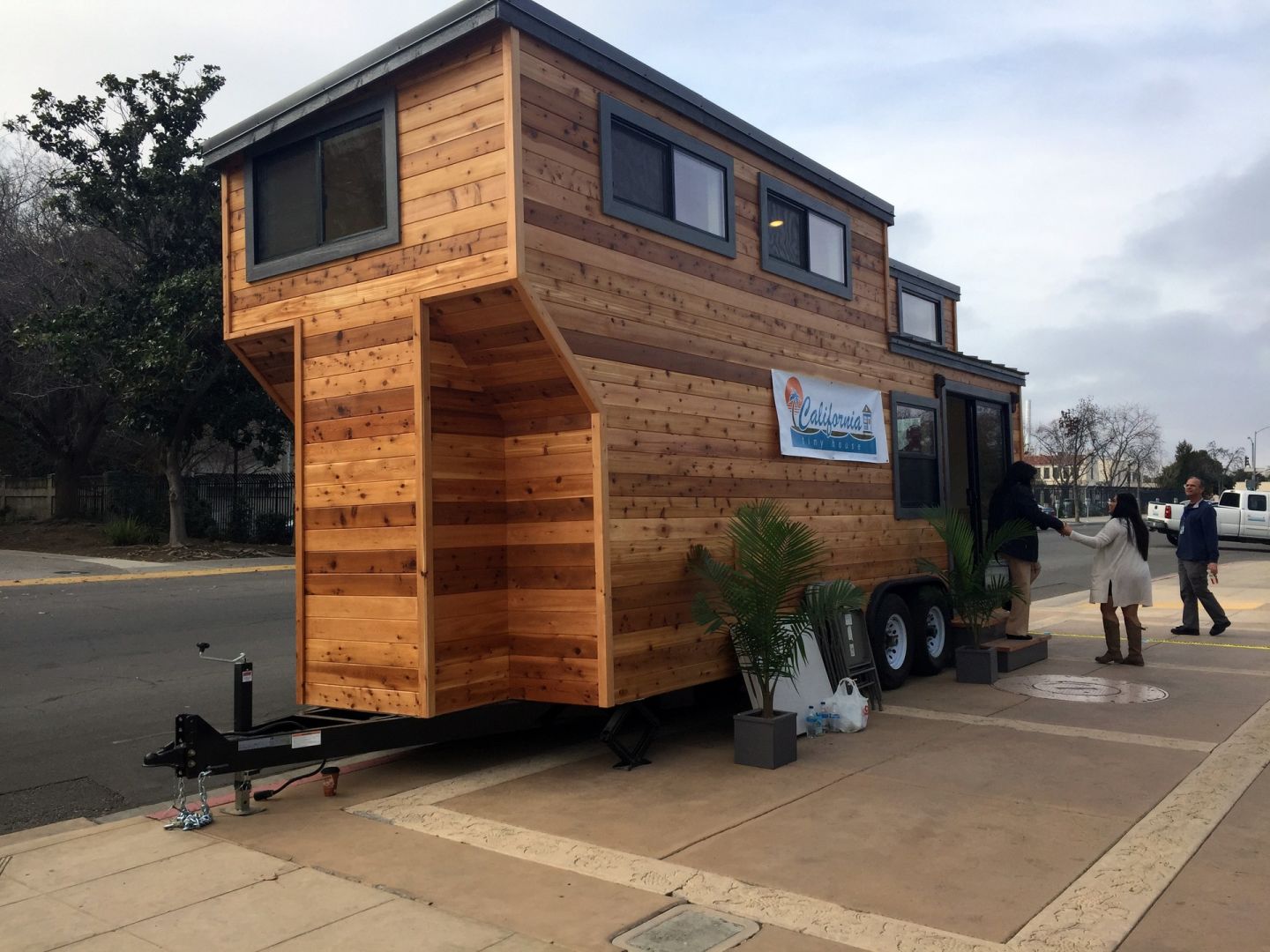
"caption": "A 'tiny house' parked in front of Fresno City Hall. Fresno recently updated its development code to legalize these kinds of homes on wheels as permanent structures adjoining a residence. ",
"description": null,
"title": "RS18096_IMG_8710.JPG-qut",
"credit": "Sasha Khokha/KQED",
"status": "inherit",
"isLoading": false,
"fetchFailed": false
},
"news_10826311": {
"type": "attachments",
"id": "news_10826311",
"meta": {
"index": "attachments_1716263798",
"site": "news",
"id": "10826311",
"found": true
},
"parent": 10789859,
"imgSizes": {
"twentyfourteen-full-width": {
"file": "https://ww2.kqed.org/app/uploads/sites/10/2016/01/GiovanniAuction-1038x576.jpg",
"width": 1038,
"mimeType": "image/jpeg",
"height": 576
},
"thumbnail": {
"file": "https://ww2.kqed.org/app/uploads/sites/10/2016/01/GiovanniAuction-400x246.jpg",
"width": 400,
"mimeType": "image/jpeg",
"height": 246
},
"fd-sm": {
"file": "https://ww2.kqed.org/app/uploads/sites/10/2016/01/GiovanniAuction-960x591.jpg",
"width": 960,
"mimeType": "image/jpeg",
"height": 591
},
"post-thumbnail": {
"file": "https://ww2.kqed.org/app/uploads/sites/10/2016/01/GiovanniAuction-672x372.jpg",
"width": 672,
"mimeType": "image/jpeg",
"height": 372
},
"kqedFullSize": {
"file": "https://ww2.kqed.org/app/uploads/sites/10/2016/01/GiovanniAuction.jpg",
"width": 1920,
"height": 1181
},
"large": {
"file": "https://ww2.kqed.org/app/uploads/sites/10/2016/01/GiovanniAuction-1440x886.jpg",
"width": 1440,
"mimeType": "image/jpeg",
"height": 886
},
"guest-author-96": {
"file": "https://ww2.kqed.org/app/uploads/sites/10/2016/01/GiovanniAuction-96x96.jpg",
"width": 96,
"mimeType": "image/jpeg",
"height": 96
},
"medium": {
"file": "https://ww2.kqed.org/app/uploads/sites/10/2016/01/GiovanniAuction-800x492.jpg",
"width": 800,
"mimeType": "image/jpeg",
"height": 492
},
"guest-author-64": {
"file": "https://ww2.kqed.org/app/uploads/sites/10/2016/01/GiovanniAuction-64x64.jpg",
"width": 64,
"mimeType": "image/jpeg",
"height": 64
},
"guest-author-32": {
"file": "https://ww2.kqed.org/app/uploads/sites/10/2016/01/GiovanniAuction-32x32.jpg",
"width": 32,
"mimeType": "image/jpeg",
"height": 32
},
"jmtc-small-thumb": {
"file": "https://ww2.kqed.org/app/uploads/sites/10/2016/01/GiovanniAuction-280x150.jpg",
"width": 280,
"mimeType": "image/jpeg",
"height": 150
},
"fd-lrg": {
"file": "https://ww2.kqed.org/app/uploads/sites/10/2016/01/GiovanniAuction-1920x1181.jpg",
"width": 1920,
"mimeType": "image/jpeg",
"height": 1181
},
"fd-med": {
"file": "https://ww2.kqed.org/app/uploads/sites/10/2016/01/GiovanniAuction-1180x726.jpg",
"width": 1180,
"mimeType": "image/jpeg",
"height": 726
},
"detail": {
"file": "https://ww2.kqed.org/app/uploads/sites/10/2016/01/GiovanniAuction-75x75.jpg",
"width": 75,
"mimeType": "image/jpeg",
"height": 75
},
"medium_large": {
"file": "https://ww2.kqed.org/app/uploads/sites/10/2016/01/GiovanniAuction-768x472.jpg",
"width": 768,
"mimeType": "image/jpeg",
"height": 472
},
"guest-author-128": {
"file": "https://ww2.kqed.org/app/uploads/sites/10/2016/01/GiovanniAuction-128x128.jpg",
"width": 128,
"mimeType": "image/jpeg",
"height": 128
}
},
"publishDate": 1452291514,
"modified": 1452291531,
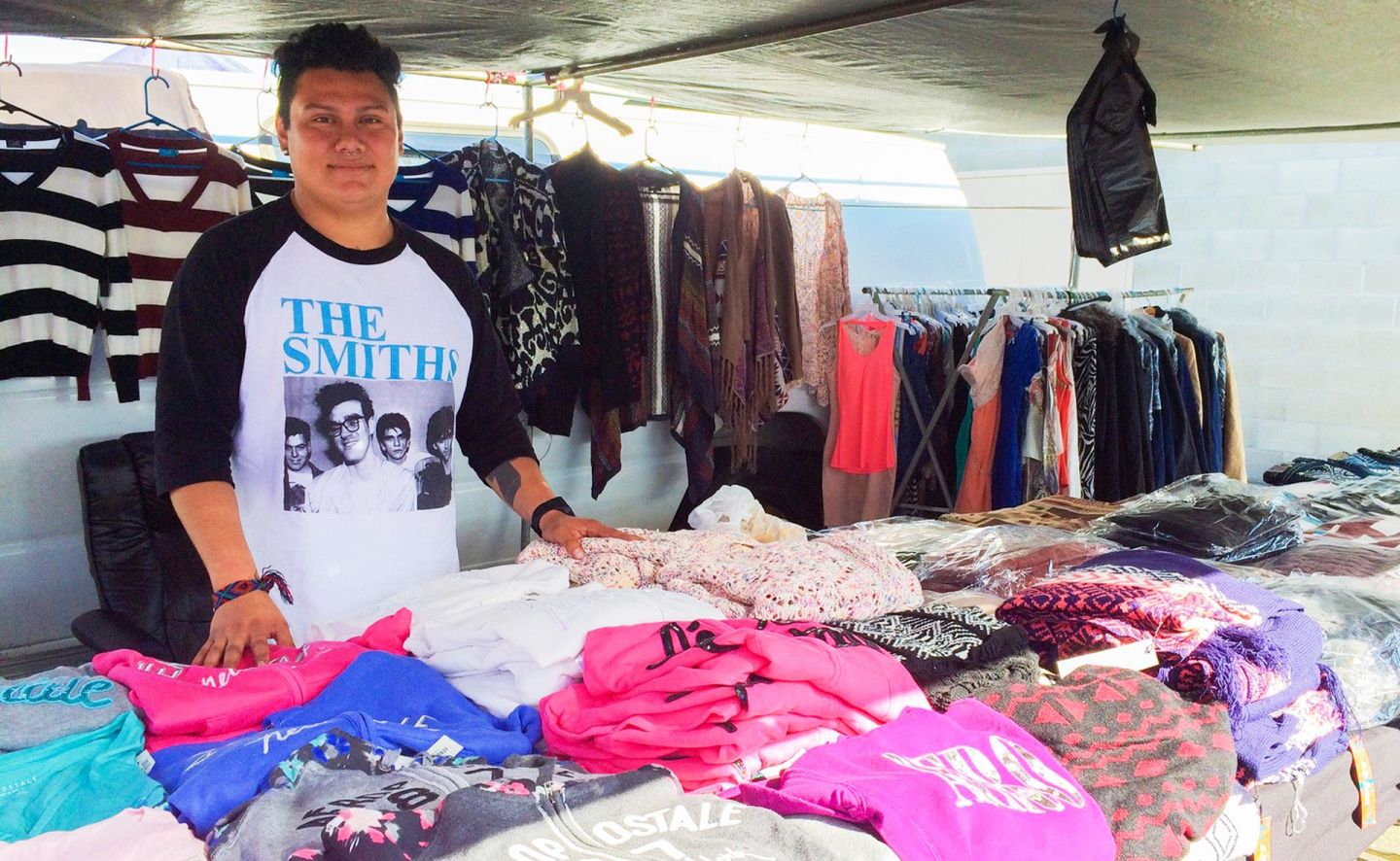
"caption": "Giovanni Martinez, 27, has been selling clothes at the Cherry Auction for eight years.",
"description": "Giovanni Martinez, 27, has been selling clothes at the Cherry Auction for eight years.",
"title": "GiovanniAuction",
"credit": "Kerry Klein/KQED",
"status": "inherit",
"isLoading": false,
"fetchFailed": false
},
"news_10754914": {
"type": "attachments",
"id": "news_10754914",
"meta": {
"index": "attachments_1716263798",
"site": "news",
"id": "10754914",
"found": true
},
"parent": 10754832,
"imgSizes": {
"twentyfourteen-full-width": {
"file": "https://ww2.kqed.org/app/uploads/sites/10/2015/11/VetsAndNurses-1038x576.jpg",
"width": 1038,
"mimeType": "image/jpeg",
"height": 576
},
"thumbnail": {
"file": "https://ww2.kqed.org/app/uploads/sites/10/2015/11/VetsAndNurses-400x302.jpg",
"width": 400,
"mimeType": "image/jpeg",
"height": 302
},
"fd-sm": {
"file": "https://ww2.kqed.org/app/uploads/sites/10/2015/11/VetsAndNurses-960x726.jpg",
"width": 960,
"mimeType": "image/jpeg",
"height": 726
},
"post-thumbnail": {
"file": "https://ww2.kqed.org/app/uploads/sites/10/2015/11/VetsAndNurses-672x372.jpg",
"width": 672,
"mimeType": "image/jpeg",
"height": 372
},
"kqedFullSize": {
"file": "https://ww2.kqed.org/app/uploads/sites/10/2015/11/VetsAndNurses.jpg",
"width": 1920,
"height": 1451
},
"large": {
"file": "https://ww2.kqed.org/app/uploads/sites/10/2015/11/VetsAndNurses-1440x1088.jpg",
"width": 1440,
"mimeType": "image/jpeg",
"height": 1088
},
"guest-author-96": {
"file": "https://ww2.kqed.org/app/uploads/sites/10/2015/11/VetsAndNurses-96x96.jpg",
"width": 96,
"mimeType": "image/jpeg",
"height": 96
},
"medium": {
"file": "https://ww2.kqed.org/app/uploads/sites/10/2015/11/VetsAndNurses-800x605.jpg",
"width": 800,
"mimeType": "image/jpeg",
"height": 605
},
"guest-author-64": {
"file": "https://ww2.kqed.org/app/uploads/sites/10/2015/11/VetsAndNurses-64x64.jpg",
"width": 64,
"mimeType": "image/jpeg",
"height": 64
},
"guest-author-32": {
"file": "https://ww2.kqed.org/app/uploads/sites/10/2015/11/VetsAndNurses-32x32.jpg",
"width": 32,
"mimeType": "image/jpeg",
"height": 32
},
"jmtc-small-thumb": {
"file": "https://ww2.kqed.org/app/uploads/sites/10/2015/11/VetsAndNurses-280x150.jpg",
"width": 280,
"mimeType": "image/jpeg",
"height": 150
},
"fd-lrg": {
"file": "https://ww2.kqed.org/app/uploads/sites/10/2015/11/VetsAndNurses-1920x1451.jpg",
"width": 1920,
"mimeType": "image/jpeg",
"height": 1451
},
"fd-med": {
"file": "https://ww2.kqed.org/app/uploads/sites/10/2015/11/VetsAndNurses-1180x892.jpg",
"width": 1180,
"mimeType": "image/jpeg",
"height": 892
},
"detail": {
"file": "https://ww2.kqed.org/app/uploads/sites/10/2015/11/VetsAndNurses-75x75.jpg",
"width": 75,
"mimeType": "image/jpeg",
"height": 75
},
"guest-author-128": {
"file": "https://ww2.kqed.org/app/uploads/sites/10/2015/11/VetsAndNurses-128x128.jpg",
"width": 128,
"mimeType": "image/jpeg",
"height": 128
}
},
"publishDate": 1447272455,
"modified": 1447292016,
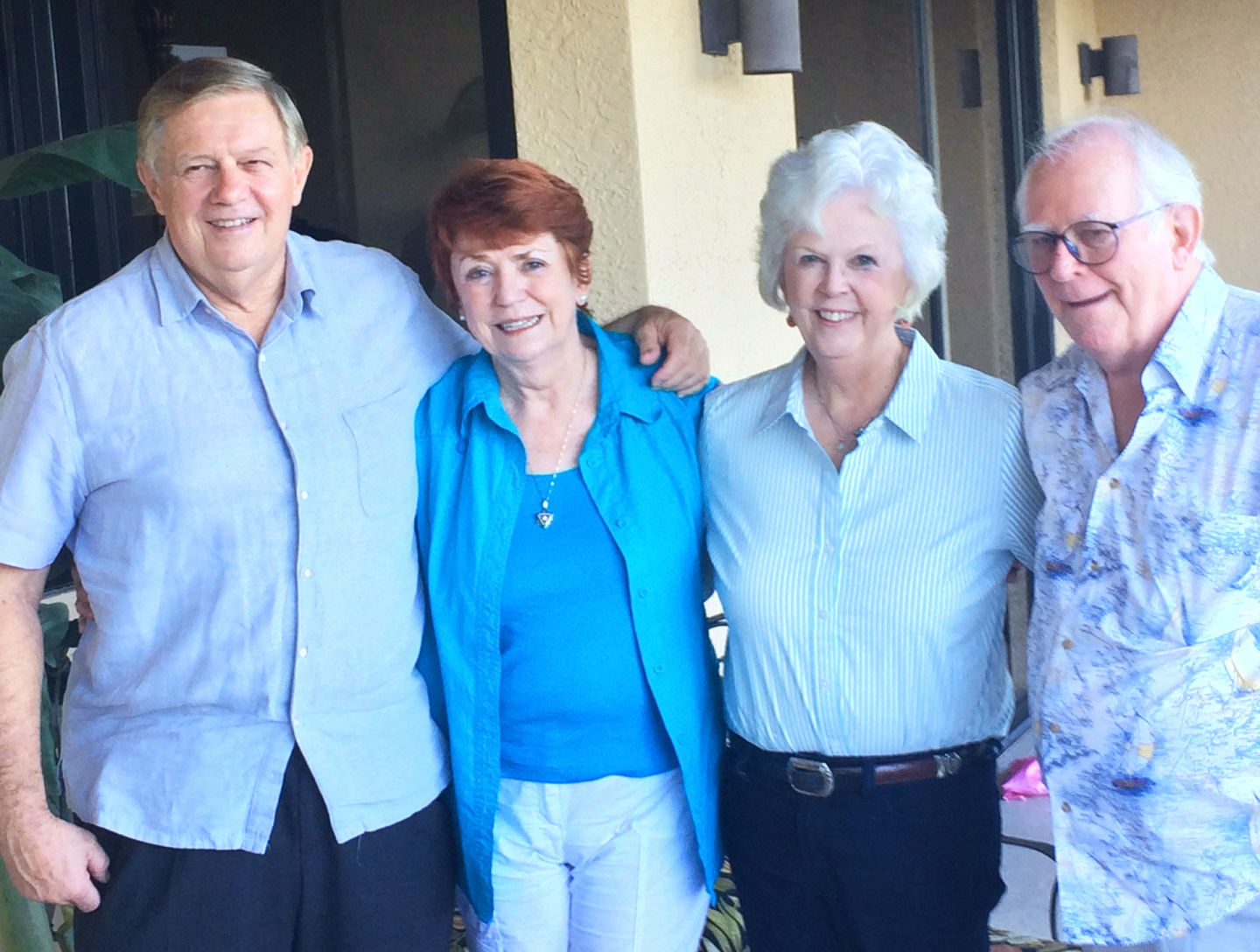
"caption": "Former Army MP Ron Paliughi (L) helped save the life of USAID worker Carol Portner (second from left). Maureen and Steve Orr were stranded in the same villa as Carol when the Tet Offensive began.",
"description": "Former Army MP Ron Paliughi (L) helped save the life of USAID worker Carol Portner (second from left). Maureen and Steve Orr were stranded in the same villa as Carol when the Tet Offensive began.",
"title": "VetsAndNurses",
"credit": "Courtesy Carol Portner",
"status": "inherit",
"isLoading": false,
"fetchFailed": false
},
"news_10748567": {
"type": "attachments",
"id": "news_10748567",
"meta": {
"index": "attachments_1716263798",
"site": "news",
"id": "10748567",
"found": true
},
"parent": 10747582,
"imgSizes": {
"twentyfourteen-full-width": {
"file": "https://ww2.kqed.org/app/uploads/sites/10/2015/11/WillScott-1038x576.jpg",
"width": 1038,
"mimeType": "image/jpeg",
"height": 576
},
"thumbnail": {
"file": "https://ww2.kqed.org/app/uploads/sites/10/2015/11/WillScott-400x224.jpg",
"width": 400,
"mimeType": "image/jpeg",
"height": 224
},
"fd-sm": {
"file": "https://ww2.kqed.org/app/uploads/sites/10/2015/11/WillScott-960x538.jpg",
"width": 960,
"mimeType": "image/jpeg",
"height": 538
},
"post-thumbnail": {
"file": "https://ww2.kqed.org/app/uploads/sites/10/2015/11/WillScott-672x372.jpg",
"width": 672,
"mimeType": "image/jpeg",
"height": 372
},
"kqedFullSize": {
"file": "https://ww2.kqed.org/app/uploads/sites/10/2015/11/WillScott.jpg",
"width": 1920,
"height": 1075
},
"large": {
"file": "https://ww2.kqed.org/app/uploads/sites/10/2015/11/WillScott-1440x806.jpg",
"width": 1440,
"mimeType": "image/jpeg",
"height": 806
},
"guest-author-96": {
"file": "https://ww2.kqed.org/app/uploads/sites/10/2015/11/WillScott-96x96.jpg",
"width": 96,
"mimeType": "image/jpeg",
"height": 96
},
"medium": {
"file": "https://ww2.kqed.org/app/uploads/sites/10/2015/11/WillScott-800x448.jpg",
"width": 800,
"mimeType": "image/jpeg",
"height": 448
},
"guest-author-64": {
"file": "https://ww2.kqed.org/app/uploads/sites/10/2015/11/WillScott-64x64.jpg",
"width": 64,
"mimeType": "image/jpeg",
"height": 64
},
"guest-author-32": {
"file": "https://ww2.kqed.org/app/uploads/sites/10/2015/11/WillScott-32x32.jpg",
"width": 32,
"mimeType": "image/jpeg",
"height": 32
},
"jmtc-small-thumb": {
"file": "https://ww2.kqed.org/app/uploads/sites/10/2015/11/WillScott-280x150.jpg",
"width": 280,
"mimeType": "image/jpeg",
"height": 150
},
"fd-lrg": {
"file": "https://ww2.kqed.org/app/uploads/sites/10/2015/11/WillScott-1920x1075.jpg",
"width": 1920,
"mimeType": "image/jpeg",
"height": 1075
},
"fd-med": {
"file": "https://ww2.kqed.org/app/uploads/sites/10/2015/11/WillScott-1180x661.jpg",
"width": 1180,
"mimeType": "image/jpeg",
"height": 661
},
"detail": {
"file": "https://ww2.kqed.org/app/uploads/sites/10/2015/11/WillScott-75x75.jpg",
"width": 75,
"mimeType": "image/jpeg",
"height": 75
},
"guest-author-128": {
"file": "https://ww2.kqed.org/app/uploads/sites/10/2015/11/WillScott-128x128.jpg",
"width": 128,
"mimeType": "image/jpeg",
"height": 128
}
},
"publishDate": 1446837236,
"modified": 1446837261,
"caption": "Will Scott Jr. gets ready to head home after a day on his farm. ",
"description": "Will Scott Jr. gets ready to head home after a day on his farm. ",
"title": "WillScott",
"credit": "Alice Daniel/KQED",
"status": "inherit",
"isLoading": false,
"fetchFailed": false
},
"news_10718631": {
"type": "attachments",
"id": "news_10718631",
"meta": {
"index": "attachments_1716263798",
"site": "news",
"id": "10718631",
"found": true
},
"parent": 10718619,
"imgSizes": {
"twentyfourteen-full-width": {
"file": "https://ww2.kqed.org/app/uploads/sites/10/2015/10/BKBrighter-1038x576.jpg",
"width": 1038,
"mimeType": "image/jpeg",
"height": 576
},
"thumbnail": {
"file": "https://ww2.kqed.org/app/uploads/sites/10/2015/10/BKBrighter-400x235.jpg",
"width": 400,
"mimeType": "image/jpeg",
"height": 235
},
"fd-sm": {
"file": "https://ww2.kqed.org/app/uploads/sites/10/2015/10/BKBrighter-960x564.jpg",
"width": 960,
"mimeType": "image/jpeg",
"height": 564
},
"post-thumbnail": {
"file": "https://ww2.kqed.org/app/uploads/sites/10/2015/10/BKBrighter-672x372.jpg",
"width": 672,
"mimeType": "image/jpeg",
"height": 372
},
"kqedFullSize": {
"file": "https://ww2.kqed.org/app/uploads/sites/10/2015/10/BKBrighter.jpg",
"width": 1920,
"height": 1127
},
"large": {
"file": "https://ww2.kqed.org/app/uploads/sites/10/2015/10/BKBrighter-1440x845.jpg",
"width": 1440,
"mimeType": "image/jpeg",
"height": 845
},
"guest-author-96": {
"file": "https://ww2.kqed.org/app/uploads/sites/10/2015/10/BKBrighter-96x96.jpg",
"width": 96,
"mimeType": "image/jpeg",
"height": 96
},
"medium": {
"file": "https://ww2.kqed.org/app/uploads/sites/10/2015/10/BKBrighter-800x470.jpg",
"width": 800,
"mimeType": "image/jpeg",
"height": 470
},
"guest-author-64": {
"file": "https://ww2.kqed.org/app/uploads/sites/10/2015/10/BKBrighter-64x64.jpg",
"width": 64,
"mimeType": "image/jpeg",
"height": 64
},
"guest-author-32": {
"file": "https://ww2.kqed.org/app/uploads/sites/10/2015/10/BKBrighter-32x32.jpg",
"width": 32,
"mimeType": "image/jpeg",
"height": 32
},
"jmtc-small-thumb": {
"file": "https://ww2.kqed.org/app/uploads/sites/10/2015/10/BKBrighter-280x150.jpg",
"width": 280,
"mimeType": "image/jpeg",
"height": 150
},
"fd-lrg": {
"file": "https://ww2.kqed.org/app/uploads/sites/10/2015/10/BKBrighter-1920x1127.jpg",
"width": 1920,
"mimeType": "image/jpeg",
"height": 1127
},
"fd-med": {
"file": "https://ww2.kqed.org/app/uploads/sites/10/2015/10/BKBrighter-1180x693.jpg",
"width": 1180,
"mimeType": "image/jpeg",
"height": 693
},
"detail": {
"file": "https://ww2.kqed.org/app/uploads/sites/10/2015/10/BKBrighter-75x75.jpg",
"width": 75,
"mimeType": "image/jpeg",
"height": 75
},
"guest-author-128": {
"file": "https://ww2.kqed.org/app/uploads/sites/10/2015/10/BKBrighter-128x128.jpg",
"width": 128,
"mimeType": "image/jpeg",
"height": 128
}
},
"publishDate": 1444951081,
"modified": 1444951109,
"caption": "This 4-inch-by-5-inch tintype depicts Billy the Kid and several members of his gang, The Regulators, playing croquet in 1878. Billy is fourth from left.",
"description": "This 4-inch-by-5-inch tintype depicts Billy the Kid and several members of his gang, The Regulators, playing croquet in 1878. Billy is fourth from left.",
"title": "BKBrighter",
"credit": "Courtesy of Kagins.com",
"status": "inherit",
"isLoading": false,
"fetchFailed": false
},
"news_10593270": {
"type": "attachments",
"id": "news_10593270",
"meta": {
"index": "attachments_1716263798",
"site": "news",
"id": "10593270",
"found": true
},
"parent": 10592158,
"imgSizes": {
"twentyfourteen-full-width": {
"file": "https://ww2.kqed.org/app/uploads/sites/10/2015/07/fresnowater1920-1038x576.jpg",
"width": 1038,
"mimeType": "image/jpeg",
"height": 576
},
"thumbnail": {
"file": "https://ww2.kqed.org/app/uploads/sites/10/2015/07/fresnowater1920-400x300.jpg",
"width": 400,
"mimeType": "image/jpeg",
"height": 300
},
"fd-sm": {
"file": "https://ww2.kqed.org/app/uploads/sites/10/2015/07/fresnowater1920-960x720.jpg",
"width": 960,
"mimeType": "image/jpeg",
"height": 720
},
"post-thumbnail": {
"file": "https://ww2.kqed.org/app/uploads/sites/10/2015/07/fresnowater1920-672x372.jpg",
"width": 672,
"mimeType": "image/jpeg",
"height": 372
},
"kqedFullSize": {
"file": "https://ww2.kqed.org/app/uploads/sites/10/2015/07/fresnowater1920.jpg",
"width": 1920,
"height": 1440
},
"large": {
"file": "https://ww2.kqed.org/app/uploads/sites/10/2015/07/fresnowater1920-1440x1080.jpg",
"width": 1440,
"mimeType": "image/jpeg",
"height": 1080
},
"guest-author-96": {
"file": "https://ww2.kqed.org/app/uploads/sites/10/2015/07/fresnowater1920-96x96.jpg",
"width": 96,
"mimeType": "image/jpeg",
"height": 96
},
"medium": {
"file": "https://ww2.kqed.org/app/uploads/sites/10/2015/07/fresnowater1920-800x600.jpg",
"width": 800,
"mimeType": "image/jpeg",
"height": 600
},
"guest-author-64": {
"file": "https://ww2.kqed.org/app/uploads/sites/10/2015/07/fresnowater1920-64x64.jpg",
"width": 64,
"mimeType": "image/jpeg",
"height": 64
},
"guest-author-32": {
"file": "https://ww2.kqed.org/app/uploads/sites/10/2015/07/fresnowater1920-32x32.jpg",
"width": 32,
"mimeType": "image/jpeg",
"height": 32
},
"jmtc-small-thumb": {
"file": "https://ww2.kqed.org/app/uploads/sites/10/2015/07/fresnowater1920-280x150.jpg",
"width": 280,
"mimeType": "image/jpeg",
"height": 150
},
"fd-med": {
"file": "https://ww2.kqed.org/app/uploads/sites/10/2015/07/fresnowater1920-1180x885.jpg",
"width": 1180,
"mimeType": "image/jpeg",
"height": 885
},
"detail": {
"file": "https://ww2.kqed.org/app/uploads/sites/10/2015/07/fresnowater1920-75x75.jpg",
"width": 75,
"mimeType": "image/jpeg",
"height": 75
},
"guest-author-128": {
"file": "https://ww2.kqed.org/app/uploads/sites/10/2015/07/fresnowater1920-128x128.jpg",
"width": 128,
"mimeType": "image/jpeg",
"height": 128
}
},
"publishDate": 1436384958,
"modified": 1436392242,
"caption": "Residents can haul away 300 gallons a day from the new filling station at the Fresno wastewater treatment plant.",
"description": "Residents can haul away 300 gallons a day from the new filling station at the Fresno wastewater treatment plant.",
"title": "fresnowater1920",
"credit": "Sasha Khokha/KQED",
"status": "inherit",
"isLoading": false,
"fetchFailed": false
},
"news_10514173": {
"type": "attachments",
"id": "news_10514173",
"meta": {
"index": "attachments_1716263798",
"site": "news",
"id": "10514173",
"found": true
},
"parent": 10514170,
"imgSizes": {
"twentyfourteen-full-width": {
"file": "https://ww2.kqed.org/app/uploads/sites/10/2015/05/boys-1038x576.jpg",
"width": 1038,
"mimeType": "image/jpeg",
"height": 576
},
"thumbnail": {
"file": "https://ww2.kqed.org/app/uploads/sites/10/2015/05/boys-400x300.jpg",
"width": 400,
"mimeType": "image/jpeg",
"height": 300
},
"fd-sm": {
"file": "https://ww2.kqed.org/app/uploads/sites/10/2015/05/boys-960x720.jpg",
"width": 960,
"mimeType": "image/jpeg",
"height": 720
},
"post-thumbnail": {
"file": "https://ww2.kqed.org/app/uploads/sites/10/2015/05/boys-672x372.jpg",
"width": 672,
"mimeType": "image/jpeg",
"height": 372
},
"kqedFullSize": {
"file": "https://ww2.kqed.org/app/uploads/sites/10/2015/05/boys-e1430951255629.jpg",
"width": 1920,
"height": 1440
},
"large": {
"file": "https://ww2.kqed.org/app/uploads/sites/10/2015/05/boys-1440x1080.jpg",
"width": 1440,
"mimeType": "image/jpeg",
"height": 1080
},
"guest-author-96": {
"file": "https://ww2.kqed.org/app/uploads/sites/10/2015/05/boys-96x96.jpg",
"width": 96,
"mimeType": "image/jpeg",
"height": 96
},
"medium": {
"file": "https://ww2.kqed.org/app/uploads/sites/10/2015/05/boys-800x600.jpg",
"width": 800,
"mimeType": "image/jpeg",
"height": 600
},
"guest-author-64": {
"file": "https://ww2.kqed.org/app/uploads/sites/10/2015/05/boys-64x64.jpg",
"width": 64,
"mimeType": "image/jpeg",
"height": 64
},
"guest-author-32": {
"file": "https://ww2.kqed.org/app/uploads/sites/10/2015/05/boys-32x32.jpg",
"width": 32,
"mimeType": "image/jpeg",
"height": 32
},
"fd-med": {
"file": "https://ww2.kqed.org/app/uploads/sites/10/2015/05/boys-1180x885.jpg",
"width": 1180,
"mimeType": "image/jpeg",
"height": 885
},
"detail": {
"file": "https://ww2.kqed.org/app/uploads/sites/10/2015/05/boys-75x75.jpg",
"width": 75,
"mimeType": "image/jpeg",
"height": 75
},
"guest-author-128": {
"file": "https://ww2.kqed.org/app/uploads/sites/10/2015/05/boys-128x128.jpg",
"width": 128,
"mimeType": "image/jpeg",
"height": 128
}
},
"publishDate": 1430853175,
"modified": 1430853356,
"caption": "Corben Beaty (far left), Noah Arsitio, Evan Murai, Daniel Shin and Jeffrey Forbes make up the Fab Five. ",
"description": null,
"title": "boys",
"credit": "Alice Daniel/KQED",
"status": "inherit",
"isLoading": false,
"fetchFailed": false
},
"news_10497848": {
"type": "attachments",
"id": "news_10497848",
"meta": {
"index": "attachments_1716263798",
"site": "news",
"id": "10497848",
"found": true
},
"parent": 10494205,
"imgSizes": {
"twentyfourteen-full-width": {
"file": "https://ww2.kqed.org/app/uploads/sites/10/2015/04/20150417_170034_resized-1038x576.jpg",
"width": 1038,
"mimeType": "image/jpeg",
"height": 576
},
"thumbnail": {
"file": "https://ww2.kqed.org/app/uploads/sites/10/2015/04/20150417_170034_resized-400x225.jpg",
"width": 400,
"mimeType": "image/jpeg",
"height": 225
},
"fd-sm": {
"file": "https://ww2.kqed.org/app/uploads/sites/10/2015/04/20150417_170034_resized-320x180.jpg",
"width": 320,
"mimeType": "image/jpeg",
"height": 180
},
"post-thumbnail": {
"file": "https://ww2.kqed.org/app/uploads/sites/10/2015/04/20150417_170034_resized-672x372.jpg",
"width": 672,
"mimeType": "image/jpeg",
"height": 372
},
"kqedFullSize": {
"file": "https://ww2.kqed.org/app/uploads/sites/10/2015/04/20150417_170034_resized-e1429631965365.jpg",
"width": 1920,
"height": 1080
},
"large": {
"file": "https://ww2.kqed.org/app/uploads/sites/10/2015/04/20150417_170034_resized-1440x810.jpg",
"width": 1440,
"mimeType": "image/jpeg",
"height": 810
},
"guest-author-96": {
"file": "https://ww2.kqed.org/app/uploads/sites/10/2015/04/20150417_170034_resized-96x96.jpg",
"width": 96,
"mimeType": "image/jpeg",
"height": 96
},
"medium": {
"file": "https://ww2.kqed.org/app/uploads/sites/10/2015/04/20150417_170034_resized-800x450.jpg",
"width": 800,
"mimeType": "image/jpeg",
"height": 450
},
"guest-author-64": {
"file": "https://ww2.kqed.org/app/uploads/sites/10/2015/04/20150417_170034_resized-64x64.jpg",
"width": 64,
"mimeType": "image/jpeg",
"height": 64
},
"guest-author-32": {
"file": "https://ww2.kqed.org/app/uploads/sites/10/2015/04/20150417_170034_resized-32x32.jpg",
"width": 32,
"mimeType": "image/jpeg",
"height": 32
},
"fd-lrg": {
"file": "https://ww2.kqed.org/app/uploads/sites/10/2015/04/20150417_170034_resized-1180x664.jpg",
"width": 1180,
"mimeType": "image/jpeg",
"height": 664
},
"fd-med": {
"file": "https://ww2.kqed.org/app/uploads/sites/10/2015/04/20150417_170034_resized-768x432.jpg",
"width": 768,
"mimeType": "image/jpeg",
"height": 432
},
"detail": {
"file": "https://ww2.kqed.org/app/uploads/sites/10/2015/04/20150417_170034_resized-75x75.jpg",
"width": 75,
"mimeType": "image/jpeg",
"height": 75
},
"guest-author-128": {
"file": "https://ww2.kqed.org/app/uploads/sites/10/2015/04/20150417_170034_resized-128x128.jpg",
"width": 128,
"mimeType": "image/jpeg",
"height": 128
}
},
"publishDate": 1429631836,
"modified": 1429631943,
"caption": "A PG&E photograph of the site of last Friday's natural gas pipeline explosion in Fresno. Witnesses have reported the front-loader in the image was blown 30 feet into the air. ",
"description": null,
"title": "Fresno-Gas Explosion",
"credit": "PG&E",
"status": "inherit",
"isLoading": false,
"fetchFailed": false
},
"news_10468455": {
"type": "attachments",
"id": "news_10468455",
"meta": {
"index": "attachments_1716263798",
"site": "news",
"id": "10468455",
"found": true
},
"parent": 10467313,
"imgSizes": {
"twentyfourteen-full-width": {
"file": "https://ww2.kqed.org/app/uploads/sites/10/2015/03/ArmenianCombo-1038x576.jpg",
"width": 1038,
"mimeType": "image/jpeg",
"height": 576
},
"thumbnail": {
"file": "https://ww2.kqed.org/app/uploads/sites/10/2015/03/ArmenianCombo-400x226.jpg",
"width": 400,
"mimeType": "image/jpeg",
"height": 226
},
"fd-sm": {
"file": "https://ww2.kqed.org/app/uploads/sites/10/2015/03/ArmenianCombo-320x181.jpg",
"width": 320,
"mimeType": "image/jpeg",
"height": 181
},
"post-thumbnail": {
"file": "https://ww2.kqed.org/app/uploads/sites/10/2015/03/ArmenianCombo-672x372.jpg",
"width": 672,
"mimeType": "image/jpeg",
"height": 372
},
"kqedFullSize": {
"file": "https://ww2.kqed.org/app/uploads/sites/10/2015/03/ArmenianCombo.jpg",
"width": 1920,
"height": 1087
},
"large": {
"file": "https://ww2.kqed.org/app/uploads/sites/10/2015/03/ArmenianCombo-1440x815.jpg",
"width": 1440,
"mimeType": "image/jpeg",
"height": 815
},
"guest-author-96": {
"file": "https://ww2.kqed.org/app/uploads/sites/10/2015/03/ArmenianCombo-96x96.jpg",
"width": 96,
"mimeType": "image/jpeg",
"height": 96
},
"medium": {
"file": "https://ww2.kqed.org/app/uploads/sites/10/2015/03/ArmenianCombo-800x453.jpg",
"width": 800,
"mimeType": "image/jpeg",
"height": 453
},
"guest-author-64": {
"file": "https://ww2.kqed.org/app/uploads/sites/10/2015/03/ArmenianCombo-64x64.jpg",
"width": 64,
"mimeType": "image/jpeg",
"height": 64
},
"guest-author-32": {
"file": "https://ww2.kqed.org/app/uploads/sites/10/2015/03/ArmenianCombo-32x32.jpg",
"width": 32,
"mimeType": "image/jpeg",
"height": 32
},
"fd-lrg": {
"file": "https://ww2.kqed.org/app/uploads/sites/10/2015/03/ArmenianCombo-1180x668.jpg",
"width": 1180,
"mimeType": "image/jpeg",
"height": 668
},
"fd-med": {
"file": "https://ww2.kqed.org/app/uploads/sites/10/2015/03/ArmenianCombo-768x435.jpg",
"width": 768,
"mimeType": "image/jpeg",
"height": 435
},
"detail": {
"file": "https://ww2.kqed.org/app/uploads/sites/10/2015/03/ArmenianCombo-75x75.jpg",
"width": 75,
"mimeType": "image/jpeg",
"height": 75
},
"guest-author-128": {
"file": "https://ww2.kqed.org/app/uploads/sites/10/2015/03/ArmenianCombo-128x128.jpg",
"width": 128,
"mimeType": "image/jpeg",
"height": 128
}
},
"publishDate": 1427507610,
"modified": 1427507633,
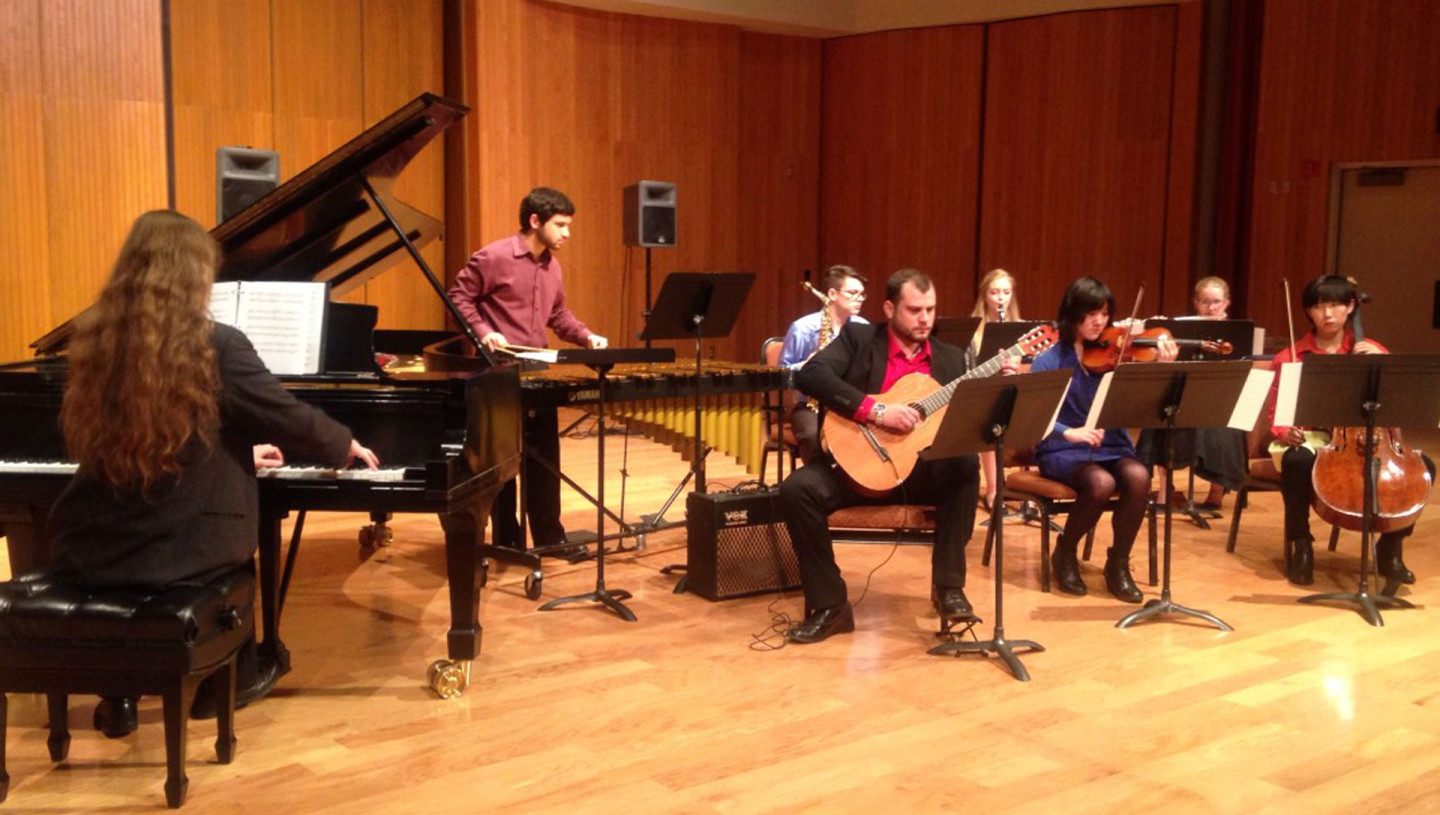
"caption": "Percussionist and composer Joseph Bohigian is a member of the Fresno State New Music Ensemble.",
"description": "Percussionist and composer Joseph Bohigian is a member of the Fresno State New Music Ensemble.",
"title": "ArmenianCombo",
"credit": "Alice Daniel/KQED",
"status": "inherit",
"isLoading": false,
"fetchFailed": false
},
"news_10437821": {
"type": "attachments",
"id": "news_10437821",
"meta": {
"index": "attachments_1716263798",
"site": "news",
"id": "10437821",
"found": true
},
"parent": 10437780,
"imgSizes": {
"twentyfourteen-full-width": {
"file": "https://ww2.kqed.org/app/uploads/sites/10/2015/02/DSC_0019-2452936840-O-1038x576.jpeg",
"width": 1038,
"mimeType": "image/jpeg",
"height": 576
},
"thumbnail": {
"file": "https://ww2.kqed.org/app/uploads/sites/10/2015/02/DSC_0019-2452936840-O-400x286.jpeg",
"width": 400,
"mimeType": "image/jpeg",
"height": 286
},
"post-thumbnail": {
"file": "https://ww2.kqed.org/app/uploads/sites/10/2015/02/DSC_0019-2452936840-O-672x372.jpeg",
"width": 672,
"mimeType": "image/jpeg",
"height": 372
},
"kqedFullSize": {
"file": "https://ww2.kqed.org/app/uploads/sites/10/2015/02/DSC_0019-2452936840-O.jpeg",
"width": 2129,
"height": 1520
},
"large": {
"file": "https://ww2.kqed.org/app/uploads/sites/10/2015/02/DSC_0019-2452936840-O-1440x1028.jpeg",
"width": 1440,
"mimeType": "image/jpeg",
"height": 1028
},
"guest-author-96": {
"file": "https://ww2.kqed.org/app/uploads/sites/10/2015/02/DSC_0019-2452936840-O-96x96.jpeg",
"width": 96,
"mimeType": "image/jpeg",
"height": 96
},
"medium": {
"file": "https://ww2.kqed.org/app/uploads/sites/10/2015/02/DSC_0019-2452936840-O-800x571.jpeg",
"width": 800,
"mimeType": "image/jpeg",
"height": 571
},
"guest-author-64": {
"file": "https://ww2.kqed.org/app/uploads/sites/10/2015/02/DSC_0019-2452936840-O-64x64.jpeg",
"width": 64,
"mimeType": "image/jpeg",
"height": 64
},
"detail": {
"file": "https://ww2.kqed.org/app/uploads/sites/10/2015/02/DSC_0019-2452936840-O-75x75.jpeg",
"width": 75,
"mimeType": "image/jpeg",
"height": 75
},
"guest-author-32": {
"file": "https://ww2.kqed.org/app/uploads/sites/10/2015/02/DSC_0019-2452936840-O-32x32.jpeg",
"width": 32,
"mimeType": "image/jpeg",
"height": 32
},
"guest-author-128": {
"file": "https://ww2.kqed.org/app/uploads/sites/10/2015/02/DSC_0019-2452936840-O-128x128.jpeg",
"width": 128,
"mimeType": "image/jpeg",
"height": 128
}
},
"publishDate": 1424387962,
"modified": 1424389043,
"caption": "Philip Levine recording with the Benjamin Boone Evolution Quartet in Fresno",
"description": null,
"title": "DSC_0019-2452936840-O",
"credit": "Joe Osejo",
"status": "inherit",
"isLoading": false,
"fetchFailed": false
},
"news_10400422": {
"type": "attachments",
"id": "news_10400422",
"meta": {
"index": "attachments_1716263798",
"site": "news",
"id": "10400422",
"found": true
},
"parent": 10400360,
"imgSizes": {
"twentyfourteen-full-width": {
"file": "https://ww2.kqed.org/app/uploads/sites/10/2015/01/RS13922_photo-scr-1038x576.jpg",
"width": 1038,
"mimeType": "image/jpeg",
"height": 576
},
"thumbnail": {
"file": "https://ww2.kqed.org/app/uploads/sites/10/2015/01/RS13922_photo-scr-400x300.jpg",
"width": 400,
"mimeType": "image/jpeg",
"height": 300
},
"post-thumbnail": {
"file": "https://ww2.kqed.org/app/uploads/sites/10/2015/01/RS13922_photo-scr-672x372.jpg",
"width": 672,
"mimeType": "image/jpeg",
"height": 372
},
"kqedFullSize": {
"file": "https://ww2.kqed.org/app/uploads/sites/10/2015/01/RS13922_photo-scr.jpg",
"width": 1440,
"height": 1080
},
"guest-author-96": {
"file": "https://ww2.kqed.org/app/uploads/sites/10/2015/01/RS13922_photo-scr-96x96.jpg",
"width": 96,
"mimeType": "image/jpeg",
"height": 96
},
"medium": {
"file": "https://ww2.kqed.org/app/uploads/sites/10/2015/01/RS13922_photo-scr-800x600.jpg",
"width": 800,
"mimeType": "image/jpeg",
"height": 600
},
"guest-author-64": {
"file": "https://ww2.kqed.org/app/uploads/sites/10/2015/01/RS13922_photo-scr-64x64.jpg",
"width": 64,
"mimeType": "image/jpeg",
"height": 64
},
"detail": {
"file": "https://ww2.kqed.org/app/uploads/sites/10/2015/01/RS13922_photo-scr-75x75.jpg",
"width": 75,
"mimeType": "image/jpeg",
"height": 75
},
"guest-author-32": {
"file": "https://ww2.kqed.org/app/uploads/sites/10/2015/01/RS13922_photo-scr-32x32.jpg",
"width": 32,
"mimeType": "image/jpeg",
"height": 32
},
"guest-author-128": {
"file": "https://ww2.kqed.org/app/uploads/sites/10/2015/01/RS13922_photo-scr-128x128.jpg",
"width": 128,
"mimeType": "image/jpeg",
"height": 128
}
},
"publishDate": 1420657648,
"modified": 1420658720,
"caption": "Gov. Jerry Brown signs a ceremonial rail during formal bullet train groundbreaking Tuesday in Fresno. (Ezra Romero/KVPR)",
"description": "Gov. Jerry Brown signs a ceremonial rail during formal bullet train groundbreaking Tuesday in Fresno. (Ezra Romero/KVPR)",
"title": "Brown-High Speed Rail-Fresno",
"credit": null,
"status": "inherit",
"isLoading": false,
"fetchFailed": false
},
"news_10367504": {
"type": "attachments",
"id": "news_10367504",
"meta": {
"index": "attachments_1716263798",
"site": "news",
"id": "10367504",
"found": true
},
"parent": 10367254,
"imgSizes": {
"twentyfourteen-full-width": {
"file": "https://ww2.kqed.org/app/uploads/sites/10/2014/12/HmongFarmer-1038x576.jpg",
"width": 1038,
"mimeType": "image/jpeg",
"height": 576
},
"thumbnail": {
"file": "https://ww2.kqed.org/app/uploads/sites/10/2014/12/HmongFarmer-400x259.jpg",
"width": 400,
"mimeType": "image/jpeg",
"height": 259
},
"post-thumbnail": {
"file": "https://ww2.kqed.org/app/uploads/sites/10/2014/12/HmongFarmer-672x372.jpg",
"width": 672,
"mimeType": "image/jpeg",
"height": 372
},
"kqedFullSize": {
"file": "https://ww2.kqed.org/app/uploads/sites/10/2014/12/HmongFarmer.jpg",
"width": 1440,
"height": 933
},
"guest-author-96": {
"file": "https://ww2.kqed.org/app/uploads/sites/10/2014/12/HmongFarmer-96x96.jpg",
"width": 96,
"mimeType": "image/jpeg",
"height": 96
},
"medium": {
"file": "https://ww2.kqed.org/app/uploads/sites/10/2014/12/HmongFarmer-800x518.jpg",
"width": 800,
"mimeType": "image/jpeg",
"height": 518
},
"guest-author-64": {
"file": "https://ww2.kqed.org/app/uploads/sites/10/2014/12/HmongFarmer-64x64.jpg",
"width": 64,
"mimeType": "image/jpeg",
"height": 64
},
"detail": {
"file": "https://ww2.kqed.org/app/uploads/sites/10/2014/12/HmongFarmer-75x75.jpg",
"width": 75,
"mimeType": "image/jpeg",
"height": 75
},
"guest-author-32": {
"file": "https://ww2.kqed.org/app/uploads/sites/10/2014/12/HmongFarmer-32x32.jpg",
"width": 32,
"mimeType": "image/jpeg",
"height": 32
},
"guest-author-128": {
"file": "https://ww2.kqed.org/app/uploads/sites/10/2014/12/HmongFarmer-128x128.jpg",
"width": 128,
"mimeType": "image/jpeg",
"height": 128
}
},
"publishDate": 1417731039,
"modified": 1417742570,
"caption": "May Vu explains to Hmong farming advocate Jon Thao that she cannot apply for an emergency loan from the USDA Farm Service Agency because she does not own her land. (Erica Mu/KQED)",
"description": "May Vu explains to Hmong farming advocate Jon Thao that she cannot apply for an emergency loan from the USDA Farm Service Agency because she does not own her land. (Erica Mu/KQED)",
"title": "HmongFarmer",
"credit": null,
"status": "inherit",
"isLoading": false,
"fetchFailed": false
}
},
"audioPlayerReducer": {
"postId": "stream_live",
"isPaused": true,
"isPlaying": false,
"pfsActive": false,
"pledgeModalIsOpen": true,
"playerDrawerIsOpen": false,
"liveAudioPlayStartedAt": 0,
"liveAudioPlayContext": ""
},
"authorsReducer": {
"byline_news_10718619": {
"type": "authors",
"id": "byline_news_10718619",
"meta": {
"override": true
},
"slug": "byline_news_10718619",
"name": "\u003cstrong>Brakkton Booker\u003cbr>NPR\u003c/strong>",
"isLoading": false
},
"byline_news_10367254": {
"type": "authors",
"id": "byline_news_10367254",
"meta": {
"override": true
},
"slug": "byline_news_10367254",
"name": "Erica Mu",
"isLoading": false
},
"aliceldaniel": {
"type": "authors",
"id": "208",
"meta": {
"index": "authors_1716337520",
"id": "208",
"found": true
},
"name": "Alice Daniel",
"firstName": "Alice",
"lastName": "Daniel",
"slug": "aliceldaniel",
"email": "adaniel@kqed.org",
"display_author_email": false,
"staff_mastheads": [],
"title": null,
"bio": "Alice Daniel loves the listening aspect of reporting because she gets to briefly walk in other people’s shoes. She has rappelled down into caves and gone up in helicopters for KQED’s The California Report but her favorite place to pursue a story is the High Sierra or any family-run bakery, of course. Alice has a masters in journalism from Columbia University and teaches at Fresno State. She is a California Healthline Regional Correspondent and a frequent contributor to Success magazine. In her free time, she skis and hikes, throws pottery, practices piano and looks out the window.",
"avatar": "https://secure.gravatar.com/avatar/e611aa06593b114a67f9f123a8e875ad?s=600&d=blank&r=g",
"twitter": null,
"facebook": null,
"instagram": null,
"linkedin": null,
"sites": [
{
"site": "news",
"roles": [
"author"
]
},
{
"site": "stateofhealth",
"roles": [
"author"
]
}
],
"headData": {
"title": "Alice Daniel | KQED",
"description": null,
"ogImgSrc": "https://secure.gravatar.com/avatar/e611aa06593b114a67f9f123a8e875ad?s=600&d=blank&r=g",
"twImgSrc": "https://secure.gravatar.com/avatar/e611aa06593b114a67f9f123a8e875ad?s=600&d=blank&r=g"
},
"isLoading": false,
"link": "/author/aliceldaniel"
},
"danbrekke": {
"type": "authors",
"id": "222",
"meta": {
"index": "authors_1716337520",
"id": "222",
"found": true
},
"name": "Dan Brekke",
"firstName": "Dan",
"lastName": "Brekke",
"slug": "danbrekke",
"email": "dbrekke@kqed.org",
"display_author_email": true,
"staff_mastheads": [
"news",
"science"
],
"title": "KQED Editor and Reporter",
"bio": "Dan Brekke is a reporter and editor for KQED News, responsible for coverage of topics ranging from California water issues to the Bay Area's transportation challenges. In a newsroom career that began in Chicago in 1972, Dan has worked for \u003cem>The San Francisco Examiner,\u003c/em> Wired and TechTV and has been published in The New York Times, The New York Times Magazine, Business 2.0, Salon and elsewhere.\r\n\r\nSince joining KQED in 2007, Dan has reported, edited and produced both radio and online features and breaking news pieces. He has shared as both editor and reporter in four Society of Professional Journalists Norcal Excellence in Journalism awards and one Edward R. Murrow regional award. He was chosen for a spring 2017 residency at the Mesa Refuge to advance his research on California salmon.\r\n\r\nEmail Dan at: \u003ca href=\"mailto:dbrekke@kqed.org\">dbrekke@kqed.org\u003c/a>\r\n\r\n\u003cstrong>Twitter:\u003c/strong> \u003ca href=\"https://twitter.com/danbrekke\" rel=\"noopener noreferrer\">twitter.com/danbrekke\u003c/a>\r\n\u003cstrong>Facebook:\u003c/strong> \u003ca href=\"https://www.facebook.com/danbrekke\" rel=\"noopener noreferrer\">www.facebook.com/danbrekke\u003c/a>\r\n\u003cstrong>LinkedIn:\u003c/strong> \u003ca href=\"https://www.linkedin.com/in/danbrekke\" rel=\"noopener noreferrer\">www.linkedin.com/in/danbrekke\u003c/a>",
"avatar": "https://secure.gravatar.com/avatar/c8126230345efca3f7aa89b1a402be45?s=600&d=mm&r=g",
"twitter": "danbrekke",
"facebook": null,
"instagram": "https://www.instagram.com/dan.brekke/",
"linkedin": "https://www.linkedin.com/in/danbrekke/",
"sites": [
{
"site": "news",
"roles": [
"administrator",
"create_posts"
]
},
{
"site": "stateofhealth",
"roles": [
"editor"
]
},
{
"site": "science",
"roles": [
"editor"
]
},
{
"site": "quest",
"roles": [
"contributor"
]
},
{
"site": "food",
"roles": [
"contributor"
]
},
{
"site": "forum",
"roles": [
"contributor"
]
},
{
"site": "liveblog",
"roles": [
"editor"
]
}
],
"headData": {
"title": "Dan Brekke | KQED",
"description": "KQED Editor and Reporter",
"ogImgSrc": "https://secure.gravatar.com/avatar/c8126230345efca3f7aa89b1a402be45?s=600&d=mm&r=g",
"twImgSrc": "https://secure.gravatar.com/avatar/c8126230345efca3f7aa89b1a402be45?s=600&d=mm&r=g"
},
"isLoading": false,
"link": "/author/danbrekke"
},
"sasha-khokha": {
"type": "authors",
"id": "254",
"meta": {
"index": "authors_1716337520",
"id": "254",
"found": true
},
"name": "Sasha Khokha",
"firstName": "Sasha",
"lastName": "Khokha",
"slug": "sasha-khokha",
"email": "skhokha@kqed.org",
"display_author_email": true,
"staff_mastheads": [
"news"
],
"title": "Host, The California Report Magazine",
"bio": "Sasha Khokha is the host of \u003cem>The California Report's \u003c/em> weekly magazine program, which takes listeners on sound-rich excursions to meet the people that make the Golden State unique -- through audio documentaries and long-form stories. As \u003cem>The California Report's\u003c/em> Central Valley Bureau Chief based in Fresno for nearly a dozen years, Sasha brought the lives and concerns of rural Californians to listeners around the state. Her reporting helped expose the hidden price immigrant women janitors and farmworkers may pay to keep their jobs: sexual assault at work. It inspired two new California laws to protect them from sexual harassment. She was a key member of the reporting team for the Frontline film \u003cem>Rape on the Night Shift, \u003c/em>which was nominated for two national Emmys. Sasha has also won a national Edward R. Murrow and a national PRNDI award for investigative reporting, as well as multiple prizes from the Society for Professional Journalists. Sasha is a proud alum of the UC Berkeley Graduate School of Journalism and Brown University and a member of the South Asian Journalists Association.",
"avatar": "https://secure.gravatar.com/avatar/e4b5e1541aaeea2aa356aa1fb2a68950?s=600&d=blank&r=g",
"twitter": "KQEDSashaKhokha",
"facebook": null,
"instagram": null,
"linkedin": null,
"sites": [
{
"site": "news",
"roles": [
"editor"
]
},
{
"site": "stateofhealth",
"roles": [
"author"
]
},
{
"site": "science",
"roles": [
"author"
]
},
{
"site": "quest",
"roles": [
"subscriber"
]
}
],
"headData": {
"title": "Sasha Khokha | KQED",
"description": "Host, The California Report Magazine",
"ogImgSrc": "https://secure.gravatar.com/avatar/e4b5e1541aaeea2aa356aa1fb2a68950?s=600&d=blank&r=g",
"twImgSrc": "https://secure.gravatar.com/avatar/e4b5e1541aaeea2aa356aa1fb2a68950?s=600&d=blank&r=g"
},
"isLoading": false,
"link": "/author/sasha-khokha"
},
"kklein": {
"type": "authors",
"id": "11092",
"meta": {
"index": "authors_1716337520",
"id": "11092",
"found": true
},
"name": "Kerry Klein",
"firstName": "Kerry",
"lastName": "Klein",
"slug": "kklein",
"email": "kklein@kqed.org",
"display_author_email": false,
"staff_mastheads": [],
"title": null,
"bio": "Kerry Klein is a radio and print reporter based in Fresno. A geologist by training, she worked in the mining and geothermal energy industries before attending the Science Communication program at the University of California, Santa Cruz. Her work has appeared on Valley Public Radio, the San Jose Mercury News, the Salinas Californian and Slate, on topics ranging from drought and agriculture to space and roadkill. You can follow her on Twitter @einekleinekerry.",
"avatar": "https://secure.gravatar.com/avatar/b9e5d93e72b009b963ce5f1b5f68ecbd?s=600&d=blank&r=g",
"twitter": null,
"facebook": null,
"instagram": null,
"linkedin": null,
"sites": [
{
"site": "news",
"roles": [
"author"
]
},
{
"site": "science",
"roles": [
"author"
]
}
],
"headData": {
"title": "Kerry Klein | KQED",
"description": null,
"ogImgSrc": "https://secure.gravatar.com/avatar/b9e5d93e72b009b963ce5f1b5f68ecbd?s=600&d=blank&r=g",
"twImgSrc": "https://secure.gravatar.com/avatar/b9e5d93e72b009b963ce5f1b5f68ecbd?s=600&d=blank&r=g"
},
"isLoading": false,
"link": "/author/kklein"
}
},
"pagesReducer": {
"news_tag_fresno": {
"type": "terms",
"id": "news_37",
"meta": {
"index": "terms_1716263798",
"site": "news",
"id": "37",
"score": 9.103885
},
"featImg": null,
"name": "Fresno",
"description": null,
"taxonomy": "tag",
"headData": {
"twImgId": null,
"twTitle": null,
"ogTitle": null,
"ogImgId": null,
"twDescription": null,
"description": null,
"title": "Fresno Archives | KQED News",
"ogDescription": null
},
"ttid": 37,
"slug": "fresno",
"isLoading": false,
"title": "Fresno",
"pageMeta": {
"site": "news",
"WpPageTemplate": "page-topic-editorial",
"currentPage": 10
},
"blocks": [
{
"blockName": "kqed/post-list",
"attrs": {
"layout": "cardArticle2",
"query": "posts/news?tag=fresno",
"seeMore": false,
"paginated": true,
"page": 10
}
},
{
"blockName": "kqed/ad"
}
]
}
},
"pfsSessionReducer": {},
"postsReducer": {
"stream_live": {
"type": "live",
"id": "stream_live",
"audioUrl": "https://streams.kqed.org/kqedradio",
"title": "Live Stream",
"excerpt": "Live Stream information currently unavailable.",
"link": "/radio",
"featImg": "",
"label": {
"name": "KQED Live",
"link": "/"
}
},
"stream_kqedNewscast": {
"type": "posts",
"id": "stream_kqedNewscast",
"audioUrl": "https://www.kqed.org/.stream/anon/radio/RDnews/newscast.mp3?_=1",
"title": "KQED Newscast",
"featImg": "",
"label": {
"name": "88.5 FM",
"link": "/"
}
},
"news_10833592": {
"type": "posts",
"id": "news_10833592",
"meta": {
"index": "posts_1716263798",
"site": "news",
"id": "10833592",
"score": null,
"sort": [
1453190724000
]
},
"parent": 0,
"labelTerm": {
"site": "news",
"term": 72
},
"blocks": [],
"publishDate": 1453190724,
"format": "standard",
"disqusTitle": "Fresno Passes Groundbreaking 'Tiny House' Rules",
"title": "Fresno Passes Groundbreaking 'Tiny House' Rules",
"headTitle": "The California Report | KQED News",
"content": "\u003cp>It may seem surprising that Fresno, better known for sprawling new developments, is paving the way when it comes to rules for eco-conscious tiny houses.\u003c/p>\n\u003cp>\"We are the first city in the nation to actually write into its development code authorization for 'tiny homes,' \" says Mayor Ashley Swearingen. \"If there’s one thing that Californians should know about Fresno, it’s that we are full of surprises. And just when you’ve think you’ve pegged us to be one type of community, we’ll surprise you.\"\u003c/p>\n\u003cp>[soundcloud url=\"https://api.soundcloud.com/tracks/242766126\" params=\"color=ff5500&auto_play=false&hide_related=false&show_comments=true&show_user=true&show_reposts=false\" width=\"100%\" height=\"166\" iframe=\"true\" /]\u003c/p>\n\u003cp>Fresno's \u003ca href=\"http://www.californiatinyhouse.com/new-zoning-code/\">new rules\u003c/a> specifically pertain to tiny homes on wheels, which are often treated like RVs in other cities. So that means there are limits on where and how long they can be parked. That's angered some tiny-house activists, like the folks at \"\u003ca href=\"https://www.flickr.com/photos/faircompanies/sets/72157656780625856/\">Containertopia\u003c/a>\" in the Bay Area. I spoke with them recently for a \u003ca href=\"http://ww2.kqed.org/science/2015/12/08/local-warming-radio-documentary-captures-california-attitudes-toward-climate-change/\">BBC documentary\u003c/a> about reducing Californians' carbon footprint.\u003c/p>\n\u003cp>Some counties, like Alameda, Contra Costa and Napa, allow cottages on wheels as caregiver dwellings in the backyard of someone who needs assistance. \u003ca href=\"http://americantinyhouseassociation.org/tiny-houses-on-wheels-allowed-as-backyard-cottages-in-california/\">Here's a list \u003c/a>of California rules from the \u003ca href=\"http://americantinyhouseassociation.org/\">American Tiny House Association\u003c/a>.\u003c/p>\n\u003cp>[ad fullwidth]\u003c/p>\n\u003cp>\"This is an important step forward for the tiny house movement because it sets a precedent for other jurisdictions nationwide,\" says Amy Turnbull, one of the directors of the American Tiny House Association. \"This ordinance sends a clear message: we need to adapt our codes to accommodate new housing models and we need to do it quickly and decisively.\"\u003c/p>\n\u003cp>[gallery type=\"rectangular\" ids=\"10838203,10838204,10838205\"]\u003c/p>\n\u003cp>Fresno’s zoning code now allows any homeowner to park this kind of tiny home on wheels as a permanent second dwelling, either for use by the homeowner or as a rental unit.\u003c/p>\n\u003cp>\"This is a hot new trend in the United States housing market,\" says Swearingen. \"It attracts people who are drawn to the prospect of a simpler lifestyle with less stuff, and more financial freedom.\"\u003c/p>\n\u003cp>Some of Swearingen's motivation comes from wanting to support local jobs and manufacturing. A new Fresno company, \u003ca href=\"http://www.californiatinyhouse.com/\">California Tiny House\u003c/a>, is now building these custom homes for people all over the state. It recently held an unusual open house to celebrate Fresno's new rules, parking a 270-square-foot cottage on wheels in front of City Hall.\u003c/p>\n\u003cp>Nick Mosley is the 28-year-old entrepreneur behind California Tiny House. He gave me the five-minute complete tour, featuring the compact fridge, composting toilet and combined washer-dryer.\u003c/p>\n\u003cp>[contextly_sidebar id=\"H9BQXQlWDrM8cGuH40zV6F1U8XlAoRDe\"]\u003c/p>\n\u003cp>\"It does the whole cycle, washes and dries,\" Mosley explained. \"All the water that you use through the house goes back to the water table. It’s all gray water.\"\u003c/p>\n\u003cp>I nearly bumped into Fresno resident Cheryl Spencer as I stooped to check out the tiny upstairs loft with a built-in bed.\u003c/p>\n\u003cp>\"You’re not intimidated that your head could hit the ceiling?\" I asked her. \"No, 'cuz I’m short,\" she laughed.\u003c/p>\n\u003cp>Spencer says the fact that new custom-built tiny homes like these start at $45,000 could really be a game-changer, especially in a city that was hit hard during the foreclosure crisis.\u003c/p>\n\u003cp>\"More and more families are having to combine into one household,\" Spencer told me as she admired the built-in cupboards. \"This is ideal, a way a lot of people could afford a home that otherwise couldn’t. \"\u003c/p>\n\u003cp>\u003c/p>\n\u003cp>That’s not to say Fresno is a tiny-house mecca yet. So far, all the tiny houses manufactured here have gone to Santa Cruz, Napa and other California cities.\u003c/p>\n\n",
"disqusIdentifier": "10833592 http://ww2.kqed.org/news/?p=10833592",
"disqusUrl": "https://ww2.kqed.org/news/2016/01/19/fresno-passes-groundbreaking-tiny-house-rules/",
"stats": {
"hasVideo": false,
"hasChartOrMap": false,
"hasAudio": false,
"hasPolis": false,
"wordCount": 655,
"hasGoogleForm": false,
"hasGallery": true,
"hasHearkenModule": false,
"iframeSrcs": [],
"paragraphCount": 20
},
"modified": 1453420469,
"excerpt": "Fresno’s zoning code now allows any homeowner to park a tiny home on wheels as a permanent second dwelling for use by the homeowner or as a rental unit.",
"headData": {
"twImgId": "",
"twTitle": "",
"ogTitle": "",
"ogImgId": "",
"twDescription": "",
"description": "Fresno’s zoning code now allows any homeowner to park a tiny home on wheels as a permanent second dwelling for use by the homeowner or as a rental unit.",
"title": "Fresno Passes Groundbreaking 'Tiny House' Rules | KQED",
"ogDescription": "",
"schema": {
"@context": "https://schema.org",
"@type": "NewsArticle",
"headline": "Fresno Passes Groundbreaking 'Tiny House' Rules",
"datePublished": "2016-01-19T00:05:24-08:00",
"dateModified": "2016-01-21T15:54:29-08:00",
"image": "https://cdn.kqed.org/wp-content/uploads/2020/02/KQED-OG-Image@1x.png",
"isAccessibleForFree": "True",
"publisher": {
"@type": "NewsMediaOrganization",
"@id": "https://www.kqed.org/#organization",
"name": "KQED",
"logo": "https://cdn.kqed.org/wp-content/uploads/2020/02/KQED-OG-Image@1x.png",
"url": "https://www.kqed.org",
"sameAs": [
"https://www.facebook.com/KQED",
"https://twitter.com/KQED",
"https://www.instagram.com/kqed/",
"https://www.tiktok.com/@kqedofficial",
"https://www.linkedin.com/company/kqed",
"https://www.youtube.com/channel/UCeC0IOo7i1P_61zVUWbJ4nw"
]
}
}
},
"guestAuthors": [],
"slug": "fresno-passes-groundbreaking-tiny-house-rules",
"status": "publish",
"nprStoryId": "463546658",
"path": "/news/10833592/fresno-passes-groundbreaking-tiny-house-rules",
"audioTrackLength": null,
"parsedContent": [
{
"type": "contentString",
"content": "\u003cdiv class=\"post-body\">\u003cp>\u003cp>It may seem surprising that Fresno, better known for sprawling new developments, is paving the way when it comes to rules for eco-conscious tiny houses.\u003c/p>\n\u003cp>\"We are the first city in the nation to actually write into its development code authorization for 'tiny homes,' \" says Mayor Ashley Swearingen. \"If there’s one thing that Californians should know about Fresno, it’s that we are full of surprises. And just when you’ve think you’ve pegged us to be one type of community, we’ll surprise you.\"\u003c/p>\n\u003cp>\u003c/p>\u003cp>\u003cdiv class='utils-parseShortcode-shortcodes-__shortcodes__shortcodeWrapper'>\n \u003ciframe width='100%' height='166'\n scrolling='no' frameborder='no'\n src='https://w.soundcloud.com/player/?url=https://api.soundcloud.com/tracks/242766126&visual=true&color=ff5500&auto_play=false&hide_related=false&show_comments=true&show_user=true&show_reposts=false'\n title='https://api.soundcloud.com/tracks/242766126'>\n \u003c/iframe>\n \u003c/div>\u003c/p>\u003cp>\u003c/p>\n\u003cp>Fresno's \u003ca href=\"http://www.californiatinyhouse.com/new-zoning-code/\">new rules\u003c/a> specifically pertain to tiny homes on wheels, which are often treated like RVs in other cities. So that means there are limits on where and how long they can be parked. That's angered some tiny-house activists, like the folks at \"\u003ca href=\"https://www.flickr.com/photos/faircompanies/sets/72157656780625856/\">Containertopia\u003c/a>\" in the Bay Area. I spoke with them recently for a \u003ca href=\"http://ww2.kqed.org/science/2015/12/08/local-warming-radio-documentary-captures-california-attitudes-toward-climate-change/\">BBC documentary\u003c/a> about reducing Californians' carbon footprint.\u003c/p>\n\u003cp>Some counties, like Alameda, Contra Costa and Napa, allow cottages on wheels as caregiver dwellings in the backyard of someone who needs assistance. \u003ca href=\"http://americantinyhouseassociation.org/tiny-houses-on-wheels-allowed-as-backyard-cottages-in-california/\">Here's a list \u003c/a>of California rules from the \u003ca href=\"http://americantinyhouseassociation.org/\">American Tiny House Association\u003c/a>.\u003c/p>\n\u003cp>\u003c/p>\u003c/div>",
"attributes": {
"named": {},
"numeric": []
}
},
{
"type": "component",
"content": "",
"name": "ad",
"attributes": {
"named": {
"label": "fullwidth"
},
"numeric": [
"fullwidth"
]
}
},
{
"type": "contentString",
"content": "\u003cdiv class=\"post-body\">\u003cp>\u003c/p>\n\u003cp>\"This is an important step forward for the tiny house movement because it sets a precedent for other jurisdictions nationwide,\" says Amy Turnbull, one of the directors of the American Tiny House Association. \"This ordinance sends a clear message: we need to adapt our codes to accommodate new housing models and we need to do it quickly and decisively.\"\u003c/p>\n\u003cp>\u003c/p>\u003c/div>",
"attributes": {
"named": {},
"numeric": []
}
},
{
"type": "component",
"content": "",
"name": "gallery",
"attributes": {
"named": {
"type": "rectangular",
"ids": "10838203,10838204,10838205",
"label": ""
},
"numeric": []
}
},
{
"type": "contentString",
"content": "\u003cdiv class=\"post-body\">\u003cp>\u003c/p>\n\u003cp>Fresno’s zoning code now allows any homeowner to park this kind of tiny home on wheels as a permanent second dwelling, either for use by the homeowner or as a rental unit.\u003c/p>\n\u003cp>\"This is a hot new trend in the United States housing market,\" says Swearingen. \"It attracts people who are drawn to the prospect of a simpler lifestyle with less stuff, and more financial freedom.\"\u003c/p>\n\u003cp>Some of Swearingen's motivation comes from wanting to support local jobs and manufacturing. A new Fresno company, \u003ca href=\"http://www.californiatinyhouse.com/\">California Tiny House\u003c/a>, is now building these custom homes for people all over the state. It recently held an unusual open house to celebrate Fresno's new rules, parking a 270-square-foot cottage on wheels in front of City Hall.\u003c/p>\n\u003cp>Nick Mosley is the 28-year-old entrepreneur behind California Tiny House. He gave me the five-minute complete tour, featuring the compact fridge, composting toilet and combined washer-dryer.\u003c/p>\n\u003cp>\u003c/p>\u003cp>\u003c/p>\u003cp>\u003c/p>\n\u003cp>\"It does the whole cycle, washes and dries,\" Mosley explained. \"All the water that you use through the house goes back to the water table. It’s all gray water.\"\u003c/p>\n\u003cp>I nearly bumped into Fresno resident Cheryl Spencer as I stooped to check out the tiny upstairs loft with a built-in bed.\u003c/p>\n\u003cp>\"You’re not intimidated that your head could hit the ceiling?\" I asked her. \"No, 'cuz I’m short,\" she laughed.\u003c/p>\n\u003cp>Spencer says the fact that new custom-built tiny homes like these start at $45,000 could really be a game-changer, especially in a city that was hit hard during the foreclosure crisis.\u003c/p>\n\u003cp>\"More and more families are having to combine into one household,\" Spencer told me as she admired the built-in cupboards. \"This is ideal, a way a lot of people could afford a home that otherwise couldn’t. \"\u003c/p>\n\u003cp>\u003c/p>\n\u003cp>That’s not to say Fresno is a tiny-house mecca yet. So far, all the tiny houses manufactured here have gone to Santa Cruz, Napa and other California cities.\u003c/p>\n\n\u003c/div>\u003c/p>",
"attributes": {
"named": {},
"numeric": []
}
}
],
"link": "/news/10833592/fresno-passes-groundbreaking-tiny-house-rules",
"authors": [
"254"
],
"programs": [
"news_72"
],
"categories": [
"news_6266",
"news_8"
],
"tags": [
"news_3921",
"news_37",
"news_18743",
"news_17286",
"news_17041",
"news_19083"
],
"featImg": "news_10833593",
"label": "news_72"
},
"news_10789859": {
"type": "posts",
"id": "news_10789859",
"meta": {
"index": "posts_1716263798",
"site": "news",
"id": "10789859",
"score": null,
"sort": [
1452416448000
]
},
"parent": 0,
"labelTerm": {
"site": "news",
"term": 72
},
"blocks": [],
"publishDate": 1452416448,
"format": "standard",
"disqusTitle": "My Spot: Fresno’s Bustling Cherry Auction Flea Market",
"title": "My Spot: Fresno’s Bustling Cherry Auction Flea Market",
"headTitle": "My Spot | The California Report | KQED News",
"content": "\u003cp>\u003cem>Our occasional series \u003ca href=\"http://ww2.kqed.org/news/series/my-spot\" target=\"_blank\">\"My Spot\"\u003c/a> celebrates personal experiences with special places in California.\u003c/em>\u003c/p>\n\u003cp>[soundcloud url=\"https://api.soundcloud.com/tracks/241061369\" params=\"color=ff5500&auto_play=false&hide_related=false&show_comments=true&show_user=true&show_reposts=false\" width=\"100%\" height=\"166\" iframe=\"true\" /]\u003c/p>\n\u003cp>It’s a warm, sunny Saturday morning in Fresno, and Giovanni Martinez is doing what he does every weekend: selling clothes at the Cherry Auction south of downtown. Coming twice a week to this buzzing outdoor flea market may be his job, but Martinez says it feels like a family.\u003c/p>\n\u003cp>“It's a perfect representation of the Central Valley,” he says. “I want to say 70 percent of the people that come here are Mexican-American or just some kind of Hispanic-American.”\u003c/p>\n\u003cp>[contextly_sidebar id=\"pk4Od7kE8UbfONgoPytcS4aqVz5Tix0M\"]\u003c/p>\n\u003cp>The 27-year-old business student has been selling women’s sweaters and jackets at the Cherry Auction since he was a teenager. His parents, who run a similar stall two aisles away, have been vendors here and at other markets for more than 15 years.\u003c/p>\n\u003cp>[ad fullwidth]\u003c/p>\n\u003cp>“I'm a newbie here,” Martinez says. “I know some people have been here longer than 20, almost 30 years. There's really big families here.”\u003c/p>\n\u003cfigure id=\"attachment_10826264\" class=\"wp-caption alignright\" style=\"max-width: 640px\">\u003cimg src=\"http://ww2.kqed.org/news/wp-content/uploads/sites/10/2016/01/CherryAuct-1440x1007.jpg\" alt=\"The Cherry Auction’s booths, full of clothing, furniture, food and cars, sprawl across 54 acres in southern Fresno.\" width=\"640\" height=\"448\" class=\"size-large wp-image-10826264\" srcset=\"https://ww2.kqed.org/app/uploads/sites/10/2016/01/CherryAuct-1440x1007.jpg 1440w, https://ww2.kqed.org/app/uploads/sites/10/2016/01/CherryAuct-400x280.jpg 400w, https://ww2.kqed.org/app/uploads/sites/10/2016/01/CherryAuct-800x559.jpg 800w, https://ww2.kqed.org/app/uploads/sites/10/2016/01/CherryAuct-768x537.jpg 768w, https://ww2.kqed.org/app/uploads/sites/10/2016/01/CherryAuct.jpg 1920w, https://ww2.kqed.org/app/uploads/sites/10/2016/01/CherryAuct-1180x825.jpg 1180w, https://ww2.kqed.org/app/uploads/sites/10/2016/01/CherryAuct-960x671.jpg 960w\" sizes=\"(max-width: 640px) 100vw, 640px\">\u003cfigcaption class=\"wp-caption-text\">The Cherry Auction’s booths, full of clothing, furniture, food and cars, sprawl across 54 acres in southern Fresno. \u003ccite>(Kerry Klein/KQED)\u003c/cite>\u003c/figcaption>\u003c/figure>\n\u003cp>There’s a really big selection, too. Shoppers can find practically anything they want, from toys and lawn equipment to pet birds and used cars. The sprawling market has been around since the 1920s, when it began as a livestock auction.\u003c/p>\n\u003cp>For lunch, Martinez recommends the rumbling white food truck across from his stall. His favorite food there? Fish and shrimp tacos.\u003c/p>\n\u003cp>\u003c/p>\n\u003cp>“Cole slaw, sour cream, salsa, lime juice,” he says, smiling. “It just makes you feel like you're in Baja. All you need is a Corona and you're ready to go.”\u003c/p>\n\n",
"disqusIdentifier": "10789859 http://ww2.kqed.org/news/?p=10789859",
"disqusUrl": "https://ww2.kqed.org/news/2016/01/10/my-spot-fresnos-bustling-cherry-auction/",
"stats": {
"hasVideo": false,
"hasChartOrMap": false,
"hasAudio": false,
"hasPolis": false,
"wordCount": 337,
"hasGoogleForm": false,
"hasGallery": false,
"hasHearkenModule": false,
"iframeSrcs": [],
"paragraphCount": 12
},
"modified": 1452303503,
"excerpt": "Sprawling outdoor flea market has been around since the 1920s and offers a huge selection of goods.",
"headData": {
"twImgId": "",
"twTitle": "",
"ogTitle": "",
"ogImgId": "",
"twDescription": "",
"description": "Sprawling outdoor flea market has been around since the 1920s and offers a huge selection of goods.",
"title": "My Spot: Fresno’s Bustling Cherry Auction Flea Market | KQED",
"ogDescription": "",
"schema": {
"@context": "https://schema.org",
"@type": "NewsArticle",
"headline": "My Spot: Fresno’s Bustling Cherry Auction Flea Market",
"datePublished": "2016-01-10T01:00:48-08:00",
"dateModified": "2016-01-08T17:38:23-08:00",
"image": "https://cdn.kqed.org/wp-content/uploads/2020/02/KQED-OG-Image@1x.png",
"isAccessibleForFree": "True",
"publisher": {
"@type": "NewsMediaOrganization",
"@id": "https://www.kqed.org/#organization",
"name": "KQED",
"logo": "https://cdn.kqed.org/wp-content/uploads/2020/02/KQED-OG-Image@1x.png",
"url": "https://www.kqed.org",
"sameAs": [
"https://www.facebook.com/KQED",
"https://twitter.com/KQED",
"https://www.instagram.com/kqed/",
"https://www.tiktok.com/@kqedofficial",
"https://www.linkedin.com/company/kqed",
"https://www.youtube.com/channel/UCeC0IOo7i1P_61zVUWbJ4nw"
]
}
}
},
"guestAuthors": [],
"slug": "my-spot-fresnos-bustling-cherry-auction",
"status": "publish",
"nprStoryId": "462546797",
"path": "/news/10789859/my-spot-fresnos-bustling-cherry-auction",
"audioTrackLength": null,
"parsedContent": [
{
"type": "contentString",
"content": "\u003cdiv class=\"post-body\">\u003cp>\u003cp>\u003cem>Our occasional series \u003ca href=\"http://ww2.kqed.org/news/series/my-spot\" target=\"_blank\">\"My Spot\"\u003c/a> celebrates personal experiences with special places in California.\u003c/em>\u003c/p>\n\u003cp>\u003c/p>\u003cp>\u003cdiv class='utils-parseShortcode-shortcodes-__shortcodes__shortcodeWrapper'>\n \u003ciframe width='100%' height='166'\n scrolling='no' frameborder='no'\n src='https://w.soundcloud.com/player/?url=https://api.soundcloud.com/tracks/241061369&visual=true&color=ff5500&auto_play=false&hide_related=false&show_comments=true&show_user=true&show_reposts=false'\n title='https://api.soundcloud.com/tracks/241061369'>\n \u003c/iframe>\n \u003c/div>\u003c/p>\u003cp>\u003c/p>\n\u003cp>It’s a warm, sunny Saturday morning in Fresno, and Giovanni Martinez is doing what he does every weekend: selling clothes at the Cherry Auction south of downtown. Coming twice a week to this buzzing outdoor flea market may be his job, but Martinez says it feels like a family.\u003c/p>\n\u003cp>“It's a perfect representation of the Central Valley,” he says. “I want to say 70 percent of the people that come here are Mexican-American or just some kind of Hispanic-American.”\u003c/p>\n\u003cp>\u003c/p>\u003cp>\u003c/p>\u003cp>\u003c/p>\n\u003cp>The 27-year-old business student has been selling women’s sweaters and jackets at the Cherry Auction since he was a teenager. His parents, who run a similar stall two aisles away, have been vendors here and at other markets for more than 15 years.\u003c/p>\n\u003cp>\u003c/p>\u003c/div>",
"attributes": {
"named": {},
"numeric": []
}
},
{
"type": "component",
"content": "",
"name": "ad",
"attributes": {
"named": {
"label": "fullwidth"
},
"numeric": [
"fullwidth"
]
}
},
{
"type": "contentString",
"content": "\u003cdiv class=\"post-body\">\u003cp>\u003c/p>\n\u003cp>“I'm a newbie here,” Martinez says. “I know some people have been here longer than 20, almost 30 years. There's really big families here.”\u003c/p>\n\u003cfigure id=\"attachment_10826264\" class=\"wp-caption alignright\" style=\"max-width: 640px\">\u003cimg src=\"http://ww2.kqed.org/news/wp-content/uploads/sites/10/2016/01/CherryAuct-1440x1007.jpg\" alt=\"The Cherry Auction’s booths, full of clothing, furniture, food and cars, sprawl across 54 acres in southern Fresno.\" width=\"640\" height=\"448\" class=\"size-large wp-image-10826264\" srcset=\"https://ww2.kqed.org/app/uploads/sites/10/2016/01/CherryAuct-1440x1007.jpg 1440w, https://ww2.kqed.org/app/uploads/sites/10/2016/01/CherryAuct-400x280.jpg 400w, https://ww2.kqed.org/app/uploads/sites/10/2016/01/CherryAuct-800x559.jpg 800w, https://ww2.kqed.org/app/uploads/sites/10/2016/01/CherryAuct-768x537.jpg 768w, https://ww2.kqed.org/app/uploads/sites/10/2016/01/CherryAuct.jpg 1920w, https://ww2.kqed.org/app/uploads/sites/10/2016/01/CherryAuct-1180x825.jpg 1180w, https://ww2.kqed.org/app/uploads/sites/10/2016/01/CherryAuct-960x671.jpg 960w\" sizes=\"(max-width: 640px) 100vw, 640px\">\u003cfigcaption class=\"wp-caption-text\">The Cherry Auction’s booths, full of clothing, furniture, food and cars, sprawl across 54 acres in southern Fresno. \u003ccite>(Kerry Klein/KQED)\u003c/cite>\u003c/figcaption>\u003c/figure>\n\u003cp>There’s a really big selection, too. Shoppers can find practically anything they want, from toys and lawn equipment to pet birds and used cars. The sprawling market has been around since the 1920s, when it began as a livestock auction.\u003c/p>\n\u003cp>For lunch, Martinez recommends the rumbling white food truck across from his stall. His favorite food there? Fish and shrimp tacos.\u003c/p>\n\u003cp>\u003c/p>\n\u003cp>“Cole slaw, sour cream, salsa, lime juice,” he says, smiling. “It just makes you feel like you're in Baja. All you need is a Corona and you're ready to go.”\u003c/p>\n\n\u003c/div>\u003c/p>",
"attributes": {
"named": {},
"numeric": []
}
}
],
"link": "/news/10789859/my-spot-fresnos-bustling-cherry-auction",
"authors": [
"11092"
],
"programs": [
"news_72"
],
"series": [
"news_17120"
],
"categories": [
"news_223"
],
"tags": [
"news_311",
"news_37",
"news_312",
"news_17286"
],
"featImg": "news_10826311",
"label": "news_72"
},
"news_10754832": {
"type": "posts",
"id": "news_10754832",
"meta": {
"index": "posts_1716263798",
"site": "news",
"id": "10754832",
"score": null,
"sort": [
1447286957000
]
},
"parent": 0,
"labelTerm": {
"site": "news",
"term": 72
},
"blocks": [],
"publishDate": 1447286957,
"format": "standard",
"disqusTitle": "Vietnam Veteran Reconnects With Nurses 45 Years After Rescuing Them",
"title": "Vietnam Veteran Reconnects With Nurses 45 Years After Rescuing Them",
"headTitle": "The California Report | KQED News",
"content": "\u003cp>Late in the evening of January 30, 1968, what nurse Carol Portner thought were fireworks celebrating the Vietnamese lunar New Year turned out to be mortar and gunfire.\u003c/p>\n\u003cp>\"It really sounded like fireworks,” Portner says. “And then it sounded like the war was just all over the city, people running and yelling. It was just total chaos, it was total chaos.”\u003c/p>\n\u003cp>North Vietnamese forces had launched a surprise attack on many South Vietnamese cities in what became known as the Tet Offensive.\u003c/p>\n\u003cp>[soundcloud url=\"https://api.soundcloud.com/tracks/232609119\" params=\"color=ff5500&auto_play=false&hide_related=false&show_comments=true&show_user=true&show_reposts=false\" width=\"100%\" height=\"166\" iframe=\"true\" /]\u003c/p>\n\u003cp>Portner was on a USAID mission treating patients with Bubonic plague and tuberculosis in a hospital in the coastal city of Nha Trang. She lived in a run-down French Colonial villa across from a U.S. military compound and was at the house when the attack happened.\u003c/p>\n\u003cp>[ad fullwidth]\u003c/p>\n\u003cp>\"We knew we were in critical danger but we didn’t know what to do,” she says.\u003c/p>\n\u003cp>Portner and another nurse, Sally Maxwell, hid behind a steamer trunk in a closet. They covered themselves up with clothes. They could hear the footsteps of North Vietnamese soldiers in the house and even on the stairway up to their second story room. But in the morning, the soldiers who opened the door were American.\u003c/p>\n\u003cp>“It was like ‘Oh my God, I can’t believe it, somebody’s come to rescue us,’” Portner says. “They gave us their helmets and they gave us their flak jackets and walked us across through all kinds of fire that was going on in the streets.” She had to avoid dead North Vietnamese and American soldiers on the ground.\u003c/p>\n\u003cp>Army soldiers Ron Paliughi and Ed Smith whisked the nurses to the military compound, and then returned to the street fighting. Portner never saw them again. She knew that several soldiers had been killed that night.\u003c/p>\n\u003cfigure id=\"attachment_10755165\" class=\"wp-caption aligncenter\" style=\"max-width: 800px\">\u003cimg class=\"size-medium wp-image-10755165\" src=\"http://ww2.kqed.org/news/wp-content/uploads/sites/10/2015/11/NursesWithTedKennedy-800x845.jpg\" alt=\"Ted Kennedy stands next to Maureen Orr and Carol Portner (L-R) during a visit Kennedy made to their hospital in Nha Trang, Vietnam.\" width=\"800\" height=\"845\" srcset=\"https://ww2.kqed.org/app/uploads/sites/10/2015/11/NursesWithTedKennedy-800x845.jpg 800w, https://ww2.kqed.org/app/uploads/sites/10/2015/11/NursesWithTedKennedy-400x423.jpg 400w, https://ww2.kqed.org/app/uploads/sites/10/2015/11/NursesWithTedKennedy-1440x1521.jpg 1440w, https://ww2.kqed.org/app/uploads/sites/10/2015/11/NursesWithTedKennedy.jpg 1920w, https://ww2.kqed.org/app/uploads/sites/10/2015/11/NursesWithTedKennedy-1180x1246.jpg 1180w, https://ww2.kqed.org/app/uploads/sites/10/2015/11/NursesWithTedKennedy-960x1014.jpg 960w\" sizes=\"(max-width: 800px) 100vw, 800px\">\u003cfigcaption class=\"wp-caption-text\">Ted Kennedy stands next to Maureen Orr and Carol Portner (L-R) during a visit Kennedy made to their hospital in Nha Trang, Vietnam. \u003ccite>(Courtesy Carol Portner)\u003c/cite>\u003c/figcaption>\u003c/figure>\n\u003cp>“I think we were probably just in shock and didn’t want to know if the ones that rescued us were killed,” she says. “I don’t know what our thinking might have been at the time. It was so chaotic.”\u003c/p>\n\u003cp>Paliughi remembers the event as if it were yesterday. “It was very intense, there was a lot of shooting, a couple of grenades were thrown,” he says.\u003c/p>\n\u003cp>The American unit across the street was having trouble getting into the villa. So Paliughi’s unit was called in.\u003c/p>\n\u003cp>“Nobody knew where the nurses were, the thought was they were perhaps dead,” he says. “And we were sent in, my small group was asked to assist the unit in charge of security for this area.”\u003c/p>\n\u003cp>When they got into the villa, there were bullet holes all over the walls. “We did not find them the first time so we went back in,” Paliughi says.\u003c/p>\n\u003cp>“We’d thought they’d been abducted because we couldn’t find them, we almost walked out, but then I saw a foot or something behind a big steamer trunk.”\u003c/p>\n\u003cp>Paliughi and Smith pulled the nurses out and protected them. “If it hadn’t been for those two, none of us would have lived,” Portner says.\u003c/p>\n\u003cp>After Nha Trang, Paliughi and Ed Smith deployed north. Smith was sent to the city of Hue. Paliughi says it was one of the bloodiest battles of the Tet Offensive.\u003c/p>\n\u003cfigure id=\"attachment_10755171\" class=\"wp-caption alignright\" style=\"max-width: 800px\">\u003cimg class=\"wp-image-10755171 size-medium\" src=\"http://ww2.kqed.org/news/wp-content/uploads/sites/10/2015/11/HueFighting-800x471.jpg\" alt=\"U.S. Marines taking sniper fire in Hue during the Tet Offensive.\" width=\"800\" height=\"471\" srcset=\"https://ww2.kqed.org/app/uploads/sites/10/2015/11/HueFighting.jpg 800w, https://ww2.kqed.org/app/uploads/sites/10/2015/11/HueFighting-400x236.jpg 400w\" sizes=\"(max-width: 800px) 100vw, 800px\">\u003cfigcaption class=\"wp-caption-text\">U.S. Marines taking sniper fire in Hue during the Tet Offensive. \u003ccite>(Wikimedia Commons)\u003c/cite>\u003c/figcaption>\u003c/figure>\n\u003cp>“A lot of atrocities were committed by the North Vietnamese on the civilian population. I think Ed saw a lot of that and was really affected by it,” Paliughi says.\u003c/p>\n\u003cp>But both soldiers survived the war, and came home. They remained good friends and were each other’s best man at their weddings.\u003c/p>\n\u003cp>Two years ago, Paliughi stood grieving on a hillside in a rural cemetery in Indiana -- at Smith’s burial. He thought back to that New Year’s and the Tet Offensive, and decided as a tribute to Ed, he would find out what happened to the nurses they rescued.\u003c/p>\n\u003cp>“Knowing what he went through, I wanted to know that it had some meaning, I guess,” he says. “And I think when you’re an older person you think like that. When you’re a younger person, you don’t think like that. So that really spurred me on to try to find out what happened.”\u003c/p>\n\u003cp>Portner understands. “He wanted to know if what he had done and what Ed had done had been worth it in terms of the nurses at least because they had so many other things that went on after the Tet Offensive that I’m sure were just horrendous.”\u003c/p>\n\u003caside class=\"pullquote alignright\">'I wanted him to know that we had had wonderful lives, we had had rich and fulfilling lives, we had done some good things with our lives'\u003c/aside>\n\u003cp>Paliughi had looked for the nurses before but he always used the search terms military nurses. He didn’t realize they actually worked for USAID. Finally he just googled the name of the military compound and up popped a book called \u003ca href=\"http://www.amazon.com/The-Perennial-Wanderer-American-World/dp/1451224591\" target=\"_blank\">The Perennial Wanderer\u003c/a> written by a state department consultant named Steve Orr.\u003c/p>\n\u003cp>In one chapter, Orr, then a refugee officer, described how he and his now wife Maureen were also in the villa on the night of the attack. They were hiding under a mattress, terrified.\u003c/p>\n\u003cp>Paliughi read the book on his iPad on a sleepless night in Fresno. It gave him the chills.\u003c/p>\n\u003cp>“So I emailed him right there at 2 o’clock in the morning and said ‘I’m reading your book and I’m astounded that I found out finally what happened. If you get this email, please get back to me.’ And he did the next morning.”\u003c/p>\n\u003cp>It turned out that Maureen Orr had worked with Carol Portner and Sally Maxwell in Vietnam. In fact Orr and Portner were good friends in Vietnam but lost touch with each other after they returned to the States. When Maureen heard about Paliughi, she decided to try harder to find Portner. She soon learned that they were both living in Florida, a few hours apart.\u003c/p>\n\u003cp>Maxwell had recently passed away. But the others have reunited twice in Florida. Portner says she was thrilled to finally meet Paliughi.\u003c/p>\n\u003cp>“I had no idea that this man was alive and well, and was the soldier who saved my life,” Portner says. “I always thought it was the soldiers who lived in the MP compound across the street from our villa but it was Ron and his group of soldiers that had been asked to help out the MP group across the street from us.”\u003c/p>\n\u003cp>She says she knows Paliughi carries the scars of war with him.\u003c/p>\n\u003cp>“I wanted him to know that we had had wonderful lives, we had had rich and fulfilling lives, we had done some good things with our lives,” she says.\u003c/p>\n\u003cp>[ad floatright]\u003c/p>\n\u003cp>Just the answer Paliughi needed.\u003c/p>\n\n",
"disqusIdentifier": "10754832 http://ww2.kqed.org/news/?p=10754832",
"disqusUrl": "https://ww2.kqed.org/news/2015/11/11/vietnam-veteran-reconnects-with-nurses-45-years-after-rescuing-them/",
"stats": {
"hasVideo": false,
"hasChartOrMap": false,
"hasAudio": false,
"hasPolis": false,
"wordCount": 1263,
"hasGoogleForm": false,
"hasGallery": false,
"hasHearkenModule": false,
"iframeSrcs": [],
"paragraphCount": 34
},
"modified": 1447292021,
"excerpt": "The death of a close friend spurs a Fresno Vietnam veteran to find the nurses the two of them rescued.",
"headData": {
"twImgId": "",
"twTitle": "",
"ogTitle": "",
"ogImgId": "",
"twDescription": "",
"description": "The death of a close friend spurs a Fresno Vietnam veteran to find the nurses the two of them rescued.",
"title": "Vietnam Veteran Reconnects With Nurses 45 Years After Rescuing Them | KQED",
"ogDescription": "",
"schema": {
"@context": "https://schema.org",
"@type": "NewsArticle",
"headline": "Vietnam Veteran Reconnects With Nurses 45 Years After Rescuing Them",
"datePublished": "2015-11-11T16:09:17-08:00",
"dateModified": "2015-11-11T17:33:41-08:00",
"image": "https://cdn.kqed.org/wp-content/uploads/2020/02/KQED-OG-Image@1x.png",
"isAccessibleForFree": "True",
"publisher": {
"@type": "NewsMediaOrganization",
"@id": "https://www.kqed.org/#organization",
"name": "KQED",
"logo": "https://cdn.kqed.org/wp-content/uploads/2020/02/KQED-OG-Image@1x.png",
"url": "https://www.kqed.org",
"sameAs": [
"https://www.facebook.com/KQED",
"https://twitter.com/KQED",
"https://www.instagram.com/kqed/",
"https://www.tiktok.com/@kqedofficial",
"https://www.linkedin.com/company/kqed",
"https://www.youtube.com/channel/UCeC0IOo7i1P_61zVUWbJ4nw"
]
}
}
},
"guestAuthors": [],
"slug": "vietnam-veteran-reconnects-with-nurses-45-years-after-rescuing-them",
"status": "publish",
"path": "/news/10754832/vietnam-veteran-reconnects-with-nurses-45-years-after-rescuing-them",
"audioTrackLength": null,
"parsedContent": [
{
"type": "contentString",
"content": "\u003cdiv class=\"post-body\">\u003cp>\u003cp>Late in the evening of January 30, 1968, what nurse Carol Portner thought were fireworks celebrating the Vietnamese lunar New Year turned out to be mortar and gunfire.\u003c/p>\n\u003cp>\"It really sounded like fireworks,” Portner says. “And then it sounded like the war was just all over the city, people running and yelling. It was just total chaos, it was total chaos.”\u003c/p>\n\u003cp>North Vietnamese forces had launched a surprise attack on many South Vietnamese cities in what became known as the Tet Offensive.\u003c/p>\n\u003cp>\u003c/p>\u003cp>\u003cdiv class='utils-parseShortcode-shortcodes-__shortcodes__shortcodeWrapper'>\n \u003ciframe width='100%' height='166'\n scrolling='no' frameborder='no'\n src='https://w.soundcloud.com/player/?url=https://api.soundcloud.com/tracks/232609119&visual=true&color=ff5500&auto_play=false&hide_related=false&show_comments=true&show_user=true&show_reposts=false'\n title='https://api.soundcloud.com/tracks/232609119'>\n \u003c/iframe>\n \u003c/div>\u003c/p>\u003cp>\u003c/p>\n\u003cp>Portner was on a USAID mission treating patients with Bubonic plague and tuberculosis in a hospital in the coastal city of Nha Trang. She lived in a run-down French Colonial villa across from a U.S. military compound and was at the house when the attack happened.\u003c/p>\n\u003cp>\u003c/p>\u003c/div>",
"attributes": {
"named": {},
"numeric": []
}
},
{
"type": "component",
"content": "",
"name": "ad",
"attributes": {
"named": {
"label": "fullwidth"
},
"numeric": [
"fullwidth"
]
}
},
{
"type": "contentString",
"content": "\u003cdiv class=\"post-body\">\u003cp>\u003c/p>\n\u003cp>\"We knew we were in critical danger but we didn’t know what to do,” she says.\u003c/p>\n\u003cp>Portner and another nurse, Sally Maxwell, hid behind a steamer trunk in a closet. They covered themselves up with clothes. They could hear the footsteps of North Vietnamese soldiers in the house and even on the stairway up to their second story room. But in the morning, the soldiers who opened the door were American.\u003c/p>\n\u003cp>“It was like ‘Oh my God, I can’t believe it, somebody’s come to rescue us,’” Portner says. “They gave us their helmets and they gave us their flak jackets and walked us across through all kinds of fire that was going on in the streets.” She had to avoid dead North Vietnamese and American soldiers on the ground.\u003c/p>\n\u003cp>Army soldiers Ron Paliughi and Ed Smith whisked the nurses to the military compound, and then returned to the street fighting. Portner never saw them again. She knew that several soldiers had been killed that night.\u003c/p>\n\u003cfigure id=\"attachment_10755165\" class=\"wp-caption aligncenter\" style=\"max-width: 800px\">\u003cimg class=\"size-medium wp-image-10755165\" src=\"http://ww2.kqed.org/news/wp-content/uploads/sites/10/2015/11/NursesWithTedKennedy-800x845.jpg\" alt=\"Ted Kennedy stands next to Maureen Orr and Carol Portner (L-R) during a visit Kennedy made to their hospital in Nha Trang, Vietnam.\" width=\"800\" height=\"845\" srcset=\"https://ww2.kqed.org/app/uploads/sites/10/2015/11/NursesWithTedKennedy-800x845.jpg 800w, https://ww2.kqed.org/app/uploads/sites/10/2015/11/NursesWithTedKennedy-400x423.jpg 400w, https://ww2.kqed.org/app/uploads/sites/10/2015/11/NursesWithTedKennedy-1440x1521.jpg 1440w, https://ww2.kqed.org/app/uploads/sites/10/2015/11/NursesWithTedKennedy.jpg 1920w, https://ww2.kqed.org/app/uploads/sites/10/2015/11/NursesWithTedKennedy-1180x1246.jpg 1180w, https://ww2.kqed.org/app/uploads/sites/10/2015/11/NursesWithTedKennedy-960x1014.jpg 960w\" sizes=\"(max-width: 800px) 100vw, 800px\">\u003cfigcaption class=\"wp-caption-text\">Ted Kennedy stands next to Maureen Orr and Carol Portner (L-R) during a visit Kennedy made to their hospital in Nha Trang, Vietnam. \u003ccite>(Courtesy Carol Portner)\u003c/cite>\u003c/figcaption>\u003c/figure>\n\u003cp>“I think we were probably just in shock and didn’t want to know if the ones that rescued us were killed,” she says. “I don’t know what our thinking might have been at the time. It was so chaotic.”\u003c/p>\n\u003cp>Paliughi remembers the event as if it were yesterday. “It was very intense, there was a lot of shooting, a couple of grenades were thrown,” he says.\u003c/p>\n\u003cp>The American unit across the street was having trouble getting into the villa. So Paliughi’s unit was called in.\u003c/p>\n\u003cp>“Nobody knew where the nurses were, the thought was they were perhaps dead,” he says. “And we were sent in, my small group was asked to assist the unit in charge of security for this area.”\u003c/p>\n\u003cp>When they got into the villa, there were bullet holes all over the walls. “We did not find them the first time so we went back in,” Paliughi says.\u003c/p>\n\u003cp>“We’d thought they’d been abducted because we couldn’t find them, we almost walked out, but then I saw a foot or something behind a big steamer trunk.”\u003c/p>\n\u003cp>Paliughi and Smith pulled the nurses out and protected them. “If it hadn’t been for those two, none of us would have lived,” Portner says.\u003c/p>\n\u003cp>After Nha Trang, Paliughi and Ed Smith deployed north. Smith was sent to the city of Hue. Paliughi says it was one of the bloodiest battles of the Tet Offensive.\u003c/p>\n\u003cfigure id=\"attachment_10755171\" class=\"wp-caption alignright\" style=\"max-width: 800px\">\u003cimg class=\"wp-image-10755171 size-medium\" src=\"http://ww2.kqed.org/news/wp-content/uploads/sites/10/2015/11/HueFighting-800x471.jpg\" alt=\"U.S. Marines taking sniper fire in Hue during the Tet Offensive.\" width=\"800\" height=\"471\" srcset=\"https://ww2.kqed.org/app/uploads/sites/10/2015/11/HueFighting.jpg 800w, https://ww2.kqed.org/app/uploads/sites/10/2015/11/HueFighting-400x236.jpg 400w\" sizes=\"(max-width: 800px) 100vw, 800px\">\u003cfigcaption class=\"wp-caption-text\">U.S. Marines taking sniper fire in Hue during the Tet Offensive. \u003ccite>(Wikimedia Commons)\u003c/cite>\u003c/figcaption>\u003c/figure>\n\u003cp>“A lot of atrocities were committed by the North Vietnamese on the civilian population. I think Ed saw a lot of that and was really affected by it,” Paliughi says.\u003c/p>\n\u003cp>But both soldiers survived the war, and came home. They remained good friends and were each other’s best man at their weddings.\u003c/p>\n\u003cp>Two years ago, Paliughi stood grieving on a hillside in a rural cemetery in Indiana -- at Smith’s burial. He thought back to that New Year’s and the Tet Offensive, and decided as a tribute to Ed, he would find out what happened to the nurses they rescued.\u003c/p>\n\u003cp>“Knowing what he went through, I wanted to know that it had some meaning, I guess,” he says. “And I think when you’re an older person you think like that. When you’re a younger person, you don’t think like that. So that really spurred me on to try to find out what happened.”\u003c/p>\n\u003cp>Portner understands. “He wanted to know if what he had done and what Ed had done had been worth it in terms of the nurses at least because they had so many other things that went on after the Tet Offensive that I’m sure were just horrendous.”\u003c/p>\n\u003caside class=\"pullquote alignright\">'I wanted him to know that we had had wonderful lives, we had had rich and fulfilling lives, we had done some good things with our lives'\u003c/aside>\n\u003cp>Paliughi had looked for the nurses before but he always used the search terms military nurses. He didn’t realize they actually worked for USAID. Finally he just googled the name of the military compound and up popped a book called \u003ca href=\"http://www.amazon.com/The-Perennial-Wanderer-American-World/dp/1451224591\" target=\"_blank\">The Perennial Wanderer\u003c/a> written by a state department consultant named Steve Orr.\u003c/p>\n\u003cp>In one chapter, Orr, then a refugee officer, described how he and his now wife Maureen were also in the villa on the night of the attack. They were hiding under a mattress, terrified.\u003c/p>\n\u003cp>Paliughi read the book on his iPad on a sleepless night in Fresno. It gave him the chills.\u003c/p>\n\u003cp>“So I emailed him right there at 2 o’clock in the morning and said ‘I’m reading your book and I’m astounded that I found out finally what happened. If you get this email, please get back to me.’ And he did the next morning.”\u003c/p>\n\u003cp>It turned out that Maureen Orr had worked with Carol Portner and Sally Maxwell in Vietnam. In fact Orr and Portner were good friends in Vietnam but lost touch with each other after they returned to the States. When Maureen heard about Paliughi, she decided to try harder to find Portner. She soon learned that they were both living in Florida, a few hours apart.\u003c/p>\n\u003cp>Maxwell had recently passed away. But the others have reunited twice in Florida. Portner says she was thrilled to finally meet Paliughi.\u003c/p>\n\u003cp>“I had no idea that this man was alive and well, and was the soldier who saved my life,” Portner says. “I always thought it was the soldiers who lived in the MP compound across the street from our villa but it was Ron and his group of soldiers that had been asked to help out the MP group across the street from us.”\u003c/p>\n\u003cp>She says she knows Paliughi carries the scars of war with him.\u003c/p>\n\u003cp>“I wanted him to know that we had had wonderful lives, we had had rich and fulfilling lives, we had done some good things with our lives,” she says.\u003c/p>\n\u003cp>\u003c/p>\u003c/div>",
"attributes": {
"named": {},
"numeric": []
}
},
{
"type": "component",
"content": "",
"name": "ad",
"attributes": {
"named": {
"label": "floatright"
},
"numeric": [
"floatright"
]
}
},
{
"type": "contentString",
"content": "\u003cdiv class=\"post-body\">\u003cp>\u003c/p>\n\u003cp>Just the answer Paliughi needed.\u003c/p>\n\n\u003c/div>\u003c/p>",
"attributes": {
"named": {},
"numeric": []
}
}
],
"link": "/news/10754832/vietnam-veteran-reconnects-with-nurses-45-years-after-rescuing-them",
"authors": [
"208"
],
"programs": [
"news_72"
],
"categories": [
"news_8",
"news_13"
],
"tags": [
"news_37",
"news_17286",
"news_17041",
"news_237",
"news_235"
],
"featImg": "news_10754914",
"label": "news_72"
},
"news_10747582": {
"type": "posts",
"id": "news_10747582",
"meta": {
"index": "posts_1716263798",
"site": "news",
"id": "10747582",
"score": null,
"sort": [
1446904803000
]
},
"parent": 0,
"labelTerm": {
"site": "news",
"term": 72
},
"blocks": [],
"publishDate": 1446904803,
"format": "standard",
"disqusTitle": "A Fresno Farmer Defies Drought to Sustain Link Between Country and City",
"title": "A Fresno Farmer Defies Drought to Sustain Link Between Country and City",
"headTitle": "The California Report | KQED News",
"content": "\u003cp>Collard greens, black-eyed peas and red and green tomatoes fill the table of a small farmstand in central Fresno, enticing urban dwellers out for their Saturday morning coffee.\u003c/p>\n\u003cp>“I would like to purchase this lovely, beautiful bunch of greens,” one customer says. “How much are they?”\u003c/p>\n\u003cp>They’re $3 a pound. Fifteen-year-old Dashon Standifer helps his mom, Porsha, bag the greens. He helped grow these crops, as did his twin brother, Dayvon.\u003c/p>\n\u003cp>[soundcloud url=\"https://api.soundcloud.com/tracks/231924591\" params=\"color=ff5500&auto_play=false&hide_related=false&show_comments=true&show_user=true&show_reposts=false\" width=\"100%\" height=\"166\" iframe=\"true\" /]\u003c/p>\n\u003cp>The twins also know how to cook with the produce. They’ve got a good recipe for relish and another for homemade pie from tomato stew. It tastes like apple pie.\u003c/p>\n\u003cp>[ad fullwidth]\u003c/p>\n\u003cp>“We call it mock pie,” Dayvon says. “We also make our own homemade crust!”\u003c/p>\n\u003cfigure id=\"attachment_10748564\" class=\"wp-caption alignright\" style=\"max-width: 800px\">\u003cimg class=\"size-medium wp-image-10748564\" src=\"http://ww2.kqed.org/news/wp-content/uploads/sites/10/2015/11/Greens-800x1032.jpg\" alt=\"With Will Scott Jr.’s help, kids from Rev. Floyd Harris’ Freedom School grew tomatoes, collard greens and black-eyed peas.\" width=\"800\" height=\"1032\" srcset=\"https://ww2.kqed.org/app/uploads/sites/10/2015/11/Greens-800x1032.jpg 800w, https://ww2.kqed.org/app/uploads/sites/10/2015/11/Greens-400x516.jpg 400w, https://ww2.kqed.org/app/uploads/sites/10/2015/11/Greens-1440x1857.jpg 1440w, https://ww2.kqed.org/app/uploads/sites/10/2015/11/Greens.jpg 1920w, https://ww2.kqed.org/app/uploads/sites/10/2015/11/Greens-1180x1522.jpg 1180w, https://ww2.kqed.org/app/uploads/sites/10/2015/11/Greens-960x1238.jpg 960w\" sizes=\"(max-width: 800px) 100vw, 800px\">\u003cfigcaption class=\"wp-caption-text\">With Will Scott Jr.’s help, kids from Rev. Floyd Harris’ Freedom School grew tomatoes, collard greens and black-eyed peas. \u003ccite>(Alice Daniel/KQED)\u003c/cite>\u003c/figcaption>\u003c/figure>\n\u003cp>They entered their mock pie and canned relish into cooking and baking contests at the local fair, \u003ca href=\"https://www.fresnofair.com/\" target=\"_blank\">The Big Fresno Fair\u003c/a>. Both entrees won first place.\u003c/p>\n\u003cp>The brothers got their gardening and cooking skills through a program called the Freedom School at their \u003ca href=\"http://xyfloyd.wix.com/new-light\">New Light for New Life church\u003c/a> in Fresno.\u003c/p>\n\u003cp>One of their mentors was a 75-year-old farmer, \u003ca href=\"http://www.scottfamilyfarms.net/\" target=\"_blank\">Will Scott Jr.\u003c/a> He’s been teaching farming skills to young African-Americans for years.\u003c/p>\n\u003cp>“It’s nice to know how to work the tractor, and grow food,” says Dayvon. “And Will Scott is a good role model.”\u003c/p>\n\u003cp>And he’s been one for years. Scott helped establish a demonstration farm where kids can get their hands dirty. And he’s introduced hundreds of kids to agriculture in one way or another, either through talks he gives at churches and schools or out on the land, where he teaches farming step by step, row by row.\u003c/p>\n\u003cp>“Not only how to condition the land, but also how to plant and then do maintenance on it,” Scott says. “And then the harvest part of it and [we] also look at the marketing aspect of it, too.”\u003c/p>\n\u003cp>He says there’s still a negative association with farming that comes from a history of slavery and oppression. Scott’s own grandfather and father were sharecroppers in Oklahoma. He was 5 when they left the state.\u003c/p>\n\u003cfigure id=\"attachment_10748618\" class=\"wp-caption alignleft\" style=\"max-width: 800px\">\u003cimg class=\"size-medium wp-image-10748618\" src=\"http://ww2.kqed.org/news/wp-content/uploads/sites/10/2015/11/TwinBrothers-800x915.jpg\" alt=\"Twin brothers Dayvon and Dashon Standifer sell produce they grew themselves.\" width=\"800\" height=\"915\" srcset=\"https://ww2.kqed.org/app/uploads/sites/10/2015/11/TwinBrothers-800x915.jpg 800w, https://ww2.kqed.org/app/uploads/sites/10/2015/11/TwinBrothers-400x458.jpg 400w, https://ww2.kqed.org/app/uploads/sites/10/2015/11/TwinBrothers-1440x1647.jpg 1440w, https://ww2.kqed.org/app/uploads/sites/10/2015/11/TwinBrothers.jpg 1920w, https://ww2.kqed.org/app/uploads/sites/10/2015/11/TwinBrothers-1180x1350.jpg 1180w, https://ww2.kqed.org/app/uploads/sites/10/2015/11/TwinBrothers-960x1098.jpg 960w\" sizes=\"(max-width: 800px) 100vw, 800px\">\u003cfigcaption class=\"wp-caption-text\">Twin brothers Dayvon and Dashon Standifer sell produce they grew themselves. \u003ccite>(Alice Daniel/KQED)\u003c/cite>\u003c/figcaption>\u003c/figure>\n\u003cp>“That’s when we got off the tab,” Scott says. “You had a tab, you know. You were almost chained to the land. So when you paid your tab off, you’re free to go.”\u003c/p>\n\u003cp>But he says agriculture can now mean a job, especially in California’s fertile Central Valley.\u003c/p>\n\u003cp>Yes, there’s farming the land but there are plenty of other related opportunities, he says, like installing drip systems. Or well drilling, he says, looking over his shoulder at his own well. It’s a topic he’s been confronted with lately. Because of the drought, Scott’s well will likely go dry by December.\u003c/p>\n\u003cp>“I need to take it deeper so I have access to more water, give me some kind of guarantee and less worry,” he says. But to replace it with a much deeper well could cost around $40,000 and, like most small farmers, Scott doesn’t have that kind of money.\u003c/p>\n\u003cp>It’s a predicament many small farmers face, says retired University of California farm adviser Richard Molinar.\u003c/p>\n\u003cfigure id=\"attachment_10748897\" class=\"wp-caption alignright\" style=\"max-width: 800px\">\u003cimg class=\"size-medium wp-image-10748897\" src=\"http://ww2.kqed.org/news/wp-content/uploads/sites/10/2015/11/WillScottTall-800x1049.jpg\" alt=\"Will Scott Jr. at work on his farm.\" width=\"800\" height=\"1049\" srcset=\"https://ww2.kqed.org/app/uploads/sites/10/2015/11/WillScottTall-800x1049.jpg 800w, https://ww2.kqed.org/app/uploads/sites/10/2015/11/WillScottTall-400x524.jpg 400w, https://ww2.kqed.org/app/uploads/sites/10/2015/11/WillScottTall-1440x1888.jpg 1440w, https://ww2.kqed.org/app/uploads/sites/10/2015/11/WillScottTall.jpg 1920w, https://ww2.kqed.org/app/uploads/sites/10/2015/11/WillScottTall-1180x1547.jpg 1180w, https://ww2.kqed.org/app/uploads/sites/10/2015/11/WillScottTall-960x1259.jpg 960w\" sizes=\"(max-width: 800px) 100vw, 800px\">\u003cfigcaption class=\"wp-caption-text\">Will Scott Jr. at work on his farm. \u003ccite>(Alice Daniel/KQED)\u003c/cite>\u003c/figcaption>\u003c/figure>\n\u003cp>“They don’t have the same resources. They don’t have the same bankroll that the large corporate farms do,” he says. “So they’re, in many cases, living on the edge. Their farm is being held together with shoelaces.”\u003c/p>\n\u003cp>Molinar says Scott has been a voice for African-American farmers. In fact, Scott helped found the Fresno-based \u003ca href=\"https://www.facebook.com/AAFCalifornia/\">African-American Farmers of California\u003c/a>.\u003c/p>\n\u003cp>“He has devoted at least the last 20 years to not only farming but also to advocate for the black youth and African-American farmers,” Molinar says. “He’s been thinking of other people and not himself, and he is now in some constraints.”\u003c/p>\n\u003cp>Before Scott went into farming full time, he was an engineer for Pacific Bell. Now he spends his days growing mustard greens, turnips, collards, broccoli, lettuce, okra and black-eyed peas. He says small farming is a way of life that is being threatened, especially now with the drought.\u003c/p>\n\u003cp>“The small farmers’ way of life is something we must sustain,” Scott says. “This country was built on small farmers.”\u003c/p>\n\u003cp>The Rev. Floyd Harris, a minister at New Light for New Life Church in Fresno, understands Scott’s plight.\u003c/p>\n\u003cp>Harris is also a farmer and the founder of the Freedom School, the program the Standifer twins are enrolled in. The Freedom School teaches boys important life skills to help them become well-rounded, healthy men.\u003c/p>\n\u003cfigure id=\"attachment_10748902\" class=\"wp-caption alignright\" style=\"max-width: 800px\">\u003cimg class=\"size-medium wp-image-10748902\" src=\"http://ww2.kqed.org/news/wp-content/uploads/sites/10/2015/11/RevTakesABreak-800x939.jpg\" alt=\"The Rev. Floyd Harris takes a break from plastering an office in his church. He founded the Freedom School and works with Will Scott Jr. to get kids interested in farming.\" width=\"800\" height=\"939\" srcset=\"https://ww2.kqed.org/app/uploads/sites/10/2015/11/RevTakesABreak-800x939.jpg 800w, https://ww2.kqed.org/app/uploads/sites/10/2015/11/RevTakesABreak-400x470.jpg 400w, https://ww2.kqed.org/app/uploads/sites/10/2015/11/RevTakesABreak-1440x1691.jpg 1440w, https://ww2.kqed.org/app/uploads/sites/10/2015/11/RevTakesABreak.jpg 1920w, https://ww2.kqed.org/app/uploads/sites/10/2015/11/RevTakesABreak-1180x1385.jpg 1180w, https://ww2.kqed.org/app/uploads/sites/10/2015/11/RevTakesABreak-960x1127.jpg 960w\" sizes=\"(max-width: 800px) 100vw, 800px\">\u003cfigcaption class=\"wp-caption-text\">The Rev. Floyd Harris takes a break from plastering an office in his church. He founded the Freedom School and works with Will Scott Jr. to get kids interested in farming. \u003ccite>(Alice Daniel/KQED)\u003c/cite>\u003c/figcaption>\u003c/figure>\n\u003cp>Harris says Scott also advised him on a community garden behind the church. “You know he reaches out, not just here in Fresno but he’s down in the Bay Area, he’s down in L.A.,” Harris says. “And so every seed that he plants, I will say, is a seed of life.”\u003c/p>\n\u003cp>In fact, Scott hauls his produce every week to a neighborhood in Oakland, where he says there are plenty of liquor stores but not a lot of fresh food.\u003c/p>\n\u003cp>Harris says that when Scott teaches kids what happens when seeds and water mix, it’s inspiring. “And three months later you can go to that same plant that you touched and you dug a hole for, and see that that one plant has 50 tomatoes, or 30 tomatoes green and red,” Harris says. “That’s hope.”\u003c/p>\n\u003cp>And there is some hope for Scott. Another farmer, Paul Buxman, has started a campaign to raise money for him. Buxman is known for his tasty \u003ca href=\"http://www.tularecountytreasures.org/sweet-home-ranch-v.html\">Sweet Home Ranch \u003c/a>jams, but he’s also an accomplished impressionistic \u003ca href=\"http://www.shinnphoto.com/Paul-Buxman/\">painter\u003c/a> whose rural scenes of the Central Valley have sold all over the country.\u003c/p>\n\u003cp>He says anyone willing to contribute $50 will be given a free lithograph. There are four to choose from, he says. So far, Buxman has raised about $5,000.\u003c/p>\n\u003cp>“Let’s help get this farmer some water,” Buxman says.\u003c/p>\n\u003cp>[ad floatright]\u003c/p>\n\u003cp>He’s calling his campaign Drill for Will.\u003c/p>\n\n",
"disqusIdentifier": "10747582 http://ww2.kqed.org/news/?p=10747582",
"disqusUrl": "https://ww2.kqed.org/news/2015/11/07/drill-for-will-get-this-farmer-some-water/",
"stats": {
"hasVideo": false,
"hasChartOrMap": false,
"hasAudio": false,
"hasPolis": false,
"wordCount": 1196,
"hasGoogleForm": false,
"hasGallery": false,
"hasHearkenModule": false,
"iframeSrcs": [],
"paragraphCount": 34
},
"modified": 1446930880,
"excerpt": "Will Scott, a mentor and prominent voice for African-American farmers, faces a drying well, like many small farmers.",
"headData": {
"twImgId": "",
"twTitle": "",
"ogTitle": "",
"ogImgId": "",
"twDescription": "",
"description": "Will Scott, a mentor and prominent voice for African-American farmers, faces a drying well, like many small farmers.",
"title": "A Fresno Farmer Defies Drought to Sustain Link Between Country and City | KQED",
"ogDescription": "",
"schema": {
"@context": "https://schema.org",
"@type": "NewsArticle",
"headline": "A Fresno Farmer Defies Drought to Sustain Link Between Country and City",
"datePublished": "2015-11-07T06:00:03-08:00",
"dateModified": "2015-11-07T13:14:40-08:00",
"image": "https://cdn.kqed.org/wp-content/uploads/2020/02/KQED-OG-Image@1x.png",
"isAccessibleForFree": "True",
"publisher": {
"@type": "NewsMediaOrganization",
"@id": "https://www.kqed.org/#organization",
"name": "KQED",
"logo": "https://cdn.kqed.org/wp-content/uploads/2020/02/KQED-OG-Image@1x.png",
"url": "https://www.kqed.org",
"sameAs": [
"https://www.facebook.com/KQED",
"https://twitter.com/KQED",
"https://www.instagram.com/kqed/",
"https://www.tiktok.com/@kqedofficial",
"https://www.linkedin.com/company/kqed",
"https://www.youtube.com/channel/UCeC0IOo7i1P_61zVUWbJ4nw"
]
}
}
},
"guestAuthors": [],
"slug": "drill-for-will-get-this-farmer-some-water",
"status": "publish",
"path": "/news/10747582/drill-for-will-get-this-farmer-some-water",
"audioTrackLength": null,
"parsedContent": [
{
"type": "contentString",
"content": "\u003cdiv class=\"post-body\">\u003cp>\u003cp>Collard greens, black-eyed peas and red and green tomatoes fill the table of a small farmstand in central Fresno, enticing urban dwellers out for their Saturday morning coffee.\u003c/p>\n\u003cp>“I would like to purchase this lovely, beautiful bunch of greens,” one customer says. “How much are they?”\u003c/p>\n\u003cp>They’re $3 a pound. Fifteen-year-old Dashon Standifer helps his mom, Porsha, bag the greens. He helped grow these crops, as did his twin brother, Dayvon.\u003c/p>\n\u003cp>\u003c/p>\u003cp>\u003cdiv class='utils-parseShortcode-shortcodes-__shortcodes__shortcodeWrapper'>\n \u003ciframe width='100%' height='166'\n scrolling='no' frameborder='no'\n src='https://w.soundcloud.com/player/?url=https://api.soundcloud.com/tracks/231924591&visual=true&color=ff5500&auto_play=false&hide_related=false&show_comments=true&show_user=true&show_reposts=false'\n title='https://api.soundcloud.com/tracks/231924591'>\n \u003c/iframe>\n \u003c/div>\u003c/p>\u003cp>\u003c/p>\n\u003cp>The twins also know how to cook with the produce. They’ve got a good recipe for relish and another for homemade pie from tomato stew. It tastes like apple pie.\u003c/p>\n\u003cp>\u003c/p>\u003c/div>",
"attributes": {
"named": {},
"numeric": []
}
},
{
"type": "component",
"content": "",
"name": "ad",
"attributes": {
"named": {
"label": "fullwidth"
},
"numeric": [
"fullwidth"
]
}
},
{
"type": "contentString",
"content": "\u003cdiv class=\"post-body\">\u003cp>\u003c/p>\n\u003cp>“We call it mock pie,” Dayvon says. “We also make our own homemade crust!”\u003c/p>\n\u003cfigure id=\"attachment_10748564\" class=\"wp-caption alignright\" style=\"max-width: 800px\">\u003cimg class=\"size-medium wp-image-10748564\" src=\"http://ww2.kqed.org/news/wp-content/uploads/sites/10/2015/11/Greens-800x1032.jpg\" alt=\"With Will Scott Jr.’s help, kids from Rev. Floyd Harris’ Freedom School grew tomatoes, collard greens and black-eyed peas.\" width=\"800\" height=\"1032\" srcset=\"https://ww2.kqed.org/app/uploads/sites/10/2015/11/Greens-800x1032.jpg 800w, https://ww2.kqed.org/app/uploads/sites/10/2015/11/Greens-400x516.jpg 400w, https://ww2.kqed.org/app/uploads/sites/10/2015/11/Greens-1440x1857.jpg 1440w, https://ww2.kqed.org/app/uploads/sites/10/2015/11/Greens.jpg 1920w, https://ww2.kqed.org/app/uploads/sites/10/2015/11/Greens-1180x1522.jpg 1180w, https://ww2.kqed.org/app/uploads/sites/10/2015/11/Greens-960x1238.jpg 960w\" sizes=\"(max-width: 800px) 100vw, 800px\">\u003cfigcaption class=\"wp-caption-text\">With Will Scott Jr.’s help, kids from Rev. Floyd Harris’ Freedom School grew tomatoes, collard greens and black-eyed peas. \u003ccite>(Alice Daniel/KQED)\u003c/cite>\u003c/figcaption>\u003c/figure>\n\u003cp>They entered their mock pie and canned relish into cooking and baking contests at the local fair, \u003ca href=\"https://www.fresnofair.com/\" target=\"_blank\">The Big Fresno Fair\u003c/a>. Both entrees won first place.\u003c/p>\n\u003cp>The brothers got their gardening and cooking skills through a program called the Freedom School at their \u003ca href=\"http://xyfloyd.wix.com/new-light\">New Light for New Life church\u003c/a> in Fresno.\u003c/p>\n\u003cp>One of their mentors was a 75-year-old farmer, \u003ca href=\"http://www.scottfamilyfarms.net/\" target=\"_blank\">Will Scott Jr.\u003c/a> He’s been teaching farming skills to young African-Americans for years.\u003c/p>\n\u003cp>“It’s nice to know how to work the tractor, and grow food,” says Dayvon. “And Will Scott is a good role model.”\u003c/p>\n\u003cp>And he’s been one for years. Scott helped establish a demonstration farm where kids can get their hands dirty. And he’s introduced hundreds of kids to agriculture in one way or another, either through talks he gives at churches and schools or out on the land, where he teaches farming step by step, row by row.\u003c/p>\n\u003cp>“Not only how to condition the land, but also how to plant and then do maintenance on it,” Scott says. “And then the harvest part of it and [we] also look at the marketing aspect of it, too.”\u003c/p>\n\u003cp>He says there’s still a negative association with farming that comes from a history of slavery and oppression. Scott’s own grandfather and father were sharecroppers in Oklahoma. He was 5 when they left the state.\u003c/p>\n\u003cfigure id=\"attachment_10748618\" class=\"wp-caption alignleft\" style=\"max-width: 800px\">\u003cimg class=\"size-medium wp-image-10748618\" src=\"http://ww2.kqed.org/news/wp-content/uploads/sites/10/2015/11/TwinBrothers-800x915.jpg\" alt=\"Twin brothers Dayvon and Dashon Standifer sell produce they grew themselves.\" width=\"800\" height=\"915\" srcset=\"https://ww2.kqed.org/app/uploads/sites/10/2015/11/TwinBrothers-800x915.jpg 800w, https://ww2.kqed.org/app/uploads/sites/10/2015/11/TwinBrothers-400x458.jpg 400w, https://ww2.kqed.org/app/uploads/sites/10/2015/11/TwinBrothers-1440x1647.jpg 1440w, https://ww2.kqed.org/app/uploads/sites/10/2015/11/TwinBrothers.jpg 1920w, https://ww2.kqed.org/app/uploads/sites/10/2015/11/TwinBrothers-1180x1350.jpg 1180w, https://ww2.kqed.org/app/uploads/sites/10/2015/11/TwinBrothers-960x1098.jpg 960w\" sizes=\"(max-width: 800px) 100vw, 800px\">\u003cfigcaption class=\"wp-caption-text\">Twin brothers Dayvon and Dashon Standifer sell produce they grew themselves. \u003ccite>(Alice Daniel/KQED)\u003c/cite>\u003c/figcaption>\u003c/figure>\n\u003cp>“That’s when we got off the tab,” Scott says. “You had a tab, you know. You were almost chained to the land. So when you paid your tab off, you’re free to go.”\u003c/p>\n\u003cp>But he says agriculture can now mean a job, especially in California’s fertile Central Valley.\u003c/p>\n\u003cp>Yes, there’s farming the land but there are plenty of other related opportunities, he says, like installing drip systems. Or well drilling, he says, looking over his shoulder at his own well. It’s a topic he’s been confronted with lately. Because of the drought, Scott’s well will likely go dry by December.\u003c/p>\n\u003cp>“I need to take it deeper so I have access to more water, give me some kind of guarantee and less worry,” he says. But to replace it with a much deeper well could cost around $40,000 and, like most small farmers, Scott doesn’t have that kind of money.\u003c/p>\n\u003cp>It’s a predicament many small farmers face, says retired University of California farm adviser Richard Molinar.\u003c/p>\n\u003cfigure id=\"attachment_10748897\" class=\"wp-caption alignright\" style=\"max-width: 800px\">\u003cimg class=\"size-medium wp-image-10748897\" src=\"http://ww2.kqed.org/news/wp-content/uploads/sites/10/2015/11/WillScottTall-800x1049.jpg\" alt=\"Will Scott Jr. at work on his farm.\" width=\"800\" height=\"1049\" srcset=\"https://ww2.kqed.org/app/uploads/sites/10/2015/11/WillScottTall-800x1049.jpg 800w, https://ww2.kqed.org/app/uploads/sites/10/2015/11/WillScottTall-400x524.jpg 400w, https://ww2.kqed.org/app/uploads/sites/10/2015/11/WillScottTall-1440x1888.jpg 1440w, https://ww2.kqed.org/app/uploads/sites/10/2015/11/WillScottTall.jpg 1920w, https://ww2.kqed.org/app/uploads/sites/10/2015/11/WillScottTall-1180x1547.jpg 1180w, https://ww2.kqed.org/app/uploads/sites/10/2015/11/WillScottTall-960x1259.jpg 960w\" sizes=\"(max-width: 800px) 100vw, 800px\">\u003cfigcaption class=\"wp-caption-text\">Will Scott Jr. at work on his farm. \u003ccite>(Alice Daniel/KQED)\u003c/cite>\u003c/figcaption>\u003c/figure>\n\u003cp>“They don’t have the same resources. They don’t have the same bankroll that the large corporate farms do,” he says. “So they’re, in many cases, living on the edge. Their farm is being held together with shoelaces.”\u003c/p>\n\u003cp>Molinar says Scott has been a voice for African-American farmers. In fact, Scott helped found the Fresno-based \u003ca href=\"https://www.facebook.com/AAFCalifornia/\">African-American Farmers of California\u003c/a>.\u003c/p>\n\u003cp>“He has devoted at least the last 20 years to not only farming but also to advocate for the black youth and African-American farmers,” Molinar says. “He’s been thinking of other people and not himself, and he is now in some constraints.”\u003c/p>\n\u003cp>Before Scott went into farming full time, he was an engineer for Pacific Bell. Now he spends his days growing mustard greens, turnips, collards, broccoli, lettuce, okra and black-eyed peas. He says small farming is a way of life that is being threatened, especially now with the drought.\u003c/p>\n\u003cp>“The small farmers’ way of life is something we must sustain,” Scott says. “This country was built on small farmers.”\u003c/p>\n\u003cp>The Rev. Floyd Harris, a minister at New Light for New Life Church in Fresno, understands Scott’s plight.\u003c/p>\n\u003cp>Harris is also a farmer and the founder of the Freedom School, the program the Standifer twins are enrolled in. The Freedom School teaches boys important life skills to help them become well-rounded, healthy men.\u003c/p>\n\u003cfigure id=\"attachment_10748902\" class=\"wp-caption alignright\" style=\"max-width: 800px\">\u003cimg class=\"size-medium wp-image-10748902\" src=\"http://ww2.kqed.org/news/wp-content/uploads/sites/10/2015/11/RevTakesABreak-800x939.jpg\" alt=\"The Rev. Floyd Harris takes a break from plastering an office in his church. He founded the Freedom School and works with Will Scott Jr. to get kids interested in farming.\" width=\"800\" height=\"939\" srcset=\"https://ww2.kqed.org/app/uploads/sites/10/2015/11/RevTakesABreak-800x939.jpg 800w, https://ww2.kqed.org/app/uploads/sites/10/2015/11/RevTakesABreak-400x470.jpg 400w, https://ww2.kqed.org/app/uploads/sites/10/2015/11/RevTakesABreak-1440x1691.jpg 1440w, https://ww2.kqed.org/app/uploads/sites/10/2015/11/RevTakesABreak.jpg 1920w, https://ww2.kqed.org/app/uploads/sites/10/2015/11/RevTakesABreak-1180x1385.jpg 1180w, https://ww2.kqed.org/app/uploads/sites/10/2015/11/RevTakesABreak-960x1127.jpg 960w\" sizes=\"(max-width: 800px) 100vw, 800px\">\u003cfigcaption class=\"wp-caption-text\">The Rev. Floyd Harris takes a break from plastering an office in his church. He founded the Freedom School and works with Will Scott Jr. to get kids interested in farming. \u003ccite>(Alice Daniel/KQED)\u003c/cite>\u003c/figcaption>\u003c/figure>\n\u003cp>Harris says Scott also advised him on a community garden behind the church. “You know he reaches out, not just here in Fresno but he’s down in the Bay Area, he’s down in L.A.,” Harris says. “And so every seed that he plants, I will say, is a seed of life.”\u003c/p>\n\u003cp>In fact, Scott hauls his produce every week to a neighborhood in Oakland, where he says there are plenty of liquor stores but not a lot of fresh food.\u003c/p>\n\u003cp>Harris says that when Scott teaches kids what happens when seeds and water mix, it’s inspiring. “And three months later you can go to that same plant that you touched and you dug a hole for, and see that that one plant has 50 tomatoes, or 30 tomatoes green and red,” Harris says. “That’s hope.”\u003c/p>\n\u003cp>And there is some hope for Scott. Another farmer, Paul Buxman, has started a campaign to raise money for him. Buxman is known for his tasty \u003ca href=\"http://www.tularecountytreasures.org/sweet-home-ranch-v.html\">Sweet Home Ranch \u003c/a>jams, but he’s also an accomplished impressionistic \u003ca href=\"http://www.shinnphoto.com/Paul-Buxman/\">painter\u003c/a> whose rural scenes of the Central Valley have sold all over the country.\u003c/p>\n\u003cp>He says anyone willing to contribute $50 will be given a free lithograph. There are four to choose from, he says. So far, Buxman has raised about $5,000.\u003c/p>\n\u003cp>“Let’s help get this farmer some water,” Buxman says.\u003c/p>\n\u003cp>\u003c/p>\u003c/div>",
"attributes": {
"named": {},
"numeric": []
}
},
{
"type": "component",
"content": "",
"name": "ad",
"attributes": {
"named": {
"label": "floatright"
},
"numeric": [
"floatright"
]
}
},
{
"type": "contentString",
"content": "\u003cdiv class=\"post-body\">\u003cp>\u003c/p>\n\u003cp>He’s calling his campaign Drill for Will.\u003c/p>\n\n\u003c/div>\u003c/p>",
"attributes": {
"named": {},
"numeric": []
}
}
],
"link": "/news/10747582/drill-for-will-get-this-farmer-some-water",
"authors": [
"208"
],
"programs": [
"news_72"
],
"categories": [
"news_1758",
"news_19906",
"news_457",
"news_8",
"news_356"
],
"tags": [
"news_311",
"news_17601",
"news_37",
"news_17286",
"news_17041"
],
"featImg": "news_10748567",
"label": "news_72"
},
"news_10718619": {
"type": "posts",
"id": "news_10718619",
"meta": {
"index": "posts_1716263798",
"site": "news",
"id": "10718619",
"score": null,
"sort": [
1444951743000
]
},
"parent": 0,
"labelTerm": {},
"blocks": [],
"publishDate": 1444951743,
"format": "standard",
"disqusTitle": "$2 Photo Found at Fresno Junk Store Has Billy the Kid in It, Could Be Worth $5 Million",
"title": "$2 Photo Found at Fresno Junk Store Has Billy the Kid in It, Could Be Worth $5 Million",
"headTitle": "The California Report | KQED News",
"content": "\u003cp>It's not every day you can plop down two bucks and walk away with some \"junk\" that is worth a fortune. But that's what happened when a collector purchased an old-timey photo from a Fresno antiques shop.\u003c/p>\n\u003cp>It turns out, the infamous outlaw Billy the Kid is in the photo, apparently taking part in a leisurely game of croquet.\u003c/p>\n\u003cp>The image could be worth up to $5 million.\u003c/p>\n\u003cp>Kagin's Inc., a numismatics firm, announced it had authenticated the photo earlier this month. The 4-inch-by-5-inch tintype shows Billy the Kid in the summer of 1878. It may have been taken at a wedding, and he is alongside several members of his gang, The Regulators, according to the firm.\u003c/p>\n\u003cfigure id=\"attachment_10718705\" class=\"wp-caption aligncenter\" style=\"max-width: 800px\">\u003cimg class=\"size-medium wp-image-10718705\" src=\"http://ww2.kqed.org/news/wp-content/uploads/sites/10/2015/10/BTKdetail-800x687.jpg\" alt=\"A detail of Billy the Kid (L) in the original tintype.\" width=\"800\" height=\"687\" srcset=\"https://ww2.kqed.org/app/uploads/sites/10/2015/10/BTKdetail-800x687.jpg 800w, https://ww2.kqed.org/app/uploads/sites/10/2015/10/BTKdetail-400x344.jpg 400w, https://ww2.kqed.org/app/uploads/sites/10/2015/10/BTKdetail-1440x1237.jpg 1440w, https://ww2.kqed.org/app/uploads/sites/10/2015/10/BTKdetail.jpg 1920w, https://ww2.kqed.org/app/uploads/sites/10/2015/10/BTKdetail-1180x1013.jpg 1180w, https://ww2.kqed.org/app/uploads/sites/10/2015/10/BTKdetail-960x825.jpg 960w\" sizes=\"(max-width: 800px) 100vw, 800px\">\u003cfigcaption class=\"wp-caption-text\">A detail of Billy the Kid (L) in the original tintype. \u003ccite>(Courtesy of Kagins.com)\u003c/cite>\u003c/figcaption>\u003c/figure>\n\u003cp>In a \u003ca href=\"http://kagins.com/\">statement\u003c/a>, Kagin's senior numismatist, David McCarthy, said it took more than a year of careful inspection before the firm would confirm the photo's authenticity.\u003c/p>\n\u003cblockquote>\u003cp>\"When we first saw the photograph, we were understandably skeptical — an original Billy the Kid photo is the Holy Grail of Western Americana. ...\u003c/p>\n\u003cp>\"We had to be certain that we could answer and verify where, when, how and why this photograph was taken. Simple resemblance is not enough in a case like this — a team of experts had to be assembled to address each and every detail in the photo to insure that nothing was out of place.\u003c/p>\n\u003cp>\"After more than a year of methodical study including my own inspection of the site, there is now overwhelming evidence of the image's authenticity.\"\u003c/p>\u003c/blockquote>\n\u003cp>The only other known photo of the outlaw was taken in 1880 in Fort Sumner, N.M. That photo, a 2-inch-by-3-inch tintype, pulled in $2.3 million in 2010, according to Kagin's.\u003c/p>\n\u003cp>[ad fullwidth]\u003c/p>\n\u003cp>Billy the Kid, whose \u003ca href=\"http://www.britannica.com/biography/Billy-the-Kid-American-outlaw\">real name\u003c/a> may have been Henry McCarty (he also used the alias William H. Bonney), has remained part of American frontier folklore for generations. He was a famous thief and gunfighter who was captured and sentenced to death but escaped prison after killing two guards.\u003c/p>\n\u003cp>Legend has it that he killed 21 men, one for each year of his life. However, according to the \u003ca href=\"http://www.newmexico.org/true-history/#article75744\">New Mexico Tourism Department\u003c/a>, the number was actually nine: four that he was solely responsible for, including the two guards, and five he helped dispatch.\u003c/p>\n\u003cp>\u003c/p>\n\u003cp>Billy the Kid was eventually tracked down and killed by Sheriff Pat Garrett at Fort Sumner in 1881.\u003c/p>\n\u003cdiv class=\"fullattribution\">\n\u003cp>Copyright 2015 NPR. To see more, visit http://www.npr.org/.\u003c/p>\n\u003cp>\u003cimg src=\"http://www.google-analytics.com/__utm.gif?utmac=UA-5828686-4&utmdt=%242+Photo+Found+At+Junk+Store+Has+Billy+the+Kid+In+It%2C+Could+Be+Worth+%245+Million&utme=8(APIKey)9(MDAxOTAwOTE4MDEyMTkxMDAzNjczZDljZA004)\" alt=\"\">\u003c/p>\n\u003c/div>\n\n",
"disqusIdentifier": "10718619 http://ww2.kqed.org/news/?p=10718619",
"disqusUrl": "https://ww2.kqed.org/news/2015/10/15/2-photo-found-at-fresno-junk-store-has-billy-the-kid-in-it-could-be-worth-5-million/",
"stats": {
"hasVideo": false,
"hasChartOrMap": false,
"hasAudio": false,
"hasPolis": false,
"wordCount": 434,
"hasGoogleForm": false,
"hasGallery": false,
"hasHearkenModule": false,
"iframeSrcs": [],
"paragraphCount": 16
},
"modified": 1445013553,
"excerpt": "The tintype depicts Billy the Kid playing croquet in 1878. The only other known photo of the outlaw was sold for $2.3 million in 2010.",
"headData": {
"twImgId": "",
"twTitle": "",
"ogTitle": "",
"ogImgId": "",
"twDescription": "",
"description": "The tintype depicts Billy the Kid playing croquet in 1878. The only other known photo of the outlaw was sold for $2.3 million in 2010.",
"title": "$2 Photo Found at Fresno Junk Store Has Billy the Kid in It, Could Be Worth $5 Million | KQED",
"ogDescription": "",
"schema": {
"@context": "https://schema.org",
"@type": "NewsArticle",
"headline": "$2 Photo Found at Fresno Junk Store Has Billy the Kid in It, Could Be Worth $5 Million",
"datePublished": "2015-10-15T16:29:03-07:00",
"dateModified": "2015-10-16T09:39:13-07:00",
"image": "https://cdn.kqed.org/wp-content/uploads/2020/02/KQED-OG-Image@1x.png",
"isAccessibleForFree": "True",
"publisher": {
"@type": "NewsMediaOrganization",
"@id": "https://www.kqed.org/#organization",
"name": "KQED",
"logo": "https://cdn.kqed.org/wp-content/uploads/2020/02/KQED-OG-Image@1x.png",
"url": "https://www.kqed.org",
"sameAs": [
"https://www.facebook.com/KQED",
"https://twitter.com/KQED",
"https://www.instagram.com/kqed/",
"https://www.tiktok.com/@kqedofficial",
"https://www.linkedin.com/company/kqed",
"https://www.youtube.com/channel/UCeC0IOo7i1P_61zVUWbJ4nw"
]
}
}
},
"guestAuthors": [],
"slug": "2-photo-found-at-fresno-junk-store-has-billy-the-kid-in-it-could-be-worth-5-million",
"status": "publish",
"sourceUrl": "http://www.npr.org/sections/thetwo-way/2015/10/15/448993361/-2-photo-found-at-junk-store-has-billy-the-kid-in-it-could-be-worth-5-million",
"nprApiLink": "http://api.npr.org/query?id=448993361&apiKey=MDAxOTAwOTE4MDEyMTkxMDAzNjczZDljZA004",
"nprByline": "\u003cstrong>Brakkton Booker\u003cbr>NPR\u003c/strong>",
"nprStoryDate": "Thu, 15 Oct 2015 17:58:00 -0400",
"nprLastModifiedDate": "Thu, 15 Oct 2015 18:20:27 -0400",
"nprHtmlLink": "http://www.npr.org/sections/thetwo-way/2015/10/15/448993361/-2-photo-found-at-junk-store-has-billy-the-kid-in-it-could-be-worth-5-million?ft=nprml&f=448993361",
"source": "NPR",
"nprStoryId": "448993361",
"nprRetrievedStory": "1",
"nprPubDate": "Thu, 15 Oct 2015 18:20:00 -0400",
"path": "/news/10718619/2-photo-found-at-fresno-junk-store-has-billy-the-kid-in-it-could-be-worth-5-million",
"audioTrackLength": null,
"parsedContent": [
{
"type": "contentString",
"content": "\u003cdiv class=\"post-body\">\u003cp>\u003cp>It's not every day you can plop down two bucks and walk away with some \"junk\" that is worth a fortune. But that's what happened when a collector purchased an old-timey photo from a Fresno antiques shop.\u003c/p>\n\u003cp>It turns out, the infamous outlaw Billy the Kid is in the photo, apparently taking part in a leisurely game of croquet.\u003c/p>\n\u003cp>The image could be worth up to $5 million.\u003c/p>\n\u003cp>Kagin's Inc., a numismatics firm, announced it had authenticated the photo earlier this month. The 4-inch-by-5-inch tintype shows Billy the Kid in the summer of 1878. It may have been taken at a wedding, and he is alongside several members of his gang, The Regulators, according to the firm.\u003c/p>\n\u003cfigure id=\"attachment_10718705\" class=\"wp-caption aligncenter\" style=\"max-width: 800px\">\u003cimg class=\"size-medium wp-image-10718705\" src=\"http://ww2.kqed.org/news/wp-content/uploads/sites/10/2015/10/BTKdetail-800x687.jpg\" alt=\"A detail of Billy the Kid (L) in the original tintype.\" width=\"800\" height=\"687\" srcset=\"https://ww2.kqed.org/app/uploads/sites/10/2015/10/BTKdetail-800x687.jpg 800w, https://ww2.kqed.org/app/uploads/sites/10/2015/10/BTKdetail-400x344.jpg 400w, https://ww2.kqed.org/app/uploads/sites/10/2015/10/BTKdetail-1440x1237.jpg 1440w, https://ww2.kqed.org/app/uploads/sites/10/2015/10/BTKdetail.jpg 1920w, https://ww2.kqed.org/app/uploads/sites/10/2015/10/BTKdetail-1180x1013.jpg 1180w, https://ww2.kqed.org/app/uploads/sites/10/2015/10/BTKdetail-960x825.jpg 960w\" sizes=\"(max-width: 800px) 100vw, 800px\">\u003cfigcaption class=\"wp-caption-text\">A detail of Billy the Kid (L) in the original tintype. \u003ccite>(Courtesy of Kagins.com)\u003c/cite>\u003c/figcaption>\u003c/figure>\n\u003cp>In a \u003ca href=\"http://kagins.com/\">statement\u003c/a>, Kagin's senior numismatist, David McCarthy, said it took more than a year of careful inspection before the firm would confirm the photo's authenticity.\u003c/p>\n\u003cblockquote>\u003cp>\"When we first saw the photograph, we were understandably skeptical — an original Billy the Kid photo is the Holy Grail of Western Americana. ...\u003c/p>\n\u003cp>\"We had to be certain that we could answer and verify where, when, how and why this photograph was taken. Simple resemblance is not enough in a case like this — a team of experts had to be assembled to address each and every detail in the photo to insure that nothing was out of place.\u003c/p>\n\u003cp>\"After more than a year of methodical study including my own inspection of the site, there is now overwhelming evidence of the image's authenticity.\"\u003c/p>\u003c/blockquote>\n\u003cp>The only other known photo of the outlaw was taken in 1880 in Fort Sumner, N.M. That photo, a 2-inch-by-3-inch tintype, pulled in $2.3 million in 2010, according to Kagin's.\u003c/p>\n\u003cp>\u003c/p>\u003c/div>",
"attributes": {
"named": {},
"numeric": []
}
},
{
"type": "component",
"content": "",
"name": "ad",
"attributes": {
"named": {
"label": "fullwidth"
},
"numeric": [
"fullwidth"
]
}
},
{
"type": "contentString",
"content": "\u003cdiv class=\"post-body\">\u003cp>\u003c/p>\n\u003cp>Billy the Kid, whose \u003ca href=\"http://www.britannica.com/biography/Billy-the-Kid-American-outlaw\">real name\u003c/a> may have been Henry McCarty (he also used the alias William H. Bonney), has remained part of American frontier folklore for generations. He was a famous thief and gunfighter who was captured and sentenced to death but escaped prison after killing two guards.\u003c/p>\n\u003cp>Legend has it that he killed 21 men, one for each year of his life. However, according to the \u003ca href=\"http://www.newmexico.org/true-history/#article75744\">New Mexico Tourism Department\u003c/a>, the number was actually nine: four that he was solely responsible for, including the two guards, and five he helped dispatch.\u003c/p>\n\u003cp>\u003c/p>\n\u003cp>Billy the Kid was eventually tracked down and killed by Sheriff Pat Garrett at Fort Sumner in 1881.\u003c/p>\n\u003cdiv class=\"fullattribution\">\n\u003cp>Copyright 2015 NPR. To see more, visit http://www.npr.org/.\u003c/p>\n\u003cp>\u003cimg src=\"http://www.google-analytics.com/__utm.gif?utmac=UA-5828686-4&utmdt=%242+Photo+Found+At+Junk+Store+Has+Billy+the+Kid+In+It%2C+Could+Be+Worth+%245+Million&utme=8(APIKey)9(MDAxOTAwOTE4MDEyMTkxMDAzNjczZDljZA004)\" alt=\"\">\u003c/p>\n\u003c/div>\n\n\u003c/div>\u003c/p>",
"attributes": {
"named": {},
"numeric": []
}
}
],
"link": "/news/10718619/2-photo-found-at-fresno-junk-store-has-billy-the-kid-in-it-could-be-worth-5-million",
"authors": [
"byline_news_10718619"
],
"programs": [
"news_72"
],
"categories": [
"news_8"
],
"tags": [
"news_37",
"news_160",
"news_18743",
"news_17286"
],
"affiliates": [
"news_253"
],
"featImg": "news_10718631",
"label": "source_news_10718619"
},
"news_10592158": {
"type": "posts",
"id": "news_10592158",
"meta": {
"index": "posts_1716263798",
"site": "news",
"id": "10592158",
"score": null,
"sort": [
1436388408000
]
},
"parent": 0,
"labelTerm": {
"site": "news",
"term": 72
},
"blocks": [],
"publishDate": 1436388408,
"format": "standard",
"disqusTitle": "Free Water in Fresno, if You Can Haul It Yourself",
"title": "Free Water in Fresno, if You Can Haul It Yourself",
"headTitle": "The California Report | KQED News",
"content": "\u003cp>When you live in a hot part of California and can only water your garden on certain days during the drought, you may have to make some hard choices about letting trees or shrubs die. What if there was a no-guilt, free water source you could use anytime, without the water cops coming after you? People in parched Fresno have a new option starting Wednesday. They can lug filtered water home from the sewage plant.\u003c/p>\n\u003cp>It’s pretty simple, really. It looks like a do-it-yourself car wash. Residents can get a special key card to access a side gate to the wastewater treatment plant and pull up in their trucks to a stall with a hose.\u003c/p>\n\u003cp>\u003ca href=\"http://www.casaweb.org/content/stephen-hogg-director-and-past-president-1-year\" target=\"_blank\">Stephen Hogg\u003c/a>, who heads up the plant, shows me around as they’re getting ready for the first customers.\u003c/p>\n\u003cp>[soundcloud url=\"https://api.soundcloud.com/tracks/213807626\" params=\"color=ff5500&auto_play=false&hide_related=false&show_comments=true&show_user=true&show_reposts=false\" width=\"100%\" height=\"166\" iframe=\"true\" /]\u003c/p>\n\u003cp>\"This water cannot be used for drinking, but can be used for essentially anything else, such as gardens, washing of vehicles, any non-consumable kinds of uses,\" Hogg explains.\u003c/p>\n\u003cp>[ad fullwidth]\u003c/p>\n\u003cp>The water is free to local residents who pay their sewer bills and fill out an \u003ca href=\"http://www.fresno.gov/NR/rdonlyres/FDA52CE8-4BAA-4E85-BCC0-B5E13AD24EEE/0/ExtractionWellWaterResidentAppFinal20150625.pdf\" target=\"_blank\">application\u003c/a> to get the treated wastewater. It doesn’t cost the city much, because it’s water they have to dump anyway. And even though it may sound gross to use sewage water, Hogg says the water, which comes from the groundwater disposal ponds where the plant stores treated water, is safe.\u003c/p>\n\u003cfigure id=\"attachment_10593278\" class=\"wp-caption alignright\" style=\"max-width: 1536px\">\u003cimg class=\"size-full wp-image-10593278\" src=\"http://ww2.kqed.org/news/wp-content/uploads/sites/10/2015/07/wastewater1536.jpg\" alt=\"The new filling station at the Fresno Wastewater treatment plant allows residents to take home 300 gallons a day, if they can find a way to haul it.\" width=\"1536\" height=\"2048\" srcset=\"https://ww2.kqed.org/app/uploads/sites/10/2015/07/wastewater1536.jpg 1536w, https://ww2.kqed.org/app/uploads/sites/10/2015/07/wastewater1536-400x533.jpg 400w, https://ww2.kqed.org/app/uploads/sites/10/2015/07/wastewater1536-800x1067.jpg 800w, https://ww2.kqed.org/app/uploads/sites/10/2015/07/wastewater1536-1440x1920.jpg 1440w, https://ww2.kqed.org/app/uploads/sites/10/2015/07/wastewater1536-1180x1573.jpg 1180w, https://ww2.kqed.org/app/uploads/sites/10/2015/07/wastewater1536-960x1280.jpg 960w\" sizes=\"(max-width: 1536px) 100vw, 1536px\">\u003cfigcaption class=\"wp-caption-text\">The new filling station at the Fresno Wastewater treatment plant allows residents to take home 300 gallons a day, if they can find a way to haul it. \u003ccite>(Sasha Khokha/KQED)\u003c/cite>\u003c/figcaption>\u003c/figure>\n\u003cp>\"It’s very clean, very safe,\" Hogg says. \"It would technically meet any of the drinking water standards, but it's not a permitted facility, so we can't use it for consumption.\"\u003c/p>\n\u003cp>Many California cities are starting to think about recycled water for landscaping. Fresno doesn’t have its full “toilet-to-tap” system set up yet. So in the meantime they’re letting people come and haul up to 300 gallons a day. That weighs about 2,400 pounds, so people need a truck and a covered container clearly marked “non potable.”\u003c/p>\n\u003cp>\"You can’t bring your garbage can or your plastic wading pool?\" I ask.\u003c/p>\n\u003cp>\"You can bring the garbage can if it has a lid!\" Hogg laughs.\u003c/p>\n\u003cp>\u003c/p>\n\u003cp>Other cities with wastewater filling stations include \u003ca href=\"http://www.dsrsd.com/do-business-with-us/recycled-water-use/residential-recycled-water-fill-station\" target=\"_blank\">Dublin, Pleasanton,\u003c/a> and \u003ca href=\"http://centralsan.org/index.cfm?navid=1348\" target=\"_blank\">Martinez\u003c/a>. Fresno’s is a 20-minute drive out of town, so residents have to figure out if it’s worth the time, and the gas, to lug free water home.\u003c/p>\n\n",
"disqusIdentifier": "10592158 http://ww2.kqed.org/news/?p=10592158",
"disqusUrl": "https://ww2.kqed.org/news/2015/07/08/free-water-in-fresno-if-you-can-haul-it-yourself/",
"stats": {
"hasVideo": false,
"hasChartOrMap": false,
"hasAudio": false,
"hasPolis": false,
"wordCount": 482,
"hasGoogleForm": false,
"hasGallery": false,
"hasHearkenModule": false,
"iframeSrcs": [],
"paragraphCount": 13
},
"modified": 1436457998,
"excerpt": "Fresno residents can lug up to 300 gallons of treated wastewater from the local sewage plant, but it's not for drinking.",
"headData": {
"twImgId": "",
"twTitle": "",
"ogTitle": "",
"ogImgId": "",
"twDescription": "",
"description": "Fresno residents can lug up to 300 gallons of treated wastewater from the local sewage plant, but it's not for drinking.",
"title": "Free Water in Fresno, if You Can Haul It Yourself | KQED",
"ogDescription": "",
"schema": {
"@context": "https://schema.org",
"@type": "NewsArticle",
"headline": "Free Water in Fresno, if You Can Haul It Yourself",
"datePublished": "2015-07-08T13:46:48-07:00",
"dateModified": "2015-07-09T09:06:38-07:00",
"image": "https://cdn.kqed.org/wp-content/uploads/2020/02/KQED-OG-Image@1x.png",
"isAccessibleForFree": "True",
"publisher": {
"@type": "NewsMediaOrganization",
"@id": "https://www.kqed.org/#organization",
"name": "KQED",
"logo": "https://cdn.kqed.org/wp-content/uploads/2020/02/KQED-OG-Image@1x.png",
"url": "https://www.kqed.org",
"sameAs": [
"https://www.facebook.com/KQED",
"https://twitter.com/KQED",
"https://www.instagram.com/kqed/",
"https://www.tiktok.com/@kqedofficial",
"https://www.linkedin.com/company/kqed",
"https://www.youtube.com/channel/UCeC0IOo7i1P_61zVUWbJ4nw"
]
}
}
},
"guestAuthors": [],
"slug": "free-water-in-fresno-if-you-can-haul-it-yourself",
"status": "publish",
"path": "/news/10592158/free-water-in-fresno-if-you-can-haul-it-yourself",
"audioTrackLength": null,
"parsedContent": [
{
"type": "contentString",
"content": "\u003cdiv class=\"post-body\">\u003cp>\u003cp>When you live in a hot part of California and can only water your garden on certain days during the drought, you may have to make some hard choices about letting trees or shrubs die. What if there was a no-guilt, free water source you could use anytime, without the water cops coming after you? People in parched Fresno have a new option starting Wednesday. They can lug filtered water home from the sewage plant.\u003c/p>\n\u003cp>It’s pretty simple, really. It looks like a do-it-yourself car wash. Residents can get a special key card to access a side gate to the wastewater treatment plant and pull up in their trucks to a stall with a hose.\u003c/p>\n\u003cp>\u003ca href=\"http://www.casaweb.org/content/stephen-hogg-director-and-past-president-1-year\" target=\"_blank\">Stephen Hogg\u003c/a>, who heads up the plant, shows me around as they’re getting ready for the first customers.\u003c/p>\n\u003cp>\u003c/p>\u003cp>\u003cdiv class='utils-parseShortcode-shortcodes-__shortcodes__shortcodeWrapper'>\n \u003ciframe width='100%' height='166'\n scrolling='no' frameborder='no'\n src='https://w.soundcloud.com/player/?url=https://api.soundcloud.com/tracks/213807626&visual=true&color=ff5500&auto_play=false&hide_related=false&show_comments=true&show_user=true&show_reposts=false'\n title='https://api.soundcloud.com/tracks/213807626'>\n \u003c/iframe>\n \u003c/div>\u003c/p>\u003cp>\u003c/p>\n\u003cp>\"This water cannot be used for drinking, but can be used for essentially anything else, such as gardens, washing of vehicles, any non-consumable kinds of uses,\" Hogg explains.\u003c/p>\n\u003cp>\u003c/p>\u003c/div>",
"attributes": {
"named": {},
"numeric": []
}
},
{
"type": "component",
"content": "",
"name": "ad",
"attributes": {
"named": {
"label": "fullwidth"
},
"numeric": [
"fullwidth"
]
}
},
{
"type": "contentString",
"content": "\u003cdiv class=\"post-body\">\u003cp>\u003c/p>\n\u003cp>The water is free to local residents who pay their sewer bills and fill out an \u003ca href=\"http://www.fresno.gov/NR/rdonlyres/FDA52CE8-4BAA-4E85-BCC0-B5E13AD24EEE/0/ExtractionWellWaterResidentAppFinal20150625.pdf\" target=\"_blank\">application\u003c/a> to get the treated wastewater. It doesn’t cost the city much, because it’s water they have to dump anyway. And even though it may sound gross to use sewage water, Hogg says the water, which comes from the groundwater disposal ponds where the plant stores treated water, is safe.\u003c/p>\n\u003cfigure id=\"attachment_10593278\" class=\"wp-caption alignright\" style=\"max-width: 1536px\">\u003cimg class=\"size-full wp-image-10593278\" src=\"http://ww2.kqed.org/news/wp-content/uploads/sites/10/2015/07/wastewater1536.jpg\" alt=\"The new filling station at the Fresno Wastewater treatment plant allows residents to take home 300 gallons a day, if they can find a way to haul it.\" width=\"1536\" height=\"2048\" srcset=\"https://ww2.kqed.org/app/uploads/sites/10/2015/07/wastewater1536.jpg 1536w, https://ww2.kqed.org/app/uploads/sites/10/2015/07/wastewater1536-400x533.jpg 400w, https://ww2.kqed.org/app/uploads/sites/10/2015/07/wastewater1536-800x1067.jpg 800w, https://ww2.kqed.org/app/uploads/sites/10/2015/07/wastewater1536-1440x1920.jpg 1440w, https://ww2.kqed.org/app/uploads/sites/10/2015/07/wastewater1536-1180x1573.jpg 1180w, https://ww2.kqed.org/app/uploads/sites/10/2015/07/wastewater1536-960x1280.jpg 960w\" sizes=\"(max-width: 1536px) 100vw, 1536px\">\u003cfigcaption class=\"wp-caption-text\">The new filling station at the Fresno Wastewater treatment plant allows residents to take home 300 gallons a day, if they can find a way to haul it. \u003ccite>(Sasha Khokha/KQED)\u003c/cite>\u003c/figcaption>\u003c/figure>\n\u003cp>\"It’s very clean, very safe,\" Hogg says. \"It would technically meet any of the drinking water standards, but it's not a permitted facility, so we can't use it for consumption.\"\u003c/p>\n\u003cp>Many California cities are starting to think about recycled water for landscaping. Fresno doesn’t have its full “toilet-to-tap” system set up yet. So in the meantime they’re letting people come and haul up to 300 gallons a day. That weighs about 2,400 pounds, so people need a truck and a covered container clearly marked “non potable.”\u003c/p>\n\u003cp>\"You can’t bring your garbage can or your plastic wading pool?\" I ask.\u003c/p>\n\u003cp>\"You can bring the garbage can if it has a lid!\" Hogg laughs.\u003c/p>\n\u003cp>\u003c/p>\n\u003cp>Other cities with wastewater filling stations include \u003ca href=\"http://www.dsrsd.com/do-business-with-us/recycled-water-use/residential-recycled-water-fill-station\" target=\"_blank\">Dublin, Pleasanton,\u003c/a> and \u003ca href=\"http://centralsan.org/index.cfm?navid=1348\" target=\"_blank\">Martinez\u003c/a>. Fresno’s is a 20-minute drive out of town, so residents have to figure out if it’s worth the time, and the gas, to lug free water home.\u003c/p>\n\n\u003c/div>\u003c/p>",
"attributes": {
"named": {},
"numeric": []
}
}
],
"link": "/news/10592158/free-water-in-fresno-if-you-can-haul-it-yourself",
"authors": [
"254"
],
"programs": [
"news_72"
],
"categories": [
"news_19906",
"news_8"
],
"tags": [
"news_17601",
"news_37",
"news_17286"
],
"featImg": "news_10593270",
"label": "news_72"
},
"news_10514170": {
"type": "posts",
"id": "news_10514170",
"meta": {
"index": "posts_1716263798",
"site": "news",
"id": "10514170",
"score": null,
"sort": [
1430920808000
]
},
"parent": 0,
"labelTerm": {
"site": "news",
"term": 72
},
"blocks": [],
"publishDate": 1430920808,
"format": "standard",
"disqusTitle": "Tech-Savvy Kids, the Drought and One Smart App",
"title": "Tech-Savvy Kids, the Drought and One Smart App",
"headTitle": "The California Report | KQED News",
"content": "\u003cp>Five kids from Fresno who love robotics, computers and contests were in search of an idea: They wanted to enter the national \u003ca href=\"http://www.firstlegoleague.org/\">First Lego League\u003c/a> competition. To do so, the group of sixth-graders needed to come up with an innovative research project that improves the way people learn.\u003c/p>\n\u003cp>So they turned to the crisis most affecting the Central Valley: the drought. They began their quest at a Fresno water forum, where they learned that the city actually tracks customers’ daily water usage, even though customers see that only once a month on their bill.\u003c/p>\n\u003cp>That’s when the lightbulb went on.\u003c/p>\n\u003cp>“And we’re like, well, we can use that data and create an app from it that shows the users actually how much they’re using, so it’s not just sitting in the City of Fresno database,” says team captain Jeffrey Forbes.\u003c/p>\n\u003cp>[soundcloud url=\"https://api.soundcloud.com/tracks/204021606\" params=\"color=ff5500&auto_play=false&hide_related=false&show_comments=true&show_user=true&show_reposts=false\" width=\"100%\" height=\"166\" iframe=\"true\" /]\u003c/p>\n\u003cp>They also learned about the city's \u003ca>20-gallon challenge\u003c/a> to its residents: Reduce water use by 20 gallons a day.\u003c/p>\n\u003cp>[ad fullwidth]\u003c/p>\n\u003cp>“Basically, all our lakes are going dry, so we wanted to help that cause by making an app so people can actually save water and preserve water,” says Evan Murai. His father, Kevin Murai, coached the team.\u003c/p>\n\u003cp>The kids talked to water and technology experts. They went to the city’s water division and interviewed Michael Treas, a systems administrator. Treas figured they were just doing a typical classroom project and would have a few questions.\u003c/p>\n\u003cp>“Little did I know they actually had other intentions,” he says. “They actually wanted this idea to come to fruition.”\u003c/p>\n\u003cp>He was so impressed he met with them on several occasions to explain how the city's computers access data from water meters.\u003c/p>\n\u003cp>“I think the boys had a really good idea, and the way they presented themselves told me that they put a lot of thought into it,” says Treas. “I’m really happy that kids that young can come up with an idea that solves real-world problems.”\u003c/p>\n\u003cp>The kids created charts to show how information is transmitted from individual water meters to city computers. And they presented their design for an app that tracks a consumer’s daily household water use to City Hall.\u003c/p>\n\u003cp>In fact, says Evan Murai, they shared their idea with everyone, including their peers at Riverview Elementary.\u003c/p>\n\u003cp>“We presented to our fifth- and fourth-grade classes, and one of the kids, Jack Wade, he’s like, ‘Are you guys gonna go on \"Shark Tank?' \" Murai says, referring to the popular reality TV show on which entrepreneurs pitch ideas to venture capitalists.\u003c/p>\n\u003cfigure id=\"attachment_10514175\" class=\"wp-caption alignleft\" style=\"max-width: 800px\">\u003ca href=\"http://ww2.kqed.org/news/wp-content/uploads/sites/10/2015/05/boy.jpg\">\u003cimg class=\"size-medium wp-image-10514175\" src=\"http://ww2.kqed.org/news/wp-content/uploads/sites/10/2015/05/boy-800x600.jpg\" alt=\"The kids take a root beer float break with their coach Kevin Murai. \" width=\"800\" height=\"600\" srcset=\"https://ww2.kqed.org/app/uploads/sites/10/2015/05/boy-800x600.jpg 800w, https://ww2.kqed.org/app/uploads/sites/10/2015/05/boy-400x300.jpg 400w, https://ww2.kqed.org/app/uploads/sites/10/2015/05/boy-1440x1080.jpg 1440w, https://ww2.kqed.org/app/uploads/sites/10/2015/05/boy-1180x885.jpg 1180w, https://ww2.kqed.org/app/uploads/sites/10/2015/05/boy-960x720.jpg 960w\" sizes=\"(max-width: 800px) 100vw, 800px\">\u003c/a>\u003cfigcaption class=\"wp-caption-text\">The kids take a root beer float break with their coach, Kevin Murai. \u003ccite>(Alice Daniel/KQED)\u003c/cite>\u003c/figcaption>\u003c/figure>\n\u003cp>There are a couple similar apps on the market, but the fifth-graders say this one is kid-friendly. It’s like a game. If you save water, you get a prize -- virtual golden coins.\u003c/p>\n\u003cp>“We wanted to make this app kid-friendly, so we added coins,” Noah Arsitio says. “For every gallon you save for the 20-gallon challenge, you earn one coin, until you meet the 20-gallon challenge. After that you earn 10 coins.”\u003c/p>\n\u003cp>Teammate Corben Beaty says they did research on how people take in information.\u003c/p>\n\u003cp>“The best ways to get someone to learn something is humor, catchy songs, written facts and visuals,” he says.\u003c/p>\n\u003cp>Teammate Daniel Shin designed the app’s project display. He says Coach Murai taught him how to use Microsoft Publisher.\u003c/p>\n\u003cp>The app uses lots of visuals and humor -- links to funny water-saving videos like the one where a man in a toilet costume gets tackled on a football field. The message: Don’t let your toilet run.\u003c/p>\n\u003cfigure id=\"attachment_10514280\" class=\"wp-caption alignright\" style=\"max-width: 400px\">\u003ca href=\"http://ww2.kqed.org/news/wp-content/uploads/sites/10/2015/05/A-big-reward-for-all-the-hard-work.jpg\">\u003cimg class=\"size-thumbnail wp-image-10514280\" src=\"http://ww2.kqed.org/news/wp-content/uploads/sites/10/2015/05/A-big-reward-for-all-the-hard-work-400x300.jpg\" alt=\"A big reward for all the hard work!\" width=\"400\" height=\"300\" srcset=\"https://ww2.kqed.org/app/uploads/sites/10/2015/05/A-big-reward-for-all-the-hard-work-400x300.jpg 400w, https://ww2.kqed.org/app/uploads/sites/10/2015/05/A-big-reward-for-all-the-hard-work-800x600.jpg 800w, https://ww2.kqed.org/app/uploads/sites/10/2015/05/A-big-reward-for-all-the-hard-work-1440x1080.jpg 1440w, https://ww2.kqed.org/app/uploads/sites/10/2015/05/A-big-reward-for-all-the-hard-work-1180x885.jpg 1180w, https://ww2.kqed.org/app/uploads/sites/10/2015/05/A-big-reward-for-all-the-hard-work-960x720.jpg 960w\" sizes=\"(max-width: 400px) 100vw, 400px\">\u003c/a>\u003cfigcaption class=\"wp-caption-text\">A big reward for all the hard work! \u003ccite>(Alice Daniel/KQED)\u003c/cite>\u003c/figcaption>\u003c/figure>\n\u003cp>“You’ve got cute kids, you’ve got the biggest problem facing the valley, if not the world, and you’ve got exciting technology,” says Jake Soberal, CEO of a local tech company, \u003ca href=\"http://bitwiseindustries.com/\">Bitwise Industries\u003c/a>.\u003c/p>\n\u003cp>“They pushed water responsibility down to the individual level,” says Soberal. “If we’re going to talk about water and municipal water use, at some point that means taking a shower or brushing your teeth.”\u003c/p>\n\u003cp>He says it will cost about $100,000 to develop and market the app, which ideally will be free to users. Fresno is putting up $5,000. Other businesses are investing. Bitwise will work with the kids this summer to develop the app.\u003c/p>\n\u003cp>“They came up with a pragmatic realistic solution and then outlined how they were going to execute,” Soberal says. “And they put together a requirements document that resembled something that, you know, I would expect a very sophisticated client to turn over.”\u003c/p>\n\u003cp>As for how long it took to design the app, well, there's some debate. “Nine months?” someone says. “One hundred and forty-four hours?”\u003c/p>\n\u003cp>“Way more,” says Coach Murai. “You guys aren’t counting all the hours we spent doing research.”\u003c/p>\n\u003cp>\u003c/p>\n\u003cp>And all the hours they spent traveling to St. Louis. Yes, they made it to the First Lego League competition. They didn’t win, but they had a fabulous time. And what did they like best? The swag shop! Lots of free stuff.\u003c/p>\n\n",
"disqusIdentifier": "10514170 http://ww2.kqed.org/news/?p=10514170",
"disqusUrl": "https://ww2.kqed.org/news/2015/05/06/tech-savvy-kids-the-drought-and-one-smart-app/",
"stats": {
"hasVideo": false,
"hasChartOrMap": false,
"hasAudio": false,
"hasPolis": false,
"wordCount": 962,
"hasGoogleForm": false,
"hasGallery": false,
"hasHearkenModule": false,
"iframeSrcs": [],
"paragraphCount": 29
},
"modified": 1430933070,
"excerpt": "Five kids from Riverview Elementary School design an app that tracks daily water usage. ",
"headData": {
"twImgId": "",
"twTitle": "",
"ogTitle": "",
"ogImgId": "",
"twDescription": "",
"description": "Five kids from Riverview Elementary School design an app that tracks daily water usage. ",
"title": "Tech-Savvy Kids, the Drought and One Smart App | KQED",
"ogDescription": "",
"schema": {
"@context": "https://schema.org",
"@type": "NewsArticle",
"headline": "Tech-Savvy Kids, the Drought and One Smart App",
"datePublished": "2015-05-06T07:00:08-07:00",
"dateModified": "2015-05-06T10:24:30-07:00",
"image": "https://cdn.kqed.org/wp-content/uploads/2020/02/KQED-OG-Image@1x.png",
"isAccessibleForFree": "True",
"publisher": {
"@type": "NewsMediaOrganization",
"@id": "https://www.kqed.org/#organization",
"name": "KQED",
"logo": "https://cdn.kqed.org/wp-content/uploads/2020/02/KQED-OG-Image@1x.png",
"url": "https://www.kqed.org",
"sameAs": [
"https://www.facebook.com/KQED",
"https://twitter.com/KQED",
"https://www.instagram.com/kqed/",
"https://www.tiktok.com/@kqedofficial",
"https://www.linkedin.com/company/kqed",
"https://www.youtube.com/channel/UCeC0IOo7i1P_61zVUWbJ4nw"
]
}
}
},
"guestAuthors": [],
"slug": "tech-savvy-kids-the-drought-and-one-smart-app",
"status": "publish",
"path": "/news/10514170/tech-savvy-kids-the-drought-and-one-smart-app",
"audioTrackLength": null,
"parsedContent": [
{
"type": "contentString",
"content": "\u003cdiv class=\"post-body\">\u003cp>\u003cp>Five kids from Fresno who love robotics, computers and contests were in search of an idea: They wanted to enter the national \u003ca href=\"http://www.firstlegoleague.org/\">First Lego League\u003c/a> competition. To do so, the group of sixth-graders needed to come up with an innovative research project that improves the way people learn.\u003c/p>\n\u003cp>So they turned to the crisis most affecting the Central Valley: the drought. They began their quest at a Fresno water forum, where they learned that the city actually tracks customers’ daily water usage, even though customers see that only once a month on their bill.\u003c/p>\n\u003cp>That’s when the lightbulb went on.\u003c/p>\n\u003cp>“And we’re like, well, we can use that data and create an app from it that shows the users actually how much they’re using, so it’s not just sitting in the City of Fresno database,” says team captain Jeffrey Forbes.\u003c/p>\n\u003cp>\u003c/p>\u003cp>\u003cdiv class='utils-parseShortcode-shortcodes-__shortcodes__shortcodeWrapper'>\n \u003ciframe width='100%' height='166'\n scrolling='no' frameborder='no'\n src='https://w.soundcloud.com/player/?url=https://api.soundcloud.com/tracks/204021606&visual=true&color=ff5500&auto_play=false&hide_related=false&show_comments=true&show_user=true&show_reposts=false'\n title='https://api.soundcloud.com/tracks/204021606'>\n \u003c/iframe>\n \u003c/div>\u003c/p>\u003cp>\u003c/p>\n\u003cp>They also learned about the city's \u003ca>20-gallon challenge\u003c/a> to its residents: Reduce water use by 20 gallons a day.\u003c/p>\n\u003cp>\u003c/p>\u003c/div>",
"attributes": {
"named": {},
"numeric": []
}
},
{
"type": "component",
"content": "",
"name": "ad",
"attributes": {
"named": {
"label": "fullwidth"
},
"numeric": [
"fullwidth"
]
}
},
{
"type": "contentString",
"content": "\u003cdiv class=\"post-body\">\u003cp>\u003c/p>\n\u003cp>“Basically, all our lakes are going dry, so we wanted to help that cause by making an app so people can actually save water and preserve water,” says Evan Murai. His father, Kevin Murai, coached the team.\u003c/p>\n\u003cp>The kids talked to water and technology experts. They went to the city’s water division and interviewed Michael Treas, a systems administrator. Treas figured they were just doing a typical classroom project and would have a few questions.\u003c/p>\n\u003cp>“Little did I know they actually had other intentions,” he says. “They actually wanted this idea to come to fruition.”\u003c/p>\n\u003cp>He was so impressed he met with them on several occasions to explain how the city's computers access data from water meters.\u003c/p>\n\u003cp>“I think the boys had a really good idea, and the way they presented themselves told me that they put a lot of thought into it,” says Treas. “I’m really happy that kids that young can come up with an idea that solves real-world problems.”\u003c/p>\n\u003cp>The kids created charts to show how information is transmitted from individual water meters to city computers. And they presented their design for an app that tracks a consumer’s daily household water use to City Hall.\u003c/p>\n\u003cp>In fact, says Evan Murai, they shared their idea with everyone, including their peers at Riverview Elementary.\u003c/p>\n\u003cp>“We presented to our fifth- and fourth-grade classes, and one of the kids, Jack Wade, he’s like, ‘Are you guys gonna go on \"Shark Tank?' \" Murai says, referring to the popular reality TV show on which entrepreneurs pitch ideas to venture capitalists.\u003c/p>\n\u003cfigure id=\"attachment_10514175\" class=\"wp-caption alignleft\" style=\"max-width: 800px\">\u003ca href=\"http://ww2.kqed.org/news/wp-content/uploads/sites/10/2015/05/boy.jpg\">\u003cimg class=\"size-medium wp-image-10514175\" src=\"http://ww2.kqed.org/news/wp-content/uploads/sites/10/2015/05/boy-800x600.jpg\" alt=\"The kids take a root beer float break with their coach Kevin Murai. \" width=\"800\" height=\"600\" srcset=\"https://ww2.kqed.org/app/uploads/sites/10/2015/05/boy-800x600.jpg 800w, https://ww2.kqed.org/app/uploads/sites/10/2015/05/boy-400x300.jpg 400w, https://ww2.kqed.org/app/uploads/sites/10/2015/05/boy-1440x1080.jpg 1440w, https://ww2.kqed.org/app/uploads/sites/10/2015/05/boy-1180x885.jpg 1180w, https://ww2.kqed.org/app/uploads/sites/10/2015/05/boy-960x720.jpg 960w\" sizes=\"(max-width: 800px) 100vw, 800px\">\u003c/a>\u003cfigcaption class=\"wp-caption-text\">The kids take a root beer float break with their coach, Kevin Murai. \u003ccite>(Alice Daniel/KQED)\u003c/cite>\u003c/figcaption>\u003c/figure>\n\u003cp>There are a couple similar apps on the market, but the fifth-graders say this one is kid-friendly. It’s like a game. If you save water, you get a prize -- virtual golden coins.\u003c/p>\n\u003cp>“We wanted to make this app kid-friendly, so we added coins,” Noah Arsitio says. “For every gallon you save for the 20-gallon challenge, you earn one coin, until you meet the 20-gallon challenge. After that you earn 10 coins.”\u003c/p>\n\u003cp>Teammate Corben Beaty says they did research on how people take in information.\u003c/p>\n\u003cp>“The best ways to get someone to learn something is humor, catchy songs, written facts and visuals,” he says.\u003c/p>\n\u003cp>Teammate Daniel Shin designed the app’s project display. He says Coach Murai taught him how to use Microsoft Publisher.\u003c/p>\n\u003cp>The app uses lots of visuals and humor -- links to funny water-saving videos like the one where a man in a toilet costume gets tackled on a football field. The message: Don’t let your toilet run.\u003c/p>\n\u003cfigure id=\"attachment_10514280\" class=\"wp-caption alignright\" style=\"max-width: 400px\">\u003ca href=\"http://ww2.kqed.org/news/wp-content/uploads/sites/10/2015/05/A-big-reward-for-all-the-hard-work.jpg\">\u003cimg class=\"size-thumbnail wp-image-10514280\" src=\"http://ww2.kqed.org/news/wp-content/uploads/sites/10/2015/05/A-big-reward-for-all-the-hard-work-400x300.jpg\" alt=\"A big reward for all the hard work!\" width=\"400\" height=\"300\" srcset=\"https://ww2.kqed.org/app/uploads/sites/10/2015/05/A-big-reward-for-all-the-hard-work-400x300.jpg 400w, https://ww2.kqed.org/app/uploads/sites/10/2015/05/A-big-reward-for-all-the-hard-work-800x600.jpg 800w, https://ww2.kqed.org/app/uploads/sites/10/2015/05/A-big-reward-for-all-the-hard-work-1440x1080.jpg 1440w, https://ww2.kqed.org/app/uploads/sites/10/2015/05/A-big-reward-for-all-the-hard-work-1180x885.jpg 1180w, https://ww2.kqed.org/app/uploads/sites/10/2015/05/A-big-reward-for-all-the-hard-work-960x720.jpg 960w\" sizes=\"(max-width: 400px) 100vw, 400px\">\u003c/a>\u003cfigcaption class=\"wp-caption-text\">A big reward for all the hard work! \u003ccite>(Alice Daniel/KQED)\u003c/cite>\u003c/figcaption>\u003c/figure>\n\u003cp>“You’ve got cute kids, you’ve got the biggest problem facing the valley, if not the world, and you’ve got exciting technology,” says Jake Soberal, CEO of a local tech company, \u003ca href=\"http://bitwiseindustries.com/\">Bitwise Industries\u003c/a>.\u003c/p>\n\u003cp>“They pushed water responsibility down to the individual level,” says Soberal. “If we’re going to talk about water and municipal water use, at some point that means taking a shower or brushing your teeth.”\u003c/p>\n\u003cp>He says it will cost about $100,000 to develop and market the app, which ideally will be free to users. Fresno is putting up $5,000. Other businesses are investing. Bitwise will work with the kids this summer to develop the app.\u003c/p>\n\u003cp>“They came up with a pragmatic realistic solution and then outlined how they were going to execute,” Soberal says. “And they put together a requirements document that resembled something that, you know, I would expect a very sophisticated client to turn over.”\u003c/p>\n\u003cp>As for how long it took to design the app, well, there's some debate. “Nine months?” someone says. “One hundred and forty-four hours?”\u003c/p>\n\u003cp>“Way more,” says Coach Murai. “You guys aren’t counting all the hours we spent doing research.”\u003c/p>\n\u003cp>\u003c/p>\n\u003cp>And all the hours they spent traveling to St. Louis. Yes, they made it to the First Lego League competition. They didn’t win, but they had a fabulous time. And what did they like best? The swag shop! Lots of free stuff.\u003c/p>\n\n\u003c/div>\u003c/p>",
"attributes": {
"named": {},
"numeric": []
}
}
],
"link": "/news/10514170/tech-savvy-kids-the-drought-and-one-smart-app",
"authors": [
"208"
],
"programs": [
"news_72"
],
"categories": [
"news_19906",
"news_8",
"news_248"
],
"tags": [
"news_17618",
"news_37",
"news_17286",
"news_483"
],
"featImg": "news_10514173",
"label": "news_72"
},
"news_10494205": {
"type": "posts",
"id": "news_10494205",
"meta": {
"index": "posts_1716263798",
"site": "news",
"id": "10494205",
"score": null,
"sort": [
1429631734000
]
},
"parent": 0,
"labelTerm": {
"site": "news",
"term": 72
},
"blocks": [],
"publishDate": 1429631734,
"format": "standard",
"disqusTitle": "Fresno Officials Dispute PG&E Account of Gas Blast",
"title": "Fresno Officials Dispute PG&E Account of Gas Blast",
"headTitle": "The California Report | KQED News",
"content": "\u003cp>\u003cstrong>Update: Tuesday, April 21:\u003c/strong> Fresno County officials are disputing statements from PG&E that digging by a front-loader operator at a sheriff's gun range on Friday afternoon breached a natural gas line, touching off a blast and fire.\u003c/p>\n\u003cp>Thirteen people were hurt in the incident, several critically. The fire shut down Highway 99 at the northern edge of Fresno for more than two hours and damaged a nearby rail line.\u003c/p>\n\u003cp>Over the weekend, PG&E said the explosion and fire were touched off when workers at the gun range \"apparently struck\" a 12-inch gas pipeline at the site. The utility described the episode as the result of a \"dig-in.\"\u003c/p>\n\u003cp>But Monday, Fresno County Sheriff Margaret Mims \u003ca href=\"http://www.fresnobee.com/2015/04/20/4486999/fresno-county-sheriff-margaret.html\" target=\"_blank\">told the Fresno Bee\u003c/a> that no digging was going on when the blast occurred:\u003c/p>\n\u003cblockquote>\u003cp>Mims ... said the operator was using the front loader’s bucket to spread piles of soil along the berm that captures bullets from the shooting range. She added that the loader is not a “digging piece of equipment” and was merely driving on the road near the berm when the gas line ruptured.\u003c/p>\n\u003cp>“We have no one saying anything was dug up or struck or nicked,” Mims said. “That will be determined at the end of the investigation.”\u003c/p>\u003c/blockquote>\n\u003cp>A statement released Tuesday by the sheriff's office adds:\u003c/p>\n\u003cblockquote>\u003cp>Contrary to published reports, there are no witnesses reporting that digging or excavating was taking place at the time of the explosion. The operator was using the loader’s bucket to spread piles of soil. As the loader was driving on the dirt road, a gas line ruptured and a fire was ignited near range six. The flames from the fire extended approximately 100 feet into the sky. The cause is unknown at this time.\u003c/p>\u003c/blockquote>\n\u003cp>Six people are still hospitalized, including five county jail inmates who were working at the site at the time of the blast. Three of the inmates and the driver of the front-loader are reported to be in critical but stable condition.\u003c/p>\n\u003cp>[ad fullwidth]\u003c/p>\n\u003cp>State Sen. Jerry Hill (D-San Mateo) said Monday that the Fresno incident shows the need to tighten rules governing construction near pipelines and other underground infrastructure.\u003c/p>\n\u003cp>\"It's a real tragedy, but it's a preventable accident,\" Hill said of Friday's blast.\u003c/p>\n\u003cp>He has proposed a bill, \u003ca href=\"http://leginfo.legislature.ca.gov/faces/billNavClient.xhtml?bill_id=201520160SB119\" target=\"_blank\">SB119, the Dig Safe Act\u003c/a>, that would impose new requirements for marking pipelines and cables as well as penalties for contractors who fail to consult utilities before excavation projects.\u003c/p>\n\u003cp>\"Current law is really not clear as to how it is supposed to be followed,\" Hill said in an interview with KQED's Peter Jon Shuler on Monday. \"People sometimes don’t know what they’re supposed to do.\"\u003c/p>\n\u003cp>Fresno County officials say they did not notify PG&E of plans for work near the pipeline because \"there were never any plans to dig or excavate the area.\"\u003c/p>\n\u003cp>The sheriff's office and PG&E are investigating the incident, as is the California Public Utilities Commission.\u003c/p>\n\u003cp>\u003cstrong>Update: Monday, April 20:\u003c/strong> State utilities regulators are looking into the series of events that led to Friday's massive gas explosion and fire in Fresno.\u003c/p>\n\u003cp>The incident injured 13 people, 11 of whom were hospitalized. Four people remain in critical condition with burns.\u003c/p>\n\u003cp>The blast occurred at a Fresno County sheriff's gun range just south of the San Joaquin River and east of Highway 99, on the outskirts of Fresno. Officials have said the line was apparently breached by a front-loader excavating a berm at the range.\u003c/p>\n\u003cp>PG&E has said it had received no notice of the work. The utility says the site had been inspected in 2013, and the pipeline at that time was covered by 40 inches of soil. PG&E also reports the pipeline route was inspected by foot on April 1 and again in an aerial survey last week, and no leaks had been detected. The pipeline's presence at the site was clearly marked, the utility says.\u003c/p>\n\u003cp>The Fresno Bee \u003ca href=\"http://www.fresnobee.com/2015/04/18/4484130/gas-line-was-marked-before-tractor.html\">quoted county officials\u003c/a> over the weekend confirming that they had never informed PG&E that work might be done near the pipeline.\u003c/p>\n\u003cp>The California Public Utilities Commission is \u003ca href=\"http://docs.cpuc.ca.gov/PublishedDocs/Published/G000/M151/K255/151255975.PDF\" target=\"_blank\">investigating\u003c/a> the incident. The CPUC says it will examine not only how the break in the line happened, but how PG&E responded.\u003c/p>\n\u003cp>The company says it noted a slight pressure drop in the line at 2:29 p.m. Friday, was first alerted to the rupture at 2:36 p.m. and had shut down the flow of gas through the line by 3 p.m. The gas remaining in the line continued burning until 3:56 p.m.\u003c/p>\n\u003cp>The reported number of those hospitalized after the blast was reduced from 15 to 11 over the weekend. Those injured included the operator of the front-loader, sheriff's deputies and inmates from a Fresno County Jail work crew. Of that number:\u003c/p>\n\u003cul>\n\u003cli>Four were treated for burns and released by Saturday.\u003c/li>\n\u003cli>One was in stable condition at a local hospital.\u003c/li>\n\u003cli>Two suffered injuries described as \"serious\"\u003c/li>\n\u003cli>Four were reported in critical condition.\u003c/li>\n\u003c/ul>\n\u003cp>\u003cstrong>Original post: \u003c/strong>\u003c/p>\n\u003cp>\u003cstrong>Scott Smith\u003cbr>\nAssociated Press\u003c/strong>\u003c/p>\n\u003cp>https://twitter.com/shroomy0021/status/589180201793261568\u003c/p>\n\u003cp>FRESNO — A large gas pipeline exploded into a tower of fire Friday on the outskirts of this San Joaquin County city, closing both directions of Highway 99 and injuring at least 15 people, four of them critically, authorities said.\u003c/p>\n\u003cp>It was not clear what caused the explosion at the Fresno County sheriff's gun range. But authorities say it occurred while a county equipment operator was working with a jail inmate crew to expand a road on the range alongside the heavily traveled freeway.\u003c/p>\n\u003cp>The flames shot well over 100 feet into the air, witnesses said.\u003c/p>\n\u003cp>Four patients were being treated at Community Regional Medical Center's burn and trauma unit, spokeswoman Mary Lisa Russell said. Three of them are in critical condition and one is in serious condition, she said.\u003c/p>\n\u003cp>Four other patients were taken to St. Agnes Hospital and three more to Madera Community Hospital, and four others were treated and released at the scene, Fresno County Medical Services director Dan Lynch said.\u003c/p>\n\u003cp>Traffic heading north and south on Highway 99 was halted by the explosion about 2:30 p.m. as flames towered over the roadway, the California Highway Patrol reported. The highway was reopened three hours later, the CHP said.\u003c/p>\n\u003cp>The explosion happened at the Fresno County sheriff's gun range, where a work crew, including county jail inmates, using a front-loader apparently hit a Pacific Gas & Electric Co. pipe carrying natural gas, Fresno County Sheriff Margaret Mims said.\u003c/p>\n\u003cp>The front-loader driver was a county public works employee who had been working at the shooting range all day, along with 13 jail inmate workers. Four inmate workers are among the injured, Mims said.\u003c/p>\n\u003cp>Asked whether the driver was scraping or digging the earth when the gas exploded, Mims said her office is investigating.\u003c/p>\n\u003cp>\"Hopefully we'll be able to speak to the worker to see what action he was taking at the time,\" she said.\u003c/p>\n\u003cp>The 12-inch diameter pipeline involved in the fire belongs to PG&E, said Pete Martinez of the Fresno Fire Department.\u003c/p>\n\u003cp>PG&E spokesman Keith Stephens referred questions to local authorities. Stephens said he could not comment on whether the pipeline involved was PG&E's or whether anyone with PG&E had been at the scene.\u003c/p>\n\u003cp>\"Our thoughts and prayers are with those who are reported to be injured. We do not have definitive information\" on the situation, he said.\u003c/p>\n\u003cp>PG&E's natural gas operations have been under intensifying scrutiny in the wake of a fiery 2010 PG&E pipeline blast that killed eight people in San Bruno.\u003c/p>\n\u003cp>National Transportation Safety Board investigators blamed faulty safety practices by PG&E, and lax oversight by state regulators, for the 2010 blast.\u003c/p>\n\u003cp>[ad floatright]\u003c/p>\n\u003cp>Earlier this month, state regulators leveled the state's biggest-ever penalty against a utility — $1.6 billion — against PG&E for the San Bruno blast. California Public Utilities Commission President Michael Picker said at the time that continuing safety citations against the utility made him doubt that the utility had embraced a culture of safety, and he raised the possibility of breaking apart the utility's gas and electric operations.\u003c/p>\n\n",
"disqusIdentifier": "10494205 http://ww2.kqed.org/news/?p=10494205",
"disqusUrl": "https://ww2.kqed.org/news/2015/04/21/15-hurt-in-massive-fresno-gas-blast/",
"stats": {
"hasVideo": false,
"hasChartOrMap": false,
"hasAudio": false,
"hasPolis": false,
"wordCount": 1422,
"hasGoogleForm": false,
"hasGallery": false,
"hasHearkenModule": false,
"iframeSrcs": [],
"paragraphCount": 43
},
"modified": 1429651819,
"excerpt": "Sheriff contradicts company account that digging was going on at site of gas pipeline explosion.",
"headData": {
"twImgId": "",
"twTitle": "",
"ogTitle": "",
"ogImgId": "",
"twDescription": "",
"description": "Sheriff contradicts company account that digging was going on at site of gas pipeline explosion.",
"title": "Fresno Officials Dispute PG&E Account of Gas Blast | KQED",
"ogDescription": "",
"schema": {
"@context": "https://schema.org",
"@type": "NewsArticle",
"headline": "Fresno Officials Dispute PG&E Account of Gas Blast",
"datePublished": "2015-04-21T08:55:34-07:00",
"dateModified": "2015-04-21T14:30:19-07:00",
"image": "https://cdn.kqed.org/wp-content/uploads/2020/02/KQED-OG-Image@1x.png",
"isAccessibleForFree": "True",
"publisher": {
"@type": "NewsMediaOrganization",
"@id": "https://www.kqed.org/#organization",
"name": "KQED",
"logo": "https://cdn.kqed.org/wp-content/uploads/2020/02/KQED-OG-Image@1x.png",
"url": "https://www.kqed.org",
"sameAs": [
"https://www.facebook.com/KQED",
"https://twitter.com/KQED",
"https://www.instagram.com/kqed/",
"https://www.tiktok.com/@kqedofficial",
"https://www.linkedin.com/company/kqed",
"https://www.youtube.com/channel/UCeC0IOo7i1P_61zVUWbJ4nw"
]
}
}
},
"guestAuthors": [],
"slug": "15-hurt-in-massive-fresno-gas-blast",
"status": "publish",
"customPermalink": "2015/04/17/15-hurt-in-massive-fresno-gas-blast/",
"path": "/news/10494205/15-hurt-in-massive-fresno-gas-blast",
"audioTrackLength": null,
"parsedContent": [
{
"type": "contentString",
"content": "\u003cdiv class=\"post-body\">\u003cp>\u003cp>\u003cstrong>Update: Tuesday, April 21:\u003c/strong> Fresno County officials are disputing statements from PG&E that digging by a front-loader operator at a sheriff's gun range on Friday afternoon breached a natural gas line, touching off a blast and fire.\u003c/p>\n\u003cp>Thirteen people were hurt in the incident, several critically. The fire shut down Highway 99 at the northern edge of Fresno for more than two hours and damaged a nearby rail line.\u003c/p>\n\u003cp>Over the weekend, PG&E said the explosion and fire were touched off when workers at the gun range \"apparently struck\" a 12-inch gas pipeline at the site. The utility described the episode as the result of a \"dig-in.\"\u003c/p>\n\u003cp>But Monday, Fresno County Sheriff Margaret Mims \u003ca href=\"http://www.fresnobee.com/2015/04/20/4486999/fresno-county-sheriff-margaret.html\" target=\"_blank\">told the Fresno Bee\u003c/a> that no digging was going on when the blast occurred:\u003c/p>\n\u003cblockquote>\u003cp>Mims ... said the operator was using the front loader’s bucket to spread piles of soil along the berm that captures bullets from the shooting range. She added that the loader is not a “digging piece of equipment” and was merely driving on the road near the berm when the gas line ruptured.\u003c/p>\n\u003cp>“We have no one saying anything was dug up or struck or nicked,” Mims said. “That will be determined at the end of the investigation.”\u003c/p>\u003c/blockquote>\n\u003cp>A statement released Tuesday by the sheriff's office adds:\u003c/p>\n\u003cblockquote>\u003cp>Contrary to published reports, there are no witnesses reporting that digging or excavating was taking place at the time of the explosion. The operator was using the loader’s bucket to spread piles of soil. As the loader was driving on the dirt road, a gas line ruptured and a fire was ignited near range six. The flames from the fire extended approximately 100 feet into the sky. The cause is unknown at this time.\u003c/p>\u003c/blockquote>\n\u003cp>Six people are still hospitalized, including five county jail inmates who were working at the site at the time of the blast. Three of the inmates and the driver of the front-loader are reported to be in critical but stable condition.\u003c/p>\n\u003cp>\u003c/p>\u003c/div>",
"attributes": {
"named": {},
"numeric": []
}
},
{
"type": "component",
"content": "",
"name": "ad",
"attributes": {
"named": {
"label": "fullwidth"
},
"numeric": [
"fullwidth"
]
}
},
{
"type": "contentString",
"content": "\u003cdiv class=\"post-body\">\u003cp>\u003c/p>\n\u003cp>State Sen. Jerry Hill (D-San Mateo) said Monday that the Fresno incident shows the need to tighten rules governing construction near pipelines and other underground infrastructure.\u003c/p>\n\u003cp>\"It's a real tragedy, but it's a preventable accident,\" Hill said of Friday's blast.\u003c/p>\n\u003cp>He has proposed a bill, \u003ca href=\"http://leginfo.legislature.ca.gov/faces/billNavClient.xhtml?bill_id=201520160SB119\" target=\"_blank\">SB119, the Dig Safe Act\u003c/a>, that would impose new requirements for marking pipelines and cables as well as penalties for contractors who fail to consult utilities before excavation projects.\u003c/p>\n\u003cp>\"Current law is really not clear as to how it is supposed to be followed,\" Hill said in an interview with KQED's Peter Jon Shuler on Monday. \"People sometimes don’t know what they’re supposed to do.\"\u003c/p>\n\u003cp>Fresno County officials say they did not notify PG&E of plans for work near the pipeline because \"there were never any plans to dig or excavate the area.\"\u003c/p>\n\u003cp>The sheriff's office and PG&E are investigating the incident, as is the California Public Utilities Commission.\u003c/p>\n\u003cp>\u003cstrong>Update: Monday, April 20:\u003c/strong> State utilities regulators are looking into the series of events that led to Friday's massive gas explosion and fire in Fresno.\u003c/p>\n\u003cp>The incident injured 13 people, 11 of whom were hospitalized. Four people remain in critical condition with burns.\u003c/p>\n\u003cp>The blast occurred at a Fresno County sheriff's gun range just south of the San Joaquin River and east of Highway 99, on the outskirts of Fresno. Officials have said the line was apparently breached by a front-loader excavating a berm at the range.\u003c/p>\n\u003cp>PG&E has said it had received no notice of the work. The utility says the site had been inspected in 2013, and the pipeline at that time was covered by 40 inches of soil. PG&E also reports the pipeline route was inspected by foot on April 1 and again in an aerial survey last week, and no leaks had been detected. The pipeline's presence at the site was clearly marked, the utility says.\u003c/p>\n\u003cp>The Fresno Bee \u003ca href=\"http://www.fresnobee.com/2015/04/18/4484130/gas-line-was-marked-before-tractor.html\">quoted county officials\u003c/a> over the weekend confirming that they had never informed PG&E that work might be done near the pipeline.\u003c/p>\n\u003cp>The California Public Utilities Commission is \u003ca href=\"http://docs.cpuc.ca.gov/PublishedDocs/Published/G000/M151/K255/151255975.PDF\" target=\"_blank\">investigating\u003c/a> the incident. The CPUC says it will examine not only how the break in the line happened, but how PG&E responded.\u003c/p>\n\u003cp>The company says it noted a slight pressure drop in the line at 2:29 p.m. Friday, was first alerted to the rupture at 2:36 p.m. and had shut down the flow of gas through the line by 3 p.m. The gas remaining in the line continued burning until 3:56 p.m.\u003c/p>\n\u003cp>The reported number of those hospitalized after the blast was reduced from 15 to 11 over the weekend. Those injured included the operator of the front-loader, sheriff's deputies and inmates from a Fresno County Jail work crew. Of that number:\u003c/p>\n\u003cul>\n\u003cli>Four were treated for burns and released by Saturday.\u003c/li>\n\u003cli>One was in stable condition at a local hospital.\u003c/li>\n\u003cli>Two suffered injuries described as \"serious\"\u003c/li>\n\u003cli>Four were reported in critical condition.\u003c/li>\n\u003c/ul>\n\u003cp>\u003cstrong>Original post: \u003c/strong>\u003c/p>\n\u003cp>\u003cstrong>Scott Smith\u003cbr>\nAssociated Press\u003c/strong>\u003c/p>\u003c/p>\u003c/div>",
"attributes": {
"named": {},
"numeric": []
}
},
{
"type": "component",
"content": "",
"name": "singleTwitterStatus",
"attributes": {
"named": {
"id": "589180201793261568"
},
"numeric": []
}
},
{
"type": "contentString",
"content": "\u003cdiv class=\"post-body\">\u003cp>\n\u003cp>FRESNO — A large gas pipeline exploded into a tower of fire Friday on the outskirts of this San Joaquin County city, closing both directions of Highway 99 and injuring at least 15 people, four of them critically, authorities said.\u003c/p>\n\u003cp>It was not clear what caused the explosion at the Fresno County sheriff's gun range. But authorities say it occurred while a county equipment operator was working with a jail inmate crew to expand a road on the range alongside the heavily traveled freeway.\u003c/p>\n\u003cp>The flames shot well over 100 feet into the air, witnesses said.\u003c/p>\n\u003cp>Four patients were being treated at Community Regional Medical Center's burn and trauma unit, spokeswoman Mary Lisa Russell said. Three of them are in critical condition and one is in serious condition, she said.\u003c/p>\n\u003cp>Four other patients were taken to St. Agnes Hospital and three more to Madera Community Hospital, and four others were treated and released at the scene, Fresno County Medical Services director Dan Lynch said.\u003c/p>\n\u003cp>Traffic heading north and south on Highway 99 was halted by the explosion about 2:30 p.m. as flames towered over the roadway, the California Highway Patrol reported. The highway was reopened three hours later, the CHP said.\u003c/p>\n\u003cp>The explosion happened at the Fresno County sheriff's gun range, where a work crew, including county jail inmates, using a front-loader apparently hit a Pacific Gas & Electric Co. pipe carrying natural gas, Fresno County Sheriff Margaret Mims said.\u003c/p>\n\u003cp>The front-loader driver was a county public works employee who had been working at the shooting range all day, along with 13 jail inmate workers. Four inmate workers are among the injured, Mims said.\u003c/p>\n\u003cp>Asked whether the driver was scraping or digging the earth when the gas exploded, Mims said her office is investigating.\u003c/p>\n\u003cp>\"Hopefully we'll be able to speak to the worker to see what action he was taking at the time,\" she said.\u003c/p>\n\u003cp>The 12-inch diameter pipeline involved in the fire belongs to PG&E, said Pete Martinez of the Fresno Fire Department.\u003c/p>\n\u003cp>PG&E spokesman Keith Stephens referred questions to local authorities. Stephens said he could not comment on whether the pipeline involved was PG&E's or whether anyone with PG&E had been at the scene.\u003c/p>\n\u003cp>\"Our thoughts and prayers are with those who are reported to be injured. We do not have definitive information\" on the situation, he said.\u003c/p>\n\u003cp>PG&E's natural gas operations have been under intensifying scrutiny in the wake of a fiery 2010 PG&E pipeline blast that killed eight people in San Bruno.\u003c/p>\n\u003cp>National Transportation Safety Board investigators blamed faulty safety practices by PG&E, and lax oversight by state regulators, for the 2010 blast.\u003c/p>\n\u003cp>\u003c/p>\u003c/div>",
"attributes": {
"named": {},
"numeric": []
}
},
{
"type": "component",
"content": "",
"name": "ad",
"attributes": {
"named": {
"label": "floatright"
},
"numeric": [
"floatright"
]
}
},
{
"type": "contentString",
"content": "\u003cdiv class=\"post-body\">\u003cp>\u003c/p>\n\u003cp>Earlier this month, state regulators leveled the state's biggest-ever penalty against a utility — $1.6 billion — against PG&E for the San Bruno blast. California Public Utilities Commission President Michael Picker said at the time that continuing safety citations against the utility made him doubt that the utility had embraced a culture of safety, and he raised the possibility of breaking apart the utility's gas and electric operations.\u003c/p>\n\n\u003c/div>\u003c/p>",
"attributes": {
"named": {},
"numeric": []
}
}
],
"link": "/news/10494205/15-hurt-in-massive-fresno-gas-blast",
"authors": [
"222"
],
"programs": [
"news_6944",
"news_72"
],
"categories": [
"news_8",
"news_356"
],
"tags": [
"news_37",
"news_140",
"news_17286",
"news_17041"
],
"featImg": "news_10497848",
"label": "news_72"
},
"news_10467313": {
"type": "posts",
"id": "news_10467313",
"meta": {
"index": "posts_1716263798",
"site": "news",
"id": "10467313",
"score": null,
"sort": [
1427727654000
]
},
"parent": 0,
"labelTerm": {
"site": "news",
"term": 72
},
"blocks": [],
"publishDate": 1427727654,
"format": "standard",
"disqusTitle": "Marking a Genocide's Anniversary by Celebrating Armenian Composers",
"title": "Marking a Genocide's Anniversary by Celebrating Armenian Composers",
"headTitle": "The California Report | KQED News",
"content": "\u003cp>Five minutes before the Fresno State New Music Ensemble concert is supposed to start, a speaker blows. And one of the pieces on the program is purely electronic, so it’s pretty vital the speaker gets replaced.\u003c/p>\n\u003cp>It’s the kind of thing that would rattle any program director, let alone a 21-year-old senior who has organized the concert for his honors project to observe the 100\u003csup>th\u003c/sup> anniversary of the Armenian genocide. But percussionist and composer \u003ca href=\"http://josephbohigian.wix.com/composer\" target=\"_blank\">Joseph Bohigian\u003c/a> doesn’t seem too worked up.\u003c/p>\n\u003cp>“It’s out of my hands,” he says. \u003c/p>\n\u003cp>And yet all around him, the sounds of stagehands trying to make sure the problem gets resolved -- even as someone on the piano knocks out some dissonant chords -- bring to mind a jarring, atonal composition. The perfect setup for a contemporary or new music concert.\u003c/p>\n\u003cp>[soundcloud url=\"https://api.soundcloud.com/tracks/198036549\" params=\"color=ff5500&auto_play=false&hide_related=false&show_comments=true&show_user=true&show_reposts=false\" width=\"100%\" height=\"166\" iframe=\"true\" /]\u003c/p>\n\u003cp>And then quickly, it all comes together. The doors open and concertgoers head for their seats.\u003c/p>\n\u003cp>[ad fullwidth]\u003c/p>\n\u003cp>The concert is a diverse menu of sound from seven Armenian composers, including Bohigian, whose piece debuts tonight. There’s New York composer \u003ca href=\"http://www.evbvd.com/billyfloyd/index.html\" target=\"_blank\">Eve Beglarian\u003c/a>. Her piece, \"Waiting for Billy Floyd,\" has an Americana feel with its many instruments, including a guitar, violin and vibraphone.\u003c/p>\n\u003cp>“She recorded sounds when she was going down the Mississippi River and used that sort of as the background for the piece,” Bohigian says.\u003c/p>\n\u003cp>And there’s \u003ca href=\"http://tigranmansurian.com/\" target=\"_blank\">Tigran Mansurian\u003c/a>, the most well-known living Armenian composer. “His piece is definitely influenced by very traditional Armenian music,” says Bohigian. “Much more so than all the other composers.”\u003c/p>\n\u003cp>Bohigian’s piece, \"In the Shadow of Ararat,\" is the only composition written specifically for this concert. Mount Ararat is an iconic symbol that looms over the Armenian capital, Yerevan. “I wrote it to commemorate the anniversary, but I wouldn’t say the piece is about the genocide,\" he says. The piece uses traits common to Armenian music, such as repetition of short motives and monophonic and heterophonic textures.\u003c/p>\n\u003caside class=\"pullquote alignright\">[soundcloud url=\"https://api.soundcloud.com/playlists/93272526\" params=\"color=ff5500&auto_play=false&hide_related=false&show_comments=true&show_user=true&show_reposts=false\" width=\"100%\" height=\"450\" iframe=\"true\" /]\u003c/aside>\n\u003cp>Bohigian grew up hearing stories firsthand about the \u003ca href=\"http://www.armenian-genocide.org/genocide.html\" target=\"_blank\">Armenian genocide\u003c/a>, which started in 1915. His great-grandmother was a little girl living in the village of Tokat when the Ottoman government began its campaign to deport and kill all Armenians.\u003c/p>\n\u003cp>“All of her family, except for her and her mother, were killed either in Tokat or when they were marched down to the Syrian Desert,” says Bohigian. “She had, I think, five or six siblings, and they all died.”\u003c/p>\n\u003cp>In the 1920s, she came to Fresno, where a large Armenian community still exists. And she wrote a memoir with her son-in-law, Bob Der Mugrdechian, called \"Siranoosh, My Child.\"\u003c/p>\n\u003cp>“I knew my great-grandmother when I was little. I used to go to her house to eat watermelon with her,” he says. But he feels disconnected in some ways from the genocide because it happened so long ago. He decided to reread her memoir for inspiration when he wrote his composition. And, he says, he wants this concert to focus on what Armenians are doing today.\u003c/p>\n\u003cp>“We survived and we’re creating all these great things still,” he says. “So, I mean the goal was to get rid of Armenians, but it didn’t work.”\u003c/p>\n\u003cp>Charles Amirkhanian’s piece, \"Dzarin Bess Ga Khorim,\" is completely different from Eve Beglarian’s. “It’s purely electronics and uses elementary Armenian phrases,” says Bohigian.\u003c/p>\n\u003cp>Amirkhanian is the executive director of the contemporary music organization \u003ca href=\"http://www.otherminds.org/shtml/Amirkhanian.shtml\" target=\"_blank\">Other Minds \u003c/a>in San Francisco. His piece is a collage of words. He says he wrote it after a friend told him he was taking Armenian language classes. “And I said, ‘Gee, I’d love to do a sound poem in Armenian because it has such interesting, guttural sounds.’ ”\u003c/p>\n\u003cfigure id=\"attachment_10467367\" class=\"wp-caption alignleft\" style=\"max-width: 800px\">\u003ca href=\"http://ww2.kqed.org/news/wp-content/uploads/sites/10/2015/03/Aznive-54-contrast.jpg\">\u003cimg class=\"size-medium wp-image-10467367\" src=\"http://ww2.kqed.org/news/wp-content/uploads/sites/10/2015/03/Aznive-54-contrast-800x1032.jpg\" alt=\"Charles Amirkhanian at age 9 with his sister and maternal grandparents. The photo is from 1954 \" width=\"800\" height=\"1032\" srcset=\"https://ww2.kqed.org/app/uploads/sites/10/2015/03/Aznive-54-contrast-800x1032.jpg 800w, https://ww2.kqed.org/app/uploads/sites/10/2015/03/Aznive-54-contrast-400x516.jpg 400w, https://ww2.kqed.org/app/uploads/sites/10/2015/03/Aznive-54-contrast-1440x1857.jpg 1440w, https://ww2.kqed.org/app/uploads/sites/10/2015/03/Aznive-54-contrast-1180x1522.jpg 1180w, https://ww2.kqed.org/app/uploads/sites/10/2015/03/Aznive-54-contrast-768x990.jpg 768w, https://ww2.kqed.org/app/uploads/sites/10/2015/03/Aznive-54-contrast-320x413.jpg 320w\" sizes=\"(max-width: 800px) 100vw, 800px\">\u003c/a>\u003cfigcaption class=\"wp-caption-text\">Charles Amirkhanian at age 9 with his sister and maternal grandparents. The photo is from 1954 \u003ccite>(Eleanor Amirkhanian)\u003c/cite>\u003c/figcaption>\u003c/figure>\n\u003cp>He recorded the piece in Sweden decades ago and says he went through the entire Stockholm phonebook trying to find an Armenian who could help with the pronunciation. But he couldn’t find one.\u003c/p>\n\u003cp>“So I just decided, ‘Well, I can pronounce these words. I’ll record them myself,’” he says. “But I had no idea that I was mispronouncing one of the key words in the piece.” The word is khndzor for apple. “And that word is repeated on and on and on for two minutes and, of course, Armenians when they hear it just think it’s ridiculous,” he says.\u003c/p>\n\u003cp>Amirkhanian grew up in Fresno singing with his grandparents in the Pilgrim Armenian Congregational Church. His maternal grandmother was shot in the eye before she fled the genocide. \"She had a glass eye when I was growing up,\" he says.\u003c/p>\n\u003cp>When Armenia became independent in 1991, there was very little electricity but lots of noise. Amirkhanian visited Yerevan a few years later. Groups of artists, including his relatives, would get together in the evenings and take turns performing by candlelight.\u003c/p>\n\u003cp>\u003c/p>\n\u003cp>“They’d sing and dance all night,” says Amirkhanian. “They simply were so accustomed to being on stage or to performing music as amateurs, if they weren’t professionals. So wherever you find Armenians, you’re going to find music.”\u003c/p>\n\n",
"disqusIdentifier": "10467313 http://ww2.kqed.org/news/?p=10467313",
"disqusUrl": "https://ww2.kqed.org/news/2015/03/30/marking-the-armenian-genocide-anniversary-by-featuring-living-armenian-composers/",
"stats": {
"hasVideo": false,
"hasChartOrMap": false,
"hasAudio": false,
"hasPolis": false,
"wordCount": 990,
"hasGoogleForm": false,
"hasGallery": false,
"hasHearkenModule": false,
"iframeSrcs": [],
"paragraphCount": 24
},
"modified": 1427739562,
"excerpt": "Senior Joseph Bohigian's composition is one of seven pieces played by Fresno State's New Music Ensemble.",
"headData": {
"twImgId": "",
"twTitle": "",
"ogTitle": "",
"ogImgId": "",
"twDescription": "",
"description": "Senior Joseph Bohigian's composition is one of seven pieces played by Fresno State's New Music Ensemble.",
"title": "Marking a Genocide's Anniversary by Celebrating Armenian Composers | KQED",
"ogDescription": "",
"schema": {
"@context": "https://schema.org",
"@type": "NewsArticle",
"headline": "Marking a Genocide's Anniversary by Celebrating Armenian Composers",
"datePublished": "2015-03-30T08:00:54-07:00",
"dateModified": "2015-03-30T11:19:22-07:00",
"image": "https://cdn.kqed.org/wp-content/uploads/2020/02/KQED-OG-Image@1x.png",
"isAccessibleForFree": "True",
"publisher": {
"@type": "NewsMediaOrganization",
"@id": "https://www.kqed.org/#organization",
"name": "KQED",
"logo": "https://cdn.kqed.org/wp-content/uploads/2020/02/KQED-OG-Image@1x.png",
"url": "https://www.kqed.org",
"sameAs": [
"https://www.facebook.com/KQED",
"https://twitter.com/KQED",
"https://www.instagram.com/kqed/",
"https://www.tiktok.com/@kqedofficial",
"https://www.linkedin.com/company/kqed",
"https://www.youtube.com/channel/UCeC0IOo7i1P_61zVUWbJ4nw"
]
}
}
},
"guestAuthors": [],
"slug": "marking-the-armenian-genocide-anniversary-by-featuring-living-armenian-composers",
"status": "publish",
"customPermalink": "2015/03/30/marking-the-armenian-genocide-anniversary/",
"path": "/news/10467313/marking-the-armenian-genocide-anniversary-by-featuring-living-armenian-composers",
"audioTrackLength": null,
"parsedContent": [
{
"type": "contentString",
"content": "\u003cdiv class=\"post-body\">\u003cp>\u003cp>Five minutes before the Fresno State New Music Ensemble concert is supposed to start, a speaker blows. And one of the pieces on the program is purely electronic, so it’s pretty vital the speaker gets replaced.\u003c/p>\n\u003cp>It’s the kind of thing that would rattle any program director, let alone a 21-year-old senior who has organized the concert for his honors project to observe the 100\u003csup>th\u003c/sup> anniversary of the Armenian genocide. But percussionist and composer \u003ca href=\"http://josephbohigian.wix.com/composer\" target=\"_blank\">Joseph Bohigian\u003c/a> doesn’t seem too worked up.\u003c/p>\n\u003cp>“It’s out of my hands,” he says. \u003c/p>\n\u003cp>And yet all around him, the sounds of stagehands trying to make sure the problem gets resolved -- even as someone on the piano knocks out some dissonant chords -- bring to mind a jarring, atonal composition. The perfect setup for a contemporary or new music concert.\u003c/p>\n\u003cp>\u003c/p>\u003cp>\u003cdiv class='utils-parseShortcode-shortcodes-__shortcodes__shortcodeWrapper'>\n \u003ciframe width='100%' height='166'\n scrolling='no' frameborder='no'\n src='https://w.soundcloud.com/player/?url=https://api.soundcloud.com/tracks/198036549&visual=true&color=ff5500&auto_play=false&hide_related=false&show_comments=true&show_user=true&show_reposts=false'\n title='https://api.soundcloud.com/tracks/198036549'>\n \u003c/iframe>\n \u003c/div>\u003c/p>\u003cp>\u003c/p>\n\u003cp>And then quickly, it all comes together. The doors open and concertgoers head for their seats.\u003c/p>\n\u003cp>\u003c/p>\u003c/div>",
"attributes": {
"named": {},
"numeric": []
}
},
{
"type": "component",
"content": "",
"name": "ad",
"attributes": {
"named": {
"label": "fullwidth"
},
"numeric": [
"fullwidth"
]
}
},
{
"type": "contentString",
"content": "\u003cdiv class=\"post-body\">\u003cp>\u003c/p>\n\u003cp>The concert is a diverse menu of sound from seven Armenian composers, including Bohigian, whose piece debuts tonight. There’s New York composer \u003ca href=\"http://www.evbvd.com/billyfloyd/index.html\" target=\"_blank\">Eve Beglarian\u003c/a>. Her piece, \"Waiting for Billy Floyd,\" has an Americana feel with its many instruments, including a guitar, violin and vibraphone.\u003c/p>\n\u003cp>“She recorded sounds when she was going down the Mississippi River and used that sort of as the background for the piece,” Bohigian says.\u003c/p>\n\u003cp>And there’s \u003ca href=\"http://tigranmansurian.com/\" target=\"_blank\">Tigran Mansurian\u003c/a>, the most well-known living Armenian composer. “His piece is definitely influenced by very traditional Armenian music,” says Bohigian. “Much more so than all the other composers.”\u003c/p>\n\u003cp>Bohigian’s piece, \"In the Shadow of Ararat,\" is the only composition written specifically for this concert. Mount Ararat is an iconic symbol that looms over the Armenian capital, Yerevan. “I wrote it to commemorate the anniversary, but I wouldn’t say the piece is about the genocide,\" he says. The piece uses traits common to Armenian music, such as repetition of short motives and monophonic and heterophonic textures.\u003c/p>\n\u003caside class=\"pullquote alignright\">\u003c/p>\u003cp>\u003cdiv class='utils-parseShortcode-shortcodes-__shortcodes__shortcodeWrapper'>\n \u003ciframe width='100%' height='450'\n scrolling='no' frameborder='no'\n src='https://w.soundcloud.com/player/?url=https://api.soundcloud.com/playlists/93272526&visual=true&color=ff5500&auto_play=false&hide_related=false&show_comments=true&show_user=true&show_reposts=false'\n title='https://api.soundcloud.com/playlists/93272526'>\n \u003c/iframe>\n \u003c/div>\u003c/p>\u003cp>\u003c/aside>\n\u003cp>Bohigian grew up hearing stories firsthand about the \u003ca href=\"http://www.armenian-genocide.org/genocide.html\" target=\"_blank\">Armenian genocide\u003c/a>, which started in 1915. His great-grandmother was a little girl living in the village of Tokat when the Ottoman government began its campaign to deport and kill all Armenians.\u003c/p>\n\u003cp>“All of her family, except for her and her mother, were killed either in Tokat or when they were marched down to the Syrian Desert,” says Bohigian. “She had, I think, five or six siblings, and they all died.”\u003c/p>\n\u003cp>In the 1920s, she came to Fresno, where a large Armenian community still exists. And she wrote a memoir with her son-in-law, Bob Der Mugrdechian, called \"Siranoosh, My Child.\"\u003c/p>\n\u003cp>“I knew my great-grandmother when I was little. I used to go to her house to eat watermelon with her,” he says. But he feels disconnected in some ways from the genocide because it happened so long ago. He decided to reread her memoir for inspiration when he wrote his composition. And, he says, he wants this concert to focus on what Armenians are doing today.\u003c/p>\n\u003cp>“We survived and we’re creating all these great things still,” he says. “So, I mean the goal was to get rid of Armenians, but it didn’t work.”\u003c/p>\n\u003cp>Charles Amirkhanian’s piece, \"Dzarin Bess Ga Khorim,\" is completely different from Eve Beglarian’s. “It’s purely electronics and uses elementary Armenian phrases,” says Bohigian.\u003c/p>\n\u003cp>Amirkhanian is the executive director of the contemporary music organization \u003ca href=\"http://www.otherminds.org/shtml/Amirkhanian.shtml\" target=\"_blank\">Other Minds \u003c/a>in San Francisco. His piece is a collage of words. He says he wrote it after a friend told him he was taking Armenian language classes. “And I said, ‘Gee, I’d love to do a sound poem in Armenian because it has such interesting, guttural sounds.’ ”\u003c/p>\n\u003cfigure id=\"attachment_10467367\" class=\"wp-caption alignleft\" style=\"max-width: 800px\">\u003ca href=\"http://ww2.kqed.org/news/wp-content/uploads/sites/10/2015/03/Aznive-54-contrast.jpg\">\u003cimg class=\"size-medium wp-image-10467367\" src=\"http://ww2.kqed.org/news/wp-content/uploads/sites/10/2015/03/Aznive-54-contrast-800x1032.jpg\" alt=\"Charles Amirkhanian at age 9 with his sister and maternal grandparents. The photo is from 1954 \" width=\"800\" height=\"1032\" srcset=\"https://ww2.kqed.org/app/uploads/sites/10/2015/03/Aznive-54-contrast-800x1032.jpg 800w, https://ww2.kqed.org/app/uploads/sites/10/2015/03/Aznive-54-contrast-400x516.jpg 400w, https://ww2.kqed.org/app/uploads/sites/10/2015/03/Aznive-54-contrast-1440x1857.jpg 1440w, https://ww2.kqed.org/app/uploads/sites/10/2015/03/Aznive-54-contrast-1180x1522.jpg 1180w, https://ww2.kqed.org/app/uploads/sites/10/2015/03/Aznive-54-contrast-768x990.jpg 768w, https://ww2.kqed.org/app/uploads/sites/10/2015/03/Aznive-54-contrast-320x413.jpg 320w\" sizes=\"(max-width: 800px) 100vw, 800px\">\u003c/a>\u003cfigcaption class=\"wp-caption-text\">Charles Amirkhanian at age 9 with his sister and maternal grandparents. The photo is from 1954 \u003ccite>(Eleanor Amirkhanian)\u003c/cite>\u003c/figcaption>\u003c/figure>\n\u003cp>He recorded the piece in Sweden decades ago and says he went through the entire Stockholm phonebook trying to find an Armenian who could help with the pronunciation. But he couldn’t find one.\u003c/p>\n\u003cp>“So I just decided, ‘Well, I can pronounce these words. I’ll record them myself,’” he says. “But I had no idea that I was mispronouncing one of the key words in the piece.” The word is khndzor for apple. “And that word is repeated on and on and on for two minutes and, of course, Armenians when they hear it just think it’s ridiculous,” he says.\u003c/p>\n\u003cp>Amirkhanian grew up in Fresno singing with his grandparents in the Pilgrim Armenian Congregational Church. His maternal grandmother was shot in the eye before she fled the genocide. \"She had a glass eye when I was growing up,\" he says.\u003c/p>\n\u003cp>When Armenia became independent in 1991, there was very little electricity but lots of noise. Amirkhanian visited Yerevan a few years later. Groups of artists, including his relatives, would get together in the evenings and take turns performing by candlelight.\u003c/p>\n\u003cp>\u003c/p>\n\u003cp>“They’d sing and dance all night,” says Amirkhanian. “They simply were so accustomed to being on stage or to performing music as amateurs, if they weren’t professionals. So wherever you find Armenians, you’re going to find music.”\u003c/p>\n\n\u003c/div>\u003c/p>",
"attributes": {
"named": {},
"numeric": []
}
}
],
"link": "/news/10467313/marking-the-armenian-genocide-anniversary-by-featuring-living-armenian-composers",
"authors": [
"208"
],
"programs": [
"news_72"
],
"categories": [
"news_223",
"news_8"
],
"tags": [
"news_17909",
"news_37",
"news_1425",
"news_17286",
"news_17041"
],
"featImg": "news_10468455",
"label": "news_72"
},
"news_10437780": {
"type": "posts",
"id": "news_10437780",
"meta": {
"index": "posts_1716263798",
"site": "news",
"id": "10437780",
"score": null,
"sort": [
1424440242000
]
},
"parent": 0,
"labelTerm": {
"site": "news",
"term": 72
},
"blocks": [],
"publishDate": 1424440242,
"format": "standard",
"disqusTitle": "At 87, Poet Laureate Philip Levine Jazzed It Up",
"title": "At 87, Poet Laureate Philip Levine Jazzed It Up",
"headTitle": "The California Report | KQED News",
"content": "\u003cp>After Pulitzer Prize-winning poet Philip Levine died last Saturday, many obituaries and tributes acknowledged him as a poet who wrote about factory life in Detroit.\u003c/p>\n\u003cp>But what you may not know is that he was actually deeply rooted in Fresno and was an avid jazz lover. In the last few years of his life, he collaborated with \u003ca href=\"http://www.benjaminboone.com/\">Benjamin Boone\u003c/a>, a Fresno State jazz professor, to set more than two dozen poems to music.\u003c/p>\n\u003cp>Some of these compositions are playful, some deeply sentimental. In the jazz version of Levine's famous poem, “\u003ca href=\"http://www.poetryfoundation.org/poem/182873\">What Work Is,\u003c/a>” the music echoes the impatience and resignation of standing in line, waiting for work.\u003c/p>\n\u003cp>Here's an excerpt, followed by the Levine/Boone recording of the poem:\u003c/p>\n\u003cp>\u003cem>We stand in the rain in a long line\u003cbr>\nwaiting at Ford Highland Park. For work.\u003cbr>\nYou know what work is—if you’re\u003cbr>\nold enough to read this you know what\u003cbr>\nwork is, although you may not do it.\u003cbr>\nForget you. This is about waiting,\u003cbr>\nshifting from one foot to another.\u003cbr>\nFeeling the light rain falling like mist\u003cbr>\ninto your hair, blurring your vision\u003cbr>\nuntil you think you see your own brother of you, maybe ten places. ...\u003c/em>\u003c/p>\n\u003cp>[ad fullwidth]\u003c/p>\n\u003cp>\u003c!-- iframe plugin v.4.3 wordpress.org/plugins/iframe/ -->\u003cbr>\n\u003ciframe width=\"100%\" height=\"166\" scrolling=\"no\" frameborder=\"no\" src=\"https://w.soundcloud.com/player/?url=https%3A//api.soundcloud.com/tracks/192039500&color=ff5500&auto_play=false&hide_related=false&show_comments=true&show_user=true&show_reposts=false\" class=\"iframe-class\">\u003c/iframe>\u003c/p>\n\u003cp>The album hasn’t yet been released. But Levine had finished recording the poems before he died.\u003c/p>\n\u003cp>This poem, “\u003ca href=\"http://www.poetryfoundation.org/poetrymagazine/poem/182386\">Our Valley\u003c/a>,” speaks to landlocked transplants, like me, who moved here from the coast. Here's another excerpt and clip:\u003c/p>\n\u003cp>\u003cem>We don't see the ocean, not ever, but in July and August\u003cbr>\nwhen the worst heat seems to rise from the hard clay\u003cbr>\nof this valley, you could be walking through a fig orchard\u003cbr>\nwhen suddenly the wind cools and for a moment\u003cbr>\nyou get a whiff of salt, and in that moment you can almost\u003cbr>\nbelieve something is waiting beyond the Pacheco Pass,\u003cbr>\nsomething massive, irrational, and so powerful even\u003cbr>\nthe mountains that rise east of here have no word for it. ...\u003c/em>\u003c/p>\n\u003cp>\u003c!-- iframe plugin v.4.3 wordpress.org/plugins/iframe/ -->\u003cbr>\n\u003ciframe width=\"100%\" height=\"166\" scrolling=\"no\" frameborder=\"no\" src=\"https://w.soundcloud.com/player/?url=https%3A//api.soundcloud.com/tracks/192040038&color=ff5500&auto_play=false&hide_related=false&show_comments=true&show_user=true&show_reposts=false\" class=\"iframe-class\">\u003c/iframe>\u003c/p>\n\u003cp>Levine put down roots in Fresno after he began teaching at Fresno State in 1958 and eventually became the godfather of Fresno's poetry scene, building a nationally recognized \u003ca href=\"http://www.fresnostate.edu/artshum/english/graduate/mfa/\">creative writing program.\u003c/a>\u003c/p>\n\u003cp>In an \u003ca href=\"http://audio.californiareport.org/archive/R201108110850/b\">2011 interview\u003c/a> with \u003cem>The California Report\u003c/em>, Levine irked some of our listeners when he called Fresno a “sewer” and said Fresno State students had “already failed” by not getting into elite schools. But he also said they were some of the best students he’d ever taught, because they weren't devastated by criticism, unlike the Ivy League students he taught.\u003c/p>\n\u003cp>Levine was a notoriously tough professor. Cantankerous, but beloved. Many of his students went on to win prestigious poetry prizes themselves, including Blas Manuel de Luna, Brian Turner, Lawson Inada, Dixie Salazar and scores of others. Some of them contributed to a \u003ca href=\"http://www.uiowapress.org/books/2013-spring/coming-close.htm\">2013 collection of essays\u003c/a> on Levine as a teacher and mentor.\u003c/p>\n\u003cp>Though he lived in Brooklyn half the year, Levine said he felt most at home in Fresno. He grew attached to his dentist, his car mechanic and his circle of poet friends here. He felt he could do his most focused work in the quiet of his Fresno bungalow.\u003c/p>\n\u003cp>\u003c/p>\n\u003cp>Levine, like many of us who’ve moved to the Central Valley from elsewhere, had a love-hate relationship with Fresno. He was frustrated with its provincialism but charmed by its lack of pretentiousness.\u003c/p>\n\n",
"disqusIdentifier": "10437780 http://ww2.kqed.org/news/?p=10437780",
"disqusUrl": "https://ww2.kqed.org/news/2015/02/20/at-87-poet-laureate-philip-levine-jazzed-it-up/",
"stats": {
"hasVideo": false,
"hasChartOrMap": false,
"hasAudio": true,
"hasPolis": false,
"wordCount": 576,
"hasGoogleForm": false,
"hasGallery": false,
"hasHearkenModule": false,
"iframeSrcs": [],
"paragraphCount": 17
},
"modified": 1424481829,
"excerpt": "Just before he died, former U.S. Poet Laureate Philip Levine recorded poems with a jazz quartet. ",
"headData": {
"twImgId": "",
"twTitle": "",
"ogTitle": "",
"ogImgId": "",
"twDescription": "",
"description": "Just before he died, former U.S. Poet Laureate Philip Levine recorded poems with a jazz quartet. ",
"title": "At 87, Poet Laureate Philip Levine Jazzed It Up | KQED",
"ogDescription": "",
"schema": {
"@context": "https://schema.org",
"@type": "NewsArticle",
"headline": "At 87, Poet Laureate Philip Levine Jazzed It Up",
"datePublished": "2015-02-20T05:50:42-08:00",
"dateModified": "2015-02-20T17:23:49-08:00",
"image": "https://cdn.kqed.org/wp-content/uploads/2020/02/KQED-OG-Image@1x.png",
"isAccessibleForFree": "True",
"publisher": {
"@type": "NewsMediaOrganization",
"@id": "https://www.kqed.org/#organization",
"name": "KQED",
"logo": "https://cdn.kqed.org/wp-content/uploads/2020/02/KQED-OG-Image@1x.png",
"url": "https://www.kqed.org",
"sameAs": [
"https://www.facebook.com/KQED",
"https://twitter.com/KQED",
"https://www.instagram.com/kqed/",
"https://www.tiktok.com/@kqedofficial",
"https://www.linkedin.com/company/kqed",
"https://www.youtube.com/channel/UCeC0IOo7i1P_61zVUWbJ4nw"
]
}
}
},
"guestAuthors": [],
"slug": "at-87-poet-laureate-philip-levine-jazzed-it-up",
"status": "publish",
"customPermalink": "2015/02/20/philip-levine-benjamin-boone-fresno-jazz-poetry/",
"path": "/news/10437780/at-87-poet-laureate-philip-levine-jazzed-it-up",
"audioTrackLength": null,
"parsedContent": [
{
"type": "contentString",
"content": "\u003cdiv class=\"post-body\">\u003cp>\u003cp>After Pulitzer Prize-winning poet Philip Levine died last Saturday, many obituaries and tributes acknowledged him as a poet who wrote about factory life in Detroit.\u003c/p>\n\u003cp>But what you may not know is that he was actually deeply rooted in Fresno and was an avid jazz lover. In the last few years of his life, he collaborated with \u003ca href=\"http://www.benjaminboone.com/\">Benjamin Boone\u003c/a>, a Fresno State jazz professor, to set more than two dozen poems to music.\u003c/p>\n\u003cp>Some of these compositions are playful, some deeply sentimental. In the jazz version of Levine's famous poem, “\u003ca href=\"http://www.poetryfoundation.org/poem/182873\">What Work Is,\u003c/a>” the music echoes the impatience and resignation of standing in line, waiting for work.\u003c/p>\n\u003cp>Here's an excerpt, followed by the Levine/Boone recording of the poem:\u003c/p>\n\u003cp>\u003cem>We stand in the rain in a long line\u003cbr>\nwaiting at Ford Highland Park. For work.\u003cbr>\nYou know what work is—if you’re\u003cbr>\nold enough to read this you know what\u003cbr>\nwork is, although you may not do it.\u003cbr>\nForget you. This is about waiting,\u003cbr>\nshifting from one foot to another.\u003cbr>\nFeeling the light rain falling like mist\u003cbr>\ninto your hair, blurring your vision\u003cbr>\nuntil you think you see your own brother of you, maybe ten places. ...\u003c/em>\u003c/p>\n\u003cp>\u003c/p>\u003c/div>",
"attributes": {
"named": {},
"numeric": []
}
},
{
"type": "component",
"content": "",
"name": "ad",
"attributes": {
"named": {
"label": "fullwidth"
},
"numeric": [
"fullwidth"
]
}
},
{
"type": "contentString",
"content": "\u003cdiv class=\"post-body\">\u003cp>\u003c/p>\n\u003cp>\u003c!-- iframe plugin v.4.3 wordpress.org/plugins/iframe/ -->\u003cbr>\n\u003ciframe width=\"100%\" height=\"166\" scrolling=\"no\" frameborder=\"no\" src=\"https://w.soundcloud.com/player/?url=https%3A//api.soundcloud.com/tracks/192039500&color=ff5500&auto_play=false&hide_related=false&show_comments=true&show_user=true&show_reposts=false\" class=\"iframe-class\">\u003c/iframe>\u003c/p>\n\u003cp>The album hasn’t yet been released. But Levine had finished recording the poems before he died.\u003c/p>\n\u003cp>This poem, “\u003ca href=\"http://www.poetryfoundation.org/poetrymagazine/poem/182386\">Our Valley\u003c/a>,” speaks to landlocked transplants, like me, who moved here from the coast. Here's another excerpt and clip:\u003c/p>\n\u003cp>\u003cem>We don't see the ocean, not ever, but in July and August\u003cbr>\nwhen the worst heat seems to rise from the hard clay\u003cbr>\nof this valley, you could be walking through a fig orchard\u003cbr>\nwhen suddenly the wind cools and for a moment\u003cbr>\nyou get a whiff of salt, and in that moment you can almost\u003cbr>\nbelieve something is waiting beyond the Pacheco Pass,\u003cbr>\nsomething massive, irrational, and so powerful even\u003cbr>\nthe mountains that rise east of here have no word for it. ...\u003c/em>\u003c/p>\n\u003cp>\u003c!-- iframe plugin v.4.3 wordpress.org/plugins/iframe/ -->\u003cbr>\n\u003ciframe width=\"100%\" height=\"166\" scrolling=\"no\" frameborder=\"no\" src=\"https://w.soundcloud.com/player/?url=https%3A//api.soundcloud.com/tracks/192040038&color=ff5500&auto_play=false&hide_related=false&show_comments=true&show_user=true&show_reposts=false\" class=\"iframe-class\">\u003c/iframe>\u003c/p>\n\u003cp>Levine put down roots in Fresno after he began teaching at Fresno State in 1958 and eventually became the godfather of Fresno's poetry scene, building a nationally recognized \u003ca href=\"http://www.fresnostate.edu/artshum/english/graduate/mfa/\">creative writing program.\u003c/a>\u003c/p>\n\u003cp>In an \u003ca href=\"http://audio.californiareport.org/archive/R201108110850/b\">2011 interview\u003c/a> with \u003cem>The California Report\u003c/em>, Levine irked some of our listeners when he called Fresno a “sewer” and said Fresno State students had “already failed” by not getting into elite schools. But he also said they were some of the best students he’d ever taught, because they weren't devastated by criticism, unlike the Ivy League students he taught.\u003c/p>\n\u003cp>Levine was a notoriously tough professor. Cantankerous, but beloved. Many of his students went on to win prestigious poetry prizes themselves, including Blas Manuel de Luna, Brian Turner, Lawson Inada, Dixie Salazar and scores of others. Some of them contributed to a \u003ca href=\"http://www.uiowapress.org/books/2013-spring/coming-close.htm\">2013 collection of essays\u003c/a> on Levine as a teacher and mentor.\u003c/p>\n\u003cp>Though he lived in Brooklyn half the year, Levine said he felt most at home in Fresno. He grew attached to his dentist, his car mechanic and his circle of poet friends here. He felt he could do his most focused work in the quiet of his Fresno bungalow.\u003c/p>\n\u003cp>\u003c/p>\n\u003cp>Levine, like many of us who’ve moved to the Central Valley from elsewhere, had a love-hate relationship with Fresno. He was frustrated with its provincialism but charmed by its lack of pretentiousness.\u003c/p>\n\n\u003c/div>\u003c/p>",
"attributes": {
"named": {},
"numeric": []
}
}
],
"link": "/news/10437780/at-87-poet-laureate-philip-levine-jazzed-it-up",
"authors": [
"254"
],
"programs": [
"news_6944",
"news_72"
],
"categories": [
"news_223"
],
"tags": [
"news_37",
"news_17286"
],
"featImg": "news_10437821",
"label": "news_72"
},
"news_10400360": {
"type": "posts",
"id": "news_10400360",
"meta": {
"index": "posts_1716263798",
"site": "news",
"id": "10400360",
"score": null,
"sort": [
1420657964000
]
},
"parent": 0,
"labelTerm": {
"site": "news",
"term": 72
},
"blocks": [],
"publishDate": 1420657964,
"format": "standard",
"disqusTitle": "Brown: History Will Affirm Wisdom of Building Bullet Train",
"title": "Brown: History Will Affirm Wisdom of Building Bullet Train",
"headTitle": "The California Report | KQED News",
"content": "\u003cp>Gov. Jerry Brown began his fourth term as governor by acting on a promise to bring a bullet train to California, signing a symbolic piece of railroad track at a groundbreaking ceremony held on an empty lot in downtown Fresno Tuesday.\u003c/p>\n\u003cp>Brown was flanked by construction workers in hard hats and college students who’ve started a \u003ca href=\"https://twitter.com/iwilllridehsr\">Twitter campaign\u003c/a> promoting the bullet train. They were some of the 1,200 guests invited to the groundbreaking, including officials from Japanese National Railways, which has operated its \u003ca href=\"http://www.japan-guide.com/e/e2018.html\">Shinkansen\u003c/a> high-speed rail service for half a century.\u003c/p>\n\u003cp>[soundcloud url=\"https://api.soundcloud.com/tracks/184934593\" params=\"color=ff5500&auto_play=false&hide_related=false&show_comments=true&show_user=true&show_reposts=false\" width=\"100%\" height=\"166\" iframe=\"true\" /]\u003c/p>\n\u003cp>For all the people applauding him and the planned train system, Brown knows there are plenty of critics who would like to derail the plan. He tackled those concerns right off the bat, saying that initially he, too, had doubts about the project.\u003c/p>\n\u003cp>\" 'Cause I wasn’t quite sure where the hell are we going to get the rest of the money. But we’re going to get it. Don’t worry about it,” Brown said, as some in the audience chuckled. “We’re going to get it. We’ve overcome a lot of obstacles.”\u003c/p>\n\u003cp>[ad fullwidth]\u003c/p>\n\u003cp>Those successes include prevailing in lawsuits that sought to stop the rail line and securing one source of funding by tapping into California’s cap-and-trade system for pollution credits. But \u003ca href=\"http://www.kqed.org/a/forum/R201501070900\">big questions remain\u003c/a> about how to pay for the entire $68 billion project and how long it will take to build.\u003c/p>\n\u003cp>Rail officials say the system won’t be complete until 2030. Brown had an answer for that, too.\u003c/p>\n\u003cp>“It’s kind of touch and go,\" he told the crowd. \"Am I going to make it to the end here? I’m going to do everything I can to make sure we get there, 'cause I’ll be 92 in 2030. I’m working out, I’m pumping iron and eating vegetables.\"\u003c/p>\n\u003cp>And Brown also told the crowd that every big California infrastructure project has had determined opponents, but history proves them wrong.\u003c/p>\n\u003cp>\"The Golden Gate Bridge was attacked,\" he said. \"BART -- the mayor of Berkeley said that was a complete boondoggle, this thing called BART. Now BART is getting more passengers every year. It’s vital.\"\u003c/p>\n\u003cp>The ceremony in Fresno featured a parade of federal, state and local officials praising California’s bold approach.\u003c/p>\n\u003cp>“Thanks to high-speed rail, by 2040 vehicles in California will drive 10 million fewer miles every day,” said Gina McCarthy, head of the \u003ca href=\"http://www.epa.gov/\">U.S. Environmental Protection Agency\u003c/a>. “Who wants to drive, anyways? Take a train!”\u003c/p>\n\u003cp>It's no accident Brown chose Fresno as the site for the groundbreaking. It’s the one city in the San Joaquin Valley that has actively welcomed the bullet train and its promise of construction jobs.\u003c/p>\n\u003cp>Just across the street from the ceremony, Fresno city planners and rail officials took reporters on a tour of the lot where they plan to build downtown Fresno’s bullet train station.\u003c/p>\n\u003cp>“Fresno was founded as a railroad town. The Victorian building behind you was the train station site where this town was started, and so we’re hoping this new facility will be the rebirth of a new Fresno,” said city planner \u003ca href=\"https://twitter.com/plannerdanzack\">Dan Zack,\u003c/a> pointing to a recently demolished building that was once a raisin-packing factory.\u003c/p>\n\u003cp>Other counties and cities in the Central Valley have criticized high-speed rail’s impact on farmland and its ballooning price tag. A small but tenacious group of protesters held signs and tried to interrupt the speakers at the ceremony by shouting, \"Show us the money!\"\u003c/p>\n\u003cp>That sentiment is echoed by critics like \u003ca href=\"http://articles.latimes.com/2013/apr/16/opinion/la-oe-morrison-kopp-20130416\">Quentin Kopp\u003c/a>, former chair of the High-Speed Rail Authority, who says he’s heartbroken that Brown’s current rail plan doesn’t meet the expectations of voters who passed \u003ca href=\"http://ballotpedia.org/California_Proposition_1A,_High-Speed_Rail_Act_%282008%29#Summary\">the bullet train bond measure\u003c/a> back in 2008.\u003c/p>\n\u003cp>“What’s he breaking ground for?” said Kopp. “It looks like a pure propaganda show. There are so many impediments both in terms of environmental review and in terms of lack of money to complete this first section. I am puzzled why he would go through this charade.”\u003c/p>\n\u003cp>But it’s not a charade to the bulldozer operators and construction workers who are starting to demolish buildings and move utility lines near Fresno.\u003c/p>\n\u003cp>\u003c/p>\n\u003cp>Ultimately, the bullet train is supposed to be carrying people from San Francisco to Los Angeles. But the plans call for the first trains to run from Merced to Burbank, starting in 2022.\u003c/p>\n\n",
"disqusIdentifier": "10400360 http://ww2.kqed.org/news/?p=10400360",
"disqusUrl": "https://ww2.kqed.org/news/2015/01/07/brown-history-will-affirm-wisdom-of-building-bullet-train/",
"stats": {
"hasVideo": false,
"hasChartOrMap": false,
"hasAudio": false,
"hasPolis": false,
"wordCount": 818,
"hasGoogleForm": false,
"hasGallery": false,
"hasHearkenModule": false,
"iframeSrcs": [],
"paragraphCount": 22
},
"modified": 1420672641,
"excerpt": "Governor dismisses skeptics who doubt the state will be able to line up financing for massive project.",
"headData": {
"twImgId": "",
"twTitle": "",
"ogTitle": "",
"ogImgId": "",
"twDescription": "",
"description": "Governor dismisses skeptics who doubt the state will be able to line up financing for massive project.",
"title": "Brown: History Will Affirm Wisdom of Building Bullet Train | KQED",
"ogDescription": "",
"schema": {
"@context": "https://schema.org",
"@type": "NewsArticle",
"headline": "Brown: History Will Affirm Wisdom of Building Bullet Train",
"datePublished": "2015-01-07T11:12:44-08:00",
"dateModified": "2015-01-07T15:17:21-08:00",
"image": "https://cdn.kqed.org/wp-content/uploads/2020/02/KQED-OG-Image@1x.png",
"isAccessibleForFree": "True",
"publisher": {
"@type": "NewsMediaOrganization",
"@id": "https://www.kqed.org/#organization",
"name": "KQED",
"logo": "https://cdn.kqed.org/wp-content/uploads/2020/02/KQED-OG-Image@1x.png",
"url": "https://www.kqed.org",
"sameAs": [
"https://www.facebook.com/KQED",
"https://twitter.com/KQED",
"https://www.instagram.com/kqed/",
"https://www.tiktok.com/@kqedofficial",
"https://www.linkedin.com/company/kqed",
"https://www.youtube.com/channel/UCeC0IOo7i1P_61zVUWbJ4nw"
]
}
}
},
"guestAuthors": [],
"slug": "brown-history-will-affirm-wisdom-of-building-bullet-train",
"status": "publish",
"path": "/news/10400360/brown-history-will-affirm-wisdom-of-building-bullet-train",
"audioTrackLength": null,
"parsedContent": [
{
"type": "contentString",
"content": "\u003cdiv class=\"post-body\">\u003cp>\u003cp>Gov. Jerry Brown began his fourth term as governor by acting on a promise to bring a bullet train to California, signing a symbolic piece of railroad track at a groundbreaking ceremony held on an empty lot in downtown Fresno Tuesday.\u003c/p>\n\u003cp>Brown was flanked by construction workers in hard hats and college students who’ve started a \u003ca href=\"https://twitter.com/iwilllridehsr\">Twitter campaign\u003c/a> promoting the bullet train. They were some of the 1,200 guests invited to the groundbreaking, including officials from Japanese National Railways, which has operated its \u003ca href=\"http://www.japan-guide.com/e/e2018.html\">Shinkansen\u003c/a> high-speed rail service for half a century.\u003c/p>\n\u003cp>\u003c/p>\u003cp>\u003cdiv class='utils-parseShortcode-shortcodes-__shortcodes__shortcodeWrapper'>\n \u003ciframe width='100%' height='166'\n scrolling='no' frameborder='no'\n src='https://w.soundcloud.com/player/?url=https://api.soundcloud.com/tracks/184934593&visual=true&color=ff5500&auto_play=false&hide_related=false&show_comments=true&show_user=true&show_reposts=false'\n title='https://api.soundcloud.com/tracks/184934593'>\n \u003c/iframe>\n \u003c/div>\u003c/p>\u003cp>\u003c/p>\n\u003cp>For all the people applauding him and the planned train system, Brown knows there are plenty of critics who would like to derail the plan. He tackled those concerns right off the bat, saying that initially he, too, had doubts about the project.\u003c/p>\n\u003cp>\" 'Cause I wasn’t quite sure where the hell are we going to get the rest of the money. But we’re going to get it. Don’t worry about it,” Brown said, as some in the audience chuckled. “We’re going to get it. We’ve overcome a lot of obstacles.”\u003c/p>\n\u003cp>\u003c/p>\u003c/div>",
"attributes": {
"named": {},
"numeric": []
}
},
{
"type": "component",
"content": "",
"name": "ad",
"attributes": {
"named": {
"label": "fullwidth"
},
"numeric": [
"fullwidth"
]
}
},
{
"type": "contentString",
"content": "\u003cdiv class=\"post-body\">\u003cp>\u003c/p>\n\u003cp>Those successes include prevailing in lawsuits that sought to stop the rail line and securing one source of funding by tapping into California’s cap-and-trade system for pollution credits. But \u003ca href=\"http://www.kqed.org/a/forum/R201501070900\">big questions remain\u003c/a> about how to pay for the entire $68 billion project and how long it will take to build.\u003c/p>\n\u003cp>Rail officials say the system won’t be complete until 2030. Brown had an answer for that, too.\u003c/p>\n\u003cp>“It’s kind of touch and go,\" he told the crowd. \"Am I going to make it to the end here? I’m going to do everything I can to make sure we get there, 'cause I’ll be 92 in 2030. I’m working out, I’m pumping iron and eating vegetables.\"\u003c/p>\n\u003cp>And Brown also told the crowd that every big California infrastructure project has had determined opponents, but history proves them wrong.\u003c/p>\n\u003cp>\"The Golden Gate Bridge was attacked,\" he said. \"BART -- the mayor of Berkeley said that was a complete boondoggle, this thing called BART. Now BART is getting more passengers every year. It’s vital.\"\u003c/p>\n\u003cp>The ceremony in Fresno featured a parade of federal, state and local officials praising California’s bold approach.\u003c/p>\n\u003cp>“Thanks to high-speed rail, by 2040 vehicles in California will drive 10 million fewer miles every day,” said Gina McCarthy, head of the \u003ca href=\"http://www.epa.gov/\">U.S. Environmental Protection Agency\u003c/a>. “Who wants to drive, anyways? Take a train!”\u003c/p>\n\u003cp>It's no accident Brown chose Fresno as the site for the groundbreaking. It’s the one city in the San Joaquin Valley that has actively welcomed the bullet train and its promise of construction jobs.\u003c/p>\n\u003cp>Just across the street from the ceremony, Fresno city planners and rail officials took reporters on a tour of the lot where they plan to build downtown Fresno’s bullet train station.\u003c/p>\n\u003cp>“Fresno was founded as a railroad town. The Victorian building behind you was the train station site where this town was started, and so we’re hoping this new facility will be the rebirth of a new Fresno,” said city planner \u003ca href=\"https://twitter.com/plannerdanzack\">Dan Zack,\u003c/a> pointing to a recently demolished building that was once a raisin-packing factory.\u003c/p>\n\u003cp>Other counties and cities in the Central Valley have criticized high-speed rail’s impact on farmland and its ballooning price tag. A small but tenacious group of protesters held signs and tried to interrupt the speakers at the ceremony by shouting, \"Show us the money!\"\u003c/p>\n\u003cp>That sentiment is echoed by critics like \u003ca href=\"http://articles.latimes.com/2013/apr/16/opinion/la-oe-morrison-kopp-20130416\">Quentin Kopp\u003c/a>, former chair of the High-Speed Rail Authority, who says he’s heartbroken that Brown’s current rail plan doesn’t meet the expectations of voters who passed \u003ca href=\"http://ballotpedia.org/California_Proposition_1A,_High-Speed_Rail_Act_%282008%29#Summary\">the bullet train bond measure\u003c/a> back in 2008.\u003c/p>\n\u003cp>“What’s he breaking ground for?” said Kopp. “It looks like a pure propaganda show. There are so many impediments both in terms of environmental review and in terms of lack of money to complete this first section. I am puzzled why he would go through this charade.”\u003c/p>\n\u003cp>But it’s not a charade to the bulldozer operators and construction workers who are starting to demolish buildings and move utility lines near Fresno.\u003c/p>\n\u003cp>\u003c/p>\n\u003cp>Ultimately, the bullet train is supposed to be carrying people from San Francisco to Los Angeles. But the plans call for the first trains to run from Merced to Burbank, starting in 2022.\u003c/p>\n\n\u003c/div>\u003c/p>",
"attributes": {
"named": {},
"numeric": []
}
}
],
"link": "/news/10400360/brown-history-will-affirm-wisdom-of-building-bullet-train",
"authors": [
"254"
],
"programs": [
"news_72"
],
"categories": [
"news_356",
"news_1397"
],
"tags": [
"news_37",
"news_309",
"news_30",
"news_17286",
"news_17041"
],
"featImg": "news_10400422",
"label": "news_72"
},
"news_10367254": {
"type": "posts",
"id": "news_10367254",
"meta": {
"index": "posts_1716263798",
"site": "news",
"id": "10367254",
"score": null,
"sort": [
1417881600000
]
},
"parent": 0,
"labelTerm": {
"site": "news",
"term": 72
},
"blocks": [],
"publishDate": 1417881600,
"format": "standard",
"disqusTitle": "Hmong Farmers Losing Battle Against Drought",
"title": "Hmong Farmers Losing Battle Against Drought",
"headTitle": "The California Report | KQED News",
"content": "\u003cp>Groups of California farmers have been struggling to survive the state’s epic drought, and this year one group has started to lose the fight. Fresno County’s Hmong refugee producers are some of the state’s newest and most disadvantaged farmers -- and they cannot afford the water necessary to keep their businesses going. Emergency loans are available from the government but, as many are discovering, the help is often too little too late.\u003c/p>\n\u003cp>\u003cb>Drying wells and shrinking bank accounts\u003c/b>\u003c/p>\n\u003cp>Of the many vendors at Fresno County farmers markets, Hmong grower May Vu is kind of famous.\u003c/p>\n\u003cp>“They call her ‘May Flowers’ for all the flowers that she’s grown,” explains Jon Thao, an advocate for the area’s Hmong farmers and a distant relative of Vu. Both Vu and Thao are standing in a field off Highway 41, pointing out the sunflowers that mark the beginning of Vu’s plot of land.\u003c/p>\n\u003cp>“In the past, [Vu] had 11 acres, so you can imagine ... it’s kind of hard,” says Thao.\u003c/p>\n\u003cp>[ad fullwidth]\u003c/p>\n\u003cp>[soundcloud url=\"https://api.soundcloud.com/tracks/180180192\" params=\"color=ff5500&auto_play=false&hide_related=false&show_comments=true&show_user=true&show_reposts=false\" width=\"100%\" height=\"166\" iframe=\"true\" /]\u003c/p>\n\u003cp>Vu was leasing 11 acres in the spring -- enough to bring in $2,000 a week. She grew flowers, broccoli, cilantro, green onion and Asian crops like sinqua and bitter melon. But early this summer, Vu’s well started to dry up. She was getting less water at a higher price, and producing fewer crops of worse quality. So her only option was to downsize from 11 acres to 5.\u003c/p>\n\u003caside class=\"pullquote alignright\">Farming was the main skill this refugee population brought from Laos in the ‘70s and ‘80s - and it's still one of the few ways families can climb out of poverty.\u003c/aside>\n\u003cp>Chukou Thao, executive director of National Hmong American Farmers, says it was around June when he got a call for help from Vu. Thao’s organization, which primarily advocates for refugee farmers from Laos, had already been receiving panicked calls from other local growers at the time.\u003c/p>\n\u003cp>“We were thinking that maybe it’s just the pump. Maybe the pump went out,” recalls Thao. That was before he started to realize that too many pumps were failing for too many farmers.\u003c/p>\n\u003cp>“There’s one, two, three, 50-plus farmers whose pumps have gone out,” Thao says.\u003c/p>\n\u003cp>Fifty farmers are a tiny fraction of Fresno County’s 2,500 Hmong producers, but Thao says they are the worst off. Farming was the main skill that this refugee population brought from Laos in the '70s and '80s. Today, it is still one of the few ways families are able to climb out of poverty. So it is not surprising that the Hmong tend to invest their life savings on the harvest each year.\u003c/p>\n\u003cp>But if the wells go dry, so do their bank accounts.\u003c/p>\n\u003cp>\u003cb>Financial aid, just out of reach\u003c/b>\u003c/p>\n\u003cp>Back in the summer, May Vu had decided to dig her well deeper on what was then her 5-acre farm. The dig had a price tag of $7,000 -- a fraction of the million-dollar wells some big farms have been putting in -- but still an amount she could not really afford. So Vu tried to get some financial help from the local offices of the USDA Farm Service Agency, or FSA. There was just one problem: Vu did not own her land -- a requirement for receiving aid from the FSA’s Emergency Farm Loan program.\u003c/p>\n\u003cp>According to Thao, about 80 percent of Hmong growers in the Central Valley lease their land. So even though the FSA offers emergency loans to help farmers survive disasters like the state’s three-year drought, many farmers like Vu are not able to access them. Those who can are not guaranteed to get the loan when they need it.\u003c/p>\n\u003cp>John Oosterman, farm loan chief for the state’s FSA, is sympathetic to farmers hit hard by the drought. However, approving loan applications takes time, he says. Evaluating an application can take a loan officer up to 60 days and is just the first step in the review process. In total, getting a loan request approved can take up to four months -- which Thao of National Hmong American Farmers finds frustrating.\u003c/p>\n\u003cp>“Let’s say they needed $10,000 to fix their pump so that they can get water,” says Thao. “So maybe the crop goes one week without water, right? By the time they got the money, there’s nothing left.”\u003c/p>\n\u003cp>\u003cb>Relying on the rain\u003c/b>\u003c/p>\n\u003cp>May Vu did not get help from the FSA, but she was able to persuade her landowner to split the cost of digging the well deeper on her 5-acre farm. And for a few weeks in September and October, water flowed again. But then, just like before, the well ran dry. So she packed up her things and moved to an available acre on her brother’s property. Now Vu earns about $200 per week -- down from the days of $2,000 per week. In total, Vu says, trying to save her business has cost $40,000.\u003c/p>\n\u003cp>“If [the Hmong] don’t farm, this is it,” says Thao. “It’s not like they can go out there and get a job. If they don’t farm, I don’t know what they’re going to be doing.”\u003c/p>\n\u003cp>Oosterman of the FSA says the Fresno County office is hiring another farm loan officer to speed up the application review process. For farmers like Vu, though, the only thing left to rely on is the rain.\u003c/p>\n\u003cp>\u003c/p>\n\u003cp>\u003ci>This story was produced with support from the UC Berkeley 11th Hour Food and Farming Fellowship.\u003c/i>\u003c/p>\n\n",
"disqusIdentifier": "10367254 http://ww2.kqed.org/news/?p=10367254",
"disqusUrl": "https://ww2.kqed.org/news/2014/12/06/hmong-farmers-losing-battle-against-drought/",
"stats": {
"hasVideo": false,
"hasChartOrMap": false,
"hasAudio": false,
"hasPolis": false,
"wordCount": 1001,
"hasGoogleForm": false,
"hasGallery": false,
"hasHearkenModule": false,
"iframeSrcs": [],
"paragraphCount": 24
},
"modified": 1574104124,
"excerpt": "Some of the state's most disadvantaged farmers can't afford the water to keep their businesses going.",
"headData": {
"twImgId": "",
"twTitle": "",
"ogTitle": "",
"ogImgId": "",
"twDescription": "",
"description": "Some of the state's most disadvantaged farmers can't afford the water to keep their businesses going.",
"title": "Hmong Farmers Losing Battle Against Drought | KQED",
"ogDescription": "",
"schema": {
"@context": "https://schema.org",
"@type": "NewsArticle",
"headline": "Hmong Farmers Losing Battle Against Drought",
"datePublished": "2014-12-06T08:00:00-08:00",
"dateModified": "2019-11-18T11:08:44-08:00",
"image": "https://cdn.kqed.org/wp-content/uploads/2020/02/KQED-OG-Image@1x.png",
"isAccessibleForFree": "True",
"publisher": {
"@type": "NewsMediaOrganization",
"@id": "https://www.kqed.org/#organization",
"name": "KQED",
"logo": "https://cdn.kqed.org/wp-content/uploads/2020/02/KQED-OG-Image@1x.png",
"url": "https://www.kqed.org",
"sameAs": [
"https://www.facebook.com/KQED",
"https://twitter.com/KQED",
"https://www.instagram.com/kqed/",
"https://www.tiktok.com/@kqedofficial",
"https://www.linkedin.com/company/kqed",
"https://www.youtube.com/channel/UCeC0IOo7i1P_61zVUWbJ4nw"
]
}
}
},
"guestAuthors": [],
"slug": "hmong-farmers-losing-battle-against-drought",
"status": "publish",
"nprByline": "Erica Mu",
"path": "/news/10367254/hmong-farmers-losing-battle-against-drought",
"audioTrackLength": null,
"parsedContent": [
{
"type": "contentString",
"content": "\u003cdiv class=\"post-body\">\u003cp>\u003cp>Groups of California farmers have been struggling to survive the state’s epic drought, and this year one group has started to lose the fight. Fresno County’s Hmong refugee producers are some of the state’s newest and most disadvantaged farmers -- and they cannot afford the water necessary to keep their businesses going. Emergency loans are available from the government but, as many are discovering, the help is often too little too late.\u003c/p>\n\u003cp>\u003cb>Drying wells and shrinking bank accounts\u003c/b>\u003c/p>\n\u003cp>Of the many vendors at Fresno County farmers markets, Hmong grower May Vu is kind of famous.\u003c/p>\n\u003cp>“They call her ‘May Flowers’ for all the flowers that she’s grown,” explains Jon Thao, an advocate for the area’s Hmong farmers and a distant relative of Vu. Both Vu and Thao are standing in a field off Highway 41, pointing out the sunflowers that mark the beginning of Vu’s plot of land.\u003c/p>\n\u003cp>“In the past, [Vu] had 11 acres, so you can imagine ... it’s kind of hard,” says Thao.\u003c/p>\n\u003cp>\u003c/p>\u003c/div>",
"attributes": {
"named": {},
"numeric": []
}
},
{
"type": "component",
"content": "",
"name": "ad",
"attributes": {
"named": {
"label": "fullwidth"
},
"numeric": [
"fullwidth"
]
}
},
{
"type": "contentString",
"content": "\u003cdiv class=\"post-body\">\u003cp>\u003c/p>\n\u003cp>\u003c/p>\u003cp>\u003cdiv class='utils-parseShortcode-shortcodes-__shortcodes__shortcodeWrapper'>\n \u003ciframe width='100%' height='166'\n scrolling='no' frameborder='no'\n src='https://w.soundcloud.com/player/?url=https://api.soundcloud.com/tracks/180180192&visual=true&color=ff5500&auto_play=false&hide_related=false&show_comments=true&show_user=true&show_reposts=false'\n title='https://api.soundcloud.com/tracks/180180192'>\n \u003c/iframe>\n \u003c/div>\u003c/p>\u003cp>\u003c/p>\n\u003cp>Vu was leasing 11 acres in the spring -- enough to bring in $2,000 a week. She grew flowers, broccoli, cilantro, green onion and Asian crops like sinqua and bitter melon. But early this summer, Vu’s well started to dry up. She was getting less water at a higher price, and producing fewer crops of worse quality. So her only option was to downsize from 11 acres to 5.\u003c/p>\n\u003caside class=\"pullquote alignright\">Farming was the main skill this refugee population brought from Laos in the ‘70s and ‘80s - and it's still one of the few ways families can climb out of poverty.\u003c/aside>\n\u003cp>Chukou Thao, executive director of National Hmong American Farmers, says it was around June when he got a call for help from Vu. Thao’s organization, which primarily advocates for refugee farmers from Laos, had already been receiving panicked calls from other local growers at the time.\u003c/p>\n\u003cp>“We were thinking that maybe it’s just the pump. Maybe the pump went out,” recalls Thao. That was before he started to realize that too many pumps were failing for too many farmers.\u003c/p>\n\u003cp>“There’s one, two, three, 50-plus farmers whose pumps have gone out,” Thao says.\u003c/p>\n\u003cp>Fifty farmers are a tiny fraction of Fresno County’s 2,500 Hmong producers, but Thao says they are the worst off. Farming was the main skill that this refugee population brought from Laos in the '70s and '80s. Today, it is still one of the few ways families are able to climb out of poverty. So it is not surprising that the Hmong tend to invest their life savings on the harvest each year.\u003c/p>\n\u003cp>But if the wells go dry, so do their bank accounts.\u003c/p>\n\u003cp>\u003cb>Financial aid, just out of reach\u003c/b>\u003c/p>\n\u003cp>Back in the summer, May Vu had decided to dig her well deeper on what was then her 5-acre farm. The dig had a price tag of $7,000 -- a fraction of the million-dollar wells some big farms have been putting in -- but still an amount she could not really afford. So Vu tried to get some financial help from the local offices of the USDA Farm Service Agency, or FSA. There was just one problem: Vu did not own her land -- a requirement for receiving aid from the FSA’s Emergency Farm Loan program.\u003c/p>\n\u003cp>According to Thao, about 80 percent of Hmong growers in the Central Valley lease their land. So even though the FSA offers emergency loans to help farmers survive disasters like the state’s three-year drought, many farmers like Vu are not able to access them. Those who can are not guaranteed to get the loan when they need it.\u003c/p>\n\u003cp>John Oosterman, farm loan chief for the state’s FSA, is sympathetic to farmers hit hard by the drought. However, approving loan applications takes time, he says. Evaluating an application can take a loan officer up to 60 days and is just the first step in the review process. In total, getting a loan request approved can take up to four months -- which Thao of National Hmong American Farmers finds frustrating.\u003c/p>\n\u003cp>“Let’s say they needed $10,000 to fix their pump so that they can get water,” says Thao. “So maybe the crop goes one week without water, right? By the time they got the money, there’s nothing left.”\u003c/p>\n\u003cp>\u003cb>Relying on the rain\u003c/b>\u003c/p>\n\u003cp>May Vu did not get help from the FSA, but she was able to persuade her landowner to split the cost of digging the well deeper on her 5-acre farm. And for a few weeks in September and October, water flowed again. But then, just like before, the well ran dry. So she packed up her things and moved to an available acre on her brother’s property. Now Vu earns about $200 per week -- down from the days of $2,000 per week. In total, Vu says, trying to save her business has cost $40,000.\u003c/p>\n\u003cp>“If [the Hmong] don’t farm, this is it,” says Thao. “It’s not like they can go out there and get a job. If they don’t farm, I don’t know what they’re going to be doing.”\u003c/p>\n\u003cp>Oosterman of the FSA says the Fresno County office is hiring another farm loan officer to speed up the application review process. For farmers like Vu, though, the only thing left to rely on is the rain.\u003c/p>\n\u003cp>\u003c/p>\n\u003cp>\u003ci>This story was produced with support from the UC Berkeley 11th Hour Food and Farming Fellowship.\u003c/i>\u003c/p>\n\n\u003c/div>\u003c/p>",
"attributes": {
"named": {},
"numeric": []
}
}
],
"link": "/news/10367254/hmong-farmers-losing-battle-against-drought",
"authors": [
"byline_news_10367254"
],
"programs": [
"news_72"
],
"categories": [
"news_19906",
"news_1169",
"news_8"
],
"tags": [
"news_17601",
"news_37",
"news_20632",
"news_17286",
"news_17041"
],
"featImg": "news_10367504",
"label": "news_72"
}
},
"podcastsReducer": {
"isFetching": false,
"fetchFailed": false,
"hasFetched": false,
"podcasts": {}
},
"radioProgramsReducer": {
"isFetching": false,
"fetchFailed": false,
"hasFetched": false,
"radioPrograms": {}
},
"radioSearchSegmentsReducer": {},
"programsReducer": {
"all-things-considered": {
"id": "all-things-considered",
"title": "All Things Considered",
"info": "Every weekday, \u003cem>All Things Considered\u003c/em> hosts Robert Siegel, Audie Cornish, Ari Shapiro, and Kelly McEvers present the program's trademark mix of news, interviews, commentaries, reviews, and offbeat features. Michel Martin hosts on the weekends.",
"airtime": "MON-FRI 1pm-2pm, 4:30pm-6:30pm\u003cbr />SAT-SUN 5pm-6pm",
"imageSrc": "https://cdn.kqed.org/wp-content/uploads/2024/04/All-Things-Considered-Podcast-Tile-360x360-1.jpg",
"officialWebsiteLink": "https://www.npr.org/programs/all-things-considered/",
"meta": {
"site": "news",
"source": "npr"
},
"link": "/radio/program/all-things-considered"
},
"american-suburb-podcast": {
"id": "american-suburb-podcast",
"title": "American Suburb: The Podcast",
"tagline": "The flip side of gentrification, told through one town",
"info": "Gentrification is changing cities across America, forcing people from neighborhoods they have long called home. Call them the displaced. Now those priced out of the Bay Area are looking for a better life in an unlikely place. American Suburb follows this migration to one California town along the Delta, 45 miles from San Francisco. But is this once sleepy suburb ready for them?",
"imageSrc": "https://cdn.kqed.org/wp-content/uploads/2024/04/American-Suburb-Podcast-Tile-703x703-1.jpg",
"officialWebsiteLink": "/news/series/american-suburb-podcast",
"meta": {
"site": "news",
"source": "kqed",
"order": 19
},
"link": "/news/series/american-suburb-podcast/",
"subscribe": {
"npr": "https://rpb3r.app.goo.gl/RBrW",
"apple": "https://itunes.apple.com/WebObjects/MZStore.woa/wa/viewPodcast?mt=2&id=1287748328",
"tuneIn": "https://tunein.com/radio/American-Suburb-p1086805/",
"rss": "https://ww2.kqed.org/news/series/american-suburb-podcast/feed/podcast",
"google": "https://podcasts.google.com/feed/aHR0cHM6Ly9mZWVkcy5tZWdhcGhvbmUuZm0vS1FJTkMzMDExODgxNjA5"
}
},
"baycurious": {
"id": "baycurious",
"title": "Bay Curious",
"tagline": "Exploring the Bay Area, one question at a time",
"info": "KQED’s new podcast, Bay Curious, gets to the bottom of the mysteries — both profound and peculiar — that give the Bay Area its unique identity. And we’ll do it with your help! You ask the questions. You decide what Bay Curious investigates. And you join us on the journey to find the answers.",
"imageSrc": "https://cdn.kqed.org/wp-content/uploads/2024/04/Bay-Curious-Podcast-Tile-703x703-1.jpg",
"imageAlt": "KQED Bay Curious",
"officialWebsiteLink": "/news/series/baycurious",
"meta": {
"site": "news",
"source": "kqed",
"order": 3
},
"link": "/podcasts/baycurious",
"subscribe": {
"apple": "https://podcasts.apple.com/us/podcast/bay-curious/id1172473406",
"npr": "https://www.npr.org/podcasts/500557090/bay-curious",
"rss": "https://ww2.kqed.org/news/category/bay-curious-podcast/feed/podcast",
"amazon": "https://music.amazon.com/podcasts/9a90d476-aa04-455d-9a4c-0871ed6216d4/bay-curious",
"stitcher": "https://www.stitcher.com/podcast/kqed/bay-curious",
"spotify": "https://open.spotify.com/show/6O76IdmhixfijmhTZLIJ8k"
}
},
"bbc-world-service": {
"id": "bbc-world-service",
"title": "BBC World Service",
"info": "The day's top stories from BBC News compiled twice daily in the week, once at weekends.",
"airtime": "MON-FRI 9pm-10pm, TUE-FRI 1am-2am",
"imageSrc": "https://cdn.kqed.org/wp-content/uploads/2024/04/BBC-World-Service-Podcast-Tile-360x360-1.jpg",
"officialWebsiteLink": "https://www.bbc.co.uk/sounds/play/live:bbc_world_service",
"meta": {
"site": "news",
"source": "BBC World Service"
},
"link": "/radio/program/bbc-world-service",
"subscribe": {
"apple": "https://itunes.apple.com/us/podcast/global-news-podcast/id135067274?mt=2",
"tuneIn": "https://tunein.com/radio/BBC-World-Service-p455581/",
"rss": "https://podcasts.files.bbci.co.uk/p02nq0gn.rss"
}
},
"californiareport": {
"id": "californiareport",
"title": "The California Report",
"tagline": "California, day by day",
"info": "KQED’s statewide radio news program providing daily coverage of issues, trends and public policy decisions.",
"imageSrc": "https://cdn.kqed.org/wp-content/uploads/2024/04/The-California-Report-Podcast-Tile-703x703-1.jpg",
"imageAlt": "KQED The California Report",
"officialWebsiteLink": "/californiareport",
"meta": {
"site": "news",
"source": "kqed",
"order": 8
},
"link": "/californiareport",
"subscribe": {
"apple": "https://podcasts.apple.com/us/podcast/kqeds-the-california-report/id79681292",
"amazon": "https://music.amazon.com/podcasts/26099305-72af-4542-9dde-ac1807fe36d5/kqed-s-the-california-report",
"npr": "https://www.npr.org/podcasts/432285393/the-california-report",
"stitcher": "https://www.stitcher.com/podcast/kqedfm-kqeds-the-california-report-podcast-8838",
"rss": "https://ww2.kqed.org/news/tag/tcram/feed/podcast"
}
},
"californiareportmagazine": {
"id": "californiareportmagazine",
"title": "The California Report Magazine",
"tagline": "Your state, your stories",
"info": "Every week, The California Report Magazine takes you on a road trip for the ears: to visit the places and meet the people who make California unique. The in-depth storytelling podcast from the California Report.",
"airtime": "FRI 4:30pm-5pm, 6:30pm-7pm, 11pm-11:30pm",
"imageSrc": "https://cdn.kqed.org/wp-content/uploads/2024/04/The-California-Report-Magazine-Podcast-Tile-703x703-1.jpg",
"imageAlt": "KQED The California Report Magazine",
"officialWebsiteLink": "/californiareportmagazine",
"meta": {
"site": "news",
"source": "kqed",
"order": 10
},
"link": "/californiareportmagazine",
"subscribe": {
"apple": "https://podcasts.apple.com/us/podcast/the-california-report-magazine/id1314750545",
"google": "https://podcasts.google.com/feed/aHR0cHM6Ly9mZWVkcy5tZWdhcGhvbmUuZm0vS1FJTkM3NjkwNjk1OTAz",
"npr": "https://www.npr.org/podcasts/564733126/the-california-report-magazine",
"stitcher": "https://www.stitcher.com/podcast/kqed/the-california-report-magazine",
"rss": "https://ww2.kqed.org/news/tag/tcrmag/feed/podcast"
}
},
"city-arts": {
"id": "city-arts",
"title": "City Arts & Lectures",
"info": "A one-hour radio program to hear celebrated writers, artists and thinkers address contemporary ideas and values, often discussing the creative process. Please note: tapes or transcripts are not available",
"imageSrc": "https://ww2.kqed.org/radio/wp-content/uploads/sites/50/2018/05/cityartsandlecture-300x300.jpg",
"officialWebsiteLink": "https://www.cityarts.net/",
"airtime": "SUN 1pm-2pm, TUE 10pm, WED 1am",
"meta": {
"site": "news",
"source": "City Arts & Lectures"
},
"link": "https://www.cityarts.net",
"subscribe": {
"tuneIn": "https://tunein.com/radio/City-Arts-and-Lectures-p692/",
"rss": "https://www.cityarts.net/feed/"
}
},
"closealltabs": {
"id": "closealltabs",
"title": "Close All Tabs",
"tagline": "Your irreverent guide to the trends redefining our world",
"info": "Close All Tabs breaks down how digital culture shapes our world through thoughtful insights and irreverent humor.",
"imageSrc": "https://cdn.kqed.org/wp-content/uploads/2025/02/CAT_2_Tile-scaled.jpg",
"imageAlt": "KQED Close All Tabs",
"officialWebsiteLink": "/podcasts/closealltabs",
"meta": {
"site": "news",
"source": "kqed",
"order": 1
},
"link": "/podcasts/closealltabs",
"subscribe": {
"apple": "https://podcasts.apple.com/us/podcast/close-all-tabs/id214663465",
"rss": "https://feeds.megaphone.fm/KQINC6993880386",
"amazon": "https://music.amazon.com/podcasts/92d9d4ac-67a3-4eed-b10a-fb45d45b1ef2/close-all-tabs",
"spotify": "https://open.spotify.com/show/6LAJFHnGK1pYXYzv6SIol6?si=deb0cae19813417c"
}
},
"code-switch-life-kit": {
"id": "code-switch-life-kit",
"title": "Code Switch / Life Kit",
"info": "\u003cem>Code Switch\u003c/em>, which listeners will hear in the first part of the hour, has fearless and much-needed conversations about race. Hosted by journalists of color, the show tackles the subject of race head-on, exploring how it impacts every part of society — from politics and pop culture to history, sports and more.\u003cbr />\u003cbr />\u003cem>Life Kit\u003c/em>, which will be in the second part of the hour, guides you through spaces and feelings no one prepares you for — from finances to mental health, from workplace microaggressions to imposter syndrome, from relationships to parenting. The show features experts with real world experience and shares their knowledge. Because everyone needs a little help being human.\u003cbr />\u003cbr />\u003ca href=\"https://www.npr.org/podcasts/510312/codeswitch\">\u003cem>Code Switch\u003c/em> offical site and podcast\u003c/a>\u003cbr />\u003ca href=\"https://www.npr.org/lifekit\">\u003cem>Life Kit\u003c/em> offical site and podcast\u003c/a>\u003cbr />",
"airtime": "SUN 9pm-10pm",
"imageSrc": "https://cdn.kqed.org/wp-content/uploads/2024/04/Code-Switch-Life-Kit-Podcast-Tile-360x360-1.jpg",
"meta": {
"site": "radio",
"source": "npr"
},
"link": "/radio/program/code-switch-life-kit",
"subscribe": {
"apple": "https://podcasts.apple.com/podcast/1112190608?mt=2&at=11l79Y&ct=nprdirectory",
"google": "https://podcasts.google.com/feed/aHR0cHM6Ly93d3cubnByLm9yZy9yc3MvcG9kY2FzdC5waHA_aWQ9NTEwMzEy",
"spotify": "https://open.spotify.com/show/3bExJ9JQpkwNhoHvaIIuyV",
"rss": "https://feeds.npr.org/510312/podcast.xml"
}
},
"commonwealth-club": {
"id": "commonwealth-club",
"title": "Commonwealth Club of California Podcast",
"info": "The Commonwealth Club of California is the nation's oldest and largest public affairs forum. As a non-partisan forum, The Club brings to the public airwaves diverse viewpoints on important topics. The Club's weekly radio broadcast - the oldest in the U.S., dating back to 1924 - is carried across the nation on public radio stations and is now podcasting. Our website archive features audio of our recent programs, as well as selected speeches from our long and distinguished history. This podcast feed is usually updated twice a week and is always un-edited.",
"airtime": "THU 10pm, FRI 1am",
"imageSrc": "https://cdn.kqed.org/wp-content/uploads/2024/04/Commonwealth-Club-Podcast-Tile-360x360-1.jpg",
"officialWebsiteLink": "https://www.commonwealthclub.org/podcasts",
"meta": {
"site": "news",
"source": "Commonwealth Club of California"
},
"link": "/radio/program/commonwealth-club",
"subscribe": {
"apple": "https://itunes.apple.com/us/podcast/commonwealth-club-of-california-podcast/id976334034?mt=2",
"google": "https://podcasts.google.com/feed/aHR0cDovL3d3dy5jb21tb253ZWFsdGhjbHViLm9yZy9hdWRpby9wb2RjYXN0L3dlZWtseS54bWw",
"tuneIn": "https://tunein.com/radio/Commonwealth-Club-of-California-p1060/"
}
},
"forum": {
"id": "forum",
"title": "Forum",
"tagline": "The conversation starts here",
"info": "KQED’s live call-in program discussing local, state, national and international issues, as well as in-depth interviews.",
"airtime": "MON-FRI 9am-11am, 10pm-11pm",
"imageSrc": "https://cdn.kqed.org/wp-content/uploads/2024/04/Forum-Podcast-Tile-703x703-1.jpg",
"imageAlt": "KQED Forum with Mina Kim and Alexis Madrigal",
"officialWebsiteLink": "/forum",
"meta": {
"site": "news",
"source": "kqed",
"order": 9
},
"link": "/forum",
"subscribe": {
"apple": "https://podcasts.apple.com/us/podcast/kqeds-forum/id73329719",
"google": "https://podcasts.google.com/feed/aHR0cHM6Ly9mZWVkcy5tZWdhcGhvbmUuZm0vS1FJTkM5NTU3MzgxNjMz",
"npr": "https://www.npr.org/podcasts/432307980/forum",
"stitcher": "https://www.stitcher.com/podcast/kqedfm-kqeds-forum-podcast",
"rss": "https://feeds.megaphone.fm/KQINC9557381633"
}
},
"freakonomics-radio": {
"id": "freakonomics-radio",
"title": "Freakonomics Radio",
"info": "Freakonomics Radio is a one-hour award-winning podcast and public-radio project hosted by Stephen Dubner, with co-author Steve Levitt as a regular guest. It is produced in partnership with WNYC.",
"imageSrc": "https://ww2.kqed.org/news/wp-content/uploads/sites/10/2018/05/freakonomicsRadio.png",
"officialWebsiteLink": "http://freakonomics.com/",
"airtime": "SUN 1am-2am, SAT 3pm-4pm",
"meta": {
"site": "radio",
"source": "WNYC"
},
"link": "/radio/program/freakonomics-radio",
"subscribe": {
"npr": "https://rpb3r.app.goo.gl/4s8b",
"apple": "https://itunes.apple.com/us/podcast/freakonomics-radio/id354668519",
"tuneIn": "https://tunein.com/podcasts/WNYC-Podcasts/Freakonomics-Radio-p272293/",
"rss": "https://feeds.feedburner.com/freakonomicsradio"
}
},
"fresh-air": {
"id": "fresh-air",
"title": "Fresh Air",
"info": "Hosted by Terry Gross, \u003cem>Fresh Air from WHYY\u003c/em> is the Peabody Award-winning weekday magazine of contemporary arts and issues. One of public radio's most popular programs, Fresh Air features intimate conversations with today's biggest luminaries.",
"airtime": "MON-FRI 7pm-8pm",
"imageSrc": "https://cdn.kqed.org/wp-content/uploads/2024/04/Fresh-Air-Podcast-Tile-360x360-1.jpg",
"officialWebsiteLink": "https://www.npr.org/programs/fresh-air/",
"meta": {
"site": "radio",
"source": "npr"
},
"link": "/radio/program/fresh-air",
"subscribe": {
"npr": "https://rpb3r.app.goo.gl/4s8b",
"apple": "https://itunes.apple.com/WebObjects/MZStore.woa/wa/viewPodcast?s=143441&mt=2&id=214089682&at=11l79Y&ct=nprdirectory",
"tuneIn": "https://tunein.com/radio/Fresh-Air-p17/",
"rss": "https://feeds.npr.org/381444908/podcast.xml"
}
},
"here-and-now": {
"id": "here-and-now",
"title": "Here & Now",
"info": "A live production of NPR and WBUR Boston, in collaboration with stations across the country, Here & Now reflects the fluid world of news as it's happening in the middle of the day, with timely, in-depth news, interviews and conversation. Hosted by Robin Young, Jeremy Hobson and Tonya Mosley.",
"airtime": "MON-THU 11am-12pm",
"imageSrc": "https://cdn.kqed.org/wp-content/uploads/2024/04/Here-And-Now-Podcast-Tile-360x360-1.jpg",
"officialWebsiteLink": "http://www.wbur.org/hereandnow",
"meta": {
"site": "news",
"source": "npr"
},
"link": "/radio/program/here-and-now",
"subsdcribe": {
"apple": "https://itunes.apple.com/WebObjects/MZStore.woa/wa/viewPodcast?mt=2&id=426698661",
"tuneIn": "https://tunein.com/radio/Here--Now-p211/",
"rss": "https://feeds.npr.org/510051/podcast.xml"
}
},
"hidden-brain": {
"id": "hidden-brain",
"title": "Hidden Brain",
"info": "Shankar Vedantam uses science and storytelling to reveal the unconscious patterns that drive human behavior, shape our choices and direct our relationships.",
"imageSrc": "https://ww2.kqed.org/radio/wp-content/uploads/sites/50/2018/05/hiddenbrain.jpg",
"officialWebsiteLink": "https://www.npr.org/series/423302056/hidden-brain",
"airtime": "SUN 7pm-8pm",
"meta": {
"site": "news",
"source": "NPR"
},
"link": "/radio/program/hidden-brain",
"subscribe": {
"apple": "https://itunes.apple.com/us/podcast/hidden-brain/id1028908750?mt=2",
"tuneIn": "https://tunein.com/podcasts/Science-Podcasts/Hidden-Brain-p787503/",
"rss": "https://feeds.npr.org/510308/podcast.xml"
}
},
"how-i-built-this": {
"id": "how-i-built-this",
"title": "How I Built This with Guy Raz",
"info": "Guy Raz dives into the stories behind some of the world's best known companies. How I Built This weaves a narrative journey about innovators, entrepreneurs and idealists—and the movements they built.",
"imageSrc": "https://ww2.kqed.org/news/wp-content/uploads/sites/10/2018/05/howIBuiltThis.png",
"officialWebsiteLink": "https://www.npr.org/podcasts/510313/how-i-built-this",
"airtime": "SUN 7:30pm-8pm",
"meta": {
"site": "news",
"source": "npr"
},
"link": "/radio/program/how-i-built-this",
"subscribe": {
"npr": "https://rpb3r.app.goo.gl/3zxy",
"apple": "https://itunes.apple.com/us/podcast/how-i-built-this-with-guy-raz/id1150510297?mt=2",
"tuneIn": "https://tunein.com/podcasts/Arts--Culture-Podcasts/How-I-Built-This-p910896/",
"rss": "https://feeds.npr.org/510313/podcast.xml"
}
},
"hyphenacion": {
"id": "hyphenacion",
"title": "Hyphenación",
"tagline": "Where conversation and cultura meet",
"info": "What kind of no sabo word is Hyphenación? For us, it’s about living within a hyphenation. Like being a third-gen Mexican-American from the Texas border now living that Bay Area Chicano life. Like Xorje! Each week we bring together a couple of hyphenated Latinos to talk all about personal life choices: family, careers, relationships, belonging … everything is on the table. ",
"imageSrc": "https://cdn.kqed.org/wp-content/uploads/2025/03/Hyphenacion_FinalAssets_PodcastTile.png",
"imageAlt": "KQED Hyphenación",
"officialWebsiteLink": "/podcasts/hyphenacion",
"meta": {
"site": "news",
"source": "kqed",
"order": 15
},
"link": "/podcasts/hyphenacion",
"subscribe": {
"apple": "https://podcasts.apple.com/us/podcast/hyphenaci%C3%B3n/id1191591838",
"spotify": "https://open.spotify.com/show/2p3Fifq96nw9BPcmFdIq0o?si=39209f7b25774f38",
"youtube": "https://www.youtube.com/c/kqedarts",
"amazon": "https://music.amazon.com/podcasts/6c3dd23c-93fb-4aab-97ba-1725fa6315f1/hyphenaci%C3%B3n",
"rss": "https://feeds.megaphone.fm/KQINC2275451163"
}
},
"jerrybrown": {
"id": "jerrybrown",
"title": "The Political Mind of Jerry Brown",
"tagline": "Lessons from a lifetime in politics",
"info": "The Political Mind of Jerry Brown brings listeners the wisdom of the former Governor, Mayor, and presidential candidate. Scott Shafer interviewed Brown for more than 40 hours, covering the former governor's life and half-century in the political game – and Brown has some lessons he'd like to share. ",
"imageSrc": "https://cdn.kqed.org/wp-content/uploads/2024/04/The-Political-Mind-of-Jerry-Brown-Podcast-Tile-703x703-1.jpg",
"imageAlt": "KQED The Political Mind of Jerry Brown",
"officialWebsiteLink": "/podcasts/jerrybrown",
"meta": {
"site": "news",
"source": "kqed",
"order": 18
},
"link": "/podcasts/jerrybrown",
"subscribe": {
"npr": "https://www.npr.org/podcasts/790253322/the-political-mind-of-jerry-brown",
"apple": "https://itunes.apple.com/us/podcast/id1492194549",
"rss": "https://ww2.kqed.org/news/series/jerrybrown/feed/podcast/",
"tuneIn": "http://tun.in/pjGcK",
"stitcher": "https://www.stitcher.com/podcast/kqed/the-political-mind-of-jerry-brown",
"spotify": "https://open.spotify.com/show/54C1dmuyFyKMFttY6X2j6r?si=K8SgRCoISNK6ZbjpXrX5-w",
"amazon": "https://music.amazon.com/podcasts/44420f75-3b0e-4301-ab3b-16da6b09e543/the-political-mind-of-jerry-brown"
}
},
"latino-usa": {
"id": "latino-usa",
"title": "Latino USA",
"airtime": "MON 1am-2am, SUN 6pm-7pm",
"info": "Latino USA, the radio journal of news and culture, is the only national, English-language radio program produced from a Latino perspective.",
"imageSrc": "https://ww2.kqed.org/radio/wp-content/uploads/sites/50/2018/04/latinoUsa.jpg",
"officialWebsiteLink": "http://latinousa.org/",
"meta": {
"site": "news",
"source": "npr"
},
"link": "/radio/program/latino-usa",
"subscribe": {
"npr": "https://rpb3r.app.goo.gl/xtTd",
"apple": "https://itunes.apple.com/WebObjects/MZStore.woa/wa/viewPodcast?s=143441&mt=2&id=79681317&at=11l79Y&ct=nprdirectory",
"tuneIn": "https://tunein.com/radio/Latino-USA-p621/",
"rss": "https://feeds.npr.org/510016/podcast.xml"
}
},
"marketplace": {
"id": "marketplace",
"title": "Marketplace",
"info": "Our flagship program, helmed by Kai Ryssdal, examines what the day in money delivered, through stories, conversations, newsworthy numbers and more. Updated Monday through Friday at about 3:30 p.m. PT.",
"airtime": "MON-FRI 4pm-4:30pm, MON-WED 6:30pm-7pm",
"imageSrc": "https://cdn.kqed.org/wp-content/uploads/2024/04/Marketplace-Podcast-Tile-360x360-1.jpg",
"officialWebsiteLink": "https://www.marketplace.org/",
"meta": {
"site": "news",
"source": "American Public Media"
},
"link": "/radio/program/marketplace",
"subscribe": {
"apple": "https://itunes.apple.com/WebObjects/MZStore.woa/wa/viewPodcast?s=143441&mt=2&id=201853034&at=11l79Y&ct=nprdirectory",
"tuneIn": "https://tunein.com/radio/APM-Marketplace-p88/",
"rss": "https://feeds.publicradio.org/public_feeds/marketplace-pm/rss/rss"
}
},
"masters-of-scale": {
"id": "masters-of-scale",
"title": "Masters of Scale",
"info": "Masters of Scale is an original podcast in which LinkedIn co-founder and Greylock Partner Reid Hoffman sets out to describe and prove theories that explain how great entrepreneurs take their companies from zero to a gazillion in ingenious fashion.",
"airtime": "Every other Wednesday June 12 through October 16 at 8pm (repeats Thursdays at 2am)",
"imageSrc": "https://cdn.kqed.org/wp-content/uploads/2024/04/Masters-of-Scale-Podcast-Tile-360x360-1.jpg",
"officialWebsiteLink": "https://mastersofscale.com/",
"meta": {
"site": "radio",
"source": "WaitWhat"
},
"link": "/radio/program/masters-of-scale",
"subscribe": {
"apple": "http://mastersofscale.app.link/",
"rss": "https://rss.art19.com/masters-of-scale"
}
},
"mindshift": {
"id": "mindshift",
"title": "MindShift",
"tagline": "A podcast about the future of learning and how we raise our kids",
"info": "The MindShift podcast explores the innovations in education that are shaping how kids learn. Hosts Ki Sung and Katrina Schwartz introduce listeners to educators, researchers, parents and students who are developing effective ways to improve how kids learn. We cover topics like how fed-up administrators are developing surprising tactics to deal with classroom disruptions; how listening to podcasts are helping kids develop reading skills; the consequences of overparenting; and why interdisciplinary learning can engage students on all ends of the traditional achievement spectrum. This podcast is part of the MindShift education site, a division of KQED News. KQED is an NPR/PBS member station based in San Francisco. You can also visit the MindShift website for episodes and supplemental blog posts or tweet us \u003ca href=\"https://twitter.com/MindShiftKQED\">@MindShiftKQED\u003c/a> or visit us at \u003ca href=\"/mindshift\">MindShift.KQED.org\u003c/a>",
"imageSrc": "https://cdn.kqed.org/wp-content/uploads/2024/04/Mindshift-Podcast-Tile-703x703-1.jpg",
"imageAlt": "KQED MindShift: How We Will Learn",
"officialWebsiteLink": "/mindshift/",
"meta": {
"site": "news",
"source": "kqed",
"order": 12
},
"link": "/podcasts/mindshift",
"subscribe": {
"apple": "https://podcasts.apple.com/us/podcast/mindshift-podcast/id1078765985",
"google": "https://podcasts.google.com/feed/aHR0cHM6Ly9mZWVkcy5tZWdhcGhvbmUuZm0vS1FJTkM1NzY0NjAwNDI5",
"npr": "https://www.npr.org/podcasts/464615685/mind-shift-podcast",
"stitcher": "https://www.stitcher.com/podcast/kqed/stories-teachers-share",
"spotify": "https://open.spotify.com/show/0MxSpNYZKNprFLCl7eEtyx"
}
},
"morning-edition": {
"id": "morning-edition",
"title": "Morning Edition",
"info": "\u003cem>Morning Edition\u003c/em> takes listeners around the country and the world with multi-faceted stories and commentaries every weekday. Hosts Steve Inskeep, David Greene and Rachel Martin bring you the latest breaking news and features to prepare you for the day.",
"airtime": "MON-FRI 3am-9am",
"imageSrc": "https://cdn.kqed.org/wp-content/uploads/2024/04/Morning-Edition-Podcast-Tile-360x360-1.jpg",
"officialWebsiteLink": "https://www.npr.org/programs/morning-edition/",
"meta": {
"site": "news",
"source": "npr"
},
"link": "/radio/program/morning-edition"
},
"onourwatch": {
"id": "onourwatch",
"title": "On Our Watch",
"tagline": "Deeply-reported investigative journalism",
"info": "For decades, the process for how police police themselves has been inconsistent – if not opaque. In some states, like California, these proceedings were completely hidden. After a new police transparency law unsealed scores of internal affairs files, our reporters set out to examine these cases and the shadow world of police discipline. On Our Watch brings listeners into the rooms where officers are questioned and witnesses are interrogated to find out who this system is really protecting. Is it the officers, or the public they've sworn to serve?",
"imageSrc": "https://cdn.kqed.org/wp-content/uploads/2024/04/On-Our-Watch-Podcast-Tile-703x703-1.jpg",
"imageAlt": "On Our Watch from NPR and KQED",
"officialWebsiteLink": "/podcasts/onourwatch",
"meta": {
"site": "news",
"source": "kqed",
"order": 11
},
"link": "/podcasts/onourwatch",
"subscribe": {
"apple": "https://podcasts.apple.com/podcast/id1567098962",
"google": "https://podcasts.google.com/feed/aHR0cHM6Ly9mZWVkcy5ucHIub3JnLzUxMDM2MC9wb2RjYXN0LnhtbD9zYz1nb29nbGVwb2RjYXN0cw",
"npr": "https://rpb3r.app.goo.gl/onourwatch",
"spotify": "https://open.spotify.com/show/0OLWoyizopu6tY1XiuX70x",
"tuneIn": "https://tunein.com/radio/On-Our-Watch-p1436229/",
"stitcher": "https://www.stitcher.com/show/on-our-watch",
"rss": "https://feeds.npr.org/510360/podcast.xml"
}
},
"on-the-media": {
"id": "on-the-media",
"title": "On The Media",
"info": "Our weekly podcast explores how the media 'sausage' is made, casts an incisive eye on fluctuations in the marketplace of ideas, and examines threats to the freedom of information and expression in America and abroad. For one hour a week, the show tries to lift the veil from the process of \"making media,\" especially news media, because it's through that lens that we see the world and the world sees us",
"airtime": "SUN 2pm-3pm, MON 12am-1am",
"imageSrc": "https://ww2.kqed.org/radio/wp-content/uploads/sites/50/2018/04/onTheMedia.png",
"officialWebsiteLink": "https://www.wnycstudios.org/shows/otm",
"meta": {
"site": "news",
"source": "wnyc"
},
"link": "/radio/program/on-the-media",
"subscribe": {
"apple": "https://itunes.apple.com/us/podcast/on-the-media/id73330715?mt=2",
"tuneIn": "https://tunein.com/radio/On-the-Media-p69/",
"rss": "http://feeds.wnyc.org/onthemedia"
}
},
"pbs-newshour": {
"id": "pbs-newshour",
"title": "PBS NewsHour",
"info": "Analysis, background reports and updates from the PBS NewsHour putting today's news in context.",
"airtime": "MON-FRI 3pm-4pm",
"imageSrc": "https://cdn.kqed.org/wp-content/uploads/2024/04/PBS-News-Hour-Podcast-Tile-360x360-1.jpg",
"officialWebsiteLink": "https://www.pbs.org/newshour/",
"meta": {
"site": "news",
"source": "pbs"
},
"link": "/radio/program/pbs-newshour",
"subscribe": {
"apple": "https://itunes.apple.com/us/podcast/pbs-newshour-full-show/id394432287?mt=2",
"tuneIn": "https://tunein.com/radio/PBS-NewsHour---Full-Show-p425698/",
"rss": "https://www.pbs.org/newshour/feeds/rss/podcasts/show"
}
},
"perspectives": {
"id": "perspectives",
"title": "Perspectives",
"tagline": "KQED's series of daily listener commentaries since 1991",
"info": "KQED's series of daily listener commentaries since 1991.",
"imageSrc": "https://cdn.kqed.org/wp-content/uploads/2025/01/Perspectives_Tile_Final.jpg",
"imageAlt": "KQED Perspectives",
"officialWebsiteLink": "/perspectives/",
"meta": {
"site": "radio",
"source": "kqed",
"order": 14
},
"link": "/perspectives",
"subscribe": {
"apple": "https://podcasts.apple.com/us/podcast/id73801135",
"npr": "https://www.npr.org/podcasts/432309616/perspectives",
"rss": "https://ww2.kqed.org/perspectives/category/perspectives/feed/",
"google": "https://podcasts.google.com/feed/aHR0cHM6Ly93dzIua3FlZC5vcmcvcGVyc3BlY3RpdmVzL2NhdGVnb3J5L3BlcnNwZWN0aXZlcy9mZWVkLw"
}
},
"planet-money": {
"id": "planet-money",
"title": "Planet Money",
"info": "The economy explained. Imagine you could call up a friend and say, Meet me at the bar and tell me what's going on with the economy. Now imagine that's actually a fun evening.",
"airtime": "SUN 3pm-4pm",
"imageSrc": "https://ww2.kqed.org/radio/wp-content/uploads/sites/50/2018/04/planetmoney.jpg",
"officialWebsiteLink": "https://www.npr.org/sections/money/",
"meta": {
"site": "news",
"source": "npr"
},
"link": "/radio/program/planet-money",
"subscribe": {
"npr": "https://rpb3r.app.goo.gl/M4f5",
"apple": "https://itunes.apple.com/us/podcast/planet-money/id290783428?mt=2",
"tuneIn": "https://tunein.com/podcasts/Business--Economics-Podcasts/Planet-Money-p164680/",
"rss": "https://feeds.npr.org/510289/podcast.xml"
}
},
"politicalbreakdown": {
"id": "politicalbreakdown",
"title": "Political Breakdown",
"tagline": "Politics from a personal perspective",
"info": "Political Breakdown is a new series that explores the political intersection of California and the nation. Each week hosts Scott Shafer and Marisa Lagos are joined with a new special guest to unpack politics -- with personality — and offer an insider’s glimpse at how politics happens.",
"airtime": "THU 6:30pm-7pm",
"imageSrc": "https://cdn.kqed.org/wp-content/uploads/2024/04/Political-Breakdown-2024-Podcast-Tile-703x703-1.jpg",
"imageAlt": "KQED Political Breakdown",
"officialWebsiteLink": "/podcasts/politicalbreakdown",
"meta": {
"site": "radio",
"source": "kqed",
"order": 5
},
"link": "/podcasts/politicalbreakdown",
"subscribe": {
"apple": "https://podcasts.apple.com/us/podcast/political-breakdown/id1327641087",
"amazon": "https://music.amazon.com/podcasts/e0c2d153-ad36-4c8d-901d-f1da6a724824/political-breakdown",
"npr": "https://www.npr.org/podcasts/572155894/political-breakdown",
"stitcher": "https://www.stitcher.com/podcast/kqed/political-breakdown",
"spotify": "https://open.spotify.com/show/07RVyIjIdk2WDuVehvBMoN",
"rss": "https://ww2.kqed.org/news/tag/political-breakdown/feed/podcast"
}
},
"possible": {
"id": "possible",
"title": "Possible",
"info": "Possible is hosted by entrepreneur Reid Hoffman and writer Aria Finger. Together in Possible, Hoffman and Finger lead enlightening discussions about building a brighter collective future. The show features interviews with visionary guests like Trevor Noah, Sam Altman and Janette Sadik-Khan. Possible paints an optimistic portrait of the world we can create through science, policy, business, art and our shared humanity. It asks: What if everything goes right for once? How can we get there? Each episode also includes a short fiction story generated by advanced AI GPT-4, serving as a thought-provoking springboard to speculate how humanity could leverage technology for good.",
"airtime": "SUN 2pm",
"imageSrc": "https://cdn.kqed.org/wp-content/uploads/2024/04/Possible-Podcast-Tile-360x360-1.jpg",
"officialWebsiteLink": "https://www.possible.fm/",
"meta": {
"site": "news",
"source": "Possible"
},
"link": "/radio/program/possible",
"subscribe": {
"apple": "https://podcasts.apple.com/us/podcast/possible/id1677184070",
"spotify": "https://open.spotify.com/show/730YpdUSNlMyPQwNnyjp4k"
}
},
"pri-the-world": {
"id": "pri-the-world",
"title": "PRI's The World: Latest Edition",
"info": "Each weekday, host Marco Werman and his team of producers bring you the world's most interesting stories in an hour of radio that reminds us just how small our planet really is.",
"airtime": "MON-FRI 2pm-3pm",
"imageSrc": "https://cdn.kqed.org/wp-content/uploads/2024/04/The-World-Podcast-Tile-360x360-1.jpg",
"officialWebsiteLink": "https://www.pri.org/programs/the-world",
"meta": {
"site": "news",
"source": "PRI"
},
"link": "/radio/program/pri-the-world",
"subscribe": {
"apple": "https://itunes.apple.com/us/podcast/pris-the-world-latest-edition/id278196007?mt=2",
"tuneIn": "https://tunein.com/podcasts/News--Politics-Podcasts/PRIs-The-World-p24/",
"rss": "http://feeds.feedburner.com/pri/theworld"
}
},
"radiolab": {
"id": "radiolab",
"title": "Radiolab",
"info": "A two-time Peabody Award-winner, Radiolab is an investigation told through sounds and stories, and centered around one big idea. In the Radiolab world, information sounds like music and science and culture collide. Hosted by Jad Abumrad and Robert Krulwich, the show is designed for listeners who demand skepticism, but appreciate wonder. WNYC Studios is the producer of other leading podcasts including Freakonomics Radio, Death, Sex & Money, On the Media and many more.",
"airtime": "SUN 12am-1am, SAT 2pm-3pm",
"imageSrc": "https://ww2.kqed.org/radio/wp-content/uploads/sites/50/2018/04/radiolab1400.png",
"officialWebsiteLink": "https://www.wnycstudios.org/shows/radiolab/",
"meta": {
"site": "science",
"source": "WNYC"
},
"link": "/radio/program/radiolab",
"subscribe": {
"apple": "https://itunes.apple.com/us/podcast/radiolab/id152249110?mt=2",
"tuneIn": "https://tunein.com/radio/RadioLab-p68032/",
"rss": "https://feeds.wnyc.org/radiolab"
}
},
"reveal": {
"id": "reveal",
"title": "Reveal",
"info": "Created by The Center for Investigative Reporting and PRX, Reveal is public radios first one-hour weekly radio show and podcast dedicated to investigative reporting. Credible, fact based and without a partisan agenda, Reveal combines the power and artistry of driveway moment storytelling with data-rich reporting on critically important issues. The result is stories that inform and inspire, arming our listeners with information to right injustices, hold the powerful accountable and improve lives.Reveal is hosted by Al Letson and showcases the award-winning work of CIR and newsrooms large and small across the nation. In a radio and podcast market crowded with choices, Reveal focuses on important and often surprising stories that illuminate the world for our listeners.",
"airtime": "SAT 4pm-5pm",
"imageSrc": "https://ww2.kqed.org/radio/wp-content/uploads/sites/50/2018/04/reveal300px.png",
"officialWebsiteLink": "https://www.revealnews.org/episodes/",
"meta": {
"site": "news",
"source": "npr"
},
"link": "/radio/program/reveal",
"subscribe": {
"apple": "https://itunes.apple.com/us/podcast/reveal/id886009669",
"tuneIn": "https://tunein.com/radio/Reveal-p679597/",
"rss": "http://feeds.revealradio.org/revealpodcast"
}
},
"rightnowish": {
"id": "rightnowish",
"title": "Rightnowish",
"tagline": "Art is where you find it",
"info": "Rightnowish digs into life in the Bay Area right now… ish. Journalist Pendarvis Harshaw takes us to galleries painted on the sides of liquor stores in West Oakland. We'll dance in warehouses in the Bayview, make smoothies with kids in South Berkeley, and listen to classical music in a 1984 Cutlass Supreme in Richmond. Every week, Pen talks to movers and shakers about how the Bay Area shapes what they create, and how they shape the place we call home.",
"imageSrc": "https://cdn.kqed.org/wp-content/uploads/2024/04/Rightnowish-Podcast-Tile-500x500-1.jpg",
"imageAlt": "KQED Rightnowish with Pendarvis Harshaw",
"officialWebsiteLink": "/podcasts/rightnowish",
"meta": {
"site": "arts",
"source": "kqed",
"order": 16
},
"link": "/podcasts/rightnowish",
"subscribe": {
"npr": "https://www.npr.org/podcasts/721590300/rightnowish",
"rss": "https://ww2.kqed.org/arts/programs/rightnowish/feed/podcast",
"apple": "https://podcasts.apple.com/us/podcast/rightnowish/id1482187648",
"stitcher": "https://www.stitcher.com/podcast/kqed/rightnowish",
"google": "https://podcasts.google.com/feed/aHR0cHM6Ly9mZWVkcy5tZWdhcGhvbmUuZm0vS1FJTkMxMjU5MTY3NDc4",
"spotify": "https://open.spotify.com/show/7kEJuafTzTVan7B78ttz1I"
}
},
"science-friday": {
"id": "science-friday",
"title": "Science Friday",
"info": "Science Friday is a weekly science talk show, broadcast live over public radio stations nationwide. Each week, the show focuses on science topics that are in the news and tries to bring an educated, balanced discussion to bear on the scientific issues at hand. Panels of expert guests join host Ira Flatow, a veteran science journalist, to discuss science and to take questions from listeners during the call-in portion of the program.",
"airtime": "FRI 11am-1pm",
"imageSrc": "https://cdn.kqed.org/wp-content/uploads/2024/04/Science-Friday-Podcast-Tile-360x360-1.jpg",
"officialWebsiteLink": "https://www.wnycstudios.org/shows/science-friday",
"meta": {
"site": "news",
"source": "npr"
},
"link": "/radio/program/science-friday",
"subscribe": {
"apple": "https://itunes.apple.com/WebObjects/MZStore.woa/wa/viewPodcast?s=143441&mt=2&id=73329284&at=11l79Y&ct=nprdirectory",
"tuneIn": "https://tunein.com/radio/Science-Friday-p394/",
"rss": "http://feeds.wnyc.org/science-friday"
}
},
"snap-judgment": {
"id": "snap-judgment",
"title": "Snap Judgment",
"tagline": "Real stories with killer beats",
"info": "The Snap Judgment radio show and podcast mixes real stories with killer beats to produce cinematic, dramatic radio. Snap's musical brand of storytelling dares listeners to see the world through the eyes of another. This is storytelling... with a BEAT!! Snap first aired on public radio stations nationwide in July 2010. Today, Snap Judgment airs on over 450 public radio stations and is brought to the airwaves by KQED & PRX.",
"airtime": "SAT 1pm-2pm, 9pm-10pm",
"imageSrc": "https://cdn.kqed.org/wp-content/uploads/2024/05/Snap-Judgment-Podcast-Tile-703x703-1.jpg",
"imageAlt": "KQED Snap Judgment",
"officialWebsiteLink": "https://snapjudgment.org",
"meta": {
"site": "arts",
"source": "kqed",
"order": 4
},
"link": "https://snapjudgment.org",
"subscribe": {
"apple": "https://podcasts.apple.com/us/podcast/snap-judgment/id283657561",
"npr": "https://www.npr.org/podcasts/449018144/snap-judgment",
"stitcher": "https://www.pandora.com/podcast/snap-judgment/PC:241?source=stitcher-sunset",
"spotify": "https://open.spotify.com/show/3Cct7ZWmxHNAtLgBTqjC5v",
"rss": "https://snap.feed.snapjudgment.org/"
}
},
"soldout": {
"id": "soldout",
"title": "SOLD OUT: Rethinking Housing in America",
"tagline": "A new future for housing",
"info": "Sold Out: Rethinking Housing in America",
"imageSrc": "https://cdn.kqed.org/wp-content/uploads/2024/04/Sold-Out-Podcast-Tile-703x703-1.jpg",
"imageAlt": "KQED Sold Out: Rethinking Housing in America",
"officialWebsiteLink": "/podcasts/soldout",
"meta": {
"site": "news",
"source": "kqed",
"order": 13
},
"link": "/podcasts/soldout",
"subscribe": {
"npr": "https://www.npr.org/podcasts/911586047/s-o-l-d-o-u-t-a-new-future-for-housing",
"apple": "https://podcasts.apple.com/us/podcast/introducing-sold-out-rethinking-housing-in-america/id1531354937",
"rss": "https://feeds.megaphone.fm/soldout",
"spotify": "https://open.spotify.com/show/38dTBSk2ISFoPiyYNoKn1X",
"stitcher": "https://www.stitcher.com/podcast/kqed/sold-out-rethinking-housing-in-america",
"tunein": "https://tunein.com/radio/SOLD-OUT-Rethinking-Housing-in-America-p1365871/"
}
},
"spooked": {
"id": "spooked",
"title": "Spooked",
"tagline": "True-life supernatural stories",
"info": "",
"imageSrc": "https://cdn.kqed.org/wp-content/uploads/2024/10/Spooked-Podcast-Tile-703x703-1.jpg",
"imageAlt": "KQED Spooked",
"officialWebsiteLink": "https://spookedpodcast.org/",
"meta": {
"site": "news",
"source": "kqed",
"order": 7
},
"link": "https://spookedpodcast.org/",
"subscribe": {
"apple": "https://podcasts.apple.com/us/podcast/spooked/id1279361017",
"npr": "https://www.npr.org/podcasts/549547848/snap-judgment-presents-spooked",
"spotify": "https://open.spotify.com/show/76571Rfl3m7PLJQZKQIGCT",
"rss": "https://feeds.simplecast.com/TBotaapn"
}
},
"tech-nation": {
"id": "tech-nation",
"title": "Tech Nation Radio Podcast",
"info": "Tech Nation is a weekly public radio program, hosted by Dr. Moira Gunn. Founded in 1993, it has grown from a simple interview show to a multi-faceted production, featuring conversations with noted technology and science leaders, and a weekly science and technology-related commentary.",
"airtime": "FRI 10pm",
"imageSrc": "https://cdn.kqed.org/wp-content/uploads/2024/04/Tech-Nation-Radio-Podcast-Tile-360x360-1.jpg",
"officialWebsiteLink": "http://technation.podomatic.com/",
"meta": {
"site": "science",
"source": "Tech Nation Media"
},
"link": "/radio/program/tech-nation",
"subscribe": {
"rss": "https://technation.podomatic.com/rss2.xml"
}
},
"ted-radio-hour": {
"id": "ted-radio-hour",
"title": "TED Radio Hour",
"info": "The TED Radio Hour is a journey through fascinating ideas, astonishing inventions, fresh approaches to old problems, and new ways to think and create.",
"airtime": "SUN 3pm-4pm, SAT 10pm-11pm",
"imageSrc": "https://ww2.kqed.org/radio/wp-content/uploads/sites/50/2018/04/tedRadioHour.jpg",
"officialWebsiteLink": "https://www.npr.org/programs/ted-radio-hour/?showDate=2018-06-22",
"meta": {
"site": "news",
"source": "npr"
},
"link": "/radio/program/ted-radio-hour",
"subscribe": {
"npr": "https://rpb3r.app.goo.gl/8vsS",
"apple": "https://itunes.apple.com/WebObjects/MZStore.woa/wa/viewPodcast?s=143441&mt=2&id=523121474&at=11l79Y&ct=nprdirectory",
"tuneIn": "https://tunein.com/radio/TED-Radio-Hour-p418021/",
"rss": "https://feeds.npr.org/510298/podcast.xml"
}
},
"thebay": {
"id": "thebay",
"title": "The Bay",
"tagline": "Local news to keep you rooted",
"info": "Host Devin Katayama walks you through the biggest story of the day with reporters and newsmakers.",
"imageSrc": "https://cdn.kqed.org/wp-content/uploads/2024/04/The-Bay-Podcast-Tile-703x703-1.jpg",
"imageAlt": "KQED The Bay",
"officialWebsiteLink": "/podcasts/thebay",
"meta": {
"site": "radio",
"source": "kqed",
"order": 2
},
"link": "/podcasts/thebay",
"subscribe": {
"apple": "https://podcasts.apple.com/us/podcast/the-bay/id1350043452",
"amazon": "https://music.amazon.com/podcasts/d800ea4c-7a2c-42f2-b861-edaf78a5db0b/the-bay",
"npr": "https://www.npr.org/podcasts/586725995/the-bay",
"stitcher": "https://www.stitcher.com/podcast/kqed/the-bay",
"spotify": "https://open.spotify.com/show/4BIKBKIujizLHlIlBNaAqQ",
"rss": "https://feeds.megaphone.fm/KQINC8259786327"
}
},
"thelatest": {
"id": "thelatest",
"title": "The Latest",
"tagline": "Trusted local news in real time",
"info": "",
"imageSrc": "https://cdn.kqed.org/wp-content/uploads/2025/05/The-Latest-2025-Podcast-Tile-703x703-1.jpg",
"imageAlt": "KQED The Latest",
"officialWebsiteLink": "/thelatest",
"meta": {
"site": "news",
"source": "kqed",
"order": 6
},
"link": "/thelatest",
"subscribe": {
"apple": "https://podcasts.apple.com/us/podcast/the-latest-from-kqed/id1197721799",
"npr": "https://www.npr.org/podcasts/1257949365/the-latest-from-k-q-e-d",
"spotify": "https://open.spotify.com/show/5KIIXMgM9GTi5AepwOYvIZ?si=bd3053fec7244dba",
"rss": "https://feeds.megaphone.fm/KQINC9137121918"
}
},
"theleap": {
"id": "theleap",
"title": "The Leap",
"tagline": "What if you closed your eyes, and jumped?",
"info": "Stories about people making dramatic, risky changes, told by award-winning public radio reporter Judy Campbell.",
"imageSrc": "https://cdn.kqed.org/wp-content/uploads/2024/04/The-Leap-Podcast-Tile-703x703-1.jpg",
"imageAlt": "KQED The Leap",
"officialWebsiteLink": "/podcasts/theleap",
"meta": {
"site": "news",
"source": "kqed",
"order": 17
},
"link": "/podcasts/theleap",
"subscribe": {
"apple": "https://podcasts.apple.com/us/podcast/the-leap/id1046668171",
"npr": "https://www.npr.org/podcasts/447248267/the-leap",
"stitcher": "https://www.stitcher.com/podcast/kqed/the-leap",
"spotify": "https://open.spotify.com/show/3sSlVHHzU0ytLwuGs1SD1U",
"rss": "https://ww2.kqed.org/news/programs/the-leap/feed/podcast"
}
},
"the-moth-radio-hour": {
"id": "the-moth-radio-hour",
"title": "The Moth Radio Hour",
"info": "Since its launch in 1997, The Moth has presented thousands of true stories, told live and without notes, to standing-room-only crowds worldwide. Moth storytellers stand alone, under a spotlight, with only a microphone and a roomful of strangers. The storyteller and the audience embark on a high-wire act of shared experience which is both terrifying and exhilarating. Since 2008, The Moth podcast has featured many of our favorite stories told live on Moth stages around the country. For information on all of our programs and live events, visit themoth.org.",
"airtime": "SAT 8pm-9pm and SUN 11am-12pm",
"imageSrc": "https://ww2.kqed.org/radio/wp-content/uploads/sites/50/2018/04/theMoth.jpg",
"officialWebsiteLink": "https://themoth.org/",
"meta": {
"site": "arts",
"source": "prx"
},
"link": "/radio/program/the-moth-radio-hour",
"subscribe": {
"apple": "https://itunes.apple.com/us/podcast/the-moth-podcast/id275699983?mt=2",
"tuneIn": "https://tunein.com/radio/The-Moth-p273888/",
"rss": "http://feeds.themoth.org/themothpodcast"
}
},
"the-new-yorker-radio-hour": {
"id": "the-new-yorker-radio-hour",
"title": "The New Yorker Radio Hour",
"info": "The New Yorker Radio Hour is a weekly program presented by the magazine's editor, David Remnick, and produced by WNYC Studios and The New Yorker. Each episode features a diverse mix of interviews, profiles, storytelling, and an occasional burst of humor inspired by the magazine, and shaped by its writers, artists, and editors. This isn't a radio version of a magazine, but something all its own, reflecting the rich possibilities of audio storytelling and conversation. Theme music for the show was composed and performed by Merrill Garbus of tUnE-YArDs.",
"airtime": "SAT 10am-11am",
"imageSrc": "https://cdn.kqed.org/wp-content/uploads/2024/04/The-New-Yorker-Podcast-Tile-360x360-1.jpg",
"officialWebsiteLink": "https://www.wnycstudios.org/shows/tnyradiohour",
"meta": {
"site": "arts",
"source": "WNYC"
},
"link": "/radio/program/the-new-yorker-radio-hour",
"subscribe": {
"apple": "https://itunes.apple.com/us/podcast/id1050430296",
"tuneIn": "https://tunein.com/podcasts/WNYC-Podcasts/New-Yorker-Radio-Hour-p803804/",
"rss": "https://feeds.feedburner.com/newyorkerradiohour"
}
},
"the-sam-sanders-show": {
"id": "the-sam-sanders-show",
"title": "The Sam Sanders Show",
"info": "One of public radio's most dynamic voices, Sam Sanders helped launch The NPR Politics Podcast and hosted NPR's hit show It's Been A Minute. Now, the award-winning host returns with something brand new, The Sam Sanders Show. Every week, Sam Sanders and friends dig into the culture that shapes our lives: what's driving the biggest trends, how artists really think, and even the memes you can't stop scrolling past. Sam is beloved for his way of unpacking the world and bringing you up close to fresh currents and engaging conversations. The Sam Sanders Show is smart, funny and always a good time.",
"airtime": "FRI 12-1pm AND SAT 11am-12pm",
"imageSrc": "https://cdn.kqed.org/wp-content/uploads/2025/11/The-Sam-Sanders-Show-Podcast-Tile-400x400-1.jpg",
"officialWebsiteLink": "https://www.kcrw.com/shows/the-sam-sanders-show/latest",
"meta": {
"site": "arts",
"source": "KCRW"
},
"link": "https://www.kcrw.com/shows/the-sam-sanders-show/latest",
"subscribe": {
"rss": "https://feed.cdnstream1.com/zjb/feed/download/ac/28/59/ac28594c-e1d0-4231-8728-61865cdc80e8.xml"
}
},
"the-splendid-table": {
"id": "the-splendid-table",
"title": "The Splendid Table",
"info": "\u003cem>The Splendid Table\u003c/em> hosts our nation's conversations about cooking, sustainability and food culture.",
"imageSrc": "https://cdn.kqed.org/wp-content/uploads/2024/04/The-Splendid-Table-Podcast-Tile-360x360-1.jpg",
"officialWebsiteLink": "https://www.splendidtable.org/",
"airtime": "SUN 10-11 pm",
"meta": {
"site": "radio",
"source": "npr"
},
"link": "/radio/program/the-splendid-table"
},
"this-american-life": {
"id": "this-american-life",
"title": "This American Life",
"info": "This American Life is a weekly public radio show, heard by 2.2 million people on more than 500 stations. Another 2.5 million people download the weekly podcast. It is hosted by Ira Glass, produced in collaboration with Chicago Public Media, delivered to stations by PRX The Public Radio Exchange, and has won all of the major broadcasting awards.",
"airtime": "SAT 12pm-1pm, 7pm-8pm",
"imageSrc": "https://ww2.kqed.org/radio/wp-content/uploads/sites/50/2018/04/thisAmericanLife.png",
"officialWebsiteLink": "https://www.thisamericanlife.org/",
"meta": {
"site": "news",
"source": "wbez"
},
"link": "/radio/program/this-american-life",
"subscribe": {
"apple": "https://itunes.apple.com/WebObjects/MZStore.woa/wa/viewPodcast?s=143441&mt=2&id=201671138&at=11l79Y&ct=nprdirectory",
"rss": "https://www.thisamericanlife.org/podcast/rss.xml"
}
},
"tinydeskradio": {
"id": "tinydeskradio",
"title": "Tiny Desk Radio",
"info": "We're bringing the best of Tiny Desk to the airwaves, only on public radio.",
"airtime": "SUN 8pm and SAT 9pm",
"imageSrc": "https://cdn.kqed.org/wp-content/uploads/2025/04/300x300-For-Member-Station-Logo-Tiny-Desk-Radio-@2x.png",
"officialWebsiteLink": "https://www.npr.org/series/g-s1-52030/tiny-desk-radio",
"meta": {
"site": "news",
"source": "npr"
},
"link": "/radio/program/tinydeskradio",
"subscribe": {
"rss": "https://feeds.npr.org/g-s1-52030/rss.xml"
}
},
"wait-wait-dont-tell-me": {
"id": "wait-wait-dont-tell-me",
"title": "Wait Wait... Don't Tell Me!",
"info": "Peter Sagal and Bill Kurtis host the weekly NPR News quiz show alongside some of the best and brightest news and entertainment personalities.",
"airtime": "SUN 10am-11am, SAT 11am-12pm, SAT 6pm-7pm",
"imageSrc": "https://cdn.kqed.org/wp-content/uploads/2024/04/Wait-Wait-Podcast-Tile-300x300-1.jpg",
"officialWebsiteLink": "https://www.npr.org/programs/wait-wait-dont-tell-me/",
"meta": {
"site": "news",
"source": "npr"
},
"link": "/radio/program/wait-wait-dont-tell-me",
"subscribe": {
"npr": "https://rpb3r.app.goo.gl/Xogv",
"apple": "https://itunes.apple.com/WebObjects/MZStore.woa/wa/viewPodcast?s=143441&mt=2&id=121493804&at=11l79Y&ct=nprdirectory",
"tuneIn": "https://tunein.com/radio/Wait-Wait-Dont-Tell-Me-p46/",
"rss": "https://feeds.npr.org/344098539/podcast.xml"
}
},
"weekend-edition-saturday": {
"id": "weekend-edition-saturday",
"title": "Weekend Edition Saturday",
"info": "Weekend Edition Saturday wraps up the week's news and offers a mix of analysis and features on a wide range of topics, including arts, sports, entertainment, and human interest stories. The two-hour program is hosted by NPR's Peabody Award-winning Scott Simon.",
"airtime": "SAT 5am-10am",
"imageSrc": "https://cdn.kqed.org/wp-content/uploads/2024/04/Weekend-Edition-Podcast-Tile-360x360-1.jpg",
"officialWebsiteLink": "https://www.npr.org/programs/weekend-edition-saturday/",
"meta": {
"site": "news",
"source": "npr"
},
"link": "/radio/program/weekend-edition-saturday"
},
"weekend-edition-sunday": {
"id": "weekend-edition-sunday",
"title": "Weekend Edition Sunday",
"info": "Weekend Edition Sunday features interviews with newsmakers, artists, scientists, politicians, musicians, writers, theologians and historians. The program has covered news events from Nelson Mandela's 1990 release from a South African prison to the capture of Saddam Hussein.",
"airtime": "SUN 5am-10am",
"imageSrc": "https://cdn.kqed.org/wp-content/uploads/2024/04/Weekend-Edition-Podcast-Tile-360x360-1.jpg",
"officialWebsiteLink": "https://www.npr.org/programs/weekend-edition-sunday/",
"meta": {
"site": "news",
"source": "npr"
},
"link": "/radio/program/weekend-edition-sunday"
}
},
"racesReducer": {},
"racesGenElectionReducer": {},
"racesGenElection2026Reducer": {},
"radioSchedulesReducer": {},
"listsReducer": {
"posts/news?tag=fresno": {
"isFetching": false,
"latestQuery": {
"from": 108,
"size": 12
},
"vitalsOnly": false,
"totalRequested": 12,
"isLoading": false,
"isLoadingMore": true,
"total": {
"value": 131,
"relation": "eq"
},
"items": [
"news_10833592",
"news_10789859",
"news_10754832",
"news_10747582",
"news_10718619",
"news_10592158",
"news_10514170",
"news_10494205",
"news_10467313",
"news_10437780",
"news_10400360",
"news_10367254"
],
"complete": true
}
},
"recallGuideReducer": {
"intros": {},
"policy": {},
"candidates": {}
},
"savedArticleReducer": {
"articles": [],
"status": {}
},
"newslettersReducer": {
"isFetching": false,
"fetchFailed": false,
"hasFetched": false,
"newsletters": {},
"isSubscribing": false,
"isUnsubscribing": false,
"subscribedNewsletters": {}
},
"termsReducer": {
"about": {
"name": "About",
"type": "terms",
"id": "about",
"slug": "about",
"link": "/about",
"taxonomy": "site"
},
"arts": {
"name": "Arts & Culture",
"grouping": [
"arts",
"pop",
"trulyca"
],
"description": "KQED Arts provides daily in-depth coverage of the Bay Area's music, art, film, performing arts, literature and arts news, as well as cultural commentary and criticism.",
"type": "terms",
"id": "arts",
"slug": "arts",
"link": "/arts",
"taxonomy": "site"
},
"artschool": {
"name": "Art School",
"parent": "arts",
"type": "terms",
"id": "artschool",
"slug": "artschool",
"link": "/artschool",
"taxonomy": "site"
},
"bayareabites": {
"name": "KQED food",
"grouping": [
"food",
"bayareabites",
"checkplease"
],
"parent": "food",
"type": "terms",
"id": "bayareabites",
"slug": "bayareabites",
"link": "/food",
"taxonomy": "site"
},
"bayareahiphop": {
"name": "Bay Area Hiphop",
"type": "terms",
"id": "bayareahiphop",
"slug": "bayareahiphop",
"link": "/bayareahiphop",
"taxonomy": "site"
},
"campaign21": {
"name": "Campaign 21",
"type": "terms",
"id": "campaign21",
"slug": "campaign21",
"link": "/campaign21",
"taxonomy": "site"
},
"careers": {
"name": "Careers",
"type": "terms",
"id": "careers",
"slug": "careers",
"link": "/careers",
"taxonomy": "site"
},
"checkplease": {
"name": "KQED food",
"grouping": [
"food",
"bayareabites",
"checkplease"
],
"parent": "food",
"type": "terms",
"id": "checkplease",
"slug": "checkplease",
"link": "/food",
"taxonomy": "site"
},
"education": {
"name": "Education",
"grouping": [
"education"
],
"type": "terms",
"id": "education",
"slug": "education",
"link": "/education",
"taxonomy": "site"
},
"elections": {
"name": "Elections",
"type": "terms",
"id": "elections",
"slug": "elections",
"link": "/elections",
"taxonomy": "site"
},
"events": {
"name": "Events",
"type": "terms",
"id": "events",
"slug": "events",
"link": "/events",
"taxonomy": "site"
},
"event": {
"name": "Event",
"alias": "events",
"type": "terms",
"id": "event",
"slug": "event",
"link": "/event",
"taxonomy": "site"
},
"filmschoolshorts": {
"name": "Film School Shorts",
"type": "terms",
"id": "filmschoolshorts",
"slug": "filmschoolshorts",
"link": "/filmschoolshorts",
"taxonomy": "site"
},
"food": {
"name": "KQED food",
"grouping": [
"food",
"bayareabites",
"checkplease"
],
"type": "terms",
"id": "food",
"slug": "food",
"link": "/food",
"taxonomy": "site"
},
"forum": {
"name": "Forum",
"relatedContentQuery": "posts/forum?",
"parent": "news",
"type": "terms",
"id": "forum",
"slug": "forum",
"link": "/forum",
"taxonomy": "site"
},
"futureofyou": {
"name": "Future of You",
"grouping": [
"science",
"futureofyou"
],
"parent": "science",
"type": "terms",
"id": "futureofyou",
"slug": "futureofyou",
"link": "/futureofyou",
"taxonomy": "site"
},
"jpepinheart": {
"name": "KQED food",
"relatedContentQuery": "posts/food,bayareabites,checkplease",
"parent": "food",
"type": "terms",
"id": "jpepinheart",
"slug": "jpepinheart",
"link": "/food",
"taxonomy": "site"
},
"liveblog": {
"name": "Live Blog",
"type": "terms",
"id": "liveblog",
"slug": "liveblog",
"link": "/liveblog",
"taxonomy": "site"
},
"livetv": {
"name": "Live TV",
"parent": "tv",
"type": "terms",
"id": "livetv",
"slug": "livetv",
"link": "/livetv",
"taxonomy": "site"
},
"lowdown": {
"name": "The Lowdown",
"relatedContentQuery": "posts/lowdown?",
"parent": "news",
"type": "terms",
"id": "lowdown",
"slug": "lowdown",
"link": "/lowdown",
"taxonomy": "site"
},
"mindshift": {
"name": "Mindshift",
"parent": "news",
"description": "MindShift explores the future of education by highlighting the innovative – and sometimes counterintuitive – ways educators and parents are helping all children succeed.",
"type": "terms",
"id": "mindshift",
"slug": "mindshift",
"link": "/mindshift",
"taxonomy": "site"
},
"news": {
"name": "News",
"grouping": [
"news",
"forum"
],
"type": "terms",
"id": "news",
"slug": "news",
"link": "/news",
"taxonomy": "site"
},
"newsletters": {
"name": "newsletters",
"type": "terms",
"id": "newsletters",
"slug": "newsletters",
"link": "/newsletters",
"taxonomy": "site"
},
"perspectives": {
"name": "Perspectives",
"parent": "radio",
"type": "terms",
"id": "perspectives",
"slug": "perspectives",
"link": "/perspectives",
"taxonomy": "site"
},
"podcasts": {
"name": "Podcasts",
"type": "terms",
"id": "podcasts",
"slug": "podcasts",
"link": "/podcasts",
"taxonomy": "site"
},
"pop": {
"name": "Pop",
"parent": "arts",
"type": "terms",
"id": "pop",
"slug": "pop",
"link": "/pop",
"taxonomy": "site"
},
"pressroom": {
"name": "Pressroom",
"type": "terms",
"id": "pressroom",
"slug": "pressroom",
"link": "/pressroom",
"taxonomy": "site"
},
"quest": {
"name": "Quest",
"parent": "science",
"type": "terms",
"id": "quest",
"slug": "quest",
"link": "/quest",
"taxonomy": "site"
},
"radio": {
"name": "Radio",
"grouping": [
"forum",
"perspectives"
],
"description": "Listen to KQED Public Radio – home of Forum and The California Report – on 88.5 FM in San Francisco, 89.3 FM in Sacramento, 88.3 FM in Santa Rosa and 88.1 FM in Martinez.",
"type": "terms",
"id": "radio",
"slug": "radio",
"link": "/radio",
"taxonomy": "site"
},
"root": {
"name": "KQED",
"image": "https://ww2.kqed.org/app/uploads/2020/02/KQED-OG-Image@1x.png",
"imageWidth": 1200,
"imageHeight": 630,
"headData": {
"title": "KQED | News, Radio, Podcasts, TV | Public Media for Northern California",
"description": "KQED provides public radio, television, and independent reporting on issues that matter to the Bay Area. We’re the NPR and PBS member station for Northern California."
},
"type": "terms",
"id": "root",
"slug": "root",
"link": "/root",
"taxonomy": "site"
},
"science": {
"name": "Science",
"grouping": [
"science",
"futureofyou"
],
"description": "KQED Science brings you award-winning science and environment coverage from the Bay Area and beyond.",
"type": "terms",
"id": "science",
"slug": "science",
"link": "/science",
"taxonomy": "site"
},
"stateofhealth": {
"name": "State of Health",
"parent": "science",
"type": "terms",
"id": "stateofhealth",
"slug": "stateofhealth",
"link": "/stateofhealth",
"taxonomy": "site"
},
"support": {
"name": "Support",
"type": "terms",
"id": "support",
"slug": "support",
"link": "/support",
"taxonomy": "site"
},
"thedolist": {
"name": "The Do List",
"parent": "arts",
"type": "terms",
"id": "thedolist",
"slug": "thedolist",
"link": "/thedolist",
"taxonomy": "site"
},
"trulyca": {
"name": "Truly CA",
"grouping": [
"arts",
"pop",
"trulyca"
],
"parent": "arts",
"type": "terms",
"id": "trulyca",
"slug": "trulyca",
"link": "/trulyca",
"taxonomy": "site"
},
"tv": {
"name": "TV",
"type": "terms",
"id": "tv",
"slug": "tv",
"link": "/tv",
"taxonomy": "site"
},
"voterguide": {
"name": "Voter Guide",
"parent": "elections",
"alias": "elections",
"type": "terms",
"id": "voterguide",
"slug": "voterguide",
"link": "/voterguide",
"taxonomy": "site"
},
"guiaelectoral": {
"name": "Guia Electoral",
"parent": "elections",
"alias": "elections",
"type": "terms",
"id": "guiaelectoral",
"slug": "guiaelectoral",
"link": "/guiaelectoral",
"taxonomy": "site"
},
"news_tag_fresno": {
"isLoading": true
},
"news_37": {
"type": "terms",
"id": "news_37",
"meta": {
"index": "terms_1716263798",
"site": "news",
"id": "37",
"found": true
},
"relationships": {},
"featImg": null,
"name": "Fresno",
"description": null,
"taxonomy": "tag",
"headData": {
"twImgId": null,
"twTitle": null,
"ogTitle": null,
"ogImgId": null,
"twDescription": null,
"description": null,
"title": "Fresno Archives | KQED News",
"ogDescription": null
},
"ttid": 37,
"slug": "fresno",
"isLoading": false,
"link": "/news/tag/fresno"
},
"source_news_10718619": {
"type": "terms",
"id": "source_news_10718619",
"meta": {
"override": true
},
"name": "NPR",
"link": "http://www.npr.org/sections/thetwo-way/2015/10/15/448993361/-2-photo-found-at-junk-store-has-billy-the-kid-in-it-could-be-worth-5-million",
"isLoading": false
},
"news_72": {
"type": "terms",
"id": "news_72",
"meta": {
"index": "terms_1716263798",
"site": "news",
"id": "72",
"found": true
},
"relationships": {},
"featImg": "https://ww2.kqed.org/app/uploads/sites/10/2014/10/TCR-2-Logo-Web-Banners-03.png",
"name": "The California Report",
"description": null,
"taxonomy": "program",
"headData": {
"twImgId": null,
"twTitle": null,
"ogTitle": null,
"ogImgId": null,
"twDescription": null,
"description": null,
"title": "The California Report Archives | KQED News",
"ogDescription": null
},
"ttid": 6969,
"slug": "the-california-report",
"isLoading": false,
"link": "/news/program/the-california-report"
},
"news_6266": {
"type": "terms",
"id": "news_6266",
"meta": {
"index": "terms_1716263798",
"site": "news",
"id": "6266",
"found": true
},
"relationships": {},
"featImg": null,
"name": "Housing",
"description": null,
"taxonomy": "category",
"headData": {
"twImgId": null,
"twTitle": null,
"ogTitle": null,
"ogImgId": null,
"twDescription": null,
"description": null,
"title": "Housing Archives | KQED News",
"ogDescription": null
},
"ttid": 6290,
"slug": "housing",
"isLoading": false,
"link": "/news/category/housing"
},
"news_8": {
"type": "terms",
"id": "news_8",
"meta": {
"index": "terms_1716263798",
"site": "news",
"id": "8",
"found": true
},
"relationships": {},
"featImg": null,
"name": "News",
"description": null,
"taxonomy": "category",
"headData": {
"twImgId": null,
"twTitle": null,
"ogTitle": null,
"ogImgId": null,
"twDescription": null,
"description": null,
"title": "News Archives | KQED News",
"ogDescription": null
},
"ttid": 8,
"slug": "news",
"isLoading": false,
"link": "/news/category/news"
},
"news_3921": {
"type": "terms",
"id": "news_3921",
"meta": {
"index": "terms_1716263798",
"site": "news",
"id": "3921",
"found": true
},
"relationships": {},
"featImg": null,
"name": "affordable housing",
"description": null,
"taxonomy": "tag",
"headData": {
"twImgId": null,
"twTitle": null,
"ogTitle": null,
"ogImgId": null,
"twDescription": null,
"description": null,
"title": "affordable housing Archives | KQED News",
"ogDescription": null
},
"ttid": 3940,
"slug": "affordable-housing",
"isLoading": false,
"link": "/news/tag/affordable-housing"
},
"news_18743": {
"type": "terms",
"id": "news_18743",
"meta": {
"index": "terms_1716263798",
"site": "news",
"id": "18743",
"found": true
},
"relationships": {},
"featImg": null,
"name": "Stories Shared on Instagram",
"description": null,
"taxonomy": "tag",
"headData": {
"twImgId": null,
"twTitle": null,
"ogTitle": null,
"ogImgId": null,
"twDescription": null,
"description": null,
"title": "Stories Shared on Instagram Archives | KQED News",
"ogDescription": null
},
"ttid": 18760,
"slug": "insta",
"isLoading": false,
"link": "/news/tag/insta"
},
"news_17286": {
"type": "terms",
"id": "news_17286",
"meta": {
"index": "terms_1716263798",
"site": "news",
"id": "17286",
"found": true
},
"relationships": {},
"featImg": null,
"name": "tcr",
"description": null,
"taxonomy": "tag",
"headData": {
"twImgId": null,
"twTitle": null,
"ogTitle": null,
"ogImgId": null,
"twDescription": null,
"description": null,
"title": "tcr Archives | KQED News",
"ogDescription": null
},
"ttid": 17318,
"slug": "tcr",
"isLoading": false,
"link": "/news/tag/tcr"
},
"news_17041": {
"type": "terms",
"id": "news_17041",
"meta": {
"index": "terms_1716263798",
"site": "news",
"id": "17041",
"found": true
},
"relationships": {},
"featImg": null,
"name": "the-california-report-featured",
"description": null,
"taxonomy": "tag",
"headData": {
"twImgId": null,
"twTitle": null,
"ogTitle": null,
"ogImgId": null,
"twDescription": null,
"description": null,
"title": "the-california-report-featured Archives | KQED News",
"ogDescription": null
},
"ttid": 17067,
"slug": "the-california-report-featured",
"isLoading": false,
"link": "/news/tag/the-california-report-featured"
},
"news_19083": {
"type": "terms",
"id": "news_19083",
"meta": {
"index": "terms_1716263798",
"site": "news",
"id": "19083",
"found": true
},
"relationships": {},
"featImg": null,
"name": "Tiny Houses",
"description": null,
"taxonomy": "tag",
"headData": {
"twImgId": null,
"twTitle": null,
"ogTitle": null,
"ogImgId": null,
"twDescription": null,
"description": null,
"title": "Tiny Houses Archives | KQED News",
"ogDescription": null
},
"ttid": 19100,
"slug": "tiny-houses",
"isLoading": false,
"link": "/news/tag/tiny-houses"
},
"news_17120": {
"type": "terms",
"id": "news_17120",
"meta": {
"index": "terms_1716263798",
"site": "news",
"id": "17120",
"found": true
},
"relationships": {},
"featImg": null,
"name": "My Spot",
"description": "Do you have a place that's special to you in California?\r\n\r\n\"My Spot\" examines interesting and unique locations in the Golden State through personal experiences.\r\n\r\nIs there a California \"spot\" that's special to you? Send us an \u003ca href=\"mailto:calreport@kqed.org\">email\u003c/a>.",
"taxonomy": "series",
"headData": {
"twImgId": null,
"twTitle": null,
"ogTitle": null,
"ogImgId": null,
"twDescription": null,
"description": "Do you have a place that's special to you in California? \"My Spot\" examines interesting and unique locations in the Golden State through personal experiences. Is there a California \"spot\" that's special to you? Send us an email.",
"title": "My Spot Archives | KQED News",
"ogDescription": null
},
"ttid": 17150,
"slug": "my-spot",
"isLoading": false,
"link": "/news/series/my-spot"
},
"news_223": {
"type": "terms",
"id": "news_223",
"meta": {
"index": "terms_1716263798",
"site": "news",
"id": "223",
"found": true
},
"relationships": {},
"featImg": null,
"name": "Arts and Culture",
"description": null,
"taxonomy": "category",
"headData": {
"twImgId": null,
"twTitle": null,
"ogTitle": null,
"ogImgId": null,
"twDescription": null,
"description": null,
"title": "Arts and Culture Archives | KQED News",
"ogDescription": null
},
"ttid": 231,
"slug": "arts-and-culture",
"isLoading": false,
"link": "/news/category/arts-and-culture"
},
"news_311": {
"type": "terms",
"id": "news_311",
"meta": {
"index": "terms_1716263798",
"site": "news",
"id": "311",
"found": true
},
"relationships": {},
"featImg": null,
"name": "Central Valley",
"description": null,
"taxonomy": "tag",
"headData": {
"twImgId": null,
"twTitle": null,
"ogTitle": null,
"ogImgId": null,
"twDescription": null,
"description": null,
"title": "Central Valley Archives | KQED News",
"ogDescription": null
},
"ttid": 319,
"slug": "central-valley",
"isLoading": false,
"link": "/news/tag/central-valley"
},
"news_312": {
"type": "terms",
"id": "news_312",
"meta": {
"index": "terms_1716263798",
"site": "news",
"id": "312",
"found": true
},
"relationships": {},
"featImg": null,
"name": "San Joaquin Valley",
"description": null,
"taxonomy": "tag",
"headData": {
"twImgId": null,
"twTitle": null,
"ogTitle": null,
"ogImgId": null,
"twDescription": null,
"description": null,
"title": "San Joaquin Valley Archives | KQED News",
"ogDescription": null
},
"ttid": 320,
"slug": "san-joaquin-valley",
"isLoading": false,
"link": "/news/tag/san-joaquin-valley"
},
"news_13": {
"type": "terms",
"id": "news_13",
"meta": {
"index": "terms_1716263798",
"site": "news",
"id": "13",
"found": true
},
"relationships": {},
"name": "Politics",
"slug": "politics",
"taxonomy": "category",
"description": null,
"featImg": null,
"headData": {
"title": "Politics | KQED News",
"description": null,
"ogTitle": null,
"ogDescription": null,
"ogImgId": null,
"twTitle": null,
"twDescription": null,
"twImgId": null
},
"ttid": 13,
"isLoading": false,
"link": "/news/category/politics"
},
"news_237": {
"type": "terms",
"id": "news_237",
"meta": {
"index": "terms_1716263798",
"site": "news",
"id": "237",
"found": true
},
"relationships": {},
"featImg": null,
"name": "veterans",
"description": null,
"taxonomy": "tag",
"headData": {
"twImgId": null,
"twTitle": null,
"ogTitle": null,
"ogImgId": null,
"twDescription": null,
"description": null,
"title": "veterans Archives | KQED News",
"ogDescription": null
},
"ttid": 245,
"slug": "veterans",
"isLoading": false,
"link": "/news/tag/veterans"
},
"news_235": {
"type": "terms",
"id": "news_235",
"meta": {
"index": "terms_1716263798",
"site": "news",
"id": "235",
"found": true
},
"relationships": {},
"featImg": null,
"name": "Vietnam",
"description": null,
"taxonomy": "tag",
"headData": {
"twImgId": null,
"twTitle": null,
"ogTitle": null,
"ogImgId": null,
"twDescription": null,
"description": null,
"title": "Vietnam Archives | KQED News",
"ogDescription": null
},
"ttid": 243,
"slug": "vietnam",
"isLoading": false,
"link": "/news/tag/vietnam"
},
"news_1758": {
"type": "terms",
"id": "news_1758",
"meta": {
"index": "terms_1716263798",
"site": "news",
"id": "1758",
"found": true
},
"relationships": {},
"featImg": null,
"name": "Economy",
"description": null,
"taxonomy": "category",
"headData": {
"twImgId": null,
"twTitle": null,
"ogTitle": null,
"ogImgId": null,
"twDescription": null,
"description": "Full coverage of the economy",
"title": "Economy Archives | KQED News",
"ogDescription": null
},
"ttid": 2648,
"slug": "economy",
"isLoading": false,
"link": "/news/category/economy"
},
"news_19906": {
"type": "terms",
"id": "news_19906",
"meta": {
"index": "terms_1716263798",
"site": "news",
"id": "19906",
"found": true
},
"relationships": {},
"featImg": null,
"name": "Environment",
"description": null,
"taxonomy": "category",
"headData": {
"twImgId": null,
"twTitle": null,
"ogTitle": null,
"ogImgId": null,
"twDescription": null,
"description": null,
"title": "Environment Archives | KQED News",
"ogDescription": null
},
"ttid": 19923,
"slug": "environment",
"isLoading": false,
"link": "/news/category/environment"
},
"news_457": {
"type": "terms",
"id": "news_457",
"meta": {
"index": "terms_1716263798",
"site": "news",
"id": "457",
"found": true
},
"relationships": {},
"featImg": null,
"name": "Health",
"description": null,
"taxonomy": "category",
"headData": {
"twImgId": null,
"twTitle": null,
"ogTitle": null,
"ogImgId": null,
"twDescription": null,
"description": null,
"title": "Health Archives | KQED News",
"ogDescription": null
},
"ttid": 16998,
"slug": "health",
"isLoading": false,
"link": "/news/category/health"
},
"news_356": {
"type": "terms",
"id": "news_356",
"meta": {
"index": "terms_1716263798",
"site": "news",
"id": "356",
"found": true
},
"relationships": {},
"featImg": null,
"name": "Science",
"description": null,
"taxonomy": "category",
"headData": {
"twImgId": null,
"twTitle": null,
"ogTitle": null,
"ogImgId": null,
"twDescription": null,
"description": null,
"title": "Science Archives | KQED News",
"ogDescription": null
},
"ttid": 364,
"slug": "science",
"isLoading": false,
"link": "/news/category/science"
},
"news_17601": {
"type": "terms",
"id": "news_17601",
"meta": {
"index": "terms_1716263798",
"site": "news",
"id": "17601",
"found": true
},
"relationships": {},
"featImg": null,
"name": "Drought",
"description": null,
"taxonomy": "tag",
"headData": {
"twImgId": null,
"twTitle": null,
"ogTitle": null,
"ogImgId": null,
"twDescription": null,
"description": null,
"title": "Drought Archives | KQED News",
"ogDescription": null
},
"ttid": 17635,
"slug": "drought",
"isLoading": false,
"link": "/news/tag/drought"
},
"news_160": {
"type": "terms",
"id": "news_160",
"meta": {
"index": "terms_1716263798",
"site": "news",
"id": "160",
"found": true
},
"relationships": {},
"featImg": null,
"name": "history",
"description": null,
"taxonomy": "tag",
"headData": {
"twImgId": null,
"twTitle": null,
"ogTitle": null,
"ogImgId": null,
"twDescription": null,
"description": null,
"title": "history Archives | KQED News",
"ogDescription": null
},
"ttid": 167,
"slug": "history",
"isLoading": false,
"link": "/news/tag/history"
},
"news_253": {
"type": "terms",
"id": "news_253",
"meta": {
"index": "terms_1716263798",
"site": "news",
"id": "253",
"found": true
},
"relationships": {},
"featImg": null,
"name": "NPR",
"description": null,
"taxonomy": "affiliate",
"headData": {
"twImgId": null,
"twTitle": null,
"ogTitle": null,
"ogImgId": null,
"twDescription": null,
"description": "KQED is the NPR station for the Bay Area, providing award-winning news, programming, and community engagement.",
"title": "NPR Archives - Get the Latest News and Reports from California | KQED",
"ogDescription": null
},
"ttid": 7083,
"slug": "npr",
"isLoading": false,
"link": "/news/affiliate/npr"
},
"news_248": {
"type": "terms",
"id": "news_248",
"meta": {
"index": "terms_1716263798",
"site": "news",
"id": "248",
"found": true
},
"relationships": {},
"featImg": null,
"name": "Technology",
"description": null,
"taxonomy": "category",
"headData": {
"twImgId": null,
"twTitle": null,
"ogTitle": null,
"ogImgId": null,
"twDescription": null,
"description": null,
"title": "Technology Archives | KQED News",
"ogDescription": null
},
"ttid": 256,
"slug": "technology",
"isLoading": false,
"link": "/news/category/technology"
},
"news_17618": {
"type": "terms",
"id": "news_17618",
"meta": {
"index": "terms_1716263798",
"site": "news",
"id": "17618",
"found": true
},
"relationships": {},
"featImg": null,
"name": "Drought Watch 2015",
"description": null,
"taxonomy": "tag",
"headData": {
"twImgId": null,
"twTitle": null,
"ogTitle": null,
"ogImgId": null,
"twDescription": null,
"description": null,
"title": "Drought Watch 2015 Archives | KQED News",
"ogDescription": null
},
"ttid": 17652,
"slug": "drought-watch-2015",
"isLoading": false,
"link": "/news/tag/drought-watch-2015"
},
"news_483": {
"type": "terms",
"id": "news_483",
"meta": {
"index": "terms_1716263798",
"site": "news",
"id": "483",
"found": true
},
"relationships": {},
"featImg": null,
"name": "water",
"description": null,
"taxonomy": "tag",
"headData": {
"twImgId": null,
"twTitle": null,
"ogTitle": null,
"ogImgId": null,
"twDescription": null,
"description": null,
"title": "water Archives | KQED News",
"ogDescription": null
},
"ttid": 492,
"slug": "water-2",
"isLoading": false,
"link": "/news/tag/water-2"
},
"news_6944": {
"type": "terms",
"id": "news_6944",
"meta": {
"index": "terms_1716263798",
"site": "news",
"id": "6944",
"found": true
},
"relationships": {},
"featImg": "https://ww2.kqed.org/app/uploads/sites/10/2014/10/News-Fix-Logo-Web-Banners-04.png",
"name": "News Fix",
"description": null,
"taxonomy": "program",
"headData": {
"twImgId": null,
"twTitle": null,
"ogTitle": null,
"ogImgId": null,
"twDescription": null,
"description": "The News Fix is a daily news podcast from KQED that breaks down the latest headlines and provides in-depth analysis of the stories that matter to the Bay Area.",
"title": "News Fix - Daily Dose of Bay Area News | KQED",
"ogDescription": null
},
"ttid": 6968,
"slug": "news-fix",
"isLoading": false,
"link": "/news/program/news-fix"
},
"news_140": {
"type": "terms",
"id": "news_140",
"meta": {
"index": "terms_1716263798",
"site": "news",
"id": "140",
"found": true
},
"relationships": {},
"featImg": null,
"name": "PG&E",
"description": null,
"taxonomy": "tag",
"headData": {
"twImgId": null,
"twTitle": null,
"ogTitle": null,
"ogImgId": null,
"twDescription": null,
"description": null,
"title": "PG&E Archives | KQED News",
"ogDescription": null
},
"ttid": 144,
"slug": "pge",
"isLoading": false,
"link": "/news/tag/pge"
},
"news_17909": {
"type": "terms",
"id": "news_17909",
"meta": {
"index": "terms_1716263798",
"site": "news",
"id": "17909",
"found": true
},
"relationships": {},
"featImg": null,
"name": "Armenian genocide",
"description": null,
"taxonomy": "tag",
"headData": {
"twImgId": null,
"twTitle": null,
"ogTitle": null,
"ogImgId": null,
"twDescription": null,
"description": null,
"title": "Armenian genocide Archives | KQED News",
"ogDescription": null
},
"ttid": 17943,
"slug": "armenian-genocide",
"isLoading": false,
"link": "/news/tag/armenian-genocide"
},
"news_1425": {
"type": "terms",
"id": "news_1425",
"meta": {
"index": "terms_1716263798",
"site": "news",
"id": "1425",
"found": true
},
"relationships": {},
"featImg": null,
"name": "music",
"description": null,
"taxonomy": "tag",
"headData": {
"twImgId": null,
"twTitle": null,
"ogTitle": null,
"ogImgId": null,
"twDescription": null,
"description": null,
"title": "music Archives | KQED News",
"ogDescription": null
},
"ttid": 1437,
"slug": "music",
"isLoading": false,
"link": "/news/tag/music"
},
"news_1397": {
"type": "terms",
"id": "news_1397",
"meta": {
"index": "terms_1716263798",
"site": "news",
"id": "1397",
"found": true
},
"relationships": {},
"featImg": null,
"name": "Transportation",
"description": null,
"taxonomy": "category",
"headData": {
"twImgId": null,
"twTitle": null,
"ogTitle": null,
"ogImgId": null,
"twDescription": null,
"description": null,
"title": "Transportation Archives | KQED News",
"ogDescription": null
},
"ttid": 1409,
"slug": "transportation",
"isLoading": false,
"link": "/news/category/transportation"
},
"news_309": {
"type": "terms",
"id": "news_309",
"meta": {
"index": "terms_1716263798",
"site": "news",
"id": "309",
"found": true
},
"relationships": {},
"featImg": null,
"name": "high-speed rail",
"description": null,
"taxonomy": "tag",
"headData": {
"twImgId": null,
"twTitle": null,
"ogTitle": null,
"ogImgId": null,
"twDescription": null,
"description": null,
"title": "high-speed rail Archives | KQED News",
"ogDescription": null
},
"ttid": 317,
"slug": "high-speed-rail",
"isLoading": false,
"link": "/news/tag/high-speed-rail"
},
"news_30": {
"type": "terms",
"id": "news_30",
"meta": {
"index": "terms_1716263798",
"site": "news",
"id": "30",
"found": true
},
"relationships": {},
"featImg": null,
"name": "Jerry Brown",
"description": null,
"taxonomy": "tag",
"headData": {
"twImgId": null,
"twTitle": null,
"ogTitle": null,
"ogImgId": null,
"twDescription": null,
"description": null,
"title": "Jerry Brown Archives | KQED News",
"ogDescription": null
},
"ttid": 30,
"slug": "jerry-brown",
"isLoading": false,
"link": "/news/tag/jerry-brown"
},
"news_1169": {
"type": "terms",
"id": "news_1169",
"meta": {
"index": "terms_1716263798",
"site": "news",
"id": "1169",
"found": true
},
"relationships": {},
"featImg": null,
"name": "Immigration",
"description": null,
"taxonomy": "category",
"headData": {
"twImgId": null,
"twTitle": null,
"ogTitle": null,
"ogImgId": null,
"twDescription": null,
"description": null,
"title": "Immigration Archives | KQED News",
"ogDescription": null
},
"ttid": 1180,
"slug": "immigration",
"isLoading": false,
"link": "/news/category/immigration"
},
"news_20632": {
"type": "terms",
"id": "news_20632",
"meta": {
"index": "terms_1716263798",
"site": "news",
"id": "20632",
"found": true
},
"relationships": {},
"featImg": null,
"name": "Hmong",
"description": null,
"taxonomy": "tag",
"headData": {
"twImgId": null,
"twTitle": null,
"ogTitle": null,
"ogImgId": null,
"twDescription": null,
"description": null,
"title": "Hmong Archives | KQED News",
"ogDescription": null
},
"ttid": 20649,
"slug": "hmong",
"isLoading": false,
"link": "/news/tag/hmong"
}
},
"userPermissionsReducer": {
"wpLoggedIn": false
},
"eventsReducer": {},
"fssReducer": {},
"tvDailyScheduleReducer": {},
"tvWeeklyScheduleReducer": {},
"tvPrimetimeScheduleReducer": {},
"tvMonthlyScheduleReducer": {},
"userAccountReducer": {
"user": {
"email": null,
"emailStatus": "EMAIL_UNVALIDATED",
"loggedStatus": "LOGGED_OUT",
"loggingChecked": false,
"articles": [],
"firstName": null,
"lastName": null,
"phoneNumber": null,
"fetchingMembership": false,
"membershipError": false,
"memberships": [
{
"id": null,
"startDate": null,
"firstName": null,
"lastName": null,
"familyNumber": null,
"memberNumber": null,
"memberSince": null,
"expirationDate": null,
"pfsEligible": false,
"isSustaining": false,
"membershipLevel": "Prospect",
"membershipStatus": "Non Member",
"lastGiftDate": null,
"renewalDate": null,
"lastDonationAmount": null
}
]
},
"authModal": {
"isOpen": false,
"view": "LANDING_VIEW"
},
"error": null
},
"youthMediaReducer": {},
"checkPleaseReducer": {
"filterData": {
"region": {
"key": "Restaurant Region",
"filters": [
"Any Region"
]
},
"cuisine": {
"key": "Restaurant Cuisine",
"filters": [
"Any Cuisine"
]
}
},
"restaurantDataById": {},
"restaurantIdsSorted": [],
"error": null
},
"userAgentReducer": {
"userAgent": "Mozilla/5.0 AppleWebKit/537.36 (KHTML, like Gecko; compatible; ClaudeBot/1.0; +claudebot@anthropic.com)",
"isBot": true
},
"requestOutcomesReducer": {
"notFound": []
}
}