window.__IS_SSR__=true
window.__INITIAL_STATE__={
"attachmentsReducer": {
"audio_0": {
"type": "attachments",
"id": "audio_0",
"imgSizes": {
"kqedFullSize": {
"file": "https://ww2.kqed.org/news/wp-content/themes/KQED-unified/img/audio_bgs/background0.jpg"
}
}
},
"audio_1": {
"type": "attachments",
"id": "audio_1",
"imgSizes": {
"kqedFullSize": {
"file": "https://ww2.kqed.org/news/wp-content/themes/KQED-unified/img/audio_bgs/background1.jpg"
}
}
},
"audio_2": {
"type": "attachments",
"id": "audio_2",
"imgSizes": {
"kqedFullSize": {
"file": "https://ww2.kqed.org/news/wp-content/themes/KQED-unified/img/audio_bgs/background2.jpg"
}
}
},
"audio_3": {
"type": "attachments",
"id": "audio_3",
"imgSizes": {
"kqedFullSize": {
"file": "https://ww2.kqed.org/news/wp-content/themes/KQED-unified/img/audio_bgs/background3.jpg"
}
}
},
"audio_4": {
"type": "attachments",
"id": "audio_4",
"imgSizes": {
"kqedFullSize": {
"file": "https://ww2.kqed.org/news/wp-content/themes/KQED-unified/img/audio_bgs/background4.jpg"
}
}
},
"placeholder": {
"type": "attachments",
"id": "placeholder",
"imgSizes": {
"thumbnail": {
"file": "https://cdn.kqed.org/wp-content/uploads/2024/12/KQED-Default-Image-816638274-2000x1333-1-160x107.jpg",
"width": 160,
"height": 107,
"mimeType": "image/jpeg"
},
"medium": {
"file": "https://cdn.kqed.org/wp-content/uploads/2024/12/KQED-Default-Image-816638274-2000x1333-1-800x533.jpg",
"width": 800,
"height": 533,
"mimeType": "image/jpeg"
},
"medium_large": {
"file": "https://cdn.kqed.org/wp-content/uploads/2024/12/KQED-Default-Image-816638274-2000x1333-1-768x512.jpg",
"width": 768,
"height": 512,
"mimeType": "image/jpeg"
},
"large": {
"file": "https://cdn.kqed.org/wp-content/uploads/2024/12/KQED-Default-Image-816638274-2000x1333-1-1020x680.jpg",
"width": 1020,
"height": 680,
"mimeType": "image/jpeg"
},
"1536x1536": {
"file": "https://cdn.kqed.org/wp-content/uploads/2024/12/KQED-Default-Image-816638274-2000x1333-1-1536x1024.jpg",
"width": 1536,
"height": 1024,
"mimeType": "image/jpeg"
},
"fd-lrg": {
"file": "https://cdn.kqed.org/wp-content/uploads/2024/12/KQED-Default-Image-816638274-2000x1333-1-1536x1024.jpg",
"width": 1536,
"height": 1024,
"mimeType": "image/jpeg"
},
"fd-med": {
"file": "https://cdn.kqed.org/wp-content/uploads/2024/12/KQED-Default-Image-816638274-2000x1333-1-1020x680.jpg",
"width": 1020,
"height": 680,
"mimeType": "image/jpeg"
},
"fd-sm": {
"file": "https://cdn.kqed.org/wp-content/uploads/2024/12/KQED-Default-Image-816638274-2000x1333-1-800x533.jpg",
"width": 800,
"height": 533,
"mimeType": "image/jpeg"
},
"post-thumbnail": {
"file": "https://cdn.kqed.org/wp-content/uploads/2024/12/KQED-Default-Image-816638274-2000x1333-1-672x372.jpg",
"width": 672,
"height": 372,
"mimeType": "image/jpeg"
},
"twentyfourteen-full-width": {
"file": "https://cdn.kqed.org/wp-content/uploads/2024/12/KQED-Default-Image-816638274-2000x1333-1-1038x576.jpg",
"width": 1038,
"height": 576,
"mimeType": "image/jpeg"
},
"xxsmall": {
"file": "https://cdn.kqed.org/wp-content/uploads/2024/12/KQED-Default-Image-816638274-2000x1333-1-160x107.jpg",
"width": 160,
"height": 107,
"mimeType": "image/jpeg"
},
"xsmall": {
"file": "https://cdn.kqed.org/wp-content/uploads/2024/12/KQED-Default-Image-816638274-2000x1333-1-672x372.jpg",
"width": 672,
"height": 372,
"mimeType": "image/jpeg"
},
"small": {
"file": "https://cdn.kqed.org/wp-content/uploads/2024/12/KQED-Default-Image-816638274-2000x1333-1-672x372.jpg",
"width": 672,
"height": 372,
"mimeType": "image/jpeg"
},
"xlarge": {
"file": "https://cdn.kqed.org/wp-content/uploads/2024/12/KQED-Default-Image-816638274-2000x1333-1-1020x680.jpg",
"width": 1020,
"height": 680,
"mimeType": "image/jpeg"
},
"full-width": {
"file": "https://cdn.kqed.org/wp-content/uploads/2024/12/KQED-Default-Image-816638274-2000x1333-1-1920x1280.jpg",
"width": 1920,
"height": 1280,
"mimeType": "image/jpeg"
},
"guest-author-32": {
"file": "https://cdn.kqed.org/wp-content/uploads/2025/01/KQED-Default-Image-816638274-1333x1333-1-160x160.jpg",
"width": 32,
"height": 32,
"mimeType": "image/jpeg"
},
"guest-author-50": {
"file": "https://cdn.kqed.org/wp-content/uploads/2025/01/KQED-Default-Image-816638274-1333x1333-1-160x160.jpg",
"width": 50,
"height": 50,
"mimeType": "image/jpeg"
},
"guest-author-64": {
"file": "https://cdn.kqed.org/wp-content/uploads/2025/01/KQED-Default-Image-816638274-1333x1333-1-160x160.jpg",
"width": 64,
"height": 64,
"mimeType": "image/jpeg"
},
"guest-author-96": {
"file": "https://cdn.kqed.org/wp-content/uploads/2025/01/KQED-Default-Image-816638274-1333x1333-1-160x160.jpg",
"width": 96,
"height": 96,
"mimeType": "image/jpeg"
},
"guest-author-128": {
"file": "https://cdn.kqed.org/wp-content/uploads/2025/01/KQED-Default-Image-816638274-1333x1333-1-160x160.jpg",
"width": 128,
"height": 128,
"mimeType": "image/jpeg"
},
"detail": {
"file": "https://cdn.kqed.org/wp-content/uploads/2025/01/KQED-Default-Image-816638274-1333x1333-1-160x160.jpg",
"width": 160,
"height": 160,
"mimeType": "image/jpeg"
},
"kqedFullSize": {
"file": "https://cdn.kqed.org/wp-content/uploads/2024/12/KQED-Default-Image-816638274-2000x1333-1.jpg",
"width": 2000,
"height": 1333
}
}
},
"news_11631200": {
"type": "attachments",
"id": "news_11631200",
"meta": {
"index": "attachments_1716263798",
"site": "news",
"id": "11631200",
"found": true
},
"parent": 11631037,
"imgSizes": {
"small": {
"file": "https://ww2.kqed.org/app/uploads/sites/10/2017/11/FresnoPoliceCars-520x371.jpg",
"width": 520,
"mimeType": "image/jpeg",
"height": 371
},
"twentyfourteen-full-width": {
"file": "https://ww2.kqed.org/app/uploads/sites/10/2017/11/FresnoPoliceCars-1038x576.jpg",
"width": 1038,
"mimeType": "image/jpeg",
"height": 576
},
"thumbnail": {
"file": "https://ww2.kqed.org/app/uploads/sites/10/2017/11/FresnoPoliceCars-160x114.jpg",
"width": 160,
"mimeType": "image/jpeg",
"height": 114
},
"fd-sm": {
"file": "https://ww2.kqed.org/app/uploads/sites/10/2017/11/FresnoPoliceCars-960x686.jpg",
"width": 960,
"mimeType": "image/jpeg",
"height": 686
},
"post-thumbnail": {
"file": "https://ww2.kqed.org/app/uploads/sites/10/2017/11/FresnoPoliceCars-672x372.jpg",
"width": 672,
"mimeType": "image/jpeg",
"height": 372
},
"xsmall": {
"file": "https://ww2.kqed.org/app/uploads/sites/10/2017/11/FresnoPoliceCars-375x268.jpg",
"width": 375,
"mimeType": "image/jpeg",
"height": 268
},
"kqedFullSize": {
"file": "https://ww2.kqed.org/app/uploads/sites/10/2017/11/FresnoPoliceCars.jpg",
"width": 1920,
"height": 1371
},
"large": {
"file": "https://ww2.kqed.org/app/uploads/sites/10/2017/11/FresnoPoliceCars-1020x728.jpg",
"width": 1020,
"mimeType": "image/jpeg",
"height": 728
},
"xlarge": {
"file": "https://ww2.kqed.org/app/uploads/sites/10/2017/11/FresnoPoliceCars-1180x843.jpg",
"width": 1180,
"mimeType": "image/jpeg",
"height": 843
},
"guest-author-50": {
"file": "https://ww2.kqed.org/app/uploads/sites/10/2017/11/FresnoPoliceCars-50x50.jpg",
"width": 50,
"mimeType": "image/jpeg",
"height": 50
},
"guest-author-96": {
"file": "https://ww2.kqed.org/app/uploads/sites/10/2017/11/FresnoPoliceCars-96x96.jpg",
"width": 96,
"mimeType": "image/jpeg",
"height": 96
},
"medium": {
"file": "https://ww2.kqed.org/app/uploads/sites/10/2017/11/FresnoPoliceCars-800x571.jpg",
"width": 800,
"mimeType": "image/jpeg",
"height": 571
},
"guest-author-64": {
"file": "https://ww2.kqed.org/app/uploads/sites/10/2017/11/FresnoPoliceCars-64x64.jpg",
"width": 64,
"mimeType": "image/jpeg",
"height": 64
},
"guest-author-32": {
"file": "https://ww2.kqed.org/app/uploads/sites/10/2017/11/FresnoPoliceCars-32x32.jpg",
"width": 32,
"mimeType": "image/jpeg",
"height": 32
},
"fd-lrg": {
"file": "https://ww2.kqed.org/app/uploads/sites/10/2017/11/FresnoPoliceCars-1920x1371.jpg",
"width": 1920,
"mimeType": "image/jpeg",
"height": 1371
},
"fd-med": {
"file": "https://ww2.kqed.org/app/uploads/sites/10/2017/11/FresnoPoliceCars-1180x843.jpg",
"width": 1180,
"mimeType": "image/jpeg",
"height": 843
},
"full-width": {
"file": "https://ww2.kqed.org/app/uploads/sites/10/2017/11/FresnoPoliceCars-1920x1371.jpg",
"width": 1920,
"mimeType": "image/jpeg",
"height": 1371
},
"detail": {
"file": "https://ww2.kqed.org/app/uploads/sites/10/2017/11/FresnoPoliceCars-150x150.jpg",
"width": 150,
"mimeType": "image/jpeg",
"height": 150
},
"guest-author-128": {
"file": "https://ww2.kqed.org/app/uploads/sites/10/2017/11/FresnoPoliceCars-128x128.jpg",
"width": 128,
"mimeType": "image/jpeg",
"height": 128
},
"xxsmall": {
"file": "https://ww2.kqed.org/app/uploads/sites/10/2017/11/FresnoPoliceCars-240x171.jpg",
"width": 240,
"mimeType": "image/jpeg",
"height": 171
}
},
"publishDate": 1510788330,
"modified": 1510874858,
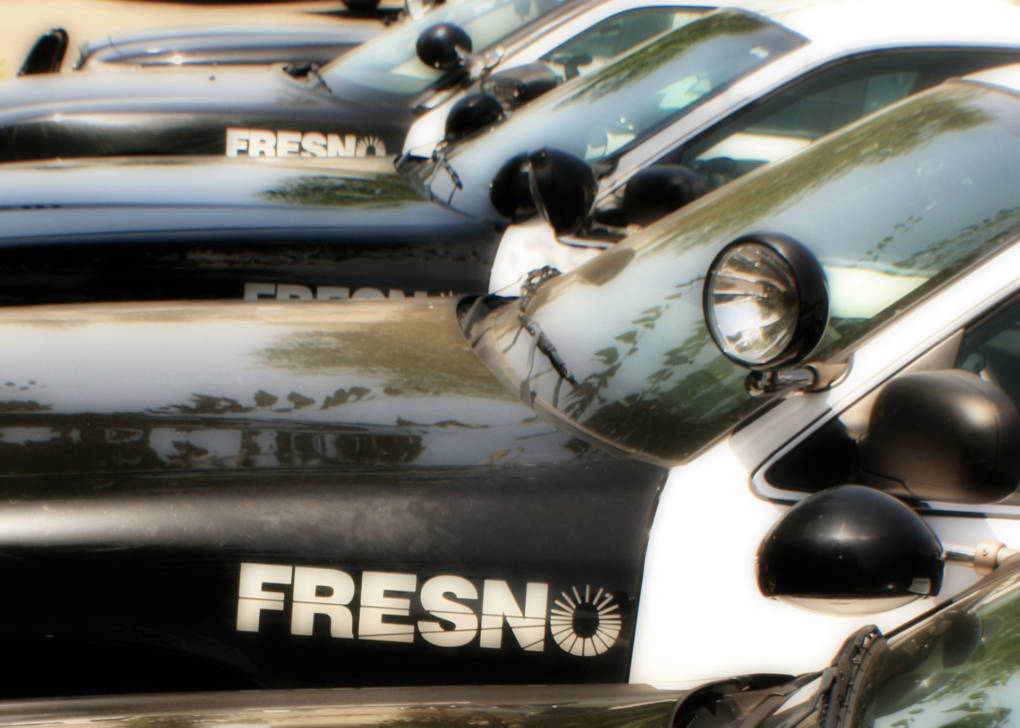
"caption": "Fresno Police Department vehicles.",
"description": "Fresno Police Dept. vehicles.",
"title": "FresnoPoliceCars",
"credit": "Joe Green/Flickr",
"status": "inherit",
"isLoading": false,
"fetchFailed": false
},
"news_11625899": {
"type": "attachments",
"id": "news_11625899",
"meta": {
"index": "attachments_1716263798",
"site": "news",
"id": "11625899",
"found": true
},
"parent": 11625648,
"imgSizes": {
"small": {
"file": "https://ww2.kqed.org/app/uploads/sites/10/2017/10/RS27707_Fresno_cropped-qut-520x309.jpg",
"width": 520,
"mimeType": "image/jpeg",
"height": 309
},
"twentyfourteen-full-width": {
"file": "https://ww2.kqed.org/app/uploads/sites/10/2017/10/RS27707_Fresno_cropped-qut-1038x576.jpg",
"width": 1038,
"mimeType": "image/jpeg",
"height": 576
},
"thumbnail": {
"file": "https://ww2.kqed.org/app/uploads/sites/10/2017/10/RS27707_Fresno_cropped-qut-160x95.jpg",
"width": 160,
"mimeType": "image/jpeg",
"height": 95
},
"fd-sm": {
"file": "https://ww2.kqed.org/app/uploads/sites/10/2017/10/RS27707_Fresno_cropped-qut-960x570.jpg",
"width": 960,
"mimeType": "image/jpeg",
"height": 570
},
"post-thumbnail": {
"file": "https://ww2.kqed.org/app/uploads/sites/10/2017/10/RS27707_Fresno_cropped-qut-672x372.jpg",
"width": 672,
"mimeType": "image/jpeg",
"height": 372
},
"xsmall": {
"file": "https://ww2.kqed.org/app/uploads/sites/10/2017/10/RS27707_Fresno_cropped-qut-375x223.jpg",
"width": 375,
"mimeType": "image/jpeg",
"height": 223
},
"kqedFullSize": {
"file": "https://ww2.kqed.org/app/uploads/sites/10/2017/10/RS27707_Fresno_cropped-qut.jpg",
"width": 1920,
"height": 1140
},
"large": {
"file": "https://ww2.kqed.org/app/uploads/sites/10/2017/10/RS27707_Fresno_cropped-qut-1020x606.jpg",
"width": 1020,
"mimeType": "image/jpeg",
"height": 606
},
"xlarge": {
"file": "https://ww2.kqed.org/app/uploads/sites/10/2017/10/RS27707_Fresno_cropped-qut-1180x701.jpg",
"width": 1180,
"mimeType": "image/jpeg",
"height": 701
},
"guest-author-50": {
"file": "https://ww2.kqed.org/app/uploads/sites/10/2017/10/RS27707_Fresno_cropped-qut-50x50.jpg",
"width": 50,
"mimeType": "image/jpeg",
"height": 50
},
"guest-author-96": {
"file": "https://ww2.kqed.org/app/uploads/sites/10/2017/10/RS27707_Fresno_cropped-qut-96x96.jpg",
"width": 96,
"mimeType": "image/jpeg",
"height": 96
},
"medium": {
"file": "https://ww2.kqed.org/app/uploads/sites/10/2017/10/RS27707_Fresno_cropped-qut-800x475.jpg",
"width": 800,
"mimeType": "image/jpeg",
"height": 475
},
"guest-author-64": {
"file": "https://ww2.kqed.org/app/uploads/sites/10/2017/10/RS27707_Fresno_cropped-qut-64x64.jpg",
"width": 64,
"mimeType": "image/jpeg",
"height": 64
},
"guest-author-32": {
"file": "https://ww2.kqed.org/app/uploads/sites/10/2017/10/RS27707_Fresno_cropped-qut-32x32.jpg",
"width": 32,
"mimeType": "image/jpeg",
"height": 32
},
"fd-lrg": {
"file": "https://ww2.kqed.org/app/uploads/sites/10/2017/10/RS27707_Fresno_cropped-qut-1920x1140.jpg",
"width": 1920,
"mimeType": "image/jpeg",
"height": 1140
},
"fd-med": {
"file": "https://ww2.kqed.org/app/uploads/sites/10/2017/10/RS27707_Fresno_cropped-qut-1180x701.jpg",
"width": 1180,
"mimeType": "image/jpeg",
"height": 701
},
"full-width": {
"file": "https://ww2.kqed.org/app/uploads/sites/10/2017/10/RS27707_Fresno_cropped-qut-1920x1140.jpg",
"width": 1920,
"mimeType": "image/jpeg",
"height": 1140
},
"detail": {
"file": "https://ww2.kqed.org/app/uploads/sites/10/2017/10/RS27707_Fresno_cropped-qut-150x150.jpg",
"width": 150,
"mimeType": "image/jpeg",
"height": 150
},
"guest-author-128": {
"file": "https://ww2.kqed.org/app/uploads/sites/10/2017/10/RS27707_Fresno_cropped-qut-128x128.jpg",
"width": 128,
"mimeType": "image/jpeg",
"height": 128
},
"xxsmall": {
"file": "https://ww2.kqed.org/app/uploads/sites/10/2017/10/RS27707_Fresno_cropped-qut-240x143.jpg",
"width": 240,
"mimeType": "image/jpeg",
"height": 143
}
},
"publishDate": 1508954303,
"modified": 1508954344,
"caption": "Highway scene approaching Fresno, California.",
"description": null,
"title": "RS27707_Fresno_cropped-qut",
"credit": "CharlesNadeau/Flickr",
"status": "inherit",
"isLoading": false,
"fetchFailed": false
},
"news_11620875": {
"type": "attachments",
"id": "news_11620875",
"meta": {
"index": "attachments_1716263798",
"site": "news",
"id": "11620875",
"found": true
},
"parent": 11618008,
"imgSizes": {
"small": {
"file": "https://ww2.kqed.org/app/uploads/sites/10/2017/10/IMG_4285-520x390.jpg",
"width": 520,
"mimeType": "image/jpeg",
"height": 390
},
"twentyfourteen-full-width": {
"file": "https://ww2.kqed.org/app/uploads/sites/10/2017/10/IMG_4285-1038x576.jpg",
"width": 1038,
"mimeType": "image/jpeg",
"height": 576
},
"thumbnail": {
"file": "https://ww2.kqed.org/app/uploads/sites/10/2017/10/IMG_4285-160x120.jpg",
"width": 160,
"mimeType": "image/jpeg",
"height": 120
},
"fd-sm": {
"file": "https://ww2.kqed.org/app/uploads/sites/10/2017/10/IMG_4285-960x721.jpg",
"width": 960,
"mimeType": "image/jpeg",
"height": 721
},
"post-thumbnail": {
"file": "https://ww2.kqed.org/app/uploads/sites/10/2017/10/IMG_4285-672x372.jpg",
"width": 672,
"mimeType": "image/jpeg",
"height": 372
},
"xsmall": {
"file": "https://ww2.kqed.org/app/uploads/sites/10/2017/10/IMG_4285-375x282.jpg",
"width": 375,
"mimeType": "image/jpeg",
"height": 282
},
"kqedFullSize": {
"file": "https://ww2.kqed.org/app/uploads/sites/10/2017/10/IMG_4285.jpg",
"width": 1500,
"height": 1126
},
"large": {
"file": "https://ww2.kqed.org/app/uploads/sites/10/2017/10/IMG_4285-1020x766.jpg",
"width": 1020,
"mimeType": "image/jpeg",
"height": 766
},
"xlarge": {
"file": "https://ww2.kqed.org/app/uploads/sites/10/2017/10/IMG_4285-1180x886.jpg",
"width": 1180,
"mimeType": "image/jpeg",
"height": 886
},
"guest-author-50": {
"file": "https://ww2.kqed.org/app/uploads/sites/10/2017/10/IMG_4285-50x50.jpg",
"width": 50,
"mimeType": "image/jpeg",
"height": 50
},
"guest-author-96": {
"file": "https://ww2.kqed.org/app/uploads/sites/10/2017/10/IMG_4285-96x96.jpg",
"width": 96,
"mimeType": "image/jpeg",
"height": 96
},
"medium": {
"file": "https://ww2.kqed.org/app/uploads/sites/10/2017/10/IMG_4285-800x601.jpg",
"width": 800,
"mimeType": "image/jpeg",
"height": 601
},
"guest-author-64": {
"file": "https://ww2.kqed.org/app/uploads/sites/10/2017/10/IMG_4285-64x64.jpg",
"width": 64,
"mimeType": "image/jpeg",
"height": 64
},
"guest-author-32": {
"file": "https://ww2.kqed.org/app/uploads/sites/10/2017/10/IMG_4285-32x32.jpg",
"width": 32,
"mimeType": "image/jpeg",
"height": 32
},
"fd-med": {
"file": "https://ww2.kqed.org/app/uploads/sites/10/2017/10/IMG_4285-1180x886.jpg",
"width": 1180,
"mimeType": "image/jpeg",
"height": 886
},
"detail": {
"file": "https://ww2.kqed.org/app/uploads/sites/10/2017/10/IMG_4285-150x150.jpg",
"width": 150,
"mimeType": "image/jpeg",
"height": 150
},
"guest-author-128": {
"file": "https://ww2.kqed.org/app/uploads/sites/10/2017/10/IMG_4285-128x128.jpg",
"width": 128,
"mimeType": "image/jpeg",
"height": 128
},
"xxsmall": {
"file": "https://ww2.kqed.org/app/uploads/sites/10/2017/10/IMG_4285-240x180.jpg",
"width": 240,
"mimeType": "image/jpeg",
"height": 180
}
},
"publishDate": 1507135812,
"modified": 1507135916,
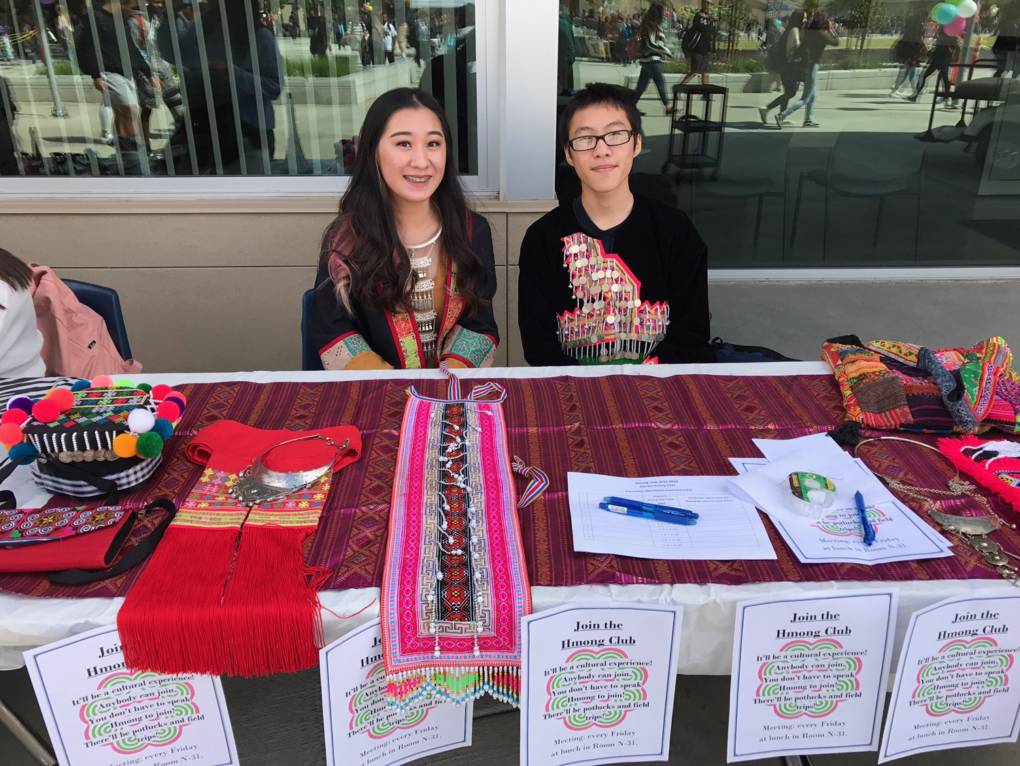
"caption": "Sarah Vang (left) representing the Hmong Club during her school's club day.",
"description": null,
"title": "IMG_4285",
"credit": "Courtesy Sarah Vang",
"status": "inherit",
"isLoading": false,
"fetchFailed": false
},
"news_11611584": {
"type": "attachments",
"id": "news_11611584",
"meta": {
"index": "attachments_1716263798",
"site": "news",
"id": "11611584",
"found": true
},
"parent": 11611578,
"imgSizes": {
"small": {
"file": "https://ww2.kqed.org/app/uploads/sites/10/2017/08/tea-party-conference--520x390.jpg",
"width": 520,
"mimeType": "image/jpeg",
"height": 390
},
"twentyfourteen-full-width": {
"file": "https://ww2.kqed.org/app/uploads/sites/10/2017/08/tea-party-conference--1038x576.jpg",
"width": 1038,
"mimeType": "image/jpeg",
"height": 576
},
"thumbnail": {
"file": "https://ww2.kqed.org/app/uploads/sites/10/2017/08/tea-party-conference--160x120.jpg",
"width": 160,
"mimeType": "image/jpeg",
"height": 120
},
"fd-sm": {
"file": "https://ww2.kqed.org/app/uploads/sites/10/2017/08/tea-party-conference--960x720.jpg",
"width": 960,
"mimeType": "image/jpeg",
"height": 720
},
"post-thumbnail": {
"file": "https://ww2.kqed.org/app/uploads/sites/10/2017/08/tea-party-conference--672x372.jpg",
"width": 672,
"mimeType": "image/jpeg",
"height": 372
},
"xsmall": {
"file": "https://ww2.kqed.org/app/uploads/sites/10/2017/08/tea-party-conference--375x281.jpg",
"width": 375,
"mimeType": "image/jpeg",
"height": 281
},
"kqedFullSize": {
"file": "https://ww2.kqed.org/app/uploads/sites/10/2017/08/tea-party-conference-.jpg",
"width": 1920,
"height": 1440
},
"large": {
"file": "https://ww2.kqed.org/app/uploads/sites/10/2017/08/tea-party-conference--1020x765.jpg",
"width": 1020,
"mimeType": "image/jpeg",
"height": 765
},
"xlarge": {
"file": "https://ww2.kqed.org/app/uploads/sites/10/2017/08/tea-party-conference--1180x885.jpg",
"width": 1180,
"mimeType": "image/jpeg",
"height": 885
},
"guest-author-50": {
"file": "https://ww2.kqed.org/app/uploads/sites/10/2017/08/tea-party-conference--50x50.jpg",
"width": 50,
"mimeType": "image/jpeg",
"height": 50
},
"guest-author-96": {
"file": "https://ww2.kqed.org/app/uploads/sites/10/2017/08/tea-party-conference--96x96.jpg",
"width": 96,
"mimeType": "image/jpeg",
"height": 96
},
"medium": {
"file": "https://ww2.kqed.org/app/uploads/sites/10/2017/08/tea-party-conference--800x600.jpg",
"width": 800,
"mimeType": "image/jpeg",
"height": 600
},
"guest-author-64": {
"file": "https://ww2.kqed.org/app/uploads/sites/10/2017/08/tea-party-conference--64x64.jpg",
"width": 64,
"mimeType": "image/jpeg",
"height": 64
},
"guest-author-32": {
"file": "https://ww2.kqed.org/app/uploads/sites/10/2017/08/tea-party-conference--32x32.jpg",
"width": 32,
"mimeType": "image/jpeg",
"height": 32
},
"fd-lrg": {
"file": "https://ww2.kqed.org/app/uploads/sites/10/2017/08/tea-party-conference--1920x1440.jpg",
"width": 1920,
"mimeType": "image/jpeg",
"height": 1440
},
"fd-med": {
"file": "https://ww2.kqed.org/app/uploads/sites/10/2017/08/tea-party-conference--1180x885.jpg",
"width": 1180,
"mimeType": "image/jpeg",
"height": 885
},
"full-width": {
"file": "https://ww2.kqed.org/app/uploads/sites/10/2017/08/tea-party-conference--1920x1440.jpg",
"width": 1920,
"mimeType": "image/jpeg",
"height": 1440
},
"detail": {
"file": "https://ww2.kqed.org/app/uploads/sites/10/2017/08/tea-party-conference--150x150.jpg",
"width": 150,
"mimeType": "image/jpeg",
"height": 150
},
"guest-author-128": {
"file": "https://ww2.kqed.org/app/uploads/sites/10/2017/08/tea-party-conference--128x128.jpg",
"width": 128,
"mimeType": "image/jpeg",
"height": 128
},
"xxsmall": {
"file": "https://ww2.kqed.org/app/uploads/sites/10/2017/08/tea-party-conference--240x180.jpg",
"width": 240,
"mimeType": "image/jpeg",
"height": 180
}
},
"publishDate": 1502589312,
"modified": 1502747682,
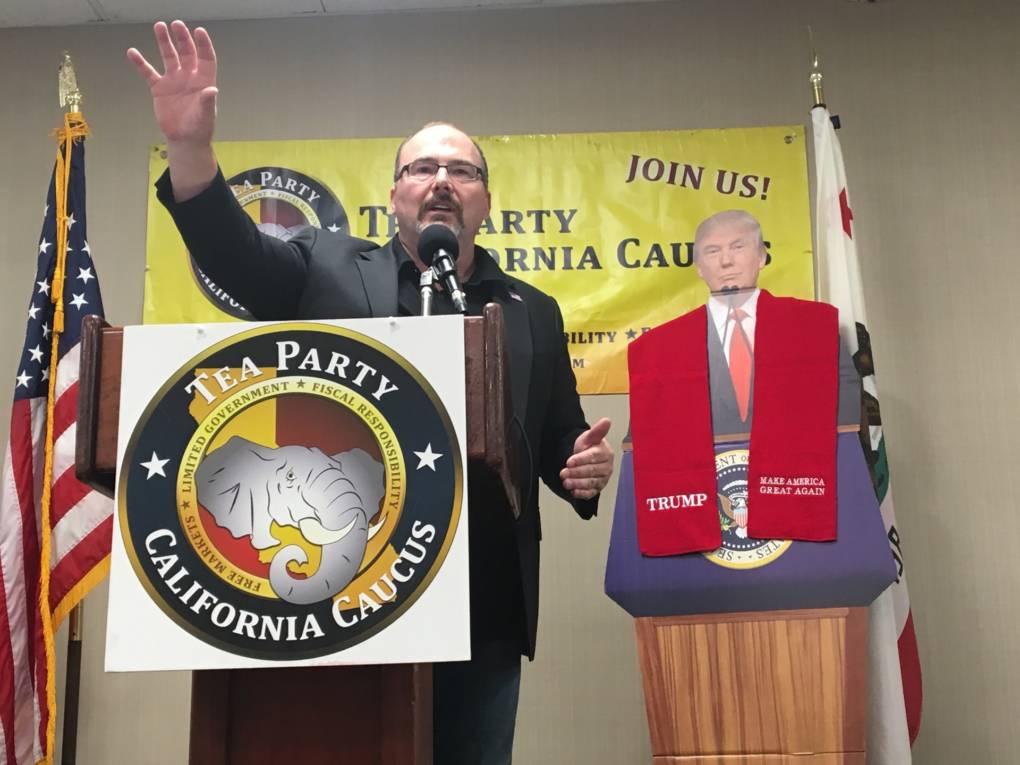
"caption": "Former Assemblyman Tim Donnelly addresses the crowd at 'The Real Resistance' conference in Fresno on Aug. 11, 2017.",
"description": "Former Assemblymember Tim Donnelly addresses the crowd at 'The Real Resistance' conference in Fresno on Friday August 11, 2017.",
"title": "Tea Party California Caucus Conference",
"credit": "Vanessa Rancano/KQED",
"status": "inherit",
"isLoading": false,
"fetchFailed": false
},
"news_11551675": {
"type": "attachments",
"id": "news_11551675",
"meta": {
"index": "attachments_1716263798",
"site": "news",
"id": "11551675",
"found": true
},
"parent": 11550048,
"imgSizes": {
"small": {
"file": "https://ww2.kqed.org/app/uploads/sites/10/2017/07/HarrisFarmer-520x357.jpg",
"width": 520,
"mimeType": "image/jpeg",
"height": 357
},
"twentyfourteen-full-width": {
"file": "https://ww2.kqed.org/app/uploads/sites/10/2017/07/HarrisFarmer-1038x576.jpg",
"width": 1038,
"mimeType": "image/jpeg",
"height": 576
},
"thumbnail": {
"file": "https://ww2.kqed.org/app/uploads/sites/10/2017/07/HarrisFarmer-160x110.jpg",
"width": 160,
"mimeType": "image/jpeg",
"height": 110
},
"fd-sm": {
"file": "https://ww2.kqed.org/app/uploads/sites/10/2017/07/HarrisFarmer-960x659.jpg",
"width": 960,
"mimeType": "image/jpeg",
"height": 659
},
"post-thumbnail": {
"file": "https://ww2.kqed.org/app/uploads/sites/10/2017/07/HarrisFarmer-672x372.jpg",
"width": 672,
"mimeType": "image/jpeg",
"height": 372
},
"xsmall": {
"file": "https://ww2.kqed.org/app/uploads/sites/10/2017/07/HarrisFarmer-375x257.jpg",
"width": 375,
"mimeType": "image/jpeg",
"height": 257
},
"kqedFullSize": {
"file": "https://ww2.kqed.org/app/uploads/sites/10/2017/07/HarrisFarmer.jpg",
"width": 1920,
"height": 1317
},
"large": {
"file": "https://ww2.kqed.org/app/uploads/sites/10/2017/07/HarrisFarmer-1020x700.jpg",
"width": 1020,
"mimeType": "image/jpeg",
"height": 700
},
"xlarge": {
"file": "https://ww2.kqed.org/app/uploads/sites/10/2017/07/HarrisFarmer-1180x809.jpg",
"width": 1180,
"mimeType": "image/jpeg",
"height": 809
},
"guest-author-50": {
"file": "https://ww2.kqed.org/app/uploads/sites/10/2017/07/HarrisFarmer-50x50.jpg",
"width": 50,
"mimeType": "image/jpeg",
"height": 50
},
"guest-author-96": {
"file": "https://ww2.kqed.org/app/uploads/sites/10/2017/07/HarrisFarmer-96x96.jpg",
"width": 96,
"mimeType": "image/jpeg",
"height": 96
},
"medium": {
"file": "https://ww2.kqed.org/app/uploads/sites/10/2017/07/HarrisFarmer-800x549.jpg",
"width": 800,
"mimeType": "image/jpeg",
"height": 549
},
"guest-author-64": {
"file": "https://ww2.kqed.org/app/uploads/sites/10/2017/07/HarrisFarmer-64x64.jpg",
"width": 64,
"mimeType": "image/jpeg",
"height": 64
},
"guest-author-32": {
"file": "https://ww2.kqed.org/app/uploads/sites/10/2017/07/HarrisFarmer-32x32.jpg",
"width": 32,
"mimeType": "image/jpeg",
"height": 32
},
"fd-lrg": {
"file": "https://ww2.kqed.org/app/uploads/sites/10/2017/07/HarrisFarmer-1920x1317.jpg",
"width": 1920,
"mimeType": "image/jpeg",
"height": 1317
},
"fd-med": {
"file": "https://ww2.kqed.org/app/uploads/sites/10/2017/07/HarrisFarmer-1180x809.jpg",
"width": 1180,
"mimeType": "image/jpeg",
"height": 809
},
"full-width": {
"file": "https://ww2.kqed.org/app/uploads/sites/10/2017/07/HarrisFarmer-1920x1317.jpg",
"width": 1920,
"mimeType": "image/jpeg",
"height": 1317
},
"detail": {
"file": "https://ww2.kqed.org/app/uploads/sites/10/2017/07/HarrisFarmer-150x150.jpg",
"width": 150,
"mimeType": "image/jpeg",
"height": 150
},
"guest-author-128": {
"file": "https://ww2.kqed.org/app/uploads/sites/10/2017/07/HarrisFarmer-128x128.jpg",
"width": 128,
"mimeType": "image/jpeg",
"height": 128
},
"xxsmall": {
"file": "https://ww2.kqed.org/app/uploads/sites/10/2017/07/HarrisFarmer-240x165.jpg",
"width": 240,
"mimeType": "image/jpeg",
"height": 165
}
},
"publishDate": 1499366651,
"modified": 1499386994,
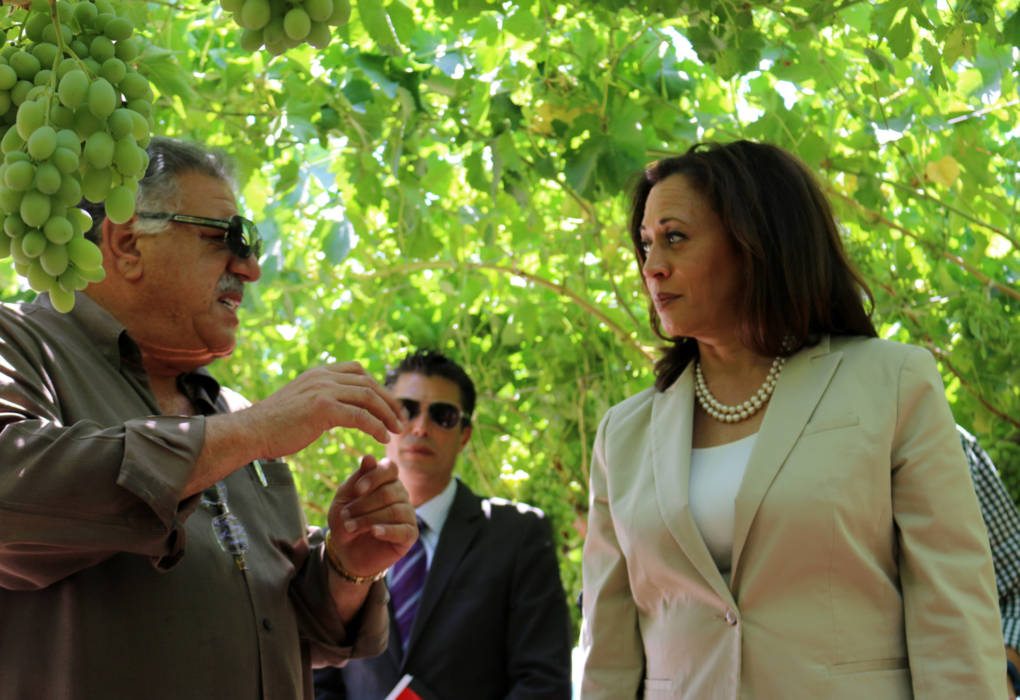
"caption": "Sen. Kamala Harris tours a grape orchard outside the Fowler Packing Co. plant in Fresno, with plant co-owner Dennis Parnagian. ",
"description": "Sen. Kamala Harris tours a grape orchard outside the Fowler Packing Company plant in Fresno, with plant co-owner Dennis Parnagian. ",
"title": "HarrisFarmer",
"credit": "Vanessa Rancano/KQED",
"status": "inherit",
"isLoading": false,
"fetchFailed": false
},
"news_11548022": {
"type": "attachments",
"id": "news_11548022",
"meta": {
"index": "attachments_1716263798",
"site": "news",
"id": "11548022",
"found": true
},
"parent": 11548018,
"imgSizes": {
"small": {
"file": "https://ww2.kqed.org/app/uploads/sites/10/2017/07/H2O_FRESNO-2-520x347.jpg",
"width": 520,
"mimeType": "image/jpeg",
"height": 347
},
"twentyfourteen-full-width": {
"file": "https://ww2.kqed.org/app/uploads/sites/10/2017/07/H2O_FRESNO-2-1038x576.jpg",
"width": 1038,
"mimeType": "image/jpeg",
"height": 576
},
"thumbnail": {
"file": "https://ww2.kqed.org/app/uploads/sites/10/2017/07/H2O_FRESNO-2-160x107.jpg",
"width": 160,
"mimeType": "image/jpeg",
"height": 107
},
"fd-sm": {
"file": "https://ww2.kqed.org/app/uploads/sites/10/2017/07/H2O_FRESNO-2-960x640.jpg",
"width": 960,
"mimeType": "image/jpeg",
"height": 640
},
"post-thumbnail": {
"file": "https://ww2.kqed.org/app/uploads/sites/10/2017/07/H2O_FRESNO-2-672x372.jpg",
"width": 672,
"mimeType": "image/jpeg",
"height": 372
},
"xsmall": {
"file": "https://ww2.kqed.org/app/uploads/sites/10/2017/07/H2O_FRESNO-2-375x250.jpg",
"width": 375,
"mimeType": "image/jpeg",
"height": 250
},
"kqedFullSize": {
"file": "https://ww2.kqed.org/app/uploads/sites/10/2017/07/H2O_FRESNO-2-e1499294146762.jpg",
"width": 1920,
"height": 1280
},
"large": {
"file": "https://ww2.kqed.org/app/uploads/sites/10/2017/07/H2O_FRESNO-2-1020x680.jpg",
"width": 1020,
"mimeType": "image/jpeg",
"height": 680
},
"xlarge": {
"file": "https://ww2.kqed.org/app/uploads/sites/10/2017/07/H2O_FRESNO-2-1180x787.jpg",
"width": 1180,
"mimeType": "image/jpeg",
"height": 787
},
"guest-author-50": {
"file": "https://ww2.kqed.org/app/uploads/sites/10/2017/07/H2O_FRESNO-2-50x50.jpg",
"width": 50,
"mimeType": "image/jpeg",
"height": 50
},
"guest-author-96": {
"file": "https://ww2.kqed.org/app/uploads/sites/10/2017/07/H2O_FRESNO-2-96x96.jpg",
"width": 96,
"mimeType": "image/jpeg",
"height": 96
},
"medium": {
"file": "https://ww2.kqed.org/app/uploads/sites/10/2017/07/H2O_FRESNO-2-800x533.jpg",
"width": 800,
"mimeType": "image/jpeg",
"height": 533
},
"guest-author-64": {
"file": "https://ww2.kqed.org/app/uploads/sites/10/2017/07/H2O_FRESNO-2-64x64.jpg",
"width": 64,
"mimeType": "image/jpeg",
"height": 64
},
"guest-author-32": {
"file": "https://ww2.kqed.org/app/uploads/sites/10/2017/07/H2O_FRESNO-2-32x32.jpg",
"width": 32,
"mimeType": "image/jpeg",
"height": 32
},
"fd-lrg": {
"file": "https://ww2.kqed.org/app/uploads/sites/10/2017/07/H2O_FRESNO-2-1920x1280.jpg",
"width": 1920,
"mimeType": "image/jpeg",
"height": 1280
},
"fd-med": {
"file": "https://ww2.kqed.org/app/uploads/sites/10/2017/07/H2O_FRESNO-2-1180x787.jpg",
"width": 1180,
"mimeType": "image/jpeg",
"height": 787
},
"full-width": {
"file": "https://ww2.kqed.org/app/uploads/sites/10/2017/07/H2O_FRESNO-2-1920x1280.jpg",
"width": 1920,
"mimeType": "image/jpeg",
"height": 1280
},
"detail": {
"file": "https://ww2.kqed.org/app/uploads/sites/10/2017/07/H2O_FRESNO-2-150x150.jpg",
"width": 150,
"mimeType": "image/jpeg",
"height": 150
},
"guest-author-128": {
"file": "https://ww2.kqed.org/app/uploads/sites/10/2017/07/H2O_FRESNO-2-128x128.jpg",
"width": 128,
"mimeType": "image/jpeg",
"height": 128
},
"xxsmall": {
"file": "https://ww2.kqed.org/app/uploads/sites/10/2017/07/H2O_FRESNO-2-240x160.jpg",
"width": 240,
"mimeType": "image/jpeg",
"height": 160
}
},
"publishDate": 1499212383,
"modified": 1499294139,
"caption": "Desiree Martinez hands William Gilligan a water bottle at Roeding Park in Fresno. ",
"description": "Desiree Martinez hands William Gilligan a water bottle at Roeding Park in Fresno. ",
"title": "H2O_FRESNO-2",
"credit": "Sean Havey/KQED",
"status": "inherit",
"isLoading": false,
"fetchFailed": false
},
"news_11535590": {
"type": "attachments",
"id": "news_11535590",
"meta": {
"index": "attachments_1716263798",
"site": "news",
"id": "11535590",
"found": true
},
"parent": 11535589,
"imgSizes": {
"small": {
"file": "https://ww2.kqed.org/app/uploads/sites/10/2017/06/gettyimages-176942981-2-a8e5c2d9101bf31f1d120347473f3aa24e7c2b70-520x390.jpg",
"width": 520,
"mimeType": "image/jpeg",
"height": 390
},
"twentyfourteen-full-width": {
"file": "https://ww2.kqed.org/app/uploads/sites/10/2017/06/gettyimages-176942981-2-a8e5c2d9101bf31f1d120347473f3aa24e7c2b70-1038x576.jpg",
"width": 1038,
"mimeType": "image/jpeg",
"height": 576
},
"thumbnail": {
"file": "https://ww2.kqed.org/app/uploads/sites/10/2017/06/gettyimages-176942981-2-a8e5c2d9101bf31f1d120347473f3aa24e7c2b70-160x120.jpg",
"width": 160,
"mimeType": "image/jpeg",
"height": 120
},
"fd-sm": {
"file": "https://ww2.kqed.org/app/uploads/sites/10/2017/06/gettyimages-176942981-2-a8e5c2d9101bf31f1d120347473f3aa24e7c2b70-960x720.jpg",
"width": 960,
"mimeType": "image/jpeg",
"height": 720
},
"post-thumbnail": {
"file": "https://ww2.kqed.org/app/uploads/sites/10/2017/06/gettyimages-176942981-2-a8e5c2d9101bf31f1d120347473f3aa24e7c2b70-672x372.jpg",
"width": 672,
"mimeType": "image/jpeg",
"height": 372
},
"xsmall": {
"file": "https://ww2.kqed.org/app/uploads/sites/10/2017/06/gettyimages-176942981-2-a8e5c2d9101bf31f1d120347473f3aa24e7c2b70-375x281.jpg",
"width": 375,
"mimeType": "image/jpeg",
"height": 281
},
"kqedFullSize": {
"file": "https://ww2.kqed.org/app/uploads/sites/10/2017/06/gettyimages-176942981-2-a8e5c2d9101bf31f1d120347473f3aa24e7c2b70.jpg",
"width": 1776,
"height": 1332
},
"large": {
"file": "https://ww2.kqed.org/app/uploads/sites/10/2017/06/gettyimages-176942981-2-a8e5c2d9101bf31f1d120347473f3aa24e7c2b70-1020x765.jpg",
"width": 1020,
"mimeType": "image/jpeg",
"height": 765
},
"xlarge": {
"file": "https://ww2.kqed.org/app/uploads/sites/10/2017/06/gettyimages-176942981-2-a8e5c2d9101bf31f1d120347473f3aa24e7c2b70-1180x885.jpg",
"width": 1180,
"mimeType": "image/jpeg",
"height": 885
},
"guest-author-50": {
"file": "https://ww2.kqed.org/app/uploads/sites/10/2017/06/gettyimages-176942981-2-a8e5c2d9101bf31f1d120347473f3aa24e7c2b70-50x50.jpg",
"width": 50,
"mimeType": "image/jpeg",
"height": 50
},
"guest-author-96": {
"file": "https://ww2.kqed.org/app/uploads/sites/10/2017/06/gettyimages-176942981-2-a8e5c2d9101bf31f1d120347473f3aa24e7c2b70-96x96.jpg",
"width": 96,
"mimeType": "image/jpeg",
"height": 96
},
"medium": {
"file": "https://ww2.kqed.org/app/uploads/sites/10/2017/06/gettyimages-176942981-2-a8e5c2d9101bf31f1d120347473f3aa24e7c2b70-800x600.jpg",
"width": 800,
"mimeType": "image/jpeg",
"height": 600
},
"guest-author-64": {
"file": "https://ww2.kqed.org/app/uploads/sites/10/2017/06/gettyimages-176942981-2-a8e5c2d9101bf31f1d120347473f3aa24e7c2b70-64x64.jpg",
"width": 64,
"mimeType": "image/jpeg",
"height": 64
},
"guest-author-32": {
"file": "https://ww2.kqed.org/app/uploads/sites/10/2017/06/gettyimages-176942981-2-a8e5c2d9101bf31f1d120347473f3aa24e7c2b70-32x32.jpg",
"width": 32,
"mimeType": "image/jpeg",
"height": 32
},
"fd-med": {
"file": "https://ww2.kqed.org/app/uploads/sites/10/2017/06/gettyimages-176942981-2-a8e5c2d9101bf31f1d120347473f3aa24e7c2b70-1180x885.jpg",
"width": 1180,
"mimeType": "image/jpeg",
"height": 885
},
"detail": {
"file": "https://ww2.kqed.org/app/uploads/sites/10/2017/06/gettyimages-176942981-2-a8e5c2d9101bf31f1d120347473f3aa24e7c2b70-150x150.jpg",
"width": 150,
"mimeType": "image/jpeg",
"height": 150
},
"guest-author-128": {
"file": "https://ww2.kqed.org/app/uploads/sites/10/2017/06/gettyimages-176942981-2-a8e5c2d9101bf31f1d120347473f3aa24e7c2b70-128x128.jpg",
"width": 128,
"mimeType": "image/jpeg",
"height": 128
},
"xxsmall": {
"file": "https://ww2.kqed.org/app/uploads/sites/10/2017/06/gettyimages-176942981-2-a8e5c2d9101bf31f1d120347473f3aa24e7c2b70-240x180.jpg",
"width": 240,
"mimeType": "image/jpeg",
"height": 180
}
},
"publishDate": 1498597716,
"modified": 1498597886,
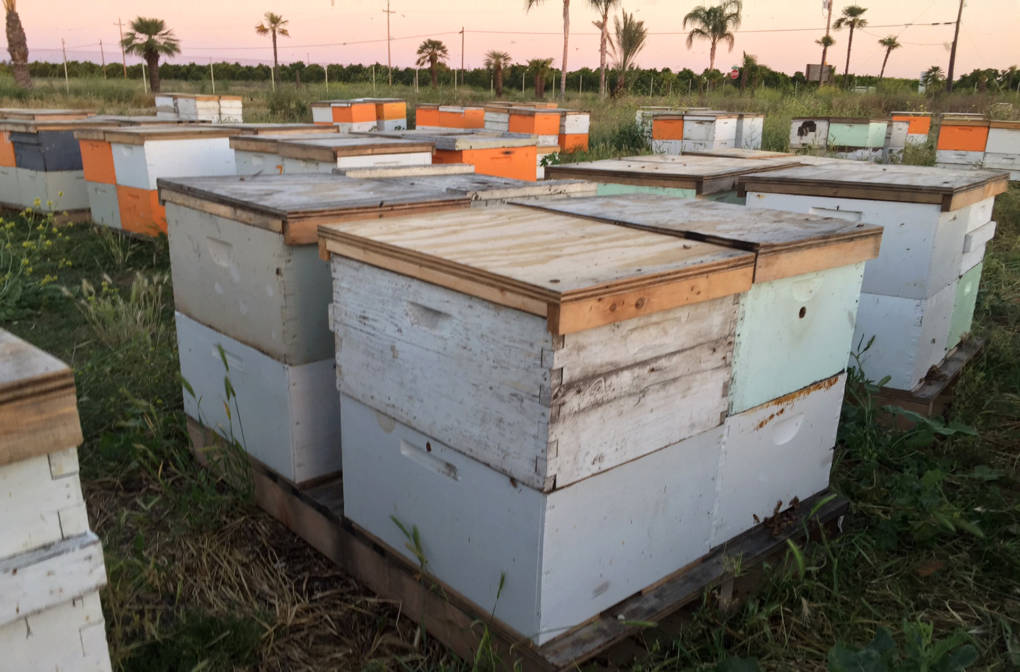
"caption": "Beehives in an apiary",
"description": "Beehives in an apiary",
"title": "Beehives in an apiary",
"credit": "Daniel Milchev/Getty Images",
"status": "inherit",
"isLoading": false,
"fetchFailed": false
},
"news_11498484": {
"type": "attachments",
"id": "news_11498484",
"meta": {
"index": "attachments_1716263798",
"site": "news",
"id": "11498484",
"found": true
},
"parent": 11498458,
"imgSizes": {
"small": {
"file": "https://ww2.kqed.org/app/uploads/sites/10/2017/06/RS25586_IMG_3821-qut-520x390.jpg",
"width": 520,
"mimeType": "image/jpeg",
"height": 390
},
"twentyfourteen-full-width": {
"file": "https://ww2.kqed.org/app/uploads/sites/10/2017/06/RS25586_IMG_3821-qut-1038x576.jpg",
"width": 1038,
"mimeType": "image/jpeg",
"height": 576
},
"thumbnail": {
"file": "https://ww2.kqed.org/app/uploads/sites/10/2017/06/RS25586_IMG_3821-qut-160x120.jpg",
"width": 160,
"mimeType": "image/jpeg",
"height": 120
},
"fd-sm": {
"file": "https://ww2.kqed.org/app/uploads/sites/10/2017/06/RS25586_IMG_3821-qut-960x720.jpg",
"width": 960,
"mimeType": "image/jpeg",
"height": 720
},
"post-thumbnail": {
"file": "https://ww2.kqed.org/app/uploads/sites/10/2017/06/RS25586_IMG_3821-qut-672x372.jpg",
"width": 672,
"mimeType": "image/jpeg",
"height": 372
},
"xsmall": {
"file": "https://ww2.kqed.org/app/uploads/sites/10/2017/06/RS25586_IMG_3821-qut-375x281.jpg",
"width": 375,
"mimeType": "image/jpeg",
"height": 281
},
"kqedFullSize": {
"file": "https://ww2.kqed.org/app/uploads/sites/10/2017/06/RS25586_IMG_3821-qut.jpg",
"width": 1920,
"height": 1440
},
"large": {
"file": "https://ww2.kqed.org/app/uploads/sites/10/2017/06/RS25586_IMG_3821-qut-1020x765.jpg",
"width": 1020,
"mimeType": "image/jpeg",
"height": 765
},
"xlarge": {
"file": "https://ww2.kqed.org/app/uploads/sites/10/2017/06/RS25586_IMG_3821-qut-1180x885.jpg",
"width": 1180,
"mimeType": "image/jpeg",
"height": 885
},
"guest-author-50": {
"file": "https://ww2.kqed.org/app/uploads/sites/10/2017/06/RS25586_IMG_3821-qut-50x50.jpg",
"width": 50,
"mimeType": "image/jpeg",
"height": 50
},
"guest-author-96": {
"file": "https://ww2.kqed.org/app/uploads/sites/10/2017/06/RS25586_IMG_3821-qut-96x96.jpg",
"width": 96,
"mimeType": "image/jpeg",
"height": 96
},
"medium": {
"file": "https://ww2.kqed.org/app/uploads/sites/10/2017/06/RS25586_IMG_3821-qut-800x600.jpg",
"width": 800,
"mimeType": "image/jpeg",
"height": 600
},
"guest-author-64": {
"file": "https://ww2.kqed.org/app/uploads/sites/10/2017/06/RS25586_IMG_3821-qut-64x64.jpg",
"width": 64,
"mimeType": "image/jpeg",
"height": 64
},
"guest-author-32": {
"file": "https://ww2.kqed.org/app/uploads/sites/10/2017/06/RS25586_IMG_3821-qut-32x32.jpg",
"width": 32,
"mimeType": "image/jpeg",
"height": 32
},
"fd-lrg": {
"file": "https://ww2.kqed.org/app/uploads/sites/10/2017/06/RS25586_IMG_3821-qut-1920x1440.jpg",
"width": 1920,
"mimeType": "image/jpeg",
"height": 1440
},
"fd-med": {
"file": "https://ww2.kqed.org/app/uploads/sites/10/2017/06/RS25586_IMG_3821-qut-1180x885.jpg",
"width": 1180,
"mimeType": "image/jpeg",
"height": 885
},
"full-width": {
"file": "https://ww2.kqed.org/app/uploads/sites/10/2017/06/RS25586_IMG_3821-qut-1920x1440.jpg",
"width": 1920,
"mimeType": "image/jpeg",
"height": 1440
},
"detail": {
"file": "https://ww2.kqed.org/app/uploads/sites/10/2017/06/RS25586_IMG_3821-qut-150x150.jpg",
"width": 150,
"mimeType": "image/jpeg",
"height": 150
},
"guest-author-128": {
"file": "https://ww2.kqed.org/app/uploads/sites/10/2017/06/RS25586_IMG_3821-qut-128x128.jpg",
"width": 128,
"mimeType": "image/jpeg",
"height": 128
},
"xxsmall": {
"file": "https://ww2.kqed.org/app/uploads/sites/10/2017/06/RS25586_IMG_3821-qut-240x180.jpg",
"width": 240,
"mimeType": "image/jpeg",
"height": 180
}
},
"publishDate": 1496860616,
"modified": 1496860962,
"caption": "Kiera Kaiser with an award she received from the Fresno Center for Nonviolence for her activism. ",
"description": null,
"title": "RS25586_IMG_3821-qut",
"credit": "Vanessa Rancano/KQED",
"status": "inherit",
"isLoading": false,
"fetchFailed": false
},
"news_11489244": {
"type": "attachments",
"id": "news_11489244",
"meta": {
"index": "attachments_1716263798",
"site": "news",
"id": "11489244",
"found": true
},
"parent": 11475645,
"imgSizes": {
"small": {
"file": "https://ww2.kqed.org/app/uploads/sites/10/2017/05/SyrianRefugeeKidMain-520x428.jpg",
"width": 520,
"mimeType": "image/jpeg",
"height": 428
},
"twentyfourteen-full-width": {
"file": "https://ww2.kqed.org/app/uploads/sites/10/2017/05/SyrianRefugeeKidMain-1038x576.jpg",
"width": 1038,
"mimeType": "image/jpeg",
"height": 576
},
"thumbnail": {
"file": "https://ww2.kqed.org/app/uploads/sites/10/2017/05/SyrianRefugeeKidMain-160x132.jpg",
"width": 160,
"mimeType": "image/jpeg",
"height": 132
},
"fd-sm": {
"file": "https://ww2.kqed.org/app/uploads/sites/10/2017/05/SyrianRefugeeKidMain-960x791.jpg",
"width": 960,
"mimeType": "image/jpeg",
"height": 791
},
"post-thumbnail": {
"file": "https://ww2.kqed.org/app/uploads/sites/10/2017/05/SyrianRefugeeKidMain-672x372.jpg",
"width": 672,
"mimeType": "image/jpeg",
"height": 372
},
"xsmall": {
"file": "https://ww2.kqed.org/app/uploads/sites/10/2017/05/SyrianRefugeeKidMain-375x309.jpg",
"width": 375,
"mimeType": "image/jpeg",
"height": 309
},
"kqedFullSize": {
"file": "https://ww2.kqed.org/app/uploads/sites/10/2017/05/SyrianRefugeeKidMain.jpg",
"width": 1920,
"height": 1582
},
"large": {
"file": "https://ww2.kqed.org/app/uploads/sites/10/2017/05/SyrianRefugeeKidMain-1020x840.jpg",
"width": 1020,
"mimeType": "image/jpeg",
"height": 840
},
"xlarge": {
"file": "https://ww2.kqed.org/app/uploads/sites/10/2017/05/SyrianRefugeeKidMain-1180x972.jpg",
"width": 1180,
"mimeType": "image/jpeg",
"height": 972
},
"guest-author-50": {
"file": "https://ww2.kqed.org/app/uploads/sites/10/2017/05/SyrianRefugeeKidMain-50x50.jpg",
"width": 50,
"mimeType": "image/jpeg",
"height": 50
},
"guest-author-96": {
"file": "https://ww2.kqed.org/app/uploads/sites/10/2017/05/SyrianRefugeeKidMain-96x96.jpg",
"width": 96,
"mimeType": "image/jpeg",
"height": 96
},
"medium": {
"file": "https://ww2.kqed.org/app/uploads/sites/10/2017/05/SyrianRefugeeKidMain-800x659.jpg",
"width": 800,
"mimeType": "image/jpeg",
"height": 659
},
"guest-author-64": {
"file": "https://ww2.kqed.org/app/uploads/sites/10/2017/05/SyrianRefugeeKidMain-64x64.jpg",
"width": 64,
"mimeType": "image/jpeg",
"height": 64
},
"guest-author-32": {
"file": "https://ww2.kqed.org/app/uploads/sites/10/2017/05/SyrianRefugeeKidMain-32x32.jpg",
"width": 32,
"mimeType": "image/jpeg",
"height": 32
},
"fd-lrg": {
"file": "https://ww2.kqed.org/app/uploads/sites/10/2017/05/SyrianRefugeeKidMain-1920x1582.jpg",
"width": 1920,
"mimeType": "image/jpeg",
"height": 1582
},
"fd-med": {
"file": "https://ww2.kqed.org/app/uploads/sites/10/2017/05/SyrianRefugeeKidMain-1180x972.jpg",
"width": 1180,
"mimeType": "image/jpeg",
"height": 972
},
"full-width": {
"file": "https://ww2.kqed.org/app/uploads/sites/10/2017/05/SyrianRefugeeKidMain-1920x1582.jpg",
"width": 1920,
"mimeType": "image/jpeg",
"height": 1582
},
"detail": {
"file": "https://ww2.kqed.org/app/uploads/sites/10/2017/05/SyrianRefugeeKidMain-150x150.jpg",
"width": 150,
"mimeType": "image/jpeg",
"height": 150
},
"guest-author-128": {
"file": "https://ww2.kqed.org/app/uploads/sites/10/2017/05/SyrianRefugeeKidMain-128x128.jpg",
"width": 128,
"mimeType": "image/jpeg",
"height": 128
},
"xxsmall": {
"file": "https://ww2.kqed.org/app/uploads/sites/10/2017/05/SyrianRefugeeKidMain-240x198.jpg",
"width": 240,
"mimeType": "image/jpeg",
"height": 198
}
},
"publishDate": 1496344118,
"modified": 1496438138,
"caption": "Volunteer Layla Darwish worries about the effects of war on Syrian refugee children, some of whom have been wounded, burned or witnessed violence.",
"description": "Volunteer Layla Darwish worries about the effects of war on Syrian refugee children, some of whom have been wounded, burned or witnessed violence.",
"title": "SyrianRefugeeKidMain",
"credit": "Courtesy Layla Darwish",
"status": "inherit",
"isLoading": false,
"fetchFailed": false
},
"news_11490797": {
"type": "attachments",
"id": "news_11490797",
"meta": {
"index": "attachments_1716263798",
"site": "news",
"id": "11490797",
"found": true
},
"parent": 11490657,
"imgSizes": {
"small": {
"file": "https://ww2.kqed.org/app/uploads/sites/10/2017/06/Vinay_SpellingBee-qut-520x269.jpg",
"width": 520,
"mimeType": "image/jpeg",
"height": 269
},
"twentyfourteen-full-width": {
"file": "https://ww2.kqed.org/app/uploads/sites/10/2017/06/Vinay_SpellingBee-qut-1038x576.jpg",
"width": 1038,
"mimeType": "image/jpeg",
"height": 576
},
"thumbnail": {
"file": "https://ww2.kqed.org/app/uploads/sites/10/2017/06/Vinay_SpellingBee-qut-160x83.jpg",
"width": 160,
"mimeType": "image/jpeg",
"height": 83
},
"fd-sm": {
"file": "https://ww2.kqed.org/app/uploads/sites/10/2017/06/Vinay_SpellingBee-qut-960x497.jpg",
"width": 960,
"mimeType": "image/jpeg",
"height": 497
},
"post-thumbnail": {
"file": "https://ww2.kqed.org/app/uploads/sites/10/2017/06/Vinay_SpellingBee-qut-672x372.jpg",
"width": 672,
"mimeType": "image/jpeg",
"height": 372
},
"xsmall": {
"file": "https://ww2.kqed.org/app/uploads/sites/10/2017/06/Vinay_SpellingBee-qut-375x194.jpg",
"width": 375,
"mimeType": "image/jpeg",
"height": 194
},
"kqedFullSize": {
"file": "https://ww2.kqed.org/app/uploads/sites/10/2017/06/Vinay_SpellingBee-qut.jpg",
"width": 1920,
"height": 993
},
"large": {
"file": "https://ww2.kqed.org/app/uploads/sites/10/2017/06/Vinay_SpellingBee-qut-1020x528.jpg",
"width": 1020,
"mimeType": "image/jpeg",
"height": 528
},
"xlarge": {
"file": "https://ww2.kqed.org/app/uploads/sites/10/2017/06/Vinay_SpellingBee-qut-1180x610.jpg",
"width": 1180,
"mimeType": "image/jpeg",
"height": 610
},
"guest-author-50": {
"file": "https://ww2.kqed.org/app/uploads/sites/10/2017/06/Vinay_SpellingBee-qut-50x50.jpg",
"width": 50,
"mimeType": "image/jpeg",
"height": 50
},
"guest-author-96": {
"file": "https://ww2.kqed.org/app/uploads/sites/10/2017/06/Vinay_SpellingBee-qut-96x96.jpg",
"width": 96,
"mimeType": "image/jpeg",
"height": 96
},
"medium": {
"file": "https://ww2.kqed.org/app/uploads/sites/10/2017/06/Vinay_SpellingBee-qut-800x414.jpg",
"width": 800,
"mimeType": "image/jpeg",
"height": 414
},
"guest-author-64": {
"file": "https://ww2.kqed.org/app/uploads/sites/10/2017/06/Vinay_SpellingBee-qut-64x64.jpg",
"width": 64,
"mimeType": "image/jpeg",
"height": 64
},
"guest-author-32": {
"file": "https://ww2.kqed.org/app/uploads/sites/10/2017/06/Vinay_SpellingBee-qut-32x32.jpg",
"width": 32,
"mimeType": "image/jpeg",
"height": 32
},
"fd-lrg": {
"file": "https://ww2.kqed.org/app/uploads/sites/10/2017/06/Vinay_SpellingBee-qut-1920x993.jpg",
"width": 1920,
"mimeType": "image/jpeg",
"height": 993
},
"fd-med": {
"file": "https://ww2.kqed.org/app/uploads/sites/10/2017/06/Vinay_SpellingBee-qut-1180x610.jpg",
"width": 1180,
"mimeType": "image/jpeg",
"height": 610
},
"full-width": {
"file": "https://ww2.kqed.org/app/uploads/sites/10/2017/06/Vinay_SpellingBee-qut-1920x993.jpg",
"width": 1920,
"mimeType": "image/jpeg",
"height": 993
},
"detail": {
"file": "https://ww2.kqed.org/app/uploads/sites/10/2017/06/Vinay_SpellingBee-qut-150x150.jpg",
"width": 150,
"mimeType": "image/jpeg",
"height": 150
},
"guest-author-128": {
"file": "https://ww2.kqed.org/app/uploads/sites/10/2017/06/Vinay_SpellingBee-qut-128x128.jpg",
"width": 128,
"mimeType": "image/jpeg",
"height": 128
},
"xxsmall": {
"file": "https://ww2.kqed.org/app/uploads/sites/10/2017/06/Vinay_SpellingBee-qut-240x124.jpg",
"width": 240,
"mimeType": "image/jpeg",
"height": 124
}
},
"publishDate": 1496425297,
"modified": 1496440974,
"caption": "Ananya Vinay, 12, of Fresno, California, gets a kiss from her mom, Anu Pama Poliyedathpp, after winning the 2017 Scripps National Spelling Bee on June 1, 2017, in Oxon Hill, Maryland. ",
"description": null,
"title": "Vinay_SpellingBee-qut",
"credit": "Mark Wilson/Getty Images",
"status": "inherit",
"isLoading": false,
"fetchFailed": false
},
"news_11467030": {
"type": "attachments",
"id": "news_11467030",
"meta": {
"index": "attachments_1716263798",
"site": "news",
"id": "11467030",
"found": true
},
"parent": 11465076,
"imgSizes": {
"small": {
"file": "https://ww2.kqed.org/app/uploads/sites/10/2017/05/StolenBees1920-520x343.jpg",
"width": 520,
"mimeType": "image/jpeg",
"height": 343
},
"twentyfourteen-full-width": {
"file": "https://ww2.kqed.org/app/uploads/sites/10/2017/05/StolenBees1920-1038x576.jpg",
"width": 1038,
"mimeType": "image/jpeg",
"height": 576
},
"thumbnail": {
"file": "https://ww2.kqed.org/app/uploads/sites/10/2017/05/StolenBees1920-160x105.jpg",
"width": 160,
"mimeType": "image/jpeg",
"height": 105
},
"fd-sm": {
"file": "https://ww2.kqed.org/app/uploads/sites/10/2017/05/StolenBees1920-960x633.jpg",
"width": 960,
"mimeType": "image/jpeg",
"height": 633
},
"post-thumbnail": {
"file": "https://ww2.kqed.org/app/uploads/sites/10/2017/05/StolenBees1920-672x372.jpg",
"width": 672,
"mimeType": "image/jpeg",
"height": 372
},
"xsmall": {
"file": "https://ww2.kqed.org/app/uploads/sites/10/2017/05/StolenBees1920-375x247.jpg",
"width": 375,
"mimeType": "image/jpeg",
"height": 247
},
"kqedFullSize": {
"file": "https://ww2.kqed.org/app/uploads/sites/10/2017/05/StolenBees1920.jpg",
"width": 1920,
"height": 1265
},
"large": {
"file": "https://ww2.kqed.org/app/uploads/sites/10/2017/05/StolenBees1920-1020x672.jpg",
"width": 1020,
"mimeType": "image/jpeg",
"height": 672
},
"xlarge": {
"file": "https://ww2.kqed.org/app/uploads/sites/10/2017/05/StolenBees1920-1180x777.jpg",
"width": 1180,
"mimeType": "image/jpeg",
"height": 777
},
"guest-author-50": {
"file": "https://ww2.kqed.org/app/uploads/sites/10/2017/05/StolenBees1920-50x50.jpg",
"width": 50,
"mimeType": "image/jpeg",
"height": 50
},
"guest-author-96": {
"file": "https://ww2.kqed.org/app/uploads/sites/10/2017/05/StolenBees1920-96x96.jpg",
"width": 96,
"mimeType": "image/jpeg",
"height": 96
},
"medium": {
"file": "https://ww2.kqed.org/app/uploads/sites/10/2017/05/StolenBees1920-800x527.jpg",
"width": 800,
"mimeType": "image/jpeg",
"height": 527
},
"guest-author-64": {
"file": "https://ww2.kqed.org/app/uploads/sites/10/2017/05/StolenBees1920-64x64.jpg",
"width": 64,
"mimeType": "image/jpeg",
"height": 64
},
"guest-author-32": {
"file": "https://ww2.kqed.org/app/uploads/sites/10/2017/05/StolenBees1920-32x32.jpg",
"width": 32,
"mimeType": "image/jpeg",
"height": 32
},
"fd-lrg": {
"file": "https://ww2.kqed.org/app/uploads/sites/10/2017/05/StolenBees1920-1920x1265.jpg",
"width": 1920,
"mimeType": "image/jpeg",
"height": 1265
},
"fd-med": {
"file": "https://ww2.kqed.org/app/uploads/sites/10/2017/05/StolenBees1920-1180x777.jpg",
"width": 1180,
"mimeType": "image/jpeg",
"height": 777
},
"full-width": {
"file": "https://ww2.kqed.org/app/uploads/sites/10/2017/05/StolenBees1920-1920x1265.jpg",
"width": 1920,
"mimeType": "image/jpeg",
"height": 1265
},
"detail": {
"file": "https://ww2.kqed.org/app/uploads/sites/10/2017/05/StolenBees1920-150x150.jpg",
"width": 150,
"mimeType": "image/jpeg",
"height": 150
},
"guest-author-128": {
"file": "https://ww2.kqed.org/app/uploads/sites/10/2017/05/StolenBees1920-128x128.jpg",
"width": 128,
"mimeType": "image/jpeg",
"height": 128
},
"xxsmall": {
"file": "https://ww2.kqed.org/app/uploads/sites/10/2017/05/StolenBees1920-240x158.jpg",
"width": 240,
"mimeType": "image/jpeg",
"height": 158
}
},
"publishDate": 1495226910,
"modified": 1495240812,
"caption": "Fresno and Madera County law enforcement officials found $875,000 in stolen bees earlier this week. ",
"description": "Fresno and Madera County law enforcement officials found $875,000 in stolen bees earlier this week. ",
"title": "StolenBees1920",
"credit": "Sgt. Arley Terrence/Fresno County Sheriff's Department",
"status": "inherit",
"isLoading": false,
"fetchFailed": false
},
"news_11442418": {
"type": "attachments",
"id": "news_11442418",
"meta": {
"index": "attachments_1716263798",
"site": "news",
"id": "11442418",
"found": true
},
"parent": 11439095,
"imgSizes": {
"small": {
"file": "https://ww2.kqed.org/app/uploads/sites/10/2017/05/FresnoBBoys-1-520x335.jpg",
"width": 520,
"mimeType": "image/jpeg",
"height": 335
},
"twentyfourteen-full-width": {
"file": "https://ww2.kqed.org/app/uploads/sites/10/2017/05/FresnoBBoys-1-1038x576.jpg",
"width": 1038,
"mimeType": "image/jpeg",
"height": 576
},
"thumbnail": {
"file": "https://ww2.kqed.org/app/uploads/sites/10/2017/05/FresnoBBoys-1-160x103.jpg",
"width": 160,
"mimeType": "image/jpeg",
"height": 103
},
"fd-sm": {
"file": "https://ww2.kqed.org/app/uploads/sites/10/2017/05/FresnoBBoys-1-960x618.jpg",
"width": 960,
"mimeType": "image/jpeg",
"height": 618
},
"post-thumbnail": {
"file": "https://ww2.kqed.org/app/uploads/sites/10/2017/05/FresnoBBoys-1-672x372.jpg",
"width": 672,
"mimeType": "image/jpeg",
"height": 372
},
"xsmall": {
"file": "https://ww2.kqed.org/app/uploads/sites/10/2017/05/FresnoBBoys-1-375x241.jpg",
"width": 375,
"mimeType": "image/jpeg",
"height": 241
},
"kqedFullSize": {
"file": "https://ww2.kqed.org/app/uploads/sites/10/2017/05/FresnoBBoys-1.jpg",
"width": 1920,
"height": 1236
},
"large": {
"file": "https://ww2.kqed.org/app/uploads/sites/10/2017/05/FresnoBBoys-1-1020x657.jpg",
"width": 1020,
"mimeType": "image/jpeg",
"height": 657
},
"xlarge": {
"file": "https://ww2.kqed.org/app/uploads/sites/10/2017/05/FresnoBBoys-1-1180x760.jpg",
"width": 1180,
"mimeType": "image/jpeg",
"height": 760
},
"guest-author-50": {
"file": "https://ww2.kqed.org/app/uploads/sites/10/2017/05/FresnoBBoys-1-50x50.jpg",
"width": 50,
"mimeType": "image/jpeg",
"height": 50
},
"guest-author-96": {
"file": "https://ww2.kqed.org/app/uploads/sites/10/2017/05/FresnoBBoys-1-96x96.jpg",
"width": 96,
"mimeType": "image/jpeg",
"height": 96
},
"medium": {
"file": "https://ww2.kqed.org/app/uploads/sites/10/2017/05/FresnoBBoys-1-800x515.jpg",
"width": 800,
"mimeType": "image/jpeg",
"height": 515
},
"guest-author-64": {
"file": "https://ww2.kqed.org/app/uploads/sites/10/2017/05/FresnoBBoys-1-64x64.jpg",
"width": 64,
"mimeType": "image/jpeg",
"height": 64
},
"guest-author-32": {
"file": "https://ww2.kqed.org/app/uploads/sites/10/2017/05/FresnoBBoys-1-32x32.jpg",
"width": 32,
"mimeType": "image/jpeg",
"height": 32
},
"fd-lrg": {
"file": "https://ww2.kqed.org/app/uploads/sites/10/2017/05/FresnoBBoys-1-1920x1236.jpg",
"width": 1920,
"mimeType": "image/jpeg",
"height": 1236
},
"fd-med": {
"file": "https://ww2.kqed.org/app/uploads/sites/10/2017/05/FresnoBBoys-1-1180x760.jpg",
"width": 1180,
"mimeType": "image/jpeg",
"height": 760
},
"full-width": {
"file": "https://ww2.kqed.org/app/uploads/sites/10/2017/05/FresnoBBoys-1-1920x1236.jpg",
"width": 1920,
"mimeType": "image/jpeg",
"height": 1236
},
"detail": {
"file": "https://ww2.kqed.org/app/uploads/sites/10/2017/05/FresnoBBoys-1-150x150.jpg",
"width": 150,
"mimeType": "image/jpeg",
"height": 150
},
"guest-author-128": {
"file": "https://ww2.kqed.org/app/uploads/sites/10/2017/05/FresnoBBoys-1-128x128.jpg",
"width": 128,
"mimeType": "image/jpeg",
"height": 128
},
"xxsmall": {
"file": "https://ww2.kqed.org/app/uploads/sites/10/2017/05/FresnoBBoys-1-240x155.jpg",
"width": 240,
"mimeType": "image/jpeg",
"height": 155
}
},
"publishDate": 1494032755,
"modified": 1494032782,
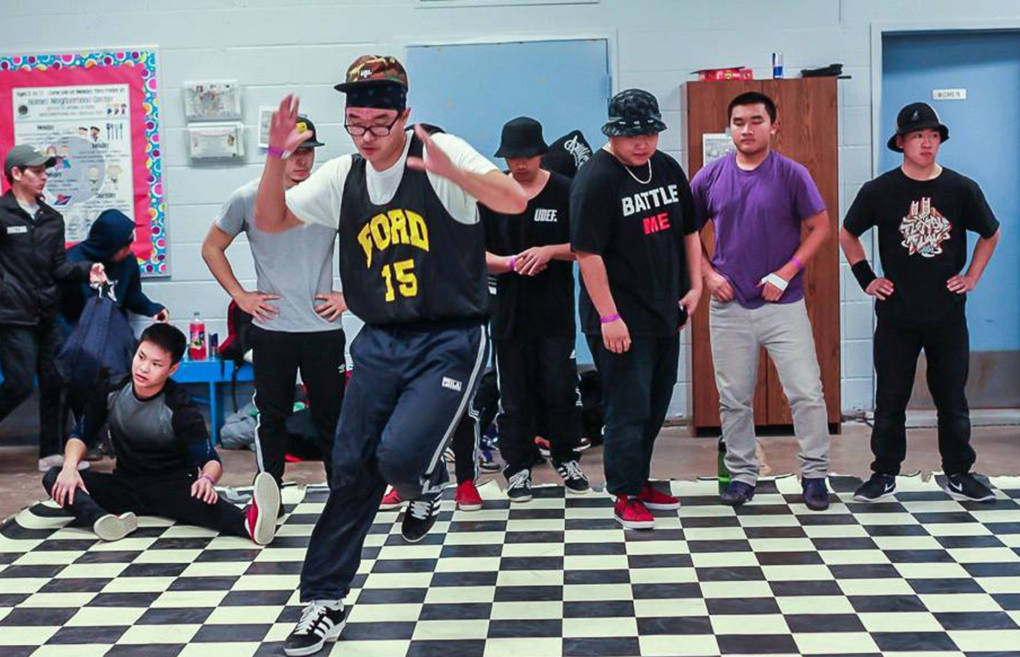
"caption": "B-boys showcase their skills in Fresno.",
"description": "B-boys showcase their skills in Fresno.",
"title": "FresnoBBoys",
"credit": "Ce Vang/Valley Public History Initiative",
"status": "inherit",
"isLoading": false,
"fetchFailed": false
}
},
"audioPlayerReducer": {
"postId": "stream_live",
"isPaused": true,
"isPlaying": false,
"pfsActive": false,
"pledgeModalIsOpen": true,
"playerDrawerIsOpen": false,
"liveAudioPlayStartedAt": 0,
"liveAudioPlayContext": ""
},
"authorsReducer": {
"byline_news_11535589": {
"type": "authors",
"id": "byline_news_11535589",
"meta": {
"override": true
},
"slug": "byline_news_11535589",
"name": "Ezra David Romero",
"isLoading": false
},
"aliceldaniel": {
"type": "authors",
"id": "208",
"meta": {
"index": "authors_1716337520",
"id": "208",
"found": true
},
"name": "Alice Daniel",
"firstName": "Alice",
"lastName": "Daniel",
"slug": "aliceldaniel",
"email": "adaniel@kqed.org",
"display_author_email": false,
"staff_mastheads": [],
"title": null,
"bio": "Alice Daniel loves the listening aspect of reporting because she gets to briefly walk in other people’s shoes. She has rappelled down into caves and gone up in helicopters for KQED’s The California Report but her favorite place to pursue a story is the High Sierra or any family-run bakery, of course. Alice has a masters in journalism from Columbia University and teaches at Fresno State. She is a California Healthline Regional Correspondent and a frequent contributor to Success magazine. In her free time, she skis and hikes, throws pottery, practices piano and looks out the window.",
"avatar": "https://secure.gravatar.com/avatar/e611aa06593b114a67f9f123a8e875ad?s=600&d=blank&r=g",
"twitter": null,
"facebook": null,
"instagram": null,
"linkedin": null,
"sites": [
{
"site": "news",
"roles": [
"author"
]
},
{
"site": "stateofhealth",
"roles": [
"author"
]
}
],
"headData": {
"title": "Alice Daniel | KQED",
"description": null,
"ogImgSrc": "https://secure.gravatar.com/avatar/e611aa06593b114a67f9f123a8e875ad?s=600&d=blank&r=g",
"twImgSrc": "https://secure.gravatar.com/avatar/e611aa06593b114a67f9f123a8e875ad?s=600&d=blank&r=g"
},
"isLoading": false,
"link": "/author/aliceldaniel"
},
"ecruzguevarra": {
"type": "authors",
"id": "8654",
"meta": {
"index": "authors_1716337520",
"id": "8654",
"found": true
},
"name": "Ericka Cruz Guevarra",
"firstName": "Ericka",
"lastName": "Cruz Guevarra",
"slug": "ecruzguevarra",
"email": "ecruzguevarra@kqed.org",
"display_author_email": true,
"staff_mastheads": [
"news"
],
"title": "Producer, The Bay Podcast",
"bio": "Ericka Cruz Guevarra is host of \u003ca href=\"https://www.kqed.org/podcasts/thebay\">\u003cem>The Bay\u003c/em>\u003c/a> podcast at KQED. Before host, she was the show’s producer. Her work in that capacity includes a three-part reported series on policing in Vallejo, which won a 2020 excellence in journalism award from the Society of Professional Journalists. Ericka has worked as a breaking news reporter at Oregon Public Broadcasting, helped produce the Code Switch podcast, and was KQED’s inaugural Raul Ramirez Diversity Fund intern. She’s also an alumna of NPR’s Next Generation Radio program. Send her an email if you have strong feelings about whether Fairfield and Suisun City are the Bay. Ericka is represented by SAG-AFTRA.",
"avatar": "https://secure.gravatar.com/avatar/accefc1de4bafc7e234b69bcb9b6f6536c130fd84709bc3069ef11a78787e1bb?s=600&d=blank&r=g",
"twitter": "NotoriousECG",
"bluesky": null,
"facebook": null,
"instagram": null,
"linkedin": null,
"sites": [
{
"site": "arts",
"roles": [
"subscriber"
]
},
{
"site": "news",
"roles": [
"editor",
"manage_categories"
]
},
{
"site": "futureofyou",
"roles": [
"subscriber"
]
},
{
"site": "stateofhealth",
"roles": [
"subscriber"
]
},
{
"site": "science",
"roles": [
"editor"
]
},
{
"site": "forum",
"roles": [
"subscriber"
]
}
],
"headData": {
"title": "Ericka Cruz Guevarra | KQED",
"description": "Producer, The Bay Podcast",
"ogImgSrc": "https://secure.gravatar.com/avatar/accefc1de4bafc7e234b69bcb9b6f6536c130fd84709bc3069ef11a78787e1bb?s=600&d=blank&r=g",
"twImgSrc": "https://secure.gravatar.com/avatar/accefc1de4bafc7e234b69bcb9b6f6536c130fd84709bc3069ef11a78787e1bb?s=600&d=blank&r=g"
},
"isLoading": false,
"link": "/author/ecruzguevarra"
},
"vrancano": {
"type": "authors",
"id": "11276",
"meta": {
"index": "authors_1716337520",
"id": "11276",
"found": true
},
"name": "Vanessa Rancaño",
"firstName": "Vanessa",
"lastName": "Rancaño",
"slug": "vrancano",
"email": "vrancano@kqed.org",
"display_author_email": false,
"staff_mastheads": [
"news"
],
"title": "Reporter",
"bio": "Vanessa Rancaño is a features reporter for KQED. She’s also covered homelessness and education for the station and reported from the Central Valley. Her work has aired across public radio, from flagship national news shows to longform narrative podcasts. Before taking up a mic, she worked as a freelance print journalist. She’s been recognized with a number of national and regional awards. Vanessa grew up in California's Central Valley. She's a former NPR Kroc Fellow, and a graduate of the UC Berkeley Graduate School of Journalism.",
"avatar": "https://secure.gravatar.com/avatar/b3a383dfb0e7ee1c17568f2cf067904ab654d6e3de9743fc661f3c788ade1bed?s=600&d=blank&r=g",
"twitter": "vanessarancano",
"bluesky": null,
"facebook": null,
"instagram": null,
"linkedin": null,
"sites": [
{
"site": "arts",
"roles": [
"editor"
]
},
{
"site": "news",
"roles": [
"editor"
]
},
{
"site": "liveblog",
"roles": [
"contributor"
]
}
],
"headData": {
"title": "Vanessa Rancaño | KQED",
"description": "Reporter",
"ogImgSrc": "https://secure.gravatar.com/avatar/b3a383dfb0e7ee1c17568f2cf067904ab654d6e3de9743fc661f3c788ade1bed?s=600&d=blank&r=g",
"twImgSrc": "https://secure.gravatar.com/avatar/b3a383dfb0e7ee1c17568f2cf067904ab654d6e3de9743fc661f3c788ade1bed?s=600&d=blank&r=g"
},
"isLoading": false,
"link": "/author/vrancano"
}
},
"pagesReducer": {
"news_tag_fresno": {
"type": "terms",
"id": "news_37",
"meta": {
"index": "terms_1716263798",
"site": "news",
"id": "37",
"score": 9.103885
},
"featImg": null,
"name": "Fresno",
"description": null,
"taxonomy": "tag",
"headData": {
"twImgId": null,
"twTitle": null,
"ogTitle": null,
"ogImgId": null,
"twDescription": null,
"description": null,
"title": "Fresno Archives | KQED News",
"ogDescription": null
},
"ttid": 37,
"slug": "fresno",
"isLoading": false,
"title": "Fresno",
"pageMeta": {
"site": "news",
"WpPageTemplate": "page-topic-editorial",
"currentPage": 8
},
"blocks": [
{
"blockName": "kqed/post-list",
"attrs": {
"layout": "cardArticle2",
"query": "posts/news?tag=fresno",
"seeMore": false,
"paginated": true,
"page": 8
}
},
{
"blockName": "kqed/ad"
}
]
}
},
"pfsSessionReducer": {},
"postsReducer": {
"stream_live": {
"type": "live",
"id": "stream_live",
"audioUrl": "https://streams.kqed.org/kqedradio",
"title": "Live Stream",
"excerpt": "Live Stream information currently unavailable.",
"link": "/radio",
"featImg": "",
"label": {
"name": "KQED Live",
"link": "/"
}
},
"stream_kqedNewscast": {
"type": "posts",
"id": "stream_kqedNewscast",
"audioUrl": "https://www.kqed.org/.stream/anon/radio/RDnews/newscast.mp3?_=1",
"title": "KQED Newscast",
"featImg": "",
"label": {
"name": "88.5 FM",
"link": "/"
}
},
"news_11631037": {
"type": "posts",
"id": "news_11631037",
"meta": {
"index": "posts_1716263798",
"site": "news",
"id": "11631037",
"score": null,
"sort": [
1510840802000
]
},
"parent": 0,
"labelTerm": {
"site": "news",
"term": 72
},
"blocks": [],
"publishDate": 1510840802,
"format": "audio",
"disqusTitle": "ACLU Reports Slam Central Valley Law Enforcement for Excessive Use of Force",
"title": "ACLU Reports Slam Central Valley Law Enforcement for Excessive Use of Force",
"headTitle": "The California Report | KQED News",
"content": "\u003cp>Two new ACLU reports have put Central Valley law enforcement in the spotlight. They find excessive use of force by the Fresno and Bakersfield police departments and Kern County Sheriff's Office.\u003c/p>\n\u003cp>The findings come as no surprise to Bakersfield resident Laura Serna.\u003c/p>\n\u003cp>Serna’s 73-year-old father, Francisco, suffered from dementia, and tended to wander. Last December, he walked out of his house carrying a crucifix.\u003c/p>\n\u003cp>\"We don’t know how lucid he was at the time,\" Serna says.\u003c/p>\n\u003cp>A neighbor saw Francisco outside, mistook the crucifix for a gun and called 911. A Bakersfield police officer arrived and shot seven rounds toward Francisco, \u003ca href=\"http://www.latimes.com/local/lanow/la-me-ln-unarmed-man-dementia-bakersfield-killed-nine-20161213-story.html\" target=\"_blank\" rel=\"noopener\">killing him just feet from his home\u003c/a>.\u003c/p>\n\u003cp>[ad fullwidth]\u003c/p>\n\u003cp>\"The police came out and killed him without truly investigating or seeing what the problem was,\" says Serna.\u003c/p>\n\u003cp>Serna was also frustrated with \u003ca href=\"http://www.bakersfield.com/news/police-shooting-of--year-old-francisco-serna-found-within/article_17fe3510-d8cc-5c94-90f6-9ae53fc3cb89.html\" target=\"_blank\" rel=\"noopener\">the department's probe\u003c/a> into the shooting.\u003c/p>\n\u003cp>\"They used their own investigators, and I feel like that’s a conflict of interest,\" she says. Since the shooting she has been working with advocacy group \u003ca href=\"https://faithinthevalley.org/kern-county/\" target=\"_blank\" rel=\"noopener\">Faith in Kern\u003c/a> to push for reforms. \"I’d like to see an office of independent review with some teeth here locally,\" she says.\u003c/p>\n\u003cp>https://twitter.com/Bakersfieldcali/status/883064262989463552\u003c/p>\n\u003cp>Stories like Serna's aren't new.\u003c/p>\n\u003cp>The Bakersfield Police Department changed some of its use of force policies because of a \u003ca href=\"https://www.justice.gov/sites/default/files/crt/legacy/2011/04/14/bakersfield_ta_letter.pdf\" target=\"_blank\" rel=\"noopener\">federal Justice Department investigation\u003c/a> a decade ago.\u003c/p>\n\u003cp>Last December, the State Attorney General's Office \u003ca href=\"https://oag.ca.gov/news/press-releases/attorney-general-kamala-d-harris-opens-investigations-kern-county-sheriff%E2%80%99s\" target=\"_blank\" rel=\"noopener\">opened investigations into the Bakersfield Police Department and Kern County Sheriff's Office\u003c/a> for potential civil rights violations.\u003c/p>\n\u003cp>That’s where the ACLU comes in.\u003c/p>\n\u003cp>\"We wanted to provide a data analysis in aid of the attorney general’s investigation,\" says ACLU staff attorney Adrienna Wong.\u003c/p>\n\u003cp>[contextly_sidebar id=\"iuk9GOvGIk5ri7XspxaMfhIWlzg912Wy\"]\u003c/p>\n\u003cp>\u003ca href=\"https://www.aclusocal.org/en/press-releases/aclu-releases-report-excessive-force-used-kern-county-and-bakersfield-law-enforcement\" target=\"_blank\" rel=\"noopener\">The new report she helped write\u003c/a> found that the Bakersfield Police Department had the highest rate of police homicides per capita of the country’s 60 largest police departments. It also found Kern County sheriff’s deputies shot and killed far more people than other agencies in areas with similar populations.\u003c/p>\n\u003cp>\"What’s also striking is that many of the shootings we reviewed involved people who were unarmed,\" Wong says. \"And we found that more people of color were being shot and killed.\"\u003c/p>\n\u003cp>The ACLU also found excessive use of force in the form of dog attacks, beatings and tazings.\u003c/p>\n\u003cp>Mark Nations, a lawyer for Kern County, takes issue will the report.\u003c/p>\n\u003cp>\"We feel that it was based on partial and in many cases inaccurate information,\" he says, declining to elaborate because of the attorney general's ongoing investigation.\u003c/p>\n\u003cfigure id=\"attachment_11631272\" class=\"wp-caption aligncenter\" style=\"max-width: 800px\">\u003cimg class=\"size-medium wp-image-11631272\" src=\"https://ww2.kqed.org/news/wp-content/uploads/sites/10/2017/11/JerryDyer-800x628.jpg\" alt=\"Fresno Police Chief Jerry Dyer\" width=\"800\" height=\"628\" srcset=\"https://ww2.kqed.org/app/uploads/sites/10/2017/11/JerryDyer-800x628.jpg 800w, https://ww2.kqed.org/app/uploads/sites/10/2017/11/JerryDyer-160x126.jpg 160w, https://ww2.kqed.org/app/uploads/sites/10/2017/11/JerryDyer-1020x801.jpg 1020w, https://ww2.kqed.org/app/uploads/sites/10/2017/11/JerryDyer.jpg 1920w, https://ww2.kqed.org/app/uploads/sites/10/2017/11/JerryDyer-1180x927.jpg 1180w, https://ww2.kqed.org/app/uploads/sites/10/2017/11/JerryDyer-960x754.jpg 960w, https://ww2.kqed.org/app/uploads/sites/10/2017/11/JerryDyer-240x189.jpg 240w, https://ww2.kqed.org/app/uploads/sites/10/2017/11/JerryDyer-375x295.jpg 375w, https://ww2.kqed.org/app/uploads/sites/10/2017/11/JerryDyer-520x408.jpg 520w\" sizes=\"(max-width: 800px) 100vw, 800px\">\u003cfigcaption class=\"wp-caption-text\">Fresno Police Chief Jerry Dyer \u003ccite>(Vanessa Rancano/KQED)\u003c/cite>\u003c/figcaption>\u003c/figure>\n\u003cp>\u003ca href=\"https://www.aclunc.org/news/aclu-report-shows-police-reform-needed-fresno\" target=\"_blank\" rel=\"noopener\">The ACLU’s Fresno report\u003c/a> focused on officer-involved shootings, though the department is not currently under investigation by the state.\u003c/p>\n\u003cp>The report found Fresno police averaged about nine shootings per year. Staff attorney Novella Coleman says that’s high, and she worries about repeat shooters.\u003c/p>\n\u003cp>\"In Fresno there are 55 officers who have been involved in multiple shootings,\" she says. \"When you consider that most officers go their whole careers without even discharging their firearm, that is definitely a troubling statistic for Fresno.\"\u003c/p>\n\u003cp>But Fresno Police Chief Jerry Dyer points to a \u003ca href=\"http://www.fresno.courts.ca.gov/_pdfs/Grand%20Jury%20Reports/Grand%20Jury%20Final%20Report%20No.%202%20(2016-2017).pdf\" target=\"_blank\" rel=\"noopener\">grand jury report\u003c/a> that reviewed 17 years of officer-involved shooting investigations and reached largely favorable conclusions.\u003c/p>\n\u003cp>That report did recommend requiring practice sessions for use of de-escalation techniques on a quarterly basis, not just once every two years or after a shooting occurs.\u003c/p>\n\u003cp>\"I’m very confident that the policies and the training procedures that we have in place are very sound,\" Dyer says.\u003c/p>\n\u003cp>\u003c/p>\n\u003cp>The ACLU submitted both reports to the California Attorney General’s Office.\u003c/p>\n\n",
"disqusIdentifier": "11631037 https://ww2.kqed.org/news/?p=11631037",
"disqusUrl": "https://ww2.kqed.org/news/2017/11/16/aclu-report-slams-central-valley-law-enforcement-agencies/",
"stats": {
"hasVideo": false,
"hasChartOrMap": false,
"hasAudio": false,
"hasPolis": false,
"wordCount": 621,
"hasGoogleForm": false,
"hasGallery": false,
"hasHearkenModule": false,
"iframeSrcs": [],
"paragraphCount": 28
},
"modified": 1510875233,
"excerpt": "Among the findings? The Bakersfield Police Department had the highest rate of police homicides per capita of the country’s 60 largest police departments.",
"headData": {
"twImgId": "",
"twTitle": "",
"ogTitle": "",
"ogImgId": "",
"twDescription": "",
"description": "Among the findings? The Bakersfield Police Department had the highest rate of police homicides per capita of the country’s 60 largest police departments.",
"title": "ACLU Reports Slam Central Valley Law Enforcement for Excessive Use of Force | KQED",
"ogDescription": "",
"schema": {
"@context": "https://schema.org",
"@type": "NewsArticle",
"headline": "ACLU Reports Slam Central Valley Law Enforcement for Excessive Use of Force",
"datePublished": "2017-11-16T06:00:02-08:00",
"dateModified": "2017-11-16T15:33:53-08:00",
"image": "https://cdn.kqed.org/wp-content/uploads/2020/02/KQED-OG-Image@1x.png",
"isAccessibleForFree": "True",
"publisher": {
"@type": "NewsMediaOrganization",
"@id": "https://www.kqed.org/#organization",
"name": "KQED",
"logo": "https://cdn.kqed.org/wp-content/uploads/2020/02/KQED-OG-Image@1x.png",
"url": "https://www.kqed.org",
"sameAs": [
"https://www.facebook.com/KQED",
"https://twitter.com/KQED",
"https://www.instagram.com/kqed/",
"https://www.tiktok.com/@kqedofficial",
"https://www.linkedin.com/company/kqed",
"https://www.youtube.com/channel/UCeC0IOo7i1P_61zVUWbJ4nw"
]
}
}
},
"guestAuthors": [],
"slug": "aclu-report-slams-central-valley-law-enforcement-agencies",
"status": "publish",
"audioUrl": "https://www.kqed.org/.stream/anon/radio/tcr/2017/11/ACLUKernRancano171116.mp3",
"path": "/news/11631037/aclu-report-slams-central-valley-law-enforcement-agencies",
"audioDuration": 160000,
"audioTrackLength": null,
"parsedContent": [
{
"type": "contentString",
"content": "\u003cdiv class=\"post-body\">\u003cp>\u003cp>Two new ACLU reports have put Central Valley law enforcement in the spotlight. They find excessive use of force by the Fresno and Bakersfield police departments and Kern County Sheriff's Office.\u003c/p>\n\u003cp>The findings come as no surprise to Bakersfield resident Laura Serna.\u003c/p>\n\u003cp>Serna’s 73-year-old father, Francisco, suffered from dementia, and tended to wander. Last December, he walked out of his house carrying a crucifix.\u003c/p>\n\u003cp>\"We don’t know how lucid he was at the time,\" Serna says.\u003c/p>\n\u003cp>A neighbor saw Francisco outside, mistook the crucifix for a gun and called 911. A Bakersfield police officer arrived and shot seven rounds toward Francisco, \u003ca href=\"http://www.latimes.com/local/lanow/la-me-ln-unarmed-man-dementia-bakersfield-killed-nine-20161213-story.html\" target=\"_blank\" rel=\"noopener\">killing him just feet from his home\u003c/a>.\u003c/p>\n\u003cp>\u003c/p>\u003c/div>",
"attributes": {
"named": {},
"numeric": []
}
},
{
"type": "component",
"content": "",
"name": "ad",
"attributes": {
"named": {
"label": "fullwidth"
},
"numeric": [
"fullwidth"
]
}
},
{
"type": "contentString",
"content": "\u003cdiv class=\"post-body\">\u003cp>\u003c/p>\n\u003cp>\"The police came out and killed him without truly investigating or seeing what the problem was,\" says Serna.\u003c/p>\n\u003cp>Serna was also frustrated with \u003ca href=\"http://www.bakersfield.com/news/police-shooting-of--year-old-francisco-serna-found-within/article_17fe3510-d8cc-5c94-90f6-9ae53fc3cb89.html\" target=\"_blank\" rel=\"noopener\">the department's probe\u003c/a> into the shooting.\u003c/p>\n\u003cp>\"They used their own investigators, and I feel like that’s a conflict of interest,\" she says. Since the shooting she has been working with advocacy group \u003ca href=\"https://faithinthevalley.org/kern-county/\" target=\"_blank\" rel=\"noopener\">Faith in Kern\u003c/a> to push for reforms. \"I’d like to see an office of independent review with some teeth here locally,\" she says.\u003c/p>\u003c/p>\u003c/div>",
"attributes": {
"named": {},
"numeric": []
}
},
{
"type": "component",
"content": "",
"name": "singleTwitterStatus",
"attributes": {
"named": {
"id": "883064262989463552"
},
"numeric": []
}
},
{
"type": "contentString",
"content": "\u003cdiv class=\"post-body\">\u003cp>\n\u003cp>Stories like Serna's aren't new.\u003c/p>\n\u003cp>The Bakersfield Police Department changed some of its use of force policies because of a \u003ca href=\"https://www.justice.gov/sites/default/files/crt/legacy/2011/04/14/bakersfield_ta_letter.pdf\" target=\"_blank\" rel=\"noopener\">federal Justice Department investigation\u003c/a> a decade ago.\u003c/p>\n\u003cp>Last December, the State Attorney General's Office \u003ca href=\"https://oag.ca.gov/news/press-releases/attorney-general-kamala-d-harris-opens-investigations-kern-county-sheriff%E2%80%99s\" target=\"_blank\" rel=\"noopener\">opened investigations into the Bakersfield Police Department and Kern County Sheriff's Office\u003c/a> for potential civil rights violations.\u003c/p>\n\u003cp>That’s where the ACLU comes in.\u003c/p>\n\u003cp>\"We wanted to provide a data analysis in aid of the attorney general’s investigation,\" says ACLU staff attorney Adrienna Wong.\u003c/p>\n\u003cp>\u003c/p>\u003cp>\u003c/p>\u003cp>\u003c/p>\n\u003cp>\u003ca href=\"https://www.aclusocal.org/en/press-releases/aclu-releases-report-excessive-force-used-kern-county-and-bakersfield-law-enforcement\" target=\"_blank\" rel=\"noopener\">The new report she helped write\u003c/a> found that the Bakersfield Police Department had the highest rate of police homicides per capita of the country’s 60 largest police departments. It also found Kern County sheriff’s deputies shot and killed far more people than other agencies in areas with similar populations.\u003c/p>\n\u003cp>\"What’s also striking is that many of the shootings we reviewed involved people who were unarmed,\" Wong says. \"And we found that more people of color were being shot and killed.\"\u003c/p>\n\u003cp>The ACLU also found excessive use of force in the form of dog attacks, beatings and tazings.\u003c/p>\n\u003cp>Mark Nations, a lawyer for Kern County, takes issue will the report.\u003c/p>\n\u003cp>\"We feel that it was based on partial and in many cases inaccurate information,\" he says, declining to elaborate because of the attorney general's ongoing investigation.\u003c/p>\n\u003cfigure id=\"attachment_11631272\" class=\"wp-caption aligncenter\" style=\"max-width: 800px\">\u003cimg class=\"size-medium wp-image-11631272\" src=\"https://ww2.kqed.org/news/wp-content/uploads/sites/10/2017/11/JerryDyer-800x628.jpg\" alt=\"Fresno Police Chief Jerry Dyer\" width=\"800\" height=\"628\" srcset=\"https://ww2.kqed.org/app/uploads/sites/10/2017/11/JerryDyer-800x628.jpg 800w, https://ww2.kqed.org/app/uploads/sites/10/2017/11/JerryDyer-160x126.jpg 160w, https://ww2.kqed.org/app/uploads/sites/10/2017/11/JerryDyer-1020x801.jpg 1020w, https://ww2.kqed.org/app/uploads/sites/10/2017/11/JerryDyer.jpg 1920w, https://ww2.kqed.org/app/uploads/sites/10/2017/11/JerryDyer-1180x927.jpg 1180w, https://ww2.kqed.org/app/uploads/sites/10/2017/11/JerryDyer-960x754.jpg 960w, https://ww2.kqed.org/app/uploads/sites/10/2017/11/JerryDyer-240x189.jpg 240w, https://ww2.kqed.org/app/uploads/sites/10/2017/11/JerryDyer-375x295.jpg 375w, https://ww2.kqed.org/app/uploads/sites/10/2017/11/JerryDyer-520x408.jpg 520w\" sizes=\"(max-width: 800px) 100vw, 800px\">\u003cfigcaption class=\"wp-caption-text\">Fresno Police Chief Jerry Dyer \u003ccite>(Vanessa Rancano/KQED)\u003c/cite>\u003c/figcaption>\u003c/figure>\n\u003cp>\u003ca href=\"https://www.aclunc.org/news/aclu-report-shows-police-reform-needed-fresno\" target=\"_blank\" rel=\"noopener\">The ACLU’s Fresno report\u003c/a> focused on officer-involved shootings, though the department is not currently under investigation by the state.\u003c/p>\n\u003cp>The report found Fresno police averaged about nine shootings per year. Staff attorney Novella Coleman says that’s high, and she worries about repeat shooters.\u003c/p>\n\u003cp>\"In Fresno there are 55 officers who have been involved in multiple shootings,\" she says. \"When you consider that most officers go their whole careers without even discharging their firearm, that is definitely a troubling statistic for Fresno.\"\u003c/p>\n\u003cp>But Fresno Police Chief Jerry Dyer points to a \u003ca href=\"http://www.fresno.courts.ca.gov/_pdfs/Grand%20Jury%20Reports/Grand%20Jury%20Final%20Report%20No.%202%20(2016-2017).pdf\" target=\"_blank\" rel=\"noopener\">grand jury report\u003c/a> that reviewed 17 years of officer-involved shooting investigations and reached largely favorable conclusions.\u003c/p>\n\u003cp>That report did recommend requiring practice sessions for use of de-escalation techniques on a quarterly basis, not just once every two years or after a shooting occurs.\u003c/p>\n\u003cp>\"I’m very confident that the policies and the training procedures that we have in place are very sound,\" Dyer says.\u003c/p>\n\u003cp>\u003c/p>\n\u003cp>The ACLU submitted both reports to the California Attorney General’s Office.\u003c/p>\n\n\u003c/div>\u003c/p>",
"attributes": {
"named": {},
"numeric": []
}
}
],
"link": "/news/11631037/aclu-report-slams-central-valley-law-enforcement-agencies",
"authors": [
"11276"
],
"programs": [
"news_72"
],
"categories": [
"news_6188",
"news_8"
],
"tags": [
"news_350",
"news_5563",
"news_37",
"news_20320",
"news_6104",
"news_116",
"news_17286"
],
"featImg": "news_11631200",
"label": "news_72"
},
"news_11625648": {
"type": "posts",
"id": "news_11625648",
"meta": {
"index": "posts_1716263798",
"site": "news",
"id": "11625648",
"score": null,
"sort": [
1508886957000
]
},
"parent": 0,
"labelTerm": {
"site": "news",
"term": 72
},
"blocks": [],
"publishDate": 1508886957,
"format": "audio",
"disqusTitle": "Fresno Offers Amazon Something Unique for Its Headquarters: Nothing",
"title": "Fresno Offers Amazon Something Unique for Its Headquarters: Nothing",
"headTitle": "The California Report | KQED News",
"content": "\u003cp>Tech giant Amazon is \u003ca href=\"https://www.amazon.com/b?ie=UTF8&node=17044620011\" target=\"_blank\" rel=\"noopener\">looking for a home\u003c/a> for its second headquarters.\u003c/p>\n\u003cp>The company got 238 proposals from across North America, and some cities are going to great lengths to get its attention: New York temporarily turned the Empire State Building orange, to match the Amazon logo. Tucson shipped the company a 21-foot cactus. The city of Stonecrest, Georgia, offered to rename itself “Amazon.”\u003c/p>\n\u003cp>And, of course, lots of cities and states are hoping to win over the Seattle-based company with massive tax breaks. Chicago is reportedly offering \u003ca href=\"http://www.chicagotribune.com/news/local/politics/ct-met-illinois-amazon-tax-incentives-20171023-story.html\" target=\"_blank\" rel=\"noopener\">north of $2 billion\u003c/a> in incentives. New Jersey is offering \u003ca href=\"http://nj.gov/governor/news/news/552017/approved/20171016c.html\" target=\"_blank\" rel=\"noopener\">$7 billion\u003c/a> if Amazon picks Newark.\u003c/p>\n\u003caside class=\"pullquote alignright\">Fresno officials are pitching it as an opportunity for Amazon to become the 'ultimate corporate citizen.'\u003c/aside>\n\u003cp>In California \u003ca href=\"http://www.chulavistaca.gov/businesses/welcome-home-amazon\" target=\"_blank\" rel=\"noopener\">some cities\u003c/a> are offering major incentives, too -- but a couple are gambling on a different offer: nothing.\u003c/p>\n\u003cp>Proposals from Fresno and San Jose don't put up a dime in direct financial incentives. San Jose Mayor Sam Liccardo \u003ca href=\"https://www.wsj.com/articles/why-im-not-bidding-for-amazons-hq-1507158668\" target=\"_blank\" rel=\"noopener\">thinks subsidies just aren't good for taxpayers\u003c/a>.\u003c/p>\n\u003cp>[ad fullwidth]\u003c/p>\n\u003cp>Fresno’s director of economic development agrees.\u003c/p>\n\u003cp>\"What we see with incentives oftentimes is that it’s a race to the bottom,\" says Larry Westerlund, who wrote \u003ca href=\"https://docs.google.com/viewer?url=https%3A%2F%2Fassets.documentcloud.org%2Fdocuments%2F4113398%2FFresno-s-Amazon-HQ2-cover-letter-10-18-2017.pdf\" target=\"_blank\" rel=\"noopener\">the city's proposal for Amazon\u003c/a>.\u003c/p>\n\u003cp>He says that when incentives get too big, it can take a long time for a city to see benefits. And while the 50,000 jobs Amazon is promising to bring with its new headquarters would be good for Fresno, the change would be hard on some people, too.\u003c/p>\n\u003cp>\"We want to ensure that we don’t push out that middle class to where they have to commute to Visalia to be able to afford a home and then commute back and forth,\" Westerlund says.\u003c/p>\n\u003cp>So the city’s proposal offers a partnership with Amazon that would invest tax revenue the company generates into projects that are good for Fresno.\u003c/p>\n\u003cp>[contextly_sidebar id=\"PpKihWrFWl8VIY4dqWDuUYhpstLljY04\"]\u003c/p>\n\u003cp>The money would go to building affordable housing and transportation infrastructure. Some would go toward creating a new generation of tech-savvy employees. City officials are pitching it as an opportunity for Amazon to become the \"ultimate corporate citizen.\"\u003c/p>\n\u003cp>Westerlund admits it’s a long shot, but he points to Amazon CEO Jeff Bezos' penchant for making unconventional business moves. Maybe, Westerlund says, Fresno's proposal is so unorthodox the company might go for it.\u003c/p>\n\u003cp>\"We hope that that will catch their eye,\" Westerlund says, \"and they’ll go, 'Let’s do something different this time.' \"\u003c/p>\n\u003cp>\u003c/p>\n\u003cp>Amazon launched its search on Sept. 7. The deadline to submit a proposal was Oct. 19. The company says it will announce a decision next year.\u003c/p>\n\n",
"disqusIdentifier": "11625648 https://ww2.kqed.org/news/?p=11625648",
"disqusUrl": "https://ww2.kqed.org/news/2017/10/24/fresno-offers-amazon-something-unique-for-its-headquarters-nothing/",
"stats": {
"hasVideo": false,
"hasChartOrMap": false,
"hasAudio": false,
"hasPolis": false,
"wordCount": 452,
"hasGoogleForm": false,
"hasGallery": false,
"hasHearkenModule": false,
"iframeSrcs": [],
"paragraphCount": 17
},
"modified": 1508954350,
"excerpt": "Hundreds of cities are falling all over themselves to woo Amazon, hoping to secure the company’s new headquarters. Many are offering big tax breaks. Fresno isn't.",
"headData": {
"twImgId": "",
"twTitle": "",
"ogTitle": "",
"ogImgId": "",
"twDescription": "",
"description": "Hundreds of cities are falling all over themselves to woo Amazon, hoping to secure the company’s new headquarters. Many are offering big tax breaks. Fresno isn't.",
"title": "Fresno Offers Amazon Something Unique for Its Headquarters: Nothing | KQED",
"ogDescription": "",
"schema": {
"@context": "https://schema.org",
"@type": "NewsArticle",
"headline": "Fresno Offers Amazon Something Unique for Its Headquarters: Nothing",
"datePublished": "2017-10-24T16:15:57-07:00",
"dateModified": "2017-10-25T10:59:10-07:00",
"image": "https://cdn.kqed.org/wp-content/uploads/2020/02/KQED-OG-Image@1x.png",
"isAccessibleForFree": "True",
"publisher": {
"@type": "NewsMediaOrganization",
"@id": "https://www.kqed.org/#organization",
"name": "KQED",
"logo": "https://cdn.kqed.org/wp-content/uploads/2020/02/KQED-OG-Image@1x.png",
"url": "https://www.kqed.org",
"sameAs": [
"https://www.facebook.com/KQED",
"https://twitter.com/KQED",
"https://www.instagram.com/kqed/",
"https://www.tiktok.com/@kqedofficial",
"https://www.linkedin.com/company/kqed",
"https://www.youtube.com/channel/UCeC0IOo7i1P_61zVUWbJ4nw"
]
}
}
},
"guestAuthors": [],
"slug": "fresno-offers-amazon-something-unique-for-its-headquarters-nothing",
"status": "publish",
"audioUrl": "https://www.kqed.org/.stream/anon/radio/tcr/2017/10/FresnoAmazonRancano.mp3",
"path": "/news/11625648/fresno-offers-amazon-something-unique-for-its-headquarters-nothing",
"audioDuration": 120000,
"audioTrackLength": null,
"parsedContent": [
{
"type": "contentString",
"content": "\u003cdiv class=\"post-body\">\u003cp>\u003cp>Tech giant Amazon is \u003ca href=\"https://www.amazon.com/b?ie=UTF8&node=17044620011\" target=\"_blank\" rel=\"noopener\">looking for a home\u003c/a> for its second headquarters.\u003c/p>\n\u003cp>The company got 238 proposals from across North America, and some cities are going to great lengths to get its attention: New York temporarily turned the Empire State Building orange, to match the Amazon logo. Tucson shipped the company a 21-foot cactus. The city of Stonecrest, Georgia, offered to rename itself “Amazon.”\u003c/p>\n\u003cp>And, of course, lots of cities and states are hoping to win over the Seattle-based company with massive tax breaks. Chicago is reportedly offering \u003ca href=\"http://www.chicagotribune.com/news/local/politics/ct-met-illinois-amazon-tax-incentives-20171023-story.html\" target=\"_blank\" rel=\"noopener\">north of $2 billion\u003c/a> in incentives. New Jersey is offering \u003ca href=\"http://nj.gov/governor/news/news/552017/approved/20171016c.html\" target=\"_blank\" rel=\"noopener\">$7 billion\u003c/a> if Amazon picks Newark.\u003c/p>\n\u003caside class=\"pullquote alignright\">Fresno officials are pitching it as an opportunity for Amazon to become the 'ultimate corporate citizen.'\u003c/aside>\n\u003cp>In California \u003ca href=\"http://www.chulavistaca.gov/businesses/welcome-home-amazon\" target=\"_blank\" rel=\"noopener\">some cities\u003c/a> are offering major incentives, too -- but a couple are gambling on a different offer: nothing.\u003c/p>\n\u003cp>Proposals from Fresno and San Jose don't put up a dime in direct financial incentives. San Jose Mayor Sam Liccardo \u003ca href=\"https://www.wsj.com/articles/why-im-not-bidding-for-amazons-hq-1507158668\" target=\"_blank\" rel=\"noopener\">thinks subsidies just aren't good for taxpayers\u003c/a>.\u003c/p>\n\u003cp>\u003c/p>\u003c/div>",
"attributes": {
"named": {},
"numeric": []
}
},
{
"type": "component",
"content": "",
"name": "ad",
"attributes": {
"named": {
"label": "fullwidth"
},
"numeric": [
"fullwidth"
]
}
},
{
"type": "contentString",
"content": "\u003cdiv class=\"post-body\">\u003cp>\u003c/p>\n\u003cp>Fresno’s director of economic development agrees.\u003c/p>\n\u003cp>\"What we see with incentives oftentimes is that it’s a race to the bottom,\" says Larry Westerlund, who wrote \u003ca href=\"https://docs.google.com/viewer?url=https%3A%2F%2Fassets.documentcloud.org%2Fdocuments%2F4113398%2FFresno-s-Amazon-HQ2-cover-letter-10-18-2017.pdf\" target=\"_blank\" rel=\"noopener\">the city's proposal for Amazon\u003c/a>.\u003c/p>\n\u003cp>He says that when incentives get too big, it can take a long time for a city to see benefits. And while the 50,000 jobs Amazon is promising to bring with its new headquarters would be good for Fresno, the change would be hard on some people, too.\u003c/p>\n\u003cp>\"We want to ensure that we don’t push out that middle class to where they have to commute to Visalia to be able to afford a home and then commute back and forth,\" Westerlund says.\u003c/p>\n\u003cp>So the city’s proposal offers a partnership with Amazon that would invest tax revenue the company generates into projects that are good for Fresno.\u003c/p>\n\u003cp>\u003c/p>\u003cp>\u003c/p>\u003cp>\u003c/p>\n\u003cp>The money would go to building affordable housing and transportation infrastructure. Some would go toward creating a new generation of tech-savvy employees. City officials are pitching it as an opportunity for Amazon to become the \"ultimate corporate citizen.\"\u003c/p>\n\u003cp>Westerlund admits it’s a long shot, but he points to Amazon CEO Jeff Bezos' penchant for making unconventional business moves. Maybe, Westerlund says, Fresno's proposal is so unorthodox the company might go for it.\u003c/p>\n\u003cp>\"We hope that that will catch their eye,\" Westerlund says, \"and they’ll go, 'Let’s do something different this time.' \"\u003c/p>\n\u003cp>\u003c/p>\n\u003cp>Amazon launched its search on Sept. 7. The deadline to submit a proposal was Oct. 19. The company says it will announce a decision next year.\u003c/p>\n\n\u003c/div>\u003c/p>",
"attributes": {
"named": {},
"numeric": []
}
}
],
"link": "/news/11625648/fresno-offers-amazon-something-unique-for-its-headquarters-nothing",
"authors": [
"11276"
],
"programs": [
"news_72"
],
"categories": [
"news_1758",
"news_8",
"news_248"
],
"tags": [
"news_1611",
"news_37",
"news_18541",
"news_17286"
],
"featImg": "news_11625899",
"label": "news_72"
},
"news_11618008": {
"type": "posts",
"id": "news_11618008",
"meta": {
"index": "posts_1716263798",
"site": "news",
"id": "11618008",
"score": null,
"sort": [
1507136631000
]
},
"parent": 0,
"labelTerm": {
"site": "news",
"term": 72
},
"blocks": [],
"publishDate": 1507136631,
"format": "image",
"disqusTitle": "Years After Tragedy, Fresno's Hmong Seek Cultural Understanding for Next Generation",
"title": "Years After Tragedy, Fresno's Hmong Seek Cultural Understanding for Next Generation",
"headTitle": "The California Report | KQED News",
"content": "\u003cp>At 15, Sarah Vang is a confident leader. With her big, persistent smile, she runs her high school Hmong Club meeting with ease, spreading enthusiasm even to the most reluctant participants.\u003c/p>\n\u003cp>She founded the club last year as a sophomore. And as president, she takes it upon herself to look out for new Hmong students.\u003c/p>\n\u003cp>“There’s a lot of Hmong freshman,” she says, “and I just want to tell them, 'Join the Hmong Club! I’m so happy you’re Hmong!' I feel like I’m the mother of all Hmong people. I love my community so much.”\u003c/p>\n\u003cp>But that love came only after years of wrestling with her identity. Sarah didn’t speak much Hmong growing up, and she didn’t really talk with her parents about their life in Laos or why they came to the United States.\u003c/p>\n\u003cp>[audio src=\"https://www.kqed.org/.stream/anon/radio/tcrmag/2017/10/tcrmag20171006Hmong.mp3\" Image=\"https://ww2.kqed.org/news/wp-content/uploads/sites/10/2017/09/Hmong-dual-immersion-3-1180x885.jpg\" Title=\"Years After Tragedy, Fresno's Hmong Seek Cultural Understanding for Next Generation\" program=\"The California Report\"]\u003c/p>\n\u003cp>In elementary school, kids tormented her with racist taunts.\u003c/p>\n\u003cp>[ad fullwidth]\u003c/p>\n\u003cp>“It made me want to diminish all Asian or Hmong aspects of me,” she says. “I did not want to associate with any Hmong people. I really hated Hmong people.”\u003c/p>\n\u003cp>She felt that way for years. Then eventually, as a teen, she started wanting to know more about her culture. Around the same time, her high school introduced its first Hmong language and history class, and Sarah enrolled. Now every high school in the Fresno Unified School District offers these classes.\u003c/p>\n\u003cp>One day her teacher showed the class a documentary about the Hmong in Fresno. It included a tragic episode in the community's history -- the suicides of eight teenagers between 1998 and 2001.\u003c/p>\n\u003caside class=\"pullquote alignright\">'These kids didn't have an identity. They don't know who they are, where they came from, why their parents were involved in the war.'\u003ccite>Peter Vang, Hmong survivor of the Vietnam War\u003c/cite>\u003c/aside>\n\u003cp>“Once I saw my brother’s face, I started crying,” Sarah says.\u003c/p>\n\u003cp>Sarah’s brother was one of those teenagers. He died before she was born.\u003c/p>\n\u003cp>“My teacher didn’t know that that was my brother, or that the person they were interviewing was my dad,” she says.\u003c/p>\n\u003cp>After her brother’s death, Sarah’s dad, Peter Vang, talked to the families and friends of the other teens who had killed themselves.\u003c/p>\n\u003cp>“I cannot save my son anymore because he’s gone,” Vang says, “but I want to make sure other parents save their kids.”\u003c/p>\n\u003cp>Vang learned the kids all had distinct troubles, but he found a common theme: “These kids didn’t have an identity,” he says. “They don’t know who they are, where they came from, why their parents were involved in the war.”\u003c/p>\n\u003cfigure id=\"attachment_11620673\" class=\"wp-caption aligncenter\" style=\"max-width: 800px\">\u003cimg class=\"size-large wp-image-11620673\" src=\"https://ww2.kqed.org/news/wp-content/uploads/sites/10/2017/10/RS27162_RS26637_IMG_42671-qut-1020x765.jpg\" alt=\"Teacher Thae Xiong reads students a book in Hmong.\" width=\"640\" height=\"480\" srcset=\"https://ww2.kqed.org/app/uploads/sites/10/2017/10/RS27162_RS26637_IMG_42671-qut-1020x765.jpg 1020w, https://ww2.kqed.org/app/uploads/sites/10/2017/10/RS27162_RS26637_IMG_42671-qut-160x120.jpg 160w, https://ww2.kqed.org/app/uploads/sites/10/2017/10/RS27162_RS26637_IMG_42671-qut-800x600.jpg 800w, https://ww2.kqed.org/app/uploads/sites/10/2017/10/RS27162_RS26637_IMG_42671-qut.jpg 1920w, https://ww2.kqed.org/app/uploads/sites/10/2017/10/RS27162_RS26637_IMG_42671-qut-1180x885.jpg 1180w, https://ww2.kqed.org/app/uploads/sites/10/2017/10/RS27162_RS26637_IMG_42671-qut-960x720.jpg 960w, https://ww2.kqed.org/app/uploads/sites/10/2017/10/RS27162_RS26637_IMG_42671-qut-240x180.jpg 240w, https://ww2.kqed.org/app/uploads/sites/10/2017/10/RS27162_RS26637_IMG_42671-qut-375x281.jpg 375w, https://ww2.kqed.org/app/uploads/sites/10/2017/10/RS27162_RS26637_IMG_42671-qut-520x390.jpg 520w\" sizes=\"(max-width: 640px) 100vw, 640px\">\u003cfigcaption class=\"wp-caption-text\">Teacher Thae Xiong reads students a book in Hmong. \u003ccite>(Vanessa Rancano/KQED)\u003c/cite>\u003c/figcaption>\u003c/figure>\n\u003cp>Vang says that for kids to have a better sense of their identity, they need to learn about that war -- the so-called \u003ca href=\"https://www.nytimes.com/2015/05/28/opinion/heirs-of-the-secret-war-in-laos.html\" target=\"_blank\" rel=\"noopener\">secret war\u003c/a> in which the CIA recruited Hmong fighters to help stop the spread of communism in Laos during the Vietnam War. At least 30,000 Hmong died.\u003c/p>\n\u003cp>After the war, many Hmong ended up in the Central Valley, home to the second-largest Hmong community in the United States. Vang says that when his son was in school, this story wasn’t told.\u003c/p>\n\u003cp>“There’s nothing in history books,” he says. \"So schools, when they talked about Vietnam War, the Hmong did not exist.”\u003c/p>\n\u003cp>So Vang and others in the community successfully advocated for California legislation that encouraged schools to teach students about the role of the Hmong in the Vietnam War. And they began pushing for Hmong language and history classes at Fresno schools, like the one Vang’s daughter, Sarah, took for the first time last year. In that class, the secret war got a lot of attention.\u003c/p>\n\u003cp>“At first we were like, 'Why are we learning about this?' We didn’t understand,” Sarah says. “But once we got into depth about it, we realized Hmong people went through a lot of hardships trying to get here. That’s when I started to ask my dad, ‘So tell me a little about the war.’ ”\u003c/p>\n\u003cp>[contextly_sidebar id=\"G1xagEdRDJkUC617msXn4Mg8RjTmi9W1\"]\u003c/p>\n\u003cp>Vang grew up in the war. As a 4-year-old, he remembers the screeching sound of rockets flying through the air, the sight of body parts strewn across the ground, and the stacks of body bags. At one point, his house was destroyed.\u003c/p>\n\u003cp>“I thought my parents were dead,” he says. “I realized they were still alive after all the smoke cleared.” Vang’s father fought with the CIA and was injured more than once. He lost multiple fingers to a grenade.\u003c/p>\n\u003cp>Hearing these stories had a big impact on Sarah.\u003c/p>\n\u003cp>“It really hit home. It made me appreciate everything the elders did,” she says. “Because of them we are here.”\u003c/p>\n\u003cp>After more than a decade, the work of Peter Vang and other community members is paying off: This year Sarah’s school offered a more advanced Hmong class for the first time, and last year \u003ca href=\"https://www.fresnostate.edu/catalog/subjects/linguistics/hmong-mn.html\" target=\"_blank\" rel=\"noopener noreferrer\">Fresno State University introduced a minor in Hmong\u003c/a>.\u003c/p>\n\u003cp>Fresno Unified has something else in the works, too. It’s testing out a dual immersion class for kindergartners so that kids like 6-year-old Logan can learn Hmong.\u003c/p>\n\u003cp>“I know how to read English,” he says, while looking through a children’s book written in Hmong. “I don’t know how to read Hmong. It’s hard.”\u003c/p>\n\u003cfigure id=\"attachment_11618123\" class=\"wp-caption aligncenter\" style=\"max-width: 800px\">\u003cimg class=\"wp-image-11618123 size-medium\" src=\"https://ww2.kqed.org/news/wp-content/uploads/sites/10/2017/09/Hmong-dual-immersion-3-800x600.jpg\" alt=\"\" width=\"800\" height=\"600\" srcset=\"https://ww2.kqed.org/app/uploads/sites/10/2017/09/Hmong-dual-immersion-3-800x600.jpg 800w, https://ww2.kqed.org/app/uploads/sites/10/2017/09/Hmong-dual-immersion-3-160x120.jpg 160w, https://ww2.kqed.org/app/uploads/sites/10/2017/09/Hmong-dual-immersion-3-1020x765.jpg 1020w, https://ww2.kqed.org/app/uploads/sites/10/2017/09/Hmong-dual-immersion-3.jpg 1920w, https://ww2.kqed.org/app/uploads/sites/10/2017/09/Hmong-dual-immersion-3-1180x885.jpg 1180w, https://ww2.kqed.org/app/uploads/sites/10/2017/09/Hmong-dual-immersion-3-960x720.jpg 960w, https://ww2.kqed.org/app/uploads/sites/10/2017/09/Hmong-dual-immersion-3-240x180.jpg 240w, https://ww2.kqed.org/app/uploads/sites/10/2017/09/Hmong-dual-immersion-3-375x281.jpg 375w, https://ww2.kqed.org/app/uploads/sites/10/2017/09/Hmong-dual-immersion-3-520x390.jpg 520w\" sizes=\"(max-width: 800px) 100vw, 800px\">\u003cfigcaption class=\"wp-caption-text\">Doua Vu works with students Isaac and Cassidy in Fresno Unified School District's Hmong-English dual-immersion pilot class. \u003ccite>(Vanessa Rancano/KQED)\u003c/cite>\u003c/figcaption>\u003c/figure>\n\u003cp>Misty Her oversees the new dual-language program. She says the biggest challenge is developing the curriculum.\u003c/p>\n\u003cp>“There’s really nothing, nothing out there for us,\" she says in terms of models. \"But what’s exciting is we get to build it from the ground up.”\u003c/p>\n\u003cp>Her says there are very few Hmong dual-immersion programs, and there aren't a lot of Hmong written texts out there to work with.\u003c/p>\n\u003cp>“Our written language only happened about the last 60, 70 years,” she says.\u003c/p>\n\u003cp>The kids are just a couple of weeks into the after-school class, but Fresno Unified is already planning to offer regular Hmong dual immersion at elementary schools as early as next year. It will be the first in Fresno, and one of\u003ca href=\"http://www.scusd.edu/program/susan-b-anthony-hmong-dual-language-program\" target=\"_blank\" rel=\"noopener noreferrer\"> just a couple in California\u003c/a>.\u003c/p>\n\u003cp>[ad floatright]\u003c/p>\n\u003cp>The Hmong who fled their homeland since the Vietnam War hope this generation -- and those to come -- will walk through the world with confidence. They hope that by knowing their language, their history and exactly where they came from, younger Hmong can decide who they want to be.\u003c/p>\n\n",
"disqusIdentifier": "11618008 https://ww2.kqed.org/news/?p=11618008",
"disqusUrl": "https://ww2.kqed.org/news/2017/10/04/years-after-tragedy-fresnos-hmong-seek-cultural-understanding-for-next-generation/",
"stats": {
"hasVideo": false,
"hasChartOrMap": false,
"hasAudio": true,
"hasPolis": false,
"wordCount": 1227,
"hasGoogleForm": false,
"hasGallery": false,
"hasHearkenModule": false,
"iframeSrcs": [],
"paragraphCount": 35
},
"modified": 1508291272,
"excerpt": "Almost two decades ago a spate of teen suicides shook Fresno's Hmong community. Something had to change.",
"headData": {
"twImgId": "",
"twTitle": "",
"ogTitle": "",
"ogImgId": "",
"twDescription": "",
"description": "Almost two decades ago a spate of teen suicides shook Fresno's Hmong community. Something had to change.",
"title": "Years After Tragedy, Fresno's Hmong Seek Cultural Understanding for Next Generation | KQED",
"ogDescription": "",
"schema": {
"@context": "https://schema.org",
"@type": "NewsArticle",
"headline": "Years After Tragedy, Fresno's Hmong Seek Cultural Understanding for Next Generation",
"datePublished": "2017-10-04T10:03:51-07:00",
"dateModified": "2017-10-17T18:47:52-07:00",
"image": "https://cdn.kqed.org/wp-content/uploads/2020/02/KQED-OG-Image@1x.png",
"isAccessibleForFree": "True",
"publisher": {
"@type": "NewsMediaOrganization",
"@id": "https://www.kqed.org/#organization",
"name": "KQED",
"logo": "https://cdn.kqed.org/wp-content/uploads/2020/02/KQED-OG-Image@1x.png",
"url": "https://www.kqed.org",
"sameAs": [
"https://www.facebook.com/KQED",
"https://twitter.com/KQED",
"https://www.instagram.com/kqed/",
"https://www.tiktok.com/@kqedofficial",
"https://www.linkedin.com/company/kqed",
"https://www.youtube.com/channel/UCeC0IOo7i1P_61zVUWbJ4nw"
]
}
}
},
"guestAuthors": [],
"slug": "years-after-tragedy-fresnos-hmong-seek-cultural-understanding-for-next-generation",
"status": "publish",
"path": "/news/11618008/years-after-tragedy-fresnos-hmong-seek-cultural-understanding-for-next-generation",
"audioTrackLength": null,
"parsedContent": [
{
"type": "contentString",
"content": "\u003cdiv class=\"post-body\">\u003cp>\u003cp>At 15, Sarah Vang is a confident leader. With her big, persistent smile, she runs her high school Hmong Club meeting with ease, spreading enthusiasm even to the most reluctant participants.\u003c/p>\n\u003cp>She founded the club last year as a sophomore. And as president, she takes it upon herself to look out for new Hmong students.\u003c/p>\n\u003cp>“There’s a lot of Hmong freshman,” she says, “and I just want to tell them, 'Join the Hmong Club! I’m so happy you’re Hmong!' I feel like I’m the mother of all Hmong people. I love my community so much.”\u003c/p>\n\u003cp>But that love came only after years of wrestling with her identity. Sarah didn’t speak much Hmong growing up, and she didn’t really talk with her parents about their life in Laos or why they came to the United States.\u003c/p>\n\u003cp>\u003c/p>\u003c/div>",
"attributes": {
"named": {},
"numeric": []
}
},
{
"type": "component",
"content": "",
"name": "audio",
"attributes": {
"named": {
"src": "https://www.kqed.org/.stream/anon/radio/tcrmag/2017/10/tcrmag20171006Hmong.mp3",
"image": "https://ww2.kqed.org/news/wp-content/uploads/sites/10/2017/09/Hmong-dual-immersion-3-1180x885.jpg",
"title": "Years After Tragedy, Fresno's Hmong Seek Cultural Understanding for Next Generation",
"program": "The California Report",
"label": ""
},
"numeric": []
}
},
{
"type": "contentString",
"content": "\u003cdiv class=\"post-body\">\u003cp>\u003c/p>\n\u003cp>In elementary school, kids tormented her with racist taunts.\u003c/p>\n\u003cp>\u003c/p>\u003c/div>",
"attributes": {
"named": {},
"numeric": []
}
},
{
"type": "component",
"content": "",
"name": "ad",
"attributes": {
"named": {
"label": "fullwidth"
},
"numeric": [
"fullwidth"
]
}
},
{
"type": "contentString",
"content": "\u003cdiv class=\"post-body\">\u003cp>\u003c/p>\n\u003cp>“It made me want to diminish all Asian or Hmong aspects of me,” she says. “I did not want to associate with any Hmong people. I really hated Hmong people.”\u003c/p>\n\u003cp>She felt that way for years. Then eventually, as a teen, she started wanting to know more about her culture. Around the same time, her high school introduced its first Hmong language and history class, and Sarah enrolled. Now every high school in the Fresno Unified School District offers these classes.\u003c/p>\n\u003cp>One day her teacher showed the class a documentary about the Hmong in Fresno. It included a tragic episode in the community's history -- the suicides of eight teenagers between 1998 and 2001.\u003c/p>\n\u003caside class=\"pullquote alignright\">'These kids didn't have an identity. They don't know who they are, where they came from, why their parents were involved in the war.'\u003ccite>Peter Vang, Hmong survivor of the Vietnam War\u003c/cite>\u003c/aside>\n\u003cp>“Once I saw my brother’s face, I started crying,” Sarah says.\u003c/p>\n\u003cp>Sarah’s brother was one of those teenagers. He died before she was born.\u003c/p>\n\u003cp>“My teacher didn’t know that that was my brother, or that the person they were interviewing was my dad,” she says.\u003c/p>\n\u003cp>After her brother’s death, Sarah’s dad, Peter Vang, talked to the families and friends of the other teens who had killed themselves.\u003c/p>\n\u003cp>“I cannot save my son anymore because he’s gone,” Vang says, “but I want to make sure other parents save their kids.”\u003c/p>\n\u003cp>Vang learned the kids all had distinct troubles, but he found a common theme: “These kids didn’t have an identity,” he says. “They don’t know who they are, where they came from, why their parents were involved in the war.”\u003c/p>\n\u003cfigure id=\"attachment_11620673\" class=\"wp-caption aligncenter\" style=\"max-width: 800px\">\u003cimg class=\"size-large wp-image-11620673\" src=\"https://ww2.kqed.org/news/wp-content/uploads/sites/10/2017/10/RS27162_RS26637_IMG_42671-qut-1020x765.jpg\" alt=\"Teacher Thae Xiong reads students a book in Hmong.\" width=\"640\" height=\"480\" srcset=\"https://ww2.kqed.org/app/uploads/sites/10/2017/10/RS27162_RS26637_IMG_42671-qut-1020x765.jpg 1020w, https://ww2.kqed.org/app/uploads/sites/10/2017/10/RS27162_RS26637_IMG_42671-qut-160x120.jpg 160w, https://ww2.kqed.org/app/uploads/sites/10/2017/10/RS27162_RS26637_IMG_42671-qut-800x600.jpg 800w, https://ww2.kqed.org/app/uploads/sites/10/2017/10/RS27162_RS26637_IMG_42671-qut.jpg 1920w, https://ww2.kqed.org/app/uploads/sites/10/2017/10/RS27162_RS26637_IMG_42671-qut-1180x885.jpg 1180w, https://ww2.kqed.org/app/uploads/sites/10/2017/10/RS27162_RS26637_IMG_42671-qut-960x720.jpg 960w, https://ww2.kqed.org/app/uploads/sites/10/2017/10/RS27162_RS26637_IMG_42671-qut-240x180.jpg 240w, https://ww2.kqed.org/app/uploads/sites/10/2017/10/RS27162_RS26637_IMG_42671-qut-375x281.jpg 375w, https://ww2.kqed.org/app/uploads/sites/10/2017/10/RS27162_RS26637_IMG_42671-qut-520x390.jpg 520w\" sizes=\"(max-width: 640px) 100vw, 640px\">\u003cfigcaption class=\"wp-caption-text\">Teacher Thae Xiong reads students a book in Hmong. \u003ccite>(Vanessa Rancano/KQED)\u003c/cite>\u003c/figcaption>\u003c/figure>\n\u003cp>Vang says that for kids to have a better sense of their identity, they need to learn about that war -- the so-called \u003ca href=\"https://www.nytimes.com/2015/05/28/opinion/heirs-of-the-secret-war-in-laos.html\" target=\"_blank\" rel=\"noopener\">secret war\u003c/a> in which the CIA recruited Hmong fighters to help stop the spread of communism in Laos during the Vietnam War. At least 30,000 Hmong died.\u003c/p>\n\u003cp>After the war, many Hmong ended up in the Central Valley, home to the second-largest Hmong community in the United States. Vang says that when his son was in school, this story wasn’t told.\u003c/p>\n\u003cp>“There’s nothing in history books,” he says. \"So schools, when they talked about Vietnam War, the Hmong did not exist.”\u003c/p>\n\u003cp>So Vang and others in the community successfully advocated for California legislation that encouraged schools to teach students about the role of the Hmong in the Vietnam War. And they began pushing for Hmong language and history classes at Fresno schools, like the one Vang’s daughter, Sarah, took for the first time last year. In that class, the secret war got a lot of attention.\u003c/p>\n\u003cp>“At first we were like, 'Why are we learning about this?' We didn’t understand,” Sarah says. “But once we got into depth about it, we realized Hmong people went through a lot of hardships trying to get here. That’s when I started to ask my dad, ‘So tell me a little about the war.’ ”\u003c/p>\n\u003cp>\u003c/p>\u003cp>\u003c/p>\u003cp>\u003c/p>\n\u003cp>Vang grew up in the war. As a 4-year-old, he remembers the screeching sound of rockets flying through the air, the sight of body parts strewn across the ground, and the stacks of body bags. At one point, his house was destroyed.\u003c/p>\n\u003cp>“I thought my parents were dead,” he says. “I realized they were still alive after all the smoke cleared.” Vang’s father fought with the CIA and was injured more than once. He lost multiple fingers to a grenade.\u003c/p>\n\u003cp>Hearing these stories had a big impact on Sarah.\u003c/p>\n\u003cp>“It really hit home. It made me appreciate everything the elders did,” she says. “Because of them we are here.”\u003c/p>\n\u003cp>After more than a decade, the work of Peter Vang and other community members is paying off: This year Sarah’s school offered a more advanced Hmong class for the first time, and last year \u003ca href=\"https://www.fresnostate.edu/catalog/subjects/linguistics/hmong-mn.html\" target=\"_blank\" rel=\"noopener noreferrer\">Fresno State University introduced a minor in Hmong\u003c/a>.\u003c/p>\n\u003cp>Fresno Unified has something else in the works, too. It’s testing out a dual immersion class for kindergartners so that kids like 6-year-old Logan can learn Hmong.\u003c/p>\n\u003cp>“I know how to read English,” he says, while looking through a children’s book written in Hmong. “I don’t know how to read Hmong. It’s hard.”\u003c/p>\n\u003cfigure id=\"attachment_11618123\" class=\"wp-caption aligncenter\" style=\"max-width: 800px\">\u003cimg class=\"wp-image-11618123 size-medium\" src=\"https://ww2.kqed.org/news/wp-content/uploads/sites/10/2017/09/Hmong-dual-immersion-3-800x600.jpg\" alt=\"\" width=\"800\" height=\"600\" srcset=\"https://ww2.kqed.org/app/uploads/sites/10/2017/09/Hmong-dual-immersion-3-800x600.jpg 800w, https://ww2.kqed.org/app/uploads/sites/10/2017/09/Hmong-dual-immersion-3-160x120.jpg 160w, https://ww2.kqed.org/app/uploads/sites/10/2017/09/Hmong-dual-immersion-3-1020x765.jpg 1020w, https://ww2.kqed.org/app/uploads/sites/10/2017/09/Hmong-dual-immersion-3.jpg 1920w, https://ww2.kqed.org/app/uploads/sites/10/2017/09/Hmong-dual-immersion-3-1180x885.jpg 1180w, https://ww2.kqed.org/app/uploads/sites/10/2017/09/Hmong-dual-immersion-3-960x720.jpg 960w, https://ww2.kqed.org/app/uploads/sites/10/2017/09/Hmong-dual-immersion-3-240x180.jpg 240w, https://ww2.kqed.org/app/uploads/sites/10/2017/09/Hmong-dual-immersion-3-375x281.jpg 375w, https://ww2.kqed.org/app/uploads/sites/10/2017/09/Hmong-dual-immersion-3-520x390.jpg 520w\" sizes=\"(max-width: 800px) 100vw, 800px\">\u003cfigcaption class=\"wp-caption-text\">Doua Vu works with students Isaac and Cassidy in Fresno Unified School District's Hmong-English dual-immersion pilot class. \u003ccite>(Vanessa Rancano/KQED)\u003c/cite>\u003c/figcaption>\u003c/figure>\n\u003cp>Misty Her oversees the new dual-language program. She says the biggest challenge is developing the curriculum.\u003c/p>\n\u003cp>“There’s really nothing, nothing out there for us,\" she says in terms of models. \"But what’s exciting is we get to build it from the ground up.”\u003c/p>\n\u003cp>Her says there are very few Hmong dual-immersion programs, and there aren't a lot of Hmong written texts out there to work with.\u003c/p>\n\u003cp>“Our written language only happened about the last 60, 70 years,” she says.\u003c/p>\n\u003cp>The kids are just a couple of weeks into the after-school class, but Fresno Unified is already planning to offer regular Hmong dual immersion at elementary schools as early as next year. It will be the first in Fresno, and one of\u003ca href=\"http://www.scusd.edu/program/susan-b-anthony-hmong-dual-language-program\" target=\"_blank\" rel=\"noopener noreferrer\"> just a couple in California\u003c/a>.\u003c/p>\n\u003cp>\u003c/p>\u003c/div>",
"attributes": {
"named": {},
"numeric": []
}
},
{
"type": "component",
"content": "",
"name": "ad",
"attributes": {
"named": {
"label": "floatright"
},
"numeric": [
"floatright"
]
}
},
{
"type": "contentString",
"content": "\u003cdiv class=\"post-body\">\u003cp>\u003c/p>\n\u003cp>The Hmong who fled their homeland since the Vietnam War hope this generation -- and those to come -- will walk through the world with confidence. They hope that by knowing their language, their history and exactly where they came from, younger Hmong can decide who they want to be.\u003c/p>\n\n\u003c/div>\u003c/p>",
"attributes": {
"named": {},
"numeric": []
}
}
],
"link": "/news/11618008/years-after-tragedy-fresnos-hmong-seek-cultural-understanding-for-next-generation",
"authors": [
"11276"
],
"programs": [
"news_6944",
"news_72"
],
"categories": [
"news_223",
"news_18540",
"news_1169"
],
"tags": [
"news_20013",
"news_37",
"news_20632",
"news_17286",
"news_5067"
],
"featImg": "news_11620875",
"label": "news_72"
},
"news_11611578": {
"type": "posts",
"id": "news_11611578",
"meta": {
"index": "posts_1716263798",
"site": "news",
"id": "11611578",
"score": null,
"sort": [
1502745976000
]
},
"guestAuthors": [],
"slug": "california-tea-party-its-time-for-an-alternative-to-the-gop",
"title": "California Tea Party: It's Time for an Alternative to the GOP",
"publishDate": 1502745976,
"format": "standard",
"headTitle": "California Tea Party: It’s Time for an Alternative to the GOP | KQED",
"labelTerm": {
"term": 72,
"site": "news"
},
"content": "\u003cp>California Tea Partiers met in Fresno on Friday and Saturday in hopes of activating their supporters on behalf of President Trump’s agenda. “The Real Resistance Conference” brought together diehard anti-establishment conservatives and disillusioned Republicans to talk strategy.\u003c/p>\n\u003cp>The group slammed any Republicans that cooperate with Democrats. Singled out for criticism were the eight GOP legislators in Sacramento — including Assembly Republican leader Chad Mayes — who recently \u003ca href=\"https://ww2.kqed.org/news/2017/07/17/california-lawmakers-approve-plan-to-extend-cap-and-trade-system/\" target=\"_blank\" rel=\"noopener noreferrer\">voted for cap-and-trade legislation\u003c/a> supported by Gov. Jerry Brown and Democratic leaders.\u003c/p>\n\u003cp>Among the names hurled at them by Tea Party leaders: “The Swamp 8.” They say compromise is not an option. The 140 or so people in the crowd nodded and shouted their agreement.\u003c/p>\n\u003caside class=\"pullquote alignright\">‘We’re not gonna help the GOP anymore. We’re gonna help hard-core American patriots.’\u003ccite>Former Assemblyman Tim Donnelly\u003c/cite>\u003c/aside>\n\u003cp>In his keynote address, California Rep. Tom McClintock put the stakes in stark terms. “We’re going to be looking back on this era as the days that either saved or lost the American Republic,” he said, “and perhaps even Western civilization itself.”\u003c/p>\n\u003cp>Later McClintock told the crowd that 2016 was the most important election in his lifetime, but added a warning: “2018 will decide whether 2016 was indeed the turning point that made America great again or whether it was merely a speed bump on America’s road to ruin.”\u003c/p>\n\u003cp>[ad fullwidth]\u003c/p>\n\u003cp>After McClintock got a standing ovation, Jan Soule of San Jose made her way over to the registration table to become a member the \u003ca href=\"http://www.teapartycc.com/\">Tea Party California Caucus\u003c/a>.\u003c/p>\n\u003cp>“I’m desperate!” she said. “I came here because I’m hoping to connect with other conservatives who are hoping to change California. There’s got to be an alternative to the California Republican Party.”\u003c/p>\n\u003cp>[audio src=\"http://www.kqed.org/.stream/anon/radio/tcr/2017/08/170814FresnoRancano.mp3\" Image=\"https://ww2.kqed.org/news/wp-content/uploads/sites/10/2017/08/TomMcClintock-800x552.jpg\" Title=\"California Tea Party: It's Time for an Alternative to the GOP\" program=\"The California Report\"]\u003c/p>\n\u003cp>While some described themselves as the conscience of the Republican Party and said they hope to influence leaders in office, others declared the party dead, calling for more radical action.\u003c/p>\n\u003cp>“We don’t have a Republican Party anymore,” former California Assemblyman and onetime gubernatorial candidate Tim Donnelly told the crowd. He offered two options. “We can either take it back completely or we can abandon it and move on. We’re not gonna help the GOP anymore. We’re gonna help hard-core American patriots.”\u003c/p>\n\u003cp>The chief complaints at the conference were government overreach, too much immigration and allegations of voter fraud. Although Trump claimed there was voter fraud in the presidential election, there has been no credible documentation of that.\u003c/p>\n\u003cp>While Tea Party members blamed liberal policies for these problems, they focused their anger on California Republicans who they say don’t stand up for conservative principles.\u003c/p>\n\u003cp>[contextly_sidebar id=”asHPwNruhjL8J2VZQZGGDwsOwzbm8RHu”]\u003c/p>\n\u003cp>“We have a lot of [swamp Republicans] in Sacramento right now,” said Randall Jordan, who heads up the California Tea Party Caucus. He reserved special disdain for \u003ca href=\"https://ww2.kqed.org/news/2017/07/19/californias-latest-innovation-a-republican-case-for-cap-and-trade/\">Republican lawmakers who voted to extend cap and trade\u003c/a>.\u003c/p>\n\u003cp>“That’s what this conference is about,” Jordan said. “That’s what we’re trying to do is get people activated in their local communities to try to get those people out of here who only care about power and money.”\u003c/p>\n\u003cp>He said change has to start at the local level. “That’s where you groom people that will be your future assemblymen, your future Congress people.”\u003c/p>\n\u003cp>For all the vitriol trained on the Republican Party, President Trump managed to escape criticism. Conference goers almost unanimously expressed their support for the president.\u003c/p>\n\u003cp>\u003c/p>\n\u003cp>“I don’t know who in this room was as emotional the night Donald Trump got elected,” Jordan told the crowd, to applause. “My wife and I cried. We both cried and I still get choked up.”\u003c/p>\n\n",
"blocks": [],
"excerpt": "At a Fresno meeting, Tea Partiers slammed any Republicans that cooperate with Democrats, and reserved special disdain for the GOP lawmakers who voted to extend cap and trade.",
"status": "publish",
"parent": 0,
"modified": 1721111548,
"stats": {
"hasAudio": true,
"hasVideo": false,
"hasChartOrMap": false,
"iframeSrcs": [],
"hasGoogleForm": false,
"hasGallery": false,
"hasHearkenModule": false,
"hasPolis": false,
"paragraphCount": 19,
"wordCount": 713
},
"headData": {
"title": "California Tea Party: It's Time for an Alternative to the GOP | KQED",
"description": "At a Fresno meeting, Tea Partiers slammed any Republicans that cooperate with Democrats, and reserved special disdain for the GOP lawmakers who voted to extend cap and trade.",
"ogTitle": "",
"ogDescription": "",
"ogImgId": "",
"twTitle": "",
"twDescription": "",
"twImgId": "",
"schema": {
"@context": "https://schema.org",
"@type": "NewsArticle",
"headline": "California Tea Party: It's Time for an Alternative to the GOP",
"datePublished": "2017-08-14T14:26:16-07:00",
"dateModified": "2024-07-15T23:32:28-07:00",
"image": "https://cdn.kqed.org/wp-content/uploads/2020/02/KQED-OG-Image@1x.png",
"isAccessibleForFree": "True",
"publisher": {
"@type": "NewsMediaOrganization",
"@id": "https://www.kqed.org/#organization",
"name": "KQED",
"logo": "https://cdn.kqed.org/wp-content/uploads/2020/02/KQED-OG-Image@1x.png",
"url": "https://www.kqed.org",
"sameAs": [
"https://www.facebook.com/KQED",
"https://twitter.com/KQED",
"https://www.instagram.com/kqed/",
"https://www.tiktok.com/@kqedofficial",
"https://www.linkedin.com/company/kqed",
"https://www.youtube.com/channel/UCeC0IOo7i1P_61zVUWbJ4nw"
]
}
}
},
"audioUrl": "http://www.kqed.org/.stream/anon/radio/tcr/2017/08/170814FresnoRancano.mp3",
"guestFields": "0",
"sticky": false,
"path": "/news/11611578/california-tea-party-its-time-for-an-alternative-to-the-gop",
"audioDuration": null,
"audioTrackLength": null,
"parsedContent": [
{
"type": "contentString",
"content": "\u003cdiv class=\"post-body\">\u003cp>\u003cp>California Tea Partiers met in Fresno on Friday and Saturday in hopes of activating their supporters on behalf of President Trump’s agenda. “The Real Resistance Conference” brought together diehard anti-establishment conservatives and disillusioned Republicans to talk strategy.\u003c/p>\n\u003cp>The group slammed any Republicans that cooperate with Democrats. Singled out for criticism were the eight GOP legislators in Sacramento — including Assembly Republican leader Chad Mayes — who recently \u003ca href=\"https://ww2.kqed.org/news/2017/07/17/california-lawmakers-approve-plan-to-extend-cap-and-trade-system/\" target=\"_blank\" rel=\"noopener noreferrer\">voted for cap-and-trade legislation\u003c/a> supported by Gov. Jerry Brown and Democratic leaders.\u003c/p>\n\u003cp>Among the names hurled at them by Tea Party leaders: “The Swamp 8.” They say compromise is not an option. The 140 or so people in the crowd nodded and shouted their agreement.\u003c/p>\n\u003caside class=\"pullquote alignright\">‘We’re not gonna help the GOP anymore. We’re gonna help hard-core American patriots.’\u003ccite>Former Assemblyman Tim Donnelly\u003c/cite>\u003c/aside>\n\u003cp>In his keynote address, California Rep. Tom McClintock put the stakes in stark terms. “We’re going to be looking back on this era as the days that either saved or lost the American Republic,” he said, “and perhaps even Western civilization itself.”\u003c/p>\n\u003cp>Later McClintock told the crowd that 2016 was the most important election in his lifetime, but added a warning: “2018 will decide whether 2016 was indeed the turning point that made America great again or whether it was merely a speed bump on America’s road to ruin.”\u003c/p>\n\u003cp>\u003c/p>\u003c/div>",
"attributes": {
"named": {},
"numeric": []
}
},
{
"type": "component",
"content": "",
"name": "ad",
"attributes": {
"named": {
"label": "fullwidth"
},
"numeric": [
"fullwidth"
]
}
},
{
"type": "contentString",
"content": "\u003cdiv class=\"post-body\">\u003cp>\u003c/p>\n\u003cp>After McClintock got a standing ovation, Jan Soule of San Jose made her way over to the registration table to become a member the \u003ca href=\"http://www.teapartycc.com/\">Tea Party California Caucus\u003c/a>.\u003c/p>\n\u003cp>“I’m desperate!” she said. “I came here because I’m hoping to connect with other conservatives who are hoping to change California. There’s got to be an alternative to the California Republican Party.”\u003c/p>\n\u003cp>\u003c/p>\u003c/div>",
"attributes": {
"named": {},
"numeric": []
}
},
{
"type": "component",
"content": "",
"name": "audio",
"attributes": {
"named": {
"src": "http://www.kqed.org/.stream/anon/radio/tcr/2017/08/170814FresnoRancano.mp3",
"image": "https://ww2.kqed.org/news/wp-content/uploads/sites/10/2017/08/TomMcClintock-800x552.jpg",
"title": "California Tea Party: It's Time for an Alternative to the GOP",
"program": "The California Report",
"label": ""
},
"numeric": []
}
},
{
"type": "contentString",
"content": "\u003cdiv class=\"post-body\">\u003cp>\u003c/p>\n\u003cp>While some described themselves as the conscience of the Republican Party and said they hope to influence leaders in office, others declared the party dead, calling for more radical action.\u003c/p>\n\u003cp>“We don’t have a Republican Party anymore,” former California Assemblyman and onetime gubernatorial candidate Tim Donnelly told the crowd. He offered two options. “We can either take it back completely or we can abandon it and move on. We’re not gonna help the GOP anymore. We’re gonna help hard-core American patriots.”\u003c/p>\n\u003cp>The chief complaints at the conference were government overreach, too much immigration and allegations of voter fraud. Although Trump claimed there was voter fraud in the presidential election, there has been no credible documentation of that.\u003c/p>\n\u003cp>While Tea Party members blamed liberal policies for these problems, they focused their anger on California Republicans who they say don’t stand up for conservative principles.\u003c/p>\n\u003cp>\u003c/p>\u003cp>\u003c/p>\u003cp>\u003c/p>\n\u003cp>“We have a lot of [swamp Republicans] in Sacramento right now,” said Randall Jordan, who heads up the California Tea Party Caucus. He reserved special disdain for \u003ca href=\"https://ww2.kqed.org/news/2017/07/19/californias-latest-innovation-a-republican-case-for-cap-and-trade/\">Republican lawmakers who voted to extend cap and trade\u003c/a>.\u003c/p>\n\u003cp>“That’s what this conference is about,” Jordan said. “That’s what we’re trying to do is get people activated in their local communities to try to get those people out of here who only care about power and money.”\u003c/p>\n\u003cp>He said change has to start at the local level. “That’s where you groom people that will be your future assemblymen, your future Congress people.”\u003c/p>\n\u003cp>For all the vitriol trained on the Republican Party, President Trump managed to escape criticism. Conference goers almost unanimously expressed their support for the president.\u003c/p>\n\u003cp>\u003c/p>\n\u003cp>“I don’t know who in this room was as emotional the night Donald Trump got elected,” Jordan told the crowd, to applause. “My wife and I cried. We both cried and I still get choked up.”\u003c/p>\n\n\u003c/div>\u003c/p>",
"attributes": {
"named": {},
"numeric": []
}
}
],
"link": "/news/11611578/california-tea-party-its-time-for-an-alternative-to-the-gop",
"authors": [
"11276"
],
"programs": [
"news_6944",
"news_72"
],
"categories": [
"news_8",
"news_13"
],
"tags": [
"news_3976",
"news_782",
"news_37",
"news_17968",
"news_17286"
],
"featImg": "news_11611584",
"label": "news_72"
},
"news_11550048": {
"type": "posts",
"id": "news_11550048",
"meta": {
"index": "posts_1716263798",
"site": "news",
"id": "11550048",
"score": null,
"sort": [
1499384745000
]
},
"guestAuthors": [],
"slug": "sen-kamala-harris-talks-water-with-california-farmers",
"title": "Sen. Kamala Harris Talks Water With California Farmers",
"publishDate": 1499384745,
"format": "standard",
"headTitle": "Sen. Kamala Harris Talks Water With California Farmers | KQED",
"labelTerm": {
"term": 72,
"site": "news"
},
"content": "\u003cp>Sen. Kamala Harris took time out during the congressional recess this month for a listening tour through California. On Wednesday, she visited the Central Valley, where the freshman senator toured a citrus-packing facility on the outskirts of Fresno.\u003c/p>\n\u003cp>After sampling a mandarin orange and proclaiming it “delicious,” Harris sat down with two dozen people connected with the Central Valley’s multibillion-dollar agricultural industry to get their take on the federal farm bill and learn about other issues concerning them.\u003c/p>\n\u003cp>Water was top-of-mind for many of the speakers.\u003c/p>\n\u003cp>Jason Phillips runs the Friant Water Authority. He told Harris his agency delivers water to about 1 million acres — water that thousands of farms depend on.\u003c/p>\n\u003cp>“They ask me not just to get them water this year, but what’s the future look like?” Phillips said. “And it’s been 60-plus years since infrastructure was updated.”\u003c/p>\n\u003cp>[ad fullwidth]\u003c/p>\n\u003cp>Other speakers urged the senator to secure funding to build the proposed Temperance Flat Dam on the San Joaquin River.\u003c/p>\n\u003cp>Immigration and labor issues, air quality and environmental regulation also came up during the hourlong meeting.\u003c/p>\n\u003cp>Harris listened intently and took notes.\u003c/p>\n\u003cp>“I want to make sure I have a very good and accurate perspective from you on the needs of California,” she told the group, “so that I can go back and be a voice for you and for this community and make sure California gets its fair share.”\u003c/p>\n\u003cp>[audio src=\"http://www.kqed.org/.stream/anon/radio/tcr/2017/07/2017-07-06b-tcr.mp3\" Image=\"https://u.s.kqed.net/2017/07/06/HarrisMeets.jpg\" Title=\"Sen. Kamala Harris Talks Water With California Farmers\" program=\"The California Report\"]\u003c/p>\n\u003cp>Sen. Dianne Feinstein also visited Fresno last month, and valley farmers expressed delight that both senators had taken the time to visit.\u003c/p>\n\u003cp>William Bourdeau is vice president of agricultural giant Harris Farms. He’s pleased Harris came to see the realities on the ground.\u003c/p>\n\u003cp>“I am so glad that there’s an open dialogue,” he said. “I’m sure we won’t agree on everything, but I think it’s in everyone’s best interest to come together and compromise and find solutions that benefit everybody.”\u003c/p>\n\u003cp>\u003c/p>\n\u003cp>Harris didn’t make any specific promises on policy, but did say she’d come back to the valley.\u003c/p>\n\n",
"blocks": [],
"excerpt": "The group pleaded with Sen. Harris to secure money for Central Valley water projects in dire need of upgrades.",
"status": "publish",
"parent": 0,
"modified": 1721153026,
"stats": {
"hasAudio": true,
"hasVideo": false,
"hasChartOrMap": false,
"iframeSrcs": [],
"hasGoogleForm": false,
"hasGallery": false,
"hasHearkenModule": false,
"hasPolis": false,
"paragraphCount": 15,
"wordCount": 422
},
"headData": {
"title": "Sen. Kamala Harris Talks Water With California Farmers | KQED",
"description": "The group pleaded with Sen. Harris to secure money for Central Valley water projects in dire need of upgrades.",
"ogTitle": "",
"ogDescription": "",
"ogImgId": "",
"twTitle": "",
"twDescription": "",
"twImgId": "",
"schema": {
"@context": "https://schema.org",
"@type": "NewsArticle",
"headline": "Sen. Kamala Harris Talks Water With California Farmers",
"datePublished": "2017-07-06T16:45:45-07:00",
"dateModified": "2024-07-16T11:03:46-07:00",
"image": "https://cdn.kqed.org/wp-content/uploads/2020/02/KQED-OG-Image@1x.png",
"isAccessibleForFree": "True",
"publisher": {
"@type": "NewsMediaOrganization",
"@id": "https://www.kqed.org/#organization",
"name": "KQED",
"logo": "https://cdn.kqed.org/wp-content/uploads/2020/02/KQED-OG-Image@1x.png",
"url": "https://www.kqed.org",
"sameAs": [
"https://www.facebook.com/KQED",
"https://twitter.com/KQED",
"https://www.instagram.com/kqed/",
"https://www.tiktok.com/@kqedofficial",
"https://www.linkedin.com/company/kqed",
"https://www.youtube.com/channel/UCeC0IOo7i1P_61zVUWbJ4nw"
]
}
}
},
"sticky": false,
"path": "/news/11550048/sen-kamala-harris-talks-water-with-california-farmers",
"audioTrackLength": null,
"parsedContent": [
{
"type": "contentString",
"content": "\u003cdiv class=\"post-body\">\u003cp>\u003cp>Sen. Kamala Harris took time out during the congressional recess this month for a listening tour through California. On Wednesday, she visited the Central Valley, where the freshman senator toured a citrus-packing facility on the outskirts of Fresno.\u003c/p>\n\u003cp>After sampling a mandarin orange and proclaiming it “delicious,” Harris sat down with two dozen people connected with the Central Valley’s multibillion-dollar agricultural industry to get their take on the federal farm bill and learn about other issues concerning them.\u003c/p>\n\u003cp>Water was top-of-mind for many of the speakers.\u003c/p>\n\u003cp>Jason Phillips runs the Friant Water Authority. He told Harris his agency delivers water to about 1 million acres — water that thousands of farms depend on.\u003c/p>\n\u003cp>“They ask me not just to get them water this year, but what’s the future look like?” Phillips said. “And it’s been 60-plus years since infrastructure was updated.”\u003c/p>\n\u003cp>\u003c/p>\u003c/div>",
"attributes": {
"named": {},
"numeric": []
}
},
{
"type": "component",
"content": "",
"name": "ad",
"attributes": {
"named": {
"label": "fullwidth"
},
"numeric": [
"fullwidth"
]
}
},
{
"type": "contentString",
"content": "\u003cdiv class=\"post-body\">\u003cp>\u003c/p>\n\u003cp>Other speakers urged the senator to secure funding to build the proposed Temperance Flat Dam on the San Joaquin River.\u003c/p>\n\u003cp>Immigration and labor issues, air quality and environmental regulation also came up during the hourlong meeting.\u003c/p>\n\u003cp>Harris listened intently and took notes.\u003c/p>\n\u003cp>“I want to make sure I have a very good and accurate perspective from you on the needs of California,” she told the group, “so that I can go back and be a voice for you and for this community and make sure California gets its fair share.”\u003c/p>\n\u003cp>\u003c/p>\u003c/div>",
"attributes": {
"named": {},
"numeric": []
}
},
{
"type": "component",
"content": "",
"name": "audio",
"attributes": {
"named": {
"src": "http://www.kqed.org/.stream/anon/radio/tcr/2017/07/2017-07-06b-tcr.mp3",
"image": "https://u.s.kqed.net/2017/07/06/HarrisMeets.jpg",
"title": "Sen. Kamala Harris Talks Water With California Farmers",
"program": "The California Report",
"label": ""
},
"numeric": []
}
},
{
"type": "contentString",
"content": "\u003cdiv class=\"post-body\">\u003cp>\u003c/p>\n\u003cp>Sen. Dianne Feinstein also visited Fresno last month, and valley farmers expressed delight that both senators had taken the time to visit.\u003c/p>\n\u003cp>William Bourdeau is vice president of agricultural giant Harris Farms. He’s pleased Harris came to see the realities on the ground.\u003c/p>\n\u003cp>“I am so glad that there’s an open dialogue,” he said. “I’m sure we won’t agree on everything, but I think it’s in everyone’s best interest to come together and compromise and find solutions that benefit everybody.”\u003c/p>\n\u003cp>\u003c/p>\n\u003cp>Harris didn’t make any specific promises on policy, but did say she’d come back to the valley.\u003c/p>\n\n\u003c/div>\u003c/p>",
"attributes": {
"named": {},
"numeric": []
}
}
],
"link": "/news/11550048/sen-kamala-harris-talks-water-with-california-farmers",
"authors": [
"11276"
],
"programs": [
"news_72"
],
"categories": [
"news_8",
"news_13"
],
"tags": [
"news_4092",
"news_37",
"news_61",
"news_17286"
],
"featImg": "news_11551675",
"label": "news_72"
},
"news_11548018": {
"type": "posts",
"id": "news_11548018",
"meta": {
"index": "posts_1716263798",
"site": "news",
"id": "11548018",
"score": null,
"sort": [
1499295478000
]
},
"guestAuthors": [],
"slug": "fresno-woman-dedicates-herself-to-helping-citys-homeless",
"title": "Fresno Woman Dedicates Herself to Helping City's Homeless",
"publishDate": 1499295478,
"format": "audio",
"headTitle": "Fresno Woman Dedicates Herself to Helping City’s Homeless | KQED",
"labelTerm": {
"term": 72,
"site": "news"
},
"content": "\u003cp>Desiree Martinez is busy in her kitchen preparing for her day helping Fresno’s homeless. One task: checking the local weather forecast.\u003c/p>\n\u003cp>“Ow! Triple digits all week!” she exclaims.\u003c/p>\n\u003cp>Realizing that this day will be a hot one, she pulls case after case of bottled water from her refrigerator, then stacks them in her vehicle outside.\u003c/p>\n\u003cp>“The water is really important,” she says. “The worst feeling in the world is having somebody come up to your car and ask for a bottle of water ’cause they’re sweating to death and you don’t have no more.”\u003c/p>\n\u003cfigure id=\"attachment_11548044\" class=\"wp-caption aligncenter\" style=\"max-width: 800px\">\u003cimg loading=\"lazy\" decoding=\"async\" class=\"size-medium wp-image-11548044\" src=\"https://ww2.kqed.org/news/wp-content/uploads/sites/10/2017/07/H2O_FRESNO-3-800x533.jpg\" alt=\"\" width=\"800\" height=\"533\" srcset=\"https://cdn.kqed.org/wp-content/uploads/sites/10/2017/07/H2O_FRESNO-3-800x533.jpg 800w, https://cdn.kqed.org/wp-content/uploads/sites/10/2017/07/H2O_FRESNO-3-160x107.jpg 160w, https://cdn.kqed.org/wp-content/uploads/sites/10/2017/07/H2O_FRESNO-3-1020x680.jpg 1020w, https://cdn.kqed.org/wp-content/uploads/sites/10/2017/07/H2O_FRESNO-3-1920x1280.jpg 1920w, https://cdn.kqed.org/wp-content/uploads/sites/10/2017/07/H2O_FRESNO-3-1180x787.jpg 1180w, https://cdn.kqed.org/wp-content/uploads/sites/10/2017/07/H2O_FRESNO-3-960x640.jpg 960w, https://cdn.kqed.org/wp-content/uploads/sites/10/2017/07/H2O_FRESNO-3-240x160.jpg 240w, https://cdn.kqed.org/wp-content/uploads/sites/10/2017/07/H2O_FRESNO-3-375x250.jpg 375w, https://cdn.kqed.org/wp-content/uploads/sites/10/2017/07/H2O_FRESNO-3-520x347.jpg 520w\" sizes=\"auto, (max-width: 800px) 100vw, 800px\">\u003cfigcaption class=\"wp-caption-text\">Desiree Martinez at home making burritos to hand out to the homeless \u003ccite>(Sean Havey)\u003c/cite>\u003c/figcaption>\u003c/figure>\n\u003cp>On days when it’s this hot, Martinez spends hours driving around Fresno handing out bottled water to the homeless.\u003c/p>\n\u003cp>[ad fullwidth]\u003c/p>\n\u003cp>“I’ve been doing it for so long that I kinda get a feel for how many people are going to be at each place,” she says.\u003c/p>\n\u003cp>Fresno’s homeless used to be a lot more visible when they lived in large encampments. Fresno had a lot of these semi-permanent shantytowns located beneath the overpasses. In some areas the tent cities grew so large they filled up sidewalks and spilled into the roadway.\u003c/p>\n\u003cp>But things have changed. In \u003ca href=\"http://www.npr.org/2013/09/26/226497851/fresno-officials-dismantle-homeless-encampments\" target=\"_blank\" rel=\"noopener noreferrer\"> 2011 and 2013 the city cleared out these encampments\u003c/a> and has mostly kept them from cropping up again. Officials say 150 people got help finding housing, but hundreds of people are still without permanent shelter.\u003c/p>\n\u003cp>Martinez knows where to find them — she used to be homeless herself.\u003c/p>\n\u003caside class=\"pullquote alignright\">‘By us just sitting around accepting each other and not judging each other, it was empowering me.’\u003ccite>Desiree Martinez, volunteer helping the homeless\u003c/cite>\u003c/aside>\n\u003cp>After driving around in her beat-up SUV for a few minutes, scanning the streets, she turns onto a side road and pulls up to a makeshift tent of tarps and blankets.\u003c/p>\n\u003cp>“Hey, you guys!” she yells as she steps out of the vehicle. “You want some waters?”\u003c/p>\n\u003cp>Wanda Morgan stays here with her husband and her adult daughter. She’s 57 and has been living on the streets off and on for about three years.\u003c/p>\n\u003cp>“How you doing?” Martinez asks.\u003c/p>\n\u003cp>“Well, I got sunburned real bad,” Morgan says. “I got blisters. It itches like crazy.”\u003c/p>\n\u003cp>Morgan turns to show her. Her back is raw and the skin is peeling.\u003c/p>\n\u003cp>Across the street there’s a lush lawn in the shade of big trees. But Morgan’s family doesn’t dare venture over. “We can’t be on that side because that’s state property,” Morgan says.\u003c/p>\n\u003cfigure id=\"attachment_11548120\" class=\"wp-caption aligncenter\" style=\"max-width: 800px\">\u003cimg loading=\"lazy\" decoding=\"async\" class=\"size-medium wp-image-11548120\" src=\"https://ww2.kqed.org/news/wp-content/uploads/sites/10/2017/07/H2O_FRESNO-800x533.jpg\" alt=\"\" width=\"800\" height=\"533\" srcset=\"https://cdn.kqed.org/wp-content/uploads/sites/10/2017/07/H2O_FRESNO-800x533.jpg 800w, https://cdn.kqed.org/wp-content/uploads/sites/10/2017/07/H2O_FRESNO-160x107.jpg 160w, https://cdn.kqed.org/wp-content/uploads/sites/10/2017/07/H2O_FRESNO-1020x680.jpg 1020w, https://cdn.kqed.org/wp-content/uploads/sites/10/2017/07/H2O_FRESNO-1920x1280.jpg 1920w, https://cdn.kqed.org/wp-content/uploads/sites/10/2017/07/H2O_FRESNO-1180x787.jpg 1180w, https://cdn.kqed.org/wp-content/uploads/sites/10/2017/07/H2O_FRESNO-960x640.jpg 960w, https://cdn.kqed.org/wp-content/uploads/sites/10/2017/07/H2O_FRESNO-240x160.jpg 240w, https://cdn.kqed.org/wp-content/uploads/sites/10/2017/07/H2O_FRESNO-375x250.jpg 375w, https://cdn.kqed.org/wp-content/uploads/sites/10/2017/07/H2O_FRESNO-520x347.jpg 520w\" sizes=\"auto, (max-width: 800px) 100vw, 800px\">\u003cfigcaption class=\"wp-caption-text\">Vietnam veteran William Gilligan fills a cup with water for his Chihuahua, Booty Call. \u003ccite>(Sean Havey)\u003c/cite>\u003c/figcaption>\u003c/figure>\n\u003cp>The homeless here say life’s gotten harder since the city’s crackdown on tent cities. They have to keep on the move to avoid getting in trouble with police.\u003c/p>\n\u003cp>\u003ca href=\"http://www.fresnobee.com/news/local/article97467837.html\" target=\"_blank\" rel=\"noopener noreferrer\">Now that the big encampments are gone, the county has focused on quashing small camps\u003c/a> — often in more rural parts of the county — as they pop up. The county’s already spent over $100,000 clearing encampments this year.\u003c/p>\n\u003cp>Martinez’s next stop is a nearby park. People aren’t allowed to sleep here, and they worry their shopping carts will be impounded by police if they hang out too long. Still, it’s one of the few places the homeless can get out of the sun.\u003c/p>\n\u003cp>Martinez has been doing this kind of outreach to the homeless so long that everyone recognizes her SUV. As she unloads water, people wander up from around the park.\u003c/p>\n\u003cp>A woman who goes by Chuy is one of them. She used to live in one of the big encampments. Now she says she moves around the city, finding ways to dodge police scrutiny. “I stay everywhere,” she says.\u003c/p>\n\u003cp>[contextly_sidebar id=”1zTdIt5vhtolx0j1ePx1cOWTFztni3GC”]\u003c/p>\n\u003cp>For the moment she’s got a good thing going. “An abando — an abandoned house, kinda like on the side, incognito,” she says. “The owner of the house came and caught us in the backyard, but he’s letting us stay while they remodel.”\u003c/p>\n\u003cp>Local officials say the homeless population has been cut in half to about 1,500 on any given day. That number is for both Fresno and Madera counties. Officials say it’s because they’ve \u003ca href=\"https://fresnofirststepshome.org/the-plan/\" target=\"_blank\" rel=\"noopener noreferrer\">added more housing\u003c/a> and \u003ca href=\"http://www.fresnobee.com/news/local/article19534665.html\" target=\"_blank\" rel=\"noopener noreferrer\">streamlined services\u003c/a>. But advocates for the homeless suspect the people living on the streets are just harder to find now that they are working to stay out of sight.\u003c/p>\n\u003cp>It takes people like Martinez, who know where to look and have earned trust.\u003c/p>\n\u003cp>She sends the homeless men and women she finds in in the park away with their arms full of supplies — water bottles, tampons, deodorant, toothbrushes, toothpaste and foil-wrapped burritos handmade by Martinez.\u003c/p>\n\u003cp>“I’ll see you tomorrow, I’m gonna bring water and clothes,” Martinez says as she gets back in the SUV. “Love you guys!”\u003c/p>\n\u003cfigure id=\"attachment_11548117\" class=\"wp-caption aligncenter\" style=\"max-width: 800px\">\u003cimg loading=\"lazy\" decoding=\"async\" class=\"wp-image-11548117 size-medium\" src=\"https://ww2.kqed.org/news/wp-content/uploads/sites/10/2017/07/H2O_FRESNO-4-800x533.jpg\" alt=\"\" width=\"800\" height=\"533\" srcset=\"https://cdn.kqed.org/wp-content/uploads/sites/10/2017/07/H2O_FRESNO-4-800x533.jpg 800w, https://cdn.kqed.org/wp-content/uploads/sites/10/2017/07/H2O_FRESNO-4-160x107.jpg 160w, https://cdn.kqed.org/wp-content/uploads/sites/10/2017/07/H2O_FRESNO-4-1020x680.jpg 1020w, https://cdn.kqed.org/wp-content/uploads/sites/10/2017/07/H2O_FRESNO-4-1920x1280.jpg 1920w, https://cdn.kqed.org/wp-content/uploads/sites/10/2017/07/H2O_FRESNO-4-1180x787.jpg 1180w, https://cdn.kqed.org/wp-content/uploads/sites/10/2017/07/H2O_FRESNO-4-960x640.jpg 960w, https://cdn.kqed.org/wp-content/uploads/sites/10/2017/07/H2O_FRESNO-4-240x160.jpg 240w, https://cdn.kqed.org/wp-content/uploads/sites/10/2017/07/H2O_FRESNO-4-375x250.jpg 375w, https://cdn.kqed.org/wp-content/uploads/sites/10/2017/07/H2O_FRESNO-4-520x347.jpg 520w\" sizes=\"auto, (max-width: 800px) 100vw, 800px\">\u003cfigcaption class=\"wp-caption-text\">Desiree Martinez with Jershonda Mayberry and other “street family” at a Fresno park \u003ccite>(Sean Havey)\u003c/cite>\u003c/figcaption>\u003c/figure>\n\u003cp>Martinez has dedicated herself full time to helping the homeless in the city of Fresno. She says the work helps her deal with painful parts of her own past — the very things that led to her homelessness.\u003c/p>\n\u003cp>“Here’s a totally different group of people, all different races and cultures and we all have similar stories — about domestic abuse, or family violence, or abuse in the home at young ages,” she says. “By us just sitting around accepting each other and not judging each other, it was empowering me.”\u003c/p>\n\u003cp>Martinez spends most days handing out water and food. But she also launched a social media campaign and collects donations. She successfully applied for nonprofit status, and she has big plans.\u003c/p>\n\u003cfigure id=\"attachment_11548119\" class=\"wp-caption aligncenter\" style=\"max-width: 800px\">\u003cimg loading=\"lazy\" decoding=\"async\" class=\"wp-image-11548119 size-medium\" src=\"https://ww2.kqed.org/news/wp-content/uploads/sites/10/2017/07/Martinez1-800x533.jpg\" alt=\"\" width=\"800\" height=\"533\" srcset=\"https://cdn.kqed.org/wp-content/uploads/sites/10/2017/07/Martinez1-800x533.jpg 800w, https://cdn.kqed.org/wp-content/uploads/sites/10/2017/07/Martinez1-160x107.jpg 160w, https://cdn.kqed.org/wp-content/uploads/sites/10/2017/07/Martinez1-1020x680.jpg 1020w, https://cdn.kqed.org/wp-content/uploads/sites/10/2017/07/Martinez1-1920x1280.jpg 1920w, https://cdn.kqed.org/wp-content/uploads/sites/10/2017/07/Martinez1-1180x787.jpg 1180w, https://cdn.kqed.org/wp-content/uploads/sites/10/2017/07/Martinez1-960x640.jpg 960w, https://cdn.kqed.org/wp-content/uploads/sites/10/2017/07/Martinez1-240x160.jpg 240w, https://cdn.kqed.org/wp-content/uploads/sites/10/2017/07/Martinez1-375x250.jpg 375w, https://cdn.kqed.org/wp-content/uploads/sites/10/2017/07/Martinez1-520x347.jpg 520w\" sizes=\"auto, (max-width: 800px) 100vw, 800px\">\u003cfigcaption class=\"wp-caption-text\">Desiree Martinez shows off the home she’s creating where she’ll provide a safe space for homeless people to get back on their feet. She’s calling it a “sanctuary space” and is collecting donations to support the effort. \u003ccite>(Vanessa Rancaño/KQED)\u003c/cite>\u003c/figcaption>\u003c/figure>\n\u003cp>She partnered with a local philanthropist to create what Martinez calls a “sanctuary.” A private home where she’ll care for a few people at a time, helping them get into permanent housing. She’ll drive them to appointments and help them navigate the state programs in place to help.\u003c/p>\n\u003cp>Most important for Martinez is for it to feel like home. “Something that just inspires you to say, ‘OK, I want to get better,’ ” she says.\u003c/p>\n\u003cp>[ad floatright]\u003c/p>\n\u003cp>Eventually she’s hoping to expand so she can reach more people.\u003c/p>\n\n",
"blocks": [],
"excerpt": "Officials say Fresno’s homeless population has been cut in half. But advocates suspect they’re just harder to find, unless, like Desiree Martinez, you know where to look.",
"status": "publish",
"parent": 0,
"modified": 1740611998,
"stats": {
"hasAudio": false,
"hasVideo": false,
"hasChartOrMap": false,
"iframeSrcs": [],
"hasGoogleForm": false,
"hasGallery": false,
"hasHearkenModule": false,
"hasPolis": false,
"paragraphCount": 35,
"wordCount": 1194
},
"headData": {
"title": "Fresno Woman Dedicates Herself to Helping City's Homeless | KQED",
"description": "Officials say Fresno’s homeless population has been cut in half. But advocates suspect they’re just harder to find, unless, like Desiree Martinez, you know where to look.",
"ogTitle": "",
"ogDescription": "",
"ogImgId": "",
"twTitle": "",
"twDescription": "",
"twImgId": "",
"schema": {
"@context": "https://schema.org",
"@type": "NewsArticle",
"headline": "Fresno Woman Dedicates Herself to Helping City's Homeless",
"datePublished": "2017-07-05T15:57:58-07:00",
"dateModified": "2025-02-26T15:19:58-08:00",
"image": "https://cdn.kqed.org/wp-content/uploads/2020/02/KQED-OG-Image@1x.png",
"isAccessibleForFree": "True",
"publisher": {
"@type": "NewsMediaOrganization",
"@id": "https://www.kqed.org/#organization",
"name": "KQED",
"logo": "https://cdn.kqed.org/wp-content/uploads/2020/02/KQED-OG-Image@1x.png",
"url": "https://www.kqed.org",
"sameAs": [
"https://www.facebook.com/KQED",
"https://twitter.com/KQED",
"https://www.instagram.com/kqed/",
"https://www.tiktok.com/@kqedofficial",
"https://www.linkedin.com/company/kqed",
"https://www.youtube.com/channel/UCeC0IOo7i1P_61zVUWbJ4nw"
]
}
}
},
"audioUrl": "http://www.kqed.org/.stream/anon/radio/tcr/2017/07/2017-07-05b-tcr.mp3",
"guestFields": "0",
"sticky": false,
"path": "/news/11548018/fresno-woman-dedicates-herself-to-helping-citys-homeless",
"audioTrackLength": null,
"parsedContent": [
{
"type": "contentString",
"content": "\u003cdiv class=\"post-body\">\u003cp>\u003cp>Desiree Martinez is busy in her kitchen preparing for her day helping Fresno’s homeless. One task: checking the local weather forecast.\u003c/p>\n\u003cp>“Ow! Triple digits all week!” she exclaims.\u003c/p>\n\u003cp>Realizing that this day will be a hot one, she pulls case after case of bottled water from her refrigerator, then stacks them in her vehicle outside.\u003c/p>\n\u003cp>“The water is really important,” she says. “The worst feeling in the world is having somebody come up to your car and ask for a bottle of water ’cause they’re sweating to death and you don’t have no more.”\u003c/p>\n\u003cfigure id=\"attachment_11548044\" class=\"wp-caption aligncenter\" style=\"max-width: 800px\">\u003cimg loading=\"lazy\" decoding=\"async\" class=\"size-medium wp-image-11548044\" src=\"https://ww2.kqed.org/news/wp-content/uploads/sites/10/2017/07/H2O_FRESNO-3-800x533.jpg\" alt=\"\" width=\"800\" height=\"533\" srcset=\"https://cdn.kqed.org/wp-content/uploads/sites/10/2017/07/H2O_FRESNO-3-800x533.jpg 800w, https://cdn.kqed.org/wp-content/uploads/sites/10/2017/07/H2O_FRESNO-3-160x107.jpg 160w, https://cdn.kqed.org/wp-content/uploads/sites/10/2017/07/H2O_FRESNO-3-1020x680.jpg 1020w, https://cdn.kqed.org/wp-content/uploads/sites/10/2017/07/H2O_FRESNO-3-1920x1280.jpg 1920w, https://cdn.kqed.org/wp-content/uploads/sites/10/2017/07/H2O_FRESNO-3-1180x787.jpg 1180w, https://cdn.kqed.org/wp-content/uploads/sites/10/2017/07/H2O_FRESNO-3-960x640.jpg 960w, https://cdn.kqed.org/wp-content/uploads/sites/10/2017/07/H2O_FRESNO-3-240x160.jpg 240w, https://cdn.kqed.org/wp-content/uploads/sites/10/2017/07/H2O_FRESNO-3-375x250.jpg 375w, https://cdn.kqed.org/wp-content/uploads/sites/10/2017/07/H2O_FRESNO-3-520x347.jpg 520w\" sizes=\"auto, (max-width: 800px) 100vw, 800px\">\u003cfigcaption class=\"wp-caption-text\">Desiree Martinez at home making burritos to hand out to the homeless \u003ccite>(Sean Havey)\u003c/cite>\u003c/figcaption>\u003c/figure>\n\u003cp>On days when it’s this hot, Martinez spends hours driving around Fresno handing out bottled water to the homeless.\u003c/p>\n\u003cp>\u003c/p>\u003c/div>",
"attributes": {
"named": {},
"numeric": []
}
},
{
"type": "component",
"content": "",
"name": "ad",
"attributes": {
"named": {
"label": "fullwidth"
},
"numeric": [
"fullwidth"
]
}
},
{
"type": "contentString",
"content": "\u003cdiv class=\"post-body\">\u003cp>\u003c/p>\n\u003cp>“I’ve been doing it for so long that I kinda get a feel for how many people are going to be at each place,” she says.\u003c/p>\n\u003cp>Fresno’s homeless used to be a lot more visible when they lived in large encampments. Fresno had a lot of these semi-permanent shantytowns located beneath the overpasses. In some areas the tent cities grew so large they filled up sidewalks and spilled into the roadway.\u003c/p>\n\u003cp>But things have changed. In \u003ca href=\"http://www.npr.org/2013/09/26/226497851/fresno-officials-dismantle-homeless-encampments\" target=\"_blank\" rel=\"noopener noreferrer\"> 2011 and 2013 the city cleared out these encampments\u003c/a> and has mostly kept them from cropping up again. Officials say 150 people got help finding housing, but hundreds of people are still without permanent shelter.\u003c/p>\n\u003cp>Martinez knows where to find them — she used to be homeless herself.\u003c/p>\n\u003caside class=\"pullquote alignright\">‘By us just sitting around accepting each other and not judging each other, it was empowering me.’\u003ccite>Desiree Martinez, volunteer helping the homeless\u003c/cite>\u003c/aside>\n\u003cp>After driving around in her beat-up SUV for a few minutes, scanning the streets, she turns onto a side road and pulls up to a makeshift tent of tarps and blankets.\u003c/p>\n\u003cp>“Hey, you guys!” she yells as she steps out of the vehicle. “You want some waters?”\u003c/p>\n\u003cp>Wanda Morgan stays here with her husband and her adult daughter. She’s 57 and has been living on the streets off and on for about three years.\u003c/p>\n\u003cp>“How you doing?” Martinez asks.\u003c/p>\n\u003cp>“Well, I got sunburned real bad,” Morgan says. “I got blisters. It itches like crazy.”\u003c/p>\n\u003cp>Morgan turns to show her. Her back is raw and the skin is peeling.\u003c/p>\n\u003cp>Across the street there’s a lush lawn in the shade of big trees. But Morgan’s family doesn’t dare venture over. “We can’t be on that side because that’s state property,” Morgan says.\u003c/p>\n\u003cfigure id=\"attachment_11548120\" class=\"wp-caption aligncenter\" style=\"max-width: 800px\">\u003cimg loading=\"lazy\" decoding=\"async\" class=\"size-medium wp-image-11548120\" src=\"https://ww2.kqed.org/news/wp-content/uploads/sites/10/2017/07/H2O_FRESNO-800x533.jpg\" alt=\"\" width=\"800\" height=\"533\" srcset=\"https://cdn.kqed.org/wp-content/uploads/sites/10/2017/07/H2O_FRESNO-800x533.jpg 800w, https://cdn.kqed.org/wp-content/uploads/sites/10/2017/07/H2O_FRESNO-160x107.jpg 160w, https://cdn.kqed.org/wp-content/uploads/sites/10/2017/07/H2O_FRESNO-1020x680.jpg 1020w, https://cdn.kqed.org/wp-content/uploads/sites/10/2017/07/H2O_FRESNO-1920x1280.jpg 1920w, https://cdn.kqed.org/wp-content/uploads/sites/10/2017/07/H2O_FRESNO-1180x787.jpg 1180w, https://cdn.kqed.org/wp-content/uploads/sites/10/2017/07/H2O_FRESNO-960x640.jpg 960w, https://cdn.kqed.org/wp-content/uploads/sites/10/2017/07/H2O_FRESNO-240x160.jpg 240w, https://cdn.kqed.org/wp-content/uploads/sites/10/2017/07/H2O_FRESNO-375x250.jpg 375w, https://cdn.kqed.org/wp-content/uploads/sites/10/2017/07/H2O_FRESNO-520x347.jpg 520w\" sizes=\"auto, (max-width: 800px) 100vw, 800px\">\u003cfigcaption class=\"wp-caption-text\">Vietnam veteran William Gilligan fills a cup with water for his Chihuahua, Booty Call. \u003ccite>(Sean Havey)\u003c/cite>\u003c/figcaption>\u003c/figure>\n\u003cp>The homeless here say life’s gotten harder since the city’s crackdown on tent cities. They have to keep on the move to avoid getting in trouble with police.\u003c/p>\n\u003cp>\u003ca href=\"http://www.fresnobee.com/news/local/article97467837.html\" target=\"_blank\" rel=\"noopener noreferrer\">Now that the big encampments are gone, the county has focused on quashing small camps\u003c/a> — often in more rural parts of the county — as they pop up. The county’s already spent over $100,000 clearing encampments this year.\u003c/p>\n\u003cp>Martinez’s next stop is a nearby park. People aren’t allowed to sleep here, and they worry their shopping carts will be impounded by police if they hang out too long. Still, it’s one of the few places the homeless can get out of the sun.\u003c/p>\n\u003cp>Martinez has been doing this kind of outreach to the homeless so long that everyone recognizes her SUV. As she unloads water, people wander up from around the park.\u003c/p>\n\u003cp>A woman who goes by Chuy is one of them. She used to live in one of the big encampments. Now she says she moves around the city, finding ways to dodge police scrutiny. “I stay everywhere,” she says.\u003c/p>\n\u003cp>\u003c/p>\u003cp>\u003c/p>\u003cp>\u003c/p>\n\u003cp>For the moment she’s got a good thing going. “An abando — an abandoned house, kinda like on the side, incognito,” she says. “The owner of the house came and caught us in the backyard, but he’s letting us stay while they remodel.”\u003c/p>\n\u003cp>Local officials say the homeless population has been cut in half to about 1,500 on any given day. That number is for both Fresno and Madera counties. Officials say it’s because they’ve \u003ca href=\"https://fresnofirststepshome.org/the-plan/\" target=\"_blank\" rel=\"noopener noreferrer\">added more housing\u003c/a> and \u003ca href=\"http://www.fresnobee.com/news/local/article19534665.html\" target=\"_blank\" rel=\"noopener noreferrer\">streamlined services\u003c/a>. But advocates for the homeless suspect the people living on the streets are just harder to find now that they are working to stay out of sight.\u003c/p>\n\u003cp>It takes people like Martinez, who know where to look and have earned trust.\u003c/p>\n\u003cp>She sends the homeless men and women she finds in in the park away with their arms full of supplies — water bottles, tampons, deodorant, toothbrushes, toothpaste and foil-wrapped burritos handmade by Martinez.\u003c/p>\n\u003cp>“I’ll see you tomorrow, I’m gonna bring water and clothes,” Martinez says as she gets back in the SUV. “Love you guys!”\u003c/p>\n\u003cfigure id=\"attachment_11548117\" class=\"wp-caption aligncenter\" style=\"max-width: 800px\">\u003cimg loading=\"lazy\" decoding=\"async\" class=\"wp-image-11548117 size-medium\" src=\"https://ww2.kqed.org/news/wp-content/uploads/sites/10/2017/07/H2O_FRESNO-4-800x533.jpg\" alt=\"\" width=\"800\" height=\"533\" srcset=\"https://cdn.kqed.org/wp-content/uploads/sites/10/2017/07/H2O_FRESNO-4-800x533.jpg 800w, https://cdn.kqed.org/wp-content/uploads/sites/10/2017/07/H2O_FRESNO-4-160x107.jpg 160w, https://cdn.kqed.org/wp-content/uploads/sites/10/2017/07/H2O_FRESNO-4-1020x680.jpg 1020w, https://cdn.kqed.org/wp-content/uploads/sites/10/2017/07/H2O_FRESNO-4-1920x1280.jpg 1920w, https://cdn.kqed.org/wp-content/uploads/sites/10/2017/07/H2O_FRESNO-4-1180x787.jpg 1180w, https://cdn.kqed.org/wp-content/uploads/sites/10/2017/07/H2O_FRESNO-4-960x640.jpg 960w, https://cdn.kqed.org/wp-content/uploads/sites/10/2017/07/H2O_FRESNO-4-240x160.jpg 240w, https://cdn.kqed.org/wp-content/uploads/sites/10/2017/07/H2O_FRESNO-4-375x250.jpg 375w, https://cdn.kqed.org/wp-content/uploads/sites/10/2017/07/H2O_FRESNO-4-520x347.jpg 520w\" sizes=\"auto, (max-width: 800px) 100vw, 800px\">\u003cfigcaption class=\"wp-caption-text\">Desiree Martinez with Jershonda Mayberry and other “street family” at a Fresno park \u003ccite>(Sean Havey)\u003c/cite>\u003c/figcaption>\u003c/figure>\n\u003cp>Martinez has dedicated herself full time to helping the homeless in the city of Fresno. She says the work helps her deal with painful parts of her own past — the very things that led to her homelessness.\u003c/p>\n\u003cp>“Here’s a totally different group of people, all different races and cultures and we all have similar stories — about domestic abuse, or family violence, or abuse in the home at young ages,” she says. “By us just sitting around accepting each other and not judging each other, it was empowering me.”\u003c/p>\n\u003cp>Martinez spends most days handing out water and food. But she also launched a social media campaign and collects donations. She successfully applied for nonprofit status, and she has big plans.\u003c/p>\n\u003cfigure id=\"attachment_11548119\" class=\"wp-caption aligncenter\" style=\"max-width: 800px\">\u003cimg loading=\"lazy\" decoding=\"async\" class=\"wp-image-11548119 size-medium\" src=\"https://ww2.kqed.org/news/wp-content/uploads/sites/10/2017/07/Martinez1-800x533.jpg\" alt=\"\" width=\"800\" height=\"533\" srcset=\"https://cdn.kqed.org/wp-content/uploads/sites/10/2017/07/Martinez1-800x533.jpg 800w, https://cdn.kqed.org/wp-content/uploads/sites/10/2017/07/Martinez1-160x107.jpg 160w, https://cdn.kqed.org/wp-content/uploads/sites/10/2017/07/Martinez1-1020x680.jpg 1020w, https://cdn.kqed.org/wp-content/uploads/sites/10/2017/07/Martinez1-1920x1280.jpg 1920w, https://cdn.kqed.org/wp-content/uploads/sites/10/2017/07/Martinez1-1180x787.jpg 1180w, https://cdn.kqed.org/wp-content/uploads/sites/10/2017/07/Martinez1-960x640.jpg 960w, https://cdn.kqed.org/wp-content/uploads/sites/10/2017/07/Martinez1-240x160.jpg 240w, https://cdn.kqed.org/wp-content/uploads/sites/10/2017/07/Martinez1-375x250.jpg 375w, https://cdn.kqed.org/wp-content/uploads/sites/10/2017/07/Martinez1-520x347.jpg 520w\" sizes=\"auto, (max-width: 800px) 100vw, 800px\">\u003cfigcaption class=\"wp-caption-text\">Desiree Martinez shows off the home she’s creating where she’ll provide a safe space for homeless people to get back on their feet. She’s calling it a “sanctuary space” and is collecting donations to support the effort. \u003ccite>(Vanessa Rancaño/KQED)\u003c/cite>\u003c/figcaption>\u003c/figure>\n\u003cp>She partnered with a local philanthropist to create what Martinez calls a “sanctuary.” A private home where she’ll care for a few people at a time, helping them get into permanent housing. She’ll drive them to appointments and help them navigate the state programs in place to help.\u003c/p>\n\u003cp>Most important for Martinez is for it to feel like home. “Something that just inspires you to say, ‘OK, I want to get better,’ ” she says.\u003c/p>\n\u003cp>\u003c/p>\u003c/div>",
"attributes": {
"named": {},
"numeric": []
}
},
{
"type": "component",
"content": "",
"name": "ad",
"attributes": {
"named": {
"label": "floatright"
},
"numeric": [
"floatright"
]
}
},
{
"type": "contentString",
"content": "\u003cdiv class=\"post-body\">\u003cp>\u003c/p>\n\u003cp>Eventually she’s hoping to expand so she can reach more people.\u003c/p>\n\n\u003c/div>\u003c/p>",
"attributes": {
"named": {},
"numeric": []
}
}
],
"link": "/news/11548018/fresno-woman-dedicates-herself-to-helping-citys-homeless",
"authors": [
"11276"
],
"programs": [
"news_72"
],
"series": [
"news_19491"
],
"categories": [
"news_6266",
"news_8",
"news_33520"
],
"tags": [
"news_3921",
"news_37",
"news_4020",
"news_17286",
"news_17041"
],
"featImg": "news_11548022",
"label": "news_72"
},
"news_11535589": {
"type": "posts",
"id": "news_11535589",
"meta": {
"index": "posts_1716263798",
"site": "news",
"id": "11535589",
"score": null,
"sort": [
1498598503000
]
},
"parent": 0,
"labelTerm": {},
"blocks": [],
"publishDate": 1498598503,
"format": "image",
"disqusTitle": "Beekeepers Feel the Sting of California's Great Hive Heist",
"title": "Beekeepers Feel the Sting of California's Great Hive Heist",
"headTitle": "The California Report | KQED News",
"content": "\u003cp>Seventy-one million. That's the number of bees Max Nikolaychuk tends in the rolling hills east of Fresno. Each is worth a fraction of a cent, but together they make up a large part of his livelihood.\u003c/p>\n\u003cp>Nikolaychuk makes most of his money during almond pollination season, renting out the bees to California's almond orchards. This year, a thief stole four stacks of his hives.\u003c/p>\n\u003cp>\"He knew about the bees, because he went through every bee colony I had and only took the good ones,\" he says. \"But, you know, the bee yards -- I don't have no security there, no fences.\"\u003c/p>\n\u003cp>That lack of security means his bees have been stolen more than once. And it's a type of theft that's been playing out all over the state's orchards.\u003c/p>\n\u003cp>[contextly_sidebar id=\"hV3N9Qn9qT3aLUbyBzBWwuvz9X7zVajG\"]\u003c/p>\n\u003cp>Literally billions of bees are needed to pollinate California's almond crop. Not enough bees live in California year-round to do that. So they are trucked in from across the country, from places like Colorado, Arizona and Montana. \u003c/p>\n\u003cp>[ad fullwidth]\u003c/p>\n\u003cp>Earlier this year, \u003ca href=\"https://ww2.kqed.org/news/2017/05/19/nearly-1-million-in-stolen-bees-recovered-in-fresno/\" target=\"_blank\" rel=\"noopener noreferrer\">around $1 million worth of stolen bees were found in a field\u003c/a> in Fresno County. Sgt. Arley Terrence with the Fresno County Sheriff's Department says it was a \"beehive chop shop.\"\u003c/p>\n\u003cp>\u003c!-- iframe plugin v.4.3 wordpress.org/plugins/iframe/ -->\u003cbr>\n\u003ciframe src=\"https://www.npr.org/player/embed/534128664/534597247\" width=\"100%\" height=\"290\" frameborder=\"0\" scrolling=\"no\" title=\"NPR embedded audio player\" class=\"iframe-class\">\u003c/iframe>\u003c/p>\n\u003cp>\"There were so many different beehives and bee boxes owned by so many different victims,\" Terrence says. \"All of these stolen bee boxes that we recovered — none of them were stolen in Fresno County.\"\u003c/p>\n\u003cp>The bees were stolen from across California, but they belong to beekeepers from around the country. A few thousand bee boxes disappear every year, but this bee heist was different.\u003c/p>\n\u003cp>\"This is the biggest bee theft investigation that we've had,\" Terrence says. Most of the time, he says, beehive thieves turn out to be \"someone within the bee community.\"\u003c/p>\n\u003cfigure id=\"attachment_11535591\" class=\"wp-caption aligncenter\" style=\"max-width: 800px\">\u003cimg class=\"size-medium wp-image-11535591\" src=\"https://ww2.kqed.org/news/wp-content/uploads/sites/10/2017/06/2502746-bee-rustling-photos-14-_custom-f12e2e50d988cbdee8609cbfc6188c5e566c0168-800x600.jpg\" alt=\"Earlier this year, California authorities uncovered this 'beehive chop-shop' in a field in Fresno County. A single bee is worth a fraction of a cent, but there can be as many as 65,000 bees in each hive.\" width=\"800\" height=\"600\">\u003cfigcaption class=\"wp-caption-text\">Earlier this year, California authorities uncovered this 'beehive chop shop' in a field in Fresno County. A single bee is worth a fraction of a cent, but there can be as many as 65,000 bees in each hive. \u003ccite>(Ezra Romero/NPR)\u003c/cite>\u003c/figcaption>\u003c/figure>\n\u003cp>That was the case in the giant heist earlier this year. The alleged thief, Pavel Tveretinov, was a beekeeper from Sacramento who used the stolen bees for pollination and then stashed them on a plot of land in Fresno County. He was arrested and could face around 10 years of jail time. And authorities say he didn't act alone. His alleged accomplice, Vitaliy Yeroshenko, has been charged and a warrant is out for his arrest.\u003c/p>\n\u003cp>Steve Godlin with the California State Beekeepers Association says the problem of hive theft gets worse every year.\u003c/p>\n\u003cp>\"There used to be kind of a code of honor that you didn't mess with another man's bees,\" Godlin says. But the alleged perpetrators of this giant hive theft broke that code.\u003c/p>\n\u003cp>\"He went way, way over the line,\" Godlin says. \"It's just, you know, heartbreaking when you go out and your bees are gone.\"\u003c/p>\n\u003cfigure id=\"attachment_11467018\" class=\"wp-caption aligncenter\" style=\"max-width: 800px\">\u003cimg class=\"size-medium wp-image-11467018\" src=\"https://ww2.kqed.org/news/wp-content/uploads/sites/10/2017/05/PavelT-800x808.jpg\" alt=\"The suspect in the beehive theft, 51-year-old Pavel Tveretinov.\" width=\"800\" height=\"808\" srcset=\"https://ww2.kqed.org/app/uploads/sites/10/2017/05/PavelT.jpg 800w, https://ww2.kqed.org/app/uploads/sites/10/2017/05/PavelT-160x162.jpg 160w, https://ww2.kqed.org/app/uploads/sites/10/2017/05/PavelT-240x242.jpg 240w, https://ww2.kqed.org/app/uploads/sites/10/2017/05/PavelT-375x379.jpg 375w, https://ww2.kqed.org/app/uploads/sites/10/2017/05/PavelT-520x525.jpg 520w, https://ww2.kqed.org/app/uploads/sites/10/2017/05/PavelT-32x32.jpg 32w, https://ww2.kqed.org/app/uploads/sites/10/2017/05/PavelT-50x50.jpg 50w, https://ww2.kqed.org/app/uploads/sites/10/2017/05/PavelT-64x64.jpg 64w, https://ww2.kqed.org/app/uploads/sites/10/2017/05/PavelT-96x96.jpg 96w, https://ww2.kqed.org/app/uploads/sites/10/2017/05/PavelT-128x128.jpg 128w\" sizes=\"(max-width: 800px) 100vw, 800px\">\u003cfigcaption class=\"wp-caption-text\">The suspect in the beehive theft, 51-year-old Pavel Tveretinov. \u003ccite>(Fresno County Sheriff's Department)\u003c/cite>\u003c/figcaption>\u003c/figure>\n\u003cp>Godlin has had hives stolen in the past. He and many other beekeepers make their income not just from renting out hives but also from selling the honey the bees produce. So when bees are stolen, beekeepers lose out on both sources of income.\u003c/p>\n\u003cp>Godlin says it takes time to develop a new hive by introducing a new queen and developing honey. \"Bees, you know, we have been hit by everything from vandals to bears to thieves. But the vandalism and thieving is the worst. You know, the one that hurts the most.\"\u003c/p>\n\u003cp>\u003c/p>\n\u003cp>Godlin says his organization will pay a reward of up to $10,000 for tips leading to the prosecution of bee thieves. But that only relieves some of the sting.\u003c/p>\n\u003cdiv class=\"fullattribution\">Copyright 2017 Valley Public Radio. To see more, visit \u003ca href=\"http://www.kvpr.org/\">Valley Public Radio\u003c/a>.\u003cimg src=\"https://www.google-analytics.com/__utm.gif?utmac=UA-5828686-4&utmdt=Beekeepers+Feel+The+Sting+Of+California%27s+Great+Hive+Heist&utme=8(APIKey)9(MDAxOTAwOTE4MDEyMTkxMDAzNjczZDljZA004)\">\u003c/div>\n\n",
"disqusIdentifier": "11535589 https://ww2.kqed.org/news/?p=11535589",
"disqusUrl": "https://ww2.kqed.org/news/2017/06/27/beekeepers-feel-the-sting-of-californias-great-hive-heist/",
"stats": {
"hasVideo": false,
"hasChartOrMap": false,
"hasAudio": false,
"hasPolis": false,
"wordCount": 655,
"hasGoogleForm": false,
"hasGallery": false,
"hasHearkenModule": false,
"iframeSrcs": [],
"paragraphCount": 20
},
"modified": 1498601573,
"excerpt": "This year, authorities uncovered a 'beehive chop shop': nearly $1 million in stolen hives in a field in Fresno County -- and thefts are rising.",
"headData": {
"twImgId": "",
"twTitle": "",
"ogTitle": "",
"ogImgId": "",
"twDescription": "",
"description": "This year, authorities uncovered a 'beehive chop shop': nearly $1 million in stolen hives in a field in Fresno County -- and thefts are rising.",
"title": "Beekeepers Feel the Sting of California's Great Hive Heist | KQED",
"ogDescription": "",
"schema": {
"@context": "https://schema.org",
"@type": "NewsArticle",
"headline": "Beekeepers Feel the Sting of California's Great Hive Heist",
"datePublished": "2017-06-27T14:21:43-07:00",
"dateModified": "2017-06-27T15:12:53-07:00",
"image": "https://cdn.kqed.org/wp-content/uploads/2020/02/KQED-OG-Image@1x.png",
"isAccessibleForFree": "True",
"publisher": {
"@type": "NewsMediaOrganization",
"@id": "https://www.kqed.org/#organization",
"name": "KQED",
"logo": "https://cdn.kqed.org/wp-content/uploads/2020/02/KQED-OG-Image@1x.png",
"url": "https://www.kqed.org",
"sameAs": [
"https://www.facebook.com/KQED",
"https://twitter.com/KQED",
"https://www.instagram.com/kqed/",
"https://www.tiktok.com/@kqedofficial",
"https://www.linkedin.com/company/kqed",
"https://www.youtube.com/channel/UCeC0IOo7i1P_61zVUWbJ4nw"
]
}
}
},
"guestAuthors": [],
"slug": "beekeepers-feel-the-sting-of-californias-great-hive-heist",
"status": "publish",
"sourceUrl": "http://www.npr.org/",
"nprApiLink": "http://api.npr.org/query?id=534128664&apiKey=MDAxOTAwOTE4MDEyMTkxMDAzNjczZDljZA004",
"nprByline": "Ezra David Romero",
"nprStoryDate": "Tue, 27 Jun 2017 15:54:00 -0400",
"nprLastModifiedDate": "Tue, 27 Jun 2017 16:55:12 -0400",
"nprHtmlLink": "http://www.npr.org/sections/thesalt/2017/06/27/534128664/beekeepers-feel-the-sting-of-california-s-giant-beehive-heist?ft=nprml&f=534128664",
"nprImageAgency": "Getty Images",
"nprImageCredit": "Daniel Milchev",
"source": "NPR",
"nprStoryId": "534128664",
"nprRetrievedStory": "1",
"nprPubDate": "Tue, 27 Jun 2017 16:41:00 -0400",
"path": "/news/11535589/beekeepers-feel-the-sting-of-californias-great-hive-heist",
"audioTrackLength": null,
"parsedContent": [
{
"type": "contentString",
"content": "\u003cdiv class=\"post-body\">\u003cp>\u003cp>Seventy-one million. That's the number of bees Max Nikolaychuk tends in the rolling hills east of Fresno. Each is worth a fraction of a cent, but together they make up a large part of his livelihood.\u003c/p>\n\u003cp>Nikolaychuk makes most of his money during almond pollination season, renting out the bees to California's almond orchards. This year, a thief stole four stacks of his hives.\u003c/p>\n\u003cp>\"He knew about the bees, because he went through every bee colony I had and only took the good ones,\" he says. \"But, you know, the bee yards -- I don't have no security there, no fences.\"\u003c/p>\n\u003cp>That lack of security means his bees have been stolen more than once. And it's a type of theft that's been playing out all over the state's orchards.\u003c/p>\n\u003cp>\u003c/p>\u003cp>\u003c/p>\u003cp>\u003c/p>\n\u003cp>Literally billions of bees are needed to pollinate California's almond crop. Not enough bees live in California year-round to do that. So they are trucked in from across the country, from places like Colorado, Arizona and Montana. \u003c/p>\n\u003cp>\u003c/p>\u003c/div>",
"attributes": {
"named": {},
"numeric": []
}
},
{
"type": "component",
"content": "",
"name": "ad",
"attributes": {
"named": {
"label": "fullwidth"
},
"numeric": [
"fullwidth"
]
}
},
{
"type": "contentString",
"content": "\u003cdiv class=\"post-body\">\u003cp>\u003c/p>\n\u003cp>Earlier this year, \u003ca href=\"https://ww2.kqed.org/news/2017/05/19/nearly-1-million-in-stolen-bees-recovered-in-fresno/\" target=\"_blank\" rel=\"noopener noreferrer\">around $1 million worth of stolen bees were found in a field\u003c/a> in Fresno County. Sgt. Arley Terrence with the Fresno County Sheriff's Department says it was a \"beehive chop shop.\"\u003c/p>\n\u003cp>\u003c!-- iframe plugin v.4.3 wordpress.org/plugins/iframe/ -->\u003cbr>\n\u003ciframe src=\"https://www.npr.org/player/embed/534128664/534597247\" width=\"100%\" height=\"290\" frameborder=\"0\" scrolling=\"no\" title=\"NPR embedded audio player\" class=\"iframe-class\">\u003c/iframe>\u003c/p>\n\u003cp>\"There were so many different beehives and bee boxes owned by so many different victims,\" Terrence says. \"All of these stolen bee boxes that we recovered — none of them were stolen in Fresno County.\"\u003c/p>\n\u003cp>The bees were stolen from across California, but they belong to beekeepers from around the country. A few thousand bee boxes disappear every year, but this bee heist was different.\u003c/p>\n\u003cp>\"This is the biggest bee theft investigation that we've had,\" Terrence says. Most of the time, he says, beehive thieves turn out to be \"someone within the bee community.\"\u003c/p>\n\u003cfigure id=\"attachment_11535591\" class=\"wp-caption aligncenter\" style=\"max-width: 800px\">\u003cimg class=\"size-medium wp-image-11535591\" src=\"https://ww2.kqed.org/news/wp-content/uploads/sites/10/2017/06/2502746-bee-rustling-photos-14-_custom-f12e2e50d988cbdee8609cbfc6188c5e566c0168-800x600.jpg\" alt=\"Earlier this year, California authorities uncovered this 'beehive chop-shop' in a field in Fresno County. A single bee is worth a fraction of a cent, but there can be as many as 65,000 bees in each hive.\" width=\"800\" height=\"600\">\u003cfigcaption class=\"wp-caption-text\">Earlier this year, California authorities uncovered this 'beehive chop shop' in a field in Fresno County. A single bee is worth a fraction of a cent, but there can be as many as 65,000 bees in each hive. \u003ccite>(Ezra Romero/NPR)\u003c/cite>\u003c/figcaption>\u003c/figure>\n\u003cp>That was the case in the giant heist earlier this year. The alleged thief, Pavel Tveretinov, was a beekeeper from Sacramento who used the stolen bees for pollination and then stashed them on a plot of land in Fresno County. He was arrested and could face around 10 years of jail time. And authorities say he didn't act alone. His alleged accomplice, Vitaliy Yeroshenko, has been charged and a warrant is out for his arrest.\u003c/p>\n\u003cp>Steve Godlin with the California State Beekeepers Association says the problem of hive theft gets worse every year.\u003c/p>\n\u003cp>\"There used to be kind of a code of honor that you didn't mess with another man's bees,\" Godlin says. But the alleged perpetrators of this giant hive theft broke that code.\u003c/p>\n\u003cp>\"He went way, way over the line,\" Godlin says. \"It's just, you know, heartbreaking when you go out and your bees are gone.\"\u003c/p>\n\u003cfigure id=\"attachment_11467018\" class=\"wp-caption aligncenter\" style=\"max-width: 800px\">\u003cimg class=\"size-medium wp-image-11467018\" src=\"https://ww2.kqed.org/news/wp-content/uploads/sites/10/2017/05/PavelT-800x808.jpg\" alt=\"The suspect in the beehive theft, 51-year-old Pavel Tveretinov.\" width=\"800\" height=\"808\" srcset=\"https://ww2.kqed.org/app/uploads/sites/10/2017/05/PavelT.jpg 800w, https://ww2.kqed.org/app/uploads/sites/10/2017/05/PavelT-160x162.jpg 160w, https://ww2.kqed.org/app/uploads/sites/10/2017/05/PavelT-240x242.jpg 240w, https://ww2.kqed.org/app/uploads/sites/10/2017/05/PavelT-375x379.jpg 375w, https://ww2.kqed.org/app/uploads/sites/10/2017/05/PavelT-520x525.jpg 520w, https://ww2.kqed.org/app/uploads/sites/10/2017/05/PavelT-32x32.jpg 32w, https://ww2.kqed.org/app/uploads/sites/10/2017/05/PavelT-50x50.jpg 50w, https://ww2.kqed.org/app/uploads/sites/10/2017/05/PavelT-64x64.jpg 64w, https://ww2.kqed.org/app/uploads/sites/10/2017/05/PavelT-96x96.jpg 96w, https://ww2.kqed.org/app/uploads/sites/10/2017/05/PavelT-128x128.jpg 128w\" sizes=\"(max-width: 800px) 100vw, 800px\">\u003cfigcaption class=\"wp-caption-text\">The suspect in the beehive theft, 51-year-old Pavel Tveretinov. \u003ccite>(Fresno County Sheriff's Department)\u003c/cite>\u003c/figcaption>\u003c/figure>\n\u003cp>Godlin has had hives stolen in the past. He and many other beekeepers make their income not just from renting out hives but also from selling the honey the bees produce. So when bees are stolen, beekeepers lose out on both sources of income.\u003c/p>\n\u003cp>Godlin says it takes time to develop a new hive by introducing a new queen and developing honey. \"Bees, you know, we have been hit by everything from vandals to bears to thieves. But the vandalism and thieving is the worst. You know, the one that hurts the most.\"\u003c/p>\n\u003cp>\u003c/p>\n\u003cp>Godlin says his organization will pay a reward of up to $10,000 for tips leading to the prosecution of bee thieves. But that only relieves some of the sting.\u003c/p>\n\u003cdiv class=\"fullattribution\">Copyright 2017 Valley Public Radio. To see more, visit \u003ca href=\"http://www.kvpr.org/\">Valley Public Radio\u003c/a>.\u003cimg src=\"https://www.google-analytics.com/__utm.gif?utmac=UA-5828686-4&utmdt=Beekeepers+Feel+The+Sting+Of+California%27s+Great+Hive+Heist&utme=8(APIKey)9(MDAxOTAwOTE4MDEyMTkxMDAzNjczZDljZA004)\">\u003c/div>\n\n\u003c/div>\u003c/p>",
"attributes": {
"named": {},
"numeric": []
}
}
],
"link": "/news/11535589/beekeepers-feel-the-sting-of-californias-great-hive-heist",
"authors": [
"byline_news_11535589"
],
"programs": [
"news_6944",
"news_72"
],
"categories": [
"news_19906",
"news_8",
"news_356"
],
"tags": [
"news_2199",
"news_333",
"news_37",
"news_17286"
],
"featImg": "news_11535590",
"label": "source_news_11535589"
},
"news_11498458": {
"type": "posts",
"id": "news_11498458",
"meta": {
"index": "posts_1716263798",
"site": "news",
"id": "11498458",
"score": null,
"sort": [
1497103240000
]
},
"parent": 0,
"labelTerm": {
"site": "news",
"term": 72
},
"blocks": [],
"publishDate": 1497103240,
"format": "image",
"disqusTitle": "Is Fighting Discrimination Too Hard? Not For This 11-Year-Old",
"title": "Is Fighting Discrimination Too Hard? Not For This 11-Year-Old",
"headTitle": "The California Report | KQED News",
"content": "\u003cp>\u003cspan style=\"font-weight: 400\">Earlier this year, Kiera Kaiser took the podium at a Fresno Unified School District board meeting to encourage the board to pass a \u003c/span>\u003ca href=\"http://www.fresnobee.com/news/local/education/article135737933.html\" target=\"_blank\" rel=\"noopener noreferrer\">\u003cspan style=\"font-weight: 400\">sanctuary resolution to protect undocumented students\u003c/span>\u003c/a>\u003cspan style=\"font-weight: 400\">.\u003c/span>\u003c/p>\n\u003cp>“I’m here to urge you to ensure that the students of FUSD have a safe and secure learning environment,” she told the standing-room-only crowd. She added, “I would also like to invite you guys to a rally I’ve been organizing.” That's the \u003ca href=\"http://kidsrallyforequality.weebly.com/\" target=\"_blank\" rel=\"noopener noreferrer\">Kids Rally for Equality\u003c/a>, which took place in Fresno in March.\u003c/p>\n\u003cp>Kiera is finishing up fifth grade. But at 11 years old, she’s more politically engaged than many adults. She follows the news and goes to a regular meeting of local activists.\u003c/p>\n\u003cp>[audio src=\"http:www.kqed.org/.stream/anon/radio//2017/06/20170609ftcrmag.mp3\" title=\"Is Fighting Discrimination Too Hard? Not For This 11-Year-Old\" program=\"The California Report Magazine\" image=\"https://ww2.kqed.org/news/wp-content/uploads/sites/10/2017/06/RS25586_IMG_3821-qut-1920x1440.jpg\"]\u003c/p>\n\u003cp>I heard about Kiera through high school student Angel Vargas, who met her at an LGBTQ activists meetup. “We were just talking about resistance in the community,” said Vargas, “and she mentioned that she had a rally coming up.”\u003c/p>\n\u003cp>[ad fullwidth]\u003c/p>\n\u003cp>\u003cspan style=\"font-weight: 400\">Vargas works with \u003c/span>\u003ca href=\"http://theknowfresno.org/\" target=\"_blank\" rel=\"noopener noreferrer\">\u003cspan style=\"font-weight: 400\">The Know Youth Media\u003c/span>\u003c/a>\u003cspan style=\"font-weight: 400\"> in Fresno. She’s new to journalism, but she knows how to spot a good story — and Kiera's was a story she wanted to tell. We teamed up, and after a crash course in radio basics, I handed Vargas my mic.\u003c/span>\u003c/p>\n\u003cp>First, we met up with Kiera at the open house at her elementary school, Manchester GATE. She was showing her parents around her packed classroom, pointing out her work. For one project Kiera had to choose a U.S. state to study. She showed us the finished product: a colorful cutout in the shape of Alabama dangling from the ceiling.\u003c/p>\n\u003cfigure id=\"attachment_11498479\" class=\"wp-caption aligncenter\" style=\"max-width: 800px\">\u003cimg class=\"wp-image-11498479 size-medium\" src=\"https://ww2.kqed.org/news/wp-content/uploads/sites/10/2017/06/RS25582_IMG_3780-qut-800x600.jpg\" alt=\"\" width=\"800\" height=\"600\" srcset=\"https://ww2.kqed.org/app/uploads/sites/10/2017/06/RS25582_IMG_3780-qut-800x600.jpg 800w, https://ww2.kqed.org/app/uploads/sites/10/2017/06/RS25582_IMG_3780-qut-160x120.jpg 160w, https://ww2.kqed.org/app/uploads/sites/10/2017/06/RS25582_IMG_3780-qut-1020x765.jpg 1020w, https://ww2.kqed.org/app/uploads/sites/10/2017/06/RS25582_IMG_3780-qut.jpg 1920w, https://ww2.kqed.org/app/uploads/sites/10/2017/06/RS25582_IMG_3780-qut-1180x885.jpg 1180w, https://ww2.kqed.org/app/uploads/sites/10/2017/06/RS25582_IMG_3780-qut-960x720.jpg 960w, https://ww2.kqed.org/app/uploads/sites/10/2017/06/RS25582_IMG_3780-qut-240x180.jpg 240w, https://ww2.kqed.org/app/uploads/sites/10/2017/06/RS25582_IMG_3780-qut-375x281.jpg 375w, https://ww2.kqed.org/app/uploads/sites/10/2017/06/RS25582_IMG_3780-qut-520x390.jpg 520w\" sizes=\"(max-width: 800px) 100vw, 800px\">\u003cfigcaption class=\"wp-caption-text\">Kiera and her younger sister, Kaedra, show youth reporter Angel Vargas the project Kiera did on the state of Alabama. \u003ccite>(Vanessa Rancano/KQED)\u003c/cite>\u003c/figcaption>\u003c/figure>\n\u003cp>Kiera says she chose Alabama because it’s the birthplace of Rosa Parks, an African-American civil rights activist who in 1955, in the segregated South, refused to give a white man her seat on the bus. Kiera read about Parks in a book and she was impressed that one person could spark such big change.\u003c/p>\n\u003cp>After she came home from the Women’s March in Sacramento this January, Kiera started thinking about how she could make a change of her own.\u003c/p>\n\u003cp>“I was just inspired,” she said, \"because all these people were coming together for a cause they believed in, and it was truly amazing and inspiring. So I wanted to create that opportunity for other kids in Fresno.”\u003c/p>\n\u003cp>Her mission was to give kids a platform to talk about why equality is important to them. So Kiera planned a demonstration in front of City Hall. She made a website for her rally by herself and contacted City Council members, who helped her get the permit she needed and took care of the permit fees.\u003c/p>\n\u003cp>“Did you get any threats, stuff like that?” asked Vargas.\u003c/p>\n\u003cp>\"Yeah,\" said Kiera’s mom, Nasreen Riahizadeh. “We got a lot of name-calling, and I wouldn’t call them threats of violence, but it didn’t feel very nice.\"\u003c/p>\n\u003cp>“It didn’t really hurt me, because I knew that was going to happen,” said Kiera. “There are people on both sides of politics and equality.”\u003c/p>\n\u003cp>Almost 200 people showed up for the Kids Rally for Equality. One group even drove in from Sacramento. Some kids took the mic to talk about bullying, others about LGBT rights.\u003c/p>\n\u003cfigure id=\"attachment_11498476\" class=\"wp-caption aligncenter\" style=\"max-width: 800px\">\u003cimg class=\"size-medium wp-image-11498476\" src=\"https://ww2.kqed.org/news/wp-content/uploads/sites/10/2017/06/RS25580_Kids-Rally2017-Fresno-18-qut-800x534.jpg\" alt=\"\" width=\"800\" height=\"534\" srcset=\"https://ww2.kqed.org/app/uploads/sites/10/2017/06/RS25580_Kids-Rally2017-Fresno-18-qut-800x534.jpg 800w, https://ww2.kqed.org/app/uploads/sites/10/2017/06/RS25580_Kids-Rally2017-Fresno-18-qut-160x107.jpg 160w, https://ww2.kqed.org/app/uploads/sites/10/2017/06/RS25580_Kids-Rally2017-Fresno-18-qut-1020x681.jpg 1020w, https://ww2.kqed.org/app/uploads/sites/10/2017/06/RS25580_Kids-Rally2017-Fresno-18-qut.jpg 1920w, https://ww2.kqed.org/app/uploads/sites/10/2017/06/RS25580_Kids-Rally2017-Fresno-18-qut-1180x788.jpg 1180w, https://ww2.kqed.org/app/uploads/sites/10/2017/06/RS25580_Kids-Rally2017-Fresno-18-qut-960x641.jpg 960w, https://ww2.kqed.org/app/uploads/sites/10/2017/06/RS25580_Kids-Rally2017-Fresno-18-qut-240x160.jpg 240w, https://ww2.kqed.org/app/uploads/sites/10/2017/06/RS25580_Kids-Rally2017-Fresno-18-qut-375x250.jpg 375w, https://ww2.kqed.org/app/uploads/sites/10/2017/06/RS25580_Kids-Rally2017-Fresno-18-qut-520x347.jpg 520w\" sizes=\"(max-width: 800px) 100vw, 800px\">\u003cfigcaption class=\"wp-caption-text\">Kiera doing a TV interview on the day of her Kids Rally for Equality outside Fresno City Hall. \u003ccite>(Kristine Morgan/Courtesy photo)\u003c/cite>\u003c/figcaption>\u003c/figure>\n\u003cp>Kiera says it had an impact. “I think people understood that since a kid has to step up and explain to people that it’s important and give other kids a chance to say how they feel,” she said. “People realize it’s a big matter and subject.”\u003c/p>\n\u003cp>Kiera has done more public speaking — and more media interviews -- than most adults. But that doesn’t mean she’s forgotten how to be a kid.\u003c/p>\n\u003cp>When Kiera’s not organizing public events, she’s practicing the guitar. Or she’s looking at stuff she finds around the house under her microscope. “This is my science desk,” she told Vargas and me, as she showed us around her bedroom. “So I do all these kinds of experiments.”\u003c/p>\n\u003cfigure id=\"attachment_11498481\" class=\"wp-caption aligncenter\" style=\"max-width: 800px\">\u003cimg class=\"size-medium wp-image-11498481\" src=\"https://ww2.kqed.org/news/wp-content/uploads/sites/10/2017/06/RS25584_IMG_3800-qut-800x600.jpg\" alt=\"\" width=\"800\" height=\"600\" srcset=\"https://ww2.kqed.org/app/uploads/sites/10/2017/06/RS25584_IMG_3800-qut-800x600.jpg 800w, https://ww2.kqed.org/app/uploads/sites/10/2017/06/RS25584_IMG_3800-qut-160x120.jpg 160w, https://ww2.kqed.org/app/uploads/sites/10/2017/06/RS25584_IMG_3800-qut-1020x765.jpg 1020w, https://ww2.kqed.org/app/uploads/sites/10/2017/06/RS25584_IMG_3800-qut.jpg 1920w, https://ww2.kqed.org/app/uploads/sites/10/2017/06/RS25584_IMG_3800-qut-1180x885.jpg 1180w, https://ww2.kqed.org/app/uploads/sites/10/2017/06/RS25584_IMG_3800-qut-960x720.jpg 960w, https://ww2.kqed.org/app/uploads/sites/10/2017/06/RS25584_IMG_3800-qut-240x180.jpg 240w, https://ww2.kqed.org/app/uploads/sites/10/2017/06/RS25584_IMG_3800-qut-375x281.jpg 375w, https://ww2.kqed.org/app/uploads/sites/10/2017/06/RS25584_IMG_3800-qut-520x390.jpg 520w\" sizes=\"(max-width: 800px) 100vw, 800px\">\u003cfigcaption class=\"wp-caption-text\">Kiera plays the guitar for youth reporter Angel Vargas. \u003ccite>(Vanessa Rancano/KQED)\u003c/cite>\u003c/figcaption>\u003c/figure>\n\u003cp>Kiera’s independence and determination have left her parents torn between protecting her and supporting her activism, including the rally that put her in the media spotlight.\u003c/p>\n\u003cp>“It was such a fire within her that it was kind of a turning point,” said Riahizadeh. \"We let her do something and we help keep her safe and do it appropriately, or we don’t let her do something and then she’s kind of on the cusp of being a teenager and then what’s next?”\u003c/p>\n\u003cp>\u003cspan style=\"font-weight: 400\">Kiera and her friend, Aliya Purnell, are trying to decide what \u003c/span>\u003ci>\u003cspan style=\"font-weight: 400\">is\u003c/span>\u003c/i>\u003cspan style=\"font-weight: 400\"> next after the successful rally. “Maybe this time we can do it on something that’s really bad and stuff,” Aliya suggested, “like maybe girls not getting treated fairly and stuff.”\u003c/span>\u003c/p>\n\u003cp>But Kiera wants to tackle all forms of discrimination. “I want to stick to the topic of inequality and equality, and how it’s important in our lives,” she said. “I want to take it a step further. I haven’t really figured out how, though. I’m brainstorming.”\u003c/p>\n\u003cp>\u003c/p>\n\u003cp>For now she’ll worry about starting sixth grade.\u003c/p>\n\n",
"disqusIdentifier": "11498458 https://ww2.kqed.org/news/?p=11498458",
"disqusUrl": "https://ww2.kqed.org/news/2017/06/10/fighting-discrimination-too-hard-not-for-this-11-year-old/",
"stats": {
"hasVideo": false,
"hasChartOrMap": false,
"hasAudio": true,
"hasPolis": false,
"wordCount": 1034,
"hasGoogleForm": false,
"hasGallery": false,
"hasHearkenModule": false,
"iframeSrcs": [],
"paragraphCount": 24
},
"modified": 1497053735,
"excerpt": "Kiera Kaiser has already been more politically engaged and done more public speaking than most adults. ",
"headData": {
"twImgId": "",
"twTitle": "",
"ogTitle": "",
"ogImgId": "",
"twDescription": "",
"description": "Kiera Kaiser has already been more politically engaged and done more public speaking than most adults. ",
"title": "Is Fighting Discrimination Too Hard? Not For This 11-Year-Old | KQED",
"ogDescription": "",
"schema": {
"@context": "https://schema.org",
"@type": "NewsArticle",
"headline": "Is Fighting Discrimination Too Hard? Not For This 11-Year-Old",
"datePublished": "2017-06-10T07:00:40-07:00",
"dateModified": "2017-06-09T17:15:35-07:00",
"image": "https://cdn.kqed.org/wp-content/uploads/2020/02/KQED-OG-Image@1x.png",
"isAccessibleForFree": "True",
"publisher": {
"@type": "NewsMediaOrganization",
"@id": "https://www.kqed.org/#organization",
"name": "KQED",
"logo": "https://cdn.kqed.org/wp-content/uploads/2020/02/KQED-OG-Image@1x.png",
"url": "https://www.kqed.org",
"sameAs": [
"https://www.facebook.com/KQED",
"https://twitter.com/KQED",
"https://www.instagram.com/kqed/",
"https://www.tiktok.com/@kqedofficial",
"https://www.linkedin.com/company/kqed",
"https://www.youtube.com/channel/UCeC0IOo7i1P_61zVUWbJ4nw"
]
}
}
},
"guestAuthors": [],
"slug": "fighting-discrimination-too-hard-not-for-this-11-year-old",
"status": "publish",
"path": "/news/11498458/fighting-discrimination-too-hard-not-for-this-11-year-old",
"audioTrackLength": null,
"parsedContent": [
{
"type": "contentString",
"content": "\u003cdiv class=\"post-body\">\u003cp>\u003cp>\u003cspan style=\"font-weight: 400\">Earlier this year, Kiera Kaiser took the podium at a Fresno Unified School District board meeting to encourage the board to pass a \u003c/span>\u003ca href=\"http://www.fresnobee.com/news/local/education/article135737933.html\" target=\"_blank\" rel=\"noopener noreferrer\">\u003cspan style=\"font-weight: 400\">sanctuary resolution to protect undocumented students\u003c/span>\u003c/a>\u003cspan style=\"font-weight: 400\">.\u003c/span>\u003c/p>\n\u003cp>“I’m here to urge you to ensure that the students of FUSD have a safe and secure learning environment,” she told the standing-room-only crowd. She added, “I would also like to invite you guys to a rally I’ve been organizing.” That's the \u003ca href=\"http://kidsrallyforequality.weebly.com/\" target=\"_blank\" rel=\"noopener noreferrer\">Kids Rally for Equality\u003c/a>, which took place in Fresno in March.\u003c/p>\n\u003cp>Kiera is finishing up fifth grade. But at 11 years old, she’s more politically engaged than many adults. She follows the news and goes to a regular meeting of local activists.\u003c/p>\n\u003cp>\u003c/p>\u003c/div>",
"attributes": {
"named": {},
"numeric": []
}
},
{
"type": "component",
"content": "",
"name": "audio",
"attributes": {
"named": {
"src": "http:www.kqed.org/.stream/anon/radio//2017/06/20170609ftcrmag.mp3",
"title": "Is Fighting Discrimination Too Hard? Not For This 11-Year-Old",
"program": "The California Report Magazine",
"image": "https://ww2.kqed.org/news/wp-content/uploads/sites/10/2017/06/RS25586_IMG_3821-qut-1920x1440.jpg",
"label": ""
},
"numeric": []
}
},
{
"type": "contentString",
"content": "\u003cdiv class=\"post-body\">\u003cp>\u003c/p>\n\u003cp>I heard about Kiera through high school student Angel Vargas, who met her at an LGBTQ activists meetup. “We were just talking about resistance in the community,” said Vargas, “and she mentioned that she had a rally coming up.”\u003c/p>\n\u003cp>\u003c/p>\u003c/div>",
"attributes": {
"named": {},
"numeric": []
}
},
{
"type": "component",
"content": "",
"name": "ad",
"attributes": {
"named": {
"label": "fullwidth"
},
"numeric": [
"fullwidth"
]
}
},
{
"type": "contentString",
"content": "\u003cdiv class=\"post-body\">\u003cp>\u003c/p>\n\u003cp>\u003cspan style=\"font-weight: 400\">Vargas works with \u003c/span>\u003ca href=\"http://theknowfresno.org/\" target=\"_blank\" rel=\"noopener noreferrer\">\u003cspan style=\"font-weight: 400\">The Know Youth Media\u003c/span>\u003c/a>\u003cspan style=\"font-weight: 400\"> in Fresno. She’s new to journalism, but she knows how to spot a good story — and Kiera's was a story she wanted to tell. We teamed up, and after a crash course in radio basics, I handed Vargas my mic.\u003c/span>\u003c/p>\n\u003cp>First, we met up with Kiera at the open house at her elementary school, Manchester GATE. She was showing her parents around her packed classroom, pointing out her work. For one project Kiera had to choose a U.S. state to study. She showed us the finished product: a colorful cutout in the shape of Alabama dangling from the ceiling.\u003c/p>\n\u003cfigure id=\"attachment_11498479\" class=\"wp-caption aligncenter\" style=\"max-width: 800px\">\u003cimg class=\"wp-image-11498479 size-medium\" src=\"https://ww2.kqed.org/news/wp-content/uploads/sites/10/2017/06/RS25582_IMG_3780-qut-800x600.jpg\" alt=\"\" width=\"800\" height=\"600\" srcset=\"https://ww2.kqed.org/app/uploads/sites/10/2017/06/RS25582_IMG_3780-qut-800x600.jpg 800w, https://ww2.kqed.org/app/uploads/sites/10/2017/06/RS25582_IMG_3780-qut-160x120.jpg 160w, https://ww2.kqed.org/app/uploads/sites/10/2017/06/RS25582_IMG_3780-qut-1020x765.jpg 1020w, https://ww2.kqed.org/app/uploads/sites/10/2017/06/RS25582_IMG_3780-qut.jpg 1920w, https://ww2.kqed.org/app/uploads/sites/10/2017/06/RS25582_IMG_3780-qut-1180x885.jpg 1180w, https://ww2.kqed.org/app/uploads/sites/10/2017/06/RS25582_IMG_3780-qut-960x720.jpg 960w, https://ww2.kqed.org/app/uploads/sites/10/2017/06/RS25582_IMG_3780-qut-240x180.jpg 240w, https://ww2.kqed.org/app/uploads/sites/10/2017/06/RS25582_IMG_3780-qut-375x281.jpg 375w, https://ww2.kqed.org/app/uploads/sites/10/2017/06/RS25582_IMG_3780-qut-520x390.jpg 520w\" sizes=\"(max-width: 800px) 100vw, 800px\">\u003cfigcaption class=\"wp-caption-text\">Kiera and her younger sister, Kaedra, show youth reporter Angel Vargas the project Kiera did on the state of Alabama. \u003ccite>(Vanessa Rancano/KQED)\u003c/cite>\u003c/figcaption>\u003c/figure>\n\u003cp>Kiera says she chose Alabama because it’s the birthplace of Rosa Parks, an African-American civil rights activist who in 1955, in the segregated South, refused to give a white man her seat on the bus. Kiera read about Parks in a book and she was impressed that one person could spark such big change.\u003c/p>\n\u003cp>After she came home from the Women’s March in Sacramento this January, Kiera started thinking about how she could make a change of her own.\u003c/p>\n\u003cp>“I was just inspired,” she said, \"because all these people were coming together for a cause they believed in, and it was truly amazing and inspiring. So I wanted to create that opportunity for other kids in Fresno.”\u003c/p>\n\u003cp>Her mission was to give kids a platform to talk about why equality is important to them. So Kiera planned a demonstration in front of City Hall. She made a website for her rally by herself and contacted City Council members, who helped her get the permit she needed and took care of the permit fees.\u003c/p>\n\u003cp>“Did you get any threats, stuff like that?” asked Vargas.\u003c/p>\n\u003cp>\"Yeah,\" said Kiera’s mom, Nasreen Riahizadeh. “We got a lot of name-calling, and I wouldn’t call them threats of violence, but it didn’t feel very nice.\"\u003c/p>\n\u003cp>“It didn’t really hurt me, because I knew that was going to happen,” said Kiera. “There are people on both sides of politics and equality.”\u003c/p>\n\u003cp>Almost 200 people showed up for the Kids Rally for Equality. One group even drove in from Sacramento. Some kids took the mic to talk about bullying, others about LGBT rights.\u003c/p>\n\u003cfigure id=\"attachment_11498476\" class=\"wp-caption aligncenter\" style=\"max-width: 800px\">\u003cimg class=\"size-medium wp-image-11498476\" src=\"https://ww2.kqed.org/news/wp-content/uploads/sites/10/2017/06/RS25580_Kids-Rally2017-Fresno-18-qut-800x534.jpg\" alt=\"\" width=\"800\" height=\"534\" srcset=\"https://ww2.kqed.org/app/uploads/sites/10/2017/06/RS25580_Kids-Rally2017-Fresno-18-qut-800x534.jpg 800w, https://ww2.kqed.org/app/uploads/sites/10/2017/06/RS25580_Kids-Rally2017-Fresno-18-qut-160x107.jpg 160w, https://ww2.kqed.org/app/uploads/sites/10/2017/06/RS25580_Kids-Rally2017-Fresno-18-qut-1020x681.jpg 1020w, https://ww2.kqed.org/app/uploads/sites/10/2017/06/RS25580_Kids-Rally2017-Fresno-18-qut.jpg 1920w, https://ww2.kqed.org/app/uploads/sites/10/2017/06/RS25580_Kids-Rally2017-Fresno-18-qut-1180x788.jpg 1180w, https://ww2.kqed.org/app/uploads/sites/10/2017/06/RS25580_Kids-Rally2017-Fresno-18-qut-960x641.jpg 960w, https://ww2.kqed.org/app/uploads/sites/10/2017/06/RS25580_Kids-Rally2017-Fresno-18-qut-240x160.jpg 240w, https://ww2.kqed.org/app/uploads/sites/10/2017/06/RS25580_Kids-Rally2017-Fresno-18-qut-375x250.jpg 375w, https://ww2.kqed.org/app/uploads/sites/10/2017/06/RS25580_Kids-Rally2017-Fresno-18-qut-520x347.jpg 520w\" sizes=\"(max-width: 800px) 100vw, 800px\">\u003cfigcaption class=\"wp-caption-text\">Kiera doing a TV interview on the day of her Kids Rally for Equality outside Fresno City Hall. \u003ccite>(Kristine Morgan/Courtesy photo)\u003c/cite>\u003c/figcaption>\u003c/figure>\n\u003cp>Kiera says it had an impact. “I think people understood that since a kid has to step up and explain to people that it’s important and give other kids a chance to say how they feel,” she said. “People realize it’s a big matter and subject.”\u003c/p>\n\u003cp>Kiera has done more public speaking — and more media interviews -- than most adults. But that doesn’t mean she’s forgotten how to be a kid.\u003c/p>\n\u003cp>When Kiera’s not organizing public events, she’s practicing the guitar. Or she’s looking at stuff she finds around the house under her microscope. “This is my science desk,” she told Vargas and me, as she showed us around her bedroom. “So I do all these kinds of experiments.”\u003c/p>\n\u003cfigure id=\"attachment_11498481\" class=\"wp-caption aligncenter\" style=\"max-width: 800px\">\u003cimg class=\"size-medium wp-image-11498481\" src=\"https://ww2.kqed.org/news/wp-content/uploads/sites/10/2017/06/RS25584_IMG_3800-qut-800x600.jpg\" alt=\"\" width=\"800\" height=\"600\" srcset=\"https://ww2.kqed.org/app/uploads/sites/10/2017/06/RS25584_IMG_3800-qut-800x600.jpg 800w, https://ww2.kqed.org/app/uploads/sites/10/2017/06/RS25584_IMG_3800-qut-160x120.jpg 160w, https://ww2.kqed.org/app/uploads/sites/10/2017/06/RS25584_IMG_3800-qut-1020x765.jpg 1020w, https://ww2.kqed.org/app/uploads/sites/10/2017/06/RS25584_IMG_3800-qut.jpg 1920w, https://ww2.kqed.org/app/uploads/sites/10/2017/06/RS25584_IMG_3800-qut-1180x885.jpg 1180w, https://ww2.kqed.org/app/uploads/sites/10/2017/06/RS25584_IMG_3800-qut-960x720.jpg 960w, https://ww2.kqed.org/app/uploads/sites/10/2017/06/RS25584_IMG_3800-qut-240x180.jpg 240w, https://ww2.kqed.org/app/uploads/sites/10/2017/06/RS25584_IMG_3800-qut-375x281.jpg 375w, https://ww2.kqed.org/app/uploads/sites/10/2017/06/RS25584_IMG_3800-qut-520x390.jpg 520w\" sizes=\"(max-width: 800px) 100vw, 800px\">\u003cfigcaption class=\"wp-caption-text\">Kiera plays the guitar for youth reporter Angel Vargas. \u003ccite>(Vanessa Rancano/KQED)\u003c/cite>\u003c/figcaption>\u003c/figure>\n\u003cp>Kiera’s independence and determination have left her parents torn between protecting her and supporting her activism, including the rally that put her in the media spotlight.\u003c/p>\n\u003cp>“It was such a fire within her that it was kind of a turning point,” said Riahizadeh. \"We let her do something and we help keep her safe and do it appropriately, or we don’t let her do something and then she’s kind of on the cusp of being a teenager and then what’s next?”\u003c/p>\n\u003cp>\u003cspan style=\"font-weight: 400\">Kiera and her friend, Aliya Purnell, are trying to decide what \u003c/span>\u003ci>\u003cspan style=\"font-weight: 400\">is\u003c/span>\u003c/i>\u003cspan style=\"font-weight: 400\"> next after the successful rally. “Maybe this time we can do it on something that’s really bad and stuff,” Aliya suggested, “like maybe girls not getting treated fairly and stuff.”\u003c/span>\u003c/p>\n\u003cp>But Kiera wants to tackle all forms of discrimination. “I want to stick to the topic of inequality and equality, and how it’s important in our lives,” she said. “I want to take it a step further. I haven’t really figured out how, though. I’m brainstorming.”\u003c/p>\n\u003cp>\u003c/p>\n\u003cp>For now she’ll worry about starting sixth grade.\u003c/p>\n\n\u003c/div>\u003c/p>",
"attributes": {
"named": {},
"numeric": []
}
}
],
"link": "/news/11498458/fighting-discrimination-too-hard-not-for-this-11-year-old",
"authors": [
"11276"
],
"programs": [
"news_72"
],
"categories": [
"news_8",
"news_13"
],
"tags": [
"news_21077",
"news_37",
"news_17968",
"news_17286",
"news_17041",
"news_98"
],
"featImg": "news_11498484",
"label": "news_72"
},
"news_11475645": {
"type": "posts",
"id": "news_11475645",
"meta": {
"index": "posts_1716263798",
"site": "news",
"id": "11475645",
"score": null,
"sort": [
1496441132000
]
},
"guestAuthors": [],
"slug": "without-funds-a-scramble-to-assist-syrian-refugee-migration-to-fresno",
"title": "Without Funds, a Scramble to Assist Syrian Refugee Migration to Fresno",
"publishDate": 1496441132,
"format": "standard",
"headTitle": "Without Funds, a Scramble to Assist Syrian Refugee Migration to Fresno | KQED",
"labelTerm": {
"term": 72,
"site": "news"
},
"content": "\u003cp>When Kathleen Chavoor-Bergen learned there were Syrians in Fresno, she immediately volunteered to help out. She’s Armenian-American, so she understands something about war and displacement. Her own grandparents survived the Armenian genocide by fleeing to Aleppo, Syria.\u003c/p>\n\u003cp>“If it wasn’t for Aleppo, I wouldn’t be here today,” says Chavoor-Bergen.\u003c/p>\n\u003cp>She’s translated that gratitude into befriending several Syrian refugee families in Fresno. “It’s really the least I can do. They [Syrians in Aleppo] opened their arms to my family, and now I’m opening my arms to theirs.”\u003c/p>\n\u003cp>Chavoor-Bergen is also educating the community. She educates public school counselors about the recent migration of Syrian refugees to Fresno. She wants the counselors to understand that more than half of displaced Syrians are children, most under the age of 12. Many of them are now enrolled in Fresno schools — some have been wounded, burned or have witnessed violence.\u003c/p>\n\u003cp>[contextly_sidebar id=”yxMMQW1TUkVyzN8En1rmwTVtsyTfoXNe”]\u003c/p>\n\u003cp>“They’ve endured the destruction of their homes and communities, survived forced displacement. Part of the complexity of their trauma is that it went from their home maybe in Aleppo to the [refugee] camps and the extreme vetting process,” Chavoor-Bergen says.\u003c/p>\n\u003cp>[ad fullwidth]\u003c/p>\n\u003cp>And on to resettlement areas like San Diego, Sacramento and Turlock. Now, some of those families are deciding on their own to move to Fresno. Housing is cheaper here, and there’s a large and welcoming Arab-American community.\u003c/p>\n\u003cp>But Fresno is not a resettlement city — meaning it receives no federal funding to help refugees start over — so volunteers and advocacy groups are scrambling to keep up.\u003c/p>\n\u003cp>[audio src=\"http://www.kqed.org/.stream/anon/radio/tcr/2017/05/2017-05-31c-tcr.mp3\" Image=\"https://u.s.kqed.net/2017/06/02/RefugeeKidforPlayer.jpg\" Title=\"Without Federal Funds, a Scramble to Assist Syrian Refugee Migration to Fresno\" program=\"The California Report\"]\u003c/p>\n\u003cp>Take Layla Darwish. She has a part-time job with \u003ca href=\"https://www.firminc.org/\">Fresno Interdenominational Refugee Ministries (FIRM)\u003c/a> to help Syrians interpret their new landscape. But for Darwish, part time means \u003ci>all\u003c/i> her waking hours.\u003c/p>\n\u003cp>On her own, Darwish started a tutoring program where volunteers help kids with homework.\u003c/p>\n\u003cp>She looks up from the sidewalk and greets a Syrian woman yelling down to her from her second-floor apartment. Darwish just saw her yesterday, but the woman clearly misses her.\u003c/p>\n\u003cp>“She said, ‘I haven’t seen you in a long time,’ ” says Darwish, translating. “So that’s quite common. A lot of them are kind of territorial. They want you to spend more time with them.”\u003c/p>\n\u003cp>In this 16-unit apartment complex, there are 41 children, and on any given day, you can hear them laughing and yelling and chasing each other in the courtyard.\u003c/p>\n\u003caside class=\"pullquote alignright\">‘Working with Syrians has taken a huge amount of our capacity. The dollars are very challenging, and it’s also because it’s a polarizing issue. I’ve spoken at places that blatantly do not agree with the work we’re doing.’\u003ccite>FIRM Executive Director Zack Darrah\u003c/cite>\u003c/aside>\n\u003cp>Ray Harris, 22, is a member of the only family here that’s not Syrian. He says he likes his neighbors.\u003c/p>\n\u003cp>“They show a lot of love, man. They bring you food and everything,” he says. He adds that he uses \u003ca href=\"https://translate.google.com/\">Google translate \u003c/a>to communicate with them.\u003c/p>\n\u003cp>Next door to Harris, Mohammed Bachan tells Darwish that life is better for refugees here in America. He has five kids, and he now works as a mechanic — in Syria he had a car dealership.\u003c/p>\n\u003cp>When he and his family first moved to Fresno, they were scared.\u003c/p>\n\u003cp>“Because they didn’t know where to start,’ Darwish says. “In the beginning there was a local mosque that helped them just network with people. And then once FIRM came in, we started taking them to the DMV to get their permits, their driving lessons.”\u003c/p>\n\u003cp>A few decades ago, this neighborhood was teeming with Hmong refugees. The rents are still cheap, about $450 for a two-bedroom unit. But it isn’t always safe.\u003c/p>\n\u003cp>“There have been a number of attacks from the neighborhood gangs, anywhere from throwing stones to knives. The police have been called lately,” she says. “One of my colleagues was patrolling the neighborhood until 12 at night. They just want to live here in peace.”\u003c/p>\n\u003cp>[contextly_sidebar id=”9NX2GpzxchqOeLAT7GCWS5d0wKAWMgcg”]\u003c/p>\n\u003cp>FIRM Executive Director Zack Darrah says he’s partnering with local Islamic cultural centers, churches and advocacy groups to help Syrians find better housing, cars and jobs. About 200 Syrians have migrated to Fresno, most in the past year, and Darrah expects more.\u003c/p>\n\u003cp>“I’ve gotten calls from Indiana, from Florida, from Texas, San Diego and San Jose,” he says.\u003c/p>\n\u003cp>Fresno is used to having refugees: Hmong and other groups make up about 10 percent of the city’s population. But helping refugees is tricky without resettlement funds, says Darrah.\u003c/p>\n\u003cp>“Working with Syrians has taken just a huge amount of our capacity. The dollars are very challenging, and it’s also because it’s a polarizing issue. I’ve spoken at places that blatantly do not agree with the work we’re doing,” he says. “I’ve spoken to churches that do not agree with what we’re doing as a Christian organization. [[They say]] ‘why are we working with Muslims and why are we serving these other folks and why are they even here’?”\u003c/p>\n\u003cfigure id=\"attachment_11489252\" class=\"wp-caption alignright\" style=\"max-width: 800px\">\u003cimg loading=\"lazy\" decoding=\"async\" class=\"size-medium wp-image-11489252\" src=\"https://ww2.kqed.org/news/wp-content/uploads/sites/10/2017/05/Wasan-800x1087.jpg\" alt=\"Interpreter Wasan Abu-Baker is guided by her own immigrant experience in helping Syrian refugees.\" width=\"800\" height=\"1087\" srcset=\"https://cdn.kqed.org/wp-content/uploads/sites/10/2017/05/Wasan-800x1087.jpg 800w, https://cdn.kqed.org/wp-content/uploads/sites/10/2017/05/Wasan-160x217.jpg 160w, https://cdn.kqed.org/wp-content/uploads/sites/10/2017/05/Wasan-1020x1386.jpg 1020w, https://cdn.kqed.org/wp-content/uploads/sites/10/2017/05/Wasan.jpg 1920w, https://cdn.kqed.org/wp-content/uploads/sites/10/2017/05/Wasan-1180x1603.jpg 1180w, https://cdn.kqed.org/wp-content/uploads/sites/10/2017/05/Wasan-960x1305.jpg 960w, https://cdn.kqed.org/wp-content/uploads/sites/10/2017/05/Wasan-240x326.jpg 240w, https://cdn.kqed.org/wp-content/uploads/sites/10/2017/05/Wasan-375x510.jpg 375w, https://cdn.kqed.org/wp-content/uploads/sites/10/2017/05/Wasan-520x707.jpg 520w\" sizes=\"(max-width: 800px) 100vw, 800px\">\u003cfigcaption class=\"wp-caption-text\">Interpreter Wasan Abu-Baker is guided by her own immigrant experience in helping Syrian refugees. \u003ccite>(Courtesy Wasan Abu-Baker)\u003c/cite>\u003c/figcaption>\u003c/figure>\n\u003cp>And these families have already been through so much trauma, he says. They are starting from scratch, finding jobs, learning English, enrolling their kids in schools.\u003c/p>\n\u003cp>And on top of that, some of them have experienced extreme prejudice.\u003c/p>\n\u003cp>“We want to protect them, make them feel safe,” says Darrah. “But we have to be clear with families that not everyone does. These are unfortunate conversations to have with refugees who have just left a horrendous situation. Many have lost family and suffered terribly, and they come here to us and we have to talk with them about taking safety precautions!”\u003c/p>\n\u003cp>Fortunately, FIRM did get a county grant to hire three part-time employees to interpret for and assist Syrian refugees. Wasan Abu-Baker is one of those interpreters. But she was helping Syrians long before she was hired by FIRM, taking them to medical appointments, the mosque and the grocery store.\u003c/p>\n\u003cp>She, too, left a war-torn place to come to the United States from Palestine after marrying an American citizen. And now, she not only works for FIRM but she’s also doing a community engagement project as a fellow for the Tamejavi Cultural Organizing Fellowship Program at the \u003ca href=\"http://www.tamejavi.org/pvi.php\">Pan Valley Institute\u003c/a>. The goal is to learn about her Muslim community in Fresno and empower the community through leadership, cultural organizing and art.\u003c/p>\n\u003cp>She says the project has opened her eyes to the many gifts Syrian refugees and asylum seekers have to offer. “I found out we have a lot of hidden artists in our community,” she says. “But we need to share that with other communities so they know what we have as Muslims here.”\u003c/p>\n\u003cp>Recently, as part of her project, she brought a Syrian interior designer who does elaborate paintings on ceramics to a crafts store to pick out some paints and paintbrushes. The artist was surprised by the number of choices available.\u003c/p>\n\u003cp>“In our country, only once choice,” she tells Abu-Baker. “I know!” Abu-Baker says. “This is what I learn. This country, a lot of choices.”\u003c/p>\n\u003cp>[ad floatright]\u003c/p>\n\u003cp>Choices that Abu-Baker hopes will make the lives of Syrian refugees easier in Fresno.\u003c/p>\n\n",
"blocks": [],
"excerpt": "Fresno's large, welcoming Arab-American community draws Syrian refugees -- but it's a big challenge without resettlement support from the government.",
"status": "publish",
"parent": 0,
"modified": 1721152226,
"stats": {
"hasAudio": true,
"hasVideo": false,
"hasChartOrMap": false,
"iframeSrcs": [],
"hasGoogleForm": false,
"hasGallery": false,
"hasHearkenModule": false,
"hasPolis": false,
"paragraphCount": 36,
"wordCount": 1358
},
"headData": {
"title": "Without Funds, a Scramble to Assist Syrian Refugee Migration to Fresno | KQED",
"description": "Fresno's large, welcoming Arab-American community draws Syrian refugees -- but it's a big challenge without resettlement support from the government.",
"ogTitle": "",
"ogDescription": "",
"ogImgId": "",
"twTitle": "",
"twDescription": "",
"twImgId": "",
"schema": {
"@context": "https://schema.org",
"@type": "NewsArticle",
"headline": "Without Funds, a Scramble to Assist Syrian Refugee Migration to Fresno",
"datePublished": "2017-06-02T15:05:32-07:00",
"dateModified": "2024-07-16T10:50:26-07:00",
"image": "https://cdn.kqed.org/wp-content/uploads/2020/02/KQED-OG-Image@1x.png",
"isAccessibleForFree": "True",
"publisher": {
"@type": "NewsMediaOrganization",
"@id": "https://www.kqed.org/#organization",
"name": "KQED",
"logo": "https://cdn.kqed.org/wp-content/uploads/2020/02/KQED-OG-Image@1x.png",
"url": "https://www.kqed.org",
"sameAs": [
"https://www.facebook.com/KQED",
"https://twitter.com/KQED",
"https://www.instagram.com/kqed/",
"https://www.tiktok.com/@kqedofficial",
"https://www.linkedin.com/company/kqed",
"https://www.youtube.com/channel/UCeC0IOo7i1P_61zVUWbJ4nw"
]
}
}
},
"audioUrl": "http://www.kqed.org/.stream/anon/radio/tcr/2017/05/2017-05-31c-tcr.mp3",
"guestFields": "0",
"sticky": false,
"path": "/news/11475645/without-funds-a-scramble-to-assist-syrian-refugee-migration-to-fresno",
"audioDuration": null,
"audioTrackLength": null,
"parsedContent": [
{
"type": "contentString",
"content": "\u003cdiv class=\"post-body\">\u003cp>\u003cp>When Kathleen Chavoor-Bergen learned there were Syrians in Fresno, she immediately volunteered to help out. She’s Armenian-American, so she understands something about war and displacement. Her own grandparents survived the Armenian genocide by fleeing to Aleppo, Syria.\u003c/p>\n\u003cp>“If it wasn’t for Aleppo, I wouldn’t be here today,” says Chavoor-Bergen.\u003c/p>\n\u003cp>She’s translated that gratitude into befriending several Syrian refugee families in Fresno. “It’s really the least I can do. They [Syrians in Aleppo] opened their arms to my family, and now I’m opening my arms to theirs.”\u003c/p>\n\u003cp>Chavoor-Bergen is also educating the community. She educates public school counselors about the recent migration of Syrian refugees to Fresno. She wants the counselors to understand that more than half of displaced Syrians are children, most under the age of 12. Many of them are now enrolled in Fresno schools — some have been wounded, burned or have witnessed violence.\u003c/p>\n\u003cp>\u003c/p>\u003cp>\u003c/p>\u003cp>\u003c/p>\n\u003cp>“They’ve endured the destruction of their homes and communities, survived forced displacement. Part of the complexity of their trauma is that it went from their home maybe in Aleppo to the [refugee] camps and the extreme vetting process,” Chavoor-Bergen says.\u003c/p>\n\u003cp>\u003c/p>\u003c/div>",
"attributes": {
"named": {},
"numeric": []
}
},
{
"type": "component",
"content": "",
"name": "ad",
"attributes": {
"named": {
"label": "fullwidth"
},
"numeric": [
"fullwidth"
]
}
},
{
"type": "contentString",
"content": "\u003cdiv class=\"post-body\">\u003cp>\u003c/p>\n\u003cp>And on to resettlement areas like San Diego, Sacramento and Turlock. Now, some of those families are deciding on their own to move to Fresno. Housing is cheaper here, and there’s a large and welcoming Arab-American community.\u003c/p>\n\u003cp>But Fresno is not a resettlement city — meaning it receives no federal funding to help refugees start over — so volunteers and advocacy groups are scrambling to keep up.\u003c/p>\n\u003cp>\u003c/p>\u003c/div>",
"attributes": {
"named": {},
"numeric": []
}
},
{
"type": "component",
"content": "",
"name": "audio",
"attributes": {
"named": {
"src": "http://www.kqed.org/.stream/anon/radio/tcr/2017/05/2017-05-31c-tcr.mp3",
"image": "https://u.s.kqed.net/2017/06/02/RefugeeKidforPlayer.jpg",
"title": "Without Federal Funds, a Scramble to Assist Syrian Refugee Migration to Fresno",
"program": "The California Report",
"label": ""
},
"numeric": []
}
},
{
"type": "contentString",
"content": "\u003cdiv class=\"post-body\">\u003cp>\u003c/p>\n\u003cp>Take Layla Darwish. She has a part-time job with \u003ca href=\"https://www.firminc.org/\">Fresno Interdenominational Refugee Ministries (FIRM)\u003c/a> to help Syrians interpret their new landscape. But for Darwish, part time means \u003ci>all\u003c/i> her waking hours.\u003c/p>\n\u003cp>On her own, Darwish started a tutoring program where volunteers help kids with homework.\u003c/p>\n\u003cp>She looks up from the sidewalk and greets a Syrian woman yelling down to her from her second-floor apartment. Darwish just saw her yesterday, but the woman clearly misses her.\u003c/p>\n\u003cp>“She said, ‘I haven’t seen you in a long time,’ ” says Darwish, translating. “So that’s quite common. A lot of them are kind of territorial. They want you to spend more time with them.”\u003c/p>\n\u003cp>In this 16-unit apartment complex, there are 41 children, and on any given day, you can hear them laughing and yelling and chasing each other in the courtyard.\u003c/p>\n\u003caside class=\"pullquote alignright\">‘Working with Syrians has taken a huge amount of our capacity. The dollars are very challenging, and it’s also because it’s a polarizing issue. I’ve spoken at places that blatantly do not agree with the work we’re doing.’\u003ccite>FIRM Executive Director Zack Darrah\u003c/cite>\u003c/aside>\n\u003cp>Ray Harris, 22, is a member of the only family here that’s not Syrian. He says he likes his neighbors.\u003c/p>\n\u003cp>“They show a lot of love, man. They bring you food and everything,” he says. He adds that he uses \u003ca href=\"https://translate.google.com/\">Google translate \u003c/a>to communicate with them.\u003c/p>\n\u003cp>Next door to Harris, Mohammed Bachan tells Darwish that life is better for refugees here in America. He has five kids, and he now works as a mechanic — in Syria he had a car dealership.\u003c/p>\n\u003cp>When he and his family first moved to Fresno, they were scared.\u003c/p>\n\u003cp>“Because they didn’t know where to start,’ Darwish says. “In the beginning there was a local mosque that helped them just network with people. And then once FIRM came in, we started taking them to the DMV to get their permits, their driving lessons.”\u003c/p>\n\u003cp>A few decades ago, this neighborhood was teeming with Hmong refugees. The rents are still cheap, about $450 for a two-bedroom unit. But it isn’t always safe.\u003c/p>\n\u003cp>“There have been a number of attacks from the neighborhood gangs, anywhere from throwing stones to knives. The police have been called lately,” she says. “One of my colleagues was patrolling the neighborhood until 12 at night. They just want to live here in peace.”\u003c/p>\n\u003cp>\u003c/p>\u003cp>\u003c/p>\u003cp>\u003c/p>\n\u003cp>FIRM Executive Director Zack Darrah says he’s partnering with local Islamic cultural centers, churches and advocacy groups to help Syrians find better housing, cars and jobs. About 200 Syrians have migrated to Fresno, most in the past year, and Darrah expects more.\u003c/p>\n\u003cp>“I’ve gotten calls from Indiana, from Florida, from Texas, San Diego and San Jose,” he says.\u003c/p>\n\u003cp>Fresno is used to having refugees: Hmong and other groups make up about 10 percent of the city’s population. But helping refugees is tricky without resettlement funds, says Darrah.\u003c/p>\n\u003cp>“Working with Syrians has taken just a huge amount of our capacity. The dollars are very challenging, and it’s also because it’s a polarizing issue. I’ve spoken at places that blatantly do not agree with the work we’re doing,” he says. “I’ve spoken to churches that do not agree with what we’re doing as a Christian organization. [[They say]] ‘why are we working with Muslims and why are we serving these other folks and why are they even here’?”\u003c/p>\n\u003cfigure id=\"attachment_11489252\" class=\"wp-caption alignright\" style=\"max-width: 800px\">\u003cimg loading=\"lazy\" decoding=\"async\" class=\"size-medium wp-image-11489252\" src=\"https://ww2.kqed.org/news/wp-content/uploads/sites/10/2017/05/Wasan-800x1087.jpg\" alt=\"Interpreter Wasan Abu-Baker is guided by her own immigrant experience in helping Syrian refugees.\" width=\"800\" height=\"1087\" srcset=\"https://cdn.kqed.org/wp-content/uploads/sites/10/2017/05/Wasan-800x1087.jpg 800w, https://cdn.kqed.org/wp-content/uploads/sites/10/2017/05/Wasan-160x217.jpg 160w, https://cdn.kqed.org/wp-content/uploads/sites/10/2017/05/Wasan-1020x1386.jpg 1020w, https://cdn.kqed.org/wp-content/uploads/sites/10/2017/05/Wasan.jpg 1920w, https://cdn.kqed.org/wp-content/uploads/sites/10/2017/05/Wasan-1180x1603.jpg 1180w, https://cdn.kqed.org/wp-content/uploads/sites/10/2017/05/Wasan-960x1305.jpg 960w, https://cdn.kqed.org/wp-content/uploads/sites/10/2017/05/Wasan-240x326.jpg 240w, https://cdn.kqed.org/wp-content/uploads/sites/10/2017/05/Wasan-375x510.jpg 375w, https://cdn.kqed.org/wp-content/uploads/sites/10/2017/05/Wasan-520x707.jpg 520w\" sizes=\"(max-width: 800px) 100vw, 800px\">\u003cfigcaption class=\"wp-caption-text\">Interpreter Wasan Abu-Baker is guided by her own immigrant experience in helping Syrian refugees. \u003ccite>(Courtesy Wasan Abu-Baker)\u003c/cite>\u003c/figcaption>\u003c/figure>\n\u003cp>And these families have already been through so much trauma, he says. They are starting from scratch, finding jobs, learning English, enrolling their kids in schools.\u003c/p>\n\u003cp>And on top of that, some of them have experienced extreme prejudice.\u003c/p>\n\u003cp>“We want to protect them, make them feel safe,” says Darrah. “But we have to be clear with families that not everyone does. These are unfortunate conversations to have with refugees who have just left a horrendous situation. Many have lost family and suffered terribly, and they come here to us and we have to talk with them about taking safety precautions!”\u003c/p>\n\u003cp>Fortunately, FIRM did get a county grant to hire three part-time employees to interpret for and assist Syrian refugees. Wasan Abu-Baker is one of those interpreters. But she was helping Syrians long before she was hired by FIRM, taking them to medical appointments, the mosque and the grocery store.\u003c/p>\n\u003cp>She, too, left a war-torn place to come to the United States from Palestine after marrying an American citizen. And now, she not only works for FIRM but she’s also doing a community engagement project as a fellow for the Tamejavi Cultural Organizing Fellowship Program at the \u003ca href=\"http://www.tamejavi.org/pvi.php\">Pan Valley Institute\u003c/a>. The goal is to learn about her Muslim community in Fresno and empower the community through leadership, cultural organizing and art.\u003c/p>\n\u003cp>She says the project has opened her eyes to the many gifts Syrian refugees and asylum seekers have to offer. “I found out we have a lot of hidden artists in our community,” she says. “But we need to share that with other communities so they know what we have as Muslims here.”\u003c/p>\n\u003cp>Recently, as part of her project, she brought a Syrian interior designer who does elaborate paintings on ceramics to a crafts store to pick out some paints and paintbrushes. The artist was surprised by the number of choices available.\u003c/p>\n\u003cp>“In our country, only once choice,” she tells Abu-Baker. “I know!” Abu-Baker says. “This is what I learn. This country, a lot of choices.”\u003c/p>\n\u003cp>\u003c/p>\u003c/div>",
"attributes": {
"named": {},
"numeric": []
}
},
{
"type": "component",
"content": "",
"name": "ad",
"attributes": {
"named": {
"label": "floatright"
},
"numeric": [
"floatright"
]
}
},
{
"type": "contentString",
"content": "\u003cdiv class=\"post-body\">\u003cp>\u003c/p>\n\u003cp>Choices that Abu-Baker hopes will make the lives of Syrian refugees easier in Fresno.\u003c/p>\n\n\u003c/div>\u003c/p>",
"attributes": {
"named": {},
"numeric": []
}
}
],
"link": "/news/11475645/without-funds-a-scramble-to-assist-syrian-refugee-migration-to-fresno",
"authors": [
"208"
],
"programs": [
"news_72"
],
"categories": [
"news_18540",
"news_6266",
"news_1169",
"news_6188",
"news_8"
],
"tags": [
"news_37",
"news_20202",
"news_17286"
],
"featImg": "news_11489244",
"label": "news_72"
},
"news_11490657": {
"type": "posts",
"id": "news_11490657",
"meta": {
"index": "posts_1716263798",
"site": "news",
"id": "11490657",
"score": null,
"sort": [
1496423707000
]
},
"parent": 0,
"labelTerm": {
"site": "news",
"term": 72
},
"blocks": [],
"publishDate": 1496423707,
"format": "image",
"disqusTitle": "PHOTOS: Fresno Girl Wins Scripps National Spelling Bee",
"title": "PHOTOS: Fresno Girl Wins Scripps National Spelling Bee",
"headTitle": "The California Report | KQED News",
"content": "\u003cp>\"Marocain.\"\u003c/p>\n\u003cp>It \u003cem>could \u003c/em>just be the word for a dress fabric of ribbed crepe, made of silk or wool or both.\u003c/p>\n\u003cp>But it's not.\u003c/p>\n\u003cp>It's the word that broke an intense streak of ties -- the word that brought 12-year-old Ananya Vinay from Fresno, California, the youngest finalist at the Scripps National Spelling Bee in Oxon Hill, Maryland, to victory.\u003c/p>\n\u003cp>\"It was kind of intense,\" Vinay \u003ca href=\"http://spellingbee.com/blog/#!/some-words-our-winner?nid=1419\">said\u003c/a> in an interview after beating eighth-grader Rohan Rajeev from Oklahoma. Vinay and Rajeev competed in 21 rounds before Rohan stumbled on the word \"marram.\"\u003c/p>\n\u003cp>[ad fullwidth]\u003c/p>\n\u003cp>Vinay took home $40,000 in cash, a $2,500 savings bond and, of course, a collection of reference books.\u003c/p>\n\u003cp>Vinay's philosophy is a simple one: \"If you try your best, you're a winner.\"\u003c/p>\n\u003cp>In case you were wondering what her favorite word was, try spelling this one: spizzerinctum. Definition: ambition to succeed.\u003c/p>\n\u003cp>“It motivates me,” she said. “I hope I get a word I know and I just keep going.\"\u003c/p>\n\u003cp>\u003c/p>\n\u003cp>The road to the spelling championship is full of highs and lows. Here are more photos from the Scripps National Spelling Bee in Oxon Hill, Maryland.\u003c/p>\n\u003cfigure id=\"attachment_11490708\" class=\"wp-caption aligncenter\" style=\"max-width: 640px\">\u003cimg class=\"size-large wp-image-11490708\" src=\"https://ww2.kqed.org/news/wp-content/uploads/sites/10/2017/06/GettyImages-691352680-1020x795.jpg\" alt=\"\" width=\"640\" height=\"499\" srcset=\"https://ww2.kqed.org/app/uploads/sites/10/2017/06/GettyImages-691352680-1020x795.jpg 1020w, https://ww2.kqed.org/app/uploads/sites/10/2017/06/GettyImages-691352680-160x125.jpg 160w, https://ww2.kqed.org/app/uploads/sites/10/2017/06/GettyImages-691352680-800x623.jpg 800w, https://ww2.kqed.org/app/uploads/sites/10/2017/06/GettyImages-691352680-1920x1496.jpg 1920w, https://ww2.kqed.org/app/uploads/sites/10/2017/06/GettyImages-691352680-1180x919.jpg 1180w, https://ww2.kqed.org/app/uploads/sites/10/2017/06/GettyImages-691352680-960x748.jpg 960w, https://ww2.kqed.org/app/uploads/sites/10/2017/06/GettyImages-691352680-240x187.jpg 240w, https://ww2.kqed.org/app/uploads/sites/10/2017/06/GettyImages-691352680-375x292.jpg 375w, https://ww2.kqed.org/app/uploads/sites/10/2017/06/GettyImages-691352680-520x405.jpg 520w\" sizes=\"(max-width: 640px) 100vw, 640px\">\u003cfigcaption class=\"wp-caption-text\">Rohan Rajeev, 14, waits to hear if Ananya Vinay of Fresno, California, spells \"marocain\" correctly to win the 2017 Scripps National Spelling Bee. \u003ccite>(Mark Wilson/Getty Images)\u003c/cite>\u003c/figcaption>\u003c/figure>\n\u003cfigure id=\"attachment_11490663\" class=\"wp-caption aligncenter\" style=\"max-width: 640px\">\u003cimg class=\"size-large wp-image-11490663\" src=\"https://ww2.kqed.org/news/wp-content/uploads/sites/10/2017/06/GettyImages-691349380-1020x755.jpg\" alt=\"\" width=\"640\" height=\"474\" srcset=\"https://ww2.kqed.org/app/uploads/sites/10/2017/06/GettyImages-691349380-1020x755.jpg 1020w, https://ww2.kqed.org/app/uploads/sites/10/2017/06/GettyImages-691349380-160x119.jpg 160w, https://ww2.kqed.org/app/uploads/sites/10/2017/06/GettyImages-691349380-800x593.jpg 800w, https://ww2.kqed.org/app/uploads/sites/10/2017/06/GettyImages-691349380-1920x1422.jpg 1920w, https://ww2.kqed.org/app/uploads/sites/10/2017/06/GettyImages-691349380-1180x874.jpg 1180w, https://ww2.kqed.org/app/uploads/sites/10/2017/06/GettyImages-691349380-960x711.jpg 960w, https://ww2.kqed.org/app/uploads/sites/10/2017/06/GettyImages-691349380-240x178.jpg 240w, https://ww2.kqed.org/app/uploads/sites/10/2017/06/GettyImages-691349380-375x278.jpg 375w, https://ww2.kqed.org/app/uploads/sites/10/2017/06/GettyImages-691349380-520x385.jpg 520w\" sizes=\"(max-width: 640px) 100vw, 640px\">\u003cfigcaption class=\"wp-caption-text\">Ananya Vinay of Fresno, California, with her trophy. \u003ccite>(Mark Wilson/Getty Images)\u003c/cite>\u003c/figcaption>\u003c/figure>\n\u003cfigure id=\"attachment_11490662\" class=\"wp-caption aligncenter\" style=\"max-width: 640px\">\u003cimg class=\"size-large wp-image-11490662\" src=\"https://ww2.kqed.org/news/wp-content/uploads/sites/10/2017/06/GettyImages-691201248-1020x740.jpg\" alt=\"\" width=\"640\" height=\"464\" srcset=\"https://ww2.kqed.org/app/uploads/sites/10/2017/06/GettyImages-691201248-1020x740.jpg 1020w, https://ww2.kqed.org/app/uploads/sites/10/2017/06/GettyImages-691201248-160x116.jpg 160w, https://ww2.kqed.org/app/uploads/sites/10/2017/06/GettyImages-691201248-800x581.jpg 800w, https://ww2.kqed.org/app/uploads/sites/10/2017/06/GettyImages-691201248-1920x1393.jpg 1920w, https://ww2.kqed.org/app/uploads/sites/10/2017/06/GettyImages-691201248-1180x856.jpg 1180w, https://ww2.kqed.org/app/uploads/sites/10/2017/06/GettyImages-691201248-960x697.jpg 960w, https://ww2.kqed.org/app/uploads/sites/10/2017/06/GettyImages-691201248-240x174.jpg 240w, https://ww2.kqed.org/app/uploads/sites/10/2017/06/GettyImages-691201248-375x272.jpg 375w, https://ww2.kqed.org/app/uploads/sites/10/2017/06/GettyImages-691201248-520x377.jpg 520w\" sizes=\"(max-width: 640px) 100vw, 640px\">\u003cfigcaption class=\"wp-caption-text\">Samhita Sandhya Kumar of Gold River, California, reacts after spelling her word correctly during the final round of the 2017 Scripps National Spelling Bee. \u003ccite>(Mark Wilson/Getty Images)\u003c/cite>\u003c/figcaption>\u003c/figure>\n\u003cfigure id=\"attachment_11490661\" class=\"wp-caption aligncenter\" style=\"max-width: 640px\">\u003cimg class=\"size-large wp-image-11490661\" src=\"https://ww2.kqed.org/news/wp-content/uploads/sites/10/2017/06/GettyImages-690973242-1020x679.jpg\" alt=\"\" width=\"640\" height=\"426\" srcset=\"https://ww2.kqed.org/app/uploads/sites/10/2017/06/GettyImages-690973242-1020x679.jpg 1020w, https://ww2.kqed.org/app/uploads/sites/10/2017/06/GettyImages-690973242-160x107.jpg 160w, https://ww2.kqed.org/app/uploads/sites/10/2017/06/GettyImages-690973242-800x533.jpg 800w, https://ww2.kqed.org/app/uploads/sites/10/2017/06/GettyImages-690973242-1920x1278.jpg 1920w, https://ww2.kqed.org/app/uploads/sites/10/2017/06/GettyImages-690973242-1180x785.jpg 1180w, https://ww2.kqed.org/app/uploads/sites/10/2017/06/GettyImages-690973242-960x639.jpg 960w, https://ww2.kqed.org/app/uploads/sites/10/2017/06/GettyImages-690973242-240x160.jpg 240w, https://ww2.kqed.org/app/uploads/sites/10/2017/06/GettyImages-690973242-375x250.jpg 375w, https://ww2.kqed.org/app/uploads/sites/10/2017/06/GettyImages-690973242-520x346.jpg 520w\" sizes=\"(max-width: 640px) 100vw, 640px\">\u003cfigcaption class=\"wp-caption-text\">Grace Jones (L) of New Carlisle, Indiana, and Asha Chauhan (R) of Elmwood Park, New Jersey, wait on stage during round three of the 2017 Scripps National Spelling Bee. \u003ccite>(Alex Wong/Getty Images)\u003c/cite>\u003c/figcaption>\u003c/figure>\n\u003cfigure id=\"attachment_11490660\" class=\"wp-caption aligncenter\" style=\"max-width: 640px\">\u003cimg class=\"size-large wp-image-11490660\" src=\"https://ww2.kqed.org/news/wp-content/uploads/sites/10/2017/06/GettyImages-690950736-1020x695.jpg\" alt=\"\" width=\"640\" height=\"436\">\u003cfigcaption class=\"wp-caption-text\">Ben Lenger of Niwot, Colorado, yawns as he waits on stage during round two. \u003ccite>(Alex Wong/Getty Images)\u003c/cite>\u003c/figcaption>\u003c/figure>\n\u003cfigure id=\"attachment_11490659\" class=\"wp-caption aligncenter\" style=\"max-width: 640px\">\u003cimg class=\"size-large wp-image-11490659\" src=\"https://ww2.kqed.org/news/wp-content/uploads/sites/10/2017/06/GettyImages-690924026-1020x680.jpg\" alt=\"\" width=\"640\" height=\"427\" srcset=\"https://ww2.kqed.org/app/uploads/sites/10/2017/06/GettyImages-690924026-1020x680.jpg 1020w, https://ww2.kqed.org/app/uploads/sites/10/2017/06/GettyImages-690924026-160x107.jpg 160w, https://ww2.kqed.org/app/uploads/sites/10/2017/06/GettyImages-690924026-800x533.jpg 800w, https://ww2.kqed.org/app/uploads/sites/10/2017/06/GettyImages-690924026-1920x1280.jpg 1920w, https://ww2.kqed.org/app/uploads/sites/10/2017/06/GettyImages-690924026-1180x787.jpg 1180w, https://ww2.kqed.org/app/uploads/sites/10/2017/06/GettyImages-690924026-960x640.jpg 960w, https://ww2.kqed.org/app/uploads/sites/10/2017/06/GettyImages-690924026-240x160.jpg 240w, https://ww2.kqed.org/app/uploads/sites/10/2017/06/GettyImages-690924026-375x250.jpg 375w, https://ww2.kqed.org/app/uploads/sites/10/2017/06/GettyImages-690924026-520x347.jpg 520w\" sizes=\"(max-width: 640px) 100vw, 640px\">\u003cfigcaption class=\"wp-caption-text\">A parent takes pictures of competitors on stage. \u003ccite>(Alex Wong/Getty Images)\u003c/cite>\u003c/figcaption>\u003c/figure>\n\n",
"disqusIdentifier": "11490657 https://ww2.kqed.org/news/?p=11490657",
"disqusUrl": "https://ww2.kqed.org/news/2017/06/02/photos-fresno-girl-wins-scripps-national-spelling-bee/",
"stats": {
"hasVideo": false,
"hasChartOrMap": false,
"hasAudio": false,
"hasPolis": false,
"wordCount": 342,
"hasGoogleForm": false,
"hasGallery": false,
"hasHearkenModule": false,
"iframeSrcs": [],
"paragraphCount": 12
},
"modified": 1496447217,
"excerpt": "'Marocain' could just be the word for a dress fabric of ribbed crepe, made of silk or wool or both, but it's not -- it's the word that broke a streak of ties.",
"headData": {
"twImgId": "",
"twTitle": "",
"ogTitle": "",
"ogImgId": "",
"twDescription": "",
"description": "'Marocain' could just be the word for a dress fabric of ribbed crepe, made of silk or wool or both, but it's not -- it's the word that broke a streak of ties.",
"title": "PHOTOS: Fresno Girl Wins Scripps National Spelling Bee | KQED",
"ogDescription": "",
"schema": {
"@context": "https://schema.org",
"@type": "NewsArticle",
"headline": "PHOTOS: Fresno Girl Wins Scripps National Spelling Bee",
"datePublished": "2017-06-02T10:15:07-07:00",
"dateModified": "2017-06-02T16:46:57-07:00",
"image": "https://cdn.kqed.org/wp-content/uploads/2020/02/KQED-OG-Image@1x.png",
"isAccessibleForFree": "True",
"publisher": {
"@type": "NewsMediaOrganization",
"@id": "https://www.kqed.org/#organization",
"name": "KQED",
"logo": "https://cdn.kqed.org/wp-content/uploads/2020/02/KQED-OG-Image@1x.png",
"url": "https://www.kqed.org",
"sameAs": [
"https://www.facebook.com/KQED",
"https://twitter.com/KQED",
"https://www.instagram.com/kqed/",
"https://www.tiktok.com/@kqedofficial",
"https://www.linkedin.com/company/kqed",
"https://www.youtube.com/channel/UCeC0IOo7i1P_61zVUWbJ4nw"
]
}
}
},
"guestAuthors": [],
"slug": "photos-fresno-girl-wins-scripps-national-spelling-bee",
"status": "publish",
"path": "/news/11490657/photos-fresno-girl-wins-scripps-national-spelling-bee",
"audioTrackLength": null,
"parsedContent": [
{
"type": "contentString",
"content": "\u003cdiv class=\"post-body\">\u003cp>\u003cp>\"Marocain.\"\u003c/p>\n\u003cp>It \u003cem>could \u003c/em>just be the word for a dress fabric of ribbed crepe, made of silk or wool or both.\u003c/p>\n\u003cp>But it's not.\u003c/p>\n\u003cp>It's the word that broke an intense streak of ties -- the word that brought 12-year-old Ananya Vinay from Fresno, California, the youngest finalist at the Scripps National Spelling Bee in Oxon Hill, Maryland, to victory.\u003c/p>\n\u003cp>\"It was kind of intense,\" Vinay \u003ca href=\"http://spellingbee.com/blog/#!/some-words-our-winner?nid=1419\">said\u003c/a> in an interview after beating eighth-grader Rohan Rajeev from Oklahoma. Vinay and Rajeev competed in 21 rounds before Rohan stumbled on the word \"marram.\"\u003c/p>\n\u003cp>\u003c/p>\u003c/div>",
"attributes": {
"named": {},
"numeric": []
}
},
{
"type": "component",
"content": "",
"name": "ad",
"attributes": {
"named": {
"label": "fullwidth"
},
"numeric": [
"fullwidth"
]
}
},
{
"type": "contentString",
"content": "\u003cdiv class=\"post-body\">\u003cp>\u003c/p>\n\u003cp>Vinay took home $40,000 in cash, a $2,500 savings bond and, of course, a collection of reference books.\u003c/p>\n\u003cp>Vinay's philosophy is a simple one: \"If you try your best, you're a winner.\"\u003c/p>\n\u003cp>In case you were wondering what her favorite word was, try spelling this one: spizzerinctum. Definition: ambition to succeed.\u003c/p>\n\u003cp>“It motivates me,” she said. “I hope I get a word I know and I just keep going.\"\u003c/p>\n\u003cp>\u003c/p>\n\u003cp>The road to the spelling championship is full of highs and lows. Here are more photos from the Scripps National Spelling Bee in Oxon Hill, Maryland.\u003c/p>\n\u003cfigure id=\"attachment_11490708\" class=\"wp-caption aligncenter\" style=\"max-width: 640px\">\u003cimg class=\"size-large wp-image-11490708\" src=\"https://ww2.kqed.org/news/wp-content/uploads/sites/10/2017/06/GettyImages-691352680-1020x795.jpg\" alt=\"\" width=\"640\" height=\"499\" srcset=\"https://ww2.kqed.org/app/uploads/sites/10/2017/06/GettyImages-691352680-1020x795.jpg 1020w, https://ww2.kqed.org/app/uploads/sites/10/2017/06/GettyImages-691352680-160x125.jpg 160w, https://ww2.kqed.org/app/uploads/sites/10/2017/06/GettyImages-691352680-800x623.jpg 800w, https://ww2.kqed.org/app/uploads/sites/10/2017/06/GettyImages-691352680-1920x1496.jpg 1920w, https://ww2.kqed.org/app/uploads/sites/10/2017/06/GettyImages-691352680-1180x919.jpg 1180w, https://ww2.kqed.org/app/uploads/sites/10/2017/06/GettyImages-691352680-960x748.jpg 960w, https://ww2.kqed.org/app/uploads/sites/10/2017/06/GettyImages-691352680-240x187.jpg 240w, https://ww2.kqed.org/app/uploads/sites/10/2017/06/GettyImages-691352680-375x292.jpg 375w, https://ww2.kqed.org/app/uploads/sites/10/2017/06/GettyImages-691352680-520x405.jpg 520w\" sizes=\"(max-width: 640px) 100vw, 640px\">\u003cfigcaption class=\"wp-caption-text\">Rohan Rajeev, 14, waits to hear if Ananya Vinay of Fresno, California, spells \"marocain\" correctly to win the 2017 Scripps National Spelling Bee. \u003ccite>(Mark Wilson/Getty Images)\u003c/cite>\u003c/figcaption>\u003c/figure>\n\u003cfigure id=\"attachment_11490663\" class=\"wp-caption aligncenter\" style=\"max-width: 640px\">\u003cimg class=\"size-large wp-image-11490663\" src=\"https://ww2.kqed.org/news/wp-content/uploads/sites/10/2017/06/GettyImages-691349380-1020x755.jpg\" alt=\"\" width=\"640\" height=\"474\" srcset=\"https://ww2.kqed.org/app/uploads/sites/10/2017/06/GettyImages-691349380-1020x755.jpg 1020w, https://ww2.kqed.org/app/uploads/sites/10/2017/06/GettyImages-691349380-160x119.jpg 160w, https://ww2.kqed.org/app/uploads/sites/10/2017/06/GettyImages-691349380-800x593.jpg 800w, https://ww2.kqed.org/app/uploads/sites/10/2017/06/GettyImages-691349380-1920x1422.jpg 1920w, https://ww2.kqed.org/app/uploads/sites/10/2017/06/GettyImages-691349380-1180x874.jpg 1180w, https://ww2.kqed.org/app/uploads/sites/10/2017/06/GettyImages-691349380-960x711.jpg 960w, https://ww2.kqed.org/app/uploads/sites/10/2017/06/GettyImages-691349380-240x178.jpg 240w, https://ww2.kqed.org/app/uploads/sites/10/2017/06/GettyImages-691349380-375x278.jpg 375w, https://ww2.kqed.org/app/uploads/sites/10/2017/06/GettyImages-691349380-520x385.jpg 520w\" sizes=\"(max-width: 640px) 100vw, 640px\">\u003cfigcaption class=\"wp-caption-text\">Ananya Vinay of Fresno, California, with her trophy. \u003ccite>(Mark Wilson/Getty Images)\u003c/cite>\u003c/figcaption>\u003c/figure>\n\u003cfigure id=\"attachment_11490662\" class=\"wp-caption aligncenter\" style=\"max-width: 640px\">\u003cimg class=\"size-large wp-image-11490662\" src=\"https://ww2.kqed.org/news/wp-content/uploads/sites/10/2017/06/GettyImages-691201248-1020x740.jpg\" alt=\"\" width=\"640\" height=\"464\" srcset=\"https://ww2.kqed.org/app/uploads/sites/10/2017/06/GettyImages-691201248-1020x740.jpg 1020w, https://ww2.kqed.org/app/uploads/sites/10/2017/06/GettyImages-691201248-160x116.jpg 160w, https://ww2.kqed.org/app/uploads/sites/10/2017/06/GettyImages-691201248-800x581.jpg 800w, https://ww2.kqed.org/app/uploads/sites/10/2017/06/GettyImages-691201248-1920x1393.jpg 1920w, https://ww2.kqed.org/app/uploads/sites/10/2017/06/GettyImages-691201248-1180x856.jpg 1180w, https://ww2.kqed.org/app/uploads/sites/10/2017/06/GettyImages-691201248-960x697.jpg 960w, https://ww2.kqed.org/app/uploads/sites/10/2017/06/GettyImages-691201248-240x174.jpg 240w, https://ww2.kqed.org/app/uploads/sites/10/2017/06/GettyImages-691201248-375x272.jpg 375w, https://ww2.kqed.org/app/uploads/sites/10/2017/06/GettyImages-691201248-520x377.jpg 520w\" sizes=\"(max-width: 640px) 100vw, 640px\">\u003cfigcaption class=\"wp-caption-text\">Samhita Sandhya Kumar of Gold River, California, reacts after spelling her word correctly during the final round of the 2017 Scripps National Spelling Bee. \u003ccite>(Mark Wilson/Getty Images)\u003c/cite>\u003c/figcaption>\u003c/figure>\n\u003cfigure id=\"attachment_11490661\" class=\"wp-caption aligncenter\" style=\"max-width: 640px\">\u003cimg class=\"size-large wp-image-11490661\" src=\"https://ww2.kqed.org/news/wp-content/uploads/sites/10/2017/06/GettyImages-690973242-1020x679.jpg\" alt=\"\" width=\"640\" height=\"426\" srcset=\"https://ww2.kqed.org/app/uploads/sites/10/2017/06/GettyImages-690973242-1020x679.jpg 1020w, https://ww2.kqed.org/app/uploads/sites/10/2017/06/GettyImages-690973242-160x107.jpg 160w, https://ww2.kqed.org/app/uploads/sites/10/2017/06/GettyImages-690973242-800x533.jpg 800w, https://ww2.kqed.org/app/uploads/sites/10/2017/06/GettyImages-690973242-1920x1278.jpg 1920w, https://ww2.kqed.org/app/uploads/sites/10/2017/06/GettyImages-690973242-1180x785.jpg 1180w, https://ww2.kqed.org/app/uploads/sites/10/2017/06/GettyImages-690973242-960x639.jpg 960w, https://ww2.kqed.org/app/uploads/sites/10/2017/06/GettyImages-690973242-240x160.jpg 240w, https://ww2.kqed.org/app/uploads/sites/10/2017/06/GettyImages-690973242-375x250.jpg 375w, https://ww2.kqed.org/app/uploads/sites/10/2017/06/GettyImages-690973242-520x346.jpg 520w\" sizes=\"(max-width: 640px) 100vw, 640px\">\u003cfigcaption class=\"wp-caption-text\">Grace Jones (L) of New Carlisle, Indiana, and Asha Chauhan (R) of Elmwood Park, New Jersey, wait on stage during round three of the 2017 Scripps National Spelling Bee. \u003ccite>(Alex Wong/Getty Images)\u003c/cite>\u003c/figcaption>\u003c/figure>\n\u003cfigure id=\"attachment_11490660\" class=\"wp-caption aligncenter\" style=\"max-width: 640px\">\u003cimg class=\"size-large wp-image-11490660\" src=\"https://ww2.kqed.org/news/wp-content/uploads/sites/10/2017/06/GettyImages-690950736-1020x695.jpg\" alt=\"\" width=\"640\" height=\"436\">\u003cfigcaption class=\"wp-caption-text\">Ben Lenger of Niwot, Colorado, yawns as he waits on stage during round two. \u003ccite>(Alex Wong/Getty Images)\u003c/cite>\u003c/figcaption>\u003c/figure>\n\u003cfigure id=\"attachment_11490659\" class=\"wp-caption aligncenter\" style=\"max-width: 640px\">\u003cimg class=\"size-large wp-image-11490659\" src=\"https://ww2.kqed.org/news/wp-content/uploads/sites/10/2017/06/GettyImages-690924026-1020x680.jpg\" alt=\"\" width=\"640\" height=\"427\" srcset=\"https://ww2.kqed.org/app/uploads/sites/10/2017/06/GettyImages-690924026-1020x680.jpg 1020w, https://ww2.kqed.org/app/uploads/sites/10/2017/06/GettyImages-690924026-160x107.jpg 160w, https://ww2.kqed.org/app/uploads/sites/10/2017/06/GettyImages-690924026-800x533.jpg 800w, https://ww2.kqed.org/app/uploads/sites/10/2017/06/GettyImages-690924026-1920x1280.jpg 1920w, https://ww2.kqed.org/app/uploads/sites/10/2017/06/GettyImages-690924026-1180x787.jpg 1180w, https://ww2.kqed.org/app/uploads/sites/10/2017/06/GettyImages-690924026-960x640.jpg 960w, https://ww2.kqed.org/app/uploads/sites/10/2017/06/GettyImages-690924026-240x160.jpg 240w, https://ww2.kqed.org/app/uploads/sites/10/2017/06/GettyImages-690924026-375x250.jpg 375w, https://ww2.kqed.org/app/uploads/sites/10/2017/06/GettyImages-690924026-520x347.jpg 520w\" sizes=\"(max-width: 640px) 100vw, 640px\">\u003cfigcaption class=\"wp-caption-text\">A parent takes pictures of competitors on stage. \u003ccite>(Alex Wong/Getty Images)\u003c/cite>\u003c/figcaption>\u003c/figure>\n\n\u003c/div>\u003c/p>",
"attributes": {
"named": {},
"numeric": []
}
}
],
"link": "/news/11490657/photos-fresno-girl-wins-scripps-national-spelling-bee",
"authors": [
"8654"
],
"programs": [
"news_6944",
"news_72"
],
"categories": [
"news_18540",
"news_8"
],
"tags": [
"news_20013",
"news_37"
],
"featImg": "news_11490797",
"label": "news_72"
},
"news_11465076": {
"type": "posts",
"id": "news_11465076",
"meta": {
"index": "posts_1716263798",
"site": "news",
"id": "11465076",
"score": null,
"sort": [
1495226660000
]
},
"parent": 0,
"labelTerm": {
"site": "news",
"term": 72
},
"blocks": [],
"publishDate": 1495226660,
"format": "audio",
"disqusTitle": "Nearly $1 Million in Stolen Bees Recovered in Fresno",
"title": "Nearly $1 Million in Stolen Bees Recovered in Fresno",
"headTitle": "The California Report | KQED News",
"content": "\u003cp>Fresno authorities say they've uncovered the biggest beehive theft they've ever seen. They recovered nearly a $1 million worth of bees belonging to a dozen victims.\u003c/p>\n\u003cp>Sgt. Arley Terrence of the \u003ca href=\"http://www.fresnosheriff.org/units/specialty-units/ag-task-force.html\" target=\"_blank\" rel=\"noopener noreferrer\">Fresno County Sheriff’s Department Agricultural Crimes Task Force\u003c/a> said detectives got a tip about some stolen hives.\u003c/p>\n\u003cp>When they showed up at an orchard on the outskirts of town, they found 51-year-old Pavel Tveretinov in a beekeeper suit tending to a motley assortment of beehives.\u003c/p>\n\u003cp>\"It was like a chop shop of stolen bees,\" Terrence said Thursday. \"There were just lots and lots of different bee boxes.\"\u003c/p>\n\u003cfigure id=\"attachment_11466903\" class=\"wp-caption aligncenter\" style=\"max-width: 800px\">\u003cimg class=\"size-medium wp-image-11466903\" src=\"https://ww2.kqed.org/news/wp-content/uploads/sites/10/2017/05/StolenBeehivesYellow-800x703.jpg\" alt=\"Investigators discovered hives with a variety of distinctive markings, indicating they belonged to different owners.\" width=\"800\" height=\"703\" srcset=\"https://ww2.kqed.org/app/uploads/sites/10/2017/05/StolenBeehivesYellow-800x703.jpg 800w, https://ww2.kqed.org/app/uploads/sites/10/2017/05/StolenBeehivesYellow-160x141.jpg 160w, https://ww2.kqed.org/app/uploads/sites/10/2017/05/StolenBeehivesYellow-1020x896.jpg 1020w, https://ww2.kqed.org/app/uploads/sites/10/2017/05/StolenBeehivesYellow.jpg 1920w, https://ww2.kqed.org/app/uploads/sites/10/2017/05/StolenBeehivesYellow-1180x1037.jpg 1180w, https://ww2.kqed.org/app/uploads/sites/10/2017/05/StolenBeehivesYellow-960x844.jpg 960w, https://ww2.kqed.org/app/uploads/sites/10/2017/05/StolenBeehivesYellow-240x211.jpg 240w, https://ww2.kqed.org/app/uploads/sites/10/2017/05/StolenBeehivesYellow-375x329.jpg 375w, https://ww2.kqed.org/app/uploads/sites/10/2017/05/StolenBeehivesYellow-520x457.jpg 520w\" sizes=\"(max-width: 800px) 100vw, 800px\">\u003cfigcaption class=\"wp-caption-text\">Investigators discovered hives with a variety of distinctive markings, indicating they belonged to different owners. \u003ccite>(Detective Andres Solis/Fresno County Sheriff's Department)\u003c/cite>\u003c/figcaption>\u003c/figure>\n\u003cp>In total, detectives discovered 2,500 stolen hives, which Terrence said belong to 12 different victims. Authorities believe all the bees were stolen in California over the past three years. Many belong to local beekeepers, but some hail from as far away as Montana and Missouri.\u003c/p>\n\u003cp>[ad fullwidth]\u003c/p>\n\u003cp>[contextly_sidebar id=\"3XSsB28NIwUnhY3CmG3jjtJHDcG0L3tT\"]\u003c/p>\n\u003cp>It's common for out-of-state beekeepers to \u003ca href=\"http://www.npr.org/2017/03/09/519500033/bees-travel-cross-country-for-the-california-almond-harvest\" target=\"_blank\" rel=\"noopener noreferrer\">truck in bees to pollinate California nut crops\u003c/a>, which are a tidy source of revenue for the state.\u003c/p>\n\u003cp>Almond farming alone contributed \u003ca href=\"http://aic.ucdavis.edu/almonds/Economic%20Impacts%20of%20California%20Almond%20Industry_Full%20Report_FinalPDF_v2.pdf\">over $7 billion\u003c/a> to the California economy in 2014.\u003c/p>\n\u003cfigure id=\"attachment_11465086\" class=\"wp-caption alignnone\" style=\"max-width: 800px\">\u003cimg class=\"size-medium wp-image-11465086\" src=\"https://ww2.kqed.org/news/wp-content/uploads/sites/10/2017/05/bees6-800x600.jpg\" alt=\"\" width=\"800\" height=\"600\" srcset=\"https://ww2.kqed.org/app/uploads/sites/10/2017/05/bees6-800x600.jpg 800w, https://ww2.kqed.org/app/uploads/sites/10/2017/05/bees6-160x120.jpg 160w, https://ww2.kqed.org/app/uploads/sites/10/2017/05/bees6-1020x765.jpg 1020w, https://ww2.kqed.org/app/uploads/sites/10/2017/05/bees6-1180x885.jpg 1180w, https://ww2.kqed.org/app/uploads/sites/10/2017/05/bees6-960x720.jpg 960w, https://ww2.kqed.org/app/uploads/sites/10/2017/05/bees6-240x180.jpg 240w, https://ww2.kqed.org/app/uploads/sites/10/2017/05/bees6-375x281.jpg 375w, https://ww2.kqed.org/app/uploads/sites/10/2017/05/bees6-520x390.jpg 520w, https://ww2.kqed.org/app/uploads/sites/10/2017/05/bees6.jpg 1632w\" sizes=\"(max-width: 800px) 100vw, 800px\">\u003cfigcaption class=\"wp-caption-text\">In total, investigators found about 2,500 stolen hives. \u003ccite>(Detective Andres Solis/Fresno County Sheriff's Department)\u003c/cite>\u003c/figcaption>\u003c/figure>\n\u003cp>Terrence said Tveretinov knows the beekeeping trade. \"He used that to his advantage.\"\u003c/p>\n\u003cp>Investigators believe Tveretinov worked at night, snatching truckloads of bees out of orchards they were hired to pollinate.\u003c/p>\n\u003cp>They said he supplemented his own hives with those he stole.\u003c/p>\n\u003cp>\"He would move through the state using other people's bees to contract with farmers, and then collected those fees,\" Terrence said.\u003c/p>\n\u003cfigure id=\"attachment_11467018\" class=\"wp-caption aligncenter\" style=\"max-width: 800px\">\u003cimg class=\"size-medium wp-image-11467018\" src=\"https://ww2.kqed.org/news/wp-content/uploads/sites/10/2017/05/PavelT-800x808.jpg\" alt=\"The suspect in the beehive theft, 51-year-old Pavel Tveretinov.\" width=\"800\" height=\"808\" srcset=\"https://ww2.kqed.org/app/uploads/sites/10/2017/05/PavelT.jpg 800w, https://ww2.kqed.org/app/uploads/sites/10/2017/05/PavelT-160x162.jpg 160w, https://ww2.kqed.org/app/uploads/sites/10/2017/05/PavelT-240x242.jpg 240w, https://ww2.kqed.org/app/uploads/sites/10/2017/05/PavelT-375x379.jpg 375w, https://ww2.kqed.org/app/uploads/sites/10/2017/05/PavelT-520x525.jpg 520w, https://ww2.kqed.org/app/uploads/sites/10/2017/05/PavelT-32x32.jpg 32w, https://ww2.kqed.org/app/uploads/sites/10/2017/05/PavelT-50x50.jpg 50w, https://ww2.kqed.org/app/uploads/sites/10/2017/05/PavelT-64x64.jpg 64w, https://ww2.kqed.org/app/uploads/sites/10/2017/05/PavelT-96x96.jpg 96w, https://ww2.kqed.org/app/uploads/sites/10/2017/05/PavelT-128x128.jpg 128w\" sizes=\"(max-width: 800px) 100vw, 800px\">\u003cfigcaption class=\"wp-caption-text\">The suspect in the beehive theft, 51-year-old Pavel Tveretinov. \u003ccite>(Fresno County Sheriff's Department)\u003c/cite>\u003c/figcaption>\u003c/figure>\n\u003cp>Detectives had help from what Terrence calls a close-knit Russian-Ukrainian beekeeping community in Northern California. Tveretinov is Russian-Ukranian.\u003c/p>\n\u003cp>\"They're all familiar with each other,\" Terrence said of the beekeepers, \"and they had suspected that he was stealing bees.\"\u003c/p>\n\u003cp>\u003c/p>\n\u003cp>Tveretinov was arrested on April 28 on suspicion of possessing stolen property and released on $10,000 bail. He is expected to be charged with possession of stolen property and grand theft.\u003c/p>\n\n",
"disqusIdentifier": "11465076 https://ww2.kqed.org/news/?p=11465076",
"disqusUrl": "https://ww2.kqed.org/news/2017/05/19/nearly-1-million-in-stolen-bees-recovered-in-fresno/",
"stats": {
"hasVideo": false,
"hasChartOrMap": false,
"hasAudio": false,
"hasPolis": false,
"wordCount": 405,
"hasGoogleForm": false,
"hasGallery": false,
"hasHearkenModule": false,
"iframeSrcs": [],
"paragraphCount": 17
},
"modified": 1495562786,
"excerpt": "Bees are big money, and authorities say they've uncovered the biggest beehive theft they've ever seen. ",
"headData": {
"twImgId": "",
"twTitle": "",
"ogTitle": "",
"ogImgId": "",
"twDescription": "",
"description": "Bees are big money, and authorities say they've uncovered the biggest beehive theft they've ever seen. ",
"title": "Nearly $1 Million in Stolen Bees Recovered in Fresno | KQED",
"ogDescription": "",
"schema": {
"@context": "https://schema.org",
"@type": "NewsArticle",
"headline": "Nearly $1 Million in Stolen Bees Recovered in Fresno",
"datePublished": "2017-05-19T13:44:20-07:00",
"dateModified": "2017-05-23T11:06:26-07:00",
"image": "https://cdn.kqed.org/wp-content/uploads/2020/02/KQED-OG-Image@1x.png",
"isAccessibleForFree": "True",
"publisher": {
"@type": "NewsMediaOrganization",
"@id": "https://www.kqed.org/#organization",
"name": "KQED",
"logo": "https://cdn.kqed.org/wp-content/uploads/2020/02/KQED-OG-Image@1x.png",
"url": "https://www.kqed.org",
"sameAs": [
"https://www.facebook.com/KQED",
"https://twitter.com/KQED",
"https://www.instagram.com/kqed/",
"https://www.tiktok.com/@kqedofficial",
"https://www.linkedin.com/company/kqed",
"https://www.youtube.com/channel/UCeC0IOo7i1P_61zVUWbJ4nw"
]
}
}
},
"guestAuthors": [],
"slug": "nearly-1-million-in-stolen-bees-recovered-in-fresno",
"status": "publish",
"audioUrl": "http://www.kqed.org/.stream/anon/radio/tcr/2017/05/2017-05-19e-tcr.mp3",
"guestFields": "0",
"path": "/news/11465076/nearly-1-million-in-stolen-bees-recovered-in-fresno",
"audioTrackLength": null,
"parsedContent": [
{
"type": "contentString",
"content": "\u003cdiv class=\"post-body\">\u003cp>\u003cp>Fresno authorities say they've uncovered the biggest beehive theft they've ever seen. They recovered nearly a $1 million worth of bees belonging to a dozen victims.\u003c/p>\n\u003cp>Sgt. Arley Terrence of the \u003ca href=\"http://www.fresnosheriff.org/units/specialty-units/ag-task-force.html\" target=\"_blank\" rel=\"noopener noreferrer\">Fresno County Sheriff’s Department Agricultural Crimes Task Force\u003c/a> said detectives got a tip about some stolen hives.\u003c/p>\n\u003cp>When they showed up at an orchard on the outskirts of town, they found 51-year-old Pavel Tveretinov in a beekeeper suit tending to a motley assortment of beehives.\u003c/p>\n\u003cp>\"It was like a chop shop of stolen bees,\" Terrence said Thursday. \"There were just lots and lots of different bee boxes.\"\u003c/p>\n\u003cfigure id=\"attachment_11466903\" class=\"wp-caption aligncenter\" style=\"max-width: 800px\">\u003cimg class=\"size-medium wp-image-11466903\" src=\"https://ww2.kqed.org/news/wp-content/uploads/sites/10/2017/05/StolenBeehivesYellow-800x703.jpg\" alt=\"Investigators discovered hives with a variety of distinctive markings, indicating they belonged to different owners.\" width=\"800\" height=\"703\" srcset=\"https://ww2.kqed.org/app/uploads/sites/10/2017/05/StolenBeehivesYellow-800x703.jpg 800w, https://ww2.kqed.org/app/uploads/sites/10/2017/05/StolenBeehivesYellow-160x141.jpg 160w, https://ww2.kqed.org/app/uploads/sites/10/2017/05/StolenBeehivesYellow-1020x896.jpg 1020w, https://ww2.kqed.org/app/uploads/sites/10/2017/05/StolenBeehivesYellow.jpg 1920w, https://ww2.kqed.org/app/uploads/sites/10/2017/05/StolenBeehivesYellow-1180x1037.jpg 1180w, https://ww2.kqed.org/app/uploads/sites/10/2017/05/StolenBeehivesYellow-960x844.jpg 960w, https://ww2.kqed.org/app/uploads/sites/10/2017/05/StolenBeehivesYellow-240x211.jpg 240w, https://ww2.kqed.org/app/uploads/sites/10/2017/05/StolenBeehivesYellow-375x329.jpg 375w, https://ww2.kqed.org/app/uploads/sites/10/2017/05/StolenBeehivesYellow-520x457.jpg 520w\" sizes=\"(max-width: 800px) 100vw, 800px\">\u003cfigcaption class=\"wp-caption-text\">Investigators discovered hives with a variety of distinctive markings, indicating they belonged to different owners. \u003ccite>(Detective Andres Solis/Fresno County Sheriff's Department)\u003c/cite>\u003c/figcaption>\u003c/figure>\n\u003cp>In total, detectives discovered 2,500 stolen hives, which Terrence said belong to 12 different victims. Authorities believe all the bees were stolen in California over the past three years. Many belong to local beekeepers, but some hail from as far away as Montana and Missouri.\u003c/p>\n\u003cp>\u003c/p>\u003c/div>",
"attributes": {
"named": {},
"numeric": []
}
},
{
"type": "component",
"content": "",
"name": "ad",
"attributes": {
"named": {
"label": "fullwidth"
},
"numeric": [
"fullwidth"
]
}
},
{
"type": "contentString",
"content": "\u003cdiv class=\"post-body\">\u003cp>\u003c/p>\n\u003cp>\u003c/p>\u003cp>\u003c/p>\u003cp>\u003c/p>\n\u003cp>It's common for out-of-state beekeepers to \u003ca href=\"http://www.npr.org/2017/03/09/519500033/bees-travel-cross-country-for-the-california-almond-harvest\" target=\"_blank\" rel=\"noopener noreferrer\">truck in bees to pollinate California nut crops\u003c/a>, which are a tidy source of revenue for the state.\u003c/p>\n\u003cp>Almond farming alone contributed \u003ca href=\"http://aic.ucdavis.edu/almonds/Economic%20Impacts%20of%20California%20Almond%20Industry_Full%20Report_FinalPDF_v2.pdf\">over $7 billion\u003c/a> to the California economy in 2014.\u003c/p>\n\u003cfigure id=\"attachment_11465086\" class=\"wp-caption alignnone\" style=\"max-width: 800px\">\u003cimg class=\"size-medium wp-image-11465086\" src=\"https://ww2.kqed.org/news/wp-content/uploads/sites/10/2017/05/bees6-800x600.jpg\" alt=\"\" width=\"800\" height=\"600\" srcset=\"https://ww2.kqed.org/app/uploads/sites/10/2017/05/bees6-800x600.jpg 800w, https://ww2.kqed.org/app/uploads/sites/10/2017/05/bees6-160x120.jpg 160w, https://ww2.kqed.org/app/uploads/sites/10/2017/05/bees6-1020x765.jpg 1020w, https://ww2.kqed.org/app/uploads/sites/10/2017/05/bees6-1180x885.jpg 1180w, https://ww2.kqed.org/app/uploads/sites/10/2017/05/bees6-960x720.jpg 960w, https://ww2.kqed.org/app/uploads/sites/10/2017/05/bees6-240x180.jpg 240w, https://ww2.kqed.org/app/uploads/sites/10/2017/05/bees6-375x281.jpg 375w, https://ww2.kqed.org/app/uploads/sites/10/2017/05/bees6-520x390.jpg 520w, https://ww2.kqed.org/app/uploads/sites/10/2017/05/bees6.jpg 1632w\" sizes=\"(max-width: 800px) 100vw, 800px\">\u003cfigcaption class=\"wp-caption-text\">In total, investigators found about 2,500 stolen hives. \u003ccite>(Detective Andres Solis/Fresno County Sheriff's Department)\u003c/cite>\u003c/figcaption>\u003c/figure>\n\u003cp>Terrence said Tveretinov knows the beekeeping trade. \"He used that to his advantage.\"\u003c/p>\n\u003cp>Investigators believe Tveretinov worked at night, snatching truckloads of bees out of orchards they were hired to pollinate.\u003c/p>\n\u003cp>They said he supplemented his own hives with those he stole.\u003c/p>\n\u003cp>\"He would move through the state using other people's bees to contract with farmers, and then collected those fees,\" Terrence said.\u003c/p>\n\u003cfigure id=\"attachment_11467018\" class=\"wp-caption aligncenter\" style=\"max-width: 800px\">\u003cimg class=\"size-medium wp-image-11467018\" src=\"https://ww2.kqed.org/news/wp-content/uploads/sites/10/2017/05/PavelT-800x808.jpg\" alt=\"The suspect in the beehive theft, 51-year-old Pavel Tveretinov.\" width=\"800\" height=\"808\" srcset=\"https://ww2.kqed.org/app/uploads/sites/10/2017/05/PavelT.jpg 800w, https://ww2.kqed.org/app/uploads/sites/10/2017/05/PavelT-160x162.jpg 160w, https://ww2.kqed.org/app/uploads/sites/10/2017/05/PavelT-240x242.jpg 240w, https://ww2.kqed.org/app/uploads/sites/10/2017/05/PavelT-375x379.jpg 375w, https://ww2.kqed.org/app/uploads/sites/10/2017/05/PavelT-520x525.jpg 520w, https://ww2.kqed.org/app/uploads/sites/10/2017/05/PavelT-32x32.jpg 32w, https://ww2.kqed.org/app/uploads/sites/10/2017/05/PavelT-50x50.jpg 50w, https://ww2.kqed.org/app/uploads/sites/10/2017/05/PavelT-64x64.jpg 64w, https://ww2.kqed.org/app/uploads/sites/10/2017/05/PavelT-96x96.jpg 96w, https://ww2.kqed.org/app/uploads/sites/10/2017/05/PavelT-128x128.jpg 128w\" sizes=\"(max-width: 800px) 100vw, 800px\">\u003cfigcaption class=\"wp-caption-text\">The suspect in the beehive theft, 51-year-old Pavel Tveretinov. \u003ccite>(Fresno County Sheriff's Department)\u003c/cite>\u003c/figcaption>\u003c/figure>\n\u003cp>Detectives had help from what Terrence calls a close-knit Russian-Ukrainian beekeeping community in Northern California. Tveretinov is Russian-Ukranian.\u003c/p>\n\u003cp>\"They're all familiar with each other,\" Terrence said of the beekeepers, \"and they had suspected that he was stealing bees.\"\u003c/p>\n\u003cp>\u003c/p>\n\u003cp>Tveretinov was arrested on April 28 on suspicion of possessing stolen property and released on $10,000 bail. He is expected to be charged with possession of stolen property and grand theft.\u003c/p>\n\n\u003c/div>\u003c/p>",
"attributes": {
"named": {},
"numeric": []
}
}
],
"link": "/news/11465076/nearly-1-million-in-stolen-bees-recovered-in-fresno",
"authors": [
"11276"
],
"programs": [
"news_72"
],
"categories": [
"news_19906",
"news_6188",
"news_8",
"news_356"
],
"tags": [
"news_18132",
"news_2199",
"news_37",
"news_17286"
],
"featImg": "news_11467030",
"label": "news_72"
},
"news_11439095": {
"type": "posts",
"id": "news_11439095",
"meta": {
"index": "posts_1716263798",
"site": "news",
"id": "11439095",
"score": null,
"sort": [
1494054613000
]
},
"parent": 0,
"labelTerm": {
"site": "news",
"term": 72
},
"blocks": [],
"publishDate": 1494054613,
"format": "audio",
"disqusTitle": "Preserving the Legacy of Fresno's Hmong B-Boys",
"title": "Preserving the Legacy of Fresno's Hmong B-Boys",
"headTitle": "The California Report | KQED News",
"content": "\u003cp>Documentary filmmaker Christopher Woon-Chen says he wanted to understand his own relationship with hip-hop culture and breakdancing. He’s Chinese-American and he asked himself, \"Can Asian-Americans be a part of hip-hop, and can we be so authentically?\"\u003c/p>\n\u003cp>He says he thought he could answer this question by “seeking out stories of others doing it, and not just in isolated experiences. I wanted to know about groups of Asian-Americans who were doing hip-hop en masse, and outside of Filipino-Americans in the '90s, that was also Hmong-Americans in the Central Valley.”\u003c/p>\n\u003cp>[contextly_sidebar id=\"vaSK9TaTtRXgMsTgxWwaugDD2JUUQQzU\"]\u003c/p>\n\u003cp>So he started in the Central Valley and found the stories so interesting that he made a 2011 documentary called \u003ca href=\"https://vimeo.com/ondemand/amongbboys/69136669\">\"Among B-Boys.\"\u003c/a> And, he says, the answer to his question about Asian-Americans being a part of hip-hop \u003ca href=\"http://newamericamedia.org/2011/04/hmong-youth-finding-a-place-among-b-boys.php\">was an unequivocal yes\u003c/a>.\u003c/p>\n\u003cp>Historians Romeo Guzman and Sean Slusser at Fresno State agree. They’re currently working alongside graduate students to collect oral histories from Fresno’s Hmong b-boys and b-girls. The \"b\" stands for \"break.\" The project will be archived at Fresno State as part of the \u003ca href=\"https://www.facebook.com/FresnoStatePublicHistory/\">Valley Public History Initiative.\u003c/a>\u003c/p>\n\u003cfigure id=\"attachment_11439105\" class=\"wp-caption aligncenter\" style=\"max-width: 800px\">\u003cimg class=\"size-medium wp-image-11439105\" src=\"https://ww2.kqed.org/news/wp-content/uploads/sites/10/2017/05/panel-3-800x600.jpg\" alt=\"\" width=\"800\" height=\"600\" srcset=\"https://ww2.kqed.org/app/uploads/sites/10/2017/05/panel-3-800x600.jpg 800w, https://ww2.kqed.org/app/uploads/sites/10/2017/05/panel-3-160x120.jpg 160w, https://ww2.kqed.org/app/uploads/sites/10/2017/05/panel-3-1020x765.jpg 1020w, https://ww2.kqed.org/app/uploads/sites/10/2017/05/panel-3-960x720.jpg 960w, https://ww2.kqed.org/app/uploads/sites/10/2017/05/panel-3-240x180.jpg 240w, https://ww2.kqed.org/app/uploads/sites/10/2017/05/panel-3-375x281.jpg 375w, https://ww2.kqed.org/app/uploads/sites/10/2017/05/panel-3-520x390.jpg 520w, https://ww2.kqed.org/app/uploads/sites/10/2017/05/panel-3.jpg 1024w\" sizes=\"(max-width: 800px) 100vw, 800px\">\u003cfigcaption class=\"wp-caption-text\">David Yang, Bobby Bilatout and Ville Thao (L-R) were all Hmong b-boys in the 1990s. \u003ccite>(Valley Public History Initiative)\u003c/cite>\u003c/figcaption>\u003c/figure>\n\u003cp>The oral histories start with kids whose parents had fled Laos after the Vietnam War. Many of the older generation had helped the U.S. in the CIA’s Secret War and later came to Fresno after living in refugee camps in Thailand. But the neighborhood they moved into wasn’t exactly easy: lots of crime, a high murder rate and rival gangs everywhere.\u003c/p>\n\u003cp>[ad fullwidth]\u003c/p>\n\u003cp>Slusser writes in \u003ca href=\"https://tropicsofmeta.wordpress.com/2017/03/31/smurfs-wizards-and-the-history-of-hmong-b-boy-culture-in-southeast-fresno/\">\"Tropics of Meta\"\u003c/a> that the b-boy and b-girl crews \u003cspan style=\"font-weight: 400\">“fulfilled the same function as more traditional community organizations or even gangs. Yet, these bonds were forged through the quintessentially American expression and language of hip-hop.\"\u003c/span>\u003c/p>\n\u003cp>They also were using hip-hop to survive economic depression and crime. Slusser writes, “Ultimately, b-boying was at once a form of self-expression, a way to cope with high levels of poverty, and a tool for refugees and the children of refugees to build community among each other while simultaneously establishing roots in a new land.”\u003c/p>\n\u003cp>Forty-year-old James Vang says he got into a lot of trouble as a teenager and was in a gang. But then he found dance.\u003c/p>\n\u003cp>“This really helped save my life, you know, to help me do something else with my time.”\u003c/p>\n\u003caside class=\"pullquote alignright\">'[The Hmong b-boys] were known throughout the city as the best b-boys. So if you wanted to earn your stripes, if you wanted to earn your reputation as a b-boy, you had to kind of get their respect first.'\u003c/aside>\n\u003cp>He was one of Fresno’s first generation Hmong b-boys.\u003ci>\u003cspan style=\"font-weight: 400\">“\u003c/span>\u003c/i>\u003cspan style=\"font-weight: 400\">We didn’t really have anyone to teach us,” he says. “We were just watching it off of movies [like \"Beat Street\"\u003cem>]\u003c/em> and catching what we could. Kind of make things up as we went. Try to get a signature move, try to create your own identity.\"\u003c/span>\u003c/p>\n\u003cp>He and other kids taught their younger siblings and their cousins. The Hmong community was tight-knit and breakdancing spread like wildfire, not only in Fresno but eventually to other Hmong communities in the Midwest.\u003c/p>\n\u003cp>\"At the time, just being Asian was hard. Once we started breakdancing, it opened up a whole different world,” Vang says.\u003c/p>\n\u003cp>A different world that gave Hmong kids a stake in this new land. It was a world their elders didn’t understand at first.\u003c/p>\n\u003cp>“There wasn’t really a term for 'breakdancing' in the Hmong language,” says Billy Xiong, who also danced in the '90s. He says his mother worried about his safety. She didn’t like him dancing on his head.\u003c/p>\n\u003cp>Slusser says breakdancing had died down around the country after the '80s dance craze. B-boys revived it in the Central Valley.\u003c/p>\n\u003cp>“It was the Hmong b-boys that were kind of the gatekeepers, They were known kind of throughout the city as the best b-boys. So if you wanted to earn your stripes, if you wanted to kind of earn your reputation as a b-boy, you had to kind of get their respect first.”\u003c/p>\n\u003cp>https://www.youtube.com/watch?v=95MGpzuOjvY\u003c/p>\n\u003cp>Take Charles Montgomery, aka \u003ca href=\"http://www.thespincap.com/bboy-goku-charles-montgomery.html\">B-boy Goku\u003c/a>, He’s part Creole, part Mexican, but he got the gatekeepers’ respect.\u003c/p>\n\u003cp>He is Fresno’s most well-known b-boy today. Goku grew up in the same rough area as the Hmong b-boys. He says it makes sense that they embraced hip-hop.\u003c/p>\n\u003cp>\"Of course, you’re coming out of like rural areas, you just got people struggling, they just want to find some type of way to let it out. We were like a country-town Bronx, you know?” he says.\u003c/p>\n\u003cp>Goku still travels the world breakdancing. But he’ll never forget how the Hmong b-boys inspired him when he was a teenager back in the '90s.\u003c/p>\n\u003cp>“The Hmong really picked it up here,” he says. “It was the thing to do in the Central Valley. Windmills and flares and 90s and head-spins. You’re just like, ‘Wow, this is like a comic book, live-action comic book,' you know?' ”\u003c/p>\n\u003cfigure id=\"attachment_11439163\" class=\"wp-caption aligncenter\" style=\"max-width: 800px\">\u003cimg class=\"size-medium wp-image-11439163\" src=\"https://ww2.kqed.org/news/wp-content/uploads/sites/10/2017/05/panel-2-800x600.jpg\" alt=\"\" width=\"800\" height=\"600\" srcset=\"https://ww2.kqed.org/app/uploads/sites/10/2017/05/panel-2-800x600.jpg 800w, https://ww2.kqed.org/app/uploads/sites/10/2017/05/panel-2-160x120.jpg 160w, https://ww2.kqed.org/app/uploads/sites/10/2017/05/panel-2-1020x765.jpg 1020w, https://ww2.kqed.org/app/uploads/sites/10/2017/05/panel-2-960x720.jpg 960w, https://ww2.kqed.org/app/uploads/sites/10/2017/05/panel-2-240x180.jpg 240w, https://ww2.kqed.org/app/uploads/sites/10/2017/05/panel-2-375x281.jpg 375w, https://ww2.kqed.org/app/uploads/sites/10/2017/05/panel-2-520x390.jpg 520w, https://ww2.kqed.org/app/uploads/sites/10/2017/05/panel-2.jpg 1024w\" sizes=\"(max-width: 800px) 100vw, 800px\">\u003cfigcaption class=\"wp-caption-text\">(l-r) Yoshi Yang, Billy Xiong, Gary Yang and Ville Thao share their stories at a Fresno State oral history event run by Sean Slusser. (far right). \u003ccite>(Valley Public History Initiative)\u003c/cite>\u003c/figcaption>\u003c/figure>\n\u003cp>Thirty-seven-year-old Ville Thao can still show off the moves, and today -- the first Saturday in April -- he’s dancing in front of a crowd at Fresno State as part of the oral history project. Earlier in the day, he was part of a panel discussing the Hmong b-boys’ contributions to hip-hop in Fresno.\u003c/p>\n\u003cp>“I wish I could show more but I don’t want to get hurt today. I’ll be hurting tomorrow,” he says, a little breathlessly. “I’m gonna feel it.”\u003c/p>\n\u003cp>But that’s OK. There are plenty of younger folks ready to step up. Even now, new generations of Hmong b-boys perform at the huge Hmong New Year festival in Fresno.\u003c/p>\n\u003cp>[ad floatright]\u003c/p>\n\u003cp>\"I have nephews and nieces now. They come up and they’ll breakdance in front of me, and then their auntie would like say, ‘Yeah, you know your uncle used to breakdance,’ and they look at me and they’re like ‘him?' \" says Thao with a laugh.\u003c/p>\n\n",
"disqusIdentifier": "11439095 https://ww2.kqed.org/news/?p=11439095",
"disqusUrl": "https://ww2.kqed.org/news/2017/05/06/preserving-the-legacy-of-fresnos-hmong-b-boys/",
"stats": {
"hasVideo": true,
"hasChartOrMap": false,
"hasAudio": false,
"hasPolis": false,
"wordCount": 1151,
"hasGoogleForm": false,
"hasGallery": false,
"hasHearkenModule": false,
"iframeSrcs": [],
"paragraphCount": 28
},
"modified": 1494262828,
"excerpt": "Breakdancing gave these ‘90s kids -- many of them refugees from Laos -- a stake in their new homeland.",
"headData": {
"twImgId": "",
"twTitle": "",
"ogTitle": "",
"ogImgId": "",
"twDescription": "",
"description": "Breakdancing gave these ‘90s kids -- many of them refugees from Laos -- a stake in their new homeland.",
"title": "Preserving the Legacy of Fresno's Hmong B-Boys | KQED",
"ogDescription": "",
"schema": {
"@context": "https://schema.org",
"@type": "NewsArticle",
"headline": "Preserving the Legacy of Fresno's Hmong B-Boys",
"datePublished": "2017-05-06T00:10:13-07:00",
"dateModified": "2017-05-08T10:00:28-07:00",
"image": "https://cdn.kqed.org/wp-content/uploads/2020/02/KQED-OG-Image@1x.png",
"isAccessibleForFree": "True",
"publisher": {
"@type": "NewsMediaOrganization",
"@id": "https://www.kqed.org/#organization",
"name": "KQED",
"logo": "https://cdn.kqed.org/wp-content/uploads/2020/02/KQED-OG-Image@1x.png",
"url": "https://www.kqed.org",
"sameAs": [
"https://www.facebook.com/KQED",
"https://twitter.com/KQED",
"https://www.instagram.com/kqed/",
"https://www.tiktok.com/@kqedofficial",
"https://www.linkedin.com/company/kqed",
"https://www.youtube.com/channel/UCeC0IOo7i1P_61zVUWbJ4nw"
]
}
}
},
"guestAuthors": [],
"slug": "preserving-the-legacy-of-fresnos-hmong-b-boys",
"status": "publish",
"audioUrl": "http://www.kqed.org/.stream/anon/radio/tcrmag/2017/05/2017-05-05c-tcrmag.mp3",
"guestFields": "0",
"path": "/news/11439095/preserving-the-legacy-of-fresnos-hmong-b-boys",
"audioTrackLength": null,
"parsedContent": [
{
"type": "contentString",
"content": "\u003cdiv class=\"post-body\">\u003cp>\u003cp>Documentary filmmaker Christopher Woon-Chen says he wanted to understand his own relationship with hip-hop culture and breakdancing. He’s Chinese-American and he asked himself, \"Can Asian-Americans be a part of hip-hop, and can we be so authentically?\"\u003c/p>\n\u003cp>He says he thought he could answer this question by “seeking out stories of others doing it, and not just in isolated experiences. I wanted to know about groups of Asian-Americans who were doing hip-hop en masse, and outside of Filipino-Americans in the '90s, that was also Hmong-Americans in the Central Valley.”\u003c/p>\n\u003cp>\u003c/p>\u003cp>\u003c/p>\u003cp>\u003c/p>\n\u003cp>So he started in the Central Valley and found the stories so interesting that he made a 2011 documentary called \u003ca href=\"https://vimeo.com/ondemand/amongbboys/69136669\">\"Among B-Boys.\"\u003c/a> And, he says, the answer to his question about Asian-Americans being a part of hip-hop \u003ca href=\"http://newamericamedia.org/2011/04/hmong-youth-finding-a-place-among-b-boys.php\">was an unequivocal yes\u003c/a>.\u003c/p>\n\u003cp>Historians Romeo Guzman and Sean Slusser at Fresno State agree. They’re currently working alongside graduate students to collect oral histories from Fresno’s Hmong b-boys and b-girls. The \"b\" stands for \"break.\" The project will be archived at Fresno State as part of the \u003ca href=\"https://www.facebook.com/FresnoStatePublicHistory/\">Valley Public History Initiative.\u003c/a>\u003c/p>\n\u003cfigure id=\"attachment_11439105\" class=\"wp-caption aligncenter\" style=\"max-width: 800px\">\u003cimg class=\"size-medium wp-image-11439105\" src=\"https://ww2.kqed.org/news/wp-content/uploads/sites/10/2017/05/panel-3-800x600.jpg\" alt=\"\" width=\"800\" height=\"600\" srcset=\"https://ww2.kqed.org/app/uploads/sites/10/2017/05/panel-3-800x600.jpg 800w, https://ww2.kqed.org/app/uploads/sites/10/2017/05/panel-3-160x120.jpg 160w, https://ww2.kqed.org/app/uploads/sites/10/2017/05/panel-3-1020x765.jpg 1020w, https://ww2.kqed.org/app/uploads/sites/10/2017/05/panel-3-960x720.jpg 960w, https://ww2.kqed.org/app/uploads/sites/10/2017/05/panel-3-240x180.jpg 240w, https://ww2.kqed.org/app/uploads/sites/10/2017/05/panel-3-375x281.jpg 375w, https://ww2.kqed.org/app/uploads/sites/10/2017/05/panel-3-520x390.jpg 520w, https://ww2.kqed.org/app/uploads/sites/10/2017/05/panel-3.jpg 1024w\" sizes=\"(max-width: 800px) 100vw, 800px\">\u003cfigcaption class=\"wp-caption-text\">David Yang, Bobby Bilatout and Ville Thao (L-R) were all Hmong b-boys in the 1990s. \u003ccite>(Valley Public History Initiative)\u003c/cite>\u003c/figcaption>\u003c/figure>\n\u003cp>The oral histories start with kids whose parents had fled Laos after the Vietnam War. Many of the older generation had helped the U.S. in the CIA’s Secret War and later came to Fresno after living in refugee camps in Thailand. But the neighborhood they moved into wasn’t exactly easy: lots of crime, a high murder rate and rival gangs everywhere.\u003c/p>\n\u003cp>\u003c/p>\u003c/div>",
"attributes": {
"named": {},
"numeric": []
}
},
{
"type": "component",
"content": "",
"name": "ad",
"attributes": {
"named": {
"label": "fullwidth"
},
"numeric": [
"fullwidth"
]
}
},
{
"type": "contentString",
"content": "\u003cdiv class=\"post-body\">\u003cp>\u003c/p>\n\u003cp>Slusser writes in \u003ca href=\"https://tropicsofmeta.wordpress.com/2017/03/31/smurfs-wizards-and-the-history-of-hmong-b-boy-culture-in-southeast-fresno/\">\"Tropics of Meta\"\u003c/a> that the b-boy and b-girl crews \u003cspan style=\"font-weight: 400\">“fulfilled the same function as more traditional community organizations or even gangs. Yet, these bonds were forged through the quintessentially American expression and language of hip-hop.\"\u003c/span>\u003c/p>\n\u003cp>They also were using hip-hop to survive economic depression and crime. Slusser writes, “Ultimately, b-boying was at once a form of self-expression, a way to cope with high levels of poverty, and a tool for refugees and the children of refugees to build community among each other while simultaneously establishing roots in a new land.”\u003c/p>\n\u003cp>Forty-year-old James Vang says he got into a lot of trouble as a teenager and was in a gang. But then he found dance.\u003c/p>\n\u003cp>“This really helped save my life, you know, to help me do something else with my time.”\u003c/p>\n\u003caside class=\"pullquote alignright\">'[The Hmong b-boys] were known throughout the city as the best b-boys. So if you wanted to earn your stripes, if you wanted to earn your reputation as a b-boy, you had to kind of get their respect first.'\u003c/aside>\n\u003cp>He was one of Fresno’s first generation Hmong b-boys.\u003ci>\u003cspan style=\"font-weight: 400\">“\u003c/span>\u003c/i>\u003cspan style=\"font-weight: 400\">We didn’t really have anyone to teach us,” he says. “We were just watching it off of movies [like \"Beat Street\"\u003cem>]\u003c/em> and catching what we could. Kind of make things up as we went. Try to get a signature move, try to create your own identity.\"\u003c/span>\u003c/p>\n\u003cp>He and other kids taught their younger siblings and their cousins. The Hmong community was tight-knit and breakdancing spread like wildfire, not only in Fresno but eventually to other Hmong communities in the Midwest.\u003c/p>\n\u003cp>\"At the time, just being Asian was hard. Once we started breakdancing, it opened up a whole different world,” Vang says.\u003c/p>\n\u003cp>A different world that gave Hmong kids a stake in this new land. It was a world their elders didn’t understand at first.\u003c/p>\n\u003cp>“There wasn’t really a term for 'breakdancing' in the Hmong language,” says Billy Xiong, who also danced in the '90s. He says his mother worried about his safety. She didn’t like him dancing on his head.\u003c/p>\n\u003cp>Slusser says breakdancing had died down around the country after the '80s dance craze. B-boys revived it in the Central Valley.\u003c/p>\n\u003cp>“It was the Hmong b-boys that were kind of the gatekeepers, They were known kind of throughout the city as the best b-boys. So if you wanted to earn your stripes, if you wanted to kind of earn your reputation as a b-boy, you had to kind of get their respect first.”\u003c/p>\u003c/p>\u003cp>\u003cspan class='utils-parseShortcode-shortcodes-__youtubeShortcode__embedYoutube'>\n \u003cspan class='utils-parseShortcode-shortcodes-__youtubeShortcode__embedYoutubeInside'>\n \u003ciframe\n loading='lazy'\n class='utils-parseShortcode-shortcodes-__youtubeShortcode__youtubePlayer'\n type='text/html'\n src='//www.youtube.com/embed/95MGpzuOjvY'\n title='//www.youtube.com/embed/95MGpzuOjvY'\n allowfullscreen='true'\n style='border:0;'>\u003c/iframe>\n \u003c/span>\n \u003c/span>\u003c/p>\u003cp>\u003cp>Take Charles Montgomery, aka \u003ca href=\"http://www.thespincap.com/bboy-goku-charles-montgomery.html\">B-boy Goku\u003c/a>, He’s part Creole, part Mexican, but he got the gatekeepers’ respect.\u003c/p>\n\u003cp>He is Fresno’s most well-known b-boy today. Goku grew up in the same rough area as the Hmong b-boys. He says it makes sense that they embraced hip-hop.\u003c/p>\n\u003cp>\"Of course, you’re coming out of like rural areas, you just got people struggling, they just want to find some type of way to let it out. We were like a country-town Bronx, you know?” he says.\u003c/p>\n\u003cp>Goku still travels the world breakdancing. But he’ll never forget how the Hmong b-boys inspired him when he was a teenager back in the '90s.\u003c/p>\n\u003cp>“The Hmong really picked it up here,” he says. “It was the thing to do in the Central Valley. Windmills and flares and 90s and head-spins. You’re just like, ‘Wow, this is like a comic book, live-action comic book,' you know?' ”\u003c/p>\n\u003cfigure id=\"attachment_11439163\" class=\"wp-caption aligncenter\" style=\"max-width: 800px\">\u003cimg class=\"size-medium wp-image-11439163\" src=\"https://ww2.kqed.org/news/wp-content/uploads/sites/10/2017/05/panel-2-800x600.jpg\" alt=\"\" width=\"800\" height=\"600\" srcset=\"https://ww2.kqed.org/app/uploads/sites/10/2017/05/panel-2-800x600.jpg 800w, https://ww2.kqed.org/app/uploads/sites/10/2017/05/panel-2-160x120.jpg 160w, https://ww2.kqed.org/app/uploads/sites/10/2017/05/panel-2-1020x765.jpg 1020w, https://ww2.kqed.org/app/uploads/sites/10/2017/05/panel-2-960x720.jpg 960w, https://ww2.kqed.org/app/uploads/sites/10/2017/05/panel-2-240x180.jpg 240w, https://ww2.kqed.org/app/uploads/sites/10/2017/05/panel-2-375x281.jpg 375w, https://ww2.kqed.org/app/uploads/sites/10/2017/05/panel-2-520x390.jpg 520w, https://ww2.kqed.org/app/uploads/sites/10/2017/05/panel-2.jpg 1024w\" sizes=\"(max-width: 800px) 100vw, 800px\">\u003cfigcaption class=\"wp-caption-text\">(l-r) Yoshi Yang, Billy Xiong, Gary Yang and Ville Thao share their stories at a Fresno State oral history event run by Sean Slusser. (far right). \u003ccite>(Valley Public History Initiative)\u003c/cite>\u003c/figcaption>\u003c/figure>\n\u003cp>Thirty-seven-year-old Ville Thao can still show off the moves, and today -- the first Saturday in April -- he’s dancing in front of a crowd at Fresno State as part of the oral history project. Earlier in the day, he was part of a panel discussing the Hmong b-boys’ contributions to hip-hop in Fresno.\u003c/p>\n\u003cp>“I wish I could show more but I don’t want to get hurt today. I’ll be hurting tomorrow,” he says, a little breathlessly. “I’m gonna feel it.”\u003c/p>\n\u003cp>But that’s OK. There are plenty of younger folks ready to step up. Even now, new generations of Hmong b-boys perform at the huge Hmong New Year festival in Fresno.\u003c/p>\n\u003cp>\u003c/p>\u003c/div>",
"attributes": {
"named": {},
"numeric": []
}
},
{
"type": "component",
"content": "",
"name": "ad",
"attributes": {
"named": {
"label": "floatright"
},
"numeric": [
"floatright"
]
}
},
{
"type": "contentString",
"content": "\u003cdiv class=\"post-body\">\u003cp>\u003c/p>\n\u003cp>\"I have nephews and nieces now. They come up and they’ll breakdance in front of me, and then their auntie would like say, ‘Yeah, you know your uncle used to breakdance,’ and they look at me and they’re like ‘him?' \" says Thao with a laugh.\u003c/p>\n\n\u003c/div>\u003c/p>",
"attributes": {
"named": {},
"numeric": []
}
}
],
"link": "/news/11439095/preserving-the-legacy-of-fresnos-hmong-b-boys",
"authors": [
"208"
],
"programs": [
"news_72"
],
"categories": [
"news_223",
"news_1169"
],
"tags": [
"news_311",
"news_37",
"news_18477",
"news_20632",
"news_17286",
"news_17041"
],
"featImg": "news_11442418",
"label": "news_72"
}
},
"podcastsReducer": {
"isFetching": false,
"fetchFailed": false,
"hasFetched": false,
"podcasts": {}
},
"radioProgramsReducer": {
"isFetching": false,
"fetchFailed": false,
"hasFetched": false,
"radioPrograms": {}
},
"radioSearchSegmentsReducer": {},
"programsReducer": {
"all-things-considered": {
"id": "all-things-considered",
"title": "All Things Considered",
"info": "Every weekday, \u003cem>All Things Considered\u003c/em> hosts Robert Siegel, Audie Cornish, Ari Shapiro, and Kelly McEvers present the program's trademark mix of news, interviews, commentaries, reviews, and offbeat features. Michel Martin hosts on the weekends.",
"airtime": "MON-FRI 1pm-2pm, 4:30pm-6:30pm\u003cbr />SAT-SUN 5pm-6pm",
"imageSrc": "https://cdn.kqed.org/wp-content/uploads/2024/04/All-Things-Considered-Podcast-Tile-360x360-1.jpg",
"officialWebsiteLink": "https://www.npr.org/programs/all-things-considered/",
"meta": {
"site": "news",
"source": "npr"
},
"link": "/radio/program/all-things-considered"
},
"american-suburb-podcast": {
"id": "american-suburb-podcast",
"title": "American Suburb: The Podcast",
"tagline": "The flip side of gentrification, told through one town",
"info": "Gentrification is changing cities across America, forcing people from neighborhoods they have long called home. Call them the displaced. Now those priced out of the Bay Area are looking for a better life in an unlikely place. American Suburb follows this migration to one California town along the Delta, 45 miles from San Francisco. But is this once sleepy suburb ready for them?",
"imageSrc": "https://cdn.kqed.org/wp-content/uploads/2024/04/American-Suburb-Podcast-Tile-703x703-1.jpg",
"officialWebsiteLink": "/news/series/american-suburb-podcast",
"meta": {
"site": "news",
"source": "kqed",
"order": 19
},
"link": "/news/series/american-suburb-podcast/",
"subscribe": {
"npr": "https://rpb3r.app.goo.gl/RBrW",
"apple": "https://itunes.apple.com/WebObjects/MZStore.woa/wa/viewPodcast?mt=2&id=1287748328",
"tuneIn": "https://tunein.com/radio/American-Suburb-p1086805/",
"rss": "https://ww2.kqed.org/news/series/american-suburb-podcast/feed/podcast",
"google": "https://podcasts.google.com/feed/aHR0cHM6Ly9mZWVkcy5tZWdhcGhvbmUuZm0vS1FJTkMzMDExODgxNjA5"
}
},
"baycurious": {
"id": "baycurious",
"title": "Bay Curious",
"tagline": "Exploring the Bay Area, one question at a time",
"info": "KQED’s new podcast, Bay Curious, gets to the bottom of the mysteries — both profound and peculiar — that give the Bay Area its unique identity. And we’ll do it with your help! You ask the questions. You decide what Bay Curious investigates. And you join us on the journey to find the answers.",
"imageSrc": "https://cdn.kqed.org/wp-content/uploads/2024/04/Bay-Curious-Podcast-Tile-703x703-1.jpg",
"imageAlt": "KQED Bay Curious",
"officialWebsiteLink": "/news/series/baycurious",
"meta": {
"site": "news",
"source": "kqed",
"order": 3
},
"link": "/podcasts/baycurious",
"subscribe": {
"apple": "https://podcasts.apple.com/us/podcast/bay-curious/id1172473406",
"npr": "https://www.npr.org/podcasts/500557090/bay-curious",
"rss": "https://ww2.kqed.org/news/category/bay-curious-podcast/feed/podcast",
"amazon": "https://music.amazon.com/podcasts/9a90d476-aa04-455d-9a4c-0871ed6216d4/bay-curious",
"stitcher": "https://www.stitcher.com/podcast/kqed/bay-curious",
"spotify": "https://open.spotify.com/show/6O76IdmhixfijmhTZLIJ8k"
}
},
"bbc-world-service": {
"id": "bbc-world-service",
"title": "BBC World Service",
"info": "The day's top stories from BBC News compiled twice daily in the week, once at weekends.",
"airtime": "MON-FRI 9pm-10pm, TUE-FRI 1am-2am",
"imageSrc": "https://cdn.kqed.org/wp-content/uploads/2024/04/BBC-World-Service-Podcast-Tile-360x360-1.jpg",
"officialWebsiteLink": "https://www.bbc.co.uk/sounds/play/live:bbc_world_service",
"meta": {
"site": "news",
"source": "BBC World Service"
},
"link": "/radio/program/bbc-world-service",
"subscribe": {
"apple": "https://itunes.apple.com/us/podcast/global-news-podcast/id135067274?mt=2",
"tuneIn": "https://tunein.com/radio/BBC-World-Service-p455581/",
"rss": "https://podcasts.files.bbci.co.uk/p02nq0gn.rss"
}
},
"californiareport": {
"id": "californiareport",
"title": "The California Report",
"tagline": "California, day by day",
"info": "KQED’s statewide radio news program providing daily coverage of issues, trends and public policy decisions.",
"imageSrc": "https://cdn.kqed.org/wp-content/uploads/2024/04/The-California-Report-Podcast-Tile-703x703-1.jpg",
"imageAlt": "KQED The California Report",
"officialWebsiteLink": "/californiareport",
"meta": {
"site": "news",
"source": "kqed",
"order": 8
},
"link": "/californiareport",
"subscribe": {
"apple": "https://podcasts.apple.com/us/podcast/kqeds-the-california-report/id79681292",
"amazon": "https://music.amazon.com/podcasts/26099305-72af-4542-9dde-ac1807fe36d5/kqed-s-the-california-report",
"npr": "https://www.npr.org/podcasts/432285393/the-california-report",
"stitcher": "https://www.stitcher.com/podcast/kqedfm-kqeds-the-california-report-podcast-8838",
"rss": "https://ww2.kqed.org/news/tag/tcram/feed/podcast"
}
},
"californiareportmagazine": {
"id": "californiareportmagazine",
"title": "The California Report Magazine",
"tagline": "Your state, your stories",
"info": "Every week, The California Report Magazine takes you on a road trip for the ears: to visit the places and meet the people who make California unique. The in-depth storytelling podcast from the California Report.",
"airtime": "FRI 4:30pm-5pm, 6:30pm-7pm, 11pm-11:30pm",
"imageSrc": "https://cdn.kqed.org/wp-content/uploads/2024/04/The-California-Report-Magazine-Podcast-Tile-703x703-1.jpg",
"imageAlt": "KQED The California Report Magazine",
"officialWebsiteLink": "/californiareportmagazine",
"meta": {
"site": "news",
"source": "kqed",
"order": 10
},
"link": "/californiareportmagazine",
"subscribe": {
"apple": "https://podcasts.apple.com/us/podcast/the-california-report-magazine/id1314750545",
"google": "https://podcasts.google.com/feed/aHR0cHM6Ly9mZWVkcy5tZWdhcGhvbmUuZm0vS1FJTkM3NjkwNjk1OTAz",
"npr": "https://www.npr.org/podcasts/564733126/the-california-report-magazine",
"stitcher": "https://www.stitcher.com/podcast/kqed/the-california-report-magazine",
"rss": "https://ww2.kqed.org/news/tag/tcrmag/feed/podcast"
}
},
"city-arts": {
"id": "city-arts",
"title": "City Arts & Lectures",
"info": "A one-hour radio program to hear celebrated writers, artists and thinkers address contemporary ideas and values, often discussing the creative process. Please note: tapes or transcripts are not available",
"imageSrc": "https://ww2.kqed.org/radio/wp-content/uploads/sites/50/2018/05/cityartsandlecture-300x300.jpg",
"officialWebsiteLink": "https://www.cityarts.net/",
"airtime": "SUN 1pm-2pm, TUE 10pm, WED 1am",
"meta": {
"site": "news",
"source": "City Arts & Lectures"
},
"link": "https://www.cityarts.net",
"subscribe": {
"tuneIn": "https://tunein.com/radio/City-Arts-and-Lectures-p692/",
"rss": "https://www.cityarts.net/feed/"
}
},
"closealltabs": {
"id": "closealltabs",
"title": "Close All Tabs",
"tagline": "Your irreverent guide to the trends redefining our world",
"info": "Close All Tabs breaks down how digital culture shapes our world through thoughtful insights and irreverent humor.",
"imageSrc": "https://cdn.kqed.org/wp-content/uploads/2025/02/CAT_2_Tile-scaled.jpg",
"imageAlt": "KQED Close All Tabs",
"officialWebsiteLink": "/podcasts/closealltabs",
"meta": {
"site": "news",
"source": "kqed",
"order": 1
},
"link": "/podcasts/closealltabs",
"subscribe": {
"apple": "https://podcasts.apple.com/us/podcast/close-all-tabs/id214663465",
"rss": "https://feeds.megaphone.fm/KQINC6993880386",
"amazon": "https://music.amazon.com/podcasts/92d9d4ac-67a3-4eed-b10a-fb45d45b1ef2/close-all-tabs",
"spotify": "https://open.spotify.com/show/6LAJFHnGK1pYXYzv6SIol6?si=deb0cae19813417c"
}
},
"code-switch-life-kit": {
"id": "code-switch-life-kit",
"title": "Code Switch / Life Kit",
"info": "\u003cem>Code Switch\u003c/em>, which listeners will hear in the first part of the hour, has fearless and much-needed conversations about race. Hosted by journalists of color, the show tackles the subject of race head-on, exploring how it impacts every part of society — from politics and pop culture to history, sports and more.\u003cbr />\u003cbr />\u003cem>Life Kit\u003c/em>, which will be in the second part of the hour, guides you through spaces and feelings no one prepares you for — from finances to mental health, from workplace microaggressions to imposter syndrome, from relationships to parenting. The show features experts with real world experience and shares their knowledge. Because everyone needs a little help being human.\u003cbr />\u003cbr />\u003ca href=\"https://www.npr.org/podcasts/510312/codeswitch\">\u003cem>Code Switch\u003c/em> offical site and podcast\u003c/a>\u003cbr />\u003ca href=\"https://www.npr.org/lifekit\">\u003cem>Life Kit\u003c/em> offical site and podcast\u003c/a>\u003cbr />",
"airtime": "SUN 9pm-10pm",
"imageSrc": "https://cdn.kqed.org/wp-content/uploads/2024/04/Code-Switch-Life-Kit-Podcast-Tile-360x360-1.jpg",
"meta": {
"site": "radio",
"source": "npr"
},
"link": "/radio/program/code-switch-life-kit",
"subscribe": {
"apple": "https://podcasts.apple.com/podcast/1112190608?mt=2&at=11l79Y&ct=nprdirectory",
"google": "https://podcasts.google.com/feed/aHR0cHM6Ly93d3cubnByLm9yZy9yc3MvcG9kY2FzdC5waHA_aWQ9NTEwMzEy",
"spotify": "https://open.spotify.com/show/3bExJ9JQpkwNhoHvaIIuyV",
"rss": "https://feeds.npr.org/510312/podcast.xml"
}
},
"commonwealth-club": {
"id": "commonwealth-club",
"title": "Commonwealth Club of California Podcast",
"info": "The Commonwealth Club of California is the nation's oldest and largest public affairs forum. As a non-partisan forum, The Club brings to the public airwaves diverse viewpoints on important topics. The Club's weekly radio broadcast - the oldest in the U.S., dating back to 1924 - is carried across the nation on public radio stations and is now podcasting. Our website archive features audio of our recent programs, as well as selected speeches from our long and distinguished history. This podcast feed is usually updated twice a week and is always un-edited.",
"airtime": "THU 10pm, FRI 1am",
"imageSrc": "https://cdn.kqed.org/wp-content/uploads/2024/04/Commonwealth-Club-Podcast-Tile-360x360-1.jpg",
"officialWebsiteLink": "https://www.commonwealthclub.org/podcasts",
"meta": {
"site": "news",
"source": "Commonwealth Club of California"
},
"link": "/radio/program/commonwealth-club",
"subscribe": {
"apple": "https://itunes.apple.com/us/podcast/commonwealth-club-of-california-podcast/id976334034?mt=2",
"google": "https://podcasts.google.com/feed/aHR0cDovL3d3dy5jb21tb253ZWFsdGhjbHViLm9yZy9hdWRpby9wb2RjYXN0L3dlZWtseS54bWw",
"tuneIn": "https://tunein.com/radio/Commonwealth-Club-of-California-p1060/"
}
},
"forum": {
"id": "forum",
"title": "Forum",
"tagline": "The conversation starts here",
"info": "KQED’s live call-in program discussing local, state, national and international issues, as well as in-depth interviews.",
"airtime": "MON-FRI 9am-11am, 10pm-11pm",
"imageSrc": "https://cdn.kqed.org/wp-content/uploads/2024/04/Forum-Podcast-Tile-703x703-1.jpg",
"imageAlt": "KQED Forum with Mina Kim and Alexis Madrigal",
"officialWebsiteLink": "/forum",
"meta": {
"site": "news",
"source": "kqed",
"order": 9
},
"link": "/forum",
"subscribe": {
"apple": "https://podcasts.apple.com/us/podcast/kqeds-forum/id73329719",
"google": "https://podcasts.google.com/feed/aHR0cHM6Ly9mZWVkcy5tZWdhcGhvbmUuZm0vS1FJTkM5NTU3MzgxNjMz",
"npr": "https://www.npr.org/podcasts/432307980/forum",
"stitcher": "https://www.stitcher.com/podcast/kqedfm-kqeds-forum-podcast",
"rss": "https://feeds.megaphone.fm/KQINC9557381633"
}
},
"freakonomics-radio": {
"id": "freakonomics-radio",
"title": "Freakonomics Radio",
"info": "Freakonomics Radio is a one-hour award-winning podcast and public-radio project hosted by Stephen Dubner, with co-author Steve Levitt as a regular guest. It is produced in partnership with WNYC.",
"imageSrc": "https://ww2.kqed.org/news/wp-content/uploads/sites/10/2018/05/freakonomicsRadio.png",
"officialWebsiteLink": "http://freakonomics.com/",
"airtime": "SUN 1am-2am, SAT 3pm-4pm",
"meta": {
"site": "radio",
"source": "WNYC"
},
"link": "/radio/program/freakonomics-radio",
"subscribe": {
"npr": "https://rpb3r.app.goo.gl/4s8b",
"apple": "https://itunes.apple.com/us/podcast/freakonomics-radio/id354668519",
"tuneIn": "https://tunein.com/podcasts/WNYC-Podcasts/Freakonomics-Radio-p272293/",
"rss": "https://feeds.feedburner.com/freakonomicsradio"
}
},
"fresh-air": {
"id": "fresh-air",
"title": "Fresh Air",
"info": "Hosted by Terry Gross, \u003cem>Fresh Air from WHYY\u003c/em> is the Peabody Award-winning weekday magazine of contemporary arts and issues. One of public radio's most popular programs, Fresh Air features intimate conversations with today's biggest luminaries.",
"airtime": "MON-FRI 7pm-8pm",
"imageSrc": "https://cdn.kqed.org/wp-content/uploads/2024/04/Fresh-Air-Podcast-Tile-360x360-1.jpg",
"officialWebsiteLink": "https://www.npr.org/programs/fresh-air/",
"meta": {
"site": "radio",
"source": "npr"
},
"link": "/radio/program/fresh-air",
"subscribe": {
"npr": "https://rpb3r.app.goo.gl/4s8b",
"apple": "https://itunes.apple.com/WebObjects/MZStore.woa/wa/viewPodcast?s=143441&mt=2&id=214089682&at=11l79Y&ct=nprdirectory",
"tuneIn": "https://tunein.com/radio/Fresh-Air-p17/",
"rss": "https://feeds.npr.org/381444908/podcast.xml"
}
},
"here-and-now": {
"id": "here-and-now",
"title": "Here & Now",
"info": "A live production of NPR and WBUR Boston, in collaboration with stations across the country, Here & Now reflects the fluid world of news as it's happening in the middle of the day, with timely, in-depth news, interviews and conversation. Hosted by Robin Young, Jeremy Hobson and Tonya Mosley.",
"airtime": "MON-THU 11am-12pm",
"imageSrc": "https://cdn.kqed.org/wp-content/uploads/2024/04/Here-And-Now-Podcast-Tile-360x360-1.jpg",
"officialWebsiteLink": "http://www.wbur.org/hereandnow",
"meta": {
"site": "news",
"source": "npr"
},
"link": "/radio/program/here-and-now",
"subsdcribe": {
"apple": "https://itunes.apple.com/WebObjects/MZStore.woa/wa/viewPodcast?mt=2&id=426698661",
"tuneIn": "https://tunein.com/radio/Here--Now-p211/",
"rss": "https://feeds.npr.org/510051/podcast.xml"
}
},
"hidden-brain": {
"id": "hidden-brain",
"title": "Hidden Brain",
"info": "Shankar Vedantam uses science and storytelling to reveal the unconscious patterns that drive human behavior, shape our choices and direct our relationships.",
"imageSrc": "https://ww2.kqed.org/radio/wp-content/uploads/sites/50/2018/05/hiddenbrain.jpg",
"officialWebsiteLink": "https://www.npr.org/series/423302056/hidden-brain",
"airtime": "SUN 7pm-8pm",
"meta": {
"site": "news",
"source": "NPR"
},
"link": "/radio/program/hidden-brain",
"subscribe": {
"apple": "https://itunes.apple.com/us/podcast/hidden-brain/id1028908750?mt=2",
"tuneIn": "https://tunein.com/podcasts/Science-Podcasts/Hidden-Brain-p787503/",
"rss": "https://feeds.npr.org/510308/podcast.xml"
}
},
"how-i-built-this": {
"id": "how-i-built-this",
"title": "How I Built This with Guy Raz",
"info": "Guy Raz dives into the stories behind some of the world's best known companies. How I Built This weaves a narrative journey about innovators, entrepreneurs and idealists—and the movements they built.",
"imageSrc": "https://ww2.kqed.org/news/wp-content/uploads/sites/10/2018/05/howIBuiltThis.png",
"officialWebsiteLink": "https://www.npr.org/podcasts/510313/how-i-built-this",
"airtime": "SUN 7:30pm-8pm",
"meta": {
"site": "news",
"source": "npr"
},
"link": "/radio/program/how-i-built-this",
"subscribe": {
"npr": "https://rpb3r.app.goo.gl/3zxy",
"apple": "https://itunes.apple.com/us/podcast/how-i-built-this-with-guy-raz/id1150510297?mt=2",
"tuneIn": "https://tunein.com/podcasts/Arts--Culture-Podcasts/How-I-Built-This-p910896/",
"rss": "https://feeds.npr.org/510313/podcast.xml"
}
},
"hyphenacion": {
"id": "hyphenacion",
"title": "Hyphenación",
"tagline": "Where conversation and cultura meet",
"info": "What kind of no sabo word is Hyphenación? For us, it’s about living within a hyphenation. Like being a third-gen Mexican-American from the Texas border now living that Bay Area Chicano life. Like Xorje! Each week we bring together a couple of hyphenated Latinos to talk all about personal life choices: family, careers, relationships, belonging … everything is on the table. ",
"imageSrc": "https://cdn.kqed.org/wp-content/uploads/2025/03/Hyphenacion_FinalAssets_PodcastTile.png",
"imageAlt": "KQED Hyphenación",
"officialWebsiteLink": "/podcasts/hyphenacion",
"meta": {
"site": "news",
"source": "kqed",
"order": 15
},
"link": "/podcasts/hyphenacion",
"subscribe": {
"apple": "https://podcasts.apple.com/us/podcast/hyphenaci%C3%B3n/id1191591838",
"spotify": "https://open.spotify.com/show/2p3Fifq96nw9BPcmFdIq0o?si=39209f7b25774f38",
"youtube": "https://www.youtube.com/c/kqedarts",
"amazon": "https://music.amazon.com/podcasts/6c3dd23c-93fb-4aab-97ba-1725fa6315f1/hyphenaci%C3%B3n",
"rss": "https://feeds.megaphone.fm/KQINC2275451163"
}
},
"jerrybrown": {
"id": "jerrybrown",
"title": "The Political Mind of Jerry Brown",
"tagline": "Lessons from a lifetime in politics",
"info": "The Political Mind of Jerry Brown brings listeners the wisdom of the former Governor, Mayor, and presidential candidate. Scott Shafer interviewed Brown for more than 40 hours, covering the former governor's life and half-century in the political game – and Brown has some lessons he'd like to share. ",
"imageSrc": "https://cdn.kqed.org/wp-content/uploads/2024/04/The-Political-Mind-of-Jerry-Brown-Podcast-Tile-703x703-1.jpg",
"imageAlt": "KQED The Political Mind of Jerry Brown",
"officialWebsiteLink": "/podcasts/jerrybrown",
"meta": {
"site": "news",
"source": "kqed",
"order": 18
},
"link": "/podcasts/jerrybrown",
"subscribe": {
"npr": "https://www.npr.org/podcasts/790253322/the-political-mind-of-jerry-brown",
"apple": "https://itunes.apple.com/us/podcast/id1492194549",
"rss": "https://ww2.kqed.org/news/series/jerrybrown/feed/podcast/",
"tuneIn": "http://tun.in/pjGcK",
"stitcher": "https://www.stitcher.com/podcast/kqed/the-political-mind-of-jerry-brown",
"spotify": "https://open.spotify.com/show/54C1dmuyFyKMFttY6X2j6r?si=K8SgRCoISNK6ZbjpXrX5-w",
"amazon": "https://music.amazon.com/podcasts/44420f75-3b0e-4301-ab3b-16da6b09e543/the-political-mind-of-jerry-brown"
}
},
"latino-usa": {
"id": "latino-usa",
"title": "Latino USA",
"airtime": "MON 1am-2am, SUN 6pm-7pm",
"info": "Latino USA, the radio journal of news and culture, is the only national, English-language radio program produced from a Latino perspective.",
"imageSrc": "https://ww2.kqed.org/radio/wp-content/uploads/sites/50/2018/04/latinoUsa.jpg",
"officialWebsiteLink": "http://latinousa.org/",
"meta": {
"site": "news",
"source": "npr"
},
"link": "/radio/program/latino-usa",
"subscribe": {
"npr": "https://rpb3r.app.goo.gl/xtTd",
"apple": "https://itunes.apple.com/WebObjects/MZStore.woa/wa/viewPodcast?s=143441&mt=2&id=79681317&at=11l79Y&ct=nprdirectory",
"tuneIn": "https://tunein.com/radio/Latino-USA-p621/",
"rss": "https://feeds.npr.org/510016/podcast.xml"
}
},
"marketplace": {
"id": "marketplace",
"title": "Marketplace",
"info": "Our flagship program, helmed by Kai Ryssdal, examines what the day in money delivered, through stories, conversations, newsworthy numbers and more. Updated Monday through Friday at about 3:30 p.m. PT.",
"airtime": "MON-FRI 4pm-4:30pm, MON-WED 6:30pm-7pm",
"imageSrc": "https://cdn.kqed.org/wp-content/uploads/2024/04/Marketplace-Podcast-Tile-360x360-1.jpg",
"officialWebsiteLink": "https://www.marketplace.org/",
"meta": {
"site": "news",
"source": "American Public Media"
},
"link": "/radio/program/marketplace",
"subscribe": {
"apple": "https://itunes.apple.com/WebObjects/MZStore.woa/wa/viewPodcast?s=143441&mt=2&id=201853034&at=11l79Y&ct=nprdirectory",
"tuneIn": "https://tunein.com/radio/APM-Marketplace-p88/",
"rss": "https://feeds.publicradio.org/public_feeds/marketplace-pm/rss/rss"
}
},
"masters-of-scale": {
"id": "masters-of-scale",
"title": "Masters of Scale",
"info": "Masters of Scale is an original podcast in which LinkedIn co-founder and Greylock Partner Reid Hoffman sets out to describe and prove theories that explain how great entrepreneurs take their companies from zero to a gazillion in ingenious fashion.",
"airtime": "Every other Wednesday June 12 through October 16 at 8pm (repeats Thursdays at 2am)",
"imageSrc": "https://cdn.kqed.org/wp-content/uploads/2024/04/Masters-of-Scale-Podcast-Tile-360x360-1.jpg",
"officialWebsiteLink": "https://mastersofscale.com/",
"meta": {
"site": "radio",
"source": "WaitWhat"
},
"link": "/radio/program/masters-of-scale",
"subscribe": {
"apple": "http://mastersofscale.app.link/",
"rss": "https://rss.art19.com/masters-of-scale"
}
},
"mindshift": {
"id": "mindshift",
"title": "MindShift",
"tagline": "A podcast about the future of learning and how we raise our kids",
"info": "The MindShift podcast explores the innovations in education that are shaping how kids learn. Hosts Ki Sung and Katrina Schwartz introduce listeners to educators, researchers, parents and students who are developing effective ways to improve how kids learn. We cover topics like how fed-up administrators are developing surprising tactics to deal with classroom disruptions; how listening to podcasts are helping kids develop reading skills; the consequences of overparenting; and why interdisciplinary learning can engage students on all ends of the traditional achievement spectrum. This podcast is part of the MindShift education site, a division of KQED News. KQED is an NPR/PBS member station based in San Francisco. You can also visit the MindShift website for episodes and supplemental blog posts or tweet us \u003ca href=\"https://twitter.com/MindShiftKQED\">@MindShiftKQED\u003c/a> or visit us at \u003ca href=\"/mindshift\">MindShift.KQED.org\u003c/a>",
"imageSrc": "https://cdn.kqed.org/wp-content/uploads/2024/04/Mindshift-Podcast-Tile-703x703-1.jpg",
"imageAlt": "KQED MindShift: How We Will Learn",
"officialWebsiteLink": "/mindshift/",
"meta": {
"site": "news",
"source": "kqed",
"order": 12
},
"link": "/podcasts/mindshift",
"subscribe": {
"apple": "https://podcasts.apple.com/us/podcast/mindshift-podcast/id1078765985",
"google": "https://podcasts.google.com/feed/aHR0cHM6Ly9mZWVkcy5tZWdhcGhvbmUuZm0vS1FJTkM1NzY0NjAwNDI5",
"npr": "https://www.npr.org/podcasts/464615685/mind-shift-podcast",
"stitcher": "https://www.stitcher.com/podcast/kqed/stories-teachers-share",
"spotify": "https://open.spotify.com/show/0MxSpNYZKNprFLCl7eEtyx"
}
},
"morning-edition": {
"id": "morning-edition",
"title": "Morning Edition",
"info": "\u003cem>Morning Edition\u003c/em> takes listeners around the country and the world with multi-faceted stories and commentaries every weekday. Hosts Steve Inskeep, David Greene and Rachel Martin bring you the latest breaking news and features to prepare you for the day.",
"airtime": "MON-FRI 3am-9am",
"imageSrc": "https://cdn.kqed.org/wp-content/uploads/2024/04/Morning-Edition-Podcast-Tile-360x360-1.jpg",
"officialWebsiteLink": "https://www.npr.org/programs/morning-edition/",
"meta": {
"site": "news",
"source": "npr"
},
"link": "/radio/program/morning-edition"
},
"onourwatch": {
"id": "onourwatch",
"title": "On Our Watch",
"tagline": "Deeply-reported investigative journalism",
"info": "For decades, the process for how police police themselves has been inconsistent – if not opaque. In some states, like California, these proceedings were completely hidden. After a new police transparency law unsealed scores of internal affairs files, our reporters set out to examine these cases and the shadow world of police discipline. On Our Watch brings listeners into the rooms where officers are questioned and witnesses are interrogated to find out who this system is really protecting. Is it the officers, or the public they've sworn to serve?",
"imageSrc": "https://cdn.kqed.org/wp-content/uploads/2024/04/On-Our-Watch-Podcast-Tile-703x703-1.jpg",
"imageAlt": "On Our Watch from NPR and KQED",
"officialWebsiteLink": "/podcasts/onourwatch",
"meta": {
"site": "news",
"source": "kqed",
"order": 11
},
"link": "/podcasts/onourwatch",
"subscribe": {
"apple": "https://podcasts.apple.com/podcast/id1567098962",
"google": "https://podcasts.google.com/feed/aHR0cHM6Ly9mZWVkcy5ucHIub3JnLzUxMDM2MC9wb2RjYXN0LnhtbD9zYz1nb29nbGVwb2RjYXN0cw",
"npr": "https://rpb3r.app.goo.gl/onourwatch",
"spotify": "https://open.spotify.com/show/0OLWoyizopu6tY1XiuX70x",
"tuneIn": "https://tunein.com/radio/On-Our-Watch-p1436229/",
"stitcher": "https://www.stitcher.com/show/on-our-watch",
"rss": "https://feeds.npr.org/510360/podcast.xml"
}
},
"on-the-media": {
"id": "on-the-media",
"title": "On The Media",
"info": "Our weekly podcast explores how the media 'sausage' is made, casts an incisive eye on fluctuations in the marketplace of ideas, and examines threats to the freedom of information and expression in America and abroad. For one hour a week, the show tries to lift the veil from the process of \"making media,\" especially news media, because it's through that lens that we see the world and the world sees us",
"airtime": "SUN 2pm-3pm, MON 12am-1am",
"imageSrc": "https://ww2.kqed.org/radio/wp-content/uploads/sites/50/2018/04/onTheMedia.png",
"officialWebsiteLink": "https://www.wnycstudios.org/shows/otm",
"meta": {
"site": "news",
"source": "wnyc"
},
"link": "/radio/program/on-the-media",
"subscribe": {
"apple": "https://itunes.apple.com/us/podcast/on-the-media/id73330715?mt=2",
"tuneIn": "https://tunein.com/radio/On-the-Media-p69/",
"rss": "http://feeds.wnyc.org/onthemedia"
}
},
"pbs-newshour": {
"id": "pbs-newshour",
"title": "PBS NewsHour",
"info": "Analysis, background reports and updates from the PBS NewsHour putting today's news in context.",
"airtime": "MON-FRI 3pm-4pm",
"imageSrc": "https://cdn.kqed.org/wp-content/uploads/2024/04/PBS-News-Hour-Podcast-Tile-360x360-1.jpg",
"officialWebsiteLink": "https://www.pbs.org/newshour/",
"meta": {
"site": "news",
"source": "pbs"
},
"link": "/radio/program/pbs-newshour",
"subscribe": {
"apple": "https://itunes.apple.com/us/podcast/pbs-newshour-full-show/id394432287?mt=2",
"tuneIn": "https://tunein.com/radio/PBS-NewsHour---Full-Show-p425698/",
"rss": "https://www.pbs.org/newshour/feeds/rss/podcasts/show"
}
},
"perspectives": {
"id": "perspectives",
"title": "Perspectives",
"tagline": "KQED's series of daily listener commentaries since 1991",
"info": "KQED's series of daily listener commentaries since 1991.",
"imageSrc": "https://cdn.kqed.org/wp-content/uploads/2025/01/Perspectives_Tile_Final.jpg",
"imageAlt": "KQED Perspectives",
"officialWebsiteLink": "/perspectives/",
"meta": {
"site": "radio",
"source": "kqed",
"order": 14
},
"link": "/perspectives",
"subscribe": {
"apple": "https://podcasts.apple.com/us/podcast/id73801135",
"npr": "https://www.npr.org/podcasts/432309616/perspectives",
"rss": "https://ww2.kqed.org/perspectives/category/perspectives/feed/",
"google": "https://podcasts.google.com/feed/aHR0cHM6Ly93dzIua3FlZC5vcmcvcGVyc3BlY3RpdmVzL2NhdGVnb3J5L3BlcnNwZWN0aXZlcy9mZWVkLw"
}
},
"planet-money": {
"id": "planet-money",
"title": "Planet Money",
"info": "The economy explained. Imagine you could call up a friend and say, Meet me at the bar and tell me what's going on with the economy. Now imagine that's actually a fun evening.",
"airtime": "SUN 3pm-4pm",
"imageSrc": "https://ww2.kqed.org/radio/wp-content/uploads/sites/50/2018/04/planetmoney.jpg",
"officialWebsiteLink": "https://www.npr.org/sections/money/",
"meta": {
"site": "news",
"source": "npr"
},
"link": "/radio/program/planet-money",
"subscribe": {
"npr": "https://rpb3r.app.goo.gl/M4f5",
"apple": "https://itunes.apple.com/us/podcast/planet-money/id290783428?mt=2",
"tuneIn": "https://tunein.com/podcasts/Business--Economics-Podcasts/Planet-Money-p164680/",
"rss": "https://feeds.npr.org/510289/podcast.xml"
}
},
"politicalbreakdown": {
"id": "politicalbreakdown",
"title": "Political Breakdown",
"tagline": "Politics from a personal perspective",
"info": "Political Breakdown is a new series that explores the political intersection of California and the nation. Each week hosts Scott Shafer and Marisa Lagos are joined with a new special guest to unpack politics -- with personality — and offer an insider’s glimpse at how politics happens.",
"airtime": "THU 6:30pm-7pm",
"imageSrc": "https://cdn.kqed.org/wp-content/uploads/2024/04/Political-Breakdown-2024-Podcast-Tile-703x703-1.jpg",
"imageAlt": "KQED Political Breakdown",
"officialWebsiteLink": "/podcasts/politicalbreakdown",
"meta": {
"site": "radio",
"source": "kqed",
"order": 5
},
"link": "/podcasts/politicalbreakdown",
"subscribe": {
"apple": "https://podcasts.apple.com/us/podcast/political-breakdown/id1327641087",
"amazon": "https://music.amazon.com/podcasts/e0c2d153-ad36-4c8d-901d-f1da6a724824/political-breakdown",
"npr": "https://www.npr.org/podcasts/572155894/political-breakdown",
"stitcher": "https://www.stitcher.com/podcast/kqed/political-breakdown",
"spotify": "https://open.spotify.com/show/07RVyIjIdk2WDuVehvBMoN",
"rss": "https://ww2.kqed.org/news/tag/political-breakdown/feed/podcast"
}
},
"possible": {
"id": "possible",
"title": "Possible",
"info": "Possible is hosted by entrepreneur Reid Hoffman and writer Aria Finger. Together in Possible, Hoffman and Finger lead enlightening discussions about building a brighter collective future. The show features interviews with visionary guests like Trevor Noah, Sam Altman and Janette Sadik-Khan. Possible paints an optimistic portrait of the world we can create through science, policy, business, art and our shared humanity. It asks: What if everything goes right for once? How can we get there? Each episode also includes a short fiction story generated by advanced AI GPT-4, serving as a thought-provoking springboard to speculate how humanity could leverage technology for good.",
"airtime": "SUN 2pm",
"imageSrc": "https://cdn.kqed.org/wp-content/uploads/2024/04/Possible-Podcast-Tile-360x360-1.jpg",
"officialWebsiteLink": "https://www.possible.fm/",
"meta": {
"site": "news",
"source": "Possible"
},
"link": "/radio/program/possible",
"subscribe": {
"apple": "https://podcasts.apple.com/us/podcast/possible/id1677184070",
"spotify": "https://open.spotify.com/show/730YpdUSNlMyPQwNnyjp4k"
}
},
"pri-the-world": {
"id": "pri-the-world",
"title": "PRI's The World: Latest Edition",
"info": "Each weekday, host Marco Werman and his team of producers bring you the world's most interesting stories in an hour of radio that reminds us just how small our planet really is.",
"airtime": "MON-FRI 2pm-3pm",
"imageSrc": "https://cdn.kqed.org/wp-content/uploads/2024/04/The-World-Podcast-Tile-360x360-1.jpg",
"officialWebsiteLink": "https://www.pri.org/programs/the-world",
"meta": {
"site": "news",
"source": "PRI"
},
"link": "/radio/program/pri-the-world",
"subscribe": {
"apple": "https://itunes.apple.com/us/podcast/pris-the-world-latest-edition/id278196007?mt=2",
"tuneIn": "https://tunein.com/podcasts/News--Politics-Podcasts/PRIs-The-World-p24/",
"rss": "http://feeds.feedburner.com/pri/theworld"
}
},
"radiolab": {
"id": "radiolab",
"title": "Radiolab",
"info": "A two-time Peabody Award-winner, Radiolab is an investigation told through sounds and stories, and centered around one big idea. In the Radiolab world, information sounds like music and science and culture collide. Hosted by Jad Abumrad and Robert Krulwich, the show is designed for listeners who demand skepticism, but appreciate wonder. WNYC Studios is the producer of other leading podcasts including Freakonomics Radio, Death, Sex & Money, On the Media and many more.",
"airtime": "SUN 12am-1am, SAT 2pm-3pm",
"imageSrc": "https://ww2.kqed.org/radio/wp-content/uploads/sites/50/2018/04/radiolab1400.png",
"officialWebsiteLink": "https://www.wnycstudios.org/shows/radiolab/",
"meta": {
"site": "science",
"source": "WNYC"
},
"link": "/radio/program/radiolab",
"subscribe": {
"apple": "https://itunes.apple.com/us/podcast/radiolab/id152249110?mt=2",
"tuneIn": "https://tunein.com/radio/RadioLab-p68032/",
"rss": "https://feeds.wnyc.org/radiolab"
}
},
"reveal": {
"id": "reveal",
"title": "Reveal",
"info": "Created by The Center for Investigative Reporting and PRX, Reveal is public radios first one-hour weekly radio show and podcast dedicated to investigative reporting. Credible, fact based and without a partisan agenda, Reveal combines the power and artistry of driveway moment storytelling with data-rich reporting on critically important issues. The result is stories that inform and inspire, arming our listeners with information to right injustices, hold the powerful accountable and improve lives.Reveal is hosted by Al Letson and showcases the award-winning work of CIR and newsrooms large and small across the nation. In a radio and podcast market crowded with choices, Reveal focuses on important and often surprising stories that illuminate the world for our listeners.",
"airtime": "SAT 4pm-5pm",
"imageSrc": "https://ww2.kqed.org/radio/wp-content/uploads/sites/50/2018/04/reveal300px.png",
"officialWebsiteLink": "https://www.revealnews.org/episodes/",
"meta": {
"site": "news",
"source": "npr"
},
"link": "/radio/program/reveal",
"subscribe": {
"apple": "https://itunes.apple.com/us/podcast/reveal/id886009669",
"tuneIn": "https://tunein.com/radio/Reveal-p679597/",
"rss": "http://feeds.revealradio.org/revealpodcast"
}
},
"rightnowish": {
"id": "rightnowish",
"title": "Rightnowish",
"tagline": "Art is where you find it",
"info": "Rightnowish digs into life in the Bay Area right now… ish. Journalist Pendarvis Harshaw takes us to galleries painted on the sides of liquor stores in West Oakland. We'll dance in warehouses in the Bayview, make smoothies with kids in South Berkeley, and listen to classical music in a 1984 Cutlass Supreme in Richmond. Every week, Pen talks to movers and shakers about how the Bay Area shapes what they create, and how they shape the place we call home.",
"imageSrc": "https://cdn.kqed.org/wp-content/uploads/2024/04/Rightnowish-Podcast-Tile-500x500-1.jpg",
"imageAlt": "KQED Rightnowish with Pendarvis Harshaw",
"officialWebsiteLink": "/podcasts/rightnowish",
"meta": {
"site": "arts",
"source": "kqed",
"order": 16
},
"link": "/podcasts/rightnowish",
"subscribe": {
"npr": "https://www.npr.org/podcasts/721590300/rightnowish",
"rss": "https://ww2.kqed.org/arts/programs/rightnowish/feed/podcast",
"apple": "https://podcasts.apple.com/us/podcast/rightnowish/id1482187648",
"stitcher": "https://www.stitcher.com/podcast/kqed/rightnowish",
"google": "https://podcasts.google.com/feed/aHR0cHM6Ly9mZWVkcy5tZWdhcGhvbmUuZm0vS1FJTkMxMjU5MTY3NDc4",
"spotify": "https://open.spotify.com/show/7kEJuafTzTVan7B78ttz1I"
}
},
"science-friday": {
"id": "science-friday",
"title": "Science Friday",
"info": "Science Friday is a weekly science talk show, broadcast live over public radio stations nationwide. Each week, the show focuses on science topics that are in the news and tries to bring an educated, balanced discussion to bear on the scientific issues at hand. Panels of expert guests join host Ira Flatow, a veteran science journalist, to discuss science and to take questions from listeners during the call-in portion of the program.",
"airtime": "FRI 11am-1pm",
"imageSrc": "https://cdn.kqed.org/wp-content/uploads/2024/04/Science-Friday-Podcast-Tile-360x360-1.jpg",
"officialWebsiteLink": "https://www.wnycstudios.org/shows/science-friday",
"meta": {
"site": "news",
"source": "npr"
},
"link": "/radio/program/science-friday",
"subscribe": {
"apple": "https://itunes.apple.com/WebObjects/MZStore.woa/wa/viewPodcast?s=143441&mt=2&id=73329284&at=11l79Y&ct=nprdirectory",
"tuneIn": "https://tunein.com/radio/Science-Friday-p394/",
"rss": "http://feeds.wnyc.org/science-friday"
}
},
"snap-judgment": {
"id": "snap-judgment",
"title": "Snap Judgment",
"tagline": "Real stories with killer beats",
"info": "The Snap Judgment radio show and podcast mixes real stories with killer beats to produce cinematic, dramatic radio. Snap's musical brand of storytelling dares listeners to see the world through the eyes of another. This is storytelling... with a BEAT!! Snap first aired on public radio stations nationwide in July 2010. Today, Snap Judgment airs on over 450 public radio stations and is brought to the airwaves by KQED & PRX.",
"airtime": "SAT 1pm-2pm, 9pm-10pm",
"imageSrc": "https://cdn.kqed.org/wp-content/uploads/2024/05/Snap-Judgment-Podcast-Tile-703x703-1.jpg",
"imageAlt": "KQED Snap Judgment",
"officialWebsiteLink": "https://snapjudgment.org",
"meta": {
"site": "arts",
"source": "kqed",
"order": 4
},
"link": "https://snapjudgment.org",
"subscribe": {
"apple": "https://podcasts.apple.com/us/podcast/snap-judgment/id283657561",
"npr": "https://www.npr.org/podcasts/449018144/snap-judgment",
"stitcher": "https://www.pandora.com/podcast/snap-judgment/PC:241?source=stitcher-sunset",
"spotify": "https://open.spotify.com/show/3Cct7ZWmxHNAtLgBTqjC5v",
"rss": "https://snap.feed.snapjudgment.org/"
}
},
"soldout": {
"id": "soldout",
"title": "SOLD OUT: Rethinking Housing in America",
"tagline": "A new future for housing",
"info": "Sold Out: Rethinking Housing in America",
"imageSrc": "https://cdn.kqed.org/wp-content/uploads/2024/04/Sold-Out-Podcast-Tile-703x703-1.jpg",
"imageAlt": "KQED Sold Out: Rethinking Housing in America",
"officialWebsiteLink": "/podcasts/soldout",
"meta": {
"site": "news",
"source": "kqed",
"order": 13
},
"link": "/podcasts/soldout",
"subscribe": {
"npr": "https://www.npr.org/podcasts/911586047/s-o-l-d-o-u-t-a-new-future-for-housing",
"apple": "https://podcasts.apple.com/us/podcast/introducing-sold-out-rethinking-housing-in-america/id1531354937",
"rss": "https://feeds.megaphone.fm/soldout",
"spotify": "https://open.spotify.com/show/38dTBSk2ISFoPiyYNoKn1X",
"stitcher": "https://www.stitcher.com/podcast/kqed/sold-out-rethinking-housing-in-america",
"tunein": "https://tunein.com/radio/SOLD-OUT-Rethinking-Housing-in-America-p1365871/"
}
},
"spooked": {
"id": "spooked",
"title": "Spooked",
"tagline": "True-life supernatural stories",
"info": "",
"imageSrc": "https://cdn.kqed.org/wp-content/uploads/2024/10/Spooked-Podcast-Tile-703x703-1.jpg",
"imageAlt": "KQED Spooked",
"officialWebsiteLink": "https://spookedpodcast.org/",
"meta": {
"site": "news",
"source": "kqed",
"order": 7
},
"link": "https://spookedpodcast.org/",
"subscribe": {
"apple": "https://podcasts.apple.com/us/podcast/spooked/id1279361017",
"npr": "https://www.npr.org/podcasts/549547848/snap-judgment-presents-spooked",
"spotify": "https://open.spotify.com/show/76571Rfl3m7PLJQZKQIGCT",
"rss": "https://feeds.simplecast.com/TBotaapn"
}
},
"tech-nation": {
"id": "tech-nation",
"title": "Tech Nation Radio Podcast",
"info": "Tech Nation is a weekly public radio program, hosted by Dr. Moira Gunn. Founded in 1993, it has grown from a simple interview show to a multi-faceted production, featuring conversations with noted technology and science leaders, and a weekly science and technology-related commentary.",
"airtime": "FRI 10pm",
"imageSrc": "https://cdn.kqed.org/wp-content/uploads/2024/04/Tech-Nation-Radio-Podcast-Tile-360x360-1.jpg",
"officialWebsiteLink": "http://technation.podomatic.com/",
"meta": {
"site": "science",
"source": "Tech Nation Media"
},
"link": "/radio/program/tech-nation",
"subscribe": {
"rss": "https://technation.podomatic.com/rss2.xml"
}
},
"ted-radio-hour": {
"id": "ted-radio-hour",
"title": "TED Radio Hour",
"info": "The TED Radio Hour is a journey through fascinating ideas, astonishing inventions, fresh approaches to old problems, and new ways to think and create.",
"airtime": "SUN 3pm-4pm, SAT 10pm-11pm",
"imageSrc": "https://ww2.kqed.org/radio/wp-content/uploads/sites/50/2018/04/tedRadioHour.jpg",
"officialWebsiteLink": "https://www.npr.org/programs/ted-radio-hour/?showDate=2018-06-22",
"meta": {
"site": "news",
"source": "npr"
},
"link": "/radio/program/ted-radio-hour",
"subscribe": {
"npr": "https://rpb3r.app.goo.gl/8vsS",
"apple": "https://itunes.apple.com/WebObjects/MZStore.woa/wa/viewPodcast?s=143441&mt=2&id=523121474&at=11l79Y&ct=nprdirectory",
"tuneIn": "https://tunein.com/radio/TED-Radio-Hour-p418021/",
"rss": "https://feeds.npr.org/510298/podcast.xml"
}
},
"thebay": {
"id": "thebay",
"title": "The Bay",
"tagline": "Local news to keep you rooted",
"info": "Host Devin Katayama walks you through the biggest story of the day with reporters and newsmakers.",
"imageSrc": "https://cdn.kqed.org/wp-content/uploads/2024/04/The-Bay-Podcast-Tile-703x703-1.jpg",
"imageAlt": "KQED The Bay",
"officialWebsiteLink": "/podcasts/thebay",
"meta": {
"site": "radio",
"source": "kqed",
"order": 2
},
"link": "/podcasts/thebay",
"subscribe": {
"apple": "https://podcasts.apple.com/us/podcast/the-bay/id1350043452",
"amazon": "https://music.amazon.com/podcasts/d800ea4c-7a2c-42f2-b861-edaf78a5db0b/the-bay",
"npr": "https://www.npr.org/podcasts/586725995/the-bay",
"stitcher": "https://www.stitcher.com/podcast/kqed/the-bay",
"spotify": "https://open.spotify.com/show/4BIKBKIujizLHlIlBNaAqQ",
"rss": "https://feeds.megaphone.fm/KQINC8259786327"
}
},
"thelatest": {
"id": "thelatest",
"title": "The Latest",
"tagline": "Trusted local news in real time",
"info": "",
"imageSrc": "https://cdn.kqed.org/wp-content/uploads/2025/05/The-Latest-2025-Podcast-Tile-703x703-1.jpg",
"imageAlt": "KQED The Latest",
"officialWebsiteLink": "/thelatest",
"meta": {
"site": "news",
"source": "kqed",
"order": 6
},
"link": "/thelatest",
"subscribe": {
"apple": "https://podcasts.apple.com/us/podcast/the-latest-from-kqed/id1197721799",
"npr": "https://www.npr.org/podcasts/1257949365/the-latest-from-k-q-e-d",
"spotify": "https://open.spotify.com/show/5KIIXMgM9GTi5AepwOYvIZ?si=bd3053fec7244dba",
"rss": "https://feeds.megaphone.fm/KQINC9137121918"
}
},
"theleap": {
"id": "theleap",
"title": "The Leap",
"tagline": "What if you closed your eyes, and jumped?",
"info": "Stories about people making dramatic, risky changes, told by award-winning public radio reporter Judy Campbell.",
"imageSrc": "https://cdn.kqed.org/wp-content/uploads/2024/04/The-Leap-Podcast-Tile-703x703-1.jpg",
"imageAlt": "KQED The Leap",
"officialWebsiteLink": "/podcasts/theleap",
"meta": {
"site": "news",
"source": "kqed",
"order": 17
},
"link": "/podcasts/theleap",
"subscribe": {
"apple": "https://podcasts.apple.com/us/podcast/the-leap/id1046668171",
"npr": "https://www.npr.org/podcasts/447248267/the-leap",
"stitcher": "https://www.stitcher.com/podcast/kqed/the-leap",
"spotify": "https://open.spotify.com/show/3sSlVHHzU0ytLwuGs1SD1U",
"rss": "https://ww2.kqed.org/news/programs/the-leap/feed/podcast"
}
},
"the-moth-radio-hour": {
"id": "the-moth-radio-hour",
"title": "The Moth Radio Hour",
"info": "Since its launch in 1997, The Moth has presented thousands of true stories, told live and without notes, to standing-room-only crowds worldwide. Moth storytellers stand alone, under a spotlight, with only a microphone and a roomful of strangers. The storyteller and the audience embark on a high-wire act of shared experience which is both terrifying and exhilarating. Since 2008, The Moth podcast has featured many of our favorite stories told live on Moth stages around the country. For information on all of our programs and live events, visit themoth.org.",
"airtime": "SAT 8pm-9pm and SUN 11am-12pm",
"imageSrc": "https://ww2.kqed.org/radio/wp-content/uploads/sites/50/2018/04/theMoth.jpg",
"officialWebsiteLink": "https://themoth.org/",
"meta": {
"site": "arts",
"source": "prx"
},
"link": "/radio/program/the-moth-radio-hour",
"subscribe": {
"apple": "https://itunes.apple.com/us/podcast/the-moth-podcast/id275699983?mt=2",
"tuneIn": "https://tunein.com/radio/The-Moth-p273888/",
"rss": "http://feeds.themoth.org/themothpodcast"
}
},
"the-new-yorker-radio-hour": {
"id": "the-new-yorker-radio-hour",
"title": "The New Yorker Radio Hour",
"info": "The New Yorker Radio Hour is a weekly program presented by the magazine's editor, David Remnick, and produced by WNYC Studios and The New Yorker. Each episode features a diverse mix of interviews, profiles, storytelling, and an occasional burst of humor inspired by the magazine, and shaped by its writers, artists, and editors. This isn't a radio version of a magazine, but something all its own, reflecting the rich possibilities of audio storytelling and conversation. Theme music for the show was composed and performed by Merrill Garbus of tUnE-YArDs.",
"airtime": "SAT 10am-11am",
"imageSrc": "https://cdn.kqed.org/wp-content/uploads/2024/04/The-New-Yorker-Podcast-Tile-360x360-1.jpg",
"officialWebsiteLink": "https://www.wnycstudios.org/shows/tnyradiohour",
"meta": {
"site": "arts",
"source": "WNYC"
},
"link": "/radio/program/the-new-yorker-radio-hour",
"subscribe": {
"apple": "https://itunes.apple.com/us/podcast/id1050430296",
"tuneIn": "https://tunein.com/podcasts/WNYC-Podcasts/New-Yorker-Radio-Hour-p803804/",
"rss": "https://feeds.feedburner.com/newyorkerradiohour"
}
},
"the-sam-sanders-show": {
"id": "the-sam-sanders-show",
"title": "The Sam Sanders Show",
"info": "One of public radio's most dynamic voices, Sam Sanders helped launch The NPR Politics Podcast and hosted NPR's hit show It's Been A Minute. Now, the award-winning host returns with something brand new, The Sam Sanders Show. Every week, Sam Sanders and friends dig into the culture that shapes our lives: what's driving the biggest trends, how artists really think, and even the memes you can't stop scrolling past. Sam is beloved for his way of unpacking the world and bringing you up close to fresh currents and engaging conversations. The Sam Sanders Show is smart, funny and always a good time.",
"airtime": "FRI 12-1pm AND SAT 11am-12pm",
"imageSrc": "https://cdn.kqed.org/wp-content/uploads/2025/11/The-Sam-Sanders-Show-Podcast-Tile-400x400-1.jpg",
"officialWebsiteLink": "https://www.kcrw.com/shows/the-sam-sanders-show/latest",
"meta": {
"site": "arts",
"source": "KCRW"
},
"link": "https://www.kcrw.com/shows/the-sam-sanders-show/latest",
"subscribe": {
"rss": "https://feed.cdnstream1.com/zjb/feed/download/ac/28/59/ac28594c-e1d0-4231-8728-61865cdc80e8.xml"
}
},
"the-splendid-table": {
"id": "the-splendid-table",
"title": "The Splendid Table",
"info": "\u003cem>The Splendid Table\u003c/em> hosts our nation's conversations about cooking, sustainability and food culture.",
"imageSrc": "https://cdn.kqed.org/wp-content/uploads/2024/04/The-Splendid-Table-Podcast-Tile-360x360-1.jpg",
"officialWebsiteLink": "https://www.splendidtable.org/",
"airtime": "SUN 10-11 pm",
"meta": {
"site": "radio",
"source": "npr"
},
"link": "/radio/program/the-splendid-table"
},
"this-american-life": {
"id": "this-american-life",
"title": "This American Life",
"info": "This American Life is a weekly public radio show, heard by 2.2 million people on more than 500 stations. Another 2.5 million people download the weekly podcast. It is hosted by Ira Glass, produced in collaboration with Chicago Public Media, delivered to stations by PRX The Public Radio Exchange, and has won all of the major broadcasting awards.",
"airtime": "SAT 12pm-1pm, 7pm-8pm",
"imageSrc": "https://ww2.kqed.org/radio/wp-content/uploads/sites/50/2018/04/thisAmericanLife.png",
"officialWebsiteLink": "https://www.thisamericanlife.org/",
"meta": {
"site": "news",
"source": "wbez"
},
"link": "/radio/program/this-american-life",
"subscribe": {
"apple": "https://itunes.apple.com/WebObjects/MZStore.woa/wa/viewPodcast?s=143441&mt=2&id=201671138&at=11l79Y&ct=nprdirectory",
"rss": "https://www.thisamericanlife.org/podcast/rss.xml"
}
},
"tinydeskradio": {
"id": "tinydeskradio",
"title": "Tiny Desk Radio",
"info": "We're bringing the best of Tiny Desk to the airwaves, only on public radio.",
"airtime": "SUN 8pm and SAT 9pm",
"imageSrc": "https://cdn.kqed.org/wp-content/uploads/2025/04/300x300-For-Member-Station-Logo-Tiny-Desk-Radio-@2x.png",
"officialWebsiteLink": "https://www.npr.org/series/g-s1-52030/tiny-desk-radio",
"meta": {
"site": "news",
"source": "npr"
},
"link": "/radio/program/tinydeskradio",
"subscribe": {
"rss": "https://feeds.npr.org/g-s1-52030/rss.xml"
}
},
"wait-wait-dont-tell-me": {
"id": "wait-wait-dont-tell-me",
"title": "Wait Wait... Don't Tell Me!",
"info": "Peter Sagal and Bill Kurtis host the weekly NPR News quiz show alongside some of the best and brightest news and entertainment personalities.",
"airtime": "SUN 10am-11am, SAT 11am-12pm, SAT 6pm-7pm",
"imageSrc": "https://cdn.kqed.org/wp-content/uploads/2024/04/Wait-Wait-Podcast-Tile-300x300-1.jpg",
"officialWebsiteLink": "https://www.npr.org/programs/wait-wait-dont-tell-me/",
"meta": {
"site": "news",
"source": "npr"
},
"link": "/radio/program/wait-wait-dont-tell-me",
"subscribe": {
"npr": "https://rpb3r.app.goo.gl/Xogv",
"apple": "https://itunes.apple.com/WebObjects/MZStore.woa/wa/viewPodcast?s=143441&mt=2&id=121493804&at=11l79Y&ct=nprdirectory",
"tuneIn": "https://tunein.com/radio/Wait-Wait-Dont-Tell-Me-p46/",
"rss": "https://feeds.npr.org/344098539/podcast.xml"
}
},
"weekend-edition-saturday": {
"id": "weekend-edition-saturday",
"title": "Weekend Edition Saturday",
"info": "Weekend Edition Saturday wraps up the week's news and offers a mix of analysis and features on a wide range of topics, including arts, sports, entertainment, and human interest stories. The two-hour program is hosted by NPR's Peabody Award-winning Scott Simon.",
"airtime": "SAT 5am-10am",
"imageSrc": "https://cdn.kqed.org/wp-content/uploads/2024/04/Weekend-Edition-Podcast-Tile-360x360-1.jpg",
"officialWebsiteLink": "https://www.npr.org/programs/weekend-edition-saturday/",
"meta": {
"site": "news",
"source": "npr"
},
"link": "/radio/program/weekend-edition-saturday"
},
"weekend-edition-sunday": {
"id": "weekend-edition-sunday",
"title": "Weekend Edition Sunday",
"info": "Weekend Edition Sunday features interviews with newsmakers, artists, scientists, politicians, musicians, writers, theologians and historians. The program has covered news events from Nelson Mandela's 1990 release from a South African prison to the capture of Saddam Hussein.",
"airtime": "SUN 5am-10am",
"imageSrc": "https://cdn.kqed.org/wp-content/uploads/2024/04/Weekend-Edition-Podcast-Tile-360x360-1.jpg",
"officialWebsiteLink": "https://www.npr.org/programs/weekend-edition-sunday/",
"meta": {
"site": "news",
"source": "npr"
},
"link": "/radio/program/weekend-edition-sunday"
}
},
"racesReducer": {},
"racesGenElectionReducer": {},
"racesGenElection2026Reducer": {},
"radioSchedulesReducer": {},
"listsReducer": {
"posts/news?tag=fresno": {
"isFetching": false,
"latestQuery": {
"from": 84,
"size": 12
},
"vitalsOnly": false,
"totalRequested": 12,
"isLoading": false,
"isLoadingMore": true,
"total": {
"value": 131,
"relation": "eq"
},
"items": [
"news_11631037",
"news_11625648",
"news_11618008",
"news_11611578",
"news_11550048",
"news_11548018",
"news_11535589",
"news_11498458",
"news_11475645",
"news_11490657",
"news_11465076",
"news_11439095"
],
"complete": true
}
},
"recallGuideReducer": {
"intros": {},
"policy": {},
"candidates": {}
},
"savedArticleReducer": {
"articles": [],
"status": {}
},
"newslettersReducer": {
"isFetching": false,
"fetchFailed": false,
"hasFetched": false,
"newsletters": {},
"isSubscribing": false,
"isUnsubscribing": false,
"subscribedNewsletters": {}
},
"termsReducer": {
"about": {
"name": "About",
"type": "terms",
"id": "about",
"slug": "about",
"link": "/about",
"taxonomy": "site"
},
"arts": {
"name": "Arts & Culture",
"grouping": [
"arts",
"pop",
"trulyca"
],
"description": "KQED Arts provides daily in-depth coverage of the Bay Area's music, art, film, performing arts, literature and arts news, as well as cultural commentary and criticism.",
"type": "terms",
"id": "arts",
"slug": "arts",
"link": "/arts",
"taxonomy": "site"
},
"artschool": {
"name": "Art School",
"parent": "arts",
"type": "terms",
"id": "artschool",
"slug": "artschool",
"link": "/artschool",
"taxonomy": "site"
},
"bayareabites": {
"name": "KQED food",
"grouping": [
"food",
"bayareabites",
"checkplease"
],
"parent": "food",
"type": "terms",
"id": "bayareabites",
"slug": "bayareabites",
"link": "/food",
"taxonomy": "site"
},
"bayareahiphop": {
"name": "Bay Area Hiphop",
"type": "terms",
"id": "bayareahiphop",
"slug": "bayareahiphop",
"link": "/bayareahiphop",
"taxonomy": "site"
},
"campaign21": {
"name": "Campaign 21",
"type": "terms",
"id": "campaign21",
"slug": "campaign21",
"link": "/campaign21",
"taxonomy": "site"
},
"careers": {
"name": "Careers",
"type": "terms",
"id": "careers",
"slug": "careers",
"link": "/careers",
"taxonomy": "site"
},
"checkplease": {
"name": "KQED food",
"grouping": [
"food",
"bayareabites",
"checkplease"
],
"parent": "food",
"type": "terms",
"id": "checkplease",
"slug": "checkplease",
"link": "/food",
"taxonomy": "site"
},
"education": {
"name": "Education",
"grouping": [
"education"
],
"type": "terms",
"id": "education",
"slug": "education",
"link": "/education",
"taxonomy": "site"
},
"elections": {
"name": "Elections",
"type": "terms",
"id": "elections",
"slug": "elections",
"link": "/elections",
"taxonomy": "site"
},
"events": {
"name": "Events",
"type": "terms",
"id": "events",
"slug": "events",
"link": "/events",
"taxonomy": "site"
},
"event": {
"name": "Event",
"alias": "events",
"type": "terms",
"id": "event",
"slug": "event",
"link": "/event",
"taxonomy": "site"
},
"filmschoolshorts": {
"name": "Film School Shorts",
"type": "terms",
"id": "filmschoolshorts",
"slug": "filmschoolshorts",
"link": "/filmschoolshorts",
"taxonomy": "site"
},
"food": {
"name": "KQED food",
"grouping": [
"food",
"bayareabites",
"checkplease"
],
"type": "terms",
"id": "food",
"slug": "food",
"link": "/food",
"taxonomy": "site"
},
"forum": {
"name": "Forum",
"relatedContentQuery": "posts/forum?",
"parent": "news",
"type": "terms",
"id": "forum",
"slug": "forum",
"link": "/forum",
"taxonomy": "site"
},
"futureofyou": {
"name": "Future of You",
"grouping": [
"science",
"futureofyou"
],
"parent": "science",
"type": "terms",
"id": "futureofyou",
"slug": "futureofyou",
"link": "/futureofyou",
"taxonomy": "site"
},
"jpepinheart": {
"name": "KQED food",
"relatedContentQuery": "posts/food,bayareabites,checkplease",
"parent": "food",
"type": "terms",
"id": "jpepinheart",
"slug": "jpepinheart",
"link": "/food",
"taxonomy": "site"
},
"liveblog": {
"name": "Live Blog",
"type": "terms",
"id": "liveblog",
"slug": "liveblog",
"link": "/liveblog",
"taxonomy": "site"
},
"livetv": {
"name": "Live TV",
"parent": "tv",
"type": "terms",
"id": "livetv",
"slug": "livetv",
"link": "/livetv",
"taxonomy": "site"
},
"lowdown": {
"name": "The Lowdown",
"relatedContentQuery": "posts/lowdown?",
"parent": "news",
"type": "terms",
"id": "lowdown",
"slug": "lowdown",
"link": "/lowdown",
"taxonomy": "site"
},
"mindshift": {
"name": "Mindshift",
"parent": "news",
"description": "MindShift explores the future of education by highlighting the innovative – and sometimes counterintuitive – ways educators and parents are helping all children succeed.",
"type": "terms",
"id": "mindshift",
"slug": "mindshift",
"link": "/mindshift",
"taxonomy": "site"
},
"news": {
"name": "News",
"grouping": [
"news",
"forum"
],
"type": "terms",
"id": "news",
"slug": "news",
"link": "/news",
"taxonomy": "site"
},
"newsletters": {
"name": "newsletters",
"type": "terms",
"id": "newsletters",
"slug": "newsletters",
"link": "/newsletters",
"taxonomy": "site"
},
"perspectives": {
"name": "Perspectives",
"parent": "radio",
"type": "terms",
"id": "perspectives",
"slug": "perspectives",
"link": "/perspectives",
"taxonomy": "site"
},
"podcasts": {
"name": "Podcasts",
"type": "terms",
"id": "podcasts",
"slug": "podcasts",
"link": "/podcasts",
"taxonomy": "site"
},
"pop": {
"name": "Pop",
"parent": "arts",
"type": "terms",
"id": "pop",
"slug": "pop",
"link": "/pop",
"taxonomy": "site"
},
"pressroom": {
"name": "Pressroom",
"type": "terms",
"id": "pressroom",
"slug": "pressroom",
"link": "/pressroom",
"taxonomy": "site"
},
"quest": {
"name": "Quest",
"parent": "science",
"type": "terms",
"id": "quest",
"slug": "quest",
"link": "/quest",
"taxonomy": "site"
},
"radio": {
"name": "Radio",
"grouping": [
"forum",
"perspectives"
],
"description": "Listen to KQED Public Radio – home of Forum and The California Report – on 88.5 FM in San Francisco, 89.3 FM in Sacramento, 88.3 FM in Santa Rosa and 88.1 FM in Martinez.",
"type": "terms",
"id": "radio",
"slug": "radio",
"link": "/radio",
"taxonomy": "site"
},
"root": {
"name": "KQED",
"image": "https://ww2.kqed.org/app/uploads/2020/02/KQED-OG-Image@1x.png",
"imageWidth": 1200,
"imageHeight": 630,
"headData": {
"title": "KQED | News, Radio, Podcasts, TV | Public Media for Northern California",
"description": "KQED provides public radio, television, and independent reporting on issues that matter to the Bay Area. We’re the NPR and PBS member station for Northern California."
},
"type": "terms",
"id": "root",
"slug": "root",
"link": "/root",
"taxonomy": "site"
},
"science": {
"name": "Science",
"grouping": [
"science",
"futureofyou"
],
"description": "KQED Science brings you award-winning science and environment coverage from the Bay Area and beyond.",
"type": "terms",
"id": "science",
"slug": "science",
"link": "/science",
"taxonomy": "site"
},
"stateofhealth": {
"name": "State of Health",
"parent": "science",
"type": "terms",
"id": "stateofhealth",
"slug": "stateofhealth",
"link": "/stateofhealth",
"taxonomy": "site"
},
"support": {
"name": "Support",
"type": "terms",
"id": "support",
"slug": "support",
"link": "/support",
"taxonomy": "site"
},
"thedolist": {
"name": "The Do List",
"parent": "arts",
"type": "terms",
"id": "thedolist",
"slug": "thedolist",
"link": "/thedolist",
"taxonomy": "site"
},
"trulyca": {
"name": "Truly CA",
"grouping": [
"arts",
"pop",
"trulyca"
],
"parent": "arts",
"type": "terms",
"id": "trulyca",
"slug": "trulyca",
"link": "/trulyca",
"taxonomy": "site"
},
"tv": {
"name": "TV",
"type": "terms",
"id": "tv",
"slug": "tv",
"link": "/tv",
"taxonomy": "site"
},
"voterguide": {
"name": "Voter Guide",
"parent": "elections",
"alias": "elections",
"type": "terms",
"id": "voterguide",
"slug": "voterguide",
"link": "/voterguide",
"taxonomy": "site"
},
"guiaelectoral": {
"name": "Guia Electoral",
"parent": "elections",
"alias": "elections",
"type": "terms",
"id": "guiaelectoral",
"slug": "guiaelectoral",
"link": "/guiaelectoral",
"taxonomy": "site"
},
"news_tag_fresno": {
"isLoading": true
},
"news_37": {
"type": "terms",
"id": "news_37",
"meta": {
"index": "terms_1716263798",
"site": "news",
"id": "37",
"found": true
},
"relationships": {},
"featImg": null,
"name": "Fresno",
"description": null,
"taxonomy": "tag",
"headData": {
"twImgId": null,
"twTitle": null,
"ogTitle": null,
"ogImgId": null,
"twDescription": null,
"description": null,
"title": "Fresno Archives | KQED News",
"ogDescription": null
},
"ttid": 37,
"slug": "fresno",
"isLoading": false,
"link": "/news/tag/fresno"
},
"source_news_11535589": {
"type": "terms",
"id": "source_news_11535589",
"meta": {
"override": true
},
"name": "NPR",
"link": "http://www.npr.org/",
"isLoading": false
},
"news_72": {
"type": "terms",
"id": "news_72",
"meta": {
"index": "terms_1716263798",
"site": "news",
"id": "72",
"found": true
},
"relationships": {},
"featImg": "https://ww2.kqed.org/app/uploads/sites/10/2014/10/TCR-2-Logo-Web-Banners-03.png",
"name": "The California Report",
"description": null,
"taxonomy": "program",
"headData": {
"twImgId": null,
"twTitle": null,
"ogTitle": null,
"ogImgId": null,
"twDescription": null,
"description": null,
"title": "The California Report Archives | KQED News",
"ogDescription": null
},
"ttid": 6969,
"slug": "the-california-report",
"isLoading": false,
"link": "/news/program/the-california-report"
},
"news_6188": {
"type": "terms",
"id": "news_6188",
"meta": {
"index": "terms_1716263798",
"site": "news",
"id": "6188",
"found": true
},
"relationships": {},
"featImg": null,
"name": "Law and Justice",
"description": null,
"taxonomy": "category",
"headData": {
"twImgId": null,
"twTitle": null,
"ogTitle": null,
"ogImgId": null,
"twDescription": null,
"description": null,
"title": "Law and Justice Archives | KQED News",
"ogDescription": null
},
"ttid": 6212,
"slug": "law-and-justice",
"isLoading": false,
"link": "/news/category/law-and-justice"
},
"news_8": {
"type": "terms",
"id": "news_8",
"meta": {
"index": "terms_1716263798",
"site": "news",
"id": "8",
"found": true
},
"relationships": {},
"featImg": null,
"name": "News",
"description": null,
"taxonomy": "category",
"headData": {
"twImgId": null,
"twTitle": null,
"ogTitle": null,
"ogImgId": null,
"twDescription": null,
"description": null,
"title": "News Archives | KQED News",
"ogDescription": null
},
"ttid": 8,
"slug": "news",
"isLoading": false,
"link": "/news/category/news"
},
"news_350": {
"type": "terms",
"id": "news_350",
"meta": {
"index": "terms_1716263798",
"site": "news",
"id": "350",
"found": true
},
"relationships": {},
"featImg": null,
"name": "ACLU",
"description": null,
"taxonomy": "tag",
"headData": {
"twImgId": null,
"twTitle": null,
"ogTitle": null,
"ogImgId": null,
"twDescription": null,
"description": null,
"title": "ACLU Archives | KQED News",
"ogDescription": null
},
"ttid": 358,
"slug": "aclu",
"isLoading": false,
"link": "/news/tag/aclu"
},
"news_5563": {
"type": "terms",
"id": "news_5563",
"meta": {
"index": "terms_1716263798",
"site": "news",
"id": "5563",
"found": true
},
"relationships": {},
"featImg": null,
"name": "Bakersfield",
"description": null,
"taxonomy": "tag",
"headData": {
"twImgId": null,
"twTitle": null,
"ogTitle": null,
"ogImgId": null,
"twDescription": null,
"description": null,
"title": "Bakersfield Archives | KQED News",
"ogDescription": null
},
"ttid": 5587,
"slug": "bakersfield",
"isLoading": false,
"link": "/news/tag/bakersfield"
},
"news_20320": {
"type": "terms",
"id": "news_20320",
"meta": {
"index": "terms_1716263798",
"site": "news",
"id": "20320",
"found": true
},
"relationships": {},
"featImg": null,
"name": "kern county",
"description": null,
"taxonomy": "tag",
"headData": {
"twImgId": null,
"twTitle": null,
"ogTitle": null,
"ogImgId": null,
"twDescription": null,
"description": null,
"title": "kern county Archives | KQED News",
"ogDescription": null
},
"ttid": 20337,
"slug": "kern-county",
"isLoading": false,
"link": "/news/tag/kern-county"
},
"news_6104": {
"type": "terms",
"id": "news_6104",
"meta": {
"index": "terms_1716263798",
"site": "news",
"id": "6104",
"found": true
},
"relationships": {},
"featImg": null,
"name": "officer involved shootings",
"description": null,
"taxonomy": "tag",
"headData": {
"twImgId": null,
"twTitle": null,
"ogTitle": null,
"ogImgId": null,
"twDescription": null,
"description": null,
"title": "officer involved shootings Archives | KQED News",
"ogDescription": null
},
"ttid": 6128,
"slug": "officer-involved-shootings",
"isLoading": false,
"link": "/news/tag/officer-involved-shootings"
},
"news_116": {
"type": "terms",
"id": "news_116",
"meta": {
"index": "terms_1716263798",
"site": "news",
"id": "116",
"found": true
},
"relationships": {},
"featImg": null,
"name": "police",
"description": null,
"taxonomy": "tag",
"headData": {
"twImgId": null,
"twTitle": null,
"ogTitle": null,
"ogImgId": null,
"twDescription": null,
"description": null,
"title": "police Archives | KQED News",
"ogDescription": null
},
"ttid": 120,
"slug": "police",
"isLoading": false,
"link": "/news/tag/police"
},
"news_17286": {
"type": "terms",
"id": "news_17286",
"meta": {
"index": "terms_1716263798",
"site": "news",
"id": "17286",
"found": true
},
"relationships": {},
"featImg": null,
"name": "tcr",
"description": null,
"taxonomy": "tag",
"headData": {
"twImgId": null,
"twTitle": null,
"ogTitle": null,
"ogImgId": null,
"twDescription": null,
"description": null,
"title": "tcr Archives | KQED News",
"ogDescription": null
},
"ttid": 17318,
"slug": "tcr",
"isLoading": false,
"link": "/news/tag/tcr"
},
"news_1758": {
"type": "terms",
"id": "news_1758",
"meta": {
"index": "terms_1716263798",
"site": "news",
"id": "1758",
"found": true
},
"relationships": {},
"featImg": null,
"name": "Economy",
"description": null,
"taxonomy": "category",
"headData": {
"twImgId": null,
"twTitle": null,
"ogTitle": null,
"ogImgId": null,
"twDescription": null,
"description": "Full coverage of the economy",
"title": "Economy Archives | KQED News",
"ogDescription": null
},
"ttid": 2648,
"slug": "economy",
"isLoading": false,
"link": "/news/category/economy"
},
"news_248": {
"type": "terms",
"id": "news_248",
"meta": {
"index": "terms_1716263798",
"site": "news",
"id": "248",
"found": true
},
"relationships": {},
"featImg": null,
"name": "Technology",
"description": null,
"taxonomy": "category",
"headData": {
"twImgId": null,
"twTitle": null,
"ogTitle": null,
"ogImgId": null,
"twDescription": null,
"description": null,
"title": "Technology Archives | KQED News",
"ogDescription": null
},
"ttid": 256,
"slug": "technology",
"isLoading": false,
"link": "/news/category/technology"
},
"news_1611": {
"type": "terms",
"id": "news_1611",
"meta": {
"index": "terms_1716263798",
"site": "news",
"id": "1611",
"found": true
},
"relationships": {},
"featImg": null,
"name": "Amazon",
"description": null,
"taxonomy": "tag",
"headData": {
"twImgId": null,
"twTitle": null,
"ogTitle": null,
"ogImgId": null,
"twDescription": null,
"description": null,
"title": "Amazon Archives | KQED News",
"ogDescription": null
},
"ttid": 1623,
"slug": "amazon",
"isLoading": false,
"link": "/news/tag/amazon"
},
"news_18541": {
"type": "terms",
"id": "news_18541",
"meta": {
"index": "terms_1716263798",
"site": "news",
"id": "18541",
"found": true
},
"relationships": {},
"featImg": null,
"name": "San Jose",
"description": null,
"taxonomy": "tag",
"headData": {
"twImgId": null,
"twTitle": null,
"ogTitle": null,
"ogImgId": null,
"twDescription": null,
"description": null,
"title": "San Jose Archives | KQED News",
"ogDescription": null
},
"ttid": 91,
"slug": "san-jose",
"isLoading": false,
"link": "/news/tag/san-jose"
},
"news_6944": {
"type": "terms",
"id": "news_6944",
"meta": {
"index": "terms_1716263798",
"site": "news",
"id": "6944",
"found": true
},
"relationships": {},
"featImg": "https://ww2.kqed.org/app/uploads/sites/10/2014/10/News-Fix-Logo-Web-Banners-04.png",
"name": "News Fix",
"description": null,
"taxonomy": "program",
"headData": {
"twImgId": null,
"twTitle": null,
"ogTitle": null,
"ogImgId": null,
"twDescription": null,
"description": "The News Fix is a daily news podcast from KQED that breaks down the latest headlines and provides in-depth analysis of the stories that matter to the Bay Area.",
"title": "News Fix - Daily Dose of Bay Area News | KQED",
"ogDescription": null
},
"ttid": 6968,
"slug": "news-fix",
"isLoading": false,
"link": "/news/program/news-fix"
},
"news_223": {
"type": "terms",
"id": "news_223",
"meta": {
"index": "terms_1716263798",
"site": "news",
"id": "223",
"found": true
},
"relationships": {},
"featImg": null,
"name": "Arts and Culture",
"description": null,
"taxonomy": "category",
"headData": {
"twImgId": null,
"twTitle": null,
"ogTitle": null,
"ogImgId": null,
"twDescription": null,
"description": null,
"title": "Arts and Culture Archives | KQED News",
"ogDescription": null
},
"ttid": 231,
"slug": "arts-and-culture",
"isLoading": false,
"link": "/news/category/arts-and-culture"
},
"news_18540": {
"type": "terms",
"id": "news_18540",
"meta": {
"index": "terms_1716263798",
"site": "news",
"id": "18540",
"found": true
},
"relationships": {},
"featImg": null,
"name": "Education",
"description": null,
"taxonomy": "category",
"headData": {
"twImgId": null,
"twTitle": null,
"ogTitle": null,
"ogImgId": null,
"twDescription": null,
"description": null,
"title": "Education Archives | KQED News",
"ogDescription": null
},
"ttid": 2595,
"slug": "education",
"isLoading": false,
"link": "/news/category/education"
},
"news_1169": {
"type": "terms",
"id": "news_1169",
"meta": {
"index": "terms_1716263798",
"site": "news",
"id": "1169",
"found": true
},
"relationships": {},
"featImg": null,
"name": "Immigration",
"description": null,
"taxonomy": "category",
"headData": {
"twImgId": null,
"twTitle": null,
"ogTitle": null,
"ogImgId": null,
"twDescription": null,
"description": null,
"title": "Immigration Archives | KQED News",
"ogDescription": null
},
"ttid": 1180,
"slug": "immigration",
"isLoading": false,
"link": "/news/category/immigration"
},
"news_20013": {
"type": "terms",
"id": "news_20013",
"meta": {
"index": "terms_1716263798",
"site": "news",
"id": "20013",
"found": true
},
"relationships": {},
"featImg": null,
"name": "education",
"description": null,
"taxonomy": "tag",
"headData": {
"twImgId": null,
"twTitle": null,
"ogTitle": null,
"ogImgId": null,
"twDescription": null,
"description": null,
"title": "education Archives | KQED News",
"ogDescription": null
},
"ttid": 20030,
"slug": "education",
"isLoading": false,
"link": "/news/tag/education"
},
"news_20632": {
"type": "terms",
"id": "news_20632",
"meta": {
"index": "terms_1716263798",
"site": "news",
"id": "20632",
"found": true
},
"relationships": {},
"featImg": null,
"name": "Hmong",
"description": null,
"taxonomy": "tag",
"headData": {
"twImgId": null,
"twTitle": null,
"ogTitle": null,
"ogImgId": null,
"twDescription": null,
"description": null,
"title": "Hmong Archives | KQED News",
"ogDescription": null
},
"ttid": 20649,
"slug": "hmong",
"isLoading": false,
"link": "/news/tag/hmong"
},
"news_5067": {
"type": "terms",
"id": "news_5067",
"meta": {
"index": "terms_1716263798",
"site": "news",
"id": "5067",
"found": true
},
"relationships": {},
"featImg": null,
"name": "Vietnam War",
"description": null,
"taxonomy": "tag",
"headData": {
"twImgId": null,
"twTitle": null,
"ogTitle": null,
"ogImgId": null,
"twDescription": null,
"description": null,
"title": "Vietnam War Archives | KQED News",
"ogDescription": null
},
"ttid": 5088,
"slug": "vietnam-war",
"isLoading": false,
"link": "/news/tag/vietnam-war"
},
"news_13": {
"type": "terms",
"id": "news_13",
"meta": {
"index": "terms_1716263798",
"site": "news",
"id": "13",
"found": true
},
"relationships": {},
"name": "Politics",
"slug": "politics",
"taxonomy": "category",
"description": null,
"featImg": null,
"headData": {
"title": "Politics | KQED News",
"description": null,
"ogTitle": null,
"ogDescription": null,
"ogImgId": null,
"twTitle": null,
"twDescription": null,
"twImgId": null
},
"ttid": 13,
"isLoading": false,
"link": "/news/category/politics"
},
"news_3976": {
"type": "terms",
"id": "news_3976",
"meta": {
"index": "terms_1716263798",
"site": "news",
"id": "3976",
"found": true
},
"relationships": {},
"featImg": null,
"name": "California Republicans",
"description": null,
"taxonomy": "tag",
"headData": {
"twImgId": null,
"twTitle": null,
"ogTitle": null,
"ogImgId": null,
"twDescription": null,
"description": null,
"title": "California Republicans Archives | KQED News",
"ogDescription": null
},
"ttid": 3995,
"slug": "california-republicans",
"isLoading": false,
"link": "/news/tag/california-republicans"
},
"news_782": {
"type": "terms",
"id": "news_782",
"meta": {
"index": "terms_1716263798",
"site": "news",
"id": "782",
"found": true
},
"relationships": {},
"featImg": null,
"name": "cap and trade",
"description": null,
"taxonomy": "tag",
"headData": {
"twImgId": null,
"twTitle": null,
"ogTitle": null,
"ogImgId": null,
"twDescription": null,
"description": null,
"title": "cap and trade Archives | KQED News",
"ogDescription": null
},
"ttid": 791,
"slug": "cap-and-trade",
"isLoading": false,
"link": "/news/tag/cap-and-trade"
},
"news_17968": {
"type": "terms",
"id": "news_17968",
"meta": {
"index": "terms_1716263798",
"site": "news",
"id": "17968",
"found": true
},
"relationships": {},
"name": "Politics",
"slug": "politics",
"taxonomy": "tag",
"description": null,
"featImg": null,
"headData": {
"title": "Politics | KQED News",
"description": null,
"ogTitle": null,
"ogDescription": null,
"ogImgId": null,
"twTitle": null,
"twDescription": null,
"twImgId": null
},
"ttid": 18002,
"isLoading": false,
"link": "/news/tag/politics"
},
"news_4092": {
"type": "terms",
"id": "news_4092",
"meta": {
"index": "terms_1716263798",
"site": "news",
"id": "4092",
"found": true
},
"relationships": {},
"featImg": null,
"name": "agriculture",
"description": null,
"taxonomy": "tag",
"headData": {
"twImgId": null,
"twTitle": null,
"ogTitle": null,
"ogImgId": null,
"twDescription": null,
"description": null,
"title": "agriculture Archives | KQED News",
"ogDescription": null
},
"ttid": 4111,
"slug": "agriculture-2",
"isLoading": false,
"link": "/news/tag/agriculture-2"
},
"news_61": {
"type": "terms",
"id": "news_61",
"meta": {
"index": "terms_1716263798",
"site": "news",
"id": "61",
"found": true
},
"relationships": {},
"name": "Kamala Harris",
"slug": "kamala-harris",
"taxonomy": "tag",
"description": "Browse all our stories on Vice President Kamala Harris, including archive coverage of her accomplishments — and controversies — during her time in Bay Area and California politics before 2020.\r\n\r\nThe Oakland-born, Berkeley-raised Harris was San Francisco district attorney from 2004–10, California attorney general from 2011–17 and United States senator for California from 2017–21. In 2020, she became the first woman, the first Black woman and the first South Asian woman to be elected to vice president.",
"featImg": null,
"headData": {
"title": "Kamala Harris Archives | KQED News",
"description": "Browse all our stories on Vice President Kamala Harris, including archive coverage of her accomplishments — and controversies — during her time in Bay Area and California politics before 2020. The Oakland-born, Berkeley-raised Harris was San Francisco district attorney from 2004–10, California attorney general from 2011–17 and United States senator for California from 2017–21. In 2020, she became the first woman, the first Black woman and the first South Asian woman to be elected to vice president.",
"ogTitle": null,
"ogDescription": null,
"ogImgId": null,
"twTitle": null,
"twDescription": null,
"twImgId": null
},
"ttid": 62,
"isLoading": false,
"link": "/news/tag/kamala-harris"
},
"news_19491": {
"type": "terms",
"id": "news_19491",
"meta": {
"index": "terms_1716263798",
"site": "news",
"id": "19491",
"found": true
},
"relationships": {},
"featImg": "https://ww2.kqed.org/app/uploads/sites/10/2016/06/SFHomeless_long_Horizontal-02-e1467163328567.png",
"name": "SF Homeless Project",
"description": "Thousands of people are homeless in San Francisco, and even more throughout the Bay Area. Despite years of concern and millions of dollars of investment, the problem persists.\r\n\r\nWho are the people who live on the streets and on the edge of homelessness? Why have we failed to create lasting change? And are there solutions that offer hope for the future? \u003cstrong>As part of a collaboration with dozens of Bay Area news organizations, KQED is exploring these questions, and more.\u003c/strong>",
"taxonomy": "series",
"headData": {
"twImgId": null,
"twTitle": null,
"ogTitle": null,
"ogImgId": null,
"twDescription": null,
"description": "KQED's SF Homeless Project is an in-depth look at homelessness in SF. We explore the causes, the challenges, and the efforts being made to address this crisis.",
"title": "SF Homeless Project: Diving into Homelessness in SF | KQED",
"ogDescription": null
},
"ttid": 19508,
"slug": "sf-homeless-project",
"isLoading": false,
"link": "/news/series/sf-homeless-project"
},
"news_6266": {
"type": "terms",
"id": "news_6266",
"meta": {
"index": "terms_1716263798",
"site": "news",
"id": "6266",
"found": true
},
"relationships": {},
"featImg": null,
"name": "Housing",
"description": null,
"taxonomy": "category",
"headData": {
"twImgId": null,
"twTitle": null,
"ogTitle": null,
"ogImgId": null,
"twDescription": null,
"description": null,
"title": "Housing Archives | KQED News",
"ogDescription": null
},
"ttid": 6290,
"slug": "housing",
"isLoading": false,
"link": "/news/category/housing"
},
"news_33520": {
"type": "terms",
"id": "news_33520",
"meta": {
"index": "terms_1716263798",
"site": "news",
"id": "33520",
"found": true
},
"relationships": {},
"featImg": null,
"name": "Podcast",
"description": null,
"taxonomy": "category",
"headData": {
"twImgId": null,
"twTitle": null,
"ogTitle": null,
"ogImgId": null,
"twDescription": null,
"description": null,
"title": "Podcast Archives | KQED News",
"ogDescription": null
},
"ttid": 33537,
"slug": "podcast",
"isLoading": false,
"link": "/news/category/podcast"
},
"news_3921": {
"type": "terms",
"id": "news_3921",
"meta": {
"index": "terms_1716263798",
"site": "news",
"id": "3921",
"found": true
},
"relationships": {},
"featImg": null,
"name": "affordable housing",
"description": null,
"taxonomy": "tag",
"headData": {
"twImgId": null,
"twTitle": null,
"ogTitle": null,
"ogImgId": null,
"twDescription": null,
"description": null,
"title": "affordable housing Archives | KQED News",
"ogDescription": null
},
"ttid": 3940,
"slug": "affordable-housing",
"isLoading": false,
"link": "/news/tag/affordable-housing"
},
"news_4020": {
"type": "terms",
"id": "news_4020",
"meta": {
"index": "terms_1716263798",
"site": "news",
"id": "4020",
"found": true
},
"relationships": {},
"name": "Homelessness",
"slug": "homelessness",
"taxonomy": "tag",
"description": null,
"featImg": null,
"headData": {
"title": "Homelessness | KQED News",
"description": null,
"ogTitle": null,
"ogDescription": null,
"ogImgId": null,
"twTitle": null,
"twDescription": null,
"twImgId": null,
"metaRobotsNoIndex": "index"
},
"ttid": 4039,
"isLoading": false,
"link": "/news/tag/homelessness"
},
"news_17041": {
"type": "terms",
"id": "news_17041",
"meta": {
"index": "terms_1716263798",
"site": "news",
"id": "17041",
"found": true
},
"relationships": {},
"featImg": null,
"name": "the-california-report-featured",
"description": null,
"taxonomy": "tag",
"headData": {
"twImgId": null,
"twTitle": null,
"ogTitle": null,
"ogImgId": null,
"twDescription": null,
"description": null,
"title": "the-california-report-featured Archives | KQED News",
"ogDescription": null
},
"ttid": 17067,
"slug": "the-california-report-featured",
"isLoading": false,
"link": "/news/tag/the-california-report-featured"
},
"news_19906": {
"type": "terms",
"id": "news_19906",
"meta": {
"index": "terms_1716263798",
"site": "news",
"id": "19906",
"found": true
},
"relationships": {},
"featImg": null,
"name": "Environment",
"description": null,
"taxonomy": "category",
"headData": {
"twImgId": null,
"twTitle": null,
"ogTitle": null,
"ogImgId": null,
"twDescription": null,
"description": null,
"title": "Environment Archives | KQED News",
"ogDescription": null
},
"ttid": 19923,
"slug": "environment",
"isLoading": false,
"link": "/news/category/environment"
},
"news_356": {
"type": "terms",
"id": "news_356",
"meta": {
"index": "terms_1716263798",
"site": "news",
"id": "356",
"found": true
},
"relationships": {},
"featImg": null,
"name": "Science",
"description": null,
"taxonomy": "category",
"headData": {
"twImgId": null,
"twTitle": null,
"ogTitle": null,
"ogImgId": null,
"twDescription": null,
"description": null,
"title": "Science Archives | KQED News",
"ogDescription": null
},
"ttid": 364,
"slug": "science",
"isLoading": false,
"link": "/news/category/science"
},
"news_2199": {
"type": "terms",
"id": "news_2199",
"meta": {
"index": "terms_1716263798",
"site": "news",
"id": "2199",
"found": true
},
"relationships": {},
"featImg": null,
"name": "bees",
"description": null,
"taxonomy": "tag",
"headData": {
"twImgId": null,
"twTitle": null,
"ogTitle": null,
"ogImgId": null,
"twDescription": null,
"description": null,
"title": "bees Archives | KQED News",
"ogDescription": null
},
"ttid": 2214,
"slug": "bees",
"isLoading": false,
"link": "/news/tag/bees"
},
"news_333": {
"type": "terms",
"id": "news_333",
"meta": {
"index": "terms_1716263798",
"site": "news",
"id": "333",
"found": true
},
"relationships": {},
"featImg": null,
"name": "Food",
"description": null,
"taxonomy": "tag",
"headData": {
"twImgId": null,
"twTitle": null,
"ogTitle": null,
"ogImgId": null,
"twDescription": null,
"description": null,
"title": "Food Archives | KQED News",
"ogDescription": null
},
"ttid": 341,
"slug": "food",
"isLoading": false,
"link": "/news/tag/food"
},
"news_21077": {
"type": "terms",
"id": "news_21077",
"meta": {
"index": "terms_1716263798",
"site": "news",
"id": "21077",
"found": true
},
"relationships": {},
"featImg": null,
"name": "activism",
"description": null,
"taxonomy": "tag",
"headData": {
"twImgId": null,
"twTitle": null,
"ogTitle": null,
"ogImgId": null,
"twDescription": null,
"description": null,
"title": "activism Archives | KQED News",
"ogDescription": null
},
"ttid": 21094,
"slug": "activism",
"isLoading": false,
"link": "/news/tag/activism"
},
"news_98": {
"type": "terms",
"id": "news_98",
"meta": {
"index": "terms_1716263798",
"site": "news",
"id": "98",
"found": true
},
"relationships": {},
"featImg": null,
"name": "Youth",
"description": null,
"taxonomy": "tag",
"headData": {
"twImgId": null,
"twTitle": null,
"ogTitle": null,
"ogImgId": null,
"twDescription": null,
"description": null,
"title": "Youth Archives | KQED News",
"ogDescription": null
},
"ttid": 101,
"slug": "youth",
"isLoading": false,
"link": "/news/tag/youth"
},
"news_20202": {
"type": "terms",
"id": "news_20202",
"meta": {
"index": "terms_1716263798",
"site": "news",
"id": "20202",
"found": true
},
"relationships": {},
"featImg": null,
"name": "immigration",
"description": null,
"taxonomy": "tag",
"headData": {
"twImgId": null,
"twTitle": null,
"ogTitle": null,
"ogImgId": null,
"twDescription": null,
"description": null,
"title": "immigration Archives | KQED News",
"ogDescription": null
},
"ttid": 20219,
"slug": "immigration",
"isLoading": false,
"link": "/news/tag/immigration"
},
"news_18132": {
"type": "terms",
"id": "news_18132",
"meta": {
"index": "terms_1716263798",
"site": "news",
"id": "18132",
"found": true
},
"relationships": {},
"featImg": null,
"name": "animals",
"description": null,
"taxonomy": "tag",
"headData": {
"twImgId": null,
"twTitle": null,
"ogTitle": null,
"ogImgId": null,
"twDescription": null,
"description": null,
"title": "animals Archives | KQED News",
"ogDescription": null
},
"ttid": 18166,
"slug": "animals",
"isLoading": false,
"link": "/news/tag/animals"
},
"news_311": {
"type": "terms",
"id": "news_311",
"meta": {
"index": "terms_1716263798",
"site": "news",
"id": "311",
"found": true
},
"relationships": {},
"featImg": null,
"name": "Central Valley",
"description": null,
"taxonomy": "tag",
"headData": {
"twImgId": null,
"twTitle": null,
"ogTitle": null,
"ogImgId": null,
"twDescription": null,
"description": null,
"title": "Central Valley Archives | KQED News",
"ogDescription": null
},
"ttid": 319,
"slug": "central-valley",
"isLoading": false,
"link": "/news/tag/central-valley"
},
"news_18477": {
"type": "terms",
"id": "news_18477",
"meta": {
"index": "terms_1716263798",
"site": "news",
"id": "18477",
"found": true
},
"relationships": {},
"featImg": null,
"name": "hip-hop",
"description": null,
"taxonomy": "tag",
"headData": {
"twImgId": null,
"twTitle": null,
"ogTitle": null,
"ogImgId": null,
"twDescription": null,
"description": null,
"title": "hip-hop Archives | KQED News",
"ogDescription": null
},
"ttid": 18511,
"slug": "hip-hop",
"isLoading": false,
"link": "/news/tag/hip-hop"
}
},
"userPermissionsReducer": {
"wpLoggedIn": false
},
"eventsReducer": {},
"fssReducer": {},
"tvDailyScheduleReducer": {},
"tvWeeklyScheduleReducer": {},
"tvPrimetimeScheduleReducer": {},
"tvMonthlyScheduleReducer": {},
"userAccountReducer": {
"user": {
"email": null,
"emailStatus": "EMAIL_UNVALIDATED",
"loggedStatus": "LOGGED_OUT",
"loggingChecked": false,
"articles": [],
"firstName": null,
"lastName": null,
"phoneNumber": null,
"fetchingMembership": false,
"membershipError": false,
"memberships": [
{
"id": null,
"startDate": null,
"firstName": null,
"lastName": null,
"familyNumber": null,
"memberNumber": null,
"memberSince": null,
"expirationDate": null,
"pfsEligible": false,
"isSustaining": false,
"membershipLevel": "Prospect",
"membershipStatus": "Non Member",
"lastGiftDate": null,
"renewalDate": null,
"lastDonationAmount": null
}
]
},
"authModal": {
"isOpen": false,
"view": "LANDING_VIEW"
},
"error": null
},
"youthMediaReducer": {},
"checkPleaseReducer": {
"filterData": {
"region": {
"key": "Restaurant Region",
"filters": [
"Any Region"
]
},
"cuisine": {
"key": "Restaurant Cuisine",
"filters": [
"Any Cuisine"
]
}
},
"restaurantDataById": {},
"restaurantIdsSorted": [],
"error": null
},
"userAgentReducer": {
"userAgent": "Mozilla/5.0 AppleWebKit/537.36 (KHTML, like Gecko; compatible; ClaudeBot/1.0; +claudebot@anthropic.com)",
"isBot": true
},
"requestOutcomesReducer": {
"notFound": []
}
}