window.__IS_SSR__=true
window.__INITIAL_STATE__={
"attachmentsReducer": {
"audio_0": {
"type": "attachments",
"id": "audio_0",
"imgSizes": {
"kqedFullSize": {
"file": "https://ww2.kqed.org/news/wp-content/themes/KQED-unified/img/audio_bgs/background0.jpg"
}
}
},
"audio_1": {
"type": "attachments",
"id": "audio_1",
"imgSizes": {
"kqedFullSize": {
"file": "https://ww2.kqed.org/news/wp-content/themes/KQED-unified/img/audio_bgs/background1.jpg"
}
}
},
"audio_2": {
"type": "attachments",
"id": "audio_2",
"imgSizes": {
"kqedFullSize": {
"file": "https://ww2.kqed.org/news/wp-content/themes/KQED-unified/img/audio_bgs/background2.jpg"
}
}
},
"audio_3": {
"type": "attachments",
"id": "audio_3",
"imgSizes": {
"kqedFullSize": {
"file": "https://ww2.kqed.org/news/wp-content/themes/KQED-unified/img/audio_bgs/background3.jpg"
}
}
},
"audio_4": {
"type": "attachments",
"id": "audio_4",
"imgSizes": {
"kqedFullSize": {
"file": "https://ww2.kqed.org/news/wp-content/themes/KQED-unified/img/audio_bgs/background4.jpg"
}
}
},
"placeholder": {
"type": "attachments",
"id": "placeholder",
"imgSizes": {
"thumbnail": {
"file": "https://cdn.kqed.org/wp-content/uploads/2024/12/KQED-Default-Image-816638274-2000x1333-1-160x107.jpg",
"width": 160,
"height": 107,
"mimeType": "image/jpeg"
},
"medium": {
"file": "https://cdn.kqed.org/wp-content/uploads/2024/12/KQED-Default-Image-816638274-2000x1333-1-800x533.jpg",
"width": 800,
"height": 533,
"mimeType": "image/jpeg"
},
"medium_large": {
"file": "https://cdn.kqed.org/wp-content/uploads/2024/12/KQED-Default-Image-816638274-2000x1333-1-768x512.jpg",
"width": 768,
"height": 512,
"mimeType": "image/jpeg"
},
"large": {
"file": "https://cdn.kqed.org/wp-content/uploads/2024/12/KQED-Default-Image-816638274-2000x1333-1-1020x680.jpg",
"width": 1020,
"height": 680,
"mimeType": "image/jpeg"
},
"1536x1536": {
"file": "https://cdn.kqed.org/wp-content/uploads/2024/12/KQED-Default-Image-816638274-2000x1333-1-1536x1024.jpg",
"width": 1536,
"height": 1024,
"mimeType": "image/jpeg"
},
"fd-lrg": {
"file": "https://cdn.kqed.org/wp-content/uploads/2024/12/KQED-Default-Image-816638274-2000x1333-1-1536x1024.jpg",
"width": 1536,
"height": 1024,
"mimeType": "image/jpeg"
},
"fd-med": {
"file": "https://cdn.kqed.org/wp-content/uploads/2024/12/KQED-Default-Image-816638274-2000x1333-1-1020x680.jpg",
"width": 1020,
"height": 680,
"mimeType": "image/jpeg"
},
"fd-sm": {
"file": "https://cdn.kqed.org/wp-content/uploads/2024/12/KQED-Default-Image-816638274-2000x1333-1-800x533.jpg",
"width": 800,
"height": 533,
"mimeType": "image/jpeg"
},
"post-thumbnail": {
"file": "https://cdn.kqed.org/wp-content/uploads/2024/12/KQED-Default-Image-816638274-2000x1333-1-672x372.jpg",
"width": 672,
"height": 372,
"mimeType": "image/jpeg"
},
"twentyfourteen-full-width": {
"file": "https://cdn.kqed.org/wp-content/uploads/2024/12/KQED-Default-Image-816638274-2000x1333-1-1038x576.jpg",
"width": 1038,
"height": 576,
"mimeType": "image/jpeg"
},
"xxsmall": {
"file": "https://cdn.kqed.org/wp-content/uploads/2024/12/KQED-Default-Image-816638274-2000x1333-1-160x107.jpg",
"width": 160,
"height": 107,
"mimeType": "image/jpeg"
},
"xsmall": {
"file": "https://cdn.kqed.org/wp-content/uploads/2024/12/KQED-Default-Image-816638274-2000x1333-1-672x372.jpg",
"width": 672,
"height": 372,
"mimeType": "image/jpeg"
},
"small": {
"file": "https://cdn.kqed.org/wp-content/uploads/2024/12/KQED-Default-Image-816638274-2000x1333-1-672x372.jpg",
"width": 672,
"height": 372,
"mimeType": "image/jpeg"
},
"xlarge": {
"file": "https://cdn.kqed.org/wp-content/uploads/2024/12/KQED-Default-Image-816638274-2000x1333-1-1020x680.jpg",
"width": 1020,
"height": 680,
"mimeType": "image/jpeg"
},
"full-width": {
"file": "https://cdn.kqed.org/wp-content/uploads/2024/12/KQED-Default-Image-816638274-2000x1333-1-1920x1280.jpg",
"width": 1920,
"height": 1280,
"mimeType": "image/jpeg"
},
"guest-author-32": {
"file": "https://cdn.kqed.org/wp-content/uploads/2025/01/KQED-Default-Image-816638274-1333x1333-1-160x160.jpg",
"width": 32,
"height": 32,
"mimeType": "image/jpeg"
},
"guest-author-50": {
"file": "https://cdn.kqed.org/wp-content/uploads/2025/01/KQED-Default-Image-816638274-1333x1333-1-160x160.jpg",
"width": 50,
"height": 50,
"mimeType": "image/jpeg"
},
"guest-author-64": {
"file": "https://cdn.kqed.org/wp-content/uploads/2025/01/KQED-Default-Image-816638274-1333x1333-1-160x160.jpg",
"width": 64,
"height": 64,
"mimeType": "image/jpeg"
},
"guest-author-96": {
"file": "https://cdn.kqed.org/wp-content/uploads/2025/01/KQED-Default-Image-816638274-1333x1333-1-160x160.jpg",
"width": 96,
"height": 96,
"mimeType": "image/jpeg"
},
"guest-author-128": {
"file": "https://cdn.kqed.org/wp-content/uploads/2025/01/KQED-Default-Image-816638274-1333x1333-1-160x160.jpg",
"width": 128,
"height": 128,
"mimeType": "image/jpeg"
},
"detail": {
"file": "https://cdn.kqed.org/wp-content/uploads/2025/01/KQED-Default-Image-816638274-1333x1333-1-160x160.jpg",
"width": 160,
"height": 160,
"mimeType": "image/jpeg"
},
"kqedFullSize": {
"file": "https://cdn.kqed.org/wp-content/uploads/2024/12/KQED-Default-Image-816638274-2000x1333-1.jpg",
"width": 2000,
"height": 1333
}
}
},
"news_11673462": {
"type": "attachments",
"id": "news_11673462",
"meta": {
"index": "attachments_1716263798",
"site": "news",
"id": "11673462",
"found": true
},
"parent": 11673103,
"imgSizes": {
"small": {
"file": "https://ww2.kqed.org/app/uploads/sites/10/2018/06/6084572264_679a533429_o-520x347.jpg",
"width": 520,
"mimeType": "image/jpeg",
"height": 347
},
"twentyfourteen-full-width": {
"file": "https://ww2.kqed.org/app/uploads/sites/10/2018/06/6084572264_679a533429_o-1038x576.jpg",
"width": 1038,
"mimeType": "image/jpeg",
"height": 576
},
"thumbnail": {
"file": "https://ww2.kqed.org/app/uploads/sites/10/2018/06/6084572264_679a533429_o-160x107.jpg",
"width": 160,
"mimeType": "image/jpeg",
"height": 107
},
"fd-sm": {
"file": "https://ww2.kqed.org/app/uploads/sites/10/2018/06/6084572264_679a533429_o-960x640.jpg",
"width": 960,
"mimeType": "image/jpeg",
"height": 640
},
"post-thumbnail": {
"file": "https://ww2.kqed.org/app/uploads/sites/10/2018/06/6084572264_679a533429_o-672x372.jpg",
"width": 672,
"mimeType": "image/jpeg",
"height": 372
},
"xsmall": {
"file": "https://ww2.kqed.org/app/uploads/sites/10/2018/06/6084572264_679a533429_o-375x250.jpg",
"width": 375,
"mimeType": "image/jpeg",
"height": 250
},
"kqedFullSize": {
"file": "https://ww2.kqed.org/app/uploads/sites/10/2018/06/6084572264_679a533429_o-e1528414332452.jpg",
"width": 1920,
"height": 1280
},
"large": {
"file": "https://ww2.kqed.org/app/uploads/sites/10/2018/06/6084572264_679a533429_o-1020x680.jpg",
"width": 1020,
"mimeType": "image/jpeg",
"height": 680
},
"xlarge": {
"file": "https://ww2.kqed.org/app/uploads/sites/10/2018/06/6084572264_679a533429_o-1180x787.jpg",
"width": 1180,
"mimeType": "image/jpeg",
"height": 787
},
"complete_open_graph": {
"file": "https://ww2.kqed.org/app/uploads/sites/10/2018/06/6084572264_679a533429_o-1200x800.jpg",
"width": 1200,
"mimeType": "image/jpeg",
"height": 800
},
"guest-author-50": {
"file": "https://ww2.kqed.org/app/uploads/sites/10/2018/06/6084572264_679a533429_o-50x50.jpg",
"width": 50,
"mimeType": "image/jpeg",
"height": 50
},
"guest-author-96": {
"file": "https://ww2.kqed.org/app/uploads/sites/10/2018/06/6084572264_679a533429_o-96x96.jpg",
"width": 96,
"mimeType": "image/jpeg",
"height": 96
},
"medium": {
"file": "https://ww2.kqed.org/app/uploads/sites/10/2018/06/6084572264_679a533429_o-800x533.jpg",
"width": 800,
"mimeType": "image/jpeg",
"height": 533
},
"guest-author-64": {
"file": "https://ww2.kqed.org/app/uploads/sites/10/2018/06/6084572264_679a533429_o-64x64.jpg",
"width": 64,
"mimeType": "image/jpeg",
"height": 64
},
"guest-author-32": {
"file": "https://ww2.kqed.org/app/uploads/sites/10/2018/06/6084572264_679a533429_o-32x32.jpg",
"width": 32,
"mimeType": "image/jpeg",
"height": 32
},
"fd-lrg": {
"file": "https://ww2.kqed.org/app/uploads/sites/10/2018/06/6084572264_679a533429_o-1920x1280.jpg",
"width": 1920,
"mimeType": "image/jpeg",
"height": 1280
},
"fd-med": {
"file": "https://ww2.kqed.org/app/uploads/sites/10/2018/06/6084572264_679a533429_o-1180x787.jpg",
"width": 1180,
"mimeType": "image/jpeg",
"height": 787
},
"full-width": {
"file": "https://ww2.kqed.org/app/uploads/sites/10/2018/06/6084572264_679a533429_o-1920x1280.jpg",
"width": 1920,
"mimeType": "image/jpeg",
"height": 1280
},
"detail": {
"file": "https://ww2.kqed.org/app/uploads/sites/10/2018/06/6084572264_679a533429_o-150x150.jpg",
"width": 150,
"mimeType": "image/jpeg",
"height": 150
},
"guest-author-128": {
"file": "https://ww2.kqed.org/app/uploads/sites/10/2018/06/6084572264_679a533429_o-128x128.jpg",
"width": 128,
"mimeType": "image/jpeg",
"height": 128
},
"xxsmall": {
"file": "https://ww2.kqed.org/app/uploads/sites/10/2018/06/6084572264_679a533429_o-240x160.jpg",
"width": 240,
"mimeType": "image/jpeg",
"height": 160
}
},
"publishDate": 1528414277,
"modified": 1528414316,
"caption": "Forestiere Underground Gardens",
"description": "Forestiere Underground Gardens",
"title": "Forestiere Underground Gardens",
"credit": "Yale Quan/Flickr",
"status": "inherit",
"isLoading": false,
"fetchFailed": false
},
"news_11676616": {
"type": "attachments",
"id": "news_11676616",
"meta": {
"index": "attachments_1716263798",
"site": "news",
"id": "11676616",
"found": true
},
"parent": 11675549,
"imgSizes": {
"small": {
"file": "https://ww2.kqed.org/app/uploads/sites/10/2018/06/RS31465_DSC_1581-qut-800x530-1-520x345.jpg",
"width": 520,
"mimeType": "image/jpeg",
"height": 345
},
"thumbnail": {
"file": "https://ww2.kqed.org/app/uploads/sites/10/2018/06/RS31465_DSC_1581-qut-800x530-1-160x106.jpg",
"width": 160,
"mimeType": "image/jpeg",
"height": 106
},
"post-thumbnail": {
"file": "https://ww2.kqed.org/app/uploads/sites/10/2018/06/RS31465_DSC_1581-qut-800x530-1-672x372.jpg",
"width": 672,
"mimeType": "image/jpeg",
"height": 372
},
"xsmall": {
"file": "https://ww2.kqed.org/app/uploads/sites/10/2018/06/RS31465_DSC_1581-qut-800x530-1-375x248.jpg",
"width": 375,
"mimeType": "image/jpeg",
"height": 248
},
"kqedFullSize": {
"file": "https://ww2.kqed.org/app/uploads/sites/10/2018/06/RS31465_DSC_1581-qut-800x530-1.jpg",
"width": 800,
"height": 530
},
"guest-author-50": {
"file": "https://ww2.kqed.org/app/uploads/sites/10/2018/06/RS31465_DSC_1581-qut-800x530-1-50x50.jpg",
"width": 50,
"mimeType": "image/jpeg",
"height": 50
},
"guest-author-96": {
"file": "https://ww2.kqed.org/app/uploads/sites/10/2018/06/RS31465_DSC_1581-qut-800x530-1-96x96.jpg",
"width": 96,
"mimeType": "image/jpeg",
"height": 96
},
"medium": {
"file": "https://ww2.kqed.org/app/uploads/sites/10/2018/06/RS31465_DSC_1581-qut-800x530-1-800x530.jpg",
"width": 800,
"mimeType": "image/jpeg",
"height": 530
},
"guest-author-64": {
"file": "https://ww2.kqed.org/app/uploads/sites/10/2018/06/RS31465_DSC_1581-qut-800x530-1-64x64.jpg",
"width": 64,
"mimeType": "image/jpeg",
"height": 64
},
"guest-author-32": {
"file": "https://ww2.kqed.org/app/uploads/sites/10/2018/06/RS31465_DSC_1581-qut-800x530-1-32x32.jpg",
"width": 32,
"mimeType": "image/jpeg",
"height": 32
},
"detail": {
"file": "https://ww2.kqed.org/app/uploads/sites/10/2018/06/RS31465_DSC_1581-qut-800x530-1-150x150.jpg",
"width": 150,
"mimeType": "image/jpeg",
"height": 150
},
"guest-author-128": {
"file": "https://ww2.kqed.org/app/uploads/sites/10/2018/06/RS31465_DSC_1581-qut-800x530-1-128x128.jpg",
"width": 128,
"mimeType": "image/jpeg",
"height": 128
},
"xxsmall": {
"file": "https://ww2.kqed.org/app/uploads/sites/10/2018/06/RS31465_DSC_1581-qut-800x530-1-240x159.jpg",
"width": 240,
"mimeType": "image/jpeg",
"height": 159
}
},
"publishDate": 1529703728,
"modified": 1529710337,
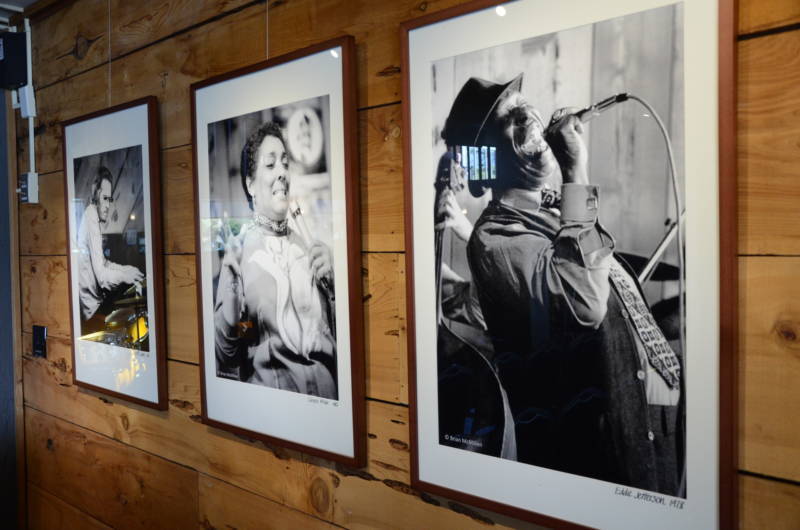
"caption": "Photos of jazz greats including Carmen McRae, Bill Evans and Eddie Jackson line the wood-paneled walls of the present-day Bach Dancing and Dynamite Society concert room in Half Moon Bay.\n",
"description": null,
"title": "RS31465_DSC_1581-qut-800x530",
"credit": "Ryan Levi/KQED",
"status": "inherit",
"isLoading": false,
"fetchFailed": false
},
"news_11671271": {
"type": "attachments",
"id": "news_11671271",
"meta": {
"index": "attachments_1716263798",
"site": "news",
"id": "11671271",
"found": true
},
"parent": 11671261,
"imgSizes": {
"small": {
"file": "https://ww2.kqed.org/app/uploads/sites/10/2018/05/RecyclingBalesStacked-520x378.jpg",
"width": 520,
"mimeType": "image/jpeg",
"height": 378
},
"twentyfourteen-full-width": {
"file": "https://ww2.kqed.org/app/uploads/sites/10/2018/05/RecyclingBalesStacked-1038x576.jpg",
"width": 1038,
"mimeType": "image/jpeg",
"height": 576
},
"thumbnail": {
"file": "https://ww2.kqed.org/app/uploads/sites/10/2018/05/RecyclingBalesStacked-160x116.jpg",
"width": 160,
"mimeType": "image/jpeg",
"height": 116
},
"fd-sm": {
"file": "https://ww2.kqed.org/app/uploads/sites/10/2018/05/RecyclingBalesStacked-960x698.jpg",
"width": 960,
"mimeType": "image/jpeg",
"height": 698
},
"post-thumbnail": {
"file": "https://ww2.kqed.org/app/uploads/sites/10/2018/05/RecyclingBalesStacked-672x372.jpg",
"width": 672,
"mimeType": "image/jpeg",
"height": 372
},
"xsmall": {
"file": "https://ww2.kqed.org/app/uploads/sites/10/2018/05/RecyclingBalesStacked-375x273.jpg",
"width": 375,
"mimeType": "image/jpeg",
"height": 273
},
"kqedFullSize": {
"file": "https://ww2.kqed.org/app/uploads/sites/10/2018/05/RecyclingBalesStacked.jpg",
"width": 1920,
"height": 1396
},
"large": {
"file": "https://ww2.kqed.org/app/uploads/sites/10/2018/05/RecyclingBalesStacked-1020x742.jpg",
"width": 1020,
"mimeType": "image/jpeg",
"height": 742
},
"xlarge": {
"file": "https://ww2.kqed.org/app/uploads/sites/10/2018/05/RecyclingBalesStacked-1180x858.jpg",
"width": 1180,
"mimeType": "image/jpeg",
"height": 858
},
"complete_open_graph": {
"file": "https://ww2.kqed.org/app/uploads/sites/10/2018/05/RecyclingBalesStacked-1200x873.jpg",
"width": 1200,
"mimeType": "image/jpeg",
"height": 873
},
"guest-author-50": {
"file": "https://ww2.kqed.org/app/uploads/sites/10/2018/05/RecyclingBalesStacked-50x50.jpg",
"width": 50,
"mimeType": "image/jpeg",
"height": 50
},
"guest-author-96": {
"file": "https://ww2.kqed.org/app/uploads/sites/10/2018/05/RecyclingBalesStacked-96x96.jpg",
"width": 96,
"mimeType": "image/jpeg",
"height": 96
},
"medium": {
"file": "https://ww2.kqed.org/app/uploads/sites/10/2018/05/RecyclingBalesStacked-800x582.jpg",
"width": 800,
"mimeType": "image/jpeg",
"height": 582
},
"guest-author-64": {
"file": "https://ww2.kqed.org/app/uploads/sites/10/2018/05/RecyclingBalesStacked-64x64.jpg",
"width": 64,
"mimeType": "image/jpeg",
"height": 64
},
"guest-author-32": {
"file": "https://ww2.kqed.org/app/uploads/sites/10/2018/05/RecyclingBalesStacked-32x32.jpg",
"width": 32,
"mimeType": "image/jpeg",
"height": 32
},
"fd-lrg": {
"file": "https://ww2.kqed.org/app/uploads/sites/10/2018/05/RecyclingBalesStacked-1920x1396.jpg",
"width": 1920,
"mimeType": "image/jpeg",
"height": 1396
},
"fd-med": {
"file": "https://ww2.kqed.org/app/uploads/sites/10/2018/05/RecyclingBalesStacked-1180x858.jpg",
"width": 1180,
"mimeType": "image/jpeg",
"height": 858
},
"full-width": {
"file": "https://ww2.kqed.org/app/uploads/sites/10/2018/05/RecyclingBalesStacked-1920x1396.jpg",
"width": 1920,
"mimeType": "image/jpeg",
"height": 1396
},
"detail": {
"file": "https://ww2.kqed.org/app/uploads/sites/10/2018/05/RecyclingBalesStacked-150x150.jpg",
"width": 150,
"mimeType": "image/jpeg",
"height": 150
},
"guest-author-128": {
"file": "https://ww2.kqed.org/app/uploads/sites/10/2018/05/RecyclingBalesStacked-128x128.jpg",
"width": 128,
"mimeType": "image/jpeg",
"height": 128
},
"xxsmall": {
"file": "https://ww2.kqed.org/app/uploads/sites/10/2018/05/RecyclingBalesStacked-240x175.jpg",
"width": 240,
"mimeType": "image/jpeg",
"height": 175
}
},
"publishDate": 1527622135,
"modified": 1527622195,
"caption": "Joseph Kalpakoff, president of San Joaquin Valley recycling company Mid Valley Disposal, stands in front of a 4-bale-high stack of recycled paper, some of the hundreds of bales waiting to be exported.",
"description": "Joseph Kalpakoff, president of San Joaquin Valley recycling company Mid Valley Disposal, stands in front of a 4-bale-high stack of recycled paper, some of the hundreds of bales waiting to be exported.",
"title": "RecyclingBalesStacked",
"credit": "Kerry Klein/Valley Public Radio",
"status": "inherit",
"isLoading": false,
"fetchFailed": false
},
"news_11675566": {
"type": "attachments",
"id": "news_11675566",
"meta": {
"index": "attachments_1716263798",
"site": "news",
"id": "11675566",
"found": true
},
"parent": 11669155,
"imgSizes": {
"small": {
"file": "https://ww2.kqed.org/app/uploads/sites/10/2018/05/fresno-story-520x390.jpg",
"width": 520,
"mimeType": "image/jpeg",
"height": 390
},
"twentyfourteen-full-width": {
"file": "https://ww2.kqed.org/app/uploads/sites/10/2018/05/fresno-story-1038x576.jpg",
"width": 1038,
"mimeType": "image/jpeg",
"height": 576
},
"thumbnail": {
"file": "https://ww2.kqed.org/app/uploads/sites/10/2018/05/fresno-story-160x120.jpg",
"width": 160,
"mimeType": "image/jpeg",
"height": 120
},
"fd-sm": {
"file": "https://ww2.kqed.org/app/uploads/sites/10/2018/05/fresno-story-960x720.jpg",
"width": 960,
"mimeType": "image/jpeg",
"height": 720
},
"post-thumbnail": {
"file": "https://ww2.kqed.org/app/uploads/sites/10/2018/05/fresno-story-672x372.jpg",
"width": 672,
"mimeType": "image/jpeg",
"height": 372
},
"xsmall": {
"file": "https://ww2.kqed.org/app/uploads/sites/10/2018/05/fresno-story-375x281.jpg",
"width": 375,
"mimeType": "image/jpeg",
"height": 281
},
"kqedFullSize": {
"file": "https://ww2.kqed.org/app/uploads/sites/10/2018/05/fresno-story-e1529346352275.jpg",
"width": 1920,
"height": 1440
},
"large": {
"file": "https://ww2.kqed.org/app/uploads/sites/10/2018/05/fresno-story-1020x765.jpg",
"width": 1020,
"mimeType": "image/jpeg",
"height": 765
},
"xlarge": {
"file": "https://ww2.kqed.org/app/uploads/sites/10/2018/05/fresno-story-1180x885.jpg",
"width": 1180,
"mimeType": "image/jpeg",
"height": 885
},
"complete_open_graph": {
"file": "https://ww2.kqed.org/app/uploads/sites/10/2018/05/fresno-story-1200x900.jpg",
"width": 1200,
"mimeType": "image/jpeg",
"height": 900
},
"guest-author-50": {
"file": "https://ww2.kqed.org/app/uploads/sites/10/2018/05/fresno-story-50x50.jpg",
"width": 50,
"mimeType": "image/jpeg",
"height": 50
},
"guest-author-96": {
"file": "https://ww2.kqed.org/app/uploads/sites/10/2018/05/fresno-story-96x96.jpg",
"width": 96,
"mimeType": "image/jpeg",
"height": 96
},
"medium": {
"file": "https://ww2.kqed.org/app/uploads/sites/10/2018/05/fresno-story-800x600.jpg",
"width": 800,
"mimeType": "image/jpeg",
"height": 600
},
"guest-author-64": {
"file": "https://ww2.kqed.org/app/uploads/sites/10/2018/05/fresno-story-64x64.jpg",
"width": 64,
"mimeType": "image/jpeg",
"height": 64
},
"guest-author-32": {
"file": "https://ww2.kqed.org/app/uploads/sites/10/2018/05/fresno-story-32x32.jpg",
"width": 32,
"mimeType": "image/jpeg",
"height": 32
},
"fd-lrg": {
"file": "https://ww2.kqed.org/app/uploads/sites/10/2018/05/fresno-story-1920x1440.jpg",
"width": 1920,
"mimeType": "image/jpeg",
"height": 1440
},
"fd-med": {
"file": "https://ww2.kqed.org/app/uploads/sites/10/2018/05/fresno-story-1180x885.jpg",
"width": 1180,
"mimeType": "image/jpeg",
"height": 885
},
"full-width": {
"file": "https://ww2.kqed.org/app/uploads/sites/10/2018/05/fresno-story-1920x1440.jpg",
"width": 1920,
"mimeType": "image/jpeg",
"height": 1440
},
"detail": {
"file": "https://ww2.kqed.org/app/uploads/sites/10/2018/05/fresno-story-150x150.jpg",
"width": 150,
"mimeType": "image/jpeg",
"height": 150
},
"guest-author-128": {
"file": "https://ww2.kqed.org/app/uploads/sites/10/2018/05/fresno-story-128x128.jpg",
"width": 128,
"mimeType": "image/jpeg",
"height": 128
},
"xxsmall": {
"file": "https://ww2.kqed.org/app/uploads/sites/10/2018/05/fresno-story-240x180.jpg",
"width": 240,
"mimeType": "image/jpeg",
"height": 180
}
},
"publishDate": 1529346319,
"modified": 1529346341,
"caption": "Amanda leans foward to talk to her daughter, Maci, in the neonatal intensive care unit of a Fresno hospital.",
"description": null,
"title": "fresno-story",
"credit": "Rachel Cassandra/KQED",
"status": "inherit",
"isLoading": false,
"fetchFailed": false
},
"news_11667907": {
"type": "attachments",
"id": "news_11667907",
"meta": {
"index": "attachments_1716263798",
"site": "news",
"id": "11667907",
"found": true
},
"parent": 11667900,
"imgSizes": {
"small": {
"file": "https://ww2.kqed.org/app/uploads/sites/10/2018/05/RS30911_shanae-cover-qut-520x292.jpg",
"width": 520,
"mimeType": "image/jpeg",
"height": 292
},
"twentyfourteen-full-width": {
"file": "https://ww2.kqed.org/app/uploads/sites/10/2018/05/RS30911_shanae-cover-qut-1038x576.jpg",
"width": 1038,
"mimeType": "image/jpeg",
"height": 576
},
"thumbnail": {
"file": "https://ww2.kqed.org/app/uploads/sites/10/2018/05/RS30911_shanae-cover-qut-160x90.jpg",
"width": 160,
"mimeType": "image/jpeg",
"height": 90
},
"fd-sm": {
"file": "https://ww2.kqed.org/app/uploads/sites/10/2018/05/RS30911_shanae-cover-qut-960x540.jpg",
"width": 960,
"mimeType": "image/jpeg",
"height": 540
},
"post-thumbnail": {
"file": "https://ww2.kqed.org/app/uploads/sites/10/2018/05/RS30911_shanae-cover-qut-672x372.jpg",
"width": 672,
"mimeType": "image/jpeg",
"height": 372
},
"xsmall": {
"file": "https://ww2.kqed.org/app/uploads/sites/10/2018/05/RS30911_shanae-cover-qut-375x211.jpg",
"width": 375,
"mimeType": "image/jpeg",
"height": 211
},
"kqedFullSize": {
"file": "https://ww2.kqed.org/app/uploads/sites/10/2018/05/RS30911_shanae-cover-qut.jpg",
"width": 1920,
"height": 1079
},
"large": {
"file": "https://ww2.kqed.org/app/uploads/sites/10/2018/05/RS30911_shanae-cover-qut-1020x573.jpg",
"width": 1020,
"mimeType": "image/jpeg",
"height": 573
},
"xlarge": {
"file": "https://ww2.kqed.org/app/uploads/sites/10/2018/05/RS30911_shanae-cover-qut-1180x663.jpg",
"width": 1180,
"mimeType": "image/jpeg",
"height": 663
},
"complete_open_graph": {
"file": "https://ww2.kqed.org/app/uploads/sites/10/2018/05/RS30911_shanae-cover-qut-1200x674.jpg",
"width": 1200,
"mimeType": "image/jpeg",
"height": 674
},
"guest-author-50": {
"file": "https://ww2.kqed.org/app/uploads/sites/10/2018/05/RS30911_shanae-cover-qut-50x50.jpg",
"width": 50,
"mimeType": "image/jpeg",
"height": 50
},
"guest-author-96": {
"file": "https://ww2.kqed.org/app/uploads/sites/10/2018/05/RS30911_shanae-cover-qut-96x96.jpg",
"width": 96,
"mimeType": "image/jpeg",
"height": 96
},
"medium": {
"file": "https://ww2.kqed.org/app/uploads/sites/10/2018/05/RS30911_shanae-cover-qut-800x450.jpg",
"width": 800,
"mimeType": "image/jpeg",
"height": 450
},
"guest-author-64": {
"file": "https://ww2.kqed.org/app/uploads/sites/10/2018/05/RS30911_shanae-cover-qut-64x64.jpg",
"width": 64,
"mimeType": "image/jpeg",
"height": 64
},
"guest-author-32": {
"file": "https://ww2.kqed.org/app/uploads/sites/10/2018/05/RS30911_shanae-cover-qut-32x32.jpg",
"width": 32,
"mimeType": "image/jpeg",
"height": 32
},
"fd-lrg": {
"file": "https://ww2.kqed.org/app/uploads/sites/10/2018/05/RS30911_shanae-cover-qut-1920x1079.jpg",
"width": 1920,
"mimeType": "image/jpeg",
"height": 1079
},
"fd-med": {
"file": "https://ww2.kqed.org/app/uploads/sites/10/2018/05/RS30911_shanae-cover-qut-1180x663.jpg",
"width": 1180,
"mimeType": "image/jpeg",
"height": 663
},
"full-width": {
"file": "https://ww2.kqed.org/app/uploads/sites/10/2018/05/RS30911_shanae-cover-qut-1920x1079.jpg",
"width": 1920,
"mimeType": "image/jpeg",
"height": 1079
},
"detail": {
"file": "https://ww2.kqed.org/app/uploads/sites/10/2018/05/RS30911_shanae-cover-qut-150x150.jpg",
"width": 150,
"mimeType": "image/jpeg",
"height": 150
},
"guest-author-128": {
"file": "https://ww2.kqed.org/app/uploads/sites/10/2018/05/RS30911_shanae-cover-qut-128x128.jpg",
"width": 128,
"mimeType": "image/jpeg",
"height": 128
},
"xxsmall": {
"file": "https://ww2.kqed.org/app/uploads/sites/10/2018/05/RS30911_shanae-cover-qut-240x135.jpg",
"width": 240,
"mimeType": "image/jpeg",
"height": 135
}
},
"publishDate": 1526073486,
"modified": 1526339984,
"caption": "Shanae Fuller holds her son Jerry, now 4 years old. Fuller learned mid-pregnancy that Jerry had spina bifida, a birth defect that can lead to severe disabilities.",
"description": null,
"title": "RS30911_shanae-cover-qut",
"credit": "Julia Vassey",
"status": "inherit",
"isLoading": false,
"fetchFailed": false
},
"news_11664697": {
"type": "attachments",
"id": "news_11664697",
"meta": {
"index": "attachments_1716263798",
"site": "news",
"id": "11664697",
"found": true
},
"parent": 11664694,
"imgSizes": {
"small": {
"file": "https://ww2.kqed.org/app/uploads/sites/10/2018/04/ap_17323174280903_custom-2a78a2ec2663e9320ba234cc0e679ff3ba526741-s1600-c85-520x703.jpg",
"width": 520,
"mimeType": "image/jpeg",
"height": 703
},
"twentyfourteen-full-width": {
"file": "https://ww2.kqed.org/app/uploads/sites/10/2018/04/ap_17323174280903_custom-2a78a2ec2663e9320ba234cc0e679ff3ba526741-s1600-c85-1038x576.jpg",
"width": 1038,
"mimeType": "image/jpeg",
"height": 576
},
"thumbnail": {
"file": "https://ww2.kqed.org/app/uploads/sites/10/2018/04/ap_17323174280903_custom-2a78a2ec2663e9320ba234cc0e679ff3ba526741-s1600-c85-160x216.jpg",
"width": 160,
"mimeType": "image/jpeg",
"height": 216
},
"fd-sm": {
"file": "https://ww2.kqed.org/app/uploads/sites/10/2018/04/ap_17323174280903_custom-2a78a2ec2663e9320ba234cc0e679ff3ba526741-s1600-c85-960x1297.jpg",
"width": 960,
"mimeType": "image/jpeg",
"height": 1297
},
"post-thumbnail": {
"file": "https://ww2.kqed.org/app/uploads/sites/10/2018/04/ap_17323174280903_custom-2a78a2ec2663e9320ba234cc0e679ff3ba526741-s1600-c85-672x372.jpg",
"width": 672,
"mimeType": "image/jpeg",
"height": 372
},
"xsmall": {
"file": "https://ww2.kqed.org/app/uploads/sites/10/2018/04/ap_17323174280903_custom-2a78a2ec2663e9320ba234cc0e679ff3ba526741-s1600-c85-375x507.jpg",
"width": 375,
"mimeType": "image/jpeg",
"height": 507
},
"kqedFullSize": {
"file": "https://ww2.kqed.org/app/uploads/sites/10/2018/04/ap_17323174280903_custom-2a78a2ec2663e9320ba234cc0e679ff3ba526741-s1600-c85.jpg",
"width": 1600,
"height": 2162
},
"large": {
"file": "https://ww2.kqed.org/app/uploads/sites/10/2018/04/ap_17323174280903_custom-2a78a2ec2663e9320ba234cc0e679ff3ba526741-s1600-c85-1020x1378.jpg",
"width": 1020,
"mimeType": "image/jpeg",
"height": 1378
},
"xlarge": {
"file": "https://ww2.kqed.org/app/uploads/sites/10/2018/04/ap_17323174280903_custom-2a78a2ec2663e9320ba234cc0e679ff3ba526741-s1600-c85-1180x1594.jpg",
"width": 1180,
"mimeType": "image/jpeg",
"height": 1594
},
"complete_open_graph": {
"file": "https://ww2.kqed.org/app/uploads/sites/10/2018/04/ap_17323174280903_custom-2a78a2ec2663e9320ba234cc0e679ff3ba526741-s1600-c85-888x1200.jpg",
"width": 888,
"mimeType": "image/jpeg",
"height": 1200
},
"guest-author-50": {
"file": "https://ww2.kqed.org/app/uploads/sites/10/2018/04/ap_17323174280903_custom-2a78a2ec2663e9320ba234cc0e679ff3ba526741-s1600-c85-50x50.jpg",
"width": 50,
"mimeType": "image/jpeg",
"height": 50
},
"guest-author-96": {
"file": "https://ww2.kqed.org/app/uploads/sites/10/2018/04/ap_17323174280903_custom-2a78a2ec2663e9320ba234cc0e679ff3ba526741-s1600-c85-96x96.jpg",
"width": 96,
"mimeType": "image/jpeg",
"height": 96
},
"medium": {
"file": "https://ww2.kqed.org/app/uploads/sites/10/2018/04/ap_17323174280903_custom-2a78a2ec2663e9320ba234cc0e679ff3ba526741-s1600-c85-800x1081.jpg",
"width": 800,
"mimeType": "image/jpeg",
"height": 1081
},
"guest-author-64": {
"file": "https://ww2.kqed.org/app/uploads/sites/10/2018/04/ap_17323174280903_custom-2a78a2ec2663e9320ba234cc0e679ff3ba526741-s1600-c85-64x64.jpg",
"width": 64,
"mimeType": "image/jpeg",
"height": 64
},
"guest-author-32": {
"file": "https://ww2.kqed.org/app/uploads/sites/10/2018/04/ap_17323174280903_custom-2a78a2ec2663e9320ba234cc0e679ff3ba526741-s1600-c85-32x32.jpg",
"width": 32,
"mimeType": "image/jpeg",
"height": 32
},
"fd-med": {
"file": "https://ww2.kqed.org/app/uploads/sites/10/2018/04/ap_17323174280903_custom-2a78a2ec2663e9320ba234cc0e679ff3ba526741-s1600-c85-1180x1594.jpg",
"width": 1180,
"mimeType": "image/jpeg",
"height": 1594
},
"detail": {
"file": "https://ww2.kqed.org/app/uploads/sites/10/2018/04/ap_17323174280903_custom-2a78a2ec2663e9320ba234cc0e679ff3ba526741-s1600-c85-150x150.jpg",
"width": 150,
"mimeType": "image/jpeg",
"height": 150
},
"guest-author-128": {
"file": "https://ww2.kqed.org/app/uploads/sites/10/2018/04/ap_17323174280903_custom-2a78a2ec2663e9320ba234cc0e679ff3ba526741-s1600-c85-128x128.jpg",
"width": 128,
"mimeType": "image/jpeg",
"height": 128
},
"xxsmall": {
"file": "https://ww2.kqed.org/app/uploads/sites/10/2018/04/ap_17323174280903_custom-2a78a2ec2663e9320ba234cc0e679ff3ba526741-s1600-c85-240x324.jpg",
"width": 240,
"mimeType": "image/jpeg",
"height": 324
}
},
"publishDate": 1524699768,
"modified": 1524699794,
"caption": "On Tuesday, California State University, Fresno, announced that no disciplinary action would be taken against Randa Jarrar, pictured last year, over her controversial tweets about Barbara Bush.",
"description": "On Tuesday, California State University, Fresno, announced that no disciplinary action would be taken against Randa Jarrar, pictured last year, over her controversial tweets about Barbara Bush.",
"title": "ap_17323174280903_custom-2a78a2ec2663e9320ba234cc0e679ff3ba526741-s1600-c85",
"credit": "Richard Shotwell/Invision/AP",
"status": "inherit",
"isLoading": false,
"fetchFailed": false
},
"news_11663915": {
"type": "attachments",
"id": "news_11663915",
"meta": {
"index": "attachments_1716263798",
"site": "news",
"id": "11663915",
"found": true
},
"parent": 11663440,
"imgSizes": {
"small": {
"file": "https://ww2.kqed.org/app/uploads/sites/10/2018/04/RS30544_GarySoto-1-520x422.jpg",
"width": 520,
"mimeType": "image/jpeg",
"height": 422
},
"twentyfourteen-full-width": {
"file": "https://ww2.kqed.org/app/uploads/sites/10/2018/04/RS30544_GarySoto-1-1038x576.jpg",
"width": 1038,
"mimeType": "image/jpeg",
"height": 576
},
"thumbnail": {
"file": "https://ww2.kqed.org/app/uploads/sites/10/2018/04/RS30544_GarySoto-1-160x130.jpg",
"width": 160,
"mimeType": "image/jpeg",
"height": 130
},
"fd-sm": {
"file": "https://ww2.kqed.org/app/uploads/sites/10/2018/04/RS30544_GarySoto-1-960x779.jpg",
"width": 960,
"mimeType": "image/jpeg",
"height": 779
},
"post-thumbnail": {
"file": "https://ww2.kqed.org/app/uploads/sites/10/2018/04/RS30544_GarySoto-1-672x372.jpg",
"width": 672,
"mimeType": "image/jpeg",
"height": 372
},
"xsmall": {
"file": "https://ww2.kqed.org/app/uploads/sites/10/2018/04/RS30544_GarySoto-1-375x304.jpg",
"width": 375,
"mimeType": "image/jpeg",
"height": 304
},
"kqedFullSize": {
"file": "https://ww2.kqed.org/app/uploads/sites/10/2018/04/RS30544_GarySoto-1.jpg",
"width": 1121,
"height": 910
},
"large": {
"file": "https://ww2.kqed.org/app/uploads/sites/10/2018/04/RS30544_GarySoto-1-1020x828.jpg",
"width": 1020,
"mimeType": "image/jpeg",
"height": 828
},
"guest-author-50": {
"file": "https://ww2.kqed.org/app/uploads/sites/10/2018/04/RS30544_GarySoto-1-50x50.jpg",
"width": 50,
"mimeType": "image/jpeg",
"height": 50
},
"guest-author-96": {
"file": "https://ww2.kqed.org/app/uploads/sites/10/2018/04/RS30544_GarySoto-1-96x96.jpg",
"width": 96,
"mimeType": "image/jpeg",
"height": 96
},
"medium": {
"file": "https://ww2.kqed.org/app/uploads/sites/10/2018/04/RS30544_GarySoto-1-800x649.jpg",
"width": 800,
"mimeType": "image/jpeg",
"height": 649
},
"guest-author-64": {
"file": "https://ww2.kqed.org/app/uploads/sites/10/2018/04/RS30544_GarySoto-1-64x64.jpg",
"width": 64,
"mimeType": "image/jpeg",
"height": 64
},
"guest-author-32": {
"file": "https://ww2.kqed.org/app/uploads/sites/10/2018/04/RS30544_GarySoto-1-32x32.jpg",
"width": 32,
"mimeType": "image/jpeg",
"height": 32
},
"detail": {
"file": "https://ww2.kqed.org/app/uploads/sites/10/2018/04/RS30544_GarySoto-1-150x150.jpg",
"width": 150,
"mimeType": "image/jpeg",
"height": 150
},
"guest-author-128": {
"file": "https://ww2.kqed.org/app/uploads/sites/10/2018/04/RS30544_GarySoto-1-128x128.jpg",
"width": 128,
"mimeType": "image/jpeg",
"height": 128
},
"xxsmall": {
"file": "https://ww2.kqed.org/app/uploads/sites/10/2018/04/RS30544_GarySoto-1-240x195.jpg",
"width": 240,
"mimeType": "image/jpeg",
"height": 195
}
},
"publishDate": 1524342311,
"modified": 1524342346,
"caption": "Gary Soto is an award-winning poet and author based in Fresno and Berkeley. His poem \"Oranges\" is one of the most anthologized poems in U.S. literature. ",
"description": "Gary Soto is an award-winning poet and author based in Fresno and Berkeley. His poem \"Oranges\" is one of the most anthologized poems in U.S. literature. ",
"title": "RS30544_GarySoto (1)",
"credit": "Courtesy Chronicle Books",
"status": "inherit",
"isLoading": false,
"fetchFailed": false
},
"news_11644128": {
"type": "attachments",
"id": "news_11644128",
"meta": {
"index": "attachments_1716263798",
"site": "news",
"id": "11644128",
"found": true
},
"parent": 11644126,
"imgSizes": {
"small": {
"file": "https://ww2.kqed.org/app/uploads/sites/10/2018/01/Kaying-and-Sam-in-greenhouse-520x292.jpg",
"width": 520,
"mimeType": "image/jpeg",
"height": 292
},
"twentyfourteen-full-width": {
"file": "https://ww2.kqed.org/app/uploads/sites/10/2018/01/Kaying-and-Sam-in-greenhouse-1038x576.jpg",
"width": 1038,
"mimeType": "image/jpeg",
"height": 576
},
"thumbnail": {
"file": "https://ww2.kqed.org/app/uploads/sites/10/2018/01/Kaying-and-Sam-in-greenhouse-160x90.jpg",
"width": 160,
"mimeType": "image/jpeg",
"height": 90
},
"fd-sm": {
"file": "https://ww2.kqed.org/app/uploads/sites/10/2018/01/Kaying-and-Sam-in-greenhouse-960x539.jpg",
"width": 960,
"mimeType": "image/jpeg",
"height": 539
},
"post-thumbnail": {
"file": "https://ww2.kqed.org/app/uploads/sites/10/2018/01/Kaying-and-Sam-in-greenhouse-672x372.jpg",
"width": 672,
"mimeType": "image/jpeg",
"height": 372
},
"xsmall": {
"file": "https://ww2.kqed.org/app/uploads/sites/10/2018/01/Kaying-and-Sam-in-greenhouse-375x211.jpg",
"width": 375,
"mimeType": "image/jpeg",
"height": 211
},
"kqedFullSize": {
"file": "https://ww2.kqed.org/app/uploads/sites/10/2018/01/Kaying-and-Sam-in-greenhouse-e1516920429771.jpg",
"width": 1920,
"height": 1078
},
"large": {
"file": "https://ww2.kqed.org/app/uploads/sites/10/2018/01/Kaying-and-Sam-in-greenhouse-1020x573.jpg",
"width": 1020,
"mimeType": "image/jpeg",
"height": 573
},
"xlarge": {
"file": "https://ww2.kqed.org/app/uploads/sites/10/2018/01/Kaying-and-Sam-in-greenhouse-1180x662.jpg",
"width": 1180,
"mimeType": "image/jpeg",
"height": 662
},
"guest-author-50": {
"file": "https://ww2.kqed.org/app/uploads/sites/10/2018/01/Kaying-and-Sam-in-greenhouse-50x50.jpg",
"width": 50,
"mimeType": "image/jpeg",
"height": 50
},
"guest-author-96": {
"file": "https://ww2.kqed.org/app/uploads/sites/10/2018/01/Kaying-and-Sam-in-greenhouse-96x96.jpg",
"width": 96,
"mimeType": "image/jpeg",
"height": 96
},
"medium": {
"file": "https://ww2.kqed.org/app/uploads/sites/10/2018/01/Kaying-and-Sam-in-greenhouse-800x449.jpg",
"width": 800,
"mimeType": "image/jpeg",
"height": 449
},
"guest-author-64": {
"file": "https://ww2.kqed.org/app/uploads/sites/10/2018/01/Kaying-and-Sam-in-greenhouse-64x64.jpg",
"width": 64,
"mimeType": "image/jpeg",
"height": 64
},
"guest-author-32": {
"file": "https://ww2.kqed.org/app/uploads/sites/10/2018/01/Kaying-and-Sam-in-greenhouse-32x32.jpg",
"width": 32,
"mimeType": "image/jpeg",
"height": 32
},
"fd-lrg": {
"file": "https://ww2.kqed.org/app/uploads/sites/10/2018/01/Kaying-and-Sam-in-greenhouse-1920x1078.jpg",
"width": 1920,
"mimeType": "image/jpeg",
"height": 1078
},
"fd-med": {
"file": "https://ww2.kqed.org/app/uploads/sites/10/2018/01/Kaying-and-Sam-in-greenhouse-1180x662.jpg",
"width": 1180,
"mimeType": "image/jpeg",
"height": 662
},
"full-width": {
"file": "https://ww2.kqed.org/app/uploads/sites/10/2018/01/Kaying-and-Sam-in-greenhouse-1920x1078.jpg",
"width": 1920,
"mimeType": "image/jpeg",
"height": 1078
},
"detail": {
"file": "https://ww2.kqed.org/app/uploads/sites/10/2018/01/Kaying-and-Sam-in-greenhouse-150x150.jpg",
"width": 150,
"mimeType": "image/jpeg",
"height": 150
},
"guest-author-128": {
"file": "https://ww2.kqed.org/app/uploads/sites/10/2018/01/Kaying-and-Sam-in-greenhouse-128x128.jpg",
"width": 128,
"mimeType": "image/jpeg",
"height": 128
},
"xxsmall": {
"file": "https://ww2.kqed.org/app/uploads/sites/10/2018/01/Kaying-and-Sam-in-greenhouse-240x135.jpg",
"width": 240,
"mimeType": "image/jpeg",
"height": 135
}
},
"publishDate": 1516841870,
"modified": 1516920456,
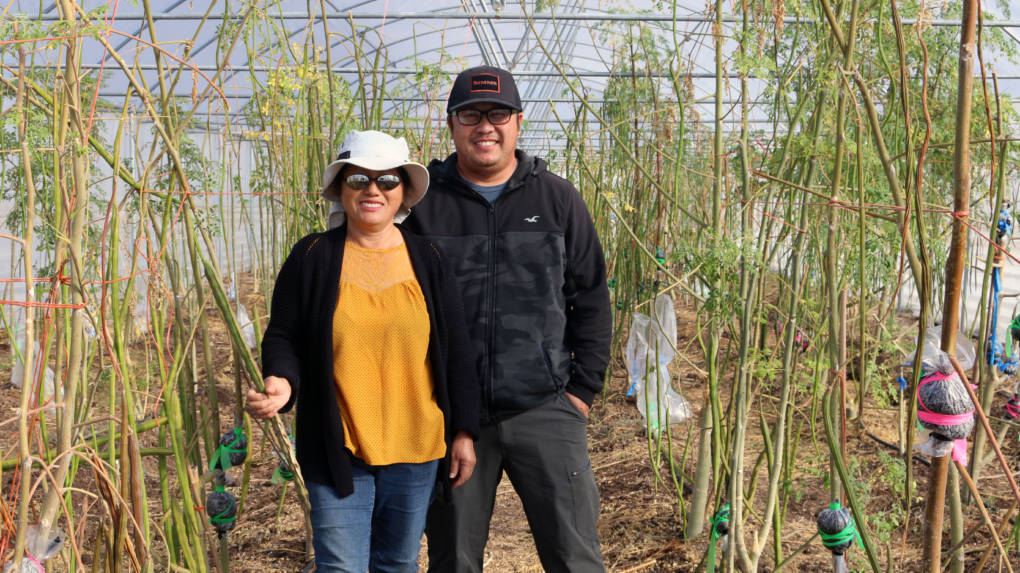
"caption": "Kaying and Sam Moua stand in their moringa greenhouse, surrounded by mature moringa trees.",
"description": "Kaying and Sam Moua stand in their moringa greenhouse, surrounded by mature moringa trees.",
"title": "Kaying and Sam Moua stand in their moringa greenhouse, surrounded by mature moringa trees.",
"credit": "Lorena Ramos",
"status": "inherit",
"isLoading": false,
"fetchFailed": false
},
"news_11643270": {
"type": "attachments",
"id": "news_11643270",
"meta": {
"index": "attachments_1716263798",
"site": "news",
"id": "11643270",
"found": true
},
"parent": 11643269,
"imgSizes": {
"small": {
"file": "https://ww2.kqed.org/app/uploads/sites/10/2018/01/wormphotoimg_0439_wide-c74097fe4d0d9fd546b6b1936a7b24d69a3ad055-520x293.jpg",
"width": 520,
"mimeType": "image/jpeg",
"height": 293
},
"twentyfourteen-full-width": {
"file": "https://ww2.kqed.org/app/uploads/sites/10/2018/01/wormphotoimg_0439_wide-c74097fe4d0d9fd546b6b1936a7b24d69a3ad055-1038x576.jpg",
"width": 1038,
"mimeType": "image/jpeg",
"height": 576
},
"thumbnail": {
"file": "https://ww2.kqed.org/app/uploads/sites/10/2018/01/wormphotoimg_0439_wide-c74097fe4d0d9fd546b6b1936a7b24d69a3ad055-160x90.jpg",
"width": 160,
"mimeType": "image/jpeg",
"height": 90
},
"fd-sm": {
"file": "https://ww2.kqed.org/app/uploads/sites/10/2018/01/wormphotoimg_0439_wide-c74097fe4d0d9fd546b6b1936a7b24d69a3ad055-960x540.jpg",
"width": 960,
"mimeType": "image/jpeg",
"height": 540
},
"post-thumbnail": {
"file": "https://ww2.kqed.org/app/uploads/sites/10/2018/01/wormphotoimg_0439_wide-c74097fe4d0d9fd546b6b1936a7b24d69a3ad055-672x372.jpg",
"width": 672,
"mimeType": "image/jpeg",
"height": 372
},
"xsmall": {
"file": "https://ww2.kqed.org/app/uploads/sites/10/2018/01/wormphotoimg_0439_wide-c74097fe4d0d9fd546b6b1936a7b24d69a3ad055-375x211.jpg",
"width": 375,
"mimeType": "image/jpeg",
"height": 211
},
"kqedFullSize": {
"file": "https://ww2.kqed.org/app/uploads/sites/10/2018/01/wormphotoimg_0439_wide-c74097fe4d0d9fd546b6b1936a7b24d69a3ad055-e1516465020218.jpg",
"width": 1920,
"height": 1080
},
"large": {
"file": "https://ww2.kqed.org/app/uploads/sites/10/2018/01/wormphotoimg_0439_wide-c74097fe4d0d9fd546b6b1936a7b24d69a3ad055-1020x574.jpg",
"width": 1020,
"mimeType": "image/jpeg",
"height": 574
},
"xlarge": {
"file": "https://ww2.kqed.org/app/uploads/sites/10/2018/01/wormphotoimg_0439_wide-c74097fe4d0d9fd546b6b1936a7b24d69a3ad055-1180x664.jpg",
"width": 1180,
"mimeType": "image/jpeg",
"height": 664
},
"guest-author-50": {
"file": "https://ww2.kqed.org/app/uploads/sites/10/2018/01/wormphotoimg_0439_wide-c74097fe4d0d9fd546b6b1936a7b24d69a3ad055-50x50.jpg",
"width": 50,
"mimeType": "image/jpeg",
"height": 50
},
"guest-author-96": {
"file": "https://ww2.kqed.org/app/uploads/sites/10/2018/01/wormphotoimg_0439_wide-c74097fe4d0d9fd546b6b1936a7b24d69a3ad055-96x96.jpg",
"width": 96,
"mimeType": "image/jpeg",
"height": 96
},
"medium": {
"file": "https://ww2.kqed.org/app/uploads/sites/10/2018/01/wormphotoimg_0439_wide-c74097fe4d0d9fd546b6b1936a7b24d69a3ad055-800x450.jpg",
"width": 800,
"mimeType": "image/jpeg",
"height": 450
},
"guest-author-64": {
"file": "https://ww2.kqed.org/app/uploads/sites/10/2018/01/wormphotoimg_0439_wide-c74097fe4d0d9fd546b6b1936a7b24d69a3ad055-64x64.jpg",
"width": 64,
"mimeType": "image/jpeg",
"height": 64
},
"guest-author-32": {
"file": "https://ww2.kqed.org/app/uploads/sites/10/2018/01/wormphotoimg_0439_wide-c74097fe4d0d9fd546b6b1936a7b24d69a3ad055-32x32.jpg",
"width": 32,
"mimeType": "image/jpeg",
"height": 32
},
"fd-lrg": {
"file": "https://ww2.kqed.org/app/uploads/sites/10/2018/01/wormphotoimg_0439_wide-c74097fe4d0d9fd546b6b1936a7b24d69a3ad055-1920x1080.jpg",
"width": 1920,
"mimeType": "image/jpeg",
"height": 1080
},
"fd-med": {
"file": "https://ww2.kqed.org/app/uploads/sites/10/2018/01/wormphotoimg_0439_wide-c74097fe4d0d9fd546b6b1936a7b24d69a3ad055-1180x664.jpg",
"width": 1180,
"mimeType": "image/jpeg",
"height": 664
},
"full-width": {
"file": "https://ww2.kqed.org/app/uploads/sites/10/2018/01/wormphotoimg_0439_wide-c74097fe4d0d9fd546b6b1936a7b24d69a3ad055-1920x1080.jpg",
"width": 1920,
"mimeType": "image/jpeg",
"height": 1080
},
"detail": {
"file": "https://ww2.kqed.org/app/uploads/sites/10/2018/01/wormphotoimg_0439_wide-c74097fe4d0d9fd546b6b1936a7b24d69a3ad055-150x150.jpg",
"width": 150,
"mimeType": "image/jpeg",
"height": 150
},
"guest-author-128": {
"file": "https://ww2.kqed.org/app/uploads/sites/10/2018/01/wormphotoimg_0439_wide-c74097fe4d0d9fd546b6b1936a7b24d69a3ad055-128x128.jpg",
"width": 128,
"mimeType": "image/jpeg",
"height": 128
},
"xxsmall": {
"file": "https://ww2.kqed.org/app/uploads/sites/10/2018/01/wormphotoimg_0439_wide-c74097fe4d0d9fd546b6b1936a7b24d69a3ad055-240x135.jpg",
"width": 240,
"mimeType": "image/jpeg",
"height": 135
}
},
"publishDate": 1516464694,
"modified": 1516465050,
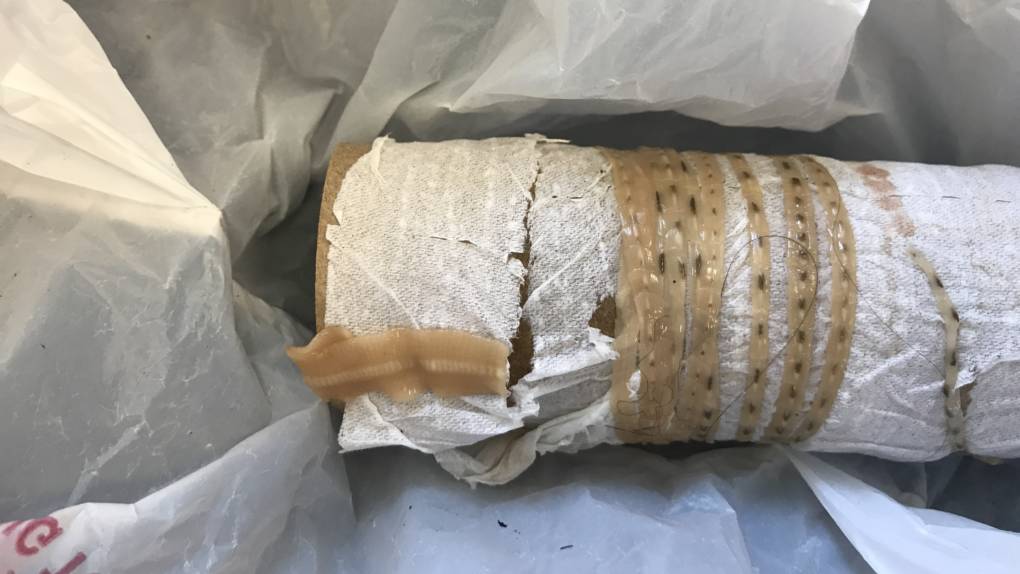
"caption": "The tapeworm wrapped around a paper cylinder",
"description": "The tapeworm wrapped around a paper cylinder",
"title": "The tapeworm wrapped around a paper cylinder",
"credit": "Dr. Kenny Banh",
"status": "inherit",
"isLoading": false,
"fetchFailed": false
},
"news_11642969": {
"type": "attachments",
"id": "news_11642969",
"meta": {
"index": "attachments_1716263798",
"site": "news",
"id": "11642969",
"found": true
},
"parent": 11642966,
"imgSizes": {
"small": {
"file": "https://ww2.kqed.org/app/uploads/sites/10/2018/01/Kendricks-brothers-520x293.jpg",
"width": 520,
"mimeType": "image/jpeg",
"height": 293
},
"twentyfourteen-full-width": {
"file": "https://ww2.kqed.org/app/uploads/sites/10/2018/01/Kendricks-brothers-1038x576.jpg",
"width": 1038,
"mimeType": "image/jpeg",
"height": 576
},
"thumbnail": {
"file": "https://ww2.kqed.org/app/uploads/sites/10/2018/01/Kendricks-brothers-160x90.jpg",
"width": 160,
"mimeType": "image/jpeg",
"height": 90
},
"fd-sm": {
"file": "https://ww2.kqed.org/app/uploads/sites/10/2018/01/Kendricks-brothers-960x540.jpg",
"width": 960,
"mimeType": "image/jpeg",
"height": 540
},
"post-thumbnail": {
"file": "https://ww2.kqed.org/app/uploads/sites/10/2018/01/Kendricks-brothers-672x372.jpg",
"width": 672,
"mimeType": "image/jpeg",
"height": 372
},
"xsmall": {
"file": "https://ww2.kqed.org/app/uploads/sites/10/2018/01/Kendricks-brothers-375x211.jpg",
"width": 375,
"mimeType": "image/jpeg",
"height": 211
},
"kqedFullSize": {
"file": "https://ww2.kqed.org/app/uploads/sites/10/2018/01/Kendricks-brothers.jpg",
"width": 4032,
"height": 2268
},
"large": {
"file": "https://ww2.kqed.org/app/uploads/sites/10/2018/01/Kendricks-brothers-1020x574.jpg",
"width": 1020,
"mimeType": "image/jpeg",
"height": 574
},
"xlarge": {
"file": "https://ww2.kqed.org/app/uploads/sites/10/2018/01/Kendricks-brothers-1180x664.jpg",
"width": 1180,
"mimeType": "image/jpeg",
"height": 664
},
"guest-author-50": {
"file": "https://ww2.kqed.org/app/uploads/sites/10/2018/01/Kendricks-brothers-50x50.jpg",
"width": 50,
"mimeType": "image/jpeg",
"height": 50
},
"guest-author-96": {
"file": "https://ww2.kqed.org/app/uploads/sites/10/2018/01/Kendricks-brothers-96x96.jpg",
"width": 96,
"mimeType": "image/jpeg",
"height": 96
},
"medium": {
"file": "https://ww2.kqed.org/app/uploads/sites/10/2018/01/Kendricks-brothers-800x450.jpg",
"width": 800,
"mimeType": "image/jpeg",
"height": 450
},
"guest-author-64": {
"file": "https://ww2.kqed.org/app/uploads/sites/10/2018/01/Kendricks-brothers-64x64.jpg",
"width": 64,
"mimeType": "image/jpeg",
"height": 64
},
"guest-author-32": {
"file": "https://ww2.kqed.org/app/uploads/sites/10/2018/01/Kendricks-brothers-32x32.jpg",
"width": 32,
"mimeType": "image/jpeg",
"height": 32
},
"fd-lrg": {
"file": "https://ww2.kqed.org/app/uploads/sites/10/2018/01/Kendricks-brothers-1920x1080.jpg",
"width": 1920,
"mimeType": "image/jpeg",
"height": 1080
},
"fd-med": {
"file": "https://ww2.kqed.org/app/uploads/sites/10/2018/01/Kendricks-brothers-1180x664.jpg",
"width": 1180,
"mimeType": "image/jpeg",
"height": 664
},
"full-width": {
"file": "https://ww2.kqed.org/app/uploads/sites/10/2018/01/Kendricks-brothers-1920x1080.jpg",
"width": 1920,
"mimeType": "image/jpeg",
"height": 1080
},
"detail": {
"file": "https://ww2.kqed.org/app/uploads/sites/10/2018/01/Kendricks-brothers-150x150.jpg",
"width": 150,
"mimeType": "image/jpeg",
"height": 150
},
"guest-author-128": {
"file": "https://ww2.kqed.org/app/uploads/sites/10/2018/01/Kendricks-brothers-128x128.jpg",
"width": 128,
"mimeType": "image/jpeg",
"height": 128
},
"xxsmall": {
"file": "https://ww2.kqed.org/app/uploads/sites/10/2018/01/Kendricks-brothers-240x135.jpg",
"width": 240,
"mimeType": "image/jpeg",
"height": 135
}
},
"publishDate": 1516328148,
"modified": 1516411627,
"caption": "Marvin Kendricks cherishes signed photos of his sons, Mychal (L) and Eric, both NFL players.",
"description": "Marvin Kendricks cherishes signed photos of his sons, Mychal and Eric, both NFL players.",
"title": "Kendricks brothers",
"credit": "Katrina Schwartz/KQED",
"status": "inherit",
"isLoading": false,
"fetchFailed": false
},
"news_11641081": {
"type": "attachments",
"id": "news_11641081",
"meta": {
"index": "attachments_1716263798",
"site": "news",
"id": "11641081",
"found": true
},
"parent": 11640898,
"imgSizes": {
"small": {
"file": "https://ww2.kqed.org/app/uploads/sites/10/2018/01/NationalCemetary-520x357.jpg",
"width": 520,
"mimeType": "image/jpeg",
"height": 357
},
"twentyfourteen-full-width": {
"file": "https://ww2.kqed.org/app/uploads/sites/10/2018/01/NationalCemetary-1038x576.jpg",
"width": 1038,
"mimeType": "image/jpeg",
"height": 576
},
"thumbnail": {
"file": "https://ww2.kqed.org/app/uploads/sites/10/2018/01/NationalCemetary-160x110.jpg",
"width": 160,
"mimeType": "image/jpeg",
"height": 110
},
"fd-sm": {
"file": "https://ww2.kqed.org/app/uploads/sites/10/2018/01/NationalCemetary-960x659.jpg",
"width": 960,
"mimeType": "image/jpeg",
"height": 659
},
"post-thumbnail": {
"file": "https://ww2.kqed.org/app/uploads/sites/10/2018/01/NationalCemetary-672x372.jpg",
"width": 672,
"mimeType": "image/jpeg",
"height": 372
},
"xsmall": {
"file": "https://ww2.kqed.org/app/uploads/sites/10/2018/01/NationalCemetary-375x257.jpg",
"width": 375,
"mimeType": "image/jpeg",
"height": 257
},
"kqedFullSize": {
"file": "https://ww2.kqed.org/app/uploads/sites/10/2018/01/NationalCemetary.jpg",
"width": 1920,
"height": 1317
},
"large": {
"file": "https://ww2.kqed.org/app/uploads/sites/10/2018/01/NationalCemetary-1020x700.jpg",
"width": 1020,
"mimeType": "image/jpeg",
"height": 700
},
"xlarge": {
"file": "https://ww2.kqed.org/app/uploads/sites/10/2018/01/NationalCemetary-1180x809.jpg",
"width": 1180,
"mimeType": "image/jpeg",
"height": 809
},
"guest-author-50": {
"file": "https://ww2.kqed.org/app/uploads/sites/10/2018/01/NationalCemetary-50x50.jpg",
"width": 50,
"mimeType": "image/jpeg",
"height": 50
},
"guest-author-96": {
"file": "https://ww2.kqed.org/app/uploads/sites/10/2018/01/NationalCemetary-96x96.jpg",
"width": 96,
"mimeType": "image/jpeg",
"height": 96
},
"medium": {
"file": "https://ww2.kqed.org/app/uploads/sites/10/2018/01/NationalCemetary-800x549.jpg",
"width": 800,
"mimeType": "image/jpeg",
"height": 549
},
"guest-author-64": {
"file": "https://ww2.kqed.org/app/uploads/sites/10/2018/01/NationalCemetary-64x64.jpg",
"width": 64,
"mimeType": "image/jpeg",
"height": 64
},
"guest-author-32": {
"file": "https://ww2.kqed.org/app/uploads/sites/10/2018/01/NationalCemetary-32x32.jpg",
"width": 32,
"mimeType": "image/jpeg",
"height": 32
},
"fd-lrg": {
"file": "https://ww2.kqed.org/app/uploads/sites/10/2018/01/NationalCemetary-1920x1317.jpg",
"width": 1920,
"mimeType": "image/jpeg",
"height": 1317
},
"fd-med": {
"file": "https://ww2.kqed.org/app/uploads/sites/10/2018/01/NationalCemetary-1180x809.jpg",
"width": 1180,
"mimeType": "image/jpeg",
"height": 809
},
"full-width": {
"file": "https://ww2.kqed.org/app/uploads/sites/10/2018/01/NationalCemetary-1920x1317.jpg",
"width": 1920,
"mimeType": "image/jpeg",
"height": 1317
},
"detail": {
"file": "https://ww2.kqed.org/app/uploads/sites/10/2018/01/NationalCemetary-150x150.jpg",
"width": 150,
"mimeType": "image/jpeg",
"height": 150
},
"guest-author-128": {
"file": "https://ww2.kqed.org/app/uploads/sites/10/2018/01/NationalCemetary-128x128.jpg",
"width": 128,
"mimeType": "image/jpeg",
"height": 128
},
"xxsmall": {
"file": "https://ww2.kqed.org/app/uploads/sites/10/2018/01/NationalCemetary-240x165.jpg",
"width": 240,
"mimeType": "image/jpeg",
"height": 165
}
},
"publishDate": 1515537084,
"modified": 1515537118,
"caption": "Headstones at the Presidio National Cemetery in San Francisco.",
"description": "Headstones at the Presidio National Cemetery in San Francisco.",
"title": "NationalCemetary",
"credit": "Justin Sullivan/Getty Images",
"status": "inherit",
"isLoading": false,
"fetchFailed": false
},
"news_11639917": {
"type": "attachments",
"id": "news_11639917",
"meta": {
"index": "attachments_1716263798",
"site": "news",
"id": "11639917",
"found": true
},
"parent": 11639915,
"imgSizes": {
"small": {
"file": "https://ww2.kqed.org/app/uploads/sites/10/2018/01/City-Hall-520x390.jpg",
"width": 520,
"mimeType": "image/jpeg",
"height": 390
},
"twentyfourteen-full-width": {
"file": "https://ww2.kqed.org/app/uploads/sites/10/2018/01/City-Hall-1038x576.jpg",
"width": 1038,
"mimeType": "image/jpeg",
"height": 576
},
"thumbnail": {
"file": "https://ww2.kqed.org/app/uploads/sites/10/2018/01/City-Hall-160x120.jpg",
"width": 160,
"mimeType": "image/jpeg",
"height": 120
},
"fd-sm": {
"file": "https://ww2.kqed.org/app/uploads/sites/10/2018/01/City-Hall-960x720.jpg",
"width": 960,
"mimeType": "image/jpeg",
"height": 720
},
"post-thumbnail": {
"file": "https://ww2.kqed.org/app/uploads/sites/10/2018/01/City-Hall-672x372.jpg",
"width": 672,
"mimeType": "image/jpeg",
"height": 372
},
"xsmall": {
"file": "https://ww2.kqed.org/app/uploads/sites/10/2018/01/City-Hall-375x281.jpg",
"width": 375,
"mimeType": "image/jpeg",
"height": 281
},
"kqedFullSize": {
"file": "https://ww2.kqed.org/app/uploads/sites/10/2018/01/City-Hall-e1515011016653.jpg",
"width": 1920,
"height": 1440
},
"large": {
"file": "https://ww2.kqed.org/app/uploads/sites/10/2018/01/City-Hall-1020x765.jpg",
"width": 1020,
"mimeType": "image/jpeg",
"height": 765
},
"xlarge": {
"file": "https://ww2.kqed.org/app/uploads/sites/10/2018/01/City-Hall-1180x885.jpg",
"width": 1180,
"mimeType": "image/jpeg",
"height": 885
},
"guest-author-50": {
"file": "https://ww2.kqed.org/app/uploads/sites/10/2018/01/City-Hall-50x50.jpg",
"width": 50,
"mimeType": "image/jpeg",
"height": 50
},
"guest-author-96": {
"file": "https://ww2.kqed.org/app/uploads/sites/10/2018/01/City-Hall-96x96.jpg",
"width": 96,
"mimeType": "image/jpeg",
"height": 96
},
"medium": {
"file": "https://ww2.kqed.org/app/uploads/sites/10/2018/01/City-Hall-800x600.jpg",
"width": 800,
"mimeType": "image/jpeg",
"height": 600
},
"guest-author-64": {
"file": "https://ww2.kqed.org/app/uploads/sites/10/2018/01/City-Hall-64x64.jpg",
"width": 64,
"mimeType": "image/jpeg",
"height": 64
},
"guest-author-32": {
"file": "https://ww2.kqed.org/app/uploads/sites/10/2018/01/City-Hall-32x32.jpg",
"width": 32,
"mimeType": "image/jpeg",
"height": 32
},
"fd-lrg": {
"file": "https://ww2.kqed.org/app/uploads/sites/10/2018/01/City-Hall-1920x1440.jpg",
"width": 1920,
"mimeType": "image/jpeg",
"height": 1440
},
"fd-med": {
"file": "https://ww2.kqed.org/app/uploads/sites/10/2018/01/City-Hall-1180x885.jpg",
"width": 1180,
"mimeType": "image/jpeg",
"height": 885
},
"full-width": {
"file": "https://ww2.kqed.org/app/uploads/sites/10/2018/01/City-Hall-1920x1440.jpg",
"width": 1920,
"mimeType": "image/jpeg",
"height": 1440
},
"detail": {
"file": "https://ww2.kqed.org/app/uploads/sites/10/2018/01/City-Hall-150x150.jpg",
"width": 150,
"mimeType": "image/jpeg",
"height": 150
},
"guest-author-128": {
"file": "https://ww2.kqed.org/app/uploads/sites/10/2018/01/City-Hall-128x128.jpg",
"width": 128,
"mimeType": "image/jpeg",
"height": 128
},
"xxsmall": {
"file": "https://ww2.kqed.org/app/uploads/sites/10/2018/01/City-Hall-240x180.jpg",
"width": 240,
"mimeType": "image/jpeg",
"height": 180
}
},
"publishDate": 1514955470,
"modified": 1515019536,
"caption": "Fresno hopes its unusual pitch attracts the attention of other corporations looking for a new home.",
"description": null,
"title": "City Hall",
"credit": "Sam Harnett/KQED",
"status": "inherit",
"isLoading": false,
"fetchFailed": false
}
},
"audioPlayerReducer": {
"postId": "stream_live",
"isPaused": true,
"isPlaying": false,
"pfsActive": false,
"pledgeModalIsOpen": true,
"playerDrawerIsOpen": false,
"liveAudioPlayStartedAt": 0,
"liveAudioPlayContext": ""
},
"authorsReducer": {
"byline_news_11673103": {
"type": "authors",
"id": "byline_news_11673103",
"meta": {
"override": true
},
"slug": "byline_news_11673103",
"name": "\u003cb>Jessica Placzek \u003c/b> and \u003cb> Maddie Gobbo \u003c/b>",
"isLoading": false
},
"byline_news_11671261": {
"type": "authors",
"id": "byline_news_11671261",
"meta": {
"override": true
},
"slug": "byline_news_11671261",
"name": "\u003cstrong>\u003ca href=\"http://kvpr.org/people/kerry-klein\">Kerry Klein\u003c/a>\u003c/strong>",
"isLoading": false
},
"byline_news_11669155": {
"type": "authors",
"id": "byline_news_11669155",
"meta": {
"override": true
},
"slug": "byline_news_11669155",
"name": "Rachel Cassandra",
"isLoading": false
},
"byline_news_11667900": {
"type": "authors",
"id": "byline_news_11667900",
"meta": {
"override": true
},
"slug": "byline_news_11667900",
"name": "Margaret Katcher",
"isLoading": false
},
"byline_news_11664694": {
"type": "authors",
"id": "byline_news_11664694",
"meta": {
"override": true
},
"slug": "byline_news_11664694",
"name": "Amy Held",
"isLoading": false
},
"byline_news_11643269": {
"type": "authors",
"id": "byline_news_11643269",
"meta": {
"override": true
},
"slug": "byline_news_11643269",
"name": "\u003cstrong>Vanessa Romo\u003c/strong>",
"isLoading": false
},
"katrinaschwartz": {
"type": "authors",
"id": "234",
"meta": {
"index": "authors_1716337520",
"id": "234",
"found": true
},
"name": "Katrina Schwartz",
"firstName": "Katrina",
"lastName": "Schwartz",
"slug": "katrinaschwartz",
"email": "kschwartz@kqed.org",
"display_author_email": false,
"staff_mastheads": [
"news"
],
"title": "Producer",
"bio": "Katrina Schwartz is a journalist based in San Francisco. She's worked at KPCC public radio in LA and has reported on air and online for KQED since 2010. She covered how teaching and learning is changing for MindShift between 2012 and 2020. She is the co-host of the MindShift podcast and now produces KQED's Bay Curious podcast.",
"avatar": "https://secure.gravatar.com/avatar/edb4ee79070447a018538c9aae6eeecf28786515b8a0c30e43b6b7dce5aa44c8?s=600&d=blank&r=g",
"twitter": "kschwart",
"bluesky": null,
"facebook": null,
"instagram": null,
"linkedin": null,
"sites": [
{
"site": "",
"roles": [
"editor"
]
},
{
"site": "news",
"roles": [
"editor"
]
},
{
"site": "mindshift",
"roles": [
"administrator"
]
},
{
"site": "stateofhealth",
"roles": [
"author"
]
},
{
"site": "science",
"roles": [
"editor"
]
}
],
"headData": {
"title": "Katrina Schwartz | KQED",
"description": "Producer",
"ogImgSrc": "https://secure.gravatar.com/avatar/edb4ee79070447a018538c9aae6eeecf28786515b8a0c30e43b6b7dce5aa44c8?s=600&d=blank&r=g",
"twImgSrc": "https://secure.gravatar.com/avatar/edb4ee79070447a018538c9aae6eeecf28786515b8a0c30e43b6b7dce5aa44c8?s=600&d=blank&r=g"
},
"isLoading": false,
"link": "/author/katrinaschwartz"
},
"samharnett": {
"type": "authors",
"id": "253",
"meta": {
"index": "authors_1716337520",
"id": "253",
"found": true
},
"name": "Sam Harnett",
"firstName": "Sam",
"lastName": "Harnett",
"slug": "samharnett",
"email": "samharnett@gmail.com",
"display_author_email": false,
"staff_mastheads": [],
"title": "KQED Contributor",
"bio": "Sam Harnett covered tech and work at KQED. He is the co-creator of \u003cem>\u003ca href=\"http://www.theworldaccordingtosound.org\">The World According to Sound\u003c/a>,\u003c/em> a 90-second podcast that features different sounds and the stories behind them.\r\n\r\nBefore coming to KQED, Sam worked as an independent reporter who contributed regularly to \u003cem>The California Report, Marketplace,\u003c/em> \u003cem>The World \u003c/em>and NPR.",
"avatar": "https://secure.gravatar.com/avatar/2538b972ac02f2b9546c7a6c59a0f3d0?s=600&d=blank&r=g",
"twitter": "Samwharnett",
"facebook": null,
"instagram": null,
"linkedin": null,
"sites": [
{
"site": "news",
"roles": [
"edit_others_posts",
"subscriber"
]
},
{
"site": "stateofhealth",
"roles": [
"author"
]
},
{
"site": "science",
"roles": [
"editor"
]
},
{
"site": "quest",
"roles": [
"subscriber"
]
}
],
"headData": {
"title": "Sam Harnett | KQED",
"description": "KQED Contributor",
"ogImgSrc": "https://secure.gravatar.com/avatar/2538b972ac02f2b9546c7a6c59a0f3d0?s=600&d=blank&r=g",
"twImgSrc": "https://secure.gravatar.com/avatar/2538b972ac02f2b9546c7a6c59a0f3d0?s=600&d=blank&r=g"
},
"isLoading": false,
"link": "/author/samharnett"
},
"sasha-khokha": {
"type": "authors",
"id": "254",
"meta": {
"index": "authors_1716337520",
"id": "254",
"found": true
},
"name": "Sasha Khokha",
"firstName": "Sasha",
"lastName": "Khokha",
"slug": "sasha-khokha",
"email": "skhokha@kqed.org",
"display_author_email": true,
"staff_mastheads": [
"news"
],
"title": "Host, The California Report Magazine",
"bio": "Sasha Khokha is the host of \u003cem>The California Report's \u003c/em> weekly magazine program, which takes listeners on sound-rich excursions to meet the people that make the Golden State unique -- through audio documentaries and long-form stories. As \u003cem>The California Report's\u003c/em> Central Valley Bureau Chief based in Fresno for nearly a dozen years, Sasha brought the lives and concerns of rural Californians to listeners around the state. Her reporting helped expose the hidden price immigrant women janitors and farmworkers may pay to keep their jobs: sexual assault at work. It inspired two new California laws to protect them from sexual harassment. She was a key member of the reporting team for the Frontline film \u003cem>Rape on the Night Shift, \u003c/em>which was nominated for two national Emmys. Sasha has also won a national Edward R. Murrow and a national PRNDI award for investigative reporting, as well as multiple prizes from the Society for Professional Journalists. Sasha is a proud alum of the UC Berkeley Graduate School of Journalism and Brown University and a member of the South Asian Journalists Association.",
"avatar": "https://secure.gravatar.com/avatar/e4b5e1541aaeea2aa356aa1fb2a68950?s=600&d=blank&r=g",
"twitter": "KQEDSashaKhokha",
"facebook": null,
"instagram": null,
"linkedin": null,
"sites": [
{
"site": "news",
"roles": [
"editor"
]
},
{
"site": "stateofhealth",
"roles": [
"author"
]
},
{
"site": "science",
"roles": [
"author"
]
},
{
"site": "quest",
"roles": [
"subscriber"
]
}
],
"headData": {
"title": "Sasha Khokha | KQED",
"description": "Host, The California Report Magazine",
"ogImgSrc": "https://secure.gravatar.com/avatar/e4b5e1541aaeea2aa356aa1fb2a68950?s=600&d=blank&r=g",
"twImgSrc": "https://secure.gravatar.com/avatar/e4b5e1541aaeea2aa356aa1fb2a68950?s=600&d=blank&r=g"
},
"isLoading": false,
"link": "/author/sasha-khokha"
}
},
"pagesReducer": {
"news_tag_fresno": {
"type": "terms",
"id": "news_37",
"meta": {
"index": "terms_1716263798",
"site": "news",
"id": "37",
"score": 9.103885
},
"featImg": null,
"name": "Fresno",
"description": null,
"taxonomy": "tag",
"headData": {
"twImgId": null,
"twTitle": null,
"ogTitle": null,
"ogImgId": null,
"twDescription": null,
"description": null,
"title": "Fresno Archives | KQED News",
"ogDescription": null
},
"ttid": 37,
"slug": "fresno",
"isLoading": false,
"title": "Fresno",
"pageMeta": {
"site": "news",
"WpPageTemplate": "page-topic-editorial",
"currentPage": 7
},
"blocks": [
{
"blockName": "kqed/post-list",
"attrs": {
"layout": "cardArticle2",
"query": "posts/news?tag=fresno",
"seeMore": false,
"paginated": true,
"page": 7
}
},
{
"blockName": "kqed/ad"
}
]
}
},
"pfsSessionReducer": {},
"postsReducer": {
"stream_live": {
"type": "live",
"id": "stream_live",
"audioUrl": "https://streams.kqed.org/kqedradio",
"title": "Live Stream",
"excerpt": "Live Stream information currently unavailable.",
"link": "/radio",
"featImg": "",
"label": {
"name": "KQED Live",
"link": "/"
}
},
"stream_kqedNewscast": {
"type": "posts",
"id": "stream_kqedNewscast",
"audioUrl": "https://www.kqed.org/.stream/anon/radio/RDnews/newscast.mp3?_=1",
"title": "KQED Newscast",
"featImg": "",
"label": {
"name": "88.5 FM",
"link": "/"
}
},
"news_11673103": {
"type": "posts",
"id": "news_11673103",
"meta": {
"index": "posts_1716263798",
"site": "news",
"id": "11673103",
"score": null,
"sort": [
1529710842000
]
},
"guestAuthors": [],
"slug": "hidden-gems-a-garden-oasis-buried-deep-underground-in-fresno",
"title": "Hidden Gems: A Garden Oasis, Buried Deep Underground in Fresno",
"publishDate": 1529710842,
"format": "audio",
"headTitle": "Hidden Gems: A Garden Oasis, Buried Deep Underground in Fresno | KQED",
"labelTerm": {
"term": 72,
"site": "news"
},
"content": "\u003cp>Cars shimmer in the heat of California’s San Joaquin Valley. We’ve come to a place known as “highway city” — an area crisscrossed with expressways and thoroughfares. It might be the last place you’d expect to find the \u003ca href=\"http://www.undergroundgardens.com/\">Forestiere Underground Gardens\u003c/a>. It’s an underground complex of earthen tunnels containing bedrooms, fishponds, a chapel, a ballroom and endless rooms where citrus trees grow beneath big round skylights.\u003c/p>\n\u003cp>These tunnels are the creation of one man: Baldassare Forestiere.\u003c/p>\n\u003cp>“Forestiere was a Sicilian immigrant, born in 1879. And he came to [the] United States with the dream of growing citrus,” says Shera Rodrick, a manager at the Gardens.\u003c/p>\n\u003cp>Rodrick says after coming to the U.S., Forestiere worked digging subway tunnels in Boston before setting off for California, a paradise for food growers.\u003c/p>\n\u003cp>“He was going around California, and he had heard about the San Joaquin Valley, and of course we grow all types of fruit here,” Rodrick says.\u003c/p>\n\u003cp>[ad fullwidth]\u003c/p>\n\u003cp>Even today almost half of California’s total agriculture is produced in the San Joaquin Valley.\u003c/p>\n\u003cfigure id=\"attachment_11673164\" class=\"wp-caption aligncenter\" style=\"max-width: 960px\">\u003cimg loading=\"lazy\" decoding=\"async\" class=\"size-full wp-image-11673164\" src=\"https://ww2.kqed.org/news/wp-content/uploads/sites/10/2018/06/19894619_1424402140981275_2724277099836094352_n.jpg\" alt=\"Baldassare Forestiere\" width=\"960\" height=\"960\" srcset=\"https://cdn.kqed.org/wp-content/uploads/sites/10/2018/06/19894619_1424402140981275_2724277099836094352_n.jpg 960w, https://cdn.kqed.org/wp-content/uploads/sites/10/2018/06/19894619_1424402140981275_2724277099836094352_n-160x160.jpg 160w, https://cdn.kqed.org/wp-content/uploads/sites/10/2018/06/19894619_1424402140981275_2724277099836094352_n-800x800.jpg 800w, https://cdn.kqed.org/wp-content/uploads/sites/10/2018/06/19894619_1424402140981275_2724277099836094352_n-240x240.jpg 240w, https://cdn.kqed.org/wp-content/uploads/sites/10/2018/06/19894619_1424402140981275_2724277099836094352_n-375x375.jpg 375w, https://cdn.kqed.org/wp-content/uploads/sites/10/2018/06/19894619_1424402140981275_2724277099836094352_n-520x520.jpg 520w, https://cdn.kqed.org/wp-content/uploads/sites/10/2018/06/19894619_1424402140981275_2724277099836094352_n-32x32.jpg 32w, https://cdn.kqed.org/wp-content/uploads/sites/10/2018/06/19894619_1424402140981275_2724277099836094352_n-50x50.jpg 50w, https://cdn.kqed.org/wp-content/uploads/sites/10/2018/06/19894619_1424402140981275_2724277099836094352_n-64x64.jpg 64w, https://cdn.kqed.org/wp-content/uploads/sites/10/2018/06/19894619_1424402140981275_2724277099836094352_n-96x96.jpg 96w, https://cdn.kqed.org/wp-content/uploads/sites/10/2018/06/19894619_1424402140981275_2724277099836094352_n-128x128.jpg 128w, https://cdn.kqed.org/wp-content/uploads/sites/10/2018/06/19894619_1424402140981275_2724277099836094352_n-150x150.jpg 150w\" sizes=\"(max-width: 960px) 100vw, 960px\">\u003cfigcaption class=\"wp-caption-text\">Baldassare Forestiere \u003ccite>(Courtesy of the Forestiere Underground Gardens)\u003c/cite>\u003c/figcaption>\u003c/figure>\n\u003cp>In 1905, Forestiere bought 70 acres of land. But when he dug into it he found a thick layer of hardpan, a mixture of clay and sand that’s difficult to grow plants in. At first he let it be, and then he hired himself out as a laborer just to make ends meet.\u003c/p>\n\u003cp>Then came his first summer in Fresno.\u003c/p>\n\u003cp>“It was over 100 degrees almost every single day, sometimes getting to 115 degrees,” Rodrick explains. “He was miserable.”\u003c/p>\n\u003cfigure id=\"attachment_11673456\" class=\"wp-caption alignright\" style=\"max-width: 640px\">\u003cimg loading=\"lazy\" decoding=\"async\" class=\"size-large wp-image-11673456\" src=\"https://ww2.kqed.org/news/wp-content/uploads/sites/10/2018/06/IMG_4708-e1528413720868-1020x1360.jpg\" alt=\"Forestiere's bathtub is underground and beneath huge skylights\" width=\"640\" height=\"853\" srcset=\"https://cdn.kqed.org/wp-content/uploads/sites/10/2018/06/IMG_4708-e1528413720868-1020x1360.jpg 1020w, https://cdn.kqed.org/wp-content/uploads/sites/10/2018/06/IMG_4708-e1528413720868-160x213.jpg 160w, https://cdn.kqed.org/wp-content/uploads/sites/10/2018/06/IMG_4708-e1528413720868-800x1067.jpg 800w, https://cdn.kqed.org/wp-content/uploads/sites/10/2018/06/IMG_4708-e1528413720868-900x1200.jpg 900w, https://cdn.kqed.org/wp-content/uploads/sites/10/2018/06/IMG_4708-e1528413720868-1920x2560.jpg 1920w, https://cdn.kqed.org/wp-content/uploads/sites/10/2018/06/IMG_4708-e1528413720868-1180x1573.jpg 1180w, https://cdn.kqed.org/wp-content/uploads/sites/10/2018/06/IMG_4708-e1528413720868-960x1280.jpg 960w, https://cdn.kqed.org/wp-content/uploads/sites/10/2018/06/IMG_4708-e1528413720868-240x320.jpg 240w, https://cdn.kqed.org/wp-content/uploads/sites/10/2018/06/IMG_4708-e1528413720868-375x500.jpg 375w, https://cdn.kqed.org/wp-content/uploads/sites/10/2018/06/IMG_4708-e1528413720868-520x693.jpg 520w\" sizes=\"(max-width: 640px) 100vw, 640px\">\u003cfigcaption class=\"wp-caption-text\">Forestiere’s underground bathtub sits beneath huge skylights \u003ccite>(Maddie Gobbo/KQED)\u003c/cite>\u003c/figcaption>\u003c/figure>\n\u003cp>Baking in the heat, his thoughts turned to his homeland, and to the cool temperatures underground in the wine cellars and catacombs.\u003c/p>\n\u003cp>“So he thought, ‘I’ll make myself a room underground,’ ” Rodrick says.\u003c/p>\n\u003cp>Forestiere began digging. He hollowed out a little room and moved his bed downstairs. He dug out a well. He moved his stove underground, then the rest of his house and then everything else.\u003c/p>\n\u003cp>Underground tunnels and rooms branched out in all directions. In the first 17 years he’d hollowed out 50 rooms. Eventually he dug out a ballroom, a chapel, fishponds, bedrooms and gardens.\u003c/p>\n\u003cp>He painted frescoes on a few of the walls, but many remain bare and a few are bursting with his ingenuity. To reinforce the walls, he used recycled materials that were easily available to him like recycled rebar, wagon wheels, chicken wire and even springs from a mattress.\u003c/p>\n\u003cp>He worked on the tunnels for about 40 years. Because he never made a map we don’t know how big the underground gardens became.\u003c/p>\n\u003cfigure id=\"attachment_11673463\" class=\"wp-caption aligncenter\" style=\"max-width: 640px\">\u003cimg loading=\"lazy\" decoding=\"async\" class=\"size-large wp-image-11673463\" src=\"https://ww2.kqed.org/news/wp-content/uploads/sites/10/2018/06/17143161579_d0df0fa8d4_h-1020x680.jpg\" alt=\"Forestieres underground bedroom.\" width=\"640\" height=\"427\" srcset=\"https://cdn.kqed.org/wp-content/uploads/sites/10/2018/06/17143161579_d0df0fa8d4_h-1020x680.jpg 1020w, https://cdn.kqed.org/wp-content/uploads/sites/10/2018/06/17143161579_d0df0fa8d4_h-160x107.jpg 160w, https://cdn.kqed.org/wp-content/uploads/sites/10/2018/06/17143161579_d0df0fa8d4_h-800x533.jpg 800w, https://cdn.kqed.org/wp-content/uploads/sites/10/2018/06/17143161579_d0df0fa8d4_h-1200x800.jpg 1200w, https://cdn.kqed.org/wp-content/uploads/sites/10/2018/06/17143161579_d0df0fa8d4_h-1180x786.jpg 1180w, https://cdn.kqed.org/wp-content/uploads/sites/10/2018/06/17143161579_d0df0fa8d4_h-960x640.jpg 960w, https://cdn.kqed.org/wp-content/uploads/sites/10/2018/06/17143161579_d0df0fa8d4_h-240x160.jpg 240w, https://cdn.kqed.org/wp-content/uploads/sites/10/2018/06/17143161579_d0df0fa8d4_h-375x250.jpg 375w, https://cdn.kqed.org/wp-content/uploads/sites/10/2018/06/17143161579_d0df0fa8d4_h-520x346.jpg 520w, https://cdn.kqed.org/wp-content/uploads/sites/10/2018/06/17143161579_d0df0fa8d4_h.jpg 1600w\" sizes=\"(max-width: 640px) 100vw, 640px\">\u003cfigcaption class=\"wp-caption-text\">Forestiere’s underground bedroom. \u003ccite>(Scott Harrison/Flickr)\u003c/cite>\u003c/figcaption>\u003c/figure>\n\u003cp>“We still to this day get contacted by people,” Rodrick says. “I had a gentleman down the street came over here and said he just bought a piece of land not too far from us and there’s a cellar in it that looks just like Baldassare’s.”\u003c/p>\n\u003cp>One way you can tell it’s Baldassare Forestiere’s work? The tunnels are often carved to exactly his height: 5-foot-6. So if you’re tall, you’ll need to duck when you visit.\u003c/p>\n\u003cp>He also infused the architecture with spirituality. As a Roman Catholic, he did more than just create a chapel. Many doorways and windows are grouped in threes and sevens to represent the Holy Trinity and the seven sacraments.\u003c/p>\n\u003cfigure id=\"attachment_11673149\" class=\"wp-caption alignright\" style=\"max-width: 500px\">\u003cimg loading=\"lazy\" decoding=\"async\" class=\"size-full wp-image-11673149\" src=\"https://ww2.kqed.org/news/wp-content/uploads/sites/10/2018/06/BaldassareForestiereatEntrancecirca1920s-1.jpg\" alt=\"Baldassare Forestiere at Entrance circa 1920s\" width=\"500\" height=\"333\" srcset=\"https://cdn.kqed.org/wp-content/uploads/sites/10/2018/06/BaldassareForestiereatEntrancecirca1920s-1.jpg 500w, https://cdn.kqed.org/wp-content/uploads/sites/10/2018/06/BaldassareForestiereatEntrancecirca1920s-1-160x107.jpg 160w, https://cdn.kqed.org/wp-content/uploads/sites/10/2018/06/BaldassareForestiereatEntrancecirca1920s-1-240x160.jpg 240w, https://cdn.kqed.org/wp-content/uploads/sites/10/2018/06/BaldassareForestiereatEntrancecirca1920s-1-375x250.jpg 375w\" sizes=\"(max-width: 500px) 100vw, 500px\">\u003cfigcaption class=\"wp-caption-text\">Baldassare Forestiere at the entrance, circa 1920s \u003ccite>(Courtesy of the Forestiere Underground Gardens)\u003c/cite>\u003c/figcaption>\u003c/figure>\n\u003cp>Forestiere wasn’t a lonely moleman, as outsiders might suspect. He had many friends and built rooms for entertaining, like the ballroom, guest room and gardens. When he had visitors, the easiest way to find Forestiere would be to ring the big bell above the chapel and he would appear out of the tunnels.\u003c/p>\n\u003cp>Though a lifelong bachelor, his nephew says that Forestiere did have lady visitors.\u003c/p>\n\u003cp>“All we know is that Rick, his nephew, he would hear high-heeled shoes echo down the halls when he would knock on the door.”\u003c/p>\n\u003cp>The gardens are not dark, scary or dank. In fact, they are light, airy and cool. Part of what makes it lovely is the number of citrus trees throughout the tunnels.\u003c/p>\n\u003cp>After breaking through the hardpan, Forestiere’s trees grew so well they extended through skylights sometimes two or three floors up. He would walk around on the surface, bending down here and there to pluck an orange off the ground.\u003c/p>\n\u003cfigure id=\"attachment_11673442\" class=\"wp-caption alignleft\" style=\"max-width: 348px\">\u003cimg loading=\"lazy\" decoding=\"async\" class=\"size-full wp-image-11673442\" src=\"https://ww2.kqed.org/news/wp-content/uploads/sites/10/2018/06/100_3394-348x467.jpg\" alt=\"One of Forestiere's underground trees.\" width=\"348\" height=\"467\" srcset=\"https://cdn.kqed.org/wp-content/uploads/sites/10/2018/06/100_3394-348x467.jpg 348w, https://cdn.kqed.org/wp-content/uploads/sites/10/2018/06/100_3394-348x467-160x215.jpg 160w, https://cdn.kqed.org/wp-content/uploads/sites/10/2018/06/100_3394-348x467-240x322.jpg 240w\" sizes=\"(max-width: 348px) 100vw, 348px\">\u003cfigcaption class=\"wp-caption-text\">One of Forestiere’s underground trees. \u003ccite>(Courtesy of the Forestiere Underground Gardens)\u003c/cite>\u003c/figcaption>\u003c/figure>\n\u003cp>“Citrus trees typically have a lifespan of 40-50 years of producing good fruit, and we have trees here that are over 100 years old and still producing delicious fruit,” Rodrick says.\u003c/p>\n\u003cp>This might be because the fruit are more protected from the scorching Fresno sun.\u003c/p>\n\u003cp>Forestiere worked on his underground complex until his death in 1946. With no children of his own, the land was left to Forestiere’s brother, who opened it to the public. And it’s been an oasis for visitors ever since.\u003c/p>\n\u003cp>\u003c/p>\n\u003cp>\u003cem>This story was originally produced for SFMOMA’s \u003ca href=\"https://www.sfmoma.org/raw-material/\">Raw Material podcast\u003c/a>.\u003c/em>\u003c/p>\n\n",
"blocks": [],
"excerpt": "Baldassare Forestiere's 50-room subterranean villa features gardens, a chapel and a ballroom. ",
"status": "publish",
"parent": 0,
"modified": 1721116795,
"stats": {
"hasAudio": false,
"hasVideo": false,
"hasChartOrMap": false,
"iframeSrcs": [],
"hasGoogleForm": false,
"hasGallery": false,
"hasHearkenModule": false,
"hasPolis": false,
"paragraphCount": 29,
"wordCount": 913
},
"headData": {
"title": "Hidden Gems: A Garden Oasis, Buried Deep Underground in Fresno | KQED",
"description": "Baldassare Forestiere's 50-room subterranean villa features gardens, a chapel and a ballroom. ",
"ogTitle": "",
"ogDescription": "",
"ogImgId": "",
"twTitle": "",
"twDescription": "",
"twImgId": "",
"schema": {
"@context": "https://schema.org",
"@type": "NewsArticle",
"headline": "Hidden Gems: A Garden Oasis, Buried Deep Underground in Fresno",
"datePublished": "2018-06-22T16:40:42-07:00",
"dateModified": "2024-07-16T00:59:55-07:00",
"image": "https://cdn.kqed.org/wp-content/uploads/2020/02/KQED-OG-Image@1x.png",
"isAccessibleForFree": "True",
"publisher": {
"@type": "NewsMediaOrganization",
"@id": "https://www.kqed.org/#organization",
"name": "KQED",
"logo": "https://cdn.kqed.org/wp-content/uploads/2020/02/KQED-OG-Image@1x.png",
"url": "https://www.kqed.org",
"sameAs": [
"https://www.facebook.com/KQED",
"https://twitter.com/KQED",
"https://www.instagram.com/kqed/",
"https://www.tiktok.com/@kqedofficial",
"https://www.linkedin.com/company/kqed",
"https://www.youtube.com/channel/UCeC0IOo7i1P_61zVUWbJ4nw"
]
}
}
},
"audioUrl": "https://www.kqed.org/.stream/anon/radio/tcrmag/2018/06/TCRMag20180622e.mp3",
"sticky": false,
"nprByline": "\u003cb>Jessica Placzek \u003c/b> and \u003cb> Maddie Gobbo \u003c/b>",
"path": "/news/11673103/hidden-gems-a-garden-oasis-buried-deep-underground-in-fresno",
"audioDuration": 266000,
"audioTrackLength": null,
"parsedContent": [
{
"type": "contentString",
"content": "\u003cdiv class=\"post-body\">\u003cp>\u003cp>Cars shimmer in the heat of California’s San Joaquin Valley. We’ve come to a place known as “highway city” — an area crisscrossed with expressways and thoroughfares. It might be the last place you’d expect to find the \u003ca href=\"http://www.undergroundgardens.com/\">Forestiere Underground Gardens\u003c/a>. It’s an underground complex of earthen tunnels containing bedrooms, fishponds, a chapel, a ballroom and endless rooms where citrus trees grow beneath big round skylights.\u003c/p>\n\u003cp>These tunnels are the creation of one man: Baldassare Forestiere.\u003c/p>\n\u003cp>“Forestiere was a Sicilian immigrant, born in 1879. And he came to [the] United States with the dream of growing citrus,” says Shera Rodrick, a manager at the Gardens.\u003c/p>\n\u003cp>Rodrick says after coming to the U.S., Forestiere worked digging subway tunnels in Boston before setting off for California, a paradise for food growers.\u003c/p>\n\u003cp>“He was going around California, and he had heard about the San Joaquin Valley, and of course we grow all types of fruit here,” Rodrick says.\u003c/p>\n\u003cp>\u003c/p>\u003c/div>",
"attributes": {
"named": {},
"numeric": []
}
},
{
"type": "component",
"content": "",
"name": "ad",
"attributes": {
"named": {
"label": "fullwidth"
},
"numeric": [
"fullwidth"
]
}
},
{
"type": "contentString",
"content": "\u003cdiv class=\"post-body\">\u003cp>\u003c/p>\n\u003cp>Even today almost half of California’s total agriculture is produced in the San Joaquin Valley.\u003c/p>\n\u003cfigure id=\"attachment_11673164\" class=\"wp-caption aligncenter\" style=\"max-width: 960px\">\u003cimg loading=\"lazy\" decoding=\"async\" class=\"size-full wp-image-11673164\" src=\"https://ww2.kqed.org/news/wp-content/uploads/sites/10/2018/06/19894619_1424402140981275_2724277099836094352_n.jpg\" alt=\"Baldassare Forestiere\" width=\"960\" height=\"960\" srcset=\"https://cdn.kqed.org/wp-content/uploads/sites/10/2018/06/19894619_1424402140981275_2724277099836094352_n.jpg 960w, https://cdn.kqed.org/wp-content/uploads/sites/10/2018/06/19894619_1424402140981275_2724277099836094352_n-160x160.jpg 160w, https://cdn.kqed.org/wp-content/uploads/sites/10/2018/06/19894619_1424402140981275_2724277099836094352_n-800x800.jpg 800w, https://cdn.kqed.org/wp-content/uploads/sites/10/2018/06/19894619_1424402140981275_2724277099836094352_n-240x240.jpg 240w, https://cdn.kqed.org/wp-content/uploads/sites/10/2018/06/19894619_1424402140981275_2724277099836094352_n-375x375.jpg 375w, https://cdn.kqed.org/wp-content/uploads/sites/10/2018/06/19894619_1424402140981275_2724277099836094352_n-520x520.jpg 520w, https://cdn.kqed.org/wp-content/uploads/sites/10/2018/06/19894619_1424402140981275_2724277099836094352_n-32x32.jpg 32w, https://cdn.kqed.org/wp-content/uploads/sites/10/2018/06/19894619_1424402140981275_2724277099836094352_n-50x50.jpg 50w, https://cdn.kqed.org/wp-content/uploads/sites/10/2018/06/19894619_1424402140981275_2724277099836094352_n-64x64.jpg 64w, https://cdn.kqed.org/wp-content/uploads/sites/10/2018/06/19894619_1424402140981275_2724277099836094352_n-96x96.jpg 96w, https://cdn.kqed.org/wp-content/uploads/sites/10/2018/06/19894619_1424402140981275_2724277099836094352_n-128x128.jpg 128w, https://cdn.kqed.org/wp-content/uploads/sites/10/2018/06/19894619_1424402140981275_2724277099836094352_n-150x150.jpg 150w\" sizes=\"(max-width: 960px) 100vw, 960px\">\u003cfigcaption class=\"wp-caption-text\">Baldassare Forestiere \u003ccite>(Courtesy of the Forestiere Underground Gardens)\u003c/cite>\u003c/figcaption>\u003c/figure>\n\u003cp>In 1905, Forestiere bought 70 acres of land. But when he dug into it he found a thick layer of hardpan, a mixture of clay and sand that’s difficult to grow plants in. At first he let it be, and then he hired himself out as a laborer just to make ends meet.\u003c/p>\n\u003cp>Then came his first summer in Fresno.\u003c/p>\n\u003cp>“It was over 100 degrees almost every single day, sometimes getting to 115 degrees,” Rodrick explains. “He was miserable.”\u003c/p>\n\u003cfigure id=\"attachment_11673456\" class=\"wp-caption alignright\" style=\"max-width: 640px\">\u003cimg loading=\"lazy\" decoding=\"async\" class=\"size-large wp-image-11673456\" src=\"https://ww2.kqed.org/news/wp-content/uploads/sites/10/2018/06/IMG_4708-e1528413720868-1020x1360.jpg\" alt=\"Forestiere's bathtub is underground and beneath huge skylights\" width=\"640\" height=\"853\" srcset=\"https://cdn.kqed.org/wp-content/uploads/sites/10/2018/06/IMG_4708-e1528413720868-1020x1360.jpg 1020w, https://cdn.kqed.org/wp-content/uploads/sites/10/2018/06/IMG_4708-e1528413720868-160x213.jpg 160w, https://cdn.kqed.org/wp-content/uploads/sites/10/2018/06/IMG_4708-e1528413720868-800x1067.jpg 800w, https://cdn.kqed.org/wp-content/uploads/sites/10/2018/06/IMG_4708-e1528413720868-900x1200.jpg 900w, https://cdn.kqed.org/wp-content/uploads/sites/10/2018/06/IMG_4708-e1528413720868-1920x2560.jpg 1920w, https://cdn.kqed.org/wp-content/uploads/sites/10/2018/06/IMG_4708-e1528413720868-1180x1573.jpg 1180w, https://cdn.kqed.org/wp-content/uploads/sites/10/2018/06/IMG_4708-e1528413720868-960x1280.jpg 960w, https://cdn.kqed.org/wp-content/uploads/sites/10/2018/06/IMG_4708-e1528413720868-240x320.jpg 240w, https://cdn.kqed.org/wp-content/uploads/sites/10/2018/06/IMG_4708-e1528413720868-375x500.jpg 375w, https://cdn.kqed.org/wp-content/uploads/sites/10/2018/06/IMG_4708-e1528413720868-520x693.jpg 520w\" sizes=\"(max-width: 640px) 100vw, 640px\">\u003cfigcaption class=\"wp-caption-text\">Forestiere’s underground bathtub sits beneath huge skylights \u003ccite>(Maddie Gobbo/KQED)\u003c/cite>\u003c/figcaption>\u003c/figure>\n\u003cp>Baking in the heat, his thoughts turned to his homeland, and to the cool temperatures underground in the wine cellars and catacombs.\u003c/p>\n\u003cp>“So he thought, ‘I’ll make myself a room underground,’ ” Rodrick says.\u003c/p>\n\u003cp>Forestiere began digging. He hollowed out a little room and moved his bed downstairs. He dug out a well. He moved his stove underground, then the rest of his house and then everything else.\u003c/p>\n\u003cp>Underground tunnels and rooms branched out in all directions. In the first 17 years he’d hollowed out 50 rooms. Eventually he dug out a ballroom, a chapel, fishponds, bedrooms and gardens.\u003c/p>\n\u003cp>He painted frescoes on a few of the walls, but many remain bare and a few are bursting with his ingenuity. To reinforce the walls, he used recycled materials that were easily available to him like recycled rebar, wagon wheels, chicken wire and even springs from a mattress.\u003c/p>\n\u003cp>He worked on the tunnels for about 40 years. Because he never made a map we don’t know how big the underground gardens became.\u003c/p>\n\u003cfigure id=\"attachment_11673463\" class=\"wp-caption aligncenter\" style=\"max-width: 640px\">\u003cimg loading=\"lazy\" decoding=\"async\" class=\"size-large wp-image-11673463\" src=\"https://ww2.kqed.org/news/wp-content/uploads/sites/10/2018/06/17143161579_d0df0fa8d4_h-1020x680.jpg\" alt=\"Forestieres underground bedroom.\" width=\"640\" height=\"427\" srcset=\"https://cdn.kqed.org/wp-content/uploads/sites/10/2018/06/17143161579_d0df0fa8d4_h-1020x680.jpg 1020w, https://cdn.kqed.org/wp-content/uploads/sites/10/2018/06/17143161579_d0df0fa8d4_h-160x107.jpg 160w, https://cdn.kqed.org/wp-content/uploads/sites/10/2018/06/17143161579_d0df0fa8d4_h-800x533.jpg 800w, https://cdn.kqed.org/wp-content/uploads/sites/10/2018/06/17143161579_d0df0fa8d4_h-1200x800.jpg 1200w, https://cdn.kqed.org/wp-content/uploads/sites/10/2018/06/17143161579_d0df0fa8d4_h-1180x786.jpg 1180w, https://cdn.kqed.org/wp-content/uploads/sites/10/2018/06/17143161579_d0df0fa8d4_h-960x640.jpg 960w, https://cdn.kqed.org/wp-content/uploads/sites/10/2018/06/17143161579_d0df0fa8d4_h-240x160.jpg 240w, https://cdn.kqed.org/wp-content/uploads/sites/10/2018/06/17143161579_d0df0fa8d4_h-375x250.jpg 375w, https://cdn.kqed.org/wp-content/uploads/sites/10/2018/06/17143161579_d0df0fa8d4_h-520x346.jpg 520w, https://cdn.kqed.org/wp-content/uploads/sites/10/2018/06/17143161579_d0df0fa8d4_h.jpg 1600w\" sizes=\"(max-width: 640px) 100vw, 640px\">\u003cfigcaption class=\"wp-caption-text\">Forestiere’s underground bedroom. \u003ccite>(Scott Harrison/Flickr)\u003c/cite>\u003c/figcaption>\u003c/figure>\n\u003cp>“We still to this day get contacted by people,” Rodrick says. “I had a gentleman down the street came over here and said he just bought a piece of land not too far from us and there’s a cellar in it that looks just like Baldassare’s.”\u003c/p>\n\u003cp>One way you can tell it’s Baldassare Forestiere’s work? The tunnels are often carved to exactly his height: 5-foot-6. So if you’re tall, you’ll need to duck when you visit.\u003c/p>\n\u003cp>He also infused the architecture with spirituality. As a Roman Catholic, he did more than just create a chapel. Many doorways and windows are grouped in threes and sevens to represent the Holy Trinity and the seven sacraments.\u003c/p>\n\u003cfigure id=\"attachment_11673149\" class=\"wp-caption alignright\" style=\"max-width: 500px\">\u003cimg loading=\"lazy\" decoding=\"async\" class=\"size-full wp-image-11673149\" src=\"https://ww2.kqed.org/news/wp-content/uploads/sites/10/2018/06/BaldassareForestiereatEntrancecirca1920s-1.jpg\" alt=\"Baldassare Forestiere at Entrance circa 1920s\" width=\"500\" height=\"333\" srcset=\"https://cdn.kqed.org/wp-content/uploads/sites/10/2018/06/BaldassareForestiereatEntrancecirca1920s-1.jpg 500w, https://cdn.kqed.org/wp-content/uploads/sites/10/2018/06/BaldassareForestiereatEntrancecirca1920s-1-160x107.jpg 160w, https://cdn.kqed.org/wp-content/uploads/sites/10/2018/06/BaldassareForestiereatEntrancecirca1920s-1-240x160.jpg 240w, https://cdn.kqed.org/wp-content/uploads/sites/10/2018/06/BaldassareForestiereatEntrancecirca1920s-1-375x250.jpg 375w\" sizes=\"(max-width: 500px) 100vw, 500px\">\u003cfigcaption class=\"wp-caption-text\">Baldassare Forestiere at the entrance, circa 1920s \u003ccite>(Courtesy of the Forestiere Underground Gardens)\u003c/cite>\u003c/figcaption>\u003c/figure>\n\u003cp>Forestiere wasn’t a lonely moleman, as outsiders might suspect. He had many friends and built rooms for entertaining, like the ballroom, guest room and gardens. When he had visitors, the easiest way to find Forestiere would be to ring the big bell above the chapel and he would appear out of the tunnels.\u003c/p>\n\u003cp>Though a lifelong bachelor, his nephew says that Forestiere did have lady visitors.\u003c/p>\n\u003cp>“All we know is that Rick, his nephew, he would hear high-heeled shoes echo down the halls when he would knock on the door.”\u003c/p>\n\u003cp>The gardens are not dark, scary or dank. In fact, they are light, airy and cool. Part of what makes it lovely is the number of citrus trees throughout the tunnels.\u003c/p>\n\u003cp>After breaking through the hardpan, Forestiere’s trees grew so well they extended through skylights sometimes two or three floors up. He would walk around on the surface, bending down here and there to pluck an orange off the ground.\u003c/p>\n\u003cfigure id=\"attachment_11673442\" class=\"wp-caption alignleft\" style=\"max-width: 348px\">\u003cimg loading=\"lazy\" decoding=\"async\" class=\"size-full wp-image-11673442\" src=\"https://ww2.kqed.org/news/wp-content/uploads/sites/10/2018/06/100_3394-348x467.jpg\" alt=\"One of Forestiere's underground trees.\" width=\"348\" height=\"467\" srcset=\"https://cdn.kqed.org/wp-content/uploads/sites/10/2018/06/100_3394-348x467.jpg 348w, https://cdn.kqed.org/wp-content/uploads/sites/10/2018/06/100_3394-348x467-160x215.jpg 160w, https://cdn.kqed.org/wp-content/uploads/sites/10/2018/06/100_3394-348x467-240x322.jpg 240w\" sizes=\"(max-width: 348px) 100vw, 348px\">\u003cfigcaption class=\"wp-caption-text\">One of Forestiere’s underground trees. \u003ccite>(Courtesy of the Forestiere Underground Gardens)\u003c/cite>\u003c/figcaption>\u003c/figure>\n\u003cp>“Citrus trees typically have a lifespan of 40-50 years of producing good fruit, and we have trees here that are over 100 years old and still producing delicious fruit,” Rodrick says.\u003c/p>\n\u003cp>This might be because the fruit are more protected from the scorching Fresno sun.\u003c/p>\n\u003cp>Forestiere worked on his underground complex until his death in 1946. With no children of his own, the land was left to Forestiere’s brother, who opened it to the public. And it’s been an oasis for visitors ever since.\u003c/p>\n\u003cp>\u003c/p>\n\u003cp>\u003cem>This story was originally produced for SFMOMA’s \u003ca href=\"https://www.sfmoma.org/raw-material/\">Raw Material podcast\u003c/a>.\u003c/em>\u003c/p>\n\n\u003c/div>\u003c/p>",
"attributes": {
"named": {},
"numeric": []
}
}
],
"link": "/news/11673103/hidden-gems-a-garden-oasis-buried-deep-underground-in-fresno",
"authors": [
"byline_news_11673103"
],
"programs": [
"news_72"
],
"categories": [
"news_223",
"news_8"
],
"tags": [
"news_23441",
"news_37",
"news_19623",
"news_312"
],
"featImg": "news_11673462",
"label": "news_72"
},
"news_11675549": {
"type": "posts",
"id": "news_11675549",
"meta": {
"index": "posts_1716263798",
"site": "news",
"id": "11675549",
"score": null,
"sort": [
1529706848000
]
},
"guestAuthors": [],
"slug": "exploring-californias-best-kept-secret-spots-and-hidden-gems",
"title": "Exploring California's Best Kept Secret Spots and Hidden Gems",
"publishDate": 1529706848,
"format": "audio",
"headTitle": "Exploring California’s Best Kept Secret Spots and Hidden Gems | KQED",
"labelTerm": {
"term": 72,
"site": "news"
},
"content": "\u003cp>Every summer, we scour the state to find California’s best kept secret spots and hidden gems. It’s a showcase of the special places — and people — who make our state unique.\u003c/p>\n\u003cp>You don’t have to look far to find special people in Santa Rosa. When the city was devastated by last fall’s Northern California wildfires, Santa Rosa residents rallied to rebuild and restore their community — including their own hidden gems.\u003c/p>\n\u003cp>We hosted this year’s show in Santa Rosa, finding secret tunnels, playing with bunnies and eating homemade pasta. It was the perfect start to our hidden gems road trip for the ears.\u003c/p>\n\u003ch3>Some of This Year’s Hidden Gems\u003c/h3>\n\u003cp>We’ve already taken you to the small town of Volcano in our \u003ca href=\"https://www.kqed.org/news/11631700/ghosts-of-the-gold-rush-linger-in-tiny-lava-free-volcano\" target=\"_blank\" rel=\"noopener\">A Place Called What?!\u003c/a> series, but what we didn’t show you then was the \u003ca href=\"https://www.kqed.org/news/11672369/hidden-gems-the-national-landmark-100-feet-beneath-your-feet\" rel=\"noopener\" target=\"_blank\">famous cave (and lake!) located 100 feet below the surface\u003c/a>.\u003c/p>\n\u003cfigure id=\"attachment_11672376\" class=\"wp-caption alignnone\" style=\"max-width: 800px\">\u003cimg loading=\"lazy\" decoding=\"async\" class=\"size-medium wp-image-11672376\" src=\"https://ww2.kqed.org/news/wp-content/uploads/sites/10/2018/06/RS31187_IMG_3353-qut-800x600.jpg\" alt=\"\" width=\"800\" height=\"600\" srcset=\"https://cdn.kqed.org/wp-content/uploads/sites/10/2018/06/RS31187_IMG_3353-qut-800x600.jpg 800w, https://cdn.kqed.org/wp-content/uploads/sites/10/2018/06/RS31187_IMG_3353-qut-160x120.jpg 160w, https://cdn.kqed.org/wp-content/uploads/sites/10/2018/06/RS31187_IMG_3353-qut-1020x765.jpg 1020w, https://cdn.kqed.org/wp-content/uploads/sites/10/2018/06/RS31187_IMG_3353-qut-1200x900.jpg 1200w, https://cdn.kqed.org/wp-content/uploads/sites/10/2018/06/RS31187_IMG_3353-qut.jpg 1920w, https://cdn.kqed.org/wp-content/uploads/sites/10/2018/06/RS31187_IMG_3353-qut-1180x885.jpg 1180w, https://cdn.kqed.org/wp-content/uploads/sites/10/2018/06/RS31187_IMG_3353-qut-960x720.jpg 960w, https://cdn.kqed.org/wp-content/uploads/sites/10/2018/06/RS31187_IMG_3353-qut-240x180.jpg 240w, https://cdn.kqed.org/wp-content/uploads/sites/10/2018/06/RS31187_IMG_3353-qut-375x281.jpg 375w, https://cdn.kqed.org/wp-content/uploads/sites/10/2018/06/RS31187_IMG_3353-qut-520x390.jpg 520w\" sizes=\"(max-width: 800px) 100vw, 800px\">\u003cfigcaption class=\"wp-caption-text\">Helictites line the walls and ceiling of the Landmark Chamber in Black Chasm Cavern. \u003ccite>(Bianca Taylor/KQED)\u003c/cite>\u003c/figcaption>\u003c/figure>\n\u003cp>It’s not every day that you can make out with a huge, taxidermied moose. Except if you’re at \u003ca href=\"https://www.kqed.org/news/11674191/hidden-gems-a-place-where-you-can-eat-bison-and-admire-them-too\" rel=\"noopener\" target=\"_blank\">Foster’s Bighorn\u003c/a> in the California Delta.\u003c/p>\n\u003cfigure id=\"attachment_11674194\" class=\"wp-caption alignnone\" style=\"max-width: 800px\">\u003cimg loading=\"lazy\" decoding=\"async\" class=\"size-medium wp-image-11674194\" src=\"https://ww2.kqed.org/news/wp-content/uploads/sites/10/2018/06/fosters-1-e1526428475762-1038x576-800x444.jpg\" alt=\"Part of a wall at Foster's Bighorn, a restaurant and bar in Rio Vista which houses an enormous collection of taxidermied animals.\" width=\"800\" height=\"444\" srcset=\"https://cdn.kqed.org/wp-content/uploads/sites/10/2018/06/fosters-1-e1526428475762-1038x576-800x444.jpg 800w, https://cdn.kqed.org/wp-content/uploads/sites/10/2018/06/fosters-1-e1526428475762-1038x576-160x89.jpg 160w, https://cdn.kqed.org/wp-content/uploads/sites/10/2018/06/fosters-1-e1526428475762-1038x576-1020x566.jpg 1020w, https://cdn.kqed.org/wp-content/uploads/sites/10/2018/06/fosters-1-e1526428475762-1038x576-960x533.jpg 960w, https://cdn.kqed.org/wp-content/uploads/sites/10/2018/06/fosters-1-e1526428475762-1038x576-672x372.jpg 672w, https://cdn.kqed.org/wp-content/uploads/sites/10/2018/06/fosters-1-e1526428475762-1038x576-240x133.jpg 240w, https://cdn.kqed.org/wp-content/uploads/sites/10/2018/06/fosters-1-e1526428475762-1038x576-375x208.jpg 375w, https://cdn.kqed.org/wp-content/uploads/sites/10/2018/06/fosters-1-e1526428475762-1038x576-520x289.jpg 520w, https://cdn.kqed.org/wp-content/uploads/sites/10/2018/06/fosters-1-e1526428475762-1038x576.jpg 1038w\" sizes=\"(max-width: 800px) 100vw, 800px\">\u003cfigcaption class=\"wp-caption-text\">Part of a wall at Foster’s Bighorn, a restaurant and bar in Rio Vista that houses an enormous collection of taxidermied animals. \u003ccite>(Courtesy of Jim Ratcliffe)\u003c/cite>\u003c/figcaption>\u003c/figure>\n\u003cp>Just a few steps from the Pacific Ocean in Half Moon Bay, \u003ca href=\"https://www.kqed.org/news/11674177/hidden-gems-half-moon-bays-legendary-jazz-spot-that-started-in-a-living-room\" rel=\"noopener\" target=\"_blank\">there’s a music venue with a mysterious name\u003c/a>, an explosive history and some of the best live jazz you could ever hope to find.\u003c/p>\n\u003cfigure id=\"attachment_11675097\" class=\"wp-caption aligncenter\" style=\"max-width: 1920px\">\u003cimg loading=\"lazy\" decoding=\"async\" src=\"https://ww2.kqed.org/news/wp-content/uploads/sites/10/2018/06/RS31463_DSC_1586-qut.jpg\" alt=\"The Bach Dancing and Dynamite Society in Half Moon Bay grew out of the impromptu jazz concerts Pete Douglas would throw in his living room.\" width=\"1920\" height=\"1272\" class=\"size-full wp-image-11675097\" srcset=\"https://cdn.kqed.org/wp-content/uploads/sites/10/2018/06/RS31463_DSC_1586-qut.jpg 1920w, https://cdn.kqed.org/wp-content/uploads/sites/10/2018/06/RS31463_DSC_1586-qut-160x106.jpg 160w, https://cdn.kqed.org/wp-content/uploads/sites/10/2018/06/RS31463_DSC_1586-qut-800x530.jpg 800w, https://cdn.kqed.org/wp-content/uploads/sites/10/2018/06/RS31463_DSC_1586-qut-1020x676.jpg 1020w, https://cdn.kqed.org/wp-content/uploads/sites/10/2018/06/RS31463_DSC_1586-qut-1200x795.jpg 1200w, https://cdn.kqed.org/wp-content/uploads/sites/10/2018/06/RS31463_DSC_1586-qut-1180x782.jpg 1180w, https://cdn.kqed.org/wp-content/uploads/sites/10/2018/06/RS31463_DSC_1586-qut-960x636.jpg 960w, https://cdn.kqed.org/wp-content/uploads/sites/10/2018/06/RS31463_DSC_1586-qut-240x159.jpg 240w, https://cdn.kqed.org/wp-content/uploads/sites/10/2018/06/RS31463_DSC_1586-qut-375x248.jpg 375w, https://cdn.kqed.org/wp-content/uploads/sites/10/2018/06/RS31463_DSC_1586-qut-520x345.jpg 520w\" sizes=\"(max-width: 1920px) 100vw, 1920px\">\u003cfigcaption class=\"wp-caption-text\">The Bach Dancing & Dynamite Society in Half Moon Bay grew out of the impromptu jazz concerts Pete Douglas would throw in his living room. \u003ccite>(Ryan Levi/KQED)\u003c/cite>\u003c/figcaption>\u003c/figure>\n\u003cp>The \u003ca href=\"https://www.kqed.org/news/11672800/hidden-gems-the-valley-relics-museum-is-a-love-letter-to-pop-culture\" rel=\"noopener\" target=\"_blank\">Valley Relics Museum\u003c/a> is a place that celebrates the history of the everyday places and things that defined 20th century life in the San Fernando Valley.\u003c/p>\n\u003cfigure id=\"attachment_11673225\" class=\"wp-caption alignnone\" style=\"max-width: 800px\">\u003cimg loading=\"lazy\" decoding=\"async\" class=\"size-medium wp-image-11673225\" src=\"https://ww2.kqed.org/news/wp-content/uploads/sites/10/2018/06/RS30471_IMG_5034-qut-800x1067.jpg\" alt=\"\" width=\"800\" height=\"1067\" srcset=\"https://cdn.kqed.org/wp-content/uploads/sites/10/2018/06/RS30471_IMG_5034-qut-800x1067.jpg 800w, https://cdn.kqed.org/wp-content/uploads/sites/10/2018/06/RS30471_IMG_5034-qut-160x213.jpg 160w, https://cdn.kqed.org/wp-content/uploads/sites/10/2018/06/RS30471_IMG_5034-qut-1020x1360.jpg 1020w, https://cdn.kqed.org/wp-content/uploads/sites/10/2018/06/RS30471_IMG_5034-qut-900x1200.jpg 900w, https://cdn.kqed.org/wp-content/uploads/sites/10/2018/06/RS30471_IMG_5034-qut.jpg 1920w, https://cdn.kqed.org/wp-content/uploads/sites/10/2018/06/RS30471_IMG_5034-qut-1180x1573.jpg 1180w, https://cdn.kqed.org/wp-content/uploads/sites/10/2018/06/RS30471_IMG_5034-qut-960x1280.jpg 960w, https://cdn.kqed.org/wp-content/uploads/sites/10/2018/06/RS30471_IMG_5034-qut-240x320.jpg 240w, https://cdn.kqed.org/wp-content/uploads/sites/10/2018/06/RS30471_IMG_5034-qut-375x500.jpg 375w, https://cdn.kqed.org/wp-content/uploads/sites/10/2018/06/RS30471_IMG_5034-qut-520x693.jpg 520w\" sizes=\"(max-width: 800px) 100vw, 800px\">\u003cfigcaption class=\"wp-caption-text\">Valley Relics Museum founder and curator Tommy Gelinas. \u003ccite>(Peter Gilstrap/KQED)\u003c/cite>\u003c/figcaption>\u003c/figure>\n\u003cp>Take a break from the Central Valley’s summer heat and head underground to the cool (literally) oasis that is the \u003ca href=\"https://www.kqed.org/news/11673103/hidden-gems-a-garden-oasis-buried-deep-underground-in-fresno\" rel=\"noopener\" target=\"_blank\">Forestiere Underground Gardens\u003c/a>.\u003c/p>\n\u003cfigure id=\"attachment_11673442\" class=\"wp-caption alignnone\" style=\"max-width: 348px\">\u003cimg loading=\"lazy\" decoding=\"async\" class=\"size-full wp-image-11673442\" src=\"https://ww2.kqed.org/news/wp-content/uploads/sites/10/2018/06/100_3394-348x467.jpg\" alt=\"One of Forestiere's underground trees.\" width=\"348\" height=\"467\" srcset=\"https://cdn.kqed.org/wp-content/uploads/sites/10/2018/06/100_3394-348x467.jpg 348w, https://cdn.kqed.org/wp-content/uploads/sites/10/2018/06/100_3394-348x467-160x215.jpg 160w, https://cdn.kqed.org/wp-content/uploads/sites/10/2018/06/100_3394-348x467-240x322.jpg 240w\" sizes=\"(max-width: 348px) 100vw, 348px\">\u003cfigcaption class=\"wp-caption-text\">One of Forestiere’s underground trees. \u003ccite>(Courtesy of the Forestiere Underground Gardens)\u003c/cite>\u003c/figcaption>\u003c/figure>\n\u003cp>[ad fullwidth]\u003c/p>\u003cp>\u003c/p>\n",
"blocks": [],
"excerpt": "We explore underground caves and gardens, enjoy some jazz by the beach, and kiss a dead moose.",
"status": "publish",
"parent": 0,
"modified": 1721116800,
"stats": {
"hasAudio": false,
"hasVideo": false,
"hasChartOrMap": false,
"iframeSrcs": [],
"hasGoogleForm": false,
"hasGallery": false,
"hasHearkenModule": false,
"hasPolis": false,
"paragraphCount": 10,
"wordCount": 381
},
"headData": {
"title": "Exploring California's Best Kept Secret Spots and Hidden Gems | KQED",
"description": "We explore underground caves and gardens, enjoy some jazz by the beach, and kiss a dead moose.",
"ogTitle": "",
"ogDescription": "",
"ogImgId": "",
"twTitle": "",
"twDescription": "",
"twImgId": "",
"schema": {
"@context": "https://schema.org",
"@type": "NewsArticle",
"headline": "Exploring California's Best Kept Secret Spots and Hidden Gems",
"datePublished": "2018-06-22T15:34:08-07:00",
"dateModified": "2024-07-16T01:00:00-07:00",
"image": "https://cdn.kqed.org/wp-content/uploads/2020/02/KQED-OG-Image@1x.png",
"isAccessibleForFree": "True",
"publisher": {
"@type": "NewsMediaOrganization",
"@id": "https://www.kqed.org/#organization",
"name": "KQED",
"logo": "https://cdn.kqed.org/wp-content/uploads/2020/02/KQED-OG-Image@1x.png",
"url": "https://www.kqed.org",
"sameAs": [
"https://www.facebook.com/KQED",
"https://twitter.com/KQED",
"https://www.instagram.com/kqed/",
"https://www.tiktok.com/@kqedofficial",
"https://www.linkedin.com/company/kqed",
"https://www.youtube.com/channel/UCeC0IOo7i1P_61zVUWbJ4nw"
]
}
}
},
"audioUrl": "https://www.kqed.org/.stream/anon/radio/tcrmag/2018/06/TCRMag20180622.mp3",
"sticky": false,
"path": "/news/11675549/exploring-californias-best-kept-secret-spots-and-hidden-gems",
"audioTrackLength": null,
"parsedContent": [
{
"type": "contentString",
"content": "\u003cdiv class=\"post-body\">\u003cp>\u003cp>Every summer, we scour the state to find California’s best kept secret spots and hidden gems. It’s a showcase of the special places — and people — who make our state unique.\u003c/p>\n\u003cp>You don’t have to look far to find special people in Santa Rosa. When the city was devastated by last fall’s Northern California wildfires, Santa Rosa residents rallied to rebuild and restore their community — including their own hidden gems.\u003c/p>\n\u003cp>We hosted this year’s show in Santa Rosa, finding secret tunnels, playing with bunnies and eating homemade pasta. It was the perfect start to our hidden gems road trip for the ears.\u003c/p>\n\u003ch3>Some of This Year’s Hidden Gems\u003c/h3>\n\u003cp>We’ve already taken you to the small town of Volcano in our \u003ca href=\"https://www.kqed.org/news/11631700/ghosts-of-the-gold-rush-linger-in-tiny-lava-free-volcano\" target=\"_blank\" rel=\"noopener\">A Place Called What?!\u003c/a> series, but what we didn’t show you then was the \u003ca href=\"https://www.kqed.org/news/11672369/hidden-gems-the-national-landmark-100-feet-beneath-your-feet\" rel=\"noopener\" target=\"_blank\">famous cave (and lake!) located 100 feet below the surface\u003c/a>.\u003c/p>\n\u003cfigure id=\"attachment_11672376\" class=\"wp-caption alignnone\" style=\"max-width: 800px\">\u003cimg loading=\"lazy\" decoding=\"async\" class=\"size-medium wp-image-11672376\" src=\"https://ww2.kqed.org/news/wp-content/uploads/sites/10/2018/06/RS31187_IMG_3353-qut-800x600.jpg\" alt=\"\" width=\"800\" height=\"600\" srcset=\"https://cdn.kqed.org/wp-content/uploads/sites/10/2018/06/RS31187_IMG_3353-qut-800x600.jpg 800w, https://cdn.kqed.org/wp-content/uploads/sites/10/2018/06/RS31187_IMG_3353-qut-160x120.jpg 160w, https://cdn.kqed.org/wp-content/uploads/sites/10/2018/06/RS31187_IMG_3353-qut-1020x765.jpg 1020w, https://cdn.kqed.org/wp-content/uploads/sites/10/2018/06/RS31187_IMG_3353-qut-1200x900.jpg 1200w, https://cdn.kqed.org/wp-content/uploads/sites/10/2018/06/RS31187_IMG_3353-qut.jpg 1920w, https://cdn.kqed.org/wp-content/uploads/sites/10/2018/06/RS31187_IMG_3353-qut-1180x885.jpg 1180w, https://cdn.kqed.org/wp-content/uploads/sites/10/2018/06/RS31187_IMG_3353-qut-960x720.jpg 960w, https://cdn.kqed.org/wp-content/uploads/sites/10/2018/06/RS31187_IMG_3353-qut-240x180.jpg 240w, https://cdn.kqed.org/wp-content/uploads/sites/10/2018/06/RS31187_IMG_3353-qut-375x281.jpg 375w, https://cdn.kqed.org/wp-content/uploads/sites/10/2018/06/RS31187_IMG_3353-qut-520x390.jpg 520w\" sizes=\"(max-width: 800px) 100vw, 800px\">\u003cfigcaption class=\"wp-caption-text\">Helictites line the walls and ceiling of the Landmark Chamber in Black Chasm Cavern. \u003ccite>(Bianca Taylor/KQED)\u003c/cite>\u003c/figcaption>\u003c/figure>\n\u003cp>It’s not every day that you can make out with a huge, taxidermied moose. Except if you’re at \u003ca href=\"https://www.kqed.org/news/11674191/hidden-gems-a-place-where-you-can-eat-bison-and-admire-them-too\" rel=\"noopener\" target=\"_blank\">Foster’s Bighorn\u003c/a> in the California Delta.\u003c/p>\n\u003cfigure id=\"attachment_11674194\" class=\"wp-caption alignnone\" style=\"max-width: 800px\">\u003cimg loading=\"lazy\" decoding=\"async\" class=\"size-medium wp-image-11674194\" src=\"https://ww2.kqed.org/news/wp-content/uploads/sites/10/2018/06/fosters-1-e1526428475762-1038x576-800x444.jpg\" alt=\"Part of a wall at Foster's Bighorn, a restaurant and bar in Rio Vista which houses an enormous collection of taxidermied animals.\" width=\"800\" height=\"444\" srcset=\"https://cdn.kqed.org/wp-content/uploads/sites/10/2018/06/fosters-1-e1526428475762-1038x576-800x444.jpg 800w, https://cdn.kqed.org/wp-content/uploads/sites/10/2018/06/fosters-1-e1526428475762-1038x576-160x89.jpg 160w, https://cdn.kqed.org/wp-content/uploads/sites/10/2018/06/fosters-1-e1526428475762-1038x576-1020x566.jpg 1020w, https://cdn.kqed.org/wp-content/uploads/sites/10/2018/06/fosters-1-e1526428475762-1038x576-960x533.jpg 960w, https://cdn.kqed.org/wp-content/uploads/sites/10/2018/06/fosters-1-e1526428475762-1038x576-672x372.jpg 672w, https://cdn.kqed.org/wp-content/uploads/sites/10/2018/06/fosters-1-e1526428475762-1038x576-240x133.jpg 240w, https://cdn.kqed.org/wp-content/uploads/sites/10/2018/06/fosters-1-e1526428475762-1038x576-375x208.jpg 375w, https://cdn.kqed.org/wp-content/uploads/sites/10/2018/06/fosters-1-e1526428475762-1038x576-520x289.jpg 520w, https://cdn.kqed.org/wp-content/uploads/sites/10/2018/06/fosters-1-e1526428475762-1038x576.jpg 1038w\" sizes=\"(max-width: 800px) 100vw, 800px\">\u003cfigcaption class=\"wp-caption-text\">Part of a wall at Foster’s Bighorn, a restaurant and bar in Rio Vista that houses an enormous collection of taxidermied animals. \u003ccite>(Courtesy of Jim Ratcliffe)\u003c/cite>\u003c/figcaption>\u003c/figure>\n\u003cp>Just a few steps from the Pacific Ocean in Half Moon Bay, \u003ca href=\"https://www.kqed.org/news/11674177/hidden-gems-half-moon-bays-legendary-jazz-spot-that-started-in-a-living-room\" rel=\"noopener\" target=\"_blank\">there’s a music venue with a mysterious name\u003c/a>, an explosive history and some of the best live jazz you could ever hope to find.\u003c/p>\n\u003cfigure id=\"attachment_11675097\" class=\"wp-caption aligncenter\" style=\"max-width: 1920px\">\u003cimg loading=\"lazy\" decoding=\"async\" src=\"https://ww2.kqed.org/news/wp-content/uploads/sites/10/2018/06/RS31463_DSC_1586-qut.jpg\" alt=\"The Bach Dancing and Dynamite Society in Half Moon Bay grew out of the impromptu jazz concerts Pete Douglas would throw in his living room.\" width=\"1920\" height=\"1272\" class=\"size-full wp-image-11675097\" srcset=\"https://cdn.kqed.org/wp-content/uploads/sites/10/2018/06/RS31463_DSC_1586-qut.jpg 1920w, https://cdn.kqed.org/wp-content/uploads/sites/10/2018/06/RS31463_DSC_1586-qut-160x106.jpg 160w, https://cdn.kqed.org/wp-content/uploads/sites/10/2018/06/RS31463_DSC_1586-qut-800x530.jpg 800w, https://cdn.kqed.org/wp-content/uploads/sites/10/2018/06/RS31463_DSC_1586-qut-1020x676.jpg 1020w, https://cdn.kqed.org/wp-content/uploads/sites/10/2018/06/RS31463_DSC_1586-qut-1200x795.jpg 1200w, https://cdn.kqed.org/wp-content/uploads/sites/10/2018/06/RS31463_DSC_1586-qut-1180x782.jpg 1180w, https://cdn.kqed.org/wp-content/uploads/sites/10/2018/06/RS31463_DSC_1586-qut-960x636.jpg 960w, https://cdn.kqed.org/wp-content/uploads/sites/10/2018/06/RS31463_DSC_1586-qut-240x159.jpg 240w, https://cdn.kqed.org/wp-content/uploads/sites/10/2018/06/RS31463_DSC_1586-qut-375x248.jpg 375w, https://cdn.kqed.org/wp-content/uploads/sites/10/2018/06/RS31463_DSC_1586-qut-520x345.jpg 520w\" sizes=\"(max-width: 1920px) 100vw, 1920px\">\u003cfigcaption class=\"wp-caption-text\">The Bach Dancing & Dynamite Society in Half Moon Bay grew out of the impromptu jazz concerts Pete Douglas would throw in his living room. \u003ccite>(Ryan Levi/KQED)\u003c/cite>\u003c/figcaption>\u003c/figure>\n\u003cp>The \u003ca href=\"https://www.kqed.org/news/11672800/hidden-gems-the-valley-relics-museum-is-a-love-letter-to-pop-culture\" rel=\"noopener\" target=\"_blank\">Valley Relics Museum\u003c/a> is a place that celebrates the history of the everyday places and things that defined 20th century life in the San Fernando Valley.\u003c/p>\n\u003cfigure id=\"attachment_11673225\" class=\"wp-caption alignnone\" style=\"max-width: 800px\">\u003cimg loading=\"lazy\" decoding=\"async\" class=\"size-medium wp-image-11673225\" src=\"https://ww2.kqed.org/news/wp-content/uploads/sites/10/2018/06/RS30471_IMG_5034-qut-800x1067.jpg\" alt=\"\" width=\"800\" height=\"1067\" srcset=\"https://cdn.kqed.org/wp-content/uploads/sites/10/2018/06/RS30471_IMG_5034-qut-800x1067.jpg 800w, https://cdn.kqed.org/wp-content/uploads/sites/10/2018/06/RS30471_IMG_5034-qut-160x213.jpg 160w, https://cdn.kqed.org/wp-content/uploads/sites/10/2018/06/RS30471_IMG_5034-qut-1020x1360.jpg 1020w, https://cdn.kqed.org/wp-content/uploads/sites/10/2018/06/RS30471_IMG_5034-qut-900x1200.jpg 900w, https://cdn.kqed.org/wp-content/uploads/sites/10/2018/06/RS30471_IMG_5034-qut.jpg 1920w, https://cdn.kqed.org/wp-content/uploads/sites/10/2018/06/RS30471_IMG_5034-qut-1180x1573.jpg 1180w, https://cdn.kqed.org/wp-content/uploads/sites/10/2018/06/RS30471_IMG_5034-qut-960x1280.jpg 960w, https://cdn.kqed.org/wp-content/uploads/sites/10/2018/06/RS30471_IMG_5034-qut-240x320.jpg 240w, https://cdn.kqed.org/wp-content/uploads/sites/10/2018/06/RS30471_IMG_5034-qut-375x500.jpg 375w, https://cdn.kqed.org/wp-content/uploads/sites/10/2018/06/RS30471_IMG_5034-qut-520x693.jpg 520w\" sizes=\"(max-width: 800px) 100vw, 800px\">\u003cfigcaption class=\"wp-caption-text\">Valley Relics Museum founder and curator Tommy Gelinas. \u003ccite>(Peter Gilstrap/KQED)\u003c/cite>\u003c/figcaption>\u003c/figure>\n\u003cp>Take a break from the Central Valley’s summer heat and head underground to the cool (literally) oasis that is the \u003ca href=\"https://www.kqed.org/news/11673103/hidden-gems-a-garden-oasis-buried-deep-underground-in-fresno\" rel=\"noopener\" target=\"_blank\">Forestiere Underground Gardens\u003c/a>.\u003c/p>\n\u003cfigure id=\"attachment_11673442\" class=\"wp-caption alignnone\" style=\"max-width: 348px\">\u003cimg loading=\"lazy\" decoding=\"async\" class=\"size-full wp-image-11673442\" src=\"https://ww2.kqed.org/news/wp-content/uploads/sites/10/2018/06/100_3394-348x467.jpg\" alt=\"One of Forestiere's underground trees.\" width=\"348\" height=\"467\" srcset=\"https://cdn.kqed.org/wp-content/uploads/sites/10/2018/06/100_3394-348x467.jpg 348w, https://cdn.kqed.org/wp-content/uploads/sites/10/2018/06/100_3394-348x467-160x215.jpg 160w, https://cdn.kqed.org/wp-content/uploads/sites/10/2018/06/100_3394-348x467-240x322.jpg 240w\" sizes=\"(max-width: 348px) 100vw, 348px\">\u003cfigcaption class=\"wp-caption-text\">One of Forestiere’s underground trees. \u003ccite>(Courtesy of the Forestiere Underground Gardens)\u003c/cite>\u003c/figcaption>\u003c/figure>\n\u003cp>\u003c/p>\u003c/div>",
"attributes": {
"named": {},
"numeric": []
}
},
{
"type": "component",
"content": "",
"name": "ad",
"attributes": {
"named": {
"label": "fullwidth"
},
"numeric": [
"fullwidth"
]
}
},
{
"type": "contentString",
"content": "\u003cdiv class=\"post-body\">\u003cp>\u003c/p>\u003cp>\u003c/p>\n\u003c/div>\u003c/p>",
"attributes": {
"named": {},
"numeric": []
}
}
],
"link": "/news/11675549/exploring-californias-best-kept-secret-spots-and-hidden-gems",
"authors": [
"254"
],
"programs": [
"news_72"
],
"categories": [
"news_223",
"news_8"
],
"tags": [
"news_6179",
"news_311",
"news_23441",
"news_37",
"news_19623",
"news_21312"
],
"featImg": "news_11676616",
"label": "news_72"
},
"news_11671261": {
"type": "posts",
"id": "news_11671261",
"meta": {
"index": "posts_1716263798",
"site": "news",
"id": "11671261",
"score": null,
"sort": [
1527632917000
]
},
"guestAuthors": [],
"slug": "fears-grow-among-central-valley-recyclers-as-china-denies-u-s-recyclables",
"title": "Fears Grow Among Central Valley Recyclers as China Denies U.S. Recyclables",
"publishDate": 1527632917,
"format": "audio",
"headTitle": "Fears Grow Among Central Valley Recyclers as China Denies U.S. Recyclables | KQED",
"labelTerm": {},
"content": "\u003cp>While tariffs on the steel and agriculture industries have taken center stage in the trade conflict between the U.S. and China, that conflict has quietly moved into another less visible sector. It’s greatly disrupted the recycling industry.\u003c/p>\n\u003cp>The U.S. is coming to the end of a 30-day suspension on all recycling going to China. But China has set some new rules about what can be recycled going forward.\u003c/p>\n\u003cp>Those new policies are already affecting businesses, but over time they could impact residents and city governments and even undermine state environmental policy.\u003c/p>\n\u003ch3>Recyclables Pile Up\u003c/h3>\n\u003cp>Among the warehouses and distribution centers in south Fresno, the calls of egrets, herons and great horned owls may seem a little out of place. But they serve a purpose: This is a transfer station for Mid Valley Disposal, one of the biggest trash and recycling collectors in the San Joaquin Valley, and these recordings of bird calls help keep pests out of scrap materials trucked in each day.\u003c/p>\n\u003cp>Joseph Kalpakoff, president of Mid Valley Disposal, says pest control is especially important now, because his property is filling up fast. He points to a wall of paper bales around 10 feet high.\u003c/p>\n\u003cp>[ad fullwidth]\u003c/p>\n\u003cp>“You’re probably looking at a couple hundred tons of mixed paper in just this part of the parking lot,” he says. Six months ago, it would have been empty.\u003c/p>\n\u003caside class=\"pullquote alignright\">‘Right now the market is upset, and it’s upside-down for recyclers.’\u003ccite>Joseph Kalpakoff\u003c/cite>\u003c/aside>\n\u003cp>These bales are the final product made from the bottles, cans and cardboard boxes left at the curbside by hundreds of thousands of residents of Fresno and three surrounding counties. They’ve been sorted and separated by a maze of conveyor belts, fast-moving machines and human pickers, and ultimately binned and baled into the cubes stacked in front of Kalpakoff.\u003c/p>\n\u003cp>He says his transfer station used to move out bales like this within just a few days — but now hundreds of them are sprinkled throughout the property, in empty corners and unused parking lots.\u003c/p>\n\u003cp>“Right now the market is upset, and it’s upside-down for recyclers,” says Kalpakoff.\u003c/p>\n\u003cp>Why? Because a new policy in China leaves huge amounts of the U.S.’s recyclables without a destination. Stockpiling them is one option, but permits limit how many bales can be stacked. If Kalpakoff hits that ceiling, he may have to start sending his recyclables to landfills — something some other companies have already resorted to.\u003c/p>\n\u003cfigure id=\"attachment_11671267\" class=\"wp-caption aligncenter\" style=\"max-width: 800px\">\u003cimg loading=\"lazy\" decoding=\"async\" class=\"size-medium wp-image-11671267\" src=\"https://ww2.kqed.org/news/wp-content/uploads/sites/10/2018/05/ValleyRecyclingMain-800x580.jpg\" alt=\"Restrictions on imports of recyclables into China have left recycling companies scrambling to find space to stockpile materials while they find new destinations for them.\" width=\"800\" height=\"580\" srcset=\"https://cdn.kqed.org/wp-content/uploads/sites/10/2018/05/ValleyRecyclingMain.jpg 800w, https://cdn.kqed.org/wp-content/uploads/sites/10/2018/05/ValleyRecyclingMain-160x116.jpg 160w, https://cdn.kqed.org/wp-content/uploads/sites/10/2018/05/ValleyRecyclingMain-240x174.jpg 240w, https://cdn.kqed.org/wp-content/uploads/sites/10/2018/05/ValleyRecyclingMain-375x272.jpg 375w, https://cdn.kqed.org/wp-content/uploads/sites/10/2018/05/ValleyRecyclingMain-520x377.jpg 520w\" sizes=\"(max-width: 800px) 100vw, 800px\">\u003cfigcaption class=\"wp-caption-text\">Restrictions on imports of recyclables into China have left recycling companies scrambling to find space to stockpile materials while they find new destinations for them. \u003ccite>(Kerry Klein/Valley Public Radio)\u003c/cite>\u003c/figcaption>\u003c/figure>\n\u003cp>Some Central Valley cities are responding by raising fees, and running recycling outreach campaigns. “Yeah, It’s a challenge,” Kalpakoff says. “It’s a challenge for not only us, but the entire industry.”\u003c/p>\n\u003cp>The U.S. prides itself that it recycles about a third of its solid waste. California set an ambitious goal to recycle 75 percent of its waste by 2020. But the U.S. can’t process all that material, so we ship a huge amount overseas. The biggest importer is China, which takes about a third of our scrap materials.\u003c/p>\n\u003cp>But that changed in March, when China cracked down on contamination — basically unwanted material — like the plastic bags, hubcaps and flip-flops I watch sorters pull off a conveyor belt. China dropped its acceptable contamination rate dramatically from 7 percent of each bale to just half a percent.\u003c/p>\n\u003cp>“The contamination level that’s coming in on the curbside is averaging between 30 and 40 percent right now,” Kalpakoff says. “It’s a challenge to make that 0.5 percent.”\u003c/p>\n\u003cp>The new policy also banned 24 products, mostly paper and plastics. On May 4, China stopped importing all U.S. recycling for 30 days.\u003c/p>\n\u003cp>Why such big changes?\u003c/p>\n\u003cp>The Chinese government claims it’s a push for the environment. These policies arose from a program loosely translated as “National Sword,” which aims to cut down on imports of foreign waste. Adina Adler of the Institute of Scrap Recycling Industries says recycling wasn’t the main target, but it became a casualty. She says while the policies themselves aren’t unreasonable, they were made without consulting the recycling industry.\u003c/p>\n\u003cp>“So they’re done without an understanding of what is the existing recycling technology and how it can produce and to what tolerances,” she says.\u003c/p>\n\u003cfigure id=\"attachment_11671273\" class=\"wp-caption aligncenter\" style=\"max-width: 800px\">\u003cimg loading=\"lazy\" decoding=\"async\" class=\"size-medium wp-image-11671273\" src=\"https://ww2.kqed.org/news/wp-content/uploads/sites/10/2018/05/RecyclingBales-800x553.jpg\" alt=\"Permits limit how many bales can be stored at recycling facilities. With China's new 30-day ban on all U.S. recyclables, Joseph Kalpakoff worries that Mid Valley disposal could reach that limit and need to start sending bales to landfills.\" width=\"800\" height=\"553\" srcset=\"https://cdn.kqed.org/wp-content/uploads/sites/10/2018/05/RecyclingBales-800x553.jpg 800w, https://cdn.kqed.org/wp-content/uploads/sites/10/2018/05/RecyclingBales-160x111.jpg 160w, https://cdn.kqed.org/wp-content/uploads/sites/10/2018/05/RecyclingBales-1020x706.jpg 1020w, https://cdn.kqed.org/wp-content/uploads/sites/10/2018/05/RecyclingBales.jpg 1200w, https://cdn.kqed.org/wp-content/uploads/sites/10/2018/05/RecyclingBales-1180x816.jpg 1180w, https://cdn.kqed.org/wp-content/uploads/sites/10/2018/05/RecyclingBales-960x664.jpg 960w, https://cdn.kqed.org/wp-content/uploads/sites/10/2018/05/RecyclingBales-240x166.jpg 240w, https://cdn.kqed.org/wp-content/uploads/sites/10/2018/05/RecyclingBales-375x259.jpg 375w, https://cdn.kqed.org/wp-content/uploads/sites/10/2018/05/RecyclingBales-520x360.jpg 520w\" sizes=\"(max-width: 800px) 100vw, 800px\">\u003cfigcaption class=\"wp-caption-text\">Permits limit how many bales can be stored at recycling facilities. With China’s new 30-day ban on all U.S. recyclables, Joseph Kalpakoff worries that Mid Valley Disposal could reach that limit and need to start sending bales to landfills. \u003ccite>(Kerry Klein/Valley Public Radio)\u003c/cite>\u003c/figcaption>\u003c/figure>\n\u003ch3>How China’s Policies Could Make California Cities Run Afoul of State Law\u003c/h3>\n\u003cp>China’s environmental bent began years ago. But Kate O’Neill, a professor of environmental science and policy at UC Berkeley, says the most recent move (the ban starting on May 4) certainly had suspicious timing.\u003c/p>\n\u003cp>“I think the latest has to do more with the current tensions over trade with the Trump administration,” she says.\u003c/p>\n\u003cp>These policies have consequences beyond just recycling companies. In California, if too many recyclables end up in landfills, entire cities could end up in violation of state laws that require waste to be diverted away from dumps.\u003c/p>\n\u003cp>O’Neill says this is an opportunity to redesign the entire recycling industry.\u003c/p>\n\u003cp>“It means they have to get a lot more creative and really start pushing for better infrastructure at home to recycle a lot of the paper and plastic that we produce,” she says.\u003c/p>\n\u003cp>Some public agencies are already making changes. Bakersfield has proposed increasing recycling fees, in part because of China’s new policies. Starting in June, Fresno will be re-educating residents on what’s recyclable and what’s not. The state agency Cal Recycle is encouraging regulators to loosen restrictions on how many bales recycling companies like Mid Valley can stockpile.\u003c/p>\n\u003cp>[ad floatright]\u003c/p>\n\u003cp>None of these, however, are fast enough for Joseph Kalpakoff. He’s worried about the future. But he has at least one idea: He may buy more bird calls to keep the critters out of his growing stockpile.\u003c/p>\n\n",
"blocks": [],
"excerpt": "The U.S. is coming to the end of a 30-day suspension on all recycling going to China. But China has set some new rules about what can be recycled going forward.",
"status": "publish",
"parent": 0,
"modified": 1721152947,
"stats": {
"hasAudio": false,
"hasVideo": false,
"hasChartOrMap": false,
"iframeSrcs": [],
"hasGoogleForm": false,
"hasGallery": false,
"hasHearkenModule": false,
"hasPolis": false,
"paragraphCount": 27,
"wordCount": 1086
},
"headData": {
"title": "Fears Grow Among Central Valley Recyclers as China Denies U.S. Recyclables | KQED",
"description": "The U.S. is coming to the end of a 30-day suspension on all recycling going to China. But China has set some new rules about what can be recycled going forward.",
"ogTitle": "",
"ogDescription": "",
"ogImgId": "",
"twTitle": "",
"twDescription": "",
"twImgId": "",
"schema": {
"@context": "https://schema.org",
"@type": "NewsArticle",
"headline": "Fears Grow Among Central Valley Recyclers as China Denies U.S. Recyclables",
"datePublished": "2018-05-29T15:28:37-07:00",
"dateModified": "2024-07-16T11:02:27-07:00",
"image": "https://cdn.kqed.org/wp-content/uploads/2020/02/KQED-OG-Image@1x.png",
"isAccessibleForFree": "True",
"publisher": {
"@type": "NewsMediaOrganization",
"@id": "https://www.kqed.org/#organization",
"name": "KQED",
"logo": "https://cdn.kqed.org/wp-content/uploads/2020/02/KQED-OG-Image@1x.png",
"url": "https://www.kqed.org",
"sameAs": [
"https://www.facebook.com/KQED",
"https://twitter.com/KQED",
"https://www.instagram.com/kqed/",
"https://www.tiktok.com/@kqedofficial",
"https://www.linkedin.com/company/kqed",
"https://www.youtube.com/channel/UCeC0IOo7i1P_61zVUWbJ4nw"
]
}
}
},
"source": "Valley Public Radio",
"sourceUrl": "http://kvpr.org/",
"audioUrl": "https://www.kqed.org/.stream/anon/radio/tcr/2018/05/KleinRecyclingTCRAM180529.mp3",
"sticky": false,
"nprByline": "\u003cstrong>\u003ca href=\"http://kvpr.org/people/kerry-klein\">Kerry Klein\u003c/a>\u003c/strong>",
"path": "/news/11671261/fears-grow-among-central-valley-recyclers-as-china-denies-u-s-recyclables",
"audioDuration": 227000,
"audioTrackLength": null,
"parsedContent": [
{
"type": "contentString",
"content": "\u003cdiv class=\"post-body\">\u003cp>\u003cp>While tariffs on the steel and agriculture industries have taken center stage in the trade conflict between the U.S. and China, that conflict has quietly moved into another less visible sector. It’s greatly disrupted the recycling industry.\u003c/p>\n\u003cp>The U.S. is coming to the end of a 30-day suspension on all recycling going to China. But China has set some new rules about what can be recycled going forward.\u003c/p>\n\u003cp>Those new policies are already affecting businesses, but over time they could impact residents and city governments and even undermine state environmental policy.\u003c/p>\n\u003ch3>Recyclables Pile Up\u003c/h3>\n\u003cp>Among the warehouses and distribution centers in south Fresno, the calls of egrets, herons and great horned owls may seem a little out of place. But they serve a purpose: This is a transfer station for Mid Valley Disposal, one of the biggest trash and recycling collectors in the San Joaquin Valley, and these recordings of bird calls help keep pests out of scrap materials trucked in each day.\u003c/p>\n\u003cp>Joseph Kalpakoff, president of Mid Valley Disposal, says pest control is especially important now, because his property is filling up fast. He points to a wall of paper bales around 10 feet high.\u003c/p>\n\u003cp>\u003c/p>\u003c/div>",
"attributes": {
"named": {},
"numeric": []
}
},
{
"type": "component",
"content": "",
"name": "ad",
"attributes": {
"named": {
"label": "fullwidth"
},
"numeric": [
"fullwidth"
]
}
},
{
"type": "contentString",
"content": "\u003cdiv class=\"post-body\">\u003cp>\u003c/p>\n\u003cp>“You’re probably looking at a couple hundred tons of mixed paper in just this part of the parking lot,” he says. Six months ago, it would have been empty.\u003c/p>\n\u003caside class=\"pullquote alignright\">‘Right now the market is upset, and it’s upside-down for recyclers.’\u003ccite>Joseph Kalpakoff\u003c/cite>\u003c/aside>\n\u003cp>These bales are the final product made from the bottles, cans and cardboard boxes left at the curbside by hundreds of thousands of residents of Fresno and three surrounding counties. They’ve been sorted and separated by a maze of conveyor belts, fast-moving machines and human pickers, and ultimately binned and baled into the cubes stacked in front of Kalpakoff.\u003c/p>\n\u003cp>He says his transfer station used to move out bales like this within just a few days — but now hundreds of them are sprinkled throughout the property, in empty corners and unused parking lots.\u003c/p>\n\u003cp>“Right now the market is upset, and it’s upside-down for recyclers,” says Kalpakoff.\u003c/p>\n\u003cp>Why? Because a new policy in China leaves huge amounts of the U.S.’s recyclables without a destination. Stockpiling them is one option, but permits limit how many bales can be stacked. If Kalpakoff hits that ceiling, he may have to start sending his recyclables to landfills — something some other companies have already resorted to.\u003c/p>\n\u003cfigure id=\"attachment_11671267\" class=\"wp-caption aligncenter\" style=\"max-width: 800px\">\u003cimg loading=\"lazy\" decoding=\"async\" class=\"size-medium wp-image-11671267\" src=\"https://ww2.kqed.org/news/wp-content/uploads/sites/10/2018/05/ValleyRecyclingMain-800x580.jpg\" alt=\"Restrictions on imports of recyclables into China have left recycling companies scrambling to find space to stockpile materials while they find new destinations for them.\" width=\"800\" height=\"580\" srcset=\"https://cdn.kqed.org/wp-content/uploads/sites/10/2018/05/ValleyRecyclingMain.jpg 800w, https://cdn.kqed.org/wp-content/uploads/sites/10/2018/05/ValleyRecyclingMain-160x116.jpg 160w, https://cdn.kqed.org/wp-content/uploads/sites/10/2018/05/ValleyRecyclingMain-240x174.jpg 240w, https://cdn.kqed.org/wp-content/uploads/sites/10/2018/05/ValleyRecyclingMain-375x272.jpg 375w, https://cdn.kqed.org/wp-content/uploads/sites/10/2018/05/ValleyRecyclingMain-520x377.jpg 520w\" sizes=\"(max-width: 800px) 100vw, 800px\">\u003cfigcaption class=\"wp-caption-text\">Restrictions on imports of recyclables into China have left recycling companies scrambling to find space to stockpile materials while they find new destinations for them. \u003ccite>(Kerry Klein/Valley Public Radio)\u003c/cite>\u003c/figcaption>\u003c/figure>\n\u003cp>Some Central Valley cities are responding by raising fees, and running recycling outreach campaigns. “Yeah, It’s a challenge,” Kalpakoff says. “It’s a challenge for not only us, but the entire industry.”\u003c/p>\n\u003cp>The U.S. prides itself that it recycles about a third of its solid waste. California set an ambitious goal to recycle 75 percent of its waste by 2020. But the U.S. can’t process all that material, so we ship a huge amount overseas. The biggest importer is China, which takes about a third of our scrap materials.\u003c/p>\n\u003cp>But that changed in March, when China cracked down on contamination — basically unwanted material — like the plastic bags, hubcaps and flip-flops I watch sorters pull off a conveyor belt. China dropped its acceptable contamination rate dramatically from 7 percent of each bale to just half a percent.\u003c/p>\n\u003cp>“The contamination level that’s coming in on the curbside is averaging between 30 and 40 percent right now,” Kalpakoff says. “It’s a challenge to make that 0.5 percent.”\u003c/p>\n\u003cp>The new policy also banned 24 products, mostly paper and plastics. On May 4, China stopped importing all U.S. recycling for 30 days.\u003c/p>\n\u003cp>Why such big changes?\u003c/p>\n\u003cp>The Chinese government claims it’s a push for the environment. These policies arose from a program loosely translated as “National Sword,” which aims to cut down on imports of foreign waste. Adina Adler of the Institute of Scrap Recycling Industries says recycling wasn’t the main target, but it became a casualty. She says while the policies themselves aren’t unreasonable, they were made without consulting the recycling industry.\u003c/p>\n\u003cp>“So they’re done without an understanding of what is the existing recycling technology and how it can produce and to what tolerances,” she says.\u003c/p>\n\u003cfigure id=\"attachment_11671273\" class=\"wp-caption aligncenter\" style=\"max-width: 800px\">\u003cimg loading=\"lazy\" decoding=\"async\" class=\"size-medium wp-image-11671273\" src=\"https://ww2.kqed.org/news/wp-content/uploads/sites/10/2018/05/RecyclingBales-800x553.jpg\" alt=\"Permits limit how many bales can be stored at recycling facilities. With China's new 30-day ban on all U.S. recyclables, Joseph Kalpakoff worries that Mid Valley disposal could reach that limit and need to start sending bales to landfills.\" width=\"800\" height=\"553\" srcset=\"https://cdn.kqed.org/wp-content/uploads/sites/10/2018/05/RecyclingBales-800x553.jpg 800w, https://cdn.kqed.org/wp-content/uploads/sites/10/2018/05/RecyclingBales-160x111.jpg 160w, https://cdn.kqed.org/wp-content/uploads/sites/10/2018/05/RecyclingBales-1020x706.jpg 1020w, https://cdn.kqed.org/wp-content/uploads/sites/10/2018/05/RecyclingBales.jpg 1200w, https://cdn.kqed.org/wp-content/uploads/sites/10/2018/05/RecyclingBales-1180x816.jpg 1180w, https://cdn.kqed.org/wp-content/uploads/sites/10/2018/05/RecyclingBales-960x664.jpg 960w, https://cdn.kqed.org/wp-content/uploads/sites/10/2018/05/RecyclingBales-240x166.jpg 240w, https://cdn.kqed.org/wp-content/uploads/sites/10/2018/05/RecyclingBales-375x259.jpg 375w, https://cdn.kqed.org/wp-content/uploads/sites/10/2018/05/RecyclingBales-520x360.jpg 520w\" sizes=\"(max-width: 800px) 100vw, 800px\">\u003cfigcaption class=\"wp-caption-text\">Permits limit how many bales can be stored at recycling facilities. With China’s new 30-day ban on all U.S. recyclables, Joseph Kalpakoff worries that Mid Valley Disposal could reach that limit and need to start sending bales to landfills. \u003ccite>(Kerry Klein/Valley Public Radio)\u003c/cite>\u003c/figcaption>\u003c/figure>\n\u003ch3>How China’s Policies Could Make California Cities Run Afoul of State Law\u003c/h3>\n\u003cp>China’s environmental bent began years ago. But Kate O’Neill, a professor of environmental science and policy at UC Berkeley, says the most recent move (the ban starting on May 4) certainly had suspicious timing.\u003c/p>\n\u003cp>“I think the latest has to do more with the current tensions over trade with the Trump administration,” she says.\u003c/p>\n\u003cp>These policies have consequences beyond just recycling companies. In California, if too many recyclables end up in landfills, entire cities could end up in violation of state laws that require waste to be diverted away from dumps.\u003c/p>\n\u003cp>O’Neill says this is an opportunity to redesign the entire recycling industry.\u003c/p>\n\u003cp>“It means they have to get a lot more creative and really start pushing for better infrastructure at home to recycle a lot of the paper and plastic that we produce,” she says.\u003c/p>\n\u003cp>Some public agencies are already making changes. Bakersfield has proposed increasing recycling fees, in part because of China’s new policies. Starting in June, Fresno will be re-educating residents on what’s recyclable and what’s not. The state agency Cal Recycle is encouraging regulators to loosen restrictions on how many bales recycling companies like Mid Valley can stockpile.\u003c/p>\n\u003cp>\u003c/p>\u003c/div>",
"attributes": {
"named": {},
"numeric": []
}
},
{
"type": "component",
"content": "",
"name": "ad",
"attributes": {
"named": {
"label": "floatright"
},
"numeric": [
"floatright"
]
}
},
{
"type": "contentString",
"content": "\u003cdiv class=\"post-body\">\u003cp>\u003c/p>\n\u003cp>None of these, however, are fast enough for Joseph Kalpakoff. He’s worried about the future. But he has at least one idea: He may buy more bird calls to keep the critters out of his growing stockpile.\u003c/p>\n\n\u003c/div>\u003c/p>",
"attributes": {
"named": {},
"numeric": []
}
}
],
"link": "/news/11671261/fears-grow-among-central-valley-recyclers-as-china-denies-u-s-recyclables",
"authors": [
"byline_news_11671261"
],
"programs": [
"news_72"
],
"categories": [
"news_1758",
"news_19906",
"news_8",
"news_13"
],
"tags": [
"news_311",
"news_37",
"news_382",
"news_22934"
],
"affiliates": [
"news_18382"
],
"featImg": "news_11671271",
"label": "source_news_11671261"
},
"news_11669155": {
"type": "posts",
"id": "news_11669155",
"meta": {
"index": "posts_1716263798",
"site": "news",
"id": "11669155",
"score": null,
"sort": [
1526688185000
]
},
"guestAuthors": [],
"slug": "it-controls-you-9-months-with-a-fresno-mother-battling-addiction-and-homelessness",
"title": "'It Controls You’: 9 Months With a Fresno Mother Battling Addiction and Homelessness",
"publishDate": 1526688185,
"format": "audio",
"headTitle": "‘It Controls You’: 9 Months With a Fresno Mother Battling Addiction and Homelessness | KQED",
"labelTerm": {
"term": 72,
"site": "news"
},
"content": "\u003cp>\u003cem>\u003ca href=\"http://itunes.apple.com/us/podcast/the-california-report-magazine/id1314750545?mt=2\" target=\"_blank\" rel=\"noopener\">Listen to this and more in-depth storytelling by subscribing to The California Report Magazine podcast.\u003c/a>\u003c/em>\u003c/p>\n\u003cp>\u003cem>When I first met Amanda at a needle exchange program in Fresno late last year, she agreed to let me document her life. She had three kids, and she was homeless. But she didn’t want people to know her last name because she’s a sex worker, and she’s addicted to methamphetamine and heroin. Below is an account of the nine months I spent with her.\u003c/em>\u003c/p>\n\u003cp>[dropcap]O[/dropcap]ne night as we sit in my car, Amanda tells me about the first time she tried heroin. It was three years ago, when she was 28, right after her boyfriend died in a motorcycle accident.\u003c/p>\n\u003cp>“I felt really, really good,” she said. “I felt really relaxed. Calm. Everything was just not a worry in the world.”\u003c/p>\n\u003cp>Amanda has been anxious and depressed for much of her life. Not only did she experience the trauma of her boyfriend’s death, but she was also sexually abused as a child. Amanda has been using methamphetamine since she was 14.\u003c/p>\n\u003cp>[ad fullwidth]\u003c/p>\n\u003cp>“It’s really hard for people to understand why people who are addicted to drugs can’t stop,” I tell her. Then I ask if she can help people understand what it’s like.\u003c/p>\n\u003cp>“It controls you,” she says.\u003c/p>\n\u003cp>“The drug controls you. … I’m not really good at answering that question ’cause I ask myself that. ‘Why couldn’t I just stop?’ ”\u003c/p>\n\u003cp>I ask Amanda to describe herself. She says, “I’m 5’4” 131 pounds, bluish-gray eyes, curly hair, I’m chubby. I have freckles.”\u003c/p>\n\u003cp>Amanda has the names of her three children tattooed on her ankle. She usually wears glittery eye shadow and keeps her nails painted.\u003c/p>\n\u003cp>A couple of weeks after I meet Amanda, she brings me to the motel where she’s staying. It’s a few miles from downtown Fresno, on a street filled with other motels.\u003c/p>\n\u003cfigure id=\"attachment_11669164\" class=\"wp-caption aligncenter\" style=\"max-width: 800px\">\u003cimg loading=\"lazy\" decoding=\"async\" class=\"size-medium wp-image-11669164\" src=\"https://ww2.kqed.org/news/wp-content/uploads/sites/10/2018/05/02-RS31005_02-moteldrive-qut-800x600.jpg\" alt='Amanda often stays in one of these motels on \"Motel Row\" in Fresno.' width=\"800\" height=\"600\" srcset=\"https://cdn.kqed.org/wp-content/uploads/sites/10/2018/05/02-RS31005_02-moteldrive-qut-800x600.jpg 800w, https://cdn.kqed.org/wp-content/uploads/sites/10/2018/05/02-RS31005_02-moteldrive-qut-160x120.jpg 160w, https://cdn.kqed.org/wp-content/uploads/sites/10/2018/05/02-RS31005_02-moteldrive-qut-1020x765.jpg 1020w, https://cdn.kqed.org/wp-content/uploads/sites/10/2018/05/02-RS31005_02-moteldrive-qut-1200x900.jpg 1200w, https://cdn.kqed.org/wp-content/uploads/sites/10/2018/05/02-RS31005_02-moteldrive-qut.jpg 1920w, https://cdn.kqed.org/wp-content/uploads/sites/10/2018/05/02-RS31005_02-moteldrive-qut-1180x885.jpg 1180w, https://cdn.kqed.org/wp-content/uploads/sites/10/2018/05/02-RS31005_02-moteldrive-qut-960x720.jpg 960w, https://cdn.kqed.org/wp-content/uploads/sites/10/2018/05/02-RS31005_02-moteldrive-qut-240x180.jpg 240w, https://cdn.kqed.org/wp-content/uploads/sites/10/2018/05/02-RS31005_02-moteldrive-qut-375x281.jpg 375w, https://cdn.kqed.org/wp-content/uploads/sites/10/2018/05/02-RS31005_02-moteldrive-qut-520x390.jpg 520w\" sizes=\"auto, (max-width: 800px) 100vw, 800px\">\u003cfigcaption class=\"wp-caption-text\">Amanda often stays in one of these motels on “Motel Row” in Fresno. \u003ccite>(Rachel Cassandra/KQED)\u003c/cite>\u003c/figcaption>\u003c/figure>\n\u003cp>Amanda is sitting on her bed, showing me photos on her cracked smartphone. There are a few burn holes in the blanket. And on the side table there’s a plastic cup with cigarette butts floating in brown water. She shows me pictures of her three kids.\u003c/p>\n\u003cp>When she shows me one of her son, she says, “He looks just like me. It blows me away.” We laugh at the app she’s using to add funny animations to their faces.\u003c/p>\n\u003cp>“Is your mom excited to be a grandma again?” I ask.\u003c/p>\n\u003cp>“Yeah, she is but she isn’t,” Amanda says. “At first she was, you know, pissed off. She’s still a little bit pissed off.” Amanda’s mother is upset because Amanda is pregnant again.\u003c/p>\n\u003cfigure id=\"attachment_11669166\" class=\"wp-caption aligncenter\" style=\"max-width: 800px\">\u003cimg loading=\"lazy\" decoding=\"async\" class=\"size-medium wp-image-11669166\" src=\"https://ww2.kqed.org/news/wp-content/uploads/sites/10/2018/05/03-RS31006_03-amanda-motel-qut-800x600.jpg\" alt=\"When Amanda can't afford to pay for this motel room, she sleeps in her car. \" width=\"800\" height=\"600\" srcset=\"https://cdn.kqed.org/wp-content/uploads/sites/10/2018/05/03-RS31006_03-amanda-motel-qut-800x600.jpg 800w, https://cdn.kqed.org/wp-content/uploads/sites/10/2018/05/03-RS31006_03-amanda-motel-qut-160x120.jpg 160w, https://cdn.kqed.org/wp-content/uploads/sites/10/2018/05/03-RS31006_03-amanda-motel-qut-1020x765.jpg 1020w, https://cdn.kqed.org/wp-content/uploads/sites/10/2018/05/03-RS31006_03-amanda-motel-qut-1200x900.jpg 1200w, https://cdn.kqed.org/wp-content/uploads/sites/10/2018/05/03-RS31006_03-amanda-motel-qut-1180x885.jpg 1180w, https://cdn.kqed.org/wp-content/uploads/sites/10/2018/05/03-RS31006_03-amanda-motel-qut-960x720.jpg 960w, https://cdn.kqed.org/wp-content/uploads/sites/10/2018/05/03-RS31006_03-amanda-motel-qut-240x180.jpg 240w, https://cdn.kqed.org/wp-content/uploads/sites/10/2018/05/03-RS31006_03-amanda-motel-qut-375x281.jpg 375w, https://cdn.kqed.org/wp-content/uploads/sites/10/2018/05/03-RS31006_03-amanda-motel-qut-520x390.jpg 520w, https://cdn.kqed.org/wp-content/uploads/sites/10/2018/05/03-RS31006_03-amanda-motel-qut.jpg 1333w\" sizes=\"auto, (max-width: 800px) 100vw, 800px\">\u003cfigcaption class=\"wp-caption-text\">When Amanda can’t afford to pay for this motel room, she sleeps in her car. \u003ccite>(Rachel Cassandra/KQED)\u003c/cite>\u003c/figcaption>\u003c/figure>\n\u003cp>Amanda’s children live with their fathers. She still has legal custody of them, but she doesn’t feel like she can take care of them now. While she was visiting her kids one day, Amanda says her 4-year-old daughter rifled through her makeup bag, where Amanda had stashed two dirty “rigs,” or syringes.\u003c/p>\n\u003cp>Her daughter had pulled them out of the bag and Amanda warned her that they were really sharp. Three days later Amanda got an angry phone call from her daughter’s father. His mother was watching the girl, and she had a rig in her makeup bag.\u003c/p>\n\u003cp>“Her little makeup bag I gave her because she wanted to be like her mommy,” Amanda says, crying. “ ‘Cause I had one in mine, she wanted one in hers.”\u003c/p>\n\u003cp>With this pregnancy, Amanda didn’t find out until she was 19 weeks along, during an unrelated doctor’s visit. When she went to see an OB/GYN afterward, the doctor was upset with her because she was so far along in the pregnancy. Amanda could already feel the baby moving in her stomach.\u003c/p>\n\u003cp>The doctor referred Amanda to a methadone clinic so that she could stop using heroin. Methadone is a synthetic opioid considered safer than street opiates. It has fewer ups and downs. The doctor told her if she didn’t stop using before the baby was born, Child Protective Services (CPS) could open up a case and place the baby with a foster family, something Amanda adamantly doesn’t want. So, her plan is to get on methadone and get off drugs before her baby is born.\u003c/p>\n\u003cfigure id=\"attachment_11669168\" class=\"wp-caption aligncenter\" style=\"max-width: 800px\">\u003cimg loading=\"lazy\" decoding=\"async\" class=\"size-medium wp-image-11669168\" src=\"https://ww2.kqed.org/news/wp-content/uploads/sites/10/2018/05/05-RS31008_05-AmandaPreg-qut-800x600.jpg\" alt=\"Amanda, pregnant, standing outside a methadone clinic in Fresno.\" width=\"800\" height=\"600\" srcset=\"https://cdn.kqed.org/wp-content/uploads/sites/10/2018/05/05-RS31008_05-AmandaPreg-qut-800x600.jpg 800w, https://cdn.kqed.org/wp-content/uploads/sites/10/2018/05/05-RS31008_05-AmandaPreg-qut-160x120.jpg 160w, https://cdn.kqed.org/wp-content/uploads/sites/10/2018/05/05-RS31008_05-AmandaPreg-qut-1020x765.jpg 1020w, https://cdn.kqed.org/wp-content/uploads/sites/10/2018/05/05-RS31008_05-AmandaPreg-qut-1200x900.jpg 1200w, https://cdn.kqed.org/wp-content/uploads/sites/10/2018/05/05-RS31008_05-AmandaPreg-qut.jpg 1920w, https://cdn.kqed.org/wp-content/uploads/sites/10/2018/05/05-RS31008_05-AmandaPreg-qut-1180x885.jpg 1180w, https://cdn.kqed.org/wp-content/uploads/sites/10/2018/05/05-RS31008_05-AmandaPreg-qut-960x720.jpg 960w, https://cdn.kqed.org/wp-content/uploads/sites/10/2018/05/05-RS31008_05-AmandaPreg-qut-240x180.jpg 240w, https://cdn.kqed.org/wp-content/uploads/sites/10/2018/05/05-RS31008_05-AmandaPreg-qut-375x281.jpg 375w, https://cdn.kqed.org/wp-content/uploads/sites/10/2018/05/05-RS31008_05-AmandaPreg-qut-520x390.jpg 520w\" sizes=\"auto, (max-width: 800px) 100vw, 800px\">\u003cfigcaption class=\"wp-caption-text\">Amanda, pregnant, standing outside a methadone clinic in Fresno. \u003ccite>(Rachel Cassandra/KQED)\u003c/cite>\u003c/figcaption>\u003c/figure>\n\u003cp>Amanda’s mother recently confronted her about her ability to take care of a newborn.\u003c/p>\n\u003cp>Her mother said, “You can’t take care of this baby. If you don’t pay rent tomorrow, you’re on the street. You can’t be on the street with the baby.”\u003c/p>\n\u003cp>Amanda agrees that all of that is true.\u003c/p>\n\u003cp>“I don’t know what to even do with the baby anymore,” she says. “I really, really, don’t want to lose this baby.” She cries.\u003c/p>\n\u003cp>When Amanda is seven months pregnant, she starts dosing on methadone. At the clinic, they give her a cherry-flavored liquid that she must drink in front of them. She’ll have to go to the clinic every day to dose.\u003c/p>\n\u003cp>A month later, Amanda is still dosing on methadone but continuing to use heroin. And she’s still making money through sex work.\u003c/p>\n\u003cp>She’s in bed in her motel room because she’s had high blood pressure and she’s been bleeding.\u003c/p>\n\u003cp>“There could be something horribly wrong with my baby right now,” she says. She tells me she’s terrified to go to the hospital, though, because she doesn’t want them to induce labor. She knows the baby, a girl, would test positive for drugs and CPS would get involved.\u003c/p>\n\u003cp>“I don’t want them to take her because of that, but I don’t want her to die or something,” she says. “I shouldn’t be bleeding right now at all.”\u003c/p>\n\u003cp>Finally, I convince Amanda to go to the doctor. She says the bleeding is likely the placenta separating from the uterus. That could be because of her heroin use. Amanda will need to come in twice a week for fetal monitoring.\u003c/p>\n\u003cp>A couple of weeks later, Amanda has lost some weight. She’s continuing to use heroin.\u003c/p>\n\u003cp>Amanda calls it “black,” short for black tar heroin. She tells me how the baby reacts to the drugs. “If I do dose [on methadone] or if I do a shot of black, she’s like, ‘Woo,’ like crazy with me,” she says. “It’s sad but it’s true. She has to have it. You can tell it makes her feel better.”\u003c/p>\n\u003cp>Throughout the pregnancy, Amanda talks about the baby “needing” heroin. And in a way, it’s true. At this point, the biggest risk to the fetus is not heroin itself, but heroin withdrawal. The baby could be born premature or even die.\u003c/p>\n\u003cp>When Amanda is 8½ months pregnant, she starts having contractions and goes to the hospital with her boyfriend, Twin. She’s in the high-risk wing of the pregnancy ward. Twin feeds her ice chips and her labor progresses normally. The labor lasts several hours.\u003c/p>\n\u003cfigure id=\"attachment_11669167\" class=\"wp-caption aligncenter\" style=\"max-width: 800px\">\u003cimg loading=\"lazy\" decoding=\"async\" class=\"size-medium wp-image-11669167\" src=\"https://ww2.kqed.org/news/wp-content/uploads/sites/10/2018/05/04-RS31007_04-amandahand-qut-800x600.jpg\" alt=\"Amanda's hand, soon after the birth of her daughter Maci, while still in the hospital.\" width=\"800\" height=\"600\" srcset=\"https://cdn.kqed.org/wp-content/uploads/sites/10/2018/05/04-RS31007_04-amandahand-qut-800x600.jpg 800w, https://cdn.kqed.org/wp-content/uploads/sites/10/2018/05/04-RS31007_04-amandahand-qut-160x120.jpg 160w, https://cdn.kqed.org/wp-content/uploads/sites/10/2018/05/04-RS31007_04-amandahand-qut-1020x765.jpg 1020w, https://cdn.kqed.org/wp-content/uploads/sites/10/2018/05/04-RS31007_04-amandahand-qut-1200x900.jpg 1200w, https://cdn.kqed.org/wp-content/uploads/sites/10/2018/05/04-RS31007_04-amandahand-qut.jpg 1920w, https://cdn.kqed.org/wp-content/uploads/sites/10/2018/05/04-RS31007_04-amandahand-qut-1180x885.jpg 1180w, https://cdn.kqed.org/wp-content/uploads/sites/10/2018/05/04-RS31007_04-amandahand-qut-960x720.jpg 960w, https://cdn.kqed.org/wp-content/uploads/sites/10/2018/05/04-RS31007_04-amandahand-qut-240x180.jpg 240w, https://cdn.kqed.org/wp-content/uploads/sites/10/2018/05/04-RS31007_04-amandahand-qut-375x281.jpg 375w, https://cdn.kqed.org/wp-content/uploads/sites/10/2018/05/04-RS31007_04-amandahand-qut-520x390.jpg 520w\" sizes=\"auto, (max-width: 800px) 100vw, 800px\">\u003cfigcaption class=\"wp-caption-text\">Amanda’s hand, soon after the birth of her daughter, Maci, while still in the hospital. \u003ccite>(Rachel Cassandra/KQED)\u003c/cite>\u003c/figcaption>\u003c/figure>\n\u003cp>Amanda’s baby girl is born. Amanda names her Maci. Immediately, the nurses put the baby on a scale. She’s 5 pounds, 8 ounces. They ink her feet with black and stamp them on the birth certificate.\u003c/p>\n\u003cp>The doctor tells Amanda the baby was born healthy.\u003c/p>\n\u003cp>“Her lungs are OK,” Amanda says, “hearts OK, belly’s soft. I wonder what that means. That’s what the doctor said.”\u003c/p>\n\u003cp>Maci is staying in the hospital’s NICU, neonatal intensive care unit, for a few days. She’s being watched carefully for signs of withdrawal, which can be yawning, shaking, persistent sucking, or spitting up. Amanda can hold her and care for her in the NICU. She can also get permission to take the baby to her room to care for her there as well.\u003c/p>\n\u003cp>When Maci is 3 days old, she starts having symptoms of withdrawal from heroin — spitting up and shaking. The doctors start Maci on methadone treatment, which is normal for babies born dependent on opiates.\u003c/p>\n\u003cp>Because Amanda admitted to using drugs in the hospital, CPS opens up a case and Amanda has to go to family court. There the judge orders Maci to stay with a foster family until Amanda can prove that she’s ready to be a stable parent. In the meantime, she’ll have drug testing and supervised visits with Maci.\u003c/p>\n\u003cfigure id=\"attachment_11669169\" class=\"wp-caption aligncenter\" style=\"max-width: 800px\">\u003cimg loading=\"lazy\" decoding=\"async\" class=\"size-medium wp-image-11669169\" src=\"https://ww2.kqed.org/news/wp-content/uploads/sites/10/2018/05/06-RS31009_06-IMG_3649-qut-800x1067.jpg\" alt=\"Amanda mixes up methamphetamine and heroin before injecting it.\" width=\"800\" height=\"1067\" srcset=\"https://cdn.kqed.org/wp-content/uploads/sites/10/2018/05/06-RS31009_06-IMG_3649-qut-800x1067.jpg 800w, https://cdn.kqed.org/wp-content/uploads/sites/10/2018/05/06-RS31009_06-IMG_3649-qut-160x213.jpg 160w, https://cdn.kqed.org/wp-content/uploads/sites/10/2018/05/06-RS31009_06-IMG_3649-qut-1020x1360.jpg 1020w, https://cdn.kqed.org/wp-content/uploads/sites/10/2018/05/06-RS31009_06-IMG_3649-qut-900x1200.jpg 900w, https://cdn.kqed.org/wp-content/uploads/sites/10/2018/05/06-RS31009_06-IMG_3649-qut.jpg 1920w, https://cdn.kqed.org/wp-content/uploads/sites/10/2018/05/06-RS31009_06-IMG_3649-qut-1180x1573.jpg 1180w, https://cdn.kqed.org/wp-content/uploads/sites/10/2018/05/06-RS31009_06-IMG_3649-qut-960x1280.jpg 960w, https://cdn.kqed.org/wp-content/uploads/sites/10/2018/05/06-RS31009_06-IMG_3649-qut-240x320.jpg 240w, https://cdn.kqed.org/wp-content/uploads/sites/10/2018/05/06-RS31009_06-IMG_3649-qut-375x500.jpg 375w, https://cdn.kqed.org/wp-content/uploads/sites/10/2018/05/06-RS31009_06-IMG_3649-qut-520x693.jpg 520w\" sizes=\"auto, (max-width: 800px) 100vw, 800px\">\u003cfigcaption class=\"wp-caption-text\">Amanda mixes up methamphetamine and heroin before injecting it. \u003ccite>(Rachel Cassandra/KQED)\u003c/cite>\u003c/figcaption>\u003c/figure>\n\u003cp>Maci is 2½ weeks old, and is living with her foster family.\u003c/p>\n\u003cp>I meet Amanda at her motel room. Right away, she goes into the bathroom and starts preparing a shot of heroin. I’m nervous watching Amanda shoot up. I’ve been carrying naloxone — a treatment for opiate overdose — since I met her, just in case.\u003c/p>\n\u003cp>After Amanda shoots up, we sit by the windows of her room, which look out onto the back parking lot.\u003c/p>\n\u003cp>She tells me last week she was sleeping in her car, and that she was still bleeding from the birth. She also says her milk came in.\u003c/p>\n\u003cp>“Yeah, it was like pouring,” she says. “It was just sad. That’s just something I dealt with being a mother. I miss her so much.”\u003c/p>\n\u003cp>Amanda and her boyfriend, Twin, are allowed to visit Maci twice a week for one hour. The visits are in a living-room-style space at a CPS office. A social worker supervises. I ask Amanda what she did with Maci.\u003c/p>\n\u003cp>“Held her,” she says. “And fed her. And changed her poopy diaper. She pooped.”\u003c/p>\n\u003cp>“And what was that like?” I ask.\u003c/p>\n\u003cp>“It was OK,” she says. “I don’t know how to explain it. I don’t know. It was awesome. But it went by really fast.”\u003c/p>\n\u003cp>Maci is still taking methadone, but being weaned off slowly. Amanda is waiting for her next court date, where the judge will order her to go into rehab.\u003c/p>\n\u003cp>[ad floatright]\u003c/p>\n\u003cp>When that happens, CPS will cover the costs. Amanda has until August to start making major changes in her life, or else Maci’s foster family can adopt her.\u003c/p>\n\n",
"blocks": [],
"excerpt": "Amanda is a sex worker addicted to heroin. She’s also a mother struggling to stay off the street. Reporter Rachel Cassandra spent nine months interviewing her and documenting her life.",
"status": "publish",
"parent": 0,
"modified": 1737658260,
"stats": {
"hasAudio": false,
"hasVideo": false,
"hasChartOrMap": false,
"iframeSrcs": [],
"hasGoogleForm": false,
"hasGallery": false,
"hasHearkenModule": false,
"hasPolis": false,
"paragraphCount": 53,
"wordCount": 1913
},
"headData": {
"title": "'It Controls You’: 9 Months With a Fresno Mother Battling Addiction and Homelessness | KQED",
"description": "Amanda is a sex worker addicted to heroin. She’s also a mother struggling to stay off the street. Reporter Rachel Cassandra spent nine months interviewing her and documenting her life.",
"ogTitle": "",
"ogDescription": "",
"ogImgId": "",
"twTitle": "",
"twDescription": "",
"twImgId": "",
"schema": {
"@context": "https://schema.org",
"@type": "NewsArticle",
"headline": "'It Controls You’: 9 Months With a Fresno Mother Battling Addiction and Homelessness",
"datePublished": "2018-05-18T17:03:05-07:00",
"dateModified": "2025-01-23T10:51:00-08:00",
"image": "https://cdn.kqed.org/wp-content/uploads/2020/02/KQED-OG-Image@1x.png",
"isAccessibleForFree": "True",
"publisher": {
"@type": "NewsMediaOrganization",
"@id": "https://www.kqed.org/#organization",
"name": "KQED",
"logo": "https://cdn.kqed.org/wp-content/uploads/2020/02/KQED-OG-Image@1x.png",
"url": "https://www.kqed.org",
"sameAs": [
"https://www.facebook.com/KQED",
"https://twitter.com/KQED",
"https://www.instagram.com/kqed/",
"https://www.tiktok.com/@kqedofficial",
"https://www.linkedin.com/company/kqed",
"https://www.youtube.com/channel/UCeC0IOo7i1P_61zVUWbJ4nw"
]
}
}
},
"audioUrl": "https://www.kqed.org/.stream/anon/radio/tcrmag/2018/05/CassandraHomelessFresnoMom.mp3",
"sticky": false,
"nprByline": "Rachel Cassandra",
"path": "/news/11669155/it-controls-you-9-months-with-a-fresno-mother-battling-addiction-and-homelessness",
"audioDuration": 678000,
"audioTrackLength": null,
"parsedContent": [
{
"type": "contentString",
"content": "\u003cdiv class=\"post-body\">\u003cp>\u003cp>\u003cem>\u003ca href=\"http://itunes.apple.com/us/podcast/the-california-report-magazine/id1314750545?mt=2\" target=\"_blank\" rel=\"noopener\">Listen to this and more in-depth storytelling by subscribing to The California Report Magazine podcast.\u003c/a>\u003c/em>\u003c/p>\n\u003cp>\u003cem>When I first met Amanda at a needle exchange program in Fresno late last year, she agreed to let me document her life. She had three kids, and she was homeless. But she didn’t want people to know her last name because she’s a sex worker, and she’s addicted to methamphetamine and heroin. Below is an account of the nine months I spent with her.\u003c/em>\u003c/p>\n\u003cp>\u003c/p>\u003cp>\u003cspan class=\"utils-parseShortcode-shortcodes-__dropcapShortcode__dropcap\">O\u003c/span>\u003c/p>\u003cp>ne night as we sit in my car, Amanda tells me about the first time she tried heroin. It was three years ago, when she was 28, right after her boyfriend died in a motorcycle accident.\u003c/p>\n\u003cp>“I felt really, really good,” she said. “I felt really relaxed. Calm. Everything was just not a worry in the world.”\u003c/p>\n\u003cp>Amanda has been anxious and depressed for much of her life. Not only did she experience the trauma of her boyfriend’s death, but she was also sexually abused as a child. Amanda has been using methamphetamine since she was 14.\u003c/p>\n\u003cp>\u003c/p>\u003c/div>",
"attributes": {
"named": {},
"numeric": []
}
},
{
"type": "component",
"content": "",
"name": "ad",
"attributes": {
"named": {
"label": "fullwidth"
},
"numeric": [
"fullwidth"
]
}
},
{
"type": "contentString",
"content": "\u003cdiv class=\"post-body\">\u003cp>\u003c/p>\n\u003cp>“It’s really hard for people to understand why people who are addicted to drugs can’t stop,” I tell her. Then I ask if she can help people understand what it’s like.\u003c/p>\n\u003cp>“It controls you,” she says.\u003c/p>\n\u003cp>“The drug controls you. … I’m not really good at answering that question ’cause I ask myself that. ‘Why couldn’t I just stop?’ ”\u003c/p>\n\u003cp>I ask Amanda to describe herself. She says, “I’m 5’4” 131 pounds, bluish-gray eyes, curly hair, I’m chubby. I have freckles.”\u003c/p>\n\u003cp>Amanda has the names of her three children tattooed on her ankle. She usually wears glittery eye shadow and keeps her nails painted.\u003c/p>\n\u003cp>A couple of weeks after I meet Amanda, she brings me to the motel where she’s staying. It’s a few miles from downtown Fresno, on a street filled with other motels.\u003c/p>\n\u003cfigure id=\"attachment_11669164\" class=\"wp-caption aligncenter\" style=\"max-width: 800px\">\u003cimg loading=\"lazy\" decoding=\"async\" class=\"size-medium wp-image-11669164\" src=\"https://ww2.kqed.org/news/wp-content/uploads/sites/10/2018/05/02-RS31005_02-moteldrive-qut-800x600.jpg\" alt='Amanda often stays in one of these motels on \"Motel Row\" in Fresno.' width=\"800\" height=\"600\" srcset=\"https://cdn.kqed.org/wp-content/uploads/sites/10/2018/05/02-RS31005_02-moteldrive-qut-800x600.jpg 800w, https://cdn.kqed.org/wp-content/uploads/sites/10/2018/05/02-RS31005_02-moteldrive-qut-160x120.jpg 160w, https://cdn.kqed.org/wp-content/uploads/sites/10/2018/05/02-RS31005_02-moteldrive-qut-1020x765.jpg 1020w, https://cdn.kqed.org/wp-content/uploads/sites/10/2018/05/02-RS31005_02-moteldrive-qut-1200x900.jpg 1200w, https://cdn.kqed.org/wp-content/uploads/sites/10/2018/05/02-RS31005_02-moteldrive-qut.jpg 1920w, https://cdn.kqed.org/wp-content/uploads/sites/10/2018/05/02-RS31005_02-moteldrive-qut-1180x885.jpg 1180w, https://cdn.kqed.org/wp-content/uploads/sites/10/2018/05/02-RS31005_02-moteldrive-qut-960x720.jpg 960w, https://cdn.kqed.org/wp-content/uploads/sites/10/2018/05/02-RS31005_02-moteldrive-qut-240x180.jpg 240w, https://cdn.kqed.org/wp-content/uploads/sites/10/2018/05/02-RS31005_02-moteldrive-qut-375x281.jpg 375w, https://cdn.kqed.org/wp-content/uploads/sites/10/2018/05/02-RS31005_02-moteldrive-qut-520x390.jpg 520w\" sizes=\"auto, (max-width: 800px) 100vw, 800px\">\u003cfigcaption class=\"wp-caption-text\">Amanda often stays in one of these motels on “Motel Row” in Fresno. \u003ccite>(Rachel Cassandra/KQED)\u003c/cite>\u003c/figcaption>\u003c/figure>\n\u003cp>Amanda is sitting on her bed, showing me photos on her cracked smartphone. There are a few burn holes in the blanket. And on the side table there’s a plastic cup with cigarette butts floating in brown water. She shows me pictures of her three kids.\u003c/p>\n\u003cp>When she shows me one of her son, she says, “He looks just like me. It blows me away.” We laugh at the app she’s using to add funny animations to their faces.\u003c/p>\n\u003cp>“Is your mom excited to be a grandma again?” I ask.\u003c/p>\n\u003cp>“Yeah, she is but she isn’t,” Amanda says. “At first she was, you know, pissed off. She’s still a little bit pissed off.” Amanda’s mother is upset because Amanda is pregnant again.\u003c/p>\n\u003cfigure id=\"attachment_11669166\" class=\"wp-caption aligncenter\" style=\"max-width: 800px\">\u003cimg loading=\"lazy\" decoding=\"async\" class=\"size-medium wp-image-11669166\" src=\"https://ww2.kqed.org/news/wp-content/uploads/sites/10/2018/05/03-RS31006_03-amanda-motel-qut-800x600.jpg\" alt=\"When Amanda can't afford to pay for this motel room, she sleeps in her car. \" width=\"800\" height=\"600\" srcset=\"https://cdn.kqed.org/wp-content/uploads/sites/10/2018/05/03-RS31006_03-amanda-motel-qut-800x600.jpg 800w, https://cdn.kqed.org/wp-content/uploads/sites/10/2018/05/03-RS31006_03-amanda-motel-qut-160x120.jpg 160w, https://cdn.kqed.org/wp-content/uploads/sites/10/2018/05/03-RS31006_03-amanda-motel-qut-1020x765.jpg 1020w, https://cdn.kqed.org/wp-content/uploads/sites/10/2018/05/03-RS31006_03-amanda-motel-qut-1200x900.jpg 1200w, https://cdn.kqed.org/wp-content/uploads/sites/10/2018/05/03-RS31006_03-amanda-motel-qut-1180x885.jpg 1180w, https://cdn.kqed.org/wp-content/uploads/sites/10/2018/05/03-RS31006_03-amanda-motel-qut-960x720.jpg 960w, https://cdn.kqed.org/wp-content/uploads/sites/10/2018/05/03-RS31006_03-amanda-motel-qut-240x180.jpg 240w, https://cdn.kqed.org/wp-content/uploads/sites/10/2018/05/03-RS31006_03-amanda-motel-qut-375x281.jpg 375w, https://cdn.kqed.org/wp-content/uploads/sites/10/2018/05/03-RS31006_03-amanda-motel-qut-520x390.jpg 520w, https://cdn.kqed.org/wp-content/uploads/sites/10/2018/05/03-RS31006_03-amanda-motel-qut.jpg 1333w\" sizes=\"auto, (max-width: 800px) 100vw, 800px\">\u003cfigcaption class=\"wp-caption-text\">When Amanda can’t afford to pay for this motel room, she sleeps in her car. \u003ccite>(Rachel Cassandra/KQED)\u003c/cite>\u003c/figcaption>\u003c/figure>\n\u003cp>Amanda’s children live with their fathers. She still has legal custody of them, but she doesn’t feel like she can take care of them now. While she was visiting her kids one day, Amanda says her 4-year-old daughter rifled through her makeup bag, where Amanda had stashed two dirty “rigs,” or syringes.\u003c/p>\n\u003cp>Her daughter had pulled them out of the bag and Amanda warned her that they were really sharp. Three days later Amanda got an angry phone call from her daughter’s father. His mother was watching the girl, and she had a rig in her makeup bag.\u003c/p>\n\u003cp>“Her little makeup bag I gave her because she wanted to be like her mommy,” Amanda says, crying. “ ‘Cause I had one in mine, she wanted one in hers.”\u003c/p>\n\u003cp>With this pregnancy, Amanda didn’t find out until she was 19 weeks along, during an unrelated doctor’s visit. When she went to see an OB/GYN afterward, the doctor was upset with her because she was so far along in the pregnancy. Amanda could already feel the baby moving in her stomach.\u003c/p>\n\u003cp>The doctor referred Amanda to a methadone clinic so that she could stop using heroin. Methadone is a synthetic opioid considered safer than street opiates. It has fewer ups and downs. The doctor told her if she didn’t stop using before the baby was born, Child Protective Services (CPS) could open up a case and place the baby with a foster family, something Amanda adamantly doesn’t want. So, her plan is to get on methadone and get off drugs before her baby is born.\u003c/p>\n\u003cfigure id=\"attachment_11669168\" class=\"wp-caption aligncenter\" style=\"max-width: 800px\">\u003cimg loading=\"lazy\" decoding=\"async\" class=\"size-medium wp-image-11669168\" src=\"https://ww2.kqed.org/news/wp-content/uploads/sites/10/2018/05/05-RS31008_05-AmandaPreg-qut-800x600.jpg\" alt=\"Amanda, pregnant, standing outside a methadone clinic in Fresno.\" width=\"800\" height=\"600\" srcset=\"https://cdn.kqed.org/wp-content/uploads/sites/10/2018/05/05-RS31008_05-AmandaPreg-qut-800x600.jpg 800w, https://cdn.kqed.org/wp-content/uploads/sites/10/2018/05/05-RS31008_05-AmandaPreg-qut-160x120.jpg 160w, https://cdn.kqed.org/wp-content/uploads/sites/10/2018/05/05-RS31008_05-AmandaPreg-qut-1020x765.jpg 1020w, https://cdn.kqed.org/wp-content/uploads/sites/10/2018/05/05-RS31008_05-AmandaPreg-qut-1200x900.jpg 1200w, https://cdn.kqed.org/wp-content/uploads/sites/10/2018/05/05-RS31008_05-AmandaPreg-qut.jpg 1920w, https://cdn.kqed.org/wp-content/uploads/sites/10/2018/05/05-RS31008_05-AmandaPreg-qut-1180x885.jpg 1180w, https://cdn.kqed.org/wp-content/uploads/sites/10/2018/05/05-RS31008_05-AmandaPreg-qut-960x720.jpg 960w, https://cdn.kqed.org/wp-content/uploads/sites/10/2018/05/05-RS31008_05-AmandaPreg-qut-240x180.jpg 240w, https://cdn.kqed.org/wp-content/uploads/sites/10/2018/05/05-RS31008_05-AmandaPreg-qut-375x281.jpg 375w, https://cdn.kqed.org/wp-content/uploads/sites/10/2018/05/05-RS31008_05-AmandaPreg-qut-520x390.jpg 520w\" sizes=\"auto, (max-width: 800px) 100vw, 800px\">\u003cfigcaption class=\"wp-caption-text\">Amanda, pregnant, standing outside a methadone clinic in Fresno. \u003ccite>(Rachel Cassandra/KQED)\u003c/cite>\u003c/figcaption>\u003c/figure>\n\u003cp>Amanda’s mother recently confronted her about her ability to take care of a newborn.\u003c/p>\n\u003cp>Her mother said, “You can’t take care of this baby. If you don’t pay rent tomorrow, you’re on the street. You can’t be on the street with the baby.”\u003c/p>\n\u003cp>Amanda agrees that all of that is true.\u003c/p>\n\u003cp>“I don’t know what to even do with the baby anymore,” she says. “I really, really, don’t want to lose this baby.” She cries.\u003c/p>\n\u003cp>When Amanda is seven months pregnant, she starts dosing on methadone. At the clinic, they give her a cherry-flavored liquid that she must drink in front of them. She’ll have to go to the clinic every day to dose.\u003c/p>\n\u003cp>A month later, Amanda is still dosing on methadone but continuing to use heroin. And she’s still making money through sex work.\u003c/p>\n\u003cp>She’s in bed in her motel room because she’s had high blood pressure and she’s been bleeding.\u003c/p>\n\u003cp>“There could be something horribly wrong with my baby right now,” she says. She tells me she’s terrified to go to the hospital, though, because she doesn’t want them to induce labor. She knows the baby, a girl, would test positive for drugs and CPS would get involved.\u003c/p>\n\u003cp>“I don’t want them to take her because of that, but I don’t want her to die or something,” she says. “I shouldn’t be bleeding right now at all.”\u003c/p>\n\u003cp>Finally, I convince Amanda to go to the doctor. She says the bleeding is likely the placenta separating from the uterus. That could be because of her heroin use. Amanda will need to come in twice a week for fetal monitoring.\u003c/p>\n\u003cp>A couple of weeks later, Amanda has lost some weight. She’s continuing to use heroin.\u003c/p>\n\u003cp>Amanda calls it “black,” short for black tar heroin. She tells me how the baby reacts to the drugs. “If I do dose [on methadone] or if I do a shot of black, she’s like, ‘Woo,’ like crazy with me,” she says. “It’s sad but it’s true. She has to have it. You can tell it makes her feel better.”\u003c/p>\n\u003cp>Throughout the pregnancy, Amanda talks about the baby “needing” heroin. And in a way, it’s true. At this point, the biggest risk to the fetus is not heroin itself, but heroin withdrawal. The baby could be born premature or even die.\u003c/p>\n\u003cp>When Amanda is 8½ months pregnant, she starts having contractions and goes to the hospital with her boyfriend, Twin. She’s in the high-risk wing of the pregnancy ward. Twin feeds her ice chips and her labor progresses normally. The labor lasts several hours.\u003c/p>\n\u003cfigure id=\"attachment_11669167\" class=\"wp-caption aligncenter\" style=\"max-width: 800px\">\u003cimg loading=\"lazy\" decoding=\"async\" class=\"size-medium wp-image-11669167\" src=\"https://ww2.kqed.org/news/wp-content/uploads/sites/10/2018/05/04-RS31007_04-amandahand-qut-800x600.jpg\" alt=\"Amanda's hand, soon after the birth of her daughter Maci, while still in the hospital.\" width=\"800\" height=\"600\" srcset=\"https://cdn.kqed.org/wp-content/uploads/sites/10/2018/05/04-RS31007_04-amandahand-qut-800x600.jpg 800w, https://cdn.kqed.org/wp-content/uploads/sites/10/2018/05/04-RS31007_04-amandahand-qut-160x120.jpg 160w, https://cdn.kqed.org/wp-content/uploads/sites/10/2018/05/04-RS31007_04-amandahand-qut-1020x765.jpg 1020w, https://cdn.kqed.org/wp-content/uploads/sites/10/2018/05/04-RS31007_04-amandahand-qut-1200x900.jpg 1200w, https://cdn.kqed.org/wp-content/uploads/sites/10/2018/05/04-RS31007_04-amandahand-qut.jpg 1920w, https://cdn.kqed.org/wp-content/uploads/sites/10/2018/05/04-RS31007_04-amandahand-qut-1180x885.jpg 1180w, https://cdn.kqed.org/wp-content/uploads/sites/10/2018/05/04-RS31007_04-amandahand-qut-960x720.jpg 960w, https://cdn.kqed.org/wp-content/uploads/sites/10/2018/05/04-RS31007_04-amandahand-qut-240x180.jpg 240w, https://cdn.kqed.org/wp-content/uploads/sites/10/2018/05/04-RS31007_04-amandahand-qut-375x281.jpg 375w, https://cdn.kqed.org/wp-content/uploads/sites/10/2018/05/04-RS31007_04-amandahand-qut-520x390.jpg 520w\" sizes=\"auto, (max-width: 800px) 100vw, 800px\">\u003cfigcaption class=\"wp-caption-text\">Amanda’s hand, soon after the birth of her daughter, Maci, while still in the hospital. \u003ccite>(Rachel Cassandra/KQED)\u003c/cite>\u003c/figcaption>\u003c/figure>\n\u003cp>Amanda’s baby girl is born. Amanda names her Maci. Immediately, the nurses put the baby on a scale. She’s 5 pounds, 8 ounces. They ink her feet with black and stamp them on the birth certificate.\u003c/p>\n\u003cp>The doctor tells Amanda the baby was born healthy.\u003c/p>\n\u003cp>“Her lungs are OK,” Amanda says, “hearts OK, belly’s soft. I wonder what that means. That’s what the doctor said.”\u003c/p>\n\u003cp>Maci is staying in the hospital’s NICU, neonatal intensive care unit, for a few days. She’s being watched carefully for signs of withdrawal, which can be yawning, shaking, persistent sucking, or spitting up. Amanda can hold her and care for her in the NICU. She can also get permission to take the baby to her room to care for her there as well.\u003c/p>\n\u003cp>When Maci is 3 days old, she starts having symptoms of withdrawal from heroin — spitting up and shaking. The doctors start Maci on methadone treatment, which is normal for babies born dependent on opiates.\u003c/p>\n\u003cp>Because Amanda admitted to using drugs in the hospital, CPS opens up a case and Amanda has to go to family court. There the judge orders Maci to stay with a foster family until Amanda can prove that she’s ready to be a stable parent. In the meantime, she’ll have drug testing and supervised visits with Maci.\u003c/p>\n\u003cfigure id=\"attachment_11669169\" class=\"wp-caption aligncenter\" style=\"max-width: 800px\">\u003cimg loading=\"lazy\" decoding=\"async\" class=\"size-medium wp-image-11669169\" src=\"https://ww2.kqed.org/news/wp-content/uploads/sites/10/2018/05/06-RS31009_06-IMG_3649-qut-800x1067.jpg\" alt=\"Amanda mixes up methamphetamine and heroin before injecting it.\" width=\"800\" height=\"1067\" srcset=\"https://cdn.kqed.org/wp-content/uploads/sites/10/2018/05/06-RS31009_06-IMG_3649-qut-800x1067.jpg 800w, https://cdn.kqed.org/wp-content/uploads/sites/10/2018/05/06-RS31009_06-IMG_3649-qut-160x213.jpg 160w, https://cdn.kqed.org/wp-content/uploads/sites/10/2018/05/06-RS31009_06-IMG_3649-qut-1020x1360.jpg 1020w, https://cdn.kqed.org/wp-content/uploads/sites/10/2018/05/06-RS31009_06-IMG_3649-qut-900x1200.jpg 900w, https://cdn.kqed.org/wp-content/uploads/sites/10/2018/05/06-RS31009_06-IMG_3649-qut.jpg 1920w, https://cdn.kqed.org/wp-content/uploads/sites/10/2018/05/06-RS31009_06-IMG_3649-qut-1180x1573.jpg 1180w, https://cdn.kqed.org/wp-content/uploads/sites/10/2018/05/06-RS31009_06-IMG_3649-qut-960x1280.jpg 960w, https://cdn.kqed.org/wp-content/uploads/sites/10/2018/05/06-RS31009_06-IMG_3649-qut-240x320.jpg 240w, https://cdn.kqed.org/wp-content/uploads/sites/10/2018/05/06-RS31009_06-IMG_3649-qut-375x500.jpg 375w, https://cdn.kqed.org/wp-content/uploads/sites/10/2018/05/06-RS31009_06-IMG_3649-qut-520x693.jpg 520w\" sizes=\"auto, (max-width: 800px) 100vw, 800px\">\u003cfigcaption class=\"wp-caption-text\">Amanda mixes up methamphetamine and heroin before injecting it. \u003ccite>(Rachel Cassandra/KQED)\u003c/cite>\u003c/figcaption>\u003c/figure>\n\u003cp>Maci is 2½ weeks old, and is living with her foster family.\u003c/p>\n\u003cp>I meet Amanda at her motel room. Right away, she goes into the bathroom and starts preparing a shot of heroin. I’m nervous watching Amanda shoot up. I’ve been carrying naloxone — a treatment for opiate overdose — since I met her, just in case.\u003c/p>\n\u003cp>After Amanda shoots up, we sit by the windows of her room, which look out onto the back parking lot.\u003c/p>\n\u003cp>She tells me last week she was sleeping in her car, and that she was still bleeding from the birth. She also says her milk came in.\u003c/p>\n\u003cp>“Yeah, it was like pouring,” she says. “It was just sad. That’s just something I dealt with being a mother. I miss her so much.”\u003c/p>\n\u003cp>Amanda and her boyfriend, Twin, are allowed to visit Maci twice a week for one hour. The visits are in a living-room-style space at a CPS office. A social worker supervises. I ask Amanda what she did with Maci.\u003c/p>\n\u003cp>“Held her,” she says. “And fed her. And changed her poopy diaper. She pooped.”\u003c/p>\n\u003cp>“And what was that like?” I ask.\u003c/p>\n\u003cp>“It was OK,” she says. “I don’t know how to explain it. I don’t know. It was awesome. But it went by really fast.”\u003c/p>\n\u003cp>Maci is still taking methadone, but being weaned off slowly. Amanda is waiting for her next court date, where the judge will order her to go into rehab.\u003c/p>\n\u003cp>\u003c/p>\u003c/div>",
"attributes": {
"named": {},
"numeric": []
}
},
{
"type": "component",
"content": "",
"name": "ad",
"attributes": {
"named": {
"label": "floatright"
},
"numeric": [
"floatright"
]
}
},
{
"type": "contentString",
"content": "\u003cdiv class=\"post-body\">\u003cp>\u003c/p>\n\u003cp>When that happens, CPS will cover the costs. Amanda has until August to start making major changes in her life, or else Maci’s foster family can adopt her.\u003c/p>\n\n\u003c/div>\u003c/p>",
"attributes": {
"named": {},
"numeric": []
}
}
],
"link": "/news/11669155/it-controls-you-9-months-with-a-fresno-mother-battling-addiction-and-homelessness",
"authors": [
"byline_news_11669155"
],
"programs": [
"news_72"
],
"categories": [
"news_457",
"news_8",
"news_33520"
],
"tags": [
"news_21434",
"news_37",
"news_23278",
"news_19743",
"news_22774",
"news_21771"
],
"featImg": "news_11675566",
"label": "news_72"
},
"news_11667900": {
"type": "posts",
"id": "news_11667900",
"meta": {
"index": "posts_1716263798",
"site": "news",
"id": "11667900",
"score": null,
"sort": [
1526314034000
]
},
"guestAuthors": [],
"slug": "a-fresno-moms-faith-in-her-child-despite-what-the-doctors-said",
"title": "A Fresno Mom's Faith in Her Child, Despite What the Doctors Said",
"publishDate": 1526314034,
"format": "audio",
"headTitle": "A Fresno Mom’s Faith in Her Child, Despite What the Doctors Said | KQED",
"labelTerm": {
"term": 72,
"site": "news"
},
"content": "\u003cp>\u003cem>\u003ca href=\"http://itunes.apple.com/us/podcast/the-california-report-magazine/id1314750545?mt=2\" rel=\"noopener\" target=\"_blank\">Listen to this and more in-depth storytelling by subscribing to The California Report Magazine podcast.\u003c/a>\u003c/em>\u003c/p>\n\u003cp>[dropcap]W[/dropcap]hen Shanae Fuller gave birth to her son, Jerry, she hardly got to see him. She didn’t get to hold him, or listen to him cry. He was whisked away to a different hospital across town for emergency surgery. Even after the surgery, it was hard to make out the shape and feel of her baby. Jerry was wrapped in bandages and tubes and wires. His whimpers were muffled by the persistent beeps of nearby monitors.\u003c/p>\n\u003cp>Seeing her son in the neonatal intensive care unit, Fuller was overcome with a wave of anger. Anger at fate for bringing her and Jerry here. But really anger at the doctors and nurses. She was mad at her mom and her boyfriend. No one had prepared her for this.\u003c/p>\n\u003cp>“When I first seen him, his eyes was covered, his feet was covered, and his hands was covered,” said the 22-year-old Fresno woman. “So I knew that something was wrong, or something was different.”\u003c/p>\n\u003cp>Fuller didn’t figure out she was pregnant with Jerry until her 19th week. She was on a very reliable contraceptive shot called Depo-Provera and visited her gynecologist’s office every three months for an injection. The symptoms that she noticed in those first few months of pregnancy, like slight weight gain and spotting, were also side effects of the contraceptive shot. Fuller was raising a 5-year-old daughter and had plans to find a path away from her Taco Bell job and back to college. It was a path that didn’t include another child, at least not yet. So when she finally took a pregnancy test, she was shocked. And she was disappointed.\u003c/p>\n\u003cp>[ad fullwidth]\u003c/p>\n\u003cp>“I was afraid of what people were going to say,” she said. “I was disappointed within myself, and my well-being, and where I was in life.”\u003c/p>\n\u003cp>She and her boyfriend tried to stay upbeat. Together, they went to their first ultrasound appointment, where they’d find out the sex of the baby. Her boyfriend cheered when they heard, “It’s a boy.” Fuller asked, “Wait. Are you sure?” Nervous excitement filled the air. And then the tone changed. There was mostly silence, as the nurse pointed out something that required the doctor’s attention. Fuller’s baby boy had spina bifida. Ten minutes later, they faced a counselor who gave them an explanation of the condition. But the conversation didn’t do much beyond fill Fuller’s head with jargon and questions.\u003c/p>\n\u003cfigure id=\"attachment_11667908\" class=\"wp-caption aligncenter\" style=\"max-width: 1920px\">\u003cimg loading=\"lazy\" decoding=\"async\" class=\"size-full wp-image-11667908\" src=\"https://ww2.kqed.org/news/wp-content/uploads/sites/10/2018/05/RS30912_Shanae-Jerry-Ultrasound-qut.jpg\" alt=\"\" width=\"1920\" height=\"1078\" srcset=\"https://cdn.kqed.org/wp-content/uploads/sites/10/2018/05/RS30912_Shanae-Jerry-Ultrasound-qut.jpg 1920w, https://cdn.kqed.org/wp-content/uploads/sites/10/2018/05/RS30912_Shanae-Jerry-Ultrasound-qut-160x90.jpg 160w, https://cdn.kqed.org/wp-content/uploads/sites/10/2018/05/RS30912_Shanae-Jerry-Ultrasound-qut-800x449.jpg 800w, https://cdn.kqed.org/wp-content/uploads/sites/10/2018/05/RS30912_Shanae-Jerry-Ultrasound-qut-1020x573.jpg 1020w, https://cdn.kqed.org/wp-content/uploads/sites/10/2018/05/RS30912_Shanae-Jerry-Ultrasound-qut-1200x674.jpg 1200w, https://cdn.kqed.org/wp-content/uploads/sites/10/2018/05/RS30912_Shanae-Jerry-Ultrasound-qut-1180x663.jpg 1180w, https://cdn.kqed.org/wp-content/uploads/sites/10/2018/05/RS30912_Shanae-Jerry-Ultrasound-qut-960x539.jpg 960w, https://cdn.kqed.org/wp-content/uploads/sites/10/2018/05/RS30912_Shanae-Jerry-Ultrasound-qut-240x135.jpg 240w, https://cdn.kqed.org/wp-content/uploads/sites/10/2018/05/RS30912_Shanae-Jerry-Ultrasound-qut-375x211.jpg 375w, https://cdn.kqed.org/wp-content/uploads/sites/10/2018/05/RS30912_Shanae-Jerry-Ultrasound-qut-520x292.jpg 520w\" sizes=\"(max-width: 1920px) 100vw, 1920px\">\u003cfigcaption class=\"wp-caption-text\">Shanae Fuller’s first ultrasound revealed her baby boy had spina bifida. \u003ccite>(Courtesy Shanae Fuller)\u003c/cite>\u003c/figcaption>\u003c/figure>\n\u003cp>Spina bifida translates from Latin to “split spine.” It’s a rare birth defect in which the neural tube, which houses the spinal cord, doesn’t close all the way. A bulge can form, made up of fluid, nerves and the spinal cord. Physical and even developmental disabilities can follow. It’s a defect that’s even rarer for Fuller: African-Americans are less likely to have spina bifida than whites or Latinos.\u003c/p>\n\u003cp>Fuller isn’t sure if she might have learned something during those first weeks of her pregnancy that could have changed its outcome. She never took folic acid, for example. When women take folic acid in the first trimester, it reduces the risk of neural tube defects by 70 percent. Fuller had never heard how important it was.\u003c/p>\n\u003cp>The only thing that truly resonated from that first meeting with the counselor was that the medical professionals taking care of Fuller didn’t think her son would survive. They gave her a few options, including terminating the pregnancy. Fuller is deeply religious and didn’t consider that an option for herself.\u003c/p>\n\u003cp>A hospital in San Francisco offered fetal surgery, an operation on the fetus’ spine in utero. Fuller said her insurance didn’t cover the cost of the procedure, which added up to $40,000. She and her family tried to think of way they might be able to afford it, but the brainstorming didn’t last long. It’s more than Fuller makes in a year, and travel to San Francisco put it way out of the question. That intervention wasn’t within reach.\u003c/p>\n\u003cp>So, Fuller could have a baby boy with spina bifida. Doctors warned of the statistical odds and the challenges she’d face. She heard that by continuing her pregnancy, she’d be “taking a chance.” She found it hard to prepare to be a good mother.\u003c/p>\n\u003cp>“It was hard to be happy. Because every day that I wanted to be happy, I kept thinking, ‘OK, maybe he’s gonna die today. Or maybe tomorrow. Maybe he’s not going to make it,’ ” she said.\u003c/p>\n\u003cp>Fuller felt isolated in the experience. She didn’t know anyone else who faced this sort of challenge. People of color with disabilities, particularly those who fall under the poverty line, are not well represented in American media, in movies or in stories. In recent years, activists like Vilissa Thompson have made that clear with the popularity of a hashtag, #DisabilityTooWhite.\u003c/p>\n\u003cp>Fuller realized that to be the best mom for Jerry, she had to be his advocate. But it wasn’t easy. She was a young African-American woman without a college degree. Beginning with her first appointment, during which she found out about Jerry’s spina bifida, doctors presented her with jargon and little patience for explaining details. She takes a notebook to Jerry’s appointments, which she fills with medical words she doesn’t fully understand. She looks them up later.\u003c/p>\n\u003cp>When it came to making decisions about Jerry’s health, she often felt like the medical system didn’t want her input. She questioned doctors about whether he needed a certain surgery. She fought for Jerry to get his wheelchair and braces. She asked whether child care workers were being too hard on him.\u003c/p>\n\u003cp>She stayed optimistic, through one bad prognosis after another. “They said for his first birthday he wasn’t going to make it,” said Fuller. “He’s here. His second birthday he wasn’t going to make it. He’s here.”\u003c/p>\n\u003cp>Shanae worries about Jerry’s pain. “I don’t know how he feels on the inside,” she says. “And he’s not going to say. He can’t tell us.”\u003c/p>\n\u003cp>But Jerry is now 4 years old. He happily crawls around and sees a physical therapist to make progress toward walking. He’s closer to talking than doctors ever predicted. He counts and sings his ABCs. Jerry has brought Fuller patience and warmth. “He makes me feel all mushy inside. I just want to cry, not because I’m sad but because I’m just so proud and so happy of everything that he’s accomplished in his life,” she said.\u003c/p>\n\u003cp>Having Jerry has also made her interact with the medical system in a way she never did before. The medical system requires its users to have a lot of information: where to go, who to ask for, what to question, what to suggest. It’s a system that, to her, seemed resistant to have her participate at all.\u003c/p>\n\u003cp>She said if she could, she’d work with children with special needs and be an advocate professionally. She lists her dream jobs: social worker, nurse, aide. But she can’t go back to school right now. She and her boyfriend are expecting another baby, a boy. She’s taking all the prenatal vitamins, trying to do it right. But she said no matter what the outcome of this pregnancy is, she knows she’ll be a good mom.\u003c/p>\n\u003cp>[ad floatright]\u003c/p>\n\u003cp>\u003cem>Julia Vassey contributed reporting to this story.\u003c/em>\u003c/p>\n\n",
"blocks": [],
"excerpt": "'I just want to cry, not because I'm sad but because I'm just so proud and so happy of everything that he's accomplished in his life.'",
"status": "publish",
"parent": 0,
"modified": 1726009093,
"stats": {
"hasAudio": false,
"hasVideo": false,
"hasChartOrMap": false,
"iframeSrcs": [],
"hasGoogleForm": false,
"hasGallery": false,
"hasHearkenModule": false,
"hasPolis": false,
"paragraphCount": 24,
"wordCount": 1375
},
"headData": {
"title": "A Fresno Mom's Faith in Her Child, Despite What the Doctors Said | KQED",
"description": "'I just want to cry, not because I'm sad but because I'm just so proud and so happy of everything that he's accomplished in his life.'",
"ogTitle": "",
"ogDescription": "",
"ogImgId": "",
"twTitle": "",
"twDescription": "",
"twImgId": "",
"schema": {
"@context": "https://schema.org",
"@type": "NewsArticle",
"headline": "A Fresno Mom's Faith in Her Child, Despite What the Doctors Said",
"datePublished": "2018-05-14T09:07:14-07:00",
"dateModified": "2024-09-10T15:58:13-07:00",
"image": "https://cdn.kqed.org/wp-content/uploads/2020/02/KQED-OG-Image@1x.png",
"isAccessibleForFree": "True",
"publisher": {
"@type": "NewsMediaOrganization",
"@id": "https://www.kqed.org/#organization",
"name": "KQED",
"logo": "https://cdn.kqed.org/wp-content/uploads/2020/02/KQED-OG-Image@1x.png",
"url": "https://www.kqed.org",
"sameAs": [
"https://www.facebook.com/KQED",
"https://twitter.com/KQED",
"https://www.instagram.com/kqed/",
"https://www.tiktok.com/@kqedofficial",
"https://www.linkedin.com/company/kqed",
"https://www.youtube.com/channel/UCeC0IOo7i1P_61zVUWbJ4nw"
]
}
}
},
"audioUrl": "https://www.kqed.org/.stream/anon/radio/tcrmag/2018/05/FresnoMom.mp3",
"sticky": false,
"nprByline": "Margaret Katcher",
"path": "/news/11667900/a-fresno-moms-faith-in-her-child-despite-what-the-doctors-said",
"audioTrackLength": null,
"parsedContent": [
{
"type": "contentString",
"content": "\u003cdiv class=\"post-body\">\u003cp>\u003cp>\u003cem>\u003ca href=\"http://itunes.apple.com/us/podcast/the-california-report-magazine/id1314750545?mt=2\" rel=\"noopener\" target=\"_blank\">Listen to this and more in-depth storytelling by subscribing to The California Report Magazine podcast.\u003c/a>\u003c/em>\u003c/p>\n\u003cp>\u003c/p>\u003cp>\u003cspan class=\"utils-parseShortcode-shortcodes-__dropcapShortcode__dropcap\">W\u003c/span>\u003c/p>\u003cp>hen Shanae Fuller gave birth to her son, Jerry, she hardly got to see him. She didn’t get to hold him, or listen to him cry. He was whisked away to a different hospital across town for emergency surgery. Even after the surgery, it was hard to make out the shape and feel of her baby. Jerry was wrapped in bandages and tubes and wires. His whimpers were muffled by the persistent beeps of nearby monitors.\u003c/p>\n\u003cp>Seeing her son in the neonatal intensive care unit, Fuller was overcome with a wave of anger. Anger at fate for bringing her and Jerry here. But really anger at the doctors and nurses. She was mad at her mom and her boyfriend. No one had prepared her for this.\u003c/p>\n\u003cp>“When I first seen him, his eyes was covered, his feet was covered, and his hands was covered,” said the 22-year-old Fresno woman. “So I knew that something was wrong, or something was different.”\u003c/p>\n\u003cp>Fuller didn’t figure out she was pregnant with Jerry until her 19th week. She was on a very reliable contraceptive shot called Depo-Provera and visited her gynecologist’s office every three months for an injection. The symptoms that she noticed in those first few months of pregnancy, like slight weight gain and spotting, were also side effects of the contraceptive shot. Fuller was raising a 5-year-old daughter and had plans to find a path away from her Taco Bell job and back to college. It was a path that didn’t include another child, at least not yet. So when she finally took a pregnancy test, she was shocked. And she was disappointed.\u003c/p>\n\u003cp>\u003c/p>\u003c/div>",
"attributes": {
"named": {},
"numeric": []
}
},
{
"type": "component",
"content": "",
"name": "ad",
"attributes": {
"named": {
"label": "fullwidth"
},
"numeric": [
"fullwidth"
]
}
},
{
"type": "contentString",
"content": "\u003cdiv class=\"post-body\">\u003cp>\u003c/p>\n\u003cp>“I was afraid of what people were going to say,” she said. “I was disappointed within myself, and my well-being, and where I was in life.”\u003c/p>\n\u003cp>She and her boyfriend tried to stay upbeat. Together, they went to their first ultrasound appointment, where they’d find out the sex of the baby. Her boyfriend cheered when they heard, “It’s a boy.” Fuller asked, “Wait. Are you sure?” Nervous excitement filled the air. And then the tone changed. There was mostly silence, as the nurse pointed out something that required the doctor’s attention. Fuller’s baby boy had spina bifida. Ten minutes later, they faced a counselor who gave them an explanation of the condition. But the conversation didn’t do much beyond fill Fuller’s head with jargon and questions.\u003c/p>\n\u003cfigure id=\"attachment_11667908\" class=\"wp-caption aligncenter\" style=\"max-width: 1920px\">\u003cimg loading=\"lazy\" decoding=\"async\" class=\"size-full wp-image-11667908\" src=\"https://ww2.kqed.org/news/wp-content/uploads/sites/10/2018/05/RS30912_Shanae-Jerry-Ultrasound-qut.jpg\" alt=\"\" width=\"1920\" height=\"1078\" srcset=\"https://cdn.kqed.org/wp-content/uploads/sites/10/2018/05/RS30912_Shanae-Jerry-Ultrasound-qut.jpg 1920w, https://cdn.kqed.org/wp-content/uploads/sites/10/2018/05/RS30912_Shanae-Jerry-Ultrasound-qut-160x90.jpg 160w, https://cdn.kqed.org/wp-content/uploads/sites/10/2018/05/RS30912_Shanae-Jerry-Ultrasound-qut-800x449.jpg 800w, https://cdn.kqed.org/wp-content/uploads/sites/10/2018/05/RS30912_Shanae-Jerry-Ultrasound-qut-1020x573.jpg 1020w, https://cdn.kqed.org/wp-content/uploads/sites/10/2018/05/RS30912_Shanae-Jerry-Ultrasound-qut-1200x674.jpg 1200w, https://cdn.kqed.org/wp-content/uploads/sites/10/2018/05/RS30912_Shanae-Jerry-Ultrasound-qut-1180x663.jpg 1180w, https://cdn.kqed.org/wp-content/uploads/sites/10/2018/05/RS30912_Shanae-Jerry-Ultrasound-qut-960x539.jpg 960w, https://cdn.kqed.org/wp-content/uploads/sites/10/2018/05/RS30912_Shanae-Jerry-Ultrasound-qut-240x135.jpg 240w, https://cdn.kqed.org/wp-content/uploads/sites/10/2018/05/RS30912_Shanae-Jerry-Ultrasound-qut-375x211.jpg 375w, https://cdn.kqed.org/wp-content/uploads/sites/10/2018/05/RS30912_Shanae-Jerry-Ultrasound-qut-520x292.jpg 520w\" sizes=\"(max-width: 1920px) 100vw, 1920px\">\u003cfigcaption class=\"wp-caption-text\">Shanae Fuller’s first ultrasound revealed her baby boy had spina bifida. \u003ccite>(Courtesy Shanae Fuller)\u003c/cite>\u003c/figcaption>\u003c/figure>\n\u003cp>Spina bifida translates from Latin to “split spine.” It’s a rare birth defect in which the neural tube, which houses the spinal cord, doesn’t close all the way. A bulge can form, made up of fluid, nerves and the spinal cord. Physical and even developmental disabilities can follow. It’s a defect that’s even rarer for Fuller: African-Americans are less likely to have spina bifida than whites or Latinos.\u003c/p>\n\u003cp>Fuller isn’t sure if she might have learned something during those first weeks of her pregnancy that could have changed its outcome. She never took folic acid, for example. When women take folic acid in the first trimester, it reduces the risk of neural tube defects by 70 percent. Fuller had never heard how important it was.\u003c/p>\n\u003cp>The only thing that truly resonated from that first meeting with the counselor was that the medical professionals taking care of Fuller didn’t think her son would survive. They gave her a few options, including terminating the pregnancy. Fuller is deeply religious and didn’t consider that an option for herself.\u003c/p>\n\u003cp>A hospital in San Francisco offered fetal surgery, an operation on the fetus’ spine in utero. Fuller said her insurance didn’t cover the cost of the procedure, which added up to $40,000. She and her family tried to think of way they might be able to afford it, but the brainstorming didn’t last long. It’s more than Fuller makes in a year, and travel to San Francisco put it way out of the question. That intervention wasn’t within reach.\u003c/p>\n\u003cp>So, Fuller could have a baby boy with spina bifida. Doctors warned of the statistical odds and the challenges she’d face. She heard that by continuing her pregnancy, she’d be “taking a chance.” She found it hard to prepare to be a good mother.\u003c/p>\n\u003cp>“It was hard to be happy. Because every day that I wanted to be happy, I kept thinking, ‘OK, maybe he’s gonna die today. Or maybe tomorrow. Maybe he’s not going to make it,’ ” she said.\u003c/p>\n\u003cp>Fuller felt isolated in the experience. She didn’t know anyone else who faced this sort of challenge. People of color with disabilities, particularly those who fall under the poverty line, are not well represented in American media, in movies or in stories. In recent years, activists like Vilissa Thompson have made that clear with the popularity of a hashtag, #DisabilityTooWhite.\u003c/p>\n\u003cp>Fuller realized that to be the best mom for Jerry, she had to be his advocate. But it wasn’t easy. She was a young African-American woman without a college degree. Beginning with her first appointment, during which she found out about Jerry’s spina bifida, doctors presented her with jargon and little patience for explaining details. She takes a notebook to Jerry’s appointments, which she fills with medical words she doesn’t fully understand. She looks them up later.\u003c/p>\n\u003cp>When it came to making decisions about Jerry’s health, she often felt like the medical system didn’t want her input. She questioned doctors about whether he needed a certain surgery. She fought for Jerry to get his wheelchair and braces. She asked whether child care workers were being too hard on him.\u003c/p>\n\u003cp>She stayed optimistic, through one bad prognosis after another. “They said for his first birthday he wasn’t going to make it,” said Fuller. “He’s here. His second birthday he wasn’t going to make it. He’s here.”\u003c/p>\n\u003cp>Shanae worries about Jerry’s pain. “I don’t know how he feels on the inside,” she says. “And he’s not going to say. He can’t tell us.”\u003c/p>\n\u003cp>But Jerry is now 4 years old. He happily crawls around and sees a physical therapist to make progress toward walking. He’s closer to talking than doctors ever predicted. He counts and sings his ABCs. Jerry has brought Fuller patience and warmth. “He makes me feel all mushy inside. I just want to cry, not because I’m sad but because I’m just so proud and so happy of everything that he’s accomplished in his life,” she said.\u003c/p>\n\u003cp>Having Jerry has also made her interact with the medical system in a way she never did before. The medical system requires its users to have a lot of information: where to go, who to ask for, what to question, what to suggest. It’s a system that, to her, seemed resistant to have her participate at all.\u003c/p>\n\u003cp>She said if she could, she’d work with children with special needs and be an advocate professionally. She lists her dream jobs: social worker, nurse, aide. But she can’t go back to school right now. She and her boyfriend are expecting another baby, a boy. She’s taking all the prenatal vitamins, trying to do it right. But she said no matter what the outcome of this pregnancy is, she knows she’ll be a good mom.\u003c/p>\n\u003cp>\u003c/p>\u003c/div>",
"attributes": {
"named": {},
"numeric": []
}
},
{
"type": "component",
"content": "",
"name": "ad",
"attributes": {
"named": {
"label": "floatright"
},
"numeric": [
"floatright"
]
}
},
{
"type": "contentString",
"content": "\u003cdiv class=\"post-body\">\u003cp>\u003c/p>\n\u003cp>\u003cem>Julia Vassey contributed reporting to this story.\u003c/em>\u003c/p>\n\n\u003c/div>\u003c/p>",
"attributes": {
"named": {},
"numeric": []
}
}
],
"link": "/news/11667900/a-fresno-moms-faith-in-her-child-despite-what-the-doctors-said",
"authors": [
"byline_news_11667900"
],
"programs": [
"news_72"
],
"categories": [
"news_457",
"news_8"
],
"tags": [
"news_37",
"news_18543",
"news_20942",
"news_19743",
"news_17041"
],
"featImg": "news_11667907",
"label": "news_72"
},
"news_11664694": {
"type": "posts",
"id": "news_11664694",
"meta": {
"index": "posts_1716263798",
"site": "news",
"id": "11664694",
"score": null,
"sort": [
1524700272000
]
},
"parent": 0,
"labelTerm": {},
"blocks": [],
"publishDate": 1524700272,
"format": "standard",
"disqusTitle": "Fresno Professor Who Called Barbara Bush an 'Amazing Racist' Will Keep Her Job",
"title": "Fresno Professor Who Called Barbara Bush an 'Amazing Racist' Will Keep Her Job",
"headTitle": "The California Report | KQED News",
"content": "\u003cp>\"I will never be fired,\" professor Randa Jarrar taunted critics after she blasted Barbara Bush as a racist not an hour after the former first lady's death was announced last week.\u003c/p>\n\u003cp>And the president of California State University, Fresno, has confirmed that she will keep her job.\u003c/p>\n\u003cp>After reviewing the facts, \"the university does not have justification to support taking any disciplinary action,\" President Joseph Castro said \u003ca href=\"http://www.fresnostatenews.com/2018/04/24/president-joseph-i-castro-letter-on-conclusion-of-review-regarding-professor/\">in a statement\u003c/a> Tuesday. \"Professor Jarrar did not violate any CSU or university policies.\"\u003c/p>\n\u003cp>Shortly after \u003ca href=\"https://twitter.com/jgm41/status/986388257150787584\">a family spokesman announced Bush's death\u003c/a> on April 17, Jarrar took to Twitter make clear her views on the woman who was wife of one president and mother of another.\u003c/p>\n\u003cp>\"Barbara Bush was a generous and smart and amazing racist who, along with her husband, raised a war criminal. F--- outta here with your nice words,\" she tweeted.\u003c/p>\n\u003cp>[ad fullwidth]\u003c/p>\n\u003cp>\u003ca href=\"http://www.fresnobee.com/news/local/article209197719.html\">The Fresno Bee\u003c/a> preserved a screen grab of Jarrar's tweets and wrote about the ensuing back-and-forth with outraged critics before Jarrar made her account private.\u003c/p>\n\u003cp>Jarrar also reportedly tweeted, \"I'm happy the witch is dead. can't wait for the rest of her family to fall to their demise the way 1.5 million iraqis have. byyyeeeeeee.\"\u003c/p>\n\u003cp>In his statement, Castro wrote that while the professor's conduct \"was insensitive, inappropriate and an embarrassment to the university,\" Jarrar was nonetheless \"acting in a private capacity and speaking about a public matter on her personal Twitter account. Her comments, although disgraceful, are protected free speech under the First Amendment of the U.S. Constitution.\"\u003c/p>\n\u003cp>Jarrar had welcomed critics to reach out to her employer, including the Twitter handles of Fresno State and its president in a tweet that read in part, \"What I love about being an American professor is my right to free speech, and what I love about Fresno State is that I always feel protected and at home here.\"\u003c/p>\n\u003cp>Her tweetstorm generated thousands of responses, the \u003cem>Bee \u003c/em>reports, many of them demanding that Fresno State fire Jarrar. As if to underscore that this would never happen, Jarrar noted that she is a tenured professor in the English Department and makes $100,000 a year, according to the newspaper.\u003c/p>\n\u003cp>But Castro said the decision to allow Jarrar to keep her job wasn't related to tenure, saying it \"is an issue of free speech.\"\u003c/p>\n\u003cp>He went on to say, \"Let me be clear, on campus and whenever we are representing the university, I expect all of us to engage in respectful dialogue.\"\u003c/p>\n\u003cp>Lars Maischak, an untenured history lecturer at Fresno State, bumped up against those limits last year when he tweeted that \"Trump must hang,\" and then made a reference to a \"Trump assassin.\"\u003c/p>\n\u003cp>Following a backlash, Maischak was put on leave and \u003ca href=\"http://www.fresnobee.com/news/local/article165627872.html\">Fresno State announced\u003c/a> he would not be teaching on campus in the fall of 2017.\u003c/p>\n\u003cp>Maischak \u003ca href=\"http://www.fresnobee.com/news/local/article165627872.html\">now teaches courses online\u003c/a>.\u003c/p>\n\u003cp>Following Castro's announcement, the American Civil Liberties Union, \u003ca href=\"https://www.visaliatimesdelta.com/story/news/2018/04/19/aclu-free-speech-groups-call-halt-fresno-state-teacher-investigation/534525002/\">which had come to Jarrar's defense\u003c/a>, tweeted, \"Randa Jarrar's tweets about Barbara Bush are protected speech under the First Amendment. Period.\"\u003c/p>\n\u003cp>But some people posting under the hashtag #boycottfresnostate said Jarrar's comments went too far and lamented the lack of disciplinary action taken against her.\u003c/p>\n\u003cp>\u003ca href=\"https://www.change.org/p/california-state-university-remove-randa-jarrar-from-fresno-state-university-for-racist-comments\">A petition on change.org\u003c/a> calling for Jarrar to be fired had garnered more than 60,000 signatures as of Wednesday afternoon.\u003c/p>\n\u003cp>For her part, Jarrar, who is \u003ca href=\"https://randajarrar.com/about/\">also an author\u003c/a>, has been keeping a lower profile.\u003c/p>\n\u003cp>https://twitter.com/ACLU/status/987719357424844801\u003c/p>\n\u003cp>In an interview Tuesday in \u003cem>New York\u003c/em> \u003cem>Magazine's\u003c/em> The Cut, she said she stood by her comments.\u003c/p>\n\u003cp>\"I felt compelled to speak up because I want people to remember history. I want people to know that our country's actions don't just disappear,\" \u003ca href=\"https://www.thecut.com/2018/04/randa-jarrar-fresno-state-professor-interview.html\">she told the publication\u003c/a>. \"The Bush family — including Barbara Bush — supported policies that harmed and destroyed the lives of millions,\" she said citing the war in Iraq, as well as Barbara Bush's \u003ca href=\"https://www.nytimes.com/2005/09/07/us/nationalspecial/barbara-bush-calls-evacuees-better-off.html\">remarks about Hurricane Katrina evacuees\u003c/a>.\u003c/p>\n\u003cp>\u003c/p>\n\u003cp>Fresno State says its review of Jarrar and her tweets has now closed. She will remain on leave through the spring semester, Castro said. (Jarrar was already on a requested leave when she made the remarks.) \u003c/p>\n\u003cdiv class=\"fullattribution\">Copyright 2018 NPR. To see more, visit http://www.npr.org/.\u003cimg src=\"https://www.google-analytics.com/__utm.gif?utmac=UA-5828686-4&utmdt=Professor+Who+Called+Barbara+Bush+An+%27Amazing+Racist%27+Will+Keep+Her+Job+&utme=8(APIKey)9(MDAxOTAwOTE4MDEyMTkxMDAzNjczZDljZA004)\">\u003c/div>\n\n",
"disqusIdentifier": "11664694 https://ww2.kqed.org/news/?p=11664694",
"disqusUrl": "https://ww2.kqed.org/news/2018/04/25/fresno-professor-who-called-barbara-bush-an-amazing-racist-will-keep-her-job/",
"stats": {
"hasVideo": false,
"hasChartOrMap": false,
"hasAudio": false,
"hasPolis": false,
"wordCount": 715,
"hasGoogleForm": false,
"hasGallery": false,
"hasHearkenModule": false,
"iframeSrcs": [],
"paragraphCount": 24
},
"modified": 1524700445,
"excerpt": "It came down to freedom of speech, according to Fresno State President Joseph Castro. He noted Randa Jarrar made the remarks in a \"private capacity,\" even as he called her conduct an embarrassment.",
"headData": {
"twImgId": "",
"twTitle": "",
"ogTitle": "",
"ogImgId": "",
"twDescription": "",
"description": "It came down to freedom of speech, according to Fresno State President Joseph Castro. He noted Randa Jarrar made the remarks in a "private capacity," even as he called her conduct an embarrassment.",
"title": "Fresno Professor Who Called Barbara Bush an 'Amazing Racist' Will Keep Her Job | KQED",
"ogDescription": "",
"schema": {
"@context": "https://schema.org",
"@type": "NewsArticle",
"headline": "Fresno Professor Who Called Barbara Bush an 'Amazing Racist' Will Keep Her Job",
"datePublished": "2018-04-25T16:51:12-07:00",
"dateModified": "2018-04-25T16:54:05-07:00",
"image": "https://cdn.kqed.org/wp-content/uploads/2020/02/KQED-OG-Image@1x.png",
"isAccessibleForFree": "True",
"publisher": {
"@type": "NewsMediaOrganization",
"@id": "https://www.kqed.org/#organization",
"name": "KQED",
"logo": "https://cdn.kqed.org/wp-content/uploads/2020/02/KQED-OG-Image@1x.png",
"url": "https://www.kqed.org",
"sameAs": [
"https://www.facebook.com/KQED",
"https://twitter.com/KQED",
"https://www.instagram.com/kqed/",
"https://www.tiktok.com/@kqedofficial",
"https://www.linkedin.com/company/kqed",
"https://www.youtube.com/channel/UCeC0IOo7i1P_61zVUWbJ4nw"
]
}
}
},
"guestAuthors": [],
"slug": "fresno-professor-who-called-barbara-bush-an-amazing-racist-will-keep-her-job",
"status": "publish",
"sourceUrl": "https://www.npr.org/",
"nprApiLink": "http://api.npr.org/query?id=605668869&apiKey=MDAxOTAwOTE4MDEyMTkxMDAzNjczZDljZA004",
"nprByline": "Amy Held",
"nprStoryDate": "Wed, 25 Apr 2018 15:26:00 -0400",
"nprLastModifiedDate": "Wed, 25 Apr 2018 15:31:36 -0400",
"nprHtmlLink": "https://www.npr.org/sections/thetwo-way/2018/04/25/605668869/professor-who-called-barbara-bush-an-amazing-racist-will-keep-her-job?ft=nprml&f=605668869",
"source": "NPR",
"nprStoryId": "605668869",
"nprRetrievedStory": "1",
"nprPubDate": "Wed, 25 Apr 2018 15:31:00 -0400",
"path": "/news/11664694/fresno-professor-who-called-barbara-bush-an-amazing-racist-will-keep-her-job",
"audioTrackLength": null,
"parsedContent": [
{
"type": "contentString",
"content": "\u003cdiv class=\"post-body\">\u003cp>\u003cp>\"I will never be fired,\" professor Randa Jarrar taunted critics after she blasted Barbara Bush as a racist not an hour after the former first lady's death was announced last week.\u003c/p>\n\u003cp>And the president of California State University, Fresno, has confirmed that she will keep her job.\u003c/p>\n\u003cp>After reviewing the facts, \"the university does not have justification to support taking any disciplinary action,\" President Joseph Castro said \u003ca href=\"http://www.fresnostatenews.com/2018/04/24/president-joseph-i-castro-letter-on-conclusion-of-review-regarding-professor/\">in a statement\u003c/a> Tuesday. \"Professor Jarrar did not violate any CSU or university policies.\"\u003c/p>\n\u003cp>Shortly after \u003ca href=\"https://twitter.com/jgm41/status/986388257150787584\">a family spokesman announced Bush's death\u003c/a> on April 17, Jarrar took to Twitter make clear her views on the woman who was wife of one president and mother of another.\u003c/p>\n\u003cp>\"Barbara Bush was a generous and smart and amazing racist who, along with her husband, raised a war criminal. F--- outta here with your nice words,\" she tweeted.\u003c/p>\n\u003cp>\u003c/p>\u003c/div>",
"attributes": {
"named": {},
"numeric": []
}
},
{
"type": "component",
"content": "",
"name": "ad",
"attributes": {
"named": {
"label": "fullwidth"
},
"numeric": [
"fullwidth"
]
}
},
{
"type": "contentString",
"content": "\u003cdiv class=\"post-body\">\u003cp>\u003c/p>\n\u003cp>\u003ca href=\"http://www.fresnobee.com/news/local/article209197719.html\">The Fresno Bee\u003c/a> preserved a screen grab of Jarrar's tweets and wrote about the ensuing back-and-forth with outraged critics before Jarrar made her account private.\u003c/p>\n\u003cp>Jarrar also reportedly tweeted, \"I'm happy the witch is dead. can't wait for the rest of her family to fall to their demise the way 1.5 million iraqis have. byyyeeeeeee.\"\u003c/p>\n\u003cp>In his statement, Castro wrote that while the professor's conduct \"was insensitive, inappropriate and an embarrassment to the university,\" Jarrar was nonetheless \"acting in a private capacity and speaking about a public matter on her personal Twitter account. Her comments, although disgraceful, are protected free speech under the First Amendment of the U.S. Constitution.\"\u003c/p>\n\u003cp>Jarrar had welcomed critics to reach out to her employer, including the Twitter handles of Fresno State and its president in a tweet that read in part, \"What I love about being an American professor is my right to free speech, and what I love about Fresno State is that I always feel protected and at home here.\"\u003c/p>\n\u003cp>Her tweetstorm generated thousands of responses, the \u003cem>Bee \u003c/em>reports, many of them demanding that Fresno State fire Jarrar. As if to underscore that this would never happen, Jarrar noted that she is a tenured professor in the English Department and makes $100,000 a year, according to the newspaper.\u003c/p>\n\u003cp>But Castro said the decision to allow Jarrar to keep her job wasn't related to tenure, saying it \"is an issue of free speech.\"\u003c/p>\n\u003cp>He went on to say, \"Let me be clear, on campus and whenever we are representing the university, I expect all of us to engage in respectful dialogue.\"\u003c/p>\n\u003cp>Lars Maischak, an untenured history lecturer at Fresno State, bumped up against those limits last year when he tweeted that \"Trump must hang,\" and then made a reference to a \"Trump assassin.\"\u003c/p>\n\u003cp>Following a backlash, Maischak was put on leave and \u003ca href=\"http://www.fresnobee.com/news/local/article165627872.html\">Fresno State announced\u003c/a> he would not be teaching on campus in the fall of 2017.\u003c/p>\n\u003cp>Maischak \u003ca href=\"http://www.fresnobee.com/news/local/article165627872.html\">now teaches courses online\u003c/a>.\u003c/p>\n\u003cp>Following Castro's announcement, the American Civil Liberties Union, \u003ca href=\"https://www.visaliatimesdelta.com/story/news/2018/04/19/aclu-free-speech-groups-call-halt-fresno-state-teacher-investigation/534525002/\">which had come to Jarrar's defense\u003c/a>, tweeted, \"Randa Jarrar's tweets about Barbara Bush are protected speech under the First Amendment. Period.\"\u003c/p>\n\u003cp>But some people posting under the hashtag #boycottfresnostate said Jarrar's comments went too far and lamented the lack of disciplinary action taken against her.\u003c/p>\n\u003cp>\u003ca href=\"https://www.change.org/p/california-state-university-remove-randa-jarrar-from-fresno-state-university-for-racist-comments\">A petition on change.org\u003c/a> calling for Jarrar to be fired had garnered more than 60,000 signatures as of Wednesday afternoon.\u003c/p>\n\u003cp>For her part, Jarrar, who is \u003ca href=\"https://randajarrar.com/about/\">also an author\u003c/a>, has been keeping a lower profile.\u003c/p>\u003c/p>\u003c/div>",
"attributes": {
"named": {},
"numeric": []
}
},
{
"type": "component",
"content": "",
"name": "singleTwitterStatus",
"attributes": {
"named": {
"id": "987719357424844801"
},
"numeric": []
}
},
{
"type": "contentString",
"content": "\u003cdiv class=\"post-body\">\u003cp>\n\u003cp>In an interview Tuesday in \u003cem>New York\u003c/em> \u003cem>Magazine's\u003c/em> The Cut, she said she stood by her comments.\u003c/p>\n\u003cp>\"I felt compelled to speak up because I want people to remember history. I want people to know that our country's actions don't just disappear,\" \u003ca href=\"https://www.thecut.com/2018/04/randa-jarrar-fresno-state-professor-interview.html\">she told the publication\u003c/a>. \"The Bush family — including Barbara Bush — supported policies that harmed and destroyed the lives of millions,\" she said citing the war in Iraq, as well as Barbara Bush's \u003ca href=\"https://www.nytimes.com/2005/09/07/us/nationalspecial/barbara-bush-calls-evacuees-better-off.html\">remarks about Hurricane Katrina evacuees\u003c/a>.\u003c/p>\n\u003cp>\u003c/p>\n\u003cp>Fresno State says its review of Jarrar and her tweets has now closed. She will remain on leave through the spring semester, Castro said. (Jarrar was already on a requested leave when she made the remarks.) \u003c/p>\n\u003cdiv class=\"fullattribution\">Copyright 2018 NPR. To see more, visit http://www.npr.org/.\u003cimg src=\"https://www.google-analytics.com/__utm.gif?utmac=UA-5828686-4&utmdt=Professor+Who+Called+Barbara+Bush+An+%27Amazing+Racist%27+Will+Keep+Her+Job+&utme=8(APIKey)9(MDAxOTAwOTE4MDEyMTkxMDAzNjczZDljZA004)\">\u003c/div>\n\n\u003c/div>\u003c/p>",
"attributes": {
"named": {},
"numeric": []
}
}
],
"link": "/news/11664694/fresno-professor-who-called-barbara-bush-an-amazing-racist-will-keep-her-job",
"authors": [
"byline_news_11664694"
],
"programs": [
"news_72"
],
"categories": [
"news_18540",
"news_8",
"news_13"
],
"tags": [
"news_221",
"news_37",
"news_279"
],
"featImg": "news_11664697",
"label": "source_news_11664694"
},
"news_11663440": {
"type": "posts",
"id": "news_11663440",
"meta": {
"index": "posts_1716263798",
"site": "news",
"id": "11663440",
"score": null,
"sort": [
1524616250000
]
},
"parent": 0,
"labelTerm": {
"site": "news",
"term": 72
},
"blocks": [],
"publishDate": 1524616250,
"format": "audio",
"disqusTitle": "Salt, Dirt and Ants: Gary Soto's Poetry of Farm Work",
"title": "Salt, Dirt and Ants: Gary Soto's Poetry of Farm Work",
"headTitle": "The California Report | KQED News",
"content": "\u003cp>Gary Soto is one of California's most prolific Chicano poets and writers. He's published some 40 books, including children's books, novels and musicals, and has been a finalist for the National Book Award, and a Pulitzer. But his roots are as a poet, writing about his experience in the fields near Fresno.\u003c/p>\n\u003caside class=\"pullquote alignright\">'Gary Soto’s poems are fast, funny, heartening, and achingly believable, like Polaroid love letters, or snatches of music heard out of a passing car; patches of beauty like patches of sunlight; the very pulse of a life.'\u003ccite>Joyce Carol Oates\u003c/cite>\u003c/aside>\n\u003cp>He was just 23 years old when he released his first book, \"The Elements of San Joaquin,\" back in 1977. Some critics have said it changed the course of Chicano literature: making it less rhetorical, more specific. Now, more than 40 years later, Chronicle Books has re-released \"The Elements of San Joaquin,\" with some new poems Soto found in his garage, and some reflections for a 2018 audience.\u003c/p>\n\u003cp>Soto talked to The California Report Magazine's host, Sasha Khokha. This interview was edited for brevity and clarity.\u003c/p>\n\u003cp>\u003cstrong>These poems include such specific images from your childhood, like licking salt or playing with ants, or things your grandmother said. How do you dredge up those memories when you're writing?\u003c/strong>\u003c/p>\n\u003cp>I was trying to provide a portrait of these places that surrounded me and the small things from ants to cans to bottle caps embedded in asphalt. As a poet I thought, 'Well I better show this territory that I live in,' either the neighborhood, playground, the fields, the factories around, the house where we grew up. I really wanted to present that world. For one it meant something to me, and it might mean something to someone else as well.\u003c/p>\n\u003cp>[ad fullwidth]\u003c/p>\n\u003cp>\u003cstrong>Fresno now has this famous poetry scene that really was scratched out of the dirt there, with a groundbreaking writing program at Fresno State that still serves a lot of kids from farmworker families like you. Kids whose parents may be pressuring them to earn money, not become a writer.\u003c/strong>\u003c/p>\n\u003cp>It's true. I think that my parents really had no notion that I would ever go to college. Having graduated from high school with a 1.6 GPA, my mom would tell me, 'As long as you stayed out of jail you'll be okay.' That was a low-level expectation. [When you've got] young people coming from small towns outside of Fresno, agricultural towns, towns that are isolated, there's a lot of self-doubt. And that self-doubt can be cured when you find other people who are doing the same thing [like writing poetry.]\u003c/p>\n\u003cfigure class=\"wp-caption aligncenter\" style=\"max-width: 800px\">\u003cimg class=\"size-medium wp-image-11663762\" src=\"https://ww2.kqed.org/news/wp-content/uploads/sites/10/2018/04/RS30545_9781452170138-qut-800x1201.jpg\" alt=\"\" width=\"800\" height=\"1201\" srcset=\"https://ww2.kqed.org/app/uploads/sites/10/2018/04/RS30545_9781452170138-qut-800x1200.jpg 800w, https://ww2.kqed.org/app/uploads/sites/10/2018/04/RS30545_9781452170138-qut-160x240.jpg 160w, https://ww2.kqed.org/app/uploads/sites/10/2018/04/RS30545_9781452170138-qut-1020x1531.jpg 1020w, https://ww2.kqed.org/app/uploads/sites/10/2018/04/RS30545_9781452170138-qut-1180x1771.jpg 1180w, https://ww2.kqed.org/app/uploads/sites/10/2018/04/RS30545_9781452170138-qut-960x1441.jpg 960w, https://ww2.kqed.org/app/uploads/sites/10/2018/04/RS30545_9781452170138-qut-240x360.jpg 240w, https://ww2.kqed.org/app/uploads/sites/10/2018/04/RS30545_9781452170138-qut-375x563.jpg 375w, https://ww2.kqed.org/app/uploads/sites/10/2018/04/RS30545_9781452170138-qut-520x780.jpg 520w, https://ww2.kqed.org/app/uploads/sites/10/2018/04/RS30545_9781452170138-qut.jpg 1799w\" sizes=\"(max-width: 800px) 100vw, 800px\">\u003cfigcaption class=\"wp-caption-text\">Gary Soto's 1977 book has been credited with changing the course of Chicano poetry. The newly-released edition features new poems he found in his garage.\u003c/figcaption>\u003c/figure>\n\u003cp>\u003cstrong>Having lived in Fresno myself, I love that you write not only about the rural parts of the Central Valley but also about the very urban grittiness of some of its neighborhoods. You grew up on the west side of Fresno. It's always been a very multiracial place. It's grappled with poverty. It's now very industrial.\u003c/strong>\u003c/p>\n\u003cp>People have certain notions about Fresno, and it's a lot richer in people-life and complexities. It's a wonderful place. My wife is from there. I'm from there and I do speak honorably of Fresno at all times.\u003c/p>\n\u003cp>\u003cstrong>What's it like to look back on this work you produced in your early 20s, nearly four decades later?\u003c/strong>\u003c/p>\n\u003cp>I'm surprised. I was awed how serious I was as a young man. I finished the book when I was 22. My attitude was certainly serious. Over the years, my work would lighten and brighten with comedy, and love angles. I looked at this and I thought, this is a very broody young man.\u003c/p>\n\u003cp>\u003cstrong>From the title poem \"Elements of San Joaquin\"\u003c/strong>\u003c/p>\n\u003cp>\u003cem>The wind sprays pale dirt into my mouth\u003cbr>\nThe small, almost invisible scars\u003cbr>\nOn my hands.\u003c/em>\u003c/p>\n\u003cp>The pores in my throat and elbows\u003cbr>\nHave taken in a seed of dirt of their own.\u003c/p>\n\u003cp>After a day in the grape fields near Rolinda\u003cbr>\nA fine silt, washed by sweat,\u003cbr>\nHas settled into the lines\u003cbr>\nOn my wrists and palms.\u003c/p>\n\u003cp>Already I am becoming the valley,\u003cbr>\nA soil that sprouts nothing\u003cbr>\nFor any of us.\u003c/p>\n\u003cp>\u003cstrong>From \"Fresno's Westside Blues\"\u003c/strong>\u003c/p>\n\u003cp>\u003cem>There's the tinkle of a bell on a store door.\u003cbr>\nThere's laughter coming from Suki's Nails and Feet.\u003cbr>\nAnd look at Javier, with glue and paper,\u003cbr>\nMaking \u003cem>pinatas\u003c/em> behind a chain link fence --\u003cbr>\nThe beer-bellied Superman will take a birthday beating.\u003c/em>\u003c/p>\n\u003cp>A breeze twists through the trees,\u003cbr>\nOne jammed meter throws up its expired red flag.\u003cbr>\nWhen the bell at the Mexican Baptist Church sounds,\u003cbr>\nHuge black birds feed on dropped \u003cem>churros\u003c/em>\u003cbr>\nThey bow their heads and cast shadows over feral cats.\u003c/p>\n\u003cp>What is meant by escape?\u003cbr>\nYou could be any dog hugging an ancient building for shade.\u003cbr>\nWhen you turn the corner, the knife-bright sun ruthlessly cuts\u003cbr>\nThe shadow from your already mangy body.\u003c/p>\n\u003cp>\u003c/p>\n\u003cp>\u003cem>\u003ca href=\"http://itunes.apple.com/us/podcast/the-california-report-magazine/id1314750545?mt=2\" rel=\"noopener\" target=\"_blank\">Listen to this and more in-depth storytelling by subscribing to The California Report Magazine podcast.\u003c/a>\u003c/em>\u003c/p>\n\n",
"disqusIdentifier": "11663440 https://ww2.kqed.org/news/?p=11663440",
"disqusUrl": "https://ww2.kqed.org/news/2018/04/24/salt-dirt-and-ants-gary-sotos-poetry-of-farm-work/",
"stats": {
"hasVideo": false,
"hasChartOrMap": false,
"hasAudio": false,
"hasPolis": false,
"wordCount": 885,
"hasGoogleForm": false,
"hasGallery": false,
"hasHearkenModule": false,
"iframeSrcs": [],
"paragraphCount": 23
},
"modified": 1524600689,
"excerpt": "Gary Soto reflects on working the fields as a college student and why his 1977 poems resonate today. ",
"headData": {
"twImgId": "",
"twTitle": "",
"ogTitle": "",
"ogImgId": "",
"twDescription": "",
"description": "Gary Soto reflects on working the fields as a college student and why his 1977 poems resonate today. ",
"title": "Salt, Dirt and Ants: Gary Soto's Poetry of Farm Work | KQED",
"ogDescription": "",
"schema": {
"@context": "https://schema.org",
"@type": "NewsArticle",
"headline": "Salt, Dirt and Ants: Gary Soto's Poetry of Farm Work",
"datePublished": "2018-04-24T17:30:50-07:00",
"dateModified": "2018-04-24T13:11:29-07:00",
"image": "https://cdn.kqed.org/wp-content/uploads/2020/02/KQED-OG-Image@1x.png",
"isAccessibleForFree": "True",
"publisher": {
"@type": "NewsMediaOrganization",
"@id": "https://www.kqed.org/#organization",
"name": "KQED",
"logo": "https://cdn.kqed.org/wp-content/uploads/2020/02/KQED-OG-Image@1x.png",
"url": "https://www.kqed.org",
"sameAs": [
"https://www.facebook.com/KQED",
"https://twitter.com/KQED",
"https://www.instagram.com/kqed/",
"https://www.tiktok.com/@kqedofficial",
"https://www.linkedin.com/company/kqed",
"https://www.youtube.com/channel/UCeC0IOo7i1P_61zVUWbJ4nw"
]
}
}
},
"guestAuthors": [],
"slug": "salt-dirt-and-ants-gary-sotos-poetry-of-farm-work",
"status": "publish",
"audioUrl": "https://www.kqed.org/.stream/anon/radio/tcrmag/2018/04/KhokhaGarySoto.mp3",
"path": "/news/11663440/salt-dirt-and-ants-gary-sotos-poetry-of-farm-work",
"audioDuration": 400000,
"audioTrackLength": null,
"parsedContent": [
{
"type": "contentString",
"content": "\u003cdiv class=\"post-body\">\u003cp>\u003cp>Gary Soto is one of California's most prolific Chicano poets and writers. He's published some 40 books, including children's books, novels and musicals, and has been a finalist for the National Book Award, and a Pulitzer. But his roots are as a poet, writing about his experience in the fields near Fresno.\u003c/p>\n\u003caside class=\"pullquote alignright\">'Gary Soto’s poems are fast, funny, heartening, and achingly believable, like Polaroid love letters, or snatches of music heard out of a passing car; patches of beauty like patches of sunlight; the very pulse of a life.'\u003ccite>Joyce Carol Oates\u003c/cite>\u003c/aside>\n\u003cp>He was just 23 years old when he released his first book, \"The Elements of San Joaquin,\" back in 1977. Some critics have said it changed the course of Chicano literature: making it less rhetorical, more specific. Now, more than 40 years later, Chronicle Books has re-released \"The Elements of San Joaquin,\" with some new poems Soto found in his garage, and some reflections for a 2018 audience.\u003c/p>\n\u003cp>Soto talked to The California Report Magazine's host, Sasha Khokha. This interview was edited for brevity and clarity.\u003c/p>\n\u003cp>\u003cstrong>These poems include such specific images from your childhood, like licking salt or playing with ants, or things your grandmother said. How do you dredge up those memories when you're writing?\u003c/strong>\u003c/p>\n\u003cp>I was trying to provide a portrait of these places that surrounded me and the small things from ants to cans to bottle caps embedded in asphalt. As a poet I thought, 'Well I better show this territory that I live in,' either the neighborhood, playground, the fields, the factories around, the house where we grew up. I really wanted to present that world. For one it meant something to me, and it might mean something to someone else as well.\u003c/p>\n\u003cp>\u003c/p>\u003c/div>",
"attributes": {
"named": {},
"numeric": []
}
},
{
"type": "component",
"content": "",
"name": "ad",
"attributes": {
"named": {
"label": "fullwidth"
},
"numeric": [
"fullwidth"
]
}
},
{
"type": "contentString",
"content": "\u003cdiv class=\"post-body\">\u003cp>\u003c/p>\n\u003cp>\u003cstrong>Fresno now has this famous poetry scene that really was scratched out of the dirt there, with a groundbreaking writing program at Fresno State that still serves a lot of kids from farmworker families like you. Kids whose parents may be pressuring them to earn money, not become a writer.\u003c/strong>\u003c/p>\n\u003cp>It's true. I think that my parents really had no notion that I would ever go to college. Having graduated from high school with a 1.6 GPA, my mom would tell me, 'As long as you stayed out of jail you'll be okay.' That was a low-level expectation. [When you've got] young people coming from small towns outside of Fresno, agricultural towns, towns that are isolated, there's a lot of self-doubt. And that self-doubt can be cured when you find other people who are doing the same thing [like writing poetry.]\u003c/p>\n\u003cfigure class=\"wp-caption aligncenter\" style=\"max-width: 800px\">\u003cimg class=\"size-medium wp-image-11663762\" src=\"https://ww2.kqed.org/news/wp-content/uploads/sites/10/2018/04/RS30545_9781452170138-qut-800x1201.jpg\" alt=\"\" width=\"800\" height=\"1201\" srcset=\"https://ww2.kqed.org/app/uploads/sites/10/2018/04/RS30545_9781452170138-qut-800x1200.jpg 800w, https://ww2.kqed.org/app/uploads/sites/10/2018/04/RS30545_9781452170138-qut-160x240.jpg 160w, https://ww2.kqed.org/app/uploads/sites/10/2018/04/RS30545_9781452170138-qut-1020x1531.jpg 1020w, https://ww2.kqed.org/app/uploads/sites/10/2018/04/RS30545_9781452170138-qut-1180x1771.jpg 1180w, https://ww2.kqed.org/app/uploads/sites/10/2018/04/RS30545_9781452170138-qut-960x1441.jpg 960w, https://ww2.kqed.org/app/uploads/sites/10/2018/04/RS30545_9781452170138-qut-240x360.jpg 240w, https://ww2.kqed.org/app/uploads/sites/10/2018/04/RS30545_9781452170138-qut-375x563.jpg 375w, https://ww2.kqed.org/app/uploads/sites/10/2018/04/RS30545_9781452170138-qut-520x780.jpg 520w, https://ww2.kqed.org/app/uploads/sites/10/2018/04/RS30545_9781452170138-qut.jpg 1799w\" sizes=\"(max-width: 800px) 100vw, 800px\">\u003cfigcaption class=\"wp-caption-text\">Gary Soto's 1977 book has been credited with changing the course of Chicano poetry. The newly-released edition features new poems he found in his garage.\u003c/figcaption>\u003c/figure>\n\u003cp>\u003cstrong>Having lived in Fresno myself, I love that you write not only about the rural parts of the Central Valley but also about the very urban grittiness of some of its neighborhoods. You grew up on the west side of Fresno. It's always been a very multiracial place. It's grappled with poverty. It's now very industrial.\u003c/strong>\u003c/p>\n\u003cp>People have certain notions about Fresno, and it's a lot richer in people-life and complexities. It's a wonderful place. My wife is from there. I'm from there and I do speak honorably of Fresno at all times.\u003c/p>\n\u003cp>\u003cstrong>What's it like to look back on this work you produced in your early 20s, nearly four decades later?\u003c/strong>\u003c/p>\n\u003cp>I'm surprised. I was awed how serious I was as a young man. I finished the book when I was 22. My attitude was certainly serious. Over the years, my work would lighten and brighten with comedy, and love angles. I looked at this and I thought, this is a very broody young man.\u003c/p>\n\u003cp>\u003cstrong>From the title poem \"Elements of San Joaquin\"\u003c/strong>\u003c/p>\n\u003cp>\u003cem>The wind sprays pale dirt into my mouth\u003cbr>\nThe small, almost invisible scars\u003cbr>\nOn my hands.\u003c/em>\u003c/p>\n\u003cp>The pores in my throat and elbows\u003cbr>\nHave taken in a seed of dirt of their own.\u003c/p>\n\u003cp>After a day in the grape fields near Rolinda\u003cbr>\nA fine silt, washed by sweat,\u003cbr>\nHas settled into the lines\u003cbr>\nOn my wrists and palms.\u003c/p>\n\u003cp>Already I am becoming the valley,\u003cbr>\nA soil that sprouts nothing\u003cbr>\nFor any of us.\u003c/p>\n\u003cp>\u003cstrong>From \"Fresno's Westside Blues\"\u003c/strong>\u003c/p>\n\u003cp>\u003cem>There's the tinkle of a bell on a store door.\u003cbr>\nThere's laughter coming from Suki's Nails and Feet.\u003cbr>\nAnd look at Javier, with glue and paper,\u003cbr>\nMaking \u003cem>pinatas\u003c/em> behind a chain link fence --\u003cbr>\nThe beer-bellied Superman will take a birthday beating.\u003c/em>\u003c/p>\n\u003cp>A breeze twists through the trees,\u003cbr>\nOne jammed meter throws up its expired red flag.\u003cbr>\nWhen the bell at the Mexican Baptist Church sounds,\u003cbr>\nHuge black birds feed on dropped \u003cem>churros\u003c/em>\u003cbr>\nThey bow their heads and cast shadows over feral cats.\u003c/p>\n\u003cp>What is meant by escape?\u003cbr>\nYou could be any dog hugging an ancient building for shade.\u003cbr>\nWhen you turn the corner, the knife-bright sun ruthlessly cuts\u003cbr>\nThe shadow from your already mangy body.\u003c/p>\n\u003cp>\u003c/p>\n\u003cp>\u003cem>\u003ca href=\"http://itunes.apple.com/us/podcast/the-california-report-magazine/id1314750545?mt=2\" rel=\"noopener\" target=\"_blank\">Listen to this and more in-depth storytelling by subscribing to The California Report Magazine podcast.\u003c/a>\u003c/em>\u003c/p>\n\n\u003c/div>\u003c/p>",
"attributes": {
"named": {},
"numeric": []
}
}
],
"link": "/news/11663440/salt-dirt-and-ants-gary-sotos-poetry-of-farm-work",
"authors": [
"254"
],
"programs": [
"news_72"
],
"categories": [
"news_223",
"news_1169",
"news_8"
],
"tags": [
"news_20135",
"news_18269",
"news_37",
"news_279",
"news_1222"
],
"featImg": "news_11663915",
"label": "news_72"
},
"news_11644126": {
"type": "posts",
"id": "news_11644126",
"meta": {
"index": "posts_1716263798",
"site": "news",
"id": "11644126",
"score": null,
"sort": [
1517001508000
]
},
"parent": 0,
"labelTerm": {
"site": "news",
"term": 72
},
"blocks": [],
"publishDate": 1517001508,
"format": "standard",
"disqusTitle": "Small Farmers in Fresno Hope for Big Moringa Payoff",
"title": "Small Farmers in Fresno Hope for Big Moringa Payoff",
"headTitle": "The California Report | KQED News",
"content": "\u003cp>Kaying Moua’s farm sits at the end of a road east of Fresno. Winter mornings are chilly here, and the infamous Central Valley fog often settles near the ground early in the morning before burning off as the day heats up.\u003c/p>\n\u003cp>Kaying and her husband moved to this 40-acre plot a few years ago, after retiring from Long Beach. They wanted to be closer to their Hmong family and to the outdoors. With more space and free time, Kaying has become an entrepreneur.\u003c/p>\n\u003cp>Across her land she has planted moringa, a tree native to India but also found in many other tropical places. Kaying and her son, Sam, have set out to prove that the Central Valley, even with its sometimes freezing winter temperatures, can be a good place to grow moringa. It’s a mother-son project that could have a big payoff.\u003c/p>\n\u003cp>[audio src=\"https://www.kqed.org/.stream/anon/radio/tcrmag/2018/01/SchwartzMoringa.mp3\" Image=\"https://ww2.kqed.org/news/wp-content/uploads/sites/10/2018/01/Kaying-and-Sam-in-greenhouse-1180x662.jpg\" Title=\"Small Farmers in Fresno Hope for Big Moringa Payoff\" program=\"The California Report\"]\u003c/p>\n\u003cp>Moringa is a special tree -- it’s fast-growing, drought resistant, doesn’t have special soil needs and is extremely nutritious. Parts of it are often eaten in \u003ca href=\"https://www.newyorker.com/tech/elements/meet-the-moringa-tree-an-overqualified-underachieving-superfood\" target=\"_blank\" rel=\"noopener\">under-developed countries as a nutritional supplement\u003c/a> because it’s high in protein, vitamins A and C, iron, calcium and zinc. Recently, the Western health food industry has discovered it, and some are even \u003ca href=\"https://www.vogue.com/article/moringa-new-superfood-to-know\" target=\"_blank\" rel=\"noopener\">calling it a new “superfood.”\u003c/a>\u003c/p>\n\u003cp>[ad fullwidth]\u003c/p>\n\u003cp>The fresh leaves taste a little like arugula and mix easily with other flavors, while the pod and seed taste stronger. When it's ground into a fine powder, good-quality moringa is a brilliant green color and smells a bit like wheatgrass.\u003c/p>\n\u003cp>“We’re trying to pioneer something that’s never been done before,” said Sam Moua. He and his mother have spent years crossbreeding different moringa varietals to find something that can withstand the cold. They’ve also started growing moringa in 18-foot-tall tunnel houses during the winter.\u003c/p>\n\u003cfigure id=\"attachment_11644129\" class=\"wp-caption aligncenter\" style=\"max-width: 640px\">\u003cimg class=\"size-large wp-image-11644129\" src=\"https://ww2.kqed.org/news/wp-content/uploads/sites/10/2018/01/moringa-seeds-1020x573.jpg\" alt=\"Moringa seeds grow inside pods that grow two to three feet long. Growing mature trees has allowed Kaying to ensure her next crop comes from good stock.\" width=\"640\" height=\"360\" srcset=\"https://ww2.kqed.org/app/uploads/sites/10/2018/01/moringa-seeds-1020x573.jpg 1020w, https://ww2.kqed.org/app/uploads/sites/10/2018/01/moringa-seeds-160x90.jpg 160w, https://ww2.kqed.org/app/uploads/sites/10/2018/01/moringa-seeds-800x449.jpg 800w, https://ww2.kqed.org/app/uploads/sites/10/2018/01/moringa-seeds-1920x1078.jpg 1920w, https://ww2.kqed.org/app/uploads/sites/10/2018/01/moringa-seeds-1180x662.jpg 1180w, https://ww2.kqed.org/app/uploads/sites/10/2018/01/moringa-seeds-960x539.jpg 960w, https://ww2.kqed.org/app/uploads/sites/10/2018/01/moringa-seeds-240x135.jpg 240w, https://ww2.kqed.org/app/uploads/sites/10/2018/01/moringa-seeds-375x211.jpg 375w, https://ww2.kqed.org/app/uploads/sites/10/2018/01/moringa-seeds-520x292.jpg 520w\" sizes=\"(max-width: 640px) 100vw, 640px\">\u003cfigcaption class=\"wp-caption-text\">Moringa seeds grow inside pods that can reach 2 to 3 feet. Growing mature trees has allowed Kaying to ensure her next crop comes from good stock. \u003ccite>(Lorena Ramos)\u003c/cite>\u003c/figcaption>\u003c/figure>\n\u003cp>They’re trying to find ways to keep their moringa alive through the winter so they can get a jump-start on the growing season when the weather heats up.\u003c/p>\n\u003cp>They specialize in moringa because they believe there’s a future in it.\u003c/p>\n\u003cp>“I believe that moringa will make a different impact on the nutritious things we can provide local retail stores,” Sam said. The Moua family doesn't use fertilizer or pesticides on their trees, mostly because moringa doesn’t need it. “We’re trying to get back to natural living,” Sam said.\u003c/p>\n\u003cfigure id=\"attachment_11644131\" class=\"wp-caption aligncenter\" style=\"max-width: 640px\">\u003cimg class=\"size-large wp-image-11644131\" src=\"https://ww2.kqed.org/news/wp-content/uploads/sites/10/2018/01/moringa-winter-1020x573.jpg\" alt=\"Kaying and Sam Moua have planted thousands of moringa trees. In the winter, they cut the trees back and cover them with thick white plastic to keep the roots warm until spring.\" width=\"640\" height=\"360\" srcset=\"https://ww2.kqed.org/app/uploads/sites/10/2018/01/moringa-winter-1020x573.jpg 1020w, https://ww2.kqed.org/app/uploads/sites/10/2018/01/moringa-winter-160x90.jpg 160w, https://ww2.kqed.org/app/uploads/sites/10/2018/01/moringa-winter-800x449.jpg 800w, https://ww2.kqed.org/app/uploads/sites/10/2018/01/moringa-winter-1920x1078.jpg 1920w, https://ww2.kqed.org/app/uploads/sites/10/2018/01/moringa-winter-1180x662.jpg 1180w, https://ww2.kqed.org/app/uploads/sites/10/2018/01/moringa-winter-960x539.jpg 960w, https://ww2.kqed.org/app/uploads/sites/10/2018/01/moringa-winter-240x135.jpg 240w, https://ww2.kqed.org/app/uploads/sites/10/2018/01/moringa-winter-375x211.jpg 375w, https://ww2.kqed.org/app/uploads/sites/10/2018/01/moringa-winter-520x292.jpg 520w\" sizes=\"(max-width: 640px) 100vw, 640px\">\u003cfigcaption class=\"wp-caption-text\">Kaying and Sam Moua have planted thousands of moringa trees. In the winter, they cut the trees back and cover them with thick white plastic to keep the roots warm until spring. \u003ccite>(Katrina Schwartz/KQED)\u003c/cite>\u003c/figcaption>\u003c/figure>\n\u003cp>For Kaying, moringa started as a fun project and became a personal passion. When she moved to the Central Valley from Southern California, where she did electronics assembly, she felt sick all the time. “I didn’t fit this weather at all,” she said. “So I just catch cold and runny nose and allergies all the time.”\u003c/p>\n\u003cp>She started eating three moringa seeds every night and says she hasn’t been sick since. And she has found all kinds of creative ways to cook with fresh moringa, using the leaves in salad, the young pods in chicken soup, and frying the white flower in her eggs.\u003c/p>\n\u003cp>The Mouas, along with other Hmong farmers growing moringa, have been working with farm advisers at Fresno County’s \u003ca href=\"http://smallfarmsfresno.ucanr.edu/\" target=\"_blank\" rel=\"noopener\">UC Cooperative Extension\u003c/a> to learn how to dry, powder and store their moringa so they can expand into new markets. Most farmers sell it fresh, but most of the health food craze exists around moringa powder, often imported from India.\u003c/p>\n\u003cp>[gallery columns=\"2\" type=\"rectangular\" ids=\"11644133,11644132,11644141,11644142\"]\u003c/p>\n\u003cp>“People are using it for anything from blood sugar management to keeping their cholesterols at a healthy level,” said Monica Wilson, owner of B-Alive Vitamins, a health food store in Fresno. “It’s very high in antioxidants. It’s considered a superfood.”\u003c/p>\n\u003cp>Wilson imports the dried and powdered moringa she sells from India, but she’s interested in switching to a local source if she can. “Traceability of our product is really important, so the closer the better,” Wilson said.\u003c/p>\n\u003cp>The UC Extension program is trying to help bridge the gap between small farmers, many who are Hmong, and business owners like Wilson.\u003c/p>\n\u003cp>“Value-added products are a great way for a small family farm to increase their income,” said Ruth Dahlquist-Willard, a small-farm adviser with the program. Many farmers are accustomed to only selling fresh produce. They plant a diverse set of crops in a small area and sell a little bit of everything. Producing a product that requires the extra step of drying, grinding and storing is a whole new world for many of them.\u003c/p>\n\u003cp>“I think there's a lot of opportunity there,” Dahlquist-Willard said. She’s particularly excited about how a product might bring the younger generation back to their family farms. Kids who have gone off to college for business, marketing or graphic design might see a new kind of future for themselves on the family farm with a product like moringa.\u003c/p>\n\u003cp>\u003c/p>\n\u003cp>“We want to make sure that the resource that we're producing is a great product,” said Sam Moua. In this mother-son project, he’s the financial brains behind the operation. But Kaying is the chief farmer. Together they hope their innovative ways of growing moringa will not only help them access new markets, but also introduce high-quality moringa to the wider world.\u003c/p>\n\n",
"disqusIdentifier": "11644126 https://ww2.kqed.org/news/?p=11644126",
"disqusUrl": "https://ww2.kqed.org/news/2018/01/26/small-farmers-in-fresno-hope-for-big-moringa-payoff/",
"stats": {
"hasVideo": false,
"hasChartOrMap": false,
"hasAudio": true,
"hasPolis": false,
"wordCount": 1038,
"hasGoogleForm": false,
"hasGallery": true,
"hasHearkenModule": false,
"iframeSrcs": [],
"paragraphCount": 21
},
"modified": 1517020910,
"excerpt": "Moringa is packed with protein, vitamins A and C, iron, calcium and zinc. Some call it the next big superfood.",
"headData": {
"twImgId": "",
"twTitle": "",
"ogTitle": "",
"ogImgId": "",
"twDescription": "",
"description": "Moringa is packed with protein, vitamins A and C, iron, calcium and zinc. Some call it the next big superfood.",
"title": "Small Farmers in Fresno Hope for Big Moringa Payoff | KQED",
"ogDescription": "",
"schema": {
"@context": "https://schema.org",
"@type": "NewsArticle",
"headline": "Small Farmers in Fresno Hope for Big Moringa Payoff",
"datePublished": "2018-01-26T13:18:28-08:00",
"dateModified": "2018-01-26T18:41:50-08:00",
"image": "https://cdn.kqed.org/wp-content/uploads/2020/02/KQED-OG-Image@1x.png",
"isAccessibleForFree": "True",
"publisher": {
"@type": "NewsMediaOrganization",
"@id": "https://www.kqed.org/#organization",
"name": "KQED",
"logo": "https://cdn.kqed.org/wp-content/uploads/2020/02/KQED-OG-Image@1x.png",
"url": "https://www.kqed.org",
"sameAs": [
"https://www.facebook.com/KQED",
"https://twitter.com/KQED",
"https://www.instagram.com/kqed/",
"https://www.tiktok.com/@kqedofficial",
"https://www.linkedin.com/company/kqed",
"https://www.youtube.com/channel/UCeC0IOo7i1P_61zVUWbJ4nw"
]
}
}
},
"guestAuthors": [],
"slug": "small-farmers-in-fresno-hope-for-big-moringa-payoff",
"status": "publish",
"audioUrl": "https://www.kqed.org/.stream/anon/radio/tcrmag/2018/01/SchwartzMoringa.mp3",
"path": "/news/11644126/small-farmers-in-fresno-hope-for-big-moringa-payoff",
"audioDuration": 293000,
"audioTrackLength": null,
"parsedContent": [
{
"type": "contentString",
"content": "\u003cdiv class=\"post-body\">\u003cp>\u003cp>Kaying Moua’s farm sits at the end of a road east of Fresno. Winter mornings are chilly here, and the infamous Central Valley fog often settles near the ground early in the morning before burning off as the day heats up.\u003c/p>\n\u003cp>Kaying and her husband moved to this 40-acre plot a few years ago, after retiring from Long Beach. They wanted to be closer to their Hmong family and to the outdoors. With more space and free time, Kaying has become an entrepreneur.\u003c/p>\n\u003cp>Across her land she has planted moringa, a tree native to India but also found in many other tropical places. Kaying and her son, Sam, have set out to prove that the Central Valley, even with its sometimes freezing winter temperatures, can be a good place to grow moringa. It’s a mother-son project that could have a big payoff.\u003c/p>\n\u003cp>\u003c/p>\u003c/div>",
"attributes": {
"named": {},
"numeric": []
}
},
{
"type": "component",
"content": "",
"name": "audio",
"attributes": {
"named": {
"src": "https://www.kqed.org/.stream/anon/radio/tcrmag/2018/01/SchwartzMoringa.mp3",
"image": "https://ww2.kqed.org/news/wp-content/uploads/sites/10/2018/01/Kaying-and-Sam-in-greenhouse-1180x662.jpg",
"title": "Small Farmers in Fresno Hope for Big Moringa Payoff",
"program": "The California Report",
"label": ""
},
"numeric": []
}
},
{
"type": "contentString",
"content": "\u003cdiv class=\"post-body\">\u003cp>\u003c/p>\n\u003cp>Moringa is a special tree -- it’s fast-growing, drought resistant, doesn’t have special soil needs and is extremely nutritious. Parts of it are often eaten in \u003ca href=\"https://www.newyorker.com/tech/elements/meet-the-moringa-tree-an-overqualified-underachieving-superfood\" target=\"_blank\" rel=\"noopener\">under-developed countries as a nutritional supplement\u003c/a> because it’s high in protein, vitamins A and C, iron, calcium and zinc. Recently, the Western health food industry has discovered it, and some are even \u003ca href=\"https://www.vogue.com/article/moringa-new-superfood-to-know\" target=\"_blank\" rel=\"noopener\">calling it a new “superfood.”\u003c/a>\u003c/p>\n\u003cp>\u003c/p>\u003c/div>",
"attributes": {
"named": {},
"numeric": []
}
},
{
"type": "component",
"content": "",
"name": "ad",
"attributes": {
"named": {
"label": "fullwidth"
},
"numeric": [
"fullwidth"
]
}
},
{
"type": "contentString",
"content": "\u003cdiv class=\"post-body\">\u003cp>\u003c/p>\n\u003cp>The fresh leaves taste a little like arugula and mix easily with other flavors, while the pod and seed taste stronger. When it's ground into a fine powder, good-quality moringa is a brilliant green color and smells a bit like wheatgrass.\u003c/p>\n\u003cp>“We’re trying to pioneer something that’s never been done before,” said Sam Moua. He and his mother have spent years crossbreeding different moringa varietals to find something that can withstand the cold. They’ve also started growing moringa in 18-foot-tall tunnel houses during the winter.\u003c/p>\n\u003cfigure id=\"attachment_11644129\" class=\"wp-caption aligncenter\" style=\"max-width: 640px\">\u003cimg class=\"size-large wp-image-11644129\" src=\"https://ww2.kqed.org/news/wp-content/uploads/sites/10/2018/01/moringa-seeds-1020x573.jpg\" alt=\"Moringa seeds grow inside pods that grow two to three feet long. Growing mature trees has allowed Kaying to ensure her next crop comes from good stock.\" width=\"640\" height=\"360\" srcset=\"https://ww2.kqed.org/app/uploads/sites/10/2018/01/moringa-seeds-1020x573.jpg 1020w, https://ww2.kqed.org/app/uploads/sites/10/2018/01/moringa-seeds-160x90.jpg 160w, https://ww2.kqed.org/app/uploads/sites/10/2018/01/moringa-seeds-800x449.jpg 800w, https://ww2.kqed.org/app/uploads/sites/10/2018/01/moringa-seeds-1920x1078.jpg 1920w, https://ww2.kqed.org/app/uploads/sites/10/2018/01/moringa-seeds-1180x662.jpg 1180w, https://ww2.kqed.org/app/uploads/sites/10/2018/01/moringa-seeds-960x539.jpg 960w, https://ww2.kqed.org/app/uploads/sites/10/2018/01/moringa-seeds-240x135.jpg 240w, https://ww2.kqed.org/app/uploads/sites/10/2018/01/moringa-seeds-375x211.jpg 375w, https://ww2.kqed.org/app/uploads/sites/10/2018/01/moringa-seeds-520x292.jpg 520w\" sizes=\"(max-width: 640px) 100vw, 640px\">\u003cfigcaption class=\"wp-caption-text\">Moringa seeds grow inside pods that can reach 2 to 3 feet. Growing mature trees has allowed Kaying to ensure her next crop comes from good stock. \u003ccite>(Lorena Ramos)\u003c/cite>\u003c/figcaption>\u003c/figure>\n\u003cp>They’re trying to find ways to keep their moringa alive through the winter so they can get a jump-start on the growing season when the weather heats up.\u003c/p>\n\u003cp>They specialize in moringa because they believe there’s a future in it.\u003c/p>\n\u003cp>“I believe that moringa will make a different impact on the nutritious things we can provide local retail stores,” Sam said. The Moua family doesn't use fertilizer or pesticides on their trees, mostly because moringa doesn’t need it. “We’re trying to get back to natural living,” Sam said.\u003c/p>\n\u003cfigure id=\"attachment_11644131\" class=\"wp-caption aligncenter\" style=\"max-width: 640px\">\u003cimg class=\"size-large wp-image-11644131\" src=\"https://ww2.kqed.org/news/wp-content/uploads/sites/10/2018/01/moringa-winter-1020x573.jpg\" alt=\"Kaying and Sam Moua have planted thousands of moringa trees. In the winter, they cut the trees back and cover them with thick white plastic to keep the roots warm until spring.\" width=\"640\" height=\"360\" srcset=\"https://ww2.kqed.org/app/uploads/sites/10/2018/01/moringa-winter-1020x573.jpg 1020w, https://ww2.kqed.org/app/uploads/sites/10/2018/01/moringa-winter-160x90.jpg 160w, https://ww2.kqed.org/app/uploads/sites/10/2018/01/moringa-winter-800x449.jpg 800w, https://ww2.kqed.org/app/uploads/sites/10/2018/01/moringa-winter-1920x1078.jpg 1920w, https://ww2.kqed.org/app/uploads/sites/10/2018/01/moringa-winter-1180x662.jpg 1180w, https://ww2.kqed.org/app/uploads/sites/10/2018/01/moringa-winter-960x539.jpg 960w, https://ww2.kqed.org/app/uploads/sites/10/2018/01/moringa-winter-240x135.jpg 240w, https://ww2.kqed.org/app/uploads/sites/10/2018/01/moringa-winter-375x211.jpg 375w, https://ww2.kqed.org/app/uploads/sites/10/2018/01/moringa-winter-520x292.jpg 520w\" sizes=\"(max-width: 640px) 100vw, 640px\">\u003cfigcaption class=\"wp-caption-text\">Kaying and Sam Moua have planted thousands of moringa trees. In the winter, they cut the trees back and cover them with thick white plastic to keep the roots warm until spring. \u003ccite>(Katrina Schwartz/KQED)\u003c/cite>\u003c/figcaption>\u003c/figure>\n\u003cp>For Kaying, moringa started as a fun project and became a personal passion. When she moved to the Central Valley from Southern California, where she did electronics assembly, she felt sick all the time. “I didn’t fit this weather at all,” she said. “So I just catch cold and runny nose and allergies all the time.”\u003c/p>\n\u003cp>She started eating three moringa seeds every night and says she hasn’t been sick since. And she has found all kinds of creative ways to cook with fresh moringa, using the leaves in salad, the young pods in chicken soup, and frying the white flower in her eggs.\u003c/p>\n\u003cp>The Mouas, along with other Hmong farmers growing moringa, have been working with farm advisers at Fresno County’s \u003ca href=\"http://smallfarmsfresno.ucanr.edu/\" target=\"_blank\" rel=\"noopener\">UC Cooperative Extension\u003c/a> to learn how to dry, powder and store their moringa so they can expand into new markets. Most farmers sell it fresh, but most of the health food craze exists around moringa powder, often imported from India.\u003c/p>\n\u003cp>\u003c/p>\u003c/div>",
"attributes": {
"named": {},
"numeric": []
}
},
{
"type": "component",
"content": "",
"name": "gallery",
"attributes": {
"named": {
"columns": "2",
"type": "rectangular",
"ids": "11644133,11644132,11644141,11644142",
"label": ""
},
"numeric": []
}
},
{
"type": "contentString",
"content": "\u003cdiv class=\"post-body\">\u003cp>\u003c/p>\n\u003cp>“People are using it for anything from blood sugar management to keeping their cholesterols at a healthy level,” said Monica Wilson, owner of B-Alive Vitamins, a health food store in Fresno. “It’s very high in antioxidants. It’s considered a superfood.”\u003c/p>\n\u003cp>Wilson imports the dried and powdered moringa she sells from India, but she’s interested in switching to a local source if she can. “Traceability of our product is really important, so the closer the better,” Wilson said.\u003c/p>\n\u003cp>The UC Extension program is trying to help bridge the gap between small farmers, many who are Hmong, and business owners like Wilson.\u003c/p>\n\u003cp>“Value-added products are a great way for a small family farm to increase their income,” said Ruth Dahlquist-Willard, a small-farm adviser with the program. Many farmers are accustomed to only selling fresh produce. They plant a diverse set of crops in a small area and sell a little bit of everything. Producing a product that requires the extra step of drying, grinding and storing is a whole new world for many of them.\u003c/p>\n\u003cp>“I think there's a lot of opportunity there,” Dahlquist-Willard said. She’s particularly excited about how a product might bring the younger generation back to their family farms. Kids who have gone off to college for business, marketing or graphic design might see a new kind of future for themselves on the family farm with a product like moringa.\u003c/p>\n\u003cp>\u003c/p>\n\u003cp>“We want to make sure that the resource that we're producing is a great product,” said Sam Moua. In this mother-son project, he’s the financial brains behind the operation. But Kaying is the chief farmer. Together they hope their innovative ways of growing moringa will not only help them access new markets, but also introduce high-quality moringa to the wider world.\u003c/p>\n\n\u003c/div>\u003c/p>",
"attributes": {
"named": {},
"numeric": []
}
}
],
"link": "/news/11644126/small-farmers-in-fresno-hope-for-big-moringa-payoff",
"authors": [
"234"
],
"programs": [
"news_72"
],
"categories": [
"news_1758",
"news_19906",
"news_8"
],
"tags": [
"news_4092",
"news_333",
"news_37",
"news_20632",
"news_17286"
],
"featImg": "news_11644128",
"label": "news_72"
},
"news_11643269": {
"type": "posts",
"id": "news_11643269",
"meta": {
"index": "posts_1716263798",
"site": "news",
"id": "11643269",
"score": null,
"sort": [
1516465184000
]
},
"guestAuthors": [],
"slug": "fresno-man-pulls-5-1-2-foot-long-tapeworm-out-of-his-body-blames-sushi-habit",
"title": "Fresno Man Pulls 5 1/2-Foot-Long Tapeworm Out Of His Body, Blames Sushi Habit",
"publishDate": 1516465184,
"format": "standard",
"headTitle": "Fresno Man Pulls 5 1/2-Foot-Long Tapeworm Out Of His Body, Blames Sushi Habit | KQED",
"labelTerm": {},
"content": "\u003cp>Put away the soy sauce and wasabi and get ready to be grossed out.\u003c/p>\n\u003cp>A Fresno man and avid lover of sushi — more specifically, salmon sashimi — pulled a 5 1/2 foot-long tapeworm out his own body. It had been growing inside of him for some time.\u003c/p>\n\u003cp>Dr. Kenny Banh recounted the gruesome story as a guest on a recent episode of “\u003ca href=\"http://www.wonthurtabit.com/episodes/6-parasites\">This Won’t Hurt A Bit\u003c/a>,” a medical podcast that dissects odd or unusual health cases with experts.\u003c/p>\n\u003cp>As Banh tells it, about two months ago he was working in the emergency room at Community Regional Medical Center in Fresno, Calif., when a young man walked in complaining of bloody diarrhea. But, unlike other patients who come in with similar ailments of abdominal pain and cramping, this guy also asked to be treated for worms.\u003c/p>\n\u003cfigure id=\"attachment_11643271\" class=\"wp-caption aligncenter\" style=\"max-width: 800px\">\u003cimg loading=\"lazy\" decoding=\"async\" src=\"https://ww2.kqed.org/news/wp-content/uploads/sites/10/2018/01/wormpaperphotoimg_0442_wide-7f4b5ad6b39c91a8ab273d3620c95e21254ad386-800x450.jpg\" alt=\"Tapeworm laid out on paper at the hospital\" width=\"800\" height=\"450\" class=\"size-medium wp-image-11643271\" srcset=\"https://cdn.kqed.org/wp-content/uploads/sites/10/2018/01/wormpaperphotoimg_0442_wide-7f4b5ad6b39c91a8ab273d3620c95e21254ad386-800x450.jpg 800w, https://cdn.kqed.org/wp-content/uploads/sites/10/2018/01/wormpaperphotoimg_0442_wide-7f4b5ad6b39c91a8ab273d3620c95e21254ad386-160x90.jpg 160w, https://cdn.kqed.org/wp-content/uploads/sites/10/2018/01/wormpaperphotoimg_0442_wide-7f4b5ad6b39c91a8ab273d3620c95e21254ad386-1020x574.jpg 1020w, https://cdn.kqed.org/wp-content/uploads/sites/10/2018/01/wormpaperphotoimg_0442_wide-7f4b5ad6b39c91a8ab273d3620c95e21254ad386-1920x1080.jpg 1920w, https://cdn.kqed.org/wp-content/uploads/sites/10/2018/01/wormpaperphotoimg_0442_wide-7f4b5ad6b39c91a8ab273d3620c95e21254ad386-1180x664.jpg 1180w, https://cdn.kqed.org/wp-content/uploads/sites/10/2018/01/wormpaperphotoimg_0442_wide-7f4b5ad6b39c91a8ab273d3620c95e21254ad386-960x540.jpg 960w, https://cdn.kqed.org/wp-content/uploads/sites/10/2018/01/wormpaperphotoimg_0442_wide-7f4b5ad6b39c91a8ab273d3620c95e21254ad386-240x135.jpg 240w, https://cdn.kqed.org/wp-content/uploads/sites/10/2018/01/wormpaperphotoimg_0442_wide-7f4b5ad6b39c91a8ab273d3620c95e21254ad386-375x211.jpg 375w, https://cdn.kqed.org/wp-content/uploads/sites/10/2018/01/wormpaperphotoimg_0442_wide-7f4b5ad6b39c91a8ab273d3620c95e21254ad386-520x293.jpg 520w\" sizes=\"(max-width: 800px) 100vw, 800px\">\u003cfigcaption class=\"wp-caption-text\">Tapeworm laid out on paper at the hospital \u003ccite>(Dr. Kenny Banh)\u003c/cite>\u003c/figcaption>\u003c/figure>\n\u003cp>The request seemed odd to Banh, but then the anonymous young man handed him a plastic grocery bag. And that’s when Banh saw it.\u003c/p>\n\u003cp>[ad fullwidth]\u003c/p>\n\u003cp>“I take out a toilet paper roll, and wrapped around it, of course, is what looks like this giant, long tapeworm,” Banh said on the Jan. 8 podcast.\u003c/p>\n\u003cp>Apparently, the man was sitting on the toilet when the worm began wriggling its way out of him. He thought he was dying, Banh said. Going through the man’s mind? ” ‘Oh, my goodness, my guts are coming out of me!’ ” Banh recalled.\u003c/p>\n\u003cp>As the man began pulling on the worm, and it continued sliding out inch by inch, the creature began moving — and rather than faint, he felt relieved. They weren’t his entrails gooping out, but rather a tapeworm, he realized.\u003c/p>\n\u003cp>When rolled out on the floor of lobby of the emergency department, Banh says, the parasitic worm — officially called a helminth — was as long as he is tall: 5 feet, 6 inches. While that is uncomfortably long, it’s not a record. According to Dr. Jessica Mason, who co-hosts the podcast, a tapeworm can grow up to 40 feet in length.\u003c/p>\n\u003cfigure id=\"attachment_11643272\" class=\"wp-caption aligncenter\" style=\"max-width: 800px\">\u003cimg loading=\"lazy\" decoding=\"async\" src=\"https://ww2.kqed.org/news/wp-content/uploads/sites/10/2018/01/gettyimages-101300552-163fb6c4b91c8983fa8bc4959243bd7418c812d2-800x600.jpg\" alt=\"The Centers for Disease Control and Prevention published a 2017 report that found wild-caught salmon caught off the coast of Alaska may contain a Japanese tapeworm, rarely seen in the U.S.\" width=\"800\" height=\"600\" class=\"size-medium wp-image-11643272\" srcset=\"https://cdn.kqed.org/wp-content/uploads/sites/10/2018/01/gettyimages-101300552-163fb6c4b91c8983fa8bc4959243bd7418c812d2-800x600.jpg 800w, https://cdn.kqed.org/wp-content/uploads/sites/10/2018/01/gettyimages-101300552-163fb6c4b91c8983fa8bc4959243bd7418c812d2-160x120.jpg 160w, https://cdn.kqed.org/wp-content/uploads/sites/10/2018/01/gettyimages-101300552-163fb6c4b91c8983fa8bc4959243bd7418c812d2-1020x765.jpg 1020w, https://cdn.kqed.org/wp-content/uploads/sites/10/2018/01/gettyimages-101300552-163fb6c4b91c8983fa8bc4959243bd7418c812d2-1920x1439.jpg 1920w, https://cdn.kqed.org/wp-content/uploads/sites/10/2018/01/gettyimages-101300552-163fb6c4b91c8983fa8bc4959243bd7418c812d2-1180x885.jpg 1180w, https://cdn.kqed.org/wp-content/uploads/sites/10/2018/01/gettyimages-101300552-163fb6c4b91c8983fa8bc4959243bd7418c812d2-960x720.jpg 960w, https://cdn.kqed.org/wp-content/uploads/sites/10/2018/01/gettyimages-101300552-163fb6c4b91c8983fa8bc4959243bd7418c812d2-240x180.jpg 240w, https://cdn.kqed.org/wp-content/uploads/sites/10/2018/01/gettyimages-101300552-163fb6c4b91c8983fa8bc4959243bd7418c812d2-375x281.jpg 375w, https://cdn.kqed.org/wp-content/uploads/sites/10/2018/01/gettyimages-101300552-163fb6c4b91c8983fa8bc4959243bd7418c812d2-520x390.jpg 520w\" sizes=\"(max-width: 800px) 100vw, 800px\">\u003cfigcaption class=\"wp-caption-text\">The Centers for Disease Control and Prevention published a 2017 report that found wild-caught salmon caught off the coast of Alaska may contain a Japanese tapeworm, rarely seen in the U.S.\u003cbr> \u003ccite>(Yoshikazu Tsuno/AFP/Getty Images)\u003c/cite>\u003c/figcaption>\u003c/figure>\n\u003cp>Banh and the patient were initially confounded over how the tapeworm ended up in the man’s body. He reported no trips abroad and couldn’t recall drinking any questionable water. But then the man confessed his deep love of salmon sashimi. “I eat raw salmon almost everyday,” he admitted to Bahn.\u003c/p>\n\u003cp>A 2017 \u003ca href=\"https://wwwnc.cdc.gov/eid/article/23/2/16-1026_article#suggestedcitation\">study\u003c/a> published by the U.S. Centers for Disease Control and Prevention found that wild salmon caught in Alaska could be infected with Japanese broad tapeworm — a parasite previously believed to only infect fish in Asia. And the CDC warned, “The risk of becoming infected with the Japanese tapeworm parasite is most prevalent when consuming raw or undercooked fish, particularly in dishes such as sushi, sashimi and ceviche.” The CDC says the parasite and the larvae that are buried deep in salmon muscle can be destroyed when fish is adequately cooked or frozen.\u003c/p>\n\u003cp>Still, the infection remains uncommon in humans. Only about \u003ca href=\"https://wwwnc.cdc.gov/eid/article/23/2/16-1026_article#suggestedcitation\">2,000 cases\u003c/a> have been reported in people — mostly in northeastern Asia, according to Roman Kuchta, the lead researcher on the study. (Pork and beef tapeworms, which are a different genus, are relatively more common in America, but the CDC still \u003ca href=\"https://www.cdc.gov/parasites/taeniasis/gen_info/faqs.html\">estimates\u003c/a> there are less than 1,000 such cases a year in the U.S.)\u003c/p>\n\u003cp>Most of the time, this type of tapeworm leads to only \u003ca href=\"https://www.cdc.gov/parasites/diphyllobothrium/faqs.html\">minor symptoms\u003c/a>, says the CDC. Often, people don’t even know they have it. But in exceptional cases the infection can cause complications including vitamin B12 deficiency, intestinal obstruction and gall bladder disease.\u003c/p>\n\u003cp>Treating the parasite is simple. A single dose of de-worming medication — the exact same pill given to dogs — is all it takes to kill all the worms.\u003c/p>\n\u003cp>\u003c/p>\n\u003cp>In the meantime, Banh says the man plans to lay off the sashimi. For now. \u003c/p>\n\u003cdiv class=\"fullattribution\">Copyright 2018 NPR. To see more, visit http://www.npr.org/.\u003cimg decoding=\"async\" src=\"https://www.google-analytics.com/__utm.gif?utmac=UA-5828686-4&utmdt=Man+Pulls+5+1%2F2-Foot-Long+Tapeworm+Out+Of+His+Body%2C+Blames+Sushi+Habit&utme=8(APIKey)9(MDAxOTAwOTE4MDEyMTkxMDAzNjczZDljZA004)\">\u003c/div>\n\n",
"blocks": [],
"excerpt": "A recent podcast episode shared, in grisly detail, the story of a California man who discovered a parasitic worm wriggling out of him. He and his doctor suspect raw salmon was the culprit.",
"status": "publish",
"parent": 0,
"modified": 1721106551,
"stats": {
"hasAudio": false,
"hasVideo": false,
"hasChartOrMap": false,
"iframeSrcs": [],
"hasGoogleForm": false,
"hasGallery": false,
"hasHearkenModule": false,
"hasPolis": false,
"paragraphCount": 17,
"wordCount": 726
},
"headData": {
"title": "Fresno Man Pulls 5 1/2-Foot-Long Tapeworm Out Of His Body, Blames Sushi Habit | KQED",
"description": "A recent podcast episode shared, in grisly detail, the story of a California man who discovered a parasitic worm wriggling out of him. He and his doctor suspect raw salmon was the culprit.",
"ogTitle": "",
"ogDescription": "",
"ogImgId": "",
"twTitle": "",
"twDescription": "",
"twImgId": "",
"schema": {
"@context": "https://schema.org",
"@type": "NewsArticle",
"headline": "Fresno Man Pulls 5 1/2-Foot-Long Tapeworm Out Of His Body, Blames Sushi Habit",
"datePublished": "2018-01-20T08:19:44-08:00",
"dateModified": "2024-07-15T22:09:11-07:00",
"image": "https://cdn.kqed.org/wp-content/uploads/2020/02/KQED-OG-Image@1x.png",
"isAccessibleForFree": "True",
"publisher": {
"@type": "NewsMediaOrganization",
"@id": "https://www.kqed.org/#organization",
"name": "KQED",
"logo": "https://cdn.kqed.org/wp-content/uploads/2020/02/KQED-OG-Image@1x.png",
"url": "https://www.kqed.org",
"sameAs": [
"https://www.facebook.com/KQED",
"https://twitter.com/KQED",
"https://www.instagram.com/kqed/",
"https://www.tiktok.com/@kqedofficial",
"https://www.linkedin.com/company/kqed",
"https://www.youtube.com/channel/UCeC0IOo7i1P_61zVUWbJ4nw"
]
}
}
},
"source": "NPR",
"sourceUrl": "https://www.npr.org",
"sticky": false,
"nprByline": "\u003cstrong>Vanessa Romo\u003c/strong>",
"nprImageAgency": "Dr. Kenny Banh",
"nprStoryId": "579130873",
"nprApiLink": "http://api.npr.org/query?id=579130873&apiKey=MDAxOTAwOTE4MDEyMTkxMDAzNjczZDljZA004",
"nprHtmlLink": "https://www.npr.org/sections/thetwo-way/2018/01/19/579130873/man-pulls-5-1-2-foot-long-tapeworm-out-of-his-body-blames-sushi-habit?ft=nprml&f=579130873",
"nprRetrievedStory": "1",
"nprPubDate": "Fri, 19 Jan 2018 22:49:00 -0500",
"nprStoryDate": "Fri, 19 Jan 2018 15:59:00 -0500",
"nprLastModifiedDate": "Fri, 19 Jan 2018 22:49:53 -0500",
"path": "/news/11643269/fresno-man-pulls-5-1-2-foot-long-tapeworm-out-of-his-body-blames-sushi-habit",
"audioTrackLength": null,
"parsedContent": [
{
"type": "contentString",
"content": "\u003cdiv class=\"post-body\">\u003cp>\u003cp>Put away the soy sauce and wasabi and get ready to be grossed out.\u003c/p>\n\u003cp>A Fresno man and avid lover of sushi — more specifically, salmon sashimi — pulled a 5 1/2 foot-long tapeworm out his own body. It had been growing inside of him for some time.\u003c/p>\n\u003cp>Dr. Kenny Banh recounted the gruesome story as a guest on a recent episode of “\u003ca href=\"http://www.wonthurtabit.com/episodes/6-parasites\">This Won’t Hurt A Bit\u003c/a>,” a medical podcast that dissects odd or unusual health cases with experts.\u003c/p>\n\u003cp>As Banh tells it, about two months ago he was working in the emergency room at Community Regional Medical Center in Fresno, Calif., when a young man walked in complaining of bloody diarrhea. But, unlike other patients who come in with similar ailments of abdominal pain and cramping, this guy also asked to be treated for worms.\u003c/p>\n\u003cfigure id=\"attachment_11643271\" class=\"wp-caption aligncenter\" style=\"max-width: 800px\">\u003cimg loading=\"lazy\" decoding=\"async\" src=\"https://ww2.kqed.org/news/wp-content/uploads/sites/10/2018/01/wormpaperphotoimg_0442_wide-7f4b5ad6b39c91a8ab273d3620c95e21254ad386-800x450.jpg\" alt=\"Tapeworm laid out on paper at the hospital\" width=\"800\" height=\"450\" class=\"size-medium wp-image-11643271\" srcset=\"https://cdn.kqed.org/wp-content/uploads/sites/10/2018/01/wormpaperphotoimg_0442_wide-7f4b5ad6b39c91a8ab273d3620c95e21254ad386-800x450.jpg 800w, https://cdn.kqed.org/wp-content/uploads/sites/10/2018/01/wormpaperphotoimg_0442_wide-7f4b5ad6b39c91a8ab273d3620c95e21254ad386-160x90.jpg 160w, https://cdn.kqed.org/wp-content/uploads/sites/10/2018/01/wormpaperphotoimg_0442_wide-7f4b5ad6b39c91a8ab273d3620c95e21254ad386-1020x574.jpg 1020w, https://cdn.kqed.org/wp-content/uploads/sites/10/2018/01/wormpaperphotoimg_0442_wide-7f4b5ad6b39c91a8ab273d3620c95e21254ad386-1920x1080.jpg 1920w, https://cdn.kqed.org/wp-content/uploads/sites/10/2018/01/wormpaperphotoimg_0442_wide-7f4b5ad6b39c91a8ab273d3620c95e21254ad386-1180x664.jpg 1180w, https://cdn.kqed.org/wp-content/uploads/sites/10/2018/01/wormpaperphotoimg_0442_wide-7f4b5ad6b39c91a8ab273d3620c95e21254ad386-960x540.jpg 960w, https://cdn.kqed.org/wp-content/uploads/sites/10/2018/01/wormpaperphotoimg_0442_wide-7f4b5ad6b39c91a8ab273d3620c95e21254ad386-240x135.jpg 240w, https://cdn.kqed.org/wp-content/uploads/sites/10/2018/01/wormpaperphotoimg_0442_wide-7f4b5ad6b39c91a8ab273d3620c95e21254ad386-375x211.jpg 375w, https://cdn.kqed.org/wp-content/uploads/sites/10/2018/01/wormpaperphotoimg_0442_wide-7f4b5ad6b39c91a8ab273d3620c95e21254ad386-520x293.jpg 520w\" sizes=\"(max-width: 800px) 100vw, 800px\">\u003cfigcaption class=\"wp-caption-text\">Tapeworm laid out on paper at the hospital \u003ccite>(Dr. Kenny Banh)\u003c/cite>\u003c/figcaption>\u003c/figure>\n\u003cp>The request seemed odd to Banh, but then the anonymous young man handed him a plastic grocery bag. And that’s when Banh saw it.\u003c/p>\n\u003cp>\u003c/p>\u003c/div>",
"attributes": {
"named": {},
"numeric": []
}
},
{
"type": "component",
"content": "",
"name": "ad",
"attributes": {
"named": {
"label": "fullwidth"
},
"numeric": [
"fullwidth"
]
}
},
{
"type": "contentString",
"content": "\u003cdiv class=\"post-body\">\u003cp>\u003c/p>\n\u003cp>“I take out a toilet paper roll, and wrapped around it, of course, is what looks like this giant, long tapeworm,” Banh said on the Jan. 8 podcast.\u003c/p>\n\u003cp>Apparently, the man was sitting on the toilet when the worm began wriggling its way out of him. He thought he was dying, Banh said. Going through the man’s mind? ” ‘Oh, my goodness, my guts are coming out of me!’ ” Banh recalled.\u003c/p>\n\u003cp>As the man began pulling on the worm, and it continued sliding out inch by inch, the creature began moving — and rather than faint, he felt relieved. They weren’t his entrails gooping out, but rather a tapeworm, he realized.\u003c/p>\n\u003cp>When rolled out on the floor of lobby of the emergency department, Banh says, the parasitic worm — officially called a helminth — was as long as he is tall: 5 feet, 6 inches. While that is uncomfortably long, it’s not a record. According to Dr. Jessica Mason, who co-hosts the podcast, a tapeworm can grow up to 40 feet in length.\u003c/p>\n\u003cfigure id=\"attachment_11643272\" class=\"wp-caption aligncenter\" style=\"max-width: 800px\">\u003cimg loading=\"lazy\" decoding=\"async\" src=\"https://ww2.kqed.org/news/wp-content/uploads/sites/10/2018/01/gettyimages-101300552-163fb6c4b91c8983fa8bc4959243bd7418c812d2-800x600.jpg\" alt=\"The Centers for Disease Control and Prevention published a 2017 report that found wild-caught salmon caught off the coast of Alaska may contain a Japanese tapeworm, rarely seen in the U.S.\" width=\"800\" height=\"600\" class=\"size-medium wp-image-11643272\" srcset=\"https://cdn.kqed.org/wp-content/uploads/sites/10/2018/01/gettyimages-101300552-163fb6c4b91c8983fa8bc4959243bd7418c812d2-800x600.jpg 800w, https://cdn.kqed.org/wp-content/uploads/sites/10/2018/01/gettyimages-101300552-163fb6c4b91c8983fa8bc4959243bd7418c812d2-160x120.jpg 160w, https://cdn.kqed.org/wp-content/uploads/sites/10/2018/01/gettyimages-101300552-163fb6c4b91c8983fa8bc4959243bd7418c812d2-1020x765.jpg 1020w, https://cdn.kqed.org/wp-content/uploads/sites/10/2018/01/gettyimages-101300552-163fb6c4b91c8983fa8bc4959243bd7418c812d2-1920x1439.jpg 1920w, https://cdn.kqed.org/wp-content/uploads/sites/10/2018/01/gettyimages-101300552-163fb6c4b91c8983fa8bc4959243bd7418c812d2-1180x885.jpg 1180w, https://cdn.kqed.org/wp-content/uploads/sites/10/2018/01/gettyimages-101300552-163fb6c4b91c8983fa8bc4959243bd7418c812d2-960x720.jpg 960w, https://cdn.kqed.org/wp-content/uploads/sites/10/2018/01/gettyimages-101300552-163fb6c4b91c8983fa8bc4959243bd7418c812d2-240x180.jpg 240w, https://cdn.kqed.org/wp-content/uploads/sites/10/2018/01/gettyimages-101300552-163fb6c4b91c8983fa8bc4959243bd7418c812d2-375x281.jpg 375w, https://cdn.kqed.org/wp-content/uploads/sites/10/2018/01/gettyimages-101300552-163fb6c4b91c8983fa8bc4959243bd7418c812d2-520x390.jpg 520w\" sizes=\"(max-width: 800px) 100vw, 800px\">\u003cfigcaption class=\"wp-caption-text\">The Centers for Disease Control and Prevention published a 2017 report that found wild-caught salmon caught off the coast of Alaska may contain a Japanese tapeworm, rarely seen in the U.S.\u003cbr> \u003ccite>(Yoshikazu Tsuno/AFP/Getty Images)\u003c/cite>\u003c/figcaption>\u003c/figure>\n\u003cp>Banh and the patient were initially confounded over how the tapeworm ended up in the man’s body. He reported no trips abroad and couldn’t recall drinking any questionable water. But then the man confessed his deep love of salmon sashimi. “I eat raw salmon almost everyday,” he admitted to Bahn.\u003c/p>\n\u003cp>A 2017 \u003ca href=\"https://wwwnc.cdc.gov/eid/article/23/2/16-1026_article#suggestedcitation\">study\u003c/a> published by the U.S. Centers for Disease Control and Prevention found that wild salmon caught in Alaska could be infected with Japanese broad tapeworm — a parasite previously believed to only infect fish in Asia. And the CDC warned, “The risk of becoming infected with the Japanese tapeworm parasite is most prevalent when consuming raw or undercooked fish, particularly in dishes such as sushi, sashimi and ceviche.” The CDC says the parasite and the larvae that are buried deep in salmon muscle can be destroyed when fish is adequately cooked or frozen.\u003c/p>\n\u003cp>Still, the infection remains uncommon in humans. Only about \u003ca href=\"https://wwwnc.cdc.gov/eid/article/23/2/16-1026_article#suggestedcitation\">2,000 cases\u003c/a> have been reported in people — mostly in northeastern Asia, according to Roman Kuchta, the lead researcher on the study. (Pork and beef tapeworms, which are a different genus, are relatively more common in America, but the CDC still \u003ca href=\"https://www.cdc.gov/parasites/taeniasis/gen_info/faqs.html\">estimates\u003c/a> there are less than 1,000 such cases a year in the U.S.)\u003c/p>\n\u003cp>Most of the time, this type of tapeworm leads to only \u003ca href=\"https://www.cdc.gov/parasites/diphyllobothrium/faqs.html\">minor symptoms\u003c/a>, says the CDC. Often, people don’t even know they have it. But in exceptional cases the infection can cause complications including vitamin B12 deficiency, intestinal obstruction and gall bladder disease.\u003c/p>\n\u003cp>Treating the parasite is simple. A single dose of de-worming medication — the exact same pill given to dogs — is all it takes to kill all the worms.\u003c/p>\n\u003cp>\u003c/p>\n\u003cp>In the meantime, Banh says the man plans to lay off the sashimi. For now. \u003c/p>\n\u003cdiv class=\"fullattribution\">Copyright 2018 NPR. To see more, visit http://www.npr.org/.\u003cimg decoding=\"async\" src=\"https://www.google-analytics.com/__utm.gif?utmac=UA-5828686-4&utmdt=Man+Pulls+5+1%2F2-Foot-Long+Tapeworm+Out+Of+His+Body%2C+Blames+Sushi+Habit&utme=8(APIKey)9(MDAxOTAwOTE4MDEyMTkxMDAzNjczZDljZA004)\">\u003c/div>\n\n\u003c/div>\u003c/p>",
"attributes": {
"named": {},
"numeric": []
}
}
],
"link": "/news/11643269/fresno-man-pulls-5-1-2-foot-long-tapeworm-out-of-his-body-blames-sushi-habit",
"authors": [
"byline_news_11643269"
],
"programs": [
"news_6944",
"news_72"
],
"categories": [
"news_8"
],
"tags": [
"news_333",
"news_37",
"news_17286"
],
"featImg": "news_11643270",
"label": "source_news_11643269"
},
"news_11642966": {
"type": "posts",
"id": "news_11642966",
"meta": {
"index": "posts_1716263798",
"site": "news",
"id": "11642966",
"score": null,
"sort": [
1516410829000
]
},
"parent": 0,
"labelTerm": {
"site": "news",
"term": 72
},
"blocks": [],
"publishDate": 1516410829,
"format": "audio",
"disqusTitle": "Your Sons Are Playing Against Each Other in the NFC Championship. Who Do You Root For?",
"title": "Your Sons Are Playing Against Each Other in the NFC Championship. Who Do You Root For?",
"headTitle": "The California Report | KQED News",
"content": "\u003cp>One of the last times Marvin Kendricks watched his sons compete against one another, he had a heart attack.\u003c/p>\n\u003cp>That was when his older son, Mychal, played for the California Golden Bears and his younger son, Eric, played for the UCLA Bruins.\u003c/p>\n\u003cp>Now the two brothers will meet again on the field, this time in Philadelphia on Sunday for the NFC Championship. \u003ca href=\"http://www.nfl.com/player/mychalkendricks/2532890/profile\" target=\"_blank\" rel=\"noopener\">Mychal\u003c/a> plays defense for the Philadelphia Eagles, while \u003ca href=\"http://www.nfl.com/player/erickendricks/2552312/profile\" target=\"_blank\" rel=\"noopener\">Eric\u003c/a> is middle linebacker for the Vikings.\u003c/p>\n\u003cp>One of these Fresno natives will be heading to the Super Bowl -- but to get there he’ll have to defeat his brother.\u003c/p>\n\u003cp>[gallery type=\"rectangular\" size=\"large\" link=\"file\" ids=\"11643184,11643185\"]\u003c/p>\n\u003cp>“We aren’t going back there this weekend because it’s hard for us,” Marvin Kendricks said. “Someone’s going to get hurt. I’d rather be 2,000 miles away this time.”\u003c/p>\n\u003cp>[ad fullwidth]\u003c/p>\n\u003cp>Instead, he and his wife, Joanne Clark Kendricks, will watch the matchup from their home in Fresno. Marvin has been known to get pretty upset if the game isn’t going his way. During the final minutes of last Sunday’s game, when it wasn’t clear the Vikings would come up with a win, Marvin left the house entirely.\u003c/p>\n\u003cp>“He couldn’t watch it,” Joanne said. “He was standing outside. I could see him lurking in the window.”\u003c/p>\n\u003cfigure id=\"attachment_11642970\" class=\"wp-caption aligncenter\" style=\"max-width: 640px\">\u003cimg class=\"size-large wp-image-11642970\" src=\"https://ww2.kqed.org/news/wp-content/uploads/sites/10/2018/01/MarvinJoanne-crop-1020x574.jpg\" alt=\"Marvin and Joanne Clark Kendricks in their home in Fresno.\" width=\"640\" height=\"360\" srcset=\"https://ww2.kqed.org/app/uploads/sites/10/2018/01/MarvinJoanne-crop-1020x574.jpg 1020w, https://ww2.kqed.org/app/uploads/sites/10/2018/01/MarvinJoanne-crop-160x90.jpg 160w, https://ww2.kqed.org/app/uploads/sites/10/2018/01/MarvinJoanne-crop-800x450.jpg 800w, https://ww2.kqed.org/app/uploads/sites/10/2018/01/MarvinJoanne-crop.jpg 1920w, https://ww2.kqed.org/app/uploads/sites/10/2018/01/MarvinJoanne-crop-1180x664.jpg 1180w, https://ww2.kqed.org/app/uploads/sites/10/2018/01/MarvinJoanne-crop-960x540.jpg 960w, https://ww2.kqed.org/app/uploads/sites/10/2018/01/MarvinJoanne-crop-240x135.jpg 240w, https://ww2.kqed.org/app/uploads/sites/10/2018/01/MarvinJoanne-crop-375x211.jpg 375w, https://ww2.kqed.org/app/uploads/sites/10/2018/01/MarvinJoanne-crop-520x293.jpg 520w\" sizes=\"(max-width: 640px) 100vw, 640px\">\u003cfigcaption class=\"wp-caption-text\">Marvin and Joanne Clark Kendricks in their home in Fresno. \u003ccite>(Katrina Schwartz/KQED)\u003c/cite>\u003c/figcaption>\u003c/figure>\n\u003cp>It wasn’t until he saw Joanne doing “the happy dance” that he realized Eric would be going to the championship game after all. While the couple are proud that both boys have gotten so far, this championship poses a new question: Who to root for?\u003c/p>\n\u003cp>“I’m a little partial towards my baby boy, Eric, 'cuz he went to UCLA and that’s my alma mater,” said Marvin, who was a running back for UCLA in the early 1970s.\u003c/p>\n\u003cp>“Whatever Mychal does, Eric does better. They’re both great athletes.”\u003c/p>\n\u003cp>But worried about the long-term health outcomes for football players, Marvin doesn’t want his sons to play more than 10 years. Mychal’s already in his sixth NFL season, and Marvin would like to see him get a Super Bowl win.\u003c/p>\n\u003cp>\"I’d like to see Mychal go this time,\" he said later in our interview. “Philly hasn’t gone and he’s been in the league six years now. He’s got less time left than Eric. Eric, their team is young enough I think they’ll be back again real soon.\"\u003c/p>\n\u003cp>Marvin says that while the brothers are close, they aren’t talking to each other this week. He’s just glad they both play defense and won’t actually have a chance to hit one another on the field. He has already heard some trash talk from each of them.\u003c/p>\n\u003cp>https://www.youtube.com/watch?v=DeJss9pQBxs\u003c/p>\n\u003cp>The boys' mother, Yvonne Thagon, who separated from Marvin early in the boys' lives and raised them, plans to be at the game Sunday in person. She said she had a premonition it might come to this.\u003c/p>\n\u003cp>“I had known that it was going to come down to this, to this weekend where they would probably be playing each other,” Thagon said. She wouldn’t dream of taking sides, but says other fans sometimes look at her funny when she cheers for both teams.\u003c/p>\n\u003cp>“When they’re playing like that against each other, I just watch them. I watch their position,” she said. She has had a lot of practice watching defensive linebackers and said her boys play a lot alike.\u003c/p>\n\u003cp>“Watching them on the field, you would kind of forget which one of them you were there watching because everything about them, their stance when they're lined up, everything’s the same,” Thagon said. “Or when they’re squatted down, they’re squatting the same way with the same knee up. It’s crazy.”\u003c/p>\n\u003cp>\u003c/p>\n\u003cp>She knows only one team can win, which means one of her sons will be disappointed. But they don’t talk about the losses. They move on. She’s looking forward to grabbing dinner with the two of them after the Super Bowl, when they can just be a family again.\u003c/p>\n\n",
"disqusIdentifier": "11642966 https://ww2.kqed.org/news/?p=11642966",
"disqusUrl": "https://ww2.kqed.org/news/2018/01/19/your-sons-are-playing-against-each-other-in-the-nfc-championship-who-do-you-root-for/",
"stats": {
"hasVideo": true,
"hasChartOrMap": false,
"hasAudio": false,
"hasPolis": false,
"wordCount": 762,
"hasGoogleForm": false,
"hasGallery": true,
"hasHearkenModule": false,
"iframeSrcs": [],
"paragraphCount": 21
},
"modified": 1516776937,
"excerpt": "Mychal and Eric Kendricks will take opposite sides of the field on Sunday. One of them will go to the Super Bowl -- but to get there he’ll have to defeat his brother.",
"headData": {
"twImgId": "",
"twTitle": "",
"ogTitle": "",
"ogImgId": "",
"twDescription": "",
"description": "Mychal and Eric Kendricks will take opposite sides of the field on Sunday. One of them will go to the Super Bowl -- but to get there he’ll have to defeat his brother.",
"title": "Your Sons Are Playing Against Each Other in the NFC Championship. Who Do You Root For? | KQED",
"ogDescription": "",
"schema": {
"@context": "https://schema.org",
"@type": "NewsArticle",
"headline": "Your Sons Are Playing Against Each Other in the NFC Championship. Who Do You Root For?",
"datePublished": "2018-01-19T17:13:49-08:00",
"dateModified": "2018-01-23T22:55:37-08:00",
"image": "https://cdn.kqed.org/wp-content/uploads/2020/02/KQED-OG-Image@1x.png",
"isAccessibleForFree": "True",
"publisher": {
"@type": "NewsMediaOrganization",
"@id": "https://www.kqed.org/#organization",
"name": "KQED",
"logo": "https://cdn.kqed.org/wp-content/uploads/2020/02/KQED-OG-Image@1x.png",
"url": "https://www.kqed.org",
"sameAs": [
"https://www.facebook.com/KQED",
"https://twitter.com/KQED",
"https://www.instagram.com/kqed/",
"https://www.tiktok.com/@kqedofficial",
"https://www.linkedin.com/company/kqed",
"https://www.youtube.com/channel/UCeC0IOo7i1P_61zVUWbJ4nw"
]
}
}
},
"guestAuthors": [],
"slug": "your-sons-are-playing-against-each-other-in-the-nfc-championship-who-do-you-root-for",
"status": "publish",
"audioUrl": "https://ww2.kqed.org/news/wp-content/uploads/sites/10/2018/01/TCR-NFC-Fresno.mp3",
"path": "/news/11642966/your-sons-are-playing-against-each-other-in-the-nfc-championship-who-do-you-root-for",
"audioDuration": 162000,
"audioTrackLength": null,
"parsedContent": [
{
"type": "contentString",
"content": "\u003cdiv class=\"post-body\">\u003cp>\u003cp>One of the last times Marvin Kendricks watched his sons compete against one another, he had a heart attack.\u003c/p>\n\u003cp>That was when his older son, Mychal, played for the California Golden Bears and his younger son, Eric, played for the UCLA Bruins.\u003c/p>\n\u003cp>Now the two brothers will meet again on the field, this time in Philadelphia on Sunday for the NFC Championship. \u003ca href=\"http://www.nfl.com/player/mychalkendricks/2532890/profile\" target=\"_blank\" rel=\"noopener\">Mychal\u003c/a> plays defense for the Philadelphia Eagles, while \u003ca href=\"http://www.nfl.com/player/erickendricks/2552312/profile\" target=\"_blank\" rel=\"noopener\">Eric\u003c/a> is middle linebacker for the Vikings.\u003c/p>\n\u003cp>One of these Fresno natives will be heading to the Super Bowl -- but to get there he’ll have to defeat his brother.\u003c/p>\n\u003cp>\u003c/p>\u003c/div>",
"attributes": {
"named": {},
"numeric": []
}
},
{
"type": "component",
"content": "",
"name": "gallery",
"attributes": {
"named": {
"type": "rectangular",
"size": "large",
"link": "file",
"ids": "11643184,11643185",
"label": ""
},
"numeric": []
}
},
{
"type": "contentString",
"content": "\u003cdiv class=\"post-body\">\u003cp>\u003c/p>\n\u003cp>“We aren’t going back there this weekend because it’s hard for us,” Marvin Kendricks said. “Someone’s going to get hurt. I’d rather be 2,000 miles away this time.”\u003c/p>\n\u003cp>\u003c/p>\u003c/div>",
"attributes": {
"named": {},
"numeric": []
}
},
{
"type": "component",
"content": "",
"name": "ad",
"attributes": {
"named": {
"label": "fullwidth"
},
"numeric": [
"fullwidth"
]
}
},
{
"type": "contentString",
"content": "\u003cdiv class=\"post-body\">\u003cp>\u003c/p>\n\u003cp>Instead, he and his wife, Joanne Clark Kendricks, will watch the matchup from their home in Fresno. Marvin has been known to get pretty upset if the game isn’t going his way. During the final minutes of last Sunday’s game, when it wasn’t clear the Vikings would come up with a win, Marvin left the house entirely.\u003c/p>\n\u003cp>“He couldn’t watch it,” Joanne said. “He was standing outside. I could see him lurking in the window.”\u003c/p>\n\u003cfigure id=\"attachment_11642970\" class=\"wp-caption aligncenter\" style=\"max-width: 640px\">\u003cimg class=\"size-large wp-image-11642970\" src=\"https://ww2.kqed.org/news/wp-content/uploads/sites/10/2018/01/MarvinJoanne-crop-1020x574.jpg\" alt=\"Marvin and Joanne Clark Kendricks in their home in Fresno.\" width=\"640\" height=\"360\" srcset=\"https://ww2.kqed.org/app/uploads/sites/10/2018/01/MarvinJoanne-crop-1020x574.jpg 1020w, https://ww2.kqed.org/app/uploads/sites/10/2018/01/MarvinJoanne-crop-160x90.jpg 160w, https://ww2.kqed.org/app/uploads/sites/10/2018/01/MarvinJoanne-crop-800x450.jpg 800w, https://ww2.kqed.org/app/uploads/sites/10/2018/01/MarvinJoanne-crop.jpg 1920w, https://ww2.kqed.org/app/uploads/sites/10/2018/01/MarvinJoanne-crop-1180x664.jpg 1180w, https://ww2.kqed.org/app/uploads/sites/10/2018/01/MarvinJoanne-crop-960x540.jpg 960w, https://ww2.kqed.org/app/uploads/sites/10/2018/01/MarvinJoanne-crop-240x135.jpg 240w, https://ww2.kqed.org/app/uploads/sites/10/2018/01/MarvinJoanne-crop-375x211.jpg 375w, https://ww2.kqed.org/app/uploads/sites/10/2018/01/MarvinJoanne-crop-520x293.jpg 520w\" sizes=\"(max-width: 640px) 100vw, 640px\">\u003cfigcaption class=\"wp-caption-text\">Marvin and Joanne Clark Kendricks in their home in Fresno. \u003ccite>(Katrina Schwartz/KQED)\u003c/cite>\u003c/figcaption>\u003c/figure>\n\u003cp>It wasn’t until he saw Joanne doing “the happy dance” that he realized Eric would be going to the championship game after all. While the couple are proud that both boys have gotten so far, this championship poses a new question: Who to root for?\u003c/p>\n\u003cp>“I’m a little partial towards my baby boy, Eric, 'cuz he went to UCLA and that’s my alma mater,” said Marvin, who was a running back for UCLA in the early 1970s.\u003c/p>\n\u003cp>“Whatever Mychal does, Eric does better. They’re both great athletes.”\u003c/p>\n\u003cp>But worried about the long-term health outcomes for football players, Marvin doesn’t want his sons to play more than 10 years. Mychal’s already in his sixth NFL season, and Marvin would like to see him get a Super Bowl win.\u003c/p>\n\u003cp>\"I’d like to see Mychal go this time,\" he said later in our interview. “Philly hasn’t gone and he’s been in the league six years now. He’s got less time left than Eric. Eric, their team is young enough I think they’ll be back again real soon.\"\u003c/p>\n\u003cp>Marvin says that while the brothers are close, they aren’t talking to each other this week. He’s just glad they both play defense and won’t actually have a chance to hit one another on the field. He has already heard some trash talk from each of them.\u003c/p>\u003c/p>\u003cp>\u003cspan class='utils-parseShortcode-shortcodes-__youtubeShortcode__embedYoutube'>\n \u003cspan class='utils-parseShortcode-shortcodes-__youtubeShortcode__embedYoutubeInside'>\n \u003ciframe\n loading='lazy'\n class='utils-parseShortcode-shortcodes-__youtubeShortcode__youtubePlayer'\n type='text/html'\n src='//www.youtube.com/embed/DeJss9pQBxs'\n title='//www.youtube.com/embed/DeJss9pQBxs'\n allowfullscreen='true'\n style='border:0;'>\u003c/iframe>\n \u003c/span>\n \u003c/span>\u003c/p>\u003cp>\u003cp>The boys' mother, Yvonne Thagon, who separated from Marvin early in the boys' lives and raised them, plans to be at the game Sunday in person. She said she had a premonition it might come to this.\u003c/p>\n\u003cp>“I had known that it was going to come down to this, to this weekend where they would probably be playing each other,” Thagon said. She wouldn’t dream of taking sides, but says other fans sometimes look at her funny when she cheers for both teams.\u003c/p>\n\u003cp>“When they’re playing like that against each other, I just watch them. I watch their position,” she said. She has had a lot of practice watching defensive linebackers and said her boys play a lot alike.\u003c/p>\n\u003cp>“Watching them on the field, you would kind of forget which one of them you were there watching because everything about them, their stance when they're lined up, everything’s the same,” Thagon said. “Or when they’re squatted down, they’re squatting the same way with the same knee up. It’s crazy.”\u003c/p>\n\u003cp>\u003c/p>\n\u003cp>She knows only one team can win, which means one of her sons will be disappointed. But they don’t talk about the losses. They move on. She’s looking forward to grabbing dinner with the two of them after the Super Bowl, when they can just be a family again.\u003c/p>\n\n\u003c/div>\u003c/p>",
"attributes": {
"named": {},
"numeric": []
}
}
],
"link": "/news/11642966/your-sons-are-playing-against-each-other-in-the-nfc-championship-who-do-you-root-for",
"authors": [
"234"
],
"programs": [
"news_72"
],
"categories": [
"news_10"
],
"tags": [
"news_2231",
"news_37",
"news_499",
"news_17286"
],
"featImg": "news_11642969",
"label": "news_72"
},
"news_11640898": {
"type": "posts",
"id": "news_11640898",
"meta": {
"index": "posts_1716263798",
"site": "news",
"id": "11640898",
"score": null,
"sort": [
1515541243000
]
},
"guestAuthors": [],
"slug": "hmong-veterans-ask-congress-for-right-to-burial-in-national-cemeteries",
"title": "Hmong Veterans Ask Congress for Right to Burial in National Cemeteries",
"publishDate": 1515541243,
"format": "audio",
"headTitle": "Hmong Veterans Ask Congress for Right to Burial in National Cemeteries | KQED",
"labelTerm": {
"term": 72,
"site": "news"
},
"content": "\u003cp>The Hmong people fought alongside American soldiers against Communist forces during the Vietnam War. When the U.S. pulled out of the region, their Hmong allies were left to fend for themselves. Knowing that staying in Laos meant their deaths, many fled across the Mekong River into Thailand before immigrating to the U.S.\u003c/p>\n\u003cp>“I never dreamt that I would be here in the United States,” said Cheruchia Vang, a Hmong veteran. “It suddenly happened. United States pulls out its troops from Asia and then we have no choice. We never thought that we should be here and my children would not be born here.”\u003c/p>\n\u003cp>Vang served as a paymaster during the war, traveling to the front lines to pay soldiers. One of his worst memories, and a frequent nightmare, is the day he was captured by North Vietnamese forces. He was able to escape, but the experiences are always with him. Vang said he and other Laotian veterans deserve to be honored for their service during the war.\u003c/p>\n\u003cp>“We contributed. We sacrificed our life on behalf of the United States soldier,” Vang said. “So they should treat us the same way as they treat American soldier here.”\u003c/p>\n\u003cfigure id=\"attachment_11641114\" class=\"wp-caption aligncenter\" style=\"max-width: 800px\">\u003cimg loading=\"lazy\" decoding=\"async\" class=\"size-medium wp-image-11641114\" src=\"https://ww2.kqed.org/news/wp-content/uploads/sites/10/2018/01/HmongVets-800x510.jpg\" alt=\"Peter Vang, Mao Vang, Mouying Her and Cheruchia Vang (L-R) are calling on Congress to honor Hmong veterans with the right to be buried in national cemeteries.\" width=\"800\" height=\"510\" srcset=\"https://cdn.kqed.org/wp-content/uploads/sites/10/2018/01/HmongVets-800x510.jpg 800w, https://cdn.kqed.org/wp-content/uploads/sites/10/2018/01/HmongVets-160x102.jpg 160w, https://cdn.kqed.org/wp-content/uploads/sites/10/2018/01/HmongVets-1020x651.jpg 1020w, https://cdn.kqed.org/wp-content/uploads/sites/10/2018/01/HmongVets.jpg 1920w, https://cdn.kqed.org/wp-content/uploads/sites/10/2018/01/HmongVets-1180x753.jpg 1180w, https://cdn.kqed.org/wp-content/uploads/sites/10/2018/01/HmongVets-960x613.jpg 960w, https://cdn.kqed.org/wp-content/uploads/sites/10/2018/01/HmongVets-240x153.jpg 240w, https://cdn.kqed.org/wp-content/uploads/sites/10/2018/01/HmongVets-375x239.jpg 375w, https://cdn.kqed.org/wp-content/uploads/sites/10/2018/01/HmongVets-520x332.jpg 520w\" sizes=\"(max-width: 800px) 100vw, 800px\">\u003cfigcaption class=\"wp-caption-text\">Peter Vang, Mao Vang, Mouying Her and Cheruchia Vang (L-R) are calling on Congress to honor Hmong veterans with the right to be buried in national cemeteries. \u003ccite>(Katrina Schwartz/KQED)\u003c/cite>\u003c/figcaption>\u003c/figure>\n\u003cp>Vang is one of the thousands of Hmong veterans asking Congress to pass a bill introduced by Central Valley congressman Jim Costa.\u003c/p>\n\u003cp>[ad fullwidth]\u003c/p>\n\u003cp>The \u003ca href=\"https://www.congress.gov/bill/115th-congress/house-bill/4716?q=%7B%22search%22%3A%5B%22H.R.+4716%22%5D%7D&r=1\" target=\"_blank\" rel=\"noopener\">Hmong Veterans’ Service Recognition Act\u003c/a> would give Hmong veterans the right to be buried in national cemeteries. Along with that benefit would come some assistance with burial costs and grave maintenance.\u003c/p>\n\u003cp>“The financial burden for anyone preparing for a funeral is a big deal,” said another Hmong veteran, Mao Vang, through an interpreter. (Vang is a common name in the Hmong community, but none of the Vangs in this story are related by blood.) “Those who are elder, it’s a big burden to them.”\u003c/p>\n\u003cp>Rep. Costa has introduced similar measures four other times, but this time the legislation has bipartisan support in both the House of Representatives and the Senate.\u003c/p>\n\u003cp>[contextly_sidebar id=”U1cR0riHWTeohZRrwF7Gdw3gCm96gdtd”]\u003c/p>\n\u003cp>The Hmong veterans in Fresno say they lost their friends, family and homeland. Their numbers are dwindling as veterans die from old age and war wounds. Those who survive desperately want to be recognized for their service.\u003c/p>\n\u003cp>“You don’t know how hard it is,” said Peter Vang, executive director of Lao Veterans of America. “You came here. You don’t speak the language. You don’t know the culture. You suffer every day, not to mention all the war trauma you went through.”\u003c/p>\n\u003cp>Peter Vang is not a veteran himself, but he immigrated to the U.S. at 15 with his father, who was a veteran. At \u003ca href=\"http://www.laoveterans.org/index.html\" target=\"_blank\" rel=\"noopener\">Lao Veterans of America\u003c/a>, he advocates on behalf of veterans and helps connect them to services.\u003c/p>\n\u003cp>\u003c/p>\n\u003cp>He still remembers life during the war, when he never knew if his father would walk in the door, alive and well, or if he’d come home in a body bag. Now his father is aging and doesn’t want to die before he knows he’ll be honored in the same way as his American brothers.\u003c/p>\n\n",
"blocks": [],
"excerpt": "Thousands of Hmong veterans of the Vietnam War are calling on Congress to recognize their service with burial benefits.",
"status": "publish",
"parent": 0,
"modified": 1721151349,
"stats": {
"hasAudio": false,
"hasVideo": false,
"hasChartOrMap": false,
"iframeSrcs": [],
"hasGoogleForm": false,
"hasGallery": false,
"hasHearkenModule": false,
"hasPolis": false,
"paragraphCount": 15,
"wordCount": 577
},
"headData": {
"title": "Hmong Veterans Ask Congress for Right to Burial in National Cemeteries | KQED",
"description": "Thousands of Hmong veterans of the Vietnam War are calling on Congress to recognize their service with burial benefits.",
"ogTitle": "",
"ogDescription": "",
"ogImgId": "",
"twTitle": "",
"twDescription": "",
"twImgId": "",
"schema": {
"@context": "https://schema.org",
"@type": "NewsArticle",
"headline": "Hmong Veterans Ask Congress for Right to Burial in National Cemeteries",
"datePublished": "2018-01-09T15:40:43-08:00",
"dateModified": "2024-07-16T10:35:49-07:00",
"image": "https://cdn.kqed.org/wp-content/uploads/2020/02/KQED-OG-Image@1x.png",
"isAccessibleForFree": "True",
"publisher": {
"@type": "NewsMediaOrganization",
"@id": "https://www.kqed.org/#organization",
"name": "KQED",
"logo": "https://cdn.kqed.org/wp-content/uploads/2020/02/KQED-OG-Image@1x.png",
"url": "https://www.kqed.org",
"sameAs": [
"https://www.facebook.com/KQED",
"https://twitter.com/KQED",
"https://www.instagram.com/kqed/",
"https://www.tiktok.com/@kqedofficial",
"https://www.linkedin.com/company/kqed",
"https://www.youtube.com/channel/UCeC0IOo7i1P_61zVUWbJ4nw"
]
}
}
},
"audioUrl": "https://www.kqed.org/.stream/anon/radio/tcr/2018/01/HmongVetsSchwartz180108.mp3",
"sticky": false,
"path": "/news/11640898/hmong-veterans-ask-congress-for-right-to-burial-in-national-cemeteries",
"audioDuration": 87000,
"audioTrackLength": null,
"parsedContent": [
{
"type": "contentString",
"content": "\u003cdiv class=\"post-body\">\u003cp>\u003cp>The Hmong people fought alongside American soldiers against Communist forces during the Vietnam War. When the U.S. pulled out of the region, their Hmong allies were left to fend for themselves. Knowing that staying in Laos meant their deaths, many fled across the Mekong River into Thailand before immigrating to the U.S.\u003c/p>\n\u003cp>“I never dreamt that I would be here in the United States,” said Cheruchia Vang, a Hmong veteran. “It suddenly happened. United States pulls out its troops from Asia and then we have no choice. We never thought that we should be here and my children would not be born here.”\u003c/p>\n\u003cp>Vang served as a paymaster during the war, traveling to the front lines to pay soldiers. One of his worst memories, and a frequent nightmare, is the day he was captured by North Vietnamese forces. He was able to escape, but the experiences are always with him. Vang said he and other Laotian veterans deserve to be honored for their service during the war.\u003c/p>\n\u003cp>“We contributed. We sacrificed our life on behalf of the United States soldier,” Vang said. “So they should treat us the same way as they treat American soldier here.”\u003c/p>\n\u003cfigure id=\"attachment_11641114\" class=\"wp-caption aligncenter\" style=\"max-width: 800px\">\u003cimg loading=\"lazy\" decoding=\"async\" class=\"size-medium wp-image-11641114\" src=\"https://ww2.kqed.org/news/wp-content/uploads/sites/10/2018/01/HmongVets-800x510.jpg\" alt=\"Peter Vang, Mao Vang, Mouying Her and Cheruchia Vang (L-R) are calling on Congress to honor Hmong veterans with the right to be buried in national cemeteries.\" width=\"800\" height=\"510\" srcset=\"https://cdn.kqed.org/wp-content/uploads/sites/10/2018/01/HmongVets-800x510.jpg 800w, https://cdn.kqed.org/wp-content/uploads/sites/10/2018/01/HmongVets-160x102.jpg 160w, https://cdn.kqed.org/wp-content/uploads/sites/10/2018/01/HmongVets-1020x651.jpg 1020w, https://cdn.kqed.org/wp-content/uploads/sites/10/2018/01/HmongVets.jpg 1920w, https://cdn.kqed.org/wp-content/uploads/sites/10/2018/01/HmongVets-1180x753.jpg 1180w, https://cdn.kqed.org/wp-content/uploads/sites/10/2018/01/HmongVets-960x613.jpg 960w, https://cdn.kqed.org/wp-content/uploads/sites/10/2018/01/HmongVets-240x153.jpg 240w, https://cdn.kqed.org/wp-content/uploads/sites/10/2018/01/HmongVets-375x239.jpg 375w, https://cdn.kqed.org/wp-content/uploads/sites/10/2018/01/HmongVets-520x332.jpg 520w\" sizes=\"(max-width: 800px) 100vw, 800px\">\u003cfigcaption class=\"wp-caption-text\">Peter Vang, Mao Vang, Mouying Her and Cheruchia Vang (L-R) are calling on Congress to honor Hmong veterans with the right to be buried in national cemeteries. \u003ccite>(Katrina Schwartz/KQED)\u003c/cite>\u003c/figcaption>\u003c/figure>\n\u003cp>Vang is one of the thousands of Hmong veterans asking Congress to pass a bill introduced by Central Valley congressman Jim Costa.\u003c/p>\n\u003cp>\u003c/p>\u003c/div>",
"attributes": {
"named": {},
"numeric": []
}
},
{
"type": "component",
"content": "",
"name": "ad",
"attributes": {
"named": {
"label": "fullwidth"
},
"numeric": [
"fullwidth"
]
}
},
{
"type": "contentString",
"content": "\u003cdiv class=\"post-body\">\u003cp>\u003c/p>\n\u003cp>The \u003ca href=\"https://www.congress.gov/bill/115th-congress/house-bill/4716?q=%7B%22search%22%3A%5B%22H.R.+4716%22%5D%7D&r=1\" target=\"_blank\" rel=\"noopener\">Hmong Veterans’ Service Recognition Act\u003c/a> would give Hmong veterans the right to be buried in national cemeteries. Along with that benefit would come some assistance with burial costs and grave maintenance.\u003c/p>\n\u003cp>“The financial burden for anyone preparing for a funeral is a big deal,” said another Hmong veteran, Mao Vang, through an interpreter. (Vang is a common name in the Hmong community, but none of the Vangs in this story are related by blood.) “Those who are elder, it’s a big burden to them.”\u003c/p>\n\u003cp>Rep. Costa has introduced similar measures four other times, but this time the legislation has bipartisan support in both the House of Representatives and the Senate.\u003c/p>\n\u003cp>\u003c/p>\u003cp>\u003c/p>\u003cp>\u003c/p>\n\u003cp>The Hmong veterans in Fresno say they lost their friends, family and homeland. Their numbers are dwindling as veterans die from old age and war wounds. Those who survive desperately want to be recognized for their service.\u003c/p>\n\u003cp>“You don’t know how hard it is,” said Peter Vang, executive director of Lao Veterans of America. “You came here. You don’t speak the language. You don’t know the culture. You suffer every day, not to mention all the war trauma you went through.”\u003c/p>\n\u003cp>Peter Vang is not a veteran himself, but he immigrated to the U.S. at 15 with his father, who was a veteran. At \u003ca href=\"http://www.laoveterans.org/index.html\" target=\"_blank\" rel=\"noopener\">Lao Veterans of America\u003c/a>, he advocates on behalf of veterans and helps connect them to services.\u003c/p>\n\u003cp>\u003c/p>\n\u003cp>He still remembers life during the war, when he never knew if his father would walk in the door, alive and well, or if he’d come home in a body bag. Now his father is aging and doesn’t want to die before he knows he’ll be honored in the same way as his American brothers.\u003c/p>\n\n\u003c/div>\u003c/p>",
"attributes": {
"named": {},
"numeric": []
}
}
],
"link": "/news/11640898/hmong-veterans-ask-congress-for-right-to-burial-in-national-cemeteries",
"authors": [
"234"
],
"programs": [
"news_72"
],
"categories": [
"news_8",
"news_13"
],
"tags": [
"news_37",
"news_20632",
"news_17286",
"news_237",
"news_5067"
],
"featImg": "news_11641081",
"label": "news_72"
},
"news_11639915": {
"type": "posts",
"id": "news_11639915",
"meta": {
"index": "posts_1716263798",
"site": "news",
"id": "11639915",
"score": null,
"sort": [
1515081924000
]
},
"guestAuthors": [],
"slug": "fresno-offers-amazon-a-say-on-how-to-spend-taxes-on-potential-new-headquarters",
"title": "Fresno Offers Amazon a Say on How to Spend Taxes on Potential New Headquarters",
"publishDate": 1515081924,
"format": "audio",
"headTitle": "Fresno Offers Amazon a Say on How to Spend Taxes on Potential New Headquarters | KQED",
"labelTerm": {
"term": 72,
"site": "news"
},
"content": "\u003cp>Amazon is expected to announced the winner of the competition for its second headquarters this year. Cities across the country are trying to woo the internet giant with all sorts of enticements — billions in tax breaks, free land, even personal tax exemptions for Amazon employees.\u003c/p>\n\u003cp>The city of Fresno has a different pitch. It would still collect taxes from Amazon, but it would give the company a big say in how the taxes are spent. The \u003ca href=\"https://ww2.kqed.org/news/2017/10/24/fresno-offers-amazon-something-unique-for-its-headquarters-nothing/\" target=\"_blank\" rel=\"noopener\">proposal has garnered attention\u003c/a> for the Central Valley city in the past few months, which is a big part of the reason the local government threw its hat into the ring for the Amazon headquarters.\u003c/p>\n\u003cfigure id=\"attachment_11639918\" class=\"wp-caption alignleft\" style=\"max-width: 393px\">\u003cimg loading=\"lazy\" decoding=\"async\" class=\"wp-image-11639918 \" src=\"https://ww2.kqed.org/news/wp-content/uploads/sites/10/2018/01/Old-Photo-1-e1514955809213-800x1067.jpg\" alt=\"\" width=\"393\" height=\"524\" srcset=\"https://cdn.kqed.org/wp-content/uploads/sites/10/2018/01/Old-Photo-1-e1514955809213-800x1067.jpg 800w, https://cdn.kqed.org/wp-content/uploads/sites/10/2018/01/Old-Photo-1-e1514955809213-160x213.jpg 160w, https://cdn.kqed.org/wp-content/uploads/sites/10/2018/01/Old-Photo-1-e1514955809213-1020x1360.jpg 1020w, https://cdn.kqed.org/wp-content/uploads/sites/10/2018/01/Old-Photo-1-e1514955809213-1920x2560.jpg 1920w, https://cdn.kqed.org/wp-content/uploads/sites/10/2018/01/Old-Photo-1-e1514955809213-1180x1573.jpg 1180w, https://cdn.kqed.org/wp-content/uploads/sites/10/2018/01/Old-Photo-1-e1514955809213-960x1280.jpg 960w, https://cdn.kqed.org/wp-content/uploads/sites/10/2018/01/Old-Photo-1-e1514955809213-240x320.jpg 240w, https://cdn.kqed.org/wp-content/uploads/sites/10/2018/01/Old-Photo-1-e1514955809213-375x500.jpg 375w, https://cdn.kqed.org/wp-content/uploads/sites/10/2018/01/Old-Photo-1-e1514955809213-520x693.jpg 520w\" sizes=\"(max-width: 393px) 100vw, 393px\">\u003cfigcaption class=\"wp-caption-text\">There are old black-and-white photos in City Hall that show when Fresno was a bustling agricultural town. \u003ccite>(Sam Harnett/KQED)\u003c/cite>\u003c/figcaption>\u003c/figure>\n\u003cp>Mayor Lee Brand recently took me on a drive around Fresno, the self-proclaimed “best little city in the USA.” Fresno is only around 3½ hours southeast of the Bay Area and all its wealth, but in recent years the city has struggled economically. \u003ca href=\"https://www.usatoday.com/story/news/nation/2013/05/15/ten-california-cities-in-distress/2076217/\" target=\"_blank\" rel=\"noopener\">It teetered on the edge of bankruptcy in 2012\u003c/a>, and unemployment \u003ca href=\"http://www.labormarketinfo.edd.ca.gov/file/lfmonth/frsn%24pds.pdf\" target=\"_blank\" rel=\"noopener\">is still close to 8 percent\u003c/a>.\u003c/p>\n\u003cp>“We have always been an agriculturally based economy,” Brand said. “For years we have been trying to break that and to diversify that.”\u003c/p>\n\u003cp>To draw attention to Fresno, Brand made a pitch for \u003ca href=\"https://www.amazon.com/b?node=17044620011\" target=\"_blank\" rel=\"noopener\">Amazon’s new corporate headquarters\u003c/a>. Amazon predicts it would bring in over 40,000 employees. Cities across the country are chomping at the bit for the headquarters.\u003c/p>\n\u003cp>[ad fullwidth]\u003c/p>\n\u003cp>“The only way we could compete was to outthink them and offer something innovative and give Amazon the opportunity to be the ultimate corporate citizen, to be the one who is not just the evil empire,” Brand said.\u003c/p>\n\u003cp>Any city that “wins” Amazon’s second headquarters would have to invest heavily to accommodate all the development that would come along with the project. There would be a large influx of workers who would put a burden on the city’s transportation infrastructure, housing stock and public services. The city would end up paying for things like additional roads, parks, police and firefighters.\u003c/p>\n\u003cp>A big part of Fresno’s plan would be to set up what it is calling the Amazon Community Fund. Most of Amazon’s tax money would go into the fund, and then a committee of five would decide how to spend the money. Two members would be selected by elected officials, one would be a representative from the community, and the remaining two would be appointed by Amazon.\u003c/p>\n\u003cp>This kind of arrangement is unprecedented, said Greg LeRoy, executive director of Good Jobs First, a nonprofit focused on responsible economic development.\u003c/p>\n\u003cp>“I’ve never seen a proposal to give a company formal control,” LeRoy said. “That’s really off the charts.”\u003c/p>\n\u003caside class=\"pullquote alignright\">‘I’ve never seen a proposal to give a company formal control.’ \u003ccite>Greg LeRoy, executive director, Good Jobs First\u003c/cite>\u003c/aside>\n\u003cp>LeRoy is critical of the Fresno plan.\u003c/p>\n\u003cp>“The only thing good you can say about this proposal is that it does envision Amazon paying some taxes,” LeRoy said. Many proposals submitted by other cities are giving the giant online retailer large tax breaks.\u003c/p>\n\u003cp>LeRoy said the competition for Amazon’s second headquarters has become a race to the bottom. He said cities are willing to give away so much that it negates the economic positives from a big project, or what LeRoy calls “a buffalo.” He said this is a trend in economic development that has been getting worse and worse in recent years.\u003c/p>\n\u003cp>“The old school of economic development — the euphemism in the profession is “buffalo hunting” — really does deserve to go to the dustbin in history,” LeRoy said. “It is less effective than ever because the number of deals to chase like this is fewer and fewer than ever.”\u003c/p>\n\u003cp>But a city like Fresno might have something to gain by submitting a proposal, even if it fails to catch the elusive Amazonian buffalo.\u003c/p>\n\u003cp>Michelle Anderson is a law professor at Stanford who writes about economic development. “It’s not wrong for Fresno to compete for this,” she said. “Good for them for putting together this package and drawing some attention to their city.”\u003c/p>\n\u003cp>Anderson said cities that make a bid for a big project often do a lot of valuable work — things like community engagement and city branding. At the same time, Anderson is skeptical of Fresno’s proposal to give Amazon a large amount of control over where its tax dollars are spent.\u003c/p>\n\u003caside class=\"pullquote alignleft\">‘It might help Fresno as long as they lose.’ \u003ccite>Michelle Anderson, Stanford law professor\u003c/cite>\u003c/aside>\n\u003cp>“It might help Fresno as long as they lose,” Anderson said. “If they win, it might help as well, but it just becomes a more complicated question that I really think we wouldn’t be able to answer for 15 years.”\u003c/p>\n\u003cp>Larry Westerlund is the economic development director for Fresno. On a bunch of maps hanging in City Hall, he showed me the vacant buildings and parking lots that are potential sites for Amazon’s second headquarters.\u003c/p>\n\u003cp>“It would be a tidal change for Fresno,” Westerlund said.\u003c/p>\n\u003cp>Westerlund said he understands Amazon will probably go somewhere else, a place with a larger, more educated workforce, or a city offering huge tax breaks. But he said he hopes his proposal will at least bring some attention to Fresno.\u003c/p>\n\u003cp>“We are the flyover city of California,” Westerlund said. “We’d love to have more people understand the size of Fresno, the opportunity that is in Fresno, particularly when we see all the hyperactivity on the coast.”\u003c/p>\n\u003cp>\u003c/p>\n\u003cp>It’s Westerlund who came up with the idea to give Amazon a say in how it spends its tax dollars. If Fresno doesn’t win Amazon’s favor, he said the city will offer the proposal to other big corporations looking for a home.\u003c/p>\n\n",
"blocks": [],
"excerpt": "Fresno hopes the proposal draws the attention of other big companies that are looking for a new home.",
"status": "publish",
"parent": 0,
"modified": 1721113603,
"stats": {
"hasAudio": false,
"hasVideo": false,
"hasChartOrMap": false,
"iframeSrcs": [],
"hasGoogleForm": false,
"hasGallery": false,
"hasHearkenModule": false,
"hasPolis": false,
"paragraphCount": 25,
"wordCount": 1041
},
"headData": {
"title": "Fresno Offers Amazon a Say on How to Spend Taxes on Potential New Headquarters | KQED",
"description": "Fresno hopes the proposal draws the attention of other big companies that are looking for a new home.",
"ogTitle": "",
"ogDescription": "",
"ogImgId": "",
"twTitle": "",
"twDescription": "",
"twImgId": "",
"schema": {
"@context": "https://schema.org",
"@type": "NewsArticle",
"headline": "Fresno Offers Amazon a Say on How to Spend Taxes on Potential New Headquarters",
"datePublished": "2018-01-04T08:05:24-08:00",
"dateModified": "2024-07-16T00:06:43-07:00",
"image": "https://cdn.kqed.org/wp-content/uploads/2020/02/KQED-OG-Image@1x.png",
"isAccessibleForFree": "True",
"publisher": {
"@type": "NewsMediaOrganization",
"@id": "https://www.kqed.org/#organization",
"name": "KQED",
"logo": "https://cdn.kqed.org/wp-content/uploads/2020/02/KQED-OG-Image@1x.png",
"url": "https://www.kqed.org",
"sameAs": [
"https://www.facebook.com/KQED",
"https://twitter.com/KQED",
"https://www.instagram.com/kqed/",
"https://www.tiktok.com/@kqedofficial",
"https://www.linkedin.com/company/kqed",
"https://www.youtube.com/channel/UCeC0IOo7i1P_61zVUWbJ4nw"
]
}
}
},
"audioUrl": "https://www.kqed.org/.stream/anon/radio/RDnews/2018/01/HarnettFresnoAmazon.mp3",
"sticky": false,
"path": "/news/11639915/fresno-offers-amazon-a-say-on-how-to-spend-taxes-on-potential-new-headquarters",
"audioDuration": 235000,
"audioTrackLength": null,
"parsedContent": [
{
"type": "contentString",
"content": "\u003cdiv class=\"post-body\">\u003cp>\u003cp>Amazon is expected to announced the winner of the competition for its second headquarters this year. Cities across the country are trying to woo the internet giant with all sorts of enticements — billions in tax breaks, free land, even personal tax exemptions for Amazon employees.\u003c/p>\n\u003cp>The city of Fresno has a different pitch. It would still collect taxes from Amazon, but it would give the company a big say in how the taxes are spent. The \u003ca href=\"https://ww2.kqed.org/news/2017/10/24/fresno-offers-amazon-something-unique-for-its-headquarters-nothing/\" target=\"_blank\" rel=\"noopener\">proposal has garnered attention\u003c/a> for the Central Valley city in the past few months, which is a big part of the reason the local government threw its hat into the ring for the Amazon headquarters.\u003c/p>\n\u003cfigure id=\"attachment_11639918\" class=\"wp-caption alignleft\" style=\"max-width: 393px\">\u003cimg loading=\"lazy\" decoding=\"async\" class=\"wp-image-11639918 \" src=\"https://ww2.kqed.org/news/wp-content/uploads/sites/10/2018/01/Old-Photo-1-e1514955809213-800x1067.jpg\" alt=\"\" width=\"393\" height=\"524\" srcset=\"https://cdn.kqed.org/wp-content/uploads/sites/10/2018/01/Old-Photo-1-e1514955809213-800x1067.jpg 800w, https://cdn.kqed.org/wp-content/uploads/sites/10/2018/01/Old-Photo-1-e1514955809213-160x213.jpg 160w, https://cdn.kqed.org/wp-content/uploads/sites/10/2018/01/Old-Photo-1-e1514955809213-1020x1360.jpg 1020w, https://cdn.kqed.org/wp-content/uploads/sites/10/2018/01/Old-Photo-1-e1514955809213-1920x2560.jpg 1920w, https://cdn.kqed.org/wp-content/uploads/sites/10/2018/01/Old-Photo-1-e1514955809213-1180x1573.jpg 1180w, https://cdn.kqed.org/wp-content/uploads/sites/10/2018/01/Old-Photo-1-e1514955809213-960x1280.jpg 960w, https://cdn.kqed.org/wp-content/uploads/sites/10/2018/01/Old-Photo-1-e1514955809213-240x320.jpg 240w, https://cdn.kqed.org/wp-content/uploads/sites/10/2018/01/Old-Photo-1-e1514955809213-375x500.jpg 375w, https://cdn.kqed.org/wp-content/uploads/sites/10/2018/01/Old-Photo-1-e1514955809213-520x693.jpg 520w\" sizes=\"(max-width: 393px) 100vw, 393px\">\u003cfigcaption class=\"wp-caption-text\">There are old black-and-white photos in City Hall that show when Fresno was a bustling agricultural town. \u003ccite>(Sam Harnett/KQED)\u003c/cite>\u003c/figcaption>\u003c/figure>\n\u003cp>Mayor Lee Brand recently took me on a drive around Fresno, the self-proclaimed “best little city in the USA.” Fresno is only around 3½ hours southeast of the Bay Area and all its wealth, but in recent years the city has struggled economically. \u003ca href=\"https://www.usatoday.com/story/news/nation/2013/05/15/ten-california-cities-in-distress/2076217/\" target=\"_blank\" rel=\"noopener\">It teetered on the edge of bankruptcy in 2012\u003c/a>, and unemployment \u003ca href=\"http://www.labormarketinfo.edd.ca.gov/file/lfmonth/frsn%24pds.pdf\" target=\"_blank\" rel=\"noopener\">is still close to 8 percent\u003c/a>.\u003c/p>\n\u003cp>“We have always been an agriculturally based economy,” Brand said. “For years we have been trying to break that and to diversify that.”\u003c/p>\n\u003cp>To draw attention to Fresno, Brand made a pitch for \u003ca href=\"https://www.amazon.com/b?node=17044620011\" target=\"_blank\" rel=\"noopener\">Amazon’s new corporate headquarters\u003c/a>. Amazon predicts it would bring in over 40,000 employees. Cities across the country are chomping at the bit for the headquarters.\u003c/p>\n\u003cp>\u003c/p>\u003c/div>",
"attributes": {
"named": {},
"numeric": []
}
},
{
"type": "component",
"content": "",
"name": "ad",
"attributes": {
"named": {
"label": "fullwidth"
},
"numeric": [
"fullwidth"
]
}
},
{
"type": "contentString",
"content": "\u003cdiv class=\"post-body\">\u003cp>\u003c/p>\n\u003cp>“The only way we could compete was to outthink them and offer something innovative and give Amazon the opportunity to be the ultimate corporate citizen, to be the one who is not just the evil empire,” Brand said.\u003c/p>\n\u003cp>Any city that “wins” Amazon’s second headquarters would have to invest heavily to accommodate all the development that would come along with the project. There would be a large influx of workers who would put a burden on the city’s transportation infrastructure, housing stock and public services. The city would end up paying for things like additional roads, parks, police and firefighters.\u003c/p>\n\u003cp>A big part of Fresno’s plan would be to set up what it is calling the Amazon Community Fund. Most of Amazon’s tax money would go into the fund, and then a committee of five would decide how to spend the money. Two members would be selected by elected officials, one would be a representative from the community, and the remaining two would be appointed by Amazon.\u003c/p>\n\u003cp>This kind of arrangement is unprecedented, said Greg LeRoy, executive director of Good Jobs First, a nonprofit focused on responsible economic development.\u003c/p>\n\u003cp>“I’ve never seen a proposal to give a company formal control,” LeRoy said. “That’s really off the charts.”\u003c/p>\n\u003caside class=\"pullquote alignright\">‘I’ve never seen a proposal to give a company formal control.’ \u003ccite>Greg LeRoy, executive director, Good Jobs First\u003c/cite>\u003c/aside>\n\u003cp>LeRoy is critical of the Fresno plan.\u003c/p>\n\u003cp>“The only thing good you can say about this proposal is that it does envision Amazon paying some taxes,” LeRoy said. Many proposals submitted by other cities are giving the giant online retailer large tax breaks.\u003c/p>\n\u003cp>LeRoy said the competition for Amazon’s second headquarters has become a race to the bottom. He said cities are willing to give away so much that it negates the economic positives from a big project, or what LeRoy calls “a buffalo.” He said this is a trend in economic development that has been getting worse and worse in recent years.\u003c/p>\n\u003cp>“The old school of economic development — the euphemism in the profession is “buffalo hunting” — really does deserve to go to the dustbin in history,” LeRoy said. “It is less effective than ever because the number of deals to chase like this is fewer and fewer than ever.”\u003c/p>\n\u003cp>But a city like Fresno might have something to gain by submitting a proposal, even if it fails to catch the elusive Amazonian buffalo.\u003c/p>\n\u003cp>Michelle Anderson is a law professor at Stanford who writes about economic development. “It’s not wrong for Fresno to compete for this,” she said. “Good for them for putting together this package and drawing some attention to their city.”\u003c/p>\n\u003cp>Anderson said cities that make a bid for a big project often do a lot of valuable work — things like community engagement and city branding. At the same time, Anderson is skeptical of Fresno’s proposal to give Amazon a large amount of control over where its tax dollars are spent.\u003c/p>\n\u003caside class=\"pullquote alignleft\">‘It might help Fresno as long as they lose.’ \u003ccite>Michelle Anderson, Stanford law professor\u003c/cite>\u003c/aside>\n\u003cp>“It might help Fresno as long as they lose,” Anderson said. “If they win, it might help as well, but it just becomes a more complicated question that I really think we wouldn’t be able to answer for 15 years.”\u003c/p>\n\u003cp>Larry Westerlund is the economic development director for Fresno. On a bunch of maps hanging in City Hall, he showed me the vacant buildings and parking lots that are potential sites for Amazon’s second headquarters.\u003c/p>\n\u003cp>“It would be a tidal change for Fresno,” Westerlund said.\u003c/p>\n\u003cp>Westerlund said he understands Amazon will probably go somewhere else, a place with a larger, more educated workforce, or a city offering huge tax breaks. But he said he hopes his proposal will at least bring some attention to Fresno.\u003c/p>\n\u003cp>“We are the flyover city of California,” Westerlund said. “We’d love to have more people understand the size of Fresno, the opportunity that is in Fresno, particularly when we see all the hyperactivity on the coast.”\u003c/p>\n\u003cp>\u003c/p>\n\u003cp>It’s Westerlund who came up with the idea to give Amazon a say in how it spends its tax dollars. If Fresno doesn’t win Amazon’s favor, he said the city will offer the proposal to other big corporations looking for a home.\u003c/p>\n\n\u003c/div>\u003c/p>",
"attributes": {
"named": {},
"numeric": []
}
}
],
"link": "/news/11639915/fresno-offers-amazon-a-say-on-how-to-spend-taxes-on-potential-new-headquarters",
"authors": [
"253"
],
"programs": [
"news_6944",
"news_72"
],
"categories": [
"news_1758",
"news_8",
"news_248"
],
"tags": [
"news_1611",
"news_18545",
"news_37",
"news_17041"
],
"featImg": "news_11639917",
"label": "news_72"
}
},
"podcastsReducer": {
"isFetching": false,
"fetchFailed": false,
"hasFetched": false,
"podcasts": {}
},
"radioProgramsReducer": {
"isFetching": false,
"fetchFailed": false,
"hasFetched": false,
"radioPrograms": {}
},
"radioSearchSegmentsReducer": {},
"programsReducer": {
"all-things-considered": {
"id": "all-things-considered",
"title": "All Things Considered",
"info": "Every weekday, \u003cem>All Things Considered\u003c/em> hosts Robert Siegel, Audie Cornish, Ari Shapiro, and Kelly McEvers present the program's trademark mix of news, interviews, commentaries, reviews, and offbeat features. Michel Martin hosts on the weekends.",
"airtime": "MON-FRI 1pm-2pm, 4:30pm-6:30pm\u003cbr />SAT-SUN 5pm-6pm",
"imageSrc": "https://cdn.kqed.org/wp-content/uploads/2024/04/All-Things-Considered-Podcast-Tile-360x360-1.jpg",
"officialWebsiteLink": "https://www.npr.org/programs/all-things-considered/",
"meta": {
"site": "news",
"source": "npr"
},
"link": "/radio/program/all-things-considered"
},
"american-suburb-podcast": {
"id": "american-suburb-podcast",
"title": "American Suburb: The Podcast",
"tagline": "The flip side of gentrification, told through one town",
"info": "Gentrification is changing cities across America, forcing people from neighborhoods they have long called home. Call them the displaced. Now those priced out of the Bay Area are looking for a better life in an unlikely place. American Suburb follows this migration to one California town along the Delta, 45 miles from San Francisco. But is this once sleepy suburb ready for them?",
"imageSrc": "https://cdn.kqed.org/wp-content/uploads/2024/04/American-Suburb-Podcast-Tile-703x703-1.jpg",
"officialWebsiteLink": "/news/series/american-suburb-podcast",
"meta": {
"site": "news",
"source": "kqed",
"order": 19
},
"link": "/news/series/american-suburb-podcast/",
"subscribe": {
"npr": "https://rpb3r.app.goo.gl/RBrW",
"apple": "https://itunes.apple.com/WebObjects/MZStore.woa/wa/viewPodcast?mt=2&id=1287748328",
"tuneIn": "https://tunein.com/radio/American-Suburb-p1086805/",
"rss": "https://ww2.kqed.org/news/series/american-suburb-podcast/feed/podcast",
"google": "https://podcasts.google.com/feed/aHR0cHM6Ly9mZWVkcy5tZWdhcGhvbmUuZm0vS1FJTkMzMDExODgxNjA5"
}
},
"baycurious": {
"id": "baycurious",
"title": "Bay Curious",
"tagline": "Exploring the Bay Area, one question at a time",
"info": "KQED’s new podcast, Bay Curious, gets to the bottom of the mysteries — both profound and peculiar — that give the Bay Area its unique identity. And we’ll do it with your help! You ask the questions. You decide what Bay Curious investigates. And you join us on the journey to find the answers.",
"imageSrc": "https://cdn.kqed.org/wp-content/uploads/2024/04/Bay-Curious-Podcast-Tile-703x703-1.jpg",
"imageAlt": "KQED Bay Curious",
"officialWebsiteLink": "/news/series/baycurious",
"meta": {
"site": "news",
"source": "kqed",
"order": 3
},
"link": "/podcasts/baycurious",
"subscribe": {
"apple": "https://podcasts.apple.com/us/podcast/bay-curious/id1172473406",
"npr": "https://www.npr.org/podcasts/500557090/bay-curious",
"rss": "https://ww2.kqed.org/news/category/bay-curious-podcast/feed/podcast",
"amazon": "https://music.amazon.com/podcasts/9a90d476-aa04-455d-9a4c-0871ed6216d4/bay-curious",
"stitcher": "https://www.stitcher.com/podcast/kqed/bay-curious",
"spotify": "https://open.spotify.com/show/6O76IdmhixfijmhTZLIJ8k"
}
},
"bbc-world-service": {
"id": "bbc-world-service",
"title": "BBC World Service",
"info": "The day's top stories from BBC News compiled twice daily in the week, once at weekends.",
"airtime": "MON-FRI 9pm-10pm, TUE-FRI 1am-2am",
"imageSrc": "https://cdn.kqed.org/wp-content/uploads/2024/04/BBC-World-Service-Podcast-Tile-360x360-1.jpg",
"officialWebsiteLink": "https://www.bbc.co.uk/sounds/play/live:bbc_world_service",
"meta": {
"site": "news",
"source": "BBC World Service"
},
"link": "/radio/program/bbc-world-service",
"subscribe": {
"apple": "https://itunes.apple.com/us/podcast/global-news-podcast/id135067274?mt=2",
"tuneIn": "https://tunein.com/radio/BBC-World-Service-p455581/",
"rss": "https://podcasts.files.bbci.co.uk/p02nq0gn.rss"
}
},
"californiareport": {
"id": "californiareport",
"title": "The California Report",
"tagline": "California, day by day",
"info": "KQED’s statewide radio news program providing daily coverage of issues, trends and public policy decisions.",
"imageSrc": "https://cdn.kqed.org/wp-content/uploads/2024/04/The-California-Report-Podcast-Tile-703x703-1.jpg",
"imageAlt": "KQED The California Report",
"officialWebsiteLink": "/californiareport",
"meta": {
"site": "news",
"source": "kqed",
"order": 8
},
"link": "/californiareport",
"subscribe": {
"apple": "https://podcasts.apple.com/us/podcast/kqeds-the-california-report/id79681292",
"amazon": "https://music.amazon.com/podcasts/26099305-72af-4542-9dde-ac1807fe36d5/kqed-s-the-california-report",
"npr": "https://www.npr.org/podcasts/432285393/the-california-report",
"stitcher": "https://www.stitcher.com/podcast/kqedfm-kqeds-the-california-report-podcast-8838",
"rss": "https://ww2.kqed.org/news/tag/tcram/feed/podcast"
}
},
"californiareportmagazine": {
"id": "californiareportmagazine",
"title": "The California Report Magazine",
"tagline": "Your state, your stories",
"info": "Every week, The California Report Magazine takes you on a road trip for the ears: to visit the places and meet the people who make California unique. The in-depth storytelling podcast from the California Report.",
"airtime": "FRI 4:30pm-5pm, 6:30pm-7pm, 11pm-11:30pm",
"imageSrc": "https://cdn.kqed.org/wp-content/uploads/2024/04/The-California-Report-Magazine-Podcast-Tile-703x703-1.jpg",
"imageAlt": "KQED The California Report Magazine",
"officialWebsiteLink": "/californiareportmagazine",
"meta": {
"site": "news",
"source": "kqed",
"order": 10
},
"link": "/californiareportmagazine",
"subscribe": {
"apple": "https://podcasts.apple.com/us/podcast/the-california-report-magazine/id1314750545",
"google": "https://podcasts.google.com/feed/aHR0cHM6Ly9mZWVkcy5tZWdhcGhvbmUuZm0vS1FJTkM3NjkwNjk1OTAz",
"npr": "https://www.npr.org/podcasts/564733126/the-california-report-magazine",
"stitcher": "https://www.stitcher.com/podcast/kqed/the-california-report-magazine",
"rss": "https://ww2.kqed.org/news/tag/tcrmag/feed/podcast"
}
},
"city-arts": {
"id": "city-arts",
"title": "City Arts & Lectures",
"info": "A one-hour radio program to hear celebrated writers, artists and thinkers address contemporary ideas and values, often discussing the creative process. Please note: tapes or transcripts are not available",
"imageSrc": "https://ww2.kqed.org/radio/wp-content/uploads/sites/50/2018/05/cityartsandlecture-300x300.jpg",
"officialWebsiteLink": "https://www.cityarts.net/",
"airtime": "SUN 1pm-2pm, TUE 10pm, WED 1am",
"meta": {
"site": "news",
"source": "City Arts & Lectures"
},
"link": "https://www.cityarts.net",
"subscribe": {
"tuneIn": "https://tunein.com/radio/City-Arts-and-Lectures-p692/",
"rss": "https://www.cityarts.net/feed/"
}
},
"closealltabs": {
"id": "closealltabs",
"title": "Close All Tabs",
"tagline": "Your irreverent guide to the trends redefining our world",
"info": "Close All Tabs breaks down how digital culture shapes our world through thoughtful insights and irreverent humor.",
"imageSrc": "https://cdn.kqed.org/wp-content/uploads/2025/02/CAT_2_Tile-scaled.jpg",
"imageAlt": "KQED Close All Tabs",
"officialWebsiteLink": "/podcasts/closealltabs",
"meta": {
"site": "news",
"source": "kqed",
"order": 1
},
"link": "/podcasts/closealltabs",
"subscribe": {
"apple": "https://podcasts.apple.com/us/podcast/close-all-tabs/id214663465",
"rss": "https://feeds.megaphone.fm/KQINC6993880386",
"amazon": "https://music.amazon.com/podcasts/92d9d4ac-67a3-4eed-b10a-fb45d45b1ef2/close-all-tabs",
"spotify": "https://open.spotify.com/show/6LAJFHnGK1pYXYzv6SIol6?si=deb0cae19813417c"
}
},
"code-switch-life-kit": {
"id": "code-switch-life-kit",
"title": "Code Switch / Life Kit",
"info": "\u003cem>Code Switch\u003c/em>, which listeners will hear in the first part of the hour, has fearless and much-needed conversations about race. Hosted by journalists of color, the show tackles the subject of race head-on, exploring how it impacts every part of society — from politics and pop culture to history, sports and more.\u003cbr />\u003cbr />\u003cem>Life Kit\u003c/em>, which will be in the second part of the hour, guides you through spaces and feelings no one prepares you for — from finances to mental health, from workplace microaggressions to imposter syndrome, from relationships to parenting. The show features experts with real world experience and shares their knowledge. Because everyone needs a little help being human.\u003cbr />\u003cbr />\u003ca href=\"https://www.npr.org/podcasts/510312/codeswitch\">\u003cem>Code Switch\u003c/em> offical site and podcast\u003c/a>\u003cbr />\u003ca href=\"https://www.npr.org/lifekit\">\u003cem>Life Kit\u003c/em> offical site and podcast\u003c/a>\u003cbr />",
"airtime": "SUN 9pm-10pm",
"imageSrc": "https://cdn.kqed.org/wp-content/uploads/2024/04/Code-Switch-Life-Kit-Podcast-Tile-360x360-1.jpg",
"meta": {
"site": "radio",
"source": "npr"
},
"link": "/radio/program/code-switch-life-kit",
"subscribe": {
"apple": "https://podcasts.apple.com/podcast/1112190608?mt=2&at=11l79Y&ct=nprdirectory",
"google": "https://podcasts.google.com/feed/aHR0cHM6Ly93d3cubnByLm9yZy9yc3MvcG9kY2FzdC5waHA_aWQ9NTEwMzEy",
"spotify": "https://open.spotify.com/show/3bExJ9JQpkwNhoHvaIIuyV",
"rss": "https://feeds.npr.org/510312/podcast.xml"
}
},
"commonwealth-club": {
"id": "commonwealth-club",
"title": "Commonwealth Club of California Podcast",
"info": "The Commonwealth Club of California is the nation's oldest and largest public affairs forum. As a non-partisan forum, The Club brings to the public airwaves diverse viewpoints on important topics. The Club's weekly radio broadcast - the oldest in the U.S., dating back to 1924 - is carried across the nation on public radio stations and is now podcasting. Our website archive features audio of our recent programs, as well as selected speeches from our long and distinguished history. This podcast feed is usually updated twice a week and is always un-edited.",
"airtime": "THU 10pm, FRI 1am",
"imageSrc": "https://cdn.kqed.org/wp-content/uploads/2024/04/Commonwealth-Club-Podcast-Tile-360x360-1.jpg",
"officialWebsiteLink": "https://www.commonwealthclub.org/podcasts",
"meta": {
"site": "news",
"source": "Commonwealth Club of California"
},
"link": "/radio/program/commonwealth-club",
"subscribe": {
"apple": "https://itunes.apple.com/us/podcast/commonwealth-club-of-california-podcast/id976334034?mt=2",
"google": "https://podcasts.google.com/feed/aHR0cDovL3d3dy5jb21tb253ZWFsdGhjbHViLm9yZy9hdWRpby9wb2RjYXN0L3dlZWtseS54bWw",
"tuneIn": "https://tunein.com/radio/Commonwealth-Club-of-California-p1060/"
}
},
"forum": {
"id": "forum",
"title": "Forum",
"tagline": "The conversation starts here",
"info": "KQED’s live call-in program discussing local, state, national and international issues, as well as in-depth interviews.",
"airtime": "MON-FRI 9am-11am, 10pm-11pm",
"imageSrc": "https://cdn.kqed.org/wp-content/uploads/2024/04/Forum-Podcast-Tile-703x703-1.jpg",
"imageAlt": "KQED Forum with Mina Kim and Alexis Madrigal",
"officialWebsiteLink": "/forum",
"meta": {
"site": "news",
"source": "kqed",
"order": 9
},
"link": "/forum",
"subscribe": {
"apple": "https://podcasts.apple.com/us/podcast/kqeds-forum/id73329719",
"google": "https://podcasts.google.com/feed/aHR0cHM6Ly9mZWVkcy5tZWdhcGhvbmUuZm0vS1FJTkM5NTU3MzgxNjMz",
"npr": "https://www.npr.org/podcasts/432307980/forum",
"stitcher": "https://www.stitcher.com/podcast/kqedfm-kqeds-forum-podcast",
"rss": "https://feeds.megaphone.fm/KQINC9557381633"
}
},
"freakonomics-radio": {
"id": "freakonomics-radio",
"title": "Freakonomics Radio",
"info": "Freakonomics Radio is a one-hour award-winning podcast and public-radio project hosted by Stephen Dubner, with co-author Steve Levitt as a regular guest. It is produced in partnership with WNYC.",
"imageSrc": "https://ww2.kqed.org/news/wp-content/uploads/sites/10/2018/05/freakonomicsRadio.png",
"officialWebsiteLink": "http://freakonomics.com/",
"airtime": "SUN 1am-2am, SAT 3pm-4pm",
"meta": {
"site": "radio",
"source": "WNYC"
},
"link": "/radio/program/freakonomics-radio",
"subscribe": {
"npr": "https://rpb3r.app.goo.gl/4s8b",
"apple": "https://itunes.apple.com/us/podcast/freakonomics-radio/id354668519",
"tuneIn": "https://tunein.com/podcasts/WNYC-Podcasts/Freakonomics-Radio-p272293/",
"rss": "https://feeds.feedburner.com/freakonomicsradio"
}
},
"fresh-air": {
"id": "fresh-air",
"title": "Fresh Air",
"info": "Hosted by Terry Gross, \u003cem>Fresh Air from WHYY\u003c/em> is the Peabody Award-winning weekday magazine of contemporary arts and issues. One of public radio's most popular programs, Fresh Air features intimate conversations with today's biggest luminaries.",
"airtime": "MON-FRI 7pm-8pm",
"imageSrc": "https://cdn.kqed.org/wp-content/uploads/2024/04/Fresh-Air-Podcast-Tile-360x360-1.jpg",
"officialWebsiteLink": "https://www.npr.org/programs/fresh-air/",
"meta": {
"site": "radio",
"source": "npr"
},
"link": "/radio/program/fresh-air",
"subscribe": {
"npr": "https://rpb3r.app.goo.gl/4s8b",
"apple": "https://itunes.apple.com/WebObjects/MZStore.woa/wa/viewPodcast?s=143441&mt=2&id=214089682&at=11l79Y&ct=nprdirectory",
"tuneIn": "https://tunein.com/radio/Fresh-Air-p17/",
"rss": "https://feeds.npr.org/381444908/podcast.xml"
}
},
"here-and-now": {
"id": "here-and-now",
"title": "Here & Now",
"info": "A live production of NPR and WBUR Boston, in collaboration with stations across the country, Here & Now reflects the fluid world of news as it's happening in the middle of the day, with timely, in-depth news, interviews and conversation. Hosted by Robin Young, Jeremy Hobson and Tonya Mosley.",
"airtime": "MON-THU 11am-12pm",
"imageSrc": "https://cdn.kqed.org/wp-content/uploads/2024/04/Here-And-Now-Podcast-Tile-360x360-1.jpg",
"officialWebsiteLink": "http://www.wbur.org/hereandnow",
"meta": {
"site": "news",
"source": "npr"
},
"link": "/radio/program/here-and-now",
"subsdcribe": {
"apple": "https://itunes.apple.com/WebObjects/MZStore.woa/wa/viewPodcast?mt=2&id=426698661",
"tuneIn": "https://tunein.com/radio/Here--Now-p211/",
"rss": "https://feeds.npr.org/510051/podcast.xml"
}
},
"hidden-brain": {
"id": "hidden-brain",
"title": "Hidden Brain",
"info": "Shankar Vedantam uses science and storytelling to reveal the unconscious patterns that drive human behavior, shape our choices and direct our relationships.",
"imageSrc": "https://ww2.kqed.org/radio/wp-content/uploads/sites/50/2018/05/hiddenbrain.jpg",
"officialWebsiteLink": "https://www.npr.org/series/423302056/hidden-brain",
"airtime": "SUN 7pm-8pm",
"meta": {
"site": "news",
"source": "NPR"
},
"link": "/radio/program/hidden-brain",
"subscribe": {
"apple": "https://itunes.apple.com/us/podcast/hidden-brain/id1028908750?mt=2",
"tuneIn": "https://tunein.com/podcasts/Science-Podcasts/Hidden-Brain-p787503/",
"rss": "https://feeds.npr.org/510308/podcast.xml"
}
},
"how-i-built-this": {
"id": "how-i-built-this",
"title": "How I Built This with Guy Raz",
"info": "Guy Raz dives into the stories behind some of the world's best known companies. How I Built This weaves a narrative journey about innovators, entrepreneurs and idealists—and the movements they built.",
"imageSrc": "https://ww2.kqed.org/news/wp-content/uploads/sites/10/2018/05/howIBuiltThis.png",
"officialWebsiteLink": "https://www.npr.org/podcasts/510313/how-i-built-this",
"airtime": "SUN 7:30pm-8pm",
"meta": {
"site": "news",
"source": "npr"
},
"link": "/radio/program/how-i-built-this",
"subscribe": {
"npr": "https://rpb3r.app.goo.gl/3zxy",
"apple": "https://itunes.apple.com/us/podcast/how-i-built-this-with-guy-raz/id1150510297?mt=2",
"tuneIn": "https://tunein.com/podcasts/Arts--Culture-Podcasts/How-I-Built-This-p910896/",
"rss": "https://feeds.npr.org/510313/podcast.xml"
}
},
"hyphenacion": {
"id": "hyphenacion",
"title": "Hyphenación",
"tagline": "Where conversation and cultura meet",
"info": "What kind of no sabo word is Hyphenación? For us, it’s about living within a hyphenation. Like being a third-gen Mexican-American from the Texas border now living that Bay Area Chicano life. Like Xorje! Each week we bring together a couple of hyphenated Latinos to talk all about personal life choices: family, careers, relationships, belonging … everything is on the table. ",
"imageSrc": "https://cdn.kqed.org/wp-content/uploads/2025/03/Hyphenacion_FinalAssets_PodcastTile.png",
"imageAlt": "KQED Hyphenación",
"officialWebsiteLink": "/podcasts/hyphenacion",
"meta": {
"site": "news",
"source": "kqed",
"order": 15
},
"link": "/podcasts/hyphenacion",
"subscribe": {
"apple": "https://podcasts.apple.com/us/podcast/hyphenaci%C3%B3n/id1191591838",
"spotify": "https://open.spotify.com/show/2p3Fifq96nw9BPcmFdIq0o?si=39209f7b25774f38",
"youtube": "https://www.youtube.com/c/kqedarts",
"amazon": "https://music.amazon.com/podcasts/6c3dd23c-93fb-4aab-97ba-1725fa6315f1/hyphenaci%C3%B3n",
"rss": "https://feeds.megaphone.fm/KQINC2275451163"
}
},
"jerrybrown": {
"id": "jerrybrown",
"title": "The Political Mind of Jerry Brown",
"tagline": "Lessons from a lifetime in politics",
"info": "The Political Mind of Jerry Brown brings listeners the wisdom of the former Governor, Mayor, and presidential candidate. Scott Shafer interviewed Brown for more than 40 hours, covering the former governor's life and half-century in the political game – and Brown has some lessons he'd like to share. ",
"imageSrc": "https://cdn.kqed.org/wp-content/uploads/2024/04/The-Political-Mind-of-Jerry-Brown-Podcast-Tile-703x703-1.jpg",
"imageAlt": "KQED The Political Mind of Jerry Brown",
"officialWebsiteLink": "/podcasts/jerrybrown",
"meta": {
"site": "news",
"source": "kqed",
"order": 18
},
"link": "/podcasts/jerrybrown",
"subscribe": {
"npr": "https://www.npr.org/podcasts/790253322/the-political-mind-of-jerry-brown",
"apple": "https://itunes.apple.com/us/podcast/id1492194549",
"rss": "https://ww2.kqed.org/news/series/jerrybrown/feed/podcast/",
"tuneIn": "http://tun.in/pjGcK",
"stitcher": "https://www.stitcher.com/podcast/kqed/the-political-mind-of-jerry-brown",
"spotify": "https://open.spotify.com/show/54C1dmuyFyKMFttY6X2j6r?si=K8SgRCoISNK6ZbjpXrX5-w",
"amazon": "https://music.amazon.com/podcasts/44420f75-3b0e-4301-ab3b-16da6b09e543/the-political-mind-of-jerry-brown"
}
},
"latino-usa": {
"id": "latino-usa",
"title": "Latino USA",
"airtime": "MON 1am-2am, SUN 6pm-7pm",
"info": "Latino USA, the radio journal of news and culture, is the only national, English-language radio program produced from a Latino perspective.",
"imageSrc": "https://ww2.kqed.org/radio/wp-content/uploads/sites/50/2018/04/latinoUsa.jpg",
"officialWebsiteLink": "http://latinousa.org/",
"meta": {
"site": "news",
"source": "npr"
},
"link": "/radio/program/latino-usa",
"subscribe": {
"npr": "https://rpb3r.app.goo.gl/xtTd",
"apple": "https://itunes.apple.com/WebObjects/MZStore.woa/wa/viewPodcast?s=143441&mt=2&id=79681317&at=11l79Y&ct=nprdirectory",
"tuneIn": "https://tunein.com/radio/Latino-USA-p621/",
"rss": "https://feeds.npr.org/510016/podcast.xml"
}
},
"marketplace": {
"id": "marketplace",
"title": "Marketplace",
"info": "Our flagship program, helmed by Kai Ryssdal, examines what the day in money delivered, through stories, conversations, newsworthy numbers and more. Updated Monday through Friday at about 3:30 p.m. PT.",
"airtime": "MON-FRI 4pm-4:30pm, MON-WED 6:30pm-7pm",
"imageSrc": "https://cdn.kqed.org/wp-content/uploads/2024/04/Marketplace-Podcast-Tile-360x360-1.jpg",
"officialWebsiteLink": "https://www.marketplace.org/",
"meta": {
"site": "news",
"source": "American Public Media"
},
"link": "/radio/program/marketplace",
"subscribe": {
"apple": "https://itunes.apple.com/WebObjects/MZStore.woa/wa/viewPodcast?s=143441&mt=2&id=201853034&at=11l79Y&ct=nprdirectory",
"tuneIn": "https://tunein.com/radio/APM-Marketplace-p88/",
"rss": "https://feeds.publicradio.org/public_feeds/marketplace-pm/rss/rss"
}
},
"masters-of-scale": {
"id": "masters-of-scale",
"title": "Masters of Scale",
"info": "Masters of Scale is an original podcast in which LinkedIn co-founder and Greylock Partner Reid Hoffman sets out to describe and prove theories that explain how great entrepreneurs take their companies from zero to a gazillion in ingenious fashion.",
"airtime": "Every other Wednesday June 12 through October 16 at 8pm (repeats Thursdays at 2am)",
"imageSrc": "https://cdn.kqed.org/wp-content/uploads/2024/04/Masters-of-Scale-Podcast-Tile-360x360-1.jpg",
"officialWebsiteLink": "https://mastersofscale.com/",
"meta": {
"site": "radio",
"source": "WaitWhat"
},
"link": "/radio/program/masters-of-scale",
"subscribe": {
"apple": "http://mastersofscale.app.link/",
"rss": "https://rss.art19.com/masters-of-scale"
}
},
"mindshift": {
"id": "mindshift",
"title": "MindShift",
"tagline": "A podcast about the future of learning and how we raise our kids",
"info": "The MindShift podcast explores the innovations in education that are shaping how kids learn. Hosts Ki Sung and Katrina Schwartz introduce listeners to educators, researchers, parents and students who are developing effective ways to improve how kids learn. We cover topics like how fed-up administrators are developing surprising tactics to deal with classroom disruptions; how listening to podcasts are helping kids develop reading skills; the consequences of overparenting; and why interdisciplinary learning can engage students on all ends of the traditional achievement spectrum. This podcast is part of the MindShift education site, a division of KQED News. KQED is an NPR/PBS member station based in San Francisco. You can also visit the MindShift website for episodes and supplemental blog posts or tweet us \u003ca href=\"https://twitter.com/MindShiftKQED\">@MindShiftKQED\u003c/a> or visit us at \u003ca href=\"/mindshift\">MindShift.KQED.org\u003c/a>",
"imageSrc": "https://cdn.kqed.org/wp-content/uploads/2024/04/Mindshift-Podcast-Tile-703x703-1.jpg",
"imageAlt": "KQED MindShift: How We Will Learn",
"officialWebsiteLink": "/mindshift/",
"meta": {
"site": "news",
"source": "kqed",
"order": 12
},
"link": "/podcasts/mindshift",
"subscribe": {
"apple": "https://podcasts.apple.com/us/podcast/mindshift-podcast/id1078765985",
"google": "https://podcasts.google.com/feed/aHR0cHM6Ly9mZWVkcy5tZWdhcGhvbmUuZm0vS1FJTkM1NzY0NjAwNDI5",
"npr": "https://www.npr.org/podcasts/464615685/mind-shift-podcast",
"stitcher": "https://www.stitcher.com/podcast/kqed/stories-teachers-share",
"spotify": "https://open.spotify.com/show/0MxSpNYZKNprFLCl7eEtyx"
}
},
"morning-edition": {
"id": "morning-edition",
"title": "Morning Edition",
"info": "\u003cem>Morning Edition\u003c/em> takes listeners around the country and the world with multi-faceted stories and commentaries every weekday. Hosts Steve Inskeep, David Greene and Rachel Martin bring you the latest breaking news and features to prepare you for the day.",
"airtime": "MON-FRI 3am-9am",
"imageSrc": "https://cdn.kqed.org/wp-content/uploads/2024/04/Morning-Edition-Podcast-Tile-360x360-1.jpg",
"officialWebsiteLink": "https://www.npr.org/programs/morning-edition/",
"meta": {
"site": "news",
"source": "npr"
},
"link": "/radio/program/morning-edition"
},
"onourwatch": {
"id": "onourwatch",
"title": "On Our Watch",
"tagline": "Deeply-reported investigative journalism",
"info": "For decades, the process for how police police themselves has been inconsistent – if not opaque. In some states, like California, these proceedings were completely hidden. After a new police transparency law unsealed scores of internal affairs files, our reporters set out to examine these cases and the shadow world of police discipline. On Our Watch brings listeners into the rooms where officers are questioned and witnesses are interrogated to find out who this system is really protecting. Is it the officers, or the public they've sworn to serve?",
"imageSrc": "https://cdn.kqed.org/wp-content/uploads/2024/04/On-Our-Watch-Podcast-Tile-703x703-1.jpg",
"imageAlt": "On Our Watch from NPR and KQED",
"officialWebsiteLink": "/podcasts/onourwatch",
"meta": {
"site": "news",
"source": "kqed",
"order": 11
},
"link": "/podcasts/onourwatch",
"subscribe": {
"apple": "https://podcasts.apple.com/podcast/id1567098962",
"google": "https://podcasts.google.com/feed/aHR0cHM6Ly9mZWVkcy5ucHIub3JnLzUxMDM2MC9wb2RjYXN0LnhtbD9zYz1nb29nbGVwb2RjYXN0cw",
"npr": "https://rpb3r.app.goo.gl/onourwatch",
"spotify": "https://open.spotify.com/show/0OLWoyizopu6tY1XiuX70x",
"tuneIn": "https://tunein.com/radio/On-Our-Watch-p1436229/",
"stitcher": "https://www.stitcher.com/show/on-our-watch",
"rss": "https://feeds.npr.org/510360/podcast.xml"
}
},
"on-the-media": {
"id": "on-the-media",
"title": "On The Media",
"info": "Our weekly podcast explores how the media 'sausage' is made, casts an incisive eye on fluctuations in the marketplace of ideas, and examines threats to the freedom of information and expression in America and abroad. For one hour a week, the show tries to lift the veil from the process of \"making media,\" especially news media, because it's through that lens that we see the world and the world sees us",
"airtime": "SUN 2pm-3pm, MON 12am-1am",
"imageSrc": "https://ww2.kqed.org/radio/wp-content/uploads/sites/50/2018/04/onTheMedia.png",
"officialWebsiteLink": "https://www.wnycstudios.org/shows/otm",
"meta": {
"site": "news",
"source": "wnyc"
},
"link": "/radio/program/on-the-media",
"subscribe": {
"apple": "https://itunes.apple.com/us/podcast/on-the-media/id73330715?mt=2",
"tuneIn": "https://tunein.com/radio/On-the-Media-p69/",
"rss": "http://feeds.wnyc.org/onthemedia"
}
},
"pbs-newshour": {
"id": "pbs-newshour",
"title": "PBS NewsHour",
"info": "Analysis, background reports and updates from the PBS NewsHour putting today's news in context.",
"airtime": "MON-FRI 3pm-4pm",
"imageSrc": "https://cdn.kqed.org/wp-content/uploads/2024/04/PBS-News-Hour-Podcast-Tile-360x360-1.jpg",
"officialWebsiteLink": "https://www.pbs.org/newshour/",
"meta": {
"site": "news",
"source": "pbs"
},
"link": "/radio/program/pbs-newshour",
"subscribe": {
"apple": "https://itunes.apple.com/us/podcast/pbs-newshour-full-show/id394432287?mt=2",
"tuneIn": "https://tunein.com/radio/PBS-NewsHour---Full-Show-p425698/",
"rss": "https://www.pbs.org/newshour/feeds/rss/podcasts/show"
}
},
"perspectives": {
"id": "perspectives",
"title": "Perspectives",
"tagline": "KQED's series of daily listener commentaries since 1991",
"info": "KQED's series of daily listener commentaries since 1991.",
"imageSrc": "https://cdn.kqed.org/wp-content/uploads/2025/01/Perspectives_Tile_Final.jpg",
"imageAlt": "KQED Perspectives",
"officialWebsiteLink": "/perspectives/",
"meta": {
"site": "radio",
"source": "kqed",
"order": 14
},
"link": "/perspectives",
"subscribe": {
"apple": "https://podcasts.apple.com/us/podcast/id73801135",
"npr": "https://www.npr.org/podcasts/432309616/perspectives",
"rss": "https://ww2.kqed.org/perspectives/category/perspectives/feed/",
"google": "https://podcasts.google.com/feed/aHR0cHM6Ly93dzIua3FlZC5vcmcvcGVyc3BlY3RpdmVzL2NhdGVnb3J5L3BlcnNwZWN0aXZlcy9mZWVkLw"
}
},
"planet-money": {
"id": "planet-money",
"title": "Planet Money",
"info": "The economy explained. Imagine you could call up a friend and say, Meet me at the bar and tell me what's going on with the economy. Now imagine that's actually a fun evening.",
"airtime": "SUN 3pm-4pm",
"imageSrc": "https://ww2.kqed.org/radio/wp-content/uploads/sites/50/2018/04/planetmoney.jpg",
"officialWebsiteLink": "https://www.npr.org/sections/money/",
"meta": {
"site": "news",
"source": "npr"
},
"link": "/radio/program/planet-money",
"subscribe": {
"npr": "https://rpb3r.app.goo.gl/M4f5",
"apple": "https://itunes.apple.com/us/podcast/planet-money/id290783428?mt=2",
"tuneIn": "https://tunein.com/podcasts/Business--Economics-Podcasts/Planet-Money-p164680/",
"rss": "https://feeds.npr.org/510289/podcast.xml"
}
},
"politicalbreakdown": {
"id": "politicalbreakdown",
"title": "Political Breakdown",
"tagline": "Politics from a personal perspective",
"info": "Political Breakdown is a new series that explores the political intersection of California and the nation. Each week hosts Scott Shafer and Marisa Lagos are joined with a new special guest to unpack politics -- with personality — and offer an insider’s glimpse at how politics happens.",
"airtime": "THU 6:30pm-7pm",
"imageSrc": "https://cdn.kqed.org/wp-content/uploads/2024/04/Political-Breakdown-2024-Podcast-Tile-703x703-1.jpg",
"imageAlt": "KQED Political Breakdown",
"officialWebsiteLink": "/podcasts/politicalbreakdown",
"meta": {
"site": "radio",
"source": "kqed",
"order": 5
},
"link": "/podcasts/politicalbreakdown",
"subscribe": {
"apple": "https://podcasts.apple.com/us/podcast/political-breakdown/id1327641087",
"amazon": "https://music.amazon.com/podcasts/e0c2d153-ad36-4c8d-901d-f1da6a724824/political-breakdown",
"npr": "https://www.npr.org/podcasts/572155894/political-breakdown",
"stitcher": "https://www.stitcher.com/podcast/kqed/political-breakdown",
"spotify": "https://open.spotify.com/show/07RVyIjIdk2WDuVehvBMoN",
"rss": "https://ww2.kqed.org/news/tag/political-breakdown/feed/podcast"
}
},
"possible": {
"id": "possible",
"title": "Possible",
"info": "Possible is hosted by entrepreneur Reid Hoffman and writer Aria Finger. Together in Possible, Hoffman and Finger lead enlightening discussions about building a brighter collective future. The show features interviews with visionary guests like Trevor Noah, Sam Altman and Janette Sadik-Khan. Possible paints an optimistic portrait of the world we can create through science, policy, business, art and our shared humanity. It asks: What if everything goes right for once? How can we get there? Each episode also includes a short fiction story generated by advanced AI GPT-4, serving as a thought-provoking springboard to speculate how humanity could leverage technology for good.",
"airtime": "SUN 2pm",
"imageSrc": "https://cdn.kqed.org/wp-content/uploads/2024/04/Possible-Podcast-Tile-360x360-1.jpg",
"officialWebsiteLink": "https://www.possible.fm/",
"meta": {
"site": "news",
"source": "Possible"
},
"link": "/radio/program/possible",
"subscribe": {
"apple": "https://podcasts.apple.com/us/podcast/possible/id1677184070",
"spotify": "https://open.spotify.com/show/730YpdUSNlMyPQwNnyjp4k"
}
},
"pri-the-world": {
"id": "pri-the-world",
"title": "PRI's The World: Latest Edition",
"info": "Each weekday, host Marco Werman and his team of producers bring you the world's most interesting stories in an hour of radio that reminds us just how small our planet really is.",
"airtime": "MON-FRI 2pm-3pm",
"imageSrc": "https://cdn.kqed.org/wp-content/uploads/2024/04/The-World-Podcast-Tile-360x360-1.jpg",
"officialWebsiteLink": "https://www.pri.org/programs/the-world",
"meta": {
"site": "news",
"source": "PRI"
},
"link": "/radio/program/pri-the-world",
"subscribe": {
"apple": "https://itunes.apple.com/us/podcast/pris-the-world-latest-edition/id278196007?mt=2",
"tuneIn": "https://tunein.com/podcasts/News--Politics-Podcasts/PRIs-The-World-p24/",
"rss": "http://feeds.feedburner.com/pri/theworld"
}
},
"radiolab": {
"id": "radiolab",
"title": "Radiolab",
"info": "A two-time Peabody Award-winner, Radiolab is an investigation told through sounds and stories, and centered around one big idea. In the Radiolab world, information sounds like music and science and culture collide. Hosted by Jad Abumrad and Robert Krulwich, the show is designed for listeners who demand skepticism, but appreciate wonder. WNYC Studios is the producer of other leading podcasts including Freakonomics Radio, Death, Sex & Money, On the Media and many more.",
"airtime": "SUN 12am-1am, SAT 2pm-3pm",
"imageSrc": "https://ww2.kqed.org/radio/wp-content/uploads/sites/50/2018/04/radiolab1400.png",
"officialWebsiteLink": "https://www.wnycstudios.org/shows/radiolab/",
"meta": {
"site": "science",
"source": "WNYC"
},
"link": "/radio/program/radiolab",
"subscribe": {
"apple": "https://itunes.apple.com/us/podcast/radiolab/id152249110?mt=2",
"tuneIn": "https://tunein.com/radio/RadioLab-p68032/",
"rss": "https://feeds.wnyc.org/radiolab"
}
},
"reveal": {
"id": "reveal",
"title": "Reveal",
"info": "Created by The Center for Investigative Reporting and PRX, Reveal is public radios first one-hour weekly radio show and podcast dedicated to investigative reporting. Credible, fact based and without a partisan agenda, Reveal combines the power and artistry of driveway moment storytelling with data-rich reporting on critically important issues. The result is stories that inform and inspire, arming our listeners with information to right injustices, hold the powerful accountable and improve lives.Reveal is hosted by Al Letson and showcases the award-winning work of CIR and newsrooms large and small across the nation. In a radio and podcast market crowded with choices, Reveal focuses on important and often surprising stories that illuminate the world for our listeners.",
"airtime": "SAT 4pm-5pm",
"imageSrc": "https://ww2.kqed.org/radio/wp-content/uploads/sites/50/2018/04/reveal300px.png",
"officialWebsiteLink": "https://www.revealnews.org/episodes/",
"meta": {
"site": "news",
"source": "npr"
},
"link": "/radio/program/reveal",
"subscribe": {
"apple": "https://itunes.apple.com/us/podcast/reveal/id886009669",
"tuneIn": "https://tunein.com/radio/Reveal-p679597/",
"rss": "http://feeds.revealradio.org/revealpodcast"
}
},
"rightnowish": {
"id": "rightnowish",
"title": "Rightnowish",
"tagline": "Art is where you find it",
"info": "Rightnowish digs into life in the Bay Area right now… ish. Journalist Pendarvis Harshaw takes us to galleries painted on the sides of liquor stores in West Oakland. We'll dance in warehouses in the Bayview, make smoothies with kids in South Berkeley, and listen to classical music in a 1984 Cutlass Supreme in Richmond. Every week, Pen talks to movers and shakers about how the Bay Area shapes what they create, and how they shape the place we call home.",
"imageSrc": "https://cdn.kqed.org/wp-content/uploads/2024/04/Rightnowish-Podcast-Tile-500x500-1.jpg",
"imageAlt": "KQED Rightnowish with Pendarvis Harshaw",
"officialWebsiteLink": "/podcasts/rightnowish",
"meta": {
"site": "arts",
"source": "kqed",
"order": 16
},
"link": "/podcasts/rightnowish",
"subscribe": {
"npr": "https://www.npr.org/podcasts/721590300/rightnowish",
"rss": "https://ww2.kqed.org/arts/programs/rightnowish/feed/podcast",
"apple": "https://podcasts.apple.com/us/podcast/rightnowish/id1482187648",
"stitcher": "https://www.stitcher.com/podcast/kqed/rightnowish",
"google": "https://podcasts.google.com/feed/aHR0cHM6Ly9mZWVkcy5tZWdhcGhvbmUuZm0vS1FJTkMxMjU5MTY3NDc4",
"spotify": "https://open.spotify.com/show/7kEJuafTzTVan7B78ttz1I"
}
},
"science-friday": {
"id": "science-friday",
"title": "Science Friday",
"info": "Science Friday is a weekly science talk show, broadcast live over public radio stations nationwide. Each week, the show focuses on science topics that are in the news and tries to bring an educated, balanced discussion to bear on the scientific issues at hand. Panels of expert guests join host Ira Flatow, a veteran science journalist, to discuss science and to take questions from listeners during the call-in portion of the program.",
"airtime": "FRI 11am-1pm",
"imageSrc": "https://cdn.kqed.org/wp-content/uploads/2024/04/Science-Friday-Podcast-Tile-360x360-1.jpg",
"officialWebsiteLink": "https://www.wnycstudios.org/shows/science-friday",
"meta": {
"site": "news",
"source": "npr"
},
"link": "/radio/program/science-friday",
"subscribe": {
"apple": "https://itunes.apple.com/WebObjects/MZStore.woa/wa/viewPodcast?s=143441&mt=2&id=73329284&at=11l79Y&ct=nprdirectory",
"tuneIn": "https://tunein.com/radio/Science-Friday-p394/",
"rss": "http://feeds.wnyc.org/science-friday"
}
},
"snap-judgment": {
"id": "snap-judgment",
"title": "Snap Judgment",
"tagline": "Real stories with killer beats",
"info": "The Snap Judgment radio show and podcast mixes real stories with killer beats to produce cinematic, dramatic radio. Snap's musical brand of storytelling dares listeners to see the world through the eyes of another. This is storytelling... with a BEAT!! Snap first aired on public radio stations nationwide in July 2010. Today, Snap Judgment airs on over 450 public radio stations and is brought to the airwaves by KQED & PRX.",
"airtime": "SAT 1pm-2pm, 9pm-10pm",
"imageSrc": "https://cdn.kqed.org/wp-content/uploads/2024/05/Snap-Judgment-Podcast-Tile-703x703-1.jpg",
"imageAlt": "KQED Snap Judgment",
"officialWebsiteLink": "https://snapjudgment.org",
"meta": {
"site": "arts",
"source": "kqed",
"order": 4
},
"link": "https://snapjudgment.org",
"subscribe": {
"apple": "https://podcasts.apple.com/us/podcast/snap-judgment/id283657561",
"npr": "https://www.npr.org/podcasts/449018144/snap-judgment",
"stitcher": "https://www.pandora.com/podcast/snap-judgment/PC:241?source=stitcher-sunset",
"spotify": "https://open.spotify.com/show/3Cct7ZWmxHNAtLgBTqjC5v",
"rss": "https://snap.feed.snapjudgment.org/"
}
},
"soldout": {
"id": "soldout",
"title": "SOLD OUT: Rethinking Housing in America",
"tagline": "A new future for housing",
"info": "Sold Out: Rethinking Housing in America",
"imageSrc": "https://cdn.kqed.org/wp-content/uploads/2024/04/Sold-Out-Podcast-Tile-703x703-1.jpg",
"imageAlt": "KQED Sold Out: Rethinking Housing in America",
"officialWebsiteLink": "/podcasts/soldout",
"meta": {
"site": "news",
"source": "kqed",
"order": 13
},
"link": "/podcasts/soldout",
"subscribe": {
"npr": "https://www.npr.org/podcasts/911586047/s-o-l-d-o-u-t-a-new-future-for-housing",
"apple": "https://podcasts.apple.com/us/podcast/introducing-sold-out-rethinking-housing-in-america/id1531354937",
"rss": "https://feeds.megaphone.fm/soldout",
"spotify": "https://open.spotify.com/show/38dTBSk2ISFoPiyYNoKn1X",
"stitcher": "https://www.stitcher.com/podcast/kqed/sold-out-rethinking-housing-in-america",
"tunein": "https://tunein.com/radio/SOLD-OUT-Rethinking-Housing-in-America-p1365871/"
}
},
"spooked": {
"id": "spooked",
"title": "Spooked",
"tagline": "True-life supernatural stories",
"info": "",
"imageSrc": "https://cdn.kqed.org/wp-content/uploads/2024/10/Spooked-Podcast-Tile-703x703-1.jpg",
"imageAlt": "KQED Spooked",
"officialWebsiteLink": "https://spookedpodcast.org/",
"meta": {
"site": "news",
"source": "kqed",
"order": 7
},
"link": "https://spookedpodcast.org/",
"subscribe": {
"apple": "https://podcasts.apple.com/us/podcast/spooked/id1279361017",
"npr": "https://www.npr.org/podcasts/549547848/snap-judgment-presents-spooked",
"spotify": "https://open.spotify.com/show/76571Rfl3m7PLJQZKQIGCT",
"rss": "https://feeds.simplecast.com/TBotaapn"
}
},
"tech-nation": {
"id": "tech-nation",
"title": "Tech Nation Radio Podcast",
"info": "Tech Nation is a weekly public radio program, hosted by Dr. Moira Gunn. Founded in 1993, it has grown from a simple interview show to a multi-faceted production, featuring conversations with noted technology and science leaders, and a weekly science and technology-related commentary.",
"airtime": "FRI 10pm",
"imageSrc": "https://cdn.kqed.org/wp-content/uploads/2024/04/Tech-Nation-Radio-Podcast-Tile-360x360-1.jpg",
"officialWebsiteLink": "http://technation.podomatic.com/",
"meta": {
"site": "science",
"source": "Tech Nation Media"
},
"link": "/radio/program/tech-nation",
"subscribe": {
"rss": "https://technation.podomatic.com/rss2.xml"
}
},
"ted-radio-hour": {
"id": "ted-radio-hour",
"title": "TED Radio Hour",
"info": "The TED Radio Hour is a journey through fascinating ideas, astonishing inventions, fresh approaches to old problems, and new ways to think and create.",
"airtime": "SUN 3pm-4pm, SAT 10pm-11pm",
"imageSrc": "https://ww2.kqed.org/radio/wp-content/uploads/sites/50/2018/04/tedRadioHour.jpg",
"officialWebsiteLink": "https://www.npr.org/programs/ted-radio-hour/?showDate=2018-06-22",
"meta": {
"site": "news",
"source": "npr"
},
"link": "/radio/program/ted-radio-hour",
"subscribe": {
"npr": "https://rpb3r.app.goo.gl/8vsS",
"apple": "https://itunes.apple.com/WebObjects/MZStore.woa/wa/viewPodcast?s=143441&mt=2&id=523121474&at=11l79Y&ct=nprdirectory",
"tuneIn": "https://tunein.com/radio/TED-Radio-Hour-p418021/",
"rss": "https://feeds.npr.org/510298/podcast.xml"
}
},
"thebay": {
"id": "thebay",
"title": "The Bay",
"tagline": "Local news to keep you rooted",
"info": "Host Devin Katayama walks you through the biggest story of the day with reporters and newsmakers.",
"imageSrc": "https://cdn.kqed.org/wp-content/uploads/2024/04/The-Bay-Podcast-Tile-703x703-1.jpg",
"imageAlt": "KQED The Bay",
"officialWebsiteLink": "/podcasts/thebay",
"meta": {
"site": "radio",
"source": "kqed",
"order": 2
},
"link": "/podcasts/thebay",
"subscribe": {
"apple": "https://podcasts.apple.com/us/podcast/the-bay/id1350043452",
"amazon": "https://music.amazon.com/podcasts/d800ea4c-7a2c-42f2-b861-edaf78a5db0b/the-bay",
"npr": "https://www.npr.org/podcasts/586725995/the-bay",
"stitcher": "https://www.stitcher.com/podcast/kqed/the-bay",
"spotify": "https://open.spotify.com/show/4BIKBKIujizLHlIlBNaAqQ",
"rss": "https://feeds.megaphone.fm/KQINC8259786327"
}
},
"thelatest": {
"id": "thelatest",
"title": "The Latest",
"tagline": "Trusted local news in real time",
"info": "",
"imageSrc": "https://cdn.kqed.org/wp-content/uploads/2025/05/The-Latest-2025-Podcast-Tile-703x703-1.jpg",
"imageAlt": "KQED The Latest",
"officialWebsiteLink": "/thelatest",
"meta": {
"site": "news",
"source": "kqed",
"order": 6
},
"link": "/thelatest",
"subscribe": {
"apple": "https://podcasts.apple.com/us/podcast/the-latest-from-kqed/id1197721799",
"npr": "https://www.npr.org/podcasts/1257949365/the-latest-from-k-q-e-d",
"spotify": "https://open.spotify.com/show/5KIIXMgM9GTi5AepwOYvIZ?si=bd3053fec7244dba",
"rss": "https://feeds.megaphone.fm/KQINC9137121918"
}
},
"theleap": {
"id": "theleap",
"title": "The Leap",
"tagline": "What if you closed your eyes, and jumped?",
"info": "Stories about people making dramatic, risky changes, told by award-winning public radio reporter Judy Campbell.",
"imageSrc": "https://cdn.kqed.org/wp-content/uploads/2024/04/The-Leap-Podcast-Tile-703x703-1.jpg",
"imageAlt": "KQED The Leap",
"officialWebsiteLink": "/podcasts/theleap",
"meta": {
"site": "news",
"source": "kqed",
"order": 17
},
"link": "/podcasts/theleap",
"subscribe": {
"apple": "https://podcasts.apple.com/us/podcast/the-leap/id1046668171",
"npr": "https://www.npr.org/podcasts/447248267/the-leap",
"stitcher": "https://www.stitcher.com/podcast/kqed/the-leap",
"spotify": "https://open.spotify.com/show/3sSlVHHzU0ytLwuGs1SD1U",
"rss": "https://ww2.kqed.org/news/programs/the-leap/feed/podcast"
}
},
"the-moth-radio-hour": {
"id": "the-moth-radio-hour",
"title": "The Moth Radio Hour",
"info": "Since its launch in 1997, The Moth has presented thousands of true stories, told live and without notes, to standing-room-only crowds worldwide. Moth storytellers stand alone, under a spotlight, with only a microphone and a roomful of strangers. The storyteller and the audience embark on a high-wire act of shared experience which is both terrifying and exhilarating. Since 2008, The Moth podcast has featured many of our favorite stories told live on Moth stages around the country. For information on all of our programs and live events, visit themoth.org.",
"airtime": "SAT 8pm-9pm and SUN 11am-12pm",
"imageSrc": "https://ww2.kqed.org/radio/wp-content/uploads/sites/50/2018/04/theMoth.jpg",
"officialWebsiteLink": "https://themoth.org/",
"meta": {
"site": "arts",
"source": "prx"
},
"link": "/radio/program/the-moth-radio-hour",
"subscribe": {
"apple": "https://itunes.apple.com/us/podcast/the-moth-podcast/id275699983?mt=2",
"tuneIn": "https://tunein.com/radio/The-Moth-p273888/",
"rss": "http://feeds.themoth.org/themothpodcast"
}
},
"the-new-yorker-radio-hour": {
"id": "the-new-yorker-radio-hour",
"title": "The New Yorker Radio Hour",
"info": "The New Yorker Radio Hour is a weekly program presented by the magazine's editor, David Remnick, and produced by WNYC Studios and The New Yorker. Each episode features a diverse mix of interviews, profiles, storytelling, and an occasional burst of humor inspired by the magazine, and shaped by its writers, artists, and editors. This isn't a radio version of a magazine, but something all its own, reflecting the rich possibilities of audio storytelling and conversation. Theme music for the show was composed and performed by Merrill Garbus of tUnE-YArDs.",
"airtime": "SAT 10am-11am",
"imageSrc": "https://cdn.kqed.org/wp-content/uploads/2024/04/The-New-Yorker-Podcast-Tile-360x360-1.jpg",
"officialWebsiteLink": "https://www.wnycstudios.org/shows/tnyradiohour",
"meta": {
"site": "arts",
"source": "WNYC"
},
"link": "/radio/program/the-new-yorker-radio-hour",
"subscribe": {
"apple": "https://itunes.apple.com/us/podcast/id1050430296",
"tuneIn": "https://tunein.com/podcasts/WNYC-Podcasts/New-Yorker-Radio-Hour-p803804/",
"rss": "https://feeds.feedburner.com/newyorkerradiohour"
}
},
"the-sam-sanders-show": {
"id": "the-sam-sanders-show",
"title": "The Sam Sanders Show",
"info": "One of public radio's most dynamic voices, Sam Sanders helped launch The NPR Politics Podcast and hosted NPR's hit show It's Been A Minute. Now, the award-winning host returns with something brand new, The Sam Sanders Show. Every week, Sam Sanders and friends dig into the culture that shapes our lives: what's driving the biggest trends, how artists really think, and even the memes you can't stop scrolling past. Sam is beloved for his way of unpacking the world and bringing you up close to fresh currents and engaging conversations. The Sam Sanders Show is smart, funny and always a good time.",
"airtime": "FRI 12-1pm AND SAT 11am-12pm",
"imageSrc": "https://cdn.kqed.org/wp-content/uploads/2025/11/The-Sam-Sanders-Show-Podcast-Tile-400x400-1.jpg",
"officialWebsiteLink": "https://www.kcrw.com/shows/the-sam-sanders-show/latest",
"meta": {
"site": "arts",
"source": "KCRW"
},
"link": "https://www.kcrw.com/shows/the-sam-sanders-show/latest",
"subscribe": {
"rss": "https://feed.cdnstream1.com/zjb/feed/download/ac/28/59/ac28594c-e1d0-4231-8728-61865cdc80e8.xml"
}
},
"the-splendid-table": {
"id": "the-splendid-table",
"title": "The Splendid Table",
"info": "\u003cem>The Splendid Table\u003c/em> hosts our nation's conversations about cooking, sustainability and food culture.",
"imageSrc": "https://cdn.kqed.org/wp-content/uploads/2024/04/The-Splendid-Table-Podcast-Tile-360x360-1.jpg",
"officialWebsiteLink": "https://www.splendidtable.org/",
"airtime": "SUN 10-11 pm",
"meta": {
"site": "radio",
"source": "npr"
},
"link": "/radio/program/the-splendid-table"
},
"this-american-life": {
"id": "this-american-life",
"title": "This American Life",
"info": "This American Life is a weekly public radio show, heard by 2.2 million people on more than 500 stations. Another 2.5 million people download the weekly podcast. It is hosted by Ira Glass, produced in collaboration with Chicago Public Media, delivered to stations by PRX The Public Radio Exchange, and has won all of the major broadcasting awards.",
"airtime": "SAT 12pm-1pm, 7pm-8pm",
"imageSrc": "https://ww2.kqed.org/radio/wp-content/uploads/sites/50/2018/04/thisAmericanLife.png",
"officialWebsiteLink": "https://www.thisamericanlife.org/",
"meta": {
"site": "news",
"source": "wbez"
},
"link": "/radio/program/this-american-life",
"subscribe": {
"apple": "https://itunes.apple.com/WebObjects/MZStore.woa/wa/viewPodcast?s=143441&mt=2&id=201671138&at=11l79Y&ct=nprdirectory",
"rss": "https://www.thisamericanlife.org/podcast/rss.xml"
}
},
"tinydeskradio": {
"id": "tinydeskradio",
"title": "Tiny Desk Radio",
"info": "We're bringing the best of Tiny Desk to the airwaves, only on public radio.",
"airtime": "SUN 8pm and SAT 9pm",
"imageSrc": "https://cdn.kqed.org/wp-content/uploads/2025/04/300x300-For-Member-Station-Logo-Tiny-Desk-Radio-@2x.png",
"officialWebsiteLink": "https://www.npr.org/series/g-s1-52030/tiny-desk-radio",
"meta": {
"site": "news",
"source": "npr"
},
"link": "/radio/program/tinydeskradio",
"subscribe": {
"rss": "https://feeds.npr.org/g-s1-52030/rss.xml"
}
},
"wait-wait-dont-tell-me": {
"id": "wait-wait-dont-tell-me",
"title": "Wait Wait... Don't Tell Me!",
"info": "Peter Sagal and Bill Kurtis host the weekly NPR News quiz show alongside some of the best and brightest news and entertainment personalities.",
"airtime": "SUN 10am-11am, SAT 11am-12pm, SAT 6pm-7pm",
"imageSrc": "https://cdn.kqed.org/wp-content/uploads/2024/04/Wait-Wait-Podcast-Tile-300x300-1.jpg",
"officialWebsiteLink": "https://www.npr.org/programs/wait-wait-dont-tell-me/",
"meta": {
"site": "news",
"source": "npr"
},
"link": "/radio/program/wait-wait-dont-tell-me",
"subscribe": {
"npr": "https://rpb3r.app.goo.gl/Xogv",
"apple": "https://itunes.apple.com/WebObjects/MZStore.woa/wa/viewPodcast?s=143441&mt=2&id=121493804&at=11l79Y&ct=nprdirectory",
"tuneIn": "https://tunein.com/radio/Wait-Wait-Dont-Tell-Me-p46/",
"rss": "https://feeds.npr.org/344098539/podcast.xml"
}
},
"weekend-edition-saturday": {
"id": "weekend-edition-saturday",
"title": "Weekend Edition Saturday",
"info": "Weekend Edition Saturday wraps up the week's news and offers a mix of analysis and features on a wide range of topics, including arts, sports, entertainment, and human interest stories. The two-hour program is hosted by NPR's Peabody Award-winning Scott Simon.",
"airtime": "SAT 5am-10am",
"imageSrc": "https://cdn.kqed.org/wp-content/uploads/2024/04/Weekend-Edition-Podcast-Tile-360x360-1.jpg",
"officialWebsiteLink": "https://www.npr.org/programs/weekend-edition-saturday/",
"meta": {
"site": "news",
"source": "npr"
},
"link": "/radio/program/weekend-edition-saturday"
},
"weekend-edition-sunday": {
"id": "weekend-edition-sunday",
"title": "Weekend Edition Sunday",
"info": "Weekend Edition Sunday features interviews with newsmakers, artists, scientists, politicians, musicians, writers, theologians and historians. The program has covered news events from Nelson Mandela's 1990 release from a South African prison to the capture of Saddam Hussein.",
"airtime": "SUN 5am-10am",
"imageSrc": "https://cdn.kqed.org/wp-content/uploads/2024/04/Weekend-Edition-Podcast-Tile-360x360-1.jpg",
"officialWebsiteLink": "https://www.npr.org/programs/weekend-edition-sunday/",
"meta": {
"site": "news",
"source": "npr"
},
"link": "/radio/program/weekend-edition-sunday"
}
},
"racesReducer": {},
"racesGenElectionReducer": {},
"racesGenElection2026Reducer": {},
"radioSchedulesReducer": {},
"listsReducer": {
"posts/news?tag=fresno": {
"isFetching": false,
"latestQuery": {
"from": 72,
"size": 12
},
"vitalsOnly": false,
"totalRequested": 12,
"isLoading": false,
"isLoadingMore": true,
"total": {
"value": 131,
"relation": "eq"
},
"items": [
"news_11673103",
"news_11675549",
"news_11671261",
"news_11669155",
"news_11667900",
"news_11664694",
"news_11663440",
"news_11644126",
"news_11643269",
"news_11642966",
"news_11640898",
"news_11639915"
],
"complete": true
}
},
"recallGuideReducer": {
"intros": {},
"policy": {},
"candidates": {}
},
"savedArticleReducer": {
"articles": [],
"status": {}
},
"newslettersReducer": {
"isFetching": false,
"fetchFailed": false,
"hasFetched": false,
"newsletters": {},
"isSubscribing": false,
"isUnsubscribing": false,
"subscribedNewsletters": {}
},
"termsReducer": {
"about": {
"name": "About",
"type": "terms",
"id": "about",
"slug": "about",
"link": "/about",
"taxonomy": "site"
},
"arts": {
"name": "Arts & Culture",
"grouping": [
"arts",
"pop",
"trulyca"
],
"description": "KQED Arts provides daily in-depth coverage of the Bay Area's music, art, film, performing arts, literature and arts news, as well as cultural commentary and criticism.",
"type": "terms",
"id": "arts",
"slug": "arts",
"link": "/arts",
"taxonomy": "site"
},
"artschool": {
"name": "Art School",
"parent": "arts",
"type": "terms",
"id": "artschool",
"slug": "artschool",
"link": "/artschool",
"taxonomy": "site"
},
"bayareabites": {
"name": "KQED food",
"grouping": [
"food",
"bayareabites",
"checkplease"
],
"parent": "food",
"type": "terms",
"id": "bayareabites",
"slug": "bayareabites",
"link": "/food",
"taxonomy": "site"
},
"bayareahiphop": {
"name": "Bay Area Hiphop",
"type": "terms",
"id": "bayareahiphop",
"slug": "bayareahiphop",
"link": "/bayareahiphop",
"taxonomy": "site"
},
"campaign21": {
"name": "Campaign 21",
"type": "terms",
"id": "campaign21",
"slug": "campaign21",
"link": "/campaign21",
"taxonomy": "site"
},
"careers": {
"name": "Careers",
"type": "terms",
"id": "careers",
"slug": "careers",
"link": "/careers",
"taxonomy": "site"
},
"checkplease": {
"name": "KQED food",
"grouping": [
"food",
"bayareabites",
"checkplease"
],
"parent": "food",
"type": "terms",
"id": "checkplease",
"slug": "checkplease",
"link": "/food",
"taxonomy": "site"
},
"education": {
"name": "Education",
"grouping": [
"education"
],
"type": "terms",
"id": "education",
"slug": "education",
"link": "/education",
"taxonomy": "site"
},
"elections": {
"name": "Elections",
"type": "terms",
"id": "elections",
"slug": "elections",
"link": "/elections",
"taxonomy": "site"
},
"events": {
"name": "Events",
"type": "terms",
"id": "events",
"slug": "events",
"link": "/events",
"taxonomy": "site"
},
"event": {
"name": "Event",
"alias": "events",
"type": "terms",
"id": "event",
"slug": "event",
"link": "/event",
"taxonomy": "site"
},
"filmschoolshorts": {
"name": "Film School Shorts",
"type": "terms",
"id": "filmschoolshorts",
"slug": "filmschoolshorts",
"link": "/filmschoolshorts",
"taxonomy": "site"
},
"food": {
"name": "KQED food",
"grouping": [
"food",
"bayareabites",
"checkplease"
],
"type": "terms",
"id": "food",
"slug": "food",
"link": "/food",
"taxonomy": "site"
},
"forum": {
"name": "Forum",
"relatedContentQuery": "posts/forum?",
"parent": "news",
"type": "terms",
"id": "forum",
"slug": "forum",
"link": "/forum",
"taxonomy": "site"
},
"futureofyou": {
"name": "Future of You",
"grouping": [
"science",
"futureofyou"
],
"parent": "science",
"type": "terms",
"id": "futureofyou",
"slug": "futureofyou",
"link": "/futureofyou",
"taxonomy": "site"
},
"jpepinheart": {
"name": "KQED food",
"relatedContentQuery": "posts/food,bayareabites,checkplease",
"parent": "food",
"type": "terms",
"id": "jpepinheart",
"slug": "jpepinheart",
"link": "/food",
"taxonomy": "site"
},
"liveblog": {
"name": "Live Blog",
"type": "terms",
"id": "liveblog",
"slug": "liveblog",
"link": "/liveblog",
"taxonomy": "site"
},
"livetv": {
"name": "Live TV",
"parent": "tv",
"type": "terms",
"id": "livetv",
"slug": "livetv",
"link": "/livetv",
"taxonomy": "site"
},
"lowdown": {
"name": "The Lowdown",
"relatedContentQuery": "posts/lowdown?",
"parent": "news",
"type": "terms",
"id": "lowdown",
"slug": "lowdown",
"link": "/lowdown",
"taxonomy": "site"
},
"mindshift": {
"name": "Mindshift",
"parent": "news",
"description": "MindShift explores the future of education by highlighting the innovative – and sometimes counterintuitive – ways educators and parents are helping all children succeed.",
"type": "terms",
"id": "mindshift",
"slug": "mindshift",
"link": "/mindshift",
"taxonomy": "site"
},
"news": {
"name": "News",
"grouping": [
"news",
"forum"
],
"type": "terms",
"id": "news",
"slug": "news",
"link": "/news",
"taxonomy": "site"
},
"newsletters": {
"name": "newsletters",
"type": "terms",
"id": "newsletters",
"slug": "newsletters",
"link": "/newsletters",
"taxonomy": "site"
},
"perspectives": {
"name": "Perspectives",
"parent": "radio",
"type": "terms",
"id": "perspectives",
"slug": "perspectives",
"link": "/perspectives",
"taxonomy": "site"
},
"podcasts": {
"name": "Podcasts",
"type": "terms",
"id": "podcasts",
"slug": "podcasts",
"link": "/podcasts",
"taxonomy": "site"
},
"pop": {
"name": "Pop",
"parent": "arts",
"type": "terms",
"id": "pop",
"slug": "pop",
"link": "/pop",
"taxonomy": "site"
},
"pressroom": {
"name": "Pressroom",
"type": "terms",
"id": "pressroom",
"slug": "pressroom",
"link": "/pressroom",
"taxonomy": "site"
},
"quest": {
"name": "Quest",
"parent": "science",
"type": "terms",
"id": "quest",
"slug": "quest",
"link": "/quest",
"taxonomy": "site"
},
"radio": {
"name": "Radio",
"grouping": [
"forum",
"perspectives"
],
"description": "Listen to KQED Public Radio – home of Forum and The California Report – on 88.5 FM in San Francisco, 89.3 FM in Sacramento, 88.3 FM in Santa Rosa and 88.1 FM in Martinez.",
"type": "terms",
"id": "radio",
"slug": "radio",
"link": "/radio",
"taxonomy": "site"
},
"root": {
"name": "KQED",
"image": "https://ww2.kqed.org/app/uploads/2020/02/KQED-OG-Image@1x.png",
"imageWidth": 1200,
"imageHeight": 630,
"headData": {
"title": "KQED | News, Radio, Podcasts, TV | Public Media for Northern California",
"description": "KQED provides public radio, television, and independent reporting on issues that matter to the Bay Area. We’re the NPR and PBS member station for Northern California."
},
"type": "terms",
"id": "root",
"slug": "root",
"link": "/root",
"taxonomy": "site"
},
"science": {
"name": "Science",
"grouping": [
"science",
"futureofyou"
],
"description": "KQED Science brings you award-winning science and environment coverage from the Bay Area and beyond.",
"type": "terms",
"id": "science",
"slug": "science",
"link": "/science",
"taxonomy": "site"
},
"stateofhealth": {
"name": "State of Health",
"parent": "science",
"type": "terms",
"id": "stateofhealth",
"slug": "stateofhealth",
"link": "/stateofhealth",
"taxonomy": "site"
},
"support": {
"name": "Support",
"type": "terms",
"id": "support",
"slug": "support",
"link": "/support",
"taxonomy": "site"
},
"thedolist": {
"name": "The Do List",
"parent": "arts",
"type": "terms",
"id": "thedolist",
"slug": "thedolist",
"link": "/thedolist",
"taxonomy": "site"
},
"trulyca": {
"name": "Truly CA",
"grouping": [
"arts",
"pop",
"trulyca"
],
"parent": "arts",
"type": "terms",
"id": "trulyca",
"slug": "trulyca",
"link": "/trulyca",
"taxonomy": "site"
},
"tv": {
"name": "TV",
"type": "terms",
"id": "tv",
"slug": "tv",
"link": "/tv",
"taxonomy": "site"
},
"voterguide": {
"name": "Voter Guide",
"parent": "elections",
"alias": "elections",
"type": "terms",
"id": "voterguide",
"slug": "voterguide",
"link": "/voterguide",
"taxonomy": "site"
},
"guiaelectoral": {
"name": "Guia Electoral",
"parent": "elections",
"alias": "elections",
"type": "terms",
"id": "guiaelectoral",
"slug": "guiaelectoral",
"link": "/guiaelectoral",
"taxonomy": "site"
},
"news_tag_fresno": {
"isLoading": true
},
"news_37": {
"type": "terms",
"id": "news_37",
"meta": {
"index": "terms_1716263798",
"site": "news",
"id": "37",
"found": true
},
"relationships": {},
"featImg": null,
"name": "Fresno",
"description": null,
"taxonomy": "tag",
"headData": {
"twImgId": null,
"twTitle": null,
"ogTitle": null,
"ogImgId": null,
"twDescription": null,
"description": null,
"title": "Fresno Archives | KQED News",
"ogDescription": null
},
"ttid": 37,
"slug": "fresno",
"isLoading": false,
"link": "/news/tag/fresno"
},
"source_news_11671261": {
"type": "terms",
"id": "source_news_11671261",
"meta": {
"override": true
},
"name": "Valley Public Radio",
"link": "http://kvpr.org/",
"isLoading": false
},
"source_news_11664694": {
"type": "terms",
"id": "source_news_11664694",
"meta": {
"override": true
},
"name": "NPR",
"link": "https://www.npr.org/",
"isLoading": false
},
"source_news_11643269": {
"type": "terms",
"id": "source_news_11643269",
"meta": {
"override": true
},
"name": "NPR",
"link": "https://www.npr.org",
"isLoading": false
},
"news_72": {
"type": "terms",
"id": "news_72",
"meta": {
"index": "terms_1716263798",
"site": "news",
"id": "72",
"found": true
},
"relationships": {},
"featImg": "https://ww2.kqed.org/app/uploads/sites/10/2014/10/TCR-2-Logo-Web-Banners-03.png",
"name": "The California Report",
"description": null,
"taxonomy": "program",
"headData": {
"twImgId": null,
"twTitle": null,
"ogTitle": null,
"ogImgId": null,
"twDescription": null,
"description": null,
"title": "The California Report Archives | KQED News",
"ogDescription": null
},
"ttid": 6969,
"slug": "the-california-report",
"isLoading": false,
"link": "/news/program/the-california-report"
},
"news_223": {
"type": "terms",
"id": "news_223",
"meta": {
"index": "terms_1716263798",
"site": "news",
"id": "223",
"found": true
},
"relationships": {},
"featImg": null,
"name": "Arts and Culture",
"description": null,
"taxonomy": "category",
"headData": {
"twImgId": null,
"twTitle": null,
"ogTitle": null,
"ogImgId": null,
"twDescription": null,
"description": null,
"title": "Arts and Culture Archives | KQED News",
"ogDescription": null
},
"ttid": 231,
"slug": "arts-and-culture",
"isLoading": false,
"link": "/news/category/arts-and-culture"
},
"news_8": {
"type": "terms",
"id": "news_8",
"meta": {
"index": "terms_1716263798",
"site": "news",
"id": "8",
"found": true
},
"relationships": {},
"featImg": null,
"name": "News",
"description": null,
"taxonomy": "category",
"headData": {
"twImgId": null,
"twTitle": null,
"ogTitle": null,
"ogImgId": null,
"twDescription": null,
"description": null,
"title": "News Archives | KQED News",
"ogDescription": null
},
"ttid": 8,
"slug": "news",
"isLoading": false,
"link": "/news/category/news"
},
"news_23441": {
"type": "terms",
"id": "news_23441",
"meta": {
"index": "terms_1716263798",
"site": "news",
"id": "23441",
"found": true
},
"relationships": {},
"name": "Forestiere Underground Gardens",
"slug": "forestiere-underground-gardens",
"taxonomy": "tag",
"description": null,
"featImg": null,
"headData": {
"title": "Forestiere Underground Gardens | KQED News",
"description": null,
"ogTitle": null,
"ogDescription": null,
"ogImgId": null,
"twTitle": null,
"twDescription": null,
"twImgId": null,
"metaRobotsNoIndex": "noindex"
},
"ttid": 23458,
"isLoading": false,
"link": "/news/tag/forestiere-underground-gardens"
},
"news_19623": {
"type": "terms",
"id": "news_19623",
"meta": {
"index": "terms_1716263798",
"site": "news",
"id": "19623",
"found": true
},
"relationships": {},
"featImg": "https://ww2.kqed.org/app/uploads/sites/10/2016/07/Ten-Commandments.jpg",
"name": "Hidden Gems",
"description": "A roller skating rink in a church, a Prohibition-era bowling alley, and a movie set tucked into dunes along the Central Coast. We’ve put together a list of hidden gems in California. ",
"taxonomy": "tag",
"headData": {
"twImgId": null,
"twTitle": null,
"ogTitle": null,
"ogImgId": null,
"twDescription": null,
"description": "A roller skating rink in a church, a Prohibition-era bowling alley, and a movie set tucked into dunes along the Central Coast. We’ve put together a list of hidden gems in California.",
"title": "Hidden Gems Archives | KQED News",
"ogDescription": null
},
"ttid": 19640,
"slug": "hidden-gems",
"isLoading": false,
"link": "/news/tag/hidden-gems"
},
"news_312": {
"type": "terms",
"id": "news_312",
"meta": {
"index": "terms_1716263798",
"site": "news",
"id": "312",
"found": true
},
"relationships": {},
"featImg": null,
"name": "San Joaquin Valley",
"description": null,
"taxonomy": "tag",
"headData": {
"twImgId": null,
"twTitle": null,
"ogTitle": null,
"ogImgId": null,
"twDescription": null,
"description": null,
"title": "San Joaquin Valley Archives | KQED News",
"ogDescription": null
},
"ttid": 320,
"slug": "san-joaquin-valley",
"isLoading": false,
"link": "/news/tag/san-joaquin-valley"
},
"news_6179": {
"type": "terms",
"id": "news_6179",
"meta": {
"index": "terms_1716263798",
"site": "news",
"id": "6179",
"found": true
},
"relationships": {},
"featImg": null,
"name": "california delta",
"description": null,
"taxonomy": "tag",
"headData": {
"twImgId": null,
"twTitle": null,
"ogTitle": null,
"ogImgId": null,
"twDescription": null,
"description": null,
"title": "california delta Archives | KQED News",
"ogDescription": null
},
"ttid": 6203,
"slug": "california-delta",
"isLoading": false,
"link": "/news/tag/california-delta"
},
"news_311": {
"type": "terms",
"id": "news_311",
"meta": {
"index": "terms_1716263798",
"site": "news",
"id": "311",
"found": true
},
"relationships": {},
"featImg": null,
"name": "Central Valley",
"description": null,
"taxonomy": "tag",
"headData": {
"twImgId": null,
"twTitle": null,
"ogTitle": null,
"ogImgId": null,
"twDescription": null,
"description": null,
"title": "Central Valley Archives | KQED News",
"ogDescription": null
},
"ttid": 319,
"slug": "central-valley",
"isLoading": false,
"link": "/news/tag/central-valley"
},
"news_21312": {
"type": "terms",
"id": "news_21312",
"meta": {
"index": "terms_1716263798",
"site": "news",
"id": "21312",
"found": true
},
"relationships": {},
"name": "San Fernando Valley",
"slug": "san-fernando-valley",
"taxonomy": "tag",
"description": null,
"featImg": null,
"headData": {
"title": "San Fernando Valley | KQED News",
"description": null,
"ogTitle": null,
"ogDescription": null,
"ogImgId": null,
"twTitle": null,
"twDescription": null,
"twImgId": null,
"metaRobotsNoIndex": "noindex"
},
"ttid": 21329,
"isLoading": false,
"link": "/news/tag/san-fernando-valley"
},
"news_1758": {
"type": "terms",
"id": "news_1758",
"meta": {
"index": "terms_1716263798",
"site": "news",
"id": "1758",
"found": true
},
"relationships": {},
"featImg": null,
"name": "Economy",
"description": null,
"taxonomy": "category",
"headData": {
"twImgId": null,
"twTitle": null,
"ogTitle": null,
"ogImgId": null,
"twDescription": null,
"description": "Full coverage of the economy",
"title": "Economy Archives | KQED News",
"ogDescription": null
},
"ttid": 2648,
"slug": "economy",
"isLoading": false,
"link": "/news/category/economy"
},
"news_19906": {
"type": "terms",
"id": "news_19906",
"meta": {
"index": "terms_1716263798",
"site": "news",
"id": "19906",
"found": true
},
"relationships": {},
"featImg": null,
"name": "Environment",
"description": null,
"taxonomy": "category",
"headData": {
"twImgId": null,
"twTitle": null,
"ogTitle": null,
"ogImgId": null,
"twDescription": null,
"description": null,
"title": "Environment Archives | KQED News",
"ogDescription": null
},
"ttid": 19923,
"slug": "environment",
"isLoading": false,
"link": "/news/category/environment"
},
"news_13": {
"type": "terms",
"id": "news_13",
"meta": {
"index": "terms_1716263798",
"site": "news",
"id": "13",
"found": true
},
"relationships": {},
"name": "Politics",
"slug": "politics",
"taxonomy": "category",
"description": null,
"featImg": null,
"headData": {
"title": "Politics | KQED News",
"description": null,
"ogTitle": null,
"ogDescription": null,
"ogImgId": null,
"twTitle": null,
"twDescription": null,
"twImgId": null
},
"ttid": 13,
"isLoading": false,
"link": "/news/category/politics"
},
"news_382": {
"type": "terms",
"id": "news_382",
"meta": {
"index": "terms_1716263798",
"site": "news",
"id": "382",
"found": true
},
"relationships": {},
"featImg": null,
"name": "recycling",
"description": null,
"taxonomy": "tag",
"headData": {
"twImgId": null,
"twTitle": null,
"ogTitle": null,
"ogImgId": null,
"twDescription": null,
"description": null,
"title": "recycling Archives | KQED News",
"ogDescription": null
},
"ttid": 390,
"slug": "recycling",
"isLoading": false,
"link": "/news/tag/recycling"
},
"news_22934": {
"type": "terms",
"id": "news_22934",
"meta": {
"index": "terms_1716263798",
"site": "news",
"id": "22934",
"found": true
},
"relationships": {},
"featImg": null,
"name": "trade war",
"description": null,
"taxonomy": "tag",
"headData": {
"twImgId": null,
"twTitle": null,
"ogTitle": null,
"ogImgId": null,
"twDescription": null,
"description": null,
"title": "trade war Archives | KQED News",
"ogDescription": null
},
"ttid": 22951,
"slug": "trade-war",
"isLoading": false,
"link": "/news/tag/trade-war"
},
"news_18382": {
"type": "terms",
"id": "news_18382",
"meta": {
"index": "terms_1716263798",
"site": "news",
"id": "18382",
"found": true
},
"relationships": {},
"featImg": null,
"name": "Valley Public Radio",
"description": null,
"taxonomy": "affiliate",
"headData": {
"twImgId": null,
"twTitle": null,
"ogTitle": null,
"ogImgId": null,
"twDescription": null,
"description": null,
"title": "Valley Public Radio Archives | KQED Arts",
"ogDescription": null
},
"ttid": 18416,
"slug": "valley-public-radio",
"isLoading": false,
"link": "/news/affiliate/valley-public-radio"
},
"news_457": {
"type": "terms",
"id": "news_457",
"meta": {
"index": "terms_1716263798",
"site": "news",
"id": "457",
"found": true
},
"relationships": {},
"featImg": null,
"name": "Health",
"description": null,
"taxonomy": "category",
"headData": {
"twImgId": null,
"twTitle": null,
"ogTitle": null,
"ogImgId": null,
"twDescription": null,
"description": null,
"title": "Health Archives | KQED News",
"ogDescription": null
},
"ttid": 16998,
"slug": "health",
"isLoading": false,
"link": "/news/category/health"
},
"news_33520": {
"type": "terms",
"id": "news_33520",
"meta": {
"index": "terms_1716263798",
"site": "news",
"id": "33520",
"found": true
},
"relationships": {},
"featImg": null,
"name": "Podcast",
"description": null,
"taxonomy": "category",
"headData": {
"twImgId": null,
"twTitle": null,
"ogTitle": null,
"ogImgId": null,
"twDescription": null,
"description": null,
"title": "Podcast Archives | KQED News",
"ogDescription": null
},
"ttid": 33537,
"slug": "podcast",
"isLoading": false,
"link": "/news/category/podcast"
},
"news_21434": {
"type": "terms",
"id": "news_21434",
"meta": {
"index": "terms_1716263798",
"site": "news",
"id": "21434",
"found": true
},
"relationships": {},
"featImg": null,
"name": "addiction",
"description": null,
"taxonomy": "tag",
"headData": {
"twImgId": null,
"twTitle": null,
"ogTitle": null,
"ogImgId": null,
"twDescription": null,
"description": null,
"title": "addiction Archives | KQED News",
"ogDescription": null
},
"ttid": 21451,
"slug": "addiction",
"isLoading": false,
"link": "/news/tag/addiction"
},
"news_23278": {
"type": "terms",
"id": "news_23278",
"meta": {
"index": "terms_1716263798",
"site": "news",
"id": "23278",
"found": true
},
"relationships": {},
"name": "heroin",
"slug": "heroin",
"taxonomy": "tag",
"description": null,
"featImg": null,
"headData": {
"title": "heroin | KQED News",
"description": null,
"ogTitle": null,
"ogDescription": null,
"ogImgId": null,
"twTitle": null,
"twDescription": null,
"twImgId": null,
"metaRobotsNoIndex": "noindex"
},
"ttid": 23295,
"isLoading": false,
"link": "/news/tag/heroin"
},
"news_19743": {
"type": "terms",
"id": "news_19743",
"meta": {
"index": "terms_1716263798",
"site": "news",
"id": "19743",
"found": true
},
"relationships": {},
"featImg": null,
"name": "motherhood",
"description": null,
"taxonomy": "tag",
"headData": {
"twImgId": null,
"twTitle": null,
"ogTitle": null,
"ogImgId": null,
"twDescription": null,
"description": null,
"title": "motherhood Archives | KQED News",
"ogDescription": null
},
"ttid": 19760,
"slug": "motherhood",
"isLoading": false,
"link": "/news/tag/motherhood"
},
"news_22774": {
"type": "terms",
"id": "news_22774",
"meta": {
"index": "terms_1716263798",
"site": "news",
"id": "22774",
"found": true
},
"relationships": {},
"featImg": null,
"name": "opioids",
"description": null,
"taxonomy": "tag",
"headData": {
"twImgId": null,
"twTitle": null,
"ogTitle": null,
"ogImgId": null,
"twDescription": null,
"description": null,
"title": "opioids Archives | KQED News",
"ogDescription": null
},
"ttid": 22791,
"slug": "opioids",
"isLoading": false,
"link": "/news/tag/opioids"
},
"news_21771": {
"type": "terms",
"id": "news_21771",
"meta": {
"index": "terms_1716263798",
"site": "news",
"id": "21771",
"found": true
},
"relationships": {},
"featImg": null,
"name": "pregnancy",
"description": null,
"taxonomy": "tag",
"headData": {
"twImgId": null,
"twTitle": null,
"ogTitle": null,
"ogImgId": null,
"twDescription": null,
"description": null,
"title": "pregnancy Archives | KQED News",
"ogDescription": null
},
"ttid": 21788,
"slug": "pregnancy",
"isLoading": false,
"link": "/news/tag/pregnancy"
},
"news_18543": {
"type": "terms",
"id": "news_18543",
"meta": {
"index": "terms_1716263798",
"site": "news",
"id": "18543",
"found": true
},
"relationships": {},
"featImg": null,
"name": "Health",
"description": null,
"taxonomy": "tag",
"headData": {
"twImgId": null,
"twTitle": null,
"ogTitle": null,
"ogImgId": null,
"twDescription": null,
"description": null,
"title": "Health Archives | KQED News",
"ogDescription": null
},
"ttid": 466,
"slug": "health",
"isLoading": false,
"link": "/news/tag/health"
},
"news_20942": {
"type": "terms",
"id": "news_20942",
"meta": {
"index": "terms_1716263798",
"site": "news",
"id": "20942",
"found": true
},
"relationships": {},
"featImg": null,
"name": "Mother's Day",
"description": null,
"taxonomy": "tag",
"headData": {
"twImgId": null,
"twTitle": null,
"ogTitle": null,
"ogImgId": null,
"twDescription": null,
"description": null,
"title": "Mother's Day Archives | KQED News",
"ogDescription": null
},
"ttid": 20959,
"slug": "mothers-day",
"isLoading": false,
"link": "/news/tag/mothers-day"
},
"news_17041": {
"type": "terms",
"id": "news_17041",
"meta": {
"index": "terms_1716263798",
"site": "news",
"id": "17041",
"found": true
},
"relationships": {},
"featImg": null,
"name": "the-california-report-featured",
"description": null,
"taxonomy": "tag",
"headData": {
"twImgId": null,
"twTitle": null,
"ogTitle": null,
"ogImgId": null,
"twDescription": null,
"description": null,
"title": "the-california-report-featured Archives | KQED News",
"ogDescription": null
},
"ttid": 17067,
"slug": "the-california-report-featured",
"isLoading": false,
"link": "/news/tag/the-california-report-featured"
},
"news_18540": {
"type": "terms",
"id": "news_18540",
"meta": {
"index": "terms_1716263798",
"site": "news",
"id": "18540",
"found": true
},
"relationships": {},
"featImg": null,
"name": "Education",
"description": null,
"taxonomy": "category",
"headData": {
"twImgId": null,
"twTitle": null,
"ogTitle": null,
"ogImgId": null,
"twDescription": null,
"description": null,
"title": "Education Archives | KQED News",
"ogDescription": null
},
"ttid": 2595,
"slug": "education",
"isLoading": false,
"link": "/news/category/education"
},
"news_221": {
"type": "terms",
"id": "news_221",
"meta": {
"index": "terms_1716263798",
"site": "news",
"id": "221",
"found": true
},
"relationships": {},
"featImg": null,
"name": "California State University",
"description": null,
"taxonomy": "tag",
"headData": {
"twImgId": null,
"twTitle": null,
"ogTitle": null,
"ogImgId": null,
"twDescription": null,
"description": null,
"title": "California State University Archives | KQED News",
"ogDescription": null
},
"ttid": 229,
"slug": "california-state-university",
"isLoading": false,
"link": "/news/tag/california-state-university"
},
"news_279": {
"type": "terms",
"id": "news_279",
"meta": {
"index": "terms_1716263798",
"site": "news",
"id": "279",
"found": true
},
"relationships": {},
"featImg": null,
"name": "Fresno State",
"description": null,
"taxonomy": "tag",
"headData": {
"twImgId": null,
"twTitle": null,
"ogTitle": null,
"ogImgId": null,
"twDescription": null,
"description": null,
"title": "Fresno State Archives | KQED News",
"ogDescription": null
},
"ttid": 287,
"slug": "fresno-state",
"isLoading": false,
"link": "/news/tag/fresno-state"
},
"news_1169": {
"type": "terms",
"id": "news_1169",
"meta": {
"index": "terms_1716263798",
"site": "news",
"id": "1169",
"found": true
},
"relationships": {},
"featImg": null,
"name": "Immigration",
"description": null,
"taxonomy": "category",
"headData": {
"twImgId": null,
"twTitle": null,
"ogTitle": null,
"ogImgId": null,
"twDescription": null,
"description": null,
"title": "Immigration Archives | KQED News",
"ogDescription": null
},
"ttid": 1180,
"slug": "immigration",
"isLoading": false,
"link": "/news/category/immigration"
},
"news_20135": {
"type": "terms",
"id": "news_20135",
"meta": {
"index": "terms_1716263798",
"site": "news",
"id": "20135",
"found": true
},
"relationships": {},
"featImg": null,
"name": "Chicano",
"description": null,
"taxonomy": "tag",
"headData": {
"twImgId": null,
"twTitle": null,
"ogTitle": null,
"ogImgId": null,
"twDescription": null,
"description": null,
"title": "Chicano Archives | KQED News",
"ogDescription": null
},
"ttid": 20152,
"slug": "chicano",
"isLoading": false,
"link": "/news/tag/chicano"
},
"news_18269": {
"type": "terms",
"id": "news_18269",
"meta": {
"index": "terms_1716263798",
"site": "news",
"id": "18269",
"found": true
},
"relationships": {},
"featImg": null,
"name": "farmworkers",
"description": null,
"taxonomy": "tag",
"headData": {
"twImgId": null,
"twTitle": null,
"ogTitle": null,
"ogImgId": null,
"twDescription": null,
"description": null,
"title": "farmworkers Archives | KQED News",
"ogDescription": null
},
"ttid": 18303,
"slug": "farmworkers",
"isLoading": false,
"link": "/news/tag/farmworkers"
},
"news_1222": {
"type": "terms",
"id": "news_1222",
"meta": {
"index": "terms_1716263798",
"site": "news",
"id": "1222",
"found": true
},
"relationships": {},
"featImg": null,
"name": "poetry",
"description": null,
"taxonomy": "tag",
"headData": {
"twImgId": null,
"twTitle": null,
"ogTitle": null,
"ogImgId": null,
"twDescription": null,
"description": null,
"title": "poetry Archives | KQED News",
"ogDescription": null
},
"ttid": 1234,
"slug": "poetry",
"isLoading": false,
"link": "/news/tag/poetry"
},
"news_4092": {
"type": "terms",
"id": "news_4092",
"meta": {
"index": "terms_1716263798",
"site": "news",
"id": "4092",
"found": true
},
"relationships": {},
"featImg": null,
"name": "agriculture",
"description": null,
"taxonomy": "tag",
"headData": {
"twImgId": null,
"twTitle": null,
"ogTitle": null,
"ogImgId": null,
"twDescription": null,
"description": null,
"title": "agriculture Archives | KQED News",
"ogDescription": null
},
"ttid": 4111,
"slug": "agriculture-2",
"isLoading": false,
"link": "/news/tag/agriculture-2"
},
"news_333": {
"type": "terms",
"id": "news_333",
"meta": {
"index": "terms_1716263798",
"site": "news",
"id": "333",
"found": true
},
"relationships": {},
"featImg": null,
"name": "Food",
"description": null,
"taxonomy": "tag",
"headData": {
"twImgId": null,
"twTitle": null,
"ogTitle": null,
"ogImgId": null,
"twDescription": null,
"description": null,
"title": "Food Archives | KQED News",
"ogDescription": null
},
"ttid": 341,
"slug": "food",
"isLoading": false,
"link": "/news/tag/food"
},
"news_20632": {
"type": "terms",
"id": "news_20632",
"meta": {
"index": "terms_1716263798",
"site": "news",
"id": "20632",
"found": true
},
"relationships": {},
"featImg": null,
"name": "Hmong",
"description": null,
"taxonomy": "tag",
"headData": {
"twImgId": null,
"twTitle": null,
"ogTitle": null,
"ogImgId": null,
"twDescription": null,
"description": null,
"title": "Hmong Archives | KQED News",
"ogDescription": null
},
"ttid": 20649,
"slug": "hmong",
"isLoading": false,
"link": "/news/tag/hmong"
},
"news_17286": {
"type": "terms",
"id": "news_17286",
"meta": {
"index": "terms_1716263798",
"site": "news",
"id": "17286",
"found": true
},
"relationships": {},
"featImg": null,
"name": "tcr",
"description": null,
"taxonomy": "tag",
"headData": {
"twImgId": null,
"twTitle": null,
"ogTitle": null,
"ogImgId": null,
"twDescription": null,
"description": null,
"title": "tcr Archives | KQED News",
"ogDescription": null
},
"ttid": 17318,
"slug": "tcr",
"isLoading": false,
"link": "/news/tag/tcr"
},
"news_6944": {
"type": "terms",
"id": "news_6944",
"meta": {
"index": "terms_1716263798",
"site": "news",
"id": "6944",
"found": true
},
"relationships": {},
"featImg": "https://ww2.kqed.org/app/uploads/sites/10/2014/10/News-Fix-Logo-Web-Banners-04.png",
"name": "News Fix",
"description": null,
"taxonomy": "program",
"headData": {
"twImgId": null,
"twTitle": null,
"ogTitle": null,
"ogImgId": null,
"twDescription": null,
"description": "The News Fix is a daily news podcast from KQED that breaks down the latest headlines and provides in-depth analysis of the stories that matter to the Bay Area.",
"title": "News Fix - Daily Dose of Bay Area News | KQED",
"ogDescription": null
},
"ttid": 6968,
"slug": "news-fix",
"isLoading": false,
"link": "/news/program/news-fix"
},
"news_10": {
"type": "terms",
"id": "news_10",
"meta": {
"index": "terms_1716263798",
"site": "news",
"id": "10",
"found": true
},
"relationships": {},
"featImg": null,
"name": "Sports",
"description": null,
"taxonomy": "category",
"headData": {
"twImgId": null,
"twTitle": null,
"ogTitle": null,
"ogImgId": null,
"twDescription": null,
"description": null,
"title": "Sports Archives | KQED News",
"ogDescription": null
},
"ttid": 10,
"slug": "sports",
"isLoading": false,
"link": "/news/category/sports"
},
"news_2231": {
"type": "terms",
"id": "news_2231",
"meta": {
"index": "terms_1716263798",
"site": "news",
"id": "2231",
"found": true
},
"relationships": {},
"featImg": null,
"name": "Football",
"description": null,
"taxonomy": "tag",
"headData": {
"twImgId": null,
"twTitle": null,
"ogTitle": null,
"ogImgId": null,
"twDescription": null,
"description": null,
"title": "Football Archives | KQED News",
"ogDescription": null
},
"ttid": 2246,
"slug": "football",
"isLoading": false,
"link": "/news/tag/football"
},
"news_499": {
"type": "terms",
"id": "news_499",
"meta": {
"index": "terms_1716263798",
"site": "news",
"id": "499",
"found": true
},
"relationships": {},
"featImg": null,
"name": "NFL",
"description": null,
"taxonomy": "tag",
"headData": {
"twImgId": null,
"twTitle": null,
"ogTitle": null,
"ogImgId": null,
"twDescription": null,
"description": null,
"title": "NFL Archives | KQED News",
"ogDescription": null
},
"ttid": 508,
"slug": "nfl",
"isLoading": false,
"link": "/news/tag/nfl"
},
"news_237": {
"type": "terms",
"id": "news_237",
"meta": {
"index": "terms_1716263798",
"site": "news",
"id": "237",
"found": true
},
"relationships": {},
"featImg": null,
"name": "veterans",
"description": null,
"taxonomy": "tag",
"headData": {
"twImgId": null,
"twTitle": null,
"ogTitle": null,
"ogImgId": null,
"twDescription": null,
"description": null,
"title": "veterans Archives | KQED News",
"ogDescription": null
},
"ttid": 245,
"slug": "veterans",
"isLoading": false,
"link": "/news/tag/veterans"
},
"news_5067": {
"type": "terms",
"id": "news_5067",
"meta": {
"index": "terms_1716263798",
"site": "news",
"id": "5067",
"found": true
},
"relationships": {},
"featImg": null,
"name": "Vietnam War",
"description": null,
"taxonomy": "tag",
"headData": {
"twImgId": null,
"twTitle": null,
"ogTitle": null,
"ogImgId": null,
"twDescription": null,
"description": null,
"title": "Vietnam War Archives | KQED News",
"ogDescription": null
},
"ttid": 5088,
"slug": "vietnam-war",
"isLoading": false,
"link": "/news/tag/vietnam-war"
},
"news_248": {
"type": "terms",
"id": "news_248",
"meta": {
"index": "terms_1716263798",
"site": "news",
"id": "248",
"found": true
},
"relationships": {},
"featImg": null,
"name": "Technology",
"description": null,
"taxonomy": "category",
"headData": {
"twImgId": null,
"twTitle": null,
"ogTitle": null,
"ogImgId": null,
"twDescription": null,
"description": null,
"title": "Technology Archives | KQED News",
"ogDescription": null
},
"ttid": 256,
"slug": "technology",
"isLoading": false,
"link": "/news/category/technology"
},
"news_1611": {
"type": "terms",
"id": "news_1611",
"meta": {
"index": "terms_1716263798",
"site": "news",
"id": "1611",
"found": true
},
"relationships": {},
"featImg": null,
"name": "Amazon",
"description": null,
"taxonomy": "tag",
"headData": {
"twImgId": null,
"twTitle": null,
"ogTitle": null,
"ogImgId": null,
"twDescription": null,
"description": null,
"title": "Amazon Archives | KQED News",
"ogDescription": null
},
"ttid": 1623,
"slug": "amazon",
"isLoading": false,
"link": "/news/tag/amazon"
},
"news_18545": {
"type": "terms",
"id": "news_18545",
"meta": {
"index": "terms_1716263798",
"site": "news",
"id": "18545",
"found": true
},
"relationships": {},
"featImg": null,
"name": "Economy",
"description": null,
"taxonomy": "tag",
"headData": {
"twImgId": null,
"twTitle": null,
"ogTitle": null,
"ogImgId": null,
"twDescription": null,
"description": null,
"title": "Economy Archives | KQED News",
"ogDescription": null
},
"ttid": 1771,
"slug": "economy",
"isLoading": false,
"link": "/news/tag/economy"
}
},
"userPermissionsReducer": {
"wpLoggedIn": false
},
"eventsReducer": {},
"fssReducer": {},
"tvDailyScheduleReducer": {},
"tvWeeklyScheduleReducer": {},
"tvPrimetimeScheduleReducer": {},
"tvMonthlyScheduleReducer": {},
"userAccountReducer": {
"user": {
"email": null,
"emailStatus": "EMAIL_UNVALIDATED",
"loggedStatus": "LOGGED_OUT",
"loggingChecked": false,
"articles": [],
"firstName": null,
"lastName": null,
"phoneNumber": null,
"fetchingMembership": false,
"membershipError": false,
"memberships": [
{
"id": null,
"startDate": null,
"firstName": null,
"lastName": null,
"familyNumber": null,
"memberNumber": null,
"memberSince": null,
"expirationDate": null,
"pfsEligible": false,
"isSustaining": false,
"membershipLevel": "Prospect",
"membershipStatus": "Non Member",
"lastGiftDate": null,
"renewalDate": null,
"lastDonationAmount": null
}
]
},
"authModal": {
"isOpen": false,
"view": "LANDING_VIEW"
},
"error": null
},
"youthMediaReducer": {},
"checkPleaseReducer": {
"filterData": {
"region": {
"key": "Restaurant Region",
"filters": [
"Any Region"
]
},
"cuisine": {
"key": "Restaurant Cuisine",
"filters": [
"Any Cuisine"
]
}
},
"restaurantDataById": {},
"restaurantIdsSorted": [],
"error": null
},
"userAgentReducer": {
"userAgent": "Mozilla/5.0 AppleWebKit/537.36 (KHTML, like Gecko; compatible; ClaudeBot/1.0; +claudebot@anthropic.com)",
"isBot": true
},
"requestOutcomesReducer": {
"notFound": []
}
}