window.__IS_SSR__=true
window.__INITIAL_STATE__={
"attachmentsReducer": {
"audio_0": {
"type": "attachments",
"id": "audio_0",
"imgSizes": {
"kqedFullSize": {
"file": "https://ww2.kqed.org/news/wp-content/themes/KQED-unified/img/audio_bgs/background0.jpg"
}
}
},
"audio_1": {
"type": "attachments",
"id": "audio_1",
"imgSizes": {
"kqedFullSize": {
"file": "https://ww2.kqed.org/news/wp-content/themes/KQED-unified/img/audio_bgs/background1.jpg"
}
}
},
"audio_2": {
"type": "attachments",
"id": "audio_2",
"imgSizes": {
"kqedFullSize": {
"file": "https://ww2.kqed.org/news/wp-content/themes/KQED-unified/img/audio_bgs/background2.jpg"
}
}
},
"audio_3": {
"type": "attachments",
"id": "audio_3",
"imgSizes": {
"kqedFullSize": {
"file": "https://ww2.kqed.org/news/wp-content/themes/KQED-unified/img/audio_bgs/background3.jpg"
}
}
},
"audio_4": {
"type": "attachments",
"id": "audio_4",
"imgSizes": {
"kqedFullSize": {
"file": "https://ww2.kqed.org/news/wp-content/themes/KQED-unified/img/audio_bgs/background4.jpg"
}
}
},
"placeholder": {
"type": "attachments",
"id": "placeholder",
"imgSizes": {
"thumbnail": {
"file": "https://cdn.kqed.org/wp-content/uploads/2024/12/KQED-Default-Image-816638274-2000x1333-1-160x107.jpg",
"width": 160,
"height": 107,
"mimeType": "image/jpeg"
},
"medium": {
"file": "https://cdn.kqed.org/wp-content/uploads/2024/12/KQED-Default-Image-816638274-2000x1333-1-800x533.jpg",
"width": 800,
"height": 533,
"mimeType": "image/jpeg"
},
"medium_large": {
"file": "https://cdn.kqed.org/wp-content/uploads/2024/12/KQED-Default-Image-816638274-2000x1333-1-768x512.jpg",
"width": 768,
"height": 512,
"mimeType": "image/jpeg"
},
"large": {
"file": "https://cdn.kqed.org/wp-content/uploads/2024/12/KQED-Default-Image-816638274-2000x1333-1-1020x680.jpg",
"width": 1020,
"height": 680,
"mimeType": "image/jpeg"
},
"1536x1536": {
"file": "https://cdn.kqed.org/wp-content/uploads/2024/12/KQED-Default-Image-816638274-2000x1333-1-1536x1024.jpg",
"width": 1536,
"height": 1024,
"mimeType": "image/jpeg"
},
"fd-lrg": {
"file": "https://cdn.kqed.org/wp-content/uploads/2024/12/KQED-Default-Image-816638274-2000x1333-1-1536x1024.jpg",
"width": 1536,
"height": 1024,
"mimeType": "image/jpeg"
},
"fd-med": {
"file": "https://cdn.kqed.org/wp-content/uploads/2024/12/KQED-Default-Image-816638274-2000x1333-1-1020x680.jpg",
"width": 1020,
"height": 680,
"mimeType": "image/jpeg"
},
"fd-sm": {
"file": "https://cdn.kqed.org/wp-content/uploads/2024/12/KQED-Default-Image-816638274-2000x1333-1-800x533.jpg",
"width": 800,
"height": 533,
"mimeType": "image/jpeg"
},
"post-thumbnail": {
"file": "https://cdn.kqed.org/wp-content/uploads/2024/12/KQED-Default-Image-816638274-2000x1333-1-672x372.jpg",
"width": 672,
"height": 372,
"mimeType": "image/jpeg"
},
"twentyfourteen-full-width": {
"file": "https://cdn.kqed.org/wp-content/uploads/2024/12/KQED-Default-Image-816638274-2000x1333-1-1038x576.jpg",
"width": 1038,
"height": 576,
"mimeType": "image/jpeg"
},
"xxsmall": {
"file": "https://cdn.kqed.org/wp-content/uploads/2024/12/KQED-Default-Image-816638274-2000x1333-1-160x107.jpg",
"width": 160,
"height": 107,
"mimeType": "image/jpeg"
},
"xsmall": {
"file": "https://cdn.kqed.org/wp-content/uploads/2024/12/KQED-Default-Image-816638274-2000x1333-1-672x372.jpg",
"width": 672,
"height": 372,
"mimeType": "image/jpeg"
},
"small": {
"file": "https://cdn.kqed.org/wp-content/uploads/2024/12/KQED-Default-Image-816638274-2000x1333-1-672x372.jpg",
"width": 672,
"height": 372,
"mimeType": "image/jpeg"
},
"xlarge": {
"file": "https://cdn.kqed.org/wp-content/uploads/2024/12/KQED-Default-Image-816638274-2000x1333-1-1020x680.jpg",
"width": 1020,
"height": 680,
"mimeType": "image/jpeg"
},
"full-width": {
"file": "https://cdn.kqed.org/wp-content/uploads/2024/12/KQED-Default-Image-816638274-2000x1333-1-1920x1280.jpg",
"width": 1920,
"height": 1280,
"mimeType": "image/jpeg"
},
"guest-author-32": {
"file": "https://cdn.kqed.org/wp-content/uploads/2025/01/KQED-Default-Image-816638274-1333x1333-1-160x160.jpg",
"width": 32,
"height": 32,
"mimeType": "image/jpeg"
},
"guest-author-50": {
"file": "https://cdn.kqed.org/wp-content/uploads/2025/01/KQED-Default-Image-816638274-1333x1333-1-160x160.jpg",
"width": 50,
"height": 50,
"mimeType": "image/jpeg"
},
"guest-author-64": {
"file": "https://cdn.kqed.org/wp-content/uploads/2025/01/KQED-Default-Image-816638274-1333x1333-1-160x160.jpg",
"width": 64,
"height": 64,
"mimeType": "image/jpeg"
},
"guest-author-96": {
"file": "https://cdn.kqed.org/wp-content/uploads/2025/01/KQED-Default-Image-816638274-1333x1333-1-160x160.jpg",
"width": 96,
"height": 96,
"mimeType": "image/jpeg"
},
"guest-author-128": {
"file": "https://cdn.kqed.org/wp-content/uploads/2025/01/KQED-Default-Image-816638274-1333x1333-1-160x160.jpg",
"width": 128,
"height": 128,
"mimeType": "image/jpeg"
},
"detail": {
"file": "https://cdn.kqed.org/wp-content/uploads/2025/01/KQED-Default-Image-816638274-1333x1333-1-160x160.jpg",
"width": 160,
"height": 160,
"mimeType": "image/jpeg"
},
"kqedFullSize": {
"file": "https://cdn.kqed.org/wp-content/uploads/2024/12/KQED-Default-Image-816638274-2000x1333-1.jpg",
"width": 2000,
"height": 1333
}
}
},
"news_11417188": {
"type": "attachments",
"id": "news_11417188",
"meta": {
"index": "attachments_1716263798",
"site": "news",
"id": "11417188",
"found": true
},
"parent": 11417082,
"imgSizes": {
"small": {
"file": "https://ww2.kqed.org/app/uploads/sites/10/2017/04/Memorial2-520x347.jpg",
"width": 520,
"mimeType": "image/jpeg",
"height": 347
},
"twentyfourteen-full-width": {
"file": "https://ww2.kqed.org/app/uploads/sites/10/2017/04/Memorial2-1038x576.jpg",
"width": 1038,
"mimeType": "image/jpeg",
"height": 576
},
"thumbnail": {
"file": "https://ww2.kqed.org/app/uploads/sites/10/2017/04/Memorial2-160x107.jpg",
"width": 160,
"mimeType": "image/jpeg",
"height": 107
},
"fd-sm": {
"file": "https://ww2.kqed.org/app/uploads/sites/10/2017/04/Memorial2-960x640.jpg",
"width": 960,
"mimeType": "image/jpeg",
"height": 640
},
"post-thumbnail": {
"file": "https://ww2.kqed.org/app/uploads/sites/10/2017/04/Memorial2-672x372.jpg",
"width": 672,
"mimeType": "image/jpeg",
"height": 372
},
"xsmall": {
"file": "https://ww2.kqed.org/app/uploads/sites/10/2017/04/Memorial2-375x250.jpg",
"width": 375,
"mimeType": "image/jpeg",
"height": 250
},
"kqedFullSize": {
"file": "https://ww2.kqed.org/app/uploads/sites/10/2017/04/Memorial2.jpg",
"width": 5472,
"height": 3648
},
"large": {
"file": "https://ww2.kqed.org/app/uploads/sites/10/2017/04/Memorial2-1020x680.jpg",
"width": 1020,
"mimeType": "image/jpeg",
"height": 680
},
"xlarge": {
"file": "https://ww2.kqed.org/app/uploads/sites/10/2017/04/Memorial2-1180x787.jpg",
"width": 1180,
"mimeType": "image/jpeg",
"height": 787
},
"guest-author-50": {
"file": "https://ww2.kqed.org/app/uploads/sites/10/2017/04/Memorial2-50x50.jpg",
"width": 50,
"mimeType": "image/jpeg",
"height": 50
},
"guest-author-96": {
"file": "https://ww2.kqed.org/app/uploads/sites/10/2017/04/Memorial2-96x96.jpg",
"width": 96,
"mimeType": "image/jpeg",
"height": 96
},
"medium": {
"file": "https://ww2.kqed.org/app/uploads/sites/10/2017/04/Memorial2-800x533.jpg",
"width": 800,
"mimeType": "image/jpeg",
"height": 533
},
"guest-author-64": {
"file": "https://ww2.kqed.org/app/uploads/sites/10/2017/04/Memorial2-64x64.jpg",
"width": 64,
"mimeType": "image/jpeg",
"height": 64
},
"guest-author-32": {
"file": "https://ww2.kqed.org/app/uploads/sites/10/2017/04/Memorial2-32x32.jpg",
"width": 32,
"mimeType": "image/jpeg",
"height": 32
},
"fd-lrg": {
"file": "https://ww2.kqed.org/app/uploads/sites/10/2017/04/Memorial2-1920x1280.jpg",
"width": 1920,
"mimeType": "image/jpeg",
"height": 1280
},
"fd-med": {
"file": "https://ww2.kqed.org/app/uploads/sites/10/2017/04/Memorial2-1180x787.jpg",
"width": 1180,
"mimeType": "image/jpeg",
"height": 787
},
"full-width": {
"file": "https://ww2.kqed.org/app/uploads/sites/10/2017/04/Memorial2-1920x1280.jpg",
"width": 1920,
"mimeType": "image/jpeg",
"height": 1280
},
"detail": {
"file": "https://ww2.kqed.org/app/uploads/sites/10/2017/04/Memorial2-150x150.jpg",
"width": 150,
"mimeType": "image/jpeg",
"height": 150
},
"guest-author-128": {
"file": "https://ww2.kqed.org/app/uploads/sites/10/2017/04/Memorial2-128x128.jpg",
"width": 128,
"mimeType": "image/jpeg",
"height": 128
},
"xxsmall": {
"file": "https://ww2.kqed.org/app/uploads/sites/10/2017/04/Memorial2-240x160.jpg",
"width": 240,
"mimeType": "image/jpeg",
"height": 160
}
},
"publishDate": 1492644331,
"modified": 1492645101,
"caption": "A memorial outside the Catholic Charities building in downtown Fresno, near where 3 people were killed on Tuesday. ",
"description": null,
"title": "Memorial2",
"credit": "Vanessa Rancano/KQED ",
"status": "inherit",
"isLoading": false,
"fetchFailed": false
},
"news_11415295": {
"type": "attachments",
"id": "news_11415295",
"meta": {
"index": "attachments_1716263798",
"site": "news",
"id": "11415295",
"found": true
},
"parent": 11415223,
"imgSizes": {
"small": {
"file": "https://ww2.kqed.org/app/uploads/sites/10/2017/04/CatholicCharitiesFresno-520x347.jpg",
"width": 520,
"mimeType": "image/jpeg",
"height": 347
},
"twentyfourteen-full-width": {
"file": "https://ww2.kqed.org/app/uploads/sites/10/2017/04/CatholicCharitiesFresno-1038x576.jpg",
"width": 1038,
"mimeType": "image/jpeg",
"height": 576
},
"thumbnail": {
"file": "https://ww2.kqed.org/app/uploads/sites/10/2017/04/CatholicCharitiesFresno-160x107.jpg",
"width": 160,
"mimeType": "image/jpeg",
"height": 107
},
"fd-sm": {
"file": "https://ww2.kqed.org/app/uploads/sites/10/2017/04/CatholicCharitiesFresno-960x642.jpg",
"width": 960,
"mimeType": "image/jpeg",
"height": 642
},
"post-thumbnail": {
"file": "https://ww2.kqed.org/app/uploads/sites/10/2017/04/CatholicCharitiesFresno-672x372.jpg",
"width": 672,
"mimeType": "image/jpeg",
"height": 372
},
"xsmall": {
"file": "https://ww2.kqed.org/app/uploads/sites/10/2017/04/CatholicCharitiesFresno-375x251.jpg",
"width": 375,
"mimeType": "image/jpeg",
"height": 251
},
"kqedFullSize": {
"file": "https://ww2.kqed.org/app/uploads/sites/10/2017/04/CatholicCharitiesFresno.jpg",
"width": 1920,
"height": 1283
},
"large": {
"file": "https://ww2.kqed.org/app/uploads/sites/10/2017/04/CatholicCharitiesFresno-1020x682.jpg",
"width": 1020,
"mimeType": "image/jpeg",
"height": 682
},
"xlarge": {
"file": "https://ww2.kqed.org/app/uploads/sites/10/2017/04/CatholicCharitiesFresno-1180x789.jpg",
"width": 1180,
"mimeType": "image/jpeg",
"height": 789
},
"guest-author-50": {
"file": "https://ww2.kqed.org/app/uploads/sites/10/2017/04/CatholicCharitiesFresno-50x50.jpg",
"width": 50,
"mimeType": "image/jpeg",
"height": 50
},
"guest-author-96": {
"file": "https://ww2.kqed.org/app/uploads/sites/10/2017/04/CatholicCharitiesFresno-96x96.jpg",
"width": 96,
"mimeType": "image/jpeg",
"height": 96
},
"medium": {
"file": "https://ww2.kqed.org/app/uploads/sites/10/2017/04/CatholicCharitiesFresno-800x535.jpg",
"width": 800,
"mimeType": "image/jpeg",
"height": 535
},
"guest-author-64": {
"file": "https://ww2.kqed.org/app/uploads/sites/10/2017/04/CatholicCharitiesFresno-64x64.jpg",
"width": 64,
"mimeType": "image/jpeg",
"height": 64
},
"guest-author-32": {
"file": "https://ww2.kqed.org/app/uploads/sites/10/2017/04/CatholicCharitiesFresno-32x32.jpg",
"width": 32,
"mimeType": "image/jpeg",
"height": 32
},
"fd-lrg": {
"file": "https://ww2.kqed.org/app/uploads/sites/10/2017/04/CatholicCharitiesFresno-1920x1283.jpg",
"width": 1920,
"mimeType": "image/jpeg",
"height": 1283
},
"fd-med": {
"file": "https://ww2.kqed.org/app/uploads/sites/10/2017/04/CatholicCharitiesFresno-1180x789.jpg",
"width": 1180,
"mimeType": "image/jpeg",
"height": 789
},
"full-width": {
"file": "https://ww2.kqed.org/app/uploads/sites/10/2017/04/CatholicCharitiesFresno-1920x1283.jpg",
"width": 1920,
"mimeType": "image/jpeg",
"height": 1283
},
"detail": {
"file": "https://ww2.kqed.org/app/uploads/sites/10/2017/04/CatholicCharitiesFresno-150x150.jpg",
"width": 150,
"mimeType": "image/jpeg",
"height": 150
},
"guest-author-128": {
"file": "https://ww2.kqed.org/app/uploads/sites/10/2017/04/CatholicCharitiesFresno-128x128.jpg",
"width": 128,
"mimeType": "image/jpeg",
"height": 128
},
"xxsmall": {
"file": "https://ww2.kqed.org/app/uploads/sites/10/2017/04/CatholicCharitiesFresno-240x160.jpg",
"width": 240,
"mimeType": "image/jpeg",
"height": 160
}
},
"publishDate": 1492549356,
"modified": 1492549402,
"caption": "The shooting happened outside this Catholic Charities building, but a spokeswoman said the charity doesn't believe the suspect was tied to the nonprofit organization.",
"description": "The shooting happened outside this Catholic Charities building, but a spokeswoman said the charity doesn't believe the suspect was tied to the nonprofit organization.",
"title": "CatholicCharitiesFresno",
"credit": "Google Maps",
"status": "inherit",
"isLoading": false,
"fetchFailed": false
},
"news_11385524": {
"type": "attachments",
"id": "news_11385524",
"meta": {
"index": "attachments_1716263798",
"site": "news",
"id": "11385524",
"found": true
},
"parent": 11385505,
"imgSizes": {
"small": {
"file": "https://ww2.kqed.org/app/uploads/sites/10/2017/03/Nunes-protest-TCR-size-5-520x390.jpg",
"width": 520,
"mimeType": "image/jpeg",
"height": 390
},
"twentyfourteen-full-width": {
"file": "https://ww2.kqed.org/app/uploads/sites/10/2017/03/Nunes-protest-TCR-size-5-1038x576.jpg",
"width": 1038,
"mimeType": "image/jpeg",
"height": 576
},
"thumbnail": {
"file": "https://ww2.kqed.org/app/uploads/sites/10/2017/03/Nunes-protest-TCR-size-5-160x120.jpg",
"width": 160,
"mimeType": "image/jpeg",
"height": 120
},
"fd-sm": {
"file": "https://ww2.kqed.org/app/uploads/sites/10/2017/03/Nunes-protest-TCR-size-5-960x720.jpg",
"width": 960,
"mimeType": "image/jpeg",
"height": 720
},
"post-thumbnail": {
"file": "https://ww2.kqed.org/app/uploads/sites/10/2017/03/Nunes-protest-TCR-size-5-672x372.jpg",
"width": 672,
"mimeType": "image/jpeg",
"height": 372
},
"xsmall": {
"file": "https://ww2.kqed.org/app/uploads/sites/10/2017/03/Nunes-protest-TCR-size-5-375x281.jpg",
"width": 375,
"mimeType": "image/jpeg",
"height": 281
},
"kqedFullSize": {
"file": "https://ww2.kqed.org/app/uploads/sites/10/2017/03/Nunes-protest-TCR-size-5.jpg",
"width": 1920,
"height": 1440
},
"large": {
"file": "https://ww2.kqed.org/app/uploads/sites/10/2017/03/Nunes-protest-TCR-size-5-1020x765.jpg",
"width": 1020,
"mimeType": "image/jpeg",
"height": 765
},
"xlarge": {
"file": "https://ww2.kqed.org/app/uploads/sites/10/2017/03/Nunes-protest-TCR-size-5-1180x885.jpg",
"width": 1180,
"mimeType": "image/jpeg",
"height": 885
},
"guest-author-50": {
"file": "https://ww2.kqed.org/app/uploads/sites/10/2017/03/Nunes-protest-TCR-size-5-50x50.jpg",
"width": 50,
"mimeType": "image/jpeg",
"height": 50
},
"guest-author-96": {
"file": "https://ww2.kqed.org/app/uploads/sites/10/2017/03/Nunes-protest-TCR-size-5-96x96.jpg",
"width": 96,
"mimeType": "image/jpeg",
"height": 96
},
"medium": {
"file": "https://ww2.kqed.org/app/uploads/sites/10/2017/03/Nunes-protest-TCR-size-5-800x600.jpg",
"width": 800,
"mimeType": "image/jpeg",
"height": 600
},
"guest-author-64": {
"file": "https://ww2.kqed.org/app/uploads/sites/10/2017/03/Nunes-protest-TCR-size-5-64x64.jpg",
"width": 64,
"mimeType": "image/jpeg",
"height": 64
},
"guest-author-32": {
"file": "https://ww2.kqed.org/app/uploads/sites/10/2017/03/Nunes-protest-TCR-size-5-32x32.jpg",
"width": 32,
"mimeType": "image/jpeg",
"height": 32
},
"fd-lrg": {
"file": "https://ww2.kqed.org/app/uploads/sites/10/2017/03/Nunes-protest-TCR-size-5-1920x1440.jpg",
"width": 1920,
"mimeType": "image/jpeg",
"height": 1440
},
"fd-med": {
"file": "https://ww2.kqed.org/app/uploads/sites/10/2017/03/Nunes-protest-TCR-size-5-1180x885.jpg",
"width": 1180,
"mimeType": "image/jpeg",
"height": 885
},
"full-width": {
"file": "https://ww2.kqed.org/app/uploads/sites/10/2017/03/Nunes-protest-TCR-size-5-1920x1440.jpg",
"width": 1920,
"mimeType": "image/jpeg",
"height": 1440
},
"detail": {
"file": "https://ww2.kqed.org/app/uploads/sites/10/2017/03/Nunes-protest-TCR-size-5-150x150.jpg",
"width": 150,
"mimeType": "image/jpeg",
"height": 150
},
"guest-author-128": {
"file": "https://ww2.kqed.org/app/uploads/sites/10/2017/03/Nunes-protest-TCR-size-5-128x128.jpg",
"width": 128,
"mimeType": "image/jpeg",
"height": 128
},
"xxsmall": {
"file": "https://ww2.kqed.org/app/uploads/sites/10/2017/03/Nunes-protest-TCR-size-5-240x180.jpg",
"width": 240,
"mimeType": "image/jpeg",
"height": 180
}
},
"publishDate": 1491000955,
"modified": 1491012298,
"caption": "Demonstrators outside an event in Fresno where Republican Congressman Devin Nunes spoke to a farming industry group on March 31, 2017.",
"description": null,
"title": "Nunes protest TCR size 5",
"credit": "Vanessa Rancano/KQED",
"status": "inherit",
"isLoading": false,
"fetchFailed": false
},
"news_11374694": {
"type": "attachments",
"id": "news_11374694",
"meta": {
"index": "attachments_1716263798",
"site": "news",
"id": "11374694",
"found": true
},
"parent": 11374167,
"imgSizes": {
"small": {
"file": "https://ww2.kqed.org/app/uploads/sites/10/2017/03/SupremeJubileesMain4-520x280.jpg",
"width": 520,
"mimeType": "image/jpeg",
"height": 280
},
"twentyfourteen-full-width": {
"file": "https://ww2.kqed.org/app/uploads/sites/10/2017/03/SupremeJubileesMain4-1038x576.jpg",
"width": 1038,
"mimeType": "image/jpeg",
"height": 576
},
"thumbnail": {
"file": "https://ww2.kqed.org/app/uploads/sites/10/2017/03/SupremeJubileesMain4-160x86.jpg",
"width": 160,
"mimeType": "image/jpeg",
"height": 86
},
"fd-sm": {
"file": "https://ww2.kqed.org/app/uploads/sites/10/2017/03/SupremeJubileesMain4-960x517.jpg",
"width": 960,
"mimeType": "image/jpeg",
"height": 517
},
"post-thumbnail": {
"file": "https://ww2.kqed.org/app/uploads/sites/10/2017/03/SupremeJubileesMain4-672x372.jpg",
"width": 672,
"mimeType": "image/jpeg",
"height": 372
},
"xsmall": {
"file": "https://ww2.kqed.org/app/uploads/sites/10/2017/03/SupremeJubileesMain4-375x202.jpg",
"width": 375,
"mimeType": "image/jpeg",
"height": 202
},
"kqedFullSize": {
"file": "https://ww2.kqed.org/app/uploads/sites/10/2017/03/SupremeJubileesMain4.jpg",
"width": 1920,
"height": 1033
},
"large": {
"file": "https://ww2.kqed.org/app/uploads/sites/10/2017/03/SupremeJubileesMain4-1020x549.jpg",
"width": 1020,
"mimeType": "image/jpeg",
"height": 549
},
"xlarge": {
"file": "https://ww2.kqed.org/app/uploads/sites/10/2017/03/SupremeJubileesMain4-1180x635.jpg",
"width": 1180,
"mimeType": "image/jpeg",
"height": 635
},
"guest-author-50": {
"file": "https://ww2.kqed.org/app/uploads/sites/10/2017/03/SupremeJubileesMain4-50x50.jpg",
"width": 50,
"mimeType": "image/jpeg",
"height": 50
},
"guest-author-96": {
"file": "https://ww2.kqed.org/app/uploads/sites/10/2017/03/SupremeJubileesMain4-96x96.jpg",
"width": 96,
"mimeType": "image/jpeg",
"height": 96
},
"medium": {
"file": "https://ww2.kqed.org/app/uploads/sites/10/2017/03/SupremeJubileesMain4-800x430.jpg",
"width": 800,
"mimeType": "image/jpeg",
"height": 430
},
"guest-author-64": {
"file": "https://ww2.kqed.org/app/uploads/sites/10/2017/03/SupremeJubileesMain4-64x64.jpg",
"width": 64,
"mimeType": "image/jpeg",
"height": 64
},
"guest-author-32": {
"file": "https://ww2.kqed.org/app/uploads/sites/10/2017/03/SupremeJubileesMain4-32x32.jpg",
"width": 32,
"mimeType": "image/jpeg",
"height": 32
},
"fd-lrg": {
"file": "https://ww2.kqed.org/app/uploads/sites/10/2017/03/SupremeJubileesMain4-1920x1033.jpg",
"width": 1920,
"mimeType": "image/jpeg",
"height": 1033
},
"fd-med": {
"file": "https://ww2.kqed.org/app/uploads/sites/10/2017/03/SupremeJubileesMain4-1180x635.jpg",
"width": 1180,
"mimeType": "image/jpeg",
"height": 635
},
"full-width": {
"file": "https://ww2.kqed.org/app/uploads/sites/10/2017/03/SupremeJubileesMain4-1920x1033.jpg",
"width": 1920,
"mimeType": "image/jpeg",
"height": 1033
},
"detail": {
"file": "https://ww2.kqed.org/app/uploads/sites/10/2017/03/SupremeJubileesMain4-150x150.jpg",
"width": 150,
"mimeType": "image/jpeg",
"height": 150
},
"guest-author-128": {
"file": "https://ww2.kqed.org/app/uploads/sites/10/2017/03/SupremeJubileesMain4-128x128.jpg",
"width": 128,
"mimeType": "image/jpeg",
"height": 128
},
"xxsmall": {
"file": "https://ww2.kqed.org/app/uploads/sites/10/2017/03/SupremeJubileesMain4-240x129.jpg",
"width": 240,
"mimeType": "image/jpeg",
"height": 129
}
},
"publishDate": 1490404176,
"modified": 1490404203,
"caption": "An archival photo of the Supreme Jubilees performing.",
"description": "An archival photo of the Supreme Jubilees performing.",
"title": "SupremeJubileesMain4",
"credit": "Courtesy of The Supreme Jubilees",
"status": "inherit",
"isLoading": false,
"fetchFailed": false
},
"news_11353229": {
"type": "attachments",
"id": "news_11353229",
"meta": {
"index": "attachments_1716263798",
"site": "news",
"id": "11353229",
"found": true
},
"parent": 11353211,
"imgSizes": {
"small": {
"file": "https://ww2.kqed.org/app/uploads/sites/10/2017/03/photo-4-520x693.jpg",
"width": 520,
"mimeType": "image/jpeg",
"height": 693
},
"twentyfourteen-full-width": {
"file": "https://ww2.kqed.org/app/uploads/sites/10/2017/03/photo-4-1038x576.jpg",
"width": 1038,
"mimeType": "image/jpeg",
"height": 576
},
"thumbnail": {
"file": "https://ww2.kqed.org/app/uploads/sites/10/2017/03/photo-4-160x213.jpg",
"width": 160,
"mimeType": "image/jpeg",
"height": 213
},
"fd-sm": {
"file": "https://ww2.kqed.org/app/uploads/sites/10/2017/03/photo-4-960x1280.jpg",
"width": 960,
"mimeType": "image/jpeg",
"height": 1280
},
"post-thumbnail": {
"file": "https://ww2.kqed.org/app/uploads/sites/10/2017/03/photo-4-672x372.jpg",
"width": 672,
"mimeType": "image/jpeg",
"height": 372
},
"xsmall": {
"file": "https://ww2.kqed.org/app/uploads/sites/10/2017/03/photo-4-375x500.jpg",
"width": 375,
"mimeType": "image/jpeg",
"height": 500
},
"kqedFullSize": {
"file": "https://ww2.kqed.org/app/uploads/sites/10/2017/03/photo-4-e1489420723961.jpg",
"width": 1920,
"height": 2560
},
"large": {
"file": "https://ww2.kqed.org/app/uploads/sites/10/2017/03/photo-4-1020x1360.jpg",
"width": 1020,
"mimeType": "image/jpeg",
"height": 1360
},
"xlarge": {
"file": "https://ww2.kqed.org/app/uploads/sites/10/2017/03/photo-4-1180x1573.jpg",
"width": 1180,
"mimeType": "image/jpeg",
"height": 1573
},
"guest-author-50": {
"file": "https://ww2.kqed.org/app/uploads/sites/10/2017/03/photo-4-50x50.jpg",
"width": 50,
"mimeType": "image/jpeg",
"height": 50
},
"guest-author-96": {
"file": "https://ww2.kqed.org/app/uploads/sites/10/2017/03/photo-4-96x96.jpg",
"width": 96,
"mimeType": "image/jpeg",
"height": 96
},
"medium": {
"file": "https://ww2.kqed.org/app/uploads/sites/10/2017/03/photo-4-800x1067.jpg",
"width": 800,
"mimeType": "image/jpeg",
"height": 1067
},
"guest-author-64": {
"file": "https://ww2.kqed.org/app/uploads/sites/10/2017/03/photo-4-64x64.jpg",
"width": 64,
"mimeType": "image/jpeg",
"height": 64
},
"guest-author-32": {
"file": "https://ww2.kqed.org/app/uploads/sites/10/2017/03/photo-4-32x32.jpg",
"width": 32,
"mimeType": "image/jpeg",
"height": 32
},
"fd-lrg": {
"file": "https://ww2.kqed.org/app/uploads/sites/10/2017/03/photo-4-1920x2560.jpg",
"width": 1920,
"mimeType": "image/jpeg",
"height": 2560
},
"fd-med": {
"file": "https://ww2.kqed.org/app/uploads/sites/10/2017/03/photo-4-1180x1573.jpg",
"width": 1180,
"mimeType": "image/jpeg",
"height": 1573
},
"full-width": {
"file": "https://ww2.kqed.org/app/uploads/sites/10/2017/03/photo-4-1920x2560.jpg",
"width": 1920,
"mimeType": "image/jpeg",
"height": 2560
},
"detail": {
"file": "https://ww2.kqed.org/app/uploads/sites/10/2017/03/photo-4-150x150.jpg",
"width": 150,
"mimeType": "image/jpeg",
"height": 150
},
"guest-author-128": {
"file": "https://ww2.kqed.org/app/uploads/sites/10/2017/03/photo-4-128x128.jpg",
"width": 128,
"mimeType": "image/jpeg",
"height": 128
},
"xxsmall": {
"file": "https://ww2.kqed.org/app/uploads/sites/10/2017/03/photo-4-240x320.jpg",
"width": 240,
"mimeType": "image/jpeg",
"height": 320
}
},
"publishDate": 1489175625,
"modified": 1489443967,
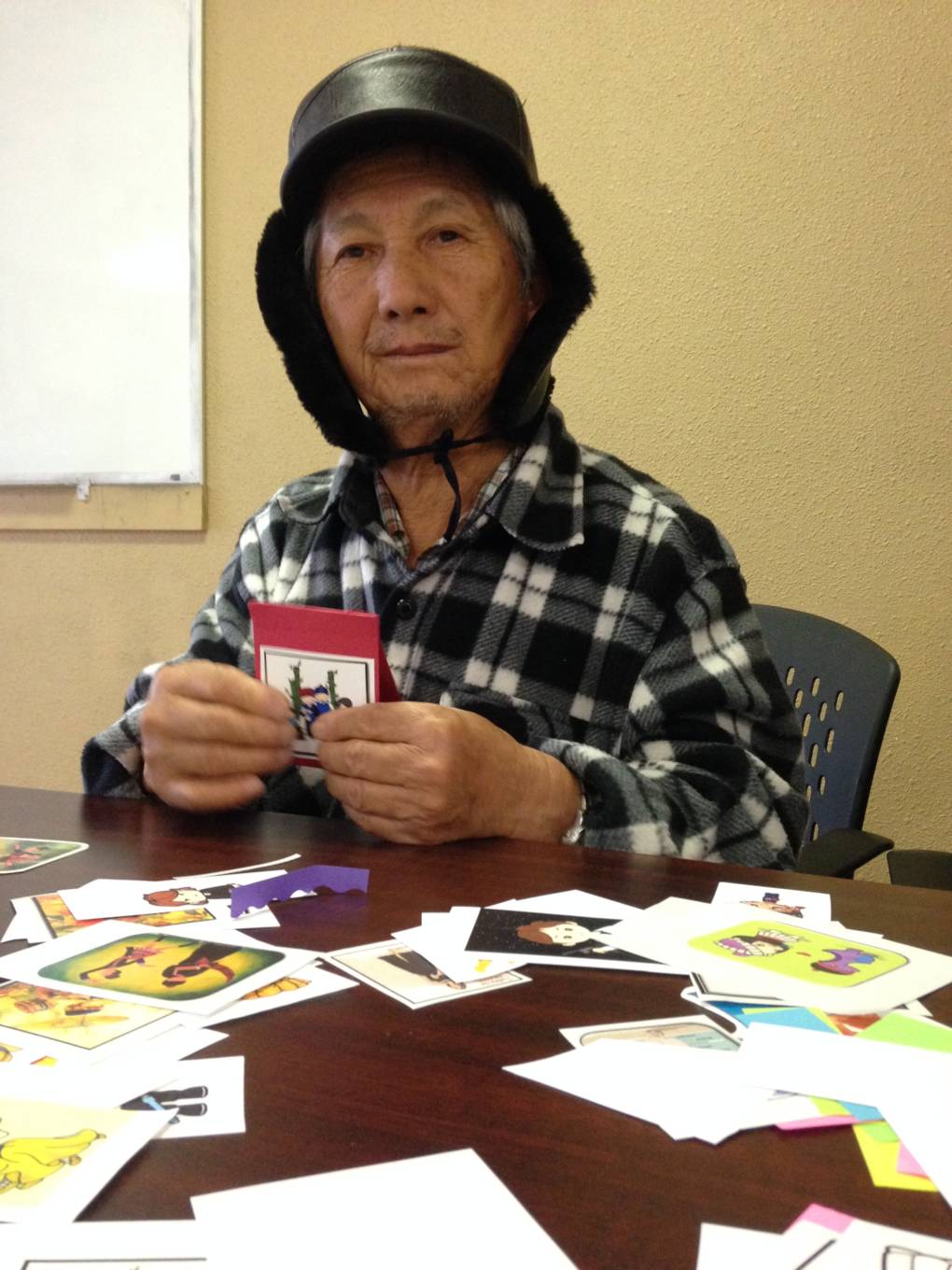
"caption": "Vong Vang Xiong fought in Laos for six years in the CIA's secret war. He does group crafts to help deal with depression.",
"description": null,
"title": "photo 4",
"credit": "Alice Daniel/KQED",
"status": "inherit",
"isLoading": false,
"fetchFailed": false
},
"news_11279237": {
"type": "attachments",
"id": "news_11279237",
"meta": {
"index": "attachments_1716263798",
"site": "news",
"id": "11279237",
"found": true
},
"parent": 11279050,
"imgSizes": {
"small": {
"file": "https://ww2.kqed.org/app/uploads/sites/10/2017/01/RS23722_Fresno-Vigil-qut-520x412.jpg",
"width": 520,
"mimeType": "image/jpeg",
"height": 412
},
"twentyfourteen-full-width": {
"file": "https://ww2.kqed.org/app/uploads/sites/10/2017/01/RS23722_Fresno-Vigil-qut-1038x576.jpg",
"width": 1038,
"mimeType": "image/jpeg",
"height": 576
},
"thumbnail": {
"file": "https://ww2.kqed.org/app/uploads/sites/10/2017/01/RS23722_Fresno-Vigil-qut-160x127.jpg",
"width": 160,
"mimeType": "image/jpeg",
"height": 127
},
"fd-sm": {
"file": "https://ww2.kqed.org/app/uploads/sites/10/2017/01/RS23722_Fresno-Vigil-qut-960x760.jpg",
"width": 960,
"mimeType": "image/jpeg",
"height": 760
},
"post-thumbnail": {
"file": "https://ww2.kqed.org/app/uploads/sites/10/2017/01/RS23722_Fresno-Vigil-qut-672x372.jpg",
"width": 672,
"mimeType": "image/jpeg",
"height": 372
},
"xsmall": {
"file": "https://ww2.kqed.org/app/uploads/sites/10/2017/01/RS23722_Fresno-Vigil-qut-375x297.jpg",
"width": 375,
"mimeType": "image/jpeg",
"height": 297
},
"kqedFullSize": {
"file": "https://ww2.kqed.org/app/uploads/sites/10/2017/01/RS23722_Fresno-Vigil-qut.jpg",
"width": 1431,
"height": 1133
},
"large": {
"file": "https://ww2.kqed.org/app/uploads/sites/10/2017/01/RS23722_Fresno-Vigil-qut-1020x808.jpg",
"width": 1020,
"mimeType": "image/jpeg",
"height": 808
},
"xlarge": {
"file": "https://ww2.kqed.org/app/uploads/sites/10/2017/01/RS23722_Fresno-Vigil-qut-1180x934.jpg",
"width": 1180,
"mimeType": "image/jpeg",
"height": 934
},
"guest-author-50": {
"file": "https://ww2.kqed.org/app/uploads/sites/10/2017/01/RS23722_Fresno-Vigil-qut-50x50.jpg",
"width": 50,
"mimeType": "image/jpeg",
"height": 50
},
"guest-author-96": {
"file": "https://ww2.kqed.org/app/uploads/sites/10/2017/01/RS23722_Fresno-Vigil-qut-96x96.jpg",
"width": 96,
"mimeType": "image/jpeg",
"height": 96
},
"medium": {
"file": "https://ww2.kqed.org/app/uploads/sites/10/2017/01/RS23722_Fresno-Vigil-qut-800x633.jpg",
"width": 800,
"mimeType": "image/jpeg",
"height": 633
},
"guest-author-64": {
"file": "https://ww2.kqed.org/app/uploads/sites/10/2017/01/RS23722_Fresno-Vigil-qut-64x64.jpg",
"width": 64,
"mimeType": "image/jpeg",
"height": 64
},
"guest-author-32": {
"file": "https://ww2.kqed.org/app/uploads/sites/10/2017/01/RS23722_Fresno-Vigil-qut-32x32.jpg",
"width": 32,
"mimeType": "image/jpeg",
"height": 32
},
"jmtc-small-thumb": {
"file": "https://ww2.kqed.org/app/uploads/sites/10/2017/01/RS23722_Fresno-Vigil-qut-280x150.jpg",
"width": 280,
"mimeType": "image/jpeg",
"height": 150
},
"fd-med": {
"file": "https://ww2.kqed.org/app/uploads/sites/10/2017/01/RS23722_Fresno-Vigil-qut-1180x934.jpg",
"width": 1180,
"mimeType": "image/jpeg",
"height": 934
},
"detail": {
"file": "https://ww2.kqed.org/app/uploads/sites/10/2017/01/RS23722_Fresno-Vigil-qut-150x150.jpg",
"width": 150,
"mimeType": "image/jpeg",
"height": 150
},
"guest-author-128": {
"file": "https://ww2.kqed.org/app/uploads/sites/10/2017/01/RS23722_Fresno-Vigil-qut-128x128.jpg",
"width": 128,
"mimeType": "image/jpeg",
"height": 128
},
"xxsmall": {
"file": "https://ww2.kqed.org/app/uploads/sites/10/2017/01/RS23722_Fresno-Vigil-qut-240x190.jpg",
"width": 240,
"mimeType": "image/jpeg",
"height": 190
}
},
"publishDate": 1484957995,
"modified": 1484958030,
"caption": "Reza Nekumanesh, director of the Islamic Cultural Center of Fresno tells the audience that peace can only be rooted in justice. ",
"description": null,
"title": "RS23722_Fresno Vigil-qut",
"credit": "Alice Daniel/KQED",
"status": "inherit",
"isLoading": false,
"fetchFailed": false
},
"news_11262087": {
"type": "attachments",
"id": "news_11262087",
"meta": {
"index": "attachments_1716263798",
"site": "news",
"id": "11262087",
"found": true
},
"parent": 11257343,
"imgSizes": {
"small": {
"file": "https://ww2.kqed.org/app/uploads/sites/10/2017/01/BoogaloosSoulTrain-520x335.jpg",
"width": 520,
"mimeType": "image/jpeg",
"height": 335
},
"twentyfourteen-full-width": {
"file": "https://ww2.kqed.org/app/uploads/sites/10/2017/01/BoogaloosSoulTrain-1038x576.jpg",
"width": 1038,
"mimeType": "image/jpeg",
"height": 576
},
"thumbnail": {
"file": "https://ww2.kqed.org/app/uploads/sites/10/2017/01/BoogaloosSoulTrain-160x103.jpg",
"width": 160,
"mimeType": "image/jpeg",
"height": 103
},
"fd-sm": {
"file": "https://ww2.kqed.org/app/uploads/sites/10/2017/01/BoogaloosSoulTrain-960x618.jpg",
"width": 960,
"mimeType": "image/jpeg",
"height": 618
},
"post-thumbnail": {
"file": "https://ww2.kqed.org/app/uploads/sites/10/2017/01/BoogaloosSoulTrain-672x372.jpg",
"width": 672,
"mimeType": "image/jpeg",
"height": 372
},
"xsmall": {
"file": "https://ww2.kqed.org/app/uploads/sites/10/2017/01/BoogaloosSoulTrain-375x241.jpg",
"width": 375,
"mimeType": "image/jpeg",
"height": 241
},
"kqedFullSize": {
"file": "https://ww2.kqed.org/app/uploads/sites/10/2017/01/BoogaloosSoulTrain.jpg",
"width": 1920,
"height": 1236
},
"large": {
"file": "https://ww2.kqed.org/app/uploads/sites/10/2017/01/BoogaloosSoulTrain-1020x657.jpg",
"width": 1020,
"mimeType": "image/jpeg",
"height": 657
},
"xlarge": {
"file": "https://ww2.kqed.org/app/uploads/sites/10/2017/01/BoogaloosSoulTrain-1180x760.jpg",
"width": 1180,
"mimeType": "image/jpeg",
"height": 760
},
"guest-author-50": {
"file": "https://ww2.kqed.org/app/uploads/sites/10/2017/01/BoogaloosSoulTrain-50x50.jpg",
"width": 50,
"mimeType": "image/jpeg",
"height": 50
},
"guest-author-96": {
"file": "https://ww2.kqed.org/app/uploads/sites/10/2017/01/BoogaloosSoulTrain-96x96.jpg",
"width": 96,
"mimeType": "image/jpeg",
"height": 96
},
"medium": {
"file": "https://ww2.kqed.org/app/uploads/sites/10/2017/01/BoogaloosSoulTrain-800x515.jpg",
"width": 800,
"mimeType": "image/jpeg",
"height": 515
},
"guest-author-64": {
"file": "https://ww2.kqed.org/app/uploads/sites/10/2017/01/BoogaloosSoulTrain-64x64.jpg",
"width": 64,
"mimeType": "image/jpeg",
"height": 64
},
"guest-author-32": {
"file": "https://ww2.kqed.org/app/uploads/sites/10/2017/01/BoogaloosSoulTrain-32x32.jpg",
"width": 32,
"mimeType": "image/jpeg",
"height": 32
},
"jmtc-small-thumb": {
"file": "https://ww2.kqed.org/app/uploads/sites/10/2017/01/BoogaloosSoulTrain-280x150.jpg",
"width": 280,
"mimeType": "image/jpeg",
"height": 150
},
"fd-lrg": {
"file": "https://ww2.kqed.org/app/uploads/sites/10/2017/01/BoogaloosSoulTrain-1920x1236.jpg",
"width": 1920,
"mimeType": "image/jpeg",
"height": 1236
},
"fd-med": {
"file": "https://ww2.kqed.org/app/uploads/sites/10/2017/01/BoogaloosSoulTrain-1180x760.jpg",
"width": 1180,
"mimeType": "image/jpeg",
"height": 760
},
"full-width": {
"file": "https://ww2.kqed.org/app/uploads/sites/10/2017/01/BoogaloosSoulTrain-1920x1236.jpg",
"width": 1920,
"mimeType": "image/jpeg",
"height": 1236
},
"detail": {
"file": "https://ww2.kqed.org/app/uploads/sites/10/2017/01/BoogaloosSoulTrain-150x150.jpg",
"width": 150,
"mimeType": "image/jpeg",
"height": 150
},
"guest-author-128": {
"file": "https://ww2.kqed.org/app/uploads/sites/10/2017/01/BoogaloosSoulTrain-128x128.jpg",
"width": 128,
"mimeType": "image/jpeg",
"height": 128
},
"xxsmall": {
"file": "https://ww2.kqed.org/app/uploads/sites/10/2017/01/BoogaloosSoulTrain-240x155.jpg",
"width": 240,
"mimeType": "image/jpeg",
"height": 155
}
},
"publishDate": 1484001263,
"modified": 1484009794,
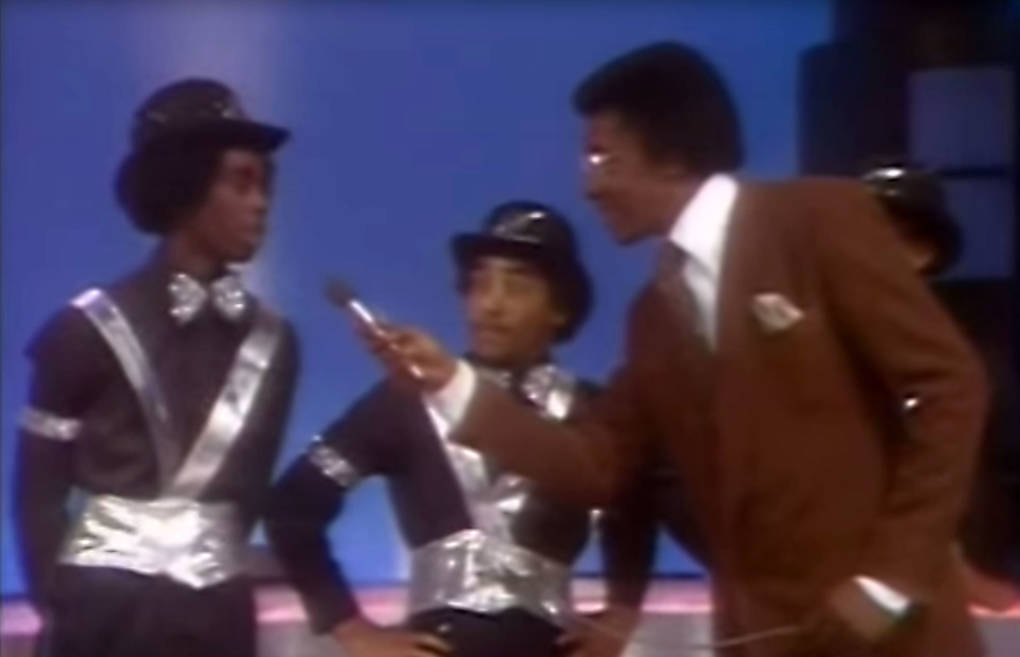
"caption": "Timothy Solomon, aka Popin' Pete, being interviewed with The Electric Boogaloos on 'Soul Train' in 1979.",
"description": "Timothy Solomon, aka Popin' Pete, being interviewed with The Electric Boogaloos on \"Soul Train\" in 1979.",
"title": "boogaloossoultrain",
"credit": "YouTube",
"status": "inherit",
"isLoading": false,
"fetchFailed": false
},
"news_11078186": {
"type": "attachments",
"id": "news_11078186",
"meta": {
"index": "attachments_1716263798",
"site": "news",
"id": "11078186",
"found": true
},
"parent": 11060227,
"imgSizes": {
"twentyfourteen-full-width": {
"file": "https://ww2.kqed.org/app/uploads/sites/10/2016/09/CilantroGomez-1038x576.jpg",
"width": 1038,
"mimeType": "image/jpeg",
"height": 576
},
"thumbnail": {
"file": "https://ww2.kqed.org/app/uploads/sites/10/2016/09/CilantroGomez-400x255.jpg",
"width": 400,
"mimeType": "image/jpeg",
"height": 255
},
"fd-sm": {
"file": "https://ww2.kqed.org/app/uploads/sites/10/2016/09/CilantroGomez-960x611.jpg",
"width": 960,
"mimeType": "image/jpeg",
"height": 611
},
"post-thumbnail": {
"file": "https://ww2.kqed.org/app/uploads/sites/10/2016/09/CilantroGomez-672x372.jpg",
"width": 672,
"mimeType": "image/jpeg",
"height": 372
},
"kqedFullSize": {
"file": "https://ww2.kqed.org/app/uploads/sites/10/2016/09/CilantroGomez.jpg",
"width": 1920,
"height": 1222
},
"large": {
"file": "https://ww2.kqed.org/app/uploads/sites/10/2016/09/CilantroGomez-1920x1222.jpg",
"width": 1920,
"mimeType": "image/jpeg",
"height": 1222
},
"guest-author-50": {
"file": "https://ww2.kqed.org/app/uploads/sites/10/2016/09/CilantroGomez-50x50.jpg",
"width": 50,
"mimeType": "image/jpeg",
"height": 50
},
"guest-author-96": {
"file": "https://ww2.kqed.org/app/uploads/sites/10/2016/09/CilantroGomez-96x96.jpg",
"width": 96,
"mimeType": "image/jpeg",
"height": 96
},
"medium": {
"file": "https://ww2.kqed.org/app/uploads/sites/10/2016/09/CilantroGomez-800x509.jpg",
"width": 800,
"mimeType": "image/jpeg",
"height": 509
},
"guest-author-64": {
"file": "https://ww2.kqed.org/app/uploads/sites/10/2016/09/CilantroGomez-64x64.jpg",
"width": 64,
"mimeType": "image/jpeg",
"height": 64
},
"guest-author-32": {
"file": "https://ww2.kqed.org/app/uploads/sites/10/2016/09/CilantroGomez-32x32.jpg",
"width": 32,
"mimeType": "image/jpeg",
"height": 32
},
"jmtc-small-thumb": {
"file": "https://ww2.kqed.org/app/uploads/sites/10/2016/09/CilantroGomez-280x150.jpg",
"width": 280,
"mimeType": "image/jpeg",
"height": 150
},
"fd-lrg": {
"file": "https://ww2.kqed.org/app/uploads/sites/10/2016/09/CilantroGomez-1920x1222.jpg",
"width": 1920,
"mimeType": "image/jpeg",
"height": 1222
},
"fd-med": {
"file": "https://ww2.kqed.org/app/uploads/sites/10/2016/09/CilantroGomez-1180x751.jpg",
"width": 1180,
"mimeType": "image/jpeg",
"height": 751
},
"detail": {
"file": "https://ww2.kqed.org/app/uploads/sites/10/2016/09/CilantroGomez-150x150.jpg",
"width": 150,
"mimeType": "image/jpeg",
"height": 150
},
"guest-author-128": {
"file": "https://ww2.kqed.org/app/uploads/sites/10/2016/09/CilantroGomez-128x128.jpg",
"width": 128,
"mimeType": "image/jpeg",
"height": 128
}
},
"publishDate": 1473275554,
"modified": 1473285325,
"caption": "Twice a year, the Fresno Grizzlies become the Fresno Tacos, replete with mascot Cilantro Gomez, who waves to the crowd during pregame warmups.",
"description": "Twice a year, the Fresno Grizzlies become the Fresno Tacos, replete with mascot Cilantro Gomez. \n",
"title": "CilantroGomez",
"credit": "Nina Thorsen/KQED",
"status": "inherit",
"isLoading": false,
"fetchFailed": false
},
"news_11021173": {
"type": "attachments",
"id": "news_11021173",
"meta": {
"index": "attachments_1716263798",
"site": "news",
"id": "11021173",
"found": true
},
"parent": 11021017,
"imgSizes": {
"twentyfourteen-full-width": {
"file": "https://ww2.kqed.org/app/uploads/sites/10/2016/07/FresnoProtesters-1038x576.jpg",
"width": 1038,
"mimeType": "image/jpeg",
"height": 576
},
"thumbnail": {
"file": "https://ww2.kqed.org/app/uploads/sites/10/2016/07/FresnoProtesters-400x283.jpg",
"width": 400,
"mimeType": "image/jpeg",
"height": 283
},
"fd-sm": {
"file": "https://ww2.kqed.org/app/uploads/sites/10/2016/07/FresnoProtesters-960x678.jpg",
"width": 960,
"mimeType": "image/jpeg",
"height": 678
},
"post-thumbnail": {
"file": "https://ww2.kqed.org/app/uploads/sites/10/2016/07/FresnoProtesters-672x372.jpg",
"width": 672,
"mimeType": "image/jpeg",
"height": 372
},
"kqedFullSize": {
"file": "https://ww2.kqed.org/app/uploads/sites/10/2016/07/FresnoProtesters.jpg",
"width": 1920,
"height": 1356
},
"large": {
"file": "https://ww2.kqed.org/app/uploads/sites/10/2016/07/FresnoProtesters-1920x1356.jpg",
"width": 1920,
"mimeType": "image/jpeg",
"height": 1356
},
"guest-author-50": {
"file": "https://ww2.kqed.org/app/uploads/sites/10/2016/07/FresnoProtesters-50x50.jpg",
"width": 50,
"mimeType": "image/jpeg",
"height": 50
},
"guest-author-96": {
"file": "https://ww2.kqed.org/app/uploads/sites/10/2016/07/FresnoProtesters-96x96.jpg",
"width": 96,
"mimeType": "image/jpeg",
"height": 96
},
"medium": {
"file": "https://ww2.kqed.org/app/uploads/sites/10/2016/07/FresnoProtesters-800x565.jpg",
"width": 800,
"mimeType": "image/jpeg",
"height": 565
},
"guest-author-64": {
"file": "https://ww2.kqed.org/app/uploads/sites/10/2016/07/FresnoProtesters-64x64.jpg",
"width": 64,
"mimeType": "image/jpeg",
"height": 64
},
"guest-author-32": {
"file": "https://ww2.kqed.org/app/uploads/sites/10/2016/07/FresnoProtesters-32x32.jpg",
"width": 32,
"mimeType": "image/jpeg",
"height": 32
},
"jmtc-small-thumb": {
"file": "https://ww2.kqed.org/app/uploads/sites/10/2016/07/FresnoProtesters-280x150.jpg",
"width": 280,
"mimeType": "image/jpeg",
"height": 150
},
"fd-lrg": {
"file": "https://ww2.kqed.org/app/uploads/sites/10/2016/07/FresnoProtesters-1920x1356.jpg",
"width": 1920,
"mimeType": "image/jpeg",
"height": 1356
},
"fd-med": {
"file": "https://ww2.kqed.org/app/uploads/sites/10/2016/07/FresnoProtesters-1180x833.jpg",
"width": 1180,
"mimeType": "image/jpeg",
"height": 833
},
"detail": {
"file": "https://ww2.kqed.org/app/uploads/sites/10/2016/07/FresnoProtesters-150x150.jpg",
"width": 150,
"mimeType": "image/jpeg",
"height": 150
},
"guest-author-128": {
"file": "https://ww2.kqed.org/app/uploads/sites/10/2016/07/FresnoProtesters-128x128.jpg",
"width": 128,
"mimeType": "image/jpeg",
"height": 128
}
},
"publishDate": 1468610511,
"modified": 1468610658,
"caption": "Protesters in Fresno this week called on police to stop using excessive force.",
"description": "Protesters in Fresno this week called on police to stop using excessive force.",
"title": "FresnoProtesters",
"credit": "Alice Daniel/KQED",
"status": "inherit",
"isLoading": false,
"fetchFailed": false
},
"news_11019929": {
"type": "attachments",
"id": "news_11019929",
"meta": {
"index": "attachments_1716263798",
"site": "news",
"id": "11019929",
"found": true
},
"parent": 11019926,
"imgSizes": {
"twentyfourteen-full-width": {
"file": "https://ww2.kqed.org/app/uploads/sites/10/2016/07/Screenshot-2016-07-14-07.37.06-1038x576.png",
"width": 1038,
"mimeType": "image/png",
"height": 576
},
"thumbnail": {
"file": "https://ww2.kqed.org/app/uploads/sites/10/2016/07/Screenshot-2016-07-14-07.37.06-400x216.png",
"width": 400,
"mimeType": "image/png",
"height": 216
},
"fd-sm": {
"file": "https://ww2.kqed.org/app/uploads/sites/10/2016/07/Screenshot-2016-07-14-07.37.06-960x519.png",
"width": 960,
"mimeType": "image/png",
"height": 519
},
"post-thumbnail": {
"file": "https://ww2.kqed.org/app/uploads/sites/10/2016/07/Screenshot-2016-07-14-07.37.06-672x372.png",
"width": 672,
"mimeType": "image/png",
"height": 372
},
"kqedFullSize": {
"file": "https://ww2.kqed.org/app/uploads/sites/10/2016/07/Screenshot-2016-07-14-07.37.06.png",
"width": 1262,
"height": 682
},
"guest-author-50": {
"file": "https://ww2.kqed.org/app/uploads/sites/10/2016/07/Screenshot-2016-07-14-07.37.06-50x50.png",
"width": 50,
"mimeType": "image/png",
"height": 50
},
"guest-author-96": {
"file": "https://ww2.kqed.org/app/uploads/sites/10/2016/07/Screenshot-2016-07-14-07.37.06-96x96.png",
"width": 96,
"mimeType": "image/png",
"height": 96
},
"medium": {
"file": "https://ww2.kqed.org/app/uploads/sites/10/2016/07/Screenshot-2016-07-14-07.37.06-800x432.png",
"width": 800,
"mimeType": "image/png",
"height": 432
},
"guest-author-64": {
"file": "https://ww2.kqed.org/app/uploads/sites/10/2016/07/Screenshot-2016-07-14-07.37.06-64x64.png",
"width": 64,
"mimeType": "image/png",
"height": 64
},
"guest-author-32": {
"file": "https://ww2.kqed.org/app/uploads/sites/10/2016/07/Screenshot-2016-07-14-07.37.06-32x32.png",
"width": 32,
"mimeType": "image/png",
"height": 32
},
"jmtc-small-thumb": {
"file": "https://ww2.kqed.org/app/uploads/sites/10/2016/07/Screenshot-2016-07-14-07.37.06-280x150.png",
"width": 280,
"mimeType": "image/png",
"height": 150
},
"fd-med": {
"file": "https://ww2.kqed.org/app/uploads/sites/10/2016/07/Screenshot-2016-07-14-07.37.06-1180x638.png",
"width": 1180,
"mimeType": "image/png",
"height": 638
},
"detail": {
"file": "https://ww2.kqed.org/app/uploads/sites/10/2016/07/Screenshot-2016-07-14-07.37.06-150x150.png",
"width": 150,
"mimeType": "image/png",
"height": 150
},
"guest-author-128": {
"file": "https://ww2.kqed.org/app/uploads/sites/10/2016/07/Screenshot-2016-07-14-07.37.06-128x128.png",
"width": 128,
"mimeType": "image/png",
"height": 128
}
},
"publishDate": 1468507057,
"modified": 1468507250,
"caption": "Ryan Noble, 19, moments before he was shot by two Fresno police officers. ",
"description": null,
"title": "Fresno Police-Ryan Noble Shooting",
"credit": "Fresno Police Department via YouTube",
"status": "inherit",
"isLoading": false,
"fetchFailed": false
},
"stateofhealth_185735": {
"type": "attachments",
"id": "stateofhealth_185735",
"meta": {
"index": "attachments_1716263798",
"site": "stateofhealth",
"id": "185735",
"found": true
},
"parent": 183797,
"imgSizes": {
"twentyfourteen-full-width": {
"file": "https://ww2.kqed.org/app/uploads/sites/27/2016/05/RS19523_IMG_9837-qut-1038x576.jpg",
"width": 1038,
"mimeType": "image/jpeg",
"height": 576
},
"thumbnail": {
"file": "https://ww2.kqed.org/app/uploads/sites/27/2016/05/RS19523_IMG_9837-qut-400x267.jpg",
"width": 400,
"mimeType": "image/jpeg",
"height": 267
},
"fd-sm": {
"file": "https://ww2.kqed.org/app/uploads/sites/27/2016/05/RS19523_IMG_9837-qut-960x640.jpg",
"width": 960,
"mimeType": "image/jpeg",
"height": 640
},
"post-thumbnail": {
"file": "https://ww2.kqed.org/app/uploads/sites/27/2016/05/RS19523_IMG_9837-qut-672x372.jpg",
"width": 672,
"mimeType": "image/jpeg",
"height": 372
},
"kqedFullSize": {
"file": "https://ww2.kqed.org/app/uploads/sites/27/2016/05/RS19523_IMG_9837-qut.jpg",
"width": 1920,
"height": 1280
},
"large": {
"file": "https://ww2.kqed.org/app/uploads/sites/27/2016/05/RS19523_IMG_9837-qut-1440x960.jpg",
"width": 1440,
"mimeType": "image/jpeg",
"height": 960
},
"guest-author-50": {
"file": "https://ww2.kqed.org/app/uploads/sites/27/2016/05/RS19523_IMG_9837-qut-50x50.jpg",
"width": 50,
"mimeType": "image/jpeg",
"height": 50
},
"guest-author-96": {
"file": "https://ww2.kqed.org/app/uploads/sites/27/2016/05/RS19523_IMG_9837-qut-96x96.jpg",
"width": 96,
"mimeType": "image/jpeg",
"height": 96
},
"medium": {
"file": "https://ww2.kqed.org/app/uploads/sites/27/2016/05/RS19523_IMG_9837-qut-800x533.jpg",
"width": 800,
"mimeType": "image/jpeg",
"height": 533
},
"guest-author-64": {
"file": "https://ww2.kqed.org/app/uploads/sites/27/2016/05/RS19523_IMG_9837-qut-64x64.jpg",
"width": 64,
"mimeType": "image/jpeg",
"height": 64
},
"guest-author-32": {
"file": "https://ww2.kqed.org/app/uploads/sites/27/2016/05/RS19523_IMG_9837-qut-32x32.jpg",
"width": 32,
"mimeType": "image/jpeg",
"height": 32
},
"jmtc-small-thumb": {
"file": "https://ww2.kqed.org/app/uploads/sites/27/2016/05/RS19523_IMG_9837-qut-280x150.jpg",
"width": 280,
"mimeType": "image/jpeg",
"height": 150
},
"fd-lrg": {
"file": "https://ww2.kqed.org/app/uploads/sites/27/2016/05/RS19523_IMG_9837-qut-1920x1280.jpg",
"width": 1920,
"mimeType": "image/jpeg",
"height": 1280
},
"fd-med": {
"file": "https://ww2.kqed.org/app/uploads/sites/27/2016/05/RS19523_IMG_9837-qut-1180x787.jpg",
"width": 1180,
"mimeType": "image/jpeg",
"height": 787
},
"detail": {
"file": "https://ww2.kqed.org/app/uploads/sites/27/2016/05/RS19523_IMG_9837-qut-150x150.jpg",
"width": 150,
"mimeType": "image/jpeg",
"height": 150
},
"medium_large": {
"file": "https://ww2.kqed.org/app/uploads/sites/27/2016/05/RS19523_IMG_9837-qut-768x512.jpg",
"width": 768,
"mimeType": "image/jpeg",
"height": 512
},
"guest-author-128": {
"file": "https://ww2.kqed.org/app/uploads/sites/27/2016/05/RS19523_IMG_9837-qut-128x128.jpg",
"width": 128,
"mimeType": "image/jpeg",
"height": 128
}
},
"publishDate": 1463526406,
"modified": 1463613813,
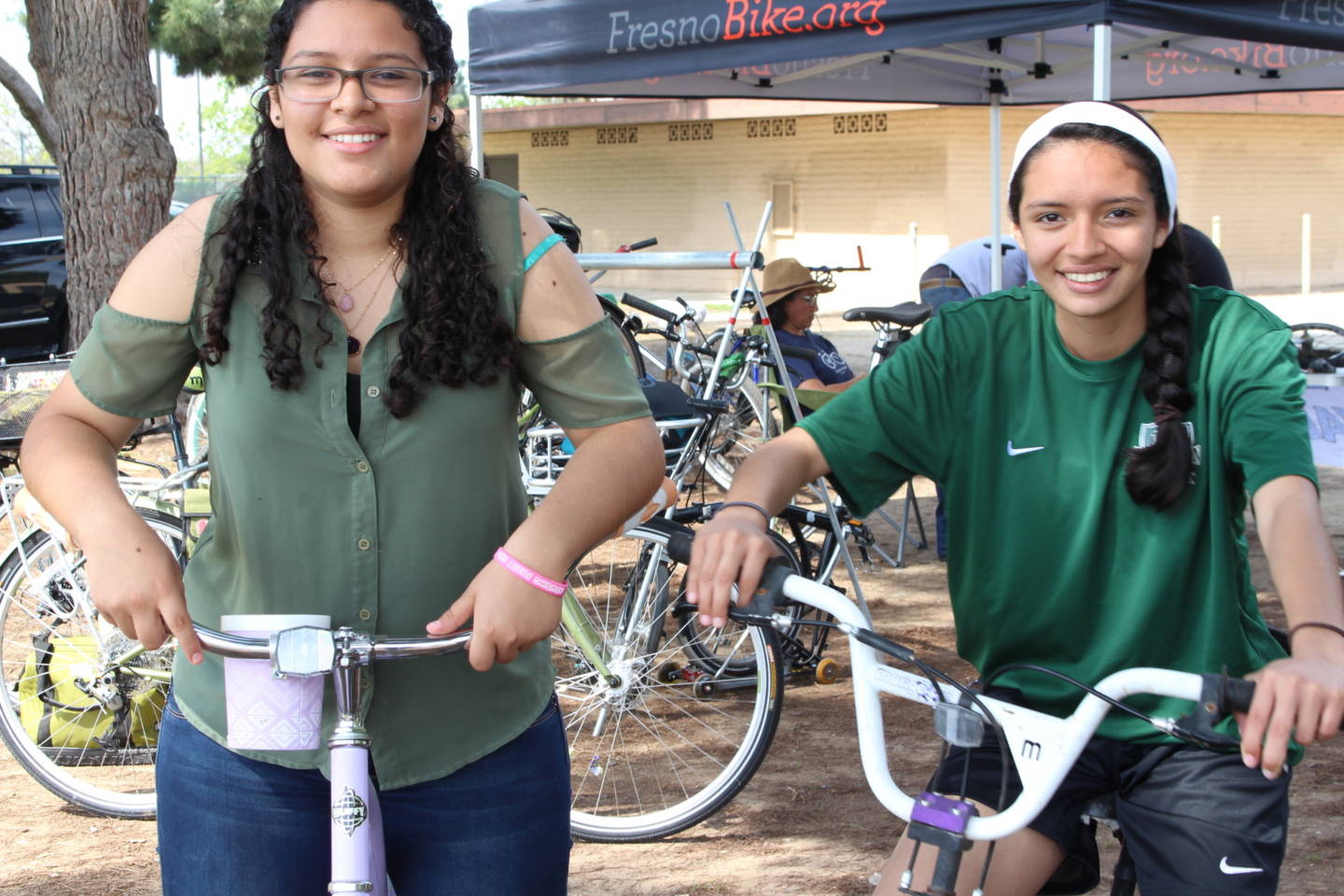
"caption": "Josemelli Ruiz, 15, and her sister, Joanna Ruiz, 13, attend a free bike repair event at a park in south Fresno. Both teens consider biking to school 'too dangerous' due to a lack of bike lanes. ",
"description": null,
"title": "RS19523_IMG_9837-qut",
"credit": "Farida Jhabvala Romero/KQED",
"status": "inherit",
"isLoading": false,
"fetchFailed": false
},
"news_10837835": {
"type": "attachments",
"id": "news_10837835",
"meta": {
"index": "attachments_1716263798",
"site": "news",
"id": "10837835",
"found": true
},
"parent": 10837834,
"imgSizes": {
"twentyfourteen-full-width": {
"file": "https://ww2.kqed.org/app/uploads/sites/10/2016/01/sikh_wide-237b31112733f581210ad7c914420838601ac7ac-1038x576.jpg",
"width": 1038,
"mimeType": "image/jpeg",
"height": 576
},
"thumbnail": {
"file": "https://ww2.kqed.org/app/uploads/sites/10/2016/01/sikh_wide-237b31112733f581210ad7c914420838601ac7ac-400x225.jpg",
"width": 400,
"mimeType": "image/jpeg",
"height": 225
},
"fd-sm": {
"file": "https://ww2.kqed.org/app/uploads/sites/10/2016/01/sikh_wide-237b31112733f581210ad7c914420838601ac7ac-960x540.jpg",
"width": 960,
"mimeType": "image/jpeg",
"height": 540
},
"post-thumbnail": {
"file": "https://ww2.kqed.org/app/uploads/sites/10/2016/01/sikh_wide-237b31112733f581210ad7c914420838601ac7ac-672x372.jpg",
"width": 672,
"mimeType": "image/jpeg",
"height": 372
},
"kqedFullSize": {
"file": "https://ww2.kqed.org/app/uploads/sites/10/2016/01/sikh_wide-237b31112733f581210ad7c914420838601ac7ac.jpg",
"width": 2503,
"height": 1408
},
"large": {
"file": "https://ww2.kqed.org/app/uploads/sites/10/2016/01/sikh_wide-237b31112733f581210ad7c914420838601ac7ac-1440x810.jpg",
"width": 1440,
"mimeType": "image/jpeg",
"height": 810
},
"guest-author-96": {
"file": "https://ww2.kqed.org/app/uploads/sites/10/2016/01/sikh_wide-237b31112733f581210ad7c914420838601ac7ac-96x96.jpg",
"width": 96,
"mimeType": "image/jpeg",
"height": 96
},
"medium": {
"file": "https://ww2.kqed.org/app/uploads/sites/10/2016/01/sikh_wide-237b31112733f581210ad7c914420838601ac7ac-800x450.jpg",
"width": 800,
"mimeType": "image/jpeg",
"height": 450
},
"guest-author-64": {
"file": "https://ww2.kqed.org/app/uploads/sites/10/2016/01/sikh_wide-237b31112733f581210ad7c914420838601ac7ac-64x64.jpg",
"width": 64,
"mimeType": "image/jpeg",
"height": 64
},
"guest-author-32": {
"file": "https://ww2.kqed.org/app/uploads/sites/10/2016/01/sikh_wide-237b31112733f581210ad7c914420838601ac7ac-32x32.jpg",
"width": 32,
"mimeType": "image/jpeg",
"height": 32
},
"jmtc-small-thumb": {
"file": "https://ww2.kqed.org/app/uploads/sites/10/2016/01/sikh_wide-237b31112733f581210ad7c914420838601ac7ac-280x150.jpg",
"width": 280,
"mimeType": "image/jpeg",
"height": 150
},
"fd-lrg": {
"file": "https://ww2.kqed.org/app/uploads/sites/10/2016/01/sikh_wide-237b31112733f581210ad7c914420838601ac7ac-1920x1080.jpg",
"width": 1920,
"mimeType": "image/jpeg",
"height": 1080
},
"fd-med": {
"file": "https://ww2.kqed.org/app/uploads/sites/10/2016/01/sikh_wide-237b31112733f581210ad7c914420838601ac7ac-1180x664.jpg",
"width": 1180,
"mimeType": "image/jpeg",
"height": 664
},
"detail": {
"file": "https://ww2.kqed.org/app/uploads/sites/10/2016/01/sikh_wide-237b31112733f581210ad7c914420838601ac7ac-75x75.jpg",
"width": 75,
"mimeType": "image/jpeg",
"height": 75
},
"medium_large": {
"file": "https://ww2.kqed.org/app/uploads/sites/10/2016/01/sikh_wide-237b31112733f581210ad7c914420838601ac7ac-768x432.jpg",
"width": 768,
"mimeType": "image/jpeg",
"height": 432
},
"guest-author-128": {
"file": "https://ww2.kqed.org/app/uploads/sites/10/2016/01/sikh_wide-237b31112733f581210ad7c914420838601ac7ac-128x128.jpg",
"width": 128,
"mimeType": "image/jpeg",
"height": 128
}
},
"publishDate": 1453231236,
"modified": 1453231380,
"caption": "Gurdeep Shergill and his wife, Sonia, co-host a program on KBIF-AM for the 35,000 Sikh-Americans who live in Fresno.",
"description": "Gurdeep Shergill and his wife, Sonia, co-host a program on KBIF-AM for the 35,000 Sikh-Americans who live in Fresno.",
"title": "Gurdeep Shergill and his wife, Sonia, co-host a program on KBIF-AM for the 35,000 Sikh-Americans who live in Fresno.",
"credit": "Richard Gonzales/NPR",
"status": "inherit",
"isLoading": false,
"fetchFailed": false
}
},
"audioPlayerReducer": {
"postId": "stream_live",
"isPaused": true,
"isPlaying": false,
"pfsActive": false,
"pledgeModalIsOpen": true,
"playerDrawerIsOpen": false,
"liveAudioPlayStartedAt": 0,
"liveAudioPlayContext": ""
},
"authorsReducer": {
"byline_news_11415223": {
"type": "authors",
"id": "byline_news_11415223",
"meta": {
"override": true
},
"slug": "byline_news_11415223",
"name": "Scott Smith \u003cbr> Associated Press",
"isLoading": false
},
"byline_news_10837834": {
"type": "authors",
"id": "byline_news_10837834",
"meta": {
"override": true
},
"slug": "byline_news_10837834",
"name": "\u003cstrong>\u003ca href=\"http://www.npr.org/people/2100569/richard-gonzales\">Richard Gonzales\u003c/a>\u003cbr>NPR\u003c/strong>",
"isLoading": false
},
"aliceldaniel": {
"type": "authors",
"id": "208",
"meta": {
"index": "authors_1716337520",
"id": "208",
"found": true
},
"name": "Alice Daniel",
"firstName": "Alice",
"lastName": "Daniel",
"slug": "aliceldaniel",
"email": "adaniel@kqed.org",
"display_author_email": false,
"staff_mastheads": [],
"title": null,
"bio": "Alice Daniel loves the listening aspect of reporting because she gets to briefly walk in other people’s shoes. She has rappelled down into caves and gone up in helicopters for KQED’s The California Report but her favorite place to pursue a story is the High Sierra or any family-run bakery, of course. Alice has a masters in journalism from Columbia University and teaches at Fresno State. She is a California Healthline Regional Correspondent and a frequent contributor to Success magazine. In her free time, she skis and hikes, throws pottery, practices piano and looks out the window.",
"avatar": "https://secure.gravatar.com/avatar/e611aa06593b114a67f9f123a8e875ad?s=600&d=blank&r=g",
"twitter": null,
"facebook": null,
"instagram": null,
"linkedin": null,
"sites": [
{
"site": "news",
"roles": [
"author"
]
},
{
"site": "stateofhealth",
"roles": [
"author"
]
}
],
"headData": {
"title": "Alice Daniel | KQED",
"description": null,
"ogImgSrc": "https://secure.gravatar.com/avatar/e611aa06593b114a67f9f123a8e875ad?s=600&d=blank&r=g",
"twImgSrc": "https://secure.gravatar.com/avatar/e611aa06593b114a67f9f123a8e875ad?s=600&d=blank&r=g"
},
"isLoading": false,
"link": "/author/aliceldaniel"
},
"danbrekke": {
"type": "authors",
"id": "222",
"meta": {
"index": "authors_1716337520",
"id": "222",
"found": true
},
"name": "Dan Brekke",
"firstName": "Dan",
"lastName": "Brekke",
"slug": "danbrekke",
"email": "dbrekke@kqed.org",
"display_author_email": true,
"staff_mastheads": [
"news",
"science"
],
"title": "KQED Editor and Reporter",
"bio": "Dan Brekke is a reporter and editor for KQED News, responsible for coverage of topics ranging from California water issues to the Bay Area's transportation challenges. In a newsroom career that began in Chicago in 1972, Dan has worked for \u003cem>The San Francisco Examiner,\u003c/em> Wired and TechTV and has been published in The New York Times, The New York Times Magazine, Business 2.0, Salon and elsewhere.\r\n\r\nSince joining KQED in 2007, Dan has reported, edited and produced both radio and online features and breaking news pieces. He has shared as both editor and reporter in four Society of Professional Journalists Norcal Excellence in Journalism awards and one Edward R. Murrow regional award. He was chosen for a spring 2017 residency at the Mesa Refuge to advance his research on California salmon.\r\n\r\nEmail Dan at: \u003ca href=\"mailto:dbrekke@kqed.org\">dbrekke@kqed.org\u003c/a>\r\n\r\n\u003cstrong>Twitter:\u003c/strong> \u003ca href=\"https://twitter.com/danbrekke\" rel=\"noopener noreferrer\">twitter.com/danbrekke\u003c/a>\r\n\u003cstrong>Facebook:\u003c/strong> \u003ca href=\"https://www.facebook.com/danbrekke\" rel=\"noopener noreferrer\">www.facebook.com/danbrekke\u003c/a>\r\n\u003cstrong>LinkedIn:\u003c/strong> \u003ca href=\"https://www.linkedin.com/in/danbrekke\" rel=\"noopener noreferrer\">www.linkedin.com/in/danbrekke\u003c/a>",
"avatar": "https://secure.gravatar.com/avatar/c8126230345efca3f7aa89b1a402be45?s=600&d=mm&r=g",
"twitter": "danbrekke",
"facebook": null,
"instagram": "https://www.instagram.com/dan.brekke/",
"linkedin": "https://www.linkedin.com/in/danbrekke/",
"sites": [
{
"site": "news",
"roles": [
"administrator",
"create_posts"
]
},
{
"site": "stateofhealth",
"roles": [
"editor"
]
},
{
"site": "science",
"roles": [
"editor"
]
},
{
"site": "quest",
"roles": [
"contributor"
]
},
{
"site": "food",
"roles": [
"contributor"
]
},
{
"site": "forum",
"roles": [
"contributor"
]
},
{
"site": "liveblog",
"roles": [
"editor"
]
}
],
"headData": {
"title": "Dan Brekke | KQED",
"description": "KQED Editor and Reporter",
"ogImgSrc": "https://secure.gravatar.com/avatar/c8126230345efca3f7aa89b1a402be45?s=600&d=mm&r=g",
"twImgSrc": "https://secure.gravatar.com/avatar/c8126230345efca3f7aa89b1a402be45?s=600&d=mm&r=g"
},
"isLoading": false,
"link": "/author/danbrekke"
},
"ninathorsen": {
"type": "authors",
"id": "246",
"meta": {
"index": "authors_1716337520",
"id": "246",
"found": true
},
"name": "Nina Thorsen",
"firstName": "Nina",
"lastName": "Thorsen",
"slug": "ninathorsen",
"email": "nthorsen@kqed.org",
"display_author_email": false,
"staff_mastheads": [
"news"
],
"title": "Producer, Radio",
"bio": "\u003cspan style=\"color: #000000;\">Nina Thorsen is a KQED radio producer, and frequently reports on sports and culture. \u003c/span>\u003cspan style=\"color: #000000;\">She co-created and produced KQED's \u003cem>Pacific Time, \u003c/em> a weekly radio program on Asian and Asian American issues that aired from 2000 to 2007. Before coming to KQED, Thorsen was the deputy foreign editor for \u003cem>Marketplace, \u003c/em>and in her home state of Minnesota, worked for \u003cem>A Prairie Home Companion\u003c/em> and for Public Radio International. \u003c/span>",
"avatar": "https://secure.gravatar.com/avatar/e13dc7282cec33c15d973ebb56d57ead?s=600&d=blank&r=g",
"twitter": "NinaKQED",
"facebook": null,
"instagram": null,
"linkedin": null,
"sites": [
{
"site": "news",
"roles": [
"editor"
]
},
{
"site": "podcasts",
"roles": [
"editor"
]
}
],
"headData": {
"title": "Nina Thorsen | KQED",
"description": "Producer, Radio",
"ogImgSrc": "https://secure.gravatar.com/avatar/e13dc7282cec33c15d973ebb56d57ead?s=600&d=blank&r=g",
"twImgSrc": "https://secure.gravatar.com/avatar/e13dc7282cec33c15d973ebb56d57ead?s=600&d=blank&r=g"
},
"isLoading": false,
"link": "/author/ninathorsen"
},
"fjhabvala": {
"type": "authors",
"id": "8659",
"meta": {
"index": "authors_1716337520",
"id": "8659",
"found": true
},
"name": "Farida Jhabvala Romero",
"firstName": "Farida",
"lastName": "Jhabvala Romero",
"slug": "fjhabvala",
"email": "fjhabvala@kqed.org",
"display_author_email": true,
"staff_mastheads": [
"news"
],
"title": "KQED Contributor",
"bio": "Farida Jhabvala Romero is a Labor Correspondent for KQED. She previously covered immigration. Farida was \u003ca href=\"https://www.ccnma.org/2022-most-influential-latina-journalists\">named\u003c/a> one of the 10 Most Influential Latina Journalists in California in 2022 by the California Chicano News Media Association. Her work has won awards from the Society of Professional Journalists (Northern California), as well as a national and regional Edward M. Murrow Award for the collaborative reporting projects “Dangerous Air” and “Graying California.” Before joining KQED, Farida worked as a producer at Radio Bilingüe, a national public radio network. Farida earned her master’s degree in journalism from Stanford University.",
"avatar": "https://secure.gravatar.com/avatar/f9f022d4e2609741874222a1e9d41f48fea74011aa7c615eef91d9a50c944ebe?s=600&d=blank&r=g",
"twitter": "FaridaJhabvala",
"bluesky": null,
"facebook": null,
"instagram": null,
"linkedin": "https://www.linkedin.com/in/faridajhabvala/",
"sites": [
{
"site": "news",
"roles": [
"editor"
]
},
{
"site": "stateofhealth",
"roles": [
"author"
]
},
{
"site": "liveblog",
"roles": [
"author"
]
}
],
"headData": {
"title": "Farida Jhabvala Romero | KQED",
"description": "KQED Contributor",
"ogImgSrc": "https://secure.gravatar.com/avatar/f9f022d4e2609741874222a1e9d41f48fea74011aa7c615eef91d9a50c944ebe?s=600&d=blank&r=g",
"twImgSrc": "https://secure.gravatar.com/avatar/f9f022d4e2609741874222a1e9d41f48fea74011aa7c615eef91d9a50c944ebe?s=600&d=blank&r=g"
},
"isLoading": false,
"link": "/author/fjhabvala"
},
"vrancano": {
"type": "authors",
"id": "11276",
"meta": {
"index": "authors_1716337520",
"id": "11276",
"found": true
},
"name": "Vanessa Rancaño",
"firstName": "Vanessa",
"lastName": "Rancaño",
"slug": "vrancano",
"email": "vrancano@kqed.org",
"display_author_email": false,
"staff_mastheads": [
"news"
],
"title": "Reporter",
"bio": "Vanessa Rancaño is a features reporter for KQED. She’s also covered homelessness and education for the station and reported from the Central Valley. Her work has aired across public radio, from flagship national news shows to longform narrative podcasts. Before taking up a mic, she worked as a freelance print journalist. She’s been recognized with a number of national and regional awards. Vanessa grew up in California's Central Valley. She's a former NPR Kroc Fellow, and a graduate of the UC Berkeley Graduate School of Journalism.",
"avatar": "https://secure.gravatar.com/avatar/b3a383dfb0e7ee1c17568f2cf067904ab654d6e3de9743fc661f3c788ade1bed?s=600&d=blank&r=g",
"twitter": "vanessarancano",
"bluesky": null,
"facebook": null,
"instagram": null,
"linkedin": null,
"sites": [
{
"site": "arts",
"roles": [
"editor"
]
},
{
"site": "news",
"roles": [
"editor"
]
},
{
"site": "liveblog",
"roles": [
"contributor"
]
}
],
"headData": {
"title": "Vanessa Rancaño | KQED",
"description": "Reporter",
"ogImgSrc": "https://secure.gravatar.com/avatar/b3a383dfb0e7ee1c17568f2cf067904ab654d6e3de9743fc661f3c788ade1bed?s=600&d=blank&r=g",
"twImgSrc": "https://secure.gravatar.com/avatar/b3a383dfb0e7ee1c17568f2cf067904ab654d6e3de9743fc661f3c788ade1bed?s=600&d=blank&r=g"
},
"isLoading": false,
"link": "/author/vrancano"
}
},
"pagesReducer": {
"news_tag_fresno": {
"type": "terms",
"id": "news_37",
"meta": {
"index": "terms_1716263798",
"site": "news",
"id": "37",
"score": 9.103885
},
"featImg": null,
"name": "Fresno",
"description": null,
"taxonomy": "tag",
"headData": {
"twImgId": null,
"twTitle": null,
"ogTitle": null,
"ogImgId": null,
"twDescription": null,
"description": null,
"title": "Fresno Archives | KQED News",
"ogDescription": null
},
"ttid": 37,
"slug": "fresno",
"isLoading": false,
"title": "Fresno",
"pageMeta": {
"site": "news",
"WpPageTemplate": "page-topic-editorial",
"currentPage": 9
},
"blocks": [
{
"blockName": "kqed/post-list",
"attrs": {
"layout": "cardArticle2",
"query": "posts/news?tag=fresno",
"seeMore": false,
"paginated": true,
"page": 9
}
},
{
"blockName": "kqed/ad"
}
]
}
},
"pfsSessionReducer": {},
"postsReducer": {
"stream_live": {
"type": "live",
"id": "stream_live",
"audioUrl": "https://streams.kqed.org/kqedradio",
"title": "Live Stream",
"excerpt": "Live Stream information currently unavailable.",
"link": "/radio",
"featImg": "",
"label": {
"name": "KQED Live",
"link": "/"
}
},
"stream_kqedNewscast": {
"type": "posts",
"id": "stream_kqedNewscast",
"audioUrl": "https://www.kqed.org/.stream/anon/radio/RDnews/newscast.mp3?_=1",
"title": "KQED Newscast",
"featImg": "",
"label": {
"name": "88.5 FM",
"link": "/"
}
},
"news_11417082": {
"type": "posts",
"id": "news_11417082",
"meta": {
"index": "posts_1716263798",
"site": "news",
"id": "11417082",
"score": null,
"sort": [
1492656684000
]
},
"parent": 0,
"labelTerm": {
"site": "news",
"term": 72
},
"blocks": [],
"publishDate": 1492656684,
"format": "audio",
"disqusTitle": "As Fresno Mourns, New Details Emerge in 'Hate Crime' Shooting",
"title": "As Fresno Mourns, New Details Emerge in 'Hate Crime' Shooting",
"headTitle": "The California Report | KQED News",
"content": "\u003cp>\u003cstrong>Update, 5:30 p.m., Thursday:\u003c/strong> \u003c/p>\n\u003cp>The man accused of a racially motivated shooting rampage in Fresno has been charged with one count of first-degree murder in the killing of a motel security guard days earlier.\u003c/p>\n\u003cp>The Fresno County district attorney's office announced the charge Thursday against Kori Ali Muhammad.\u003c/p>\n\u003cp>Prosecutors say they're holding off on three additional counts in the deaths of three white men Tuesday while investigators piece together their case.\u003c/p>\n\u003cp>Authorities say Muhammad, who is black, told police he wanted to kill as many white people as possible after he learned he was wanted in the shooting death of unarmed security guard Carl Williams. Williams was also white.\u003c/p>\n\u003cp>[ad fullwidth]\u003c/p>\n\u003cp>Muhammad is due in court Friday.\u003c/p>\n\u003cp>\u003cstrong>Original Post:\u003cbr>\n\u003c/strong>Five days before a shooting rampage that left three white men dead in downtown Fresno on Tuesday, Kori Ali Muhammad shot an unarmed motel security guard, an act that would set off a chain of events leading to Tuesday's mass shooting.\u003c/p>\n\u003cp>Police say Muhammad, 39, gave rare and unusual details about his movements and the killings over several hours of questioning following his arrest, even returning with officers to the crime scenes and demonstrating his actions.\u003c/p>\n\u003cp>Muhammad told police he watched them investigate the security guard's killing from a nearby rooftop, and practiced voodoo rituals while in hiding.\u003c/p>\n\u003cp>[contextly_sidebar id=\"odAk14Xb1Tm8GXTVJHSLiRGMTJl61RlC\"]\u003c/p>\n\u003cp>At a memorial set up outside the Catholic Charities building, one of the sites of Tuesday's shootings, Regina Collins paid her respects and also shared fears, noting that her mother was a block away when the shooting happened.\u003c/p>\n\u003cp>“It could have been her,” Collins said. “I have four little ones. I mean, we even come here and pick up food sometimes when we’re in need. ... It could have been us.”\u003c/p>\n\u003cp>At a briefing, Fresno Police Chief Jerry Dyer shared more details on the suspect. For example, while Muhammad claimed to police that he is Muslim, he also said he prays to seven different gods.\u003c/p>\n\u003cfigure id=\"attachment_11418421\" class=\"wp-caption aligncenter\" style=\"max-width: 800px\">\u003cimg src=\"https://ww2.kqed.org/news/wp-content/uploads/sites/10/2017/04/Muhammad-800x414.jpg\" alt=\"Two photographs of Kori Ali Muhammad released by the Fresno Police Department.\" width=\"800\" height=\"414\" class=\"size-medium wp-image-11418421\" srcset=\"https://ww2.kqed.org/app/uploads/sites/10/2017/04/Muhammad-800x414.jpg 800w, https://ww2.kqed.org/app/uploads/sites/10/2017/04/Muhammad-160x83.jpg 160w, https://ww2.kqed.org/app/uploads/sites/10/2017/04/Muhammad-1020x528.jpg 1020w, https://ww2.kqed.org/app/uploads/sites/10/2017/04/Muhammad.jpg 1920w, https://ww2.kqed.org/app/uploads/sites/10/2017/04/Muhammad-1180x611.jpg 1180w, https://ww2.kqed.org/app/uploads/sites/10/2017/04/Muhammad-960x497.jpg 960w, https://ww2.kqed.org/app/uploads/sites/10/2017/04/Muhammad-240x124.jpg 240w, https://ww2.kqed.org/app/uploads/sites/10/2017/04/Muhammad-375x194.jpg 375w, https://ww2.kqed.org/app/uploads/sites/10/2017/04/Muhammad-520x269.jpg 520w\" sizes=\"(max-width: 800px) 100vw, 800px\">\u003cfigcaption class=\"wp-caption-text\">Two photographs of Kori Ali Muhammad released by the Fresno Police Department. \u003ccite>(FRESNO POLICE/AFP/Getty Images)\u003c/cite>\u003c/figcaption>\u003c/figure>\n\u003cp>Dyer also shared a timeline of events that began last Thursday night, when Muhammad allegedly shot 25-year-old Carl Williams, a security guard at a Motel 6. Muhammad said he felt Williams had insulted him when he visited a woman at the motel.\u003c/p>\n\u003cp>It wasn't until Tuesday, when Muhammad saw on the local news that he was a suspect in the murder of the guard, that Muhammad decided to kill more. \u003c/p>\n\u003cp>According to Dyer, \"Once [Muhammad] saw he was wanted for murder, he was not going to go down for shooting a security guard for disrespecting him, but that he was going to kill as many white males as possible.\"\u003c/p>\n\u003cfigure id=\"attachment_11417100\" class=\"wp-caption aligncenter\" style=\"max-width: 800px\">\u003cimg class=\"size-medium wp-image-11417100\" src=\"https://ww2.kqed.org/news/wp-content/uploads/sites/10/2017/04/Carl-Williams-800x618.jpg\" alt=\"Carl Williams was shot and killed while working as a security guard at a Fresno motel last week. Kori Ali Muhammad is the suspect.\" width=\"800\" height=\"618\" srcset=\"https://ww2.kqed.org/app/uploads/sites/10/2017/04/Carl-Williams-800x618.jpg 800w, https://ww2.kqed.org/app/uploads/sites/10/2017/04/Carl-Williams-160x124.jpg 160w, https://ww2.kqed.org/app/uploads/sites/10/2017/04/Carl-Williams-1020x788.jpg 1020w, https://ww2.kqed.org/app/uploads/sites/10/2017/04/Carl-Williams-1180x912.jpg 1180w, https://ww2.kqed.org/app/uploads/sites/10/2017/04/Carl-Williams-960x742.jpg 960w, https://ww2.kqed.org/app/uploads/sites/10/2017/04/Carl-Williams-240x185.jpg 240w, https://ww2.kqed.org/app/uploads/sites/10/2017/04/Carl-Williams-375x290.jpg 375w, https://ww2.kqed.org/app/uploads/sites/10/2017/04/Carl-Williams-520x402.jpg 520w, https://ww2.kqed.org/app/uploads/sites/10/2017/04/Carl-Williams.jpg 1650w\" sizes=\"(max-width: 800px) 100vw, 800px\">\u003cfigcaption class=\"wp-caption-text\">Carl Williams was shot and killed while working as a security guard at a Fresno motel last week. Kori Ali Muhammad is the suspect. \u003ccite>(Courtesy Fresno Police Department)\u003c/cite>\u003c/figcaption>\u003c/figure>\n\u003cp>After that moment, Dyer said Muhammad approached two men in a PG&E truck.\u003c/p>\n\u003cp>When he noticed the driver was Latino, he intentionally targeted the white man in the passenger seat, 34-year-old Zackary Randalls, killing him and sparing the driver. Randalls had a wife and two young children, according to police.\u003c/p>\n\u003cfigure id=\"attachment_11417101\" class=\"wp-caption aligncenter\" style=\"max-width: 800px\">\u003cimg class=\"size-medium wp-image-11417101\" src=\"https://ww2.kqed.org/news/wp-content/uploads/sites/10/2017/04/Zackary-Randalls-2-800x618.jpg\" alt=\"Zackaray Randalls was shot while doing a ridealong in a PG&E truck. \" width=\"800\" height=\"618\" srcset=\"https://ww2.kqed.org/app/uploads/sites/10/2017/04/Zackary-Randalls-2-800x618.jpg 800w, https://ww2.kqed.org/app/uploads/sites/10/2017/04/Zackary-Randalls-2-160x124.jpg 160w, https://ww2.kqed.org/app/uploads/sites/10/2017/04/Zackary-Randalls-2-1020x788.jpg 1020w, https://ww2.kqed.org/app/uploads/sites/10/2017/04/Zackary-Randalls-2-1180x912.jpg 1180w, https://ww2.kqed.org/app/uploads/sites/10/2017/04/Zackary-Randalls-2-960x742.jpg 960w, https://ww2.kqed.org/app/uploads/sites/10/2017/04/Zackary-Randalls-2-240x185.jpg 240w, https://ww2.kqed.org/app/uploads/sites/10/2017/04/Zackary-Randalls-2-375x290.jpg 375w, https://ww2.kqed.org/app/uploads/sites/10/2017/04/Zackary-Randalls-2-520x402.jpg 520w, https://ww2.kqed.org/app/uploads/sites/10/2017/04/Zackary-Randalls-2.jpg 1650w\" sizes=\"(max-width: 800px) 100vw, 800px\">\u003cfigcaption class=\"wp-caption-text\">Zackary Randalls was shot while doing a ride-along in a PG&E truck. \u003ccite>(Courtesy Fresno Police Department)\u003c/cite>\u003c/figcaption>\u003c/figure>\n\u003cp>Next, Dyer said Muhammad shot at another white man walking out of a house, but did not hit him, and then shot at a car, but stopped shooting when he saw two Latina women inside. \u003c/p>\n\u003cp>Then, after shooting another white man on the sidewalk, Muhammad stood over him and shot him two more times as he laid on the ground. That man was 37-year-old Mark Gassett, a father of two.\u003c/p>\n\u003cp>One of Gassett's former neighbors, Andrea Hernandez remembered him as kind and funny.\u003c/p>\n\u003cp>“At first I thought, 'OK, it’s a real bad dream',\" she said. \"After that, reality hit.”\u003c/p>\n\u003cfigure id=\"attachment_11417097\" class=\"wp-caption aligncenter\" style=\"max-width: 800px\">\u003cimg class=\"size-medium wp-image-11417097\" src=\"https://ww2.kqed.org/news/wp-content/uploads/sites/10/2017/04/Mark-Gassett-800x618.jpg\" alt=\"Muhammad allegedly shot Mark Gassett three times.\" width=\"800\" height=\"618\" srcset=\"https://ww2.kqed.org/app/uploads/sites/10/2017/04/Mark-Gassett-800x618.jpg 800w, https://ww2.kqed.org/app/uploads/sites/10/2017/04/Mark-Gassett-160x124.jpg 160w, https://ww2.kqed.org/app/uploads/sites/10/2017/04/Mark-Gassett-1020x788.jpg 1020w, https://ww2.kqed.org/app/uploads/sites/10/2017/04/Mark-Gassett-1180x912.jpg 1180w, https://ww2.kqed.org/app/uploads/sites/10/2017/04/Mark-Gassett-960x742.jpg 960w, https://ww2.kqed.org/app/uploads/sites/10/2017/04/Mark-Gassett-240x185.jpg 240w, https://ww2.kqed.org/app/uploads/sites/10/2017/04/Mark-Gassett-375x290.jpg 375w, https://ww2.kqed.org/app/uploads/sites/10/2017/04/Mark-Gassett-520x402.jpg 520w, https://ww2.kqed.org/app/uploads/sites/10/2017/04/Mark-Gassett.jpg 1650w\" sizes=\"(max-width: 800px) 100vw, 800px\">\u003cfigcaption class=\"wp-caption-text\">Muhammad allegedly shot Mark Gassett three times. \u003ccite>(Courtesy Fresno Police Department)\u003c/cite>\u003c/figcaption>\u003c/figure>\n\u003cp>Finally, police detailed how Muhammad shot at three white men at a bus stop. Muhammad chased 58-year-old David Martin Jackson and shot him twice, killing him.\u003c/p>\n\u003cp>When he ran out of bullets, Dyer said, Muhammad wrapped the gun in clothes and put it down. Another man picked the weapon up after speaking briefly with Muhammad. Police said they're searching for that man.\u003c/p>\n\u003cp>“I want to make a desperate plea to that individual to turn himself in,” Dyer said.\u003c/p>\n\u003cfigure id=\"attachment_11417099\" class=\"wp-caption aligncenter\" style=\"max-width: 800px\">\u003cimg class=\"size-medium wp-image-11417099\" src=\"https://ww2.kqed.org/news/wp-content/uploads/sites/10/2017/04/David-Jackson-800x618.jpg\" alt=\"37-year-old David Jackson\" width=\"800\" height=\"618\" srcset=\"https://ww2.kqed.org/app/uploads/sites/10/2017/04/David-Jackson-800x618.jpg 800w, https://ww2.kqed.org/app/uploads/sites/10/2017/04/David-Jackson-160x124.jpg 160w, https://ww2.kqed.org/app/uploads/sites/10/2017/04/David-Jackson-1020x788.jpg 1020w, https://ww2.kqed.org/app/uploads/sites/10/2017/04/David-Jackson-1180x912.jpg 1180w, https://ww2.kqed.org/app/uploads/sites/10/2017/04/David-Jackson-960x742.jpg 960w, https://ww2.kqed.org/app/uploads/sites/10/2017/04/David-Jackson-240x185.jpg 240w, https://ww2.kqed.org/app/uploads/sites/10/2017/04/David-Jackson-375x290.jpg 375w, https://ww2.kqed.org/app/uploads/sites/10/2017/04/David-Jackson-520x402.jpg 520w, https://ww2.kqed.org/app/uploads/sites/10/2017/04/David-Jackson.jpg 1650w\" sizes=\"(max-width: 800px) 100vw, 800px\">\u003cfigcaption class=\"wp-caption-text\">David Jackson \u003ccite>(Courtesy Fresno Police Department)\u003c/cite>\u003c/figcaption>\u003c/figure>\n\u003cp>Dyer said Muhammad had been unusually cooperative in walking police through what happened, and described him as coherent, but detached.\u003c/p>\n\u003cp>“Kori Muhammad is a very calloused individual. As he spoke about the shooting and shooting individuals he did so in a very calloused manner and in fact many times laughed,\" said Dyer.\u003c/p>\n\u003cfigure id=\"attachment_11417093\" class=\"wp-caption aligncenter\" style=\"max-width: 800px\">\u003cimg class=\"size-medium wp-image-11417093\" src=\"https://ww2.kqed.org/news/wp-content/uploads/sites/10/2017/04/20000101_0103-800x533.jpg\" alt=\"A local news reporter in front of the memorial near where the shootings took place.\" width=\"800\" height=\"533\" srcset=\"https://ww2.kqed.org/app/uploads/sites/10/2017/04/20000101_0103-800x533.jpg 800w, https://ww2.kqed.org/app/uploads/sites/10/2017/04/20000101_0103-160x107.jpg 160w, https://ww2.kqed.org/app/uploads/sites/10/2017/04/20000101_0103-1020x680.jpg 1020w, https://ww2.kqed.org/app/uploads/sites/10/2017/04/20000101_0103-1920x1280.jpg 1920w, https://ww2.kqed.org/app/uploads/sites/10/2017/04/20000101_0103-1180x787.jpg 1180w, https://ww2.kqed.org/app/uploads/sites/10/2017/04/20000101_0103-960x640.jpg 960w, https://ww2.kqed.org/app/uploads/sites/10/2017/04/20000101_0103-240x160.jpg 240w, https://ww2.kqed.org/app/uploads/sites/10/2017/04/20000101_0103-375x250.jpg 375w, https://ww2.kqed.org/app/uploads/sites/10/2017/04/20000101_0103-520x347.jpg 520w\" sizes=\"(max-width: 800px) 100vw, 800px\">\u003cfigcaption class=\"wp-caption-text\">A local news reporter in front of the memorial near where the shootings took place. \u003ccite>(Vanessa Rancano/KQED news )\u003c/cite>\u003c/figcaption>\u003c/figure>\n\u003cp>Dyer said Muhammad -- born Kori McDonald -- also spoke with his mother while in custody and “he told her not to cry, that he’s still alive and that his magic is powerful.”\u003c/p>\n\u003cp>Muhammad told police he did not like white people because they are responsible for oppressing Black people, and that African-Americans and Latinos needed to have their own land with their own laws. \u003c/p>\n\u003cp>Dyer said Muhammad appeared to be proud of what he’d done. \u003c/p>\n\u003cp>“He’s not a terrorist,” Dyer said. “But he is a racist.”\u003c/p>\n\u003cp>Muhammad is expected to be charged with murder on Thursday. He could face the death penalty.\u003c/p>\n\u003cp>\u003c/p>\n\u003cp>\u003cem>This post includes reporting from The Associated Press\u003c/em>\u003c/p>\n\n",
"disqusIdentifier": "11417082 https://ww2.kqed.org/news/?p=11417082",
"disqusUrl": "https://ww2.kqed.org/news/2017/04/19/as-fresno-mourns-new-details-emerge-in-hate-crime-shooting/",
"stats": {
"hasVideo": false,
"hasChartOrMap": false,
"hasAudio": false,
"hasPolis": false,
"wordCount": 979,
"hasGoogleForm": false,
"hasGallery": false,
"hasHearkenModule": false,
"iframeSrcs": [],
"paragraphCount": 35
},
"modified": 1492735675,
"excerpt": "Kori Ali Muhammad is accused of killing four white men over one week in Fresno.",
"headData": {
"twImgId": "",
"twTitle": "",
"ogTitle": "",
"ogImgId": "",
"twDescription": "",
"description": "Kori Ali Muhammad is accused of killing four white men over one week in Fresno.",
"title": "As Fresno Mourns, New Details Emerge in 'Hate Crime' Shooting | KQED",
"ogDescription": "",
"schema": {
"@context": "https://schema.org",
"@type": "NewsArticle",
"headline": "As Fresno Mourns, New Details Emerge in 'Hate Crime' Shooting",
"datePublished": "2017-04-19T19:51:24-07:00",
"dateModified": "2017-04-20T17:47:55-07:00",
"image": "https://cdn.kqed.org/wp-content/uploads/2020/02/KQED-OG-Image@1x.png",
"isAccessibleForFree": "True",
"publisher": {
"@type": "NewsMediaOrganization",
"@id": "https://www.kqed.org/#organization",
"name": "KQED",
"logo": "https://cdn.kqed.org/wp-content/uploads/2020/02/KQED-OG-Image@1x.png",
"url": "https://www.kqed.org",
"sameAs": [
"https://www.facebook.com/KQED",
"https://twitter.com/KQED",
"https://www.instagram.com/kqed/",
"https://www.tiktok.com/@kqedofficial",
"https://www.linkedin.com/company/kqed",
"https://www.youtube.com/channel/UCeC0IOo7i1P_61zVUWbJ4nw"
]
}
}
},
"guestAuthors": [],
"slug": "as-fresno-mourns-new-details-emerge-in-hate-crime-shooting",
"status": "publish",
"audioUrl": "http://www.kqed.org/.stream/anon/radio/tcr/2017/04/2017-04-20c-tcr.mp3",
"guestFields": "0",
"path": "/news/11417082/as-fresno-mourns-new-details-emerge-in-hate-crime-shooting",
"audioTrackLength": null,
"parsedContent": [
{
"type": "contentString",
"content": "\u003cdiv class=\"post-body\">\u003cp>\u003cp>\u003cstrong>Update, 5:30 p.m., Thursday:\u003c/strong> \u003c/p>\n\u003cp>The man accused of a racially motivated shooting rampage in Fresno has been charged with one count of first-degree murder in the killing of a motel security guard days earlier.\u003c/p>\n\u003cp>The Fresno County district attorney's office announced the charge Thursday against Kori Ali Muhammad.\u003c/p>\n\u003cp>Prosecutors say they're holding off on three additional counts in the deaths of three white men Tuesday while investigators piece together their case.\u003c/p>\n\u003cp>Authorities say Muhammad, who is black, told police he wanted to kill as many white people as possible after he learned he was wanted in the shooting death of unarmed security guard Carl Williams. Williams was also white.\u003c/p>\n\u003cp>\u003c/p>\u003c/div>",
"attributes": {
"named": {},
"numeric": []
}
},
{
"type": "component",
"content": "",
"name": "ad",
"attributes": {
"named": {
"label": "fullwidth"
},
"numeric": [
"fullwidth"
]
}
},
{
"type": "contentString",
"content": "\u003cdiv class=\"post-body\">\u003cp>\u003c/p>\n\u003cp>Muhammad is due in court Friday.\u003c/p>\n\u003cp>\u003cstrong>Original Post:\u003cbr>\n\u003c/strong>Five days before a shooting rampage that left three white men dead in downtown Fresno on Tuesday, Kori Ali Muhammad shot an unarmed motel security guard, an act that would set off a chain of events leading to Tuesday's mass shooting.\u003c/p>\n\u003cp>Police say Muhammad, 39, gave rare and unusual details about his movements and the killings over several hours of questioning following his arrest, even returning with officers to the crime scenes and demonstrating his actions.\u003c/p>\n\u003cp>Muhammad told police he watched them investigate the security guard's killing from a nearby rooftop, and practiced voodoo rituals while in hiding.\u003c/p>\n\u003cp>\u003c/p>\u003cp>\u003c/p>\u003cp>\u003c/p>\n\u003cp>At a memorial set up outside the Catholic Charities building, one of the sites of Tuesday's shootings, Regina Collins paid her respects and also shared fears, noting that her mother was a block away when the shooting happened.\u003c/p>\n\u003cp>“It could have been her,” Collins said. “I have four little ones. I mean, we even come here and pick up food sometimes when we’re in need. ... It could have been us.”\u003c/p>\n\u003cp>At a briefing, Fresno Police Chief Jerry Dyer shared more details on the suspect. For example, while Muhammad claimed to police that he is Muslim, he also said he prays to seven different gods.\u003c/p>\n\u003cfigure id=\"attachment_11418421\" class=\"wp-caption aligncenter\" style=\"max-width: 800px\">\u003cimg src=\"https://ww2.kqed.org/news/wp-content/uploads/sites/10/2017/04/Muhammad-800x414.jpg\" alt=\"Two photographs of Kori Ali Muhammad released by the Fresno Police Department.\" width=\"800\" height=\"414\" class=\"size-medium wp-image-11418421\" srcset=\"https://ww2.kqed.org/app/uploads/sites/10/2017/04/Muhammad-800x414.jpg 800w, https://ww2.kqed.org/app/uploads/sites/10/2017/04/Muhammad-160x83.jpg 160w, https://ww2.kqed.org/app/uploads/sites/10/2017/04/Muhammad-1020x528.jpg 1020w, https://ww2.kqed.org/app/uploads/sites/10/2017/04/Muhammad.jpg 1920w, https://ww2.kqed.org/app/uploads/sites/10/2017/04/Muhammad-1180x611.jpg 1180w, https://ww2.kqed.org/app/uploads/sites/10/2017/04/Muhammad-960x497.jpg 960w, https://ww2.kqed.org/app/uploads/sites/10/2017/04/Muhammad-240x124.jpg 240w, https://ww2.kqed.org/app/uploads/sites/10/2017/04/Muhammad-375x194.jpg 375w, https://ww2.kqed.org/app/uploads/sites/10/2017/04/Muhammad-520x269.jpg 520w\" sizes=\"(max-width: 800px) 100vw, 800px\">\u003cfigcaption class=\"wp-caption-text\">Two photographs of Kori Ali Muhammad released by the Fresno Police Department. \u003ccite>(FRESNO POLICE/AFP/Getty Images)\u003c/cite>\u003c/figcaption>\u003c/figure>\n\u003cp>Dyer also shared a timeline of events that began last Thursday night, when Muhammad allegedly shot 25-year-old Carl Williams, a security guard at a Motel 6. Muhammad said he felt Williams had insulted him when he visited a woman at the motel.\u003c/p>\n\u003cp>It wasn't until Tuesday, when Muhammad saw on the local news that he was a suspect in the murder of the guard, that Muhammad decided to kill more. \u003c/p>\n\u003cp>According to Dyer, \"Once [Muhammad] saw he was wanted for murder, he was not going to go down for shooting a security guard for disrespecting him, but that he was going to kill as many white males as possible.\"\u003c/p>\n\u003cfigure id=\"attachment_11417100\" class=\"wp-caption aligncenter\" style=\"max-width: 800px\">\u003cimg class=\"size-medium wp-image-11417100\" src=\"https://ww2.kqed.org/news/wp-content/uploads/sites/10/2017/04/Carl-Williams-800x618.jpg\" alt=\"Carl Williams was shot and killed while working as a security guard at a Fresno motel last week. Kori Ali Muhammad is the suspect.\" width=\"800\" height=\"618\" srcset=\"https://ww2.kqed.org/app/uploads/sites/10/2017/04/Carl-Williams-800x618.jpg 800w, https://ww2.kqed.org/app/uploads/sites/10/2017/04/Carl-Williams-160x124.jpg 160w, https://ww2.kqed.org/app/uploads/sites/10/2017/04/Carl-Williams-1020x788.jpg 1020w, https://ww2.kqed.org/app/uploads/sites/10/2017/04/Carl-Williams-1180x912.jpg 1180w, https://ww2.kqed.org/app/uploads/sites/10/2017/04/Carl-Williams-960x742.jpg 960w, https://ww2.kqed.org/app/uploads/sites/10/2017/04/Carl-Williams-240x185.jpg 240w, https://ww2.kqed.org/app/uploads/sites/10/2017/04/Carl-Williams-375x290.jpg 375w, https://ww2.kqed.org/app/uploads/sites/10/2017/04/Carl-Williams-520x402.jpg 520w, https://ww2.kqed.org/app/uploads/sites/10/2017/04/Carl-Williams.jpg 1650w\" sizes=\"(max-width: 800px) 100vw, 800px\">\u003cfigcaption class=\"wp-caption-text\">Carl Williams was shot and killed while working as a security guard at a Fresno motel last week. Kori Ali Muhammad is the suspect. \u003ccite>(Courtesy Fresno Police Department)\u003c/cite>\u003c/figcaption>\u003c/figure>\n\u003cp>After that moment, Dyer said Muhammad approached two men in a PG&E truck.\u003c/p>\n\u003cp>When he noticed the driver was Latino, he intentionally targeted the white man in the passenger seat, 34-year-old Zackary Randalls, killing him and sparing the driver. Randalls had a wife and two young children, according to police.\u003c/p>\n\u003cfigure id=\"attachment_11417101\" class=\"wp-caption aligncenter\" style=\"max-width: 800px\">\u003cimg class=\"size-medium wp-image-11417101\" src=\"https://ww2.kqed.org/news/wp-content/uploads/sites/10/2017/04/Zackary-Randalls-2-800x618.jpg\" alt=\"Zackaray Randalls was shot while doing a ridealong in a PG&E truck. \" width=\"800\" height=\"618\" srcset=\"https://ww2.kqed.org/app/uploads/sites/10/2017/04/Zackary-Randalls-2-800x618.jpg 800w, https://ww2.kqed.org/app/uploads/sites/10/2017/04/Zackary-Randalls-2-160x124.jpg 160w, https://ww2.kqed.org/app/uploads/sites/10/2017/04/Zackary-Randalls-2-1020x788.jpg 1020w, https://ww2.kqed.org/app/uploads/sites/10/2017/04/Zackary-Randalls-2-1180x912.jpg 1180w, https://ww2.kqed.org/app/uploads/sites/10/2017/04/Zackary-Randalls-2-960x742.jpg 960w, https://ww2.kqed.org/app/uploads/sites/10/2017/04/Zackary-Randalls-2-240x185.jpg 240w, https://ww2.kqed.org/app/uploads/sites/10/2017/04/Zackary-Randalls-2-375x290.jpg 375w, https://ww2.kqed.org/app/uploads/sites/10/2017/04/Zackary-Randalls-2-520x402.jpg 520w, https://ww2.kqed.org/app/uploads/sites/10/2017/04/Zackary-Randalls-2.jpg 1650w\" sizes=\"(max-width: 800px) 100vw, 800px\">\u003cfigcaption class=\"wp-caption-text\">Zackary Randalls was shot while doing a ride-along in a PG&E truck. \u003ccite>(Courtesy Fresno Police Department)\u003c/cite>\u003c/figcaption>\u003c/figure>\n\u003cp>Next, Dyer said Muhammad shot at another white man walking out of a house, but did not hit him, and then shot at a car, but stopped shooting when he saw two Latina women inside. \u003c/p>\n\u003cp>Then, after shooting another white man on the sidewalk, Muhammad stood over him and shot him two more times as he laid on the ground. That man was 37-year-old Mark Gassett, a father of two.\u003c/p>\n\u003cp>One of Gassett's former neighbors, Andrea Hernandez remembered him as kind and funny.\u003c/p>\n\u003cp>“At first I thought, 'OK, it’s a real bad dream',\" she said. \"After that, reality hit.”\u003c/p>\n\u003cfigure id=\"attachment_11417097\" class=\"wp-caption aligncenter\" style=\"max-width: 800px\">\u003cimg class=\"size-medium wp-image-11417097\" src=\"https://ww2.kqed.org/news/wp-content/uploads/sites/10/2017/04/Mark-Gassett-800x618.jpg\" alt=\"Muhammad allegedly shot Mark Gassett three times.\" width=\"800\" height=\"618\" srcset=\"https://ww2.kqed.org/app/uploads/sites/10/2017/04/Mark-Gassett-800x618.jpg 800w, https://ww2.kqed.org/app/uploads/sites/10/2017/04/Mark-Gassett-160x124.jpg 160w, https://ww2.kqed.org/app/uploads/sites/10/2017/04/Mark-Gassett-1020x788.jpg 1020w, https://ww2.kqed.org/app/uploads/sites/10/2017/04/Mark-Gassett-1180x912.jpg 1180w, https://ww2.kqed.org/app/uploads/sites/10/2017/04/Mark-Gassett-960x742.jpg 960w, https://ww2.kqed.org/app/uploads/sites/10/2017/04/Mark-Gassett-240x185.jpg 240w, https://ww2.kqed.org/app/uploads/sites/10/2017/04/Mark-Gassett-375x290.jpg 375w, https://ww2.kqed.org/app/uploads/sites/10/2017/04/Mark-Gassett-520x402.jpg 520w, https://ww2.kqed.org/app/uploads/sites/10/2017/04/Mark-Gassett.jpg 1650w\" sizes=\"(max-width: 800px) 100vw, 800px\">\u003cfigcaption class=\"wp-caption-text\">Muhammad allegedly shot Mark Gassett three times. \u003ccite>(Courtesy Fresno Police Department)\u003c/cite>\u003c/figcaption>\u003c/figure>\n\u003cp>Finally, police detailed how Muhammad shot at three white men at a bus stop. Muhammad chased 58-year-old David Martin Jackson and shot him twice, killing him.\u003c/p>\n\u003cp>When he ran out of bullets, Dyer said, Muhammad wrapped the gun in clothes and put it down. Another man picked the weapon up after speaking briefly with Muhammad. Police said they're searching for that man.\u003c/p>\n\u003cp>“I want to make a desperate plea to that individual to turn himself in,” Dyer said.\u003c/p>\n\u003cfigure id=\"attachment_11417099\" class=\"wp-caption aligncenter\" style=\"max-width: 800px\">\u003cimg class=\"size-medium wp-image-11417099\" src=\"https://ww2.kqed.org/news/wp-content/uploads/sites/10/2017/04/David-Jackson-800x618.jpg\" alt=\"37-year-old David Jackson\" width=\"800\" height=\"618\" srcset=\"https://ww2.kqed.org/app/uploads/sites/10/2017/04/David-Jackson-800x618.jpg 800w, https://ww2.kqed.org/app/uploads/sites/10/2017/04/David-Jackson-160x124.jpg 160w, https://ww2.kqed.org/app/uploads/sites/10/2017/04/David-Jackson-1020x788.jpg 1020w, https://ww2.kqed.org/app/uploads/sites/10/2017/04/David-Jackson-1180x912.jpg 1180w, https://ww2.kqed.org/app/uploads/sites/10/2017/04/David-Jackson-960x742.jpg 960w, https://ww2.kqed.org/app/uploads/sites/10/2017/04/David-Jackson-240x185.jpg 240w, https://ww2.kqed.org/app/uploads/sites/10/2017/04/David-Jackson-375x290.jpg 375w, https://ww2.kqed.org/app/uploads/sites/10/2017/04/David-Jackson-520x402.jpg 520w, https://ww2.kqed.org/app/uploads/sites/10/2017/04/David-Jackson.jpg 1650w\" sizes=\"(max-width: 800px) 100vw, 800px\">\u003cfigcaption class=\"wp-caption-text\">David Jackson \u003ccite>(Courtesy Fresno Police Department)\u003c/cite>\u003c/figcaption>\u003c/figure>\n\u003cp>Dyer said Muhammad had been unusually cooperative in walking police through what happened, and described him as coherent, but detached.\u003c/p>\n\u003cp>“Kori Muhammad is a very calloused individual. As he spoke about the shooting and shooting individuals he did so in a very calloused manner and in fact many times laughed,\" said Dyer.\u003c/p>\n\u003cfigure id=\"attachment_11417093\" class=\"wp-caption aligncenter\" style=\"max-width: 800px\">\u003cimg class=\"size-medium wp-image-11417093\" src=\"https://ww2.kqed.org/news/wp-content/uploads/sites/10/2017/04/20000101_0103-800x533.jpg\" alt=\"A local news reporter in front of the memorial near where the shootings took place.\" width=\"800\" height=\"533\" srcset=\"https://ww2.kqed.org/app/uploads/sites/10/2017/04/20000101_0103-800x533.jpg 800w, https://ww2.kqed.org/app/uploads/sites/10/2017/04/20000101_0103-160x107.jpg 160w, https://ww2.kqed.org/app/uploads/sites/10/2017/04/20000101_0103-1020x680.jpg 1020w, https://ww2.kqed.org/app/uploads/sites/10/2017/04/20000101_0103-1920x1280.jpg 1920w, https://ww2.kqed.org/app/uploads/sites/10/2017/04/20000101_0103-1180x787.jpg 1180w, https://ww2.kqed.org/app/uploads/sites/10/2017/04/20000101_0103-960x640.jpg 960w, https://ww2.kqed.org/app/uploads/sites/10/2017/04/20000101_0103-240x160.jpg 240w, https://ww2.kqed.org/app/uploads/sites/10/2017/04/20000101_0103-375x250.jpg 375w, https://ww2.kqed.org/app/uploads/sites/10/2017/04/20000101_0103-520x347.jpg 520w\" sizes=\"(max-width: 800px) 100vw, 800px\">\u003cfigcaption class=\"wp-caption-text\">A local news reporter in front of the memorial near where the shootings took place. \u003ccite>(Vanessa Rancano/KQED news )\u003c/cite>\u003c/figcaption>\u003c/figure>\n\u003cp>Dyer said Muhammad -- born Kori McDonald -- also spoke with his mother while in custody and “he told her not to cry, that he’s still alive and that his magic is powerful.”\u003c/p>\n\u003cp>Muhammad told police he did not like white people because they are responsible for oppressing Black people, and that African-Americans and Latinos needed to have their own land with their own laws. \u003c/p>\n\u003cp>Dyer said Muhammad appeared to be proud of what he’d done. \u003c/p>\n\u003cp>“He’s not a terrorist,” Dyer said. “But he is a racist.”\u003c/p>\n\u003cp>Muhammad is expected to be charged with murder on Thursday. He could face the death penalty.\u003c/p>\n\u003cp>\u003c/p>\n\u003cp>\u003cem>This post includes reporting from The Associated Press\u003c/em>\u003c/p>\n\n\u003c/div>\u003c/p>",
"attributes": {
"named": {},
"numeric": []
}
}
],
"link": "/news/11417082/as-fresno-mourns-new-details-emerge-in-hate-crime-shooting",
"authors": [
"11276"
],
"programs": [
"news_72"
],
"categories": [
"news_6188",
"news_8"
],
"tags": [
"news_37",
"news_18939",
"news_17286",
"news_17041"
],
"featImg": "news_11417188",
"label": "news_72"
},
"news_11415223": {
"type": "posts",
"id": "news_11415223",
"meta": {
"index": "posts_1716263798",
"site": "news",
"id": "11415223",
"score": null,
"sort": [
1492549693000
]
},
"parent": 0,
"labelTerm": {
"site": "news",
"term": 72
},
"blocks": [],
"publishDate": 1492549693,
"format": "audio",
"disqusTitle": "Police: Fresno Gunman Shot, Killed 3 White Men on Street at Random",
"title": "Police: Fresno Gunman Shot, Killed 3 White Men on Street at Random",
"headTitle": "The California Report | KQED News",
"content": "\u003cp>FRESNO -- A man who shot and killed three people at random on the streets of downtown Fresno shouted \"Allahu akbar\" during his arrest Tuesday and had posted on social media that he disliked white people, authorities said.\u003c/p>\n\u003cp>Kori Ali Muhammad, 39, was arrested shortly after the morning rampage that left three white men dead, police said. Muhammad, who is black, fired 16 rounds in one minute at four places within a block.\u003c/p>\n\u003cp>https://twitter.com/beecourts/status/854423995159937024\u003c/p>\n\u003cp>He walked up to a utility truck and shot a Pacific Gas & Electric Co. employee sitting in the passenger seat, authorities say. The driver of the truck sped off to the police department for help, but the man died.\u003c/p>\n\u003cp>Muhammad then shot at another person and missed. He aimed at a third, killing him on the sidewalk of a neighborhood lined with tall trees. The final victim was gunned down in the parking lot of a charity building.\u003c/p>\n\u003cp>[ad fullwidth]\u003c/p>\n\u003cp>\"These individuals who were chosen today did not do anything to deserve what they got,\" Fresno Police Chief Jerry Dyer said. \"These were unprovoked attacks by an individual that was intent on carrying out homicides today. He did that.\"\u003c/p>\n\u003cp>It's too soon to say whether Muhammad, who was homeless and filled his social media feeds with racially charged posts, had ties to any militant groups or causes, Dyer said.\u003c/p>\n\u003cp>Stephen Hughes, 66, said he and his wife rushed home Tuesday after receiving a frantic call from a neighbor. Hughes came home to see a body draped in a blanket on the sidewalk leading to his front door.\u003cbr>\nHe first thought the shooting was gang-related, but then he noticed the bag of groceries near the body.\u003c/p>\n\u003cp>\"This guy doesn't look like a drug guy. It looks like a guy carrying his groceries home from the store,\" Hughes said.\u003c/p>\n\u003cp>Muhammad had a criminal past and was wanted in connection with a shooting last week that killed a security guard at a Fresno motel who had responded to a disturbance. The security guard also was a white man.\u003c/p>\n\u003cp>On what appeared to be Muhammad's Facebook page, he repeatedly posted \"#LetBlackPeopleGo\" and encouraged \"black warriors\" to \"mount up.\" A flurry of posts emerged in the past day.\u003c/p>\n\u003cp>He wrote that his \"kill rate increases tremendously on the other side\" and also posted about \"white devils.\" On several occasions, he wrote updates that included the phrase \"Allahu Akbar,\" meaning \"God is great\" in Arabic.\u003c/p>\n\u003cp>Muhammad has a criminal history that includes arrests on weapons, drugs and false imprisonment charges and making terrorist threats. He had been associated with gangs but was not a confirmed member, police say.\u003c/p>\n\u003cp>Muhammad was charged in 2005 with possessing cocaine with intent to distribute, court records show. Federal prosecutors said at the time that he was also in possession of a 9mm semi-automatic handgun and two rifles after being convicted of a felony.\u003c/p>\n\u003cp>He claimed insanity, and his attorney requested a psychiatric examination for his client, saying Muhammad \"appeared eccentric with some bizarre beliefs.\" A psychiatrist who examined Muhammad believed he had psychosis, Muhammad's attorney said in the court filing.\u003c/p>\n\u003cp>He also \"suffered auditory hallucinations and had at least two prior mental health hospitalizations,\" according to court documents. His attorney said that Muhammad had \"paranoia\" and thought the justice system and his defense attorney were conspiring against him, court papers said.\u003c/p>\n\u003cp>The attorney who represented Muhammad in that case did not return a call for comment Tuesday.\u003c/p>\n\u003cp>Public records list Muhammad as Cory Taylor and other aliases with addresses in Fresno and Sacramento. A woman who identified herself as Taylor's grandmother said Tuesday that the family last saw him on Easter Sunday. She hung up the phone before giving her name.\u003c/p>\n\u003cp>Authorities spotted Muhammad running and took him into custody. Police are looking for the revolver.\u003c/p>\n\u003cp>Police say two of the victims may have been clients of Catholic Charities, which provides a variety of services for refugees, the homeless and those for disabilities.\u003c/p>\n\u003cp>Catholic Charities doesn't believe Muhammad has ties to the nonprofit, spokeswoman Teresa Dominguez said.\u003c/p>\n\u003cp>Seyed Ali Ghazvini, imam of the Islamic Cultural Center of Fresno, said Muhammad was not a member of his congregation and he did not recognize him. The imam said he is consulting with other faith leaders.\u003c/p>\n\u003cp>\"We are very sorry for this to happen,\" Ghazvini said. \"We offer condolences for the victims, we pray for the victims and their families.\"\u003c/p>\n\u003cp>\u003c/p>\n\u003cp>\u003cem>This story has been updated and corrected to show that police say the suspect posted on social media that he dislikes white people, not that he told officers that. Also Seyed Ali Ghazvini's first name was misspelled Sayed.\u003cbr>\n\u003c/em>\u003c/p>\n\n",
"disqusIdentifier": "11415223 https://ww2.kqed.org/news/?p=11415223",
"disqusUrl": "https://ww2.kqed.org/news/2017/04/18/man-kills-3-in-downtown-fresno-says-he-hates-white-people/",
"stats": {
"hasVideo": false,
"hasChartOrMap": false,
"hasAudio": false,
"hasPolis": false,
"wordCount": 783,
"hasGoogleForm": false,
"hasGallery": false,
"hasHearkenModule": false,
"iframeSrcs": [],
"paragraphCount": 25
},
"modified": 1492623688,
"excerpt": "Kori Ali Muhammad was arrested shortly after the rampage. He had posted on social media that he disliked white people.",
"headData": {
"twImgId": "",
"twTitle": "",
"ogTitle": "",
"ogImgId": "",
"twDescription": "",
"description": "Kori Ali Muhammad was arrested shortly after the rampage. He had posted on social media that he disliked white people.",
"title": "Police: Fresno Gunman Shot, Killed 3 White Men on Street at Random | KQED",
"ogDescription": "",
"schema": {
"@context": "https://schema.org",
"@type": "NewsArticle",
"headline": "Police: Fresno Gunman Shot, Killed 3 White Men on Street at Random",
"datePublished": "2017-04-18T14:08:13-07:00",
"dateModified": "2017-04-19T10:41:28-07:00",
"image": "https://cdn.kqed.org/wp-content/uploads/2020/02/KQED-OG-Image@1x.png",
"isAccessibleForFree": "True",
"publisher": {
"@type": "NewsMediaOrganization",
"@id": "https://www.kqed.org/#organization",
"name": "KQED",
"logo": "https://cdn.kqed.org/wp-content/uploads/2020/02/KQED-OG-Image@1x.png",
"url": "https://www.kqed.org",
"sameAs": [
"https://www.facebook.com/KQED",
"https://twitter.com/KQED",
"https://www.instagram.com/kqed/",
"https://www.tiktok.com/@kqedofficial",
"https://www.linkedin.com/company/kqed",
"https://www.youtube.com/channel/UCeC0IOo7i1P_61zVUWbJ4nw"
]
}
}
},
"guestAuthors": [],
"slug": "man-kills-3-in-downtown-fresno-says-he-hates-white-people",
"status": "publish",
"audioUrl": "http://www.kqed.org/.stream/anon/radio/tcr/2017/04/2017-04-19a-tcr.mp3",
"nprByline": "Scott Smith \u003cbr> Associated Press",
"guestFields": "0",
"path": "/news/11415223/man-kills-3-in-downtown-fresno-says-he-hates-white-people",
"audioTrackLength": null,
"parsedContent": [
{
"type": "contentString",
"content": "\u003cdiv class=\"post-body\">\u003cp>\u003cp>FRESNO -- A man who shot and killed three people at random on the streets of downtown Fresno shouted \"Allahu akbar\" during his arrest Tuesday and had posted on social media that he disliked white people, authorities said.\u003c/p>\n\u003cp>Kori Ali Muhammad, 39, was arrested shortly after the morning rampage that left three white men dead, police said. Muhammad, who is black, fired 16 rounds in one minute at four places within a block.\u003c/p>\u003c/p>\u003c/div>",
"attributes": {
"named": {},
"numeric": []
}
},
{
"type": "component",
"content": "",
"name": "singleTwitterStatus",
"attributes": {
"named": {
"id": "854423995159937024"
},
"numeric": []
}
},
{
"type": "contentString",
"content": "\u003cdiv class=\"post-body\">\u003cp>\n\u003cp>He walked up to a utility truck and shot a Pacific Gas & Electric Co. employee sitting in the passenger seat, authorities say. The driver of the truck sped off to the police department for help, but the man died.\u003c/p>\n\u003cp>Muhammad then shot at another person and missed. He aimed at a third, killing him on the sidewalk of a neighborhood lined with tall trees. The final victim was gunned down in the parking lot of a charity building.\u003c/p>\n\u003cp>\u003c/p>\u003c/div>",
"attributes": {
"named": {},
"numeric": []
}
},
{
"type": "component",
"content": "",
"name": "ad",
"attributes": {
"named": {
"label": "fullwidth"
},
"numeric": [
"fullwidth"
]
}
},
{
"type": "contentString",
"content": "\u003cdiv class=\"post-body\">\u003cp>\u003c/p>\n\u003cp>\"These individuals who were chosen today did not do anything to deserve what they got,\" Fresno Police Chief Jerry Dyer said. \"These were unprovoked attacks by an individual that was intent on carrying out homicides today. He did that.\"\u003c/p>\n\u003cp>It's too soon to say whether Muhammad, who was homeless and filled his social media feeds with racially charged posts, had ties to any militant groups or causes, Dyer said.\u003c/p>\n\u003cp>Stephen Hughes, 66, said he and his wife rushed home Tuesday after receiving a frantic call from a neighbor. Hughes came home to see a body draped in a blanket on the sidewalk leading to his front door.\u003cbr>\nHe first thought the shooting was gang-related, but then he noticed the bag of groceries near the body.\u003c/p>\n\u003cp>\"This guy doesn't look like a drug guy. It looks like a guy carrying his groceries home from the store,\" Hughes said.\u003c/p>\n\u003cp>Muhammad had a criminal past and was wanted in connection with a shooting last week that killed a security guard at a Fresno motel who had responded to a disturbance. The security guard also was a white man.\u003c/p>\n\u003cp>On what appeared to be Muhammad's Facebook page, he repeatedly posted \"#LetBlackPeopleGo\" and encouraged \"black warriors\" to \"mount up.\" A flurry of posts emerged in the past day.\u003c/p>\n\u003cp>He wrote that his \"kill rate increases tremendously on the other side\" and also posted about \"white devils.\" On several occasions, he wrote updates that included the phrase \"Allahu Akbar,\" meaning \"God is great\" in Arabic.\u003c/p>\n\u003cp>Muhammad has a criminal history that includes arrests on weapons, drugs and false imprisonment charges and making terrorist threats. He had been associated with gangs but was not a confirmed member, police say.\u003c/p>\n\u003cp>Muhammad was charged in 2005 with possessing cocaine with intent to distribute, court records show. Federal prosecutors said at the time that he was also in possession of a 9mm semi-automatic handgun and two rifles after being convicted of a felony.\u003c/p>\n\u003cp>He claimed insanity, and his attorney requested a psychiatric examination for his client, saying Muhammad \"appeared eccentric with some bizarre beliefs.\" A psychiatrist who examined Muhammad believed he had psychosis, Muhammad's attorney said in the court filing.\u003c/p>\n\u003cp>He also \"suffered auditory hallucinations and had at least two prior mental health hospitalizations,\" according to court documents. His attorney said that Muhammad had \"paranoia\" and thought the justice system and his defense attorney were conspiring against him, court papers said.\u003c/p>\n\u003cp>The attorney who represented Muhammad in that case did not return a call for comment Tuesday.\u003c/p>\n\u003cp>Public records list Muhammad as Cory Taylor and other aliases with addresses in Fresno and Sacramento. A woman who identified herself as Taylor's grandmother said Tuesday that the family last saw him on Easter Sunday. She hung up the phone before giving her name.\u003c/p>\n\u003cp>Authorities spotted Muhammad running and took him into custody. Police are looking for the revolver.\u003c/p>\n\u003cp>Police say two of the victims may have been clients of Catholic Charities, which provides a variety of services for refugees, the homeless and those for disabilities.\u003c/p>\n\u003cp>Catholic Charities doesn't believe Muhammad has ties to the nonprofit, spokeswoman Teresa Dominguez said.\u003c/p>\n\u003cp>Seyed Ali Ghazvini, imam of the Islamic Cultural Center of Fresno, said Muhammad was not a member of his congregation and he did not recognize him. The imam said he is consulting with other faith leaders.\u003c/p>\n\u003cp>\"We are very sorry for this to happen,\" Ghazvini said. \"We offer condolences for the victims, we pray for the victims and their families.\"\u003c/p>\n\u003cp>\u003c/p>\n\u003cp>\u003cem>This story has been updated and corrected to show that police say the suspect posted on social media that he dislikes white people, not that he told officers that. Also Seyed Ali Ghazvini's first name was misspelled Sayed.\u003cbr>\n\u003c/em>\u003c/p>\n\n\u003c/div>\u003c/p>",
"attributes": {
"named": {},
"numeric": []
}
}
],
"link": "/news/11415223/man-kills-3-in-downtown-fresno-says-he-hates-white-people",
"authors": [
"byline_news_11415223"
],
"programs": [
"news_72"
],
"categories": [
"news_6188",
"news_8"
],
"tags": [
"news_37",
"news_17286"
],
"featImg": "news_11415295",
"label": "news_72"
},
"news_11385505": {
"type": "posts",
"id": "news_11385505",
"meta": {
"index": "posts_1716263798",
"site": "news",
"id": "11385505",
"score": null,
"sort": [
1491012447000
]
},
"guestAuthors": [],
"slug": "russia-controversy-follows-congressman-nunes-to-fresno",
"title": "Russia Controversy Follows Congressman Nunes to Fresno",
"publishDate": 1491012447,
"format": "standard",
"headTitle": "Russia Controversy Follows Congressman Nunes to Fresno | KQED",
"labelTerm": {
"term": 72,
"site": "news"
},
"content": "\u003cp>\u003cspan style=\"font-weight: 400\">Republican Congressman Devin Nunes has gotten a lot of flak for his role in the U.S. House Intelligence Committee investigation into Russian meddling in the 2016 presidential election. And protesters made sure he wasn’t getting away from the controversy during a visit back home on Friday to the Central Valley.\u003cbr>\n\u003c/span>\u003c/p>\n\u003cp>Nunes, who chairs the committee, is under fire from Democrats who argue he is biased in favor of the Trump administration and should give up his role in leading the investigation. Nunes dismisses the criticism and says there’s no reason to step aside.\u003c/p>\n\u003cp>\u003cspan style=\"font-weight: 400\">During a speech by the Tulare congressman to a meeting \u003ca href=\"http://www.aglenders.org/annual-meeting\" target=\"_blank\">of agriculture industry lenders\u003c/a> in Fresno, a few hundred protesters lined a street near a busy intersection carrying signs and bullhorns. Passing cars honked their approval and gave the crowd a thumbs up. A loudspeaker blared the Russian national anthem. \u003c/span>\u003c/p>\n\u003cp>“Many people here, we haven’t been out since the ‘60s,” said Dave Derby, a former Clovis school principal turned community organizer. “I never thought we’d be back doing this again, but here we are. We’re in our 60s and 70s — I think it’s amazing what’s happening.”\u003c/p>\n\u003cfigure id=\"attachment_11385513\" class=\"wp-caption alignnone\" style=\"max-width: 800px\">\u003cimg loading=\"lazy\" decoding=\"async\" class=\"size-medium wp-image-11385513\" src=\"https://ww2.kqed.org/news/wp-content/uploads/sites/10/2017/03/Nunes-protest-TCR-size-6-800x600.jpg\" alt=\"Demonstrators show off their signs outside an event where Republican congressman Devin Nunes spoke to a farming industry group.\" width=\"800\" height=\"600\" srcset=\"https://cdn.kqed.org/wp-content/uploads/sites/10/2017/03/Nunes-protest-TCR-size-6-800x600.jpg 800w, https://cdn.kqed.org/wp-content/uploads/sites/10/2017/03/Nunes-protest-TCR-size-6-160x120.jpg 160w, https://cdn.kqed.org/wp-content/uploads/sites/10/2017/03/Nunes-protest-TCR-size-6-1020x765.jpg 1020w, https://cdn.kqed.org/wp-content/uploads/sites/10/2017/03/Nunes-protest-TCR-size-6.jpg 1920w, https://cdn.kqed.org/wp-content/uploads/sites/10/2017/03/Nunes-protest-TCR-size-6-1180x885.jpg 1180w, https://cdn.kqed.org/wp-content/uploads/sites/10/2017/03/Nunes-protest-TCR-size-6-960x720.jpg 960w, https://cdn.kqed.org/wp-content/uploads/sites/10/2017/03/Nunes-protest-TCR-size-6-240x180.jpg 240w, https://cdn.kqed.org/wp-content/uploads/sites/10/2017/03/Nunes-protest-TCR-size-6-375x281.jpg 375w, https://cdn.kqed.org/wp-content/uploads/sites/10/2017/03/Nunes-protest-TCR-size-6-520x390.jpg 520w\" sizes=\"auto, (max-width: 800px) 100vw, 800px\">\u003cfigcaption class=\"wp-caption-text\">Demonstrators show off their signs outside an event where Republican Congressman Nunes spoke to a farming industry group in Fresno on March 31, 2017. \u003ccite>(Vanessa Rancano/KQED)\u003c/cite>\u003c/figcaption>\u003c/figure>\n\u003cp>Derby and his wife started the group Every Tuesday Vigil, which holds weekly demonstrations outside Nunes’ Clovis district office. He said the group was one of several that grew out of protests at the Fresno airport in the wake of President Trump’s travel ban announcement earlier this year.\u003c/p>\n\u003cp>[ad fullwidth]\u003c/p>\n\u003cp>\u003cspan style=\"font-weight: 400\">A few people drove in from out of town, like a group from Stockton that rejects Nunes’ stance on California water issues. \u003c/span>\u003c/p>\n\u003cp>\u003cspan style=\"font-weight: 400\">But most were Central Valley constituents. \u003c/span>One of them, a lifelong Republican named John Essex who voted for Nunes in 2004, said \u003ca href=\"http://www.npr.org/2017/03/28/521776396/trump-supporter-or-investigator-5-problems-for-devin-nunes-and-the-trump-white-h\" target=\"_blank\">Nunes’ recent secret intelligence briefing with White House officials\u003c/a> raises serious questions about the congressman’s ability to lead an investigation into that very administration.\u003c/p>\n\u003cp>“I don’t think our congressman needs to be making midnight trips in Uber to the White House,” he said, referring to reports that’s how Nunes met up with officials for the intelligence briefing.\u003c/p>\n\u003cfigure id=\"attachment_11385514\" class=\"wp-caption aligncenter\" style=\"max-width: 800px\">\u003cimg loading=\"lazy\" decoding=\"async\" class=\"wp-image-11385514 size-medium\" src=\"https://ww2.kqed.org/news/wp-content/uploads/sites/10/2017/03/Nunes-protest-TCR-size-7-800x1198.jpg\" alt=\"Nunes protest TCR size 7\" width=\"800\" height=\"1198\" srcset=\"https://cdn.kqed.org/wp-content/uploads/sites/10/2017/03/Nunes-protest-TCR-size-7-800x1198.jpg 800w, https://cdn.kqed.org/wp-content/uploads/sites/10/2017/03/Nunes-protest-TCR-size-7-160x240.jpg 160w, https://cdn.kqed.org/wp-content/uploads/sites/10/2017/03/Nunes-protest-TCR-size-7-1020x1528.jpg 1020w, https://cdn.kqed.org/wp-content/uploads/sites/10/2017/03/Nunes-protest-TCR-size-7-1180x1768.jpg 1180w, https://cdn.kqed.org/wp-content/uploads/sites/10/2017/03/Nunes-protest-TCR-size-7-960x1438.jpg 960w, https://cdn.kqed.org/wp-content/uploads/sites/10/2017/03/Nunes-protest-TCR-size-7-240x360.jpg 240w, https://cdn.kqed.org/wp-content/uploads/sites/10/2017/03/Nunes-protest-TCR-size-7-375x562.jpg 375w, https://cdn.kqed.org/wp-content/uploads/sites/10/2017/03/Nunes-protest-TCR-size-7-520x779.jpg 520w, https://cdn.kqed.org/wp-content/uploads/sites/10/2017/03/Nunes-protest-TCR-size-7.jpg 1516w\" sizes=\"auto, (max-width: 800px) 100vw, 800px\">\u003cfigcaption class=\"wp-caption-text\">A few hundred people people lined the street outside the Fresno restaurant where Congressman Nunes spoke to a farming industry group on March 31, 2017. \u003ccite>(Howard Watkins)\u003c/cite>\u003c/figcaption>\u003c/figure>\n\u003cp>While the recent controversy has shoved the little-known Republican from rural California into the national spotlight, Essex and others here say their beef with him goes way back.\u003c/p>\n\u003cp>“If anything, Devin Nunes needs to come and talk to us. It’s been years and years since he’s held a public town hall. No one sees Nunes!”\u003c/p>\n\u003cp>\u003cspan style=\"font-weight: 400\">And that didn’t change today. Nunes slipped into the event through a back entrance and left without demonstrators getting a glimpse of him.\u003c/span>\u003c/p>\n\u003cp>\u003c/p>\n\u003cp>Here are more photos of the protest:\u003c/p>\n\u003cfigure id=\"attachment_11385516\" class=\"wp-caption aligncenter\" style=\"max-width: 800px\">\u003cimg loading=\"lazy\" decoding=\"async\" class=\"wp-image-11385516 size-medium\" src=\"https://ww2.kqed.org/news/wp-content/uploads/sites/10/2017/03/Nunes-protest-TCR-size-9-e1491001197646-800x672.jpg\" alt=\"Nunes protest TCR size 9\" width=\"800\" height=\"672\" srcset=\"https://cdn.kqed.org/wp-content/uploads/sites/10/2017/03/Nunes-protest-TCR-size-9-e1491001197646-800x672.jpg 800w, https://cdn.kqed.org/wp-content/uploads/sites/10/2017/03/Nunes-protest-TCR-size-9-e1491001197646-160x134.jpg 160w, https://cdn.kqed.org/wp-content/uploads/sites/10/2017/03/Nunes-protest-TCR-size-9-e1491001197646-1020x857.jpg 1020w, https://cdn.kqed.org/wp-content/uploads/sites/10/2017/03/Nunes-protest-TCR-size-9-e1491001197646-1180x991.jpg 1180w, https://cdn.kqed.org/wp-content/uploads/sites/10/2017/03/Nunes-protest-TCR-size-9-e1491001197646-960x806.jpg 960w, https://cdn.kqed.org/wp-content/uploads/sites/10/2017/03/Nunes-protest-TCR-size-9-e1491001197646-240x202.jpg 240w, https://cdn.kqed.org/wp-content/uploads/sites/10/2017/03/Nunes-protest-TCR-size-9-e1491001197646-375x315.jpg 375w, https://cdn.kqed.org/wp-content/uploads/sites/10/2017/03/Nunes-protest-TCR-size-9-e1491001197646-520x437.jpg 520w, https://cdn.kqed.org/wp-content/uploads/sites/10/2017/03/Nunes-protest-TCR-size-9-e1491001197646.jpg 1651w\" sizes=\"auto, (max-width: 800px) 100vw, 800px\">\u003cfigcaption class=\"wp-caption-text\">Demonstrators outside an event where Republican Congressman Devin Nunes spoke to a farming industry group in Fresno on March 31, 2017. \u003ccite>(Vanessa Rancano/KQED)\u003c/cite>\u003c/figcaption>\u003c/figure>\n\u003cfigure id=\"attachment_11385515\" class=\"wp-caption aligncenter\" style=\"max-width: 800px\">\u003cimg loading=\"lazy\" decoding=\"async\" class=\"wp-image-11385515 size-medium\" src=\"https://ww2.kqed.org/news/wp-content/uploads/sites/10/2017/03/Nunes-protest-TCR-size-8-e1491001345402-800x658.jpg\" alt=\"Nunes protest TCR size 8\" width=\"800\" height=\"658\" srcset=\"https://cdn.kqed.org/wp-content/uploads/sites/10/2017/03/Nunes-protest-TCR-size-8-e1491001345402-800x658.jpg 800w, https://cdn.kqed.org/wp-content/uploads/sites/10/2017/03/Nunes-protest-TCR-size-8-e1491001345402-160x132.jpg 160w, https://cdn.kqed.org/wp-content/uploads/sites/10/2017/03/Nunes-protest-TCR-size-8-e1491001345402-1020x838.jpg 1020w, https://cdn.kqed.org/wp-content/uploads/sites/10/2017/03/Nunes-protest-TCR-size-8-e1491001345402-1180x970.jpg 1180w, https://cdn.kqed.org/wp-content/uploads/sites/10/2017/03/Nunes-protest-TCR-size-8-e1491001345402-960x789.jpg 960w, https://cdn.kqed.org/wp-content/uploads/sites/10/2017/03/Nunes-protest-TCR-size-8-e1491001345402-240x197.jpg 240w, https://cdn.kqed.org/wp-content/uploads/sites/10/2017/03/Nunes-protest-TCR-size-8-e1491001345402-375x308.jpg 375w, https://cdn.kqed.org/wp-content/uploads/sites/10/2017/03/Nunes-protest-TCR-size-8-e1491001345402-520x427.jpg 520w, https://cdn.kqed.org/wp-content/uploads/sites/10/2017/03/Nunes-protest-TCR-size-8-e1491001345402.jpg 1646w\" sizes=\"auto, (max-width: 800px) 100vw, 800px\">\u003cfigcaption class=\"wp-caption-text\">Many signs at the demonstration in Fresno on March 31, 2017, made reference to the Russia investigation that has Congressman Devin Nunes in the national spotlight. \u003ccite>(Vanessa Rancano/KQED)\u003c/cite>\u003c/figcaption>\u003c/figure>\n\u003cfigure id=\"attachment_11385520\" class=\"wp-caption aligncenter\" style=\"max-width: 800px\">\u003cimg loading=\"lazy\" decoding=\"async\" class=\"wp-image-11385520 size-medium\" src=\"https://ww2.kqed.org/news/wp-content/uploads/sites/10/2017/03/Nunes-protest-TCR-size-1-800x600.jpg\" alt=\"Nunes protest TCR size 1\" width=\"800\" height=\"600\" srcset=\"https://cdn.kqed.org/wp-content/uploads/sites/10/2017/03/Nunes-protest-TCR-size-1-800x600.jpg 800w, https://cdn.kqed.org/wp-content/uploads/sites/10/2017/03/Nunes-protest-TCR-size-1-160x120.jpg 160w, https://cdn.kqed.org/wp-content/uploads/sites/10/2017/03/Nunes-protest-TCR-size-1-1020x765.jpg 1020w, https://cdn.kqed.org/wp-content/uploads/sites/10/2017/03/Nunes-protest-TCR-size-1.jpg 1920w, https://cdn.kqed.org/wp-content/uploads/sites/10/2017/03/Nunes-protest-TCR-size-1-1180x885.jpg 1180w, https://cdn.kqed.org/wp-content/uploads/sites/10/2017/03/Nunes-protest-TCR-size-1-960x720.jpg 960w, https://cdn.kqed.org/wp-content/uploads/sites/10/2017/03/Nunes-protest-TCR-size-1-240x180.jpg 240w, https://cdn.kqed.org/wp-content/uploads/sites/10/2017/03/Nunes-protest-TCR-size-1-375x281.jpg 375w, https://cdn.kqed.org/wp-content/uploads/sites/10/2017/03/Nunes-protest-TCR-size-1-520x390.jpg 520w\" sizes=\"auto, (max-width: 800px) 100vw, 800px\">\u003cfigcaption class=\"wp-caption-text\">A few hundred people lined the street outside the Fresno restaurant where Congressman Nunes spoke to a farming industry group on March 31, 2017. \u003ccite>(Vanessa Rancano/KQED)\u003c/cite>\u003c/figcaption>\u003c/figure>\n\u003cfigure id=\"attachment_11385521\" class=\"wp-caption aligncenter\" style=\"max-width: 800px\">\u003cimg loading=\"lazy\" decoding=\"async\" class=\"wp-image-11385521 size-medium\" src=\"https://ww2.kqed.org/news/wp-content/uploads/sites/10/2017/03/Nunes-protest-TCR-size-2-800x600.jpg\" alt=\"Nunes protest TCR size 2\" width=\"800\" height=\"600\" srcset=\"https://cdn.kqed.org/wp-content/uploads/sites/10/2017/03/Nunes-protest-TCR-size-2-800x600.jpg 800w, https://cdn.kqed.org/wp-content/uploads/sites/10/2017/03/Nunes-protest-TCR-size-2-160x120.jpg 160w, https://cdn.kqed.org/wp-content/uploads/sites/10/2017/03/Nunes-protest-TCR-size-2-1020x765.jpg 1020w, https://cdn.kqed.org/wp-content/uploads/sites/10/2017/03/Nunes-protest-TCR-size-2.jpg 1920w, https://cdn.kqed.org/wp-content/uploads/sites/10/2017/03/Nunes-protest-TCR-size-2-1180x885.jpg 1180w, https://cdn.kqed.org/wp-content/uploads/sites/10/2017/03/Nunes-protest-TCR-size-2-960x720.jpg 960w, https://cdn.kqed.org/wp-content/uploads/sites/10/2017/03/Nunes-protest-TCR-size-2-240x180.jpg 240w, https://cdn.kqed.org/wp-content/uploads/sites/10/2017/03/Nunes-protest-TCR-size-2-375x281.jpg 375w, https://cdn.kqed.org/wp-content/uploads/sites/10/2017/03/Nunes-protest-TCR-size-2-520x390.jpg 520w\" sizes=\"auto, (max-width: 800px) 100vw, 800px\">\u003cfigcaption class=\"wp-caption-text\">Many demonstrators at the protest in Fresno on said while they’re upset about Nunes’ role in the Russia investigation, they’re most angry that he hasn’t held a town hall meeting. \u003ccite>(Vanessa Rancano/KQED)\u003c/cite>\u003c/figcaption>\u003c/figure>\n\u003cfigure id=\"attachment_11385522\" class=\"wp-caption aligncenter\" style=\"max-width: 800px\">\u003cimg loading=\"lazy\" decoding=\"async\" class=\"wp-image-11385522 size-medium\" src=\"https://ww2.kqed.org/news/wp-content/uploads/sites/10/2017/03/Nunes-protest-TCR-size-3-800x600.jpg\" alt=\"Nunes protest TCR size 3\" width=\"800\" height=\"600\" srcset=\"https://cdn.kqed.org/wp-content/uploads/sites/10/2017/03/Nunes-protest-TCR-size-3-800x600.jpg 800w, https://cdn.kqed.org/wp-content/uploads/sites/10/2017/03/Nunes-protest-TCR-size-3-160x120.jpg 160w, https://cdn.kqed.org/wp-content/uploads/sites/10/2017/03/Nunes-protest-TCR-size-3-1020x765.jpg 1020w, https://cdn.kqed.org/wp-content/uploads/sites/10/2017/03/Nunes-protest-TCR-size-3.jpg 1920w, https://cdn.kqed.org/wp-content/uploads/sites/10/2017/03/Nunes-protest-TCR-size-3-1180x885.jpg 1180w, https://cdn.kqed.org/wp-content/uploads/sites/10/2017/03/Nunes-protest-TCR-size-3-960x720.jpg 960w, https://cdn.kqed.org/wp-content/uploads/sites/10/2017/03/Nunes-protest-TCR-size-3-240x180.jpg 240w, https://cdn.kqed.org/wp-content/uploads/sites/10/2017/03/Nunes-protest-TCR-size-3-375x281.jpg 375w, https://cdn.kqed.org/wp-content/uploads/sites/10/2017/03/Nunes-protest-TCR-size-3-520x390.jpg 520w\" sizes=\"auto, (max-width: 800px) 100vw, 800px\">\u003cfigcaption class=\"wp-caption-text\">Demonstrators outside an event in Fresno where Republican congressman Devin Nunes spoke to a farming industry group on March 31, 2017. \u003ccite>(Vanessa Rancano/KQED)\u003c/cite>\u003c/figcaption>\u003c/figure>\n\u003cfigure id=\"attachment_11385523\" class=\"wp-caption aligncenter\" style=\"max-width: 800px\">\u003cimg loading=\"lazy\" decoding=\"async\" class=\"wp-image-11385523 size-medium\" src=\"https://ww2.kqed.org/news/wp-content/uploads/sites/10/2017/03/Nunes-protest-TCR-size-4-800x600.jpg\" alt=\"Nunes protest TCR size 4\" width=\"800\" height=\"600\" srcset=\"https://cdn.kqed.org/wp-content/uploads/sites/10/2017/03/Nunes-protest-TCR-size-4-800x600.jpg 800w, https://cdn.kqed.org/wp-content/uploads/sites/10/2017/03/Nunes-protest-TCR-size-4-160x120.jpg 160w, https://cdn.kqed.org/wp-content/uploads/sites/10/2017/03/Nunes-protest-TCR-size-4-1020x765.jpg 1020w, https://cdn.kqed.org/wp-content/uploads/sites/10/2017/03/Nunes-protest-TCR-size-4.jpg 1920w, https://cdn.kqed.org/wp-content/uploads/sites/10/2017/03/Nunes-protest-TCR-size-4-1180x885.jpg 1180w, https://cdn.kqed.org/wp-content/uploads/sites/10/2017/03/Nunes-protest-TCR-size-4-960x720.jpg 960w, https://cdn.kqed.org/wp-content/uploads/sites/10/2017/03/Nunes-protest-TCR-size-4-240x180.jpg 240w, https://cdn.kqed.org/wp-content/uploads/sites/10/2017/03/Nunes-protest-TCR-size-4-375x281.jpg 375w, https://cdn.kqed.org/wp-content/uploads/sites/10/2017/03/Nunes-protest-TCR-size-4-520x390.jpg 520w\" sizes=\"auto, (max-width: 800px) 100vw, 800px\">\u003cfigcaption class=\"wp-caption-text\">Protesters in Fresno didn’t catch a glimpse of Congressman Nunes: He slipped into the event through a back door and left without addressing the crowd. \u003ccite>(Vanessa Rancano/KQED)\u003c/cite>\u003c/figcaption>\u003c/figure>\n\u003cfigure id=\"attachment_11385518\" class=\"wp-caption aligncenter\" style=\"max-width: 800px\">\u003cimg loading=\"lazy\" decoding=\"async\" class=\"size-medium wp-image-11385518\" src=\"https://ww2.kqed.org/news/wp-content/uploads/sites/10/2017/03/Nunes-protest-TCR-size-11-800x600.jpg\" alt=\"Demonstrators show off their signs outside an event where Republican congressman Devin Nunes spoke to a farming industry group.\" width=\"800\" height=\"600\" srcset=\"https://cdn.kqed.org/wp-content/uploads/sites/10/2017/03/Nunes-protest-TCR-size-11-800x600.jpg 800w, https://cdn.kqed.org/wp-content/uploads/sites/10/2017/03/Nunes-protest-TCR-size-11-160x120.jpg 160w, https://cdn.kqed.org/wp-content/uploads/sites/10/2017/03/Nunes-protest-TCR-size-11-1020x765.jpg 1020w, https://cdn.kqed.org/wp-content/uploads/sites/10/2017/03/Nunes-protest-TCR-size-11.jpg 1920w, https://cdn.kqed.org/wp-content/uploads/sites/10/2017/03/Nunes-protest-TCR-size-11-1180x885.jpg 1180w, https://cdn.kqed.org/wp-content/uploads/sites/10/2017/03/Nunes-protest-TCR-size-11-960x720.jpg 960w, https://cdn.kqed.org/wp-content/uploads/sites/10/2017/03/Nunes-protest-TCR-size-11-240x180.jpg 240w, https://cdn.kqed.org/wp-content/uploads/sites/10/2017/03/Nunes-protest-TCR-size-11-375x281.jpg 375w, https://cdn.kqed.org/wp-content/uploads/sites/10/2017/03/Nunes-protest-TCR-size-11-520x390.jpg 520w\" sizes=\"auto, (max-width: 800px) 100vw, 800px\">\u003cfigcaption class=\"wp-caption-text\">Demonstrators show off their signs outside an event in Fresno where Republican congressman Devin Nunes spoke to a farming industry group on March 31, 2017. \u003ccite>(Vanessa Rancano/KQED)\u003c/cite>\u003c/figcaption>\u003c/figure>\n\n",
"blocks": [],
"excerpt": "While the controversy has shoved the little-known Republican from rural California into the national spotlight, protesters say their beef with Nunes goes way back.",
"status": "publish",
"parent": 0,
"modified": 1738180347,
"stats": {
"hasAudio": false,
"hasVideo": false,
"hasChartOrMap": false,
"iframeSrcs": [],
"hasGoogleForm": false,
"hasGallery": false,
"hasHearkenModule": false,
"hasPolis": false,
"paragraphCount": 14,
"wordCount": 736
},
"headData": {
"title": "Russia Controversy Follows Congressman Nunes to Fresno | KQED",
"description": "While the controversy has shoved the little-known Republican from rural California into the national spotlight, protesters say their beef with Nunes goes way back.",
"ogTitle": "",
"ogDescription": "",
"ogImgId": "",
"twTitle": "",
"twDescription": "",
"twImgId": "",
"schema": {
"@context": "https://schema.org",
"@type": "NewsArticle",
"headline": "Russia Controversy Follows Congressman Nunes to Fresno",
"datePublished": "2017-03-31T19:07:27-07:00",
"dateModified": "2025-01-29T11:52:27-08:00",
"image": "https://cdn.kqed.org/wp-content/uploads/2020/02/KQED-OG-Image@1x.png",
"isAccessibleForFree": "True",
"publisher": {
"@type": "NewsMediaOrganization",
"@id": "https://www.kqed.org/#organization",
"name": "KQED",
"logo": "https://cdn.kqed.org/wp-content/uploads/2020/02/KQED-OG-Image@1x.png",
"url": "https://www.kqed.org",
"sameAs": [
"https://www.facebook.com/KQED",
"https://twitter.com/KQED",
"https://www.instagram.com/kqed/",
"https://www.tiktok.com/@kqedofficial",
"https://www.linkedin.com/company/kqed",
"https://www.youtube.com/channel/UCeC0IOo7i1P_61zVUWbJ4nw"
]
}
}
},
"sticky": false,
"path": "/news/11385505/russia-controversy-follows-congressman-nunes-to-fresno",
"audioTrackLength": null,
"parsedContent": [
{
"type": "contentString",
"content": "\u003cdiv class=\"post-body\">\u003cp>\u003cp>\u003cspan style=\"font-weight: 400\">Republican Congressman Devin Nunes has gotten a lot of flak for his role in the U.S. House Intelligence Committee investigation into Russian meddling in the 2016 presidential election. And protesters made sure he wasn’t getting away from the controversy during a visit back home on Friday to the Central Valley.\u003cbr>\n\u003c/span>\u003c/p>\n\u003cp>Nunes, who chairs the committee, is under fire from Democrats who argue he is biased in favor of the Trump administration and should give up his role in leading the investigation. Nunes dismisses the criticism and says there’s no reason to step aside.\u003c/p>\n\u003cp>\u003cspan style=\"font-weight: 400\">During a speech by the Tulare congressman to a meeting \u003ca href=\"http://www.aglenders.org/annual-meeting\" target=\"_blank\">of agriculture industry lenders\u003c/a> in Fresno, a few hundred protesters lined a street near a busy intersection carrying signs and bullhorns. Passing cars honked their approval and gave the crowd a thumbs up. A loudspeaker blared the Russian national anthem. \u003c/span>\u003c/p>\n\u003cp>“Many people here, we haven’t been out since the ‘60s,” said Dave Derby, a former Clovis school principal turned community organizer. “I never thought we’d be back doing this again, but here we are. We’re in our 60s and 70s — I think it’s amazing what’s happening.”\u003c/p>\n\u003cfigure id=\"attachment_11385513\" class=\"wp-caption alignnone\" style=\"max-width: 800px\">\u003cimg loading=\"lazy\" decoding=\"async\" class=\"size-medium wp-image-11385513\" src=\"https://ww2.kqed.org/news/wp-content/uploads/sites/10/2017/03/Nunes-protest-TCR-size-6-800x600.jpg\" alt=\"Demonstrators show off their signs outside an event where Republican congressman Devin Nunes spoke to a farming industry group.\" width=\"800\" height=\"600\" srcset=\"https://cdn.kqed.org/wp-content/uploads/sites/10/2017/03/Nunes-protest-TCR-size-6-800x600.jpg 800w, https://cdn.kqed.org/wp-content/uploads/sites/10/2017/03/Nunes-protest-TCR-size-6-160x120.jpg 160w, https://cdn.kqed.org/wp-content/uploads/sites/10/2017/03/Nunes-protest-TCR-size-6-1020x765.jpg 1020w, https://cdn.kqed.org/wp-content/uploads/sites/10/2017/03/Nunes-protest-TCR-size-6.jpg 1920w, https://cdn.kqed.org/wp-content/uploads/sites/10/2017/03/Nunes-protest-TCR-size-6-1180x885.jpg 1180w, https://cdn.kqed.org/wp-content/uploads/sites/10/2017/03/Nunes-protest-TCR-size-6-960x720.jpg 960w, https://cdn.kqed.org/wp-content/uploads/sites/10/2017/03/Nunes-protest-TCR-size-6-240x180.jpg 240w, https://cdn.kqed.org/wp-content/uploads/sites/10/2017/03/Nunes-protest-TCR-size-6-375x281.jpg 375w, https://cdn.kqed.org/wp-content/uploads/sites/10/2017/03/Nunes-protest-TCR-size-6-520x390.jpg 520w\" sizes=\"auto, (max-width: 800px) 100vw, 800px\">\u003cfigcaption class=\"wp-caption-text\">Demonstrators show off their signs outside an event where Republican Congressman Nunes spoke to a farming industry group in Fresno on March 31, 2017. \u003ccite>(Vanessa Rancano/KQED)\u003c/cite>\u003c/figcaption>\u003c/figure>\n\u003cp>Derby and his wife started the group Every Tuesday Vigil, which holds weekly demonstrations outside Nunes’ Clovis district office. He said the group was one of several that grew out of protests at the Fresno airport in the wake of President Trump’s travel ban announcement earlier this year.\u003c/p>\n\u003cp>\u003c/p>\u003c/div>",
"attributes": {
"named": {},
"numeric": []
}
},
{
"type": "component",
"content": "",
"name": "ad",
"attributes": {
"named": {
"label": "fullwidth"
},
"numeric": [
"fullwidth"
]
}
},
{
"type": "contentString",
"content": "\u003cdiv class=\"post-body\">\u003cp>\u003c/p>\n\u003cp>\u003cspan style=\"font-weight: 400\">A few people drove in from out of town, like a group from Stockton that rejects Nunes’ stance on California water issues. \u003c/span>\u003c/p>\n\u003cp>\u003cspan style=\"font-weight: 400\">But most were Central Valley constituents. \u003c/span>One of them, a lifelong Republican named John Essex who voted for Nunes in 2004, said \u003ca href=\"http://www.npr.org/2017/03/28/521776396/trump-supporter-or-investigator-5-problems-for-devin-nunes-and-the-trump-white-h\" target=\"_blank\">Nunes’ recent secret intelligence briefing with White House officials\u003c/a> raises serious questions about the congressman’s ability to lead an investigation into that very administration.\u003c/p>\n\u003cp>“I don’t think our congressman needs to be making midnight trips in Uber to the White House,” he said, referring to reports that’s how Nunes met up with officials for the intelligence briefing.\u003c/p>\n\u003cfigure id=\"attachment_11385514\" class=\"wp-caption aligncenter\" style=\"max-width: 800px\">\u003cimg loading=\"lazy\" decoding=\"async\" class=\"wp-image-11385514 size-medium\" src=\"https://ww2.kqed.org/news/wp-content/uploads/sites/10/2017/03/Nunes-protest-TCR-size-7-800x1198.jpg\" alt=\"Nunes protest TCR size 7\" width=\"800\" height=\"1198\" srcset=\"https://cdn.kqed.org/wp-content/uploads/sites/10/2017/03/Nunes-protest-TCR-size-7-800x1198.jpg 800w, https://cdn.kqed.org/wp-content/uploads/sites/10/2017/03/Nunes-protest-TCR-size-7-160x240.jpg 160w, https://cdn.kqed.org/wp-content/uploads/sites/10/2017/03/Nunes-protest-TCR-size-7-1020x1528.jpg 1020w, https://cdn.kqed.org/wp-content/uploads/sites/10/2017/03/Nunes-protest-TCR-size-7-1180x1768.jpg 1180w, https://cdn.kqed.org/wp-content/uploads/sites/10/2017/03/Nunes-protest-TCR-size-7-960x1438.jpg 960w, https://cdn.kqed.org/wp-content/uploads/sites/10/2017/03/Nunes-protest-TCR-size-7-240x360.jpg 240w, https://cdn.kqed.org/wp-content/uploads/sites/10/2017/03/Nunes-protest-TCR-size-7-375x562.jpg 375w, https://cdn.kqed.org/wp-content/uploads/sites/10/2017/03/Nunes-protest-TCR-size-7-520x779.jpg 520w, https://cdn.kqed.org/wp-content/uploads/sites/10/2017/03/Nunes-protest-TCR-size-7.jpg 1516w\" sizes=\"auto, (max-width: 800px) 100vw, 800px\">\u003cfigcaption class=\"wp-caption-text\">A few hundred people people lined the street outside the Fresno restaurant where Congressman Nunes spoke to a farming industry group on March 31, 2017. \u003ccite>(Howard Watkins)\u003c/cite>\u003c/figcaption>\u003c/figure>\n\u003cp>While the recent controversy has shoved the little-known Republican from rural California into the national spotlight, Essex and others here say their beef with him goes way back.\u003c/p>\n\u003cp>“If anything, Devin Nunes needs to come and talk to us. It’s been years and years since he’s held a public town hall. No one sees Nunes!”\u003c/p>\n\u003cp>\u003cspan style=\"font-weight: 400\">And that didn’t change today. Nunes slipped into the event through a back entrance and left without demonstrators getting a glimpse of him.\u003c/span>\u003c/p>\n\u003cp>\u003c/p>\n\u003cp>Here are more photos of the protest:\u003c/p>\n\u003cfigure id=\"attachment_11385516\" class=\"wp-caption aligncenter\" style=\"max-width: 800px\">\u003cimg loading=\"lazy\" decoding=\"async\" class=\"wp-image-11385516 size-medium\" src=\"https://ww2.kqed.org/news/wp-content/uploads/sites/10/2017/03/Nunes-protest-TCR-size-9-e1491001197646-800x672.jpg\" alt=\"Nunes protest TCR size 9\" width=\"800\" height=\"672\" srcset=\"https://cdn.kqed.org/wp-content/uploads/sites/10/2017/03/Nunes-protest-TCR-size-9-e1491001197646-800x672.jpg 800w, https://cdn.kqed.org/wp-content/uploads/sites/10/2017/03/Nunes-protest-TCR-size-9-e1491001197646-160x134.jpg 160w, https://cdn.kqed.org/wp-content/uploads/sites/10/2017/03/Nunes-protest-TCR-size-9-e1491001197646-1020x857.jpg 1020w, https://cdn.kqed.org/wp-content/uploads/sites/10/2017/03/Nunes-protest-TCR-size-9-e1491001197646-1180x991.jpg 1180w, https://cdn.kqed.org/wp-content/uploads/sites/10/2017/03/Nunes-protest-TCR-size-9-e1491001197646-960x806.jpg 960w, https://cdn.kqed.org/wp-content/uploads/sites/10/2017/03/Nunes-protest-TCR-size-9-e1491001197646-240x202.jpg 240w, https://cdn.kqed.org/wp-content/uploads/sites/10/2017/03/Nunes-protest-TCR-size-9-e1491001197646-375x315.jpg 375w, https://cdn.kqed.org/wp-content/uploads/sites/10/2017/03/Nunes-protest-TCR-size-9-e1491001197646-520x437.jpg 520w, https://cdn.kqed.org/wp-content/uploads/sites/10/2017/03/Nunes-protest-TCR-size-9-e1491001197646.jpg 1651w\" sizes=\"auto, (max-width: 800px) 100vw, 800px\">\u003cfigcaption class=\"wp-caption-text\">Demonstrators outside an event where Republican Congressman Devin Nunes spoke to a farming industry group in Fresno on March 31, 2017. \u003ccite>(Vanessa Rancano/KQED)\u003c/cite>\u003c/figcaption>\u003c/figure>\n\u003cfigure id=\"attachment_11385515\" class=\"wp-caption aligncenter\" style=\"max-width: 800px\">\u003cimg loading=\"lazy\" decoding=\"async\" class=\"wp-image-11385515 size-medium\" src=\"https://ww2.kqed.org/news/wp-content/uploads/sites/10/2017/03/Nunes-protest-TCR-size-8-e1491001345402-800x658.jpg\" alt=\"Nunes protest TCR size 8\" width=\"800\" height=\"658\" srcset=\"https://cdn.kqed.org/wp-content/uploads/sites/10/2017/03/Nunes-protest-TCR-size-8-e1491001345402-800x658.jpg 800w, https://cdn.kqed.org/wp-content/uploads/sites/10/2017/03/Nunes-protest-TCR-size-8-e1491001345402-160x132.jpg 160w, https://cdn.kqed.org/wp-content/uploads/sites/10/2017/03/Nunes-protest-TCR-size-8-e1491001345402-1020x838.jpg 1020w, https://cdn.kqed.org/wp-content/uploads/sites/10/2017/03/Nunes-protest-TCR-size-8-e1491001345402-1180x970.jpg 1180w, https://cdn.kqed.org/wp-content/uploads/sites/10/2017/03/Nunes-protest-TCR-size-8-e1491001345402-960x789.jpg 960w, https://cdn.kqed.org/wp-content/uploads/sites/10/2017/03/Nunes-protest-TCR-size-8-e1491001345402-240x197.jpg 240w, https://cdn.kqed.org/wp-content/uploads/sites/10/2017/03/Nunes-protest-TCR-size-8-e1491001345402-375x308.jpg 375w, https://cdn.kqed.org/wp-content/uploads/sites/10/2017/03/Nunes-protest-TCR-size-8-e1491001345402-520x427.jpg 520w, https://cdn.kqed.org/wp-content/uploads/sites/10/2017/03/Nunes-protest-TCR-size-8-e1491001345402.jpg 1646w\" sizes=\"auto, (max-width: 800px) 100vw, 800px\">\u003cfigcaption class=\"wp-caption-text\">Many signs at the demonstration in Fresno on March 31, 2017, made reference to the Russia investigation that has Congressman Devin Nunes in the national spotlight. \u003ccite>(Vanessa Rancano/KQED)\u003c/cite>\u003c/figcaption>\u003c/figure>\n\u003cfigure id=\"attachment_11385520\" class=\"wp-caption aligncenter\" style=\"max-width: 800px\">\u003cimg loading=\"lazy\" decoding=\"async\" class=\"wp-image-11385520 size-medium\" src=\"https://ww2.kqed.org/news/wp-content/uploads/sites/10/2017/03/Nunes-protest-TCR-size-1-800x600.jpg\" alt=\"Nunes protest TCR size 1\" width=\"800\" height=\"600\" srcset=\"https://cdn.kqed.org/wp-content/uploads/sites/10/2017/03/Nunes-protest-TCR-size-1-800x600.jpg 800w, https://cdn.kqed.org/wp-content/uploads/sites/10/2017/03/Nunes-protest-TCR-size-1-160x120.jpg 160w, https://cdn.kqed.org/wp-content/uploads/sites/10/2017/03/Nunes-protest-TCR-size-1-1020x765.jpg 1020w, https://cdn.kqed.org/wp-content/uploads/sites/10/2017/03/Nunes-protest-TCR-size-1.jpg 1920w, https://cdn.kqed.org/wp-content/uploads/sites/10/2017/03/Nunes-protest-TCR-size-1-1180x885.jpg 1180w, https://cdn.kqed.org/wp-content/uploads/sites/10/2017/03/Nunes-protest-TCR-size-1-960x720.jpg 960w, https://cdn.kqed.org/wp-content/uploads/sites/10/2017/03/Nunes-protest-TCR-size-1-240x180.jpg 240w, https://cdn.kqed.org/wp-content/uploads/sites/10/2017/03/Nunes-protest-TCR-size-1-375x281.jpg 375w, https://cdn.kqed.org/wp-content/uploads/sites/10/2017/03/Nunes-protest-TCR-size-1-520x390.jpg 520w\" sizes=\"auto, (max-width: 800px) 100vw, 800px\">\u003cfigcaption class=\"wp-caption-text\">A few hundred people lined the street outside the Fresno restaurant where Congressman Nunes spoke to a farming industry group on March 31, 2017. \u003ccite>(Vanessa Rancano/KQED)\u003c/cite>\u003c/figcaption>\u003c/figure>\n\u003cfigure id=\"attachment_11385521\" class=\"wp-caption aligncenter\" style=\"max-width: 800px\">\u003cimg loading=\"lazy\" decoding=\"async\" class=\"wp-image-11385521 size-medium\" src=\"https://ww2.kqed.org/news/wp-content/uploads/sites/10/2017/03/Nunes-protest-TCR-size-2-800x600.jpg\" alt=\"Nunes protest TCR size 2\" width=\"800\" height=\"600\" srcset=\"https://cdn.kqed.org/wp-content/uploads/sites/10/2017/03/Nunes-protest-TCR-size-2-800x600.jpg 800w, https://cdn.kqed.org/wp-content/uploads/sites/10/2017/03/Nunes-protest-TCR-size-2-160x120.jpg 160w, https://cdn.kqed.org/wp-content/uploads/sites/10/2017/03/Nunes-protest-TCR-size-2-1020x765.jpg 1020w, https://cdn.kqed.org/wp-content/uploads/sites/10/2017/03/Nunes-protest-TCR-size-2.jpg 1920w, https://cdn.kqed.org/wp-content/uploads/sites/10/2017/03/Nunes-protest-TCR-size-2-1180x885.jpg 1180w, https://cdn.kqed.org/wp-content/uploads/sites/10/2017/03/Nunes-protest-TCR-size-2-960x720.jpg 960w, https://cdn.kqed.org/wp-content/uploads/sites/10/2017/03/Nunes-protest-TCR-size-2-240x180.jpg 240w, https://cdn.kqed.org/wp-content/uploads/sites/10/2017/03/Nunes-protest-TCR-size-2-375x281.jpg 375w, https://cdn.kqed.org/wp-content/uploads/sites/10/2017/03/Nunes-protest-TCR-size-2-520x390.jpg 520w\" sizes=\"auto, (max-width: 800px) 100vw, 800px\">\u003cfigcaption class=\"wp-caption-text\">Many demonstrators at the protest in Fresno on said while they’re upset about Nunes’ role in the Russia investigation, they’re most angry that he hasn’t held a town hall meeting. \u003ccite>(Vanessa Rancano/KQED)\u003c/cite>\u003c/figcaption>\u003c/figure>\n\u003cfigure id=\"attachment_11385522\" class=\"wp-caption aligncenter\" style=\"max-width: 800px\">\u003cimg loading=\"lazy\" decoding=\"async\" class=\"wp-image-11385522 size-medium\" src=\"https://ww2.kqed.org/news/wp-content/uploads/sites/10/2017/03/Nunes-protest-TCR-size-3-800x600.jpg\" alt=\"Nunes protest TCR size 3\" width=\"800\" height=\"600\" srcset=\"https://cdn.kqed.org/wp-content/uploads/sites/10/2017/03/Nunes-protest-TCR-size-3-800x600.jpg 800w, https://cdn.kqed.org/wp-content/uploads/sites/10/2017/03/Nunes-protest-TCR-size-3-160x120.jpg 160w, https://cdn.kqed.org/wp-content/uploads/sites/10/2017/03/Nunes-protest-TCR-size-3-1020x765.jpg 1020w, https://cdn.kqed.org/wp-content/uploads/sites/10/2017/03/Nunes-protest-TCR-size-3.jpg 1920w, https://cdn.kqed.org/wp-content/uploads/sites/10/2017/03/Nunes-protest-TCR-size-3-1180x885.jpg 1180w, https://cdn.kqed.org/wp-content/uploads/sites/10/2017/03/Nunes-protest-TCR-size-3-960x720.jpg 960w, https://cdn.kqed.org/wp-content/uploads/sites/10/2017/03/Nunes-protest-TCR-size-3-240x180.jpg 240w, https://cdn.kqed.org/wp-content/uploads/sites/10/2017/03/Nunes-protest-TCR-size-3-375x281.jpg 375w, https://cdn.kqed.org/wp-content/uploads/sites/10/2017/03/Nunes-protest-TCR-size-3-520x390.jpg 520w\" sizes=\"auto, (max-width: 800px) 100vw, 800px\">\u003cfigcaption class=\"wp-caption-text\">Demonstrators outside an event in Fresno where Republican congressman Devin Nunes spoke to a farming industry group on March 31, 2017. \u003ccite>(Vanessa Rancano/KQED)\u003c/cite>\u003c/figcaption>\u003c/figure>\n\u003cfigure id=\"attachment_11385523\" class=\"wp-caption aligncenter\" style=\"max-width: 800px\">\u003cimg loading=\"lazy\" decoding=\"async\" class=\"wp-image-11385523 size-medium\" src=\"https://ww2.kqed.org/news/wp-content/uploads/sites/10/2017/03/Nunes-protest-TCR-size-4-800x600.jpg\" alt=\"Nunes protest TCR size 4\" width=\"800\" height=\"600\" srcset=\"https://cdn.kqed.org/wp-content/uploads/sites/10/2017/03/Nunes-protest-TCR-size-4-800x600.jpg 800w, https://cdn.kqed.org/wp-content/uploads/sites/10/2017/03/Nunes-protest-TCR-size-4-160x120.jpg 160w, https://cdn.kqed.org/wp-content/uploads/sites/10/2017/03/Nunes-protest-TCR-size-4-1020x765.jpg 1020w, https://cdn.kqed.org/wp-content/uploads/sites/10/2017/03/Nunes-protest-TCR-size-4.jpg 1920w, https://cdn.kqed.org/wp-content/uploads/sites/10/2017/03/Nunes-protest-TCR-size-4-1180x885.jpg 1180w, https://cdn.kqed.org/wp-content/uploads/sites/10/2017/03/Nunes-protest-TCR-size-4-960x720.jpg 960w, https://cdn.kqed.org/wp-content/uploads/sites/10/2017/03/Nunes-protest-TCR-size-4-240x180.jpg 240w, https://cdn.kqed.org/wp-content/uploads/sites/10/2017/03/Nunes-protest-TCR-size-4-375x281.jpg 375w, https://cdn.kqed.org/wp-content/uploads/sites/10/2017/03/Nunes-protest-TCR-size-4-520x390.jpg 520w\" sizes=\"auto, (max-width: 800px) 100vw, 800px\">\u003cfigcaption class=\"wp-caption-text\">Protesters in Fresno didn’t catch a glimpse of Congressman Nunes: He slipped into the event through a back door and left without addressing the crowd. \u003ccite>(Vanessa Rancano/KQED)\u003c/cite>\u003c/figcaption>\u003c/figure>\n\u003cfigure id=\"attachment_11385518\" class=\"wp-caption aligncenter\" style=\"max-width: 800px\">\u003cimg loading=\"lazy\" decoding=\"async\" class=\"size-medium wp-image-11385518\" src=\"https://ww2.kqed.org/news/wp-content/uploads/sites/10/2017/03/Nunes-protest-TCR-size-11-800x600.jpg\" alt=\"Demonstrators show off their signs outside an event where Republican congressman Devin Nunes spoke to a farming industry group.\" width=\"800\" height=\"600\" srcset=\"https://cdn.kqed.org/wp-content/uploads/sites/10/2017/03/Nunes-protest-TCR-size-11-800x600.jpg 800w, https://cdn.kqed.org/wp-content/uploads/sites/10/2017/03/Nunes-protest-TCR-size-11-160x120.jpg 160w, https://cdn.kqed.org/wp-content/uploads/sites/10/2017/03/Nunes-protest-TCR-size-11-1020x765.jpg 1020w, https://cdn.kqed.org/wp-content/uploads/sites/10/2017/03/Nunes-protest-TCR-size-11.jpg 1920w, https://cdn.kqed.org/wp-content/uploads/sites/10/2017/03/Nunes-protest-TCR-size-11-1180x885.jpg 1180w, https://cdn.kqed.org/wp-content/uploads/sites/10/2017/03/Nunes-protest-TCR-size-11-960x720.jpg 960w, https://cdn.kqed.org/wp-content/uploads/sites/10/2017/03/Nunes-protest-TCR-size-11-240x180.jpg 240w, https://cdn.kqed.org/wp-content/uploads/sites/10/2017/03/Nunes-protest-TCR-size-11-375x281.jpg 375w, https://cdn.kqed.org/wp-content/uploads/sites/10/2017/03/Nunes-protest-TCR-size-11-520x390.jpg 520w\" sizes=\"auto, (max-width: 800px) 100vw, 800px\">\u003cfigcaption class=\"wp-caption-text\">Demonstrators show off their signs outside an event in Fresno where Republican congressman Devin Nunes spoke to a farming industry group on March 31, 2017. \u003ccite>(Vanessa Rancano/KQED)\u003c/cite>\u003c/figcaption>\u003c/figure>\n\n\u003c/div>\u003c/p>",
"attributes": {
"named": {},
"numeric": []
}
}
],
"link": "/news/11385505/russia-controversy-follows-congressman-nunes-to-fresno",
"authors": [
"11276"
],
"programs": [
"news_6944",
"news_72"
],
"categories": [
"news_8",
"news_33520",
"news_13"
],
"tags": [
"news_3976",
"news_311",
"news_20149",
"news_20597",
"news_1323",
"news_37",
"news_20742",
"news_20279"
],
"featImg": "news_11385524",
"label": "news_72"
},
"news_11374167": {
"type": "posts",
"id": "news_11374167",
"meta": {
"index": "posts_1716263798",
"site": "news",
"id": "11374167",
"score": null,
"sort": [
1490513417000
]
},
"guestAuthors": [],
"slug": "forgotten-fresno-recording-finds-new-life-in-oscar-winning-moonlight",
"title": "Forgotten Fresno Recording Finds New Life in Oscar-Winning ‘Moonlight’",
"publishDate": 1490513417,
"format": "audio",
"headTitle": "Forgotten Fresno Recording Finds New Life in Oscar-Winning ‘Moonlight’ | KQED",
"labelTerm": {
"term": 72,
"site": "news"
},
"content": "\u003cp>When “Moonlight” won the Oscar for best picture this year, 60-year-old Leonard Sanders decided to go see it in the theater instead of waiting for it to be released online. He took his wife and they stayed until the very end.\u003c/p>\n\u003cp>“The people that come around to clean up after the movie’s over, they were looking at us wondering why we were still there. I was waiting for the credits, you know, to see it.”\u003c/p>\n\u003cp>\u003cspan style=\"font-weight: 400\">“It” was the name of the gospel band The Supreme Jubilees. Sanders was the lead singer and songwriter. The title track of their self-released LP \u003c/span>\u003ca href=\"http://lightintheattic.net/releases/1368-it-ll-all-be-over\">\u003cspan style=\"font-weight: 400\">“It’ll All Be Over”\u003c/span>\u003c/a>\u003cspan style=\"font-weight: 400\"> played during one scene in “Moonlight.” Sanders wrote the song almost 40 years ago. He never expected this. His reaction to the credits? \u003c/span>\u003c/p>\n\u003cp>“Wow.”\u003c/p>\n\u003cp>https://www.youtube.com/watch?v=D82kFc9nHUU\u003c/p>\n\u003cp>[ad fullwidth]\u003c/p>\n\u003cp>For years, Sanders has led a church band on his organ keyboard. He and his six siblings pretty much grew up in the Witness of Jesus Christ Church here in Southwest Fresno. After all, their dad, Marion Sanders, was the pastor for four decades.\u003c/p>\n\u003cp>He was a singer, too, says Sanders. “He had a gospel quartet with his brothers, the Humble Singers.”\u003c/p>\n\u003cp>When Sanders was a kid, he would watch other people play the piano. Then he’d go home and try to mimic the sound on his parents’ upright. He never had a piano lesson — Sanders learned to play by ear.\u003c/p>\n\u003cfigure id=\"attachment_11374523\" class=\"wp-caption aligncenter\" style=\"max-width: 800px\">\u003cimg loading=\"lazy\" decoding=\"async\" class=\"size-medium wp-image-11374523\" src=\"https://ww2.kqed.org/news/wp-content/uploads/sites/10/2017/03/ChurchSign-800x761.jpg\" alt=\"The Sanders brothers grew up in The Witness of Jesus Christ Church.\" width=\"800\" height=\"761\" srcset=\"https://cdn.kqed.org/wp-content/uploads/sites/10/2017/03/ChurchSign-800x761.jpg 800w, https://cdn.kqed.org/wp-content/uploads/sites/10/2017/03/ChurchSign-160x152.jpg 160w, https://cdn.kqed.org/wp-content/uploads/sites/10/2017/03/ChurchSign-1020x971.jpg 1020w, https://cdn.kqed.org/wp-content/uploads/sites/10/2017/03/ChurchSign.jpg 1920w, https://cdn.kqed.org/wp-content/uploads/sites/10/2017/03/ChurchSign-1180x1123.jpg 1180w, https://cdn.kqed.org/wp-content/uploads/sites/10/2017/03/ChurchSign-960x914.jpg 960w, https://cdn.kqed.org/wp-content/uploads/sites/10/2017/03/ChurchSign-240x228.jpg 240w, https://cdn.kqed.org/wp-content/uploads/sites/10/2017/03/ChurchSign-375x357.jpg 375w, https://cdn.kqed.org/wp-content/uploads/sites/10/2017/03/ChurchSign-520x495.jpg 520w\" sizes=\"(max-width: 800px) 100vw, 800px\">\u003cfigcaption class=\"wp-caption-text\">The Sanders brothers grew up in the Witness of Jesus Christ Church. \u003ccite>(Alice Daniel/KQED)\u003c/cite>\u003c/figcaption>\u003c/figure>\n\u003cp>“If you play for a Pentecostal church, you have to learn to play all types of songs in every key because there’s no structure. They just throw you in there. It’s either sink or swim.” Sanders swam. There were no rehearsals. No songbooks.\u003c/p>\n\u003cp>“It’s like anybody can get up and sing any song they want to in any key at any time and you gotta be able to catch them, you know?”\u003c/p>\n\u003cp>Any key as long as it was church music. Sanders wasn’t allowed to listen to secular tunes.\u003c/p>\n\u003cp>But curiosity got the better of him.\u003c/p>\n\u003cp>“I can remember going to bed with the radio to my ear, once my parents were asleep. I’m listening to Aretha Franklin, the O’Jays, everything that came on the radio,” Sanders recalls. “I was just intrigued with music, you know.”\u003c/p>\n\u003cp>As a teenager he wrote songs, and in 1978 he joined The Supreme Jubilees. It was an eight-member group made up of his brothers and cousins.\u003c/p>\n\u003cfigure id=\"attachment_11374537\" class=\"wp-caption aligncenter\" style=\"max-width: 800px\">\u003cimg loading=\"lazy\" decoding=\"async\" class=\"size-medium wp-image-11374537\" src=\"https://ww2.kqed.org/news/wp-content/uploads/sites/10/2017/03/SupremeJubileesMain-800x952.jpg\" alt=\"An archival photo of some of The Supreme Jubilees. Leonard Sanders is at top left.\" width=\"800\" height=\"952\" srcset=\"https://cdn.kqed.org/wp-content/uploads/sites/10/2017/03/SupremeJubileesMain-800x952.jpg 800w, https://cdn.kqed.org/wp-content/uploads/sites/10/2017/03/SupremeJubileesMain-160x190.jpg 160w, https://cdn.kqed.org/wp-content/uploads/sites/10/2017/03/SupremeJubileesMain-1020x1214.jpg 1020w, https://cdn.kqed.org/wp-content/uploads/sites/10/2017/03/SupremeJubileesMain.jpg 1920w, https://cdn.kqed.org/wp-content/uploads/sites/10/2017/03/SupremeJubileesMain-1180x1404.jpg 1180w, https://cdn.kqed.org/wp-content/uploads/sites/10/2017/03/SupremeJubileesMain-960x1143.jpg 960w, https://cdn.kqed.org/wp-content/uploads/sites/10/2017/03/SupremeJubileesMain-240x286.jpg 240w, https://cdn.kqed.org/wp-content/uploads/sites/10/2017/03/SupremeJubileesMain-375x446.jpg 375w, https://cdn.kqed.org/wp-content/uploads/sites/10/2017/03/SupremeJubileesMain-520x619.jpg 520w\" sizes=\"(max-width: 800px) 100vw, 800px\">\u003cfigcaption class=\"wp-caption-text\">An archival photo of some of The Supreme Jubilees. Leonard Sanders is at top left. \u003ccite>(Courtesy of The Supreme Jubilees)\u003c/cite>\u003c/figcaption>\u003c/figure>\n\u003cp>The band recorded part of its LP “It’ll All Be Over” in Fresno, but the studio engineer was partial to country-western.\u003c/p>\n\u003cp>“We had an idea of what kind of sound we were looking for in the mix. We wanted a little more bass,” says Sanders. But the engineer balked.\u003c/p>\n\u003cp>“He was like, ‘I know what I’m doing. I don’t need your input,’ ” Sanders says, laughing. “And so my cousin Joe was like, ‘Yeah, but we want a little more bass.’ ”\u003c/p>\n\u003cp>More bass than the engineer could handle. He kicked them out before The Supreme Jubilees could record the rest of the album. They took it to another studio in Visalia and after the vinyl was pressed, the band piled into Sanders’ old van and struck out for Texas. People were comparing them to the gospel group the Mighty Clouds of Joy, and they played with them and other acts.\u003c/p>\n\u003cp>They sold their records at concerts but it wasn’t all glitz and glamour. The promoter lied about the money they’d get, Sanders says. The trips in the van with all of their equipment and clothes wore them down.\u003c/p>\n\u003cp>“Eleven to 12 of us in one motel room!” Sanders says.\u003c/p>\n\u003cp>“My older cousins wanted to keep going down South,” says Sanders. “But nooooo, we were going back to California.” The band members moved on to other things, day jobs, family. Sanders started another family gospel group called Sanders and Company.\u003c/p>\n\u003cfigure id=\"attachment_11374189\" class=\"wp-caption aligncenter\" style=\"max-width: 800px\">\u003cimg loading=\"lazy\" decoding=\"async\" class=\"size-medium wp-image-11374189\" src=\"https://ww2.kqed.org/news/wp-content/uploads/sites/10/2017/03/photo-5-800x600.jpg\" alt=\"Leonard Sanders today with his parents Mary Alice and Marion. Marion was the pastor for four decades. \" width=\"800\" height=\"600\" srcset=\"https://cdn.kqed.org/wp-content/uploads/sites/10/2017/03/photo-5-800x600.jpg 800w, https://cdn.kqed.org/wp-content/uploads/sites/10/2017/03/photo-5-160x120.jpg 160w, https://cdn.kqed.org/wp-content/uploads/sites/10/2017/03/photo-5-1020x765.jpg 1020w, https://cdn.kqed.org/wp-content/uploads/sites/10/2017/03/photo-5-1920x1440.jpg 1920w, https://cdn.kqed.org/wp-content/uploads/sites/10/2017/03/photo-5-1180x885.jpg 1180w, https://cdn.kqed.org/wp-content/uploads/sites/10/2017/03/photo-5-960x720.jpg 960w, https://cdn.kqed.org/wp-content/uploads/sites/10/2017/03/photo-5-240x180.jpg 240w, https://cdn.kqed.org/wp-content/uploads/sites/10/2017/03/photo-5-375x281.jpg 375w, https://cdn.kqed.org/wp-content/uploads/sites/10/2017/03/photo-5-520x390.jpg 520w\" sizes=\"(max-width: 800px) 100vw, 800px\">\u003cfigcaption class=\"wp-caption-text\">Leonard Sanders today with his parents, Mary Alice and Marion. Marion was the pastor for four decades. \u003ccite>(Alice Daniel/KQED)\u003c/cite>\u003c/figcaption>\u003c/figure>\n\u003cp>But now “It’ll All Be Over” has been resurrected. The LP was re-released by \u003ca href=\"http://lightintheattic.net/\">Light in the Attic\u003c/a> records in 2015 after a record collector in Texas pushed its revival.\u003c/p>\n\u003cp>It not only found its way to the creators of “Moonlight,” but \u003ca href=\"http://www.whosampled.com/The-Supreme-Jubilees/It'll-All-Be-Over/\">other artists are also using it\u003c/a>, including well known Fresno rapper Fashawn, who sampled the title track on \u003ca href=\"https://www.youtube.com/watch?v=rwXyAqwQma8\">\u003cspan style=\"font-weight: 400\">“Just Remember Now.”\u003c/span>\u003c/a>\u003c/p>\n\u003cp>Sanders’ brother, Melvin, who sings backup on the LP, says it’s nice to see his brother finally get some credit.\u003c/p>\n\u003cp>“He’s a committed, dedicated writer. And it’s great somebody besides the local folks here recognize it.”\u003c/p>\n\u003cp>Meanwhile, another song from the LP plays in the recent movie “Louder Than Bombs.” It’s called “Do You Believe,” and Sanders sings all the vocal tracks on it.\u003c/p>\n\u003cp>\u003c/p>\n\u003cp>As for all the recognition he’s getting these days, well, none of it is a really big deal to him. Leonard Sanders says he’ll just keep singing in his church.\u003c/p>\n\n",
"blocks": [],
"excerpt": "Almost 40 years later, the gospel group The Supreme Jubilees has found a new audience.",
"status": "publish",
"parent": 0,
"modified": 1721152505,
"stats": {
"hasAudio": false,
"hasVideo": true,
"hasChartOrMap": false,
"iframeSrcs": [],
"hasGoogleForm": false,
"hasGallery": false,
"hasHearkenModule": false,
"hasPolis": false,
"paragraphCount": 28,
"wordCount": 956
},
"headData": {
"title": "Forgotten Fresno Recording Finds New Life in Oscar-Winning ‘Moonlight’ | KQED",
"description": "Almost 40 years later, the gospel group The Supreme Jubilees has found a new audience.",
"ogTitle": "",
"ogDescription": "",
"ogImgId": "",
"twTitle": "",
"twDescription": "",
"twImgId": "",
"schema": {
"@context": "https://schema.org",
"@type": "NewsArticle",
"headline": "Forgotten Fresno Recording Finds New Life in Oscar-Winning ‘Moonlight’",
"datePublished": "2017-03-26T00:30:17-07:00",
"dateModified": "2024-07-16T10:55:05-07:00",
"image": "https://cdn.kqed.org/wp-content/uploads/2020/02/KQED-OG-Image@1x.png",
"isAccessibleForFree": "True",
"publisher": {
"@type": "NewsMediaOrganization",
"@id": "https://www.kqed.org/#organization",
"name": "KQED",
"logo": "https://cdn.kqed.org/wp-content/uploads/2020/02/KQED-OG-Image@1x.png",
"url": "https://www.kqed.org",
"sameAs": [
"https://www.facebook.com/KQED",
"https://twitter.com/KQED",
"https://www.instagram.com/kqed/",
"https://www.tiktok.com/@kqedofficial",
"https://www.linkedin.com/company/kqed",
"https://www.youtube.com/channel/UCeC0IOo7i1P_61zVUWbJ4nw"
]
}
}
},
"audioUrl": "http://www.kqed.org/.stream/anon/radio/tcrmag/2017/03/2017-03-24c-tcrmag.mp3",
"guestFields": "0",
"sticky": false,
"path": "/news/11374167/forgotten-fresno-recording-finds-new-life-in-oscar-winning-moonlight",
"audioTrackLength": null,
"parsedContent": [
{
"type": "contentString",
"content": "\u003cdiv class=\"post-body\">\u003cp>\u003cp>When “Moonlight” won the Oscar for best picture this year, 60-year-old Leonard Sanders decided to go see it in the theater instead of waiting for it to be released online. He took his wife and they stayed until the very end.\u003c/p>\n\u003cp>“The people that come around to clean up after the movie’s over, they were looking at us wondering why we were still there. I was waiting for the credits, you know, to see it.”\u003c/p>\n\u003cp>\u003cspan style=\"font-weight: 400\">“It” was the name of the gospel band The Supreme Jubilees. Sanders was the lead singer and songwriter. The title track of their self-released LP \u003c/span>\u003ca href=\"http://lightintheattic.net/releases/1368-it-ll-all-be-over\">\u003cspan style=\"font-weight: 400\">“It’ll All Be Over”\u003c/span>\u003c/a>\u003cspan style=\"font-weight: 400\"> played during one scene in “Moonlight.” Sanders wrote the song almost 40 years ago. He never expected this. His reaction to the credits? \u003c/span>\u003c/p>\n\u003cp>“Wow.”\u003c/p>\u003c/p>\u003cp>\u003cspan class='utils-parseShortcode-shortcodes-__youtubeShortcode__embedYoutube'>\n \u003cspan class='utils-parseShortcode-shortcodes-__youtubeShortcode__embedYoutubeInside'>\n \u003ciframe\n loading='lazy'\n class='utils-parseShortcode-shortcodes-__youtubeShortcode__youtubePlayer'\n type='text/html'\n src='//www.youtube.com/embed/D82kFc9nHUU'\n title='//www.youtube.com/embed/D82kFc9nHUU'\n allowfullscreen='true'\n style='border:0;'>\u003c/iframe>\n \u003c/span>\n \u003c/span>\u003c/p>\u003cp>\u003cp>\u003c/p>\u003c/div>",
"attributes": {
"named": {},
"numeric": []
}
},
{
"type": "component",
"content": "",
"name": "ad",
"attributes": {
"named": {
"label": "fullwidth"
},
"numeric": [
"fullwidth"
]
}
},
{
"type": "contentString",
"content": "\u003cdiv class=\"post-body\">\u003cp>\u003c/p>\n\u003cp>For years, Sanders has led a church band on his organ keyboard. He and his six siblings pretty much grew up in the Witness of Jesus Christ Church here in Southwest Fresno. After all, their dad, Marion Sanders, was the pastor for four decades.\u003c/p>\n\u003cp>He was a singer, too, says Sanders. “He had a gospel quartet with his brothers, the Humble Singers.”\u003c/p>\n\u003cp>When Sanders was a kid, he would watch other people play the piano. Then he’d go home and try to mimic the sound on his parents’ upright. He never had a piano lesson — Sanders learned to play by ear.\u003c/p>\n\u003cfigure id=\"attachment_11374523\" class=\"wp-caption aligncenter\" style=\"max-width: 800px\">\u003cimg loading=\"lazy\" decoding=\"async\" class=\"size-medium wp-image-11374523\" src=\"https://ww2.kqed.org/news/wp-content/uploads/sites/10/2017/03/ChurchSign-800x761.jpg\" alt=\"The Sanders brothers grew up in The Witness of Jesus Christ Church.\" width=\"800\" height=\"761\" srcset=\"https://cdn.kqed.org/wp-content/uploads/sites/10/2017/03/ChurchSign-800x761.jpg 800w, https://cdn.kqed.org/wp-content/uploads/sites/10/2017/03/ChurchSign-160x152.jpg 160w, https://cdn.kqed.org/wp-content/uploads/sites/10/2017/03/ChurchSign-1020x971.jpg 1020w, https://cdn.kqed.org/wp-content/uploads/sites/10/2017/03/ChurchSign.jpg 1920w, https://cdn.kqed.org/wp-content/uploads/sites/10/2017/03/ChurchSign-1180x1123.jpg 1180w, https://cdn.kqed.org/wp-content/uploads/sites/10/2017/03/ChurchSign-960x914.jpg 960w, https://cdn.kqed.org/wp-content/uploads/sites/10/2017/03/ChurchSign-240x228.jpg 240w, https://cdn.kqed.org/wp-content/uploads/sites/10/2017/03/ChurchSign-375x357.jpg 375w, https://cdn.kqed.org/wp-content/uploads/sites/10/2017/03/ChurchSign-520x495.jpg 520w\" sizes=\"(max-width: 800px) 100vw, 800px\">\u003cfigcaption class=\"wp-caption-text\">The Sanders brothers grew up in the Witness of Jesus Christ Church. \u003ccite>(Alice Daniel/KQED)\u003c/cite>\u003c/figcaption>\u003c/figure>\n\u003cp>“If you play for a Pentecostal church, you have to learn to play all types of songs in every key because there’s no structure. They just throw you in there. It’s either sink or swim.” Sanders swam. There were no rehearsals. No songbooks.\u003c/p>\n\u003cp>“It’s like anybody can get up and sing any song they want to in any key at any time and you gotta be able to catch them, you know?”\u003c/p>\n\u003cp>Any key as long as it was church music. Sanders wasn’t allowed to listen to secular tunes.\u003c/p>\n\u003cp>But curiosity got the better of him.\u003c/p>\n\u003cp>“I can remember going to bed with the radio to my ear, once my parents were asleep. I’m listening to Aretha Franklin, the O’Jays, everything that came on the radio,” Sanders recalls. “I was just intrigued with music, you know.”\u003c/p>\n\u003cp>As a teenager he wrote songs, and in 1978 he joined The Supreme Jubilees. It was an eight-member group made up of his brothers and cousins.\u003c/p>\n\u003cfigure id=\"attachment_11374537\" class=\"wp-caption aligncenter\" style=\"max-width: 800px\">\u003cimg loading=\"lazy\" decoding=\"async\" class=\"size-medium wp-image-11374537\" src=\"https://ww2.kqed.org/news/wp-content/uploads/sites/10/2017/03/SupremeJubileesMain-800x952.jpg\" alt=\"An archival photo of some of The Supreme Jubilees. Leonard Sanders is at top left.\" width=\"800\" height=\"952\" srcset=\"https://cdn.kqed.org/wp-content/uploads/sites/10/2017/03/SupremeJubileesMain-800x952.jpg 800w, https://cdn.kqed.org/wp-content/uploads/sites/10/2017/03/SupremeJubileesMain-160x190.jpg 160w, https://cdn.kqed.org/wp-content/uploads/sites/10/2017/03/SupremeJubileesMain-1020x1214.jpg 1020w, https://cdn.kqed.org/wp-content/uploads/sites/10/2017/03/SupremeJubileesMain.jpg 1920w, https://cdn.kqed.org/wp-content/uploads/sites/10/2017/03/SupremeJubileesMain-1180x1404.jpg 1180w, https://cdn.kqed.org/wp-content/uploads/sites/10/2017/03/SupremeJubileesMain-960x1143.jpg 960w, https://cdn.kqed.org/wp-content/uploads/sites/10/2017/03/SupremeJubileesMain-240x286.jpg 240w, https://cdn.kqed.org/wp-content/uploads/sites/10/2017/03/SupremeJubileesMain-375x446.jpg 375w, https://cdn.kqed.org/wp-content/uploads/sites/10/2017/03/SupremeJubileesMain-520x619.jpg 520w\" sizes=\"(max-width: 800px) 100vw, 800px\">\u003cfigcaption class=\"wp-caption-text\">An archival photo of some of The Supreme Jubilees. Leonard Sanders is at top left. \u003ccite>(Courtesy of The Supreme Jubilees)\u003c/cite>\u003c/figcaption>\u003c/figure>\n\u003cp>The band recorded part of its LP “It’ll All Be Over” in Fresno, but the studio engineer was partial to country-western.\u003c/p>\n\u003cp>“We had an idea of what kind of sound we were looking for in the mix. We wanted a little more bass,” says Sanders. But the engineer balked.\u003c/p>\n\u003cp>“He was like, ‘I know what I’m doing. I don’t need your input,’ ” Sanders says, laughing. “And so my cousin Joe was like, ‘Yeah, but we want a little more bass.’ ”\u003c/p>\n\u003cp>More bass than the engineer could handle. He kicked them out before The Supreme Jubilees could record the rest of the album. They took it to another studio in Visalia and after the vinyl was pressed, the band piled into Sanders’ old van and struck out for Texas. People were comparing them to the gospel group the Mighty Clouds of Joy, and they played with them and other acts.\u003c/p>\n\u003cp>They sold their records at concerts but it wasn’t all glitz and glamour. The promoter lied about the money they’d get, Sanders says. The trips in the van with all of their equipment and clothes wore them down.\u003c/p>\n\u003cp>“Eleven to 12 of us in one motel room!” Sanders says.\u003c/p>\n\u003cp>“My older cousins wanted to keep going down South,” says Sanders. “But nooooo, we were going back to California.” The band members moved on to other things, day jobs, family. Sanders started another family gospel group called Sanders and Company.\u003c/p>\n\u003cfigure id=\"attachment_11374189\" class=\"wp-caption aligncenter\" style=\"max-width: 800px\">\u003cimg loading=\"lazy\" decoding=\"async\" class=\"size-medium wp-image-11374189\" src=\"https://ww2.kqed.org/news/wp-content/uploads/sites/10/2017/03/photo-5-800x600.jpg\" alt=\"Leonard Sanders today with his parents Mary Alice and Marion. Marion was the pastor for four decades. \" width=\"800\" height=\"600\" srcset=\"https://cdn.kqed.org/wp-content/uploads/sites/10/2017/03/photo-5-800x600.jpg 800w, https://cdn.kqed.org/wp-content/uploads/sites/10/2017/03/photo-5-160x120.jpg 160w, https://cdn.kqed.org/wp-content/uploads/sites/10/2017/03/photo-5-1020x765.jpg 1020w, https://cdn.kqed.org/wp-content/uploads/sites/10/2017/03/photo-5-1920x1440.jpg 1920w, https://cdn.kqed.org/wp-content/uploads/sites/10/2017/03/photo-5-1180x885.jpg 1180w, https://cdn.kqed.org/wp-content/uploads/sites/10/2017/03/photo-5-960x720.jpg 960w, https://cdn.kqed.org/wp-content/uploads/sites/10/2017/03/photo-5-240x180.jpg 240w, https://cdn.kqed.org/wp-content/uploads/sites/10/2017/03/photo-5-375x281.jpg 375w, https://cdn.kqed.org/wp-content/uploads/sites/10/2017/03/photo-5-520x390.jpg 520w\" sizes=\"(max-width: 800px) 100vw, 800px\">\u003cfigcaption class=\"wp-caption-text\">Leonard Sanders today with his parents, Mary Alice and Marion. Marion was the pastor for four decades. \u003ccite>(Alice Daniel/KQED)\u003c/cite>\u003c/figcaption>\u003c/figure>\n\u003cp>But now “It’ll All Be Over” has been resurrected. The LP was re-released by \u003ca href=\"http://lightintheattic.net/\">Light in the Attic\u003c/a> records in 2015 after a record collector in Texas pushed its revival.\u003c/p>\n\u003cp>It not only found its way to the creators of “Moonlight,” but \u003ca href=\"http://www.whosampled.com/The-Supreme-Jubilees/It'll-All-Be-Over/\">other artists are also using it\u003c/a>, including well known Fresno rapper Fashawn, who sampled the title track on \u003ca href=\"https://www.youtube.com/watch?v=rwXyAqwQma8\">\u003cspan style=\"font-weight: 400\">“Just Remember Now.”\u003c/span>\u003c/a>\u003c/p>\n\u003cp>Sanders’ brother, Melvin, who sings backup on the LP, says it’s nice to see his brother finally get some credit.\u003c/p>\n\u003cp>“He’s a committed, dedicated writer. And it’s great somebody besides the local folks here recognize it.”\u003c/p>\n\u003cp>Meanwhile, another song from the LP plays in the recent movie “Louder Than Bombs.” It’s called “Do You Believe,” and Sanders sings all the vocal tracks on it.\u003c/p>\n\u003cp>\u003c/p>\n\u003cp>As for all the recognition he’s getting these days, well, none of it is a really big deal to him. Leonard Sanders says he’ll just keep singing in his church.\u003c/p>\n\n\u003c/div>\u003c/p>",
"attributes": {
"named": {},
"numeric": []
}
}
],
"link": "/news/11374167/forgotten-fresno-recording-finds-new-life-in-oscar-winning-moonlight",
"authors": [
"208"
],
"programs": [
"news_72"
],
"categories": [
"news_223",
"news_8"
],
"tags": [
"news_17719",
"news_37",
"news_1425",
"news_17286",
"news_17041"
],
"featImg": "news_11374694",
"label": "news_72"
},
"news_11353211": {
"type": "posts",
"id": "news_11353211",
"meta": {
"index": "posts_1716263798",
"site": "news",
"id": "11353211",
"score": null,
"sort": [
1489428359000
]
},
"guestAuthors": [],
"slug": "they-fought-for-the-u-s-in-laos-now-many-older-hmong-battle-depression",
"title": "They Fought for the U.S. in Laos. Now Many Older Hmong Fight Depression",
"publishDate": 1489428359,
"format": "audio",
"headTitle": "They Fought for the U.S. in Laos. Now Many Older Hmong Fight Depression | KQED",
"labelTerm": {
"term": 72,
"site": "news"
},
"content": "\u003cp>Dia Yang is a cultural broker at the \u003ca href=\"http://www.fresnocenter.com/\">Fresno Center for New Americans\u003c/a>. She helps Southeast Asian refugees acclimate to the United States.\u003c/p>\n\u003cp>On this rainy day, she’s working with a dozen older Hmong men and women who find life in America really hard.\u003c/p>\n\u003cp>Yang instructs them in a crafts activity: decorating little paper gift boxes to fill with chocolate and give to a friend or relative. “It’s something to uplift them and keep them in the present moment,” she says. “And it gives them a chance to just be with each other.”\u003c/p>\n\u003cp>Yong Yang Xiong, 66, works on a red paper box at a long table littered with art supplies. Like the others here, he also goes to a weekly therapy group to talk about his problems.\u003c/p>\n\u003cp>“When I come here they [counselors] help me out. I’m not just by myself but in a group and everybody shares, and that helps ease up the depression,” says Yong Yang through an interpreter.\u003c/p>\n\u003cfigure id=\"attachment_11353290\" class=\"wp-caption aligncenter\" style=\"max-width: 640px\">\u003cimg loading=\"lazy\" decoding=\"async\" class=\"wp-image-11353290 size-large\" src=\"https://ww2.kqed.org/news/wp-content/uploads/sites/10/2017/03/photo-6-1020x765.jpg\" alt=\"Counselors at the Center for New Americans lead group activities with clients suffering from depression. The clients chose not to be in the picture. \" width=\"640\" height=\"480\">\u003cfigcaption class=\"wp-caption-text\">Counselors at the Center for New Americans lead group activities with clients suffering from depression. The clients chose not to be in the picture. \u003ccite>(Alice Daniel/KQED)\u003c/cite>\u003c/figcaption>\u003c/figure>\n\u003cp>Ghia Xiong is a psychologist with the center. He says activities and group therapy sessions provide peer support and help with depression, which is rampant in this population. Life is so different here, he says, and all the worries about money, jobs and transportation often lead to feelings of hopelessness and helplessness.\u003c/p>\n\u003cp>[ad fullwidth]\u003c/p>\n\u003cp>Xiong says life back home was much simpler. “… Just as long as you have a field to farm, and a jungle where you can go hunt and get food, and a river where you can get fish for your family,” Xiong says.\u003c/p>\n\u003cp>Back home is Laos. The Hmong knew the land well and were instrumental in helping the CIA fight its secret war against the Communists. When the long war ended, tens of thousands of Hmong were deserted. They fled on foot to refugee camps in Thailand and eventually resettled in the U.S. The second wave of refugees arrived only 13 years ago — among them was Yong Yang Xiong.\u003c/p>\n\u003cp>Ghia Xiong says there are many refugees like Yong Yang. “So now they’re carrying all this and they’re coming to therapy and we say, ‘Let’s talk about things that are really troubling to you,’ and they’re saying, ‘Do I trust you, are you sure you’re going to keep it confidential?’ I don’t know what confidentiality means. I mean that doesn’t exist in our culture.”\u003c/p>\n\u003cp>Xiong says it takes a very long time for most clients to open up even a little bit, to just scratch the surface of their sorrow. It’s almost anathema to their culture to talk about their deepest feelings.\u003c/p>\n\u003cp>It’s why group therapy is the best option at first, he says, because it gives them some basic tools to talk about themselves with the support of their peers. “Many do not understand yet or are not ready for individual therapy. They may not have the necessary resources or skills to really begin exploring depression,” he says.\u003c/p>\n\u003cp>Almost every older client, most of them in their mid-50s and 60s, comes into the center with symptoms of depression.\u003c/p>\n\u003cp>Part of Yong Yang Xiong’s depression comes from so much physical pain. He fought for six years in Laos.\u003c/p>\n\u003caside class=\"pullquote alignright\">‘Many do not understand yet or are not ready for individual therapy. They may not have the necessary resources or skills to really begin exploring depression.’ \u003ccite>Ghia Xiong\u003c/cite>\u003c/aside>\n\u003cp>“As a petite man, I was given very heavy loads to carry for days and nights,” he says. “This is a reason why physically I’m not well now. I have a really bad back. It’s been bothering me a lot.”\u003c/p>\n\u003cp>Yong Yang lived in refugee camps for 26 years before coming to Fresno. He wanted to get a job but employers said he was too old, and he couldn’t speak English.\u003c/p>\n\u003cp>All of this stresses him out. Sometimes he’ll take an anxiety medication. “When I feel like I’m very depressed, I take the medication so it kind of like eases my mind, kind of like I’m slowly not thinking about all the stress and pain that I have, so it helps from time to time.”\u003c/p>\n\u003cp>The language barrier also makes him and other Hmong elders feel isolated. During group activities at the center, they have a chance to talk with each other about that isolation. Joua Thao, a college student who is interning here, points to a woman putting a sticker on the paper gift box she’s just made.\u003c/p>\n\u003cp>“She chose an owl because she only knows Hmong, and then her grandson only knows English, and then the only thing they both know is ‘owl,’ ” Thao says. It’s the grandmother’s way of reaching out to her grandson.\u003c/p>\n\u003cp>For the past nine years, the center has offered culturally sensitive mental health services for hundreds of refugees with depression under the \u003ca href=\"http://www.dhcs.ca.gov/services/mh/Pages/MH_Prop63.aspx\">Mental Health Services Act, \u003c/a>or Proposition 63. The program is called Living Well or Kaj Siab in Hmong. Counselors say Kaj Siab means to feel better, to see a better light at the end of the tunnel, to have better self-esteem. It’s a term that makes more sense to the Hmong than mental health. Aside from therapy groups, the program also offers community gardening and wellness walks.\u003c/p>\n\u003cfigure id=\"attachment_11353229\" class=\"wp-caption alignright\" style=\"max-width: 400px\">\u003cimg loading=\"lazy\" decoding=\"async\" class=\"wp-image-11353229\" src=\"https://ww2.kqed.org/news/wp-content/uploads/sites/10/2017/03/photo-4-1020x1360.jpg\" alt=\"Vong Vang Xiong fought in Laos for six years in the CIA's Secret War. He does group crafts to help deal with depression.\" width=\"400\" height=\"533\">\u003cfigcaption class=\"wp-caption-text\">Vong Vang Xiong fought in Laos for six years in the CIA’s Secret War. He does group crafts to help deal with depression. \u003ccite>(Alice Daniel/KQED)\u003c/cite>\u003c/figcaption>\u003c/figure>\n\u003cp>The Living Well Program not only works with Hmong but with other Southeast Asian communities, including Lao, Cambodian and Vietnamese. Ghia Xiong says depression is also rampant in these groups.\u003c/p>\n\u003cp>And while the center has helped a lot of people, Xiong worries that there are many who are not seeking help or don’t even know that help exists. So now the center is starting to go to where people live. It just got a grant through the \u003ca href=\"http://www.cdph.ca.gov/programs/Pages/Old%20-%20CaliforniaReducingDisparitiesProject.aspx\">California Reducing Disparities Project\u003c/a> to hire a program director, Melanie Vang.\u003c/p>\n\u003cp>“Part of my role is to do recruitment, through Hmong radio, Hmong TV, or through house visits or connecting through friends and families,” Vang says.\u003c/p>\n\u003cp>\u003cspan style=\"font-weight: 400\">On this day, she’s\u003c/span> \u003cspan style=\"font-weight: 400\">asking to visit the home of a widow she’s heard is depressed. There’s a branch of greenery hanging from her door.\u003c/span>\u003c/p>\n\u003cp>“Culturally if they have some kind of a green thing on the door, we normally have to ask them if we can go inside the house because spiritually the door is locked,” she tells me.\u003c/p>\n\u003cp>It means the family is protecting the house from bad spirits and may not let us in. But the door opens and we are allowed inside.\u003c/p>\n\u003cp>Pa Vang lives in this home. Pa means flower and there are artificial flowers and photos everywhere. But she can hardly see them because she’s going blind. She’s got diabetes; it’s so bad she needs dialysis. Her husband died a few years ago.\u003c/p>\n\u003cp>She used to be a home health aide and an activist in the Hmong community, but now the days are long for her. Listening to Hmong folk music helps. Melanie interprets for her.\u003c/p>\n\u003cp>“By listening to the music, I was able to at least kind of like ease myself out of pain and stress and depression,” Pa says.\u003c/p>\n\u003cp>Melanie suggests Pa come to the Fresno Center for New Americans to try out some of their services, and maybe even group therapy. Pa is receptive to the idea.\u003c/p>\n\u003cp>“I would like to attend some of these program to help me. However, I have dialysis three times a week. And now that I have a visual problem, I cannot drive,” she says.\u003c/p>\n\u003cp>Melanie Vang tells her the center plans to provide some transportation for clients in the near future. And hopefully, that will mean one less door for her to knock on.\u003c/p>\n\u003cp>[ad floatright]\u003c/p>\n\u003cp>\u003ci>\u003cspan style=\"font-weight: 400\">Alice Daniel \u003c/span>\u003c/i>\u003ci>\u003cspan style=\"font-weight: 400\">reported this story as part of a recent Journalists in Aging Fellowship supported by New America Media, the Gerontological Society of America and the Silver Century Foundation.\u003c/span>\u003c/i>\u003c/p>\n\n",
"blocks": [],
"excerpt": "Fresno program helps Hmong refugees adjust to a new life through art and group therapy. ",
"status": "publish",
"parent": 0,
"modified": 1721151354,
"stats": {
"hasAudio": false,
"hasVideo": false,
"hasChartOrMap": false,
"iframeSrcs": [],
"hasGoogleForm": false,
"hasGallery": false,
"hasHearkenModule": false,
"hasPolis": false,
"paragraphCount": 34,
"wordCount": 1449
},
"headData": {
"title": "They Fought for the U.S. in Laos. Now Many Older Hmong Fight Depression | KQED",
"description": "Fresno program helps Hmong refugees adjust to a new life through art and group therapy. ",
"ogTitle": "",
"ogDescription": "",
"ogImgId": "",
"twTitle": "",
"twDescription": "",
"twImgId": "",
"schema": {
"@context": "https://schema.org",
"@type": "NewsArticle",
"headline": "They Fought for the U.S. in Laos. Now Many Older Hmong Fight Depression",
"datePublished": "2017-03-13T11:05:59-07:00",
"dateModified": "2024-07-16T10:35:54-07:00",
"image": "https://cdn.kqed.org/wp-content/uploads/2020/02/KQED-OG-Image@1x.png",
"isAccessibleForFree": "True",
"publisher": {
"@type": "NewsMediaOrganization",
"@id": "https://www.kqed.org/#organization",
"name": "KQED",
"logo": "https://cdn.kqed.org/wp-content/uploads/2020/02/KQED-OG-Image@1x.png",
"url": "https://www.kqed.org",
"sameAs": [
"https://www.facebook.com/KQED",
"https://twitter.com/KQED",
"https://www.instagram.com/kqed/",
"https://www.tiktok.com/@kqedofficial",
"https://www.linkedin.com/company/kqed",
"https://www.youtube.com/channel/UCeC0IOo7i1P_61zVUWbJ4nw"
]
}
}
},
"audioUrl": "http://www.kqed.org/.stream/anon/radio/tcr/2017/03/20170310ctcrmag.mp3",
"guestFields": "0",
"sticky": false,
"path": "/news/11353211/they-fought-for-the-u-s-in-laos-now-many-older-hmong-battle-depression",
"audioTrackLength": null,
"parsedContent": [
{
"type": "contentString",
"content": "\u003cdiv class=\"post-body\">\u003cp>\u003cp>Dia Yang is a cultural broker at the \u003ca href=\"http://www.fresnocenter.com/\">Fresno Center for New Americans\u003c/a>. She helps Southeast Asian refugees acclimate to the United States.\u003c/p>\n\u003cp>On this rainy day, she’s working with a dozen older Hmong men and women who find life in America really hard.\u003c/p>\n\u003cp>Yang instructs them in a crafts activity: decorating little paper gift boxes to fill with chocolate and give to a friend or relative. “It’s something to uplift them and keep them in the present moment,” she says. “And it gives them a chance to just be with each other.”\u003c/p>\n\u003cp>Yong Yang Xiong, 66, works on a red paper box at a long table littered with art supplies. Like the others here, he also goes to a weekly therapy group to talk about his problems.\u003c/p>\n\u003cp>“When I come here they [counselors] help me out. I’m not just by myself but in a group and everybody shares, and that helps ease up the depression,” says Yong Yang through an interpreter.\u003c/p>\n\u003cfigure id=\"attachment_11353290\" class=\"wp-caption aligncenter\" style=\"max-width: 640px\">\u003cimg loading=\"lazy\" decoding=\"async\" class=\"wp-image-11353290 size-large\" src=\"https://ww2.kqed.org/news/wp-content/uploads/sites/10/2017/03/photo-6-1020x765.jpg\" alt=\"Counselors at the Center for New Americans lead group activities with clients suffering from depression. The clients chose not to be in the picture. \" width=\"640\" height=\"480\">\u003cfigcaption class=\"wp-caption-text\">Counselors at the Center for New Americans lead group activities with clients suffering from depression. The clients chose not to be in the picture. \u003ccite>(Alice Daniel/KQED)\u003c/cite>\u003c/figcaption>\u003c/figure>\n\u003cp>Ghia Xiong is a psychologist with the center. He says activities and group therapy sessions provide peer support and help with depression, which is rampant in this population. Life is so different here, he says, and all the worries about money, jobs and transportation often lead to feelings of hopelessness and helplessness.\u003c/p>\n\u003cp>\u003c/p>\u003c/div>",
"attributes": {
"named": {},
"numeric": []
}
},
{
"type": "component",
"content": "",
"name": "ad",
"attributes": {
"named": {
"label": "fullwidth"
},
"numeric": [
"fullwidth"
]
}
},
{
"type": "contentString",
"content": "\u003cdiv class=\"post-body\">\u003cp>\u003c/p>\n\u003cp>Xiong says life back home was much simpler. “… Just as long as you have a field to farm, and a jungle where you can go hunt and get food, and a river where you can get fish for your family,” Xiong says.\u003c/p>\n\u003cp>Back home is Laos. The Hmong knew the land well and were instrumental in helping the CIA fight its secret war against the Communists. When the long war ended, tens of thousands of Hmong were deserted. They fled on foot to refugee camps in Thailand and eventually resettled in the U.S. The second wave of refugees arrived only 13 years ago — among them was Yong Yang Xiong.\u003c/p>\n\u003cp>Ghia Xiong says there are many refugees like Yong Yang. “So now they’re carrying all this and they’re coming to therapy and we say, ‘Let’s talk about things that are really troubling to you,’ and they’re saying, ‘Do I trust you, are you sure you’re going to keep it confidential?’ I don’t know what confidentiality means. I mean that doesn’t exist in our culture.”\u003c/p>\n\u003cp>Xiong says it takes a very long time for most clients to open up even a little bit, to just scratch the surface of their sorrow. It’s almost anathema to their culture to talk about their deepest feelings.\u003c/p>\n\u003cp>It’s why group therapy is the best option at first, he says, because it gives them some basic tools to talk about themselves with the support of their peers. “Many do not understand yet or are not ready for individual therapy. They may not have the necessary resources or skills to really begin exploring depression,” he says.\u003c/p>\n\u003cp>Almost every older client, most of them in their mid-50s and 60s, comes into the center with symptoms of depression.\u003c/p>\n\u003cp>Part of Yong Yang Xiong’s depression comes from so much physical pain. He fought for six years in Laos.\u003c/p>\n\u003caside class=\"pullquote alignright\">‘Many do not understand yet or are not ready for individual therapy. They may not have the necessary resources or skills to really begin exploring depression.’ \u003ccite>Ghia Xiong\u003c/cite>\u003c/aside>\n\u003cp>“As a petite man, I was given very heavy loads to carry for days and nights,” he says. “This is a reason why physically I’m not well now. I have a really bad back. It’s been bothering me a lot.”\u003c/p>\n\u003cp>Yong Yang lived in refugee camps for 26 years before coming to Fresno. He wanted to get a job but employers said he was too old, and he couldn’t speak English.\u003c/p>\n\u003cp>All of this stresses him out. Sometimes he’ll take an anxiety medication. “When I feel like I’m very depressed, I take the medication so it kind of like eases my mind, kind of like I’m slowly not thinking about all the stress and pain that I have, so it helps from time to time.”\u003c/p>\n\u003cp>The language barrier also makes him and other Hmong elders feel isolated. During group activities at the center, they have a chance to talk with each other about that isolation. Joua Thao, a college student who is interning here, points to a woman putting a sticker on the paper gift box she’s just made.\u003c/p>\n\u003cp>“She chose an owl because she only knows Hmong, and then her grandson only knows English, and then the only thing they both know is ‘owl,’ ” Thao says. It’s the grandmother’s way of reaching out to her grandson.\u003c/p>\n\u003cp>For the past nine years, the center has offered culturally sensitive mental health services for hundreds of refugees with depression under the \u003ca href=\"http://www.dhcs.ca.gov/services/mh/Pages/MH_Prop63.aspx\">Mental Health Services Act, \u003c/a>or Proposition 63. The program is called Living Well or Kaj Siab in Hmong. Counselors say Kaj Siab means to feel better, to see a better light at the end of the tunnel, to have better self-esteem. It’s a term that makes more sense to the Hmong than mental health. Aside from therapy groups, the program also offers community gardening and wellness walks.\u003c/p>\n\u003cfigure id=\"attachment_11353229\" class=\"wp-caption alignright\" style=\"max-width: 400px\">\u003cimg loading=\"lazy\" decoding=\"async\" class=\"wp-image-11353229\" src=\"https://ww2.kqed.org/news/wp-content/uploads/sites/10/2017/03/photo-4-1020x1360.jpg\" alt=\"Vong Vang Xiong fought in Laos for six years in the CIA's Secret War. He does group crafts to help deal with depression.\" width=\"400\" height=\"533\">\u003cfigcaption class=\"wp-caption-text\">Vong Vang Xiong fought in Laos for six years in the CIA’s Secret War. He does group crafts to help deal with depression. \u003ccite>(Alice Daniel/KQED)\u003c/cite>\u003c/figcaption>\u003c/figure>\n\u003cp>The Living Well Program not only works with Hmong but with other Southeast Asian communities, including Lao, Cambodian and Vietnamese. Ghia Xiong says depression is also rampant in these groups.\u003c/p>\n\u003cp>And while the center has helped a lot of people, Xiong worries that there are many who are not seeking help or don’t even know that help exists. So now the center is starting to go to where people live. It just got a grant through the \u003ca href=\"http://www.cdph.ca.gov/programs/Pages/Old%20-%20CaliforniaReducingDisparitiesProject.aspx\">California Reducing Disparities Project\u003c/a> to hire a program director, Melanie Vang.\u003c/p>\n\u003cp>“Part of my role is to do recruitment, through Hmong radio, Hmong TV, or through house visits or connecting through friends and families,” Vang says.\u003c/p>\n\u003cp>\u003cspan style=\"font-weight: 400\">On this day, she’s\u003c/span> \u003cspan style=\"font-weight: 400\">asking to visit the home of a widow she’s heard is depressed. There’s a branch of greenery hanging from her door.\u003c/span>\u003c/p>\n\u003cp>“Culturally if they have some kind of a green thing on the door, we normally have to ask them if we can go inside the house because spiritually the door is locked,” she tells me.\u003c/p>\n\u003cp>It means the family is protecting the house from bad spirits and may not let us in. But the door opens and we are allowed inside.\u003c/p>\n\u003cp>Pa Vang lives in this home. Pa means flower and there are artificial flowers and photos everywhere. But she can hardly see them because she’s going blind. She’s got diabetes; it’s so bad she needs dialysis. Her husband died a few years ago.\u003c/p>\n\u003cp>She used to be a home health aide and an activist in the Hmong community, but now the days are long for her. Listening to Hmong folk music helps. Melanie interprets for her.\u003c/p>\n\u003cp>“By listening to the music, I was able to at least kind of like ease myself out of pain and stress and depression,” Pa says.\u003c/p>\n\u003cp>Melanie suggests Pa come to the Fresno Center for New Americans to try out some of their services, and maybe even group therapy. Pa is receptive to the idea.\u003c/p>\n\u003cp>“I would like to attend some of these program to help me. However, I have dialysis three times a week. And now that I have a visual problem, I cannot drive,” she says.\u003c/p>\n\u003cp>Melanie Vang tells her the center plans to provide some transportation for clients in the near future. And hopefully, that will mean one less door for her to knock on.\u003c/p>\n\u003cp>\u003c/p>\u003c/div>",
"attributes": {
"named": {},
"numeric": []
}
},
{
"type": "component",
"content": "",
"name": "ad",
"attributes": {
"named": {
"label": "floatright"
},
"numeric": [
"floatright"
]
}
},
{
"type": "contentString",
"content": "\u003cdiv class=\"post-body\">\u003cp>\u003c/p>\n\u003cp>\u003ci>\u003cspan style=\"font-weight: 400\">Alice Daniel \u003c/span>\u003c/i>\u003ci>\u003cspan style=\"font-weight: 400\">reported this story as part of a recent Journalists in Aging Fellowship supported by New America Media, the Gerontological Society of America and the Silver Century Foundation.\u003c/span>\u003c/i>\u003c/p>\n\n\u003c/div>\u003c/p>",
"attributes": {
"named": {},
"numeric": []
}
}
],
"link": "/news/11353211/they-fought-for-the-u-s-in-laos-now-many-older-hmong-battle-depression",
"authors": [
"208"
],
"programs": [
"news_72"
],
"categories": [
"news_457",
"news_1169",
"news_8"
],
"tags": [
"news_20634",
"news_37",
"news_20632",
"news_2109",
"news_19006",
"news_17286",
"news_17041"
],
"featImg": "news_11353229",
"label": "news_72"
},
"news_11279050": {
"type": "posts",
"id": "news_11279050",
"meta": {
"index": "posts_1716263798",
"site": "news",
"id": "11279050",
"score": null,
"sort": [
1485073824000
]
},
"guestAuthors": [],
"slug": "interfaith-vigil-provides-some-comfort-in-fresno",
"title": "Interfaith Vigil Provides a Safe Space in Fresno",
"publishDate": 1485073824,
"format": "standard",
"headTitle": "Interfaith Vigil Provides a Safe Space in Fresno | KQED",
"labelTerm": {
"term": 72,
"site": "news"
},
"content": "\u003cp>\u003cspan style=\"font-weight: 400\">On the eve of the 45th presidential inauguration, Muslims, Christians, Jews and Sikhs sit side by side in the front pews of Fresno’s First Congregational Church. Religious leaders as well as congregants take turns at the podium offering prayers and pleas.\u003c/span>\u003c/p>\n\u003cp>“We stand here to unite in prayer and solidarity with each other and for each and every group that is marginalized in our community. We pray for peace that is rooted in justice,” says Reza Nekumanesh, director of the Islamic Cultural Center of Fresno. “Without justice, peace is nothing but a seductive illusion.”\u003c/p>\n\u003cp>Justice is the thread that weaves this crowd together. It’s an interfaith vigil, sponsored by \u003ca href=\"http://faithinthevalley.org/\">Faith in the Valley\u003c/a> and \u003ca href=\"http://faithinfresno.org/fic/about.php\">Faith in Fresno\u003c/a>, to unite people who feel threatened by President Trump’s stance on Obamacare, religious freedom and immigration.\u003c/p>\n\u003cp>[soundcloud url=”https://api.soundcloud.com/tracks/303762071″ params=”color=ff5500&auto_play=false&hide_related=false&show_comments=true&show_user=true&show_reposts=false” width=”100%” height=”166″ iframe=”true” /]\u003c/p>\n\u003cp>Reverend Akiko Miyake-Stoner of the United Japanese Christian Church tells a story of another divisive time in America’s history, when Japanese Americans were put in internment camps during World War II. She says a Methodist Pastor in Fresno, \u003ca href=\"http://www.latimes.com/local/obituaries/la-me-melvin-wheatley15-2009mar15-story.html\">Melvin E. Wheatley\u003c/a>, moved into the empty home of one family to protect it from vandals and looting.\u003c/p>\n\u003cp>[ad fullwidth]\u003c/p>\n\u003cp>\u003cspan style=\"font-weight: 400\">“He tells this story of being home at night and hearing gunshots outside of his house and receiving death threats,” she says.\u003c/span>\u003c/p>\n\u003cp>Miyake-Stoner says she will follow in Wheatley’s footsteps and ask her Japanese-American congregation to stand in solidarity with another group that currently feels threatened: Muslims.\u003c/p>\n\u003cp>It’s fitting, she says, that “Japanese-Americans stand with our Muslim American brothers and sisters who have received so much hate and pain.”\u003c/p>\n\u003cfigure id=\"attachment_11279405\" class=\"wp-caption aligncenter\" style=\"max-width: 800px\">\u003cimg loading=\"lazy\" decoding=\"async\" src=\"https://ww2.kqed.org/news/wp-content/uploads/sites/10/2017/01/InterfaithPews-800x814.jpg\" alt=\"An interfaith peace vigil was held in Fresno on the eve of President Trump’s inauguration. \" width=\"800\" height=\"814\" class=\"size-medium wp-image-11279405\" srcset=\"https://cdn.kqed.org/wp-content/uploads/sites/10/2017/01/InterfaithPews-800x814.jpg 800w, https://cdn.kqed.org/wp-content/uploads/sites/10/2017/01/InterfaithPews-160x163.jpg 160w, https://cdn.kqed.org/wp-content/uploads/sites/10/2017/01/InterfaithPews-1020x1038.jpg 1020w, https://cdn.kqed.org/wp-content/uploads/sites/10/2017/01/InterfaithPews.jpg 1920w, https://cdn.kqed.org/wp-content/uploads/sites/10/2017/01/InterfaithPews-1180x1201.jpg 1180w, https://cdn.kqed.org/wp-content/uploads/sites/10/2017/01/InterfaithPews-960x977.jpg 960w, https://cdn.kqed.org/wp-content/uploads/sites/10/2017/01/InterfaithPews-240x244.jpg 240w, https://cdn.kqed.org/wp-content/uploads/sites/10/2017/01/InterfaithPews-375x382.jpg 375w, https://cdn.kqed.org/wp-content/uploads/sites/10/2017/01/InterfaithPews-520x529.jpg 520w, https://cdn.kqed.org/wp-content/uploads/sites/10/2017/01/InterfaithPews-32x32.jpg 32w, https://cdn.kqed.org/wp-content/uploads/sites/10/2017/01/InterfaithPews-50x50.jpg 50w, https://cdn.kqed.org/wp-content/uploads/sites/10/2017/01/InterfaithPews-64x64.jpg 64w\" sizes=\"(max-width: 800px) 100vw, 800px\">\u003cfigcaption class=\"wp-caption-text\">An interfaith peace vigil was held in Fresno on the eve of President Trump’s inauguration. \u003ccite>(Alice Daniel/KQED)\u003c/cite>\u003c/figcaption>\u003c/figure>\n\u003cp>Rabbi Rick Winer of Temple Beth Israel asks the audience, “what can we do as individuals, as people?” He suggests they turn to each other and explain how they will fight injustice.\u003c/p>\n\u003cp>\u003cspan style=\"font-weight: 400\">Jess Fitzpatrick and his husband Jordan turn around to face two Sikhs.\u003c/span>\u003c/p>\n\u003cp>\u003cspan style=\"font-weight: 400\">Fitzpatrick says he’s seen his share of bullying and won’t tolerate it. “If I ever see somebody being verbally or physically assaulted, I will be willing and ready to step in and put myself between the person being hurt and the attacker,” he says. \u003c/span>\u003c/p>\n\u003cp>\u003cspan style=\"font-weight: 400\">Fitzpatrick, a member of the First Congregational Church, says he wants to learn more about other religions. Amrik Singh Virk, of the \u003ca href=\"http://www.sikhcouncilcentralca.com/\">Sikh Council of Central California\u003c/a>, says he is always welcome at a Sikh temple. Sikhs have an open kitchen, he says. They’ll feed anyone who is hungry. They believe any human encounter is a chance to help.\u003c/span>\u003c/p>\n\u003cp>\u003cspan style=\"font-weight: 400\">“Even if a person is stuck on the road, it is my duty that I stop and check with him,” says Virk. “This is a basic human instinct that we must fulfill our duty towards other people of helping.”\u003c/span>\u003c/p>\n\u003cp>\u003cspan style=\"font-weight: 400\">Estefania Torres served as the host for the event and introduced all of the speakers. She is a Fresno State student, and the only one of her siblings who is undocumented. She says she’s terrified she will be deported and wonders how her younger brothers and sisters would manage.\u003c/span>\u003c/p>\n\u003cp>\u003cspan style=\"font-weight: 400\">“Just because we’re so close,” she says. “So if something were to happen to me, I know it would really hurt them and my parents as well.”\u003c/span>\u003c/p>\n\u003cp>\u003cspan style=\"font-weight: 400\">It’s why she’s here tonight, she says, to speak out.\u003c/span>\u003c/p>\n\u003cp>\u003c/p>\n\u003cp>”Knowing that the community is all here to support each other, I’ve decided I would raise my voice as well,” she says. \u003cspan style=\"font-weight: 400\">“I wanna support others and let other people know they’re not alone. I kind of wanted that reassurance for myself tonight. So not only did I do it for the other people but for myself.”\u003c/span>\u003c/p>\n\n",
"blocks": [],
"excerpt": "The Central Valley holds a large share California’s Trump supporters, but there are also many here who feel marginalized.",
"status": "publish",
"parent": 0,
"modified": 1721109600,
"stats": {
"hasAudio": false,
"hasVideo": false,
"hasChartOrMap": false,
"iframeSrcs": [],
"hasGoogleForm": false,
"hasGallery": false,
"hasHearkenModule": false,
"hasPolis": false,
"paragraphCount": 19,
"wordCount": 714
},
"headData": {
"title": "Interfaith Vigil Provides a Safe Space in Fresno | KQED",
"description": "The Central Valley holds a large share California’s Trump supporters, but there are also many here who feel marginalized.",
"ogTitle": "",
"ogDescription": "",
"ogImgId": "",
"twTitle": "",
"twDescription": "",
"twImgId": "",
"schema": {
"@context": "https://schema.org",
"@type": "NewsArticle",
"headline": "Interfaith Vigil Provides a Safe Space in Fresno",
"datePublished": "2017-01-22T00:30:24-08:00",
"dateModified": "2024-07-15T23:00:00-07:00",
"image": "https://cdn.kqed.org/wp-content/uploads/2020/02/KQED-OG-Image@1x.png",
"isAccessibleForFree": "True",
"publisher": {
"@type": "NewsMediaOrganization",
"@id": "https://www.kqed.org/#organization",
"name": "KQED",
"logo": "https://cdn.kqed.org/wp-content/uploads/2020/02/KQED-OG-Image@1x.png",
"url": "https://www.kqed.org",
"sameAs": [
"https://www.facebook.com/KQED",
"https://twitter.com/KQED",
"https://www.instagram.com/kqed/",
"https://www.tiktok.com/@kqedofficial",
"https://www.linkedin.com/company/kqed",
"https://www.youtube.com/channel/UCeC0IOo7i1P_61zVUWbJ4nw"
]
}
}
},
"sticky": false,
"path": "/news/11279050/interfaith-vigil-provides-some-comfort-in-fresno",
"audioTrackLength": null,
"parsedContent": [
{
"type": "contentString",
"content": "\u003cdiv class=\"post-body\">\u003cp>\u003cp>\u003cspan style=\"font-weight: 400\">On the eve of the 45th presidential inauguration, Muslims, Christians, Jews and Sikhs sit side by side in the front pews of Fresno’s First Congregational Church. Religious leaders as well as congregants take turns at the podium offering prayers and pleas.\u003c/span>\u003c/p>\n\u003cp>“We stand here to unite in prayer and solidarity with each other and for each and every group that is marginalized in our community. We pray for peace that is rooted in justice,” says Reza Nekumanesh, director of the Islamic Cultural Center of Fresno. “Without justice, peace is nothing but a seductive illusion.”\u003c/p>\n\u003cp>Justice is the thread that weaves this crowd together. It’s an interfaith vigil, sponsored by \u003ca href=\"http://faithinthevalley.org/\">Faith in the Valley\u003c/a> and \u003ca href=\"http://faithinfresno.org/fic/about.php\">Faith in Fresno\u003c/a>, to unite people who feel threatened by President Trump’s stance on Obamacare, religious freedom and immigration.\u003c/p>\n\u003cp>\u003c/p>\u003cp>\u003cdiv class='utils-parseShortcode-shortcodes-__shortcodes__shortcodeWrapper'>\n \u003ciframe width='”100%”' height='”166″'\n scrolling='no' frameborder='no'\n src='https://w.soundcloud.com/player/?url=”https://api.soundcloud.com/tracks/303762071″&visual=true&”color=ff5500&auto_play=false&hide_related=false&show_comments=true&show_user=true&show_reposts=false”'\n title='”https://api.soundcloud.com/tracks/303762071″'>\n \u003c/iframe>\n \u003c/div>\u003c/p>\u003cp>\u003c/p>\n\u003cp>Reverend Akiko Miyake-Stoner of the United Japanese Christian Church tells a story of another divisive time in America’s history, when Japanese Americans were put in internment camps during World War II. She says a Methodist Pastor in Fresno, \u003ca href=\"http://www.latimes.com/local/obituaries/la-me-melvin-wheatley15-2009mar15-story.html\">Melvin E. Wheatley\u003c/a>, moved into the empty home of one family to protect it from vandals and looting.\u003c/p>\n\u003cp>\u003c/p>\u003c/div>",
"attributes": {
"named": {},
"numeric": []
}
},
{
"type": "component",
"content": "",
"name": "ad",
"attributes": {
"named": {
"label": "fullwidth"
},
"numeric": [
"fullwidth"
]
}
},
{
"type": "contentString",
"content": "\u003cdiv class=\"post-body\">\u003cp>\u003c/p>\n\u003cp>\u003cspan style=\"font-weight: 400\">“He tells this story of being home at night and hearing gunshots outside of his house and receiving death threats,” she says.\u003c/span>\u003c/p>\n\u003cp>Miyake-Stoner says she will follow in Wheatley’s footsteps and ask her Japanese-American congregation to stand in solidarity with another group that currently feels threatened: Muslims.\u003c/p>\n\u003cp>It’s fitting, she says, that “Japanese-Americans stand with our Muslim American brothers and sisters who have received so much hate and pain.”\u003c/p>\n\u003cfigure id=\"attachment_11279405\" class=\"wp-caption aligncenter\" style=\"max-width: 800px\">\u003cimg loading=\"lazy\" decoding=\"async\" src=\"https://ww2.kqed.org/news/wp-content/uploads/sites/10/2017/01/InterfaithPews-800x814.jpg\" alt=\"An interfaith peace vigil was held in Fresno on the eve of President Trump’s inauguration. \" width=\"800\" height=\"814\" class=\"size-medium wp-image-11279405\" srcset=\"https://cdn.kqed.org/wp-content/uploads/sites/10/2017/01/InterfaithPews-800x814.jpg 800w, https://cdn.kqed.org/wp-content/uploads/sites/10/2017/01/InterfaithPews-160x163.jpg 160w, https://cdn.kqed.org/wp-content/uploads/sites/10/2017/01/InterfaithPews-1020x1038.jpg 1020w, https://cdn.kqed.org/wp-content/uploads/sites/10/2017/01/InterfaithPews.jpg 1920w, https://cdn.kqed.org/wp-content/uploads/sites/10/2017/01/InterfaithPews-1180x1201.jpg 1180w, https://cdn.kqed.org/wp-content/uploads/sites/10/2017/01/InterfaithPews-960x977.jpg 960w, https://cdn.kqed.org/wp-content/uploads/sites/10/2017/01/InterfaithPews-240x244.jpg 240w, https://cdn.kqed.org/wp-content/uploads/sites/10/2017/01/InterfaithPews-375x382.jpg 375w, https://cdn.kqed.org/wp-content/uploads/sites/10/2017/01/InterfaithPews-520x529.jpg 520w, https://cdn.kqed.org/wp-content/uploads/sites/10/2017/01/InterfaithPews-32x32.jpg 32w, https://cdn.kqed.org/wp-content/uploads/sites/10/2017/01/InterfaithPews-50x50.jpg 50w, https://cdn.kqed.org/wp-content/uploads/sites/10/2017/01/InterfaithPews-64x64.jpg 64w\" sizes=\"(max-width: 800px) 100vw, 800px\">\u003cfigcaption class=\"wp-caption-text\">An interfaith peace vigil was held in Fresno on the eve of President Trump’s inauguration. \u003ccite>(Alice Daniel/KQED)\u003c/cite>\u003c/figcaption>\u003c/figure>\n\u003cp>Rabbi Rick Winer of Temple Beth Israel asks the audience, “what can we do as individuals, as people?” He suggests they turn to each other and explain how they will fight injustice.\u003c/p>\n\u003cp>\u003cspan style=\"font-weight: 400\">Jess Fitzpatrick and his husband Jordan turn around to face two Sikhs.\u003c/span>\u003c/p>\n\u003cp>\u003cspan style=\"font-weight: 400\">Fitzpatrick says he’s seen his share of bullying and won’t tolerate it. “If I ever see somebody being verbally or physically assaulted, I will be willing and ready to step in and put myself between the person being hurt and the attacker,” he says. \u003c/span>\u003c/p>\n\u003cp>\u003cspan style=\"font-weight: 400\">Fitzpatrick, a member of the First Congregational Church, says he wants to learn more about other religions. Amrik Singh Virk, of the \u003ca href=\"http://www.sikhcouncilcentralca.com/\">Sikh Council of Central California\u003c/a>, says he is always welcome at a Sikh temple. Sikhs have an open kitchen, he says. They’ll feed anyone who is hungry. They believe any human encounter is a chance to help.\u003c/span>\u003c/p>\n\u003cp>\u003cspan style=\"font-weight: 400\">“Even if a person is stuck on the road, it is my duty that I stop and check with him,” says Virk. “This is a basic human instinct that we must fulfill our duty towards other people of helping.”\u003c/span>\u003c/p>\n\u003cp>\u003cspan style=\"font-weight: 400\">Estefania Torres served as the host for the event and introduced all of the speakers. She is a Fresno State student, and the only one of her siblings who is undocumented. She says she’s terrified she will be deported and wonders how her younger brothers and sisters would manage.\u003c/span>\u003c/p>\n\u003cp>\u003cspan style=\"font-weight: 400\">“Just because we’re so close,” she says. “So if something were to happen to me, I know it would really hurt them and my parents as well.”\u003c/span>\u003c/p>\n\u003cp>\u003cspan style=\"font-weight: 400\">It’s why she’s here tonight, she says, to speak out.\u003c/span>\u003c/p>\n\u003cp>\u003c/p>\n\u003cp>”Knowing that the community is all here to support each other, I’ve decided I would raise my voice as well,” she says. \u003cspan style=\"font-weight: 400\">“I wanna support others and let other people know they’re not alone. I kind of wanted that reassurance for myself tonight. So not only did I do it for the other people but for myself.”\u003c/span>\u003c/p>\n\n\u003c/div>\u003c/p>",
"attributes": {
"named": {},
"numeric": []
}
}
],
"link": "/news/11279050/interfaith-vigil-provides-some-comfort-in-fresno",
"authors": [
"208"
],
"programs": [
"news_72"
],
"categories": [
"news_457",
"news_1169",
"news_6188",
"news_8",
"news_13"
],
"tags": [
"news_1323",
"news_37",
"news_17896",
"news_856",
"news_17286",
"news_17041"
],
"featImg": "news_11279237",
"label": "news_72"
},
"news_11257343": {
"type": "posts",
"id": "news_11257343",
"meta": {
"index": "posts_1716263798",
"site": "news",
"id": "11257343",
"score": null,
"sort": [
1484006622000
]
},
"guestAuthors": [],
"slug": "the-hip-hop-dance-craze-born-in-fresno-popping",
"title": "The Hip-Hop Dance Craze Born in Fresno: Popping",
"publishDate": 1484006622,
"format": "audio",
"headTitle": "The Hip-Hop Dance Craze Born in Fresno: Popping | KQED",
"labelTerm": {
"term": 72,
"site": "news"
},
"content": "\u003cp>Remember \u003ca href=\"http://soultrain.com/\">“Soul Train”\u003c/a>? The show billed itself as the “hippest trip in America, 60 non-stop minutes across the tracks of your mind.”\u003c/p>\n\u003cp>Flashback to 1979, when the Electric Boogaloos \u003ca href=\"https://www.youtube.com/watch?v=qkc8YduPnOM\" target=\"_blank\" rel=\"noopener\">made their first appearance\u003c/a> dancing to the Bar-Kays.\u003c/p>\n\u003cp>Host Don Cornelius introduces the dance crew, saying: “These very creative young men have invented a dancing style that’s becoming very popular, and it’s described as popping or boogaloo.”\u003c/p>\n\u003cp>Sammy Solomon introduces himself as “\u003ca href=\"https://tropicsofmeta.wordpress.com/2017/01/05/the-story-of-boogaloo-sam-as-told-by-izel-gaye/\">Boogaloo Sam\u003c/a>, specializing in boogaloo.” His brother, Timothy Solomon, introduces himself as “\u003ca href=\"https://www.youtube.com/watch?v=b341AFiucAY\">Popin’ Pete\u003c/a>.” To the audience’s delight, he demonstrates his moves, his body jerking robotically or popping.\u003c/p>\n\u003cp>The Solomon brothers hail from Fresno. Turns out, popping is a dance rooted not in the Bronx or Los Angeles, but in California’s Central Valley.\u003c/p>\n\u003cp>[ad fullwidth]\u003c/p>\n\u003cp>https://www.youtube.com/watch?v=qkc8YduPnOM\u003c/p>\n\u003cp>“The Electric Boogaloos were pioneers,” says Fresno State historian Sean Slusser. “They helped to popularize popping by getting on ‘Soul Train’ and working with artists like Michael Jackson.” Popin’ Pete worked with Jackson on “Thriller.”\u003c/p>\n\u003cp>As a historian, Slusser is intrigued by the genesis of popping. Bigger cities like Los Angeles, San Francisco, New York and Atlanta get a lot of credit for innovations in hip-hop. But what about smaller places like Fresno? Why aren’t hip-hop artists’ stories from these places told?\u003c/p>\n\u003cp>“They’re using hip-hop the same way, right? It’s a vehicle of expression, it’s a way to kind of get through economic depression, get through all the kinds of problems we associate with cities,” says Slusser.\u003c/p>\n\u003cp>He and his colleague, Romeo Guzman, decided an oral history project was in order.\u003c/p>\n\u003cp>The project, “\u003ca href=\"https://tropicsofmeta.wordpress.com/2017/01/05/straight-outta-fresno-hip-hop-dance-from-popping-to-b-boying-and-b-girling/\" target=\"_blank\" rel=\"noopener\">Straight Outta Fresno: Hip Hop Dance from Popping to B-Boying and B-Girling\u003c/a>,” will be archived at Fresno State as part of the university’s \u003ca href=\"https://www.facebook.com/FresnoStatePublicHistory/\">Valley Public History Initiative: Preserving Our Stories\u003c/a>.\u003c/p>\n\u003cfigure id=\"attachment_11257432\" class=\"wp-caption aligncenter\" style=\"max-width: 800px\">\u003cimg loading=\"lazy\" decoding=\"async\" class=\"wp-image-11257432 size-medium\" src=\"http://ww2.kqed.org/news/wp-content/uploads/sites/10/2017/01/20161119_134907-800x450.jpg\" alt=\"20161119_134907\" width=\"800\" height=\"450\" srcset=\"https://cdn.kqed.org/wp-content/uploads/sites/10/2017/01/20161119_134907-800x450.jpg 800w, https://cdn.kqed.org/wp-content/uploads/sites/10/2017/01/20161119_134907-160x90.jpg 160w, https://cdn.kqed.org/wp-content/uploads/sites/10/2017/01/20161119_134907-1020x574.jpg 1020w, https://cdn.kqed.org/wp-content/uploads/sites/10/2017/01/20161119_134907-1920x1080.jpg 1920w, https://cdn.kqed.org/wp-content/uploads/sites/10/2017/01/20161119_134907-1180x664.jpg 1180w, https://cdn.kqed.org/wp-content/uploads/sites/10/2017/01/20161119_134907-960x540.jpg 960w, https://cdn.kqed.org/wp-content/uploads/sites/10/2017/01/20161119_134907-240x135.jpg 240w, https://cdn.kqed.org/wp-content/uploads/sites/10/2017/01/20161119_134907-375x211.jpg 375w, https://cdn.kqed.org/wp-content/uploads/sites/10/2017/01/20161119_134907-520x293.jpg 520w\" sizes=\"(max-width: 800px) 100vw, 800px\">\u003cfigcaption class=\"wp-caption-text\">B-boy Goku (Charles Montgomery) dances for an audience at the Fresno State ‘What’s Popping’ event in November.\u003c/figcaption>\u003c/figure>\n\u003cp>The historians and their students are hoping to build Fresno’s hip-hop narrative by interviewing anyone who identifies with the culture: graffiti artists, MCs, DJs and hip-hop dancers, including B-boys, B-girls, lockers and poppers.\u003c/p>\n\u003cp>“Hip-hop in general and dancers are protective of their history,” Slusser says. “They’re amazing in the sense that they’re really into documenting ‘this is where this move came from, this is the person who originated it, here’s how it evolved, here’s how it changed over time,’ in this old-school oral history way. There’s this passing down of knowledge over dance moves, arguing over minute details.”\u003c/p>\n\u003cp>[contextly_sidebar id=”uyWrP2D0P8EWpVxIZOfxXnpcttsQ8O2I”]\u003c/p>\n\u003cp>And that includes popping. Its exact origins are still up for debate, Slusser says.\u003c/p>\n\u003cp>“One story that’s kind of emerged around Boogaloo Sam was that he was in church, in a Baptist church in Fresno,” says Slusser. Apparently, the dancer witnessed women catching the Holy Spirit and later mimicked those movements and spasms in his routine.\u003c/p>\n\u003cp>But there’s a competing origin story. It revolves around a kid named Tick’n Will, who danced with the Solomon brothers in Fresno and was a member of the original Boogaloo Lockers. Tick’n Will lived in Fresno’s Tulare housing project and created moves like the “old man,” imitating a man limping down the street.\u003c/p>\n\u003cp>“Whether it’s the church or referencing people you see day to day, that’s the beauty of hip-hop,” says Slusser. “It’s being able to take something that wasn’t meant to be a dance or wasn’t meant to be visual art and creating something new out of it. It makes perfect sense for populations that don’t have access to other resources like art and music classes.”\u003c/p>\n\u003cfigure id=\"attachment_11262097\" class=\"wp-caption aligncenter\" style=\"max-width: 800px\">\u003cimg loading=\"lazy\" decoding=\"async\" class=\"wp-image-11262097 size-medium\" src=\"http://ww2.kqed.org/news/wp-content/uploads/sites/10/2017/01/DebFresno-800x947.jpg\" alt=\"Dancer Deborah McCoy gave her oral history as part of Fresno State’s “What’s Popping” event in November.\" width=\"800\" height=\"947\" srcset=\"https://cdn.kqed.org/wp-content/uploads/sites/10/2017/01/DebFresno-800x947.jpg 800w, https://cdn.kqed.org/wp-content/uploads/sites/10/2017/01/DebFresno-160x189.jpg 160w, https://cdn.kqed.org/wp-content/uploads/sites/10/2017/01/DebFresno-1020x1208.jpg 1020w, https://cdn.kqed.org/wp-content/uploads/sites/10/2017/01/DebFresno.jpg 1920w, https://cdn.kqed.org/wp-content/uploads/sites/10/2017/01/DebFresno-1180x1397.jpg 1180w, https://cdn.kqed.org/wp-content/uploads/sites/10/2017/01/DebFresno-960x1137.jpg 960w, https://cdn.kqed.org/wp-content/uploads/sites/10/2017/01/DebFresno-240x284.jpg 240w, https://cdn.kqed.org/wp-content/uploads/sites/10/2017/01/DebFresno-375x444.jpg 375w, https://cdn.kqed.org/wp-content/uploads/sites/10/2017/01/DebFresno-520x616.jpg 520w\" sizes=\"(max-width: 800px) 100vw, 800px\">\u003cfigcaption class=\"wp-caption-text\">Dancer Deborah McCoy gave her oral history as part of Fresno State’s ‘What’s Popping’ event in November. \u003ccite>(Valley Public History Initiative)\u003c/cite>\u003c/figcaption>\u003c/figure>\n\u003cp>All of these origin stories will be part of the oral history archive. But it will also include stories from people like Deborah McCoy, who was one of the first to be interviewed for the ongoing project.\u003c/p>\n\u003cp>McCoy was dancing in West Fresno in the ’70s just like Popin’ Pete and Boogaloo Sam.\u003c/p>\n\u003cp>“All of those guys, we would see them in the community,” she says in her oral history. “But we minded our own business. There were a lot of street dancers. We knew them all.”\u003c/p>\n\u003cp>McCoy and her brother, Ken, were a dancing team. They traveled the state competing and winning contests everywhere they went.\u003c/p>\n\u003cp>“I remember we danced in an Armenian church,” McCoy says. “They called us. At a church! Wow. We were like, OK. Back in the day, dance and church did not mix! I don’t care who you were, did not mix! You were going straight to hell!”\u003c/p>\n\u003cp>McCoy says her family didn’t have much money but they still managed to wear fabulous costumes. Her stepmom was a seamstress.\u003c/p>\n\u003cp>“We would go to thrift stores and buy material, so she would sew all of our clothes,” she says.\u003c/p>\n\u003cp>https://www.youtube.com/watch?v=b341AFiucAY\u003c/p>\n\u003cp>As he records her oral history, Slusser asks her where she learned her dance styles.\u003c/p>\n\u003cp>“From the street, what you mean, what you mean where were we learning?” she says. “On the street. There was no. … Are you kidding? I have to say it like this. ‘You’re black and you’re gonna go take dance lessons?’ Come on, dude. It’s on the street. It’s right there. They were called battles. There’s no fighting and all that. You wanna fight? OK, we’re dancing.”\u003c/p>\n\u003cp>Over the years, hip-hop in Fresno evolved. In the ’90s, dance battles involved kids whose parents were refugees from Laos after the Vietnam War.\u003c/p>\n\u003cp>“Everybody talks about Fresno when it comes to B-boy and the Hmong community,” says James Vang. He grew up in a rough area in the ’90s and stayed away from gangs by breakin.’ He says Hmong B-boys made a name for themselves in Fresno and then spread out to other states.\u003c/p>\n\u003cp>“So they brought that B-boy history over there to start dancing. So now you’ve got B-boys in Sacramento, Minnesota, North Carolina and Wisconsin.”\u003c/p>\n\u003cp>https://www.youtube.com/watch?v=CP_oKLbaHRc\u003c/p>\n\u003cp>That history and how it influenced future generations is just one of the chapters Fresno State hopes to document next for its oral history archive.\u003c/p>\n\u003cp>As for Popin’ Pete and Boogaloo Sam, they’re still dancing. They travel the world, teaching their dance moves.\u003c/p>\n\u003cp>[ad floatright]\u003c/p>\n\u003cp>https://twitter.com/popinpete1/status/800601832871428096\u003c/p>\n\n",
"blocks": [],
"excerpt": "A new oral history project documents the roots of a hip-hop dance style that started in a California city you might not expect: Fresno.\r\n",
"status": "publish",
"parent": 0,
"modified": 1721151793,
"stats": {
"hasAudio": false,
"hasVideo": true,
"hasChartOrMap": false,
"iframeSrcs": [],
"hasGoogleForm": false,
"hasGallery": false,
"hasHearkenModule": false,
"hasPolis": false,
"paragraphCount": 33,
"wordCount": 1220
},
"headData": {
"title": "The Hip-Hop Dance Craze Born in Fresno: Popping | KQED",
"description": "A new oral history project documents the roots of a hip-hop dance style that started in a California city you might not expect: Fresno.\r\n",
"ogTitle": "",
"ogDescription": "",
"ogImgId": "",
"twTitle": "",
"twDescription": "",
"twImgId": "",
"schema": {
"@context": "https://schema.org",
"@type": "NewsArticle",
"headline": "The Hip-Hop Dance Craze Born in Fresno: Popping",
"datePublished": "2017-01-09T16:03:42-08:00",
"dateModified": "2024-07-16T10:43:13-07:00",
"image": "https://cdn.kqed.org/wp-content/uploads/2020/02/KQED-OG-Image@1x.png",
"isAccessibleForFree": "True",
"publisher": {
"@type": "NewsMediaOrganization",
"@id": "https://www.kqed.org/#organization",
"name": "KQED",
"logo": "https://cdn.kqed.org/wp-content/uploads/2020/02/KQED-OG-Image@1x.png",
"url": "https://www.kqed.org",
"sameAs": [
"https://www.facebook.com/KQED",
"https://twitter.com/KQED",
"https://www.instagram.com/kqed/",
"https://www.tiktok.com/@kqedofficial",
"https://www.linkedin.com/company/kqed",
"https://www.youtube.com/channel/UCeC0IOo7i1P_61zVUWbJ4nw"
]
}
}
},
"audioUrl": "http://www.kqed.org/.stream/anon/radio/tcrmag/2017/01/2017-01-06c-tcrmag.mp3",
"guestFields": "0",
"sticky": false,
"path": "/news/11257343/the-hip-hop-dance-craze-born-in-fresno-popping",
"audioTrackLength": null,
"parsedContent": [
{
"type": "contentString",
"content": "\u003cdiv class=\"post-body\">\u003cp>\u003cp>Remember \u003ca href=\"http://soultrain.com/\">“Soul Train”\u003c/a>? The show billed itself as the “hippest trip in America, 60 non-stop minutes across the tracks of your mind.”\u003c/p>\n\u003cp>Flashback to 1979, when the Electric Boogaloos \u003ca href=\"https://www.youtube.com/watch?v=qkc8YduPnOM\" target=\"_blank\" rel=\"noopener\">made their first appearance\u003c/a> dancing to the Bar-Kays.\u003c/p>\n\u003cp>Host Don Cornelius introduces the dance crew, saying: “These very creative young men have invented a dancing style that’s becoming very popular, and it’s described as popping or boogaloo.”\u003c/p>\n\u003cp>Sammy Solomon introduces himself as “\u003ca href=\"https://tropicsofmeta.wordpress.com/2017/01/05/the-story-of-boogaloo-sam-as-told-by-izel-gaye/\">Boogaloo Sam\u003c/a>, specializing in boogaloo.” His brother, Timothy Solomon, introduces himself as “\u003ca href=\"https://www.youtube.com/watch?v=b341AFiucAY\">Popin’ Pete\u003c/a>.” To the audience’s delight, he demonstrates his moves, his body jerking robotically or popping.\u003c/p>\n\u003cp>The Solomon brothers hail from Fresno. Turns out, popping is a dance rooted not in the Bronx or Los Angeles, but in California’s Central Valley.\u003c/p>\n\u003cp>\u003c/p>\u003c/div>",
"attributes": {
"named": {},
"numeric": []
}
},
{
"type": "component",
"content": "",
"name": "ad",
"attributes": {
"named": {
"label": "fullwidth"
},
"numeric": [
"fullwidth"
]
}
},
{
"type": "contentString",
"content": "\u003cdiv class=\"post-body\">\u003cp>\u003c/p>\u003c/p>\u003cp>\u003cspan class='utils-parseShortcode-shortcodes-__youtubeShortcode__embedYoutube'>\n \u003cspan class='utils-parseShortcode-shortcodes-__youtubeShortcode__embedYoutubeInside'>\n \u003ciframe\n loading='lazy'\n class='utils-parseShortcode-shortcodes-__youtubeShortcode__youtubePlayer'\n type='text/html'\n src='//www.youtube.com/embed/qkc8YduPnOM'\n title='//www.youtube.com/embed/qkc8YduPnOM'\n allowfullscreen='true'\n style='border:0;'>\u003c/iframe>\n \u003c/span>\n \u003c/span>\u003c/p>\u003cp>\u003cp>“The Electric Boogaloos were pioneers,” says Fresno State historian Sean Slusser. “They helped to popularize popping by getting on ‘Soul Train’ and working with artists like Michael Jackson.” Popin’ Pete worked with Jackson on “Thriller.”\u003c/p>\n\u003cp>As a historian, Slusser is intrigued by the genesis of popping. Bigger cities like Los Angeles, San Francisco, New York and Atlanta get a lot of credit for innovations in hip-hop. But what about smaller places like Fresno? Why aren’t hip-hop artists’ stories from these places told?\u003c/p>\n\u003cp>“They’re using hip-hop the same way, right? It’s a vehicle of expression, it’s a way to kind of get through economic depression, get through all the kinds of problems we associate with cities,” says Slusser.\u003c/p>\n\u003cp>He and his colleague, Romeo Guzman, decided an oral history project was in order.\u003c/p>\n\u003cp>The project, “\u003ca href=\"https://tropicsofmeta.wordpress.com/2017/01/05/straight-outta-fresno-hip-hop-dance-from-popping-to-b-boying-and-b-girling/\" target=\"_blank\" rel=\"noopener\">Straight Outta Fresno: Hip Hop Dance from Popping to B-Boying and B-Girling\u003c/a>,” will be archived at Fresno State as part of the university’s \u003ca href=\"https://www.facebook.com/FresnoStatePublicHistory/\">Valley Public History Initiative: Preserving Our Stories\u003c/a>.\u003c/p>\n\u003cfigure id=\"attachment_11257432\" class=\"wp-caption aligncenter\" style=\"max-width: 800px\">\u003cimg loading=\"lazy\" decoding=\"async\" class=\"wp-image-11257432 size-medium\" src=\"http://ww2.kqed.org/news/wp-content/uploads/sites/10/2017/01/20161119_134907-800x450.jpg\" alt=\"20161119_134907\" width=\"800\" height=\"450\" srcset=\"https://cdn.kqed.org/wp-content/uploads/sites/10/2017/01/20161119_134907-800x450.jpg 800w, https://cdn.kqed.org/wp-content/uploads/sites/10/2017/01/20161119_134907-160x90.jpg 160w, https://cdn.kqed.org/wp-content/uploads/sites/10/2017/01/20161119_134907-1020x574.jpg 1020w, https://cdn.kqed.org/wp-content/uploads/sites/10/2017/01/20161119_134907-1920x1080.jpg 1920w, https://cdn.kqed.org/wp-content/uploads/sites/10/2017/01/20161119_134907-1180x664.jpg 1180w, https://cdn.kqed.org/wp-content/uploads/sites/10/2017/01/20161119_134907-960x540.jpg 960w, https://cdn.kqed.org/wp-content/uploads/sites/10/2017/01/20161119_134907-240x135.jpg 240w, https://cdn.kqed.org/wp-content/uploads/sites/10/2017/01/20161119_134907-375x211.jpg 375w, https://cdn.kqed.org/wp-content/uploads/sites/10/2017/01/20161119_134907-520x293.jpg 520w\" sizes=\"(max-width: 800px) 100vw, 800px\">\u003cfigcaption class=\"wp-caption-text\">B-boy Goku (Charles Montgomery) dances for an audience at the Fresno State ‘What’s Popping’ event in November.\u003c/figcaption>\u003c/figure>\n\u003cp>The historians and their students are hoping to build Fresno’s hip-hop narrative by interviewing anyone who identifies with the culture: graffiti artists, MCs, DJs and hip-hop dancers, including B-boys, B-girls, lockers and poppers.\u003c/p>\n\u003cp>“Hip-hop in general and dancers are protective of their history,” Slusser says. “They’re amazing in the sense that they’re really into documenting ‘this is where this move came from, this is the person who originated it, here’s how it evolved, here’s how it changed over time,’ in this old-school oral history way. There’s this passing down of knowledge over dance moves, arguing over minute details.”\u003c/p>\n\u003cp>\u003c/p>\u003cp>\u003c/p>\u003cp>\u003c/p>\n\u003cp>And that includes popping. Its exact origins are still up for debate, Slusser says.\u003c/p>\n\u003cp>“One story that’s kind of emerged around Boogaloo Sam was that he was in church, in a Baptist church in Fresno,” says Slusser. Apparently, the dancer witnessed women catching the Holy Spirit and later mimicked those movements and spasms in his routine.\u003c/p>\n\u003cp>But there’s a competing origin story. It revolves around a kid named Tick’n Will, who danced with the Solomon brothers in Fresno and was a member of the original Boogaloo Lockers. Tick’n Will lived in Fresno’s Tulare housing project and created moves like the “old man,” imitating a man limping down the street.\u003c/p>\n\u003cp>“Whether it’s the church or referencing people you see day to day, that’s the beauty of hip-hop,” says Slusser. “It’s being able to take something that wasn’t meant to be a dance or wasn’t meant to be visual art and creating something new out of it. It makes perfect sense for populations that don’t have access to other resources like art and music classes.”\u003c/p>\n\u003cfigure id=\"attachment_11262097\" class=\"wp-caption aligncenter\" style=\"max-width: 800px\">\u003cimg loading=\"lazy\" decoding=\"async\" class=\"wp-image-11262097 size-medium\" src=\"http://ww2.kqed.org/news/wp-content/uploads/sites/10/2017/01/DebFresno-800x947.jpg\" alt=\"Dancer Deborah McCoy gave her oral history as part of Fresno State’s “What’s Popping” event in November.\" width=\"800\" height=\"947\" srcset=\"https://cdn.kqed.org/wp-content/uploads/sites/10/2017/01/DebFresno-800x947.jpg 800w, https://cdn.kqed.org/wp-content/uploads/sites/10/2017/01/DebFresno-160x189.jpg 160w, https://cdn.kqed.org/wp-content/uploads/sites/10/2017/01/DebFresno-1020x1208.jpg 1020w, https://cdn.kqed.org/wp-content/uploads/sites/10/2017/01/DebFresno.jpg 1920w, https://cdn.kqed.org/wp-content/uploads/sites/10/2017/01/DebFresno-1180x1397.jpg 1180w, https://cdn.kqed.org/wp-content/uploads/sites/10/2017/01/DebFresno-960x1137.jpg 960w, https://cdn.kqed.org/wp-content/uploads/sites/10/2017/01/DebFresno-240x284.jpg 240w, https://cdn.kqed.org/wp-content/uploads/sites/10/2017/01/DebFresno-375x444.jpg 375w, https://cdn.kqed.org/wp-content/uploads/sites/10/2017/01/DebFresno-520x616.jpg 520w\" sizes=\"(max-width: 800px) 100vw, 800px\">\u003cfigcaption class=\"wp-caption-text\">Dancer Deborah McCoy gave her oral history as part of Fresno State’s ‘What’s Popping’ event in November. \u003ccite>(Valley Public History Initiative)\u003c/cite>\u003c/figcaption>\u003c/figure>\n\u003cp>All of these origin stories will be part of the oral history archive. But it will also include stories from people like Deborah McCoy, who was one of the first to be interviewed for the ongoing project.\u003c/p>\n\u003cp>McCoy was dancing in West Fresno in the ’70s just like Popin’ Pete and Boogaloo Sam.\u003c/p>\n\u003cp>“All of those guys, we would see them in the community,” she says in her oral history. “But we minded our own business. There were a lot of street dancers. We knew them all.”\u003c/p>\n\u003cp>McCoy and her brother, Ken, were a dancing team. They traveled the state competing and winning contests everywhere they went.\u003c/p>\n\u003cp>“I remember we danced in an Armenian church,” McCoy says. “They called us. At a church! Wow. We were like, OK. Back in the day, dance and church did not mix! I don’t care who you were, did not mix! You were going straight to hell!”\u003c/p>\n\u003cp>McCoy says her family didn’t have much money but they still managed to wear fabulous costumes. Her stepmom was a seamstress.\u003c/p>\n\u003cp>“We would go to thrift stores and buy material, so she would sew all of our clothes,” she says.\u003c/p>\u003c/p>\u003cp>\u003cspan class='utils-parseShortcode-shortcodes-__youtubeShortcode__embedYoutube'>\n \u003cspan class='utils-parseShortcode-shortcodes-__youtubeShortcode__embedYoutubeInside'>\n \u003ciframe\n loading='lazy'\n class='utils-parseShortcode-shortcodes-__youtubeShortcode__youtubePlayer'\n type='text/html'\n src='//www.youtube.com/embed/b341AFiucAY'\n title='//www.youtube.com/embed/b341AFiucAY'\n allowfullscreen='true'\n style='border:0;'>\u003c/iframe>\n \u003c/span>\n \u003c/span>\u003c/p>\u003cp>\u003cp>As he records her oral history, Slusser asks her where she learned her dance styles.\u003c/p>\n\u003cp>“From the street, what you mean, what you mean where were we learning?” she says. “On the street. There was no. … Are you kidding? I have to say it like this. ‘You’re black and you’re gonna go take dance lessons?’ Come on, dude. It’s on the street. It’s right there. They were called battles. There’s no fighting and all that. You wanna fight? OK, we’re dancing.”\u003c/p>\n\u003cp>Over the years, hip-hop in Fresno evolved. In the ’90s, dance battles involved kids whose parents were refugees from Laos after the Vietnam War.\u003c/p>\n\u003cp>“Everybody talks about Fresno when it comes to B-boy and the Hmong community,” says James Vang. He grew up in a rough area in the ’90s and stayed away from gangs by breakin.’ He says Hmong B-boys made a name for themselves in Fresno and then spread out to other states.\u003c/p>\n\u003cp>“So they brought that B-boy history over there to start dancing. So now you’ve got B-boys in Sacramento, Minnesota, North Carolina and Wisconsin.”\u003c/p>\u003c/p>\u003cp>\u003cspan class='utils-parseShortcode-shortcodes-__youtubeShortcode__embedYoutube'>\n \u003cspan class='utils-parseShortcode-shortcodes-__youtubeShortcode__embedYoutubeInside'>\n \u003ciframe\n loading='lazy'\n class='utils-parseShortcode-shortcodes-__youtubeShortcode__youtubePlayer'\n type='text/html'\n src='//www.youtube.com/embed/CP_oKLbaHRc'\n title='//www.youtube.com/embed/CP_oKLbaHRc'\n allowfullscreen='true'\n style='border:0;'>\u003c/iframe>\n \u003c/span>\n \u003c/span>\u003c/p>\u003cp>\u003cp>That history and how it influenced future generations is just one of the chapters Fresno State hopes to document next for its oral history archive.\u003c/p>\n\u003cp>As for Popin’ Pete and Boogaloo Sam, they’re still dancing. They travel the world, teaching their dance moves.\u003c/p>\n\u003cp>\u003c/p>\u003c/div>",
"attributes": {
"named": {},
"numeric": []
}
},
{
"type": "component",
"content": "",
"name": "ad",
"attributes": {
"named": {
"label": "floatright"
},
"numeric": [
"floatright"
]
}
},
{
"type": "contentString",
"content": "\u003cdiv class=\"post-body\">\u003cp>\u003c/p>\u003c/p>\u003c/div>",
"attributes": {
"named": {},
"numeric": []
}
},
{
"type": "component",
"content": "",
"name": "singleTwitterStatus",
"attributes": {
"named": {
"id": "800601832871428096"
},
"numeric": []
}
},
{
"type": "contentString",
"content": "\u003cdiv class=\"post-body\">\u003cp>\n\n\u003c/div>\u003c/p>",
"attributes": {
"named": {},
"numeric": []
}
}
],
"link": "/news/11257343/the-hip-hop-dance-craze-born-in-fresno-popping",
"authors": [
"208"
],
"programs": [
"news_72"
],
"categories": [
"news_223"
],
"tags": [
"news_5241",
"news_37",
"news_18477",
"news_17286"
],
"featImg": "news_11262087",
"label": "news_72"
},
"news_11060227": {
"type": "posts",
"id": "news_11060227",
"meta": {
"index": "posts_1716263798",
"site": "news",
"id": "11060227",
"score": null,
"sort": [
1473284811000
]
},
"parent": 0,
"labelTerm": {
"site": "news",
"term": 72
},
"blocks": [],
"publishDate": 1473284811,
"format": "standard",
"disqusTitle": "Why a Fresno Baseball Team Turns Into Tacos Twice a Year",
"title": "Why a Fresno Baseball Team Turns Into Tacos Twice a Year",
"headTitle": "The California Report | KQED News",
"content": "\u003cp>California's major league baseball teams head into the last month of the regular season with two of them -- the San Francisco Giants and Los Angeles Dodgers -- very much in the postseason hunt. For California's \u003cem>minor\u003c/em> league teams, Labor Day marked the end of the regular season.\u003c/p>\n\u003cp>These teams serve as a training ground for players who hope to make it to the big league team they're affiliated with -- and a place for players who are on major league rosters to rehab from an injury or get some extra time to work on their game. But minor league teams also have to succeed as local businesses independent of their parent club. And that can be tricky.\u003c/p>\n\u003cp>The \u003ca href=\"http://www.milb.com/index.jsp?sid=t259\">Fresno Grizzlies\u003c/a> had a particularly challenging task at the end of the 2014 season. After many years as the Triple-A affiliate of the San Francisco Giants, the Grizzlies lost that status in an affiliation reshuffle. Instead, they became part of the Houston Astros organization. Without a nearby major league club to draw fans from, the team needed to emphasize their Fresno identity. That's where Grizzlies' marketing director Sam Hansen came in -- with tacos.\u003c/p>\n\u003cp>[soundcloud url=\"https://api.soundcloud.com/tracks/281849503\" params=\"color=ff5500&auto_play=false&hide_related=false&show_comments=true&show_user=true&show_reposts=false\" width=\"100%\" height=\"166\" iframe=\"true\" /]\u003c/p>\n\u003cp>After a successful taco-themed event last year, this year the team took it up several notches. As \u003ca href=\"http://www.fresnobee.com/sports/spt-columns-blogs/marek-warszawski/article96290677.html\">Hansen told the Fresno Bee\u003c/a>, \"What really made me want to do a taco truck event was how passionate people are about taco trucks here and the geographical relevance. There's a good chance you could prove taco trucks were invented in Central California.\"\u003c/p>\n\u003cp>[ad fullwidth]\u003c/p>\n\u003cp>And so, for a game on a blisteringly hot August evening, the Grizzlies renamed themselves the\u003ca href=\"http://tacosbaseball.com/\"> Fresno Tacos\u003c/a>. They had special uniforms -- black jerseys with insets of brightly striped fabric made to look like a sarape, and caps decorated with a cartoon taco.\u003c/p>\n\u003cp>The regular Grizzlies' mascot, a bear named Parker, was joined for the occasion by Cilantro Gomez, a gigantic, cheerful taco with googly eyes. And the city of Fresno joined in, co-hosting the annual Taco Truck Throwdown around the ballpark's perimeter. Thirty-three trucks sold traditional favorites and fusion tacos with mac and cheese or Korean barbecue.\u003c/p>\n\u003cfigure id=\"attachment_11078191\" class=\"wp-caption aligncenter\" style=\"max-width: 800px\">\u003cimg class=\"size-medium wp-image-11078191\" src=\"http://ww2.kqed.org/news/wp-content/uploads/sites/10/2016/09/TacoHats-800x550.jpg\" alt=\"Taco-themed hats are helping the Fresno Grizzlies toward what they hope will be a merchandise sales record this year.\" width=\"800\" height=\"550\" srcset=\"https://ww2.kqed.org/app/uploads/sites/10/2016/09/TacoHats-800x550.jpg 800w, https://ww2.kqed.org/app/uploads/sites/10/2016/09/TacoHats-400x275.jpg 400w, https://ww2.kqed.org/app/uploads/sites/10/2016/09/TacoHats.jpg 1920w, https://ww2.kqed.org/app/uploads/sites/10/2016/09/TacoHats-1180x811.jpg 1180w, https://ww2.kqed.org/app/uploads/sites/10/2016/09/TacoHats-960x660.jpg 960w\" sizes=\"(max-width: 800px) 100vw, 800px\">\u003cfigcaption class=\"wp-caption-text\">Taco-themed hats are helping the Fresno Grizzlies toward what they hope will be a merchandise sales record this year. \u003ccite>(Nina Thorsen/KQED)\u003c/cite>\u003c/figcaption>\u003c/figure>\n\u003cp>The Grizzlies expect to set a merchandise sales record this year, at least partly on the strength of the Tacos brand. In addition to the game-worn jerseys, fans could buy T-shirts declaring their loyalty to Teams Lengua, al Pastor, Carnitas and Carne Asada, or choose a cap with a jaunty taco truck or tank top in the pseudo-sarape design. And two weeks after the game, the Grizzlies added a design that parodies Donald Trump's \"Make America Great Again\" -- a red cap that promises \"Taco Trucks on Every Corner.\"\u003c/p>\n\u003cp>Paul Royer had organized a group of his co-workers to come to the game. Sporting a giant foam hat in the shape of a taco, Royer said food trucks are a fundamental part of Central Valley culture. \"I'm from Bakersfield, and if you go downtown on a weekend in Bakersfield, there are food trucks everywhere. We're out here having fun -- Fresno, Bakersfield, Central Valley, this is what we do.\"\u003c/p>\n\u003cp>As for the baseball side of the game, it also proved to be a success. The Tacos scored a walk-off in the 11th inning to send the fans home happy, and full of tacos: 34,820 of them, to be exact.\u003c/p>\n\u003cp>\u003c/p>\n\u003cp>And for those who overindulged and needed the next day to recover, the team \u003ca href=\"https://www.instagram.com/p/BJOvf9BAAhc/\">provided a note to their employers \u003c/a>via Instagram, confirming the diagnosis of \"Postprandial Taco Somnolence, or, in layman’s terms, Taco Coma. Please see the attached note from Dr. Albert Pastor of the Lonchero Medical Group.\"\u003c/p>\n\n",
"disqusIdentifier": "11060227 http://ww2.kqed.org/news/?p=11060227",
"disqusUrl": "https://ww2.kqed.org/news/2016/09/07/why-a-fresno-baseball-team-turns-into-tacos-twice-a-year/",
"stats": {
"hasVideo": false,
"hasChartOrMap": false,
"hasAudio": false,
"hasPolis": false,
"wordCount": 675,
"hasGoogleForm": false,
"hasGallery": false,
"hasHearkenModule": false,
"iframeSrcs": [],
"paragraphCount": 13
},
"modified": 1473285919,
"excerpt": "Twice a year, the Fresno Grizzlies baseball club renames itself in honor of the Central Valley's favorite food.",
"headData": {
"twImgId": "",
"twTitle": "",
"ogTitle": "",
"ogImgId": "",
"twDescription": "",
"description": "Twice a year, the Fresno Grizzlies baseball club renames itself in honor of the Central Valley's favorite food.",
"title": "Why a Fresno Baseball Team Turns Into Tacos Twice a Year | KQED",
"ogDescription": "",
"schema": {
"@context": "https://schema.org",
"@type": "NewsArticle",
"headline": "Why a Fresno Baseball Team Turns Into Tacos Twice a Year",
"datePublished": "2016-09-07T14:46:51-07:00",
"dateModified": "2016-09-07T15:05:19-07:00",
"image": "https://cdn.kqed.org/wp-content/uploads/2020/02/KQED-OG-Image@1x.png",
"isAccessibleForFree": "True",
"publisher": {
"@type": "NewsMediaOrganization",
"@id": "https://www.kqed.org/#organization",
"name": "KQED",
"logo": "https://cdn.kqed.org/wp-content/uploads/2020/02/KQED-OG-Image@1x.png",
"url": "https://www.kqed.org",
"sameAs": [
"https://www.facebook.com/KQED",
"https://twitter.com/KQED",
"https://www.instagram.com/kqed/",
"https://www.tiktok.com/@kqedofficial",
"https://www.linkedin.com/company/kqed",
"https://www.youtube.com/channel/UCeC0IOo7i1P_61zVUWbJ4nw"
]
}
}
},
"guestAuthors": [],
"slug": "why-a-fresno-baseball-team-turns-into-tacos-twice-a-year",
"status": "publish",
"nprStoryId": "493026731",
"path": "/news/11060227/why-a-fresno-baseball-team-turns-into-tacos-twice-a-year",
"audioTrackLength": null,
"parsedContent": [
{
"type": "contentString",
"content": "\u003cdiv class=\"post-body\">\u003cp>\u003cp>California's major league baseball teams head into the last month of the regular season with two of them -- the San Francisco Giants and Los Angeles Dodgers -- very much in the postseason hunt. For California's \u003cem>minor\u003c/em> league teams, Labor Day marked the end of the regular season.\u003c/p>\n\u003cp>These teams serve as a training ground for players who hope to make it to the big league team they're affiliated with -- and a place for players who are on major league rosters to rehab from an injury or get some extra time to work on their game. But minor league teams also have to succeed as local businesses independent of their parent club. And that can be tricky.\u003c/p>\n\u003cp>The \u003ca href=\"http://www.milb.com/index.jsp?sid=t259\">Fresno Grizzlies\u003c/a> had a particularly challenging task at the end of the 2014 season. After many years as the Triple-A affiliate of the San Francisco Giants, the Grizzlies lost that status in an affiliation reshuffle. Instead, they became part of the Houston Astros organization. Without a nearby major league club to draw fans from, the team needed to emphasize their Fresno identity. That's where Grizzlies' marketing director Sam Hansen came in -- with tacos.\u003c/p>\n\u003cp>\u003c/p>\u003cp>\u003cdiv class='utils-parseShortcode-shortcodes-__shortcodes__shortcodeWrapper'>\n \u003ciframe width='100%' height='166'\n scrolling='no' frameborder='no'\n src='https://w.soundcloud.com/player/?url=https://api.soundcloud.com/tracks/281849503&visual=true&color=ff5500&auto_play=false&hide_related=false&show_comments=true&show_user=true&show_reposts=false'\n title='https://api.soundcloud.com/tracks/281849503'>\n \u003c/iframe>\n \u003c/div>\u003c/p>\u003cp>\u003c/p>\n\u003cp>After a successful taco-themed event last year, this year the team took it up several notches. As \u003ca href=\"http://www.fresnobee.com/sports/spt-columns-blogs/marek-warszawski/article96290677.html\">Hansen told the Fresno Bee\u003c/a>, \"What really made me want to do a taco truck event was how passionate people are about taco trucks here and the geographical relevance. There's a good chance you could prove taco trucks were invented in Central California.\"\u003c/p>\n\u003cp>\u003c/p>\u003c/div>",
"attributes": {
"named": {},
"numeric": []
}
},
{
"type": "component",
"content": "",
"name": "ad",
"attributes": {
"named": {
"label": "fullwidth"
},
"numeric": [
"fullwidth"
]
}
},
{
"type": "contentString",
"content": "\u003cdiv class=\"post-body\">\u003cp>\u003c/p>\n\u003cp>And so, for a game on a blisteringly hot August evening, the Grizzlies renamed themselves the\u003ca href=\"http://tacosbaseball.com/\"> Fresno Tacos\u003c/a>. They had special uniforms -- black jerseys with insets of brightly striped fabric made to look like a sarape, and caps decorated with a cartoon taco.\u003c/p>\n\u003cp>The regular Grizzlies' mascot, a bear named Parker, was joined for the occasion by Cilantro Gomez, a gigantic, cheerful taco with googly eyes. And the city of Fresno joined in, co-hosting the annual Taco Truck Throwdown around the ballpark's perimeter. Thirty-three trucks sold traditional favorites and fusion tacos with mac and cheese or Korean barbecue.\u003c/p>\n\u003cfigure id=\"attachment_11078191\" class=\"wp-caption aligncenter\" style=\"max-width: 800px\">\u003cimg class=\"size-medium wp-image-11078191\" src=\"http://ww2.kqed.org/news/wp-content/uploads/sites/10/2016/09/TacoHats-800x550.jpg\" alt=\"Taco-themed hats are helping the Fresno Grizzlies toward what they hope will be a merchandise sales record this year.\" width=\"800\" height=\"550\" srcset=\"https://ww2.kqed.org/app/uploads/sites/10/2016/09/TacoHats-800x550.jpg 800w, https://ww2.kqed.org/app/uploads/sites/10/2016/09/TacoHats-400x275.jpg 400w, https://ww2.kqed.org/app/uploads/sites/10/2016/09/TacoHats.jpg 1920w, https://ww2.kqed.org/app/uploads/sites/10/2016/09/TacoHats-1180x811.jpg 1180w, https://ww2.kqed.org/app/uploads/sites/10/2016/09/TacoHats-960x660.jpg 960w\" sizes=\"(max-width: 800px) 100vw, 800px\">\u003cfigcaption class=\"wp-caption-text\">Taco-themed hats are helping the Fresno Grizzlies toward what they hope will be a merchandise sales record this year. \u003ccite>(Nina Thorsen/KQED)\u003c/cite>\u003c/figcaption>\u003c/figure>\n\u003cp>The Grizzlies expect to set a merchandise sales record this year, at least partly on the strength of the Tacos brand. In addition to the game-worn jerseys, fans could buy T-shirts declaring their loyalty to Teams Lengua, al Pastor, Carnitas and Carne Asada, or choose a cap with a jaunty taco truck or tank top in the pseudo-sarape design. And two weeks after the game, the Grizzlies added a design that parodies Donald Trump's \"Make America Great Again\" -- a red cap that promises \"Taco Trucks on Every Corner.\"\u003c/p>\n\u003cp>Paul Royer had organized a group of his co-workers to come to the game. Sporting a giant foam hat in the shape of a taco, Royer said food trucks are a fundamental part of Central Valley culture. \"I'm from Bakersfield, and if you go downtown on a weekend in Bakersfield, there are food trucks everywhere. We're out here having fun -- Fresno, Bakersfield, Central Valley, this is what we do.\"\u003c/p>\n\u003cp>As for the baseball side of the game, it also proved to be a success. The Tacos scored a walk-off in the 11th inning to send the fans home happy, and full of tacos: 34,820 of them, to be exact.\u003c/p>\n\u003cp>\u003c/p>\n\u003cp>And for those who overindulged and needed the next day to recover, the team \u003ca href=\"https://www.instagram.com/p/BJOvf9BAAhc/\">provided a note to their employers \u003c/a>via Instagram, confirming the diagnosis of \"Postprandial Taco Somnolence, or, in layman’s terms, Taco Coma. Please see the attached note from Dr. Albert Pastor of the Lonchero Medical Group.\"\u003c/p>\n\n\u003c/div>\u003c/p>",
"attributes": {
"named": {},
"numeric": []
}
}
],
"link": "/news/11060227/why-a-fresno-baseball-team-turns-into-tacos-twice-a-year",
"authors": [
"246"
],
"programs": [
"news_72"
],
"categories": [
"news_10"
],
"tags": [
"news_18203",
"news_333",
"news_37",
"news_17286"
],
"featImg": "news_11078186",
"label": "news_72"
},
"news_11021017": {
"type": "posts",
"id": "news_11021017",
"meta": {
"index": "posts_1716263798",
"site": "news",
"id": "11021017",
"score": null,
"sort": [
1468663510000
]
},
"guestAuthors": [],
"slug": "police-shootings-add-momentum-to-fresno-activism",
"title": "Police Shootings Add Momentum to Fresno Activism",
"publishDate": 1468663510,
"format": "standard",
"headTitle": "Police Shootings Add Momentum to Fresno Activism | KQED",
"labelTerm": {
"term": 72,
"site": "news"
},
"content": "\u003cp>Even though Fresno is a city similar in size to Oakland, people rarely take to the streets in large groups to protest police shootings.\u003c/p>\n\u003cp>“This is a very conservative town,” says community organizer Taymah Jahsi. But, she says, things may be changing.\u003c/p>\n\u003cp>“We’ve been under that conservative cloud for quite some time and I think people are ready to be a little bit more progressive, and that is why they are putting some action behind the words.”\u003c/p>\n\u003cp>[soundcloud url=”https://api.soundcloud.com/tracks/273837726″ params=”color=ff5500&auto_play=false&hide_related=false&show_comments=true&show_user=true&show_reposts=false” width=”100%” height=”166″ iframe=”true” /]\u003c/p>\n\u003cp>Protests have taken place in Fresno almost every day this week. One march had more than 500 people. That’s unprecedented here.\u003c/p>\n\u003cp>[ad fullwidth]\u003c/p>\n\u003cp>Many of the protesters held up Black Lives Matter signs. But Jahsi, who is African-American, says the issue with police accountability extends beyond black lives here.\u003c/p>\n\u003cp>“Although black lives suffer at a more disproportionate rate, the issue in Fresno is inclusive of all races,” Jahsi says. “The perception is there’s no accountability for taking the lives of unarmed citizens. We’d like to change that.”\u003c/p>\n\u003cp>Last year, Freddy Centeno, an unarmed mentally ill Latino man, was shot by police seven times. Centeno, 40, was in a coma for 23 days before he died. The city’s \u003ca href=\"http://www.courthousenews.com/2016/03/30/internal%20affairs%20report.pdf\">Office of Independent Review\u003c/a> said police were justified because Centeno reached for a black spray nozzle in his pocket that they thought was a gun. But Centeno’s family disagrees. They filed a lawsuit against two police officers and the city.\u003c/p>\n\u003cp>[contextly_sidebar id=”OASDhmYFR9wLHI7XjGgL6fkp7hYHXjil”]\u003c/p>\n\u003cp>Officers also thought Dylan Noble, a white 19-year-old, had a gun when they shot him last month during a traffic stop. It turned out he was unarmed.\u003c/p>\n\u003cp>In an unusual move, Fresno Police Chief Jerry Dyer \u003ca href=\"https://ww2.kqed.org/news/2016/07/14/fresno-police-video-dylan-noble-shooting\" target=\"_blank\" rel=\"noopener\">released body-cam footage\u003c/a> of the shooting this week even though the investigation is ongoing.\u003c/p>\n\u003cp>“I’d like to warn you that this video is graphic, as is any video of a shooting,” he said, before playing the \u003ca href=\"https://www.youtube.com/watch?v=MrFn0NFpFm8&feature=youtu.be\">video\u003c/a> at a press conference.\u003c/p>\n\u003cp>The officers were out on a call looking for a man with a rifle, but they turned their attention to Noble’s truck when his tires screeched at a traffic light. Noble did not pull over immediately, raising officers’ suspicions.\u003c/p>\n\u003cp>The footage shows Noble ignoring several commands to put his hands up and stand still. He had one hand behind his back as he walked toward police. An officer shot him twice.\u003c/p>\n\u003cfigure id=\"attachment_11021177\" class=\"wp-caption alignright\" style=\"max-width: 800px\">\u003cimg loading=\"lazy\" decoding=\"async\" class=\"size-medium wp-image-11021177\" src=\"http://ww2.kqed.org/news/wp-content/uploads/sites/10/2016/07/RevtoFresnoCityHall-800x1038.jpg\" alt=\"Rev. Floyd Harris leads a crowd to Fresno City Hall, asking the mayor to speak out against police brutality.\" width=\"800\" height=\"1038\" srcset=\"https://cdn.kqed.org/wp-content/uploads/sites/10/2016/07/RevtoFresnoCityHall-800x1038.jpg 800w, https://cdn.kqed.org/wp-content/uploads/sites/10/2016/07/RevtoFresnoCityHall-400x519.jpg 400w, https://cdn.kqed.org/wp-content/uploads/sites/10/2016/07/RevtoFresnoCityHall.jpg 1920w, https://cdn.kqed.org/wp-content/uploads/sites/10/2016/07/RevtoFresnoCityHall-1180x1531.jpg 1180w, https://cdn.kqed.org/wp-content/uploads/sites/10/2016/07/RevtoFresnoCityHall-960x1246.jpg 960w\" sizes=\"(max-width: 800px) 100vw, 800px\">\u003cfigcaption class=\"wp-caption-text\">The Rev. Floyd Harris leads a crowd to Fresno City Hall, asking the mayor to speak out against police brutality. \u003ccite>(Alice Daniel/KQED)\u003c/cite>\u003c/figcaption>\u003c/figure>\n\u003cp>As Noble was lying on the ground, officers told him to keep his hands up. When he moved his arms toward his waistband, officers fired again, twice.\u003c/p>\n\u003cp>At the press conference, Dyer acknowledged the video would raise questions.\u003c/p>\n\u003cp>“Just as those questions exist in my mind as well,” he says. “Primarily, were the last two rounds fired by the officers necessary? Based on a reasonable fear, did the officers have to use deadly force?”\u003c/p>\n\u003cp>“I do not have an answer for that today,” he says.\u003c/p>\n\u003cp>Dyer acknowledged that tensions in Fresno and nationwide are high. “And in some cases, we are one spark away from a forest fire and I am praying that this video doesn’t serve as that spark in our community.”\u003c/p>\n\u003cp>The FBI, the Police Department’s internal affairs unit and the Fresno County District Attorney’s Office are all investigating the shooting.\u003c/p>\n\u003cp>After watching the video, Noble’s family filed a lawsuit against the city, alleging that the shooting was “an inexcusable use of excessive force.”\u003c/p>\n\u003cp>San Francisco attorney Arturo Gonzalez has filed five lawsuits against the Fresno Police Department on behalf of families whose relatives were shot by the police.\u003c/p>\n\u003cp>“I don’t think Chief Dyer likes to hold these repeated press conferences after officer-involved shootings,” says Gonzalez. “I do not think that he enjoys that. But what he has to do, what he has to do at some point is to impose discipline when officers use excessive force.”\u003c/p>\n\u003cp>Gonzalez hired a former Los Angeles sheriff’s lieutenant to review Fresno’s officer-involved shootings, and found that over nine years, there were 87 incidents.\u003c/p>\n\u003cfigure id=\"attachment_11021227\" class=\"wp-caption aligncenter\" style=\"max-width: 800px\">\u003cimg loading=\"lazy\" decoding=\"async\" class=\"size-medium wp-image-11021227\" src=\"http://ww2.kqed.org/news/wp-content/uploads/sites/10/2016/07/FresnoPDProtesters-800x551.jpg\" alt='In one protest this week, about 200 people shouted \"No Justice, No Peace\" outside the Fresno Police Department.' width=\"800\" height=\"551\" srcset=\"https://cdn.kqed.org/wp-content/uploads/sites/10/2016/07/FresnoPDProtesters-800x551.jpg 800w, https://cdn.kqed.org/wp-content/uploads/sites/10/2016/07/FresnoPDProtesters-400x275.jpg 400w, https://cdn.kqed.org/wp-content/uploads/sites/10/2016/07/FresnoPDProtesters.jpg 1920w, https://cdn.kqed.org/wp-content/uploads/sites/10/2016/07/FresnoPDProtesters-1180x812.jpg 1180w, https://cdn.kqed.org/wp-content/uploads/sites/10/2016/07/FresnoPDProtesters-960x661.jpg 960w\" sizes=\"(max-width: 800px) 100vw, 800px\">\u003cfigcaption class=\"wp-caption-text\">In one protest this week, about 200 people shouted “No Justice, No Peace” outside the Fresno Police Department. \u003ccite>(Alice Daniel/KQED)\u003c/cite>\u003c/figcaption>\u003c/figure>\n\u003cp>Robert Weisberg, co-director of the Stanford Criminal Justice Center, says those numbers could raise red flags, but he adds, Jerry Dyer is one of the most widely respected police chiefs in the state.\u003c/p>\n\u003cp>“This is certainly not a chief who is insensitive to the need to train and monitor police in all the ways that reformers are calling for,” Weisberg says.\u003c/p>\n\u003cp>Although Fresno has not typically been at the center of reform protests statewide, there are many local activists who have been working on police accountability issues for decades, especially in the city’s relatively small African-American community.\u003c/p>\n\u003cp>Take the Rev. Floyd Harris. He’s been speaking out against police brutality for 26 years.\u003c/p>\n\u003cp>“Here in California from the Bay Area to L.A., we cannot forget about the small cities like Fresno,” he says.\u003c/p>\n\u003cp>He says he’s heartened by the recent activity. But he’s also surprised.\u003c/p>\n\u003cp>“It’s sad that it takes a life to bring people together at the mass level that you’ve just seen this past week here in Fresno,” says Harris.\u003c/p>\n\u003cp>\u003c/p>\n\u003cp>“I wonder if it’s because Dylan was a white young man that really sparked his community to come out, when we’ve been dealing with the same type of issue for many, many years.”\u003c/p>\n\n",
"blocks": [],
"excerpt": "The Central Valley city, not a traditional hotbed of activism around police accountability, is changing.",
"status": "publish",
"parent": 0,
"modified": 1721151241,
"stats": {
"hasAudio": false,
"hasVideo": false,
"hasChartOrMap": false,
"iframeSrcs": [],
"hasGoogleForm": false,
"hasGallery": false,
"hasHearkenModule": false,
"hasPolis": false,
"paragraphCount": 34,
"wordCount": 1032
},
"headData": {
"title": "Police Shootings Add Momentum to Fresno Activism | KQED",
"description": "The Central Valley city, not a traditional hotbed of activism around police accountability, is changing.",
"ogTitle": "",
"ogDescription": "",
"ogImgId": "",
"twTitle": "",
"twDescription": "",
"twImgId": "",
"schema": {
"@context": "https://schema.org",
"@type": "NewsArticle",
"headline": "Police Shootings Add Momentum to Fresno Activism",
"datePublished": "2016-07-16T03:05:10-07:00",
"dateModified": "2024-07-16T10:34:01-07:00",
"image": "https://cdn.kqed.org/wp-content/uploads/2020/02/KQED-OG-Image@1x.png",
"isAccessibleForFree": "True",
"publisher": {
"@type": "NewsMediaOrganization",
"@id": "https://www.kqed.org/#organization",
"name": "KQED",
"logo": "https://cdn.kqed.org/wp-content/uploads/2020/02/KQED-OG-Image@1x.png",
"url": "https://www.kqed.org",
"sameAs": [
"https://www.facebook.com/KQED",
"https://twitter.com/KQED",
"https://www.instagram.com/kqed/",
"https://www.tiktok.com/@kqedofficial",
"https://www.linkedin.com/company/kqed",
"https://www.youtube.com/channel/UCeC0IOo7i1P_61zVUWbJ4nw"
]
}
}
},
"sticky": false,
"path": "/news/11021017/police-shootings-add-momentum-to-fresno-activism",
"audioTrackLength": null,
"parsedContent": [
{
"type": "contentString",
"content": "\u003cdiv class=\"post-body\">\u003cp>\u003cp>Even though Fresno is a city similar in size to Oakland, people rarely take to the streets in large groups to protest police shootings.\u003c/p>\n\u003cp>“This is a very conservative town,” says community organizer Taymah Jahsi. But, she says, things may be changing.\u003c/p>\n\u003cp>“We’ve been under that conservative cloud for quite some time and I think people are ready to be a little bit more progressive, and that is why they are putting some action behind the words.”\u003c/p>\n\u003cp>\u003c/p>\u003cp>\u003cdiv class='utils-parseShortcode-shortcodes-__shortcodes__shortcodeWrapper'>\n \u003ciframe width='”100%”' height='”166″'\n scrolling='no' frameborder='no'\n src='https://w.soundcloud.com/player/?url=”https://api.soundcloud.com/tracks/273837726″&visual=true&”color=ff5500&auto_play=false&hide_related=false&show_comments=true&show_user=true&show_reposts=false”'\n title='”https://api.soundcloud.com/tracks/273837726″'>\n \u003c/iframe>\n \u003c/div>\u003c/p>\u003cp>\u003c/p>\n\u003cp>Protests have taken place in Fresno almost every day this week. One march had more than 500 people. That’s unprecedented here.\u003c/p>\n\u003cp>\u003c/p>\u003c/div>",
"attributes": {
"named": {},
"numeric": []
}
},
{
"type": "component",
"content": "",
"name": "ad",
"attributes": {
"named": {
"label": "fullwidth"
},
"numeric": [
"fullwidth"
]
}
},
{
"type": "contentString",
"content": "\u003cdiv class=\"post-body\">\u003cp>\u003c/p>\n\u003cp>Many of the protesters held up Black Lives Matter signs. But Jahsi, who is African-American, says the issue with police accountability extends beyond black lives here.\u003c/p>\n\u003cp>“Although black lives suffer at a more disproportionate rate, the issue in Fresno is inclusive of all races,” Jahsi says. “The perception is there’s no accountability for taking the lives of unarmed citizens. We’d like to change that.”\u003c/p>\n\u003cp>Last year, Freddy Centeno, an unarmed mentally ill Latino man, was shot by police seven times. Centeno, 40, was in a coma for 23 days before he died. The city’s \u003ca href=\"http://www.courthousenews.com/2016/03/30/internal%20affairs%20report.pdf\">Office of Independent Review\u003c/a> said police were justified because Centeno reached for a black spray nozzle in his pocket that they thought was a gun. But Centeno’s family disagrees. They filed a lawsuit against two police officers and the city.\u003c/p>\n\u003cp>\u003c/p>\u003cp>\u003c/p>\u003cp>\u003c/p>\n\u003cp>Officers also thought Dylan Noble, a white 19-year-old, had a gun when they shot him last month during a traffic stop. It turned out he was unarmed.\u003c/p>\n\u003cp>In an unusual move, Fresno Police Chief Jerry Dyer \u003ca href=\"https://ww2.kqed.org/news/2016/07/14/fresno-police-video-dylan-noble-shooting\" target=\"_blank\" rel=\"noopener\">released body-cam footage\u003c/a> of the shooting this week even though the investigation is ongoing.\u003c/p>\n\u003cp>“I’d like to warn you that this video is graphic, as is any video of a shooting,” he said, before playing the \u003ca href=\"https://www.youtube.com/watch?v=MrFn0NFpFm8&feature=youtu.be\">video\u003c/a> at a press conference.\u003c/p>\n\u003cp>The officers were out on a call looking for a man with a rifle, but they turned their attention to Noble’s truck when his tires screeched at a traffic light. Noble did not pull over immediately, raising officers’ suspicions.\u003c/p>\n\u003cp>The footage shows Noble ignoring several commands to put his hands up and stand still. He had one hand behind his back as he walked toward police. An officer shot him twice.\u003c/p>\n\u003cfigure id=\"attachment_11021177\" class=\"wp-caption alignright\" style=\"max-width: 800px\">\u003cimg loading=\"lazy\" decoding=\"async\" class=\"size-medium wp-image-11021177\" src=\"http://ww2.kqed.org/news/wp-content/uploads/sites/10/2016/07/RevtoFresnoCityHall-800x1038.jpg\" alt=\"Rev. Floyd Harris leads a crowd to Fresno City Hall, asking the mayor to speak out against police brutality.\" width=\"800\" height=\"1038\" srcset=\"https://cdn.kqed.org/wp-content/uploads/sites/10/2016/07/RevtoFresnoCityHall-800x1038.jpg 800w, https://cdn.kqed.org/wp-content/uploads/sites/10/2016/07/RevtoFresnoCityHall-400x519.jpg 400w, https://cdn.kqed.org/wp-content/uploads/sites/10/2016/07/RevtoFresnoCityHall.jpg 1920w, https://cdn.kqed.org/wp-content/uploads/sites/10/2016/07/RevtoFresnoCityHall-1180x1531.jpg 1180w, https://cdn.kqed.org/wp-content/uploads/sites/10/2016/07/RevtoFresnoCityHall-960x1246.jpg 960w\" sizes=\"(max-width: 800px) 100vw, 800px\">\u003cfigcaption class=\"wp-caption-text\">The Rev. Floyd Harris leads a crowd to Fresno City Hall, asking the mayor to speak out against police brutality. \u003ccite>(Alice Daniel/KQED)\u003c/cite>\u003c/figcaption>\u003c/figure>\n\u003cp>As Noble was lying on the ground, officers told him to keep his hands up. When he moved his arms toward his waistband, officers fired again, twice.\u003c/p>\n\u003cp>At the press conference, Dyer acknowledged the video would raise questions.\u003c/p>\n\u003cp>“Just as those questions exist in my mind as well,” he says. “Primarily, were the last two rounds fired by the officers necessary? Based on a reasonable fear, did the officers have to use deadly force?”\u003c/p>\n\u003cp>“I do not have an answer for that today,” he says.\u003c/p>\n\u003cp>Dyer acknowledged that tensions in Fresno and nationwide are high. “And in some cases, we are one spark away from a forest fire and I am praying that this video doesn’t serve as that spark in our community.”\u003c/p>\n\u003cp>The FBI, the Police Department’s internal affairs unit and the Fresno County District Attorney’s Office are all investigating the shooting.\u003c/p>\n\u003cp>After watching the video, Noble’s family filed a lawsuit against the city, alleging that the shooting was “an inexcusable use of excessive force.”\u003c/p>\n\u003cp>San Francisco attorney Arturo Gonzalez has filed five lawsuits against the Fresno Police Department on behalf of families whose relatives were shot by the police.\u003c/p>\n\u003cp>“I don’t think Chief Dyer likes to hold these repeated press conferences after officer-involved shootings,” says Gonzalez. “I do not think that he enjoys that. But what he has to do, what he has to do at some point is to impose discipline when officers use excessive force.”\u003c/p>\n\u003cp>Gonzalez hired a former Los Angeles sheriff’s lieutenant to review Fresno’s officer-involved shootings, and found that over nine years, there were 87 incidents.\u003c/p>\n\u003cfigure id=\"attachment_11021227\" class=\"wp-caption aligncenter\" style=\"max-width: 800px\">\u003cimg loading=\"lazy\" decoding=\"async\" class=\"size-medium wp-image-11021227\" src=\"http://ww2.kqed.org/news/wp-content/uploads/sites/10/2016/07/FresnoPDProtesters-800x551.jpg\" alt='In one protest this week, about 200 people shouted \"No Justice, No Peace\" outside the Fresno Police Department.' width=\"800\" height=\"551\" srcset=\"https://cdn.kqed.org/wp-content/uploads/sites/10/2016/07/FresnoPDProtesters-800x551.jpg 800w, https://cdn.kqed.org/wp-content/uploads/sites/10/2016/07/FresnoPDProtesters-400x275.jpg 400w, https://cdn.kqed.org/wp-content/uploads/sites/10/2016/07/FresnoPDProtesters.jpg 1920w, https://cdn.kqed.org/wp-content/uploads/sites/10/2016/07/FresnoPDProtesters-1180x812.jpg 1180w, https://cdn.kqed.org/wp-content/uploads/sites/10/2016/07/FresnoPDProtesters-960x661.jpg 960w\" sizes=\"(max-width: 800px) 100vw, 800px\">\u003cfigcaption class=\"wp-caption-text\">In one protest this week, about 200 people shouted “No Justice, No Peace” outside the Fresno Police Department. \u003ccite>(Alice Daniel/KQED)\u003c/cite>\u003c/figcaption>\u003c/figure>\n\u003cp>Robert Weisberg, co-director of the Stanford Criminal Justice Center, says those numbers could raise red flags, but he adds, Jerry Dyer is one of the most widely respected police chiefs in the state.\u003c/p>\n\u003cp>“This is certainly not a chief who is insensitive to the need to train and monitor police in all the ways that reformers are calling for,” Weisberg says.\u003c/p>\n\u003cp>Although Fresno has not typically been at the center of reform protests statewide, there are many local activists who have been working on police accountability issues for decades, especially in the city’s relatively small African-American community.\u003c/p>\n\u003cp>Take the Rev. Floyd Harris. He’s been speaking out against police brutality for 26 years.\u003c/p>\n\u003cp>“Here in California from the Bay Area to L.A., we cannot forget about the small cities like Fresno,” he says.\u003c/p>\n\u003cp>He says he’s heartened by the recent activity. But he’s also surprised.\u003c/p>\n\u003cp>“It’s sad that it takes a life to bring people together at the mass level that you’ve just seen this past week here in Fresno,” says Harris.\u003c/p>\n\u003cp>\u003c/p>\n\u003cp>“I wonder if it’s because Dylan was a white young man that really sparked his community to come out, when we’ve been dealing with the same type of issue for many, many years.”\u003c/p>\n\n\u003c/div>\u003c/p>",
"attributes": {
"named": {},
"numeric": []
}
}
],
"link": "/news/11021017/police-shootings-add-momentum-to-fresno-activism",
"authors": [
"208"
],
"programs": [
"news_72"
],
"categories": [
"news_6188",
"news_8"
],
"tags": [
"news_19971",
"news_19542",
"news_37",
"news_4379",
"news_17286",
"news_17041"
],
"featImg": "news_11021173",
"label": "news_72"
},
"news_11019926": {
"type": "posts",
"id": "news_11019926",
"meta": {
"index": "posts_1716263798",
"site": "news",
"id": "11019926",
"score": null,
"sort": [
1468512214000
]
},
"guestAuthors": [],
"slug": "fresno-cops-release-body-cam-video-of-teens-killing",
"title": "Fresno Cops Release Body-Cam Video of Teen's Killing",
"publishDate": 1468512214,
"format": "aside",
"headTitle": "Fresno Cops Release Body-Cam Video of Teen’s Killing | KQED",
"labelTerm": {
"term": 72,
"site": "news"
},
"content": "\u003cp>\u003c!-- iframe plugin v.4.3 wordpress.org/plugins/iframe/ -->\u003cbr>\n\u003ciframe loading=\"lazy\" width=\"800\" height=\"450\" src=\"https://www.youtube.com/embed/sIdAgftgP5Q\" frameborder=\"0\" scrolling=\"yes\" class=\"iframe-class\">\u003c/iframe>\u003c/p>\n\u003cp>In an unusual step, Fresno’s police chief has released body-cam video of a June 25 incident in which two officers shot and killed an unarmed 19-year-old who disobeyed orders to show his hands and lie on the ground.\u003c/p>\n\u003cp>The graphic video shows Dylan Noble first walking away from officers, then approaching them with an unidentified object in his hand before shots were fired.\u003c/p>\n\u003cp>The two officers involved were responding to a report of an armed man and had spotted Noble speeding in his pickup truck. The driver appeared to ignore officers’ initial attempt to pull him over before steering his vehicle into the driveway of a gas station.\u003c/p>\n\u003cp>There, the video shows, Noble disregarded increasingly frantic commands from the officers, one of whom had drawn his weapon and pointed it over the steering wheel while he was still driving his squad car.\u003c/p>\n\u003cp>[ad fullwidth]\u003c/p>\n\u003cp>“Get on the ground now! Get on the ground now! Get your fucking ass on the ground! Fresno Police Department!” one of the officers, wielding a shotgun, shouts. “Drop whatever you have in your hand! If you come forward, you’re gonna get shot, man!”\u003c/p>\n\u003cp>Noble continues approaching police and can be heard yelling “I fucking hate my life!” a moment before shots are fired.\u003c/p>\n\u003cp>One of the unidentified Fresno officers initially fired two shots, after which Noble collapsed to the pavement, then rolled onto his back.\u003c/p>\n\u003cp>The officers demanded he keep his hands away from his waistband. When the seriously wounded Noble didn’t comply, they each fired one more shot.\u003c/p>\n\u003cp>Noble had no weapons and the object he was holding was a small, clear plastic container, Police Chief Jerry Dyer said at a news conference called to release the video.\u003c/p>\n\u003cp>Dyer said that he decided to release what he called “extremely disturbing” footage in an effort to answer questions raised by the release last week of \u003ca href=\"https://www.youtube.com/watch?v=mE7t33VoLpU\" target=\"_blank\" rel=\"noopener\">a bystanders’ cellphone video\u003c/a> that shows the last two shots fired.\u003c/p>\n\u003cp>“I anticipate that some of this video will answer many of the questions out there in this community,” Dyer said. “However, I believe this video is also going to raise questions in the minds of people, just as those questions exist in my mind as well.”\u003c/p>\n\u003cp>Dyer acknowledged the police video will anger many in the community.\u003c/p>\n\u003cp>“Tensions are high,” Dyer said. “In some cases we are one spark away from a forest fire. And I pray this video doesn’t serve as that spark.”\u003c/p>\n\u003cp>Dyer said he intended to make the video public last Friday, but he held off because of the shooting deaths of police in Dallas the night before. The video was shown last week to Noble’s father and stepfather.\u003c/p>\n\u003cp>Dyer, who has asked the FBI to do its own investigation into the shooting, said he has yet to conclude if officers used excessive force.\u003c/p>\n\u003cp>According to \u003ca href=\"http://www.fresnobee.com/news/local/article89431417.html\" target=\"_blank\" rel=\"noopener\">the Fresno Bee’s account\u003c/a> of Dyer’s press conference:\u003c/p>\n\u003cblockquote>\u003cp>Dyer said some of the video will answer many of the questions out in the community, but it may raise other questions – particularly whether the last two rounds fired by officers were necessary.\u003c/p>\n\u003cp>“I, too, have questions about the last two rounds fired,” Dyer said, and whether they were “absolutely necessary or were there other options.”\u003c/p>\n\u003cp>He said he is awaiting the conclusion of the investigation – a criminal investigation as well as an internal affairs investigation – before he can answer whether the officers followed department policy and the laws governing use of force, and whether the last two rounds fired at Noble were necessary.\u003c/p>\n\u003cp>“I will make the right decision for this city, and the right decision for the officers involved,” Dyer said. He said he would look at every one of the four rounds that were fired, and whether each of them was needed and within the law.\u003c/p>\u003c/blockquote>\n\u003cp>The killing of Noble, who was white, came more than a week before widely publicized fatal police shootings of black men in Louisiana and Minnesota. Like those episodes, the Noble shooting has sparked protest marches in Fresno, including one immediately after police released the body-cam video on Wednesday.\u003c/p>\n\u003cp>Noble’s parents and their attorney reacted skeptically — and angrily — after the video was released. \u003ca href=\"http://www.fresnobee.com/news/local/article89431417.html\" target=\"_blank\" rel=\"noopener\">From the Fresno Bee\u003c/a>:\u003c/p>\n\u003cblockquote>\u003cp>Warren Paboojian, an attorney for the teen’s father, Darren Noble, met with reporters at his northwest Fresno office after Dyer spoke at police headquarters.\u003c/p>\n\u003cp>“I want to focus on one real important area,” said Paboojian. “This is a traffic stop. By no stretch of the imagination do we get (from) traffic stop to felony.”\u003c/p>\n\u003cp>“People are going to question Dylan’s conduct of why he did certain things,” Paboojian said. “The officers never gave Dylan an explanation or a chance to speak. The officers never, in those 30 commandments that Jerry Dyer indicated, did they ask him, ‘Do you have a gun?’ All they were doing was telling a young boy who may have been under the influence of some alcohol to do a bunch of commands for a routine traffic stop.”\u003c/p>\n\u003cp>Darren Noble, who had an opportunity to view the footage earlier this month, had a harsh assessment of the officers’ encounter with his son.\u003c/p>\n\u003cp>“He got murdered,” Noble said. “There was no reason for them to even have guns drawn down on him for a traffic stop.”\u003c/p>\n\u003cp>… Noble’s mother, Veronica Nelson, has filed a claim against the city, saying Fresno police made no attempt to use anything less than lethal force.\u003c/p>\n\u003cp>Stuart Chandler, Nelson’s attorney, filed the claim on Monday. In it, Chandler alleges Nelson has suffered loss of companionship and “significant emotional and mental distress as a result of the senseless and brutal shooting death of her son.”\u003c/p>\n\u003cp>After learning the body camera footage has been made public, Chandler said, “What transpired is something that shouldn’t happen in civilized society.” He also urged city leaders to ensure the police department no longer acts this aggressively and “to take full responsibility for Dylan Noble’s death.”\u003c/p>\u003c/blockquote>\n\u003cp>\u003c/p>\n\u003cp>\u003cem>\u003cbr>\nThis post contains reporting from The Associated Press.\u003c/em>\u003c/p>\n\n",
"blocks": [],
"excerpt": "Scene recorded by officers shows 19-year-old Dylan Noble disregarding commands before he was shot.",
"status": "publish",
"parent": 0,
"modified": 1721151245,
"stats": {
"hasAudio": false,
"hasVideo": true,
"hasChartOrMap": false,
"iframeSrcs": [],
"hasGoogleForm": false,
"hasGallery": false,
"hasHearkenModule": false,
"hasPolis": false,
"paragraphCount": 34,
"wordCount": 1070
},
"headData": {
"title": "Fresno Cops Release Body-Cam Video of Teen's Killing | KQED",
"description": "Scene recorded by officers shows 19-year-old Dylan Noble disregarding commands before he was shot.",
"ogTitle": "",
"ogDescription": "",
"ogImgId": "",
"twTitle": "",
"twDescription": "",
"twImgId": "",
"schema": {
"@context": "https://schema.org",
"@type": "NewsArticle",
"headline": "Fresno Cops Release Body-Cam Video of Teen's Killing",
"datePublished": "2016-07-14T09:03:34-07:00",
"dateModified": "2024-07-16T10:34:05-07:00",
"image": "https://cdn.kqed.org/wp-content/uploads/2020/02/KQED-OG-Image@1x.png",
"isAccessibleForFree": "True",
"publisher": {
"@type": "NewsMediaOrganization",
"@id": "https://www.kqed.org/#organization",
"name": "KQED",
"logo": "https://cdn.kqed.org/wp-content/uploads/2020/02/KQED-OG-Image@1x.png",
"url": "https://www.kqed.org",
"sameAs": [
"https://www.facebook.com/KQED",
"https://twitter.com/KQED",
"https://www.instagram.com/kqed/",
"https://www.tiktok.com/@kqedofficial",
"https://www.linkedin.com/company/kqed",
"https://www.youtube.com/channel/UCeC0IOo7i1P_61zVUWbJ4nw"
]
}
}
},
"sticky": false,
"customPermalink": "2016/07/14/fresno-police-video-dylan-noble-shooting/",
"path": "/news/11019926/fresno-cops-release-body-cam-video-of-teens-killing",
"audioTrackLength": null,
"parsedContent": [
{
"type": "contentString",
"content": "\u003cdiv class=\"post-body\">\u003cp>\u003cp>\u003c!-- iframe plugin v.4.3 wordpress.org/plugins/iframe/ -->\u003cbr>\n\u003ciframe loading=\"lazy\" width=\"800\" height=\"450\" src=\"https://www.youtube.com/embed/sIdAgftgP5Q\" frameborder=\"0\" scrolling=\"yes\" class=\"iframe-class\">\u003c/iframe>\u003c/p>\n\u003cp>In an unusual step, Fresno’s police chief has released body-cam video of a June 25 incident in which two officers shot and killed an unarmed 19-year-old who disobeyed orders to show his hands and lie on the ground.\u003c/p>\n\u003cp>The graphic video shows Dylan Noble first walking away from officers, then approaching them with an unidentified object in his hand before shots were fired.\u003c/p>\n\u003cp>The two officers involved were responding to a report of an armed man and had spotted Noble speeding in his pickup truck. The driver appeared to ignore officers’ initial attempt to pull him over before steering his vehicle into the driveway of a gas station.\u003c/p>\n\u003cp>There, the video shows, Noble disregarded increasingly frantic commands from the officers, one of whom had drawn his weapon and pointed it over the steering wheel while he was still driving his squad car.\u003c/p>\n\u003cp>\u003c/p>\u003c/div>",
"attributes": {
"named": {},
"numeric": []
}
},
{
"type": "component",
"content": "",
"name": "ad",
"attributes": {
"named": {
"label": "fullwidth"
},
"numeric": [
"fullwidth"
]
}
},
{
"type": "contentString",
"content": "\u003cdiv class=\"post-body\">\u003cp>\u003c/p>\n\u003cp>“Get on the ground now! Get on the ground now! Get your fucking ass on the ground! Fresno Police Department!” one of the officers, wielding a shotgun, shouts. “Drop whatever you have in your hand! If you come forward, you’re gonna get shot, man!”\u003c/p>\n\u003cp>Noble continues approaching police and can be heard yelling “I fucking hate my life!” a moment before shots are fired.\u003c/p>\n\u003cp>One of the unidentified Fresno officers initially fired two shots, after which Noble collapsed to the pavement, then rolled onto his back.\u003c/p>\n\u003cp>The officers demanded he keep his hands away from his waistband. When the seriously wounded Noble didn’t comply, they each fired one more shot.\u003c/p>\n\u003cp>Noble had no weapons and the object he was holding was a small, clear plastic container, Police Chief Jerry Dyer said at a news conference called to release the video.\u003c/p>\n\u003cp>Dyer said that he decided to release what he called “extremely disturbing” footage in an effort to answer questions raised by the release last week of \u003ca href=\"https://www.youtube.com/watch?v=mE7t33VoLpU\" target=\"_blank\" rel=\"noopener\">a bystanders’ cellphone video\u003c/a> that shows the last two shots fired.\u003c/p>\n\u003cp>“I anticipate that some of this video will answer many of the questions out there in this community,” Dyer said. “However, I believe this video is also going to raise questions in the minds of people, just as those questions exist in my mind as well.”\u003c/p>\n\u003cp>Dyer acknowledged the police video will anger many in the community.\u003c/p>\n\u003cp>“Tensions are high,” Dyer said. “In some cases we are one spark away from a forest fire. And I pray this video doesn’t serve as that spark.”\u003c/p>\n\u003cp>Dyer said he intended to make the video public last Friday, but he held off because of the shooting deaths of police in Dallas the night before. The video was shown last week to Noble’s father and stepfather.\u003c/p>\n\u003cp>Dyer, who has asked the FBI to do its own investigation into the shooting, said he has yet to conclude if officers used excessive force.\u003c/p>\n\u003cp>According to \u003ca href=\"http://www.fresnobee.com/news/local/article89431417.html\" target=\"_blank\" rel=\"noopener\">the Fresno Bee’s account\u003c/a> of Dyer’s press conference:\u003c/p>\n\u003cblockquote>\u003cp>Dyer said some of the video will answer many of the questions out in the community, but it may raise other questions – particularly whether the last two rounds fired by officers were necessary.\u003c/p>\n\u003cp>“I, too, have questions about the last two rounds fired,” Dyer said, and whether they were “absolutely necessary or were there other options.”\u003c/p>\n\u003cp>He said he is awaiting the conclusion of the investigation – a criminal investigation as well as an internal affairs investigation – before he can answer whether the officers followed department policy and the laws governing use of force, and whether the last two rounds fired at Noble were necessary.\u003c/p>\n\u003cp>“I will make the right decision for this city, and the right decision for the officers involved,” Dyer said. He said he would look at every one of the four rounds that were fired, and whether each of them was needed and within the law.\u003c/p>\u003c/blockquote>\n\u003cp>The killing of Noble, who was white, came more than a week before widely publicized fatal police shootings of black men in Louisiana and Minnesota. Like those episodes, the Noble shooting has sparked protest marches in Fresno, including one immediately after police released the body-cam video on Wednesday.\u003c/p>\n\u003cp>Noble’s parents and their attorney reacted skeptically — and angrily — after the video was released. \u003ca href=\"http://www.fresnobee.com/news/local/article89431417.html\" target=\"_blank\" rel=\"noopener\">From the Fresno Bee\u003c/a>:\u003c/p>\n\u003cblockquote>\u003cp>Warren Paboojian, an attorney for the teen’s father, Darren Noble, met with reporters at his northwest Fresno office after Dyer spoke at police headquarters.\u003c/p>\n\u003cp>“I want to focus on one real important area,” said Paboojian. “This is a traffic stop. By no stretch of the imagination do we get (from) traffic stop to felony.”\u003c/p>\n\u003cp>“People are going to question Dylan’s conduct of why he did certain things,” Paboojian said. “The officers never gave Dylan an explanation or a chance to speak. The officers never, in those 30 commandments that Jerry Dyer indicated, did they ask him, ‘Do you have a gun?’ All they were doing was telling a young boy who may have been under the influence of some alcohol to do a bunch of commands for a routine traffic stop.”\u003c/p>\n\u003cp>Darren Noble, who had an opportunity to view the footage earlier this month, had a harsh assessment of the officers’ encounter with his son.\u003c/p>\n\u003cp>“He got murdered,” Noble said. “There was no reason for them to even have guns drawn down on him for a traffic stop.”\u003c/p>\n\u003cp>… Noble’s mother, Veronica Nelson, has filed a claim against the city, saying Fresno police made no attempt to use anything less than lethal force.\u003c/p>\n\u003cp>Stuart Chandler, Nelson’s attorney, filed the claim on Monday. In it, Chandler alleges Nelson has suffered loss of companionship and “significant emotional and mental distress as a result of the senseless and brutal shooting death of her son.”\u003c/p>\n\u003cp>After learning the body camera footage has been made public, Chandler said, “What transpired is something that shouldn’t happen in civilized society.” He also urged city leaders to ensure the police department no longer acts this aggressively and “to take full responsibility for Dylan Noble’s death.”\u003c/p>\u003c/blockquote>\n\u003cp>\u003c/p>\n\u003cp>\u003cem>\u003cbr>\nThis post contains reporting from The Associated Press.\u003c/em>\u003c/p>\n\n\u003c/div>\u003c/p>",
"attributes": {
"named": {},
"numeric": []
}
}
],
"link": "/news/11019926/fresno-cops-release-body-cam-video-of-teens-killing",
"authors": [
"222"
],
"programs": [
"news_6944",
"news_72"
],
"categories": [
"news_6188",
"news_8"
],
"tags": [
"news_19542",
"news_37",
"news_17286",
"news_17041"
],
"featImg": "news_11019929",
"label": "news_72"
},
"stateofhealth_183797": {
"type": "posts",
"id": "stateofhealth_183797",
"meta": {
"index": "posts_1716263798",
"site": "stateofhealth",
"id": "183797",
"score": null,
"sort": [
1463583991000
]
},
"parent": 0,
"labelTerm": {
"site": "stateofhealth"
},
"blocks": [],
"publishDate": 1463583991,
"format": "standard",
"disqusTitle": "Fresno Aims To Boost Health Through Biking, Walking",
"title": "Fresno Aims To Boost Health Through Biking, Walking",
"headTitle": "State of Health | KQED News",
"content": "\u003cp>Volunteer bike mechanics fix faulty brakes and flat tires under colorful tents at a park in south Fresno. The free bike repair event, organized by the local nonprofit Cultiva la Salud, has attracted dozens of kids and their parents.\u003c/p>\n\u003cp>Joanna Ruiz, 13, awaits her turn while holding her bike, which has rusty chains. She says she would like to bike more, including riding her bike to school. But her parents won't allow it.\u003c/p>\n\u003cp>The 2-mile ride from her home to school is over busy roads with scary intersections and no bike lanes, Ruiz says.\u003c/p>\n\u003cp>\"It's basically too dangerous,\" she says. \"A lot of cars don't even stop when they see us, so it would be too dangerous for us to be just riding in the streets.\" Instead, Joanna's mom drives her and her three siblings to school and most destinations.\u003c/p>\n\u003cp>The family's fears are founded. They live in south Fresno, \u003ca href=\"http://www.fresno.gov/NR/rdonlyres/5DBFAA2D-5352-47D2-84BA-3A9BEDC99351/0/FresnoBMP.pdf\" target=\"_blank\">where the majority \u003c/a>of the city's car collisions with bicyclists and pedestrians take place.\u003c/p>\n\u003cp>[ad fullwidth]\u003c/p>\n\u003cp>Public health advocates say unsafe streets discourage people from being active, and lack of activity in turn can drive up rates of Type 2 diabetes and obesity. South Fresno is majority Latino and African-American -- people who suffer disproportionately from these conditions.\u003c/p>\n\u003cp>Joanna Ruiz's ZIP code in south Fresno has a higher incidence of diabetes among adults than Fresno as a whole, according to\u003ca href=\"http://www.fresno.gov/NR/rdonlyres/5DBFAA2D-5352-47D2-84BA-3A9BEDC99351/0/FresnoBMP.pdf\" target=\"_blank\"> data \u003c/a>from the UCLA Center for Health Policy Research. Fresno County's death rate from diabetes is one of the highest in California.\u003c/p>\n\u003cp>Officials in Fresno are now aiming to boost public health and safety for bicyclists and pedestrians by creating more transportation options that do not involve driving.\u003c/p>\n\u003cp>[soundcloud url=\"https://api.soundcloud.com/tracks/264731777\" params=\"color=ff5500&auto_play=false&hide_related=false&show_comments=true&show_user=true&show_reposts=false\" width=\"100%\" height=\"166\" iframe=\"true\" /]\u003c/p>\n\u003cp>\u003cstrong>Fresno Earns 'Bike-Friendly Community' Award \u003c/strong>\u003c/p>\n\u003cp>Fresno has already moved to become more bike-friendly, according to the League of American Bicyclists. The league cited Fresno's bike-friendly laws and public education outreach in awarding it a \"\u003ca href=\"http://www.bikeleague.org/sites/default/files/bfareportcards/BFC_Fall_2015_ReportCard_Fresno_CA.pdf\" target=\"_blank\">bronze designation\u003c/a>.\"\u003c/p>\n\u003cp>The city is pushing ahead with a transportation plan that includes more biking and pedestrian options. Fresno city officials are collecting public comment, with the\u003ca href=\"http://www.fresno.gov/NR/rdonlyres/4A9F5C32-4306-4BB4-9B55-12E10193FA45/34446/FresnoATPWorkshops05180519.pdf\" target=\"_blank\"> first two workshops open to the public\u003c/a> scheduled for tonight and Thursday. Residents can also suggest where the city should make streets safer for bicyclists and pedestrians through an online \u003ca href=\"http://gis.fehrandpeers.com/FresnoATPSurvey/\" target=\"_blank\">mapping\u003c/a> tool.\u003c/p>\n\u003cp>\u003cstrong>Infrastructure Lacking in Fresno's Older Neighborhoods\u003c/strong>\u003c/p>\n\u003cp>Since 2010, Fresno has dramatically extended its bike lane network by more than a third, to about 155 miles, say city officials.\u003c/p>\n\u003cp>Most of those improvements have been focused in the wealthier and newer neighborhoods in the city's north, says Genoveva Islas, who directs Cultiva la Salud. The health nonprofit organizes free bike repair events and group rides with Latin American cumbia music to promote exercise and prevent chronic illnesses among local Latino families.\u003c/p>\n\u003cp>\"Unfortunately, when you come south where there are census tracts of lower-income residents, that’s where you really begin to see a deficit in both bicycle and pedestrian infrastructure,\" says Islas, who was born in Fresno. \"So the protective factors that north Fresno has are clearly not available for residents who are living in south Fresno.\"\u003c/p>\n\u003cp>Islas says unsafe streets discourage residents from opting to be more physically active in their daily routines, while going to the store or work. That in turn hurts obesity and diabetes prevention efforts.\u003c/p>\n\u003cp>\"We understand that in order for our communities to bike more, they need the infrastructure that keeps them safe and doesn't put their lives or their children's lives at risk,\" says Islas.\u003c/p>\n\u003cfigure id=\"attachment_185736\" class=\"wp-caption aligncenter\" style=\"max-width: 1920px\">\u003cimg class=\"wp-image-185736 size-full\" src=\"http://ww2.kqed.org/stateofhealth/wp-content/uploads/sites/27/2016/05/RS19526_IMG_9891-qut.jpg\" alt=\"Genoveva Islas prepares to begin a group bike ride in Fresno. Islas directs Cultiva la Salud, a local non-profit pushing to create 'healthier environments' in Fresno and other parts of the San Joaquin Valley as a way to prevent chronic illnesses.\" width=\"1920\" height=\"1280\" srcset=\"https://ww2.kqed.org/app/uploads/sites/27/2016/05/RS19526_IMG_9891-qut.jpg 1920w, https://ww2.kqed.org/app/uploads/sites/27/2016/05/RS19526_IMG_9891-qut-400x267.jpg 400w, https://ww2.kqed.org/app/uploads/sites/27/2016/05/RS19526_IMG_9891-qut-800x533.jpg 800w, https://ww2.kqed.org/app/uploads/sites/27/2016/05/RS19526_IMG_9891-qut-768x512.jpg 768w, https://ww2.kqed.org/app/uploads/sites/27/2016/05/RS19526_IMG_9891-qut-1440x960.jpg 1440w, https://ww2.kqed.org/app/uploads/sites/27/2016/05/RS19526_IMG_9891-qut-1180x787.jpg 1180w, https://ww2.kqed.org/app/uploads/sites/27/2016/05/RS19526_IMG_9891-qut-960x640.jpg 960w\" sizes=\"(max-width: 1920px) 100vw, 1920px\">\u003cfigcaption class=\"wp-caption-text\">Genoveva Islas prepares to begin a group bike ride in Fresno. Islas directs Cultiva la Salud, a local nonprofit pushing to create 'healthier environments' as a way to prevent chronic illnesses in Fresno and other parts of the Central Valley. \u003ccite>(Farida Jhabvala Romero/KQED)\u003c/cite>\u003c/figcaption>\u003c/figure>\n\u003cp>\u003cstrong>'New Idea' for City Planning\u003c/strong>\u003c/p>\n\u003cp>City officials say newer housing developments have paid fees toward building biking and pedestrian facilities in the north. By contrast, many of the city's older neighborhoods were built several decades ago when city planning prioritized car travel, says Randy Bell, who manages infrastructure projects for the city of Fresno.\u003c/p>\n\u003cp>\u003cspan style=\"font-weight: 400\">\"Fifty years ago, city planning had a different idea of how to develop the city,\" says Bell, so the focus was on cars. \"\u003c/span>Today we have a new idea to get people more active, and to not use their cars as much.\"\u003c/p>\n\u003cp>Bell says the city wants public input to help prioritize projects.\u003c/p>\n\u003cp>\u003cstrong>Central Valley Cities Adding Bike Lanes, Sidewalks\u003c/strong>\u003c/p>\n\u003cp>Caltrans' \u003ca href=\"http://www.dot.ca.gov/hq/LocalPrograms/atp/\" target=\"_blank\">Active Transportation Program\u003c/a> is the biggest source of funding for localities statewide, with a pool of $120 million available annually, and is funding projects in Fresno, Bakersfield and Modesto.\u003c/p>\n\u003cp>Public health issues in particular are a rallying cry among community-based groups and city officials alike for Central Valley cities to become more bikable, says Jeanie Ward-Waller, policy director for the California Bicycle Coalition.\u003c/p>\n\u003cp>She says many in the Central Valley want to have more opportunities for physical activity built into their communities.\u003c/p>\n\u003cp>\"They definitely have high demand for more bikable and walkable places to live,\" she says.\u003c/p>\n\u003cp>North of Fresno on Highway 99, Modesto added 4 miles of additional bike lanes last December.\u003c/p>\n\u003cp>\"E\u003cspan style=\"font-weight: 400\">very time we do a road project now,\" says Michael Sacuskie, Modesto's \u003cspan style=\"font-weight: 400\">bicycle program coordinator, we \"\u003c/span>incorporate bike lanes when possible.\" Sacuskie is a life=long Modesto resident who regularly bikes 3 miles to work. \u003c/span>\u003c/p>\n\u003cfigure id=\"attachment_185738\" class=\"wp-caption aligncenter\" style=\"max-width: 1920px\">\u003cimg class=\"wp-image-185738 size-full\" src=\"http://ww2.kqed.org/stateofhealth/wp-content/uploads/sites/27/2016/05/RS19528_Modesto-Junior-College-M.-Sacuskie-qut.jpg\" alt=\"Bikers use new lanes opened last year in the Modesto Junior College area. The city paid $1.5 million in local funds to complete the project.\" width=\"1920\" height=\"1627\" srcset=\"https://ww2.kqed.org/app/uploads/sites/27/2016/05/RS19528_Modesto-Junior-College-M.-Sacuskie-qut.jpg 1920w, https://ww2.kqed.org/app/uploads/sites/27/2016/05/RS19528_Modesto-Junior-College-M.-Sacuskie-qut-400x339.jpg 400w, https://ww2.kqed.org/app/uploads/sites/27/2016/05/RS19528_Modesto-Junior-College-M.-Sacuskie-qut-800x678.jpg 800w, https://ww2.kqed.org/app/uploads/sites/27/2016/05/RS19528_Modesto-Junior-College-M.-Sacuskie-qut-768x651.jpg 768w, https://ww2.kqed.org/app/uploads/sites/27/2016/05/RS19528_Modesto-Junior-College-M.-Sacuskie-qut-1440x1220.jpg 1440w, https://ww2.kqed.org/app/uploads/sites/27/2016/05/RS19528_Modesto-Junior-College-M.-Sacuskie-qut-1180x1000.jpg 1180w, https://ww2.kqed.org/app/uploads/sites/27/2016/05/RS19528_Modesto-Junior-College-M.-Sacuskie-qut-960x814.jpg 960w\" sizes=\"(max-width: 1920px) 100vw, 1920px\">\u003cfigcaption class=\"wp-caption-text\">Bikers use lanes opened last year in the Modesto Junior College area. The city paid $1.5 million in local funds to complete 4 miles of bike lane additions. \u003ccite>(Courtesy of Michael Sacuskie, city of Modesto)\u003c/cite>\u003c/figcaption>\u003c/figure>\n\u003cp>Bakersfield is about to break ground on 20 miles of bike lanes, additional sidewalks close to schools in a disadvantaged neighborhood and more bicycle parking and wheelchair ramps, said Christopher Gerry, an analyst in the city manager's office.\u003c/p>\n\u003cp>Back at the Fresno bike repair event, Magdalena Barrios, Joanna Ruiz's mother, says she is planning to weigh in at one of the meetings with Fresno officials this week.\u003c/p>\n\u003cp>\"The city could help us with more bike lanes and street lights so that people can be out and about freely without being worried,\" says Barrios, 32. \"We also need parks.\"\u003c/p>\n\u003cp>[ad floatright]\u003c/p>\n\u003cp>Residents in south Fresno have complained for years about a lack of parks and other open space recreational areas in their neighborhoods. On parkland area, Fresno ranks close to the bottom when compared to 18 cities of similar size nationwide, according to a recent Trust for Public Lands \u003ca href=\"https://www.tpl.org/sites/default/files/files_upload/2015-City-Park-Facts-Report.pdf\">report\u003c/a>.\u003c/p>\n\n",
"disqusIdentifier": "183797 http://ww2.kqed.org/stateofhealth/?p=183797",
"disqusUrl": "https://ww2.kqed.org/stateofhealth/2016/05/18/fresno-aims-to-boost-health-through-biking-walking/",
"stats": {
"hasVideo": false,
"hasChartOrMap": false,
"hasAudio": false,
"hasPolis": false,
"wordCount": 1178,
"hasGoogleForm": false,
"hasGallery": false,
"hasHearkenModule": false,
"iframeSrcs": [],
"paragraphCount": 35
},
"modified": 1464820014,
"excerpt": "Fresno is working to add bike and pedestrian options in the city. ",
"headData": {
"twImgId": "",
"twTitle": "",
"ogTitle": "",
"ogImgId": "",
"twDescription": "",
"description": "Fresno is working to add bike and pedestrian options in the city. ",
"title": "Fresno Aims To Boost Health Through Biking, Walking | KQED",
"ogDescription": "",
"schema": {
"@context": "https://schema.org",
"@type": "Article",
"headline": "Fresno Aims To Boost Health Through Biking, Walking",
"datePublished": "2016-05-18T08:06:31-07:00",
"dateModified": "2016-06-01T15:26:54-07:00",
"image": "https://cdn.kqed.org/wp-content/uploads/2020/02/KQED-OG-Image@1x.png"
}
},
"guestAuthors": [],
"slug": "fresno-aims-to-boost-health-through-biking-walking",
"status": "publish",
"path": "/stateofhealth/183797/fresno-aims-to-boost-health-through-biking-walking",
"audioTrackLength": null,
"parsedContent": [
{
"type": "contentString",
"content": "\u003cdiv class=\"post-body\">\u003cp>\u003cp>Volunteer bike mechanics fix faulty brakes and flat tires under colorful tents at a park in south Fresno. The free bike repair event, organized by the local nonprofit Cultiva la Salud, has attracted dozens of kids and their parents.\u003c/p>\n\u003cp>Joanna Ruiz, 13, awaits her turn while holding her bike, which has rusty chains. She says she would like to bike more, including riding her bike to school. But her parents won't allow it.\u003c/p>\n\u003cp>The 2-mile ride from her home to school is over busy roads with scary intersections and no bike lanes, Ruiz says.\u003c/p>\n\u003cp>\"It's basically too dangerous,\" she says. \"A lot of cars don't even stop when they see us, so it would be too dangerous for us to be just riding in the streets.\" Instead, Joanna's mom drives her and her three siblings to school and most destinations.\u003c/p>\n\u003cp>The family's fears are founded. They live in south Fresno, \u003ca href=\"http://www.fresno.gov/NR/rdonlyres/5DBFAA2D-5352-47D2-84BA-3A9BEDC99351/0/FresnoBMP.pdf\" target=\"_blank\">where the majority \u003c/a>of the city's car collisions with bicyclists and pedestrians take place.\u003c/p>\n\u003cp>\u003c/p>\u003c/div>",
"attributes": {
"named": {},
"numeric": []
}
},
{
"type": "component",
"content": "",
"name": "ad",
"attributes": {
"named": {
"label": "fullwidth"
},
"numeric": [
"fullwidth"
]
}
},
{
"type": "contentString",
"content": "\u003cdiv class=\"post-body\">\u003cp>\u003c/p>\n\u003cp>Public health advocates say unsafe streets discourage people from being active, and lack of activity in turn can drive up rates of Type 2 diabetes and obesity. South Fresno is majority Latino and African-American -- people who suffer disproportionately from these conditions.\u003c/p>\n\u003cp>Joanna Ruiz's ZIP code in south Fresno has a higher incidence of diabetes among adults than Fresno as a whole, according to\u003ca href=\"http://www.fresno.gov/NR/rdonlyres/5DBFAA2D-5352-47D2-84BA-3A9BEDC99351/0/FresnoBMP.pdf\" target=\"_blank\"> data \u003c/a>from the UCLA Center for Health Policy Research. Fresno County's death rate from diabetes is one of the highest in California.\u003c/p>\n\u003cp>Officials in Fresno are now aiming to boost public health and safety for bicyclists and pedestrians by creating more transportation options that do not involve driving.\u003c/p>\n\u003cp>\u003c/p>\u003cp>\u003cdiv class='utils-parseShortcode-shortcodes-__shortcodes__shortcodeWrapper'>\n \u003ciframe width='100%' height='166'\n scrolling='no' frameborder='no'\n src='https://w.soundcloud.com/player/?url=https://api.soundcloud.com/tracks/264731777&visual=true&color=ff5500&auto_play=false&hide_related=false&show_comments=true&show_user=true&show_reposts=false'\n title='https://api.soundcloud.com/tracks/264731777'>\n \u003c/iframe>\n \u003c/div>\u003c/p>\u003cp>\u003c/p>\n\u003cp>\u003cstrong>Fresno Earns 'Bike-Friendly Community' Award \u003c/strong>\u003c/p>\n\u003cp>Fresno has already moved to become more bike-friendly, according to the League of American Bicyclists. The league cited Fresno's bike-friendly laws and public education outreach in awarding it a \"\u003ca href=\"http://www.bikeleague.org/sites/default/files/bfareportcards/BFC_Fall_2015_ReportCard_Fresno_CA.pdf\" target=\"_blank\">bronze designation\u003c/a>.\"\u003c/p>\n\u003cp>The city is pushing ahead with a transportation plan that includes more biking and pedestrian options. Fresno city officials are collecting public comment, with the\u003ca href=\"http://www.fresno.gov/NR/rdonlyres/4A9F5C32-4306-4BB4-9B55-12E10193FA45/34446/FresnoATPWorkshops05180519.pdf\" target=\"_blank\"> first two workshops open to the public\u003c/a> scheduled for tonight and Thursday. Residents can also suggest where the city should make streets safer for bicyclists and pedestrians through an online \u003ca href=\"http://gis.fehrandpeers.com/FresnoATPSurvey/\" target=\"_blank\">mapping\u003c/a> tool.\u003c/p>\n\u003cp>\u003cstrong>Infrastructure Lacking in Fresno's Older Neighborhoods\u003c/strong>\u003c/p>\n\u003cp>Since 2010, Fresno has dramatically extended its bike lane network by more than a third, to about 155 miles, say city officials.\u003c/p>\n\u003cp>Most of those improvements have been focused in the wealthier and newer neighborhoods in the city's north, says Genoveva Islas, who directs Cultiva la Salud. The health nonprofit organizes free bike repair events and group rides with Latin American cumbia music to promote exercise and prevent chronic illnesses among local Latino families.\u003c/p>\n\u003cp>\"Unfortunately, when you come south where there are census tracts of lower-income residents, that’s where you really begin to see a deficit in both bicycle and pedestrian infrastructure,\" says Islas, who was born in Fresno. \"So the protective factors that north Fresno has are clearly not available for residents who are living in south Fresno.\"\u003c/p>\n\u003cp>Islas says unsafe streets discourage residents from opting to be more physically active in their daily routines, while going to the store or work. That in turn hurts obesity and diabetes prevention efforts.\u003c/p>\n\u003cp>\"We understand that in order for our communities to bike more, they need the infrastructure that keeps them safe and doesn't put their lives or their children's lives at risk,\" says Islas.\u003c/p>\n\u003cfigure id=\"attachment_185736\" class=\"wp-caption aligncenter\" style=\"max-width: 1920px\">\u003cimg class=\"wp-image-185736 size-full\" src=\"http://ww2.kqed.org/stateofhealth/wp-content/uploads/sites/27/2016/05/RS19526_IMG_9891-qut.jpg\" alt=\"Genoveva Islas prepares to begin a group bike ride in Fresno. Islas directs Cultiva la Salud, a local non-profit pushing to create 'healthier environments' in Fresno and other parts of the San Joaquin Valley as a way to prevent chronic illnesses.\" width=\"1920\" height=\"1280\" srcset=\"https://ww2.kqed.org/app/uploads/sites/27/2016/05/RS19526_IMG_9891-qut.jpg 1920w, https://ww2.kqed.org/app/uploads/sites/27/2016/05/RS19526_IMG_9891-qut-400x267.jpg 400w, https://ww2.kqed.org/app/uploads/sites/27/2016/05/RS19526_IMG_9891-qut-800x533.jpg 800w, https://ww2.kqed.org/app/uploads/sites/27/2016/05/RS19526_IMG_9891-qut-768x512.jpg 768w, https://ww2.kqed.org/app/uploads/sites/27/2016/05/RS19526_IMG_9891-qut-1440x960.jpg 1440w, https://ww2.kqed.org/app/uploads/sites/27/2016/05/RS19526_IMG_9891-qut-1180x787.jpg 1180w, https://ww2.kqed.org/app/uploads/sites/27/2016/05/RS19526_IMG_9891-qut-960x640.jpg 960w\" sizes=\"(max-width: 1920px) 100vw, 1920px\">\u003cfigcaption class=\"wp-caption-text\">Genoveva Islas prepares to begin a group bike ride in Fresno. Islas directs Cultiva la Salud, a local nonprofit pushing to create 'healthier environments' as a way to prevent chronic illnesses in Fresno and other parts of the Central Valley. \u003ccite>(Farida Jhabvala Romero/KQED)\u003c/cite>\u003c/figcaption>\u003c/figure>\n\u003cp>\u003cstrong>'New Idea' for City Planning\u003c/strong>\u003c/p>\n\u003cp>City officials say newer housing developments have paid fees toward building biking and pedestrian facilities in the north. By contrast, many of the city's older neighborhoods were built several decades ago when city planning prioritized car travel, says Randy Bell, who manages infrastructure projects for the city of Fresno.\u003c/p>\n\u003cp>\u003cspan style=\"font-weight: 400\">\"Fifty years ago, city planning had a different idea of how to develop the city,\" says Bell, so the focus was on cars. \"\u003c/span>Today we have a new idea to get people more active, and to not use their cars as much.\"\u003c/p>\n\u003cp>Bell says the city wants public input to help prioritize projects.\u003c/p>\n\u003cp>\u003cstrong>Central Valley Cities Adding Bike Lanes, Sidewalks\u003c/strong>\u003c/p>\n\u003cp>Caltrans' \u003ca href=\"http://www.dot.ca.gov/hq/LocalPrograms/atp/\" target=\"_blank\">Active Transportation Program\u003c/a> is the biggest source of funding for localities statewide, with a pool of $120 million available annually, and is funding projects in Fresno, Bakersfield and Modesto.\u003c/p>\n\u003cp>Public health issues in particular are a rallying cry among community-based groups and city officials alike for Central Valley cities to become more bikable, says Jeanie Ward-Waller, policy director for the California Bicycle Coalition.\u003c/p>\n\u003cp>She says many in the Central Valley want to have more opportunities for physical activity built into their communities.\u003c/p>\n\u003cp>\"They definitely have high demand for more bikable and walkable places to live,\" she says.\u003c/p>\n\u003cp>North of Fresno on Highway 99, Modesto added 4 miles of additional bike lanes last December.\u003c/p>\n\u003cp>\"E\u003cspan style=\"font-weight: 400\">very time we do a road project now,\" says Michael Sacuskie, Modesto's \u003cspan style=\"font-weight: 400\">bicycle program coordinator, we \"\u003c/span>incorporate bike lanes when possible.\" Sacuskie is a life=long Modesto resident who regularly bikes 3 miles to work. \u003c/span>\u003c/p>\n\u003cfigure id=\"attachment_185738\" class=\"wp-caption aligncenter\" style=\"max-width: 1920px\">\u003cimg class=\"wp-image-185738 size-full\" src=\"http://ww2.kqed.org/stateofhealth/wp-content/uploads/sites/27/2016/05/RS19528_Modesto-Junior-College-M.-Sacuskie-qut.jpg\" alt=\"Bikers use new lanes opened last year in the Modesto Junior College area. The city paid $1.5 million in local funds to complete the project.\" width=\"1920\" height=\"1627\" srcset=\"https://ww2.kqed.org/app/uploads/sites/27/2016/05/RS19528_Modesto-Junior-College-M.-Sacuskie-qut.jpg 1920w, https://ww2.kqed.org/app/uploads/sites/27/2016/05/RS19528_Modesto-Junior-College-M.-Sacuskie-qut-400x339.jpg 400w, https://ww2.kqed.org/app/uploads/sites/27/2016/05/RS19528_Modesto-Junior-College-M.-Sacuskie-qut-800x678.jpg 800w, https://ww2.kqed.org/app/uploads/sites/27/2016/05/RS19528_Modesto-Junior-College-M.-Sacuskie-qut-768x651.jpg 768w, https://ww2.kqed.org/app/uploads/sites/27/2016/05/RS19528_Modesto-Junior-College-M.-Sacuskie-qut-1440x1220.jpg 1440w, https://ww2.kqed.org/app/uploads/sites/27/2016/05/RS19528_Modesto-Junior-College-M.-Sacuskie-qut-1180x1000.jpg 1180w, https://ww2.kqed.org/app/uploads/sites/27/2016/05/RS19528_Modesto-Junior-College-M.-Sacuskie-qut-960x814.jpg 960w\" sizes=\"(max-width: 1920px) 100vw, 1920px\">\u003cfigcaption class=\"wp-caption-text\">Bikers use lanes opened last year in the Modesto Junior College area. The city paid $1.5 million in local funds to complete 4 miles of bike lane additions. \u003ccite>(Courtesy of Michael Sacuskie, city of Modesto)\u003c/cite>\u003c/figcaption>\u003c/figure>\n\u003cp>Bakersfield is about to break ground on 20 miles of bike lanes, additional sidewalks close to schools in a disadvantaged neighborhood and more bicycle parking and wheelchair ramps, said Christopher Gerry, an analyst in the city manager's office.\u003c/p>\n\u003cp>Back at the Fresno bike repair event, Magdalena Barrios, Joanna Ruiz's mother, says she is planning to weigh in at one of the meetings with Fresno officials this week.\u003c/p>\n\u003cp>\"The city could help us with more bike lanes and street lights so that people can be out and about freely without being worried,\" says Barrios, 32. \"We also need parks.\"\u003c/p>\n\u003cp>\u003c/p>\u003c/div>",
"attributes": {
"named": {},
"numeric": []
}
},
{
"type": "component",
"content": "",
"name": "ad",
"attributes": {
"named": {
"label": "floatright"
},
"numeric": [
"floatright"
]
}
},
{
"type": "contentString",
"content": "\u003cdiv class=\"post-body\">\u003cp>\u003c/p>\n\u003cp>Residents in south Fresno have complained for years about a lack of parks and other open space recreational areas in their neighborhoods. On parkland area, Fresno ranks close to the bottom when compared to 18 cities of similar size nationwide, according to a recent Trust for Public Lands \u003ca href=\"https://www.tpl.org/sites/default/files/files_upload/2015-City-Park-Facts-Report.pdf\">report\u003c/a>.\u003c/p>\n\n\u003c/div>\u003c/p>",
"attributes": {
"named": {},
"numeric": []
}
}
],
"link": "/stateofhealth/183797/fresno-aims-to-boost-health-through-biking-walking",
"authors": [
"8659"
],
"categories": [
"stateofhealth_11",
"stateofhealth_14",
"stateofhealth_2746"
],
"tags": [
"stateofhealth_2741"
],
"featImg": "stateofhealth_185735",
"label": "stateofhealth"
},
"news_10837834": {
"type": "posts",
"id": "news_10837834",
"meta": {
"index": "posts_1716263798",
"site": "news",
"id": "10837834",
"score": null,
"sort": [
1453234078000
]
},
"parent": 0,
"labelTerm": {},
"blocks": [],
"publishDate": 1453234078,
"format": "standard",
"disqusTitle": "Sikhs in Fresno Worried After Recent Attacks",
"title": "Sikhs in Fresno Worried After Recent Attacks",
"headTitle": "The California Report | KQED News",
"content": "\u003cp>In Fresno — the heart of California's agricultural community — police are looking for whoever attacked two elderly Sikh-American men. The incidents happened a week apart over the holidays. One man was fatally stabbed, another badly beaten.\u003c/p>\n\u003cp>The attacks come amid reports of increased bullying and violence directed at \u003ca href=\"http://www.npr.org/sections/codeswitch/2016/01/02/461479969/long-before-they-were-apparent-muslims-sikhs-were-targeted-in-u-s\">Sikh-Americans around the country\u003c/a>, apparently because they are mistaken for Muslims.\u003c/p>\n\u003cp>The unprovoked and apparently unrelated attacks are a hot topic on \u003ca href=\"http://900kbif.com/\">KBIF-AM\u003c/a> in Fresno, where Gurdeep Shergill and his wife, Sonia, co-host a program on Saturday mornings for the 35,000 Sikh-Americans who live in Fresno.\u003c/p>\n\u003cp>\"This morning I was talking about the hate crime, I was giving them the definition, what is hate crime, why they happen,\" Gurdeep Shergill says.\u003c/p>\n\u003cp>The subject of hate crimes is ripe in the community. The day after Christmas, a 68-year-old farmworker, Amrik Singh Bal, \u003ca href=\"http://www.latimes.com/local/lanow/la-me-ln-fresno-hate-crime-sikh-reward-20151229-story.html\" target=\"_blank\">was attacked and beaten by two white men\u003c/a> as he waited to be picked up for work. Bal was wearing a turban at the time.\u003c/p>\n\u003caside class=\"pullquote alignright\">'I tell my audience that we are Americans, and if we can’t feel safe in America, there’s no other place in the world where we can feel safe.'\u003c/aside>\n\u003cp>Then on New Year's Day, another 68-year-old man, Gurcharan Singh Gill, was \u003ca href=\"http://www.fresnobee.com/news/local/crime/article53423305.html\" target=\"_blank\">fatally stabbed in the liquor store\u003c/a> where he worked. In that attack, Gill was not wearing a turban indicating he was Sikh, said Fresno Police Chief Jerry Dyer.\u003c/p>\n\u003cp>[ad fullwidth]\u003c/p>\n\u003cp>\"But we are looking at this as a potential hate crime as well,\" Dyer says.\u003c/p>\n\u003cp>Dyer asked the FBI to help with their investigation. He said Sikhs have lived in Fresno for more than a century. As Dyer talked about what's happened in his hometown, his eyes became red and moist.\u003c/p>\n\u003cp>\"I was at a community meeting last week with a number of those individuals, and you could just sense the fear,\" he says. \"Are they being targeted as a result of being mistaken as a terrorist or extremist? Is it because of what occurred in San Bernardino or Paris? And those are all legitimate concerns.\"\u003c/p>\n\u003cp>National advocacy groups are concerned as well. A spokesman for the Sikh Coalition, Mark Reading-Smith, says since the San Bernardino massacre last month, it's received three times as many reports of hate backlash than in previous years.\u003c/p>\n\u003cp>[contextly_sidebar id=\"nd4uVPmXF3U63EwxrfXzzA0h8CVXUhA5\"]\u003c/p>\n\u003cp>The attacks are also unsettling to people attending Fresno gurdwaras — Sikh houses of worship. One man, who identified himself as \"Mr. Singh,\" said he won't stay at home or be intimidated from wearing a turban in public.\u003c/p>\n\u003cp>\"Anytime, anytime something could happen\" says Singh as he shrugs his shoulders. He says Americans need to be better educated on the differences between Sikhs and Muslims.\u003c/p>\n\u003cp>But would the attacks on Sikhs stop if people realized they aren't Muslim? That question troubles many in the Sikh community, especially younger people.\u003c/p>\n\u003cp>\"The problem in that kind of narrative is it actually implicitly says there is a proper victim,\" says Nandeep Singh, executive director of the Jakara Movement, a youth-oriented nonprofit based in Fresno.\u003c/p>\n\u003cp>\"When we see rising Islamophobia, are we to back away from our fellow Americans, or to embrace them that much tighter?\" he says. \"To say that attacks against all is wrong. It really isn't attacks against Sikhs that are wrong, but it's really attacks against anybody.\"\u003c/p>\n\u003cp>Singh expects attacks on Sikhs could continue. But he also sees an opportunity for those in the Sikh community not just to educate people about who they are — but remind them they are Americans, too.\u003c/p>\n\u003cp>Radio host Gurdeep Shergill agrees.\u003c/p>\n\u003cp>\"I tell my audience that we are Americans,\" he says. \"And if we can't feel safe in America, there's no other place in the world where we can feel safe.\"\u003c/p>\n\u003cp>\u003c/p>\n\u003cp>Copyright 2016 NPR. To see more, visit http://www.npr.org/.\u003c/p>\n\n",
"disqusIdentifier": "10837834 http://ww2.kqed.org/news/?p=10837834",
"disqusUrl": "https://ww2.kqed.org/news/2016/01/19/sikhs-in-fresno-worried-after-recent-attacks/",
"stats": {
"hasVideo": false,
"hasChartOrMap": false,
"hasAudio": false,
"hasPolis": false,
"wordCount": 656,
"hasGoogleForm": false,
"hasGallery": false,
"hasHearkenModule": false,
"iframeSrcs": [],
"paragraphCount": 22
},
"modified": 1453243554,
"excerpt": "Sikh-Americans in Fresno are apprehensive in the wake of two recent attacks in the area on elderly Sikh men.",
"headData": {
"twImgId": "",
"twTitle": "",
"ogTitle": "",
"ogImgId": "",
"twDescription": "",
"description": "Sikh-Americans in Fresno are apprehensive in the wake of two recent attacks in the area on elderly Sikh men.",
"title": "Sikhs in Fresno Worried After Recent Attacks | KQED",
"ogDescription": "",
"schema": {
"@context": "https://schema.org",
"@type": "NewsArticle",
"headline": "Sikhs in Fresno Worried After Recent Attacks",
"datePublished": "2016-01-19T12:07:58-08:00",
"dateModified": "2016-01-19T14:45:54-08:00",
"image": "https://cdn.kqed.org/wp-content/uploads/2020/02/KQED-OG-Image@1x.png",
"isAccessibleForFree": "True",
"publisher": {
"@type": "NewsMediaOrganization",
"@id": "https://www.kqed.org/#organization",
"name": "KQED",
"logo": "https://cdn.kqed.org/wp-content/uploads/2020/02/KQED-OG-Image@1x.png",
"url": "https://www.kqed.org",
"sameAs": [
"https://www.facebook.com/KQED",
"https://twitter.com/KQED",
"https://www.instagram.com/kqed/",
"https://www.tiktok.com/@kqedofficial",
"https://www.linkedin.com/company/kqed",
"https://www.youtube.com/channel/UCeC0IOo7i1P_61zVUWbJ4nw"
]
}
}
},
"guestAuthors": [],
"slug": "sikhs-in-fresno-worried-after-recent-attacks",
"status": "publish",
"nprApiLink": "http://api.npr.org/query?id=463213788&apiKey=MDAxOTAwOTE4MDEyMTkxMDAzNjczZDljZA004",
"nprByline": "\u003cstrong>\u003ca href=\"http://www.npr.org/people/2100569/richard-gonzales\">Richard Gonzales\u003c/a>\u003cbr>NPR\u003c/strong>",
"nprStoryDate": "Sun, 17 Jan 2016 05:06:37 -0500",
"nprLastModifiedDate": "Sun, 17 Jan 2016 05:06:37 -0500",
"nprHtmlLink": "http://www.npr.org/2016/01/17/463213788/sikhs-in-fresno-worried-after-recent-attacks?ft=nprml&f=463213788",
"nprImageAgency": "NPR",
"nprImageCredit": "Richard Gonzales",
"source": "NPR",
"nprStoryId": "463213788",
"nprRetrievedStory": "1",
"nprPubDate": "Sun, 17 Jan 2016 05:06:00 -0500",
"path": "/news/10837834/sikhs-in-fresno-worried-after-recent-attacks",
"audioTrackLength": null,
"parsedContent": [
{
"type": "contentString",
"content": "\u003cdiv class=\"post-body\">\u003cp>\u003cp>In Fresno — the heart of California's agricultural community — police are looking for whoever attacked two elderly Sikh-American men. The incidents happened a week apart over the holidays. One man was fatally stabbed, another badly beaten.\u003c/p>\n\u003cp>The attacks come amid reports of increased bullying and violence directed at \u003ca href=\"http://www.npr.org/sections/codeswitch/2016/01/02/461479969/long-before-they-were-apparent-muslims-sikhs-were-targeted-in-u-s\">Sikh-Americans around the country\u003c/a>, apparently because they are mistaken for Muslims.\u003c/p>\n\u003cp>The unprovoked and apparently unrelated attacks are a hot topic on \u003ca href=\"http://900kbif.com/\">KBIF-AM\u003c/a> in Fresno, where Gurdeep Shergill and his wife, Sonia, co-host a program on Saturday mornings for the 35,000 Sikh-Americans who live in Fresno.\u003c/p>\n\u003cp>\"This morning I was talking about the hate crime, I was giving them the definition, what is hate crime, why they happen,\" Gurdeep Shergill says.\u003c/p>\n\u003cp>The subject of hate crimes is ripe in the community. The day after Christmas, a 68-year-old farmworker, Amrik Singh Bal, \u003ca href=\"http://www.latimes.com/local/lanow/la-me-ln-fresno-hate-crime-sikh-reward-20151229-story.html\" target=\"_blank\">was attacked and beaten by two white men\u003c/a> as he waited to be picked up for work. Bal was wearing a turban at the time.\u003c/p>\n\u003caside class=\"pullquote alignright\">'I tell my audience that we are Americans, and if we can’t feel safe in America, there’s no other place in the world where we can feel safe.'\u003c/aside>\n\u003cp>Then on New Year's Day, another 68-year-old man, Gurcharan Singh Gill, was \u003ca href=\"http://www.fresnobee.com/news/local/crime/article53423305.html\" target=\"_blank\">fatally stabbed in the liquor store\u003c/a> where he worked. In that attack, Gill was not wearing a turban indicating he was Sikh, said Fresno Police Chief Jerry Dyer.\u003c/p>\n\u003cp>\u003c/p>\u003c/div>",
"attributes": {
"named": {},
"numeric": []
}
},
{
"type": "component",
"content": "",
"name": "ad",
"attributes": {
"named": {
"label": "fullwidth"
},
"numeric": [
"fullwidth"
]
}
},
{
"type": "contentString",
"content": "\u003cdiv class=\"post-body\">\u003cp>\u003c/p>\n\u003cp>\"But we are looking at this as a potential hate crime as well,\" Dyer says.\u003c/p>\n\u003cp>Dyer asked the FBI to help with their investigation. He said Sikhs have lived in Fresno for more than a century. As Dyer talked about what's happened in his hometown, his eyes became red and moist.\u003c/p>\n\u003cp>\"I was at a community meeting last week with a number of those individuals, and you could just sense the fear,\" he says. \"Are they being targeted as a result of being mistaken as a terrorist or extremist? Is it because of what occurred in San Bernardino or Paris? And those are all legitimate concerns.\"\u003c/p>\n\u003cp>National advocacy groups are concerned as well. A spokesman for the Sikh Coalition, Mark Reading-Smith, says since the San Bernardino massacre last month, it's received three times as many reports of hate backlash than in previous years.\u003c/p>\n\u003cp>\u003c/p>\u003cp>\u003c/p>\u003cp>\u003c/p>\n\u003cp>The attacks are also unsettling to people attending Fresno gurdwaras — Sikh houses of worship. One man, who identified himself as \"Mr. Singh,\" said he won't stay at home or be intimidated from wearing a turban in public.\u003c/p>\n\u003cp>\"Anytime, anytime something could happen\" says Singh as he shrugs his shoulders. He says Americans need to be better educated on the differences between Sikhs and Muslims.\u003c/p>\n\u003cp>But would the attacks on Sikhs stop if people realized they aren't Muslim? That question troubles many in the Sikh community, especially younger people.\u003c/p>\n\u003cp>\"The problem in that kind of narrative is it actually implicitly says there is a proper victim,\" says Nandeep Singh, executive director of the Jakara Movement, a youth-oriented nonprofit based in Fresno.\u003c/p>\n\u003cp>\"When we see rising Islamophobia, are we to back away from our fellow Americans, or to embrace them that much tighter?\" he says. \"To say that attacks against all is wrong. It really isn't attacks against Sikhs that are wrong, but it's really attacks against anybody.\"\u003c/p>\n\u003cp>Singh expects attacks on Sikhs could continue. But he also sees an opportunity for those in the Sikh community not just to educate people about who they are — but remind them they are Americans, too.\u003c/p>\n\u003cp>Radio host Gurdeep Shergill agrees.\u003c/p>\n\u003cp>\"I tell my audience that we are Americans,\" he says. \"And if we can't feel safe in America, there's no other place in the world where we can feel safe.\"\u003c/p>\n\u003cp>\u003c/p>\n\u003cp>Copyright 2016 NPR. To see more, visit http://www.npr.org/.\u003c/p>\n\n\u003c/div>\u003c/p>",
"attributes": {
"named": {},
"numeric": []
}
}
],
"link": "/news/10837834/sikhs-in-fresno-worried-after-recent-attacks",
"authors": [
"byline_news_10837834"
],
"programs": [
"news_72"
],
"categories": [
"news_8"
],
"tags": [
"news_37",
"news_4273",
"news_856",
"news_17286"
],
"affiliates": [
"news_253"
],
"featImg": "news_10837835",
"label": "source_news_10837834"
}
},
"podcastsReducer": {
"isFetching": false,
"fetchFailed": false,
"hasFetched": false,
"podcasts": {}
},
"radioProgramsReducer": {
"isFetching": false,
"fetchFailed": false,
"hasFetched": false,
"radioPrograms": {}
},
"radioSearchSegmentsReducer": {},
"programsReducer": {
"all-things-considered": {
"id": "all-things-considered",
"title": "All Things Considered",
"info": "Every weekday, \u003cem>All Things Considered\u003c/em> hosts Robert Siegel, Audie Cornish, Ari Shapiro, and Kelly McEvers present the program's trademark mix of news, interviews, commentaries, reviews, and offbeat features. Michel Martin hosts on the weekends.",
"airtime": "MON-FRI 1pm-2pm, 4:30pm-6:30pm\u003cbr />SAT-SUN 5pm-6pm",
"imageSrc": "https://cdn.kqed.org/wp-content/uploads/2024/04/All-Things-Considered-Podcast-Tile-360x360-1.jpg",
"officialWebsiteLink": "https://www.npr.org/programs/all-things-considered/",
"meta": {
"site": "news",
"source": "npr"
},
"link": "/radio/program/all-things-considered"
},
"american-suburb-podcast": {
"id": "american-suburb-podcast",
"title": "American Suburb: The Podcast",
"tagline": "The flip side of gentrification, told through one town",
"info": "Gentrification is changing cities across America, forcing people from neighborhoods they have long called home. Call them the displaced. Now those priced out of the Bay Area are looking for a better life in an unlikely place. American Suburb follows this migration to one California town along the Delta, 45 miles from San Francisco. But is this once sleepy suburb ready for them?",
"imageSrc": "https://cdn.kqed.org/wp-content/uploads/2024/04/American-Suburb-Podcast-Tile-703x703-1.jpg",
"officialWebsiteLink": "/news/series/american-suburb-podcast",
"meta": {
"site": "news",
"source": "kqed",
"order": 19
},
"link": "/news/series/american-suburb-podcast/",
"subscribe": {
"npr": "https://rpb3r.app.goo.gl/RBrW",
"apple": "https://itunes.apple.com/WebObjects/MZStore.woa/wa/viewPodcast?mt=2&id=1287748328",
"tuneIn": "https://tunein.com/radio/American-Suburb-p1086805/",
"rss": "https://ww2.kqed.org/news/series/american-suburb-podcast/feed/podcast",
"google": "https://podcasts.google.com/feed/aHR0cHM6Ly9mZWVkcy5tZWdhcGhvbmUuZm0vS1FJTkMzMDExODgxNjA5"
}
},
"baycurious": {
"id": "baycurious",
"title": "Bay Curious",
"tagline": "Exploring the Bay Area, one question at a time",
"info": "KQED’s new podcast, Bay Curious, gets to the bottom of the mysteries — both profound and peculiar — that give the Bay Area its unique identity. And we’ll do it with your help! You ask the questions. You decide what Bay Curious investigates. And you join us on the journey to find the answers.",
"imageSrc": "https://cdn.kqed.org/wp-content/uploads/2024/04/Bay-Curious-Podcast-Tile-703x703-1.jpg",
"imageAlt": "KQED Bay Curious",
"officialWebsiteLink": "/news/series/baycurious",
"meta": {
"site": "news",
"source": "kqed",
"order": 3
},
"link": "/podcasts/baycurious",
"subscribe": {
"apple": "https://podcasts.apple.com/us/podcast/bay-curious/id1172473406",
"npr": "https://www.npr.org/podcasts/500557090/bay-curious",
"rss": "https://ww2.kqed.org/news/category/bay-curious-podcast/feed/podcast",
"amazon": "https://music.amazon.com/podcasts/9a90d476-aa04-455d-9a4c-0871ed6216d4/bay-curious",
"stitcher": "https://www.stitcher.com/podcast/kqed/bay-curious",
"spotify": "https://open.spotify.com/show/6O76IdmhixfijmhTZLIJ8k"
}
},
"bbc-world-service": {
"id": "bbc-world-service",
"title": "BBC World Service",
"info": "The day's top stories from BBC News compiled twice daily in the week, once at weekends.",
"airtime": "MON-FRI 9pm-10pm, TUE-FRI 1am-2am",
"imageSrc": "https://cdn.kqed.org/wp-content/uploads/2024/04/BBC-World-Service-Podcast-Tile-360x360-1.jpg",
"officialWebsiteLink": "https://www.bbc.co.uk/sounds/play/live:bbc_world_service",
"meta": {
"site": "news",
"source": "BBC World Service"
},
"link": "/radio/program/bbc-world-service",
"subscribe": {
"apple": "https://itunes.apple.com/us/podcast/global-news-podcast/id135067274?mt=2",
"tuneIn": "https://tunein.com/radio/BBC-World-Service-p455581/",
"rss": "https://podcasts.files.bbci.co.uk/p02nq0gn.rss"
}
},
"californiareport": {
"id": "californiareport",
"title": "The California Report",
"tagline": "California, day by day",
"info": "KQED’s statewide radio news program providing daily coverage of issues, trends and public policy decisions.",
"imageSrc": "https://cdn.kqed.org/wp-content/uploads/2024/04/The-California-Report-Podcast-Tile-703x703-1.jpg",
"imageAlt": "KQED The California Report",
"officialWebsiteLink": "/californiareport",
"meta": {
"site": "news",
"source": "kqed",
"order": 8
},
"link": "/californiareport",
"subscribe": {
"apple": "https://podcasts.apple.com/us/podcast/kqeds-the-california-report/id79681292",
"amazon": "https://music.amazon.com/podcasts/26099305-72af-4542-9dde-ac1807fe36d5/kqed-s-the-california-report",
"npr": "https://www.npr.org/podcasts/432285393/the-california-report",
"stitcher": "https://www.stitcher.com/podcast/kqedfm-kqeds-the-california-report-podcast-8838",
"rss": "https://ww2.kqed.org/news/tag/tcram/feed/podcast"
}
},
"californiareportmagazine": {
"id": "californiareportmagazine",
"title": "The California Report Magazine",
"tagline": "Your state, your stories",
"info": "Every week, The California Report Magazine takes you on a road trip for the ears: to visit the places and meet the people who make California unique. The in-depth storytelling podcast from the California Report.",
"airtime": "FRI 4:30pm-5pm, 6:30pm-7pm, 11pm-11:30pm",
"imageSrc": "https://cdn.kqed.org/wp-content/uploads/2024/04/The-California-Report-Magazine-Podcast-Tile-703x703-1.jpg",
"imageAlt": "KQED The California Report Magazine",
"officialWebsiteLink": "/californiareportmagazine",
"meta": {
"site": "news",
"source": "kqed",
"order": 10
},
"link": "/californiareportmagazine",
"subscribe": {
"apple": "https://podcasts.apple.com/us/podcast/the-california-report-magazine/id1314750545",
"google": "https://podcasts.google.com/feed/aHR0cHM6Ly9mZWVkcy5tZWdhcGhvbmUuZm0vS1FJTkM3NjkwNjk1OTAz",
"npr": "https://www.npr.org/podcasts/564733126/the-california-report-magazine",
"stitcher": "https://www.stitcher.com/podcast/kqed/the-california-report-magazine",
"rss": "https://ww2.kqed.org/news/tag/tcrmag/feed/podcast"
}
},
"city-arts": {
"id": "city-arts",
"title": "City Arts & Lectures",
"info": "A one-hour radio program to hear celebrated writers, artists and thinkers address contemporary ideas and values, often discussing the creative process. Please note: tapes or transcripts are not available",
"imageSrc": "https://ww2.kqed.org/radio/wp-content/uploads/sites/50/2018/05/cityartsandlecture-300x300.jpg",
"officialWebsiteLink": "https://www.cityarts.net/",
"airtime": "SUN 1pm-2pm, TUE 10pm, WED 1am",
"meta": {
"site": "news",
"source": "City Arts & Lectures"
},
"link": "https://www.cityarts.net",
"subscribe": {
"tuneIn": "https://tunein.com/radio/City-Arts-and-Lectures-p692/",
"rss": "https://www.cityarts.net/feed/"
}
},
"closealltabs": {
"id": "closealltabs",
"title": "Close All Tabs",
"tagline": "Your irreverent guide to the trends redefining our world",
"info": "Close All Tabs breaks down how digital culture shapes our world through thoughtful insights and irreverent humor.",
"imageSrc": "https://cdn.kqed.org/wp-content/uploads/2025/02/CAT_2_Tile-scaled.jpg",
"imageAlt": "KQED Close All Tabs",
"officialWebsiteLink": "/podcasts/closealltabs",
"meta": {
"site": "news",
"source": "kqed",
"order": 1
},
"link": "/podcasts/closealltabs",
"subscribe": {
"apple": "https://podcasts.apple.com/us/podcast/close-all-tabs/id214663465",
"rss": "https://feeds.megaphone.fm/KQINC6993880386",
"amazon": "https://music.amazon.com/podcasts/92d9d4ac-67a3-4eed-b10a-fb45d45b1ef2/close-all-tabs",
"spotify": "https://open.spotify.com/show/6LAJFHnGK1pYXYzv6SIol6?si=deb0cae19813417c"
}
},
"code-switch-life-kit": {
"id": "code-switch-life-kit",
"title": "Code Switch / Life Kit",
"info": "\u003cem>Code Switch\u003c/em>, which listeners will hear in the first part of the hour, has fearless and much-needed conversations about race. Hosted by journalists of color, the show tackles the subject of race head-on, exploring how it impacts every part of society — from politics and pop culture to history, sports and more.\u003cbr />\u003cbr />\u003cem>Life Kit\u003c/em>, which will be in the second part of the hour, guides you through spaces and feelings no one prepares you for — from finances to mental health, from workplace microaggressions to imposter syndrome, from relationships to parenting. The show features experts with real world experience and shares their knowledge. Because everyone needs a little help being human.\u003cbr />\u003cbr />\u003ca href=\"https://www.npr.org/podcasts/510312/codeswitch\">\u003cem>Code Switch\u003c/em> offical site and podcast\u003c/a>\u003cbr />\u003ca href=\"https://www.npr.org/lifekit\">\u003cem>Life Kit\u003c/em> offical site and podcast\u003c/a>\u003cbr />",
"airtime": "SUN 9pm-10pm",
"imageSrc": "https://cdn.kqed.org/wp-content/uploads/2024/04/Code-Switch-Life-Kit-Podcast-Tile-360x360-1.jpg",
"meta": {
"site": "radio",
"source": "npr"
},
"link": "/radio/program/code-switch-life-kit",
"subscribe": {
"apple": "https://podcasts.apple.com/podcast/1112190608?mt=2&at=11l79Y&ct=nprdirectory",
"google": "https://podcasts.google.com/feed/aHR0cHM6Ly93d3cubnByLm9yZy9yc3MvcG9kY2FzdC5waHA_aWQ9NTEwMzEy",
"spotify": "https://open.spotify.com/show/3bExJ9JQpkwNhoHvaIIuyV",
"rss": "https://feeds.npr.org/510312/podcast.xml"
}
},
"commonwealth-club": {
"id": "commonwealth-club",
"title": "Commonwealth Club of California Podcast",
"info": "The Commonwealth Club of California is the nation's oldest and largest public affairs forum. As a non-partisan forum, The Club brings to the public airwaves diverse viewpoints on important topics. The Club's weekly radio broadcast - the oldest in the U.S., dating back to 1924 - is carried across the nation on public radio stations and is now podcasting. Our website archive features audio of our recent programs, as well as selected speeches from our long and distinguished history. This podcast feed is usually updated twice a week and is always un-edited.",
"airtime": "THU 10pm, FRI 1am",
"imageSrc": "https://cdn.kqed.org/wp-content/uploads/2024/04/Commonwealth-Club-Podcast-Tile-360x360-1.jpg",
"officialWebsiteLink": "https://www.commonwealthclub.org/podcasts",
"meta": {
"site": "news",
"source": "Commonwealth Club of California"
},
"link": "/radio/program/commonwealth-club",
"subscribe": {
"apple": "https://itunes.apple.com/us/podcast/commonwealth-club-of-california-podcast/id976334034?mt=2",
"google": "https://podcasts.google.com/feed/aHR0cDovL3d3dy5jb21tb253ZWFsdGhjbHViLm9yZy9hdWRpby9wb2RjYXN0L3dlZWtseS54bWw",
"tuneIn": "https://tunein.com/radio/Commonwealth-Club-of-California-p1060/"
}
},
"forum": {
"id": "forum",
"title": "Forum",
"tagline": "The conversation starts here",
"info": "KQED’s live call-in program discussing local, state, national and international issues, as well as in-depth interviews.",
"airtime": "MON-FRI 9am-11am, 10pm-11pm",
"imageSrc": "https://cdn.kqed.org/wp-content/uploads/2024/04/Forum-Podcast-Tile-703x703-1.jpg",
"imageAlt": "KQED Forum with Mina Kim and Alexis Madrigal",
"officialWebsiteLink": "/forum",
"meta": {
"site": "news",
"source": "kqed",
"order": 9
},
"link": "/forum",
"subscribe": {
"apple": "https://podcasts.apple.com/us/podcast/kqeds-forum/id73329719",
"google": "https://podcasts.google.com/feed/aHR0cHM6Ly9mZWVkcy5tZWdhcGhvbmUuZm0vS1FJTkM5NTU3MzgxNjMz",
"npr": "https://www.npr.org/podcasts/432307980/forum",
"stitcher": "https://www.stitcher.com/podcast/kqedfm-kqeds-forum-podcast",
"rss": "https://feeds.megaphone.fm/KQINC9557381633"
}
},
"freakonomics-radio": {
"id": "freakonomics-radio",
"title": "Freakonomics Radio",
"info": "Freakonomics Radio is a one-hour award-winning podcast and public-radio project hosted by Stephen Dubner, with co-author Steve Levitt as a regular guest. It is produced in partnership with WNYC.",
"imageSrc": "https://ww2.kqed.org/news/wp-content/uploads/sites/10/2018/05/freakonomicsRadio.png",
"officialWebsiteLink": "http://freakonomics.com/",
"airtime": "SUN 1am-2am, SAT 3pm-4pm",
"meta": {
"site": "radio",
"source": "WNYC"
},
"link": "/radio/program/freakonomics-radio",
"subscribe": {
"npr": "https://rpb3r.app.goo.gl/4s8b",
"apple": "https://itunes.apple.com/us/podcast/freakonomics-radio/id354668519",
"tuneIn": "https://tunein.com/podcasts/WNYC-Podcasts/Freakonomics-Radio-p272293/",
"rss": "https://feeds.feedburner.com/freakonomicsradio"
}
},
"fresh-air": {
"id": "fresh-air",
"title": "Fresh Air",
"info": "Hosted by Terry Gross, \u003cem>Fresh Air from WHYY\u003c/em> is the Peabody Award-winning weekday magazine of contemporary arts and issues. One of public radio's most popular programs, Fresh Air features intimate conversations with today's biggest luminaries.",
"airtime": "MON-FRI 7pm-8pm",
"imageSrc": "https://cdn.kqed.org/wp-content/uploads/2024/04/Fresh-Air-Podcast-Tile-360x360-1.jpg",
"officialWebsiteLink": "https://www.npr.org/programs/fresh-air/",
"meta": {
"site": "radio",
"source": "npr"
},
"link": "/radio/program/fresh-air",
"subscribe": {
"npr": "https://rpb3r.app.goo.gl/4s8b",
"apple": "https://itunes.apple.com/WebObjects/MZStore.woa/wa/viewPodcast?s=143441&mt=2&id=214089682&at=11l79Y&ct=nprdirectory",
"tuneIn": "https://tunein.com/radio/Fresh-Air-p17/",
"rss": "https://feeds.npr.org/381444908/podcast.xml"
}
},
"here-and-now": {
"id": "here-and-now",
"title": "Here & Now",
"info": "A live production of NPR and WBUR Boston, in collaboration with stations across the country, Here & Now reflects the fluid world of news as it's happening in the middle of the day, with timely, in-depth news, interviews and conversation. Hosted by Robin Young, Jeremy Hobson and Tonya Mosley.",
"airtime": "MON-THU 11am-12pm",
"imageSrc": "https://cdn.kqed.org/wp-content/uploads/2024/04/Here-And-Now-Podcast-Tile-360x360-1.jpg",
"officialWebsiteLink": "http://www.wbur.org/hereandnow",
"meta": {
"site": "news",
"source": "npr"
},
"link": "/radio/program/here-and-now",
"subsdcribe": {
"apple": "https://itunes.apple.com/WebObjects/MZStore.woa/wa/viewPodcast?mt=2&id=426698661",
"tuneIn": "https://tunein.com/radio/Here--Now-p211/",
"rss": "https://feeds.npr.org/510051/podcast.xml"
}
},
"hidden-brain": {
"id": "hidden-brain",
"title": "Hidden Brain",
"info": "Shankar Vedantam uses science and storytelling to reveal the unconscious patterns that drive human behavior, shape our choices and direct our relationships.",
"imageSrc": "https://ww2.kqed.org/radio/wp-content/uploads/sites/50/2018/05/hiddenbrain.jpg",
"officialWebsiteLink": "https://www.npr.org/series/423302056/hidden-brain",
"airtime": "SUN 7pm-8pm",
"meta": {
"site": "news",
"source": "NPR"
},
"link": "/radio/program/hidden-brain",
"subscribe": {
"apple": "https://itunes.apple.com/us/podcast/hidden-brain/id1028908750?mt=2",
"tuneIn": "https://tunein.com/podcasts/Science-Podcasts/Hidden-Brain-p787503/",
"rss": "https://feeds.npr.org/510308/podcast.xml"
}
},
"how-i-built-this": {
"id": "how-i-built-this",
"title": "How I Built This with Guy Raz",
"info": "Guy Raz dives into the stories behind some of the world's best known companies. How I Built This weaves a narrative journey about innovators, entrepreneurs and idealists—and the movements they built.",
"imageSrc": "https://ww2.kqed.org/news/wp-content/uploads/sites/10/2018/05/howIBuiltThis.png",
"officialWebsiteLink": "https://www.npr.org/podcasts/510313/how-i-built-this",
"airtime": "SUN 7:30pm-8pm",
"meta": {
"site": "news",
"source": "npr"
},
"link": "/radio/program/how-i-built-this",
"subscribe": {
"npr": "https://rpb3r.app.goo.gl/3zxy",
"apple": "https://itunes.apple.com/us/podcast/how-i-built-this-with-guy-raz/id1150510297?mt=2",
"tuneIn": "https://tunein.com/podcasts/Arts--Culture-Podcasts/How-I-Built-This-p910896/",
"rss": "https://feeds.npr.org/510313/podcast.xml"
}
},
"hyphenacion": {
"id": "hyphenacion",
"title": "Hyphenación",
"tagline": "Where conversation and cultura meet",
"info": "What kind of no sabo word is Hyphenación? For us, it’s about living within a hyphenation. Like being a third-gen Mexican-American from the Texas border now living that Bay Area Chicano life. Like Xorje! Each week we bring together a couple of hyphenated Latinos to talk all about personal life choices: family, careers, relationships, belonging … everything is on the table. ",
"imageSrc": "https://cdn.kqed.org/wp-content/uploads/2025/03/Hyphenacion_FinalAssets_PodcastTile.png",
"imageAlt": "KQED Hyphenación",
"officialWebsiteLink": "/podcasts/hyphenacion",
"meta": {
"site": "news",
"source": "kqed",
"order": 15
},
"link": "/podcasts/hyphenacion",
"subscribe": {
"apple": "https://podcasts.apple.com/us/podcast/hyphenaci%C3%B3n/id1191591838",
"spotify": "https://open.spotify.com/show/2p3Fifq96nw9BPcmFdIq0o?si=39209f7b25774f38",
"youtube": "https://www.youtube.com/c/kqedarts",
"amazon": "https://music.amazon.com/podcasts/6c3dd23c-93fb-4aab-97ba-1725fa6315f1/hyphenaci%C3%B3n",
"rss": "https://feeds.megaphone.fm/KQINC2275451163"
}
},
"jerrybrown": {
"id": "jerrybrown",
"title": "The Political Mind of Jerry Brown",
"tagline": "Lessons from a lifetime in politics",
"info": "The Political Mind of Jerry Brown brings listeners the wisdom of the former Governor, Mayor, and presidential candidate. Scott Shafer interviewed Brown for more than 40 hours, covering the former governor's life and half-century in the political game – and Brown has some lessons he'd like to share. ",
"imageSrc": "https://cdn.kqed.org/wp-content/uploads/2024/04/The-Political-Mind-of-Jerry-Brown-Podcast-Tile-703x703-1.jpg",
"imageAlt": "KQED The Political Mind of Jerry Brown",
"officialWebsiteLink": "/podcasts/jerrybrown",
"meta": {
"site": "news",
"source": "kqed",
"order": 18
},
"link": "/podcasts/jerrybrown",
"subscribe": {
"npr": "https://www.npr.org/podcasts/790253322/the-political-mind-of-jerry-brown",
"apple": "https://itunes.apple.com/us/podcast/id1492194549",
"rss": "https://ww2.kqed.org/news/series/jerrybrown/feed/podcast/",
"tuneIn": "http://tun.in/pjGcK",
"stitcher": "https://www.stitcher.com/podcast/kqed/the-political-mind-of-jerry-brown",
"spotify": "https://open.spotify.com/show/54C1dmuyFyKMFttY6X2j6r?si=K8SgRCoISNK6ZbjpXrX5-w",
"amazon": "https://music.amazon.com/podcasts/44420f75-3b0e-4301-ab3b-16da6b09e543/the-political-mind-of-jerry-brown"
}
},
"latino-usa": {
"id": "latino-usa",
"title": "Latino USA",
"airtime": "MON 1am-2am, SUN 6pm-7pm",
"info": "Latino USA, the radio journal of news and culture, is the only national, English-language radio program produced from a Latino perspective.",
"imageSrc": "https://ww2.kqed.org/radio/wp-content/uploads/sites/50/2018/04/latinoUsa.jpg",
"officialWebsiteLink": "http://latinousa.org/",
"meta": {
"site": "news",
"source": "npr"
},
"link": "/radio/program/latino-usa",
"subscribe": {
"npr": "https://rpb3r.app.goo.gl/xtTd",
"apple": "https://itunes.apple.com/WebObjects/MZStore.woa/wa/viewPodcast?s=143441&mt=2&id=79681317&at=11l79Y&ct=nprdirectory",
"tuneIn": "https://tunein.com/radio/Latino-USA-p621/",
"rss": "https://feeds.npr.org/510016/podcast.xml"
}
},
"marketplace": {
"id": "marketplace",
"title": "Marketplace",
"info": "Our flagship program, helmed by Kai Ryssdal, examines what the day in money delivered, through stories, conversations, newsworthy numbers and more. Updated Monday through Friday at about 3:30 p.m. PT.",
"airtime": "MON-FRI 4pm-4:30pm, MON-WED 6:30pm-7pm",
"imageSrc": "https://cdn.kqed.org/wp-content/uploads/2024/04/Marketplace-Podcast-Tile-360x360-1.jpg",
"officialWebsiteLink": "https://www.marketplace.org/",
"meta": {
"site": "news",
"source": "American Public Media"
},
"link": "/radio/program/marketplace",
"subscribe": {
"apple": "https://itunes.apple.com/WebObjects/MZStore.woa/wa/viewPodcast?s=143441&mt=2&id=201853034&at=11l79Y&ct=nprdirectory",
"tuneIn": "https://tunein.com/radio/APM-Marketplace-p88/",
"rss": "https://feeds.publicradio.org/public_feeds/marketplace-pm/rss/rss"
}
},
"masters-of-scale": {
"id": "masters-of-scale",
"title": "Masters of Scale",
"info": "Masters of Scale is an original podcast in which LinkedIn co-founder and Greylock Partner Reid Hoffman sets out to describe and prove theories that explain how great entrepreneurs take their companies from zero to a gazillion in ingenious fashion.",
"airtime": "Every other Wednesday June 12 through October 16 at 8pm (repeats Thursdays at 2am)",
"imageSrc": "https://cdn.kqed.org/wp-content/uploads/2024/04/Masters-of-Scale-Podcast-Tile-360x360-1.jpg",
"officialWebsiteLink": "https://mastersofscale.com/",
"meta": {
"site": "radio",
"source": "WaitWhat"
},
"link": "/radio/program/masters-of-scale",
"subscribe": {
"apple": "http://mastersofscale.app.link/",
"rss": "https://rss.art19.com/masters-of-scale"
}
},
"mindshift": {
"id": "mindshift",
"title": "MindShift",
"tagline": "A podcast about the future of learning and how we raise our kids",
"info": "The MindShift podcast explores the innovations in education that are shaping how kids learn. Hosts Ki Sung and Katrina Schwartz introduce listeners to educators, researchers, parents and students who are developing effective ways to improve how kids learn. We cover topics like how fed-up administrators are developing surprising tactics to deal with classroom disruptions; how listening to podcasts are helping kids develop reading skills; the consequences of overparenting; and why interdisciplinary learning can engage students on all ends of the traditional achievement spectrum. This podcast is part of the MindShift education site, a division of KQED News. KQED is an NPR/PBS member station based in San Francisco. You can also visit the MindShift website for episodes and supplemental blog posts or tweet us \u003ca href=\"https://twitter.com/MindShiftKQED\">@MindShiftKQED\u003c/a> or visit us at \u003ca href=\"/mindshift\">MindShift.KQED.org\u003c/a>",
"imageSrc": "https://cdn.kqed.org/wp-content/uploads/2024/04/Mindshift-Podcast-Tile-703x703-1.jpg",
"imageAlt": "KQED MindShift: How We Will Learn",
"officialWebsiteLink": "/mindshift/",
"meta": {
"site": "news",
"source": "kqed",
"order": 12
},
"link": "/podcasts/mindshift",
"subscribe": {
"apple": "https://podcasts.apple.com/us/podcast/mindshift-podcast/id1078765985",
"google": "https://podcasts.google.com/feed/aHR0cHM6Ly9mZWVkcy5tZWdhcGhvbmUuZm0vS1FJTkM1NzY0NjAwNDI5",
"npr": "https://www.npr.org/podcasts/464615685/mind-shift-podcast",
"stitcher": "https://www.stitcher.com/podcast/kqed/stories-teachers-share",
"spotify": "https://open.spotify.com/show/0MxSpNYZKNprFLCl7eEtyx"
}
},
"morning-edition": {
"id": "morning-edition",
"title": "Morning Edition",
"info": "\u003cem>Morning Edition\u003c/em> takes listeners around the country and the world with multi-faceted stories and commentaries every weekday. Hosts Steve Inskeep, David Greene and Rachel Martin bring you the latest breaking news and features to prepare you for the day.",
"airtime": "MON-FRI 3am-9am",
"imageSrc": "https://cdn.kqed.org/wp-content/uploads/2024/04/Morning-Edition-Podcast-Tile-360x360-1.jpg",
"officialWebsiteLink": "https://www.npr.org/programs/morning-edition/",
"meta": {
"site": "news",
"source": "npr"
},
"link": "/radio/program/morning-edition"
},
"onourwatch": {
"id": "onourwatch",
"title": "On Our Watch",
"tagline": "Deeply-reported investigative journalism",
"info": "For decades, the process for how police police themselves has been inconsistent – if not opaque. In some states, like California, these proceedings were completely hidden. After a new police transparency law unsealed scores of internal affairs files, our reporters set out to examine these cases and the shadow world of police discipline. On Our Watch brings listeners into the rooms where officers are questioned and witnesses are interrogated to find out who this system is really protecting. Is it the officers, or the public they've sworn to serve?",
"imageSrc": "https://cdn.kqed.org/wp-content/uploads/2024/04/On-Our-Watch-Podcast-Tile-703x703-1.jpg",
"imageAlt": "On Our Watch from NPR and KQED",
"officialWebsiteLink": "/podcasts/onourwatch",
"meta": {
"site": "news",
"source": "kqed",
"order": 11
},
"link": "/podcasts/onourwatch",
"subscribe": {
"apple": "https://podcasts.apple.com/podcast/id1567098962",
"google": "https://podcasts.google.com/feed/aHR0cHM6Ly9mZWVkcy5ucHIub3JnLzUxMDM2MC9wb2RjYXN0LnhtbD9zYz1nb29nbGVwb2RjYXN0cw",
"npr": "https://rpb3r.app.goo.gl/onourwatch",
"spotify": "https://open.spotify.com/show/0OLWoyizopu6tY1XiuX70x",
"tuneIn": "https://tunein.com/radio/On-Our-Watch-p1436229/",
"stitcher": "https://www.stitcher.com/show/on-our-watch",
"rss": "https://feeds.npr.org/510360/podcast.xml"
}
},
"on-the-media": {
"id": "on-the-media",
"title": "On The Media",
"info": "Our weekly podcast explores how the media 'sausage' is made, casts an incisive eye on fluctuations in the marketplace of ideas, and examines threats to the freedom of information and expression in America and abroad. For one hour a week, the show tries to lift the veil from the process of \"making media,\" especially news media, because it's through that lens that we see the world and the world sees us",
"airtime": "SUN 2pm-3pm, MON 12am-1am",
"imageSrc": "https://ww2.kqed.org/radio/wp-content/uploads/sites/50/2018/04/onTheMedia.png",
"officialWebsiteLink": "https://www.wnycstudios.org/shows/otm",
"meta": {
"site": "news",
"source": "wnyc"
},
"link": "/radio/program/on-the-media",
"subscribe": {
"apple": "https://itunes.apple.com/us/podcast/on-the-media/id73330715?mt=2",
"tuneIn": "https://tunein.com/radio/On-the-Media-p69/",
"rss": "http://feeds.wnyc.org/onthemedia"
}
},
"pbs-newshour": {
"id": "pbs-newshour",
"title": "PBS NewsHour",
"info": "Analysis, background reports and updates from the PBS NewsHour putting today's news in context.",
"airtime": "MON-FRI 3pm-4pm",
"imageSrc": "https://cdn.kqed.org/wp-content/uploads/2024/04/PBS-News-Hour-Podcast-Tile-360x360-1.jpg",
"officialWebsiteLink": "https://www.pbs.org/newshour/",
"meta": {
"site": "news",
"source": "pbs"
},
"link": "/radio/program/pbs-newshour",
"subscribe": {
"apple": "https://itunes.apple.com/us/podcast/pbs-newshour-full-show/id394432287?mt=2",
"tuneIn": "https://tunein.com/radio/PBS-NewsHour---Full-Show-p425698/",
"rss": "https://www.pbs.org/newshour/feeds/rss/podcasts/show"
}
},
"perspectives": {
"id": "perspectives",
"title": "Perspectives",
"tagline": "KQED's series of daily listener commentaries since 1991",
"info": "KQED's series of daily listener commentaries since 1991.",
"imageSrc": "https://cdn.kqed.org/wp-content/uploads/2025/01/Perspectives_Tile_Final.jpg",
"imageAlt": "KQED Perspectives",
"officialWebsiteLink": "/perspectives/",
"meta": {
"site": "radio",
"source": "kqed",
"order": 14
},
"link": "/perspectives",
"subscribe": {
"apple": "https://podcasts.apple.com/us/podcast/id73801135",
"npr": "https://www.npr.org/podcasts/432309616/perspectives",
"rss": "https://ww2.kqed.org/perspectives/category/perspectives/feed/",
"google": "https://podcasts.google.com/feed/aHR0cHM6Ly93dzIua3FlZC5vcmcvcGVyc3BlY3RpdmVzL2NhdGVnb3J5L3BlcnNwZWN0aXZlcy9mZWVkLw"
}
},
"planet-money": {
"id": "planet-money",
"title": "Planet Money",
"info": "The economy explained. Imagine you could call up a friend and say, Meet me at the bar and tell me what's going on with the economy. Now imagine that's actually a fun evening.",
"airtime": "SUN 3pm-4pm",
"imageSrc": "https://ww2.kqed.org/radio/wp-content/uploads/sites/50/2018/04/planetmoney.jpg",
"officialWebsiteLink": "https://www.npr.org/sections/money/",
"meta": {
"site": "news",
"source": "npr"
},
"link": "/radio/program/planet-money",
"subscribe": {
"npr": "https://rpb3r.app.goo.gl/M4f5",
"apple": "https://itunes.apple.com/us/podcast/planet-money/id290783428?mt=2",
"tuneIn": "https://tunein.com/podcasts/Business--Economics-Podcasts/Planet-Money-p164680/",
"rss": "https://feeds.npr.org/510289/podcast.xml"
}
},
"politicalbreakdown": {
"id": "politicalbreakdown",
"title": "Political Breakdown",
"tagline": "Politics from a personal perspective",
"info": "Political Breakdown is a new series that explores the political intersection of California and the nation. Each week hosts Scott Shafer and Marisa Lagos are joined with a new special guest to unpack politics -- with personality — and offer an insider’s glimpse at how politics happens.",
"airtime": "THU 6:30pm-7pm",
"imageSrc": "https://cdn.kqed.org/wp-content/uploads/2024/04/Political-Breakdown-2024-Podcast-Tile-703x703-1.jpg",
"imageAlt": "KQED Political Breakdown",
"officialWebsiteLink": "/podcasts/politicalbreakdown",
"meta": {
"site": "radio",
"source": "kqed",
"order": 5
},
"link": "/podcasts/politicalbreakdown",
"subscribe": {
"apple": "https://podcasts.apple.com/us/podcast/political-breakdown/id1327641087",
"amazon": "https://music.amazon.com/podcasts/e0c2d153-ad36-4c8d-901d-f1da6a724824/political-breakdown",
"npr": "https://www.npr.org/podcasts/572155894/political-breakdown",
"stitcher": "https://www.stitcher.com/podcast/kqed/political-breakdown",
"spotify": "https://open.spotify.com/show/07RVyIjIdk2WDuVehvBMoN",
"rss": "https://ww2.kqed.org/news/tag/political-breakdown/feed/podcast"
}
},
"possible": {
"id": "possible",
"title": "Possible",
"info": "Possible is hosted by entrepreneur Reid Hoffman and writer Aria Finger. Together in Possible, Hoffman and Finger lead enlightening discussions about building a brighter collective future. The show features interviews with visionary guests like Trevor Noah, Sam Altman and Janette Sadik-Khan. Possible paints an optimistic portrait of the world we can create through science, policy, business, art and our shared humanity. It asks: What if everything goes right for once? How can we get there? Each episode also includes a short fiction story generated by advanced AI GPT-4, serving as a thought-provoking springboard to speculate how humanity could leverage technology for good.",
"airtime": "SUN 2pm",
"imageSrc": "https://cdn.kqed.org/wp-content/uploads/2024/04/Possible-Podcast-Tile-360x360-1.jpg",
"officialWebsiteLink": "https://www.possible.fm/",
"meta": {
"site": "news",
"source": "Possible"
},
"link": "/radio/program/possible",
"subscribe": {
"apple": "https://podcasts.apple.com/us/podcast/possible/id1677184070",
"spotify": "https://open.spotify.com/show/730YpdUSNlMyPQwNnyjp4k"
}
},
"pri-the-world": {
"id": "pri-the-world",
"title": "PRI's The World: Latest Edition",
"info": "Each weekday, host Marco Werman and his team of producers bring you the world's most interesting stories in an hour of radio that reminds us just how small our planet really is.",
"airtime": "MON-FRI 2pm-3pm",
"imageSrc": "https://cdn.kqed.org/wp-content/uploads/2024/04/The-World-Podcast-Tile-360x360-1.jpg",
"officialWebsiteLink": "https://www.pri.org/programs/the-world",
"meta": {
"site": "news",
"source": "PRI"
},
"link": "/radio/program/pri-the-world",
"subscribe": {
"apple": "https://itunes.apple.com/us/podcast/pris-the-world-latest-edition/id278196007?mt=2",
"tuneIn": "https://tunein.com/podcasts/News--Politics-Podcasts/PRIs-The-World-p24/",
"rss": "http://feeds.feedburner.com/pri/theworld"
}
},
"radiolab": {
"id": "radiolab",
"title": "Radiolab",
"info": "A two-time Peabody Award-winner, Radiolab is an investigation told through sounds and stories, and centered around one big idea. In the Radiolab world, information sounds like music and science and culture collide. Hosted by Jad Abumrad and Robert Krulwich, the show is designed for listeners who demand skepticism, but appreciate wonder. WNYC Studios is the producer of other leading podcasts including Freakonomics Radio, Death, Sex & Money, On the Media and many more.",
"airtime": "SUN 12am-1am, SAT 2pm-3pm",
"imageSrc": "https://ww2.kqed.org/radio/wp-content/uploads/sites/50/2018/04/radiolab1400.png",
"officialWebsiteLink": "https://www.wnycstudios.org/shows/radiolab/",
"meta": {
"site": "science",
"source": "WNYC"
},
"link": "/radio/program/radiolab",
"subscribe": {
"apple": "https://itunes.apple.com/us/podcast/radiolab/id152249110?mt=2",
"tuneIn": "https://tunein.com/radio/RadioLab-p68032/",
"rss": "https://feeds.wnyc.org/radiolab"
}
},
"reveal": {
"id": "reveal",
"title": "Reveal",
"info": "Created by The Center for Investigative Reporting and PRX, Reveal is public radios first one-hour weekly radio show and podcast dedicated to investigative reporting. Credible, fact based and without a partisan agenda, Reveal combines the power and artistry of driveway moment storytelling with data-rich reporting on critically important issues. The result is stories that inform and inspire, arming our listeners with information to right injustices, hold the powerful accountable and improve lives.Reveal is hosted by Al Letson and showcases the award-winning work of CIR and newsrooms large and small across the nation. In a radio and podcast market crowded with choices, Reveal focuses on important and often surprising stories that illuminate the world for our listeners.",
"airtime": "SAT 4pm-5pm",
"imageSrc": "https://ww2.kqed.org/radio/wp-content/uploads/sites/50/2018/04/reveal300px.png",
"officialWebsiteLink": "https://www.revealnews.org/episodes/",
"meta": {
"site": "news",
"source": "npr"
},
"link": "/radio/program/reveal",
"subscribe": {
"apple": "https://itunes.apple.com/us/podcast/reveal/id886009669",
"tuneIn": "https://tunein.com/radio/Reveal-p679597/",
"rss": "http://feeds.revealradio.org/revealpodcast"
}
},
"rightnowish": {
"id": "rightnowish",
"title": "Rightnowish",
"tagline": "Art is where you find it",
"info": "Rightnowish digs into life in the Bay Area right now… ish. Journalist Pendarvis Harshaw takes us to galleries painted on the sides of liquor stores in West Oakland. We'll dance in warehouses in the Bayview, make smoothies with kids in South Berkeley, and listen to classical music in a 1984 Cutlass Supreme in Richmond. Every week, Pen talks to movers and shakers about how the Bay Area shapes what they create, and how they shape the place we call home.",
"imageSrc": "https://cdn.kqed.org/wp-content/uploads/2024/04/Rightnowish-Podcast-Tile-500x500-1.jpg",
"imageAlt": "KQED Rightnowish with Pendarvis Harshaw",
"officialWebsiteLink": "/podcasts/rightnowish",
"meta": {
"site": "arts",
"source": "kqed",
"order": 16
},
"link": "/podcasts/rightnowish",
"subscribe": {
"npr": "https://www.npr.org/podcasts/721590300/rightnowish",
"rss": "https://ww2.kqed.org/arts/programs/rightnowish/feed/podcast",
"apple": "https://podcasts.apple.com/us/podcast/rightnowish/id1482187648",
"stitcher": "https://www.stitcher.com/podcast/kqed/rightnowish",
"google": "https://podcasts.google.com/feed/aHR0cHM6Ly9mZWVkcy5tZWdhcGhvbmUuZm0vS1FJTkMxMjU5MTY3NDc4",
"spotify": "https://open.spotify.com/show/7kEJuafTzTVan7B78ttz1I"
}
},
"science-friday": {
"id": "science-friday",
"title": "Science Friday",
"info": "Science Friday is a weekly science talk show, broadcast live over public radio stations nationwide. Each week, the show focuses on science topics that are in the news and tries to bring an educated, balanced discussion to bear on the scientific issues at hand. Panels of expert guests join host Ira Flatow, a veteran science journalist, to discuss science and to take questions from listeners during the call-in portion of the program.",
"airtime": "FRI 11am-1pm",
"imageSrc": "https://cdn.kqed.org/wp-content/uploads/2024/04/Science-Friday-Podcast-Tile-360x360-1.jpg",
"officialWebsiteLink": "https://www.wnycstudios.org/shows/science-friday",
"meta": {
"site": "news",
"source": "npr"
},
"link": "/radio/program/science-friday",
"subscribe": {
"apple": "https://itunes.apple.com/WebObjects/MZStore.woa/wa/viewPodcast?s=143441&mt=2&id=73329284&at=11l79Y&ct=nprdirectory",
"tuneIn": "https://tunein.com/radio/Science-Friday-p394/",
"rss": "http://feeds.wnyc.org/science-friday"
}
},
"snap-judgment": {
"id": "snap-judgment",
"title": "Snap Judgment",
"tagline": "Real stories with killer beats",
"info": "The Snap Judgment radio show and podcast mixes real stories with killer beats to produce cinematic, dramatic radio. Snap's musical brand of storytelling dares listeners to see the world through the eyes of another. This is storytelling... with a BEAT!! Snap first aired on public radio stations nationwide in July 2010. Today, Snap Judgment airs on over 450 public radio stations and is brought to the airwaves by KQED & PRX.",
"airtime": "SAT 1pm-2pm, 9pm-10pm",
"imageSrc": "https://cdn.kqed.org/wp-content/uploads/2024/05/Snap-Judgment-Podcast-Tile-703x703-1.jpg",
"imageAlt": "KQED Snap Judgment",
"officialWebsiteLink": "https://snapjudgment.org",
"meta": {
"site": "arts",
"source": "kqed",
"order": 4
},
"link": "https://snapjudgment.org",
"subscribe": {
"apple": "https://podcasts.apple.com/us/podcast/snap-judgment/id283657561",
"npr": "https://www.npr.org/podcasts/449018144/snap-judgment",
"stitcher": "https://www.pandora.com/podcast/snap-judgment/PC:241?source=stitcher-sunset",
"spotify": "https://open.spotify.com/show/3Cct7ZWmxHNAtLgBTqjC5v",
"rss": "https://snap.feed.snapjudgment.org/"
}
},
"soldout": {
"id": "soldout",
"title": "SOLD OUT: Rethinking Housing in America",
"tagline": "A new future for housing",
"info": "Sold Out: Rethinking Housing in America",
"imageSrc": "https://cdn.kqed.org/wp-content/uploads/2024/04/Sold-Out-Podcast-Tile-703x703-1.jpg",
"imageAlt": "KQED Sold Out: Rethinking Housing in America",
"officialWebsiteLink": "/podcasts/soldout",
"meta": {
"site": "news",
"source": "kqed",
"order": 13
},
"link": "/podcasts/soldout",
"subscribe": {
"npr": "https://www.npr.org/podcasts/911586047/s-o-l-d-o-u-t-a-new-future-for-housing",
"apple": "https://podcasts.apple.com/us/podcast/introducing-sold-out-rethinking-housing-in-america/id1531354937",
"rss": "https://feeds.megaphone.fm/soldout",
"spotify": "https://open.spotify.com/show/38dTBSk2ISFoPiyYNoKn1X",
"stitcher": "https://www.stitcher.com/podcast/kqed/sold-out-rethinking-housing-in-america",
"tunein": "https://tunein.com/radio/SOLD-OUT-Rethinking-Housing-in-America-p1365871/"
}
},
"spooked": {
"id": "spooked",
"title": "Spooked",
"tagline": "True-life supernatural stories",
"info": "",
"imageSrc": "https://cdn.kqed.org/wp-content/uploads/2024/10/Spooked-Podcast-Tile-703x703-1.jpg",
"imageAlt": "KQED Spooked",
"officialWebsiteLink": "https://spookedpodcast.org/",
"meta": {
"site": "news",
"source": "kqed",
"order": 7
},
"link": "https://spookedpodcast.org/",
"subscribe": {
"apple": "https://podcasts.apple.com/us/podcast/spooked/id1279361017",
"npr": "https://www.npr.org/podcasts/549547848/snap-judgment-presents-spooked",
"spotify": "https://open.spotify.com/show/76571Rfl3m7PLJQZKQIGCT",
"rss": "https://feeds.simplecast.com/TBotaapn"
}
},
"tech-nation": {
"id": "tech-nation",
"title": "Tech Nation Radio Podcast",
"info": "Tech Nation is a weekly public radio program, hosted by Dr. Moira Gunn. Founded in 1993, it has grown from a simple interview show to a multi-faceted production, featuring conversations with noted technology and science leaders, and a weekly science and technology-related commentary.",
"airtime": "FRI 10pm",
"imageSrc": "https://cdn.kqed.org/wp-content/uploads/2024/04/Tech-Nation-Radio-Podcast-Tile-360x360-1.jpg",
"officialWebsiteLink": "http://technation.podomatic.com/",
"meta": {
"site": "science",
"source": "Tech Nation Media"
},
"link": "/radio/program/tech-nation",
"subscribe": {
"rss": "https://technation.podomatic.com/rss2.xml"
}
},
"ted-radio-hour": {
"id": "ted-radio-hour",
"title": "TED Radio Hour",
"info": "The TED Radio Hour is a journey through fascinating ideas, astonishing inventions, fresh approaches to old problems, and new ways to think and create.",
"airtime": "SUN 3pm-4pm, SAT 10pm-11pm",
"imageSrc": "https://ww2.kqed.org/radio/wp-content/uploads/sites/50/2018/04/tedRadioHour.jpg",
"officialWebsiteLink": "https://www.npr.org/programs/ted-radio-hour/?showDate=2018-06-22",
"meta": {
"site": "news",
"source": "npr"
},
"link": "/radio/program/ted-radio-hour",
"subscribe": {
"npr": "https://rpb3r.app.goo.gl/8vsS",
"apple": "https://itunes.apple.com/WebObjects/MZStore.woa/wa/viewPodcast?s=143441&mt=2&id=523121474&at=11l79Y&ct=nprdirectory",
"tuneIn": "https://tunein.com/radio/TED-Radio-Hour-p418021/",
"rss": "https://feeds.npr.org/510298/podcast.xml"
}
},
"thebay": {
"id": "thebay",
"title": "The Bay",
"tagline": "Local news to keep you rooted",
"info": "Host Devin Katayama walks you through the biggest story of the day with reporters and newsmakers.",
"imageSrc": "https://cdn.kqed.org/wp-content/uploads/2024/04/The-Bay-Podcast-Tile-703x703-1.jpg",
"imageAlt": "KQED The Bay",
"officialWebsiteLink": "/podcasts/thebay",
"meta": {
"site": "radio",
"source": "kqed",
"order": 2
},
"link": "/podcasts/thebay",
"subscribe": {
"apple": "https://podcasts.apple.com/us/podcast/the-bay/id1350043452",
"amazon": "https://music.amazon.com/podcasts/d800ea4c-7a2c-42f2-b861-edaf78a5db0b/the-bay",
"npr": "https://www.npr.org/podcasts/586725995/the-bay",
"stitcher": "https://www.stitcher.com/podcast/kqed/the-bay",
"spotify": "https://open.spotify.com/show/4BIKBKIujizLHlIlBNaAqQ",
"rss": "https://feeds.megaphone.fm/KQINC8259786327"
}
},
"thelatest": {
"id": "thelatest",
"title": "The Latest",
"tagline": "Trusted local news in real time",
"info": "",
"imageSrc": "https://cdn.kqed.org/wp-content/uploads/2025/05/The-Latest-2025-Podcast-Tile-703x703-1.jpg",
"imageAlt": "KQED The Latest",
"officialWebsiteLink": "/thelatest",
"meta": {
"site": "news",
"source": "kqed",
"order": 6
},
"link": "/thelatest",
"subscribe": {
"apple": "https://podcasts.apple.com/us/podcast/the-latest-from-kqed/id1197721799",
"npr": "https://www.npr.org/podcasts/1257949365/the-latest-from-k-q-e-d",
"spotify": "https://open.spotify.com/show/5KIIXMgM9GTi5AepwOYvIZ?si=bd3053fec7244dba",
"rss": "https://feeds.megaphone.fm/KQINC9137121918"
}
},
"theleap": {
"id": "theleap",
"title": "The Leap",
"tagline": "What if you closed your eyes, and jumped?",
"info": "Stories about people making dramatic, risky changes, told by award-winning public radio reporter Judy Campbell.",
"imageSrc": "https://cdn.kqed.org/wp-content/uploads/2024/04/The-Leap-Podcast-Tile-703x703-1.jpg",
"imageAlt": "KQED The Leap",
"officialWebsiteLink": "/podcasts/theleap",
"meta": {
"site": "news",
"source": "kqed",
"order": 17
},
"link": "/podcasts/theleap",
"subscribe": {
"apple": "https://podcasts.apple.com/us/podcast/the-leap/id1046668171",
"npr": "https://www.npr.org/podcasts/447248267/the-leap",
"stitcher": "https://www.stitcher.com/podcast/kqed/the-leap",
"spotify": "https://open.spotify.com/show/3sSlVHHzU0ytLwuGs1SD1U",
"rss": "https://ww2.kqed.org/news/programs/the-leap/feed/podcast"
}
},
"the-moth-radio-hour": {
"id": "the-moth-radio-hour",
"title": "The Moth Radio Hour",
"info": "Since its launch in 1997, The Moth has presented thousands of true stories, told live and without notes, to standing-room-only crowds worldwide. Moth storytellers stand alone, under a spotlight, with only a microphone and a roomful of strangers. The storyteller and the audience embark on a high-wire act of shared experience which is both terrifying and exhilarating. Since 2008, The Moth podcast has featured many of our favorite stories told live on Moth stages around the country. For information on all of our programs and live events, visit themoth.org.",
"airtime": "SAT 8pm-9pm and SUN 11am-12pm",
"imageSrc": "https://ww2.kqed.org/radio/wp-content/uploads/sites/50/2018/04/theMoth.jpg",
"officialWebsiteLink": "https://themoth.org/",
"meta": {
"site": "arts",
"source": "prx"
},
"link": "/radio/program/the-moth-radio-hour",
"subscribe": {
"apple": "https://itunes.apple.com/us/podcast/the-moth-podcast/id275699983?mt=2",
"tuneIn": "https://tunein.com/radio/The-Moth-p273888/",
"rss": "http://feeds.themoth.org/themothpodcast"
}
},
"the-new-yorker-radio-hour": {
"id": "the-new-yorker-radio-hour",
"title": "The New Yorker Radio Hour",
"info": "The New Yorker Radio Hour is a weekly program presented by the magazine's editor, David Remnick, and produced by WNYC Studios and The New Yorker. Each episode features a diverse mix of interviews, profiles, storytelling, and an occasional burst of humor inspired by the magazine, and shaped by its writers, artists, and editors. This isn't a radio version of a magazine, but something all its own, reflecting the rich possibilities of audio storytelling and conversation. Theme music for the show was composed and performed by Merrill Garbus of tUnE-YArDs.",
"airtime": "SAT 10am-11am",
"imageSrc": "https://cdn.kqed.org/wp-content/uploads/2024/04/The-New-Yorker-Podcast-Tile-360x360-1.jpg",
"officialWebsiteLink": "https://www.wnycstudios.org/shows/tnyradiohour",
"meta": {
"site": "arts",
"source": "WNYC"
},
"link": "/radio/program/the-new-yorker-radio-hour",
"subscribe": {
"apple": "https://itunes.apple.com/us/podcast/id1050430296",
"tuneIn": "https://tunein.com/podcasts/WNYC-Podcasts/New-Yorker-Radio-Hour-p803804/",
"rss": "https://feeds.feedburner.com/newyorkerradiohour"
}
},
"the-sam-sanders-show": {
"id": "the-sam-sanders-show",
"title": "The Sam Sanders Show",
"info": "One of public radio's most dynamic voices, Sam Sanders helped launch The NPR Politics Podcast and hosted NPR's hit show It's Been A Minute. Now, the award-winning host returns with something brand new, The Sam Sanders Show. Every week, Sam Sanders and friends dig into the culture that shapes our lives: what's driving the biggest trends, how artists really think, and even the memes you can't stop scrolling past. Sam is beloved for his way of unpacking the world and bringing you up close to fresh currents and engaging conversations. The Sam Sanders Show is smart, funny and always a good time.",
"airtime": "FRI 12-1pm AND SAT 11am-12pm",
"imageSrc": "https://cdn.kqed.org/wp-content/uploads/2025/11/The-Sam-Sanders-Show-Podcast-Tile-400x400-1.jpg",
"officialWebsiteLink": "https://www.kcrw.com/shows/the-sam-sanders-show/latest",
"meta": {
"site": "arts",
"source": "KCRW"
},
"link": "https://www.kcrw.com/shows/the-sam-sanders-show/latest",
"subscribe": {
"rss": "https://feed.cdnstream1.com/zjb/feed/download/ac/28/59/ac28594c-e1d0-4231-8728-61865cdc80e8.xml"
}
},
"the-splendid-table": {
"id": "the-splendid-table",
"title": "The Splendid Table",
"info": "\u003cem>The Splendid Table\u003c/em> hosts our nation's conversations about cooking, sustainability and food culture.",
"imageSrc": "https://cdn.kqed.org/wp-content/uploads/2024/04/The-Splendid-Table-Podcast-Tile-360x360-1.jpg",
"officialWebsiteLink": "https://www.splendidtable.org/",
"airtime": "SUN 10-11 pm",
"meta": {
"site": "radio",
"source": "npr"
},
"link": "/radio/program/the-splendid-table"
},
"this-american-life": {
"id": "this-american-life",
"title": "This American Life",
"info": "This American Life is a weekly public radio show, heard by 2.2 million people on more than 500 stations. Another 2.5 million people download the weekly podcast. It is hosted by Ira Glass, produced in collaboration with Chicago Public Media, delivered to stations by PRX The Public Radio Exchange, and has won all of the major broadcasting awards.",
"airtime": "SAT 12pm-1pm, 7pm-8pm",
"imageSrc": "https://ww2.kqed.org/radio/wp-content/uploads/sites/50/2018/04/thisAmericanLife.png",
"officialWebsiteLink": "https://www.thisamericanlife.org/",
"meta": {
"site": "news",
"source": "wbez"
},
"link": "/radio/program/this-american-life",
"subscribe": {
"apple": "https://itunes.apple.com/WebObjects/MZStore.woa/wa/viewPodcast?s=143441&mt=2&id=201671138&at=11l79Y&ct=nprdirectory",
"rss": "https://www.thisamericanlife.org/podcast/rss.xml"
}
},
"tinydeskradio": {
"id": "tinydeskradio",
"title": "Tiny Desk Radio",
"info": "We're bringing the best of Tiny Desk to the airwaves, only on public radio.",
"airtime": "SUN 8pm and SAT 9pm",
"imageSrc": "https://cdn.kqed.org/wp-content/uploads/2025/04/300x300-For-Member-Station-Logo-Tiny-Desk-Radio-@2x.png",
"officialWebsiteLink": "https://www.npr.org/series/g-s1-52030/tiny-desk-radio",
"meta": {
"site": "news",
"source": "npr"
},
"link": "/radio/program/tinydeskradio",
"subscribe": {
"rss": "https://feeds.npr.org/g-s1-52030/rss.xml"
}
},
"wait-wait-dont-tell-me": {
"id": "wait-wait-dont-tell-me",
"title": "Wait Wait... Don't Tell Me!",
"info": "Peter Sagal and Bill Kurtis host the weekly NPR News quiz show alongside some of the best and brightest news and entertainment personalities.",
"airtime": "SUN 10am-11am, SAT 11am-12pm, SAT 6pm-7pm",
"imageSrc": "https://cdn.kqed.org/wp-content/uploads/2024/04/Wait-Wait-Podcast-Tile-300x300-1.jpg",
"officialWebsiteLink": "https://www.npr.org/programs/wait-wait-dont-tell-me/",
"meta": {
"site": "news",
"source": "npr"
},
"link": "/radio/program/wait-wait-dont-tell-me",
"subscribe": {
"npr": "https://rpb3r.app.goo.gl/Xogv",
"apple": "https://itunes.apple.com/WebObjects/MZStore.woa/wa/viewPodcast?s=143441&mt=2&id=121493804&at=11l79Y&ct=nprdirectory",
"tuneIn": "https://tunein.com/radio/Wait-Wait-Dont-Tell-Me-p46/",
"rss": "https://feeds.npr.org/344098539/podcast.xml"
}
},
"weekend-edition-saturday": {
"id": "weekend-edition-saturday",
"title": "Weekend Edition Saturday",
"info": "Weekend Edition Saturday wraps up the week's news and offers a mix of analysis and features on a wide range of topics, including arts, sports, entertainment, and human interest stories. The two-hour program is hosted by NPR's Peabody Award-winning Scott Simon.",
"airtime": "SAT 5am-10am",
"imageSrc": "https://cdn.kqed.org/wp-content/uploads/2024/04/Weekend-Edition-Podcast-Tile-360x360-1.jpg",
"officialWebsiteLink": "https://www.npr.org/programs/weekend-edition-saturday/",
"meta": {
"site": "news",
"source": "npr"
},
"link": "/radio/program/weekend-edition-saturday"
},
"weekend-edition-sunday": {
"id": "weekend-edition-sunday",
"title": "Weekend Edition Sunday",
"info": "Weekend Edition Sunday features interviews with newsmakers, artists, scientists, politicians, musicians, writers, theologians and historians. The program has covered news events from Nelson Mandela's 1990 release from a South African prison to the capture of Saddam Hussein.",
"airtime": "SUN 5am-10am",
"imageSrc": "https://cdn.kqed.org/wp-content/uploads/2024/04/Weekend-Edition-Podcast-Tile-360x360-1.jpg",
"officialWebsiteLink": "https://www.npr.org/programs/weekend-edition-sunday/",
"meta": {
"site": "news",
"source": "npr"
},
"link": "/radio/program/weekend-edition-sunday"
}
},
"racesReducer": {},
"racesGenElectionReducer": {},
"racesGenElection2026Reducer": {},
"radioSchedulesReducer": {},
"listsReducer": {
"posts/news?tag=fresno": {
"isFetching": false,
"latestQuery": {
"from": 96,
"size": 12
},
"vitalsOnly": false,
"totalRequested": 12,
"isLoading": false,
"isLoadingMore": true,
"total": {
"value": 131,
"relation": "eq"
},
"items": [
"news_11417082",
"news_11415223",
"news_11385505",
"news_11374167",
"news_11353211",
"news_11279050",
"news_11257343",
"news_11060227",
"news_11021017",
"news_11019926",
"stateofhealth_183797",
"news_10837834"
],
"complete": true
}
},
"recallGuideReducer": {
"intros": {},
"policy": {},
"candidates": {}
},
"savedArticleReducer": {
"articles": [],
"status": {}
},
"newslettersReducer": {
"isFetching": false,
"fetchFailed": false,
"hasFetched": false,
"newsletters": {},
"isSubscribing": false,
"isUnsubscribing": false,
"subscribedNewsletters": {}
},
"termsReducer": {
"about": {
"name": "About",
"type": "terms",
"id": "about",
"slug": "about",
"link": "/about",
"taxonomy": "site"
},
"arts": {
"name": "Arts & Culture",
"grouping": [
"arts",
"pop",
"trulyca"
],
"description": "KQED Arts provides daily in-depth coverage of the Bay Area's music, art, film, performing arts, literature and arts news, as well as cultural commentary and criticism.",
"type": "terms",
"id": "arts",
"slug": "arts",
"link": "/arts",
"taxonomy": "site"
},
"artschool": {
"name": "Art School",
"parent": "arts",
"type": "terms",
"id": "artschool",
"slug": "artschool",
"link": "/artschool",
"taxonomy": "site"
},
"bayareabites": {
"name": "KQED food",
"grouping": [
"food",
"bayareabites",
"checkplease"
],
"parent": "food",
"type": "terms",
"id": "bayareabites",
"slug": "bayareabites",
"link": "/food",
"taxonomy": "site"
},
"bayareahiphop": {
"name": "Bay Area Hiphop",
"type": "terms",
"id": "bayareahiphop",
"slug": "bayareahiphop",
"link": "/bayareahiphop",
"taxonomy": "site"
},
"campaign21": {
"name": "Campaign 21",
"type": "terms",
"id": "campaign21",
"slug": "campaign21",
"link": "/campaign21",
"taxonomy": "site"
},
"careers": {
"name": "Careers",
"type": "terms",
"id": "careers",
"slug": "careers",
"link": "/careers",
"taxonomy": "site"
},
"checkplease": {
"name": "KQED food",
"grouping": [
"food",
"bayareabites",
"checkplease"
],
"parent": "food",
"type": "terms",
"id": "checkplease",
"slug": "checkplease",
"link": "/food",
"taxonomy": "site"
},
"education": {
"name": "Education",
"grouping": [
"education"
],
"type": "terms",
"id": "education",
"slug": "education",
"link": "/education",
"taxonomy": "site"
},
"elections": {
"name": "Elections",
"type": "terms",
"id": "elections",
"slug": "elections",
"link": "/elections",
"taxonomy": "site"
},
"events": {
"name": "Events",
"type": "terms",
"id": "events",
"slug": "events",
"link": "/events",
"taxonomy": "site"
},
"event": {
"name": "Event",
"alias": "events",
"type": "terms",
"id": "event",
"slug": "event",
"link": "/event",
"taxonomy": "site"
},
"filmschoolshorts": {
"name": "Film School Shorts",
"type": "terms",
"id": "filmschoolshorts",
"slug": "filmschoolshorts",
"link": "/filmschoolshorts",
"taxonomy": "site"
},
"food": {
"name": "KQED food",
"grouping": [
"food",
"bayareabites",
"checkplease"
],
"type": "terms",
"id": "food",
"slug": "food",
"link": "/food",
"taxonomy": "site"
},
"forum": {
"name": "Forum",
"relatedContentQuery": "posts/forum?",
"parent": "news",
"type": "terms",
"id": "forum",
"slug": "forum",
"link": "/forum",
"taxonomy": "site"
},
"futureofyou": {
"name": "Future of You",
"grouping": [
"science",
"futureofyou"
],
"parent": "science",
"type": "terms",
"id": "futureofyou",
"slug": "futureofyou",
"link": "/futureofyou",
"taxonomy": "site"
},
"jpepinheart": {
"name": "KQED food",
"relatedContentQuery": "posts/food,bayareabites,checkplease",
"parent": "food",
"type": "terms",
"id": "jpepinheart",
"slug": "jpepinheart",
"link": "/food",
"taxonomy": "site"
},
"liveblog": {
"name": "Live Blog",
"type": "terms",
"id": "liveblog",
"slug": "liveblog",
"link": "/liveblog",
"taxonomy": "site"
},
"livetv": {
"name": "Live TV",
"parent": "tv",
"type": "terms",
"id": "livetv",
"slug": "livetv",
"link": "/livetv",
"taxonomy": "site"
},
"lowdown": {
"name": "The Lowdown",
"relatedContentQuery": "posts/lowdown?",
"parent": "news",
"type": "terms",
"id": "lowdown",
"slug": "lowdown",
"link": "/lowdown",
"taxonomy": "site"
},
"mindshift": {
"name": "Mindshift",
"parent": "news",
"description": "MindShift explores the future of education by highlighting the innovative – and sometimes counterintuitive – ways educators and parents are helping all children succeed.",
"type": "terms",
"id": "mindshift",
"slug": "mindshift",
"link": "/mindshift",
"taxonomy": "site"
},
"news": {
"name": "News",
"grouping": [
"news",
"forum"
],
"type": "terms",
"id": "news",
"slug": "news",
"link": "/news",
"taxonomy": "site"
},
"newsletters": {
"name": "newsletters",
"type": "terms",
"id": "newsletters",
"slug": "newsletters",
"link": "/newsletters",
"taxonomy": "site"
},
"perspectives": {
"name": "Perspectives",
"parent": "radio",
"type": "terms",
"id": "perspectives",
"slug": "perspectives",
"link": "/perspectives",
"taxonomy": "site"
},
"podcasts": {
"name": "Podcasts",
"type": "terms",
"id": "podcasts",
"slug": "podcasts",
"link": "/podcasts",
"taxonomy": "site"
},
"pop": {
"name": "Pop",
"parent": "arts",
"type": "terms",
"id": "pop",
"slug": "pop",
"link": "/pop",
"taxonomy": "site"
},
"pressroom": {
"name": "Pressroom",
"type": "terms",
"id": "pressroom",
"slug": "pressroom",
"link": "/pressroom",
"taxonomy": "site"
},
"quest": {
"name": "Quest",
"parent": "science",
"type": "terms",
"id": "quest",
"slug": "quest",
"link": "/quest",
"taxonomy": "site"
},
"radio": {
"name": "Radio",
"grouping": [
"forum",
"perspectives"
],
"description": "Listen to KQED Public Radio – home of Forum and The California Report – on 88.5 FM in San Francisco, 89.3 FM in Sacramento, 88.3 FM in Santa Rosa and 88.1 FM in Martinez.",
"type": "terms",
"id": "radio",
"slug": "radio",
"link": "/radio",
"taxonomy": "site"
},
"root": {
"name": "KQED",
"image": "https://ww2.kqed.org/app/uploads/2020/02/KQED-OG-Image@1x.png",
"imageWidth": 1200,
"imageHeight": 630,
"headData": {
"title": "KQED | News, Radio, Podcasts, TV | Public Media for Northern California",
"description": "KQED provides public radio, television, and independent reporting on issues that matter to the Bay Area. We’re the NPR and PBS member station for Northern California."
},
"type": "terms",
"id": "root",
"slug": "root",
"link": "/root",
"taxonomy": "site"
},
"science": {
"name": "Science",
"grouping": [
"science",
"futureofyou"
],
"description": "KQED Science brings you award-winning science and environment coverage from the Bay Area and beyond.",
"type": "terms",
"id": "science",
"slug": "science",
"link": "/science",
"taxonomy": "site"
},
"stateofhealth": {
"name": "State of Health",
"parent": "science",
"type": "terms",
"id": "stateofhealth",
"slug": "stateofhealth",
"link": "/stateofhealth",
"taxonomy": "site"
},
"support": {
"name": "Support",
"type": "terms",
"id": "support",
"slug": "support",
"link": "/support",
"taxonomy": "site"
},
"thedolist": {
"name": "The Do List",
"parent": "arts",
"type": "terms",
"id": "thedolist",
"slug": "thedolist",
"link": "/thedolist",
"taxonomy": "site"
},
"trulyca": {
"name": "Truly CA",
"grouping": [
"arts",
"pop",
"trulyca"
],
"parent": "arts",
"type": "terms",
"id": "trulyca",
"slug": "trulyca",
"link": "/trulyca",
"taxonomy": "site"
},
"tv": {
"name": "TV",
"type": "terms",
"id": "tv",
"slug": "tv",
"link": "/tv",
"taxonomy": "site"
},
"voterguide": {
"name": "Voter Guide",
"parent": "elections",
"alias": "elections",
"type": "terms",
"id": "voterguide",
"slug": "voterguide",
"link": "/voterguide",
"taxonomy": "site"
},
"guiaelectoral": {
"name": "Guia Electoral",
"parent": "elections",
"alias": "elections",
"type": "terms",
"id": "guiaelectoral",
"slug": "guiaelectoral",
"link": "/guiaelectoral",
"taxonomy": "site"
},
"news_tag_fresno": {
"isLoading": true
},
"news_37": {
"type": "terms",
"id": "news_37",
"meta": {
"index": "terms_1716263798",
"site": "news",
"id": "37",
"found": true
},
"relationships": {},
"featImg": null,
"name": "Fresno",
"description": null,
"taxonomy": "tag",
"headData": {
"twImgId": null,
"twTitle": null,
"ogTitle": null,
"ogImgId": null,
"twDescription": null,
"description": null,
"title": "Fresno Archives | KQED News",
"ogDescription": null
},
"ttid": 37,
"slug": "fresno",
"isLoading": false,
"link": "/news/tag/fresno"
},
"source_news_10837834": {
"type": "terms",
"id": "source_news_10837834",
"meta": {
"override": true
},
"name": "NPR",
"isLoading": false
},
"news_72": {
"type": "terms",
"id": "news_72",
"meta": {
"index": "terms_1716263798",
"site": "news",
"id": "72",
"found": true
},
"relationships": {},
"featImg": "https://ww2.kqed.org/app/uploads/sites/10/2014/10/TCR-2-Logo-Web-Banners-03.png",
"name": "The California Report",
"description": null,
"taxonomy": "program",
"headData": {
"twImgId": null,
"twTitle": null,
"ogTitle": null,
"ogImgId": null,
"twDescription": null,
"description": null,
"title": "The California Report Archives | KQED News",
"ogDescription": null
},
"ttid": 6969,
"slug": "the-california-report",
"isLoading": false,
"link": "/news/program/the-california-report"
},
"news_6188": {
"type": "terms",
"id": "news_6188",
"meta": {
"index": "terms_1716263798",
"site": "news",
"id": "6188",
"found": true
},
"relationships": {},
"featImg": null,
"name": "Law and Justice",
"description": null,
"taxonomy": "category",
"headData": {
"twImgId": null,
"twTitle": null,
"ogTitle": null,
"ogImgId": null,
"twDescription": null,
"description": null,
"title": "Law and Justice Archives | KQED News",
"ogDescription": null
},
"ttid": 6212,
"slug": "law-and-justice",
"isLoading": false,
"link": "/news/category/law-and-justice"
},
"news_8": {
"type": "terms",
"id": "news_8",
"meta": {
"index": "terms_1716263798",
"site": "news",
"id": "8",
"found": true
},
"relationships": {},
"featImg": null,
"name": "News",
"description": null,
"taxonomy": "category",
"headData": {
"twImgId": null,
"twTitle": null,
"ogTitle": null,
"ogImgId": null,
"twDescription": null,
"description": null,
"title": "News Archives | KQED News",
"ogDescription": null
},
"ttid": 8,
"slug": "news",
"isLoading": false,
"link": "/news/category/news"
},
"news_18939": {
"type": "terms",
"id": "news_18939",
"meta": {
"index": "terms_1716263798",
"site": "news",
"id": "18939",
"found": true
},
"relationships": {},
"featImg": null,
"name": "mass shootings",
"description": null,
"taxonomy": "tag",
"headData": {
"twImgId": null,
"twTitle": null,
"ogTitle": null,
"ogImgId": null,
"twDescription": null,
"description": null,
"title": "mass shootings Archives | KQED News",
"ogDescription": null
},
"ttid": 18956,
"slug": "mass-shootings",
"isLoading": false,
"link": "/news/tag/mass-shootings"
},
"news_17286": {
"type": "terms",
"id": "news_17286",
"meta": {
"index": "terms_1716263798",
"site": "news",
"id": "17286",
"found": true
},
"relationships": {},
"featImg": null,
"name": "tcr",
"description": null,
"taxonomy": "tag",
"headData": {
"twImgId": null,
"twTitle": null,
"ogTitle": null,
"ogImgId": null,
"twDescription": null,
"description": null,
"title": "tcr Archives | KQED News",
"ogDescription": null
},
"ttid": 17318,
"slug": "tcr",
"isLoading": false,
"link": "/news/tag/tcr"
},
"news_17041": {
"type": "terms",
"id": "news_17041",
"meta": {
"index": "terms_1716263798",
"site": "news",
"id": "17041",
"found": true
},
"relationships": {},
"featImg": null,
"name": "the-california-report-featured",
"description": null,
"taxonomy": "tag",
"headData": {
"twImgId": null,
"twTitle": null,
"ogTitle": null,
"ogImgId": null,
"twDescription": null,
"description": null,
"title": "the-california-report-featured Archives | KQED News",
"ogDescription": null
},
"ttid": 17067,
"slug": "the-california-report-featured",
"isLoading": false,
"link": "/news/tag/the-california-report-featured"
},
"news_6944": {
"type": "terms",
"id": "news_6944",
"meta": {
"index": "terms_1716263798",
"site": "news",
"id": "6944",
"found": true
},
"relationships": {},
"featImg": "https://ww2.kqed.org/app/uploads/sites/10/2014/10/News-Fix-Logo-Web-Banners-04.png",
"name": "News Fix",
"description": null,
"taxonomy": "program",
"headData": {
"twImgId": null,
"twTitle": null,
"ogTitle": null,
"ogImgId": null,
"twDescription": null,
"description": "The News Fix is a daily news podcast from KQED that breaks down the latest headlines and provides in-depth analysis of the stories that matter to the Bay Area.",
"title": "News Fix - Daily Dose of Bay Area News | KQED",
"ogDescription": null
},
"ttid": 6968,
"slug": "news-fix",
"isLoading": false,
"link": "/news/program/news-fix"
},
"news_33520": {
"type": "terms",
"id": "news_33520",
"meta": {
"index": "terms_1716263798",
"site": "news",
"id": "33520",
"found": true
},
"relationships": {},
"featImg": null,
"name": "Podcast",
"description": null,
"taxonomy": "category",
"headData": {
"twImgId": null,
"twTitle": null,
"ogTitle": null,
"ogImgId": null,
"twDescription": null,
"description": null,
"title": "Podcast Archives | KQED News",
"ogDescription": null
},
"ttid": 33537,
"slug": "podcast",
"isLoading": false,
"link": "/news/category/podcast"
},
"news_13": {
"type": "terms",
"id": "news_13",
"meta": {
"index": "terms_1716263798",
"site": "news",
"id": "13",
"found": true
},
"relationships": {},
"name": "Politics",
"slug": "politics",
"taxonomy": "category",
"description": null,
"featImg": null,
"headData": {
"title": "Politics | KQED News",
"description": null,
"ogTitle": null,
"ogDescription": null,
"ogImgId": null,
"twTitle": null,
"twDescription": null,
"twImgId": null
},
"ttid": 13,
"isLoading": false,
"link": "/news/category/politics"
},
"news_3976": {
"type": "terms",
"id": "news_3976",
"meta": {
"index": "terms_1716263798",
"site": "news",
"id": "3976",
"found": true
},
"relationships": {},
"featImg": null,
"name": "California Republicans",
"description": null,
"taxonomy": "tag",
"headData": {
"twImgId": null,
"twTitle": null,
"ogTitle": null,
"ogImgId": null,
"twDescription": null,
"description": null,
"title": "California Republicans Archives | KQED News",
"ogDescription": null
},
"ttid": 3995,
"slug": "california-republicans",
"isLoading": false,
"link": "/news/tag/california-republicans"
},
"news_311": {
"type": "terms",
"id": "news_311",
"meta": {
"index": "terms_1716263798",
"site": "news",
"id": "311",
"found": true
},
"relationships": {},
"featImg": null,
"name": "Central Valley",
"description": null,
"taxonomy": "tag",
"headData": {
"twImgId": null,
"twTitle": null,
"ogTitle": null,
"ogImgId": null,
"twDescription": null,
"description": null,
"title": "Central Valley Archives | KQED News",
"ogDescription": null
},
"ttid": 319,
"slug": "central-valley",
"isLoading": false,
"link": "/news/tag/central-valley"
},
"news_20149": {
"type": "terms",
"id": "news_20149",
"meta": {
"index": "terms_1716263798",
"site": "news",
"id": "20149",
"found": true
},
"relationships": {},
"featImg": null,
"name": "Congress",
"description": null,
"taxonomy": "tag",
"headData": {
"twImgId": null,
"twTitle": null,
"ogTitle": null,
"ogImgId": null,
"twDescription": null,
"description": null,
"title": "Congress Archives | KQED News",
"ogDescription": null
},
"ttid": 20166,
"slug": "congress",
"isLoading": false,
"link": "/news/tag/congress"
},
"news_20597": {
"type": "terms",
"id": "news_20597",
"meta": {
"index": "terms_1716263798",
"site": "news",
"id": "20597",
"found": true
},
"relationships": {},
"featImg": null,
"name": "Devin Nunes",
"description": null,
"taxonomy": "tag",
"headData": {
"twImgId": null,
"twTitle": null,
"ogTitle": null,
"ogImgId": null,
"twDescription": null,
"description": null,
"title": "Devin Nunes Archives | KQED News",
"ogDescription": null
},
"ttid": 20614,
"slug": "devin-nunes",
"isLoading": false,
"link": "/news/tag/devin-nunes"
},
"news_1323": {
"type": "terms",
"id": "news_1323",
"meta": {
"index": "terms_1716263798",
"site": "news",
"id": "1323",
"found": true
},
"relationships": {},
"featImg": null,
"name": "Donald Trump",
"description": null,
"taxonomy": "tag",
"headData": {
"twImgId": null,
"twTitle": null,
"ogTitle": null,
"ogImgId": null,
"twDescription": null,
"description": null,
"title": "Donald Trump Archives | KQED News",
"ogDescription": null
},
"ttid": 1335,
"slug": "donald-trump",
"isLoading": false,
"link": "/news/tag/donald-trump"
},
"news_20742": {
"type": "terms",
"id": "news_20742",
"meta": {
"index": "terms_1716263798",
"site": "news",
"id": "20742",
"found": true
},
"relationships": {},
"featImg": null,
"name": "House Intelligence Committee",
"description": null,
"taxonomy": "tag",
"headData": {
"twImgId": null,
"twTitle": null,
"ogTitle": null,
"ogImgId": null,
"twDescription": null,
"description": null,
"title": "House Intelligence Committee Archives | KQED News",
"ogDescription": null
},
"ttid": 20759,
"slug": "house-intelligence-committee",
"isLoading": false,
"link": "/news/tag/house-intelligence-committee"
},
"news_20279": {
"type": "terms",
"id": "news_20279",
"meta": {
"index": "terms_1716263798",
"site": "news",
"id": "20279",
"found": true
},
"relationships": {},
"featImg": null,
"name": "Russia",
"description": null,
"taxonomy": "tag",
"headData": {
"twImgId": null,
"twTitle": null,
"ogTitle": null,
"ogImgId": null,
"twDescription": null,
"description": null,
"title": "Russia Archives | KQED News",
"ogDescription": null
},
"ttid": 20296,
"slug": "russia",
"isLoading": false,
"link": "/news/tag/russia"
},
"news_223": {
"type": "terms",
"id": "news_223",
"meta": {
"index": "terms_1716263798",
"site": "news",
"id": "223",
"found": true
},
"relationships": {},
"featImg": null,
"name": "Arts and Culture",
"description": null,
"taxonomy": "category",
"headData": {
"twImgId": null,
"twTitle": null,
"ogTitle": null,
"ogImgId": null,
"twDescription": null,
"description": null,
"title": "Arts and Culture Archives | KQED News",
"ogDescription": null
},
"ttid": 231,
"slug": "arts-and-culture",
"isLoading": false,
"link": "/news/category/arts-and-culture"
},
"news_17719": {
"type": "terms",
"id": "news_17719",
"meta": {
"index": "terms_1716263798",
"site": "news",
"id": "17719",
"found": true
},
"relationships": {},
"featImg": null,
"name": "film",
"description": null,
"taxonomy": "tag",
"headData": {
"twImgId": null,
"twTitle": null,
"ogTitle": null,
"ogImgId": null,
"twDescription": null,
"description": null,
"title": "film Archives | KQED News",
"ogDescription": null
},
"ttid": 17753,
"slug": "film",
"isLoading": false,
"link": "/news/tag/film"
},
"news_1425": {
"type": "terms",
"id": "news_1425",
"meta": {
"index": "terms_1716263798",
"site": "news",
"id": "1425",
"found": true
},
"relationships": {},
"featImg": null,
"name": "music",
"description": null,
"taxonomy": "tag",
"headData": {
"twImgId": null,
"twTitle": null,
"ogTitle": null,
"ogImgId": null,
"twDescription": null,
"description": null,
"title": "music Archives | KQED News",
"ogDescription": null
},
"ttid": 1437,
"slug": "music",
"isLoading": false,
"link": "/news/tag/music"
},
"news_457": {
"type": "terms",
"id": "news_457",
"meta": {
"index": "terms_1716263798",
"site": "news",
"id": "457",
"found": true
},
"relationships": {},
"featImg": null,
"name": "Health",
"description": null,
"taxonomy": "category",
"headData": {
"twImgId": null,
"twTitle": null,
"ogTitle": null,
"ogImgId": null,
"twDescription": null,
"description": null,
"title": "Health Archives | KQED News",
"ogDescription": null
},
"ttid": 16998,
"slug": "health",
"isLoading": false,
"link": "/news/category/health"
},
"news_1169": {
"type": "terms",
"id": "news_1169",
"meta": {
"index": "terms_1716263798",
"site": "news",
"id": "1169",
"found": true
},
"relationships": {},
"featImg": null,
"name": "Immigration",
"description": null,
"taxonomy": "category",
"headData": {
"twImgId": null,
"twTitle": null,
"ogTitle": null,
"ogImgId": null,
"twDescription": null,
"description": null,
"title": "Immigration Archives | KQED News",
"ogDescription": null
},
"ttid": 1180,
"slug": "immigration",
"isLoading": false,
"link": "/news/category/immigration"
},
"news_20634": {
"type": "terms",
"id": "news_20634",
"meta": {
"index": "terms_1716263798",
"site": "news",
"id": "20634",
"found": true
},
"relationships": {},
"featImg": null,
"name": "Depression",
"description": null,
"taxonomy": "tag",
"headData": {
"twImgId": null,
"twTitle": null,
"ogTitle": null,
"ogImgId": null,
"twDescription": null,
"description": null,
"title": "Depression Archives | KQED News",
"ogDescription": null
},
"ttid": 20651,
"slug": "depression",
"isLoading": false,
"link": "/news/tag/depression"
},
"news_20632": {
"type": "terms",
"id": "news_20632",
"meta": {
"index": "terms_1716263798",
"site": "news",
"id": "20632",
"found": true
},
"relationships": {},
"featImg": null,
"name": "Hmong",
"description": null,
"taxonomy": "tag",
"headData": {
"twImgId": null,
"twTitle": null,
"ogTitle": null,
"ogImgId": null,
"twDescription": null,
"description": null,
"title": "Hmong Archives | KQED News",
"ogDescription": null
},
"ttid": 20649,
"slug": "hmong",
"isLoading": false,
"link": "/news/tag/hmong"
},
"news_2109": {
"type": "terms",
"id": "news_2109",
"meta": {
"index": "terms_1716263798",
"site": "news",
"id": "2109",
"found": true
},
"relationships": {},
"featImg": null,
"name": "mental health",
"description": null,
"taxonomy": "tag",
"headData": {
"twImgId": null,
"twTitle": null,
"ogTitle": null,
"ogImgId": null,
"twDescription": null,
"description": null,
"title": "mental health Archives | KQED News",
"ogDescription": null
},
"ttid": 2124,
"slug": "mental-health",
"isLoading": false,
"link": "/news/tag/mental-health"
},
"news_19006": {
"type": "terms",
"id": "news_19006",
"meta": {
"index": "terms_1716263798",
"site": "news",
"id": "19006",
"found": true
},
"relationships": {},
"featImg": null,
"name": "refugees",
"description": null,
"taxonomy": "tag",
"headData": {
"twImgId": null,
"twTitle": null,
"ogTitle": null,
"ogImgId": null,
"twDescription": null,
"description": null,
"title": "refugees Archives | KQED News",
"ogDescription": null
},
"ttid": 19023,
"slug": "refugees",
"isLoading": false,
"link": "/news/tag/refugees"
},
"news_17896": {
"type": "terms",
"id": "news_17896",
"meta": {
"index": "terms_1716263798",
"site": "news",
"id": "17896",
"found": true
},
"relationships": {},
"featImg": null,
"name": "LGBT rights",
"description": null,
"taxonomy": "tag",
"headData": {
"twImgId": null,
"twTitle": null,
"ogTitle": null,
"ogImgId": null,
"twDescription": null,
"description": null,
"title": "LGBT rights Archives | KQED News",
"ogDescription": null
},
"ttid": 17930,
"slug": "lgbt-rights",
"isLoading": false,
"link": "/news/tag/lgbt-rights"
},
"news_856": {
"type": "terms",
"id": "news_856",
"meta": {
"index": "terms_1716263798",
"site": "news",
"id": "856",
"found": true
},
"relationships": {},
"featImg": null,
"name": "Religion",
"description": null,
"taxonomy": "tag",
"headData": {
"twImgId": null,
"twTitle": null,
"ogTitle": null,
"ogImgId": null,
"twDescription": null,
"description": null,
"title": "Religion Archives | KQED News",
"ogDescription": null
},
"ttid": 866,
"slug": "religion",
"isLoading": false,
"link": "/news/tag/religion"
},
"news_5241": {
"type": "terms",
"id": "news_5241",
"meta": {
"index": "terms_1716263798",
"site": "news",
"id": "5241",
"found": true
},
"relationships": {},
"featImg": null,
"name": "African-American history",
"description": null,
"taxonomy": "tag",
"headData": {
"twImgId": null,
"twTitle": null,
"ogTitle": null,
"ogImgId": null,
"twDescription": null,
"description": null,
"title": "African-American history Archives | KQED News",
"ogDescription": null
},
"ttid": 5263,
"slug": "african-american-history",
"isLoading": false,
"link": "/news/tag/african-american-history"
},
"news_18477": {
"type": "terms",
"id": "news_18477",
"meta": {
"index": "terms_1716263798",
"site": "news",
"id": "18477",
"found": true
},
"relationships": {},
"featImg": null,
"name": "hip-hop",
"description": null,
"taxonomy": "tag",
"headData": {
"twImgId": null,
"twTitle": null,
"ogTitle": null,
"ogImgId": null,
"twDescription": null,
"description": null,
"title": "hip-hop Archives | KQED News",
"ogDescription": null
},
"ttid": 18511,
"slug": "hip-hop",
"isLoading": false,
"link": "/news/tag/hip-hop"
},
"news_10": {
"type": "terms",
"id": "news_10",
"meta": {
"index": "terms_1716263798",
"site": "news",
"id": "10",
"found": true
},
"relationships": {},
"featImg": null,
"name": "Sports",
"description": null,
"taxonomy": "category",
"headData": {
"twImgId": null,
"twTitle": null,
"ogTitle": null,
"ogImgId": null,
"twDescription": null,
"description": null,
"title": "Sports Archives | KQED News",
"ogDescription": null
},
"ttid": 10,
"slug": "sports",
"isLoading": false,
"link": "/news/category/sports"
},
"news_18203": {
"type": "terms",
"id": "news_18203",
"meta": {
"index": "terms_1716263798",
"site": "news",
"id": "18203",
"found": true
},
"relationships": {},
"featImg": null,
"name": "baseball",
"description": null,
"taxonomy": "tag",
"headData": {
"twImgId": null,
"twTitle": null,
"ogTitle": null,
"ogImgId": null,
"twDescription": null,
"description": null,
"title": "baseball Archives | KQED News",
"ogDescription": null
},
"ttid": 18237,
"slug": "baseball",
"isLoading": false,
"link": "/news/tag/baseball"
},
"news_333": {
"type": "terms",
"id": "news_333",
"meta": {
"index": "terms_1716263798",
"site": "news",
"id": "333",
"found": true
},
"relationships": {},
"featImg": null,
"name": "Food",
"description": null,
"taxonomy": "tag",
"headData": {
"twImgId": null,
"twTitle": null,
"ogTitle": null,
"ogImgId": null,
"twDescription": null,
"description": null,
"title": "Food Archives | KQED News",
"ogDescription": null
},
"ttid": 341,
"slug": "food",
"isLoading": false,
"link": "/news/tag/food"
},
"news_19971": {
"type": "terms",
"id": "news_19971",
"meta": {
"index": "terms_1716263798",
"site": "news",
"id": "19971",
"found": true
},
"relationships": {},
"featImg": null,
"name": "black lives matter",
"description": null,
"taxonomy": "tag",
"headData": {
"twImgId": null,
"twTitle": null,
"ogTitle": null,
"ogImgId": null,
"twDescription": null,
"description": null,
"title": "black lives matter Archives | KQED News",
"ogDescription": null
},
"ttid": 19988,
"slug": "black-lives-matter",
"isLoading": false,
"link": "/news/tag/black-lives-matter"
},
"news_19542": {
"type": "terms",
"id": "news_19542",
"meta": {
"index": "terms_1716263798",
"site": "news",
"id": "19542",
"found": true
},
"relationships": {},
"featImg": null,
"name": "featured",
"description": null,
"taxonomy": "tag",
"headData": {
"twImgId": null,
"twTitle": null,
"ogTitle": null,
"ogImgId": null,
"twDescription": null,
"description": null,
"title": "featured Archives | KQED News",
"ogDescription": null
},
"ttid": 19559,
"slug": "featured",
"isLoading": false,
"link": "/news/tag/featured"
},
"news_4379": {
"type": "terms",
"id": "news_4379",
"meta": {
"index": "terms_1716263798",
"site": "news",
"id": "4379",
"found": true
},
"relationships": {},
"featImg": null,
"name": "police shootings",
"description": null,
"taxonomy": "tag",
"headData": {
"twImgId": null,
"twTitle": null,
"ogTitle": null,
"ogImgId": null,
"twDescription": null,
"description": null,
"title": "police shootings Archives | KQED News",
"ogDescription": null
},
"ttid": 4398,
"slug": "police-shootings",
"isLoading": false,
"link": "/news/tag/police-shootings"
},
"stateofhealth_11": {
"type": "terms",
"id": "stateofhealth_11",
"meta": {
"index": "terms_1716263798",
"site": "stateofhealth",
"id": "11",
"found": true
},
"relationships": {},
"featImg": null,
"name": "Community Health",
"description": "\r\n\r\nFrom rural California to urban neighborhoods, where you live affects your health",
"taxonomy": "category",
"headData": {
"twImgId": null,
"twTitle": null,
"ogTitle": null,
"ogImgId": null,
"twDescription": null,
"description": "From rural California to urban neighborhoods, where you live affects your health",
"title": "Community Health Archives | KQED Arts",
"ogDescription": null
},
"ttid": 11,
"slug": "place-matters",
"isLoading": false,
"link": "/stateofhealth/category/place-matters"
},
"stateofhealth_14": {
"type": "terms",
"id": "stateofhealth_14",
"meta": {
"index": "terms_1716263798",
"site": "stateofhealth",
"id": "14",
"found": true
},
"relationships": {},
"featImg": null,
"name": "Policy",
"description": "Actions by people in power – lawmakers, regulators and the like – can make a difference to your health, for better or for worse. We keep you informed",
"taxonomy": "category",
"headData": {
"twImgId": null,
"twTitle": null,
"ogTitle": null,
"ogImgId": null,
"twDescription": null,
"description": "Actions by people in power – lawmakers, regulators and the like – can make a difference to your health, for better or for worse. We keep you informed",
"title": "Policy Archives | KQED Arts",
"ogDescription": null
},
"ttid": 14,
"slug": "policy",
"isLoading": false,
"link": "/stateofhealth/category/policy"
},
"stateofhealth_2746": {
"type": "terms",
"id": "stateofhealth_2746",
"meta": {
"index": "terms_1716263798",
"site": "stateofhealth",
"id": "2746",
"found": true
},
"relationships": {},
"featImg": null,
"name": "Public Health",
"description": null,
"taxonomy": "category",
"headData": {
"twImgId": null,
"twTitle": null,
"ogTitle": null,
"ogImgId": null,
"twDescription": null,
"description": null,
"title": "Public Health Archives | KQED Arts",
"ogDescription": null
},
"ttid": 2755,
"slug": "public-health",
"isLoading": false,
"link": "/stateofhealth/category/public-health"
},
"stateofhealth_2741": {
"type": "terms",
"id": "stateofhealth_2741",
"meta": {
"index": "terms_1716263798",
"site": "stateofhealth",
"id": "2741",
"found": true
},
"relationships": {},
"featImg": null,
"name": "Fresno",
"description": null,
"taxonomy": "tag",
"headData": {
"twImgId": null,
"twTitle": null,
"ogTitle": null,
"ogImgId": null,
"twDescription": null,
"description": null,
"title": "Fresno Archives | KQED Arts",
"ogDescription": null
},
"ttid": 2750,
"slug": "fresno",
"isLoading": false,
"link": "/stateofhealth/tag/fresno"
},
"news_4273": {
"type": "terms",
"id": "news_4273",
"meta": {
"index": "terms_1716263798",
"site": "news",
"id": "4273",
"found": true
},
"relationships": {},
"featImg": null,
"name": "hate crimes",
"description": null,
"taxonomy": "tag",
"headData": {
"twImgId": null,
"twTitle": null,
"ogTitle": null,
"ogImgId": null,
"twDescription": null,
"description": null,
"title": "hate crimes Archives | KQED News",
"ogDescription": null
},
"ttid": 4292,
"slug": "hate-crimes",
"isLoading": false,
"link": "/news/tag/hate-crimes"
},
"news_253": {
"type": "terms",
"id": "news_253",
"meta": {
"index": "terms_1716263798",
"site": "news",
"id": "253",
"found": true
},
"relationships": {},
"featImg": null,
"name": "NPR",
"description": null,
"taxonomy": "affiliate",
"headData": {
"twImgId": null,
"twTitle": null,
"ogTitle": null,
"ogImgId": null,
"twDescription": null,
"description": "KQED is the NPR station for the Bay Area, providing award-winning news, programming, and community engagement.",
"title": "NPR Archives - Get the Latest News and Reports from California | KQED",
"ogDescription": null
},
"ttid": 7083,
"slug": "npr",
"isLoading": false,
"link": "/news/affiliate/npr"
}
},
"userPermissionsReducer": {
"wpLoggedIn": false
},
"eventsReducer": {},
"fssReducer": {},
"tvDailyScheduleReducer": {},
"tvWeeklyScheduleReducer": {},
"tvPrimetimeScheduleReducer": {},
"tvMonthlyScheduleReducer": {},
"userAccountReducer": {
"user": {
"email": null,
"emailStatus": "EMAIL_UNVALIDATED",
"loggedStatus": "LOGGED_OUT",
"loggingChecked": false,
"articles": [],
"firstName": null,
"lastName": null,
"phoneNumber": null,
"fetchingMembership": false,
"membershipError": false,
"memberships": [
{
"id": null,
"startDate": null,
"firstName": null,
"lastName": null,
"familyNumber": null,
"memberNumber": null,
"memberSince": null,
"expirationDate": null,
"pfsEligible": false,
"isSustaining": false,
"membershipLevel": "Prospect",
"membershipStatus": "Non Member",
"lastGiftDate": null,
"renewalDate": null,
"lastDonationAmount": null
}
]
},
"authModal": {
"isOpen": false,
"view": "LANDING_VIEW"
},
"error": null
},
"youthMediaReducer": {},
"checkPleaseReducer": {
"filterData": {
"region": {
"key": "Restaurant Region",
"filters": [
"Any Region"
]
},
"cuisine": {
"key": "Restaurant Cuisine",
"filters": [
"Any Cuisine"
]
}
},
"restaurantDataById": {},
"restaurantIdsSorted": [],
"error": null
},
"userAgentReducer": {
"userAgent": "Mozilla/5.0 AppleWebKit/537.36 (KHTML, like Gecko; compatible; ClaudeBot/1.0; +claudebot@anthropic.com)",
"isBot": true
},
"requestOutcomesReducer": {
"notFound": []
}
}