window.__IS_SSR__=true
window.__INITIAL_STATE__={
"attachmentsReducer": {
"audio_0": {
"type": "attachments",
"id": "audio_0",
"imgSizes": {
"kqedFullSize": {
"file": "https://ww2.kqed.org/news/wp-content/themes/KQED-unified/img/audio_bgs/background0.jpg"
}
}
},
"audio_1": {
"type": "attachments",
"id": "audio_1",
"imgSizes": {
"kqedFullSize": {
"file": "https://ww2.kqed.org/news/wp-content/themes/KQED-unified/img/audio_bgs/background1.jpg"
}
}
},
"audio_2": {
"type": "attachments",
"id": "audio_2",
"imgSizes": {
"kqedFullSize": {
"file": "https://ww2.kqed.org/news/wp-content/themes/KQED-unified/img/audio_bgs/background2.jpg"
}
}
},
"audio_3": {
"type": "attachments",
"id": "audio_3",
"imgSizes": {
"kqedFullSize": {
"file": "https://ww2.kqed.org/news/wp-content/themes/KQED-unified/img/audio_bgs/background3.jpg"
}
}
},
"audio_4": {
"type": "attachments",
"id": "audio_4",
"imgSizes": {
"kqedFullSize": {
"file": "https://ww2.kqed.org/news/wp-content/themes/KQED-unified/img/audio_bgs/background4.jpg"
}
}
},
"placeholder": {
"type": "attachments",
"id": "placeholder",
"imgSizes": {
"thumbnail": {
"file": "https://cdn.kqed.org/wp-content/uploads/2024/12/KQED-Default-Image-816638274-2000x1333-1-160x107.jpg",
"width": 160,
"height": 107,
"mimeType": "image/jpeg"
},
"medium": {
"file": "https://cdn.kqed.org/wp-content/uploads/2024/12/KQED-Default-Image-816638274-2000x1333-1-800x533.jpg",
"width": 800,
"height": 533,
"mimeType": "image/jpeg"
},
"medium_large": {
"file": "https://cdn.kqed.org/wp-content/uploads/2024/12/KQED-Default-Image-816638274-2000x1333-1-768x512.jpg",
"width": 768,
"height": 512,
"mimeType": "image/jpeg"
},
"large": {
"file": "https://cdn.kqed.org/wp-content/uploads/2024/12/KQED-Default-Image-816638274-2000x1333-1-1020x680.jpg",
"width": 1020,
"height": 680,
"mimeType": "image/jpeg"
},
"1536x1536": {
"file": "https://cdn.kqed.org/wp-content/uploads/2024/12/KQED-Default-Image-816638274-2000x1333-1-1536x1024.jpg",
"width": 1536,
"height": 1024,
"mimeType": "image/jpeg"
},
"fd-lrg": {
"file": "https://cdn.kqed.org/wp-content/uploads/2024/12/KQED-Default-Image-816638274-2000x1333-1-1536x1024.jpg",
"width": 1536,
"height": 1024,
"mimeType": "image/jpeg"
},
"fd-med": {
"file": "https://cdn.kqed.org/wp-content/uploads/2024/12/KQED-Default-Image-816638274-2000x1333-1-1020x680.jpg",
"width": 1020,
"height": 680,
"mimeType": "image/jpeg"
},
"fd-sm": {
"file": "https://cdn.kqed.org/wp-content/uploads/2024/12/KQED-Default-Image-816638274-2000x1333-1-800x533.jpg",
"width": 800,
"height": 533,
"mimeType": "image/jpeg"
},
"post-thumbnail": {
"file": "https://cdn.kqed.org/wp-content/uploads/2024/12/KQED-Default-Image-816638274-2000x1333-1-672x372.jpg",
"width": 672,
"height": 372,
"mimeType": "image/jpeg"
},
"twentyfourteen-full-width": {
"file": "https://cdn.kqed.org/wp-content/uploads/2024/12/KQED-Default-Image-816638274-2000x1333-1-1038x576.jpg",
"width": 1038,
"height": 576,
"mimeType": "image/jpeg"
},
"xxsmall": {
"file": "https://cdn.kqed.org/wp-content/uploads/2024/12/KQED-Default-Image-816638274-2000x1333-1-160x107.jpg",
"width": 160,
"height": 107,
"mimeType": "image/jpeg"
},
"xsmall": {
"file": "https://cdn.kqed.org/wp-content/uploads/2024/12/KQED-Default-Image-816638274-2000x1333-1-672x372.jpg",
"width": 672,
"height": 372,
"mimeType": "image/jpeg"
},
"small": {
"file": "https://cdn.kqed.org/wp-content/uploads/2024/12/KQED-Default-Image-816638274-2000x1333-1-672x372.jpg",
"width": 672,
"height": 372,
"mimeType": "image/jpeg"
},
"xlarge": {
"file": "https://cdn.kqed.org/wp-content/uploads/2024/12/KQED-Default-Image-816638274-2000x1333-1-1020x680.jpg",
"width": 1020,
"height": 680,
"mimeType": "image/jpeg"
},
"full-width": {
"file": "https://cdn.kqed.org/wp-content/uploads/2024/12/KQED-Default-Image-816638274-2000x1333-1-1920x1280.jpg",
"width": 1920,
"height": 1280,
"mimeType": "image/jpeg"
},
"guest-author-32": {
"file": "https://cdn.kqed.org/wp-content/uploads/2025/01/KQED-Default-Image-816638274-1333x1333-1-160x160.jpg",
"width": 32,
"height": 32,
"mimeType": "image/jpeg"
},
"guest-author-50": {
"file": "https://cdn.kqed.org/wp-content/uploads/2025/01/KQED-Default-Image-816638274-1333x1333-1-160x160.jpg",
"width": 50,
"height": 50,
"mimeType": "image/jpeg"
},
"guest-author-64": {
"file": "https://cdn.kqed.org/wp-content/uploads/2025/01/KQED-Default-Image-816638274-1333x1333-1-160x160.jpg",
"width": 64,
"height": 64,
"mimeType": "image/jpeg"
},
"guest-author-96": {
"file": "https://cdn.kqed.org/wp-content/uploads/2025/01/KQED-Default-Image-816638274-1333x1333-1-160x160.jpg",
"width": 96,
"height": 96,
"mimeType": "image/jpeg"
},
"guest-author-128": {
"file": "https://cdn.kqed.org/wp-content/uploads/2025/01/KQED-Default-Image-816638274-1333x1333-1-160x160.jpg",
"width": 128,
"height": 128,
"mimeType": "image/jpeg"
},
"detail": {
"file": "https://cdn.kqed.org/wp-content/uploads/2025/01/KQED-Default-Image-816638274-1333x1333-1-160x160.jpg",
"width": 160,
"height": 160,
"mimeType": "image/jpeg"
},
"kqedFullSize": {
"file": "https://cdn.kqed.org/wp-content/uploads/2024/12/KQED-Default-Image-816638274-2000x1333-1.jpg",
"width": 2000,
"height": 1333
}
}
},
"news_12061772": {
"type": "attachments",
"id": "news_12061772",
"meta": {
"index": "attachments_1716263798",
"site": "news",
"id": "12061772",
"found": true
},
"title": "251027-CHILD CARE PRICES-MD-05-1-KQED",
"publishDate": 1761603293,
"status": "inherit",
"parent": 0,
"modified": 1761603350,
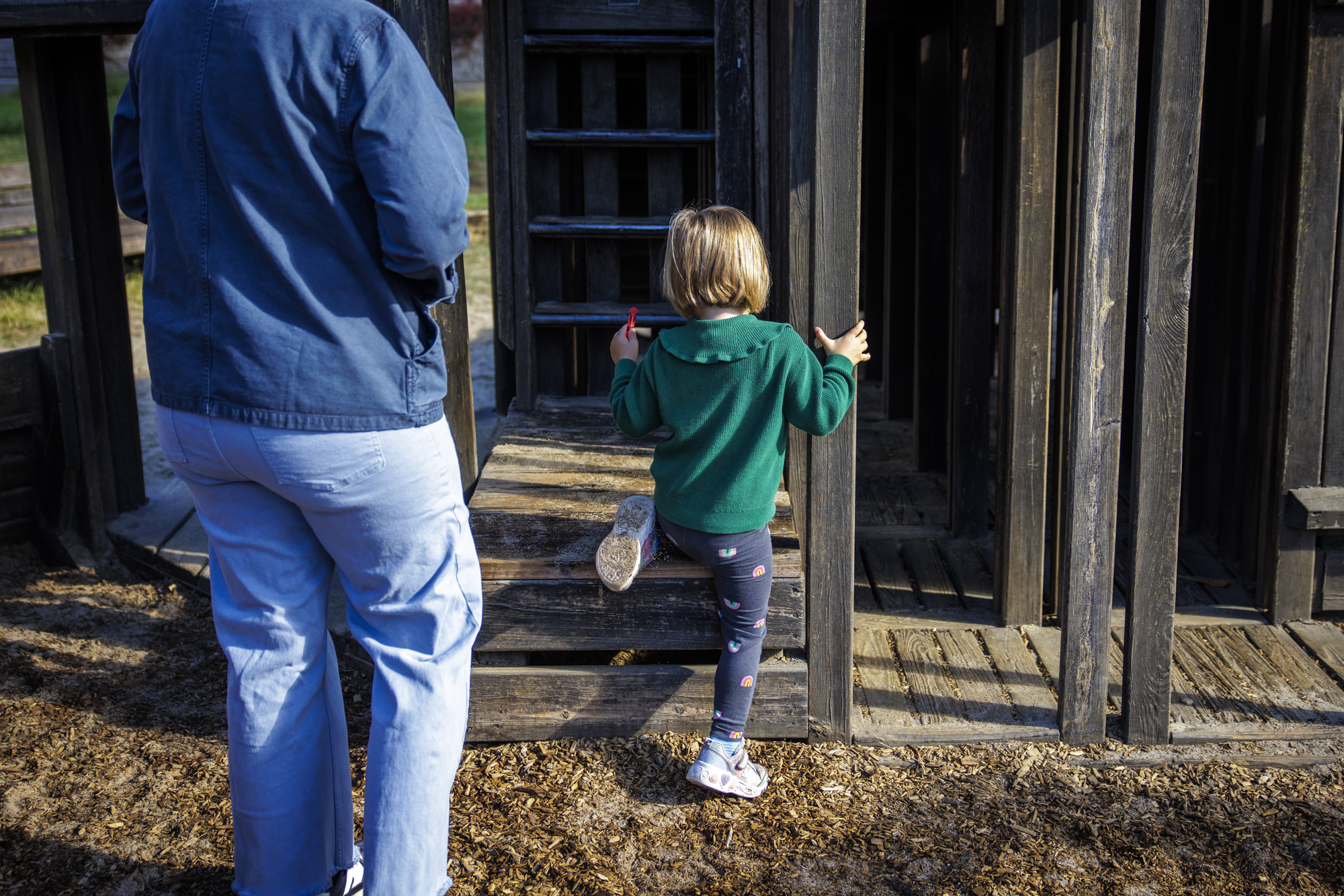
"caption": "Monica Vaughan and her daughter Hazel play in City Park in Benicia, California, on Oct. 27, 2025. The high cost of child care in the Bay Area is pushing families to make tough choices about jobs, homes and whether to have more kids. ",
"credit": "Martin do Nascimento/KQED",
"altTag": null,
"description": null,
"imgSizes": {
"thumbnail": {
"file": "https://cdn.kqed.org/wp-content/uploads/sites/10/2025/10/251027-CHILD-CARE-PRICES-MD-05-1-KQED-160x107.jpg",
"width": 160,
"height": 107,
"mimeType": "image/jpeg"
},
"1536x1536": {
"file": "https://cdn.kqed.org/wp-content/uploads/sites/10/2025/10/251027-CHILD-CARE-PRICES-MD-05-1-KQED-1536x1025.jpg",
"width": 1536,
"height": 1025,
"mimeType": "image/jpeg"
},
"post-thumbnail": {
"file": "https://cdn.kqed.org/wp-content/uploads/sites/10/2025/10/251027-CHILD-CARE-PRICES-MD-05-1-KQED-672x372.jpg",
"width": 672,
"height": 372,
"mimeType": "image/jpeg"
},
"twentyfourteen-full-width": {
"file": "https://cdn.kqed.org/wp-content/uploads/sites/10/2025/10/251027-CHILD-CARE-PRICES-MD-05-1-KQED-1038x576.jpg",
"width": 1038,
"height": 576,
"mimeType": "image/jpeg"
},
"npr-cds-wide": {
"file": "https://cdn.kqed.org/wp-content/uploads/sites/10/2025/10/251027-CHILD-CARE-PRICES-MD-05-1-KQED-1600x900.jpg",
"width": 1600,
"height": 900,
"mimeType": "image/jpeg"
},
"kqedFullSize": {
"file": "https://cdn.kqed.org/wp-content/uploads/sites/10/2025/10/251027-CHILD-CARE-PRICES-MD-05-1-KQED.jpg",
"width": 2000,
"height": 1334
}
},
"isLoading": false,
"fetchFailed": false
},
"news_12059190": {
"type": "attachments",
"id": "news_12059190",
"meta": {
"index": "attachments_1716263798",
"site": "news",
"id": "12059190",
"found": true
},
"title": "251008-CHILDCARE DISCRIMINATION-MD-07-KQED",
"publishDate": 1759963517,
"status": "inherit",
"parent": 0,
"modified": 1759966032,
"caption": "Mariam Younathan holds one of the children attending the daycare at her home in Manteca on Oct. 8, 2025.",
"credit": "Martin do Nascimento/KQED",
"altTag": null,
"description": null,
"imgSizes": {
"thumbnail": {
"file": "https://cdn.kqed.org/wp-content/uploads/sites/10/2025/10/251008-CHILDCARE-DISCRIMINATION-MD-07-KQED-160x107.jpg",
"width": 160,
"height": 107,
"mimeType": "image/jpeg"
},
"1536x1536": {
"file": "https://cdn.kqed.org/wp-content/uploads/sites/10/2025/10/251008-CHILDCARE-DISCRIMINATION-MD-07-KQED-1536x1025.jpg",
"width": 1536,
"height": 1025,
"mimeType": "image/jpeg"
},
"post-thumbnail": {
"file": "https://cdn.kqed.org/wp-content/uploads/sites/10/2025/10/251008-CHILDCARE-DISCRIMINATION-MD-07-KQED-672x372.jpg",
"width": 672,
"height": 372,
"mimeType": "image/jpeg"
},
"twentyfourteen-full-width": {
"file": "https://cdn.kqed.org/wp-content/uploads/sites/10/2025/10/251008-CHILDCARE-DISCRIMINATION-MD-07-KQED-1038x576.jpg",
"width": 1038,
"height": 576,
"mimeType": "image/jpeg"
},
"kqedFullSize": {
"file": "https://cdn.kqed.org/wp-content/uploads/sites/10/2025/10/251008-CHILDCARE-DISCRIMINATION-MD-07-KQED.jpg",
"width": 2000,
"height": 1334
}
},
"isLoading": false,
"fetchFailed": false
},
"news_11988070": {
"type": "attachments",
"id": "news_11988070",
"meta": {
"index": "attachments_1716263798",
"site": "news",
"id": "11988070",
"found": true
},
"title": "240517-TKBilingualLearners-135-BL_qut",
"publishDate": 1717007281,
"status": "inherit",
"parent": 11989955,
"modified": 1759778976,
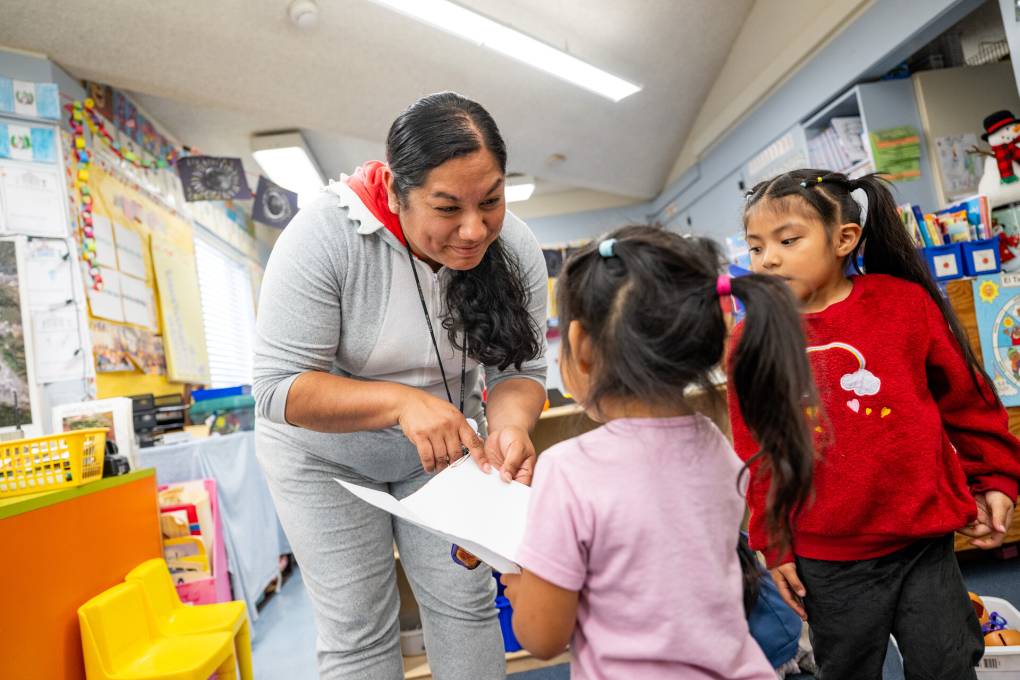
"caption": "Teacher Erika Vargas checks in on students during playtime during a bilingual transitional kindergarten class at Global Family Elementary School in Oakland on May 17, 2024.",
"credit": "Beth LaBerge/KQED",
"altTag": "A woman teacher leans over and smiles at two young students in a classroom.",
"description": null,
"imgSizes": {
"medium": {
"file": "https://cdn.kqed.org/wp-content/uploads/sites/10/2024/05/240517-TKBilingualLearners-135-BL_qut-800x533.jpg",
"width": 800,
"height": 533,
"mimeType": "image/jpeg"
},
"large": {
"file": "https://cdn.kqed.org/wp-content/uploads/sites/10/2024/05/240517-TKBilingualLearners-135-BL_qut-1020x680.jpg",
"width": 1020,
"height": 680,
"mimeType": "image/jpeg"
},
"thumbnail": {
"file": "https://cdn.kqed.org/wp-content/uploads/sites/10/2024/05/240517-TKBilingualLearners-135-BL_qut-160x107.jpg",
"width": 160,
"height": 107,
"mimeType": "image/jpeg"
},
"1536x1536": {
"file": "https://cdn.kqed.org/wp-content/uploads/sites/10/2024/05/240517-TKBilingualLearners-135-BL_qut-1536x1024.jpg",
"width": 1536,
"height": 1024,
"mimeType": "image/jpeg"
},
"post-thumbnail": {
"file": "https://cdn.kqed.org/wp-content/uploads/sites/10/2024/05/240517-TKBilingualLearners-135-BL_qut-672x372.jpg",
"width": 672,
"height": 372,
"mimeType": "image/jpeg"
},
"twentyfourteen-full-width": {
"file": "https://cdn.kqed.org/wp-content/uploads/sites/10/2024/05/240517-TKBilingualLearners-135-BL_qut-1038x576.jpg",
"width": 1038,
"height": 576,
"mimeType": "image/jpeg"
},
"kqedFullSize": {
"file": "https://cdn.kqed.org/wp-content/uploads/sites/10/2024/05/240517-TKBilingualLearners-135-BL_qut.jpg",
"width": 1920,
"height": 1280
}
},
"isLoading": false,
"fetchFailed": false
},
"news_12057132": {
"type": "attachments",
"id": "news_12057132",
"meta": {
"index": "attachments_1716263798",
"site": "news",
"id": "12057132",
"found": true
},
"title": "231002-ChildCareLaborMovement-022-BL_qed",
"publishDate": 1758573044,
"status": "inherit",
"parent": 12057125,
"modified": 1758573057,
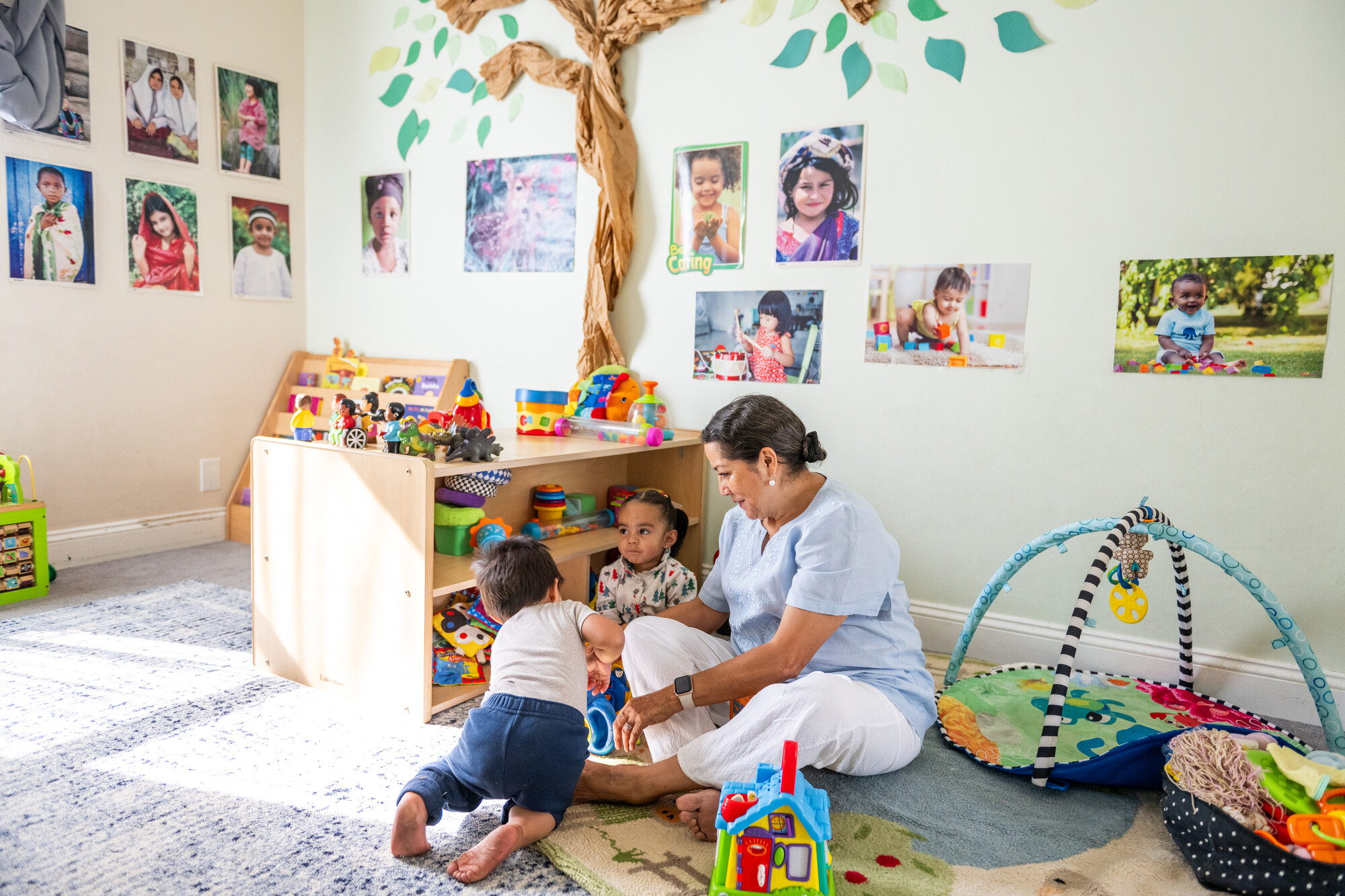
"caption": "Patricia Moran plays with two children at her child care facility in San Jose on Oct. 2, 2023.",
"credit": "Beth LaBerge/KQED",
"altTag": null,
"description": null,
"imgSizes": {
"thumbnail": {
"file": "https://cdn.kqed.org/wp-content/uploads/sites/10/2025/09/231002-ChildCareLaborMovement-022-BL_qed-160x107.jpg",
"width": 160,
"height": 107,
"mimeType": "image/jpeg"
},
"1536x1536": {
"file": "https://cdn.kqed.org/wp-content/uploads/sites/10/2025/09/231002-ChildCareLaborMovement-022-BL_qed-1536x1024.jpg",
"width": 1536,
"height": 1024,
"mimeType": "image/jpeg"
},
"post-thumbnail": {
"file": "https://cdn.kqed.org/wp-content/uploads/sites/10/2025/09/231002-ChildCareLaborMovement-022-BL_qed-672x372.jpg",
"width": 672,
"height": 372,
"mimeType": "image/jpeg"
},
"twentyfourteen-full-width": {
"file": "https://cdn.kqed.org/wp-content/uploads/sites/10/2025/09/231002-ChildCareLaborMovement-022-BL_qed-1038x576.jpg",
"width": 1038,
"height": 576,
"mimeType": "image/jpeg"
},
"kqedFullSize": {
"file": "https://cdn.kqed.org/wp-content/uploads/sites/10/2025/09/231002-ChildCareLaborMovement-022-BL_qed.jpg",
"width": 2000,
"height": 1333
}
},
"isLoading": false,
"fetchFailed": false
},
"news_12055947": {
"type": "attachments",
"id": "news_12055947",
"meta": {
"index": "attachments_1716263798",
"site": "news",
"id": "12055947",
"found": true
},
"title": "250911-ALAMEDASCHILDCARETAX-06-BL-KQED",
"publishDate": 1757952800,
"status": "inherit",
"parent": 0,
"modified": 1757952834,
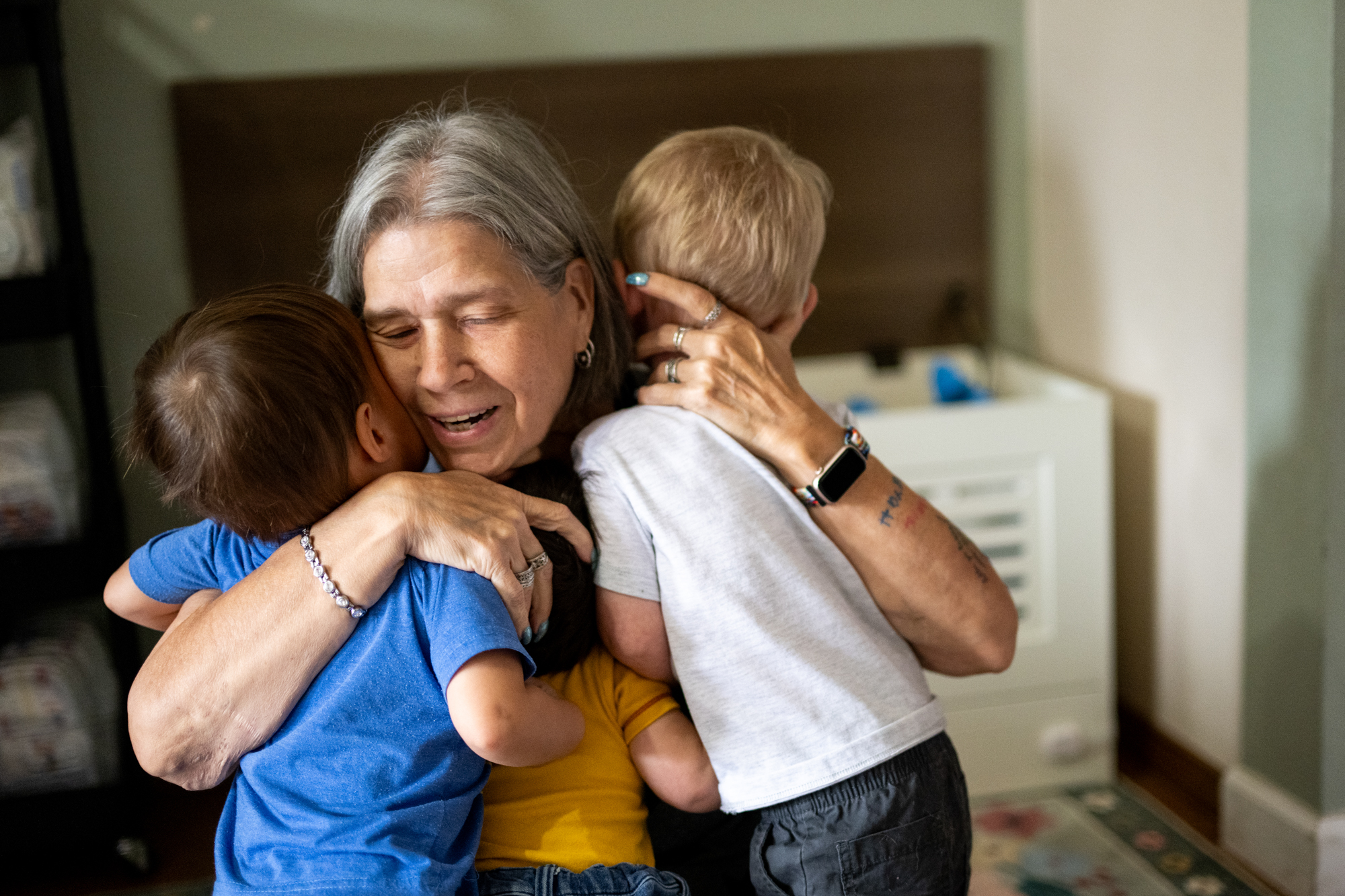
"caption": "Lisa Zarodney hugs children at the daycare center she runs out of her home in Livermore on Sept. 11, 2025.",
"credit": "Beth LaBerge/KQED",
"altTag": null,
"description": null,
"imgSizes": {
"thumbnail": {
"file": "https://cdn.kqed.org/wp-content/uploads/sites/10/2025/09/250911-ALAMEDASCHILDCARETAX-06-BL-KQED-160x107.jpg",
"width": 160,
"height": 107,
"mimeType": "image/jpeg"
},
"1536x1536": {
"file": "https://cdn.kqed.org/wp-content/uploads/sites/10/2025/09/250911-ALAMEDASCHILDCARETAX-06-BL-KQED-1536x1024.jpg",
"width": 1536,
"height": 1024,
"mimeType": "image/jpeg"
},
"post-thumbnail": {
"file": "https://cdn.kqed.org/wp-content/uploads/sites/10/2025/09/250911-ALAMEDASCHILDCARETAX-06-BL-KQED-672x372.jpg",
"width": 672,
"height": 372,
"mimeType": "image/jpeg"
},
"twentyfourteen-full-width": {
"file": "https://cdn.kqed.org/wp-content/uploads/sites/10/2025/09/250911-ALAMEDASCHILDCARETAX-06-BL-KQED-1038x576.jpg",
"width": 1038,
"height": 576,
"mimeType": "image/jpeg"
},
"kqedFullSize": {
"file": "https://cdn.kqed.org/wp-content/uploads/sites/10/2025/09/250911-ALAMEDASCHILDCARETAX-06-BL-KQED.jpg",
"width": 2000,
"height": 1333
}
},
"isLoading": false,
"fetchFailed": false
},
"news_12055839": {
"type": "attachments",
"id": "news_12055839",
"meta": {
"index": "attachments_1716263798",
"site": "news",
"id": "12055839",
"found": true
},
"title": "250912-FREE BOOKS FROM DOLLY PARTON-MD-08-KQED-1",
"publishDate": 1757717558,
"status": "inherit",
"parent": 0,
"modified": 1757717569,
"caption": "Mayor Daniel Lurie reads a children's book to a group of children at the Main Library in San Francisco at an event celebrating a new partnership between city officials and Dolly Parton’s Imagination Library on Sept. 12, 2025.",
"credit": "Martin do Nascimento/KQED",
"altTag": null,
"description": null,
"imgSizes": {
"thumbnail": {
"file": "https://cdn.kqed.org/wp-content/uploads/sites/10/2025/09/250912-FREE-BOOKS-FROM-DOLLY-PARTON-MD-08-KQED-1-160x107.jpg",
"width": 160,
"height": 107,
"mimeType": "image/jpeg"
},
"1536x1536": {
"file": "https://cdn.kqed.org/wp-content/uploads/sites/10/2025/09/250912-FREE-BOOKS-FROM-DOLLY-PARTON-MD-08-KQED-1-1536x1025.jpg",
"width": 1536,
"height": 1025,
"mimeType": "image/jpeg"
},
"post-thumbnail": {
"file": "https://cdn.kqed.org/wp-content/uploads/sites/10/2025/09/250912-FREE-BOOKS-FROM-DOLLY-PARTON-MD-08-KQED-1-672x372.jpg",
"width": 672,
"height": 372,
"mimeType": "image/jpeg"
},
"twentyfourteen-full-width": {
"file": "https://cdn.kqed.org/wp-content/uploads/sites/10/2025/09/250912-FREE-BOOKS-FROM-DOLLY-PARTON-MD-08-KQED-1-1038x576.jpg",
"width": 1038,
"height": 576,
"mimeType": "image/jpeg"
},
"kqedFullSize": {
"file": "https://cdn.kqed.org/wp-content/uploads/sites/10/2025/09/250912-FREE-BOOKS-FROM-DOLLY-PARTON-MD-08-KQED-1.jpg",
"width": 2000,
"height": 1334
}
},
"isLoading": false,
"fetchFailed": false
},
"news_12054023": {
"type": "attachments",
"id": "news_12054023",
"meta": {
"index": "attachments_1716263798",
"site": "news",
"id": "12054023",
"found": true
},
"title": "250827-CLIMATERESILIENTCHILDCARECENTER-04-BL-KQED",
"publishDate": 1756338810,
"status": "inherit",
"parent": 0,
"modified": 1756338960,
"caption": "Laly Cervantes, master head teacher for infant programs at the North Bay Children’s Center, works with young children at the Novato location on Aug. 27, 2025.",
"credit": "Beth LaBerge/KQED",
"altTag": null,
"description": null,
"imgSizes": {
"thumbnail": {
"file": "https://cdn.kqed.org/wp-content/uploads/sites/10/2025/08/250827-CLIMATERESILIENTCHILDCARECENTER-04-BL-KQED-160x107.jpg",
"width": 160,
"height": 107,
"mimeType": "image/jpeg"
},
"1536x1536": {
"file": "https://cdn.kqed.org/wp-content/uploads/sites/10/2025/08/250827-CLIMATERESILIENTCHILDCARECENTER-04-BL-KQED-1536x1024.jpg",
"width": 1536,
"height": 1024,
"mimeType": "image/jpeg"
},
"post-thumbnail": {
"file": "https://cdn.kqed.org/wp-content/uploads/sites/10/2025/08/250827-CLIMATERESILIENTCHILDCARECENTER-04-BL-KQED-672x372.jpg",
"width": 672,
"height": 372,
"mimeType": "image/jpeg"
},
"twentyfourteen-full-width": {
"file": "https://cdn.kqed.org/wp-content/uploads/sites/10/2025/08/250827-CLIMATERESILIENTCHILDCARECENTER-04-BL-KQED-1038x576.jpg",
"width": 1038,
"height": 576,
"mimeType": "image/jpeg"
},
"kqedFullSize": {
"file": "https://cdn.kqed.org/wp-content/uploads/sites/10/2025/08/250827-CLIMATERESILIENTCHILDCARECENTER-04-BL-KQED.jpg",
"width": 2000,
"height": 1333
}
},
"isLoading": false,
"fetchFailed": false
},
"news_12053524": {
"type": "attachments",
"id": "news_12053524",
"meta": {
"index": "attachments_1716263798",
"site": "news",
"id": "12053524",
"found": true
},
"title": "250822-ECONOMICINSTABILITYIMPACTONKIDS-08-BL-KQED",
"publishDate": 1756139130,
"status": "inherit",
"parent": 0,
"modified": 1756139202,
"caption": "Harnesha Burks walks with her son Zyon, 2, near their home in Antioch on Aug. 22, 2025.",
"credit": "Beth LaBerge/KQED",
"altTag": null,
"description": null,
"imgSizes": {
"thumbnail": {
"file": "https://cdn.kqed.org/wp-content/uploads/sites/10/2025/08/250822-ECONOMICINSTABILITYIMPACTONKIDS-08-BL-KQED-160x107.jpg",
"width": 160,
"height": 107,
"mimeType": "image/jpeg"
},
"1536x1536": {
"file": "https://cdn.kqed.org/wp-content/uploads/sites/10/2025/08/250822-ECONOMICINSTABILITYIMPACTONKIDS-08-BL-KQED-1536x1024.jpg",
"width": 1536,
"height": 1024,
"mimeType": "image/jpeg"
},
"post-thumbnail": {
"file": "https://cdn.kqed.org/wp-content/uploads/sites/10/2025/08/250822-ECONOMICINSTABILITYIMPACTONKIDS-08-BL-KQED-672x372.jpg",
"width": 672,
"height": 372,
"mimeType": "image/jpeg"
},
"twentyfourteen-full-width": {
"file": "https://cdn.kqed.org/wp-content/uploads/sites/10/2025/08/250822-ECONOMICINSTABILITYIMPACTONKIDS-08-BL-KQED-1038x576.jpg",
"width": 1038,
"height": 576,
"mimeType": "image/jpeg"
},
"kqedFullSize": {
"file": "https://cdn.kqed.org/wp-content/uploads/sites/10/2025/08/250822-ECONOMICINSTABILITYIMPACTONKIDS-08-BL-KQED.jpg",
"width": 2000,
"height": 1333
}
},
"isLoading": false,
"fetchFailed": false
},
"news_12053560": {
"type": "attachments",
"id": "news_12053560",
"meta": {
"index": "attachments_1716263798",
"site": "news",
"id": "12053560",
"found": true
},
"title": "250825-SFUSDMISSIONEDCENTER-06-BL-KQED",
"publishDate": 1756145313,
"status": "inherit",
"parent": 12082156,
"modified": 1777678565,
"caption": "The Mission Education Center, a bilingual elementary school in the San Francisco Unified School District, in San Francisco’s Noe Valley neighborhood, on Aug. 25, 2025.",
"credit": "Beth LaBerge/KQED",
"altTag": null,
"description": null,
"imgSizes": {
"thumbnail": {
"file": "https://cdn.kqed.org/wp-content/uploads/sites/10/2025/08/250825-SFUSDMISSIONEDCENTER-06-BL-KQED-160x107.jpg",
"width": 160,
"height": 107,
"mimeType": "image/jpeg"
},
"1536x1536": {
"file": "https://cdn.kqed.org/wp-content/uploads/sites/10/2025/08/250825-SFUSDMISSIONEDCENTER-06-BL-KQED-1536x1024.jpg",
"width": 1536,
"height": 1024,
"mimeType": "image/jpeg"
},
"post-thumbnail": {
"file": "https://cdn.kqed.org/wp-content/uploads/sites/10/2025/08/250825-SFUSDMISSIONEDCENTER-06-BL-KQED-672x372.jpg",
"width": 672,
"height": 372,
"mimeType": "image/jpeg"
},
"twentyfourteen-full-width": {
"file": "https://cdn.kqed.org/wp-content/uploads/sites/10/2025/08/250825-SFUSDMISSIONEDCENTER-06-BL-KQED-1038x576.jpg",
"width": 1038,
"height": 576,
"mimeType": "image/jpeg"
},
"kqedFullSize": {
"file": "https://cdn.kqed.org/wp-content/uploads/sites/10/2025/08/250825-SFUSDMISSIONEDCENTER-06-BL-KQED.jpg",
"width": 2000,
"height": 1333
}
},
"isLoading": false,
"fetchFailed": false
},
"news_12052484": {
"type": "attachments",
"id": "news_12052484",
"meta": {
"index": "attachments_1716263798",
"site": "news",
"id": "12052484",
"found": true
},
"title": "240520-TKParentsDilemma-32-BL_qed",
"publishDate": 1755299415,
"status": "inherit",
"parent": 0,
"modified": 1755299436,
"caption": "Galilea (right), 5, reads alongside classmates in a transitional kindergarten class at Holbrook Language Academy in Concord on May 20, 2024.",
"credit": "Beth LaBerge/KQED",
"altTag": null,
"description": null,
"imgSizes": {
"thumbnail": {
"file": "https://cdn.kqed.org/wp-content/uploads/sites/10/2025/08/240520-TKParentsDilemma-32-BL_qed-160x107.jpg",
"width": 160,
"height": 107,
"mimeType": "image/jpeg"
},
"1536x1536": {
"file": "https://cdn.kqed.org/wp-content/uploads/sites/10/2025/08/240520-TKParentsDilemma-32-BL_qed-1536x1024.jpg",
"width": 1536,
"height": 1024,
"mimeType": "image/jpeg"
},
"post-thumbnail": {
"file": "https://cdn.kqed.org/wp-content/uploads/sites/10/2025/08/240520-TKParentsDilemma-32-BL_qed-672x372.jpg",
"width": 672,
"height": 372,
"mimeType": "image/jpeg"
},
"twentyfourteen-full-width": {
"file": "https://cdn.kqed.org/wp-content/uploads/sites/10/2025/08/240520-TKParentsDilemma-32-BL_qed-1038x576.jpg",
"width": 1038,
"height": 576,
"mimeType": "image/jpeg"
},
"kqedFullSize": {
"file": "https://cdn.kqed.org/wp-content/uploads/sites/10/2025/08/240520-TKParentsDilemma-32-BL_qed.jpg",
"width": 2000,
"height": 1333
}
},
"isLoading": false,
"fetchFailed": false
},
"news_11988704": {
"type": "attachments",
"id": "news_11988704",
"meta": {
"index": "attachments_1716263798",
"site": "news",
"id": "11988704",
"found": true
},
"title": "240520-TKPARENTSDILEMMA-07-BL-KQED",
"publishDate": 1717439637,
"status": "inherit",
"parent": 11989789,
"modified": 1718138364,
"caption": "Students listen to teacher Gina Viggiano in a transitional kindergarten class at Holbrook Language Academy in Concord on May 20, 2024.",
"credit": "Beth LaBerge/KQED",
"altTag": null,
"description": null,
"imgSizes": {
"medium": {
"file": "https://cdn.kqed.org/wp-content/uploads/sites/10/2024/06/240520-TKPARENTSDILEMMA-07-BL-KQED-800x533.jpg",
"width": 800,
"height": 533,
"mimeType": "image/jpeg"
},
"large": {
"file": "https://cdn.kqed.org/wp-content/uploads/sites/10/2024/06/240520-TKPARENTSDILEMMA-07-BL-KQED-1020x680.jpg",
"width": 1020,
"height": 680,
"mimeType": "image/jpeg"
},
"thumbnail": {
"file": "https://cdn.kqed.org/wp-content/uploads/sites/10/2024/06/240520-TKPARENTSDILEMMA-07-BL-KQED-160x107.jpg",
"width": 160,
"height": 107,
"mimeType": "image/jpeg"
},
"1536x1536": {
"file": "https://cdn.kqed.org/wp-content/uploads/sites/10/2024/06/240520-TKPARENTSDILEMMA-07-BL-KQED-1536x1024.jpg",
"width": 1536,
"height": 1024,
"mimeType": "image/jpeg"
},
"post-thumbnail": {
"file": "https://cdn.kqed.org/wp-content/uploads/sites/10/2024/06/240520-TKPARENTSDILEMMA-07-BL-KQED-672x372.jpg",
"width": 672,
"height": 372,
"mimeType": "image/jpeg"
},
"twentyfourteen-full-width": {
"file": "https://cdn.kqed.org/wp-content/uploads/sites/10/2024/06/240520-TKPARENTSDILEMMA-07-BL-KQED-1038x576.jpg",
"width": 1038,
"height": 576,
"mimeType": "image/jpeg"
},
"full-width": {
"file": "https://cdn.kqed.org/wp-content/uploads/sites/10/2024/06/240520-TKPARENTSDILEMMA-07-BL-KQED-1920x1280.jpg",
"width": 1920,
"height": 1280,
"mimeType": "image/jpeg"
},
"kqedFullSize": {
"file": "https://cdn.kqed.org/wp-content/uploads/sites/10/2024/06/240520-TKPARENTSDILEMMA-07-BL-KQED.jpg",
"width": 2000,
"height": 1333
}
},
"isLoading": false,
"fetchFailed": false
},
"news_12039812": {
"type": "attachments",
"id": "news_12039812",
"meta": {
"index": "attachments_1716263798",
"site": "news",
"id": "12039812",
"found": true
},
"title": "250512-DAY WITHOUT CHILDCARE-MD-03-KQED",
"publishDate": 1747085850,
"status": "inherit",
"parent": 0,
"modified": 1747140567,
"caption": "Diane Nguyen (left) and Yadira Orozco (center) hold their children at the Day Without Child Care rally in front of the Federal Building in San José on May 12, 2025.",
"credit": "Martin do Nascimento/KQED",
"altTag": null,
"description": null,
"imgSizes": {
"medium": {
"file": "https://cdn.kqed.org/wp-content/uploads/sites/10/2025/05/250512-DAY-WITHOUT-CHILDCARE-MD-03-KQED-800x534.jpg",
"width": 800,
"height": 534,
"mimeType": "image/jpeg"
},
"large": {
"file": "https://cdn.kqed.org/wp-content/uploads/sites/10/2025/05/250512-DAY-WITHOUT-CHILDCARE-MD-03-KQED-1020x680.jpg",
"width": 1020,
"height": 680,
"mimeType": "image/jpeg"
},
"thumbnail": {
"file": "https://cdn.kqed.org/wp-content/uploads/sites/10/2025/05/250512-DAY-WITHOUT-CHILDCARE-MD-03-KQED-160x107.jpg",
"width": 160,
"height": 107,
"mimeType": "image/jpeg"
},
"1536x1536": {
"file": "https://cdn.kqed.org/wp-content/uploads/sites/10/2025/05/250512-DAY-WITHOUT-CHILDCARE-MD-03-KQED-1536x1025.jpg",
"width": 1536,
"height": 1025,
"mimeType": "image/jpeg"
},
"post-thumbnail": {
"file": "https://cdn.kqed.org/wp-content/uploads/sites/10/2025/05/250512-DAY-WITHOUT-CHILDCARE-MD-03-KQED-672x372.jpg",
"width": 672,
"height": 372,
"mimeType": "image/jpeg"
},
"twentyfourteen-full-width": {
"file": "https://cdn.kqed.org/wp-content/uploads/sites/10/2025/05/250512-DAY-WITHOUT-CHILDCARE-MD-03-KQED-1038x576.jpg",
"width": 1038,
"height": 576,
"mimeType": "image/jpeg"
},
"full-width": {
"file": "https://cdn.kqed.org/wp-content/uploads/sites/10/2025/05/250512-DAY-WITHOUT-CHILDCARE-MD-03-KQED-1920x1281.jpg",
"width": 1920,
"height": 1281,
"mimeType": "image/jpeg"
},
"kqedFullSize": {
"file": "https://cdn.kqed.org/wp-content/uploads/sites/10/2025/05/250512-DAY-WITHOUT-CHILDCARE-MD-03-KQED.jpg",
"width": 2000,
"height": 1334
}
},
"isLoading": false,
"fetchFailed": false
}
},
"audioPlayerReducer": {
"postId": "stream_live",
"isPaused": true,
"isPlaying": false,
"pfsActive": false,
"pledgeModalIsOpen": true,
"playerDrawerIsOpen": false,
"liveAudioPlayStartedAt": 0,
"liveAudioPlayContext": ""
},
"authorsReducer": {
"byline_news_11989955": {
"type": "authors",
"id": "byline_news_11989955",
"meta": {
"override": true
},
"slug": "byline_news_11989955",
"name": "Daisy Nguyen, Blanca Torres and Elly Yu",
"isLoading": false
},
"daisynguyen": {
"type": "authors",
"id": "11829",
"meta": {
"index": "authors_1716337520",
"id": "11829",
"found": true
},
"name": "Daisy Nguyen",
"firstName": "Daisy",
"lastName": "Nguyen",
"slug": "daisynguyen",
"email": "daisynguyen@kqed.org",
"display_author_email": true,
"staff_mastheads": [
"news"
],
"title": "KQED Contributor",
"bio": "I have covered early childhood education and child care for KQED since 2022. I focus on policies aimed at increasing access to early care and education and how they shape individual lives. I've been a journalist for more than two decades, with most of that time devoted to covering breaking news throughout California for The Associated Press. I grew up in San Francisco and studied at UC Davis and Columbia University's Graduate School of Journalism. I live in Oakland with my husband and two kids.",
"avatar": "https://secure.gravatar.com/avatar/2da2127c27f7143b53ebd419800fd55f?s=600&d=blank&r=g",
"twitter": null,
"facebook": null,
"instagram": null,
"linkedin": "https://www.linkedin.com/in/daisynguyen/",
"sites": [
{
"site": "news",
"roles": [
"author"
]
},
{
"site": "liveblog",
"roles": [
"author"
]
}
],
"headData": {
"title": "Daisy Nguyen | KQED",
"description": "KQED Contributor",
"ogImgSrc": "https://secure.gravatar.com/avatar/2da2127c27f7143b53ebd419800fd55f?s=600&d=blank&r=g",
"twImgSrc": "https://secure.gravatar.com/avatar/2da2127c27f7143b53ebd419800fd55f?s=600&d=blank&r=g"
},
"isLoading": false,
"link": "/author/daisynguyen"
},
"kdebenedetti": {
"type": "authors",
"id": "11913",
"meta": {
"index": "authors_1716337520",
"id": "11913",
"found": true
},
"name": "Katie DeBenedetti",
"firstName": "Katie",
"lastName": "DeBenedetti",
"slug": "kdebenedetti",
"email": "kdebenedetti@kqed.org",
"display_author_email": false,
"staff_mastheads": [
"news",
"science"
],
"title": "KQED Contributor",
"bio": "Katie DeBenedetti is a digital reporter covering daily news for the Express Desk. Prior to joining KQED as a culture reporting intern in January 2024, she covered education and city government for the Napa Valley Register.",
"avatar": "https://secure.gravatar.com/avatar/6e31073cb8f7e4214ab03f42771d0f45?s=600&d=blank&r=g",
"twitter": null,
"facebook": null,
"instagram": null,
"linkedin": null,
"sites": [
{
"site": "news",
"roles": [
"author"
]
},
{
"site": "science",
"roles": [
"author"
]
},
{
"site": "liveblog",
"roles": [
"author"
]
}
],
"headData": {
"title": "Katie DeBenedetti | KQED",
"description": "KQED Contributor",
"ogImgSrc": "https://secure.gravatar.com/avatar/6e31073cb8f7e4214ab03f42771d0f45?s=600&d=blank&r=g",
"twImgSrc": "https://secure.gravatar.com/avatar/6e31073cb8f7e4214ab03f42771d0f45?s=600&d=blank&r=g"
},
"isLoading": false,
"link": "/author/kdebenedetti"
}
},
"pagesReducer": {
"news_tag_early-childhood-education-and-care": {
"type": "terms",
"id": "news_32102",
"meta": {
"index": "terms_1716263798",
"site": "news",
"id": "32102",
"score": 10.404648
},
"featImg": null,
"name": "early childhood education and care",
"description": null,
"taxonomy": "tag",
"headData": {
"twImgId": null,
"twTitle": null,
"ogTitle": null,
"ogImgId": null,
"twDescription": null,
"description": null,
"title": "early childhood education and care Archives | KQED News",
"ogDescription": null
},
"ttid": 32119,
"slug": "early-childhood-education-and-care",
"isLoading": false,
"title": "early childhood education and care",
"pageMeta": {
"site": "news",
"WpPageTemplate": "page-topic-editorial",
"currentPage": 3
},
"blocks": [
{
"blockName": "kqed/post-list",
"attrs": {
"layout": "cardArticle2",
"query": "posts/news?tag=early-childhood-education-and-care",
"seeMore": false,
"paginated": true,
"page": 3
}
},
{
"blockName": "kqed/ad"
}
]
}
},
"pfsSessionReducer": {},
"postsReducer": {
"stream_live": {
"type": "live",
"id": "stream_live",
"audioUrl": "https://streams.kqed.org/kqedradio",
"title": "Live Stream",
"excerpt": "Live Stream information currently unavailable.",
"link": "/radio",
"featImg": "",
"label": {
"name": "KQED Live",
"link": "/"
}
},
"stream_kqedNewscast": {
"type": "posts",
"id": "stream_kqedNewscast",
"audioUrl": "https://www.kqed.org/.stream/anon/radio/RDnews/newscast.mp3?_=1",
"title": "KQED Newscast",
"featImg": "",
"label": {
"name": "88.5 FM",
"link": "/"
}
},
"news_12061802": {
"type": "posts",
"id": "news_12061802",
"meta": {
"index": "posts_1716263798",
"site": "news",
"id": "12061802",
"score": null,
"sort": [
1761746404000
]
},
"guestAuthors": [],
"slug": "how-are-child-care-costs-affecting-the-lives-of-bay-area-families-you-told-us",
"title": "How Are Child Care Costs Affecting the Lives of Bay Area Families? You Told Us",
"publishDate": 1761746404,
"format": "standard",
"headTitle": "How Are Child Care Costs Affecting the Lives of Bay Area Families? You Told Us | KQED",
"labelTerm": {
"site": "news"
},
"content": "\u003cp>Parents pay more for child care in the \u003ca href=\"https://www.kqed.org/news/tag/bay-area\">Bay Area\u003c/a> than almost anywhere else in the country, according to the \u003ca href=\"https://www.google.com/url?q=https://www.dol.gov/agencies/wb/topics/childcare/price-by-age-care-setting-2022&sa=D&source=docs&ust=1761685582830978&usg=AOvVaw29yG_HrebGaRIn8KFMNtQG\">National Database on Childcare Prices\u003c/a>.\u003c/p>\n\u003cp>KQED recently published a story about \u003ca href=\"https://www.kqed.org/news/12055336/alameda-county-is-giving-cash-to-child-care-providers-other-bay-area-counties-are-envious\">how some Bay Area counties are addressing the crisis, and how others are looking into solutions\u003c/a>.\u003c/p>\n\u003cp>\u003ca href=\"https://www.kqed.org/news/12057125/tell-us-how-much-do-you-pay-for-child-care-in-the-bay-area\">We also asked you how much you pay for child care\u003c/a> and how it affects your financial and family-planning decisions.\u003c/p>\n\u003cp>The numbers were eye-popping, and the stories you shared were frustrating and painfully honest. Each one emphasized a common struggle to afford child care while keeping up with the cost of living in the Bay Area.\u003c/p>\n\u003cp>\u003cem>Some of these responses have been edited for length.\u003c/em>\u003c/p>\n\u003cp>[ad fullwidth]\u003c/p>\n\u003ch2>How much are Bay Area families paying monthly for child care?\u003c/h2>\n\u003cul>\n\u003cli>$2,200 for full-time toddler care\u003c/li>\n\u003c/ul>\n\u003cp>“The amount we pay in child care keeps us from looking to buy a home because we couldn’t also pay for a mortgage. We relied on family members to help with student loans for a little while.” — \u003cstrong>Colby\u003c/strong>\u003c/p>\n\u003cul>\n\u003cli>$2,400 until baby turned 1 ½, now paying $1,915 for toddler care\u003c/li>\n\u003c/ul>\n\u003cp>Honestly, I feel a little traumatized from trying to find an open day care, the stress of the cost and then the fact that we were sick all the time. It makes me much more hesitant to have a second.” — \u003cstrong>Whitney Hall\u003c/strong>\u003c/p>\n\u003cul>\n\u003cli>$2,500 for full-time infant care\u003c/li>\n\u003c/ul>\n\u003cfigure id=\"attachment_12061774\" class=\"wp-caption aligncenter\" style=\"max-width: 2000px\">\u003cimg loading=\"lazy\" decoding=\"async\" class=\"size-full wp-image-12061774\" src=\"https://cdn.kqed.org/wp-content/uploads/sites/10/2025/10/251027-CHILD-CARE-PRICES-MD-07-1-KQED.jpg\" alt=\"\" width=\"2000\" height=\"1334\" srcset=\"https://cdn.kqed.org/wp-content/uploads/sites/10/2025/10/251027-CHILD-CARE-PRICES-MD-07-1-KQED.jpg 2000w, https://cdn.kqed.org/wp-content/uploads/sites/10/2025/10/251027-CHILD-CARE-PRICES-MD-07-1-KQED-160x107.jpg 160w, https://cdn.kqed.org/wp-content/uploads/sites/10/2025/10/251027-CHILD-CARE-PRICES-MD-07-1-KQED-1536x1025.jpg 1536w\" sizes=\"auto, (max-width: 2000px) 100vw, 2000px\">\u003cfigcaption class=\"wp-caption-text\">Monica Vaughan and her daughter, Hazel, play in City Park in Benicia on Oct. 27, 2025. \u003ccite>(Martin do Nascimento/KQED)\u003c/cite>\u003c/figcaption>\u003c/figure>\n\u003cp>My partner was laid off during his paternity leave, speeding up the timeline we needed to find child care. We found a home day care that recently opened and got the last available spot. It’s perfect for us right now except for the cost, which is more than our mortgage, and this was the second cheapest option! We’re taking it a month at a time and might move to part-time care to save a bit of money. —\u003cstrong> May\u003c/strong>\u003c/p>\n\u003cul>\n\u003cli>$3,800 for in-home care for two kids, ages 4 and 2\u003c/li>\n\u003c/ul>\n\u003cp>“We decided to forego a couple of preferred child care options because their cost exceeded our budget. My husband took a lesser-paying job with a less demanding schedule to accommodate pickup and drop-off times. With two children in private child care, we are looking forward to the relative financial relief of public school.” — \u003cstrong>Jessica Hsu\u003c/strong>\u003c/p>\n\u003cul>\n\u003cli>$2315 for a 3-year-old, $575 in after-school care for a 6-year-old\u003c/li>\n\u003c/ul>\n\u003cfigure id=\"attachment_12061773\" class=\"wp-caption aligncenter\" style=\"max-width: 2000px\">\u003cimg loading=\"lazy\" decoding=\"async\" class=\"size-full wp-image-12061773\" src=\"https://cdn.kqed.org/wp-content/uploads/sites/10/2025/10/251027-CHILD-CARE-PRICES-MD-06-1-KQED.jpg\" alt=\"\" width=\"2000\" height=\"1334\" srcset=\"https://cdn.kqed.org/wp-content/uploads/sites/10/2025/10/251027-CHILD-CARE-PRICES-MD-06-1-KQED.jpg 2000w, https://cdn.kqed.org/wp-content/uploads/sites/10/2025/10/251027-CHILD-CARE-PRICES-MD-06-1-KQED-160x107.jpg 160w, https://cdn.kqed.org/wp-content/uploads/sites/10/2025/10/251027-CHILD-CARE-PRICES-MD-06-1-KQED-1536x1025.jpg 1536w\" sizes=\"auto, (max-width: 2000px) 100vw, 2000px\">\u003cfigcaption class=\"wp-caption-text\">Monica Vaughan and her daughter, Hazel, play in City Park in Benicia on Oct. 27, 2025. \u003ccite>(Martin do Nascimento/KQED)\u003c/cite>\u003c/figcaption>\u003c/figure>\n\u003cp>“Plus $100 to $150 per day for day camps, drop-in care or babysitters for the MANY professional development days and holidays when schools are closed but parents are still working. We make six figures, but we feel broke every month and are living beyond our means [because of spouse’s layoff].” — \u003cstrong>The Munoz Family \u003c/strong>\u003c/p>\n\u003cul>\n\u003cli>$5200 for two kids, ages 10 months and almost 3 years\u003c/li>\n\u003c/ul>\n\u003cp>“Luckily, we both have jobs right now that allow us to afford this, and we had a good amount of savings before becoming parents. But if one of us lost a job, keeping our kids in day care wouldn’t be feasible. Also, a career change to a more interesting but lower-paying career or going back to school isn’t really an option right now, because we have to keep our tech jobs to make day care even worth it.” — \u003cstrong>Yasmine Mortazavi\u003c/strong>\u003c/p>\n\u003ch2>How are parents trying to make it work?\u003c/h2>\n\u003cp>“Not considering buying a house, less vacations, less eating out, deciding to only have one child.” — \u003cstrong>Kala\u003c/strong>, who pays $1800 per month for part-time infant care.\u003c/p>\n\u003cp>“We try to minimize all other expenses, and to do our best to live within our means in order to pay for a day care center we feel comfortable with that best meets our child’s needs. Also, we had to wait until our first almost transitioned to TK \u003ca href=\"https://www.kqed.org/news/11989955/what-to-expect-when-enrolling-your-child-in-transitional-kindergarten\">[a free public school-based pre-kindergarten program\u003c/a>] before having a second baby since we can’t afford the cost of two overlapping at day care.” — \u003cstrong>Jeff Chan\u003c/strong>, who pays $2615 per month for his 3-year-old’s child care.\u003c/p>\n\u003cfigure id=\"attachment_12061770\" class=\"wp-caption aligncenter\" style=\"max-width: 2000px\">\u003cimg loading=\"lazy\" decoding=\"async\" class=\"size-full wp-image-12061770\" src=\"https://cdn.kqed.org/wp-content/uploads/sites/10/2025/10/251027-CHILD-CARE-PRICES-MD-03-1-KQED.jpg\" alt=\"\" width=\"2000\" height=\"1334\" srcset=\"https://cdn.kqed.org/wp-content/uploads/sites/10/2025/10/251027-CHILD-CARE-PRICES-MD-03-1-KQED.jpg 2000w, https://cdn.kqed.org/wp-content/uploads/sites/10/2025/10/251027-CHILD-CARE-PRICES-MD-03-1-KQED-160x107.jpg 160w, https://cdn.kqed.org/wp-content/uploads/sites/10/2025/10/251027-CHILD-CARE-PRICES-MD-03-1-KQED-1536x1025.jpg 1536w\" sizes=\"auto, (max-width: 2000px) 100vw, 2000px\">\u003cfigcaption class=\"wp-caption-text\">Amy Cruz adds raspberries to her son Nolan’s breakfast on Oct. 27, 2025. \u003ccite>(Martin do Nascimento/KQED)\u003c/cite>\u003c/figcaption>\u003c/figure>\n\u003cp>“We have a mix of babysitters who are college students and grandparents to help care for our toddler. We also have flexible work arrangements, but that means we rarely have time together as a family, as when one of us is not working, we’re caring for our baby and vice versa.”— \u003cstrong>Ana\u003c/strong>, who pays about $1656 per month for child care.\u003c/p>\n\u003cp>“My son was in a nanny share for the first two years of his life. I was working a six-figure nursing job, and it still didn’t feel like working was the better option. After taxes and 401K savings, half of my paycheck was going to our nanny. She deserves it and should be paid well for the work she does, but seeing that much money leave our accounts every month was tough.\u003c/p>\n\u003cp>I recently left my job, and my son’s child care costs went down significantly when he started a part-time Pre-K program. I’m covering the cost by teaching dance. When our second kid comes into the picture, I plan to be a nanny, taking care of my baby and someone else’s child, while my older is in Pre-K. This choice is both personal and financial for me. It’s more worth it to make a little less money but be able to be with my kids more. I know not everyone has this option.” — \u003cstrong>Amy Cruz\u003c/strong>, who pays $1,600 per month for three days of Pre-K for her 2 1/2 -year-old son\u003c/p>\n\u003cfigure id=\"attachment_12061829\" class=\"wp-caption aligncenter\" style=\"max-width: 1500px\">\u003cimg loading=\"lazy\" decoding=\"async\" class=\"size-full wp-image-12061829\" src=\"https://cdn.kqed.org/wp-content/uploads/sites/10/2025/10/251028-CHILD-CARE-PRICES-04-KQED.jpg\" alt=\"\" width=\"1500\" height=\"2000\" srcset=\"https://cdn.kqed.org/wp-content/uploads/sites/10/2025/10/251028-CHILD-CARE-PRICES-04-KQED.jpg 1500w, https://cdn.kqed.org/wp-content/uploads/sites/10/2025/10/251028-CHILD-CARE-PRICES-04-KQED-160x213.jpg 160w, https://cdn.kqed.org/wp-content/uploads/sites/10/2025/10/251028-CHILD-CARE-PRICES-04-KQED-1152x1536.jpg 1152w\" sizes=\"auto, (max-width: 1500px) 100vw, 1500px\">\u003cfigcaption class=\"wp-caption-text\">Meaghan Johnson with her children in San José Del Cabo, Mexico, during their 15-month road trip in 2023 and 2024. \u003ccite>(Courtesy of Cody McClintock)\u003c/cite>\u003c/figcaption>\u003c/figure>\n\u003cp>“We decided it was cheaper and better to rent out our house in the spring of 2023 and travel on a bus through the Western U.S., Canada and Mexico with our two small children before they became school age.\u003c/p>\n\u003cp>Nothing about the 15-month trip was easy, but it was so worth it to be on a huge adventure as a family, and not be spending our full-time salaries on day care. We unplugged for a while, and it was awesome. We found a neat private school in Baja, so we went back and rented a small house in San José del Cabo for $1500 for 5 months. The school was half-Spanish, half-English and outdoors. It costs $900 per month for both kids to attend. I believe day care in Santa Cruz costs us $3200 per month. Now we’re back, kids are in public school, we’re working again and feel fulfilled by our time together.” — \u003cstrong>Meaghan Johnson\u003c/strong>\u003c/p>\n\u003ch2>What advice do people have for first-time parents?\u003c/h2>\n\u003cp>“Maximize your parental leave if you have it by taking it at different times. For example, I took my full leave immediately. My spouse took three weeks after the birth and then will finish his leave when I return to work. So our baby will be almost 10 months old before needing care. Since infant care is more expensive, this saves a lot of money.” — \u003cstrong>Heidi\u003c/strong>\u003c/p>\n\u003cp>“Nanny-share as long as you can and take advantage of family groups. Also, some childcare programs offer discounts if you can teach a skill. One of us always taught music classes for a discounted rate and that requires a flexible work arrangement. Many people we know wake up early (like 3 to 4 a.m.) to work from home while the kids are sleeping or have part-time child care from like 9 a.m. to 1 p.m., then provide child care until they fall asleep. Crazy! But it works for them and they feel like it’s worth it to be present for their children instead of hiring a nanny or paying for full-time child care.” — \u003cstrong>Heather Quinones\u003c/strong>[aside postID=news_12058949 hero='https://cdn.kqed.org/wp-content/uploads/sites/10/2025/10/251008-CHILDCARE-DISCRIMINATION-MD-07-KQED.jpg']“My advice would be to tap into local Facebook mom groups. In Alameda, where I live, there is an infamous document created a few years ago with nearly every single day care option listed on a Google Sheet. It included crowdsourced details on costs, meals, schedule, age limits, languages spoken, ratios, etc. That’s how I found my day care arrangement. Also, in-home is usually cheaper than a center.” — \u003cstrong>Shiantel \u003c/strong>\u003c/p>\n\u003cp>“Make sure the day care is transparent and allows parents the choice to walk in and see at any time. We’ve seen instances of continuously understaffed day care. Try and find out if they’re flexible with drop-off and pickup times if work requires flexibility.” — \u003cstrong>Paul \u003c/strong>\u003c/p>\n\u003cp>“My number one advice for stay-at-home parents: Gift yourself child care, even just a few hours a week. It will make you a better parent. It might save your marriage. It will certainly help save your sanity. It’s OK to need a break, to take care of yourself, and to have a few hours where you can have more than two consecutive thoughts without interruption.” — \u003cstrong>Monica Vaughan\u003c/strong>, who works part-time and pays $620 a month for 2 days of child care per week.\u003c/p>\n\u003cp>“Look for community mutual aid. Finding families who are open to swapping child care, pickups from school, etc., was one of the best things we’ve done to support the sustainability of our family.” — \u003cstrong>Lesley Paige \u003c/strong>\u003c/p>\n\u003cp>“Try to get on a day care waitlist the moment you find out you are pregnant — that might help your kid get a spot, but it won’t help with the fact that affordable daycare is not something our society values, and you will have to pay a ton of money to ensure your child is being cared for while you’re at work. Hopefully, we can work to create a world where our children won’t be burdened with day care costs in the same way we are.” — \u003cstrong>Yasmine Mortazavi\u003c/strong>\u003c/p>\n\u003ch2>Tell us: How much do you pay for child care?\u003c/h2>\n\u003cp>https://docs.google.com/forms/d/e/1FAIpQLScXzIe1VspLGIBi0B8oelJqEYifr1IJZxE8U7IVVp4G77wZow/viewform?embedded=true\u003c/p>\n\u003cp>[ad floatright]\u003c/p>\n",
"blocks": [],
"excerpt": "The high cost of childcare in the Bay Area is pushing families to make tough choices about jobs, homes and whether to have more kids. ",
"status": "publish",
"parent": 0,
"modified": 1767830604,
"stats": {
"hasAudio": false,
"hasVideo": false,
"hasChartOrMap": false,
"iframeSrcs": [],
"hasGoogleForm": true,
"hasGallery": false,
"hasHearkenModule": false,
"hasPolis": false,
"paragraphCount": 26,
"wordCount": 1840
},
"headData": {
"title": "How Are Child Care Costs Affecting the Lives of Bay Area Families? You Told Us | KQED",
"description": "The high cost of childcare in the Bay Area is pushing families to make tough choices about jobs, homes and whether to have more kids. ",
"ogTitle": "",
"ogDescription": "",
"ogImgId": "",
"twTitle": "",
"twDescription": "",
"twImgId": "",
"schema": {
"@context": "https://schema.org",
"@type": "NewsArticle",
"headline": "How Are Child Care Costs Affecting the Lives of Bay Area Families? You Told Us",
"datePublished": "2025-10-29T07:00:04-07:00",
"dateModified": "2026-01-07T16:03:24-08:00",
"image": "https://cdn.kqed.org/wp-content/uploads/2020/02/KQED-OG-Image@1x.png",
"isAccessibleForFree": "True",
"publisher": {
"@type": "NewsMediaOrganization",
"@id": "https://www.kqed.org/#organization",
"name": "KQED",
"logo": "https://cdn.kqed.org/wp-content/uploads/2020/02/KQED-OG-Image@1x.png",
"url": "https://www.kqed.org",
"sameAs": [
"https://www.facebook.com/KQED",
"https://twitter.com/KQED",
"https://www.instagram.com/kqed/",
"https://www.tiktok.com/@kqedofficial",
"https://www.linkedin.com/company/kqed",
"https://www.youtube.com/channel/UCeC0IOo7i1P_61zVUWbJ4nw"
]
}
}
},
"primaryCategory": {
"termId": 18540,
"slug": "education",
"name": "Education"
},
"sticky": false,
"nprStoryId": "kqed-12061802",
"templateType": "standard",
"featuredImageType": "standard",
"excludeFromSiteSearch": "Include",
"articleAge": "0",
"path": "/news/12061802/how-are-child-care-costs-affecting-the-lives-of-bay-area-families-you-told-us",
"audioTrackLength": null,
"parsedContent": [
{
"type": "contentString",
"content": "\u003cdiv class=\"post-body\">\u003cp>\u003cp>Parents pay more for child care in the \u003ca href=\"https://www.kqed.org/news/tag/bay-area\">Bay Area\u003c/a> than almost anywhere else in the country, according to the \u003ca href=\"https://www.google.com/url?q=https://www.dol.gov/agencies/wb/topics/childcare/price-by-age-care-setting-2022&sa=D&source=docs&ust=1761685582830978&usg=AOvVaw29yG_HrebGaRIn8KFMNtQG\">National Database on Childcare Prices\u003c/a>.\u003c/p>\n\u003cp>KQED recently published a story about \u003ca href=\"https://www.kqed.org/news/12055336/alameda-county-is-giving-cash-to-child-care-providers-other-bay-area-counties-are-envious\">how some Bay Area counties are addressing the crisis, and how others are looking into solutions\u003c/a>.\u003c/p>\n\u003cp>\u003ca href=\"https://www.kqed.org/news/12057125/tell-us-how-much-do-you-pay-for-child-care-in-the-bay-area\">We also asked you how much you pay for child care\u003c/a> and how it affects your financial and family-planning decisions.\u003c/p>\n\u003cp>The numbers were eye-popping, and the stories you shared were frustrating and painfully honest. Each one emphasized a common struggle to afford child care while keeping up with the cost of living in the Bay Area.\u003c/p>\n\u003cp>\u003cem>Some of these responses have been edited for length.\u003c/em>\u003c/p>\n\u003cp>\u003c/p>\u003c/div>",
"attributes": {
"named": {},
"numeric": []
}
},
{
"type": "component",
"content": "",
"name": "ad",
"attributes": {
"named": {
"label": "fullwidth"
},
"numeric": [
"fullwidth"
]
}
},
{
"type": "contentString",
"content": "\u003cdiv class=\"post-body\">\u003cp>\u003c/p>\n\u003ch2>How much are Bay Area families paying monthly for child care?\u003c/h2>\n\u003cul>\n\u003cli>$2,200 for full-time toddler care\u003c/li>\n\u003c/ul>\n\u003cp>“The amount we pay in child care keeps us from looking to buy a home because we couldn’t also pay for a mortgage. We relied on family members to help with student loans for a little while.” — \u003cstrong>Colby\u003c/strong>\u003c/p>\n\u003cul>\n\u003cli>$2,400 until baby turned 1 ½, now paying $1,915 for toddler care\u003c/li>\n\u003c/ul>\n\u003cp>Honestly, I feel a little traumatized from trying to find an open day care, the stress of the cost and then the fact that we were sick all the time. It makes me much more hesitant to have a second.” — \u003cstrong>Whitney Hall\u003c/strong>\u003c/p>\n\u003cul>\n\u003cli>$2,500 for full-time infant care\u003c/li>\n\u003c/ul>\n\u003cfigure id=\"attachment_12061774\" class=\"wp-caption aligncenter\" style=\"max-width: 2000px\">\u003cimg loading=\"lazy\" decoding=\"async\" class=\"size-full wp-image-12061774\" src=\"https://cdn.kqed.org/wp-content/uploads/sites/10/2025/10/251027-CHILD-CARE-PRICES-MD-07-1-KQED.jpg\" alt=\"\" width=\"2000\" height=\"1334\" srcset=\"https://cdn.kqed.org/wp-content/uploads/sites/10/2025/10/251027-CHILD-CARE-PRICES-MD-07-1-KQED.jpg 2000w, https://cdn.kqed.org/wp-content/uploads/sites/10/2025/10/251027-CHILD-CARE-PRICES-MD-07-1-KQED-160x107.jpg 160w, https://cdn.kqed.org/wp-content/uploads/sites/10/2025/10/251027-CHILD-CARE-PRICES-MD-07-1-KQED-1536x1025.jpg 1536w\" sizes=\"auto, (max-width: 2000px) 100vw, 2000px\">\u003cfigcaption class=\"wp-caption-text\">Monica Vaughan and her daughter, Hazel, play in City Park in Benicia on Oct. 27, 2025. \u003ccite>(Martin do Nascimento/KQED)\u003c/cite>\u003c/figcaption>\u003c/figure>\n\u003cp>My partner was laid off during his paternity leave, speeding up the timeline we needed to find child care. We found a home day care that recently opened and got the last available spot. It’s perfect for us right now except for the cost, which is more than our mortgage, and this was the second cheapest option! We’re taking it a month at a time and might move to part-time care to save a bit of money. —\u003cstrong> May\u003c/strong>\u003c/p>\n\u003cul>\n\u003cli>$3,800 for in-home care for two kids, ages 4 and 2\u003c/li>\n\u003c/ul>\n\u003cp>“We decided to forego a couple of preferred child care options because their cost exceeded our budget. My husband took a lesser-paying job with a less demanding schedule to accommodate pickup and drop-off times. With two children in private child care, we are looking forward to the relative financial relief of public school.” — \u003cstrong>Jessica Hsu\u003c/strong>\u003c/p>\n\u003cul>\n\u003cli>$2315 for a 3-year-old, $575 in after-school care for a 6-year-old\u003c/li>\n\u003c/ul>\n\u003cfigure id=\"attachment_12061773\" class=\"wp-caption aligncenter\" style=\"max-width: 2000px\">\u003cimg loading=\"lazy\" decoding=\"async\" class=\"size-full wp-image-12061773\" src=\"https://cdn.kqed.org/wp-content/uploads/sites/10/2025/10/251027-CHILD-CARE-PRICES-MD-06-1-KQED.jpg\" alt=\"\" width=\"2000\" height=\"1334\" srcset=\"https://cdn.kqed.org/wp-content/uploads/sites/10/2025/10/251027-CHILD-CARE-PRICES-MD-06-1-KQED.jpg 2000w, https://cdn.kqed.org/wp-content/uploads/sites/10/2025/10/251027-CHILD-CARE-PRICES-MD-06-1-KQED-160x107.jpg 160w, https://cdn.kqed.org/wp-content/uploads/sites/10/2025/10/251027-CHILD-CARE-PRICES-MD-06-1-KQED-1536x1025.jpg 1536w\" sizes=\"auto, (max-width: 2000px) 100vw, 2000px\">\u003cfigcaption class=\"wp-caption-text\">Monica Vaughan and her daughter, Hazel, play in City Park in Benicia on Oct. 27, 2025. \u003ccite>(Martin do Nascimento/KQED)\u003c/cite>\u003c/figcaption>\u003c/figure>\n\u003cp>“Plus $100 to $150 per day for day camps, drop-in care or babysitters for the MANY professional development days and holidays when schools are closed but parents are still working. We make six figures, but we feel broke every month and are living beyond our means [because of spouse’s layoff].” — \u003cstrong>The Munoz Family \u003c/strong>\u003c/p>\n\u003cul>\n\u003cli>$5200 for two kids, ages 10 months and almost 3 years\u003c/li>\n\u003c/ul>\n\u003cp>“Luckily, we both have jobs right now that allow us to afford this, and we had a good amount of savings before becoming parents. But if one of us lost a job, keeping our kids in day care wouldn’t be feasible. Also, a career change to a more interesting but lower-paying career or going back to school isn’t really an option right now, because we have to keep our tech jobs to make day care even worth it.” — \u003cstrong>Yasmine Mortazavi\u003c/strong>\u003c/p>\n\u003ch2>How are parents trying to make it work?\u003c/h2>\n\u003cp>“Not considering buying a house, less vacations, less eating out, deciding to only have one child.” — \u003cstrong>Kala\u003c/strong>, who pays $1800 per month for part-time infant care.\u003c/p>\n\u003cp>“We try to minimize all other expenses, and to do our best to live within our means in order to pay for a day care center we feel comfortable with that best meets our child’s needs. Also, we had to wait until our first almost transitioned to TK \u003ca href=\"https://www.kqed.org/news/11989955/what-to-expect-when-enrolling-your-child-in-transitional-kindergarten\">[a free public school-based pre-kindergarten program\u003c/a>] before having a second baby since we can’t afford the cost of two overlapping at day care.” — \u003cstrong>Jeff Chan\u003c/strong>, who pays $2615 per month for his 3-year-old’s child care.\u003c/p>\n\u003cfigure id=\"attachment_12061770\" class=\"wp-caption aligncenter\" style=\"max-width: 2000px\">\u003cimg loading=\"lazy\" decoding=\"async\" class=\"size-full wp-image-12061770\" src=\"https://cdn.kqed.org/wp-content/uploads/sites/10/2025/10/251027-CHILD-CARE-PRICES-MD-03-1-KQED.jpg\" alt=\"\" width=\"2000\" height=\"1334\" srcset=\"https://cdn.kqed.org/wp-content/uploads/sites/10/2025/10/251027-CHILD-CARE-PRICES-MD-03-1-KQED.jpg 2000w, https://cdn.kqed.org/wp-content/uploads/sites/10/2025/10/251027-CHILD-CARE-PRICES-MD-03-1-KQED-160x107.jpg 160w, https://cdn.kqed.org/wp-content/uploads/sites/10/2025/10/251027-CHILD-CARE-PRICES-MD-03-1-KQED-1536x1025.jpg 1536w\" sizes=\"auto, (max-width: 2000px) 100vw, 2000px\">\u003cfigcaption class=\"wp-caption-text\">Amy Cruz adds raspberries to her son Nolan’s breakfast on Oct. 27, 2025. \u003ccite>(Martin do Nascimento/KQED)\u003c/cite>\u003c/figcaption>\u003c/figure>\n\u003cp>“We have a mix of babysitters who are college students and grandparents to help care for our toddler. We also have flexible work arrangements, but that means we rarely have time together as a family, as when one of us is not working, we’re caring for our baby and vice versa.”— \u003cstrong>Ana\u003c/strong>, who pays about $1656 per month for child care.\u003c/p>\n\u003cp>“My son was in a nanny share for the first two years of his life. I was working a six-figure nursing job, and it still didn’t feel like working was the better option. After taxes and 401K savings, half of my paycheck was going to our nanny. She deserves it and should be paid well for the work she does, but seeing that much money leave our accounts every month was tough.\u003c/p>\n\u003cp>I recently left my job, and my son’s child care costs went down significantly when he started a part-time Pre-K program. I’m covering the cost by teaching dance. When our second kid comes into the picture, I plan to be a nanny, taking care of my baby and someone else’s child, while my older is in Pre-K. This choice is both personal and financial for me. It’s more worth it to make a little less money but be able to be with my kids more. I know not everyone has this option.” — \u003cstrong>Amy Cruz\u003c/strong>, who pays $1,600 per month for three days of Pre-K for her 2 1/2 -year-old son\u003c/p>\n\u003cfigure id=\"attachment_12061829\" class=\"wp-caption aligncenter\" style=\"max-width: 1500px\">\u003cimg loading=\"lazy\" decoding=\"async\" class=\"size-full wp-image-12061829\" src=\"https://cdn.kqed.org/wp-content/uploads/sites/10/2025/10/251028-CHILD-CARE-PRICES-04-KQED.jpg\" alt=\"\" width=\"1500\" height=\"2000\" srcset=\"https://cdn.kqed.org/wp-content/uploads/sites/10/2025/10/251028-CHILD-CARE-PRICES-04-KQED.jpg 1500w, https://cdn.kqed.org/wp-content/uploads/sites/10/2025/10/251028-CHILD-CARE-PRICES-04-KQED-160x213.jpg 160w, https://cdn.kqed.org/wp-content/uploads/sites/10/2025/10/251028-CHILD-CARE-PRICES-04-KQED-1152x1536.jpg 1152w\" sizes=\"auto, (max-width: 1500px) 100vw, 1500px\">\u003cfigcaption class=\"wp-caption-text\">Meaghan Johnson with her children in San José Del Cabo, Mexico, during their 15-month road trip in 2023 and 2024. \u003ccite>(Courtesy of Cody McClintock)\u003c/cite>\u003c/figcaption>\u003c/figure>\n\u003cp>“We decided it was cheaper and better to rent out our house in the spring of 2023 and travel on a bus through the Western U.S., Canada and Mexico with our two small children before they became school age.\u003c/p>\n\u003cp>Nothing about the 15-month trip was easy, but it was so worth it to be on a huge adventure as a family, and not be spending our full-time salaries on day care. We unplugged for a while, and it was awesome. We found a neat private school in Baja, so we went back and rented a small house in San José del Cabo for $1500 for 5 months. The school was half-Spanish, half-English and outdoors. It costs $900 per month for both kids to attend. I believe day care in Santa Cruz costs us $3200 per month. Now we’re back, kids are in public school, we’re working again and feel fulfilled by our time together.” — \u003cstrong>Meaghan Johnson\u003c/strong>\u003c/p>\n\u003ch2>What advice do people have for first-time parents?\u003c/h2>\n\u003cp>“Maximize your parental leave if you have it by taking it at different times. For example, I took my full leave immediately. My spouse took three weeks after the birth and then will finish his leave when I return to work. So our baby will be almost 10 months old before needing care. Since infant care is more expensive, this saves a lot of money.” — \u003cstrong>Heidi\u003c/strong>\u003c/p>\n\u003cp>“Nanny-share as long as you can and take advantage of family groups. Also, some childcare programs offer discounts if you can teach a skill. One of us always taught music classes for a discounted rate and that requires a flexible work arrangement. Many people we know wake up early (like 3 to 4 a.m.) to work from home while the kids are sleeping or have part-time child care from like 9 a.m. to 1 p.m., then provide child care until they fall asleep. Crazy! But it works for them and they feel like it’s worth it to be present for their children instead of hiring a nanny or paying for full-time child care.” — \u003cstrong>Heather Quinones\u003c/strong>\u003c/p>\u003c/div>",
"attributes": {
"named": {},
"numeric": []
}
},
{
"type": "component",
"content": "",
"name": "aside",
"attributes": {
"named": {
"postid": "news_12058949",
"hero": "https://cdn.kqed.org/wp-content/uploads/sites/10/2025/10/251008-CHILDCARE-DISCRIMINATION-MD-07-KQED.jpg",
"label": ""
},
"numeric": []
}
},
{
"type": "contentString",
"content": "\u003cdiv class=\"post-body\">\u003cp>“My advice would be to tap into local Facebook mom groups. In Alameda, where I live, there is an infamous document created a few years ago with nearly every single day care option listed on a Google Sheet. It included crowdsourced details on costs, meals, schedule, age limits, languages spoken, ratios, etc. That’s how I found my day care arrangement. Also, in-home is usually cheaper than a center.” — \u003cstrong>Shiantel \u003c/strong>\u003c/p>\n\u003cp>“Make sure the day care is transparent and allows parents the choice to walk in and see at any time. We’ve seen instances of continuously understaffed day care. Try and find out if they’re flexible with drop-off and pickup times if work requires flexibility.” — \u003cstrong>Paul \u003c/strong>\u003c/p>\n\u003cp>“My number one advice for stay-at-home parents: Gift yourself child care, even just a few hours a week. It will make you a better parent. It might save your marriage. It will certainly help save your sanity. It’s OK to need a break, to take care of yourself, and to have a few hours where you can have more than two consecutive thoughts without interruption.” — \u003cstrong>Monica Vaughan\u003c/strong>, who works part-time and pays $620 a month for 2 days of child care per week.\u003c/p>\n\u003cp>“Look for community mutual aid. Finding families who are open to swapping child care, pickups from school, etc., was one of the best things we’ve done to support the sustainability of our family.” — \u003cstrong>Lesley Paige \u003c/strong>\u003c/p>\n\u003cp>“Try to get on a day care waitlist the moment you find out you are pregnant — that might help your kid get a spot, but it won’t help with the fact that affordable daycare is not something our society values, and you will have to pay a ton of money to ensure your child is being cared for while you’re at work. Hopefully, we can work to create a world where our children won’t be burdened with day care costs in the same way we are.” — \u003cstrong>Yasmine Mortazavi\u003c/strong>\u003c/p>\n\u003ch2>Tell us: How much do you pay for child care?\u003c/h2>\u003c/p>\u003cp>\u003cdiv class='utils-parseShortcode-shortcodes-__shortcodes__shortcodeWrapper'>\n \u003ciframe\n src='https://docs.google.com/forms/d/e/1FAIpQLScXzIe1VspLGIBi0B8oelJqEYifr1IJZxE8U7IVVp4G77wZow/viewform?embedded=true?embedded=true'\n title='https://docs.google.com/forms/d/e/1FAIpQLScXzIe1VspLGIBi0B8oelJqEYifr1IJZxE8U7IVVp4G77wZow/viewform?embedded=true'\n width='760' height='500'\n frameborder='0'\n marginheight='0' marginwidth='0'>\u003c/iframe>\u003c/div>\u003c/p>\u003cp>\u003cp>\u003c/p>\u003c/div>",
"attributes": {
"named": {},
"numeric": []
}
},
{
"type": "component",
"content": "",
"name": "ad",
"attributes": {
"named": {
"label": "floatright"
},
"numeric": [
"floatright"
]
}
},
{
"type": "contentString",
"content": "\u003cdiv class=\"post-body\">\u003cp>\u003c/p>\n\u003c/div>\u003c/p>",
"attributes": {
"named": {},
"numeric": []
}
}
],
"link": "/news/12061802/how-are-child-care-costs-affecting-the-lives-of-bay-area-families-you-told-us",
"authors": [
"11829"
],
"categories": [
"news_31795",
"news_18540",
"news_28250",
"news_8"
],
"tags": [
"news_26598",
"news_25647",
"news_32707",
"news_1386",
"news_18538",
"news_20754",
"news_32102",
"news_32928",
"news_29460",
"news_18545",
"news_20013",
"news_27626"
],
"featImg": "news_12061772",
"label": "news"
},
"news_12058949": {
"type": "posts",
"id": "news_12058949",
"meta": {
"index": "posts_1716263798",
"site": "news",
"id": "12058949",
"score": null,
"sort": [
1760115485000
]
},
"guestAuthors": [],
"slug": "california-landlord-accused-of-evicting-child-care-provider-settles-discrimination-complaint",
"title": "California Landlord Accused of Evicting Child Care Provider Settles Discrimination Complaint",
"publishDate": 1760115485,
"format": "standard",
"headTitle": "California Landlord Accused of Evicting Child Care Provider Settles Discrimination Complaint | KQED",
"labelTerm": {
"site": "news"
},
"content": "\u003cp>For eight years, Mariam Younathan ran a child care business out of a four-bedroom house she was renting in the \u003ca href=\"https://www.kqed.org/news/tag/san-joaquin-valley\">San Joaquin Valley\u003c/a> city of Manteca.\u003c/p>\n\u003cp>Younathan said she was a good tenant: she always paid her rent on time and kept the house in tip-top shape to ensure a clean and safe environment for the kids. But when she asked her landlord to fix a couple of appliances two years ago, Younathan said he blamed the wear and tear on the constant presence of children in the house.\u003c/p>\n\u003cp>Then, he gave her an ultimatum.\u003c/p>\n\u003cp>“He stated that I could stay, but not the day care,” Younathan said.\u003c/p>\n\u003cp>[ad fullwidth]\u003c/p>\n\u003cp>When she balked at his demand, Younathan said the landlord retaliated by serving her an eviction notice, which gave her less than three months to move out.\u003c/p>\n\u003cp>She filed a housing discrimination complaint with the California Civil Rights Department, \u003ca href=\"https://calcivilrights.ca.gov/2025/10/02/after-eviction-notice-state-secures-settlement-protecting-rights-of-childcare-providers/\">which announced last week\u003c/a> that the landlord agreed to a settlement, paying her $80,000 in damages and undergoing training on fair housing laws.\u003c/p>\n\u003cfigure id=\"attachment_12059185\" class=\"wp-caption aligncenter\" style=\"max-width: 2000px\">\u003cimg loading=\"lazy\" decoding=\"async\" class=\"size-full wp-image-12059185\" src=\"https://cdn.kqed.org/wp-content/uploads/sites/10/2025/10/251008-CHILDCARE-DISCRIMINATION-MD-02-KQED.jpg\" alt=\"\" width=\"2000\" height=\"1334\" srcset=\"https://cdn.kqed.org/wp-content/uploads/sites/10/2025/10/251008-CHILDCARE-DISCRIMINATION-MD-02-KQED.jpg 2000w, https://cdn.kqed.org/wp-content/uploads/sites/10/2025/10/251008-CHILDCARE-DISCRIMINATION-MD-02-KQED-160x107.jpg 160w, https://cdn.kqed.org/wp-content/uploads/sites/10/2025/10/251008-CHILDCARE-DISCRIMINATION-MD-02-KQED-1536x1025.jpg 1536w\" sizes=\"auto, (max-width: 2000px) 100vw, 2000px\">\u003cfigcaption class=\"wp-caption-text\">Mariam Younathan plays with the children attending the day care at her home in Manteca on Oct. 8, 2025. \u003ccite>(Martin do Nascimento/KQED)\u003c/cite>\u003c/figcaption>\u003c/figure>\n\u003cp>Landlord Jose Escamilla Sanchez denies any wrongdoing, according to his attorney, Anthony Gonsalves, and only agreed to settle to avoid incurring more legal costs.\u003c/p>\n\u003cp>“He and his family have been traumatized by this entire process. The result of this baseless complaint and flawed findings will result in my client suffering economic hardship,” Gonsalves wrote in an email to KQED.\u003c/p>\n\u003cp>The settlement is one of the first that California’s Civil Rights Department has reached in \u003ca href=\"https://www.childcarelaw.org/child-care-providers/housing-rights/\">enforcing a state law\u003c/a> intended to deter landlords, homeowners’ associations and other housing providers from refusing to rent to in-home child care providers.[aside postID=news_12058787 hero='https://cdn.kqed.org/wp-content/uploads/sites/10/2024/05/240517-TKBilingualLearners-135-BL_qut-1020x680.jpg']The law also forbids cities and counties from imposing business fees or zoning permits in order to use the property for an in-home day care\u003cem>.\u003c/em>\u003c/p>\n\u003cp>Lawmakers enacted the law six years ago to encourage more providers to open after the 2008 housing market collapse led to a nearly 30% drop in \u003ca href=\"https://rrnetwork.org/assets/general-files/California.pdf\">licensed child care homes\u003c/a>.\u003c/p>\n\u003cp>But despite these protections, the \u003ca href=\"https://www.childcarelaw.org/\">Child Care Law Center\u003c/a> in Berkeley reports that it continues to receive complaints — 81 so far this year — from in-home child care providers who said they experienced housing discrimination or unlawful requirements from their local government.\u003c/p>\n\u003cp>“There is no doubt that people are being dissuaded or prevented from providing this kind of service because of a lack of understanding of the law, both the rights of child care providers and the obligations of landlords,” said Kevin Kish, director of the state Civil Rights Department.\u003c/p>\n\u003cp>After getting the eviction notice, Younathan said she tried to relocate and contacted several people who listed their homes for rent on Zillow. She said they either didn’t reply or outright told her they don’t allow tenants to run an in-home day care.\u003c/p>\n\u003cfigure id=\"attachment_12059409\" class=\"wp-caption aligncenter\" style=\"max-width: 2000px\">\u003cimg loading=\"lazy\" decoding=\"async\" class=\"size-full wp-image-12059409\" src=\"https://cdn.kqed.org/wp-content/uploads/sites/10/2025/10/251009-Child-Care-Discrimination-KQED.jpeg\" alt=\"\" width=\"2000\" height=\"1500\" srcset=\"https://cdn.kqed.org/wp-content/uploads/sites/10/2025/10/251009-Child-Care-Discrimination-KQED.jpeg 2000w, https://cdn.kqed.org/wp-content/uploads/sites/10/2025/10/251009-Child-Care-Discrimination-KQED-160x120.jpeg 160w, https://cdn.kqed.org/wp-content/uploads/sites/10/2025/10/251009-Child-Care-Discrimination-KQED-1536x1152.jpeg 1536w\" sizes=\"auto, (max-width: 2000px) 100vw, 2000px\">\u003cfigcaption class=\"wp-caption-text\">Since the housing market collapse in 2008, California has lost nearly 30% of licensed family child care homes, according to state data analyzed by the California Child Care Resource & Referral Network. The state is far from rebuilding this type of child care option for families. Between 2021 and 2023, the number of family child care homes increased by 0.3%. \u003ccite>(Courtesy of California Child Care Resource & Referral Network)\u003c/cite>\u003c/figcaption>\u003c/figure>\n\u003cp>“I was like, ‘Just so you know, we have rights as child care providers. You can’t not rent to me just because of that,” she said. “But do I go after every person that refused me? How do I go about doing that?”\u003c/p>\n\u003cp>The pressure took a toll on her mental health. Younathan said she worried about not finding another house to continue serving the eight families that relied on her for child care. The job helped her support her 84-year-old father and college-age daughter, who live in the house with her.\u003c/p>\n\u003cp>“It’s not just losing your home. I’m losing my income, I’m losing my business,” she said. “I went through a lot. I’ve never experienced anxiety in my life, and my daughter got to see me have panic attacks.”\u003c/p>\n\u003cfigure id=\"attachment_12059189\" class=\"wp-caption aligncenter\" style=\"max-width: 2000px\">\u003cimg loading=\"lazy\" decoding=\"async\" class=\"size-full wp-image-12059189\" src=\"https://cdn.kqed.org/wp-content/uploads/sites/10/2025/10/251008-CHILDCARE-DISCRIMINATION-MD-11-KQED.jpg\" alt=\"\" width=\"2000\" height=\"1334\" srcset=\"https://cdn.kqed.org/wp-content/uploads/sites/10/2025/10/251008-CHILDCARE-DISCRIMINATION-MD-11-KQED.jpg 2000w, https://cdn.kqed.org/wp-content/uploads/sites/10/2025/10/251008-CHILDCARE-DISCRIMINATION-MD-11-KQED-160x107.jpg 160w, https://cdn.kqed.org/wp-content/uploads/sites/10/2025/10/251008-CHILDCARE-DISCRIMINATION-MD-11-KQED-1536x1025.jpg 1536w\" sizes=\"auto, (max-width: 2000px) 100vw, 2000px\">\u003cfigcaption class=\"wp-caption-text\">The neighborhood in Manteca where Mariam Younathan lives on Oct. 8, 2025. \u003ccite>(Martin do Nascimento/KQED)\u003c/cite>\u003c/figcaption>\u003c/figure>\n\u003cp>Younathan hired an attorney to help her stay in the house until she could find another rental. Then a neighbor told her about a house being built less than a mile away. Younathan’s brother helped her buy it, and she moved in a year ago.\u003c/p>\n\u003cp>Meanwhile, Sanchez fixed up his house and rented it out “at today’s fair market rental value,” his lawyer said.\u003c/p>\n\u003cp>Younathan said she’s relieved, but still recovering from her ordeal. She said she still sees a therapist for anxiety.\u003c/p>\n\u003cp>“It’s not something easy just to get over, it’s going to take time,” she said.\u003c/p>\n\u003cfigure id=\"attachment_12059188\" class=\"wp-caption aligncenter\" style=\"max-width: 2000px\">\u003cimg loading=\"lazy\" decoding=\"async\" class=\"size-full wp-image-12059188\" src=\"https://cdn.kqed.org/wp-content/uploads/sites/10/2025/10/251008-CHILDCARE-DISCRIMINATION-MD-09-KQED.jpg\" alt=\"\" width=\"2000\" height=\"1334\" srcset=\"https://cdn.kqed.org/wp-content/uploads/sites/10/2025/10/251008-CHILDCARE-DISCRIMINATION-MD-09-KQED.jpg 2000w, https://cdn.kqed.org/wp-content/uploads/sites/10/2025/10/251008-CHILDCARE-DISCRIMINATION-MD-09-KQED-160x107.jpg 160w, https://cdn.kqed.org/wp-content/uploads/sites/10/2025/10/251008-CHILDCARE-DISCRIMINATION-MD-09-KQED-1536x1025.jpg 1536w\" sizes=\"auto, (max-width: 2000px) 100vw, 2000px\">\u003cfigcaption class=\"wp-caption-text\">Ezariah (left) and Jaxson play together at Mariam Younathan’s day care at her home in Manteca on Oct. 8, 2025. \u003ccite>(Martin do Nascimento/KQED)\u003c/cite>\u003c/figcaption>\u003c/figure>\n\u003cp>When she moved to her new home, the inspection and license renewal process delayed her reopening by a month. Most of her families found alternative child care during that period and have since returned, she said, but some left permanently as a result of the disruption.\u003c/p>\n\u003cp>Lynn Sherman, a parent whose son attends Younathan’s day care, said she took time off without pay from her law enforcement job when relatives couldn’t help her out.\u003c/p>\n\u003cp>“It’s hard to find a reputable person or somebody that you trust with your kids, so the fact that I was able to leave him [at Younathan’s day care] and not have to worry if he’s going to be OK meant a great deal to me,” she said.\u003c/p>\n\u003cp>Sherman called Younathan “my backbone,” and said that without the sometimes 10 to 11 hours of care that she provides for her son, “I wouldn’t be able to do what I get to do for a living.”\u003c/p>\n\u003cp>\u003c/p>\n",
"blocks": [],
"excerpt": "The settlement is one of the first arising from a state law meant to deter landlords from discriminating against in-home child care providers.",
"status": "publish",
"parent": 0,
"modified": 1760655235,
"stats": {
"hasAudio": false,
"hasVideo": false,
"hasChartOrMap": false,
"iframeSrcs": [],
"hasGoogleForm": false,
"hasGallery": false,
"hasHearkenModule": false,
"hasPolis": false,
"paragraphCount": 26,
"wordCount": 1074
},
"headData": {
"title": "California Landlord Accused of Evicting Child Care Provider Settles Discrimination Complaint | KQED",
"description": "The settlement is one of the first arising from a state law meant to deter landlords from discriminating against in-home child care providers.",
"ogTitle": "",
"ogDescription": "",
"ogImgId": "",
"twTitle": "",
"twDescription": "",
"twImgId": "",
"schema": {
"@context": "https://schema.org",
"@type": "NewsArticle",
"headline": "California Landlord Accused of Evicting Child Care Provider Settles Discrimination Complaint",
"datePublished": "2025-10-10T09:58:05-07:00",
"dateModified": "2025-10-16T15:53:55-07:00",
"image": "https://cdn.kqed.org/wp-content/uploads/2020/02/KQED-OG-Image@1x.png",
"isAccessibleForFree": "True",
"publisher": {
"@type": "NewsMediaOrganization",
"@id": "https://www.kqed.org/#organization",
"name": "KQED",
"logo": "https://cdn.kqed.org/wp-content/uploads/2020/02/KQED-OG-Image@1x.png",
"url": "https://www.kqed.org",
"sameAs": [
"https://www.facebook.com/KQED",
"https://twitter.com/KQED",
"https://www.instagram.com/kqed/",
"https://www.tiktok.com/@kqedofficial",
"https://www.linkedin.com/company/kqed",
"https://www.youtube.com/channel/UCeC0IOo7i1P_61zVUWbJ4nw"
]
}
}
},
"primaryCategory": {
"termId": 6266,
"slug": "housing",
"name": "Housing"
},
"audioUrl": "https://traffic.omny.fm/d/clips/0af137ef-751e-4b19-a055-aaef00d2d578/ffca7e9f-6831-41c5-bcaf-aaef00f5a073/51d41c41-6f3d-4660-b836-b37801151a65/audio.mp3",
"sticky": false,
"nprStoryId": "kqed-12058949",
"templateType": "standard",
"featuredImageType": "standard",
"excludeFromSiteSearch": "Include",
"articleAge": "0",
"path": "/news/12058949/california-landlord-accused-of-evicting-child-care-provider-settles-discrimination-complaint",
"audioTrackLength": null,
"parsedContent": [
{
"type": "contentString",
"content": "\u003cdiv class=\"post-body\">\u003cp>\u003cp>For eight years, Mariam Younathan ran a child care business out of a four-bedroom house she was renting in the \u003ca href=\"https://www.kqed.org/news/tag/san-joaquin-valley\">San Joaquin Valley\u003c/a> city of Manteca.\u003c/p>\n\u003cp>Younathan said she was a good tenant: she always paid her rent on time and kept the house in tip-top shape to ensure a clean and safe environment for the kids. But when she asked her landlord to fix a couple of appliances two years ago, Younathan said he blamed the wear and tear on the constant presence of children in the house.\u003c/p>\n\u003cp>Then, he gave her an ultimatum.\u003c/p>\n\u003cp>“He stated that I could stay, but not the day care,” Younathan said.\u003c/p>\n\u003cp>\u003c/p>\u003c/div>",
"attributes": {
"named": {},
"numeric": []
}
},
{
"type": "component",
"content": "",
"name": "ad",
"attributes": {
"named": {
"label": "fullwidth"
},
"numeric": [
"fullwidth"
]
}
},
{
"type": "contentString",
"content": "\u003cdiv class=\"post-body\">\u003cp>\u003c/p>\n\u003cp>When she balked at his demand, Younathan said the landlord retaliated by serving her an eviction notice, which gave her less than three months to move out.\u003c/p>\n\u003cp>She filed a housing discrimination complaint with the California Civil Rights Department, \u003ca href=\"https://calcivilrights.ca.gov/2025/10/02/after-eviction-notice-state-secures-settlement-protecting-rights-of-childcare-providers/\">which announced last week\u003c/a> that the landlord agreed to a settlement, paying her $80,000 in damages and undergoing training on fair housing laws.\u003c/p>\n\u003cfigure id=\"attachment_12059185\" class=\"wp-caption aligncenter\" style=\"max-width: 2000px\">\u003cimg loading=\"lazy\" decoding=\"async\" class=\"size-full wp-image-12059185\" src=\"https://cdn.kqed.org/wp-content/uploads/sites/10/2025/10/251008-CHILDCARE-DISCRIMINATION-MD-02-KQED.jpg\" alt=\"\" width=\"2000\" height=\"1334\" srcset=\"https://cdn.kqed.org/wp-content/uploads/sites/10/2025/10/251008-CHILDCARE-DISCRIMINATION-MD-02-KQED.jpg 2000w, https://cdn.kqed.org/wp-content/uploads/sites/10/2025/10/251008-CHILDCARE-DISCRIMINATION-MD-02-KQED-160x107.jpg 160w, https://cdn.kqed.org/wp-content/uploads/sites/10/2025/10/251008-CHILDCARE-DISCRIMINATION-MD-02-KQED-1536x1025.jpg 1536w\" sizes=\"auto, (max-width: 2000px) 100vw, 2000px\">\u003cfigcaption class=\"wp-caption-text\">Mariam Younathan plays with the children attending the day care at her home in Manteca on Oct. 8, 2025. \u003ccite>(Martin do Nascimento/KQED)\u003c/cite>\u003c/figcaption>\u003c/figure>\n\u003cp>Landlord Jose Escamilla Sanchez denies any wrongdoing, according to his attorney, Anthony Gonsalves, and only agreed to settle to avoid incurring more legal costs.\u003c/p>\n\u003cp>“He and his family have been traumatized by this entire process. The result of this baseless complaint and flawed findings will result in my client suffering economic hardship,” Gonsalves wrote in an email to KQED.\u003c/p>\n\u003cp>The settlement is one of the first that California’s Civil Rights Department has reached in \u003ca href=\"https://www.childcarelaw.org/child-care-providers/housing-rights/\">enforcing a state law\u003c/a> intended to deter landlords, homeowners’ associations and other housing providers from refusing to rent to in-home child care providers.\u003c/p>\u003c/div>",
"attributes": {
"named": {},
"numeric": []
}
},
{
"type": "component",
"content": "",
"name": "aside",
"attributes": {
"named": {
"postid": "news_12058787",
"hero": "https://cdn.kqed.org/wp-content/uploads/sites/10/2024/05/240517-TKBilingualLearners-135-BL_qut-1020x680.jpg",
"label": ""
},
"numeric": []
}
},
{
"type": "contentString",
"content": "\u003cdiv class=\"post-body\">\u003cp>The law also forbids cities and counties from imposing business fees or zoning permits in order to use the property for an in-home day care\u003cem>.\u003c/em>\u003c/p>\n\u003cp>Lawmakers enacted the law six years ago to encourage more providers to open after the 2008 housing market collapse led to a nearly 30% drop in \u003ca href=\"https://rrnetwork.org/assets/general-files/California.pdf\">licensed child care homes\u003c/a>.\u003c/p>\n\u003cp>But despite these protections, the \u003ca href=\"https://www.childcarelaw.org/\">Child Care Law Center\u003c/a> in Berkeley reports that it continues to receive complaints — 81 so far this year — from in-home child care providers who said they experienced housing discrimination or unlawful requirements from their local government.\u003c/p>\n\u003cp>“There is no doubt that people are being dissuaded or prevented from providing this kind of service because of a lack of understanding of the law, both the rights of child care providers and the obligations of landlords,” said Kevin Kish, director of the state Civil Rights Department.\u003c/p>\n\u003cp>After getting the eviction notice, Younathan said she tried to relocate and contacted several people who listed their homes for rent on Zillow. She said they either didn’t reply or outright told her they don’t allow tenants to run an in-home day care.\u003c/p>\n\u003cfigure id=\"attachment_12059409\" class=\"wp-caption aligncenter\" style=\"max-width: 2000px\">\u003cimg loading=\"lazy\" decoding=\"async\" class=\"size-full wp-image-12059409\" src=\"https://cdn.kqed.org/wp-content/uploads/sites/10/2025/10/251009-Child-Care-Discrimination-KQED.jpeg\" alt=\"\" width=\"2000\" height=\"1500\" srcset=\"https://cdn.kqed.org/wp-content/uploads/sites/10/2025/10/251009-Child-Care-Discrimination-KQED.jpeg 2000w, https://cdn.kqed.org/wp-content/uploads/sites/10/2025/10/251009-Child-Care-Discrimination-KQED-160x120.jpeg 160w, https://cdn.kqed.org/wp-content/uploads/sites/10/2025/10/251009-Child-Care-Discrimination-KQED-1536x1152.jpeg 1536w\" sizes=\"auto, (max-width: 2000px) 100vw, 2000px\">\u003cfigcaption class=\"wp-caption-text\">Since the housing market collapse in 2008, California has lost nearly 30% of licensed family child care homes, according to state data analyzed by the California Child Care Resource & Referral Network. The state is far from rebuilding this type of child care option for families. Between 2021 and 2023, the number of family child care homes increased by 0.3%. \u003ccite>(Courtesy of California Child Care Resource & Referral Network)\u003c/cite>\u003c/figcaption>\u003c/figure>\n\u003cp>“I was like, ‘Just so you know, we have rights as child care providers. You can’t not rent to me just because of that,” she said. “But do I go after every person that refused me? How do I go about doing that?”\u003c/p>\n\u003cp>The pressure took a toll on her mental health. Younathan said she worried about not finding another house to continue serving the eight families that relied on her for child care. The job helped her support her 84-year-old father and college-age daughter, who live in the house with her.\u003c/p>\n\u003cp>“It’s not just losing your home. I’m losing my income, I’m losing my business,” she said. “I went through a lot. I’ve never experienced anxiety in my life, and my daughter got to see me have panic attacks.”\u003c/p>\n\u003cfigure id=\"attachment_12059189\" class=\"wp-caption aligncenter\" style=\"max-width: 2000px\">\u003cimg loading=\"lazy\" decoding=\"async\" class=\"size-full wp-image-12059189\" src=\"https://cdn.kqed.org/wp-content/uploads/sites/10/2025/10/251008-CHILDCARE-DISCRIMINATION-MD-11-KQED.jpg\" alt=\"\" width=\"2000\" height=\"1334\" srcset=\"https://cdn.kqed.org/wp-content/uploads/sites/10/2025/10/251008-CHILDCARE-DISCRIMINATION-MD-11-KQED.jpg 2000w, https://cdn.kqed.org/wp-content/uploads/sites/10/2025/10/251008-CHILDCARE-DISCRIMINATION-MD-11-KQED-160x107.jpg 160w, https://cdn.kqed.org/wp-content/uploads/sites/10/2025/10/251008-CHILDCARE-DISCRIMINATION-MD-11-KQED-1536x1025.jpg 1536w\" sizes=\"auto, (max-width: 2000px) 100vw, 2000px\">\u003cfigcaption class=\"wp-caption-text\">The neighborhood in Manteca where Mariam Younathan lives on Oct. 8, 2025. \u003ccite>(Martin do Nascimento/KQED)\u003c/cite>\u003c/figcaption>\u003c/figure>\n\u003cp>Younathan hired an attorney to help her stay in the house until she could find another rental. Then a neighbor told her about a house being built less than a mile away. Younathan’s brother helped her buy it, and she moved in a year ago.\u003c/p>\n\u003cp>Meanwhile, Sanchez fixed up his house and rented it out “at today’s fair market rental value,” his lawyer said.\u003c/p>\n\u003cp>Younathan said she’s relieved, but still recovering from her ordeal. She said she still sees a therapist for anxiety.\u003c/p>\n\u003cp>“It’s not something easy just to get over, it’s going to take time,” she said.\u003c/p>\n\u003cfigure id=\"attachment_12059188\" class=\"wp-caption aligncenter\" style=\"max-width: 2000px\">\u003cimg loading=\"lazy\" decoding=\"async\" class=\"size-full wp-image-12059188\" src=\"https://cdn.kqed.org/wp-content/uploads/sites/10/2025/10/251008-CHILDCARE-DISCRIMINATION-MD-09-KQED.jpg\" alt=\"\" width=\"2000\" height=\"1334\" srcset=\"https://cdn.kqed.org/wp-content/uploads/sites/10/2025/10/251008-CHILDCARE-DISCRIMINATION-MD-09-KQED.jpg 2000w, https://cdn.kqed.org/wp-content/uploads/sites/10/2025/10/251008-CHILDCARE-DISCRIMINATION-MD-09-KQED-160x107.jpg 160w, https://cdn.kqed.org/wp-content/uploads/sites/10/2025/10/251008-CHILDCARE-DISCRIMINATION-MD-09-KQED-1536x1025.jpg 1536w\" sizes=\"auto, (max-width: 2000px) 100vw, 2000px\">\u003cfigcaption class=\"wp-caption-text\">Ezariah (left) and Jaxson play together at Mariam Younathan’s day care at her home in Manteca on Oct. 8, 2025. \u003ccite>(Martin do Nascimento/KQED)\u003c/cite>\u003c/figcaption>\u003c/figure>\n\u003cp>When she moved to her new home, the inspection and license renewal process delayed her reopening by a month. Most of her families found alternative child care during that period and have since returned, she said, but some left permanently as a result of the disruption.\u003c/p>\n\u003cp>Lynn Sherman, a parent whose son attends Younathan’s day care, said she took time off without pay from her law enforcement job when relatives couldn’t help her out.\u003c/p>\n\u003cp>“It’s hard to find a reputable person or somebody that you trust with your kids, so the fact that I was able to leave him [at Younathan’s day care] and not have to worry if he’s going to be OK meant a great deal to me,” she said.\u003c/p>\n\u003cp>Sherman called Younathan “my backbone,” and said that without the sometimes 10 to 11 hours of care that she provides for her son, “I wouldn’t be able to do what I get to do for a living.”\u003c/p>\n\u003cp>\u003c/p>\n\u003c/div>\u003c/p>",
"attributes": {
"named": {},
"numeric": []
}
}
],
"link": "/news/12058949/california-landlord-accused-of-evicting-child-care-provider-settles-discrimination-complaint",
"authors": [
"11829"
],
"categories": [
"news_31795",
"news_18540",
"news_6266",
"news_28250",
"news_8"
],
"tags": [
"news_18538",
"news_20228",
"news_32102",
"news_32928",
"news_29460",
"news_20013",
"news_27626"
],
"featImg": "news_12059190",
"label": "news"
},
"news_12058787": {
"type": "posts",
"id": "news_12058787",
"meta": {
"index": "posts_1716263798",
"site": "news",
"id": "12058787",
"score": null,
"sort": [
1759778123000
]
},
"guestAuthors": [],
"slug": "new-california-law-gives-early-educators-a-seat-on-teacher-standards-board",
"title": "New California Law Gives Early Educators a Seat on Teacher Standards Board",
"publishDate": 1759778123,
"format": "standard",
"headTitle": "New California Law Gives Early Educators a Seat on Teacher Standards Board | KQED",
"labelTerm": {
"site": "news"
},
"content": "\u003cp>For the first time ever, \u003ca href=\"https://www.kqed.org/news/tag/early-childhood-education-and-care\">early childhood educators\u003c/a> will have a seat on the influential board that sets standards for public school teachers across California.\u003c/p>\n\u003cp>Under a bill signed by Gov. Gavin Newsom last week, Oct. 1, the California Commission on Teacher Credentialing’s 15 voting members will include two who have experience and expertise in the early years.\u003c/p>\n\u003cp>They will include a teacher who works at a state-funded preschool or pre-kindergarten program, and a college or university faculty member who teaches child development or early childhood education, often referred to as ECE.\u003c/p>\n\u003cp>[ad fullwidth]\u003c/p>\n\u003cp>Assm. Al Muratsuchi, who sponsored the bill, called it a “long overdue measure that will ensure that ECE educators, administrators, and the faculty who prepare them have a voice on issues of direct consequence to them and the families they serve.”\u003c/p>\n\u003cp>The commission sets standards for teachers and issues permits and credentials for them to work in classrooms, including a new credential to teach pre-kindergarten through third grade.\u003c/p>\n\u003cfigure id=\"attachment_11988311\" class=\"wp-caption aligncenter\" style=\"max-width: 1920px\">\u003cimg loading=\"lazy\" decoding=\"async\" class=\"size-full wp-image-11988311\" src=\"https://cdn.kqed.org/wp-content/uploads/sites/10/2024/05/20240524_MobileHeadStart-39_qut.jpg\" alt=\"Several young children play with toys on tables on a court outside.\" width=\"1920\" height=\"1280\" srcset=\"https://cdn.kqed.org/wp-content/uploads/sites/10/2024/05/20240524_MobileHeadStart-39_qut.jpg 1920w, https://cdn.kqed.org/wp-content/uploads/sites/10/2024/05/20240524_MobileHeadStart-39_qut-800x533.jpg 800w, https://cdn.kqed.org/wp-content/uploads/sites/10/2024/05/20240524_MobileHeadStart-39_qut-1020x680.jpg 1020w, https://cdn.kqed.org/wp-content/uploads/sites/10/2024/05/20240524_MobileHeadStart-39_qut-160x107.jpg 160w, https://cdn.kqed.org/wp-content/uploads/sites/10/2024/05/20240524_MobileHeadStart-39_qut-1536x1024.jpg 1536w\" sizes=\"auto, (max-width: 1920px) 100vw, 1920px\">\u003cfigcaption class=\"wp-caption-text\">Children play at Lincoln Square Park in Oakland on May 24 during an event featuring the city’s new mobile Head Start classroom. \u003ccite>(Gina Castro/KQED)\u003c/cite>\u003c/figcaption>\u003c/figure>\n\u003cp>The PK-3 credential was established last year to meet growing demand for transitional kindergarten teachers, but advocates criticized the commission for developing the standards without seriously considering the input of early childhood educators.\u003c/p>\n\u003cp>“A lot of times, early educators are the last to be brought onto initiatives like the PK-3 credential, which already had momentum behind it by the time [they] were asked to contribute to what was being designed,” said Tony Ayala, a professor of child development and family studies at Solano Community College. He advocated for the bill on behalf of \u003ca href=\"https://www.peach4ece.org/\">PEACH\u003c/a>, a group of California academics focused on developing the early care and education workforce.[aside postID=news_12055336 hero='https://cdn.kqed.org/wp-content/uploads/sites/10/2025/09/250911-ALAMEDASCHILDCARETAX-06-BL-KQED.jpg']Critics of the credential said it set \u003ca href=\"https://www.kqed.org/news/12033209/california-needs-transitional-kindergarten-teachers-preschool-teachers-want-in\">tough barriers for early educators\u003c/a> who already have experience teaching young kids in private or nonprofit-based preschools.\u003c/p>\n\u003cp>“Right now, early childhood educators are being locked out of teaching TK because of the credentialing process,” said Elena Montoya, associate director of research and policy at UC Berkeley’s Center for the Study of Child Care Employment. “We applaud this new action by the governor and legislature to bring their experience and voices to the commission.”\u003c/p>\n\u003cp>Ayala called the law a huge win for early childhood educators, most of whom are women of color who work in childcare and preschool settings, and could stand to earn higher wages and benefits if they have a smoother pathway toward teaching in TK classrooms.\u003c/p>\n\u003cp>“Despite their critical role in supporting California’s children and families, these professionals have historically been marginalized and given limited opportunities to influence policy decisions,” he said.\u003c/p>\n\u003cp>\u003c/p>\n",
"blocks": [],
"excerpt": "For the first time, the influential board that sets standards for California public school teachers will include two voting members with experience and expertise in early childhood education. ",
"status": "publish",
"parent": 0,
"modified": 1759779306,
"stats": {
"hasAudio": false,
"hasVideo": false,
"hasChartOrMap": false,
"iframeSrcs": [],
"hasGoogleForm": false,
"hasGallery": false,
"hasHearkenModule": false,
"hasPolis": false,
"paragraphCount": 12,
"wordCount": 491
},
"headData": {
"title": "New California Law Gives Early Educators a Seat on Teacher Standards Board | KQED",
"description": "For the first time, the influential board that sets standards for California public school teachers will include two voting members with experience and expertise in early childhood education. ",
"ogTitle": "",
"ogDescription": "",
"ogImgId": "",
"twTitle": "",
"twDescription": "",
"twImgId": "",
"schema": {
"@context": "https://schema.org",
"@type": "NewsArticle",
"headline": "New California Law Gives Early Educators a Seat on Teacher Standards Board",
"datePublished": "2025-10-06T12:15:23-07:00",
"dateModified": "2025-10-06T12:35:06-07:00",
"image": "https://cdn.kqed.org/wp-content/uploads/2020/02/KQED-OG-Image@1x.png",
"isAccessibleForFree": "True",
"publisher": {
"@type": "NewsMediaOrganization",
"@id": "https://www.kqed.org/#organization",
"name": "KQED",
"logo": "https://cdn.kqed.org/wp-content/uploads/2020/02/KQED-OG-Image@1x.png",
"url": "https://www.kqed.org",
"sameAs": [
"https://www.facebook.com/KQED",
"https://twitter.com/KQED",
"https://www.instagram.com/kqed/",
"https://www.tiktok.com/@kqedofficial",
"https://www.linkedin.com/company/kqed",
"https://www.youtube.com/channel/UCeC0IOo7i1P_61zVUWbJ4nw"
]
}
}
},
"primaryCategory": {
"termId": 18540,
"slug": "education",
"name": "Education"
},
"sticky": false,
"nprStoryId": "kqed-12058787",
"templateType": "standard",
"featuredImageType": "standard",
"excludeFromSiteSearch": "Include",
"articleAge": "0",
"path": "/news/12058787/new-california-law-gives-early-educators-a-seat-on-teacher-standards-board",
"audioTrackLength": null,
"parsedContent": [
{
"type": "contentString",
"content": "\u003cdiv class=\"post-body\">\u003cp>\u003cp>For the first time ever, \u003ca href=\"https://www.kqed.org/news/tag/early-childhood-education-and-care\">early childhood educators\u003c/a> will have a seat on the influential board that sets standards for public school teachers across California.\u003c/p>\n\u003cp>Under a bill signed by Gov. Gavin Newsom last week, Oct. 1, the California Commission on Teacher Credentialing’s 15 voting members will include two who have experience and expertise in the early years.\u003c/p>\n\u003cp>They will include a teacher who works at a state-funded preschool or pre-kindergarten program, and a college or university faculty member who teaches child development or early childhood education, often referred to as ECE.\u003c/p>\n\u003cp>\u003c/p>\u003c/div>",
"attributes": {
"named": {},
"numeric": []
}
},
{
"type": "component",
"content": "",
"name": "ad",
"attributes": {
"named": {
"label": "fullwidth"
},
"numeric": [
"fullwidth"
]
}
},
{
"type": "contentString",
"content": "\u003cdiv class=\"post-body\">\u003cp>\u003c/p>\n\u003cp>Assm. Al Muratsuchi, who sponsored the bill, called it a “long overdue measure that will ensure that ECE educators, administrators, and the faculty who prepare them have a voice on issues of direct consequence to them and the families they serve.”\u003c/p>\n\u003cp>The commission sets standards for teachers and issues permits and credentials for them to work in classrooms, including a new credential to teach pre-kindergarten through third grade.\u003c/p>\n\u003cfigure id=\"attachment_11988311\" class=\"wp-caption aligncenter\" style=\"max-width: 1920px\">\u003cimg loading=\"lazy\" decoding=\"async\" class=\"size-full wp-image-11988311\" src=\"https://cdn.kqed.org/wp-content/uploads/sites/10/2024/05/20240524_MobileHeadStart-39_qut.jpg\" alt=\"Several young children play with toys on tables on a court outside.\" width=\"1920\" height=\"1280\" srcset=\"https://cdn.kqed.org/wp-content/uploads/sites/10/2024/05/20240524_MobileHeadStart-39_qut.jpg 1920w, https://cdn.kqed.org/wp-content/uploads/sites/10/2024/05/20240524_MobileHeadStart-39_qut-800x533.jpg 800w, https://cdn.kqed.org/wp-content/uploads/sites/10/2024/05/20240524_MobileHeadStart-39_qut-1020x680.jpg 1020w, https://cdn.kqed.org/wp-content/uploads/sites/10/2024/05/20240524_MobileHeadStart-39_qut-160x107.jpg 160w, https://cdn.kqed.org/wp-content/uploads/sites/10/2024/05/20240524_MobileHeadStart-39_qut-1536x1024.jpg 1536w\" sizes=\"auto, (max-width: 1920px) 100vw, 1920px\">\u003cfigcaption class=\"wp-caption-text\">Children play at Lincoln Square Park in Oakland on May 24 during an event featuring the city’s new mobile Head Start classroom. \u003ccite>(Gina Castro/KQED)\u003c/cite>\u003c/figcaption>\u003c/figure>\n\u003cp>The PK-3 credential was established last year to meet growing demand for transitional kindergarten teachers, but advocates criticized the commission for developing the standards without seriously considering the input of early childhood educators.\u003c/p>\n\u003cp>“A lot of times, early educators are the last to be brought onto initiatives like the PK-3 credential, which already had momentum behind it by the time [they] were asked to contribute to what was being designed,” said Tony Ayala, a professor of child development and family studies at Solano Community College. He advocated for the bill on behalf of \u003ca href=\"https://www.peach4ece.org/\">PEACH\u003c/a>, a group of California academics focused on developing the early care and education workforce.\u003c/p>\u003c/div>",
"attributes": {
"named": {},
"numeric": []
}
},
{
"type": "component",
"content": "",
"name": "aside",
"attributes": {
"named": {
"postid": "news_12055336",
"hero": "https://cdn.kqed.org/wp-content/uploads/sites/10/2025/09/250911-ALAMEDASCHILDCARETAX-06-BL-KQED.jpg",
"label": ""
},
"numeric": []
}
},
{
"type": "contentString",
"content": "\u003cdiv class=\"post-body\">\u003cp>Critics of the credential said it set \u003ca href=\"https://www.kqed.org/news/12033209/california-needs-transitional-kindergarten-teachers-preschool-teachers-want-in\">tough barriers for early educators\u003c/a> who already have experience teaching young kids in private or nonprofit-based preschools.\u003c/p>\n\u003cp>“Right now, early childhood educators are being locked out of teaching TK because of the credentialing process,” said Elena Montoya, associate director of research and policy at UC Berkeley’s Center for the Study of Child Care Employment. “We applaud this new action by the governor and legislature to bring their experience and voices to the commission.”\u003c/p>\n\u003cp>Ayala called the law a huge win for early childhood educators, most of whom are women of color who work in childcare and preschool settings, and could stand to earn higher wages and benefits if they have a smoother pathway toward teaching in TK classrooms.\u003c/p>\n\u003cp>“Despite their critical role in supporting California’s children and families, these professionals have historically been marginalized and given limited opportunities to influence policy decisions,” he said.\u003c/p>\n\u003cp>\u003c/p>\n\u003c/div>\u003c/p>",
"attributes": {
"named": {},
"numeric": []
}
}
],
"link": "/news/12058787/new-california-law-gives-early-educators-a-seat-on-teacher-standards-board",
"authors": [
"11829"
],
"categories": [
"news_18540",
"news_28250",
"news_8"
],
"tags": [
"news_1386",
"news_18538",
"news_2043",
"news_32102",
"news_32928",
"news_20013",
"news_16",
"news_20516",
"news_2044"
],
"featImg": "news_11988070",
"label": "news"
},
"news_12057125": {
"type": "posts",
"id": "news_12057125",
"meta": {
"index": "posts_1716263798",
"site": "news",
"id": "12057125",
"score": null,
"sort": [
1758658678000
]
},
"guestAuthors": [],
"slug": "tell-us-how-much-do-you-pay-for-child-care-in-the-bay-area",
"title": "Tell Us: How Much Do You Pay for Child Care in the Bay Area?",
"publishDate": 1758658678,
"format": "standard",
"headTitle": "Tell Us: How Much Do You Pay for Child Care in the Bay Area? | KQED",
"labelTerm": {
"site": "news"
},
"content": "\u003cp>It costs a lot of money to raise a child in the Bay Area, where \u003ca href=\"https://www.kqed.org/news/12055336/alameda-county-is-giving-cash-to-child-care-providers-other-bay-area-counties-are-envious\">child care\u003c/a> costs are among the\u003ca href=\"https://www.dol.gov/agencies/wb/topics/childcare/price-by-age-care-setting-2022\"> highest in the nation\u003c/a>. Many families spend a significant chunk of their income on child care — and the financial strain can lead them to make tough choices to make the math work.\u003c/p>\n\u003cp>Now, we want to hear from you.\u003c/p>\n\u003cp>[ad fullwidth]\u003c/p>\n\u003cp>Tell us your story of child care in the Bay Area: the costs, the impacts on daily life and spending decisions. You can use the Google Form below to share your situation, and you might see your story told on \u003ca href=\"http://kqed.org\">KQED.org\u003c/a> or KQED Public Radio.\u003c/p>\n\u003cp>We’ll ask for your contact details because we may reach out to speak to you more, but we’ll never share that contact information outside of KQED without your permission.\u003c/p>\n\u003cp>https://docs.google.com/forms/d/e/1FAIpQLScXzIe1VspLGIBi0B8oelJqEYifr1IJZxE8U7IVVp4G77wZow/viewform?embedded=true\u003c/p>\n\u003cp>\u003c/p>\n",
"blocks": [],
"excerpt": "We want to hear your story. How do child care costs impact your family, your daily life and your spending decisions?",
"status": "publish",
"parent": 0,
"modified": 1760642938,
"stats": {
"hasAudio": false,
"hasVideo": false,
"hasChartOrMap": false,
"iframeSrcs": [],
"hasGoogleForm": true,
"hasGallery": false,
"hasHearkenModule": false,
"hasPolis": false,
"paragraphCount": 6,
"wordCount": 153
},
"headData": {
"title": "Tell Us: How Much Do You Pay for Child Care in the Bay Area? | KQED",
"description": "We want to hear your story. How do child care costs impact your family, your daily life and your spending decisions?",
"ogTitle": "",
"ogDescription": "",
"ogImgId": "",
"twTitle": "",
"twDescription": "",
"twImgId": "",
"schema": {
"@context": "https://schema.org",
"@type": "NewsArticle",
"headline": "Tell Us: How Much Do You Pay for Child Care in the Bay Area?",
"datePublished": "2025-09-23T13:17:58-07:00",
"dateModified": "2025-10-16T12:28:58-07:00",
"image": "https://cdn.kqed.org/wp-content/uploads/2020/02/KQED-OG-Image@1x.png",
"isAccessibleForFree": "True",
"publisher": {
"@type": "NewsMediaOrganization",
"@id": "https://www.kqed.org/#organization",
"name": "KQED",
"logo": "https://cdn.kqed.org/wp-content/uploads/2020/02/KQED-OG-Image@1x.png",
"url": "https://www.kqed.org",
"sameAs": [
"https://www.facebook.com/KQED",
"https://twitter.com/KQED",
"https://www.instagram.com/kqed/",
"https://www.tiktok.com/@kqedofficial",
"https://www.linkedin.com/company/kqed",
"https://www.youtube.com/channel/UCeC0IOo7i1P_61zVUWbJ4nw"
]
}
}
},
"primaryCategory": {
"termId": 1758,
"slug": "economy",
"name": "Economy"
},
"audioUrl": "https://traffic.omny.fm/d/clips/0af137ef-751e-4b19-a055-aaef00d2d578/ffca7e9f-6831-41c5-bcaf-aaef00f5a073/f36223cd-4fbf-4463-b713-b377010c9203/audio.mp3",
"sticky": false,
"nprStoryId": "kqed-12057125",
"templateType": "standard",
"featuredImageType": "standard",
"excludeFromSiteSearch": "Include",
"articleAge": "0",
"path": "/news/12057125/tell-us-how-much-do-you-pay-for-child-care-in-the-bay-area",
"audioTrackLength": null,
"parsedContent": [
{
"type": "contentString",
"content": "\u003cdiv class=\"post-body\">\u003cp>\u003cp>It costs a lot of money to raise a child in the Bay Area, where \u003ca href=\"https://www.kqed.org/news/12055336/alameda-county-is-giving-cash-to-child-care-providers-other-bay-area-counties-are-envious\">child care\u003c/a> costs are among the\u003ca href=\"https://www.dol.gov/agencies/wb/topics/childcare/price-by-age-care-setting-2022\"> highest in the nation\u003c/a>. Many families spend a significant chunk of their income on child care — and the financial strain can lead them to make tough choices to make the math work.\u003c/p>\n\u003cp>Now, we want to hear from you.\u003c/p>\n\u003cp>\u003c/p>\u003c/div>",
"attributes": {
"named": {},
"numeric": []
}
},
{
"type": "component",
"content": "",
"name": "ad",
"attributes": {
"named": {
"label": "fullwidth"
},
"numeric": [
"fullwidth"
]
}
},
{
"type": "contentString",
"content": "\u003cdiv class=\"post-body\">\u003cp>\u003c/p>\n\u003cp>Tell us your story of child care in the Bay Area: the costs, the impacts on daily life and spending decisions. You can use the Google Form below to share your situation, and you might see your story told on \u003ca href=\"http://kqed.org\">KQED.org\u003c/a> or KQED Public Radio.\u003c/p>\n\u003cp>We’ll ask for your contact details because we may reach out to speak to you more, but we’ll never share that contact information outside of KQED without your permission.\u003c/p>\u003c/p>\u003cp>\u003cdiv class='utils-parseShortcode-shortcodes-__shortcodes__shortcodeWrapper'>\n \u003ciframe\n src='https://docs.google.com/forms/d/e/1FAIpQLScXzIe1VspLGIBi0B8oelJqEYifr1IJZxE8U7IVVp4G77wZow/viewform?embedded=true?embedded=true'\n title='https://docs.google.com/forms/d/e/1FAIpQLScXzIe1VspLGIBi0B8oelJqEYifr1IJZxE8U7IVVp4G77wZow/viewform?embedded=true'\n width='760' height='500'\n frameborder='0'\n marginheight='0' marginwidth='0'>\u003c/iframe>\u003c/div>\u003c/p>\u003cp>\u003cp>\u003c/p>\n\u003c/div>\u003c/p>",
"attributes": {
"named": {},
"numeric": []
}
}
],
"link": "/news/12057125/tell-us-how-much-do-you-pay-for-child-care-in-the-bay-area",
"authors": [
"11829"
],
"categories": [
"news_1758",
"news_18540",
"news_34168",
"news_28250",
"news_8"
],
"tags": [
"news_25647",
"news_32707",
"news_1386",
"news_18538",
"news_32102",
"news_17996",
"news_32697"
],
"featImg": "news_12057132",
"label": "news"
},
"news_12055336": {
"type": "posts",
"id": "news_12055336",
"meta": {
"index": "posts_1716263798",
"site": "news",
"id": "12055336",
"score": null,
"sort": [
1758549611000
]
},
"guestAuthors": [],
"slug": "alameda-county-is-giving-cash-to-child-care-providers-other-bay-area-counties-are-envious",
"title": "Alameda County Is Giving Cash to Child Care Providers. Other Bay Area Counties Are Envious",
"publishDate": 1758549611,
"format": "standard",
"headTitle": "Alameda County Is Giving Cash to Child Care Providers. Other Bay Area Counties Are Envious | KQED",
"labelTerm": {
"site": "news"
},
"content": "\u003cp>\u003ca href=\"https://www.kqed.org/news/12030561/alameda-county-child-care-providers-wait-anxiously-long-held-relief-funds\">Lisa Zarodney\u003c/a> has spent 25 years caring for children in her single-story home in Livermore.\u003c/p>\n\u003cp>There’s no sign on the front door or even a name for her business. Her work is hidden from view. But inside, she’s juggling a lot.\u003c/p>\n\u003cp>On a recent visit, Zarodney rocked a 3-month-old girl in her arms while three toddlers stacked blocks on her living room floor. They had just finished eating the lunch she made in her kitchen and were squeezing in a bit of play time before taking their naps.\u003c/p>\n\u003cp>[ad fullwidth]\u003c/p>\n\u003cp>“The work is never easy, but it’s what I love to do,” she said.\u003c/p>\n\u003cp>She estimates that she has cared for hundreds of kids.\u003c/p>\n\u003cp>But earlier this year, she thought she would have to shutter her business.\u003c/p>\n\u003cp>Zarodney had racked up $50,000 in credit card debt to get through the pandemic and its aftermath. Parents working from home kept their kids at home too, or opted for California’s expanding transitional kindergarten program. At one point, only two kids were coming to her house full-time, even though she could handle up to eight. With the program underenrolled, Zarodney earned less but still had to cover food, rent, insurance and other expenses.\u003c/p>\n\u003cfigure id=\"attachment_12055949\" class=\"wp-caption aligncenter\" style=\"max-width: 2000px\">\u003cimg loading=\"lazy\" decoding=\"async\" class=\"size-full wp-image-12055949\" src=\"https://cdn.kqed.org/wp-content/uploads/sites/10/2025/09/250911-ALAMEDASCHILDCARETAX-13-BL-KQED.jpg\" alt=\"\" width=\"2000\" height=\"1333\" srcset=\"https://cdn.kqed.org/wp-content/uploads/sites/10/2025/09/250911-ALAMEDASCHILDCARETAX-13-BL-KQED.jpg 2000w, https://cdn.kqed.org/wp-content/uploads/sites/10/2025/09/250911-ALAMEDASCHILDCARETAX-13-BL-KQED-160x107.jpg 160w, https://cdn.kqed.org/wp-content/uploads/sites/10/2025/09/250911-ALAMEDASCHILDCARETAX-13-BL-KQED-1536x1024.jpg 1536w\" sizes=\"auto, (max-width: 2000px) 100vw, 2000px\">\u003cfigcaption class=\"wp-caption-text\">Lisa Zarodney stands in the doorway of the day care center she runs out of her home in Livermore on Sept. 11, 2025. \u003ccite>(Beth LaBerge/KQED)\u003c/cite>\u003c/figcaption>\u003c/figure>\n\u003cp>She was also diagnosed with cervical cancer, which led to thousands of dollars in medical bills.\u003c/p>\n\u003cp>“I was freaking out, I didn’t see (my debt) going down because interest rates don’t go down unless you pay it off,” she said, “You take one shovel out and two go in, and you just bury yourself.”\u003c/p>\n\u003cp>Then came relief.\u003c/p>\n\u003cp>Last month, she received a $40,000 check. The money came from Measure C, a half-cent sales tax to increase access to child care throughout Alameda County. \u003ca href=\"https://www.kqed.org/news/12043521/alameda-county-supervisors-approve-long-awaited-child-care-funding\">After a yearslong holdup\u003c/a>, funds from the measure are flowing to providers like Zarodney, helping them get back on track financially so they don’t close or leave for better-paying jobs.\u003c/p>\n\u003cp>“Finally, something went right after everything that I went through,” Zarodney said. “It was finally going to be OK.”\u003c/p>\n\u003cp>In the Bay Area, where child care costs are among the highest in the nation, Alameda County is the latest to distribute dedicated tax revenue to caregivers and the families who rely on them.[aside postID=news_12051850 hero='https://cdn.kqed.org/wp-content/uploads/sites/10/2025/08/250822-ECONOMICINSTABILITYIMPACTONKIDS-08-BL-KQED.jpg']San Francisco is offering families \u003ca href=\"https://sfdec.org/annual-impact-report-2024/\">free or subsidized child care\u003c/a>, adding more child-care space and paying early educators a living wage, using funds from a commercial property tax. Last month, Sonoma County \u003ca href=\"https://www.pressdemocrat.com/2025/08/26/sonoma-county-board-of-supervisors-approves-release-of-first-114-million-raised-by-tax-measure-to-support-child-care/\">released the first batch of funds\u003c/a> from a half-cent sales tax to offer grants to early educators and improve early learning facilities.\u003c/p>\n\u003cp>The local tax measures come as California’s tobacco tax, which has long funded early childhood services, dwindles and federal programs like Head Start face an uncertain future.\u003c/p>\n\u003cp>The success of Alameda, San Francisco and Sonoma counties is the envy of advocates around the Bay who are looking for local solutions to make child care more affordable for families struggling with the high cost of living.\u003c/p>\n\u003cp>“I think it’s the only way we’re gonna be able to address it,” said Marin County Supervisor Eric Lucan, who wants to place a child care funding tax on next year’s ballot.\u003c/p>\n\u003cp>A similar effort failed in 2016, but Lucan thinks the issue is gaining political support now that the cost of infant care in Marin has \u003ca href=\"https://www.dol.gov/agencies/wb/topics/childcare/price-by-age-care-setting-2022\">risen to $32,000 per year\u003c/a>, according to the U.S. Department of Labor’s National Database of Childcare Prices.\u003c/p>\n\u003cp>The federal government considers child care affordable when it costs no more than 7% of a family’s annual income. That means a family must earn $400,000 a year to afford infant care in Marin County.\u003c/p>\n\u003cfigure id=\"attachment_12055946\" class=\"wp-caption aligncenter\" style=\"max-width: 2000px\">\u003cimg loading=\"lazy\" decoding=\"async\" class=\"size-full wp-image-12055946\" src=\"https://cdn.kqed.org/wp-content/uploads/sites/10/2025/09/250911-ALAMEDASCHILDCARETAX-01-BL-KQED.jpg\" alt=\"\" width=\"2000\" height=\"1333\" srcset=\"https://cdn.kqed.org/wp-content/uploads/sites/10/2025/09/250911-ALAMEDASCHILDCARETAX-01-BL-KQED.jpg 2000w, https://cdn.kqed.org/wp-content/uploads/sites/10/2025/09/250911-ALAMEDASCHILDCARETAX-01-BL-KQED-160x107.jpg 160w, https://cdn.kqed.org/wp-content/uploads/sites/10/2025/09/250911-ALAMEDASCHILDCARETAX-01-BL-KQED-1536x1024.jpg 1536w\" sizes=\"auto, (max-width: 2000px) 100vw, 2000px\">\u003cfigcaption class=\"wp-caption-text\">Lisa Zarodney sits with children at the day care center she runs from her home in Livermore on Sept. 11, 2025. \u003ccite>(Beth LaBerge/KQED)\u003c/cite>\u003c/figcaption>\u003c/figure>\n\u003cp>\u003cstrong>“\u003c/strong>It’s not just very low-income families, we’re talking working families making good salaries that are [struggling],” Lucan said. “And when you throw in housing costs with child care costs and energy costs and everything, it’s becoming very, very unaffordable for families of young children.”\u003c/p>\n\u003cp>Lucan said he and his wife paid about $2,000 per month in child care for each of their two kids, and whenever he mentions the figure in conversations, “it’s pretty mind-blowing for a lot of folks.”\u003c/p>\n\u003cp>Parents who can’t afford those high monthly costs make other difficult tradeoffs.\u003c/p>\n\u003cp>At a town hall meeting in East Palo Alto, a college student described taking two-hourlong bus rides to drop off her toddler with her sister because she couldn’t find affordable child care closer to home.\u003c/p>\n\u003cp>San Mateo County supervisors Jackie Speier and Lisa Gauthier have held three of the meetings to hear from families and child care workers.\u003c/p>\n\u003cp>Speier and Gauthier said they’re both grandmothers whose adult children are grappling with the shortage of reliable, affordable child care. They’re worried that high child care prices are driving down the birth rate, pushing young families out of the county and harming the local economy. Speier is particularly struck by \u003ca href=\"https://www.smcalltogetherbetter.org/\">a countywide survey \u003c/a>that found more than 45% of parents left the workforce to care for their children.\u003c/p>\n\u003cp>“I really think it’s a crisis that we have ignored, and we can’t do that anymore, not for the health of our communities,” she said.\u003c/p>\n\u003cp>Speier said she would like to place a half-cent sales tax measure to fund child care on the November 2026 ballot, but worries about competing with a potential sales tax measure to fund the Bay Area’s crippling transit systems.\u003c/p>\n\u003cp>Gov. Gavin Newsom is expected to approve placing the measure on the ballot.\u003c/p>\n\u003cp>Speier said if that happens, she will seek an alternative solution, such as tapping into funds from a \u003ca href=\"https://smcmeasurek.org/\">previously approved half-cent sales tax\u003c/a> and fees from car rentals at San Francisco International Airport. She also wants to introduce “Tri-Share,” in which workers, their employers, and government split the cost of child care. The concept was first launched in Michigan in 2021 to help families afford child care and businesses recruit and retain workers.\u003c/p>\n\u003cp>“I think I can convince some employers to recognize that this is the way to go,” Speier said. “And it’s a benefit that they can also deduct on their business taxes. I mean, it’s not like it’s a heavy lift.\u003cem>”\u003c/em>\u003c/p>\n\u003cfigure id=\"attachment_12039813\" class=\"wp-caption aligncenter\" style=\"max-width: 2000px\">\u003cimg loading=\"lazy\" decoding=\"async\" class=\"size-full wp-image-12039813\" src=\"https://cdn.kqed.org/wp-content/uploads/sites/10/2025/05/250512-DAY-WITHOUT-CHILDCARE-MD-04-KQED.jpg\" alt=\"\" width=\"2000\" height=\"1334\" srcset=\"https://cdn.kqed.org/wp-content/uploads/sites/10/2025/05/250512-DAY-WITHOUT-CHILDCARE-MD-04-KQED.jpg 2000w, https://cdn.kqed.org/wp-content/uploads/sites/10/2025/05/250512-DAY-WITHOUT-CHILDCARE-MD-04-KQED-800x534.jpg 800w, https://cdn.kqed.org/wp-content/uploads/sites/10/2025/05/250512-DAY-WITHOUT-CHILDCARE-MD-04-KQED-1020x680.jpg 1020w, https://cdn.kqed.org/wp-content/uploads/sites/10/2025/05/250512-DAY-WITHOUT-CHILDCARE-MD-04-KQED-160x107.jpg 160w, https://cdn.kqed.org/wp-content/uploads/sites/10/2025/05/250512-DAY-WITHOUT-CHILDCARE-MD-04-KQED-1536x1025.jpg 1536w, https://cdn.kqed.org/wp-content/uploads/sites/10/2025/05/250512-DAY-WITHOUT-CHILDCARE-MD-04-KQED-1920x1281.jpg 1920w\" sizes=\"auto, (max-width: 2000px) 100vw, 2000px\">\u003cfigcaption class=\"wp-caption-text\">Attendees hold signs at the Day Without Childcare rally in front of the Federal Building in San José on May 12, 2025. \u003ccite>(Martin do Nascimento/KQED)\u003c/cite>\u003c/figcaption>\u003c/figure>\n\u003cp>She wishes San Mateo County could boldly replicate New Mexico, which is \u003ca href=\"https://knpr.org/2025-09-18/new-mexico-takes-a-big-step-toward-universal-childcare\">about to offer free child care to all parents\u003c/a>, using profits from oil and gas production.\u003c/p>\n\u003cp>Meanwhile, Alameda County officials approved a plan to spend roughly $1 billion generated from Measure C in the last four years. A five-year spending plan calls for boosting early educators’ wages to at least $25 per hour, subsidizing 2,400 child care slots and offering monthly stipends to an often overlooked group known as license-exempt Family, Friends and Neighbors who receive subsidies for their caregiving.\u003c/p>\n\u003cp>Quinetta Lewis is the director of St. Mary’s Center in West Oakland, which received a $50,000 emergency grant from the county. She gave her teachers $1,000 stipends and plans to hire a substitute so they can plan their lessons and undergo training for their professional development.\u003c/p>\n\u003cp>Although St. Mary’s pays teachers between $25 and $32 per hour, Lewis said the preschool has a hard time retaining new hires.\u003c/p>\n\u003cp>“People find that this job is too hard or too taxing, so they choose a different field to be in,” she said.\u003c/p>\n\u003cp>Lisa Zarodney said the grant she received will help her pay down her debt to a manageable level.\u003c/p>\n\u003cp>“People keep saying ‘you must have a lot of money because you run a day care.’ And I’m like, no, you really don’t. I never pay myself,” she said. “Everything I make goes back into the day care, every single thing.”\u003c/p>\n\u003cp>Soon, she will be at capacity once again, as she starts caring for the babies of two teachers who are heading back to the classroom. She’s also in remission after undergoing cancer surgery.\u003c/p>\n\u003cp>“So it just makes me feel like I’m going to make it,” she said.\u003c/p>\n\u003cp>https://docs.google.com/forms/d/e/1FAIpQLScXzIe1VspLGIBi0B8oelJqEYifr1IJZxE8U7IVVp4G77wZow/viewform?embedded=true\u003c/p>\n\u003cp>[ad floatright]\u003c/p>\n",
"blocks": [],
"excerpt": "In the Bay Area, where child care costs are among the highest in the nation, counties are seeking local funding solutions to support caregivers and the families who rely on them. ",
"status": "publish",
"parent": 0,
"modified": 1767830737,
"stats": {
"hasAudio": false,
"hasVideo": false,
"hasChartOrMap": false,
"iframeSrcs": [],
"hasGoogleForm": true,
"hasGallery": false,
"hasHearkenModule": false,
"hasPolis": false,
"paragraphCount": 40,
"wordCount": 1529
},
"headData": {
"title": "Alameda County Is Giving Cash to Child Care Providers. Other Bay Area Counties Are Envious | KQED",
"description": "In the Bay Area, where child care costs are among the highest in the nation, counties are seeking local funding solutions to support caregivers and the families who rely on them. ",
"ogTitle": "",
"ogDescription": "",
"ogImgId": "",
"twTitle": "",
"twDescription": "",
"twImgId": "",
"schema": {
"@context": "https://schema.org",
"@type": "NewsArticle",
"headline": "Alameda County Is Giving Cash to Child Care Providers. Other Bay Area Counties Are Envious",
"datePublished": "2025-09-22T07:00:11-07:00",
"dateModified": "2026-01-07T16:05:37-08:00",
"image": "https://cdn.kqed.org/wp-content/uploads/2020/02/KQED-OG-Image@1x.png",
"isAccessibleForFree": "True",
"publisher": {
"@type": "NewsMediaOrganization",
"@id": "https://www.kqed.org/#organization",
"name": "KQED",
"logo": "https://cdn.kqed.org/wp-content/uploads/2020/02/KQED-OG-Image@1x.png",
"url": "https://www.kqed.org",
"sameAs": [
"https://www.facebook.com/KQED",
"https://twitter.com/KQED",
"https://www.instagram.com/kqed/",
"https://www.tiktok.com/@kqedofficial",
"https://www.linkedin.com/company/kqed",
"https://www.youtube.com/channel/UCeC0IOo7i1P_61zVUWbJ4nw"
]
}
}
},
"primaryCategory": {
"termId": 18540,
"slug": "education",
"name": "Education"
},
"audioUrl": "https://traffic.omny.fm/d/clips/0af137ef-751e-4b19-a055-aaef00d2d578/ffca7e9f-6831-41c5-bcaf-aaef00f5a073/e6f57e74-58d8-48b6-a805-b364010924ac/audio.mp3",
"sticky": false,
"nprStoryId": "kqed-12055336",
"templateType": "standard",
"featuredImageType": "standard",
"excludeFromSiteSearch": "Include",
"articleAge": "0",
"path": "/news/12055336/alameda-county-is-giving-cash-to-child-care-providers-other-bay-area-counties-are-envious",
"audioTrackLength": null,
"parsedContent": [
{
"type": "contentString",
"content": "\u003cdiv class=\"post-body\">\u003cp>\u003cp>\u003ca href=\"https://www.kqed.org/news/12030561/alameda-county-child-care-providers-wait-anxiously-long-held-relief-funds\">Lisa Zarodney\u003c/a> has spent 25 years caring for children in her single-story home in Livermore.\u003c/p>\n\u003cp>There’s no sign on the front door or even a name for her business. Her work is hidden from view. But inside, she’s juggling a lot.\u003c/p>\n\u003cp>On a recent visit, Zarodney rocked a 3-month-old girl in her arms while three toddlers stacked blocks on her living room floor. They had just finished eating the lunch she made in her kitchen and were squeezing in a bit of play time before taking their naps.\u003c/p>\n\u003cp>\u003c/p>\u003c/div>",
"attributes": {
"named": {},
"numeric": []
}
},
{
"type": "component",
"content": "",
"name": "ad",
"attributes": {
"named": {
"label": "fullwidth"
},
"numeric": [
"fullwidth"
]
}
},
{
"type": "contentString",
"content": "\u003cdiv class=\"post-body\">\u003cp>\u003c/p>\n\u003cp>“The work is never easy, but it’s what I love to do,” she said.\u003c/p>\n\u003cp>She estimates that she has cared for hundreds of kids.\u003c/p>\n\u003cp>But earlier this year, she thought she would have to shutter her business.\u003c/p>\n\u003cp>Zarodney had racked up $50,000 in credit card debt to get through the pandemic and its aftermath. Parents working from home kept their kids at home too, or opted for California’s expanding transitional kindergarten program. At one point, only two kids were coming to her house full-time, even though she could handle up to eight. With the program underenrolled, Zarodney earned less but still had to cover food, rent, insurance and other expenses.\u003c/p>\n\u003cfigure id=\"attachment_12055949\" class=\"wp-caption aligncenter\" style=\"max-width: 2000px\">\u003cimg loading=\"lazy\" decoding=\"async\" class=\"size-full wp-image-12055949\" src=\"https://cdn.kqed.org/wp-content/uploads/sites/10/2025/09/250911-ALAMEDASCHILDCARETAX-13-BL-KQED.jpg\" alt=\"\" width=\"2000\" height=\"1333\" srcset=\"https://cdn.kqed.org/wp-content/uploads/sites/10/2025/09/250911-ALAMEDASCHILDCARETAX-13-BL-KQED.jpg 2000w, https://cdn.kqed.org/wp-content/uploads/sites/10/2025/09/250911-ALAMEDASCHILDCARETAX-13-BL-KQED-160x107.jpg 160w, https://cdn.kqed.org/wp-content/uploads/sites/10/2025/09/250911-ALAMEDASCHILDCARETAX-13-BL-KQED-1536x1024.jpg 1536w\" sizes=\"auto, (max-width: 2000px) 100vw, 2000px\">\u003cfigcaption class=\"wp-caption-text\">Lisa Zarodney stands in the doorway of the day care center she runs out of her home in Livermore on Sept. 11, 2025. \u003ccite>(Beth LaBerge/KQED)\u003c/cite>\u003c/figcaption>\u003c/figure>\n\u003cp>She was also diagnosed with cervical cancer, which led to thousands of dollars in medical bills.\u003c/p>\n\u003cp>“I was freaking out, I didn’t see (my debt) going down because interest rates don’t go down unless you pay it off,” she said, “You take one shovel out and two go in, and you just bury yourself.”\u003c/p>\n\u003cp>Then came relief.\u003c/p>\n\u003cp>Last month, she received a $40,000 check. The money came from Measure C, a half-cent sales tax to increase access to child care throughout Alameda County. \u003ca href=\"https://www.kqed.org/news/12043521/alameda-county-supervisors-approve-long-awaited-child-care-funding\">After a yearslong holdup\u003c/a>, funds from the measure are flowing to providers like Zarodney, helping them get back on track financially so they don’t close or leave for better-paying jobs.\u003c/p>\n\u003cp>“Finally, something went right after everything that I went through,” Zarodney said. “It was finally going to be OK.”\u003c/p>\n\u003cp>In the Bay Area, where child care costs are among the highest in the nation, Alameda County is the latest to distribute dedicated tax revenue to caregivers and the families who rely on them.\u003c/p>\u003c/div>",
"attributes": {
"named": {},
"numeric": []
}
},
{
"type": "component",
"content": "",
"name": "aside",
"attributes": {
"named": {
"postid": "news_12051850",
"hero": "https://cdn.kqed.org/wp-content/uploads/sites/10/2025/08/250822-ECONOMICINSTABILITYIMPACTONKIDS-08-BL-KQED.jpg",
"label": ""
},
"numeric": []
}
},
{
"type": "contentString",
"content": "\u003cdiv class=\"post-body\">\u003cp>San Francisco is offering families \u003ca href=\"https://sfdec.org/annual-impact-report-2024/\">free or subsidized child care\u003c/a>, adding more child-care space and paying early educators a living wage, using funds from a commercial property tax. Last month, Sonoma County \u003ca href=\"https://www.pressdemocrat.com/2025/08/26/sonoma-county-board-of-supervisors-approves-release-of-first-114-million-raised-by-tax-measure-to-support-child-care/\">released the first batch of funds\u003c/a> from a half-cent sales tax to offer grants to early educators and improve early learning facilities.\u003c/p>\n\u003cp>The local tax measures come as California’s tobacco tax, which has long funded early childhood services, dwindles and federal programs like Head Start face an uncertain future.\u003c/p>\n\u003cp>The success of Alameda, San Francisco and Sonoma counties is the envy of advocates around the Bay who are looking for local solutions to make child care more affordable for families struggling with the high cost of living.\u003c/p>\n\u003cp>“I think it’s the only way we’re gonna be able to address it,” said Marin County Supervisor Eric Lucan, who wants to place a child care funding tax on next year’s ballot.\u003c/p>\n\u003cp>A similar effort failed in 2016, but Lucan thinks the issue is gaining political support now that the cost of infant care in Marin has \u003ca href=\"https://www.dol.gov/agencies/wb/topics/childcare/price-by-age-care-setting-2022\">risen to $32,000 per year\u003c/a>, according to the U.S. Department of Labor’s National Database of Childcare Prices.\u003c/p>\n\u003cp>The federal government considers child care affordable when it costs no more than 7% of a family’s annual income. That means a family must earn $400,000 a year to afford infant care in Marin County.\u003c/p>\n\u003cfigure id=\"attachment_12055946\" class=\"wp-caption aligncenter\" style=\"max-width: 2000px\">\u003cimg loading=\"lazy\" decoding=\"async\" class=\"size-full wp-image-12055946\" src=\"https://cdn.kqed.org/wp-content/uploads/sites/10/2025/09/250911-ALAMEDASCHILDCARETAX-01-BL-KQED.jpg\" alt=\"\" width=\"2000\" height=\"1333\" srcset=\"https://cdn.kqed.org/wp-content/uploads/sites/10/2025/09/250911-ALAMEDASCHILDCARETAX-01-BL-KQED.jpg 2000w, https://cdn.kqed.org/wp-content/uploads/sites/10/2025/09/250911-ALAMEDASCHILDCARETAX-01-BL-KQED-160x107.jpg 160w, https://cdn.kqed.org/wp-content/uploads/sites/10/2025/09/250911-ALAMEDASCHILDCARETAX-01-BL-KQED-1536x1024.jpg 1536w\" sizes=\"auto, (max-width: 2000px) 100vw, 2000px\">\u003cfigcaption class=\"wp-caption-text\">Lisa Zarodney sits with children at the day care center she runs from her home in Livermore on Sept. 11, 2025. \u003ccite>(Beth LaBerge/KQED)\u003c/cite>\u003c/figcaption>\u003c/figure>\n\u003cp>\u003cstrong>“\u003c/strong>It’s not just very low-income families, we’re talking working families making good salaries that are [struggling],” Lucan said. “And when you throw in housing costs with child care costs and energy costs and everything, it’s becoming very, very unaffordable for families of young children.”\u003c/p>\n\u003cp>Lucan said he and his wife paid about $2,000 per month in child care for each of their two kids, and whenever he mentions the figure in conversations, “it’s pretty mind-blowing for a lot of folks.”\u003c/p>\n\u003cp>Parents who can’t afford those high monthly costs make other difficult tradeoffs.\u003c/p>\n\u003cp>At a town hall meeting in East Palo Alto, a college student described taking two-hourlong bus rides to drop off her toddler with her sister because she couldn’t find affordable child care closer to home.\u003c/p>\n\u003cp>San Mateo County supervisors Jackie Speier and Lisa Gauthier have held three of the meetings to hear from families and child care workers.\u003c/p>\n\u003cp>Speier and Gauthier said they’re both grandmothers whose adult children are grappling with the shortage of reliable, affordable child care. They’re worried that high child care prices are driving down the birth rate, pushing young families out of the county and harming the local economy. Speier is particularly struck by \u003ca href=\"https://www.smcalltogetherbetter.org/\">a countywide survey \u003c/a>that found more than 45% of parents left the workforce to care for their children.\u003c/p>\n\u003cp>“I really think it’s a crisis that we have ignored, and we can’t do that anymore, not for the health of our communities,” she said.\u003c/p>\n\u003cp>Speier said she would like to place a half-cent sales tax measure to fund child care on the November 2026 ballot, but worries about competing with a potential sales tax measure to fund the Bay Area’s crippling transit systems.\u003c/p>\n\u003cp>Gov. Gavin Newsom is expected to approve placing the measure on the ballot.\u003c/p>\n\u003cp>Speier said if that happens, she will seek an alternative solution, such as tapping into funds from a \u003ca href=\"https://smcmeasurek.org/\">previously approved half-cent sales tax\u003c/a> and fees from car rentals at San Francisco International Airport. She also wants to introduce “Tri-Share,” in which workers, their employers, and government split the cost of child care. The concept was first launched in Michigan in 2021 to help families afford child care and businesses recruit and retain workers.\u003c/p>\n\u003cp>“I think I can convince some employers to recognize that this is the way to go,” Speier said. “And it’s a benefit that they can also deduct on their business taxes. I mean, it’s not like it’s a heavy lift.\u003cem>”\u003c/em>\u003c/p>\n\u003cfigure id=\"attachment_12039813\" class=\"wp-caption aligncenter\" style=\"max-width: 2000px\">\u003cimg loading=\"lazy\" decoding=\"async\" class=\"size-full wp-image-12039813\" src=\"https://cdn.kqed.org/wp-content/uploads/sites/10/2025/05/250512-DAY-WITHOUT-CHILDCARE-MD-04-KQED.jpg\" alt=\"\" width=\"2000\" height=\"1334\" srcset=\"https://cdn.kqed.org/wp-content/uploads/sites/10/2025/05/250512-DAY-WITHOUT-CHILDCARE-MD-04-KQED.jpg 2000w, https://cdn.kqed.org/wp-content/uploads/sites/10/2025/05/250512-DAY-WITHOUT-CHILDCARE-MD-04-KQED-800x534.jpg 800w, https://cdn.kqed.org/wp-content/uploads/sites/10/2025/05/250512-DAY-WITHOUT-CHILDCARE-MD-04-KQED-1020x680.jpg 1020w, https://cdn.kqed.org/wp-content/uploads/sites/10/2025/05/250512-DAY-WITHOUT-CHILDCARE-MD-04-KQED-160x107.jpg 160w, https://cdn.kqed.org/wp-content/uploads/sites/10/2025/05/250512-DAY-WITHOUT-CHILDCARE-MD-04-KQED-1536x1025.jpg 1536w, https://cdn.kqed.org/wp-content/uploads/sites/10/2025/05/250512-DAY-WITHOUT-CHILDCARE-MD-04-KQED-1920x1281.jpg 1920w\" sizes=\"auto, (max-width: 2000px) 100vw, 2000px\">\u003cfigcaption class=\"wp-caption-text\">Attendees hold signs at the Day Without Childcare rally in front of the Federal Building in San José on May 12, 2025. \u003ccite>(Martin do Nascimento/KQED)\u003c/cite>\u003c/figcaption>\u003c/figure>\n\u003cp>She wishes San Mateo County could boldly replicate New Mexico, which is \u003ca href=\"https://knpr.org/2025-09-18/new-mexico-takes-a-big-step-toward-universal-childcare\">about to offer free child care to all parents\u003c/a>, using profits from oil and gas production.\u003c/p>\n\u003cp>Meanwhile, Alameda County officials approved a plan to spend roughly $1 billion generated from Measure C in the last four years. A five-year spending plan calls for boosting early educators’ wages to at least $25 per hour, subsidizing 2,400 child care slots and offering monthly stipends to an often overlooked group known as license-exempt Family, Friends and Neighbors who receive subsidies for their caregiving.\u003c/p>\n\u003cp>Quinetta Lewis is the director of St. Mary’s Center in West Oakland, which received a $50,000 emergency grant from the county. She gave her teachers $1,000 stipends and plans to hire a substitute so they can plan their lessons and undergo training for their professional development.\u003c/p>\n\u003cp>Although St. Mary’s pays teachers between $25 and $32 per hour, Lewis said the preschool has a hard time retaining new hires.\u003c/p>\n\u003cp>“People find that this job is too hard or too taxing, so they choose a different field to be in,” she said.\u003c/p>\n\u003cp>Lisa Zarodney said the grant she received will help her pay down her debt to a manageable level.\u003c/p>\n\u003cp>“People keep saying ‘you must have a lot of money because you run a day care.’ And I’m like, no, you really don’t. I never pay myself,” she said. “Everything I make goes back into the day care, every single thing.”\u003c/p>\n\u003cp>Soon, she will be at capacity once again, as she starts caring for the babies of two teachers who are heading back to the classroom. She’s also in remission after undergoing cancer surgery.\u003c/p>\n\u003cp>“So it just makes me feel like I’m going to make it,” she said.\u003c/p>\u003c/p>\u003cp>\u003cdiv class='utils-parseShortcode-shortcodes-__shortcodes__shortcodeWrapper'>\n \u003ciframe\n src='https://docs.google.com/forms/d/e/1FAIpQLScXzIe1VspLGIBi0B8oelJqEYifr1IJZxE8U7IVVp4G77wZow/viewform?embedded=true?embedded=true'\n title='https://docs.google.com/forms/d/e/1FAIpQLScXzIe1VspLGIBi0B8oelJqEYifr1IJZxE8U7IVVp4G77wZow/viewform?embedded=true'\n width='760' height='500'\n frameborder='0'\n marginheight='0' marginwidth='0'>\u003c/iframe>\u003c/div>\u003c/p>\u003cp>\u003cp>\u003c/p>\u003c/div>",
"attributes": {
"named": {},
"numeric": []
}
},
{
"type": "component",
"content": "",
"name": "ad",
"attributes": {
"named": {
"label": "floatright"
},
"numeric": [
"floatright"
]
}
},
{
"type": "contentString",
"content": "\u003cdiv class=\"post-body\">\u003cp>\u003c/p>\n\u003c/div>\u003c/p>",
"attributes": {
"named": {},
"numeric": []
}
}
],
"link": "/news/12055336/alameda-county-is-giving-cash-to-child-care-providers-other-bay-area-counties-are-envious",
"authors": [
"11829"
],
"categories": [
"news_31795",
"news_18540",
"news_8"
],
"tags": [
"news_26598",
"news_25647",
"news_260",
"news_1386",
"news_18538",
"news_20754",
"news_32102",
"news_32928",
"news_27626",
"news_17996"
],
"featImg": "news_12055947",
"label": "news"
},
"news_12055693": {
"type": "posts",
"id": "news_12055693",
"meta": {
"index": "posts_1716263798",
"site": "news",
"id": "12055693",
"score": null,
"sort": [
1757718944000
]
},
"guestAuthors": [],
"slug": "dolly-partons-imagination-library-launches-in-san-francisco",
"title": "Dolly Parton’s Imagination Library Launches in San Francisco",
"publishDate": 1757718944,
"format": "standard",
"headTitle": "Dolly Parton’s Imagination Library Launches in San Francisco | KQED",
"labelTerm": {
"site": "news"
},
"content": "\u003cp>Any San Francisco kid under the age of 5 can get a free book mailed to them every month under a new partnership announced Friday by city officials and Dolly Parton’s Imagination Library.\u003c/p>\n\u003cp>To promote the city’s participation in the country star’s popular book gifting program, Mayor Daniel Lurie got on the floor of the central library’s children’s book room and read \u003cem>Llama Llama Red Pajama\u003c/em> to a group of preschoolers.\u003c/p>\n\u003cp>“We know that when a child has access to even one book, their chance of being on track in literacy almost doubles,” he told the children, their parents and teachers who gathered to hear the announcement.\u003c/p>\n\u003cp>[ad fullwidth]\u003c/p>\n\u003cp>\u003cstrong>“\u003c/strong>We want them to discover reading early and to build a foundation that will carry them through school and through life,” he said. “With the Imagination Library, each book represents possibility. Each book moves a child closer to success.”\u003c/p>\n\u003cp>Dolly Parton launched the program 30 years ago to inspire children to read as early as possible. The program has expanded to every state in the nation, and overseas to Canada, Australia and the U.K.\u003c/p>\n\u003cfigure id=\"attachment_12055818\" class=\"wp-caption aligncenter\" style=\"max-width: 2000px\">\u003ca href=\"https://cdn.kqed.org/wp-content/uploads/sites/10/2025/09/250912-FREE-BOOKS-FROM-DOLLY-PARTON-MD-01-KQED.jpg\">\u003cimg loading=\"lazy\" decoding=\"async\" class=\"size-full wp-image-12055818\" src=\"https://cdn.kqed.org/wp-content/uploads/sites/10/2025/09/250912-FREE-BOOKS-FROM-DOLLY-PARTON-MD-01-KQED.jpg\" alt=\"\" width=\"2000\" height=\"1334\" srcset=\"https://cdn.kqed.org/wp-content/uploads/sites/10/2025/09/250912-FREE-BOOKS-FROM-DOLLY-PARTON-MD-01-KQED.jpg 2000w, https://cdn.kqed.org/wp-content/uploads/sites/10/2025/09/250912-FREE-BOOKS-FROM-DOLLY-PARTON-MD-01-KQED-160x107.jpg 160w, https://cdn.kqed.org/wp-content/uploads/sites/10/2025/09/250912-FREE-BOOKS-FROM-DOLLY-PARTON-MD-01-KQED-1536x1025.jpg 1536w\" sizes=\"auto, (max-width: 2000px) 100vw, 2000px\">\u003c/a>\u003cfigcaption class=\"wp-caption-text\">A lifesized cutout of Dolly Parton at the Main Library in San Francisco at an event celebrating a new partnership between city officials and Dolly Parton’s Imagination Library on Sept. 12, 2025. \u003ccite>(Martin do Nascimento/KQED)\u003c/cite>\u003c/figcaption>\u003c/figure>\n\u003cp>In 2022, California lawmakers approved spending $68 million to establish the Imagination Library in every county in the state. The fund covers 50% of the costs for purchasing and mailing the books, while local partners — in this case, San Francisco’s public library and Department of Early Childhood — cover the other portion. The city and county will spend $1 million to serve about 60,000 children over the next five years.\u003c/p>\n\u003cp>The Dollywood Foundation manages the ordering system, negotiates wholesale prices for the books and passes the discount on to participating programs. That means in California, it costs $15.50 per year to mail books to each child, according to Hallie Anderson, community engagement coordinator for Dolly Parton’s Imagination Library in California.\u003c/p>\n\u003cp>Anderson said California has more than 2 million children under the age of 5, making it a massive undertaking to try to reach every child. San Francisco is the 41st of 58 California counties to partner with Parton’s nonprofit, and Anderson hopes to grow the program. Usually, when the books reach kids in every county in a state, Parton shows up in person to celebrate.[aside postID=news_12053877 hero='https://cdn.kqed.org/wp-content/uploads/sites/10/2025/08/250827-CLIMATERESILIENTCHILDCARECENTER-04-BL-KQED.jpg']“We are eagerly working to make that happen and have Dolly here in California,” she said.\u003c/p>\n\u003cp>California is also the first state in the Imagination Library’s network to offer books in English and Spanish. Michael Lambert, San Francisco’s Librarian, said he wants to add books in Chinese, Tagalog and other languages to reflect the city’s diverse population.\u003c/p>\n\u003cp>A panel of early childhood literacy experts chooses books that correspond with the child’s age. Kids under one receive sturdy board books with nursery rhymes, while those about to turn 2 might get books that focus on colors, letters and numbers.\u003c/p>\n\u003cp>The first book that all children will receive in the mail, addressed to them, is \u003cem>The Little Engine That Could.\u003c/em>\u003c/p>\n\u003cp>“It’s a classic,” Anderson said, “and it really sets the tone for the program, which is exploring a whole new world of reading and believing in that journey, ‘I think I can, I think I can, I think I can.’”\u003c/p>\n\u003cp>When kids are about to turn 5, the last book sent to them will be \u003cem>Look Out Kindergarten, Here I Come!\u003c/em> to mark the next chapter of their learning journey.\u003c/p>\n\u003cp>To begin receiving free books, families can enroll at their local public library branch or \u003ca href=\"https://sfdec.org/imagination-library/\">online\u003c/a>.\u003c/p>\n\u003cp>\u003c/p>\n",
"blocks": [],
"excerpt": "Dolly Parton launched the program 30 years ago to inspire children to read as early as possible, and it has expanded to every state in the nation.",
"status": "publish",
"parent": 0,
"modified": 1757792321,
"stats": {
"hasAudio": false,
"hasVideo": false,
"hasChartOrMap": false,
"iframeSrcs": [],
"hasGoogleForm": false,
"hasGallery": false,
"hasHearkenModule": false,
"hasPolis": false,
"paragraphCount": 16,
"wordCount": 675
},
"headData": {
"title": "Dolly Parton’s Imagination Library Launches in San Francisco | KQED",
"description": "Dolly Parton launched the program 30 years ago to inspire children to read as early as possible, and it has expanded to every state in the nation.",
"ogTitle": "",
"ogDescription": "",
"ogImgId": "",
"twTitle": "",
"twDescription": "",
"twImgId": "",
"schema": {
"@context": "https://schema.org",
"@type": "NewsArticle",
"headline": "Dolly Parton’s Imagination Library Launches in San Francisco",
"datePublished": "2025-09-12T16:15:44-07:00",
"dateModified": "2025-09-13T12:38:41-07:00",
"image": "https://cdn.kqed.org/wp-content/uploads/2020/02/KQED-OG-Image@1x.png",
"isAccessibleForFree": "True",
"publisher": {
"@type": "NewsMediaOrganization",
"@id": "https://www.kqed.org/#organization",
"name": "KQED",
"logo": "https://cdn.kqed.org/wp-content/uploads/2020/02/KQED-OG-Image@1x.png",
"url": "https://www.kqed.org",
"sameAs": [
"https://www.facebook.com/KQED",
"https://twitter.com/KQED",
"https://www.instagram.com/kqed/",
"https://www.tiktok.com/@kqedofficial",
"https://www.linkedin.com/company/kqed",
"https://www.youtube.com/channel/UCeC0IOo7i1P_61zVUWbJ4nw"
]
}
}
},
"primaryCategory": {
"termId": 18540,
"slug": "education",
"name": "Education"
},
"sticky": false,
"nprStoryId": "kqed-12055693",
"templateType": "standard",
"featuredImageType": "standard",
"excludeFromSiteSearch": "Include",
"articleAge": "0",
"path": "/news/12055693/dolly-partons-imagination-library-launches-in-san-francisco",
"audioTrackLength": null,
"parsedContent": [
{
"type": "contentString",
"content": "\u003cdiv class=\"post-body\">\u003cp>\u003cp>Any San Francisco kid under the age of 5 can get a free book mailed to them every month under a new partnership announced Friday by city officials and Dolly Parton’s Imagination Library.\u003c/p>\n\u003cp>To promote the city’s participation in the country star’s popular book gifting program, Mayor Daniel Lurie got on the floor of the central library’s children’s book room and read \u003cem>Llama Llama Red Pajama\u003c/em> to a group of preschoolers.\u003c/p>\n\u003cp>“We know that when a child has access to even one book, their chance of being on track in literacy almost doubles,” he told the children, their parents and teachers who gathered to hear the announcement.\u003c/p>\n\u003cp>\u003c/p>\u003c/div>",
"attributes": {
"named": {},
"numeric": []
}
},
{
"type": "component",
"content": "",
"name": "ad",
"attributes": {
"named": {
"label": "fullwidth"
},
"numeric": [
"fullwidth"
]
}
},
{
"type": "contentString",
"content": "\u003cdiv class=\"post-body\">\u003cp>\u003c/p>\n\u003cp>\u003cstrong>“\u003c/strong>We want them to discover reading early and to build a foundation that will carry them through school and through life,” he said. “With the Imagination Library, each book represents possibility. Each book moves a child closer to success.”\u003c/p>\n\u003cp>Dolly Parton launched the program 30 years ago to inspire children to read as early as possible. The program has expanded to every state in the nation, and overseas to Canada, Australia and the U.K.\u003c/p>\n\u003cfigure id=\"attachment_12055818\" class=\"wp-caption aligncenter\" style=\"max-width: 2000px\">\u003ca href=\"https://cdn.kqed.org/wp-content/uploads/sites/10/2025/09/250912-FREE-BOOKS-FROM-DOLLY-PARTON-MD-01-KQED.jpg\">\u003cimg loading=\"lazy\" decoding=\"async\" class=\"size-full wp-image-12055818\" src=\"https://cdn.kqed.org/wp-content/uploads/sites/10/2025/09/250912-FREE-BOOKS-FROM-DOLLY-PARTON-MD-01-KQED.jpg\" alt=\"\" width=\"2000\" height=\"1334\" srcset=\"https://cdn.kqed.org/wp-content/uploads/sites/10/2025/09/250912-FREE-BOOKS-FROM-DOLLY-PARTON-MD-01-KQED.jpg 2000w, https://cdn.kqed.org/wp-content/uploads/sites/10/2025/09/250912-FREE-BOOKS-FROM-DOLLY-PARTON-MD-01-KQED-160x107.jpg 160w, https://cdn.kqed.org/wp-content/uploads/sites/10/2025/09/250912-FREE-BOOKS-FROM-DOLLY-PARTON-MD-01-KQED-1536x1025.jpg 1536w\" sizes=\"auto, (max-width: 2000px) 100vw, 2000px\">\u003c/a>\u003cfigcaption class=\"wp-caption-text\">A lifesized cutout of Dolly Parton at the Main Library in San Francisco at an event celebrating a new partnership between city officials and Dolly Parton’s Imagination Library on Sept. 12, 2025. \u003ccite>(Martin do Nascimento/KQED)\u003c/cite>\u003c/figcaption>\u003c/figure>\n\u003cp>In 2022, California lawmakers approved spending $68 million to establish the Imagination Library in every county in the state. The fund covers 50% of the costs for purchasing and mailing the books, while local partners — in this case, San Francisco’s public library and Department of Early Childhood — cover the other portion. The city and county will spend $1 million to serve about 60,000 children over the next five years.\u003c/p>\n\u003cp>The Dollywood Foundation manages the ordering system, negotiates wholesale prices for the books and passes the discount on to participating programs. That means in California, it costs $15.50 per year to mail books to each child, according to Hallie Anderson, community engagement coordinator for Dolly Parton’s Imagination Library in California.\u003c/p>\n\u003cp>Anderson said California has more than 2 million children under the age of 5, making it a massive undertaking to try to reach every child. San Francisco is the 41st of 58 California counties to partner with Parton’s nonprofit, and Anderson hopes to grow the program. Usually, when the books reach kids in every county in a state, Parton shows up in person to celebrate.\u003c/p>\u003c/div>",
"attributes": {
"named": {},
"numeric": []
}
},
{
"type": "component",
"content": "",
"name": "aside",
"attributes": {
"named": {
"postid": "news_12053877",
"hero": "https://cdn.kqed.org/wp-content/uploads/sites/10/2025/08/250827-CLIMATERESILIENTCHILDCARECENTER-04-BL-KQED.jpg",
"label": ""
},
"numeric": []
}
},
{
"type": "contentString",
"content": "\u003cdiv class=\"post-body\">\u003cp>“We are eagerly working to make that happen and have Dolly here in California,” she said.\u003c/p>\n\u003cp>California is also the first state in the Imagination Library’s network to offer books in English and Spanish. Michael Lambert, San Francisco’s Librarian, said he wants to add books in Chinese, Tagalog and other languages to reflect the city’s diverse population.\u003c/p>\n\u003cp>A panel of early childhood literacy experts chooses books that correspond with the child’s age. Kids under one receive sturdy board books with nursery rhymes, while those about to turn 2 might get books that focus on colors, letters and numbers.\u003c/p>\n\u003cp>The first book that all children will receive in the mail, addressed to them, is \u003cem>The Little Engine That Could.\u003c/em>\u003c/p>\n\u003cp>“It’s a classic,” Anderson said, “and it really sets the tone for the program, which is exploring a whole new world of reading and believing in that journey, ‘I think I can, I think I can, I think I can.’”\u003c/p>\n\u003cp>When kids are about to turn 5, the last book sent to them will be \u003cem>Look Out Kindergarten, Here I Come!\u003c/em> to mark the next chapter of their learning journey.\u003c/p>\n\u003cp>To begin receiving free books, families can enroll at their local public library branch or \u003ca href=\"https://sfdec.org/imagination-library/\">online\u003c/a>.\u003c/p>\n\u003cp>\u003c/p>\n\u003c/div>\u003c/p>",
"attributes": {
"named": {},
"numeric": []
}
}
],
"link": "/news/12055693/dolly-partons-imagination-library-launches-in-san-francisco",
"authors": [
"11829"
],
"categories": [
"news_31795",
"news_18540",
"news_8"
],
"tags": [
"news_18880",
"news_2043",
"news_32102",
"news_32928",
"news_20013",
"news_22557",
"news_38"
],
"featImg": "news_12055839",
"label": "news"
},
"news_12053877": {
"type": "posts",
"id": "news_12053877",
"meta": {
"index": "posts_1716263798",
"site": "news",
"id": "12053877",
"score": null,
"sort": [
1756476030000
]
},
"guestAuthors": [],
"slug": "this-new-north-bay-child-care-center-is-adapting-to-climate-change",
"title": "This New North Bay Child Care Center Is Adapting to Climate Change",
"publishDate": 1756476030,
"format": "standard",
"headTitle": "This New North Bay Child Care Center Is Adapting to Climate Change | KQED",
"labelTerm": {
"site": "news"
},
"content": "\u003cp>\u003ca href=\"https://www.kqed.org/wildfires\">Wildfire\u003c/a> smoke, extreme heat and contagious viruses — unhealthy for anyone — are especially dangerous for young bodies, so schools and \u003ca href=\"https://www.kqed.org/news/12051850/as-californias-electricity-rates-rise-parents-struggle-to-pay-their-bills\">child care\u003c/a> are often forced to close when disasters hit.\u003c/p>\n\u003cp>Since 2017, the staff at North Bay Children’s Center has seen the rippling consequences of these emergencies: parents had to drop what they were doing to pick up their children.\u003c/p>\n\u003cp>“During the fires, because of poor air quality, and during the pandemic, the natural reaction to our school districts and many of our colleagues in child care was to close,” said Susan Gilmore, CEO of the nonprofit, which operates 14 child development centers in Sonoma and Marin counties.\u003c/p>\n\u003cp>[ad fullwidth]\u003c/p>\n\u003cp>“And our parents can’t afford that,” she said. “Most of them are essential employees; they live paycheck to paycheck and cannot miss work.”\u003c/p>\n\u003cp>This week, the NBCC opened its biggest center in Novato, serving 176 infants, toddlers and preschoolers, and it’s designed to stay open amidst wildfire smoke, extreme heat and other climate-related events, and provide not just for kids but their families as well.\u003c/p>\n\u003cfigure id=\"attachment_12054027\" class=\"wp-caption aligncenter\" style=\"max-width: 2000px\">\u003cimg loading=\"lazy\" decoding=\"async\" class=\"size-full wp-image-12054027\" src=\"https://cdn.kqed.org/wp-content/uploads/sites/10/2025/08/250827-CLIMATERESILIENTCHILDCARECENTER-11-BL-KQED.jpg\" alt=\"\" width=\"2000\" height=\"1333\" srcset=\"https://cdn.kqed.org/wp-content/uploads/sites/10/2025/08/250827-CLIMATERESILIENTCHILDCARECENTER-11-BL-KQED.jpg 2000w, https://cdn.kqed.org/wp-content/uploads/sites/10/2025/08/250827-CLIMATERESILIENTCHILDCARECENTER-11-BL-KQED-160x107.jpg 160w, https://cdn.kqed.org/wp-content/uploads/sites/10/2025/08/250827-CLIMATERESILIENTCHILDCARECENTER-11-BL-KQED-1536x1024.jpg 1536w\" sizes=\"auto, (max-width: 2000px) 100vw, 2000px\">\u003cfigcaption class=\"wp-caption-text\">A preschool classroom at the North Bay Children’s Center in Novato on Aug. 27, 2025. \u003ccite>(Beth LaBerge/KQED)\u003c/cite>\u003c/figcaption>\u003c/figure>\n\u003cp>Inside, each classroom has its own climate control and filtration system to ensure the air stays cool and clean — and to minimize germs spreading from one room to another.\u003c/p>\n\u003cp>Outside, trees and shade structures protect the play yard from the heat. The ground is mostly covered in mulch and astroturf instead of asphalt, which can radiate dangerously high temperatures, cutting outdoor playtime short.\u003c/p>\n\u003cp>To extend that time, playground builders studied the sun.\u003c/p>\n\u003cfigure id=\"attachment_12054024\" class=\"wp-caption aligncenter\" style=\"max-width: 2000px\">\u003cimg loading=\"lazy\" decoding=\"async\" class=\"size-full wp-image-12054024\" src=\"https://cdn.kqed.org/wp-content/uploads/sites/10/2025/08/250827-CLIMATERESILIENTCHILDCARECENTER-05-BL-KQED.jpg\" alt=\"\" width=\"2000\" height=\"1333\" srcset=\"https://cdn.kqed.org/wp-content/uploads/sites/10/2025/08/250827-CLIMATERESILIENTCHILDCARECENTER-05-BL-KQED.jpg 2000w, https://cdn.kqed.org/wp-content/uploads/sites/10/2025/08/250827-CLIMATERESILIENTCHILDCARECENTER-05-BL-KQED-160x107.jpg 160w, https://cdn.kqed.org/wp-content/uploads/sites/10/2025/08/250827-CLIMATERESILIENTCHILDCARECENTER-05-BL-KQED-1536x1024.jpg 1536w\" sizes=\"auto, (max-width: 2000px) 100vw, 2000px\">\u003cfigcaption class=\"wp-caption-text\">A child from the infant program plays in the outdoor area at the North Bay Children’s Center in Novato on Aug. 27, 2025. \u003ccite>(Beth LaBerge/KQED)\u003c/cite>\u003c/figcaption>\u003c/figure>\n\u003cp>Babies, toddlers and kids under 5 are more vulnerable to heat exhaustion because their bodies heat up faster, and they have a harder time cooling down.\u003c/p>\n\u003cp>“We live in an area where those extreme heat days are hotter and they last longer, so we have to make sure that our environments can support what children need,” Gilmore said.\u003c/p>\n\u003cp>Crews carefully positioned fabric panels above the sandbox to provide shade as sunlight shifts, said Brian St. Peter, head of facilities for the NBCC.\u003c/p>\n\u003cfigure id=\"attachment_12054028\" class=\"wp-caption aligncenter\" style=\"max-width: 2000px\">\u003cimg loading=\"lazy\" decoding=\"async\" class=\"size-full wp-image-12054028\" src=\"https://cdn.kqed.org/wp-content/uploads/sites/10/2025/08/250827-CLIMATERESILIENTCHILDCARECENTER-12-BL-KQED.jpg\" alt=\"\" width=\"2000\" height=\"1333\" srcset=\"https://cdn.kqed.org/wp-content/uploads/sites/10/2025/08/250827-CLIMATERESILIENTCHILDCARECENTER-12-BL-KQED.jpg 2000w, https://cdn.kqed.org/wp-content/uploads/sites/10/2025/08/250827-CLIMATERESILIENTCHILDCARECENTER-12-BL-KQED-160x107.jpg 160w, https://cdn.kqed.org/wp-content/uploads/sites/10/2025/08/250827-CLIMATERESILIENTCHILDCARECENTER-12-BL-KQED-1536x1024.jpg 1536w\" sizes=\"auto, (max-width: 2000px) 100vw, 2000px\">\u003cfigcaption class=\"wp-caption-text\">Teresa Fogolini, director of Garden of Eatin’, checks on lettuce growing in the garden at the North Bay Children’s Center in Novato on Aug. 27, 2025. The program teaches children about healthy food through hands-on gardening. \u003ccite>(Beth LaBerge/KQED)\u003c/cite>\u003c/figcaption>\u003c/figure>\n\u003cp>“We really had to look at exactly where it’s coming during the summer months, just to be able to accommodate the most shade for kids where they’re actually going to be playing,” he said.\u003c/p>\n\u003cp>The $12.5 million campus is on former military land that the NBCC purchased from the federal government for $1 years ago.\u003c/p>\n\u003cp>Gilmore already had blueprints for the building in 2015, but when the 2017 North Bay wildfires devastated the region and upended the lives of many families — including teachers and other members of the staff — Gilmore said it became crucial to add design features that address climate change.\u003c/p>\n\u003cfigure id=\"attachment_12054031\" class=\"wp-caption aligncenter\" style=\"max-width: 2000px\">\u003cimg loading=\"lazy\" decoding=\"async\" class=\"size-full wp-image-12054031\" src=\"https://cdn.kqed.org/wp-content/uploads/sites/10/2025/08/250827-CLIMATERESILIENTCHILDCARECENTER-19-BL-KQED.jpg\" alt=\"\" width=\"2000\" height=\"1333\" srcset=\"https://cdn.kqed.org/wp-content/uploads/sites/10/2025/08/250827-CLIMATERESILIENTCHILDCARECENTER-19-BL-KQED.jpg 2000w, https://cdn.kqed.org/wp-content/uploads/sites/10/2025/08/250827-CLIMATERESILIENTCHILDCARECENTER-19-BL-KQED-160x107.jpg 160w, https://cdn.kqed.org/wp-content/uploads/sites/10/2025/08/250827-CLIMATERESILIENTCHILDCARECENTER-19-BL-KQED-1536x1024.jpg 1536w\" sizes=\"auto, (max-width: 2000px) 100vw, 2000px\">\u003cfigcaption class=\"wp-caption-text\">Students learn how to cut vegetables for a salad at the North Bay Children’s Center in Novato on Aug. 27, 2025. \u003ccite>(Beth LaBerge/KQED)\u003c/cite>\u003c/figcaption>\u003c/figure>\n\u003cp>To prepare for future emergencies, the new building will serve as a “resiliency hub” where families can go and be safe instead of an evacuation shelter.\u003c/p>\n\u003cp>\u003cstrong>“\u003c/strong>If they’re in a place where they can’t get to their home, it’s important that we do have enough food, we do have enough water, and that we do have space outside of the classrooms where families can gather,” she said.\u003c/p>\n\u003cp>\u003c/p>\n",
"blocks": [],
"excerpt": "Heat, wildfire and other disasters often force child care centers to close, leaving families in the lurch.",
"status": "publish",
"parent": 0,
"modified": 1756924481,
"stats": {
"hasAudio": false,
"hasVideo": false,
"hasChartOrMap": false,
"iframeSrcs": [],
"hasGoogleForm": false,
"hasGallery": false,
"hasHearkenModule": false,
"hasPolis": false,
"paragraphCount": 18,
"wordCount": 651
},
"headData": {
"title": "This New North Bay Child Care Center Is Adapting to Climate Change | KQED",
"description": "Heat, wildfire and other disasters often force child care centers to close, leaving families in the lurch.",
"ogTitle": "",
"ogDescription": "",
"ogImgId": "",
"twTitle": "",
"twDescription": "",
"twImgId": "",
"schema": {
"@context": "https://schema.org",
"@type": "NewsArticle",
"headline": "This New North Bay Child Care Center Is Adapting to Climate Change",
"datePublished": "2025-08-29T07:00:30-07:00",
"dateModified": "2025-09-03T11:34:41-07:00",
"image": "https://cdn.kqed.org/wp-content/uploads/2020/02/KQED-OG-Image@1x.png",
"isAccessibleForFree": "True",
"publisher": {
"@type": "NewsMediaOrganization",
"@id": "https://www.kqed.org/#organization",
"name": "KQED",
"logo": "https://cdn.kqed.org/wp-content/uploads/2020/02/KQED-OG-Image@1x.png",
"url": "https://www.kqed.org",
"sameAs": [
"https://www.facebook.com/KQED",
"https://twitter.com/KQED",
"https://www.instagram.com/kqed/",
"https://www.tiktok.com/@kqedofficial",
"https://www.linkedin.com/company/kqed",
"https://www.youtube.com/channel/UCeC0IOo7i1P_61zVUWbJ4nw"
]
}
}
},
"primaryCategory": {
"termId": 8,
"slug": "news",
"name": "News"
},
"audioUrl": "https://traffic.omny.fm/d/clips/0af137ef-751e-4b19-a055-aaef00d2d578/ffca7e9f-6831-41c5-bcaf-aaef00f5a073/6713fa6f-9838-43ab-998a-b34d010e11b1/audio.mp3",
"sticky": false,
"nprStoryId": "kqed-12053877",
"templateType": "standard",
"featuredImageType": "standard",
"excludeFromSiteSearch": "Include",
"articleAge": "0",
"path": "/news/12053877/this-new-north-bay-child-care-center-is-adapting-to-climate-change",
"audioTrackLength": null,
"parsedContent": [
{
"type": "contentString",
"content": "\u003cdiv class=\"post-body\">\u003cp>\u003cp>\u003ca href=\"https://www.kqed.org/wildfires\">Wildfire\u003c/a> smoke, extreme heat and contagious viruses — unhealthy for anyone — are especially dangerous for young bodies, so schools and \u003ca href=\"https://www.kqed.org/news/12051850/as-californias-electricity-rates-rise-parents-struggle-to-pay-their-bills\">child care\u003c/a> are often forced to close when disasters hit.\u003c/p>\n\u003cp>Since 2017, the staff at North Bay Children’s Center has seen the rippling consequences of these emergencies: parents had to drop what they were doing to pick up their children.\u003c/p>\n\u003cp>“During the fires, because of poor air quality, and during the pandemic, the natural reaction to our school districts and many of our colleagues in child care was to close,” said Susan Gilmore, CEO of the nonprofit, which operates 14 child development centers in Sonoma and Marin counties.\u003c/p>\n\u003cp>\u003c/p>\u003c/div>",
"attributes": {
"named": {},
"numeric": []
}
},
{
"type": "component",
"content": "",
"name": "ad",
"attributes": {
"named": {
"label": "fullwidth"
},
"numeric": [
"fullwidth"
]
}
},
{
"type": "contentString",
"content": "\u003cdiv class=\"post-body\">\u003cp>\u003c/p>\n\u003cp>“And our parents can’t afford that,” she said. “Most of them are essential employees; they live paycheck to paycheck and cannot miss work.”\u003c/p>\n\u003cp>This week, the NBCC opened its biggest center in Novato, serving 176 infants, toddlers and preschoolers, and it’s designed to stay open amidst wildfire smoke, extreme heat and other climate-related events, and provide not just for kids but their families as well.\u003c/p>\n\u003cfigure id=\"attachment_12054027\" class=\"wp-caption aligncenter\" style=\"max-width: 2000px\">\u003cimg loading=\"lazy\" decoding=\"async\" class=\"size-full wp-image-12054027\" src=\"https://cdn.kqed.org/wp-content/uploads/sites/10/2025/08/250827-CLIMATERESILIENTCHILDCARECENTER-11-BL-KQED.jpg\" alt=\"\" width=\"2000\" height=\"1333\" srcset=\"https://cdn.kqed.org/wp-content/uploads/sites/10/2025/08/250827-CLIMATERESILIENTCHILDCARECENTER-11-BL-KQED.jpg 2000w, https://cdn.kqed.org/wp-content/uploads/sites/10/2025/08/250827-CLIMATERESILIENTCHILDCARECENTER-11-BL-KQED-160x107.jpg 160w, https://cdn.kqed.org/wp-content/uploads/sites/10/2025/08/250827-CLIMATERESILIENTCHILDCARECENTER-11-BL-KQED-1536x1024.jpg 1536w\" sizes=\"auto, (max-width: 2000px) 100vw, 2000px\">\u003cfigcaption class=\"wp-caption-text\">A preschool classroom at the North Bay Children’s Center in Novato on Aug. 27, 2025. \u003ccite>(Beth LaBerge/KQED)\u003c/cite>\u003c/figcaption>\u003c/figure>\n\u003cp>Inside, each classroom has its own climate control and filtration system to ensure the air stays cool and clean — and to minimize germs spreading from one room to another.\u003c/p>\n\u003cp>Outside, trees and shade structures protect the play yard from the heat. The ground is mostly covered in mulch and astroturf instead of asphalt, which can radiate dangerously high temperatures, cutting outdoor playtime short.\u003c/p>\n\u003cp>To extend that time, playground builders studied the sun.\u003c/p>\n\u003cfigure id=\"attachment_12054024\" class=\"wp-caption aligncenter\" style=\"max-width: 2000px\">\u003cimg loading=\"lazy\" decoding=\"async\" class=\"size-full wp-image-12054024\" src=\"https://cdn.kqed.org/wp-content/uploads/sites/10/2025/08/250827-CLIMATERESILIENTCHILDCARECENTER-05-BL-KQED.jpg\" alt=\"\" width=\"2000\" height=\"1333\" srcset=\"https://cdn.kqed.org/wp-content/uploads/sites/10/2025/08/250827-CLIMATERESILIENTCHILDCARECENTER-05-BL-KQED.jpg 2000w, https://cdn.kqed.org/wp-content/uploads/sites/10/2025/08/250827-CLIMATERESILIENTCHILDCARECENTER-05-BL-KQED-160x107.jpg 160w, https://cdn.kqed.org/wp-content/uploads/sites/10/2025/08/250827-CLIMATERESILIENTCHILDCARECENTER-05-BL-KQED-1536x1024.jpg 1536w\" sizes=\"auto, (max-width: 2000px) 100vw, 2000px\">\u003cfigcaption class=\"wp-caption-text\">A child from the infant program plays in the outdoor area at the North Bay Children’s Center in Novato on Aug. 27, 2025. \u003ccite>(Beth LaBerge/KQED)\u003c/cite>\u003c/figcaption>\u003c/figure>\n\u003cp>Babies, toddlers and kids under 5 are more vulnerable to heat exhaustion because their bodies heat up faster, and they have a harder time cooling down.\u003c/p>\n\u003cp>“We live in an area where those extreme heat days are hotter and they last longer, so we have to make sure that our environments can support what children need,” Gilmore said.\u003c/p>\n\u003cp>Crews carefully positioned fabric panels above the sandbox to provide shade as sunlight shifts, said Brian St. Peter, head of facilities for the NBCC.\u003c/p>\n\u003cfigure id=\"attachment_12054028\" class=\"wp-caption aligncenter\" style=\"max-width: 2000px\">\u003cimg loading=\"lazy\" decoding=\"async\" class=\"size-full wp-image-12054028\" src=\"https://cdn.kqed.org/wp-content/uploads/sites/10/2025/08/250827-CLIMATERESILIENTCHILDCARECENTER-12-BL-KQED.jpg\" alt=\"\" width=\"2000\" height=\"1333\" srcset=\"https://cdn.kqed.org/wp-content/uploads/sites/10/2025/08/250827-CLIMATERESILIENTCHILDCARECENTER-12-BL-KQED.jpg 2000w, https://cdn.kqed.org/wp-content/uploads/sites/10/2025/08/250827-CLIMATERESILIENTCHILDCARECENTER-12-BL-KQED-160x107.jpg 160w, https://cdn.kqed.org/wp-content/uploads/sites/10/2025/08/250827-CLIMATERESILIENTCHILDCARECENTER-12-BL-KQED-1536x1024.jpg 1536w\" sizes=\"auto, (max-width: 2000px) 100vw, 2000px\">\u003cfigcaption class=\"wp-caption-text\">Teresa Fogolini, director of Garden of Eatin’, checks on lettuce growing in the garden at the North Bay Children’s Center in Novato on Aug. 27, 2025. The program teaches children about healthy food through hands-on gardening. \u003ccite>(Beth LaBerge/KQED)\u003c/cite>\u003c/figcaption>\u003c/figure>\n\u003cp>“We really had to look at exactly where it’s coming during the summer months, just to be able to accommodate the most shade for kids where they’re actually going to be playing,” he said.\u003c/p>\n\u003cp>The $12.5 million campus is on former military land that the NBCC purchased from the federal government for $1 years ago.\u003c/p>\n\u003cp>Gilmore already had blueprints for the building in 2015, but when the 2017 North Bay wildfires devastated the region and upended the lives of many families — including teachers and other members of the staff — Gilmore said it became crucial to add design features that address climate change.\u003c/p>\n\u003cfigure id=\"attachment_12054031\" class=\"wp-caption aligncenter\" style=\"max-width: 2000px\">\u003cimg loading=\"lazy\" decoding=\"async\" class=\"size-full wp-image-12054031\" src=\"https://cdn.kqed.org/wp-content/uploads/sites/10/2025/08/250827-CLIMATERESILIENTCHILDCARECENTER-19-BL-KQED.jpg\" alt=\"\" width=\"2000\" height=\"1333\" srcset=\"https://cdn.kqed.org/wp-content/uploads/sites/10/2025/08/250827-CLIMATERESILIENTCHILDCARECENTER-19-BL-KQED.jpg 2000w, https://cdn.kqed.org/wp-content/uploads/sites/10/2025/08/250827-CLIMATERESILIENTCHILDCARECENTER-19-BL-KQED-160x107.jpg 160w, https://cdn.kqed.org/wp-content/uploads/sites/10/2025/08/250827-CLIMATERESILIENTCHILDCARECENTER-19-BL-KQED-1536x1024.jpg 1536w\" sizes=\"auto, (max-width: 2000px) 100vw, 2000px\">\u003cfigcaption class=\"wp-caption-text\">Students learn how to cut vegetables for a salad at the North Bay Children’s Center in Novato on Aug. 27, 2025. \u003ccite>(Beth LaBerge/KQED)\u003c/cite>\u003c/figcaption>\u003c/figure>\n\u003cp>To prepare for future emergencies, the new building will serve as a “resiliency hub” where families can go and be safe instead of an evacuation shelter.\u003c/p>\n\u003cp>\u003cstrong>“\u003c/strong>If they’re in a place where they can’t get to their home, it’s important that we do have enough food, we do have enough water, and that we do have space outside of the classrooms where families can gather,” she said.\u003c/p>\n\u003cp>\u003c/p>\n\u003c/div>\u003c/p>",
"attributes": {
"named": {},
"numeric": []
}
}
],
"link": "/news/12053877/this-new-north-bay-child-care-center-is-adapting-to-climate-change",
"authors": [
"11829"
],
"categories": [
"news_31795",
"news_34165",
"news_18540",
"news_8"
],
"tags": [
"news_25647",
"news_18538",
"news_20754",
"news_32768",
"news_2043",
"news_29886",
"news_19204",
"news_255",
"news_32102",
"news_32928",
"news_20013",
"news_27626"
],
"featImg": "news_12054023",
"label": "news"
},
"news_12051850": {
"type": "posts",
"id": "news_12051850",
"meta": {
"index": "posts_1716263798",
"site": "news",
"id": "12051850",
"score": null,
"sort": [
1756306827000
]
},
"guestAuthors": [],
"slug": "as-californias-electricity-rates-rise-parents-struggle-to-pay-their-bills",
"title": "As California’s Electricity Rates Rise, Parents Struggle to Pay Their Bills",
"publishDate": 1756306827,
"format": "standard",
"headTitle": "As California’s Electricity Rates Rise, Parents Struggle to Pay Their Bills | KQED",
"labelTerm": {
"site": "news"
},
"content": "\u003cp>Harnesha Burks’ financial setback began with a high-risk pregnancy.\u003c/p>\n\u003cp>At the time, she was working as a mail handler for the U.S. Postal Service in \u003ca href=\"https://www.kqed.org/news/tag/oakland\">Oakland\u003c/a>, and her doctor told her the heavy lifting she was doing at work wasn’t safe for her and the baby she was carrying.\u003c/p>\n\u003cp>The doctor advised her to take time off, but the postal service doesn’t offer paid maternity leave, and she didn’t qualify for state benefits, so she started to fall behind on her monthly bills.\u003c/p>\n\u003cp>[ad fullwidth]\u003c/p>\n\u003cp>“It was really, really stressful, really hard,” she said.\u003c/p>\n\u003cp>Burks got help from local churches and public assistance programs to cover food and rent for the apartment she shared with her baby and teenage son in Antioch. But she didn’t always have enough money to pay her gas, electricity and cellphone bills. Eventually, she owed Pacific Gas & Electric $1,700.\u003c/p>\n\u003cp>Her debt caught up to her when, a month after coming from the hospital with her newborn, the power was cut off.\u003c/p>\n\u003cfigure id=\"attachment_12053521\" class=\"wp-caption aligncenter\" style=\"max-width: 2000px\">\u003cimg loading=\"lazy\" decoding=\"async\" class=\"size-full wp-image-12053521\" src=\"https://cdn.kqed.org/wp-content/uploads/sites/10/2025/08/250822-ECONOMICINSTABILITYIMPACTONKIDS-03-BL-KQED.jpg\" alt=\"\" width=\"2000\" height=\"1333\" srcset=\"https://cdn.kqed.org/wp-content/uploads/sites/10/2025/08/250822-ECONOMICINSTABILITYIMPACTONKIDS-03-BL-KQED.jpg 2000w, https://cdn.kqed.org/wp-content/uploads/sites/10/2025/08/250822-ECONOMICINSTABILITYIMPACTONKIDS-03-BL-KQED-160x107.jpg 160w, https://cdn.kqed.org/wp-content/uploads/sites/10/2025/08/250822-ECONOMICINSTABILITYIMPACTONKIDS-03-BL-KQED-1536x1024.jpg 1536w\" sizes=\"auto, (max-width: 2000px) 100vw, 2000px\">\u003cfigcaption class=\"wp-caption-text\">Harnesha Burks plays with her son Zyon, 2, at a park near their home in Antioch on Aug. 22, 2025. \u003ccite>(Beth LaBerge/KQED)\u003c/cite>\u003c/figcaption>\u003c/figure>\n\u003cp>“I ended up going straight to rock bottom,” she said.\u003c/p>\n\u003cp>Burks is among one in three California parents of young kids who struggle to afford their utility bills, \u003ca href=\"https://rapidsurveyproject.com/article/utility-costs-rise-leaving-california-parents-of-young-children-in-a-tough-spot/\">according to \u003c/a>a statewide survey, which found that when parents have trouble making ends meet, their children’s well-being and development suffer. As \u003ca href=\"https://www.kqed.org/news/12033386/pge-electricity-rates-have-jumped-nearly-70-since-2020\">electricity rates rise sharply\u003c/a> in California, parents told the survey they need to make tough choices between basic needs.\u003c/p>\n\u003cp>“People pay for food and housing first and foremost but utilities are, I think, something that often falls between the cracks because if people can’t pay for basic things like the rent they get evicted, or if they don’t have enough food on their table, it constitutes an emergency,” said Philip Fisher, director of the Stanford Center on Early Childhood, which surveyed as part of its multi-year RAPID project. [aside postID=news_12023805 hero='https://cdn.kqed.org/wp-content/uploads/sites/10/2025/01/P1100923_qed-1020x680.jpg']Fisher said when researchers followed up with these parents, they reported feeling elevated levels of anxiety, loneliness, depression and stress, and that their children were more fussy or defiant.\u003c/p>\n\u003cp>The parents also filled out \u003ca href=\"https://www.unmc.edu/publichealth/research/multidisciplinary-programs/kidsights/index\">an online survey\u003c/a> that measures the typical development of children under 5 years old. The results showed that when parents face economic hardships, their babies experience emotional distress and developmental delays, which affects their ability to learn in the long term.\u003c/p>\n\u003cp>Previous research has pointed to the impacts that financial strain has on parents and their children. Fisher cited a UC Berkeley study that found that caregivers with low socioeconomic status ran short on money, and they \u003ca href=\"https://onlinelibrary.wiley.com/doi/epdf/10.1111/desc.13151\">spoke less to their infants and toddlers at the end of the month\u003c/a>. The “word gap” is a concern for researchers because chatting with babies, even before they can talk, boosts their communication and social skills later on.\u003c/p>\n\u003cp>“If we’re concerned about kids’ education and [their] readiness to attend school, then these economic hardship issues are really at the center of what we’re talking about,” he said.\u003c/p>\n\u003cp>After her power was cut off, Burks said she spent several weeks couch surfing with relatives. Her older son, Bradley, went to her grandparents’ house to be closer to his high school. She felt guilty about being away from him while living out of bags with her baby, Zyon.\u003c/p>\n\u003cfigure id=\"attachment_12053525\" class=\"wp-caption aligncenter\" style=\"max-width: 2000px\">\u003cimg loading=\"lazy\" decoding=\"async\" class=\"size-full wp-image-12053525\" src=\"https://cdn.kqed.org/wp-content/uploads/sites/10/2025/08/250822-ECONOMICINSTABILITYIMPACTONKIDS-09-BL-KQED.jpg\" alt=\"\" width=\"2000\" height=\"1333\" srcset=\"https://cdn.kqed.org/wp-content/uploads/sites/10/2025/08/250822-ECONOMICINSTABILITYIMPACTONKIDS-09-BL-KQED.jpg 2000w, https://cdn.kqed.org/wp-content/uploads/sites/10/2025/08/250822-ECONOMICINSTABILITYIMPACTONKIDS-09-BL-KQED-160x107.jpg 160w, https://cdn.kqed.org/wp-content/uploads/sites/10/2025/08/250822-ECONOMICINSTABILITYIMPACTONKIDS-09-BL-KQED-1536x1024.jpg 1536w\" sizes=\"auto, (max-width: 2000px) 100vw, 2000px\">\u003cfigcaption class=\"wp-caption-text\">Harnesha Burks holds her son Zyon, 2, near their home in Antioch on Aug. 22, 2025. \u003ccite>(Beth LaBerge/KQED)\u003c/cite>\u003c/figcaption>\u003c/figure>\n\u003cp>\u003cstrong>“\u003c/strong>We were ripped from our nests,” she said.\u003c/p>\n\u003cp>Family members helped Burks pay the PG&E bill to get the electricity flowing again. She returned home after six weeks to a refrigerator full of spoiled food.\u003c/p>\n\u003cp>“I had to pretty much start over with [restocking] the refrigerator and the freezer … so I had a setback on that,” she said. “It was so hard.”\u003c/p>\n\u003cp>To get out of what she called a financial “black hole,” Burks returned to work. But going back meant working a graveyard shift and leaving Bradley to care for his brother by himself. She felt bad for making Bradley take on a huge responsibility and for leaving Zyon so soon.[aside postID=news_12052609 hero='https://cdn.kqed.org/wp-content/uploads/sites/10/2025/08/240520-TKParentsDilemma-32-BL_qed.jpg']“We didn’t get the bonding time that I felt that we needed. A lot of nights, he had to go to sleep without me,” she said. “I was in an unstable place, but I had to go back to work because who’s going to keep the lights on? Who’s going to take care of me and my kids?”\u003cem> \u003c/em>\u003c/p>\n\u003cp>When she came home, she tried to make up for lost time with Zyon but sacrificed her own sleep. Relief came on the two days Zyon’s dad, with whom she shares custody, took him to his house, but she was still exhausted. Burks began to experience debilitating postpartum depression, which she had never had after giving birth to Bradley.\u003c/p>\n\u003cp>\u003cstrong>“\u003c/strong>I was supposed to be sleeping, cuddling, bonding with my baby. I didn’t have that. So that depression set heavy: I gained a lot of weight, my hair fell out, it was so stressful,” she said.\u003cem> \u003c/em>\u003c/p>\n\u003cp>For a while, she shut out her family members as she slid deeper into her depression, but eventually she turned to a sister who works for the advocacy group Parent Voices for help.\u003c/p>\n\u003cp>Burks applied for CalWORKS, the state welfare program, but was denied cash aid because, although she was on unpaid leave, she was technically employed. Her sister helped her sign up for a monthly discount on her energy bill, and when she fell behind again on her payments, \u003ca href=\"https://www.pge.com/en/account/billing-and-assistance/financial-assistance/arrearage-management-plan-amp.html\">PG&E offered to enroll her in its debt forgiveness program\u003c/a> as long as she made on-time payments for 12 consecutive months.\u003c/p>\n\u003cfigure id=\"attachment_12053523\" class=\"wp-caption aligncenter\" style=\"max-width: 2000px\">\u003cimg loading=\"lazy\" decoding=\"async\" class=\"size-full wp-image-12053523\" src=\"https://cdn.kqed.org/wp-content/uploads/sites/10/2025/08/250822-ECONOMICINSTABILITYIMPACTONKIDS-07-BL-KQED.jpg\" alt=\"\" width=\"2000\" height=\"1333\" srcset=\"https://cdn.kqed.org/wp-content/uploads/sites/10/2025/08/250822-ECONOMICINSTABILITYIMPACTONKIDS-07-BL-KQED.jpg 2000w, https://cdn.kqed.org/wp-content/uploads/sites/10/2025/08/250822-ECONOMICINSTABILITYIMPACTONKIDS-07-BL-KQED-160x107.jpg 160w, https://cdn.kqed.org/wp-content/uploads/sites/10/2025/08/250822-ECONOMICINSTABILITYIMPACTONKIDS-07-BL-KQED-1536x1024.jpg 1536w\" sizes=\"auto, (max-width: 2000px) 100vw, 2000px\">\u003cfigcaption class=\"wp-caption-text\">Harnesha Burks holds her son Zyon, 2, at a park near their home in Antioch on Aug. 22, 2025. \u003ccite>(Beth LaBerge/KQED)\u003c/cite>\u003c/figcaption>\u003c/figure>\n\u003cp>The utility giant offers several \u003ca href=\"https://www.pge.com/en/account/billing-and-assistance/financial-assistance.html?vnt=billhelp\">financial assistance programs\u003c/a> to help lower-income customers cope with their bills. But almost one in three parents told the RAPID survey team they didn’t apply because they weren’t sure they would qualify, even though they were eligible.\u003c/p>\n\u003cp>Burks said when she first tried to arrange a payment plan with a PG&E representative to prevent losing power, that person didn’t offer financial aid.\u003c/p>\n\u003cp>When we met at her home in late Spring, Burks said she was starting to feel more stable as Bradley prepared to graduate and head to community college. She also planned to enroll Zyon in a local Head Start program.\u003c/p>\n\u003cp>The tot was energetic and chatty after waking up from a nap, but was willing to sit still to watch Ms. Rachel, his favorite YouTube personality, while his mom prepared chicken nuggets for dinner.\u003c/p>\n\u003cp>Burks said even though caregiving has gotten easier now that Zyon is two years old, she thinks he’s still clingy whenever she leaves him for work.\u003c/p>\n\u003cp>“He’s very joyful, but he has his moments. He has these tantrums I’ve never seen before,” Burks said. “It’s probably from my depression and my issues, you know, [kids] pick up what they see.”\u003c/p>\n\u003cp>Burks said she’s come out of postpartum depression, but on certain days, she gets overwhelmed.\u003c/p>\n\u003cp>“I don’t go back into that deep depression, but just that feeling comes over me, like what am I going to do,” she said. “Not knowing if I can pay this bill or not knowing how much food is gonna last this month.”\u003c/p>\n\u003cp>[ad floatright]\u003c/p>\n",
"blocks": [],
"excerpt": "When parents have a hard time affording rent, food or utilities, research shows their babies experience ripple effects like emotional distress and developmental delays.",
"status": "publish",
"parent": 0,
"modified": 1767830647,
"stats": {
"hasAudio": false,
"hasVideo": false,
"hasChartOrMap": false,
"iframeSrcs": [],
"hasGoogleForm": false,
"hasGallery": false,
"hasHearkenModule": false,
"hasPolis": false,
"paragraphCount": 31,
"wordCount": 1358
},
"headData": {
"title": "As California’s Electricity Rates Rise, Parents Struggle to Pay Their Bills | KQED",
"description": "When parents have a hard time affording rent, food or utilities, research shows their babies experience ripple effects like emotional distress and developmental delays.",
"ogTitle": "",
"ogDescription": "",
"ogImgId": "",
"twTitle": "",
"twDescription": "",
"twImgId": "",
"schema": {
"@context": "https://schema.org",
"@type": "NewsArticle",
"headline": "As California’s Electricity Rates Rise, Parents Struggle to Pay Their Bills",
"datePublished": "2025-08-27T08:00:27-07:00",
"dateModified": "2026-01-07T16:04:07-08:00",
"image": "https://cdn.kqed.org/wp-content/uploads/2020/02/KQED-OG-Image@1x.png",
"isAccessibleForFree": "True",
"publisher": {
"@type": "NewsMediaOrganization",
"@id": "https://www.kqed.org/#organization",
"name": "KQED",
"logo": "https://cdn.kqed.org/wp-content/uploads/2020/02/KQED-OG-Image@1x.png",
"url": "https://www.kqed.org",
"sameAs": [
"https://www.facebook.com/KQED",
"https://twitter.com/KQED",
"https://www.instagram.com/kqed/",
"https://www.tiktok.com/@kqedofficial",
"https://www.linkedin.com/company/kqed",
"https://www.youtube.com/channel/UCeC0IOo7i1P_61zVUWbJ4nw"
]
}
}
},
"primaryCategory": {
"termId": 8,
"slug": "news",
"name": "News"
},
"audioUrl": "https://traffic.omny.fm/d/clips/0af137ef-751e-4b19-a055-aaef00d2d578/ffca7e9f-6831-41c5-bcaf-aaef00f5a073/a9e7f9c7-cdf2-44b0-ad1a-b347012a91a6/audio.mp3",
"sticky": false,
"nprStoryId": "kqed-12051850",
"templateType": "standard",
"featuredImageType": "standard",
"excludeFromSiteSearch": "Include",
"articleAge": "0",
"path": "/news/12051850/as-californias-electricity-rates-rise-parents-struggle-to-pay-their-bills",
"audioTrackLength": null,
"parsedContent": [
{
"type": "contentString",
"content": "\u003cdiv class=\"post-body\">\u003cp>\u003cp>Harnesha Burks’ financial setback began with a high-risk pregnancy.\u003c/p>\n\u003cp>At the time, she was working as a mail handler for the U.S. Postal Service in \u003ca href=\"https://www.kqed.org/news/tag/oakland\">Oakland\u003c/a>, and her doctor told her the heavy lifting she was doing at work wasn’t safe for her and the baby she was carrying.\u003c/p>\n\u003cp>The doctor advised her to take time off, but the postal service doesn’t offer paid maternity leave, and she didn’t qualify for state benefits, so she started to fall behind on her monthly bills.\u003c/p>\n\u003cp>\u003c/p>\u003c/div>",
"attributes": {
"named": {},
"numeric": []
}
},
{
"type": "component",
"content": "",
"name": "ad",
"attributes": {
"named": {
"label": "fullwidth"
},
"numeric": [
"fullwidth"
]
}
},
{
"type": "contentString",
"content": "\u003cdiv class=\"post-body\">\u003cp>\u003c/p>\n\u003cp>“It was really, really stressful, really hard,” she said.\u003c/p>\n\u003cp>Burks got help from local churches and public assistance programs to cover food and rent for the apartment she shared with her baby and teenage son in Antioch. But she didn’t always have enough money to pay her gas, electricity and cellphone bills. Eventually, she owed Pacific Gas & Electric $1,700.\u003c/p>\n\u003cp>Her debt caught up to her when, a month after coming from the hospital with her newborn, the power was cut off.\u003c/p>\n\u003cfigure id=\"attachment_12053521\" class=\"wp-caption aligncenter\" style=\"max-width: 2000px\">\u003cimg loading=\"lazy\" decoding=\"async\" class=\"size-full wp-image-12053521\" src=\"https://cdn.kqed.org/wp-content/uploads/sites/10/2025/08/250822-ECONOMICINSTABILITYIMPACTONKIDS-03-BL-KQED.jpg\" alt=\"\" width=\"2000\" height=\"1333\" srcset=\"https://cdn.kqed.org/wp-content/uploads/sites/10/2025/08/250822-ECONOMICINSTABILITYIMPACTONKIDS-03-BL-KQED.jpg 2000w, https://cdn.kqed.org/wp-content/uploads/sites/10/2025/08/250822-ECONOMICINSTABILITYIMPACTONKIDS-03-BL-KQED-160x107.jpg 160w, https://cdn.kqed.org/wp-content/uploads/sites/10/2025/08/250822-ECONOMICINSTABILITYIMPACTONKIDS-03-BL-KQED-1536x1024.jpg 1536w\" sizes=\"auto, (max-width: 2000px) 100vw, 2000px\">\u003cfigcaption class=\"wp-caption-text\">Harnesha Burks plays with her son Zyon, 2, at a park near their home in Antioch on Aug. 22, 2025. \u003ccite>(Beth LaBerge/KQED)\u003c/cite>\u003c/figcaption>\u003c/figure>\n\u003cp>“I ended up going straight to rock bottom,” she said.\u003c/p>\n\u003cp>Burks is among one in three California parents of young kids who struggle to afford their utility bills, \u003ca href=\"https://rapidsurveyproject.com/article/utility-costs-rise-leaving-california-parents-of-young-children-in-a-tough-spot/\">according to \u003c/a>a statewide survey, which found that when parents have trouble making ends meet, their children’s well-being and development suffer. As \u003ca href=\"https://www.kqed.org/news/12033386/pge-electricity-rates-have-jumped-nearly-70-since-2020\">electricity rates rise sharply\u003c/a> in California, parents told the survey they need to make tough choices between basic needs.\u003c/p>\n\u003cp>“People pay for food and housing first and foremost but utilities are, I think, something that often falls between the cracks because if people can’t pay for basic things like the rent they get evicted, or if they don’t have enough food on their table, it constitutes an emergency,” said Philip Fisher, director of the Stanford Center on Early Childhood, which surveyed as part of its multi-year RAPID project. \u003c/p>\u003c/div>",
"attributes": {
"named": {},
"numeric": []
}
},
{
"type": "component",
"content": "",
"name": "aside",
"attributes": {
"named": {
"postid": "news_12023805",
"hero": "https://cdn.kqed.org/wp-content/uploads/sites/10/2025/01/P1100923_qed-1020x680.jpg",
"label": ""
},
"numeric": []
}
},
{
"type": "contentString",
"content": "\u003cdiv class=\"post-body\">\u003cp>Fisher said when researchers followed up with these parents, they reported feeling elevated levels of anxiety, loneliness, depression and stress, and that their children were more fussy or defiant.\u003c/p>\n\u003cp>The parents also filled out \u003ca href=\"https://www.unmc.edu/publichealth/research/multidisciplinary-programs/kidsights/index\">an online survey\u003c/a> that measures the typical development of children under 5 years old. The results showed that when parents face economic hardships, their babies experience emotional distress and developmental delays, which affects their ability to learn in the long term.\u003c/p>\n\u003cp>Previous research has pointed to the impacts that financial strain has on parents and their children. Fisher cited a UC Berkeley study that found that caregivers with low socioeconomic status ran short on money, and they \u003ca href=\"https://onlinelibrary.wiley.com/doi/epdf/10.1111/desc.13151\">spoke less to their infants and toddlers at the end of the month\u003c/a>. The “word gap” is a concern for researchers because chatting with babies, even before they can talk, boosts their communication and social skills later on.\u003c/p>\n\u003cp>“If we’re concerned about kids’ education and [their] readiness to attend school, then these economic hardship issues are really at the center of what we’re talking about,” he said.\u003c/p>\n\u003cp>After her power was cut off, Burks said she spent several weeks couch surfing with relatives. Her older son, Bradley, went to her grandparents’ house to be closer to his high school. She felt guilty about being away from him while living out of bags with her baby, Zyon.\u003c/p>\n\u003cfigure id=\"attachment_12053525\" class=\"wp-caption aligncenter\" style=\"max-width: 2000px\">\u003cimg loading=\"lazy\" decoding=\"async\" class=\"size-full wp-image-12053525\" src=\"https://cdn.kqed.org/wp-content/uploads/sites/10/2025/08/250822-ECONOMICINSTABILITYIMPACTONKIDS-09-BL-KQED.jpg\" alt=\"\" width=\"2000\" height=\"1333\" srcset=\"https://cdn.kqed.org/wp-content/uploads/sites/10/2025/08/250822-ECONOMICINSTABILITYIMPACTONKIDS-09-BL-KQED.jpg 2000w, https://cdn.kqed.org/wp-content/uploads/sites/10/2025/08/250822-ECONOMICINSTABILITYIMPACTONKIDS-09-BL-KQED-160x107.jpg 160w, https://cdn.kqed.org/wp-content/uploads/sites/10/2025/08/250822-ECONOMICINSTABILITYIMPACTONKIDS-09-BL-KQED-1536x1024.jpg 1536w\" sizes=\"auto, (max-width: 2000px) 100vw, 2000px\">\u003cfigcaption class=\"wp-caption-text\">Harnesha Burks holds her son Zyon, 2, near their home in Antioch on Aug. 22, 2025. \u003ccite>(Beth LaBerge/KQED)\u003c/cite>\u003c/figcaption>\u003c/figure>\n\u003cp>\u003cstrong>“\u003c/strong>We were ripped from our nests,” she said.\u003c/p>\n\u003cp>Family members helped Burks pay the PG&E bill to get the electricity flowing again. She returned home after six weeks to a refrigerator full of spoiled food.\u003c/p>\n\u003cp>“I had to pretty much start over with [restocking] the refrigerator and the freezer … so I had a setback on that,” she said. “It was so hard.”\u003c/p>\n\u003cp>To get out of what she called a financial “black hole,” Burks returned to work. But going back meant working a graveyard shift and leaving Bradley to care for his brother by himself. She felt bad for making Bradley take on a huge responsibility and for leaving Zyon so soon.\u003c/p>\u003c/div>",
"attributes": {
"named": {},
"numeric": []
}
},
{
"type": "component",
"content": "",
"name": "aside",
"attributes": {
"named": {
"postid": "news_12052609",
"hero": "https://cdn.kqed.org/wp-content/uploads/sites/10/2025/08/240520-TKParentsDilemma-32-BL_qed.jpg",
"label": ""
},
"numeric": []
}
},
{
"type": "contentString",
"content": "\u003cdiv class=\"post-body\">\u003cp>“We didn’t get the bonding time that I felt that we needed. A lot of nights, he had to go to sleep without me,” she said. “I was in an unstable place, but I had to go back to work because who’s going to keep the lights on? Who’s going to take care of me and my kids?”\u003cem> \u003c/em>\u003c/p>\n\u003cp>When she came home, she tried to make up for lost time with Zyon but sacrificed her own sleep. Relief came on the two days Zyon’s dad, with whom she shares custody, took him to his house, but she was still exhausted. Burks began to experience debilitating postpartum depression, which she had never had after giving birth to Bradley.\u003c/p>\n\u003cp>\u003cstrong>“\u003c/strong>I was supposed to be sleeping, cuddling, bonding with my baby. I didn’t have that. So that depression set heavy: I gained a lot of weight, my hair fell out, it was so stressful,” she said.\u003cem> \u003c/em>\u003c/p>\n\u003cp>For a while, she shut out her family members as she slid deeper into her depression, but eventually she turned to a sister who works for the advocacy group Parent Voices for help.\u003c/p>\n\u003cp>Burks applied for CalWORKS, the state welfare program, but was denied cash aid because, although she was on unpaid leave, she was technically employed. Her sister helped her sign up for a monthly discount on her energy bill, and when she fell behind again on her payments, \u003ca href=\"https://www.pge.com/en/account/billing-and-assistance/financial-assistance/arrearage-management-plan-amp.html\">PG&E offered to enroll her in its debt forgiveness program\u003c/a> as long as she made on-time payments for 12 consecutive months.\u003c/p>\n\u003cfigure id=\"attachment_12053523\" class=\"wp-caption aligncenter\" style=\"max-width: 2000px\">\u003cimg loading=\"lazy\" decoding=\"async\" class=\"size-full wp-image-12053523\" src=\"https://cdn.kqed.org/wp-content/uploads/sites/10/2025/08/250822-ECONOMICINSTABILITYIMPACTONKIDS-07-BL-KQED.jpg\" alt=\"\" width=\"2000\" height=\"1333\" srcset=\"https://cdn.kqed.org/wp-content/uploads/sites/10/2025/08/250822-ECONOMICINSTABILITYIMPACTONKIDS-07-BL-KQED.jpg 2000w, https://cdn.kqed.org/wp-content/uploads/sites/10/2025/08/250822-ECONOMICINSTABILITYIMPACTONKIDS-07-BL-KQED-160x107.jpg 160w, https://cdn.kqed.org/wp-content/uploads/sites/10/2025/08/250822-ECONOMICINSTABILITYIMPACTONKIDS-07-BL-KQED-1536x1024.jpg 1536w\" sizes=\"auto, (max-width: 2000px) 100vw, 2000px\">\u003cfigcaption class=\"wp-caption-text\">Harnesha Burks holds her son Zyon, 2, at a park near their home in Antioch on Aug. 22, 2025. \u003ccite>(Beth LaBerge/KQED)\u003c/cite>\u003c/figcaption>\u003c/figure>\n\u003cp>The utility giant offers several \u003ca href=\"https://www.pge.com/en/account/billing-and-assistance/financial-assistance.html?vnt=billhelp\">financial assistance programs\u003c/a> to help lower-income customers cope with their bills. But almost one in three parents told the RAPID survey team they didn’t apply because they weren’t sure they would qualify, even though they were eligible.\u003c/p>\n\u003cp>Burks said when she first tried to arrange a payment plan with a PG&E representative to prevent losing power, that person didn’t offer financial aid.\u003c/p>\n\u003cp>When we met at her home in late Spring, Burks said she was starting to feel more stable as Bradley prepared to graduate and head to community college. She also planned to enroll Zyon in a local Head Start program.\u003c/p>\n\u003cp>The tot was energetic and chatty after waking up from a nap, but was willing to sit still to watch Ms. Rachel, his favorite YouTube personality, while his mom prepared chicken nuggets for dinner.\u003c/p>\n\u003cp>Burks said even though caregiving has gotten easier now that Zyon is two years old, she thinks he’s still clingy whenever she leaves him for work.\u003c/p>\n\u003cp>“He’s very joyful, but he has his moments. He has these tantrums I’ve never seen before,” Burks said. “It’s probably from my depression and my issues, you know, [kids] pick up what they see.”\u003c/p>\n\u003cp>Burks said she’s come out of postpartum depression, but on certain days, she gets overwhelmed.\u003c/p>\n\u003cp>“I don’t go back into that deep depression, but just that feeling comes over me, like what am I going to do,” she said. “Not knowing if I can pay this bill or not knowing how much food is gonna last this month.”\u003c/p>\n\u003cp>\u003c/p>\u003c/div>",
"attributes": {
"named": {},
"numeric": []
}
},
{
"type": "component",
"content": "",
"name": "ad",
"attributes": {
"named": {
"label": "floatright"
},
"numeric": [
"floatright"
]
}
},
{
"type": "contentString",
"content": "\u003cdiv class=\"post-body\">\u003cp>\u003c/p>\n\u003c/div>\u003c/p>",
"attributes": {
"named": {},
"numeric": []
}
}
],
"link": "/news/12051850/as-californias-electricity-rates-rise-parents-struggle-to-pay-their-bills",
"authors": [
"11829"
],
"categories": [
"news_31795",
"news_18540",
"news_28250",
"news_8"
],
"tags": [
"news_26598",
"news_25647",
"news_1386",
"news_18538",
"news_20754",
"news_32768",
"news_32102",
"news_32928",
"news_29460",
"news_27626",
"news_23900"
],
"featImg": "news_12053524",
"label": "news"
},
"news_12053574": {
"type": "posts",
"id": "news_12053574",
"meta": {
"index": "posts_1716263798",
"site": "news",
"id": "12053574",
"score": null,
"sort": [
1756150215000
]
},
"guestAuthors": [],
"slug": "sf-school-serving-spanish-speaking-immigrants-is-severely-understaffed-parents-say",
"title": "SF School Serving Spanish-Speaking Immigrants Is ‘Severely Understaffed,’ Parents Say",
"publishDate": 1756150215,
"format": "standard",
"headTitle": "SF School Serving Spanish-Speaking Immigrants Is ‘Severely Understaffed,’ Parents Say | KQED",
"labelTerm": {
"site": "news"
},
"content": "\u003cp>\u003cem>Updated at 6:30 p.m.\u003c/em>\u003c/p>\n\u003cp>On its \u003ca href=\"https://www.kqed.org/news/12052399/a-new-school-year-begins-in-san-francisco-with-new-possibilities-and-problems\">first day of school last week\u003c/a>, the \u003ca href=\"https://www.kqed.org/news/tag/sfusd\">San Francisco Unified School District\u003c/a> announced that it had fully staffed schools — albeit some with substitute teachers — and was prepared for a year of smooth sailing, focused on the “basics.”\u003c/p>\n\u003cp>But that was far from the scene at Mission Education Center, a campus serving pre-kindergarten through fifth grade for newly arrived Spanish-speaking immigrants.\u003c/p>\n\u003cp>“It was just kind of a cacophony of catastrophe that first morning, because as the conversations unfolded throughout the morning, we realized to what extent the school was just severely understaffed,” said Jeremiah Mayfield, whose daughter started transitional kindergarten last week. The school recently expanded to add Spanish-immersion transitional kindergarten classrooms for the district’s youngest students.\u003c/p>\n\u003cp>[ad fullwidth]\u003c/p>\n\u003cp>Mayfield and a coalition of 13 other parents wrote in a letter to the district on Wednesday that when they and their 4-year-olds arrived on campus that morning, there was no smiling principal waiting to greet them. That role remains vacant, along with three classroom teaching positions and multiple paraeducator jobs.\u003c/p>\n\u003cp>“We are writing to raise urgent concerns about the unsafe and unacceptable conditions at Mission Education Center,” the letter reads. “We love SFUSD. We believe in public education. We trusted the system — and the system failed us and our children.”\u003c/p>\n\u003cp>SFUSD said in a message to families Monday afternoon that it had offered the principal and pre-kindergarten teacher roles to candidates, and extended offers for instructional aide positions to three other people. It said it was still looking for two TK teachers.\u003c/p>\n\u003cp>“Please know that we see and understand these challenges, and we are truly grateful for your patience and partnership during this time,” the message, which the district shared with KQED, reads. “We are fully committed to providing the very best care and quality education to each of the 76 students enrolled at MEC.”\u003c/p>\n\u003cfigure id=\"attachment_12053561\" class=\"wp-caption aligncenter\" style=\"max-width: 2000px\">\u003cimg loading=\"lazy\" decoding=\"async\" class=\"size-full wp-image-12053561\" src=\"https://cdn.kqed.org/wp-content/uploads/sites/10/2025/08/250825-SFUSDMISSIONEDCENTER-08-BL-KQED.jpg\" alt=\"\" width=\"2000\" height=\"1333\" srcset=\"https://cdn.kqed.org/wp-content/uploads/sites/10/2025/08/250825-SFUSDMISSIONEDCENTER-08-BL-KQED.jpg 2000w, https://cdn.kqed.org/wp-content/uploads/sites/10/2025/08/250825-SFUSDMISSIONEDCENTER-08-BL-KQED-160x107.jpg 160w, https://cdn.kqed.org/wp-content/uploads/sites/10/2025/08/250825-SFUSDMISSIONEDCENTER-08-BL-KQED-1536x1024.jpg 1536w\" sizes=\"auto, (max-width: 2000px) 100vw, 2000px\">\u003cfigcaption class=\"wp-caption-text\">The Mission Education Center, a bilingual elementary school in the San Francisco Unified School District, in San Francisco’s Noe Valley neighborhood, on Aug. 25, 2025. \u003ccite>(Beth LaBerge/KQED)\u003c/cite>\u003c/figcaption>\u003c/figure>\n\u003cp>After the children lined up and were led to their classrooms, the site’s interim principal — who himself has been teaching one of the classes, according to Mayfield — corralled worried parents in the cafeteria.\u003c/p>\n\u003cp>“We don’t have teachers. We don’t have staff. We are scrambling to try to get resources here the rest of the week,” Mayfield recalled the interim leader saying. “It’s going to be pretty chaotic and pretty much adjusting targets every day.”\u003c/p>\n\u003cp>Mayfield said before the school year started, his daughter’s class had been assigned a teacher, a longtime bilingual educator in SFUSD who taught older classes prior to this year. He met her during a back-to-school event the previous week, but on the first day, she wasn’t there.\u003c/p>\n\u003cp>“The parents showed up and we’re being told, ‘[This teacher’s] class line up here,’” Mayfield said. “We’re lined up, and this woman is in the front of the line, and I said, ‘Well, that’s not [our teacher]. I met her on Friday. Who is this?’[aside postID=news_12052579 hero='https://cdn.kqed.org/wp-content/uploads/sites/10/2025/08/teacher-with-a-little-girl-with-glasses.jpg']“That’s when we found out, oh, this is a substitute,” he continued.\u003c/p>\n\u003cp>Mayfield said the school later told him and other parents that the teacher who was assigned to the classroom didn’t have the necessary early education training, and that they were working all week to “get her credentialed.”\u003c/p>\n\u003cp>In the meantime, his daughter has had three substitutes.\u003c/p>\n\u003cp>“She’s progressively gotten worse and worse about wanting to go in after they line up in the morning — crying, hugging me, saying to me, ‘I don’t know who those people are,’” Mayfield said. “It’s hard to see your kid … you want them to have a great educational experience. You want her to love school. You want her to feel safe at school. And literally she’s showing up every day, and she doesn’t know who’s going to be her teacher.”\u003c/p>\n\u003cp>Mission Education Center has operated for years as a small pre-kindergarten through fifth-grade campus meant to serve as a transitional school for newly arrived immigrant students, helping them get up to speed with the district’s grade-level learning standards and move into general education classrooms.\u003c/p>\n\u003cp>SFUSD announced \u003ca href=\"https://www.ppssf.org/news/the-sfusd-transitional-kindergarten-program-is-opening-six-new-sites-in-2022-2023\">it would introduce\u003c/a> Spanish immersion TK at MEC for the 2022–23 school year, and last year, the site had \u003ca href=\"https://dq.cde.ca.gov/dataquest/dqcensus/enrgrdlevels.aspx?cds=38684786089585&agglevel=School&year=2024-25&ro=y\">47 TK students\u003c/a>, according to state data. Mayfield explained the site as almost containing two separate schools.\u003c/p>\n\u003cfigure id=\"attachment_12051869\" class=\"wp-caption aligncenter\" style=\"max-width: 2000px\">\u003cimg loading=\"lazy\" decoding=\"async\" class=\"size-full wp-image-12051869\" src=\"https://cdn.kqed.org/wp-content/uploads/sites/10/2025/08/250418-SFUSD-04-BL_qed.jpg\" alt=\"\" width=\"2000\" height=\"1333\" srcset=\"https://cdn.kqed.org/wp-content/uploads/sites/10/2025/08/250418-SFUSD-04-BL_qed.jpg 2000w, https://cdn.kqed.org/wp-content/uploads/sites/10/2025/08/250418-SFUSD-04-BL_qed-160x107.jpg 160w, https://cdn.kqed.org/wp-content/uploads/sites/10/2025/08/250418-SFUSD-04-BL_qed-1536x1024.jpg 1536w\" sizes=\"auto, (max-width: 2000px) 100vw, 2000px\">\u003cfigcaption class=\"wp-caption-text\">The San Francisco Unified School District Administrative Offices in San Francisco on April 18, 2025. \u003ccite>(Beth LaBerge/KQED)\u003c/cite>\u003c/figcaption>\u003c/figure>\n\u003cp>The early education expansion appears to be where most of MEC’s staffing issues are.\u003c/p>\n\u003cp>As of Friday, two of the three TK classes and the pre-kindergarten didn’t have permanent teachers, according to parents. All but one paraeducator position across those classrooms — since state staffing rules say each group of 20 TKers should have two supervising adults — were still vacant.\u003c/p>\n\u003cp>While Mayfield said he and other parents were assured that a principal had been hired in June and was being onboarded over the summer, the interim principal said last week that the position hadn’t been filled.\u003c/p>\n\u003cp>The letter from concerned parents to the district said that on the first day, one paraeducator floated between three rooms. By Wednesday, the district had sent in central office employees as support, Mayfield said.[aside postID=news_12052609 hero='https://cdn.kqed.org/wp-content/uploads/sites/10/2025/08/240520-TKParentsDilemma-32-BL_qed.jpg']The letter also said that on the first day, parents anxiously lingering around the school until midmorning saw one child go to the bathroom alone, while others were left in the halls. They say they had to step in to lead early morning circle time for a group of TK kids. Substitute staff sent to teach the Spanish immersion classes, which include some children who only speak Spanish fluently, don’t have the necessary language skills, according to multiple parents.\u003c/p>\n\u003cp>“These conditions are unsafe, inequitable, and a violation of the state’s expectations for early education,” the parents wrote in their letter. “On-site staff have been transparent and honest about these challenges to us and are doing their best — and for this, we are grateful, we applaud them — but this clearly needs immediate support from the district.”\u003c/p>\n\u003cp>Lucia Gonzalezz Ippolito’s daughter, who started TK last week, had been in a Spanish Immersion preschool for the last two years. She said that the program was great, and her daughter could have continued there for one more year before enrolling in kindergarten, but she felt pressure to put her in TK at SFUSD so she would have a better chance of getting one of the district’s competitive Spanish immersion spots.\u003c/p>\n\u003cp>“If I want her in a Spanish immersion program, I have to stay in MEC,” Gonzalez Ippolito said. “If you go to a regular TK or if you stay in preschool, then you’ll probably be like number 50 on the wait list.”\u003c/p>\n\u003cp>Since she took the helm as superintendent last year, Maria Su has said that one of her goals is to expand the district’s TK offerings, first \u003ca href=\"https://www.kqed.org/news/12052609/as-transitional-kindergarten-opens-to-all-4-year-olds-sf-parents-compete-for-seats\">adding 16 classrooms this year\u003c/a>, and looking at potential locations for more early education programs in the future to meet enrollment demands. This fall, an influx of applications to the grade level, which California now guarantees access to for all students, \u003ca href=\"https://www.kqed.org/news/12031802/san-francisco-public-schools-see-surge-applications-thanks-transitional-kindergarten-demand\">boosted the district’s struggling enrollment\u003c/a>.\u003c/p>\n\u003cp>But, “if you’re going to focus and make this an early education hub and have multiple classes of TKs there, you need to give it the attention that it deserves,” Mayfield said.\u003c/p>\n\u003cp>After the parents’ letter, a follow-up message on Friday morning, and more individual emails asking district leaders for information throughout the week, Mayfield said parents finally got a response from SFUSD’s assistant superintendent of early education late Friday morning.\u003c/p>\n\u003cp>“We are working closely with HR to address the staffing needs at MEC, and by end of day Monday, we will be able to share additional updates regarding staffing plans and next steps,” Christie Herrera wrote in the message shared with KQED.\u003c/p>\n\u003cp>While parents wait to see what those updates will be, Mayfield said it feels like too little, too late.\u003c/p>\n\u003cp>“If this is the way that the district acts and carries itself and works with parents, then I understand why parents don’t trust the district,” he told KQED. “I understand why the district has the reputation that they do for being very mismanaged and chaotic and disorganized and probably wasteful. It just feels like the district is there to try to protect the district, and nobody’s thinking about the kids.”\u003c/p>\n\u003cp>[ad floatright]\u003c/p>\n",
"blocks": [],
"excerpt": "A group of parents wrote a letter to the San Francisco Unified School District raising “urgent concerns about the unsafe and unacceptable conditions at Mission Education Center.”",
"status": "publish",
"parent": 0,
"modified": 1756172402,
"stats": {
"hasAudio": false,
"hasVideo": false,
"hasChartOrMap": false,
"iframeSrcs": [],
"hasGoogleForm": false,
"hasGallery": false,
"hasHearkenModule": false,
"hasPolis": false,
"paragraphCount": 32,
"wordCount": 1586
},
"headData": {
"title": "SF School Serving Spanish-Speaking Immigrants Is ‘Severely Understaffed,’ Parents Say | KQED",
"description": "A group of parents wrote a letter to the San Francisco Unified School District raising “urgent concerns about the unsafe and unacceptable conditions at Mission Education Center.”",
"ogTitle": "",
"ogDescription": "",
"ogImgId": "",
"twTitle": "",
"twDescription": "",
"twImgId": "",
"schema": {
"@context": "https://schema.org",
"@type": "NewsArticle",
"headline": "SF School Serving Spanish-Speaking Immigrants Is ‘Severely Understaffed,’ Parents Say",
"datePublished": "2025-08-25T12:30:15-07:00",
"dateModified": "2025-08-25T18:40:02-07:00",
"image": "https://cdn.kqed.org/wp-content/uploads/2020/02/KQED-OG-Image@1x.png",
"isAccessibleForFree": "True",
"publisher": {
"@type": "NewsMediaOrganization",
"@id": "https://www.kqed.org/#organization",
"name": "KQED",
"logo": "https://cdn.kqed.org/wp-content/uploads/2020/02/KQED-OG-Image@1x.png",
"url": "https://www.kqed.org",
"sameAs": [
"https://www.facebook.com/KQED",
"https://twitter.com/KQED",
"https://www.instagram.com/kqed/",
"https://www.tiktok.com/@kqedofficial",
"https://www.linkedin.com/company/kqed",
"https://www.youtube.com/channel/UCeC0IOo7i1P_61zVUWbJ4nw"
]
}
}
},
"primaryCategory": {
"termId": 8,
"slug": "news",
"name": "News"
},
"sticky": false,
"nprStoryId": "kqed-12053574",
"templateType": "standard",
"featuredImageType": "standard",
"excludeFromSiteSearch": "Include",
"articleAge": "0",
"path": "/news/12053574/sf-school-serving-spanish-speaking-immigrants-is-severely-understaffed-parents-say",
"audioTrackLength": null,
"parsedContent": [
{
"type": "contentString",
"content": "\u003cdiv class=\"post-body\">\u003cp>\u003cp>\u003cem>Updated at 6:30 p.m.\u003c/em>\u003c/p>\n\u003cp>On its \u003ca href=\"https://www.kqed.org/news/12052399/a-new-school-year-begins-in-san-francisco-with-new-possibilities-and-problems\">first day of school last week\u003c/a>, the \u003ca href=\"https://www.kqed.org/news/tag/sfusd\">San Francisco Unified School District\u003c/a> announced that it had fully staffed schools — albeit some with substitute teachers — and was prepared for a year of smooth sailing, focused on the “basics.”\u003c/p>\n\u003cp>But that was far from the scene at Mission Education Center, a campus serving pre-kindergarten through fifth grade for newly arrived Spanish-speaking immigrants.\u003c/p>\n\u003cp>“It was just kind of a cacophony of catastrophe that first morning, because as the conversations unfolded throughout the morning, we realized to what extent the school was just severely understaffed,” said Jeremiah Mayfield, whose daughter started transitional kindergarten last week. The school recently expanded to add Spanish-immersion transitional kindergarten classrooms for the district’s youngest students.\u003c/p>\n\u003cp>\u003c/p>\u003c/div>",
"attributes": {
"named": {},
"numeric": []
}
},
{
"type": "component",
"content": "",
"name": "ad",
"attributes": {
"named": {
"label": "fullwidth"
},
"numeric": [
"fullwidth"
]
}
},
{
"type": "contentString",
"content": "\u003cdiv class=\"post-body\">\u003cp>\u003c/p>\n\u003cp>Mayfield and a coalition of 13 other parents wrote in a letter to the district on Wednesday that when they and their 4-year-olds arrived on campus that morning, there was no smiling principal waiting to greet them. That role remains vacant, along with three classroom teaching positions and multiple paraeducator jobs.\u003c/p>\n\u003cp>“We are writing to raise urgent concerns about the unsafe and unacceptable conditions at Mission Education Center,” the letter reads. “We love SFUSD. We believe in public education. We trusted the system — and the system failed us and our children.”\u003c/p>\n\u003cp>SFUSD said in a message to families Monday afternoon that it had offered the principal and pre-kindergarten teacher roles to candidates, and extended offers for instructional aide positions to three other people. It said it was still looking for two TK teachers.\u003c/p>\n\u003cp>“Please know that we see and understand these challenges, and we are truly grateful for your patience and partnership during this time,” the message, which the district shared with KQED, reads. “We are fully committed to providing the very best care and quality education to each of the 76 students enrolled at MEC.”\u003c/p>\n\u003cfigure id=\"attachment_12053561\" class=\"wp-caption aligncenter\" style=\"max-width: 2000px\">\u003cimg loading=\"lazy\" decoding=\"async\" class=\"size-full wp-image-12053561\" src=\"https://cdn.kqed.org/wp-content/uploads/sites/10/2025/08/250825-SFUSDMISSIONEDCENTER-08-BL-KQED.jpg\" alt=\"\" width=\"2000\" height=\"1333\" srcset=\"https://cdn.kqed.org/wp-content/uploads/sites/10/2025/08/250825-SFUSDMISSIONEDCENTER-08-BL-KQED.jpg 2000w, https://cdn.kqed.org/wp-content/uploads/sites/10/2025/08/250825-SFUSDMISSIONEDCENTER-08-BL-KQED-160x107.jpg 160w, https://cdn.kqed.org/wp-content/uploads/sites/10/2025/08/250825-SFUSDMISSIONEDCENTER-08-BL-KQED-1536x1024.jpg 1536w\" sizes=\"auto, (max-width: 2000px) 100vw, 2000px\">\u003cfigcaption class=\"wp-caption-text\">The Mission Education Center, a bilingual elementary school in the San Francisco Unified School District, in San Francisco’s Noe Valley neighborhood, on Aug. 25, 2025. \u003ccite>(Beth LaBerge/KQED)\u003c/cite>\u003c/figcaption>\u003c/figure>\n\u003cp>After the children lined up and were led to their classrooms, the site’s interim principal — who himself has been teaching one of the classes, according to Mayfield — corralled worried parents in the cafeteria.\u003c/p>\n\u003cp>“We don’t have teachers. We don’t have staff. We are scrambling to try to get resources here the rest of the week,” Mayfield recalled the interim leader saying. “It’s going to be pretty chaotic and pretty much adjusting targets every day.”\u003c/p>\n\u003cp>Mayfield said before the school year started, his daughter’s class had been assigned a teacher, a longtime bilingual educator in SFUSD who taught older classes prior to this year. He met her during a back-to-school event the previous week, but on the first day, she wasn’t there.\u003c/p>\n\u003cp>“The parents showed up and we’re being told, ‘[This teacher’s] class line up here,’” Mayfield said. “We’re lined up, and this woman is in the front of the line, and I said, ‘Well, that’s not [our teacher]. I met her on Friday. Who is this?’\u003c/p>\u003c/div>",
"attributes": {
"named": {},
"numeric": []
}
},
{
"type": "component",
"content": "",
"name": "aside",
"attributes": {
"named": {
"postid": "news_12052579",
"hero": "https://cdn.kqed.org/wp-content/uploads/sites/10/2025/08/teacher-with-a-little-girl-with-glasses.jpg",
"label": ""
},
"numeric": []
}
},
{
"type": "contentString",
"content": "\u003cdiv class=\"post-body\">\u003cp>“That’s when we found out, oh, this is a substitute,” he continued.\u003c/p>\n\u003cp>Mayfield said the school later told him and other parents that the teacher who was assigned to the classroom didn’t have the necessary early education training, and that they were working all week to “get her credentialed.”\u003c/p>\n\u003cp>In the meantime, his daughter has had three substitutes.\u003c/p>\n\u003cp>“She’s progressively gotten worse and worse about wanting to go in after they line up in the morning — crying, hugging me, saying to me, ‘I don’t know who those people are,’” Mayfield said. “It’s hard to see your kid … you want them to have a great educational experience. You want her to love school. You want her to feel safe at school. And literally she’s showing up every day, and she doesn’t know who’s going to be her teacher.”\u003c/p>\n\u003cp>Mission Education Center has operated for years as a small pre-kindergarten through fifth-grade campus meant to serve as a transitional school for newly arrived immigrant students, helping them get up to speed with the district’s grade-level learning standards and move into general education classrooms.\u003c/p>\n\u003cp>SFUSD announced \u003ca href=\"https://www.ppssf.org/news/the-sfusd-transitional-kindergarten-program-is-opening-six-new-sites-in-2022-2023\">it would introduce\u003c/a> Spanish immersion TK at MEC for the 2022–23 school year, and last year, the site had \u003ca href=\"https://dq.cde.ca.gov/dataquest/dqcensus/enrgrdlevels.aspx?cds=38684786089585&agglevel=School&year=2024-25&ro=y\">47 TK students\u003c/a>, according to state data. Mayfield explained the site as almost containing two separate schools.\u003c/p>\n\u003cfigure id=\"attachment_12051869\" class=\"wp-caption aligncenter\" style=\"max-width: 2000px\">\u003cimg loading=\"lazy\" decoding=\"async\" class=\"size-full wp-image-12051869\" src=\"https://cdn.kqed.org/wp-content/uploads/sites/10/2025/08/250418-SFUSD-04-BL_qed.jpg\" alt=\"\" width=\"2000\" height=\"1333\" srcset=\"https://cdn.kqed.org/wp-content/uploads/sites/10/2025/08/250418-SFUSD-04-BL_qed.jpg 2000w, https://cdn.kqed.org/wp-content/uploads/sites/10/2025/08/250418-SFUSD-04-BL_qed-160x107.jpg 160w, https://cdn.kqed.org/wp-content/uploads/sites/10/2025/08/250418-SFUSD-04-BL_qed-1536x1024.jpg 1536w\" sizes=\"auto, (max-width: 2000px) 100vw, 2000px\">\u003cfigcaption class=\"wp-caption-text\">The San Francisco Unified School District Administrative Offices in San Francisco on April 18, 2025. \u003ccite>(Beth LaBerge/KQED)\u003c/cite>\u003c/figcaption>\u003c/figure>\n\u003cp>The early education expansion appears to be where most of MEC’s staffing issues are.\u003c/p>\n\u003cp>As of Friday, two of the three TK classes and the pre-kindergarten didn’t have permanent teachers, according to parents. All but one paraeducator position across those classrooms — since state staffing rules say each group of 20 TKers should have two supervising adults — were still vacant.\u003c/p>\n\u003cp>While Mayfield said he and other parents were assured that a principal had been hired in June and was being onboarded over the summer, the interim principal said last week that the position hadn’t been filled.\u003c/p>\n\u003cp>The letter from concerned parents to the district said that on the first day, one paraeducator floated between three rooms. By Wednesday, the district had sent in central office employees as support, Mayfield said.\u003c/p>\u003c/div>",
"attributes": {
"named": {},
"numeric": []
}
},
{
"type": "component",
"content": "",
"name": "aside",
"attributes": {
"named": {
"postid": "news_12052609",
"hero": "https://cdn.kqed.org/wp-content/uploads/sites/10/2025/08/240520-TKParentsDilemma-32-BL_qed.jpg",
"label": ""
},
"numeric": []
}
},
{
"type": "contentString",
"content": "\u003cdiv class=\"post-body\">\u003cp>The letter also said that on the first day, parents anxiously lingering around the school until midmorning saw one child go to the bathroom alone, while others were left in the halls. They say they had to step in to lead early morning circle time for a group of TK kids. Substitute staff sent to teach the Spanish immersion classes, which include some children who only speak Spanish fluently, don’t have the necessary language skills, according to multiple parents.\u003c/p>\n\u003cp>“These conditions are unsafe, inequitable, and a violation of the state’s expectations for early education,” the parents wrote in their letter. “On-site staff have been transparent and honest about these challenges to us and are doing their best — and for this, we are grateful, we applaud them — but this clearly needs immediate support from the district.”\u003c/p>\n\u003cp>Lucia Gonzalezz Ippolito’s daughter, who started TK last week, had been in a Spanish Immersion preschool for the last two years. She said that the program was great, and her daughter could have continued there for one more year before enrolling in kindergarten, but she felt pressure to put her in TK at SFUSD so she would have a better chance of getting one of the district’s competitive Spanish immersion spots.\u003c/p>\n\u003cp>“If I want her in a Spanish immersion program, I have to stay in MEC,” Gonzalez Ippolito said. “If you go to a regular TK or if you stay in preschool, then you’ll probably be like number 50 on the wait list.”\u003c/p>\n\u003cp>Since she took the helm as superintendent last year, Maria Su has said that one of her goals is to expand the district’s TK offerings, first \u003ca href=\"https://www.kqed.org/news/12052609/as-transitional-kindergarten-opens-to-all-4-year-olds-sf-parents-compete-for-seats\">adding 16 classrooms this year\u003c/a>, and looking at potential locations for more early education programs in the future to meet enrollment demands. This fall, an influx of applications to the grade level, which California now guarantees access to for all students, \u003ca href=\"https://www.kqed.org/news/12031802/san-francisco-public-schools-see-surge-applications-thanks-transitional-kindergarten-demand\">boosted the district’s struggling enrollment\u003c/a>.\u003c/p>\n\u003cp>But, “if you’re going to focus and make this an early education hub and have multiple classes of TKs there, you need to give it the attention that it deserves,” Mayfield said.\u003c/p>\n\u003cp>After the parents’ letter, a follow-up message on Friday morning, and more individual emails asking district leaders for information throughout the week, Mayfield said parents finally got a response from SFUSD’s assistant superintendent of early education late Friday morning.\u003c/p>\n\u003cp>“We are working closely with HR to address the staffing needs at MEC, and by end of day Monday, we will be able to share additional updates regarding staffing plans and next steps,” Christie Herrera wrote in the message shared with KQED.\u003c/p>\n\u003cp>While parents wait to see what those updates will be, Mayfield said it feels like too little, too late.\u003c/p>\n\u003cp>“If this is the way that the district acts and carries itself and works with parents, then I understand why parents don’t trust the district,” he told KQED. “I understand why the district has the reputation that they do for being very mismanaged and chaotic and disorganized and probably wasteful. It just feels like the district is there to try to protect the district, and nobody’s thinking about the kids.”\u003c/p>\n\u003cp>\u003c/p>\u003c/div>",
"attributes": {
"named": {},
"numeric": []
}
},
{
"type": "component",
"content": "",
"name": "ad",
"attributes": {
"named": {
"label": "floatright"
},
"numeric": [
"floatright"
]
}
},
{
"type": "contentString",
"content": "\u003cdiv class=\"post-body\">\u003cp>\u003c/p>\n\u003c/div>\u003c/p>",
"attributes": {
"named": {},
"numeric": []
}
}
],
"link": "/news/12053574/sf-school-serving-spanish-speaking-immigrants-is-severely-understaffed-parents-say",
"authors": [
"11913"
],
"categories": [
"news_18540",
"news_1169",
"news_34551",
"news_28250",
"news_8"
],
"tags": [
"news_1386",
"news_32102",
"news_32928",
"news_29460",
"news_20013",
"news_27626",
"news_6904",
"news_20202",
"news_19904",
"news_38",
"news_3946",
"news_1290",
"news_27160",
"news_34163"
],
"featImg": "news_12053560",
"label": "news"
},
"news_12052609": {
"type": "posts",
"id": "news_12052609",
"meta": {
"index": "posts_1716263798",
"site": "news",
"id": "12052609",
"score": null,
"sort": [
1755540053000
]
},
"guestAuthors": [],
"slug": "as-transitional-kindergarten-opens-to-all-4-year-olds-sf-parents-compete-for-seats",
"title": "As Transitional Kindergarten Opens to All 4-Year-Olds, SF Parents Compete for Seats",
"publishDate": 1755540053,
"format": "standard",
"headTitle": "As Transitional Kindergarten Opens to All 4-Year-Olds, SF Parents Compete for Seats | KQED",
"labelTerm": {
"site": "news"
},
"content": "\u003cp>When Atticus Floc heard that \u003ca href=\"https://www.kqed.org/news/tag/california\">California\u003c/a> was allowing universal access to transitional kindergarten starting this school year, he enrolled his son in the San Francisco Unified School District.\u003c/p>\n\u003cp>Under new rules, any child in California who turns 4 by Sept. 1 is guaranteed a seat in a TK classroom. With a late August birthday, Floc said his little boy, Ryden, just barely made the cutoff, but he was ready.\u003c/p>\n\u003cp>“TK would be great because it’s like a head start on everything. Me and my wife both felt this would be wonderful for our son to have,” Floc said, adding that Ryden would benefit most from socializing with kids his age.\u003c/p>\n\u003cp>[ad fullwidth]\u003c/p>\n\u003cp>But the couple was dismayed to discover that the district’s complex student assignment system — known locally as “the lottery” — placed Ryden in a school across town instead of the one mere blocks from where they live in the Sunset District.\u003c/p>\n\u003cp>Now placed on long waitlists for several nearby schools, they’re wondering whether to keep Ryden home for another year under his grandparents’ care and miss out on TK.\u003c/p>\n\u003cp>“I don’t understand why it has to be like this. It’s so crazy,” he said.\u003c/p>\n\u003cfigure id=\"attachment_12052485\" class=\"wp-caption aligncenter\" style=\"max-width: 2000px\">\u003cimg loading=\"lazy\" decoding=\"async\" class=\"size-full wp-image-12052485\" src=\"https://cdn.kqed.org/wp-content/uploads/sites/10/2025/08/240520-TKParentsDilemma-60-BL_qed.jpg\" alt=\"\" width=\"2000\" height=\"1333\" srcset=\"https://cdn.kqed.org/wp-content/uploads/sites/10/2025/08/240520-TKParentsDilemma-60-BL_qed.jpg 2000w, https://cdn.kqed.org/wp-content/uploads/sites/10/2025/08/240520-TKParentsDilemma-60-BL_qed-160x107.jpg 160w, https://cdn.kqed.org/wp-content/uploads/sites/10/2025/08/240520-TKParentsDilemma-60-BL_qed-1536x1024.jpg 1536w\" sizes=\"auto, (max-width: 2000px) 100vw, 2000px\">\u003cfigcaption class=\"wp-caption-text\">Victor and Karina Buendia, along with their son Fabian, 3, pick up their daughter Galilea, 5, after a transitional kindergarten class at Holbrook Language Academy in Concord on May 20, 2024. \u003ccite>(Beth LaBerge/KQED)\u003c/cite>\u003c/figcaption>\u003c/figure>\n\u003cp>The competition, especially for a seat in a language immersion school or a school in a wealthy neighborhood, points to strong demand for TK in San Francisco. This year, SFUSD is opening 16 new transitional kindergarten classrooms to accommodate the incoming class.\u003c/p>\n\u003cp>While it’s too early to provide final enrollment data for 2025–26, the district reported in March that it received \u003ca href=\"https://www.kqed.org/news/12031802/san-francisco-public-schools-see-surge-applications-thanks-transitional-kindergarten-demand\">the largest number of applications in more than a decade\u003c/a>, and the biggest surge in applications was for TK.\u003c/p>\n\u003cp>While a recent\u003ca href=\"https://rapidsurveyproject.com/article/interest-in-using-transitional-kindergarten-is-linked-with-california-parents-awareness-of-the-program/\"> statewide survey found that fewer parents of young kids know about TK\u003c/a> than they did just a few years ago, experts say San Francisco parents are more aware of it because the city has been offering free or low-cost preschool for children since 2004. Four-year-olds in the city participate in preschool at a higher rate than their peers in other parts of the state.[aside postID=news_11989955 hero='https://cdn.kqed.org/wp-content/uploads/sites/10/2024/06/240520-TKPARENTSDILEMMA-07-BL-KQED-1020x680.jpg']\u003cstrong>“\u003c/strong>With the price of rent shooting through the sky, working families need those options,” said Henry Wong, principal of Dr. William Cobb Elementary School in Lower Pacific Heights, which has one TK classroom this year.\u003c/p>\n\u003cp>“A TK program is really wonderful in the sense [that] we’re preparing our kids for school, they’re gaining that foundation of being in a classroom and being around other children, which is very useful,” he said.\u003c/p>\n\u003cp>The district said 61% of students who applied for TK will be assigned to their first-choice school. After the main round of school assignments, the district uses waitlists to manage school enrollment, leaving many parents holding out for better options.\u003c/p>\n\u003cp>Floc said the enrollment office told him Ryden stood a better chance of getting into his neighborhood school for kindergarten than for TK, where there was only enough room for 20 students this year.\u003c/p>\n\u003cp>The district said that \u003ca href=\"https://www.kqed.org/news/11989615/california-struggles-with-classroom-space-for-transitional-kindergarten\">due to strict state standards\u003c/a> for TK that require adequate space to play indoors and outdoors, and a bathroom nearby for 4-year-olds, some schools don’t have the necessary facilities. That’s why some get assigned to a school outside of their neighborhood.\u003c/p>\n\u003cfigure id=\"attachment_12052481\" class=\"wp-caption aligncenter\" style=\"max-width: 2000px\">\u003cimg loading=\"lazy\" decoding=\"async\" class=\"size-full wp-image-12052481\" src=\"https://cdn.kqed.org/wp-content/uploads/sites/10/2025/08/250815-SF-TK-DN-02-KQED.jpg\" alt=\"\" width=\"2000\" height=\"1333\" srcset=\"https://cdn.kqed.org/wp-content/uploads/sites/10/2025/08/250815-SF-TK-DN-02-KQED.jpg 2000w, https://cdn.kqed.org/wp-content/uploads/sites/10/2025/08/250815-SF-TK-DN-02-KQED-160x107.jpg 160w, https://cdn.kqed.org/wp-content/uploads/sites/10/2025/08/250815-SF-TK-DN-02-KQED-1536x1024.jpg 1536w\" sizes=\"auto, (max-width: 2000px) 100vw, 2000px\">\u003cfigcaption class=\"wp-caption-text\">Joselyn Manigque prepares her transitional kindergarten classroom for the first day of school at Dr. William Cobb Elementary School in San Francisco on Aug. 15, 2025. \u003ccite>(Daisy Nguyen/KQED)\u003c/cite>\u003c/figcaption>\u003c/figure>\n\u003cp>As Floc and his wife consider their options, he said his top priority is ensuring his son experiences continuity.\u003c/p>\n\u003cp>“We don’t want to put our son in that position where he’s on the other side of town making friends, and then having to sever those friendships,” Floc said. “We’d rather have him start fresh, knowing that he’s going to stay in one school, and he’s going to make friends and that they’re going to be lasting friendships.”\u003c/p>\n\u003cp>The school district has long promised to \u003ca href=\"https://www.sfusd.edu/schools/enroll/student-assignment-policy/student-assignment-changes\">overhaul the current student assignment \u003c/a>system, which was intended to create racial and socioeconomic diversity at each school but hasn’t achieved that goal. The district said it will allow families to choose a school within their designated zone, but hasn’t said when it will introduce the new system.\u003c/p>\n\u003cp>It’s also \u003ca href=\"https://docs.google.com/presentation/d/1e1gbAcdJErRUKIeJ9-nP8GdZ5METxrvWo8ONivgz5Oc/edit?slide=id.g1fa15ff0a8_0_140#slide=id.g1fa15ff0a8_0_140\">proposing to create a “feeder system”\u003c/a> starting in the next school year, in which TK students who are grouped in the same classroom at a site with appropriate facilities for 4-year-olds would automatically move up to kindergarten at their neighborhood elementary school together.\u003c/p>\n\u003cfigure id=\"attachment_12052480\" class=\"wp-caption aligncenter\" style=\"max-width: 2000px\">\u003cimg loading=\"lazy\" decoding=\"async\" class=\"size-full wp-image-12052480\" src=\"https://cdn.kqed.org/wp-content/uploads/sites/10/2025/08/250815-SF-TK-DN-01-KQED.jpg\" alt=\"\" width=\"2000\" height=\"1500\" srcset=\"https://cdn.kqed.org/wp-content/uploads/sites/10/2025/08/250815-SF-TK-DN-01-KQED.jpg 2000w, https://cdn.kqed.org/wp-content/uploads/sites/10/2025/08/250815-SF-TK-DN-01-KQED-160x120.jpg 160w, https://cdn.kqed.org/wp-content/uploads/sites/10/2025/08/250815-SF-TK-DN-01-KQED-1536x1152.jpg 1536w\" sizes=\"auto, (max-width: 2000px) 100vw, 2000px\">\u003cfigcaption class=\"wp-caption-text\">Joselyn Manigque’s transitional kindergarten classroom at Dr. William Cobb Elementary School in San Francisco on Aug. 15, 2025. \u003ccite>(Daisy Nguyen/KQED)\u003c/cite>\u003c/figcaption>\u003c/figure>\n\u003cp>“I think we’re moving in that direction where we want our families to be within walking distance of their schools or closer, you know, so that they’re not traveling across the city on multiple buses to get there,” Wong said.\u003c/p>\n\u003cp>Besides the TK classroom, Cobb includes a separate wing for a part-day state preschool program for children under 4. Wong said having the program at the same school site helps ease the transition when young learners move to the next grade level, and allows parents to build their community.\u003c/p>\n\u003cp>“That continuity is very powerful in the sense that it’s good for the families and it’s good for this school,” he said. “You understand how schools work. You get to know the staff. We understand the needs of the family.”\u003c/p>\n\u003cp>The school’s new TK teacher, Joselyn Manigque, taught in the preschool classroom at Cobb last year. That means some of the incoming transitional kindergarteners will see a familiar face when they start on Monday.\u003c/p>\n\u003cp>“They’re excited,” Manigque said. “They know me, and I know them and where they’re at developmentally.”\u003c/p>\n\u003cp>\u003c/p>\n",
"blocks": [],
"excerpt": "SFUSD is opening 16 new TK classrooms to accommodate the incoming class. But waitlists, especially for language immersion schools or those in wealthy neighborhoods, point to strong demand.",
"status": "publish",
"parent": 0,
"modified": 1755714458,
"stats": {
"hasAudio": false,
"hasVideo": false,
"hasChartOrMap": false,
"iframeSrcs": [],
"hasGoogleForm": false,
"hasGallery": false,
"hasHearkenModule": false,
"hasPolis": false,
"paragraphCount": 24,
"wordCount": 1088
},
"headData": {
"title": "As Transitional Kindergarten Opens to All 4-Year-Olds, SF Parents Compete for Seats | KQED",
"description": "SFUSD is opening 16 new TK classrooms to accommodate the incoming class. But waitlists, especially for language immersion schools or those in wealthy neighborhoods, point to strong demand.",
"ogTitle": "",
"ogDescription": "",
"ogImgId": "",
"twTitle": "",
"twDescription": "",
"twImgId": "",
"schema": {
"@context": "https://schema.org",
"@type": "NewsArticle",
"headline": "As Transitional Kindergarten Opens to All 4-Year-Olds, SF Parents Compete for Seats",
"datePublished": "2025-08-18T11:00:53-07:00",
"dateModified": "2025-08-20T11:27:38-07:00",
"image": "https://cdn.kqed.org/wp-content/uploads/2020/02/KQED-OG-Image@1x.png",
"isAccessibleForFree": "True",
"publisher": {
"@type": "NewsMediaOrganization",
"@id": "https://www.kqed.org/#organization",
"name": "KQED",
"logo": "https://cdn.kqed.org/wp-content/uploads/2020/02/KQED-OG-Image@1x.png",
"url": "https://www.kqed.org",
"sameAs": [
"https://www.facebook.com/KQED",
"https://twitter.com/KQED",
"https://www.instagram.com/kqed/",
"https://www.tiktok.com/@kqedofficial",
"https://www.linkedin.com/company/kqed",
"https://www.youtube.com/channel/UCeC0IOo7i1P_61zVUWbJ4nw"
]
}
}
},
"primaryCategory": {
"termId": 8,
"slug": "news",
"name": "News"
},
"audioUrl": "https://traffic.omny.fm/d/clips/0af137ef-751e-4b19-a055-aaef00d2d578/ffca7e9f-6831-41c5-bcaf-aaef00f5a073/7185f179-3d94-475d-becf-b33f01101ee2/audio.mp3",
"sticky": false,
"nprStoryId": "kqed-12052609",
"templateType": "standard",
"featuredImageType": "standard",
"excludeFromSiteSearch": "Include",
"articleAge": "0",
"path": "/news/12052609/as-transitional-kindergarten-opens-to-all-4-year-olds-sf-parents-compete-for-seats",
"audioTrackLength": null,
"parsedContent": [
{
"type": "contentString",
"content": "\u003cdiv class=\"post-body\">\u003cp>\u003cp>When Atticus Floc heard that \u003ca href=\"https://www.kqed.org/news/tag/california\">California\u003c/a> was allowing universal access to transitional kindergarten starting this school year, he enrolled his son in the San Francisco Unified School District.\u003c/p>\n\u003cp>Under new rules, any child in California who turns 4 by Sept. 1 is guaranteed a seat in a TK classroom. With a late August birthday, Floc said his little boy, Ryden, just barely made the cutoff, but he was ready.\u003c/p>\n\u003cp>“TK would be great because it’s like a head start on everything. Me and my wife both felt this would be wonderful for our son to have,” Floc said, adding that Ryden would benefit most from socializing with kids his age.\u003c/p>\n\u003cp>\u003c/p>\u003c/div>",
"attributes": {
"named": {},
"numeric": []
}
},
{
"type": "component",
"content": "",
"name": "ad",
"attributes": {
"named": {
"label": "fullwidth"
},
"numeric": [
"fullwidth"
]
}
},
{
"type": "contentString",
"content": "\u003cdiv class=\"post-body\">\u003cp>\u003c/p>\n\u003cp>But the couple was dismayed to discover that the district’s complex student assignment system — known locally as “the lottery” — placed Ryden in a school across town instead of the one mere blocks from where they live in the Sunset District.\u003c/p>\n\u003cp>Now placed on long waitlists for several nearby schools, they’re wondering whether to keep Ryden home for another year under his grandparents’ care and miss out on TK.\u003c/p>\n\u003cp>“I don’t understand why it has to be like this. It’s so crazy,” he said.\u003c/p>\n\u003cfigure id=\"attachment_12052485\" class=\"wp-caption aligncenter\" style=\"max-width: 2000px\">\u003cimg loading=\"lazy\" decoding=\"async\" class=\"size-full wp-image-12052485\" src=\"https://cdn.kqed.org/wp-content/uploads/sites/10/2025/08/240520-TKParentsDilemma-60-BL_qed.jpg\" alt=\"\" width=\"2000\" height=\"1333\" srcset=\"https://cdn.kqed.org/wp-content/uploads/sites/10/2025/08/240520-TKParentsDilemma-60-BL_qed.jpg 2000w, https://cdn.kqed.org/wp-content/uploads/sites/10/2025/08/240520-TKParentsDilemma-60-BL_qed-160x107.jpg 160w, https://cdn.kqed.org/wp-content/uploads/sites/10/2025/08/240520-TKParentsDilemma-60-BL_qed-1536x1024.jpg 1536w\" sizes=\"auto, (max-width: 2000px) 100vw, 2000px\">\u003cfigcaption class=\"wp-caption-text\">Victor and Karina Buendia, along with their son Fabian, 3, pick up their daughter Galilea, 5, after a transitional kindergarten class at Holbrook Language Academy in Concord on May 20, 2024. \u003ccite>(Beth LaBerge/KQED)\u003c/cite>\u003c/figcaption>\u003c/figure>\n\u003cp>The competition, especially for a seat in a language immersion school or a school in a wealthy neighborhood, points to strong demand for TK in San Francisco. This year, SFUSD is opening 16 new transitional kindergarten classrooms to accommodate the incoming class.\u003c/p>\n\u003cp>While it’s too early to provide final enrollment data for 2025–26, the district reported in March that it received \u003ca href=\"https://www.kqed.org/news/12031802/san-francisco-public-schools-see-surge-applications-thanks-transitional-kindergarten-demand\">the largest number of applications in more than a decade\u003c/a>, and the biggest surge in applications was for TK.\u003c/p>\n\u003cp>While a recent\u003ca href=\"https://rapidsurveyproject.com/article/interest-in-using-transitional-kindergarten-is-linked-with-california-parents-awareness-of-the-program/\"> statewide survey found that fewer parents of young kids know about TK\u003c/a> than they did just a few years ago, experts say San Francisco parents are more aware of it because the city has been offering free or low-cost preschool for children since 2004. Four-year-olds in the city participate in preschool at a higher rate than their peers in other parts of the state.\u003c/p>\u003c/div>",
"attributes": {
"named": {},
"numeric": []
}
},
{
"type": "component",
"content": "",
"name": "aside",
"attributes": {
"named": {
"postid": "news_11989955",
"hero": "https://cdn.kqed.org/wp-content/uploads/sites/10/2024/06/240520-TKPARENTSDILEMMA-07-BL-KQED-1020x680.jpg",
"label": ""
},
"numeric": []
}
},
{
"type": "contentString",
"content": "\u003cdiv class=\"post-body\">\u003cp>\u003cstrong>“\u003c/strong>With the price of rent shooting through the sky, working families need those options,” said Henry Wong, principal of Dr. William Cobb Elementary School in Lower Pacific Heights, which has one TK classroom this year.\u003c/p>\n\u003cp>“A TK program is really wonderful in the sense [that] we’re preparing our kids for school, they’re gaining that foundation of being in a classroom and being around other children, which is very useful,” he said.\u003c/p>\n\u003cp>The district said 61% of students who applied for TK will be assigned to their first-choice school. After the main round of school assignments, the district uses waitlists to manage school enrollment, leaving many parents holding out for better options.\u003c/p>\n\u003cp>Floc said the enrollment office told him Ryden stood a better chance of getting into his neighborhood school for kindergarten than for TK, where there was only enough room for 20 students this year.\u003c/p>\n\u003cp>The district said that \u003ca href=\"https://www.kqed.org/news/11989615/california-struggles-with-classroom-space-for-transitional-kindergarten\">due to strict state standards\u003c/a> for TK that require adequate space to play indoors and outdoors, and a bathroom nearby for 4-year-olds, some schools don’t have the necessary facilities. That’s why some get assigned to a school outside of their neighborhood.\u003c/p>\n\u003cfigure id=\"attachment_12052481\" class=\"wp-caption aligncenter\" style=\"max-width: 2000px\">\u003cimg loading=\"lazy\" decoding=\"async\" class=\"size-full wp-image-12052481\" src=\"https://cdn.kqed.org/wp-content/uploads/sites/10/2025/08/250815-SF-TK-DN-02-KQED.jpg\" alt=\"\" width=\"2000\" height=\"1333\" srcset=\"https://cdn.kqed.org/wp-content/uploads/sites/10/2025/08/250815-SF-TK-DN-02-KQED.jpg 2000w, https://cdn.kqed.org/wp-content/uploads/sites/10/2025/08/250815-SF-TK-DN-02-KQED-160x107.jpg 160w, https://cdn.kqed.org/wp-content/uploads/sites/10/2025/08/250815-SF-TK-DN-02-KQED-1536x1024.jpg 1536w\" sizes=\"auto, (max-width: 2000px) 100vw, 2000px\">\u003cfigcaption class=\"wp-caption-text\">Joselyn Manigque prepares her transitional kindergarten classroom for the first day of school at Dr. William Cobb Elementary School in San Francisco on Aug. 15, 2025. \u003ccite>(Daisy Nguyen/KQED)\u003c/cite>\u003c/figcaption>\u003c/figure>\n\u003cp>As Floc and his wife consider their options, he said his top priority is ensuring his son experiences continuity.\u003c/p>\n\u003cp>“We don’t want to put our son in that position where he’s on the other side of town making friends, and then having to sever those friendships,” Floc said. “We’d rather have him start fresh, knowing that he’s going to stay in one school, and he’s going to make friends and that they’re going to be lasting friendships.”\u003c/p>\n\u003cp>The school district has long promised to \u003ca href=\"https://www.sfusd.edu/schools/enroll/student-assignment-policy/student-assignment-changes\">overhaul the current student assignment \u003c/a>system, which was intended to create racial and socioeconomic diversity at each school but hasn’t achieved that goal. The district said it will allow families to choose a school within their designated zone, but hasn’t said when it will introduce the new system.\u003c/p>\n\u003cp>It’s also \u003ca href=\"https://docs.google.com/presentation/d/1e1gbAcdJErRUKIeJ9-nP8GdZ5METxrvWo8ONivgz5Oc/edit?slide=id.g1fa15ff0a8_0_140#slide=id.g1fa15ff0a8_0_140\">proposing to create a “feeder system”\u003c/a> starting in the next school year, in which TK students who are grouped in the same classroom at a site with appropriate facilities for 4-year-olds would automatically move up to kindergarten at their neighborhood elementary school together.\u003c/p>\n\u003cfigure id=\"attachment_12052480\" class=\"wp-caption aligncenter\" style=\"max-width: 2000px\">\u003cimg loading=\"lazy\" decoding=\"async\" class=\"size-full wp-image-12052480\" src=\"https://cdn.kqed.org/wp-content/uploads/sites/10/2025/08/250815-SF-TK-DN-01-KQED.jpg\" alt=\"\" width=\"2000\" height=\"1500\" srcset=\"https://cdn.kqed.org/wp-content/uploads/sites/10/2025/08/250815-SF-TK-DN-01-KQED.jpg 2000w, https://cdn.kqed.org/wp-content/uploads/sites/10/2025/08/250815-SF-TK-DN-01-KQED-160x120.jpg 160w, https://cdn.kqed.org/wp-content/uploads/sites/10/2025/08/250815-SF-TK-DN-01-KQED-1536x1152.jpg 1536w\" sizes=\"auto, (max-width: 2000px) 100vw, 2000px\">\u003cfigcaption class=\"wp-caption-text\">Joselyn Manigque’s transitional kindergarten classroom at Dr. William Cobb Elementary School in San Francisco on Aug. 15, 2025. \u003ccite>(Daisy Nguyen/KQED)\u003c/cite>\u003c/figcaption>\u003c/figure>\n\u003cp>“I think we’re moving in that direction where we want our families to be within walking distance of their schools or closer, you know, so that they’re not traveling across the city on multiple buses to get there,” Wong said.\u003c/p>\n\u003cp>Besides the TK classroom, Cobb includes a separate wing for a part-day state preschool program for children under 4. Wong said having the program at the same school site helps ease the transition when young learners move to the next grade level, and allows parents to build their community.\u003c/p>\n\u003cp>“That continuity is very powerful in the sense that it’s good for the families and it’s good for this school,” he said. “You understand how schools work. You get to know the staff. We understand the needs of the family.”\u003c/p>\n\u003cp>The school’s new TK teacher, Joselyn Manigque, taught in the preschool classroom at Cobb last year. That means some of the incoming transitional kindergarteners will see a familiar face when they start on Monday.\u003c/p>\n\u003cp>“They’re excited,” Manigque said. “They know me, and I know them and where they’re at developmentally.”\u003c/p>\n\u003cp>\u003c/p>\n\u003c/div>\u003c/p>",
"attributes": {
"named": {},
"numeric": []
}
}
],
"link": "/news/12052609/as-transitional-kindergarten-opens-to-all-4-year-olds-sf-parents-compete-for-seats",
"authors": [
"11829"
],
"categories": [
"news_31795",
"news_18540",
"news_28250",
"news_8"
],
"tags": [
"news_1386",
"news_18538",
"news_2043",
"news_32102",
"news_32928",
"news_29460",
"news_20013",
"news_38",
"news_2252"
],
"featImg": "news_12052484",
"label": "news"
},
"news_11989955": {
"type": "posts",
"id": "news_11989955",
"meta": {
"index": "posts_1716263798",
"site": "news",
"id": "11989955",
"score": null,
"sort": [
1755018079000
]
},
"guestAuthors": [],
"slug": "what-to-expect-when-enrolling-your-child-in-transitional-kindergarten",
"title": "What to Expect When Enrolling Your Child in Transitional Kindergarten",
"publishDate": 1755018079,
"format": "standard",
"headTitle": "What to Expect When Enrolling Your Child in Transitional Kindergarten | KQED",
"labelTerm": {
"term": 72,
"site": "news"
},
"content": "\u003cp>\u003cem>Updated 10 a.m. Tuesday — \u003ca href=\"https://www.kqed.org/news/12052579/que-es-kinder-de-transicion-tk-california\">\u003cstrong>Leer en español\u003c/strong>\u003c/a>\u003c/em>\u003c/p>\n\u003cp>This year, every 4-year-old in California can enter transitional kindergarten at their local school district. But fewer parents know about TK, and that it can be an option for their family, than they did just a few years ago, according to \u003ca href=\"https://laist.com/news/education/early-childhood-education-pre-k/california-transitional-kindergarten-awareness-research-stanford\">a survey by the Stanford Center on Early Childhood\u003c/a>.\u003c/p>\n\u003cp>Here are some frequently asked questions about this new grade in \u003ca href=\"https://www.kqed.org/news/11989465/california-teacher-shortage-hinders-transitional-kindergarten-and-bilingual-education-goals\">California’s public school system\u003c/a>.\u003c/p>\n\u003cp>[ad fullwidth]\u003c/p>\n\u003ch2>What is transitional kindergarten?\u003c/h2>\n\u003cp>\u003ca href=\"https://www.kqed.org/forum/2010101906814/can-californias-universal-transitional-kindergarten-plan-make-the-grade\">Transitional kindergarten is part of California’s ambitious plan\u003c/a> to create the nation’s largest free early education program. The state describes TK as the first of a two-year kindergarten program to prepare children for the rigors of elementary school.\u003c/p>\n\u003cp>Starting in 2012, some school districts introduced TK on a limited basis to serve a group of children who narrowly missed the cutoff date to enter kindergarten.\u003c/p>\n\u003cfigure id=\"attachment_11988070\" class=\"wp-caption aligncenter\" style=\"max-width: 1920px\">\u003cimg loading=\"lazy\" decoding=\"async\" class=\"size-full wp-image-11988070\" src=\"https://cdn.kqed.org/wp-content/uploads/sites/10/2024/05/240517-TKBilingualLearners-135-BL_qut.jpg\" alt=\"A woman teacher leans over and smiles at two young students in a classroom\" width=\"1920\" height=\"1280\" srcset=\"https://cdn.kqed.org/wp-content/uploads/sites/10/2024/05/240517-TKBilingualLearners-135-BL_qut.jpg 1920w, https://cdn.kqed.org/wp-content/uploads/sites/10/2024/05/240517-TKBilingualLearners-135-BL_qut-800x533.jpg 800w, https://cdn.kqed.org/wp-content/uploads/sites/10/2024/05/240517-TKBilingualLearners-135-BL_qut-1020x680.jpg 1020w, https://cdn.kqed.org/wp-content/uploads/sites/10/2024/05/240517-TKBilingualLearners-135-BL_qut-160x107.jpg 160w, https://cdn.kqed.org/wp-content/uploads/sites/10/2024/05/240517-TKBilingualLearners-135-BL_qut-1536x1024.jpg 1536w\" sizes=\"auto, (max-width: 1920px) 100vw, 1920px\">\u003cfigcaption class=\"wp-caption-text\">Teacher Erika Vargas checks in on students during playtime during a bilingual transitional kindergarten class at Global Family Elementary School in Oakland on May 17, 2024. \u003ccite>(Beth LaBerge/KQED)\u003c/cite>\u003c/figcaption>\u003c/figure>\n\u003cp>In 2021, they began accepting more 4-year-olds by expanding the birthday cutoffs each year. Starting this school year, all school districts are required to offer universal access to TK. They must also limit classroom sizes to one adult for every ten students.\u003c/p>\n\u003ch2>How do I know if my kid is eligible for TK?\u003c/h2>\n\u003cp>Students who will turn 4 by Sept. 1 of the school year can enroll.\u003c/p>\n\u003ch2>What do kids learn in TK?\u003c/h2>\n\u003cp>TK is a play-based program where children learn through play and interaction with each other. Schools are expected to align with the state’s framework, the \u003ca href=\"https://www.cde.ca.gov/sp/cd/re/psfoundations.asp\">Preschool/Transitional Kindergarten Learning Foundations\u003c/a>, when they set the curriculum for TK.[aside postID=news_11989789 hero='https://cdn.kqed.org/wp-content/uploads/sites/10/2024/06/240610-TKParentsDilemma-24-BL_qut-1020x680.jpg']The document lays out the knowledge and skills that 3- to 5-year-old children can acquire, such as focusing attention and collaborating with others, if given the benefits of a high-quality early education.\u003c/p>\n\u003cp>Erika Vargas, a transitional kindergarten teacher at Global Family Elementary School in Oakland, said a year in TK gives children a “grace period” to learn the routines and expectations of being in school and develop the skills necessary for kindergarten.\u003c/p>\n\u003cp>“Our goal is to expose them to literature, to develop that love of books, reading, writing and drawing,” she said. “Socially, we want them to learn how to make friends and resolve conflicts.”\u003c/p>\n\u003cp>Kids also start on basic skills such as learning the alphabet and numbers, but the focus is more on social and emotional development, said Tanya Harris, director of elementary education for the Alameda Unified School District.\u003c/p>\n\u003ch2>How is TK different from other types of preschool?\u003c/h2>\n\u003cp>TK is the only free school option for all 4-year-olds in California. Two other publicly funded preschool programs — Head Start and the California State Preschool Program — prioritize students based on certain criteria, like income and living situation.\u003c/p>\n\u003cp>Private preschools are businesses or nonprofits that are required to comply with local zoning and health and safety codes. They set their own curriculum.\u003c/p>\n\u003ch2>Why does California want to make TK universal?\u003c/h2>\n\u003cp>Gov. Gavin Newsom said the goal of making TK universal is so that “every 4-year-old in California from here on out can start their schooling on the right track, setting them up for success further down the road.”\u003c/p>\n\u003cfigure id=\"attachment_11988706\" class=\"wp-caption aligncenter\" style=\"max-width: 2000px\">\u003cimg loading=\"lazy\" decoding=\"async\" class=\"size-full wp-image-11988706\" src=\"https://cdn.kqed.org/wp-content/uploads/sites/10/2024/06/240520-TKPARENTSDILEMMA-23-BL-KQED.jpg\" alt=\"\" width=\"2000\" height=\"1333\" srcset=\"https://cdn.kqed.org/wp-content/uploads/sites/10/2024/06/240520-TKPARENTSDILEMMA-23-BL-KQED.jpg 2000w, https://cdn.kqed.org/wp-content/uploads/sites/10/2024/06/240520-TKPARENTSDILEMMA-23-BL-KQED-800x533.jpg 800w, https://cdn.kqed.org/wp-content/uploads/sites/10/2024/06/240520-TKPARENTSDILEMMA-23-BL-KQED-1020x680.jpg 1020w, https://cdn.kqed.org/wp-content/uploads/sites/10/2024/06/240520-TKPARENTSDILEMMA-23-BL-KQED-160x107.jpg 160w, https://cdn.kqed.org/wp-content/uploads/sites/10/2024/06/240520-TKPARENTSDILEMMA-23-BL-KQED-1536x1024.jpg 1536w, https://cdn.kqed.org/wp-content/uploads/sites/10/2024/06/240520-TKPARENTSDILEMMA-23-BL-KQED-1920x1280.jpg 1920w\" sizes=\"auto, (max-width: 2000px) 100vw, 2000px\">\u003cfigcaption class=\"wp-caption-text\">Gina Viggiano teaches a transitional kindergarten class at Holbrook Language Academy in Concord on May 20, 2024. \u003ccite>(Beth LaBerge/KQED)\u003c/cite>\u003c/figcaption>\u003c/figure>\n\u003cp>Experts also say that TK brings students into the K–12 system sooner so that they can acclimate to going to school and feel comfortable in a classroom, while parents benefit from an extra year of free care and education for their children.\u003c/p>\n\u003ch2>Does my child have to attend TK?\u003c/h2>\n\u003cp>No. TK and kindergarten are considered optional in California. Children are not mandated to enroll in school until first grade.\u003c/p>\n\u003ch2>When should I start researching transitional kindergarten options for my child?\u003c/h2>\n\u003cp>Many school districts start enrollment in January for the fall and may give priority to school placement for those who enroll early. Also, schools often hold tours and information sessions in the spring.\u003c/p>\n\u003cp>But don’t expect your local school district to reach out to you with a reminder to sign up for your child. Many parents have told us they find out about TK from other parents and do their research into options and deadlines.\u003c/p>\n\u003ch2>What happens if I wait to enroll my child until right before school starts?\u003c/h2>\n\u003cp>Children can enroll in school at any time, but that may limit your options for which school or program your child can enroll in. Some schools may fill up, which means you will have to look at other options.\u003c/p>\n\u003ch2>How can I assess if transitional kindergarten is right for my child?\u003c/h2>\n\u003cp>Since TK may not cover all the child care hours parents need to fit their work schedule, families must consider if they can make it work logistically and if their child can handle switching from school to an aftercare arrangement.\u003c/p>\n\u003cfigure id=\"attachment_11988053\" class=\"wp-caption aligncenter\" style=\"max-width: 1920px\">\u003cimg loading=\"lazy\" decoding=\"async\" class=\"size-full wp-image-11988053\" src=\"https://cdn.kqed.org/wp-content/uploads/sites/10/2024/05/240517-TKBilingualLearners-15-BL_qut.jpg\" alt=\"A teacher wearing a facemask high-fives a young student at a classroom table\" width=\"1920\" height=\"1280\" srcset=\"https://cdn.kqed.org/wp-content/uploads/sites/10/2024/05/240517-TKBilingualLearners-15-BL_qut.jpg 1920w, https://cdn.kqed.org/wp-content/uploads/sites/10/2024/05/240517-TKBilingualLearners-15-BL_qut-800x533.jpg 800w, https://cdn.kqed.org/wp-content/uploads/sites/10/2024/05/240517-TKBilingualLearners-15-BL_qut-1020x680.jpg 1020w, https://cdn.kqed.org/wp-content/uploads/sites/10/2024/05/240517-TKBilingualLearners-15-BL_qut-160x107.jpg 160w, https://cdn.kqed.org/wp-content/uploads/sites/10/2024/05/240517-TKBilingualLearners-15-BL_qut-1536x1024.jpg 1536w\" sizes=\"auto, (max-width: 1920px) 100vw, 1920px\">\u003cfigcaption class=\"wp-caption-text\">Bernadette Pilar Zermeño, a multilingual early childhood educator, sits with transitional kindergarten students during snack time at the International Community School in Oakland. \u003ccite>(Beth LaBerge/KQED)\u003c/cite>\u003c/figcaption>\u003c/figure>\n\u003cp>Some families prefer to keep their child in a program that can provide full-day care, said Kym Johnson, CEO of Bananas, an agency that refers parents to child care options in Alameda County.\u003c/p>\n\u003cp>On the other hand, some parents want their kids to enter a school environment. “Four-year-olds are at different stages and levels of independence,” Johnson said. “We believe families know what’s best for their kids.”\u003c/p>\n\u003ch2>What should I look for in a TK program?\u003c/h2>\n\u003cp>A high-quality TK classroom ought to have ample space for play-based activities, said Hanna Melnick, senior policy adviser for the Learning Policy Institute based in Palo Alto.[aside postID=news_11989615 hero='https://cdn.kqed.org/wp-content/uploads/sites/10/2024/06/TKBackPack-1020x647.jpg']“You want to see literacy, math and science activities in the classroom that are thoughtfully planned,” Melnick said. “And you want to make sure that the curriculum and assessments are taking into account the needs of the whole child — their social and emotional needs, their physical development as well as what’s more considered traditional academic development in math and reading.”\u003c/p>\n\u003cp>Dale Farran, an early childhood education researcher and emeritus professor at Vanderbilt University, said parents need to look for learning opportunities in the classroom that go beyond basic instruction.\u003c/p>\n\u003cp>“They need to be up, they need to be exploring, they need to be interacting with each other and with the teacher, and they need to have an environment that facilitates all of that happening,” Farran said.\u003c/p>\n\u003ch2>What should I ask the school about how TK is run?\u003c/h2>\n\u003cul>\n\u003cli>What kind of outdoor time do children get, and what do those spaces offer?\u003c/li>\n\u003cli>How do you incorporate play into the curriculum?\u003c/li>\n\u003cli>Are there bathrooms attached to the classroom?\u003c/li>\n\u003cli>If not, is there a bathroom inside the classroom? Where are the closest bathrooms, and how do the children get there?\u003c/li>\n\u003cli>Where will they eat their lunch and snacks? Will it be in the classroom or the cafeteria?\u003c/li>\n\u003cli>Do you have any special additional programs for TK students, e.g., dual immersion?\u003c/li>\n\u003cli>What kind of after-school care do you offer?\u003c/li>\n\u003cli>Can I take a tour?\u003c/li>\n\u003cli>Can I talk to the principal and teacher?\u003c/li>\n\u003c/ul>\n\u003ch2>What are common challenges parents encounter?\u003c/h2>\n\u003cp>Many parents find that arranging pick-up and drop-off can be a huge challenge, depending on their work schedules. The other big challenge is finding before- and after-school care since TK schedules vary in length, anywhere from three to five hours a day.\u003c/p>\n\u003cp>The state has provided funding for schools to add after-school care and enrichment classes in art, STEM or sports, but availability varies from school to school. Some programs charge fees while others are free.\u003c/p>\n\u003ch2>Anything else I should consider?\u003c/h2>\n\u003cp>Napping and toilet training. Some 4-year-olds still nap in the afternoon, which is not part of most TK programs. If that’s a problem, then perhaps you could consider how your child could still nap after school or phase out napping.\u003c/p>\n\u003cfigure id=\"attachment_11988060\" class=\"wp-caption aligncenter\" style=\"max-width: 1920px\">\u003cimg loading=\"lazy\" decoding=\"async\" class=\"size-full wp-image-11988060\" src=\"https://cdn.kqed.org/wp-content/uploads/sites/10/2024/05/240517-TKBilingualLearners-80-BL_qut.jpg\" alt=\"Three young students hold hands outside as they walk away from the camera towards a play gym structure during recess\" width=\"1920\" height=\"1280\" srcset=\"https://cdn.kqed.org/wp-content/uploads/sites/10/2024/05/240517-TKBilingualLearners-80-BL_qut.jpg 1920w, https://cdn.kqed.org/wp-content/uploads/sites/10/2024/05/240517-TKBilingualLearners-80-BL_qut-800x533.jpg 800w, https://cdn.kqed.org/wp-content/uploads/sites/10/2024/05/240517-TKBilingualLearners-80-BL_qut-1020x680.jpg 1020w, https://cdn.kqed.org/wp-content/uploads/sites/10/2024/05/240517-TKBilingualLearners-80-BL_qut-160x107.jpg 160w, https://cdn.kqed.org/wp-content/uploads/sites/10/2024/05/240517-TKBilingualLearners-80-BL_qut-1536x1024.jpg 1536w\" sizes=\"auto, (max-width: 1920px) 100vw, 1920px\">\u003cfigcaption class=\"wp-caption-text\">Transitional kindergarten students play outside during recess at the International Community School in Oakland on May 17, 2024. \u003ccite>(Beth LaBerge/KQED)\u003c/cite>\u003c/figcaption>\u003c/figure>\n\u003cp>Another issue some parents worry about is how prepared their child is to use the bathroom on their own. Marji D. Calbeck, director of elementary support for the Mount Diablo Unified School District, recommends that parents talk with teachers at the start of the school year about any concerns and even pack their kids an extra change of clothes in case they have an accident. Potty accidents happen in school, she said, noting it’s something educators should be equipped to deal with.\u003c/p>\n\u003ch2>What if my child isn’t ready for TK? What are my other options?\u003c/h2>\n\u003cp>California offers several publicly funded early childhood education programs to help meet families’ diverse child care needs.\u003c/p>\n\u003cp>Under the state’s \u003ca href=\"https://cauniversalprek.org/\">Universal Pre-Kindergarten (UPK)\u003c/a> initiative, income-eligible families can enroll in federal Head Start programs, the California State Preschool Program or subsidized early learning programs such as home-based “family child care” or private preschools.\u003c/p>\n\u003cp>CSPP offers part-day and full-day options for 2- to 4-year-olds.\u003c/p>\n\u003cp>\u003ca href=\"https://www.cde.ca.gov/sp/cd/ci/mb2306.asp\">Click here to\u003c/a> find out whether you meet the income requirement to enroll your child in CSPP.\u003c/p>\n\u003ch2>Where can I find more information?\u003c/h2>\n\u003cp>The state has set up a \u003ca href=\"https://cauniversalprek.org/families/\">website with information about UPK\u003c/a>. To find a program in your area, start with your local school district. You can also explore parent forums or groups on social media.\u003c/p>\n\u003cp>Parents can also search for child care that meets their specific needs via \u003ca href=\"http://mychildcareplan.org\">MyChildCarePlan.org\u003c/a>, a search tool supported by California’s network of resource and referral agencies.\u003c/p>\n\u003cp>If there’s a question you have we didn’t include, feel free to reach out to us — \u003ca href=\"mailto:daisynguyen@kqed.org\">Daisy Nguyen \u003c/a>or \u003ca href=\"mailto:eyu@laist.com\">Elly Yu\u003c/a> — and we’ll do our best to find answers.\u003c/p>\n\u003cp>[ad floatright]\u003c/p>\n",
"blocks": [],
"excerpt": "California is offering transitional kindergarten to all 4-year-olds starting this school year. So what is it, and how do you know if it’s right for your child and your family? ",
"status": "publish",
"parent": 0,
"modified": 1755796357,
"stats": {
"hasAudio": false,
"hasVideo": false,
"hasChartOrMap": false,
"iframeSrcs": [],
"hasGoogleForm": false,
"hasGallery": false,
"hasHearkenModule": false,
"hasPolis": false,
"paragraphCount": 38,
"wordCount": 1743
},
"headData": {
"title": "What to Expect When Enrolling Your Child in Transitional Kindergarten | KQED",
"description": "California is offering transitional kindergarten to all 4-year-olds starting this school year. So what is it, and how do you know if it’s right for your child and your family? ",
"ogTitle": "",
"ogDescription": "",
"ogImgId": "",
"twTitle": "",
"twDescription": "",
"twImgId": "",
"translatedArticles": [
{
"path": "/news/11989955/what-to-expect-when-enrolling-your-child-in-transitional-kindergarten",
"lang": "en"
},
{
"path": "/news/12052579/que-es-kinder-de-transicion-tk-california",
"lang": "es"
}
],
"schema": {
"@context": "https://schema.org",
"@type": "NewsArticle",
"headline": "What to Expect When Enrolling Your Child in Transitional Kindergarten",
"datePublished": "2025-08-12T10:01:19-07:00",
"dateModified": "2025-08-21T10:12:37-07:00",
"image": "https://cdn.kqed.org/wp-content/uploads/2020/02/KQED-OG-Image@1x.png",
"isAccessibleForFree": "True",
"publisher": {
"@type": "NewsMediaOrganization",
"@id": "https://www.kqed.org/#organization",
"name": "KQED",
"logo": "https://cdn.kqed.org/wp-content/uploads/2020/02/KQED-OG-Image@1x.png",
"url": "https://www.kqed.org",
"sameAs": [
"https://www.facebook.com/KQED",
"https://twitter.com/KQED",
"https://www.instagram.com/kqed/",
"https://www.tiktok.com/@kqedofficial",
"https://www.linkedin.com/company/kqed",
"https://www.youtube.com/channel/UCeC0IOo7i1P_61zVUWbJ4nw"
]
}
}
},
"primaryCategory": {
"termId": 8,
"slug": "news",
"name": "News"
},
"sticky": false,
"nprByline": "Daisy Nguyen, Blanca Torres and Elly Yu",
"nprStoryId": "kqed-11989955",
"templateType": "standard",
"featuredImageType": "standard",
"excludeFromSiteSearch": "Include",
"showOnAuthorArchivePages": "No",
"articleAge": "0",
"path": "/news/11989955/what-to-expect-when-enrolling-your-child-in-transitional-kindergarten",
"audioTrackLength": null,
"parsedContent": [
{
"type": "contentString",
"content": "\u003cdiv class=\"post-body\">\u003cp>\u003cp>\u003cem>Updated 10 a.m. Tuesday — \u003ca href=\"https://www.kqed.org/news/12052579/que-es-kinder-de-transicion-tk-california\">\u003cstrong>Leer en español\u003c/strong>\u003c/a>\u003c/em>\u003c/p>\n\u003cp>This year, every 4-year-old in California can enter transitional kindergarten at their local school district. But fewer parents know about TK, and that it can be an option for their family, than they did just a few years ago, according to \u003ca href=\"https://laist.com/news/education/early-childhood-education-pre-k/california-transitional-kindergarten-awareness-research-stanford\">a survey by the Stanford Center on Early Childhood\u003c/a>.\u003c/p>\n\u003cp>Here are some frequently asked questions about this new grade in \u003ca href=\"https://www.kqed.org/news/11989465/california-teacher-shortage-hinders-transitional-kindergarten-and-bilingual-education-goals\">California’s public school system\u003c/a>.\u003c/p>\n\u003cp>\u003c/p>\u003c/div>",
"attributes": {
"named": {},
"numeric": []
}
},
{
"type": "component",
"content": "",
"name": "ad",
"attributes": {
"named": {
"label": "fullwidth"
},
"numeric": [
"fullwidth"
]
}
},
{
"type": "contentString",
"content": "\u003cdiv class=\"post-body\">\u003cp>\u003c/p>\n\u003ch2>What is transitional kindergarten?\u003c/h2>\n\u003cp>\u003ca href=\"https://www.kqed.org/forum/2010101906814/can-californias-universal-transitional-kindergarten-plan-make-the-grade\">Transitional kindergarten is part of California’s ambitious plan\u003c/a> to create the nation’s largest free early education program. The state describes TK as the first of a two-year kindergarten program to prepare children for the rigors of elementary school.\u003c/p>\n\u003cp>Starting in 2012, some school districts introduced TK on a limited basis to serve a group of children who narrowly missed the cutoff date to enter kindergarten.\u003c/p>\n\u003cfigure id=\"attachment_11988070\" class=\"wp-caption aligncenter\" style=\"max-width: 1920px\">\u003cimg loading=\"lazy\" decoding=\"async\" class=\"size-full wp-image-11988070\" src=\"https://cdn.kqed.org/wp-content/uploads/sites/10/2024/05/240517-TKBilingualLearners-135-BL_qut.jpg\" alt=\"A woman teacher leans over and smiles at two young students in a classroom\" width=\"1920\" height=\"1280\" srcset=\"https://cdn.kqed.org/wp-content/uploads/sites/10/2024/05/240517-TKBilingualLearners-135-BL_qut.jpg 1920w, https://cdn.kqed.org/wp-content/uploads/sites/10/2024/05/240517-TKBilingualLearners-135-BL_qut-800x533.jpg 800w, https://cdn.kqed.org/wp-content/uploads/sites/10/2024/05/240517-TKBilingualLearners-135-BL_qut-1020x680.jpg 1020w, https://cdn.kqed.org/wp-content/uploads/sites/10/2024/05/240517-TKBilingualLearners-135-BL_qut-160x107.jpg 160w, https://cdn.kqed.org/wp-content/uploads/sites/10/2024/05/240517-TKBilingualLearners-135-BL_qut-1536x1024.jpg 1536w\" sizes=\"auto, (max-width: 1920px) 100vw, 1920px\">\u003cfigcaption class=\"wp-caption-text\">Teacher Erika Vargas checks in on students during playtime during a bilingual transitional kindergarten class at Global Family Elementary School in Oakland on May 17, 2024. \u003ccite>(Beth LaBerge/KQED)\u003c/cite>\u003c/figcaption>\u003c/figure>\n\u003cp>In 2021, they began accepting more 4-year-olds by expanding the birthday cutoffs each year. Starting this school year, all school districts are required to offer universal access to TK. They must also limit classroom sizes to one adult for every ten students.\u003c/p>\n\u003ch2>How do I know if my kid is eligible for TK?\u003c/h2>\n\u003cp>Students who will turn 4 by Sept. 1 of the school year can enroll.\u003c/p>\n\u003ch2>What do kids learn in TK?\u003c/h2>\n\u003cp>TK is a play-based program where children learn through play and interaction with each other. Schools are expected to align with the state’s framework, the \u003ca href=\"https://www.cde.ca.gov/sp/cd/re/psfoundations.asp\">Preschool/Transitional Kindergarten Learning Foundations\u003c/a>, when they set the curriculum for TK.\u003c/p>\u003c/div>",
"attributes": {
"named": {},
"numeric": []
}
},
{
"type": "component",
"content": "",
"name": "aside",
"attributes": {
"named": {
"postid": "news_11989789",
"hero": "https://cdn.kqed.org/wp-content/uploads/sites/10/2024/06/240610-TKParentsDilemma-24-BL_qut-1020x680.jpg",
"label": ""
},
"numeric": []
}
},
{
"type": "contentString",
"content": "\u003cdiv class=\"post-body\">\u003cp>The document lays out the knowledge and skills that 3- to 5-year-old children can acquire, such as focusing attention and collaborating with others, if given the benefits of a high-quality early education.\u003c/p>\n\u003cp>Erika Vargas, a transitional kindergarten teacher at Global Family Elementary School in Oakland, said a year in TK gives children a “grace period” to learn the routines and expectations of being in school and develop the skills necessary for kindergarten.\u003c/p>\n\u003cp>“Our goal is to expose them to literature, to develop that love of books, reading, writing and drawing,” she said. “Socially, we want them to learn how to make friends and resolve conflicts.”\u003c/p>\n\u003cp>Kids also start on basic skills such as learning the alphabet and numbers, but the focus is more on social and emotional development, said Tanya Harris, director of elementary education for the Alameda Unified School District.\u003c/p>\n\u003ch2>How is TK different from other types of preschool?\u003c/h2>\n\u003cp>TK is the only free school option for all 4-year-olds in California. Two other publicly funded preschool programs — Head Start and the California State Preschool Program — prioritize students based on certain criteria, like income and living situation.\u003c/p>\n\u003cp>Private preschools are businesses or nonprofits that are required to comply with local zoning and health and safety codes. They set their own curriculum.\u003c/p>\n\u003ch2>Why does California want to make TK universal?\u003c/h2>\n\u003cp>Gov. Gavin Newsom said the goal of making TK universal is so that “every 4-year-old in California from here on out can start their schooling on the right track, setting them up for success further down the road.”\u003c/p>\n\u003cfigure id=\"attachment_11988706\" class=\"wp-caption aligncenter\" style=\"max-width: 2000px\">\u003cimg loading=\"lazy\" decoding=\"async\" class=\"size-full wp-image-11988706\" src=\"https://cdn.kqed.org/wp-content/uploads/sites/10/2024/06/240520-TKPARENTSDILEMMA-23-BL-KQED.jpg\" alt=\"\" width=\"2000\" height=\"1333\" srcset=\"https://cdn.kqed.org/wp-content/uploads/sites/10/2024/06/240520-TKPARENTSDILEMMA-23-BL-KQED.jpg 2000w, https://cdn.kqed.org/wp-content/uploads/sites/10/2024/06/240520-TKPARENTSDILEMMA-23-BL-KQED-800x533.jpg 800w, https://cdn.kqed.org/wp-content/uploads/sites/10/2024/06/240520-TKPARENTSDILEMMA-23-BL-KQED-1020x680.jpg 1020w, https://cdn.kqed.org/wp-content/uploads/sites/10/2024/06/240520-TKPARENTSDILEMMA-23-BL-KQED-160x107.jpg 160w, https://cdn.kqed.org/wp-content/uploads/sites/10/2024/06/240520-TKPARENTSDILEMMA-23-BL-KQED-1536x1024.jpg 1536w, https://cdn.kqed.org/wp-content/uploads/sites/10/2024/06/240520-TKPARENTSDILEMMA-23-BL-KQED-1920x1280.jpg 1920w\" sizes=\"auto, (max-width: 2000px) 100vw, 2000px\">\u003cfigcaption class=\"wp-caption-text\">Gina Viggiano teaches a transitional kindergarten class at Holbrook Language Academy in Concord on May 20, 2024. \u003ccite>(Beth LaBerge/KQED)\u003c/cite>\u003c/figcaption>\u003c/figure>\n\u003cp>Experts also say that TK brings students into the K–12 system sooner so that they can acclimate to going to school and feel comfortable in a classroom, while parents benefit from an extra year of free care and education for their children.\u003c/p>\n\u003ch2>Does my child have to attend TK?\u003c/h2>\n\u003cp>No. TK and kindergarten are considered optional in California. Children are not mandated to enroll in school until first grade.\u003c/p>\n\u003ch2>When should I start researching transitional kindergarten options for my child?\u003c/h2>\n\u003cp>Many school districts start enrollment in January for the fall and may give priority to school placement for those who enroll early. Also, schools often hold tours and information sessions in the spring.\u003c/p>\n\u003cp>But don’t expect your local school district to reach out to you with a reminder to sign up for your child. Many parents have told us they find out about TK from other parents and do their research into options and deadlines.\u003c/p>\n\u003ch2>What happens if I wait to enroll my child until right before school starts?\u003c/h2>\n\u003cp>Children can enroll in school at any time, but that may limit your options for which school or program your child can enroll in. Some schools may fill up, which means you will have to look at other options.\u003c/p>\n\u003ch2>How can I assess if transitional kindergarten is right for my child?\u003c/h2>\n\u003cp>Since TK may not cover all the child care hours parents need to fit their work schedule, families must consider if they can make it work logistically and if their child can handle switching from school to an aftercare arrangement.\u003c/p>\n\u003cfigure id=\"attachment_11988053\" class=\"wp-caption aligncenter\" style=\"max-width: 1920px\">\u003cimg loading=\"lazy\" decoding=\"async\" class=\"size-full wp-image-11988053\" src=\"https://cdn.kqed.org/wp-content/uploads/sites/10/2024/05/240517-TKBilingualLearners-15-BL_qut.jpg\" alt=\"A teacher wearing a facemask high-fives a young student at a classroom table\" width=\"1920\" height=\"1280\" srcset=\"https://cdn.kqed.org/wp-content/uploads/sites/10/2024/05/240517-TKBilingualLearners-15-BL_qut.jpg 1920w, https://cdn.kqed.org/wp-content/uploads/sites/10/2024/05/240517-TKBilingualLearners-15-BL_qut-800x533.jpg 800w, https://cdn.kqed.org/wp-content/uploads/sites/10/2024/05/240517-TKBilingualLearners-15-BL_qut-1020x680.jpg 1020w, https://cdn.kqed.org/wp-content/uploads/sites/10/2024/05/240517-TKBilingualLearners-15-BL_qut-160x107.jpg 160w, https://cdn.kqed.org/wp-content/uploads/sites/10/2024/05/240517-TKBilingualLearners-15-BL_qut-1536x1024.jpg 1536w\" sizes=\"auto, (max-width: 1920px) 100vw, 1920px\">\u003cfigcaption class=\"wp-caption-text\">Bernadette Pilar Zermeño, a multilingual early childhood educator, sits with transitional kindergarten students during snack time at the International Community School in Oakland. \u003ccite>(Beth LaBerge/KQED)\u003c/cite>\u003c/figcaption>\u003c/figure>\n\u003cp>Some families prefer to keep their child in a program that can provide full-day care, said Kym Johnson, CEO of Bananas, an agency that refers parents to child care options in Alameda County.\u003c/p>\n\u003cp>On the other hand, some parents want their kids to enter a school environment. “Four-year-olds are at different stages and levels of independence,” Johnson said. “We believe families know what’s best for their kids.”\u003c/p>\n\u003ch2>What should I look for in a TK program?\u003c/h2>\n\u003cp>A high-quality TK classroom ought to have ample space for play-based activities, said Hanna Melnick, senior policy adviser for the Learning Policy Institute based in Palo Alto.\u003c/p>\u003c/div>",
"attributes": {
"named": {},
"numeric": []
}
},
{
"type": "component",
"content": "",
"name": "aside",
"attributes": {
"named": {
"postid": "news_11989615",
"hero": "https://cdn.kqed.org/wp-content/uploads/sites/10/2024/06/TKBackPack-1020x647.jpg",
"label": ""
},
"numeric": []
}
},
{
"type": "contentString",
"content": "\u003cdiv class=\"post-body\">\u003cp>“You want to see literacy, math and science activities in the classroom that are thoughtfully planned,” Melnick said. “And you want to make sure that the curriculum and assessments are taking into account the needs of the whole child — their social and emotional needs, their physical development as well as what’s more considered traditional academic development in math and reading.”\u003c/p>\n\u003cp>Dale Farran, an early childhood education researcher and emeritus professor at Vanderbilt University, said parents need to look for learning opportunities in the classroom that go beyond basic instruction.\u003c/p>\n\u003cp>“They need to be up, they need to be exploring, they need to be interacting with each other and with the teacher, and they need to have an environment that facilitates all of that happening,” Farran said.\u003c/p>\n\u003ch2>What should I ask the school about how TK is run?\u003c/h2>\n\u003cul>\n\u003cli>What kind of outdoor time do children get, and what do those spaces offer?\u003c/li>\n\u003cli>How do you incorporate play into the curriculum?\u003c/li>\n\u003cli>Are there bathrooms attached to the classroom?\u003c/li>\n\u003cli>If not, is there a bathroom inside the classroom? Where are the closest bathrooms, and how do the children get there?\u003c/li>\n\u003cli>Where will they eat their lunch and snacks? Will it be in the classroom or the cafeteria?\u003c/li>\n\u003cli>Do you have any special additional programs for TK students, e.g., dual immersion?\u003c/li>\n\u003cli>What kind of after-school care do you offer?\u003c/li>\n\u003cli>Can I take a tour?\u003c/li>\n\u003cli>Can I talk to the principal and teacher?\u003c/li>\n\u003c/ul>\n\u003ch2>What are common challenges parents encounter?\u003c/h2>\n\u003cp>Many parents find that arranging pick-up and drop-off can be a huge challenge, depending on their work schedules. The other big challenge is finding before- and after-school care since TK schedules vary in length, anywhere from three to five hours a day.\u003c/p>\n\u003cp>The state has provided funding for schools to add after-school care and enrichment classes in art, STEM or sports, but availability varies from school to school. Some programs charge fees while others are free.\u003c/p>\n\u003ch2>Anything else I should consider?\u003c/h2>\n\u003cp>Napping and toilet training. Some 4-year-olds still nap in the afternoon, which is not part of most TK programs. If that’s a problem, then perhaps you could consider how your child could still nap after school or phase out napping.\u003c/p>\n\u003cfigure id=\"attachment_11988060\" class=\"wp-caption aligncenter\" style=\"max-width: 1920px\">\u003cimg loading=\"lazy\" decoding=\"async\" class=\"size-full wp-image-11988060\" src=\"https://cdn.kqed.org/wp-content/uploads/sites/10/2024/05/240517-TKBilingualLearners-80-BL_qut.jpg\" alt=\"Three young students hold hands outside as they walk away from the camera towards a play gym structure during recess\" width=\"1920\" height=\"1280\" srcset=\"https://cdn.kqed.org/wp-content/uploads/sites/10/2024/05/240517-TKBilingualLearners-80-BL_qut.jpg 1920w, https://cdn.kqed.org/wp-content/uploads/sites/10/2024/05/240517-TKBilingualLearners-80-BL_qut-800x533.jpg 800w, https://cdn.kqed.org/wp-content/uploads/sites/10/2024/05/240517-TKBilingualLearners-80-BL_qut-1020x680.jpg 1020w, https://cdn.kqed.org/wp-content/uploads/sites/10/2024/05/240517-TKBilingualLearners-80-BL_qut-160x107.jpg 160w, https://cdn.kqed.org/wp-content/uploads/sites/10/2024/05/240517-TKBilingualLearners-80-BL_qut-1536x1024.jpg 1536w\" sizes=\"auto, (max-width: 1920px) 100vw, 1920px\">\u003cfigcaption class=\"wp-caption-text\">Transitional kindergarten students play outside during recess at the International Community School in Oakland on May 17, 2024. \u003ccite>(Beth LaBerge/KQED)\u003c/cite>\u003c/figcaption>\u003c/figure>\n\u003cp>Another issue some parents worry about is how prepared their child is to use the bathroom on their own. Marji D. Calbeck, director of elementary support for the Mount Diablo Unified School District, recommends that parents talk with teachers at the start of the school year about any concerns and even pack their kids an extra change of clothes in case they have an accident. Potty accidents happen in school, she said, noting it’s something educators should be equipped to deal with.\u003c/p>\n\u003ch2>What if my child isn’t ready for TK? What are my other options?\u003c/h2>\n\u003cp>California offers several publicly funded early childhood education programs to help meet families’ diverse child care needs.\u003c/p>\n\u003cp>Under the state’s \u003ca href=\"https://cauniversalprek.org/\">Universal Pre-Kindergarten (UPK)\u003c/a> initiative, income-eligible families can enroll in federal Head Start programs, the California State Preschool Program or subsidized early learning programs such as home-based “family child care” or private preschools.\u003c/p>\n\u003cp>CSPP offers part-day and full-day options for 2- to 4-year-olds.\u003c/p>\n\u003cp>\u003ca href=\"https://www.cde.ca.gov/sp/cd/ci/mb2306.asp\">Click here to\u003c/a> find out whether you meet the income requirement to enroll your child in CSPP.\u003c/p>\n\u003ch2>Where can I find more information?\u003c/h2>\n\u003cp>The state has set up a \u003ca href=\"https://cauniversalprek.org/families/\">website with information about UPK\u003c/a>. To find a program in your area, start with your local school district. You can also explore parent forums or groups on social media.\u003c/p>\n\u003cp>Parents can also search for child care that meets their specific needs via \u003ca href=\"http://mychildcareplan.org\">MyChildCarePlan.org\u003c/a>, a search tool supported by California’s network of resource and referral agencies.\u003c/p>\n\u003cp>If there’s a question you have we didn’t include, feel free to reach out to us — \u003ca href=\"mailto:daisynguyen@kqed.org\">Daisy Nguyen \u003c/a>or \u003ca href=\"mailto:eyu@laist.com\">Elly Yu\u003c/a> — and we’ll do our best to find answers.\u003c/p>\n\u003cp>\u003c/p>\u003c/div>",
"attributes": {
"named": {},
"numeric": []
}
},
{
"type": "component",
"content": "",
"name": "ad",
"attributes": {
"named": {
"label": "floatright"
},
"numeric": [
"floatright"
]
}
},
{
"type": "contentString",
"content": "\u003cdiv class=\"post-body\">\u003cp>\u003c/p>\n\u003c/div>\u003c/p>",
"attributes": {
"named": {},
"numeric": []
}
}
],
"link": "/news/11989955/what-to-expect-when-enrolling-your-child-in-transitional-kindergarten",
"authors": [
"byline_news_11989955"
],
"programs": [
"news_72"
],
"categories": [
"news_18540",
"news_34168",
"news_1169",
"news_8",
"news_33520"
],
"tags": [
"news_32707",
"news_18538",
"news_32102",
"news_20013",
"news_27626",
"news_6904",
"news_20202",
"news_25409",
"news_2252"
],
"featImg": "news_11988704",
"label": "news_72"
},
"news_12051737": {
"type": "posts",
"id": "news_12051737",
"meta": {
"index": "posts_1716263798",
"site": "news",
"id": "12051737",
"score": null,
"sort": [
1754955160000
]
},
"guestAuthors": [],
"slug": "child-care-union-strikes-deal-to-preserve-benefits-bump-up-pay",
"title": "California Child Care Union Strikes Deal to Preserve Benefits, Bump Up Pay",
"publishDate": 1754955160,
"format": "standard",
"headTitle": "California Child Care Union Strikes Deal to Preserve Benefits, Bump Up Pay | KQED",
"labelTerm": {
"site": "news"
},
"content": "\u003cp>Approximately \u003ca href=\"https://www.kqed.org/early-childhood-education-and-care\">60,000 home-based child care providers\u003c/a> will get to preserve their retirement, health care and training benefits and receive a pay bump under a contract deal their union leaders have struck with the state of California.\u003c/p>\n\u003cp>During months of labor talks, the bargaining team for Child Care Providers United said the state was \u003ca href=\"https://www.kqed.org/news/12045220/after-historic-win-child-care-union-fears-pushback-over-pay-benefits\">threatening to cut back some of the benefits and postpone implementing a plan\u003c/a> to bring their payments up to the “true cost of care.”\u003c/p>\n\u003cp>But under the tentative agreement, those benefits will be preserved over the next three years, union leaders said Monday.\u003c/p>\n\u003cp>[ad fullwidth]\u003c/p>\n\u003cp>“In these times in which healthcare is under attack by the federal government in the form of Medicaid cuts, which of course is Medi-Cal for us, it’s significant to have a benefit like that so they can take care of themselves and their families as they continue to do this work,” said Max Arias, chief negotiator for the union.\u003c/p>\n\u003cp>He encouraged members to enroll in the CCPU Health Fund to get reimbursed for out-of-pocket expenses and possibly monthly premiums.\u003c/p>\n\u003cfigure id=\"attachment_11935478\" class=\"wp-caption aligncenter\" style=\"max-width: 1920px\">\u003ca href=\"https://cdn.kqed.org/wp-content/uploads/sites/10/2022/12/RS61674_029_KQED_DaycareYolandaThomas_12142022-qut.jpg\">\u003cimg loading=\"lazy\" decoding=\"async\" class=\"size-full wp-image-11935478\" src=\"https://cdn.kqed.org/wp-content/uploads/sites/10/2022/12/RS61674_029_KQED_DaycareYolandaThomas_12142022-qut.jpg\" alt='A Black woman wearing a purple t-shirt that says \"Child care\" stands outside.' width=\"1920\" height=\"1280\" srcset=\"https://cdn.kqed.org/wp-content/uploads/sites/10/2022/12/RS61674_029_KQED_DaycareYolandaThomas_12142022-qut.jpg 1920w, https://cdn.kqed.org/wp-content/uploads/sites/10/2022/12/RS61674_029_KQED_DaycareYolandaThomas_12142022-qut-800x533.jpg 800w, https://cdn.kqed.org/wp-content/uploads/sites/10/2022/12/RS61674_029_KQED_DaycareYolandaThomas_12142022-qut-1020x680.jpg 1020w, https://cdn.kqed.org/wp-content/uploads/sites/10/2022/12/RS61674_029_KQED_DaycareYolandaThomas_12142022-qut-160x107.jpg 160w, https://cdn.kqed.org/wp-content/uploads/sites/10/2022/12/RS61674_029_KQED_DaycareYolandaThomas_12142022-qut-1536x1024.jpg 1536w\" sizes=\"auto, (max-width: 1920px) 100vw, 1920px\">\u003c/a>\u003cfigcaption class=\"wp-caption-text\">Yolanda Thomas stands outside her Pittsburg home, where she runs a daycare, on Dec. 14, 2022. \u003ccite>(Beth LaBerge/KQED)\u003c/cite>\u003c/figcaption>\u003c/figure>\n\u003cp>The state also offered a cost-of-living adjustment that amounts to a 1.5% subsidy rate increase and $90 million in one-time “stabilization payments” per child, per month, while the two sides work toward implementing the payment plan.\u003c/p>\n\u003cp>“The stabilization payments means that the state of California recognizes the \u003ca href=\"https://www.kqed.org/news/11935433/all-work-and-low-pay-the-struggle-of-californias-in-home-child-care-providers\">severe financial pressure we face\u003c/a> and they’re taking action to inject direct funds into the system,” said Yolanda Thomas, owner of Best Beginnings Day Care in Pittsburg and a member of the bargaining team.\u003c/p>\n\u003cp>As small-business owners, home-based child care providers like Thomas don’t have access to employer-provided benefits. In 2019, they won the right to collectively bargain because many of them receive reimbursements from the state to serve lower-income families.[aside postID=news_12046588 hero='https://cdn.kqed.org/wp-content/uploads/sites/10/2025/06/250610-HEADSTARTPROGRAMS-01-BL-KQED.jpg']For years, the providers complained that the state doesn’t pay them enough to cover the costs of care, putting them at a much \u003ca href=\"https://www.ppic.org/publication/californias-changing-child-care-landscape-understanding-costs-and-supply/\">higher risk\u003c/a> of closing their doors than child care centers, which destabilizes the child care market.\u003c/p>\n\u003cp>Thomas is licensed to provide care for up to 14 children out of her home, but she’s currently serving 12 with her husband’s help — although soon he’ll have other work to do. She said the funds will allow her to hire an assistant and serve more families, and help cover the cost of online classes she’s about to begin taking to earn a bachelor’s degree in early childhood education through \u003ca href=\"https://www.edvance.edu/\">EDvance College\u003c/a>.\u003c/p>\n\u003cp>Thomas has been a child care provider since 2001, but she said she was motivated to continue her professional development so she can earn a living wage.\u003c/p>\n\u003cp>“The way we do that is by furthering our education, making sure that the state and parents know that we’re not just babysitters,” she said. “We don’t sit on babies. We teach babies, we make sure they are ready for their brick-and-mortar school.”\u003c/p>\n\u003cp>Members will be asked to ratify the deal in several weeks, the union said.\u003c/p>\n\u003cp>\u003c/p>\n",
"blocks": [],
"excerpt": "California will increase pay to home-based child care providers and preserve retirement and health care benefits, the union said. ",
"status": "publish",
"parent": 0,
"modified": 1754958894,
"stats": {
"hasAudio": false,
"hasVideo": false,
"hasChartOrMap": false,
"iframeSrcs": [],
"hasGoogleForm": false,
"hasGallery": false,
"hasHearkenModule": false,
"hasPolis": false,
"paragraphCount": 14,
"wordCount": 580
},
"headData": {
"title": "California Child Care Union Strikes Deal to Preserve Benefits, Bump Up Pay | KQED",
"description": "California will increase pay to home-based child care providers and preserve retirement and health care benefits, the union said. ",
"ogTitle": "",
"ogDescription": "",
"ogImgId": "",
"twTitle": "",
"twDescription": "",
"twImgId": "",
"schema": {
"@context": "https://schema.org",
"@type": "NewsArticle",
"headline": "California Child Care Union Strikes Deal to Preserve Benefits, Bump Up Pay",
"datePublished": "2025-08-11T16:32:40-07:00",
"dateModified": "2025-08-11T17:34:54-07:00",
"image": "https://cdn.kqed.org/wp-content/uploads/2020/02/KQED-OG-Image@1x.png",
"isAccessibleForFree": "True",
"publisher": {
"@type": "NewsMediaOrganization",
"@id": "https://www.kqed.org/#organization",
"name": "KQED",
"logo": "https://cdn.kqed.org/wp-content/uploads/2020/02/KQED-OG-Image@1x.png",
"url": "https://www.kqed.org",
"sameAs": [
"https://www.facebook.com/KQED",
"https://twitter.com/KQED",
"https://www.instagram.com/kqed/",
"https://www.tiktok.com/@kqedofficial",
"https://www.linkedin.com/company/kqed",
"https://www.youtube.com/channel/UCeC0IOo7i1P_61zVUWbJ4nw"
]
}
}
},
"primaryCategory": {
"termId": 8,
"slug": "news",
"name": "News"
},
"sticky": false,
"nprStoryId": "kqed-12051737",
"templateType": "standard",
"featuredImageType": "standard",
"excludeFromSiteSearch": "Include",
"articleAge": "0",
"path": "/news/12051737/child-care-union-strikes-deal-to-preserve-benefits-bump-up-pay",
"audioTrackLength": null,
"parsedContent": [
{
"type": "contentString",
"content": "\u003cdiv class=\"post-body\">\u003cp>\u003cp>Approximately \u003ca href=\"https://www.kqed.org/early-childhood-education-and-care\">60,000 home-based child care providers\u003c/a> will get to preserve their retirement, health care and training benefits and receive a pay bump under a contract deal their union leaders have struck with the state of California.\u003c/p>\n\u003cp>During months of labor talks, the bargaining team for Child Care Providers United said the state was \u003ca href=\"https://www.kqed.org/news/12045220/after-historic-win-child-care-union-fears-pushback-over-pay-benefits\">threatening to cut back some of the benefits and postpone implementing a plan\u003c/a> to bring their payments up to the “true cost of care.”\u003c/p>\n\u003cp>But under the tentative agreement, those benefits will be preserved over the next three years, union leaders said Monday.\u003c/p>\n\u003cp>\u003c/p>\u003c/div>",
"attributes": {
"named": {},
"numeric": []
}
},
{
"type": "component",
"content": "",
"name": "ad",
"attributes": {
"named": {
"label": "fullwidth"
},
"numeric": [
"fullwidth"
]
}
},
{
"type": "contentString",
"content": "\u003cdiv class=\"post-body\">\u003cp>\u003c/p>\n\u003cp>“In these times in which healthcare is under attack by the federal government in the form of Medicaid cuts, which of course is Medi-Cal for us, it’s significant to have a benefit like that so they can take care of themselves and their families as they continue to do this work,” said Max Arias, chief negotiator for the union.\u003c/p>\n\u003cp>He encouraged members to enroll in the CCPU Health Fund to get reimbursed for out-of-pocket expenses and possibly monthly premiums.\u003c/p>\n\u003cfigure id=\"attachment_11935478\" class=\"wp-caption aligncenter\" style=\"max-width: 1920px\">\u003ca href=\"https://cdn.kqed.org/wp-content/uploads/sites/10/2022/12/RS61674_029_KQED_DaycareYolandaThomas_12142022-qut.jpg\">\u003cimg loading=\"lazy\" decoding=\"async\" class=\"size-full wp-image-11935478\" src=\"https://cdn.kqed.org/wp-content/uploads/sites/10/2022/12/RS61674_029_KQED_DaycareYolandaThomas_12142022-qut.jpg\" alt='A Black woman wearing a purple t-shirt that says \"Child care\" stands outside.' width=\"1920\" height=\"1280\" srcset=\"https://cdn.kqed.org/wp-content/uploads/sites/10/2022/12/RS61674_029_KQED_DaycareYolandaThomas_12142022-qut.jpg 1920w, https://cdn.kqed.org/wp-content/uploads/sites/10/2022/12/RS61674_029_KQED_DaycareYolandaThomas_12142022-qut-800x533.jpg 800w, https://cdn.kqed.org/wp-content/uploads/sites/10/2022/12/RS61674_029_KQED_DaycareYolandaThomas_12142022-qut-1020x680.jpg 1020w, https://cdn.kqed.org/wp-content/uploads/sites/10/2022/12/RS61674_029_KQED_DaycareYolandaThomas_12142022-qut-160x107.jpg 160w, https://cdn.kqed.org/wp-content/uploads/sites/10/2022/12/RS61674_029_KQED_DaycareYolandaThomas_12142022-qut-1536x1024.jpg 1536w\" sizes=\"auto, (max-width: 1920px) 100vw, 1920px\">\u003c/a>\u003cfigcaption class=\"wp-caption-text\">Yolanda Thomas stands outside her Pittsburg home, where she runs a daycare, on Dec. 14, 2022. \u003ccite>(Beth LaBerge/KQED)\u003c/cite>\u003c/figcaption>\u003c/figure>\n\u003cp>The state also offered a cost-of-living adjustment that amounts to a 1.5% subsidy rate increase and $90 million in one-time “stabilization payments” per child, per month, while the two sides work toward implementing the payment plan.\u003c/p>\n\u003cp>“The stabilization payments means that the state of California recognizes the \u003ca href=\"https://www.kqed.org/news/11935433/all-work-and-low-pay-the-struggle-of-californias-in-home-child-care-providers\">severe financial pressure we face\u003c/a> and they’re taking action to inject direct funds into the system,” said Yolanda Thomas, owner of Best Beginnings Day Care in Pittsburg and a member of the bargaining team.\u003c/p>\n\u003cp>As small-business owners, home-based child care providers like Thomas don’t have access to employer-provided benefits. In 2019, they won the right to collectively bargain because many of them receive reimbursements from the state to serve lower-income families.\u003c/p>\u003c/div>",
"attributes": {
"named": {},
"numeric": []
}
},
{
"type": "component",
"content": "",
"name": "aside",
"attributes": {
"named": {
"postid": "news_12046588",
"hero": "https://cdn.kqed.org/wp-content/uploads/sites/10/2025/06/250610-HEADSTARTPROGRAMS-01-BL-KQED.jpg",
"label": ""
},
"numeric": []
}
},
{
"type": "contentString",
"content": "\u003cdiv class=\"post-body\">\u003cp>For years, the providers complained that the state doesn’t pay them enough to cover the costs of care, putting them at a much \u003ca href=\"https://www.ppic.org/publication/californias-changing-child-care-landscape-understanding-costs-and-supply/\">higher risk\u003c/a> of closing their doors than child care centers, which destabilizes the child care market.\u003c/p>\n\u003cp>Thomas is licensed to provide care for up to 14 children out of her home, but she’s currently serving 12 with her husband’s help — although soon he’ll have other work to do. She said the funds will allow her to hire an assistant and serve more families, and help cover the cost of online classes she’s about to begin taking to earn a bachelor’s degree in early childhood education through \u003ca href=\"https://www.edvance.edu/\">EDvance College\u003c/a>.\u003c/p>\n\u003cp>Thomas has been a child care provider since 2001, but she said she was motivated to continue her professional development so she can earn a living wage.\u003c/p>\n\u003cp>“The way we do that is by furthering our education, making sure that the state and parents know that we’re not just babysitters,” she said. “We don’t sit on babies. We teach babies, we make sure they are ready for their brick-and-mortar school.”\u003c/p>\n\u003cp>Members will be asked to ratify the deal in several weeks, the union said.\u003c/p>\n\u003cp>\u003c/p>\n\u003c/div>\u003c/p>",
"attributes": {
"named": {},
"numeric": []
}
}
],
"link": "/news/12051737/child-care-union-strikes-deal-to-preserve-benefits-bump-up-pay",
"authors": [
"11829"
],
"categories": [
"news_31795",
"news_18540",
"news_8"
],
"tags": [
"news_18538",
"news_32102",
"news_32928",
"news_29460",
"news_20013",
"news_35063",
"news_34927"
],
"featImg": "news_12039812",
"label": "news"
}
},
"podcastsReducer": {
"isFetching": false,
"fetchFailed": false,
"hasFetched": false,
"podcasts": {}
},
"radioProgramsReducer": {
"isFetching": false,
"fetchFailed": false,
"hasFetched": false,
"radioPrograms": {}
},
"radioSearchSegmentsReducer": {},
"programsReducer": {
"all-things-considered": {
"id": "all-things-considered",
"title": "All Things Considered",
"info": "Every weekday, \u003cem>All Things Considered\u003c/em> hosts Robert Siegel, Audie Cornish, Ari Shapiro, and Kelly McEvers present the program's trademark mix of news, interviews, commentaries, reviews, and offbeat features. Michel Martin hosts on the weekends.",
"airtime": "MON-FRI 1pm-2pm, 4:30pm-6:30pm\u003cbr />SAT-SUN 5pm-6pm",
"imageSrc": "https://cdn.kqed.org/wp-content/uploads/2024/04/All-Things-Considered-Podcast-Tile-360x360-1.jpg",
"officialWebsiteLink": "https://www.npr.org/programs/all-things-considered/",
"meta": {
"site": "news",
"source": "npr"
},
"link": "/radio/program/all-things-considered"
},
"american-suburb-podcast": {
"id": "american-suburb-podcast",
"title": "American Suburb: The Podcast",
"tagline": "The flip side of gentrification, told through one town",
"info": "Gentrification is changing cities across America, forcing people from neighborhoods they have long called home. Call them the displaced. Now those priced out of the Bay Area are looking for a better life in an unlikely place. American Suburb follows this migration to one California town along the Delta, 45 miles from San Francisco. But is this once sleepy suburb ready for them?",
"imageSrc": "https://cdn.kqed.org/wp-content/uploads/2024/04/American-Suburb-Podcast-Tile-703x703-1.jpg",
"officialWebsiteLink": "/news/series/american-suburb-podcast",
"meta": {
"site": "news",
"source": "kqed",
"order": 19
},
"link": "/news/series/american-suburb-podcast/",
"subscribe": {
"npr": "https://rpb3r.app.goo.gl/RBrW",
"apple": "https://itunes.apple.com/WebObjects/MZStore.woa/wa/viewPodcast?mt=2&id=1287748328",
"tuneIn": "https://tunein.com/radio/American-Suburb-p1086805/",
"rss": "https://ww2.kqed.org/news/series/american-suburb-podcast/feed/podcast",
"google": "https://podcasts.google.com/feed/aHR0cHM6Ly9mZWVkcy5tZWdhcGhvbmUuZm0vS1FJTkMzMDExODgxNjA5"
}
},
"baycurious": {
"id": "baycurious",
"title": "Bay Curious",
"tagline": "Exploring the Bay Area, one question at a time",
"info": "KQED’s new podcast, Bay Curious, gets to the bottom of the mysteries — both profound and peculiar — that give the Bay Area its unique identity. And we’ll do it with your help! You ask the questions. You decide what Bay Curious investigates. And you join us on the journey to find the answers.",
"imageSrc": "https://cdn.kqed.org/wp-content/uploads/2024/04/Bay-Curious-Podcast-Tile-703x703-1.jpg",
"imageAlt": "KQED Bay Curious",
"officialWebsiteLink": "/news/series/baycurious",
"meta": {
"site": "news",
"source": "kqed",
"order": 3
},
"link": "/podcasts/baycurious",
"subscribe": {
"apple": "https://podcasts.apple.com/us/podcast/bay-curious/id1172473406",
"npr": "https://www.npr.org/podcasts/500557090/bay-curious",
"rss": "https://ww2.kqed.org/news/category/bay-curious-podcast/feed/podcast",
"amazon": "https://music.amazon.com/podcasts/9a90d476-aa04-455d-9a4c-0871ed6216d4/bay-curious",
"stitcher": "https://www.stitcher.com/podcast/kqed/bay-curious",
"spotify": "https://open.spotify.com/show/6O76IdmhixfijmhTZLIJ8k"
}
},
"bbc-world-service": {
"id": "bbc-world-service",
"title": "BBC World Service",
"info": "The day's top stories from BBC News compiled twice daily in the week, once at weekends.",
"airtime": "MON-FRI 9pm-10pm, TUE-FRI 1am-2am",
"imageSrc": "https://cdn.kqed.org/wp-content/uploads/2024/04/BBC-World-Service-Podcast-Tile-360x360-1.jpg",
"officialWebsiteLink": "https://www.bbc.co.uk/sounds/play/live:bbc_world_service",
"meta": {
"site": "news",
"source": "BBC World Service"
},
"link": "/radio/program/bbc-world-service",
"subscribe": {
"apple": "https://itunes.apple.com/us/podcast/global-news-podcast/id135067274?mt=2",
"tuneIn": "https://tunein.com/radio/BBC-World-Service-p455581/",
"rss": "https://podcasts.files.bbci.co.uk/p02nq0gn.rss"
}
},
"californiareport": {
"id": "californiareport",
"title": "The California Report",
"tagline": "California, day by day",
"info": "KQED’s statewide radio news program providing daily coverage of issues, trends and public policy decisions.",
"imageSrc": "https://cdn.kqed.org/wp-content/uploads/2024/04/The-California-Report-Podcast-Tile-703x703-1.jpg",
"imageAlt": "KQED The California Report",
"officialWebsiteLink": "/californiareport",
"meta": {
"site": "news",
"source": "kqed",
"order": 8
},
"link": "/californiareport",
"subscribe": {
"apple": "https://podcasts.apple.com/us/podcast/kqeds-the-california-report/id79681292",
"amazon": "https://music.amazon.com/podcasts/26099305-72af-4542-9dde-ac1807fe36d5/kqed-s-the-california-report",
"npr": "https://www.npr.org/podcasts/432285393/the-california-report",
"stitcher": "https://www.stitcher.com/podcast/kqedfm-kqeds-the-california-report-podcast-8838",
"rss": "https://ww2.kqed.org/news/tag/tcram/feed/podcast"
}
},
"californiareportmagazine": {
"id": "californiareportmagazine",
"title": "The California Report Magazine",
"tagline": "Your state, your stories",
"info": "Every week, The California Report Magazine takes you on a road trip for the ears: to visit the places and meet the people who make California unique. The in-depth storytelling podcast from the California Report.",
"airtime": "FRI 4:30pm-5pm, 6:30pm-7pm, 11pm-11:30pm",
"imageSrc": "https://cdn.kqed.org/wp-content/uploads/2024/04/The-California-Report-Magazine-Podcast-Tile-703x703-1.jpg",
"imageAlt": "KQED The California Report Magazine",
"officialWebsiteLink": "/californiareportmagazine",
"meta": {
"site": "news",
"source": "kqed",
"order": 10
},
"link": "/californiareportmagazine",
"subscribe": {
"apple": "https://podcasts.apple.com/us/podcast/the-california-report-magazine/id1314750545",
"google": "https://podcasts.google.com/feed/aHR0cHM6Ly9mZWVkcy5tZWdhcGhvbmUuZm0vS1FJTkM3NjkwNjk1OTAz",
"npr": "https://www.npr.org/podcasts/564733126/the-california-report-magazine",
"stitcher": "https://www.stitcher.com/podcast/kqed/the-california-report-magazine",
"rss": "https://ww2.kqed.org/news/tag/tcrmag/feed/podcast"
}
},
"city-arts": {
"id": "city-arts",
"title": "City Arts & Lectures",
"info": "A one-hour radio program to hear celebrated writers, artists and thinkers address contemporary ideas and values, often discussing the creative process. Please note: tapes or transcripts are not available",
"imageSrc": "https://ww2.kqed.org/radio/wp-content/uploads/sites/50/2018/05/cityartsandlecture-300x300.jpg",
"officialWebsiteLink": "https://www.cityarts.net/",
"airtime": "SUN 1pm-2pm, TUE 10pm, WED 1am",
"meta": {
"site": "news",
"source": "City Arts & Lectures"
},
"link": "https://www.cityarts.net",
"subscribe": {
"tuneIn": "https://tunein.com/radio/City-Arts-and-Lectures-p692/",
"rss": "https://www.cityarts.net/feed/"
}
},
"closealltabs": {
"id": "closealltabs",
"title": "Close All Tabs",
"tagline": "Your irreverent guide to the trends redefining our world",
"info": "Close All Tabs breaks down how digital culture shapes our world through thoughtful insights and irreverent humor.",
"imageSrc": "https://cdn.kqed.org/wp-content/uploads/2025/02/CAT_2_Tile-scaled.jpg",
"imageAlt": "KQED Close All Tabs",
"officialWebsiteLink": "/podcasts/closealltabs",
"meta": {
"site": "news",
"source": "kqed",
"order": 1
},
"link": "/podcasts/closealltabs",
"subscribe": {
"apple": "https://podcasts.apple.com/us/podcast/close-all-tabs/id214663465",
"rss": "https://feeds.megaphone.fm/KQINC6993880386",
"amazon": "https://music.amazon.com/podcasts/92d9d4ac-67a3-4eed-b10a-fb45d45b1ef2/close-all-tabs",
"spotify": "https://open.spotify.com/show/6LAJFHnGK1pYXYzv6SIol6?si=deb0cae19813417c"
}
},
"code-switch-life-kit": {
"id": "code-switch-life-kit",
"title": "Code Switch / Life Kit",
"info": "\u003cem>Code Switch\u003c/em>, which listeners will hear in the first part of the hour, has fearless and much-needed conversations about race. Hosted by journalists of color, the show tackles the subject of race head-on, exploring how it impacts every part of society — from politics and pop culture to history, sports and more.\u003cbr />\u003cbr />\u003cem>Life Kit\u003c/em>, which will be in the second part of the hour, guides you through spaces and feelings no one prepares you for — from finances to mental health, from workplace microaggressions to imposter syndrome, from relationships to parenting. The show features experts with real world experience and shares their knowledge. Because everyone needs a little help being human.\u003cbr />\u003cbr />\u003ca href=\"https://www.npr.org/podcasts/510312/codeswitch\">\u003cem>Code Switch\u003c/em> offical site and podcast\u003c/a>\u003cbr />\u003ca href=\"https://www.npr.org/lifekit\">\u003cem>Life Kit\u003c/em> offical site and podcast\u003c/a>\u003cbr />",
"airtime": "SUN 9pm-10pm",
"imageSrc": "https://cdn.kqed.org/wp-content/uploads/2024/04/Code-Switch-Life-Kit-Podcast-Tile-360x360-1.jpg",
"meta": {
"site": "radio",
"source": "npr"
},
"link": "/radio/program/code-switch-life-kit",
"subscribe": {
"apple": "https://podcasts.apple.com/podcast/1112190608?mt=2&at=11l79Y&ct=nprdirectory",
"google": "https://podcasts.google.com/feed/aHR0cHM6Ly93d3cubnByLm9yZy9yc3MvcG9kY2FzdC5waHA_aWQ9NTEwMzEy",
"spotify": "https://open.spotify.com/show/3bExJ9JQpkwNhoHvaIIuyV",
"rss": "https://feeds.npr.org/510312/podcast.xml"
}
},
"commonwealth-club": {
"id": "commonwealth-club",
"title": "Commonwealth Club of California Podcast",
"info": "The Commonwealth Club of California is the nation's oldest and largest public affairs forum. As a non-partisan forum, The Club brings to the public airwaves diverse viewpoints on important topics. The Club's weekly radio broadcast - the oldest in the U.S., dating back to 1924 - is carried across the nation on public radio stations and is now podcasting. Our website archive features audio of our recent programs, as well as selected speeches from our long and distinguished history. This podcast feed is usually updated twice a week and is always un-edited.",
"airtime": "THU 10pm, FRI 1am",
"imageSrc": "https://cdn.kqed.org/wp-content/uploads/2024/04/Commonwealth-Club-Podcast-Tile-360x360-1.jpg",
"officialWebsiteLink": "https://www.commonwealthclub.org/podcasts",
"meta": {
"site": "news",
"source": "Commonwealth Club of California"
},
"link": "/radio/program/commonwealth-club",
"subscribe": {
"apple": "https://itunes.apple.com/us/podcast/commonwealth-club-of-california-podcast/id976334034?mt=2",
"google": "https://podcasts.google.com/feed/aHR0cDovL3d3dy5jb21tb253ZWFsdGhjbHViLm9yZy9hdWRpby9wb2RjYXN0L3dlZWtseS54bWw",
"tuneIn": "https://tunein.com/radio/Commonwealth-Club-of-California-p1060/"
}
},
"forum": {
"id": "forum",
"title": "Forum",
"tagline": "The conversation starts here",
"info": "KQED’s live call-in program discussing local, state, national and international issues, as well as in-depth interviews.",
"airtime": "MON-FRI 9am-11am, 10pm-11pm",
"imageSrc": "https://cdn.kqed.org/wp-content/uploads/2024/04/Forum-Podcast-Tile-703x703-1.jpg",
"imageAlt": "KQED Forum with Mina Kim and Alexis Madrigal",
"officialWebsiteLink": "/forum",
"meta": {
"site": "news",
"source": "kqed",
"order": 9
},
"link": "/forum",
"subscribe": {
"apple": "https://podcasts.apple.com/us/podcast/kqeds-forum/id73329719",
"google": "https://podcasts.google.com/feed/aHR0cHM6Ly9mZWVkcy5tZWdhcGhvbmUuZm0vS1FJTkM5NTU3MzgxNjMz",
"npr": "https://www.npr.org/podcasts/432307980/forum",
"stitcher": "https://www.stitcher.com/podcast/kqedfm-kqeds-forum-podcast",
"rss": "https://feeds.megaphone.fm/KQINC9557381633"
}
},
"freakonomics-radio": {
"id": "freakonomics-radio",
"title": "Freakonomics Radio",
"info": "Freakonomics Radio is a one-hour award-winning podcast and public-radio project hosted by Stephen Dubner, with co-author Steve Levitt as a regular guest. It is produced in partnership with WNYC.",
"imageSrc": "https://ww2.kqed.org/news/wp-content/uploads/sites/10/2018/05/freakonomicsRadio.png",
"officialWebsiteLink": "http://freakonomics.com/",
"airtime": "SUN 1am-2am, SAT 3pm-4pm",
"meta": {
"site": "radio",
"source": "WNYC"
},
"link": "/radio/program/freakonomics-radio",
"subscribe": {
"npr": "https://rpb3r.app.goo.gl/4s8b",
"apple": "https://itunes.apple.com/us/podcast/freakonomics-radio/id354668519",
"tuneIn": "https://tunein.com/podcasts/WNYC-Podcasts/Freakonomics-Radio-p272293/",
"rss": "https://feeds.feedburner.com/freakonomicsradio"
}
},
"fresh-air": {
"id": "fresh-air",
"title": "Fresh Air",
"info": "Hosted by Terry Gross, \u003cem>Fresh Air from WHYY\u003c/em> is the Peabody Award-winning weekday magazine of contemporary arts and issues. One of public radio's most popular programs, Fresh Air features intimate conversations with today's biggest luminaries.",
"airtime": "MON-FRI 7pm-8pm",
"imageSrc": "https://cdn.kqed.org/wp-content/uploads/2024/04/Fresh-Air-Podcast-Tile-360x360-1.jpg",
"officialWebsiteLink": "https://www.npr.org/programs/fresh-air/",
"meta": {
"site": "radio",
"source": "npr"
},
"link": "/radio/program/fresh-air",
"subscribe": {
"npr": "https://rpb3r.app.goo.gl/4s8b",
"apple": "https://itunes.apple.com/WebObjects/MZStore.woa/wa/viewPodcast?s=143441&mt=2&id=214089682&at=11l79Y&ct=nprdirectory",
"tuneIn": "https://tunein.com/radio/Fresh-Air-p17/",
"rss": "https://feeds.npr.org/381444908/podcast.xml"
}
},
"here-and-now": {
"id": "here-and-now",
"title": "Here & Now",
"info": "A live production of NPR and WBUR Boston, in collaboration with stations across the country, Here & Now reflects the fluid world of news as it's happening in the middle of the day, with timely, in-depth news, interviews and conversation. Hosted by Robin Young, Jeremy Hobson and Tonya Mosley.",
"airtime": "MON-THU 11am-12pm",
"imageSrc": "https://cdn.kqed.org/wp-content/uploads/2024/04/Here-And-Now-Podcast-Tile-360x360-1.jpg",
"officialWebsiteLink": "http://www.wbur.org/hereandnow",
"meta": {
"site": "news",
"source": "npr"
},
"link": "/radio/program/here-and-now",
"subsdcribe": {
"apple": "https://itunes.apple.com/WebObjects/MZStore.woa/wa/viewPodcast?mt=2&id=426698661",
"tuneIn": "https://tunein.com/radio/Here--Now-p211/",
"rss": "https://feeds.npr.org/510051/podcast.xml"
}
},
"hidden-brain": {
"id": "hidden-brain",
"title": "Hidden Brain",
"info": "Shankar Vedantam uses science and storytelling to reveal the unconscious patterns that drive human behavior, shape our choices and direct our relationships.",
"imageSrc": "https://ww2.kqed.org/radio/wp-content/uploads/sites/50/2018/05/hiddenbrain.jpg",
"officialWebsiteLink": "https://www.npr.org/series/423302056/hidden-brain",
"airtime": "SUN 7pm-8pm",
"meta": {
"site": "news",
"source": "NPR"
},
"link": "/radio/program/hidden-brain",
"subscribe": {
"apple": "https://itunes.apple.com/us/podcast/hidden-brain/id1028908750?mt=2",
"tuneIn": "https://tunein.com/podcasts/Science-Podcasts/Hidden-Brain-p787503/",
"rss": "https://feeds.npr.org/510308/podcast.xml"
}
},
"how-i-built-this": {
"id": "how-i-built-this",
"title": "How I Built This with Guy Raz",
"info": "Guy Raz dives into the stories behind some of the world's best known companies. How I Built This weaves a narrative journey about innovators, entrepreneurs and idealists—and the movements they built.",
"imageSrc": "https://ww2.kqed.org/news/wp-content/uploads/sites/10/2018/05/howIBuiltThis.png",
"officialWebsiteLink": "https://www.npr.org/podcasts/510313/how-i-built-this",
"airtime": "SUN 7:30pm-8pm",
"meta": {
"site": "news",
"source": "npr"
},
"link": "/radio/program/how-i-built-this",
"subscribe": {
"npr": "https://rpb3r.app.goo.gl/3zxy",
"apple": "https://itunes.apple.com/us/podcast/how-i-built-this-with-guy-raz/id1150510297?mt=2",
"tuneIn": "https://tunein.com/podcasts/Arts--Culture-Podcasts/How-I-Built-This-p910896/",
"rss": "https://feeds.npr.org/510313/podcast.xml"
}
},
"hyphenacion": {
"id": "hyphenacion",
"title": "Hyphenación",
"tagline": "Where conversation and cultura meet",
"info": "What kind of no sabo word is Hyphenación? For us, it’s about living within a hyphenation. Like being a third-gen Mexican-American from the Texas border now living that Bay Area Chicano life. Like Xorje! Each week we bring together a couple of hyphenated Latinos to talk all about personal life choices: family, careers, relationships, belonging … everything is on the table. ",
"imageSrc": "https://cdn.kqed.org/wp-content/uploads/2025/03/Hyphenacion_FinalAssets_PodcastTile.png",
"imageAlt": "KQED Hyphenación",
"officialWebsiteLink": "/podcasts/hyphenacion",
"meta": {
"site": "news",
"source": "kqed",
"order": 15
},
"link": "/podcasts/hyphenacion",
"subscribe": {
"apple": "https://podcasts.apple.com/us/podcast/hyphenaci%C3%B3n/id1191591838",
"spotify": "https://open.spotify.com/show/2p3Fifq96nw9BPcmFdIq0o?si=39209f7b25774f38",
"youtube": "https://www.youtube.com/c/kqedarts",
"amazon": "https://music.amazon.com/podcasts/6c3dd23c-93fb-4aab-97ba-1725fa6315f1/hyphenaci%C3%B3n",
"rss": "https://feeds.megaphone.fm/KQINC2275451163"
}
},
"jerrybrown": {
"id": "jerrybrown",
"title": "The Political Mind of Jerry Brown",
"tagline": "Lessons from a lifetime in politics",
"info": "The Political Mind of Jerry Brown brings listeners the wisdom of the former Governor, Mayor, and presidential candidate. Scott Shafer interviewed Brown for more than 40 hours, covering the former governor's life and half-century in the political game – and Brown has some lessons he'd like to share. ",
"imageSrc": "https://cdn.kqed.org/wp-content/uploads/2024/04/The-Political-Mind-of-Jerry-Brown-Podcast-Tile-703x703-1.jpg",
"imageAlt": "KQED The Political Mind of Jerry Brown",
"officialWebsiteLink": "/podcasts/jerrybrown",
"meta": {
"site": "news",
"source": "kqed",
"order": 18
},
"link": "/podcasts/jerrybrown",
"subscribe": {
"npr": "https://www.npr.org/podcasts/790253322/the-political-mind-of-jerry-brown",
"apple": "https://itunes.apple.com/us/podcast/id1492194549",
"rss": "https://ww2.kqed.org/news/series/jerrybrown/feed/podcast/",
"tuneIn": "http://tun.in/pjGcK",
"stitcher": "https://www.stitcher.com/podcast/kqed/the-political-mind-of-jerry-brown",
"spotify": "https://open.spotify.com/show/54C1dmuyFyKMFttY6X2j6r?si=K8SgRCoISNK6ZbjpXrX5-w",
"amazon": "https://music.amazon.com/podcasts/44420f75-3b0e-4301-ab3b-16da6b09e543/the-political-mind-of-jerry-brown"
}
},
"latino-usa": {
"id": "latino-usa",
"title": "Latino USA",
"airtime": "MON 1am-2am, SUN 6pm-7pm",
"info": "Latino USA, the radio journal of news and culture, is the only national, English-language radio program produced from a Latino perspective.",
"imageSrc": "https://ww2.kqed.org/radio/wp-content/uploads/sites/50/2018/04/latinoUsa.jpg",
"officialWebsiteLink": "http://latinousa.org/",
"meta": {
"site": "news",
"source": "npr"
},
"link": "/radio/program/latino-usa",
"subscribe": {
"npr": "https://rpb3r.app.goo.gl/xtTd",
"apple": "https://itunes.apple.com/WebObjects/MZStore.woa/wa/viewPodcast?s=143441&mt=2&id=79681317&at=11l79Y&ct=nprdirectory",
"tuneIn": "https://tunein.com/radio/Latino-USA-p621/",
"rss": "https://feeds.npr.org/510016/podcast.xml"
}
},
"marketplace": {
"id": "marketplace",
"title": "Marketplace",
"info": "Our flagship program, helmed by Kai Ryssdal, examines what the day in money delivered, through stories, conversations, newsworthy numbers and more. Updated Monday through Friday at about 3:30 p.m. PT.",
"airtime": "MON-FRI 4pm-4:30pm, MON-WED 6:30pm-7pm",
"imageSrc": "https://cdn.kqed.org/wp-content/uploads/2024/04/Marketplace-Podcast-Tile-360x360-1.jpg",
"officialWebsiteLink": "https://www.marketplace.org/",
"meta": {
"site": "news",
"source": "American Public Media"
},
"link": "/radio/program/marketplace",
"subscribe": {
"apple": "https://itunes.apple.com/WebObjects/MZStore.woa/wa/viewPodcast?s=143441&mt=2&id=201853034&at=11l79Y&ct=nprdirectory",
"tuneIn": "https://tunein.com/radio/APM-Marketplace-p88/",
"rss": "https://feeds.publicradio.org/public_feeds/marketplace-pm/rss/rss"
}
},
"masters-of-scale": {
"id": "masters-of-scale",
"title": "Masters of Scale",
"info": "Masters of Scale is an original podcast in which LinkedIn co-founder and Greylock Partner Reid Hoffman sets out to describe and prove theories that explain how great entrepreneurs take their companies from zero to a gazillion in ingenious fashion.",
"airtime": "Every other Wednesday June 12 through October 16 at 8pm (repeats Thursdays at 2am)",
"imageSrc": "https://cdn.kqed.org/wp-content/uploads/2024/04/Masters-of-Scale-Podcast-Tile-360x360-1.jpg",
"officialWebsiteLink": "https://mastersofscale.com/",
"meta": {
"site": "radio",
"source": "WaitWhat"
},
"link": "/radio/program/masters-of-scale",
"subscribe": {
"apple": "http://mastersofscale.app.link/",
"rss": "https://rss.art19.com/masters-of-scale"
}
},
"mindshift": {
"id": "mindshift",
"title": "MindShift",
"tagline": "A podcast about the future of learning and how we raise our kids",
"info": "The MindShift podcast explores the innovations in education that are shaping how kids learn. Hosts Ki Sung and Katrina Schwartz introduce listeners to educators, researchers, parents and students who are developing effective ways to improve how kids learn. We cover topics like how fed-up administrators are developing surprising tactics to deal with classroom disruptions; how listening to podcasts are helping kids develop reading skills; the consequences of overparenting; and why interdisciplinary learning can engage students on all ends of the traditional achievement spectrum. This podcast is part of the MindShift education site, a division of KQED News. KQED is an NPR/PBS member station based in San Francisco. You can also visit the MindShift website for episodes and supplemental blog posts or tweet us \u003ca href=\"https://twitter.com/MindShiftKQED\">@MindShiftKQED\u003c/a> or visit us at \u003ca href=\"/mindshift\">MindShift.KQED.org\u003c/a>",
"imageSrc": "https://cdn.kqed.org/wp-content/uploads/2024/04/Mindshift-Podcast-Tile-703x703-1.jpg",
"imageAlt": "KQED MindShift: How We Will Learn",
"officialWebsiteLink": "/mindshift/",
"meta": {
"site": "news",
"source": "kqed",
"order": 12
},
"link": "/podcasts/mindshift",
"subscribe": {
"apple": "https://podcasts.apple.com/us/podcast/mindshift-podcast/id1078765985",
"google": "https://podcasts.google.com/feed/aHR0cHM6Ly9mZWVkcy5tZWdhcGhvbmUuZm0vS1FJTkM1NzY0NjAwNDI5",
"npr": "https://www.npr.org/podcasts/464615685/mind-shift-podcast",
"stitcher": "https://www.stitcher.com/podcast/kqed/stories-teachers-share",
"spotify": "https://open.spotify.com/show/0MxSpNYZKNprFLCl7eEtyx"
}
},
"morning-edition": {
"id": "morning-edition",
"title": "Morning Edition",
"info": "\u003cem>Morning Edition\u003c/em> takes listeners around the country and the world with multi-faceted stories and commentaries every weekday. Hosts Steve Inskeep, David Greene and Rachel Martin bring you the latest breaking news and features to prepare you for the day.",
"airtime": "MON-FRI 3am-9am",
"imageSrc": "https://cdn.kqed.org/wp-content/uploads/2024/04/Morning-Edition-Podcast-Tile-360x360-1.jpg",
"officialWebsiteLink": "https://www.npr.org/programs/morning-edition/",
"meta": {
"site": "news",
"source": "npr"
},
"link": "/radio/program/morning-edition"
},
"onourwatch": {
"id": "onourwatch",
"title": "On Our Watch",
"tagline": "Deeply-reported investigative journalism",
"info": "For decades, the process for how police police themselves has been inconsistent – if not opaque. In some states, like California, these proceedings were completely hidden. After a new police transparency law unsealed scores of internal affairs files, our reporters set out to examine these cases and the shadow world of police discipline. On Our Watch brings listeners into the rooms where officers are questioned and witnesses are interrogated to find out who this system is really protecting. Is it the officers, or the public they've sworn to serve?",
"imageSrc": "https://cdn.kqed.org/wp-content/uploads/2024/04/On-Our-Watch-Podcast-Tile-703x703-1.jpg",
"imageAlt": "On Our Watch from NPR and KQED",
"officialWebsiteLink": "/podcasts/onourwatch",
"meta": {
"site": "news",
"source": "kqed",
"order": 11
},
"link": "/podcasts/onourwatch",
"subscribe": {
"apple": "https://podcasts.apple.com/podcast/id1567098962",
"google": "https://podcasts.google.com/feed/aHR0cHM6Ly9mZWVkcy5ucHIub3JnLzUxMDM2MC9wb2RjYXN0LnhtbD9zYz1nb29nbGVwb2RjYXN0cw",
"npr": "https://rpb3r.app.goo.gl/onourwatch",
"spotify": "https://open.spotify.com/show/0OLWoyizopu6tY1XiuX70x",
"tuneIn": "https://tunein.com/radio/On-Our-Watch-p1436229/",
"stitcher": "https://www.stitcher.com/show/on-our-watch",
"rss": "https://feeds.npr.org/510360/podcast.xml"
}
},
"on-the-media": {
"id": "on-the-media",
"title": "On The Media",
"info": "Our weekly podcast explores how the media 'sausage' is made, casts an incisive eye on fluctuations in the marketplace of ideas, and examines threats to the freedom of information and expression in America and abroad. For one hour a week, the show tries to lift the veil from the process of \"making media,\" especially news media, because it's through that lens that we see the world and the world sees us",
"airtime": "SUN 2pm-3pm, MON 12am-1am",
"imageSrc": "https://ww2.kqed.org/radio/wp-content/uploads/sites/50/2018/04/onTheMedia.png",
"officialWebsiteLink": "https://www.wnycstudios.org/shows/otm",
"meta": {
"site": "news",
"source": "wnyc"
},
"link": "/radio/program/on-the-media",
"subscribe": {
"apple": "https://itunes.apple.com/us/podcast/on-the-media/id73330715?mt=2",
"tuneIn": "https://tunein.com/radio/On-the-Media-p69/",
"rss": "http://feeds.wnyc.org/onthemedia"
}
},
"pbs-newshour": {
"id": "pbs-newshour",
"title": "PBS NewsHour",
"info": "Analysis, background reports and updates from the PBS NewsHour putting today's news in context.",
"airtime": "MON-FRI 3pm-4pm",
"imageSrc": "https://cdn.kqed.org/wp-content/uploads/2024/04/PBS-News-Hour-Podcast-Tile-360x360-1.jpg",
"officialWebsiteLink": "https://www.pbs.org/newshour/",
"meta": {
"site": "news",
"source": "pbs"
},
"link": "/radio/program/pbs-newshour",
"subscribe": {
"apple": "https://itunes.apple.com/us/podcast/pbs-newshour-full-show/id394432287?mt=2",
"tuneIn": "https://tunein.com/radio/PBS-NewsHour---Full-Show-p425698/",
"rss": "https://www.pbs.org/newshour/feeds/rss/podcasts/show"
}
},
"perspectives": {
"id": "perspectives",
"title": "Perspectives",
"tagline": "KQED's series of daily listener commentaries since 1991",
"info": "KQED's series of daily listener commentaries since 1991.",
"imageSrc": "https://cdn.kqed.org/wp-content/uploads/2025/01/Perspectives_Tile_Final.jpg",
"imageAlt": "KQED Perspectives",
"officialWebsiteLink": "/perspectives/",
"meta": {
"site": "radio",
"source": "kqed",
"order": 14
},
"link": "/perspectives",
"subscribe": {
"apple": "https://podcasts.apple.com/us/podcast/id73801135",
"npr": "https://www.npr.org/podcasts/432309616/perspectives",
"rss": "https://ww2.kqed.org/perspectives/category/perspectives/feed/",
"google": "https://podcasts.google.com/feed/aHR0cHM6Ly93dzIua3FlZC5vcmcvcGVyc3BlY3RpdmVzL2NhdGVnb3J5L3BlcnNwZWN0aXZlcy9mZWVkLw"
}
},
"planet-money": {
"id": "planet-money",
"title": "Planet Money",
"info": "The economy explained. Imagine you could call up a friend and say, Meet me at the bar and tell me what's going on with the economy. Now imagine that's actually a fun evening.",
"airtime": "SUN 3pm-4pm",
"imageSrc": "https://ww2.kqed.org/radio/wp-content/uploads/sites/50/2018/04/planetmoney.jpg",
"officialWebsiteLink": "https://www.npr.org/sections/money/",
"meta": {
"site": "news",
"source": "npr"
},
"link": "/radio/program/planet-money",
"subscribe": {
"npr": "https://rpb3r.app.goo.gl/M4f5",
"apple": "https://itunes.apple.com/us/podcast/planet-money/id290783428?mt=2",
"tuneIn": "https://tunein.com/podcasts/Business--Economics-Podcasts/Planet-Money-p164680/",
"rss": "https://feeds.npr.org/510289/podcast.xml"
}
},
"politicalbreakdown": {
"id": "politicalbreakdown",
"title": "Political Breakdown",
"tagline": "Politics from a personal perspective",
"info": "Political Breakdown is a new series that explores the political intersection of California and the nation. Each week hosts Scott Shafer and Marisa Lagos are joined with a new special guest to unpack politics -- with personality — and offer an insider’s glimpse at how politics happens.",
"airtime": "THU 6:30pm-7pm",
"imageSrc": "https://cdn.kqed.org/wp-content/uploads/2024/04/Political-Breakdown-2024-Podcast-Tile-703x703-1.jpg",
"imageAlt": "KQED Political Breakdown",
"officialWebsiteLink": "/podcasts/politicalbreakdown",
"meta": {
"site": "radio",
"source": "kqed",
"order": 5
},
"link": "/podcasts/politicalbreakdown",
"subscribe": {
"apple": "https://podcasts.apple.com/us/podcast/political-breakdown/id1327641087",
"amazon": "https://music.amazon.com/podcasts/e0c2d153-ad36-4c8d-901d-f1da6a724824/political-breakdown",
"npr": "https://www.npr.org/podcasts/572155894/political-breakdown",
"stitcher": "https://www.stitcher.com/podcast/kqed/political-breakdown",
"spotify": "https://open.spotify.com/show/07RVyIjIdk2WDuVehvBMoN",
"rss": "https://ww2.kqed.org/news/tag/political-breakdown/feed/podcast"
}
},
"possible": {
"id": "possible",
"title": "Possible",
"info": "Possible is hosted by entrepreneur Reid Hoffman and writer Aria Finger. Together in Possible, Hoffman and Finger lead enlightening discussions about building a brighter collective future. The show features interviews with visionary guests like Trevor Noah, Sam Altman and Janette Sadik-Khan. Possible paints an optimistic portrait of the world we can create through science, policy, business, art and our shared humanity. It asks: What if everything goes right for once? How can we get there? Each episode also includes a short fiction story generated by advanced AI GPT-4, serving as a thought-provoking springboard to speculate how humanity could leverage technology for good.",
"airtime": "SUN 2pm",
"imageSrc": "https://cdn.kqed.org/wp-content/uploads/2024/04/Possible-Podcast-Tile-360x360-1.jpg",
"officialWebsiteLink": "https://www.possible.fm/",
"meta": {
"site": "news",
"source": "Possible"
},
"link": "/radio/program/possible",
"subscribe": {
"apple": "https://podcasts.apple.com/us/podcast/possible/id1677184070",
"spotify": "https://open.spotify.com/show/730YpdUSNlMyPQwNnyjp4k"
}
},
"pri-the-world": {
"id": "pri-the-world",
"title": "PRI's The World: Latest Edition",
"info": "Each weekday, host Marco Werman and his team of producers bring you the world's most interesting stories in an hour of radio that reminds us just how small our planet really is.",
"airtime": "MON-FRI 2pm-3pm",
"imageSrc": "https://cdn.kqed.org/wp-content/uploads/2024/04/The-World-Podcast-Tile-360x360-1.jpg",
"officialWebsiteLink": "https://www.pri.org/programs/the-world",
"meta": {
"site": "news",
"source": "PRI"
},
"link": "/radio/program/pri-the-world",
"subscribe": {
"apple": "https://itunes.apple.com/us/podcast/pris-the-world-latest-edition/id278196007?mt=2",
"tuneIn": "https://tunein.com/podcasts/News--Politics-Podcasts/PRIs-The-World-p24/",
"rss": "http://feeds.feedburner.com/pri/theworld"
}
},
"radiolab": {
"id": "radiolab",
"title": "Radiolab",
"info": "A two-time Peabody Award-winner, Radiolab is an investigation told through sounds and stories, and centered around one big idea. In the Radiolab world, information sounds like music and science and culture collide. Hosted by Jad Abumrad and Robert Krulwich, the show is designed for listeners who demand skepticism, but appreciate wonder. WNYC Studios is the producer of other leading podcasts including Freakonomics Radio, Death, Sex & Money, On the Media and many more.",
"airtime": "SUN 12am-1am, SAT 2pm-3pm",
"imageSrc": "https://ww2.kqed.org/radio/wp-content/uploads/sites/50/2018/04/radiolab1400.png",
"officialWebsiteLink": "https://www.wnycstudios.org/shows/radiolab/",
"meta": {
"site": "science",
"source": "WNYC"
},
"link": "/radio/program/radiolab",
"subscribe": {
"apple": "https://itunes.apple.com/us/podcast/radiolab/id152249110?mt=2",
"tuneIn": "https://tunein.com/radio/RadioLab-p68032/",
"rss": "https://feeds.wnyc.org/radiolab"
}
},
"reveal": {
"id": "reveal",
"title": "Reveal",
"info": "Created by The Center for Investigative Reporting and PRX, Reveal is public radios first one-hour weekly radio show and podcast dedicated to investigative reporting. Credible, fact based and without a partisan agenda, Reveal combines the power and artistry of driveway moment storytelling with data-rich reporting on critically important issues. The result is stories that inform and inspire, arming our listeners with information to right injustices, hold the powerful accountable and improve lives.Reveal is hosted by Al Letson and showcases the award-winning work of CIR and newsrooms large and small across the nation. In a radio and podcast market crowded with choices, Reveal focuses on important and often surprising stories that illuminate the world for our listeners.",
"airtime": "SAT 4pm-5pm",
"imageSrc": "https://ww2.kqed.org/radio/wp-content/uploads/sites/50/2018/04/reveal300px.png",
"officialWebsiteLink": "https://www.revealnews.org/episodes/",
"meta": {
"site": "news",
"source": "npr"
},
"link": "/radio/program/reveal",
"subscribe": {
"apple": "https://itunes.apple.com/us/podcast/reveal/id886009669",
"tuneIn": "https://tunein.com/radio/Reveal-p679597/",
"rss": "http://feeds.revealradio.org/revealpodcast"
}
},
"rightnowish": {
"id": "rightnowish",
"title": "Rightnowish",
"tagline": "Art is where you find it",
"info": "Rightnowish digs into life in the Bay Area right now… ish. Journalist Pendarvis Harshaw takes us to galleries painted on the sides of liquor stores in West Oakland. We'll dance in warehouses in the Bayview, make smoothies with kids in South Berkeley, and listen to classical music in a 1984 Cutlass Supreme in Richmond. Every week, Pen talks to movers and shakers about how the Bay Area shapes what they create, and how they shape the place we call home.",
"imageSrc": "https://cdn.kqed.org/wp-content/uploads/2024/04/Rightnowish-Podcast-Tile-500x500-1.jpg",
"imageAlt": "KQED Rightnowish with Pendarvis Harshaw",
"officialWebsiteLink": "/podcasts/rightnowish",
"meta": {
"site": "arts",
"source": "kqed",
"order": 16
},
"link": "/podcasts/rightnowish",
"subscribe": {
"npr": "https://www.npr.org/podcasts/721590300/rightnowish",
"rss": "https://ww2.kqed.org/arts/programs/rightnowish/feed/podcast",
"apple": "https://podcasts.apple.com/us/podcast/rightnowish/id1482187648",
"stitcher": "https://www.stitcher.com/podcast/kqed/rightnowish",
"google": "https://podcasts.google.com/feed/aHR0cHM6Ly9mZWVkcy5tZWdhcGhvbmUuZm0vS1FJTkMxMjU5MTY3NDc4",
"spotify": "https://open.spotify.com/show/7kEJuafTzTVan7B78ttz1I"
}
},
"science-friday": {
"id": "science-friday",
"title": "Science Friday",
"info": "Science Friday is a weekly science talk show, broadcast live over public radio stations nationwide. Each week, the show focuses on science topics that are in the news and tries to bring an educated, balanced discussion to bear on the scientific issues at hand. Panels of expert guests join host Ira Flatow, a veteran science journalist, to discuss science and to take questions from listeners during the call-in portion of the program.",
"airtime": "FRI 11am-1pm",
"imageSrc": "https://cdn.kqed.org/wp-content/uploads/2024/04/Science-Friday-Podcast-Tile-360x360-1.jpg",
"officialWebsiteLink": "https://www.wnycstudios.org/shows/science-friday",
"meta": {
"site": "news",
"source": "npr"
},
"link": "/radio/program/science-friday",
"subscribe": {
"apple": "https://itunes.apple.com/WebObjects/MZStore.woa/wa/viewPodcast?s=143441&mt=2&id=73329284&at=11l79Y&ct=nprdirectory",
"tuneIn": "https://tunein.com/radio/Science-Friday-p394/",
"rss": "http://feeds.wnyc.org/science-friday"
}
},
"snap-judgment": {
"id": "snap-judgment",
"title": "Snap Judgment",
"tagline": "Real stories with killer beats",
"info": "The Snap Judgment radio show and podcast mixes real stories with killer beats to produce cinematic, dramatic radio. Snap's musical brand of storytelling dares listeners to see the world through the eyes of another. This is storytelling... with a BEAT!! Snap first aired on public radio stations nationwide in July 2010. Today, Snap Judgment airs on over 450 public radio stations and is brought to the airwaves by KQED & PRX.",
"airtime": "SAT 1pm-2pm, 9pm-10pm",
"imageSrc": "https://cdn.kqed.org/wp-content/uploads/2024/05/Snap-Judgment-Podcast-Tile-703x703-1.jpg",
"imageAlt": "KQED Snap Judgment",
"officialWebsiteLink": "https://snapjudgment.org",
"meta": {
"site": "arts",
"source": "kqed",
"order": 4
},
"link": "https://snapjudgment.org",
"subscribe": {
"apple": "https://podcasts.apple.com/us/podcast/snap-judgment/id283657561",
"npr": "https://www.npr.org/podcasts/449018144/snap-judgment",
"stitcher": "https://www.pandora.com/podcast/snap-judgment/PC:241?source=stitcher-sunset",
"spotify": "https://open.spotify.com/show/3Cct7ZWmxHNAtLgBTqjC5v",
"rss": "https://snap.feed.snapjudgment.org/"
}
},
"soldout": {
"id": "soldout",
"title": "SOLD OUT: Rethinking Housing in America",
"tagline": "A new future for housing",
"info": "Sold Out: Rethinking Housing in America",
"imageSrc": "https://cdn.kqed.org/wp-content/uploads/2024/04/Sold-Out-Podcast-Tile-703x703-1.jpg",
"imageAlt": "KQED Sold Out: Rethinking Housing in America",
"officialWebsiteLink": "/podcasts/soldout",
"meta": {
"site": "news",
"source": "kqed",
"order": 13
},
"link": "/podcasts/soldout",
"subscribe": {
"npr": "https://www.npr.org/podcasts/911586047/s-o-l-d-o-u-t-a-new-future-for-housing",
"apple": "https://podcasts.apple.com/us/podcast/introducing-sold-out-rethinking-housing-in-america/id1531354937",
"rss": "https://feeds.megaphone.fm/soldout",
"spotify": "https://open.spotify.com/show/38dTBSk2ISFoPiyYNoKn1X",
"stitcher": "https://www.stitcher.com/podcast/kqed/sold-out-rethinking-housing-in-america",
"tunein": "https://tunein.com/radio/SOLD-OUT-Rethinking-Housing-in-America-p1365871/"
}
},
"spooked": {
"id": "spooked",
"title": "Spooked",
"tagline": "True-life supernatural stories",
"info": "",
"imageSrc": "https://cdn.kqed.org/wp-content/uploads/2024/10/Spooked-Podcast-Tile-703x703-1.jpg",
"imageAlt": "KQED Spooked",
"officialWebsiteLink": "https://spookedpodcast.org/",
"meta": {
"site": "news",
"source": "kqed",
"order": 7
},
"link": "https://spookedpodcast.org/",
"subscribe": {
"apple": "https://podcasts.apple.com/us/podcast/spooked/id1279361017",
"npr": "https://www.npr.org/podcasts/549547848/snap-judgment-presents-spooked",
"spotify": "https://open.spotify.com/show/76571Rfl3m7PLJQZKQIGCT",
"rss": "https://feeds.simplecast.com/TBotaapn"
}
},
"tech-nation": {
"id": "tech-nation",
"title": "Tech Nation Radio Podcast",
"info": "Tech Nation is a weekly public radio program, hosted by Dr. Moira Gunn. Founded in 1993, it has grown from a simple interview show to a multi-faceted production, featuring conversations with noted technology and science leaders, and a weekly science and technology-related commentary.",
"airtime": "FRI 10pm",
"imageSrc": "https://cdn.kqed.org/wp-content/uploads/2024/04/Tech-Nation-Radio-Podcast-Tile-360x360-1.jpg",
"officialWebsiteLink": "http://technation.podomatic.com/",
"meta": {
"site": "science",
"source": "Tech Nation Media"
},
"link": "/radio/program/tech-nation",
"subscribe": {
"rss": "https://technation.podomatic.com/rss2.xml"
}
},
"ted-radio-hour": {
"id": "ted-radio-hour",
"title": "TED Radio Hour",
"info": "The TED Radio Hour is a journey through fascinating ideas, astonishing inventions, fresh approaches to old problems, and new ways to think and create.",
"airtime": "SUN 3pm-4pm, SAT 10pm-11pm",
"imageSrc": "https://ww2.kqed.org/radio/wp-content/uploads/sites/50/2018/04/tedRadioHour.jpg",
"officialWebsiteLink": "https://www.npr.org/programs/ted-radio-hour/?showDate=2018-06-22",
"meta": {
"site": "news",
"source": "npr"
},
"link": "/radio/program/ted-radio-hour",
"subscribe": {
"npr": "https://rpb3r.app.goo.gl/8vsS",
"apple": "https://itunes.apple.com/WebObjects/MZStore.woa/wa/viewPodcast?s=143441&mt=2&id=523121474&at=11l79Y&ct=nprdirectory",
"tuneIn": "https://tunein.com/radio/TED-Radio-Hour-p418021/",
"rss": "https://feeds.npr.org/510298/podcast.xml"
}
},
"thebay": {
"id": "thebay",
"title": "The Bay",
"tagline": "Local news to keep you rooted",
"info": "Host Devin Katayama walks you through the biggest story of the day with reporters and newsmakers.",
"imageSrc": "https://cdn.kqed.org/wp-content/uploads/2024/04/The-Bay-Podcast-Tile-703x703-1.jpg",
"imageAlt": "KQED The Bay",
"officialWebsiteLink": "/podcasts/thebay",
"meta": {
"site": "radio",
"source": "kqed",
"order": 2
},
"link": "/podcasts/thebay",
"subscribe": {
"apple": "https://podcasts.apple.com/us/podcast/the-bay/id1350043452",
"amazon": "https://music.amazon.com/podcasts/d800ea4c-7a2c-42f2-b861-edaf78a5db0b/the-bay",
"npr": "https://www.npr.org/podcasts/586725995/the-bay",
"stitcher": "https://www.stitcher.com/podcast/kqed/the-bay",
"spotify": "https://open.spotify.com/show/4BIKBKIujizLHlIlBNaAqQ",
"rss": "https://feeds.megaphone.fm/KQINC8259786327"
}
},
"thelatest": {
"id": "thelatest",
"title": "The Latest",
"tagline": "Trusted local news in real time",
"info": "",
"imageSrc": "https://cdn.kqed.org/wp-content/uploads/2025/05/The-Latest-2025-Podcast-Tile-703x703-1.jpg",
"imageAlt": "KQED The Latest",
"officialWebsiteLink": "/thelatest",
"meta": {
"site": "news",
"source": "kqed",
"order": 6
},
"link": "/thelatest",
"subscribe": {
"apple": "https://podcasts.apple.com/us/podcast/the-latest-from-kqed/id1197721799",
"npr": "https://www.npr.org/podcasts/1257949365/the-latest-from-k-q-e-d",
"spotify": "https://open.spotify.com/show/5KIIXMgM9GTi5AepwOYvIZ?si=bd3053fec7244dba",
"rss": "https://feeds.megaphone.fm/KQINC9137121918"
}
},
"theleap": {
"id": "theleap",
"title": "The Leap",
"tagline": "What if you closed your eyes, and jumped?",
"info": "Stories about people making dramatic, risky changes, told by award-winning public radio reporter Judy Campbell.",
"imageSrc": "https://cdn.kqed.org/wp-content/uploads/2024/04/The-Leap-Podcast-Tile-703x703-1.jpg",
"imageAlt": "KQED The Leap",
"officialWebsiteLink": "/podcasts/theleap",
"meta": {
"site": "news",
"source": "kqed",
"order": 17
},
"link": "/podcasts/theleap",
"subscribe": {
"apple": "https://podcasts.apple.com/us/podcast/the-leap/id1046668171",
"npr": "https://www.npr.org/podcasts/447248267/the-leap",
"stitcher": "https://www.stitcher.com/podcast/kqed/the-leap",
"spotify": "https://open.spotify.com/show/3sSlVHHzU0ytLwuGs1SD1U",
"rss": "https://ww2.kqed.org/news/programs/the-leap/feed/podcast"
}
},
"the-moth-radio-hour": {
"id": "the-moth-radio-hour",
"title": "The Moth Radio Hour",
"info": "Since its launch in 1997, The Moth has presented thousands of true stories, told live and without notes, to standing-room-only crowds worldwide. Moth storytellers stand alone, under a spotlight, with only a microphone and a roomful of strangers. The storyteller and the audience embark on a high-wire act of shared experience which is both terrifying and exhilarating. Since 2008, The Moth podcast has featured many of our favorite stories told live on Moth stages around the country. For information on all of our programs and live events, visit themoth.org.",
"airtime": "SAT 8pm-9pm and SUN 11am-12pm",
"imageSrc": "https://ww2.kqed.org/radio/wp-content/uploads/sites/50/2018/04/theMoth.jpg",
"officialWebsiteLink": "https://themoth.org/",
"meta": {
"site": "arts",
"source": "prx"
},
"link": "/radio/program/the-moth-radio-hour",
"subscribe": {
"apple": "https://itunes.apple.com/us/podcast/the-moth-podcast/id275699983?mt=2",
"tuneIn": "https://tunein.com/radio/The-Moth-p273888/",
"rss": "http://feeds.themoth.org/themothpodcast"
}
},
"the-new-yorker-radio-hour": {
"id": "the-new-yorker-radio-hour",
"title": "The New Yorker Radio Hour",
"info": "The New Yorker Radio Hour is a weekly program presented by the magazine's editor, David Remnick, and produced by WNYC Studios and The New Yorker. Each episode features a diverse mix of interviews, profiles, storytelling, and an occasional burst of humor inspired by the magazine, and shaped by its writers, artists, and editors. This isn't a radio version of a magazine, but something all its own, reflecting the rich possibilities of audio storytelling and conversation. Theme music for the show was composed and performed by Merrill Garbus of tUnE-YArDs.",
"airtime": "SAT 10am-11am",
"imageSrc": "https://cdn.kqed.org/wp-content/uploads/2024/04/The-New-Yorker-Podcast-Tile-360x360-1.jpg",
"officialWebsiteLink": "https://www.wnycstudios.org/shows/tnyradiohour",
"meta": {
"site": "arts",
"source": "WNYC"
},
"link": "/radio/program/the-new-yorker-radio-hour",
"subscribe": {
"apple": "https://itunes.apple.com/us/podcast/id1050430296",
"tuneIn": "https://tunein.com/podcasts/WNYC-Podcasts/New-Yorker-Radio-Hour-p803804/",
"rss": "https://feeds.feedburner.com/newyorkerradiohour"
}
},
"the-sam-sanders-show": {
"id": "the-sam-sanders-show",
"title": "The Sam Sanders Show",
"info": "One of public radio's most dynamic voices, Sam Sanders helped launch The NPR Politics Podcast and hosted NPR's hit show It's Been A Minute. Now, the award-winning host returns with something brand new, The Sam Sanders Show. Every week, Sam Sanders and friends dig into the culture that shapes our lives: what's driving the biggest trends, how artists really think, and even the memes you can't stop scrolling past. Sam is beloved for his way of unpacking the world and bringing you up close to fresh currents and engaging conversations. The Sam Sanders Show is smart, funny and always a good time.",
"airtime": "FRI 12-1pm AND SAT 11am-12pm",
"imageSrc": "https://cdn.kqed.org/wp-content/uploads/2025/11/The-Sam-Sanders-Show-Podcast-Tile-400x400-1.jpg",
"officialWebsiteLink": "https://www.kcrw.com/shows/the-sam-sanders-show/latest",
"meta": {
"site": "arts",
"source": "KCRW"
},
"link": "https://www.kcrw.com/shows/the-sam-sanders-show/latest",
"subscribe": {
"rss": "https://feed.cdnstream1.com/zjb/feed/download/ac/28/59/ac28594c-e1d0-4231-8728-61865cdc80e8.xml"
}
},
"the-splendid-table": {
"id": "the-splendid-table",
"title": "The Splendid Table",
"info": "\u003cem>The Splendid Table\u003c/em> hosts our nation's conversations about cooking, sustainability and food culture.",
"imageSrc": "https://cdn.kqed.org/wp-content/uploads/2024/04/The-Splendid-Table-Podcast-Tile-360x360-1.jpg",
"officialWebsiteLink": "https://www.splendidtable.org/",
"airtime": "SUN 10-11 pm",
"meta": {
"site": "radio",
"source": "npr"
},
"link": "/radio/program/the-splendid-table"
},
"this-american-life": {
"id": "this-american-life",
"title": "This American Life",
"info": "This American Life is a weekly public radio show, heard by 2.2 million people on more than 500 stations. Another 2.5 million people download the weekly podcast. It is hosted by Ira Glass, produced in collaboration with Chicago Public Media, delivered to stations by PRX The Public Radio Exchange, and has won all of the major broadcasting awards.",
"airtime": "SAT 12pm-1pm, 7pm-8pm",
"imageSrc": "https://ww2.kqed.org/radio/wp-content/uploads/sites/50/2018/04/thisAmericanLife.png",
"officialWebsiteLink": "https://www.thisamericanlife.org/",
"meta": {
"site": "news",
"source": "wbez"
},
"link": "/radio/program/this-american-life",
"subscribe": {
"apple": "https://itunes.apple.com/WebObjects/MZStore.woa/wa/viewPodcast?s=143441&mt=2&id=201671138&at=11l79Y&ct=nprdirectory",
"rss": "https://www.thisamericanlife.org/podcast/rss.xml"
}
},
"tinydeskradio": {
"id": "tinydeskradio",
"title": "Tiny Desk Radio",
"info": "We're bringing the best of Tiny Desk to the airwaves, only on public radio.",
"airtime": "SUN 8pm and SAT 9pm",
"imageSrc": "https://cdn.kqed.org/wp-content/uploads/2025/04/300x300-For-Member-Station-Logo-Tiny-Desk-Radio-@2x.png",
"officialWebsiteLink": "https://www.npr.org/series/g-s1-52030/tiny-desk-radio",
"meta": {
"site": "news",
"source": "npr"
},
"link": "/radio/program/tinydeskradio",
"subscribe": {
"rss": "https://feeds.npr.org/g-s1-52030/rss.xml"
}
},
"wait-wait-dont-tell-me": {
"id": "wait-wait-dont-tell-me",
"title": "Wait Wait... Don't Tell Me!",
"info": "Peter Sagal and Bill Kurtis host the weekly NPR News quiz show alongside some of the best and brightest news and entertainment personalities.",
"airtime": "SUN 10am-11am, SAT 11am-12pm, SAT 6pm-7pm",
"imageSrc": "https://cdn.kqed.org/wp-content/uploads/2024/04/Wait-Wait-Podcast-Tile-300x300-1.jpg",
"officialWebsiteLink": "https://www.npr.org/programs/wait-wait-dont-tell-me/",
"meta": {
"site": "news",
"source": "npr"
},
"link": "/radio/program/wait-wait-dont-tell-me",
"subscribe": {
"npr": "https://rpb3r.app.goo.gl/Xogv",
"apple": "https://itunes.apple.com/WebObjects/MZStore.woa/wa/viewPodcast?s=143441&mt=2&id=121493804&at=11l79Y&ct=nprdirectory",
"tuneIn": "https://tunein.com/radio/Wait-Wait-Dont-Tell-Me-p46/",
"rss": "https://feeds.npr.org/344098539/podcast.xml"
}
},
"weekend-edition-saturday": {
"id": "weekend-edition-saturday",
"title": "Weekend Edition Saturday",
"info": "Weekend Edition Saturday wraps up the week's news and offers a mix of analysis and features on a wide range of topics, including arts, sports, entertainment, and human interest stories. The two-hour program is hosted by NPR's Peabody Award-winning Scott Simon.",
"airtime": "SAT 5am-10am",
"imageSrc": "https://cdn.kqed.org/wp-content/uploads/2024/04/Weekend-Edition-Podcast-Tile-360x360-1.jpg",
"officialWebsiteLink": "https://www.npr.org/programs/weekend-edition-saturday/",
"meta": {
"site": "news",
"source": "npr"
},
"link": "/radio/program/weekend-edition-saturday"
},
"weekend-edition-sunday": {
"id": "weekend-edition-sunday",
"title": "Weekend Edition Sunday",
"info": "Weekend Edition Sunday features interviews with newsmakers, artists, scientists, politicians, musicians, writers, theologians and historians. The program has covered news events from Nelson Mandela's 1990 release from a South African prison to the capture of Saddam Hussein.",
"airtime": "SUN 5am-10am",
"imageSrc": "https://cdn.kqed.org/wp-content/uploads/2024/04/Weekend-Edition-Podcast-Tile-360x360-1.jpg",
"officialWebsiteLink": "https://www.npr.org/programs/weekend-edition-sunday/",
"meta": {
"site": "news",
"source": "npr"
},
"link": "/radio/program/weekend-edition-sunday"
}
},
"racesReducer": {},
"racesGenElectionReducer": {},
"racesGenElection2026Reducer": {},
"racesGenElection2026PresidentialReducer": {},
"radioSchedulesReducer": {},
"listsReducer": {
"posts/news?tag=early-childhood-education-and-care": {
"isFetching": false,
"latestQuery": {
"from": 24,
"size": 12
},
"vitalsOnly": false,
"totalRequested": 12,
"isLoading": false,
"isLoadingMore": true,
"total": {
"value": 112,
"relation": "eq"
},
"items": [
"news_12061802",
"news_12058949",
"news_12058787",
"news_12057125",
"news_12055336",
"news_12055693",
"news_12053877",
"news_12051850",
"news_12053574",
"news_12052609",
"news_11989955",
"news_12051737"
],
"complete": true
}
},
"recallGuideReducer": {
"intros": {},
"policy": {},
"candidates": {}
},
"savedArticleReducer": {
"articles": [],
"status": {}
},
"newslettersReducer": {
"isFetching": false,
"fetchFailed": false,
"hasFetched": false,
"newsletters": {},
"isSubscribing": false,
"isUnsubscribing": false,
"subscribedNewsletters": {}
},
"termsReducer": {
"about": {
"name": "About",
"type": "terms",
"id": "about",
"slug": "about",
"link": "/about",
"taxonomy": "site"
},
"arts": {
"name": "Arts & Culture",
"grouping": [
"arts",
"pop",
"trulyca"
],
"description": "KQED Arts provides daily in-depth coverage of the Bay Area's music, art, film, performing arts, literature and arts news, as well as cultural commentary and criticism.",
"type": "terms",
"id": "arts",
"slug": "arts",
"link": "/arts",
"taxonomy": "site"
},
"artschool": {
"name": "Art School",
"parent": "arts",
"type": "terms",
"id": "artschool",
"slug": "artschool",
"link": "/artschool",
"taxonomy": "site"
},
"bayareabites": {
"name": "KQED food",
"grouping": [
"food",
"bayareabites",
"checkplease"
],
"parent": "food",
"type": "terms",
"id": "bayareabites",
"slug": "bayareabites",
"link": "/food",
"taxonomy": "site"
},
"bayareahiphop": {
"name": "Bay Area Hiphop",
"type": "terms",
"id": "bayareahiphop",
"slug": "bayareahiphop",
"link": "/bayareahiphop",
"taxonomy": "site"
},
"campaign21": {
"name": "Campaign 21",
"type": "terms",
"id": "campaign21",
"slug": "campaign21",
"link": "/campaign21",
"taxonomy": "site"
},
"careers": {
"name": "Careers",
"type": "terms",
"id": "careers",
"slug": "careers",
"link": "/careers",
"taxonomy": "site"
},
"checkplease": {
"name": "KQED food",
"grouping": [
"food",
"bayareabites",
"checkplease"
],
"parent": "food",
"type": "terms",
"id": "checkplease",
"slug": "checkplease",
"link": "/food",
"taxonomy": "site"
},
"education": {
"name": "Education",
"grouping": [
"education"
],
"type": "terms",
"id": "education",
"slug": "education",
"link": "/education",
"taxonomy": "site"
},
"elections": {
"name": "Elections",
"type": "terms",
"id": "elections",
"slug": "elections",
"link": "/elections",
"taxonomy": "site"
},
"events": {
"name": "Events",
"type": "terms",
"id": "events",
"slug": "events",
"link": "/events",
"taxonomy": "site"
},
"event": {
"name": "Event",
"alias": "events",
"type": "terms",
"id": "event",
"slug": "event",
"link": "/event",
"taxonomy": "site"
},
"filmschoolshorts": {
"name": "Film School Shorts",
"type": "terms",
"id": "filmschoolshorts",
"slug": "filmschoolshorts",
"link": "/filmschoolshorts",
"taxonomy": "site"
},
"food": {
"name": "KQED food",
"grouping": [
"food",
"bayareabites",
"checkplease"
],
"type": "terms",
"id": "food",
"slug": "food",
"link": "/food",
"taxonomy": "site"
},
"forum": {
"name": "Forum",
"relatedContentQuery": "posts/forum?",
"parent": "news",
"type": "terms",
"id": "forum",
"slug": "forum",
"link": "/forum",
"taxonomy": "site"
},
"futureofyou": {
"name": "Future of You",
"grouping": [
"science",
"futureofyou"
],
"parent": "science",
"type": "terms",
"id": "futureofyou",
"slug": "futureofyou",
"link": "/futureofyou",
"taxonomy": "site"
},
"jpepinheart": {
"name": "KQED food",
"relatedContentQuery": "posts/food,bayareabites,checkplease",
"parent": "food",
"type": "terms",
"id": "jpepinheart",
"slug": "jpepinheart",
"link": "/food",
"taxonomy": "site"
},
"liveblog": {
"name": "Live Blog",
"type": "terms",
"id": "liveblog",
"slug": "liveblog",
"link": "/liveblog",
"taxonomy": "site"
},
"livetv": {
"name": "Live TV",
"parent": "tv",
"type": "terms",
"id": "livetv",
"slug": "livetv",
"link": "/livetv",
"taxonomy": "site"
},
"lowdown": {
"name": "The Lowdown",
"relatedContentQuery": "posts/lowdown?",
"parent": "news",
"type": "terms",
"id": "lowdown",
"slug": "lowdown",
"link": "/lowdown",
"taxonomy": "site"
},
"mindshift": {
"name": "Mindshift",
"parent": "news",
"description": "MindShift explores the future of education by highlighting the innovative – and sometimes counterintuitive – ways educators and parents are helping all children succeed.",
"type": "terms",
"id": "mindshift",
"slug": "mindshift",
"link": "/mindshift",
"taxonomy": "site"
},
"news": {
"name": "News",
"grouping": [
"news",
"forum"
],
"type": "terms",
"id": "news",
"slug": "news",
"link": "/news",
"taxonomy": "site"
},
"newsletters": {
"name": "newsletters",
"type": "terms",
"id": "newsletters",
"slug": "newsletters",
"link": "/newsletters",
"taxonomy": "site"
},
"perspectives": {
"name": "Perspectives",
"parent": "radio",
"type": "terms",
"id": "perspectives",
"slug": "perspectives",
"link": "/perspectives",
"taxonomy": "site"
},
"podcasts": {
"name": "Podcasts",
"type": "terms",
"id": "podcasts",
"slug": "podcasts",
"link": "/podcasts",
"taxonomy": "site"
},
"pop": {
"name": "Pop",
"parent": "arts",
"type": "terms",
"id": "pop",
"slug": "pop",
"link": "/pop",
"taxonomy": "site"
},
"pressroom": {
"name": "Pressroom",
"type": "terms",
"id": "pressroom",
"slug": "pressroom",
"link": "/pressroom",
"taxonomy": "site"
},
"quest": {
"name": "Quest",
"parent": "science",
"type": "terms",
"id": "quest",
"slug": "quest",
"link": "/quest",
"taxonomy": "site"
},
"radio": {
"name": "Radio",
"grouping": [
"forum",
"perspectives"
],
"description": "Listen to KQED Public Radio – home of Forum and The California Report – on 88.5 FM in San Francisco, 89.3 FM in Sacramento, 88.3 FM in Santa Rosa and 88.1 FM in Martinez.",
"type": "terms",
"id": "radio",
"slug": "radio",
"link": "/radio",
"taxonomy": "site"
},
"root": {
"name": "KQED",
"image": "https://ww2.kqed.org/app/uploads/2020/02/KQED-OG-Image@1x.png",
"imageWidth": 1200,
"imageHeight": 630,
"headData": {
"title": "KQED | News, Radio, Podcasts, TV | Public Media for Northern California",
"description": "KQED provides public radio, television, and independent reporting on issues that matter to the Bay Area. We’re the NPR and PBS member station for Northern California."
},
"type": "terms",
"id": "root",
"slug": "root",
"link": "/root",
"taxonomy": "site"
},
"science": {
"name": "Science",
"grouping": [
"science",
"futureofyou"
],
"description": "KQED Science brings you award-winning science and environment coverage from the Bay Area and beyond.",
"type": "terms",
"id": "science",
"slug": "science",
"link": "/science",
"taxonomy": "site"
},
"stateofhealth": {
"name": "State of Health",
"parent": "science",
"type": "terms",
"id": "stateofhealth",
"slug": "stateofhealth",
"link": "/stateofhealth",
"taxonomy": "site"
},
"support": {
"name": "Support",
"type": "terms",
"id": "support",
"slug": "support",
"link": "/support",
"taxonomy": "site"
},
"thedolist": {
"name": "The Do List",
"parent": "arts",
"type": "terms",
"id": "thedolist",
"slug": "thedolist",
"link": "/thedolist",
"taxonomy": "site"
},
"trulyca": {
"name": "Truly CA",
"grouping": [
"arts",
"pop",
"trulyca"
],
"parent": "arts",
"type": "terms",
"id": "trulyca",
"slug": "trulyca",
"link": "/trulyca",
"taxonomy": "site"
},
"tv": {
"name": "TV",
"type": "terms",
"id": "tv",
"slug": "tv",
"link": "/tv",
"taxonomy": "site"
},
"voterguide": {
"name": "Voter Guide",
"parent": "elections",
"alias": "elections",
"type": "terms",
"id": "voterguide",
"slug": "voterguide",
"link": "/voterguide",
"taxonomy": "site"
},
"guiaelectoral": {
"name": "Guia Electoral",
"parent": "elections",
"alias": "elections",
"type": "terms",
"id": "guiaelectoral",
"slug": "guiaelectoral",
"link": "/guiaelectoral",
"taxonomy": "site"
},
"news_tag_early-childhood-education-and-care": {
"isLoading": true
},
"news_32102": {
"type": "terms",
"id": "news_32102",
"meta": {
"index": "terms_1716263798",
"site": "news",
"id": "32102",
"found": true
},
"relationships": {},
"featImg": null,
"name": "early childhood education and care",
"description": null,
"taxonomy": "tag",
"headData": {
"twImgId": null,
"twTitle": null,
"ogTitle": null,
"ogImgId": null,
"twDescription": null,
"description": null,
"title": "early childhood education and care Archives | KQED News",
"ogDescription": null
},
"ttid": 32119,
"slug": "early-childhood-education-and-care",
"isLoading": false,
"link": "/news/tag/early-childhood-education-and-care"
},
"news_31795": {
"type": "terms",
"id": "news_31795",
"meta": {
"index": "terms_1716263798",
"site": "news",
"id": "31795",
"found": true
},
"relationships": {},
"featImg": null,
"name": "California",
"description": null,
"taxonomy": "category",
"headData": {
"twImgId": null,
"twTitle": null,
"ogTitle": null,
"ogImgId": null,
"twDescription": null,
"description": null,
"title": "California Archives | KQED News",
"ogDescription": null
},
"ttid": 31812,
"slug": "california",
"isLoading": false,
"link": "/news/category/california"
},
"news_18540": {
"type": "terms",
"id": "news_18540",
"meta": {
"index": "terms_1716263798",
"site": "news",
"id": "18540",
"found": true
},
"relationships": {},
"featImg": null,
"name": "Education",
"description": null,
"taxonomy": "category",
"headData": {
"twImgId": null,
"twTitle": null,
"ogTitle": null,
"ogImgId": null,
"twDescription": null,
"description": null,
"title": "Education Archives | KQED News",
"ogDescription": null
},
"ttid": 2595,
"slug": "education",
"isLoading": false,
"link": "/news/category/education"
},
"news_28250": {
"type": "terms",
"id": "news_28250",
"meta": {
"index": "terms_1716263798",
"site": "news",
"id": "28250",
"found": true
},
"relationships": {},
"featImg": null,
"name": "Local",
"description": null,
"taxonomy": "category",
"headData": {
"twImgId": null,
"twTitle": null,
"ogTitle": null,
"ogImgId": null,
"twDescription": null,
"description": null,
"title": "Local Archives | KQED News",
"ogDescription": null
},
"ttid": 28267,
"slug": "local",
"isLoading": false,
"link": "/news/category/local"
},
"news_8": {
"type": "terms",
"id": "news_8",
"meta": {
"index": "terms_1716263798",
"site": "news",
"id": "8",
"found": true
},
"relationships": {},
"featImg": null,
"name": "News",
"description": null,
"taxonomy": "category",
"headData": {
"twImgId": null,
"twTitle": null,
"ogTitle": null,
"ogImgId": null,
"twDescription": null,
"description": null,
"title": "News Archives | KQED News",
"ogDescription": null
},
"ttid": 8,
"slug": "news",
"isLoading": false,
"link": "/news/category/news"
},
"news_26598": {
"type": "terms",
"id": "news_26598",
"meta": {
"index": "terms_1716263798",
"site": "news",
"id": "26598",
"found": true
},
"relationships": {},
"name": "affordability",
"slug": "affordability",
"taxonomy": "tag",
"description": null,
"featImg": null,
"headData": {
"title": "affordability | KQED News",
"description": null,
"ogTitle": null,
"ogDescription": null,
"ogImgId": null,
"twTitle": null,
"twDescription": null,
"twImgId": null,
"metaRobotsNoIndex": "noindex"
},
"ttid": 26615,
"isLoading": false,
"link": "/news/tag/affordability"
},
"news_25647": {
"type": "terms",
"id": "news_25647",
"meta": {
"index": "terms_1716263798",
"site": "news",
"id": "25647",
"found": true
},
"relationships": {},
"name": "affordable child care",
"slug": "affordable-child-care",
"taxonomy": "tag",
"description": null,
"featImg": null,
"headData": {
"title": "affordable child care | KQED News",
"description": null,
"ogTitle": null,
"ogDescription": null,
"ogImgId": null,
"twTitle": null,
"twDescription": null,
"twImgId": null,
"metaRobotsNoIndex": "noindex"
},
"ttid": 25664,
"isLoading": false,
"link": "/news/tag/affordable-child-care"
},
"news_32707": {
"type": "terms",
"id": "news_32707",
"meta": {
"index": "terms_1716263798",
"site": "news",
"id": "32707",
"found": true
},
"relationships": {},
"featImg": null,
"name": "audience-news",
"description": null,
"taxonomy": "tag",
"headData": {
"twImgId": null,
"twTitle": null,
"ogTitle": null,
"ogImgId": null,
"twDescription": null,
"description": null,
"title": "audience-news Archives | KQED News",
"ogDescription": null
},
"ttid": 32724,
"slug": "audience-news",
"isLoading": false,
"link": "/news/tag/audience-news"
},
"news_1386": {
"type": "terms",
"id": "news_1386",
"meta": {
"index": "terms_1716263798",
"site": "news",
"id": "1386",
"found": true
},
"relationships": {},
"featImg": null,
"name": "Bay Area",
"description": null,
"taxonomy": "tag",
"headData": {
"twImgId": null,
"twTitle": null,
"ogTitle": null,
"ogImgId": null,
"twDescription": null,
"description": null,
"title": "Bay Area Archives | KQED News",
"ogDescription": null
},
"ttid": 1398,
"slug": "bay-area",
"isLoading": false,
"link": "/news/tag/bay-area"
},
"news_18538": {
"type": "terms",
"id": "news_18538",
"meta": {
"index": "terms_1716263798",
"site": "news",
"id": "18538",
"found": true
},
"relationships": {},
"featImg": null,
"name": "California",
"description": null,
"taxonomy": "tag",
"headData": {
"twImgId": null,
"twTitle": null,
"ogTitle": null,
"ogImgId": null,
"twDescription": null,
"description": null,
"title": "California Archives | KQED News",
"ogDescription": null
},
"ttid": 31,
"slug": "california",
"isLoading": false,
"link": "/news/tag/california"
},
"news_20754": {
"type": "terms",
"id": "news_20754",
"meta": {
"index": "terms_1716263798",
"site": "news",
"id": "20754",
"found": true
},
"relationships": {},
"featImg": null,
"name": "child care",
"description": null,
"taxonomy": "tag",
"headData": {
"twImgId": null,
"twTitle": null,
"ogTitle": null,
"ogImgId": null,
"twDescription": null,
"description": null,
"title": "child care Archives | KQED News",
"ogDescription": null
},
"ttid": 20771,
"slug": "child-care",
"isLoading": false,
"link": "/news/tag/child-care"
},
"news_32928": {
"type": "terms",
"id": "news_32928",
"meta": {
"index": "terms_1716263798",
"site": "news",
"id": "32928",
"found": true
},
"relationships": {},
"featImg": null,
"name": "early childhood services",
"description": null,
"taxonomy": "tag",
"headData": {
"twImgId": null,
"twTitle": null,
"ogTitle": null,
"ogImgId": null,
"twDescription": null,
"description": null,
"title": "early childhood services Archives | KQED News",
"ogDescription": null
},
"ttid": 32945,
"slug": "early-childhood-services",
"isLoading": false,
"link": "/news/tag/early-childhood-services"
},
"news_29460": {
"type": "terms",
"id": "news_29460",
"meta": {
"index": "terms_1716263798",
"site": "news",
"id": "29460",
"found": true
},
"relationships": {},
"featImg": null,
"name": "early education",
"description": null,
"taxonomy": "tag",
"headData": {
"twImgId": null,
"twTitle": null,
"ogTitle": null,
"ogImgId": null,
"twDescription": null,
"description": null,
"title": "early education Archives | KQED News",
"ogDescription": null
},
"ttid": 29477,
"slug": "early-education",
"isLoading": false,
"link": "/news/tag/early-education"
},
"news_18545": {
"type": "terms",
"id": "news_18545",
"meta": {
"index": "terms_1716263798",
"site": "news",
"id": "18545",
"found": true
},
"relationships": {},
"featImg": null,
"name": "Economy",
"description": null,
"taxonomy": "tag",
"headData": {
"twImgId": null,
"twTitle": null,
"ogTitle": null,
"ogImgId": null,
"twDescription": null,
"description": null,
"title": "Economy Archives | KQED News",
"ogDescription": null
},
"ttid": 1771,
"slug": "economy",
"isLoading": false,
"link": "/news/tag/economy"
},
"news_20013": {
"type": "terms",
"id": "news_20013",
"meta": {
"index": "terms_1716263798",
"site": "news",
"id": "20013",
"found": true
},
"relationships": {},
"featImg": null,
"name": "education",
"description": null,
"taxonomy": "tag",
"headData": {
"twImgId": null,
"twTitle": null,
"ogTitle": null,
"ogImgId": null,
"twDescription": null,
"description": null,
"title": "education Archives | KQED News",
"ogDescription": null
},
"ttid": 20030,
"slug": "education",
"isLoading": false,
"link": "/news/tag/education"
},
"news_27626": {
"type": "terms",
"id": "news_27626",
"meta": {
"index": "terms_1716263798",
"site": "news",
"id": "27626",
"found": true
},
"relationships": {},
"featImg": null,
"name": "featured-news",
"description": null,
"taxonomy": "tag",
"headData": {
"twImgId": null,
"twTitle": null,
"ogTitle": null,
"ogImgId": null,
"twDescription": null,
"description": null,
"title": "featured-news Archives | KQED News",
"ogDescription": null
},
"ttid": 27643,
"slug": "featured-news",
"isLoading": false,
"link": "/news/tag/featured-news"
},
"news_33738": {
"type": "terms",
"id": "news_33738",
"meta": {
"index": "terms_1716263798",
"site": "news",
"id": "33738",
"found": true
},
"relationships": {},
"featImg": null,
"name": "California",
"description": null,
"taxonomy": "interest",
"headData": {
"twImgId": null,
"twTitle": null,
"ogTitle": null,
"ogImgId": null,
"twDescription": null,
"description": null,
"title": "California Archives | KQED News",
"ogDescription": null
},
"ttid": 33755,
"slug": "california",
"isLoading": false,
"link": "/news/interest/california"
},
"news_33746": {
"type": "terms",
"id": "news_33746",
"meta": {
"index": "terms_1716263798",
"site": "news",
"id": "33746",
"found": true
},
"relationships": {},
"featImg": null,
"name": "Education",
"description": null,
"taxonomy": "interest",
"headData": {
"twImgId": null,
"twTitle": null,
"ogTitle": null,
"ogImgId": null,
"twDescription": null,
"description": null,
"title": "Education Archives | KQED News",
"ogDescription": null
},
"ttid": 33763,
"slug": "education",
"isLoading": false,
"link": "/news/interest/education"
},
"news_33733": {
"type": "terms",
"id": "news_33733",
"meta": {
"index": "terms_1716263798",
"site": "news",
"id": "33733",
"found": true
},
"relationships": {},
"featImg": null,
"name": "News",
"description": null,
"taxonomy": "interest",
"headData": {
"twImgId": null,
"twTitle": null,
"ogTitle": null,
"ogImgId": null,
"twDescription": null,
"description": null,
"title": "News Archives | KQED News",
"ogDescription": null
},
"ttid": 33750,
"slug": "news",
"isLoading": false,
"link": "/news/interest/news"
},
"news_6266": {
"type": "terms",
"id": "news_6266",
"meta": {
"index": "terms_1716263798",
"site": "news",
"id": "6266",
"found": true
},
"relationships": {},
"featImg": null,
"name": "Housing",
"description": null,
"taxonomy": "category",
"headData": {
"twImgId": null,
"twTitle": null,
"ogTitle": null,
"ogImgId": null,
"twDescription": null,
"description": null,
"title": "Housing Archives | KQED News",
"ogDescription": null
},
"ttid": 6290,
"slug": "housing",
"isLoading": false,
"link": "/news/category/housing"
},
"news_20228": {
"type": "terms",
"id": "news_20228",
"meta": {
"index": "terms_1716263798",
"site": "news",
"id": "20228",
"found": true
},
"relationships": {},
"featImg": null,
"name": "discrimination",
"description": null,
"taxonomy": "tag",
"headData": {
"twImgId": null,
"twTitle": null,
"ogTitle": null,
"ogImgId": null,
"twDescription": null,
"description": null,
"title": "discrimination Archives | KQED News",
"ogDescription": null
},
"ttid": 20245,
"slug": "discrimination",
"isLoading": false,
"link": "/news/tag/discrimination"
},
"news_2043": {
"type": "terms",
"id": "news_2043",
"meta": {
"index": "terms_1716263798",
"site": "news",
"id": "2043",
"found": true
},
"relationships": {},
"featImg": null,
"name": "children",
"description": null,
"taxonomy": "tag",
"headData": {
"twImgId": null,
"twTitle": null,
"ogTitle": null,
"ogImgId": null,
"twDescription": null,
"description": null,
"title": "children Archives | KQED News",
"ogDescription": null
},
"ttid": 2058,
"slug": "children",
"isLoading": false,
"link": "/news/tag/children"
},
"news_16": {
"type": "terms",
"id": "news_16",
"meta": {
"index": "terms_1716263798",
"site": "news",
"id": "16",
"found": true
},
"relationships": {},
"featImg": null,
"name": "Gavin Newsom",
"description": null,
"taxonomy": "tag",
"headData": {
"twImgId": null,
"twTitle": null,
"ogTitle": null,
"ogImgId": null,
"twDescription": null,
"description": null,
"title": "Gavin Newsom Archives | KQED News",
"ogDescription": null
},
"ttid": 16,
"slug": "gavin-newsom",
"isLoading": false,
"link": "/news/tag/gavin-newsom"
},
"news_20516": {
"type": "terms",
"id": "news_20516",
"meta": {
"index": "terms_1716263798",
"site": "news",
"id": "20516",
"found": true
},
"relationships": {},
"featImg": null,
"name": "public schools",
"description": null,
"taxonomy": "tag",
"headData": {
"twImgId": null,
"twTitle": null,
"ogTitle": null,
"ogImgId": null,
"twDescription": null,
"description": null,
"title": "public schools Archives | KQED News",
"ogDescription": null
},
"ttid": 20533,
"slug": "public-schools",
"isLoading": false,
"link": "/news/tag/public-schools"
},
"news_2044": {
"type": "terms",
"id": "news_2044",
"meta": {
"index": "terms_1716263798",
"site": "news",
"id": "2044",
"found": true
},
"relationships": {},
"featImg": null,
"name": "teachers",
"description": null,
"taxonomy": "tag",
"headData": {
"twImgId": null,
"twTitle": null,
"ogTitle": null,
"ogImgId": null,
"twDescription": null,
"description": null,
"title": "teachers Archives | KQED News",
"ogDescription": null
},
"ttid": 2059,
"slug": "teachers",
"isLoading": false,
"link": "/news/tag/teachers"
},
"news_1758": {
"type": "terms",
"id": "news_1758",
"meta": {
"index": "terms_1716263798",
"site": "news",
"id": "1758",
"found": true
},
"relationships": {},
"featImg": null,
"name": "Economy",
"description": null,
"taxonomy": "category",
"headData": {
"twImgId": null,
"twTitle": null,
"ogTitle": null,
"ogImgId": null,
"twDescription": null,
"description": "Full coverage of the economy",
"title": "Economy Archives | KQED News",
"ogDescription": null
},
"ttid": 2648,
"slug": "economy",
"isLoading": false,
"link": "/news/category/economy"
},
"news_34168": {
"type": "terms",
"id": "news_34168",
"meta": {
"index": "terms_1716263798",
"site": "news",
"id": "34168",
"found": true
},
"relationships": {},
"name": "Guides and Explainers",
"slug": "guides-and-explainers",
"taxonomy": "category",
"description": null,
"featImg": null,
"headData": {
"title": "Guides and Explainers Archives | KQED News",
"description": null,
"ogTitle": null,
"ogDescription": null,
"ogImgId": null,
"twTitle": null,
"twDescription": null,
"twImgId": null
},
"ttid": 34185,
"isLoading": false,
"link": "/news/category/guides-and-explainers"
},
"news_17996": {
"type": "terms",
"id": "news_17996",
"meta": {
"index": "terms_1716263798",
"site": "news",
"id": "17996",
"found": true
},
"relationships": {},
"featImg": null,
"name": "News",
"description": null,
"taxonomy": "tag",
"headData": {
"twImgId": null,
"twTitle": null,
"ogTitle": null,
"ogImgId": null,
"twDescription": null,
"description": null,
"title": "News Archives | KQED News",
"ogDescription": null
},
"ttid": 18030,
"slug": "news",
"isLoading": false,
"link": "/news/tag/news"
},
"news_32697": {
"type": "terms",
"id": "news_32697",
"meta": {
"index": "terms_1716263798",
"site": "news",
"id": "32697",
"found": true
},
"relationships": {},
"name": "True Cost of Child Care",
"slug": "true-cost-of-child-care",
"taxonomy": "tag",
"description": null,
"featImg": null,
"headData": {
"title": "True Cost of Child Care | KQED News",
"description": null,
"ogTitle": null,
"ogDescription": null,
"ogImgId": null,
"twTitle": null,
"twDescription": null,
"twImgId": null,
"metaRobotsNoIndex": "noindex"
},
"ttid": 32714,
"isLoading": false,
"link": "/news/tag/true-cost-of-child-care"
},
"news_260": {
"type": "terms",
"id": "news_260",
"meta": {
"index": "terms_1716263798",
"site": "news",
"id": "260",
"found": true
},
"relationships": {},
"featImg": null,
"name": "Alameda County",
"description": null,
"taxonomy": "tag",
"headData": {
"twImgId": null,
"twTitle": null,
"ogTitle": null,
"ogImgId": null,
"twDescription": null,
"description": null,
"title": "Alameda County Archives | KQED News",
"ogDescription": null
},
"ttid": 268,
"slug": "alameda-county",
"isLoading": false,
"link": "/news/tag/alameda-county"
},
"news_18880": {
"type": "terms",
"id": "news_18880",
"meta": {
"index": "terms_1716263798",
"site": "news",
"id": "18880",
"found": true
},
"relationships": {},
"featImg": null,
"name": "books",
"description": null,
"taxonomy": "tag",
"headData": {
"twImgId": null,
"twTitle": null,
"ogTitle": null,
"ogImgId": null,
"twDescription": null,
"description": null,
"title": "books Archives | KQED News",
"ogDescription": null
},
"ttid": 18897,
"slug": "books",
"isLoading": false,
"link": "/news/tag/books"
},
"news_22557": {
"type": "terms",
"id": "news_22557",
"meta": {
"index": "terms_1716263798",
"site": "news",
"id": "22557",
"found": true
},
"relationships": {},
"featImg": null,
"name": "Literature",
"description": null,
"taxonomy": "tag",
"headData": {
"twImgId": null,
"twTitle": null,
"ogTitle": null,
"ogImgId": null,
"twDescription": null,
"description": null,
"title": "Literature Archives | KQED News",
"ogDescription": null
},
"ttid": 22574,
"slug": "literature",
"isLoading": false,
"link": "/news/tag/literature"
},
"news_38": {
"type": "terms",
"id": "news_38",
"meta": {
"index": "terms_1716263798",
"site": "news",
"id": "38",
"found": true
},
"relationships": {},
"featImg": null,
"name": "San Francisco",
"description": null,
"taxonomy": "tag",
"headData": {
"twImgId": null,
"twTitle": null,
"ogTitle": null,
"ogImgId": null,
"twDescription": null,
"description": null,
"title": "San Francisco Archives | KQED News",
"ogDescription": null
},
"ttid": 58,
"slug": "san-francisco",
"isLoading": false,
"link": "/news/tag/san-francisco"
},
"news_33729": {
"type": "terms",
"id": "news_33729",
"meta": {
"index": "terms_1716263798",
"site": "news",
"id": "33729",
"found": true
},
"relationships": {},
"featImg": null,
"name": "San Francisco",
"description": null,
"taxonomy": "interest",
"headData": {
"twImgId": null,
"twTitle": null,
"ogTitle": null,
"ogImgId": null,
"twDescription": null,
"description": null,
"title": "San Francisco Archives | KQED News",
"ogDescription": null
},
"ttid": 33746,
"slug": "san-francisco",
"isLoading": false,
"link": "/news/interest/san-francisco"
},
"news_34165": {
"type": "terms",
"id": "news_34165",
"meta": {
"index": "terms_1716263798",
"site": "news",
"id": "34165",
"found": true
},
"relationships": {},
"name": "Climate",
"slug": "climate",
"taxonomy": "category",
"description": null,
"featImg": null,
"headData": {
"title": "Climate Archives | KQED News",
"description": null,
"ogTitle": null,
"ogDescription": null,
"ogImgId": null,
"twTitle": null,
"twDescription": null,
"twImgId": null
},
"ttid": 34182,
"isLoading": false,
"link": "/news/category/climate"
},
"news_32768": {
"type": "terms",
"id": "news_32768",
"meta": {
"index": "terms_1716263798",
"site": "news",
"id": "32768",
"found": true
},
"relationships": {},
"featImg": null,
"name": "child care centers",
"description": null,
"taxonomy": "tag",
"headData": {
"twImgId": null,
"twTitle": null,
"ogTitle": null,
"ogImgId": null,
"twDescription": null,
"description": null,
"title": "child care centers Archives | KQED News",
"ogDescription": null
},
"ttid": 32785,
"slug": "child-care-centers",
"isLoading": false,
"link": "/news/tag/child-care-centers"
},
"news_29886": {
"type": "terms",
"id": "news_29886",
"meta": {
"index": "terms_1716263798",
"site": "news",
"id": "29886",
"found": true
},
"relationships": {},
"featImg": null,
"name": "children's health",
"description": null,
"taxonomy": "tag",
"headData": {
"twImgId": null,
"twTitle": null,
"ogTitle": null,
"ogImgId": null,
"twDescription": null,
"description": null,
"title": "children's health Archives | KQED News",
"ogDescription": null
},
"ttid": 29903,
"slug": "childrens-health",
"isLoading": false,
"link": "/news/tag/childrens-health"
},
"news_19204": {
"type": "terms",
"id": "news_19204",
"meta": {
"index": "terms_1716263798",
"site": "news",
"id": "19204",
"found": true
},
"relationships": {},
"featImg": null,
"name": "climate",
"description": null,
"taxonomy": "tag",
"headData": {
"twImgId": null,
"twTitle": null,
"ogTitle": null,
"ogImgId": null,
"twDescription": null,
"description": null,
"title": "climate Archives | KQED News",
"ogDescription": null
},
"ttid": 19221,
"slug": "climate",
"isLoading": false,
"link": "/news/tag/climate"
},
"news_255": {
"type": "terms",
"id": "news_255",
"meta": {
"index": "terms_1716263798",
"site": "news",
"id": "255",
"found": true
},
"relationships": {},
"featImg": null,
"name": "climate change",
"description": null,
"taxonomy": "tag",
"headData": {
"twImgId": null,
"twTitle": null,
"ogTitle": null,
"ogImgId": null,
"twDescription": null,
"description": null,
"title": "climate change Archives | KQED News",
"ogDescription": null
},
"ttid": 263,
"slug": "climate-change",
"isLoading": false,
"link": "/news/tag/climate-change"
},
"news_33750": {
"type": "terms",
"id": "news_33750",
"meta": {
"index": "terms_1716263798",
"site": "news",
"id": "33750",
"found": true
},
"relationships": {},
"featImg": null,
"name": "Climate",
"description": null,
"taxonomy": "interest",
"headData": {
"twImgId": null,
"twTitle": null,
"ogTitle": null,
"ogImgId": null,
"twDescription": null,
"description": null,
"title": "Climate Archives | KQED News",
"ogDescription": null
},
"ttid": 33767,
"slug": "climate",
"isLoading": false,
"link": "/news/interest/climate"
},
"news_23900": {
"type": "terms",
"id": "news_23900",
"meta": {
"index": "terms_1716263798",
"site": "news",
"id": "23900",
"found": true
},
"relationships": {},
"featImg": null,
"name": "utilities",
"description": null,
"taxonomy": "tag",
"headData": {
"twImgId": null,
"twTitle": null,
"ogTitle": null,
"ogImgId": null,
"twDescription": null,
"description": null,
"title": "utilities Archives | KQED News",
"ogDescription": null
},
"ttid": 23917,
"slug": "utilities",
"isLoading": false,
"link": "/news/tag/utilities"
},
"news_1169": {
"type": "terms",
"id": "news_1169",
"meta": {
"index": "terms_1716263798",
"site": "news",
"id": "1169",
"found": true
},
"relationships": {},
"featImg": null,
"name": "Immigration",
"description": null,
"taxonomy": "category",
"headData": {
"twImgId": null,
"twTitle": null,
"ogTitle": null,
"ogImgId": null,
"twDescription": null,
"description": null,
"title": "Immigration Archives | KQED News",
"ogDescription": null
},
"ttid": 1180,
"slug": "immigration",
"isLoading": false,
"link": "/news/category/immigration"
},
"news_34551": {
"type": "terms",
"id": "news_34551",
"meta": {
"index": "terms_1716263798",
"site": "news",
"id": "34551",
"found": true
},
"relationships": {},
"name": "Labor",
"slug": "labor",
"taxonomy": "category",
"description": "We examine worker safety, workplace regulation, employment trends and union organizing.",
"featImg": null,
"headData": {
"title": "Labor | KQED News",
"description": "We examine worker safety, workplace regulation, employment trends and union organizing.",
"ogTitle": null,
"ogDescription": null,
"ogImgId": null,
"twTitle": null,
"twDescription": null,
"twImgId": null
},
"ttid": 34568,
"isLoading": false,
"link": "/news/category/labor"
},
"news_6904": {
"type": "terms",
"id": "news_6904",
"meta": {
"index": "terms_1716263798",
"site": "news",
"id": "6904",
"found": true
},
"relationships": {},
"featImg": null,
"name": "immigrant children",
"description": null,
"taxonomy": "tag",
"headData": {
"twImgId": null,
"twTitle": null,
"ogTitle": null,
"ogImgId": null,
"twDescription": null,
"description": null,
"title": "immigrant children Archives | KQED News",
"ogDescription": null
},
"ttid": 6928,
"slug": "immigrant-children",
"isLoading": false,
"link": "/news/tag/immigrant-children"
},
"news_20202": {
"type": "terms",
"id": "news_20202",
"meta": {
"index": "terms_1716263798",
"site": "news",
"id": "20202",
"found": true
},
"relationships": {},
"featImg": null,
"name": "immigration",
"description": null,
"taxonomy": "tag",
"headData": {
"twImgId": null,
"twTitle": null,
"ogTitle": null,
"ogImgId": null,
"twDescription": null,
"description": null,
"title": "immigration Archives | KQED News",
"ogDescription": null
},
"ttid": 20219,
"slug": "immigration",
"isLoading": false,
"link": "/news/tag/immigration"
},
"news_19904": {
"type": "terms",
"id": "news_19904",
"meta": {
"index": "terms_1716263798",
"site": "news",
"id": "19904",
"found": true
},
"relationships": {},
"name": "Labor",
"slug": "labor",
"taxonomy": "tag",
"description": null,
"featImg": null,
"headData": {
"title": "Labor | KQED News",
"description": null,
"ogTitle": null,
"ogDescription": null,
"ogImgId": null,
"twTitle": null,
"twDescription": null,
"twImgId": null
},
"ttid": 19921,
"isLoading": false,
"link": "/news/tag/labor"
},
"news_3946": {
"type": "terms",
"id": "news_3946",
"meta": {
"index": "terms_1716263798",
"site": "news",
"id": "3946",
"found": true
},
"relationships": {},
"featImg": null,
"name": "San Francisco Unified School District",
"description": null,
"taxonomy": "tag",
"headData": {
"twImgId": null,
"twTitle": null,
"ogTitle": null,
"ogImgId": null,
"twDescription": null,
"description": null,
"title": "San Francisco Unified School District Archives | KQED News",
"ogDescription": null
},
"ttid": 3965,
"slug": "san-francisco-unified-school-district",
"isLoading": false,
"link": "/news/tag/san-francisco-unified-school-district"
},
"news_1290": {
"type": "terms",
"id": "news_1290",
"meta": {
"index": "terms_1716263798",
"site": "news",
"id": "1290",
"found": true
},
"relationships": {},
"featImg": null,
"name": "SFUSD",
"description": null,
"taxonomy": "tag",
"headData": {
"twImgId": null,
"twTitle": null,
"ogTitle": null,
"ogImgId": null,
"twDescription": null,
"description": null,
"title": "SFUSD Archives | KQED News",
"ogDescription": null
},
"ttid": 1302,
"slug": "sfusd",
"isLoading": false,
"link": "/news/tag/sfusd"
},
"news_27160": {
"type": "terms",
"id": "news_27160",
"meta": {
"index": "terms_1716263798",
"site": "news",
"id": "27160",
"found": true
},
"relationships": {},
"featImg": null,
"name": "Spanish",
"description": null,
"taxonomy": "tag",
"headData": {
"twImgId": null,
"twTitle": null,
"ogTitle": null,
"ogImgId": null,
"twDescription": null,
"description": null,
"title": "Spanish Archives | KQED News",
"ogDescription": null
},
"ttid": 27177,
"slug": "spanish",
"isLoading": false,
"link": "/news/tag/spanish"
},
"news_34163": {
"type": "terms",
"id": "news_34163",
"meta": {
"index": "terms_1716263798",
"site": "news",
"id": "34163",
"found": true
},
"relationships": {},
"name": "TK",
"slug": "tk",
"taxonomy": "tag",
"description": null,
"featImg": null,
"headData": {
"title": "TK Archives | KQED News",
"description": null,
"ogTitle": null,
"ogDescription": null,
"ogImgId": null,
"twTitle": null,
"twDescription": null,
"twImgId": null
},
"ttid": 34180,
"isLoading": false,
"link": "/news/tag/tk"
},
"news_33748": {
"type": "terms",
"id": "news_33748",
"meta": {
"index": "terms_1716263798",
"site": "news",
"id": "33748",
"found": true
},
"relationships": {},
"featImg": null,
"name": "Immigration",
"description": null,
"taxonomy": "interest",
"headData": {
"twImgId": null,
"twTitle": null,
"ogTitle": null,
"ogImgId": null,
"twDescription": null,
"description": null,
"title": "Immigration Archives | KQED News",
"ogDescription": null
},
"ttid": 33765,
"slug": "immigration",
"isLoading": false,
"link": "/news/interest/immigration"
},
"news_2252": {
"type": "terms",
"id": "news_2252",
"meta": {
"index": "terms_1716263798",
"site": "news",
"id": "2252",
"found": true
},
"relationships": {},
"featImg": null,
"name": "transitional kindergarten",
"description": null,
"taxonomy": "tag",
"headData": {
"twImgId": null,
"twTitle": null,
"ogTitle": null,
"ogImgId": null,
"twDescription": null,
"description": null,
"title": "transitional kindergarten Archives | KQED News",
"ogDescription": null
},
"ttid": 2267,
"slug": "transitional-kindergarten",
"isLoading": false,
"link": "/news/tag/transitional-kindergarten"
},
"news_72": {
"type": "terms",
"id": "news_72",
"meta": {
"index": "terms_1716263798",
"site": "news",
"id": "72",
"found": true
},
"relationships": {},
"featImg": "https://ww2.kqed.org/app/uploads/sites/10/2014/10/TCR-2-Logo-Web-Banners-03.png",
"name": "The California Report",
"description": null,
"taxonomy": "program",
"headData": {
"twImgId": null,
"twTitle": null,
"ogTitle": null,
"ogImgId": null,
"twDescription": null,
"description": null,
"title": "The California Report Archives | KQED News",
"ogDescription": null
},
"ttid": 6969,
"slug": "the-california-report",
"isLoading": false,
"link": "/news/program/the-california-report"
},
"news_33520": {
"type": "terms",
"id": "news_33520",
"meta": {
"index": "terms_1716263798",
"site": "news",
"id": "33520",
"found": true
},
"relationships": {},
"featImg": null,
"name": "Podcast",
"description": null,
"taxonomy": "category",
"headData": {
"twImgId": null,
"twTitle": null,
"ogTitle": null,
"ogImgId": null,
"twDescription": null,
"description": null,
"title": "Podcast Archives | KQED News",
"ogDescription": null
},
"ttid": 33537,
"slug": "podcast",
"isLoading": false,
"link": "/news/category/podcast"
},
"news_25409": {
"type": "terms",
"id": "news_25409",
"meta": {
"index": "terms_1716263798",
"site": "news",
"id": "25409",
"found": true
},
"relationships": {},
"featImg": null,
"name": "Latinx",
"description": null,
"taxonomy": "tag",
"headData": {
"twImgId": null,
"twTitle": null,
"ogTitle": null,
"ogImgId": null,
"twDescription": null,
"description": null,
"title": "Latinx Archives | KQED News",
"ogDescription": null
},
"ttid": 25426,
"slug": "latinx",
"isLoading": false,
"link": "/news/tag/latinx"
},
"news_35063": {
"type": "terms",
"id": "news_35063",
"meta": {
"index": "terms_1716263798",
"site": "news",
"id": "35063",
"found": true
},
"relationships": {},
"name": "federal funding",
"slug": "federal-funding",
"taxonomy": "tag",
"description": null,
"featImg": null,
"headData": {
"title": "federal funding | KQED News",
"description": null,
"ogTitle": null,
"ogDescription": null,
"ogImgId": null,
"twTitle": null,
"twDescription": null,
"twImgId": null
},
"ttid": 35080,
"isLoading": false,
"link": "/news/tag/federal-funding"
},
"news_34927": {
"type": "terms",
"id": "news_34927",
"meta": {
"index": "terms_1716263798",
"site": "news",
"id": "34927",
"found": true
},
"relationships": {},
"name": "federal funds",
"slug": "federal-funds",
"taxonomy": "tag",
"description": null,
"featImg": null,
"headData": {
"title": "federal funds | KQED News",
"description": null,
"ogTitle": null,
"ogDescription": null,
"ogImgId": null,
"twTitle": null,
"twDescription": null,
"twImgId": null
},
"ttid": 34944,
"isLoading": false,
"link": "/news/tag/federal-funds"
}
},
"userPermissionsReducer": {
"wpLoggedIn": false
},
"eventsReducer": {},
"fssReducer": {},
"tvDailyScheduleReducer": {},
"tvWeeklyScheduleReducer": {},
"tvPrimetimeScheduleReducer": {},
"tvMonthlyScheduleReducer": {},
"userAccountReducer": {
"user": {
"email": null,
"emailStatus": "EMAIL_UNVALIDATED",
"loggedStatus": "LOGGED_OUT",
"loggingChecked": false,
"articles": [],
"firstName": null,
"lastName": null,
"phoneNumber": null,
"fetchingMembership": false,
"membershipError": false,
"memberships": [
{
"id": null,
"startDate": null,
"firstName": null,
"lastName": null,
"familyNumber": null,
"memberNumber": null,
"memberSince": null,
"expirationDate": null,
"pfsEligible": false,
"isSustaining": false,
"membershipLevel": "Prospect",
"membershipStatus": "Non Member",
"lastGiftDate": null,
"renewalDate": null,
"lastDonationAmount": null
}
]
},
"authModal": {
"isOpen": false,
"view": "LANDING_VIEW"
},
"error": null
},
"youthMediaReducer": {},
"checkPleaseReducer": {
"filterData": {
"region": {
"key": "Restaurant Region",
"filters": [
"Any Region"
]
},
"cuisine": {
"key": "Restaurant Cuisine",
"filters": [
"Any Cuisine"
]
}
},
"restaurantDataById": {},
"restaurantIdsSorted": [],
"error": null
},
"userAgentReducer": {
"userAgent": "Mozilla/5.0 AppleWebKit/537.36 (KHTML, like Gecko; compatible; ClaudeBot/1.0; +claudebot@anthropic.com)",
"isBot": true
},
"requestOutcomesReducer": {
"notFound": []
}
}