window.__IS_SSR__=true
window.__INITIAL_STATE__={
"attachmentsReducer": {
"audio_0": {
"type": "attachments",
"id": "audio_0",
"imgSizes": {
"kqedFullSize": {
"file": "https://ww2.kqed.org/news/wp-content/themes/KQED-unified/img/audio_bgs/background0.jpg"
}
}
},
"audio_1": {
"type": "attachments",
"id": "audio_1",
"imgSizes": {
"kqedFullSize": {
"file": "https://ww2.kqed.org/news/wp-content/themes/KQED-unified/img/audio_bgs/background1.jpg"
}
}
},
"audio_2": {
"type": "attachments",
"id": "audio_2",
"imgSizes": {
"kqedFullSize": {
"file": "https://ww2.kqed.org/news/wp-content/themes/KQED-unified/img/audio_bgs/background2.jpg"
}
}
},
"audio_3": {
"type": "attachments",
"id": "audio_3",
"imgSizes": {
"kqedFullSize": {
"file": "https://ww2.kqed.org/news/wp-content/themes/KQED-unified/img/audio_bgs/background3.jpg"
}
}
},
"audio_4": {
"type": "attachments",
"id": "audio_4",
"imgSizes": {
"kqedFullSize": {
"file": "https://ww2.kqed.org/news/wp-content/themes/KQED-unified/img/audio_bgs/background4.jpg"
}
}
},
"placeholder": {
"type": "attachments",
"id": "placeholder",
"imgSizes": {
"thumbnail": {
"file": "https://cdn.kqed.org/wp-content/uploads/2024/12/KQED-Default-Image-816638274-2000x1333-1-160x107.jpg",
"width": 160,
"height": 107,
"mimeType": "image/jpeg"
},
"medium": {
"file": "https://cdn.kqed.org/wp-content/uploads/2024/12/KQED-Default-Image-816638274-2000x1333-1-800x533.jpg",
"width": 800,
"height": 533,
"mimeType": "image/jpeg"
},
"medium_large": {
"file": "https://cdn.kqed.org/wp-content/uploads/2024/12/KQED-Default-Image-816638274-2000x1333-1-768x512.jpg",
"width": 768,
"height": 512,
"mimeType": "image/jpeg"
},
"large": {
"file": "https://cdn.kqed.org/wp-content/uploads/2024/12/KQED-Default-Image-816638274-2000x1333-1-1020x680.jpg",
"width": 1020,
"height": 680,
"mimeType": "image/jpeg"
},
"1536x1536": {
"file": "https://cdn.kqed.org/wp-content/uploads/2024/12/KQED-Default-Image-816638274-2000x1333-1-1536x1024.jpg",
"width": 1536,
"height": 1024,
"mimeType": "image/jpeg"
},
"fd-lrg": {
"file": "https://cdn.kqed.org/wp-content/uploads/2024/12/KQED-Default-Image-816638274-2000x1333-1-1536x1024.jpg",
"width": 1536,
"height": 1024,
"mimeType": "image/jpeg"
},
"fd-med": {
"file": "https://cdn.kqed.org/wp-content/uploads/2024/12/KQED-Default-Image-816638274-2000x1333-1-1020x680.jpg",
"width": 1020,
"height": 680,
"mimeType": "image/jpeg"
},
"fd-sm": {
"file": "https://cdn.kqed.org/wp-content/uploads/2024/12/KQED-Default-Image-816638274-2000x1333-1-800x533.jpg",
"width": 800,
"height": 533,
"mimeType": "image/jpeg"
},
"post-thumbnail": {
"file": "https://cdn.kqed.org/wp-content/uploads/2024/12/KQED-Default-Image-816638274-2000x1333-1-672x372.jpg",
"width": 672,
"height": 372,
"mimeType": "image/jpeg"
},
"twentyfourteen-full-width": {
"file": "https://cdn.kqed.org/wp-content/uploads/2024/12/KQED-Default-Image-816638274-2000x1333-1-1038x576.jpg",
"width": 1038,
"height": 576,
"mimeType": "image/jpeg"
},
"xxsmall": {
"file": "https://cdn.kqed.org/wp-content/uploads/2024/12/KQED-Default-Image-816638274-2000x1333-1-160x107.jpg",
"width": 160,
"height": 107,
"mimeType": "image/jpeg"
},
"xsmall": {
"file": "https://cdn.kqed.org/wp-content/uploads/2024/12/KQED-Default-Image-816638274-2000x1333-1-672x372.jpg",
"width": 672,
"height": 372,
"mimeType": "image/jpeg"
},
"small": {
"file": "https://cdn.kqed.org/wp-content/uploads/2024/12/KQED-Default-Image-816638274-2000x1333-1-672x372.jpg",
"width": 672,
"height": 372,
"mimeType": "image/jpeg"
},
"xlarge": {
"file": "https://cdn.kqed.org/wp-content/uploads/2024/12/KQED-Default-Image-816638274-2000x1333-1-1020x680.jpg",
"width": 1020,
"height": 680,
"mimeType": "image/jpeg"
},
"full-width": {
"file": "https://cdn.kqed.org/wp-content/uploads/2024/12/KQED-Default-Image-816638274-2000x1333-1-1920x1280.jpg",
"width": 1920,
"height": 1280,
"mimeType": "image/jpeg"
},
"guest-author-32": {
"file": "https://cdn.kqed.org/wp-content/uploads/2025/01/KQED-Default-Image-816638274-1333x1333-1-160x160.jpg",
"width": 32,
"height": 32,
"mimeType": "image/jpeg"
},
"guest-author-50": {
"file": "https://cdn.kqed.org/wp-content/uploads/2025/01/KQED-Default-Image-816638274-1333x1333-1-160x160.jpg",
"width": 50,
"height": 50,
"mimeType": "image/jpeg"
},
"guest-author-64": {
"file": "https://cdn.kqed.org/wp-content/uploads/2025/01/KQED-Default-Image-816638274-1333x1333-1-160x160.jpg",
"width": 64,
"height": 64,
"mimeType": "image/jpeg"
},
"guest-author-96": {
"file": "https://cdn.kqed.org/wp-content/uploads/2025/01/KQED-Default-Image-816638274-1333x1333-1-160x160.jpg",
"width": 96,
"height": 96,
"mimeType": "image/jpeg"
},
"guest-author-128": {
"file": "https://cdn.kqed.org/wp-content/uploads/2025/01/KQED-Default-Image-816638274-1333x1333-1-160x160.jpg",
"width": 128,
"height": 128,
"mimeType": "image/jpeg"
},
"detail": {
"file": "https://cdn.kqed.org/wp-content/uploads/2025/01/KQED-Default-Image-816638274-1333x1333-1-160x160.jpg",
"width": 160,
"height": 160,
"mimeType": "image/jpeg"
},
"kqedFullSize": {
"file": "https://cdn.kqed.org/wp-content/uploads/2024/12/KQED-Default-Image-816638274-2000x1333-1.jpg",
"width": 2000,
"height": 1333
}
}
},
"news_12034753": {
"type": "attachments",
"id": "news_12034753",
"meta": {
"index": "attachments_1716263798",
"site": "news",
"id": "12034753",
"found": true
},
"title": "20250129_UCBerkeleyRally_GC-72_qed",
"publishDate": 1744048834,
"status": "inherit",
"parent": 12034742,
"modified": 1744048856,
"caption": "Hundreds of students and supporters rally, in solidarity with their undocumented classmates as the Trump administration begins to carry out mass deportations, at Sproul Plaza at UC Berkeley on Jan. 29, 2025. Lawsuits filed by two international students at California colleges come as hundreds across the country are effectively stripped of the ability to keep studying in the U.S. ",
"credit": "Gina Castro/KQED",
"altTag": null,
"description": null,
"imgSizes": {
"medium": {
"file": "https://cdn.kqed.org/wp-content/uploads/sites/10/2025/04/20250129_UCBerkeleyRally_GC-72_qed-800x533.jpg",
"width": 800,
"height": 533,
"mimeType": "image/jpeg"
},
"large": {
"file": "https://cdn.kqed.org/wp-content/uploads/sites/10/2025/04/20250129_UCBerkeleyRally_GC-72_qed-1020x680.jpg",
"width": 1020,
"height": 680,
"mimeType": "image/jpeg"
},
"thumbnail": {
"file": "https://cdn.kqed.org/wp-content/uploads/sites/10/2025/04/20250129_UCBerkeleyRally_GC-72_qed-160x107.jpg",
"width": 160,
"height": 107,
"mimeType": "image/jpeg"
},
"1536x1536": {
"file": "https://cdn.kqed.org/wp-content/uploads/sites/10/2025/04/20250129_UCBerkeleyRally_GC-72_qed-1536x1024.jpg",
"width": 1536,
"height": 1024,
"mimeType": "image/jpeg"
},
"post-thumbnail": {
"file": "https://cdn.kqed.org/wp-content/uploads/sites/10/2025/04/20250129_UCBerkeleyRally_GC-72_qed-672x372.jpg",
"width": 672,
"height": 372,
"mimeType": "image/jpeg"
},
"twentyfourteen-full-width": {
"file": "https://cdn.kqed.org/wp-content/uploads/sites/10/2025/04/20250129_UCBerkeleyRally_GC-72_qed-1038x576.jpg",
"width": 1038,
"height": 576,
"mimeType": "image/jpeg"
},
"full-width": {
"file": "https://cdn.kqed.org/wp-content/uploads/sites/10/2025/04/20250129_UCBerkeleyRally_GC-72_qed-1920x1280.jpg",
"width": 1920,
"height": 1280,
"mimeType": "image/jpeg"
},
"kqedFullSize": {
"file": "https://cdn.kqed.org/wp-content/uploads/sites/10/2025/04/20250129_UCBerkeleyRally_GC-72_qed.jpg",
"width": 2000,
"height": 1333
}
},
"isLoading": false,
"fetchFailed": false
},
"news_12034877": {
"type": "attachments",
"id": "news_12034877",
"meta": {
"index": "attachments_1716263798",
"site": "news",
"id": "12034877",
"found": true
},
"title": "President Trump Announces New Reciprocal Tariffs On Dozens Of Nations",
"publishDate": 1744134491,
"status": "inherit",
"parent": 12034730,
"modified": 1744135900,
"caption": "Apple iPhone 16 seen on display at an Apple store in New York on April 4, 2025. ",
"credit": "Michael M. Santiago/Getty Images",
"altTag": null,
"description": null,
"imgSizes": {
"medium": {
"file": "https://cdn.kqed.org/wp-content/uploads/sites/10/2025/04/iPhone16Getty-800x533.jpg",
"width": 800,
"height": 533,
"mimeType": "image/jpeg"
},
"large": {
"file": "https://cdn.kqed.org/wp-content/uploads/sites/10/2025/04/iPhone16Getty-1020x680.jpg",
"width": 1020,
"height": 680,
"mimeType": "image/jpeg"
},
"thumbnail": {
"file": "https://cdn.kqed.org/wp-content/uploads/sites/10/2025/04/iPhone16Getty-160x107.jpg",
"width": 160,
"height": 107,
"mimeType": "image/jpeg"
},
"1536x1536": {
"file": "https://cdn.kqed.org/wp-content/uploads/sites/10/2025/04/iPhone16Getty-1536x1024.jpg",
"width": 1536,
"height": 1024,
"mimeType": "image/jpeg"
},
"post-thumbnail": {
"file": "https://cdn.kqed.org/wp-content/uploads/sites/10/2025/04/iPhone16Getty-672x372.jpg",
"width": 672,
"height": 372,
"mimeType": "image/jpeg"
},
"twentyfourteen-full-width": {
"file": "https://cdn.kqed.org/wp-content/uploads/sites/10/2025/04/iPhone16Getty-1038x576.jpg",
"width": 1038,
"height": 576,
"mimeType": "image/jpeg"
},
"full-width": {
"file": "https://cdn.kqed.org/wp-content/uploads/sites/10/2025/04/iPhone16Getty-1920x1280.jpg",
"width": 1920,
"height": 1280,
"mimeType": "image/jpeg"
},
"kqedFullSize": {
"file": "https://cdn.kqed.org/wp-content/uploads/sites/10/2025/04/iPhone16Getty.jpg",
"width": 2000,
"height": 1333
}
},
"isLoading": false,
"fetchFailed": false
},
"news_12034709": {
"type": "attachments",
"id": "news_12034709",
"meta": {
"index": "attachments_1716263798",
"site": "news",
"id": "12034709",
"found": true
},
"title": "005_KQEDARTS_ALAMEDA_LADONA_07202021-KQED",
"publishDate": 1744045536,
"status": "inherit",
"parent": 0,
"modified": 1744045589,
"caption": "San Francisco artist La Doña released \"Corrido Palestina\" on her 2024 album.",
"credit": "Beth La Berge/KQED",
"altTag": null,
"description": null,
"imgSizes": {
"medium": {
"file": "https://cdn.kqed.org/wp-content/uploads/sites/10/2025/04/005_KQEDARTS_ALAMEDA_LADONA_07202021-KQED-800x533.jpg",
"width": 800,
"height": 533,
"mimeType": "image/jpeg"
},
"large": {
"file": "https://cdn.kqed.org/wp-content/uploads/sites/10/2025/04/005_KQEDARTS_ALAMEDA_LADONA_07202021-KQED-1020x680.jpg",
"width": 1020,
"height": 680,
"mimeType": "image/jpeg"
},
"thumbnail": {
"file": "https://cdn.kqed.org/wp-content/uploads/sites/10/2025/04/005_KQEDARTS_ALAMEDA_LADONA_07202021-KQED-160x107.jpg",
"width": 160,
"height": 107,
"mimeType": "image/jpeg"
},
"1536x1536": {
"file": "https://cdn.kqed.org/wp-content/uploads/sites/10/2025/04/005_KQEDARTS_ALAMEDA_LADONA_07202021-KQED-1536x1024.jpg",
"width": 1536,
"height": 1024,
"mimeType": "image/jpeg"
},
"post-thumbnail": {
"file": "https://cdn.kqed.org/wp-content/uploads/sites/10/2025/04/005_KQEDARTS_ALAMEDA_LADONA_07202021-KQED-672x372.jpg",
"width": 672,
"height": 372,
"mimeType": "image/jpeg"
},
"twentyfourteen-full-width": {
"file": "https://cdn.kqed.org/wp-content/uploads/sites/10/2025/04/005_KQEDARTS_ALAMEDA_LADONA_07202021-KQED-1038x576.jpg",
"width": 1038,
"height": 576,
"mimeType": "image/jpeg"
},
"full-width": {
"file": "https://cdn.kqed.org/wp-content/uploads/sites/10/2025/04/005_KQEDARTS_ALAMEDA_LADONA_07202021-KQED-1920x1280.jpg",
"width": 1920,
"height": 1280,
"mimeType": "image/jpeg"
},
"kqedFullSize": {
"file": "https://cdn.kqed.org/wp-content/uploads/sites/10/2025/04/005_KQEDARTS_ALAMEDA_LADONA_07202021-KQED.jpg",
"width": 2000,
"height": 1333
}
},
"isLoading": false,
"fetchFailed": false
},
"news_12029388": {
"type": "attachments",
"id": "news_12029388",
"meta": {
"index": "attachments_1716263798",
"site": "news",
"id": "12029388",
"found": true
},
"title": "Evan Lewis at Northeastern University in Oakland on Feb. 28, 2025.",
"publishDate": 1740844049,
"status": "inherit",
"parent": 0,
"modified": 1740844114,
"caption": "Evan Lewis at Northeastern University in Oakland on Feb. 28, 2025.",
"credit": "Martin do Nascimento/KQED",
"altTag": null,
"description": null,
"imgSizes": {
"medium": {
"file": "https://cdn.kqed.org/wp-content/uploads/sites/10/2025/03/250228-RACIAL-VIOLENCE-CONFERENCE-MD-04-KQED-800x533.jpg",
"width": 800,
"height": 533,
"mimeType": "image/jpeg"
},
"large": {
"file": "https://cdn.kqed.org/wp-content/uploads/sites/10/2025/03/250228-RACIAL-VIOLENCE-CONFERENCE-MD-04-KQED-1020x680.jpg",
"width": 1020,
"height": 680,
"mimeType": "image/jpeg"
},
"thumbnail": {
"file": "https://cdn.kqed.org/wp-content/uploads/sites/10/2025/03/250228-RACIAL-VIOLENCE-CONFERENCE-MD-04-KQED-160x107.jpg",
"width": 160,
"height": 107,
"mimeType": "image/jpeg"
},
"1536x1536": {
"file": "https://cdn.kqed.org/wp-content/uploads/sites/10/2025/03/250228-RACIAL-VIOLENCE-CONFERENCE-MD-04-KQED-1536x1024.jpg",
"width": 1536,
"height": 1024,
"mimeType": "image/jpeg"
},
"post-thumbnail": {
"file": "https://cdn.kqed.org/wp-content/uploads/sites/10/2025/03/250228-RACIAL-VIOLENCE-CONFERENCE-MD-04-KQED-672x372.jpg",
"width": 672,
"height": 372,
"mimeType": "image/jpeg"
},
"twentyfourteen-full-width": {
"file": "https://cdn.kqed.org/wp-content/uploads/sites/10/2025/03/250228-RACIAL-VIOLENCE-CONFERENCE-MD-04-KQED-1038x576.jpg",
"width": 1038,
"height": 576,
"mimeType": "image/jpeg"
},
"full-width": {
"file": "https://cdn.kqed.org/wp-content/uploads/sites/10/2025/03/250228-RACIAL-VIOLENCE-CONFERENCE-MD-04-KQED-1920x1280.jpg",
"width": 1920,
"height": 1280,
"mimeType": "image/jpeg"
},
"kqedFullSize": {
"file": "https://cdn.kqed.org/wp-content/uploads/sites/10/2025/03/250228-RACIAL-VIOLENCE-CONFERENCE-MD-04-KQED.jpg",
"width": 2000,
"height": 1333
}
},
"isLoading": false,
"fetchFailed": false
},
"news_12034620": {
"type": "attachments",
"id": "news_12034620",
"meta": {
"index": "attachments_1716263798",
"site": "news",
"id": "12034620",
"found": true
},
"title": "PadillaMentalHealthCaucus",
"publishDate": 1743803641,
"status": "inherit",
"parent": 12034490,
"modified": 1743803685,
"caption": "U.S. Sens. Alex Padilla (center), Tina Smith (left) and Thom Tillis at the launch of the bipartisan Senate Mental Health Caucus in October 2023. Padilla is one of two caucus members calling for tighter regulation of AI chatbots aimed at teenagers.",
"credit": "Courtesy of U.S. Sen. Alex Padilla",
"altTag": null,
"description": null,
"imgSizes": {
"medium": {
"file": "https://cdn.kqed.org/wp-content/uploads/sites/10/2025/04/PadillaMentalHealthCaucus-800x533.jpg",
"width": 800,
"height": 533,
"mimeType": "image/jpeg"
},
"large": {
"file": "https://cdn.kqed.org/wp-content/uploads/sites/10/2025/04/PadillaMentalHealthCaucus-1020x680.jpg",
"width": 1020,
"height": 680,
"mimeType": "image/jpeg"
},
"thumbnail": {
"file": "https://cdn.kqed.org/wp-content/uploads/sites/10/2025/04/PadillaMentalHealthCaucus-160x107.jpg",
"width": 160,
"height": 107,
"mimeType": "image/jpeg"
},
"1536x1536": {
"file": "https://cdn.kqed.org/wp-content/uploads/sites/10/2025/04/PadillaMentalHealthCaucus-1536x1024.jpg",
"width": 1536,
"height": 1024,
"mimeType": "image/jpeg"
},
"post-thumbnail": {
"file": "https://cdn.kqed.org/wp-content/uploads/sites/10/2025/04/PadillaMentalHealthCaucus-672x372.jpg",
"width": 672,
"height": 372,
"mimeType": "image/jpeg"
},
"twentyfourteen-full-width": {
"file": "https://cdn.kqed.org/wp-content/uploads/sites/10/2025/04/PadillaMentalHealthCaucus-1038x576.jpg",
"width": 1038,
"height": 576,
"mimeType": "image/jpeg"
},
"full-width": {
"file": "https://cdn.kqed.org/wp-content/uploads/sites/10/2025/04/PadillaMentalHealthCaucus-1920x1280.jpg",
"width": 1920,
"height": 1280,
"mimeType": "image/jpeg"
},
"kqedFullSize": {
"file": "https://cdn.kqed.org/wp-content/uploads/sites/10/2025/04/PadillaMentalHealthCaucus.jpg",
"width": 2000,
"height": 1333
}
},
"isLoading": false,
"fetchFailed": false
},
"news_12034533": {
"type": "attachments",
"id": "news_12034533",
"meta": {
"index": "attachments_1716263798",
"site": "news",
"id": "12034533",
"found": true
},
"title": "HHS Announces Plan To Cut 10,000 Employees And Close Offices",
"publishDate": 1743789804,
"status": "inherit",
"parent": 12034527,
"modified": 1743789859,
"caption": "The U.S. Department of Health and Human Services building is seen on March 27, 2025, in Washington, D.C. The Department of Health and Human Services announced it is cutting 10,000 jobs and closing offices aimed at cutting $1.8 billion.",
"credit": "Kayla Bartkowski/Getty Images",
"altTag": null,
"description": null,
"imgSizes": {
"medium": {
"file": "https://cdn.kqed.org/wp-content/uploads/sites/10/2025/04/USDeptHealthHumanServicesGetty-800x533.jpg",
"width": 800,
"height": 533,
"mimeType": "image/jpeg"
},
"large": {
"file": "https://cdn.kqed.org/wp-content/uploads/sites/10/2025/04/USDeptHealthHumanServicesGetty-1020x680.jpg",
"width": 1020,
"height": 680,
"mimeType": "image/jpeg"
},
"thumbnail": {
"file": "https://cdn.kqed.org/wp-content/uploads/sites/10/2025/04/USDeptHealthHumanServicesGetty-160x107.jpg",
"width": 160,
"height": 107,
"mimeType": "image/jpeg"
},
"1536x1536": {
"file": "https://cdn.kqed.org/wp-content/uploads/sites/10/2025/04/USDeptHealthHumanServicesGetty-1536x1024.jpg",
"width": 1536,
"height": 1024,
"mimeType": "image/jpeg"
},
"post-thumbnail": {
"file": "https://cdn.kqed.org/wp-content/uploads/sites/10/2025/04/USDeptHealthHumanServicesGetty-672x372.jpg",
"width": 672,
"height": 372,
"mimeType": "image/jpeg"
},
"twentyfourteen-full-width": {
"file": "https://cdn.kqed.org/wp-content/uploads/sites/10/2025/04/USDeptHealthHumanServicesGetty-1038x576.jpg",
"width": 1038,
"height": 576,
"mimeType": "image/jpeg"
},
"full-width": {
"file": "https://cdn.kqed.org/wp-content/uploads/sites/10/2025/04/USDeptHealthHumanServicesGetty-1920x1280.jpg",
"width": 1920,
"height": 1280,
"mimeType": "image/jpeg"
},
"kqedFullSize": {
"file": "https://cdn.kqed.org/wp-content/uploads/sites/10/2025/04/USDeptHealthHumanServicesGetty.jpg",
"width": 2000,
"height": 1333
}
},
"isLoading": false,
"fetchFailed": false
},
"news_12034239": {
"type": "attachments",
"id": "news_12034239",
"meta": {
"index": "attachments_1716263798",
"site": "news",
"id": "12034239",
"found": true
},
"title": "20250328_Zorthian-Ranch_SK_23",
"publishDate": 1743617263,
"status": "inherit",
"parent": 12034277,
"modified": 1744306846,
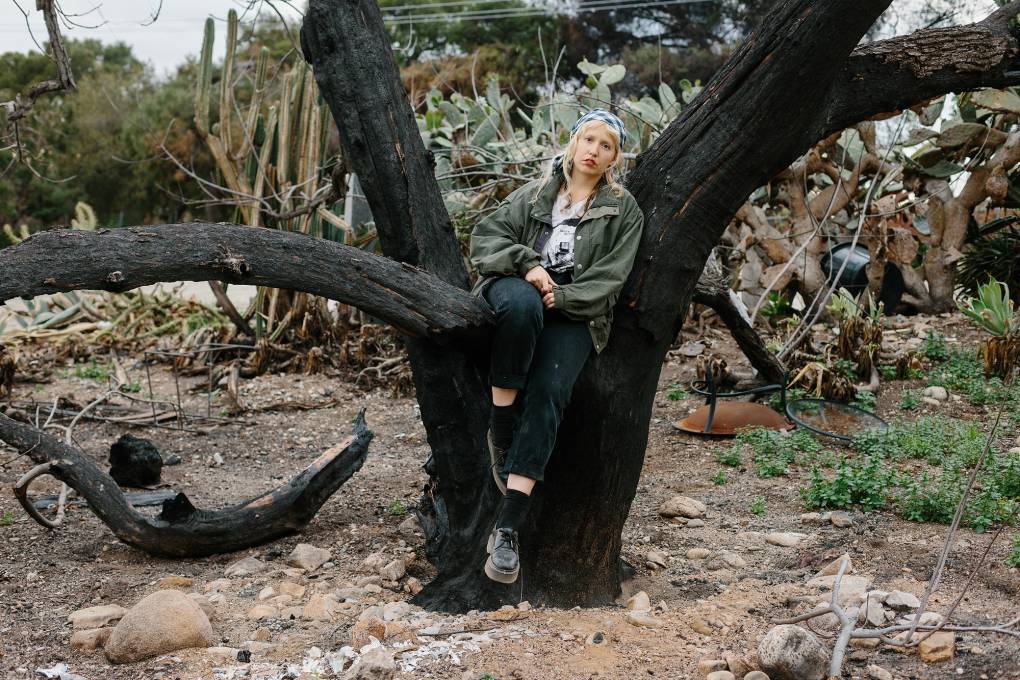
"caption": "Tara Zorthian, a granddaughter of founder Jirayr Zorthian, at Zorthian Ranch on March 28, 2025 in Altadena, California. She lived on the ranch for eight years before moving away two years ago. The Eaton fire destroyed several structures as well as vegetation on the Ranch.",
"credit": "Stella Kalinina for KQED",
"altTag": null,
"description": null,
"imgSizes": {
"medium": {
"file": "https://cdn.kqed.org/wp-content/uploads/sites/10/2025/04/20250328_Zorthian-Ranch_SK_23-800x534.jpg",
"width": 800,
"height": 534,
"mimeType": "image/jpeg"
},
"large": {
"file": "https://cdn.kqed.org/wp-content/uploads/sites/10/2025/04/20250328_Zorthian-Ranch_SK_23-1020x680.jpg",
"width": 1020,
"height": 680,
"mimeType": "image/jpeg"
},
"thumbnail": {
"file": "https://cdn.kqed.org/wp-content/uploads/sites/10/2025/04/20250328_Zorthian-Ranch_SK_23-160x107.jpg",
"width": 160,
"height": 107,
"mimeType": "image/jpeg"
},
"1536x1536": {
"file": "https://cdn.kqed.org/wp-content/uploads/sites/10/2025/04/20250328_Zorthian-Ranch_SK_23-1536x1025.jpg",
"width": 1536,
"height": 1025,
"mimeType": "image/jpeg"
},
"post-thumbnail": {
"file": "https://cdn.kqed.org/wp-content/uploads/sites/10/2025/04/20250328_Zorthian-Ranch_SK_23-672x372.jpg",
"width": 672,
"height": 372,
"mimeType": "image/jpeg"
},
"twentyfourteen-full-width": {
"file": "https://cdn.kqed.org/wp-content/uploads/sites/10/2025/04/20250328_Zorthian-Ranch_SK_23-1038x576.jpg",
"width": 1038,
"height": 576,
"mimeType": "image/jpeg"
},
"full-width": {
"file": "https://cdn.kqed.org/wp-content/uploads/sites/10/2025/04/20250328_Zorthian-Ranch_SK_23-1920x1281.jpg",
"width": 1920,
"height": 1281,
"mimeType": "image/jpeg"
},
"kqedFullSize": {
"file": "https://cdn.kqed.org/wp-content/uploads/sites/10/2025/04/20250328_Zorthian-Ranch_SK_23.jpg",
"width": 2000,
"height": 1334
}
},
"isLoading": false,
"fetchFailed": false
},
"news_12034488": {
"type": "attachments",
"id": "news_12034488",
"meta": {
"index": "attachments_1716263798",
"site": "news",
"id": "12034488",
"found": true
},
"title": "USAID",
"publishDate": 1743723216,
"status": "inherit",
"parent": 12034478,
"modified": 1760568574,
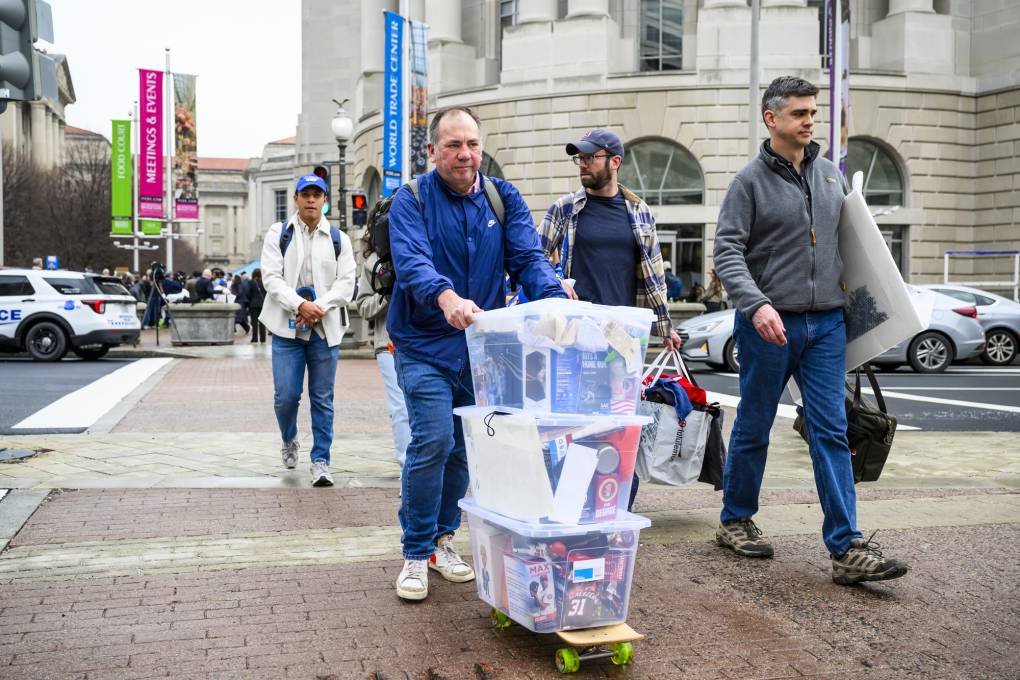
"caption": "A former USAID employee pushes personal items on a skateboard as he leaves the former USAID offices at the Ronald Reagan Building and International Trade Center on Feb. 27, 2025, in Washington, D.C. ",
"credit": "Pete Kiehart/The Washington Post via Getty Images",
"altTag": null,
"description": null,
"imgSizes": {
"medium": {
"file": "https://cdn.kqed.org/wp-content/uploads/sites/10/2025/04/FederalEmployeeLayoffsGetty-800x533.jpg",
"width": 800,
"height": 533,
"mimeType": "image/jpeg"
},
"large": {
"file": "https://cdn.kqed.org/wp-content/uploads/sites/10/2025/04/FederalEmployeeLayoffsGetty-1020x680.jpg",
"width": 1020,
"height": 680,
"mimeType": "image/jpeg"
},
"thumbnail": {
"file": "https://cdn.kqed.org/wp-content/uploads/sites/10/2025/04/FederalEmployeeLayoffsGetty-160x107.jpg",
"width": 160,
"height": 107,
"mimeType": "image/jpeg"
},
"1536x1536": {
"file": "https://cdn.kqed.org/wp-content/uploads/sites/10/2025/04/FederalEmployeeLayoffsGetty-1536x1024.jpg",
"width": 1536,
"height": 1024,
"mimeType": "image/jpeg"
},
"post-thumbnail": {
"file": "https://cdn.kqed.org/wp-content/uploads/sites/10/2025/04/FederalEmployeeLayoffsGetty-672x372.jpg",
"width": 672,
"height": 372,
"mimeType": "image/jpeg"
},
"twentyfourteen-full-width": {
"file": "https://cdn.kqed.org/wp-content/uploads/sites/10/2025/04/FederalEmployeeLayoffsGetty-1038x576.jpg",
"width": 1038,
"height": 576,
"mimeType": "image/jpeg"
},
"full-width": {
"file": "https://cdn.kqed.org/wp-content/uploads/sites/10/2025/04/FederalEmployeeLayoffsGetty-1920x1280.jpg",
"width": 1920,
"height": 1280,
"mimeType": "image/jpeg"
},
"kqedFullSize": {
"file": "https://cdn.kqed.org/wp-content/uploads/sites/10/2025/04/FederalEmployeeLayoffsGetty.jpg",
"width": 2000,
"height": 1333
}
},
"isLoading": false,
"fetchFailed": false
},
"news_12034237": {
"type": "attachments",
"id": "news_12034237",
"meta": {
"index": "attachments_1716263798",
"site": "news",
"id": "12034237",
"found": true
},
"title": "20250328_Zorthian-Ranch_SK_17",
"publishDate": 1743617233,
"status": "inherit",
"parent": 0,
"modified": 1744306755,
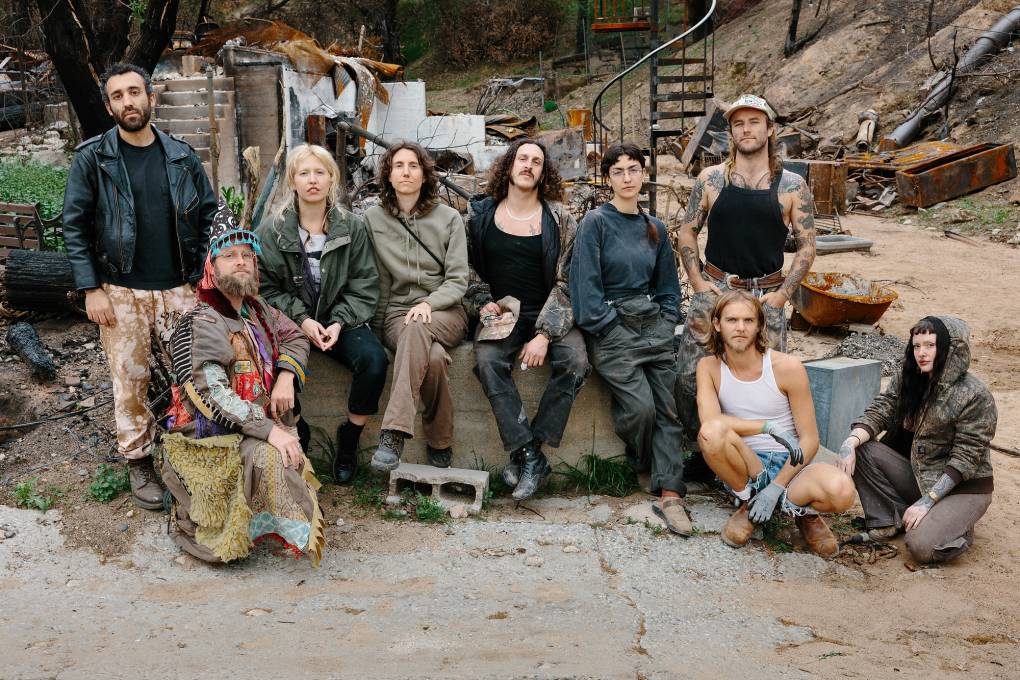
"caption": "Residents and volunteers at Zorthian Ranch on March 28, 2025 in Altadena, California. From left to right: Sam Anderson, Robert “Blobbie” Kirkhuff, Tara Zorthian, Caroline Zorthian, Ian Rosenzweig, Aslan Scardina, Billie Grey Heck (back), Moses Hamborg (front), and Solange Stefanelli.",
"credit": "Stella Kalinina for KQED",
"altTag": null,
"description": null,
"imgSizes": {
"medium": {
"file": "https://cdn.kqed.org/wp-content/uploads/sites/10/2025/04/20250328_Zorthian-Ranch_SK_17-800x534.jpg",
"width": 800,
"height": 534,
"mimeType": "image/jpeg"
},
"large": {
"file": "https://cdn.kqed.org/wp-content/uploads/sites/10/2025/04/20250328_Zorthian-Ranch_SK_17-1020x680.jpg",
"width": 1020,
"height": 680,
"mimeType": "image/jpeg"
},
"thumbnail": {
"file": "https://cdn.kqed.org/wp-content/uploads/sites/10/2025/04/20250328_Zorthian-Ranch_SK_17-160x107.jpg",
"width": 160,
"height": 107,
"mimeType": "image/jpeg"
},
"1536x1536": {
"file": "https://cdn.kqed.org/wp-content/uploads/sites/10/2025/04/20250328_Zorthian-Ranch_SK_17-1536x1025.jpg",
"width": 1536,
"height": 1025,
"mimeType": "image/jpeg"
},
"post-thumbnail": {
"file": "https://cdn.kqed.org/wp-content/uploads/sites/10/2025/04/20250328_Zorthian-Ranch_SK_17-672x372.jpg",
"width": 672,
"height": 372,
"mimeType": "image/jpeg"
},
"twentyfourteen-full-width": {
"file": "https://cdn.kqed.org/wp-content/uploads/sites/10/2025/04/20250328_Zorthian-Ranch_SK_17-1038x576.jpg",
"width": 1038,
"height": 576,
"mimeType": "image/jpeg"
},
"full-width": {
"file": "https://cdn.kqed.org/wp-content/uploads/sites/10/2025/04/20250328_Zorthian-Ranch_SK_17-1920x1281.jpg",
"width": 1920,
"height": 1281,
"mimeType": "image/jpeg"
},
"kqedFullSize": {
"file": "https://cdn.kqed.org/wp-content/uploads/sites/10/2025/04/20250328_Zorthian-Ranch_SK_17.jpg",
"width": 2000,
"height": 1334
}
},
"isLoading": false,
"fetchFailed": false
},
"news_12034319": {
"type": "attachments",
"id": "news_12034319",
"meta": {
"index": "attachments_1716263798",
"site": "news",
"id": "12034319",
"found": true
},
"title": "024_SanFrancisco_Housing_07292021_qed",
"publishDate": 1743629527,
"status": "inherit",
"parent": 12034212,
"modified": 1749763097,
"caption": "A 'For Rent' sign hangs in the window of an apartment building in Nob Hill in San Francisco on July 29, 2021.",
"credit": "Beth LaBerge/KQED",
"altTag": null,
"description": null,
"imgSizes": {
"medium": {
"file": "https://cdn.kqed.org/wp-content/uploads/sites/10/2025/04/024_SanFrancisco_Housing_07292021_qed-800x533.jpg",
"width": 800,
"height": 533,
"mimeType": "image/jpeg"
},
"large": {
"file": "https://cdn.kqed.org/wp-content/uploads/sites/10/2025/04/024_SanFrancisco_Housing_07292021_qed-1020x680.jpg",
"width": 1020,
"height": 680,
"mimeType": "image/jpeg"
},
"thumbnail": {
"file": "https://cdn.kqed.org/wp-content/uploads/sites/10/2025/04/024_SanFrancisco_Housing_07292021_qed-160x107.jpg",
"width": 160,
"height": 107,
"mimeType": "image/jpeg"
},
"1536x1536": {
"file": "https://cdn.kqed.org/wp-content/uploads/sites/10/2025/04/024_SanFrancisco_Housing_07292021_qed-1536x1024.jpg",
"width": 1536,
"height": 1024,
"mimeType": "image/jpeg"
},
"post-thumbnail": {
"file": "https://cdn.kqed.org/wp-content/uploads/sites/10/2025/04/024_SanFrancisco_Housing_07292021_qed-672x372.jpg",
"width": 672,
"height": 372,
"mimeType": "image/jpeg"
},
"twentyfourteen-full-width": {
"file": "https://cdn.kqed.org/wp-content/uploads/sites/10/2025/04/024_SanFrancisco_Housing_07292021_qed-1038x576.jpg",
"width": 1038,
"height": 576,
"mimeType": "image/jpeg"
},
"full-width": {
"file": "https://cdn.kqed.org/wp-content/uploads/sites/10/2025/04/024_SanFrancisco_Housing_07292021_qed-1920x1280.jpg",
"width": 1920,
"height": 1280,
"mimeType": "image/jpeg"
},
"kqedFullSize": {
"file": "https://cdn.kqed.org/wp-content/uploads/sites/10/2025/04/024_SanFrancisco_Housing_07292021_qed.jpg",
"width": 2000,
"height": 1333
}
},
"isLoading": false,
"fetchFailed": false
},
"news_12033473": {
"type": "attachments",
"id": "news_12033473",
"meta": {
"index": "attachments_1716263798",
"site": "news",
"id": "12033473",
"found": true
},
"title": "20250327_SoberHousing_GC-9",
"publishDate": 1743128174,
"status": "inherit",
"parent": 0,
"modified": 1743128540,
"caption": "Kull Murray poses for a photo at Hallidie Plaza in San Francisco on March 27, 2025. Murray was evicted from Delancey Street, one of San Francisco’s sober living programs, after relapsing and is now back on the street and navigating the city’s shelter program.",
"credit": "Gina Castro/KQED",
"altTag": null,
"description": null,
"imgSizes": {
"medium": {
"file": "https://cdn.kqed.org/wp-content/uploads/sites/10/2025/03/20250327_SoberHousing_GC-9-800x533.jpg",
"width": 800,
"height": 533,
"mimeType": "image/jpeg"
},
"large": {
"file": "https://cdn.kqed.org/wp-content/uploads/sites/10/2025/03/20250327_SoberHousing_GC-9-1020x680.jpg",
"width": 1020,
"height": 680,
"mimeType": "image/jpeg"
},
"thumbnail": {
"file": "https://cdn.kqed.org/wp-content/uploads/sites/10/2025/03/20250327_SoberHousing_GC-9-160x107.jpg",
"width": 160,
"height": 107,
"mimeType": "image/jpeg"
},
"1536x1536": {
"file": "https://cdn.kqed.org/wp-content/uploads/sites/10/2025/03/20250327_SoberHousing_GC-9-1536x1024.jpg",
"width": 1536,
"height": 1024,
"mimeType": "image/jpeg"
},
"post-thumbnail": {
"file": "https://cdn.kqed.org/wp-content/uploads/sites/10/2025/03/20250327_SoberHousing_GC-9-672x372.jpg",
"width": 672,
"height": 372,
"mimeType": "image/jpeg"
},
"twentyfourteen-full-width": {
"file": "https://cdn.kqed.org/wp-content/uploads/sites/10/2025/03/20250327_SoberHousing_GC-9-1038x576.jpg",
"width": 1038,
"height": 576,
"mimeType": "image/jpeg"
},
"full-width": {
"file": "https://cdn.kqed.org/wp-content/uploads/sites/10/2025/03/20250327_SoberHousing_GC-9-1920x1280.jpg",
"width": 1920,
"height": 1280,
"mimeType": "image/jpeg"
},
"kqedFullSize": {
"file": "https://cdn.kqed.org/wp-content/uploads/sites/10/2025/03/20250327_SoberHousing_GC-9.jpg",
"width": 2000,
"height": 1333
}
},
"isLoading": false,
"fetchFailed": false
},
"news_12028811": {
"type": "attachments",
"id": "news_12028811",
"meta": {
"index": "attachments_1716263798",
"site": "news",
"id": "12028811",
"found": true
},
"title": "250226-UC STRIKE-MD-08",
"publishDate": 1740605238,
"status": "inherit",
"parent": 12028446,
"modified": 1740614905,
"caption": "Sarah Roberts, a medical interpreter at UCSF, and other members of the University Professional and Technical Employees Local 9119 and the American Federation of State County and Municipal Employees Local 3299 strike at the UCSF Medical Center at Mission Bay in San Francisco on Feb. 26, 2025. The strike represents the latest escalation in a conflict over top union concerns such as staffing levels and compensation that sparked a two-day work stoppage at UC San Francisco in November.",
"credit": "Martin do Nascimento/KQED",
"altTag": null,
"description": null,
"imgSizes": {
"medium": {
"file": "https://cdn.kqed.org/wp-content/uploads/sites/10/2025/02/250226-UC-STRIKE-MD-08-800x533.jpg",
"width": 800,
"height": 533,
"mimeType": "image/jpeg"
},
"large": {
"file": "https://cdn.kqed.org/wp-content/uploads/sites/10/2025/02/250226-UC-STRIKE-MD-08-1020x680.jpg",
"width": 1020,
"height": 680,
"mimeType": "image/jpeg"
},
"thumbnail": {
"file": "https://cdn.kqed.org/wp-content/uploads/sites/10/2025/02/250226-UC-STRIKE-MD-08-160x107.jpg",
"width": 160,
"height": 107,
"mimeType": "image/jpeg"
},
"1536x1536": {
"file": "https://cdn.kqed.org/wp-content/uploads/sites/10/2025/02/250226-UC-STRIKE-MD-08-1536x1024.jpg",
"width": 1536,
"height": 1024,
"mimeType": "image/jpeg"
},
"post-thumbnail": {
"file": "https://cdn.kqed.org/wp-content/uploads/sites/10/2025/02/250226-UC-STRIKE-MD-08-672x372.jpg",
"width": 672,
"height": 372,
"mimeType": "image/jpeg"
},
"twentyfourteen-full-width": {
"file": "https://cdn.kqed.org/wp-content/uploads/sites/10/2025/02/250226-UC-STRIKE-MD-08-1038x576.jpg",
"width": 1038,
"height": 576,
"mimeType": "image/jpeg"
},
"full-width": {
"file": "https://cdn.kqed.org/wp-content/uploads/sites/10/2025/02/250226-UC-STRIKE-MD-08-1920x1280.jpg",
"width": 1920,
"height": 1280,
"mimeType": "image/jpeg"
},
"kqedFullSize": {
"file": "https://cdn.kqed.org/wp-content/uploads/sites/10/2025/02/250226-UC-STRIKE-MD-08.jpg",
"width": 2000,
"height": 1333
}
},
"isLoading": false,
"fetchFailed": false
}
},
"audioPlayerReducer": {
"postId": "stream_live",
"isPaused": true,
"isPlaying": false,
"pfsActive": false,
"pledgeModalIsOpen": true,
"playerDrawerIsOpen": false,
"liveAudioPlayStartedAt": 0,
"liveAudioPlayContext": ""
},
"authorsReducer": {
"kqed": {
"type": "authors",
"id": "236",
"meta": {
"index": "authors_1716337520",
"id": "236",
"found": true
},
"name": "KQED News Staff",
"firstName": "KQED News Staff",
"lastName": null,
"slug": "kqed",
"email": "faq@kqed.org",
"display_author_email": false,
"staff_mastheads": [],
"title": null,
"bio": null,
"avatar": "https://secure.gravatar.com/avatar/ef0e801a68c4c54afa9180db14084167?s=600&d=blank&r=g",
"twitter": null,
"facebook": null,
"instagram": null,
"linkedin": null,
"sites": [
{
"site": "arts",
"roles": [
"contributor"
]
},
{
"site": "news",
"roles": [
"editor"
]
},
{
"site": "futureofyou",
"roles": [
"author"
]
}
],
"headData": {
"title": "KQED News Staff | KQED",
"description": null,
"ogImgSrc": "https://secure.gravatar.com/avatar/ef0e801a68c4c54afa9180db14084167?s=600&d=blank&r=g",
"twImgSrc": "https://secure.gravatar.com/avatar/ef0e801a68c4c54afa9180db14084167?s=600&d=blank&r=g"
},
"isLoading": false,
"link": "/author/kqed"
},
"rachael-myrow": {
"type": "authors",
"id": "251",
"meta": {
"index": "authors_1716337520",
"id": "251",
"found": true
},
"name": "Rachael Myrow",
"firstName": "Rachael",
"lastName": "Myrow",
"slug": "rachael-myrow",
"email": "rmyrow@kqed.org",
"display_author_email": true,
"staff_mastheads": [
"news"
],
"title": "Senior Editor of KQED's Silicon Valley News Desk",
"bio": "• I write and edit stories about how Silicon Valley power and policies shape everyday life in California. I’m also passionate about making Bay Area history and culture more accessible to a broad public. • I’ve been a journalist for most of my life, starting in high school with The Franklin Press in Los Angeles, where I grew up. While earning my first degree in English at UC Berkeley, I got my start in public radio at KALX-FM. After completing a second degree in journalism at Cal, I landed my first professional job at Marketplace, then moved on to KPCC (now LAist), and then KQED, where I hosted The California Report for more than seven years. • My reporting has appeared on NPR, The World, WBUR’s \u003ci>Here & Now\u003c/i>, and the BBC. I also guest host for KQED’s \u003ci>Forum\u003c/i>, as well as the Commonwealth Club in San Francisco. • I speak periodically on media, democracy and technology issues, and do voiceover work for documentaries and educational video projects. • Outside of the studio, you'll find me hiking Bay Area trails and whipping up Insta-ready meals in my kitchen. • I do not accept gifts, money, or favors from anyone connected to my reporting, I don't pay people for information, and I do not support or donate to political causes. • I strive to treat the people I report on with fairness, honesty, and respect. I also recognize there are often multiple sides to a story and work to verify information through multiple sources and documentation. If I get something wrong, I correct it.",
"avatar": "https://secure.gravatar.com/avatar/87bf8cb5874e045cdff430523a6d48b1?s=600&d=blank&r=g",
"twitter": "rachaelmyrow",
"facebook": null,
"instagram": null,
"linkedin": "https://www.linkedin.com/in/rachaelmyrow/",
"sites": [
{
"site": "arts",
"roles": [
"administrator"
]
},
{
"site": "news",
"roles": [
"edit_others_posts",
"editor"
]
},
{
"site": "futureofyou",
"roles": [
"editor"
]
},
{
"site": "bayareabites",
"roles": [
"editor"
]
},
{
"site": "stateofhealth",
"roles": [
"editor"
]
},
{
"site": "science",
"roles": [
"editor"
]
},
{
"site": "food",
"roles": [
"editor"
]
},
{
"site": "forum",
"roles": [
"editor"
]
},
{
"site": "liveblog",
"roles": [
"author"
]
}
],
"headData": {
"title": "Rachael Myrow | KQED",
"description": "Senior Editor of KQED's Silicon Valley News Desk",
"ogImgSrc": "https://secure.gravatar.com/avatar/87bf8cb5874e045cdff430523a6d48b1?s=600&d=blank&r=g",
"twImgSrc": "https://secure.gravatar.com/avatar/87bf8cb5874e045cdff430523a6d48b1?s=600&d=blank&r=g"
},
"isLoading": false,
"link": "/author/rachael-myrow"
},
"tychehendricks": {
"type": "authors",
"id": "259",
"meta": {
"index": "authors_1716337520",
"id": "259",
"found": true
},
"name": "Tyche Hendricks",
"firstName": "Tyche",
"lastName": "Hendricks",
"slug": "tychehendricks",
"email": "thendricks@kqed.org",
"display_author_email": true,
"staff_mastheads": [
"news"
],
"title": "KQED Senior Editor, Immigration",
"bio": "\u003cspan style=\"font-weight: 400;\">Tyche Hendricks is KQED’s senior editor for immigration, leading coverage of the policy and politics that affect California’s immigrant communities. Her work for KQED’s radio and online audiences is also carried on NPR and other national outlets. She has been recognized with awards from the Radio and Television News Directors Association, the Society for Professional Journalists; the Education Writers Association; the Best of the West and the National Federation of Community Broadcasters. Before joining KQED in 2010, Tyche spent more than a dozen years as a newspaper reporter, notably at the \u003c/span>\u003ci>\u003cspan style=\"font-weight: 400;\">San Francisco Chronicle\u003c/span>\u003c/i>\u003cspan style=\"font-weight: 400;\">. At different times she has covered criminal justice, government and politics and urban planning. Tyche has taught in the MFA Creative Writing program at the University of San Francisco and at UC Berkeley’s Graduate School of Journalism, where she was co-director of a national immigration symposium for professional journalists. She is the author of \u003c/span>\u003ci>\u003cspan style=\"font-weight: 400;\">The Wind Doesn't Need a Passport: Stories from the U.S.-Mexico Borderlands\u003c/span>\u003c/i>\u003cspan style=\"font-weight: 400;\"> (University of California Press). \u003c/span>",
"avatar": "https://secure.gravatar.com/avatar/b8ee458e2731c2d43df86882ce17267e?s=600&d=blank&r=g",
"twitter": "tychehendricks",
"facebook": null,
"instagram": null,
"linkedin": null,
"sites": [
{
"site": "news",
"roles": [
"editor"
]
},
{
"site": "stateofhealth",
"roles": [
"editor"
]
}
],
"headData": {
"title": "Tyche Hendricks | KQED",
"description": "KQED Senior Editor, Immigration",
"ogImgSrc": "https://secure.gravatar.com/avatar/b8ee458e2731c2d43df86882ce17267e?s=600&d=blank&r=g",
"twImgSrc": "https://secure.gravatar.com/avatar/b8ee458e2731c2d43df86882ce17267e?s=600&d=blank&r=g"
},
"isLoading": false,
"link": "/author/tychehendricks"
},
"fjhabvala": {
"type": "authors",
"id": "8659",
"meta": {
"index": "authors_1716337520",
"id": "8659",
"found": true
},
"name": "Farida Jhabvala Romero",
"firstName": "Farida",
"lastName": "Jhabvala Romero",
"slug": "fjhabvala",
"email": "fjhabvala@kqed.org",
"display_author_email": true,
"staff_mastheads": [
"news"
],
"title": "KQED Contributor",
"bio": "Farida Jhabvala Romero is a Labor Correspondent for KQED. She previously covered immigration. Farida was \u003ca href=\"https://www.ccnma.org/2022-most-influential-latina-journalists\">named\u003c/a> one of the 10 Most Influential Latina Journalists in California in 2022 by the California Chicano News Media Association. Her work has won awards from the Society of Professional Journalists (Northern California), as well as a national and regional Edward M. Murrow Award for the collaborative reporting projects “Dangerous Air” and “Graying California.” Before joining KQED, Farida worked as a producer at Radio Bilingüe, a national public radio network. Farida earned her master’s degree in journalism from Stanford University.",
"avatar": "https://secure.gravatar.com/avatar/f9f022d4e2609741874222a1e9d41f48fea74011aa7c615eef91d9a50c944ebe?s=600&d=blank&r=g",
"twitter": "FaridaJhabvala",
"bluesky": null,
"facebook": null,
"instagram": null,
"linkedin": "https://www.linkedin.com/in/faridajhabvala/",
"sites": [
{
"site": "news",
"roles": [
"editor"
]
},
{
"site": "stateofhealth",
"roles": [
"author"
]
},
{
"site": "liveblog",
"roles": [
"author"
]
}
],
"headData": {
"title": "Farida Jhabvala Romero | KQED",
"description": "KQED Contributor",
"ogImgSrc": "https://secure.gravatar.com/avatar/f9f022d4e2609741874222a1e9d41f48fea74011aa7c615eef91d9a50c944ebe?s=600&d=blank&r=g",
"twImgSrc": "https://secure.gravatar.com/avatar/f9f022d4e2609741874222a1e9d41f48fea74011aa7c615eef91d9a50c944ebe?s=600&d=blank&r=g"
},
"isLoading": false,
"link": "/author/fjhabvala"
},
"btorres": {
"type": "authors",
"id": "11666",
"meta": {
"index": "authors_1716337520",
"id": "11666",
"found": true
},
"name": "Blanca Torres",
"firstName": "Blanca",
"lastName": "Torres",
"slug": "btorres",
"email": "btorres@kqed.org",
"display_author_email": true,
"staff_mastheads": [
"news"
],
"title": "Producer, Forum",
"bio": "Blanca Torres brings sharp news judgement and keen sense of lively conversation to her work as producer for Forum. She loves producing shows that leave listeners feeling like they heard distinctive voices, learned something new and gained a fresh perspective.\r\n\r\nShe joined KQED in January of 2020 after 16 years of working as a newspaper reporter most recently at the \u003cem>San Francisco Business Times,\u003c/em> where she wrote about real estate and economic development. Before that, she covered a variety of beats including crime, education, retail, workplace, the economy, consumer issues, and small business for the \u003cem>Contra Costa Times, Baltimore Sun\u003c/em> and\u003cem> The Seattle Times\u003c/em>. In addition to reporting, she worked as an editorial writer and columnist for the \u003cem>Seattle Times\u003c/em>. From 2017 to 2020, Blanca won a total of ten awards from the National Association of Real Estate Editors and won first place for land use reporting from the California News Publishers Association two years in a row. She is also a member and former board member for the National Association of Hispanic Journalists.\r\n\r\nA native of the Pacific Northwest, Blanca earned her bachelor's degree from Vanderbilt University in Nashville and a master's in fine arts in creative writing at Mills College. She lives in the East Bay with her family.",
"avatar": "https://secure.gravatar.com/avatar/f2322ff46076d337f7ba731ee6068cb1?s=600&d=blank&r=g",
"twitter": "@blancawrites",
"facebook": null,
"instagram": null,
"linkedin": null,
"sites": [
{
"site": "arts",
"roles": [
"editor"
]
},
{
"site": "news",
"roles": [
"editor"
]
},
{
"site": "forum",
"roles": [
"editor"
]
}
],
"headData": {
"title": "Blanca Torres | KQED",
"description": "Producer, Forum",
"ogImgSrc": "https://secure.gravatar.com/avatar/f2322ff46076d337f7ba731ee6068cb1?s=600&d=blank&r=g",
"twImgSrc": "https://secure.gravatar.com/avatar/f2322ff46076d337f7ba731ee6068cb1?s=600&d=blank&r=g"
},
"isLoading": false,
"link": "/author/btorres"
},
"abandlamudi": {
"type": "authors",
"id": "11672",
"meta": {
"index": "authors_1716337520",
"id": "11672",
"found": true
},
"name": "Adhiti Bandlamudi",
"firstName": "Adhiti",
"lastName": "Bandlamudi",
"slug": "abandlamudi",
"email": "abandlamudi@kqed.org",
"display_author_email": false,
"staff_mastheads": [
"news"
],
"title": "KQED Housing Reporter",
"bio": "Adhiti Bandlamudi reports for KQED's Housing desk. She focuses on how housing gets built across the Bay Area. Before joining KQED in 2020, she reported for WUNC in Durham, North Carolina, WABE in Atlanta, Georgia and Capital Public Radio in Sacramento. In 2017, she was awarded a Kroc Fellowship at NPR where she reported on everything from sprinkles to the Golden State Killer's arrest. When she's not reporting, she's baking new recipes in her kitchen or watching movies with friends and family. She's originally from Georgia and has strong opinions about Great British Bake Off.",
"avatar": "https://secure.gravatar.com/avatar/868129c8b257bb99a3500e2c86a65400?s=600&d=mm&r=g",
"twitter": "oddity_adhiti",
"facebook": null,
"instagram": null,
"linkedin": null,
"sites": [
{
"site": "arts",
"roles": [
"author"
]
},
{
"site": "news",
"roles": [
"editor"
]
},
{
"site": "liveblog",
"roles": [
"author"
]
}
],
"headData": {
"title": "Adhiti Bandlamudi | KQED",
"description": "KQED Housing Reporter",
"ogImgSrc": "https://secure.gravatar.com/avatar/868129c8b257bb99a3500e2c86a65400?s=600&d=mm&r=g",
"twImgSrc": "https://secure.gravatar.com/avatar/868129c8b257bb99a3500e2c86a65400?s=600&d=mm&r=g"
},
"isLoading": false,
"link": "/author/abandlamudi"
},
"sjohnson": {
"type": "authors",
"id": "11840",
"meta": {
"index": "authors_1716337520",
"id": "11840",
"found": true
},
"name": "Sydney Johnson",
"firstName": "Sydney",
"lastName": "Johnson",
"slug": "sjohnson",
"email": "sjohnson@kqed.org",
"display_author_email": false,
"staff_mastheads": [
"news"
],
"title": "KQED Reporter",
"bio": "Sydney Johnson is a general assignment reporter at KQED. She previously reported on public health and city government at the San Francisco Examiner, and before that, she covered statewide education policy for EdSource. Her reporting has won multiple local, state and national awards. Sydney is a graduate of the University of California, Berkeley and lives in San Francisco.",
"avatar": "https://secure.gravatar.com/avatar/97855f2719b72ad6190b7c535fe642c8?s=600&d=blank&r=g",
"twitter": "sydneyfjohnson",
"facebook": null,
"instagram": null,
"linkedin": null,
"sites": [
{
"site": "news",
"roles": [
"editor"
]
}
],
"headData": {
"title": "Sydney Johnson | KQED",
"description": "KQED Reporter",
"ogImgSrc": "https://secure.gravatar.com/avatar/97855f2719b72ad6190b7c535fe642c8?s=600&d=blank&r=g",
"twImgSrc": "https://secure.gravatar.com/avatar/97855f2719b72ad6190b7c535fe642c8?s=600&d=blank&r=g"
},
"isLoading": false,
"link": "/author/sjohnson"
},
"kdebenedetti": {
"type": "authors",
"id": "11913",
"meta": {
"index": "authors_1716337520",
"id": "11913",
"found": true
},
"name": "Katie DeBenedetti",
"firstName": "Katie",
"lastName": "DeBenedetti",
"slug": "kdebenedetti",
"email": "kdebenedetti@kqed.org",
"display_author_email": false,
"staff_mastheads": [
"news",
"science"
],
"title": "KQED Contributor",
"bio": "Katie DeBenedetti is a digital reporter covering daily news for the Express Desk. Prior to joining KQED as a culture reporting intern in January 2024, she covered education and city government for the Napa Valley Register.",
"avatar": "https://secure.gravatar.com/avatar/6e31073cb8f7e4214ab03f42771d0f45?s=600&d=blank&r=g",
"twitter": null,
"facebook": null,
"instagram": null,
"linkedin": null,
"sites": [
{
"site": "news",
"roles": [
"author"
]
},
{
"site": "science",
"roles": [
"author"
]
},
{
"site": "liveblog",
"roles": [
"author"
]
}
],
"headData": {
"title": "Katie DeBenedetti | KQED",
"description": "KQED Contributor",
"ogImgSrc": "https://secure.gravatar.com/avatar/6e31073cb8f7e4214ab03f42771d0f45?s=600&d=blank&r=g",
"twImgSrc": "https://secure.gravatar.com/avatar/6e31073cb8f7e4214ab03f42771d0f45?s=600&d=blank&r=g"
},
"isLoading": false,
"link": "/author/kdebenedetti"
},
"slim": {
"type": "authors",
"id": "11920",
"meta": {
"index": "authors_1716337520",
"id": "11920",
"found": true
},
"name": "Samantha Lim",
"firstName": "Samantha",
"lastName": "Lim",
"slug": "slim",
"email": "slim@KQED.org",
"display_author_email": false,
"staff_mastheads": [],
"title": "KQED Contributor",
"bio": null,
"avatar": "https://secure.gravatar.com/avatar/82e592e6c15fe1a04d385e8ad0fb0b4e?s=600&d=blank&r=g",
"twitter": null,
"facebook": null,
"instagram": null,
"linkedin": null,
"sites": [
{
"site": "news",
"roles": []
}
],
"headData": {
"title": "Samantha Lim | KQED",
"description": "KQED Contributor",
"ogImgSrc": "https://secure.gravatar.com/avatar/82e592e6c15fe1a04d385e8ad0fb0b4e?s=600&d=blank&r=g",
"twImgSrc": "https://secure.gravatar.com/avatar/82e592e6c15fe1a04d385e8ad0fb0b4e?s=600&d=blank&r=g"
},
"isLoading": false,
"link": "/author/slim"
},
"sanderson": {
"type": "authors",
"id": "11950",
"meta": {
"index": "authors_1716337520",
"id": "11950",
"found": true
},
"name": "Sam Anderson",
"firstName": "Sam",
"lastName": "Anderson",
"slug": "sanderson",
"email": "slamgranderson@gmail.com",
"display_author_email": false,
"staff_mastheads": [
"news"
],
"title": "KQED Contributor",
"bio": null,
"avatar": "https://secure.gravatar.com/avatar/58292cf434866ec105080154a9a64cd1?s=600&d=blank&r=g",
"twitter": null,
"facebook": null,
"instagram": null,
"linkedin": null,
"sites": [
{
"site": "news",
"roles": [
"author"
]
}
],
"headData": {
"title": "Sam Anderson | KQED",
"description": "KQED Contributor",
"ogImgSrc": "https://secure.gravatar.com/avatar/58292cf434866ec105080154a9a64cd1?s=600&d=blank&r=g",
"twImgSrc": "https://secure.gravatar.com/avatar/58292cf434866ec105080154a9a64cd1?s=600&d=blank&r=g"
},
"isLoading": false,
"link": "/author/sanderson"
}
},
"pagesReducer": {
"news_tag_california": {
"type": "terms",
"id": "news_18538",
"meta": {
"index": "terms_1716263798",
"site": "news",
"id": "18538",
"score": 6.8457103
},
"featImg": null,
"name": "California",
"description": null,
"taxonomy": "tag",
"headData": {
"twImgId": null,
"twTitle": null,
"ogTitle": null,
"ogImgId": null,
"twDescription": null,
"description": null,
"title": "California Archives | KQED News",
"ogDescription": null
},
"ttid": 31,
"slug": "california",
"isLoading": false,
"title": "California",
"pageMeta": {
"site": "news",
"WpPageTemplate": "page-topic-editorial",
"currentPage": 95
},
"blocks": [
{
"blockName": "kqed/post-list",
"attrs": {
"layout": "cardArticle2",
"query": "posts/news?tag=california",
"seeMore": false,
"paginated": true,
"page": 95
}
},
{
"blockName": "kqed/ad"
}
]
}
},
"pfsSessionReducer": {},
"postsReducer": {
"stream_live": {
"type": "live",
"id": "stream_live",
"audioUrl": "https://streams.kqed.org/kqedradio",
"title": "Live Stream",
"excerpt": "Live Stream information currently unavailable.",
"link": "/radio",
"featImg": "",
"label": {
"name": "KQED Live",
"link": "/"
}
},
"stream_kqedNewscast": {
"type": "posts",
"id": "stream_kqedNewscast",
"audioUrl": "https://www.kqed.org/.stream/anon/radio/RDnews/newscast.mp3?_=1",
"title": "KQED Newscast",
"featImg": "",
"label": {
"name": "88.5 FM",
"link": "/"
}
},
"news_12034742": {
"type": "posts",
"id": "news_12034742",
"meta": {
"index": "posts_1716263798",
"site": "news",
"id": "12034742",
"score": null,
"sort": [
1744139518000
]
},
"guestAuthors": [],
"slug": "california-students-visa-cancellations-sue-trump-administration",
"title": "California Students, Blindsided by Visa Cancellations, Sue Trump Administration",
"publishDate": 1744139518,
"format": "standard",
"headTitle": "California Students, Blindsided by Visa Cancellations, Sue Trump Administration | KQED",
"labelTerm": {
"site": "news"
},
"content": "\u003cp>Two international students at California colleges are suing the federal government after they were among dozens in the state whose \u003ca href=\"https://www.kqed.org/news/12033555/trump-administration-advances-immigration-crackdown-on-foreign-student-protesters\">student visas were revoked\u003c/a> and whose records in a key federal database were terminated, effectively stripping them of the ability to continue studying in the United States.\u003c/p>\n\u003cp>The plaintiffs in both cases have been in the U.S. on student visas for more than five years, according to court filings. One is a student at \u003ca href=\"https://cdn.kqed.org/wp-content/uploads/sites/10/2025/04/Student-Doe-2-v.-Noem_Complaint-4-6-25-2.pdf\" target=\"_blank\" rel=\"noopener\">a college in Orange County\u003c/a>, the other at \u003ca href=\"https://cdn.kqed.org/wp-content/uploads/sites/10/2025/04/SEVIS-Student-Doe-1-4-5-25-Complaint-2.pdf\" target=\"_blank\" rel=\"noopener\">a college in the Inland Empire\u003c/a>. Both were listed in the lawsuits as “Student Doe” to protect their identities. A lawyer representing the students would not divulge where they were enrolled, citing the risk that they could be located and deported by U.S. Immigration and Customs Enforcement.\u003c/p>\n\u003cp>The lawsuits come as the Trump administration has revoked the visas of hundreds of international students (as well as recent graduates engaged in \u003ca href=\"https://www.uscis.gov/working-in-the-united-states/students-and-exchange-visitors/optional-practical-training-extension-for-stem-students-stem-opt\">a program that allows them to get professional training\u003c/a>), in many cases citing their \u003ca href=\"https://www.kqed.org/news/12030938/uc-berkeley-students-faculty-rally-against-trumps-push-to-deport-protesters\">involvement in pro-Palestinian activism\u003c/a> that administration officials have labeled pro-Hamas or antisemitic.\u003c/p>\n\u003cp>[ad fullwidth]\u003c/p>\n\u003cp>At least 96 student visa holders in California have been affected in recent days: six at Stanford; 32 in the California State University system and at least 58 across multiple University of California campuses, including UC Davis, UC Berkeley, UCLA, UC San Diego, UC Irvine, UC Riverside and UC Santa Cruz, according to university officials.\u003c/p>\n\u003cp>“These actions create an uncertain and challenging environment for our campus community,” UC Berkeley Chancellor Richard Lyons said in \u003ca href=\"https://news.berkeley.edu/2025/04/07/a-message-about-recent-federal-visa-program-updates/\">a statement\u003c/a> Monday. “Your university supports, without reservation, the right and ability of immigrant and international students, staff, and faculty to participate fully in the campus experience.”\u003c/p>\n\u003cfigure id=\"attachment_12032122\" class=\"wp-caption aligncenter\" style=\"max-width: 2000px\">\u003cimg loading=\"lazy\" decoding=\"async\" class=\"size-full wp-image-12032122\" src=\"https://cdn.kqed.org/wp-content/uploads/sites/10/2025/03/250319-UCBerkeleyProtest-03-BL.jpg\" alt=\"\" width=\"2000\" height=\"1333\" srcset=\"https://cdn.kqed.org/wp-content/uploads/sites/10/2025/03/250319-UCBerkeleyProtest-03-BL.jpg 2000w, https://cdn.kqed.org/wp-content/uploads/sites/10/2025/03/250319-UCBerkeleyProtest-03-BL-800x533.jpg 800w, https://cdn.kqed.org/wp-content/uploads/sites/10/2025/03/250319-UCBerkeleyProtest-03-BL-1020x680.jpg 1020w, https://cdn.kqed.org/wp-content/uploads/sites/10/2025/03/250319-UCBerkeleyProtest-03-BL-160x107.jpg 160w, https://cdn.kqed.org/wp-content/uploads/sites/10/2025/03/250319-UCBerkeleyProtest-03-BL-1536x1024.jpg 1536w, https://cdn.kqed.org/wp-content/uploads/sites/10/2025/03/250319-UCBerkeleyProtest-03-BL-1920x1280.jpg 1920w\" sizes=\"auto, (max-width: 2000px) 100vw, 2000px\">\u003cfigcaption class=\"wp-caption-text\">Faculty, students, and supporters gather in Sproul Plaza at UC Berkeley on March 19, 2025, to protest the Trump administration’s scrutiny of campus protests and curriculum nationwide. \u003ccite>(Beth LaBerge/KQED)\u003c/cite>\u003c/figcaption>\u003c/figure>\n\u003cp>Khaled Alrabe, a Berkeley-based attorney with the National Immigration Project, is representing the two Southern California students suing the federal government.\u003c/p>\n\u003cp>He said universities and students themselves have been blindsided by a “mass and abrupt cancellation of student statuses” that gained steam last week. The NLG estimates the number of revoked visas could exceed 1,000 nationally.\u003c/p>\n\u003cp>“It’s all across the country, not just in California. It’s just been nonstop,” Alrabe said. “We believe that these cancellations are unlawful, and we’re still trying to figure out a pattern. But people should be very concerned because it seems to be extremely broad and affecting all types of students.”\u003c/p>\n\u003cp>There were more than \u003ca href=\"https://opendoorsdata.org/data/international-students/\">1.1 million international students in the U.S.\u003c/a> last year, including 140,858 in California, according to federal data compiled by the Institute of International Education.\u003c/p>\n\u003cp>Alrabe said many, but not all, students targeted were from Arab or Asian countries. Students who had been involved in political activism or had minor criminal offenses seemed to be a focus, he added.\u003c/p>\n\u003cp>Each of the two California students who sued had a misdemeanor conviction — one for reckless driving, the other for driving under the influence of alcohol. But that’s not enough to justify terminating their student status, according to Alrabe. Rather, the threshold under immigration law is \u003ca href=\"https://www.ecfr.gov/current/title-8/chapter-I/subchapter-B/part-214/subpart-A/section-214.1\">a conviction for “a crime of violence”\u003c/a> with a potential sentence of more than a year.\u003c/p>\n\u003cp>Neither student has a history of activism, Alrabe said, but both are from predominantly Muslim countries. In each case, the government cited a \u003ca href=\"https://codes.findlaw.com/us/title-8-aliens-and-nationality/8-usc-sect-1227/\">seldom-used provision of immigration law\u003c/a> that says a non-citizen is deportable if their “presence or activities in the United States the Secretary of State has reasonable ground to believe would have potentially serious adverse foreign policy consequences.”\u003c/p>\n\u003ch2>‘We believe these terminations are unlawful’\u003c/h2>\n\u003cp>The two lawsuits challenge ICE for terminating their records in the agency’s \u003ca href=\"https://www.ice.gov/sevis\">Student and Exchange Visitor Information Systems (SEVIS) database\u003c/a> rather than taking on the State Department for canceling their F-1 student visas. The SEVIS termination effectively ends their legal basis for remaining in the country and puts them at risk of deportation.\u003c/p>\n\u003cp>The students argue that ICE lacks legal grounds for terminating them because they met all the requirements for student status.\u003c/p>\n\u003cfigure id=\"attachment_12024749\" class=\"wp-caption aligncenter\" style=\"max-width: 2000px\">\u003cimg loading=\"lazy\" decoding=\"async\" class=\"size-full wp-image-12024749\" src=\"https://cdn.kqed.org/wp-content/uploads/sites/10/2025/01/20250129_UCBerkeleyRally_GC-26.jpg\" alt=\"\" width=\"2000\" height=\"1333\" srcset=\"https://cdn.kqed.org/wp-content/uploads/sites/10/2025/01/20250129_UCBerkeleyRally_GC-26.jpg 2000w, https://cdn.kqed.org/wp-content/uploads/sites/10/2025/01/20250129_UCBerkeleyRally_GC-26-800x533.jpg 800w, https://cdn.kqed.org/wp-content/uploads/sites/10/2025/01/20250129_UCBerkeleyRally_GC-26-1020x680.jpg 1020w, https://cdn.kqed.org/wp-content/uploads/sites/10/2025/01/20250129_UCBerkeleyRally_GC-26-160x107.jpg 160w, https://cdn.kqed.org/wp-content/uploads/sites/10/2025/01/20250129_UCBerkeleyRally_GC-26-1536x1024.jpg 1536w, https://cdn.kqed.org/wp-content/uploads/sites/10/2025/01/20250129_UCBerkeleyRally_GC-26-1920x1280.jpg 1920w\" sizes=\"auto, (max-width: 2000px) 100vw, 2000px\">\u003cfigcaption class=\"wp-caption-text\">Students and supporters rally in response to the mass deportations ordered by the Trump administration at Sproul Plaza on the University of California, Berkeley campus on Wednesday, Jan. 29, 2025. \u003ccite>(Gina Castro/KQED)\u003c/cite>\u003c/figcaption>\u003c/figure>\n\u003cp>“We believe these terminations are unlawful,” Alrabe said. “The fact that the students have maintained lawful status, have been in compliance with all the requirements of their student status, and yet still are being punished, is very concerning.”\u003c/p>\n\u003cp>ICE did not respond to KQED’s request for comment by press time. In a statement Monday, the U.S. State Department said it has “zero tolerance for non-citizens who violate U.S. laws.”\u003c/p>\n\u003cp>“Those who break the law, including students, may face visa refusal, visa revocation, and/or deportation,” the statement read in part. “The Department revokes visas every day in order to secure America’s borders and keep our communities safe — and will continue to do so.”\u003c/p>\n\u003ch2>Activists targeted nationwide\u003c/h2>\n\u003cp>Last month, several students critical of Israel’s bombardment of Gaza were \u003ca href=\"https://www.npr.org/2025/03/28/nx-s1-5342680/rubio-says-300-visas-have-been-revoked-as-trump-cracks-down-on-student-activism\">arrested by ICE\u003c/a>, including Columbia University graduate Mahmoud Khalil, a lawful permanent resident, and Tufts University international student Rumeysa Ozturk. Both are being held in an immigration detention in Louisiana.\u003c/p>\n\u003cp>In those cases, Secretary of State Marco Rubio cited foreign policy grounds as a reason to revoke Ozturk’s visa and even Khalil’s green card (a move that would require an immigration judge’s approval).[aside postID=news_12033446 hero='https://cdn.kqed.org/wp-content/uploads/sites/10/2025/03/DonaldTrump100DaysGetty-1020x680.jpg']“We gave you a visa to come and study and get a degree, not to become a social activist that tears up our university campuses,” Rubio said at a \u003ca href=\"https://www.state.gov/secretary-of-state-marco-rubio-and-guyanese-president-irfaan-ali-at-a-joint-press-availability/\">March 27 news conference\u003c/a>. “Every time I find one of these lunatics, I take away their visa.”\u003c/p>\n\u003cp>Now, the visa revocations in California have put students here in a “tailspin,” said Zahra Billoo, executive director of the Bay Area chapter of the Council on American-Islamic Relations.\u003c/p>\n\u003cp>“We have been receiving inquiries from other visa holders, as well as, by the way, from U.S. citizens who are asking, could they be next?” she said. “This administration has been very troubling in its open and flagrant disregard of due process.”\u003c/p>\n\u003cp>Billoo is counseling concerned students to seek legal advice and not allow law enforcement into their homes without a judicial warrant. She added that CAIR believes students with immigration concerns may be safer if they remain in the public eye rather than trying to stay below the radar.\u003c/p>\n\u003ch2>Higher education under pressure\u003c/h2>\n\u003cp>So far, none of the California universities have indicated that students have been arrested by ICE or deported, except for one UC San Diego student who university officials said was “detained at the border, denied entry and deported to their home country.”\u003c/p>\n\u003cp>None of the university officials contacted by KQED was willing to be interviewed about the visa revocations. And their statements ranged from terse to more expansive.\u003c/p>\n\u003cfigure id=\"attachment_11338392\" class=\"wp-caption aligncenter\" style=\"max-width: 1920px\">\u003cimg loading=\"lazy\" decoding=\"async\" class=\"wp-image-11338392 size-full\" src=\"https://cdn.kqed.org/wp-content/uploads/sites/10/2017/02/uc-davis-1920-1.jpg\" alt=\"UC Davis campus police are investigating anti-Semitic flyers posted on and near the campus on Monday.\" width=\"1920\" height=\"1280\" srcset=\"https://cdn.kqed.org/wp-content/uploads/sites/10/2017/02/uc-davis-1920-1.jpg 1920w, https://cdn.kqed.org/wp-content/uploads/sites/10/2017/02/uc-davis-1920-1-160x107.jpg 160w, https://cdn.kqed.org/wp-content/uploads/sites/10/2017/02/uc-davis-1920-1-800x533.jpg 800w, https://cdn.kqed.org/wp-content/uploads/sites/10/2017/02/uc-davis-1920-1-1020x680.jpg 1020w, https://cdn.kqed.org/wp-content/uploads/sites/10/2017/02/uc-davis-1920-1-1180x787.jpg 1180w, https://cdn.kqed.org/wp-content/uploads/sites/10/2017/02/uc-davis-1920-1-960x640.jpg 960w, https://cdn.kqed.org/wp-content/uploads/sites/10/2017/02/uc-davis-1920-1-240x160.jpg 240w, https://cdn.kqed.org/wp-content/uploads/sites/10/2017/02/uc-davis-1920-1-375x250.jpg 375w, https://cdn.kqed.org/wp-content/uploads/sites/10/2017/02/uc-davis-1920-1-520x347.jpg 520w\" sizes=\"auto, (max-width: 1920px) 100vw, 1920px\">\u003cfigcaption class=\"wp-caption-text\">The UC Davis campus on Feb. 28, 2017. UC Davis Chancellor Gary May addressed the Davis community this week after the termination of F-1 visas for seven students and five recent graduates, stating the university is offering support resources to those impacted. \u003ccite>(Christian Ostrosky/Flickr)\u003c/cite>\u003c/figcaption>\u003c/figure>\n\u003cp>The University of California Office of the President issued \u003ca href=\"https://www.universityofcalifornia.edu/press-room/university-california-statement-international-students-visa-status-terminations\">a one-paragraph statement \u003c/a>that read in part: “We are committed to doing what we can to support all members of our community as they exercise their rights under the law. In doing that, the University will continue to follow all applicable state and federal laws.”\u003c/p>\n\u003cp>At UC Davis, where seven students and five recent graduates had their F-1 visas terminated, \u003ca href=\"https://www.ucdavis.edu/news/statement-chancellor-gary-s-may-federal-immigration-enforcement-actions\">Chancellor Gary May released a statement Saturday\u003c/a> saying he recognized the distress students might be feeling and adding that the university was providing resources for those who have been affected.\u003c/p>\n\u003cp>“We reiterate our strong support for our international students and want all of our students, staff and faculty to know we support your ability to work, learn, teach and thrive here,” May said. “We are committed to upholding the law, and we expect local, state and federal agencies to do the same. At the same time, we will continue to advocate at every level of government for the rights and safety of all our community members.”[aside postID=news_12024593 hero='https://cdn.kqed.org/wp-content/uploads/sites/10/2025/01/20250129_UcBerkeleyRally_GC-1-1020x680.jpg']May said the federal government has not explained the reasons behind the terminations. He added that federal agents had not entered the campus or taken any member of the community into custody.\u003c/p>\n\u003cp>Stanford University officials emphasized that they keep student and personnel records private and will not share information with immigration agencies unless legally compelled to do so.\u003c/p>\n\u003cp>\u003ca href=\"https://immigration.stanford.edu\">A statement on the Stanford website\u003c/a> added: “Consistent with the approach of law enforcement agencies in Santa Clara County, [campus public safety] does not inquire about immigration status in the normal course of its duties and will not participate with other agencies in immigration enforcement activities unless legally required to do so.”\u003c/p>\n\u003cp>The visa terminations come at a time when scores of U.S. universities are facing pressure as the Trump administration threatens to withhold \u003ca href=\"https://www.kqed.org/news/12030313/uc-berkeley-scientists-protest-trump-administrations-cuts-to-research-funding\">billions of dollars in research funding\u003c/a> and has launched investigations into campus diversity initiatives and \u003ca href=\"https://www.kqed.org/news/12034221/trump-administration-subpoenas-uc-faculty-information-antisemitism-investigation\">alleged tolerance of antisemitism\u003c/a>. Late last month, Pomona College said it’s \u003ca href=\"https://www.pomona.edu/administration/president/statements/posts/update-congressional-inquiry\">cooperating with a congressional committee’s request for information\u003c/a> related to campus protests but would protect the privacy of student information.\u003c/p>\n\u003cp>“This should be viewed in the context of the larger environment we’re in, where there is targeting of not just students for ideological reasons, but also universities,” Alrabe said. “This is a broader issue. And this is just the beginning of a pattern that is quite concerning.”\u003c/p>\n\u003cp>[ad floatright]\u003c/p>\n",
"blocks": [],
"excerpt": "Lawsuits filed by two international students at California colleges come as hundreds across the country are effectively stripped of the ability to keep studying in the U.S. ",
"status": "publish",
"parent": 0,
"modified": 1744155606,
"stats": {
"hasAudio": false,
"hasVideo": false,
"hasChartOrMap": false,
"iframeSrcs": [],
"hasGoogleForm": false,
"hasGallery": false,
"hasHearkenModule": false,
"hasPolis": false,
"paragraphCount": 33,
"wordCount": 1729
},
"headData": {
"title": "California Students, Blindsided by Visa Cancellations, Sue Trump Administration | KQED",
"description": "Lawsuits filed by two international students at California colleges come as hundreds across the country are effectively stripped of the ability to keep studying in the U.S. ",
"ogTitle": "",
"ogDescription": "",
"ogImgId": "",
"twTitle": "",
"twDescription": "",
"twImgId": "",
"schema": {
"@context": "https://schema.org",
"@type": "NewsArticle",
"headline": "California Students, Blindsided by Visa Cancellations, Sue Trump Administration",
"datePublished": "2025-04-08T12:11:58-07:00",
"dateModified": "2025-04-08T16:40:06-07:00",
"image": "https://cdn.kqed.org/wp-content/uploads/2020/02/KQED-OG-Image@1x.png",
"isAccessibleForFree": "True",
"publisher": {
"@type": "NewsMediaOrganization",
"@id": "https://www.kqed.org/#organization",
"name": "KQED",
"logo": "https://cdn.kqed.org/wp-content/uploads/2020/02/KQED-OG-Image@1x.png",
"url": "https://www.kqed.org",
"sameAs": [
"https://www.facebook.com/KQED",
"https://twitter.com/KQED",
"https://www.instagram.com/kqed/",
"https://www.tiktok.com/@kqedofficial",
"https://www.linkedin.com/company/kqed",
"https://www.youtube.com/channel/UCeC0IOo7i1P_61zVUWbJ4nw"
]
}
}
},
"audioUrl": "https://traffic.omny.fm/d/clips/0af137ef-751e-4b19-a055-aaef00d2d578/ffca7e9f-6831-41c5-bcaf-aaef00f5a073/e1e73e58-c306-4c92-9160-b2b901048d78/audio.mp3",
"sticky": false,
"nprStoryId": "kqed-12034742",
"templateType": "standard",
"featuredImageType": "standard",
"excludeFromSiteSearch": "Include",
"articleAge": "0",
"path": "/news/12034742/california-students-visa-cancellations-sue-trump-administration",
"audioTrackLength": null,
"parsedContent": [
{
"type": "contentString",
"content": "\u003cdiv class=\"post-body\">\u003cp>\u003cp>Two international students at California colleges are suing the federal government after they were among dozens in the state whose \u003ca href=\"https://www.kqed.org/news/12033555/trump-administration-advances-immigration-crackdown-on-foreign-student-protesters\">student visas were revoked\u003c/a> and whose records in a key federal database were terminated, effectively stripping them of the ability to continue studying in the United States.\u003c/p>\n\u003cp>The plaintiffs in both cases have been in the U.S. on student visas for more than five years, according to court filings. One is a student at \u003ca href=\"https://cdn.kqed.org/wp-content/uploads/sites/10/2025/04/Student-Doe-2-v.-Noem_Complaint-4-6-25-2.pdf\" target=\"_blank\" rel=\"noopener\">a college in Orange County\u003c/a>, the other at \u003ca href=\"https://cdn.kqed.org/wp-content/uploads/sites/10/2025/04/SEVIS-Student-Doe-1-4-5-25-Complaint-2.pdf\" target=\"_blank\" rel=\"noopener\">a college in the Inland Empire\u003c/a>. Both were listed in the lawsuits as “Student Doe” to protect their identities. A lawyer representing the students would not divulge where they were enrolled, citing the risk that they could be located and deported by U.S. Immigration and Customs Enforcement.\u003c/p>\n\u003cp>The lawsuits come as the Trump administration has revoked the visas of hundreds of international students (as well as recent graduates engaged in \u003ca href=\"https://www.uscis.gov/working-in-the-united-states/students-and-exchange-visitors/optional-practical-training-extension-for-stem-students-stem-opt\">a program that allows them to get professional training\u003c/a>), in many cases citing their \u003ca href=\"https://www.kqed.org/news/12030938/uc-berkeley-students-faculty-rally-against-trumps-push-to-deport-protesters\">involvement in pro-Palestinian activism\u003c/a> that administration officials have labeled pro-Hamas or antisemitic.\u003c/p>\n\u003cp>\u003c/p>\u003c/div>",
"attributes": {
"named": {},
"numeric": []
}
},
{
"type": "component",
"content": "",
"name": "ad",
"attributes": {
"named": {
"label": "fullwidth"
},
"numeric": [
"fullwidth"
]
}
},
{
"type": "contentString",
"content": "\u003cdiv class=\"post-body\">\u003cp>\u003c/p>\n\u003cp>At least 96 student visa holders in California have been affected in recent days: six at Stanford; 32 in the California State University system and at least 58 across multiple University of California campuses, including UC Davis, UC Berkeley, UCLA, UC San Diego, UC Irvine, UC Riverside and UC Santa Cruz, according to university officials.\u003c/p>\n\u003cp>“These actions create an uncertain and challenging environment for our campus community,” UC Berkeley Chancellor Richard Lyons said in \u003ca href=\"https://news.berkeley.edu/2025/04/07/a-message-about-recent-federal-visa-program-updates/\">a statement\u003c/a> Monday. “Your university supports, without reservation, the right and ability of immigrant and international students, staff, and faculty to participate fully in the campus experience.”\u003c/p>\n\u003cfigure id=\"attachment_12032122\" class=\"wp-caption aligncenter\" style=\"max-width: 2000px\">\u003cimg loading=\"lazy\" decoding=\"async\" class=\"size-full wp-image-12032122\" src=\"https://cdn.kqed.org/wp-content/uploads/sites/10/2025/03/250319-UCBerkeleyProtest-03-BL.jpg\" alt=\"\" width=\"2000\" height=\"1333\" srcset=\"https://cdn.kqed.org/wp-content/uploads/sites/10/2025/03/250319-UCBerkeleyProtest-03-BL.jpg 2000w, https://cdn.kqed.org/wp-content/uploads/sites/10/2025/03/250319-UCBerkeleyProtest-03-BL-800x533.jpg 800w, https://cdn.kqed.org/wp-content/uploads/sites/10/2025/03/250319-UCBerkeleyProtest-03-BL-1020x680.jpg 1020w, https://cdn.kqed.org/wp-content/uploads/sites/10/2025/03/250319-UCBerkeleyProtest-03-BL-160x107.jpg 160w, https://cdn.kqed.org/wp-content/uploads/sites/10/2025/03/250319-UCBerkeleyProtest-03-BL-1536x1024.jpg 1536w, https://cdn.kqed.org/wp-content/uploads/sites/10/2025/03/250319-UCBerkeleyProtest-03-BL-1920x1280.jpg 1920w\" sizes=\"auto, (max-width: 2000px) 100vw, 2000px\">\u003cfigcaption class=\"wp-caption-text\">Faculty, students, and supporters gather in Sproul Plaza at UC Berkeley on March 19, 2025, to protest the Trump administration’s scrutiny of campus protests and curriculum nationwide. \u003ccite>(Beth LaBerge/KQED)\u003c/cite>\u003c/figcaption>\u003c/figure>\n\u003cp>Khaled Alrabe, a Berkeley-based attorney with the National Immigration Project, is representing the two Southern California students suing the federal government.\u003c/p>\n\u003cp>He said universities and students themselves have been blindsided by a “mass and abrupt cancellation of student statuses” that gained steam last week. The NLG estimates the number of revoked visas could exceed 1,000 nationally.\u003c/p>\n\u003cp>“It’s all across the country, not just in California. It’s just been nonstop,” Alrabe said. “We believe that these cancellations are unlawful, and we’re still trying to figure out a pattern. But people should be very concerned because it seems to be extremely broad and affecting all types of students.”\u003c/p>\n\u003cp>There were more than \u003ca href=\"https://opendoorsdata.org/data/international-students/\">1.1 million international students in the U.S.\u003c/a> last year, including 140,858 in California, according to federal data compiled by the Institute of International Education.\u003c/p>\n\u003cp>Alrabe said many, but not all, students targeted were from Arab or Asian countries. Students who had been involved in political activism or had minor criminal offenses seemed to be a focus, he added.\u003c/p>\n\u003cp>Each of the two California students who sued had a misdemeanor conviction — one for reckless driving, the other for driving under the influence of alcohol. But that’s not enough to justify terminating their student status, according to Alrabe. Rather, the threshold under immigration law is \u003ca href=\"https://www.ecfr.gov/current/title-8/chapter-I/subchapter-B/part-214/subpart-A/section-214.1\">a conviction for “a crime of violence”\u003c/a> with a potential sentence of more than a year.\u003c/p>\n\u003cp>Neither student has a history of activism, Alrabe said, but both are from predominantly Muslim countries. In each case, the government cited a \u003ca href=\"https://codes.findlaw.com/us/title-8-aliens-and-nationality/8-usc-sect-1227/\">seldom-used provision of immigration law\u003c/a> that says a non-citizen is deportable if their “presence or activities in the United States the Secretary of State has reasonable ground to believe would have potentially serious adverse foreign policy consequences.”\u003c/p>\n\u003ch2>‘We believe these terminations are unlawful’\u003c/h2>\n\u003cp>The two lawsuits challenge ICE for terminating their records in the agency’s \u003ca href=\"https://www.ice.gov/sevis\">Student and Exchange Visitor Information Systems (SEVIS) database\u003c/a> rather than taking on the State Department for canceling their F-1 student visas. The SEVIS termination effectively ends their legal basis for remaining in the country and puts them at risk of deportation.\u003c/p>\n\u003cp>The students argue that ICE lacks legal grounds for terminating them because they met all the requirements for student status.\u003c/p>\n\u003cfigure id=\"attachment_12024749\" class=\"wp-caption aligncenter\" style=\"max-width: 2000px\">\u003cimg loading=\"lazy\" decoding=\"async\" class=\"size-full wp-image-12024749\" src=\"https://cdn.kqed.org/wp-content/uploads/sites/10/2025/01/20250129_UCBerkeleyRally_GC-26.jpg\" alt=\"\" width=\"2000\" height=\"1333\" srcset=\"https://cdn.kqed.org/wp-content/uploads/sites/10/2025/01/20250129_UCBerkeleyRally_GC-26.jpg 2000w, https://cdn.kqed.org/wp-content/uploads/sites/10/2025/01/20250129_UCBerkeleyRally_GC-26-800x533.jpg 800w, https://cdn.kqed.org/wp-content/uploads/sites/10/2025/01/20250129_UCBerkeleyRally_GC-26-1020x680.jpg 1020w, https://cdn.kqed.org/wp-content/uploads/sites/10/2025/01/20250129_UCBerkeleyRally_GC-26-160x107.jpg 160w, https://cdn.kqed.org/wp-content/uploads/sites/10/2025/01/20250129_UCBerkeleyRally_GC-26-1536x1024.jpg 1536w, https://cdn.kqed.org/wp-content/uploads/sites/10/2025/01/20250129_UCBerkeleyRally_GC-26-1920x1280.jpg 1920w\" sizes=\"auto, (max-width: 2000px) 100vw, 2000px\">\u003cfigcaption class=\"wp-caption-text\">Students and supporters rally in response to the mass deportations ordered by the Trump administration at Sproul Plaza on the University of California, Berkeley campus on Wednesday, Jan. 29, 2025. \u003ccite>(Gina Castro/KQED)\u003c/cite>\u003c/figcaption>\u003c/figure>\n\u003cp>“We believe these terminations are unlawful,” Alrabe said. “The fact that the students have maintained lawful status, have been in compliance with all the requirements of their student status, and yet still are being punished, is very concerning.”\u003c/p>\n\u003cp>ICE did not respond to KQED’s request for comment by press time. In a statement Monday, the U.S. State Department said it has “zero tolerance for non-citizens who violate U.S. laws.”\u003c/p>\n\u003cp>“Those who break the law, including students, may face visa refusal, visa revocation, and/or deportation,” the statement read in part. “The Department revokes visas every day in order to secure America’s borders and keep our communities safe — and will continue to do so.”\u003c/p>\n\u003ch2>Activists targeted nationwide\u003c/h2>\n\u003cp>Last month, several students critical of Israel’s bombardment of Gaza were \u003ca href=\"https://www.npr.org/2025/03/28/nx-s1-5342680/rubio-says-300-visas-have-been-revoked-as-trump-cracks-down-on-student-activism\">arrested by ICE\u003c/a>, including Columbia University graduate Mahmoud Khalil, a lawful permanent resident, and Tufts University international student Rumeysa Ozturk. Both are being held in an immigration detention in Louisiana.\u003c/p>\n\u003cp>In those cases, Secretary of State Marco Rubio cited foreign policy grounds as a reason to revoke Ozturk’s visa and even Khalil’s green card (a move that would require an immigration judge’s approval).\u003c/p>\u003c/div>",
"attributes": {
"named": {},
"numeric": []
}
},
{
"type": "component",
"content": "",
"name": "aside",
"attributes": {
"named": {
"postid": "news_12033446",
"hero": "https://cdn.kqed.org/wp-content/uploads/sites/10/2025/03/DonaldTrump100DaysGetty-1020x680.jpg",
"label": ""
},
"numeric": []
}
},
{
"type": "contentString",
"content": "\u003cdiv class=\"post-body\">\u003cp>“We gave you a visa to come and study and get a degree, not to become a social activist that tears up our university campuses,” Rubio said at a \u003ca href=\"https://www.state.gov/secretary-of-state-marco-rubio-and-guyanese-president-irfaan-ali-at-a-joint-press-availability/\">March 27 news conference\u003c/a>. “Every time I find one of these lunatics, I take away their visa.”\u003c/p>\n\u003cp>Now, the visa revocations in California have put students here in a “tailspin,” said Zahra Billoo, executive director of the Bay Area chapter of the Council on American-Islamic Relations.\u003c/p>\n\u003cp>“We have been receiving inquiries from other visa holders, as well as, by the way, from U.S. citizens who are asking, could they be next?” she said. “This administration has been very troubling in its open and flagrant disregard of due process.”\u003c/p>\n\u003cp>Billoo is counseling concerned students to seek legal advice and not allow law enforcement into their homes without a judicial warrant. She added that CAIR believes students with immigration concerns may be safer if they remain in the public eye rather than trying to stay below the radar.\u003c/p>\n\u003ch2>Higher education under pressure\u003c/h2>\n\u003cp>So far, none of the California universities have indicated that students have been arrested by ICE or deported, except for one UC San Diego student who university officials said was “detained at the border, denied entry and deported to their home country.”\u003c/p>\n\u003cp>None of the university officials contacted by KQED was willing to be interviewed about the visa revocations. And their statements ranged from terse to more expansive.\u003c/p>\n\u003cfigure id=\"attachment_11338392\" class=\"wp-caption aligncenter\" style=\"max-width: 1920px\">\u003cimg loading=\"lazy\" decoding=\"async\" class=\"wp-image-11338392 size-full\" src=\"https://cdn.kqed.org/wp-content/uploads/sites/10/2017/02/uc-davis-1920-1.jpg\" alt=\"UC Davis campus police are investigating anti-Semitic flyers posted on and near the campus on Monday.\" width=\"1920\" height=\"1280\" srcset=\"https://cdn.kqed.org/wp-content/uploads/sites/10/2017/02/uc-davis-1920-1.jpg 1920w, https://cdn.kqed.org/wp-content/uploads/sites/10/2017/02/uc-davis-1920-1-160x107.jpg 160w, https://cdn.kqed.org/wp-content/uploads/sites/10/2017/02/uc-davis-1920-1-800x533.jpg 800w, https://cdn.kqed.org/wp-content/uploads/sites/10/2017/02/uc-davis-1920-1-1020x680.jpg 1020w, https://cdn.kqed.org/wp-content/uploads/sites/10/2017/02/uc-davis-1920-1-1180x787.jpg 1180w, https://cdn.kqed.org/wp-content/uploads/sites/10/2017/02/uc-davis-1920-1-960x640.jpg 960w, https://cdn.kqed.org/wp-content/uploads/sites/10/2017/02/uc-davis-1920-1-240x160.jpg 240w, https://cdn.kqed.org/wp-content/uploads/sites/10/2017/02/uc-davis-1920-1-375x250.jpg 375w, https://cdn.kqed.org/wp-content/uploads/sites/10/2017/02/uc-davis-1920-1-520x347.jpg 520w\" sizes=\"auto, (max-width: 1920px) 100vw, 1920px\">\u003cfigcaption class=\"wp-caption-text\">The UC Davis campus on Feb. 28, 2017. UC Davis Chancellor Gary May addressed the Davis community this week after the termination of F-1 visas for seven students and five recent graduates, stating the university is offering support resources to those impacted. \u003ccite>(Christian Ostrosky/Flickr)\u003c/cite>\u003c/figcaption>\u003c/figure>\n\u003cp>The University of California Office of the President issued \u003ca href=\"https://www.universityofcalifornia.edu/press-room/university-california-statement-international-students-visa-status-terminations\">a one-paragraph statement \u003c/a>that read in part: “We are committed to doing what we can to support all members of our community as they exercise their rights under the law. In doing that, the University will continue to follow all applicable state and federal laws.”\u003c/p>\n\u003cp>At UC Davis, where seven students and five recent graduates had their F-1 visas terminated, \u003ca href=\"https://www.ucdavis.edu/news/statement-chancellor-gary-s-may-federal-immigration-enforcement-actions\">Chancellor Gary May released a statement Saturday\u003c/a> saying he recognized the distress students might be feeling and adding that the university was providing resources for those who have been affected.\u003c/p>\n\u003cp>“We reiterate our strong support for our international students and want all of our students, staff and faculty to know we support your ability to work, learn, teach and thrive here,” May said. “We are committed to upholding the law, and we expect local, state and federal agencies to do the same. At the same time, we will continue to advocate at every level of government for the rights and safety of all our community members.”\u003c/p>\u003c/div>",
"attributes": {
"named": {},
"numeric": []
}
},
{
"type": "component",
"content": "",
"name": "aside",
"attributes": {
"named": {
"postid": "news_12024593",
"hero": "https://cdn.kqed.org/wp-content/uploads/sites/10/2025/01/20250129_UcBerkeleyRally_GC-1-1020x680.jpg",
"label": ""
},
"numeric": []
}
},
{
"type": "contentString",
"content": "\u003cdiv class=\"post-body\">\u003cp>May said the federal government has not explained the reasons behind the terminations. He added that federal agents had not entered the campus or taken any member of the community into custody.\u003c/p>\n\u003cp>Stanford University officials emphasized that they keep student and personnel records private and will not share information with immigration agencies unless legally compelled to do so.\u003c/p>\n\u003cp>\u003ca href=\"https://immigration.stanford.edu\">A statement on the Stanford website\u003c/a> added: “Consistent with the approach of law enforcement agencies in Santa Clara County, [campus public safety] does not inquire about immigration status in the normal course of its duties and will not participate with other agencies in immigration enforcement activities unless legally required to do so.”\u003c/p>\n\u003cp>The visa terminations come at a time when scores of U.S. universities are facing pressure as the Trump administration threatens to withhold \u003ca href=\"https://www.kqed.org/news/12030313/uc-berkeley-scientists-protest-trump-administrations-cuts-to-research-funding\">billions of dollars in research funding\u003c/a> and has launched investigations into campus diversity initiatives and \u003ca href=\"https://www.kqed.org/news/12034221/trump-administration-subpoenas-uc-faculty-information-antisemitism-investigation\">alleged tolerance of antisemitism\u003c/a>. Late last month, Pomona College said it’s \u003ca href=\"https://www.pomona.edu/administration/president/statements/posts/update-congressional-inquiry\">cooperating with a congressional committee’s request for information\u003c/a> related to campus protests but would protect the privacy of student information.\u003c/p>\n\u003cp>“This should be viewed in the context of the larger environment we’re in, where there is targeting of not just students for ideological reasons, but also universities,” Alrabe said. “This is a broader issue. And this is just the beginning of a pattern that is quite concerning.”\u003c/p>\n\u003cp>\u003c/p>\u003c/div>",
"attributes": {
"named": {},
"numeric": []
}
},
{
"type": "component",
"content": "",
"name": "ad",
"attributes": {
"named": {
"label": "floatright"
},
"numeric": [
"floatright"
]
}
},
{
"type": "contentString",
"content": "\u003cdiv class=\"post-body\">\u003cp>\u003c/p>\n\u003c/div>\u003c/p>",
"attributes": {
"named": {},
"numeric": []
}
}
],
"link": "/news/12034742/california-students-visa-cancellations-sue-trump-administration",
"authors": [
"259"
],
"categories": [
"news_18540",
"news_1169",
"news_8",
"news_13"
],
"tags": [
"news_18538",
"news_1323",
"news_20013",
"news_20466",
"news_27626",
"news_34377",
"news_27924",
"news_20202",
"news_17968",
"news_178",
"news_1928",
"news_17597",
"news_33765"
],
"featImg": "news_12034753",
"label": "news"
},
"news_12034730": {
"type": "posts",
"id": "news_12034730",
"meta": {
"index": "posts_1716263798",
"site": "news",
"id": "12034730",
"score": null,
"sort": [
1744135392000
]
},
"guestAuthors": [],
"slug": "trump-tariffs-shake-world-economy-rattling-silicon-valley",
"title": "Trump Tariffs Shake World Economy, Rattling Silicon Valley",
"publishDate": 1744135392,
"format": "standard",
"headTitle": "Trump Tariffs Shake World Economy, Rattling Silicon Valley | KQED",
"labelTerm": {
"site": "news"
},
"content": "\u003cp>Silicon Valley companies, especially those that rely heavily on international supply chains, have seen their stocks drop precipitously since President Trump revealed \u003ca href=\"https://www.whitehouse.gov/presidential-actions/2025/04/regulating-imports-with-a-reciprocal-tariff-to-rectify-trade-practices-that-contribute-to-large-and-persistent-annual-united-states-goods-trade-deficits/\">his tariff plan\u003c/a> on April 2.\u003c/p>\n\u003cp>A 10% tariff on all imported goods went into effect on April 5 and higher tariffs on specific countries (like China and Mexico) are scheduled to begin on April 9. While it’s unclear whether all the tariffs are here to stay, companies are already acting as if Trump will deliver on his threats in the long term.\u003c/p>\n\u003cp>More of Apple’s iPhones, famously constructed from parts sourced all over the world, may soon be \u003ca href=\"https://www.wsj.com/tech/apple-iphone-production-china-tariffs-6cc37f40\">assembled in India\u003c/a> to sidestep Chinese tariffs that could raise the hardware cost of the iPhone 16 Pro by $300 each. Nintendo is \u003ca href=\"https://www.bloomberg.com/news/articles/2025-04-04/nintendo-delays-pre-orders-for-switch-2-after-trump-tariffs\">delaying pre-orders\u003c/a> for the new Switch 2 in the U.S. while it games out-market conditions. It’s about to become much more expensive for Amazon, Meta, Google and Microsoft to build the \u003ca href=\"https://www.nytimes.com/interactive/2025/03/16/technology/ai-data-centers.html\">supercomputers to power artificial intelligence\u003c/a>, and while they have the cash reserves to stay in the game, rivals in China and elsewhere will become a graver threat.\u003c/p>\n\u003cp>[ad fullwidth]\u003c/p>\n\u003cp>The global economy has run on international trade for half a century. So, Trump’s decision to upend the status quo is disruptive for global industries like tech.\u003c/p>\n\u003cp>“Apple and Tesla and other leading firms are selling to people all across the world,” said economics professor Neale Mahoney, who is also director of the Stanford Institute for Economic Policy Research. “We’re going to really feel that in not just the stock price of these firms, but their decisions around investment and expansion, and ultimately, their decisions to pull back.”\u003c/p>\n\u003cp>Russell Hancock, head of Joint Venture Silicon Valley, which studies economic and social trends in the region, says he can’t see any silver lining for tech companies, whether or not they’re involved in manufacturing or consumer retail. Meta, Google and Amazon, for instance, enjoy enormous \u003ca href=\"https://www.nytimes.com/2025/04/04/technology/trump-tariffs-meta.html\">ad revenues that could suffer\u003c/a> from a foreign retreat in spending.\u003c/p>\n\u003cfigure id=\"attachment_11923228\" class=\"wp-caption aligncenter\" style=\"max-width: 2560px\">\u003cimg loading=\"lazy\" decoding=\"async\" class=\"size-full wp-image-11923228\" src=\"https://cdn.kqed.org/wp-content/uploads/sites/10/2022/08/gettyimages-1405480844-d0869ec2fd9e972fcc6285312c29f78ee1099fd5-scaled.jpg\" alt=\"\" width=\"2560\" height=\"1919\" srcset=\"https://cdn.kqed.org/wp-content/uploads/sites/10/2022/08/gettyimages-1405480844-d0869ec2fd9e972fcc6285312c29f78ee1099fd5-scaled.jpg 2560w, https://cdn.kqed.org/wp-content/uploads/sites/10/2022/08/gettyimages-1405480844-d0869ec2fd9e972fcc6285312c29f78ee1099fd5-800x600.jpg 800w, https://cdn.kqed.org/wp-content/uploads/sites/10/2022/08/gettyimages-1405480844-d0869ec2fd9e972fcc6285312c29f78ee1099fd5-1020x764.jpg 1020w, https://cdn.kqed.org/wp-content/uploads/sites/10/2022/08/gettyimages-1405480844-d0869ec2fd9e972fcc6285312c29f78ee1099fd5-160x120.jpg 160w, https://cdn.kqed.org/wp-content/uploads/sites/10/2022/08/gettyimages-1405480844-d0869ec2fd9e972fcc6285312c29f78ee1099fd5-1536x1151.jpg 1536w, https://cdn.kqed.org/wp-content/uploads/sites/10/2022/08/gettyimages-1405480844-d0869ec2fd9e972fcc6285312c29f78ee1099fd5-2048x1535.jpg 2048w, https://cdn.kqed.org/wp-content/uploads/sites/10/2022/08/gettyimages-1405480844-d0869ec2fd9e972fcc6285312c29f78ee1099fd5-1920x1439.jpg 1920w\" sizes=\"auto, (max-width: 2560px) 100vw, 2560px\">\u003cfigcaption class=\"wp-caption-text\">Brand new Tesla cars sit in a parking lot at a Tesla showroom on June 27, 2022, in Corte Madera, California. \u003ccite>(Justin Sullivan/Getty Images)\u003c/cite>\u003c/figcaption>\u003c/figure>\n\u003cp>“Personally, I think [Trump’s new tariff regime] is crazy,” Hancock said. “What I see is instability, retaliation [from other countries], and the upsetting of international systems that have been in place for a very long time.”\u003c/p>\n\u003cp>He also predicts more layoffs in the Bay Area if Trump doesn’t change course soon. But Hancock isn’t just talking about tariffs.\u003c/p>\n\u003cp>The San Francisco Bay Area has historically enjoyed a proximity to top academic institutions like Stanford University, University of California, Berkeley and San José State University, providing a ready talent pool and a steady stream of start-ups. However, those universities are facing uncertainties and enacting job freezes as the Trump administration tries to\u003ca href=\"https://www.npr.org/sections/shots-health-news/2025/02/08/g-s1-47383/nih-announces-new-funding-policy-that-rattles-medical-researchers\"> limit the National Institutes of Health research funding\u003c/a> they rely on, as well as research into emerging technologies like quantum computing.\u003c/p>\n\u003cp>The Trump administration is also taking on the H1B visa popular in Silicon Valley by \u003ca href=\"https://www.ndtv.com/world-news/trump-shuts-down-office-helping-immigrants-with-green-cards-h-1b-visas-8105875\">shutting down\u003c/a> the Office of the Citizenship and Immigration Services Ombudsman, which helps applicants who are struggling to get their cases processed. Tech companies are telling immigrant employees on visas \u003ca href=\"https://www.washingtonpost.com/technology/2025/03/31/immigration-h1b-fear-siliconvalley/\">not to leave the U.S.\u003c/a>, for fear they might not be let back in.[aside postID=news_12026185 hero='https://cdn.kqed.org/wp-content/uploads/sites/10/2024/11/TrumpOilGasRegulationsAP-1020x680.jpg']“We’re already seeing that companies are expanding elsewhere, at a faster rate than they are here, in Silicon Valley,” Hancock said. “If you’re a major tech company, you’ve also been adding people in Boston, Miami, London and Asia. [Tariffs] will accelerate that trend.” He also anticipates that companies and individuals from abroad will not be as keen to invest in the Bay Area as\u003ca href=\"https://www.kqed.org/news/11738951/something-in-the-silicon-valley-air-why-multinational-firms-send-their-entrepreneurs-here\"> they have been\u003c/a> over the last half century.\u003c/p>\n\u003cp>Some Valley watchers are holding out hope that the president is rattling his sabre as a bargaining tactic to wring more concessions from the nation’s trading partners. But venture capitalist, entrepreneur, and technology investor Chamath Palihapitiya, co-host of the mostly libertarian “All-In” podcast, said on the podcast he \u003ca href=\"https://www.youtube.com/watch?v=j2zvPf0SyHU\">doesn’t believe Trump will back down\u003c/a> because the president has consistently spoken in favor of tariffs as a macroeconomic tool to restore American manufacturing supremacy lost over the last 40 years.\u003c/p>\n\u003cp>Missing from the public conversation, in news articles and social media, are the direct voices of tech company leaders. This is in large part due to fears of attracting negative attention from the Trump administration. “CEOs with large global supply chains can’t be outspoken on this topic publicly because they need to cut deals,” Aaron Levie, chief executive of Box, \u003ca href=\"https://x.com/levie/status/1908572050261995522\">wrote on social media platform X\u003c/a>. “But this is the tone of the convos happening right now,” he added, reposting pointedly negative comments about the tariffs from tech analyst Dan Ives.\u003c/p>\n\u003cp>“If these tariffs (in current form/rates) hold, there is no debate … it would set the US tech world back a decade in our opinion while China is the clear winner,” \u003ca href=\"https://x.com/DivesTech/status/1908545270452732369/photo/1\">Ives wrote\u003c/a>.\u003c/p>\n\u003cp>Ives continued, “In one day, this tariff policy, if enacted, will create an upside down supply chain, massive costs … and slow down US tech innovation.”\u003c/p>\n\u003cp>\u003c/p>\n",
"blocks": [],
"excerpt": "From semiconductor chips to iPhones to video games, Silicon Valley’s manufacturing supply chain is multinational. So what happens now that Trump’s tariff threats turn out to be real? ",
"status": "publish",
"parent": 0,
"modified": 1744154460,
"stats": {
"hasAudio": false,
"hasVideo": false,
"hasChartOrMap": false,
"iframeSrcs": [],
"hasGoogleForm": false,
"hasGallery": false,
"hasHearkenModule": false,
"hasPolis": false,
"paragraphCount": 16,
"wordCount": 926
},
"headData": {
"title": "Trump Tariffs Shake World Economy, Rattling Silicon Valley | KQED",
"description": "From semiconductor chips to iPhones to video games, Silicon Valley’s manufacturing supply chain is multinational. So what happens now that Trump’s tariff threats turn out to be real? ",
"ogTitle": "",
"ogDescription": "",
"ogImgId": "",
"twTitle": "",
"twDescription": "",
"twImgId": "",
"schema": {
"@context": "https://schema.org",
"@type": "NewsArticle",
"headline": "Trump Tariffs Shake World Economy, Rattling Silicon Valley",
"datePublished": "2025-04-08T11:03:12-07:00",
"dateModified": "2025-04-08T16:21:00-07:00",
"image": "https://cdn.kqed.org/wp-content/uploads/2020/02/KQED-OG-Image@1x.png",
"isAccessibleForFree": "True",
"publisher": {
"@type": "NewsMediaOrganization",
"@id": "https://www.kqed.org/#organization",
"name": "KQED",
"logo": "https://cdn.kqed.org/wp-content/uploads/2020/02/KQED-OG-Image@1x.png",
"url": "https://www.kqed.org",
"sameAs": [
"https://www.facebook.com/KQED",
"https://twitter.com/KQED",
"https://www.instagram.com/kqed/",
"https://www.tiktok.com/@kqedofficial",
"https://www.linkedin.com/company/kqed",
"https://www.youtube.com/channel/UCeC0IOo7i1P_61zVUWbJ4nw"
]
}
}
},
"audioUrl": "https://traffic.omny.fm/d/clips/0af137ef-751e-4b19-a055-aaef00d2d578/ffca7e9f-6831-41c5-bcaf-aaef00f5a073/6d4f0b54-3782-4980-afcb-b2b901048d74/audio.mp3",
"sticky": false,
"nprStoryId": "kqed-12034730",
"templateType": "standard",
"featuredImageType": "standard",
"excludeFromSiteSearch": "Include",
"articleAge": "0",
"path": "/news/12034730/trump-tariffs-shake-world-economy-rattling-silicon-valley",
"audioTrackLength": null,
"parsedContent": [
{
"type": "contentString",
"content": "\u003cdiv class=\"post-body\">\u003cp>\u003cp>Silicon Valley companies, especially those that rely heavily on international supply chains, have seen their stocks drop precipitously since President Trump revealed \u003ca href=\"https://www.whitehouse.gov/presidential-actions/2025/04/regulating-imports-with-a-reciprocal-tariff-to-rectify-trade-practices-that-contribute-to-large-and-persistent-annual-united-states-goods-trade-deficits/\">his tariff plan\u003c/a> on April 2.\u003c/p>\n\u003cp>A 10% tariff on all imported goods went into effect on April 5 and higher tariffs on specific countries (like China and Mexico) are scheduled to begin on April 9. While it’s unclear whether all the tariffs are here to stay, companies are already acting as if Trump will deliver on his threats in the long term.\u003c/p>\n\u003cp>More of Apple’s iPhones, famously constructed from parts sourced all over the world, may soon be \u003ca href=\"https://www.wsj.com/tech/apple-iphone-production-china-tariffs-6cc37f40\">assembled in India\u003c/a> to sidestep Chinese tariffs that could raise the hardware cost of the iPhone 16 Pro by $300 each. Nintendo is \u003ca href=\"https://www.bloomberg.com/news/articles/2025-04-04/nintendo-delays-pre-orders-for-switch-2-after-trump-tariffs\">delaying pre-orders\u003c/a> for the new Switch 2 in the U.S. while it games out-market conditions. It’s about to become much more expensive for Amazon, Meta, Google and Microsoft to build the \u003ca href=\"https://www.nytimes.com/interactive/2025/03/16/technology/ai-data-centers.html\">supercomputers to power artificial intelligence\u003c/a>, and while they have the cash reserves to stay in the game, rivals in China and elsewhere will become a graver threat.\u003c/p>\n\u003cp>\u003c/p>\u003c/div>",
"attributes": {
"named": {},
"numeric": []
}
},
{
"type": "component",
"content": "",
"name": "ad",
"attributes": {
"named": {
"label": "fullwidth"
},
"numeric": [
"fullwidth"
]
}
},
{
"type": "contentString",
"content": "\u003cdiv class=\"post-body\">\u003cp>\u003c/p>\n\u003cp>The global economy has run on international trade for half a century. So, Trump’s decision to upend the status quo is disruptive for global industries like tech.\u003c/p>\n\u003cp>“Apple and Tesla and other leading firms are selling to people all across the world,” said economics professor Neale Mahoney, who is also director of the Stanford Institute for Economic Policy Research. “We’re going to really feel that in not just the stock price of these firms, but their decisions around investment and expansion, and ultimately, their decisions to pull back.”\u003c/p>\n\u003cp>Russell Hancock, head of Joint Venture Silicon Valley, which studies economic and social trends in the region, says he can’t see any silver lining for tech companies, whether or not they’re involved in manufacturing or consumer retail. Meta, Google and Amazon, for instance, enjoy enormous \u003ca href=\"https://www.nytimes.com/2025/04/04/technology/trump-tariffs-meta.html\">ad revenues that could suffer\u003c/a> from a foreign retreat in spending.\u003c/p>\n\u003cfigure id=\"attachment_11923228\" class=\"wp-caption aligncenter\" style=\"max-width: 2560px\">\u003cimg loading=\"lazy\" decoding=\"async\" class=\"size-full wp-image-11923228\" src=\"https://cdn.kqed.org/wp-content/uploads/sites/10/2022/08/gettyimages-1405480844-d0869ec2fd9e972fcc6285312c29f78ee1099fd5-scaled.jpg\" alt=\"\" width=\"2560\" height=\"1919\" srcset=\"https://cdn.kqed.org/wp-content/uploads/sites/10/2022/08/gettyimages-1405480844-d0869ec2fd9e972fcc6285312c29f78ee1099fd5-scaled.jpg 2560w, https://cdn.kqed.org/wp-content/uploads/sites/10/2022/08/gettyimages-1405480844-d0869ec2fd9e972fcc6285312c29f78ee1099fd5-800x600.jpg 800w, https://cdn.kqed.org/wp-content/uploads/sites/10/2022/08/gettyimages-1405480844-d0869ec2fd9e972fcc6285312c29f78ee1099fd5-1020x764.jpg 1020w, https://cdn.kqed.org/wp-content/uploads/sites/10/2022/08/gettyimages-1405480844-d0869ec2fd9e972fcc6285312c29f78ee1099fd5-160x120.jpg 160w, https://cdn.kqed.org/wp-content/uploads/sites/10/2022/08/gettyimages-1405480844-d0869ec2fd9e972fcc6285312c29f78ee1099fd5-1536x1151.jpg 1536w, https://cdn.kqed.org/wp-content/uploads/sites/10/2022/08/gettyimages-1405480844-d0869ec2fd9e972fcc6285312c29f78ee1099fd5-2048x1535.jpg 2048w, https://cdn.kqed.org/wp-content/uploads/sites/10/2022/08/gettyimages-1405480844-d0869ec2fd9e972fcc6285312c29f78ee1099fd5-1920x1439.jpg 1920w\" sizes=\"auto, (max-width: 2560px) 100vw, 2560px\">\u003cfigcaption class=\"wp-caption-text\">Brand new Tesla cars sit in a parking lot at a Tesla showroom on June 27, 2022, in Corte Madera, California. \u003ccite>(Justin Sullivan/Getty Images)\u003c/cite>\u003c/figcaption>\u003c/figure>\n\u003cp>“Personally, I think [Trump’s new tariff regime] is crazy,” Hancock said. “What I see is instability, retaliation [from other countries], and the upsetting of international systems that have been in place for a very long time.”\u003c/p>\n\u003cp>He also predicts more layoffs in the Bay Area if Trump doesn’t change course soon. But Hancock isn’t just talking about tariffs.\u003c/p>\n\u003cp>The San Francisco Bay Area has historically enjoyed a proximity to top academic institutions like Stanford University, University of California, Berkeley and San José State University, providing a ready talent pool and a steady stream of start-ups. However, those universities are facing uncertainties and enacting job freezes as the Trump administration tries to\u003ca href=\"https://www.npr.org/sections/shots-health-news/2025/02/08/g-s1-47383/nih-announces-new-funding-policy-that-rattles-medical-researchers\"> limit the National Institutes of Health research funding\u003c/a> they rely on, as well as research into emerging technologies like quantum computing.\u003c/p>\n\u003cp>The Trump administration is also taking on the H1B visa popular in Silicon Valley by \u003ca href=\"https://www.ndtv.com/world-news/trump-shuts-down-office-helping-immigrants-with-green-cards-h-1b-visas-8105875\">shutting down\u003c/a> the Office of the Citizenship and Immigration Services Ombudsman, which helps applicants who are struggling to get their cases processed. Tech companies are telling immigrant employees on visas \u003ca href=\"https://www.washingtonpost.com/technology/2025/03/31/immigration-h1b-fear-siliconvalley/\">not to leave the U.S.\u003c/a>, for fear they might not be let back in.\u003c/p>\u003c/div>",
"attributes": {
"named": {},
"numeric": []
}
},
{
"type": "component",
"content": "",
"name": "aside",
"attributes": {
"named": {
"postid": "news_12026185",
"hero": "https://cdn.kqed.org/wp-content/uploads/sites/10/2024/11/TrumpOilGasRegulationsAP-1020x680.jpg",
"label": ""
},
"numeric": []
}
},
{
"type": "contentString",
"content": "\u003cdiv class=\"post-body\">\u003cp>“We’re already seeing that companies are expanding elsewhere, at a faster rate than they are here, in Silicon Valley,” Hancock said. “If you’re a major tech company, you’ve also been adding people in Boston, Miami, London and Asia. [Tariffs] will accelerate that trend.” He also anticipates that companies and individuals from abroad will not be as keen to invest in the Bay Area as\u003ca href=\"https://www.kqed.org/news/11738951/something-in-the-silicon-valley-air-why-multinational-firms-send-their-entrepreneurs-here\"> they have been\u003c/a> over the last half century.\u003c/p>\n\u003cp>Some Valley watchers are holding out hope that the president is rattling his sabre as a bargaining tactic to wring more concessions from the nation’s trading partners. But venture capitalist, entrepreneur, and technology investor Chamath Palihapitiya, co-host of the mostly libertarian “All-In” podcast, said on the podcast he \u003ca href=\"https://www.youtube.com/watch?v=j2zvPf0SyHU\">doesn’t believe Trump will back down\u003c/a> because the president has consistently spoken in favor of tariffs as a macroeconomic tool to restore American manufacturing supremacy lost over the last 40 years.\u003c/p>\n\u003cp>Missing from the public conversation, in news articles and social media, are the direct voices of tech company leaders. This is in large part due to fears of attracting negative attention from the Trump administration. “CEOs with large global supply chains can’t be outspoken on this topic publicly because they need to cut deals,” Aaron Levie, chief executive of Box, \u003ca href=\"https://x.com/levie/status/1908572050261995522\">wrote on social media platform X\u003c/a>. “But this is the tone of the convos happening right now,” he added, reposting pointedly negative comments about the tariffs from tech analyst Dan Ives.\u003c/p>\n\u003cp>“If these tariffs (in current form/rates) hold, there is no debate … it would set the US tech world back a decade in our opinion while China is the clear winner,” \u003ca href=\"https://x.com/DivesTech/status/1908545270452732369/photo/1\">Ives wrote\u003c/a>.\u003c/p>\n\u003cp>Ives continued, “In one day, this tariff policy, if enacted, will create an upside down supply chain, massive costs … and slow down US tech innovation.”\u003c/p>\n\u003cp>\u003c/p>\n\u003c/div>\u003c/p>",
"attributes": {
"named": {},
"numeric": []
}
}
],
"link": "/news/12034730/trump-tariffs-shake-world-economy-rattling-silicon-valley",
"authors": [
"251"
],
"categories": [
"news_31795",
"news_8",
"news_13"
],
"tags": [
"news_18538",
"news_1323",
"news_20466",
"news_34377",
"news_17968",
"news_34586",
"news_23908",
"news_1631"
],
"featImg": "news_12034877",
"label": "news"
},
"news_12034651": {
"type": "posts",
"id": "news_12034651",
"meta": {
"index": "posts_1716263798",
"site": "news",
"id": "12034651",
"score": null,
"sort": [
1744117224000
]
},
"guestAuthors": [],
"slug": "k-onda-april",
"title": "Bay Area Musicians Discuss How Corridos Are Connecting New Generations Across Cultures",
"publishDate": 1744117224,
"format": "standard",
"headTitle": "Bay Area Musicians Discuss How Corridos Are Connecting New Generations Across Cultures | KQED",
"labelTerm": {},
"content": "\u003cp>\u003cstrong>\u003cem>This story was reported for K Onda KQED, a monthly newsletter focused on the Bay Area’s Latinx community. \u003ca href=\"https://www.kqed.org/newsletters/k-onda\">Click here to subscribe\u003c/a>.\u003c/em>\u003c/strong>\u003c/p>\n\u003cp>Oakland artist DELACiiO’s latest EP features a corrido titled “R94,” which tells the story of a teenager who hustles to make money, only to find himself in trouble.\u003c/p>\n\u003cp>One verse contains the following lyrics in Spanish: “En las calles de East Oakland / Yo me he ganado el respeto / Muchos dan la mano /Pero te ponen el dedo (But they snitch on you).” In English, it translates to: “On the streets of East Oakland / I have earned respect / Many shake your hand / But they snitch on you.”\u003c/p>\n\u003cp>The song is one of many corridos that have come out of the Bay Area music scene since the 1960s. Corridos are a type of a narrative ballad — a song that tells a story — that is one of the most cherished traditions within the genre of Mexican regional music.\u003c/p>\n\u003cp>[ad fullwidth]\u003c/p>\n\u003cp>The 28-year-old DELACiiO, whose actual name is Ignacio Lopez Jr., started rapping as a teenager but \u003ca href=\"https://www.kqed.org/arts/13953430/oakland-delaciio-regional-mexican-music\">changed gears to Mexican music\u003c/a>.\u003c/p>\n\u003cp>“Once I started dabbling with corridos, it was just something super fun, natural and organic because I was writing what was going on around me in my neighborhood and in Oakland where I’m from,” he said.\u003c/p>\n\u003cp>I wanted to know more about how corridos have evolved and why younger generations think they are cool, so I talked to three Bay Area musicians who have recorded corridos, as well as a UC Berkeley professor who studies corridos as a tool for teaching literacy to young people.\u003c/p>\n\u003cp>“The corrido, as it emerged in the late 1800s in Northern Mexico, was really a type of oral tradition, oral storytelling and story sharing,” said San Francisco artist La Doña, whose real name is Cecilia Peña-Govea. La Doña, 32, grew up listening to and performing corridos with her family’s band.\u003c/p>\n\u003cp>“A big role of art, especially during times of social upheaval, is to witness and to document,” she said. “One of my favorite things about corridos is that it takes you into a time and place, a moment in that story.”\u003c/p>\n\u003cfigure id=\"attachment_12034711\" class=\"wp-caption aligncenter\" style=\"max-width: 2000px\">\u003cimg loading=\"lazy\" decoding=\"async\" class=\"size-full wp-image-12034711\" src=\"https://cdn.kqed.org/wp-content/uploads/sites/10/2025/04/CATI-DE-LOS-RIOS-HEADSHOT-KQED.jpg\" alt=\"\" width=\"2000\" height=\"1196\" srcset=\"https://cdn.kqed.org/wp-content/uploads/sites/10/2025/04/CATI-DE-LOS-RIOS-HEADSHOT-KQED.jpg 2000w, https://cdn.kqed.org/wp-content/uploads/sites/10/2025/04/CATI-DE-LOS-RIOS-HEADSHOT-KQED-800x478.jpg 800w, https://cdn.kqed.org/wp-content/uploads/sites/10/2025/04/CATI-DE-LOS-RIOS-HEADSHOT-KQED-1020x610.jpg 1020w, https://cdn.kqed.org/wp-content/uploads/sites/10/2025/04/CATI-DE-LOS-RIOS-HEADSHOT-KQED-160x96.jpg 160w, https://cdn.kqed.org/wp-content/uploads/sites/10/2025/04/CATI-DE-LOS-RIOS-HEADSHOT-KQED-1536x919.jpg 1536w, https://cdn.kqed.org/wp-content/uploads/sites/10/2025/04/CATI-DE-LOS-RIOS-HEADSHOT-KQED-1920x1148.jpg 1920w\" sizes=\"auto, (max-width: 2000px) 100vw, 2000px\">\u003cfigcaption class=\"wp-caption-text\">Cati de los Ríos is a professor at UC Berkeley who incorporates corridos as a teaching tool in the courses she teaches on literacy and multilingual education. \u003ccite>(Roger Viet Chung / Courtesy of Cati de los Ríos)\u003c/cite>\u003c/figcaption>\u003c/figure>\n\u003cp>Twenty years ago, Cati de los Ríos taught high school in Southern California to students who were mostly immigrants or children of immigrants who spoke Spanish at home. Schools, she said, often treated those students as if they hadn’t been exposed to literature or literary traditions, when in fact many of them were voracious consumers of corridos. She saw an opportunity to use corridos to teach literature and storytelling.\u003c/p>\n\u003cp>“I was so thirsty for materials,” to use in classrooms, she said. She created them through academic research, earning a doctorate from Columbia University. She now teaches courses on literacy and multilingual education at UC Berkeley.\u003c/p>\n\u003cp>“I felt this desire to enter the world of teacher education, get my PhD, and prepare future teachers to not just acknowledge these literacy practices, but sanction them as a legitimate academic practice,” she said.\u003c/p>\n\u003cfigure id=\"attachment_12034710\" class=\"wp-caption aligncenter\" style=\"max-width: 2000px\">\u003cimg loading=\"lazy\" decoding=\"async\" class=\"size-full wp-image-12034710\" src=\"https://cdn.kqed.org/wp-content/uploads/sites/10/2025/04/231101-MUSICTHERAPYHMBFARMWORKERS-43-BL_QED-KQED.jpg\" alt=\"\" width=\"2000\" height=\"1333\" srcset=\"https://cdn.kqed.org/wp-content/uploads/sites/10/2025/04/231101-MUSICTHERAPYHMBFARMWORKERS-43-BL_QED-KQED.jpg 2000w, https://cdn.kqed.org/wp-content/uploads/sites/10/2025/04/231101-MUSICTHERAPYHMBFARMWORKERS-43-BL_QED-KQED-800x533.jpg 800w, https://cdn.kqed.org/wp-content/uploads/sites/10/2025/04/231101-MUSICTHERAPYHMBFARMWORKERS-43-BL_QED-KQED-1020x680.jpg 1020w, https://cdn.kqed.org/wp-content/uploads/sites/10/2025/04/231101-MUSICTHERAPYHMBFARMWORKERS-43-BL_QED-KQED-160x107.jpg 160w, https://cdn.kqed.org/wp-content/uploads/sites/10/2025/04/231101-MUSICTHERAPYHMBFARMWORKERS-43-BL_QED-KQED-1536x1024.jpg 1536w, https://cdn.kqed.org/wp-content/uploads/sites/10/2025/04/231101-MUSICTHERAPYHMBFARMWORKERS-43-BL_QED-KQED-1920x1280.jpg 1920w\" sizes=\"auto, (max-width: 2000px) 100vw, 2000px\">\u003cfigcaption class=\"wp-caption-text\">Hernan Hernandez Jr. is the lead singer of Bay Area band Suenatron, which performs corridos and other musical styles. \u003ccite>(Beth LaBerge/KQED)\u003c/cite>\u003c/figcaption>\u003c/figure>\n\u003cp>Hernan Hernandez Jr. is the lead singer of the Bay Area band Suenatron, which blends a variety of musical genres from cumbia to norteño. The band plans to release a corrido later this year, titled “El Robo,” about a son who turns to crime to pay for his ailing mother’s medical care. Another song, “Bienvenidos,” explores the kinds of welcomes immigrants receive when they arrive in the U.S.\u003c/p>\n\u003cp>Hernandez grew up immersed in corridos, especially those popularized by his father’s group, Los Tigres Del Norte, a legendary band that formed in San José in the late 1960s. Some of Los Tigres’ biggest hits include “Contrabando Y Traición,” a story about a scorned woman who takes revenge, and “La Jaula de Oro,” about a man who feels trapped in the United States after his children assimilate.[aside postID=news_11904539 hero='https://cdn.kqed.org/wp-content/uploads/sites/10/2022/02/Chalino-master.jpg']“When I was a kid, I would see people bumping rap songs; now I see young kids bumping corridos. When I was a kid, people were embarrassed to talk about corridos,” said Hernandez, 45. “I like how corridos have evolved and how they are becoming something new and fresh. This younger generation in the United States, that’s how they connect with the culture, through food or art or music.”\u003c/p>\n\u003cp>DELACiiO agrees that there was a time when corridos were seen as music for family parties and parents.\u003c/p>\n\u003cp>“I compare corridos to reggaetón. Reggaetón had to break the walls and the barriers to get a worldwide platform and be accepted by everybody,” he said. “I feel like corrido is doing the same thing. You have artists like Natanael Cano and Peso Pluma that cross boundaries.”\u003c/p>\n\u003cp>Cano and Peso Pluma are known for corridos tumbados, a fusion of American hip-hop and trap music with Mexican norteño and banda rhythms.\u003c/p>\n\u003cfigure id=\"attachment_12034712\" class=\"wp-caption alignleft\" style=\"max-width: 800px\">\u003cimg loading=\"lazy\" decoding=\"async\" class=\"size-full wp-image-12034712\" src=\"https://cdn.kqed.org/wp-content/uploads/sites/10/2025/04/DELACiiO_KQED.jpg\" alt=\"\" width=\"800\" height=\"1066\" srcset=\"https://cdn.kqed.org/wp-content/uploads/sites/10/2025/04/DELACiiO_KQED.jpg 800w, https://cdn.kqed.org/wp-content/uploads/sites/10/2025/04/DELACiiO_KQED-160x213.jpg 160w\" sizes=\"auto, (max-width: 800px) 100vw, 800px\">\u003cfigcaption class=\"wp-caption-text\">Oakland artist DELACiiO’s latest EP features a corrido titled “R94.” \u003ccite>(Luis Montoya / Courtesy of DELACiiO)\u003c/cite>\u003c/figcaption>\u003c/figure>\n\u003cp>“This music slaps with everybody, right?” de los Ríos said. “When I am doing some research in the East Bay at different high schools, and I hear Southeast Asian kids blasting Peso Pluma, I hear African-American kids blasting Peso Pluma. The horn-driven sound, the accordion, the acoustic guitars — that sound really speaks to a lot of young people in different ways.\u003c/p>\n\u003cp>“But I’m also seeing for the first time a lot kids saying like, ‘Wow, my culture is at the center for once.’”\u003c/p>\n\u003cp>De los Ríos said that while corridos are a valuable art form, some go beyond telling a story to condoning and glorifying misogyny, crime and violence. The current president of Mexico, Claudia Sheinbaum, recently \u003ca href=\"https://www.latimes.com/delos/story/2025-04-02/mexican-corrido-band-us-government-cancel-visas\">called for an investigation\u003c/a> of a musical group that displayed the photo of a notorious cartel leader during a concert.\u003c/p>\n\u003cp>On the other hand, corridos, de los Ríos said, have also been a powerful tool for challenging authority.\u003c/p>\n\u003cp>“My favorite corrido that I’ve written is called ‘Corrido Palestina,’ and it’s about the genocide happening in Palestine, and it really takes to heart that role of truth telling, witnessing and documenting,” said La Doña.\u003c/p>\n\u003cp>The song talks calls for a cease fire and ends with “Viva Palestina.” After she \u003ca href=\"https://www.kqed.org/arts/13963789/la-dona-los-altos-de-la-soledad\">released the song last fall\u003c/a>, blowback was swift from supporters of Israel.\u003c/p>\n\u003cp>“I’ve lost a lot of gigs. I have lost performance opportunities. I have lost contact with certain people in the industry. It has definitely been felt financially, spiritually, and in a lot of ways,” she said. “I expected it, and it’s been difficult, but it’s also not a surprise.”\u003c/p>\n\u003cp>The fact that the song received pushback demonstrates the power of corridos today, La Doña said. She hopes young artists continue producing corridos and reinventing the art form.\u003c/p>\n\u003cp>“Representation of any type of Latinx stories is really important within the pop culture canon,” she said. “I also see a lot of opportunity for diversifying narratives like having more female stories, having more queer stories, having like a lot of different experiences being reflected in a genre that’s typically been very machista, male-dominated and patriarchal.”\u003c/p>\n\u003cp>[ad floatright]\u003c/p>\n",
"blocks": [],
"excerpt": "Corridos, one of the most cherished traditions in Mexican regional music, have become a powerful tool for challenging authority.",
"status": "publish",
"parent": 0,
"modified": 1744059204,
"stats": {
"hasAudio": false,
"hasVideo": false,
"hasChartOrMap": false,
"iframeSrcs": [],
"hasGoogleForm": false,
"hasGallery": false,
"hasHearkenModule": false,
"hasPolis": false,
"paragraphCount": 28,
"wordCount": 1365
},
"headData": {
"title": "Bay Area Musicians Discuss How Corridos Are Connecting New Generations Across Cultures | KQED",
"description": "Corridos, one of the most cherished traditions in Mexican regional music, have become a powerful tool for challenging authority.",
"ogTitle": "",
"ogDescription": "",
"ogImgId": "",
"twTitle": "",
"twDescription": "",
"twImgId": "",
"schema": {
"@context": "https://schema.org",
"@type": "NewsArticle",
"headline": "Bay Area Musicians Discuss How Corridos Are Connecting New Generations Across Cultures",
"datePublished": "2025-04-08T06:00:24-07:00",
"dateModified": "2025-04-07T13:53:24-07:00",
"image": "https://cdn.kqed.org/wp-content/uploads/2020/02/KQED-OG-Image@1x.png",
"isAccessibleForFree": "True",
"publisher": {
"@type": "NewsMediaOrganization",
"@id": "https://www.kqed.org/#organization",
"name": "KQED",
"logo": "https://cdn.kqed.org/wp-content/uploads/2020/02/KQED-OG-Image@1x.png",
"url": "https://www.kqed.org",
"sameAs": [
"https://www.facebook.com/KQED",
"https://twitter.com/KQED",
"https://www.instagram.com/kqed/",
"https://www.tiktok.com/@kqedofficial",
"https://www.linkedin.com/company/kqed",
"https://www.youtube.com/channel/UCeC0IOo7i1P_61zVUWbJ4nw"
]
}
}
},
"source": "COMMENTARY",
"sticky": false,
"templateType": "standard",
"featuredImageType": "standard",
"excludeFromSiteSearch": "Include",
"articleAge": "0",
"path": "/news/12034651/k-onda-april",
"audioTrackLength": null,
"parsedContent": [
{
"type": "contentString",
"content": "\u003cdiv class=\"post-body\">\u003cp>\u003cp>\u003cstrong>\u003cem>This story was reported for K Onda KQED, a monthly newsletter focused on the Bay Area’s Latinx community. \u003ca href=\"https://www.kqed.org/newsletters/k-onda\">Click here to subscribe\u003c/a>.\u003c/em>\u003c/strong>\u003c/p>\n\u003cp>Oakland artist DELACiiO’s latest EP features a corrido titled “R94,” which tells the story of a teenager who hustles to make money, only to find himself in trouble.\u003c/p>\n\u003cp>One verse contains the following lyrics in Spanish: “En las calles de East Oakland / Yo me he ganado el respeto / Muchos dan la mano /Pero te ponen el dedo (But they snitch on you).” In English, it translates to: “On the streets of East Oakland / I have earned respect / Many shake your hand / But they snitch on you.”\u003c/p>\n\u003cp>The song is one of many corridos that have come out of the Bay Area music scene since the 1960s. Corridos are a type of a narrative ballad — a song that tells a story — that is one of the most cherished traditions within the genre of Mexican regional music.\u003c/p>\n\u003cp>\u003c/p>\u003c/div>",
"attributes": {
"named": {},
"numeric": []
}
},
{
"type": "component",
"content": "",
"name": "ad",
"attributes": {
"named": {
"label": "fullwidth"
},
"numeric": [
"fullwidth"
]
}
},
{
"type": "contentString",
"content": "\u003cdiv class=\"post-body\">\u003cp>\u003c/p>\n\u003cp>The 28-year-old DELACiiO, whose actual name is Ignacio Lopez Jr., started rapping as a teenager but \u003ca href=\"https://www.kqed.org/arts/13953430/oakland-delaciio-regional-mexican-music\">changed gears to Mexican music\u003c/a>.\u003c/p>\n\u003cp>“Once I started dabbling with corridos, it was just something super fun, natural and organic because I was writing what was going on around me in my neighborhood and in Oakland where I’m from,” he said.\u003c/p>\n\u003cp>I wanted to know more about how corridos have evolved and why younger generations think they are cool, so I talked to three Bay Area musicians who have recorded corridos, as well as a UC Berkeley professor who studies corridos as a tool for teaching literacy to young people.\u003c/p>\n\u003cp>“The corrido, as it emerged in the late 1800s in Northern Mexico, was really a type of oral tradition, oral storytelling and story sharing,” said San Francisco artist La Doña, whose real name is Cecilia Peña-Govea. La Doña, 32, grew up listening to and performing corridos with her family’s band.\u003c/p>\n\u003cp>“A big role of art, especially during times of social upheaval, is to witness and to document,” she said. “One of my favorite things about corridos is that it takes you into a time and place, a moment in that story.”\u003c/p>\n\u003cfigure id=\"attachment_12034711\" class=\"wp-caption aligncenter\" style=\"max-width: 2000px\">\u003cimg loading=\"lazy\" decoding=\"async\" class=\"size-full wp-image-12034711\" src=\"https://cdn.kqed.org/wp-content/uploads/sites/10/2025/04/CATI-DE-LOS-RIOS-HEADSHOT-KQED.jpg\" alt=\"\" width=\"2000\" height=\"1196\" srcset=\"https://cdn.kqed.org/wp-content/uploads/sites/10/2025/04/CATI-DE-LOS-RIOS-HEADSHOT-KQED.jpg 2000w, https://cdn.kqed.org/wp-content/uploads/sites/10/2025/04/CATI-DE-LOS-RIOS-HEADSHOT-KQED-800x478.jpg 800w, https://cdn.kqed.org/wp-content/uploads/sites/10/2025/04/CATI-DE-LOS-RIOS-HEADSHOT-KQED-1020x610.jpg 1020w, https://cdn.kqed.org/wp-content/uploads/sites/10/2025/04/CATI-DE-LOS-RIOS-HEADSHOT-KQED-160x96.jpg 160w, https://cdn.kqed.org/wp-content/uploads/sites/10/2025/04/CATI-DE-LOS-RIOS-HEADSHOT-KQED-1536x919.jpg 1536w, https://cdn.kqed.org/wp-content/uploads/sites/10/2025/04/CATI-DE-LOS-RIOS-HEADSHOT-KQED-1920x1148.jpg 1920w\" sizes=\"auto, (max-width: 2000px) 100vw, 2000px\">\u003cfigcaption class=\"wp-caption-text\">Cati de los Ríos is a professor at UC Berkeley who incorporates corridos as a teaching tool in the courses she teaches on literacy and multilingual education. \u003ccite>(Roger Viet Chung / Courtesy of Cati de los Ríos)\u003c/cite>\u003c/figcaption>\u003c/figure>\n\u003cp>Twenty years ago, Cati de los Ríos taught high school in Southern California to students who were mostly immigrants or children of immigrants who spoke Spanish at home. Schools, she said, often treated those students as if they hadn’t been exposed to literature or literary traditions, when in fact many of them were voracious consumers of corridos. She saw an opportunity to use corridos to teach literature and storytelling.\u003c/p>\n\u003cp>“I was so thirsty for materials,” to use in classrooms, she said. She created them through academic research, earning a doctorate from Columbia University. She now teaches courses on literacy and multilingual education at UC Berkeley.\u003c/p>\n\u003cp>“I felt this desire to enter the world of teacher education, get my PhD, and prepare future teachers to not just acknowledge these literacy practices, but sanction them as a legitimate academic practice,” she said.\u003c/p>\n\u003cfigure id=\"attachment_12034710\" class=\"wp-caption aligncenter\" style=\"max-width: 2000px\">\u003cimg loading=\"lazy\" decoding=\"async\" class=\"size-full wp-image-12034710\" src=\"https://cdn.kqed.org/wp-content/uploads/sites/10/2025/04/231101-MUSICTHERAPYHMBFARMWORKERS-43-BL_QED-KQED.jpg\" alt=\"\" width=\"2000\" height=\"1333\" srcset=\"https://cdn.kqed.org/wp-content/uploads/sites/10/2025/04/231101-MUSICTHERAPYHMBFARMWORKERS-43-BL_QED-KQED.jpg 2000w, https://cdn.kqed.org/wp-content/uploads/sites/10/2025/04/231101-MUSICTHERAPYHMBFARMWORKERS-43-BL_QED-KQED-800x533.jpg 800w, https://cdn.kqed.org/wp-content/uploads/sites/10/2025/04/231101-MUSICTHERAPYHMBFARMWORKERS-43-BL_QED-KQED-1020x680.jpg 1020w, https://cdn.kqed.org/wp-content/uploads/sites/10/2025/04/231101-MUSICTHERAPYHMBFARMWORKERS-43-BL_QED-KQED-160x107.jpg 160w, https://cdn.kqed.org/wp-content/uploads/sites/10/2025/04/231101-MUSICTHERAPYHMBFARMWORKERS-43-BL_QED-KQED-1536x1024.jpg 1536w, https://cdn.kqed.org/wp-content/uploads/sites/10/2025/04/231101-MUSICTHERAPYHMBFARMWORKERS-43-BL_QED-KQED-1920x1280.jpg 1920w\" sizes=\"auto, (max-width: 2000px) 100vw, 2000px\">\u003cfigcaption class=\"wp-caption-text\">Hernan Hernandez Jr. is the lead singer of Bay Area band Suenatron, which performs corridos and other musical styles. \u003ccite>(Beth LaBerge/KQED)\u003c/cite>\u003c/figcaption>\u003c/figure>\n\u003cp>Hernan Hernandez Jr. is the lead singer of the Bay Area band Suenatron, which blends a variety of musical genres from cumbia to norteño. The band plans to release a corrido later this year, titled “El Robo,” about a son who turns to crime to pay for his ailing mother’s medical care. Another song, “Bienvenidos,” explores the kinds of welcomes immigrants receive when they arrive in the U.S.\u003c/p>\n\u003cp>Hernandez grew up immersed in corridos, especially those popularized by his father’s group, Los Tigres Del Norte, a legendary band that formed in San José in the late 1960s. Some of Los Tigres’ biggest hits include “Contrabando Y Traición,” a story about a scorned woman who takes revenge, and “La Jaula de Oro,” about a man who feels trapped in the United States after his children assimilate.\u003c/p>\u003c/div>",
"attributes": {
"named": {},
"numeric": []
}
},
{
"type": "component",
"content": "",
"name": "aside",
"attributes": {
"named": {
"postid": "news_11904539",
"hero": "https://cdn.kqed.org/wp-content/uploads/sites/10/2022/02/Chalino-master.jpg",
"label": ""
},
"numeric": []
}
},
{
"type": "contentString",
"content": "\u003cdiv class=\"post-body\">\u003cp>“When I was a kid, I would see people bumping rap songs; now I see young kids bumping corridos. When I was a kid, people were embarrassed to talk about corridos,” said Hernandez, 45. “I like how corridos have evolved and how they are becoming something new and fresh. This younger generation in the United States, that’s how they connect with the culture, through food or art or music.”\u003c/p>\n\u003cp>DELACiiO agrees that there was a time when corridos were seen as music for family parties and parents.\u003c/p>\n\u003cp>“I compare corridos to reggaetón. Reggaetón had to break the walls and the barriers to get a worldwide platform and be accepted by everybody,” he said. “I feel like corrido is doing the same thing. You have artists like Natanael Cano and Peso Pluma that cross boundaries.”\u003c/p>\n\u003cp>Cano and Peso Pluma are known for corridos tumbados, a fusion of American hip-hop and trap music with Mexican norteño and banda rhythms.\u003c/p>\n\u003cfigure id=\"attachment_12034712\" class=\"wp-caption alignleft\" style=\"max-width: 800px\">\u003cimg loading=\"lazy\" decoding=\"async\" class=\"size-full wp-image-12034712\" src=\"https://cdn.kqed.org/wp-content/uploads/sites/10/2025/04/DELACiiO_KQED.jpg\" alt=\"\" width=\"800\" height=\"1066\" srcset=\"https://cdn.kqed.org/wp-content/uploads/sites/10/2025/04/DELACiiO_KQED.jpg 800w, https://cdn.kqed.org/wp-content/uploads/sites/10/2025/04/DELACiiO_KQED-160x213.jpg 160w\" sizes=\"auto, (max-width: 800px) 100vw, 800px\">\u003cfigcaption class=\"wp-caption-text\">Oakland artist DELACiiO’s latest EP features a corrido titled “R94.” \u003ccite>(Luis Montoya / Courtesy of DELACiiO)\u003c/cite>\u003c/figcaption>\u003c/figure>\n\u003cp>“This music slaps with everybody, right?” de los Ríos said. “When I am doing some research in the East Bay at different high schools, and I hear Southeast Asian kids blasting Peso Pluma, I hear African-American kids blasting Peso Pluma. The horn-driven sound, the accordion, the acoustic guitars — that sound really speaks to a lot of young people in different ways.\u003c/p>\n\u003cp>“But I’m also seeing for the first time a lot kids saying like, ‘Wow, my culture is at the center for once.’”\u003c/p>\n\u003cp>De los Ríos said that while corridos are a valuable art form, some go beyond telling a story to condoning and glorifying misogyny, crime and violence. The current president of Mexico, Claudia Sheinbaum, recently \u003ca href=\"https://www.latimes.com/delos/story/2025-04-02/mexican-corrido-band-us-government-cancel-visas\">called for an investigation\u003c/a> of a musical group that displayed the photo of a notorious cartel leader during a concert.\u003c/p>\n\u003cp>On the other hand, corridos, de los Ríos said, have also been a powerful tool for challenging authority.\u003c/p>\n\u003cp>“My favorite corrido that I’ve written is called ‘Corrido Palestina,’ and it’s about the genocide happening in Palestine, and it really takes to heart that role of truth telling, witnessing and documenting,” said La Doña.\u003c/p>\n\u003cp>The song talks calls for a cease fire and ends with “Viva Palestina.” After she \u003ca href=\"https://www.kqed.org/arts/13963789/la-dona-los-altos-de-la-soledad\">released the song last fall\u003c/a>, blowback was swift from supporters of Israel.\u003c/p>\n\u003cp>“I’ve lost a lot of gigs. I have lost performance opportunities. I have lost contact with certain people in the industry. It has definitely been felt financially, spiritually, and in a lot of ways,” she said. “I expected it, and it’s been difficult, but it’s also not a surprise.”\u003c/p>\n\u003cp>The fact that the song received pushback demonstrates the power of corridos today, La Doña said. She hopes young artists continue producing corridos and reinventing the art form.\u003c/p>\n\u003cp>“Representation of any type of Latinx stories is really important within the pop culture canon,” she said. “I also see a lot of opportunity for diversifying narratives like having more female stories, having more queer stories, having like a lot of different experiences being reflected in a genre that’s typically been very machista, male-dominated and patriarchal.”\u003c/p>\n\u003cp>\u003c/p>\u003c/div>",
"attributes": {
"named": {},
"numeric": []
}
},
{
"type": "component",
"content": "",
"name": "ad",
"attributes": {
"named": {
"label": "floatright"
},
"numeric": [
"floatright"
]
}
},
{
"type": "contentString",
"content": "\u003cdiv class=\"post-body\">\u003cp>\u003c/p>\n\u003c/div>\u003c/p>",
"attributes": {
"named": {},
"numeric": []
}
}
],
"link": "/news/12034651/k-onda-april",
"authors": [
"11666"
],
"categories": [
"news_31795",
"news_34169",
"news_8"
],
"tags": [
"news_18538",
"news_34270",
"news_20202",
"news_20605",
"news_25409"
],
"featImg": "news_12034709",
"label": "source_news_12034651"
},
"news_12034699": {
"type": "posts",
"id": "news_12034699",
"meta": {
"index": "posts_1716263798",
"site": "news",
"id": "12034699",
"score": null,
"sort": [
1744110007000
]
},
"guestAuthors": [],
"slug": "racial-justice-advocates-stay-course-dei-faces-mounting-attacks",
"title": "As Trump Slams DEI, Racial Justice Leaders Stay Focused on Reparations",
"publishDate": 1744110007,
"format": "standard",
"headTitle": "As Trump Slams DEI, Racial Justice Leaders Stay Focused on Reparations | KQED",
"labelTerm": {
"site": "news"
},
"content": "\u003cp>\u003ca href=\"https://www.kqed.org/news/tag/donald-trump\">President Donald Trump’s\u003c/a> executive orders aimed at dismantling diversity, equity and inclusion programs across government, academia and business are nothing new to civil rights advocates in the reparative justice movement.\u003c/p>\n\u003cp>Soon after his inauguration in January, Trump issued directives instructing federal agencies to investigate “illegal DEI” in both the private and public sectors. One of Trump’s \u003ca href=\"https://www.whitehouse.gov/presidential-actions/2025/01/ending-radical-indoctrination-in-k-12-schooling/\">executive orders\u003c/a> accused educators of pushing anti-American ideologies and threatened to withhold funding from schools that portray the U.S. as fundamentally racist, sexist or discriminatory. In February, the Pentagon paused observances of Juneteenth, Women’s History Month, Pride Month, Holocaust Remembrance Day and others.\u003c/p>\n\u003cp>Despite the Trump administration’s efforts to limit conversations around race and accountability, some restorative justice advocates see an opportunity to advance the movement. On the final day of Black History Month, dozens gathered at Mills College at Northeastern University for a conference on systemic racism and reparations.\u003c/p>\n\u003cp>[ad fullwidth]\u003c/p>\n\u003cp>The message: Reparations advocates aren’t backing down — they’re rising, rooted and here to stay. The pursuit of reparative justice marches on.\u003c/p>\n\u003cp>“There’s going to be people who are against reparations, who are going to do everything possible to put out their own narratives as to why reparations shouldn’t or can’t be achieved,” said Kamilah Moore, who chaired the California Reparations Task Force, \u003ca href=\"https://www.kqed.org/reparations\">the first statewide commission to study reparations\u003c/a> for Black people. “We have to make sure that narratives are out there and to particularly center the narratives of those who have been directly impacted and let them lead.”\u003c/p>\n\u003cfigure id=\"attachment_12029390\" class=\"wp-caption aligncenter\" style=\"max-width: 2000px\">\u003cimg loading=\"lazy\" decoding=\"async\" class=\"size-full wp-image-12029390\" src=\"https://cdn.kqed.org/wp-content/uploads/sites/10/2025/03/250228-RACIAL-VIOLENCE-CONFERENCE-MD-07-KQED.jpg\" alt=\"\" width=\"2000\" height=\"1333\" srcset=\"https://cdn.kqed.org/wp-content/uploads/sites/10/2025/03/250228-RACIAL-VIOLENCE-CONFERENCE-MD-07-KQED.jpg 2000w, https://cdn.kqed.org/wp-content/uploads/sites/10/2025/03/250228-RACIAL-VIOLENCE-CONFERENCE-MD-07-KQED-800x533.jpg 800w, https://cdn.kqed.org/wp-content/uploads/sites/10/2025/03/250228-RACIAL-VIOLENCE-CONFERENCE-MD-07-KQED-1020x680.jpg 1020w, https://cdn.kqed.org/wp-content/uploads/sites/10/2025/03/250228-RACIAL-VIOLENCE-CONFERENCE-MD-07-KQED-160x107.jpg 160w, https://cdn.kqed.org/wp-content/uploads/sites/10/2025/03/250228-RACIAL-VIOLENCE-CONFERENCE-MD-07-KQED-1536x1024.jpg 1536w, https://cdn.kqed.org/wp-content/uploads/sites/10/2025/03/250228-RACIAL-VIOLENCE-CONFERENCE-MD-07-KQED-1920x1280.jpg 1920w\" sizes=\"auto, (max-width: 2000px) 100vw, 2000px\">\u003cfigcaption class=\"wp-caption-text\">Kamilah Moore at Northeastern University in Oakland on Feb. 28, 2025. \u003ccite>(Martin do Nascimento/KQED)\u003c/cite>\u003c/figcaption>\u003c/figure>\n\u003cp>The task force focused on the state’s role in advancing slavery and inflicting harm on Black residents, delivering a \u003ca href=\"https://oag.ca.gov/ab3121/report\">1,000-page report\u003c/a> on the damages caused by enslavement and anti-Black discrimination, as well as solutions for recompense.\u003c/p>\n\u003cp>Reparative justice advocates are unyielding in their pursuit of redress for decades of police violence in Black communities, mass incarceration and the seizure of Black-owned properties through eminent domain. Reparations could come in the form of expanded social services, such as housing grants, free or reduced-cost health care and improved education opportunities for marginalized youth.\u003c/p>\n\u003cp>In 2023, the task force submitted over a hundred recommendations. The California Legislative Black Caucus \u003ca href=\"https://www.kqed.org/news/11981271/track-the-success-of-californias-14-reparations-bills-for-black-residents\">introduced a slate of bills\u003c/a> in 2024 that incorporated many of the task force’s policy proposals. Gov. Gavin Newsom signed six of the bills, including one that required California to \u003ca href=\"https://www.kqed.org/news/12006819/california-to-issue-apology-for-slavery-as-newsom-signs-reparations-bills\">offer a formal apology\u003c/a> for its role in furthering the oppression of Black residents.[aside postID=news_12027903 hero='https://cdn.kqed.org/wp-content/uploads/sites/10/2024/04/CMReparations01-1020x680.jpg']It wasn’t enough. Senate Bill 1403, which would have created an agency to implement the task force’s recommendations, was derailed after \u003ca href=\"https://www.kqed.org/news/12002804/centerpiece-reparations-bill-derailed-by-newsoms-late-request-heres-why\">last-minute pressure from Newsom’s staff\u003c/a> to change the bill, dividing Black lawmakers. Instead of creating the agency, the amendments proposed earmarking $6 million for the California State University system to lead a study of reparations.\u003c/p>\n\u003cp>Protests erupted inside the state Capitol.\u003c/p>\n\u003cp>“Without [reparations], it doesn’t matter how hard Black folks as a collective work,” Moore said. “We’re playing catch up because of 256 years of enslavement and over 60 years of state-sanctioned violence and discrimination that has collectively hindered the Black American.”\u003c/p>\n\u003cp>The Civil Rights and Restorative Justice Project at Northeastern University School of Law, launched in 2007, examines how racial violence in the Jim Crow era shaped American politics and the legal system. Margaret Burnham, CRRJ’s director, said the initiative focuses on victims of lynching — typically Black men and women who were publicly tortured and killed outside of the judicial system.\u003c/p>\n\u003cp>“There are many communities, cities and localities that are now considering the ways in which governmental entities contributed to these harms,” Burnham, who is also a law professor at Northeastern, said. “It seems appropriate to raise again the question of whether there should be some repair for those families affected by perhaps the most extreme form of racist Jim Crow era violence.”\u003c/p>\n\u003cfigure id=\"attachment_12029392\" class=\"wp-caption aligncenter\" style=\"max-width: 2000px\">\u003cimg loading=\"lazy\" decoding=\"async\" class=\"size-full wp-image-12029392\" src=\"https://cdn.kqed.org/wp-content/uploads/sites/10/2025/03/250228-RACIAL-VIOLENCE-CONFERENCE-MD-11-KQED.jpg\" alt=\"\" width=\"2000\" height=\"1333\" srcset=\"https://cdn.kqed.org/wp-content/uploads/sites/10/2025/03/250228-RACIAL-VIOLENCE-CONFERENCE-MD-11-KQED.jpg 2000w, https://cdn.kqed.org/wp-content/uploads/sites/10/2025/03/250228-RACIAL-VIOLENCE-CONFERENCE-MD-11-KQED-800x533.jpg 800w, https://cdn.kqed.org/wp-content/uploads/sites/10/2025/03/250228-RACIAL-VIOLENCE-CONFERENCE-MD-11-KQED-1020x680.jpg 1020w, https://cdn.kqed.org/wp-content/uploads/sites/10/2025/03/250228-RACIAL-VIOLENCE-CONFERENCE-MD-11-KQED-160x107.jpg 160w, https://cdn.kqed.org/wp-content/uploads/sites/10/2025/03/250228-RACIAL-VIOLENCE-CONFERENCE-MD-11-KQED-1536x1024.jpg 1536w, https://cdn.kqed.org/wp-content/uploads/sites/10/2025/03/250228-RACIAL-VIOLENCE-CONFERENCE-MD-11-KQED-1920x1280.jpg 1920w\" sizes=\"auto, (max-width: 2000px) 100vw, 2000px\">\u003cfigcaption class=\"wp-caption-text\">Margaret A. Burnham, Professor of Law at the Northeastern University School of Law, speaks at the Towards Justice: Addressing Racial Violence, Advancing Legal Clarity, and Restoring Community conference at Northeastern University in Oakland on Feb. 28, 2025. \u003ccite>(Martin do Nascimento/KQED)\u003c/cite>\u003c/figcaption>\u003c/figure>\n\u003cp>The CRRJ partnered with the Legacy Coalition, a nonprofit that advocates on behalf of the descendants of lynching victims, to preserve the voices of Black Americans through its archive. Evan Lewis, the coalition’s founding director, said part of its mission is to ensure people understand how the country’s discriminatory and anti-Black roots, dating back to enslavement, continue to shape many institutions, such as policing.\u003c/p>\n\u003cp>“When Black people in America stand up and tell the truth about their experiences, you can bet there’s going to be some pushback,” Lewis said. “Much of what we’re seeing right now is sort of a last-gasp effort for folks who are resistant to progress to hold onto the status quo and to hold onto an old and outdated way of doing things.\u003c/p>\n\u003cp>“These are dark days, but there are certainly bright mornings coming.”\u003c/p>\n\u003cp>Darcelle Lahr, a business professor at Mills, said restorative justice requires an acknowledgment of the deliberate role that the government has played in allowing racist policies and institutions to flourish, all while inflicting harm on Black people.\u003c/p>\n\u003cp>Black neighborhoods still suffer from the effects of redlining, a policy that allowed creditors to deny financial services to areas with largely Black and Hispanic populations. Residents continue to battle air pollution, poor infrastructure and higher rates of poverty despite the practice being banned in 1968, according to a 2023 \u003ca href=\"https://publichealth.berkeley.edu/news-media/research-highlights/50-years-after-being-outlawed-redlining-still-drives-neighborhood-health-inequities\">report\u003c/a> by the UC Berkeley School of Public Health.\u003c/p>\n\u003cfigure id=\"attachment_11952804\" class=\"wp-caption aligncenter\" style=\"max-width: 2000px\">\u003cimg loading=\"lazy\" decoding=\"async\" class=\"size-full wp-image-11952804\" src=\"https://cdn.kqed.org/wp-content/uploads/sites/10/2023/06/RS66198_230609-InTheBlack-03-BL-KQED.jpg\" alt='A person walks down a nearly empty city sidewalk featuring a street sign reading \"Feel More in the Fillmore.\"' width=\"2000\" height=\"1333\" srcset=\"https://cdn.kqed.org/wp-content/uploads/sites/10/2023/06/RS66198_230609-InTheBlack-03-BL-KQED.jpg 2000w, https://cdn.kqed.org/wp-content/uploads/sites/10/2023/06/RS66198_230609-InTheBlack-03-BL-KQED-800x533.jpg 800w, https://cdn.kqed.org/wp-content/uploads/sites/10/2023/06/RS66198_230609-InTheBlack-03-BL-KQED-1020x680.jpg 1020w, https://cdn.kqed.org/wp-content/uploads/sites/10/2023/06/RS66198_230609-InTheBlack-03-BL-KQED-160x107.jpg 160w, https://cdn.kqed.org/wp-content/uploads/sites/10/2023/06/RS66198_230609-InTheBlack-03-BL-KQED-1536x1024.jpg 1536w, https://cdn.kqed.org/wp-content/uploads/sites/10/2023/06/RS66198_230609-InTheBlack-03-BL-KQED-1920x1280.jpg 1920w\" sizes=\"auto, (max-width: 2000px) 100vw, 2000px\">\u003cfigcaption class=\"wp-caption-text\">A sign for the Fillmore is reflected in the window of the Fillmore Heritage Center in San Francisco on June 9, 2023. \u003ccite>(Beth LaBerge/KQED)\u003c/cite>\u003c/figcaption>\u003c/figure>\n\u003cp>Once known as the “Harlem of the West,” \u003ca href=\"https://www.kqed.org/news/11954111/longtime-fillmore-resident-hopes-to-restore-commerce-with-black-led-marketplace\">the Fillmore District\u003c/a>, with its old Victorian houses and mostly Black population, became the \u003ca href=\"https://www.kqed.org/news/11825401/how-urban-renewal-decimated-the-fillmore-district-and-took-jazz-with-it\">focus of San Francisco’s urban renewal\u003c/a> in the 1960s and 1970s. Many homes were seized through eminent domain and bulldozed, while others were relocated. Many Black-owned businesses were forced to shut down, and more than 10,000 Black residents were displaced.\u003c/p>\n\u003cp>The \u003ca href=\"https://www.kqed.org/news/11943263/americas-highway-system-is-a-monument-to-environmental-racism-and-a-history-of-inequity\">construction of Interstate 980\u003c/a> in Oakland separated West Oakland’s Black residents from downtown. Certain neighborhoods in Oakland have higher rates of respiratory illness due to smog and pollution emanating from the highway, markers of what the reparations task force called environmental racism.\u003c/p>\n\u003cp>Black Californians make up 28% of the state’s prison population but only 6% of the overall population, according to a 2024 report by the California Institute of Public Policy. In November, Proposition 6, a measure to \u003ca href=\"https://www.kqed.org/news/12013392/californians-voted-against-outlawing-slavery-why-is-prop-6-failing\">end forced prison labor\u003c/a>, failed.\u003c/p>\n\u003cp>“California has this reputation of being the most progressive, but when California voters were presented with the opportunity to end slavery in prisons, the majority voted no,” Moore said. “There’s a lot of education that has to continue to essentially change the hearts and minds of folks because that’s really what it’s all about.”\u003c/p>\n\u003cfigure id=\"attachment_12029393\" class=\"wp-caption aligncenter\" style=\"max-width: 2000px\">\u003cimg loading=\"lazy\" decoding=\"async\" class=\"size-full wp-image-12029393\" src=\"https://cdn.kqed.org/wp-content/uploads/sites/10/2025/03/250228-RACIAL-VIOLENCE-CONFERENCE-MD-12-KQED.jpg\" alt=\"\" width=\"2000\" height=\"1333\" srcset=\"https://cdn.kqed.org/wp-content/uploads/sites/10/2025/03/250228-RACIAL-VIOLENCE-CONFERENCE-MD-12-KQED.jpg 2000w, https://cdn.kqed.org/wp-content/uploads/sites/10/2025/03/250228-RACIAL-VIOLENCE-CONFERENCE-MD-12-KQED-800x533.jpg 800w, https://cdn.kqed.org/wp-content/uploads/sites/10/2025/03/250228-RACIAL-VIOLENCE-CONFERENCE-MD-12-KQED-1020x680.jpg 1020w, https://cdn.kqed.org/wp-content/uploads/sites/10/2025/03/250228-RACIAL-VIOLENCE-CONFERENCE-MD-12-KQED-160x107.jpg 160w, https://cdn.kqed.org/wp-content/uploads/sites/10/2025/03/250228-RACIAL-VIOLENCE-CONFERENCE-MD-12-KQED-1536x1024.jpg 1536w, https://cdn.kqed.org/wp-content/uploads/sites/10/2025/03/250228-RACIAL-VIOLENCE-CONFERENCE-MD-12-KQED-1920x1280.jpg 1920w\" sizes=\"auto, (max-width: 2000px) 100vw, 2000px\">\u003cfigcaption class=\"wp-caption-text\">Cheryl Mann (right) and Shauna Taradash listen to panelists speak at the Towards Justice: Addressing Racial Violence, Advancing Legal Clarity, and Restoring Community conference at Northeastern University in Oakland on Feb. 28, 2025. \u003ccite>(Martin do Nascimento/KQED)\u003c/cite>\u003c/figcaption>\u003c/figure>\n\u003cp>A second bill to ban involuntary servitude in prisons was \u003ca href=\"https://www.kqed.org/news/12027903/california-lawmakers-target-historical-harm-to-black-residents-in-latest-bill-push\">introduced last month\u003c/a> by Black lawmakers as part of a suite of new reparations proposals. It could appear on the 2026 ballot.\u003c/p>\n\u003cp>In 2020, California passed the Racial Justice Act to address racial bias in the criminal justice system. The reparations task force report included provisions to strengthen the act, which was used last February to challenge alleged racial bias in a criminal case.[aside postID=news_12013392 hero='https://cdn.kqed.org/wp-content/uploads/sites/10/2024/10/GETTYIMAGES-1210676438-KQED-1020x680.jpg']A Contra Costa County Superior Court judge ruled that racism within the Antioch Police Department \u003ca href=\"https://www.kqed.org/news/11975584/californias-groundbreaking-racial-justice-act-cuts-its-teeth-in-contra-costa\">tainted a murder investigation\u003c/a> following an FBI investigation into the department that uncovered racist text messages exchanged by officers involved in the investigation.\u003c/p>\n\u003cp>One of the officers, Eric Rombough, pleaded guilty in January to conspiracy to deprive residents of their civil rights and confessed to brutalizing suspects, mostly Black and brown men.\u003c/p>\n\u003cp>In March, \u003ca href=\"https://www.kqed.org/news/12030234/ex-antioch-officer-testifies-against-former-partner-in-federal-civil-rights-case\">Rombough testified at the trial\u003c/a> of an Antioch officer he allegedly conspired with. In messages, Rombough and other officers repeatedly referred to Black residents as “gorillas” and made racist jokes about the people they injured.\u003c/p>\n\u003cp>“The longer we continue to try to hide the history of what has happened to this community, the longer the pain will continue, the longer the extraction will continue,” Lahr said, referring to the racial wealth gap that divides Black and white Americans. “That’s why bringing this to folks’ attention — the fact that this is a continuation of things that have been done in the past — is so necessary to move forward collectively.”\u003c/p>\n\u003cp>[ad floatright]\u003c/p>\n",
"blocks": [],
"excerpt": "Despite the targeting of DEI by the Trump administration, racial and restorative justice advocates at a conference in Oakland see an opportunity to advance the reparations movement.",
"status": "publish",
"parent": 0,
"modified": 1744131311,
"stats": {
"hasAudio": false,
"hasVideo": false,
"hasChartOrMap": false,
"iframeSrcs": [],
"hasGoogleForm": false,
"hasGallery": false,
"hasHearkenModule": false,
"hasPolis": false,
"paragraphCount": 28,
"wordCount": 1570
},
"headData": {
"title": "As Trump Slams DEI, Racial Justice Leaders Stay Focused on Reparations | KQED",
"description": "Despite the targeting of DEI by the Trump administration, racial and restorative justice advocates at a conference in Oakland see an opportunity to advance the reparations movement.",
"ogTitle": "",
"ogDescription": "",
"ogImgId": "",
"twTitle": "",
"twDescription": "",
"twImgId": "",
"schema": {
"@context": "https://schema.org",
"@type": "NewsArticle",
"headline": "As Trump Slams DEI, Racial Justice Leaders Stay Focused on Reparations",
"datePublished": "2025-04-08T04:00:07-07:00",
"dateModified": "2025-04-08T09:55:11-07:00",
"image": "https://cdn.kqed.org/wp-content/uploads/2020/02/KQED-OG-Image@1x.png",
"isAccessibleForFree": "True",
"publisher": {
"@type": "NewsMediaOrganization",
"@id": "https://www.kqed.org/#organization",
"name": "KQED",
"logo": "https://cdn.kqed.org/wp-content/uploads/2020/02/KQED-OG-Image@1x.png",
"url": "https://www.kqed.org",
"sameAs": [
"https://www.facebook.com/KQED",
"https://twitter.com/KQED",
"https://www.instagram.com/kqed/",
"https://www.tiktok.com/@kqedofficial",
"https://www.linkedin.com/company/kqed",
"https://www.youtube.com/channel/UCeC0IOo7i1P_61zVUWbJ4nw"
]
}
}
},
"sticky": false,
"nprStoryId": "kqed-12034699",
"templateType": "standard",
"featuredImageType": "standard",
"excludeFromSiteSearch": "Include",
"articleAge": "0",
"path": "/news/12034699/racial-justice-advocates-stay-course-dei-faces-mounting-attacks",
"audioTrackLength": null,
"parsedContent": [
{
"type": "contentString",
"content": "\u003cdiv class=\"post-body\">\u003cp>\u003cp>\u003ca href=\"https://www.kqed.org/news/tag/donald-trump\">President Donald Trump’s\u003c/a> executive orders aimed at dismantling diversity, equity and inclusion programs across government, academia and business are nothing new to civil rights advocates in the reparative justice movement.\u003c/p>\n\u003cp>Soon after his inauguration in January, Trump issued directives instructing federal agencies to investigate “illegal DEI” in both the private and public sectors. One of Trump’s \u003ca href=\"https://www.whitehouse.gov/presidential-actions/2025/01/ending-radical-indoctrination-in-k-12-schooling/\">executive orders\u003c/a> accused educators of pushing anti-American ideologies and threatened to withhold funding from schools that portray the U.S. as fundamentally racist, sexist or discriminatory. In February, the Pentagon paused observances of Juneteenth, Women’s History Month, Pride Month, Holocaust Remembrance Day and others.\u003c/p>\n\u003cp>Despite the Trump administration’s efforts to limit conversations around race and accountability, some restorative justice advocates see an opportunity to advance the movement. On the final day of Black History Month, dozens gathered at Mills College at Northeastern University for a conference on systemic racism and reparations.\u003c/p>\n\u003cp>\u003c/p>\u003c/div>",
"attributes": {
"named": {},
"numeric": []
}
},
{
"type": "component",
"content": "",
"name": "ad",
"attributes": {
"named": {
"label": "fullwidth"
},
"numeric": [
"fullwidth"
]
}
},
{
"type": "contentString",
"content": "\u003cdiv class=\"post-body\">\u003cp>\u003c/p>\n\u003cp>The message: Reparations advocates aren’t backing down — they’re rising, rooted and here to stay. The pursuit of reparative justice marches on.\u003c/p>\n\u003cp>“There’s going to be people who are against reparations, who are going to do everything possible to put out their own narratives as to why reparations shouldn’t or can’t be achieved,” said Kamilah Moore, who chaired the California Reparations Task Force, \u003ca href=\"https://www.kqed.org/reparations\">the first statewide commission to study reparations\u003c/a> for Black people. “We have to make sure that narratives are out there and to particularly center the narratives of those who have been directly impacted and let them lead.”\u003c/p>\n\u003cfigure id=\"attachment_12029390\" class=\"wp-caption aligncenter\" style=\"max-width: 2000px\">\u003cimg loading=\"lazy\" decoding=\"async\" class=\"size-full wp-image-12029390\" src=\"https://cdn.kqed.org/wp-content/uploads/sites/10/2025/03/250228-RACIAL-VIOLENCE-CONFERENCE-MD-07-KQED.jpg\" alt=\"\" width=\"2000\" height=\"1333\" srcset=\"https://cdn.kqed.org/wp-content/uploads/sites/10/2025/03/250228-RACIAL-VIOLENCE-CONFERENCE-MD-07-KQED.jpg 2000w, https://cdn.kqed.org/wp-content/uploads/sites/10/2025/03/250228-RACIAL-VIOLENCE-CONFERENCE-MD-07-KQED-800x533.jpg 800w, https://cdn.kqed.org/wp-content/uploads/sites/10/2025/03/250228-RACIAL-VIOLENCE-CONFERENCE-MD-07-KQED-1020x680.jpg 1020w, https://cdn.kqed.org/wp-content/uploads/sites/10/2025/03/250228-RACIAL-VIOLENCE-CONFERENCE-MD-07-KQED-160x107.jpg 160w, https://cdn.kqed.org/wp-content/uploads/sites/10/2025/03/250228-RACIAL-VIOLENCE-CONFERENCE-MD-07-KQED-1536x1024.jpg 1536w, https://cdn.kqed.org/wp-content/uploads/sites/10/2025/03/250228-RACIAL-VIOLENCE-CONFERENCE-MD-07-KQED-1920x1280.jpg 1920w\" sizes=\"auto, (max-width: 2000px) 100vw, 2000px\">\u003cfigcaption class=\"wp-caption-text\">Kamilah Moore at Northeastern University in Oakland on Feb. 28, 2025. \u003ccite>(Martin do Nascimento/KQED)\u003c/cite>\u003c/figcaption>\u003c/figure>\n\u003cp>The task force focused on the state’s role in advancing slavery and inflicting harm on Black residents, delivering a \u003ca href=\"https://oag.ca.gov/ab3121/report\">1,000-page report\u003c/a> on the damages caused by enslavement and anti-Black discrimination, as well as solutions for recompense.\u003c/p>\n\u003cp>Reparative justice advocates are unyielding in their pursuit of redress for decades of police violence in Black communities, mass incarceration and the seizure of Black-owned properties through eminent domain. Reparations could come in the form of expanded social services, such as housing grants, free or reduced-cost health care and improved education opportunities for marginalized youth.\u003c/p>\n\u003cp>In 2023, the task force submitted over a hundred recommendations. The California Legislative Black Caucus \u003ca href=\"https://www.kqed.org/news/11981271/track-the-success-of-californias-14-reparations-bills-for-black-residents\">introduced a slate of bills\u003c/a> in 2024 that incorporated many of the task force’s policy proposals. Gov. Gavin Newsom signed six of the bills, including one that required California to \u003ca href=\"https://www.kqed.org/news/12006819/california-to-issue-apology-for-slavery-as-newsom-signs-reparations-bills\">offer a formal apology\u003c/a> for its role in furthering the oppression of Black residents.\u003c/p>\u003c/div>",
"attributes": {
"named": {},
"numeric": []
}
},
{
"type": "component",
"content": "",
"name": "aside",
"attributes": {
"named": {
"postid": "news_12027903",
"hero": "https://cdn.kqed.org/wp-content/uploads/sites/10/2024/04/CMReparations01-1020x680.jpg",
"label": ""
},
"numeric": []
}
},
{
"type": "contentString",
"content": "\u003cdiv class=\"post-body\">\u003cp>It wasn’t enough. Senate Bill 1403, which would have created an agency to implement the task force’s recommendations, was derailed after \u003ca href=\"https://www.kqed.org/news/12002804/centerpiece-reparations-bill-derailed-by-newsoms-late-request-heres-why\">last-minute pressure from Newsom’s staff\u003c/a> to change the bill, dividing Black lawmakers. Instead of creating the agency, the amendments proposed earmarking $6 million for the California State University system to lead a study of reparations.\u003c/p>\n\u003cp>Protests erupted inside the state Capitol.\u003c/p>\n\u003cp>“Without [reparations], it doesn’t matter how hard Black folks as a collective work,” Moore said. “We’re playing catch up because of 256 years of enslavement and over 60 years of state-sanctioned violence and discrimination that has collectively hindered the Black American.”\u003c/p>\n\u003cp>The Civil Rights and Restorative Justice Project at Northeastern University School of Law, launched in 2007, examines how racial violence in the Jim Crow era shaped American politics and the legal system. Margaret Burnham, CRRJ’s director, said the initiative focuses on victims of lynching — typically Black men and women who were publicly tortured and killed outside of the judicial system.\u003c/p>\n\u003cp>“There are many communities, cities and localities that are now considering the ways in which governmental entities contributed to these harms,” Burnham, who is also a law professor at Northeastern, said. “It seems appropriate to raise again the question of whether there should be some repair for those families affected by perhaps the most extreme form of racist Jim Crow era violence.”\u003c/p>\n\u003cfigure id=\"attachment_12029392\" class=\"wp-caption aligncenter\" style=\"max-width: 2000px\">\u003cimg loading=\"lazy\" decoding=\"async\" class=\"size-full wp-image-12029392\" src=\"https://cdn.kqed.org/wp-content/uploads/sites/10/2025/03/250228-RACIAL-VIOLENCE-CONFERENCE-MD-11-KQED.jpg\" alt=\"\" width=\"2000\" height=\"1333\" srcset=\"https://cdn.kqed.org/wp-content/uploads/sites/10/2025/03/250228-RACIAL-VIOLENCE-CONFERENCE-MD-11-KQED.jpg 2000w, https://cdn.kqed.org/wp-content/uploads/sites/10/2025/03/250228-RACIAL-VIOLENCE-CONFERENCE-MD-11-KQED-800x533.jpg 800w, https://cdn.kqed.org/wp-content/uploads/sites/10/2025/03/250228-RACIAL-VIOLENCE-CONFERENCE-MD-11-KQED-1020x680.jpg 1020w, https://cdn.kqed.org/wp-content/uploads/sites/10/2025/03/250228-RACIAL-VIOLENCE-CONFERENCE-MD-11-KQED-160x107.jpg 160w, https://cdn.kqed.org/wp-content/uploads/sites/10/2025/03/250228-RACIAL-VIOLENCE-CONFERENCE-MD-11-KQED-1536x1024.jpg 1536w, https://cdn.kqed.org/wp-content/uploads/sites/10/2025/03/250228-RACIAL-VIOLENCE-CONFERENCE-MD-11-KQED-1920x1280.jpg 1920w\" sizes=\"auto, (max-width: 2000px) 100vw, 2000px\">\u003cfigcaption class=\"wp-caption-text\">Margaret A. Burnham, Professor of Law at the Northeastern University School of Law, speaks at the Towards Justice: Addressing Racial Violence, Advancing Legal Clarity, and Restoring Community conference at Northeastern University in Oakland on Feb. 28, 2025. \u003ccite>(Martin do Nascimento/KQED)\u003c/cite>\u003c/figcaption>\u003c/figure>\n\u003cp>The CRRJ partnered with the Legacy Coalition, a nonprofit that advocates on behalf of the descendants of lynching victims, to preserve the voices of Black Americans through its archive. Evan Lewis, the coalition’s founding director, said part of its mission is to ensure people understand how the country’s discriminatory and anti-Black roots, dating back to enslavement, continue to shape many institutions, such as policing.\u003c/p>\n\u003cp>“When Black people in America stand up and tell the truth about their experiences, you can bet there’s going to be some pushback,” Lewis said. “Much of what we’re seeing right now is sort of a last-gasp effort for folks who are resistant to progress to hold onto the status quo and to hold onto an old and outdated way of doing things.\u003c/p>\n\u003cp>“These are dark days, but there are certainly bright mornings coming.”\u003c/p>\n\u003cp>Darcelle Lahr, a business professor at Mills, said restorative justice requires an acknowledgment of the deliberate role that the government has played in allowing racist policies and institutions to flourish, all while inflicting harm on Black people.\u003c/p>\n\u003cp>Black neighborhoods still suffer from the effects of redlining, a policy that allowed creditors to deny financial services to areas with largely Black and Hispanic populations. Residents continue to battle air pollution, poor infrastructure and higher rates of poverty despite the practice being banned in 1968, according to a 2023 \u003ca href=\"https://publichealth.berkeley.edu/news-media/research-highlights/50-years-after-being-outlawed-redlining-still-drives-neighborhood-health-inequities\">report\u003c/a> by the UC Berkeley School of Public Health.\u003c/p>\n\u003cfigure id=\"attachment_11952804\" class=\"wp-caption aligncenter\" style=\"max-width: 2000px\">\u003cimg loading=\"lazy\" decoding=\"async\" class=\"size-full wp-image-11952804\" src=\"https://cdn.kqed.org/wp-content/uploads/sites/10/2023/06/RS66198_230609-InTheBlack-03-BL-KQED.jpg\" alt='A person walks down a nearly empty city sidewalk featuring a street sign reading \"Feel More in the Fillmore.\"' width=\"2000\" height=\"1333\" srcset=\"https://cdn.kqed.org/wp-content/uploads/sites/10/2023/06/RS66198_230609-InTheBlack-03-BL-KQED.jpg 2000w, https://cdn.kqed.org/wp-content/uploads/sites/10/2023/06/RS66198_230609-InTheBlack-03-BL-KQED-800x533.jpg 800w, https://cdn.kqed.org/wp-content/uploads/sites/10/2023/06/RS66198_230609-InTheBlack-03-BL-KQED-1020x680.jpg 1020w, https://cdn.kqed.org/wp-content/uploads/sites/10/2023/06/RS66198_230609-InTheBlack-03-BL-KQED-160x107.jpg 160w, https://cdn.kqed.org/wp-content/uploads/sites/10/2023/06/RS66198_230609-InTheBlack-03-BL-KQED-1536x1024.jpg 1536w, https://cdn.kqed.org/wp-content/uploads/sites/10/2023/06/RS66198_230609-InTheBlack-03-BL-KQED-1920x1280.jpg 1920w\" sizes=\"auto, (max-width: 2000px) 100vw, 2000px\">\u003cfigcaption class=\"wp-caption-text\">A sign for the Fillmore is reflected in the window of the Fillmore Heritage Center in San Francisco on June 9, 2023. \u003ccite>(Beth LaBerge/KQED)\u003c/cite>\u003c/figcaption>\u003c/figure>\n\u003cp>Once known as the “Harlem of the West,” \u003ca href=\"https://www.kqed.org/news/11954111/longtime-fillmore-resident-hopes-to-restore-commerce-with-black-led-marketplace\">the Fillmore District\u003c/a>, with its old Victorian houses and mostly Black population, became the \u003ca href=\"https://www.kqed.org/news/11825401/how-urban-renewal-decimated-the-fillmore-district-and-took-jazz-with-it\">focus of San Francisco’s urban renewal\u003c/a> in the 1960s and 1970s. Many homes were seized through eminent domain and bulldozed, while others were relocated. Many Black-owned businesses were forced to shut down, and more than 10,000 Black residents were displaced.\u003c/p>\n\u003cp>The \u003ca href=\"https://www.kqed.org/news/11943263/americas-highway-system-is-a-monument-to-environmental-racism-and-a-history-of-inequity\">construction of Interstate 980\u003c/a> in Oakland separated West Oakland’s Black residents from downtown. Certain neighborhoods in Oakland have higher rates of respiratory illness due to smog and pollution emanating from the highway, markers of what the reparations task force called environmental racism.\u003c/p>\n\u003cp>Black Californians make up 28% of the state’s prison population but only 6% of the overall population, according to a 2024 report by the California Institute of Public Policy. In November, Proposition 6, a measure to \u003ca href=\"https://www.kqed.org/news/12013392/californians-voted-against-outlawing-slavery-why-is-prop-6-failing\">end forced prison labor\u003c/a>, failed.\u003c/p>\n\u003cp>“California has this reputation of being the most progressive, but when California voters were presented with the opportunity to end slavery in prisons, the majority voted no,” Moore said. “There’s a lot of education that has to continue to essentially change the hearts and minds of folks because that’s really what it’s all about.”\u003c/p>\n\u003cfigure id=\"attachment_12029393\" class=\"wp-caption aligncenter\" style=\"max-width: 2000px\">\u003cimg loading=\"lazy\" decoding=\"async\" class=\"size-full wp-image-12029393\" src=\"https://cdn.kqed.org/wp-content/uploads/sites/10/2025/03/250228-RACIAL-VIOLENCE-CONFERENCE-MD-12-KQED.jpg\" alt=\"\" width=\"2000\" height=\"1333\" srcset=\"https://cdn.kqed.org/wp-content/uploads/sites/10/2025/03/250228-RACIAL-VIOLENCE-CONFERENCE-MD-12-KQED.jpg 2000w, https://cdn.kqed.org/wp-content/uploads/sites/10/2025/03/250228-RACIAL-VIOLENCE-CONFERENCE-MD-12-KQED-800x533.jpg 800w, https://cdn.kqed.org/wp-content/uploads/sites/10/2025/03/250228-RACIAL-VIOLENCE-CONFERENCE-MD-12-KQED-1020x680.jpg 1020w, https://cdn.kqed.org/wp-content/uploads/sites/10/2025/03/250228-RACIAL-VIOLENCE-CONFERENCE-MD-12-KQED-160x107.jpg 160w, https://cdn.kqed.org/wp-content/uploads/sites/10/2025/03/250228-RACIAL-VIOLENCE-CONFERENCE-MD-12-KQED-1536x1024.jpg 1536w, https://cdn.kqed.org/wp-content/uploads/sites/10/2025/03/250228-RACIAL-VIOLENCE-CONFERENCE-MD-12-KQED-1920x1280.jpg 1920w\" sizes=\"auto, (max-width: 2000px) 100vw, 2000px\">\u003cfigcaption class=\"wp-caption-text\">Cheryl Mann (right) and Shauna Taradash listen to panelists speak at the Towards Justice: Addressing Racial Violence, Advancing Legal Clarity, and Restoring Community conference at Northeastern University in Oakland on Feb. 28, 2025. \u003ccite>(Martin do Nascimento/KQED)\u003c/cite>\u003c/figcaption>\u003c/figure>\n\u003cp>A second bill to ban involuntary servitude in prisons was \u003ca href=\"https://www.kqed.org/news/12027903/california-lawmakers-target-historical-harm-to-black-residents-in-latest-bill-push\">introduced last month\u003c/a> by Black lawmakers as part of a suite of new reparations proposals. It could appear on the 2026 ballot.\u003c/p>\n\u003cp>In 2020, California passed the Racial Justice Act to address racial bias in the criminal justice system. The reparations task force report included provisions to strengthen the act, which was used last February to challenge alleged racial bias in a criminal case.\u003c/p>\u003c/div>",
"attributes": {
"named": {},
"numeric": []
}
},
{
"type": "component",
"content": "",
"name": "aside",
"attributes": {
"named": {
"postid": "news_12013392",
"hero": "https://cdn.kqed.org/wp-content/uploads/sites/10/2024/10/GETTYIMAGES-1210676438-KQED-1020x680.jpg",
"label": ""
},
"numeric": []
}
},
{
"type": "contentString",
"content": "\u003cdiv class=\"post-body\">\u003cp>A Contra Costa County Superior Court judge ruled that racism within the Antioch Police Department \u003ca href=\"https://www.kqed.org/news/11975584/californias-groundbreaking-racial-justice-act-cuts-its-teeth-in-contra-costa\">tainted a murder investigation\u003c/a> following an FBI investigation into the department that uncovered racist text messages exchanged by officers involved in the investigation.\u003c/p>\n\u003cp>One of the officers, Eric Rombough, pleaded guilty in January to conspiracy to deprive residents of their civil rights and confessed to brutalizing suspects, mostly Black and brown men.\u003c/p>\n\u003cp>In March, \u003ca href=\"https://www.kqed.org/news/12030234/ex-antioch-officer-testifies-against-former-partner-in-federal-civil-rights-case\">Rombough testified at the trial\u003c/a> of an Antioch officer he allegedly conspired with. In messages, Rombough and other officers repeatedly referred to Black residents as “gorillas” and made racist jokes about the people they injured.\u003c/p>\n\u003cp>“The longer we continue to try to hide the history of what has happened to this community, the longer the pain will continue, the longer the extraction will continue,” Lahr said, referring to the racial wealth gap that divides Black and white Americans. “That’s why bringing this to folks’ attention — the fact that this is a continuation of things that have been done in the past — is so necessary to move forward collectively.”\u003c/p>\n\u003cp>\u003c/p>\u003c/div>",
"attributes": {
"named": {},
"numeric": []
}
},
{
"type": "component",
"content": "",
"name": "ad",
"attributes": {
"named": {
"label": "floatright"
},
"numeric": [
"floatright"
]
}
},
{
"type": "contentString",
"content": "\u003cdiv class=\"post-body\">\u003cp>\u003c/p>\n\u003c/div>\u003c/p>",
"attributes": {
"named": {},
"numeric": []
}
}
],
"link": "/news/12034699/racial-justice-advocates-stay-course-dei-faces-mounting-attacks",
"authors": [
"11920"
],
"categories": [
"news_8",
"news_13",
"news_34199"
],
"tags": [
"news_18538",
"news_30652",
"news_1323",
"news_33935",
"news_27626",
"news_34377",
"news_34512",
"news_17968",
"news_2923"
],
"featImg": "news_12029388",
"label": "news"
},
"news_12034490": {
"type": "posts",
"id": "news_12034490",
"meta": {
"index": "posts_1716263798",
"site": "news",
"id": "12034490",
"score": null,
"sort": [
1743804122000
]
},
"guestAuthors": [],
"slug": "ai-companions-seductive-risk-teens-senators-want-more-guardrails",
"title": "AI Companions Can Be a Seductive Risk for Teens. Senators Want More Guardrails.",
"publishDate": 1743804122,
"format": "audio",
"headTitle": "AI Companions Can Be a Seductive Risk for Teens. Senators Want More Guardrails. | KQED",
"labelTerm": {
"site": "news"
},
"content": "\u003cp>After Megan Garcia’s 14-year-old son died by suicide last year, she said she thought he was spending the bulk of the time on his phone “talking to friends, playing games, looking at sports: the regular things that \u003ca href=\"https://www.kqed.org/news/12000954/smartphone-bans-havent-worked-in-california-schools-but-some-districts-share-advice-on-what-may-work\">teenagers do on their cellphones\u003c/a>.”\u003c/p>\n\u003cp>Instead, the Florida teen was having conversations with an artificial intelligence chatbot — and growing emotionally connected to it. \u003ca href=\"https://youtu.be/FCXWgZjybm0?si=khMUy1ByyRr6R9YI\">Speaking to “CBS Mornings”\u003c/a> shortly after suing Bay Area-based \u003ca href=\"http://character.ai\">Character.AI\u003c/a> (C.AI) and Google last fall, Garcia said she was blindsided by the intensity of the interactions her son had with C.AI’s chatbot shortly before his death.\u003c/p>\n\u003cp>“I didn’t know that he was talking to a very human-like AI chatbot that has the ability to mimic human emotion and human sentiment,” said Garcia, who is a lawyer. “It makes me sad that this was my child’s first experience being in love or romance. That’s saddening to me.”\u003c/p>\n\u003cp>Garcia blames C.AI for her son’s death.\u003c/p>\n\u003cp>[ad fullwidth]\u003c/p>\n\u003cp>This week, U.S. Sen. Alex Padilla, D-Calif., co-founder of the bipartisan \u003ca href=\"https://www.padilla.senate.gov/mhc/\">Senate Mental Health Caucus\u003c/a>, and Sen. Peter Welch, D-Vt., sent letters to the CEOs of the companies behind C.AI and two other leading AI chatbots, Chai and Replika, urging them to do more to ensure their products do not contribute to self-harm or suicide among young users.\u003c/p>\n\u003cp>Although a couple of the companies recently announced new safety features, Padilla and Welch insist the reliability of these systems is unclear. That’s even though surveys show teens are looking to AI for answers about their \u003ca href=\"https://www.kqed.org/mindshift/64014/teens-are-looking-to-ai-for-answers-about-their-personal-lives-not-just-homework-help\">personal lives\u003c/a>, not just help with homework.\u003c/p>\n\u003cp>“The synthetic attention users receive from these chatbots (e.g., streams of expressive messages, sycophantic and agreeable responses, AI-generated selfies, and convincing voice calls) can, and has already, led to dangerous levels of attachment and unearned trust,” the senators wrote in the letters to \u003ca href=\"https://www.padilla.senate.gov/wp-content/uploads/AI-Chatbot-Safety-Character-Technologies.pdf\">Character Technologies\u003c/a> of Menlo Park, \u003ca href=\"https://www.padilla.senate.gov/wp-content/uploads/AI-Chatbot-Safety-Chai.pdf\">Chai Research\u003c/a> of Palo Alto, and \u003ca href=\"https://www.padilla.senate.gov/wp-content/uploads/AI-Chatbot-Safety-Replika.pdf\">Luka\u003c/a> of San Francisco.[aside postID=science_1996504 hero='https://cdn.kqed.org/wp-content/uploads/sites/35/2025/03/IMG_0962-1020x765.jpg']“Policymakers, parents, and their kids deserve to know what your companies are doing to protect users from these known risks,” the senators wrote, “given that young people are accessing your products — where the average user spends approximately 60–90 minutes per day interacting with these AI chatbots.”\u003c/p>\n\u003cp>AI companionship apps tend to be more permissive than better-known general apps like ChatGPT, Claude and Gemini. That’s because companionship app users are often looking to engage with them as sexual and/or romantic partners. On the Character.AI \u003ca href=\"https://www.reddit.com/r/CharacterAI/\">subreddit\u003c/a>, it doesn’t take a long search to find questions like: “How many of you here use character.ai for loneliness? I’ve had no friends or social life for about 10 years and rarely leave my house, character.ai has really helped me feel a little bit better.”\u003c/p>\n\u003cp>On Character.AI, users can create their own chatbots and give them directions about how they should act. They can also select from chatbots created by others that mimic historical figures and celebrities. The Florida teen, for instance, used a bot mimicking the “Game of Thrones” character \u003ca href=\"https://www.youtube.com/watch?v=YbuBfizSnPk\">Daenerys Targaryen\u003c/a>.\u003c/p>\n\u003cp>“AI companions are kind of a sleeper issue for a lot of Americans,” said Danny Weiss, the chief advocacy officer for Common Sense Media. “Many parents don’t even know that their kids might be developing relationships with machines.”\u003c/p>\n\u003cp>Chelsea Harrison, head of communications at Character.AI, told KQED that the company welcomes working with regulators and lawmakers and has been in contact with Padilla’s and Welch’s offices.\u003c/p>\n\u003cp>“Over the past year, we’ve rolled out many safety features on the platform, including \u003ca href=\"https://blog.character.ai/introducing-parental-insights-enhanced-safety-for-teens/\">Parental Insights\u003c/a>, which provides parents and guardians access to a summary of their teen’s activity on the platform,” Harrison wrote.\u003c/p>\n\u003cp>Harrison added that the company serves a separate experience to teenagers “that is designed to further reduce the likelihood of users encountering, or prompting the model to return, sensitive or suggestive content.”\u003c/p>\n\u003cp>While it’s unlikely Democratic lawmakers will be able to move the Republican-led Congress to regulate AI, Weiss applauded Padilla and Welch for drawing attention to the issue and noted the dozens of AI-related bills introduced in Sacramento have a greater chance of making it into law.\u003c/p>\n\u003cp>“Right now, there are no guardrails on artificial intelligence companions,” Weiss said. “That is ridiculous. This technology is amazingly powerful. It’s seductive. It’s exciting.”\u003c/p>\n\u003cp>Assemblymember Rebecca Bauer-Kahan, in partnership with Common Sense, introduced \u003ca href=\"https://leginfo.legislature.ca.gov/faces/billNavClient.xhtml?bill_id=202520260AB1064\">AB 1064\u003c/a>, which would establish a standards board to assess and regulate AI technologies used by children.\u003c/p>\n\u003cp>\u003ca href=\"https://leginfo.legislature.ca.gov/faces/billNavClient.xhtml?bill_id=202520260SB243\">Senate Bill 243\u003c/a>, introduced by Sen. Steve Padilla, D-San Diego, will be heard by the Senate Judiciary Committee this Tuesday. The measure, which Common Sense also supports, would require chatbot operators to implement critical safeguards to protect users from the addictive, isolating and influential aspects of AI chatbots.\u003c/p>\n\u003cp>Ahead of the hearing, Padilla will promote the bill with a press conference, where he’ll be joined by the bereft Florida mother, Megan Garcia.\u003c/p>\n\u003cp>\u003cem>To help a young person who may be struggling with depression or anxiety, dial 988 to reach the national Suicide and Crisis Lifeline\u003c/em>.\u003c/p>\n\u003cp>\u003c/p>\n",
"blocks": [],
"excerpt": "The two senators’ letters to Bay Area AI companies come after several families — including a Florida mom whose son died by suicide — sued Menlo Park startup Character.AI.",
"status": "publish",
"parent": 0,
"modified": 1752606738,
"stats": {
"hasAudio": false,
"hasVideo": false,
"hasChartOrMap": false,
"iframeSrcs": [],
"hasGoogleForm": false,
"hasGallery": false,
"hasHearkenModule": false,
"hasPolis": false,
"paragraphCount": 21,
"wordCount": 931
},
"headData": {
"title": "AI Companions Can Be a Seductive Risk for Teens. Senators Want More Guardrails. | KQED",
"description": "The two senators’ letters to Bay Area AI companies come after several families — including a Florida mom whose son died by suicide — sued Menlo Park startup Character.AI.",
"ogTitle": "",
"ogDescription": "",
"ogImgId": "",
"twTitle": "",
"twDescription": "",
"twImgId": "",
"schema": {
"@context": "https://schema.org",
"@type": "NewsArticle",
"headline": "AI Companions Can Be a Seductive Risk for Teens. Senators Want More Guardrails.",
"datePublished": "2025-04-04T15:02:02-07:00",
"dateModified": "2025-07-15T12:12:18-07:00",
"image": "https://cdn.kqed.org/wp-content/uploads/2020/02/KQED-OG-Image@1x.png",
"isAccessibleForFree": "True",
"publisher": {
"@type": "NewsMediaOrganization",
"@id": "https://www.kqed.org/#organization",
"name": "KQED",
"logo": "https://cdn.kqed.org/wp-content/uploads/2020/02/KQED-OG-Image@1x.png",
"url": "https://www.kqed.org",
"sameAs": [
"https://www.facebook.com/KQED",
"https://twitter.com/KQED",
"https://www.instagram.com/kqed/",
"https://www.tiktok.com/@kqedofficial",
"https://www.linkedin.com/company/kqed",
"https://www.youtube.com/channel/UCeC0IOo7i1P_61zVUWbJ4nw"
]
}
}
},
"primaryCategory": {
"termId": 8,
"slug": "news",
"name": "News"
},
"sourceUrl": "https://traffic.omny.fm/d/clips/0af137ef-751e-4b19-a055-aaef00d2d578/ffca7e9f-6831-4[…]f-aaef00f5a073/99267ba1-c565-4f8d-9d66-b2b801047bd4/audio.mp3",
"audioUrl": "https://traffic.omny.fm/d/clips/0af137ef-751e-4b19-a055-aaef00d2d578/ffca7e9f-6831-4[…]f-aaef00f5a073/99267ba1-c565-4f8d-9d66-b2b801047bd4/audio.mp3",
"sticky": false,
"nprStoryId": "kqed-12034490",
"templateType": "standard",
"featuredImageType": "standard",
"excludeFromSiteSearch": "Include",
"articleAge": "0",
"path": "/news/12034490/ai-companions-seductive-risk-teens-senators-want-more-guardrails",
"audioTrackLength": null,
"parsedContent": [
{
"type": "contentString",
"content": "\u003cdiv class=\"post-body\">\u003cp>\u003cp>After Megan Garcia’s 14-year-old son died by suicide last year, she said she thought he was spending the bulk of the time on his phone “talking to friends, playing games, looking at sports: the regular things that \u003ca href=\"https://www.kqed.org/news/12000954/smartphone-bans-havent-worked-in-california-schools-but-some-districts-share-advice-on-what-may-work\">teenagers do on their cellphones\u003c/a>.”\u003c/p>\n\u003cp>Instead, the Florida teen was having conversations with an artificial intelligence chatbot — and growing emotionally connected to it. \u003ca href=\"https://youtu.be/FCXWgZjybm0?si=khMUy1ByyRr6R9YI\">Speaking to “CBS Mornings”\u003c/a> shortly after suing Bay Area-based \u003ca href=\"http://character.ai\">Character.AI\u003c/a> (C.AI) and Google last fall, Garcia said she was blindsided by the intensity of the interactions her son had with C.AI’s chatbot shortly before his death.\u003c/p>\n\u003cp>“I didn’t know that he was talking to a very human-like AI chatbot that has the ability to mimic human emotion and human sentiment,” said Garcia, who is a lawyer. “It makes me sad that this was my child’s first experience being in love or romance. That’s saddening to me.”\u003c/p>\n\u003cp>Garcia blames C.AI for her son’s death.\u003c/p>\n\u003cp>\u003c/p>\u003c/div>",
"attributes": {
"named": {},
"numeric": []
}
},
{
"type": "component",
"content": "",
"name": "ad",
"attributes": {
"named": {
"label": "fullwidth"
},
"numeric": [
"fullwidth"
]
}
},
{
"type": "contentString",
"content": "\u003cdiv class=\"post-body\">\u003cp>\u003c/p>\n\u003cp>This week, U.S. Sen. Alex Padilla, D-Calif., co-founder of the bipartisan \u003ca href=\"https://www.padilla.senate.gov/mhc/\">Senate Mental Health Caucus\u003c/a>, and Sen. Peter Welch, D-Vt., sent letters to the CEOs of the companies behind C.AI and two other leading AI chatbots, Chai and Replika, urging them to do more to ensure their products do not contribute to self-harm or suicide among young users.\u003c/p>\n\u003cp>Although a couple of the companies recently announced new safety features, Padilla and Welch insist the reliability of these systems is unclear. That’s even though surveys show teens are looking to AI for answers about their \u003ca href=\"https://www.kqed.org/mindshift/64014/teens-are-looking-to-ai-for-answers-about-their-personal-lives-not-just-homework-help\">personal lives\u003c/a>, not just help with homework.\u003c/p>\n\u003cp>“The synthetic attention users receive from these chatbots (e.g., streams of expressive messages, sycophantic and agreeable responses, AI-generated selfies, and convincing voice calls) can, and has already, led to dangerous levels of attachment and unearned trust,” the senators wrote in the letters to \u003ca href=\"https://www.padilla.senate.gov/wp-content/uploads/AI-Chatbot-Safety-Character-Technologies.pdf\">Character Technologies\u003c/a> of Menlo Park, \u003ca href=\"https://www.padilla.senate.gov/wp-content/uploads/AI-Chatbot-Safety-Chai.pdf\">Chai Research\u003c/a> of Palo Alto, and \u003ca href=\"https://www.padilla.senate.gov/wp-content/uploads/AI-Chatbot-Safety-Replika.pdf\">Luka\u003c/a> of San Francisco.\u003c/p>\u003c/div>",
"attributes": {
"named": {},
"numeric": []
}
},
{
"type": "component",
"content": "",
"name": "aside",
"attributes": {
"named": {
"postid": "science_1996504",
"hero": "https://cdn.kqed.org/wp-content/uploads/sites/35/2025/03/IMG_0962-1020x765.jpg",
"label": ""
},
"numeric": []
}
},
{
"type": "contentString",
"content": "\u003cdiv class=\"post-body\">\u003cp>“Policymakers, parents, and their kids deserve to know what your companies are doing to protect users from these known risks,” the senators wrote, “given that young people are accessing your products — where the average user spends approximately 60–90 minutes per day interacting with these AI chatbots.”\u003c/p>\n\u003cp>AI companionship apps tend to be more permissive than better-known general apps like ChatGPT, Claude and Gemini. That’s because companionship app users are often looking to engage with them as sexual and/or romantic partners. On the Character.AI \u003ca href=\"https://www.reddit.com/r/CharacterAI/\">subreddit\u003c/a>, it doesn’t take a long search to find questions like: “How many of you here use character.ai for loneliness? I’ve had no friends or social life for about 10 years and rarely leave my house, character.ai has really helped me feel a little bit better.”\u003c/p>\n\u003cp>On Character.AI, users can create their own chatbots and give them directions about how they should act. They can also select from chatbots created by others that mimic historical figures and celebrities. The Florida teen, for instance, used a bot mimicking the “Game of Thrones” character \u003ca href=\"https://www.youtube.com/watch?v=YbuBfizSnPk\">Daenerys Targaryen\u003c/a>.\u003c/p>\n\u003cp>“AI companions are kind of a sleeper issue for a lot of Americans,” said Danny Weiss, the chief advocacy officer for Common Sense Media. “Many parents don’t even know that their kids might be developing relationships with machines.”\u003c/p>\n\u003cp>Chelsea Harrison, head of communications at Character.AI, told KQED that the company welcomes working with regulators and lawmakers and has been in contact with Padilla’s and Welch’s offices.\u003c/p>\n\u003cp>“Over the past year, we’ve rolled out many safety features on the platform, including \u003ca href=\"https://blog.character.ai/introducing-parental-insights-enhanced-safety-for-teens/\">Parental Insights\u003c/a>, which provides parents and guardians access to a summary of their teen’s activity on the platform,” Harrison wrote.\u003c/p>\n\u003cp>Harrison added that the company serves a separate experience to teenagers “that is designed to further reduce the likelihood of users encountering, or prompting the model to return, sensitive or suggestive content.”\u003c/p>\n\u003cp>While it’s unlikely Democratic lawmakers will be able to move the Republican-led Congress to regulate AI, Weiss applauded Padilla and Welch for drawing attention to the issue and noted the dozens of AI-related bills introduced in Sacramento have a greater chance of making it into law.\u003c/p>\n\u003cp>“Right now, there are no guardrails on artificial intelligence companions,” Weiss said. “That is ridiculous. This technology is amazingly powerful. It’s seductive. It’s exciting.”\u003c/p>\n\u003cp>Assemblymember Rebecca Bauer-Kahan, in partnership with Common Sense, introduced \u003ca href=\"https://leginfo.legislature.ca.gov/faces/billNavClient.xhtml?bill_id=202520260AB1064\">AB 1064\u003c/a>, which would establish a standards board to assess and regulate AI technologies used by children.\u003c/p>\n\u003cp>\u003ca href=\"https://leginfo.legislature.ca.gov/faces/billNavClient.xhtml?bill_id=202520260SB243\">Senate Bill 243\u003c/a>, introduced by Sen. Steve Padilla, D-San Diego, will be heard by the Senate Judiciary Committee this Tuesday. The measure, which Common Sense also supports, would require chatbot operators to implement critical safeguards to protect users from the addictive, isolating and influential aspects of AI chatbots.\u003c/p>\n\u003cp>Ahead of the hearing, Padilla will promote the bill with a press conference, where he’ll be joined by the bereft Florida mother, Megan Garcia.\u003c/p>\n\u003cp>\u003cem>To help a young person who may be struggling with depression or anxiety, dial 988 to reach the national Suicide and Crisis Lifeline\u003c/em>.\u003c/p>\n\u003cp>\u003c/p>\n\u003c/div>\u003c/p>",
"attributes": {
"named": {},
"numeric": []
}
}
],
"link": "/news/12034490/ai-companions-seductive-risk-teens-senators-want-more-guardrails",
"authors": [
"251"
],
"categories": [
"news_31795",
"news_8",
"news_248"
],
"tags": [
"news_25184",
"news_32664",
"news_19112",
"news_18538",
"news_32668",
"news_33542",
"news_34586",
"news_1631"
],
"featImg": "news_12034620",
"label": "news"
},
"news_12034527": {
"type": "posts",
"id": "news_12034527",
"meta": {
"index": "posts_1716263798",
"site": "news",
"id": "12034527",
"score": null,
"sort": [
1743797696000
]
},
"guestAuthors": [],
"slug": "meals-on-wheels-child-welfare-hhs-staff-sf-woke-up-our-jobs-gone",
"title": "Meals on Wheels, Child Welfare: Key HHS Staff in SF ‘Woke Up and Our Jobs Were Gone’",
"publishDate": 1743797696,
"format": "standard",
"headTitle": "Meals on Wheels, Child Welfare: Key HHS Staff in SF ‘Woke Up and Our Jobs Were Gone’ | KQED",
"labelTerm": {
"site": "news"
},
"content": "\u003cp>Sara Minnich woke up Tuesday to an email she’d been dreading for weeks.\u003c/p>\n\u003cp>She was laid off from her job at the Health Resources and Services Administration — one of the federal agencies whose \u003ca href=\"https://www.kqed.org/news/12033968/san-franciscos-hhs-office-close-federal-health-cuts-pelosi\">San Francisco staff was gutted\u003c/a> as part of wide-ranging cuts to the Department of Health and Human Services’ workforce.\u003c/p>\n\u003cp>“We woke up one day and our jobs were gone,” she told KQED.\u003c/p>\n\u003cp>Minnich and hundreds of other HHS workers in the San Francisco regional office — which connects California, Nevada, Arizona, Hawaii, six U.S. territories and more than 100 tribes to federal health resources — were shut out of their government emails, computers and offices just hours after getting the message around 2:30 a.m.\u003c/p>\n\u003cp>[ad fullwidth]\u003c/p>\n\u003cp>The layoffs and closure of the office came less than a week after Health Secretary Robert F. Kennedy Jr. announced that HHS would reduce its staff by about 25% and shutter at least five of its 10 regional offices in the name of “governmental efficiency.” He said about 10,000 roles would be eliminated, on top of another 10,000 employees who had agreed to leave through early retirement and other means.\u003c/p>\n\u003cp>Three former employees in San Francisco’s office who lost their jobs spoke to KQED about what they did for the department and the holes their terminations will leave behind.\u003c/p>\n\u003ch2>Historical knowledge thrown out the window\u003c/h2>\n\u003cp>The email was an impersonal form message: Minnich would be placed on 60 days of administrative leave before losing her job entirely. After she opened it, she quickly fired off a few emails to contacts in the department’s Denver office, one of the five she heard would remain open.\u003c/p>\n\u003cp>Minnich said she didn’t have time to hand off all of her work, but one of the documents she sent was vital: a 4,000-person contact list that included leads at primary care associations, employees in the region’s state offices for rural health, and organizations like the California Growers Association.\u003c/p>\n\u003cfigure id=\"attachment_12034562\" class=\"wp-caption aligncenter\" style=\"max-width: 2000px\">\u003cimg loading=\"lazy\" decoding=\"async\" class=\"size-full wp-image-12034562\" src=\"https://cdn.kqed.org/wp-content/uploads/sites/10/2025/04/HHSGetty.jpg\" alt=\"\" width=\"2000\" height=\"1333\" srcset=\"https://cdn.kqed.org/wp-content/uploads/sites/10/2025/04/HHSGetty.jpg 2000w, https://cdn.kqed.org/wp-content/uploads/sites/10/2025/04/HHSGetty-800x533.jpg 800w, https://cdn.kqed.org/wp-content/uploads/sites/10/2025/04/HHSGetty-1020x680.jpg 1020w, https://cdn.kqed.org/wp-content/uploads/sites/10/2025/04/HHSGetty-160x107.jpg 160w, https://cdn.kqed.org/wp-content/uploads/sites/10/2025/04/HHSGetty-1536x1024.jpg 1536w, https://cdn.kqed.org/wp-content/uploads/sites/10/2025/04/HHSGetty-1920x1280.jpg 1920w\" sizes=\"auto, (max-width: 2000px) 100vw, 2000px\">\u003cfigcaption class=\"wp-caption-text\">Employees of the Department of Health and Human Services (HHS) stand in line to enter the Mary E. Switzer Memorial Building on April 2, 2025 in Washington, D.C. Layoffs began earlier this week at the Health and Human Service Administration offices after it was announced last week that the Trump Administration plans to cut 10,000 jobs at HHS. \u003ccite>(Anna Moneymaker/Getty Images)\u003c/cite>\u003c/figcaption>\u003c/figure>\n\u003cp>Minnich described her role as two-pronged: helping people connect with HRSA grant money and programs and making the programs work better for their needs.\u003c/p>\n\u003cp>When the COVID-19 vaccine was rolled out in 2021, HRSA worked with the California Growers Association to vaccinate migrant farmworkers. It also regularly hosts grant workshops with community-based health centers that don’t have the bandwidth to hire an expert, and it connects primary care associations and clinics in rural areas with targeted health initiatives like the Rural Communities Opioid Response Program and another for all-inclusive elder care.\u003c/p>\n\u003cp>“We are like ambassadors for the agency and liaisons between the general public, between HRSA grantees, [and] between health centers,” Minnich said.\u003c/p>\n\u003cp>She also did public health surveillance and collected feedback about the efficiency of some of the federal HRSA initiatives.\u003c/p>\n\u003cp>This meant hearing: “‘Here’s the way that we feel like us in rural areas are being left out,’ or ‘Here’s a gap in policy where it doesn’t take into account these specific circumstances,’” she said. “We could relay those messages back to our leadership and to the different bureaus and offices that were in charge of coming out with the funding opportunities and with the policies surrounding these grants.”\u003c/p>\n\u003cp>In the San Francisco office’s region, this work was especially important.\u003c/p>\n\u003cp>“When working with these Pacific Island jurisdictions and tribes, there’s so much knowledge and just so much trust that needs to be built before there’s any sort of successful partnership there,” Minnich said. “The amount of historical knowledge and experience and relationships that have sometimes taken decades to build … it feels like it’s all just being thrown out the window.”\u003c/p>\n\u003ch2>‘We are the connective tissue’\u003c/h2>\n\u003cp>Fay Gordon was a regional administrator for the Administration for Community Living, an agency that ensures states and territories adhere to federal laws related to community health and services for older adults and people with disabilities. It \u003ca href=\"https://www.npr.org/sections/shots-health-news/2025/04/01/g-s1-57716/hhs-layoffs-seniors-disabled-liheap-acl\">coordinates Meals on Wheels\u003c/a>, which serves more than 216 million meals a year, and funds senior centers.\u003c/p>\n\u003cp>In addition to oversight and data management, a big part of Gordon’s job was to be a point of contact for service providers and recipients and “the central voice for them within our headquarters in D.C.”\u003c/p>\n\u003cfigure id=\"attachment_11937354\" class=\"wp-caption aligncenter\" style=\"max-width: 1920px\">\u003cimg loading=\"lazy\" decoding=\"async\" class=\"size-full wp-image-11937354\" src=\"https://cdn.kqed.org/wp-content/uploads/sites/10/2023/01/RS41018_030_KQED_EmbarcaderoNavigationCenter_01302020_7939-qut.jpg\" alt=\"Pre-packed meals in a fridge awaiting delivery.\" width=\"1920\" height=\"1278\" srcset=\"https://cdn.kqed.org/wp-content/uploads/sites/10/2023/01/RS41018_030_KQED_EmbarcaderoNavigationCenter_01302020_7939-qut.jpg 1920w, https://cdn.kqed.org/wp-content/uploads/sites/10/2023/01/RS41018_030_KQED_EmbarcaderoNavigationCenter_01302020_7939-qut-800x533.jpg 800w, https://cdn.kqed.org/wp-content/uploads/sites/10/2023/01/RS41018_030_KQED_EmbarcaderoNavigationCenter_01302020_7939-qut-1020x679.jpg 1020w, https://cdn.kqed.org/wp-content/uploads/sites/10/2023/01/RS41018_030_KQED_EmbarcaderoNavigationCenter_01302020_7939-qut-160x107.jpg 160w, https://cdn.kqed.org/wp-content/uploads/sites/10/2023/01/RS41018_030_KQED_EmbarcaderoNavigationCenter_01302020_7939-qut-1536x1022.jpg 1536w\" sizes=\"auto, (max-width: 1920px) 100vw, 1920px\">\u003cfigcaption class=\"wp-caption-text\">Dinners prepared by Meals on Wheels in the kitchen at the Embarcadero SAFE Navigation Center at the corner of Embarcadero and Beale Street in San Francisco on Jan. 30, 2020. \u003ccite>(Beth LaBerge/KQED)\u003c/cite>\u003c/figcaption>\u003c/figure>\n\u003cp>“We are the connective tissue,” Gordon said. “We are the direct line from these local providers, from the senior centers, from the transportation providers, from the people who are doing respite … back to the complexity of the federal bureaucracy. And now that line is lost and that voice is lost.”\u003c/p>\n\u003cp>The Administration for Community Living is being completely overhauled. According to Kennedy’s March 27 directive, its “critical programs” will be integrated into other HHS agencies, like the Administration for Children and Families and the Centers for Medicare and Medicaid Services.\u003c/p>\n\u003cp>Gordon said that not having dedicated staff for ACL programs worries her.[aside postID=news_12034478 hero='https://cdn.kqed.org/wp-content/uploads/sites/10/2025/04/FederalEmployeeLayoffsGetty-1020x680.jpg']“I think it has to do with capacity and relationships,” she said.\u003c/p>\n\u003cp>One part of the job that’s often overlooked is the role regional ACL employees play in disaster response, which often disproportionately affects older adults, according to Gordon.\u003c/p>\n\u003cp>After the deadly wildfires that devastated Los Angeles this year, she said her knowledge of California’s unique assisted living system was imperative in helping facilities and connecting residents with resources.\u003c/p>\n\u003cp>“Most people who work at the national level don’t realize that California has a very unique system of assisted living,” she said. “I was able to step in and say, ‘We’ve got to check on these smaller residential facilities, see if these business owners are OK, see where their residents are, what their emergency plan was.’”\u003c/p>\n\u003cp>Gordon did similar work after a major typhoon in Guam in May 2023 and the fires in Maui that August, she said.\u003c/p>\n\u003cp>“I am extraordinarily concerned with what will happen when there is a major climate disaster, which, given the fact that we work in the Pacific Coast, as we have seen, is very likely to happen,” she told KQED. “What happens when there’s no leadership at the national level that understands the unique systems and programs for older adults in that state and in that locality?\u003c/p>\n\u003cp>“And who will be there to elevate those needs and make sure that they get the supplemental programs and the funding and the resources in a timely manner?”\u003c/p>\n\u003ch2>Preventing waste and abuse\u003c/h2>\n\u003cp>Around 55 of the 65 Administration for Children and Families workers based in San Francisco were also laid off, including regional administrator Pete Weldy.\u003c/p>\n\u003cp>“Our entire Head Start team, our entire childcare team, our child welfare team, our child support team, the people that oversee the Temporary Assistance for Needy Families program, our people who do work on low income heating energy assistance programs” were all affected, he told KQED.\u003c/p>\n\u003cfigure id=\"attachment_12022566\" class=\"wp-caption aligncenter\" style=\"max-width: 1988px\">\u003cimg loading=\"lazy\" decoding=\"async\" class=\"wp-image-12022566 size-full\" src=\"https://cdn.kqed.org/wp-content/uploads/sites/10/2025/01/20240524_MobileHeadStart-14_qed.jpg\" alt=\"\" width=\"1988\" height=\"1333\" srcset=\"https://cdn.kqed.org/wp-content/uploads/sites/10/2025/01/20240524_MobileHeadStart-14_qed.jpg 1988w, https://cdn.kqed.org/wp-content/uploads/sites/10/2025/01/20240524_MobileHeadStart-14_qed-800x536.jpg 800w, https://cdn.kqed.org/wp-content/uploads/sites/10/2025/01/20240524_MobileHeadStart-14_qed-1020x684.jpg 1020w, https://cdn.kqed.org/wp-content/uploads/sites/10/2025/01/20240524_MobileHeadStart-14_qed-160x107.jpg 160w, https://cdn.kqed.org/wp-content/uploads/sites/10/2025/01/20240524_MobileHeadStart-14_qed-1536x1030.jpg 1536w, https://cdn.kqed.org/wp-content/uploads/sites/10/2025/01/20240524_MobileHeadStart-14_qed-1920x1287.jpg 1920w\" sizes=\"auto, (max-width: 1988px) 100vw, 1988px\">\u003cfigcaption class=\"wp-caption-text\">Children play under a giant parachute at Lincoln Square Park in Oakland on Friday, May 24, 2024. Last year, the city of Oakland introduced their ‘Ready, Set, Go,’ vehicle, an RV converted into a Head Start classroom, which travels to homeless shelters, providing educational and social services to families experiencing housing instability. \u003ccite>(Gina Castro/KQED)\u003c/cite>\u003c/figcaption>\u003c/figure>\n\u003cp>One of the administration’s most well-known programs is Head Start, which provides early education, nutrition, health and other services for children from low-income families.\u003c/p>\n\u003cp>In California, these are run through various entities, including cities like \u003ca href=\"https://www.oaklandca.gov/topics/head-start\">Oakland\u003c/a> and county offices of education. In Oakland, Head Start funds a preschool program, lends laptops, and trains educators to work with kids up to 5 years old.\u003c/p>\n\u003cp>Weldy said that ACF also funded San Francisco’s Larkin Street Youth Services and Huckleberry Youth Programs through its Runaway and Homeless Youth Program.\u003c/p>\n\u003cp>ACF’s job was to ensure the programs used funding correctly and provided imperative resources for low-income families and youth.\u003c/p>\n\u003cp>[aside postID=news_12033968 hero='https://cdn.kqed.org/wp-content/uploads/sites/10/2019/12/ap_19339517645312_wide-ffafd91c38d240cad446fa4a43ddd2ffbad7e6f0-1020x574.jpg']“Program officers are really the people who are supposed to be preventing waste, fraud and abuse, who are making sure the dollars are spent in the way that Congress intended them to be spent — those are the folks who were there, who were providing both technical assistance and oversight over taxpayer dollars,” he said. “That oversight is now gone.”\u003c/p>\n\u003cp>Weldy said the federal government was putting some “hurdles” in its payment management system, which would require grant recipients to get validation from an employee before using some of their funds.\u003c/p>\n\u003cp>“With so many reductions yesterday, it’s hard to say if those programs are going to be able to get the money as quickly as they normally would,” he said.\u003c/p>\n\u003cp>Weldy isn’t as worried about the states as he is the tribes and territories he worked with, though.\u003c/p>\n\u003cp>One of the U.S.’s largest tribes, the Navajo Nation, is within San Francisco’s region, he said. “You also have a bunch of really smaller tribes. You have landless urban tribes who are federally recognized. These are really complicated, delicate relationships that the federal government’s been trying to mend for a hundred years or more, and we were making really good progress,” he said.\u003c/p>\n\u003cp>“But I think you have to be here to do that kind of work.”\u003c/p>\n\u003cp>He said that there are also unique challenges that face the Pacific territories, like American Samoa, the Commonwealth of the Northern Mariana Islands and Guam, since they are “treated like a state but not funded like one.”\u003c/p>\n\u003cp>Knowing the community nonprofits and funding recipients in the many areas covered by the West Coast region is key to making sure the $12 billion that used to flow through the San Francisco office was spent and went to good use, Weldy said.\u003c/p>\n\u003cp>“The regional offices like the front lines of the federal government,” he said. “We’re here in San Francisco because we’re closer to all of our partners in the region. We’re in the same time zone. They can come and visit us; we go visit them.”\u003c/p>\n\u003cp>All three employees said they hadn’t been told how the department plans to redistribute their work — or whether any such plan exists. Some grant recipients might start working with people in farther regional branches, like Denver or HHS’s D.C. headquarters.\u003c/p>\n\u003cp>They also aren’t sure whether their long-established regional networks will be maintained at all. Many contacts have already been wiped from their records.\u003c/p>\n\u003cp>[ad floatright]\u003c/p>\n",
"blocks": [],
"excerpt": "After San Francisco’s Department of Health and Human Services regional office was shuttered this week, former employees spoke to KQED about the holes their terminations will leave behind.",
"status": "publish",
"parent": 0,
"modified": 1744218417,
"stats": {
"hasAudio": false,
"hasVideo": false,
"hasChartOrMap": false,
"iframeSrcs": [],
"hasGoogleForm": false,
"hasGallery": false,
"hasHearkenModule": false,
"hasPolis": false,
"paragraphCount": 45,
"wordCount": 1959
},
"headData": {
"title": "Meals on Wheels, Child Welfare: Key HHS Staff in SF ‘Woke Up and Our Jobs Were Gone’ | KQED",
"description": "After San Francisco’s Department of Health and Human Services regional office was shuttered this week, former employees spoke to KQED about the holes their terminations will leave behind.",
"ogTitle": "",
"ogDescription": "",
"ogImgId": "",
"twTitle": "",
"twDescription": "",
"twImgId": "",
"schema": {
"@context": "https://schema.org",
"@type": "NewsArticle",
"headline": "Meals on Wheels, Child Welfare: Key HHS Staff in SF ‘Woke Up and Our Jobs Were Gone’",
"datePublished": "2025-04-04T13:14:56-07:00",
"dateModified": "2025-04-09T10:06:57-07:00",
"image": "https://cdn.kqed.org/wp-content/uploads/2020/02/KQED-OG-Image@1x.png",
"isAccessibleForFree": "True",
"publisher": {
"@type": "NewsMediaOrganization",
"@id": "https://www.kqed.org/#organization",
"name": "KQED",
"logo": "https://cdn.kqed.org/wp-content/uploads/2020/02/KQED-OG-Image@1x.png",
"url": "https://www.kqed.org",
"sameAs": [
"https://www.facebook.com/KQED",
"https://twitter.com/KQED",
"https://www.instagram.com/kqed/",
"https://www.tiktok.com/@kqedofficial",
"https://www.linkedin.com/company/kqed",
"https://www.youtube.com/channel/UCeC0IOo7i1P_61zVUWbJ4nw"
]
}
}
},
"audioUrl": "https://traffic.omny.fm/d/clips/0af137ef-751e-4b19-a055-aaef00d2d578/ffca7e9f-6831-41c5-bcaf-aaef00f5a073/75e83911-6dd1-449a-ba9b-b2ba0105a3a2/audio.mp3",
"sticky": false,
"nprStoryId": "kqed-12034527",
"templateType": "standard",
"featuredImageType": "standard",
"excludeFromSiteSearch": "Include",
"articleAge": "0",
"path": "/news/12034527/meals-on-wheels-child-welfare-hhs-staff-sf-woke-up-our-jobs-gone",
"audioTrackLength": null,
"parsedContent": [
{
"type": "contentString",
"content": "\u003cdiv class=\"post-body\">\u003cp>\u003cp>Sara Minnich woke up Tuesday to an email she’d been dreading for weeks.\u003c/p>\n\u003cp>She was laid off from her job at the Health Resources and Services Administration — one of the federal agencies whose \u003ca href=\"https://www.kqed.org/news/12033968/san-franciscos-hhs-office-close-federal-health-cuts-pelosi\">San Francisco staff was gutted\u003c/a> as part of wide-ranging cuts to the Department of Health and Human Services’ workforce.\u003c/p>\n\u003cp>“We woke up one day and our jobs were gone,” she told KQED.\u003c/p>\n\u003cp>Minnich and hundreds of other HHS workers in the San Francisco regional office — which connects California, Nevada, Arizona, Hawaii, six U.S. territories and more than 100 tribes to federal health resources — were shut out of their government emails, computers and offices just hours after getting the message around 2:30 a.m.\u003c/p>\n\u003cp>\u003c/p>\u003c/div>",
"attributes": {
"named": {},
"numeric": []
}
},
{
"type": "component",
"content": "",
"name": "ad",
"attributes": {
"named": {
"label": "fullwidth"
},
"numeric": [
"fullwidth"
]
}
},
{
"type": "contentString",
"content": "\u003cdiv class=\"post-body\">\u003cp>\u003c/p>\n\u003cp>The layoffs and closure of the office came less than a week after Health Secretary Robert F. Kennedy Jr. announced that HHS would reduce its staff by about 25% and shutter at least five of its 10 regional offices in the name of “governmental efficiency.” He said about 10,000 roles would be eliminated, on top of another 10,000 employees who had agreed to leave through early retirement and other means.\u003c/p>\n\u003cp>Three former employees in San Francisco’s office who lost their jobs spoke to KQED about what they did for the department and the holes their terminations will leave behind.\u003c/p>\n\u003ch2>Historical knowledge thrown out the window\u003c/h2>\n\u003cp>The email was an impersonal form message: Minnich would be placed on 60 days of administrative leave before losing her job entirely. After she opened it, she quickly fired off a few emails to contacts in the department’s Denver office, one of the five she heard would remain open.\u003c/p>\n\u003cp>Minnich said she didn’t have time to hand off all of her work, but one of the documents she sent was vital: a 4,000-person contact list that included leads at primary care associations, employees in the region’s state offices for rural health, and organizations like the California Growers Association.\u003c/p>\n\u003cfigure id=\"attachment_12034562\" class=\"wp-caption aligncenter\" style=\"max-width: 2000px\">\u003cimg loading=\"lazy\" decoding=\"async\" class=\"size-full wp-image-12034562\" src=\"https://cdn.kqed.org/wp-content/uploads/sites/10/2025/04/HHSGetty.jpg\" alt=\"\" width=\"2000\" height=\"1333\" srcset=\"https://cdn.kqed.org/wp-content/uploads/sites/10/2025/04/HHSGetty.jpg 2000w, https://cdn.kqed.org/wp-content/uploads/sites/10/2025/04/HHSGetty-800x533.jpg 800w, https://cdn.kqed.org/wp-content/uploads/sites/10/2025/04/HHSGetty-1020x680.jpg 1020w, https://cdn.kqed.org/wp-content/uploads/sites/10/2025/04/HHSGetty-160x107.jpg 160w, https://cdn.kqed.org/wp-content/uploads/sites/10/2025/04/HHSGetty-1536x1024.jpg 1536w, https://cdn.kqed.org/wp-content/uploads/sites/10/2025/04/HHSGetty-1920x1280.jpg 1920w\" sizes=\"auto, (max-width: 2000px) 100vw, 2000px\">\u003cfigcaption class=\"wp-caption-text\">Employees of the Department of Health and Human Services (HHS) stand in line to enter the Mary E. Switzer Memorial Building on April 2, 2025 in Washington, D.C. Layoffs began earlier this week at the Health and Human Service Administration offices after it was announced last week that the Trump Administration plans to cut 10,000 jobs at HHS. \u003ccite>(Anna Moneymaker/Getty Images)\u003c/cite>\u003c/figcaption>\u003c/figure>\n\u003cp>Minnich described her role as two-pronged: helping people connect with HRSA grant money and programs and making the programs work better for their needs.\u003c/p>\n\u003cp>When the COVID-19 vaccine was rolled out in 2021, HRSA worked with the California Growers Association to vaccinate migrant farmworkers. It also regularly hosts grant workshops with community-based health centers that don’t have the bandwidth to hire an expert, and it connects primary care associations and clinics in rural areas with targeted health initiatives like the Rural Communities Opioid Response Program and another for all-inclusive elder care.\u003c/p>\n\u003cp>“We are like ambassadors for the agency and liaisons between the general public, between HRSA grantees, [and] between health centers,” Minnich said.\u003c/p>\n\u003cp>She also did public health surveillance and collected feedback about the efficiency of some of the federal HRSA initiatives.\u003c/p>\n\u003cp>This meant hearing: “‘Here’s the way that we feel like us in rural areas are being left out,’ or ‘Here’s a gap in policy where it doesn’t take into account these specific circumstances,’” she said. “We could relay those messages back to our leadership and to the different bureaus and offices that were in charge of coming out with the funding opportunities and with the policies surrounding these grants.”\u003c/p>\n\u003cp>In the San Francisco office’s region, this work was especially important.\u003c/p>\n\u003cp>“When working with these Pacific Island jurisdictions and tribes, there’s so much knowledge and just so much trust that needs to be built before there’s any sort of successful partnership there,” Minnich said. “The amount of historical knowledge and experience and relationships that have sometimes taken decades to build … it feels like it’s all just being thrown out the window.”\u003c/p>\n\u003ch2>‘We are the connective tissue’\u003c/h2>\n\u003cp>Fay Gordon was a regional administrator for the Administration for Community Living, an agency that ensures states and territories adhere to federal laws related to community health and services for older adults and people with disabilities. It \u003ca href=\"https://www.npr.org/sections/shots-health-news/2025/04/01/g-s1-57716/hhs-layoffs-seniors-disabled-liheap-acl\">coordinates Meals on Wheels\u003c/a>, which serves more than 216 million meals a year, and funds senior centers.\u003c/p>\n\u003cp>In addition to oversight and data management, a big part of Gordon’s job was to be a point of contact for service providers and recipients and “the central voice for them within our headquarters in D.C.”\u003c/p>\n\u003cfigure id=\"attachment_11937354\" class=\"wp-caption aligncenter\" style=\"max-width: 1920px\">\u003cimg loading=\"lazy\" decoding=\"async\" class=\"size-full wp-image-11937354\" src=\"https://cdn.kqed.org/wp-content/uploads/sites/10/2023/01/RS41018_030_KQED_EmbarcaderoNavigationCenter_01302020_7939-qut.jpg\" alt=\"Pre-packed meals in a fridge awaiting delivery.\" width=\"1920\" height=\"1278\" srcset=\"https://cdn.kqed.org/wp-content/uploads/sites/10/2023/01/RS41018_030_KQED_EmbarcaderoNavigationCenter_01302020_7939-qut.jpg 1920w, https://cdn.kqed.org/wp-content/uploads/sites/10/2023/01/RS41018_030_KQED_EmbarcaderoNavigationCenter_01302020_7939-qut-800x533.jpg 800w, https://cdn.kqed.org/wp-content/uploads/sites/10/2023/01/RS41018_030_KQED_EmbarcaderoNavigationCenter_01302020_7939-qut-1020x679.jpg 1020w, https://cdn.kqed.org/wp-content/uploads/sites/10/2023/01/RS41018_030_KQED_EmbarcaderoNavigationCenter_01302020_7939-qut-160x107.jpg 160w, https://cdn.kqed.org/wp-content/uploads/sites/10/2023/01/RS41018_030_KQED_EmbarcaderoNavigationCenter_01302020_7939-qut-1536x1022.jpg 1536w\" sizes=\"auto, (max-width: 1920px) 100vw, 1920px\">\u003cfigcaption class=\"wp-caption-text\">Dinners prepared by Meals on Wheels in the kitchen at the Embarcadero SAFE Navigation Center at the corner of Embarcadero and Beale Street in San Francisco on Jan. 30, 2020. \u003ccite>(Beth LaBerge/KQED)\u003c/cite>\u003c/figcaption>\u003c/figure>\n\u003cp>“We are the connective tissue,” Gordon said. “We are the direct line from these local providers, from the senior centers, from the transportation providers, from the people who are doing respite … back to the complexity of the federal bureaucracy. And now that line is lost and that voice is lost.”\u003c/p>\n\u003cp>The Administration for Community Living is being completely overhauled. According to Kennedy’s March 27 directive, its “critical programs” will be integrated into other HHS agencies, like the Administration for Children and Families and the Centers for Medicare and Medicaid Services.\u003c/p>\n\u003cp>Gordon said that not having dedicated staff for ACL programs worries her.\u003c/p>\u003c/div>",
"attributes": {
"named": {},
"numeric": []
}
},
{
"type": "component",
"content": "",
"name": "aside",
"attributes": {
"named": {
"postid": "news_12034478",
"hero": "https://cdn.kqed.org/wp-content/uploads/sites/10/2025/04/FederalEmployeeLayoffsGetty-1020x680.jpg",
"label": ""
},
"numeric": []
}
},
{
"type": "contentString",
"content": "\u003cdiv class=\"post-body\">\u003cp>“I think it has to do with capacity and relationships,” she said.\u003c/p>\n\u003cp>One part of the job that’s often overlooked is the role regional ACL employees play in disaster response, which often disproportionately affects older adults, according to Gordon.\u003c/p>\n\u003cp>After the deadly wildfires that devastated Los Angeles this year, she said her knowledge of California’s unique assisted living system was imperative in helping facilities and connecting residents with resources.\u003c/p>\n\u003cp>“Most people who work at the national level don’t realize that California has a very unique system of assisted living,” she said. “I was able to step in and say, ‘We’ve got to check on these smaller residential facilities, see if these business owners are OK, see where their residents are, what their emergency plan was.’”\u003c/p>\n\u003cp>Gordon did similar work after a major typhoon in Guam in May 2023 and the fires in Maui that August, she said.\u003c/p>\n\u003cp>“I am extraordinarily concerned with what will happen when there is a major climate disaster, which, given the fact that we work in the Pacific Coast, as we have seen, is very likely to happen,” she told KQED. “What happens when there’s no leadership at the national level that understands the unique systems and programs for older adults in that state and in that locality?\u003c/p>\n\u003cp>“And who will be there to elevate those needs and make sure that they get the supplemental programs and the funding and the resources in a timely manner?”\u003c/p>\n\u003ch2>Preventing waste and abuse\u003c/h2>\n\u003cp>Around 55 of the 65 Administration for Children and Families workers based in San Francisco were also laid off, including regional administrator Pete Weldy.\u003c/p>\n\u003cp>“Our entire Head Start team, our entire childcare team, our child welfare team, our child support team, the people that oversee the Temporary Assistance for Needy Families program, our people who do work on low income heating energy assistance programs” were all affected, he told KQED.\u003c/p>\n\u003cfigure id=\"attachment_12022566\" class=\"wp-caption aligncenter\" style=\"max-width: 1988px\">\u003cimg loading=\"lazy\" decoding=\"async\" class=\"wp-image-12022566 size-full\" src=\"https://cdn.kqed.org/wp-content/uploads/sites/10/2025/01/20240524_MobileHeadStart-14_qed.jpg\" alt=\"\" width=\"1988\" height=\"1333\" srcset=\"https://cdn.kqed.org/wp-content/uploads/sites/10/2025/01/20240524_MobileHeadStart-14_qed.jpg 1988w, https://cdn.kqed.org/wp-content/uploads/sites/10/2025/01/20240524_MobileHeadStart-14_qed-800x536.jpg 800w, https://cdn.kqed.org/wp-content/uploads/sites/10/2025/01/20240524_MobileHeadStart-14_qed-1020x684.jpg 1020w, https://cdn.kqed.org/wp-content/uploads/sites/10/2025/01/20240524_MobileHeadStart-14_qed-160x107.jpg 160w, https://cdn.kqed.org/wp-content/uploads/sites/10/2025/01/20240524_MobileHeadStart-14_qed-1536x1030.jpg 1536w, https://cdn.kqed.org/wp-content/uploads/sites/10/2025/01/20240524_MobileHeadStart-14_qed-1920x1287.jpg 1920w\" sizes=\"auto, (max-width: 1988px) 100vw, 1988px\">\u003cfigcaption class=\"wp-caption-text\">Children play under a giant parachute at Lincoln Square Park in Oakland on Friday, May 24, 2024. Last year, the city of Oakland introduced their ‘Ready, Set, Go,’ vehicle, an RV converted into a Head Start classroom, which travels to homeless shelters, providing educational and social services to families experiencing housing instability. \u003ccite>(Gina Castro/KQED)\u003c/cite>\u003c/figcaption>\u003c/figure>\n\u003cp>One of the administration’s most well-known programs is Head Start, which provides early education, nutrition, health and other services for children from low-income families.\u003c/p>\n\u003cp>In California, these are run through various entities, including cities like \u003ca href=\"https://www.oaklandca.gov/topics/head-start\">Oakland\u003c/a> and county offices of education. In Oakland, Head Start funds a preschool program, lends laptops, and trains educators to work with kids up to 5 years old.\u003c/p>\n\u003cp>Weldy said that ACF also funded San Francisco’s Larkin Street Youth Services and Huckleberry Youth Programs through its Runaway and Homeless Youth Program.\u003c/p>\n\u003cp>ACF’s job was to ensure the programs used funding correctly and provided imperative resources for low-income families and youth.\u003c/p>\n\u003cp>\u003c/p>\u003c/div>",
"attributes": {
"named": {},
"numeric": []
}
},
{
"type": "component",
"content": "",
"name": "aside",
"attributes": {
"named": {
"postid": "news_12033968",
"hero": "https://cdn.kqed.org/wp-content/uploads/sites/10/2019/12/ap_19339517645312_wide-ffafd91c38d240cad446fa4a43ddd2ffbad7e6f0-1020x574.jpg",
"label": ""
},
"numeric": []
}
},
{
"type": "contentString",
"content": "\u003cdiv class=\"post-body\">\u003cp>“Program officers are really the people who are supposed to be preventing waste, fraud and abuse, who are making sure the dollars are spent in the way that Congress intended them to be spent — those are the folks who were there, who were providing both technical assistance and oversight over taxpayer dollars,” he said. “That oversight is now gone.”\u003c/p>\n\u003cp>Weldy said the federal government was putting some “hurdles” in its payment management system, which would require grant recipients to get validation from an employee before using some of their funds.\u003c/p>\n\u003cp>“With so many reductions yesterday, it’s hard to say if those programs are going to be able to get the money as quickly as they normally would,” he said.\u003c/p>\n\u003cp>Weldy isn’t as worried about the states as he is the tribes and territories he worked with, though.\u003c/p>\n\u003cp>One of the U.S.’s largest tribes, the Navajo Nation, is within San Francisco’s region, he said. “You also have a bunch of really smaller tribes. You have landless urban tribes who are federally recognized. These are really complicated, delicate relationships that the federal government’s been trying to mend for a hundred years or more, and we were making really good progress,” he said.\u003c/p>\n\u003cp>“But I think you have to be here to do that kind of work.”\u003c/p>\n\u003cp>He said that there are also unique challenges that face the Pacific territories, like American Samoa, the Commonwealth of the Northern Mariana Islands and Guam, since they are “treated like a state but not funded like one.”\u003c/p>\n\u003cp>Knowing the community nonprofits and funding recipients in the many areas covered by the West Coast region is key to making sure the $12 billion that used to flow through the San Francisco office was spent and went to good use, Weldy said.\u003c/p>\n\u003cp>“The regional offices like the front lines of the federal government,” he said. “We’re here in San Francisco because we’re closer to all of our partners in the region. We’re in the same time zone. They can come and visit us; we go visit them.”\u003c/p>\n\u003cp>All three employees said they hadn’t been told how the department plans to redistribute their work — or whether any such plan exists. Some grant recipients might start working with people in farther regional branches, like Denver or HHS’s D.C. headquarters.\u003c/p>\n\u003cp>They also aren’t sure whether their long-established regional networks will be maintained at all. Many contacts have already been wiped from their records.\u003c/p>\n\u003cp>\u003c/p>\u003c/div>",
"attributes": {
"named": {},
"numeric": []
}
},
{
"type": "component",
"content": "",
"name": "ad",
"attributes": {
"named": {
"label": "floatright"
},
"numeric": [
"floatright"
]
}
},
{
"type": "contentString",
"content": "\u003cdiv class=\"post-body\">\u003cp>\u003c/p>\n\u003c/div>\u003c/p>",
"attributes": {
"named": {},
"numeric": []
}
}
],
"link": "/news/12034527/meals-on-wheels-child-welfare-hhs-staff-sf-woke-up-our-jobs-gone",
"authors": [
"11913"
],
"categories": [
"news_31795",
"news_457",
"news_8",
"news_13"
],
"tags": [
"news_18538",
"news_23556",
"news_1323",
"news_20466",
"news_27626",
"news_34377",
"news_34957",
"news_34974",
"news_18543",
"news_19904",
"news_352",
"news_177",
"news_17968",
"news_38",
"news_24935"
],
"featImg": "news_12034533",
"label": "news"
},
"news_12034044": {
"type": "posts",
"id": "news_12034044",
"meta": {
"index": "posts_1716263798",
"site": "news",
"id": "12034044",
"score": null,
"sort": [
1743789610000
]
},
"guestAuthors": [],
"slug": "residents-of-altadenas-zorthian-ranch-pay-tribute-visiting-point-richmonds-magical-fairy-houses",
"title": "Memories of LA’s Zorthian Ranch; Magical Fairy Houses of Point Richmond",
"publishDate": 1743789610,
"format": "standard",
"headTitle": "Memories of LA’s Zorthian Ranch; Magical Fairy Houses of Point Richmond | KQED",
"labelTerm": {},
"content": "\u003cp>\u003cem>\u003ca href=\"http://itunes.apple.com/us/podcast/the-california-report-magazine/id1314750545?mt=2\" target=\"_blank\" rel=\"noopener noreferrer\">Listen to this and more in-depth storytelling by subscribing to The California Report Magazine podcast.\u003c/a>\u003c/em>\u003c/p>\n\u003ch2>\u003ca href=\"https://www.kqed.org/news/12034277/stories-of-las-zorthian-ranch-a-portal-to-a-different-way-of-life-damaged-in-eaton-fire\">\u003cb>Stories of LA’s Zorthian Ranch, ‘A Portal to a Different Way of Life,’ Damaged in Eaton Fire\u003c/b>\u003c/a>\u003c/h2>\n\u003cp>\u003cspan style=\"font-weight: 400\">For more than 80 years, the Zorthian Ranch – nestled among the oak trees and steep canyons of Altadena – has been a home for artists, musicians and creatives seeking a different way of life. At this working ranch, people also tend animals and live close to the land, often growing their own food and generating their own energy. But it was almost completely destroyed by the Eaton Fire, and more than twenty people were displaced. Recent resident and audio reporter Sam Anderson interviewed members of this community, who explain the unique history of the ranch, and share in their own words – and sounds – what it means to them.\u003c/span>\u003cspan style=\"font-weight: 400\">\u003cbr>\n\u003c/span>\u003c/p>\n\u003ch2>\u003ca href=\"https://www.kqed.org/news/12030231/point-richmonds-fairy-houses-miniature-worlds-of-whimsy\">\u003cb>Fairy Houses Enchant Point Richmond With Miniature Worlds of Whimsy\u003c/b>\u003c/a>\u003c/h2>\n\u003cp>\u003cspan style=\"font-weight: 400\">Artists are often the people in our communities who bring people together in ways that are creative, spontaneous, and surprising. That’s true in the East Bay neighborhood of Point Richmond, where a local artist has created dozens of miniature fairy houses brimming with the personality of their imaginary inhabitants. In this story from the Bay Curious podcast, KQED’s Pauline Bartolone set out to explore these hidden treasures, and meet the person who created them.\u003c/span>\u003c/p>\n\u003ch2 class=\"routes-Site-routes-Post-Title-__Title__title\">\u003c/h2>\n\u003cp>[ad fullwidth]\u003c/p>\n\u003cp>\u003c/p>\n",
"blocks": [],
"excerpt": " This week, memories of LA's Zorthian Ranch and a visit to Point Richmond's magical fairy houses. ",
"status": "publish",
"parent": 0,
"modified": 1743783928,
"stats": {
"hasAudio": false,
"hasVideo": false,
"hasChartOrMap": false,
"iframeSrcs": [],
"hasGoogleForm": false,
"hasGallery": false,
"hasHearkenModule": false,
"hasPolis": false,
"paragraphCount": 5,
"wordCount": 238
},
"headData": {
"title": "Memories of LA’s Zorthian Ranch; Magical Fairy Houses of Point Richmond | KQED",
"description": " This week, memories of LA's Zorthian Ranch and a visit to Point Richmond's magical fairy houses. ",
"ogTitle": "",
"ogDescription": "",
"ogImgId": "",
"twTitle": "",
"twDescription": "",
"twImgId": "",
"schema": {
"@context": "https://schema.org",
"@type": "NewsArticle",
"headline": "Memories of LA’s Zorthian Ranch; Magical Fairy Houses of Point Richmond",
"datePublished": "2025-04-04T11:00:10-07:00",
"dateModified": "2025-04-04T09:25:28-07:00",
"image": "https://cdn.kqed.org/wp-content/uploads/2020/02/KQED-OG-Image@1x.png",
"isAccessibleForFree": "True",
"publisher": {
"@type": "NewsMediaOrganization",
"@id": "https://www.kqed.org/#organization",
"name": "KQED",
"logo": "https://cdn.kqed.org/wp-content/uploads/2020/02/KQED-OG-Image@1x.png",
"url": "https://www.kqed.org",
"sameAs": [
"https://www.facebook.com/KQED",
"https://twitter.com/KQED",
"https://www.instagram.com/kqed/",
"https://www.tiktok.com/@kqedofficial",
"https://www.linkedin.com/company/kqed",
"https://www.youtube.com/channel/UCeC0IOo7i1P_61zVUWbJ4nw"
]
}
}
},
"source": "The California Report Magazine",
"sourceUrl": "https://www.kqed.org/news/tag/tcrmag/ ",
"audioUrl": "https://www.podtrac.com/pts/redirect.mp3/chrt.fm/track/G6C7C3/traffic.megaphone.fm/KQINC7110836633.mp3?updated=1743721911",
"sticky": false,
"templateType": "standard",
"featuredImageType": "standard",
"excludeFromSiteSearch": "Include",
"articleAge": "0",
"path": "/news/12034044/residents-of-altadenas-zorthian-ranch-pay-tribute-visiting-point-richmonds-magical-fairy-houses",
"audioTrackLength": null,
"parsedContent": [
{
"type": "contentString",
"content": "\u003cdiv class=\"post-body\">\u003cp>\u003cp>\u003cem>\u003ca href=\"http://itunes.apple.com/us/podcast/the-california-report-magazine/id1314750545?mt=2\" target=\"_blank\" rel=\"noopener noreferrer\">Listen to this and more in-depth storytelling by subscribing to The California Report Magazine podcast.\u003c/a>\u003c/em>\u003c/p>\n\u003ch2>\u003ca href=\"https://www.kqed.org/news/12034277/stories-of-las-zorthian-ranch-a-portal-to-a-different-way-of-life-damaged-in-eaton-fire\">\u003cb>Stories of LA’s Zorthian Ranch, ‘A Portal to a Different Way of Life,’ Damaged in Eaton Fire\u003c/b>\u003c/a>\u003c/h2>\n\u003cp>\u003cspan style=\"font-weight: 400\">For more than 80 years, the Zorthian Ranch – nestled among the oak trees and steep canyons of Altadena – has been a home for artists, musicians and creatives seeking a different way of life. At this working ranch, people also tend animals and live close to the land, often growing their own food and generating their own energy. But it was almost completely destroyed by the Eaton Fire, and more than twenty people were displaced. Recent resident and audio reporter Sam Anderson interviewed members of this community, who explain the unique history of the ranch, and share in their own words – and sounds – what it means to them.\u003c/span>\u003cspan style=\"font-weight: 400\">\u003cbr>\n\u003c/span>\u003c/p>\n\u003ch2>\u003ca href=\"https://www.kqed.org/news/12030231/point-richmonds-fairy-houses-miniature-worlds-of-whimsy\">\u003cb>Fairy Houses Enchant Point Richmond With Miniature Worlds of Whimsy\u003c/b>\u003c/a>\u003c/h2>\n\u003cp>\u003cspan style=\"font-weight: 400\">Artists are often the people in our communities who bring people together in ways that are creative, spontaneous, and surprising. That’s true in the East Bay neighborhood of Point Richmond, where a local artist has created dozens of miniature fairy houses brimming with the personality of their imaginary inhabitants. In this story from the Bay Curious podcast, KQED’s Pauline Bartolone set out to explore these hidden treasures, and meet the person who created them.\u003c/span>\u003c/p>\n\u003ch2 class=\"routes-Site-routes-Post-Title-__Title__title\">\u003c/h2>\n\u003cp>\u003c/p>\u003c/div>",
"attributes": {
"named": {},
"numeric": []
}
},
{
"type": "component",
"content": "",
"name": "ad",
"attributes": {
"named": {
"label": "fullwidth"
},
"numeric": [
"fullwidth"
]
}
},
{
"type": "contentString",
"content": "\u003cdiv class=\"post-body\">\u003cp>\u003c/p>\n\u003cp>\u003c/p>\n\u003c/div>\u003c/p>",
"attributes": {
"named": {},
"numeric": []
}
}
],
"link": "/news/12034044/residents-of-altadenas-zorthian-ranch-pay-tribute-visiting-point-richmonds-magical-fairy-houses",
"authors": [
"236"
],
"programs": [
"news_72",
"news_26731"
],
"categories": [
"news_31795",
"news_33520"
],
"tags": [
"news_18538"
],
"featImg": "news_12034239",
"label": "source_news_12034044"
},
"news_12034478": {
"type": "posts",
"id": "news_12034478",
"meta": {
"index": "posts_1716263798",
"site": "news",
"id": "12034478",
"score": null,
"sort": [
1743784023000
]
},
"guestAuthors": [],
"slug": "federal-workers-fired-thousands-california-wants-hire-them",
"title": "Federal Workers Are Being Fired by the Thousands. California Wants to Hire Them",
"publishDate": 1743784023,
"format": "standard",
"headTitle": "Federal Workers Are Being Fired by the Thousands. California Wants to Hire Them | KQED",
"labelTerm": {
"site": "news"
},
"content": "\u003cp>The Golden State has a message for federal employees who’ve \u003ca href=\"https://www.kqed.org/news/12034414/rural-california-relies-on-the-trump-administration-for-jobs-now-theyre-bracing-for-cuts\">lost their jobs\u003c/a>: Come work for California.\u003c/p>\n\u003cp>As the Trump administration carries out massive layoffs across federal agencies, California launched \u003ca href=\"https://www.calhr.ca.gov/Pages/latest-news.aspx\">an initiative\u003c/a> on Friday to recruit those displaced workers to thousands of vacant positions with the state.\u003c/p>\n\u003cp>Top recruitment priorities for the state’s 3,200 current job openings include \u003ca href=\"https://www.kqed.org/news/12029182/federal-policy-turmoil-threatens-californias-wildfire-prevention-efforts\">firefighters\u003c/a>, clinical social workers and psychologists, Monica Erickson, chief deputy director of the California Department of Human Resources, told KQED.\u003c/p>\n\u003cp>[ad fullwidth]\u003c/p>\n\u003cp>“This is an incredible opportunity for California to be able to get workers that have incredible skill sets that California is looking for,” said Erickson, a state employee for 35 years. “We have great opportunities.”\u003c/p>\n\u003cp>Tens of thousands of federal workers have been terminated or placed on administrative leave as President Trump and billionaire adviser Elon Musk’s Department of Government Efficiency shrinks agencies in a quest to reduce spending. Just this week, about 10,000 people were laid off from the Department of Health and Human Services, including hundreds at a \u003ca href=\"https://www.kqed.org/news/12033968/san-franciscos-hhs-office-close-federal-health-cuts-pelosi\">San Francisco office that was shut down\u003c/a>.\u003c/p>\n\u003cfigure id=\"attachment_12024152\" class=\"wp-caption aligncenter\" style=\"max-width: 2000px\">\u003cimg loading=\"lazy\" decoding=\"async\" class=\"size-full wp-image-12024152\" src=\"https://cdn.kqed.org/wp-content/uploads/sites/10/2025/01/102425-Newsom-Trump-LA-Fires-AP-CM-03-copy.jpg\" alt=\"Two men wearing jackets and the man on the right wearing a black hat stand near each other talking.\" width=\"2000\" height=\"1336\" srcset=\"https://cdn.kqed.org/wp-content/uploads/sites/10/2025/01/102425-Newsom-Trump-LA-Fires-AP-CM-03-copy.jpg 2000w, https://cdn.kqed.org/wp-content/uploads/sites/10/2025/01/102425-Newsom-Trump-LA-Fires-AP-CM-03-copy-800x534.jpg 800w, https://cdn.kqed.org/wp-content/uploads/sites/10/2025/01/102425-Newsom-Trump-LA-Fires-AP-CM-03-copy-1020x681.jpg 1020w, https://cdn.kqed.org/wp-content/uploads/sites/10/2025/01/102425-Newsom-Trump-LA-Fires-AP-CM-03-copy-160x107.jpg 160w, https://cdn.kqed.org/wp-content/uploads/sites/10/2025/01/102425-Newsom-Trump-LA-Fires-AP-CM-03-copy-1536x1026.jpg 1536w, https://cdn.kqed.org/wp-content/uploads/sites/10/2025/01/102425-Newsom-Trump-LA-Fires-AP-CM-03-copy-1920x1283.jpg 1920w\" sizes=\"auto, (max-width: 2000px) 100vw, 2000px\">\u003cfigcaption class=\"wp-caption-text\">President Donald Trump talks with Gov. Gavin Newsom after arriving on Air Force One at Los Angeles International Airport in Los Angeles on Jan. 24, 2025. \u003ccite>(Mark Schiefelbein/AP Photo)\u003c/cite>\u003c/figcaption>\u003c/figure>\n\u003cp>Last month, Gov. Gavin Newsom \u003ca href=\"https://www.gov.ca.gov/2025/03/03/governor-newsom-orders-return-to-office/\">ordered\u003c/a> CalHR to take steps to recruit laid-off federal employees. That includes a new resource \u003ca href=\"https://workforcalifornia.ca.gov/federalworkers\">website\u003c/a> that aims to help former or current federal workers better understand California’s job application process and find openings that match their skills, particularly in fields such as firefighting, \u003ca href=\"https://www.kqed.org/news/12029178/trumps-mass-layoffs-noaa-cut-into-bay-area-weather-service\">weather forecasting\u003c/a>, \u003ca href=\"https://www.kqed.org/news/12029795/california-scientists-left-adrift-mass-federal-layoffs-noaa\">science\u003c/a>, and medical and mental health.\u003c/p>\n\u003cp>“California values the skillset and experience federal workers bring to public service — and we want them to know that there is a place for them here in the Golden State,” Newsom said in a statement. “Recruiting these experienced professionals to fill key job openings in a variety of fields can help us now and into the future.”\u003c/p>\n\u003cp>California is joining other states that are wooing former federal employees to fill jobs within their ranks. New York Gov. Kathy Hochul said a “You’re Hired” campaign that started in February has drawn more than \u003ca href=\"https://www.governor.ny.gov/news/youre-hired-governor-hochul-announces-more-1300-applications-received-new-york-launched#:~:text=Governor%20Kathy%20Hochul%20today%20updated,of%20Government%20Efficiency%20\">1,300 job applications\u003c/a> to state agencies and hired 28 candidates with federal work experience.[aside postID=news_12034221 hero='https://cdn.kqed.org/wp-content/uploads/sites/10/2025/03/250307-BERKELEY-SCIENCE-PROTEST-MD-06-KQED-1020x680.jpg']According to the Hawaii Department of Human Resources Development, the state has hired 12 former federal workers, with more in the pipeline, after receiving more than 2,200 applications since February.\u003c/p>\n\u003cp>Hawaii Gov. Josh Green ordered the state to \u003ca href=\"https://governor.hawaii.gov/newsroom/office-of-the-governor-news-release-gov-green-signs-executive-order-for-expedited-state-hiring/\">expedite\u003c/a> its hiring process for federal workers, a step California has not yet taken, according to Erickson.\u003c/p>\n\u003cp>“We’re certainly trying to focus on our federal workforce and bring them over by providing resources to them, videos to make it easy to hire, but the process is the same,” Erickson said.\u003c/p>\n\u003cp>Applicants who’ve self-identified as being affected by federal job cuts have created 165 online accounts to apply for California state jobs since March 7, when CalHR started tracking this information. The agency does not know how many of these applicants have been hired, according to a spokesperson.\u003c/p>\n\u003cp>California’s new one-stop website for federal employees features guides to navigate the application process, examples of state positions that may have federal equivalency and a look at benefits available to California state workers such as employee pensions.\u003c/p>\n\u003cp>CalHR will hold a virtual training on Thursday tailored to former federal employees on how to apply for a state job, as well as future \u003ca href=\"https://workforcalifornia.ca.gov/events/\">hiring events\u003c/a>.\u003c/p>\n\u003cp>\u003c/p>\n",
"blocks": [],
"excerpt": "Amid the Trump administration’s mass layoffs, California has launched an initiative to recruit federal workers, especially in fields such as firefighting and medical and mental health.",
"status": "publish",
"parent": 0,
"modified": 1744045746,
"stats": {
"hasAudio": false,
"hasVideo": false,
"hasChartOrMap": false,
"iframeSrcs": [],
"hasGoogleForm": false,
"hasGallery": false,
"hasHearkenModule": false,
"hasPolis": false,
"paragraphCount": 15,
"wordCount": 629
},
"headData": {
"title": "Federal Workers Are Being Fired by the Thousands. California Wants to Hire Them | KQED",
"description": "Amid the Trump administration’s mass layoffs, California has launched an initiative to recruit federal workers, especially in fields such as firefighting and medical and mental health.",
"ogTitle": "",
"ogDescription": "",
"ogImgId": "",
"twTitle": "",
"twDescription": "",
"twImgId": "",
"schema": {
"@context": "https://schema.org",
"@type": "NewsArticle",
"headline": "Federal Workers Are Being Fired by the Thousands. California Wants to Hire Them",
"datePublished": "2025-04-04T09:27:03-07:00",
"dateModified": "2025-04-07T10:09:06-07:00",
"image": "https://cdn.kqed.org/wp-content/uploads/2020/02/KQED-OG-Image@1x.png",
"isAccessibleForFree": "True",
"publisher": {
"@type": "NewsMediaOrganization",
"@id": "https://www.kqed.org/#organization",
"name": "KQED",
"logo": "https://cdn.kqed.org/wp-content/uploads/2020/02/KQED-OG-Image@1x.png",
"url": "https://www.kqed.org",
"sameAs": [
"https://www.facebook.com/KQED",
"https://twitter.com/KQED",
"https://www.instagram.com/kqed/",
"https://www.tiktok.com/@kqedofficial",
"https://www.linkedin.com/company/kqed",
"https://www.youtube.com/channel/UCeC0IOo7i1P_61zVUWbJ4nw"
]
}
}
},
"audioUrl": "https://traffic.omny.fm/d/clips/0af137ef-751e-4b19-a055-aaef00d2d578/ffca7e9f-6831-4[…]f-aaef00f5a073/21086ca5-219a-4279-a356-b2b801047bd2/audio.mp3",
"sticky": false,
"nprStoryId": "kqed-12034478",
"templateType": "standard",
"featuredImageType": "standard",
"excludeFromSiteSearch": "Include",
"articleAge": "0",
"path": "/news/12034478/federal-workers-fired-thousands-california-wants-hire-them",
"audioTrackLength": null,
"parsedContent": [
{
"type": "contentString",
"content": "\u003cdiv class=\"post-body\">\u003cp>\u003cp>The Golden State has a message for federal employees who’ve \u003ca href=\"https://www.kqed.org/news/12034414/rural-california-relies-on-the-trump-administration-for-jobs-now-theyre-bracing-for-cuts\">lost their jobs\u003c/a>: Come work for California.\u003c/p>\n\u003cp>As the Trump administration carries out massive layoffs across federal agencies, California launched \u003ca href=\"https://www.calhr.ca.gov/Pages/latest-news.aspx\">an initiative\u003c/a> on Friday to recruit those displaced workers to thousands of vacant positions with the state.\u003c/p>\n\u003cp>Top recruitment priorities for the state’s 3,200 current job openings include \u003ca href=\"https://www.kqed.org/news/12029182/federal-policy-turmoil-threatens-californias-wildfire-prevention-efforts\">firefighters\u003c/a>, clinical social workers and psychologists, Monica Erickson, chief deputy director of the California Department of Human Resources, told KQED.\u003c/p>\n\u003cp>\u003c/p>\u003c/div>",
"attributes": {
"named": {},
"numeric": []
}
},
{
"type": "component",
"content": "",
"name": "ad",
"attributes": {
"named": {
"label": "fullwidth"
},
"numeric": [
"fullwidth"
]
}
},
{
"type": "contentString",
"content": "\u003cdiv class=\"post-body\">\u003cp>\u003c/p>\n\u003cp>“This is an incredible opportunity for California to be able to get workers that have incredible skill sets that California is looking for,” said Erickson, a state employee for 35 years. “We have great opportunities.”\u003c/p>\n\u003cp>Tens of thousands of federal workers have been terminated or placed on administrative leave as President Trump and billionaire adviser Elon Musk’s Department of Government Efficiency shrinks agencies in a quest to reduce spending. Just this week, about 10,000 people were laid off from the Department of Health and Human Services, including hundreds at a \u003ca href=\"https://www.kqed.org/news/12033968/san-franciscos-hhs-office-close-federal-health-cuts-pelosi\">San Francisco office that was shut down\u003c/a>.\u003c/p>\n\u003cfigure id=\"attachment_12024152\" class=\"wp-caption aligncenter\" style=\"max-width: 2000px\">\u003cimg loading=\"lazy\" decoding=\"async\" class=\"size-full wp-image-12024152\" src=\"https://cdn.kqed.org/wp-content/uploads/sites/10/2025/01/102425-Newsom-Trump-LA-Fires-AP-CM-03-copy.jpg\" alt=\"Two men wearing jackets and the man on the right wearing a black hat stand near each other talking.\" width=\"2000\" height=\"1336\" srcset=\"https://cdn.kqed.org/wp-content/uploads/sites/10/2025/01/102425-Newsom-Trump-LA-Fires-AP-CM-03-copy.jpg 2000w, https://cdn.kqed.org/wp-content/uploads/sites/10/2025/01/102425-Newsom-Trump-LA-Fires-AP-CM-03-copy-800x534.jpg 800w, https://cdn.kqed.org/wp-content/uploads/sites/10/2025/01/102425-Newsom-Trump-LA-Fires-AP-CM-03-copy-1020x681.jpg 1020w, https://cdn.kqed.org/wp-content/uploads/sites/10/2025/01/102425-Newsom-Trump-LA-Fires-AP-CM-03-copy-160x107.jpg 160w, https://cdn.kqed.org/wp-content/uploads/sites/10/2025/01/102425-Newsom-Trump-LA-Fires-AP-CM-03-copy-1536x1026.jpg 1536w, https://cdn.kqed.org/wp-content/uploads/sites/10/2025/01/102425-Newsom-Trump-LA-Fires-AP-CM-03-copy-1920x1283.jpg 1920w\" sizes=\"auto, (max-width: 2000px) 100vw, 2000px\">\u003cfigcaption class=\"wp-caption-text\">President Donald Trump talks with Gov. Gavin Newsom after arriving on Air Force One at Los Angeles International Airport in Los Angeles on Jan. 24, 2025. \u003ccite>(Mark Schiefelbein/AP Photo)\u003c/cite>\u003c/figcaption>\u003c/figure>\n\u003cp>Last month, Gov. Gavin Newsom \u003ca href=\"https://www.gov.ca.gov/2025/03/03/governor-newsom-orders-return-to-office/\">ordered\u003c/a> CalHR to take steps to recruit laid-off federal employees. That includes a new resource \u003ca href=\"https://workforcalifornia.ca.gov/federalworkers\">website\u003c/a> that aims to help former or current federal workers better understand California’s job application process and find openings that match their skills, particularly in fields such as firefighting, \u003ca href=\"https://www.kqed.org/news/12029178/trumps-mass-layoffs-noaa-cut-into-bay-area-weather-service\">weather forecasting\u003c/a>, \u003ca href=\"https://www.kqed.org/news/12029795/california-scientists-left-adrift-mass-federal-layoffs-noaa\">science\u003c/a>, and medical and mental health.\u003c/p>\n\u003cp>“California values the skillset and experience federal workers bring to public service — and we want them to know that there is a place for them here in the Golden State,” Newsom said in a statement. “Recruiting these experienced professionals to fill key job openings in a variety of fields can help us now and into the future.”\u003c/p>\n\u003cp>California is joining other states that are wooing former federal employees to fill jobs within their ranks. New York Gov. Kathy Hochul said a “You’re Hired” campaign that started in February has drawn more than \u003ca href=\"https://www.governor.ny.gov/news/youre-hired-governor-hochul-announces-more-1300-applications-received-new-york-launched#:~:text=Governor%20Kathy%20Hochul%20today%20updated,of%20Government%20Efficiency%20\">1,300 job applications\u003c/a> to state agencies and hired 28 candidates with federal work experience.\u003c/p>\u003c/div>",
"attributes": {
"named": {},
"numeric": []
}
},
{
"type": "component",
"content": "",
"name": "aside",
"attributes": {
"named": {
"postid": "news_12034221",
"hero": "https://cdn.kqed.org/wp-content/uploads/sites/10/2025/03/250307-BERKELEY-SCIENCE-PROTEST-MD-06-KQED-1020x680.jpg",
"label": ""
},
"numeric": []
}
},
{
"type": "contentString",
"content": "\u003cdiv class=\"post-body\">\u003cp>According to the Hawaii Department of Human Resources Development, the state has hired 12 former federal workers, with more in the pipeline, after receiving more than 2,200 applications since February.\u003c/p>\n\u003cp>Hawaii Gov. Josh Green ordered the state to \u003ca href=\"https://governor.hawaii.gov/newsroom/office-of-the-governor-news-release-gov-green-signs-executive-order-for-expedited-state-hiring/\">expedite\u003c/a> its hiring process for federal workers, a step California has not yet taken, according to Erickson.\u003c/p>\n\u003cp>“We’re certainly trying to focus on our federal workforce and bring them over by providing resources to them, videos to make it easy to hire, but the process is the same,” Erickson said.\u003c/p>\n\u003cp>Applicants who’ve self-identified as being affected by federal job cuts have created 165 online accounts to apply for California state jobs since March 7, when CalHR started tracking this information. The agency does not know how many of these applicants have been hired, according to a spokesperson.\u003c/p>\n\u003cp>California’s new one-stop website for federal employees features guides to navigate the application process, examples of state positions that may have federal equivalency and a look at benefits available to California state workers such as employee pensions.\u003c/p>\n\u003cp>CalHR will hold a virtual training on Thursday tailored to former federal employees on how to apply for a state job, as well as future \u003ca href=\"https://workforcalifornia.ca.gov/events/\">hiring events\u003c/a>.\u003c/p>\n\u003cp>\u003c/p>\n\u003c/div>\u003c/p>",
"attributes": {
"named": {},
"numeric": []
}
}
],
"link": "/news/12034478/federal-workers-fired-thousands-california-wants-hire-them",
"authors": [
"8659"
],
"categories": [
"news_31795",
"news_34551",
"news_8"
],
"tags": [
"news_18538",
"news_1323",
"news_3897",
"news_20466",
"news_34377",
"news_34957",
"news_34974",
"news_16",
"news_19904",
"news_352",
"news_17968"
],
"featImg": "news_12034488",
"label": "news"
},
"news_12034277": {
"type": "posts",
"id": "news_12034277",
"meta": {
"index": "posts_1716263798",
"site": "news",
"id": "12034277",
"score": null,
"sort": [
1743782442000
]
},
"guestAuthors": [],
"slug": "stories-of-las-zorthian-ranch-a-portal-to-a-different-way-of-life-damaged-in-eaton-fire",
"title": "Stories of LA’s Zorthian Ranch, ‘A Portal to a Different Way of Life,’ Damaged in the Eaton Fire",
"publishDate": 1743782442,
"format": "standard",
"headTitle": "Stories of LA’s Zorthian Ranch, ‘A Portal to a Different Way of Life,’ Damaged in the Eaton Fire | KQED",
"labelTerm": {
"term": 26731,
"site": "news"
},
"content": "\u003cp>“It woke you up in a way where you felt your humanity and you felt the humanity of the people around you. You understood what it felt like to really love people.”\u003c/p>\n\u003cp>I can’t stop thinking about this line from my friend Tara Zorthian. I was interviewing her about her former home, the Zorthian Ranch, which burned down in\u003ca href=\"https://www.kqed.org/news/12033286/in-fire-scarred-altadena-these-residents-refused-to-leave\"> the Eaton Canyon fire\u003c/a>.\u003c/p>\n\u003cp>I was searching to capture the meaning of a place that is impossible to define.\u003c/p>\n\u003cp>[ad fullwidth]\u003c/p>\n\u003cp>It’s a ranch. An artist community. A homestead. A portal to a different way of life. But there’s something else going on there. A sense of magic, hidden in the mountains, that reveals itself to those who leave behind the trappings of modern urban life and surrender to the silliest, most whimsical, most open version of themselves.\u003c/p>\n\u003cp>I have witnessed this place transform people. It even happened to me, a journalist from New Jersey with a rather serious disposition. I only lived at the Ranch for a matter of months, but have been a visitor for much longer. And during that time, I unlocked a new version of myself that I didn’t know existed.\u003c/p>\n\u003cfigure id=\"attachment_12034244\" class=\"wp-caption aligncenter\" style=\"max-width: 2560px\">\u003ca href=\"https://cdn.kqed.org/wp-content/uploads/sites/10/2025/04/20250328_Zorthian-Ranch_SK_06_duo-scaled.jpg\">\u003cimg loading=\"lazy\" decoding=\"async\" class=\"size-full wp-image-12034244\" src=\"https://cdn.kqed.org/wp-content/uploads/sites/10/2025/04/20250328_Zorthian-Ranch_SK_06_duo-scaled.jpg\" alt=\"\" width=\"2560\" height=\"1585\" srcset=\"https://cdn.kqed.org/wp-content/uploads/sites/10/2025/04/20250328_Zorthian-Ranch_SK_06_duo-scaled.jpg 2560w, https://cdn.kqed.org/wp-content/uploads/sites/10/2025/04/20250328_Zorthian-Ranch_SK_06_duo-800x495.jpg 800w, https://cdn.kqed.org/wp-content/uploads/sites/10/2025/04/20250328_Zorthian-Ranch_SK_06_duo-1020x632.jpg 1020w, https://cdn.kqed.org/wp-content/uploads/sites/10/2025/04/20250328_Zorthian-Ranch_SK_06_duo-160x99.jpg 160w, https://cdn.kqed.org/wp-content/uploads/sites/10/2025/04/20250328_Zorthian-Ranch_SK_06_duo-1536x951.jpg 1536w, https://cdn.kqed.org/wp-content/uploads/sites/10/2025/04/20250328_Zorthian-Ranch_SK_06_duo-2048x1268.jpg 2048w, https://cdn.kqed.org/wp-content/uploads/sites/10/2025/04/20250328_Zorthian-Ranch_SK_06_duo-1920x1189.jpg 1920w\" sizes=\"auto, (max-width: 2560px) 100vw, 2560px\">\u003c/a>\u003cfigcaption class=\"wp-caption-text\">(Left) Writer Sam Anderson outside a burned out bus at Zorthian Ranch on March 28 in Altadena, California. (Right) One of the burned vehicles on the ranch. \u003ccite>(Stella Kalinina for KQED)\u003c/cite>\u003c/figcaption>\u003c/figure>\n\u003cp>The first time I came to the Ranch was in 2019 for a volunteer workday. As my tiny Volkswagen rattled across the precarious bridge and up the windy dirt road, I felt nervous with anticipation. What is this place? How does it possibly exist among the dense urban sprawl of \u003ca href=\"https://www.kqed.org/news/tag/los-angeles-county\">Los Angeles\u003c/a>?\u003c/p>\n\u003cp>I arrived at the top of the road to find a rambling property filled with strange buildings and objects. Art was everywhere. It was like nothing I had ever seen before.\u003c/p>\n\u003cp>I joined a group of twenty or so people engaged in some form of toiling. I can’t remember what we did that day – probably pulled weeds or tossed some rocks into a pile or something similar. It was a sweltering summer day and by the afternoon everyone was covered in dirt and sweat.\u003c/p>\n\u003cp>What’s emblazoned in my memory forever is what happened after the work was done. Everyone stripped completely naked and jumped in the pool. Music turned on. Drinks appeared. A raucous party began.\u003c/p>\n\u003cp>The pool was perched on top of a mountain with a panoramic view of Los Angeles. As the sun began to set over the hills, brilliant shades of orange and pink blazed across the sky and I had an indescribable feeling that I tapped into something special. What was this community I had encountered, filled with such creative, brilliant people?\u003c/p>\n\u003cp>[aside postID=news_12033286 hero='https://cdn.kqed.org/wp-content/uploads/sites/10/2025/03/20250312_Stay-Behinds_JB_00010-1020x680.jpg']\u003c/p>\n\u003cp>I came back as frequently as I could, driven by some deep impulse that what I experienced there was magic. I couldn’t quite define the feeling, but I knew I wanted more of it.\u003c/p>\n\u003cp>Over the next five years, I got to know the place and its people in a more intimate way. Words are a poor substitute for what I experienced there, but it involved strange art performances, puppet shows,\u003ca href=\"https://slamgranderson.substack.com/p/zorthian-ranch-pizza-party\"> pizza parties\u003c/a> and surrealist dinners, costumes and music of all types, deep conversations, sleepovers with friends, staying up all night until the sunrise and a profound sense of love and belonging.\u003c/p>\n\u003cp>Like Tara said, it woke you up. You felt your humanity. You understood what it meant to really love people.\u003c/p>\n\u003cp>My experience is but a small fraction of what the Zorthian Ranch really was — and is.\u003c/p>\n\u003cp>The Ranch has been around for nearly a century. It was founded by Jirayr Zorthian, a refugee from the Armenian genocide, who over the years developed a unique space that was both homestead and social scene. It became a magnet for bohemian artists in the ’50s and ’60s. It hosted countless parties, shows and performances, and over the years what happened to me — the discovery of magic within myself — happened to hundreds, if not thousands of people.\u003c/p>\n\u003cfigure id=\"attachment_12034239\" class=\"wp-caption aligncenter\" style=\"max-width: 2000px\">\u003ca href=\"https://cdn.kqed.org/wp-content/uploads/sites/10/2025/04/20250328_Zorthian-Ranch_SK_23.jpg\">\u003cimg loading=\"lazy\" decoding=\"async\" class=\"size-full wp-image-12034239\" src=\"https://cdn.kqed.org/wp-content/uploads/sites/10/2025/04/20250328_Zorthian-Ranch_SK_23.jpg\" alt=\"\" width=\"2000\" height=\"1334\" srcset=\"https://cdn.kqed.org/wp-content/uploads/sites/10/2025/04/20250328_Zorthian-Ranch_SK_23.jpg 2000w, https://cdn.kqed.org/wp-content/uploads/sites/10/2025/04/20250328_Zorthian-Ranch_SK_23-800x534.jpg 800w, https://cdn.kqed.org/wp-content/uploads/sites/10/2025/04/20250328_Zorthian-Ranch_SK_23-1020x680.jpg 1020w, https://cdn.kqed.org/wp-content/uploads/sites/10/2025/04/20250328_Zorthian-Ranch_SK_23-160x107.jpg 160w, https://cdn.kqed.org/wp-content/uploads/sites/10/2025/04/20250328_Zorthian-Ranch_SK_23-1536x1025.jpg 1536w, https://cdn.kqed.org/wp-content/uploads/sites/10/2025/04/20250328_Zorthian-Ranch_SK_23-1920x1281.jpg 1920w\" sizes=\"auto, (max-width: 2000px) 100vw, 2000px\">\u003c/a>\u003cfigcaption class=\"wp-caption-text\">Tara Zorthian, a granddaughter of founder Jirayr Zorthian, at Zorthian Ranch on March 28 in Altadena, California. She lived on the ranch for eight years before moving away two years ago. The Eaton fire destroyed several structures as well as vegetation on the Ranch. \u003ccite>(Stella Kalinina for KQED)\u003c/cite>\u003c/figcaption>\u003c/figure>\n\u003cp>The cliche is that you don’t know what you got till it’s gone. But I think we did know. All of us who lived, visited and participated in the Ranch came away with a sense of how special it was.\u003c/p>\n\u003cp>In the course of producing this non-narrated radio piece, I set out to capture that sense of specialness. And I knew that would be a challenge from the outset.\u003c/p>\n\u003cp>For starters, the 20 people who used to live here are now displaced. The community has scattered. Where previously I could simply show up and find several people to talk to, now I had to go about tracking them down to the various friend’s houses (and couches) where they were staying.\u003c/p>\n\u003cp>Another challenge was trying to wrap my arms around such a sprawling subject. I understood that ultimately, any attempt to tell the entire story of the Zorthian Ranch in a single piece would be doomed to failure. I myself had actually tried — and failed — before. Along with a colleague of mine, I set out to uncover the fate of The Phantasmagoria of Military Intelligence Training, which is the most enduring mystery of the Zorthian Ranch.\u003c/p>\n\u003cp>The story goes that Jirayr Zorthian created his greatest artwork of all time — a true masterpiece — in the form of a 157-foot mural that was first installed at the Pentagon, then possibly shuffled around other military locations, before it was lost forever.[aside postID=news_12029129 hero='https://cdn.kqed.org/wp-content/uploads/sites/10/2025/02/0A4A3428-1020x680.jpg']The piece depicted the training and recruitment process of the military in not uncritical terms (could that be a motivation behind its disappearance?) and while the original has never been found, there is at least\u003ca href=\"https://www.youtube.com/watch?v=LOFV1Mp1Nc4\"> a video\u003c/a> documenting what it looked like.\u003c/p>\n\u003cp>Suffice it to say my documentary about this missing art piece didn’t pan out. But the particular rabbit hole it sent me down — playfully referred to as “the Zortex” by those who live here — only reinforced my enduring fascination with the place.\u003c/p>\n\u003cp>Several talented individuals have contributed to telling the story of the Zorthian Ranch, and while no one’s produced a truly definitive documentary about the place, there are several great attempts currently available to view (\u003ca href=\"https://www.youtube.com/watch?v=kQ-GOuEZBUk\">such as this one, directed by Elisabeth de LeDoulx)\u003c/a>.\u003c/p>\n\u003cp>In typical Zorthian fashion, it becomes not about the efforts of one individual, but rather a collective effort spanning decades to document our own community, and articulate why it matters.\u003c/p>\n\u003cp>In my own small way, I hope to contribute to those efforts. But where most efforts to tell this story have been celebratory, this one is a tragedy.\u003c/p>\n\u003cfigure id=\"attachment_12034252\" class=\"wp-caption aligncenter\" style=\"max-width: 2000px\">\u003ca href=\"https://cdn.kqed.org/wp-content/uploads/sites/10/2025/04/20250328_Zorthian-Ranch_SK_05.jpg\">\u003cimg loading=\"lazy\" decoding=\"async\" class=\"size-full wp-image-12034252\" src=\"https://cdn.kqed.org/wp-content/uploads/sites/10/2025/04/20250328_Zorthian-Ranch_SK_05.jpg\" alt=\"\" width=\"2000\" height=\"1334\" srcset=\"https://cdn.kqed.org/wp-content/uploads/sites/10/2025/04/20250328_Zorthian-Ranch_SK_05.jpg 2000w, https://cdn.kqed.org/wp-content/uploads/sites/10/2025/04/20250328_Zorthian-Ranch_SK_05-800x534.jpg 800w, https://cdn.kqed.org/wp-content/uploads/sites/10/2025/04/20250328_Zorthian-Ranch_SK_05-1020x680.jpg 1020w, https://cdn.kqed.org/wp-content/uploads/sites/10/2025/04/20250328_Zorthian-Ranch_SK_05-160x107.jpg 160w, https://cdn.kqed.org/wp-content/uploads/sites/10/2025/04/20250328_Zorthian-Ranch_SK_05-1536x1025.jpg 1536w, https://cdn.kqed.org/wp-content/uploads/sites/10/2025/04/20250328_Zorthian-Ranch_SK_05-1920x1281.jpg 1920w\" sizes=\"auto, (max-width: 2000px) 100vw, 2000px\">\u003c/a>\u003cfigcaption class=\"wp-caption-text\">Zorthian community members volunteer to clean up the rubble that remains after Eaton Fire destroyed The Barn, photographed on March 28, 2025 in Altadena, California. The Barn is where art shows and classes used to be held on the Ranch. \u003ccite>(Stella Kalinina for KQED)\u003c/cite>\u003c/figcaption>\u003c/figure>\n\u003cp>Interviewing members of the community in the aftermath of this fire was a difficult and emotional experience for everyone involved. But in spite of the grim circumstances, I am surprised at how much cohesion emerged from what appeared to be a rather difficult and chaotic subject.\u003c/p>\n\u003cp>Themes like community, friendship, and love rose to the surface.\u003c/p>\n\u003cp>Now, after spending the last few weeks trying to document that ethereal feeling I experienced in my first visit to the Ranch in 2019, I’ve arrived at a simpler explanation for why it all matters.\u003c/p>\n\u003cp>The Ranch was a space where community could gather. Where artists, musicians and performers could live for very low rent. Where humans could coexist and care for the land and the plants and animals that call it home, like our ancestors did.\u003c/p>\n\u003cp>In a way, life at the Ranch couldn’t be more simple. But in a city that often feels trapped in the vice of late stage capitalism, the Ranch became a radical idea.\u003c/p>\n\u003cfigure id=\"attachment_12034235\" class=\"wp-caption aligncenter\" style=\"max-width: 2000px\">\u003ca href=\"https://cdn.kqed.org/wp-content/uploads/sites/10/2025/04/20250328_Zorthian-Ranch_SK_11.jpg\">\u003cimg loading=\"lazy\" decoding=\"async\" class=\"size-full wp-image-12034235\" src=\"https://cdn.kqed.org/wp-content/uploads/sites/10/2025/04/20250328_Zorthian-Ranch_SK_11.jpg\" alt=\"\" width=\"2000\" height=\"1334\" srcset=\"https://cdn.kqed.org/wp-content/uploads/sites/10/2025/04/20250328_Zorthian-Ranch_SK_11.jpg 2000w, https://cdn.kqed.org/wp-content/uploads/sites/10/2025/04/20250328_Zorthian-Ranch_SK_11-800x534.jpg 800w, https://cdn.kqed.org/wp-content/uploads/sites/10/2025/04/20250328_Zorthian-Ranch_SK_11-1020x680.jpg 1020w, https://cdn.kqed.org/wp-content/uploads/sites/10/2025/04/20250328_Zorthian-Ranch_SK_11-160x107.jpg 160w, https://cdn.kqed.org/wp-content/uploads/sites/10/2025/04/20250328_Zorthian-Ranch_SK_11-1536x1025.jpg 1536w, https://cdn.kqed.org/wp-content/uploads/sites/10/2025/04/20250328_Zorthian-Ranch_SK_11-1920x1281.jpg 1920w\" sizes=\"auto, (max-width: 2000px) 100vw, 2000px\">\u003c/a>\u003cfigcaption class=\"wp-caption-text\">What remains of the kitchen in Julia Zorthian and Gunner Sixx’s home, photographed on March 28, 2025 in Altadena, California. \u003ccite>(Stella Kalinina for KQED)\u003c/cite>\u003c/figcaption>\u003c/figure>\n\u003cfigure id=\"attachment_12034245\" class=\"wp-caption aligncenter\" style=\"max-width: 2560px\">\u003ca href=\"https://ww2.kqed.org/app/uploads/sites/10/2025/04/20250328_Zorthian-Ranch_SK_30_duo-scaled.jpg\">\u003cimg loading=\"lazy\" decoding=\"async\" class=\"size-full wp-image-12034245\" src=\"https://ww2.kqed.org/app/uploads/sites/10/2025/04/20250328_Zorthian-Ranch_SK_30_duo-scaled.jpg\" alt=\"\" width=\"2560\" height=\"1585\">\u003c/a>\u003cfigcaption class=\"wp-caption-text\">(Left) The former site of The Barn at Zorthian Ranch on March 28 in Altadena, California. The Barn is where art shows and classes were held before the fire. (Right) Robert “Blobbie” Kirkhuff among the ruins of the Watchtower at Zorthian Ranch. The Watchtower was his home before the Eaton fire destroyed it. The skyline of downtown Los Angeles is visible in the background. \u003ccite>(Stella Kalinina for KQED)\u003c/cite>\u003c/figcaption>\u003c/figure>\n\u003cp>What happens when you create a space for community to live and gather together, to be in harmony with nature and to create and cultivate our own resources, both materially and spiritually?\u003c/p>\n\u003cp>The answer is magic. And unfortunately, that kind of magic is not available to very many people these days.\u003c/p>\n\u003cp>The devastating fire that destroyed Altadena — and most of the Zorthian Ranch — exposed the fragility of so many broken systems in the Western way of life: the lack of affordable housing or any real social safety net, the way we’ve ravaged our ecosystem and ignored Indigenous knowledge around fire, the lack of access to green open spaces for city dwellers and the difficulty of sourcing local and sustainable food products.\u003c/p>\n\u003cp>[aside postID=news_12020872 hero='https://cdn.kqed.org/wp-content/uploads/sites/10/2025/01/GettyImages-2193000280-1020x653.jpg']\u003c/p>\n\u003cp>But among the most important gaps in our current way of life is cultivating places to gather together, with the people you love, and experience what it is to be a human in communion with other humans.\u003c/p>\n\u003cp>In that way, the Zorthian Ranch is more than a place in \u003ca href=\"https://www.kqed.org/news/12026093/they-want-to-rebuild-after-the-eaton-fire-but-first-comes-the-struggle-to-survive\">Altadena\u003c/a>. It’s an idea. And ideas cannot be destroyed by fire.\u003c/p>\n\u003cp>My hope is that by sharing stories about places like the Ranch, we keep alive the idea that cultivating spaces for community to gather together in love and creativity is among the most important things we will ever do in our lifetimes.\u003c/p>\n\u003cp>I’m excited to watch how the Zorthians choose to rebuild. If you want to help contribute to those efforts, you can\u003ca href=\"https://www.gofundme.com/f/Support-zorthian-ranch\"> support their fundraiser\u003c/a>.\u003c/p>\n\u003cp>Now, this place that transformed the lives of so many people is undergoing a great transformation of its own. Jirayr’s son Alan is steadfast in his commitment to rebuilding. Cleanup efforts are ongoing, and some residents have already begun to move back to the Ranch.\u003c/p>\n\u003cp>And if the past is any indication, the future of the Zorthian Ranch will be something special to behold.\u003c/p>\n\u003cp>[ad floatright]\u003c/p>\n",
"blocks": [],
"excerpt": "After the Eaton Fire blazed through Altadena, past and present residents of Zorthian Ranch, a bohemian art colony in the Los Angeles foothills, shared stories of the Ranch’s transformative “magic,” and witnessed the wildfire’s destruction.",
"status": "publish",
"parent": 0,
"modified": 1761267217,
"stats": {
"hasAudio": false,
"hasVideo": false,
"hasChartOrMap": false,
"iframeSrcs": [],
"hasGoogleForm": false,
"hasGallery": false,
"hasHearkenModule": false,
"hasPolis": false,
"paragraphCount": 42,
"wordCount": 1868
},
"headData": {
"title": "Stories of LA’s Zorthian Ranch, ‘A Portal to a Different Way of Life,’ Damaged in the Eaton Fire | KQED",
"description": "After the Eaton Fire blazed through Altadena, past and present residents of Zorthian Ranch, a bohemian art colony in the Los Angeles foothills, shared stories of the Ranch’s transformative “magic,” and witnessed the wildfire’s destruction.",
"ogTitle": "",
"ogDescription": "",
"ogImgId": "",
"twTitle": "",
"twDescription": "",
"twImgId": "",
"schema": {
"@context": "https://schema.org",
"@type": "NewsArticle",
"headline": "Stories of LA’s Zorthian Ranch, ‘A Portal to a Different Way of Life,’ Damaged in the Eaton Fire",
"datePublished": "2025-04-04T09:00:42-07:00",
"dateModified": "2025-10-23T17:53:37-07:00",
"image": "https://cdn.kqed.org/wp-content/uploads/2020/02/KQED-OG-Image@1x.png",
"isAccessibleForFree": "True",
"publisher": {
"@type": "NewsMediaOrganization",
"@id": "https://www.kqed.org/#organization",
"name": "KQED",
"logo": "https://cdn.kqed.org/wp-content/uploads/2020/02/KQED-OG-Image@1x.png",
"url": "https://www.kqed.org",
"sameAs": [
"https://www.facebook.com/KQED",
"https://twitter.com/KQED",
"https://www.instagram.com/kqed/",
"https://www.tiktok.com/@kqedofficial",
"https://www.linkedin.com/company/kqed",
"https://www.youtube.com/channel/UCeC0IOo7i1P_61zVUWbJ4nw"
]
}
}
},
"primaryCategory": {
"termId": 8,
"slug": "news",
"name": "News"
},
"audioUrl": "https://traffic.omny.fm/d/clips/0af137ef-751e-4b19-a055-aaef00d2d578/ffca7e9f-6831-41c5-bcaf-aaef00f5a073/3c6ce6c2-d6f8-4a14-ba65-b2b30182f08d/audio.mp3",
"sticky": false,
"nprStoryId": "kqed-12034277",
"templateType": "standard",
"featuredImageType": "standard",
"excludeFromSiteSearch": "Include",
"showOnAuthorArchivePages": "No",
"articleAge": "0",
"path": "/news/12034277/stories-of-las-zorthian-ranch-a-portal-to-a-different-way-of-life-damaged-in-eaton-fire",
"audioTrackLength": null,
"parsedContent": [
{
"type": "contentString",
"content": "\u003cdiv class=\"post-body\">\u003cp>\u003cp>“It woke you up in a way where you felt your humanity and you felt the humanity of the people around you. You understood what it felt like to really love people.”\u003c/p>\n\u003cp>I can’t stop thinking about this line from my friend Tara Zorthian. I was interviewing her about her former home, the Zorthian Ranch, which burned down in\u003ca href=\"https://www.kqed.org/news/12033286/in-fire-scarred-altadena-these-residents-refused-to-leave\"> the Eaton Canyon fire\u003c/a>.\u003c/p>\n\u003cp>I was searching to capture the meaning of a place that is impossible to define.\u003c/p>\n\u003cp>\u003c/p>\u003c/div>",
"attributes": {
"named": {},
"numeric": []
}
},
{
"type": "component",
"content": "",
"name": "ad",
"attributes": {
"named": {
"label": "fullwidth"
},
"numeric": [
"fullwidth"
]
}
},
{
"type": "contentString",
"content": "\u003cdiv class=\"post-body\">\u003cp>\u003c/p>\n\u003cp>It’s a ranch. An artist community. A homestead. A portal to a different way of life. But there’s something else going on there. A sense of magic, hidden in the mountains, that reveals itself to those who leave behind the trappings of modern urban life and surrender to the silliest, most whimsical, most open version of themselves.\u003c/p>\n\u003cp>I have witnessed this place transform people. It even happened to me, a journalist from New Jersey with a rather serious disposition. I only lived at the Ranch for a matter of months, but have been a visitor for much longer. And during that time, I unlocked a new version of myself that I didn’t know existed.\u003c/p>\n\u003cfigure id=\"attachment_12034244\" class=\"wp-caption aligncenter\" style=\"max-width: 2560px\">\u003ca href=\"https://cdn.kqed.org/wp-content/uploads/sites/10/2025/04/20250328_Zorthian-Ranch_SK_06_duo-scaled.jpg\">\u003cimg loading=\"lazy\" decoding=\"async\" class=\"size-full wp-image-12034244\" src=\"https://cdn.kqed.org/wp-content/uploads/sites/10/2025/04/20250328_Zorthian-Ranch_SK_06_duo-scaled.jpg\" alt=\"\" width=\"2560\" height=\"1585\" srcset=\"https://cdn.kqed.org/wp-content/uploads/sites/10/2025/04/20250328_Zorthian-Ranch_SK_06_duo-scaled.jpg 2560w, https://cdn.kqed.org/wp-content/uploads/sites/10/2025/04/20250328_Zorthian-Ranch_SK_06_duo-800x495.jpg 800w, https://cdn.kqed.org/wp-content/uploads/sites/10/2025/04/20250328_Zorthian-Ranch_SK_06_duo-1020x632.jpg 1020w, https://cdn.kqed.org/wp-content/uploads/sites/10/2025/04/20250328_Zorthian-Ranch_SK_06_duo-160x99.jpg 160w, https://cdn.kqed.org/wp-content/uploads/sites/10/2025/04/20250328_Zorthian-Ranch_SK_06_duo-1536x951.jpg 1536w, https://cdn.kqed.org/wp-content/uploads/sites/10/2025/04/20250328_Zorthian-Ranch_SK_06_duo-2048x1268.jpg 2048w, https://cdn.kqed.org/wp-content/uploads/sites/10/2025/04/20250328_Zorthian-Ranch_SK_06_duo-1920x1189.jpg 1920w\" sizes=\"auto, (max-width: 2560px) 100vw, 2560px\">\u003c/a>\u003cfigcaption class=\"wp-caption-text\">(Left) Writer Sam Anderson outside a burned out bus at Zorthian Ranch on March 28 in Altadena, California. (Right) One of the burned vehicles on the ranch. \u003ccite>(Stella Kalinina for KQED)\u003c/cite>\u003c/figcaption>\u003c/figure>\n\u003cp>The first time I came to the Ranch was in 2019 for a volunteer workday. As my tiny Volkswagen rattled across the precarious bridge and up the windy dirt road, I felt nervous with anticipation. What is this place? How does it possibly exist among the dense urban sprawl of \u003ca href=\"https://www.kqed.org/news/tag/los-angeles-county\">Los Angeles\u003c/a>?\u003c/p>\n\u003cp>I arrived at the top of the road to find a rambling property filled with strange buildings and objects. Art was everywhere. It was like nothing I had ever seen before.\u003c/p>\n\u003cp>I joined a group of twenty or so people engaged in some form of toiling. I can’t remember what we did that day – probably pulled weeds or tossed some rocks into a pile or something similar. It was a sweltering summer day and by the afternoon everyone was covered in dirt and sweat.\u003c/p>\n\u003cp>What’s emblazoned in my memory forever is what happened after the work was done. Everyone stripped completely naked and jumped in the pool. Music turned on. Drinks appeared. A raucous party began.\u003c/p>\n\u003cp>The pool was perched on top of a mountain with a panoramic view of Los Angeles. As the sun began to set over the hills, brilliant shades of orange and pink blazed across the sky and I had an indescribable feeling that I tapped into something special. What was this community I had encountered, filled with such creative, brilliant people?\u003c/p>\n\u003cp>\u003c/p>\u003c/div>",
"attributes": {
"named": {},
"numeric": []
}
},
{
"type": "component",
"content": "",
"name": "aside",
"attributes": {
"named": {
"postid": "news_12033286",
"hero": "https://cdn.kqed.org/wp-content/uploads/sites/10/2025/03/20250312_Stay-Behinds_JB_00010-1020x680.jpg",
"label": ""
},
"numeric": []
}
},
{
"type": "contentString",
"content": "\u003cdiv class=\"post-body\">\u003cp>\u003c/p>\n\u003cp>I came back as frequently as I could, driven by some deep impulse that what I experienced there was magic. I couldn’t quite define the feeling, but I knew I wanted more of it.\u003c/p>\n\u003cp>Over the next five years, I got to know the place and its people in a more intimate way. Words are a poor substitute for what I experienced there, but it involved strange art performances, puppet shows,\u003ca href=\"https://slamgranderson.substack.com/p/zorthian-ranch-pizza-party\"> pizza parties\u003c/a> and surrealist dinners, costumes and music of all types, deep conversations, sleepovers with friends, staying up all night until the sunrise and a profound sense of love and belonging.\u003c/p>\n\u003cp>Like Tara said, it woke you up. You felt your humanity. You understood what it meant to really love people.\u003c/p>\n\u003cp>My experience is but a small fraction of what the Zorthian Ranch really was — and is.\u003c/p>\n\u003cp>The Ranch has been around for nearly a century. It was founded by Jirayr Zorthian, a refugee from the Armenian genocide, who over the years developed a unique space that was both homestead and social scene. It became a magnet for bohemian artists in the ’50s and ’60s. It hosted countless parties, shows and performances, and over the years what happened to me — the discovery of magic within myself — happened to hundreds, if not thousands of people.\u003c/p>\n\u003cfigure id=\"attachment_12034239\" class=\"wp-caption aligncenter\" style=\"max-width: 2000px\">\u003ca href=\"https://cdn.kqed.org/wp-content/uploads/sites/10/2025/04/20250328_Zorthian-Ranch_SK_23.jpg\">\u003cimg loading=\"lazy\" decoding=\"async\" class=\"size-full wp-image-12034239\" src=\"https://cdn.kqed.org/wp-content/uploads/sites/10/2025/04/20250328_Zorthian-Ranch_SK_23.jpg\" alt=\"\" width=\"2000\" height=\"1334\" srcset=\"https://cdn.kqed.org/wp-content/uploads/sites/10/2025/04/20250328_Zorthian-Ranch_SK_23.jpg 2000w, https://cdn.kqed.org/wp-content/uploads/sites/10/2025/04/20250328_Zorthian-Ranch_SK_23-800x534.jpg 800w, https://cdn.kqed.org/wp-content/uploads/sites/10/2025/04/20250328_Zorthian-Ranch_SK_23-1020x680.jpg 1020w, https://cdn.kqed.org/wp-content/uploads/sites/10/2025/04/20250328_Zorthian-Ranch_SK_23-160x107.jpg 160w, https://cdn.kqed.org/wp-content/uploads/sites/10/2025/04/20250328_Zorthian-Ranch_SK_23-1536x1025.jpg 1536w, https://cdn.kqed.org/wp-content/uploads/sites/10/2025/04/20250328_Zorthian-Ranch_SK_23-1920x1281.jpg 1920w\" sizes=\"auto, (max-width: 2000px) 100vw, 2000px\">\u003c/a>\u003cfigcaption class=\"wp-caption-text\">Tara Zorthian, a granddaughter of founder Jirayr Zorthian, at Zorthian Ranch on March 28 in Altadena, California. She lived on the ranch for eight years before moving away two years ago. The Eaton fire destroyed several structures as well as vegetation on the Ranch. \u003ccite>(Stella Kalinina for KQED)\u003c/cite>\u003c/figcaption>\u003c/figure>\n\u003cp>The cliche is that you don’t know what you got till it’s gone. But I think we did know. All of us who lived, visited and participated in the Ranch came away with a sense of how special it was.\u003c/p>\n\u003cp>In the course of producing this non-narrated radio piece, I set out to capture that sense of specialness. And I knew that would be a challenge from the outset.\u003c/p>\n\u003cp>For starters, the 20 people who used to live here are now displaced. The community has scattered. Where previously I could simply show up and find several people to talk to, now I had to go about tracking them down to the various friend’s houses (and couches) where they were staying.\u003c/p>\n\u003cp>Another challenge was trying to wrap my arms around such a sprawling subject. I understood that ultimately, any attempt to tell the entire story of the Zorthian Ranch in a single piece would be doomed to failure. I myself had actually tried — and failed — before. Along with a colleague of mine, I set out to uncover the fate of The Phantasmagoria of Military Intelligence Training, which is the most enduring mystery of the Zorthian Ranch.\u003c/p>\n\u003cp>The story goes that Jirayr Zorthian created his greatest artwork of all time — a true masterpiece — in the form of a 157-foot mural that was first installed at the Pentagon, then possibly shuffled around other military locations, before it was lost forever.\u003c/p>\u003c/div>",
"attributes": {
"named": {},
"numeric": []
}
},
{
"type": "component",
"content": "",
"name": "aside",
"attributes": {
"named": {
"postid": "news_12029129",
"hero": "https://cdn.kqed.org/wp-content/uploads/sites/10/2025/02/0A4A3428-1020x680.jpg",
"label": ""
},
"numeric": []
}
},
{
"type": "contentString",
"content": "\u003cdiv class=\"post-body\">\u003cp>The piece depicted the training and recruitment process of the military in not uncritical terms (could that be a motivation behind its disappearance?) and while the original has never been found, there is at least\u003ca href=\"https://www.youtube.com/watch?v=LOFV1Mp1Nc4\"> a video\u003c/a> documenting what it looked like.\u003c/p>\n\u003cp>Suffice it to say my documentary about this missing art piece didn’t pan out. But the particular rabbit hole it sent me down — playfully referred to as “the Zortex” by those who live here — only reinforced my enduring fascination with the place.\u003c/p>\n\u003cp>Several talented individuals have contributed to telling the story of the Zorthian Ranch, and while no one’s produced a truly definitive documentary about the place, there are several great attempts currently available to view (\u003ca href=\"https://www.youtube.com/watch?v=kQ-GOuEZBUk\">such as this one, directed by Elisabeth de LeDoulx)\u003c/a>.\u003c/p>\n\u003cp>In typical Zorthian fashion, it becomes not about the efforts of one individual, but rather a collective effort spanning decades to document our own community, and articulate why it matters.\u003c/p>\n\u003cp>In my own small way, I hope to contribute to those efforts. But where most efforts to tell this story have been celebratory, this one is a tragedy.\u003c/p>\n\u003cfigure id=\"attachment_12034252\" class=\"wp-caption aligncenter\" style=\"max-width: 2000px\">\u003ca href=\"https://cdn.kqed.org/wp-content/uploads/sites/10/2025/04/20250328_Zorthian-Ranch_SK_05.jpg\">\u003cimg loading=\"lazy\" decoding=\"async\" class=\"size-full wp-image-12034252\" src=\"https://cdn.kqed.org/wp-content/uploads/sites/10/2025/04/20250328_Zorthian-Ranch_SK_05.jpg\" alt=\"\" width=\"2000\" height=\"1334\" srcset=\"https://cdn.kqed.org/wp-content/uploads/sites/10/2025/04/20250328_Zorthian-Ranch_SK_05.jpg 2000w, https://cdn.kqed.org/wp-content/uploads/sites/10/2025/04/20250328_Zorthian-Ranch_SK_05-800x534.jpg 800w, https://cdn.kqed.org/wp-content/uploads/sites/10/2025/04/20250328_Zorthian-Ranch_SK_05-1020x680.jpg 1020w, https://cdn.kqed.org/wp-content/uploads/sites/10/2025/04/20250328_Zorthian-Ranch_SK_05-160x107.jpg 160w, https://cdn.kqed.org/wp-content/uploads/sites/10/2025/04/20250328_Zorthian-Ranch_SK_05-1536x1025.jpg 1536w, https://cdn.kqed.org/wp-content/uploads/sites/10/2025/04/20250328_Zorthian-Ranch_SK_05-1920x1281.jpg 1920w\" sizes=\"auto, (max-width: 2000px) 100vw, 2000px\">\u003c/a>\u003cfigcaption class=\"wp-caption-text\">Zorthian community members volunteer to clean up the rubble that remains after Eaton Fire destroyed The Barn, photographed on March 28, 2025 in Altadena, California. The Barn is where art shows and classes used to be held on the Ranch. \u003ccite>(Stella Kalinina for KQED)\u003c/cite>\u003c/figcaption>\u003c/figure>\n\u003cp>Interviewing members of the community in the aftermath of this fire was a difficult and emotional experience for everyone involved. But in spite of the grim circumstances, I am surprised at how much cohesion emerged from what appeared to be a rather difficult and chaotic subject.\u003c/p>\n\u003cp>Themes like community, friendship, and love rose to the surface.\u003c/p>\n\u003cp>Now, after spending the last few weeks trying to document that ethereal feeling I experienced in my first visit to the Ranch in 2019, I’ve arrived at a simpler explanation for why it all matters.\u003c/p>\n\u003cp>The Ranch was a space where community could gather. Where artists, musicians and performers could live for very low rent. Where humans could coexist and care for the land and the plants and animals that call it home, like our ancestors did.\u003c/p>\n\u003cp>In a way, life at the Ranch couldn’t be more simple. But in a city that often feels trapped in the vice of late stage capitalism, the Ranch became a radical idea.\u003c/p>\n\u003cfigure id=\"attachment_12034235\" class=\"wp-caption aligncenter\" style=\"max-width: 2000px\">\u003ca href=\"https://cdn.kqed.org/wp-content/uploads/sites/10/2025/04/20250328_Zorthian-Ranch_SK_11.jpg\">\u003cimg loading=\"lazy\" decoding=\"async\" class=\"size-full wp-image-12034235\" src=\"https://cdn.kqed.org/wp-content/uploads/sites/10/2025/04/20250328_Zorthian-Ranch_SK_11.jpg\" alt=\"\" width=\"2000\" height=\"1334\" srcset=\"https://cdn.kqed.org/wp-content/uploads/sites/10/2025/04/20250328_Zorthian-Ranch_SK_11.jpg 2000w, https://cdn.kqed.org/wp-content/uploads/sites/10/2025/04/20250328_Zorthian-Ranch_SK_11-800x534.jpg 800w, https://cdn.kqed.org/wp-content/uploads/sites/10/2025/04/20250328_Zorthian-Ranch_SK_11-1020x680.jpg 1020w, https://cdn.kqed.org/wp-content/uploads/sites/10/2025/04/20250328_Zorthian-Ranch_SK_11-160x107.jpg 160w, https://cdn.kqed.org/wp-content/uploads/sites/10/2025/04/20250328_Zorthian-Ranch_SK_11-1536x1025.jpg 1536w, https://cdn.kqed.org/wp-content/uploads/sites/10/2025/04/20250328_Zorthian-Ranch_SK_11-1920x1281.jpg 1920w\" sizes=\"auto, (max-width: 2000px) 100vw, 2000px\">\u003c/a>\u003cfigcaption class=\"wp-caption-text\">What remains of the kitchen in Julia Zorthian and Gunner Sixx’s home, photographed on March 28, 2025 in Altadena, California. \u003ccite>(Stella Kalinina for KQED)\u003c/cite>\u003c/figcaption>\u003c/figure>\n\u003cfigure id=\"attachment_12034245\" class=\"wp-caption aligncenter\" style=\"max-width: 2560px\">\u003ca href=\"https://ww2.kqed.org/app/uploads/sites/10/2025/04/20250328_Zorthian-Ranch_SK_30_duo-scaled.jpg\">\u003cimg loading=\"lazy\" decoding=\"async\" class=\"size-full wp-image-12034245\" src=\"https://ww2.kqed.org/app/uploads/sites/10/2025/04/20250328_Zorthian-Ranch_SK_30_duo-scaled.jpg\" alt=\"\" width=\"2560\" height=\"1585\">\u003c/a>\u003cfigcaption class=\"wp-caption-text\">(Left) The former site of The Barn at Zorthian Ranch on March 28 in Altadena, California. The Barn is where art shows and classes were held before the fire. (Right) Robert “Blobbie” Kirkhuff among the ruins of the Watchtower at Zorthian Ranch. The Watchtower was his home before the Eaton fire destroyed it. The skyline of downtown Los Angeles is visible in the background. \u003ccite>(Stella Kalinina for KQED)\u003c/cite>\u003c/figcaption>\u003c/figure>\n\u003cp>What happens when you create a space for community to live and gather together, to be in harmony with nature and to create and cultivate our own resources, both materially and spiritually?\u003c/p>\n\u003cp>The answer is magic. And unfortunately, that kind of magic is not available to very many people these days.\u003c/p>\n\u003cp>The devastating fire that destroyed Altadena — and most of the Zorthian Ranch — exposed the fragility of so many broken systems in the Western way of life: the lack of affordable housing or any real social safety net, the way we’ve ravaged our ecosystem and ignored Indigenous knowledge around fire, the lack of access to green open spaces for city dwellers and the difficulty of sourcing local and sustainable food products.\u003c/p>\n\u003cp>\u003c/p>\u003c/div>",
"attributes": {
"named": {},
"numeric": []
}
},
{
"type": "component",
"content": "",
"name": "aside",
"attributes": {
"named": {
"postid": "news_12020872",
"hero": "https://cdn.kqed.org/wp-content/uploads/sites/10/2025/01/GettyImages-2193000280-1020x653.jpg",
"label": ""
},
"numeric": []
}
},
{
"type": "contentString",
"content": "\u003cdiv class=\"post-body\">\u003cp>\u003c/p>\n\u003cp>But among the most important gaps in our current way of life is cultivating places to gather together, with the people you love, and experience what it is to be a human in communion with other humans.\u003c/p>\n\u003cp>In that way, the Zorthian Ranch is more than a place in \u003ca href=\"https://www.kqed.org/news/12026093/they-want-to-rebuild-after-the-eaton-fire-but-first-comes-the-struggle-to-survive\">Altadena\u003c/a>. It’s an idea. And ideas cannot be destroyed by fire.\u003c/p>\n\u003cp>My hope is that by sharing stories about places like the Ranch, we keep alive the idea that cultivating spaces for community to gather together in love and creativity is among the most important things we will ever do in our lifetimes.\u003c/p>\n\u003cp>I’m excited to watch how the Zorthians choose to rebuild. If you want to help contribute to those efforts, you can\u003ca href=\"https://www.gofundme.com/f/Support-zorthian-ranch\"> support their fundraiser\u003c/a>.\u003c/p>\n\u003cp>Now, this place that transformed the lives of so many people is undergoing a great transformation of its own. Jirayr’s son Alan is steadfast in his commitment to rebuilding. Cleanup efforts are ongoing, and some residents have already begun to move back to the Ranch.\u003c/p>\n\u003cp>And if the past is any indication, the future of the Zorthian Ranch will be something special to behold.\u003c/p>\n\u003cp>\u003c/p>\u003c/div>",
"attributes": {
"named": {},
"numeric": []
}
},
{
"type": "component",
"content": "",
"name": "ad",
"attributes": {
"named": {
"label": "floatright"
},
"numeric": [
"floatright"
]
}
},
{
"type": "contentString",
"content": "\u003cdiv class=\"post-body\">\u003cp>\u003c/p>\n\u003c/div>\u003c/p>",
"attributes": {
"named": {},
"numeric": []
}
}
],
"link": "/news/12034277/stories-of-las-zorthian-ranch-a-portal-to-a-different-way-of-life-damaged-in-eaton-fire",
"authors": [
"11950"
],
"programs": [
"news_72",
"news_26731"
],
"categories": [
"news_8"
],
"tags": [
"news_17909",
"news_20257",
"news_32662",
"news_18538",
"news_19204",
"news_255",
"news_34878",
"news_27626",
"news_4",
"news_17996",
"news_2672",
"news_4463"
],
"featImg": "news_12034237",
"label": "news_26731"
},
"news_12034212": {
"type": "posts",
"id": "news_12034212",
"meta": {
"index": "posts_1716263798",
"site": "news",
"id": "12034212",
"score": null,
"sort": [
1743630243000
]
},
"guestAuthors": [],
"slug": "california-lawmakers-push-lower-rent-cap-expand-protections-property-owners-worried",
"title": "California Lawmakers Push to Lower Rent Cap, Expand Protections. Property Owners Are Worried",
"publishDate": 1743630243,
"format": "standard",
"headTitle": "California Lawmakers Push to Lower Rent Cap, Expand Protections. Property Owners Are Worried | KQED",
"labelTerm": {
"site": "news"
},
"content": "\u003cp>A few months before the 2020 pandemic hit, lawmakers approved \u003ca href=\"https://www.kqed.org/news/11934624/how-much-can-your-landlord-legally-raise-your-rent-this-tool-will-tell-you\">sweeping statewide protections\u003c/a> against evictions and rent increases. Now, a group of legislators wants that law to go further.\u003c/p>\n\u003cp>On Wednesday, Assemblymember Ash Kalra, D-San José, \u003ca href=\"https://a25.asmdc.org/video/20250402-assemblymember-kalra-unveils-bill-permanently-lower-state-rent-cap-affordable-rent\">announced\u003c/a> a new bill, AB 1157, dubbed the “Affordable Rent Act,” that would expand the \u003ca href=\"https://leginfo.legislature.ca.gov/faces/billTextClient.xhtml?bill_id=201920200AB1482\">2019 Tenant Protection Act\u003c/a> to more renters, lower the amount rent can increase each year and make those changes permanent by removing a 2030 sunset date.\u003c/p>\n\u003cp>“For many, the rent just keeps rising by the maximum allowed by state law,” Kalra said at a press conference unveiling the bill. “Areas that were once considered affordable are no longer affordable to the average working-class tenant. Rent is an issue in every corner of this state.”\u003c/p>\n\u003cp>[ad fullwidth]\u003c/p>\n\u003cp>The bill is one of a \u003ca href=\"https://leginfo.legislature.ca.gov/faces/billNavClient.xhtml?bill_id=202520260AB1248\">handful\u003c/a> \u003ca href=\"https://leginfo.legislature.ca.gov/faces/billNavClient.xhtml?bill_id=202520260SB436\">of\u003c/a> \u003ca href=\"https://leginfo.legislature.ca.gov/faces/billTextClient.xhtml?bill_id=202520260SB52\">proposed\u003c/a> \u003ca href=\"https://leginfo.legislature.ca.gov/faces/billNavClient.xhtml?bill_id=202520260SB522\">legislation\u003c/a> aimed at strengthening tenants’ rights. As renters \u003ca href=\"https://www.ppic.org/blog/homeownership-trends-in-california/\">continue\u003c/a> to make up \u003ca href=\"https://www.ppic.org/blog/californias-renters/\">almost half \u003c/a>of the state’s population and are more likely than residents of most other states to spend almost a third of their income on housing costs, tenants’ rights groups say the Affordable Rent Act could help protect millions of renters from displacement.\u003c/p>\n\u003cp>“As a renter in a non-Tenant Protection Act-protected home — a single-family home — I really need this thing to pass,” said Democratic Assemblymember Alex Lee of Milpitas, a co-author of the bill. “We’re in a deficit, and I don’t want to ask for a raise, so I need to pay my rent too.”\u003c/p>\n\u003cfigure id=\"attachment_12034321\" class=\"wp-caption aligncenter\" style=\"max-width: 1999px\">\u003cimg loading=\"lazy\" decoding=\"async\" class=\"size-full wp-image-12034321\" src=\"https://cdn.kqed.org/wp-content/uploads/sites/10/2025/04/003_KQED_SanFrancisco_RentStrike_03312020_qed.jpg\" alt=\"\" width=\"1999\" height=\"1333\" srcset=\"https://cdn.kqed.org/wp-content/uploads/sites/10/2025/04/003_KQED_SanFrancisco_RentStrike_03312020_qed.jpg 1999w, https://cdn.kqed.org/wp-content/uploads/sites/10/2025/04/003_KQED_SanFrancisco_RentStrike_03312020_qed-800x533.jpg 800w, https://cdn.kqed.org/wp-content/uploads/sites/10/2025/04/003_KQED_SanFrancisco_RentStrike_03312020_qed-1020x680.jpg 1020w, https://cdn.kqed.org/wp-content/uploads/sites/10/2025/04/003_KQED_SanFrancisco_RentStrike_03312020_qed-160x107.jpg 160w, https://cdn.kqed.org/wp-content/uploads/sites/10/2025/04/003_KQED_SanFrancisco_RentStrike_03312020_qed-1536x1024.jpg 1536w, https://cdn.kqed.org/wp-content/uploads/sites/10/2025/04/003_KQED_SanFrancisco_RentStrike_03312020_qed-1920x1280.jpg 1920w\" sizes=\"auto, (max-width: 1999px) 100vw, 1999px\">\u003cfigcaption class=\"wp-caption-text\">A “For Rent” sign on a house in the Mission District of San Francisco on Tuesday, March 31, 2020. \u003ccite>(Beth LaBerge/KQED)\u003c/cite>\u003c/figcaption>\u003c/figure>\n\u003cp>But several real estate and property owner groups are concerned it could make the rental market less attractive for a landlord to enter or stay in and they say it undermines the compromise they struck with tenants’ groups in AB 1482, the Tenant Protection Act.\u003c/p>\n\u003cp>The California Apartment Association, the California Building Industry Association, California Association of Realtors and other groups \u003ca href=\"https://cdn.kqed.org/wp-content/uploads/sites/10/2025/04/AB-1157-Kalra-Coalition-Oppose-Lettter.pdf\">sent a letter (PDF)\u003c/a> to Kalra on Tuesday voicing their opposition.\u003c/p>\n\u003cp>“The law struck a careful balance, aiming to prevent rent gouging while protecting California’s efforts to increase housing production,” said Debra Carlton, executive vice president for state and government affairs for the California Apartment Association. “AB 1482 was intended as a temporary, 10-year measure, allowing time for the Legislature to focus on enacting long-term, pro-housing policies.”[aside postID=news_12021928 hero='https://ww2.kqed.org/app/uploads/sites/10/2020/12/RS46311_031_KQED_SanFrancisco_COVIDShutdown_12062020-qut-1020x680.jpg']\u003ca href=\"https://leginfo.legislature.ca.gov/faces/billTextClient.xhtml?bill_id=202520260AB1157\">AB 1157\u003c/a> builds off the 2019 law by lowering the annual rent increase from a maximum of 10% to a maximum of 5%. In the years since the law has been in effect, \u003ca href=\"https://data.bls.gov/timeseries/CUUR0000SA0L1E?output_view=pct_12mths\">inflation has increased\u003c/a> and the amount landlords can raise rents \u003ca href=\"https://caanet.org/all-cpi-figures-for-2024-ab-1482-rent-increases-now-available/\">has crept closer to 10%\u003c/a>.\u003c/p>\n\u003cp>The \u003ca href=\"https://leginfo.legislature.ca.gov/faces/billTextClient.xhtml?bill_id=201920200AB1482\">2019 law \u003c/a>also requires landlords removing a unit from the rental market to pay relocation assistance to evicted tenants and to have a \u003ca href=\"https://leginfo.legislature.ca.gov/faces/codes_displaySection.xhtml?lawCode=CIV§ionNum=1946.2.\">“just cause”\u003c/a> to evict a tenant. While it covers most renters living in multi-family units, it includes exemptions for those living in single-family homes, duplexes and granny flats, among other housing types and living situations.\u003c/p>\n\u003cp>The new bill would remove most of those exemptions.\u003c/p>\n\u003cp>“Stable rents keep communities whole — when people can stay, they build roots, sustain lasting connections and contribute to local economies,” said Rae Huang, a senior organizer with tenants’ rights coalition Housing Now! “Our elected leaders must step up and act now to protect tenants and ensure that all Californians have a place to call home.”\u003c/p>\n\u003cp>Rent control has been a \u003ca href=\"https://www.kqed.org/news/11677380/is-rent-control-working-and-should-we-have-more-or-less-of-it\">recurring point\u003c/a> of debate \u003ca href=\"https://www.kqed.org/news/12008424/prop-33-rent-control-is-on-the-ballot-again-election-2024-california\">across California\u003c/a>, as it has repeatedly appeared on \u003ca href=\"https://www.kqed.org/news/12011500/if-proposition-33-passes-these-bay-area-cities-would-see-big-rent-control-changes\">local \u003c/a>and \u003ca href=\"https://www.kqed.org/elections/results/california/proposition-33\">statewide ballots\u003c/a>. Last November, voters \u003ca href=\"https://www.kqed.org/news/12012553/californians-appear-to-reject-many-rent-control-measures\">shot down Prop 33\u003c/a>, which attempted to repeal the \u003ca href=\"https://leginfo.legislature.ca.gov/faces/codes_displayText.xhtml?article&chapter=2.7.&division=3.&lawCode=CIV&part=4.&title=5.\">Costa-Hawkins Rental Housing Act\u003c/a>. The 1995 law limits how local governments can impose rent control laws. In her letter to Kalra, Carlton pointed to \u003ca href=\"https://pubs.aeaweb.org/doi/pdfplus/10.1257/aer.20181289\">multiple\u003c/a> \u003ca href=\"https://lao.ca.gov/publications/report/3345\">studies\u003c/a> showing that rent control can discourage landlords from placing units on the market and stymie \u003ca href=\"https://www3.mydocsonline.com/pub/hbancstaff/Low-Income-Housing-020816.pdf\">housing construction\u003c/a>.\u003c/p>\n\u003cp>At the press conference, Karla acknowledged that argument but said immediate action is needed while affordable housing is built.\u003c/p>\n\u003cp>“I agree that we do need to build more housing, but we also need to focus on how we keep families from being displaced,” Kalra said. “The number one thing we can do to prevent homelessness is not building housing — it’s keeping people in their homes so they don’t become homeless.”\u003c/p>\n\u003cp>https://docs.google.com/forms/d/e/1FAIpQLSfZ-ZKtuSHdeWqxooQwfEcr-oiOpdpJcf2RLZInU7aqjjQlRQ/viewform?embedded=true\u003c/p>\n\u003cp>\u003c/p>\n",
"blocks": [],
"excerpt": "Tenants’ rights groups say the bill could help renters hold onto an affordable unit, but property owner groups argue it could discourage landlords from staying in the market.",
"status": "publish",
"parent": 0,
"modified": 1744148079,
"stats": {
"hasAudio": false,
"hasVideo": false,
"hasChartOrMap": false,
"iframeSrcs": [],
"hasGoogleForm": true,
"hasGallery": false,
"hasHearkenModule": false,
"hasPolis": false,
"paragraphCount": 16,
"wordCount": 800
},
"headData": {
"title": "California Lawmakers Push to Lower Rent Cap, Expand Protections. Property Owners Are Worried | KQED",
"description": "Tenants’ rights groups say the bill could help renters hold onto an affordable unit, but property owner groups argue it could discourage landlords from staying in the market.",
"ogTitle": "",
"ogDescription": "",
"ogImgId": "",
"twTitle": "",
"twDescription": "",
"twImgId": "",
"schema": {
"@context": "https://schema.org",
"@type": "NewsArticle",
"headline": "California Lawmakers Push to Lower Rent Cap, Expand Protections. Property Owners Are Worried",
"datePublished": "2025-04-02T14:44:03-07:00",
"dateModified": "2025-04-08T14:34:39-07:00",
"image": "https://cdn.kqed.org/wp-content/uploads/2020/02/KQED-OG-Image@1x.png",
"isAccessibleForFree": "True",
"publisher": {
"@type": "NewsMediaOrganization",
"@id": "https://www.kqed.org/#organization",
"name": "KQED",
"logo": "https://cdn.kqed.org/wp-content/uploads/2020/02/KQED-OG-Image@1x.png",
"url": "https://www.kqed.org",
"sameAs": [
"https://www.facebook.com/KQED",
"https://twitter.com/KQED",
"https://www.instagram.com/kqed/",
"https://www.tiktok.com/@kqedofficial",
"https://www.linkedin.com/company/kqed",
"https://www.youtube.com/channel/UCeC0IOo7i1P_61zVUWbJ4nw"
]
}
}
},
"sticky": false,
"nprStoryId": "kqed-12034212",
"templateType": "standard",
"featuredImageType": "standard",
"excludeFromSiteSearch": "Include",
"articleAge": "0",
"path": "/news/12034212/california-lawmakers-push-lower-rent-cap-expand-protections-property-owners-worried",
"audioTrackLength": null,
"parsedContent": [
{
"type": "contentString",
"content": "\u003cdiv class=\"post-body\">\u003cp>\u003cp>A few months before the 2020 pandemic hit, lawmakers approved \u003ca href=\"https://www.kqed.org/news/11934624/how-much-can-your-landlord-legally-raise-your-rent-this-tool-will-tell-you\">sweeping statewide protections\u003c/a> against evictions and rent increases. Now, a group of legislators wants that law to go further.\u003c/p>\n\u003cp>On Wednesday, Assemblymember Ash Kalra, D-San José, \u003ca href=\"https://a25.asmdc.org/video/20250402-assemblymember-kalra-unveils-bill-permanently-lower-state-rent-cap-affordable-rent\">announced\u003c/a> a new bill, AB 1157, dubbed the “Affordable Rent Act,” that would expand the \u003ca href=\"https://leginfo.legislature.ca.gov/faces/billTextClient.xhtml?bill_id=201920200AB1482\">2019 Tenant Protection Act\u003c/a> to more renters, lower the amount rent can increase each year and make those changes permanent by removing a 2030 sunset date.\u003c/p>\n\u003cp>“For many, the rent just keeps rising by the maximum allowed by state law,” Kalra said at a press conference unveiling the bill. “Areas that were once considered affordable are no longer affordable to the average working-class tenant. Rent is an issue in every corner of this state.”\u003c/p>\n\u003cp>\u003c/p>\u003c/div>",
"attributes": {
"named": {},
"numeric": []
}
},
{
"type": "component",
"content": "",
"name": "ad",
"attributes": {
"named": {
"label": "fullwidth"
},
"numeric": [
"fullwidth"
]
}
},
{
"type": "contentString",
"content": "\u003cdiv class=\"post-body\">\u003cp>\u003c/p>\n\u003cp>The bill is one of a \u003ca href=\"https://leginfo.legislature.ca.gov/faces/billNavClient.xhtml?bill_id=202520260AB1248\">handful\u003c/a> \u003ca href=\"https://leginfo.legislature.ca.gov/faces/billNavClient.xhtml?bill_id=202520260SB436\">of\u003c/a> \u003ca href=\"https://leginfo.legislature.ca.gov/faces/billTextClient.xhtml?bill_id=202520260SB52\">proposed\u003c/a> \u003ca href=\"https://leginfo.legislature.ca.gov/faces/billNavClient.xhtml?bill_id=202520260SB522\">legislation\u003c/a> aimed at strengthening tenants’ rights. As renters \u003ca href=\"https://www.ppic.org/blog/homeownership-trends-in-california/\">continue\u003c/a> to make up \u003ca href=\"https://www.ppic.org/blog/californias-renters/\">almost half \u003c/a>of the state’s population and are more likely than residents of most other states to spend almost a third of their income on housing costs, tenants’ rights groups say the Affordable Rent Act could help protect millions of renters from displacement.\u003c/p>\n\u003cp>“As a renter in a non-Tenant Protection Act-protected home — a single-family home — I really need this thing to pass,” said Democratic Assemblymember Alex Lee of Milpitas, a co-author of the bill. “We’re in a deficit, and I don’t want to ask for a raise, so I need to pay my rent too.”\u003c/p>\n\u003cfigure id=\"attachment_12034321\" class=\"wp-caption aligncenter\" style=\"max-width: 1999px\">\u003cimg loading=\"lazy\" decoding=\"async\" class=\"size-full wp-image-12034321\" src=\"https://cdn.kqed.org/wp-content/uploads/sites/10/2025/04/003_KQED_SanFrancisco_RentStrike_03312020_qed.jpg\" alt=\"\" width=\"1999\" height=\"1333\" srcset=\"https://cdn.kqed.org/wp-content/uploads/sites/10/2025/04/003_KQED_SanFrancisco_RentStrike_03312020_qed.jpg 1999w, https://cdn.kqed.org/wp-content/uploads/sites/10/2025/04/003_KQED_SanFrancisco_RentStrike_03312020_qed-800x533.jpg 800w, https://cdn.kqed.org/wp-content/uploads/sites/10/2025/04/003_KQED_SanFrancisco_RentStrike_03312020_qed-1020x680.jpg 1020w, https://cdn.kqed.org/wp-content/uploads/sites/10/2025/04/003_KQED_SanFrancisco_RentStrike_03312020_qed-160x107.jpg 160w, https://cdn.kqed.org/wp-content/uploads/sites/10/2025/04/003_KQED_SanFrancisco_RentStrike_03312020_qed-1536x1024.jpg 1536w, https://cdn.kqed.org/wp-content/uploads/sites/10/2025/04/003_KQED_SanFrancisco_RentStrike_03312020_qed-1920x1280.jpg 1920w\" sizes=\"auto, (max-width: 1999px) 100vw, 1999px\">\u003cfigcaption class=\"wp-caption-text\">A “For Rent” sign on a house in the Mission District of San Francisco on Tuesday, March 31, 2020. \u003ccite>(Beth LaBerge/KQED)\u003c/cite>\u003c/figcaption>\u003c/figure>\n\u003cp>But several real estate and property owner groups are concerned it could make the rental market less attractive for a landlord to enter or stay in and they say it undermines the compromise they struck with tenants’ groups in AB 1482, the Tenant Protection Act.\u003c/p>\n\u003cp>The California Apartment Association, the California Building Industry Association, California Association of Realtors and other groups \u003ca href=\"https://cdn.kqed.org/wp-content/uploads/sites/10/2025/04/AB-1157-Kalra-Coalition-Oppose-Lettter.pdf\">sent a letter (PDF)\u003c/a> to Kalra on Tuesday voicing their opposition.\u003c/p>\n\u003cp>“The law struck a careful balance, aiming to prevent rent gouging while protecting California’s efforts to increase housing production,” said Debra Carlton, executive vice president for state and government affairs for the California Apartment Association. “AB 1482 was intended as a temporary, 10-year measure, allowing time for the Legislature to focus on enacting long-term, pro-housing policies.”\u003c/p>\u003c/div>",
"attributes": {
"named": {},
"numeric": []
}
},
{
"type": "component",
"content": "",
"name": "aside",
"attributes": {
"named": {
"postid": "news_12021928",
"hero": "https://ww2.kqed.org/app/uploads/sites/10/2020/12/RS46311_031_KQED_SanFrancisco_COVIDShutdown_12062020-qut-1020x680.jpg",
"label": ""
},
"numeric": []
}
},
{
"type": "contentString",
"content": "\u003cdiv class=\"post-body\">\u003cp>\u003ca href=\"https://leginfo.legislature.ca.gov/faces/billTextClient.xhtml?bill_id=202520260AB1157\">AB 1157\u003c/a> builds off the 2019 law by lowering the annual rent increase from a maximum of 10% to a maximum of 5%. In the years since the law has been in effect, \u003ca href=\"https://data.bls.gov/timeseries/CUUR0000SA0L1E?output_view=pct_12mths\">inflation has increased\u003c/a> and the amount landlords can raise rents \u003ca href=\"https://caanet.org/all-cpi-figures-for-2024-ab-1482-rent-increases-now-available/\">has crept closer to 10%\u003c/a>.\u003c/p>\n\u003cp>The \u003ca href=\"https://leginfo.legislature.ca.gov/faces/billTextClient.xhtml?bill_id=201920200AB1482\">2019 law \u003c/a>also requires landlords removing a unit from the rental market to pay relocation assistance to evicted tenants and to have a \u003ca href=\"https://leginfo.legislature.ca.gov/faces/codes_displaySection.xhtml?lawCode=CIV§ionNum=1946.2.\">“just cause”\u003c/a> to evict a tenant. While it covers most renters living in multi-family units, it includes exemptions for those living in single-family homes, duplexes and granny flats, among other housing types and living situations.\u003c/p>\n\u003cp>The new bill would remove most of those exemptions.\u003c/p>\n\u003cp>“Stable rents keep communities whole — when people can stay, they build roots, sustain lasting connections and contribute to local economies,” said Rae Huang, a senior organizer with tenants’ rights coalition Housing Now! “Our elected leaders must step up and act now to protect tenants and ensure that all Californians have a place to call home.”\u003c/p>\n\u003cp>Rent control has been a \u003ca href=\"https://www.kqed.org/news/11677380/is-rent-control-working-and-should-we-have-more-or-less-of-it\">recurring point\u003c/a> of debate \u003ca href=\"https://www.kqed.org/news/12008424/prop-33-rent-control-is-on-the-ballot-again-election-2024-california\">across California\u003c/a>, as it has repeatedly appeared on \u003ca href=\"https://www.kqed.org/news/12011500/if-proposition-33-passes-these-bay-area-cities-would-see-big-rent-control-changes\">local \u003c/a>and \u003ca href=\"https://www.kqed.org/elections/results/california/proposition-33\">statewide ballots\u003c/a>. Last November, voters \u003ca href=\"https://www.kqed.org/news/12012553/californians-appear-to-reject-many-rent-control-measures\">shot down Prop 33\u003c/a>, which attempted to repeal the \u003ca href=\"https://leginfo.legislature.ca.gov/faces/codes_displayText.xhtml?article&chapter=2.7.&division=3.&lawCode=CIV&part=4.&title=5.\">Costa-Hawkins Rental Housing Act\u003c/a>. The 1995 law limits how local governments can impose rent control laws. In her letter to Kalra, Carlton pointed to \u003ca href=\"https://pubs.aeaweb.org/doi/pdfplus/10.1257/aer.20181289\">multiple\u003c/a> \u003ca href=\"https://lao.ca.gov/publications/report/3345\">studies\u003c/a> showing that rent control can discourage landlords from placing units on the market and stymie \u003ca href=\"https://www3.mydocsonline.com/pub/hbancstaff/Low-Income-Housing-020816.pdf\">housing construction\u003c/a>.\u003c/p>\n\u003cp>At the press conference, Karla acknowledged that argument but said immediate action is needed while affordable housing is built.\u003c/p>\n\u003cp>“I agree that we do need to build more housing, but we also need to focus on how we keep families from being displaced,” Kalra said. “The number one thing we can do to prevent homelessness is not building housing — it’s keeping people in their homes so they don’t become homeless.”\u003c/p>\u003c/p>\u003cp>\u003cdiv class='utils-parseShortcode-shortcodes-__shortcodes__shortcodeWrapper'>\n \u003ciframe\n src='https://docs.google.com/forms/d/e/1FAIpQLSfZ-ZKtuSHdeWqxooQwfEcr-oiOpdpJcf2RLZInU7aqjjQlRQ/viewform?embedded=true?embedded=true'\n title='https://docs.google.com/forms/d/e/1FAIpQLSfZ-ZKtuSHdeWqxooQwfEcr-oiOpdpJcf2RLZInU7aqjjQlRQ/viewform?embedded=true'\n width='760' height='500'\n frameborder='0'\n marginheight='0' marginwidth='0'>\u003c/iframe>\u003c/div>\u003c/p>\u003cp>\u003cp>\u003c/p>\n\u003c/div>\u003c/p>",
"attributes": {
"named": {},
"numeric": []
}
}
],
"link": "/news/12034212/california-lawmakers-push-lower-rent-cap-expand-protections-property-owners-worried",
"authors": [
"11672"
],
"categories": [
"news_31795",
"news_6266",
"news_8"
],
"tags": [
"news_3921",
"news_1386",
"news_18538",
"news_1775",
"news_20967",
"news_3924",
"news_18541",
"news_27707",
"news_34973"
],
"featImg": "news_12034319",
"label": "news"
},
"news_12034006": {
"type": "posts",
"id": "news_12034006",
"meta": {
"index": "posts_1716263798",
"site": "news",
"id": "12034006",
"score": null,
"sort": [
1743591654000
]
},
"guestAuthors": [],
"slug": "san-francisco-mans-housing-struggle-relapse-put-him-back-on-streets",
"title": "He Lived in SF Drug-Free Housing for Years. A Relapse Put Him Back on the Streets",
"publishDate": 1743591654,
"format": "standard",
"headTitle": "He Lived in SF Drug-Free Housing for Years. A Relapse Put Him Back on the Streets | KQED",
"labelTerm": {
"site": "news"
},
"content": "\u003cp>Kull Murray felt like the pieces were finally falling into place.\u003c/p>\n\u003cp>After more than three years of living sober at Delancey Street Foundation, a residential drug rehabilitation program in \u003ca href=\"https://www.kqed.org/news/tag/san-francisco\">San Francisco\u003c/a>, he had lined up a job and reconnected with family. His future dimmed on a trip home one night in early March.\u003c/p>\n\u003cp>Just one drink would be fine, he thought.\u003c/p>\n\u003cp>[ad fullwidth]\u003c/p>\n\u003cp>“I ended up drinking at least a 12 pack. And then, the next thing I know, I’m at a park with people I’m familiar with and I’m smoking meth,” Murray, a Central Valley native, said. “It happened so quickly.”\u003c/p>\n\u003cp>The slip cost Murray his bed at Delancey Street, where drug use is prohibited.\u003c/p>\n\u003cp>“When I came back the next morning, they called me in to drug test me. I definitely failed, so I just walked out ‘cause I knew what they were gonna do,” Murray, 41, said. “I was about to graduate. And I’ve been trying to rack my brain, why I made this decision. It was a very unfortunate one. Now I’m stuck on the streets in San Francisco.”\u003c/p>\n\u003cfigure id=\"attachment_12033472\" class=\"wp-caption alignleft\" style=\"max-width: 800px\">\u003cimg loading=\"lazy\" decoding=\"async\" class=\"size-medium wp-image-12033472\" src=\"https://cdn.kqed.org/wp-content/uploads/sites/10/2025/03/20250327_SoberHousing_GC-2-800x1200.jpg\" alt=\"\" width=\"800\" height=\"1200\" srcset=\"https://cdn.kqed.org/wp-content/uploads/sites/10/2025/03/20250327_SoberHousing_GC-2-800x1200.jpg 800w, https://cdn.kqed.org/wp-content/uploads/sites/10/2025/03/20250327_SoberHousing_GC-2-1020x1530.jpg 1020w, https://cdn.kqed.org/wp-content/uploads/sites/10/2025/03/20250327_SoberHousing_GC-2-160x240.jpg 160w, https://cdn.kqed.org/wp-content/uploads/sites/10/2025/03/20250327_SoberHousing_GC-2-1024x1536.jpg 1024w, https://cdn.kqed.org/wp-content/uploads/sites/10/2025/03/20250327_SoberHousing_GC-2.jpg 1333w\" sizes=\"auto, (max-width: 800px) 100vw, 800px\">\u003cfigcaption class=\"wp-caption-text\">Kull Murray poses for a photo at Hallidie Plaza in San Francisco on March 27, 2025. \u003ccite>(Gina Castro/KQED)\u003c/cite>\u003c/figcaption>\u003c/figure>\n\u003cp>Murray’s experience comes as San Francisco supervisors push for more low-income housing options that require sobriety in response to the city’s drug crisis.\u003c/p>\n\u003cp>Advocates say it’s a much-needed component of the city’s public housing inventory for people in recovery or low-income residents seeking a drug-free environment.\u003c/p>\n\u003cp>“I’ve been running transitional housing right down the street for the last 10 years. When they discharge, I gotta look and scramble for them to go to a place that’s safe,” Richard Beal, director of recovery services at Tenderloin Housing Clinic, said at a recent town hall about the city’s response to drug use and homelessness in the Tenderloin neighborhood. “We need drug-free housing. We need to complete the bridge.”\u003c/p>\n\u003cp>Supervisor Matt Dorsey, who oversees the South of Market neighborhood, is leading the charge.\u003c/p>\n\u003cp>“Virtually 100%, or close to it, of permanent supportive housing right now has a drug-tolerant policy that people can’t be evicted for the use of illicit drugs,” Dorsey told KQED. “There are people that I hear from who are in recovery and in permanent supportive housing who are asking for drug-free options.”\u003c/p>\n\u003cp>Unhoused for the first time, Murray slept outside the first two nights. On the third day of homelessness, he visited a \u003ca href=\"https://www.kqed.org/news/12026575/a-new-triage-center-opened-in-san-francisco-but-questions-remain\">triage center on Sixth Street\u003c/a>, where he heard he might find help.\u003c/p>\n\u003cp>“I’m hoping that this place will get me a bed in a shelter, if that’s what happens here. I don’t even really know. I just know they have food, and I haven’t eaten in a couple days; that definitely drew me in,” Murray said, sitting on the facility’s picnic bench one recent morning. “I just don’t want to sleep outside.”\u003c/p>\n\u003cp>A social worker found a shelter bed for Murray, where he’s since been sleeping as he applies to jobs and navigates the city’s web of social services. He said he hasn’t used drugs since the relapse, but every day is difficult trying to maintain sobriety while facing the harsh realities of homelessness.\u003c/p>\n\u003cfigure id=\"attachment_12034108\" class=\"wp-caption aligncenter\" style=\"max-width: 2000px\">\u003cimg loading=\"lazy\" decoding=\"async\" class=\"size-full wp-image-12034108\" src=\"https://cdn.kqed.org/wp-content/uploads/sites/10/2025/04/240410-BilalMahmood-002-BL_qed.jpg\" alt=\"\" width=\"2000\" height=\"1333\" srcset=\"https://cdn.kqed.org/wp-content/uploads/sites/10/2025/04/240410-BilalMahmood-002-BL_qed.jpg 2000w, https://cdn.kqed.org/wp-content/uploads/sites/10/2025/04/240410-BilalMahmood-002-BL_qed-800x533.jpg 800w, https://cdn.kqed.org/wp-content/uploads/sites/10/2025/04/240410-BilalMahmood-002-BL_qed-1020x680.jpg 1020w, https://cdn.kqed.org/wp-content/uploads/sites/10/2025/04/240410-BilalMahmood-002-BL_qed-160x107.jpg 160w, https://cdn.kqed.org/wp-content/uploads/sites/10/2025/04/240410-BilalMahmood-002-BL_qed-1536x1024.jpg 1536w, https://cdn.kqed.org/wp-content/uploads/sites/10/2025/04/240410-BilalMahmood-002-BL_qed-1920x1280.jpg 1920w\" sizes=\"auto, (max-width: 2000px) 100vw, 2000px\">\u003cfigcaption class=\"wp-caption-text\">Board of Supervisors District 5 candidate Bilal Mahmood speaks with District 6 supervisor Matt Dorsey before a press conference about his strategy to end open-air drug markets in San Francisco on April 10, 2024. \u003ccite>(Beth LaBerge/KQED)\u003c/cite>\u003c/figcaption>\u003c/figure>\n\u003cp>“What’s creeping into my head and giving me anxiety now is having a uniform or the clothing that I’ll need for a job and the ability to maintain my hygiene,” Murray said on a phone call a few days into his shelter stay. “I’ve taken showers here, but I’m literally putting on the same clothes that I have.\u003c/p>\n\u003cp>“It starts wearing on you, like, the hopelessness.”\u003c/p>\n\u003cp>In 2004, under President George W. Bush, the federal government adopted a “housing first” model requiring permanent supportive housing providers to accept residents regardless of drug use, credit history or criminal background. The idea is backed by studies showing that having a place to live increases a person’s likelihood of stabilizing their health and income.\u003c/p>\n\u003cp>Recognizing that some people in recovery prefer abstinence housing, in 2022, the Department of Housing and Urban Development modified its policy to include drug-free programs.[aside postID=news_12028499 hero='https://cdn.kqed.org/wp-content/uploads/sites/10/2025/02/20250211_SFPOLICETRIAGE_GC-4-KQED-1020x680.jpg']California adopted its housing-first policy in 2016, and state law still prohibits tax dollars from funding drug-free housing. That could soon change. Assemblymember Matt Haney, who represents San Francisco, has proposed \u003ca href=\"https://leginfo.legislature.ca.gov/faces/billNavClient.xhtml?bill_id=202520260AB255\">legislation\u003c/a> to allow state housing-first dollars to go towards residential programs where up to 25% of units are drug-free.\u003c/p>\n\u003cp>If passed, it would also “prohibit eviction on the basis of relapse,” according to the bill’s text. “If a tenant is no longer interested in living in a supportive-recovery residence or is at risk of eviction,” then they should receive “assistance in accessing housing operated with harm-reduction principles that is also permanent housing.”\u003c/p>\n\u003cp>Directives from the Trump administration are already filtering down to the local level. HUD officials said they “will not enforce” grant agreements with the City of San Francisco “to the extent that they require the project to use a housing first program model,” according to a \u003ca href=\"https://californiahealthline.org/wp-content/uploads/sites/3/2025/03/Housing-First-SF-R.pdf\">memo obtained by \u003cem>Kaiser Health News\u003c/em>\u003c/a>.\u003c/p>\n\u003cp>\u003ca href=\"https://www.kqed.org/news/11990693/san-francisco-lawmakers-want-sober-housing-to-be-part-of-homelessness-plan\">Efforts to expand drug-free housing\u003c/a> in San Francisco have percolated for years, and \u003ca href=\"https://www.kqed.org/news/12032892/billionaire-influence-deepens-divisions-among-san-francisco-democrats\">a shift toward the center\u003c/a> among the city’s political leadership has accelerated efforts. The city is on track to open its first drug-free housing facility at the Civic Center Motor Inn this summer.\u003c/p>\n\u003cp>The state and federal changes could boost momentum around legislation that Dorsey plans to reintroduce to grow the city’s abstinence housing stock. His plan would restrict funding for subsidized housing for homeless adults unless a portion of the units are drug-free.\u003c/p>\n\u003cfigure id=\"attachment_12034110\" class=\"wp-caption aligncenter\" style=\"max-width: 1991px\">\u003cimg loading=\"lazy\" decoding=\"async\" class=\"size-full wp-image-12034110\" src=\"https://cdn.kqed.org/wp-content/uploads/sites/10/2025/04/20250211_SFPoliceTriage_GC-16_qed.jpg\" alt=\"\" width=\"1991\" height=\"1333\" srcset=\"https://cdn.kqed.org/wp-content/uploads/sites/10/2025/04/20250211_SFPoliceTriage_GC-16_qed.jpg 1991w, https://cdn.kqed.org/wp-content/uploads/sites/10/2025/04/20250211_SFPoliceTriage_GC-16_qed-800x536.jpg 800w, https://cdn.kqed.org/wp-content/uploads/sites/10/2025/04/20250211_SFPoliceTriage_GC-16_qed-1020x683.jpg 1020w, https://cdn.kqed.org/wp-content/uploads/sites/10/2025/04/20250211_SFPoliceTriage_GC-16_qed-160x107.jpg 160w, https://cdn.kqed.org/wp-content/uploads/sites/10/2025/04/20250211_SFPoliceTriage_GC-16_qed-1536x1028.jpg 1536w, https://cdn.kqed.org/wp-content/uploads/sites/10/2025/04/20250211_SFPoliceTriage_GC-16_qed-1920x1285.jpg 1920w\" sizes=\"auto, (max-width: 1991px) 100vw, 1991px\">\u003cfigcaption class=\"wp-caption-text\">An outdoor triage center at the 469 Stevenson St. parking lot in San Francisco on Feb. 11, 2025. At the site, individuals who were arrested get dropped off, where they can either get treatment, take a bus out of town or go to jail. The center, operating as a 30-day pilot program, also offers resources and food to individuals. \u003ccite>(Gina Castro/KQED)\u003c/cite>\u003c/figcaption>\u003c/figure>\n\u003cp>Dorsey, who identifies as a recovering drug addict, said that a relapse in drug-free housing would not immediately trigger an eviction. Ideally, a person who relapses would be referred to other treatment options in a different setting to keep them connected to care and protect other residents hoping to avoid drug use, he said.\u003c/p>\n\u003cp>“If someone were to have a return to use, the policy would actually require that we place people into a more appropriate level of care,” as opposed to being placed on the street, Dorsey said.\u003c/p>\n\u003cp>He acknowledged that the city lacks adequate alternatives, and situations like Murray’s aren’t uncommon. “We have to make sure we have treatment on demand and expand our recovery options,” Dorsey said.\u003c/p>\n\u003cp>Addiction experts who agree that drug-free housing can support recovery goals have raised concerns over the heightened emphasis on abstinence. Relapse is a regular experience for many substance use disorders.[aside postID=news_12033622 hero='https://cdn.kqed.org/wp-content/uploads/sites/10/2025/01/240903-OverdoseResponse-56-BL_qed-1020x680.jpg']“People who are working towards abstinence have a right to be in a space where there’s no drug use. But we are first obligated to see how we can work with them, if we can figure out what support they need,” said Vitka Eisen, who leads one of the city’s largest drug treatment providers, HealthRIGHT360. “Returning to old ways that didn’t work is not the answer.”\u003c/p>\n\u003cp>If someone has a relapse in HealthRIGHT360’s residential drug treatment programs, Eisen said they are typically evaluated for alternative care, including withdrawal management, medication-assisted treatment, counseling or other services.\u003c/p>\n\u003cp>An abstinence-based transitional housing program at the Drake Hotel takes similar approaches to relapses, using discharge as a last resort only if someone has been violent or shown other disruptive behavior, according to Beal of the Tenderloin Housing Clinic.\u003c/p>\n\u003cp>“The goal is to keep people connected to care. That’s the most important thing, to the degree to which we can turn a single slip from a deepening crisis for the individual,” Eisen said. “The worst outcome is when people are disconnected.”\u003c/p>\n\u003cp>Living away from drug use helped Murray stick to his sobriety. He’s desperate to find a place to live, but he isn’t looking to move back to Delancy Street, which has residents commit to a two-year stay.\u003c/p>\n\u003cp>“It’s not even really an option,” Murray said. “I’m 41 years old. I have kids that I’m desperately trying to get to, and I’ve been there already for three years. I just can’t justify in my head being away from them for another two years.”\u003c/p>\n\u003cp>He’s now hoping for a subsidized housing unit.\u003c/p>\n\u003cp>“I made a mistake, there’s no denying that. But to have three years of sobriety and getting under my feet then to just be cast out like garbage, it’s pretty tough,” Murray said.\u003c/p>\n\u003cp>Between job applications, Murray mostly keeps busy watching YouTube videos about astronomy, history and cute animals. “I spend a lot of time trying to watch positive stuff like educational videos because if I just sit alone and I’m not occupying my mind, it’s pretty depressing,” he said.\u003c/p>\n\u003cp>At the shelter, he said he sees many people with mental illnesses and substance use disorders who need supportive housing.\u003c/p>\n\u003cp>“I’m in the same situation they are in, but my situation is not hopeless. I can figure this out and get my shit together,” Murray said. “Some of these other folks, it’s not their fault and they’re really, really struggling.”\u003c/p>\n\u003cp>[ad floatright]\u003c/p>\n",
"blocks": [],
"excerpt": "San Francisco supervisors are pushing for more abstinence-based housing as state and federal lawmakers move away from housing-first policies, sparking debate over the future of drug-free programs.",
"status": "publish",
"parent": 0,
"modified": 1743610687,
"stats": {
"hasAudio": false,
"hasVideo": false,
"hasChartOrMap": false,
"iframeSrcs": [],
"hasGoogleForm": false,
"hasGallery": false,
"hasHearkenModule": false,
"hasPolis": false,
"paragraphCount": 38,
"wordCount": 1805
},
"headData": {
"title": "He Lived in SF Drug-Free Housing for Years. A Relapse Put Him Back on the Streets | KQED",
"description": "San Francisco supervisors are pushing for more abstinence-based housing as state and federal lawmakers move away from housing-first policies, sparking debate over the future of drug-free programs.",
"ogTitle": "",
"ogDescription": "",
"ogImgId": "",
"twTitle": "",
"twDescription": "",
"twImgId": "",
"schema": {
"@context": "https://schema.org",
"@type": "NewsArticle",
"headline": "He Lived in SF Drug-Free Housing for Years. A Relapse Put Him Back on the Streets",
"datePublished": "2025-04-02T04:00:54-07:00",
"dateModified": "2025-04-02T09:18:07-07:00",
"image": "https://cdn.kqed.org/wp-content/uploads/2020/02/KQED-OG-Image@1x.png",
"isAccessibleForFree": "True",
"publisher": {
"@type": "NewsMediaOrganization",
"@id": "https://www.kqed.org/#organization",
"name": "KQED",
"logo": "https://cdn.kqed.org/wp-content/uploads/2020/02/KQED-OG-Image@1x.png",
"url": "https://www.kqed.org",
"sameAs": [
"https://www.facebook.com/KQED",
"https://twitter.com/KQED",
"https://www.instagram.com/kqed/",
"https://www.tiktok.com/@kqedofficial",
"https://www.linkedin.com/company/kqed",
"https://www.youtube.com/channel/UCeC0IOo7i1P_61zVUWbJ4nw"
]
}
}
},
"sticky": false,
"nprStoryId": "kqed-12034006",
"templateType": "standard",
"featuredImageType": "standard",
"excludeFromSiteSearch": "Include",
"articleAge": "0",
"path": "/news/12034006/san-francisco-mans-housing-struggle-relapse-put-him-back-on-streets",
"audioTrackLength": null,
"parsedContent": [
{
"type": "contentString",
"content": "\u003cdiv class=\"post-body\">\u003cp>\u003cp>Kull Murray felt like the pieces were finally falling into place.\u003c/p>\n\u003cp>After more than three years of living sober at Delancey Street Foundation, a residential drug rehabilitation program in \u003ca href=\"https://www.kqed.org/news/tag/san-francisco\">San Francisco\u003c/a>, he had lined up a job and reconnected with family. His future dimmed on a trip home one night in early March.\u003c/p>\n\u003cp>Just one drink would be fine, he thought.\u003c/p>\n\u003cp>\u003c/p>\u003c/div>",
"attributes": {
"named": {},
"numeric": []
}
},
{
"type": "component",
"content": "",
"name": "ad",
"attributes": {
"named": {
"label": "fullwidth"
},
"numeric": [
"fullwidth"
]
}
},
{
"type": "contentString",
"content": "\u003cdiv class=\"post-body\">\u003cp>\u003c/p>\n\u003cp>“I ended up drinking at least a 12 pack. And then, the next thing I know, I’m at a park with people I’m familiar with and I’m smoking meth,” Murray, a Central Valley native, said. “It happened so quickly.”\u003c/p>\n\u003cp>The slip cost Murray his bed at Delancey Street, where drug use is prohibited.\u003c/p>\n\u003cp>“When I came back the next morning, they called me in to drug test me. I definitely failed, so I just walked out ‘cause I knew what they were gonna do,” Murray, 41, said. “I was about to graduate. And I’ve been trying to rack my brain, why I made this decision. It was a very unfortunate one. Now I’m stuck on the streets in San Francisco.”\u003c/p>\n\u003cfigure id=\"attachment_12033472\" class=\"wp-caption alignleft\" style=\"max-width: 800px\">\u003cimg loading=\"lazy\" decoding=\"async\" class=\"size-medium wp-image-12033472\" src=\"https://cdn.kqed.org/wp-content/uploads/sites/10/2025/03/20250327_SoberHousing_GC-2-800x1200.jpg\" alt=\"\" width=\"800\" height=\"1200\" srcset=\"https://cdn.kqed.org/wp-content/uploads/sites/10/2025/03/20250327_SoberHousing_GC-2-800x1200.jpg 800w, https://cdn.kqed.org/wp-content/uploads/sites/10/2025/03/20250327_SoberHousing_GC-2-1020x1530.jpg 1020w, https://cdn.kqed.org/wp-content/uploads/sites/10/2025/03/20250327_SoberHousing_GC-2-160x240.jpg 160w, https://cdn.kqed.org/wp-content/uploads/sites/10/2025/03/20250327_SoberHousing_GC-2-1024x1536.jpg 1024w, https://cdn.kqed.org/wp-content/uploads/sites/10/2025/03/20250327_SoberHousing_GC-2.jpg 1333w\" sizes=\"auto, (max-width: 800px) 100vw, 800px\">\u003cfigcaption class=\"wp-caption-text\">Kull Murray poses for a photo at Hallidie Plaza in San Francisco on March 27, 2025. \u003ccite>(Gina Castro/KQED)\u003c/cite>\u003c/figcaption>\u003c/figure>\n\u003cp>Murray’s experience comes as San Francisco supervisors push for more low-income housing options that require sobriety in response to the city’s drug crisis.\u003c/p>\n\u003cp>Advocates say it’s a much-needed component of the city’s public housing inventory for people in recovery or low-income residents seeking a drug-free environment.\u003c/p>\n\u003cp>“I’ve been running transitional housing right down the street for the last 10 years. When they discharge, I gotta look and scramble for them to go to a place that’s safe,” Richard Beal, director of recovery services at Tenderloin Housing Clinic, said at a recent town hall about the city’s response to drug use and homelessness in the Tenderloin neighborhood. “We need drug-free housing. We need to complete the bridge.”\u003c/p>\n\u003cp>Supervisor Matt Dorsey, who oversees the South of Market neighborhood, is leading the charge.\u003c/p>\n\u003cp>“Virtually 100%, or close to it, of permanent supportive housing right now has a drug-tolerant policy that people can’t be evicted for the use of illicit drugs,” Dorsey told KQED. “There are people that I hear from who are in recovery and in permanent supportive housing who are asking for drug-free options.”\u003c/p>\n\u003cp>Unhoused for the first time, Murray slept outside the first two nights. On the third day of homelessness, he visited a \u003ca href=\"https://www.kqed.org/news/12026575/a-new-triage-center-opened-in-san-francisco-but-questions-remain\">triage center on Sixth Street\u003c/a>, where he heard he might find help.\u003c/p>\n\u003cp>“I’m hoping that this place will get me a bed in a shelter, if that’s what happens here. I don’t even really know. I just know they have food, and I haven’t eaten in a couple days; that definitely drew me in,” Murray said, sitting on the facility’s picnic bench one recent morning. “I just don’t want to sleep outside.”\u003c/p>\n\u003cp>A social worker found a shelter bed for Murray, where he’s since been sleeping as he applies to jobs and navigates the city’s web of social services. He said he hasn’t used drugs since the relapse, but every day is difficult trying to maintain sobriety while facing the harsh realities of homelessness.\u003c/p>\n\u003cfigure id=\"attachment_12034108\" class=\"wp-caption aligncenter\" style=\"max-width: 2000px\">\u003cimg loading=\"lazy\" decoding=\"async\" class=\"size-full wp-image-12034108\" src=\"https://cdn.kqed.org/wp-content/uploads/sites/10/2025/04/240410-BilalMahmood-002-BL_qed.jpg\" alt=\"\" width=\"2000\" height=\"1333\" srcset=\"https://cdn.kqed.org/wp-content/uploads/sites/10/2025/04/240410-BilalMahmood-002-BL_qed.jpg 2000w, https://cdn.kqed.org/wp-content/uploads/sites/10/2025/04/240410-BilalMahmood-002-BL_qed-800x533.jpg 800w, https://cdn.kqed.org/wp-content/uploads/sites/10/2025/04/240410-BilalMahmood-002-BL_qed-1020x680.jpg 1020w, https://cdn.kqed.org/wp-content/uploads/sites/10/2025/04/240410-BilalMahmood-002-BL_qed-160x107.jpg 160w, https://cdn.kqed.org/wp-content/uploads/sites/10/2025/04/240410-BilalMahmood-002-BL_qed-1536x1024.jpg 1536w, https://cdn.kqed.org/wp-content/uploads/sites/10/2025/04/240410-BilalMahmood-002-BL_qed-1920x1280.jpg 1920w\" sizes=\"auto, (max-width: 2000px) 100vw, 2000px\">\u003cfigcaption class=\"wp-caption-text\">Board of Supervisors District 5 candidate Bilal Mahmood speaks with District 6 supervisor Matt Dorsey before a press conference about his strategy to end open-air drug markets in San Francisco on April 10, 2024. \u003ccite>(Beth LaBerge/KQED)\u003c/cite>\u003c/figcaption>\u003c/figure>\n\u003cp>“What’s creeping into my head and giving me anxiety now is having a uniform or the clothing that I’ll need for a job and the ability to maintain my hygiene,” Murray said on a phone call a few days into his shelter stay. “I’ve taken showers here, but I’m literally putting on the same clothes that I have.\u003c/p>\n\u003cp>“It starts wearing on you, like, the hopelessness.”\u003c/p>\n\u003cp>In 2004, under President George W. Bush, the federal government adopted a “housing first” model requiring permanent supportive housing providers to accept residents regardless of drug use, credit history or criminal background. The idea is backed by studies showing that having a place to live increases a person’s likelihood of stabilizing their health and income.\u003c/p>\n\u003cp>Recognizing that some people in recovery prefer abstinence housing, in 2022, the Department of Housing and Urban Development modified its policy to include drug-free programs.\u003c/p>\u003c/div>",
"attributes": {
"named": {},
"numeric": []
}
},
{
"type": "component",
"content": "",
"name": "aside",
"attributes": {
"named": {
"postid": "news_12028499",
"hero": "https://cdn.kqed.org/wp-content/uploads/sites/10/2025/02/20250211_SFPOLICETRIAGE_GC-4-KQED-1020x680.jpg",
"label": ""
},
"numeric": []
}
},
{
"type": "contentString",
"content": "\u003cdiv class=\"post-body\">\u003cp>California adopted its housing-first policy in 2016, and state law still prohibits tax dollars from funding drug-free housing. That could soon change. Assemblymember Matt Haney, who represents San Francisco, has proposed \u003ca href=\"https://leginfo.legislature.ca.gov/faces/billNavClient.xhtml?bill_id=202520260AB255\">legislation\u003c/a> to allow state housing-first dollars to go towards residential programs where up to 25% of units are drug-free.\u003c/p>\n\u003cp>If passed, it would also “prohibit eviction on the basis of relapse,” according to the bill’s text. “If a tenant is no longer interested in living in a supportive-recovery residence or is at risk of eviction,” then they should receive “assistance in accessing housing operated with harm-reduction principles that is also permanent housing.”\u003c/p>\n\u003cp>Directives from the Trump administration are already filtering down to the local level. HUD officials said they “will not enforce” grant agreements with the City of San Francisco “to the extent that they require the project to use a housing first program model,” according to a \u003ca href=\"https://californiahealthline.org/wp-content/uploads/sites/3/2025/03/Housing-First-SF-R.pdf\">memo obtained by \u003cem>Kaiser Health News\u003c/em>\u003c/a>.\u003c/p>\n\u003cp>\u003ca href=\"https://www.kqed.org/news/11990693/san-francisco-lawmakers-want-sober-housing-to-be-part-of-homelessness-plan\">Efforts to expand drug-free housing\u003c/a> in San Francisco have percolated for years, and \u003ca href=\"https://www.kqed.org/news/12032892/billionaire-influence-deepens-divisions-among-san-francisco-democrats\">a shift toward the center\u003c/a> among the city’s political leadership has accelerated efforts. The city is on track to open its first drug-free housing facility at the Civic Center Motor Inn this summer.\u003c/p>\n\u003cp>The state and federal changes could boost momentum around legislation that Dorsey plans to reintroduce to grow the city’s abstinence housing stock. His plan would restrict funding for subsidized housing for homeless adults unless a portion of the units are drug-free.\u003c/p>\n\u003cfigure id=\"attachment_12034110\" class=\"wp-caption aligncenter\" style=\"max-width: 1991px\">\u003cimg loading=\"lazy\" decoding=\"async\" class=\"size-full wp-image-12034110\" src=\"https://cdn.kqed.org/wp-content/uploads/sites/10/2025/04/20250211_SFPoliceTriage_GC-16_qed.jpg\" alt=\"\" width=\"1991\" height=\"1333\" srcset=\"https://cdn.kqed.org/wp-content/uploads/sites/10/2025/04/20250211_SFPoliceTriage_GC-16_qed.jpg 1991w, https://cdn.kqed.org/wp-content/uploads/sites/10/2025/04/20250211_SFPoliceTriage_GC-16_qed-800x536.jpg 800w, https://cdn.kqed.org/wp-content/uploads/sites/10/2025/04/20250211_SFPoliceTriage_GC-16_qed-1020x683.jpg 1020w, https://cdn.kqed.org/wp-content/uploads/sites/10/2025/04/20250211_SFPoliceTriage_GC-16_qed-160x107.jpg 160w, https://cdn.kqed.org/wp-content/uploads/sites/10/2025/04/20250211_SFPoliceTriage_GC-16_qed-1536x1028.jpg 1536w, https://cdn.kqed.org/wp-content/uploads/sites/10/2025/04/20250211_SFPoliceTriage_GC-16_qed-1920x1285.jpg 1920w\" sizes=\"auto, (max-width: 1991px) 100vw, 1991px\">\u003cfigcaption class=\"wp-caption-text\">An outdoor triage center at the 469 Stevenson St. parking lot in San Francisco on Feb. 11, 2025. At the site, individuals who were arrested get dropped off, where they can either get treatment, take a bus out of town or go to jail. The center, operating as a 30-day pilot program, also offers resources and food to individuals. \u003ccite>(Gina Castro/KQED)\u003c/cite>\u003c/figcaption>\u003c/figure>\n\u003cp>Dorsey, who identifies as a recovering drug addict, said that a relapse in drug-free housing would not immediately trigger an eviction. Ideally, a person who relapses would be referred to other treatment options in a different setting to keep them connected to care and protect other residents hoping to avoid drug use, he said.\u003c/p>\n\u003cp>“If someone were to have a return to use, the policy would actually require that we place people into a more appropriate level of care,” as opposed to being placed on the street, Dorsey said.\u003c/p>\n\u003cp>He acknowledged that the city lacks adequate alternatives, and situations like Murray’s aren’t uncommon. “We have to make sure we have treatment on demand and expand our recovery options,” Dorsey said.\u003c/p>\n\u003cp>Addiction experts who agree that drug-free housing can support recovery goals have raised concerns over the heightened emphasis on abstinence. Relapse is a regular experience for many substance use disorders.\u003c/p>\u003c/div>",
"attributes": {
"named": {},
"numeric": []
}
},
{
"type": "component",
"content": "",
"name": "aside",
"attributes": {
"named": {
"postid": "news_12033622",
"hero": "https://cdn.kqed.org/wp-content/uploads/sites/10/2025/01/240903-OverdoseResponse-56-BL_qed-1020x680.jpg",
"label": ""
},
"numeric": []
}
},
{
"type": "contentString",
"content": "\u003cdiv class=\"post-body\">\u003cp>“People who are working towards abstinence have a right to be in a space where there’s no drug use. But we are first obligated to see how we can work with them, if we can figure out what support they need,” said Vitka Eisen, who leads one of the city’s largest drug treatment providers, HealthRIGHT360. “Returning to old ways that didn’t work is not the answer.”\u003c/p>\n\u003cp>If someone has a relapse in HealthRIGHT360’s residential drug treatment programs, Eisen said they are typically evaluated for alternative care, including withdrawal management, medication-assisted treatment, counseling or other services.\u003c/p>\n\u003cp>An abstinence-based transitional housing program at the Drake Hotel takes similar approaches to relapses, using discharge as a last resort only if someone has been violent or shown other disruptive behavior, according to Beal of the Tenderloin Housing Clinic.\u003c/p>\n\u003cp>“The goal is to keep people connected to care. That’s the most important thing, to the degree to which we can turn a single slip from a deepening crisis for the individual,” Eisen said. “The worst outcome is when people are disconnected.”\u003c/p>\n\u003cp>Living away from drug use helped Murray stick to his sobriety. He’s desperate to find a place to live, but he isn’t looking to move back to Delancy Street, which has residents commit to a two-year stay.\u003c/p>\n\u003cp>“It’s not even really an option,” Murray said. “I’m 41 years old. I have kids that I’m desperately trying to get to, and I’ve been there already for three years. I just can’t justify in my head being away from them for another two years.”\u003c/p>\n\u003cp>He’s now hoping for a subsidized housing unit.\u003c/p>\n\u003cp>“I made a mistake, there’s no denying that. But to have three years of sobriety and getting under my feet then to just be cast out like garbage, it’s pretty tough,” Murray said.\u003c/p>\n\u003cp>Between job applications, Murray mostly keeps busy watching YouTube videos about astronomy, history and cute animals. “I spend a lot of time trying to watch positive stuff like educational videos because if I just sit alone and I’m not occupying my mind, it’s pretty depressing,” he said.\u003c/p>\n\u003cp>At the shelter, he said he sees many people with mental illnesses and substance use disorders who need supportive housing.\u003c/p>\n\u003cp>“I’m in the same situation they are in, but my situation is not hopeless. I can figure this out and get my shit together,” Murray said. “Some of these other folks, it’s not their fault and they’re really, really struggling.”\u003c/p>\n\u003cp>\u003c/p>\u003c/div>",
"attributes": {
"named": {},
"numeric": []
}
},
{
"type": "component",
"content": "",
"name": "ad",
"attributes": {
"named": {
"label": "floatright"
},
"numeric": [
"floatright"
]
}
},
{
"type": "contentString",
"content": "\u003cdiv class=\"post-body\">\u003cp>\u003c/p>\n\u003c/div>\u003c/p>",
"attributes": {
"named": {},
"numeric": []
}
}
],
"link": "/news/12034006/san-francisco-mans-housing-struggle-relapse-put-him-back-on-streets",
"authors": [
"11840"
],
"categories": [
"news_457",
"news_28250",
"news_8"
],
"tags": [
"news_3921",
"news_18538",
"news_34055",
"news_25968",
"news_25959",
"news_1775",
"news_22774",
"news_38",
"news_30212"
],
"featImg": "news_12033473",
"label": "news"
},
"news_12034098": {
"type": "posts",
"id": "news_12034098",
"meta": {
"index": "posts_1716263798",
"site": "news",
"id": "12034098",
"score": null,
"sort": [
1743543727000
]
},
"guestAuthors": [],
"slug": "nearly-60000-uc-workers-hit-picket-lines-in-3rd-statewide-strike-in-recent-months",
"title": "UC Workers Hit Picket Lines in Third Statewide Strike in Recent Months",
"publishDate": 1743543727,
"format": "standard",
"headTitle": "UC Workers Hit Picket Lines in Third Statewide Strike in Recent Months | KQED",
"labelTerm": {
"site": "news"
},
"content": "\u003cp>Tens of thousands of workers in health care, service, research and other roles at the \u003ca href=\"https://www.kqed.org/news/12027153/uc-workers-vote-to-strike-amid-federal-funding-threats\">University of California\u003c/a> walked off the job on Tuesday for the third time in five months as contentious contract negotiations drag on.\u003c/p>\n\u003cp>Labor experts said \u003ca href=\"https://www.kqed.org/news/12028446/tens-of-thousands-uc-workers-strike-disrupting-campuses-hospitals-labs\">yet another strike\u003c/a> across all UC campuses, hospitals and laboratories — this one limited to a single day — points to a high level of frustration with the state’s second-largest employer as workers push for improved wages and staffing.\u003c/p>\n\u003cp>“These workers — who are community members but also patients in the health care system — are determined to make sure that these jobs are sustainable and that they can remain in these jobs,” said Rebecca Givan, a professor of labor studies and employment relations at Rutgers University who has followed the health care industry for decades.\u003c/p>\n\u003cp>[ad fullwidth]\u003c/p>\n\u003cp>Tuesday’s walkout over UC’s alleged unfair labor practices was initiated by the University Professional and Technical Employees (UPTE), which represents about 20,000 physician assistants, pharmacists, IT analysts and others. An additional 37,000 patient care, technical and service workers represented by the American Federation of State, County and Municipal Employees (AFSCME) joined the strike in solidarity.\u003c/p>\n\u003cp>Both unions have repeatedly gone to state regulators to accuse the UC system of unlawful bad-faith bargaining, which the university strongly denies. The California Public Employment Relations Board is investigating the allegations.\u003c/p>\n\u003cp>At UC Berkeley on Tuesday, a long line of workers marched around campus, holding signs that read “For our patients, for our research, for our students,” and “On Strike,” before a midday rally.\u003c/p>\n\u003cp>[aside postID=news_12032232 hero='https://cdn.kqed.org/wp-content/uploads/sites/10/2025/03/GettyImages-2201544551-1020x729.jpg']\u003c/p>\n\u003cp>“All we want is to be able to have adequate staffing, to have enough co-workers to accomplish whatever our mission is at our worksite,” said Catherine Callaway, a UC Berkeley museum scientist and UPTE worksite representative. “What it feels like day to day is looking at all the things that you can’t possibly get done, watching your co-workers slowly burn out, watching people leave before they should really have to.”\u003c/p>\n\u003cp>UPTE members \u003ca href=\"https://upte.org/ucstrike\">argue that the university’s plans\u003c/a> to increase their health care costs without bargaining over the changes will exacerbate a recruitment and retention crisis that is hurting patient care and research. The university denies that a staffing crisis is taking place, \u003ca href=\"https://labor.universityofcalifornia.edu/_files/upte-2025-fact-sheet.pdf\">pointing (PDF)\u003c/a> to lower turnover rates and increasing headcounts.\u003c/p>\n\u003cp>Last month, UC President Michael Drake announced \u003ca href=\"https://www.kqed.org/news/12032232/head-of-ucs-largest-union-blasts-top-brass-for-hiring-freeze-amid-massive-vacancy-crisis\">a systemwide hiring freeze\u003c/a> and other cost-saving measures as the university faces threats to its federal and state funding. Since contract negotiations with AFSCME and UPTE began in January and June 2024, respectively, UC has offered “generous wage increases,” expanded sick leave and other benefits to try to avoid strike disruptions, according to a \u003ca href=\"https://www.universityofcalifornia.edu/press-room/statement-april-1-upte-and-afscme-strike\">statement\u003c/a> by the university.\u003c/p>\n\u003cp>“These strikes cost the University system millions of dollars, at a time when federal and state funding is uncertain,” the UC statement read. “UPTE and AFSCME are not being forthright in their characterizations, which is upsetting since we’ve made sincere efforts to find mutually beneficial solutions. Regardless, we are hopeful AFSCME and UPTE will make meaningful efforts to settle these contracts soon.”\u003c/p>\n\u003cfigure id=\"attachment_12034103\" class=\"wp-caption aligncenter\" style=\"max-width: 2000px\">\u003cimg loading=\"lazy\" decoding=\"async\" class=\"size-full wp-image-12034103\" src=\"https://cdn.kqed.org/wp-content/uploads/sites/10/2025/04/250226-UC-STRIKE-MD-12_qed.jpg\" alt=\"\" width=\"2000\" height=\"1333\" srcset=\"https://cdn.kqed.org/wp-content/uploads/sites/10/2025/04/250226-UC-STRIKE-MD-12_qed.jpg 2000w, https://cdn.kqed.org/wp-content/uploads/sites/10/2025/04/250226-UC-STRIKE-MD-12_qed-800x533.jpg 800w, https://cdn.kqed.org/wp-content/uploads/sites/10/2025/04/250226-UC-STRIKE-MD-12_qed-1020x680.jpg 1020w, https://cdn.kqed.org/wp-content/uploads/sites/10/2025/04/250226-UC-STRIKE-MD-12_qed-160x107.jpg 160w, https://cdn.kqed.org/wp-content/uploads/sites/10/2025/04/250226-UC-STRIKE-MD-12_qed-1536x1024.jpg 1536w, https://cdn.kqed.org/wp-content/uploads/sites/10/2025/04/250226-UC-STRIKE-MD-12_qed-1920x1280.jpg 1920w\" sizes=\"auto, (max-width: 2000px) 100vw, 2000px\">\u003cfigcaption class=\"wp-caption-text\">Members of the University Professional and Technical Employees Local 9119 and the American Federation of State County and Municipal Employees Local 3299 strike at the UC Mission Bay Campus in San Francisco on Feb. 26, 2025. \u003ccite>(Martin do Nascimento/KQED)\u003c/cite>\u003c/figcaption>\u003c/figure>\n\u003cp>The unions argue that even if budget reductions are necessary, the cuts should not be disproportionately shouldered by their members’ paychecks and working conditions. They have noted that the university approved big raises for campus chancellors last year and continued to invest in new hospital buildings and other large capital projects.\u003c/p>\n\u003cp>AFSCME and UC representatives are scheduled to meet in the coming weeks, according to a university spokesperson. State regulators have intervened in the UPTE negotiations after that union declared in January that talks with UC broke down.\u003c/p>\n\u003cp>The strikes by UPTE and AFSCME, including for a few days in November and February, have been the largest in the country in 2024 and so far this year, according to Johnnie Kallas, who directs the \u003ca href=\"https://striketracker.ilr.cornell.edu/\">Labor Action Tracker\u003c/a>, a project by Cornell University and the University of Illinois.\u003c/p>\n\u003cp>In health care, education and other settings, limited-duration strikes are much more common than indefinite walkouts, which tend to be more disruptive for employers as well as workers who forgo their paychecks, Kallas added.\u003c/p>\n\u003cp>“Workers and their representatives in the unions are very frustrated that UC hasn’t — at least in their mind — meaningfully come to the table to resolve their outstanding issues,” he said. “But it hasn’t reached the point where, for a variety of reasons, the union and the workers have decided they want to go on an even longer strike, which would be even more disruptive.”\u003c/p>\n\u003cp>\u003cem>KQED’s \u003c/em>\u003ca href=\"https://www.kqed.org/author/bkrans\">\u003cem>Brian Krans\u003c/em>\u003c/a>\u003cem> contributed to this report.\u003c/em>\u003c/p>\n\u003cp>\u003c/p>\n",
"blocks": [],
"excerpt": "Another strike by University of California workers in health care, service research and other roles — limited to a single day — underscores the frustration over contract negotiations.",
"status": "publish",
"parent": 0,
"modified": 1744125573,
"stats": {
"hasAudio": false,
"hasVideo": false,
"hasChartOrMap": false,
"iframeSrcs": [],
"hasGoogleForm": false,
"hasGallery": false,
"hasHearkenModule": false,
"hasPolis": false,
"paragraphCount": 19,
"wordCount": 856
},
"headData": {
"title": "UC Workers Hit Picket Lines in Third Statewide Strike in Recent Months | KQED",
"description": "Another strike by University of California workers in health care, service research and other roles — limited to a single day — underscores the frustration over contract negotiations.",
"ogTitle": "",
"ogDescription": "",
"ogImgId": "",
"twTitle": "",
"twDescription": "",
"twImgId": "",
"schema": {
"@context": "https://schema.org",
"@type": "NewsArticle",
"headline": "UC Workers Hit Picket Lines in Third Statewide Strike in Recent Months",
"datePublished": "2025-04-01T14:42:07-07:00",
"dateModified": "2025-04-08T08:19:33-07:00",
"image": "https://cdn.kqed.org/wp-content/uploads/2020/02/KQED-OG-Image@1x.png",
"isAccessibleForFree": "True",
"publisher": {
"@type": "NewsMediaOrganization",
"@id": "https://www.kqed.org/#organization",
"name": "KQED",
"logo": "https://cdn.kqed.org/wp-content/uploads/2020/02/KQED-OG-Image@1x.png",
"url": "https://www.kqed.org",
"sameAs": [
"https://www.facebook.com/KQED",
"https://twitter.com/KQED",
"https://www.instagram.com/kqed/",
"https://www.tiktok.com/@kqedofficial",
"https://www.linkedin.com/company/kqed",
"https://www.youtube.com/channel/UCeC0IOo7i1P_61zVUWbJ4nw"
]
}
}
},
"audioUrl": "https://cdn.kqed.org/wp-content/uploads/sites/10/2025/04/Nearly-60000-UC-Workers-Walk-Off-Job-Again-Today.mp3",
"sticky": false,
"nprStoryId": "kqed-12034098",
"templateType": "standard",
"featuredImageType": "standard",
"excludeFromSiteSearch": "Include",
"articleAge": "0",
"path": "/news/12034098/nearly-60000-uc-workers-hit-picket-lines-in-3rd-statewide-strike-in-recent-months",
"audioTrackLength": null,
"parsedContent": [
{
"type": "contentString",
"content": "\u003cdiv class=\"post-body\">\u003cp>\u003cp>Tens of thousands of workers in health care, service, research and other roles at the \u003ca href=\"https://www.kqed.org/news/12027153/uc-workers-vote-to-strike-amid-federal-funding-threats\">University of California\u003c/a> walked off the job on Tuesday for the third time in five months as contentious contract negotiations drag on.\u003c/p>\n\u003cp>Labor experts said \u003ca href=\"https://www.kqed.org/news/12028446/tens-of-thousands-uc-workers-strike-disrupting-campuses-hospitals-labs\">yet another strike\u003c/a> across all UC campuses, hospitals and laboratories — this one limited to a single day — points to a high level of frustration with the state’s second-largest employer as workers push for improved wages and staffing.\u003c/p>\n\u003cp>“These workers — who are community members but also patients in the health care system — are determined to make sure that these jobs are sustainable and that they can remain in these jobs,” said Rebecca Givan, a professor of labor studies and employment relations at Rutgers University who has followed the health care industry for decades.\u003c/p>\n\u003cp>\u003c/p>\u003c/div>",
"attributes": {
"named": {},
"numeric": []
}
},
{
"type": "component",
"content": "",
"name": "ad",
"attributes": {
"named": {
"label": "fullwidth"
},
"numeric": [
"fullwidth"
]
}
},
{
"type": "contentString",
"content": "\u003cdiv class=\"post-body\">\u003cp>\u003c/p>\n\u003cp>Tuesday’s walkout over UC’s alleged unfair labor practices was initiated by the University Professional and Technical Employees (UPTE), which represents about 20,000 physician assistants, pharmacists, IT analysts and others. An additional 37,000 patient care, technical and service workers represented by the American Federation of State, County and Municipal Employees (AFSCME) joined the strike in solidarity.\u003c/p>\n\u003cp>Both unions have repeatedly gone to state regulators to accuse the UC system of unlawful bad-faith bargaining, which the university strongly denies. The California Public Employment Relations Board is investigating the allegations.\u003c/p>\n\u003cp>At UC Berkeley on Tuesday, a long line of workers marched around campus, holding signs that read “For our patients, for our research, for our students,” and “On Strike,” before a midday rally.\u003c/p>\n\u003cp>\u003c/p>\u003c/div>",
"attributes": {
"named": {},
"numeric": []
}
},
{
"type": "component",
"content": "",
"name": "aside",
"attributes": {
"named": {
"postid": "news_12032232",
"hero": "https://cdn.kqed.org/wp-content/uploads/sites/10/2025/03/GettyImages-2201544551-1020x729.jpg",
"label": ""
},
"numeric": []
}
},
{
"type": "contentString",
"content": "\u003cdiv class=\"post-body\">\u003cp>\u003c/p>\n\u003cp>“All we want is to be able to have adequate staffing, to have enough co-workers to accomplish whatever our mission is at our worksite,” said Catherine Callaway, a UC Berkeley museum scientist and UPTE worksite representative. “What it feels like day to day is looking at all the things that you can’t possibly get done, watching your co-workers slowly burn out, watching people leave before they should really have to.”\u003c/p>\n\u003cp>UPTE members \u003ca href=\"https://upte.org/ucstrike\">argue that the university’s plans\u003c/a> to increase their health care costs without bargaining over the changes will exacerbate a recruitment and retention crisis that is hurting patient care and research. The university denies that a staffing crisis is taking place, \u003ca href=\"https://labor.universityofcalifornia.edu/_files/upte-2025-fact-sheet.pdf\">pointing (PDF)\u003c/a> to lower turnover rates and increasing headcounts.\u003c/p>\n\u003cp>Last month, UC President Michael Drake announced \u003ca href=\"https://www.kqed.org/news/12032232/head-of-ucs-largest-union-blasts-top-brass-for-hiring-freeze-amid-massive-vacancy-crisis\">a systemwide hiring freeze\u003c/a> and other cost-saving measures as the university faces threats to its federal and state funding. Since contract negotiations with AFSCME and UPTE began in January and June 2024, respectively, UC has offered “generous wage increases,” expanded sick leave and other benefits to try to avoid strike disruptions, according to a \u003ca href=\"https://www.universityofcalifornia.edu/press-room/statement-april-1-upte-and-afscme-strike\">statement\u003c/a> by the university.\u003c/p>\n\u003cp>“These strikes cost the University system millions of dollars, at a time when federal and state funding is uncertain,” the UC statement read. “UPTE and AFSCME are not being forthright in their characterizations, which is upsetting since we’ve made sincere efforts to find mutually beneficial solutions. Regardless, we are hopeful AFSCME and UPTE will make meaningful efforts to settle these contracts soon.”\u003c/p>\n\u003cfigure id=\"attachment_12034103\" class=\"wp-caption aligncenter\" style=\"max-width: 2000px\">\u003cimg loading=\"lazy\" decoding=\"async\" class=\"size-full wp-image-12034103\" src=\"https://cdn.kqed.org/wp-content/uploads/sites/10/2025/04/250226-UC-STRIKE-MD-12_qed.jpg\" alt=\"\" width=\"2000\" height=\"1333\" srcset=\"https://cdn.kqed.org/wp-content/uploads/sites/10/2025/04/250226-UC-STRIKE-MD-12_qed.jpg 2000w, https://cdn.kqed.org/wp-content/uploads/sites/10/2025/04/250226-UC-STRIKE-MD-12_qed-800x533.jpg 800w, https://cdn.kqed.org/wp-content/uploads/sites/10/2025/04/250226-UC-STRIKE-MD-12_qed-1020x680.jpg 1020w, https://cdn.kqed.org/wp-content/uploads/sites/10/2025/04/250226-UC-STRIKE-MD-12_qed-160x107.jpg 160w, https://cdn.kqed.org/wp-content/uploads/sites/10/2025/04/250226-UC-STRIKE-MD-12_qed-1536x1024.jpg 1536w, https://cdn.kqed.org/wp-content/uploads/sites/10/2025/04/250226-UC-STRIKE-MD-12_qed-1920x1280.jpg 1920w\" sizes=\"auto, (max-width: 2000px) 100vw, 2000px\">\u003cfigcaption class=\"wp-caption-text\">Members of the University Professional and Technical Employees Local 9119 and the American Federation of State County and Municipal Employees Local 3299 strike at the UC Mission Bay Campus in San Francisco on Feb. 26, 2025. \u003ccite>(Martin do Nascimento/KQED)\u003c/cite>\u003c/figcaption>\u003c/figure>\n\u003cp>The unions argue that even if budget reductions are necessary, the cuts should not be disproportionately shouldered by their members’ paychecks and working conditions. They have noted that the university approved big raises for campus chancellors last year and continued to invest in new hospital buildings and other large capital projects.\u003c/p>\n\u003cp>AFSCME and UC representatives are scheduled to meet in the coming weeks, according to a university spokesperson. State regulators have intervened in the UPTE negotiations after that union declared in January that talks with UC broke down.\u003c/p>\n\u003cp>The strikes by UPTE and AFSCME, including for a few days in November and February, have been the largest in the country in 2024 and so far this year, according to Johnnie Kallas, who directs the \u003ca href=\"https://striketracker.ilr.cornell.edu/\">Labor Action Tracker\u003c/a>, a project by Cornell University and the University of Illinois.\u003c/p>\n\u003cp>In health care, education and other settings, limited-duration strikes are much more common than indefinite walkouts, which tend to be more disruptive for employers as well as workers who forgo their paychecks, Kallas added.\u003c/p>\n\u003cp>“Workers and their representatives in the unions are very frustrated that UC hasn’t — at least in their mind — meaningfully come to the table to resolve their outstanding issues,” he said. “But it hasn’t reached the point where, for a variety of reasons, the union and the workers have decided they want to go on an even longer strike, which would be even more disruptive.”\u003c/p>\n\u003cp>\u003cem>KQED’s \u003c/em>\u003ca href=\"https://www.kqed.org/author/bkrans\">\u003cem>Brian Krans\u003c/em>\u003c/a>\u003cem> contributed to this report.\u003c/em>\u003c/p>\n\u003cp>\u003c/p>\n\u003c/div>\u003c/p>",
"attributes": {
"named": {},
"numeric": []
}
}
],
"link": "/news/12034098/nearly-60000-uc-workers-hit-picket-lines-in-3rd-statewide-strike-in-recent-months",
"authors": [
"8659"
],
"categories": [
"news_31795",
"news_34551",
"news_8"
],
"tags": [
"news_129",
"news_18538",
"news_35118",
"news_24939",
"news_19904",
"news_24590",
"news_20482",
"news_17597",
"news_922",
"news_794",
"news_206"
],
"featImg": "news_12028811",
"label": "news"
}
},
"podcastsReducer": {
"isFetching": false,
"fetchFailed": false,
"hasFetched": false,
"podcasts": {}
},
"radioProgramsReducer": {
"isFetching": false,
"fetchFailed": false,
"hasFetched": false,
"radioPrograms": {}
},
"programsReducer": {
"all-things-considered": {
"id": "all-things-considered",
"title": "All Things Considered",
"info": "Every weekday, \u003cem>All Things Considered\u003c/em> hosts Robert Siegel, Audie Cornish, Ari Shapiro, and Kelly McEvers present the program's trademark mix of news, interviews, commentaries, reviews, and offbeat features. Michel Martin hosts on the weekends.",
"airtime": "MON-FRI 1pm-2pm, 4:30pm-6:30pm\u003cbr />SAT-SUN 5pm-6pm",
"imageSrc": "https://cdn.kqed.org/wp-content/uploads/2024/04/All-Things-Considered-Podcast-Tile-360x360-1.jpg",
"officialWebsiteLink": "https://www.npr.org/programs/all-things-considered/",
"meta": {
"site": "news",
"source": "npr"
},
"link": "/radio/program/all-things-considered"
},
"american-suburb-podcast": {
"id": "american-suburb-podcast",
"title": "American Suburb: The Podcast",
"tagline": "The flip side of gentrification, told through one town",
"info": "Gentrification is changing cities across America, forcing people from neighborhoods they have long called home. Call them the displaced. Now those priced out of the Bay Area are looking for a better life in an unlikely place. American Suburb follows this migration to one California town along the Delta, 45 miles from San Francisco. But is this once sleepy suburb ready for them?",
"imageSrc": "https://cdn.kqed.org/wp-content/uploads/2024/04/American-Suburb-Podcast-Tile-703x703-1.jpg",
"officialWebsiteLink": "/news/series/american-suburb-podcast",
"meta": {
"site": "news",
"source": "kqed",
"order": 19
},
"link": "/news/series/american-suburb-podcast/",
"subscribe": {
"npr": "https://rpb3r.app.goo.gl/RBrW",
"apple": "https://itunes.apple.com/WebObjects/MZStore.woa/wa/viewPodcast?mt=2&id=1287748328",
"tuneIn": "https://tunein.com/radio/American-Suburb-p1086805/",
"rss": "https://ww2.kqed.org/news/series/american-suburb-podcast/feed/podcast",
"google": "https://podcasts.google.com/feed/aHR0cHM6Ly9mZWVkcy5tZWdhcGhvbmUuZm0vS1FJTkMzMDExODgxNjA5"
}
},
"baycurious": {
"id": "baycurious",
"title": "Bay Curious",
"tagline": "Exploring the Bay Area, one question at a time",
"info": "KQED’s new podcast, Bay Curious, gets to the bottom of the mysteries — both profound and peculiar — that give the Bay Area its unique identity. And we’ll do it with your help! You ask the questions. You decide what Bay Curious investigates. And you join us on the journey to find the answers.",
"imageSrc": "https://cdn.kqed.org/wp-content/uploads/2024/04/Bay-Curious-Podcast-Tile-703x703-1.jpg",
"imageAlt": "KQED Bay Curious",
"officialWebsiteLink": "/news/series/baycurious",
"meta": {
"site": "news",
"source": "kqed",
"order": 3
},
"link": "/podcasts/baycurious",
"subscribe": {
"apple": "https://podcasts.apple.com/us/podcast/bay-curious/id1172473406",
"npr": "https://www.npr.org/podcasts/500557090/bay-curious",
"rss": "https://ww2.kqed.org/news/category/bay-curious-podcast/feed/podcast",
"amazon": "https://music.amazon.com/podcasts/9a90d476-aa04-455d-9a4c-0871ed6216d4/bay-curious",
"stitcher": "https://www.stitcher.com/podcast/kqed/bay-curious",
"spotify": "https://open.spotify.com/show/6O76IdmhixfijmhTZLIJ8k"
}
},
"bbc-world-service": {
"id": "bbc-world-service",
"title": "BBC World Service",
"info": "The day's top stories from BBC News compiled twice daily in the week, once at weekends.",
"airtime": "MON-FRI 9pm-10pm, TUE-FRI 1am-2am",
"imageSrc": "https://cdn.kqed.org/wp-content/uploads/2024/04/BBC-World-Service-Podcast-Tile-360x360-1.jpg",
"officialWebsiteLink": "https://www.bbc.co.uk/sounds/play/live:bbc_world_service",
"meta": {
"site": "news",
"source": "BBC World Service"
},
"link": "/radio/program/bbc-world-service",
"subscribe": {
"apple": "https://itunes.apple.com/us/podcast/global-news-podcast/id135067274?mt=2",
"tuneIn": "https://tunein.com/radio/BBC-World-Service-p455581/",
"rss": "https://podcasts.files.bbci.co.uk/p02nq0gn.rss"
}
},
"californiareport": {
"id": "californiareport",
"title": "The California Report",
"tagline": "California, day by day",
"info": "KQED’s statewide radio news program providing daily coverage of issues, trends and public policy decisions.",
"imageSrc": "https://cdn.kqed.org/wp-content/uploads/2024/04/The-California-Report-Podcast-Tile-703x703-1.jpg",
"imageAlt": "KQED The California Report",
"officialWebsiteLink": "/californiareport",
"meta": {
"site": "news",
"source": "kqed",
"order": 8
},
"link": "/californiareport",
"subscribe": {
"apple": "https://podcasts.apple.com/us/podcast/kqeds-the-california-report/id79681292",
"amazon": "https://music.amazon.com/podcasts/26099305-72af-4542-9dde-ac1807fe36d5/kqed-s-the-california-report",
"npr": "https://www.npr.org/podcasts/432285393/the-california-report",
"stitcher": "https://www.stitcher.com/podcast/kqedfm-kqeds-the-california-report-podcast-8838",
"rss": "https://ww2.kqed.org/news/tag/tcram/feed/podcast"
}
},
"californiareportmagazine": {
"id": "californiareportmagazine",
"title": "The California Report Magazine",
"tagline": "Your state, your stories",
"info": "Every week, The California Report Magazine takes you on a road trip for the ears: to visit the places and meet the people who make California unique. The in-depth storytelling podcast from the California Report.",
"airtime": "FRI 4:30pm-5pm, 6:30pm-7pm, 11pm-11:30pm",
"imageSrc": "https://cdn.kqed.org/wp-content/uploads/2024/04/The-California-Report-Magazine-Podcast-Tile-703x703-1.jpg",
"imageAlt": "KQED The California Report Magazine",
"officialWebsiteLink": "/californiareportmagazine",
"meta": {
"site": "news",
"source": "kqed",
"order": 10
},
"link": "/californiareportmagazine",
"subscribe": {
"apple": "https://podcasts.apple.com/us/podcast/the-california-report-magazine/id1314750545",
"google": "https://podcasts.google.com/feed/aHR0cHM6Ly9mZWVkcy5tZWdhcGhvbmUuZm0vS1FJTkM3NjkwNjk1OTAz",
"npr": "https://www.npr.org/podcasts/564733126/the-california-report-magazine",
"stitcher": "https://www.stitcher.com/podcast/kqed/the-california-report-magazine",
"rss": "https://ww2.kqed.org/news/tag/tcrmag/feed/podcast"
}
},
"city-arts": {
"id": "city-arts",
"title": "City Arts & Lectures",
"info": "A one-hour radio program to hear celebrated writers, artists and thinkers address contemporary ideas and values, often discussing the creative process. Please note: tapes or transcripts are not available",
"imageSrc": "https://ww2.kqed.org/radio/wp-content/uploads/sites/50/2018/05/cityartsandlecture-300x300.jpg",
"officialWebsiteLink": "https://www.cityarts.net/",
"airtime": "SUN 1pm-2pm, TUE 10pm, WED 1am",
"meta": {
"site": "news",
"source": "City Arts & Lectures"
},
"link": "https://www.cityarts.net",
"subscribe": {
"tuneIn": "https://tunein.com/radio/City-Arts-and-Lectures-p692/",
"rss": "https://www.cityarts.net/feed/"
}
},
"closealltabs": {
"id": "closealltabs",
"title": "Close All Tabs",
"tagline": "Your irreverent guide to the trends redefining our world",
"info": "Close All Tabs breaks down how digital culture shapes our world through thoughtful insights and irreverent humor.",
"imageSrc": "https://cdn.kqed.org/wp-content/uploads/2025/02/CAT_2_Tile-scaled.jpg",
"imageAlt": "KQED Close All Tabs",
"officialWebsiteLink": "/podcasts/closealltabs",
"meta": {
"site": "news",
"source": "kqed",
"order": 1
},
"link": "/podcasts/closealltabs",
"subscribe": {
"apple": "https://podcasts.apple.com/us/podcast/close-all-tabs/id214663465",
"rss": "https://feeds.megaphone.fm/KQINC6993880386",
"amazon": "https://music.amazon.com/podcasts/92d9d4ac-67a3-4eed-b10a-fb45d45b1ef2/close-all-tabs",
"spotify": "https://open.spotify.com/show/6LAJFHnGK1pYXYzv6SIol6?si=deb0cae19813417c"
}
},
"code-switch-life-kit": {
"id": "code-switch-life-kit",
"title": "Code Switch / Life Kit",
"info": "\u003cem>Code Switch\u003c/em>, which listeners will hear in the first part of the hour, has fearless and much-needed conversations about race. Hosted by journalists of color, the show tackles the subject of race head-on, exploring how it impacts every part of society — from politics and pop culture to history, sports and more.\u003cbr />\u003cbr />\u003cem>Life Kit\u003c/em>, which will be in the second part of the hour, guides you through spaces and feelings no one prepares you for — from finances to mental health, from workplace microaggressions to imposter syndrome, from relationships to parenting. The show features experts with real world experience and shares their knowledge. Because everyone needs a little help being human.\u003cbr />\u003cbr />\u003ca href=\"https://www.npr.org/podcasts/510312/codeswitch\">\u003cem>Code Switch\u003c/em> offical site and podcast\u003c/a>\u003cbr />\u003ca href=\"https://www.npr.org/lifekit\">\u003cem>Life Kit\u003c/em> offical site and podcast\u003c/a>\u003cbr />",
"airtime": "SUN 9pm-10pm",
"imageSrc": "https://cdn.kqed.org/wp-content/uploads/2024/04/Code-Switch-Life-Kit-Podcast-Tile-360x360-1.jpg",
"meta": {
"site": "radio",
"source": "npr"
},
"link": "/radio/program/code-switch-life-kit",
"subscribe": {
"apple": "https://podcasts.apple.com/podcast/1112190608?mt=2&at=11l79Y&ct=nprdirectory",
"google": "https://podcasts.google.com/feed/aHR0cHM6Ly93d3cubnByLm9yZy9yc3MvcG9kY2FzdC5waHA_aWQ9NTEwMzEy",
"spotify": "https://open.spotify.com/show/3bExJ9JQpkwNhoHvaIIuyV",
"rss": "https://feeds.npr.org/510312/podcast.xml"
}
},
"commonwealth-club": {
"id": "commonwealth-club",
"title": "Commonwealth Club of California Podcast",
"info": "The Commonwealth Club of California is the nation's oldest and largest public affairs forum. As a non-partisan forum, The Club brings to the public airwaves diverse viewpoints on important topics. The Club's weekly radio broadcast - the oldest in the U.S., dating back to 1924 - is carried across the nation on public radio stations and is now podcasting. Our website archive features audio of our recent programs, as well as selected speeches from our long and distinguished history. This podcast feed is usually updated twice a week and is always un-edited.",
"airtime": "THU 10pm, FRI 1am",
"imageSrc": "https://cdn.kqed.org/wp-content/uploads/2024/04/Commonwealth-Club-Podcast-Tile-360x360-1.jpg",
"officialWebsiteLink": "https://www.commonwealthclub.org/podcasts",
"meta": {
"site": "news",
"source": "Commonwealth Club of California"
},
"link": "/radio/program/commonwealth-club",
"subscribe": {
"apple": "https://itunes.apple.com/us/podcast/commonwealth-club-of-california-podcast/id976334034?mt=2",
"google": "https://podcasts.google.com/feed/aHR0cDovL3d3dy5jb21tb253ZWFsdGhjbHViLm9yZy9hdWRpby9wb2RjYXN0L3dlZWtseS54bWw",
"tuneIn": "https://tunein.com/radio/Commonwealth-Club-of-California-p1060/"
}
},
"forum": {
"id": "forum",
"title": "Forum",
"tagline": "The conversation starts here",
"info": "KQED’s live call-in program discussing local, state, national and international issues, as well as in-depth interviews.",
"airtime": "MON-FRI 9am-11am, 10pm-11pm",
"imageSrc": "https://cdn.kqed.org/wp-content/uploads/2024/04/Forum-Podcast-Tile-703x703-1.jpg",
"imageAlt": "KQED Forum with Mina Kim and Alexis Madrigal",
"officialWebsiteLink": "/forum",
"meta": {
"site": "news",
"source": "kqed",
"order": 9
},
"link": "/forum",
"subscribe": {
"apple": "https://podcasts.apple.com/us/podcast/kqeds-forum/id73329719",
"google": "https://podcasts.google.com/feed/aHR0cHM6Ly9mZWVkcy5tZWdhcGhvbmUuZm0vS1FJTkM5NTU3MzgxNjMz",
"npr": "https://www.npr.org/podcasts/432307980/forum",
"stitcher": "https://www.stitcher.com/podcast/kqedfm-kqeds-forum-podcast",
"rss": "https://feeds.megaphone.fm/KQINC9557381633"
}
},
"freakonomics-radio": {
"id": "freakonomics-radio",
"title": "Freakonomics Radio",
"info": "Freakonomics Radio is a one-hour award-winning podcast and public-radio project hosted by Stephen Dubner, with co-author Steve Levitt as a regular guest. It is produced in partnership with WNYC.",
"imageSrc": "https://ww2.kqed.org/news/wp-content/uploads/sites/10/2018/05/freakonomicsRadio.png",
"officialWebsiteLink": "http://freakonomics.com/",
"airtime": "SUN 1am-2am, SAT 3pm-4pm",
"meta": {
"site": "radio",
"source": "WNYC"
},
"link": "/radio/program/freakonomics-radio",
"subscribe": {
"npr": "https://rpb3r.app.goo.gl/4s8b",
"apple": "https://itunes.apple.com/us/podcast/freakonomics-radio/id354668519",
"tuneIn": "https://tunein.com/podcasts/WNYC-Podcasts/Freakonomics-Radio-p272293/",
"rss": "https://feeds.feedburner.com/freakonomicsradio"
}
},
"fresh-air": {
"id": "fresh-air",
"title": "Fresh Air",
"info": "Hosted by Terry Gross, \u003cem>Fresh Air from WHYY\u003c/em> is the Peabody Award-winning weekday magazine of contemporary arts and issues. One of public radio's most popular programs, Fresh Air features intimate conversations with today's biggest luminaries.",
"airtime": "MON-FRI 7pm-8pm",
"imageSrc": "https://cdn.kqed.org/wp-content/uploads/2024/04/Fresh-Air-Podcast-Tile-360x360-1.jpg",
"officialWebsiteLink": "https://www.npr.org/programs/fresh-air/",
"meta": {
"site": "radio",
"source": "npr"
},
"link": "/radio/program/fresh-air",
"subscribe": {
"npr": "https://rpb3r.app.goo.gl/4s8b",
"apple": "https://itunes.apple.com/WebObjects/MZStore.woa/wa/viewPodcast?s=143441&mt=2&id=214089682&at=11l79Y&ct=nprdirectory",
"tuneIn": "https://tunein.com/radio/Fresh-Air-p17/",
"rss": "https://feeds.npr.org/381444908/podcast.xml"
}
},
"here-and-now": {
"id": "here-and-now",
"title": "Here & Now",
"info": "A live production of NPR and WBUR Boston, in collaboration with stations across the country, Here & Now reflects the fluid world of news as it's happening in the middle of the day, with timely, in-depth news, interviews and conversation. Hosted by Robin Young, Jeremy Hobson and Tonya Mosley.",
"airtime": "MON-THU 11am-12pm",
"imageSrc": "https://cdn.kqed.org/wp-content/uploads/2024/04/Here-And-Now-Podcast-Tile-360x360-1.jpg",
"officialWebsiteLink": "http://www.wbur.org/hereandnow",
"meta": {
"site": "news",
"source": "npr"
},
"link": "/radio/program/here-and-now",
"subsdcribe": {
"apple": "https://itunes.apple.com/WebObjects/MZStore.woa/wa/viewPodcast?mt=2&id=426698661",
"tuneIn": "https://tunein.com/radio/Here--Now-p211/",
"rss": "https://feeds.npr.org/510051/podcast.xml"
}
},
"hidden-brain": {
"id": "hidden-brain",
"title": "Hidden Brain",
"info": "Shankar Vedantam uses science and storytelling to reveal the unconscious patterns that drive human behavior, shape our choices and direct our relationships.",
"imageSrc": "https://ww2.kqed.org/radio/wp-content/uploads/sites/50/2018/05/hiddenbrain.jpg",
"officialWebsiteLink": "https://www.npr.org/series/423302056/hidden-brain",
"airtime": "SUN 7pm-8pm",
"meta": {
"site": "news",
"source": "NPR"
},
"link": "/radio/program/hidden-brain",
"subscribe": {
"apple": "https://itunes.apple.com/us/podcast/hidden-brain/id1028908750?mt=2",
"tuneIn": "https://tunein.com/podcasts/Science-Podcasts/Hidden-Brain-p787503/",
"rss": "https://feeds.npr.org/510308/podcast.xml"
}
},
"how-i-built-this": {
"id": "how-i-built-this",
"title": "How I Built This with Guy Raz",
"info": "Guy Raz dives into the stories behind some of the world's best known companies. How I Built This weaves a narrative journey about innovators, entrepreneurs and idealists—and the movements they built.",
"imageSrc": "https://ww2.kqed.org/news/wp-content/uploads/sites/10/2018/05/howIBuiltThis.png",
"officialWebsiteLink": "https://www.npr.org/podcasts/510313/how-i-built-this",
"airtime": "SUN 7:30pm-8pm",
"meta": {
"site": "news",
"source": "npr"
},
"link": "/radio/program/how-i-built-this",
"subscribe": {
"npr": "https://rpb3r.app.goo.gl/3zxy",
"apple": "https://itunes.apple.com/us/podcast/how-i-built-this-with-guy-raz/id1150510297?mt=2",
"tuneIn": "https://tunein.com/podcasts/Arts--Culture-Podcasts/How-I-Built-This-p910896/",
"rss": "https://feeds.npr.org/510313/podcast.xml"
}
},
"hyphenacion": {
"id": "hyphenacion",
"title": "Hyphenación",
"tagline": "Where conversation and cultura meet",
"info": "What kind of no sabo word is Hyphenación? For us, it’s about living within a hyphenation. Like being a third-gen Mexican-American from the Texas border now living that Bay Area Chicano life. Like Xorje! Each week we bring together a couple of hyphenated Latinos to talk all about personal life choices: family, careers, relationships, belonging … everything is on the table. ",
"imageSrc": "https://cdn.kqed.org/wp-content/uploads/2025/03/Hyphenacion_FinalAssets_PodcastTile.png",
"imageAlt": "KQED Hyphenación",
"officialWebsiteLink": "/podcasts/hyphenacion",
"meta": {
"site": "news",
"source": "kqed",
"order": 15
},
"link": "/podcasts/hyphenacion",
"subscribe": {
"apple": "https://podcasts.apple.com/us/podcast/hyphenaci%C3%B3n/id1191591838",
"spotify": "https://open.spotify.com/show/2p3Fifq96nw9BPcmFdIq0o?si=39209f7b25774f38",
"youtube": "https://www.youtube.com/c/kqedarts",
"amazon": "https://music.amazon.com/podcasts/6c3dd23c-93fb-4aab-97ba-1725fa6315f1/hyphenaci%C3%B3n",
"rss": "https://feeds.megaphone.fm/KQINC2275451163"
}
},
"jerrybrown": {
"id": "jerrybrown",
"title": "The Political Mind of Jerry Brown",
"tagline": "Lessons from a lifetime in politics",
"info": "The Political Mind of Jerry Brown brings listeners the wisdom of the former Governor, Mayor, and presidential candidate. Scott Shafer interviewed Brown for more than 40 hours, covering the former governor's life and half-century in the political game – and Brown has some lessons he'd like to share. ",
"imageSrc": "https://cdn.kqed.org/wp-content/uploads/2024/04/The-Political-Mind-of-Jerry-Brown-Podcast-Tile-703x703-1.jpg",
"imageAlt": "KQED The Political Mind of Jerry Brown",
"officialWebsiteLink": "/podcasts/jerrybrown",
"meta": {
"site": "news",
"source": "kqed",
"order": 18
},
"link": "/podcasts/jerrybrown",
"subscribe": {
"npr": "https://www.npr.org/podcasts/790253322/the-political-mind-of-jerry-brown",
"apple": "https://itunes.apple.com/us/podcast/id1492194549",
"rss": "https://ww2.kqed.org/news/series/jerrybrown/feed/podcast/",
"tuneIn": "http://tun.in/pjGcK",
"stitcher": "https://www.stitcher.com/podcast/kqed/the-political-mind-of-jerry-brown",
"spotify": "https://open.spotify.com/show/54C1dmuyFyKMFttY6X2j6r?si=K8SgRCoISNK6ZbjpXrX5-w",
"amazon": "https://music.amazon.com/podcasts/44420f75-3b0e-4301-ab3b-16da6b09e543/the-political-mind-of-jerry-brown"
}
},
"latino-usa": {
"id": "latino-usa",
"title": "Latino USA",
"airtime": "MON 1am-2am, SUN 6pm-7pm",
"info": "Latino USA, the radio journal of news and culture, is the only national, English-language radio program produced from a Latino perspective.",
"imageSrc": "https://ww2.kqed.org/radio/wp-content/uploads/sites/50/2018/04/latinoUsa.jpg",
"officialWebsiteLink": "http://latinousa.org/",
"meta": {
"site": "news",
"source": "npr"
},
"link": "/radio/program/latino-usa",
"subscribe": {
"npr": "https://rpb3r.app.goo.gl/xtTd",
"apple": "https://itunes.apple.com/WebObjects/MZStore.woa/wa/viewPodcast?s=143441&mt=2&id=79681317&at=11l79Y&ct=nprdirectory",
"tuneIn": "https://tunein.com/radio/Latino-USA-p621/",
"rss": "https://feeds.npr.org/510016/podcast.xml"
}
},
"marketplace": {
"id": "marketplace",
"title": "Marketplace",
"info": "Our flagship program, helmed by Kai Ryssdal, examines what the day in money delivered, through stories, conversations, newsworthy numbers and more. Updated Monday through Friday at about 3:30 p.m. PT.",
"airtime": "MON-FRI 4pm-4:30pm, MON-WED 6:30pm-7pm",
"imageSrc": "https://cdn.kqed.org/wp-content/uploads/2024/04/Marketplace-Podcast-Tile-360x360-1.jpg",
"officialWebsiteLink": "https://www.marketplace.org/",
"meta": {
"site": "news",
"source": "American Public Media"
},
"link": "/radio/program/marketplace",
"subscribe": {
"apple": "https://itunes.apple.com/WebObjects/MZStore.woa/wa/viewPodcast?s=143441&mt=2&id=201853034&at=11l79Y&ct=nprdirectory",
"tuneIn": "https://tunein.com/radio/APM-Marketplace-p88/",
"rss": "https://feeds.publicradio.org/public_feeds/marketplace-pm/rss/rss"
}
},
"masters-of-scale": {
"id": "masters-of-scale",
"title": "Masters of Scale",
"info": "Masters of Scale is an original podcast in which LinkedIn co-founder and Greylock Partner Reid Hoffman sets out to describe and prove theories that explain how great entrepreneurs take their companies from zero to a gazillion in ingenious fashion.",
"airtime": "Every other Wednesday June 12 through October 16 at 8pm (repeats Thursdays at 2am)",
"imageSrc": "https://cdn.kqed.org/wp-content/uploads/2024/04/Masters-of-Scale-Podcast-Tile-360x360-1.jpg",
"officialWebsiteLink": "https://mastersofscale.com/",
"meta": {
"site": "radio",
"source": "WaitWhat"
},
"link": "/radio/program/masters-of-scale",
"subscribe": {
"apple": "http://mastersofscale.app.link/",
"rss": "https://rss.art19.com/masters-of-scale"
}
},
"mindshift": {
"id": "mindshift",
"title": "MindShift",
"tagline": "A podcast about the future of learning and how we raise our kids",
"info": "The MindShift podcast explores the innovations in education that are shaping how kids learn. Hosts Ki Sung and Katrina Schwartz introduce listeners to educators, researchers, parents and students who are developing effective ways to improve how kids learn. We cover topics like how fed-up administrators are developing surprising tactics to deal with classroom disruptions; how listening to podcasts are helping kids develop reading skills; the consequences of overparenting; and why interdisciplinary learning can engage students on all ends of the traditional achievement spectrum. This podcast is part of the MindShift education site, a division of KQED News. KQED is an NPR/PBS member station based in San Francisco. You can also visit the MindShift website for episodes and supplemental blog posts or tweet us \u003ca href=\"https://twitter.com/MindShiftKQED\">@MindShiftKQED\u003c/a> or visit us at \u003ca href=\"/mindshift\">MindShift.KQED.org\u003c/a>",
"imageSrc": "https://cdn.kqed.org/wp-content/uploads/2024/04/Mindshift-Podcast-Tile-703x703-1.jpg",
"imageAlt": "KQED MindShift: How We Will Learn",
"officialWebsiteLink": "/mindshift/",
"meta": {
"site": "news",
"source": "kqed",
"order": 12
},
"link": "/podcasts/mindshift",
"subscribe": {
"apple": "https://podcasts.apple.com/us/podcast/mindshift-podcast/id1078765985",
"google": "https://podcasts.google.com/feed/aHR0cHM6Ly9mZWVkcy5tZWdhcGhvbmUuZm0vS1FJTkM1NzY0NjAwNDI5",
"npr": "https://www.npr.org/podcasts/464615685/mind-shift-podcast",
"stitcher": "https://www.stitcher.com/podcast/kqed/stories-teachers-share",
"spotify": "https://open.spotify.com/show/0MxSpNYZKNprFLCl7eEtyx"
}
},
"morning-edition": {
"id": "morning-edition",
"title": "Morning Edition",
"info": "\u003cem>Morning Edition\u003c/em> takes listeners around the country and the world with multi-faceted stories and commentaries every weekday. Hosts Steve Inskeep, David Greene and Rachel Martin bring you the latest breaking news and features to prepare you for the day.",
"airtime": "MON-FRI 3am-9am",
"imageSrc": "https://cdn.kqed.org/wp-content/uploads/2024/04/Morning-Edition-Podcast-Tile-360x360-1.jpg",
"officialWebsiteLink": "https://www.npr.org/programs/morning-edition/",
"meta": {
"site": "news",
"source": "npr"
},
"link": "/radio/program/morning-edition"
},
"onourwatch": {
"id": "onourwatch",
"title": "On Our Watch",
"tagline": "Deeply-reported investigative journalism",
"info": "For decades, the process for how police police themselves has been inconsistent – if not opaque. In some states, like California, these proceedings were completely hidden. After a new police transparency law unsealed scores of internal affairs files, our reporters set out to examine these cases and the shadow world of police discipline. On Our Watch brings listeners into the rooms where officers are questioned and witnesses are interrogated to find out who this system is really protecting. Is it the officers, or the public they've sworn to serve?",
"imageSrc": "https://cdn.kqed.org/wp-content/uploads/2024/04/On-Our-Watch-Podcast-Tile-703x703-1.jpg",
"imageAlt": "On Our Watch from NPR and KQED",
"officialWebsiteLink": "/podcasts/onourwatch",
"meta": {
"site": "news",
"source": "kqed",
"order": 11
},
"link": "/podcasts/onourwatch",
"subscribe": {
"apple": "https://podcasts.apple.com/podcast/id1567098962",
"google": "https://podcasts.google.com/feed/aHR0cHM6Ly9mZWVkcy5ucHIub3JnLzUxMDM2MC9wb2RjYXN0LnhtbD9zYz1nb29nbGVwb2RjYXN0cw",
"npr": "https://rpb3r.app.goo.gl/onourwatch",
"spotify": "https://open.spotify.com/show/0OLWoyizopu6tY1XiuX70x",
"tuneIn": "https://tunein.com/radio/On-Our-Watch-p1436229/",
"stitcher": "https://www.stitcher.com/show/on-our-watch",
"rss": "https://feeds.npr.org/510360/podcast.xml"
}
},
"on-the-media": {
"id": "on-the-media",
"title": "On The Media",
"info": "Our weekly podcast explores how the media 'sausage' is made, casts an incisive eye on fluctuations in the marketplace of ideas, and examines threats to the freedom of information and expression in America and abroad. For one hour a week, the show tries to lift the veil from the process of \"making media,\" especially news media, because it's through that lens that we see the world and the world sees us",
"airtime": "SUN 2pm-3pm, MON 12am-1am",
"imageSrc": "https://ww2.kqed.org/radio/wp-content/uploads/sites/50/2018/04/onTheMedia.png",
"officialWebsiteLink": "https://www.wnycstudios.org/shows/otm",
"meta": {
"site": "news",
"source": "wnyc"
},
"link": "/radio/program/on-the-media",
"subscribe": {
"apple": "https://itunes.apple.com/us/podcast/on-the-media/id73330715?mt=2",
"tuneIn": "https://tunein.com/radio/On-the-Media-p69/",
"rss": "http://feeds.wnyc.org/onthemedia"
}
},
"pbs-newshour": {
"id": "pbs-newshour",
"title": "PBS NewsHour",
"info": "Analysis, background reports and updates from the PBS NewsHour putting today's news in context.",
"airtime": "MON-FRI 3pm-4pm",
"imageSrc": "https://cdn.kqed.org/wp-content/uploads/2024/04/PBS-News-Hour-Podcast-Tile-360x360-1.jpg",
"officialWebsiteLink": "https://www.pbs.org/newshour/",
"meta": {
"site": "news",
"source": "pbs"
},
"link": "/radio/program/pbs-newshour",
"subscribe": {
"apple": "https://itunes.apple.com/us/podcast/pbs-newshour-full-show/id394432287?mt=2",
"tuneIn": "https://tunein.com/radio/PBS-NewsHour---Full-Show-p425698/",
"rss": "https://www.pbs.org/newshour/feeds/rss/podcasts/show"
}
},
"perspectives": {
"id": "perspectives",
"title": "Perspectives",
"tagline": "KQED's series of daily listener commentaries since 1991",
"info": "KQED's series of daily listener commentaries since 1991.",
"imageSrc": "https://cdn.kqed.org/wp-content/uploads/2025/01/Perspectives_Tile_Final.jpg",
"imageAlt": "KQED Perspectives",
"officialWebsiteLink": "/perspectives/",
"meta": {
"site": "radio",
"source": "kqed",
"order": 14
},
"link": "/perspectives",
"subscribe": {
"apple": "https://podcasts.apple.com/us/podcast/id73801135",
"npr": "https://www.npr.org/podcasts/432309616/perspectives",
"rss": "https://ww2.kqed.org/perspectives/category/perspectives/feed/",
"google": "https://podcasts.google.com/feed/aHR0cHM6Ly93dzIua3FlZC5vcmcvcGVyc3BlY3RpdmVzL2NhdGVnb3J5L3BlcnNwZWN0aXZlcy9mZWVkLw"
}
},
"planet-money": {
"id": "planet-money",
"title": "Planet Money",
"info": "The economy explained. Imagine you could call up a friend and say, Meet me at the bar and tell me what's going on with the economy. Now imagine that's actually a fun evening.",
"airtime": "SUN 3pm-4pm",
"imageSrc": "https://ww2.kqed.org/radio/wp-content/uploads/sites/50/2018/04/planetmoney.jpg",
"officialWebsiteLink": "https://www.npr.org/sections/money/",
"meta": {
"site": "news",
"source": "npr"
},
"link": "/radio/program/planet-money",
"subscribe": {
"npr": "https://rpb3r.app.goo.gl/M4f5",
"apple": "https://itunes.apple.com/us/podcast/planet-money/id290783428?mt=2",
"tuneIn": "https://tunein.com/podcasts/Business--Economics-Podcasts/Planet-Money-p164680/",
"rss": "https://feeds.npr.org/510289/podcast.xml"
}
},
"politicalbreakdown": {
"id": "politicalbreakdown",
"title": "Political Breakdown",
"tagline": "Politics from a personal perspective",
"info": "Political Breakdown is a new series that explores the political intersection of California and the nation. Each week hosts Scott Shafer and Marisa Lagos are joined with a new special guest to unpack politics -- with personality — and offer an insider’s glimpse at how politics happens.",
"airtime": "THU 6:30pm-7pm",
"imageSrc": "https://cdn.kqed.org/wp-content/uploads/2024/04/Political-Breakdown-2024-Podcast-Tile-703x703-1.jpg",
"imageAlt": "KQED Political Breakdown",
"officialWebsiteLink": "/podcasts/politicalbreakdown",
"meta": {
"site": "radio",
"source": "kqed",
"order": 5
},
"link": "/podcasts/politicalbreakdown",
"subscribe": {
"apple": "https://podcasts.apple.com/us/podcast/political-breakdown/id1327641087",
"amazon": "https://music.amazon.com/podcasts/e0c2d153-ad36-4c8d-901d-f1da6a724824/political-breakdown",
"npr": "https://www.npr.org/podcasts/572155894/political-breakdown",
"stitcher": "https://www.stitcher.com/podcast/kqed/political-breakdown",
"spotify": "https://open.spotify.com/show/07RVyIjIdk2WDuVehvBMoN",
"rss": "https://ww2.kqed.org/news/tag/political-breakdown/feed/podcast"
}
},
"possible": {
"id": "possible",
"title": "Possible",
"info": "Possible is hosted by entrepreneur Reid Hoffman and writer Aria Finger. Together in Possible, Hoffman and Finger lead enlightening discussions about building a brighter collective future. The show features interviews with visionary guests like Trevor Noah, Sam Altman and Janette Sadik-Khan. Possible paints an optimistic portrait of the world we can create through science, policy, business, art and our shared humanity. It asks: What if everything goes right for once? How can we get there? Each episode also includes a short fiction story generated by advanced AI GPT-4, serving as a thought-provoking springboard to speculate how humanity could leverage technology for good.",
"airtime": "SUN 2pm",
"imageSrc": "https://cdn.kqed.org/wp-content/uploads/2024/04/Possible-Podcast-Tile-360x360-1.jpg",
"officialWebsiteLink": "https://www.possible.fm/",
"meta": {
"site": "news",
"source": "Possible"
},
"link": "/radio/program/possible",
"subscribe": {
"apple": "https://podcasts.apple.com/us/podcast/possible/id1677184070",
"spotify": "https://open.spotify.com/show/730YpdUSNlMyPQwNnyjp4k"
}
},
"pri-the-world": {
"id": "pri-the-world",
"title": "PRI's The World: Latest Edition",
"info": "Each weekday, host Marco Werman and his team of producers bring you the world's most interesting stories in an hour of radio that reminds us just how small our planet really is.",
"airtime": "MON-FRI 2pm-3pm",
"imageSrc": "https://cdn.kqed.org/wp-content/uploads/2024/04/The-World-Podcast-Tile-360x360-1.jpg",
"officialWebsiteLink": "https://www.pri.org/programs/the-world",
"meta": {
"site": "news",
"source": "PRI"
},
"link": "/radio/program/pri-the-world",
"subscribe": {
"apple": "https://itunes.apple.com/us/podcast/pris-the-world-latest-edition/id278196007?mt=2",
"tuneIn": "https://tunein.com/podcasts/News--Politics-Podcasts/PRIs-The-World-p24/",
"rss": "http://feeds.feedburner.com/pri/theworld"
}
},
"radiolab": {
"id": "radiolab",
"title": "Radiolab",
"info": "A two-time Peabody Award-winner, Radiolab is an investigation told through sounds and stories, and centered around one big idea. In the Radiolab world, information sounds like music and science and culture collide. Hosted by Jad Abumrad and Robert Krulwich, the show is designed for listeners who demand skepticism, but appreciate wonder. WNYC Studios is the producer of other leading podcasts including Freakonomics Radio, Death, Sex & Money, On the Media and many more.",
"airtime": "SUN 12am-1am, SAT 2pm-3pm",
"imageSrc": "https://ww2.kqed.org/radio/wp-content/uploads/sites/50/2018/04/radiolab1400.png",
"officialWebsiteLink": "https://www.wnycstudios.org/shows/radiolab/",
"meta": {
"site": "science",
"source": "WNYC"
},
"link": "/radio/program/radiolab",
"subscribe": {
"apple": "https://itunes.apple.com/us/podcast/radiolab/id152249110?mt=2",
"tuneIn": "https://tunein.com/radio/RadioLab-p68032/",
"rss": "https://feeds.wnyc.org/radiolab"
}
},
"reveal": {
"id": "reveal",
"title": "Reveal",
"info": "Created by The Center for Investigative Reporting and PRX, Reveal is public radios first one-hour weekly radio show and podcast dedicated to investigative reporting. Credible, fact based and without a partisan agenda, Reveal combines the power and artistry of driveway moment storytelling with data-rich reporting on critically important issues. The result is stories that inform and inspire, arming our listeners with information to right injustices, hold the powerful accountable and improve lives.Reveal is hosted by Al Letson and showcases the award-winning work of CIR and newsrooms large and small across the nation. In a radio and podcast market crowded with choices, Reveal focuses on important and often surprising stories that illuminate the world for our listeners.",
"airtime": "SAT 4pm-5pm",
"imageSrc": "https://ww2.kqed.org/radio/wp-content/uploads/sites/50/2018/04/reveal300px.png",
"officialWebsiteLink": "https://www.revealnews.org/episodes/",
"meta": {
"site": "news",
"source": "npr"
},
"link": "/radio/program/reveal",
"subscribe": {
"apple": "https://itunes.apple.com/us/podcast/reveal/id886009669",
"tuneIn": "https://tunein.com/radio/Reveal-p679597/",
"rss": "http://feeds.revealradio.org/revealpodcast"
}
},
"rightnowish": {
"id": "rightnowish",
"title": "Rightnowish",
"tagline": "Art is where you find it",
"info": "Rightnowish digs into life in the Bay Area right now… ish. Journalist Pendarvis Harshaw takes us to galleries painted on the sides of liquor stores in West Oakland. We'll dance in warehouses in the Bayview, make smoothies with kids in South Berkeley, and listen to classical music in a 1984 Cutlass Supreme in Richmond. Every week, Pen talks to movers and shakers about how the Bay Area shapes what they create, and how they shape the place we call home.",
"imageSrc": "https://cdn.kqed.org/wp-content/uploads/2024/04/Rightnowish-Podcast-Tile-500x500-1.jpg",
"imageAlt": "KQED Rightnowish with Pendarvis Harshaw",
"officialWebsiteLink": "/podcasts/rightnowish",
"meta": {
"site": "arts",
"source": "kqed",
"order": 16
},
"link": "/podcasts/rightnowish",
"subscribe": {
"npr": "https://www.npr.org/podcasts/721590300/rightnowish",
"rss": "https://ww2.kqed.org/arts/programs/rightnowish/feed/podcast",
"apple": "https://podcasts.apple.com/us/podcast/rightnowish/id1482187648",
"stitcher": "https://www.stitcher.com/podcast/kqed/rightnowish",
"google": "https://podcasts.google.com/feed/aHR0cHM6Ly9mZWVkcy5tZWdhcGhvbmUuZm0vS1FJTkMxMjU5MTY3NDc4",
"spotify": "https://open.spotify.com/show/7kEJuafTzTVan7B78ttz1I"
}
},
"science-friday": {
"id": "science-friday",
"title": "Science Friday",
"info": "Science Friday is a weekly science talk show, broadcast live over public radio stations nationwide. Each week, the show focuses on science topics that are in the news and tries to bring an educated, balanced discussion to bear on the scientific issues at hand. Panels of expert guests join host Ira Flatow, a veteran science journalist, to discuss science and to take questions from listeners during the call-in portion of the program.",
"airtime": "FRI 11am-1pm",
"imageSrc": "https://cdn.kqed.org/wp-content/uploads/2024/04/Science-Friday-Podcast-Tile-360x360-1.jpg",
"officialWebsiteLink": "https://www.wnycstudios.org/shows/science-friday",
"meta": {
"site": "news",
"source": "npr"
},
"link": "/radio/program/science-friday",
"subscribe": {
"apple": "https://itunes.apple.com/WebObjects/MZStore.woa/wa/viewPodcast?s=143441&mt=2&id=73329284&at=11l79Y&ct=nprdirectory",
"tuneIn": "https://tunein.com/radio/Science-Friday-p394/",
"rss": "http://feeds.wnyc.org/science-friday"
}
},
"snap-judgment": {
"id": "snap-judgment",
"title": "Snap Judgment",
"tagline": "Real stories with killer beats",
"info": "The Snap Judgment radio show and podcast mixes real stories with killer beats to produce cinematic, dramatic radio. Snap's musical brand of storytelling dares listeners to see the world through the eyes of another. This is storytelling... with a BEAT!! Snap first aired on public radio stations nationwide in July 2010. Today, Snap Judgment airs on over 450 public radio stations and is brought to the airwaves by KQED & PRX.",
"airtime": "SAT 1pm-2pm, 9pm-10pm",
"imageSrc": "https://cdn.kqed.org/wp-content/uploads/2024/05/Snap-Judgment-Podcast-Tile-703x703-1.jpg",
"imageAlt": "KQED Snap Judgment",
"officialWebsiteLink": "https://snapjudgment.org",
"meta": {
"site": "arts",
"source": "kqed",
"order": 4
},
"link": "https://snapjudgment.org",
"subscribe": {
"apple": "https://podcasts.apple.com/us/podcast/snap-judgment/id283657561",
"npr": "https://www.npr.org/podcasts/449018144/snap-judgment",
"stitcher": "https://www.pandora.com/podcast/snap-judgment/PC:241?source=stitcher-sunset",
"spotify": "https://open.spotify.com/show/3Cct7ZWmxHNAtLgBTqjC5v",
"rss": "https://snap.feed.snapjudgment.org/"
}
},
"soldout": {
"id": "soldout",
"title": "SOLD OUT: Rethinking Housing in America",
"tagline": "A new future for housing",
"info": "Sold Out: Rethinking Housing in America",
"imageSrc": "https://cdn.kqed.org/wp-content/uploads/2024/04/Sold-Out-Podcast-Tile-703x703-1.jpg",
"imageAlt": "KQED Sold Out: Rethinking Housing in America",
"officialWebsiteLink": "/podcasts/soldout",
"meta": {
"site": "news",
"source": "kqed",
"order": 13
},
"link": "/podcasts/soldout",
"subscribe": {
"npr": "https://www.npr.org/podcasts/911586047/s-o-l-d-o-u-t-a-new-future-for-housing",
"apple": "https://podcasts.apple.com/us/podcast/introducing-sold-out-rethinking-housing-in-america/id1531354937",
"rss": "https://feeds.megaphone.fm/soldout",
"spotify": "https://open.spotify.com/show/38dTBSk2ISFoPiyYNoKn1X",
"stitcher": "https://www.stitcher.com/podcast/kqed/sold-out-rethinking-housing-in-america",
"tunein": "https://tunein.com/radio/SOLD-OUT-Rethinking-Housing-in-America-p1365871/"
}
},
"spooked": {
"id": "spooked",
"title": "Spooked",
"tagline": "True-life supernatural stories",
"info": "",
"imageSrc": "https://cdn.kqed.org/wp-content/uploads/2024/10/Spooked-Podcast-Tile-703x703-1.jpg",
"imageAlt": "KQED Spooked",
"officialWebsiteLink": "https://spookedpodcast.org/",
"meta": {
"site": "news",
"source": "kqed",
"order": 7
},
"link": "https://spookedpodcast.org/",
"subscribe": {
"apple": "https://podcasts.apple.com/us/podcast/spooked/id1279361017",
"npr": "https://www.npr.org/podcasts/549547848/snap-judgment-presents-spooked",
"spotify": "https://open.spotify.com/show/76571Rfl3m7PLJQZKQIGCT",
"rss": "https://feeds.simplecast.com/TBotaapn"
}
},
"tech-nation": {
"id": "tech-nation",
"title": "Tech Nation Radio Podcast",
"info": "Tech Nation is a weekly public radio program, hosted by Dr. Moira Gunn. Founded in 1993, it has grown from a simple interview show to a multi-faceted production, featuring conversations with noted technology and science leaders, and a weekly science and technology-related commentary.",
"airtime": "FRI 10pm",
"imageSrc": "https://cdn.kqed.org/wp-content/uploads/2024/04/Tech-Nation-Radio-Podcast-Tile-360x360-1.jpg",
"officialWebsiteLink": "http://technation.podomatic.com/",
"meta": {
"site": "science",
"source": "Tech Nation Media"
},
"link": "/radio/program/tech-nation",
"subscribe": {
"rss": "https://technation.podomatic.com/rss2.xml"
}
},
"ted-radio-hour": {
"id": "ted-radio-hour",
"title": "TED Radio Hour",
"info": "The TED Radio Hour is a journey through fascinating ideas, astonishing inventions, fresh approaches to old problems, and new ways to think and create.",
"airtime": "SUN 3pm-4pm, SAT 10pm-11pm",
"imageSrc": "https://ww2.kqed.org/radio/wp-content/uploads/sites/50/2018/04/tedRadioHour.jpg",
"officialWebsiteLink": "https://www.npr.org/programs/ted-radio-hour/?showDate=2018-06-22",
"meta": {
"site": "news",
"source": "npr"
},
"link": "/radio/program/ted-radio-hour",
"subscribe": {
"npr": "https://rpb3r.app.goo.gl/8vsS",
"apple": "https://itunes.apple.com/WebObjects/MZStore.woa/wa/viewPodcast?s=143441&mt=2&id=523121474&at=11l79Y&ct=nprdirectory",
"tuneIn": "https://tunein.com/radio/TED-Radio-Hour-p418021/",
"rss": "https://feeds.npr.org/510298/podcast.xml"
}
},
"thebay": {
"id": "thebay",
"title": "The Bay",
"tagline": "Local news to keep you rooted",
"info": "Host Devin Katayama walks you through the biggest story of the day with reporters and newsmakers.",
"imageSrc": "https://cdn.kqed.org/wp-content/uploads/2024/04/The-Bay-Podcast-Tile-703x703-1.jpg",
"imageAlt": "KQED The Bay",
"officialWebsiteLink": "/podcasts/thebay",
"meta": {
"site": "radio",
"source": "kqed",
"order": 2
},
"link": "/podcasts/thebay",
"subscribe": {
"apple": "https://podcasts.apple.com/us/podcast/the-bay/id1350043452",
"amazon": "https://music.amazon.com/podcasts/d800ea4c-7a2c-42f2-b861-edaf78a5db0b/the-bay",
"npr": "https://www.npr.org/podcasts/586725995/the-bay",
"stitcher": "https://www.stitcher.com/podcast/kqed/the-bay",
"spotify": "https://open.spotify.com/show/4BIKBKIujizLHlIlBNaAqQ",
"rss": "https://feeds.megaphone.fm/KQINC8259786327"
}
},
"thelatest": {
"id": "thelatest",
"title": "The Latest",
"tagline": "Trusted local news in real time",
"info": "",
"imageSrc": "https://cdn.kqed.org/wp-content/uploads/2025/05/The-Latest-2025-Podcast-Tile-703x703-1.jpg",
"imageAlt": "KQED The Latest",
"officialWebsiteLink": "/thelatest",
"meta": {
"site": "news",
"source": "kqed",
"order": 6
},
"link": "/thelatest",
"subscribe": {
"apple": "https://podcasts.apple.com/us/podcast/the-latest-from-kqed/id1197721799",
"npr": "https://www.npr.org/podcasts/1257949365/the-latest-from-k-q-e-d",
"spotify": "https://open.spotify.com/show/5KIIXMgM9GTi5AepwOYvIZ?si=bd3053fec7244dba",
"rss": "https://feeds.megaphone.fm/KQINC9137121918"
}
},
"theleap": {
"id": "theleap",
"title": "The Leap",
"tagline": "What if you closed your eyes, and jumped?",
"info": "Stories about people making dramatic, risky changes, told by award-winning public radio reporter Judy Campbell.",
"imageSrc": "https://cdn.kqed.org/wp-content/uploads/2024/04/The-Leap-Podcast-Tile-703x703-1.jpg",
"imageAlt": "KQED The Leap",
"officialWebsiteLink": "/podcasts/theleap",
"meta": {
"site": "news",
"source": "kqed",
"order": 17
},
"link": "/podcasts/theleap",
"subscribe": {
"apple": "https://podcasts.apple.com/us/podcast/the-leap/id1046668171",
"npr": "https://www.npr.org/podcasts/447248267/the-leap",
"stitcher": "https://www.stitcher.com/podcast/kqed/the-leap",
"spotify": "https://open.spotify.com/show/3sSlVHHzU0ytLwuGs1SD1U",
"rss": "https://ww2.kqed.org/news/programs/the-leap/feed/podcast"
}
},
"the-moth-radio-hour": {
"id": "the-moth-radio-hour",
"title": "The Moth Radio Hour",
"info": "Since its launch in 1997, The Moth has presented thousands of true stories, told live and without notes, to standing-room-only crowds worldwide. Moth storytellers stand alone, under a spotlight, with only a microphone and a roomful of strangers. The storyteller and the audience embark on a high-wire act of shared experience which is both terrifying and exhilarating. Since 2008, The Moth podcast has featured many of our favorite stories told live on Moth stages around the country. For information on all of our programs and live events, visit themoth.org.",
"airtime": "SAT 8pm-9pm and SUN 11am-12pm",
"imageSrc": "https://ww2.kqed.org/radio/wp-content/uploads/sites/50/2018/04/theMoth.jpg",
"officialWebsiteLink": "https://themoth.org/",
"meta": {
"site": "arts",
"source": "prx"
},
"link": "/radio/program/the-moth-radio-hour",
"subscribe": {
"apple": "https://itunes.apple.com/us/podcast/the-moth-podcast/id275699983?mt=2",
"tuneIn": "https://tunein.com/radio/The-Moth-p273888/",
"rss": "http://feeds.themoth.org/themothpodcast"
}
},
"the-new-yorker-radio-hour": {
"id": "the-new-yorker-radio-hour",
"title": "The New Yorker Radio Hour",
"info": "The New Yorker Radio Hour is a weekly program presented by the magazine's editor, David Remnick, and produced by WNYC Studios and The New Yorker. Each episode features a diverse mix of interviews, profiles, storytelling, and an occasional burst of humor inspired by the magazine, and shaped by its writers, artists, and editors. This isn't a radio version of a magazine, but something all its own, reflecting the rich possibilities of audio storytelling and conversation. Theme music for the show was composed and performed by Merrill Garbus of tUnE-YArDs.",
"airtime": "SAT 10am-11am",
"imageSrc": "https://cdn.kqed.org/wp-content/uploads/2024/04/The-New-Yorker-Podcast-Tile-360x360-1.jpg",
"officialWebsiteLink": "https://www.wnycstudios.org/shows/tnyradiohour",
"meta": {
"site": "arts",
"source": "WNYC"
},
"link": "/radio/program/the-new-yorker-radio-hour",
"subscribe": {
"apple": "https://itunes.apple.com/us/podcast/id1050430296",
"tuneIn": "https://tunein.com/podcasts/WNYC-Podcasts/New-Yorker-Radio-Hour-p803804/",
"rss": "https://feeds.feedburner.com/newyorkerradiohour"
}
},
"the-sam-sanders-show": {
"id": "the-sam-sanders-show",
"title": "The Sam Sanders Show",
"info": "One of public radio's most dynamic voices, Sam Sanders helped launch The NPR Politics Podcast and hosted NPR's hit show It's Been A Minute. Now, the award-winning host returns with something brand new, The Sam Sanders Show. Every week, Sam Sanders and friends dig into the culture that shapes our lives: what's driving the biggest trends, how artists really think, and even the memes you can't stop scrolling past. Sam is beloved for his way of unpacking the world and bringing you up close to fresh currents and engaging conversations. The Sam Sanders Show is smart, funny and always a good time.",
"airtime": "FRI 12-1pm AND SAT 11am-12pm",
"imageSrc": "https://cdn.kqed.org/wp-content/uploads/2025/11/The-Sam-Sanders-Show-Podcast-Tile-400x400-1.jpg",
"officialWebsiteLink": "https://www.kcrw.com/shows/the-sam-sanders-show/latest",
"meta": {
"site": "arts",
"source": "KCRW"
},
"link": "https://www.kcrw.com/shows/the-sam-sanders-show/latest",
"subscribe": {
"rss": "https://feed.cdnstream1.com/zjb/feed/download/ac/28/59/ac28594c-e1d0-4231-8728-61865cdc80e8.xml"
}
},
"the-splendid-table": {
"id": "the-splendid-table",
"title": "The Splendid Table",
"info": "\u003cem>The Splendid Table\u003c/em> hosts our nation's conversations about cooking, sustainability and food culture.",
"imageSrc": "https://cdn.kqed.org/wp-content/uploads/2024/04/The-Splendid-Table-Podcast-Tile-360x360-1.jpg",
"officialWebsiteLink": "https://www.splendidtable.org/",
"airtime": "SUN 10-11 pm",
"meta": {
"site": "radio",
"source": "npr"
},
"link": "/radio/program/the-splendid-table"
},
"this-american-life": {
"id": "this-american-life",
"title": "This American Life",
"info": "This American Life is a weekly public radio show, heard by 2.2 million people on more than 500 stations. Another 2.5 million people download the weekly podcast. It is hosted by Ira Glass, produced in collaboration with Chicago Public Media, delivered to stations by PRX The Public Radio Exchange, and has won all of the major broadcasting awards.",
"airtime": "SAT 12pm-1pm, 7pm-8pm",
"imageSrc": "https://ww2.kqed.org/radio/wp-content/uploads/sites/50/2018/04/thisAmericanLife.png",
"officialWebsiteLink": "https://www.thisamericanlife.org/",
"meta": {
"site": "news",
"source": "wbez"
},
"link": "/radio/program/this-american-life",
"subscribe": {
"apple": "https://itunes.apple.com/WebObjects/MZStore.woa/wa/viewPodcast?s=143441&mt=2&id=201671138&at=11l79Y&ct=nprdirectory",
"rss": "https://www.thisamericanlife.org/podcast/rss.xml"
}
},
"tinydeskradio": {
"id": "tinydeskradio",
"title": "Tiny Desk Radio",
"info": "We're bringing the best of Tiny Desk to the airwaves, only on public radio.",
"airtime": "SUN 8pm and SAT 9pm",
"imageSrc": "https://cdn.kqed.org/wp-content/uploads/2025/04/300x300-For-Member-Station-Logo-Tiny-Desk-Radio-@2x.png",
"officialWebsiteLink": "https://www.npr.org/series/g-s1-52030/tiny-desk-radio",
"meta": {
"site": "news",
"source": "npr"
},
"link": "/radio/program/tinydeskradio",
"subscribe": {
"rss": "https://feeds.npr.org/g-s1-52030/rss.xml"
}
},
"wait-wait-dont-tell-me": {
"id": "wait-wait-dont-tell-me",
"title": "Wait Wait... Don't Tell Me!",
"info": "Peter Sagal and Bill Kurtis host the weekly NPR News quiz show alongside some of the best and brightest news and entertainment personalities.",
"airtime": "SUN 10am-11am, SAT 11am-12pm, SAT 6pm-7pm",
"imageSrc": "https://cdn.kqed.org/wp-content/uploads/2024/04/Wait-Wait-Podcast-Tile-300x300-1.jpg",
"officialWebsiteLink": "https://www.npr.org/programs/wait-wait-dont-tell-me/",
"meta": {
"site": "news",
"source": "npr"
},
"link": "/radio/program/wait-wait-dont-tell-me",
"subscribe": {
"npr": "https://rpb3r.app.goo.gl/Xogv",
"apple": "https://itunes.apple.com/WebObjects/MZStore.woa/wa/viewPodcast?s=143441&mt=2&id=121493804&at=11l79Y&ct=nprdirectory",
"tuneIn": "https://tunein.com/radio/Wait-Wait-Dont-Tell-Me-p46/",
"rss": "https://feeds.npr.org/344098539/podcast.xml"
}
},
"weekend-edition-saturday": {
"id": "weekend-edition-saturday",
"title": "Weekend Edition Saturday",
"info": "Weekend Edition Saturday wraps up the week's news and offers a mix of analysis and features on a wide range of topics, including arts, sports, entertainment, and human interest stories. The two-hour program is hosted by NPR's Peabody Award-winning Scott Simon.",
"airtime": "SAT 5am-10am",
"imageSrc": "https://cdn.kqed.org/wp-content/uploads/2024/04/Weekend-Edition-Podcast-Tile-360x360-1.jpg",
"officialWebsiteLink": "https://www.npr.org/programs/weekend-edition-saturday/",
"meta": {
"site": "news",
"source": "npr"
},
"link": "/radio/program/weekend-edition-saturday"
},
"weekend-edition-sunday": {
"id": "weekend-edition-sunday",
"title": "Weekend Edition Sunday",
"info": "Weekend Edition Sunday features interviews with newsmakers, artists, scientists, politicians, musicians, writers, theologians and historians. The program has covered news events from Nelson Mandela's 1990 release from a South African prison to the capture of Saddam Hussein.",
"airtime": "SUN 5am-10am",
"imageSrc": "https://cdn.kqed.org/wp-content/uploads/2024/04/Weekend-Edition-Podcast-Tile-360x360-1.jpg",
"officialWebsiteLink": "https://www.npr.org/programs/weekend-edition-sunday/",
"meta": {
"site": "news",
"source": "npr"
},
"link": "/radio/program/weekend-edition-sunday"
}
},
"racesReducer": {},
"racesGenElectionReducer": {},
"racesGenElection2026Reducer": {},
"radioSchedulesReducer": {},
"listsReducer": {
"posts/news?tag=california": {
"isFetching": false,
"latestQuery": {
"from": 1128,
"size": 12
},
"vitalsOnly": false,
"totalRequested": 12,
"isLoading": false,
"isLoadingMore": true,
"total": {
"value": 2773,
"relation": "eq"
},
"items": [
"news_12034742",
"news_12034730",
"news_12034651",
"news_12034699",
"news_12034490",
"news_12034527",
"news_12034044",
"news_12034478",
"news_12034277",
"news_12034212",
"news_12034006",
"news_12034098"
],
"complete": true
}
},
"recallGuideReducer": {
"intros": {},
"policy": {},
"candidates": {}
},
"savedArticleReducer": {
"articles": [],
"status": {}
},
"newslettersReducer": {
"isFetching": false,
"fetchFailed": false,
"hasFetched": false,
"newsletters": {},
"isSubscribing": false,
"isUnsubscribing": false,
"subscribedNewsletters": {}
},
"termsReducer": {
"about": {
"name": "About",
"type": "terms",
"id": "about",
"slug": "about",
"link": "/about",
"taxonomy": "site"
},
"arts": {
"name": "Arts & Culture",
"grouping": [
"arts",
"pop",
"trulyca"
],
"description": "KQED Arts provides daily in-depth coverage of the Bay Area's music, art, film, performing arts, literature and arts news, as well as cultural commentary and criticism.",
"type": "terms",
"id": "arts",
"slug": "arts",
"link": "/arts",
"taxonomy": "site"
},
"artschool": {
"name": "Art School",
"parent": "arts",
"type": "terms",
"id": "artschool",
"slug": "artschool",
"link": "/artschool",
"taxonomy": "site"
},
"bayareabites": {
"name": "KQED food",
"grouping": [
"food",
"bayareabites",
"checkplease"
],
"parent": "food",
"type": "terms",
"id": "bayareabites",
"slug": "bayareabites",
"link": "/food",
"taxonomy": "site"
},
"bayareahiphop": {
"name": "Bay Area Hiphop",
"type": "terms",
"id": "bayareahiphop",
"slug": "bayareahiphop",
"link": "/bayareahiphop",
"taxonomy": "site"
},
"campaign21": {
"name": "Campaign 21",
"type": "terms",
"id": "campaign21",
"slug": "campaign21",
"link": "/campaign21",
"taxonomy": "site"
},
"careers": {
"name": "Careers",
"type": "terms",
"id": "careers",
"slug": "careers",
"link": "/careers",
"taxonomy": "site"
},
"checkplease": {
"name": "KQED food",
"grouping": [
"food",
"bayareabites",
"checkplease"
],
"parent": "food",
"type": "terms",
"id": "checkplease",
"slug": "checkplease",
"link": "/food",
"taxonomy": "site"
},
"education": {
"name": "Education",
"grouping": [
"education"
],
"type": "terms",
"id": "education",
"slug": "education",
"link": "/education",
"taxonomy": "site"
},
"elections": {
"name": "Elections",
"type": "terms",
"id": "elections",
"slug": "elections",
"link": "/elections",
"taxonomy": "site"
},
"events": {
"name": "Events",
"type": "terms",
"id": "events",
"slug": "events",
"link": "/events",
"taxonomy": "site"
},
"event": {
"name": "Event",
"alias": "events",
"type": "terms",
"id": "event",
"slug": "event",
"link": "/event",
"taxonomy": "site"
},
"filmschoolshorts": {
"name": "Film School Shorts",
"type": "terms",
"id": "filmschoolshorts",
"slug": "filmschoolshorts",
"link": "/filmschoolshorts",
"taxonomy": "site"
},
"food": {
"name": "KQED food",
"grouping": [
"food",
"bayareabites",
"checkplease"
],
"type": "terms",
"id": "food",
"slug": "food",
"link": "/food",
"taxonomy": "site"
},
"forum": {
"name": "Forum",
"relatedContentQuery": "posts/forum?",
"parent": "news",
"type": "terms",
"id": "forum",
"slug": "forum",
"link": "/forum",
"taxonomy": "site"
},
"futureofyou": {
"name": "Future of You",
"grouping": [
"science",
"futureofyou"
],
"parent": "science",
"type": "terms",
"id": "futureofyou",
"slug": "futureofyou",
"link": "/futureofyou",
"taxonomy": "site"
},
"jpepinheart": {
"name": "KQED food",
"relatedContentQuery": "posts/food,bayareabites,checkplease",
"parent": "food",
"type": "terms",
"id": "jpepinheart",
"slug": "jpepinheart",
"link": "/food",
"taxonomy": "site"
},
"liveblog": {
"name": "Live Blog",
"type": "terms",
"id": "liveblog",
"slug": "liveblog",
"link": "/liveblog",
"taxonomy": "site"
},
"livetv": {
"name": "Live TV",
"parent": "tv",
"type": "terms",
"id": "livetv",
"slug": "livetv",
"link": "/livetv",
"taxonomy": "site"
},
"lowdown": {
"name": "The Lowdown",
"relatedContentQuery": "posts/lowdown?",
"parent": "news",
"type": "terms",
"id": "lowdown",
"slug": "lowdown",
"link": "/lowdown",
"taxonomy": "site"
},
"mindshift": {
"name": "Mindshift",
"parent": "news",
"description": "MindShift explores the future of education by highlighting the innovative – and sometimes counterintuitive – ways educators and parents are helping all children succeed.",
"type": "terms",
"id": "mindshift",
"slug": "mindshift",
"link": "/mindshift",
"taxonomy": "site"
},
"news": {
"name": "News",
"grouping": [
"news",
"forum"
],
"type": "terms",
"id": "news",
"slug": "news",
"link": "/news",
"taxonomy": "site"
},
"newsletters": {
"name": "newsletters",
"type": "terms",
"id": "newsletters",
"slug": "newsletters",
"link": "/newsletters",
"taxonomy": "site"
},
"perspectives": {
"name": "Perspectives",
"parent": "radio",
"type": "terms",
"id": "perspectives",
"slug": "perspectives",
"link": "/perspectives",
"taxonomy": "site"
},
"podcasts": {
"name": "Podcasts",
"type": "terms",
"id": "podcasts",
"slug": "podcasts",
"link": "/podcasts",
"taxonomy": "site"
},
"pop": {
"name": "Pop",
"parent": "arts",
"type": "terms",
"id": "pop",
"slug": "pop",
"link": "/pop",
"taxonomy": "site"
},
"pressroom": {
"name": "Pressroom",
"type": "terms",
"id": "pressroom",
"slug": "pressroom",
"link": "/pressroom",
"taxonomy": "site"
},
"quest": {
"name": "Quest",
"parent": "science",
"type": "terms",
"id": "quest",
"slug": "quest",
"link": "/quest",
"taxonomy": "site"
},
"radio": {
"name": "Radio",
"grouping": [
"forum",
"perspectives"
],
"description": "Listen to KQED Public Radio – home of Forum and The California Report – on 88.5 FM in San Francisco, 89.3 FM in Sacramento, 88.3 FM in Santa Rosa and 88.1 FM in Martinez.",
"type": "terms",
"id": "radio",
"slug": "radio",
"link": "/radio",
"taxonomy": "site"
},
"root": {
"name": "KQED",
"image": "https://ww2.kqed.org/app/uploads/2020/02/KQED-OG-Image@1x.png",
"imageWidth": 1200,
"imageHeight": 630,
"headData": {
"title": "KQED | News, Radio, Podcasts, TV | Public Media for Northern California",
"description": "KQED provides public radio, television, and independent reporting on issues that matter to the Bay Area. We’re the NPR and PBS member station for Northern California."
},
"type": "terms",
"id": "root",
"slug": "root",
"link": "/root",
"taxonomy": "site"
},
"science": {
"name": "Science",
"grouping": [
"science",
"futureofyou"
],
"description": "KQED Science brings you award-winning science and environment coverage from the Bay Area and beyond.",
"type": "terms",
"id": "science",
"slug": "science",
"link": "/science",
"taxonomy": "site"
},
"stateofhealth": {
"name": "State of Health",
"parent": "science",
"type": "terms",
"id": "stateofhealth",
"slug": "stateofhealth",
"link": "/stateofhealth",
"taxonomy": "site"
},
"support": {
"name": "Support",
"type": "terms",
"id": "support",
"slug": "support",
"link": "/support",
"taxonomy": "site"
},
"thedolist": {
"name": "The Do List",
"parent": "arts",
"type": "terms",
"id": "thedolist",
"slug": "thedolist",
"link": "/thedolist",
"taxonomy": "site"
},
"trulyca": {
"name": "Truly CA",
"grouping": [
"arts",
"pop",
"trulyca"
],
"parent": "arts",
"type": "terms",
"id": "trulyca",
"slug": "trulyca",
"link": "/trulyca",
"taxonomy": "site"
},
"tv": {
"name": "TV",
"type": "terms",
"id": "tv",
"slug": "tv",
"link": "/tv",
"taxonomy": "site"
},
"voterguide": {
"name": "Voter Guide",
"parent": "elections",
"alias": "elections",
"type": "terms",
"id": "voterguide",
"slug": "voterguide",
"link": "/voterguide",
"taxonomy": "site"
},
"guiaelectoral": {
"name": "Guia Electoral",
"parent": "elections",
"alias": "elections",
"type": "terms",
"id": "guiaelectoral",
"slug": "guiaelectoral",
"link": "/guiaelectoral",
"taxonomy": "site"
},
"news_tag_california": {
"isLoading": true
},
"news_18538": {
"type": "terms",
"id": "news_18538",
"meta": {
"index": "terms_1716263798",
"site": "news",
"id": "18538",
"found": true
},
"relationships": {},
"featImg": null,
"name": "California",
"description": null,
"taxonomy": "tag",
"headData": {
"twImgId": null,
"twTitle": null,
"ogTitle": null,
"ogImgId": null,
"twDescription": null,
"description": null,
"title": "California Archives | KQED News",
"ogDescription": null
},
"ttid": 31,
"slug": "california",
"isLoading": false,
"link": "/news/tag/california"
},
"source_news_12034651": {
"type": "terms",
"id": "source_news_12034651",
"meta": {
"override": true
},
"name": "COMMENTARY",
"isLoading": false
},
"source_news_12034044": {
"type": "terms",
"id": "source_news_12034044",
"meta": {
"override": true
},
"name": "The California Report Magazine",
"link": "https://www.kqed.org/news/tag/tcrmag/ ",
"isLoading": false
},
"news_18540": {
"type": "terms",
"id": "news_18540",
"meta": {
"index": "terms_1716263798",
"site": "news",
"id": "18540",
"found": true
},
"relationships": {},
"featImg": null,
"name": "Education",
"description": null,
"taxonomy": "category",
"headData": {
"twImgId": null,
"twTitle": null,
"ogTitle": null,
"ogImgId": null,
"twDescription": null,
"description": null,
"title": "Education Archives | KQED News",
"ogDescription": null
},
"ttid": 2595,
"slug": "education",
"isLoading": false,
"link": "/news/category/education"
},
"news_1169": {
"type": "terms",
"id": "news_1169",
"meta": {
"index": "terms_1716263798",
"site": "news",
"id": "1169",
"found": true
},
"relationships": {},
"featImg": null,
"name": "Immigration",
"description": null,
"taxonomy": "category",
"headData": {
"twImgId": null,
"twTitle": null,
"ogTitle": null,
"ogImgId": null,
"twDescription": null,
"description": null,
"title": "Immigration Archives | KQED News",
"ogDescription": null
},
"ttid": 1180,
"slug": "immigration",
"isLoading": false,
"link": "/news/category/immigration"
},
"news_8": {
"type": "terms",
"id": "news_8",
"meta": {
"index": "terms_1716263798",
"site": "news",
"id": "8",
"found": true
},
"relationships": {},
"featImg": null,
"name": "News",
"description": null,
"taxonomy": "category",
"headData": {
"twImgId": null,
"twTitle": null,
"ogTitle": null,
"ogImgId": null,
"twDescription": null,
"description": null,
"title": "News Archives | KQED News",
"ogDescription": null
},
"ttid": 8,
"slug": "news",
"isLoading": false,
"link": "/news/category/news"
},
"news_13": {
"type": "terms",
"id": "news_13",
"meta": {
"index": "terms_1716263798",
"site": "news",
"id": "13",
"found": true
},
"relationships": {},
"name": "Politics",
"slug": "politics",
"taxonomy": "category",
"description": null,
"featImg": null,
"headData": {
"title": "Politics | KQED News",
"description": null,
"ogTitle": null,
"ogDescription": null,
"ogImgId": null,
"twTitle": null,
"twDescription": null,
"twImgId": null
},
"ttid": 13,
"isLoading": false,
"link": "/news/category/politics"
},
"news_1323": {
"type": "terms",
"id": "news_1323",
"meta": {
"index": "terms_1716263798",
"site": "news",
"id": "1323",
"found": true
},
"relationships": {},
"featImg": null,
"name": "Donald Trump",
"description": null,
"taxonomy": "tag",
"headData": {
"twImgId": null,
"twTitle": null,
"ogTitle": null,
"ogImgId": null,
"twDescription": null,
"description": null,
"title": "Donald Trump Archives | KQED News",
"ogDescription": null
},
"ttid": 1335,
"slug": "donald-trump",
"isLoading": false,
"link": "/news/tag/donald-trump"
},
"news_20013": {
"type": "terms",
"id": "news_20013",
"meta": {
"index": "terms_1716263798",
"site": "news",
"id": "20013",
"found": true
},
"relationships": {},
"featImg": null,
"name": "education",
"description": null,
"taxonomy": "tag",
"headData": {
"twImgId": null,
"twTitle": null,
"ogTitle": null,
"ogImgId": null,
"twDescription": null,
"description": null,
"title": "education Archives | KQED News",
"ogDescription": null
},
"ttid": 20030,
"slug": "education",
"isLoading": false,
"link": "/news/tag/education"
},
"news_20466": {
"type": "terms",
"id": "news_20466",
"meta": {
"index": "terms_1716263798",
"site": "news",
"id": "20466",
"found": true
},
"relationships": {},
"featImg": null,
"name": "Executive Order",
"description": null,
"taxonomy": "tag",
"headData": {
"twImgId": null,
"twTitle": null,
"ogTitle": null,
"ogImgId": null,
"twDescription": null,
"description": null,
"title": "Executive Order Archives | KQED News",
"ogDescription": null
},
"ttid": 20483,
"slug": "executive-order",
"isLoading": false,
"link": "/news/tag/executive-order"
},
"news_27626": {
"type": "terms",
"id": "news_27626",
"meta": {
"index": "terms_1716263798",
"site": "news",
"id": "27626",
"found": true
},
"relationships": {},
"featImg": null,
"name": "featured-news",
"description": null,
"taxonomy": "tag",
"headData": {
"twImgId": null,
"twTitle": null,
"ogTitle": null,
"ogImgId": null,
"twDescription": null,
"description": null,
"title": "featured-news Archives | KQED News",
"ogDescription": null
},
"ttid": 27643,
"slug": "featured-news",
"isLoading": false,
"link": "/news/tag/featured-news"
},
"news_34377": {
"type": "terms",
"id": "news_34377",
"meta": {
"index": "terms_1716263798",
"site": "news",
"id": "34377",
"found": true
},
"relationships": {},
"name": "featured-politics",
"slug": "featured-politics",
"taxonomy": "tag",
"description": null,
"featImg": null,
"headData": {
"title": "featured-politics Archives | KQED News",
"description": null,
"ogTitle": null,
"ogDescription": null,
"ogImgId": null,
"twTitle": null,
"twDescription": null,
"twImgId": null
},
"ttid": 34394,
"isLoading": false,
"link": "/news/tag/featured-politics"
},
"news_27924": {
"type": "terms",
"id": "news_27924",
"meta": {
"index": "terms_1716263798",
"site": "news",
"id": "27924",
"found": true
},
"relationships": {},
"featImg": null,
"name": "immigrant students",
"description": null,
"taxonomy": "tag",
"headData": {
"twImgId": null,
"twTitle": null,
"ogTitle": null,
"ogImgId": null,
"twDescription": null,
"description": null,
"title": "immigrant students Archives | KQED News",
"ogDescription": null
},
"ttid": 27941,
"slug": "immigrant-students",
"isLoading": false,
"link": "/news/tag/immigrant-students"
},
"news_20202": {
"type": "terms",
"id": "news_20202",
"meta": {
"index": "terms_1716263798",
"site": "news",
"id": "20202",
"found": true
},
"relationships": {},
"featImg": null,
"name": "immigration",
"description": null,
"taxonomy": "tag",
"headData": {
"twImgId": null,
"twTitle": null,
"ogTitle": null,
"ogImgId": null,
"twDescription": null,
"description": null,
"title": "immigration Archives | KQED News",
"ogDescription": null
},
"ttid": 20219,
"slug": "immigration",
"isLoading": false,
"link": "/news/tag/immigration"
},
"news_17968": {
"type": "terms",
"id": "news_17968",
"meta": {
"index": "terms_1716263798",
"site": "news",
"id": "17968",
"found": true
},
"relationships": {},
"name": "Politics",
"slug": "politics",
"taxonomy": "tag",
"description": null,
"featImg": null,
"headData": {
"title": "Politics | KQED News",
"description": null,
"ogTitle": null,
"ogDescription": null,
"ogImgId": null,
"twTitle": null,
"twDescription": null,
"twImgId": null
},
"ttid": 18002,
"isLoading": false,
"link": "/news/tag/politics"
},
"news_178": {
"type": "terms",
"id": "news_178",
"meta": {
"index": "terms_1716263798",
"site": "news",
"id": "178",
"found": true
},
"relationships": {},
"featImg": null,
"name": "Stanford",
"description": null,
"taxonomy": "tag",
"headData": {
"twImgId": null,
"twTitle": null,
"ogTitle": null,
"ogImgId": null,
"twDescription": null,
"description": null,
"title": "Stanford Archives | KQED News",
"ogDescription": null
},
"ttid": 185,
"slug": "stanford",
"isLoading": false,
"link": "/news/tag/stanford"
},
"news_1928": {
"type": "terms",
"id": "news_1928",
"meta": {
"index": "terms_1716263798",
"site": "news",
"id": "1928",
"found": true
},
"relationships": {},
"featImg": null,
"name": "Stanford University",
"description": null,
"taxonomy": "tag",
"headData": {
"twImgId": null,
"twTitle": null,
"ogTitle": null,
"ogImgId": null,
"twDescription": null,
"description": null,
"title": "Stanford University Archives | KQED News",
"ogDescription": null
},
"ttid": 1943,
"slug": "stanford-university",
"isLoading": false,
"link": "/news/tag/stanford-university"
},
"news_17597": {
"type": "terms",
"id": "news_17597",
"meta": {
"index": "terms_1716263798",
"site": "news",
"id": "17597",
"found": true
},
"relationships": {},
"featImg": null,
"name": "UC Berkeley",
"description": null,
"taxonomy": "tag",
"headData": {
"twImgId": null,
"twTitle": null,
"ogTitle": null,
"ogImgId": null,
"twDescription": null,
"description": null,
"title": "UC Berkeley Archives | KQED News",
"ogDescription": null
},
"ttid": 17631,
"slug": "uc-berkeley",
"isLoading": false,
"link": "/news/tag/uc-berkeley"
},
"news_33765": {
"type": "terms",
"id": "news_33765",
"meta": {
"index": "terms_1716263798",
"site": "news",
"id": "33765",
"found": true
},
"relationships": {},
"featImg": null,
"name": "universities",
"description": null,
"taxonomy": "tag",
"headData": {
"twImgId": null,
"twTitle": null,
"ogTitle": null,
"ogImgId": null,
"twDescription": null,
"description": null,
"title": "universities Archives | KQED News",
"ogDescription": null
},
"ttid": 33782,
"slug": "universities",
"isLoading": false,
"link": "/news/tag/universities"
},
"news_33746": {
"type": "terms",
"id": "news_33746",
"meta": {
"index": "terms_1716263798",
"site": "news",
"id": "33746",
"found": true
},
"relationships": {},
"featImg": null,
"name": "Education",
"description": null,
"taxonomy": "interest",
"headData": {
"twImgId": null,
"twTitle": null,
"ogTitle": null,
"ogImgId": null,
"twDescription": null,
"description": null,
"title": "Education Archives | KQED News",
"ogDescription": null
},
"ttid": 33763,
"slug": "education",
"isLoading": false,
"link": "/news/interest/education"
},
"news_33748": {
"type": "terms",
"id": "news_33748",
"meta": {
"index": "terms_1716263798",
"site": "news",
"id": "33748",
"found": true
},
"relationships": {},
"featImg": null,
"name": "Immigration",
"description": null,
"taxonomy": "interest",
"headData": {
"twImgId": null,
"twTitle": null,
"ogTitle": null,
"ogImgId": null,
"twDescription": null,
"description": null,
"title": "Immigration Archives | KQED News",
"ogDescription": null
},
"ttid": 33765,
"slug": "immigration",
"isLoading": false,
"link": "/news/interest/immigration"
},
"news_33734": {
"type": "terms",
"id": "news_33734",
"meta": {
"index": "terms_1716263798",
"site": "news",
"id": "33734",
"found": true
},
"relationships": {},
"featImg": null,
"name": "Local Politics",
"description": null,
"taxonomy": "interest",
"headData": {
"twImgId": null,
"twTitle": null,
"ogTitle": null,
"ogImgId": null,
"twDescription": null,
"description": null,
"title": "Local Politics Archives | KQED News",
"ogDescription": null
},
"ttid": 33751,
"slug": "local-politics",
"isLoading": false,
"link": "/news/interest/local-politics"
},
"news_33733": {
"type": "terms",
"id": "news_33733",
"meta": {
"index": "terms_1716263798",
"site": "news",
"id": "33733",
"found": true
},
"relationships": {},
"featImg": null,
"name": "News",
"description": null,
"taxonomy": "interest",
"headData": {
"twImgId": null,
"twTitle": null,
"ogTitle": null,
"ogImgId": null,
"twDescription": null,
"description": null,
"title": "News Archives | KQED News",
"ogDescription": null
},
"ttid": 33750,
"slug": "news",
"isLoading": false,
"link": "/news/interest/news"
},
"news_31795": {
"type": "terms",
"id": "news_31795",
"meta": {
"index": "terms_1716263798",
"site": "news",
"id": "31795",
"found": true
},
"relationships": {},
"featImg": null,
"name": "California",
"description": null,
"taxonomy": "category",
"headData": {
"twImgId": null,
"twTitle": null,
"ogTitle": null,
"ogImgId": null,
"twDescription": null,
"description": null,
"title": "California Archives | KQED News",
"ogDescription": null
},
"ttid": 31812,
"slug": "california",
"isLoading": false,
"link": "/news/category/california"
},
"news_34586": {
"type": "terms",
"id": "news_34586",
"meta": {
"index": "terms_1716263798",
"site": "news",
"id": "34586",
"found": true
},
"relationships": {},
"name": "Silicon Valley",
"slug": "silicon-valley",
"taxonomy": "tag",
"description": null,
"featImg": null,
"headData": {
"title": "Silicon Valley | KQED News",
"description": null,
"ogTitle": null,
"ogDescription": null,
"ogImgId": null,
"twTitle": null,
"twDescription": null,
"twImgId": null
},
"ttid": 34603,
"isLoading": false,
"link": "/news/tag/silicon-valley"
},
"news_23908": {
"type": "terms",
"id": "news_23908",
"meta": {
"index": "terms_1716263798",
"site": "news",
"id": "23908",
"found": true
},
"relationships": {},
"featImg": null,
"name": "tariffs",
"description": null,
"taxonomy": "tag",
"headData": {
"twImgId": null,
"twTitle": null,
"ogTitle": null,
"ogImgId": null,
"twDescription": null,
"description": null,
"title": "tariffs Archives | KQED News",
"ogDescription": null
},
"ttid": 23925,
"slug": "tariffs",
"isLoading": false,
"link": "/news/tag/tariffs"
},
"news_1631": {
"type": "terms",
"id": "news_1631",
"meta": {
"index": "terms_1716263798",
"site": "news",
"id": "1631",
"found": true
},
"relationships": {},
"name": "Technology",
"slug": "technology",
"taxonomy": "tag",
"description": null,
"featImg": null,
"headData": {
"title": "Technology | KQED News",
"description": null,
"ogTitle": null,
"ogDescription": null,
"ogImgId": null,
"twTitle": null,
"twDescription": null,
"twImgId": null
},
"ttid": 1643,
"isLoading": false,
"link": "/news/tag/technology"
},
"news_33731": {
"type": "terms",
"id": "news_33731",
"meta": {
"index": "terms_1716263798",
"site": "news",
"id": "33731",
"found": true
},
"relationships": {},
"featImg": null,
"name": "South Bay",
"description": null,
"taxonomy": "interest",
"headData": {
"twImgId": null,
"twTitle": null,
"ogTitle": null,
"ogImgId": null,
"twDescription": null,
"description": null,
"title": "South Bay Archives | KQED News",
"ogDescription": null
},
"ttid": 33748,
"slug": "south-bay",
"isLoading": false,
"link": "/news/interest/south-bay"
},
"news_34169": {
"type": "terms",
"id": "news_34169",
"meta": {
"index": "terms_1716263798",
"site": "news",
"id": "34169",
"found": true
},
"relationships": {},
"name": "Cultural Commentary",
"slug": "cultural-commentary",
"taxonomy": "category",
"description": null,
"featImg": null,
"headData": {
"title": "Cultural Commentary Archives | KQED News",
"description": null,
"ogTitle": null,
"ogDescription": null,
"ogImgId": null,
"twTitle": null,
"twDescription": null,
"twImgId": null
},
"ttid": 34186,
"isLoading": false,
"link": "/news/category/cultural-commentary"
},
"news_34270": {
"type": "terms",
"id": "news_34270",
"meta": {
"index": "terms_1716263798",
"site": "news",
"id": "34270",
"found": true
},
"relationships": {},
"name": "corridos",
"slug": "corridos",
"taxonomy": "tag",
"description": null,
"featImg": null,
"headData": {
"title": "corridos Archives | KQED News",
"description": null,
"ogTitle": null,
"ogDescription": null,
"ogImgId": null,
"twTitle": null,
"twDescription": null,
"twImgId": null
},
"ttid": 34287,
"isLoading": false,
"link": "/news/tag/corridos"
},
"news_20605": {
"type": "terms",
"id": "news_20605",
"meta": {
"index": "terms_1716263798",
"site": "news",
"id": "20605",
"found": true
},
"relationships": {},
"featImg": null,
"name": "Latino",
"description": null,
"taxonomy": "tag",
"headData": {
"twImgId": null,
"twTitle": null,
"ogTitle": null,
"ogImgId": null,
"twDescription": null,
"description": null,
"title": "Latino Archives | KQED News",
"ogDescription": null
},
"ttid": 20622,
"slug": "latino",
"isLoading": false,
"link": "/news/tag/latino"
},
"news_25409": {
"type": "terms",
"id": "news_25409",
"meta": {
"index": "terms_1716263798",
"site": "news",
"id": "25409",
"found": true
},
"relationships": {},
"featImg": null,
"name": "Latinx",
"description": null,
"taxonomy": "tag",
"headData": {
"twImgId": null,
"twTitle": null,
"ogTitle": null,
"ogImgId": null,
"twDescription": null,
"description": null,
"title": "Latinx Archives | KQED News",
"ogDescription": null
},
"ttid": 25426,
"slug": "latinx",
"isLoading": false,
"link": "/news/tag/latinx"
},
"news_33738": {
"type": "terms",
"id": "news_33738",
"meta": {
"index": "terms_1716263798",
"site": "news",
"id": "33738",
"found": true
},
"relationships": {},
"featImg": null,
"name": "California",
"description": null,
"taxonomy": "interest",
"headData": {
"twImgId": null,
"twTitle": null,
"ogTitle": null,
"ogImgId": null,
"twDescription": null,
"description": null,
"title": "California Archives | KQED News",
"ogDescription": null
},
"ttid": 33755,
"slug": "california",
"isLoading": false,
"link": "/news/interest/california"
},
"news_34199": {
"type": "terms",
"id": "news_34199",
"meta": {
"index": "terms_1716263798",
"site": "news",
"id": "34199",
"found": true
},
"relationships": {},
"name": "Reparations",
"slug": "reparations",
"taxonomy": "category",
"description": null,
"featImg": null,
"headData": {
"title": "Reparations Archives | KQED News",
"description": null,
"ogTitle": null,
"ogDescription": null,
"ogImgId": null,
"twTitle": null,
"twDescription": null,
"twImgId": null
},
"ttid": 34216,
"isLoading": false,
"link": "/news/category/reparations"
},
"news_30652": {
"type": "terms",
"id": "news_30652",
"meta": {
"index": "terms_1716263798",
"site": "news",
"id": "30652",
"found": true
},
"relationships": {},
"featImg": null,
"name": "california-reparations",
"description": null,
"taxonomy": "tag",
"headData": {
"twImgId": null,
"twTitle": null,
"ogTitle": null,
"ogImgId": null,
"twDescription": null,
"description": null,
"title": "california-reparations Archives | KQED News",
"ogDescription": null
},
"ttid": 30669,
"slug": "california-reparations",
"isLoading": false,
"link": "/news/tag/california-reparations"
},
"news_33935": {
"type": "terms",
"id": "news_33935",
"meta": {
"index": "terms_1716263798",
"site": "news",
"id": "33935",
"found": true
},
"relationships": {},
"featImg": null,
"name": "featured-california-reparations",
"description": null,
"taxonomy": "tag",
"headData": {
"twImgId": null,
"twTitle": null,
"ogTitle": null,
"ogImgId": null,
"twDescription": null,
"description": null,
"title": "featured-california-reparations Archives | KQED News",
"ogDescription": null
},
"ttid": 33952,
"slug": "featured-california-reparations",
"isLoading": false,
"link": "/news/tag/featured-california-reparations"
},
"news_34512": {
"type": "terms",
"id": "news_34512",
"meta": {
"index": "terms_1716263798",
"site": "news",
"id": "34512",
"found": true
},
"relationships": {},
"name": "featured-reparations",
"slug": "featured-reparations",
"taxonomy": "tag",
"description": null,
"featImg": null,
"headData": {
"title": "featured-reparations | KQED News",
"description": null,
"ogTitle": null,
"ogDescription": null,
"ogImgId": null,
"twTitle": null,
"twDescription": null,
"twImgId": null
},
"ttid": 34529,
"isLoading": false,
"link": "/news/tag/featured-reparations"
},
"news_2923": {
"type": "terms",
"id": "news_2923",
"meta": {
"index": "terms_1716263798",
"site": "news",
"id": "2923",
"found": true
},
"relationships": {},
"featImg": null,
"name": "reparations",
"description": null,
"taxonomy": "tag",
"headData": {
"twImgId": null,
"twTitle": null,
"ogTitle": null,
"ogImgId": null,
"twDescription": null,
"description": null,
"title": "reparations Archives | KQED News",
"ogDescription": null
},
"ttid": 2941,
"slug": "reparations",
"isLoading": false,
"link": "/news/tag/reparations"
},
"news_248": {
"type": "terms",
"id": "news_248",
"meta": {
"index": "terms_1716263798",
"site": "news",
"id": "248",
"found": true
},
"relationships": {},
"featImg": null,
"name": "Technology",
"description": null,
"taxonomy": "category",
"headData": {
"twImgId": null,
"twTitle": null,
"ogTitle": null,
"ogImgId": null,
"twDescription": null,
"description": null,
"title": "Technology Archives | KQED News",
"ogDescription": null
},
"ttid": 256,
"slug": "technology",
"isLoading": false,
"link": "/news/category/technology"
},
"news_25184": {
"type": "terms",
"id": "news_25184",
"meta": {
"index": "terms_1716263798",
"site": "news",
"id": "25184",
"found": true
},
"relationships": {},
"featImg": null,
"name": "AI",
"description": null,
"taxonomy": "tag",
"headData": {
"twImgId": null,
"twTitle": null,
"ogTitle": null,
"ogImgId": null,
"twDescription": null,
"description": null,
"title": "AI Archives | KQED News",
"ogDescription": null
},
"ttid": 25201,
"slug": "ai",
"isLoading": false,
"link": "/news/tag/ai"
},
"news_32664": {
"type": "terms",
"id": "news_32664",
"meta": {
"index": "terms_1716263798",
"site": "news",
"id": "32664",
"found": true
},
"relationships": {},
"name": "AI software",
"slug": "ai-software",
"taxonomy": "tag",
"description": null,
"featImg": null,
"headData": {
"title": "AI software | KQED News",
"description": null,
"ogTitle": null,
"ogDescription": null,
"ogImgId": null,
"twTitle": null,
"twDescription": null,
"twImgId": null
},
"ttid": 32681,
"isLoading": false,
"link": "/news/tag/ai-software"
},
"news_19112": {
"type": "terms",
"id": "news_19112",
"meta": {
"index": "terms_1716263798",
"site": "news",
"id": "19112",
"found": true
},
"relationships": {},
"featImg": null,
"name": "Alex Padilla",
"description": null,
"taxonomy": "tag",
"headData": {
"twImgId": null,
"twTitle": null,
"ogTitle": null,
"ogImgId": null,
"twDescription": null,
"description": null,
"title": "Alex Padilla Archives | KQED News",
"ogDescription": null
},
"ttid": 19129,
"slug": "alex-padilla",
"isLoading": false,
"link": "/news/tag/alex-padilla"
},
"news_32668": {
"type": "terms",
"id": "news_32668",
"meta": {
"index": "terms_1716263798",
"site": "news",
"id": "32668",
"found": true
},
"relationships": {},
"featImg": null,
"name": "ChatGPT",
"description": null,
"taxonomy": "tag",
"headData": {
"twImgId": null,
"twTitle": null,
"ogTitle": null,
"ogImgId": null,
"twDescription": null,
"description": null,
"title": "ChatGPT Archives | KQED News",
"ogDescription": null
},
"ttid": 32685,
"slug": "chatgpt",
"isLoading": false,
"link": "/news/tag/chatgpt"
},
"news_33542": {
"type": "terms",
"id": "news_33542",
"meta": {
"index": "terms_1716263798",
"site": "news",
"id": "33542",
"found": true
},
"relationships": {},
"featImg": null,
"name": "OpenAI",
"description": null,
"taxonomy": "tag",
"headData": {
"twImgId": null,
"twTitle": null,
"ogTitle": null,
"ogImgId": null,
"twDescription": null,
"description": null,
"title": "OpenAI Archives | KQED News",
"ogDescription": null
},
"ttid": 33559,
"slug": "openai",
"isLoading": false,
"link": "/news/tag/openai"
},
"news_33732": {
"type": "terms",
"id": "news_33732",
"meta": {
"index": "terms_1716263798",
"site": "news",
"id": "33732",
"found": true
},
"relationships": {},
"featImg": null,
"name": "Technology",
"description": null,
"taxonomy": "interest",
"headData": {
"twImgId": null,
"twTitle": null,
"ogTitle": null,
"ogImgId": null,
"twDescription": null,
"description": null,
"title": "Technology Archives | KQED News",
"ogDescription": null
},
"ttid": 33749,
"slug": "technology",
"isLoading": false,
"link": "/news/interest/technology"
},
"news_457": {
"type": "terms",
"id": "news_457",
"meta": {
"index": "terms_1716263798",
"site": "news",
"id": "457",
"found": true
},
"relationships": {},
"featImg": null,
"name": "Health",
"description": null,
"taxonomy": "category",
"headData": {
"twImgId": null,
"twTitle": null,
"ogTitle": null,
"ogImgId": null,
"twDescription": null,
"description": null,
"title": "Health Archives | KQED News",
"ogDescription": null
},
"ttid": 16998,
"slug": "health",
"isLoading": false,
"link": "/news/category/health"
},
"news_23556": {
"type": "terms",
"id": "news_23556",
"meta": {
"index": "terms_1716263798",
"site": "news",
"id": "23556",
"found": true
},
"relationships": {},
"featImg": null,
"name": "Department of Health and Human Services",
"description": null,
"taxonomy": "tag",
"headData": {
"twImgId": null,
"twTitle": null,
"ogTitle": null,
"ogImgId": null,
"twDescription": null,
"description": null,
"title": "Department of Health and Human Services Archives | KQED News",
"ogDescription": null
},
"ttid": 23573,
"slug": "department-of-health-and-human-services",
"isLoading": false,
"link": "/news/tag/department-of-health-and-human-services"
},
"news_34957": {
"type": "terms",
"id": "news_34957",
"meta": {
"index": "terms_1716263798",
"site": "news",
"id": "34957",
"found": true
},
"relationships": {},
"name": "federal employees",
"slug": "federal-employees",
"taxonomy": "tag",
"description": null,
"featImg": null,
"headData": {
"title": "federal employees | KQED News",
"description": null,
"ogTitle": null,
"ogDescription": null,
"ogImgId": null,
"twTitle": null,
"twDescription": null,
"twImgId": null
},
"ttid": 34974,
"isLoading": false,
"link": "/news/tag/federal-employees"
},
"news_34974": {
"type": "terms",
"id": "news_34974",
"meta": {
"index": "terms_1716263798",
"site": "news",
"id": "34974",
"found": true
},
"relationships": {},
"name": "federal workers",
"slug": "federal-workers",
"taxonomy": "tag",
"description": null,
"featImg": null,
"headData": {
"title": "federal workers | KQED News",
"description": null,
"ogTitle": null,
"ogDescription": null,
"ogImgId": null,
"twTitle": null,
"twDescription": null,
"twImgId": null
},
"ttid": 34991,
"isLoading": false,
"link": "/news/tag/federal-workers"
},
"news_18543": {
"type": "terms",
"id": "news_18543",
"meta": {
"index": "terms_1716263798",
"site": "news",
"id": "18543",
"found": true
},
"relationships": {},
"featImg": null,
"name": "Health",
"description": null,
"taxonomy": "tag",
"headData": {
"twImgId": null,
"twTitle": null,
"ogTitle": null,
"ogImgId": null,
"twDescription": null,
"description": null,
"title": "Health Archives | KQED News",
"ogDescription": null
},
"ttid": 466,
"slug": "health",
"isLoading": false,
"link": "/news/tag/health"
},
"news_19904": {
"type": "terms",
"id": "news_19904",
"meta": {
"index": "terms_1716263798",
"site": "news",
"id": "19904",
"found": true
},
"relationships": {},
"name": "Labor",
"slug": "labor",
"taxonomy": "tag",
"description": null,
"featImg": null,
"headData": {
"title": "Labor | KQED News",
"description": null,
"ogTitle": null,
"ogDescription": null,
"ogImgId": null,
"twTitle": null,
"twDescription": null,
"twImgId": null
},
"ttid": 19921,
"isLoading": false,
"link": "/news/tag/labor"
},
"news_352": {
"type": "terms",
"id": "news_352",
"meta": {
"index": "terms_1716263798",
"site": "news",
"id": "352",
"found": true
},
"relationships": {},
"featImg": null,
"name": "layoffs",
"description": null,
"taxonomy": "tag",
"headData": {
"twImgId": null,
"twTitle": null,
"ogTitle": null,
"ogImgId": null,
"twDescription": null,
"description": null,
"title": "layoffs Archives | KQED News",
"ogDescription": null
},
"ttid": 360,
"slug": "layoffs",
"isLoading": false,
"link": "/news/tag/layoffs"
},
"news_177": {
"type": "terms",
"id": "news_177",
"meta": {
"index": "terms_1716263798",
"site": "news",
"id": "177",
"found": true
},
"relationships": {},
"featImg": null,
"name": "Nancy Pelosi",
"description": null,
"taxonomy": "tag",
"headData": {
"twImgId": null,
"twTitle": null,
"ogTitle": null,
"ogImgId": null,
"twDescription": null,
"description": null,
"title": "Nancy Pelosi Archives | KQED News",
"ogDescription": null
},
"ttid": 184,
"slug": "nancy-pelosi",
"isLoading": false,
"link": "/news/tag/nancy-pelosi"
},
"news_38": {
"type": "terms",
"id": "news_38",
"meta": {
"index": "terms_1716263798",
"site": "news",
"id": "38",
"found": true
},
"relationships": {},
"featImg": null,
"name": "San Francisco",
"description": null,
"taxonomy": "tag",
"headData": {
"twImgId": null,
"twTitle": null,
"ogTitle": null,
"ogImgId": null,
"twDescription": null,
"description": null,
"title": "San Francisco Archives | KQED News",
"ogDescription": null
},
"ttid": 58,
"slug": "san-francisco",
"isLoading": false,
"link": "/news/tag/san-francisco"
},
"news_24935": {
"type": "terms",
"id": "news_24935",
"meta": {
"index": "terms_1716263798",
"site": "news",
"id": "24935",
"found": true
},
"relationships": {},
"featImg": null,
"name": "U.S. Department of Health and Human Services",
"description": null,
"taxonomy": "tag",
"headData": {
"twImgId": null,
"twTitle": null,
"ogTitle": null,
"ogImgId": null,
"twDescription": null,
"description": null,
"title": "U.S. Department of Health and Human Services Archives | KQED News",
"ogDescription": null
},
"ttid": 24952,
"slug": "u-s-department-of-health-and-human-services",
"isLoading": false,
"link": "/news/tag/u-s-department-of-health-and-human-services"
},
"news_33747": {
"type": "terms",
"id": "news_33747",
"meta": {
"index": "terms_1716263798",
"site": "news",
"id": "33747",
"found": true
},
"relationships": {},
"featImg": null,
"name": "Health",
"description": null,
"taxonomy": "interest",
"headData": {
"twImgId": null,
"twTitle": null,
"ogTitle": null,
"ogImgId": null,
"twDescription": null,
"description": null,
"title": "Health Archives | KQED News",
"ogDescription": null
},
"ttid": 33764,
"slug": "health",
"isLoading": false,
"link": "/news/interest/health"
},
"news_33729": {
"type": "terms",
"id": "news_33729",
"meta": {
"index": "terms_1716263798",
"site": "news",
"id": "33729",
"found": true
},
"relationships": {},
"featImg": null,
"name": "San Francisco",
"description": null,
"taxonomy": "interest",
"headData": {
"twImgId": null,
"twTitle": null,
"ogTitle": null,
"ogImgId": null,
"twDescription": null,
"description": null,
"title": "San Francisco Archives | KQED News",
"ogDescription": null
},
"ttid": 33746,
"slug": "san-francisco",
"isLoading": false,
"link": "/news/interest/san-francisco"
},
"news_72": {
"type": "terms",
"id": "news_72",
"meta": {
"index": "terms_1716263798",
"site": "news",
"id": "72",
"found": true
},
"relationships": {},
"featImg": "https://ww2.kqed.org/app/uploads/sites/10/2014/10/TCR-2-Logo-Web-Banners-03.png",
"name": "The California Report",
"description": null,
"taxonomy": "program",
"headData": {
"twImgId": null,
"twTitle": null,
"ogTitle": null,
"ogImgId": null,
"twDescription": null,
"description": null,
"title": "The California Report Archives | KQED News",
"ogDescription": null
},
"ttid": 6969,
"slug": "the-california-report",
"isLoading": false,
"link": "/news/program/the-california-report"
},
"news_26731": {
"type": "terms",
"id": "news_26731",
"meta": {
"index": "terms_1716263798",
"site": "news",
"id": "26731",
"found": true
},
"relationships": {},
"featImg": null,
"name": "The California Report Magazine",
"description": null,
"taxonomy": "program",
"headData": {
"twImgId": null,
"twTitle": null,
"ogTitle": null,
"ogImgId": null,
"twDescription": null,
"description": null,
"title": "The California Report Magazine Archives | KQED News",
"ogDescription": null
},
"ttid": 26748,
"slug": "the-california-report-magazine",
"isLoading": false,
"link": "/news/program/the-california-report-magazine"
},
"news_33520": {
"type": "terms",
"id": "news_33520",
"meta": {
"index": "terms_1716263798",
"site": "news",
"id": "33520",
"found": true
},
"relationships": {},
"featImg": null,
"name": "Podcast",
"description": null,
"taxonomy": "category",
"headData": {
"twImgId": null,
"twTitle": null,
"ogTitle": null,
"ogImgId": null,
"twDescription": null,
"description": null,
"title": "Podcast Archives | KQED News",
"ogDescription": null
},
"ttid": 33537,
"slug": "podcast",
"isLoading": false,
"link": "/news/category/podcast"
},
"news_34551": {
"type": "terms",
"id": "news_34551",
"meta": {
"index": "terms_1716263798",
"site": "news",
"id": "34551",
"found": true
},
"relationships": {},
"name": "Labor",
"slug": "labor",
"taxonomy": "category",
"description": "We examine worker safety, workplace regulation, employment trends and union organizing.",
"featImg": null,
"headData": {
"title": "Labor | KQED News",
"description": "We examine worker safety, workplace regulation, employment trends and union organizing.",
"ogTitle": null,
"ogDescription": null,
"ogImgId": null,
"twTitle": null,
"twDescription": null,
"twImgId": null
},
"ttid": 34568,
"isLoading": false,
"link": "/news/category/labor"
},
"news_3897": {
"type": "terms",
"id": "news_3897",
"meta": {
"index": "terms_1716263798",
"site": "news",
"id": "3897",
"found": true
},
"relationships": {},
"featImg": null,
"name": "Elon Musk",
"description": null,
"taxonomy": "tag",
"headData": {
"twImgId": null,
"twTitle": null,
"ogTitle": null,
"ogImgId": null,
"twDescription": null,
"description": null,
"title": "Elon Musk Archives | KQED News",
"ogDescription": null
},
"ttid": 3916,
"slug": "elon-musk",
"isLoading": false,
"link": "/news/tag/elon-musk"
},
"news_16": {
"type": "terms",
"id": "news_16",
"meta": {
"index": "terms_1716263798",
"site": "news",
"id": "16",
"found": true
},
"relationships": {},
"featImg": null,
"name": "Gavin Newsom",
"description": null,
"taxonomy": "tag",
"headData": {
"twImgId": null,
"twTitle": null,
"ogTitle": null,
"ogImgId": null,
"twDescription": null,
"description": null,
"title": "Gavin Newsom Archives | KQED News",
"ogDescription": null
},
"ttid": 16,
"slug": "gavin-newsom",
"isLoading": false,
"link": "/news/tag/gavin-newsom"
},
"news_17909": {
"type": "terms",
"id": "news_17909",
"meta": {
"index": "terms_1716263798",
"site": "news",
"id": "17909",
"found": true
},
"relationships": {},
"featImg": null,
"name": "Armenian genocide",
"description": null,
"taxonomy": "tag",
"headData": {
"twImgId": null,
"twTitle": null,
"ogTitle": null,
"ogImgId": null,
"twDescription": null,
"description": null,
"title": "Armenian genocide Archives | KQED News",
"ogDescription": null
},
"ttid": 17943,
"slug": "armenian-genocide",
"isLoading": false,
"link": "/news/tag/armenian-genocide"
},
"news_20257": {
"type": "terms",
"id": "news_20257",
"meta": {
"index": "terms_1716263798",
"site": "news",
"id": "20257",
"found": true
},
"relationships": {},
"featImg": null,
"name": "art",
"description": null,
"taxonomy": "tag",
"headData": {
"twImgId": null,
"twTitle": null,
"ogTitle": null,
"ogImgId": null,
"twDescription": null,
"description": null,
"title": "art Archives | KQED News",
"ogDescription": null
},
"ttid": 20274,
"slug": "art",
"isLoading": false,
"link": "/news/tag/art"
},
"news_32662": {
"type": "terms",
"id": "news_32662",
"meta": {
"index": "terms_1716263798",
"site": "news",
"id": "32662",
"found": true
},
"relationships": {},
"featImg": null,
"name": "arts and culture",
"description": null,
"taxonomy": "tag",
"headData": {
"twImgId": null,
"twTitle": null,
"ogTitle": null,
"ogImgId": null,
"twDescription": null,
"description": null,
"title": "arts and culture Archives | KQED News",
"ogDescription": null
},
"ttid": 32679,
"slug": "arts-and-culture",
"isLoading": false,
"link": "/news/tag/arts-and-culture"
},
"news_19204": {
"type": "terms",
"id": "news_19204",
"meta": {
"index": "terms_1716263798",
"site": "news",
"id": "19204",
"found": true
},
"relationships": {},
"featImg": null,
"name": "climate",
"description": null,
"taxonomy": "tag",
"headData": {
"twImgId": null,
"twTitle": null,
"ogTitle": null,
"ogImgId": null,
"twDescription": null,
"description": null,
"title": "climate Archives | KQED News",
"ogDescription": null
},
"ttid": 19221,
"slug": "climate",
"isLoading": false,
"link": "/news/tag/climate"
},
"news_255": {
"type": "terms",
"id": "news_255",
"meta": {
"index": "terms_1716263798",
"site": "news",
"id": "255",
"found": true
},
"relationships": {},
"featImg": null,
"name": "climate change",
"description": null,
"taxonomy": "tag",
"headData": {
"twImgId": null,
"twTitle": null,
"ogTitle": null,
"ogImgId": null,
"twDescription": null,
"description": null,
"title": "climate change Archives | KQED News",
"ogDescription": null
},
"ttid": 263,
"slug": "climate-change",
"isLoading": false,
"link": "/news/tag/climate-change"
},
"news_34878": {
"type": "terms",
"id": "news_34878",
"meta": {
"index": "terms_1716263798",
"site": "news",
"id": "34878",
"found": true
},
"relationships": {},
"name": "Eaton Fire",
"slug": "eaton-fire",
"taxonomy": "tag",
"description": null,
"featImg": null,
"headData": {
"title": "Eaton Fire | KQED News",
"description": null,
"ogTitle": null,
"ogDescription": null,
"ogImgId": null,
"twTitle": null,
"twDescription": null,
"twImgId": null
},
"ttid": 34895,
"isLoading": false,
"link": "/news/tag/eaton-fire"
},
"news_4": {
"type": "terms",
"id": "news_4",
"meta": {
"index": "terms_1716263798",
"site": "news",
"id": "4",
"found": true
},
"relationships": {},
"featImg": null,
"name": "los angeles",
"description": null,
"taxonomy": "tag",
"headData": {
"twImgId": null,
"twTitle": null,
"ogTitle": null,
"ogImgId": null,
"twDescription": null,
"description": null,
"title": "los angeles Archives | KQED News",
"ogDescription": null
},
"ttid": 4,
"slug": "los-angeles",
"isLoading": false,
"link": "/news/tag/los-angeles"
},
"news_17996": {
"type": "terms",
"id": "news_17996",
"meta": {
"index": "terms_1716263798",
"site": "news",
"id": "17996",
"found": true
},
"relationships": {},
"featImg": null,
"name": "News",
"description": null,
"taxonomy": "tag",
"headData": {
"twImgId": null,
"twTitle": null,
"ogTitle": null,
"ogImgId": null,
"twDescription": null,
"description": null,
"title": "News Archives | KQED News",
"ogDescription": null
},
"ttid": 18030,
"slug": "news",
"isLoading": false,
"link": "/news/tag/news"
},
"news_2672": {
"type": "terms",
"id": "news_2672",
"meta": {
"index": "terms_1716263798",
"site": "news",
"id": "2672",
"found": true
},
"relationships": {},
"featImg": null,
"name": "Photography",
"description": "Witness the Bay Area through captivating images and compelling narratives. Explore the latest visually-driven storytelling by KQED and immerse yourself in the heart of our community.",
"taxonomy": "tag",
"headData": {
"twImgId": null,
"twTitle": null,
"ogTitle": null,
"ogImgId": null,
"twDescription": null,
"description": "Witness the Bay Area through captivating images and compelling narratives. Explore the latest visually-driven storytelling by KQED and immerse yourself in the heart of our community.",
"title": "Photography Archives | KQED News",
"ogDescription": null
},
"ttid": 2689,
"slug": "photography",
"isLoading": false,
"link": "/news/tag/photography"
},
"news_4463": {
"type": "terms",
"id": "news_4463",
"meta": {
"index": "terms_1716263798",
"site": "news",
"id": "4463",
"found": true
},
"relationships": {},
"featImg": null,
"name": "wildfires",
"description": null,
"taxonomy": "tag",
"headData": {
"twImgId": null,
"twTitle": null,
"ogTitle": null,
"ogImgId": null,
"twDescription": null,
"description": null,
"title": "wildfires Archives | KQED News",
"ogDescription": null
},
"ttid": 4482,
"slug": "wildfires",
"isLoading": false,
"link": "/news/tag/wildfires"
},
"news_6266": {
"type": "terms",
"id": "news_6266",
"meta": {
"index": "terms_1716263798",
"site": "news",
"id": "6266",
"found": true
},
"relationships": {},
"featImg": null,
"name": "Housing",
"description": null,
"taxonomy": "category",
"headData": {
"twImgId": null,
"twTitle": null,
"ogTitle": null,
"ogImgId": null,
"twDescription": null,
"description": null,
"title": "Housing Archives | KQED News",
"ogDescription": null
},
"ttid": 6290,
"slug": "housing",
"isLoading": false,
"link": "/news/category/housing"
},
"news_3921": {
"type": "terms",
"id": "news_3921",
"meta": {
"index": "terms_1716263798",
"site": "news",
"id": "3921",
"found": true
},
"relationships": {},
"featImg": null,
"name": "affordable housing",
"description": null,
"taxonomy": "tag",
"headData": {
"twImgId": null,
"twTitle": null,
"ogTitle": null,
"ogImgId": null,
"twDescription": null,
"description": null,
"title": "affordable housing Archives | KQED News",
"ogDescription": null
},
"ttid": 3940,
"slug": "affordable-housing",
"isLoading": false,
"link": "/news/tag/affordable-housing"
},
"news_1386": {
"type": "terms",
"id": "news_1386",
"meta": {
"index": "terms_1716263798",
"site": "news",
"id": "1386",
"found": true
},
"relationships": {},
"featImg": null,
"name": "Bay Area",
"description": null,
"taxonomy": "tag",
"headData": {
"twImgId": null,
"twTitle": null,
"ogTitle": null,
"ogImgId": null,
"twDescription": null,
"description": null,
"title": "Bay Area Archives | KQED News",
"ogDescription": null
},
"ttid": 1398,
"slug": "bay-area",
"isLoading": false,
"link": "/news/tag/bay-area"
},
"news_1775": {
"type": "terms",
"id": "news_1775",
"meta": {
"index": "terms_1716263798",
"site": "news",
"id": "1775",
"found": true
},
"relationships": {},
"featImg": null,
"name": "housing",
"description": null,
"taxonomy": "tag",
"headData": {
"twImgId": null,
"twTitle": null,
"ogTitle": null,
"ogImgId": null,
"twDescription": null,
"description": null,
"title": "housing Archives | KQED News",
"ogDescription": null
},
"ttid": 1790,
"slug": "housing",
"isLoading": false,
"link": "/news/tag/housing"
},
"news_20967": {
"type": "terms",
"id": "news_20967",
"meta": {
"index": "terms_1716263798",
"site": "news",
"id": "20967",
"found": true
},
"relationships": {},
"featImg": null,
"name": "Rent",
"description": null,
"taxonomy": "tag",
"headData": {
"twImgId": null,
"twTitle": null,
"ogTitle": null,
"ogImgId": null,
"twDescription": null,
"description": null,
"title": "Rent Archives | KQED News",
"ogDescription": null
},
"ttid": 20984,
"slug": "rent",
"isLoading": false,
"link": "/news/tag/rent"
},
"news_3924": {
"type": "terms",
"id": "news_3924",
"meta": {
"index": "terms_1716263798",
"site": "news",
"id": "3924",
"found": true
},
"relationships": {},
"name": "Rent Control",
"slug": "rent-control",
"taxonomy": "tag",
"description": null,
"featImg": null,
"headData": {
"title": "Rent Control | KQED News",
"description": null,
"ogTitle": null,
"ogDescription": null,
"ogImgId": null,
"twTitle": null,
"twDescription": null,
"twImgId": null
},
"ttid": 3943,
"isLoading": false,
"link": "/news/tag/rent-control"
},
"news_18541": {
"type": "terms",
"id": "news_18541",
"meta": {
"index": "terms_1716263798",
"site": "news",
"id": "18541",
"found": true
},
"relationships": {},
"featImg": null,
"name": "San Jose",
"description": null,
"taxonomy": "tag",
"headData": {
"twImgId": null,
"twTitle": null,
"ogTitle": null,
"ogImgId": null,
"twDescription": null,
"description": null,
"title": "San Jose Archives | KQED News",
"ogDescription": null
},
"ttid": 91,
"slug": "san-jose",
"isLoading": false,
"link": "/news/tag/san-jose"
},
"news_27707": {
"type": "terms",
"id": "news_27707",
"meta": {
"index": "terms_1716263798",
"site": "news",
"id": "27707",
"found": true
},
"relationships": {},
"featImg": null,
"name": "tenants",
"description": null,
"taxonomy": "tag",
"headData": {
"twImgId": null,
"twTitle": null,
"ogTitle": null,
"ogImgId": null,
"twDescription": null,
"description": null,
"title": "tenants Archives | KQED News",
"ogDescription": null
},
"ttid": 27724,
"slug": "tenants",
"isLoading": false,
"link": "/news/tag/tenants"
},
"news_34973": {
"type": "terms",
"id": "news_34973",
"meta": {
"index": "terms_1716263798",
"site": "news",
"id": "34973",
"found": true
},
"relationships": {},
"name": "tenants rights",
"slug": "tenants-rights",
"taxonomy": "tag",
"description": null,
"featImg": null,
"headData": {
"title": "tenants rights | KQED News",
"description": null,
"ogTitle": null,
"ogDescription": null,
"ogImgId": null,
"twTitle": null,
"twDescription": null,
"twImgId": null
},
"ttid": 34990,
"isLoading": false,
"link": "/news/tag/tenants-rights"
},
"news_33739": {
"type": "terms",
"id": "news_33739",
"meta": {
"index": "terms_1716263798",
"site": "news",
"id": "33739",
"found": true
},
"relationships": {},
"featImg": null,
"name": "Housing",
"description": null,
"taxonomy": "interest",
"headData": {
"twImgId": null,
"twTitle": null,
"ogTitle": null,
"ogImgId": null,
"twDescription": null,
"description": null,
"title": "Housing Archives | KQED News",
"ogDescription": null
},
"ttid": 33756,
"slug": "housing",
"isLoading": false,
"link": "/news/interest/housing"
},
"news_28250": {
"type": "terms",
"id": "news_28250",
"meta": {
"index": "terms_1716263798",
"site": "news",
"id": "28250",
"found": true
},
"relationships": {},
"featImg": null,
"name": "Local",
"description": null,
"taxonomy": "category",
"headData": {
"twImgId": null,
"twTitle": null,
"ogTitle": null,
"ogImgId": null,
"twDescription": null,
"description": null,
"title": "Local Archives | KQED News",
"ogDescription": null
},
"ttid": 28267,
"slug": "local",
"isLoading": false,
"link": "/news/category/local"
},
"news_34055": {
"type": "terms",
"id": "news_34055",
"meta": {
"index": "terms_1716263798",
"site": "news",
"id": "34055",
"found": true
},
"relationships": {},
"name": "Daniel Lurie",
"slug": "daniel-lurie",
"taxonomy": "tag",
"description": null,
"featImg": null,
"headData": {
"title": "Daniel Lurie | KQED News",
"description": null,
"ogTitle": null,
"ogDescription": null,
"ogImgId": null,
"twTitle": null,
"twDescription": null,
"twImgId": null
},
"ttid": 34072,
"isLoading": false,
"link": "/news/tag/daniel-lurie"
},
"news_25968": {
"type": "terms",
"id": "news_25968",
"meta": {
"index": "terms_1716263798",
"site": "news",
"id": "25968",
"found": true
},
"relationships": {},
"featImg": null,
"name": "drug addiction",
"description": null,
"taxonomy": "tag",
"headData": {
"twImgId": null,
"twTitle": null,
"ogTitle": null,
"ogImgId": null,
"twDescription": null,
"description": null,
"title": "drug addiction Archives | KQED News",
"ogDescription": null
},
"ttid": 25985,
"slug": "drug-addiction",
"isLoading": false,
"link": "/news/tag/drug-addiction"
},
"news_25959": {
"type": "terms",
"id": "news_25959",
"meta": {
"index": "terms_1716263798",
"site": "news",
"id": "25959",
"found": true
},
"relationships": {},
"featImg": null,
"name": "drug treatment",
"description": null,
"taxonomy": "tag",
"headData": {
"twImgId": null,
"twTitle": null,
"ogTitle": null,
"ogImgId": null,
"twDescription": null,
"description": null,
"title": "drug treatment Archives | KQED News",
"ogDescription": null
},
"ttid": 25976,
"slug": "drug-treatment",
"isLoading": false,
"link": "/news/tag/drug-treatment"
},
"news_22774": {
"type": "terms",
"id": "news_22774",
"meta": {
"index": "terms_1716263798",
"site": "news",
"id": "22774",
"found": true
},
"relationships": {},
"featImg": null,
"name": "opioids",
"description": null,
"taxonomy": "tag",
"headData": {
"twImgId": null,
"twTitle": null,
"ogTitle": null,
"ogImgId": null,
"twDescription": null,
"description": null,
"title": "opioids Archives | KQED News",
"ogDescription": null
},
"ttid": 22791,
"slug": "opioids",
"isLoading": false,
"link": "/news/tag/opioids"
},
"news_30212": {
"type": "terms",
"id": "news_30212",
"meta": {
"index": "terms_1716263798",
"site": "news",
"id": "30212",
"found": true
},
"relationships": {},
"featImg": null,
"name": "social services",
"description": null,
"taxonomy": "tag",
"headData": {
"twImgId": null,
"twTitle": null,
"ogTitle": null,
"ogImgId": null,
"twDescription": null,
"description": null,
"title": "social services Archives | KQED News",
"ogDescription": null
},
"ttid": 30229,
"slug": "social-services",
"isLoading": false,
"link": "/news/tag/social-services"
},
"news_129": {
"type": "terms",
"id": "news_129",
"meta": {
"index": "terms_1716263798",
"site": "news",
"id": "129",
"found": true
},
"relationships": {},
"featImg": null,
"name": "Berkeley",
"description": null,
"taxonomy": "tag",
"headData": {
"twImgId": null,
"twTitle": null,
"ogTitle": null,
"ogImgId": null,
"twDescription": null,
"description": null,
"title": "Berkeley Archives | KQED News",
"ogDescription": null
},
"ttid": 133,
"slug": "berkeley",
"isLoading": false,
"link": "/news/tag/berkeley"
},
"news_35118": {
"type": "terms",
"id": "news_35118",
"meta": {
"index": "terms_1716263798",
"site": "news",
"id": "35118",
"found": true
},
"relationships": {},
"name": "health care",
"slug": "health-care",
"taxonomy": "tag",
"description": null,
"featImg": null,
"headData": {
"title": "health care | KQED News",
"description": null,
"ogTitle": null,
"ogDescription": null,
"ogImgId": null,
"twTitle": null,
"twDescription": null,
"twImgId": null
},
"ttid": 35135,
"isLoading": false,
"link": "/news/tag/health-care"
},
"news_24939": {
"type": "terms",
"id": "news_24939",
"meta": {
"index": "terms_1716263798",
"site": "news",
"id": "24939",
"found": true
},
"relationships": {},
"featImg": null,
"name": "health care workers",
"description": null,
"taxonomy": "tag",
"headData": {
"twImgId": null,
"twTitle": null,
"ogTitle": null,
"ogImgId": null,
"twDescription": null,
"description": null,
"title": "health care workers Archives | KQED News",
"ogDescription": null
},
"ttid": 24956,
"slug": "health-care-workers",
"isLoading": false,
"link": "/news/tag/health-care-workers"
},
"news_24590": {
"type": "terms",
"id": "news_24590",
"meta": {
"index": "terms_1716263798",
"site": "news",
"id": "24590",
"found": true
},
"relationships": {},
"featImg": null,
"name": "labor strikes",
"description": null,
"taxonomy": "tag",
"headData": {
"twImgId": null,
"twTitle": null,
"ogTitle": null,
"ogImgId": null,
"twDescription": null,
"description": null,
"title": "labor strikes Archives | KQED News",
"ogDescription": null
},
"ttid": 24607,
"slug": "labor-strikes",
"isLoading": false,
"link": "/news/tag/labor-strikes"
},
"news_20482": {
"type": "terms",
"id": "news_20482",
"meta": {
"index": "terms_1716263798",
"site": "news",
"id": "20482",
"found": true
},
"relationships": {},
"featImg": null,
"name": "labor unions",
"description": null,
"taxonomy": "tag",
"headData": {
"twImgId": null,
"twTitle": null,
"ogTitle": null,
"ogImgId": null,
"twDescription": null,
"description": null,
"title": "labor unions Archives | KQED News",
"ogDescription": null
},
"ttid": 20499,
"slug": "labor-unions",
"isLoading": false,
"link": "/news/tag/labor-unions"
},
"news_922": {
"type": "terms",
"id": "news_922",
"meta": {
"index": "terms_1716263798",
"site": "news",
"id": "922",
"found": true
},
"relationships": {},
"featImg": null,
"name": "ucsf",
"description": null,
"taxonomy": "tag",
"headData": {
"twImgId": null,
"twTitle": null,
"ogTitle": null,
"ogImgId": null,
"twDescription": null,
"description": null,
"title": "ucsf Archives | KQED News",
"ogDescription": null
},
"ttid": 932,
"slug": "ucsf",
"isLoading": false,
"link": "/news/tag/ucsf"
},
"news_794": {
"type": "terms",
"id": "news_794",
"meta": {
"index": "terms_1716263798",
"site": "news",
"id": "794",
"found": true
},
"relationships": {},
"name": "Unions",
"slug": "unions",
"taxonomy": "tag",
"description": null,
"featImg": null,
"headData": {
"title": "Unions | KQED News",
"description": null,
"ogTitle": null,
"ogDescription": null,
"ogImgId": null,
"twTitle": null,
"twDescription": null,
"twImgId": null
},
"ttid": 804,
"isLoading": false,
"link": "/news/tag/unions"
},
"news_206": {
"type": "terms",
"id": "news_206",
"meta": {
"index": "terms_1716263798",
"site": "news",
"id": "206",
"found": true
},
"relationships": {},
"featImg": null,
"name": "University of California",
"description": null,
"taxonomy": "tag",
"headData": {
"twImgId": null,
"twTitle": null,
"ogTitle": null,
"ogImgId": null,
"twDescription": null,
"description": null,
"title": "University of California Archives | KQED News",
"ogDescription": null
},
"ttid": 214,
"slug": "university-of-california",
"isLoading": false,
"link": "/news/tag/university-of-california"
},
"news_33742": {
"type": "terms",
"id": "news_33742",
"meta": {
"index": "terms_1716263798",
"site": "news",
"id": "33742",
"found": true
},
"relationships": {},
"featImg": null,
"name": "Berkeley",
"description": null,
"taxonomy": "interest",
"headData": {
"twImgId": null,
"twTitle": null,
"ogTitle": null,
"ogImgId": null,
"twDescription": null,
"description": null,
"title": "Berkeley Archives | KQED News",
"ogDescription": null
},
"ttid": 33759,
"slug": "berkeley",
"isLoading": false,
"link": "/news/interest/berkeley"
}
},
"userPermissionsReducer": {
"wpLoggedIn": false
},
"eventsReducer": {},
"fssReducer": {},
"tvDailyScheduleReducer": {},
"tvWeeklyScheduleReducer": {},
"tvPrimetimeScheduleReducer": {},
"tvMonthlyScheduleReducer": {},
"userAccountReducer": {
"user": {
"email": null,
"emailStatus": "EMAIL_UNVALIDATED",
"loggedStatus": "LOGGED_OUT",
"loggingChecked": false,
"articles": [],
"firstName": null,
"lastName": null,
"phoneNumber": null,
"fetchingMembership": false,
"membershipError": false,
"memberships": [
{
"id": null,
"startDate": null,
"firstName": null,
"lastName": null,
"familyNumber": null,
"memberNumber": null,
"memberSince": null,
"expirationDate": null,
"pfsEligible": false,
"isSustaining": false,
"membershipLevel": "Prospect",
"membershipStatus": "Non Member",
"lastGiftDate": null,
"renewalDate": null,
"lastDonationAmount": null
}
]
},
"authModal": {
"isOpen": false,
"view": "LANDING_VIEW"
},
"error": null
},
"youthMediaReducer": {},
"checkPleaseReducer": {
"filterData": {
"region": {
"key": "Restaurant Region",
"filters": [
"Any Region"
]
},
"cuisine": {
"key": "Restaurant Cuisine",
"filters": [
"Any Cuisine"
]
}
},
"restaurantDataById": {},
"restaurantIdsSorted": [],
"error": null
},
"userAgentReducer": {
"userAgent": "Mozilla/5.0 AppleWebKit/537.36 (KHTML, like Gecko; compatible; ClaudeBot/1.0; +claudebot@anthropic.com)",
"isBot": true
}
}