window.__IS_SSR__=true
window.__INITIAL_STATE__={
"attachmentsReducer": {
"audio_0": {
"type": "attachments",
"id": "audio_0",
"imgSizes": {
"kqedFullSize": {
"file": "https://ww2.kqed.org/news/wp-content/themes/KQED-unified/img/audio_bgs/background0.jpg"
}
}
},
"audio_1": {
"type": "attachments",
"id": "audio_1",
"imgSizes": {
"kqedFullSize": {
"file": "https://ww2.kqed.org/news/wp-content/themes/KQED-unified/img/audio_bgs/background1.jpg"
}
}
},
"audio_2": {
"type": "attachments",
"id": "audio_2",
"imgSizes": {
"kqedFullSize": {
"file": "https://ww2.kqed.org/news/wp-content/themes/KQED-unified/img/audio_bgs/background2.jpg"
}
}
},
"audio_3": {
"type": "attachments",
"id": "audio_3",
"imgSizes": {
"kqedFullSize": {
"file": "https://ww2.kqed.org/news/wp-content/themes/KQED-unified/img/audio_bgs/background3.jpg"
}
}
},
"audio_4": {
"type": "attachments",
"id": "audio_4",
"imgSizes": {
"kqedFullSize": {
"file": "https://ww2.kqed.org/news/wp-content/themes/KQED-unified/img/audio_bgs/background4.jpg"
}
}
},
"placeholder": {
"type": "attachments",
"id": "placeholder",
"imgSizes": {
"thumbnail": {
"file": "https://cdn.kqed.org/wp-content/uploads/2024/12/KQED-Default-Image-816638274-2000x1333-1-160x107.jpg",
"width": 160,
"height": 107,
"mimeType": "image/jpeg"
},
"medium": {
"file": "https://cdn.kqed.org/wp-content/uploads/2024/12/KQED-Default-Image-816638274-2000x1333-1-800x533.jpg",
"width": 800,
"height": 533,
"mimeType": "image/jpeg"
},
"medium_large": {
"file": "https://cdn.kqed.org/wp-content/uploads/2024/12/KQED-Default-Image-816638274-2000x1333-1-768x512.jpg",
"width": 768,
"height": 512,
"mimeType": "image/jpeg"
},
"large": {
"file": "https://cdn.kqed.org/wp-content/uploads/2024/12/KQED-Default-Image-816638274-2000x1333-1-1020x680.jpg",
"width": 1020,
"height": 680,
"mimeType": "image/jpeg"
},
"1536x1536": {
"file": "https://cdn.kqed.org/wp-content/uploads/2024/12/KQED-Default-Image-816638274-2000x1333-1-1536x1024.jpg",
"width": 1536,
"height": 1024,
"mimeType": "image/jpeg"
},
"fd-lrg": {
"file": "https://cdn.kqed.org/wp-content/uploads/2024/12/KQED-Default-Image-816638274-2000x1333-1-1536x1024.jpg",
"width": 1536,
"height": 1024,
"mimeType": "image/jpeg"
},
"fd-med": {
"file": "https://cdn.kqed.org/wp-content/uploads/2024/12/KQED-Default-Image-816638274-2000x1333-1-1020x680.jpg",
"width": 1020,
"height": 680,
"mimeType": "image/jpeg"
},
"fd-sm": {
"file": "https://cdn.kqed.org/wp-content/uploads/2024/12/KQED-Default-Image-816638274-2000x1333-1-800x533.jpg",
"width": 800,
"height": 533,
"mimeType": "image/jpeg"
},
"post-thumbnail": {
"file": "https://cdn.kqed.org/wp-content/uploads/2024/12/KQED-Default-Image-816638274-2000x1333-1-672x372.jpg",
"width": 672,
"height": 372,
"mimeType": "image/jpeg"
},
"twentyfourteen-full-width": {
"file": "https://cdn.kqed.org/wp-content/uploads/2024/12/KQED-Default-Image-816638274-2000x1333-1-1038x576.jpg",
"width": 1038,
"height": 576,
"mimeType": "image/jpeg"
},
"xxsmall": {
"file": "https://cdn.kqed.org/wp-content/uploads/2024/12/KQED-Default-Image-816638274-2000x1333-1-160x107.jpg",
"width": 160,
"height": 107,
"mimeType": "image/jpeg"
},
"xsmall": {
"file": "https://cdn.kqed.org/wp-content/uploads/2024/12/KQED-Default-Image-816638274-2000x1333-1-672x372.jpg",
"width": 672,
"height": 372,
"mimeType": "image/jpeg"
},
"small": {
"file": "https://cdn.kqed.org/wp-content/uploads/2024/12/KQED-Default-Image-816638274-2000x1333-1-672x372.jpg",
"width": 672,
"height": 372,
"mimeType": "image/jpeg"
},
"xlarge": {
"file": "https://cdn.kqed.org/wp-content/uploads/2024/12/KQED-Default-Image-816638274-2000x1333-1-1020x680.jpg",
"width": 1020,
"height": 680,
"mimeType": "image/jpeg"
},
"full-width": {
"file": "https://cdn.kqed.org/wp-content/uploads/2024/12/KQED-Default-Image-816638274-2000x1333-1-1920x1280.jpg",
"width": 1920,
"height": 1280,
"mimeType": "image/jpeg"
},
"guest-author-32": {
"file": "https://cdn.kqed.org/wp-content/uploads/2025/01/KQED-Default-Image-816638274-1333x1333-1-160x160.jpg",
"width": 32,
"height": 32,
"mimeType": "image/jpeg"
},
"guest-author-50": {
"file": "https://cdn.kqed.org/wp-content/uploads/2025/01/KQED-Default-Image-816638274-1333x1333-1-160x160.jpg",
"width": 50,
"height": 50,
"mimeType": "image/jpeg"
},
"guest-author-64": {
"file": "https://cdn.kqed.org/wp-content/uploads/2025/01/KQED-Default-Image-816638274-1333x1333-1-160x160.jpg",
"width": 64,
"height": 64,
"mimeType": "image/jpeg"
},
"guest-author-96": {
"file": "https://cdn.kqed.org/wp-content/uploads/2025/01/KQED-Default-Image-816638274-1333x1333-1-160x160.jpg",
"width": 96,
"height": 96,
"mimeType": "image/jpeg"
},
"guest-author-128": {
"file": "https://cdn.kqed.org/wp-content/uploads/2025/01/KQED-Default-Image-816638274-1333x1333-1-160x160.jpg",
"width": 128,
"height": 128,
"mimeType": "image/jpeg"
},
"detail": {
"file": "https://cdn.kqed.org/wp-content/uploads/2025/01/KQED-Default-Image-816638274-1333x1333-1-160x160.jpg",
"width": 160,
"height": 160,
"mimeType": "image/jpeg"
},
"kqedFullSize": {
"file": "https://cdn.kqed.org/wp-content/uploads/2024/12/KQED-Default-Image-816638274-2000x1333-1.jpg",
"width": 2000,
"height": 1333
}
}
},
"news_12033965": {
"type": "attachments",
"id": "news_12033965",
"meta": {
"index": "attachments_1716263798",
"site": "news",
"id": "12033965",
"found": true
},
"title": "OAKLAND A’S SEASON HOME OPENER",
"publishDate": 1743523816,
"status": "inherit",
"parent": 0,
"modified": 1743536877,
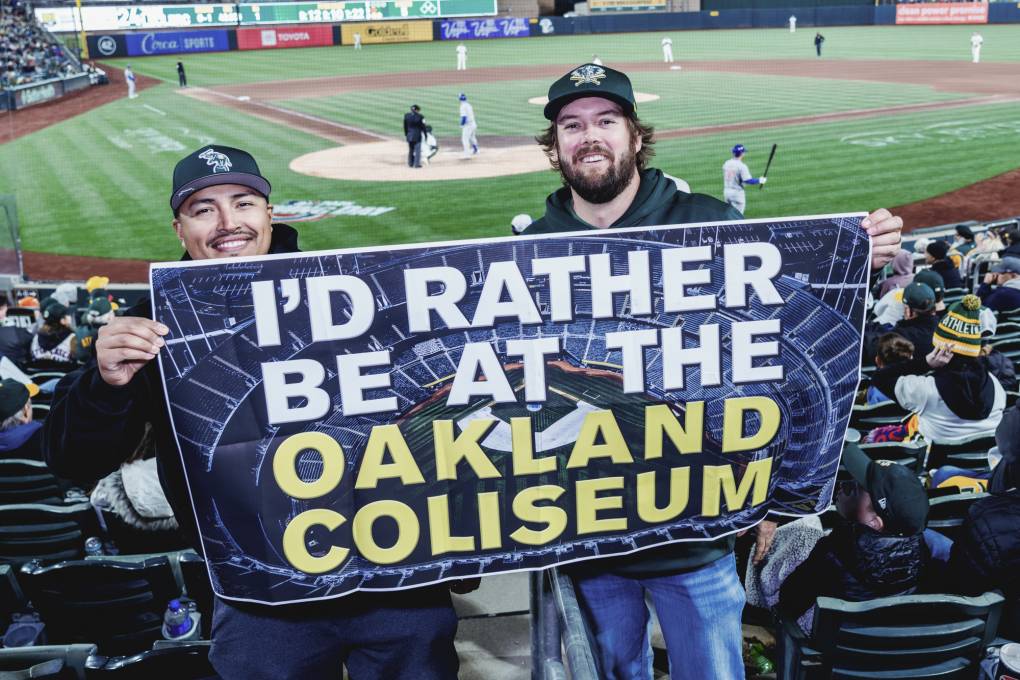
"caption": "Tyler Hogan and Chuy Vill display a poster during Oakland A’s season home opener at Sutter Health Park in West Sacramento on Monday, March 31, 2025. After leaving Oakland, the Athletics kicked off a planned three-season stay at Sutter Health Park, drawing mixed emotions from fans. ",
"credit": "Andri Tambunan for KQED",
"altTag": null,
"description": null,
"imgSizes": {
"medium": {
"file": "https://cdn.kqed.org/wp-content/uploads/sites/10/2025/04/230331-OAKLAND_AS_SEASON_OPENER_AT_382-KQED-800x533.jpg",
"width": 800,
"height": 533,
"mimeType": "image/jpeg"
},
"large": {
"file": "https://cdn.kqed.org/wp-content/uploads/sites/10/2025/04/230331-OAKLAND_AS_SEASON_OPENER_AT_382-KQED-1020x680.jpg",
"width": 1020,
"height": 680,
"mimeType": "image/jpeg"
},
"thumbnail": {
"file": "https://cdn.kqed.org/wp-content/uploads/sites/10/2025/04/230331-OAKLAND_AS_SEASON_OPENER_AT_382-KQED-160x107.jpg",
"width": 160,
"height": 107,
"mimeType": "image/jpeg"
},
"1536x1536": {
"file": "https://cdn.kqed.org/wp-content/uploads/sites/10/2025/04/230331-OAKLAND_AS_SEASON_OPENER_AT_382-KQED-1536x1024.jpg",
"width": 1536,
"height": 1024,
"mimeType": "image/jpeg"
},
"post-thumbnail": {
"file": "https://cdn.kqed.org/wp-content/uploads/sites/10/2025/04/230331-OAKLAND_AS_SEASON_OPENER_AT_382-KQED-672x372.jpg",
"width": 672,
"height": 372,
"mimeType": "image/jpeg"
},
"twentyfourteen-full-width": {
"file": "https://cdn.kqed.org/wp-content/uploads/sites/10/2025/04/230331-OAKLAND_AS_SEASON_OPENER_AT_382-KQED-1038x576.jpg",
"width": 1038,
"height": 576,
"mimeType": "image/jpeg"
},
"full-width": {
"file": "https://cdn.kqed.org/wp-content/uploads/sites/10/2025/04/230331-OAKLAND_AS_SEASON_OPENER_AT_382-KQED-1920x1280.jpg",
"width": 1920,
"height": 1280,
"mimeType": "image/jpeg"
},
"kqedFullSize": {
"file": "https://cdn.kqed.org/wp-content/uploads/sites/10/2025/04/230331-OAKLAND_AS_SEASON_OPENER_AT_382-KQED.jpg",
"width": 2000,
"height": 1333
}
},
"isLoading": false,
"fetchFailed": false
},
"news_12033824": {
"type": "attachments",
"id": "news_12033824",
"meta": {
"index": "attachments_1716263798",
"site": "news",
"id": "12033824",
"found": true
},
"title": "_DSC5769_qed",
"publishDate": 1743442340,
"status": "inherit",
"parent": 12033822,
"modified": 1743442363,
"caption": "Dondrei Hubbard takes warm up swings before being up to bat during the Oakland Ballers inaugural game at the new Raimondi Park in Oakland, California, on June 4, 2024.",
"credit": "Martin do Nascimento/KQED",
"altTag": null,
"description": null,
"imgSizes": {
"medium": {
"file": "https://cdn.kqed.org/wp-content/uploads/sites/10/2025/03/DSC5769_qed-800x533.jpg",
"width": 800,
"height": 533,
"mimeType": "image/jpeg"
},
"large": {
"file": "https://cdn.kqed.org/wp-content/uploads/sites/10/2025/03/DSC5769_qed-1020x680.jpg",
"width": 1020,
"height": 680,
"mimeType": "image/jpeg"
},
"thumbnail": {
"file": "https://cdn.kqed.org/wp-content/uploads/sites/10/2025/03/DSC5769_qed-160x107.jpg",
"width": 160,
"height": 107,
"mimeType": "image/jpeg"
},
"1536x1536": {
"file": "https://cdn.kqed.org/wp-content/uploads/sites/10/2025/03/DSC5769_qed-1536x1024.jpg",
"width": 1536,
"height": 1024,
"mimeType": "image/jpeg"
},
"post-thumbnail": {
"file": "https://cdn.kqed.org/wp-content/uploads/sites/10/2025/03/DSC5769_qed-672x372.jpg",
"width": 672,
"height": 372,
"mimeType": "image/jpeg"
},
"twentyfourteen-full-width": {
"file": "https://cdn.kqed.org/wp-content/uploads/sites/10/2025/03/DSC5769_qed-1038x576.jpg",
"width": 1038,
"height": 576,
"mimeType": "image/jpeg"
},
"full-width": {
"file": "https://cdn.kqed.org/wp-content/uploads/sites/10/2025/03/DSC5769_qed-1920x1280.jpg",
"width": 1920,
"height": 1280,
"mimeType": "image/jpeg"
},
"kqedFullSize": {
"file": "https://cdn.kqed.org/wp-content/uploads/sites/10/2025/03/DSC5769_qed.jpg",
"width": 2000,
"height": 1333
}
},
"isLoading": false,
"fetchFailed": false
},
"news_12032696": {
"type": "attachments",
"id": "news_12032696",
"meta": {
"index": "attachments_1716263798",
"site": "news",
"id": "12032696",
"found": true
},
"title": "250323-DEM TOWN HALLS-MD-14-KQED-1",
"publishDate": 1742819407,
"status": "inherit",
"parent": 12032718,
"modified": 1742833083,
"caption": "(From center right) Connie Wright, Sally MacGuire and Ali Ramirez applaud and cheer at a town hall meeting with Rep. Ro Khanna at the MLK Community Center in Bakersfield on March 23, 2025.",
"credit": "Martin do Nascimento/KQED",
"altTag": null,
"description": null,
"imgSizes": {
"medium": {
"file": "https://cdn.kqed.org/wp-content/uploads/sites/10/2025/03/250323-DEM-TOWN-HALLS-MD-14-KQED-1-800x533.jpg",
"width": 800,
"height": 533,
"mimeType": "image/jpeg"
},
"large": {
"file": "https://cdn.kqed.org/wp-content/uploads/sites/10/2025/03/250323-DEM-TOWN-HALLS-MD-14-KQED-1-1020x680.jpg",
"width": 1020,
"height": 680,
"mimeType": "image/jpeg"
},
"thumbnail": {
"file": "https://cdn.kqed.org/wp-content/uploads/sites/10/2025/03/250323-DEM-TOWN-HALLS-MD-14-KQED-1-160x107.jpg",
"width": 160,
"height": 107,
"mimeType": "image/jpeg"
},
"1536x1536": {
"file": "https://cdn.kqed.org/wp-content/uploads/sites/10/2025/03/250323-DEM-TOWN-HALLS-MD-14-KQED-1-1536x1024.jpg",
"width": 1536,
"height": 1024,
"mimeType": "image/jpeg"
},
"post-thumbnail": {
"file": "https://cdn.kqed.org/wp-content/uploads/sites/10/2025/03/250323-DEM-TOWN-HALLS-MD-14-KQED-1-672x372.jpg",
"width": 672,
"height": 372,
"mimeType": "image/jpeg"
},
"twentyfourteen-full-width": {
"file": "https://cdn.kqed.org/wp-content/uploads/sites/10/2025/03/250323-DEM-TOWN-HALLS-MD-14-KQED-1-1038x576.jpg",
"width": 1038,
"height": 576,
"mimeType": "image/jpeg"
},
"full-width": {
"file": "https://cdn.kqed.org/wp-content/uploads/sites/10/2025/03/250323-DEM-TOWN-HALLS-MD-14-KQED-1-1920x1280.jpg",
"width": 1920,
"height": 1280,
"mimeType": "image/jpeg"
},
"kqedFullSize": {
"file": "https://cdn.kqed.org/wp-content/uploads/sites/10/2025/03/250323-DEM-TOWN-HALLS-MD-14-KQED-1.jpg",
"width": 2000,
"height": 1333
}
},
"isLoading": false,
"fetchFailed": false
},
"news_12033880": {
"type": "attachments",
"id": "news_12033880",
"meta": {
"index": "attachments_1716263798",
"site": "news",
"id": "12033880",
"found": true
},
"title": "250331-Trans Newsom Rally-AC-01-KQED",
"publishDate": 1743459063,
"status": "inherit",
"parent": 0,
"modified": 1743461768,
"caption": "Will Lohf waves an LGBTQ+ flag during a march for trans youth in Kentfield on March 31, 2025.",
"credit": "Aryk Copley for KQED",
"altTag": null,
"description": null,
"imgSizes": {
"medium": {
"file": "https://cdn.kqed.org/wp-content/uploads/sites/10/2025/03/250331-Trans-Newsom-Rally-AC-01-KQED-800x534.jpg",
"width": 800,
"height": 534,
"mimeType": "image/jpeg"
},
"large": {
"file": "https://cdn.kqed.org/wp-content/uploads/sites/10/2025/03/250331-Trans-Newsom-Rally-AC-01-KQED-1020x680.jpg",
"width": 1020,
"height": 680,
"mimeType": "image/jpeg"
},
"thumbnail": {
"file": "https://cdn.kqed.org/wp-content/uploads/sites/10/2025/03/250331-Trans-Newsom-Rally-AC-01-KQED-160x107.jpg",
"width": 160,
"height": 107,
"mimeType": "image/jpeg"
},
"1536x1536": {
"file": "https://cdn.kqed.org/wp-content/uploads/sites/10/2025/03/250331-Trans-Newsom-Rally-AC-01-KQED-1536x1025.jpg",
"width": 1536,
"height": 1025,
"mimeType": "image/jpeg"
},
"post-thumbnail": {
"file": "https://cdn.kqed.org/wp-content/uploads/sites/10/2025/03/250331-Trans-Newsom-Rally-AC-01-KQED-672x372.jpg",
"width": 672,
"height": 372,
"mimeType": "image/jpeg"
},
"twentyfourteen-full-width": {
"file": "https://cdn.kqed.org/wp-content/uploads/sites/10/2025/03/250331-Trans-Newsom-Rally-AC-01-KQED-1038x576.jpg",
"width": 1038,
"height": 576,
"mimeType": "image/jpeg"
},
"full-width": {
"file": "https://cdn.kqed.org/wp-content/uploads/sites/10/2025/03/250331-Trans-Newsom-Rally-AC-01-KQED-1920x1281.jpg",
"width": 1920,
"height": 1281,
"mimeType": "image/jpeg"
},
"kqedFullSize": {
"file": "https://cdn.kqed.org/wp-content/uploads/sites/10/2025/03/250331-Trans-Newsom-Rally-AC-01-KQED.jpg",
"width": 2000,
"height": 1334
}
},
"isLoading": false,
"fetchFailed": false
},
"news_12033816": {
"type": "attachments",
"id": "news_12033816",
"meta": {
"index": "attachments_1716263798",
"site": "news",
"id": "12033816",
"found": true
},
"title": "250211-SkyDaddy-08-BL_qed",
"publishDate": 1743441299,
"status": "inherit",
"parent": 12033814,
"modified": 1743441311,
"caption": "A United Airlines plane arrives at the San Francisco International Airport on Feb. 11, 2025.",
"credit": "Beth LaBerge/KQED",
"altTag": null,
"description": null,
"imgSizes": {
"medium": {
"file": "https://cdn.kqed.org/wp-content/uploads/sites/10/2025/03/250211-SkyDaddy-08-BL_qed-800x533.jpg",
"width": 800,
"height": 533,
"mimeType": "image/jpeg"
},
"large": {
"file": "https://cdn.kqed.org/wp-content/uploads/sites/10/2025/03/250211-SkyDaddy-08-BL_qed-1020x680.jpg",
"width": 1020,
"height": 680,
"mimeType": "image/jpeg"
},
"thumbnail": {
"file": "https://cdn.kqed.org/wp-content/uploads/sites/10/2025/03/250211-SkyDaddy-08-BL_qed-160x107.jpg",
"width": 160,
"height": 107,
"mimeType": "image/jpeg"
},
"1536x1536": {
"file": "https://cdn.kqed.org/wp-content/uploads/sites/10/2025/03/250211-SkyDaddy-08-BL_qed-1536x1024.jpg",
"width": 1536,
"height": 1024,
"mimeType": "image/jpeg"
},
"post-thumbnail": {
"file": "https://cdn.kqed.org/wp-content/uploads/sites/10/2025/03/250211-SkyDaddy-08-BL_qed-672x372.jpg",
"width": 672,
"height": 372,
"mimeType": "image/jpeg"
},
"twentyfourteen-full-width": {
"file": "https://cdn.kqed.org/wp-content/uploads/sites/10/2025/03/250211-SkyDaddy-08-BL_qed-1038x576.jpg",
"width": 1038,
"height": 576,
"mimeType": "image/jpeg"
},
"full-width": {
"file": "https://cdn.kqed.org/wp-content/uploads/sites/10/2025/03/250211-SkyDaddy-08-BL_qed-1920x1280.jpg",
"width": 1920,
"height": 1280,
"mimeType": "image/jpeg"
},
"kqedFullSize": {
"file": "https://cdn.kqed.org/wp-content/uploads/sites/10/2025/03/250211-SkyDaddy-08-BL_qed.jpg",
"width": 2000,
"height": 1333
}
},
"isLoading": false,
"fetchFailed": false
},
"news_12033812": {
"type": "attachments",
"id": "news_12033812",
"meta": {
"index": "attachments_1716263798",
"site": "news",
"id": "12033812",
"found": true
},
"title": "231218-RainFile-01-BL_qed",
"publishDate": 1743440961,
"status": "inherit",
"parent": 12033807,
"modified": 1743440974,
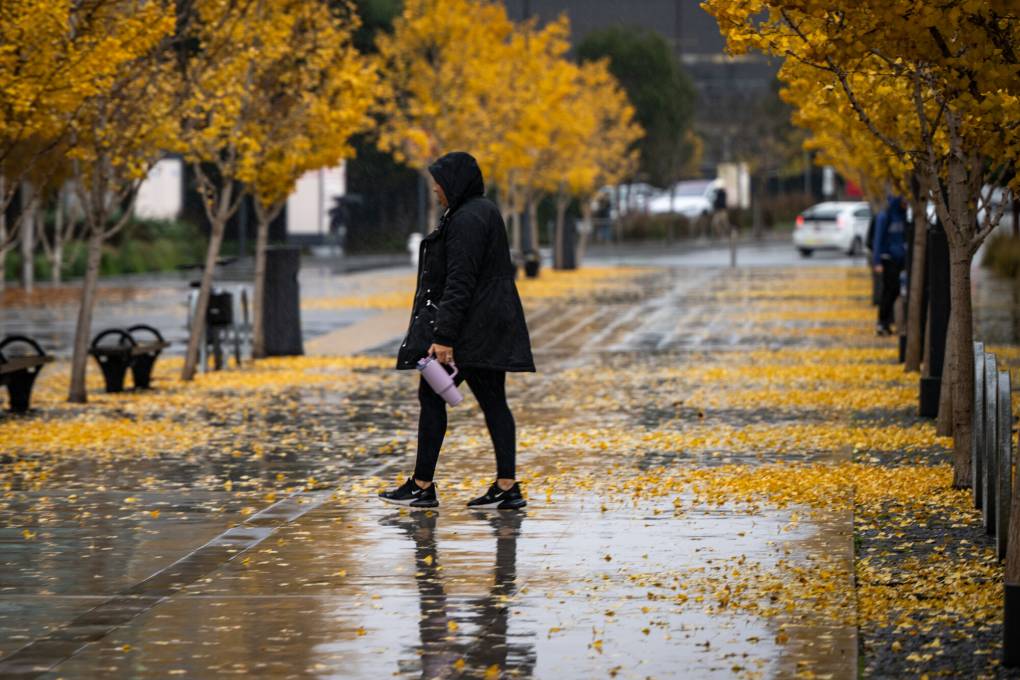
"caption": "A person walks in the rain near the UCSF Mission Bay campus in San Francisco on Dec. 18, 2023.",
"credit": "Beth LaBerge/KQED",
"altTag": null,
"description": null,
"imgSizes": {
"medium": {
"file": "https://cdn.kqed.org/wp-content/uploads/sites/10/2025/03/231218-RainFile-01-BL_qed-800x533.jpg",
"width": 800,
"height": 533,
"mimeType": "image/jpeg"
},
"large": {
"file": "https://cdn.kqed.org/wp-content/uploads/sites/10/2025/03/231218-RainFile-01-BL_qed-1020x680.jpg",
"width": 1020,
"height": 680,
"mimeType": "image/jpeg"
},
"thumbnail": {
"file": "https://cdn.kqed.org/wp-content/uploads/sites/10/2025/03/231218-RainFile-01-BL_qed-160x107.jpg",
"width": 160,
"height": 107,
"mimeType": "image/jpeg"
},
"1536x1536": {
"file": "https://cdn.kqed.org/wp-content/uploads/sites/10/2025/03/231218-RainFile-01-BL_qed-1536x1024.jpg",
"width": 1536,
"height": 1024,
"mimeType": "image/jpeg"
},
"post-thumbnail": {
"file": "https://cdn.kqed.org/wp-content/uploads/sites/10/2025/03/231218-RainFile-01-BL_qed-672x372.jpg",
"width": 672,
"height": 372,
"mimeType": "image/jpeg"
},
"twentyfourteen-full-width": {
"file": "https://cdn.kqed.org/wp-content/uploads/sites/10/2025/03/231218-RainFile-01-BL_qed-1038x576.jpg",
"width": 1038,
"height": 576,
"mimeType": "image/jpeg"
},
"full-width": {
"file": "https://cdn.kqed.org/wp-content/uploads/sites/10/2025/03/231218-RainFile-01-BL_qed-1920x1280.jpg",
"width": 1920,
"height": 1280,
"mimeType": "image/jpeg"
},
"kqedFullSize": {
"file": "https://cdn.kqed.org/wp-content/uploads/sites/10/2025/03/231218-RainFile-01-BL_qed.jpg",
"width": 1999,
"height": 1333
}
},
"isLoading": false,
"fetchFailed": false
},
"news_12033809": {
"type": "attachments",
"id": "news_12033809",
"meta": {
"index": "attachments_1716263798",
"site": "news",
"id": "12033809",
"found": true
},
"title": "250331-SILVER FIRE-CHP-1-KQED",
"publishDate": 1743440604,
"status": "inherit",
"parent": 0,
"modified": 1743440669,
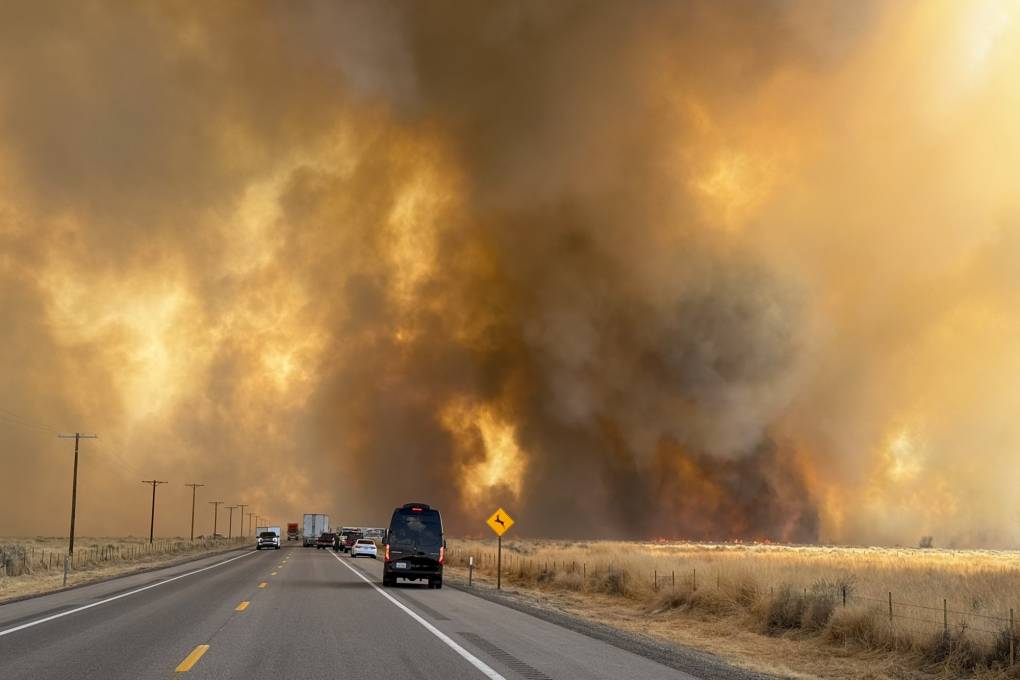
"caption": "The Silver Fire burns near Highway 6 on March 30, 2025.",
"credit": "Courtesy of California Highway Patrol",
"altTag": null,
"description": null,
"imgSizes": {
"medium": {
"file": "https://cdn.kqed.org/wp-content/uploads/sites/10/2025/03/250331-SILVER-FIRE-CHP-1-KQED-800x533.jpg",
"width": 800,
"height": 533,
"mimeType": "image/jpeg"
},
"large": {
"file": "https://cdn.kqed.org/wp-content/uploads/sites/10/2025/03/250331-SILVER-FIRE-CHP-1-KQED-1020x680.jpg",
"width": 1020,
"height": 680,
"mimeType": "image/jpeg"
},
"thumbnail": {
"file": "https://cdn.kqed.org/wp-content/uploads/sites/10/2025/03/250331-SILVER-FIRE-CHP-1-KQED-160x107.jpg",
"width": 160,
"height": 107,
"mimeType": "image/jpeg"
},
"1536x1536": {
"file": "https://cdn.kqed.org/wp-content/uploads/sites/10/2025/03/250331-SILVER-FIRE-CHP-1-KQED-1536x1024.jpg",
"width": 1536,
"height": 1024,
"mimeType": "image/jpeg"
},
"post-thumbnail": {
"file": "https://cdn.kqed.org/wp-content/uploads/sites/10/2025/03/250331-SILVER-FIRE-CHP-1-KQED-672x372.jpg",
"width": 672,
"height": 372,
"mimeType": "image/jpeg"
},
"twentyfourteen-full-width": {
"file": "https://cdn.kqed.org/wp-content/uploads/sites/10/2025/03/250331-SILVER-FIRE-CHP-1-KQED-1038x576.jpg",
"width": 1038,
"height": 576,
"mimeType": "image/jpeg"
},
"full-width": {
"file": "https://cdn.kqed.org/wp-content/uploads/sites/10/2025/03/250331-SILVER-FIRE-CHP-1-KQED-1920x1280.jpg",
"width": 1920,
"height": 1280,
"mimeType": "image/jpeg"
},
"kqedFullSize": {
"file": "https://cdn.kqed.org/wp-content/uploads/sites/10/2025/03/250331-SILVER-FIRE-CHP-1-KQED.jpg",
"width": 2000,
"height": 1333
}
},
"isLoading": false,
"fetchFailed": false
},
"news_12033651": {
"type": "attachments",
"id": "news_12033651",
"meta": {
"index": "attachments_1716263798",
"site": "news",
"id": "12033651",
"found": true
},
"title": "240625-UBERSANJOSE-JG-1 (1)",
"publishDate": 1743204895,
"status": "inherit",
"parent": 12033648,
"modified": 1743204956,
"caption": "Uber drivers and advocates rally outside the company's driver support center in South San José on June 25, 2024.",
"credit": "Joseph Geha/KQED",
"altTag": null,
"description": null,
"imgSizes": {
"medium": {
"file": "https://cdn.kqed.org/wp-content/uploads/sites/10/2025/03/240625-UBERSANJOSE-JG-1-1-800x533.jpg",
"width": 800,
"height": 533,
"mimeType": "image/jpeg"
},
"large": {
"file": "https://cdn.kqed.org/wp-content/uploads/sites/10/2025/03/240625-UBERSANJOSE-JG-1-1-1020x680.jpg",
"width": 1020,
"height": 680,
"mimeType": "image/jpeg"
},
"thumbnail": {
"file": "https://cdn.kqed.org/wp-content/uploads/sites/10/2025/03/240625-UBERSANJOSE-JG-1-1-160x107.jpg",
"width": 160,
"height": 107,
"mimeType": "image/jpeg"
},
"1536x1536": {
"file": "https://cdn.kqed.org/wp-content/uploads/sites/10/2025/03/240625-UBERSANJOSE-JG-1-1-1536x1024.jpg",
"width": 1536,
"height": 1024,
"mimeType": "image/jpeg"
},
"post-thumbnail": {
"file": "https://cdn.kqed.org/wp-content/uploads/sites/10/2025/03/240625-UBERSANJOSE-JG-1-1-672x372.jpg",
"width": 672,
"height": 372,
"mimeType": "image/jpeg"
},
"twentyfourteen-full-width": {
"file": "https://cdn.kqed.org/wp-content/uploads/sites/10/2025/03/240625-UBERSANJOSE-JG-1-1-1038x576.jpg",
"width": 1038,
"height": 576,
"mimeType": "image/jpeg"
},
"full-width": {
"file": "https://cdn.kqed.org/wp-content/uploads/sites/10/2025/03/240625-UBERSANJOSE-JG-1-1-1920x1280.jpg",
"width": 1920,
"height": 1280,
"mimeType": "image/jpeg"
},
"kqedFullSize": {
"file": "https://cdn.kqed.org/wp-content/uploads/sites/10/2025/03/240625-UBERSANJOSE-JG-1-1.jpg",
"width": 2000,
"height": 1333
}
},
"isLoading": false,
"fetchFailed": false
},
"news_11981484": {
"type": "attachments",
"id": "news_11981484",
"meta": {
"index": "attachments_1716263798",
"site": "news",
"id": "11981484",
"found": true
},
"title": "240328-BAYWOODHISTORICDISTRICT-JY-001-KQED",
"publishDate": 1711975132,
"status": "inherit",
"parent": 0,
"modified": 1743209248,
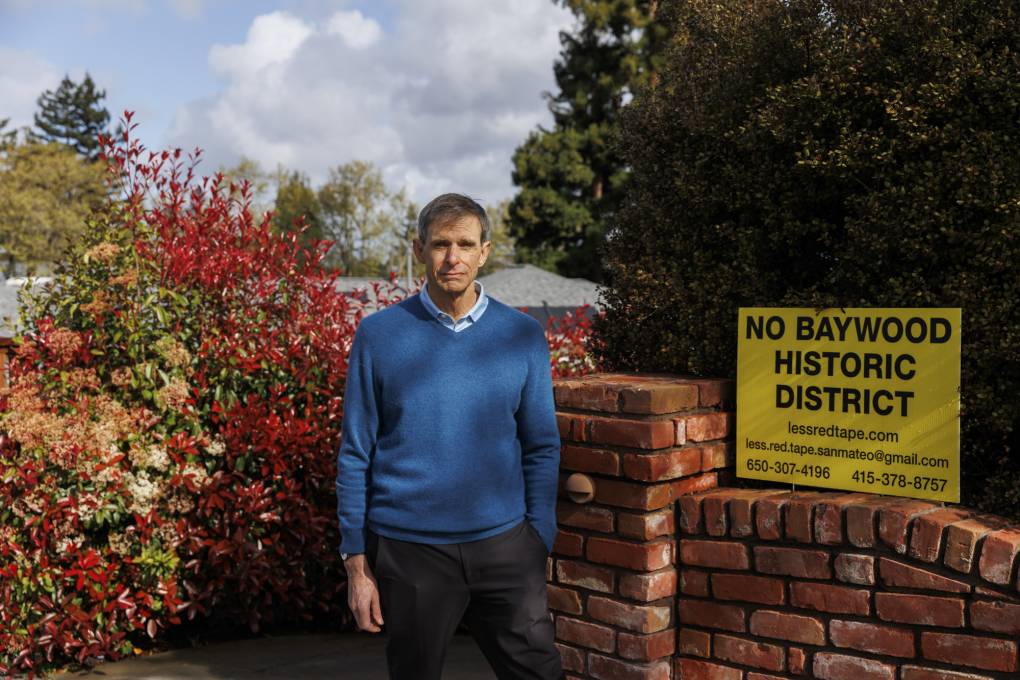
"caption": "Lead organizer of Less Red Tape, Frank Elliott, stands for a portrait outside his home in San Mateo, California, on Thursday, March 28, 2024. Elliott, who has lived in his home in the Baywood neighborhood of San Mateo since 1997, founded Less Red Tape to protest the designation of Baywood as a historic district.",
"credit": "Juliana Yamada/KQED",
"altTag": null,
"description": null,
"imgSizes": {
"medium": {
"file": "https://cdn.kqed.org/wp-content/uploads/sites/10/2024/04/240328-BAYWOODHISTORICDISTRICT-JY-001-KQED-800x533.jpg",
"width": 800,
"height": 533,
"mimeType": "image/jpeg"
},
"large": {
"file": "https://cdn.kqed.org/wp-content/uploads/sites/10/2024/04/240328-BAYWOODHISTORICDISTRICT-JY-001-KQED-1020x680.jpg",
"width": 1020,
"height": 680,
"mimeType": "image/jpeg"
},
"thumbnail": {
"file": "https://cdn.kqed.org/wp-content/uploads/sites/10/2024/04/240328-BAYWOODHISTORICDISTRICT-JY-001-KQED-160x107.jpg",
"width": 160,
"height": 107,
"mimeType": "image/jpeg"
},
"1536x1536": {
"file": "https://cdn.kqed.org/wp-content/uploads/sites/10/2024/04/240328-BAYWOODHISTORICDISTRICT-JY-001-KQED-1536x1024.jpg",
"width": 1536,
"height": 1024,
"mimeType": "image/jpeg"
},
"post-thumbnail": {
"file": "https://cdn.kqed.org/wp-content/uploads/sites/10/2024/04/240328-BAYWOODHISTORICDISTRICT-JY-001-KQED-672x372.jpg",
"width": 672,
"height": 372,
"mimeType": "image/jpeg"
},
"twentyfourteen-full-width": {
"file": "https://cdn.kqed.org/wp-content/uploads/sites/10/2024/04/240328-BAYWOODHISTORICDISTRICT-JY-001-KQED-1038x576.jpg",
"width": 1038,
"height": 576,
"mimeType": "image/jpeg"
},
"full-width": {
"file": "https://cdn.kqed.org/wp-content/uploads/sites/10/2024/04/240328-BAYWOODHISTORICDISTRICT-JY-001-KQED-1920x1280.jpg",
"width": 1920,
"height": 1280,
"mimeType": "image/jpeg"
},
"kqedFullSize": {
"file": "https://cdn.kqed.org/wp-content/uploads/sites/10/2024/04/240328-BAYWOODHISTORICDISTRICT-JY-001-KQED.jpg",
"width": 2000,
"height": 1333
}
},
"isLoading": false,
"fetchFailed": false
},
"news_12033402": {
"type": "attachments",
"id": "news_12033402",
"meta": {
"index": "attachments_1716263798",
"site": "news",
"id": "12033402",
"found": true
},
"title": "P1100941_qed",
"publishDate": 1743109501,
"status": "inherit",
"parent": 12033386,
"modified": 1743109642,
"caption": "A PG&E service center on Harrison and 18th streets in the Mission District in San Francisco on Jan. 27, 2019.",
"credit": "Sheraz Sadiq/KQED",
"altTag": null,
"description": null,
"imgSizes": {
"medium": {
"file": "https://cdn.kqed.org/wp-content/uploads/sites/10/2025/03/P1100941_qed-800x533.jpg",
"width": 800,
"height": 533,
"mimeType": "image/jpeg"
},
"large": {
"file": "https://cdn.kqed.org/wp-content/uploads/sites/10/2025/03/P1100941_qed-1020x680.jpg",
"width": 1020,
"height": 680,
"mimeType": "image/jpeg"
},
"thumbnail": {
"file": "https://cdn.kqed.org/wp-content/uploads/sites/10/2025/03/P1100941_qed-160x107.jpg",
"width": 160,
"height": 107,
"mimeType": "image/jpeg"
},
"1536x1536": {
"file": "https://cdn.kqed.org/wp-content/uploads/sites/10/2025/03/P1100941_qed-1536x1024.jpg",
"width": 1536,
"height": 1024,
"mimeType": "image/jpeg"
},
"post-thumbnail": {
"file": "https://cdn.kqed.org/wp-content/uploads/sites/10/2025/03/P1100941_qed-672x372.jpg",
"width": 672,
"height": 372,
"mimeType": "image/jpeg"
},
"twentyfourteen-full-width": {
"file": "https://cdn.kqed.org/wp-content/uploads/sites/10/2025/03/P1100941_qed-1038x576.jpg",
"width": 1038,
"height": 576,
"mimeType": "image/jpeg"
},
"full-width": {
"file": "https://cdn.kqed.org/wp-content/uploads/sites/10/2025/03/P1100941_qed-1920x1280.jpg",
"width": 1920,
"height": 1280,
"mimeType": "image/jpeg"
},
"kqedFullSize": {
"file": "https://cdn.kqed.org/wp-content/uploads/sites/10/2025/03/P1100941_qed.jpg",
"width": 2000,
"height": 1333
}
},
"isLoading": false,
"fetchFailed": false
},
"news_12031963": {
"type": "attachments",
"id": "news_12031963",
"meta": {
"index": "attachments_1716263798",
"site": "news",
"id": "12031963",
"found": true
},
"title": "20250312_Stay-Behinds_JB_00010",
"publishDate": 1742341476,
"status": "inherit",
"parent": 0,
"modified": 1743102835,
"caption": "Jane Murphy and her son, Justin, photographed at their home in Altadena, CA, on March 12, 2025. ",
"credit": "James Bernal for KQED",
"altTag": null,
"description": null,
"imgSizes": {
"medium": {
"file": "https://cdn.kqed.org/wp-content/uploads/sites/10/2025/03/20250312_Stay-Behinds_JB_00010-800x533.jpg",
"width": 800,
"height": 533,
"mimeType": "image/jpeg"
},
"large": {
"file": "https://cdn.kqed.org/wp-content/uploads/sites/10/2025/03/20250312_Stay-Behinds_JB_00010-1020x680.jpg",
"width": 1020,
"height": 680,
"mimeType": "image/jpeg"
},
"thumbnail": {
"file": "https://cdn.kqed.org/wp-content/uploads/sites/10/2025/03/20250312_Stay-Behinds_JB_00010-160x107.jpg",
"width": 160,
"height": 107,
"mimeType": "image/jpeg"
},
"1536x1536": {
"file": "https://cdn.kqed.org/wp-content/uploads/sites/10/2025/03/20250312_Stay-Behinds_JB_00010-1536x1024.jpg",
"width": 1536,
"height": 1024,
"mimeType": "image/jpeg"
},
"post-thumbnail": {
"file": "https://cdn.kqed.org/wp-content/uploads/sites/10/2025/03/20250312_Stay-Behinds_JB_00010-672x372.jpg",
"width": 672,
"height": 372,
"mimeType": "image/jpeg"
},
"twentyfourteen-full-width": {
"file": "https://cdn.kqed.org/wp-content/uploads/sites/10/2025/03/20250312_Stay-Behinds_JB_00010-1038x576.jpg",
"width": 1038,
"height": 576,
"mimeType": "image/jpeg"
},
"full-width": {
"file": "https://cdn.kqed.org/wp-content/uploads/sites/10/2025/03/20250312_Stay-Behinds_JB_00010-1920x1280.jpg",
"width": 1920,
"height": 1280,
"mimeType": "image/jpeg"
},
"kqedFullSize": {
"file": "https://cdn.kqed.org/wp-content/uploads/sites/10/2025/03/20250312_Stay-Behinds_JB_00010.jpg",
"width": 2000,
"height": 1333
}
},
"isLoading": false,
"fetchFailed": false
},
"news_11789958": {
"type": "attachments",
"id": "news_11789958",
"meta": {
"index": "attachments_1716263798",
"site": "news",
"id": "11789958",
"found": true
},
"parent": 11789945,
"imgSizes": {
"apple_news_ca_landscape_5_5": {
"file": "https://ww2.kqed.org/app/uploads/sites/10/2019/12/Arboleda-1-shot-1044x783.jpg",
"width": 1044,
"mimeType": "image/jpeg",
"height": 783
},
"apple_news_ca_square_4_0": {
"file": "https://ww2.kqed.org/app/uploads/sites/10/2019/12/Arboleda-1-shot-470x470.jpg",
"width": 470,
"mimeType": "image/jpeg",
"height": 470
},
"twentyfourteen-full-width": {
"file": "https://ww2.kqed.org/app/uploads/sites/10/2019/12/Arboleda-1-shot-1038x576.jpg",
"width": 1038,
"mimeType": "image/jpeg",
"height": 576
},
"thumbnail": {
"file": "https://ww2.kqed.org/app/uploads/sites/10/2019/12/Arboleda-1-shot-160x107.jpg",
"width": 160,
"mimeType": "image/jpeg",
"height": 107
},
"post-thumbnail": {
"file": "https://ww2.kqed.org/app/uploads/sites/10/2019/12/Arboleda-1-shot-672x372.jpg",
"width": 672,
"mimeType": "image/jpeg",
"height": 372
},
"kqedFullSize": {
"file": "https://ww2.kqed.org/app/uploads/sites/10/2019/12/Arboleda-1-shot.jpg",
"width": 1920,
"height": 1279
},
"apple_news_ca_landscape_4_7": {
"file": "https://ww2.kqed.org/app/uploads/sites/10/2019/12/Arboleda-1-shot-632x474.jpg",
"width": 632,
"mimeType": "image/jpeg",
"height": 474
},
"large": {
"file": "https://ww2.kqed.org/app/uploads/sites/10/2019/12/Arboleda-1-shot-1020x679.jpg",
"width": 1020,
"mimeType": "image/jpeg",
"height": 679
},
"complete_open_graph": {
"file": "https://ww2.kqed.org/app/uploads/sites/10/2019/12/Arboleda-1-shot-1200x799.jpg",
"width": 1200,
"mimeType": "image/jpeg",
"height": 799
},
"apple_news_ca_landscape_4_0": {
"file": "https://ww2.kqed.org/app/uploads/sites/10/2019/12/Arboleda-1-shot-536x402.jpg",
"width": 536,
"mimeType": "image/jpeg",
"height": 402
},
"apple_news_ca_portrait_12_9": {
"file": "https://ww2.kqed.org/app/uploads/sites/10/2019/12/Arboleda-1-shot-1122x1279.jpg",
"width": 1122,
"mimeType": "image/jpeg",
"height": 1279
},
"medium": {
"file": "https://ww2.kqed.org/app/uploads/sites/10/2019/12/Arboleda-1-shot-800x533.jpg",
"width": 800,
"mimeType": "image/jpeg",
"height": 533
},
"apple_news_ca_portrait_4_0": {
"file": "https://ww2.kqed.org/app/uploads/sites/10/2019/12/Arboleda-1-shot-354x472.jpg",
"width": 354,
"mimeType": "image/jpeg",
"height": 472
},
"apple_news_ca_portrait_9_7": {
"file": "https://ww2.kqed.org/app/uploads/sites/10/2019/12/Arboleda-1-shot-840x1120.jpg",
"width": 840,
"mimeType": "image/jpeg",
"height": 1120
},
"apple_news_ca_landscape_12_9": {
"file": "https://ww2.kqed.org/app/uploads/sites/10/2019/12/Arboleda-1-shot-1832x1279.jpg",
"width": 1832,
"mimeType": "image/jpeg",
"height": 1279
},
"apple_news_ca_square_9_7": {
"file": "https://ww2.kqed.org/app/uploads/sites/10/2019/12/Arboleda-1-shot-1104x1104.jpg",
"width": 1104,
"mimeType": "image/jpeg",
"height": 1104
},
"apple_news_ca_portrait_4_7": {
"file": "https://ww2.kqed.org/app/uploads/sites/10/2019/12/Arboleda-1-shot-414x552.jpg",
"width": 414,
"mimeType": "image/jpeg",
"height": 552
},
"apple_news_ca_square_12_9": {
"file": "https://ww2.kqed.org/app/uploads/sites/10/2019/12/Arboleda-1-shot-1472x1279.jpg",
"width": 1472,
"mimeType": "image/jpeg",
"height": 1279
},
"apple_news_ca_portrait_5_5": {
"file": "https://ww2.kqed.org/app/uploads/sites/10/2019/12/Arboleda-1-shot-687x916.jpg",
"width": 687,
"mimeType": "image/jpeg",
"height": 916
},
"full-width": {
"file": "https://ww2.kqed.org/app/uploads/sites/10/2019/12/Arboleda-1-shot-1920x1279.jpg",
"width": 1920,
"mimeType": "image/jpeg",
"height": 1279
},
"apple_news_ca_square_4_7": {
"file": "https://ww2.kqed.org/app/uploads/sites/10/2019/12/Arboleda-1-shot-550x550.jpg",
"width": 550,
"mimeType": "image/jpeg",
"height": 550
},
"apple_news_ca_landscape_9_7": {
"file": "https://ww2.kqed.org/app/uploads/sites/10/2019/12/Arboleda-1-shot-1376x1032.jpg",
"width": 1376,
"mimeType": "image/jpeg",
"height": 1032
},
"apple_news_ca_square_5_5": {
"file": "https://ww2.kqed.org/app/uploads/sites/10/2019/12/Arboleda-1-shot-912x912.jpg",
"width": 912,
"mimeType": "image/jpeg",
"height": 912
}
},
"publishDate": 1575602339,
"modified": 1635297012,
"caption": "A screenshot from police car dashcam video on Nov. 3, 2018, at about the time Contra Costa County Sheriff's Deputy Andrew Hall began firing through the front windshield of a slow-moving vehicle, fatally striking Laudemer Arboleda. Arboleda had led police on a brief car chase after a resident reported a suspicious person.",
"description": null,
"title": "Arboleda 1 shot",
"credit": "Courtesy of Contra Costa County Sheriff's Officer",
"status": "inherit",
"altTag": "A Danville police car door-to-door alongside a Honda Accord, facing the opposite direction.",
"isLoading": false,
"fetchFailed": false
}
},
"audioPlayerReducer": {
"postId": "stream_live",
"isPaused": true,
"isPlaying": false,
"pfsActive": false,
"pledgeModalIsOpen": true,
"playerDrawerIsOpen": false,
"liveAudioPlayStartedAt": 0,
"liveAudioPlayContext": ""
},
"authorsReducer": {
"gmarzorati": {
"type": "authors",
"id": "227",
"meta": {
"index": "authors_1716337520",
"id": "227",
"found": true
},
"name": "Guy Marzorati",
"firstName": "Guy",
"lastName": "Marzorati",
"slug": "gmarzorati",
"email": "gmarzorati@KQED.org",
"display_author_email": true,
"staff_mastheads": [
"news"
],
"title": "Correspondent",
"bio": "Guy Marzorati is a correspondent on KQED's California Politics and Government Desk, based in San Jose. A graduate of Santa Clara University, Guy joined KQED in 2013. He reports on state and local politics and produces KQED's digital voter guide.",
"avatar": "https://secure.gravatar.com/avatar/e7038b8dbfd55b104369b76b1cd0b9de?s=600&d=blank&r=g",
"twitter": "guymarzorati",
"facebook": null,
"instagram": null,
"linkedin": null,
"sites": [
{
"site": "",
"roles": [
"editor"
]
},
{
"site": "news",
"roles": [
"editor"
]
},
{
"site": "science",
"roles": [
"editor"
]
},
{
"site": "forum",
"roles": [
"editor"
]
},
{
"site": "elections",
"roles": [
"editor"
]
},
{
"site": "liveblog",
"roles": [
"editor"
]
}
],
"headData": {
"title": "Guy Marzorati | KQED",
"description": "Correspondent",
"ogImgSrc": "https://secure.gravatar.com/avatar/e7038b8dbfd55b104369b76b1cd0b9de?s=600&d=blank&r=g",
"twImgSrc": "https://secure.gravatar.com/avatar/e7038b8dbfd55b104369b76b1cd0b9de?s=600&d=blank&r=g"
},
"isLoading": false,
"link": "/author/gmarzorati"
},
"matthewgreen": {
"type": "authors",
"id": "1263",
"meta": {
"index": "authors_1716337520",
"id": "1263",
"found": true
},
"name": "Matthew Green",
"firstName": "Matthew",
"lastName": "Green",
"slug": "matthewgreen",
"email": "mgreen@kqed.org",
"display_author_email": false,
"staff_mastheads": [],
"title": "KQED Editor/Reporter",
"bio": "Matthew Green is a digital media producer for KQED News. He previously produced \u003ca href=\"http://www.kqed.org/lowdown\">The Lowdown\u003c/a>, KQED’s multimedia news education blog. Matthew's written for numerous Bay Area publications, including the Oakland Tribune and San Francisco Chronicle. He also taught journalism classes at Fremont High School in East Oakland.\r\n\r\nEmail: mgreen@kqed.org; Twitter: @MGreenKQED",
"avatar": "https://secure.gravatar.com/avatar/3bf498d1267ca02c8494f33d8cfc575e?s=600&d=blank&r=g",
"twitter": "MGreenKQED",
"facebook": null,
"instagram": null,
"linkedin": null,
"sites": [
{
"site": "news",
"roles": []
},
{
"site": "lowdown",
"roles": []
},
{
"site": "science",
"roles": []
},
{
"site": "education",
"roles": []
},
{
"site": "quest",
"roles": []
},
{
"site": "liveblog",
"roles": []
}
],
"headData": {
"title": "Matthew Green | KQED",
"description": "KQED Editor/Reporter",
"ogImgSrc": "https://secure.gravatar.com/avatar/3bf498d1267ca02c8494f33d8cfc575e?s=600&d=blank&r=g",
"twImgSrc": "https://secure.gravatar.com/avatar/3bf498d1267ca02c8494f33d8cfc575e?s=600&d=blank&r=g"
},
"isLoading": false,
"link": "/author/matthewgreen"
},
"scuevas": {
"type": "authors",
"id": "2600",
"meta": {
"index": "authors_1716337520",
"id": "2600",
"found": true
},
"name": "Steven Cuevas",
"firstName": "Steven",
"lastName": "Cuevas",
"slug": "scuevas",
"email": "scuevas@kqed.org",
"display_author_email": false,
"staff_mastheads": [],
"title": "KQED Contributor",
"bio": "Steven is a former Los Angeles bureau chief for The California Report.\r\n\r\nHe reports on an array of issues across the Southland, from immigration and regional politics to religion, the performing arts and pop culture.\r\n\r\nPrior to joining KQED in 2012, Steven covered Inland southern California for KPCC in Pasadena. He also helped establish the first newsroom at \u003ca href=\"http://kut.org/\">KUT\u003c/a> in Austin, Texas where he was a general assignment reporter.\r\n\r\nSteven has received numerous awards for his reporting including an RTNDA Edward R. Murrow Award for investigative reporting in addition to awards from the LA Press Club, the Associated Press and the Society for Professional Journalists.\r\n\r\nSteven grew up in and around San Francisco and now lives in Pasadena just a short jog from the foot of the San Gabriel Mountains.",
"avatar": "https://secure.gravatar.com/avatar/bbb0bb7b496f83ab350e23ad0dc7c81c?s=600&d=blank&r=g",
"twitter": null,
"facebook": null,
"instagram": null,
"linkedin": null,
"sites": [
{
"site": "news",
"roles": [
"contributor"
]
},
{
"site": "stateofhealth",
"roles": [
"author"
]
}
],
"headData": {
"title": "Steven Cuevas | KQED",
"description": "KQED Contributor",
"ogImgSrc": "https://secure.gravatar.com/avatar/bbb0bb7b496f83ab350e23ad0dc7c81c?s=600&d=blank&r=g",
"twImgSrc": "https://secure.gravatar.com/avatar/bbb0bb7b496f83ab350e23ad0dc7c81c?s=600&d=blank&r=g"
},
"isLoading": false,
"link": "/author/scuevas"
},
"fjhabvala": {
"type": "authors",
"id": "8659",
"meta": {
"index": "authors_1716337520",
"id": "8659",
"found": true
},
"name": "Farida Jhabvala Romero",
"firstName": "Farida",
"lastName": "Jhabvala Romero",
"slug": "fjhabvala",
"email": "fjhabvala@kqed.org",
"display_author_email": true,
"staff_mastheads": [
"news"
],
"title": "KQED Contributor",
"bio": "Farida Jhabvala Romero is a Labor Correspondent for KQED. She previously covered immigration. Farida was \u003ca href=\"https://www.ccnma.org/2022-most-influential-latina-journalists\">named\u003c/a> one of the 10 Most Influential Latina Journalists in California in 2022 by the California Chicano News Media Association. Her work has won awards from the Society of Professional Journalists (Northern California), as well as a national and regional Edward M. Murrow Award for the collaborative reporting projects “Dangerous Air” and “Graying California.” Before joining KQED, Farida worked as a producer at Radio Bilingüe, a national public radio network. Farida earned her master’s degree in journalism from Stanford University.",
"avatar": "https://secure.gravatar.com/avatar/f9f022d4e2609741874222a1e9d41f48fea74011aa7c615eef91d9a50c944ebe?s=600&d=blank&r=g",
"twitter": "FaridaJhabvala",
"bluesky": null,
"facebook": null,
"instagram": null,
"linkedin": "https://www.linkedin.com/in/faridajhabvala/",
"sites": [
{
"site": "news",
"roles": [
"editor"
]
},
{
"site": "stateofhealth",
"roles": [
"author"
]
},
{
"site": "liveblog",
"roles": [
"author"
]
}
],
"headData": {
"title": "Farida Jhabvala Romero | KQED",
"description": "KQED Contributor",
"ogImgSrc": "https://secure.gravatar.com/avatar/f9f022d4e2609741874222a1e9d41f48fea74011aa7c615eef91d9a50c944ebe?s=600&d=blank&r=g",
"twImgSrc": "https://secure.gravatar.com/avatar/f9f022d4e2609741874222a1e9d41f48fea74011aa7c615eef91d9a50c944ebe?s=600&d=blank&r=g"
},
"isLoading": false,
"link": "/author/fjhabvala"
},
"ccabreralomeli": {
"type": "authors",
"id": "11708",
"meta": {
"index": "authors_1716337520",
"id": "11708",
"found": true
},
"name": "Carlos Cabrera-Lomelí",
"firstName": "Carlos",
"lastName": "Cabrera-Lomelí",
"slug": "ccabreralomeli",
"email": "ccabreralomeli@KQED.org",
"display_author_email": true,
"staff_mastheads": [
"news"
],
"title": "Community Reporter",
"bio": "Carlos Cabrera-Lomelí is a community reporter with KQED's digital engagement team. He also reports and co-produces for KQED's bilingual news hub KQED en Español. He grew up in San Francisco's Mission District and has previously worked with Univision, 48 Hills and REFORMA in Mexico City.",
"avatar": "https://secure.gravatar.com/avatar/c309be9665e484f887b818c89e273ecc673004f426f36b24d00a4d813a2e0518?s=600&d=blank&r=g",
"twitter": "@LomeliCabrera",
"bluesky": null,
"facebook": null,
"instagram": null,
"linkedin": null,
"sites": [
{
"site": "arts",
"roles": [
"editor"
]
},
{
"site": "news",
"roles": [
"editor"
]
},
{
"site": "about",
"roles": [
"editor"
]
},
{
"site": "science",
"roles": [
"editor"
]
},
{
"site": "perspectives",
"roles": [
"editor"
]
},
{
"site": "elections",
"roles": [
"editor"
]
},
{
"site": "liveblog",
"roles": [
"contributor"
]
}
],
"headData": {
"title": "Carlos Cabrera-Lomelí | KQED",
"description": "Community Reporter",
"ogImgSrc": "https://secure.gravatar.com/avatar/c309be9665e484f887b818c89e273ecc673004f426f36b24d00a4d813a2e0518?s=600&d=blank&r=g",
"twImgSrc": "https://secure.gravatar.com/avatar/c309be9665e484f887b818c89e273ecc673004f426f36b24d00a4d813a2e0518?s=600&d=blank&r=g"
},
"isLoading": false,
"link": "/author/ccabreralomeli"
},
"eromero": {
"type": "authors",
"id": "11746",
"meta": {
"index": "authors_1716337520",
"id": "11746",
"found": true
},
"name": "Ezra David Romero",
"firstName": "Ezra David",
"lastName": "Romero",
"slug": "eromero",
"email": "eromero@kqed.org",
"display_author_email": true,
"staff_mastheads": [
"news",
"science"
],
"title": "Climate Reporter",
"bio": "Ezra David Romero is a climate reporter for KQED News. He covers the absence and excess of water in the Bay Area — think sea level rise, flooding and drought. For nearly a decade he’s covered how warming temperatures are altering the lives of Californians. He’s reported on farmers worried their pistachio trees aren’t getting enough sleep, families desperate for water, scientists studying dying giant sequoias, and alongside firefighters containing wildfires. His work has appeared on local stations across California and nationally on public radio shows like Morning Edition, Here and Now, All Things Considered and Science Friday. ",
"avatar": "https://secure.gravatar.com/avatar/9c15bb8bab267e058708a9eeaeef16bf?s=600&d=blank&r=g",
"twitter": "ezraromero",
"bluesky": null,
"facebook": null,
"instagram": null,
"linkedin": null,
"sites": [
{
"site": "arts",
"roles": [
"editor"
]
},
{
"site": "news",
"roles": [
"editor"
]
},
{
"site": "science",
"roles": [
"editor"
]
},
{
"site": "liveblog",
"roles": [
"author"
]
}
],
"headData": {
"title": "Ezra David Romero | KQED",
"description": "Climate Reporter",
"ogImgSrc": "https://secure.gravatar.com/avatar/9c15bb8bab267e058708a9eeaeef16bf?s=600&d=blank&r=g",
"twImgSrc": "https://secure.gravatar.com/avatar/9c15bb8bab267e058708a9eeaeef16bf?s=600&d=blank&r=g"
},
"isLoading": false,
"link": "/author/eromero"
},
"adahlstromeckman": {
"type": "authors",
"id": "11785",
"meta": {
"index": "authors_1716337520",
"id": "11785",
"found": true
},
"name": "Azul Dahlstrom-Eckman",
"firstName": "Azul",
"lastName": "Dahlstrom-Eckman",
"slug": "adahlstromeckman",
"email": "adahlstrom-eckman@kqed.org",
"display_author_email": true,
"staff_mastheads": [],
"title": "Reporter",
"bio": "Azul is a reporter for KQED focusing on transportation and features. He joined KQED in 2021 as an alumna of KALW's Audio Academy radio journalism training program.",
"avatar": "https://secure.gravatar.com/avatar/9cb750298435add7815a777f55bf1f46845c1386bb8452555c60a7b820b5aba3?s=600&d=blank&r=g",
"twitter": "@zuliemann",
"bluesky": "@azul415.bsky.social",
"facebook": null,
"instagram": null,
"linkedin": null,
"sites": [
{
"site": "arts",
"roles": [
"editor"
]
},
{
"site": "news",
"roles": [
"editor"
]
},
{
"site": "science",
"roles": [
"editor"
]
},
{
"site": "liveblog",
"roles": [
"author"
]
}
],
"headData": {
"title": "Azul Dahlstrom-Eckman | KQED",
"description": "Reporter",
"ogImgSrc": "https://secure.gravatar.com/avatar/9cb750298435add7815a777f55bf1f46845c1386bb8452555c60a7b820b5aba3?s=600&d=blank&r=g",
"twImgSrc": "https://secure.gravatar.com/avatar/9cb750298435add7815a777f55bf1f46845c1386bb8452555c60a7b820b5aba3?s=600&d=blank&r=g"
},
"isLoading": false,
"link": "/author/adahlstromeckman"
},
"kdebenedetti": {
"type": "authors",
"id": "11913",
"meta": {
"index": "authors_1716337520",
"id": "11913",
"found": true
},
"name": "Katie DeBenedetti",
"firstName": "Katie",
"lastName": "DeBenedetti",
"slug": "kdebenedetti",
"email": "kdebenedetti@kqed.org",
"display_author_email": false,
"staff_mastheads": [
"news",
"science"
],
"title": "KQED Contributor",
"bio": "Katie DeBenedetti is a digital reporter covering daily news for the Express Desk. Prior to joining KQED as a culture reporting intern in January 2024, she covered education and city government for the Napa Valley Register.",
"avatar": "https://secure.gravatar.com/avatar/6e31073cb8f7e4214ab03f42771d0f45?s=600&d=blank&r=g",
"twitter": null,
"facebook": null,
"instagram": null,
"linkedin": null,
"sites": [
{
"site": "news",
"roles": [
"author"
]
},
{
"site": "science",
"roles": [
"author"
]
},
{
"site": "liveblog",
"roles": [
"author"
]
}
],
"headData": {
"title": "Katie DeBenedetti | KQED",
"description": "KQED Contributor",
"ogImgSrc": "https://secure.gravatar.com/avatar/6e31073cb8f7e4214ab03f42771d0f45?s=600&d=blank&r=g",
"twImgSrc": "https://secure.gravatar.com/avatar/6e31073cb8f7e4214ab03f42771d0f45?s=600&d=blank&r=g"
},
"isLoading": false,
"link": "/author/kdebenedetti"
},
"slim": {
"type": "authors",
"id": "11920",
"meta": {
"index": "authors_1716337520",
"id": "11920",
"found": true
},
"name": "Samantha Lim",
"firstName": "Samantha",
"lastName": "Lim",
"slug": "slim",
"email": "slim@KQED.org",
"display_author_email": false,
"staff_mastheads": [],
"title": "KQED Contributor",
"bio": null,
"avatar": "https://secure.gravatar.com/avatar/82e592e6c15fe1a04d385e8ad0fb0b4e?s=600&d=blank&r=g",
"twitter": null,
"facebook": null,
"instagram": null,
"linkedin": null,
"sites": [
{
"site": "news",
"roles": []
}
],
"headData": {
"title": "Samantha Lim | KQED",
"description": "KQED Contributor",
"ogImgSrc": "https://secure.gravatar.com/avatar/82e592e6c15fe1a04d385e8ad0fb0b4e?s=600&d=blank&r=g",
"twImgSrc": "https://secure.gravatar.com/avatar/82e592e6c15fe1a04d385e8ad0fb0b4e?s=600&d=blank&r=g"
},
"isLoading": false,
"link": "/author/slim"
}
},
"pagesReducer": {
"news_tag_california": {
"type": "terms",
"id": "news_18538",
"meta": {
"index": "terms_1716263798",
"site": "news",
"id": "18538",
"score": 6.845124
},
"featImg": null,
"name": "California",
"description": null,
"taxonomy": "tag",
"headData": {
"twImgId": null,
"twTitle": null,
"ogTitle": null,
"ogImgId": null,
"twDescription": null,
"description": null,
"title": "California Archives | KQED News",
"ogDescription": null
},
"ttid": 31,
"slug": "california",
"isLoading": false,
"title": "California",
"pageMeta": {
"site": "news",
"WpPageTemplate": "page-topic-editorial",
"currentPage": 96
},
"blocks": [
{
"blockName": "kqed/post-list",
"attrs": {
"layout": "cardArticle2",
"query": "posts/news?tag=california",
"seeMore": false,
"paginated": true,
"page": 96
}
},
{
"blockName": "kqed/ad"
}
]
}
},
"pfsSessionReducer": {},
"postsReducer": {
"stream_live": {
"type": "live",
"id": "stream_live",
"audioUrl": "https://streams.kqed.org/kqedradio",
"title": "Live Stream",
"excerpt": "Live Stream information currently unavailable.",
"link": "/radio",
"featImg": "",
"label": {
"name": "KQED Live",
"link": "/"
}
},
"stream_kqedNewscast": {
"type": "posts",
"id": "stream_kqedNewscast",
"audioUrl": "https://www.kqed.org/.stream/anon/radio/RDnews/newscast.mp3?_=1",
"title": "KQED Newscast",
"featImg": "",
"label": {
"name": "88.5 FM",
"link": "/"
}
},
"news_12033785": {
"type": "posts",
"id": "news_12033785",
"meta": {
"index": "posts_1716263798",
"site": "news",
"id": "12033785",
"score": null,
"sort": [
1743535142000
]
},
"guestAuthors": [],
"slug": "surreal-as-opener-sacramento-fans-ready-hearts-broken-again",
"title": "At a Surreal A’s Opener in Sacramento, Fans Are Ready to Have Hearts Broken Again",
"publishDate": 1743535142,
"format": "standard",
"headTitle": "At a Surreal A’s Opener in Sacramento, Fans Are Ready to Have Hearts Broken Again | KQED",
"labelTerm": {
"site": "news"
},
"content": "\u003cp>\u003cem>Updated 1:56 p.m. Tuesday\u003c/em>\u003c/p>\n\u003cp>WEST SACRAMENTO — Every year, \u003ca href=\"https://www.kqed.org/news/12033938/as-welcomed-by-thousands-for-home-opener-in-west-sacramento\">opening day\u003c/a> brings baseball fans the joy of reuniting with their team after a long winter and the renewed hope of a fresh season. One like this, however, doesn’t happen very often.\u003c/p>\n\u003cp>From the capital region and beyond, fans streamed into Sutter Health Park in West Sacramento on Monday night to see the Athletics’ home opener — the first of what’s expected to be a \u003ca href=\"https://www.kqed.org/news/11982386/what-the-as-temporary-move-to-sacramento-means-for-fans\">three-season stay\u003c/a> at the minor league ballpark.\u003c/p>\n\u003cp>A line had already formed three hours before first pitch, and an audible cheer rang out as the gates opened for the sold-out matchup with the Chicago Cubs.\u003c/p>\n\u003cp>[ad fullwidth]\u003c/p>\n\u003cp>“ I grew up 20 minutes from the stadium that we’re playing at tonight, so it’s pretty surreal, and I couldn’t miss it,” said John Metz, a lifelong A’s fan who was raised in Elk Grove and Tracy.\u003c/p>\n\u003cp>This time, he flew in from his home in Seattle.\u003c/p>\n\u003cp>“ The drums, Stomper fun zones, being a little kid running the bases, Moneyball teams, all of it. I love it,” Metz said.\u003c/p>\n\u003cfigure id=\"attachment_12033964\" class=\"wp-caption aligncenter\" style=\"max-width: 2000px\">\u003cimg loading=\"lazy\" decoding=\"async\" class=\"wp-image-12033964 size-full\" src=\"https://cdn.kqed.org/wp-content/uploads/sites/10/2025/04/230331-OAKLAND_AS_SEASON_OPENER_AT_361-KQED.jpg\" alt=\"\" width=\"2000\" height=\"1333\" srcset=\"https://cdn.kqed.org/wp-content/uploads/sites/10/2025/04/230331-OAKLAND_AS_SEASON_OPENER_AT_361-KQED.jpg 2000w, https://cdn.kqed.org/wp-content/uploads/sites/10/2025/04/230331-OAKLAND_AS_SEASON_OPENER_AT_361-KQED-800x533.jpg 800w, https://cdn.kqed.org/wp-content/uploads/sites/10/2025/04/230331-OAKLAND_AS_SEASON_OPENER_AT_361-KQED-1020x680.jpg 1020w, https://cdn.kqed.org/wp-content/uploads/sites/10/2025/04/230331-OAKLAND_AS_SEASON_OPENER_AT_361-KQED-160x107.jpg 160w, https://cdn.kqed.org/wp-content/uploads/sites/10/2025/04/230331-OAKLAND_AS_SEASON_OPENER_AT_361-KQED-1536x1024.jpg 1536w, https://cdn.kqed.org/wp-content/uploads/sites/10/2025/04/230331-OAKLAND_AS_SEASON_OPENER_AT_361-KQED-1920x1280.jpg 1920w\" sizes=\"auto, (max-width: 2000px) 100vw, 2000px\">\u003cfigcaption class=\"wp-caption-text\">The Tower Bridge is illuminated in the background during the Oakland A’s season home opener at Sutter Health Park in West Sacramento on March 31, 2025. \u003ccite>(Andri Tambunan for KQED)\u003c/cite>\u003c/figcaption>\u003c/figure>\n\u003cp>Katie White said she drove from South Lake Tahoe in a snowstorm to make it to the game with her husband and 3-year-old daughter. She empathized with \u003ca href=\"https://www.kqed.org/liveblog/lastoaklandasgame\">A’s fans from the Bay Area who are upset about the team’s move\u003c/a>, but like many here, she just wanted to enjoy opening day.\u003c/p>\n\u003cp>“I think we can only really take the opportunity that we’ve been given here and try and keep supporting them wherever they’re moving through as a team,” White said.\u003c/p>\n\u003cp>The A’s are set to play in West Sacramento for at least the next three seasons, while the team builds a $1.75 billion, 33,000-seat stadium in Las Vegas.[aside postID=news_12033094 hero='https://cdn.kqed.org/wp-content/uploads/sites/10/2025/03/20250327_As-Vendor-Fund_DMB_00007-1020x680.jpg']Construction of the proposed stadium \u003ca href=\"https://www.mlb.com/news/athletics-las-vegas-ballpark-agreements-approved\">gained momentum in December\u003c/a>, after the Las Vegas Stadium Authority approved the lease, non-relocation, development and community benefits agreements for the project. The team expects to break ground this spring, with the hopes of having its new home ready for the 2028 season.\u003c/p>\n\u003cp>In the meantime, the A’s will share a home at Sutter Health Park with the Giants’ Triple-A affiliate, the Sacramento River Cats. With a maximum capacity of just above 14,000 — a far cry from the Oakland Coliseum’s 63,000 — there’s no mistaking this for a major league ballpark.\u003c/p>\n\u003cp>Instead of outfield bleachers, there’s a lawn area where people can lie out on blankets or bring their own folding chairs. Picnic tables pepper other parts of the stadium. And the smaller venue means fans are close to the action — children have a great chance of enticing a player to toss them a ball during warmups, and from the lawn, it wouldn’t be difficult to carry on a conversation with the bullpen.\u003c/p>\n\u003cp>Among the excitement of a new home opener, some of the \u003ca href=\"https://www.kqed.org/arts/13955419/oakland-as-athletics-booker-ruiz-wristbandgate\">fan protests\u003c/a> that became a hallmark of the A’s last season in Oakland continued. Chants of “Sell the team!” rang out during the game, which started badly for the A’s and only got worse in an 18-3 blowout loss.\u003c/p>\n\u003cfigure id=\"attachment_12033952\" class=\"wp-caption aligncenter\" style=\"max-width: 2000px\">\u003cimg loading=\"lazy\" decoding=\"async\" class=\"wp-image-12033952 size-full\" src=\"https://cdn.kqed.org/wp-content/uploads/sites/10/2025/04/230331-OAKLAND_AS_SEASON_OPENER_AT_135-KQED.jpg\" alt=\"\" width=\"2000\" height=\"1333\" srcset=\"https://cdn.kqed.org/wp-content/uploads/sites/10/2025/04/230331-OAKLAND_AS_SEASON_OPENER_AT_135-KQED.jpg 2000w, https://cdn.kqed.org/wp-content/uploads/sites/10/2025/04/230331-OAKLAND_AS_SEASON_OPENER_AT_135-KQED-800x533.jpg 800w, https://cdn.kqed.org/wp-content/uploads/sites/10/2025/04/230331-OAKLAND_AS_SEASON_OPENER_AT_135-KQED-1020x680.jpg 1020w, https://cdn.kqed.org/wp-content/uploads/sites/10/2025/04/230331-OAKLAND_AS_SEASON_OPENER_AT_135-KQED-160x107.jpg 160w, https://cdn.kqed.org/wp-content/uploads/sites/10/2025/04/230331-OAKLAND_AS_SEASON_OPENER_AT_135-KQED-1536x1024.jpg 1536w, https://cdn.kqed.org/wp-content/uploads/sites/10/2025/04/230331-OAKLAND_AS_SEASON_OPENER_AT_135-KQED-1920x1280.jpg 1920w\" sizes=\"auto, (max-width: 2000px) 100vw, 2000px\">\u003cfigcaption class=\"wp-caption-text\">Caty Hung poses for a portrait during the Oakland A’s season home opener at Sutter Health Park in West Sacramento on March 31, 2025. \u003ccite>(Andri Tambunan for KQED)\u003c/cite>\u003c/figcaption>\u003c/figure>\n\u003cp>Caty Hung drove up from the Bay Area to cheer on the team but wore a shirt that said, “I’d rather be at the Oakland Coliseum.”\u003c/p>\n\u003cp>“ I love the players, and I love this team, but I don’t love the ownership and the way that this club has been managed,” she said.\u003c/p>\n\u003cp>Hung was born in November 2001, and five months later, her parents brought her to opening day at the Coliseum.\u003c/p>\n\u003cp>“ I thought I was going to raise my kids at the Coliseum, too,” Hung said.\u003c/p>\n\u003cfigure id=\"attachment_12033953\" class=\"wp-caption aligncenter\" style=\"max-width: 2000px\">\u003cimg loading=\"lazy\" decoding=\"async\" class=\"size-full wp-image-12033953\" src=\"https://cdn.kqed.org/wp-content/uploads/sites/10/2025/04/230331-OAKLAND_AS_SEASON_OPENER_AT_136-KQED.jpg\" alt=\"\" width=\"2000\" height=\"1333\" srcset=\"https://cdn.kqed.org/wp-content/uploads/sites/10/2025/04/230331-OAKLAND_AS_SEASON_OPENER_AT_136-KQED.jpg 2000w, https://cdn.kqed.org/wp-content/uploads/sites/10/2025/04/230331-OAKLAND_AS_SEASON_OPENER_AT_136-KQED-800x533.jpg 800w, https://cdn.kqed.org/wp-content/uploads/sites/10/2025/04/230331-OAKLAND_AS_SEASON_OPENER_AT_136-KQED-1020x680.jpg 1020w, https://cdn.kqed.org/wp-content/uploads/sites/10/2025/04/230331-OAKLAND_AS_SEASON_OPENER_AT_136-KQED-160x107.jpg 160w, https://cdn.kqed.org/wp-content/uploads/sites/10/2025/04/230331-OAKLAND_AS_SEASON_OPENER_AT_136-KQED-1536x1024.jpg 1536w, https://cdn.kqed.org/wp-content/uploads/sites/10/2025/04/230331-OAKLAND_AS_SEASON_OPENER_AT_136-KQED-1920x1280.jpg 1920w\" sizes=\"auto, (max-width: 2000px) 100vw, 2000px\">\u003cfigcaption class=\"wp-caption-text\">Baseball fans anticipate to catch a foul ball as the Chicago Cubs warm up before the playing against the Oakland A’s at their season home opener at Sutter Health Park in West Sacramento on March 31, 2025. \u003ccite>(Andri Tambunan for KQED)\u003c/cite>\u003c/figcaption>\u003c/figure>\n\u003cp>Now, she’s wrestling with what it means to be an A’s fan when the team no longer represents her hometown. She’s preparing for \u003ca href=\"https://www.kqed.org/news/12004485/oakland-as-athletics-leaving-last-games\">another round of heartbreak\u003c/a> when the team heads to Las Vegas and feels the pain that Sacramento-area fans may soon experience.\u003c/p>\n\u003cp>“ I think it’s awesome that the Sactown people are excited about this, but they’re going to go through the same thing,” Hung said. “They’re probably going to get attached to our guys for three years, and then they’re going to be ripped out from under the rug.”\u003c/p>\n\u003cp>The move to West Sacramento — and, ultimately, Las Vegas — has been a long time in the making.\u003c/p>\n\u003cp>In 2023, the team \u003ca href=\"https://www.kqed.org/news/11947211/oakland-mayor-says-as-fans-deserve-better-after-team-announces-deal-to-buy-vegas-stadium\">signed a binding agreement to purchase land for a ballpark in Las Vegas\u003c/a>, ending its years-long search for a new stadium that saw ideas floated for Fremont, San José and the Howard Terminal site at the Port of Oakland. That year, then-Oakland Mayor Sheng Thao accused the team of “using the city of Oakland as leverage” to get a better deal on a stadium in Las Vegas.\u003c/p>\n\u003cfigure id=\"attachment_12033945\" class=\"wp-caption aligncenter\" style=\"max-width: 2000px\">\u003cimg loading=\"lazy\" decoding=\"async\" class=\"size-full wp-image-12033945\" src=\"https://cdn.kqed.org/wp-content/uploads/sites/10/2025/04/230331-OAKLAND_AS_SEASON_OPENER_AT_44-KQED.jpg\" alt=\"\" width=\"2000\" height=\"1333\" srcset=\"https://cdn.kqed.org/wp-content/uploads/sites/10/2025/04/230331-OAKLAND_AS_SEASON_OPENER_AT_44-KQED.jpg 2000w, https://cdn.kqed.org/wp-content/uploads/sites/10/2025/04/230331-OAKLAND_AS_SEASON_OPENER_AT_44-KQED-800x533.jpg 800w, https://cdn.kqed.org/wp-content/uploads/sites/10/2025/04/230331-OAKLAND_AS_SEASON_OPENER_AT_44-KQED-1020x680.jpg 1020w, https://cdn.kqed.org/wp-content/uploads/sites/10/2025/04/230331-OAKLAND_AS_SEASON_OPENER_AT_44-KQED-160x107.jpg 160w, https://cdn.kqed.org/wp-content/uploads/sites/10/2025/04/230331-OAKLAND_AS_SEASON_OPENER_AT_44-KQED-1536x1024.jpg 1536w, https://cdn.kqed.org/wp-content/uploads/sites/10/2025/04/230331-OAKLAND_AS_SEASON_OPENER_AT_44-KQED-1920x1280.jpg 1920w\" sizes=\"auto, (max-width: 2000px) 100vw, 2000px\">\u003cfigcaption class=\"wp-caption-text\">Mel Switzer poses for a portrait before the start of the Oakland A’s season home opener at Sutter Health Park in West Sacramento on March 31, 2025. \u003ccite>(Andri Tambunan for KQED)\u003c/cite>\u003c/figcaption>\u003c/figure>\n\u003cp>Lovingly dubbed “\u003ca href=\"https://www.kqed.org/news/12006567/photos-fans-flood-coliseum-to-bid-emotional-farewell-at-as-last-game-in-oakland\">Baseball’s Last Dive Bar\u003c/a>,” the no-frills, brutalist Coliseum had played home to the A’s since 1968. Despite the lack of flashy aesthetics, the team awarded its fans many memorable moments, including winning the World Series three years in a row, from 1972 to 1974, and showcasing some of the greats in baseball, including the “Man of Steal” \u003ca href=\"https://www.kqed.org/news/12006231/how-oakland-style-empowered-as-great-rickey-henderson-and-other-athletes\">Rickey Henderson\u003c/a>, the all-time record holder for most stolen bases in a career.\u003c/p>\n\u003cp>At Monday’s game, some Sacramento area fans expressed hope that, against all odds, the A’s would stay in West Sacramento to make more memories here.\u003c/p>\n\u003cp>“We’ve got to make sure that they stay here in Sacramento area because moving to Las Vegas is a bad idea,” said Mel Switzer, who was also at the A’s opening day at the Coliseum in 1968 but now lives outside Sacramento in Lincoln. “I think it’s a great fit. The only thing [A’s owner John Fisher] has to do is sell the team to the right owner. It could happen. It really could.”\u003c/p>\n\u003cp>Many Bay Area A’s fans have a less rosy outlook. After being burned by the team once, they have accepted that the team is set to leave the state.\u003c/p>\n\u003cp>“I mean, it is what it is,” said Ron Coffee Jr. of Vacaville, who said he cried when the A’s played their last game at the Coliseum. “It’s sad, but I’ll still be an A’s fan.”\u003c/p>\n\u003cp>\u003cem>A correction was made to this story at 1:56 p.m., April 1, 2025, to update the spelling of Caty Hung’s name. \u003c/em>\u003c/p>\n\u003cp>[ad floatright]\u003c/p>\n",
"blocks": [],
"excerpt": "After leaving Oakland, the Athletics kicked off a planned three-season stay at Sutter Health Park in West Sacramento, drawing mixed emotions from fans. ",
"status": "publish",
"parent": 0,
"modified": 1743541086,
"stats": {
"hasAudio": false,
"hasVideo": false,
"hasChartOrMap": false,
"iframeSrcs": [],
"hasGoogleForm": false,
"hasGallery": false,
"hasHearkenModule": false,
"hasPolis": false,
"paragraphCount": 29,
"wordCount": 1337
},
"headData": {
"title": "At a Surreal A’s Opener in Sacramento, Fans Are Ready to Have Hearts Broken Again | KQED",
"description": "After leaving Oakland, the Athletics kicked off a planned three-season stay at Sutter Health Park in West Sacramento, drawing mixed emotions from fans. ",
"ogTitle": "",
"ogDescription": "",
"ogImgId": "",
"twTitle": "",
"twDescription": "",
"twImgId": "",
"schema": {
"@context": "https://schema.org",
"@type": "NewsArticle",
"headline": "At a Surreal A’s Opener in Sacramento, Fans Are Ready to Have Hearts Broken Again",
"datePublished": "2025-04-01T12:19:02-07:00",
"dateModified": "2025-04-01T13:58:06-07:00",
"image": "https://cdn.kqed.org/wp-content/uploads/2020/02/KQED-OG-Image@1x.png",
"isAccessibleForFree": "True",
"publisher": {
"@type": "NewsMediaOrganization",
"@id": "https://www.kqed.org/#organization",
"name": "KQED",
"logo": "https://cdn.kqed.org/wp-content/uploads/2020/02/KQED-OG-Image@1x.png",
"url": "https://www.kqed.org",
"sameAs": [
"https://www.facebook.com/KQED",
"https://twitter.com/KQED",
"https://www.instagram.com/kqed/",
"https://www.tiktok.com/@kqedofficial",
"https://www.linkedin.com/company/kqed",
"https://www.youtube.com/channel/UCeC0IOo7i1P_61zVUWbJ4nw"
]
}
}
},
"audioUrl": "https://traffic.omny.fm/d/clips/0af137ef-751e-4b19-a055-aaef00d2d578/ffca7e9f-6831-41c5-bcaf-aaef00f5a073/803ec114-e262-444c-b3bd-b2b201242cdd/audio.mp3",
"sticky": false,
"nprStoryId": "kqed-12033785",
"templateType": "standard",
"featuredImageType": "standard",
"excludeFromSiteSearch": "Include",
"articleAge": "0",
"path": "/news/12033785/surreal-as-opener-sacramento-fans-ready-hearts-broken-again",
"audioTrackLength": null,
"parsedContent": [
{
"type": "contentString",
"content": "\u003cdiv class=\"post-body\">\u003cp>\u003cp>\u003cem>Updated 1:56 p.m. Tuesday\u003c/em>\u003c/p>\n\u003cp>WEST SACRAMENTO — Every year, \u003ca href=\"https://www.kqed.org/news/12033938/as-welcomed-by-thousands-for-home-opener-in-west-sacramento\">opening day\u003c/a> brings baseball fans the joy of reuniting with their team after a long winter and the renewed hope of a fresh season. One like this, however, doesn’t happen very often.\u003c/p>\n\u003cp>From the capital region and beyond, fans streamed into Sutter Health Park in West Sacramento on Monday night to see the Athletics’ home opener — the first of what’s expected to be a \u003ca href=\"https://www.kqed.org/news/11982386/what-the-as-temporary-move-to-sacramento-means-for-fans\">three-season stay\u003c/a> at the minor league ballpark.\u003c/p>\n\u003cp>A line had already formed three hours before first pitch, and an audible cheer rang out as the gates opened for the sold-out matchup with the Chicago Cubs.\u003c/p>\n\u003cp>\u003c/p>\u003c/div>",
"attributes": {
"named": {},
"numeric": []
}
},
{
"type": "component",
"content": "",
"name": "ad",
"attributes": {
"named": {
"label": "fullwidth"
},
"numeric": [
"fullwidth"
]
}
},
{
"type": "contentString",
"content": "\u003cdiv class=\"post-body\">\u003cp>\u003c/p>\n\u003cp>“ I grew up 20 minutes from the stadium that we’re playing at tonight, so it’s pretty surreal, and I couldn’t miss it,” said John Metz, a lifelong A’s fan who was raised in Elk Grove and Tracy.\u003c/p>\n\u003cp>This time, he flew in from his home in Seattle.\u003c/p>\n\u003cp>“ The drums, Stomper fun zones, being a little kid running the bases, Moneyball teams, all of it. I love it,” Metz said.\u003c/p>\n\u003cfigure id=\"attachment_12033964\" class=\"wp-caption aligncenter\" style=\"max-width: 2000px\">\u003cimg loading=\"lazy\" decoding=\"async\" class=\"wp-image-12033964 size-full\" src=\"https://cdn.kqed.org/wp-content/uploads/sites/10/2025/04/230331-OAKLAND_AS_SEASON_OPENER_AT_361-KQED.jpg\" alt=\"\" width=\"2000\" height=\"1333\" srcset=\"https://cdn.kqed.org/wp-content/uploads/sites/10/2025/04/230331-OAKLAND_AS_SEASON_OPENER_AT_361-KQED.jpg 2000w, https://cdn.kqed.org/wp-content/uploads/sites/10/2025/04/230331-OAKLAND_AS_SEASON_OPENER_AT_361-KQED-800x533.jpg 800w, https://cdn.kqed.org/wp-content/uploads/sites/10/2025/04/230331-OAKLAND_AS_SEASON_OPENER_AT_361-KQED-1020x680.jpg 1020w, https://cdn.kqed.org/wp-content/uploads/sites/10/2025/04/230331-OAKLAND_AS_SEASON_OPENER_AT_361-KQED-160x107.jpg 160w, https://cdn.kqed.org/wp-content/uploads/sites/10/2025/04/230331-OAKLAND_AS_SEASON_OPENER_AT_361-KQED-1536x1024.jpg 1536w, https://cdn.kqed.org/wp-content/uploads/sites/10/2025/04/230331-OAKLAND_AS_SEASON_OPENER_AT_361-KQED-1920x1280.jpg 1920w\" sizes=\"auto, (max-width: 2000px) 100vw, 2000px\">\u003cfigcaption class=\"wp-caption-text\">The Tower Bridge is illuminated in the background during the Oakland A’s season home opener at Sutter Health Park in West Sacramento on March 31, 2025. \u003ccite>(Andri Tambunan for KQED)\u003c/cite>\u003c/figcaption>\u003c/figure>\n\u003cp>Katie White said she drove from South Lake Tahoe in a snowstorm to make it to the game with her husband and 3-year-old daughter. She empathized with \u003ca href=\"https://www.kqed.org/liveblog/lastoaklandasgame\">A’s fans from the Bay Area who are upset about the team’s move\u003c/a>, but like many here, she just wanted to enjoy opening day.\u003c/p>\n\u003cp>“I think we can only really take the opportunity that we’ve been given here and try and keep supporting them wherever they’re moving through as a team,” White said.\u003c/p>\n\u003cp>The A’s are set to play in West Sacramento for at least the next three seasons, while the team builds a $1.75 billion, 33,000-seat stadium in Las Vegas.\u003c/p>\u003c/div>",
"attributes": {
"named": {},
"numeric": []
}
},
{
"type": "component",
"content": "",
"name": "aside",
"attributes": {
"named": {
"postid": "news_12033094",
"hero": "https://cdn.kqed.org/wp-content/uploads/sites/10/2025/03/20250327_As-Vendor-Fund_DMB_00007-1020x680.jpg",
"label": ""
},
"numeric": []
}
},
{
"type": "contentString",
"content": "\u003cdiv class=\"post-body\">\u003cp>Construction of the proposed stadium \u003ca href=\"https://www.mlb.com/news/athletics-las-vegas-ballpark-agreements-approved\">gained momentum in December\u003c/a>, after the Las Vegas Stadium Authority approved the lease, non-relocation, development and community benefits agreements for the project. The team expects to break ground this spring, with the hopes of having its new home ready for the 2028 season.\u003c/p>\n\u003cp>In the meantime, the A’s will share a home at Sutter Health Park with the Giants’ Triple-A affiliate, the Sacramento River Cats. With a maximum capacity of just above 14,000 — a far cry from the Oakland Coliseum’s 63,000 — there’s no mistaking this for a major league ballpark.\u003c/p>\n\u003cp>Instead of outfield bleachers, there’s a lawn area where people can lie out on blankets or bring their own folding chairs. Picnic tables pepper other parts of the stadium. And the smaller venue means fans are close to the action — children have a great chance of enticing a player to toss them a ball during warmups, and from the lawn, it wouldn’t be difficult to carry on a conversation with the bullpen.\u003c/p>\n\u003cp>Among the excitement of a new home opener, some of the \u003ca href=\"https://www.kqed.org/arts/13955419/oakland-as-athletics-booker-ruiz-wristbandgate\">fan protests\u003c/a> that became a hallmark of the A’s last season in Oakland continued. Chants of “Sell the team!” rang out during the game, which started badly for the A’s and only got worse in an 18-3 blowout loss.\u003c/p>\n\u003cfigure id=\"attachment_12033952\" class=\"wp-caption aligncenter\" style=\"max-width: 2000px\">\u003cimg loading=\"lazy\" decoding=\"async\" class=\"wp-image-12033952 size-full\" src=\"https://cdn.kqed.org/wp-content/uploads/sites/10/2025/04/230331-OAKLAND_AS_SEASON_OPENER_AT_135-KQED.jpg\" alt=\"\" width=\"2000\" height=\"1333\" srcset=\"https://cdn.kqed.org/wp-content/uploads/sites/10/2025/04/230331-OAKLAND_AS_SEASON_OPENER_AT_135-KQED.jpg 2000w, https://cdn.kqed.org/wp-content/uploads/sites/10/2025/04/230331-OAKLAND_AS_SEASON_OPENER_AT_135-KQED-800x533.jpg 800w, https://cdn.kqed.org/wp-content/uploads/sites/10/2025/04/230331-OAKLAND_AS_SEASON_OPENER_AT_135-KQED-1020x680.jpg 1020w, https://cdn.kqed.org/wp-content/uploads/sites/10/2025/04/230331-OAKLAND_AS_SEASON_OPENER_AT_135-KQED-160x107.jpg 160w, https://cdn.kqed.org/wp-content/uploads/sites/10/2025/04/230331-OAKLAND_AS_SEASON_OPENER_AT_135-KQED-1536x1024.jpg 1536w, https://cdn.kqed.org/wp-content/uploads/sites/10/2025/04/230331-OAKLAND_AS_SEASON_OPENER_AT_135-KQED-1920x1280.jpg 1920w\" sizes=\"auto, (max-width: 2000px) 100vw, 2000px\">\u003cfigcaption class=\"wp-caption-text\">Caty Hung poses for a portrait during the Oakland A’s season home opener at Sutter Health Park in West Sacramento on March 31, 2025. \u003ccite>(Andri Tambunan for KQED)\u003c/cite>\u003c/figcaption>\u003c/figure>\n\u003cp>Caty Hung drove up from the Bay Area to cheer on the team but wore a shirt that said, “I’d rather be at the Oakland Coliseum.”\u003c/p>\n\u003cp>“ I love the players, and I love this team, but I don’t love the ownership and the way that this club has been managed,” she said.\u003c/p>\n\u003cp>Hung was born in November 2001, and five months later, her parents brought her to opening day at the Coliseum.\u003c/p>\n\u003cp>“ I thought I was going to raise my kids at the Coliseum, too,” Hung said.\u003c/p>\n\u003cfigure id=\"attachment_12033953\" class=\"wp-caption aligncenter\" style=\"max-width: 2000px\">\u003cimg loading=\"lazy\" decoding=\"async\" class=\"size-full wp-image-12033953\" src=\"https://cdn.kqed.org/wp-content/uploads/sites/10/2025/04/230331-OAKLAND_AS_SEASON_OPENER_AT_136-KQED.jpg\" alt=\"\" width=\"2000\" height=\"1333\" srcset=\"https://cdn.kqed.org/wp-content/uploads/sites/10/2025/04/230331-OAKLAND_AS_SEASON_OPENER_AT_136-KQED.jpg 2000w, https://cdn.kqed.org/wp-content/uploads/sites/10/2025/04/230331-OAKLAND_AS_SEASON_OPENER_AT_136-KQED-800x533.jpg 800w, https://cdn.kqed.org/wp-content/uploads/sites/10/2025/04/230331-OAKLAND_AS_SEASON_OPENER_AT_136-KQED-1020x680.jpg 1020w, https://cdn.kqed.org/wp-content/uploads/sites/10/2025/04/230331-OAKLAND_AS_SEASON_OPENER_AT_136-KQED-160x107.jpg 160w, https://cdn.kqed.org/wp-content/uploads/sites/10/2025/04/230331-OAKLAND_AS_SEASON_OPENER_AT_136-KQED-1536x1024.jpg 1536w, https://cdn.kqed.org/wp-content/uploads/sites/10/2025/04/230331-OAKLAND_AS_SEASON_OPENER_AT_136-KQED-1920x1280.jpg 1920w\" sizes=\"auto, (max-width: 2000px) 100vw, 2000px\">\u003cfigcaption class=\"wp-caption-text\">Baseball fans anticipate to catch a foul ball as the Chicago Cubs warm up before the playing against the Oakland A’s at their season home opener at Sutter Health Park in West Sacramento on March 31, 2025. \u003ccite>(Andri Tambunan for KQED)\u003c/cite>\u003c/figcaption>\u003c/figure>\n\u003cp>Now, she’s wrestling with what it means to be an A’s fan when the team no longer represents her hometown. She’s preparing for \u003ca href=\"https://www.kqed.org/news/12004485/oakland-as-athletics-leaving-last-games\">another round of heartbreak\u003c/a> when the team heads to Las Vegas and feels the pain that Sacramento-area fans may soon experience.\u003c/p>\n\u003cp>“ I think it’s awesome that the Sactown people are excited about this, but they’re going to go through the same thing,” Hung said. “They’re probably going to get attached to our guys for three years, and then they’re going to be ripped out from under the rug.”\u003c/p>\n\u003cp>The move to West Sacramento — and, ultimately, Las Vegas — has been a long time in the making.\u003c/p>\n\u003cp>In 2023, the team \u003ca href=\"https://www.kqed.org/news/11947211/oakland-mayor-says-as-fans-deserve-better-after-team-announces-deal-to-buy-vegas-stadium\">signed a binding agreement to purchase land for a ballpark in Las Vegas\u003c/a>, ending its years-long search for a new stadium that saw ideas floated for Fremont, San José and the Howard Terminal site at the Port of Oakland. That year, then-Oakland Mayor Sheng Thao accused the team of “using the city of Oakland as leverage” to get a better deal on a stadium in Las Vegas.\u003c/p>\n\u003cfigure id=\"attachment_12033945\" class=\"wp-caption aligncenter\" style=\"max-width: 2000px\">\u003cimg loading=\"lazy\" decoding=\"async\" class=\"size-full wp-image-12033945\" src=\"https://cdn.kqed.org/wp-content/uploads/sites/10/2025/04/230331-OAKLAND_AS_SEASON_OPENER_AT_44-KQED.jpg\" alt=\"\" width=\"2000\" height=\"1333\" srcset=\"https://cdn.kqed.org/wp-content/uploads/sites/10/2025/04/230331-OAKLAND_AS_SEASON_OPENER_AT_44-KQED.jpg 2000w, https://cdn.kqed.org/wp-content/uploads/sites/10/2025/04/230331-OAKLAND_AS_SEASON_OPENER_AT_44-KQED-800x533.jpg 800w, https://cdn.kqed.org/wp-content/uploads/sites/10/2025/04/230331-OAKLAND_AS_SEASON_OPENER_AT_44-KQED-1020x680.jpg 1020w, https://cdn.kqed.org/wp-content/uploads/sites/10/2025/04/230331-OAKLAND_AS_SEASON_OPENER_AT_44-KQED-160x107.jpg 160w, https://cdn.kqed.org/wp-content/uploads/sites/10/2025/04/230331-OAKLAND_AS_SEASON_OPENER_AT_44-KQED-1536x1024.jpg 1536w, https://cdn.kqed.org/wp-content/uploads/sites/10/2025/04/230331-OAKLAND_AS_SEASON_OPENER_AT_44-KQED-1920x1280.jpg 1920w\" sizes=\"auto, (max-width: 2000px) 100vw, 2000px\">\u003cfigcaption class=\"wp-caption-text\">Mel Switzer poses for a portrait before the start of the Oakland A’s season home opener at Sutter Health Park in West Sacramento on March 31, 2025. \u003ccite>(Andri Tambunan for KQED)\u003c/cite>\u003c/figcaption>\u003c/figure>\n\u003cp>Lovingly dubbed “\u003ca href=\"https://www.kqed.org/news/12006567/photos-fans-flood-coliseum-to-bid-emotional-farewell-at-as-last-game-in-oakland\">Baseball’s Last Dive Bar\u003c/a>,” the no-frills, brutalist Coliseum had played home to the A’s since 1968. Despite the lack of flashy aesthetics, the team awarded its fans many memorable moments, including winning the World Series three years in a row, from 1972 to 1974, and showcasing some of the greats in baseball, including the “Man of Steal” \u003ca href=\"https://www.kqed.org/news/12006231/how-oakland-style-empowered-as-great-rickey-henderson-and-other-athletes\">Rickey Henderson\u003c/a>, the all-time record holder for most stolen bases in a career.\u003c/p>\n\u003cp>At Monday’s game, some Sacramento area fans expressed hope that, against all odds, the A’s would stay in West Sacramento to make more memories here.\u003c/p>\n\u003cp>“We’ve got to make sure that they stay here in Sacramento area because moving to Las Vegas is a bad idea,” said Mel Switzer, who was also at the A’s opening day at the Coliseum in 1968 but now lives outside Sacramento in Lincoln. “I think it’s a great fit. The only thing [A’s owner John Fisher] has to do is sell the team to the right owner. It could happen. It really could.”\u003c/p>\n\u003cp>Many Bay Area A’s fans have a less rosy outlook. After being burned by the team once, they have accepted that the team is set to leave the state.\u003c/p>\n\u003cp>“I mean, it is what it is,” said Ron Coffee Jr. of Vacaville, who said he cried when the A’s played their last game at the Coliseum. “It’s sad, but I’ll still be an A’s fan.”\u003c/p>\n\u003cp>\u003cem>A correction was made to this story at 1:56 p.m., April 1, 2025, to update the spelling of Caty Hung’s name. \u003c/em>\u003c/p>\n\u003cp>\u003c/p>\u003c/div>",
"attributes": {
"named": {},
"numeric": []
}
},
{
"type": "component",
"content": "",
"name": "ad",
"attributes": {
"named": {
"label": "floatright"
},
"numeric": [
"floatright"
]
}
},
{
"type": "contentString",
"content": "\u003cdiv class=\"post-body\">\u003cp>\u003c/p>\n\u003c/div>\u003c/p>",
"attributes": {
"named": {},
"numeric": []
}
}
],
"link": "/news/12033785/surreal-as-opener-sacramento-fans-ready-hearts-broken-again",
"authors": [
"11785"
],
"categories": [
"news_31795",
"news_8",
"news_10"
],
"tags": [
"news_18203",
"news_33130",
"news_18538",
"news_27626",
"news_34054",
"news_161",
"news_34827",
"news_2672",
"news_95",
"news_34078"
],
"featImg": "news_12033965",
"label": "news"
},
"news_12033822": {
"type": "posts",
"id": "news_12033822",
"meta": {
"index": "posts_1716263798",
"site": "news",
"id": "12033822",
"score": null,
"sort": [
1743517803000
]
},
"guestAuthors": [],
"slug": "watch-battle-of-the-bay-oakland-ballers-san-jose-giants",
"title": "How to Watch 'Battle of the Bay 2.0': Oakland Ballers vs. San José Giants",
"publishDate": 1743517803,
"format": "standard",
"headTitle": "How to Watch ‘Battle of the Bay 2.0’: Oakland Ballers vs. San José Giants | KQED",
"labelTerm": {
"site": "news"
},
"content": "\u003cp>As fans nationwide celebrate the start of the Major League Baseball season, the Bay Area is adjusting to a new reality: \u003ca href=\"https://www.kqed.org/news/12006211/sad-devastated-bittersweet-oakland-as-fans-process-feelings-during-teams-final-week-of-home-games\">a baseball season with just one MLB team\u003c/a>.\u003c/p>\n\u003cp>While the San Francisco Giants \u003ca href=\"https://www.youtube.com/watch?v=LUtpRW3Lau4\">celebrated an Opening Day victory against the Cincinnati Reds on March 27\u003c/a>, the Oakland Athletics — their historic rivals across the Bay — \u003ca href=\"https://www.nytimes.com/athletic/6243315/2025/03/31/sacramento-athletics-oakland-mlb-kings/\">now play their home games in West Sacramento\u003c/a> as of Monday, following the team ownership’s decision to leave the Town. Their move means this will also be the first year without an official “Battle of the Bay”: the nickname given to \u003ca href=\"https://www.kqed.org/news/12000643/giants-and-as-fans-gather-for-one-last-battle-of-the-bay\">the beloved face-offs between the Giants and the A’s\u003c/a>.\u003c/p>\n\u003cp>But baseball lovers rejoice: this tradition is back — with a twist.\u003c/p>\n\u003cul>\n\u003cli>\u003cstrong>Jump straight to: \u003ca href=\"#HowcanIwatchSanJoseGiantsv.OaklandBallers\">How can I watch San José Giants vs. Oakland Ballers?\u003c/a>\u003c/strong>\u003c/li>\n\u003c/ul>\n\u003cp>On Wednesday, the San José Giants — the Single-A minor league affiliate of the San Francisco Giants — will play against the Pioneer League’s Oakland Ballers in a single-date exhibition game at Excite Ballpark in San José at 6 p.m. And both teams are, naturally, calling this game “The Battle of the Bay 2.0.”\u003c/p>\n\u003cp>“The Battle of the Bay 2.0, at its core, is a celebration of Bay Area baseball fans and the history of baseball in this region,” said Ben Taylor, president of the San José Giants.\u003c/p>\n\u003cfigure id=\"attachment_12001247\" class=\"wp-caption aligncenter\" style=\"max-width: 2000px\">\u003cimg loading=\"lazy\" decoding=\"async\" class=\"size-full wp-image-12001247\" src=\"https://cdn.kqed.org/wp-content/uploads/sites/10/2024/08/DSC5811_qed.jpg\" alt=\"\" width=\"2000\" height=\"1333\" srcset=\"https://cdn.kqed.org/wp-content/uploads/sites/10/2024/08/DSC5811_qed.jpg 2000w, https://cdn.kqed.org/wp-content/uploads/sites/10/2024/08/DSC5811_qed-800x533.jpg 800w, https://cdn.kqed.org/wp-content/uploads/sites/10/2024/08/DSC5811_qed-1020x680.jpg 1020w, https://cdn.kqed.org/wp-content/uploads/sites/10/2024/08/DSC5811_qed-160x107.jpg 160w, https://cdn.kqed.org/wp-content/uploads/sites/10/2024/08/DSC5811_qed-1536x1024.jpg 1536w, https://cdn.kqed.org/wp-content/uploads/sites/10/2024/08/DSC5811_qed-1920x1280.jpg 1920w\" sizes=\"auto, (max-width: 2000px) 100vw, 2000px\">\u003cfigcaption class=\"wp-caption-text\">Pitcher Derrick Cherry tosses his pitch during the Oakland Ballers game against the Yolo High Wheelers in Oakland, California, on June 4, 2024. \u003ccite>(Aryk Copely for KQED)\u003c/cite>\u003c/figcaption>\u003c/figure>\n\u003cp>“Anybody who has grown up in the Bay Area knows the history between the San Francisco Giants and the Oakland Athletics and the great ball games that used to take place between them,” Taylor said. And when it became clear that the A’s would not play the 2025 season from Oakland, he and the Oakland Ballers ownership met to think of how they could once again give fans the experience of seeing two Bay Area teams face off against each other.\u003c/p>\n\u003cp>Wednesday’s game marks the first time in history that an MLB-affiliated team will play against an independent team from the Pioneer League — no mean feat considering each league operates on different season calendars.\u003c/p>\n\u003cp>[ad fullwidth]\u003c/p>\n\u003cp>“We’ve had to really accelerate our off-season plan to pull this game off,” said Casey Pratt, vice president of communications and fan entertainment for the Oakland Ballers. While the Ballers will have their own \u003ca href=\"https://www.oaklandballers.com/news/2025/03/opening-day-tickets-for-sale-2025\">Opening Day on May 20\u003c/a>, Pratt said the team wanted to give Oakland’s baseball fans the experience of a season opener around the same time as the MLB Opening Day.\u003c/p>\n\u003cp>At a time when \u003ca href=\"https://www.kqed.org/news/12004485/oakland-as-athletics-leaving-last-games\">many A’s fans are still grieving the loss\u003c/a> of their team to West Sacramento, the Battle of the Bay 2.0 “hopefully helps the healing process,” Pratt said. “This is baseball that is for the people and for the community first.”\u003c/p>\n\u003ch2>What to expect at Wednesday’s ‘Battle of the Bay 2.0’ at Excite Ballpark\u003c/h2>\n\u003cp>All attendees at Wednesday’s game will receive a free Battle of the Bay 2.0 poster designed by local artist \u003ca href=\"https://www.instagram.com/guysliwinski/\">Guy Sliwinski\u003c/a>, who will sign posters at the ballpark. J.T. Snow, former first baseman for the San Francisco Giants and currently part of the Oakland Ballers coaching staff, will throw the first pitch. And both team mascots — the Ballers’ Scrappy the Rally Possum and Gigante from the San José Giants — will be hyping up fans throughout the game.[aside postID=news_12032881 hero='https://cdn.kqed.org/wp-content/uploads/sites/10/2025/03/20250322_Roots_4275_qed-1020x680.jpg']“This is going to be the unofficial opening day for Bay Area professional baseball,” said Taylor with the San José Giants. He adds that both teams are coming into this game after making it to their respective post-seasons last year. “All that energy and excitement will be inside the ballpark.”\u003c/p>\n\u003cp>Elected officials for both Bay Area cities are also trying to get behind this new rivalry. Last week, San José Mayor Matt Mahan and Oakland interim Mayor Kevin Jenkins \u003ca href=\"https://x.com/MattMahanSJ/status/1905698327200780477\">announced a wager for Wednesday’s game\u003c/a>.\u003c/p>\n\u003cp>“I am so confident that the San José Giants are going to win this thing that I’m putting a bottle of La Vic’s famous orange sauce on the line,” said Mahan, referencing a popular salsa sold by the San José-based La Victoria Taquería. In response, Jenkins has bet a bottle of barbeque sauce from Oakland’s Everett & Jones restaurant chain.\u003c/p>\n\u003cp>“Ballers will be successful, mark my words,” Jenkins said.\u003c/p>\n\u003ch2>\u003ca id=\"HowcanIwatchSanJoseGiantsv.OaklandBallers\">\u003c/a>How can I watch San José Giants vs. Oakland Ballers?\u003c/h2>\n\u003cp>\u003cstrong>Who: \u003c/strong>San José Giants vs. Oakland Ballers\u003c/p>\n\u003cp>\u003cstrong>Where: \u003c/strong>Excite Ballpark in San José\u003c/p>\n\u003cp>\u003cstrong>When: \u003c/strong>Wednesday, April 2 — first pitch scheduled for 6 p.m.\u003c/p>\n\u003cp>Official tickets to Wednesday’s game between the San José Giants and the Oakland Ballers \u003ca href=\"https://mlb.tickets.com/?orgId=56749&agency=MILB_MPV&eventId=12355&tfl=#/event/E12355/seatmap/?selectBuyers=false&minPrice=23&maxPrice=53&quantity=1&sort=price_desc&ada=false&seatSelection=true&onlyCoupon=true&onlyVoucher=false\">are still available at mlb.tickets.com\u003c/a>.\u003c/p>\n\u003cp>If you plan to take public transit, you can take BART to Berryessa/North San José BART Station, take the 500 Rapid VTA bus to San José Diridon and then transfer to the 73 VTA bus to the Senter & Alma Avenue bus station. Oakland 68’s, \u003ca href=\"https://www.instagram.com/oakland68s/?hl=en\">an independent fan group\u003c/a>, is organizing a bus to take fans from Raimondi Park in West Oakland to San José. The bus will leave Raimondi Park at 4 p.m. Bus tickets \u003ca href=\"https://www.oakland68s.org/product-page/bus-ticket?fbclid=PAZXh0bgNhZW0CMTEAAaZRLJNtwFiKnDZ_tcBZzuw0dMbjR9x7wCwwVqjS79rvZSApKKZ2_Pa1rf8_aem__qrinlJS5Z_D6SVsecCuoQ\">are sold for $40 each\u003c/a>, which comes with two drinks but do not include game tickets.\u003c/p>\n\u003cp>Not able to watch the game in person at San José’s Excite Ballpark? You can watch the game live on the \u003ca href=\"https://www.milb.com/san-jose\">San José Giants official website\u003c/a>, stream it on your cellphone using the \u003ca href=\"https://apps.apple.com/us/app/milb/id508217833\">MiLB app\u003c/a> or watch it on TV on KPIX+ (channel 44 cable 12).\u003c/p>\n\u003cp>\u003c/p>\n",
"blocks": [],
"excerpt": "Both teams want to start a new Bay Area tradition — which you can watch in person at Excite Ballpark, on TV or stream on your phone.",
"status": "publish",
"parent": 0,
"modified": 1743466884,
"stats": {
"hasAudio": false,
"hasVideo": false,
"hasChartOrMap": false,
"iframeSrcs": [],
"hasGoogleForm": false,
"hasGallery": false,
"hasHearkenModule": false,
"hasPolis": false,
"paragraphCount": 21,
"wordCount": 1020
},
"headData": {
"title": "How to Watch 'Battle of the Bay 2.0': Oakland Ballers vs. San José Giants | KQED",
"description": "Both teams want to start a new Bay Area tradition — which you can watch in person at Excite Ballpark, on TV or stream on your phone.",
"ogTitle": "",
"ogDescription": "",
"ogImgId": "",
"twTitle": "",
"twDescription": "",
"twImgId": "",
"schema": {
"@context": "https://schema.org",
"@type": "NewsArticle",
"headline": "How to Watch 'Battle of the Bay 2.0': Oakland Ballers vs. San José Giants",
"datePublished": "2025-04-01T07:30:03-07:00",
"dateModified": "2025-03-31T17:21:24-07:00",
"image": "https://cdn.kqed.org/wp-content/uploads/2020/02/KQED-OG-Image@1x.png",
"isAccessibleForFree": "True",
"publisher": {
"@type": "NewsMediaOrganization",
"@id": "https://www.kqed.org/#organization",
"name": "KQED",
"logo": "https://cdn.kqed.org/wp-content/uploads/2020/02/KQED-OG-Image@1x.png",
"url": "https://www.kqed.org",
"sameAs": [
"https://www.facebook.com/KQED",
"https://twitter.com/KQED",
"https://www.instagram.com/kqed/",
"https://www.tiktok.com/@kqedofficial",
"https://www.linkedin.com/company/kqed",
"https://www.youtube.com/channel/UCeC0IOo7i1P_61zVUWbJ4nw"
]
}
}
},
"sticky": false,
"templateType": "standard",
"featuredImageType": "standard",
"excludeFromSiteSearch": "Include",
"articleAge": "0",
"path": "/news/12033822/watch-battle-of-the-bay-oakland-ballers-san-jose-giants",
"audioTrackLength": null,
"parsedContent": [
{
"type": "contentString",
"content": "\u003cdiv class=\"post-body\">\u003cp>\u003cp>As fans nationwide celebrate the start of the Major League Baseball season, the Bay Area is adjusting to a new reality: \u003ca href=\"https://www.kqed.org/news/12006211/sad-devastated-bittersweet-oakland-as-fans-process-feelings-during-teams-final-week-of-home-games\">a baseball season with just one MLB team\u003c/a>.\u003c/p>\n\u003cp>While the San Francisco Giants \u003ca href=\"https://www.youtube.com/watch?v=LUtpRW3Lau4\">celebrated an Opening Day victory against the Cincinnati Reds on March 27\u003c/a>, the Oakland Athletics — their historic rivals across the Bay — \u003ca href=\"https://www.nytimes.com/athletic/6243315/2025/03/31/sacramento-athletics-oakland-mlb-kings/\">now play their home games in West Sacramento\u003c/a> as of Monday, following the team ownership’s decision to leave the Town. Their move means this will also be the first year without an official “Battle of the Bay”: the nickname given to \u003ca href=\"https://www.kqed.org/news/12000643/giants-and-as-fans-gather-for-one-last-battle-of-the-bay\">the beloved face-offs between the Giants and the A’s\u003c/a>.\u003c/p>\n\u003cp>But baseball lovers rejoice: this tradition is back — with a twist.\u003c/p>\n\u003cul>\n\u003cli>\u003cstrong>Jump straight to: \u003ca href=\"#HowcanIwatchSanJoseGiantsv.OaklandBallers\">How can I watch San José Giants vs. Oakland Ballers?\u003c/a>\u003c/strong>\u003c/li>\n\u003c/ul>\n\u003cp>On Wednesday, the San José Giants — the Single-A minor league affiliate of the San Francisco Giants — will play against the Pioneer League’s Oakland Ballers in a single-date exhibition game at Excite Ballpark in San José at 6 p.m. And both teams are, naturally, calling this game “The Battle of the Bay 2.0.”\u003c/p>\n\u003cp>“The Battle of the Bay 2.0, at its core, is a celebration of Bay Area baseball fans and the history of baseball in this region,” said Ben Taylor, president of the San José Giants.\u003c/p>\n\u003cfigure id=\"attachment_12001247\" class=\"wp-caption aligncenter\" style=\"max-width: 2000px\">\u003cimg loading=\"lazy\" decoding=\"async\" class=\"size-full wp-image-12001247\" src=\"https://cdn.kqed.org/wp-content/uploads/sites/10/2024/08/DSC5811_qed.jpg\" alt=\"\" width=\"2000\" height=\"1333\" srcset=\"https://cdn.kqed.org/wp-content/uploads/sites/10/2024/08/DSC5811_qed.jpg 2000w, https://cdn.kqed.org/wp-content/uploads/sites/10/2024/08/DSC5811_qed-800x533.jpg 800w, https://cdn.kqed.org/wp-content/uploads/sites/10/2024/08/DSC5811_qed-1020x680.jpg 1020w, https://cdn.kqed.org/wp-content/uploads/sites/10/2024/08/DSC5811_qed-160x107.jpg 160w, https://cdn.kqed.org/wp-content/uploads/sites/10/2024/08/DSC5811_qed-1536x1024.jpg 1536w, https://cdn.kqed.org/wp-content/uploads/sites/10/2024/08/DSC5811_qed-1920x1280.jpg 1920w\" sizes=\"auto, (max-width: 2000px) 100vw, 2000px\">\u003cfigcaption class=\"wp-caption-text\">Pitcher Derrick Cherry tosses his pitch during the Oakland Ballers game against the Yolo High Wheelers in Oakland, California, on June 4, 2024. \u003ccite>(Aryk Copely for KQED)\u003c/cite>\u003c/figcaption>\u003c/figure>\n\u003cp>“Anybody who has grown up in the Bay Area knows the history between the San Francisco Giants and the Oakland Athletics and the great ball games that used to take place between them,” Taylor said. And when it became clear that the A’s would not play the 2025 season from Oakland, he and the Oakland Ballers ownership met to think of how they could once again give fans the experience of seeing two Bay Area teams face off against each other.\u003c/p>\n\u003cp>Wednesday’s game marks the first time in history that an MLB-affiliated team will play against an independent team from the Pioneer League — no mean feat considering each league operates on different season calendars.\u003c/p>\n\u003cp>\u003c/p>\u003c/div>",
"attributes": {
"named": {},
"numeric": []
}
},
{
"type": "component",
"content": "",
"name": "ad",
"attributes": {
"named": {
"label": "fullwidth"
},
"numeric": [
"fullwidth"
]
}
},
{
"type": "contentString",
"content": "\u003cdiv class=\"post-body\">\u003cp>\u003c/p>\n\u003cp>“We’ve had to really accelerate our off-season plan to pull this game off,” said Casey Pratt, vice president of communications and fan entertainment for the Oakland Ballers. While the Ballers will have their own \u003ca href=\"https://www.oaklandballers.com/news/2025/03/opening-day-tickets-for-sale-2025\">Opening Day on May 20\u003c/a>, Pratt said the team wanted to give Oakland’s baseball fans the experience of a season opener around the same time as the MLB Opening Day.\u003c/p>\n\u003cp>At a time when \u003ca href=\"https://www.kqed.org/news/12004485/oakland-as-athletics-leaving-last-games\">many A’s fans are still grieving the loss\u003c/a> of their team to West Sacramento, the Battle of the Bay 2.0 “hopefully helps the healing process,” Pratt said. “This is baseball that is for the people and for the community first.”\u003c/p>\n\u003ch2>What to expect at Wednesday’s ‘Battle of the Bay 2.0’ at Excite Ballpark\u003c/h2>\n\u003cp>All attendees at Wednesday’s game will receive a free Battle of the Bay 2.0 poster designed by local artist \u003ca href=\"https://www.instagram.com/guysliwinski/\">Guy Sliwinski\u003c/a>, who will sign posters at the ballpark. J.T. Snow, former first baseman for the San Francisco Giants and currently part of the Oakland Ballers coaching staff, will throw the first pitch. And both team mascots — the Ballers’ Scrappy the Rally Possum and Gigante from the San José Giants — will be hyping up fans throughout the game.\u003c/p>\u003c/div>",
"attributes": {
"named": {},
"numeric": []
}
},
{
"type": "component",
"content": "",
"name": "aside",
"attributes": {
"named": {
"postid": "news_12032881",
"hero": "https://cdn.kqed.org/wp-content/uploads/sites/10/2025/03/20250322_Roots_4275_qed-1020x680.jpg",
"label": ""
},
"numeric": []
}
},
{
"type": "contentString",
"content": "\u003cdiv class=\"post-body\">\u003cp>“This is going to be the unofficial opening day for Bay Area professional baseball,” said Taylor with the San José Giants. He adds that both teams are coming into this game after making it to their respective post-seasons last year. “All that energy and excitement will be inside the ballpark.”\u003c/p>\n\u003cp>Elected officials for both Bay Area cities are also trying to get behind this new rivalry. Last week, San José Mayor Matt Mahan and Oakland interim Mayor Kevin Jenkins \u003ca href=\"https://x.com/MattMahanSJ/status/1905698327200780477\">announced a wager for Wednesday’s game\u003c/a>.\u003c/p>\n\u003cp>“I am so confident that the San José Giants are going to win this thing that I’m putting a bottle of La Vic’s famous orange sauce on the line,” said Mahan, referencing a popular salsa sold by the San José-based La Victoria Taquería. In response, Jenkins has bet a bottle of barbeque sauce from Oakland’s Everett & Jones restaurant chain.\u003c/p>\n\u003cp>“Ballers will be successful, mark my words,” Jenkins said.\u003c/p>\n\u003ch2>\u003ca id=\"HowcanIwatchSanJoseGiantsv.OaklandBallers\">\u003c/a>How can I watch San José Giants vs. Oakland Ballers?\u003c/h2>\n\u003cp>\u003cstrong>Who: \u003c/strong>San José Giants vs. Oakland Ballers\u003c/p>\n\u003cp>\u003cstrong>Where: \u003c/strong>Excite Ballpark in San José\u003c/p>\n\u003cp>\u003cstrong>When: \u003c/strong>Wednesday, April 2 — first pitch scheduled for 6 p.m.\u003c/p>\n\u003cp>Official tickets to Wednesday’s game between the San José Giants and the Oakland Ballers \u003ca href=\"https://mlb.tickets.com/?orgId=56749&agency=MILB_MPV&eventId=12355&tfl=#/event/E12355/seatmap/?selectBuyers=false&minPrice=23&maxPrice=53&quantity=1&sort=price_desc&ada=false&seatSelection=true&onlyCoupon=true&onlyVoucher=false\">are still available at mlb.tickets.com\u003c/a>.\u003c/p>\n\u003cp>If you plan to take public transit, you can take BART to Berryessa/North San José BART Station, take the 500 Rapid VTA bus to San José Diridon and then transfer to the 73 VTA bus to the Senter & Alma Avenue bus station. Oakland 68’s, \u003ca href=\"https://www.instagram.com/oakland68s/?hl=en\">an independent fan group\u003c/a>, is organizing a bus to take fans from Raimondi Park in West Oakland to San José. The bus will leave Raimondi Park at 4 p.m. Bus tickets \u003ca href=\"https://www.oakland68s.org/product-page/bus-ticket?fbclid=PAZXh0bgNhZW0CMTEAAaZRLJNtwFiKnDZ_tcBZzuw0dMbjR9x7wCwwVqjS79rvZSApKKZ2_Pa1rf8_aem__qrinlJS5Z_D6SVsecCuoQ\">are sold for $40 each\u003c/a>, which comes with two drinks but do not include game tickets.\u003c/p>\n\u003cp>Not able to watch the game in person at San José’s Excite Ballpark? You can watch the game live on the \u003ca href=\"https://www.milb.com/san-jose\">San José Giants official website\u003c/a>, stream it on your cellphone using the \u003ca href=\"https://apps.apple.com/us/app/milb/id508217833\">MiLB app\u003c/a> or watch it on TV on KPIX+ (channel 44 cable 12).\u003c/p>\n\u003cp>\u003c/p>\n\u003c/div>\u003c/p>",
"attributes": {
"named": {},
"numeric": []
}
}
],
"link": "/news/12033822/watch-battle-of-the-bay-oakland-ballers-san-jose-giants",
"authors": [
"11708"
],
"categories": [
"news_31795",
"news_8",
"news_10"
],
"tags": [
"news_32707",
"news_18203",
"news_1386",
"news_33130",
"news_18538",
"news_34154",
"news_18541",
"news_34078",
"news_2318"
],
"featImg": "news_12033824",
"label": "news"
},
"news_12033802": {
"type": "posts",
"id": "news_12033802",
"meta": {
"index": "posts_1716263798",
"site": "news",
"id": "12033802",
"score": null,
"sort": [
1743516008000
]
},
"guestAuthors": [],
"slug": "how-cuts-medicaid-republican-gains-california",
"title": "Here’s How Cuts to Medicaid Could Blunt Republican Gains in California",
"publishDate": 1743516008,
"format": "standard",
"headTitle": "Here’s How Cuts to Medicaid Could Blunt Republican Gains in California | KQED",
"labelTerm": {
"site": "news"
},
"content": "\u003cp>BAKERSFIELD — In 2021, \u003ca href=\"https://www.kqed.org/news/tag/bakersfield\">Bakersfield\u003c/a> resident Elizabeth Ramirez’s mother broke three bones in a fall, leaving Ramirez with a new set of responsibilities: cooking and cleaning for her mom, bathing her and driving her to appointments.\u003c/p>\n\u003cp>“So I was caregiving for her on top of my kids,” Ramirez said. “It was just a lot.”\u003c/p>\n\u003cp>After a few years of juggling, Ramirez became a registered care provider for her mother through the state’s In-Home Supportive Services, a program provided \u003ca href=\"https://www.kqed.org/news/12032878/gop-cuts-to-medicaid-snap-would-shrink-californias-economy-by-17-billion-and-kill-nearly-140000-jobs-new-study-finds\" target=\"_blank\" rel=\"noopener\">through Medi-Cal\u003c/a>.\u003c/p>\n\u003cp>[ad fullwidth]\u003c/p>\n\u003cp>“So the work I put into making sure she’s safe and healthy, I get paid for it now,” Ramirez said. “It’s such a good support system that keeps people from drowning.”\u003c/p>\n\u003cp>No congressional seat in California relies more on Medi-Cal than the 22nd District, which follows Interstate 5 and Highway 99 as they stretch southeast from Avenal and Delano, through almond and pistachio orchards, to Bakersfield.\u003c/p>\n\u003cp>Two-thirds of residents are enrolled in Medi-Cal, the state’s Medicaid program, which provides health care to low-income residents, people with disabilities and those living in nursing homes or need of a personal caregiver.\u003c/p>\n\u003cfigure id=\"attachment_11933948\" class=\"wp-caption aligncenter\" style=\"max-width: 1024px\">\u003cimg loading=\"lazy\" decoding=\"async\" class=\"wp-image-11933948 size-full\" src=\"https://cdn.kqed.org/wp-content/uploads/sites/10/2022/12/GettyImages-1245162773.jpg\" alt=\"oil pumps in a field\" width=\"1024\" height=\"683\" srcset=\"https://cdn.kqed.org/wp-content/uploads/sites/10/2022/12/GettyImages-1245162773.jpg 1024w, https://cdn.kqed.org/wp-content/uploads/sites/10/2022/12/GettyImages-1245162773-800x534.jpg 800w, https://cdn.kqed.org/wp-content/uploads/sites/10/2022/12/GettyImages-1245162773-1020x680.jpg 1020w, https://cdn.kqed.org/wp-content/uploads/sites/10/2022/12/GettyImages-1245162773-160x107.jpg 160w\" sizes=\"auto, (max-width: 1024px) 100vw, 1024px\">\u003cfigcaption class=\"wp-caption-text\">Oil wells are seen at an oil facility by Interstate 5 near Bakersfield. \u003ccite>(Tayfun Coskun/Anadolu Agency via Getty Images)\u003c/cite>\u003c/figcaption>\u003c/figure>\n\u003cp>The 22nd District is also experiencing an intense political shift.\u003c/p>\n\u003cp>Back in 2020, voters here supported Joe Biden over Donald Trump in the presidential election by a 55%-42% margin. In November, Trump won the 22nd District, 52%-46% over Kamala Harris. The 19-point shift between 2020 and 2024 was the largest in California, securing incumbent Rep. David Valadao a comfortable victory that helped the GOP maintain control of the House of Representatives.\u003c/p>\n\u003cp>Connie Conway, the chair of the Republican Party of Tulare County, said Trump drew support from new voters — enough to start a young Republicans chapter in the county — and disaffected Democrats.\u003c/p>\n\u003cp>“I say this to people all the time, and I know because I’m a lifelong Central Valley girl, ‘We’re pretty conservative no matter what your party registration is,” Conway said.\u003c/p>\n\u003cp>Across California, Trump made his largest gains in districts like the 22nd — inland, working class, majority-Latino and, according to a KQED analysis, heavily reliant on Medi-Cal.\u003c/p>\n\u003cp>“We’re not known for our excess wealth, at least in our part of the Central Valley. We’re just hard-working people that share a lot of the same values: family, faith,” Conway said. “I think in this past election, that really resonated with a lot of folks.”\u003c/p>\n\u003cp>\u003c!-- iframe plugin v.4.3 wordpress.org/plugins/iframe/ -->\u003cbr>\n\u003ciframe loading=\"lazy\" title=\"GOP Gains and Medi-Cal Enrollment\" aria-label=\"Scatter Plot\" id=\"datawrapper-chart-svLzI\" src=\"https://datawrapper.dwcdn.net/svLzI/6/\" scrolling=\"no\" frameborder=\"0\" style=\"width: 0; min-width: 100% !important; border: none;\" height=\"576\" data-external=\"1\" width=\"100%\" class=\"iframe-class\">\u003c/iframe>\u003c/p>\n\u003cp>Now, Republicans in Congress are moving ahead with plans to slash the health care program.\u003c/p>\n\u003cp>House Republicans passed a budget resolution in February that set a goal of $2 trillion in spending cuts. It was the first step toward passing a budget that party leaders hope will include over $4.5 trillion in new spending and tax cuts.\u003c/p>\n\u003cp>Top Republicans ruled out reductions to Social Security, Medicare and defense, leaving Medicaid as the most expensive program on the chopping block.\u003c/p>\n\u003cp>The path to achieving the centerpiece of Trump’s legislative agenda could go straight through the pocketbooks of the voters who powered GOP progress in 2024. Cuts to Medicaid, which has enjoyed bipartisan support, could imperil representatives like Valadao and give \u003ca href=\"https://www.kqed.org/news/12032994/democrats-focus-their-message-on-gop-cuts-to-medicaid\">new life to Democrats\u003c/a> looking for ways to reverse their decline in California’s working class communities.\u003c/p>\n\u003cp>[aside postID=news_12033446 hero='https://cdn.kqed.org/wp-content/uploads/sites/10/2025/03/DonaldTrump100DaysGetty-1020x680.jpg']\u003c/p>\n\u003cp>“I don’t want to say that there is an opportunity, since nothing good will come out of this budget, but the opportunity to clarify and define what we as a party are doing in this term of Trump is going to be critical,” said Orrin Evans, a Democratic strategist who has worked on multiple House campaigns in the state. “We have to be united in standing against this.”\u003c/p>\n\u003cp>KQED cross-referenced district-by-district Medicaid enrollment numbers from the UC Berkeley Labor Center with presidential vote totals from the 2020 and 2024 elections in each of the state’s 52 congressional districts, compiled by the California Target Book.\u003c/p>\n\u003cp>Of the 13 seats with the largest shift toward Trump in 2024 — the top quartile of districts — eight were among the top quartile in Medi-Cal reliance. Twelve of the 13 had Medi-Cal populations above the state average.\u003c/p>\n\u003cp>While Valadao voted for the budget resolution, he has expressed concerns for his constituents who benefit from Medi-Cal and said he would not vote for a final budget bill “that risks leaving them behind.” It’s unclear how the party would offset the costs of tax cuts without targeting Medicaid.\u003c/p>\n\u003cp>Doing so could bring political risk for California Republicans beyond just vulnerable incumbents like Valadao. The GOP made \u003ca href=\"https://www.kqed.org/news/12025617/confronting-trump-gotten-harder-california-legislature\">significant inroads\u003c/a> in communities still represented by Democrats in Congress — in the Central Valley, Inland Empire and along the state’s southern border — which fueled Republican gains further down the ballot in 2024.\u003c/p>\n\u003cp>The shifts reflect the acceleration of a yearslong \u003ca href=\"https://www.kqed.org/news/12011642/how-the-diploma-divide-is-reshaping-politics-in-a-key-california-house-race\">political realignment\u003c/a> along \u003ca href=\"https://www.kqed.org/forum/2010101908312/how-the-diploma-divide-polarizes-the-u-s-electorate\">educational lines\u003c/a>. During the Trump era, Democrats have gained ground in highly-educated suburban areas, such as coastal Orange and San Diego counties, and lost support in more working-class counties further inland.\u003c/p>\n\u003cfigure id=\"attachment_12010091\" class=\"wp-caption aligncenter\" style=\"max-width: 2000px\">\u003cimg loading=\"lazy\" decoding=\"async\" class=\"wp-image-12010091 size-full\" src=\"https://cdn.kqed.org/wp-content/uploads/sites/10/2024/10/GettyImages-1255046550-1-scaled-e1743452454384.jpg\" alt=\"\" width=\"2000\" height=\"1334\">\u003cfigcaption class=\"wp-caption-text\">Republican Rep. David Valadao of California’s 22nd Congressional District, pictured in 2022. \u003ccite>(Irfan Khan/Los Angeles Times via Getty Images)\u003c/cite>\u003c/figcaption>\u003c/figure>\n\u003cp>In November, Republicans scored \u003ca href=\"https://www.kqed.org/news/12016328/special-session-to-trump-proof-california-opens-in-sacramento\">two shocking victories\u003c/a> in state Assembly districts long held by Democrats in Imperial and Riverside counties.\u003c/p>\n\u003cp>Valadao’s Bakersfield seat fits the profile of these areas in political transition. According to estimates from the U.S. Census’ American Community Survey, nearly 60% of the citizen voting-age population is Latino, the most of any district in California. Meanwhile, fewer than one in 10 residents over age 24 hold a college degree, the lowest share of any district in the state.\u003c/p>\n\u003cp>“That particular district, President Trump did far better than other Republican candidates had done at the top of the ticket,” said Tal Eslick, Valadao’s former chief of staff, on KQED’s \u003ca href=\"https://www.kqed.org/news/12030830/could-gop-spending-cuts-cost-republicans-the-house\">\u003cem>Political Breakdown\u003c/em>\u003c/a>. “So I think this is an example of a district that’s changing, especially among, I would say, Hispanic males.”\u003c/p>\n\u003cp>Eslick and Conway attributed the GOP’s 2024 turnaround in the area to a mix of economic concerns, such as the cost of living, and social issues, including the debate over transgender rights.\u003c/p>\n\u003cp>“If you can imagine a 70-year-old Hispanic female from Corcoran, I don’t think the trans issues or other issues like that resonated with her,” Eslick said. “I think [Democrats] lost many of those folks, and those folks went towards President Trump.”\u003c/p>\n\u003cp>But it’s exactly in these areas of the state that the health care coverage provided by Medi-Cal is a lifeline for residents, said Scott Graves, budget director at the California Budget & Policy Center.\u003c/p>\n\u003cp>“In the more rural areas of the state, in farming communities, they’re doing some pretty backbreaking jobs,” Graves said. “They’re not getting very well compensated for it, and they’re very unlikely to be offered a health coverage plan.”\u003c/p>\n\u003cp>The federal government covers roughly half of most Medicaid costs in California, splitting the expense with the state government. Under the Affordable Care Act, Medicaid expanded to cover Californians making up to 138% of the federal poverty level ($21,597 for a single adult in 2025), with the federal government covering 90% of the new costs.\u003c/p>\n\u003cfigure id=\"attachment_12032710\" class=\"wp-caption aligncenter\" style=\"max-width: 2000px\">\u003cimg loading=\"lazy\" decoding=\"async\" class=\"wp-image-12032710 size-full\" src=\"https://cdn.kqed.org/wp-content/uploads/sites/10/2025/03/250323-DEM-TOWN-HALLS-MD-16-KQED-3.jpg\" alt=\"\" width=\"2000\" height=\"1333\" srcset=\"https://cdn.kqed.org/wp-content/uploads/sites/10/2025/03/250323-DEM-TOWN-HALLS-MD-16-KQED-3.jpg 2000w, https://cdn.kqed.org/wp-content/uploads/sites/10/2025/03/250323-DEM-TOWN-HALLS-MD-16-KQED-3-800x533.jpg 800w, https://cdn.kqed.org/wp-content/uploads/sites/10/2025/03/250323-DEM-TOWN-HALLS-MD-16-KQED-3-1020x680.jpg 1020w, https://cdn.kqed.org/wp-content/uploads/sites/10/2025/03/250323-DEM-TOWN-HALLS-MD-16-KQED-3-160x107.jpg 160w, https://cdn.kqed.org/wp-content/uploads/sites/10/2025/03/250323-DEM-TOWN-HALLS-MD-16-KQED-3-1536x1024.jpg 1536w, https://cdn.kqed.org/wp-content/uploads/sites/10/2025/03/250323-DEM-TOWN-HALLS-MD-16-KQED-3-1920x1280.jpg 1920w\" sizes=\"auto, (max-width: 2000px) 100vw, 2000px\">\u003cfigcaption class=\"wp-caption-text\">Elizabeth Ramirez outside the MLK Community Center in Bakersfield, where Rep. Ro Khanna held a town hall meeting on March 23, 2025, the first of three town hall events Khanna was set to hold in Republican-held congressional districts across the state. \u003ccite>(Martin do Nascimento/KQED)\u003c/cite>\u003c/figcaption>\u003c/figure>\n\u003cp>Medi-Cal dollars are inextricably woven into the local economy in this part of the state. Kaweah Health Medical Center in Visalia is the largest hospital in Tulare County. It’s also the county’s largest employer.\u003c/p>\n\u003cp>The hospital receives more than 30% of its revenue through Medi-Cal, according to Gary Herbst, Kaweah’s CEO, compared to less than 20% from private insurance. When Herbst first arrived at Kaweah in 1992, that ratio was reversed.\u003c/p>\n\u003cp>Herbst has begun planning for various scenarios of cuts to Medicaid. If the federal government were to lower its cost-sharing to 45% for both traditional and expansion Medi-Cal enrollees, the loss for Kaweah would be around $60 million a year.\u003c/p>\n\u003cp>“If we were to lose 50, 60 million dollars a year in Medi-Cal funding, then where would I cut? How many hundreds of people would I have to lay off? How many services would I have to close?” he said. “We’ve never faced losses of this magnitude.”[aside postID=news_12022068 hero='https://cdn.kqed.org/wp-content/uploads/sites/10/2024/11/GettyImages-536950177-1020x680.jpg']Doctors and nurses at Kaweah would still be required to provide emergency services to anyone who shows up at the hospital, regardless of their ability to pay. So the cuts could potentially come to services such as colonoscopy screenings, surgeries for hip and knee replacements or primary care visits.\u003c/p>\n\u003cp>“It’s not possible to cover a $50- to $60-million reduction in funding and say, ‘Oh, we’re just going to stop providing services to Medi-Cal patients,’” Herbst said. “We would literally be forced to close an entire service, probably multiple services, so it would affect all patients that are receiving those services.”\u003c/p>\n\u003cp>The consequences appeared to be on Valadao’s mind when he spoke on the House floor before voting to advance the GOP budget framework.\u003c/p>\n\u003cp>“I’ve heard from countless constituents who tell me the only way they can afford health care is through programs like Medicaid, and I will not support a final reconciliation bill that risks leaving them behind,” he said.\u003c/p>\n\u003cp>Valadao said Congress is faced with “a historic opportunity to advance the key priorities of this administration.” By cutting spending, Congress would be able to extend crucial provisions of the 2017 Tax Cuts and Jobs Act, such as the doubling of the standard deduction and the child tax credit.\u003c/p>\n\u003cp>After Valadao spoke, Rep. Steve Scalise, the House Majority Leader, said California’s 22nd District “is going to have a very loud voice as this process moves forward.” He said Medicaid could be strengthened by weeding out “waste, fraud and abuse,” without providing details on where that exists in the program.\u003c/p>\n\u003cfigure id=\"attachment_11930872\" class=\"wp-caption aligncenter\" style=\"max-width: 1024px\">\u003cimg loading=\"lazy\" decoding=\"async\" class=\"wp-image-11930872 size-full\" src=\"https://cdn.kqed.org/wp-content/uploads/sites/10/2022/11/GettyImages-1231769719.jpg\" alt=\"A white man in a blue suit.\" width=\"1024\" height=\"683\" srcset=\"https://cdn.kqed.org/wp-content/uploads/sites/10/2022/11/GettyImages-1231769719.jpg 1024w, https://cdn.kqed.org/wp-content/uploads/sites/10/2022/11/GettyImages-1231769719-800x534.jpg 800w, https://cdn.kqed.org/wp-content/uploads/sites/10/2022/11/GettyImages-1231769719-1020x680.jpg 1020w, https://cdn.kqed.org/wp-content/uploads/sites/10/2022/11/GettyImages-1231769719-160x107.jpg 160w\" sizes=\"auto, (max-width: 1024px) 100vw, 1024px\">\u003cfigcaption class=\"wp-caption-text\">Rep. David Valadao (R-Calif.) speaks during a news conference with other House Republican members on immigration in Washington in 2021. \u003ccite>(Caroline Brehman/CQ-Roll Call, Inc via Getty Images)\u003c/cite>\u003c/figcaption>\u003c/figure>\n\u003cp>Valadao declined an interview for this story. Longtime allies such as Eslick and Conway were skeptical that Republicans in Congress would actually carry out large cuts to Medicaid.\u003c/p>\n\u003cp>“I don’t see a scenario in which Republicans, or for that matter any politician, go after an entitlement program that is pretty popular and obviously a key issue for a large swath of people,” Eslick said.\u003c/p>\n\u003cp>It seems impossible for Republicans to achieve their ambitious goals for cutting spending without touching Medicaid. The budget plan passed by the House called for $880 billion in cuts over the next 10 years from programs overseen by the Committee on Energy and Commerce. Just $581 billion of spending \u003ca href=\"https://www.cbo.gov/system/files/2025-03/61235-Boyle-Pallone.pdf\">under the committee’s\u003c/a> jurisdiction is for programs other than Medicaid, according to the Congressional Budget Office.[aside postID=news_12032718 hero='https://cdn.kqed.org/wp-content/uploads/sites/10/2025/03/250323-DEM-TOWN-HALLS-MD-21-KQED-5-1020x680.jpg']Valadao is a political survivor, one of just two Republicans left in the House who voted to impeach Trump in 2021, but he’s not immune to the high-stakes politics of health care. In 2017, he voted to repeal the Affordable Care Act. A year later, he lost his campaign for re-election.\u003c/p>\n\u003cp>“David Valadao has a very clear choice: he can vote on behalf of his district or he can take another step towards a successful lobbying career which he will assume as soon as he is defeated,” said Evans, the Democratic strategist. “Voting for this draconian budget, there is no argument in how it would advance or help constituents in his district.”\u003c/p>\n\u003cp>Another clue about Medicaid’s political potency lies in a little-noticed ballot measure passed in November by California voters. Proposition 35 extended a state tax on providers of health care plans and restricted the revenue to fund Medi-Cal.\u003c/p>\n\u003cp>The initiative passed overwhelmingly with 68% of the vote — outpacing other ballot measures with similar levels of bipartisan support — and it tallied 70% approval in those 13 seats that saw the largest shift toward Trump.\u003c/p>\n\u003cp>Dustin Corcoran, CEO of the California Medical Association, which represents physicians in the state, said Medicaid is often a blind spot for policymakers and elected officials, who typically receive health coverage on the private market.\u003c/p>\n\u003cp>Corcoran saw a different reality as he traveled the state as co-chair of the Proposition 35 campaign. One stop took him to the campus of the UC Merced, in the heart of the 13th Congressional District, which has the third-highest Medi-Cal population and fourth-largest shift toward Trump.\u003c/p>\n\u003cp>He asked this icebreaker: Who knows what Medicaid is?\u003c/p>\n\u003cp>“Every hand went up,” Corcoran said. “Every single hand in the room.”\u003c/p>\n\u003cp>[ad floatright]\u003c/p>\n",
"blocks": [],
"excerpt": "A KQED analysis found the Congressional Districts that shifted most toward President Donald Trump also rely disproportionately on Medi-Cal.",
"status": "publish",
"parent": 0,
"modified": 1743459714,
"stats": {
"hasAudio": false,
"hasVideo": false,
"hasChartOrMap": true,
"iframeSrcs": [
"https://datawrapper.dwcdn.net/svLzI/6/"
],
"hasGoogleForm": false,
"hasGallery": false,
"hasHearkenModule": false,
"hasPolis": false,
"paragraphCount": 53,
"wordCount": 2338
},
"headData": {
"title": "Here’s How Cuts to Medicaid Could Blunt Republican Gains in California | KQED",
"description": "A KQED analysis found the Congressional Districts that shifted most toward President Donald Trump also rely disproportionately on Medi-Cal.",
"ogTitle": "",
"ogDescription": "",
"ogImgId": "",
"twTitle": "",
"twDescription": "",
"twImgId": "",
"schema": {
"@context": "https://schema.org",
"@type": "NewsArticle",
"headline": "Here’s How Cuts to Medicaid Could Blunt Republican Gains in California",
"datePublished": "2025-04-01T07:00:08-07:00",
"dateModified": "2025-03-31T15:21:54-07:00",
"image": "https://cdn.kqed.org/wp-content/uploads/2020/02/KQED-OG-Image@1x.png",
"isAccessibleForFree": "True",
"publisher": {
"@type": "NewsMediaOrganization",
"@id": "https://www.kqed.org/#organization",
"name": "KQED",
"logo": "https://cdn.kqed.org/wp-content/uploads/2020/02/KQED-OG-Image@1x.png",
"url": "https://www.kqed.org",
"sameAs": [
"https://www.facebook.com/KQED",
"https://twitter.com/KQED",
"https://www.instagram.com/kqed/",
"https://www.tiktok.com/@kqedofficial",
"https://www.linkedin.com/company/kqed",
"https://www.youtube.com/channel/UCeC0IOo7i1P_61zVUWbJ4nw"
]
}
}
},
"sticky": false,
"templateType": "standard",
"featuredImageType": "standard",
"excludeFromSiteSearch": "Include",
"articleAge": "0",
"path": "/news/12033802/how-cuts-medicaid-republican-gains-california",
"audioTrackLength": null,
"parsedContent": [
{
"type": "contentString",
"content": "\u003cdiv class=\"post-body\">\u003cp>\u003cp>BAKERSFIELD — In 2021, \u003ca href=\"https://www.kqed.org/news/tag/bakersfield\">Bakersfield\u003c/a> resident Elizabeth Ramirez’s mother broke three bones in a fall, leaving Ramirez with a new set of responsibilities: cooking and cleaning for her mom, bathing her and driving her to appointments.\u003c/p>\n\u003cp>“So I was caregiving for her on top of my kids,” Ramirez said. “It was just a lot.”\u003c/p>\n\u003cp>After a few years of juggling, Ramirez became a registered care provider for her mother through the state’s In-Home Supportive Services, a program provided \u003ca href=\"https://www.kqed.org/news/12032878/gop-cuts-to-medicaid-snap-would-shrink-californias-economy-by-17-billion-and-kill-nearly-140000-jobs-new-study-finds\" target=\"_blank\" rel=\"noopener\">through Medi-Cal\u003c/a>.\u003c/p>\n\u003cp>\u003c/p>\u003c/div>",
"attributes": {
"named": {},
"numeric": []
}
},
{
"type": "component",
"content": "",
"name": "ad",
"attributes": {
"named": {
"label": "fullwidth"
},
"numeric": [
"fullwidth"
]
}
},
{
"type": "contentString",
"content": "\u003cdiv class=\"post-body\">\u003cp>\u003c/p>\n\u003cp>“So the work I put into making sure she’s safe and healthy, I get paid for it now,” Ramirez said. “It’s such a good support system that keeps people from drowning.”\u003c/p>\n\u003cp>No congressional seat in California relies more on Medi-Cal than the 22nd District, which follows Interstate 5 and Highway 99 as they stretch southeast from Avenal and Delano, through almond and pistachio orchards, to Bakersfield.\u003c/p>\n\u003cp>Two-thirds of residents are enrolled in Medi-Cal, the state’s Medicaid program, which provides health care to low-income residents, people with disabilities and those living in nursing homes or need of a personal caregiver.\u003c/p>\n\u003cfigure id=\"attachment_11933948\" class=\"wp-caption aligncenter\" style=\"max-width: 1024px\">\u003cimg loading=\"lazy\" decoding=\"async\" class=\"wp-image-11933948 size-full\" src=\"https://cdn.kqed.org/wp-content/uploads/sites/10/2022/12/GettyImages-1245162773.jpg\" alt=\"oil pumps in a field\" width=\"1024\" height=\"683\" srcset=\"https://cdn.kqed.org/wp-content/uploads/sites/10/2022/12/GettyImages-1245162773.jpg 1024w, https://cdn.kqed.org/wp-content/uploads/sites/10/2022/12/GettyImages-1245162773-800x534.jpg 800w, https://cdn.kqed.org/wp-content/uploads/sites/10/2022/12/GettyImages-1245162773-1020x680.jpg 1020w, https://cdn.kqed.org/wp-content/uploads/sites/10/2022/12/GettyImages-1245162773-160x107.jpg 160w\" sizes=\"auto, (max-width: 1024px) 100vw, 1024px\">\u003cfigcaption class=\"wp-caption-text\">Oil wells are seen at an oil facility by Interstate 5 near Bakersfield. \u003ccite>(Tayfun Coskun/Anadolu Agency via Getty Images)\u003c/cite>\u003c/figcaption>\u003c/figure>\n\u003cp>The 22nd District is also experiencing an intense political shift.\u003c/p>\n\u003cp>Back in 2020, voters here supported Joe Biden over Donald Trump in the presidential election by a 55%-42% margin. In November, Trump won the 22nd District, 52%-46% over Kamala Harris. The 19-point shift between 2020 and 2024 was the largest in California, securing incumbent Rep. David Valadao a comfortable victory that helped the GOP maintain control of the House of Representatives.\u003c/p>\n\u003cp>Connie Conway, the chair of the Republican Party of Tulare County, said Trump drew support from new voters — enough to start a young Republicans chapter in the county — and disaffected Democrats.\u003c/p>\n\u003cp>“I say this to people all the time, and I know because I’m a lifelong Central Valley girl, ‘We’re pretty conservative no matter what your party registration is,” Conway said.\u003c/p>\n\u003cp>Across California, Trump made his largest gains in districts like the 22nd — inland, working class, majority-Latino and, according to a KQED analysis, heavily reliant on Medi-Cal.\u003c/p>\n\u003cp>“We’re not known for our excess wealth, at least in our part of the Central Valley. We’re just hard-working people that share a lot of the same values: family, faith,” Conway said. “I think in this past election, that really resonated with a lot of folks.”\u003c/p>\n\u003cp>\u003c!-- iframe plugin v.4.3 wordpress.org/plugins/iframe/ -->\u003cbr>\n\u003ciframe loading=\"lazy\" title=\"GOP Gains and Medi-Cal Enrollment\" aria-label=\"Scatter Plot\" id=\"datawrapper-chart-svLzI\" src=\"https://datawrapper.dwcdn.net/svLzI/6/\" scrolling=\"no\" frameborder=\"0\" style=\"width: 0; min-width: 100% !important; border: none;\" height=\"576\" data-external=\"1\" width=\"100%\" class=\"iframe-class\">\u003c/iframe>\u003c/p>\n\u003cp>Now, Republicans in Congress are moving ahead with plans to slash the health care program.\u003c/p>\n\u003cp>House Republicans passed a budget resolution in February that set a goal of $2 trillion in spending cuts. It was the first step toward passing a budget that party leaders hope will include over $4.5 trillion in new spending and tax cuts.\u003c/p>\n\u003cp>Top Republicans ruled out reductions to Social Security, Medicare and defense, leaving Medicaid as the most expensive program on the chopping block.\u003c/p>\n\u003cp>The path to achieving the centerpiece of Trump’s legislative agenda could go straight through the pocketbooks of the voters who powered GOP progress in 2024. Cuts to Medicaid, which has enjoyed bipartisan support, could imperil representatives like Valadao and give \u003ca href=\"https://www.kqed.org/news/12032994/democrats-focus-their-message-on-gop-cuts-to-medicaid\">new life to Democrats\u003c/a> looking for ways to reverse their decline in California’s working class communities.\u003c/p>\n\u003cp>\u003c/p>\u003c/div>",
"attributes": {
"named": {},
"numeric": []
}
},
{
"type": "component",
"content": "",
"name": "aside",
"attributes": {
"named": {
"postid": "news_12033446",
"hero": "https://cdn.kqed.org/wp-content/uploads/sites/10/2025/03/DonaldTrump100DaysGetty-1020x680.jpg",
"label": ""
},
"numeric": []
}
},
{
"type": "contentString",
"content": "\u003cdiv class=\"post-body\">\u003cp>\u003c/p>\n\u003cp>“I don’t want to say that there is an opportunity, since nothing good will come out of this budget, but the opportunity to clarify and define what we as a party are doing in this term of Trump is going to be critical,” said Orrin Evans, a Democratic strategist who has worked on multiple House campaigns in the state. “We have to be united in standing against this.”\u003c/p>\n\u003cp>KQED cross-referenced district-by-district Medicaid enrollment numbers from the UC Berkeley Labor Center with presidential vote totals from the 2020 and 2024 elections in each of the state’s 52 congressional districts, compiled by the California Target Book.\u003c/p>\n\u003cp>Of the 13 seats with the largest shift toward Trump in 2024 — the top quartile of districts — eight were among the top quartile in Medi-Cal reliance. Twelve of the 13 had Medi-Cal populations above the state average.\u003c/p>\n\u003cp>While Valadao voted for the budget resolution, he has expressed concerns for his constituents who benefit from Medi-Cal and said he would not vote for a final budget bill “that risks leaving them behind.” It’s unclear how the party would offset the costs of tax cuts without targeting Medicaid.\u003c/p>\n\u003cp>Doing so could bring political risk for California Republicans beyond just vulnerable incumbents like Valadao. The GOP made \u003ca href=\"https://www.kqed.org/news/12025617/confronting-trump-gotten-harder-california-legislature\">significant inroads\u003c/a> in communities still represented by Democrats in Congress — in the Central Valley, Inland Empire and along the state’s southern border — which fueled Republican gains further down the ballot in 2024.\u003c/p>\n\u003cp>The shifts reflect the acceleration of a yearslong \u003ca href=\"https://www.kqed.org/news/12011642/how-the-diploma-divide-is-reshaping-politics-in-a-key-california-house-race\">political realignment\u003c/a> along \u003ca href=\"https://www.kqed.org/forum/2010101908312/how-the-diploma-divide-polarizes-the-u-s-electorate\">educational lines\u003c/a>. During the Trump era, Democrats have gained ground in highly-educated suburban areas, such as coastal Orange and San Diego counties, and lost support in more working-class counties further inland.\u003c/p>\n\u003cfigure id=\"attachment_12010091\" class=\"wp-caption aligncenter\" style=\"max-width: 2000px\">\u003cimg loading=\"lazy\" decoding=\"async\" class=\"wp-image-12010091 size-full\" src=\"https://cdn.kqed.org/wp-content/uploads/sites/10/2024/10/GettyImages-1255046550-1-scaled-e1743452454384.jpg\" alt=\"\" width=\"2000\" height=\"1334\">\u003cfigcaption class=\"wp-caption-text\">Republican Rep. David Valadao of California’s 22nd Congressional District, pictured in 2022. \u003ccite>(Irfan Khan/Los Angeles Times via Getty Images)\u003c/cite>\u003c/figcaption>\u003c/figure>\n\u003cp>In November, Republicans scored \u003ca href=\"https://www.kqed.org/news/12016328/special-session-to-trump-proof-california-opens-in-sacramento\">two shocking victories\u003c/a> in state Assembly districts long held by Democrats in Imperial and Riverside counties.\u003c/p>\n\u003cp>Valadao’s Bakersfield seat fits the profile of these areas in political transition. According to estimates from the U.S. Census’ American Community Survey, nearly 60% of the citizen voting-age population is Latino, the most of any district in California. Meanwhile, fewer than one in 10 residents over age 24 hold a college degree, the lowest share of any district in the state.\u003c/p>\n\u003cp>“That particular district, President Trump did far better than other Republican candidates had done at the top of the ticket,” said Tal Eslick, Valadao’s former chief of staff, on KQED’s \u003ca href=\"https://www.kqed.org/news/12030830/could-gop-spending-cuts-cost-republicans-the-house\">\u003cem>Political Breakdown\u003c/em>\u003c/a>. “So I think this is an example of a district that’s changing, especially among, I would say, Hispanic males.”\u003c/p>\n\u003cp>Eslick and Conway attributed the GOP’s 2024 turnaround in the area to a mix of economic concerns, such as the cost of living, and social issues, including the debate over transgender rights.\u003c/p>\n\u003cp>“If you can imagine a 70-year-old Hispanic female from Corcoran, I don’t think the trans issues or other issues like that resonated with her,” Eslick said. “I think [Democrats] lost many of those folks, and those folks went towards President Trump.”\u003c/p>\n\u003cp>But it’s exactly in these areas of the state that the health care coverage provided by Medi-Cal is a lifeline for residents, said Scott Graves, budget director at the California Budget & Policy Center.\u003c/p>\n\u003cp>“In the more rural areas of the state, in farming communities, they’re doing some pretty backbreaking jobs,” Graves said. “They’re not getting very well compensated for it, and they’re very unlikely to be offered a health coverage plan.”\u003c/p>\n\u003cp>The federal government covers roughly half of most Medicaid costs in California, splitting the expense with the state government. Under the Affordable Care Act, Medicaid expanded to cover Californians making up to 138% of the federal poverty level ($21,597 for a single adult in 2025), with the federal government covering 90% of the new costs.\u003c/p>\n\u003cfigure id=\"attachment_12032710\" class=\"wp-caption aligncenter\" style=\"max-width: 2000px\">\u003cimg loading=\"lazy\" decoding=\"async\" class=\"wp-image-12032710 size-full\" src=\"https://cdn.kqed.org/wp-content/uploads/sites/10/2025/03/250323-DEM-TOWN-HALLS-MD-16-KQED-3.jpg\" alt=\"\" width=\"2000\" height=\"1333\" srcset=\"https://cdn.kqed.org/wp-content/uploads/sites/10/2025/03/250323-DEM-TOWN-HALLS-MD-16-KQED-3.jpg 2000w, https://cdn.kqed.org/wp-content/uploads/sites/10/2025/03/250323-DEM-TOWN-HALLS-MD-16-KQED-3-800x533.jpg 800w, https://cdn.kqed.org/wp-content/uploads/sites/10/2025/03/250323-DEM-TOWN-HALLS-MD-16-KQED-3-1020x680.jpg 1020w, https://cdn.kqed.org/wp-content/uploads/sites/10/2025/03/250323-DEM-TOWN-HALLS-MD-16-KQED-3-160x107.jpg 160w, https://cdn.kqed.org/wp-content/uploads/sites/10/2025/03/250323-DEM-TOWN-HALLS-MD-16-KQED-3-1536x1024.jpg 1536w, https://cdn.kqed.org/wp-content/uploads/sites/10/2025/03/250323-DEM-TOWN-HALLS-MD-16-KQED-3-1920x1280.jpg 1920w\" sizes=\"auto, (max-width: 2000px) 100vw, 2000px\">\u003cfigcaption class=\"wp-caption-text\">Elizabeth Ramirez outside the MLK Community Center in Bakersfield, where Rep. Ro Khanna held a town hall meeting on March 23, 2025, the first of three town hall events Khanna was set to hold in Republican-held congressional districts across the state. \u003ccite>(Martin do Nascimento/KQED)\u003c/cite>\u003c/figcaption>\u003c/figure>\n\u003cp>Medi-Cal dollars are inextricably woven into the local economy in this part of the state. Kaweah Health Medical Center in Visalia is the largest hospital in Tulare County. It’s also the county’s largest employer.\u003c/p>\n\u003cp>The hospital receives more than 30% of its revenue through Medi-Cal, according to Gary Herbst, Kaweah’s CEO, compared to less than 20% from private insurance. When Herbst first arrived at Kaweah in 1992, that ratio was reversed.\u003c/p>\n\u003cp>Herbst has begun planning for various scenarios of cuts to Medicaid. If the federal government were to lower its cost-sharing to 45% for both traditional and expansion Medi-Cal enrollees, the loss for Kaweah would be around $60 million a year.\u003c/p>\n\u003cp>“If we were to lose 50, 60 million dollars a year in Medi-Cal funding, then where would I cut? How many hundreds of people would I have to lay off? How many services would I have to close?” he said. “We’ve never faced losses of this magnitude.”\u003c/p>\u003c/div>",
"attributes": {
"named": {},
"numeric": []
}
},
{
"type": "component",
"content": "",
"name": "aside",
"attributes": {
"named": {
"postid": "news_12022068",
"hero": "https://cdn.kqed.org/wp-content/uploads/sites/10/2024/11/GettyImages-536950177-1020x680.jpg",
"label": ""
},
"numeric": []
}
},
{
"type": "contentString",
"content": "\u003cdiv class=\"post-body\">\u003cp>Doctors and nurses at Kaweah would still be required to provide emergency services to anyone who shows up at the hospital, regardless of their ability to pay. So the cuts could potentially come to services such as colonoscopy screenings, surgeries for hip and knee replacements or primary care visits.\u003c/p>\n\u003cp>“It’s not possible to cover a $50- to $60-million reduction in funding and say, ‘Oh, we’re just going to stop providing services to Medi-Cal patients,’” Herbst said. “We would literally be forced to close an entire service, probably multiple services, so it would affect all patients that are receiving those services.”\u003c/p>\n\u003cp>The consequences appeared to be on Valadao’s mind when he spoke on the House floor before voting to advance the GOP budget framework.\u003c/p>\n\u003cp>“I’ve heard from countless constituents who tell me the only way they can afford health care is through programs like Medicaid, and I will not support a final reconciliation bill that risks leaving them behind,” he said.\u003c/p>\n\u003cp>Valadao said Congress is faced with “a historic opportunity to advance the key priorities of this administration.” By cutting spending, Congress would be able to extend crucial provisions of the 2017 Tax Cuts and Jobs Act, such as the doubling of the standard deduction and the child tax credit.\u003c/p>\n\u003cp>After Valadao spoke, Rep. Steve Scalise, the House Majority Leader, said California’s 22nd District “is going to have a very loud voice as this process moves forward.” He said Medicaid could be strengthened by weeding out “waste, fraud and abuse,” without providing details on where that exists in the program.\u003c/p>\n\u003cfigure id=\"attachment_11930872\" class=\"wp-caption aligncenter\" style=\"max-width: 1024px\">\u003cimg loading=\"lazy\" decoding=\"async\" class=\"wp-image-11930872 size-full\" src=\"https://cdn.kqed.org/wp-content/uploads/sites/10/2022/11/GettyImages-1231769719.jpg\" alt=\"A white man in a blue suit.\" width=\"1024\" height=\"683\" srcset=\"https://cdn.kqed.org/wp-content/uploads/sites/10/2022/11/GettyImages-1231769719.jpg 1024w, https://cdn.kqed.org/wp-content/uploads/sites/10/2022/11/GettyImages-1231769719-800x534.jpg 800w, https://cdn.kqed.org/wp-content/uploads/sites/10/2022/11/GettyImages-1231769719-1020x680.jpg 1020w, https://cdn.kqed.org/wp-content/uploads/sites/10/2022/11/GettyImages-1231769719-160x107.jpg 160w\" sizes=\"auto, (max-width: 1024px) 100vw, 1024px\">\u003cfigcaption class=\"wp-caption-text\">Rep. David Valadao (R-Calif.) speaks during a news conference with other House Republican members on immigration in Washington in 2021. \u003ccite>(Caroline Brehman/CQ-Roll Call, Inc via Getty Images)\u003c/cite>\u003c/figcaption>\u003c/figure>\n\u003cp>Valadao declined an interview for this story. Longtime allies such as Eslick and Conway were skeptical that Republicans in Congress would actually carry out large cuts to Medicaid.\u003c/p>\n\u003cp>“I don’t see a scenario in which Republicans, or for that matter any politician, go after an entitlement program that is pretty popular and obviously a key issue for a large swath of people,” Eslick said.\u003c/p>\n\u003cp>It seems impossible for Republicans to achieve their ambitious goals for cutting spending without touching Medicaid. The budget plan passed by the House called for $880 billion in cuts over the next 10 years from programs overseen by the Committee on Energy and Commerce. Just $581 billion of spending \u003ca href=\"https://www.cbo.gov/system/files/2025-03/61235-Boyle-Pallone.pdf\">under the committee’s\u003c/a> jurisdiction is for programs other than Medicaid, according to the Congressional Budget Office.\u003c/p>\u003c/div>",
"attributes": {
"named": {},
"numeric": []
}
},
{
"type": "component",
"content": "",
"name": "aside",
"attributes": {
"named": {
"postid": "news_12032718",
"hero": "https://cdn.kqed.org/wp-content/uploads/sites/10/2025/03/250323-DEM-TOWN-HALLS-MD-21-KQED-5-1020x680.jpg",
"label": ""
},
"numeric": []
}
},
{
"type": "contentString",
"content": "\u003cdiv class=\"post-body\">\u003cp>Valadao is a political survivor, one of just two Republicans left in the House who voted to impeach Trump in 2021, but he’s not immune to the high-stakes politics of health care. In 2017, he voted to repeal the Affordable Care Act. A year later, he lost his campaign for re-election.\u003c/p>\n\u003cp>“David Valadao has a very clear choice: he can vote on behalf of his district or he can take another step towards a successful lobbying career which he will assume as soon as he is defeated,” said Evans, the Democratic strategist. “Voting for this draconian budget, there is no argument in how it would advance or help constituents in his district.”\u003c/p>\n\u003cp>Another clue about Medicaid’s political potency lies in a little-noticed ballot measure passed in November by California voters. Proposition 35 extended a state tax on providers of health care plans and restricted the revenue to fund Medi-Cal.\u003c/p>\n\u003cp>The initiative passed overwhelmingly with 68% of the vote — outpacing other ballot measures with similar levels of bipartisan support — and it tallied 70% approval in those 13 seats that saw the largest shift toward Trump.\u003c/p>\n\u003cp>Dustin Corcoran, CEO of the California Medical Association, which represents physicians in the state, said Medicaid is often a blind spot for policymakers and elected officials, who typically receive health coverage on the private market.\u003c/p>\n\u003cp>Corcoran saw a different reality as he traveled the state as co-chair of the Proposition 35 campaign. One stop took him to the campus of the UC Merced, in the heart of the 13th Congressional District, which has the third-highest Medi-Cal population and fourth-largest shift toward Trump.\u003c/p>\n\u003cp>He asked this icebreaker: Who knows what Medicaid is?\u003c/p>\n\u003cp>“Every hand went up,” Corcoran said. “Every single hand in the room.”\u003c/p>\n\u003cp>\u003c/p>\u003c/div>",
"attributes": {
"named": {},
"numeric": []
}
},
{
"type": "component",
"content": "",
"name": "ad",
"attributes": {
"named": {
"label": "floatright"
},
"numeric": [
"floatright"
]
}
},
{
"type": "contentString",
"content": "\u003cdiv class=\"post-body\">\u003cp>\u003c/p>\n\u003c/div>\u003c/p>",
"attributes": {
"named": {},
"numeric": []
}
}
],
"link": "/news/12033802/how-cuts-medicaid-republican-gains-california",
"authors": [
"227"
],
"categories": [
"news_457",
"news_8",
"news_13"
],
"tags": [
"news_5563",
"news_22578",
"news_18538",
"news_311",
"news_20717",
"news_1323",
"news_20466",
"news_27626",
"news_34377",
"news_23122",
"news_20337",
"news_21602",
"news_19994",
"news_35118",
"news_2605",
"news_30761",
"news_20666",
"news_17968",
"news_19960",
"news_22992"
],
"featImg": "news_12032696",
"label": "news"
},
"news_12033818": {
"type": "posts",
"id": "news_12033818",
"meta": {
"index": "posts_1716263798",
"site": "news",
"id": "12033818",
"score": null,
"sort": [
1743507047000
]
},
"guestAuthors": [],
"slug": "lgbtq-activists-rally-at-newsoms-home-demand-stronger-trans-rights-commitment",
"title": "LGBTQ Activists Rally at Newsom’s Home, Demand Stronger Trans Rights Commitment",
"publishDate": 1743507047,
"format": "standard",
"headTitle": "LGBTQ Activists Rally at Newsom’s Home, Demand Stronger Trans Rights Commitment | KQED",
"labelTerm": {
"site": "news"
},
"content": "\u003cp>More than 100 LGBTQ+ rights activists and community members marched in Kentfield, the Marin County community where \u003ca href=\"https://www.kqed.org/news/tag/gavin-newsom\">Gov. Gavin Newsom\u003c/a> recently purchased a new home, on Monday as part of International Transgender Day of Visibility, which highlights discrimination faced by trans people worldwide.\u003c/p>\n\u003cp>Advocates are calling on state leaders to reaffirm their commitment to the transgender community following recent attacks from the Trump administration and Newsom. The governor split with fellow Democrats earlier this month, describing the party’s progressive politics as “toxic” and the participation of transgender athletes in female sports “deeply unfair.”\u003c/p>\n\u003cp>[ad fullwidth]\u003c/p>\n\u003cp>Participants held signs that read “Let Trans Kids Play” and “Do Better Newsom,” a reference to Newsom’s comments about the trans community on his new podcast. In a friendly interview with conservative talk show host Charlie Kirk in early March, Newsom appeared to agree with Kirk regarding the fairness of transgender athletes participating in women’s sports.\u003c/p>\n\u003cp>The conversation frustrated state Democrats and LGBTQ advocacy groups who saw Newsom’s failure to push back as an acquiescence to conservative attacks on trans youth and athletes.\u003c/p>\n\u003cfigure id=\"attachment_12033881\" class=\"wp-caption aligncenter\" style=\"max-width: 2000px\">\u003cimg loading=\"lazy\" decoding=\"async\" class=\"size-full wp-image-12033881\" src=\"https://cdn.kqed.org/wp-content/uploads/sites/10/2025/03/250331-Trans-Newsom-Rally-AC-02-KQED.jpg\" alt=\"\" width=\"2000\" height=\"1334\" srcset=\"https://cdn.kqed.org/wp-content/uploads/sites/10/2025/03/250331-Trans-Newsom-Rally-AC-02-KQED.jpg 2000w, https://cdn.kqed.org/wp-content/uploads/sites/10/2025/03/250331-Trans-Newsom-Rally-AC-02-KQED-800x534.jpg 800w, https://cdn.kqed.org/wp-content/uploads/sites/10/2025/03/250331-Trans-Newsom-Rally-AC-02-KQED-1020x680.jpg 1020w, https://cdn.kqed.org/wp-content/uploads/sites/10/2025/03/250331-Trans-Newsom-Rally-AC-02-KQED-160x107.jpg 160w, https://cdn.kqed.org/wp-content/uploads/sites/10/2025/03/250331-Trans-Newsom-Rally-AC-02-KQED-1536x1025.jpg 1536w, https://cdn.kqed.org/wp-content/uploads/sites/10/2025/03/250331-Trans-Newsom-Rally-AC-02-KQED-1920x1281.jpg 1920w\" sizes=\"auto, (max-width: 2000px) 100vw, 2000px\">\u003cfigcaption class=\"wp-caption-text\">Parents, children and supporters march to Gov. Gavin Newsom’s home in Kentfield in support of trans youth on March 31, 2025. \u003ccite>(Aryk Copley for KQED)\u003c/cite>\u003c/figcaption>\u003c/figure>\n\u003cp>Newsom “has been a huge ally and advocate for so many years,” said Sister Shalita Corndog, an activist with the nonprofit Sisters of Perpetual Indulgence, San Francisco’s famed drag troupe. “We are all just shocked and confused and devastated about what happened in his interview… wondering why he’s not more explicitly in favor of and supportive of people like us.”\u003c/p>\n\u003cp>In February, \u003ca href=\"https://www.kqed.org/news/tag/donald-trump\">President Donald Trump\u003c/a> passed an executive order seeking to bar transgender athletes from women’s athletics. Several conservative states, including Florida and Texas, already prohibit trans students from participating in teams that align with their gender identity, and \u003ca href=\"https://www.kqed.org/news/12026189/transgender-athletes-face-new-hurdles-as-ncaa-adopts-stricter-policy-citing-trump-order\">the NCAA changed its participation policy\u003c/a> to align with Trump’s directives shortly after it was passed.\u003c/p>\n\u003cp>“At a time when we are seeing legislators attempt to undermine everything from marriage equality to the existence of trans people to LGBTQ+ rights in the workplace, we need our allies to step up and speak out,” the Human Rights Campaign said in a statement. “This is not a moment to sit politely in the face of authoritarian bullies or throw people under the bus for political posturing.”\u003c/p>\n\u003cfigure id=\"attachment_12033886\" class=\"wp-caption aligncenter\" style=\"max-width: 2000px\">\u003cimg loading=\"lazy\" decoding=\"async\" class=\"size-full wp-image-12033886\" src=\"https://cdn.kqed.org/wp-content/uploads/sites/10/2025/03/250331-Trans-Newsom-Rally-AC-07-KQED.jpg\" alt=\"\" width=\"2000\" height=\"1334\" srcset=\"https://cdn.kqed.org/wp-content/uploads/sites/10/2025/03/250331-Trans-Newsom-Rally-AC-07-KQED.jpg 2000w, https://cdn.kqed.org/wp-content/uploads/sites/10/2025/03/250331-Trans-Newsom-Rally-AC-07-KQED-800x534.jpg 800w, https://cdn.kqed.org/wp-content/uploads/sites/10/2025/03/250331-Trans-Newsom-Rally-AC-07-KQED-1020x680.jpg 1020w, https://cdn.kqed.org/wp-content/uploads/sites/10/2025/03/250331-Trans-Newsom-Rally-AC-07-KQED-160x107.jpg 160w, https://cdn.kqed.org/wp-content/uploads/sites/10/2025/03/250331-Trans-Newsom-Rally-AC-07-KQED-1536x1025.jpg 1536w, https://cdn.kqed.org/wp-content/uploads/sites/10/2025/03/250331-Trans-Newsom-Rally-AC-07-KQED-1920x1281.jpg 1920w\" sizes=\"auto, (max-width: 2000px) 100vw, 2000px\">\u003cfigcaption class=\"wp-caption-text\">Police in front of Gov. Gavin Newsom’s home in Kentfield on March 31, 2025. \u003ccite>(Aryk Copley for KQED)\u003c/cite>\u003c/figcaption>\u003c/figure>\n\u003cp>Janna Barkin, an author and trans rights advocate who participated in Monday’s march, said Newsom has been at the forefront of the LGBTQ movement in California for decades, making his recent about-face even more disheartening.\u003c/p>\n\u003cp>“We want our local representatives, our California representatives, to stand strong and make public statements, press conferences and letters to constituents stating that they’re unwavering in their commitment to the trans community and transgender rights,” Barkin said.[aside postID=news_12033501 hero='https://cdn.kqed.org/wp-content/uploads/sites/10/2025/03/20250326_SFBarber_GC-15_qed.jpg']\u003c/p>\n\u003cp>In California, advocacy groups have worked with legislators to push for bills reaffirming the state’s support for the trans community, said Amy Wrena, an organizer with nonprofit Rainbow Families Action Group. Representatives such as state Sen. Scott Wiener (D-San Francisco) have introduced bills that would defend transgender workers from discrimination and protect trans access to health care, for example.\u003c/p>\n\u003cp>“We plan to celebrate and to show that trans people are here,” Barkin told KQED. “They’re beautiful parts of our community and we’re here to be joyful and celebratory and visible.”\u003c/p>\n\u003cp>The march to Newsom’s home ended in a dance party as Lady Gaga’s “Born this Way” and Chappell Roan’s “Pink Pony Club” played. The demonstration ended peacefully after law enforcement arrived.\u003c/p>\n\u003cp>\u003cem>KQED’s \u003ca href=\"https://www.kqed.org/author/dventon\">Danielle Venton\u003c/a> contributed to this report\u003c/em>.\u003c/p>\n\u003cp>\u003c/p>\n",
"blocks": [],
"excerpt": "As part of International Transgender Day of Visibility, advocates called on state leaders to reaffirm their commitment to trans rights after attacks by Gov. Gavin Newsom and the Trump administration.",
"status": "publish",
"parent": 0,
"modified": 1743468753,
"stats": {
"hasAudio": false,
"hasVideo": false,
"hasChartOrMap": false,
"iframeSrcs": [],
"hasGoogleForm": false,
"hasGallery": false,
"hasHearkenModule": false,
"hasPolis": false,
"paragraphCount": 15,
"wordCount": 689
},
"headData": {
"title": "LGBTQ Activists Rally at Newsom’s Home, Demand Stronger Trans Rights Commitment | KQED",
"description": "As part of International Transgender Day of Visibility, advocates called on state leaders to reaffirm their commitment to trans rights after attacks by Gov. Gavin Newsom and the Trump administration.",
"ogTitle": "",
"ogDescription": "",
"ogImgId": "",
"twTitle": "",
"twDescription": "",
"twImgId": "",
"schema": {
"@context": "https://schema.org",
"@type": "NewsArticle",
"headline": "LGBTQ Activists Rally at Newsom’s Home, Demand Stronger Trans Rights Commitment",
"datePublished": "2025-04-01T04:30:47-07:00",
"dateModified": "2025-03-31T17:52:33-07:00",
"image": "https://cdn.kqed.org/wp-content/uploads/2020/02/KQED-OG-Image@1x.png",
"isAccessibleForFree": "True",
"publisher": {
"@type": "NewsMediaOrganization",
"@id": "https://www.kqed.org/#organization",
"name": "KQED",
"logo": "https://cdn.kqed.org/wp-content/uploads/2020/02/KQED-OG-Image@1x.png",
"url": "https://www.kqed.org",
"sameAs": [
"https://www.facebook.com/KQED",
"https://twitter.com/KQED",
"https://www.instagram.com/kqed/",
"https://www.tiktok.com/@kqedofficial",
"https://www.linkedin.com/company/kqed",
"https://www.youtube.com/channel/UCeC0IOo7i1P_61zVUWbJ4nw"
]
}
}
},
"sticky": false,
"templateType": "standard",
"featuredImageType": "standard",
"excludeFromSiteSearch": "Include",
"articleAge": "0",
"path": "/news/12033818/lgbtq-activists-rally-at-newsoms-home-demand-stronger-trans-rights-commitment",
"audioTrackLength": null,
"parsedContent": [
{
"type": "contentString",
"content": "\u003cdiv class=\"post-body\">\u003cp>\u003cp>More than 100 LGBTQ+ rights activists and community members marched in Kentfield, the Marin County community where \u003ca href=\"https://www.kqed.org/news/tag/gavin-newsom\">Gov. Gavin Newsom\u003c/a> recently purchased a new home, on Monday as part of International Transgender Day of Visibility, which highlights discrimination faced by trans people worldwide.\u003c/p>\n\u003cp>Advocates are calling on state leaders to reaffirm their commitment to the transgender community following recent attacks from the Trump administration and Newsom. The governor split with fellow Democrats earlier this month, describing the party’s progressive politics as “toxic” and the participation of transgender athletes in female sports “deeply unfair.”\u003c/p>\n\u003cp>\u003c/p>\u003c/div>",
"attributes": {
"named": {},
"numeric": []
}
},
{
"type": "component",
"content": "",
"name": "ad",
"attributes": {
"named": {
"label": "fullwidth"
},
"numeric": [
"fullwidth"
]
}
},
{
"type": "contentString",
"content": "\u003cdiv class=\"post-body\">\u003cp>\u003c/p>\n\u003cp>Participants held signs that read “Let Trans Kids Play” and “Do Better Newsom,” a reference to Newsom’s comments about the trans community on his new podcast. In a friendly interview with conservative talk show host Charlie Kirk in early March, Newsom appeared to agree with Kirk regarding the fairness of transgender athletes participating in women’s sports.\u003c/p>\n\u003cp>The conversation frustrated state Democrats and LGBTQ advocacy groups who saw Newsom’s failure to push back as an acquiescence to conservative attacks on trans youth and athletes.\u003c/p>\n\u003cfigure id=\"attachment_12033881\" class=\"wp-caption aligncenter\" style=\"max-width: 2000px\">\u003cimg loading=\"lazy\" decoding=\"async\" class=\"size-full wp-image-12033881\" src=\"https://cdn.kqed.org/wp-content/uploads/sites/10/2025/03/250331-Trans-Newsom-Rally-AC-02-KQED.jpg\" alt=\"\" width=\"2000\" height=\"1334\" srcset=\"https://cdn.kqed.org/wp-content/uploads/sites/10/2025/03/250331-Trans-Newsom-Rally-AC-02-KQED.jpg 2000w, https://cdn.kqed.org/wp-content/uploads/sites/10/2025/03/250331-Trans-Newsom-Rally-AC-02-KQED-800x534.jpg 800w, https://cdn.kqed.org/wp-content/uploads/sites/10/2025/03/250331-Trans-Newsom-Rally-AC-02-KQED-1020x680.jpg 1020w, https://cdn.kqed.org/wp-content/uploads/sites/10/2025/03/250331-Trans-Newsom-Rally-AC-02-KQED-160x107.jpg 160w, https://cdn.kqed.org/wp-content/uploads/sites/10/2025/03/250331-Trans-Newsom-Rally-AC-02-KQED-1536x1025.jpg 1536w, https://cdn.kqed.org/wp-content/uploads/sites/10/2025/03/250331-Trans-Newsom-Rally-AC-02-KQED-1920x1281.jpg 1920w\" sizes=\"auto, (max-width: 2000px) 100vw, 2000px\">\u003cfigcaption class=\"wp-caption-text\">Parents, children and supporters march to Gov. Gavin Newsom’s home in Kentfield in support of trans youth on March 31, 2025. \u003ccite>(Aryk Copley for KQED)\u003c/cite>\u003c/figcaption>\u003c/figure>\n\u003cp>Newsom “has been a huge ally and advocate for so many years,” said Sister Shalita Corndog, an activist with the nonprofit Sisters of Perpetual Indulgence, San Francisco’s famed drag troupe. “We are all just shocked and confused and devastated about what happened in his interview… wondering why he’s not more explicitly in favor of and supportive of people like us.”\u003c/p>\n\u003cp>In February, \u003ca href=\"https://www.kqed.org/news/tag/donald-trump\">President Donald Trump\u003c/a> passed an executive order seeking to bar transgender athletes from women’s athletics. Several conservative states, including Florida and Texas, already prohibit trans students from participating in teams that align with their gender identity, and \u003ca href=\"https://www.kqed.org/news/12026189/transgender-athletes-face-new-hurdles-as-ncaa-adopts-stricter-policy-citing-trump-order\">the NCAA changed its participation policy\u003c/a> to align with Trump’s directives shortly after it was passed.\u003c/p>\n\u003cp>“At a time when we are seeing legislators attempt to undermine everything from marriage equality to the existence of trans people to LGBTQ+ rights in the workplace, we need our allies to step up and speak out,” the Human Rights Campaign said in a statement. “This is not a moment to sit politely in the face of authoritarian bullies or throw people under the bus for political posturing.”\u003c/p>\n\u003cfigure id=\"attachment_12033886\" class=\"wp-caption aligncenter\" style=\"max-width: 2000px\">\u003cimg loading=\"lazy\" decoding=\"async\" class=\"size-full wp-image-12033886\" src=\"https://cdn.kqed.org/wp-content/uploads/sites/10/2025/03/250331-Trans-Newsom-Rally-AC-07-KQED.jpg\" alt=\"\" width=\"2000\" height=\"1334\" srcset=\"https://cdn.kqed.org/wp-content/uploads/sites/10/2025/03/250331-Trans-Newsom-Rally-AC-07-KQED.jpg 2000w, https://cdn.kqed.org/wp-content/uploads/sites/10/2025/03/250331-Trans-Newsom-Rally-AC-07-KQED-800x534.jpg 800w, https://cdn.kqed.org/wp-content/uploads/sites/10/2025/03/250331-Trans-Newsom-Rally-AC-07-KQED-1020x680.jpg 1020w, https://cdn.kqed.org/wp-content/uploads/sites/10/2025/03/250331-Trans-Newsom-Rally-AC-07-KQED-160x107.jpg 160w, https://cdn.kqed.org/wp-content/uploads/sites/10/2025/03/250331-Trans-Newsom-Rally-AC-07-KQED-1536x1025.jpg 1536w, https://cdn.kqed.org/wp-content/uploads/sites/10/2025/03/250331-Trans-Newsom-Rally-AC-07-KQED-1920x1281.jpg 1920w\" sizes=\"auto, (max-width: 2000px) 100vw, 2000px\">\u003cfigcaption class=\"wp-caption-text\">Police in front of Gov. Gavin Newsom’s home in Kentfield on March 31, 2025. \u003ccite>(Aryk Copley for KQED)\u003c/cite>\u003c/figcaption>\u003c/figure>\n\u003cp>Janna Barkin, an author and trans rights advocate who participated in Monday’s march, said Newsom has been at the forefront of the LGBTQ movement in California for decades, making his recent about-face even more disheartening.\u003c/p>\n\u003cp>“We want our local representatives, our California representatives, to stand strong and make public statements, press conferences and letters to constituents stating that they’re unwavering in their commitment to the trans community and transgender rights,” Barkin said.\u003c/p>\u003c/div>",
"attributes": {
"named": {},
"numeric": []
}
},
{
"type": "component",
"content": "",
"name": "aside",
"attributes": {
"named": {
"postid": "news_12033501",
"hero": "https://cdn.kqed.org/wp-content/uploads/sites/10/2025/03/20250326_SFBarber_GC-15_qed.jpg",
"label": ""
},
"numeric": []
}
},
{
"type": "contentString",
"content": "\u003cdiv class=\"post-body\">\u003cp>\u003c/p>\n\u003cp>In California, advocacy groups have worked with legislators to push for bills reaffirming the state’s support for the trans community, said Amy Wrena, an organizer with nonprofit Rainbow Families Action Group. Representatives such as state Sen. Scott Wiener (D-San Francisco) have introduced bills that would defend transgender workers from discrimination and protect trans access to health care, for example.\u003c/p>\n\u003cp>“We plan to celebrate and to show that trans people are here,” Barkin told KQED. “They’re beautiful parts of our community and we’re here to be joyful and celebratory and visible.”\u003c/p>\n\u003cp>The march to Newsom’s home ended in a dance party as Lady Gaga’s “Born this Way” and Chappell Roan’s “Pink Pony Club” played. The demonstration ended peacefully after law enforcement arrived.\u003c/p>\n\u003cp>\u003cem>KQED’s \u003ca href=\"https://www.kqed.org/author/dventon\">Danielle Venton\u003c/a> contributed to this report\u003c/em>.\u003c/p>\n\u003cp>\u003c/p>\n\u003c/div>\u003c/p>",
"attributes": {
"named": {},
"numeric": []
}
}
],
"link": "/news/12033818/lgbtq-activists-rally-at-newsoms-home-demand-stronger-trans-rights-commitment",
"authors": [
"11920"
],
"categories": [
"news_31795",
"news_8",
"news_13"
],
"tags": [
"news_18538",
"news_34377",
"news_16",
"news_20004",
"news_20003",
"news_19345",
"news_17968",
"news_2486"
],
"featImg": "news_12033880",
"label": "news"
},
"news_12033814": {
"type": "posts",
"id": "news_12033814",
"meta": {
"index": "posts_1716263798",
"site": "news",
"id": "12033814",
"score": null,
"sort": [
1743461281000
]
},
"guestAuthors": [],
"slug": "sfo-bound-flights-sudden-move-avoid-potential-collision-left-4-injured",
"title": "SFO-Bound Flight’s Sudden Move to Avoid Potential Collision Left 4 Injured, Report Says",
"publishDate": 1743461281,
"format": "standard",
"headTitle": "SFO-Bound Flight’s Sudden Move to Avoid Potential Collision Left 4 Injured, Report Says | KQED",
"labelTerm": {
"site": "news"
},
"content": "\u003cp>An incident that injured four people on a United Airlines flight headed for \u003ca href=\"https://www.kqed.org/news/tag/san-francisco-international-airport\">San Francisco International Airport\u003c/a> last year was caused by the pilots pulling up suddenly to avoid a midair collision with another plane, according to the final report released by the National Transportation Safety Board.\u003c/p>\n\u003cp>After Flight 2428 from New Jersey was cleared by \u003ca href=\"https://www.kqed.org/news/12033338/bay-area-air-traffic-control-is-down-to-1-meteorologist-after-trumps-hiring-freeze\">air traffic control\u003c/a> to begin its descent into SFO on Sept. 19, 2024, pilots on the Boeing 757 received a traffic collision avoidance system (TCAS) alert warning them of another aircraft crossing 1,500 feet below.\u003c/p>\n\u003cp>The pilots responded to the alert by engaging in an abrupt emergency maneuver as the first officer reduced the plane’s vertical speed and disengaged the autopilot before pitching the plane upward, following TCAS guidance, according to the NTSB report released last week.\u003c/p>\n\u003cp>[ad fullwidth]\u003c/p>\n\u003cp>Although the sudden maneuver avoided a potential collision, it took passengers and crew members by surprise.\u003c/p>\n\u003cp>“Two flight attendants were in the forward galley cleaning in preparation for the initial descent announcement. These two flight attendants fell to the floor during the maneuver and sustained minor injuries,” the NTSB report read. “There were two passengers in the aft lavatories at the time of the maneuver. One passenger flew upwards and landed forward, fracturing the L2 spinal vertebrae. The other passenger was exiting the lavatory when he flew upwards and landed on his leg, resulting in a fractured ankle.”\u003c/p>\n\u003cfigure id=\"attachment_12033817\" class=\"wp-caption aligncenter\" style=\"max-width: 2000px\">\u003cimg loading=\"lazy\" decoding=\"async\" class=\"size-full wp-image-12033817\" src=\"https://cdn.kqed.org/wp-content/uploads/sites/10/2025/03/250211-SkyDaddy-06-BL_qed.jpg\" alt=\"\" width=\"2000\" height=\"1333\" srcset=\"https://cdn.kqed.org/wp-content/uploads/sites/10/2025/03/250211-SkyDaddy-06-BL_qed.jpg 2000w, https://cdn.kqed.org/wp-content/uploads/sites/10/2025/03/250211-SkyDaddy-06-BL_qed-800x533.jpg 800w, https://cdn.kqed.org/wp-content/uploads/sites/10/2025/03/250211-SkyDaddy-06-BL_qed-1020x680.jpg 1020w, https://cdn.kqed.org/wp-content/uploads/sites/10/2025/03/250211-SkyDaddy-06-BL_qed-160x107.jpg 160w, https://cdn.kqed.org/wp-content/uploads/sites/10/2025/03/250211-SkyDaddy-06-BL_qed-1536x1024.jpg 1536w, https://cdn.kqed.org/wp-content/uploads/sites/10/2025/03/250211-SkyDaddy-06-BL_qed-1920x1280.jpg 1920w\" sizes=\"auto, (max-width: 2000px) 100vw, 2000px\">\u003cfigcaption class=\"wp-caption-text\">A United Airlines plane is parked at the gate at San Francisco International Airport on Feb. 11, 2025. \u003ccite>(Beth LaBerge/KQED)\u003c/cite>\u003c/figcaption>\u003c/figure>\n\u003cp>Paramedics met the aircraft at SFO upon its landing, and the injured passengers were taken to a hospital. United Airlines declined to comment on the incident.\u003c/p>\n\u003cp>\u003ca href=\"https://www.kqed.org/forum/2010101909018/faa-firings-recent-crashes-spark-airline-safety-fears\">Concern over air travel safety\u003c/a> has intensified since a Jan. 29 collision between an American Airlines passenger jet and a U.S. Army Black Hawk helicopter in Washington, D.C., killed 67 people.\u003c/p>\n\u003cp>But midair collisions are quite rare, said John Cox, a retired airline pilot and aviation safety consultant. Air travel safety systems such as TCAS have been very effective at preventing serious accidents, he said, adding that a lot of the anxieties around air travel now are a result of increased focus on minor incidents that do not typically gain a lot of attention.[aside postID=news_12033338 hero='https://cdn.kqed.org/wp-content/uploads/sites/10/2025/03/GettyImages-1243270396-1-1020x680.jpg']The safety of the aviation system is very much intact, Cox said. Any increase in the number of near midair collisions can likely be attributed to an increase in air travel and congestion more broadly, he said.\u003c/p>\n\u003cp>“The likelihood of an actual midair collision has dropped dramatically to near zero,” Cox said. “I recognize the tragic midair collision in Washington … but the TCAS system as a redundancy to a very good and professional air traffic control system has really lowered the possibility of midair collision.”\u003c/p>\n\u003cp>In February, the Trump administration began firing several hundred \u003ca href=\"https://www.kqed.org/news/12027453/trump-fires-hundreds-of-air-traffic-control-staff-ahead-of-busy-travel-weekend\">Federal Aviation Administration employees\u003c/a>, including those responsible for managing the FAA radar and maintaining landing and navigational aid. While air traffic controllers were exempted from the probationary firings, the FAA has also struggled with an understaffed air control system for years.\u003c/p>\n\u003cp>According to Cox, the difficulty in hiring air traffic controllers is partly due to decreases in congressional funding for the FAA, which plays a critical role in maintaining air travel safety. As the demand for air travel grows, funding and support for the aviation administration needs to grow as well, Cox said.\u003c/p>\n\u003cp>“We have an increasing demand in air travel, and we have an increase in demand for improved aviation safety,” Cox said. “But to do that, we need a highly effective regulator. … We need all the components of the FAA. We need them fully staffed by highly qualified people, and it needs to be a good career for people coming into the industry.”\u003c/p>\n\u003cp>\u003c/p>\n",
"blocks": [],
"excerpt": "Pilots on the Boeing 757 operated by United Airlines received a traffic collision avoidance system alert warning them of another aircraft below.",
"status": "publish",
"parent": 0,
"modified": 1743462800,
"stats": {
"hasAudio": false,
"hasVideo": false,
"hasChartOrMap": false,
"iframeSrcs": [],
"hasGoogleForm": false,
"hasGallery": false,
"hasHearkenModule": false,
"hasPolis": false,
"paragraphCount": 14,
"wordCount": 662
},
"headData": {
"title": "SFO-Bound Flight’s Sudden Move to Avoid Potential Collision Left 4 Injured, Report Says | KQED",
"description": "Pilots on the Boeing 757 operated by United Airlines received a traffic collision avoidance system alert warning them of another aircraft below.",
"ogTitle": "",
"ogDescription": "",
"ogImgId": "",
"twTitle": "",
"twDescription": "",
"twImgId": "",
"schema": {
"@context": "https://schema.org",
"@type": "NewsArticle",
"headline": "SFO-Bound Flight’s Sudden Move to Avoid Potential Collision Left 4 Injured, Report Says",
"datePublished": "2025-03-31T15:48:01-07:00",
"dateModified": "2025-03-31T16:13:20-07:00",
"image": "https://cdn.kqed.org/wp-content/uploads/2020/02/KQED-OG-Image@1x.png",
"isAccessibleForFree": "True",
"publisher": {
"@type": "NewsMediaOrganization",
"@id": "https://www.kqed.org/#organization",
"name": "KQED",
"logo": "https://cdn.kqed.org/wp-content/uploads/2020/02/KQED-OG-Image@1x.png",
"url": "https://www.kqed.org",
"sameAs": [
"https://www.facebook.com/KQED",
"https://twitter.com/KQED",
"https://www.instagram.com/kqed/",
"https://www.tiktok.com/@kqedofficial",
"https://www.linkedin.com/company/kqed",
"https://www.youtube.com/channel/UCeC0IOo7i1P_61zVUWbJ4nw"
]
}
}
},
"sticky": false,
"nprStoryId": "kqed-12033814",
"templateType": "standard",
"featuredImageType": "standard",
"excludeFromSiteSearch": "Include",
"articleAge": "0",
"path": "/news/12033814/sfo-bound-flights-sudden-move-avoid-potential-collision-left-4-injured",
"audioTrackLength": null,
"parsedContent": [
{
"type": "contentString",
"content": "\u003cdiv class=\"post-body\">\u003cp>\u003cp>An incident that injured four people on a United Airlines flight headed for \u003ca href=\"https://www.kqed.org/news/tag/san-francisco-international-airport\">San Francisco International Airport\u003c/a> last year was caused by the pilots pulling up suddenly to avoid a midair collision with another plane, according to the final report released by the National Transportation Safety Board.\u003c/p>\n\u003cp>After Flight 2428 from New Jersey was cleared by \u003ca href=\"https://www.kqed.org/news/12033338/bay-area-air-traffic-control-is-down-to-1-meteorologist-after-trumps-hiring-freeze\">air traffic control\u003c/a> to begin its descent into SFO on Sept. 19, 2024, pilots on the Boeing 757 received a traffic collision avoidance system (TCAS) alert warning them of another aircraft crossing 1,500 feet below.\u003c/p>\n\u003cp>The pilots responded to the alert by engaging in an abrupt emergency maneuver as the first officer reduced the plane’s vertical speed and disengaged the autopilot before pitching the plane upward, following TCAS guidance, according to the NTSB report released last week.\u003c/p>\n\u003cp>\u003c/p>\u003c/div>",
"attributes": {
"named": {},
"numeric": []
}
},
{
"type": "component",
"content": "",
"name": "ad",
"attributes": {
"named": {
"label": "fullwidth"
},
"numeric": [
"fullwidth"
]
}
},
{
"type": "contentString",
"content": "\u003cdiv class=\"post-body\">\u003cp>\u003c/p>\n\u003cp>Although the sudden maneuver avoided a potential collision, it took passengers and crew members by surprise.\u003c/p>\n\u003cp>“Two flight attendants were in the forward galley cleaning in preparation for the initial descent announcement. These two flight attendants fell to the floor during the maneuver and sustained minor injuries,” the NTSB report read. “There were two passengers in the aft lavatories at the time of the maneuver. One passenger flew upwards and landed forward, fracturing the L2 spinal vertebrae. The other passenger was exiting the lavatory when he flew upwards and landed on his leg, resulting in a fractured ankle.”\u003c/p>\n\u003cfigure id=\"attachment_12033817\" class=\"wp-caption aligncenter\" style=\"max-width: 2000px\">\u003cimg loading=\"lazy\" decoding=\"async\" class=\"size-full wp-image-12033817\" src=\"https://cdn.kqed.org/wp-content/uploads/sites/10/2025/03/250211-SkyDaddy-06-BL_qed.jpg\" alt=\"\" width=\"2000\" height=\"1333\" srcset=\"https://cdn.kqed.org/wp-content/uploads/sites/10/2025/03/250211-SkyDaddy-06-BL_qed.jpg 2000w, https://cdn.kqed.org/wp-content/uploads/sites/10/2025/03/250211-SkyDaddy-06-BL_qed-800x533.jpg 800w, https://cdn.kqed.org/wp-content/uploads/sites/10/2025/03/250211-SkyDaddy-06-BL_qed-1020x680.jpg 1020w, https://cdn.kqed.org/wp-content/uploads/sites/10/2025/03/250211-SkyDaddy-06-BL_qed-160x107.jpg 160w, https://cdn.kqed.org/wp-content/uploads/sites/10/2025/03/250211-SkyDaddy-06-BL_qed-1536x1024.jpg 1536w, https://cdn.kqed.org/wp-content/uploads/sites/10/2025/03/250211-SkyDaddy-06-BL_qed-1920x1280.jpg 1920w\" sizes=\"auto, (max-width: 2000px) 100vw, 2000px\">\u003cfigcaption class=\"wp-caption-text\">A United Airlines plane is parked at the gate at San Francisco International Airport on Feb. 11, 2025. \u003ccite>(Beth LaBerge/KQED)\u003c/cite>\u003c/figcaption>\u003c/figure>\n\u003cp>Paramedics met the aircraft at SFO upon its landing, and the injured passengers were taken to a hospital. United Airlines declined to comment on the incident.\u003c/p>\n\u003cp>\u003ca href=\"https://www.kqed.org/forum/2010101909018/faa-firings-recent-crashes-spark-airline-safety-fears\">Concern over air travel safety\u003c/a> has intensified since a Jan. 29 collision between an American Airlines passenger jet and a U.S. Army Black Hawk helicopter in Washington, D.C., killed 67 people.\u003c/p>\n\u003cp>But midair collisions are quite rare, said John Cox, a retired airline pilot and aviation safety consultant. Air travel safety systems such as TCAS have been very effective at preventing serious accidents, he said, adding that a lot of the anxieties around air travel now are a result of increased focus on minor incidents that do not typically gain a lot of attention.\u003c/p>\u003c/div>",
"attributes": {
"named": {},
"numeric": []
}
},
{
"type": "component",
"content": "",
"name": "aside",
"attributes": {
"named": {
"postid": "news_12033338",
"hero": "https://cdn.kqed.org/wp-content/uploads/sites/10/2025/03/GettyImages-1243270396-1-1020x680.jpg",
"label": ""
},
"numeric": []
}
},
{
"type": "contentString",
"content": "\u003cdiv class=\"post-body\">\u003cp>The safety of the aviation system is very much intact, Cox said. Any increase in the number of near midair collisions can likely be attributed to an increase in air travel and congestion more broadly, he said.\u003c/p>\n\u003cp>“The likelihood of an actual midair collision has dropped dramatically to near zero,” Cox said. “I recognize the tragic midair collision in Washington … but the TCAS system as a redundancy to a very good and professional air traffic control system has really lowered the possibility of midair collision.”\u003c/p>\n\u003cp>In February, the Trump administration began firing several hundred \u003ca href=\"https://www.kqed.org/news/12027453/trump-fires-hundreds-of-air-traffic-control-staff-ahead-of-busy-travel-weekend\">Federal Aviation Administration employees\u003c/a>, including those responsible for managing the FAA radar and maintaining landing and navigational aid. While air traffic controllers were exempted from the probationary firings, the FAA has also struggled with an understaffed air control system for years.\u003c/p>\n\u003cp>According to Cox, the difficulty in hiring air traffic controllers is partly due to decreases in congressional funding for the FAA, which plays a critical role in maintaining air travel safety. As the demand for air travel grows, funding and support for the aviation administration needs to grow as well, Cox said.\u003c/p>\n\u003cp>“We have an increasing demand in air travel, and we have an increase in demand for improved aviation safety,” Cox said. “But to do that, we need a highly effective regulator. … We need all the components of the FAA. We need them fully staffed by highly qualified people, and it needs to be a good career for people coming into the industry.”\u003c/p>\n\u003cp>\u003c/p>\n\u003c/div>\u003c/p>",
"attributes": {
"named": {},
"numeric": []
}
}
],
"link": "/news/12033814/sfo-bound-flights-sudden-move-avoid-potential-collision-left-4-injured",
"authors": [
"11920"
],
"categories": [
"news_31795",
"news_8",
"news_1397"
],
"tags": [
"news_18538",
"news_949",
"news_22456",
"news_1533",
"news_38",
"news_508",
"news_2767",
"news_451",
"news_20517",
"news_1561"
],
"featImg": "news_12033816",
"label": "news"
},
"news_12033807": {
"type": "posts",
"id": "news_12033807",
"meta": {
"index": "posts_1716263798",
"site": "news",
"id": "12033807",
"score": null,
"sort": [
1743455715000
]
},
"guestAuthors": [],
"slug": "bay-area-forecast-changes-2-days-rain-beautiful-weekend",
"title": "Bay Area Forecast Changes: After 2 Days of Rain, Prepare for ‘a Beautiful Weekend’",
"publishDate": 1743455715,
"format": "standard",
"headTitle": "Bay Area Forecast Changes: After 2 Days of Rain, Prepare for ‘a Beautiful Weekend’ | KQED",
"labelTerm": {
"site": "news"
},
"content": "\u003cp>Though earlier forecasts showed the potential for a \u003ca href=\"https://www.kqed.org/news/12033538/trio-of-storms-line-up-to-hit-bay-area-but-will-they-bring-heavy-rain\">strong atmospheric river\u003c/a> to hit the Bay Area and Sierra Nevada hard this week, meteorologists have changed their tune.\u003c/p>\n\u003cp>Now, they said to expect rain and snow through Tuesday before conditions start to improve, “leading into what looks like a beautiful weekend,” according to the daily forecast discussion from the National Weather Service’s Bay Area office.\u003c/p>\n\u003cp>[ad fullwidth]\u003c/p>\n\u003cp>By the end of Tuesday, forecasters expect around half an inch of rain for most of the region and more than an inch of rain in the North Bay mountains. There’s a 15% chance for afternoon thunderstorms for most of the area through Monday afternoon and Tuesday, mainly across Sonoma and Napa counties.\u003c/p>\n\u003cp>“The atmospheric river never materialized, but we are still getting a lot of moisture,” said Joe Merchant, a meteorologist with the weather service’s Bay Area office.[aside postID=news_12033805 hero='https://cdn.kqed.org/wp-content/uploads/sites/10/2025/03/250331-SILVER-FIRE-CHP-1-KQED-1020x680.jpg']As much as 14 inches of snow could fall within the Lake Tahoe basin and up to 2 feet at higher elevations through Tuesday, adding to \u003ca href=\"https://www.kqed.org/science/1995954/at-hidden-tahoe-lab-scientists-learn-the-art-of-measuring-snow\">the state’s snowpack\u003c/a>, which is sitting at around \u003ca href=\"https://snow.water.ca.gov/\">90% of average\u003c/a> for this time of year.\u003c/p>\n\u003cp>“We’ll see a little boost to the snowpack numbers,” said Mark Deutschendorf, a meteorologist with the weather service’s Reno office. “April is coming tomorrow, but winter is still hanging on, and it’s not unusual to see snow in the Sierra this time.\u003cem>”\u003c/em>\u003c/p>\n\u003cp>Forecasters expect a warming trend to occur this week into next week, and above-average temperatures could last through the second week of April.\u003c/p>\n\u003cp>“The warm up really kicks in for Friday and the weekend,” Merchant said. “It’s going to be a beautiful weekend across our whole area with really pleasant weather.”\u003c/p>\n\u003cp>San Francisco could reach into the low 70s this weekend, inland areas could be even warmer, and the South Bay on Saturday will teeter into the mid-70s with sunny skies.\u003c/p>\n\u003cp>“It’s going to be nice,” Merchant said.\u003c/p>\n\u003cp>\u003c/p>\n",
"blocks": [],
"excerpt": "The Bay Area and Sierra Nevada will see steady rain and mountain snow only through Tuesday. By the weekend, temperatures could climb into the 70s, bringing a taste of spring.",
"status": "publish",
"parent": 0,
"modified": 1743460187,
"stats": {
"hasAudio": false,
"hasVideo": false,
"hasChartOrMap": false,
"iframeSrcs": [],
"hasGoogleForm": false,
"hasGallery": false,
"hasHearkenModule": false,
"hasPolis": false,
"paragraphCount": 11,
"wordCount": 374
},
"headData": {
"title": "Bay Area Forecast Changes: After 2 Days of Rain, Prepare for ‘a Beautiful Weekend’ | KQED",
"description": "The Bay Area and Sierra Nevada will see steady rain and mountain snow only through Tuesday. By the weekend, temperatures could climb into the 70s, bringing a taste of spring.",
"ogTitle": "",
"ogDescription": "",
"ogImgId": "",
"twTitle": "",
"twDescription": "",
"twImgId": "",
"schema": {
"@context": "https://schema.org",
"@type": "NewsArticle",
"headline": "Bay Area Forecast Changes: After 2 Days of Rain, Prepare for ‘a Beautiful Weekend’",
"datePublished": "2025-03-31T14:15:15-07:00",
"dateModified": "2025-03-31T15:29:47-07:00",
"image": "https://cdn.kqed.org/wp-content/uploads/2020/02/KQED-OG-Image@1x.png",
"isAccessibleForFree": "True",
"publisher": {
"@type": "NewsMediaOrganization",
"@id": "https://www.kqed.org/#organization",
"name": "KQED",
"logo": "https://cdn.kqed.org/wp-content/uploads/2020/02/KQED-OG-Image@1x.png",
"url": "https://www.kqed.org",
"sameAs": [
"https://www.facebook.com/KQED",
"https://twitter.com/KQED",
"https://www.instagram.com/kqed/",
"https://www.tiktok.com/@kqedofficial",
"https://www.linkedin.com/company/kqed",
"https://www.youtube.com/channel/UCeC0IOo7i1P_61zVUWbJ4nw"
]
}
}
},
"sticky": false,
"nprStoryId": "kqed-12033807",
"templateType": "standard",
"featuredImageType": "standard",
"excludeFromSiteSearch": "Include",
"articleAge": "0",
"path": "/news/12033807/bay-area-forecast-changes-2-days-rain-beautiful-weekend",
"audioTrackLength": null,
"parsedContent": [
{
"type": "contentString",
"content": "\u003cdiv class=\"post-body\">\u003cp>\u003cp>Though earlier forecasts showed the potential for a \u003ca href=\"https://www.kqed.org/news/12033538/trio-of-storms-line-up-to-hit-bay-area-but-will-they-bring-heavy-rain\">strong atmospheric river\u003c/a> to hit the Bay Area and Sierra Nevada hard this week, meteorologists have changed their tune.\u003c/p>\n\u003cp>Now, they said to expect rain and snow through Tuesday before conditions start to improve, “leading into what looks like a beautiful weekend,” according to the daily forecast discussion from the National Weather Service’s Bay Area office.\u003c/p>\n\u003cp>\u003c/p>\u003c/div>",
"attributes": {
"named": {},
"numeric": []
}
},
{
"type": "component",
"content": "",
"name": "ad",
"attributes": {
"named": {
"label": "fullwidth"
},
"numeric": [
"fullwidth"
]
}
},
{
"type": "contentString",
"content": "\u003cdiv class=\"post-body\">\u003cp>\u003c/p>\n\u003cp>By the end of Tuesday, forecasters expect around half an inch of rain for most of the region and more than an inch of rain in the North Bay mountains. There’s a 15% chance for afternoon thunderstorms for most of the area through Monday afternoon and Tuesday, mainly across Sonoma and Napa counties.\u003c/p>\n\u003cp>“The atmospheric river never materialized, but we are still getting a lot of moisture,” said Joe Merchant, a meteorologist with the weather service’s Bay Area office.\u003c/p>\u003c/div>",
"attributes": {
"named": {},
"numeric": []
}
},
{
"type": "component",
"content": "",
"name": "aside",
"attributes": {
"named": {
"postid": "news_12033805",
"hero": "https://cdn.kqed.org/wp-content/uploads/sites/10/2025/03/250331-SILVER-FIRE-CHP-1-KQED-1020x680.jpg",
"label": ""
},
"numeric": []
}
},
{
"type": "contentString",
"content": "\u003cdiv class=\"post-body\">\u003cp>As much as 14 inches of snow could fall within the Lake Tahoe basin and up to 2 feet at higher elevations through Tuesday, adding to \u003ca href=\"https://www.kqed.org/science/1995954/at-hidden-tahoe-lab-scientists-learn-the-art-of-measuring-snow\">the state’s snowpack\u003c/a>, which is sitting at around \u003ca href=\"https://snow.water.ca.gov/\">90% of average\u003c/a> for this time of year.\u003c/p>\n\u003cp>“We’ll see a little boost to the snowpack numbers,” said Mark Deutschendorf, a meteorologist with the weather service’s Reno office. “April is coming tomorrow, but winter is still hanging on, and it’s not unusual to see snow in the Sierra this time.\u003cem>”\u003c/em>\u003c/p>\n\u003cp>Forecasters expect a warming trend to occur this week into next week, and above-average temperatures could last through the second week of April.\u003c/p>\n\u003cp>“The warm up really kicks in for Friday and the weekend,” Merchant said. “It’s going to be a beautiful weekend across our whole area with really pleasant weather.”\u003c/p>\n\u003cp>San Francisco could reach into the low 70s this weekend, inland areas could be even warmer, and the South Bay on Saturday will teeter into the mid-70s with sunny skies.\u003c/p>\n\u003cp>“It’s going to be nice,” Merchant said.\u003c/p>\n\u003cp>\u003c/p>\n\u003c/div>\u003c/p>",
"attributes": {
"named": {},
"numeric": []
}
}
],
"link": "/news/12033807/bay-area-forecast-changes-2-days-rain-beautiful-weekend",
"authors": [
"11746"
],
"categories": [
"news_31795",
"news_34165",
"news_8"
],
"tags": [
"news_1386",
"news_34945",
"news_18538",
"news_19204",
"news_255",
"news_18352",
"news_27626",
"news_28199",
"news_34054",
"news_465",
"news_38",
"news_3"
],
"featImg": "news_12033812",
"label": "news"
},
"news_12033805": {
"type": "posts",
"id": "news_12033805",
"meta": {
"index": "posts_1716263798",
"site": "news",
"id": "12033805",
"score": null,
"sort": [
1743448583000
]
},
"guestAuthors": [],
"slug": "californias-eastern-sierra-spring-wildfire-burns-rapidly",
"title": "In California’s Bone-Dry Eastern Sierra, a Spring Wildfire Burns Rapidly",
"publishDate": 1743448583,
"format": "standard",
"headTitle": "In California’s Bone-Dry Eastern Sierra, a Spring Wildfire Burns Rapidly | KQED",
"labelTerm": {
"site": "news"
},
"content": "\u003cp>Although Northern California has seen \u003ca href=\"https://www.kqed.org/news/12033538/trio-of-storms-line-up-to-hit-bay-area-but-will-they-bring-heavy-rain\">weeks of rainy weather\u003c/a>, it’s a different story in the mountains south of Mammoth Lakes, where conditions have already dried out enough to fuel a powerful wildfire, threatening homes and infrastructure.\u003c/p>\n\u003cp>The \u003ca href=\"https://www.fire.ca.gov/incidents/2025/3/30/silver-fire\">Silver Fire\u003c/a>, which sparked Sunday afternoon near the Eastern Sierra city of Bishop, had burned 1,250 acres as of Monday morning. Eight hundred homes — about one in every hundred across Inyo County — were under evacuation orders on Monday after fire intensity ramped up overnight, according to Cal Fire spokesperson Chloe Castillo.\u003c/p>\n\u003cp>“That is pretty significant,” she said. Additional evacuations have been ordered in Chalfant, a community to the north in Mono County.\u003c/p>\n\u003cp>[ad fullwidth]\u003c/p>\n\u003cp>The growing blaze is threatening critical infrastructure, watersheds and endangered species’ habitats in the rural area, including the White Mountain Research Center, Castillo said.\u003c/p>\n\u003cp>There is a long list of “natural resources that are out there that [firefighters] are attempting to save,” she told KQED.\u003c/p>\n\u003cp>As of Monday morning, the fire was 0% contained, and crews are expected to face challenges gaining containment throughout the day since the wind is gusting up to 65 mph in the area.\u003c/p>\n\u003cp>Castillo said that in the Eastern Sierra, winds are also prone to change directions quickly, making it difficult for firefighters to predict where resources will be needed. “When it’s mixed with fire, you end up with this probability of a fire that’s burning in multiple different directions,” she said.\u003c/p>\n\u003cp>“The outlook with the wind is pretty grim,” she told KQED. On Sunday, the fire was initially burning toward the east. But within two hours, it whipped around and started burning toward the north.[aside postID=news_12033286 hero='https://cdn.kqed.org/wp-content/uploads/sites/10/2025/03/20250312_Stay-Behinds_JB_00010-1020x680.jpg']Unlike \u003ca href=\"https://www.kqed.org/news/12029075/california-snowpack-rebounds-amid-a-wobbly-winter-with-more-storms-on-the-way\">farther north in the Sierra Nevada\u003c/a>, where 2 feet of snow is expected by Tuesday, the mountains that span between Yosemite and Death Valley national parks are nearly bone-dry.\u003c/p>\n\u003cp>Castillo said it’s not uncommon for the region to have wildfires in the early spring, especially this year, since the last 18 months have been incredibly dry.\u003c/p>\n\u003cp>Bishop has only gotten 3.36 inches of rain since October, while the western flank of the Sierra has hit closer to 11 inches. Much like Los Angeles, where \u003ca href=\"https://www.kqed.org/news/12022475/literally-off-the-charts-las-critically-dry-conditions-stun-scientists-as-fires-rage\">massive wildfires\u003c/a> destroyed entire neighborhoods in January, the area around Bishop didn’t benefit from the storms that gave \u003ca href=\"https://www.kqed.org/news/12020768/how-the-north-south-disparity-in-californias-rain-is-good-for-the-water-supply\">Northern California rainfall totals a boost\u003c/a> in November and December and again in February and March.\u003c/p>\n\u003cp>“In the winter into the spring in the Owens Valley, they have not had a whole lot of rain,” Castillo said. “The lack of moisture over the last year and a half has led to some really dry fuel building up in that area.”\u003c/p>\n\u003cp>Castillo said that Laws, the unincorporated area of Inyo County where the fire sparked, has several layers of underlying vegetation that have died and dried up, making it “ripe for burning.”\u003c/p>\n\u003cp>Other parts of the valley are at a similar risk, she said.\u003c/p>\n\u003cp>“Alabama Hills, the areas around Independence, those areas all have a lot of vegetation that need to be thinned out,” she told KQED, adding that due to repeated wind events, it’s been difficult to do vegetation management work.\u003c/p>\n\u003cp>“A lot of areas in the Owens Valley have a lot of heavy fuel loading, and the potential for burning is very high,” according to Castillo.\u003c/p>\n\u003cp>\u003c/p>\n",
"blocks": [],
"excerpt": "The Silver Fire, which sparked Sunday afternoon near Bishop, has forced the evacuation of hundreds of homes and threatens important natural habitats.",
"status": "publish",
"parent": 0,
"modified": 1743449810,
"stats": {
"hasAudio": false,
"hasVideo": false,
"hasChartOrMap": false,
"iframeSrcs": [],
"hasGoogleForm": false,
"hasGallery": false,
"hasHearkenModule": false,
"hasPolis": false,
"paragraphCount": 17,
"wordCount": 596
},
"headData": {
"title": "In California’s Bone-Dry Eastern Sierra, a Spring Wildfire Burns Rapidly | KQED",
"description": "The Silver Fire, which sparked Sunday afternoon near Bishop, has forced the evacuation of hundreds of homes and threatens important natural habitats.",
"ogTitle": "",
"ogDescription": "",
"ogImgId": "",
"twTitle": "",
"twDescription": "",
"twImgId": "",
"schema": {
"@context": "https://schema.org",
"@type": "NewsArticle",
"headline": "In California’s Bone-Dry Eastern Sierra, a Spring Wildfire Burns Rapidly",
"datePublished": "2025-03-31T12:16:23-07:00",
"dateModified": "2025-03-31T12:36:50-07:00",
"image": "https://cdn.kqed.org/wp-content/uploads/2020/02/KQED-OG-Image@1x.png",
"isAccessibleForFree": "True",
"publisher": {
"@type": "NewsMediaOrganization",
"@id": "https://www.kqed.org/#organization",
"name": "KQED",
"logo": "https://cdn.kqed.org/wp-content/uploads/2020/02/KQED-OG-Image@1x.png",
"url": "https://www.kqed.org",
"sameAs": [
"https://www.facebook.com/KQED",
"https://twitter.com/KQED",
"https://www.instagram.com/kqed/",
"https://www.tiktok.com/@kqedofficial",
"https://www.linkedin.com/company/kqed",
"https://www.youtube.com/channel/UCeC0IOo7i1P_61zVUWbJ4nw"
]
}
}
},
"sticky": false,
"nprStoryId": "kqed-12033805",
"templateType": "standard",
"featuredImageType": "standard",
"excludeFromSiteSearch": "Include",
"articleAge": "0",
"path": "/news/12033805/californias-eastern-sierra-spring-wildfire-burns-rapidly",
"audioTrackLength": null,
"parsedContent": [
{
"type": "contentString",
"content": "\u003cdiv class=\"post-body\">\u003cp>\u003cp>Although Northern California has seen \u003ca href=\"https://www.kqed.org/news/12033538/trio-of-storms-line-up-to-hit-bay-area-but-will-they-bring-heavy-rain\">weeks of rainy weather\u003c/a>, it’s a different story in the mountains south of Mammoth Lakes, where conditions have already dried out enough to fuel a powerful wildfire, threatening homes and infrastructure.\u003c/p>\n\u003cp>The \u003ca href=\"https://www.fire.ca.gov/incidents/2025/3/30/silver-fire\">Silver Fire\u003c/a>, which sparked Sunday afternoon near the Eastern Sierra city of Bishop, had burned 1,250 acres as of Monday morning. Eight hundred homes — about one in every hundred across Inyo County — were under evacuation orders on Monday after fire intensity ramped up overnight, according to Cal Fire spokesperson Chloe Castillo.\u003c/p>\n\u003cp>“That is pretty significant,” she said. Additional evacuations have been ordered in Chalfant, a community to the north in Mono County.\u003c/p>\n\u003cp>\u003c/p>\u003c/div>",
"attributes": {
"named": {},
"numeric": []
}
},
{
"type": "component",
"content": "",
"name": "ad",
"attributes": {
"named": {
"label": "fullwidth"
},
"numeric": [
"fullwidth"
]
}
},
{
"type": "contentString",
"content": "\u003cdiv class=\"post-body\">\u003cp>\u003c/p>\n\u003cp>The growing blaze is threatening critical infrastructure, watersheds and endangered species’ habitats in the rural area, including the White Mountain Research Center, Castillo said.\u003c/p>\n\u003cp>There is a long list of “natural resources that are out there that [firefighters] are attempting to save,” she told KQED.\u003c/p>\n\u003cp>As of Monday morning, the fire was 0% contained, and crews are expected to face challenges gaining containment throughout the day since the wind is gusting up to 65 mph in the area.\u003c/p>\n\u003cp>Castillo said that in the Eastern Sierra, winds are also prone to change directions quickly, making it difficult for firefighters to predict where resources will be needed. “When it’s mixed with fire, you end up with this probability of a fire that’s burning in multiple different directions,” she said.\u003c/p>\n\u003cp>“The outlook with the wind is pretty grim,” she told KQED. On Sunday, the fire was initially burning toward the east. But within two hours, it whipped around and started burning toward the north.\u003c/p>\u003c/div>",
"attributes": {
"named": {},
"numeric": []
}
},
{
"type": "component",
"content": "",
"name": "aside",
"attributes": {
"named": {
"postid": "news_12033286",
"hero": "https://cdn.kqed.org/wp-content/uploads/sites/10/2025/03/20250312_Stay-Behinds_JB_00010-1020x680.jpg",
"label": ""
},
"numeric": []
}
},
{
"type": "contentString",
"content": "\u003cdiv class=\"post-body\">\u003cp>Unlike \u003ca href=\"https://www.kqed.org/news/12029075/california-snowpack-rebounds-amid-a-wobbly-winter-with-more-storms-on-the-way\">farther north in the Sierra Nevada\u003c/a>, where 2 feet of snow is expected by Tuesday, the mountains that span between Yosemite and Death Valley national parks are nearly bone-dry.\u003c/p>\n\u003cp>Castillo said it’s not uncommon for the region to have wildfires in the early spring, especially this year, since the last 18 months have been incredibly dry.\u003c/p>\n\u003cp>Bishop has only gotten 3.36 inches of rain since October, while the western flank of the Sierra has hit closer to 11 inches. Much like Los Angeles, where \u003ca href=\"https://www.kqed.org/news/12022475/literally-off-the-charts-las-critically-dry-conditions-stun-scientists-as-fires-rage\">massive wildfires\u003c/a> destroyed entire neighborhoods in January, the area around Bishop didn’t benefit from the storms that gave \u003ca href=\"https://www.kqed.org/news/12020768/how-the-north-south-disparity-in-californias-rain-is-good-for-the-water-supply\">Northern California rainfall totals a boost\u003c/a> in November and December and again in February and March.\u003c/p>\n\u003cp>“In the winter into the spring in the Owens Valley, they have not had a whole lot of rain,” Castillo said. “The lack of moisture over the last year and a half has led to some really dry fuel building up in that area.”\u003c/p>\n\u003cp>Castillo said that Laws, the unincorporated area of Inyo County where the fire sparked, has several layers of underlying vegetation that have died and dried up, making it “ripe for burning.”\u003c/p>\n\u003cp>Other parts of the valley are at a similar risk, she said.\u003c/p>\n\u003cp>“Alabama Hills, the areas around Independence, those areas all have a lot of vegetation that need to be thinned out,” she told KQED, adding that due to repeated wind events, it’s been difficult to do vegetation management work.\u003c/p>\n\u003cp>“A lot of areas in the Owens Valley have a lot of heavy fuel loading, and the potential for burning is very high,” according to Castillo.\u003c/p>\n\u003cp>\u003c/p>\n\u003c/div>\u003c/p>",
"attributes": {
"named": {},
"numeric": []
}
}
],
"link": "/news/12033805/californias-eastern-sierra-spring-wildfire-burns-rapidly",
"authors": [
"11913"
],
"categories": [
"news_31795",
"news_34165",
"news_8"
],
"tags": [
"news_18538",
"news_19204",
"news_255",
"news_28199",
"news_4747",
"news_4463"
],
"featImg": "news_12033809",
"label": "news"
},
"news_12033648": {
"type": "posts",
"id": "news_12033648",
"meta": {
"index": "posts_1716263798",
"site": "news",
"id": "12033648",
"score": null,
"sort": [
1743447652000
]
},
"guestAuthors": [],
"slug": "uber-lyft-withheld-billions-in-pay-california-alleges-settlement-talks-are-underway",
"title": "Uber, Lyft Withheld Billions in Pay, Drivers Say. California Settlement Talks Are Underway",
"publishDate": 1743447652,
"format": "standard",
"headTitle": "Uber, Lyft Withheld Billions in Pay, Drivers Say. California Settlement Talks Are Underway | KQED",
"labelTerm": {
"site": "news"
},
"content": "\u003cp>\u003cem>Updated 12 p.m. Monday\u003c/em>\u003c/p>\n\u003cp>Nearly half a decade after public officials sued Uber and Lyft, alleging that the companies were withholding what drivers say could amount to \u003ca href=\"https://www.kqed.org/news/12002988/some-gig-workers-say-they-are-seeing-little-of-prop-22-promises-and-lack-of-enforcement-from-state\">billions of dollars\u003c/a> in wages and compensation, negotiations with the state are set to begin Monday and continue for two weeks.\u003c/p>\n\u003cp>Drivers are demanding that the state push for a settlement that adequately recoups what they say are years of lost wages, improves workplace conditions — such as protections against drivers being deactivated from the apps — and raises wages moving forward.\u003c/p>\n\u003cp>More than 250,000 drivers who worked with Uber and Lyft between 2016 and 2020 could be eligible for the settlement, according to Rideshare Drivers United, an organization based in California. Roughly 5,000 drivers filed claims with the state labor commissioner’s office in 2020, alleging that they were denied overtime, mileage reimbursement and other benefits employees are entitled to.\u003c/p>\n\u003cp>[ad fullwidth]\u003c/p>\n\u003cp>That same year, then-California Attorney General Xavier Becerra and the city attorneys of San Francisco, Los Angeles and San Diego sued Uber and Lyft for misclassifying drivers as independent contractors. The labor commissioner’s office also sued the companies, alleging wage theft.\u003c/p>\n\u003cp>The two actions, in addition to several others filed on behalf of individual drivers, were combined into a single joint case before the San Francisco Superior Court. A closed-door mediation session with Uber is scheduled for Monday, while separate talks with Lyft are set to take place on April 8.\u003c/p>\n\u003cfigure id=\"attachment_11997574\" class=\"wp-caption aligncenter\" style=\"max-width: 1024px\">\u003ca href=\"https://cdn.kqed.org/wp-content/uploads/sites/10/2024/07/GettyImages-2003719181.jpg\">\u003cimg loading=\"lazy\" decoding=\"async\" class=\"size-full wp-image-11997574\" src=\"https://cdn.kqed.org/wp-content/uploads/sites/10/2024/07/GettyImages-2003719181.jpg\" alt=\"\" width=\"1024\" height=\"683\" srcset=\"https://cdn.kqed.org/wp-content/uploads/sites/10/2024/07/GettyImages-2003719181.jpg 1024w, https://cdn.kqed.org/wp-content/uploads/sites/10/2024/07/GettyImages-2003719181-800x534.jpg 800w, https://cdn.kqed.org/wp-content/uploads/sites/10/2024/07/GettyImages-2003719181-1020x680.jpg 1020w, https://cdn.kqed.org/wp-content/uploads/sites/10/2024/07/GettyImages-2003719181-160x107.jpg 160w\" sizes=\"auto, (max-width: 1024px) 100vw, 1024px\">\u003c/a>\u003cfigcaption class=\"wp-caption-text\">Members of the Rideshare Drivers United organization protest against Uber and Lyft during a demonstration in Los Angeles, California, on Feb.14, 2024. \u003ccite>(Frederic J. Brown/AFP via Getty Images)\u003c/cite>\u003c/figcaption>\u003c/figure>\n\u003cp>The lawsuits and subsequent negotiations cover a period of time before California voters passed Proposition 22, a ballot initiative that allowed Uber, Lyft and other gig companies to \u003ca href=\"https://www.kqed.org/news/11997373/california-supreme-court-upholds-keeping-gig-drivers-as-independent-contractors\">classify their drivers as independent contractors\u003c/a>.\u003c/p>\n\u003cp>The proposition, which received more than $200 million in backing from gig companies, including Uber and Lyft, promised that independent workers would receive better wages and treatment, a stipulation that some drivers allege was not met.\u003c/p>\n\u003cp>Uber and Lyft “have been doing what they want. They take more than half of our paycheck and then leave us in bad condition and deactivate us unfairly,” said Ibrahim Diallo, a San Francisco resident who started driving for Uber in 2015 before his account was deactivated in 2023. “More than half of the Uber drivers have to drive 12 hours six days a week, sometimes even seven days, to be able to meet the bills.”\u003c/p>\n\u003cp>Drivers don’t get paid enough to make ends meet, and they also have to deal with maintenance costs, registration fees and paying for gas, Diallo said, adding that the ride-hailing companies are paying their drivers less and less each year.\u003c/p>\n\u003cp>[aside postID=news_12033549 hero='https://cdn.kqed.org/wp-content/uploads/sites/10/2025/03/240617-VTAfile-22-BL_qed-1020x680.jpg']\u003c/p>\n\u003cp>“Uber and Lyft are useful, but we can do better,” he said. “We have to treat people with dignity. They have to get good pay to allow them to take weekends, at least spend time with their wife, with their children, and be happy.”\u003c/p>\n\u003cp>According to Uber, drivers earn at least 120% of minimum wage during active hours. The company also said it has invested more than $1 billion into direct benefits, including health care plans and accident insurance for workers.\u003c/p>\n\u003cp>“Drivers come to Uber precisely because of the unique flexibility that it provides,” an Uber spokesperson said in an email. “Prop 22 safeguarded their choice to work independently while ensuring important new protections. The voters of California have spoken — overwhelmingly — and we look forward to putting these years-old matters behind us.”\u003c/p>\n\u003cp>According to Veena Dubal, a law professor at UC Irvine who researches the ride-hailing industry and has been critical of Uber and Lyft, studies show drivers are making less money than they did before Proposition 22. Researchers at the UC Berkeley Labor Center \u003ca href=\"https://laborcenter.berkeley.edu/gig-passenger-and-delivery-driver-pay-in-five-metro-areas/\">found\u003c/a> last year that ride-hail drivers in the San Francisco Bay, Los Angeles and three other metro areas made an hourly average wage of $5.97 without tips and $7.63 with tips, after taking into account expenses and wait times.\u003c/p>\n\u003cp>However, Dubal said it’s unlikely that the companies will concede much in terms of future protections for workers because of how much they invested in Proposition 22.\u003c/p>\n\u003cp>Drivers “deserve every penny of the billions of dollars that are owed to them,” she said. “It’s tragic that this is primarily about getting workers what they were owed 10 years ago and not ensuring that workers today are at least protected by the minimum wage, at least protected by unemployment insurance. Proposition 22 really precluded all of that.”\u003c/p>\n\u003cp>\u003c/p>\n",
"blocks": [],
"excerpt": "Years after lawsuits alleging massive wage theft and worker misclassification, Uber and Lyft drivers want the state to take their demands into account during closed-door mediations.\r\n",
"status": "publish",
"parent": 0,
"modified": 1743449125,
"stats": {
"hasAudio": false,
"hasVideo": false,
"hasChartOrMap": false,
"iframeSrcs": [],
"hasGoogleForm": false,
"hasGallery": false,
"hasHearkenModule": false,
"hasPolis": false,
"paragraphCount": 19,
"wordCount": 816
},
"headData": {
"title": "Uber, Lyft Withheld Billions in Pay, Drivers Say. California Settlement Talks Are Underway | KQED",
"description": "Years after lawsuits alleging massive wage theft and worker misclassification, Uber and Lyft drivers want the state to take their demands into account during closed-door mediations.\r\n",
"ogTitle": "",
"ogDescription": "",
"ogImgId": "",
"twTitle": "",
"twDescription": "",
"twImgId": "",
"schema": {
"@context": "https://schema.org",
"@type": "NewsArticle",
"headline": "Uber, Lyft Withheld Billions in Pay, Drivers Say. California Settlement Talks Are Underway",
"datePublished": "2025-03-31T12:00:52-07:00",
"dateModified": "2025-03-31T12:25:25-07:00",
"image": "https://cdn.kqed.org/wp-content/uploads/2020/02/KQED-OG-Image@1x.png",
"isAccessibleForFree": "True",
"publisher": {
"@type": "NewsMediaOrganization",
"@id": "https://www.kqed.org/#organization",
"name": "KQED",
"logo": "https://cdn.kqed.org/wp-content/uploads/2020/02/KQED-OG-Image@1x.png",
"url": "https://www.kqed.org",
"sameAs": [
"https://www.facebook.com/KQED",
"https://twitter.com/KQED",
"https://www.instagram.com/kqed/",
"https://www.tiktok.com/@kqedofficial",
"https://www.linkedin.com/company/kqed",
"https://www.youtube.com/channel/UCeC0IOo7i1P_61zVUWbJ4nw"
]
}
}
},
"sticky": false,
"nprStoryId": "kqed-12033648",
"templateType": "standard",
"featuredImageType": "standard",
"excludeFromSiteSearch": "Include",
"articleAge": "0",
"path": "/news/12033648/uber-lyft-withheld-billions-in-pay-california-alleges-settlement-talks-are-underway",
"audioTrackLength": null,
"parsedContent": [
{
"type": "contentString",
"content": "\u003cdiv class=\"post-body\">\u003cp>\u003cp>\u003cem>Updated 12 p.m. Monday\u003c/em>\u003c/p>\n\u003cp>Nearly half a decade after public officials sued Uber and Lyft, alleging that the companies were withholding what drivers say could amount to \u003ca href=\"https://www.kqed.org/news/12002988/some-gig-workers-say-they-are-seeing-little-of-prop-22-promises-and-lack-of-enforcement-from-state\">billions of dollars\u003c/a> in wages and compensation, negotiations with the state are set to begin Monday and continue for two weeks.\u003c/p>\n\u003cp>Drivers are demanding that the state push for a settlement that adequately recoups what they say are years of lost wages, improves workplace conditions — such as protections against drivers being deactivated from the apps — and raises wages moving forward.\u003c/p>\n\u003cp>More than 250,000 drivers who worked with Uber and Lyft between 2016 and 2020 could be eligible for the settlement, according to Rideshare Drivers United, an organization based in California. Roughly 5,000 drivers filed claims with the state labor commissioner’s office in 2020, alleging that they were denied overtime, mileage reimbursement and other benefits employees are entitled to.\u003c/p>\n\u003cp>\u003c/p>\u003c/div>",
"attributes": {
"named": {},
"numeric": []
}
},
{
"type": "component",
"content": "",
"name": "ad",
"attributes": {
"named": {
"label": "fullwidth"
},
"numeric": [
"fullwidth"
]
}
},
{
"type": "contentString",
"content": "\u003cdiv class=\"post-body\">\u003cp>\u003c/p>\n\u003cp>That same year, then-California Attorney General Xavier Becerra and the city attorneys of San Francisco, Los Angeles and San Diego sued Uber and Lyft for misclassifying drivers as independent contractors. The labor commissioner’s office also sued the companies, alleging wage theft.\u003c/p>\n\u003cp>The two actions, in addition to several others filed on behalf of individual drivers, were combined into a single joint case before the San Francisco Superior Court. A closed-door mediation session with Uber is scheduled for Monday, while separate talks with Lyft are set to take place on April 8.\u003c/p>\n\u003cfigure id=\"attachment_11997574\" class=\"wp-caption aligncenter\" style=\"max-width: 1024px\">\u003ca href=\"https://cdn.kqed.org/wp-content/uploads/sites/10/2024/07/GettyImages-2003719181.jpg\">\u003cimg loading=\"lazy\" decoding=\"async\" class=\"size-full wp-image-11997574\" src=\"https://cdn.kqed.org/wp-content/uploads/sites/10/2024/07/GettyImages-2003719181.jpg\" alt=\"\" width=\"1024\" height=\"683\" srcset=\"https://cdn.kqed.org/wp-content/uploads/sites/10/2024/07/GettyImages-2003719181.jpg 1024w, https://cdn.kqed.org/wp-content/uploads/sites/10/2024/07/GettyImages-2003719181-800x534.jpg 800w, https://cdn.kqed.org/wp-content/uploads/sites/10/2024/07/GettyImages-2003719181-1020x680.jpg 1020w, https://cdn.kqed.org/wp-content/uploads/sites/10/2024/07/GettyImages-2003719181-160x107.jpg 160w\" sizes=\"auto, (max-width: 1024px) 100vw, 1024px\">\u003c/a>\u003cfigcaption class=\"wp-caption-text\">Members of the Rideshare Drivers United organization protest against Uber and Lyft during a demonstration in Los Angeles, California, on Feb.14, 2024. \u003ccite>(Frederic J. Brown/AFP via Getty Images)\u003c/cite>\u003c/figcaption>\u003c/figure>\n\u003cp>The lawsuits and subsequent negotiations cover a period of time before California voters passed Proposition 22, a ballot initiative that allowed Uber, Lyft and other gig companies to \u003ca href=\"https://www.kqed.org/news/11997373/california-supreme-court-upholds-keeping-gig-drivers-as-independent-contractors\">classify their drivers as independent contractors\u003c/a>.\u003c/p>\n\u003cp>The proposition, which received more than $200 million in backing from gig companies, including Uber and Lyft, promised that independent workers would receive better wages and treatment, a stipulation that some drivers allege was not met.\u003c/p>\n\u003cp>Uber and Lyft “have been doing what they want. They take more than half of our paycheck and then leave us in bad condition and deactivate us unfairly,” said Ibrahim Diallo, a San Francisco resident who started driving for Uber in 2015 before his account was deactivated in 2023. “More than half of the Uber drivers have to drive 12 hours six days a week, sometimes even seven days, to be able to meet the bills.”\u003c/p>\n\u003cp>Drivers don’t get paid enough to make ends meet, and they also have to deal with maintenance costs, registration fees and paying for gas, Diallo said, adding that the ride-hailing companies are paying their drivers less and less each year.\u003c/p>\n\u003cp>\u003c/p>\u003c/div>",
"attributes": {
"named": {},
"numeric": []
}
},
{
"type": "component",
"content": "",
"name": "aside",
"attributes": {
"named": {
"postid": "news_12033549",
"hero": "https://cdn.kqed.org/wp-content/uploads/sites/10/2025/03/240617-VTAfile-22-BL_qed-1020x680.jpg",
"label": ""
},
"numeric": []
}
},
{
"type": "contentString",
"content": "\u003cdiv class=\"post-body\">\u003cp>\u003c/p>\n\u003cp>“Uber and Lyft are useful, but we can do better,” he said. “We have to treat people with dignity. They have to get good pay to allow them to take weekends, at least spend time with their wife, with their children, and be happy.”\u003c/p>\n\u003cp>According to Uber, drivers earn at least 120% of minimum wage during active hours. The company also said it has invested more than $1 billion into direct benefits, including health care plans and accident insurance for workers.\u003c/p>\n\u003cp>“Drivers come to Uber precisely because of the unique flexibility that it provides,” an Uber spokesperson said in an email. “Prop 22 safeguarded their choice to work independently while ensuring important new protections. The voters of California have spoken — overwhelmingly — and we look forward to putting these years-old matters behind us.”\u003c/p>\n\u003cp>According to Veena Dubal, a law professor at UC Irvine who researches the ride-hailing industry and has been critical of Uber and Lyft, studies show drivers are making less money than they did before Proposition 22. Researchers at the UC Berkeley Labor Center \u003ca href=\"https://laborcenter.berkeley.edu/gig-passenger-and-delivery-driver-pay-in-five-metro-areas/\">found\u003c/a> last year that ride-hail drivers in the San Francisco Bay, Los Angeles and three other metro areas made an hourly average wage of $5.97 without tips and $7.63 with tips, after taking into account expenses and wait times.\u003c/p>\n\u003cp>However, Dubal said it’s unlikely that the companies will concede much in terms of future protections for workers because of how much they invested in Proposition 22.\u003c/p>\n\u003cp>Drivers “deserve every penny of the billions of dollars that are owed to them,” she said. “It’s tragic that this is primarily about getting workers what they were owed 10 years ago and not ensuring that workers today are at least protected by the minimum wage, at least protected by unemployment insurance. Proposition 22 really precluded all of that.”\u003c/p>\n\u003cp>\u003c/p>\n\u003c/div>\u003c/p>",
"attributes": {
"named": {},
"numeric": []
}
}
],
"link": "/news/12033648/uber-lyft-withheld-billions-in-pay-california-alleges-settlement-talks-are-underway",
"authors": [
"11920",
"8659"
],
"categories": [
"news_31795",
"news_34551",
"news_8"
],
"tags": [
"news_18538",
"news_27626",
"news_17994",
"news_26585",
"news_19904",
"news_24863",
"news_35207",
"news_34586",
"news_4523",
"news_18208"
],
"featImg": "news_12033651",
"label": "news"
},
"news_12033491": {
"type": "posts",
"id": "news_12033491",
"meta": {
"index": "posts_1716263798",
"site": "news",
"id": "12033491",
"score": null,
"sort": [
1743332455000
]
},
"guestAuthors": [],
"slug": "wealthy-bay-area-enclave-battle-historic-homes-hits-boiling-point",
"title": "In Wealthy Bay Area Enclave, a Battle Over ‘Historic’ Homes Hits Boiling Point",
"publishDate": 1743332455,
"format": "standard",
"headTitle": "In Wealthy Bay Area Enclave, a Battle Over ‘Historic’ Homes Hits Boiling Point | KQED",
"labelTerm": {},
"content": "\u003cp>A yearslong, drag-out fight in a wealthy Bay Area enclave over \u003ca href=\"https://www.kqed.org/news/12024770/north-beach-a-historic-district-not-yet-sf-mayor-lurie-says\">what should be considered “historic”\u003c/a> has reached a breaking point.\u003c/p>\n\u003cp>Last week, the San Mateo City Council sent a letter pleading with California’s historic preservation board to delay a decision on whether to deem Baywood, one of its most coveted neighborhoods, eligible for the National Register of Historic Places. The coalition of homeowners who launched the effort shot back, accusing the city of defamation.\u003c/p>\n\u003cp>For four years, a contentious battle has raged between the group, which said it wants to “protect historic resources” in San Mateo, and other homeowners who don’t see their 20th-century homes as particularly extraordinary. It all began when a few homeowners along Fairfax Avenue decided to renovate.\u003c/p>\n\u003cp>[ad fullwidth]\u003c/p>\n\u003cp>One of them was Gene Alston. He and his wife bought their home in 2021 and were drawn to Baywood’s wide, quiet streets, quick commute to their daughters’ school and strong community feel.\u003c/p>\n\u003cp>However, their excitement was quickly tainted. As Alston began preparing to renovate their new home — which included shifting the house forward on the lot, changing the architecture style and building an accessory dwelling unit for his mother-in-law in the backyard — neighbors got wind. They weren’t happy.\u003c/p>\n\u003cp>Flyers stuck in mailboxes warned that the new homeowners were going to destroy a historic property. When Alston hosted a meeting to discuss the remodel with neighbors who live within 500 feet, per city policy, he said a “flash mob” of people who live outside the radius joined the video call.\u003c/p>\n\u003cfigure id=\"attachment_11981486\" class=\"wp-caption aligncenter\" style=\"max-width: 2000px\">\u003cimg loading=\"lazy\" decoding=\"async\" class=\"size-full wp-image-11981486\" src=\"https://cdn.kqed.org/wp-content/uploads/sites/10/2024/04/240328-BAYWOODHISTORICDISTRICT-JY-017-KQED.jpg\" alt=\"\" width=\"2000\" height=\"1333\" srcset=\"https://cdn.kqed.org/wp-content/uploads/sites/10/2024/04/240328-BAYWOODHISTORICDISTRICT-JY-017-KQED.jpg 2000w, https://cdn.kqed.org/wp-content/uploads/sites/10/2024/04/240328-BAYWOODHISTORICDISTRICT-JY-017-KQED-800x533.jpg 800w, https://cdn.kqed.org/wp-content/uploads/sites/10/2024/04/240328-BAYWOODHISTORICDISTRICT-JY-017-KQED-1020x680.jpg 1020w, https://cdn.kqed.org/wp-content/uploads/sites/10/2024/04/240328-BAYWOODHISTORICDISTRICT-JY-017-KQED-160x107.jpg 160w, https://cdn.kqed.org/wp-content/uploads/sites/10/2024/04/240328-BAYWOODHISTORICDISTRICT-JY-017-KQED-1536x1024.jpg 1536w, https://cdn.kqed.org/wp-content/uploads/sites/10/2024/04/240328-BAYWOODHISTORICDISTRICT-JY-017-KQED-1920x1280.jpg 1920w\" sizes=\"auto, (max-width: 2000px) 100vw, 2000px\">\u003cfigcaption class=\"wp-caption-text\">A Less Red Tape yard sign is placed in the yard of a home in the Baywood neighborhood in San Mateo, California, on Thursday, March 28, 2024. Less Red Tape is a neighborhood grassroots organization that aims to stop the designation of Baywood as a historic district, which would prevent homeowners from easily making renovations, as well as drive up the cost. \u003ccite>(Juliana Yamada/KQED)\u003c/cite>\u003c/figcaption>\u003c/figure>\n\u003cp>Leaders of the Baywood Neighborhood Association hired a historic preservation architect who deemed Alston’s home historic and retained attorneys to oppose the remodel. At the time, that included Mike Nash, whose property abuts the Alstons’ and who is married to San Mateo Councilmember Lisa Diaz Nash.\u003c/p>\n\u003cp>Alston, who is Black and Korean, said the effort felt hostile and made his family feel unwelcome.\u003c/p>\n\u003cp>Diaz Nash told KQED at the time that opposition to Alston’s renovation had nothing to do with proximity to her home.\u003c/p>\n\u003cp>“Is it because we are not established residents in Baywood, even though we’re established in San Mateo?” asked Alston, who has lived on the San Francisco Peninsula for decades.\u003c/p>\n\u003cp>The city approved his planning proposal in 2022, but it spurred a larger movement against development in Baywood.\u003c/p>\n\u003ch2>‘It was a catalyst’\u003c/h2>\n\u003cp>A few neighbors who had opposed the renovation of Alston’s home and two others nearby that year formed the San Mateo Heritage Alliance.\u003c/p>\n\u003cp>Under the organization, they applied to have Baywood added to the National Register of Historic Places as a historic district, which requires approval from California’s state historic resources commission. President Laurie Hietter said they wanted to preserve San Mateo’s architecture and history.\u003c/p>\n\u003cfigure id=\"attachment_11981487\" class=\"wp-caption aligncenter\" style=\"max-width: 2000px\">\u003cimg loading=\"lazy\" decoding=\"async\" class=\"size-full wp-image-11981487\" src=\"https://cdn.kqed.org/wp-content/uploads/sites/10/2024/04/240328-BAYWOODHISTORICDISTRICT-JY-023-KQED.jpg\" alt=\"\" width=\"2000\" height=\"1333\" srcset=\"https://cdn.kqed.org/wp-content/uploads/sites/10/2024/04/240328-BAYWOODHISTORICDISTRICT-JY-023-KQED.jpg 2000w, https://cdn.kqed.org/wp-content/uploads/sites/10/2024/04/240328-BAYWOODHISTORICDISTRICT-JY-023-KQED-800x533.jpg 800w, https://cdn.kqed.org/wp-content/uploads/sites/10/2024/04/240328-BAYWOODHISTORICDISTRICT-JY-023-KQED-1020x680.jpg 1020w, https://cdn.kqed.org/wp-content/uploads/sites/10/2024/04/240328-BAYWOODHISTORICDISTRICT-JY-023-KQED-160x107.jpg 160w, https://cdn.kqed.org/wp-content/uploads/sites/10/2024/04/240328-BAYWOODHISTORICDISTRICT-JY-023-KQED-1536x1024.jpg 1536w, https://cdn.kqed.org/wp-content/uploads/sites/10/2024/04/240328-BAYWOODHISTORICDISTRICT-JY-023-KQED-1920x1280.jpg 1920w\" sizes=\"auto, (max-width: 2000px) 100vw, 2000px\">\u003cfigcaption class=\"wp-caption-text\">Houses in the Baywood neighborhood are seen in San Mateo, California, on Thursday, March 28, 2024. The San Mateo Heritage Alliance (SMHA) wants to designate Baywood as a historic district, which would prevent homeowners from making changes to their homes as they would have to adhere to specific guidelines. \u003ccite>(Juliana Yamada/KQED)\u003c/cite>\u003c/figcaption>\u003c/figure>\n\u003cp>Critics of the group stuck yellow signs in their lawns and formed their own organization, Less Red Tape, to inform Baywood residents — most of whom were entirely removed from this debate at the time — about the potential drawbacks of the historic designation, which they said would include stricter environmental impact scrutiny and parameters on how they can renovate the exteriors of their homes in the future.\u003c/p>\n\u003cp>Since then, talk of the looming decision by the state has been continuous, at least at City Hall. Residents of Baywood and nearby neighborhoods have attended City Council meetings and signed petitions — some set on preserving the look of the neighborhood they moved into decades ago, and others arguing that new restrictions would make renovating their homes nearly impossible.\u003c/p>\n\u003cp>In June 2024, the council tried to broker an agreement between SMHA and Less Red Tape, proposing to create its own updated local historic resources program. In the meantime, council members hoped that SMHA would pause its appeal to the state.\u003c/p>\n\u003cp>The deal fell apart, but Hietter said SMHA still pulled back for about six months. In December, she announced that the group would resume its push for state recognition, citing slow movement on the part of the city.\u003c/p>\n\u003cp>In the council’s letter urging the historic resources board not to vote on Baywood’s status during its May meeting, officials said San Mateo had “recently allocated funds to develop a local process for evaluating and designating historic resources, including updates to related ordinances,” which it said would increase community engagement and “build consensus around our historic preservation efforts.”\u003c/p>\n\u003cp>“Should the nomination advance at the state level before our local process is fully developed, it could inadvertently undermine these efforts — not only in Baywood but across the entire City of San Mateo,” the council said.\u003c/p>\n\u003ch2>What makes a neighborhood historic?\u003c/h2>\n\u003cp>According to SMHA’s application to the state board, Baywood became a commuter suburb of San Francisco as the city emerged as an industrial hub in the 1920s and ’30s. Upper and middle-class businesspeople who wanted to get out of the dense cityscape after much of it was destroyed in the 1906 earthquake moved a 20- to 30-minute streetcar ride down the peninsula and built homes in the hills.\u003c/p>\n\u003cp>Hietter said the mix of French, Spanish revival and Tudor style homes are signatories of the time period and important to preserve. But not all Baywood neighbors agree.\u003c/p>\n\u003cfigure id=\"attachment_12033671\" class=\"wp-caption aligncenter\" style=\"max-width: 2000px\">\u003cimg loading=\"lazy\" decoding=\"async\" class=\"size-full wp-image-12033671\" src=\"https://cdn.kqed.org/wp-content/uploads/sites/10/2025/03/240328-BaywoodHistoricDistrict-JY-008_qed.jpg\" alt=\"\" width=\"2000\" height=\"1333\" srcset=\"https://cdn.kqed.org/wp-content/uploads/sites/10/2025/03/240328-BaywoodHistoricDistrict-JY-008_qed.jpg 2000w, https://cdn.kqed.org/wp-content/uploads/sites/10/2025/03/240328-BaywoodHistoricDistrict-JY-008_qed-800x533.jpg 800w, https://cdn.kqed.org/wp-content/uploads/sites/10/2025/03/240328-BaywoodHistoricDistrict-JY-008_qed-1020x680.jpg 1020w, https://cdn.kqed.org/wp-content/uploads/sites/10/2025/03/240328-BaywoodHistoricDistrict-JY-008_qed-160x107.jpg 160w, https://cdn.kqed.org/wp-content/uploads/sites/10/2025/03/240328-BaywoodHistoricDistrict-JY-008_qed-1536x1024.jpg 1536w, https://cdn.kqed.org/wp-content/uploads/sites/10/2025/03/240328-BaywoodHistoricDistrict-JY-008_qed-1920x1280.jpg 1920w\" sizes=\"auto, (max-width: 2000px) 100vw, 2000px\">\u003cfigcaption class=\"wp-caption-text\">Lead organizer of Less Red Tape Frank Elliott stands for a portrait in the Baywood neighborhood in San Mateo, California, on Thursday, March 28, 2024. Elliott, who has lived in his home since 1997, founded Less Red Tape to protest the designation of Baywood as a historic district. \u003ccite>(Juliana Yamada/KQED)\u003c/cite>\u003c/figcaption>\u003c/figure>\n\u003cp>“It’s an invented history,” said Frank Elliott, a fellow resident and founder of Less Red Tape. “The architecture is only distinct because the homes represent styles of houses that were built at the time they were built.”\u003c/p>\n\u003cp>The area that would be covered by the historic designation, which includes about 440 homes, is a mix of over 40 styles designed by more than 20 architects, he argues. Almost 100 have been renovated significantly enough that they no longer qualify as historic on their own, according to SMHA’s application.\u003c/p>\n\u003cp>The city has three existing historic districts, two of which have been recognized at the local level since the early 1990s.\u003c/p>\n\u003cp>Glazenwood — a neighborhood that spans one U-shaped road and a short offshoot just south of the city’s downtown — is the only residential zone considered historic. Most of the 70 single-story homes within the restored white pillars that stand at its three entrances are 1920s-style Spanish colonial structures.\u003c/p>\n\u003cp>The neighborhood was originally part of the estate of Alvinza Hayward, a San Francisco businessman in the late 1800s. When Hayward died, his mansion was turned into the ritzy Peninsula Hotel, which operated until the property burned down in 1920. After the fire, the land was divided into single-family homes, most of which were built between 1922 and 1925 by one company.\u003c/p>\n\u003ch2>Exacerbating patterns of segregation\u003c/h2>\n\u003cp>Just one additional property, the Yoshiko Yamanouchi House, has been deemed historic in San Mateo since the ’90s. However, across California, the number of applications from neighborhoods requesting historic status has been increasing over the last decade, according to Annie Fryman, the director of special projects at the housing advocacy group SPUR.\u003c/p>\n\u003cp>Although no searchable database of historic district nominations exists, according to the state parks department, six neighborhoods in California — including St. Francis Wood in southwest San Francisco — were granted historic status between October 2020 and March 2024 based on applications with the same loose outline as Baywood’s.[aside postID=news_12024770 hero='https://cdn.kqed.org/wp-content/uploads/sites/10/2025/01/20250113_North-Beach_DMB_00193-1020x680.jpg']The increase in historic district applications could be a reaction to new state housing legislation being implemented at the same time, much of which is meant to ease development and help cities meet lofty requirements for building new housing, Fryman said.\u003c/p>\n\u003cp>Many of these laws, which aim to rectify years of housing discrimination, expedite permitting and allow more single-family lots to be subdivided into duplexes. They also carve out exemptions for historic places.\u003c/p>\n\u003cp>“One of the challenges with historic districts is that they’re often exacerbating existing patterns of segregation by saying, ‘This is already a segregated place and nothing here can ever change,’” Fryman said.\u003c/p>\n\u003cp>Disproportionately, neighborhoods that get these designations are in wealthier, more segregated areas.\u003c/p>\n\u003cp>“So many state housing laws are basically attempts on the edges to address existing patterns of segregation,” Fryman told KQED. “And establishing historic districts squarely takes us backwards in that journey. That’s something that hasn’t been reconciled in the field yet.”\u003c/p>\n\u003cp>When Baywood was developed in the 1920s and ’30s, it had housing covenants that blocked Black and Asian people from purchasing homes.\u003c/p>\n\u003cp>Today, it remains one of San Mateo’s most prestigious — and wealthiest — neighborhoods. It’s 70% white, and the median sale price for three-bedroom properties like the one Alston purchased was $3.03 million from 2021 to 2024, according to Zillow, an online real estate marketplace.\u003c/p>\n\u003ch2>More ‘Red Tape’\u003c/h2>\n\u003cp>Elliott and Alston believe the SMHA is motivated by a desire to “control the neighborhood.”\u003c/p>\n\u003cp>A historic designation could force homeowners to hire historic consultants, go through additional California Environmental Quality Act reviews or face lawsuits, making renovations more expensive and resource-intensive, Elliott said. CEQA litigation adds an average of two years to a housing project’s timeline, according to a report from the state’s Little Hoover Commission, an independent oversight agency that investigates state government operations and policy.\u003c/p>\n\u003cfigure id=\"attachment_12033668\" class=\"wp-caption aligncenter\" style=\"max-width: 2000px\">\u003cimg loading=\"lazy\" decoding=\"async\" class=\"size-full wp-image-12033668\" src=\"https://cdn.kqed.org/wp-content/uploads/sites/10/2025/03/240328-BaywoodHistoricDistrict-JY-022_qed.jpg\" alt=\"\" width=\"2000\" height=\"1333\" srcset=\"https://cdn.kqed.org/wp-content/uploads/sites/10/2025/03/240328-BaywoodHistoricDistrict-JY-022_qed.jpg 2000w, https://cdn.kqed.org/wp-content/uploads/sites/10/2025/03/240328-BaywoodHistoricDistrict-JY-022_qed-800x533.jpg 800w, https://cdn.kqed.org/wp-content/uploads/sites/10/2025/03/240328-BaywoodHistoricDistrict-JY-022_qed-1020x680.jpg 1020w, https://cdn.kqed.org/wp-content/uploads/sites/10/2025/03/240328-BaywoodHistoricDistrict-JY-022_qed-160x107.jpg 160w, https://cdn.kqed.org/wp-content/uploads/sites/10/2025/03/240328-BaywoodHistoricDistrict-JY-022_qed-1536x1024.jpg 1536w, https://cdn.kqed.org/wp-content/uploads/sites/10/2025/03/240328-BaywoodHistoricDistrict-JY-022_qed-1920x1280.jpg 1920w\" sizes=\"auto, (max-width: 2000px) 100vw, 2000px\">\u003cfigcaption class=\"wp-caption-text\">Houses in the Baywood neighborhood are seen in San Mateo, California, on Thursday, March 28, 2024. \u003ccite>(Juliana Yamada/KQED)\u003c/cite>\u003c/figcaption>\u003c/figure>\n\u003cp>“In the face of such lengthy delays, financing can vanish, stopping a project even if it would eventually have survived the CEQA process and been approved,” the report said.\u003c/p>\n\u003cp>Hietter argues that a historic designation’s effect on homeowners would be minimal and maintains that the designation is symbolic.\u003c/p>\n\u003cp>Historic resource regulations are enforced at the local level, and it would be up to San Mateo to add Baywood to its historic resource ordinance, Hietter said. San Mateo is considering updating its ordinance, and SMHA would advocate for Baywood to be added, she told KQED.\u003c/p>\n\u003cp>“We’re not looking to have an extremely restrictive ordinance. The ordinance would only apply if you’re doing something that’s visible from the street,” she said.\u003c/p>\n\u003cp>“The gain for us is to raise awareness about historic resources, to have a sign that says, ‘This is a historic district,’ so that if people want to come in here and mow down a house, they’re going to think twice,” Hietter told KQED.\u003c/p>\n\u003ch2>A time-consuming, costly process\u003c/h2>\n\u003cp>The Alstons bought their first home in San Mateo 25 years ago and have built successful careers working for various Silicon Valley tech giants since.\u003c/p>\n\u003cp>After having two daughters and outgrowing that home, they moved around Burlingame and San Mateo several times, finally planning to settle in Baywood. Alston said the neighborhood finally met his wife’s top priority — a strong community feel similar to that of their first home, where young families were always hosting backyard barbecues and birthday celebrations or inviting the kids to shoot hoops and ride bikes.\u003c/p>\n\u003cfigure id=\"attachment_11981485\" class=\"wp-caption aligncenter\" style=\"max-width: 2000px\">\u003cimg loading=\"lazy\" decoding=\"async\" class=\"wp-image-11981485 size-full\" src=\"https://cdn.kqed.org/wp-content/uploads/sites/10/2024/04/240328-BAYWOODHISTORICDISTRICT-JY-016-KQED.jpg\" alt=\"\" width=\"2000\" height=\"1333\" srcset=\"https://cdn.kqed.org/wp-content/uploads/sites/10/2024/04/240328-BAYWOODHISTORICDISTRICT-JY-016-KQED.jpg 2000w, https://cdn.kqed.org/wp-content/uploads/sites/10/2024/04/240328-BAYWOODHISTORICDISTRICT-JY-016-KQED-800x533.jpg 800w, https://cdn.kqed.org/wp-content/uploads/sites/10/2024/04/240328-BAYWOODHISTORICDISTRICT-JY-016-KQED-1020x680.jpg 1020w, https://cdn.kqed.org/wp-content/uploads/sites/10/2024/04/240328-BAYWOODHISTORICDISTRICT-JY-016-KQED-160x107.jpg 160w, https://cdn.kqed.org/wp-content/uploads/sites/10/2024/04/240328-BAYWOODHISTORICDISTRICT-JY-016-KQED-1536x1024.jpg 1536w, https://cdn.kqed.org/wp-content/uploads/sites/10/2024/04/240328-BAYWOODHISTORICDISTRICT-JY-016-KQED-1920x1280.jpg 1920w\" sizes=\"auto, (max-width: 2000px) 100vw, 2000px\">\u003cfigcaption class=\"wp-caption-text\">A Less Red Tape yard sign is placed in the yard of a home in the Baywood neighborhood in San Mateo on March 28, 2024. Less Red Tape is a neighborhood grassroots organization that aims to stop the designation of Baywood as a historic district, which would prevent homeowners from easily making renovations, as well as drive up the cost. \u003ccite>(Juliana Yamada/KQED)\u003c/cite>\u003c/figcaption>\u003c/figure>\n\u003cp>The renovation, though, has been discouraging.\u003c/p>\n\u003cp>After Alston’s project plans were originally approved, neighbors submitted a historic evaluation of his house and a letter from an attorney, asking the city to apply historic preservation restrictions. Alston commissioned his own historic assessment, racked up thousands of dollars in city fees, and fielded multiple nuisance complaints in the following years.\u003c/p>\n\u003cp>His whole family, including his mother-in-law, presented the renovation project to the city’s planning commission in July 2022, anticipating appeals. It was unanimously approved.\u003c/p>\n\u003cp>Alston hoped to complete the renovation last year, but he said that additional pushback — and changes he made to the renovated design to try to nullify some of the controversy — slowed progress. He now believes the time-consuming and costly process will be over in May.\u003c/p>\n\u003cp>Alston said he thinks his project ultimately gained approval because it includes an ADU. California legislation passed in 2021 requires that cities limit project-by-project discretionary reviews of renovations that subdivide single-family lots into duplexes or add junior units.\u003c/p>\n\u003cp>The law, Senate Bill 9, has a carve-out for homes in historic districts.\u003c/p>\n\u003cp>Alston believes that if Baywood had been historic when he started the renovation process four years ago, “you wouldn’t be able to do it. If they for some reason wanted to pick on your project, you couldn’t do it.”\u003c/p>\n\u003cp>[ad floatright]\u003c/p>\n",
"blocks": [],
"excerpt": "For four years, a contentious battle has raged over whether San Mateo’s Baywood neighborhood should be a historic district. The City Council is urging California not to take action.",
"status": "publish",
"parent": 0,
"modified": 1748619129,
"stats": {
"hasAudio": false,
"hasVideo": false,
"hasChartOrMap": false,
"iframeSrcs": [],
"hasGoogleForm": false,
"hasGallery": false,
"hasHearkenModule": false,
"hasPolis": false,
"paragraphCount": 52,
"wordCount": 2375
},
"headData": {
"title": "In Wealthy Bay Area Enclave, a Battle Over ‘Historic’ Homes Hits Boiling Point | KQED",
"description": "For four years, a contentious battle has raged over whether San Mateo’s Baywood neighborhood should be a historic district. The City Council is urging California not to take action.",
"ogTitle": "",
"ogDescription": "",
"ogImgId": "",
"twTitle": "",
"twDescription": "",
"twImgId": "",
"schema": {
"@context": "https://schema.org",
"@type": "NewsArticle",
"headline": "In Wealthy Bay Area Enclave, a Battle Over ‘Historic’ Homes Hits Boiling Point",
"datePublished": "2025-03-30T04:00:55-07:00",
"dateModified": "2025-05-30T08:32:09-07:00",
"image": "https://cdn.kqed.org/wp-content/uploads/2020/02/KQED-OG-Image@1x.png",
"isAccessibleForFree": "True",
"publisher": {
"@type": "NewsMediaOrganization",
"@id": "https://www.kqed.org/#organization",
"name": "KQED",
"logo": "https://cdn.kqed.org/wp-content/uploads/2020/02/KQED-OG-Image@1x.png",
"url": "https://www.kqed.org",
"sameAs": [
"https://www.facebook.com/KQED",
"https://twitter.com/KQED",
"https://www.instagram.com/kqed/",
"https://www.tiktok.com/@kqedofficial",
"https://www.linkedin.com/company/kqed",
"https://www.youtube.com/channel/UCeC0IOo7i1P_61zVUWbJ4nw"
]
}
}
},
"source": "News",
"audioUrl": "https://traffic.omny.fm/d/clips/0af137ef-751e-4b19-a055-aaef00d2d578/ffca7e9f-6831-41c5-bcaf-aaef00f5a073/56ab62f7-af04-4461-8bfd-b2ec0101ae88/audio.mp3",
"sticky": false,
"nprStoryId": "kqed-12033491",
"templateType": "standard",
"featuredImageType": "standard",
"excludeFromSiteSearch": "Include",
"articleAge": "0",
"path": "/news/12033491/wealthy-bay-area-enclave-battle-historic-homes-hits-boiling-point",
"audioTrackLength": null,
"parsedContent": [
{
"type": "contentString",
"content": "\u003cdiv class=\"post-body\">\u003cp>\u003cp>A yearslong, drag-out fight in a wealthy Bay Area enclave over \u003ca href=\"https://www.kqed.org/news/12024770/north-beach-a-historic-district-not-yet-sf-mayor-lurie-says\">what should be considered “historic”\u003c/a> has reached a breaking point.\u003c/p>\n\u003cp>Last week, the San Mateo City Council sent a letter pleading with California’s historic preservation board to delay a decision on whether to deem Baywood, one of its most coveted neighborhoods, eligible for the National Register of Historic Places. The coalition of homeowners who launched the effort shot back, accusing the city of defamation.\u003c/p>\n\u003cp>For four years, a contentious battle has raged between the group, which said it wants to “protect historic resources” in San Mateo, and other homeowners who don’t see their 20th-century homes as particularly extraordinary. It all began when a few homeowners along Fairfax Avenue decided to renovate.\u003c/p>\n\u003cp>\u003c/p>\u003c/div>",
"attributes": {
"named": {},
"numeric": []
}
},
{
"type": "component",
"content": "",
"name": "ad",
"attributes": {
"named": {
"label": "fullwidth"
},
"numeric": [
"fullwidth"
]
}
},
{
"type": "contentString",
"content": "\u003cdiv class=\"post-body\">\u003cp>\u003c/p>\n\u003cp>One of them was Gene Alston. He and his wife bought their home in 2021 and were drawn to Baywood’s wide, quiet streets, quick commute to their daughters’ school and strong community feel.\u003c/p>\n\u003cp>However, their excitement was quickly tainted. As Alston began preparing to renovate their new home — which included shifting the house forward on the lot, changing the architecture style and building an accessory dwelling unit for his mother-in-law in the backyard — neighbors got wind. They weren’t happy.\u003c/p>\n\u003cp>Flyers stuck in mailboxes warned that the new homeowners were going to destroy a historic property. When Alston hosted a meeting to discuss the remodel with neighbors who live within 500 feet, per city policy, he said a “flash mob” of people who live outside the radius joined the video call.\u003c/p>\n\u003cfigure id=\"attachment_11981486\" class=\"wp-caption aligncenter\" style=\"max-width: 2000px\">\u003cimg loading=\"lazy\" decoding=\"async\" class=\"size-full wp-image-11981486\" src=\"https://cdn.kqed.org/wp-content/uploads/sites/10/2024/04/240328-BAYWOODHISTORICDISTRICT-JY-017-KQED.jpg\" alt=\"\" width=\"2000\" height=\"1333\" srcset=\"https://cdn.kqed.org/wp-content/uploads/sites/10/2024/04/240328-BAYWOODHISTORICDISTRICT-JY-017-KQED.jpg 2000w, https://cdn.kqed.org/wp-content/uploads/sites/10/2024/04/240328-BAYWOODHISTORICDISTRICT-JY-017-KQED-800x533.jpg 800w, https://cdn.kqed.org/wp-content/uploads/sites/10/2024/04/240328-BAYWOODHISTORICDISTRICT-JY-017-KQED-1020x680.jpg 1020w, https://cdn.kqed.org/wp-content/uploads/sites/10/2024/04/240328-BAYWOODHISTORICDISTRICT-JY-017-KQED-160x107.jpg 160w, https://cdn.kqed.org/wp-content/uploads/sites/10/2024/04/240328-BAYWOODHISTORICDISTRICT-JY-017-KQED-1536x1024.jpg 1536w, https://cdn.kqed.org/wp-content/uploads/sites/10/2024/04/240328-BAYWOODHISTORICDISTRICT-JY-017-KQED-1920x1280.jpg 1920w\" sizes=\"auto, (max-width: 2000px) 100vw, 2000px\">\u003cfigcaption class=\"wp-caption-text\">A Less Red Tape yard sign is placed in the yard of a home in the Baywood neighborhood in San Mateo, California, on Thursday, March 28, 2024. Less Red Tape is a neighborhood grassroots organization that aims to stop the designation of Baywood as a historic district, which would prevent homeowners from easily making renovations, as well as drive up the cost. \u003ccite>(Juliana Yamada/KQED)\u003c/cite>\u003c/figcaption>\u003c/figure>\n\u003cp>Leaders of the Baywood Neighborhood Association hired a historic preservation architect who deemed Alston’s home historic and retained attorneys to oppose the remodel. At the time, that included Mike Nash, whose property abuts the Alstons’ and who is married to San Mateo Councilmember Lisa Diaz Nash.\u003c/p>\n\u003cp>Alston, who is Black and Korean, said the effort felt hostile and made his family feel unwelcome.\u003c/p>\n\u003cp>Diaz Nash told KQED at the time that opposition to Alston’s renovation had nothing to do with proximity to her home.\u003c/p>\n\u003cp>“Is it because we are not established residents in Baywood, even though we’re established in San Mateo?” asked Alston, who has lived on the San Francisco Peninsula for decades.\u003c/p>\n\u003cp>The city approved his planning proposal in 2022, but it spurred a larger movement against development in Baywood.\u003c/p>\n\u003ch2>‘It was a catalyst’\u003c/h2>\n\u003cp>A few neighbors who had opposed the renovation of Alston’s home and two others nearby that year formed the San Mateo Heritage Alliance.\u003c/p>\n\u003cp>Under the organization, they applied to have Baywood added to the National Register of Historic Places as a historic district, which requires approval from California’s state historic resources commission. President Laurie Hietter said they wanted to preserve San Mateo’s architecture and history.\u003c/p>\n\u003cfigure id=\"attachment_11981487\" class=\"wp-caption aligncenter\" style=\"max-width: 2000px\">\u003cimg loading=\"lazy\" decoding=\"async\" class=\"size-full wp-image-11981487\" src=\"https://cdn.kqed.org/wp-content/uploads/sites/10/2024/04/240328-BAYWOODHISTORICDISTRICT-JY-023-KQED.jpg\" alt=\"\" width=\"2000\" height=\"1333\" srcset=\"https://cdn.kqed.org/wp-content/uploads/sites/10/2024/04/240328-BAYWOODHISTORICDISTRICT-JY-023-KQED.jpg 2000w, https://cdn.kqed.org/wp-content/uploads/sites/10/2024/04/240328-BAYWOODHISTORICDISTRICT-JY-023-KQED-800x533.jpg 800w, https://cdn.kqed.org/wp-content/uploads/sites/10/2024/04/240328-BAYWOODHISTORICDISTRICT-JY-023-KQED-1020x680.jpg 1020w, https://cdn.kqed.org/wp-content/uploads/sites/10/2024/04/240328-BAYWOODHISTORICDISTRICT-JY-023-KQED-160x107.jpg 160w, https://cdn.kqed.org/wp-content/uploads/sites/10/2024/04/240328-BAYWOODHISTORICDISTRICT-JY-023-KQED-1536x1024.jpg 1536w, https://cdn.kqed.org/wp-content/uploads/sites/10/2024/04/240328-BAYWOODHISTORICDISTRICT-JY-023-KQED-1920x1280.jpg 1920w\" sizes=\"auto, (max-width: 2000px) 100vw, 2000px\">\u003cfigcaption class=\"wp-caption-text\">Houses in the Baywood neighborhood are seen in San Mateo, California, on Thursday, March 28, 2024. The San Mateo Heritage Alliance (SMHA) wants to designate Baywood as a historic district, which would prevent homeowners from making changes to their homes as they would have to adhere to specific guidelines. \u003ccite>(Juliana Yamada/KQED)\u003c/cite>\u003c/figcaption>\u003c/figure>\n\u003cp>Critics of the group stuck yellow signs in their lawns and formed their own organization, Less Red Tape, to inform Baywood residents — most of whom were entirely removed from this debate at the time — about the potential drawbacks of the historic designation, which they said would include stricter environmental impact scrutiny and parameters on how they can renovate the exteriors of their homes in the future.\u003c/p>\n\u003cp>Since then, talk of the looming decision by the state has been continuous, at least at City Hall. Residents of Baywood and nearby neighborhoods have attended City Council meetings and signed petitions — some set on preserving the look of the neighborhood they moved into decades ago, and others arguing that new restrictions would make renovating their homes nearly impossible.\u003c/p>\n\u003cp>In June 2024, the council tried to broker an agreement between SMHA and Less Red Tape, proposing to create its own updated local historic resources program. In the meantime, council members hoped that SMHA would pause its appeal to the state.\u003c/p>\n\u003cp>The deal fell apart, but Hietter said SMHA still pulled back for about six months. In December, she announced that the group would resume its push for state recognition, citing slow movement on the part of the city.\u003c/p>\n\u003cp>In the council’s letter urging the historic resources board not to vote on Baywood’s status during its May meeting, officials said San Mateo had “recently allocated funds to develop a local process for evaluating and designating historic resources, including updates to related ordinances,” which it said would increase community engagement and “build consensus around our historic preservation efforts.”\u003c/p>\n\u003cp>“Should the nomination advance at the state level before our local process is fully developed, it could inadvertently undermine these efforts — not only in Baywood but across the entire City of San Mateo,” the council said.\u003c/p>\n\u003ch2>What makes a neighborhood historic?\u003c/h2>\n\u003cp>According to SMHA’s application to the state board, Baywood became a commuter suburb of San Francisco as the city emerged as an industrial hub in the 1920s and ’30s. Upper and middle-class businesspeople who wanted to get out of the dense cityscape after much of it was destroyed in the 1906 earthquake moved a 20- to 30-minute streetcar ride down the peninsula and built homes in the hills.\u003c/p>\n\u003cp>Hietter said the mix of French, Spanish revival and Tudor style homes are signatories of the time period and important to preserve. But not all Baywood neighbors agree.\u003c/p>\n\u003cfigure id=\"attachment_12033671\" class=\"wp-caption aligncenter\" style=\"max-width: 2000px\">\u003cimg loading=\"lazy\" decoding=\"async\" class=\"size-full wp-image-12033671\" src=\"https://cdn.kqed.org/wp-content/uploads/sites/10/2025/03/240328-BaywoodHistoricDistrict-JY-008_qed.jpg\" alt=\"\" width=\"2000\" height=\"1333\" srcset=\"https://cdn.kqed.org/wp-content/uploads/sites/10/2025/03/240328-BaywoodHistoricDistrict-JY-008_qed.jpg 2000w, https://cdn.kqed.org/wp-content/uploads/sites/10/2025/03/240328-BaywoodHistoricDistrict-JY-008_qed-800x533.jpg 800w, https://cdn.kqed.org/wp-content/uploads/sites/10/2025/03/240328-BaywoodHistoricDistrict-JY-008_qed-1020x680.jpg 1020w, https://cdn.kqed.org/wp-content/uploads/sites/10/2025/03/240328-BaywoodHistoricDistrict-JY-008_qed-160x107.jpg 160w, https://cdn.kqed.org/wp-content/uploads/sites/10/2025/03/240328-BaywoodHistoricDistrict-JY-008_qed-1536x1024.jpg 1536w, https://cdn.kqed.org/wp-content/uploads/sites/10/2025/03/240328-BaywoodHistoricDistrict-JY-008_qed-1920x1280.jpg 1920w\" sizes=\"auto, (max-width: 2000px) 100vw, 2000px\">\u003cfigcaption class=\"wp-caption-text\">Lead organizer of Less Red Tape Frank Elliott stands for a portrait in the Baywood neighborhood in San Mateo, California, on Thursday, March 28, 2024. Elliott, who has lived in his home since 1997, founded Less Red Tape to protest the designation of Baywood as a historic district. \u003ccite>(Juliana Yamada/KQED)\u003c/cite>\u003c/figcaption>\u003c/figure>\n\u003cp>“It’s an invented history,” said Frank Elliott, a fellow resident and founder of Less Red Tape. “The architecture is only distinct because the homes represent styles of houses that were built at the time they were built.”\u003c/p>\n\u003cp>The area that would be covered by the historic designation, which includes about 440 homes, is a mix of over 40 styles designed by more than 20 architects, he argues. Almost 100 have been renovated significantly enough that they no longer qualify as historic on their own, according to SMHA’s application.\u003c/p>\n\u003cp>The city has three existing historic districts, two of which have been recognized at the local level since the early 1990s.\u003c/p>\n\u003cp>Glazenwood — a neighborhood that spans one U-shaped road and a short offshoot just south of the city’s downtown — is the only residential zone considered historic. Most of the 70 single-story homes within the restored white pillars that stand at its three entrances are 1920s-style Spanish colonial structures.\u003c/p>\n\u003cp>The neighborhood was originally part of the estate of Alvinza Hayward, a San Francisco businessman in the late 1800s. When Hayward died, his mansion was turned into the ritzy Peninsula Hotel, which operated until the property burned down in 1920. After the fire, the land was divided into single-family homes, most of which were built between 1922 and 1925 by one company.\u003c/p>\n\u003ch2>Exacerbating patterns of segregation\u003c/h2>\n\u003cp>Just one additional property, the Yoshiko Yamanouchi House, has been deemed historic in San Mateo since the ’90s. However, across California, the number of applications from neighborhoods requesting historic status has been increasing over the last decade, according to Annie Fryman, the director of special projects at the housing advocacy group SPUR.\u003c/p>\n\u003cp>Although no searchable database of historic district nominations exists, according to the state parks department, six neighborhoods in California — including St. Francis Wood in southwest San Francisco — were granted historic status between October 2020 and March 2024 based on applications with the same loose outline as Baywood’s.\u003c/p>\u003c/div>",
"attributes": {
"named": {},
"numeric": []
}
},
{
"type": "component",
"content": "",
"name": "aside",
"attributes": {
"named": {
"postid": "news_12024770",
"hero": "https://cdn.kqed.org/wp-content/uploads/sites/10/2025/01/20250113_North-Beach_DMB_00193-1020x680.jpg",
"label": ""
},
"numeric": []
}
},
{
"type": "contentString",
"content": "\u003cdiv class=\"post-body\">\u003cp>The increase in historic district applications could be a reaction to new state housing legislation being implemented at the same time, much of which is meant to ease development and help cities meet lofty requirements for building new housing, Fryman said.\u003c/p>\n\u003cp>Many of these laws, which aim to rectify years of housing discrimination, expedite permitting and allow more single-family lots to be subdivided into duplexes. They also carve out exemptions for historic places.\u003c/p>\n\u003cp>“One of the challenges with historic districts is that they’re often exacerbating existing patterns of segregation by saying, ‘This is already a segregated place and nothing here can ever change,’” Fryman said.\u003c/p>\n\u003cp>Disproportionately, neighborhoods that get these designations are in wealthier, more segregated areas.\u003c/p>\n\u003cp>“So many state housing laws are basically attempts on the edges to address existing patterns of segregation,” Fryman told KQED. “And establishing historic districts squarely takes us backwards in that journey. That’s something that hasn’t been reconciled in the field yet.”\u003c/p>\n\u003cp>When Baywood was developed in the 1920s and ’30s, it had housing covenants that blocked Black and Asian people from purchasing homes.\u003c/p>\n\u003cp>Today, it remains one of San Mateo’s most prestigious — and wealthiest — neighborhoods. It’s 70% white, and the median sale price for three-bedroom properties like the one Alston purchased was $3.03 million from 2021 to 2024, according to Zillow, an online real estate marketplace.\u003c/p>\n\u003ch2>More ‘Red Tape’\u003c/h2>\n\u003cp>Elliott and Alston believe the SMHA is motivated by a desire to “control the neighborhood.”\u003c/p>\n\u003cp>A historic designation could force homeowners to hire historic consultants, go through additional California Environmental Quality Act reviews or face lawsuits, making renovations more expensive and resource-intensive, Elliott said. CEQA litigation adds an average of two years to a housing project’s timeline, according to a report from the state’s Little Hoover Commission, an independent oversight agency that investigates state government operations and policy.\u003c/p>\n\u003cfigure id=\"attachment_12033668\" class=\"wp-caption aligncenter\" style=\"max-width: 2000px\">\u003cimg loading=\"lazy\" decoding=\"async\" class=\"size-full wp-image-12033668\" src=\"https://cdn.kqed.org/wp-content/uploads/sites/10/2025/03/240328-BaywoodHistoricDistrict-JY-022_qed.jpg\" alt=\"\" width=\"2000\" height=\"1333\" srcset=\"https://cdn.kqed.org/wp-content/uploads/sites/10/2025/03/240328-BaywoodHistoricDistrict-JY-022_qed.jpg 2000w, https://cdn.kqed.org/wp-content/uploads/sites/10/2025/03/240328-BaywoodHistoricDistrict-JY-022_qed-800x533.jpg 800w, https://cdn.kqed.org/wp-content/uploads/sites/10/2025/03/240328-BaywoodHistoricDistrict-JY-022_qed-1020x680.jpg 1020w, https://cdn.kqed.org/wp-content/uploads/sites/10/2025/03/240328-BaywoodHistoricDistrict-JY-022_qed-160x107.jpg 160w, https://cdn.kqed.org/wp-content/uploads/sites/10/2025/03/240328-BaywoodHistoricDistrict-JY-022_qed-1536x1024.jpg 1536w, https://cdn.kqed.org/wp-content/uploads/sites/10/2025/03/240328-BaywoodHistoricDistrict-JY-022_qed-1920x1280.jpg 1920w\" sizes=\"auto, (max-width: 2000px) 100vw, 2000px\">\u003cfigcaption class=\"wp-caption-text\">Houses in the Baywood neighborhood are seen in San Mateo, California, on Thursday, March 28, 2024. \u003ccite>(Juliana Yamada/KQED)\u003c/cite>\u003c/figcaption>\u003c/figure>\n\u003cp>“In the face of such lengthy delays, financing can vanish, stopping a project even if it would eventually have survived the CEQA process and been approved,” the report said.\u003c/p>\n\u003cp>Hietter argues that a historic designation’s effect on homeowners would be minimal and maintains that the designation is symbolic.\u003c/p>\n\u003cp>Historic resource regulations are enforced at the local level, and it would be up to San Mateo to add Baywood to its historic resource ordinance, Hietter said. San Mateo is considering updating its ordinance, and SMHA would advocate for Baywood to be added, she told KQED.\u003c/p>\n\u003cp>“We’re not looking to have an extremely restrictive ordinance. The ordinance would only apply if you’re doing something that’s visible from the street,” she said.\u003c/p>\n\u003cp>“The gain for us is to raise awareness about historic resources, to have a sign that says, ‘This is a historic district,’ so that if people want to come in here and mow down a house, they’re going to think twice,” Hietter told KQED.\u003c/p>\n\u003ch2>A time-consuming, costly process\u003c/h2>\n\u003cp>The Alstons bought their first home in San Mateo 25 years ago and have built successful careers working for various Silicon Valley tech giants since.\u003c/p>\n\u003cp>After having two daughters and outgrowing that home, they moved around Burlingame and San Mateo several times, finally planning to settle in Baywood. Alston said the neighborhood finally met his wife’s top priority — a strong community feel similar to that of their first home, where young families were always hosting backyard barbecues and birthday celebrations or inviting the kids to shoot hoops and ride bikes.\u003c/p>\n\u003cfigure id=\"attachment_11981485\" class=\"wp-caption aligncenter\" style=\"max-width: 2000px\">\u003cimg loading=\"lazy\" decoding=\"async\" class=\"wp-image-11981485 size-full\" src=\"https://cdn.kqed.org/wp-content/uploads/sites/10/2024/04/240328-BAYWOODHISTORICDISTRICT-JY-016-KQED.jpg\" alt=\"\" width=\"2000\" height=\"1333\" srcset=\"https://cdn.kqed.org/wp-content/uploads/sites/10/2024/04/240328-BAYWOODHISTORICDISTRICT-JY-016-KQED.jpg 2000w, https://cdn.kqed.org/wp-content/uploads/sites/10/2024/04/240328-BAYWOODHISTORICDISTRICT-JY-016-KQED-800x533.jpg 800w, https://cdn.kqed.org/wp-content/uploads/sites/10/2024/04/240328-BAYWOODHISTORICDISTRICT-JY-016-KQED-1020x680.jpg 1020w, https://cdn.kqed.org/wp-content/uploads/sites/10/2024/04/240328-BAYWOODHISTORICDISTRICT-JY-016-KQED-160x107.jpg 160w, https://cdn.kqed.org/wp-content/uploads/sites/10/2024/04/240328-BAYWOODHISTORICDISTRICT-JY-016-KQED-1536x1024.jpg 1536w, https://cdn.kqed.org/wp-content/uploads/sites/10/2024/04/240328-BAYWOODHISTORICDISTRICT-JY-016-KQED-1920x1280.jpg 1920w\" sizes=\"auto, (max-width: 2000px) 100vw, 2000px\">\u003cfigcaption class=\"wp-caption-text\">A Less Red Tape yard sign is placed in the yard of a home in the Baywood neighborhood in San Mateo on March 28, 2024. Less Red Tape is a neighborhood grassroots organization that aims to stop the designation of Baywood as a historic district, which would prevent homeowners from easily making renovations, as well as drive up the cost. \u003ccite>(Juliana Yamada/KQED)\u003c/cite>\u003c/figcaption>\u003c/figure>\n\u003cp>The renovation, though, has been discouraging.\u003c/p>\n\u003cp>After Alston’s project plans were originally approved, neighbors submitted a historic evaluation of his house and a letter from an attorney, asking the city to apply historic preservation restrictions. Alston commissioned his own historic assessment, racked up thousands of dollars in city fees, and fielded multiple nuisance complaints in the following years.\u003c/p>\n\u003cp>His whole family, including his mother-in-law, presented the renovation project to the city’s planning commission in July 2022, anticipating appeals. It was unanimously approved.\u003c/p>\n\u003cp>Alston hoped to complete the renovation last year, but he said that additional pushback — and changes he made to the renovated design to try to nullify some of the controversy — slowed progress. He now believes the time-consuming and costly process will be over in May.\u003c/p>\n\u003cp>Alston said he thinks his project ultimately gained approval because it includes an ADU. California legislation passed in 2021 requires that cities limit project-by-project discretionary reviews of renovations that subdivide single-family lots into duplexes or add junior units.\u003c/p>\n\u003cp>The law, Senate Bill 9, has a carve-out for homes in historic districts.\u003c/p>\n\u003cp>Alston believes that if Baywood had been historic when he started the renovation process four years ago, “you wouldn’t be able to do it. If they for some reason wanted to pick on your project, you couldn’t do it.”\u003c/p>\n\u003cp>\u003c/p>\u003c/div>",
"attributes": {
"named": {},
"numeric": []
}
},
{
"type": "component",
"content": "",
"name": "ad",
"attributes": {
"named": {
"label": "floatright"
},
"numeric": [
"floatright"
]
}
},
{
"type": "contentString",
"content": "\u003cdiv class=\"post-body\">\u003cp>\u003c/p>\n\u003c/div>\u003c/p>",
"attributes": {
"named": {},
"numeric": []
}
}
],
"link": "/news/12033491/wealthy-bay-area-enclave-battle-historic-homes-hits-boiling-point",
"authors": [
"11913"
],
"series": [
"news_34369"
],
"categories": [
"news_31795",
"news_6266",
"news_8"
],
"tags": [
"news_3921",
"news_18538",
"news_30652",
"news_33935",
"news_27626",
"news_34512",
"news_1775",
"news_34502",
"news_1259",
"news_2923",
"news_19192",
"news_551",
"news_21285"
],
"featImg": "news_11981484",
"label": "source_news_12033491"
},
"news_12033386": {
"type": "posts",
"id": "news_12033386",
"meta": {
"index": "posts_1716263798",
"site": "news",
"id": "12033386",
"score": null,
"sort": [
1743249608000
]
},
"guestAuthors": [],
"slug": "pge-electricity-rates-have-jumped-nearly-70-since-2020",
"title": "The Average PG&E Utility Bill Has Gone Up Nearly 70% Since 2020",
"publishDate": 1743249608,
"format": "standard",
"headTitle": "The Average PG&E Utility Bill Has Gone Up Nearly 70% Since 2020 | KQED",
"labelTerm": {
"site": "news"
},
"content": "\u003cp>The average utility bill for Pacific Gas and Electric Co. customers increased by about 67% over the last five years, driven in large part by a steep hike in electricity rates.\u003c/p>\n\u003cp>That’s according to a KQED analysis of PG&E charges, which found that residential ratepayers now pay an average of about $300 a month for their combined gas and electric service, up from $179 in 2020.\u003c/p>\n\u003cp>[ad fullwidth]\u003c/p>\n\u003cp>Electricity charges, which make up well over half of most ratepayers’ bills, have increased by more than 60% over that time period — from a monthly average of roughly $125 in January 2020 to about $202 in January 2025.\u003c/p>\n\u003cp>The utility’s gas rates have also risen markedly in recent years, including an additional \u003ca href=\"https://www.kqed.org/news/12023805/pge-bills-keep-rising-what-can-you-do-to-potentially-lower-your-bills\">8.6% rate increase\u003c/a> that went into effect in January.\u003c/p>\n\u003cp>\u003c!-- iframe plugin v.4.3 wordpress.org/plugins/iframe/ -->\u003cbr>\n\u003ciframe loading=\"lazy\" title=\"PG&E Average Residential Electricity Rates (per kilowatt hour)\" aria-label=\"Interactive line chart\" id=\"datawrapper-chart-V40Xe\" src=\"https://datawrapper.dwcdn.net/V40Xe/1/\" scrolling=\"no\" frameborder=\"0\" style=\"border: none;\" width=\"800\" height=\"600\" data-external=\"1\" class=\"iframe-class\">\u003c/iframe>\u003c/p>\n\u003cp>The increasingly steep cost of keeping the lights on and the heat flowing comes as PG&E last week asked California regulators if it could \u003ca href=\"https://www.kqed.org/news/12032517/pge-asks-to-raise-rates-again-and-pay-shareholders-higher-profits\">increase the rate of return for its investors\u003c/a>, to 11.3%, up a percentage point from the current limit — a move that would result in yet another rate hike.\u003c/p>\n\u003cp>If PG&E’s application is approved by the California Public Utilities Commission, the average ratepayer would see an increase of about $5.50 per month, starting in January 2026 at the earliest, according to the utility.\u003c/p>\n\u003cp>The company said \u003ca href=\"https://www.pge.com/en/newsroom/currents/energy-savings/pg-e-s-cost-of-capital-application-and-what-it-means-for-custome.html\">in a statement\u003c/a> that it pays the lowest dividend in the utility industry and that the increase is needed to attract investors, who provide the upfront capital for crucial system improvements, wildfire mitigation and safety and reliability projects. PG&E is California’s largest utility, serving more than 5 million customers across a 70,000-square-mile service area in Northern and Central California.\u003c/p>\n\u003cp>\u003c!-- iframe plugin v.4.3 wordpress.org/plugins/iframe/ -->\u003cbr>\n\u003ciframe loading=\"lazy\" title=\"PG&E average residential utility bills since 2020\" aria-label=\"Interactive line chart\" id=\"datawrapper-chart-u8qVW\" src=\"https://datawrapper.dwcdn.net/u8qVW/1/\" scrolling=\"no\" frameborder=\"0\" style=\"border: none;\" width=\"800\" height=\"500\" data-external=\"1\" class=\"iframe-class\">\u003c/iframe>\u003c/p>\n\u003cp>“The trend in rate increases from PG&E is unacceptable,” said Shelly Lyser, a program manager with the Public Advocates Office of the CPUC. “We can’t have this continue. It’s not fair to ratepayers. It’s not fair to the state.”\u003c/p>\n\u003cp>Lyser said her office has outlined multiple opportunities for PG&E to lower its electricity costs, which the utility has largely ignored.\u003c/p>\n\u003cp>“There’s been mandates from the state in order to add protections, harden the system,” she said, noting the increased costs fueled by climate-related disasters. “But I wouldn’t say PG&E has always found the least-cost solutions to doing that.”\u003c/p>\n\u003cp>Lyser noted that Californians already pay \u003ca href=\"https://www.sfchronicle.com/california/article/electricity-price-rate-pge-19429422.php\">some of the highest electricity rates\u003c/a> in the country, which makes it difficult for many lower-income residents to afford them, even with PG&E’s subsidized rate program. As of December 2024, roughly 1 in 5 households served by PG&E, Southern California Edison or San Diego Gas & Electric — the state’s three biggest utilities — was behind on utility bill payments, her office found \u003ca href=\"https://www.publicadvocates.cpuc.ca.gov/-/media/cal-advocates-website/files/press-room/reports-and-analyses/241205-public-advocates-office-q3-2024-rates-report.pdf\">in a recent report\u003c/a>.\u003c/p>\n\u003cp>[aside postID=news_12023805 hero='https://cdn.kqed.org/wp-content/uploads/sites/10/2025/01/P1100923_qed-1020x680.jpg']\u003c/p>\n\u003cp>In its filing last Thursday, PG&E officials argued its investors are taking a major risk, given the many pitfalls of California’s energy landscape and the current economic climate, and said they need to be compensated for that investment.\u003c/p>\n\u003cp>PG&E said that despite its latest request, it is working to “stabilize energy bills.”\u003c/p>\n\u003cp>“Residential electric customers are paying lower bills today than they were a year ago,” said Mike Gazda, a spokesperson for the utility. “Bills for residential customers who receive both gas and electric service from PG&E have remained relatively flat.”\u003c/p>\n\u003cp>But Lee Trotman, with The Utility Reform Network, said PG&E \u003ca href=\"https://abc7news.com/post/pge-reports-profit-247b-2024-shattering-records-second-year-row/15904733/#:~:text=PG%26E%20reports%20profit%20of%20%242.47,a%20row%20%2D%20ABC7%20San%20Francisco\">enjoyed record profits\u003c/a> last year — of $2.47 billion — and shouldn’t need to raise rates to further satisfy its investors.\u003c/p>\n\u003cp>“The overall message is that rates have gone up without fail,” he said. “They’re doing everything they can to make shareholders happy at the cost of ratepayers.”\u003c/p>\n\u003cp>\u003cem>This story includes reporting from KQED’s \u003ca href=\"https://www.kqed.org/author/dventon\">Danielle Venton\u003c/a>.\u003c/em>\u003c/p>\n\u003cp>\u003c/p>\n",
"blocks": [],
"excerpt": "Amid the escalating costs, PG&E last week asked California regulators if it could increase the rate of return for its investors — a move that would result in yet another rate hike.",
"status": "publish",
"parent": 0,
"modified": 1743275850,
"stats": {
"hasAudio": false,
"hasVideo": false,
"hasChartOrMap": true,
"iframeSrcs": [
"https://datawrapper.dwcdn.net/V40Xe/1/",
"https://datawrapper.dwcdn.net/u8qVW/1/"
],
"hasGoogleForm": false,
"hasGallery": false,
"hasHearkenModule": false,
"hasPolis": false,
"paragraphCount": 22,
"wordCount": 710
},
"headData": {
"title": "The Average PG&E Utility Bill Has Gone Up Nearly 70% Since 2020 | KQED",
"description": "Amid the escalating costs, PG&E last week asked California regulators if it could increase the rate of return for its investors — a move that would result in yet another rate hike.",
"ogTitle": "",
"ogDescription": "",
"ogImgId": "",
"twTitle": "",
"twDescription": "",
"twImgId": "",
"schema": {
"@context": "https://schema.org",
"@type": "NewsArticle",
"headline": "The Average PG&E Utility Bill Has Gone Up Nearly 70% Since 2020",
"datePublished": "2025-03-29T05:00:08-07:00",
"dateModified": "2025-03-29T12:17:30-07:00",
"image": "https://cdn.kqed.org/wp-content/uploads/2020/02/KQED-OG-Image@1x.png",
"isAccessibleForFree": "True",
"publisher": {
"@type": "NewsMediaOrganization",
"@id": "https://www.kqed.org/#organization",
"name": "KQED",
"logo": "https://cdn.kqed.org/wp-content/uploads/2020/02/KQED-OG-Image@1x.png",
"url": "https://www.kqed.org",
"sameAs": [
"https://www.facebook.com/KQED",
"https://twitter.com/KQED",
"https://www.instagram.com/kqed/",
"https://www.tiktok.com/@kqedofficial",
"https://www.linkedin.com/company/kqed",
"https://www.youtube.com/channel/UCeC0IOo7i1P_61zVUWbJ4nw"
]
}
}
},
"sticky": false,
"nprStoryId": "kqed-12033386",
"templateType": "standard",
"featuredImageType": "standard",
"excludeFromSiteSearch": "Include",
"articleAge": "0",
"path": "/news/12033386/pge-electricity-rates-have-jumped-nearly-70-since-2020",
"audioTrackLength": null,
"parsedContent": [
{
"type": "contentString",
"content": "\u003cdiv class=\"post-body\">\u003cp>\u003cp>The average utility bill for Pacific Gas and Electric Co. customers increased by about 67% over the last five years, driven in large part by a steep hike in electricity rates.\u003c/p>\n\u003cp>That’s according to a KQED analysis of PG&E charges, which found that residential ratepayers now pay an average of about $300 a month for their combined gas and electric service, up from $179 in 2020.\u003c/p>\n\u003cp>\u003c/p>\u003c/div>",
"attributes": {
"named": {},
"numeric": []
}
},
{
"type": "component",
"content": "",
"name": "ad",
"attributes": {
"named": {
"label": "fullwidth"
},
"numeric": [
"fullwidth"
]
}
},
{
"type": "contentString",
"content": "\u003cdiv class=\"post-body\">\u003cp>\u003c/p>\n\u003cp>Electricity charges, which make up well over half of most ratepayers’ bills, have increased by more than 60% over that time period — from a monthly average of roughly $125 in January 2020 to about $202 in January 2025.\u003c/p>\n\u003cp>The utility’s gas rates have also risen markedly in recent years, including an additional \u003ca href=\"https://www.kqed.org/news/12023805/pge-bills-keep-rising-what-can-you-do-to-potentially-lower-your-bills\">8.6% rate increase\u003c/a> that went into effect in January.\u003c/p>\n\u003cp>\u003c!-- iframe plugin v.4.3 wordpress.org/plugins/iframe/ -->\u003cbr>\n\u003ciframe loading=\"lazy\" title=\"PG&E Average Residential Electricity Rates (per kilowatt hour)\" aria-label=\"Interactive line chart\" id=\"datawrapper-chart-V40Xe\" src=\"https://datawrapper.dwcdn.net/V40Xe/1/\" scrolling=\"no\" frameborder=\"0\" style=\"border: none;\" width=\"800\" height=\"600\" data-external=\"1\" class=\"iframe-class\">\u003c/iframe>\u003c/p>\n\u003cp>The increasingly steep cost of keeping the lights on and the heat flowing comes as PG&E last week asked California regulators if it could \u003ca href=\"https://www.kqed.org/news/12032517/pge-asks-to-raise-rates-again-and-pay-shareholders-higher-profits\">increase the rate of return for its investors\u003c/a>, to 11.3%, up a percentage point from the current limit — a move that would result in yet another rate hike.\u003c/p>\n\u003cp>If PG&E’s application is approved by the California Public Utilities Commission, the average ratepayer would see an increase of about $5.50 per month, starting in January 2026 at the earliest, according to the utility.\u003c/p>\n\u003cp>The company said \u003ca href=\"https://www.pge.com/en/newsroom/currents/energy-savings/pg-e-s-cost-of-capital-application-and-what-it-means-for-custome.html\">in a statement\u003c/a> that it pays the lowest dividend in the utility industry and that the increase is needed to attract investors, who provide the upfront capital for crucial system improvements, wildfire mitigation and safety and reliability projects. PG&E is California’s largest utility, serving more than 5 million customers across a 70,000-square-mile service area in Northern and Central California.\u003c/p>\n\u003cp>\u003c!-- iframe plugin v.4.3 wordpress.org/plugins/iframe/ -->\u003cbr>\n\u003ciframe loading=\"lazy\" title=\"PG&E average residential utility bills since 2020\" aria-label=\"Interactive line chart\" id=\"datawrapper-chart-u8qVW\" src=\"https://datawrapper.dwcdn.net/u8qVW/1/\" scrolling=\"no\" frameborder=\"0\" style=\"border: none;\" width=\"800\" height=\"500\" data-external=\"1\" class=\"iframe-class\">\u003c/iframe>\u003c/p>\n\u003cp>“The trend in rate increases from PG&E is unacceptable,” said Shelly Lyser, a program manager with the Public Advocates Office of the CPUC. “We can’t have this continue. It’s not fair to ratepayers. It’s not fair to the state.”\u003c/p>\n\u003cp>Lyser said her office has outlined multiple opportunities for PG&E to lower its electricity costs, which the utility has largely ignored.\u003c/p>\n\u003cp>“There’s been mandates from the state in order to add protections, harden the system,” she said, noting the increased costs fueled by climate-related disasters. “But I wouldn’t say PG&E has always found the least-cost solutions to doing that.”\u003c/p>\n\u003cp>Lyser noted that Californians already pay \u003ca href=\"https://www.sfchronicle.com/california/article/electricity-price-rate-pge-19429422.php\">some of the highest electricity rates\u003c/a> in the country, which makes it difficult for many lower-income residents to afford them, even with PG&E’s subsidized rate program. As of December 2024, roughly 1 in 5 households served by PG&E, Southern California Edison or San Diego Gas & Electric — the state’s three biggest utilities — was behind on utility bill payments, her office found \u003ca href=\"https://www.publicadvocates.cpuc.ca.gov/-/media/cal-advocates-website/files/press-room/reports-and-analyses/241205-public-advocates-office-q3-2024-rates-report.pdf\">in a recent report\u003c/a>.\u003c/p>\n\u003cp>\u003c/p>\u003c/div>",
"attributes": {
"named": {},
"numeric": []
}
},
{
"type": "component",
"content": "",
"name": "aside",
"attributes": {
"named": {
"postid": "news_12023805",
"hero": "https://cdn.kqed.org/wp-content/uploads/sites/10/2025/01/P1100923_qed-1020x680.jpg",
"label": ""
},
"numeric": []
}
},
{
"type": "contentString",
"content": "\u003cdiv class=\"post-body\">\u003cp>\u003c/p>\n\u003cp>In its filing last Thursday, PG&E officials argued its investors are taking a major risk, given the many pitfalls of California’s energy landscape and the current economic climate, and said they need to be compensated for that investment.\u003c/p>\n\u003cp>PG&E said that despite its latest request, it is working to “stabilize energy bills.”\u003c/p>\n\u003cp>“Residential electric customers are paying lower bills today than they were a year ago,” said Mike Gazda, a spokesperson for the utility. “Bills for residential customers who receive both gas and electric service from PG&E have remained relatively flat.”\u003c/p>\n\u003cp>But Lee Trotman, with The Utility Reform Network, said PG&E \u003ca href=\"https://abc7news.com/post/pge-reports-profit-247b-2024-shattering-records-second-year-row/15904733/#:~:text=PG%26E%20reports%20profit%20of%20%242.47,a%20row%20%2D%20ABC7%20San%20Francisco\">enjoyed record profits\u003c/a> last year — of $2.47 billion — and shouldn’t need to raise rates to further satisfy its investors.\u003c/p>\n\u003cp>“The overall message is that rates have gone up without fail,” he said. “They’re doing everything they can to make shareholders happy at the cost of ratepayers.”\u003c/p>\n\u003cp>\u003cem>This story includes reporting from KQED’s \u003ca href=\"https://www.kqed.org/author/dventon\">Danielle Venton\u003c/a>.\u003c/em>\u003c/p>\n\u003cp>\u003c/p>\n\u003c/div>\u003c/p>",
"attributes": {
"named": {},
"numeric": []
}
}
],
"link": "/news/12033386/pge-electricity-rates-have-jumped-nearly-70-since-2020",
"authors": [
"1263"
],
"categories": [
"news_31795",
"news_6266",
"news_8"
],
"tags": [
"news_18538",
"news_21973",
"news_27626",
"news_140",
"news_33535",
"news_34964",
"news_4511",
"news_34943"
],
"featImg": "news_12033402",
"label": "news"
},
"news_12033286": {
"type": "posts",
"id": "news_12033286",
"meta": {
"index": "posts_1716263798",
"site": "news",
"id": "12033286",
"score": null,
"sort": [
1743202801000
]
},
"guestAuthors": [],
"slug": "in-fire-scarred-altadena-these-residents-refused-to-leave",
"title": "In Fire-Scarred Altadena, These Residents Refused to Leave",
"publishDate": 1743202801,
"format": "standard",
"headTitle": "In Fire-Scarred Altadena, These Residents Refused to Leave | KQED",
"labelTerm": {
"term": 26731,
"site": "news"
},
"content": "\u003cp>A few weeks after the fire, Justin Murphy counted off the \u003ca href=\"https://www.kqed.org/wildfires\">houses that burned\u003c/a> on this cul-de-sac in northeast \u003ca href=\"https://www.kqed.org/news/12026093/they-want-to-rebuild-after-the-eaton-fire-but-first-comes-the-struggle-to-survive\">Altadena\u003c/a>.\u003c/p>\n\u003cp>“That one down there was the first,” he said, pointing to the end of the street.\u003c/p>\n\u003cp>For over a century, eight homes stood on this quiet, secluded street with panoramic views of the San Gabriel Mountains. Now, there are just two: A neighbor’s place across the street and the one belonging to Murphy’s 93-year-old mother, Jane Murphy.\u003c/p>\n\u003cp>[ad fullwidth]\u003c/p>\n\u003cp>In the wee hours of Jan. 8, and as flames bore down on the neighborhood, Murphy whisked his mom to safety and then raced back up the house. He and his brother had stayed up all night battling\u003ca href=\"https://www.kqed.org/news/12025125/advice-to-those-recovering-from-wildfire-from-northern-californians-whove-been-there\"> the disastrous Eaton fire\u003c/a> with hoses, buckets and sprinklers — ultimately saving the home their parents bought 65 years ago but losing a detached garage and study.\u003c/p>\n\u003cp>Jane Murphy said her sons’ action that night not only saved her home, but others as well. Had her house and another across the street caught fire, they likely would have ignited others downwind of the cul-de-sac.\u003c/p>\n\u003cfigure id=\"attachment_12031965\" class=\"wp-caption aligncenter\" style=\"max-width: 2000px\">\u003ca href=\"https://cdn.kqed.org/wp-content/uploads/sites/10/2025/03/20250312_Stay-Behinds_JB_00018.jpg\">\u003cimg loading=\"lazy\" decoding=\"async\" class=\"size-full wp-image-12031965\" src=\"https://cdn.kqed.org/wp-content/uploads/sites/10/2025/03/20250312_Stay-Behinds_JB_00018.jpg\" alt=\"\" width=\"2000\" height=\"1333\" srcset=\"https://cdn.kqed.org/wp-content/uploads/sites/10/2025/03/20250312_Stay-Behinds_JB_00018.jpg 2000w, https://cdn.kqed.org/wp-content/uploads/sites/10/2025/03/20250312_Stay-Behinds_JB_00018-800x533.jpg 800w, https://cdn.kqed.org/wp-content/uploads/sites/10/2025/03/20250312_Stay-Behinds_JB_00018-1020x680.jpg 1020w, https://cdn.kqed.org/wp-content/uploads/sites/10/2025/03/20250312_Stay-Behinds_JB_00018-160x107.jpg 160w, https://cdn.kqed.org/wp-content/uploads/sites/10/2025/03/20250312_Stay-Behinds_JB_00018-1536x1024.jpg 1536w, https://cdn.kqed.org/wp-content/uploads/sites/10/2025/03/20250312_Stay-Behinds_JB_00018-1920x1280.jpg 1920w\" sizes=\"auto, (max-width: 2000px) 100vw, 2000px\">\u003c/a>\u003cfigcaption class=\"wp-caption-text\">Old street signs scorched by the fires, photographed at the Murphy home in Altadena, California, on March 12, 2025. \u003ccite>(James Bernal for KQED)\u003c/cite>\u003c/figcaption>\u003c/figure>\n\u003cp>“He saved their ass,” she said, explaining that Justin also created a text chain to deliver updates to over a dozen evacuated neighbors.\u003c/p>\n\u003cp>Reflecting upon that night while sitting in the family home’s spacious living room, Murphy said he was still processing the experience.\u003c/p>\n\u003cp>“I really do believe that by what we did, we didn’t give the fire a foothold in this house,” he said. “And maybe on some level, I wasn’t afraid of the fire. I was willing to take the risk, to protect what’s ours and protect this neighborhood.”\u003c/p>\n\u003cp>Some combination of courage, adrenaline and profound attachment to their community kept Murphy and a handful of other holdouts on the ground— even as the fire immolated scores of homes around them.\u003c/p>\n\u003cp>Nearly three miles away, in southwest \u003ca href=\"https://www.kqed.org/news/12022718/altadena-rallies-to-rebuild-burned-spiritual-centers\">Altadena\u003c/a>, retired U.S. Army Special Forces medic Tom Salinas made the same risk calculation the night of the fire as flames bore down on his neighborhood. His partner, Anna, insisted he evacuate. She said the house wasn’t worth the risk.\u003c/p>\n\u003cp>[aside postID=news_12029129 hero='https://cdn.kqed.org/wp-content/uploads/sites/10/2025/02/0A4A3428-1020x680.jpg']\u003c/p>\n\u003cp>“That’s not it,” he said, as he tinkered with his vintage Volkswagen bug. “I said, ‘In the military, if you have a combatant injured in front of you as a medic, I can’t watch you die. I don’t have a choice,’” he told her.\u003c/p>\n\u003cp>“‘There’s two types of people: the ones that run to the fire, and the ones that run from the fire,” Salinas said. “I’m forever going to be the idiot that runs to the fire.”\u003c/p>\n\u003cp>In Salinas’ neighborhood, the homes tend to be smaller, and income levels a bit lower. It’s where Black and Latino homeowners were able to build up generational wealth at a time when they were denied mortgages in other parts of greater Los Angeles. But none of that mattered to the fire.\u003c/p>\n\u003cp>The only protective measure Salinas took while battling the fire was to pull his T-shirt collar up over his mouth and nose. No mask, no goggles, no protective clothing. An avid motorcyclist and thrill seeker, he admits being an adrenaline junkie.\u003c/p>\n\u003cp>“I love being scared,” he said. “I can go to Magic Mountain [Six Flags] on any ride, any theme park. I enjoy being flipped upside down and turned around. It’s just the greatest feeling,” he said.\u003c/p>\n\u003cfigure id=\"attachment_12031962\" class=\"wp-caption aligncenter\" style=\"max-width: 2000px\">\u003ca href=\"https://cdn.kqed.org/wp-content/uploads/sites/10/2025/03/20250312_Stay-Behinds_JB_00005.jpg\">\u003cimg loading=\"lazy\" decoding=\"async\" class=\"size-full wp-image-12031962\" src=\"https://cdn.kqed.org/wp-content/uploads/sites/10/2025/03/20250312_Stay-Behinds_JB_00005.jpg\" alt=\"\" width=\"2000\" height=\"1333\" srcset=\"https://cdn.kqed.org/wp-content/uploads/sites/10/2025/03/20250312_Stay-Behinds_JB_00005.jpg 2000w, https://cdn.kqed.org/wp-content/uploads/sites/10/2025/03/20250312_Stay-Behinds_JB_00005-800x533.jpg 800w, https://cdn.kqed.org/wp-content/uploads/sites/10/2025/03/20250312_Stay-Behinds_JB_00005-1020x680.jpg 1020w, https://cdn.kqed.org/wp-content/uploads/sites/10/2025/03/20250312_Stay-Behinds_JB_00005-160x107.jpg 160w, https://cdn.kqed.org/wp-content/uploads/sites/10/2025/03/20250312_Stay-Behinds_JB_00005-1536x1024.jpg 1536w, https://cdn.kqed.org/wp-content/uploads/sites/10/2025/03/20250312_Stay-Behinds_JB_00005-1920x1280.jpg 1920w\" sizes=\"auto, (max-width: 2000px) 100vw, 2000px\">\u003c/a>\u003cfigcaption class=\"wp-caption-text\">Tom Salinas, photographed at his home in Altadena, California, on March 12, 2025. \u003ccite>(James Bernal for KQED)\u003c/cite>\u003c/figcaption>\u003c/figure>\n\u003cp>For two weeks, strict military-enforced security checkpoints blocked anybody trying to get into Altadena. Police also arrested suspected looters.\u003c/p>\n\u003cp>Murphy was detained a few times himself while out on the street. He could have left anytime he wanted, but crossing the checkpoint meant not being able to return. At some checkpoints, though, police would allow supplies to be handed off to non-evacuees. That’s how he was able to get hold of a few essential items.\u003c/p>\n\u003cp>“I lived through the fire, and I lived after the fire, and I lived kind of as an outcast, really,” he said.\u003c/p>\n\u003cp>“People were going to their jobs, going to the market, doing their thing, and it was difficult not to be able to do that,” Murphy said. “But in a weird way, it made me look at myself and do some self-review.”\u003c/p>\n\u003cp>Once the fire was out, Salinas stayed busy and kept a routine. He cleaned up ash and soot as best he could, collected all the busted tree limbs and shingles that blew into people’s yards.\u003c/p>\n\u003cp>[aside postID=news_12026093 hero='https://cdn.kqed.org/wp-content/uploads/sites/10/2025/02/IMG_6303-1020x765.jpg']\u003c/p>\n\u003cp>He made friends with a few other neighbors who also refused to leave. That included Carlos, a guy Tom had never spoken to but was sure was a neighborhood troublemaker.\u003c/p>\n\u003cp>“The (guy) that I thought was a cold-hearted, mean thug turned out to be this wonderful guy,” Salinas said.\u003c/p>\n\u003cp>To his surprise, the fire brought neighbors who barely knew each other together.\u003c/p>\n\u003cp>“Him and I were inseparable because we’d been through the same thing. We ended up putting hoses together and putting out fires on the roofs and in bushes, all these houses up and down the street. We did as much as we could.”\u003c/p>\n\u003cp>Salinas, Carlos and other neighbors also battled looters. With properties still on fire, thieves smashed into evacuated houses — including one right across the street.\u003c/p>\n\u003cp>“I got a chance to get to know all the neighbors,” Salinas said. “Carlos, Leandro, Martha— they’re like my family. Because I realized that I’m not in the fight alone, I didn’t have no fear,” he said.\u003c/p>\n\u003cfigure id=\"attachment_12031961\" class=\"wp-caption aligncenter\" style=\"max-width: 1600px\">\u003ca href=\"https://cdn.kqed.org/wp-content/uploads/sites/10/2025/03/20250312_Stay-Behinds_JB_00002.jpg\">\u003cimg loading=\"lazy\" decoding=\"async\" class=\"size-full wp-image-12031961\" src=\"https://cdn.kqed.org/wp-content/uploads/sites/10/2025/03/20250312_Stay-Behinds_JB_00002.jpg\" alt=\"\" width=\"1600\" height=\"2000\" srcset=\"https://cdn.kqed.org/wp-content/uploads/sites/10/2025/03/20250312_Stay-Behinds_JB_00002.jpg 1600w, https://cdn.kqed.org/wp-content/uploads/sites/10/2025/03/20250312_Stay-Behinds_JB_00002-800x1000.jpg 800w, https://cdn.kqed.org/wp-content/uploads/sites/10/2025/03/20250312_Stay-Behinds_JB_00002-1020x1275.jpg 1020w, https://cdn.kqed.org/wp-content/uploads/sites/10/2025/03/20250312_Stay-Behinds_JB_00002-160x200.jpg 160w, https://cdn.kqed.org/wp-content/uploads/sites/10/2025/03/20250312_Stay-Behinds_JB_00002-1229x1536.jpg 1229w\" sizes=\"auto, (max-width: 1600px) 100vw, 1600px\">\u003c/a>\u003cfigcaption class=\"wp-caption-text\">Tom Salinas, photographed at his home in Altadena, California along with his dog on March 12, 2025. \u003ccite>(James Bernal for KQED)\u003c/cite>\u003c/figcaption>\u003c/figure>\n\u003cp>Salinas wasn’t thrown by the fire, nor does he fret over the scores of properties all around him heaped with rubble laden with asbestos, lead and other toxins that can pose health risks. While the EPA has mostly completed\u003ca href=\"https://www.epa.gov/newsreleases/epa-completes-household-hazardous-materials-cleanup-response-los-angeles-wildfires\"> phase one\u003c/a> of debris removal in Altadena, the agency said dozens of properties are still considered too dangerous to enter and clear of toxic materials. Meanwhile, the removal of hard structural debris, phase two, is underway.\u003c/p>\n\u003cp>The exposure worries Murphy a bit, but he shares Salinas’ sentiment.\u003c/p>\n\u003cp>“There are some people that are throwing out their mattresses because some smoke damage came into their house, and I guess I don’t live in that camp. I cleaned everything out. I washed all the curtains. I washed all the floors. I’m not letting that fear rule my mind,” he said.\u003c/p>\n\u003cp>Even Murphy’s mother went right back home as soon as security checkpoints were lifted. She’s also resumed her daily two-mile walks.\u003c/p>\n\u003cp>“I am well known in the neighborhood,” she said.\u003c/p>\n\u003cp>A licensed therapist for about 50 years, Murphy continues to be someone her neighbors can lean on for some sense of normalcy.\u003c/p>\n\u003cp>[aside postID=news_12020872 hero='https://cdn.kqed.org/wp-content/uploads/sites/10/2025/01/GettyImages-2193000280-1020x653.jpg']\u003c/p>\n\u003cp>“I know a lot of these people by their first names, many of whom have either lost their houses or can’t live in their houses because of the smoke,” she said.\u003c/p>\n\u003cp>“I have a little prayer, and I will say that to myself as I go by people’s burned houses,” Murphy said. “I also greet people, they come up and hug me because they’re so happy to see me because I represent some stability.”\u003c/p>\n\u003cp>But just because these holdouts have confronted the danger head-on doesn’t mean they’re unaffected by the trauma of losing so much of their community.\u003c/p>\n\u003cp>The Murphys can’t look outside or walk down the street without seeing widespread destruction. The same goes for Salinas and his neighbors.\u003c/p>\n\u003cp>“Man, I know what it’s like, and I don’t want to see it,” he said.\u003c/p>\n\u003cp>Unflappable in front of the fire, Salinas stays away from the ruins.\u003c/p>\n\u003cp>“I can’t even go to a funeral. I don’t do well with grief in this world.”\u003c/p>\n\u003cp>[ad floatright]\u003c/p>\n",
"blocks": [],
"excerpt": "After the Eaton Fire scorched their Altadena neighborhoods, a handful of Los Angeles County residents chose to stay behind after the wildfires. ",
"status": "publish",
"parent": 0,
"modified": 1745965829,
"stats": {
"hasAudio": false,
"hasVideo": false,
"hasChartOrMap": false,
"iframeSrcs": [],
"hasGoogleForm": false,
"hasGallery": false,
"hasHearkenModule": false,
"hasPolis": false,
"paragraphCount": 44,
"wordCount": 1506
},
"headData": {
"title": "In Fire-Scarred Altadena, These Residents Refused to Leave | KQED",
"description": "After the Eaton Fire scorched their Altadena neighborhoods, a handful of Los Angeles County residents chose to stay behind after the wildfires. ",
"ogTitle": "",
"ogDescription": "",
"ogImgId": "",
"twTitle": "",
"twDescription": "",
"twImgId": "",
"schema": {
"@context": "https://schema.org",
"@type": "NewsArticle",
"headline": "In Fire-Scarred Altadena, These Residents Refused to Leave",
"datePublished": "2025-03-28T16:00:01-07:00",
"dateModified": "2025-04-29T15:30:29-07:00",
"image": "https://cdn.kqed.org/wp-content/uploads/2020/02/KQED-OG-Image@1x.png",
"isAccessibleForFree": "True",
"publisher": {
"@type": "NewsMediaOrganization",
"@id": "https://www.kqed.org/#organization",
"name": "KQED",
"logo": "https://cdn.kqed.org/wp-content/uploads/2020/02/KQED-OG-Image@1x.png",
"url": "https://www.kqed.org",
"sameAs": [
"https://www.facebook.com/KQED",
"https://twitter.com/KQED",
"https://www.instagram.com/kqed/",
"https://www.tiktok.com/@kqedofficial",
"https://www.linkedin.com/company/kqed",
"https://www.youtube.com/channel/UCeC0IOo7i1P_61zVUWbJ4nw"
]
}
}
},
"audioUrl": "https://traffic.omny.fm/d/clips/0af137ef-751e-4b19-a055-aaef00d2d578/ffca7e9f-6831-41c5-bcaf-aaef00f5a073/1578ce74-a761-458a-beda-b2ad01388d20/audio.mp3",
"sticky": false,
"nprStoryId": "kqed-12033286",
"templateType": "standard",
"featuredImageType": "standard",
"excludeFromSiteSearch": "Include",
"showOnAuthorArchivePages": "No",
"articleAge": "0",
"path": "/news/12033286/in-fire-scarred-altadena-these-residents-refused-to-leave",
"audioTrackLength": null,
"parsedContent": [
{
"type": "contentString",
"content": "\u003cdiv class=\"post-body\">\u003cp>\u003cp>A few weeks after the fire, Justin Murphy counted off the \u003ca href=\"https://www.kqed.org/wildfires\">houses that burned\u003c/a> on this cul-de-sac in northeast \u003ca href=\"https://www.kqed.org/news/12026093/they-want-to-rebuild-after-the-eaton-fire-but-first-comes-the-struggle-to-survive\">Altadena\u003c/a>.\u003c/p>\n\u003cp>“That one down there was the first,” he said, pointing to the end of the street.\u003c/p>\n\u003cp>For over a century, eight homes stood on this quiet, secluded street with panoramic views of the San Gabriel Mountains. Now, there are just two: A neighbor’s place across the street and the one belonging to Murphy’s 93-year-old mother, Jane Murphy.\u003c/p>\n\u003cp>\u003c/p>\u003c/div>",
"attributes": {
"named": {},
"numeric": []
}
},
{
"type": "component",
"content": "",
"name": "ad",
"attributes": {
"named": {
"label": "fullwidth"
},
"numeric": [
"fullwidth"
]
}
},
{
"type": "contentString",
"content": "\u003cdiv class=\"post-body\">\u003cp>\u003c/p>\n\u003cp>In the wee hours of Jan. 8, and as flames bore down on the neighborhood, Murphy whisked his mom to safety and then raced back up the house. He and his brother had stayed up all night battling\u003ca href=\"https://www.kqed.org/news/12025125/advice-to-those-recovering-from-wildfire-from-northern-californians-whove-been-there\"> the disastrous Eaton fire\u003c/a> with hoses, buckets and sprinklers — ultimately saving the home their parents bought 65 years ago but losing a detached garage and study.\u003c/p>\n\u003cp>Jane Murphy said her sons’ action that night not only saved her home, but others as well. Had her house and another across the street caught fire, they likely would have ignited others downwind of the cul-de-sac.\u003c/p>\n\u003cfigure id=\"attachment_12031965\" class=\"wp-caption aligncenter\" style=\"max-width: 2000px\">\u003ca href=\"https://cdn.kqed.org/wp-content/uploads/sites/10/2025/03/20250312_Stay-Behinds_JB_00018.jpg\">\u003cimg loading=\"lazy\" decoding=\"async\" class=\"size-full wp-image-12031965\" src=\"https://cdn.kqed.org/wp-content/uploads/sites/10/2025/03/20250312_Stay-Behinds_JB_00018.jpg\" alt=\"\" width=\"2000\" height=\"1333\" srcset=\"https://cdn.kqed.org/wp-content/uploads/sites/10/2025/03/20250312_Stay-Behinds_JB_00018.jpg 2000w, https://cdn.kqed.org/wp-content/uploads/sites/10/2025/03/20250312_Stay-Behinds_JB_00018-800x533.jpg 800w, https://cdn.kqed.org/wp-content/uploads/sites/10/2025/03/20250312_Stay-Behinds_JB_00018-1020x680.jpg 1020w, https://cdn.kqed.org/wp-content/uploads/sites/10/2025/03/20250312_Stay-Behinds_JB_00018-160x107.jpg 160w, https://cdn.kqed.org/wp-content/uploads/sites/10/2025/03/20250312_Stay-Behinds_JB_00018-1536x1024.jpg 1536w, https://cdn.kqed.org/wp-content/uploads/sites/10/2025/03/20250312_Stay-Behinds_JB_00018-1920x1280.jpg 1920w\" sizes=\"auto, (max-width: 2000px) 100vw, 2000px\">\u003c/a>\u003cfigcaption class=\"wp-caption-text\">Old street signs scorched by the fires, photographed at the Murphy home in Altadena, California, on March 12, 2025. \u003ccite>(James Bernal for KQED)\u003c/cite>\u003c/figcaption>\u003c/figure>\n\u003cp>“He saved their ass,” she said, explaining that Justin also created a text chain to deliver updates to over a dozen evacuated neighbors.\u003c/p>\n\u003cp>Reflecting upon that night while sitting in the family home’s spacious living room, Murphy said he was still processing the experience.\u003c/p>\n\u003cp>“I really do believe that by what we did, we didn’t give the fire a foothold in this house,” he said. “And maybe on some level, I wasn’t afraid of the fire. I was willing to take the risk, to protect what’s ours and protect this neighborhood.”\u003c/p>\n\u003cp>Some combination of courage, adrenaline and profound attachment to their community kept Murphy and a handful of other holdouts on the ground— even as the fire immolated scores of homes around them.\u003c/p>\n\u003cp>Nearly three miles away, in southwest \u003ca href=\"https://www.kqed.org/news/12022718/altadena-rallies-to-rebuild-burned-spiritual-centers\">Altadena\u003c/a>, retired U.S. Army Special Forces medic Tom Salinas made the same risk calculation the night of the fire as flames bore down on his neighborhood. His partner, Anna, insisted he evacuate. She said the house wasn’t worth the risk.\u003c/p>\n\u003cp>\u003c/p>\u003c/div>",
"attributes": {
"named": {},
"numeric": []
}
},
{
"type": "component",
"content": "",
"name": "aside",
"attributes": {
"named": {
"postid": "news_12029129",
"hero": "https://cdn.kqed.org/wp-content/uploads/sites/10/2025/02/0A4A3428-1020x680.jpg",
"label": ""
},
"numeric": []
}
},
{
"type": "contentString",
"content": "\u003cdiv class=\"post-body\">\u003cp>\u003c/p>\n\u003cp>“That’s not it,” he said, as he tinkered with his vintage Volkswagen bug. “I said, ‘In the military, if you have a combatant injured in front of you as a medic, I can’t watch you die. I don’t have a choice,’” he told her.\u003c/p>\n\u003cp>“‘There’s two types of people: the ones that run to the fire, and the ones that run from the fire,” Salinas said. “I’m forever going to be the idiot that runs to the fire.”\u003c/p>\n\u003cp>In Salinas’ neighborhood, the homes tend to be smaller, and income levels a bit lower. It’s where Black and Latino homeowners were able to build up generational wealth at a time when they were denied mortgages in other parts of greater Los Angeles. But none of that mattered to the fire.\u003c/p>\n\u003cp>The only protective measure Salinas took while battling the fire was to pull his T-shirt collar up over his mouth and nose. No mask, no goggles, no protective clothing. An avid motorcyclist and thrill seeker, he admits being an adrenaline junkie.\u003c/p>\n\u003cp>“I love being scared,” he said. “I can go to Magic Mountain [Six Flags] on any ride, any theme park. I enjoy being flipped upside down and turned around. It’s just the greatest feeling,” he said.\u003c/p>\n\u003cfigure id=\"attachment_12031962\" class=\"wp-caption aligncenter\" style=\"max-width: 2000px\">\u003ca href=\"https://cdn.kqed.org/wp-content/uploads/sites/10/2025/03/20250312_Stay-Behinds_JB_00005.jpg\">\u003cimg loading=\"lazy\" decoding=\"async\" class=\"size-full wp-image-12031962\" src=\"https://cdn.kqed.org/wp-content/uploads/sites/10/2025/03/20250312_Stay-Behinds_JB_00005.jpg\" alt=\"\" width=\"2000\" height=\"1333\" srcset=\"https://cdn.kqed.org/wp-content/uploads/sites/10/2025/03/20250312_Stay-Behinds_JB_00005.jpg 2000w, https://cdn.kqed.org/wp-content/uploads/sites/10/2025/03/20250312_Stay-Behinds_JB_00005-800x533.jpg 800w, https://cdn.kqed.org/wp-content/uploads/sites/10/2025/03/20250312_Stay-Behinds_JB_00005-1020x680.jpg 1020w, https://cdn.kqed.org/wp-content/uploads/sites/10/2025/03/20250312_Stay-Behinds_JB_00005-160x107.jpg 160w, https://cdn.kqed.org/wp-content/uploads/sites/10/2025/03/20250312_Stay-Behinds_JB_00005-1536x1024.jpg 1536w, https://cdn.kqed.org/wp-content/uploads/sites/10/2025/03/20250312_Stay-Behinds_JB_00005-1920x1280.jpg 1920w\" sizes=\"auto, (max-width: 2000px) 100vw, 2000px\">\u003c/a>\u003cfigcaption class=\"wp-caption-text\">Tom Salinas, photographed at his home in Altadena, California, on March 12, 2025. \u003ccite>(James Bernal for KQED)\u003c/cite>\u003c/figcaption>\u003c/figure>\n\u003cp>For two weeks, strict military-enforced security checkpoints blocked anybody trying to get into Altadena. Police also arrested suspected looters.\u003c/p>\n\u003cp>Murphy was detained a few times himself while out on the street. He could have left anytime he wanted, but crossing the checkpoint meant not being able to return. At some checkpoints, though, police would allow supplies to be handed off to non-evacuees. That’s how he was able to get hold of a few essential items.\u003c/p>\n\u003cp>“I lived through the fire, and I lived after the fire, and I lived kind of as an outcast, really,” he said.\u003c/p>\n\u003cp>“People were going to their jobs, going to the market, doing their thing, and it was difficult not to be able to do that,” Murphy said. “But in a weird way, it made me look at myself and do some self-review.”\u003c/p>\n\u003cp>Once the fire was out, Salinas stayed busy and kept a routine. He cleaned up ash and soot as best he could, collected all the busted tree limbs and shingles that blew into people’s yards.\u003c/p>\n\u003cp>\u003c/p>\u003c/div>",
"attributes": {
"named": {},
"numeric": []
}
},
{
"type": "component",
"content": "",
"name": "aside",
"attributes": {
"named": {
"postid": "news_12026093",
"hero": "https://cdn.kqed.org/wp-content/uploads/sites/10/2025/02/IMG_6303-1020x765.jpg",
"label": ""
},
"numeric": []
}
},
{
"type": "contentString",
"content": "\u003cdiv class=\"post-body\">\u003cp>\u003c/p>\n\u003cp>He made friends with a few other neighbors who also refused to leave. That included Carlos, a guy Tom had never spoken to but was sure was a neighborhood troublemaker.\u003c/p>\n\u003cp>“The (guy) that I thought was a cold-hearted, mean thug turned out to be this wonderful guy,” Salinas said.\u003c/p>\n\u003cp>To his surprise, the fire brought neighbors who barely knew each other together.\u003c/p>\n\u003cp>“Him and I were inseparable because we’d been through the same thing. We ended up putting hoses together and putting out fires on the roofs and in bushes, all these houses up and down the street. We did as much as we could.”\u003c/p>\n\u003cp>Salinas, Carlos and other neighbors also battled looters. With properties still on fire, thieves smashed into evacuated houses — including one right across the street.\u003c/p>\n\u003cp>“I got a chance to get to know all the neighbors,” Salinas said. “Carlos, Leandro, Martha— they’re like my family. Because I realized that I’m not in the fight alone, I didn’t have no fear,” he said.\u003c/p>\n\u003cfigure id=\"attachment_12031961\" class=\"wp-caption aligncenter\" style=\"max-width: 1600px\">\u003ca href=\"https://cdn.kqed.org/wp-content/uploads/sites/10/2025/03/20250312_Stay-Behinds_JB_00002.jpg\">\u003cimg loading=\"lazy\" decoding=\"async\" class=\"size-full wp-image-12031961\" src=\"https://cdn.kqed.org/wp-content/uploads/sites/10/2025/03/20250312_Stay-Behinds_JB_00002.jpg\" alt=\"\" width=\"1600\" height=\"2000\" srcset=\"https://cdn.kqed.org/wp-content/uploads/sites/10/2025/03/20250312_Stay-Behinds_JB_00002.jpg 1600w, https://cdn.kqed.org/wp-content/uploads/sites/10/2025/03/20250312_Stay-Behinds_JB_00002-800x1000.jpg 800w, https://cdn.kqed.org/wp-content/uploads/sites/10/2025/03/20250312_Stay-Behinds_JB_00002-1020x1275.jpg 1020w, https://cdn.kqed.org/wp-content/uploads/sites/10/2025/03/20250312_Stay-Behinds_JB_00002-160x200.jpg 160w, https://cdn.kqed.org/wp-content/uploads/sites/10/2025/03/20250312_Stay-Behinds_JB_00002-1229x1536.jpg 1229w\" sizes=\"auto, (max-width: 1600px) 100vw, 1600px\">\u003c/a>\u003cfigcaption class=\"wp-caption-text\">Tom Salinas, photographed at his home in Altadena, California along with his dog on March 12, 2025. \u003ccite>(James Bernal for KQED)\u003c/cite>\u003c/figcaption>\u003c/figure>\n\u003cp>Salinas wasn’t thrown by the fire, nor does he fret over the scores of properties all around him heaped with rubble laden with asbestos, lead and other toxins that can pose health risks. While the EPA has mostly completed\u003ca href=\"https://www.epa.gov/newsreleases/epa-completes-household-hazardous-materials-cleanup-response-los-angeles-wildfires\"> phase one\u003c/a> of debris removal in Altadena, the agency said dozens of properties are still considered too dangerous to enter and clear of toxic materials. Meanwhile, the removal of hard structural debris, phase two, is underway.\u003c/p>\n\u003cp>The exposure worries Murphy a bit, but he shares Salinas’ sentiment.\u003c/p>\n\u003cp>“There are some people that are throwing out their mattresses because some smoke damage came into their house, and I guess I don’t live in that camp. I cleaned everything out. I washed all the curtains. I washed all the floors. I’m not letting that fear rule my mind,” he said.\u003c/p>\n\u003cp>Even Murphy’s mother went right back home as soon as security checkpoints were lifted. She’s also resumed her daily two-mile walks.\u003c/p>\n\u003cp>“I am well known in the neighborhood,” she said.\u003c/p>\n\u003cp>A licensed therapist for about 50 years, Murphy continues to be someone her neighbors can lean on for some sense of normalcy.\u003c/p>\n\u003cp>\u003c/p>\u003c/div>",
"attributes": {
"named": {},
"numeric": []
}
},
{
"type": "component",
"content": "",
"name": "aside",
"attributes": {
"named": {
"postid": "news_12020872",
"hero": "https://cdn.kqed.org/wp-content/uploads/sites/10/2025/01/GettyImages-2193000280-1020x653.jpg",
"label": ""
},
"numeric": []
}
},
{
"type": "contentString",
"content": "\u003cdiv class=\"post-body\">\u003cp>\u003c/p>\n\u003cp>“I know a lot of these people by their first names, many of whom have either lost their houses or can’t live in their houses because of the smoke,” she said.\u003c/p>\n\u003cp>“I have a little prayer, and I will say that to myself as I go by people’s burned houses,” Murphy said. “I also greet people, they come up and hug me because they’re so happy to see me because I represent some stability.”\u003c/p>\n\u003cp>But just because these holdouts have confronted the danger head-on doesn’t mean they’re unaffected by the trauma of losing so much of their community.\u003c/p>\n\u003cp>The Murphys can’t look outside or walk down the street without seeing widespread destruction. The same goes for Salinas and his neighbors.\u003c/p>\n\u003cp>“Man, I know what it’s like, and I don’t want to see it,” he said.\u003c/p>\n\u003cp>Unflappable in front of the fire, Salinas stays away from the ruins.\u003c/p>\n\u003cp>“I can’t even go to a funeral. I don’t do well with grief in this world.”\u003c/p>\n\u003cp>\u003c/p>\u003c/div>",
"attributes": {
"named": {},
"numeric": []
}
},
{
"type": "component",
"content": "",
"name": "ad",
"attributes": {
"named": {
"label": "floatright"
},
"numeric": [
"floatright"
]
}
},
{
"type": "contentString",
"content": "\u003cdiv class=\"post-body\">\u003cp>\u003c/p>\n\u003c/div>\u003c/p>",
"attributes": {
"named": {},
"numeric": []
}
}
],
"link": "/news/12033286/in-fire-scarred-altadena-these-residents-refused-to-leave",
"authors": [
"2600"
],
"programs": [
"news_72",
"news_26731"
],
"categories": [
"news_8"
],
"tags": [
"news_18538",
"news_19204",
"news_255",
"news_34878",
"news_4",
"news_17996",
"news_4463"
],
"featImg": "news_12031963",
"label": "news_26731"
},
"news_12033616": {
"type": "posts",
"id": "news_12033616",
"meta": {
"index": "posts_1716263798",
"site": "news",
"id": "12033616",
"score": null,
"sort": [
1743201979000
]
},
"guestAuthors": [],
"slug": "former-contra-costa-deputy-released-early-after-fatal-2018-shooting-sparking-outrage",
"title": "Former Contra Costa Deputy Released Early After Fatal 2018 Shooting, Sparking Outrage",
"publishDate": 1743201979,
"format": "standard",
"headTitle": "Former Contra Costa Deputy Released Early After Fatal 2018 Shooting, Sparking Outrage | KQED",
"labelTerm": {
"site": "news"
},
"content": "\u003cp>A former \u003ca href=\"https://www.kqed.org/news/tag/contra-costa-county\">Contra Costa County\u003c/a> Sheriff’s deputy, sentenced to six years in prison for a fatal shooting in 2018, was released this week after serving less than half of his term.\u003c/p>\n\u003cp>Andrew Hall was \u003ca href=\"https://www.kqed.org/news/11907219/we-prayed-he-would-get-jail-time-ex-contra-costa-cop-gets-6-years-in-prison-for-killing-man-with-mental-illness\">convicted of assault\u003c/a> in 2022 for fatally shooting Laudemer Arboleda, an unarmed man who suffered from paranoia and mental health issues. Community activists and Arboleda’s family rallied outside the Contra Costa County Sheriff’s Office in Martinez Friday to protest Hall’s early release.\u003c/p>\n\u003cp>Jennifer Leong, Arboleda’s sister, said she was the only person in her family to be notified of Hall’s early parole. A spokesperson for the Contra Costa County District Attorney’s Office told KQED that the California Department of Corrections and Rehabilitation confirmed Hall was already released, which Leong said she was not aware of.\u003c/p>\n\u003cp>[ad fullwidth]\u003c/p>\n\u003cp>The original notice sent to Leong by CDCR’s Office of Victim and Survivor Rights and Services, which KQED reviewed, did not provide a reason for Hall’s release. CDCR said Hall completed his sentence after earning credits while incarcerated, which are awarded for good behavior and participation in rehabilitative programs.\u003c/p>\n\u003cp>“The fact that [Hall] is being released early is already really harmful to our community,” said Bella Quinto Collins, the sister of \u003ca href=\"https://www.kqed.org/news/tag/angelo-quinto\">Angelo Quinto\u003c/a>, a Navy veteran who was killed by Antioch police officers in 2020. “The fact that he is being released secretly, that he’s been released this morning — that is a huge tell that we cannot trust the system that we currently have in place.”\u003c/p>\n\u003cfigure id=\"attachment_11707357\" class=\"wp-caption aligncenter\" style=\"max-width: 1920px\">\u003ca href=\"https://cdn.kqed.org/wp-content/uploads/sites/10/2018/11/RS33986_alt_800-e1542667208147.jpg\">\u003cimg loading=\"lazy\" decoding=\"async\" class=\"size-full wp-image-11707357\" src=\"https://cdn.kqed.org/wp-content/uploads/sites/10/2018/11/RS33986_alt_800-e1542667208147.jpg\" alt=\"Jessica Leong, whose uncle Laudemer Arboleta was shot and killed by a police officer in Danville Nov. 3, speaks at a press conference announcing a legal claim filed agains the city on Nov. 19.\" width=\"1920\" height=\"974\" srcset=\"https://cdn.kqed.org/wp-content/uploads/sites/10/2018/11/RS33986_alt_800-e1542667208147.jpg 1920w, https://cdn.kqed.org/wp-content/uploads/sites/10/2018/11/RS33986_alt_800-e1542667208147-160x81.jpg 160w, https://cdn.kqed.org/wp-content/uploads/sites/10/2018/11/RS33986_alt_800-e1542667208147-800x406.jpg 800w, https://cdn.kqed.org/wp-content/uploads/sites/10/2018/11/RS33986_alt_800-e1542667208147-1020x517.jpg 1020w, https://cdn.kqed.org/wp-content/uploads/sites/10/2018/11/RS33986_alt_800-e1542667208147-1200x609.jpg 1200w\" sizes=\"auto, (max-width: 1920px) 100vw, 1920px\">\u003c/a>\u003cfigcaption class=\"wp-caption-text\">Jessica Leong, whose brother, Laudemer Arboleda, was shot and killed by a police officer in Danville on Nov. 3, speaks at a press conference announcing a legal claim filed against the city on Nov. 19. \u003ccite>(Alex Emslie/KQED)\u003c/cite>\u003c/figcaption>\u003c/figure>\n\u003cp>On Nov. 3, 2018, police officers received a report of a suspicious person knocking on doors in Danville.\u003c/p>\n\u003cp>When law enforcement arrived, Arboleda led them on a nine-minute car chase toward the downtown area. Video taken of the pursuit shows Arboleda pulling over several times before driving off when officers exited their patrol vehicles.\u003c/p>\n\u003cp>Hall arrived on the scene and tried to block Arboleda’s car at an intersection of Front and Diablo streets. Police video showed Hall get out of his car and step into the path of Arboleda’s vehicle, firing into the windshield and window.\u003c/p>\n\u003cp>Arboleda, 33, was shot nine times and pronounced dead at the scene.\u003c/p>\n\u003cp>Charges for Arboleda’s death were filed against Hall in April 2021, \u003ca href=\"https://www.kqed.org/news/11870567/video-footage-of-tyrell-wilson-killing-released-as-same-danville-officer-charged-in-another-death\">a month after he fatally shot Tyrell Wilson\u003c/a>, a 32-year-old unhoused man whose family said was also suffering from depression. No charges were brought against Hall for Wilson’s death.\u003c/p>\n\u003cp>[aside postID=news_11907219 hero='https://ww2.kqed.org/app/uploads/sites/10/2022/03/BurrisArboledaHallPresser.jpg']\u003c/p>\n\u003cp>Hall, who also served as a Danville police officer, was the first officer \u003ca href=\"https://www.kqed.org/news/11905820/more-bay-area-officers-are-being-prosecuted-for-killing-people-does-this-really-signal-a-shift-in-police-accountability\">amid a wave of recent police prosecutions in the Bay Area\u003c/a> to be found guilty and sentenced. Six years was one of the longest sentences a California officer has received for an on-duty shooting.\u003c/p>\n\u003cp>Hall was originally charged with assault with a deadly weapon and voluntary manslaughter in Arboleda’s death, but a jury deadlock on the second charge led to its dismissal. Contra Costa County Superior Court Judge Terri Mockler sentenced Hall to three years for assault and an additional three years for causing great bodily injury.\u003c/p>\n\u003cp>Contra Costa County Sheriff David Livingston said his office welcomes Hall’s release and that he “never should have been in prison in the first place.” Livingston said Hall made a split-second decision to protect himself and others when he used deadly force on Arboleda.\u003c/p>\n\u003cp>“It’s time we stop feeling sympathy for dangerous criminals and start supporting law-abiding Contra Costa residents and the warriors that defend them,” Livingston, who publicly supported Hall and criticized Mockler, said in a statement to KQED.\u003c/p>\n\u003cp>Because Hall was convicted of a felony crime, he was supposed to serve 85% of his sentence before being eligible for parole. He challenged the conviction, but a \u003ca href=\"https://www.courts.ca.gov/opinions/nonpub/A165142.PDF\">three-judge panel\u003c/a> rejected his appeal last year.\u003c/p>\n\u003cp>“Hall’s release is very disappointing and re-traumatizing,” Leong said in a statement. “We are still grieving and when we found out that he was being released early we were completely devastated. These are lives we’re talking about.”\u003c/p>\n\u003cp>\u003cem>KQED’s \u003ca href=\"https://www.kqed.org/author/skennedy\">Samantha Kennedy\u003c/a> contributed to this report.\u003c/em>\u003c/p>\n\u003cp>\u003c/p>\n",
"blocks": [],
"excerpt": "The California Department of Corrections and Rehabilitation told KQED Hall completed his sentence after earning credits while incarcerated.",
"status": "publish",
"parent": 0,
"modified": 1743205046,
"stats": {
"hasAudio": false,
"hasVideo": false,
"hasChartOrMap": false,
"iframeSrcs": [],
"hasGoogleForm": false,
"hasGallery": false,
"hasHearkenModule": false,
"hasPolis": false,
"paragraphCount": 20,
"wordCount": 769
},
"headData": {
"title": "Former Contra Costa Deputy Released Early After Fatal 2018 Shooting, Sparking Outrage | KQED",
"description": "The California Department of Corrections and Rehabilitation told KQED Hall completed his sentence after earning credits while incarcerated.",
"ogTitle": "",
"ogDescription": "",
"ogImgId": "",
"twTitle": "",
"twDescription": "",
"twImgId": "",
"schema": {
"@context": "https://schema.org",
"@type": "NewsArticle",
"headline": "Former Contra Costa Deputy Released Early After Fatal 2018 Shooting, Sparking Outrage",
"datePublished": "2025-03-28T15:46:19-07:00",
"dateModified": "2025-03-28T16:37:26-07:00",
"image": "https://cdn.kqed.org/wp-content/uploads/2020/02/KQED-OG-Image@1x.png",
"isAccessibleForFree": "True",
"publisher": {
"@type": "NewsMediaOrganization",
"@id": "https://www.kqed.org/#organization",
"name": "KQED",
"logo": "https://cdn.kqed.org/wp-content/uploads/2020/02/KQED-OG-Image@1x.png",
"url": "https://www.kqed.org",
"sameAs": [
"https://www.facebook.com/KQED",
"https://twitter.com/KQED",
"https://www.instagram.com/kqed/",
"https://www.tiktok.com/@kqedofficial",
"https://www.linkedin.com/company/kqed",
"https://www.youtube.com/channel/UCeC0IOo7i1P_61zVUWbJ4nw"
]
}
}
},
"sticky": false,
"nprStoryId": "kqed-12033616",
"templateType": "standard",
"featuredImageType": "standard",
"excludeFromSiteSearch": "Include",
"articleAge": "0",
"path": "/news/12033616/former-contra-costa-deputy-released-early-after-fatal-2018-shooting-sparking-outrage",
"audioTrackLength": null,
"parsedContent": [
{
"type": "contentString",
"content": "\u003cdiv class=\"post-body\">\u003cp>\u003cp>A former \u003ca href=\"https://www.kqed.org/news/tag/contra-costa-county\">Contra Costa County\u003c/a> Sheriff’s deputy, sentenced to six years in prison for a fatal shooting in 2018, was released this week after serving less than half of his term.\u003c/p>\n\u003cp>Andrew Hall was \u003ca href=\"https://www.kqed.org/news/11907219/we-prayed-he-would-get-jail-time-ex-contra-costa-cop-gets-6-years-in-prison-for-killing-man-with-mental-illness\">convicted of assault\u003c/a> in 2022 for fatally shooting Laudemer Arboleda, an unarmed man who suffered from paranoia and mental health issues. Community activists and Arboleda’s family rallied outside the Contra Costa County Sheriff’s Office in Martinez Friday to protest Hall’s early release.\u003c/p>\n\u003cp>Jennifer Leong, Arboleda’s sister, said she was the only person in her family to be notified of Hall’s early parole. A spokesperson for the Contra Costa County District Attorney’s Office told KQED that the California Department of Corrections and Rehabilitation confirmed Hall was already released, which Leong said she was not aware of.\u003c/p>\n\u003cp>\u003c/p>\u003c/div>",
"attributes": {
"named": {},
"numeric": []
}
},
{
"type": "component",
"content": "",
"name": "ad",
"attributes": {
"named": {
"label": "fullwidth"
},
"numeric": [
"fullwidth"
]
}
},
{
"type": "contentString",
"content": "\u003cdiv class=\"post-body\">\u003cp>\u003c/p>\n\u003cp>The original notice sent to Leong by CDCR’s Office of Victim and Survivor Rights and Services, which KQED reviewed, did not provide a reason for Hall’s release. CDCR said Hall completed his sentence after earning credits while incarcerated, which are awarded for good behavior and participation in rehabilitative programs.\u003c/p>\n\u003cp>“The fact that [Hall] is being released early is already really harmful to our community,” said Bella Quinto Collins, the sister of \u003ca href=\"https://www.kqed.org/news/tag/angelo-quinto\">Angelo Quinto\u003c/a>, a Navy veteran who was killed by Antioch police officers in 2020. “The fact that he is being released secretly, that he’s been released this morning — that is a huge tell that we cannot trust the system that we currently have in place.”\u003c/p>\n\u003cfigure id=\"attachment_11707357\" class=\"wp-caption aligncenter\" style=\"max-width: 1920px\">\u003ca href=\"https://cdn.kqed.org/wp-content/uploads/sites/10/2018/11/RS33986_alt_800-e1542667208147.jpg\">\u003cimg loading=\"lazy\" decoding=\"async\" class=\"size-full wp-image-11707357\" src=\"https://cdn.kqed.org/wp-content/uploads/sites/10/2018/11/RS33986_alt_800-e1542667208147.jpg\" alt=\"Jessica Leong, whose uncle Laudemer Arboleta was shot and killed by a police officer in Danville Nov. 3, speaks at a press conference announcing a legal claim filed agains the city on Nov. 19.\" width=\"1920\" height=\"974\" srcset=\"https://cdn.kqed.org/wp-content/uploads/sites/10/2018/11/RS33986_alt_800-e1542667208147.jpg 1920w, https://cdn.kqed.org/wp-content/uploads/sites/10/2018/11/RS33986_alt_800-e1542667208147-160x81.jpg 160w, https://cdn.kqed.org/wp-content/uploads/sites/10/2018/11/RS33986_alt_800-e1542667208147-800x406.jpg 800w, https://cdn.kqed.org/wp-content/uploads/sites/10/2018/11/RS33986_alt_800-e1542667208147-1020x517.jpg 1020w, https://cdn.kqed.org/wp-content/uploads/sites/10/2018/11/RS33986_alt_800-e1542667208147-1200x609.jpg 1200w\" sizes=\"auto, (max-width: 1920px) 100vw, 1920px\">\u003c/a>\u003cfigcaption class=\"wp-caption-text\">Jessica Leong, whose brother, Laudemer Arboleda, was shot and killed by a police officer in Danville on Nov. 3, speaks at a press conference announcing a legal claim filed against the city on Nov. 19. \u003ccite>(Alex Emslie/KQED)\u003c/cite>\u003c/figcaption>\u003c/figure>\n\u003cp>On Nov. 3, 2018, police officers received a report of a suspicious person knocking on doors in Danville.\u003c/p>\n\u003cp>When law enforcement arrived, Arboleda led them on a nine-minute car chase toward the downtown area. Video taken of the pursuit shows Arboleda pulling over several times before driving off when officers exited their patrol vehicles.\u003c/p>\n\u003cp>Hall arrived on the scene and tried to block Arboleda’s car at an intersection of Front and Diablo streets. Police video showed Hall get out of his car and step into the path of Arboleda’s vehicle, firing into the windshield and window.\u003c/p>\n\u003cp>Arboleda, 33, was shot nine times and pronounced dead at the scene.\u003c/p>\n\u003cp>Charges for Arboleda’s death were filed against Hall in April 2021, \u003ca href=\"https://www.kqed.org/news/11870567/video-footage-of-tyrell-wilson-killing-released-as-same-danville-officer-charged-in-another-death\">a month after he fatally shot Tyrell Wilson\u003c/a>, a 32-year-old unhoused man whose family said was also suffering from depression. No charges were brought against Hall for Wilson’s death.\u003c/p>\n\u003cp>\u003c/p>\u003c/div>",
"attributes": {
"named": {},
"numeric": []
}
},
{
"type": "component",
"content": "",
"name": "aside",
"attributes": {
"named": {
"postid": "news_11907219",
"hero": "https://ww2.kqed.org/app/uploads/sites/10/2022/03/BurrisArboledaHallPresser.jpg",
"label": ""
},
"numeric": []
}
},
{
"type": "contentString",
"content": "\u003cdiv class=\"post-body\">\u003cp>\u003c/p>\n\u003cp>Hall, who also served as a Danville police officer, was the first officer \u003ca href=\"https://www.kqed.org/news/11905820/more-bay-area-officers-are-being-prosecuted-for-killing-people-does-this-really-signal-a-shift-in-police-accountability\">amid a wave of recent police prosecutions in the Bay Area\u003c/a> to be found guilty and sentenced. Six years was one of the longest sentences a California officer has received for an on-duty shooting.\u003c/p>\n\u003cp>Hall was originally charged with assault with a deadly weapon and voluntary manslaughter in Arboleda’s death, but a jury deadlock on the second charge led to its dismissal. Contra Costa County Superior Court Judge Terri Mockler sentenced Hall to three years for assault and an additional three years for causing great bodily injury.\u003c/p>\n\u003cp>Contra Costa County Sheriff David Livingston said his office welcomes Hall’s release and that he “never should have been in prison in the first place.” Livingston said Hall made a split-second decision to protect himself and others when he used deadly force on Arboleda.\u003c/p>\n\u003cp>“It’s time we stop feeling sympathy for dangerous criminals and start supporting law-abiding Contra Costa residents and the warriors that defend them,” Livingston, who publicly supported Hall and criticized Mockler, said in a statement to KQED.\u003c/p>\n\u003cp>Because Hall was convicted of a felony crime, he was supposed to serve 85% of his sentence before being eligible for parole. He challenged the conviction, but a \u003ca href=\"https://www.courts.ca.gov/opinions/nonpub/A165142.PDF\">three-judge panel\u003c/a> rejected his appeal last year.\u003c/p>\n\u003cp>“Hall’s release is very disappointing and re-traumatizing,” Leong said in a statement. “We are still grieving and when we found out that he was being released early we were completely devastated. These are lives we’re talking about.”\u003c/p>\n\u003cp>\u003cem>KQED’s \u003ca href=\"https://www.kqed.org/author/skennedy\">Samantha Kennedy\u003c/a> contributed to this report.\u003c/em>\u003c/p>\n\u003cp>\u003c/p>\n\u003c/div>\u003c/p>",
"attributes": {
"named": {},
"numeric": []
}
}
],
"link": "/news/12033616/former-contra-costa-deputy-released-early-after-fatal-2018-shooting-sparking-outrage",
"authors": [
"11920"
],
"categories": [
"news_31795",
"news_34167",
"news_8"
],
"tags": [
"news_35019",
"news_18538",
"news_1467",
"news_26945",
"news_17725",
"news_27626",
"news_19903",
"news_17996",
"news_3156"
],
"featImg": "news_11789958",
"label": "news"
}
},
"podcastsReducer": {
"isFetching": false,
"fetchFailed": false,
"hasFetched": false,
"podcasts": {}
},
"radioProgramsReducer": {
"isFetching": false,
"fetchFailed": false,
"hasFetched": false,
"radioPrograms": {}
},
"programsReducer": {
"all-things-considered": {
"id": "all-things-considered",
"title": "All Things Considered",
"info": "Every weekday, \u003cem>All Things Considered\u003c/em> hosts Robert Siegel, Audie Cornish, Ari Shapiro, and Kelly McEvers present the program's trademark mix of news, interviews, commentaries, reviews, and offbeat features. Michel Martin hosts on the weekends.",
"airtime": "MON-FRI 1pm-2pm, 4:30pm-6:30pm\u003cbr />SAT-SUN 5pm-6pm",
"imageSrc": "https://cdn.kqed.org/wp-content/uploads/2024/04/All-Things-Considered-Podcast-Tile-360x360-1.jpg",
"officialWebsiteLink": "https://www.npr.org/programs/all-things-considered/",
"meta": {
"site": "news",
"source": "npr"
},
"link": "/radio/program/all-things-considered"
},
"american-suburb-podcast": {
"id": "american-suburb-podcast",
"title": "American Suburb: The Podcast",
"tagline": "The flip side of gentrification, told through one town",
"info": "Gentrification is changing cities across America, forcing people from neighborhoods they have long called home. Call them the displaced. Now those priced out of the Bay Area are looking for a better life in an unlikely place. American Suburb follows this migration to one California town along the Delta, 45 miles from San Francisco. But is this once sleepy suburb ready for them?",
"imageSrc": "https://cdn.kqed.org/wp-content/uploads/2024/04/American-Suburb-Podcast-Tile-703x703-1.jpg",
"officialWebsiteLink": "/news/series/american-suburb-podcast",
"meta": {
"site": "news",
"source": "kqed",
"order": 19
},
"link": "/news/series/american-suburb-podcast/",
"subscribe": {
"npr": "https://rpb3r.app.goo.gl/RBrW",
"apple": "https://itunes.apple.com/WebObjects/MZStore.woa/wa/viewPodcast?mt=2&id=1287748328",
"tuneIn": "https://tunein.com/radio/American-Suburb-p1086805/",
"rss": "https://ww2.kqed.org/news/series/american-suburb-podcast/feed/podcast",
"google": "https://podcasts.google.com/feed/aHR0cHM6Ly9mZWVkcy5tZWdhcGhvbmUuZm0vS1FJTkMzMDExODgxNjA5"
}
},
"baycurious": {
"id": "baycurious",
"title": "Bay Curious",
"tagline": "Exploring the Bay Area, one question at a time",
"info": "KQED’s new podcast, Bay Curious, gets to the bottom of the mysteries — both profound and peculiar — that give the Bay Area its unique identity. And we’ll do it with your help! You ask the questions. You decide what Bay Curious investigates. And you join us on the journey to find the answers.",
"imageSrc": "https://cdn.kqed.org/wp-content/uploads/2024/04/Bay-Curious-Podcast-Tile-703x703-1.jpg",
"imageAlt": "KQED Bay Curious",
"officialWebsiteLink": "/news/series/baycurious",
"meta": {
"site": "news",
"source": "kqed",
"order": 3
},
"link": "/podcasts/baycurious",
"subscribe": {
"apple": "https://podcasts.apple.com/us/podcast/bay-curious/id1172473406",
"npr": "https://www.npr.org/podcasts/500557090/bay-curious",
"rss": "https://ww2.kqed.org/news/category/bay-curious-podcast/feed/podcast",
"amazon": "https://music.amazon.com/podcasts/9a90d476-aa04-455d-9a4c-0871ed6216d4/bay-curious",
"stitcher": "https://www.stitcher.com/podcast/kqed/bay-curious",
"spotify": "https://open.spotify.com/show/6O76IdmhixfijmhTZLIJ8k"
}
},
"bbc-world-service": {
"id": "bbc-world-service",
"title": "BBC World Service",
"info": "The day's top stories from BBC News compiled twice daily in the week, once at weekends.",
"airtime": "MON-FRI 9pm-10pm, TUE-FRI 1am-2am",
"imageSrc": "https://cdn.kqed.org/wp-content/uploads/2024/04/BBC-World-Service-Podcast-Tile-360x360-1.jpg",
"officialWebsiteLink": "https://www.bbc.co.uk/sounds/play/live:bbc_world_service",
"meta": {
"site": "news",
"source": "BBC World Service"
},
"link": "/radio/program/bbc-world-service",
"subscribe": {
"apple": "https://itunes.apple.com/us/podcast/global-news-podcast/id135067274?mt=2",
"tuneIn": "https://tunein.com/radio/BBC-World-Service-p455581/",
"rss": "https://podcasts.files.bbci.co.uk/p02nq0gn.rss"
}
},
"californiareport": {
"id": "californiareport",
"title": "The California Report",
"tagline": "California, day by day",
"info": "KQED’s statewide radio news program providing daily coverage of issues, trends and public policy decisions.",
"imageSrc": "https://cdn.kqed.org/wp-content/uploads/2024/04/The-California-Report-Podcast-Tile-703x703-1.jpg",
"imageAlt": "KQED The California Report",
"officialWebsiteLink": "/californiareport",
"meta": {
"site": "news",
"source": "kqed",
"order": 8
},
"link": "/californiareport",
"subscribe": {
"apple": "https://podcasts.apple.com/us/podcast/kqeds-the-california-report/id79681292",
"amazon": "https://music.amazon.com/podcasts/26099305-72af-4542-9dde-ac1807fe36d5/kqed-s-the-california-report",
"npr": "https://www.npr.org/podcasts/432285393/the-california-report",
"stitcher": "https://www.stitcher.com/podcast/kqedfm-kqeds-the-california-report-podcast-8838",
"rss": "https://ww2.kqed.org/news/tag/tcram/feed/podcast"
}
},
"californiareportmagazine": {
"id": "californiareportmagazine",
"title": "The California Report Magazine",
"tagline": "Your state, your stories",
"info": "Every week, The California Report Magazine takes you on a road trip for the ears: to visit the places and meet the people who make California unique. The in-depth storytelling podcast from the California Report.",
"airtime": "FRI 4:30pm-5pm, 6:30pm-7pm, 11pm-11:30pm",
"imageSrc": "https://cdn.kqed.org/wp-content/uploads/2024/04/The-California-Report-Magazine-Podcast-Tile-703x703-1.jpg",
"imageAlt": "KQED The California Report Magazine",
"officialWebsiteLink": "/californiareportmagazine",
"meta": {
"site": "news",
"source": "kqed",
"order": 10
},
"link": "/californiareportmagazine",
"subscribe": {
"apple": "https://podcasts.apple.com/us/podcast/the-california-report-magazine/id1314750545",
"google": "https://podcasts.google.com/feed/aHR0cHM6Ly9mZWVkcy5tZWdhcGhvbmUuZm0vS1FJTkM3NjkwNjk1OTAz",
"npr": "https://www.npr.org/podcasts/564733126/the-california-report-magazine",
"stitcher": "https://www.stitcher.com/podcast/kqed/the-california-report-magazine",
"rss": "https://ww2.kqed.org/news/tag/tcrmag/feed/podcast"
}
},
"city-arts": {
"id": "city-arts",
"title": "City Arts & Lectures",
"info": "A one-hour radio program to hear celebrated writers, artists and thinkers address contemporary ideas and values, often discussing the creative process. Please note: tapes or transcripts are not available",
"imageSrc": "https://ww2.kqed.org/radio/wp-content/uploads/sites/50/2018/05/cityartsandlecture-300x300.jpg",
"officialWebsiteLink": "https://www.cityarts.net/",
"airtime": "SUN 1pm-2pm, TUE 10pm, WED 1am",
"meta": {
"site": "news",
"source": "City Arts & Lectures"
},
"link": "https://www.cityarts.net",
"subscribe": {
"tuneIn": "https://tunein.com/radio/City-Arts-and-Lectures-p692/",
"rss": "https://www.cityarts.net/feed/"
}
},
"closealltabs": {
"id": "closealltabs",
"title": "Close All Tabs",
"tagline": "Your irreverent guide to the trends redefining our world",
"info": "Close All Tabs breaks down how digital culture shapes our world through thoughtful insights and irreverent humor.",
"imageSrc": "https://cdn.kqed.org/wp-content/uploads/2025/02/CAT_2_Tile-scaled.jpg",
"imageAlt": "KQED Close All Tabs",
"officialWebsiteLink": "/podcasts/closealltabs",
"meta": {
"site": "news",
"source": "kqed",
"order": 1
},
"link": "/podcasts/closealltabs",
"subscribe": {
"apple": "https://podcasts.apple.com/us/podcast/close-all-tabs/id214663465",
"rss": "https://feeds.megaphone.fm/KQINC6993880386",
"amazon": "https://music.amazon.com/podcasts/92d9d4ac-67a3-4eed-b10a-fb45d45b1ef2/close-all-tabs",
"spotify": "https://open.spotify.com/show/6LAJFHnGK1pYXYzv6SIol6?si=deb0cae19813417c"
}
},
"code-switch-life-kit": {
"id": "code-switch-life-kit",
"title": "Code Switch / Life Kit",
"info": "\u003cem>Code Switch\u003c/em>, which listeners will hear in the first part of the hour, has fearless and much-needed conversations about race. Hosted by journalists of color, the show tackles the subject of race head-on, exploring how it impacts every part of society — from politics and pop culture to history, sports and more.\u003cbr />\u003cbr />\u003cem>Life Kit\u003c/em>, which will be in the second part of the hour, guides you through spaces and feelings no one prepares you for — from finances to mental health, from workplace microaggressions to imposter syndrome, from relationships to parenting. The show features experts with real world experience and shares their knowledge. Because everyone needs a little help being human.\u003cbr />\u003cbr />\u003ca href=\"https://www.npr.org/podcasts/510312/codeswitch\">\u003cem>Code Switch\u003c/em> offical site and podcast\u003c/a>\u003cbr />\u003ca href=\"https://www.npr.org/lifekit\">\u003cem>Life Kit\u003c/em> offical site and podcast\u003c/a>\u003cbr />",
"airtime": "SUN 9pm-10pm",
"imageSrc": "https://cdn.kqed.org/wp-content/uploads/2024/04/Code-Switch-Life-Kit-Podcast-Tile-360x360-1.jpg",
"meta": {
"site": "radio",
"source": "npr"
},
"link": "/radio/program/code-switch-life-kit",
"subscribe": {
"apple": "https://podcasts.apple.com/podcast/1112190608?mt=2&at=11l79Y&ct=nprdirectory",
"google": "https://podcasts.google.com/feed/aHR0cHM6Ly93d3cubnByLm9yZy9yc3MvcG9kY2FzdC5waHA_aWQ9NTEwMzEy",
"spotify": "https://open.spotify.com/show/3bExJ9JQpkwNhoHvaIIuyV",
"rss": "https://feeds.npr.org/510312/podcast.xml"
}
},
"commonwealth-club": {
"id": "commonwealth-club",
"title": "Commonwealth Club of California Podcast",
"info": "The Commonwealth Club of California is the nation's oldest and largest public affairs forum. As a non-partisan forum, The Club brings to the public airwaves diverse viewpoints on important topics. The Club's weekly radio broadcast - the oldest in the U.S., dating back to 1924 - is carried across the nation on public radio stations and is now podcasting. Our website archive features audio of our recent programs, as well as selected speeches from our long and distinguished history. This podcast feed is usually updated twice a week and is always un-edited.",
"airtime": "THU 10pm, FRI 1am",
"imageSrc": "https://cdn.kqed.org/wp-content/uploads/2024/04/Commonwealth-Club-Podcast-Tile-360x360-1.jpg",
"officialWebsiteLink": "https://www.commonwealthclub.org/podcasts",
"meta": {
"site": "news",
"source": "Commonwealth Club of California"
},
"link": "/radio/program/commonwealth-club",
"subscribe": {
"apple": "https://itunes.apple.com/us/podcast/commonwealth-club-of-california-podcast/id976334034?mt=2",
"google": "https://podcasts.google.com/feed/aHR0cDovL3d3dy5jb21tb253ZWFsdGhjbHViLm9yZy9hdWRpby9wb2RjYXN0L3dlZWtseS54bWw",
"tuneIn": "https://tunein.com/radio/Commonwealth-Club-of-California-p1060/"
}
},
"forum": {
"id": "forum",
"title": "Forum",
"tagline": "The conversation starts here",
"info": "KQED’s live call-in program discussing local, state, national and international issues, as well as in-depth interviews.",
"airtime": "MON-FRI 9am-11am, 10pm-11pm",
"imageSrc": "https://cdn.kqed.org/wp-content/uploads/2024/04/Forum-Podcast-Tile-703x703-1.jpg",
"imageAlt": "KQED Forum with Mina Kim and Alexis Madrigal",
"officialWebsiteLink": "/forum",
"meta": {
"site": "news",
"source": "kqed",
"order": 9
},
"link": "/forum",
"subscribe": {
"apple": "https://podcasts.apple.com/us/podcast/kqeds-forum/id73329719",
"google": "https://podcasts.google.com/feed/aHR0cHM6Ly9mZWVkcy5tZWdhcGhvbmUuZm0vS1FJTkM5NTU3MzgxNjMz",
"npr": "https://www.npr.org/podcasts/432307980/forum",
"stitcher": "https://www.stitcher.com/podcast/kqedfm-kqeds-forum-podcast",
"rss": "https://feeds.megaphone.fm/KQINC9557381633"
}
},
"freakonomics-radio": {
"id": "freakonomics-radio",
"title": "Freakonomics Radio",
"info": "Freakonomics Radio is a one-hour award-winning podcast and public-radio project hosted by Stephen Dubner, with co-author Steve Levitt as a regular guest. It is produced in partnership with WNYC.",
"imageSrc": "https://ww2.kqed.org/news/wp-content/uploads/sites/10/2018/05/freakonomicsRadio.png",
"officialWebsiteLink": "http://freakonomics.com/",
"airtime": "SUN 1am-2am, SAT 3pm-4pm",
"meta": {
"site": "radio",
"source": "WNYC"
},
"link": "/radio/program/freakonomics-radio",
"subscribe": {
"npr": "https://rpb3r.app.goo.gl/4s8b",
"apple": "https://itunes.apple.com/us/podcast/freakonomics-radio/id354668519",
"tuneIn": "https://tunein.com/podcasts/WNYC-Podcasts/Freakonomics-Radio-p272293/",
"rss": "https://feeds.feedburner.com/freakonomicsradio"
}
},
"fresh-air": {
"id": "fresh-air",
"title": "Fresh Air",
"info": "Hosted by Terry Gross, \u003cem>Fresh Air from WHYY\u003c/em> is the Peabody Award-winning weekday magazine of contemporary arts and issues. One of public radio's most popular programs, Fresh Air features intimate conversations with today's biggest luminaries.",
"airtime": "MON-FRI 7pm-8pm",
"imageSrc": "https://cdn.kqed.org/wp-content/uploads/2024/04/Fresh-Air-Podcast-Tile-360x360-1.jpg",
"officialWebsiteLink": "https://www.npr.org/programs/fresh-air/",
"meta": {
"site": "radio",
"source": "npr"
},
"link": "/radio/program/fresh-air",
"subscribe": {
"npr": "https://rpb3r.app.goo.gl/4s8b",
"apple": "https://itunes.apple.com/WebObjects/MZStore.woa/wa/viewPodcast?s=143441&mt=2&id=214089682&at=11l79Y&ct=nprdirectory",
"tuneIn": "https://tunein.com/radio/Fresh-Air-p17/",
"rss": "https://feeds.npr.org/381444908/podcast.xml"
}
},
"here-and-now": {
"id": "here-and-now",
"title": "Here & Now",
"info": "A live production of NPR and WBUR Boston, in collaboration with stations across the country, Here & Now reflects the fluid world of news as it's happening in the middle of the day, with timely, in-depth news, interviews and conversation. Hosted by Robin Young, Jeremy Hobson and Tonya Mosley.",
"airtime": "MON-THU 11am-12pm",
"imageSrc": "https://cdn.kqed.org/wp-content/uploads/2024/04/Here-And-Now-Podcast-Tile-360x360-1.jpg",
"officialWebsiteLink": "http://www.wbur.org/hereandnow",
"meta": {
"site": "news",
"source": "npr"
},
"link": "/radio/program/here-and-now",
"subsdcribe": {
"apple": "https://itunes.apple.com/WebObjects/MZStore.woa/wa/viewPodcast?mt=2&id=426698661",
"tuneIn": "https://tunein.com/radio/Here--Now-p211/",
"rss": "https://feeds.npr.org/510051/podcast.xml"
}
},
"hidden-brain": {
"id": "hidden-brain",
"title": "Hidden Brain",
"info": "Shankar Vedantam uses science and storytelling to reveal the unconscious patterns that drive human behavior, shape our choices and direct our relationships.",
"imageSrc": "https://ww2.kqed.org/radio/wp-content/uploads/sites/50/2018/05/hiddenbrain.jpg",
"officialWebsiteLink": "https://www.npr.org/series/423302056/hidden-brain",
"airtime": "SUN 7pm-8pm",
"meta": {
"site": "news",
"source": "NPR"
},
"link": "/radio/program/hidden-brain",
"subscribe": {
"apple": "https://itunes.apple.com/us/podcast/hidden-brain/id1028908750?mt=2",
"tuneIn": "https://tunein.com/podcasts/Science-Podcasts/Hidden-Brain-p787503/",
"rss": "https://feeds.npr.org/510308/podcast.xml"
}
},
"how-i-built-this": {
"id": "how-i-built-this",
"title": "How I Built This with Guy Raz",
"info": "Guy Raz dives into the stories behind some of the world's best known companies. How I Built This weaves a narrative journey about innovators, entrepreneurs and idealists—and the movements they built.",
"imageSrc": "https://ww2.kqed.org/news/wp-content/uploads/sites/10/2018/05/howIBuiltThis.png",
"officialWebsiteLink": "https://www.npr.org/podcasts/510313/how-i-built-this",
"airtime": "SUN 7:30pm-8pm",
"meta": {
"site": "news",
"source": "npr"
},
"link": "/radio/program/how-i-built-this",
"subscribe": {
"npr": "https://rpb3r.app.goo.gl/3zxy",
"apple": "https://itunes.apple.com/us/podcast/how-i-built-this-with-guy-raz/id1150510297?mt=2",
"tuneIn": "https://tunein.com/podcasts/Arts--Culture-Podcasts/How-I-Built-This-p910896/",
"rss": "https://feeds.npr.org/510313/podcast.xml"
}
},
"hyphenacion": {
"id": "hyphenacion",
"title": "Hyphenación",
"tagline": "Where conversation and cultura meet",
"info": "What kind of no sabo word is Hyphenación? For us, it’s about living within a hyphenation. Like being a third-gen Mexican-American from the Texas border now living that Bay Area Chicano life. Like Xorje! Each week we bring together a couple of hyphenated Latinos to talk all about personal life choices: family, careers, relationships, belonging … everything is on the table. ",
"imageSrc": "https://cdn.kqed.org/wp-content/uploads/2025/03/Hyphenacion_FinalAssets_PodcastTile.png",
"imageAlt": "KQED Hyphenación",
"officialWebsiteLink": "/podcasts/hyphenacion",
"meta": {
"site": "news",
"source": "kqed",
"order": 15
},
"link": "/podcasts/hyphenacion",
"subscribe": {
"apple": "https://podcasts.apple.com/us/podcast/hyphenaci%C3%B3n/id1191591838",
"spotify": "https://open.spotify.com/show/2p3Fifq96nw9BPcmFdIq0o?si=39209f7b25774f38",
"youtube": "https://www.youtube.com/c/kqedarts",
"amazon": "https://music.amazon.com/podcasts/6c3dd23c-93fb-4aab-97ba-1725fa6315f1/hyphenaci%C3%B3n",
"rss": "https://feeds.megaphone.fm/KQINC2275451163"
}
},
"jerrybrown": {
"id": "jerrybrown",
"title": "The Political Mind of Jerry Brown",
"tagline": "Lessons from a lifetime in politics",
"info": "The Political Mind of Jerry Brown brings listeners the wisdom of the former Governor, Mayor, and presidential candidate. Scott Shafer interviewed Brown for more than 40 hours, covering the former governor's life and half-century in the political game – and Brown has some lessons he'd like to share. ",
"imageSrc": "https://cdn.kqed.org/wp-content/uploads/2024/04/The-Political-Mind-of-Jerry-Brown-Podcast-Tile-703x703-1.jpg",
"imageAlt": "KQED The Political Mind of Jerry Brown",
"officialWebsiteLink": "/podcasts/jerrybrown",
"meta": {
"site": "news",
"source": "kqed",
"order": 18
},
"link": "/podcasts/jerrybrown",
"subscribe": {
"npr": "https://www.npr.org/podcasts/790253322/the-political-mind-of-jerry-brown",
"apple": "https://itunes.apple.com/us/podcast/id1492194549",
"rss": "https://ww2.kqed.org/news/series/jerrybrown/feed/podcast/",
"tuneIn": "http://tun.in/pjGcK",
"stitcher": "https://www.stitcher.com/podcast/kqed/the-political-mind-of-jerry-brown",
"spotify": "https://open.spotify.com/show/54C1dmuyFyKMFttY6X2j6r?si=K8SgRCoISNK6ZbjpXrX5-w",
"amazon": "https://music.amazon.com/podcasts/44420f75-3b0e-4301-ab3b-16da6b09e543/the-political-mind-of-jerry-brown"
}
},
"latino-usa": {
"id": "latino-usa",
"title": "Latino USA",
"airtime": "MON 1am-2am, SUN 6pm-7pm",
"info": "Latino USA, the radio journal of news and culture, is the only national, English-language radio program produced from a Latino perspective.",
"imageSrc": "https://ww2.kqed.org/radio/wp-content/uploads/sites/50/2018/04/latinoUsa.jpg",
"officialWebsiteLink": "http://latinousa.org/",
"meta": {
"site": "news",
"source": "npr"
},
"link": "/radio/program/latino-usa",
"subscribe": {
"npr": "https://rpb3r.app.goo.gl/xtTd",
"apple": "https://itunes.apple.com/WebObjects/MZStore.woa/wa/viewPodcast?s=143441&mt=2&id=79681317&at=11l79Y&ct=nprdirectory",
"tuneIn": "https://tunein.com/radio/Latino-USA-p621/",
"rss": "https://feeds.npr.org/510016/podcast.xml"
}
},
"marketplace": {
"id": "marketplace",
"title": "Marketplace",
"info": "Our flagship program, helmed by Kai Ryssdal, examines what the day in money delivered, through stories, conversations, newsworthy numbers and more. Updated Monday through Friday at about 3:30 p.m. PT.",
"airtime": "MON-FRI 4pm-4:30pm, MON-WED 6:30pm-7pm",
"imageSrc": "https://cdn.kqed.org/wp-content/uploads/2024/04/Marketplace-Podcast-Tile-360x360-1.jpg",
"officialWebsiteLink": "https://www.marketplace.org/",
"meta": {
"site": "news",
"source": "American Public Media"
},
"link": "/radio/program/marketplace",
"subscribe": {
"apple": "https://itunes.apple.com/WebObjects/MZStore.woa/wa/viewPodcast?s=143441&mt=2&id=201853034&at=11l79Y&ct=nprdirectory",
"tuneIn": "https://tunein.com/radio/APM-Marketplace-p88/",
"rss": "https://feeds.publicradio.org/public_feeds/marketplace-pm/rss/rss"
}
},
"masters-of-scale": {
"id": "masters-of-scale",
"title": "Masters of Scale",
"info": "Masters of Scale is an original podcast in which LinkedIn co-founder and Greylock Partner Reid Hoffman sets out to describe and prove theories that explain how great entrepreneurs take their companies from zero to a gazillion in ingenious fashion.",
"airtime": "Every other Wednesday June 12 through October 16 at 8pm (repeats Thursdays at 2am)",
"imageSrc": "https://cdn.kqed.org/wp-content/uploads/2024/04/Masters-of-Scale-Podcast-Tile-360x360-1.jpg",
"officialWebsiteLink": "https://mastersofscale.com/",
"meta": {
"site": "radio",
"source": "WaitWhat"
},
"link": "/radio/program/masters-of-scale",
"subscribe": {
"apple": "http://mastersofscale.app.link/",
"rss": "https://rss.art19.com/masters-of-scale"
}
},
"mindshift": {
"id": "mindshift",
"title": "MindShift",
"tagline": "A podcast about the future of learning and how we raise our kids",
"info": "The MindShift podcast explores the innovations in education that are shaping how kids learn. Hosts Ki Sung and Katrina Schwartz introduce listeners to educators, researchers, parents and students who are developing effective ways to improve how kids learn. We cover topics like how fed-up administrators are developing surprising tactics to deal with classroom disruptions; how listening to podcasts are helping kids develop reading skills; the consequences of overparenting; and why interdisciplinary learning can engage students on all ends of the traditional achievement spectrum. This podcast is part of the MindShift education site, a division of KQED News. KQED is an NPR/PBS member station based in San Francisco. You can also visit the MindShift website for episodes and supplemental blog posts or tweet us \u003ca href=\"https://twitter.com/MindShiftKQED\">@MindShiftKQED\u003c/a> or visit us at \u003ca href=\"/mindshift\">MindShift.KQED.org\u003c/a>",
"imageSrc": "https://cdn.kqed.org/wp-content/uploads/2024/04/Mindshift-Podcast-Tile-703x703-1.jpg",
"imageAlt": "KQED MindShift: How We Will Learn",
"officialWebsiteLink": "/mindshift/",
"meta": {
"site": "news",
"source": "kqed",
"order": 12
},
"link": "/podcasts/mindshift",
"subscribe": {
"apple": "https://podcasts.apple.com/us/podcast/mindshift-podcast/id1078765985",
"google": "https://podcasts.google.com/feed/aHR0cHM6Ly9mZWVkcy5tZWdhcGhvbmUuZm0vS1FJTkM1NzY0NjAwNDI5",
"npr": "https://www.npr.org/podcasts/464615685/mind-shift-podcast",
"stitcher": "https://www.stitcher.com/podcast/kqed/stories-teachers-share",
"spotify": "https://open.spotify.com/show/0MxSpNYZKNprFLCl7eEtyx"
}
},
"morning-edition": {
"id": "morning-edition",
"title": "Morning Edition",
"info": "\u003cem>Morning Edition\u003c/em> takes listeners around the country and the world with multi-faceted stories and commentaries every weekday. Hosts Steve Inskeep, David Greene and Rachel Martin bring you the latest breaking news and features to prepare you for the day.",
"airtime": "MON-FRI 3am-9am",
"imageSrc": "https://cdn.kqed.org/wp-content/uploads/2024/04/Morning-Edition-Podcast-Tile-360x360-1.jpg",
"officialWebsiteLink": "https://www.npr.org/programs/morning-edition/",
"meta": {
"site": "news",
"source": "npr"
},
"link": "/radio/program/morning-edition"
},
"onourwatch": {
"id": "onourwatch",
"title": "On Our Watch",
"tagline": "Deeply-reported investigative journalism",
"info": "For decades, the process for how police police themselves has been inconsistent – if not opaque. In some states, like California, these proceedings were completely hidden. After a new police transparency law unsealed scores of internal affairs files, our reporters set out to examine these cases and the shadow world of police discipline. On Our Watch brings listeners into the rooms where officers are questioned and witnesses are interrogated to find out who this system is really protecting. Is it the officers, or the public they've sworn to serve?",
"imageSrc": "https://cdn.kqed.org/wp-content/uploads/2024/04/On-Our-Watch-Podcast-Tile-703x703-1.jpg",
"imageAlt": "On Our Watch from NPR and KQED",
"officialWebsiteLink": "/podcasts/onourwatch",
"meta": {
"site": "news",
"source": "kqed",
"order": 11
},
"link": "/podcasts/onourwatch",
"subscribe": {
"apple": "https://podcasts.apple.com/podcast/id1567098962",
"google": "https://podcasts.google.com/feed/aHR0cHM6Ly9mZWVkcy5ucHIub3JnLzUxMDM2MC9wb2RjYXN0LnhtbD9zYz1nb29nbGVwb2RjYXN0cw",
"npr": "https://rpb3r.app.goo.gl/onourwatch",
"spotify": "https://open.spotify.com/show/0OLWoyizopu6tY1XiuX70x",
"tuneIn": "https://tunein.com/radio/On-Our-Watch-p1436229/",
"stitcher": "https://www.stitcher.com/show/on-our-watch",
"rss": "https://feeds.npr.org/510360/podcast.xml"
}
},
"on-the-media": {
"id": "on-the-media",
"title": "On The Media",
"info": "Our weekly podcast explores how the media 'sausage' is made, casts an incisive eye on fluctuations in the marketplace of ideas, and examines threats to the freedom of information and expression in America and abroad. For one hour a week, the show tries to lift the veil from the process of \"making media,\" especially news media, because it's through that lens that we see the world and the world sees us",
"airtime": "SUN 2pm-3pm, MON 12am-1am",
"imageSrc": "https://ww2.kqed.org/radio/wp-content/uploads/sites/50/2018/04/onTheMedia.png",
"officialWebsiteLink": "https://www.wnycstudios.org/shows/otm",
"meta": {
"site": "news",
"source": "wnyc"
},
"link": "/radio/program/on-the-media",
"subscribe": {
"apple": "https://itunes.apple.com/us/podcast/on-the-media/id73330715?mt=2",
"tuneIn": "https://tunein.com/radio/On-the-Media-p69/",
"rss": "http://feeds.wnyc.org/onthemedia"
}
},
"pbs-newshour": {
"id": "pbs-newshour",
"title": "PBS NewsHour",
"info": "Analysis, background reports and updates from the PBS NewsHour putting today's news in context.",
"airtime": "MON-FRI 3pm-4pm",
"imageSrc": "https://cdn.kqed.org/wp-content/uploads/2024/04/PBS-News-Hour-Podcast-Tile-360x360-1.jpg",
"officialWebsiteLink": "https://www.pbs.org/newshour/",
"meta": {
"site": "news",
"source": "pbs"
},
"link": "/radio/program/pbs-newshour",
"subscribe": {
"apple": "https://itunes.apple.com/us/podcast/pbs-newshour-full-show/id394432287?mt=2",
"tuneIn": "https://tunein.com/radio/PBS-NewsHour---Full-Show-p425698/",
"rss": "https://www.pbs.org/newshour/feeds/rss/podcasts/show"
}
},
"perspectives": {
"id": "perspectives",
"title": "Perspectives",
"tagline": "KQED's series of daily listener commentaries since 1991",
"info": "KQED's series of daily listener commentaries since 1991.",
"imageSrc": "https://cdn.kqed.org/wp-content/uploads/2025/01/Perspectives_Tile_Final.jpg",
"imageAlt": "KQED Perspectives",
"officialWebsiteLink": "/perspectives/",
"meta": {
"site": "radio",
"source": "kqed",
"order": 14
},
"link": "/perspectives",
"subscribe": {
"apple": "https://podcasts.apple.com/us/podcast/id73801135",
"npr": "https://www.npr.org/podcasts/432309616/perspectives",
"rss": "https://ww2.kqed.org/perspectives/category/perspectives/feed/",
"google": "https://podcasts.google.com/feed/aHR0cHM6Ly93dzIua3FlZC5vcmcvcGVyc3BlY3RpdmVzL2NhdGVnb3J5L3BlcnNwZWN0aXZlcy9mZWVkLw"
}
},
"planet-money": {
"id": "planet-money",
"title": "Planet Money",
"info": "The economy explained. Imagine you could call up a friend and say, Meet me at the bar and tell me what's going on with the economy. Now imagine that's actually a fun evening.",
"airtime": "SUN 3pm-4pm",
"imageSrc": "https://ww2.kqed.org/radio/wp-content/uploads/sites/50/2018/04/planetmoney.jpg",
"officialWebsiteLink": "https://www.npr.org/sections/money/",
"meta": {
"site": "news",
"source": "npr"
},
"link": "/radio/program/planet-money",
"subscribe": {
"npr": "https://rpb3r.app.goo.gl/M4f5",
"apple": "https://itunes.apple.com/us/podcast/planet-money/id290783428?mt=2",
"tuneIn": "https://tunein.com/podcasts/Business--Economics-Podcasts/Planet-Money-p164680/",
"rss": "https://feeds.npr.org/510289/podcast.xml"
}
},
"politicalbreakdown": {
"id": "politicalbreakdown",
"title": "Political Breakdown",
"tagline": "Politics from a personal perspective",
"info": "Political Breakdown is a new series that explores the political intersection of California and the nation. Each week hosts Scott Shafer and Marisa Lagos are joined with a new special guest to unpack politics -- with personality — and offer an insider’s glimpse at how politics happens.",
"airtime": "THU 6:30pm-7pm",
"imageSrc": "https://cdn.kqed.org/wp-content/uploads/2024/04/Political-Breakdown-2024-Podcast-Tile-703x703-1.jpg",
"imageAlt": "KQED Political Breakdown",
"officialWebsiteLink": "/podcasts/politicalbreakdown",
"meta": {
"site": "radio",
"source": "kqed",
"order": 5
},
"link": "/podcasts/politicalbreakdown",
"subscribe": {
"apple": "https://podcasts.apple.com/us/podcast/political-breakdown/id1327641087",
"amazon": "https://music.amazon.com/podcasts/e0c2d153-ad36-4c8d-901d-f1da6a724824/political-breakdown",
"npr": "https://www.npr.org/podcasts/572155894/political-breakdown",
"stitcher": "https://www.stitcher.com/podcast/kqed/political-breakdown",
"spotify": "https://open.spotify.com/show/07RVyIjIdk2WDuVehvBMoN",
"rss": "https://ww2.kqed.org/news/tag/political-breakdown/feed/podcast"
}
},
"possible": {
"id": "possible",
"title": "Possible",
"info": "Possible is hosted by entrepreneur Reid Hoffman and writer Aria Finger. Together in Possible, Hoffman and Finger lead enlightening discussions about building a brighter collective future. The show features interviews with visionary guests like Trevor Noah, Sam Altman and Janette Sadik-Khan. Possible paints an optimistic portrait of the world we can create through science, policy, business, art and our shared humanity. It asks: What if everything goes right for once? How can we get there? Each episode also includes a short fiction story generated by advanced AI GPT-4, serving as a thought-provoking springboard to speculate how humanity could leverage technology for good.",
"airtime": "SUN 2pm",
"imageSrc": "https://cdn.kqed.org/wp-content/uploads/2024/04/Possible-Podcast-Tile-360x360-1.jpg",
"officialWebsiteLink": "https://www.possible.fm/",
"meta": {
"site": "news",
"source": "Possible"
},
"link": "/radio/program/possible",
"subscribe": {
"apple": "https://podcasts.apple.com/us/podcast/possible/id1677184070",
"spotify": "https://open.spotify.com/show/730YpdUSNlMyPQwNnyjp4k"
}
},
"pri-the-world": {
"id": "pri-the-world",
"title": "PRI's The World: Latest Edition",
"info": "Each weekday, host Marco Werman and his team of producers bring you the world's most interesting stories in an hour of radio that reminds us just how small our planet really is.",
"airtime": "MON-FRI 2pm-3pm",
"imageSrc": "https://cdn.kqed.org/wp-content/uploads/2024/04/The-World-Podcast-Tile-360x360-1.jpg",
"officialWebsiteLink": "https://www.pri.org/programs/the-world",
"meta": {
"site": "news",
"source": "PRI"
},
"link": "/radio/program/pri-the-world",
"subscribe": {
"apple": "https://itunes.apple.com/us/podcast/pris-the-world-latest-edition/id278196007?mt=2",
"tuneIn": "https://tunein.com/podcasts/News--Politics-Podcasts/PRIs-The-World-p24/",
"rss": "http://feeds.feedburner.com/pri/theworld"
}
},
"radiolab": {
"id": "radiolab",
"title": "Radiolab",
"info": "A two-time Peabody Award-winner, Radiolab is an investigation told through sounds and stories, and centered around one big idea. In the Radiolab world, information sounds like music and science and culture collide. Hosted by Jad Abumrad and Robert Krulwich, the show is designed for listeners who demand skepticism, but appreciate wonder. WNYC Studios is the producer of other leading podcasts including Freakonomics Radio, Death, Sex & Money, On the Media and many more.",
"airtime": "SUN 12am-1am, SAT 2pm-3pm",
"imageSrc": "https://ww2.kqed.org/radio/wp-content/uploads/sites/50/2018/04/radiolab1400.png",
"officialWebsiteLink": "https://www.wnycstudios.org/shows/radiolab/",
"meta": {
"site": "science",
"source": "WNYC"
},
"link": "/radio/program/radiolab",
"subscribe": {
"apple": "https://itunes.apple.com/us/podcast/radiolab/id152249110?mt=2",
"tuneIn": "https://tunein.com/radio/RadioLab-p68032/",
"rss": "https://feeds.wnyc.org/radiolab"
}
},
"reveal": {
"id": "reveal",
"title": "Reveal",
"info": "Created by The Center for Investigative Reporting and PRX, Reveal is public radios first one-hour weekly radio show and podcast dedicated to investigative reporting. Credible, fact based and without a partisan agenda, Reveal combines the power and artistry of driveway moment storytelling with data-rich reporting on critically important issues. The result is stories that inform and inspire, arming our listeners with information to right injustices, hold the powerful accountable and improve lives.Reveal is hosted by Al Letson and showcases the award-winning work of CIR and newsrooms large and small across the nation. In a radio and podcast market crowded with choices, Reveal focuses on important and often surprising stories that illuminate the world for our listeners.",
"airtime": "SAT 4pm-5pm",
"imageSrc": "https://ww2.kqed.org/radio/wp-content/uploads/sites/50/2018/04/reveal300px.png",
"officialWebsiteLink": "https://www.revealnews.org/episodes/",
"meta": {
"site": "news",
"source": "npr"
},
"link": "/radio/program/reveal",
"subscribe": {
"apple": "https://itunes.apple.com/us/podcast/reveal/id886009669",
"tuneIn": "https://tunein.com/radio/Reveal-p679597/",
"rss": "http://feeds.revealradio.org/revealpodcast"
}
},
"rightnowish": {
"id": "rightnowish",
"title": "Rightnowish",
"tagline": "Art is where you find it",
"info": "Rightnowish digs into life in the Bay Area right now… ish. Journalist Pendarvis Harshaw takes us to galleries painted on the sides of liquor stores in West Oakland. We'll dance in warehouses in the Bayview, make smoothies with kids in South Berkeley, and listen to classical music in a 1984 Cutlass Supreme in Richmond. Every week, Pen talks to movers and shakers about how the Bay Area shapes what they create, and how they shape the place we call home.",
"imageSrc": "https://cdn.kqed.org/wp-content/uploads/2024/04/Rightnowish-Podcast-Tile-500x500-1.jpg",
"imageAlt": "KQED Rightnowish with Pendarvis Harshaw",
"officialWebsiteLink": "/podcasts/rightnowish",
"meta": {
"site": "arts",
"source": "kqed",
"order": 16
},
"link": "/podcasts/rightnowish",
"subscribe": {
"npr": "https://www.npr.org/podcasts/721590300/rightnowish",
"rss": "https://ww2.kqed.org/arts/programs/rightnowish/feed/podcast",
"apple": "https://podcasts.apple.com/us/podcast/rightnowish/id1482187648",
"stitcher": "https://www.stitcher.com/podcast/kqed/rightnowish",
"google": "https://podcasts.google.com/feed/aHR0cHM6Ly9mZWVkcy5tZWdhcGhvbmUuZm0vS1FJTkMxMjU5MTY3NDc4",
"spotify": "https://open.spotify.com/show/7kEJuafTzTVan7B78ttz1I"
}
},
"science-friday": {
"id": "science-friday",
"title": "Science Friday",
"info": "Science Friday is a weekly science talk show, broadcast live over public radio stations nationwide. Each week, the show focuses on science topics that are in the news and tries to bring an educated, balanced discussion to bear on the scientific issues at hand. Panels of expert guests join host Ira Flatow, a veteran science journalist, to discuss science and to take questions from listeners during the call-in portion of the program.",
"airtime": "FRI 11am-1pm",
"imageSrc": "https://cdn.kqed.org/wp-content/uploads/2024/04/Science-Friday-Podcast-Tile-360x360-1.jpg",
"officialWebsiteLink": "https://www.wnycstudios.org/shows/science-friday",
"meta": {
"site": "news",
"source": "npr"
},
"link": "/radio/program/science-friday",
"subscribe": {
"apple": "https://itunes.apple.com/WebObjects/MZStore.woa/wa/viewPodcast?s=143441&mt=2&id=73329284&at=11l79Y&ct=nprdirectory",
"tuneIn": "https://tunein.com/radio/Science-Friday-p394/",
"rss": "http://feeds.wnyc.org/science-friday"
}
},
"snap-judgment": {
"id": "snap-judgment",
"title": "Snap Judgment",
"tagline": "Real stories with killer beats",
"info": "The Snap Judgment radio show and podcast mixes real stories with killer beats to produce cinematic, dramatic radio. Snap's musical brand of storytelling dares listeners to see the world through the eyes of another. This is storytelling... with a BEAT!! Snap first aired on public radio stations nationwide in July 2010. Today, Snap Judgment airs on over 450 public radio stations and is brought to the airwaves by KQED & PRX.",
"airtime": "SAT 1pm-2pm, 9pm-10pm",
"imageSrc": "https://cdn.kqed.org/wp-content/uploads/2024/05/Snap-Judgment-Podcast-Tile-703x703-1.jpg",
"imageAlt": "KQED Snap Judgment",
"officialWebsiteLink": "https://snapjudgment.org",
"meta": {
"site": "arts",
"source": "kqed",
"order": 4
},
"link": "https://snapjudgment.org",
"subscribe": {
"apple": "https://podcasts.apple.com/us/podcast/snap-judgment/id283657561",
"npr": "https://www.npr.org/podcasts/449018144/snap-judgment",
"stitcher": "https://www.pandora.com/podcast/snap-judgment/PC:241?source=stitcher-sunset",
"spotify": "https://open.spotify.com/show/3Cct7ZWmxHNAtLgBTqjC5v",
"rss": "https://snap.feed.snapjudgment.org/"
}
},
"soldout": {
"id": "soldout",
"title": "SOLD OUT: Rethinking Housing in America",
"tagline": "A new future for housing",
"info": "Sold Out: Rethinking Housing in America",
"imageSrc": "https://cdn.kqed.org/wp-content/uploads/2024/04/Sold-Out-Podcast-Tile-703x703-1.jpg",
"imageAlt": "KQED Sold Out: Rethinking Housing in America",
"officialWebsiteLink": "/podcasts/soldout",
"meta": {
"site": "news",
"source": "kqed",
"order": 13
},
"link": "/podcasts/soldout",
"subscribe": {
"npr": "https://www.npr.org/podcasts/911586047/s-o-l-d-o-u-t-a-new-future-for-housing",
"apple": "https://podcasts.apple.com/us/podcast/introducing-sold-out-rethinking-housing-in-america/id1531354937",
"rss": "https://feeds.megaphone.fm/soldout",
"spotify": "https://open.spotify.com/show/38dTBSk2ISFoPiyYNoKn1X",
"stitcher": "https://www.stitcher.com/podcast/kqed/sold-out-rethinking-housing-in-america",
"tunein": "https://tunein.com/radio/SOLD-OUT-Rethinking-Housing-in-America-p1365871/"
}
},
"spooked": {
"id": "spooked",
"title": "Spooked",
"tagline": "True-life supernatural stories",
"info": "",
"imageSrc": "https://cdn.kqed.org/wp-content/uploads/2024/10/Spooked-Podcast-Tile-703x703-1.jpg",
"imageAlt": "KQED Spooked",
"officialWebsiteLink": "https://spookedpodcast.org/",
"meta": {
"site": "news",
"source": "kqed",
"order": 7
},
"link": "https://spookedpodcast.org/",
"subscribe": {
"apple": "https://podcasts.apple.com/us/podcast/spooked/id1279361017",
"npr": "https://www.npr.org/podcasts/549547848/snap-judgment-presents-spooked",
"spotify": "https://open.spotify.com/show/76571Rfl3m7PLJQZKQIGCT",
"rss": "https://feeds.simplecast.com/TBotaapn"
}
},
"tech-nation": {
"id": "tech-nation",
"title": "Tech Nation Radio Podcast",
"info": "Tech Nation is a weekly public radio program, hosted by Dr. Moira Gunn. Founded in 1993, it has grown from a simple interview show to a multi-faceted production, featuring conversations with noted technology and science leaders, and a weekly science and technology-related commentary.",
"airtime": "FRI 10pm",
"imageSrc": "https://cdn.kqed.org/wp-content/uploads/2024/04/Tech-Nation-Radio-Podcast-Tile-360x360-1.jpg",
"officialWebsiteLink": "http://technation.podomatic.com/",
"meta": {
"site": "science",
"source": "Tech Nation Media"
},
"link": "/radio/program/tech-nation",
"subscribe": {
"rss": "https://technation.podomatic.com/rss2.xml"
}
},
"ted-radio-hour": {
"id": "ted-radio-hour",
"title": "TED Radio Hour",
"info": "The TED Radio Hour is a journey through fascinating ideas, astonishing inventions, fresh approaches to old problems, and new ways to think and create.",
"airtime": "SUN 3pm-4pm, SAT 10pm-11pm",
"imageSrc": "https://ww2.kqed.org/radio/wp-content/uploads/sites/50/2018/04/tedRadioHour.jpg",
"officialWebsiteLink": "https://www.npr.org/programs/ted-radio-hour/?showDate=2018-06-22",
"meta": {
"site": "news",
"source": "npr"
},
"link": "/radio/program/ted-radio-hour",
"subscribe": {
"npr": "https://rpb3r.app.goo.gl/8vsS",
"apple": "https://itunes.apple.com/WebObjects/MZStore.woa/wa/viewPodcast?s=143441&mt=2&id=523121474&at=11l79Y&ct=nprdirectory",
"tuneIn": "https://tunein.com/radio/TED-Radio-Hour-p418021/",
"rss": "https://feeds.npr.org/510298/podcast.xml"
}
},
"thebay": {
"id": "thebay",
"title": "The Bay",
"tagline": "Local news to keep you rooted",
"info": "Host Devin Katayama walks you through the biggest story of the day with reporters and newsmakers.",
"imageSrc": "https://cdn.kqed.org/wp-content/uploads/2024/04/The-Bay-Podcast-Tile-703x703-1.jpg",
"imageAlt": "KQED The Bay",
"officialWebsiteLink": "/podcasts/thebay",
"meta": {
"site": "radio",
"source": "kqed",
"order": 2
},
"link": "/podcasts/thebay",
"subscribe": {
"apple": "https://podcasts.apple.com/us/podcast/the-bay/id1350043452",
"amazon": "https://music.amazon.com/podcasts/d800ea4c-7a2c-42f2-b861-edaf78a5db0b/the-bay",
"npr": "https://www.npr.org/podcasts/586725995/the-bay",
"stitcher": "https://www.stitcher.com/podcast/kqed/the-bay",
"spotify": "https://open.spotify.com/show/4BIKBKIujizLHlIlBNaAqQ",
"rss": "https://feeds.megaphone.fm/KQINC8259786327"
}
},
"thelatest": {
"id": "thelatest",
"title": "The Latest",
"tagline": "Trusted local news in real time",
"info": "",
"imageSrc": "https://cdn.kqed.org/wp-content/uploads/2025/05/The-Latest-2025-Podcast-Tile-703x703-1.jpg",
"imageAlt": "KQED The Latest",
"officialWebsiteLink": "/thelatest",
"meta": {
"site": "news",
"source": "kqed",
"order": 6
},
"link": "/thelatest",
"subscribe": {
"apple": "https://podcasts.apple.com/us/podcast/the-latest-from-kqed/id1197721799",
"npr": "https://www.npr.org/podcasts/1257949365/the-latest-from-k-q-e-d",
"spotify": "https://open.spotify.com/show/5KIIXMgM9GTi5AepwOYvIZ?si=bd3053fec7244dba",
"rss": "https://feeds.megaphone.fm/KQINC9137121918"
}
},
"theleap": {
"id": "theleap",
"title": "The Leap",
"tagline": "What if you closed your eyes, and jumped?",
"info": "Stories about people making dramatic, risky changes, told by award-winning public radio reporter Judy Campbell.",
"imageSrc": "https://cdn.kqed.org/wp-content/uploads/2024/04/The-Leap-Podcast-Tile-703x703-1.jpg",
"imageAlt": "KQED The Leap",
"officialWebsiteLink": "/podcasts/theleap",
"meta": {
"site": "news",
"source": "kqed",
"order": 17
},
"link": "/podcasts/theleap",
"subscribe": {
"apple": "https://podcasts.apple.com/us/podcast/the-leap/id1046668171",
"npr": "https://www.npr.org/podcasts/447248267/the-leap",
"stitcher": "https://www.stitcher.com/podcast/kqed/the-leap",
"spotify": "https://open.spotify.com/show/3sSlVHHzU0ytLwuGs1SD1U",
"rss": "https://ww2.kqed.org/news/programs/the-leap/feed/podcast"
}
},
"the-moth-radio-hour": {
"id": "the-moth-radio-hour",
"title": "The Moth Radio Hour",
"info": "Since its launch in 1997, The Moth has presented thousands of true stories, told live and without notes, to standing-room-only crowds worldwide. Moth storytellers stand alone, under a spotlight, with only a microphone and a roomful of strangers. The storyteller and the audience embark on a high-wire act of shared experience which is both terrifying and exhilarating. Since 2008, The Moth podcast has featured many of our favorite stories told live on Moth stages around the country. For information on all of our programs and live events, visit themoth.org.",
"airtime": "SAT 8pm-9pm and SUN 11am-12pm",
"imageSrc": "https://ww2.kqed.org/radio/wp-content/uploads/sites/50/2018/04/theMoth.jpg",
"officialWebsiteLink": "https://themoth.org/",
"meta": {
"site": "arts",
"source": "prx"
},
"link": "/radio/program/the-moth-radio-hour",
"subscribe": {
"apple": "https://itunes.apple.com/us/podcast/the-moth-podcast/id275699983?mt=2",
"tuneIn": "https://tunein.com/radio/The-Moth-p273888/",
"rss": "http://feeds.themoth.org/themothpodcast"
}
},
"the-new-yorker-radio-hour": {
"id": "the-new-yorker-radio-hour",
"title": "The New Yorker Radio Hour",
"info": "The New Yorker Radio Hour is a weekly program presented by the magazine's editor, David Remnick, and produced by WNYC Studios and The New Yorker. Each episode features a diverse mix of interviews, profiles, storytelling, and an occasional burst of humor inspired by the magazine, and shaped by its writers, artists, and editors. This isn't a radio version of a magazine, but something all its own, reflecting the rich possibilities of audio storytelling and conversation. Theme music for the show was composed and performed by Merrill Garbus of tUnE-YArDs.",
"airtime": "SAT 10am-11am",
"imageSrc": "https://cdn.kqed.org/wp-content/uploads/2024/04/The-New-Yorker-Podcast-Tile-360x360-1.jpg",
"officialWebsiteLink": "https://www.wnycstudios.org/shows/tnyradiohour",
"meta": {
"site": "arts",
"source": "WNYC"
},
"link": "/radio/program/the-new-yorker-radio-hour",
"subscribe": {
"apple": "https://itunes.apple.com/us/podcast/id1050430296",
"tuneIn": "https://tunein.com/podcasts/WNYC-Podcasts/New-Yorker-Radio-Hour-p803804/",
"rss": "https://feeds.feedburner.com/newyorkerradiohour"
}
},
"the-sam-sanders-show": {
"id": "the-sam-sanders-show",
"title": "The Sam Sanders Show",
"info": "One of public radio's most dynamic voices, Sam Sanders helped launch The NPR Politics Podcast and hosted NPR's hit show It's Been A Minute. Now, the award-winning host returns with something brand new, The Sam Sanders Show. Every week, Sam Sanders and friends dig into the culture that shapes our lives: what's driving the biggest trends, how artists really think, and even the memes you can't stop scrolling past. Sam is beloved for his way of unpacking the world and bringing you up close to fresh currents and engaging conversations. The Sam Sanders Show is smart, funny and always a good time.",
"airtime": "FRI 12-1pm AND SAT 11am-12pm",
"imageSrc": "https://cdn.kqed.org/wp-content/uploads/2025/11/The-Sam-Sanders-Show-Podcast-Tile-400x400-1.jpg",
"officialWebsiteLink": "https://www.kcrw.com/shows/the-sam-sanders-show/latest",
"meta": {
"site": "arts",
"source": "KCRW"
},
"link": "https://www.kcrw.com/shows/the-sam-sanders-show/latest",
"subscribe": {
"rss": "https://feed.cdnstream1.com/zjb/feed/download/ac/28/59/ac28594c-e1d0-4231-8728-61865cdc80e8.xml"
}
},
"the-splendid-table": {
"id": "the-splendid-table",
"title": "The Splendid Table",
"info": "\u003cem>The Splendid Table\u003c/em> hosts our nation's conversations about cooking, sustainability and food culture.",
"imageSrc": "https://cdn.kqed.org/wp-content/uploads/2024/04/The-Splendid-Table-Podcast-Tile-360x360-1.jpg",
"officialWebsiteLink": "https://www.splendidtable.org/",
"airtime": "SUN 10-11 pm",
"meta": {
"site": "radio",
"source": "npr"
},
"link": "/radio/program/the-splendid-table"
},
"this-american-life": {
"id": "this-american-life",
"title": "This American Life",
"info": "This American Life is a weekly public radio show, heard by 2.2 million people on more than 500 stations. Another 2.5 million people download the weekly podcast. It is hosted by Ira Glass, produced in collaboration with Chicago Public Media, delivered to stations by PRX The Public Radio Exchange, and has won all of the major broadcasting awards.",
"airtime": "SAT 12pm-1pm, 7pm-8pm",
"imageSrc": "https://ww2.kqed.org/radio/wp-content/uploads/sites/50/2018/04/thisAmericanLife.png",
"officialWebsiteLink": "https://www.thisamericanlife.org/",
"meta": {
"site": "news",
"source": "wbez"
},
"link": "/radio/program/this-american-life",
"subscribe": {
"apple": "https://itunes.apple.com/WebObjects/MZStore.woa/wa/viewPodcast?s=143441&mt=2&id=201671138&at=11l79Y&ct=nprdirectory",
"rss": "https://www.thisamericanlife.org/podcast/rss.xml"
}
},
"tinydeskradio": {
"id": "tinydeskradio",
"title": "Tiny Desk Radio",
"info": "We're bringing the best of Tiny Desk to the airwaves, only on public radio.",
"airtime": "SUN 8pm and SAT 9pm",
"imageSrc": "https://cdn.kqed.org/wp-content/uploads/2025/04/300x300-For-Member-Station-Logo-Tiny-Desk-Radio-@2x.png",
"officialWebsiteLink": "https://www.npr.org/series/g-s1-52030/tiny-desk-radio",
"meta": {
"site": "news",
"source": "npr"
},
"link": "/radio/program/tinydeskradio",
"subscribe": {
"rss": "https://feeds.npr.org/g-s1-52030/rss.xml"
}
},
"wait-wait-dont-tell-me": {
"id": "wait-wait-dont-tell-me",
"title": "Wait Wait... Don't Tell Me!",
"info": "Peter Sagal and Bill Kurtis host the weekly NPR News quiz show alongside some of the best and brightest news and entertainment personalities.",
"airtime": "SUN 10am-11am, SAT 11am-12pm, SAT 6pm-7pm",
"imageSrc": "https://cdn.kqed.org/wp-content/uploads/2024/04/Wait-Wait-Podcast-Tile-300x300-1.jpg",
"officialWebsiteLink": "https://www.npr.org/programs/wait-wait-dont-tell-me/",
"meta": {
"site": "news",
"source": "npr"
},
"link": "/radio/program/wait-wait-dont-tell-me",
"subscribe": {
"npr": "https://rpb3r.app.goo.gl/Xogv",
"apple": "https://itunes.apple.com/WebObjects/MZStore.woa/wa/viewPodcast?s=143441&mt=2&id=121493804&at=11l79Y&ct=nprdirectory",
"tuneIn": "https://tunein.com/radio/Wait-Wait-Dont-Tell-Me-p46/",
"rss": "https://feeds.npr.org/344098539/podcast.xml"
}
},
"weekend-edition-saturday": {
"id": "weekend-edition-saturday",
"title": "Weekend Edition Saturday",
"info": "Weekend Edition Saturday wraps up the week's news and offers a mix of analysis and features on a wide range of topics, including arts, sports, entertainment, and human interest stories. The two-hour program is hosted by NPR's Peabody Award-winning Scott Simon.",
"airtime": "SAT 5am-10am",
"imageSrc": "https://cdn.kqed.org/wp-content/uploads/2024/04/Weekend-Edition-Podcast-Tile-360x360-1.jpg",
"officialWebsiteLink": "https://www.npr.org/programs/weekend-edition-saturday/",
"meta": {
"site": "news",
"source": "npr"
},
"link": "/radio/program/weekend-edition-saturday"
},
"weekend-edition-sunday": {
"id": "weekend-edition-sunday",
"title": "Weekend Edition Sunday",
"info": "Weekend Edition Sunday features interviews with newsmakers, artists, scientists, politicians, musicians, writers, theologians and historians. The program has covered news events from Nelson Mandela's 1990 release from a South African prison to the capture of Saddam Hussein.",
"airtime": "SUN 5am-10am",
"imageSrc": "https://cdn.kqed.org/wp-content/uploads/2024/04/Weekend-Edition-Podcast-Tile-360x360-1.jpg",
"officialWebsiteLink": "https://www.npr.org/programs/weekend-edition-sunday/",
"meta": {
"site": "news",
"source": "npr"
},
"link": "/radio/program/weekend-edition-sunday"
}
},
"racesReducer": {},
"racesGenElectionReducer": {},
"racesGenElection2026Reducer": {},
"radioSchedulesReducer": {},
"listsReducer": {
"posts/news?tag=california": {
"isFetching": false,
"latestQuery": {
"from": 1140,
"size": 12
},
"vitalsOnly": false,
"totalRequested": 12,
"isLoading": false,
"isLoadingMore": true,
"total": {
"value": 2773,
"relation": "eq"
},
"items": [
"news_12033785",
"news_12033822",
"news_12033802",
"news_12033818",
"news_12033814",
"news_12033807",
"news_12033805",
"news_12033648",
"news_12033491",
"news_12033386",
"news_12033286",
"news_12033616"
],
"complete": true
}
},
"recallGuideReducer": {
"intros": {},
"policy": {},
"candidates": {}
},
"savedArticleReducer": {
"articles": [],
"status": {}
},
"newslettersReducer": {
"isFetching": false,
"fetchFailed": false,
"hasFetched": false,
"newsletters": {},
"isSubscribing": false,
"isUnsubscribing": false,
"subscribedNewsletters": {}
},
"termsReducer": {
"about": {
"name": "About",
"type": "terms",
"id": "about",
"slug": "about",
"link": "/about",
"taxonomy": "site"
},
"arts": {
"name": "Arts & Culture",
"grouping": [
"arts",
"pop",
"trulyca"
],
"description": "KQED Arts provides daily in-depth coverage of the Bay Area's music, art, film, performing arts, literature and arts news, as well as cultural commentary and criticism.",
"type": "terms",
"id": "arts",
"slug": "arts",
"link": "/arts",
"taxonomy": "site"
},
"artschool": {
"name": "Art School",
"parent": "arts",
"type": "terms",
"id": "artschool",
"slug": "artschool",
"link": "/artschool",
"taxonomy": "site"
},
"bayareabites": {
"name": "KQED food",
"grouping": [
"food",
"bayareabites",
"checkplease"
],
"parent": "food",
"type": "terms",
"id": "bayareabites",
"slug": "bayareabites",
"link": "/food",
"taxonomy": "site"
},
"bayareahiphop": {
"name": "Bay Area Hiphop",
"type": "terms",
"id": "bayareahiphop",
"slug": "bayareahiphop",
"link": "/bayareahiphop",
"taxonomy": "site"
},
"campaign21": {
"name": "Campaign 21",
"type": "terms",
"id": "campaign21",
"slug": "campaign21",
"link": "/campaign21",
"taxonomy": "site"
},
"careers": {
"name": "Careers",
"type": "terms",
"id": "careers",
"slug": "careers",
"link": "/careers",
"taxonomy": "site"
},
"checkplease": {
"name": "KQED food",
"grouping": [
"food",
"bayareabites",
"checkplease"
],
"parent": "food",
"type": "terms",
"id": "checkplease",
"slug": "checkplease",
"link": "/food",
"taxonomy": "site"
},
"education": {
"name": "Education",
"grouping": [
"education"
],
"type": "terms",
"id": "education",
"slug": "education",
"link": "/education",
"taxonomy": "site"
},
"elections": {
"name": "Elections",
"type": "terms",
"id": "elections",
"slug": "elections",
"link": "/elections",
"taxonomy": "site"
},
"events": {
"name": "Events",
"type": "terms",
"id": "events",
"slug": "events",
"link": "/events",
"taxonomy": "site"
},
"event": {
"name": "Event",
"alias": "events",
"type": "terms",
"id": "event",
"slug": "event",
"link": "/event",
"taxonomy": "site"
},
"filmschoolshorts": {
"name": "Film School Shorts",
"type": "terms",
"id": "filmschoolshorts",
"slug": "filmschoolshorts",
"link": "/filmschoolshorts",
"taxonomy": "site"
},
"food": {
"name": "KQED food",
"grouping": [
"food",
"bayareabites",
"checkplease"
],
"type": "terms",
"id": "food",
"slug": "food",
"link": "/food",
"taxonomy": "site"
},
"forum": {
"name": "Forum",
"relatedContentQuery": "posts/forum?",
"parent": "news",
"type": "terms",
"id": "forum",
"slug": "forum",
"link": "/forum",
"taxonomy": "site"
},
"futureofyou": {
"name": "Future of You",
"grouping": [
"science",
"futureofyou"
],
"parent": "science",
"type": "terms",
"id": "futureofyou",
"slug": "futureofyou",
"link": "/futureofyou",
"taxonomy": "site"
},
"jpepinheart": {
"name": "KQED food",
"relatedContentQuery": "posts/food,bayareabites,checkplease",
"parent": "food",
"type": "terms",
"id": "jpepinheart",
"slug": "jpepinheart",
"link": "/food",
"taxonomy": "site"
},
"liveblog": {
"name": "Live Blog",
"type": "terms",
"id": "liveblog",
"slug": "liveblog",
"link": "/liveblog",
"taxonomy": "site"
},
"livetv": {
"name": "Live TV",
"parent": "tv",
"type": "terms",
"id": "livetv",
"slug": "livetv",
"link": "/livetv",
"taxonomy": "site"
},
"lowdown": {
"name": "The Lowdown",
"relatedContentQuery": "posts/lowdown?",
"parent": "news",
"type": "terms",
"id": "lowdown",
"slug": "lowdown",
"link": "/lowdown",
"taxonomy": "site"
},
"mindshift": {
"name": "Mindshift",
"parent": "news",
"description": "MindShift explores the future of education by highlighting the innovative – and sometimes counterintuitive – ways educators and parents are helping all children succeed.",
"type": "terms",
"id": "mindshift",
"slug": "mindshift",
"link": "/mindshift",
"taxonomy": "site"
},
"news": {
"name": "News",
"grouping": [
"news",
"forum"
],
"type": "terms",
"id": "news",
"slug": "news",
"link": "/news",
"taxonomy": "site"
},
"newsletters": {
"name": "newsletters",
"type": "terms",
"id": "newsletters",
"slug": "newsletters",
"link": "/newsletters",
"taxonomy": "site"
},
"perspectives": {
"name": "Perspectives",
"parent": "radio",
"type": "terms",
"id": "perspectives",
"slug": "perspectives",
"link": "/perspectives",
"taxonomy": "site"
},
"podcasts": {
"name": "Podcasts",
"type": "terms",
"id": "podcasts",
"slug": "podcasts",
"link": "/podcasts",
"taxonomy": "site"
},
"pop": {
"name": "Pop",
"parent": "arts",
"type": "terms",
"id": "pop",
"slug": "pop",
"link": "/pop",
"taxonomy": "site"
},
"pressroom": {
"name": "Pressroom",
"type": "terms",
"id": "pressroom",
"slug": "pressroom",
"link": "/pressroom",
"taxonomy": "site"
},
"quest": {
"name": "Quest",
"parent": "science",
"type": "terms",
"id": "quest",
"slug": "quest",
"link": "/quest",
"taxonomy": "site"
},
"radio": {
"name": "Radio",
"grouping": [
"forum",
"perspectives"
],
"description": "Listen to KQED Public Radio – home of Forum and The California Report – on 88.5 FM in San Francisco, 89.3 FM in Sacramento, 88.3 FM in Santa Rosa and 88.1 FM in Martinez.",
"type": "terms",
"id": "radio",
"slug": "radio",
"link": "/radio",
"taxonomy": "site"
},
"root": {
"name": "KQED",
"image": "https://ww2.kqed.org/app/uploads/2020/02/KQED-OG-Image@1x.png",
"imageWidth": 1200,
"imageHeight": 630,
"headData": {
"title": "KQED | News, Radio, Podcasts, TV | Public Media for Northern California",
"description": "KQED provides public radio, television, and independent reporting on issues that matter to the Bay Area. We’re the NPR and PBS member station for Northern California."
},
"type": "terms",
"id": "root",
"slug": "root",
"link": "/root",
"taxonomy": "site"
},
"science": {
"name": "Science",
"grouping": [
"science",
"futureofyou"
],
"description": "KQED Science brings you award-winning science and environment coverage from the Bay Area and beyond.",
"type": "terms",
"id": "science",
"slug": "science",
"link": "/science",
"taxonomy": "site"
},
"stateofhealth": {
"name": "State of Health",
"parent": "science",
"type": "terms",
"id": "stateofhealth",
"slug": "stateofhealth",
"link": "/stateofhealth",
"taxonomy": "site"
},
"support": {
"name": "Support",
"type": "terms",
"id": "support",
"slug": "support",
"link": "/support",
"taxonomy": "site"
},
"thedolist": {
"name": "The Do List",
"parent": "arts",
"type": "terms",
"id": "thedolist",
"slug": "thedolist",
"link": "/thedolist",
"taxonomy": "site"
},
"trulyca": {
"name": "Truly CA",
"grouping": [
"arts",
"pop",
"trulyca"
],
"parent": "arts",
"type": "terms",
"id": "trulyca",
"slug": "trulyca",
"link": "/trulyca",
"taxonomy": "site"
},
"tv": {
"name": "TV",
"type": "terms",
"id": "tv",
"slug": "tv",
"link": "/tv",
"taxonomy": "site"
},
"voterguide": {
"name": "Voter Guide",
"parent": "elections",
"alias": "elections",
"type": "terms",
"id": "voterguide",
"slug": "voterguide",
"link": "/voterguide",
"taxonomy": "site"
},
"guiaelectoral": {
"name": "Guia Electoral",
"parent": "elections",
"alias": "elections",
"type": "terms",
"id": "guiaelectoral",
"slug": "guiaelectoral",
"link": "/guiaelectoral",
"taxonomy": "site"
},
"news_tag_california": {
"isLoading": true
},
"news_18538": {
"type": "terms",
"id": "news_18538",
"meta": {
"index": "terms_1716263798",
"site": "news",
"id": "18538",
"found": true
},
"relationships": {},
"featImg": null,
"name": "California",
"description": null,
"taxonomy": "tag",
"headData": {
"twImgId": null,
"twTitle": null,
"ogTitle": null,
"ogImgId": null,
"twDescription": null,
"description": null,
"title": "California Archives | KQED News",
"ogDescription": null
},
"ttid": 31,
"slug": "california",
"isLoading": false,
"link": "/news/tag/california"
},
"source_news_12033491": {
"type": "terms",
"id": "source_news_12033491",
"meta": {
"override": true
},
"name": "News",
"isLoading": false
},
"news_31795": {
"type": "terms",
"id": "news_31795",
"meta": {
"index": "terms_1716263798",
"site": "news",
"id": "31795",
"found": true
},
"relationships": {},
"featImg": null,
"name": "California",
"description": null,
"taxonomy": "category",
"headData": {
"twImgId": null,
"twTitle": null,
"ogTitle": null,
"ogImgId": null,
"twDescription": null,
"description": null,
"title": "California Archives | KQED News",
"ogDescription": null
},
"ttid": 31812,
"slug": "california",
"isLoading": false,
"link": "/news/category/california"
},
"news_8": {
"type": "terms",
"id": "news_8",
"meta": {
"index": "terms_1716263798",
"site": "news",
"id": "8",
"found": true
},
"relationships": {},
"featImg": null,
"name": "News",
"description": null,
"taxonomy": "category",
"headData": {
"twImgId": null,
"twTitle": null,
"ogTitle": null,
"ogImgId": null,
"twDescription": null,
"description": null,
"title": "News Archives | KQED News",
"ogDescription": null
},
"ttid": 8,
"slug": "news",
"isLoading": false,
"link": "/news/category/news"
},
"news_10": {
"type": "terms",
"id": "news_10",
"meta": {
"index": "terms_1716263798",
"site": "news",
"id": "10",
"found": true
},
"relationships": {},
"featImg": null,
"name": "Sports",
"description": null,
"taxonomy": "category",
"headData": {
"twImgId": null,
"twTitle": null,
"ogTitle": null,
"ogImgId": null,
"twDescription": null,
"description": null,
"title": "Sports Archives | KQED News",
"ogDescription": null
},
"ttid": 10,
"slug": "sports",
"isLoading": false,
"link": "/news/category/sports"
},
"news_18203": {
"type": "terms",
"id": "news_18203",
"meta": {
"index": "terms_1716263798",
"site": "news",
"id": "18203",
"found": true
},
"relationships": {},
"featImg": null,
"name": "baseball",
"description": null,
"taxonomy": "tag",
"headData": {
"twImgId": null,
"twTitle": null,
"ogTitle": null,
"ogImgId": null,
"twDescription": null,
"description": null,
"title": "baseball Archives | KQED News",
"ogDescription": null
},
"ttid": 18237,
"slug": "baseball",
"isLoading": false,
"link": "/news/tag/baseball"
},
"news_33130": {
"type": "terms",
"id": "news_33130",
"meta": {
"index": "terms_1716263798",
"site": "news",
"id": "33130",
"found": true
},
"relationships": {},
"featImg": null,
"name": "Bay Area sports",
"description": null,
"taxonomy": "tag",
"headData": {
"twImgId": null,
"twTitle": null,
"ogTitle": null,
"ogImgId": null,
"twDescription": null,
"description": null,
"title": "Bay Area sports Archives | KQED News",
"ogDescription": null
},
"ttid": 33147,
"slug": "bay-area-sports",
"isLoading": false,
"link": "/news/tag/bay-area-sports"
},
"news_27626": {
"type": "terms",
"id": "news_27626",
"meta": {
"index": "terms_1716263798",
"site": "news",
"id": "27626",
"found": true
},
"relationships": {},
"featImg": null,
"name": "featured-news",
"description": null,
"taxonomy": "tag",
"headData": {
"twImgId": null,
"twTitle": null,
"ogTitle": null,
"ogImgId": null,
"twDescription": null,
"description": null,
"title": "featured-news Archives | KQED News",
"ogDescription": null
},
"ttid": 27643,
"slug": "featured-news",
"isLoading": false,
"link": "/news/tag/featured-news"
},
"news_34054": {
"type": "terms",
"id": "news_34054",
"meta": {
"index": "terms_1716263798",
"site": "news",
"id": "34054",
"found": true
},
"relationships": {},
"featImg": null,
"name": "oakland",
"description": null,
"taxonomy": "tag",
"headData": {
"twImgId": null,
"twTitle": null,
"ogTitle": null,
"ogImgId": null,
"twDescription": null,
"description": null,
"title": "oakland Archives | KQED News",
"ogDescription": null
},
"ttid": 34071,
"slug": "oakland",
"isLoading": false,
"link": "/news/tag/oakland"
},
"news_161": {
"type": "terms",
"id": "news_161",
"meta": {
"index": "terms_1716263798",
"site": "news",
"id": "161",
"found": true
},
"relationships": {},
"name": "Oakland As",
"slug": "oakland-as",
"taxonomy": "tag",
"description": null,
"featImg": null,
"headData": {
"title": "Oakland As | KQED News",
"description": null,
"ogTitle": null,
"ogDescription": null,
"ogImgId": null,
"twTitle": null,
"twDescription": null,
"twImgId": null
},
"ttid": 168,
"isLoading": false,
"link": "/news/tag/oakland-as"
},
"news_34827": {
"type": "terms",
"id": "news_34827",
"meta": {
"index": "terms_1716263798",
"site": "news",
"id": "34827",
"found": true
},
"relationships": {},
"name": "oakland athletics",
"slug": "oakland-athletics",
"taxonomy": "tag",
"description": null,
"featImg": null,
"headData": {
"title": "oakland athletics | KQED News",
"description": null,
"ogTitle": null,
"ogDescription": null,
"ogImgId": null,
"twTitle": null,
"twDescription": null,
"twImgId": null
},
"ttid": 34844,
"isLoading": false,
"link": "/news/tag/oakland-athletics"
},
"news_2672": {
"type": "terms",
"id": "news_2672",
"meta": {
"index": "terms_1716263798",
"site": "news",
"id": "2672",
"found": true
},
"relationships": {},
"featImg": null,
"name": "Photography",
"description": "Witness the Bay Area through captivating images and compelling narratives. Explore the latest visually-driven storytelling by KQED and immerse yourself in the heart of our community.",
"taxonomy": "tag",
"headData": {
"twImgId": null,
"twTitle": null,
"ogTitle": null,
"ogImgId": null,
"twDescription": null,
"description": "Witness the Bay Area through captivating images and compelling narratives. Explore the latest visually-driven storytelling by KQED and immerse yourself in the heart of our community.",
"title": "Photography Archives | KQED News",
"ogDescription": null
},
"ttid": 2689,
"slug": "photography",
"isLoading": false,
"link": "/news/tag/photography"
},
"news_95": {
"type": "terms",
"id": "news_95",
"meta": {
"index": "terms_1716263798",
"site": "news",
"id": "95",
"found": true
},
"relationships": {},
"featImg": null,
"name": "Sacramento",
"description": null,
"taxonomy": "tag",
"headData": {
"twImgId": null,
"twTitle": null,
"ogTitle": null,
"ogImgId": null,
"twDescription": null,
"description": null,
"title": "Sacramento Archives | KQED News",
"ogDescription": null
},
"ttid": 411,
"slug": "sacramento",
"isLoading": false,
"link": "/news/tag/sacramento"
},
"news_34078": {
"type": "terms",
"id": "news_34078",
"meta": {
"index": "terms_1716263798",
"site": "news",
"id": "34078",
"found": true
},
"relationships": {},
"featImg": null,
"name": "sports",
"description": null,
"taxonomy": "tag",
"headData": {
"twImgId": null,
"twTitle": null,
"ogTitle": null,
"ogImgId": null,
"twDescription": null,
"description": null,
"title": "sports Archives | KQED News",
"ogDescription": null
},
"ttid": 34095,
"slug": "sports",
"isLoading": false,
"link": "/news/tag/sports"
},
"news_33738": {
"type": "terms",
"id": "news_33738",
"meta": {
"index": "terms_1716263798",
"site": "news",
"id": "33738",
"found": true
},
"relationships": {},
"featImg": null,
"name": "California",
"description": null,
"taxonomy": "interest",
"headData": {
"twImgId": null,
"twTitle": null,
"ogTitle": null,
"ogImgId": null,
"twDescription": null,
"description": null,
"title": "California Archives | KQED News",
"ogDescription": null
},
"ttid": 33755,
"slug": "california",
"isLoading": false,
"link": "/news/interest/california"
},
"news_33749": {
"type": "terms",
"id": "news_33749",
"meta": {
"index": "terms_1716263798",
"site": "news",
"id": "33749",
"found": true
},
"relationships": {},
"featImg": null,
"name": "Entertainment",
"description": null,
"taxonomy": "interest",
"headData": {
"twImgId": null,
"twTitle": null,
"ogTitle": null,
"ogImgId": null,
"twDescription": null,
"description": null,
"title": "Entertainment Archives | KQED News",
"ogDescription": null
},
"ttid": 33766,
"slug": "entertainment",
"isLoading": false,
"link": "/news/interest/entertainment"
},
"news_33733": {
"type": "terms",
"id": "news_33733",
"meta": {
"index": "terms_1716263798",
"site": "news",
"id": "33733",
"found": true
},
"relationships": {},
"featImg": null,
"name": "News",
"description": null,
"taxonomy": "interest",
"headData": {
"twImgId": null,
"twTitle": null,
"ogTitle": null,
"ogImgId": null,
"twDescription": null,
"description": null,
"title": "News Archives | KQED News",
"ogDescription": null
},
"ttid": 33750,
"slug": "news",
"isLoading": false,
"link": "/news/interest/news"
},
"news_32707": {
"type": "terms",
"id": "news_32707",
"meta": {
"index": "terms_1716263798",
"site": "news",
"id": "32707",
"found": true
},
"relationships": {},
"featImg": null,
"name": "audience-news",
"description": null,
"taxonomy": "tag",
"headData": {
"twImgId": null,
"twTitle": null,
"ogTitle": null,
"ogImgId": null,
"twDescription": null,
"description": null,
"title": "audience-news Archives | KQED News",
"ogDescription": null
},
"ttid": 32724,
"slug": "audience-news",
"isLoading": false,
"link": "/news/tag/audience-news"
},
"news_1386": {
"type": "terms",
"id": "news_1386",
"meta": {
"index": "terms_1716263798",
"site": "news",
"id": "1386",
"found": true
},
"relationships": {},
"featImg": null,
"name": "Bay Area",
"description": null,
"taxonomy": "tag",
"headData": {
"twImgId": null,
"twTitle": null,
"ogTitle": null,
"ogImgId": null,
"twDescription": null,
"description": null,
"title": "Bay Area Archives | KQED News",
"ogDescription": null
},
"ttid": 1398,
"slug": "bay-area",
"isLoading": false,
"link": "/news/tag/bay-area"
},
"news_34154": {
"type": "terms",
"id": "news_34154",
"meta": {
"index": "terms_1716263798",
"site": "news",
"id": "34154",
"found": true
},
"relationships": {},
"name": "Oakland Ballers",
"slug": "oakland-ballers",
"taxonomy": "tag",
"description": null,
"featImg": null,
"headData": {
"title": "Oakland Ballers Archives | KQED News",
"description": null,
"ogTitle": null,
"ogDescription": null,
"ogImgId": null,
"twTitle": null,
"twDescription": null,
"twImgId": null
},
"ttid": 34171,
"isLoading": false,
"link": "/news/tag/oakland-ballers"
},
"news_18541": {
"type": "terms",
"id": "news_18541",
"meta": {
"index": "terms_1716263798",
"site": "news",
"id": "18541",
"found": true
},
"relationships": {},
"featImg": null,
"name": "San Jose",
"description": null,
"taxonomy": "tag",
"headData": {
"twImgId": null,
"twTitle": null,
"ogTitle": null,
"ogImgId": null,
"twDescription": null,
"description": null,
"title": "San Jose Archives | KQED News",
"ogDescription": null
},
"ttid": 91,
"slug": "san-jose",
"isLoading": false,
"link": "/news/tag/san-jose"
},
"news_2318": {
"type": "terms",
"id": "news_2318",
"meta": {
"index": "terms_1716263798",
"site": "news",
"id": "2318",
"found": true
},
"relationships": {},
"featImg": null,
"name": "West Oakland",
"description": null,
"taxonomy": "tag",
"headData": {
"twImgId": null,
"twTitle": null,
"ogTitle": null,
"ogImgId": null,
"twDescription": null,
"description": null,
"title": "West Oakland Archives | KQED News",
"ogDescription": null
},
"ttid": 2333,
"slug": "west-oakland",
"isLoading": false,
"link": "/news/tag/west-oakland"
},
"news_457": {
"type": "terms",
"id": "news_457",
"meta": {
"index": "terms_1716263798",
"site": "news",
"id": "457",
"found": true
},
"relationships": {},
"featImg": null,
"name": "Health",
"description": null,
"taxonomy": "category",
"headData": {
"twImgId": null,
"twTitle": null,
"ogTitle": null,
"ogImgId": null,
"twDescription": null,
"description": null,
"title": "Health Archives | KQED News",
"ogDescription": null
},
"ttid": 16998,
"slug": "health",
"isLoading": false,
"link": "/news/category/health"
},
"news_13": {
"type": "terms",
"id": "news_13",
"meta": {
"index": "terms_1716263798",
"site": "news",
"id": "13",
"found": true
},
"relationships": {},
"name": "Politics",
"slug": "politics",
"taxonomy": "category",
"description": null,
"featImg": null,
"headData": {
"title": "Politics | KQED News",
"description": null,
"ogTitle": null,
"ogDescription": null,
"ogImgId": null,
"twTitle": null,
"twDescription": null,
"twImgId": null
},
"ttid": 13,
"isLoading": false,
"link": "/news/category/politics"
},
"news_5563": {
"type": "terms",
"id": "news_5563",
"meta": {
"index": "terms_1716263798",
"site": "news",
"id": "5563",
"found": true
},
"relationships": {},
"featImg": null,
"name": "Bakersfield",
"description": null,
"taxonomy": "tag",
"headData": {
"twImgId": null,
"twTitle": null,
"ogTitle": null,
"ogImgId": null,
"twDescription": null,
"description": null,
"title": "Bakersfield Archives | KQED News",
"ogDescription": null
},
"ttid": 5587,
"slug": "bakersfield",
"isLoading": false,
"link": "/news/tag/bakersfield"
},
"news_22578": {
"type": "terms",
"id": "news_22578",
"meta": {
"index": "terms_1716263798",
"site": "news",
"id": "22578",
"found": true
},
"relationships": {},
"featImg": null,
"name": "CalFresh",
"description": null,
"taxonomy": "tag",
"headData": {
"twImgId": null,
"twTitle": null,
"ogTitle": null,
"ogImgId": null,
"twDescription": null,
"description": null,
"title": "CalFresh Archives | KQED News",
"ogDescription": null
},
"ttid": 22595,
"slug": "calfresh",
"isLoading": false,
"link": "/news/tag/calfresh"
},
"news_311": {
"type": "terms",
"id": "news_311",
"meta": {
"index": "terms_1716263798",
"site": "news",
"id": "311",
"found": true
},
"relationships": {},
"featImg": null,
"name": "Central Valley",
"description": null,
"taxonomy": "tag",
"headData": {
"twImgId": null,
"twTitle": null,
"ogTitle": null,
"ogImgId": null,
"twDescription": null,
"description": null,
"title": "Central Valley Archives | KQED News",
"ogDescription": null
},
"ttid": 319,
"slug": "central-valley",
"isLoading": false,
"link": "/news/tag/central-valley"
},
"news_20717": {
"type": "terms",
"id": "news_20717",
"meta": {
"index": "terms_1716263798",
"site": "news",
"id": "20717",
"found": true
},
"relationships": {},
"featImg": null,
"name": "David Valadao",
"description": null,
"taxonomy": "tag",
"headData": {
"twImgId": null,
"twTitle": null,
"ogTitle": null,
"ogImgId": null,
"twDescription": null,
"description": null,
"title": "David Valadao Archives | KQED News",
"ogDescription": null
},
"ttid": 20734,
"slug": "david-valadao",
"isLoading": false,
"link": "/news/tag/david-valadao"
},
"news_1323": {
"type": "terms",
"id": "news_1323",
"meta": {
"index": "terms_1716263798",
"site": "news",
"id": "1323",
"found": true
},
"relationships": {},
"featImg": null,
"name": "Donald Trump",
"description": null,
"taxonomy": "tag",
"headData": {
"twImgId": null,
"twTitle": null,
"ogTitle": null,
"ogImgId": null,
"twDescription": null,
"description": null,
"title": "Donald Trump Archives | KQED News",
"ogDescription": null
},
"ttid": 1335,
"slug": "donald-trump",
"isLoading": false,
"link": "/news/tag/donald-trump"
},
"news_20466": {
"type": "terms",
"id": "news_20466",
"meta": {
"index": "terms_1716263798",
"site": "news",
"id": "20466",
"found": true
},
"relationships": {},
"featImg": null,
"name": "Executive Order",
"description": null,
"taxonomy": "tag",
"headData": {
"twImgId": null,
"twTitle": null,
"ogTitle": null,
"ogImgId": null,
"twDescription": null,
"description": null,
"title": "Executive Order Archives | KQED News",
"ogDescription": null
},
"ttid": 20483,
"slug": "executive-order",
"isLoading": false,
"link": "/news/tag/executive-order"
},
"news_34377": {
"type": "terms",
"id": "news_34377",
"meta": {
"index": "terms_1716263798",
"site": "news",
"id": "34377",
"found": true
},
"relationships": {},
"name": "featured-politics",
"slug": "featured-politics",
"taxonomy": "tag",
"description": null,
"featImg": null,
"headData": {
"title": "featured-politics Archives | KQED News",
"description": null,
"ogTitle": null,
"ogDescription": null,
"ogImgId": null,
"twTitle": null,
"twDescription": null,
"twImgId": null
},
"ttid": 34394,
"isLoading": false,
"link": "/news/tag/featured-politics"
},
"news_23122": {
"type": "terms",
"id": "news_23122",
"meta": {
"index": "terms_1716263798",
"site": "news",
"id": "23122",
"found": true
},
"relationships": {},
"featImg": null,
"name": "food assistance",
"description": null,
"taxonomy": "tag",
"headData": {
"twImgId": null,
"twTitle": null,
"ogTitle": null,
"ogImgId": null,
"twDescription": null,
"description": null,
"title": "food assistance Archives | KQED News",
"ogDescription": null
},
"ttid": 23139,
"slug": "food-assistance",
"isLoading": false,
"link": "/news/tag/food-assistance"
},
"news_20337": {
"type": "terms",
"id": "news_20337",
"meta": {
"index": "terms_1716263798",
"site": "news",
"id": "20337",
"found": true
},
"relationships": {},
"featImg": null,
"name": "food banks",
"description": null,
"taxonomy": "tag",
"headData": {
"twImgId": null,
"twTitle": null,
"ogTitle": null,
"ogImgId": null,
"twDescription": null,
"description": null,
"title": "food banks Archives | KQED News",
"ogDescription": null
},
"ttid": 20354,
"slug": "food-banks",
"isLoading": false,
"link": "/news/tag/food-banks"
},
"news_21602": {
"type": "terms",
"id": "news_21602",
"meta": {
"index": "terms_1716263798",
"site": "news",
"id": "21602",
"found": true
},
"relationships": {},
"featImg": null,
"name": "food insecurity",
"description": null,
"taxonomy": "tag",
"headData": {
"twImgId": null,
"twTitle": null,
"ogTitle": null,
"ogImgId": null,
"twDescription": null,
"description": null,
"title": "food insecurity Archives | KQED News",
"ogDescription": null
},
"ttid": 21619,
"slug": "food-insecurity",
"isLoading": false,
"link": "/news/tag/food-insecurity"
},
"news_19994": {
"type": "terms",
"id": "news_19994",
"meta": {
"index": "terms_1716263798",
"site": "news",
"id": "19994",
"found": true
},
"relationships": {},
"featImg": null,
"name": "food stamps",
"description": null,
"taxonomy": "tag",
"headData": {
"twImgId": null,
"twTitle": null,
"ogTitle": null,
"ogImgId": null,
"twDescription": null,
"description": null,
"title": "food stamps Archives | KQED News",
"ogDescription": null
},
"ttid": 20011,
"slug": "food-stamps",
"isLoading": false,
"link": "/news/tag/food-stamps"
},
"news_35118": {
"type": "terms",
"id": "news_35118",
"meta": {
"index": "terms_1716263798",
"site": "news",
"id": "35118",
"found": true
},
"relationships": {},
"name": "health care",
"slug": "health-care",
"taxonomy": "tag",
"description": null,
"featImg": null,
"headData": {
"title": "health care | KQED News",
"description": null,
"ogTitle": null,
"ogDescription": null,
"ogImgId": null,
"twTitle": null,
"twDescription": null,
"twImgId": null
},
"ttid": 35135,
"isLoading": false,
"link": "/news/tag/health-care"
},
"news_2605": {
"type": "terms",
"id": "news_2605",
"meta": {
"index": "terms_1716263798",
"site": "news",
"id": "2605",
"found": true
},
"relationships": {},
"featImg": null,
"name": "Medi-Cal",
"description": null,
"taxonomy": "tag",
"headData": {
"twImgId": null,
"twTitle": null,
"ogTitle": null,
"ogImgId": null,
"twDescription": null,
"description": null,
"title": "Medi-Cal Archives | KQED News",
"ogDescription": null
},
"ttid": 2621,
"slug": "medi-cal",
"isLoading": false,
"link": "/news/tag/medi-cal"
},
"news_30761": {
"type": "terms",
"id": "news_30761",
"meta": {
"index": "terms_1716263798",
"site": "news",
"id": "30761",
"found": true
},
"relationships": {},
"featImg": null,
"name": "Medi-Cal coverage",
"description": null,
"taxonomy": "tag",
"headData": {
"twImgId": null,
"twTitle": null,
"ogTitle": null,
"ogImgId": null,
"twDescription": null,
"description": null,
"title": "Medi-Cal coverage Archives | KQED News",
"ogDescription": null
},
"ttid": 30778,
"slug": "medi-cal-coverage",
"isLoading": false,
"link": "/news/tag/medi-cal-coverage"
},
"news_20666": {
"type": "terms",
"id": "news_20666",
"meta": {
"index": "terms_1716263798",
"site": "news",
"id": "20666",
"found": true
},
"relationships": {},
"featImg": null,
"name": "Medicaid",
"description": null,
"taxonomy": "tag",
"headData": {
"twImgId": null,
"twTitle": null,
"ogTitle": null,
"ogImgId": null,
"twDescription": null,
"description": null,
"title": "Medicaid Archives | KQED News",
"ogDescription": null
},
"ttid": 20683,
"slug": "medicaid",
"isLoading": false,
"link": "/news/tag/medicaid"
},
"news_17968": {
"type": "terms",
"id": "news_17968",
"meta": {
"index": "terms_1716263798",
"site": "news",
"id": "17968",
"found": true
},
"relationships": {},
"name": "Politics",
"slug": "politics",
"taxonomy": "tag",
"description": null,
"featImg": null,
"headData": {
"title": "Politics | KQED News",
"description": null,
"ogTitle": null,
"ogDescription": null,
"ogImgId": null,
"twTitle": null,
"twDescription": null,
"twImgId": null
},
"ttid": 18002,
"isLoading": false,
"link": "/news/tag/politics"
},
"news_19960": {
"type": "terms",
"id": "news_19960",
"meta": {
"index": "terms_1716263798",
"site": "news",
"id": "19960",
"found": true
},
"relationships": {},
"featImg": null,
"name": "public health",
"description": null,
"taxonomy": "tag",
"headData": {
"twImgId": null,
"twTitle": null,
"ogTitle": null,
"ogImgId": null,
"twDescription": null,
"description": null,
"title": "public health Archives | KQED News",
"ogDescription": null
},
"ttid": 19977,
"slug": "public-health",
"isLoading": false,
"link": "/news/tag/public-health"
},
"news_22992": {
"type": "terms",
"id": "news_22992",
"meta": {
"index": "terms_1716263798",
"site": "news",
"id": "22992",
"found": true
},
"relationships": {},
"featImg": null,
"name": "snap",
"description": null,
"taxonomy": "tag",
"headData": {
"twImgId": null,
"twTitle": null,
"ogTitle": null,
"ogImgId": null,
"twDescription": null,
"description": null,
"title": "snap Archives | KQED News",
"ogDescription": null
},
"ttid": 23009,
"slug": "snap",
"isLoading": false,
"link": "/news/tag/snap"
},
"news_33747": {
"type": "terms",
"id": "news_33747",
"meta": {
"index": "terms_1716263798",
"site": "news",
"id": "33747",
"found": true
},
"relationships": {},
"featImg": null,
"name": "Health",
"description": null,
"taxonomy": "interest",
"headData": {
"twImgId": null,
"twTitle": null,
"ogTitle": null,
"ogImgId": null,
"twDescription": null,
"description": null,
"title": "Health Archives | KQED News",
"ogDescription": null
},
"ttid": 33764,
"slug": "health",
"isLoading": false,
"link": "/news/interest/health"
},
"news_33734": {
"type": "terms",
"id": "news_33734",
"meta": {
"index": "terms_1716263798",
"site": "news",
"id": "33734",
"found": true
},
"relationships": {},
"featImg": null,
"name": "Local Politics",
"description": null,
"taxonomy": "interest",
"headData": {
"twImgId": null,
"twTitle": null,
"ogTitle": null,
"ogImgId": null,
"twDescription": null,
"description": null,
"title": "Local Politics Archives | KQED News",
"ogDescription": null
},
"ttid": 33751,
"slug": "local-politics",
"isLoading": false,
"link": "/news/interest/local-politics"
},
"news_16": {
"type": "terms",
"id": "news_16",
"meta": {
"index": "terms_1716263798",
"site": "news",
"id": "16",
"found": true
},
"relationships": {},
"featImg": null,
"name": "Gavin Newsom",
"description": null,
"taxonomy": "tag",
"headData": {
"twImgId": null,
"twTitle": null,
"ogTitle": null,
"ogImgId": null,
"twDescription": null,
"description": null,
"title": "Gavin Newsom Archives | KQED News",
"ogDescription": null
},
"ttid": 16,
"slug": "gavin-newsom",
"isLoading": false,
"link": "/news/tag/gavin-newsom"
},
"news_20004": {
"type": "terms",
"id": "news_20004",
"meta": {
"index": "terms_1716263798",
"site": "news",
"id": "20004",
"found": true
},
"relationships": {},
"featImg": null,
"name": "LGBTQ",
"description": null,
"taxonomy": "tag",
"headData": {
"twImgId": null,
"twTitle": null,
"ogTitle": null,
"ogImgId": null,
"twDescription": null,
"description": null,
"title": "LGBTQ Archives | KQED News",
"ogDescription": null
},
"ttid": 20021,
"slug": "lgbtq",
"isLoading": false,
"link": "/news/tag/lgbtq"
},
"news_20003": {
"type": "terms",
"id": "news_20003",
"meta": {
"index": "terms_1716263798",
"site": "news",
"id": "20003",
"found": true
},
"relationships": {},
"featImg": null,
"name": "LGBTQ community",
"description": null,
"taxonomy": "tag",
"headData": {
"twImgId": null,
"twTitle": null,
"ogTitle": null,
"ogImgId": null,
"twDescription": null,
"description": null,
"title": "LGBTQ community Archives | KQED News",
"ogDescription": null
},
"ttid": 20020,
"slug": "lgbtq-community",
"isLoading": false,
"link": "/news/tag/lgbtq-community"
},
"news_19345": {
"type": "terms",
"id": "news_19345",
"meta": {
"index": "terms_1716263798",
"site": "news",
"id": "19345",
"found": true
},
"relationships": {},
"featImg": null,
"name": "LGBTQ rights",
"description": null,
"taxonomy": "tag",
"headData": {
"twImgId": null,
"twTitle": null,
"ogTitle": null,
"ogImgId": null,
"twDescription": null,
"description": null,
"title": "LGBTQ rights Archives | KQED News",
"ogDescription": null
},
"ttid": 19362,
"slug": "lgbtq-rights",
"isLoading": false,
"link": "/news/tag/lgbtq-rights"
},
"news_2486": {
"type": "terms",
"id": "news_2486",
"meta": {
"index": "terms_1716263798",
"site": "news",
"id": "2486",
"found": true
},
"relationships": {},
"featImg": null,
"name": "transgender",
"description": null,
"taxonomy": "tag",
"headData": {
"twImgId": null,
"twTitle": null,
"ogTitle": null,
"ogImgId": null,
"twDescription": null,
"description": null,
"title": "transgender Archives | KQED News",
"ogDescription": null
},
"ttid": 2501,
"slug": "transgender",
"isLoading": false,
"link": "/news/tag/transgender"
},
"news_33729": {
"type": "terms",
"id": "news_33729",
"meta": {
"index": "terms_1716263798",
"site": "news",
"id": "33729",
"found": true
},
"relationships": {},
"featImg": null,
"name": "San Francisco",
"description": null,
"taxonomy": "interest",
"headData": {
"twImgId": null,
"twTitle": null,
"ogTitle": null,
"ogImgId": null,
"twDescription": null,
"description": null,
"title": "San Francisco Archives | KQED News",
"ogDescription": null
},
"ttid": 33746,
"slug": "san-francisco",
"isLoading": false,
"link": "/news/interest/san-francisco"
},
"news_1397": {
"type": "terms",
"id": "news_1397",
"meta": {
"index": "terms_1716263798",
"site": "news",
"id": "1397",
"found": true
},
"relationships": {},
"featImg": null,
"name": "Transportation",
"description": null,
"taxonomy": "category",
"headData": {
"twImgId": null,
"twTitle": null,
"ogTitle": null,
"ogImgId": null,
"twDescription": null,
"description": null,
"title": "Transportation Archives | KQED News",
"ogDescription": null
},
"ttid": 1409,
"slug": "transportation",
"isLoading": false,
"link": "/news/category/transportation"
},
"news_949": {
"type": "terms",
"id": "news_949",
"meta": {
"index": "terms_1716263798",
"site": "news",
"id": "949",
"found": true
},
"relationships": {},
"featImg": null,
"name": "National Transportation Safety Board",
"description": null,
"taxonomy": "tag",
"headData": {
"twImgId": null,
"twTitle": null,
"ogTitle": null,
"ogImgId": null,
"twDescription": null,
"description": null,
"title": "National Transportation Safety Board Archives | KQED News",
"ogDescription": null
},
"ttid": 959,
"slug": "national-transportation-safety-board",
"isLoading": false,
"link": "/news/tag/national-transportation-safety-board"
},
"news_22456": {
"type": "terms",
"id": "news_22456",
"meta": {
"index": "terms_1716263798",
"site": "news",
"id": "22456",
"found": true
},
"relationships": {},
"featImg": null,
"name": "public safety",
"description": null,
"taxonomy": "tag",
"headData": {
"twImgId": null,
"twTitle": null,
"ogTitle": null,
"ogImgId": null,
"twDescription": null,
"description": null,
"title": "public safety Archives | KQED News",
"ogDescription": null
},
"ttid": 22473,
"slug": "public-safety",
"isLoading": false,
"link": "/news/tag/public-safety"
},
"news_1533": {
"type": "terms",
"id": "news_1533",
"meta": {
"index": "terms_1716263798",
"site": "news",
"id": "1533",
"found": true
},
"relationships": {},
"featImg": null,
"name": "public transportation",
"description": null,
"taxonomy": "tag",
"headData": {
"twImgId": null,
"twTitle": null,
"ogTitle": null,
"ogImgId": null,
"twDescription": null,
"description": null,
"title": "public transportation Archives | KQED News",
"ogDescription": null
},
"ttid": 1545,
"slug": "public-transportation",
"isLoading": false,
"link": "/news/tag/public-transportation"
},
"news_38": {
"type": "terms",
"id": "news_38",
"meta": {
"index": "terms_1716263798",
"site": "news",
"id": "38",
"found": true
},
"relationships": {},
"featImg": null,
"name": "San Francisco",
"description": null,
"taxonomy": "tag",
"headData": {
"twImgId": null,
"twTitle": null,
"ogTitle": null,
"ogImgId": null,
"twDescription": null,
"description": null,
"title": "San Francisco Archives | KQED News",
"ogDescription": null
},
"ttid": 58,
"slug": "san-francisco",
"isLoading": false,
"link": "/news/tag/san-francisco"
},
"news_508": {
"type": "terms",
"id": "news_508",
"meta": {
"index": "terms_1716263798",
"site": "news",
"id": "508",
"found": true
},
"relationships": {},
"featImg": null,
"name": "San Francisco Airport",
"description": null,
"taxonomy": "tag",
"headData": {
"twImgId": null,
"twTitle": null,
"ogTitle": null,
"ogImgId": null,
"twDescription": null,
"description": null,
"title": "San Francisco Airport Archives | KQED News",
"ogDescription": null
},
"ttid": 517,
"slug": "san-francisco-airport",
"isLoading": false,
"link": "/news/tag/san-francisco-airport"
},
"news_2767": {
"type": "terms",
"id": "news_2767",
"meta": {
"index": "terms_1716263798",
"site": "news",
"id": "2767",
"found": true
},
"relationships": {},
"featImg": null,
"name": "San Francisco international Airport",
"description": null,
"taxonomy": "tag",
"headData": {
"twImgId": null,
"twTitle": null,
"ogTitle": null,
"ogImgId": null,
"twDescription": null,
"description": null,
"title": "San Francisco international Airport Archives | KQED News",
"ogDescription": null
},
"ttid": 2785,
"slug": "san-francisco-international-airport",
"isLoading": false,
"link": "/news/tag/san-francisco-international-airport"
},
"news_451": {
"type": "terms",
"id": "news_451",
"meta": {
"index": "terms_1716263798",
"site": "news",
"id": "451",
"found": true
},
"relationships": {},
"featImg": null,
"name": "SFO",
"description": null,
"taxonomy": "tag",
"headData": {
"twImgId": null,
"twTitle": null,
"ogTitle": null,
"ogImgId": null,
"twDescription": null,
"description": null,
"title": "SFO Archives | KQED News",
"ogDescription": null
},
"ttid": 460,
"slug": "sfo",
"isLoading": false,
"link": "/news/tag/sfo"
},
"news_20517": {
"type": "terms",
"id": "news_20517",
"meta": {
"index": "terms_1716263798",
"site": "news",
"id": "20517",
"found": true
},
"relationships": {},
"featImg": null,
"name": "transportation",
"description": null,
"taxonomy": "tag",
"headData": {
"twImgId": null,
"twTitle": null,
"ogTitle": null,
"ogImgId": null,
"twDescription": null,
"description": null,
"title": "transportation Archives | KQED News",
"ogDescription": null
},
"ttid": 20534,
"slug": "transportation",
"isLoading": false,
"link": "/news/tag/transportation"
},
"news_1561": {
"type": "terms",
"id": "news_1561",
"meta": {
"index": "terms_1716263798",
"site": "news",
"id": "1561",
"found": true
},
"relationships": {},
"featImg": null,
"name": "United Airlines",
"description": null,
"taxonomy": "tag",
"headData": {
"twImgId": null,
"twTitle": null,
"ogTitle": null,
"ogImgId": null,
"twDescription": null,
"description": null,
"title": "United Airlines Archives | KQED News",
"ogDescription": null
},
"ttid": 1573,
"slug": "united-airlines",
"isLoading": false,
"link": "/news/tag/united-airlines"
},
"news_34165": {
"type": "terms",
"id": "news_34165",
"meta": {
"index": "terms_1716263798",
"site": "news",
"id": "34165",
"found": true
},
"relationships": {},
"name": "Climate",
"slug": "climate",
"taxonomy": "category",
"description": null,
"featImg": null,
"headData": {
"title": "Climate Archives | KQED News",
"description": null,
"ogTitle": null,
"ogDescription": null,
"ogImgId": null,
"twTitle": null,
"twDescription": null,
"twImgId": null
},
"ttid": 34182,
"isLoading": false,
"link": "/news/category/climate"
},
"news_34945": {
"type": "terms",
"id": "news_34945",
"meta": {
"index": "terms_1716263798",
"site": "news",
"id": "34945",
"found": true
},
"relationships": {},
"name": "bay area weather",
"slug": "bay-area-weather",
"taxonomy": "tag",
"description": null,
"featImg": null,
"headData": {
"title": "bay area weather | KQED News",
"description": null,
"ogTitle": null,
"ogDescription": null,
"ogImgId": null,
"twTitle": null,
"twDescription": null,
"twImgId": null
},
"ttid": 34962,
"isLoading": false,
"link": "/news/tag/bay-area-weather"
},
"news_19204": {
"type": "terms",
"id": "news_19204",
"meta": {
"index": "terms_1716263798",
"site": "news",
"id": "19204",
"found": true
},
"relationships": {},
"featImg": null,
"name": "climate",
"description": null,
"taxonomy": "tag",
"headData": {
"twImgId": null,
"twTitle": null,
"ogTitle": null,
"ogImgId": null,
"twDescription": null,
"description": null,
"title": "climate Archives | KQED News",
"ogDescription": null
},
"ttid": 19221,
"slug": "climate",
"isLoading": false,
"link": "/news/tag/climate"
},
"news_255": {
"type": "terms",
"id": "news_255",
"meta": {
"index": "terms_1716263798",
"site": "news",
"id": "255",
"found": true
},
"relationships": {},
"featImg": null,
"name": "climate change",
"description": null,
"taxonomy": "tag",
"headData": {
"twImgId": null,
"twTitle": null,
"ogTitle": null,
"ogImgId": null,
"twDescription": null,
"description": null,
"title": "climate change Archives | KQED News",
"ogDescription": null
},
"ttid": 263,
"slug": "climate-change",
"isLoading": false,
"link": "/news/tag/climate-change"
},
"news_18352": {
"type": "terms",
"id": "news_18352",
"meta": {
"index": "terms_1716263798",
"site": "news",
"id": "18352",
"found": true
},
"relationships": {},
"featImg": null,
"name": "East Bay",
"description": null,
"taxonomy": "tag",
"headData": {
"twImgId": null,
"twTitle": null,
"ogTitle": null,
"ogImgId": null,
"twDescription": null,
"description": null,
"title": "East Bay Archives | KQED News",
"ogDescription": null
},
"ttid": 18386,
"slug": "east-bay",
"isLoading": false,
"link": "/news/tag/east-bay"
},
"news_28199": {
"type": "terms",
"id": "news_28199",
"meta": {
"index": "terms_1716263798",
"site": "news",
"id": "28199",
"found": true
},
"relationships": {},
"featImg": null,
"name": "featured-science",
"description": null,
"taxonomy": "tag",
"headData": {
"twImgId": null,
"twTitle": null,
"ogTitle": null,
"ogImgId": null,
"twDescription": null,
"description": null,
"title": "featured-science Archives | KQED News",
"ogDescription": null
},
"ttid": 28216,
"slug": "featured-science",
"isLoading": false,
"link": "/news/tag/featured-science"
},
"news_465": {
"type": "terms",
"id": "news_465",
"meta": {
"index": "terms_1716263798",
"site": "news",
"id": "465",
"found": true
},
"relationships": {},
"featImg": null,
"name": "rain",
"description": null,
"taxonomy": "tag",
"headData": {
"twImgId": null,
"twTitle": null,
"ogTitle": null,
"ogImgId": null,
"twDescription": null,
"description": null,
"title": "rain Archives | KQED News",
"ogDescription": null
},
"ttid": 474,
"slug": "rain",
"isLoading": false,
"link": "/news/tag/rain"
},
"news_3": {
"type": "terms",
"id": "news_3",
"meta": {
"index": "terms_1716263798",
"site": "news",
"id": "3",
"found": true
},
"relationships": {},
"featImg": null,
"name": "weather",
"description": null,
"taxonomy": "tag",
"headData": {
"twImgId": null,
"twTitle": null,
"ogTitle": null,
"ogImgId": null,
"twDescription": null,
"description": null,
"title": "weather Archives | KQED News",
"ogDescription": null
},
"ttid": 3,
"slug": "weather",
"isLoading": false,
"link": "/news/tag/weather"
},
"news_33750": {
"type": "terms",
"id": "news_33750",
"meta": {
"index": "terms_1716263798",
"site": "news",
"id": "33750",
"found": true
},
"relationships": {},
"featImg": null,
"name": "Climate",
"description": null,
"taxonomy": "interest",
"headData": {
"twImgId": null,
"twTitle": null,
"ogTitle": null,
"ogImgId": null,
"twDescription": null,
"description": null,
"title": "Climate Archives | KQED News",
"ogDescription": null
},
"ttid": 33767,
"slug": "climate",
"isLoading": false,
"link": "/news/interest/climate"
},
"news_4747": {
"type": "terms",
"id": "news_4747",
"meta": {
"index": "terms_1716263798",
"site": "news",
"id": "4747",
"found": true
},
"relationships": {},
"featImg": null,
"name": "Sierra Nevada",
"description": null,
"taxonomy": "tag",
"headData": {
"twImgId": null,
"twTitle": null,
"ogTitle": null,
"ogImgId": null,
"twDescription": null,
"description": null,
"title": "Sierra Nevada Archives | KQED News",
"ogDescription": null
},
"ttid": 4766,
"slug": "sierra-nevada",
"isLoading": false,
"link": "/news/tag/sierra-nevada"
},
"news_4463": {
"type": "terms",
"id": "news_4463",
"meta": {
"index": "terms_1716263798",
"site": "news",
"id": "4463",
"found": true
},
"relationships": {},
"featImg": null,
"name": "wildfires",
"description": null,
"taxonomy": "tag",
"headData": {
"twImgId": null,
"twTitle": null,
"ogTitle": null,
"ogImgId": null,
"twDescription": null,
"description": null,
"title": "wildfires Archives | KQED News",
"ogDescription": null
},
"ttid": 4482,
"slug": "wildfires",
"isLoading": false,
"link": "/news/tag/wildfires"
},
"news_34551": {
"type": "terms",
"id": "news_34551",
"meta": {
"index": "terms_1716263798",
"site": "news",
"id": "34551",
"found": true
},
"relationships": {},
"name": "Labor",
"slug": "labor",
"taxonomy": "category",
"description": "We examine worker safety, workplace regulation, employment trends and union organizing.",
"featImg": null,
"headData": {
"title": "Labor | KQED News",
"description": "We examine worker safety, workplace regulation, employment trends and union organizing.",
"ogTitle": null,
"ogDescription": null,
"ogImgId": null,
"twTitle": null,
"twDescription": null,
"twImgId": null
},
"ttid": 34568,
"isLoading": false,
"link": "/news/category/labor"
},
"news_17994": {
"type": "terms",
"id": "news_17994",
"meta": {
"index": "terms_1716263798",
"site": "news",
"id": "17994",
"found": true
},
"relationships": {},
"featImg": null,
"name": "gig economy",
"description": null,
"taxonomy": "tag",
"headData": {
"twImgId": null,
"twTitle": null,
"ogTitle": null,
"ogImgId": null,
"twDescription": null,
"description": null,
"title": "gig economy Archives | KQED News",
"ogDescription": null
},
"ttid": 18028,
"slug": "gig-economy",
"isLoading": false,
"link": "/news/tag/gig-economy"
},
"news_26585": {
"type": "terms",
"id": "news_26585",
"meta": {
"index": "terms_1716263798",
"site": "news",
"id": "26585",
"found": true
},
"relationships": {},
"featImg": null,
"name": "gig workers",
"description": null,
"taxonomy": "tag",
"headData": {
"twImgId": null,
"twTitle": null,
"ogTitle": null,
"ogImgId": null,
"twDescription": null,
"description": null,
"title": "gig workers Archives | KQED News",
"ogDescription": null
},
"ttid": 26602,
"slug": "gig-workers",
"isLoading": false,
"link": "/news/tag/gig-workers"
},
"news_19904": {
"type": "terms",
"id": "news_19904",
"meta": {
"index": "terms_1716263798",
"site": "news",
"id": "19904",
"found": true
},
"relationships": {},
"name": "Labor",
"slug": "labor",
"taxonomy": "tag",
"description": null,
"featImg": null,
"headData": {
"title": "Labor | KQED News",
"description": null,
"ogTitle": null,
"ogDescription": null,
"ogImgId": null,
"twTitle": null,
"twDescription": null,
"twImgId": null
},
"ttid": 19921,
"isLoading": false,
"link": "/news/tag/labor"
},
"news_24863": {
"type": "terms",
"id": "news_24863",
"meta": {
"index": "terms_1716263798",
"site": "news",
"id": "24863",
"found": true
},
"relationships": {},
"featImg": null,
"name": "labor disputes",
"description": null,
"taxonomy": "tag",
"headData": {
"twImgId": null,
"twTitle": null,
"ogTitle": null,
"ogImgId": null,
"twDescription": null,
"description": null,
"title": "labor disputes Archives | KQED News",
"ogDescription": null
},
"ttid": 24880,
"slug": "labor-disputes",
"isLoading": false,
"link": "/news/tag/labor-disputes"
},
"news_35207": {
"type": "terms",
"id": "news_35207",
"meta": {
"index": "terms_1716263798",
"site": "news",
"id": "35207",
"found": true
},
"relationships": {},
"name": "ride hail drivers",
"slug": "ride-hail-drivers",
"taxonomy": "tag",
"description": null,
"featImg": null,
"headData": {
"title": "ride hail drivers | KQED News",
"description": null,
"ogTitle": null,
"ogDescription": null,
"ogImgId": null,
"twTitle": null,
"twDescription": null,
"twImgId": null
},
"ttid": 35224,
"isLoading": false,
"link": "/news/tag/ride-hail-drivers"
},
"news_34586": {
"type": "terms",
"id": "news_34586",
"meta": {
"index": "terms_1716263798",
"site": "news",
"id": "34586",
"found": true
},
"relationships": {},
"name": "Silicon Valley",
"slug": "silicon-valley",
"taxonomy": "tag",
"description": null,
"featImg": null,
"headData": {
"title": "Silicon Valley | KQED News",
"description": null,
"ogTitle": null,
"ogDescription": null,
"ogImgId": null,
"twTitle": null,
"twDescription": null,
"twImgId": null
},
"ttid": 34603,
"isLoading": false,
"link": "/news/tag/silicon-valley"
},
"news_4523": {
"type": "terms",
"id": "news_4523",
"meta": {
"index": "terms_1716263798",
"site": "news",
"id": "4523",
"found": true
},
"relationships": {},
"featImg": null,
"name": "Uber",
"description": null,
"taxonomy": "tag",
"headData": {
"twImgId": null,
"twTitle": null,
"ogTitle": null,
"ogImgId": null,
"twDescription": null,
"description": null,
"title": "Uber Archives | KQED News",
"ogDescription": null
},
"ttid": 4542,
"slug": "uber",
"isLoading": false,
"link": "/news/tag/uber"
},
"news_18208": {
"type": "terms",
"id": "news_18208",
"meta": {
"index": "terms_1716263798",
"site": "news",
"id": "18208",
"found": true
},
"relationships": {},
"featImg": null,
"name": "wage theft",
"description": null,
"taxonomy": "tag",
"headData": {
"twImgId": null,
"twTitle": null,
"ogTitle": null,
"ogImgId": null,
"twDescription": null,
"description": null,
"title": "wage theft Archives | KQED News",
"ogDescription": null
},
"ttid": 18242,
"slug": "wage-theft",
"isLoading": false,
"link": "/news/tag/wage-theft"
},
"news_34369": {
"type": "terms",
"id": "news_34369",
"meta": {
"index": "terms_1716263798",
"site": "news",
"id": "34369",
"found": true
},
"relationships": {},
"name": "Reparations",
"slug": "reparations",
"taxonomy": "series",
"description": null,
"featImg": null,
"headData": {
"title": "Reparations Archives | KQED News",
"description": null,
"ogTitle": null,
"ogDescription": null,
"ogImgId": null,
"twTitle": null,
"twDescription": null,
"twImgId": null
},
"ttid": 34386,
"isLoading": false,
"link": "/news/series/reparations"
},
"news_6266": {
"type": "terms",
"id": "news_6266",
"meta": {
"index": "terms_1716263798",
"site": "news",
"id": "6266",
"found": true
},
"relationships": {},
"featImg": null,
"name": "Housing",
"description": null,
"taxonomy": "category",
"headData": {
"twImgId": null,
"twTitle": null,
"ogTitle": null,
"ogImgId": null,
"twDescription": null,
"description": null,
"title": "Housing Archives | KQED News",
"ogDescription": null
},
"ttid": 6290,
"slug": "housing",
"isLoading": false,
"link": "/news/category/housing"
},
"news_3921": {
"type": "terms",
"id": "news_3921",
"meta": {
"index": "terms_1716263798",
"site": "news",
"id": "3921",
"found": true
},
"relationships": {},
"featImg": null,
"name": "affordable housing",
"description": null,
"taxonomy": "tag",
"headData": {
"twImgId": null,
"twTitle": null,
"ogTitle": null,
"ogImgId": null,
"twDescription": null,
"description": null,
"title": "affordable housing Archives | KQED News",
"ogDescription": null
},
"ttid": 3940,
"slug": "affordable-housing",
"isLoading": false,
"link": "/news/tag/affordable-housing"
},
"news_30652": {
"type": "terms",
"id": "news_30652",
"meta": {
"index": "terms_1716263798",
"site": "news",
"id": "30652",
"found": true
},
"relationships": {},
"featImg": null,
"name": "california-reparations",
"description": null,
"taxonomy": "tag",
"headData": {
"twImgId": null,
"twTitle": null,
"ogTitle": null,
"ogImgId": null,
"twDescription": null,
"description": null,
"title": "california-reparations Archives | KQED News",
"ogDescription": null
},
"ttid": 30669,
"slug": "california-reparations",
"isLoading": false,
"link": "/news/tag/california-reparations"
},
"news_33935": {
"type": "terms",
"id": "news_33935",
"meta": {
"index": "terms_1716263798",
"site": "news",
"id": "33935",
"found": true
},
"relationships": {},
"featImg": null,
"name": "featured-california-reparations",
"description": null,
"taxonomy": "tag",
"headData": {
"twImgId": null,
"twTitle": null,
"ogTitle": null,
"ogImgId": null,
"twDescription": null,
"description": null,
"title": "featured-california-reparations Archives | KQED News",
"ogDescription": null
},
"ttid": 33952,
"slug": "featured-california-reparations",
"isLoading": false,
"link": "/news/tag/featured-california-reparations"
},
"news_34512": {
"type": "terms",
"id": "news_34512",
"meta": {
"index": "terms_1716263798",
"site": "news",
"id": "34512",
"found": true
},
"relationships": {},
"name": "featured-reparations",
"slug": "featured-reparations",
"taxonomy": "tag",
"description": null,
"featImg": null,
"headData": {
"title": "featured-reparations | KQED News",
"description": null,
"ogTitle": null,
"ogDescription": null,
"ogImgId": null,
"twTitle": null,
"twDescription": null,
"twImgId": null
},
"ttid": 34529,
"isLoading": false,
"link": "/news/tag/featured-reparations"
},
"news_1775": {
"type": "terms",
"id": "news_1775",
"meta": {
"index": "terms_1716263798",
"site": "news",
"id": "1775",
"found": true
},
"relationships": {},
"featImg": null,
"name": "housing",
"description": null,
"taxonomy": "tag",
"headData": {
"twImgId": null,
"twTitle": null,
"ogTitle": null,
"ogImgId": null,
"twDescription": null,
"description": null,
"title": "housing Archives | KQED News",
"ogDescription": null
},
"ttid": 1790,
"slug": "housing",
"isLoading": false,
"link": "/news/tag/housing"
},
"news_34502": {
"type": "terms",
"id": "news_34502",
"meta": {
"index": "terms_1716263798",
"site": "news",
"id": "34502",
"found": true
},
"relationships": {},
"name": "housing laws",
"slug": "housing-laws",
"taxonomy": "tag",
"description": null,
"featImg": null,
"headData": {
"title": "housing laws | KQED News",
"description": null,
"ogTitle": null,
"ogDescription": null,
"ogImgId": null,
"twTitle": null,
"twDescription": null,
"twImgId": null
},
"ttid": 34519,
"isLoading": false,
"link": "/news/tag/housing-laws"
},
"news_1259": {
"type": "terms",
"id": "news_1259",
"meta": {
"index": "terms_1716263798",
"site": "news",
"id": "1259",
"found": true
},
"relationships": {},
"featImg": null,
"name": "Peninsula",
"description": null,
"taxonomy": "tag",
"headData": {
"twImgId": null,
"twTitle": null,
"ogTitle": null,
"ogImgId": null,
"twDescription": null,
"description": null,
"title": "Peninsula Archives | KQED News",
"ogDescription": null
},
"ttid": 1271,
"slug": "peninsula",
"isLoading": false,
"link": "/news/tag/peninsula"
},
"news_2923": {
"type": "terms",
"id": "news_2923",
"meta": {
"index": "terms_1716263798",
"site": "news",
"id": "2923",
"found": true
},
"relationships": {},
"featImg": null,
"name": "reparations",
"description": null,
"taxonomy": "tag",
"headData": {
"twImgId": null,
"twTitle": null,
"ogTitle": null,
"ogImgId": null,
"twDescription": null,
"description": null,
"title": "reparations Archives | KQED News",
"ogDescription": null
},
"ttid": 2941,
"slug": "reparations",
"isLoading": false,
"link": "/news/tag/reparations"
},
"news_19192": {
"type": "terms",
"id": "news_19192",
"meta": {
"index": "terms_1716263798",
"site": "news",
"id": "19192",
"found": true
},
"relationships": {},
"featImg": null,
"name": "San Mateo",
"description": null,
"taxonomy": "tag",
"headData": {
"twImgId": null,
"twTitle": null,
"ogTitle": null,
"ogImgId": null,
"twDescription": null,
"description": null,
"title": "San Mateo Archives | KQED News",
"ogDescription": null
},
"ttid": 19209,
"slug": "san-mateo",
"isLoading": false,
"link": "/news/tag/san-mateo"
},
"news_551": {
"type": "terms",
"id": "news_551",
"meta": {
"index": "terms_1716263798",
"site": "news",
"id": "551",
"found": true
},
"relationships": {},
"featImg": null,
"name": "San Mateo County",
"description": null,
"taxonomy": "tag",
"headData": {
"twImgId": null,
"twTitle": null,
"ogTitle": null,
"ogImgId": null,
"twDescription": null,
"description": null,
"title": "San Mateo County Archives | KQED News",
"ogDescription": null
},
"ttid": 560,
"slug": "san-mateo-county",
"isLoading": false,
"link": "/news/tag/san-mateo-county"
},
"news_21285": {
"type": "terms",
"id": "news_21285",
"meta": {
"index": "terms_1716263798",
"site": "news",
"id": "21285",
"found": true
},
"relationships": {},
"featImg": null,
"name": "South Bay",
"description": null,
"taxonomy": "tag",
"headData": {
"twImgId": null,
"twTitle": null,
"ogTitle": null,
"ogImgId": null,
"twDescription": null,
"description": null,
"title": "South Bay Archives | KQED News",
"ogDescription": null
},
"ttid": 21302,
"slug": "south-bay",
"isLoading": false,
"link": "/news/tag/south-bay"
},
"news_33739": {
"type": "terms",
"id": "news_33739",
"meta": {
"index": "terms_1716263798",
"site": "news",
"id": "33739",
"found": true
},
"relationships": {},
"featImg": null,
"name": "Housing",
"description": null,
"taxonomy": "interest",
"headData": {
"twImgId": null,
"twTitle": null,
"ogTitle": null,
"ogImgId": null,
"twDescription": null,
"description": null,
"title": "Housing Archives | KQED News",
"ogDescription": null
},
"ttid": 33756,
"slug": "housing",
"isLoading": false,
"link": "/news/interest/housing"
},
"news_33744": {
"type": "terms",
"id": "news_33744",
"meta": {
"index": "terms_1716263798",
"site": "news",
"id": "33744",
"found": true
},
"relationships": {},
"featImg": null,
"name": "Peninsula",
"description": null,
"taxonomy": "interest",
"headData": {
"twImgId": null,
"twTitle": null,
"ogTitle": null,
"ogImgId": null,
"twDescription": null,
"description": null,
"title": "Peninsula Archives | KQED News",
"ogDescription": null
},
"ttid": 33761,
"slug": "peninsula",
"isLoading": false,
"link": "/news/interest/peninsula"
},
"news_21973": {
"type": "terms",
"id": "news_21973",
"meta": {
"index": "terms_1716263798",
"site": "news",
"id": "21973",
"found": true
},
"relationships": {},
"featImg": null,
"name": "energy",
"description": null,
"taxonomy": "tag",
"headData": {
"twImgId": null,
"twTitle": null,
"ogTitle": null,
"ogImgId": null,
"twDescription": null,
"description": null,
"title": "energy Archives | KQED News",
"ogDescription": null
},
"ttid": 21990,
"slug": "energy",
"isLoading": false,
"link": "/news/tag/energy"
},
"news_140": {
"type": "terms",
"id": "news_140",
"meta": {
"index": "terms_1716263798",
"site": "news",
"id": "140",
"found": true
},
"relationships": {},
"featImg": null,
"name": "PG&E",
"description": null,
"taxonomy": "tag",
"headData": {
"twImgId": null,
"twTitle": null,
"ogTitle": null,
"ogImgId": null,
"twDescription": null,
"description": null,
"title": "PG&E Archives | KQED News",
"ogDescription": null
},
"ttid": 144,
"slug": "pge",
"isLoading": false,
"link": "/news/tag/pge"
},
"news_33535": {
"type": "terms",
"id": "news_33535",
"meta": {
"index": "terms_1716263798",
"site": "news",
"id": "33535",
"found": true
},
"relationships": {},
"featImg": null,
"name": "PG&E rate hikes",
"description": null,
"taxonomy": "tag",
"headData": {
"twImgId": null,
"twTitle": null,
"ogTitle": null,
"ogImgId": null,
"twDescription": null,
"description": null,
"title": "PG&E rate hikes Archives | KQED News",
"ogDescription": null
},
"ttid": 33552,
"slug": "pge-rate-hikes",
"isLoading": false,
"link": "/news/tag/pge-rate-hikes"
},
"news_34964": {
"type": "terms",
"id": "news_34964",
"meta": {
"index": "terms_1716263798",
"site": "news",
"id": "34964",
"found": true
},
"relationships": {},
"name": "rate hikes",
"slug": "rate-hikes",
"taxonomy": "tag",
"description": null,
"featImg": null,
"headData": {
"title": "rate hikes | KQED News",
"description": null,
"ogTitle": null,
"ogDescription": null,
"ogImgId": null,
"twTitle": null,
"twDescription": null,
"twImgId": null
},
"ttid": 34981,
"isLoading": false,
"link": "/news/tag/rate-hikes"
},
"news_4511": {
"type": "terms",
"id": "news_4511",
"meta": {
"index": "terms_1716263798",
"site": "news",
"id": "4511",
"found": true
},
"relationships": {},
"featImg": null,
"name": "rate increase",
"description": null,
"taxonomy": "tag",
"headData": {
"twImgId": null,
"twTitle": null,
"ogTitle": null,
"ogImgId": null,
"twDescription": null,
"description": null,
"title": "rate increase Archives | KQED News",
"ogDescription": null
},
"ttid": 4530,
"slug": "rate-increase",
"isLoading": false,
"link": "/news/tag/rate-increase"
},
"news_34943": {
"type": "terms",
"id": "news_34943",
"meta": {
"index": "terms_1716263798",
"site": "news",
"id": "34943",
"found": true
},
"relationships": {},
"name": "utility rates",
"slug": "utility-rates",
"taxonomy": "tag",
"description": null,
"featImg": null,
"headData": {
"title": "utility rates | KQED News",
"description": null,
"ogTitle": null,
"ogDescription": null,
"ogImgId": null,
"twTitle": null,
"twDescription": null,
"twImgId": null
},
"ttid": 34960,
"isLoading": false,
"link": "/news/tag/utility-rates"
},
"news_72": {
"type": "terms",
"id": "news_72",
"meta": {
"index": "terms_1716263798",
"site": "news",
"id": "72",
"found": true
},
"relationships": {},
"featImg": "https://ww2.kqed.org/app/uploads/sites/10/2014/10/TCR-2-Logo-Web-Banners-03.png",
"name": "The California Report",
"description": null,
"taxonomy": "program",
"headData": {
"twImgId": null,
"twTitle": null,
"ogTitle": null,
"ogImgId": null,
"twDescription": null,
"description": null,
"title": "The California Report Archives | KQED News",
"ogDescription": null
},
"ttid": 6969,
"slug": "the-california-report",
"isLoading": false,
"link": "/news/program/the-california-report"
},
"news_26731": {
"type": "terms",
"id": "news_26731",
"meta": {
"index": "terms_1716263798",
"site": "news",
"id": "26731",
"found": true
},
"relationships": {},
"featImg": null,
"name": "The California Report Magazine",
"description": null,
"taxonomy": "program",
"headData": {
"twImgId": null,
"twTitle": null,
"ogTitle": null,
"ogImgId": null,
"twDescription": null,
"description": null,
"title": "The California Report Magazine Archives | KQED News",
"ogDescription": null
},
"ttid": 26748,
"slug": "the-california-report-magazine",
"isLoading": false,
"link": "/news/program/the-california-report-magazine"
},
"news_34878": {
"type": "terms",
"id": "news_34878",
"meta": {
"index": "terms_1716263798",
"site": "news",
"id": "34878",
"found": true
},
"relationships": {},
"name": "Eaton Fire",
"slug": "eaton-fire",
"taxonomy": "tag",
"description": null,
"featImg": null,
"headData": {
"title": "Eaton Fire | KQED News",
"description": null,
"ogTitle": null,
"ogDescription": null,
"ogImgId": null,
"twTitle": null,
"twDescription": null,
"twImgId": null
},
"ttid": 34895,
"isLoading": false,
"link": "/news/tag/eaton-fire"
},
"news_4": {
"type": "terms",
"id": "news_4",
"meta": {
"index": "terms_1716263798",
"site": "news",
"id": "4",
"found": true
},
"relationships": {},
"featImg": null,
"name": "los angeles",
"description": null,
"taxonomy": "tag",
"headData": {
"twImgId": null,
"twTitle": null,
"ogTitle": null,
"ogImgId": null,
"twDescription": null,
"description": null,
"title": "los angeles Archives | KQED News",
"ogDescription": null
},
"ttid": 4,
"slug": "los-angeles",
"isLoading": false,
"link": "/news/tag/los-angeles"
},
"news_17996": {
"type": "terms",
"id": "news_17996",
"meta": {
"index": "terms_1716263798",
"site": "news",
"id": "17996",
"found": true
},
"relationships": {},
"featImg": null,
"name": "News",
"description": null,
"taxonomy": "tag",
"headData": {
"twImgId": null,
"twTitle": null,
"ogTitle": null,
"ogImgId": null,
"twDescription": null,
"description": null,
"title": "News Archives | KQED News",
"ogDescription": null
},
"ttid": 18030,
"slug": "news",
"isLoading": false,
"link": "/news/tag/news"
},
"news_34167": {
"type": "terms",
"id": "news_34167",
"meta": {
"index": "terms_1716263798",
"site": "news",
"id": "34167",
"found": true
},
"relationships": {},
"name": "Criminal Justice",
"slug": "criminal-justice",
"taxonomy": "category",
"description": null,
"featImg": null,
"headData": {
"title": "Criminal Justice Archives | KQED News",
"description": null,
"ogTitle": null,
"ogDescription": null,
"ogImgId": null,
"twTitle": null,
"twDescription": null,
"twImgId": null
},
"ttid": 34184,
"isLoading": false,
"link": "/news/category/criminal-justice"
},
"news_35019": {
"type": "terms",
"id": "news_35019",
"meta": {
"index": "terms_1716263798",
"site": "news",
"id": "35019",
"found": true
},
"relationships": {},
"name": "Bay Area news",
"slug": "bay-area-news",
"taxonomy": "tag",
"description": null,
"featImg": null,
"headData": {
"title": "Bay Area news | KQED News",
"description": null,
"ogTitle": null,
"ogDescription": null,
"ogImgId": null,
"twTitle": null,
"twDescription": null,
"twImgId": null
},
"ttid": 35036,
"isLoading": false,
"link": "/news/tag/bay-area-news"
},
"news_1467": {
"type": "terms",
"id": "news_1467",
"meta": {
"index": "terms_1716263798",
"site": "news",
"id": "1467",
"found": true
},
"relationships": {},
"featImg": null,
"name": "Contra Costa County",
"description": null,
"taxonomy": "tag",
"headData": {
"twImgId": null,
"twTitle": null,
"ogTitle": null,
"ogImgId": null,
"twDescription": null,
"description": null,
"title": "Contra Costa County Archives | KQED News",
"ogDescription": null
},
"ttid": 1479,
"slug": "contra-costa-county",
"isLoading": false,
"link": "/news/tag/contra-costa-county"
},
"news_26945": {
"type": "terms",
"id": "news_26945",
"meta": {
"index": "terms_1716263798",
"site": "news",
"id": "26945",
"found": true
},
"relationships": {},
"featImg": null,
"name": "Contra Costa County Sheriff",
"description": null,
"taxonomy": "tag",
"headData": {
"twImgId": null,
"twTitle": null,
"ogTitle": null,
"ogImgId": null,
"twDescription": null,
"description": null,
"title": "Contra Costa County Sheriff Archives | KQED News",
"ogDescription": null
},
"ttid": 26962,
"slug": "contra-costa-county-sheriff",
"isLoading": false,
"link": "/news/tag/contra-costa-county-sheriff"
},
"news_17725": {
"type": "terms",
"id": "news_17725",
"meta": {
"index": "terms_1716263798",
"site": "news",
"id": "17725",
"found": true
},
"relationships": {},
"featImg": null,
"name": "criminal justice",
"description": null,
"taxonomy": "tag",
"headData": {
"twImgId": null,
"twTitle": null,
"ogTitle": null,
"ogImgId": null,
"twDescription": null,
"description": null,
"title": "criminal justice Archives | KQED News",
"ogDescription": null
},
"ttid": 17759,
"slug": "criminal-justice",
"isLoading": false,
"link": "/news/tag/criminal-justice"
},
"news_19903": {
"type": "terms",
"id": "news_19903",
"meta": {
"index": "terms_1716263798",
"site": "news",
"id": "19903",
"found": true
},
"relationships": {},
"featImg": null,
"name": "law enforcement",
"description": null,
"taxonomy": "tag",
"headData": {
"twImgId": null,
"twTitle": null,
"ogTitle": null,
"ogImgId": null,
"twDescription": null,
"description": null,
"title": "law enforcement Archives | KQED News",
"ogDescription": null
},
"ttid": 19920,
"slug": "law-enforcement",
"isLoading": false,
"link": "/news/tag/law-enforcement"
},
"news_3156": {
"type": "terms",
"id": "news_3156",
"meta": {
"index": "terms_1716263798",
"site": "news",
"id": "3156",
"found": true
},
"relationships": {},
"featImg": null,
"name": "officer-involved-shooting",
"description": null,
"taxonomy": "tag",
"headData": {
"twImgId": null,
"twTitle": null,
"ogTitle": null,
"ogImgId": null,
"twDescription": null,
"description": null,
"title": "officer-involved-shooting Archives | KQED News",
"ogDescription": null
},
"ttid": 3174,
"slug": "officer-involved-shooting",
"isLoading": false,
"link": "/news/tag/officer-involved-shooting"
},
"news_33745": {
"type": "terms",
"id": "news_33745",
"meta": {
"index": "terms_1716263798",
"site": "news",
"id": "33745",
"found": true
},
"relationships": {},
"featImg": null,
"name": "Criminal Justice",
"description": null,
"taxonomy": "interest",
"headData": {
"twImgId": null,
"twTitle": null,
"ogTitle": null,
"ogImgId": null,
"twDescription": null,
"description": null,
"title": "Criminal Justice Archives | KQED News",
"ogDescription": null
},
"ttid": 33762,
"slug": "criminal-justice",
"isLoading": false,
"link": "/news/interest/criminal-justice"
},
"news_33741": {
"type": "terms",
"id": "news_33741",
"meta": {
"index": "terms_1716263798",
"site": "news",
"id": "33741",
"found": true
},
"relationships": {},
"featImg": null,
"name": "East Bay",
"description": null,
"taxonomy": "interest",
"headData": {
"twImgId": null,
"twTitle": null,
"ogTitle": null,
"ogImgId": null,
"twDescription": null,
"description": null,
"title": "East Bay Archives | KQED News",
"ogDescription": null
},
"ttid": 33758,
"slug": "east-bay",
"isLoading": false,
"link": "/news/interest/east-bay"
}
},
"userPermissionsReducer": {
"wpLoggedIn": false
},
"eventsReducer": {},
"fssReducer": {},
"tvDailyScheduleReducer": {},
"tvWeeklyScheduleReducer": {},
"tvPrimetimeScheduleReducer": {},
"tvMonthlyScheduleReducer": {},
"userAccountReducer": {
"user": {
"email": null,
"emailStatus": "EMAIL_UNVALIDATED",
"loggedStatus": "LOGGED_OUT",
"loggingChecked": false,
"articles": [],
"firstName": null,
"lastName": null,
"phoneNumber": null,
"fetchingMembership": false,
"membershipError": false,
"memberships": [
{
"id": null,
"startDate": null,
"firstName": null,
"lastName": null,
"familyNumber": null,
"memberNumber": null,
"memberSince": null,
"expirationDate": null,
"pfsEligible": false,
"isSustaining": false,
"membershipLevel": "Prospect",
"membershipStatus": "Non Member",
"lastGiftDate": null,
"renewalDate": null,
"lastDonationAmount": null
}
]
},
"authModal": {
"isOpen": false,
"view": "LANDING_VIEW"
},
"error": null
},
"youthMediaReducer": {},
"checkPleaseReducer": {
"filterData": {
"region": {
"key": "Restaurant Region",
"filters": [
"Any Region"
]
},
"cuisine": {
"key": "Restaurant Cuisine",
"filters": [
"Any Cuisine"
]
}
},
"restaurantDataById": {},
"restaurantIdsSorted": [],
"error": null
},
"userAgentReducer": {
"userAgent": "Mozilla/5.0 AppleWebKit/537.36 (KHTML, like Gecko; compatible; ClaudeBot/1.0; +claudebot@anthropic.com)",
"isBot": true
}
}