window.__IS_SSR__=true
window.__INITIAL_STATE__={
"attachmentsReducer": {
"audio_0": {
"type": "attachments",
"id": "audio_0",
"imgSizes": {
"kqedFullSize": {
"file": "https://ww2.kqed.org/news/wp-content/themes/KQED-unified/img/audio_bgs/background0.jpg"
}
}
},
"audio_1": {
"type": "attachments",
"id": "audio_1",
"imgSizes": {
"kqedFullSize": {
"file": "https://ww2.kqed.org/news/wp-content/themes/KQED-unified/img/audio_bgs/background1.jpg"
}
}
},
"audio_2": {
"type": "attachments",
"id": "audio_2",
"imgSizes": {
"kqedFullSize": {
"file": "https://ww2.kqed.org/news/wp-content/themes/KQED-unified/img/audio_bgs/background2.jpg"
}
}
},
"audio_3": {
"type": "attachments",
"id": "audio_3",
"imgSizes": {
"kqedFullSize": {
"file": "https://ww2.kqed.org/news/wp-content/themes/KQED-unified/img/audio_bgs/background3.jpg"
}
}
},
"audio_4": {
"type": "attachments",
"id": "audio_4",
"imgSizes": {
"kqedFullSize": {
"file": "https://ww2.kqed.org/news/wp-content/themes/KQED-unified/img/audio_bgs/background4.jpg"
}
}
},
"placeholder": {
"type": "attachments",
"id": "placeholder",
"imgSizes": {
"thumbnail": {
"file": "https://cdn.kqed.org/wp-content/uploads/2024/12/KQED-Default-Image-816638274-2000x1333-1-160x107.jpg",
"width": 160,
"height": 107,
"mimeType": "image/jpeg"
},
"medium": {
"file": "https://cdn.kqed.org/wp-content/uploads/2024/12/KQED-Default-Image-816638274-2000x1333-1-800x533.jpg",
"width": 800,
"height": 533,
"mimeType": "image/jpeg"
},
"medium_large": {
"file": "https://cdn.kqed.org/wp-content/uploads/2024/12/KQED-Default-Image-816638274-2000x1333-1-768x512.jpg",
"width": 768,
"height": 512,
"mimeType": "image/jpeg"
},
"large": {
"file": "https://cdn.kqed.org/wp-content/uploads/2024/12/KQED-Default-Image-816638274-2000x1333-1-1020x680.jpg",
"width": 1020,
"height": 680,
"mimeType": "image/jpeg"
},
"1536x1536": {
"file": "https://cdn.kqed.org/wp-content/uploads/2024/12/KQED-Default-Image-816638274-2000x1333-1-1536x1024.jpg",
"width": 1536,
"height": 1024,
"mimeType": "image/jpeg"
},
"fd-lrg": {
"file": "https://cdn.kqed.org/wp-content/uploads/2024/12/KQED-Default-Image-816638274-2000x1333-1-1536x1024.jpg",
"width": 1536,
"height": 1024,
"mimeType": "image/jpeg"
},
"fd-med": {
"file": "https://cdn.kqed.org/wp-content/uploads/2024/12/KQED-Default-Image-816638274-2000x1333-1-1020x680.jpg",
"width": 1020,
"height": 680,
"mimeType": "image/jpeg"
},
"fd-sm": {
"file": "https://cdn.kqed.org/wp-content/uploads/2024/12/KQED-Default-Image-816638274-2000x1333-1-800x533.jpg",
"width": 800,
"height": 533,
"mimeType": "image/jpeg"
},
"post-thumbnail": {
"file": "https://cdn.kqed.org/wp-content/uploads/2024/12/KQED-Default-Image-816638274-2000x1333-1-672x372.jpg",
"width": 672,
"height": 372,
"mimeType": "image/jpeg"
},
"twentyfourteen-full-width": {
"file": "https://cdn.kqed.org/wp-content/uploads/2024/12/KQED-Default-Image-816638274-2000x1333-1-1038x576.jpg",
"width": 1038,
"height": 576,
"mimeType": "image/jpeg"
},
"xxsmall": {
"file": "https://cdn.kqed.org/wp-content/uploads/2024/12/KQED-Default-Image-816638274-2000x1333-1-160x107.jpg",
"width": 160,
"height": 107,
"mimeType": "image/jpeg"
},
"xsmall": {
"file": "https://cdn.kqed.org/wp-content/uploads/2024/12/KQED-Default-Image-816638274-2000x1333-1-672x372.jpg",
"width": 672,
"height": 372,
"mimeType": "image/jpeg"
},
"small": {
"file": "https://cdn.kqed.org/wp-content/uploads/2024/12/KQED-Default-Image-816638274-2000x1333-1-672x372.jpg",
"width": 672,
"height": 372,
"mimeType": "image/jpeg"
},
"xlarge": {
"file": "https://cdn.kqed.org/wp-content/uploads/2024/12/KQED-Default-Image-816638274-2000x1333-1-1020x680.jpg",
"width": 1020,
"height": 680,
"mimeType": "image/jpeg"
},
"full-width": {
"file": "https://cdn.kqed.org/wp-content/uploads/2024/12/KQED-Default-Image-816638274-2000x1333-1-1920x1280.jpg",
"width": 1920,
"height": 1280,
"mimeType": "image/jpeg"
},
"guest-author-32": {
"file": "https://cdn.kqed.org/wp-content/uploads/2025/01/KQED-Default-Image-816638274-1333x1333-1-160x160.jpg",
"width": 32,
"height": 32,
"mimeType": "image/jpeg"
},
"guest-author-50": {
"file": "https://cdn.kqed.org/wp-content/uploads/2025/01/KQED-Default-Image-816638274-1333x1333-1-160x160.jpg",
"width": 50,
"height": 50,
"mimeType": "image/jpeg"
},
"guest-author-64": {
"file": "https://cdn.kqed.org/wp-content/uploads/2025/01/KQED-Default-Image-816638274-1333x1333-1-160x160.jpg",
"width": 64,
"height": 64,
"mimeType": "image/jpeg"
},
"guest-author-96": {
"file": "https://cdn.kqed.org/wp-content/uploads/2025/01/KQED-Default-Image-816638274-1333x1333-1-160x160.jpg",
"width": 96,
"height": 96,
"mimeType": "image/jpeg"
},
"guest-author-128": {
"file": "https://cdn.kqed.org/wp-content/uploads/2025/01/KQED-Default-Image-816638274-1333x1333-1-160x160.jpg",
"width": 128,
"height": 128,
"mimeType": "image/jpeg"
},
"detail": {
"file": "https://cdn.kqed.org/wp-content/uploads/2025/01/KQED-Default-Image-816638274-1333x1333-1-160x160.jpg",
"width": 160,
"height": 160,
"mimeType": "image/jpeg"
},
"kqedFullSize": {
"file": "https://cdn.kqed.org/wp-content/uploads/2024/12/KQED-Default-Image-816638274-2000x1333-1.jpg",
"width": 2000,
"height": 1333
}
}
},
"news_12030566": {
"type": "attachments",
"id": "news_12030566",
"meta": {
"index": "attachments_1716263798",
"site": "news",
"id": "12030566",
"found": true
},
"title": "Panel Recommends Major Tax Law Changes",
"publishDate": 1741624416,
"status": "inherit",
"parent": 12030564,
"modified": 1776270739,
"caption": "Federal tax forms at the offices of the Internal Revenue Service on Nov. 1, 2005 in Chicago, Illinois. Free tax clinics in the Bay Area are hearing from clients, many who are immigrants without a permanent legal status, about whether the IRS can share their tax information with the Trump administration. KQED spoke to experts to understand what the law says.",
"credit": "Scott Olson/Getty Images",
"altTag": null,
"description": null,
"imgSizes": {
"medium": {
"file": "https://cdn.kqed.org/wp-content/uploads/sites/10/2025/03/taxes041511_qed-800x535.jpg",
"width": 800,
"height": 535,
"mimeType": "image/jpeg"
},
"large": {
"file": "https://cdn.kqed.org/wp-content/uploads/sites/10/2025/03/taxes041511_qed-1020x682.jpg",
"width": 1020,
"height": 682,
"mimeType": "image/jpeg"
},
"thumbnail": {
"file": "https://cdn.kqed.org/wp-content/uploads/sites/10/2025/03/taxes041511_qed-160x107.jpg",
"width": 160,
"height": 107,
"mimeType": "image/jpeg"
},
"1536x1536": {
"file": "https://cdn.kqed.org/wp-content/uploads/sites/10/2025/03/taxes041511_qed-1536x1027.jpg",
"width": 1536,
"height": 1027,
"mimeType": "image/jpeg"
},
"post-thumbnail": {
"file": "https://cdn.kqed.org/wp-content/uploads/sites/10/2025/03/taxes041511_qed-672x372.jpg",
"width": 672,
"height": 372,
"mimeType": "image/jpeg"
},
"twentyfourteen-full-width": {
"file": "https://cdn.kqed.org/wp-content/uploads/sites/10/2025/03/taxes041511_qed-1038x576.jpg",
"width": 1038,
"height": 576,
"mimeType": "image/jpeg"
},
"full-width": {
"file": "https://cdn.kqed.org/wp-content/uploads/sites/10/2025/03/taxes041511_qed-1920x1284.jpg",
"width": 1920,
"height": 1284,
"mimeType": "image/jpeg"
},
"kqedFullSize": {
"file": "https://cdn.kqed.org/wp-content/uploads/sites/10/2025/03/taxes041511_qed.jpg",
"width": 1993,
"height": 1333
}
},
"isLoading": false,
"fetchFailed": false
},
"news_12030307": {
"type": "attachments",
"id": "news_12030307",
"meta": {
"index": "attachments_1716263798",
"site": "news",
"id": "12030307",
"found": true
},
"title": "20250130-JSeiHome-JY-1927",
"publishDate": 1741374115,
"status": "inherit",
"parent": 0,
"modified": 1741375519,
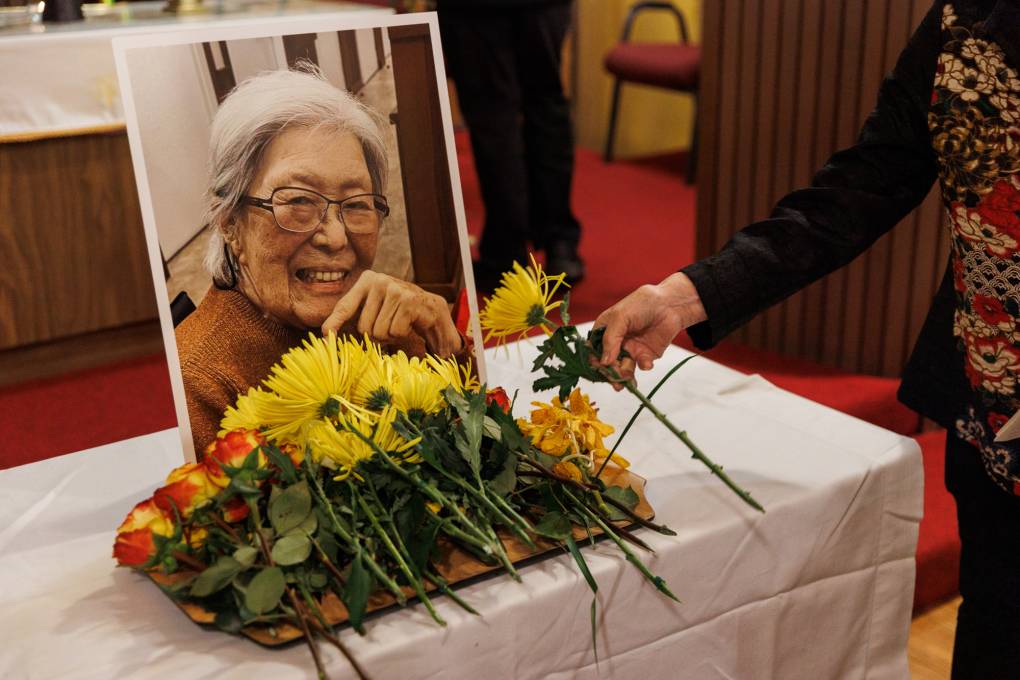
"caption": "Flowers are placed at a photo of J-Sei Home resident Ruth Fukuchi during her memorial service at Sycamore Congregational Church in El Cerrito, California, on Thursday, Jan. 30, 2025. Fukuchi resided at J-Sei Home from 2021 until her death in December.",
"credit": "Juliana Yamada/KQED",
"altTag": null,
"description": null,
"imgSizes": {
"medium": {
"file": "https://cdn.kqed.org/wp-content/uploads/sites/10/2025/03/20250130-JSeiHome-JY-1927-800x533.jpg",
"width": 800,
"height": 533,
"mimeType": "image/jpeg"
},
"large": {
"file": "https://cdn.kqed.org/wp-content/uploads/sites/10/2025/03/20250130-JSeiHome-JY-1927-1020x680.jpg",
"width": 1020,
"height": 680,
"mimeType": "image/jpeg"
},
"thumbnail": {
"file": "https://cdn.kqed.org/wp-content/uploads/sites/10/2025/03/20250130-JSeiHome-JY-1927-160x107.jpg",
"width": 160,
"height": 107,
"mimeType": "image/jpeg"
},
"1536x1536": {
"file": "https://cdn.kqed.org/wp-content/uploads/sites/10/2025/03/20250130-JSeiHome-JY-1927-1536x1024.jpg",
"width": 1536,
"height": 1024,
"mimeType": "image/jpeg"
},
"post-thumbnail": {
"file": "https://cdn.kqed.org/wp-content/uploads/sites/10/2025/03/20250130-JSeiHome-JY-1927-672x372.jpg",
"width": 672,
"height": 372,
"mimeType": "image/jpeg"
},
"twentyfourteen-full-width": {
"file": "https://cdn.kqed.org/wp-content/uploads/sites/10/2025/03/20250130-JSeiHome-JY-1927-1038x576.jpg",
"width": 1038,
"height": 576,
"mimeType": "image/jpeg"
},
"full-width": {
"file": "https://cdn.kqed.org/wp-content/uploads/sites/10/2025/03/20250130-JSeiHome-JY-1927-1920x1280.jpg",
"width": 1920,
"height": 1280,
"mimeType": "image/jpeg"
},
"kqedFullSize": {
"file": "https://cdn.kqed.org/wp-content/uploads/sites/10/2025/03/20250130-JSeiHome-JY-1927.jpg",
"width": 2000,
"height": 1333
}
},
"isLoading": false,
"fetchFailed": false
},
"news_12030471": {
"type": "attachments",
"id": "news_12030471",
"meta": {
"index": "attachments_1716263798",
"site": "news",
"id": "12030471",
"found": true
},
"title": "20230822-SFSU-45-JY_qed",
"publishDate": 1741396664,
"status": "inherit",
"parent": 12030322,
"modified": 1741402522,
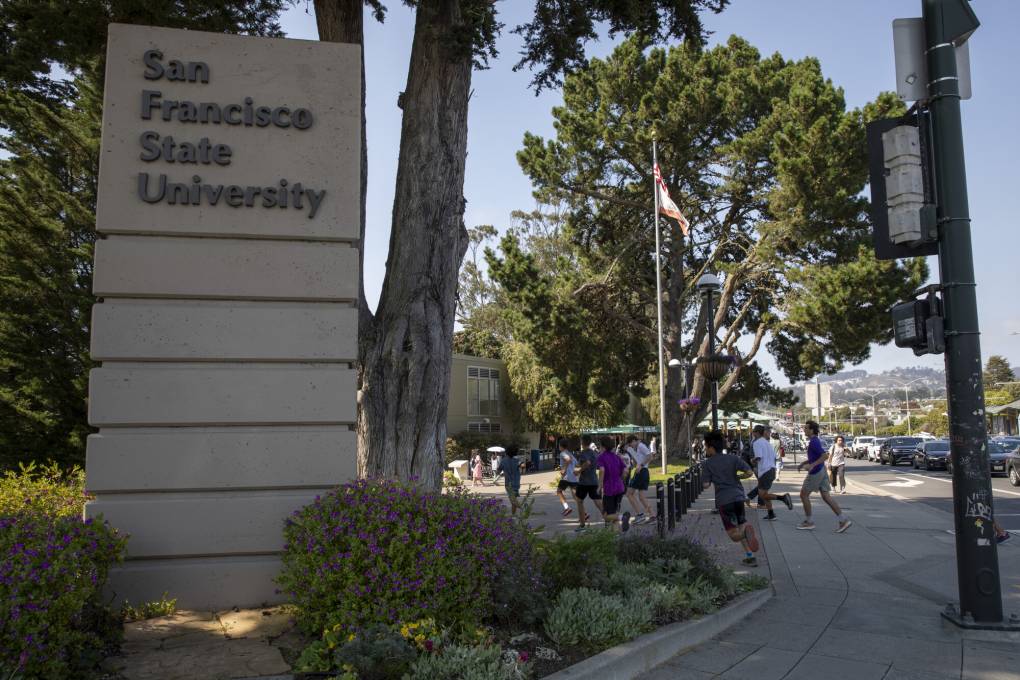
"caption": "A group of runners passes through SF State in San Francisco, on Tuesday, Aug. 22, 2023.",
"credit": "Juliana Yamada/KQED",
"altTag": null,
"description": null,
"imgSizes": {
"medium": {
"file": "https://cdn.kqed.org/wp-content/uploads/sites/10/2025/03/20230822-SFSU-45-JY_qed-800x533.jpg",
"width": 800,
"height": 533,
"mimeType": "image/jpeg"
},
"large": {
"file": "https://cdn.kqed.org/wp-content/uploads/sites/10/2025/03/20230822-SFSU-45-JY_qed-1020x680.jpg",
"width": 1020,
"height": 680,
"mimeType": "image/jpeg"
},
"thumbnail": {
"file": "https://cdn.kqed.org/wp-content/uploads/sites/10/2025/03/20230822-SFSU-45-JY_qed-160x107.jpg",
"width": 160,
"height": 107,
"mimeType": "image/jpeg"
},
"1536x1536": {
"file": "https://cdn.kqed.org/wp-content/uploads/sites/10/2025/03/20230822-SFSU-45-JY_qed-1536x1024.jpg",
"width": 1536,
"height": 1024,
"mimeType": "image/jpeg"
},
"post-thumbnail": {
"file": "https://cdn.kqed.org/wp-content/uploads/sites/10/2025/03/20230822-SFSU-45-JY_qed-672x372.jpg",
"width": 672,
"height": 372,
"mimeType": "image/jpeg"
},
"twentyfourteen-full-width": {
"file": "https://cdn.kqed.org/wp-content/uploads/sites/10/2025/03/20230822-SFSU-45-JY_qed-1038x576.jpg",
"width": 1038,
"height": 576,
"mimeType": "image/jpeg"
},
"full-width": {
"file": "https://cdn.kqed.org/wp-content/uploads/sites/10/2025/03/20230822-SFSU-45-JY_qed-1920x1280.jpg",
"width": 1920,
"height": 1280,
"mimeType": "image/jpeg"
},
"kqedFullSize": {
"file": "https://cdn.kqed.org/wp-content/uploads/sites/10/2025/03/20230822-SFSU-45-JY_qed.jpg",
"width": 2000,
"height": 1333
}
},
"isLoading": false,
"fetchFailed": false
},
"news_12030408": {
"type": "attachments",
"id": "news_12030408",
"meta": {
"index": "attachments_1716263798",
"site": "news",
"id": "12030408",
"found": true
},
"title": "250307-BERKELEY SCIENCE PROTEST-MD-08-KQED",
"publishDate": 1741387533,
"status": "inherit",
"parent": 12030313,
"modified": 1741395956,
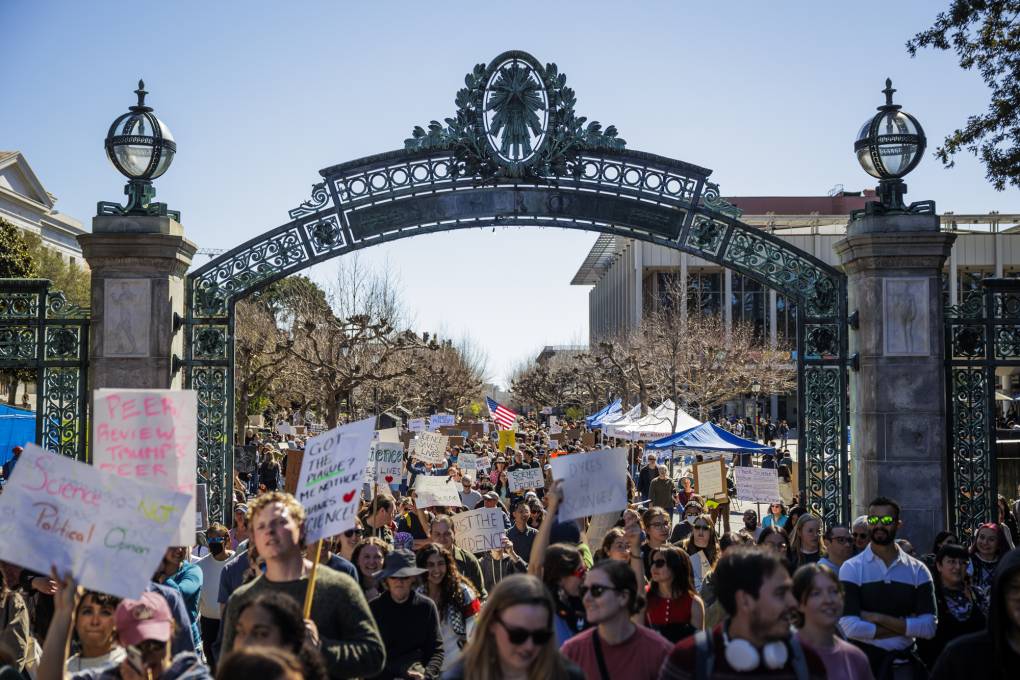
"caption": "A march through the UC Berkeley campus in association with the national Stand Up for Science day of action in Berkeley on March 7, 2025.",
"credit": "Martin do Nascimento/KQED",
"altTag": null,
"description": null,
"imgSizes": {
"medium": {
"file": "https://cdn.kqed.org/wp-content/uploads/sites/10/2025/03/250307-BERKELEY-SCIENCE-PROTEST-MD-08-KQED-800x533.jpg",
"width": 800,
"height": 533,
"mimeType": "image/jpeg"
},
"large": {
"file": "https://cdn.kqed.org/wp-content/uploads/sites/10/2025/03/250307-BERKELEY-SCIENCE-PROTEST-MD-08-KQED-1020x680.jpg",
"width": 1020,
"height": 680,
"mimeType": "image/jpeg"
},
"thumbnail": {
"file": "https://cdn.kqed.org/wp-content/uploads/sites/10/2025/03/250307-BERKELEY-SCIENCE-PROTEST-MD-08-KQED-160x107.jpg",
"width": 160,
"height": 107,
"mimeType": "image/jpeg"
},
"1536x1536": {
"file": "https://cdn.kqed.org/wp-content/uploads/sites/10/2025/03/250307-BERKELEY-SCIENCE-PROTEST-MD-08-KQED-1536x1024.jpg",
"width": 1536,
"height": 1024,
"mimeType": "image/jpeg"
},
"post-thumbnail": {
"file": "https://cdn.kqed.org/wp-content/uploads/sites/10/2025/03/250307-BERKELEY-SCIENCE-PROTEST-MD-08-KQED-672x372.jpg",
"width": 672,
"height": 372,
"mimeType": "image/jpeg"
},
"twentyfourteen-full-width": {
"file": "https://cdn.kqed.org/wp-content/uploads/sites/10/2025/03/250307-BERKELEY-SCIENCE-PROTEST-MD-08-KQED-1038x576.jpg",
"width": 1038,
"height": 576,
"mimeType": "image/jpeg"
},
"full-width": {
"file": "https://cdn.kqed.org/wp-content/uploads/sites/10/2025/03/250307-BERKELEY-SCIENCE-PROTEST-MD-08-KQED-1920x1280.jpg",
"width": 1920,
"height": 1280,
"mimeType": "image/jpeg"
},
"kqedFullSize": {
"file": "https://cdn.kqed.org/wp-content/uploads/sites/10/2025/03/250307-BERKELEY-SCIENCE-PROTEST-MD-08-KQED.jpg",
"width": 2000,
"height": 1333
}
},
"isLoading": false,
"fetchFailed": false
},
"news_11984511": {
"type": "attachments",
"id": "news_11984511",
"meta": {
"index": "attachments_1716263798",
"site": "news",
"id": "11984511",
"found": true
},
"parent": 0,
"imgSizes": {
"twentyfourteen-full-width": {
"file": "https://cdn.kqed.org/wp-content/uploads/sites/10/2024/04/240425-STANFORDGAZAPROTEST-026-BL-KQED-1038x576.jpg",
"width": 1038,
"mimeType": "image/jpeg",
"height": 576
},
"thumbnail": {
"file": "https://cdn.kqed.org/wp-content/uploads/sites/10/2024/04/240425-STANFORDGAZAPROTEST-026-BL-KQED-160x107.jpg",
"width": 160,
"mimeType": "image/jpeg",
"height": 107
},
"post-thumbnail": {
"file": "https://cdn.kqed.org/wp-content/uploads/sites/10/2024/04/240425-STANFORDGAZAPROTEST-026-BL-KQED-672x372.jpg",
"width": 672,
"mimeType": "image/jpeg",
"height": 372
},
"kqedFullSize": {
"file": "https://cdn.kqed.org/wp-content/uploads/sites/10/2024/04/240425-STANFORDGAZAPROTEST-026-BL-KQED.jpg",
"width": 2000,
"height": 1333
},
"large": {
"file": "https://cdn.kqed.org/wp-content/uploads/sites/10/2024/04/240425-STANFORDGAZAPROTEST-026-BL-KQED-1020x680.jpg",
"width": 1020,
"mimeType": "image/jpeg",
"height": 680
},
"1536x1536": {
"file": "https://cdn.kqed.org/wp-content/uploads/sites/10/2024/04/240425-STANFORDGAZAPROTEST-026-BL-KQED-1536x1024.jpg",
"width": 1536,
"mimeType": "image/jpeg",
"height": 1024
},
"full-width": {
"file": "https://cdn.kqed.org/wp-content/uploads/sites/10/2024/04/240425-STANFORDGAZAPROTEST-026-BL-KQED-1920x1280.jpg",
"width": 1920,
"mimeType": "image/jpeg",
"height": 1280
},
"medium": {
"file": "https://cdn.kqed.org/wp-content/uploads/sites/10/2024/04/240425-STANFORDGAZAPROTEST-026-BL-KQED-800x533.jpg",
"width": 800,
"mimeType": "image/jpeg",
"height": 533
}
},
"publishDate": 1714504706,
"modified": 1714529627,
"caption": "Pro-Palestinian demonstrators march through the Stanford University campus in Palo Alto on April 25, 2024.",
"description": null,
"title": "240425-STANFORDGAZAPROTEST-026-BL-KQED",
"credit": "Beth LaBerge/KQED",
"status": "inherit",
"altTag": null,
"isLoading": false,
"fetchFailed": false
},
"news_12029718": {
"type": "attachments",
"id": "news_12029718",
"meta": {
"index": "attachments_1716263798",
"site": "news",
"id": "12029718",
"found": true
},
"title": "An Antioch Police vehicle drives through Antioch on March 3, 2025.",
"publishDate": 1741131809,
"status": "inherit",
"parent": 12037887,
"modified": 1745881734,
"caption": "An Antioch Police vehicle drives through Antioch on March 3, 2025. ",
"credit": "Beth LaBerge/KQED",
"altTag": null,
"description": null,
"imgSizes": {
"medium": {
"file": "https://cdn.kqed.org/wp-content/uploads/sites/10/2025/03/250303-ANTIOCHPOLICE-10-BL-KQED-800x533.jpg",
"width": 800,
"height": 533,
"mimeType": "image/jpeg"
},
"large": {
"file": "https://cdn.kqed.org/wp-content/uploads/sites/10/2025/03/250303-ANTIOCHPOLICE-10-BL-KQED-1020x680.jpg",
"width": 1020,
"height": 680,
"mimeType": "image/jpeg"
},
"thumbnail": {
"file": "https://cdn.kqed.org/wp-content/uploads/sites/10/2025/03/250303-ANTIOCHPOLICE-10-BL-KQED-160x107.jpg",
"width": 160,
"height": 107,
"mimeType": "image/jpeg"
},
"1536x1536": {
"file": "https://cdn.kqed.org/wp-content/uploads/sites/10/2025/03/250303-ANTIOCHPOLICE-10-BL-KQED-1536x1024.jpg",
"width": 1536,
"height": 1024,
"mimeType": "image/jpeg"
},
"post-thumbnail": {
"file": "https://cdn.kqed.org/wp-content/uploads/sites/10/2025/03/250303-ANTIOCHPOLICE-10-BL-KQED-672x372.jpg",
"width": 672,
"height": 372,
"mimeType": "image/jpeg"
},
"twentyfourteen-full-width": {
"file": "https://cdn.kqed.org/wp-content/uploads/sites/10/2025/03/250303-ANTIOCHPOLICE-10-BL-KQED-1038x576.jpg",
"width": 1038,
"height": 576,
"mimeType": "image/jpeg"
},
"full-width": {
"file": "https://cdn.kqed.org/wp-content/uploads/sites/10/2025/03/250303-ANTIOCHPOLICE-10-BL-KQED-1920x1280.jpg",
"width": 1920,
"height": 1280,
"mimeType": "image/jpeg"
},
"kqedFullSize": {
"file": "https://cdn.kqed.org/wp-content/uploads/sites/10/2025/03/250303-ANTIOCHPOLICE-10-BL-KQED.jpg",
"width": 2000,
"height": 1333
}
},
"isLoading": false,
"fetchFailed": false
},
"news_12030368": {
"type": "attachments",
"id": "news_12030368",
"meta": {
"index": "attachments_1716263798",
"site": "news",
"id": "12030368",
"found": true
},
"title": "President Trump Hosts Ukrainian President Zelensky At The White House",
"publishDate": 1741381161,
"status": "inherit",
"parent": 12030273,
"modified": 1741401644,
"caption": "US President Donald Trump and Ukrainian President Volodymyr Zelensky meet in the Oval Office at the White House on Feb. 28, 202,5, in Washington, DC. ",
"credit": "Andrew Harnik/Getty Images",
"altTag": null,
"description": null,
"imgSizes": {
"medium": {
"file": "https://cdn.kqed.org/wp-content/uploads/sites/10/2025/03/GettyImages-2202530063-800x561.jpg",
"width": 800,
"height": 561,
"mimeType": "image/jpeg"
},
"large": {
"file": "https://cdn.kqed.org/wp-content/uploads/sites/10/2025/03/GettyImages-2202530063-1020x715.jpg",
"width": 1020,
"height": 715,
"mimeType": "image/jpeg"
},
"thumbnail": {
"file": "https://cdn.kqed.org/wp-content/uploads/sites/10/2025/03/GettyImages-2202530063-160x112.jpg",
"width": 160,
"height": 112,
"mimeType": "image/jpeg"
},
"1536x1536": {
"file": "https://cdn.kqed.org/wp-content/uploads/sites/10/2025/03/GettyImages-2202530063-1536x1076.jpg",
"width": 1536,
"height": 1076,
"mimeType": "image/jpeg"
},
"2048x2048": {
"file": "https://cdn.kqed.org/wp-content/uploads/sites/10/2025/03/GettyImages-2202530063-2048x1435.jpg",
"width": 2048,
"height": 1435,
"mimeType": "image/jpeg"
},
"post-thumbnail": {
"file": "https://cdn.kqed.org/wp-content/uploads/sites/10/2025/03/GettyImages-2202530063-672x372.jpg",
"width": 672,
"height": 372,
"mimeType": "image/jpeg"
},
"twentyfourteen-full-width": {
"file": "https://cdn.kqed.org/wp-content/uploads/sites/10/2025/03/GettyImages-2202530063-1038x576.jpg",
"width": 1038,
"height": 576,
"mimeType": "image/jpeg"
},
"full-width": {
"file": "https://cdn.kqed.org/wp-content/uploads/sites/10/2025/03/GettyImages-2202530063-1920x1345.jpg",
"width": 1920,
"height": 1345,
"mimeType": "image/jpeg"
},
"kqedFullSize": {
"file": "https://cdn.kqed.org/wp-content/uploads/sites/10/2025/03/GettyImages-2202530063-scaled-e1741381201419.jpg",
"width": 2000,
"height": 1402
}
},
"isLoading": false,
"fetchFailed": false
},
"news_12029907": {
"type": "attachments",
"id": "news_12029907",
"meta": {
"index": "attachments_1716263798",
"site": "news",
"id": "12029907",
"found": true
},
"title": "20250116_Snow-School_DMB_02033",
"publishDate": 1741216668,
"status": "inherit",
"parent": 12029712,
"modified": 1741216739,
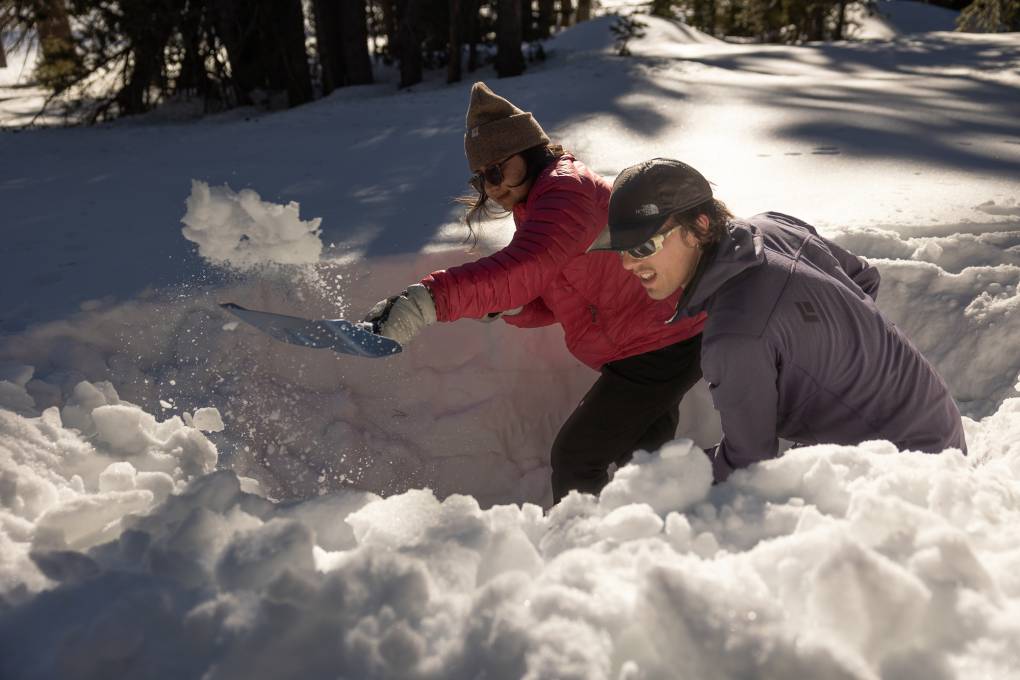
"caption": "Preetika Kaur, left, a Ph.D. student at the University of Wyoming, and Joe Ammatelli, an assistant research scientist with the Desert Research Institute, dig a pit in the snowpack during Snow Science School.",
"credit": "David M. Barreda/KQED",
"altTag": null,
"description": null,
"imgSizes": {
"medium": {
"file": "https://cdn.kqed.org/wp-content/uploads/sites/10/2025/03/20250116_Snow-School_DMB_02033-800x533.jpg",
"width": 800,
"height": 533,
"mimeType": "image/jpeg"
},
"large": {
"file": "https://cdn.kqed.org/wp-content/uploads/sites/10/2025/03/20250116_Snow-School_DMB_02033-1020x680.jpg",
"width": 1020,
"height": 680,
"mimeType": "image/jpeg"
},
"thumbnail": {
"file": "https://cdn.kqed.org/wp-content/uploads/sites/10/2025/03/20250116_Snow-School_DMB_02033-160x107.jpg",
"width": 160,
"height": 107,
"mimeType": "image/jpeg"
},
"1536x1536": {
"file": "https://cdn.kqed.org/wp-content/uploads/sites/10/2025/03/20250116_Snow-School_DMB_02033-1536x1024.jpg",
"width": 1536,
"height": 1024,
"mimeType": "image/jpeg"
},
"post-thumbnail": {
"file": "https://cdn.kqed.org/wp-content/uploads/sites/10/2025/03/20250116_Snow-School_DMB_02033-672x372.jpg",
"width": 672,
"height": 372,
"mimeType": "image/jpeg"
},
"twentyfourteen-full-width": {
"file": "https://cdn.kqed.org/wp-content/uploads/sites/10/2025/03/20250116_Snow-School_DMB_02033-1038x576.jpg",
"width": 1038,
"height": 576,
"mimeType": "image/jpeg"
},
"full-width": {
"file": "https://cdn.kqed.org/wp-content/uploads/sites/10/2025/03/20250116_Snow-School_DMB_02033-1920x1280.jpg",
"width": 1920,
"height": 1280,
"mimeType": "image/jpeg"
},
"kqedFullSize": {
"file": "https://cdn.kqed.org/wp-content/uploads/sites/10/2025/03/20250116_Snow-School_DMB_02033.jpg",
"width": 2000,
"height": 1333
}
},
"isLoading": false,
"fetchFailed": false
},
"news_12029485": {
"type": "attachments",
"id": "news_12029485",
"meta": {
"index": "attachments_1716263798",
"site": "news",
"id": "12029485",
"found": true
},
"title": "al akhbar band",
"publishDate": 1741038793,
"status": "inherit",
"parent": 12029482,
"modified": 1741291157,
"caption": "The San Diego band Al Akhbar poses for a photo on Jan. 6, 2025. From left to right: keyboardist Tamir Persekian, vocalist and Arab instrumentalist Salem Kattar, drummer Naji Shaban, saxophonist Richard Albert IV and bass player Hank Lee Nelson.",
"credit": "Al Akhbar",
"altTag": null,
"description": null,
"imgSizes": {
"medium": {
"file": "https://cdn.kqed.org/wp-content/uploads/sites/10/2025/03/al-akbar-band-800x538.jpg",
"width": 800,
"height": 538,
"mimeType": "image/jpeg"
},
"large": {
"file": "https://cdn.kqed.org/wp-content/uploads/sites/10/2025/03/al-akbar-band-1020x686.jpg",
"width": 1020,
"height": 686,
"mimeType": "image/jpeg"
},
"thumbnail": {
"file": "https://cdn.kqed.org/wp-content/uploads/sites/10/2025/03/al-akbar-band-160x108.jpg",
"width": 160,
"height": 108,
"mimeType": "image/jpeg"
},
"1536x1536": {
"file": "https://cdn.kqed.org/wp-content/uploads/sites/10/2025/03/al-akbar-band-1536x1033.jpg",
"width": 1536,
"height": 1033,
"mimeType": "image/jpeg"
},
"2048x2048": {
"file": "https://cdn.kqed.org/wp-content/uploads/sites/10/2025/03/al-akbar-band-2048x1378.jpg",
"width": 2048,
"height": 1378,
"mimeType": "image/jpeg"
},
"post-thumbnail": {
"file": "https://cdn.kqed.org/wp-content/uploads/sites/10/2025/03/al-akbar-band-672x372.jpg",
"width": 672,
"height": 372,
"mimeType": "image/jpeg"
},
"twentyfourteen-full-width": {
"file": "https://cdn.kqed.org/wp-content/uploads/sites/10/2025/03/al-akbar-band-1038x576.jpg",
"width": 1038,
"height": 576,
"mimeType": "image/jpeg"
},
"full-width": {
"file": "https://cdn.kqed.org/wp-content/uploads/sites/10/2025/03/al-akbar-band-1920x1292.jpg",
"width": 1920,
"height": 1292,
"mimeType": "image/jpeg"
},
"kqedFullSize": {
"file": "https://cdn.kqed.org/wp-content/uploads/sites/10/2025/03/al-akbar-band-e1741038826551.jpg",
"width": 2000,
"height": 1345
}
},
"isLoading": false,
"fetchFailed": false
},
"news_12030059": {
"type": "attachments",
"id": "news_12030059",
"meta": {
"index": "attachments_1716263798",
"site": "news",
"id": "12030059",
"found": true
},
"title": "US California Governor Wildfires",
"publishDate": 1741285002,
"status": "inherit",
"parent": 12030057,
"modified": 1741306392,
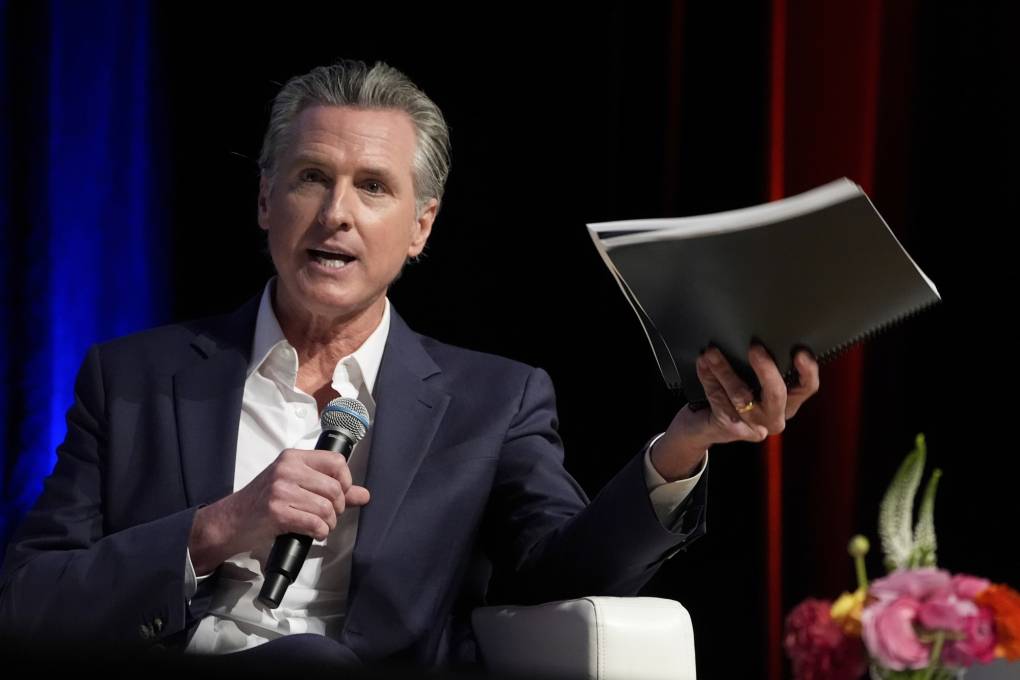
"caption": "Gov. Gavin Newsom holds a fireside chat with Stephen Cheung, the President and Chief Executive Officer of the Los Angeles County Economic Development Corporation (LAEDC) and its subsidiary, the World Trade Center Los Angeles (WTCLA), at the 2025 Economic Forecast and Industry Outlook convening on Wednesday, Feb. 26, 2025, at the East LA College in Los Angeles.",
"credit": "Damian Dovarganes/AP Photo",
"altTag": null,
"description": null,
"imgSizes": {
"medium": {
"file": "https://cdn.kqed.org/wp-content/uploads/sites/10/2025/03/GavinNewsom2025AP-800x533.jpg",
"width": 800,
"height": 533,
"mimeType": "image/jpeg"
},
"large": {
"file": "https://cdn.kqed.org/wp-content/uploads/sites/10/2025/03/GavinNewsom2025AP-1020x680.jpg",
"width": 1020,
"height": 680,
"mimeType": "image/jpeg"
},
"thumbnail": {
"file": "https://cdn.kqed.org/wp-content/uploads/sites/10/2025/03/GavinNewsom2025AP-160x107.jpg",
"width": 160,
"height": 107,
"mimeType": "image/jpeg"
},
"1536x1536": {
"file": "https://cdn.kqed.org/wp-content/uploads/sites/10/2025/03/GavinNewsom2025AP-1536x1024.jpg",
"width": 1536,
"height": 1024,
"mimeType": "image/jpeg"
},
"post-thumbnail": {
"file": "https://cdn.kqed.org/wp-content/uploads/sites/10/2025/03/GavinNewsom2025AP-672x372.jpg",
"width": 672,
"height": 372,
"mimeType": "image/jpeg"
},
"twentyfourteen-full-width": {
"file": "https://cdn.kqed.org/wp-content/uploads/sites/10/2025/03/GavinNewsom2025AP-1038x576.jpg",
"width": 1038,
"height": 576,
"mimeType": "image/jpeg"
},
"full-width": {
"file": "https://cdn.kqed.org/wp-content/uploads/sites/10/2025/03/GavinNewsom2025AP-1920x1280.jpg",
"width": 1920,
"height": 1280,
"mimeType": "image/jpeg"
},
"kqedFullSize": {
"file": "https://cdn.kqed.org/wp-content/uploads/sites/10/2025/03/GavinNewsom2025AP.jpg",
"width": 2000,
"height": 1333
}
},
"isLoading": false,
"fetchFailed": false
},
"news_12029459": {
"type": "attachments",
"id": "news_12029459",
"meta": {
"index": "attachments_1716263798",
"site": "news",
"id": "12029459",
"found": true
},
"title": "AmiriOpening",
"publishDate": 1741030102,
"status": "inherit",
"parent": 12029444,
"modified": 1741038516,
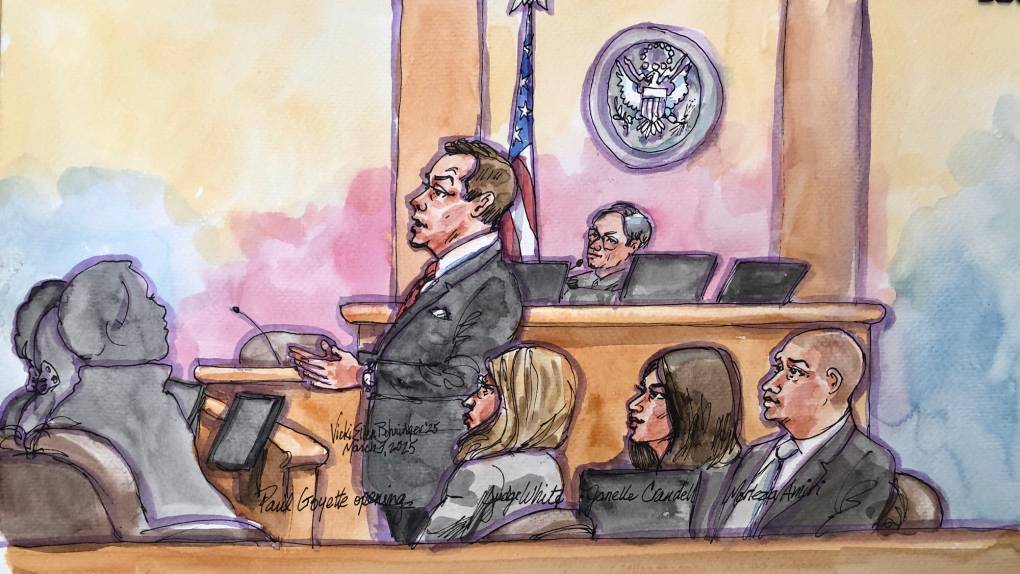
"caption": "Paul Goyette, defense attorney for former Antioch police officer Morteza Amiri, gives his opening statement in the federal trial against Amiri and another former Antioch officer at the U.S. District Courthouse in Oakland on March 3, 2025. Amiri, seated at lower right, faces charges that he and former officer Devon Christopher Wenger conspired to severely injure suspects over a period of three years.",
"credit": "Vicki Behringer for KQED",
"altTag": null,
"description": null,
"imgSizes": {
"medium": {
"file": "https://cdn.kqed.org/wp-content/uploads/sites/10/2025/03/AmiriOpening-800x450.jpg",
"width": 800,
"height": 450,
"mimeType": "image/jpeg"
},
"large": {
"file": "https://cdn.kqed.org/wp-content/uploads/sites/10/2025/03/AmiriOpening-1020x574.jpg",
"width": 1020,
"height": 574,
"mimeType": "image/jpeg"
},
"thumbnail": {
"file": "https://cdn.kqed.org/wp-content/uploads/sites/10/2025/03/AmiriOpening-160x90.jpg",
"width": 160,
"height": 90,
"mimeType": "image/jpeg"
},
"1536x1536": {
"file": "https://cdn.kqed.org/wp-content/uploads/sites/10/2025/03/AmiriOpening-1536x864.jpg",
"width": 1536,
"height": 864,
"mimeType": "image/jpeg"
},
"post-thumbnail": {
"file": "https://cdn.kqed.org/wp-content/uploads/sites/10/2025/03/AmiriOpening-672x372.jpg",
"width": 672,
"height": 372,
"mimeType": "image/jpeg"
},
"twentyfourteen-full-width": {
"file": "https://cdn.kqed.org/wp-content/uploads/sites/10/2025/03/AmiriOpening-1038x576.jpg",
"width": 1038,
"height": 576,
"mimeType": "image/jpeg"
},
"full-width": {
"file": "https://cdn.kqed.org/wp-content/uploads/sites/10/2025/03/AmiriOpening-1920x1080.jpg",
"width": 1920,
"height": 1080,
"mimeType": "image/jpeg"
},
"kqedFullSize": {
"file": "https://cdn.kqed.org/wp-content/uploads/sites/10/2025/03/AmiriOpening.jpg",
"width": 2000,
"height": 1125
}
},
"isLoading": false,
"fetchFailed": false
},
"news_11959336": {
"type": "attachments",
"id": "news_11959336",
"meta": {
"index": "attachments_1716263798",
"site": "news",
"id": "11959336",
"found": true
},
"title": "California Schools-LGBTQ Policies",
"publishDate": 1693249568,
"status": "inherit",
"parent": 12032768,
"modified": 1747169937,
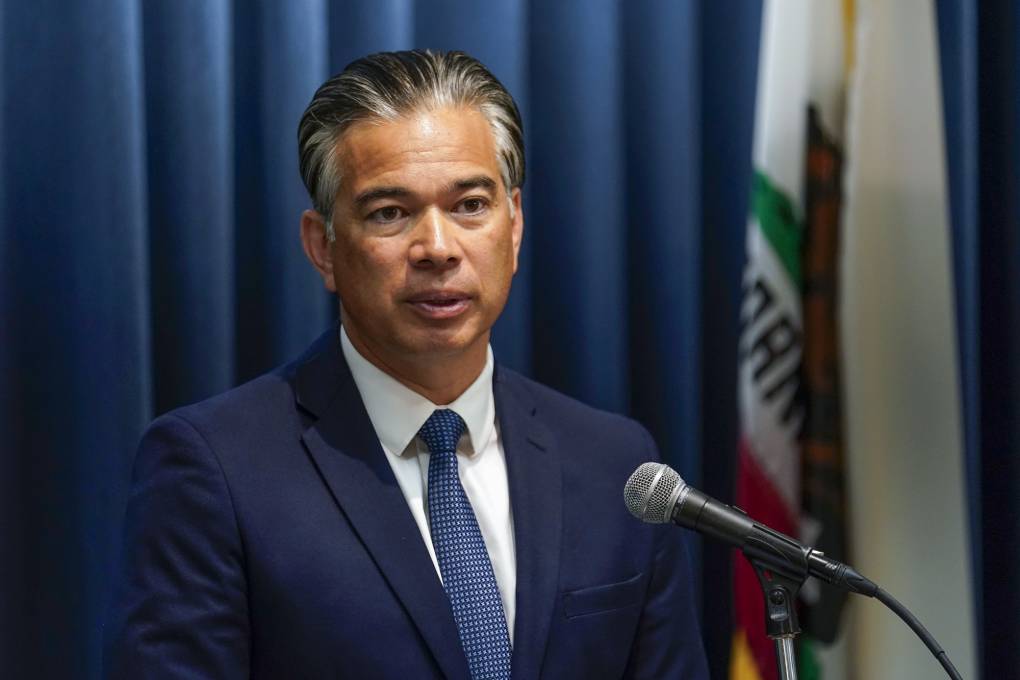
"caption": "California Attorney General Rob Bonta fields questions during a press conference on Monday, Aug. 28, 2023, in Los Angeles. ",
"credit": "Marcio Jose Sanchez/AP Photo",
"altTag": "A man wearing a navy blue suit, white shirt and blue foulard tie speaks into a microphone.",
"description": null,
"imgSizes": {
"medium": {
"file": "https://cdn.kqed.org/wp-content/uploads/sites/10/2023/08/230828-ROB-BONTA-AP-MJS-KQED-800x533.jpg",
"width": 800,
"height": 533,
"mimeType": "image/jpeg"
},
"large": {
"file": "https://cdn.kqed.org/wp-content/uploads/sites/10/2023/08/230828-ROB-BONTA-AP-MJS-KQED-1020x680.jpg",
"width": 1020,
"height": 680,
"mimeType": "image/jpeg"
},
"thumbnail": {
"file": "https://cdn.kqed.org/wp-content/uploads/sites/10/2023/08/230828-ROB-BONTA-AP-MJS-KQED-160x107.jpg",
"width": 160,
"height": 107,
"mimeType": "image/jpeg"
},
"1536x1536": {
"file": "https://cdn.kqed.org/wp-content/uploads/sites/10/2023/08/230828-ROB-BONTA-AP-MJS-KQED-1536x1024.jpg",
"width": 1536,
"height": 1024,
"mimeType": "image/jpeg"
},
"post-thumbnail": {
"file": "https://cdn.kqed.org/wp-content/uploads/sites/10/2023/08/230828-ROB-BONTA-AP-MJS-KQED-672x372.jpg",
"width": 672,
"height": 372,
"mimeType": "image/jpeg"
},
"twentyfourteen-full-width": {
"file": "https://cdn.kqed.org/wp-content/uploads/sites/10/2023/08/230828-ROB-BONTA-AP-MJS-KQED-1038x576.jpg",
"width": 1038,
"height": 576,
"mimeType": "image/jpeg"
},
"full-width": {
"file": "https://cdn.kqed.org/wp-content/uploads/sites/10/2023/08/230828-ROB-BONTA-AP-MJS-KQED-1920x1280.jpg",
"width": 1920,
"height": 1280,
"mimeType": "image/jpeg"
},
"kqedFullSize": {
"file": "https://cdn.kqed.org/wp-content/uploads/sites/10/2023/08/230828-ROB-BONTA-AP-MJS-KQED.jpg",
"width": 2000,
"height": 1333
}
},
"isLoading": false,
"fetchFailed": false
}
},
"audioPlayerReducer": {
"postId": "stream_live",
"isPaused": true,
"isPlaying": false,
"pfsActive": false,
"pledgeModalIsOpen": true,
"playerDrawerIsOpen": false,
"liveAudioPlayStartedAt": 0,
"liveAudioPlayContext": ""
},
"authorsReducer": {
"byline_news_12029482": {
"type": "authors",
"id": "byline_news_12029482",
"meta": {
"override": true
},
"slug": "byline_news_12029482",
"name": "Hussain Khan",
"isLoading": false
},
"kqed": {
"type": "authors",
"id": "236",
"meta": {
"index": "authors_1716337520",
"id": "236",
"found": true
},
"name": "KQED News Staff",
"firstName": "KQED News Staff",
"lastName": null,
"slug": "kqed",
"email": "faq@kqed.org",
"display_author_email": false,
"staff_mastheads": [],
"title": null,
"bio": null,
"avatar": "https://secure.gravatar.com/avatar/ef0e801a68c4c54afa9180db14084167?s=600&d=blank&r=g",
"twitter": null,
"facebook": null,
"instagram": null,
"linkedin": null,
"sites": [
{
"site": "arts",
"roles": [
"contributor"
]
},
{
"site": "news",
"roles": [
"editor"
]
},
{
"site": "futureofyou",
"roles": [
"author"
]
}
],
"headData": {
"title": "KQED News Staff | KQED",
"description": null,
"ogImgSrc": "https://secure.gravatar.com/avatar/ef0e801a68c4c54afa9180db14084167?s=600&d=blank&r=g",
"twImgSrc": "https://secure.gravatar.com/avatar/ef0e801a68c4c54afa9180db14084167?s=600&d=blank&r=g"
},
"isLoading": false,
"link": "/author/kqed"
},
"tychehendricks": {
"type": "authors",
"id": "259",
"meta": {
"index": "authors_1716337520",
"id": "259",
"found": true
},
"name": "Tyche Hendricks",
"firstName": "Tyche",
"lastName": "Hendricks",
"slug": "tychehendricks",
"email": "thendricks@kqed.org",
"display_author_email": true,
"staff_mastheads": [
"news"
],
"title": "KQED Senior Editor, Immigration",
"bio": "\u003cspan style=\"font-weight: 400;\">Tyche Hendricks is KQED’s senior editor for immigration, leading coverage of the policy and politics that affect California’s immigrant communities. Her work for KQED’s radio and online audiences is also carried on NPR and other national outlets. She has been recognized with awards from the Radio and Television News Directors Association, the Society for Professional Journalists; the Education Writers Association; the Best of the West and the National Federation of Community Broadcasters. Before joining KQED in 2010, Tyche spent more than a dozen years as a newspaper reporter, notably at the \u003c/span>\u003ci>\u003cspan style=\"font-weight: 400;\">San Francisco Chronicle\u003c/span>\u003c/i>\u003cspan style=\"font-weight: 400;\">. At different times she has covered criminal justice, government and politics and urban planning. Tyche has taught in the MFA Creative Writing program at the University of San Francisco and at UC Berkeley’s Graduate School of Journalism, where she was co-director of a national immigration symposium for professional journalists. She is the author of \u003c/span>\u003ci>\u003cspan style=\"font-weight: 400;\">The Wind Doesn't Need a Passport: Stories from the U.S.-Mexico Borderlands\u003c/span>\u003c/i>\u003cspan style=\"font-weight: 400;\"> (University of California Press). \u003c/span>",
"avatar": "https://secure.gravatar.com/avatar/b8ee458e2731c2d43df86882ce17267e?s=600&d=blank&r=g",
"twitter": "tychehendricks",
"facebook": null,
"instagram": null,
"linkedin": null,
"sites": [
{
"site": "news",
"roles": [
"editor"
]
},
{
"site": "stateofhealth",
"roles": [
"editor"
]
}
],
"headData": {
"title": "Tyche Hendricks | KQED",
"description": "KQED Senior Editor, Immigration",
"ogImgSrc": "https://secure.gravatar.com/avatar/b8ee458e2731c2d43df86882ce17267e?s=600&d=blank&r=g",
"twImgSrc": "https://secure.gravatar.com/avatar/b8ee458e2731c2d43df86882ce17267e?s=600&d=blank&r=g"
},
"isLoading": false,
"link": "/author/tychehendricks"
},
"matthewgreen": {
"type": "authors",
"id": "1263",
"meta": {
"index": "authors_1716337520",
"id": "1263",
"found": true
},
"name": "Matthew Green",
"firstName": "Matthew",
"lastName": "Green",
"slug": "matthewgreen",
"email": "mgreen@kqed.org",
"display_author_email": false,
"staff_mastheads": [],
"title": "KQED Editor/Reporter",
"bio": "Matthew Green is a digital media producer for KQED News. He previously produced \u003ca href=\"http://www.kqed.org/lowdown\">The Lowdown\u003c/a>, KQED’s multimedia news education blog. Matthew's written for numerous Bay Area publications, including the Oakland Tribune and San Francisco Chronicle. He also taught journalism classes at Fremont High School in East Oakland.\r\n\r\nEmail: mgreen@kqed.org; Twitter: @MGreenKQED",
"avatar": "https://secure.gravatar.com/avatar/3bf498d1267ca02c8494f33d8cfc575e?s=600&d=blank&r=g",
"twitter": "MGreenKQED",
"facebook": null,
"instagram": null,
"linkedin": null,
"sites": [
{
"site": "news",
"roles": []
},
{
"site": "lowdown",
"roles": []
},
{
"site": "science",
"roles": []
},
{
"site": "education",
"roles": []
},
{
"site": "quest",
"roles": []
},
{
"site": "liveblog",
"roles": []
}
],
"headData": {
"title": "Matthew Green | KQED",
"description": "KQED Editor/Reporter",
"ogImgSrc": "https://secure.gravatar.com/avatar/3bf498d1267ca02c8494f33d8cfc575e?s=600&d=blank&r=g",
"twImgSrc": "https://secure.gravatar.com/avatar/3bf498d1267ca02c8494f33d8cfc575e?s=600&d=blank&r=g"
},
"isLoading": false,
"link": "/author/matthewgreen"
},
"clei": {
"type": "authors",
"id": "8617",
"meta": {
"index": "authors_1716337520",
"id": "8617",
"found": true
},
"name": "Cecilia Lei",
"firstName": "Cecilia",
"lastName": "Lei",
"slug": "clei",
"email": "clei@KQED.org",
"display_author_email": false,
"staff_mastheads": [],
"title": "KQED Contributor",
"bio": "Cecilia Lei is an on-call host and producer for KQED News and Podcasts. Previously, she was the executive producer and host of the San Francisco Chronicle's daily news podcast, 'Fifth and Mission'. Cecilia is a graduate of UC Berkeley’s Graduate School of Journalism and the former president of the Asian American Journalists Association San Francisco Bay Area chapter.",
"avatar": "https://secure.gravatar.com/avatar/40975f1f88fccf628ee537bf6ffc2af8?s=600&d=blank&r=g",
"twitter": null,
"facebook": null,
"instagram": null,
"linkedin": null,
"sites": [
{
"site": "arts",
"roles": [
"contributor"
]
},
{
"site": "news",
"roles": [
"author",
"read_private_posts"
]
},
{
"site": "about",
"roles": [
"editor"
]
}
],
"headData": {
"title": "Cecilia Lei | KQED",
"description": "KQED Contributor",
"ogImgSrc": "https://secure.gravatar.com/avatar/40975f1f88fccf628ee537bf6ffc2af8?s=600&d=blank&r=g",
"twImgSrc": "https://secure.gravatar.com/avatar/40975f1f88fccf628ee537bf6ffc2af8?s=600&d=blank&r=g"
},
"isLoading": false,
"link": "/author/clei"
},
"vrancano": {
"type": "authors",
"id": "11276",
"meta": {
"index": "authors_1716337520",
"id": "11276",
"found": true
},
"name": "Vanessa Rancaño",
"firstName": "Vanessa",
"lastName": "Rancaño",
"slug": "vrancano",
"email": "vrancano@kqed.org",
"display_author_email": false,
"staff_mastheads": [
"news"
],
"title": "Reporter",
"bio": "Vanessa Rancaño is a features reporter for KQED. She’s also covered homelessness and education for the station and reported from the Central Valley. Her work has aired across public radio, from flagship national news shows to longform narrative podcasts. Before taking up a mic, she worked as a freelance print journalist. She’s been recognized with a number of national and regional awards. Vanessa grew up in California's Central Valley. She's a former NPR Kroc Fellow, and a graduate of the UC Berkeley Graduate School of Journalism.",
"avatar": "https://secure.gravatar.com/avatar/b3a383dfb0e7ee1c17568f2cf067904ab654d6e3de9743fc661f3c788ade1bed?s=600&d=blank&r=g",
"twitter": "vanessarancano",
"bluesky": null,
"facebook": null,
"instagram": null,
"linkedin": null,
"sites": [
{
"site": "arts",
"roles": [
"editor"
]
},
{
"site": "news",
"roles": [
"editor"
]
},
{
"site": "liveblog",
"roles": [
"contributor"
]
}
],
"headData": {
"title": "Vanessa Rancaño | KQED",
"description": "Reporter",
"ogImgSrc": "https://secure.gravatar.com/avatar/b3a383dfb0e7ee1c17568f2cf067904ab654d6e3de9743fc661f3c788ade1bed?s=600&d=blank&r=g",
"twImgSrc": "https://secure.gravatar.com/avatar/b3a383dfb0e7ee1c17568f2cf067904ab654d6e3de9743fc661f3c788ade1bed?s=600&d=blank&r=g"
},
"isLoading": false,
"link": "/author/vrancano"
},
"ccabreralomeli": {
"type": "authors",
"id": "11708",
"meta": {
"index": "authors_1716337520",
"id": "11708",
"found": true
},
"name": "Carlos Cabrera-Lomelí",
"firstName": "Carlos",
"lastName": "Cabrera-Lomelí",
"slug": "ccabreralomeli",
"email": "ccabreralomeli@KQED.org",
"display_author_email": true,
"staff_mastheads": [
"news"
],
"title": "Community Reporter",
"bio": "Carlos Cabrera-Lomelí is a community reporter with KQED's digital engagement team. He also reports and co-produces for KQED's bilingual news hub KQED en Español. He grew up in San Francisco's Mission District and has previously worked with Univision, 48 Hills and REFORMA in Mexico City.",
"avatar": "https://secure.gravatar.com/avatar/c309be9665e484f887b818c89e273ecc673004f426f36b24d00a4d813a2e0518?s=600&d=blank&r=g",
"twitter": "@LomeliCabrera",
"bluesky": null,
"facebook": null,
"instagram": null,
"linkedin": null,
"sites": [
{
"site": "arts",
"roles": [
"editor"
]
},
{
"site": "news",
"roles": [
"editor"
]
},
{
"site": "about",
"roles": [
"editor"
]
},
{
"site": "science",
"roles": [
"editor"
]
},
{
"site": "perspectives",
"roles": [
"editor"
]
},
{
"site": "elections",
"roles": [
"editor"
]
},
{
"site": "liveblog",
"roles": [
"contributor"
]
}
],
"headData": {
"title": "Carlos Cabrera-Lomelí | KQED",
"description": "Community Reporter",
"ogImgSrc": "https://secure.gravatar.com/avatar/c309be9665e484f887b818c89e273ecc673004f426f36b24d00a4d813a2e0518?s=600&d=blank&r=g",
"twImgSrc": "https://secure.gravatar.com/avatar/c309be9665e484f887b818c89e273ecc673004f426f36b24d00a4d813a2e0518?s=600&d=blank&r=g"
},
"isLoading": false,
"link": "/author/ccabreralomeli"
},
"kdebenedetti": {
"type": "authors",
"id": "11913",
"meta": {
"index": "authors_1716337520",
"id": "11913",
"found": true
},
"name": "Katie DeBenedetti",
"firstName": "Katie",
"lastName": "DeBenedetti",
"slug": "kdebenedetti",
"email": "kdebenedetti@kqed.org",
"display_author_email": false,
"staff_mastheads": [
"news",
"science"
],
"title": "KQED Contributor",
"bio": "Katie DeBenedetti is a digital reporter covering daily news for the Express Desk. Prior to joining KQED as a culture reporting intern in January 2024, she covered education and city government for the Napa Valley Register.",
"avatar": "https://secure.gravatar.com/avatar/6e31073cb8f7e4214ab03f42771d0f45?s=600&d=blank&r=g",
"twitter": null,
"facebook": null,
"instagram": null,
"linkedin": null,
"sites": [
{
"site": "news",
"roles": [
"author"
]
},
{
"site": "science",
"roles": [
"author"
]
},
{
"site": "liveblog",
"roles": [
"author"
]
}
],
"headData": {
"title": "Katie DeBenedetti | KQED",
"description": "KQED Contributor",
"ogImgSrc": "https://secure.gravatar.com/avatar/6e31073cb8f7e4214ab03f42771d0f45?s=600&d=blank&r=g",
"twImgSrc": "https://secure.gravatar.com/avatar/6e31073cb8f7e4214ab03f42771d0f45?s=600&d=blank&r=g"
},
"isLoading": false,
"link": "/author/kdebenedetti"
},
"slim": {
"type": "authors",
"id": "11920",
"meta": {
"index": "authors_1716337520",
"id": "11920",
"found": true
},
"name": "Samantha Lim",
"firstName": "Samantha",
"lastName": "Lim",
"slug": "slim",
"email": "slim@KQED.org",
"display_author_email": false,
"staff_mastheads": [],
"title": "KQED Contributor",
"bio": null,
"avatar": "https://secure.gravatar.com/avatar/82e592e6c15fe1a04d385e8ad0fb0b4e?s=600&d=blank&r=g",
"twitter": null,
"facebook": null,
"instagram": null,
"linkedin": null,
"sites": [
{
"site": "news",
"roles": []
}
],
"headData": {
"title": "Samantha Lim | KQED",
"description": "KQED Contributor",
"ogImgSrc": "https://secure.gravatar.com/avatar/82e592e6c15fe1a04d385e8ad0fb0b4e?s=600&d=blank&r=g",
"twImgSrc": "https://secure.gravatar.com/avatar/82e592e6c15fe1a04d385e8ad0fb0b4e?s=600&d=blank&r=g"
},
"isLoading": false,
"link": "/author/slim"
},
"rcooke": {
"type": "authors",
"id": "11921",
"meta": {
"index": "authors_1716337520",
"id": "11921",
"found": true
},
"name": "Riley Cooke",
"firstName": "Riley",
"lastName": "Cooke",
"slug": "rcooke",
"email": "rcooke@kqed.org",
"display_author_email": true,
"staff_mastheads": [
"news"
],
"title": "KQED Contributor",
"bio": "Riley is a senior at UC Berkeley, where she studies political science and journalism. Her work has appeared in SFGate, NBC Bay Area, Local News Matters and more. She enjoys reporting on politics, housing and homelessness — and using as many em dashes as her editors will allow.",
"avatar": "https://secure.gravatar.com/avatar/792f98c126cc5e270a8a96f77f7224ea?s=600&d=blank&r=g",
"twitter": "rrileycooke",
"facebook": null,
"instagram": null,
"linkedin": null,
"sites": [
{
"site": "arts",
"roles": [
"author"
]
},
{
"site": "news",
"roles": [
"author"
]
}
],
"headData": {
"title": "Riley Cooke | KQED",
"description": "KQED Contributor",
"ogImgSrc": "https://secure.gravatar.com/avatar/792f98c126cc5e270a8a96f77f7224ea?s=600&d=blank&r=g",
"twImgSrc": "https://secure.gravatar.com/avatar/792f98c126cc5e270a8a96f77f7224ea?s=600&d=blank&r=g"
},
"isLoading": false,
"link": "/author/rcooke"
},
"bkrans": {
"type": "authors",
"id": "11923",
"meta": {
"index": "authors_1716337520",
"id": "11923",
"found": true
},
"name": "Brian Krans",
"firstName": "Brian",
"lastName": "Krans",
"slug": "bkrans",
"email": "bkrans@kqed.org",
"display_author_email": false,
"staff_mastheads": [
"news"
],
"title": "KQED Contributing Reporter",
"bio": "Brian Krans is an award-winning local news and investigative reporter who has been proudly working as a general assignment reporter for KQED since August 2023. He lives in Richmond, where he also reports on air pollution for Richmondside. He is also a founding member of the Vallejo Sun.",
"avatar": "https://secure.gravatar.com/avatar/d1014d604089314a94807d2c4f2d3e06?s=600&d=blank&r=g",
"twitter": "citizenkrans",
"facebook": null,
"instagram": null,
"linkedin": null,
"sites": [
{
"site": "news",
"roles": [
"editor"
]
}
],
"headData": {
"title": "Brian Krans | KQED",
"description": "KQED Contributing Reporter",
"ogImgSrc": "https://secure.gravatar.com/avatar/d1014d604089314a94807d2c4f2d3e06?s=600&d=blank&r=g",
"twImgSrc": "https://secure.gravatar.com/avatar/d1014d604089314a94807d2c4f2d3e06?s=600&d=blank&r=g"
},
"isLoading": false,
"link": "/author/bkrans"
}
},
"pagesReducer": {
"news_tag_california": {
"type": "terms",
"id": "news_18538",
"meta": {
"index": "terms_1716263798",
"site": "news",
"id": "18538",
"score": 6.8457103
},
"featImg": null,
"name": "California",
"description": null,
"taxonomy": "tag",
"headData": {
"twImgId": null,
"twTitle": null,
"ogTitle": null,
"ogImgId": null,
"twDescription": null,
"description": null,
"title": "California Archives | KQED News",
"ogDescription": null
},
"ttid": 31,
"slug": "california",
"isLoading": false,
"title": "California",
"pageMeta": {
"site": "news",
"WpPageTemplate": "page-topic-editorial",
"currentPage": 102
},
"blocks": [
{
"blockName": "kqed/post-list",
"attrs": {
"layout": "cardArticle2",
"query": "posts/news?tag=california",
"seeMore": false,
"paginated": true,
"page": 102
}
},
{
"blockName": "kqed/ad"
}
]
}
},
"pfsSessionReducer": {},
"postsReducer": {
"stream_live": {
"type": "live",
"id": "stream_live",
"audioUrl": "https://streams.kqed.org/kqedradio",
"title": "Live Stream",
"excerpt": "Live Stream information currently unavailable.",
"link": "/radio",
"featImg": "",
"label": {
"name": "KQED Live",
"link": "/"
}
},
"stream_kqedNewscast": {
"type": "posts",
"id": "stream_kqedNewscast",
"audioUrl": "https://www.kqed.org/.stream/anon/radio/RDnews/newscast.mp3?_=1",
"title": "KQED Newscast",
"featImg": "",
"label": {
"name": "88.5 FM",
"link": "/"
}
},
"news_12030564": {
"type": "posts",
"id": "news_12030564",
"meta": {
"index": "posts_1716263798",
"site": "news",
"id": "12030564",
"score": null,
"sort": [
1741690820000
]
},
"guestAuthors": [],
"slug": "who-can-see-my-tax-information-when-i-file",
"title": "Who Can See Your Tax Information and What You Should Know",
"publishDate": 1741690820,
"format": "standard",
"headTitle": "Who Can See Your Tax Information and What You Should Know | KQED",
"labelTerm": {
"site": "news"
},
"content": "\u003cp>\u003cstrong>Update, 11:15 a.m. Tuesday: Multiple media outlets have reported that the Internal Revenue Service (IRS) reached a deal with the Trump administration on April 7 that would grant immigration officials access to the personal information of undocumented immigrants who have been ordered to leave the United States. This agreement — which complete details have yet to be made public — represents a major shift for the IRS. KQED will be updating this story as more information becomes available. \u003ca href=\"https://www.cnn.com/2025/04/08/politics/irs-dhs-sign-data-deal-undocumented-immigrants/index.html\">Read more about the deal between the IRS and the Trump administration.\u003c/a>\u003c/strong>\u003c/p>\n\u003cp>Every year, thousands of \u003ca href=\"https://www.kqed.org/news/11909786/how-to-find-free-tax-help-near-you-and-prepare-everything-you-need-for-your-appointment\">Bay Area families file their taxes for free\u003c/a> at the Mission Economic Development Agency (MEDA) in San Francisco. These clients include people who file taxes using an \u003ca href=\"https://www.irs.gov/tin/itin/individual-taxpayer-identification-number-itin\">individual taxpayer identification number (ITIN)\u003c/a> from the Internal Revenue Service, or IRS, in the absence of a Social Security number.\u003c/p>\n\u003cp>Almost everyone who earns income in the United States is required to pay taxes, regardless of their immigration status. \u003ca href=\"https://www.nilc.org/resources/itinfaq/\">This includes millions of undocumented people\u003c/a> who file their taxes — alongside American citizens and immigrants with work permits — in order to comply with federal tax law and potentially improve their chances of one day obtaining legal immigration status.\u003c/p>\n\u003cp>But this year, there’s one question that MEDA’s VP of family support and school-based services, Jaqueline Marcelos, said her staff is hearing more: How private is my tax information?\u003c/p>\n\u003cp>[ad fullwidth]\u003c/p>\n\u003cp>Lindsay Rojas, senior program manager with United Way Bay Area (UWBA), works with free tax sites like MEDA all over the region and said she’s been hearing the same concern, too: “Will my information be shared with other agencies?”\u003c/p>\n\u003cp>Marcelos attributes the anxiety she’s seeing from clients to \u003ca href=\"https://www.kqed.org/news/12024332/ice-raids-in-california-how-to-sort-fact-from-rumor-online\">President Donald Trump’s moves to target undocumented immigrants under his new administration\u003c/a>. In February, \u003ca href=\"https://www.washingtonpost.com/business/2025/02/28/immigration-enforcement-trump-administration-irs/\">the Washington Post reported\u003c/a> that the Department of Homeland Security asked the IRS to provide the addresses and phone numbers of individuals who may be in the country without a legal immigration status — a request that the IRS ultimately rejected.\u003c/p>\n\u003cfigure id=\"attachment_12030567\" class=\"wp-caption alignnone\" style=\"max-width: 2000px\">\u003ca href=\"https://cdn.kqed.org/wp-content/uploads/sites/10/2025/03/internal-revenue-service_qed.jpg\">\u003cimg loading=\"lazy\" decoding=\"async\" class=\"size-full wp-image-12030567\" src=\"https://cdn.kqed.org/wp-content/uploads/sites/10/2025/03/internal-revenue-service_qed.jpg\" alt=\"\" width=\"2000\" height=\"1333\" srcset=\"https://cdn.kqed.org/wp-content/uploads/sites/10/2025/03/internal-revenue-service_qed.jpg 2000w, https://cdn.kqed.org/wp-content/uploads/sites/10/2025/03/internal-revenue-service_qed-800x533.jpg 800w, https://cdn.kqed.org/wp-content/uploads/sites/10/2025/03/internal-revenue-service_qed-1020x680.jpg 1020w, https://cdn.kqed.org/wp-content/uploads/sites/10/2025/03/internal-revenue-service_qed-160x107.jpg 160w, https://cdn.kqed.org/wp-content/uploads/sites/10/2025/03/internal-revenue-service_qed-1536x1024.jpg 1536w, https://cdn.kqed.org/wp-content/uploads/sites/10/2025/03/internal-revenue-service_qed-1920x1280.jpg 1920w\" sizes=\"auto, (max-width: 2000px) 100vw, 2000px\">\u003c/a>\u003cfigcaption class=\"wp-caption-text\">The Internal Revenue Service (IRS) building stands on April 15, 2019 in Washington, D.C. Due to privacy rules passed by Congress in 1976, tax returns are confidential information — not public documents the president can access when desired. \u003ccite>(Zach Gibson/Getty Images)\u003c/cite>\u003c/figcaption>\u003c/figure>\n\u003cp>The tax agency has also been a target of the informal Department of Government Efficiency (DOGE) — led by billionaire Elon Musk — which reportedly \u003ca href=\"https://www.reuters.com/world/us/top-musk-staffer-goes-irs-examine-operations-sources-say-2025-02-13/\">showed up at the IRS headquarters last month in order to review agency operations\u003c/a>. The IRS was able to block \u003ca href=\"https://www.reuters.com/world/us/irs-blocks-musk-aide-accessing-taxpayer-data-2025-02-21/#:~:text=Feb%2021%20(Reuters)%20%2D%20The,agency%20and%20the%20Trump%20administration.\">one of Musk’s DOGE aides from accessing individual taxpayer returns\u003c/a> and other personal information.\u003c/p>\n\u003cp>But what laws are in place that establish how the IRS acts and who it shares information with? And can these rules hold off \u003ca href=\"https://www.kqed.org/news/12026245/can-trump-actually-change-federal-funding-rules-through-executive-orders\">a president who has shown his determination to reshape how the federal government works\u003c/a>? While the IRS did not reply to KQED’s multiple requests for comment, we spoke to multiple tax experts about current tax law to understand what legal mechanisms protect personal taxpayer data and recent actions by the IRS to protect this information.\u003c/p>\n\u003ch2>What rules does the IRS have to follow?\u003c/h2>\n\u003cp>When you submit information to the IRS, your tax return by law cannot be shared \u003cem>outside \u003c/em>of the IRS, said Amy Spivey, professor and director of the Low-Income Taxpayer Clinic at UC College of the Law in San Francisco.\u003c/p>\n\u003cp>“Historically, what that means is: the IRS is not permitted to share information about those who may be undocumented or without status here in the United States with other organizations like the Department of Homeland Security or ICE,” she said.\u003c/p>\n\u003cp>The IRS operates under the \u003ca href=\"https://www.law.cornell.edu/uscode/text/26/6103\">Internal Revenue Code (IRC)\u003c/a>, first \u003ca href=\"https://guides.ll.georgetown.edu/c.php?g=271147&p=2630483#:~:text=There%20have%20been%20three%20major,laws%20were%20individual%20Revenue%20Acts.\">established by Congress in 1939\u003c/a>, which defines not just how the federal government collects taxes but also what it does with taxpayer data. Specifically, IRC Section 6103 establishes that “taxpayer information is extremely confidential,” said Josh Rosenthal, who leads the workers’ rights program at the Asian Law Caucus in San Francisco.\u003c/p>\n\u003cp>[aside postID=news_12029428 hero='https://cdn.kqed.org/wp-content/uploads/sites/10/2025/03/250226-NAMEGENDERMARKERS-12-BL-KQED-1020x680.jpg']\u003c/p>\n\u003cp>“Taxpayer information at the IRS can only be disclosed under extremely, extremely limited circumstances,” Rosenthal said, “mostly for the purposes of administering the tax system.”\u003c/p>\n\u003cp>Some of these exceptions the IRC provides \u003cem>do \u003c/em>apply during certain investigations, like taxpayer audits, for example, when the IRS needs to update state tax agencies — such as California’s Franchise Tax Board — that there are changes to a taxpayer’s filing information, or in limited criminal investigations.\u003c/p>\n\u003cp>But there is no such exception for immigration enforcement “or other civil enforcement,” Rosenthal said — “and the exceptions that are there for criminal enforcement have substantial, procedural protection to make sure that taxpayer information is protected.”\u003c/p>\n\u003cp>And even if an individual IRS employee wanted to share taxpayer information, Rosenthal added, “it’s actually a crime for a federal employee to look at or disclose taxpayer information outside of those privacy protections.”\u003c/p>\n\u003ch2>\u003cstrong>How do undocumented immigrants pay taxes?\u003c/strong>\u003c/h2>\n\u003cp>The IRS started issuing ITINs in 1996 in order to improve tax collection, and since then, \u003ca href=\"https://immigrationforum.org/article/fact-sheet-individual-taxpayer-identification-numbers-itins/\">millions of people working in the U.S. have paid their taxes with an ITIN\u003c/a>. Many people who use an ITIN to file are undocumented, although \u003ca href=\"https://immigrationforum.org/article/fact-sheet-individual-taxpayer-identification-numbers-itins/#_ftnref8\">other groups may use an ITIN, too\u003c/a>, including the spouses of workers legally authorized to work in the U.S. and international students. \u003ca href=\"https://www.irs.gov/tin/itin/how-to-apply-for-an-itin\">Requesting an ITIN from the IRS can be\u003c/a> a complicated process that requires applicants to send their foreign passports, along with other personal information, to the tax agency.\u003c/p>\n\u003cp>According to \u003ca href=\"https://itep.org/undocumented-immigrants-taxes-2024/\">a 2024 report by the Institute on Taxation and Economic Policy\u003c/a>, undocumented immigrants paid $96.7 billion in federal, state, and local taxes in 2022. However, undocumented immigrants are barred from receiving Medicare or Social Security retirement benefits — \u003ca href=\"https://taxpolicycenter.org/fiscal-facts/yes-undocumented-immigrants-pay-taxes-and-receive-few-tax-benefits#:~:text=Most%20people%20who%20pay%20into,tax%20benefits%20as%20US%20citizens.\">despite contributing massively to these programs\u003c/a>.\u003c/p>\n\u003cp>“Everybody who earns income in the United States is obligated to file taxes,” said Rosenthal from the Asian Law Caucus. “ITINs [recognize] that people are here across a range of immigration situations in order to build safe and healthy lives for themselves and for their families.”\u003c/p>\n\u003cfigure id=\"attachment_11982862\" class=\"wp-caption alignnone\" style=\"max-width: 1600px\">\u003ca href=\"https://cdn.kqed.org/wp-content/uploads/sites/10/2024/04/gettyimages-1403824678_slide-f338fde370196cf054676c1627f763c404b1fa9a-s1600-c85-copy.jpg\">\u003cimg loading=\"lazy\" decoding=\"async\" class=\"size-full wp-image-11982862\" src=\"https://cdn.kqed.org/wp-content/uploads/sites/10/2024/04/gettyimages-1403824678_slide-f338fde370196cf054676c1627f763c404b1fa9a-s1600-c85-copy.jpg\" alt=\"\" width=\"1600\" height=\"1066\" srcset=\"https://cdn.kqed.org/wp-content/uploads/sites/10/2024/04/gettyimages-1403824678_slide-f338fde370196cf054676c1627f763c404b1fa9a-s1600-c85-copy.jpg 1600w, https://cdn.kqed.org/wp-content/uploads/sites/10/2024/04/gettyimages-1403824678_slide-f338fde370196cf054676c1627f763c404b1fa9a-s1600-c85-copy-800x533.jpg 800w, https://cdn.kqed.org/wp-content/uploads/sites/10/2024/04/gettyimages-1403824678_slide-f338fde370196cf054676c1627f763c404b1fa9a-s1600-c85-copy-1020x680.jpg 1020w, https://cdn.kqed.org/wp-content/uploads/sites/10/2024/04/gettyimages-1403824678_slide-f338fde370196cf054676c1627f763c404b1fa9a-s1600-c85-copy-160x107.jpg 160w, https://cdn.kqed.org/wp-content/uploads/sites/10/2024/04/gettyimages-1403824678_slide-f338fde370196cf054676c1627f763c404b1fa9a-s1600-c85-copy-1536x1023.jpg 1536w\" sizes=\"auto, (max-width: 1600px) 100vw, 1600px\">\u003c/a>\u003cfigcaption class=\"wp-caption-text\">This year, those who are eligible can do their taxes directly through the IRS using their Direct File tool instead of buying and using tax software. \u003ccite>(d3sign/Getty Images)\u003c/cite>\u003c/figcaption>\u003c/figure>\n\u003cp>However, at the start of the previous Trump administration, community tax clinics in the Bay Area reported \u003ca href=\"https://www.npr.org/2017/04/17/523634144/tax-filings-seen-dipping-amid-trump-crackdown-on-illegal-immigration\">a 20% decline in the number of people filing with ITINs\u003c/a>. Staff working at these clinics told NPR in 2017 that their undocumented clients felt discouraged to file taxes when the federal government was making the path to citizenship much harder for them.\u003c/p>\n\u003ch2>Could the Trump administration force the IRS to break the law?\u003c/h2>\n\u003cp>Since his return to the White House, Trump and his allies \u003ca href=\"https://www.kqed.org/news/12026245/can-trump-actually-change-federal-funding-rules-through-executive-orders\">have intervened in almost every corner of the federal government\u003c/a>. Many of these actions have already been frozen by federal judges across the country, with legal scholars insisting that the administration \u003ca href=\"https://www.kqed.org/news/12028351/what-happens-if-the-president-disobeys-the-courts-a-constitutional-crisis-experts-say\">has been acting against federal law and the U.S. Constitution\u003c/a>.\u003c/p>\n\u003cp>The IRS has already been a target of the informal Department of Government Efficiency (DOGE), led by billionaire Elon Musk. Around \u003ca href=\"https://www.pbs.org/newshour/politics/irs-drafting-plans-to-slash-as-much-as-half-of-its-90000-person-workforce-leaving-agency-dysfunctional-ap-sources-say\">7,000 probationary IRS employees were laid off\u003c/a> in February, and\u003ca href=\"https://www.nytimes.com/2025/03/10/us/politics/irs-taxes-trump-musk-federal-workers.html\"> the Trump administration is now assessing budget cuts and additional layoffs\u003c/a> that could ultimately result in the IRS reducing its workforce by up to 50%.\u003c/p>\n\u003cp>Against this backdrop, could Trump force the IRS to go against its own laws and disclose to other federal agencies the personal information of specific taxpayers — immigrant taxpayers using their ITINs, for example?\u003c/p>\n\u003cp>“One of the things that we’ve seen across the board with this administration is that they are acting erratically and chaotically,” said Rosenthal from the Asian Law Caucus — “and they’re trying to inspire confusion and fear, particularly among immigrant communities.”\u003c/p>\n\u003cp>He points out that many of these tax privacy protections were created in response to a previous American president who tried to weaponize the IRS: Richard Nixon. In 1973, members of the Nixon administration testified to Congress that they \u003ca href=\"https://www.forbes.com/sites/taxnotes/2023/03/13/timelines-in-tax-history-nixon-aide-tried-to-weaponize-the-irs-by-pressuring-the-commissioner/\">tried — and failed — to obtain from the IRS tax information about individuals that Nixon considered to be his enemies.\u003c/a> Using the IRS as a political tool would later be \u003ca href=\"https://www.nytimes.com/1974/06/14/archives/an-explanation-the-allegatoins-of-nixons-irs-interference-many.html\">one of the accusations Nixon faced from lawmakers who wanted to impeach him\u003c/a>.\u003c/p>\n\u003cfigure id=\"attachment_11721589\" class=\"wp-caption alignnone\" style=\"max-width: 2000px\">\u003ca href=\"https://cdn.kqed.org/wp-content/uploads/sites/10/2019/01/nixonsb-3_enl-ff57c096653782415da98c1be82a850c3c68bfd3-e1741642037958.jpg\">\u003cimg loading=\"lazy\" decoding=\"async\" class=\"size-full wp-image-11721589\" src=\"https://cdn.kqed.org/wp-content/uploads/sites/10/2019/01/nixonsb-3_enl-ff57c096653782415da98c1be82a850c3c68bfd3-e1741642037958.jpg\" alt=\"\" width=\"2000\" height=\"1654\">\u003c/a>\u003cfigcaption class=\"wp-caption-text\">President Richard Nixon speaking on a beach in Santa Barbara in March 1969. Using the IRS as a political tool would later be one of the accusations Nixon faced from lawmakers who wanted to impeach him.\u003c/figcaption>\u003c/figure>\n\u003cp>A few years later, Congress passed the \u003ca href=\"https://www.congress.gov/bill/94th-congress/house-bill/10612\">Tax Reform Act of 1976\u003c/a>, which established the privacy rules in the Internal Revenue Code 6103 and made it clear that \u003ca href=\"https://www.law.berkeley.edu/center-article/the-future-of-tax-privacy/\">tax returns are confidential information\u003c/a> — not public documents the president can access when desired. On March 7, \u003ca href=\"https://www.citizen.org/wp-content/uploads/1-Complaint-10.pdf\">immigration advocacy groups based out of Chicago sued IRS leadership,\u003c/a> arguing that Internal Revenue Code section 6103 “forbids Defendants from complying with requests — whether from the President, DHS, ICE, or a state — to share return or return information for purposes of immigration enforcement.”\u003c/p>\n\u003cp>Rosenthal said there is reason to believe that the IRS will protect its autonomy once again if challenged, just like agency employees pushed back against Nixon in the 1970s. “There are career staff in these agencies who … emphasize that everybody has the same obligation to pay taxes, and people who are doing that shouldn’t be made to fear because of their participation in the system,” he said.\u003c/p>\n\u003cp>[aside postID=news_12028454 hero='https://cdn.kqed.org/wp-content/uploads/sites/10/2025/02/GettyImages-2177324845-1020x680.jpg']\u003c/p>\n\u003cp>When officials from DOGE \u003ca href=\"https://www.reuters.com/world/us/top-musk-staffer-goes-irs-examine-operations-sources-say-2025-02-13/\">showed up at the IRS headquarters last month in order to review agency operations\u003c/a>, the IRS responded by asking for clear and written rules of what information DOGE would be able to access. The agreement reached between federal officials states that if DOGE employees were to look at any taxpayer returns, that information “shall only be provided if it is anonymized and in a manner that cannot be associated with, directly or indirectly, any taxpayer.”\u003c/p>\n\u003cp>The IRS did not reply to multiple requests from KQED to comment on this agreement.\u003c/p>\n\u003cp>“[Internal Revenue Code 6103] should be protecting the tax return information of those who are undocumented, for now,” said Spivey from UC Law. “Whether this will stay in place or whether it will be amended, that’s another question.”\u003c/p>\n\u003cp>Amid this uncertainty, if you are still nervous that filing taxes may complicate your immigration situation, every tax expert KQED spoke to recommends that you reach out to a legal services organization or a lawyer, with whom you can discuss your particular situation and make a decision that is best for you and your family.\u003c/p>\n\u003cp>“Every scenario is different … We cannot provide one statement for everybody,” said Marcelos from MEDA. “[Clients] need to check with their immigration lawyer.”\u003c/p>\n\u003cp>\u003ca href=\"https://www.kqed.org/news/11909786/how-to-find-free-tax-help-near-you-and-prepare-everything-you-need-for-your-appointment\">Read our guide on how to find a free or low-cost tax preparer near you.\u003c/a>\u003c/p>\n\u003cp>[ad floatright]\u003c/p>\n",
"blocks": [],
"excerpt": "Free tax clinics in the Bay Area are hearing from clients, many of who are immigrants without permanent legal status, about whether the IRS can share their tax information with the Trump administration. KQED spoke to experts to understand what the law says.",
"status": "publish",
"parent": 0,
"modified": 1749133104,
"stats": {
"hasAudio": false,
"hasVideo": false,
"hasChartOrMap": false,
"iframeSrcs": [],
"hasGoogleForm": false,
"hasGallery": false,
"hasHearkenModule": false,
"hasPolis": false,
"paragraphCount": 36,
"wordCount": 1904
},
"headData": {
"title": "Who Has Access to Your Tax Info and When | KQED",
"description": "Find out who has access to your tax records, when the IRS can share them, and what protections are in place to keep your info private.",
"ogTitle": "",
"ogDescription": "",
"ogImgId": "",
"twTitle": "",
"twDescription": "",
"twImgId": "",
"socialTitle": "Who Has Access to Your Tax Info and When | KQED",
"socialDescription": "Find out who has access to your tax records, when the IRS can share them, and what protections are in place to keep your info private.",
"schema": {
"@context": "https://schema.org",
"@type": "NewsArticle",
"headline": "Who Can See Your Tax Information and What You Should Know",
"datePublished": "2025-03-11T04:00:20-07:00",
"dateModified": "2025-06-05T07:18:24-07:00",
"image": "https://cdn.kqed.org/wp-content/uploads/2020/02/KQED-OG-Image@1x.png",
"isAccessibleForFree": "True",
"publisher": {
"@type": "NewsMediaOrganization",
"@id": "https://www.kqed.org/#organization",
"name": "KQED",
"logo": "https://cdn.kqed.org/wp-content/uploads/2020/02/KQED-OG-Image@1x.png",
"url": "https://www.kqed.org",
"sameAs": [
"https://www.facebook.com/KQED",
"https://twitter.com/KQED",
"https://www.instagram.com/kqed/",
"https://www.tiktok.com/@kqedofficial",
"https://www.linkedin.com/company/kqed",
"https://www.youtube.com/channel/UCeC0IOo7i1P_61zVUWbJ4nw"
]
}
}
},
"sticky": false,
"nprStoryId": "kqed-12030564",
"templateType": "standard",
"featuredImageType": "standard",
"excludeFromSiteSearch": "Include",
"articleAge": "0",
"path": "/news/12030564/who-can-see-my-tax-information-when-i-file",
"audioTrackLength": null,
"parsedContent": [
{
"type": "contentString",
"content": "\u003cdiv class=\"post-body\">\u003cp>\u003cp>\u003cstrong>Update, 11:15 a.m. Tuesday: Multiple media outlets have reported that the Internal Revenue Service (IRS) reached a deal with the Trump administration on April 7 that would grant immigration officials access to the personal information of undocumented immigrants who have been ordered to leave the United States. This agreement — which complete details have yet to be made public — represents a major shift for the IRS. KQED will be updating this story as more information becomes available. \u003ca href=\"https://www.cnn.com/2025/04/08/politics/irs-dhs-sign-data-deal-undocumented-immigrants/index.html\">Read more about the deal between the IRS and the Trump administration.\u003c/a>\u003c/strong>\u003c/p>\n\u003cp>Every year, thousands of \u003ca href=\"https://www.kqed.org/news/11909786/how-to-find-free-tax-help-near-you-and-prepare-everything-you-need-for-your-appointment\">Bay Area families file their taxes for free\u003c/a> at the Mission Economic Development Agency (MEDA) in San Francisco. These clients include people who file taxes using an \u003ca href=\"https://www.irs.gov/tin/itin/individual-taxpayer-identification-number-itin\">individual taxpayer identification number (ITIN)\u003c/a> from the Internal Revenue Service, or IRS, in the absence of a Social Security number.\u003c/p>\n\u003cp>Almost everyone who earns income in the United States is required to pay taxes, regardless of their immigration status. \u003ca href=\"https://www.nilc.org/resources/itinfaq/\">This includes millions of undocumented people\u003c/a> who file their taxes — alongside American citizens and immigrants with work permits — in order to comply with federal tax law and potentially improve their chances of one day obtaining legal immigration status.\u003c/p>\n\u003cp>But this year, there’s one question that MEDA’s VP of family support and school-based services, Jaqueline Marcelos, said her staff is hearing more: How private is my tax information?\u003c/p>\n\u003cp>\u003c/p>\u003c/div>",
"attributes": {
"named": {},
"numeric": []
}
},
{
"type": "component",
"content": "",
"name": "ad",
"attributes": {
"named": {
"label": "fullwidth"
},
"numeric": [
"fullwidth"
]
}
},
{
"type": "contentString",
"content": "\u003cdiv class=\"post-body\">\u003cp>\u003c/p>\n\u003cp>Lindsay Rojas, senior program manager with United Way Bay Area (UWBA), works with free tax sites like MEDA all over the region and said she’s been hearing the same concern, too: “Will my information be shared with other agencies?”\u003c/p>\n\u003cp>Marcelos attributes the anxiety she’s seeing from clients to \u003ca href=\"https://www.kqed.org/news/12024332/ice-raids-in-california-how-to-sort-fact-from-rumor-online\">President Donald Trump’s moves to target undocumented immigrants under his new administration\u003c/a>. In February, \u003ca href=\"https://www.washingtonpost.com/business/2025/02/28/immigration-enforcement-trump-administration-irs/\">the Washington Post reported\u003c/a> that the Department of Homeland Security asked the IRS to provide the addresses and phone numbers of individuals who may be in the country without a legal immigration status — a request that the IRS ultimately rejected.\u003c/p>\n\u003cfigure id=\"attachment_12030567\" class=\"wp-caption alignnone\" style=\"max-width: 2000px\">\u003ca href=\"https://cdn.kqed.org/wp-content/uploads/sites/10/2025/03/internal-revenue-service_qed.jpg\">\u003cimg loading=\"lazy\" decoding=\"async\" class=\"size-full wp-image-12030567\" src=\"https://cdn.kqed.org/wp-content/uploads/sites/10/2025/03/internal-revenue-service_qed.jpg\" alt=\"\" width=\"2000\" height=\"1333\" srcset=\"https://cdn.kqed.org/wp-content/uploads/sites/10/2025/03/internal-revenue-service_qed.jpg 2000w, https://cdn.kqed.org/wp-content/uploads/sites/10/2025/03/internal-revenue-service_qed-800x533.jpg 800w, https://cdn.kqed.org/wp-content/uploads/sites/10/2025/03/internal-revenue-service_qed-1020x680.jpg 1020w, https://cdn.kqed.org/wp-content/uploads/sites/10/2025/03/internal-revenue-service_qed-160x107.jpg 160w, https://cdn.kqed.org/wp-content/uploads/sites/10/2025/03/internal-revenue-service_qed-1536x1024.jpg 1536w, https://cdn.kqed.org/wp-content/uploads/sites/10/2025/03/internal-revenue-service_qed-1920x1280.jpg 1920w\" sizes=\"auto, (max-width: 2000px) 100vw, 2000px\">\u003c/a>\u003cfigcaption class=\"wp-caption-text\">The Internal Revenue Service (IRS) building stands on April 15, 2019 in Washington, D.C. Due to privacy rules passed by Congress in 1976, tax returns are confidential information — not public documents the president can access when desired. \u003ccite>(Zach Gibson/Getty Images)\u003c/cite>\u003c/figcaption>\u003c/figure>\n\u003cp>The tax agency has also been a target of the informal Department of Government Efficiency (DOGE) — led by billionaire Elon Musk — which reportedly \u003ca href=\"https://www.reuters.com/world/us/top-musk-staffer-goes-irs-examine-operations-sources-say-2025-02-13/\">showed up at the IRS headquarters last month in order to review agency operations\u003c/a>. The IRS was able to block \u003ca href=\"https://www.reuters.com/world/us/irs-blocks-musk-aide-accessing-taxpayer-data-2025-02-21/#:~:text=Feb%2021%20(Reuters)%20%2D%20The,agency%20and%20the%20Trump%20administration.\">one of Musk’s DOGE aides from accessing individual taxpayer returns\u003c/a> and other personal information.\u003c/p>\n\u003cp>But what laws are in place that establish how the IRS acts and who it shares information with? And can these rules hold off \u003ca href=\"https://www.kqed.org/news/12026245/can-trump-actually-change-federal-funding-rules-through-executive-orders\">a president who has shown his determination to reshape how the federal government works\u003c/a>? While the IRS did not reply to KQED’s multiple requests for comment, we spoke to multiple tax experts about current tax law to understand what legal mechanisms protect personal taxpayer data and recent actions by the IRS to protect this information.\u003c/p>\n\u003ch2>What rules does the IRS have to follow?\u003c/h2>\n\u003cp>When you submit information to the IRS, your tax return by law cannot be shared \u003cem>outside \u003c/em>of the IRS, said Amy Spivey, professor and director of the Low-Income Taxpayer Clinic at UC College of the Law in San Francisco.\u003c/p>\n\u003cp>“Historically, what that means is: the IRS is not permitted to share information about those who may be undocumented or without status here in the United States with other organizations like the Department of Homeland Security or ICE,” she said.\u003c/p>\n\u003cp>The IRS operates under the \u003ca href=\"https://www.law.cornell.edu/uscode/text/26/6103\">Internal Revenue Code (IRC)\u003c/a>, first \u003ca href=\"https://guides.ll.georgetown.edu/c.php?g=271147&p=2630483#:~:text=There%20have%20been%20three%20major,laws%20were%20individual%20Revenue%20Acts.\">established by Congress in 1939\u003c/a>, which defines not just how the federal government collects taxes but also what it does with taxpayer data. Specifically, IRC Section 6103 establishes that “taxpayer information is extremely confidential,” said Josh Rosenthal, who leads the workers’ rights program at the Asian Law Caucus in San Francisco.\u003c/p>\n\u003cp>\u003c/p>\u003c/div>",
"attributes": {
"named": {},
"numeric": []
}
},
{
"type": "component",
"content": "",
"name": "aside",
"attributes": {
"named": {
"postid": "news_12029428",
"hero": "https://cdn.kqed.org/wp-content/uploads/sites/10/2025/03/250226-NAMEGENDERMARKERS-12-BL-KQED-1020x680.jpg",
"label": ""
},
"numeric": []
}
},
{
"type": "contentString",
"content": "\u003cdiv class=\"post-body\">\u003cp>\u003c/p>\n\u003cp>“Taxpayer information at the IRS can only be disclosed under extremely, extremely limited circumstances,” Rosenthal said, “mostly for the purposes of administering the tax system.”\u003c/p>\n\u003cp>Some of these exceptions the IRC provides \u003cem>do \u003c/em>apply during certain investigations, like taxpayer audits, for example, when the IRS needs to update state tax agencies — such as California’s Franchise Tax Board — that there are changes to a taxpayer’s filing information, or in limited criminal investigations.\u003c/p>\n\u003cp>But there is no such exception for immigration enforcement “or other civil enforcement,” Rosenthal said — “and the exceptions that are there for criminal enforcement have substantial, procedural protection to make sure that taxpayer information is protected.”\u003c/p>\n\u003cp>And even if an individual IRS employee wanted to share taxpayer information, Rosenthal added, “it’s actually a crime for a federal employee to look at or disclose taxpayer information outside of those privacy protections.”\u003c/p>\n\u003ch2>\u003cstrong>How do undocumented immigrants pay taxes?\u003c/strong>\u003c/h2>\n\u003cp>The IRS started issuing ITINs in 1996 in order to improve tax collection, and since then, \u003ca href=\"https://immigrationforum.org/article/fact-sheet-individual-taxpayer-identification-numbers-itins/\">millions of people working in the U.S. have paid their taxes with an ITIN\u003c/a>. Many people who use an ITIN to file are undocumented, although \u003ca href=\"https://immigrationforum.org/article/fact-sheet-individual-taxpayer-identification-numbers-itins/#_ftnref8\">other groups may use an ITIN, too\u003c/a>, including the spouses of workers legally authorized to work in the U.S. and international students. \u003ca href=\"https://www.irs.gov/tin/itin/how-to-apply-for-an-itin\">Requesting an ITIN from the IRS can be\u003c/a> a complicated process that requires applicants to send their foreign passports, along with other personal information, to the tax agency.\u003c/p>\n\u003cp>According to \u003ca href=\"https://itep.org/undocumented-immigrants-taxes-2024/\">a 2024 report by the Institute on Taxation and Economic Policy\u003c/a>, undocumented immigrants paid $96.7 billion in federal, state, and local taxes in 2022. However, undocumented immigrants are barred from receiving Medicare or Social Security retirement benefits — \u003ca href=\"https://taxpolicycenter.org/fiscal-facts/yes-undocumented-immigrants-pay-taxes-and-receive-few-tax-benefits#:~:text=Most%20people%20who%20pay%20into,tax%20benefits%20as%20US%20citizens.\">despite contributing massively to these programs\u003c/a>.\u003c/p>\n\u003cp>“Everybody who earns income in the United States is obligated to file taxes,” said Rosenthal from the Asian Law Caucus. “ITINs [recognize] that people are here across a range of immigration situations in order to build safe and healthy lives for themselves and for their families.”\u003c/p>\n\u003cfigure id=\"attachment_11982862\" class=\"wp-caption alignnone\" style=\"max-width: 1600px\">\u003ca href=\"https://cdn.kqed.org/wp-content/uploads/sites/10/2024/04/gettyimages-1403824678_slide-f338fde370196cf054676c1627f763c404b1fa9a-s1600-c85-copy.jpg\">\u003cimg loading=\"lazy\" decoding=\"async\" class=\"size-full wp-image-11982862\" src=\"https://cdn.kqed.org/wp-content/uploads/sites/10/2024/04/gettyimages-1403824678_slide-f338fde370196cf054676c1627f763c404b1fa9a-s1600-c85-copy.jpg\" alt=\"\" width=\"1600\" height=\"1066\" srcset=\"https://cdn.kqed.org/wp-content/uploads/sites/10/2024/04/gettyimages-1403824678_slide-f338fde370196cf054676c1627f763c404b1fa9a-s1600-c85-copy.jpg 1600w, https://cdn.kqed.org/wp-content/uploads/sites/10/2024/04/gettyimages-1403824678_slide-f338fde370196cf054676c1627f763c404b1fa9a-s1600-c85-copy-800x533.jpg 800w, https://cdn.kqed.org/wp-content/uploads/sites/10/2024/04/gettyimages-1403824678_slide-f338fde370196cf054676c1627f763c404b1fa9a-s1600-c85-copy-1020x680.jpg 1020w, https://cdn.kqed.org/wp-content/uploads/sites/10/2024/04/gettyimages-1403824678_slide-f338fde370196cf054676c1627f763c404b1fa9a-s1600-c85-copy-160x107.jpg 160w, https://cdn.kqed.org/wp-content/uploads/sites/10/2024/04/gettyimages-1403824678_slide-f338fde370196cf054676c1627f763c404b1fa9a-s1600-c85-copy-1536x1023.jpg 1536w\" sizes=\"auto, (max-width: 1600px) 100vw, 1600px\">\u003c/a>\u003cfigcaption class=\"wp-caption-text\">This year, those who are eligible can do their taxes directly through the IRS using their Direct File tool instead of buying and using tax software. \u003ccite>(d3sign/Getty Images)\u003c/cite>\u003c/figcaption>\u003c/figure>\n\u003cp>However, at the start of the previous Trump administration, community tax clinics in the Bay Area reported \u003ca href=\"https://www.npr.org/2017/04/17/523634144/tax-filings-seen-dipping-amid-trump-crackdown-on-illegal-immigration\">a 20% decline in the number of people filing with ITINs\u003c/a>. Staff working at these clinics told NPR in 2017 that their undocumented clients felt discouraged to file taxes when the federal government was making the path to citizenship much harder for them.\u003c/p>\n\u003ch2>Could the Trump administration force the IRS to break the law?\u003c/h2>\n\u003cp>Since his return to the White House, Trump and his allies \u003ca href=\"https://www.kqed.org/news/12026245/can-trump-actually-change-federal-funding-rules-through-executive-orders\">have intervened in almost every corner of the federal government\u003c/a>. Many of these actions have already been frozen by federal judges across the country, with legal scholars insisting that the administration \u003ca href=\"https://www.kqed.org/news/12028351/what-happens-if-the-president-disobeys-the-courts-a-constitutional-crisis-experts-say\">has been acting against federal law and the U.S. Constitution\u003c/a>.\u003c/p>\n\u003cp>The IRS has already been a target of the informal Department of Government Efficiency (DOGE), led by billionaire Elon Musk. Around \u003ca href=\"https://www.pbs.org/newshour/politics/irs-drafting-plans-to-slash-as-much-as-half-of-its-90000-person-workforce-leaving-agency-dysfunctional-ap-sources-say\">7,000 probationary IRS employees were laid off\u003c/a> in February, and\u003ca href=\"https://www.nytimes.com/2025/03/10/us/politics/irs-taxes-trump-musk-federal-workers.html\"> the Trump administration is now assessing budget cuts and additional layoffs\u003c/a> that could ultimately result in the IRS reducing its workforce by up to 50%.\u003c/p>\n\u003cp>Against this backdrop, could Trump force the IRS to go against its own laws and disclose to other federal agencies the personal information of specific taxpayers — immigrant taxpayers using their ITINs, for example?\u003c/p>\n\u003cp>“One of the things that we’ve seen across the board with this administration is that they are acting erratically and chaotically,” said Rosenthal from the Asian Law Caucus — “and they’re trying to inspire confusion and fear, particularly among immigrant communities.”\u003c/p>\n\u003cp>He points out that many of these tax privacy protections were created in response to a previous American president who tried to weaponize the IRS: Richard Nixon. In 1973, members of the Nixon administration testified to Congress that they \u003ca href=\"https://www.forbes.com/sites/taxnotes/2023/03/13/timelines-in-tax-history-nixon-aide-tried-to-weaponize-the-irs-by-pressuring-the-commissioner/\">tried — and failed — to obtain from the IRS tax information about individuals that Nixon considered to be his enemies.\u003c/a> Using the IRS as a political tool would later be \u003ca href=\"https://www.nytimes.com/1974/06/14/archives/an-explanation-the-allegatoins-of-nixons-irs-interference-many.html\">one of the accusations Nixon faced from lawmakers who wanted to impeach him\u003c/a>.\u003c/p>\n\u003cfigure id=\"attachment_11721589\" class=\"wp-caption alignnone\" style=\"max-width: 2000px\">\u003ca href=\"https://cdn.kqed.org/wp-content/uploads/sites/10/2019/01/nixonsb-3_enl-ff57c096653782415da98c1be82a850c3c68bfd3-e1741642037958.jpg\">\u003cimg loading=\"lazy\" decoding=\"async\" class=\"size-full wp-image-11721589\" src=\"https://cdn.kqed.org/wp-content/uploads/sites/10/2019/01/nixonsb-3_enl-ff57c096653782415da98c1be82a850c3c68bfd3-e1741642037958.jpg\" alt=\"\" width=\"2000\" height=\"1654\">\u003c/a>\u003cfigcaption class=\"wp-caption-text\">President Richard Nixon speaking on a beach in Santa Barbara in March 1969. Using the IRS as a political tool would later be one of the accusations Nixon faced from lawmakers who wanted to impeach him.\u003c/figcaption>\u003c/figure>\n\u003cp>A few years later, Congress passed the \u003ca href=\"https://www.congress.gov/bill/94th-congress/house-bill/10612\">Tax Reform Act of 1976\u003c/a>, which established the privacy rules in the Internal Revenue Code 6103 and made it clear that \u003ca href=\"https://www.law.berkeley.edu/center-article/the-future-of-tax-privacy/\">tax returns are confidential information\u003c/a> — not public documents the president can access when desired. On March 7, \u003ca href=\"https://www.citizen.org/wp-content/uploads/1-Complaint-10.pdf\">immigration advocacy groups based out of Chicago sued IRS leadership,\u003c/a> arguing that Internal Revenue Code section 6103 “forbids Defendants from complying with requests — whether from the President, DHS, ICE, or a state — to share return or return information for purposes of immigration enforcement.”\u003c/p>\n\u003cp>Rosenthal said there is reason to believe that the IRS will protect its autonomy once again if challenged, just like agency employees pushed back against Nixon in the 1970s. “There are career staff in these agencies who … emphasize that everybody has the same obligation to pay taxes, and people who are doing that shouldn’t be made to fear because of their participation in the system,” he said.\u003c/p>\n\u003cp>\u003c/p>\u003c/div>",
"attributes": {
"named": {},
"numeric": []
}
},
{
"type": "component",
"content": "",
"name": "aside",
"attributes": {
"named": {
"postid": "news_12028454",
"hero": "https://cdn.kqed.org/wp-content/uploads/sites/10/2025/02/GettyImages-2177324845-1020x680.jpg",
"label": ""
},
"numeric": []
}
},
{
"type": "contentString",
"content": "\u003cdiv class=\"post-body\">\u003cp>\u003c/p>\n\u003cp>When officials from DOGE \u003ca href=\"https://www.reuters.com/world/us/top-musk-staffer-goes-irs-examine-operations-sources-say-2025-02-13/\">showed up at the IRS headquarters last month in order to review agency operations\u003c/a>, the IRS responded by asking for clear and written rules of what information DOGE would be able to access. The agreement reached between federal officials states that if DOGE employees were to look at any taxpayer returns, that information “shall only be provided if it is anonymized and in a manner that cannot be associated with, directly or indirectly, any taxpayer.”\u003c/p>\n\u003cp>The IRS did not reply to multiple requests from KQED to comment on this agreement.\u003c/p>\n\u003cp>“[Internal Revenue Code 6103] should be protecting the tax return information of those who are undocumented, for now,” said Spivey from UC Law. “Whether this will stay in place or whether it will be amended, that’s another question.”\u003c/p>\n\u003cp>Amid this uncertainty, if you are still nervous that filing taxes may complicate your immigration situation, every tax expert KQED spoke to recommends that you reach out to a legal services organization or a lawyer, with whom you can discuss your particular situation and make a decision that is best for you and your family.\u003c/p>\n\u003cp>“Every scenario is different … We cannot provide one statement for everybody,” said Marcelos from MEDA. “[Clients] need to check with their immigration lawyer.”\u003c/p>\n\u003cp>\u003ca href=\"https://www.kqed.org/news/11909786/how-to-find-free-tax-help-near-you-and-prepare-everything-you-need-for-your-appointment\">Read our guide on how to find a free or low-cost tax preparer near you.\u003c/a>\u003c/p>\n\u003cp>\u003c/p>\u003c/div>",
"attributes": {
"named": {},
"numeric": []
}
},
{
"type": "component",
"content": "",
"name": "ad",
"attributes": {
"named": {
"label": "floatright"
},
"numeric": [
"floatright"
]
}
},
{
"type": "contentString",
"content": "\u003cdiv class=\"post-body\">\u003cp>\u003c/p>\n\u003c/div>\u003c/p>",
"attributes": {
"named": {},
"numeric": []
}
}
],
"link": "/news/12030564/who-can-see-my-tax-information-when-i-file",
"authors": [
"11708"
],
"categories": [
"news_31795",
"news_34551",
"news_28250",
"news_8"
],
"tags": [
"news_32707",
"news_1386",
"news_18538",
"news_34975",
"news_27626",
"news_34377",
"news_25694",
"news_17968",
"news_423"
],
"featImg": "news_12030566",
"label": "news"
},
"news_12025613": {
"type": "posts",
"id": "news_12025613",
"meta": {
"index": "posts_1716263798",
"site": "news",
"id": "12025613",
"score": null,
"sort": [
1741604400000
]
},
"guestAuthors": [],
"slug": "j-sei-home-closes-after-30-years-leaving-bay-area-japanese-seniors-in-need",
"title": "J-Sei Home Closes After 30 Years, Leaving Bay Area Japanese Seniors in Need",
"publishDate": 1741604400,
"format": "standard",
"headTitle": "J-Sei Home Closes After 30 Years, Leaving Bay Area Japanese Seniors in Need | KQED",
"labelTerm": {
"site": "news"
},
"content": "\u003cp>\u003cem>\u003cstrong>[This is the second story of a two-part project that explores the influence and importance of culture in end-of-life care. \u003ca href=\"https://www.kqed.org/news/12027418/japanese-american-seniors-caregivers-say-goodbye-j-sei-home\">Part one was published Sunday\u003c/a>.]\u003c/strong>\u003c/em>\u003c/p>\n\u003cp>In late January, about a hundred people — mostly East Bay \u003ca href=\"https://www.kqed.org/news/12021919/bay-area-japanese-americans-draw-on-wwii-trauma-resist-deportation-threats\">Japanese American\u003c/a> community members — gathered at Sycamore Congregational Church in El Cerrito to honor Ruth Sato Fukuchi.\u003c/p>\n\u003cp>Fukuchi, a former microbiologist, was remembered for her youthful spirit and for being a consummate learner, even late in life. When she was in her mid-70s, she picked up the ukulele and played with the Sentimental Strummers band for seven years.\u003c/p>\n\u003cp>Fukuchi was 90 when she passed away in December at J-Sei Home, a small, tight-knit senior residential care facility in Hayward where she had performed with her ukulele group before she moved in herself in 2021.\u003c/p>\n\u003cp>[ad fullwidth]\u003c/p>\n\u003cp>For decades, Bay Area Japanese American families have sought culturally sensitive senior care facilities like J-Sei Home for aging loved ones. Community members said that about a decade ago, there were approximately 10 Japanese senior care homes in the region. Today, that number has declined by about half.\u003c/p>\n\u003cp>The most recent closure came in January, when the last residents of J-Sei Home moved out, and the facility permanently closed its doors after 30 years of operation.\u003c/p>\n\u003cfigure id=\"attachment_12030308\" class=\"wp-caption aligncenter\" style=\"max-width: 2000px\">\u003cimg loading=\"lazy\" decoding=\"async\" class=\"size-full wp-image-12030308\" src=\"https://cdn.kqed.org/wp-content/uploads/sites/10/2025/03/jsei_JY_086.jpg\" alt=\"\" width=\"2000\" height=\"1333\" srcset=\"https://cdn.kqed.org/wp-content/uploads/sites/10/2025/03/jsei_JY_086.jpg 2000w, https://cdn.kqed.org/wp-content/uploads/sites/10/2025/03/jsei_JY_086-800x533.jpg 800w, https://cdn.kqed.org/wp-content/uploads/sites/10/2025/03/jsei_JY_086-1020x680.jpg 1020w, https://cdn.kqed.org/wp-content/uploads/sites/10/2025/03/jsei_JY_086-160x107.jpg 160w, https://cdn.kqed.org/wp-content/uploads/sites/10/2025/03/jsei_JY_086-1536x1024.jpg 1536w, https://cdn.kqed.org/wp-content/uploads/sites/10/2025/03/jsei_JY_086-1920x1280.jpg 1920w\" sizes=\"auto, (max-width: 2000px) 100vw, 2000px\">\u003cfigcaption class=\"wp-caption-text\">Caregiver Hiroko Okamoto wheels Ruth Fukuchi away as she waves goodbye to the birds in the yard at J-Sei Home in Hayward in February 2024. \u003ccite>(Juliana Yamada/KQED)\u003c/cite>\u003c/figcaption>\u003c/figure>\n\u003cp>A majority of the displaced residents were Japanese Americans in their 90s and had cognitive impairment.\u003c/p>\n\u003cp>“J-Sei Home was a very special place. The caregivers treated each resident like family,” said Matt Fukuchi, Fukuchi’s son, during his closing remarks at the memorial. “The quality of life that she had the last couple of years, she couldn’t have gotten that anywhere else.”\u003c/p>\n\u003cp>Families like the Fukuchis appreciated how their loved ones were cared for at J-Sei Home. They had tender caregivers who spoke Japanese. They ate familiar comfort foods like miso soup and pickled vegetables, and they participated in daily activities such as drum circles and singing Japanese songs.\u003c/p>\n\u003cfigure id=\"attachment_12027414\" class=\"wp-caption aligncenter\" style=\"max-width: 2000px\">\u003cimg loading=\"lazy\" decoding=\"async\" class=\"size-full wp-image-12027414\" src=\"https://cdn.kqed.org/wp-content/uploads/sites/10/2025/02/20241215-JSEI-JY-917.jpg\" alt=\"\" width=\"2000\" height=\"1333\" srcset=\"https://cdn.kqed.org/wp-content/uploads/sites/10/2025/02/20241215-JSEI-JY-917.jpg 2000w, https://cdn.kqed.org/wp-content/uploads/sites/10/2025/02/20241215-JSEI-JY-917-800x533.jpg 800w, https://cdn.kqed.org/wp-content/uploads/sites/10/2025/02/20241215-JSEI-JY-917-1020x680.jpg 1020w, https://cdn.kqed.org/wp-content/uploads/sites/10/2025/02/20241215-JSEI-JY-917-160x107.jpg 160w, https://cdn.kqed.org/wp-content/uploads/sites/10/2025/02/20241215-JSEI-JY-917-1536x1024.jpg 1536w, https://cdn.kqed.org/wp-content/uploads/sites/10/2025/02/20241215-JSEI-JY-917-1920x1280.jpg 1920w\" sizes=\"auto, (max-width: 2000px) 100vw, 2000px\">\u003cfigcaption class=\"wp-caption-text\">Grace Aikawa looks around at her empty room at her new care facility in Castro Valley in December. \u003ccite>(Juliana Yamada/KQED)\u003c/cite>\u003c/figcaption>\u003c/figure>\n\u003cp>Diane Wong, the executive director of J-Sei, an Emeryville-based Japanese American community organization that primarily serves seniors, said the decision to close their Hayward facility, one of its core services, was difficult but necessary.\u003c/p>\n\u003cp>“For the past 13, 14 years, we could never break even,” she said. “We weren’t getting enough people into the facility, costs are rising, and so we could see the future.”\u003c/p>\n\u003cp>In addition to financial challenges — notably, increased costs in staffing — Wong said that J-Sei Home’s closure could be attributed to significant demographic changes as the Japanese American population has become more diverse and acculturated.\u003c/p>\n\u003cfigure id=\"attachment_12030305\" class=\"wp-caption aligncenter\" style=\"max-width: 2000px\">\u003cimg loading=\"lazy\" decoding=\"async\" class=\"size-full wp-image-12030305\" src=\"https://cdn.kqed.org/wp-content/uploads/sites/10/2025/03/20241215-JSEI-JY-1224.jpg\" alt=\"\" width=\"2000\" height=\"1333\" srcset=\"https://cdn.kqed.org/wp-content/uploads/sites/10/2025/03/20241215-JSEI-JY-1224.jpg 2000w, https://cdn.kqed.org/wp-content/uploads/sites/10/2025/03/20241215-JSEI-JY-1224-800x533.jpg 800w, https://cdn.kqed.org/wp-content/uploads/sites/10/2025/03/20241215-JSEI-JY-1224-1020x680.jpg 1020w, https://cdn.kqed.org/wp-content/uploads/sites/10/2025/03/20241215-JSEI-JY-1224-160x107.jpg 160w, https://cdn.kqed.org/wp-content/uploads/sites/10/2025/03/20241215-JSEI-JY-1224-1536x1024.jpg 1536w, https://cdn.kqed.org/wp-content/uploads/sites/10/2025/03/20241215-JSEI-JY-1224-1920x1280.jpg 1920w\" sizes=\"auto, (max-width: 2000px) 100vw, 2000px\">\u003cfigcaption class=\"wp-caption-text\">Grace Aikawa eats a turkey sandwich for lunch at the dining hall of her new care facility in Castro Valley. \u003ccite>(Juliana Yamada/KQED)\u003c/cite>\u003c/figcaption>\u003c/figure>\n\u003cfigure id=\"attachment_12030309\" class=\"wp-caption aligncenter\" style=\"max-width: 2000px\">\u003cimg loading=\"lazy\" decoding=\"async\" class=\"size-full wp-image-12030309\" src=\"https://cdn.kqed.org/wp-content/uploads/sites/10/2025/03/jsei_JY_036_duo.jpg\" alt=\"\" width=\"2000\" height=\"660\" srcset=\"https://cdn.kqed.org/wp-content/uploads/sites/10/2025/03/jsei_JY_036_duo.jpg 2000w, https://cdn.kqed.org/wp-content/uploads/sites/10/2025/03/jsei_JY_036_duo-800x264.jpg 800w, https://cdn.kqed.org/wp-content/uploads/sites/10/2025/03/jsei_JY_036_duo-1020x337.jpg 1020w, https://cdn.kqed.org/wp-content/uploads/sites/10/2025/03/jsei_JY_036_duo-160x53.jpg 160w, https://cdn.kqed.org/wp-content/uploads/sites/10/2025/03/jsei_JY_036_duo-1536x507.jpg 1536w, https://cdn.kqed.org/wp-content/uploads/sites/10/2025/03/jsei_JY_036_duo-1920x634.jpg 1920w\" sizes=\"auto, (max-width: 2000px) 100vw, 2000px\">\u003cfigcaption class=\"wp-caption-text\">(Left) A plate of Osechi Ryori is on the menu for Oshogatsu, or Japanese New Year, at J Sei Home in January 2024. Each part of the osechi meal symbolizes good fortune and luck for the coming year. (Right) Sawako Issacs guides Kazue Granich’s hand to her mug at J Sei Home. At J-Sei Home residents would often look after the other residents when caregivers were busy. \u003ccite>(Juliana Yamada/KQED)\u003c/cite>\u003c/figcaption>\u003c/figure>\n\u003cp>After World War II, Bay Area Japanese American organizations formed to serve first-generation Japanese immigrants or the Issei generation.\u003c/p>\n\u003cp>Today, they’re at a crossroads because the needs of the community have shifted, forcing some organizations to adapt their original missions and shrinking certain services that used to be critical lifelines for the community.\u003c/p>\n\u003ch2>A comfortable place to age\u003c/h2>\n\u003cp>J-Sei Home’s origin traces back to two youth-led organizations that later merged to become J-Sei: East Bay Japanese for Action and East Bay Issei Housing, which were founded in the 1970s by the Sansei, or second-generation Japanese Americans.\u003c/p>\n\u003cp>Young Japanese American student activists in the Bay Area recognized the need for targeted social services for their immigrant elders. They were inspired by the community activism of the late 1960s when the \u003ca href=\"https://www.kqed.org/news/11830384/how-the-longest-student-strike-in-u-s-history-created-ethnic-studies\">Third World Liberation Front student strikes\u003c/a> established ethnic studies departments at UC Berkeley and San Francisco State University.\u003c/p>\n\u003cfigure id=\"attachment_12030268\" class=\"wp-caption aligncenter\" style=\"max-width: 2000px\">\u003cimg loading=\"lazy\" decoding=\"async\" class=\"size-full wp-image-12030268\" src=\"https://cdn.kqed.org/wp-content/uploads/sites/10/2025/03/Community-Meeting-Tad-Hirota.jpg\" alt=\"\" width=\"2000\" height=\"1333\" srcset=\"https://cdn.kqed.org/wp-content/uploads/sites/10/2025/03/Community-Meeting-Tad-Hirota.jpg 2000w, https://cdn.kqed.org/wp-content/uploads/sites/10/2025/03/Community-Meeting-Tad-Hirota-800x533.jpg 800w, https://cdn.kqed.org/wp-content/uploads/sites/10/2025/03/Community-Meeting-Tad-Hirota-1020x680.jpg 1020w, https://cdn.kqed.org/wp-content/uploads/sites/10/2025/03/Community-Meeting-Tad-Hirota-160x107.jpg 160w, https://cdn.kqed.org/wp-content/uploads/sites/10/2025/03/Community-Meeting-Tad-Hirota-1536x1024.jpg 1536w, https://cdn.kqed.org/wp-content/uploads/sites/10/2025/03/Community-Meeting-Tad-Hirota-1920x1280.jpg 1920w\" sizes=\"auto, (max-width: 2000px) 100vw, 2000px\">\u003cfigcaption class=\"wp-caption-text\">East Bay Japanese for Action organizers meet with community leaders to discuss needs of seniors, organizing of future events, community support and how to proceed with an organization in Oakland in 1971. From left are: Murayo Sawai, Tad Hirota, Dennis Yotsuya, Peter Horikoshi and Janice Nakao. \u003ccite>(Courtesy of J-Sei Home)\u003c/cite>\u003c/figcaption>\u003c/figure>\n\u003cp>“There was still a lot of racism and distrust,” Wong said. “A lot of young people involved saw their family members who needed help.”\u003c/p>\n\u003cp>Peter Horikoshi said that learning Asian American history as a UC Berkeley undergraduate and witnessing the groundswell of student movements opened his eyes to his own community’s needs.\u003c/p>\n\u003cp>“We clearly saw that we had a lot in common with African Americans, Latinos and Native Americans,” said Horikoshi, a 73-year-old Alameda resident, adding that he and his peers particularly \u003ca href=\"https://www.kqed.org/arts/13867337/the-black-panther-partys-free-breakfast-program-a-50-year-old-blueprint\">drew inspiration from the Black Panther Party\u003c/a>. “They were offering free [breakfast] for kids and really trying to help out their communities, and we thought that’s a good model to follow.”\u003c/p>\n\u003cfigure id=\"attachment_12030269\" class=\"wp-caption aligncenter\" style=\"max-width: 800px\">\u003cimg loading=\"lazy\" decoding=\"async\" class=\"size-full wp-image-12030269\" src=\"https://cdn.kqed.org/wp-content/uploads/sites/10/2025/03/Berkeley-Center-Ribbon-Fish-L.jpg\" alt=\"\" width=\"800\" height=\"533\" srcset=\"https://cdn.kqed.org/wp-content/uploads/sites/10/2025/03/Berkeley-Center-Ribbon-Fish-L.jpg 800w, https://cdn.kqed.org/wp-content/uploads/sites/10/2025/03/Berkeley-Center-Ribbon-Fish-L-160x107.jpg 160w\" sizes=\"auto, (max-width: 800px) 100vw, 800px\">\u003cfigcaption class=\"wp-caption-text\">Dennis Yotsuya, left, leads a craft session on making ribbon fish at the Berkeley Senior Center in 1971. \u003ccite>(Courtesy of J-Sei Home)\u003c/cite>\u003c/figcaption>\u003c/figure>\n\u003cfigure id=\"attachment_12030270\" class=\"wp-caption aligncenter\" style=\"max-width: 2000px\">\u003cimg loading=\"lazy\" decoding=\"async\" class=\"wp-image-12030270 size-full\" src=\"https://cdn.kqed.org/wp-content/uploads/sites/10/2025/03/PICT1424_duo.jpg\" alt=\"\" width=\"2000\" height=\"665\" srcset=\"https://cdn.kqed.org/wp-content/uploads/sites/10/2025/03/PICT1424_duo.jpg 2000w, https://cdn.kqed.org/wp-content/uploads/sites/10/2025/03/PICT1424_duo-800x266.jpg 800w, https://cdn.kqed.org/wp-content/uploads/sites/10/2025/03/PICT1424_duo-1020x339.jpg 1020w, https://cdn.kqed.org/wp-content/uploads/sites/10/2025/03/PICT1424_duo-160x53.jpg 160w, https://cdn.kqed.org/wp-content/uploads/sites/10/2025/03/PICT1424_duo-1536x511.jpg 1536w, https://cdn.kqed.org/wp-content/uploads/sites/10/2025/03/PICT1424_duo-1920x638.jpg 1920w\" sizes=\"auto, (max-width: 2000px) 100vw, 2000px\">\u003cfigcaption class=\"wp-caption-text\">(Left) PJ Hirabayashi (then Nakanishi), center, stands with Peter Horikoshi, left, playing a guitar wearing an anti-nuclear weapons headband that reads, “No More Hiroshima Nagasaki,” circa 1970s. (Right) A picnic of the Japanese American Issei community. \u003ccite>(Courtesy of Tets Maniwa)\u003c/cite>\u003c/figcaption>\u003c/figure>\n\u003cp>Horikoshi was a founding member of EBJA, which began planning field trips for seniors in 1971, including ferry rides to Angel Island and picnics at Lake Temescal in Oakland.\u003c/p>\n\u003cp>Many of the elders who participated were survivors of \u003ca href=\"https://www.kqed.org/news/12021919/bay-area-japanese-americans-draw-on-wwii-trauma-resist-deportation-threats\">World War II incarceration\u003c/a>. Some were war brides, Japanese immigrant women who had married American servicemen and left their country and families behind. The women faced language barriers and social isolation, even within the Japanese community.\u003c/p>\n\u003cp>“We heard these stories over and over about how they worked so hard when they first came over,” Horikoshi said. “The Japanese American-established organizations at that time were really not doing that much for them either, and so we thought, ‘We’re young, and we have the time.’”\u003c/p>\n\u003cp>The East Bay Japanese American population was much more spread out compared to San Francisco, where Japantown served as a community anchor. In the East Bay, Japanese temples and churches were the community’s key congregation points until student activists united the organizations around the common cause of helping immigrant seniors.\u003c/p>\n\u003cfigure id=\"attachment_12030323\" class=\"wp-caption aligncenter\" style=\"max-width: 2000px\">\u003cimg loading=\"lazy\" decoding=\"async\" class=\"size-full wp-image-12030323\" src=\"https://cdn.kqed.org/wp-content/uploads/sites/10/2025/03/Issei-Terrace-Dedication-2-Nov-4-1984.jpg\" alt=\"\" width=\"2000\" height=\"1382\" srcset=\"https://cdn.kqed.org/wp-content/uploads/sites/10/2025/03/Issei-Terrace-Dedication-2-Nov-4-1984.jpg 2000w, https://cdn.kqed.org/wp-content/uploads/sites/10/2025/03/Issei-Terrace-Dedication-2-Nov-4-1984-800x553.jpg 800w, https://cdn.kqed.org/wp-content/uploads/sites/10/2025/03/Issei-Terrace-Dedication-2-Nov-4-1984-1020x705.jpg 1020w, https://cdn.kqed.org/wp-content/uploads/sites/10/2025/03/Issei-Terrace-Dedication-2-Nov-4-1984-160x111.jpg 160w, https://cdn.kqed.org/wp-content/uploads/sites/10/2025/03/Issei-Terrace-Dedication-2-Nov-4-1984-1536x1061.jpg 1536w, https://cdn.kqed.org/wp-content/uploads/sites/10/2025/03/Issei-Terrace-Dedication-2-Nov-4-1984-1920x1327.jpg 1920w\" sizes=\"auto, (max-width: 2000px) 100vw, 2000px\">\u003cfigcaption class=\"wp-caption-text\">The East Bay Issei Terrace dedication ceremony was held in Hayward in November 1984. The project was a collaboration of East Bay Japanese for Action, East Bay Issei Housing and Eden Housing, Inc. \u003ccite>(Courtesy of J-Sei Home)\u003c/cite>\u003c/figcaption>\u003c/figure>\n\u003cp>The young organizers established Japanese American senior community centers in Berkeley, El Cerrito and Hayward. EBJA organizers also created bilingual services to help Japanese seniors navigate health and social programs. They began a meal program where seniors would enjoy lunches and socialize.\u003c/p>\n\u003cp>Then, the students turned to another critical need: housing.\u003c/p>\n\u003cp>In 1978, EBIH was formed to address housing security for Japanese seniors. Wong said community members complained that while there were some senior homes available, “the language, food and activities just didn’t mesh or feel comfortable for people.” Having lived through the racism of World War II, the seniors sought a safe and comfortable place to age.\u003c/p>\n\u003cp>“The whole approach of the work is to create something where people’s histories are celebrated, their sense of being is honored,” Wong said.\u003c/p>\n\u003cfigure id=\"attachment_12027449\" class=\"wp-caption aligncenter\" style=\"max-width: 2000px\">\u003cimg loading=\"lazy\" decoding=\"async\" class=\"size-full wp-image-12027449\" src=\"https://cdn.kqed.org/wp-content/uploads/sites/10/2025/02/jsei_JY_317.jpg\" alt=\"\" width=\"2000\" height=\"1333\" srcset=\"https://cdn.kqed.org/wp-content/uploads/sites/10/2025/02/jsei_JY_317.jpg 2000w, https://cdn.kqed.org/wp-content/uploads/sites/10/2025/02/jsei_JY_317-800x533.jpg 800w, https://cdn.kqed.org/wp-content/uploads/sites/10/2025/02/jsei_JY_317-1020x680.jpg 1020w, https://cdn.kqed.org/wp-content/uploads/sites/10/2025/02/jsei_JY_317-160x107.jpg 160w, https://cdn.kqed.org/wp-content/uploads/sites/10/2025/02/jsei_JY_317-1536x1024.jpg 1536w, https://cdn.kqed.org/wp-content/uploads/sites/10/2025/02/jsei_JY_317-1920x1280.jpg 1920w\" sizes=\"auto, (max-width: 2000px) 100vw, 2000px\">\u003cfigcaption class=\"wp-caption-text\">The Japanese-imported roof at J-Sei Home in Hayward, California, on Thursday, Oct. 31, 2024. \u003ccite>(Juliana Yamada/KQED)\u003c/cite>\u003c/figcaption>\u003c/figure>\n\u003cp>Robert Sakai, one of EBIH’s co-founders, became aware of the lack of community housing for Japanese seniors when his mother’s friend had a hard time finding a place to live. As a young real estate lawyer, he met with other concerned organizers and formed EBIH to consolidate resources to establish a senior housing program.\u003c/p>\n\u003cp>“We felt that we needed to recruit the JACL chapters and Japanese American churches in Alameda and Contra Costa counties,” Sakai said, referring to the Japanese American Citizens League. “As far as I know, that was the first time that the East Bay Japanese American community was united to work on anything, much less a single real estate project.”\u003c/p>\n\u003cp>Sakai and others recruited 23 Japanese American organizations to raise money to purchase a property in Hayward, which became an affordable senior housing site that was designed and tailored for low-income Japanese elders. Years later, the group purchased a smaller ranch-style home across the street to address the needs of Japanese seniors who could not live independently. In 1994, the building that became J-Sei Home opened.\u003c/p>\n\u003ch2>‘The family’s getting smaller’\u003c/h2>\n\u003cp>When vascular dementia and other medical issues led Fukuchi to require extensive assisted living services in 2021, J-Sei Home was an obvious choice. Multiple generations of the Fukuchi family had already been active in the J-Sei community. Fukuchi participated in the organization’s social activities, and her husband, Tak, was a driver for J-Sei’s meal delivery program.\u003c/p>\n\u003cp>The exorbitant costs and burden of round-the-clock senior caregiving can be overwhelming for any family member, especially when the senior’s quality of life depends on access to familiar cultural comforts.\u003c/p>\n\u003cfigure id=\"attachment_12030312\" class=\"wp-caption aligncenter\" style=\"max-width: 2000px\">\u003cimg loading=\"lazy\" decoding=\"async\" class=\"size-full wp-image-12030312\" src=\"https://cdn.kqed.org/wp-content/uploads/sites/10/2025/03/jsei_JY_083.jpg\" alt=\"\" width=\"2000\" height=\"1333\" srcset=\"https://cdn.kqed.org/wp-content/uploads/sites/10/2025/03/jsei_JY_083.jpg 2000w, https://cdn.kqed.org/wp-content/uploads/sites/10/2025/03/jsei_JY_083-800x533.jpg 800w, https://cdn.kqed.org/wp-content/uploads/sites/10/2025/03/jsei_JY_083-1020x680.jpg 1020w, https://cdn.kqed.org/wp-content/uploads/sites/10/2025/03/jsei_JY_083-160x107.jpg 160w, https://cdn.kqed.org/wp-content/uploads/sites/10/2025/03/jsei_JY_083-1536x1024.jpg 1536w, https://cdn.kqed.org/wp-content/uploads/sites/10/2025/03/jsei_JY_083-1920x1280.jpg 1920w\" sizes=\"auto, (max-width: 2000px) 100vw, 2000px\">\u003cfigcaption class=\"wp-caption-text\">The onset of dementia and other medical issues required Ruth Fukuchi’s family to seek an assisted living alternative for her. Her family was already connected to the J-Sei community. \u003ccite>(Juliana Yamada/KQED)\u003c/cite>\u003c/figcaption>\u003c/figure>\n\u003cp>Cathy Fukuchi-Wong, Fukuchi’s daughter, said she’s eternally grateful that the J-Sei Home caregivers could provide for her mother in ways she could not.\u003c/p>\n\u003cp>“My mom did express several times that she wanted to come live with me. But the reality is, there’s no way we could’ve done that because she needed so much care,” Fukuchi-Wong said.\u003c/p>\n\u003cp>Fukuchi lived at J-Sei Home for three years. Her daughter said the personalized caregiving provided by the staff allowed her to enjoy her mother and be present. Fukuchi had almost daily visits from her son, Matt Fukuchi, and Fukuchi-Wong, who commuted to Hayward from their respective homes in San Ramon and Marin.\u003c/p>\n\u003cp>While he sympathizes with J-Sei Home’s financial concerns, Matt Fukuchi said he was upset initially when he learned of the decision to close.\u003c/p>\n\u003cfigure id=\"attachment_12030314\" class=\"wp-caption aligncenter\" style=\"max-width: 2000px\">\u003cimg loading=\"lazy\" decoding=\"async\" class=\"size-full wp-image-12030314\" src=\"https://cdn.kqed.org/wp-content/uploads/sites/10/2025/03/jsei_JY_099.jpg\" alt=\"\" width=\"2000\" height=\"1333\" srcset=\"https://cdn.kqed.org/wp-content/uploads/sites/10/2025/03/jsei_JY_099.jpg 2000w, https://cdn.kqed.org/wp-content/uploads/sites/10/2025/03/jsei_JY_099-800x533.jpg 800w, https://cdn.kqed.org/wp-content/uploads/sites/10/2025/03/jsei_JY_099-1020x680.jpg 1020w, https://cdn.kqed.org/wp-content/uploads/sites/10/2025/03/jsei_JY_099-160x107.jpg 160w, https://cdn.kqed.org/wp-content/uploads/sites/10/2025/03/jsei_JY_099-1536x1024.jpg 1536w, https://cdn.kqed.org/wp-content/uploads/sites/10/2025/03/jsei_JY_099-1920x1280.jpg 1920w\" sizes=\"auto, (max-width: 2000px) 100vw, 2000px\">\u003cfigcaption class=\"wp-caption-text\">Cathy Fukuchi-Wong reads Vogue with her mother, Ruth, at J-Sei Home in February 2024. Fukuchi-Wong said that the J-Sei Home caregivers could provide for her mother in ways she could not. \u003ccite>(Juliana Yamada/KQED)\u003c/cite>\u003c/figcaption>\u003c/figure>\n\u003cp>“I was wondering why they didn’t try to find someone else to operate it because it seemed like there were families that were interested in having their parents go to J-Sei,” he said.\u003c/p>\n\u003cp>But Wong asserts there’s been declining interest in J-Sei Home in recent years. She cited an organizational survey that was sent to over 550 active J-Sei members in 2024, which gauged whether they needed a facility like J-Sei Home in the future. A majority said no.\u003c/p>\n\u003cp>Wong said J-Sei is now focusing on home delivery meals to address food security for Asian seniors in the East Bay and providing more support for family caregivers. She said the shift makes sense to meet the community’s current needs.\u003c/p>\n\u003cp>[aside postID=news_11952398 hero='https://ww2.kqed.org/app/uploads/sites/10/2023/06/Screen-Shot-2023-05-30-at-4.19.34-PM-1020x571.png']\u003c/p>\n\u003cp>“The cost factor is going to be a big challenge for society in general,” Wong said, referring to senior care. “How are we going to do this at home? What’s the role of the family? We know that public systems of funding aren’t really keeping up with the need.”\u003c/p>\n\u003cp>Families said that J-Sei Home’s costs were significantly more affordable compared to other traditional care homes. Fukuchi-Wong told KQED that the direct, culturally sensitive care her mother received was “a steal” for what they paid.\u003c/p>\n\u003cp>After J-Sei announced the closure, residents and their families were given about five months to find an alternate facility. Before her mother’s death, Fukuchi-Wong anxiously toured homes around the Bay Area.\u003c/p>\n\u003cp>“I hit the bricks,” said Fukuchi-Wong, who described the search to find a facility similar to J-Sei Home as a struggle. “Some of those places are pretty ragged and so it was hard to see some of the conditions where these people lived.”\u003c/p>\n\u003cfigure id=\"attachment_12030315\" class=\"wp-caption aligncenter\" style=\"max-width: 2000px\">\u003cimg loading=\"lazy\" decoding=\"async\" class=\"size-full wp-image-12030315\" src=\"https://cdn.kqed.org/wp-content/uploads/sites/10/2025/03/jsei_JY_326.jpg\" alt=\"\" width=\"2000\" height=\"1333\" srcset=\"https://cdn.kqed.org/wp-content/uploads/sites/10/2025/03/jsei_JY_326.jpg 2000w, https://cdn.kqed.org/wp-content/uploads/sites/10/2025/03/jsei_JY_326-800x533.jpg 800w, https://cdn.kqed.org/wp-content/uploads/sites/10/2025/03/jsei_JY_326-1020x680.jpg 1020w, https://cdn.kqed.org/wp-content/uploads/sites/10/2025/03/jsei_JY_326-160x107.jpg 160w, https://cdn.kqed.org/wp-content/uploads/sites/10/2025/03/jsei_JY_326-1536x1024.jpg 1536w, https://cdn.kqed.org/wp-content/uploads/sites/10/2025/03/jsei_JY_326-1920x1280.jpg 1920w\" sizes=\"auto, (max-width: 2000px) 100vw, 2000px\">\u003cfigcaption class=\"wp-caption-text\">Caregiver Amparo Chow helps Kazue Granich rise from her seat at J-Sei Home in Hayward on Nov. 14, 2024. \u003ccite>(Juliana Yamada/KQED)\u003c/cite>\u003c/figcaption>\u003c/figure>\n\u003cp>Fukuchi-Wong said her mother needed to engage in social activities and eat traditional foods that would suit her appetite. Fukuchi-Wong’s first choice was Kimochi Home in San Mateo, another Japanese culturally sensitive senior care home, but there was a 40-person waiting list.\u003c/p>\n\u003cp>Fukuchi noticed that her J-Sei Home friends were starting to move out. Caregivers and families shared emotional and tearful goodbyes as residents left.\u003c/p>\n\u003cp>“The family’s getting smaller,” Fukuchi, who began eating less and sleeping more, said to her daughter.\u003c/p>\n\u003cp>She was one of the last residents at the facility before she passed away.\u003c/p>\n\u003cfigure id=\"attachment_12030306\" class=\"wp-caption aligncenter\" style=\"max-width: 2000px\">\u003cimg loading=\"lazy\" decoding=\"async\" class=\"size-full wp-image-12030306\" src=\"https://cdn.kqed.org/wp-content/uploads/sites/10/2025/03/20241219-JSEI-JY-314.jpg\" alt=\"\" width=\"2000\" height=\"1333\" srcset=\"https://cdn.kqed.org/wp-content/uploads/sites/10/2025/03/20241219-JSEI-JY-314.jpg 2000w, https://cdn.kqed.org/wp-content/uploads/sites/10/2025/03/20241219-JSEI-JY-314-800x533.jpg 800w, https://cdn.kqed.org/wp-content/uploads/sites/10/2025/03/20241219-JSEI-JY-314-1020x680.jpg 1020w, https://cdn.kqed.org/wp-content/uploads/sites/10/2025/03/20241219-JSEI-JY-314-160x107.jpg 160w, https://cdn.kqed.org/wp-content/uploads/sites/10/2025/03/20241219-JSEI-JY-314-1536x1024.jpg 1536w, https://cdn.kqed.org/wp-content/uploads/sites/10/2025/03/20241219-JSEI-JY-314-1920x1280.jpg 1920w\" sizes=\"auto, (max-width: 2000px) 100vw, 2000px\">\u003cfigcaption class=\"wp-caption-text\">Charles Granich, right, shows his mother, Kazue Granich, left, her room at her new care home, RN3 Loving Care Homes, a senior assisted living facility in the El Cerrito hills in December 2024.\u003c/figcaption>\u003c/figure>\n\u003cp>Ron Salvador, the former administrator of J-Sei Home, spoke to KQED about a week after J-Sei announced the home’s closure. He expressed concern about the future care of the residents. He said that at J-Sei Home, the caregiver-to-resident ratio was almost one-to-one.\u003c/p>\n\u003cp>“It’s just sad when you see a specialty facility like this close down. It affects the whole community,” Salvador told KQED in October. “We’re worried about [the residents] because they became a family here.”\u003c/p>\n\u003cp>J-Sei assisted residents as they searched for new facilities and navigated moving logistics. By January, most of them had moved into traditional assisted living facilities.\u003c/p>\n\u003cp>At 101, Kazue Granich was J-Sei Home’s oldest resident and lived there for over seven years. Though she was mostly quiet, she was known for being the loudest karaoke singer. She relocated to RN3 Loving Care Homes, a senior assisted living facility in the El Cerrito hills.\u003c/p>\n\u003cp>While visiting her mother’s new home from out of town, Granich’s daughter, Sandy Granich, told a KQED reporter that Granich appeared to be skinnier and not as talkative as she used to be. One of her brothers, who is local and visits more often, had warned Sandy that their mother had grown quieter and more listless since leaving J-Sei Home.\u003c/p>\n\u003cp>When asked how the facility compared to J-Sei Home, Sandy Granich said, “I feel like there was more camaraderie over there,” as she scanned RN3’s living room where other nearby residents sat quietly and alone.\u003c/p>\n\u003ch2>A niche in the world of senior care\u003c/h2>\n\u003cp>On a recent morning in San Francisco, a dozen seniors — most of them in their 90s — played a bean bag toss game, cheering for one another as part of their daily 10 a.m. activity at Kimochi Home’s Japantown location. The Japanese senior care facility opened in 1983, about a decade before J-Sei Home.\u003c/p>\n\u003cp>The seniors sat in a circle, and one by one — with the help of staff members and a volunteer — they shuffled or pushed their walkers to the center of the circle to play.\u003c/p>\n\u003cfigure id=\"attachment_12028194\" class=\"wp-caption aligncenter\" style=\"max-width: 2000px\">\u003cimg loading=\"lazy\" decoding=\"async\" class=\"size-full wp-image-12028194\" src=\"https://cdn.kqed.org/wp-content/uploads/sites/10/2025/02/250220-ClosingJSei-07.jpg\" alt=\"\" width=\"2000\" height=\"1333\" srcset=\"https://cdn.kqed.org/wp-content/uploads/sites/10/2025/02/250220-ClosingJSei-07.jpg 2000w, https://cdn.kqed.org/wp-content/uploads/sites/10/2025/02/250220-ClosingJSei-07-800x533.jpg 800w, https://cdn.kqed.org/wp-content/uploads/sites/10/2025/02/250220-ClosingJSei-07-1020x680.jpg 1020w, https://cdn.kqed.org/wp-content/uploads/sites/10/2025/02/250220-ClosingJSei-07-160x107.jpg 160w, https://cdn.kqed.org/wp-content/uploads/sites/10/2025/02/250220-ClosingJSei-07-1536x1024.jpg 1536w, https://cdn.kqed.org/wp-content/uploads/sites/10/2025/02/250220-ClosingJSei-07-1920x1280.jpg 1920w\" sizes=\"auto, (max-width: 2000px) 100vw, 2000px\">\u003cfigcaption class=\"wp-caption-text\">Residents participate in a game at Kimochi Home, a senior living community in San Francisco’s Japantown neighborhood, February 2025. Established in 1971, Kimochi provides programs and services to Bay Area seniors, honoring the Japanese tradition of respect and care for elders. \u003ccite>(Beth LaBerge/KQED)\u003c/cite>\u003c/figcaption>\u003c/figure>\n\u003cp>“Rooting each other on during the activities and building that sense of community … that’s really important and the foundation of what Kimochi Home wanted to be,” said Linda Ishii, the home’s director of residential services.\u003c/p>\n\u003cp>Ishii is a San Francisco Japantown native who has worked with Kimochi for over two decades. She said the seniors at Kimochi Home are mostly Nisei, or second generation, and Shin-Issei, Japanese immigrants who arrived in the U.S. after World War II. The oldest Kimochi resident is 106.\u003c/p>\n\u003cp>The two-story building is cozy and light-filled. There is a dedicated space for activities and exercise, TV lounges play Japanese-language programming and the walls are adorned with traditional Japanese decorations.\u003c/p>\n\u003cfigure id=\"attachment_12028199\" class=\"wp-caption aligncenter\" style=\"max-width: 2000px\">\u003cimg loading=\"lazy\" decoding=\"async\" class=\"size-full wp-image-12028199\" src=\"https://cdn.kqed.org/wp-content/uploads/sites/10/2025/02/250220-ClosingJSei-26.jpg\" alt=\"\" width=\"2000\" height=\"1333\" srcset=\"https://cdn.kqed.org/wp-content/uploads/sites/10/2025/02/250220-ClosingJSei-26.jpg 2000w, https://cdn.kqed.org/wp-content/uploads/sites/10/2025/02/250220-ClosingJSei-26-800x533.jpg 800w, https://cdn.kqed.org/wp-content/uploads/sites/10/2025/02/250220-ClosingJSei-26-1020x680.jpg 1020w, https://cdn.kqed.org/wp-content/uploads/sites/10/2025/02/250220-ClosingJSei-26-160x107.jpg 160w, https://cdn.kqed.org/wp-content/uploads/sites/10/2025/02/250220-ClosingJSei-26-1536x1024.jpg 1536w, https://cdn.kqed.org/wp-content/uploads/sites/10/2025/02/250220-ClosingJSei-26-1920x1280.jpg 1920w\" sizes=\"auto, (max-width: 2000px) 100vw, 2000px\">\u003cfigcaption class=\"wp-caption-text\">Kimochi Home is located in San Francisco’s Japantown neighborhood. \u003ccite>(Beth LaBerge/KQED)\u003c/cite>\u003c/figcaption>\u003c/figure>\n\u003cp>Most of the residents are Japanese, but Ishii said Kimochi occasionally has residents who are Black, Latino, Filipino and other races and ethnicities. Though the focus of Kimochi Home is providing care for Japanese and Japanese Americans, Ishii said any senior can benefit from their care.\u003c/p>\n\u003cp>“That is our niche in the whole world of senior care,” Ishii said. “It is focused on the care their loved one is receiving and if they’re going to feel comfortable within the space.”\u003c/p>\n\u003cp>She said she was saddened to learn of J-Sei Home’s recent closure and provided tours to a few of the families looking for a new home for their seniors.\u003c/p>\n\u003cp>“It’s always a loss to the community as a whole to have such a well-established home close,” Ishii said.\u003c/p>\n\u003cfigure id=\"attachment_12028196\" class=\"wp-caption aligncenter\" style=\"max-width: 2000px\">\u003cimg loading=\"lazy\" decoding=\"async\" class=\"size-full wp-image-12028196\" src=\"https://cdn.kqed.org/wp-content/uploads/sites/10/2025/02/250220-ClosingJSei-17.jpg\" alt=\"\" width=\"2000\" height=\"1333\" srcset=\"https://cdn.kqed.org/wp-content/uploads/sites/10/2025/02/250220-ClosingJSei-17.jpg 2000w, https://cdn.kqed.org/wp-content/uploads/sites/10/2025/02/250220-ClosingJSei-17-800x533.jpg 800w, https://cdn.kqed.org/wp-content/uploads/sites/10/2025/02/250220-ClosingJSei-17-1020x680.jpg 1020w, https://cdn.kqed.org/wp-content/uploads/sites/10/2025/02/250220-ClosingJSei-17-160x107.jpg 160w, https://cdn.kqed.org/wp-content/uploads/sites/10/2025/02/250220-ClosingJSei-17-1536x1024.jpg 1536w, https://cdn.kqed.org/wp-content/uploads/sites/10/2025/02/250220-ClosingJSei-17-1920x1280.jpg 1920w\" sizes=\"auto, (max-width: 2000px) 100vw, 2000px\">\u003cfigcaption class=\"wp-caption-text\">Residents participate in Radio Taiso, an exercise routine practiced in Japan, at Kimochi Home where the focus is providing care for Japanese and Japanese Americans. \u003ccite>(Beth LaBerge/KQED)\u003c/cite>\u003c/figcaption>\u003c/figure>\n\u003cp>After their morning activity, the seniors transitioned to chair exercises, where they watched \u003cem>Radio Taiso\u003c/em>, a Japanese exercise program on TV. The residents alternated between seated stretches and raising their arms in unison until it was time for lunch.\u003c/p>\n\u003cp>The residents slowly made their way to the dining room, shuffling down a hallway in a line, some with their walkers, as staff members waited patiently nearby to assist as needed.\u003c/p>\n\u003cp>“Nothing moves fast around here,” Ishii said with a laugh. “There will come a time when they can no longer do it, so it takes them a while to get down the hall, but they’re doing it. That’s the most important thing, to let them have the ability to know that they can do it.”\u003c/p>\n\u003cfigure id=\"attachment_12028198\" class=\"wp-caption aligncenter\" style=\"max-width: 2000px\">\u003cimg loading=\"lazy\" decoding=\"async\" class=\"size-full wp-image-12028198\" src=\"https://cdn.kqed.org/wp-content/uploads/sites/10/2025/02/250220-ClosingJSei-20.jpg\" alt=\"\" width=\"2000\" height=\"1333\" srcset=\"https://cdn.kqed.org/wp-content/uploads/sites/10/2025/02/250220-ClosingJSei-20.jpg 2000w, https://cdn.kqed.org/wp-content/uploads/sites/10/2025/02/250220-ClosingJSei-20-800x533.jpg 800w, https://cdn.kqed.org/wp-content/uploads/sites/10/2025/02/250220-ClosingJSei-20-1020x680.jpg 1020w, https://cdn.kqed.org/wp-content/uploads/sites/10/2025/02/250220-ClosingJSei-20-160x107.jpg 160w, https://cdn.kqed.org/wp-content/uploads/sites/10/2025/02/250220-ClosingJSei-20-1536x1024.jpg 1536w, https://cdn.kqed.org/wp-content/uploads/sites/10/2025/02/250220-ClosingJSei-20-1920x1280.jpg 1920w\" sizes=\"auto, (max-width: 2000px) 100vw, 2000px\">\u003cfigcaption class=\"wp-caption-text\">Linda Ishii, director of residential services, speaks with a resident at Kimochi Home, where “[n]othing moves fast,” she said. \u003ccite>(Beth LaBerge/KQED)\u003c/cite>\u003c/figcaption>\u003c/figure>\n\u003cp>Like J-Sei Home, Kimochi Home also faces rising costs and staffing challenges that were accelerated during the pandemic. She said keeping the home afloat is a balancing act because the facility is dedicated to keeping rates low to remain accessible to the community. Costs are out-of-pocket at Kimochi Home, as they were for J-Sei Home.\u003c/p>\n\u003cp>Ishii said that she still fields calls daily from families who are looking for a place for their Japanese elders. There are dozens of people on waitlists for both Kimochi Home locations.\u003c/p>\n\u003cp>Ishii remains committed to her work, which she said is her way of giving back to elders who “paved the way for us to be here.”\u003c/p>\n\u003cp>She considers it her responsibility.\u003c/p>\n\u003cp>“If we see that we’re not getting contacted by families and seniors anymore, then it’s time to look at something else or try to transform to a different program … but I’m hoping that’s many, many, many years down the road.”\u003c/p>\n\u003cp>\u003cem>Photographer \u003ca href=\"https://www.julianayamada.com/\">Juliana Yamada\u003c/a> contributed to this story.\u003c/em>\u003c/p>\n\u003cp>[ad floatright]\u003c/p>\n",
"blocks": [],
"excerpt": "Sensitive senior care options for Bay Area Japanese American families are dwindling. A decade ago, there were about 10 facilities in the region. Only half remain. ",
"status": "publish",
"parent": 0,
"modified": 1757719869,
"stats": {
"hasAudio": false,
"hasVideo": false,
"hasChartOrMap": false,
"iframeSrcs": [],
"hasGoogleForm": false,
"hasGallery": false,
"hasHearkenModule": false,
"hasPolis": false,
"paragraphCount": 74,
"wordCount": 3464
},
"headData": {
"title": "J-Sei Home Closes After 30 Years, Leaving Bay Area Japanese Seniors in Need | KQED",
"description": "Sensitive senior care options for Bay Area Japanese American families are dwindling. A decade ago, there were about 10 facilities in the region. Only half remain. ",
"ogTitle": "",
"ogDescription": "",
"ogImgId": "",
"twTitle": "",
"twDescription": "",
"twImgId": "",
"schema": {
"@context": "https://schema.org",
"@type": "NewsArticle",
"headline": "J-Sei Home Closes After 30 Years, Leaving Bay Area Japanese Seniors in Need",
"datePublished": "2025-03-10T04:00:00-07:00",
"dateModified": "2025-09-12T16:31:09-07:00",
"image": "https://cdn.kqed.org/wp-content/uploads/2020/02/KQED-OG-Image@1x.png",
"isAccessibleForFree": "True",
"publisher": {
"@type": "NewsMediaOrganization",
"@id": "https://www.kqed.org/#organization",
"name": "KQED",
"logo": "https://cdn.kqed.org/wp-content/uploads/2020/02/KQED-OG-Image@1x.png",
"url": "https://www.kqed.org",
"sameAs": [
"https://www.facebook.com/KQED",
"https://twitter.com/KQED",
"https://www.instagram.com/kqed/",
"https://www.tiktok.com/@kqedofficial",
"https://www.linkedin.com/company/kqed",
"https://www.youtube.com/channel/UCeC0IOo7i1P_61zVUWbJ4nw"
]
}
}
},
"primaryCategory": {
"termId": 8,
"slug": "news",
"name": "News"
},
"audioUrl": "https://traffic.omny.fm/d/clips/0af137ef-751e-4b19-a055-aaef00d2d578/ffca7e9f-6831-41c5-bcaf-aaef00f5a073/fda4dc20-c628-43e8-8bb3-b2c80184072a/audio.mp3?accessToken=eyJhbGciOiJIUzI1NiIsImtpZCI6IjlzYTZ6N20wdUVtT0VhcnZBUGdxVHciLCJ0eXAiOiJKV1QifQ.eyJjbGlwIjoiZmRhNGRjMjAtYzYyOC00M2U4LThiYjMtYjJjODAxODQwNzJhIiwiYWRzIjowfQ.6iRGeWXctoEbc_GgFXXSXk1xxKiVfB2-FcmVWTBHenM",
"sticky": false,
"nprStoryId": "kqed-12025613",
"templateType": "standard",
"featuredImageType": "standard",
"excludeFromSiteSearch": "Include",
"articleAge": "0",
"path": "/news/12025613/j-sei-home-closes-after-30-years-leaving-bay-area-japanese-seniors-in-need",
"audioTrackLength": null,
"parsedContent": [
{
"type": "contentString",
"content": "\u003cdiv class=\"post-body\">\u003cp>\u003cp>\u003cem>\u003cstrong>[This is the second story of a two-part project that explores the influence and importance of culture in end-of-life care. \u003ca href=\"https://www.kqed.org/news/12027418/japanese-american-seniors-caregivers-say-goodbye-j-sei-home\">Part one was published Sunday\u003c/a>.]\u003c/strong>\u003c/em>\u003c/p>\n\u003cp>In late January, about a hundred people — mostly East Bay \u003ca href=\"https://www.kqed.org/news/12021919/bay-area-japanese-americans-draw-on-wwii-trauma-resist-deportation-threats\">Japanese American\u003c/a> community members — gathered at Sycamore Congregational Church in El Cerrito to honor Ruth Sato Fukuchi.\u003c/p>\n\u003cp>Fukuchi, a former microbiologist, was remembered for her youthful spirit and for being a consummate learner, even late in life. When she was in her mid-70s, she picked up the ukulele and played with the Sentimental Strummers band for seven years.\u003c/p>\n\u003cp>Fukuchi was 90 when she passed away in December at J-Sei Home, a small, tight-knit senior residential care facility in Hayward where she had performed with her ukulele group before she moved in herself in 2021.\u003c/p>\n\u003cp>\u003c/p>\u003c/div>",
"attributes": {
"named": {},
"numeric": []
}
},
{
"type": "component",
"content": "",
"name": "ad",
"attributes": {
"named": {
"label": "fullwidth"
},
"numeric": [
"fullwidth"
]
}
},
{
"type": "contentString",
"content": "\u003cdiv class=\"post-body\">\u003cp>\u003c/p>\n\u003cp>For decades, Bay Area Japanese American families have sought culturally sensitive senior care facilities like J-Sei Home for aging loved ones. Community members said that about a decade ago, there were approximately 10 Japanese senior care homes in the region. Today, that number has declined by about half.\u003c/p>\n\u003cp>The most recent closure came in January, when the last residents of J-Sei Home moved out, and the facility permanently closed its doors after 30 years of operation.\u003c/p>\n\u003cfigure id=\"attachment_12030308\" class=\"wp-caption aligncenter\" style=\"max-width: 2000px\">\u003cimg loading=\"lazy\" decoding=\"async\" class=\"size-full wp-image-12030308\" src=\"https://cdn.kqed.org/wp-content/uploads/sites/10/2025/03/jsei_JY_086.jpg\" alt=\"\" width=\"2000\" height=\"1333\" srcset=\"https://cdn.kqed.org/wp-content/uploads/sites/10/2025/03/jsei_JY_086.jpg 2000w, https://cdn.kqed.org/wp-content/uploads/sites/10/2025/03/jsei_JY_086-800x533.jpg 800w, https://cdn.kqed.org/wp-content/uploads/sites/10/2025/03/jsei_JY_086-1020x680.jpg 1020w, https://cdn.kqed.org/wp-content/uploads/sites/10/2025/03/jsei_JY_086-160x107.jpg 160w, https://cdn.kqed.org/wp-content/uploads/sites/10/2025/03/jsei_JY_086-1536x1024.jpg 1536w, https://cdn.kqed.org/wp-content/uploads/sites/10/2025/03/jsei_JY_086-1920x1280.jpg 1920w\" sizes=\"auto, (max-width: 2000px) 100vw, 2000px\">\u003cfigcaption class=\"wp-caption-text\">Caregiver Hiroko Okamoto wheels Ruth Fukuchi away as she waves goodbye to the birds in the yard at J-Sei Home in Hayward in February 2024. \u003ccite>(Juliana Yamada/KQED)\u003c/cite>\u003c/figcaption>\u003c/figure>\n\u003cp>A majority of the displaced residents were Japanese Americans in their 90s and had cognitive impairment.\u003c/p>\n\u003cp>“J-Sei Home was a very special place. The caregivers treated each resident like family,” said Matt Fukuchi, Fukuchi’s son, during his closing remarks at the memorial. “The quality of life that she had the last couple of years, she couldn’t have gotten that anywhere else.”\u003c/p>\n\u003cp>Families like the Fukuchis appreciated how their loved ones were cared for at J-Sei Home. They had tender caregivers who spoke Japanese. They ate familiar comfort foods like miso soup and pickled vegetables, and they participated in daily activities such as drum circles and singing Japanese songs.\u003c/p>\n\u003cfigure id=\"attachment_12027414\" class=\"wp-caption aligncenter\" style=\"max-width: 2000px\">\u003cimg loading=\"lazy\" decoding=\"async\" class=\"size-full wp-image-12027414\" src=\"https://cdn.kqed.org/wp-content/uploads/sites/10/2025/02/20241215-JSEI-JY-917.jpg\" alt=\"\" width=\"2000\" height=\"1333\" srcset=\"https://cdn.kqed.org/wp-content/uploads/sites/10/2025/02/20241215-JSEI-JY-917.jpg 2000w, https://cdn.kqed.org/wp-content/uploads/sites/10/2025/02/20241215-JSEI-JY-917-800x533.jpg 800w, https://cdn.kqed.org/wp-content/uploads/sites/10/2025/02/20241215-JSEI-JY-917-1020x680.jpg 1020w, https://cdn.kqed.org/wp-content/uploads/sites/10/2025/02/20241215-JSEI-JY-917-160x107.jpg 160w, https://cdn.kqed.org/wp-content/uploads/sites/10/2025/02/20241215-JSEI-JY-917-1536x1024.jpg 1536w, https://cdn.kqed.org/wp-content/uploads/sites/10/2025/02/20241215-JSEI-JY-917-1920x1280.jpg 1920w\" sizes=\"auto, (max-width: 2000px) 100vw, 2000px\">\u003cfigcaption class=\"wp-caption-text\">Grace Aikawa looks around at her empty room at her new care facility in Castro Valley in December. \u003ccite>(Juliana Yamada/KQED)\u003c/cite>\u003c/figcaption>\u003c/figure>\n\u003cp>Diane Wong, the executive director of J-Sei, an Emeryville-based Japanese American community organization that primarily serves seniors, said the decision to close their Hayward facility, one of its core services, was difficult but necessary.\u003c/p>\n\u003cp>“For the past 13, 14 years, we could never break even,” she said. “We weren’t getting enough people into the facility, costs are rising, and so we could see the future.”\u003c/p>\n\u003cp>In addition to financial challenges — notably, increased costs in staffing — Wong said that J-Sei Home’s closure could be attributed to significant demographic changes as the Japanese American population has become more diverse and acculturated.\u003c/p>\n\u003cfigure id=\"attachment_12030305\" class=\"wp-caption aligncenter\" style=\"max-width: 2000px\">\u003cimg loading=\"lazy\" decoding=\"async\" class=\"size-full wp-image-12030305\" src=\"https://cdn.kqed.org/wp-content/uploads/sites/10/2025/03/20241215-JSEI-JY-1224.jpg\" alt=\"\" width=\"2000\" height=\"1333\" srcset=\"https://cdn.kqed.org/wp-content/uploads/sites/10/2025/03/20241215-JSEI-JY-1224.jpg 2000w, https://cdn.kqed.org/wp-content/uploads/sites/10/2025/03/20241215-JSEI-JY-1224-800x533.jpg 800w, https://cdn.kqed.org/wp-content/uploads/sites/10/2025/03/20241215-JSEI-JY-1224-1020x680.jpg 1020w, https://cdn.kqed.org/wp-content/uploads/sites/10/2025/03/20241215-JSEI-JY-1224-160x107.jpg 160w, https://cdn.kqed.org/wp-content/uploads/sites/10/2025/03/20241215-JSEI-JY-1224-1536x1024.jpg 1536w, https://cdn.kqed.org/wp-content/uploads/sites/10/2025/03/20241215-JSEI-JY-1224-1920x1280.jpg 1920w\" sizes=\"auto, (max-width: 2000px) 100vw, 2000px\">\u003cfigcaption class=\"wp-caption-text\">Grace Aikawa eats a turkey sandwich for lunch at the dining hall of her new care facility in Castro Valley. \u003ccite>(Juliana Yamada/KQED)\u003c/cite>\u003c/figcaption>\u003c/figure>\n\u003cfigure id=\"attachment_12030309\" class=\"wp-caption aligncenter\" style=\"max-width: 2000px\">\u003cimg loading=\"lazy\" decoding=\"async\" class=\"size-full wp-image-12030309\" src=\"https://cdn.kqed.org/wp-content/uploads/sites/10/2025/03/jsei_JY_036_duo.jpg\" alt=\"\" width=\"2000\" height=\"660\" srcset=\"https://cdn.kqed.org/wp-content/uploads/sites/10/2025/03/jsei_JY_036_duo.jpg 2000w, https://cdn.kqed.org/wp-content/uploads/sites/10/2025/03/jsei_JY_036_duo-800x264.jpg 800w, https://cdn.kqed.org/wp-content/uploads/sites/10/2025/03/jsei_JY_036_duo-1020x337.jpg 1020w, https://cdn.kqed.org/wp-content/uploads/sites/10/2025/03/jsei_JY_036_duo-160x53.jpg 160w, https://cdn.kqed.org/wp-content/uploads/sites/10/2025/03/jsei_JY_036_duo-1536x507.jpg 1536w, https://cdn.kqed.org/wp-content/uploads/sites/10/2025/03/jsei_JY_036_duo-1920x634.jpg 1920w\" sizes=\"auto, (max-width: 2000px) 100vw, 2000px\">\u003cfigcaption class=\"wp-caption-text\">(Left) A plate of Osechi Ryori is on the menu for Oshogatsu, or Japanese New Year, at J Sei Home in January 2024. Each part of the osechi meal symbolizes good fortune and luck for the coming year. (Right) Sawako Issacs guides Kazue Granich’s hand to her mug at J Sei Home. At J-Sei Home residents would often look after the other residents when caregivers were busy. \u003ccite>(Juliana Yamada/KQED)\u003c/cite>\u003c/figcaption>\u003c/figure>\n\u003cp>After World War II, Bay Area Japanese American organizations formed to serve first-generation Japanese immigrants or the Issei generation.\u003c/p>\n\u003cp>Today, they’re at a crossroads because the needs of the community have shifted, forcing some organizations to adapt their original missions and shrinking certain services that used to be critical lifelines for the community.\u003c/p>\n\u003ch2>A comfortable place to age\u003c/h2>\n\u003cp>J-Sei Home’s origin traces back to two youth-led organizations that later merged to become J-Sei: East Bay Japanese for Action and East Bay Issei Housing, which were founded in the 1970s by the Sansei, or second-generation Japanese Americans.\u003c/p>\n\u003cp>Young Japanese American student activists in the Bay Area recognized the need for targeted social services for their immigrant elders. They were inspired by the community activism of the late 1960s when the \u003ca href=\"https://www.kqed.org/news/11830384/how-the-longest-student-strike-in-u-s-history-created-ethnic-studies\">Third World Liberation Front student strikes\u003c/a> established ethnic studies departments at UC Berkeley and San Francisco State University.\u003c/p>\n\u003cfigure id=\"attachment_12030268\" class=\"wp-caption aligncenter\" style=\"max-width: 2000px\">\u003cimg loading=\"lazy\" decoding=\"async\" class=\"size-full wp-image-12030268\" src=\"https://cdn.kqed.org/wp-content/uploads/sites/10/2025/03/Community-Meeting-Tad-Hirota.jpg\" alt=\"\" width=\"2000\" height=\"1333\" srcset=\"https://cdn.kqed.org/wp-content/uploads/sites/10/2025/03/Community-Meeting-Tad-Hirota.jpg 2000w, https://cdn.kqed.org/wp-content/uploads/sites/10/2025/03/Community-Meeting-Tad-Hirota-800x533.jpg 800w, https://cdn.kqed.org/wp-content/uploads/sites/10/2025/03/Community-Meeting-Tad-Hirota-1020x680.jpg 1020w, https://cdn.kqed.org/wp-content/uploads/sites/10/2025/03/Community-Meeting-Tad-Hirota-160x107.jpg 160w, https://cdn.kqed.org/wp-content/uploads/sites/10/2025/03/Community-Meeting-Tad-Hirota-1536x1024.jpg 1536w, https://cdn.kqed.org/wp-content/uploads/sites/10/2025/03/Community-Meeting-Tad-Hirota-1920x1280.jpg 1920w\" sizes=\"auto, (max-width: 2000px) 100vw, 2000px\">\u003cfigcaption class=\"wp-caption-text\">East Bay Japanese for Action organizers meet with community leaders to discuss needs of seniors, organizing of future events, community support and how to proceed with an organization in Oakland in 1971. From left are: Murayo Sawai, Tad Hirota, Dennis Yotsuya, Peter Horikoshi and Janice Nakao. \u003ccite>(Courtesy of J-Sei Home)\u003c/cite>\u003c/figcaption>\u003c/figure>\n\u003cp>“There was still a lot of racism and distrust,” Wong said. “A lot of young people involved saw their family members who needed help.”\u003c/p>\n\u003cp>Peter Horikoshi said that learning Asian American history as a UC Berkeley undergraduate and witnessing the groundswell of student movements opened his eyes to his own community’s needs.\u003c/p>\n\u003cp>“We clearly saw that we had a lot in common with African Americans, Latinos and Native Americans,” said Horikoshi, a 73-year-old Alameda resident, adding that he and his peers particularly \u003ca href=\"https://www.kqed.org/arts/13867337/the-black-panther-partys-free-breakfast-program-a-50-year-old-blueprint\">drew inspiration from the Black Panther Party\u003c/a>. “They were offering free [breakfast] for kids and really trying to help out their communities, and we thought that’s a good model to follow.”\u003c/p>\n\u003cfigure id=\"attachment_12030269\" class=\"wp-caption aligncenter\" style=\"max-width: 800px\">\u003cimg loading=\"lazy\" decoding=\"async\" class=\"size-full wp-image-12030269\" src=\"https://cdn.kqed.org/wp-content/uploads/sites/10/2025/03/Berkeley-Center-Ribbon-Fish-L.jpg\" alt=\"\" width=\"800\" height=\"533\" srcset=\"https://cdn.kqed.org/wp-content/uploads/sites/10/2025/03/Berkeley-Center-Ribbon-Fish-L.jpg 800w, https://cdn.kqed.org/wp-content/uploads/sites/10/2025/03/Berkeley-Center-Ribbon-Fish-L-160x107.jpg 160w\" sizes=\"auto, (max-width: 800px) 100vw, 800px\">\u003cfigcaption class=\"wp-caption-text\">Dennis Yotsuya, left, leads a craft session on making ribbon fish at the Berkeley Senior Center in 1971. \u003ccite>(Courtesy of J-Sei Home)\u003c/cite>\u003c/figcaption>\u003c/figure>\n\u003cfigure id=\"attachment_12030270\" class=\"wp-caption aligncenter\" style=\"max-width: 2000px\">\u003cimg loading=\"lazy\" decoding=\"async\" class=\"wp-image-12030270 size-full\" src=\"https://cdn.kqed.org/wp-content/uploads/sites/10/2025/03/PICT1424_duo.jpg\" alt=\"\" width=\"2000\" height=\"665\" srcset=\"https://cdn.kqed.org/wp-content/uploads/sites/10/2025/03/PICT1424_duo.jpg 2000w, https://cdn.kqed.org/wp-content/uploads/sites/10/2025/03/PICT1424_duo-800x266.jpg 800w, https://cdn.kqed.org/wp-content/uploads/sites/10/2025/03/PICT1424_duo-1020x339.jpg 1020w, https://cdn.kqed.org/wp-content/uploads/sites/10/2025/03/PICT1424_duo-160x53.jpg 160w, https://cdn.kqed.org/wp-content/uploads/sites/10/2025/03/PICT1424_duo-1536x511.jpg 1536w, https://cdn.kqed.org/wp-content/uploads/sites/10/2025/03/PICT1424_duo-1920x638.jpg 1920w\" sizes=\"auto, (max-width: 2000px) 100vw, 2000px\">\u003cfigcaption class=\"wp-caption-text\">(Left) PJ Hirabayashi (then Nakanishi), center, stands with Peter Horikoshi, left, playing a guitar wearing an anti-nuclear weapons headband that reads, “No More Hiroshima Nagasaki,” circa 1970s. (Right) A picnic of the Japanese American Issei community. \u003ccite>(Courtesy of Tets Maniwa)\u003c/cite>\u003c/figcaption>\u003c/figure>\n\u003cp>Horikoshi was a founding member of EBJA, which began planning field trips for seniors in 1971, including ferry rides to Angel Island and picnics at Lake Temescal in Oakland.\u003c/p>\n\u003cp>Many of the elders who participated were survivors of \u003ca href=\"https://www.kqed.org/news/12021919/bay-area-japanese-americans-draw-on-wwii-trauma-resist-deportation-threats\">World War II incarceration\u003c/a>. Some were war brides, Japanese immigrant women who had married American servicemen and left their country and families behind. The women faced language barriers and social isolation, even within the Japanese community.\u003c/p>\n\u003cp>“We heard these stories over and over about how they worked so hard when they first came over,” Horikoshi said. “The Japanese American-established organizations at that time were really not doing that much for them either, and so we thought, ‘We’re young, and we have the time.’”\u003c/p>\n\u003cp>The East Bay Japanese American population was much more spread out compared to San Francisco, where Japantown served as a community anchor. In the East Bay, Japanese temples and churches were the community’s key congregation points until student activists united the organizations around the common cause of helping immigrant seniors.\u003c/p>\n\u003cfigure id=\"attachment_12030323\" class=\"wp-caption aligncenter\" style=\"max-width: 2000px\">\u003cimg loading=\"lazy\" decoding=\"async\" class=\"size-full wp-image-12030323\" src=\"https://cdn.kqed.org/wp-content/uploads/sites/10/2025/03/Issei-Terrace-Dedication-2-Nov-4-1984.jpg\" alt=\"\" width=\"2000\" height=\"1382\" srcset=\"https://cdn.kqed.org/wp-content/uploads/sites/10/2025/03/Issei-Terrace-Dedication-2-Nov-4-1984.jpg 2000w, https://cdn.kqed.org/wp-content/uploads/sites/10/2025/03/Issei-Terrace-Dedication-2-Nov-4-1984-800x553.jpg 800w, https://cdn.kqed.org/wp-content/uploads/sites/10/2025/03/Issei-Terrace-Dedication-2-Nov-4-1984-1020x705.jpg 1020w, https://cdn.kqed.org/wp-content/uploads/sites/10/2025/03/Issei-Terrace-Dedication-2-Nov-4-1984-160x111.jpg 160w, https://cdn.kqed.org/wp-content/uploads/sites/10/2025/03/Issei-Terrace-Dedication-2-Nov-4-1984-1536x1061.jpg 1536w, https://cdn.kqed.org/wp-content/uploads/sites/10/2025/03/Issei-Terrace-Dedication-2-Nov-4-1984-1920x1327.jpg 1920w\" sizes=\"auto, (max-width: 2000px) 100vw, 2000px\">\u003cfigcaption class=\"wp-caption-text\">The East Bay Issei Terrace dedication ceremony was held in Hayward in November 1984. The project was a collaboration of East Bay Japanese for Action, East Bay Issei Housing and Eden Housing, Inc. \u003ccite>(Courtesy of J-Sei Home)\u003c/cite>\u003c/figcaption>\u003c/figure>\n\u003cp>The young organizers established Japanese American senior community centers in Berkeley, El Cerrito and Hayward. EBJA organizers also created bilingual services to help Japanese seniors navigate health and social programs. They began a meal program where seniors would enjoy lunches and socialize.\u003c/p>\n\u003cp>Then, the students turned to another critical need: housing.\u003c/p>\n\u003cp>In 1978, EBIH was formed to address housing security for Japanese seniors. Wong said community members complained that while there were some senior homes available, “the language, food and activities just didn’t mesh or feel comfortable for people.” Having lived through the racism of World War II, the seniors sought a safe and comfortable place to age.\u003c/p>\n\u003cp>“The whole approach of the work is to create something where people’s histories are celebrated, their sense of being is honored,” Wong said.\u003c/p>\n\u003cfigure id=\"attachment_12027449\" class=\"wp-caption aligncenter\" style=\"max-width: 2000px\">\u003cimg loading=\"lazy\" decoding=\"async\" class=\"size-full wp-image-12027449\" src=\"https://cdn.kqed.org/wp-content/uploads/sites/10/2025/02/jsei_JY_317.jpg\" alt=\"\" width=\"2000\" height=\"1333\" srcset=\"https://cdn.kqed.org/wp-content/uploads/sites/10/2025/02/jsei_JY_317.jpg 2000w, https://cdn.kqed.org/wp-content/uploads/sites/10/2025/02/jsei_JY_317-800x533.jpg 800w, https://cdn.kqed.org/wp-content/uploads/sites/10/2025/02/jsei_JY_317-1020x680.jpg 1020w, https://cdn.kqed.org/wp-content/uploads/sites/10/2025/02/jsei_JY_317-160x107.jpg 160w, https://cdn.kqed.org/wp-content/uploads/sites/10/2025/02/jsei_JY_317-1536x1024.jpg 1536w, https://cdn.kqed.org/wp-content/uploads/sites/10/2025/02/jsei_JY_317-1920x1280.jpg 1920w\" sizes=\"auto, (max-width: 2000px) 100vw, 2000px\">\u003cfigcaption class=\"wp-caption-text\">The Japanese-imported roof at J-Sei Home in Hayward, California, on Thursday, Oct. 31, 2024. \u003ccite>(Juliana Yamada/KQED)\u003c/cite>\u003c/figcaption>\u003c/figure>\n\u003cp>Robert Sakai, one of EBIH’s co-founders, became aware of the lack of community housing for Japanese seniors when his mother’s friend had a hard time finding a place to live. As a young real estate lawyer, he met with other concerned organizers and formed EBIH to consolidate resources to establish a senior housing program.\u003c/p>\n\u003cp>“We felt that we needed to recruit the JACL chapters and Japanese American churches in Alameda and Contra Costa counties,” Sakai said, referring to the Japanese American Citizens League. “As far as I know, that was the first time that the East Bay Japanese American community was united to work on anything, much less a single real estate project.”\u003c/p>\n\u003cp>Sakai and others recruited 23 Japanese American organizations to raise money to purchase a property in Hayward, which became an affordable senior housing site that was designed and tailored for low-income Japanese elders. Years later, the group purchased a smaller ranch-style home across the street to address the needs of Japanese seniors who could not live independently. In 1994, the building that became J-Sei Home opened.\u003c/p>\n\u003ch2>‘The family’s getting smaller’\u003c/h2>\n\u003cp>When vascular dementia and other medical issues led Fukuchi to require extensive assisted living services in 2021, J-Sei Home was an obvious choice. Multiple generations of the Fukuchi family had already been active in the J-Sei community. Fukuchi participated in the organization’s social activities, and her husband, Tak, was a driver for J-Sei’s meal delivery program.\u003c/p>\n\u003cp>The exorbitant costs and burden of round-the-clock senior caregiving can be overwhelming for any family member, especially when the senior’s quality of life depends on access to familiar cultural comforts.\u003c/p>\n\u003cfigure id=\"attachment_12030312\" class=\"wp-caption aligncenter\" style=\"max-width: 2000px\">\u003cimg loading=\"lazy\" decoding=\"async\" class=\"size-full wp-image-12030312\" src=\"https://cdn.kqed.org/wp-content/uploads/sites/10/2025/03/jsei_JY_083.jpg\" alt=\"\" width=\"2000\" height=\"1333\" srcset=\"https://cdn.kqed.org/wp-content/uploads/sites/10/2025/03/jsei_JY_083.jpg 2000w, https://cdn.kqed.org/wp-content/uploads/sites/10/2025/03/jsei_JY_083-800x533.jpg 800w, https://cdn.kqed.org/wp-content/uploads/sites/10/2025/03/jsei_JY_083-1020x680.jpg 1020w, https://cdn.kqed.org/wp-content/uploads/sites/10/2025/03/jsei_JY_083-160x107.jpg 160w, https://cdn.kqed.org/wp-content/uploads/sites/10/2025/03/jsei_JY_083-1536x1024.jpg 1536w, https://cdn.kqed.org/wp-content/uploads/sites/10/2025/03/jsei_JY_083-1920x1280.jpg 1920w\" sizes=\"auto, (max-width: 2000px) 100vw, 2000px\">\u003cfigcaption class=\"wp-caption-text\">The onset of dementia and other medical issues required Ruth Fukuchi’s family to seek an assisted living alternative for her. Her family was already connected to the J-Sei community. \u003ccite>(Juliana Yamada/KQED)\u003c/cite>\u003c/figcaption>\u003c/figure>\n\u003cp>Cathy Fukuchi-Wong, Fukuchi’s daughter, said she’s eternally grateful that the J-Sei Home caregivers could provide for her mother in ways she could not.\u003c/p>\n\u003cp>“My mom did express several times that she wanted to come live with me. But the reality is, there’s no way we could’ve done that because she needed so much care,” Fukuchi-Wong said.\u003c/p>\n\u003cp>Fukuchi lived at J-Sei Home for three years. Her daughter said the personalized caregiving provided by the staff allowed her to enjoy her mother and be present. Fukuchi had almost daily visits from her son, Matt Fukuchi, and Fukuchi-Wong, who commuted to Hayward from their respective homes in San Ramon and Marin.\u003c/p>\n\u003cp>While he sympathizes with J-Sei Home’s financial concerns, Matt Fukuchi said he was upset initially when he learned of the decision to close.\u003c/p>\n\u003cfigure id=\"attachment_12030314\" class=\"wp-caption aligncenter\" style=\"max-width: 2000px\">\u003cimg loading=\"lazy\" decoding=\"async\" class=\"size-full wp-image-12030314\" src=\"https://cdn.kqed.org/wp-content/uploads/sites/10/2025/03/jsei_JY_099.jpg\" alt=\"\" width=\"2000\" height=\"1333\" srcset=\"https://cdn.kqed.org/wp-content/uploads/sites/10/2025/03/jsei_JY_099.jpg 2000w, https://cdn.kqed.org/wp-content/uploads/sites/10/2025/03/jsei_JY_099-800x533.jpg 800w, https://cdn.kqed.org/wp-content/uploads/sites/10/2025/03/jsei_JY_099-1020x680.jpg 1020w, https://cdn.kqed.org/wp-content/uploads/sites/10/2025/03/jsei_JY_099-160x107.jpg 160w, https://cdn.kqed.org/wp-content/uploads/sites/10/2025/03/jsei_JY_099-1536x1024.jpg 1536w, https://cdn.kqed.org/wp-content/uploads/sites/10/2025/03/jsei_JY_099-1920x1280.jpg 1920w\" sizes=\"auto, (max-width: 2000px) 100vw, 2000px\">\u003cfigcaption class=\"wp-caption-text\">Cathy Fukuchi-Wong reads Vogue with her mother, Ruth, at J-Sei Home in February 2024. Fukuchi-Wong said that the J-Sei Home caregivers could provide for her mother in ways she could not. \u003ccite>(Juliana Yamada/KQED)\u003c/cite>\u003c/figcaption>\u003c/figure>\n\u003cp>“I was wondering why they didn’t try to find someone else to operate it because it seemed like there were families that were interested in having their parents go to J-Sei,” he said.\u003c/p>\n\u003cp>But Wong asserts there’s been declining interest in J-Sei Home in recent years. She cited an organizational survey that was sent to over 550 active J-Sei members in 2024, which gauged whether they needed a facility like J-Sei Home in the future. A majority said no.\u003c/p>\n\u003cp>Wong said J-Sei is now focusing on home delivery meals to address food security for Asian seniors in the East Bay and providing more support for family caregivers. She said the shift makes sense to meet the community’s current needs.\u003c/p>\n\u003cp>\u003c/p>\u003c/div>",
"attributes": {
"named": {},
"numeric": []
}
},
{
"type": "component",
"content": "",
"name": "aside",
"attributes": {
"named": {
"postid": "news_11952398",
"hero": "https://ww2.kqed.org/app/uploads/sites/10/2023/06/Screen-Shot-2023-05-30-at-4.19.34-PM-1020x571.png",
"label": ""
},
"numeric": []
}
},
{
"type": "contentString",
"content": "\u003cdiv class=\"post-body\">\u003cp>\u003c/p>\n\u003cp>“The cost factor is going to be a big challenge for society in general,” Wong said, referring to senior care. “How are we going to do this at home? What’s the role of the family? We know that public systems of funding aren’t really keeping up with the need.”\u003c/p>\n\u003cp>Families said that J-Sei Home’s costs were significantly more affordable compared to other traditional care homes. Fukuchi-Wong told KQED that the direct, culturally sensitive care her mother received was “a steal” for what they paid.\u003c/p>\n\u003cp>After J-Sei announced the closure, residents and their families were given about five months to find an alternate facility. Before her mother’s death, Fukuchi-Wong anxiously toured homes around the Bay Area.\u003c/p>\n\u003cp>“I hit the bricks,” said Fukuchi-Wong, who described the search to find a facility similar to J-Sei Home as a struggle. “Some of those places are pretty ragged and so it was hard to see some of the conditions where these people lived.”\u003c/p>\n\u003cfigure id=\"attachment_12030315\" class=\"wp-caption aligncenter\" style=\"max-width: 2000px\">\u003cimg loading=\"lazy\" decoding=\"async\" class=\"size-full wp-image-12030315\" src=\"https://cdn.kqed.org/wp-content/uploads/sites/10/2025/03/jsei_JY_326.jpg\" alt=\"\" width=\"2000\" height=\"1333\" srcset=\"https://cdn.kqed.org/wp-content/uploads/sites/10/2025/03/jsei_JY_326.jpg 2000w, https://cdn.kqed.org/wp-content/uploads/sites/10/2025/03/jsei_JY_326-800x533.jpg 800w, https://cdn.kqed.org/wp-content/uploads/sites/10/2025/03/jsei_JY_326-1020x680.jpg 1020w, https://cdn.kqed.org/wp-content/uploads/sites/10/2025/03/jsei_JY_326-160x107.jpg 160w, https://cdn.kqed.org/wp-content/uploads/sites/10/2025/03/jsei_JY_326-1536x1024.jpg 1536w, https://cdn.kqed.org/wp-content/uploads/sites/10/2025/03/jsei_JY_326-1920x1280.jpg 1920w\" sizes=\"auto, (max-width: 2000px) 100vw, 2000px\">\u003cfigcaption class=\"wp-caption-text\">Caregiver Amparo Chow helps Kazue Granich rise from her seat at J-Sei Home in Hayward on Nov. 14, 2024. \u003ccite>(Juliana Yamada/KQED)\u003c/cite>\u003c/figcaption>\u003c/figure>\n\u003cp>Fukuchi-Wong said her mother needed to engage in social activities and eat traditional foods that would suit her appetite. Fukuchi-Wong’s first choice was Kimochi Home in San Mateo, another Japanese culturally sensitive senior care home, but there was a 40-person waiting list.\u003c/p>\n\u003cp>Fukuchi noticed that her J-Sei Home friends were starting to move out. Caregivers and families shared emotional and tearful goodbyes as residents left.\u003c/p>\n\u003cp>“The family’s getting smaller,” Fukuchi, who began eating less and sleeping more, said to her daughter.\u003c/p>\n\u003cp>She was one of the last residents at the facility before she passed away.\u003c/p>\n\u003cfigure id=\"attachment_12030306\" class=\"wp-caption aligncenter\" style=\"max-width: 2000px\">\u003cimg loading=\"lazy\" decoding=\"async\" class=\"size-full wp-image-12030306\" src=\"https://cdn.kqed.org/wp-content/uploads/sites/10/2025/03/20241219-JSEI-JY-314.jpg\" alt=\"\" width=\"2000\" height=\"1333\" srcset=\"https://cdn.kqed.org/wp-content/uploads/sites/10/2025/03/20241219-JSEI-JY-314.jpg 2000w, https://cdn.kqed.org/wp-content/uploads/sites/10/2025/03/20241219-JSEI-JY-314-800x533.jpg 800w, https://cdn.kqed.org/wp-content/uploads/sites/10/2025/03/20241219-JSEI-JY-314-1020x680.jpg 1020w, https://cdn.kqed.org/wp-content/uploads/sites/10/2025/03/20241219-JSEI-JY-314-160x107.jpg 160w, https://cdn.kqed.org/wp-content/uploads/sites/10/2025/03/20241219-JSEI-JY-314-1536x1024.jpg 1536w, https://cdn.kqed.org/wp-content/uploads/sites/10/2025/03/20241219-JSEI-JY-314-1920x1280.jpg 1920w\" sizes=\"auto, (max-width: 2000px) 100vw, 2000px\">\u003cfigcaption class=\"wp-caption-text\">Charles Granich, right, shows his mother, Kazue Granich, left, her room at her new care home, RN3 Loving Care Homes, a senior assisted living facility in the El Cerrito hills in December 2024.\u003c/figcaption>\u003c/figure>\n\u003cp>Ron Salvador, the former administrator of J-Sei Home, spoke to KQED about a week after J-Sei announced the home’s closure. He expressed concern about the future care of the residents. He said that at J-Sei Home, the caregiver-to-resident ratio was almost one-to-one.\u003c/p>\n\u003cp>“It’s just sad when you see a specialty facility like this close down. It affects the whole community,” Salvador told KQED in October. “We’re worried about [the residents] because they became a family here.”\u003c/p>\n\u003cp>J-Sei assisted residents as they searched for new facilities and navigated moving logistics. By January, most of them had moved into traditional assisted living facilities.\u003c/p>\n\u003cp>At 101, Kazue Granich was J-Sei Home’s oldest resident and lived there for over seven years. Though she was mostly quiet, she was known for being the loudest karaoke singer. She relocated to RN3 Loving Care Homes, a senior assisted living facility in the El Cerrito hills.\u003c/p>\n\u003cp>While visiting her mother’s new home from out of town, Granich’s daughter, Sandy Granich, told a KQED reporter that Granich appeared to be skinnier and not as talkative as she used to be. One of her brothers, who is local and visits more often, had warned Sandy that their mother had grown quieter and more listless since leaving J-Sei Home.\u003c/p>\n\u003cp>When asked how the facility compared to J-Sei Home, Sandy Granich said, “I feel like there was more camaraderie over there,” as she scanned RN3’s living room where other nearby residents sat quietly and alone.\u003c/p>\n\u003ch2>A niche in the world of senior care\u003c/h2>\n\u003cp>On a recent morning in San Francisco, a dozen seniors — most of them in their 90s — played a bean bag toss game, cheering for one another as part of their daily 10 a.m. activity at Kimochi Home’s Japantown location. The Japanese senior care facility opened in 1983, about a decade before J-Sei Home.\u003c/p>\n\u003cp>The seniors sat in a circle, and one by one — with the help of staff members and a volunteer — they shuffled or pushed their walkers to the center of the circle to play.\u003c/p>\n\u003cfigure id=\"attachment_12028194\" class=\"wp-caption aligncenter\" style=\"max-width: 2000px\">\u003cimg loading=\"lazy\" decoding=\"async\" class=\"size-full wp-image-12028194\" src=\"https://cdn.kqed.org/wp-content/uploads/sites/10/2025/02/250220-ClosingJSei-07.jpg\" alt=\"\" width=\"2000\" height=\"1333\" srcset=\"https://cdn.kqed.org/wp-content/uploads/sites/10/2025/02/250220-ClosingJSei-07.jpg 2000w, https://cdn.kqed.org/wp-content/uploads/sites/10/2025/02/250220-ClosingJSei-07-800x533.jpg 800w, https://cdn.kqed.org/wp-content/uploads/sites/10/2025/02/250220-ClosingJSei-07-1020x680.jpg 1020w, https://cdn.kqed.org/wp-content/uploads/sites/10/2025/02/250220-ClosingJSei-07-160x107.jpg 160w, https://cdn.kqed.org/wp-content/uploads/sites/10/2025/02/250220-ClosingJSei-07-1536x1024.jpg 1536w, https://cdn.kqed.org/wp-content/uploads/sites/10/2025/02/250220-ClosingJSei-07-1920x1280.jpg 1920w\" sizes=\"auto, (max-width: 2000px) 100vw, 2000px\">\u003cfigcaption class=\"wp-caption-text\">Residents participate in a game at Kimochi Home, a senior living community in San Francisco’s Japantown neighborhood, February 2025. Established in 1971, Kimochi provides programs and services to Bay Area seniors, honoring the Japanese tradition of respect and care for elders. \u003ccite>(Beth LaBerge/KQED)\u003c/cite>\u003c/figcaption>\u003c/figure>\n\u003cp>“Rooting each other on during the activities and building that sense of community … that’s really important and the foundation of what Kimochi Home wanted to be,” said Linda Ishii, the home’s director of residential services.\u003c/p>\n\u003cp>Ishii is a San Francisco Japantown native who has worked with Kimochi for over two decades. She said the seniors at Kimochi Home are mostly Nisei, or second generation, and Shin-Issei, Japanese immigrants who arrived in the U.S. after World War II. The oldest Kimochi resident is 106.\u003c/p>\n\u003cp>The two-story building is cozy and light-filled. There is a dedicated space for activities and exercise, TV lounges play Japanese-language programming and the walls are adorned with traditional Japanese decorations.\u003c/p>\n\u003cfigure id=\"attachment_12028199\" class=\"wp-caption aligncenter\" style=\"max-width: 2000px\">\u003cimg loading=\"lazy\" decoding=\"async\" class=\"size-full wp-image-12028199\" src=\"https://cdn.kqed.org/wp-content/uploads/sites/10/2025/02/250220-ClosingJSei-26.jpg\" alt=\"\" width=\"2000\" height=\"1333\" srcset=\"https://cdn.kqed.org/wp-content/uploads/sites/10/2025/02/250220-ClosingJSei-26.jpg 2000w, https://cdn.kqed.org/wp-content/uploads/sites/10/2025/02/250220-ClosingJSei-26-800x533.jpg 800w, https://cdn.kqed.org/wp-content/uploads/sites/10/2025/02/250220-ClosingJSei-26-1020x680.jpg 1020w, https://cdn.kqed.org/wp-content/uploads/sites/10/2025/02/250220-ClosingJSei-26-160x107.jpg 160w, https://cdn.kqed.org/wp-content/uploads/sites/10/2025/02/250220-ClosingJSei-26-1536x1024.jpg 1536w, https://cdn.kqed.org/wp-content/uploads/sites/10/2025/02/250220-ClosingJSei-26-1920x1280.jpg 1920w\" sizes=\"auto, (max-width: 2000px) 100vw, 2000px\">\u003cfigcaption class=\"wp-caption-text\">Kimochi Home is located in San Francisco’s Japantown neighborhood. \u003ccite>(Beth LaBerge/KQED)\u003c/cite>\u003c/figcaption>\u003c/figure>\n\u003cp>Most of the residents are Japanese, but Ishii said Kimochi occasionally has residents who are Black, Latino, Filipino and other races and ethnicities. Though the focus of Kimochi Home is providing care for Japanese and Japanese Americans, Ishii said any senior can benefit from their care.\u003c/p>\n\u003cp>“That is our niche in the whole world of senior care,” Ishii said. “It is focused on the care their loved one is receiving and if they’re going to feel comfortable within the space.”\u003c/p>\n\u003cp>She said she was saddened to learn of J-Sei Home’s recent closure and provided tours to a few of the families looking for a new home for their seniors.\u003c/p>\n\u003cp>“It’s always a loss to the community as a whole to have such a well-established home close,” Ishii said.\u003c/p>\n\u003cfigure id=\"attachment_12028196\" class=\"wp-caption aligncenter\" style=\"max-width: 2000px\">\u003cimg loading=\"lazy\" decoding=\"async\" class=\"size-full wp-image-12028196\" src=\"https://cdn.kqed.org/wp-content/uploads/sites/10/2025/02/250220-ClosingJSei-17.jpg\" alt=\"\" width=\"2000\" height=\"1333\" srcset=\"https://cdn.kqed.org/wp-content/uploads/sites/10/2025/02/250220-ClosingJSei-17.jpg 2000w, https://cdn.kqed.org/wp-content/uploads/sites/10/2025/02/250220-ClosingJSei-17-800x533.jpg 800w, https://cdn.kqed.org/wp-content/uploads/sites/10/2025/02/250220-ClosingJSei-17-1020x680.jpg 1020w, https://cdn.kqed.org/wp-content/uploads/sites/10/2025/02/250220-ClosingJSei-17-160x107.jpg 160w, https://cdn.kqed.org/wp-content/uploads/sites/10/2025/02/250220-ClosingJSei-17-1536x1024.jpg 1536w, https://cdn.kqed.org/wp-content/uploads/sites/10/2025/02/250220-ClosingJSei-17-1920x1280.jpg 1920w\" sizes=\"auto, (max-width: 2000px) 100vw, 2000px\">\u003cfigcaption class=\"wp-caption-text\">Residents participate in Radio Taiso, an exercise routine practiced in Japan, at Kimochi Home where the focus is providing care for Japanese and Japanese Americans. \u003ccite>(Beth LaBerge/KQED)\u003c/cite>\u003c/figcaption>\u003c/figure>\n\u003cp>After their morning activity, the seniors transitioned to chair exercises, where they watched \u003cem>Radio Taiso\u003c/em>, a Japanese exercise program on TV. The residents alternated between seated stretches and raising their arms in unison until it was time for lunch.\u003c/p>\n\u003cp>The residents slowly made their way to the dining room, shuffling down a hallway in a line, some with their walkers, as staff members waited patiently nearby to assist as needed.\u003c/p>\n\u003cp>“Nothing moves fast around here,” Ishii said with a laugh. “There will come a time when they can no longer do it, so it takes them a while to get down the hall, but they’re doing it. That’s the most important thing, to let them have the ability to know that they can do it.”\u003c/p>\n\u003cfigure id=\"attachment_12028198\" class=\"wp-caption aligncenter\" style=\"max-width: 2000px\">\u003cimg loading=\"lazy\" decoding=\"async\" class=\"size-full wp-image-12028198\" src=\"https://cdn.kqed.org/wp-content/uploads/sites/10/2025/02/250220-ClosingJSei-20.jpg\" alt=\"\" width=\"2000\" height=\"1333\" srcset=\"https://cdn.kqed.org/wp-content/uploads/sites/10/2025/02/250220-ClosingJSei-20.jpg 2000w, https://cdn.kqed.org/wp-content/uploads/sites/10/2025/02/250220-ClosingJSei-20-800x533.jpg 800w, https://cdn.kqed.org/wp-content/uploads/sites/10/2025/02/250220-ClosingJSei-20-1020x680.jpg 1020w, https://cdn.kqed.org/wp-content/uploads/sites/10/2025/02/250220-ClosingJSei-20-160x107.jpg 160w, https://cdn.kqed.org/wp-content/uploads/sites/10/2025/02/250220-ClosingJSei-20-1536x1024.jpg 1536w, https://cdn.kqed.org/wp-content/uploads/sites/10/2025/02/250220-ClosingJSei-20-1920x1280.jpg 1920w\" sizes=\"auto, (max-width: 2000px) 100vw, 2000px\">\u003cfigcaption class=\"wp-caption-text\">Linda Ishii, director of residential services, speaks with a resident at Kimochi Home, where “[n]othing moves fast,” she said. \u003ccite>(Beth LaBerge/KQED)\u003c/cite>\u003c/figcaption>\u003c/figure>\n\u003cp>Like J-Sei Home, Kimochi Home also faces rising costs and staffing challenges that were accelerated during the pandemic. She said keeping the home afloat is a balancing act because the facility is dedicated to keeping rates low to remain accessible to the community. Costs are out-of-pocket at Kimochi Home, as they were for J-Sei Home.\u003c/p>\n\u003cp>Ishii said that she still fields calls daily from families who are looking for a place for their Japanese elders. There are dozens of people on waitlists for both Kimochi Home locations.\u003c/p>\n\u003cp>Ishii remains committed to her work, which she said is her way of giving back to elders who “paved the way for us to be here.”\u003c/p>\n\u003cp>She considers it her responsibility.\u003c/p>\n\u003cp>“If we see that we’re not getting contacted by families and seniors anymore, then it’s time to look at something else or try to transform to a different program … but I’m hoping that’s many, many, many years down the road.”\u003c/p>\n\u003cp>\u003cem>Photographer \u003ca href=\"https://www.julianayamada.com/\">Juliana Yamada\u003c/a> contributed to this story.\u003c/em>\u003c/p>\n\u003cp>\u003c/p>\u003c/div>",
"attributes": {
"named": {},
"numeric": []
}
},
{
"type": "component",
"content": "",
"name": "ad",
"attributes": {
"named": {
"label": "floatright"
},
"numeric": [
"floatright"
]
}
},
{
"type": "contentString",
"content": "\u003cdiv class=\"post-body\">\u003cp>\u003c/p>\n\u003c/div>\u003c/p>",
"attributes": {
"named": {},
"numeric": []
}
}
],
"link": "/news/12025613/j-sei-home-closes-after-30-years-leaving-bay-area-japanese-seniors-in-need",
"authors": [
"8617"
],
"categories": [
"news_31795",
"news_6266",
"news_8"
],
"tags": [
"news_3921",
"news_1386",
"news_18538",
"news_22973",
"news_22072",
"news_33935",
"news_27626",
"news_18543",
"news_17856",
"news_19960",
"news_25798"
],
"featImg": "news_12030307",
"label": "news"
},
"news_12030322": {
"type": "posts",
"id": "news_12030322",
"meta": {
"index": "posts_1716263798",
"site": "news",
"id": "12030322",
"score": null,
"sort": [
1741532420000
]
},
"guestAuthors": [],
"slug": "sf-state-joins-wave-of-csu-campuses-making-deep-spending-cuts",
"title": "SF State Joins Wave of CSU Campuses Making Deep Spending Cuts",
"publishDate": 1741532420,
"format": "standard",
"headTitle": "SF State Joins Wave of CSU Campuses Making Deep Spending Cuts | KQED",
"labelTerm": {
"site": "news"
},
"content": "\u003cp>\u003ca href=\"https://www.kqed.org/news/tag/san-francisco-state\">San Francisco State\u003c/a> announced Thursday that it will eliminate three sports teams at the end of the semester, making it the latest California State University campus to make deep spending cuts this year.\u003c/p>\n\u003cp>As \u003ca href=\"https://www.kqed.org/news/12025961/sonoma-state-1st-csu-slash-programs-likely-wont-be-last\">schools across the system suffer\u003c/a> from budget cuts and enrollment declines, UC Berkeley education professor Jennifer Delaney said that experts are watching “the rich get richer” both at the institutional and student level.\u003c/p>\n\u003cp>“We’re certainly seeing an increased stratification across institutions,” said Delaney. “We’re getting more intense clustering of low-income students at lower-resourced institutions, and then more intense clustering of wealthy students at highly-resourced institutions.”\u003c/p>\n\u003cp>SF State’s plans to eliminate men’s soccer, baseball, and women’s indoor track and field teams in July come after university President Lynn Mahoney \u003ca href=\"https://www.kqed.org/news/12016316/sf-state-lecturers-rattled-by-looming-job-cuts-enrollment-slides\">declared a fiscal emergency\u003c/a> last fall.\u003c/p>\n\u003cp>[ad fullwidth]\u003c/p>\n\u003cp>University spokesperson Bobby King told KQED in February that he expects the campus to have to make $25 million in reductions for next year due to declining enrollment, and even deeper cuts to account for Gov. Gavin Newsom’s nearly 8% cut to CSU budgets. According to a report from an athletics task force in October, the program was projecting a nearly $360,000 budget deficit this year, and had raked up $1.2 million in debt on its scholarships account.\u003c/p>\n\u003cp>The school said that cutting three of its 13 athletic teams will save up to $1 million a year.\u003c/p>\n\u003cp>In a message to staff last fall, Mahoney said that the fiscal emergency policy allows programs to “be reduced, phased out, reorganized or discontinued,” and that the university was cutting back on hiring staff and administrators.\u003c/p>\n\u003cp>In December, a number of faulty lecturers were informed they \u003ca href=\"https://www.kqed.org/news/12018149/san-francisco-state-students-faculty-mourn-job-cuts-funeral-march\">wouldn’t be assigned classes\u003c/a> this spring, and next year some general education courses like introductory writing will have significantly fewer class sections.\u003c/p>\n\u003cp>“While I know other difficult decisions lie ahead, I also believe we can do this work and ensure SF State continues to be a vibrant, expansive university with a mission that is essential to the success of our students and alumni, as well as the economic and social well-being of our region and state,” Mahoney wrote in Thursday’s announcement.\u003c/p>\n\u003cp>SF State’s enrollment has been decreasing since 2019, and this year, its freshman class is 20% to 25% smaller than anticipated. Tuition makes up a significant portion of the school’s overall budget.[aside postID=news_12025961 hero='https://cdn.kqed.org/wp-content/uploads/sites/10/2025/01/20250130_SSUTownHall_GC-41-1020x680.jpg']Sonoma State, where enrollment is down nearly 40% from a decade ago, announced the \u003ca href=\"https://www.kqed.org/news/12024772/angry-sonoma-state-university-community-protests-wide-cuts\">largest cuts the system has seen\u003c/a> so far in January, eliminating 20 degree programs, six departments and all NCAA Division II athletics.\u003c/p>\n\u003cp>Cal State East Bay is also considering cuts after 11 degree programs were identified for discontinuation at the beginning of the academic year and women’s water polo was cut last spring. In the last 18 months, 165 lecturers who taught part-time or up to four classes in a semester at the Hayward campus lost their appointments.\u003c/p>\n\u003cp>Cal State East Bay and Sonoma State officials have said they are prioritizing high demand and career-focused majors, which Delaney said marks one of the biggest growing divides in available educational experiences.\u003c/p>\n\u003cp>“We’re increasingly seeing a trend where it is those folks that perhaps come from wealthier backgrounds that can afford college that maybe don’t have to be so career-focused,” she told KQED. “Particularly at the undergraduate stage, they can engage in a broad liberal arts curriculum and other individuals that maybe need to work to support themselves or support their families get more directed at institutions or programs that are much more vocationally focused.\u003c/p>\n\u003cp>“They’re sort of getting a narrower education in that way.”\u003c/p>\n\u003cp>Mercedes Arenas is a first-year Sonoma State student. She is studying creative writing and hoped to double major in criminology before it got cut.\u003c/p>\n\u003cp>“I wanted a double major and I was really, really excited for that,” she told KQED in January. “Now the opportunity is going to be taken away from me, and I’m also the first generation to go to college, especially to a university like this, a liberal arts one. So I feel like I’m going to just lose all of it and then it’s just going to go to waste.”\u003c/p>\n\u003cp>Ryan Butler had his theater tech major at Sonoma State cut in January. He told KQED at the time that he was likely going to transfer because his goal is to study theater, but wasn’t sure where he would go.\u003c/p>\n\u003cp>“Either I can take a semester off and see where I end up or go to [junior college] for a year and then transfer to a CSU,” Butler said. “I can’t really afford [a UC]. One of my parents lives in Sonoma County and my dad lives in Solano County, so I don’t want to move too far away from either one of those places.”\u003c/p>\n\u003cp>Many students — including former Sonoma State basketball player Jaylen Wells, who now plays for the Memphis Grizzlies — said that without sports the school would be lacking a part of the quintessential college experience.\u003c/p>\n\u003cp>“Sports bring a certain energy and a certain pride to the university,” said Emiria Salzmann, who coached women’s soccer at Sonoma State for 14 years. “I always say, ‘I bleed blue.’ That will be missing. Human beings are creatures of community, and that’s what sports is.”[aside postID=news_12018149 hero='https://cdn.kqed.org/wp-content/uploads/sites/10/2024/12/241211-SFStateFacultyLosingJobs-13-BL-1020x679.jpg']San José State is one of the few Northern California CSUs where enrollment grew this year and its future is markedly different from the others. It’s the only Bay Area campus that has Division 1 athletics and the school boasts more than \u003ca href=\"https://catalog.sjsu.edu/content.php?catoid=13&navoid=4973#undergraduate\">140 undergraduate majors\u003c/a>, compared to the \u003ca href=\"https://future.sfsu.edu/academics#:~:text=San%20Francisco%20State%20University%20offers,D.\">77 that San Francisco State offers\u003c/a>, \u003ca href=\"https://www.sonoma.edu/academics\">45 at Sonoma State\u003c/a> and over \u003ca href=\"https://www.csueastbay.edu/futurestudents/majors/index.html#:~:text=We%20are%20proud%20to%20offer,please%20visit%20our%20University%20Catalog.\">40 at Cal State East Bay\u003c/a>.\u003c/p>\n\u003cp>SJSU spokesperson Michelle Smith McDonald said in February that the state’s financial outlook was challenging for the university, but that the school only expects to see a net reduction of 2.5%–4% in its budget. Over the last few years, it has gotten funding boosts from the state for meeting its enrollment targets.\u003c/p>\n\u003cp>But it’s also the most difficult to gain admission to of the four Bay Area schools — and the most expensive.\u003c/p>\n\u003cp>“The spread between the really well-resourced campuses and those that aren’t so well-resourced is increasing and the stratification among students within those institutions is also increasing,” according to Delaney from UC Berkeley. “And that’s a reverse trend from where we were with Baby Boomers and opening up education opportunities for women — there was much more of a democratization where there was more access across the sectors.\u003c/p>\n\u003cp>“Individuals don’t have control over when they’re born … and ideally, as a state, we don’t want to have these moments where we’re restricting access or reshaping individuals’ future trajectories just because we’re in a difficult budget moment.”\u003c/p>\n\u003cp>\u003cem>Correction: An earlier version of this story incorrectly stated the amount of San Francisco State University athletics’ projected budget deficit. It has been updated to accurately reflect the shortfall. \u003c/em>\u003c/p>\n\u003cp>[ad floatright]\u003c/p>\n",
"blocks": [],
"excerpt": "SF State plans to eliminate men’s soccer, baseball, and women’s indoor track and field teams in July.",
"status": "publish",
"parent": 0,
"modified": 1743725375,
"stats": {
"hasAudio": false,
"hasVideo": false,
"hasChartOrMap": false,
"iframeSrcs": [],
"hasGoogleForm": false,
"hasGallery": false,
"hasHearkenModule": false,
"hasPolis": false,
"paragraphCount": 27,
"wordCount": 1304
},
"headData": {
"title": "SF State Joins Wave of CSU Campuses Making Deep Spending Cuts | KQED",
"description": "SF State plans to eliminate men’s soccer, baseball, and women’s indoor track and field teams in July.",
"ogTitle": "",
"ogDescription": "",
"ogImgId": "",
"twTitle": "",
"twDescription": "",
"twImgId": "",
"schema": {
"@context": "https://schema.org",
"@type": "NewsArticle",
"headline": "SF State Joins Wave of CSU Campuses Making Deep Spending Cuts",
"datePublished": "2025-03-09T08:00:20-07:00",
"dateModified": "2025-04-03T17:09:35-07:00",
"image": "https://cdn.kqed.org/wp-content/uploads/2020/02/KQED-OG-Image@1x.png",
"isAccessibleForFree": "True",
"publisher": {
"@type": "NewsMediaOrganization",
"@id": "https://www.kqed.org/#organization",
"name": "KQED",
"logo": "https://cdn.kqed.org/wp-content/uploads/2020/02/KQED-OG-Image@1x.png",
"url": "https://www.kqed.org",
"sameAs": [
"https://www.facebook.com/KQED",
"https://twitter.com/KQED",
"https://www.instagram.com/kqed/",
"https://www.tiktok.com/@kqedofficial",
"https://www.linkedin.com/company/kqed",
"https://www.youtube.com/channel/UCeC0IOo7i1P_61zVUWbJ4nw"
]
}
}
},
"sticky": false,
"nprStoryId": "kqed-12030322",
"templateType": "standard",
"featuredImageType": "standard",
"excludeFromSiteSearch": "Include",
"articleAge": "0",
"path": "/news/12030322/sf-state-joins-wave-of-csu-campuses-making-deep-spending-cuts",
"audioTrackLength": null,
"parsedContent": [
{
"type": "contentString",
"content": "\u003cdiv class=\"post-body\">\u003cp>\u003cp>\u003ca href=\"https://www.kqed.org/news/tag/san-francisco-state\">San Francisco State\u003c/a> announced Thursday that it will eliminate three sports teams at the end of the semester, making it the latest California State University campus to make deep spending cuts this year.\u003c/p>\n\u003cp>As \u003ca href=\"https://www.kqed.org/news/12025961/sonoma-state-1st-csu-slash-programs-likely-wont-be-last\">schools across the system suffer\u003c/a> from budget cuts and enrollment declines, UC Berkeley education professor Jennifer Delaney said that experts are watching “the rich get richer” both at the institutional and student level.\u003c/p>\n\u003cp>“We’re certainly seeing an increased stratification across institutions,” said Delaney. “We’re getting more intense clustering of low-income students at lower-resourced institutions, and then more intense clustering of wealthy students at highly-resourced institutions.”\u003c/p>\n\u003cp>SF State’s plans to eliminate men’s soccer, baseball, and women’s indoor track and field teams in July come after university President Lynn Mahoney \u003ca href=\"https://www.kqed.org/news/12016316/sf-state-lecturers-rattled-by-looming-job-cuts-enrollment-slides\">declared a fiscal emergency\u003c/a> last fall.\u003c/p>\n\u003cp>\u003c/p>\u003c/div>",
"attributes": {
"named": {},
"numeric": []
}
},
{
"type": "component",
"content": "",
"name": "ad",
"attributes": {
"named": {
"label": "fullwidth"
},
"numeric": [
"fullwidth"
]
}
},
{
"type": "contentString",
"content": "\u003cdiv class=\"post-body\">\u003cp>\u003c/p>\n\u003cp>University spokesperson Bobby King told KQED in February that he expects the campus to have to make $25 million in reductions for next year due to declining enrollment, and even deeper cuts to account for Gov. Gavin Newsom’s nearly 8% cut to CSU budgets. According to a report from an athletics task force in October, the program was projecting a nearly $360,000 budget deficit this year, and had raked up $1.2 million in debt on its scholarships account.\u003c/p>\n\u003cp>The school said that cutting three of its 13 athletic teams will save up to $1 million a year.\u003c/p>\n\u003cp>In a message to staff last fall, Mahoney said that the fiscal emergency policy allows programs to “be reduced, phased out, reorganized or discontinued,” and that the university was cutting back on hiring staff and administrators.\u003c/p>\n\u003cp>In December, a number of faulty lecturers were informed they \u003ca href=\"https://www.kqed.org/news/12018149/san-francisco-state-students-faculty-mourn-job-cuts-funeral-march\">wouldn’t be assigned classes\u003c/a> this spring, and next year some general education courses like introductory writing will have significantly fewer class sections.\u003c/p>\n\u003cp>“While I know other difficult decisions lie ahead, I also believe we can do this work and ensure SF State continues to be a vibrant, expansive university with a mission that is essential to the success of our students and alumni, as well as the economic and social well-being of our region and state,” Mahoney wrote in Thursday’s announcement.\u003c/p>\n\u003cp>SF State’s enrollment has been decreasing since 2019, and this year, its freshman class is 20% to 25% smaller than anticipated. Tuition makes up a significant portion of the school’s overall budget.\u003c/p>\u003c/div>",
"attributes": {
"named": {},
"numeric": []
}
},
{
"type": "component",
"content": "",
"name": "aside",
"attributes": {
"named": {
"postid": "news_12025961",
"hero": "https://cdn.kqed.org/wp-content/uploads/sites/10/2025/01/20250130_SSUTownHall_GC-41-1020x680.jpg",
"label": ""
},
"numeric": []
}
},
{
"type": "contentString",
"content": "\u003cdiv class=\"post-body\">\u003cp>Sonoma State, where enrollment is down nearly 40% from a decade ago, announced the \u003ca href=\"https://www.kqed.org/news/12024772/angry-sonoma-state-university-community-protests-wide-cuts\">largest cuts the system has seen\u003c/a> so far in January, eliminating 20 degree programs, six departments and all NCAA Division II athletics.\u003c/p>\n\u003cp>Cal State East Bay is also considering cuts after 11 degree programs were identified for discontinuation at the beginning of the academic year and women’s water polo was cut last spring. In the last 18 months, 165 lecturers who taught part-time or up to four classes in a semester at the Hayward campus lost their appointments.\u003c/p>\n\u003cp>Cal State East Bay and Sonoma State officials have said they are prioritizing high demand and career-focused majors, which Delaney said marks one of the biggest growing divides in available educational experiences.\u003c/p>\n\u003cp>“We’re increasingly seeing a trend where it is those folks that perhaps come from wealthier backgrounds that can afford college that maybe don’t have to be so career-focused,” she told KQED. “Particularly at the undergraduate stage, they can engage in a broad liberal arts curriculum and other individuals that maybe need to work to support themselves or support their families get more directed at institutions or programs that are much more vocationally focused.\u003c/p>\n\u003cp>“They’re sort of getting a narrower education in that way.”\u003c/p>\n\u003cp>Mercedes Arenas is a first-year Sonoma State student. She is studying creative writing and hoped to double major in criminology before it got cut.\u003c/p>\n\u003cp>“I wanted a double major and I was really, really excited for that,” she told KQED in January. “Now the opportunity is going to be taken away from me, and I’m also the first generation to go to college, especially to a university like this, a liberal arts one. So I feel like I’m going to just lose all of it and then it’s just going to go to waste.”\u003c/p>\n\u003cp>Ryan Butler had his theater tech major at Sonoma State cut in January. He told KQED at the time that he was likely going to transfer because his goal is to study theater, but wasn’t sure where he would go.\u003c/p>\n\u003cp>“Either I can take a semester off and see where I end up or go to [junior college] for a year and then transfer to a CSU,” Butler said. “I can’t really afford [a UC]. One of my parents lives in Sonoma County and my dad lives in Solano County, so I don’t want to move too far away from either one of those places.”\u003c/p>\n\u003cp>Many students — including former Sonoma State basketball player Jaylen Wells, who now plays for the Memphis Grizzlies — said that without sports the school would be lacking a part of the quintessential college experience.\u003c/p>\n\u003cp>“Sports bring a certain energy and a certain pride to the university,” said Emiria Salzmann, who coached women’s soccer at Sonoma State for 14 years. “I always say, ‘I bleed blue.’ That will be missing. Human beings are creatures of community, and that’s what sports is.”\u003c/p>\u003c/div>",
"attributes": {
"named": {},
"numeric": []
}
},
{
"type": "component",
"content": "",
"name": "aside",
"attributes": {
"named": {
"postid": "news_12018149",
"hero": "https://cdn.kqed.org/wp-content/uploads/sites/10/2024/12/241211-SFStateFacultyLosingJobs-13-BL-1020x679.jpg",
"label": ""
},
"numeric": []
}
},
{
"type": "contentString",
"content": "\u003cdiv class=\"post-body\">\u003cp>San José State is one of the few Northern California CSUs where enrollment grew this year and its future is markedly different from the others. It’s the only Bay Area campus that has Division 1 athletics and the school boasts more than \u003ca href=\"https://catalog.sjsu.edu/content.php?catoid=13&navoid=4973#undergraduate\">140 undergraduate majors\u003c/a>, compared to the \u003ca href=\"https://future.sfsu.edu/academics#:~:text=San%20Francisco%20State%20University%20offers,D.\">77 that San Francisco State offers\u003c/a>, \u003ca href=\"https://www.sonoma.edu/academics\">45 at Sonoma State\u003c/a> and over \u003ca href=\"https://www.csueastbay.edu/futurestudents/majors/index.html#:~:text=We%20are%20proud%20to%20offer,please%20visit%20our%20University%20Catalog.\">40 at Cal State East Bay\u003c/a>.\u003c/p>\n\u003cp>SJSU spokesperson Michelle Smith McDonald said in February that the state’s financial outlook was challenging for the university, but that the school only expects to see a net reduction of 2.5%–4% in its budget. Over the last few years, it has gotten funding boosts from the state for meeting its enrollment targets.\u003c/p>\n\u003cp>But it’s also the most difficult to gain admission to of the four Bay Area schools — and the most expensive.\u003c/p>\n\u003cp>“The spread between the really well-resourced campuses and those that aren’t so well-resourced is increasing and the stratification among students within those institutions is also increasing,” according to Delaney from UC Berkeley. “And that’s a reverse trend from where we were with Baby Boomers and opening up education opportunities for women — there was much more of a democratization where there was more access across the sectors.\u003c/p>\n\u003cp>“Individuals don’t have control over when they’re born … and ideally, as a state, we don’t want to have these moments where we’re restricting access or reshaping individuals’ future trajectories just because we’re in a difficult budget moment.”\u003c/p>\n\u003cp>\u003cem>Correction: An earlier version of this story incorrectly stated the amount of San Francisco State University athletics’ projected budget deficit. It has been updated to accurately reflect the shortfall. \u003c/em>\u003c/p>\n\u003cp>\u003c/p>\u003c/div>",
"attributes": {
"named": {},
"numeric": []
}
},
{
"type": "component",
"content": "",
"name": "ad",
"attributes": {
"named": {
"label": "floatright"
},
"numeric": [
"floatright"
]
}
},
{
"type": "contentString",
"content": "\u003cdiv class=\"post-body\">\u003cp>\u003c/p>\n\u003c/div>\u003c/p>",
"attributes": {
"named": {},
"numeric": []
}
}
],
"link": "/news/12030322/sf-state-joins-wave-of-csu-campuses-making-deep-spending-cuts",
"authors": [
"11913"
],
"categories": [
"news_31795",
"news_18540",
"news_8"
],
"tags": [
"news_35019",
"news_35067",
"news_18538",
"news_18738",
"news_20013",
"news_17996"
],
"featImg": "news_12030471",
"label": "news"
},
"news_12030313": {
"type": "posts",
"id": "news_12030313",
"meta": {
"index": "posts_1716263798",
"site": "news",
"id": "12030313",
"score": null,
"sort": [
1741442424000
]
},
"guestAuthors": [],
"slug": "uc-berkeley-scientists-protest-trump-administrations-cuts-to-research-funding",
"title": "UC Berkeley Scientists Protest Trump Administration’s Cuts to Research Funding",
"publishDate": 1741442424,
"format": "standard",
"headTitle": "UC Berkeley Scientists Protest Trump Administration’s Cuts to Research Funding | KQED",
"labelTerm": {
"site": "news"
},
"content": "\u003cp>Chanting “defend science, defend democracy,” hundreds of UC Berkeley scientists and their students emerged from their labs on Friday afternoon to protest \u003ca href=\"https://www.kqed.org/news/tag/donald-trump\">the Trump administration’s \u003c/a>sweeping cuts to scientific research institutions.\u003c/p>\n\u003cp>The rally on Sproul Plaza was part of a string of one-day demonstrations dubbed \u003ca href=\"https://standupforscience2025.org/\">Stand Up For Science\u003c/a> and held on university campuses across the country. The protest called for the restoration of federal research funding from the National Institutes of Health and condemned what many scientists are calling an all-out assault on scientific progress.\u003c/p>\n\u003cp>“I would not be here without support from the National Institutes of Health,” Jennifer Doudna, a UC Berkeley professor of biochemistry, told demonstrators on Friday.\u003c/p>\n\u003cfigure id=\"attachment_12030404\" class=\"wp-caption alignnone\" style=\"max-width: 2000px\">\u003ca href=\"https://cdn.kqed.org/wp-content/uploads/sites/10/2025/03/250307-BERKELEY-SCIENCE-PROTEST-MD-03-KQED.jpg\">\u003cimg loading=\"lazy\" decoding=\"async\" class=\"size-full wp-image-12030404\" src=\"https://cdn.kqed.org/wp-content/uploads/sites/10/2025/03/250307-BERKELEY-SCIENCE-PROTEST-MD-03-KQED.jpg\" alt=\"\" width=\"2000\" height=\"1333\" srcset=\"https://cdn.kqed.org/wp-content/uploads/sites/10/2025/03/250307-BERKELEY-SCIENCE-PROTEST-MD-03-KQED.jpg 2000w, https://cdn.kqed.org/wp-content/uploads/sites/10/2025/03/250307-BERKELEY-SCIENCE-PROTEST-MD-03-KQED-800x533.jpg 800w, https://cdn.kqed.org/wp-content/uploads/sites/10/2025/03/250307-BERKELEY-SCIENCE-PROTEST-MD-03-KQED-1020x680.jpg 1020w, https://cdn.kqed.org/wp-content/uploads/sites/10/2025/03/250307-BERKELEY-SCIENCE-PROTEST-MD-03-KQED-160x107.jpg 160w, https://cdn.kqed.org/wp-content/uploads/sites/10/2025/03/250307-BERKELEY-SCIENCE-PROTEST-MD-03-KQED-1536x1024.jpg 1536w, https://cdn.kqed.org/wp-content/uploads/sites/10/2025/03/250307-BERKELEY-SCIENCE-PROTEST-MD-03-KQED-1920x1280.jpg 1920w\" sizes=\"auto, (max-width: 2000px) 100vw, 2000px\">\u003c/a>\u003cfigcaption class=\"wp-caption-text\">Jennifer Doudna speaks at a rally at UC Berkeley in association with the national Stand Up for Science day of action in Berkeley on March 7, 2025. \u003ccite>(Martin do Nascimento/KQED)\u003c/cite>\u003c/figcaption>\u003c/figure>\n\u003cp>NIH, the largest biomedical funder in the world, spent $35 billion on grants for research last year. Doudna, who \u003ca href=\"https://www.nobelprize.org/prizes/chemistry/2020/doudna/facts/\">won a Nobel Prize in Chemistry\u003c/a> for her pioneering work on CRISPR gene editing, said an NIH training grant allowed her to attend graduate school and ongoing support from the NIH is a key source of funding for her lab.\u003c/p>\n\u003cp>“We can’t take that support for granted. We have to be standing up for it,” she said. “We have to be informing our congressional representatives how important it is and encouraging them to reach out and stand up for what’s right in science — that science can only be done with the appropriate federal funding.”\u003c/p>\n\u003cp>[ad fullwidth]\u003c/p>\n\u003cp>Friday’s rally comes just days after a federal judge \u003ca href=\"https://www.kqed.org/news/12026447/judge-blocks-trump-plan-cut-research-funding-after-california-other-states-sue\">extended an order\u003c/a> mandating the NIH to continue holding off on massive funding cuts for an array of scientific and medical research. The order, originally issued last month, stems from \u003ca href=\"https://fingfx.thomsonreuters.com/gfx/legaldocs/zgpojbqxnvd/03052025nih_ruling.pdf\">a lawsuit\u003c/a> filed by attorneys general from California and more than 20 other states to block the Trump administration from slashing the funds.\u003c/p>\n\u003cp>Despite the judge’s order, the Trump administration has used an arcane law to \u003ca href=\"https://www.nytimes.com/2025/02/21/science/nih-research-funding-delays.html\">freeze huge amounts of funding\u003c/a> for biomedical research, which researchers say has already put hundreds of critical studies at a standstill, including work on pancreatic cancer, brain injuries and child health.\u003c/p>\n\u003cp>[aside postID=news_12029795 hero='https://cdn.kqed.org/wp-content/uploads/sites/10/2025/03/NOAA1-1020x765.jpg']\u003c/p>\n\u003cp>In the last academic year alone, the University of California system said it received roughly $2.6 billion in NIH research funding, a significant portion of which would be slashed moving forward as part of the administration’s agenda.\u003c/p>\n\u003cp>“A cut this size is nothing short of catastrophic for countless Americans who depend on UC’s scientific advances to save lives and improve healthcare,” UC President Michael Drake said in a statement last month.\u003c/p>\n\u003cp>Juliet Christian Smith of El Cerrito said she showed up for the rally because federal funding for cutting-edge immunotherapy treatment saved her husband’s life after he was diagnosed with skin cancer eight years ago.\u003c/p>\n\u003cp>“It’s the dream of parents to leave the world a better place for your children,” said Christian Smith, as demonstrators behind her chanted, “Science saves lives.”\u003c/p>\n\u003cp>“And I know the scientists here around me, that’s what they work to do every single day — to cure diseases and to make people’s lives better,” she said. “It’s still so wild to know it’s a bipartisan issue, having a good life and having a long life.”\u003c/p>\n\u003cfigure id=\"attachment_12030406\" class=\"wp-caption alignnone\" style=\"max-width: 2000px\">\u003ca href=\"https://cdn.kqed.org/wp-content/uploads/sites/10/2025/03/250307-BERKELEY-SCIENCE-PROTEST-MD-06-KQED.jpg\">\u003cimg loading=\"lazy\" decoding=\"async\" class=\"size-full wp-image-12030406\" src=\"https://cdn.kqed.org/wp-content/uploads/sites/10/2025/03/250307-BERKELEY-SCIENCE-PROTEST-MD-06-KQED.jpg\" alt=\"\" width=\"2000\" height=\"1333\" srcset=\"https://cdn.kqed.org/wp-content/uploads/sites/10/2025/03/250307-BERKELEY-SCIENCE-PROTEST-MD-06-KQED.jpg 2000w, https://cdn.kqed.org/wp-content/uploads/sites/10/2025/03/250307-BERKELEY-SCIENCE-PROTEST-MD-06-KQED-800x533.jpg 800w, https://cdn.kqed.org/wp-content/uploads/sites/10/2025/03/250307-BERKELEY-SCIENCE-PROTEST-MD-06-KQED-1020x680.jpg 1020w, https://cdn.kqed.org/wp-content/uploads/sites/10/2025/03/250307-BERKELEY-SCIENCE-PROTEST-MD-06-KQED-160x107.jpg 160w, https://cdn.kqed.org/wp-content/uploads/sites/10/2025/03/250307-BERKELEY-SCIENCE-PROTEST-MD-06-KQED-1536x1024.jpg 1536w, https://cdn.kqed.org/wp-content/uploads/sites/10/2025/03/250307-BERKELEY-SCIENCE-PROTEST-MD-06-KQED-1920x1280.jpg 1920w\" sizes=\"auto, (max-width: 2000px) 100vw, 2000px\">\u003c/a>\u003cfigcaption class=\"wp-caption-text\">Fred Dillon cheers at a rally at UC Berkeley in association with the national Stand Up for Science day of action in Berkeley on March 7, 2025. \u003ccite>(Martin do Nascimento/KQED)\u003c/cite>\u003c/figcaption>\u003c/figure>\n\u003cp>In addition to the funding freezes, the Trump administration has dealt relentless blows to the nation’s scientific and medical establishments, often using executive orders to kill funding for global health programs, gut climate research, remove thousands of scientific datasets from government websites and fire more than a thousand workers across federal science agencies, \u003ca href=\"https://www.kqed.org/news/12029178/trumps-mass-layoffs-noaa-cut-into-bay-area-weather-service\">including the National Weather Service\u003c/a> and the Centers for Disease Control and Prevention.\u003c/p>\n\u003cp>Russell Wilcox, an engineer at the Lawrence Berkeley National Laboratory, attended the protest in a white lab coat and goggles. Scientific progress, he said, shouldn’t be stifled.\u003c/p>\n\u003cp>\u003c/p>\n\u003cp>“Everybody is contributing in various ways,” Wilcox said. “It’s a very interconnected process, and if you wreck one part of it, then the other parts suffer, and you don’t know what the impacts will be.”\u003c/p>\n\n",
"blocks": [],
"excerpt": "Hundreds of UC Berkeley scientists and students rallied in support of research funding as President Donald Trump delayed and slashed research budgets.",
"status": "publish",
"parent": 0,
"modified": 1741408392,
"stats": {
"hasAudio": false,
"hasVideo": false,
"hasChartOrMap": false,
"iframeSrcs": [],
"hasGoogleForm": false,
"hasGallery": false,
"hasHearkenModule": false,
"hasPolis": false,
"paragraphCount": 18,
"wordCount": 780
},
"headData": {
"title": "UC Berkeley Scientists Protest Trump Administration’s Cuts to Research Funding | KQED",
"description": "Hundreds of UC Berkeley scientists and students rallied in support of research funding as President Donald Trump delayed and slashed research budgets.",
"ogTitle": "",
"ogDescription": "",
"ogImgId": "",
"twTitle": "",
"twDescription": "",
"twImgId": "",
"schema": {
"@context": "https://schema.org",
"@type": "NewsArticle",
"headline": "UC Berkeley Scientists Protest Trump Administration’s Cuts to Research Funding",
"datePublished": "2025-03-08T06:00:24-08:00",
"dateModified": "2025-03-07T20:33:12-08:00",
"image": "https://cdn.kqed.org/wp-content/uploads/2020/02/KQED-OG-Image@1x.png",
"isAccessibleForFree": "True",
"publisher": {
"@type": "NewsMediaOrganization",
"@id": "https://www.kqed.org/#organization",
"name": "KQED",
"logo": "https://cdn.kqed.org/wp-content/uploads/2020/02/KQED-OG-Image@1x.png",
"url": "https://www.kqed.org",
"sameAs": [
"https://www.facebook.com/KQED",
"https://twitter.com/KQED",
"https://www.instagram.com/kqed/",
"https://www.tiktok.com/@kqedofficial",
"https://www.linkedin.com/company/kqed",
"https://www.youtube.com/channel/UCeC0IOo7i1P_61zVUWbJ4nw"
]
}
}
},
"sticky": false,
"templateType": "standard",
"featuredImageType": "standard",
"excludeFromSiteSearch": "Include",
"articleAge": "0",
"path": "/news/12030313/uc-berkeley-scientists-protest-trump-administrations-cuts-to-research-funding",
"audioTrackLength": null,
"parsedContent": [
{
"type": "contentString",
"content": "\u003cdiv class=\"post-body\">\u003cp>\u003cp>Chanting “defend science, defend democracy,” hundreds of UC Berkeley scientists and their students emerged from their labs on Friday afternoon to protest \u003ca href=\"https://www.kqed.org/news/tag/donald-trump\">the Trump administration’s \u003c/a>sweeping cuts to scientific research institutions.\u003c/p>\n\u003cp>The rally on Sproul Plaza was part of a string of one-day demonstrations dubbed \u003ca href=\"https://standupforscience2025.org/\">Stand Up For Science\u003c/a> and held on university campuses across the country. The protest called for the restoration of federal research funding from the National Institutes of Health and condemned what many scientists are calling an all-out assault on scientific progress.\u003c/p>\n\u003cp>“I would not be here without support from the National Institutes of Health,” Jennifer Doudna, a UC Berkeley professor of biochemistry, told demonstrators on Friday.\u003c/p>\n\u003cfigure id=\"attachment_12030404\" class=\"wp-caption alignnone\" style=\"max-width: 2000px\">\u003ca href=\"https://cdn.kqed.org/wp-content/uploads/sites/10/2025/03/250307-BERKELEY-SCIENCE-PROTEST-MD-03-KQED.jpg\">\u003cimg loading=\"lazy\" decoding=\"async\" class=\"size-full wp-image-12030404\" src=\"https://cdn.kqed.org/wp-content/uploads/sites/10/2025/03/250307-BERKELEY-SCIENCE-PROTEST-MD-03-KQED.jpg\" alt=\"\" width=\"2000\" height=\"1333\" srcset=\"https://cdn.kqed.org/wp-content/uploads/sites/10/2025/03/250307-BERKELEY-SCIENCE-PROTEST-MD-03-KQED.jpg 2000w, https://cdn.kqed.org/wp-content/uploads/sites/10/2025/03/250307-BERKELEY-SCIENCE-PROTEST-MD-03-KQED-800x533.jpg 800w, https://cdn.kqed.org/wp-content/uploads/sites/10/2025/03/250307-BERKELEY-SCIENCE-PROTEST-MD-03-KQED-1020x680.jpg 1020w, https://cdn.kqed.org/wp-content/uploads/sites/10/2025/03/250307-BERKELEY-SCIENCE-PROTEST-MD-03-KQED-160x107.jpg 160w, https://cdn.kqed.org/wp-content/uploads/sites/10/2025/03/250307-BERKELEY-SCIENCE-PROTEST-MD-03-KQED-1536x1024.jpg 1536w, https://cdn.kqed.org/wp-content/uploads/sites/10/2025/03/250307-BERKELEY-SCIENCE-PROTEST-MD-03-KQED-1920x1280.jpg 1920w\" sizes=\"auto, (max-width: 2000px) 100vw, 2000px\">\u003c/a>\u003cfigcaption class=\"wp-caption-text\">Jennifer Doudna speaks at a rally at UC Berkeley in association with the national Stand Up for Science day of action in Berkeley on March 7, 2025. \u003ccite>(Martin do Nascimento/KQED)\u003c/cite>\u003c/figcaption>\u003c/figure>\n\u003cp>NIH, the largest biomedical funder in the world, spent $35 billion on grants for research last year. Doudna, who \u003ca href=\"https://www.nobelprize.org/prizes/chemistry/2020/doudna/facts/\">won a Nobel Prize in Chemistry\u003c/a> for her pioneering work on CRISPR gene editing, said an NIH training grant allowed her to attend graduate school and ongoing support from the NIH is a key source of funding for her lab.\u003c/p>\n\u003cp>“We can’t take that support for granted. We have to be standing up for it,” she said. “We have to be informing our congressional representatives how important it is and encouraging them to reach out and stand up for what’s right in science — that science can only be done with the appropriate federal funding.”\u003c/p>\n\u003cp>\u003c/p>\u003c/div>",
"attributes": {
"named": {},
"numeric": []
}
},
{
"type": "component",
"content": "",
"name": "ad",
"attributes": {
"named": {
"label": "fullwidth"
},
"numeric": [
"fullwidth"
]
}
},
{
"type": "contentString",
"content": "\u003cdiv class=\"post-body\">\u003cp>\u003c/p>\n\u003cp>Friday’s rally comes just days after a federal judge \u003ca href=\"https://www.kqed.org/news/12026447/judge-blocks-trump-plan-cut-research-funding-after-california-other-states-sue\">extended an order\u003c/a> mandating the NIH to continue holding off on massive funding cuts for an array of scientific and medical research. The order, originally issued last month, stems from \u003ca href=\"https://fingfx.thomsonreuters.com/gfx/legaldocs/zgpojbqxnvd/03052025nih_ruling.pdf\">a lawsuit\u003c/a> filed by attorneys general from California and more than 20 other states to block the Trump administration from slashing the funds.\u003c/p>\n\u003cp>Despite the judge’s order, the Trump administration has used an arcane law to \u003ca href=\"https://www.nytimes.com/2025/02/21/science/nih-research-funding-delays.html\">freeze huge amounts of funding\u003c/a> for biomedical research, which researchers say has already put hundreds of critical studies at a standstill, including work on pancreatic cancer, brain injuries and child health.\u003c/p>\n\u003cp>\u003c/p>\u003c/div>",
"attributes": {
"named": {},
"numeric": []
}
},
{
"type": "component",
"content": "",
"name": "aside",
"attributes": {
"named": {
"postid": "news_12029795",
"hero": "https://cdn.kqed.org/wp-content/uploads/sites/10/2025/03/NOAA1-1020x765.jpg",
"label": ""
},
"numeric": []
}
},
{
"type": "contentString",
"content": "\u003cdiv class=\"post-body\">\u003cp>\u003c/p>\n\u003cp>In the last academic year alone, the University of California system said it received roughly $2.6 billion in NIH research funding, a significant portion of which would be slashed moving forward as part of the administration’s agenda.\u003c/p>\n\u003cp>“A cut this size is nothing short of catastrophic for countless Americans who depend on UC’s scientific advances to save lives and improve healthcare,” UC President Michael Drake said in a statement last month.\u003c/p>\n\u003cp>Juliet Christian Smith of El Cerrito said she showed up for the rally because federal funding for cutting-edge immunotherapy treatment saved her husband’s life after he was diagnosed with skin cancer eight years ago.\u003c/p>\n\u003cp>“It’s the dream of parents to leave the world a better place for your children,” said Christian Smith, as demonstrators behind her chanted, “Science saves lives.”\u003c/p>\n\u003cp>“And I know the scientists here around me, that’s what they work to do every single day — to cure diseases and to make people’s lives better,” she said. “It’s still so wild to know it’s a bipartisan issue, having a good life and having a long life.”\u003c/p>\n\u003cfigure id=\"attachment_12030406\" class=\"wp-caption alignnone\" style=\"max-width: 2000px\">\u003ca href=\"https://cdn.kqed.org/wp-content/uploads/sites/10/2025/03/250307-BERKELEY-SCIENCE-PROTEST-MD-06-KQED.jpg\">\u003cimg loading=\"lazy\" decoding=\"async\" class=\"size-full wp-image-12030406\" src=\"https://cdn.kqed.org/wp-content/uploads/sites/10/2025/03/250307-BERKELEY-SCIENCE-PROTEST-MD-06-KQED.jpg\" alt=\"\" width=\"2000\" height=\"1333\" srcset=\"https://cdn.kqed.org/wp-content/uploads/sites/10/2025/03/250307-BERKELEY-SCIENCE-PROTEST-MD-06-KQED.jpg 2000w, https://cdn.kqed.org/wp-content/uploads/sites/10/2025/03/250307-BERKELEY-SCIENCE-PROTEST-MD-06-KQED-800x533.jpg 800w, https://cdn.kqed.org/wp-content/uploads/sites/10/2025/03/250307-BERKELEY-SCIENCE-PROTEST-MD-06-KQED-1020x680.jpg 1020w, https://cdn.kqed.org/wp-content/uploads/sites/10/2025/03/250307-BERKELEY-SCIENCE-PROTEST-MD-06-KQED-160x107.jpg 160w, https://cdn.kqed.org/wp-content/uploads/sites/10/2025/03/250307-BERKELEY-SCIENCE-PROTEST-MD-06-KQED-1536x1024.jpg 1536w, https://cdn.kqed.org/wp-content/uploads/sites/10/2025/03/250307-BERKELEY-SCIENCE-PROTEST-MD-06-KQED-1920x1280.jpg 1920w\" sizes=\"auto, (max-width: 2000px) 100vw, 2000px\">\u003c/a>\u003cfigcaption class=\"wp-caption-text\">Fred Dillon cheers at a rally at UC Berkeley in association with the national Stand Up for Science day of action in Berkeley on March 7, 2025. \u003ccite>(Martin do Nascimento/KQED)\u003c/cite>\u003c/figcaption>\u003c/figure>\n\u003cp>In addition to the funding freezes, the Trump administration has dealt relentless blows to the nation’s scientific and medical establishments, often using executive orders to kill funding for global health programs, gut climate research, remove thousands of scientific datasets from government websites and fire more than a thousand workers across federal science agencies, \u003ca href=\"https://www.kqed.org/news/12029178/trumps-mass-layoffs-noaa-cut-into-bay-area-weather-service\">including the National Weather Service\u003c/a> and the Centers for Disease Control and Prevention.\u003c/p>\n\u003cp>Russell Wilcox, an engineer at the Lawrence Berkeley National Laboratory, attended the protest in a white lab coat and goggles. Scientific progress, he said, shouldn’t be stifled.\u003c/p>\n\u003cp>\u003c/p>\n\u003cp>“Everybody is contributing in various ways,” Wilcox said. “It’s a very interconnected process, and if you wreck one part of it, then the other parts suffer, and you don’t know what the impacts will be.”\u003c/p>\n\n\u003c/div>\u003c/p>",
"attributes": {
"named": {},
"numeric": []
}
}
],
"link": "/news/12030313/uc-berkeley-scientists-protest-trump-administrations-cuts-to-research-funding",
"authors": [
"1263",
"11923"
],
"categories": [
"news_31795",
"news_18540",
"news_8"
],
"tags": [
"news_35019",
"news_18538",
"news_255",
"news_1323",
"news_20013",
"news_27626",
"news_3187",
"news_17597"
],
"featImg": "news_12030408",
"label": "news"
},
"news_12030271": {
"type": "posts",
"id": "news_12030271",
"meta": {
"index": "posts_1716263798",
"site": "news",
"id": "12030271",
"score": null,
"sort": [
1741392213000
]
},
"guestAuthors": [],
"slug": "stanford-journalist-can-finally-breathe-after-avoiding-charges-for-reporting-on-protest",
"title": "Stanford Journalist Can ‘Finally Breathe’ After Avoiding Charges for Reporting on Protest",
"publishDate": 1741392213,
"format": "standard",
"headTitle": "Stanford Journalist Can ‘Finally Breathe’ After Avoiding Charges for Reporting on Protest | KQED",
"labelTerm": {
"site": "news"
},
"content": "\u003cp>Stanford student journalist Dilan Gohill has been plagued by anxiety and fear in the nine months since he was \u003ca href=\"https://www.kqed.org/news/11989520/stanford-student-newspaper-editors-call-for-charges-against-reporter-to-be-dropped\">arrested while covering a pro-Palestinian protest\u003c/a> on campus.\u003c/p>\n\u003cp>But after the Santa Clara County district attorney declined to pursue criminal charges on Thursday, Gohill said he felt like he could “finally breathe.”\u003c/p>\n\u003cp>“It was always in the back of my head,” said Gohill, 19. “If I’m getting dinner with my friends, is this the last dinner I’m going to have with them? Tomorrow, could I wake up and receive an email that I’m being expelled or that I have three felonies being leveled against me?”\u003c/p>\n\u003cp>[ad fullwidth]\u003c/p>\n\u003cp>Press freedom advocates have \u003ca href=\"https://www.kqed.org/news/11991389/press-freedom-groups-want-charges-dropped-against-stanford-student-journalist\">condemned Gohill’s arrest\u003c/a> since it happened, saying that he was doing his job as a reporter.\u003c/p>\n\u003cp>In June, as pro-Palestinian student demonstrations roiled campuses across California and the U.S., Gohill followed protesters as they \u003ca href=\"https://www.kqed.org/news/11989050/pro-palestinian-stanford-protesters-detained-after-occupying-presidents-office\">took over the university president’s office\u003c/a>. Although Gohill identified himself as a journalist, police arrested him on suspicion of felony burglary, vandalism and conspiracy. Stanford University also initiated a disciplinary investigation but \u003ca href=\"https://www.kqed.org/news/12023600/stanford-wont-discipline-student-journalist-arrested-during-pro-palestinian-protest\">dropped the case\u003c/a> in January.\u003c/p>\n\u003cfigure id=\"attachment_11991402\" class=\"wp-caption alignnone\" style=\"max-width: 2000px\">\u003ca href=\"https://cdn.kqed.org/wp-content/uploads/sites/10/2024/06/GOHILL-1-KQED.jpg\">\u003cimg loading=\"lazy\" decoding=\"async\" class=\"size-full wp-image-11991402\" src=\"https://cdn.kqed.org/wp-content/uploads/sites/10/2024/06/GOHILL-1-KQED.jpg\" alt=\"\" width=\"2000\" height=\"1333\" srcset=\"https://cdn.kqed.org/wp-content/uploads/sites/10/2024/06/GOHILL-1-KQED.jpg 2000w, https://cdn.kqed.org/wp-content/uploads/sites/10/2024/06/GOHILL-1-KQED-800x533.jpg 800w, https://cdn.kqed.org/wp-content/uploads/sites/10/2024/06/GOHILL-1-KQED-1020x680.jpg 1020w, https://cdn.kqed.org/wp-content/uploads/sites/10/2024/06/GOHILL-1-KQED-160x107.jpg 160w, https://cdn.kqed.org/wp-content/uploads/sites/10/2024/06/GOHILL-1-KQED-1536x1024.jpg 1536w, https://cdn.kqed.org/wp-content/uploads/sites/10/2024/06/GOHILL-1-KQED-1920x1280.jpg 1920w\" sizes=\"auto, (max-width: 2000px) 100vw, 2000px\">\u003c/a>\u003cfigcaption class=\"wp-caption-text\">Stanford Daily student journalist Dilan Gohill on Oct. 6, 2024. Gohill said he has been plagued by anxiety and fear in the nine months since he was arrested while covering a pro-Palestinian protest on campus. \u003ccite>(Courtesy of Dilan Gohill)\u003c/cite>\u003c/figcaption>\u003c/figure>\n\u003cp>At the time of Gohill’s arrest, Stanford officials said they “fully support having him be criminally prosecuted.” However, once the district attorney decided otherwise, the university said in a statement that it respected that decision.\u003c/p>\n\u003cp>“We have no evidence that this student did anything other than cover this event as a journalist,” Santa Clara County District Attorney Jeff Rosen said in a statement.\u003c/p>\n\u003cp>Now, Gohill is back reporting at his student newspaper, \u003cem>The Stanford Daily\u003c/em>. Although he’s hesitant to pursue journalism on campus again, he said he will not let the arrest dissuade him. His lawyer, Nicholas Rowley, told him to treat the case as a “badge of honor.”\u003c/p>\n\u003cp>Gohill’s colleagues at the \u003cem>Daily \u003c/em>are also grateful to have him back.\u003c/p>\n\u003cp>“Pursuing charges against Dilan is not only unfair but also threatens the mission of student journalism,” the newspaper’s executive editing team \u003ca href=\"https://stanforddaily.com/2025/03/06/letter-from-the-editors-our-reporters-case-was-dropped/\">wrote in a letter\u003c/a> published Thursday. “While we are grateful that the DA came to the same conclusion, we remain frustrated with this entire process’s lack of clarity and timeliness, both from the DA’s office and from the University.”\u003c/p>\n\u003cp>[aside postID=news_12028230 hero='https://cdn.kqed.org/wp-content/uploads/sites/10/2025/02/Panetta1-1020x765.jpeg']\u003c/p>\n\u003cp>Rowley said he doesn’t blame the district attorney’s office for the drawn-out decision. Rather, he takes issue with \u003ca href=\"https://www.kqed.org/news/12018109/stanford-student-reporters-fate-still-in-limbo-months-after-arrest-at-protest\">Stanford’s conduct throughout the case\u003c/a>.\u003c/p>\n\u003cp>“Stanford could’ve called them off a long, long time ago, and Stanford failed to do that,” he said. “That’s a big stain on Stanford, which is supposed to be an institution that stands up for freedom of speech and freedom of the press.”\u003c/p>\n\u003cp>Although Gohill will not face charges, press freedom advocates are worried that the case will have a chilling effect on other student journalists at Stanford and beyond.\u003c/p>\n\u003cp>David Loy, a legal director with the First Amendment Coalition, said that it’s often the case that “the process is the punishment.”\u003c/p>\n\u003cp>“Any time someone’s arrested, even if they’re not ultimately prosecuted, that is a chilling effect,” Loy said. “To have your own university calling for you to be prosecuted and potentially sent to jail is highly frightening and potentially intimidating.”\u003c/p>\n\u003cp>Gohill himself expressed concern that the university could retaliate against him in other ways, like denying study abroad opportunities or housing offers. He said he would always wonder if his prior reporting would influence decisions like that.\u003c/p>\n\u003cp>While his attorney said there is room to sue the university and its police department for wrongful arrest and imprisonment, Gohill isn’t interested in that path.\u003c/p>\n\u003cp>“The people that are behind this are sure darn lucky that they’re not [being sued] because there would be hell to pay,” Rowley said. “They’re lucky that Dilan is a good-hearted human being who does not want to pursue a case against them. He just wants to move on with his life.”\u003c/p>\n\u003cp>\u003c/p>\n",
"blocks": [],
"excerpt": "The Santa Clara County DA said Thursday that he won’t pursue charges against Dilan Gohill, who was arrested nine months ago while covering a pro-Palestinian protest.",
"status": "publish",
"parent": 0,
"modified": 1741396880,
"stats": {
"hasAudio": false,
"hasVideo": false,
"hasChartOrMap": false,
"iframeSrcs": [],
"hasGoogleForm": false,
"hasGallery": false,
"hasHearkenModule": false,
"hasPolis": false,
"paragraphCount": 21,
"wordCount": 768
},
"headData": {
"title": "Stanford Journalist Can ‘Finally Breathe’ After Avoiding Charges for Reporting on Protest | KQED",
"description": "The Santa Clara County DA said Thursday that he won’t pursue charges against Dilan Gohill, who was arrested nine months ago while covering a pro-Palestinian protest.",
"ogTitle": "",
"ogDescription": "",
"ogImgId": "",
"twTitle": "",
"twDescription": "",
"twImgId": "",
"schema": {
"@context": "https://schema.org",
"@type": "NewsArticle",
"headline": "Stanford Journalist Can ‘Finally Breathe’ After Avoiding Charges for Reporting on Protest",
"datePublished": "2025-03-07T16:03:33-08:00",
"dateModified": "2025-03-07T17:21:20-08:00",
"image": "https://cdn.kqed.org/wp-content/uploads/2020/02/KQED-OG-Image@1x.png",
"isAccessibleForFree": "True",
"publisher": {
"@type": "NewsMediaOrganization",
"@id": "https://www.kqed.org/#organization",
"name": "KQED",
"logo": "https://cdn.kqed.org/wp-content/uploads/2020/02/KQED-OG-Image@1x.png",
"url": "https://www.kqed.org",
"sameAs": [
"https://www.facebook.com/KQED",
"https://twitter.com/KQED",
"https://www.instagram.com/kqed/",
"https://www.tiktok.com/@kqedofficial",
"https://www.linkedin.com/company/kqed",
"https://www.youtube.com/channel/UCeC0IOo7i1P_61zVUWbJ4nw"
]
}
}
},
"sticky": false,
"nprStoryId": "kqed-12030271",
"templateType": "standard",
"featuredImageType": "standard",
"excludeFromSiteSearch": "Include",
"articleAge": "0",
"path": "/news/12030271/stanford-journalist-can-finally-breathe-after-avoiding-charges-for-reporting-on-protest",
"audioTrackLength": null,
"parsedContent": [
{
"type": "contentString",
"content": "\u003cdiv class=\"post-body\">\u003cp>\u003cp>Stanford student journalist Dilan Gohill has been plagued by anxiety and fear in the nine months since he was \u003ca href=\"https://www.kqed.org/news/11989520/stanford-student-newspaper-editors-call-for-charges-against-reporter-to-be-dropped\">arrested while covering a pro-Palestinian protest\u003c/a> on campus.\u003c/p>\n\u003cp>But after the Santa Clara County district attorney declined to pursue criminal charges on Thursday, Gohill said he felt like he could “finally breathe.”\u003c/p>\n\u003cp>“It was always in the back of my head,” said Gohill, 19. “If I’m getting dinner with my friends, is this the last dinner I’m going to have with them? Tomorrow, could I wake up and receive an email that I’m being expelled or that I have three felonies being leveled against me?”\u003c/p>\n\u003cp>\u003c/p>\u003c/div>",
"attributes": {
"named": {},
"numeric": []
}
},
{
"type": "component",
"content": "",
"name": "ad",
"attributes": {
"named": {
"label": "fullwidth"
},
"numeric": [
"fullwidth"
]
}
},
{
"type": "contentString",
"content": "\u003cdiv class=\"post-body\">\u003cp>\u003c/p>\n\u003cp>Press freedom advocates have \u003ca href=\"https://www.kqed.org/news/11991389/press-freedom-groups-want-charges-dropped-against-stanford-student-journalist\">condemned Gohill’s arrest\u003c/a> since it happened, saying that he was doing his job as a reporter.\u003c/p>\n\u003cp>In June, as pro-Palestinian student demonstrations roiled campuses across California and the U.S., Gohill followed protesters as they \u003ca href=\"https://www.kqed.org/news/11989050/pro-palestinian-stanford-protesters-detained-after-occupying-presidents-office\">took over the university president’s office\u003c/a>. Although Gohill identified himself as a journalist, police arrested him on suspicion of felony burglary, vandalism and conspiracy. Stanford University also initiated a disciplinary investigation but \u003ca href=\"https://www.kqed.org/news/12023600/stanford-wont-discipline-student-journalist-arrested-during-pro-palestinian-protest\">dropped the case\u003c/a> in January.\u003c/p>\n\u003cfigure id=\"attachment_11991402\" class=\"wp-caption alignnone\" style=\"max-width: 2000px\">\u003ca href=\"https://cdn.kqed.org/wp-content/uploads/sites/10/2024/06/GOHILL-1-KQED.jpg\">\u003cimg loading=\"lazy\" decoding=\"async\" class=\"size-full wp-image-11991402\" src=\"https://cdn.kqed.org/wp-content/uploads/sites/10/2024/06/GOHILL-1-KQED.jpg\" alt=\"\" width=\"2000\" height=\"1333\" srcset=\"https://cdn.kqed.org/wp-content/uploads/sites/10/2024/06/GOHILL-1-KQED.jpg 2000w, https://cdn.kqed.org/wp-content/uploads/sites/10/2024/06/GOHILL-1-KQED-800x533.jpg 800w, https://cdn.kqed.org/wp-content/uploads/sites/10/2024/06/GOHILL-1-KQED-1020x680.jpg 1020w, https://cdn.kqed.org/wp-content/uploads/sites/10/2024/06/GOHILL-1-KQED-160x107.jpg 160w, https://cdn.kqed.org/wp-content/uploads/sites/10/2024/06/GOHILL-1-KQED-1536x1024.jpg 1536w, https://cdn.kqed.org/wp-content/uploads/sites/10/2024/06/GOHILL-1-KQED-1920x1280.jpg 1920w\" sizes=\"auto, (max-width: 2000px) 100vw, 2000px\">\u003c/a>\u003cfigcaption class=\"wp-caption-text\">Stanford Daily student journalist Dilan Gohill on Oct. 6, 2024. Gohill said he has been plagued by anxiety and fear in the nine months since he was arrested while covering a pro-Palestinian protest on campus. \u003ccite>(Courtesy of Dilan Gohill)\u003c/cite>\u003c/figcaption>\u003c/figure>\n\u003cp>At the time of Gohill’s arrest, Stanford officials said they “fully support having him be criminally prosecuted.” However, once the district attorney decided otherwise, the university said in a statement that it respected that decision.\u003c/p>\n\u003cp>“We have no evidence that this student did anything other than cover this event as a journalist,” Santa Clara County District Attorney Jeff Rosen said in a statement.\u003c/p>\n\u003cp>Now, Gohill is back reporting at his student newspaper, \u003cem>The Stanford Daily\u003c/em>. Although he’s hesitant to pursue journalism on campus again, he said he will not let the arrest dissuade him. His lawyer, Nicholas Rowley, told him to treat the case as a “badge of honor.”\u003c/p>\n\u003cp>Gohill’s colleagues at the \u003cem>Daily \u003c/em>are also grateful to have him back.\u003c/p>\n\u003cp>“Pursuing charges against Dilan is not only unfair but also threatens the mission of student journalism,” the newspaper’s executive editing team \u003ca href=\"https://stanforddaily.com/2025/03/06/letter-from-the-editors-our-reporters-case-was-dropped/\">wrote in a letter\u003c/a> published Thursday. “While we are grateful that the DA came to the same conclusion, we remain frustrated with this entire process’s lack of clarity and timeliness, both from the DA’s office and from the University.”\u003c/p>\n\u003cp>\u003c/p>\u003c/div>",
"attributes": {
"named": {},
"numeric": []
}
},
{
"type": "component",
"content": "",
"name": "aside",
"attributes": {
"named": {
"postid": "news_12028230",
"hero": "https://cdn.kqed.org/wp-content/uploads/sites/10/2025/02/Panetta1-1020x765.jpeg",
"label": ""
},
"numeric": []
}
},
{
"type": "contentString",
"content": "\u003cdiv class=\"post-body\">\u003cp>\u003c/p>\n\u003cp>Rowley said he doesn’t blame the district attorney’s office for the drawn-out decision. Rather, he takes issue with \u003ca href=\"https://www.kqed.org/news/12018109/stanford-student-reporters-fate-still-in-limbo-months-after-arrest-at-protest\">Stanford’s conduct throughout the case\u003c/a>.\u003c/p>\n\u003cp>“Stanford could’ve called them off a long, long time ago, and Stanford failed to do that,” he said. “That’s a big stain on Stanford, which is supposed to be an institution that stands up for freedom of speech and freedom of the press.”\u003c/p>\n\u003cp>Although Gohill will not face charges, press freedom advocates are worried that the case will have a chilling effect on other student journalists at Stanford and beyond.\u003c/p>\n\u003cp>David Loy, a legal director with the First Amendment Coalition, said that it’s often the case that “the process is the punishment.”\u003c/p>\n\u003cp>“Any time someone’s arrested, even if they’re not ultimately prosecuted, that is a chilling effect,” Loy said. “To have your own university calling for you to be prosecuted and potentially sent to jail is highly frightening and potentially intimidating.”\u003c/p>\n\u003cp>Gohill himself expressed concern that the university could retaliate against him in other ways, like denying study abroad opportunities or housing offers. He said he would always wonder if his prior reporting would influence decisions like that.\u003c/p>\n\u003cp>While his attorney said there is room to sue the university and its police department for wrongful arrest and imprisonment, Gohill isn’t interested in that path.\u003c/p>\n\u003cp>“The people that are behind this are sure darn lucky that they’re not [being sued] because there would be hell to pay,” Rowley said. “They’re lucky that Dilan is a good-hearted human being who does not want to pursue a case against them. He just wants to move on with his life.”\u003c/p>\n\u003cp>\u003c/p>\n\u003c/div>\u003c/p>",
"attributes": {
"named": {},
"numeric": []
}
}
],
"link": "/news/12030271/stanford-journalist-can-finally-breathe-after-avoiding-charges-for-reporting-on-protest",
"authors": [
"11921"
],
"categories": [
"news_31795",
"news_34167",
"news_8"
],
"tags": [
"news_18538",
"news_17725",
"news_20013",
"news_33333",
"news_17996",
"news_18188",
"news_178"
],
"featImg": "news_11984511",
"label": "news"
},
"news_12030325": {
"type": "posts",
"id": "news_12030325",
"meta": {
"index": "posts_1716263798",
"site": "news",
"id": "12030325",
"score": null,
"sort": [
1741391662000
]
},
"guestAuthors": [],
"slug": "dog-bites-foam-bullets-and-fear-victims-testify-to-ex-antioch-officers-excessive-force",
"title": "Dog Bites, Foam Bullets and Fear: Victims Testify to Ex-Antioch Officers’ Excessive Force",
"publishDate": 1741391662,
"format": "standard",
"headTitle": "Dog Bites, Foam Bullets and Fear: Victims Testify to Ex-Antioch Officers’ Excessive Force | KQED",
"labelTerm": {
"site": "news"
},
"content": "\u003cp>Daniel Romo recalled the feeling of a police K9 “eating [his] back” as officers yelled at him to stop resisting. Lying on his stomach in a tent in a homeless encampment, he said he was neither resisting arrest nor attempting to fight off the police dog.\u003c/p>\n\u003cp>Romo testified on Monday as one of several people to take the stand this week to describe being subjected to excessive force by former \u003ca href=\"https://www.kqed.org/news/tag/antioch\">Antioch\u003c/a> officers in a \u003ca href=\"https://www.kqed.org/news/12029300/former-antioch-officers-face-trial-for-alleged-conspiracy-civil-rights-violations\">major police corruption trial\u003c/a>. On Friday, the trial continued against Morteza Amiri, who is charged with taking part in a three-year conspiracy with the other officers to violate people’s civil rights through their \u003ca href=\"https://www.kqed.org/news/12029444/ex-antioch-officers-corruption-trial-begins\">repeated use of unlawful force\u003c/a>.\u003c/p>\n\u003cp>In a text message sent by Amiri to former officer Devon Christopher Wenger after the 2020 incident with Romo, Amiri included several images of Romo’s dog bite injuries and said Oakley police officers who were with him had agreed to keep their cameras off during the attack. Wenger referred to the bites as “the morty special.”\u003c/p>\n\u003cp>“Bro we saw him laying in bed just acting like he was asleep,” Amiri texted Wenger. “I walked out the tent and game planned how to f— him up. Went back and did justice … you would have loved it.”\u003c/p>\n\u003cp>[ad fullwidth]\u003c/p>\n\u003cp>Defense attorneys representing Amiri and Wenger argued earlier this week that the officers were justified in their uses of force and that any messages exchanged between the two were simply a means of coping with a highly stressful work environment.\u003c/p>\n\u003cp>The case against Wenger \u003ca href=\"https://www.kqed.org/news/12029643/bay-area-police-conspiracy-trial-shaken-up-by-mistrial-for-1-of-2-former-officers\">was declared a mistrial\u003c/a> on Wednesday after his attorney said her firm had provided her with insufficient support. Federal prosecutors will have to refile against Wenger, and Amiri’s case is expected to continue independently.\u003c/p>\n\u003cfigure id=\"attachment_12029459\" class=\"wp-caption alignnone\" style=\"max-width: 2000px\">\u003ca href=\"https://cdn.kqed.org/wp-content/uploads/sites/10/2025/03/AmiriOpening.jpg\">\u003cimg loading=\"lazy\" decoding=\"async\" class=\"size-full wp-image-12029459\" src=\"https://cdn.kqed.org/wp-content/uploads/sites/10/2025/03/AmiriOpening.jpg\" alt=\"\" width=\"2000\" height=\"1125\" srcset=\"https://cdn.kqed.org/wp-content/uploads/sites/10/2025/03/AmiriOpening.jpg 2000w, https://cdn.kqed.org/wp-content/uploads/sites/10/2025/03/AmiriOpening-800x450.jpg 800w, https://cdn.kqed.org/wp-content/uploads/sites/10/2025/03/AmiriOpening-1020x574.jpg 1020w, https://cdn.kqed.org/wp-content/uploads/sites/10/2025/03/AmiriOpening-160x90.jpg 160w, https://cdn.kqed.org/wp-content/uploads/sites/10/2025/03/AmiriOpening-1536x864.jpg 1536w, https://cdn.kqed.org/wp-content/uploads/sites/10/2025/03/AmiriOpening-1920x1080.jpg 1920w\" sizes=\"auto, (max-width: 2000px) 100vw, 2000px\">\u003c/a>\u003cfigcaption class=\"wp-caption-text\">Paul Goyette, defense attorney for former Antioch police officer Morteza Amiri, gives his opening statement in the federal trial against Amiri and another former Antioch officer at the US District Courthouse in Oakland on March 3, 2025. Amiri, seated at lower right, faces charges that he and former officer Devon Christopher Wenger conspired to severely injure suspects over a period of 3 years. \u003ccite>(Vicki Behringer for KQED)\u003c/cite>\u003c/figcaption>\u003c/figure>\n\u003cp>Romo, 38, has a criminal record of several felony convictions relating to vehicle theft and illicit drug use. He testified he was only test-driving a car when he spotted officers with the Oakley Police Department waiting for him at a fast food drive-thru. “Darryl,” who Romo said owned the vehicle, was sitting in the passenger seat next to him, reached over to step on the gas and forced Romo to keep driving during the ensuing high-speed police chase, Romo testified.\u003c/p>\n\u003cp>The pursuit ended at the homeless encampment Romo was staying in, where he said he ran into a tent and passed out as a result of sleep deprivation and methamphetamine use. Romo said he woke up shortly after to the feeling of Amiri’s K9, Purcy, attacking him. He said he felt disoriented and confused and screamed out in pain.\u003c/p>\n\u003cp>After the attack, Romo was taken to a nearby hospital in Antioch, where he said he heard officers laughing about what had happened to him. One officer asked him if he could take pictures of Romo’s wounds, and he agreed. In photos of Romo shared with the jury by federal prosecutors, about two dozen lacerations could be seen across his shoulders, presumably caused by Amiri’s police dog.\u003c/p>\n\u003cp>During his cross-examination of Romo, Amiri’s attorney, Paul Goyette, questioned why Romo never complained about being attacked by the K9. Romo said he was fearful of what would happen if he did.[aside postID=news_12030060 hero='https://cdn.kqed.org/wp-content/uploads/sites/10/2025/03/240830-SFSideshowLegislation-21-BL_qed-1020x680.jpg']“I was afraid to stand up or say anything like that toward a law enforcement officer,” he said. “I’m not protected. I don’t care what anybody says. I was in fear.”\u003c/p>\n\u003cp>Two other people also testified this week that they were subjected to excessive force by Eric Rombough, another officer who was charged with conspiracy alongside Amiri and Wenger. Rombough, who pleaded guilty to conspiracy in January, \u003ca href=\"https://www.kqed.org/news/12030234/ex-antioch-officer-testifies-against-former-partner-in-federal-civil-rights-case\">served as a key witness\u003c/a> for the prosecution on Thursday.\u003c/p>\n\u003cp>Jessie Lee Wilson, 29, said he was staying over at his sister’s house and playing video games when officers barged into his room with flashlights and guns. According to Wilson, he immediately put his hands in the air and was grabbed by an officer when he heard a shot go off.\u003c/p>\n\u003cp>Wilson immediately felt a sharp pain in his stomach, presumably caused by a foam projectile from Rombough’s 40-millimeter impact round launcher.\u003c/p>\n\u003cp>Wilson described the event as mentally traumatizing.\u003c/p>\n\u003cp>“I try to move cautiously now,” Wilson said during his testimony on Tuesday. “I just have a whole other outlook on law enforcement.”\u003c/p>\n\u003cp>Larry Reed, 45, testified this week that he was also shot by Rombough during an unexpected police raid. Bursting into tears on the stand, Reed said he was sleeping at his girlfriend’s house when he awoke to the sound of officers yelling at him.\u003c/p>\n\u003cp>As Reed began to stand up with his arms raised, a shot was fired at his chest, causing him immediate pain. Officers quickly climbed on top of him and handcuffed him, Reed said, adding they ignored his cries while doing so. Reed said he was arrested shortly after, but no charges were brought against him.\u003c/p>\n\u003cfigure id=\"attachment_12029523\" class=\"wp-caption alignnone\" style=\"max-width: 2000px\">\u003ca href=\"https://cdn.kqed.org/wp-content/uploads/sites/10/2025/03/IMG_5881-KQED.jpg\">\u003cimg loading=\"lazy\" decoding=\"async\" class=\"size-full wp-image-12029523\" src=\"https://cdn.kqed.org/wp-content/uploads/sites/10/2025/03/IMG_5881-KQED.jpg\" alt=\"\" width=\"2000\" height=\"1125\" srcset=\"https://cdn.kqed.org/wp-content/uploads/sites/10/2025/03/IMG_5881-KQED.jpg 2000w, https://cdn.kqed.org/wp-content/uploads/sites/10/2025/03/IMG_5881-KQED-800x450.jpg 800w, https://cdn.kqed.org/wp-content/uploads/sites/10/2025/03/IMG_5881-KQED-1020x574.jpg 1020w, https://cdn.kqed.org/wp-content/uploads/sites/10/2025/03/IMG_5881-KQED-160x90.jpg 160w, https://cdn.kqed.org/wp-content/uploads/sites/10/2025/03/IMG_5881-KQED-1536x864.jpg 1536w, https://cdn.kqed.org/wp-content/uploads/sites/10/2025/03/IMG_5881-KQED-1920x1080.jpg 1920w\" sizes=\"auto, (max-width: 2000px) 100vw, 2000px\">\u003c/a>\u003cfigcaption class=\"wp-caption-text\">Nicole Castronovo, defense attorney for former Antioch police officer Devon Christopher Wenger, gives her opening statement in the federal trial against Wegner and another former Antioch officer at the US District Courthouse in Oakland on March 3, 2025. \u003ccite>(Vicki Behringer for KQED)\u003c/cite>\u003c/figcaption>\u003c/figure>\n\u003cp>“I know it wasn’t right,” Reed said in tears. “It shouldn’t have happened … They really misjudged me and thought I was something I wasn’t.”\u003c/p>\n\u003cp>When Rombough took the stand, he testified that he and Amiri encouraged each other to violently punish suspects, often with the unlawful use of Amiri’s police K9 and Rombough’s 40-millimeter impact round launcher, which fires a hard foam projectile.\u003c/p>\n\u003cp>Rombough, who prosecutors said during trial on Monday would collect spent impact round shells to place on his fireplace mantle, said he and Amiri would congratulate each other after uses of force.\u003c/p>\n\u003cp>The two would send photos of victims’ injuries to one another and mock other officers who refrained from using excessive force in their arrests, he said. Amiri would also promise to get food for officers who gave him the opportunity to deploy Purcy, Rombough said.\u003c/p>\n\u003cp>“Anyone that helps me get a bite will get a filet mignon dinner,” Amiri texted in a group chat with other officers.\u003c/p>\n\u003cp>Wenger, who stood trial alongside Amiri earlier this week before the mistrial, is also accused of excessively using a less-lethal firearm to hurt suspects.\u003c/p>\n\u003cp>Amiri’s trial is set to continue next week.\u003c/p>\n\u003cp>[ad floatright]\u003c/p>\n",
"blocks": [],
"excerpt": "Several people took the stand this week in a major Bay Area police corruption trial to describe being subjected to excessive force by former Antioch police officers.",
"status": "publish",
"parent": 0,
"modified": 1741402071,
"stats": {
"hasAudio": false,
"hasVideo": false,
"hasChartOrMap": false,
"iframeSrcs": [],
"hasGoogleForm": false,
"hasGallery": false,
"hasHearkenModule": false,
"hasPolis": false,
"paragraphCount": 26,
"wordCount": 1201
},
"headData": {
"title": "Dog Bites, Foam Bullets and Fear: Victims Testify to Ex-Antioch Officers’ Excessive Force | KQED",
"description": "Several people took the stand this week in a major Bay Area police corruption trial to describe being subjected to excessive force by former Antioch police officers.",
"ogTitle": "",
"ogDescription": "",
"ogImgId": "",
"twTitle": "",
"twDescription": "",
"twImgId": "",
"schema": {
"@context": "https://schema.org",
"@type": "NewsArticle",
"headline": "Dog Bites, Foam Bullets and Fear: Victims Testify to Ex-Antioch Officers’ Excessive Force",
"datePublished": "2025-03-07T15:54:22-08:00",
"dateModified": "2025-03-07T18:47:51-08:00",
"image": "https://cdn.kqed.org/wp-content/uploads/2020/02/KQED-OG-Image@1x.png",
"isAccessibleForFree": "True",
"publisher": {
"@type": "NewsMediaOrganization",
"@id": "https://www.kqed.org/#organization",
"name": "KQED",
"logo": "https://cdn.kqed.org/wp-content/uploads/2020/02/KQED-OG-Image@1x.png",
"url": "https://www.kqed.org",
"sameAs": [
"https://www.facebook.com/KQED",
"https://twitter.com/KQED",
"https://www.instagram.com/kqed/",
"https://www.tiktok.com/@kqedofficial",
"https://www.linkedin.com/company/kqed",
"https://www.youtube.com/channel/UCeC0IOo7i1P_61zVUWbJ4nw"
]
}
}
},
"sticky": false,
"nprStoryId": "kqed-12030325",
"templateType": "standard",
"featuredImageType": "standard",
"excludeFromSiteSearch": "Include",
"articleAge": "0",
"path": "/news/12030325/dog-bites-foam-bullets-and-fear-victims-testify-to-ex-antioch-officers-excessive-force",
"audioTrackLength": null,
"parsedContent": [
{
"type": "contentString",
"content": "\u003cdiv class=\"post-body\">\u003cp>\u003cp>Daniel Romo recalled the feeling of a police K9 “eating [his] back” as officers yelled at him to stop resisting. Lying on his stomach in a tent in a homeless encampment, he said he was neither resisting arrest nor attempting to fight off the police dog.\u003c/p>\n\u003cp>Romo testified on Monday as one of several people to take the stand this week to describe being subjected to excessive force by former \u003ca href=\"https://www.kqed.org/news/tag/antioch\">Antioch\u003c/a> officers in a \u003ca href=\"https://www.kqed.org/news/12029300/former-antioch-officers-face-trial-for-alleged-conspiracy-civil-rights-violations\">major police corruption trial\u003c/a>. On Friday, the trial continued against Morteza Amiri, who is charged with taking part in a three-year conspiracy with the other officers to violate people’s civil rights through their \u003ca href=\"https://www.kqed.org/news/12029444/ex-antioch-officers-corruption-trial-begins\">repeated use of unlawful force\u003c/a>.\u003c/p>\n\u003cp>In a text message sent by Amiri to former officer Devon Christopher Wenger after the 2020 incident with Romo, Amiri included several images of Romo’s dog bite injuries and said Oakley police officers who were with him had agreed to keep their cameras off during the attack. Wenger referred to the bites as “the morty special.”\u003c/p>\n\u003cp>“Bro we saw him laying in bed just acting like he was asleep,” Amiri texted Wenger. “I walked out the tent and game planned how to f— him up. Went back and did justice … you would have loved it.”\u003c/p>\n\u003cp>\u003c/p>\u003c/div>",
"attributes": {
"named": {},
"numeric": []
}
},
{
"type": "component",
"content": "",
"name": "ad",
"attributes": {
"named": {
"label": "fullwidth"
},
"numeric": [
"fullwidth"
]
}
},
{
"type": "contentString",
"content": "\u003cdiv class=\"post-body\">\u003cp>\u003c/p>\n\u003cp>Defense attorneys representing Amiri and Wenger argued earlier this week that the officers were justified in their uses of force and that any messages exchanged between the two were simply a means of coping with a highly stressful work environment.\u003c/p>\n\u003cp>The case against Wenger \u003ca href=\"https://www.kqed.org/news/12029643/bay-area-police-conspiracy-trial-shaken-up-by-mistrial-for-1-of-2-former-officers\">was declared a mistrial\u003c/a> on Wednesday after his attorney said her firm had provided her with insufficient support. Federal prosecutors will have to refile against Wenger, and Amiri’s case is expected to continue independently.\u003c/p>\n\u003cfigure id=\"attachment_12029459\" class=\"wp-caption alignnone\" style=\"max-width: 2000px\">\u003ca href=\"https://cdn.kqed.org/wp-content/uploads/sites/10/2025/03/AmiriOpening.jpg\">\u003cimg loading=\"lazy\" decoding=\"async\" class=\"size-full wp-image-12029459\" src=\"https://cdn.kqed.org/wp-content/uploads/sites/10/2025/03/AmiriOpening.jpg\" alt=\"\" width=\"2000\" height=\"1125\" srcset=\"https://cdn.kqed.org/wp-content/uploads/sites/10/2025/03/AmiriOpening.jpg 2000w, https://cdn.kqed.org/wp-content/uploads/sites/10/2025/03/AmiriOpening-800x450.jpg 800w, https://cdn.kqed.org/wp-content/uploads/sites/10/2025/03/AmiriOpening-1020x574.jpg 1020w, https://cdn.kqed.org/wp-content/uploads/sites/10/2025/03/AmiriOpening-160x90.jpg 160w, https://cdn.kqed.org/wp-content/uploads/sites/10/2025/03/AmiriOpening-1536x864.jpg 1536w, https://cdn.kqed.org/wp-content/uploads/sites/10/2025/03/AmiriOpening-1920x1080.jpg 1920w\" sizes=\"auto, (max-width: 2000px) 100vw, 2000px\">\u003c/a>\u003cfigcaption class=\"wp-caption-text\">Paul Goyette, defense attorney for former Antioch police officer Morteza Amiri, gives his opening statement in the federal trial against Amiri and another former Antioch officer at the US District Courthouse in Oakland on March 3, 2025. Amiri, seated at lower right, faces charges that he and former officer Devon Christopher Wenger conspired to severely injure suspects over a period of 3 years. \u003ccite>(Vicki Behringer for KQED)\u003c/cite>\u003c/figcaption>\u003c/figure>\n\u003cp>Romo, 38, has a criminal record of several felony convictions relating to vehicle theft and illicit drug use. He testified he was only test-driving a car when he spotted officers with the Oakley Police Department waiting for him at a fast food drive-thru. “Darryl,” who Romo said owned the vehicle, was sitting in the passenger seat next to him, reached over to step on the gas and forced Romo to keep driving during the ensuing high-speed police chase, Romo testified.\u003c/p>\n\u003cp>The pursuit ended at the homeless encampment Romo was staying in, where he said he ran into a tent and passed out as a result of sleep deprivation and methamphetamine use. Romo said he woke up shortly after to the feeling of Amiri’s K9, Purcy, attacking him. He said he felt disoriented and confused and screamed out in pain.\u003c/p>\n\u003cp>After the attack, Romo was taken to a nearby hospital in Antioch, where he said he heard officers laughing about what had happened to him. One officer asked him if he could take pictures of Romo’s wounds, and he agreed. In photos of Romo shared with the jury by federal prosecutors, about two dozen lacerations could be seen across his shoulders, presumably caused by Amiri’s police dog.\u003c/p>\n\u003cp>During his cross-examination of Romo, Amiri’s attorney, Paul Goyette, questioned why Romo never complained about being attacked by the K9. Romo said he was fearful of what would happen if he did.\u003c/p>\u003c/div>",
"attributes": {
"named": {},
"numeric": []
}
},
{
"type": "component",
"content": "",
"name": "aside",
"attributes": {
"named": {
"postid": "news_12030060",
"hero": "https://cdn.kqed.org/wp-content/uploads/sites/10/2025/03/240830-SFSideshowLegislation-21-BL_qed-1020x680.jpg",
"label": ""
},
"numeric": []
}
},
{
"type": "contentString",
"content": "\u003cdiv class=\"post-body\">\u003cp>“I was afraid to stand up or say anything like that toward a law enforcement officer,” he said. “I’m not protected. I don’t care what anybody says. I was in fear.”\u003c/p>\n\u003cp>Two other people also testified this week that they were subjected to excessive force by Eric Rombough, another officer who was charged with conspiracy alongside Amiri and Wenger. Rombough, who pleaded guilty to conspiracy in January, \u003ca href=\"https://www.kqed.org/news/12030234/ex-antioch-officer-testifies-against-former-partner-in-federal-civil-rights-case\">served as a key witness\u003c/a> for the prosecution on Thursday.\u003c/p>\n\u003cp>Jessie Lee Wilson, 29, said he was staying over at his sister’s house and playing video games when officers barged into his room with flashlights and guns. According to Wilson, he immediately put his hands in the air and was grabbed by an officer when he heard a shot go off.\u003c/p>\n\u003cp>Wilson immediately felt a sharp pain in his stomach, presumably caused by a foam projectile from Rombough’s 40-millimeter impact round launcher.\u003c/p>\n\u003cp>Wilson described the event as mentally traumatizing.\u003c/p>\n\u003cp>“I try to move cautiously now,” Wilson said during his testimony on Tuesday. “I just have a whole other outlook on law enforcement.”\u003c/p>\n\u003cp>Larry Reed, 45, testified this week that he was also shot by Rombough during an unexpected police raid. Bursting into tears on the stand, Reed said he was sleeping at his girlfriend’s house when he awoke to the sound of officers yelling at him.\u003c/p>\n\u003cp>As Reed began to stand up with his arms raised, a shot was fired at his chest, causing him immediate pain. Officers quickly climbed on top of him and handcuffed him, Reed said, adding they ignored his cries while doing so. Reed said he was arrested shortly after, but no charges were brought against him.\u003c/p>\n\u003cfigure id=\"attachment_12029523\" class=\"wp-caption alignnone\" style=\"max-width: 2000px\">\u003ca href=\"https://cdn.kqed.org/wp-content/uploads/sites/10/2025/03/IMG_5881-KQED.jpg\">\u003cimg loading=\"lazy\" decoding=\"async\" class=\"size-full wp-image-12029523\" src=\"https://cdn.kqed.org/wp-content/uploads/sites/10/2025/03/IMG_5881-KQED.jpg\" alt=\"\" width=\"2000\" height=\"1125\" srcset=\"https://cdn.kqed.org/wp-content/uploads/sites/10/2025/03/IMG_5881-KQED.jpg 2000w, https://cdn.kqed.org/wp-content/uploads/sites/10/2025/03/IMG_5881-KQED-800x450.jpg 800w, https://cdn.kqed.org/wp-content/uploads/sites/10/2025/03/IMG_5881-KQED-1020x574.jpg 1020w, https://cdn.kqed.org/wp-content/uploads/sites/10/2025/03/IMG_5881-KQED-160x90.jpg 160w, https://cdn.kqed.org/wp-content/uploads/sites/10/2025/03/IMG_5881-KQED-1536x864.jpg 1536w, https://cdn.kqed.org/wp-content/uploads/sites/10/2025/03/IMG_5881-KQED-1920x1080.jpg 1920w\" sizes=\"auto, (max-width: 2000px) 100vw, 2000px\">\u003c/a>\u003cfigcaption class=\"wp-caption-text\">Nicole Castronovo, defense attorney for former Antioch police officer Devon Christopher Wenger, gives her opening statement in the federal trial against Wegner and another former Antioch officer at the US District Courthouse in Oakland on March 3, 2025. \u003ccite>(Vicki Behringer for KQED)\u003c/cite>\u003c/figcaption>\u003c/figure>\n\u003cp>“I know it wasn’t right,” Reed said in tears. “It shouldn’t have happened … They really misjudged me and thought I was something I wasn’t.”\u003c/p>\n\u003cp>When Rombough took the stand, he testified that he and Amiri encouraged each other to violently punish suspects, often with the unlawful use of Amiri’s police K9 and Rombough’s 40-millimeter impact round launcher, which fires a hard foam projectile.\u003c/p>\n\u003cp>Rombough, who prosecutors said during trial on Monday would collect spent impact round shells to place on his fireplace mantle, said he and Amiri would congratulate each other after uses of force.\u003c/p>\n\u003cp>The two would send photos of victims’ injuries to one another and mock other officers who refrained from using excessive force in their arrests, he said. Amiri would also promise to get food for officers who gave him the opportunity to deploy Purcy, Rombough said.\u003c/p>\n\u003cp>“Anyone that helps me get a bite will get a filet mignon dinner,” Amiri texted in a group chat with other officers.\u003c/p>\n\u003cp>Wenger, who stood trial alongside Amiri earlier this week before the mistrial, is also accused of excessively using a less-lethal firearm to hurt suspects.\u003c/p>\n\u003cp>Amiri’s trial is set to continue next week.\u003c/p>\n\u003cp>\u003c/p>\u003c/div>",
"attributes": {
"named": {},
"numeric": []
}
},
{
"type": "component",
"content": "",
"name": "ad",
"attributes": {
"named": {
"label": "floatright"
},
"numeric": [
"floatright"
]
}
},
{
"type": "contentString",
"content": "\u003cdiv class=\"post-body\">\u003cp>\u003c/p>\n\u003c/div>\u003c/p>",
"attributes": {
"named": {},
"numeric": []
}
}
],
"link": "/news/12030325/dog-bites-foam-bullets-and-fear-victims-testify-to-ex-antioch-officers-excessive-force",
"authors": [
"11920"
],
"categories": [
"news_31795",
"news_6188",
"news_8"
],
"tags": [
"news_32621",
"news_35019",
"news_18538",
"news_17725",
"news_18352",
"news_17996",
"news_22050"
],
"featImg": "news_12029718",
"label": "news"
},
"news_12030273": {
"type": "posts",
"id": "news_12030273",
"meta": {
"index": "posts_1716263798",
"site": "news",
"id": "12030273",
"score": null,
"sort": [
1741381429000
]
},
"guestAuthors": [],
"slug": "if-trump-revokes-ukrainian-refugees-legal-status-many-in-california-fear-deportation",
"title": "If Trump Revokes Ukrainian Refugees’ Legal Status, Many in California Fear Deportation",
"publishDate": 1741381429,
"format": "standard",
"headTitle": "If Trump Revokes Ukrainian Refugees’ Legal Status, Many in California Fear Deportation | KQED",
"labelTerm": {
"site": "news"
},
"content": "\u003cp>Panic is surging in Northern California’s Ukrainian community over reports that the Trump administration may soon revoke humanitarian parole for 280,000 people who fled \u003ca href=\"https://www.kqed.org/news/12029087/where-does-trumps-pivot-to-russia-leave-europe-nato-and-ukraine\">the war in Ukraine\u003c/a> and potentially deport them.\u003c/p>\n\u003cp>Many Ukrainians are full of questions, including whether they will be forcibly detained or deported if parole is revoked and what will happen to their U.S.-born children, said Karen Bird, an immigration lawyer with Jewish Family and Community Services in Concord. She said she’s encouraging Ukrainian clients to apply for any other kind of immigration status they might qualify for, but the options are few.\u003c/p>\n\u003cp>“Anxiety levels are off the charts,” she said. “My heart breaks for my clients. In the past few weeks, they have had their fears increase about the war in Ukraine, and now they fear they’ll have to leave the safety and homes they have here in the U.S. I pray the U.S. doesn’t abandon them.”\u003c/p>\n\u003cp>[ad fullwidth]\u003c/p>\n\u003cp>The Ukrainians were granted temporary protection in the U.S. and work authorization under a Biden-era program called \u003ca href=\"https://www.dhs.gov/sites/default/files/2024-12/2024_1104_dmo_plcy_uniting_for_ukraine_process_overview_and_assessment.pdf\">Uniting for Ukraine (PDF)\u003c/a>. President Donald Trump \u003ca href=\"https://www.whitehouse.gov/presidential-actions/2025/01/securing-our-borders/\">halted the program\u003c/a> on his first day in office but didn’t immediately revoke parole status for Ukrainians.\u003c/p>\n\u003cp>On Thursday, \u003ca href=\"https://www.usnews.com/news/world/articles/2025-03-06/exclusive-trump-plans-to-revoke-legal-status-of-ukrainians-who-fled-to-us-sources-say\">Reuters first reported\u003c/a> that the administration was planning to terminate parole for Ukrainians as soon as April, as part of a plan to revoke humanitarian protection for 1.8 million people who obtained it under the Biden administration, including Afghans, Cubans, Haitians, Nicaraguans and Venezuelans. The news agency cited four unnamed sources familiar with the matter, including a senior Trump administration official.\u003c/p>\n\u003cfigure id=\"attachment_12019641\" class=\"wp-caption alignnone\" style=\"max-width: 1600px\">\u003ca href=\"https://cdn.kqed.org/wp-content/uploads/sites/10/2024/12/npr.brightspotcdn-copy-4.jpg\">\u003cimg loading=\"lazy\" decoding=\"async\" class=\"size-full wp-image-12019641\" src=\"https://cdn.kqed.org/wp-content/uploads/sites/10/2024/12/npr.brightspotcdn-copy-4.jpg\" alt=\"\" width=\"1600\" height=\"1067\" srcset=\"https://cdn.kqed.org/wp-content/uploads/sites/10/2024/12/npr.brightspotcdn-copy-4.jpg 1600w, https://cdn.kqed.org/wp-content/uploads/sites/10/2024/12/npr.brightspotcdn-copy-4-800x534.jpg 800w, https://cdn.kqed.org/wp-content/uploads/sites/10/2024/12/npr.brightspotcdn-copy-4-1020x680.jpg 1020w, https://cdn.kqed.org/wp-content/uploads/sites/10/2024/12/npr.brightspotcdn-copy-4-160x107.jpg 160w, https://cdn.kqed.org/wp-content/uploads/sites/10/2024/12/npr.brightspotcdn-copy-4-1536x1024.jpg 1536w\" sizes=\"auto, (max-width: 1600px) 100vw, 1600px\">\u003c/a>\u003cfigcaption class=\"wp-caption-text\">Oksana Demidenko hangs traditional Ukrainian embroidered shirts at her home in Richmond on Dec. 17, 2024. Hanging from the closet is a sign made by her Uniting for Ukraine sponsor, Mary Wogec, welcoming her and her cats to the United States. \u003ccite>(Beth LaBerge for NPR)\u003c/cite>\u003c/figcaption>\u003c/figure>\n\u003cp>White House press secretary Karoline Leavitt \u003ca href=\"https://x.com/PressSec/status/1897667362897219916\">disputed the report in a social media post\u003c/a>, calling it “fake news” and saying “no decision has been made at this time.”\u003c/p>\n\u003cp>Later that day, Reuters reported that \u003ca href=\"https://www.reuters.com/world/us/trump-plans-revoke-legal-status-ukrainians-who-fled-us-sources-say-2025-03-06/\">Trump told reporters\u003c/a> in the Oval Office he would decide soon, saying, “We’re not looking to hurt anybody, we’re certainly not looking to hurt them.”\u003c/p>\n\u003cp>The growing insecurity over parole comes at a time when many Ukrainians in the U.S. are frantic over Trump’s halt to military aid and intelligence for Ukraine as Russia continues its bombardment, three years after invading the country.\u003c/p>\n\u003cp>“Witnessing what this administration is doing against the victims is very painful,” said Ulyana Balaban, a lawyer from Ukraine who’s now a U.S. citizen raising a family in San José. “They are punishing Ukrainians. The people I know, my friends who came here, they work. They’re not using any taxpayers’ money. It’s just not fair to treat people like that.”\u003c/p>\n\u003cp>Balaban, 44, said her mother lives in a Russian-occupied area of the city of Kherson, and soldiers frequently come into her house and check every room. Her cousins, a maternity nurse and a fisherman, were tortured and murdered by Russian troops, she said.[aside postID=news_11986437 hero='https://cdn.kqed.org/wp-content/uploads/sites/10/2024/04/240429-CENTRAL-AMERICAN-MINORS-MD-01-KQED-1020x680.jpg']She fears her autistic brother, who is with her in San José under \u003ca href=\"https://www.kqed.org/news/12019638\">a different humanitarian program called Temporary Protected Status\u003c/a>, could be sent back there.\u003c/p>\n\u003cp>“They try to recruit young men to join the Russian Army. So my brother does not have a place to go back home,” Balaban said. “We’re desperate. I don’t know what to do.”\u003c/p>\n\u003cp>Ruslan Gurzhiy, the editor of the news organization Slavic Sacramento, said the majority of Ukrainians with parole are women with children who are now in local schools. At a recent online forum for leaders in California’s Ukrainian diaspora, many of those women voiced concerns and anxiety, he said.\u003c/p>\n\u003cp>“Psychologically, mentally, they’ve had traumas. They lost their homes. Some of them lost their husbands in Ukraine,” he said. “And now the United States would send them back to Ukraine?”\u003c/p>\n\u003cp>Lesia Kotova, a Bay Area software analyst, grew up in Zaporizhzhya, another Ukrainian city now occupied by Russia. She said she lived for years in Moscow before fleeing growing repression under President Vladimir Putin.\u003c/p>\n\u003cp>Now, in Palo Alto, she was able to sponsor her mother for parole under the Uniting for Ukraine program. But their family home in Zaporizhzhya was destroyed by bombs, leaving nothing to return to.\u003c/p>\n\u003cp>She called Trump’s withdrawal of support for Ukraine’s defense and threats to revoke humanitarian parole “ruthless.”\u003c/p>\n\u003cp>“People feel fear,” she said. “And they’re really surprised by such ‘Russian behavior’ from the government of the best country in the world.”\u003c/p>\n\u003cp>For her part, Balaban said she felt a sense of welcome when she became a U.S. citizen, but now she questions the promise of America as a place of refuge.\u003c/p>\n\u003cp>“I always thought that this country was safe for other people … sort of like an umbrella for those who were seeking asylum and help,” she said. “And right now, I just don’t feel that way.”\u003c/p>\n\u003cp>\u003c/p>\n",
"blocks": [],
"excerpt": "The Trump administration is reportedly considering revoking humanitarian parole for Ukrainians as soon as April. 'Anxiety levels are off the charts,' one immigration lawyer said.",
"status": "publish",
"parent": 0,
"modified": 1741402213,
"stats": {
"hasAudio": false,
"hasVideo": false,
"hasChartOrMap": false,
"iframeSrcs": [],
"hasGoogleForm": false,
"hasGallery": false,
"hasHearkenModule": false,
"hasPolis": false,
"paragraphCount": 21,
"wordCount": 924
},
"headData": {
"title": "If Trump Revokes Ukrainian Refugees’ Legal Status, Many in California Fear Deportation | KQED",
"description": "The Trump administration is reportedly considering revoking humanitarian parole for Ukrainians as soon as April. 'Anxiety levels are off the charts,' one immigration lawyer said.",
"ogTitle": "",
"ogDescription": "",
"ogImgId": "",
"twTitle": "",
"twDescription": "",
"twImgId": "",
"schema": {
"@context": "https://schema.org",
"@type": "NewsArticle",
"headline": "If Trump Revokes Ukrainian Refugees’ Legal Status, Many in California Fear Deportation",
"datePublished": "2025-03-07T13:03:49-08:00",
"dateModified": "2025-03-07T18:50:13-08:00",
"image": "https://cdn.kqed.org/wp-content/uploads/2020/02/KQED-OG-Image@1x.png",
"isAccessibleForFree": "True",
"publisher": {
"@type": "NewsMediaOrganization",
"@id": "https://www.kqed.org/#organization",
"name": "KQED",
"logo": "https://cdn.kqed.org/wp-content/uploads/2020/02/KQED-OG-Image@1x.png",
"url": "https://www.kqed.org",
"sameAs": [
"https://www.facebook.com/KQED",
"https://twitter.com/KQED",
"https://www.instagram.com/kqed/",
"https://www.tiktok.com/@kqedofficial",
"https://www.linkedin.com/company/kqed",
"https://www.youtube.com/channel/UCeC0IOo7i1P_61zVUWbJ4nw"
]
}
}
},
"audioUrl": "https://traffic.omny.fm/d/clips/0af137ef-751e-4b19-a055-aaef00d2d578/ffca7e9f-6831-41c5-bcaf-aaef00f5a073/1bccf76f-1905-4b2e-ae11-b299016d92ae/audio.mp3",
"sticky": false,
"nprStoryId": "kqed-12030273",
"templateType": "standard",
"featuredImageType": "standard",
"excludeFromSiteSearch": "Include",
"articleAge": "0",
"path": "/news/12030273/if-trump-revokes-ukrainian-refugees-legal-status-many-in-california-fear-deportation",
"audioTrackLength": null,
"parsedContent": [
{
"type": "contentString",
"content": "\u003cdiv class=\"post-body\">\u003cp>\u003cp>Panic is surging in Northern California’s Ukrainian community over reports that the Trump administration may soon revoke humanitarian parole for 280,000 people who fled \u003ca href=\"https://www.kqed.org/news/12029087/where-does-trumps-pivot-to-russia-leave-europe-nato-and-ukraine\">the war in Ukraine\u003c/a> and potentially deport them.\u003c/p>\n\u003cp>Many Ukrainians are full of questions, including whether they will be forcibly detained or deported if parole is revoked and what will happen to their U.S.-born children, said Karen Bird, an immigration lawyer with Jewish Family and Community Services in Concord. She said she’s encouraging Ukrainian clients to apply for any other kind of immigration status they might qualify for, but the options are few.\u003c/p>\n\u003cp>“Anxiety levels are off the charts,” she said. “My heart breaks for my clients. In the past few weeks, they have had their fears increase about the war in Ukraine, and now they fear they’ll have to leave the safety and homes they have here in the U.S. I pray the U.S. doesn’t abandon them.”\u003c/p>\n\u003cp>\u003c/p>\u003c/div>",
"attributes": {
"named": {},
"numeric": []
}
},
{
"type": "component",
"content": "",
"name": "ad",
"attributes": {
"named": {
"label": "fullwidth"
},
"numeric": [
"fullwidth"
]
}
},
{
"type": "contentString",
"content": "\u003cdiv class=\"post-body\">\u003cp>\u003c/p>\n\u003cp>The Ukrainians were granted temporary protection in the U.S. and work authorization under a Biden-era program called \u003ca href=\"https://www.dhs.gov/sites/default/files/2024-12/2024_1104_dmo_plcy_uniting_for_ukraine_process_overview_and_assessment.pdf\">Uniting for Ukraine (PDF)\u003c/a>. President Donald Trump \u003ca href=\"https://www.whitehouse.gov/presidential-actions/2025/01/securing-our-borders/\">halted the program\u003c/a> on his first day in office but didn’t immediately revoke parole status for Ukrainians.\u003c/p>\n\u003cp>On Thursday, \u003ca href=\"https://www.usnews.com/news/world/articles/2025-03-06/exclusive-trump-plans-to-revoke-legal-status-of-ukrainians-who-fled-to-us-sources-say\">Reuters first reported\u003c/a> that the administration was planning to terminate parole for Ukrainians as soon as April, as part of a plan to revoke humanitarian protection for 1.8 million people who obtained it under the Biden administration, including Afghans, Cubans, Haitians, Nicaraguans and Venezuelans. The news agency cited four unnamed sources familiar with the matter, including a senior Trump administration official.\u003c/p>\n\u003cfigure id=\"attachment_12019641\" class=\"wp-caption alignnone\" style=\"max-width: 1600px\">\u003ca href=\"https://cdn.kqed.org/wp-content/uploads/sites/10/2024/12/npr.brightspotcdn-copy-4.jpg\">\u003cimg loading=\"lazy\" decoding=\"async\" class=\"size-full wp-image-12019641\" src=\"https://cdn.kqed.org/wp-content/uploads/sites/10/2024/12/npr.brightspotcdn-copy-4.jpg\" alt=\"\" width=\"1600\" height=\"1067\" srcset=\"https://cdn.kqed.org/wp-content/uploads/sites/10/2024/12/npr.brightspotcdn-copy-4.jpg 1600w, https://cdn.kqed.org/wp-content/uploads/sites/10/2024/12/npr.brightspotcdn-copy-4-800x534.jpg 800w, https://cdn.kqed.org/wp-content/uploads/sites/10/2024/12/npr.brightspotcdn-copy-4-1020x680.jpg 1020w, https://cdn.kqed.org/wp-content/uploads/sites/10/2024/12/npr.brightspotcdn-copy-4-160x107.jpg 160w, https://cdn.kqed.org/wp-content/uploads/sites/10/2024/12/npr.brightspotcdn-copy-4-1536x1024.jpg 1536w\" sizes=\"auto, (max-width: 1600px) 100vw, 1600px\">\u003c/a>\u003cfigcaption class=\"wp-caption-text\">Oksana Demidenko hangs traditional Ukrainian embroidered shirts at her home in Richmond on Dec. 17, 2024. Hanging from the closet is a sign made by her Uniting for Ukraine sponsor, Mary Wogec, welcoming her and her cats to the United States. \u003ccite>(Beth LaBerge for NPR)\u003c/cite>\u003c/figcaption>\u003c/figure>\n\u003cp>White House press secretary Karoline Leavitt \u003ca href=\"https://x.com/PressSec/status/1897667362897219916\">disputed the report in a social media post\u003c/a>, calling it “fake news” and saying “no decision has been made at this time.”\u003c/p>\n\u003cp>Later that day, Reuters reported that \u003ca href=\"https://www.reuters.com/world/us/trump-plans-revoke-legal-status-ukrainians-who-fled-us-sources-say-2025-03-06/\">Trump told reporters\u003c/a> in the Oval Office he would decide soon, saying, “We’re not looking to hurt anybody, we’re certainly not looking to hurt them.”\u003c/p>\n\u003cp>The growing insecurity over parole comes at a time when many Ukrainians in the U.S. are frantic over Trump’s halt to military aid and intelligence for Ukraine as Russia continues its bombardment, three years after invading the country.\u003c/p>\n\u003cp>“Witnessing what this administration is doing against the victims is very painful,” said Ulyana Balaban, a lawyer from Ukraine who’s now a U.S. citizen raising a family in San José. “They are punishing Ukrainians. The people I know, my friends who came here, they work. They’re not using any taxpayers’ money. It’s just not fair to treat people like that.”\u003c/p>\n\u003cp>Balaban, 44, said her mother lives in a Russian-occupied area of the city of Kherson, and soldiers frequently come into her house and check every room. Her cousins, a maternity nurse and a fisherman, were tortured and murdered by Russian troops, she said.\u003c/p>\u003c/div>",
"attributes": {
"named": {},
"numeric": []
}
},
{
"type": "component",
"content": "",
"name": "aside",
"attributes": {
"named": {
"postid": "news_11986437",
"hero": "https://cdn.kqed.org/wp-content/uploads/sites/10/2024/04/240429-CENTRAL-AMERICAN-MINORS-MD-01-KQED-1020x680.jpg",
"label": ""
},
"numeric": []
}
},
{
"type": "contentString",
"content": "\u003cdiv class=\"post-body\">\u003cp>She fears her autistic brother, who is with her in San José under \u003ca href=\"https://www.kqed.org/news/12019638\">a different humanitarian program called Temporary Protected Status\u003c/a>, could be sent back there.\u003c/p>\n\u003cp>“They try to recruit young men to join the Russian Army. So my brother does not have a place to go back home,” Balaban said. “We’re desperate. I don’t know what to do.”\u003c/p>\n\u003cp>Ruslan Gurzhiy, the editor of the news organization Slavic Sacramento, said the majority of Ukrainians with parole are women with children who are now in local schools. At a recent online forum for leaders in California’s Ukrainian diaspora, many of those women voiced concerns and anxiety, he said.\u003c/p>\n\u003cp>“Psychologically, mentally, they’ve had traumas. They lost their homes. Some of them lost their husbands in Ukraine,” he said. “And now the United States would send them back to Ukraine?”\u003c/p>\n\u003cp>Lesia Kotova, a Bay Area software analyst, grew up in Zaporizhzhya, another Ukrainian city now occupied by Russia. She said she lived for years in Moscow before fleeing growing repression under President Vladimir Putin.\u003c/p>\n\u003cp>Now, in Palo Alto, she was able to sponsor her mother for parole under the Uniting for Ukraine program. But their family home in Zaporizhzhya was destroyed by bombs, leaving nothing to return to.\u003c/p>\n\u003cp>She called Trump’s withdrawal of support for Ukraine’s defense and threats to revoke humanitarian parole “ruthless.”\u003c/p>\n\u003cp>“People feel fear,” she said. “And they’re really surprised by such ‘Russian behavior’ from the government of the best country in the world.”\u003c/p>\n\u003cp>For her part, Balaban said she felt a sense of welcome when she became a U.S. citizen, but now she questions the promise of America as a place of refuge.\u003c/p>\n\u003cp>“I always thought that this country was safe for other people … sort of like an umbrella for those who were seeking asylum and help,” she said. “And right now, I just don’t feel that way.”\u003c/p>\n\u003cp>\u003c/p>\n\u003c/div>\u003c/p>",
"attributes": {
"named": {},
"numeric": []
}
}
],
"link": "/news/12030273/if-trump-revokes-ukrainian-refugees-legal-status-many-in-california-fear-deportation",
"authors": [
"259"
],
"categories": [
"news_31795",
"news_1169",
"news_8"
],
"tags": [
"news_1386",
"news_18538",
"news_1323",
"news_27626",
"news_20202",
"news_17996",
"news_26723"
],
"featImg": "news_12030368",
"label": "news"
},
"news_12029712": {
"type": "posts",
"id": "news_12029712",
"meta": {
"index": "posts_1716263798",
"site": "news",
"id": "12029712",
"score": null,
"sort": [
1741374054000
]
},
"guestAuthors": [],
"slug": "the-art-of-measuring-snow-san-diegos-al-akhbars-middle-east-jazz",
"title": "The Art of Measuring Snow; Al Akhbar's Middle East Jazz ",
"publishDate": 1741374054,
"format": "standard",
"headTitle": "The Art of Measuring Snow; Al Akhbar’s Middle East Jazz | KQED",
"labelTerm": {},
"content": "\u003cp>\u003cem>\u003ca href=\"http://itunes.apple.com/us/podcast/the-california-report-magazine/id1314750545?mt=2\" target=\"_blank\" rel=\"noopener noreferrer\">Listen to this and more in-depth storytelling by subscribing to The California Report Magazine podcast.\u003c/a>\u003c/em>\u003c/p>\n\u003ch2>\u003ca href=\"https://www.kqed.org/science/1995954/at-hidden-tahoe-lab-scientists-learn-the-art-of-measuring-snow\">\u003cb>At Hidden Tahoe Lab, Scientists Learn the Art of Measuring Snow\u003c/b>\u003c/a>\u003c/h2>\n\u003cp>\u003cspan style=\"font-weight: 400\">For many Californians, winter means snow. But alongside the skiers, snowboarders and snowshoers awaiting the latest weather forecasts, there’s another group of snow obsessives in our state: snow scientists. They measure California’s snowpack every day in order to better predict our statewide water supply for the coming year. Some of the most cutting-edge work in this field is being done by a tiny lab hidden in a rustic cabin in the Tahoe National Forest, and it’s a place that also houses a big secret. KQED’s Carly Severn headed up there to see it for herself.\u003c/span>\u003c/p>\n\u003ch2>\u003ca href=\"https://www.kqed.org/news/12029482/san-diegos-al-akhbar-fuses-worlds-and-sounds-with-middle-east-jazz\">\u003cb>San Diego’s ‘Al Akhbar’ Band Combines Worlds and Sounds with Middle East Jazz \u003c/b>\u003c/a>\u003c/h2>\n\u003cp>\u003cspan style=\"font-weight: 400\">The San Diego band Al Akhbar — which means “the news” in Arabic — combines instrumentation and rhythms of the Middle East with western jazz. And they’re not only preserving their Middle Eastern musical traditions, but also reinventing them. As The California Report Magazine’s intern Hussain Khan explains, they’re bringing audiences from diverse backgrounds together with their unique sound. \u003c/span>\u003c/p>\n\u003cp>[ad fullwidth]\u003c/p>\n\u003cp>\u003c/p>\n",
"blocks": [],
"excerpt": "A tiny lab in the Tahoe National Forest houses scientists that measure California's snow. Plus, the San Diego band Al Akhbar is both preserving and reinventing their Middle Eastern musical traditions.",
"status": "publish",
"parent": 0,
"modified": 1741370088,
"stats": {
"hasAudio": false,
"hasVideo": false,
"hasChartOrMap": false,
"iframeSrcs": [],
"hasGoogleForm": false,
"hasGallery": false,
"hasHearkenModule": false,
"hasPolis": false,
"paragraphCount": 5,
"wordCount": 219
},
"headData": {
"title": "The Art of Measuring Snow; Al Akhbar's Middle East Jazz | KQED",
"description": "A tiny lab in the Tahoe National Forest houses scientists that measure California's snow. Plus, the San Diego band Al Akhbar is both preserving and reinventing their Middle Eastern musical traditions.",
"ogTitle": "",
"ogDescription": "",
"ogImgId": "",
"twTitle": "",
"twDescription": "",
"twImgId": "",
"socialDescription": "A tiny lab in the Tahoe National Forest houses scientists that measure California's snow. Plus, the San Diego band Al Akhbar is both preserving and reinventing their Middle Eastern musical traditions.",
"schema": {
"@context": "https://schema.org",
"@type": "NewsArticle",
"headline": "The Art of Measuring Snow; Al Akhbar's Middle East Jazz ",
"datePublished": "2025-03-07T11:00:54-08:00",
"dateModified": "2025-03-07T09:54:48-08:00",
"image": "https://cdn.kqed.org/wp-content/uploads/2020/02/KQED-OG-Image@1x.png",
"isAccessibleForFree": "True",
"publisher": {
"@type": "NewsMediaOrganization",
"@id": "https://www.kqed.org/#organization",
"name": "KQED",
"logo": "https://cdn.kqed.org/wp-content/uploads/2020/02/KQED-OG-Image@1x.png",
"url": "https://www.kqed.org",
"sameAs": [
"https://www.facebook.com/KQED",
"https://twitter.com/KQED",
"https://www.instagram.com/kqed/",
"https://www.tiktok.com/@kqedofficial",
"https://www.linkedin.com/company/kqed",
"https://www.youtube.com/channel/UCeC0IOo7i1P_61zVUWbJ4nw"
]
}
}
},
"source": "The California Report Magazine",
"sourceUrl": "https://www.kqed.org/news/tag/tcrmag/ ",
"audioUrl": "https://www.podtrac.com/pts/redirect.mp3/chrt.fm/track/G6C7C3/traffic.megaphone.fm/KQINC7203842227.mp3?updated=1741292717",
"sticky": false,
"templateType": "standard",
"featuredImageType": "standard",
"excludeFromSiteSearch": "Include",
"articleAge": "0",
"path": "/news/12029712/the-art-of-measuring-snow-san-diegos-al-akhbars-middle-east-jazz",
"audioTrackLength": null,
"parsedContent": [
{
"type": "contentString",
"content": "\u003cdiv class=\"post-body\">\u003cp>\u003cp>\u003cem>\u003ca href=\"http://itunes.apple.com/us/podcast/the-california-report-magazine/id1314750545?mt=2\" target=\"_blank\" rel=\"noopener noreferrer\">Listen to this and more in-depth storytelling by subscribing to The California Report Magazine podcast.\u003c/a>\u003c/em>\u003c/p>\n\u003ch2>\u003ca href=\"https://www.kqed.org/science/1995954/at-hidden-tahoe-lab-scientists-learn-the-art-of-measuring-snow\">\u003cb>At Hidden Tahoe Lab, Scientists Learn the Art of Measuring Snow\u003c/b>\u003c/a>\u003c/h2>\n\u003cp>\u003cspan style=\"font-weight: 400\">For many Californians, winter means snow. But alongside the skiers, snowboarders and snowshoers awaiting the latest weather forecasts, there’s another group of snow obsessives in our state: snow scientists. They measure California’s snowpack every day in order to better predict our statewide water supply for the coming year. Some of the most cutting-edge work in this field is being done by a tiny lab hidden in a rustic cabin in the Tahoe National Forest, and it’s a place that also houses a big secret. KQED’s Carly Severn headed up there to see it for herself.\u003c/span>\u003c/p>\n\u003ch2>\u003ca href=\"https://www.kqed.org/news/12029482/san-diegos-al-akhbar-fuses-worlds-and-sounds-with-middle-east-jazz\">\u003cb>San Diego’s ‘Al Akhbar’ Band Combines Worlds and Sounds with Middle East Jazz \u003c/b>\u003c/a>\u003c/h2>\n\u003cp>\u003cspan style=\"font-weight: 400\">The San Diego band Al Akhbar — which means “the news” in Arabic — combines instrumentation and rhythms of the Middle East with western jazz. And they’re not only preserving their Middle Eastern musical traditions, but also reinventing them. As The California Report Magazine’s intern Hussain Khan explains, they’re bringing audiences from diverse backgrounds together with their unique sound. \u003c/span>\u003c/p>\n\u003cp>\u003c/p>\u003c/div>",
"attributes": {
"named": {},
"numeric": []
}
},
{
"type": "component",
"content": "",
"name": "ad",
"attributes": {
"named": {
"label": "fullwidth"
},
"numeric": [
"fullwidth"
]
}
},
{
"type": "contentString",
"content": "\u003cdiv class=\"post-body\">\u003cp>\u003c/p>\n\u003cp>\u003c/p>\n\u003c/div>\u003c/p>",
"attributes": {
"named": {},
"numeric": []
}
}
],
"link": "/news/12029712/the-art-of-measuring-snow-san-diegos-al-akhbars-middle-east-jazz",
"authors": [
"236"
],
"programs": [
"news_72",
"news_26731"
],
"categories": [
"news_31795",
"news_33520"
],
"tags": [
"news_18538"
],
"featImg": "news_12029907",
"label": "source_news_12029712"
},
"news_12029482": {
"type": "posts",
"id": "news_12029482",
"meta": {
"index": "posts_1716263798",
"site": "news",
"id": "12029482",
"score": null,
"sort": [
1741366803000
]
},
"guestAuthors": [],
"slug": "san-diegos-al-akhbar-fuses-worlds-and-sounds-with-middle-east-jazz",
"title": "San Diego's 'Al Akhbar' Fuses Cultures and Sounds With Middle Eastern Jazz",
"publishDate": 1741366803,
"format": "standard",
"headTitle": "San Diego’s ‘Al Akhbar’ Fuses Cultures and Sounds With Middle Eastern Jazz | KQED",
"labelTerm": {
"term": 26731,
"site": "news"
},
"content": "\u003cp>On an October night, a crowd packed tightly in San Diego’s Lightbulb Coffee murmured with excitement as they waited for a concert to begin.\u003c/p>\n\u003cp>It was only a few days before \u003ca href=\"https://www.kqed.org/news/tag/israel-hamas-war\">the first anniversary of the Israel-Hamas war\u003c/a> and the atmosphere was tense.\u003c/p>\n\u003cp>“We have heavy, heavy hearts,” Sarab Aziz, a Syrian concert attendee, told KQED.\u003c/p>\n\u003cp>[ad fullwidth]\u003c/p>\n\u003cp>A saxophone let out a melancholic sound, accompanied by an agitated hum of a cymbal. Suddenly, the playful melodies of the \u003cem>nye\u003c/em> — an Arabic reed flute — joined in. The atmosphere in the coffee shop transformed from heaviness to joy as the crowd recognized “Khosara,” a popular Egyptian song made even more famous when Jay-Z sampled it in his 2000 hit “Big Pimpin’.” But this wasn’t the version of the song most may be familiar with or traditional Arabic music at all: it was a jazz cover.\u003c/p>\n\u003cp>The band on stage was Al Akhbar, which means “the news” in Arabic. The San Diego-based group weaves together the instrumentation and rhythms of the Middle East with Western jazz, bringing audiences from diverse backgrounds together with their unique sound.\u003c/p>\n\u003cfigure id=\"attachment_12030085\" class=\"wp-caption alignnone\" style=\"max-width: 2000px\">\u003ca href=\"https://cdn.kqed.org/wp-content/uploads/sites/10/2025/03/tamir-scaled-e1741288667392.jpg\">\u003cimg loading=\"lazy\" decoding=\"async\" class=\"size-full wp-image-12030085\" src=\"https://cdn.kqed.org/wp-content/uploads/sites/10/2025/03/tamir-scaled-e1741288667392.jpg\" alt=\"\" width=\"2000\" height=\"1334\">\u003c/a>\u003cfigcaption class=\"wp-caption-text\">Keyboardist Tamir Persekian performs at SWANACON, an event at UC Riverside on Jan. 18, 2025. \u003ccite>( Daniel Nasr Photography)\u003c/cite>\u003c/figcaption>\u003c/figure>\n\u003cp>The origin of the band follows multiple, interweaving stories. Keyboardist Tamir Persekian’s story begins across the ocean in East Jerusalem, where he was raised. The earliest sounds Persekian remembers are from family mornings.\u003c/p>\n\u003cp>“You’d hear the spoon just stirring in the pot,” he said, “My parents making coffee with the radio on.”\u003c/p>\n\u003cp>While Persekian grew up with all kinds of music, his first love was hip-hop.\u003c/p>\n\u003cp>“All the hip-hop that was coming out of Palestine was like a form of protest,” he said.\u003c/p>\n\u003cp>As a teenager, he loved listening to Palestinian rappers such as Shadia Mansour and DAM, as well as Black American musicians like Kendrick Lamar and J Dilla. Their music spoke to Persekian’s experiences of seeing family members harassed by Israeli soldiers in the streets and at military checkpoints.\u003c/p>\n\u003cp>[aside postID=news_12021919 hero='https://cdn.kqed.org/wp-content/uploads/sites/10/2025/01/20250115_JapaneseAmericanActivism_GC-47-1020x680.jpg']\u003c/p>\n\u003cp>“It got to the point where it’s like, ‘All right guys, can we listen to some hip-hop that’s not about occupation?’” Persekian said. “But it’s hard, ‘cause that’s what you live, breathe, eat, drink. Every single day.”\u003c/p>\n\u003cp>After graduating from high school, Persekian came to the United States to study music at Mesa College in San Diego. There, he met drummer Naji Chaaban, who was also studying jazz. The two connected immediately.\u003c/p>\n\u003cp>“Music is not something I do just for fun,” said Chaaban. “It’s my language. It’s how I express myself on a very deep level.”\u003c/p>\n\u003cp>Chaaban has been playing music since he was a toddler. When his mother couldn’t find him inside the house one day, she saw kitchen cabinets emptied and, hearing noise, walked to their backyard.\u003c/p>\n\u003cp>“She found me just banging on a bunch of pots,” he said. “I had them set up in a tuned way.\u003c/p>\n\u003cp>Although he was born in the United States, Chaaban grew up visiting relatives in Aleppo, Syria, during summers. He can still recall the smell of the jasmine growing on their apartment entrance. However, the trips stopped abruptly after the Syrian Civil War broke out in 2011. He was around 10.\u003c/p>\n\u003cp>“Not being able to go there just like every other Syrian is definitely a sense feeling lost,” Chaaban said.\u003c/p>\n\u003cp>This loss prompted an identity crisis.\u003c/p>\n\u003cfigure id=\"attachment_12030086\" class=\"wp-caption alignnone\" style=\"max-width: 2000px\">\u003ca href=\"https://cdn.kqed.org/wp-content/uploads/sites/10/2025/03/band-photo-scaled-e1741288702582.jpg\">\u003cimg loading=\"lazy\" decoding=\"async\" class=\"size-full wp-image-12030086\" src=\"https://cdn.kqed.org/wp-content/uploads/sites/10/2025/03/band-photo-scaled-e1741288702582.jpg\" alt=\"\" width=\"2000\" height=\"1584\">\u003c/a>\u003cfigcaption class=\"wp-caption-text\">Al Akhbar performed at UC Riverside’s SWANACON on Jan. 18, 2025. \u003ccite>(Daniel Nasr Photography)\u003c/cite>\u003c/figcaption>\u003c/figure>\n\u003cp>“I felt like I was a bit too Arab for the Americans and then not Arab enough for the Arabs,” he said. “It kind of just threw me off for a while.”\u003c/p>\n\u003cp>During the COVID-19 pandemic, Chaaban researched Arabic music. He dug deep into \u003ca href=\"https://global.oup.com/academic/product/inside-arabic-music-9780190658366\">\u003cem>Inside Arabic Music\u003c/em>\u003c/a>, a book that breaks down maqams, or Arabic melodies and their theories. As he read, Chaaban realized there were overlaps between jazz and Arabic music, like the emphasis on rhythm and the political circumstances that gave rise to both genres.\u003c/p>\n\u003cp>“Revolution music is a good way to describe Black American music,” he said. “Resistance music is a great way to describe Middle Eastern music.”\u003c/p>\n\u003cp>Persekian saw these links too, and soon, the two began experimenting, combining the music they were raised with and the music they adopted and performing jazz-inspired covers of Arabic music.\u003c/p>\n\u003cp>Soon after, Persekian went to a local Arab classical music concert put on by an organization called Mazikaa Enterprises, led by Layan Amkieh.\u003c/p>\n\u003cp>“That scarcity, that feeling of always carrying an armor,” Amkieh began, “led to the need for a space where we could take off that armor. A space that we could look in the mirror, be fully us.”[aside postID=news_12023476 hero='https://cdn.kqed.org/wp-content/uploads/sites/10/2025/01/240403-DrSubeh-005-BL-1020x680.jpg']Amkieh is also Syrian, and she grew up between the United States and the Middle East. She said she felt like she had to buffer her national, cultural and religious identity from others. So, in 2023, she started Mazikaa Enterprises with her sister, Nour Amikeh, in order to curate spaces where Southwest Asian and North African cultures, known as SWANA, could be celebrated in diaspora communities.\u003c/p>\n\u003cp>When Amkieh and Persekian spoke, he broached the idea of fusion music with her. She loved it and became the band’s manager to make it happen.\u003c/p>\n\u003cp>Persekian enlisted additional friends, including saxophone player Richard Albert IV, who goes by Riva, and bassist Hank Lee Nelson.\u003c/p>\n\u003cp>According to Albert, who grew up in Texas with Mexican and Puerto Rican parents, playing Arabic music has deepened his connection to his Latin American roots.\u003c/p>\n\u003cp>“Those percussive elements and some of the harmonic elements [in Latin music] belong to Arabic culture that … through generations and generations are passed down,” he said. “So learning my own culture through Arabic culture…it’s such a crazy journey as well.”\u003c/p>\n\u003cp>Originally from the Bay Area, Nelson’s path to Al Akhbar was more dramatic. One night, he was out with Albert and other friends when Persekian called him in a panic.\u003c/p>\n\u003cp>“He’s like, ‘Yo, the bassist dropped out. Can you pull up and play?’” Nelson recalled. He was floored.\u003c/p>\n\u003cp>“You want me to play bass at your gig that starts in like 15 minutes?” he responded.\u003c/p>\n\u003cfigure id=\"attachment_12030108\" class=\"wp-caption alignnone\" style=\"max-width: 1707px\">\u003ca href=\"https://cdn.kqed.org/wp-content/uploads/sites/10/2025/03/Mazikaa-salar-149-2-scaled.jpg\">\u003cimg loading=\"lazy\" decoding=\"async\" class=\"size-full wp-image-12030108\" src=\"https://cdn.kqed.org/wp-content/uploads/sites/10/2025/03/Mazikaa-salar-149-2-scaled.jpg\" alt=\"\" width=\"1707\" height=\"2560\" srcset=\"https://cdn.kqed.org/wp-content/uploads/sites/10/2025/03/Mazikaa-salar-149-2-scaled.jpg 1707w, https://cdn.kqed.org/wp-content/uploads/sites/10/2025/03/Mazikaa-salar-149-2-800x1200.jpg 800w, https://cdn.kqed.org/wp-content/uploads/sites/10/2025/03/Mazikaa-salar-149-2-1020x1530.jpg 1020w, https://cdn.kqed.org/wp-content/uploads/sites/10/2025/03/Mazikaa-salar-149-2-160x240.jpg 160w, https://cdn.kqed.org/wp-content/uploads/sites/10/2025/03/Mazikaa-salar-149-2-1024x1536.jpg 1024w, https://cdn.kqed.org/wp-content/uploads/sites/10/2025/03/Mazikaa-salar-149-2-1365x2048.jpg 1365w, https://cdn.kqed.org/wp-content/uploads/sites/10/2025/03/Mazikaa-salar-149-2-1920x2880.jpg 1920w\" sizes=\"auto, (max-width: 1707px) 100vw, 1707px\">\u003c/a>\u003cfigcaption class=\"wp-caption-text\">Persekian, a keyboardist with roots in East Jerusalem, founded Al Akhbar with drummer Naji Chaaban in San Diego. \u003ccite>(Mazikaa by Salar)\u003c/cite>\u003c/figcaption>\u003c/figure>\n\u003cp>Nelson had only practiced the music once. When the concert started, he was shaking as he strummed.\u003c/p>\n\u003cp>“I don’t know how or why, but [Nelson] killed it,” Persekian recalled of that night.\u003c/p>\n\u003cp>The last member to join the band was vocalist and Arab instrumentalist Salem Khattar. Growing up, Khattar’s Lebanese parents would take him to their home country in the summers. Khattar said he felt the musical spark when his grandparents took him to a music festival, where he saw a band play Arabic music live for the first time.\u003c/p>\n\u003cp>“I was obsessed with it, and I wanted to learn so bad,” he said.\u003c/p>\n\u003cp>His family bought him his first \u003cem>nye\u003c/em> soon after.\u003c/p>\n\u003cp>Years later, while attending law school, Khattar threw himself into practicing the \u003cem>oud\u003c/em>, a lute. Like Persekian, Khattar met Amkieh, the band’s manager, at a concert, exchanging Instagram handles. Then, he joined one of their rehearsals.[aside postID=news_11997602 hero='https://cdn.kqed.org/wp-content/uploads/sites/10/2024/10/20240623_GAZAEVACUATION_GC-9-KQED.jpg']“When I met Naji, I was like, ‘I’ll break your legs if you don’t let me into this group,” Khattar said as he laughed.\u003c/p>\n\u003cp>San Diego contains many diasporic communities, as about a quarter of its population was born outside the country, \u003ca href=\"https://datausa.io/profile/geo/san-diego-ca\">according to 2022 census data\u003c/a>. San Diego County has historically \u003ca href=\"https://calmatters.org/justice/2017/07/san-diego-welcomes-refugees-california-county/\">welcomed\u003c/a> more refugees than others in California.\u003c/p>\n\u003cp>The band also attracts a multicultural audience.\u003c/p>\n\u003cp>Megan Kirie, who identifies as Boricua, or Puerto Rican, said the music that Al Akhbar played at Lightbulb Coffee resonated with her. It reminded her of the tunes her parents would dance to back home in New York and brought back memories of her time volunteering in the occupied West Bank.\u003c/p>\n\u003cp>“Music is our language. It’s what connects us and brings us together,” she said, referring to the Global South. “It’s how we survive as a people.”\u003c/p>\n\u003cp>Kirie said the Israel-Hamas war has taken an emotional toll on her. It reminded her of her Palestinian friends. She stifled a sob as she explained that the music evoked thoughts of both ancestors and current events.\u003c/p>\n\u003cp>“It’s never just the people in the room,” Kirie said. “It’s always who’s not with us in the room as well.”\u003c/p>\n\u003cp>The layered emotions aren’t unfamiliar to Al Akhbar, as war and upheaval in the Middle East have impacted band members. Khattar has, at times, felt guilty about performing, worried about his relatives in Lebanon.\u003c/p>\n\u003cfigure id=\"attachment_12030087\" class=\"wp-caption alignnone\" style=\"max-width: 2000px\">\u003ca href=\"https://cdn.kqed.org/wp-content/uploads/sites/10/2025/03/Mazikaa-audience-2-scaled-e1741288850383.jpg\">\u003cimg loading=\"lazy\" decoding=\"async\" class=\"size-full wp-image-12030087\" src=\"https://cdn.kqed.org/wp-content/uploads/sites/10/2025/03/Mazikaa-audience-2-scaled-e1741288850383.jpg\" alt=\"\" width=\"2000\" height=\"1334\">\u003c/a>\u003cfigcaption class=\"wp-caption-text\">A crowd danced at a Mazikaa event in San Diego on Dec. 15, 2024. Khattar told KQED that joy was a form of resistance. \u003ccite>(Mazikaa by Salar)\u003c/cite>\u003c/figcaption>\u003c/figure>\n\u003cp>“I’m going to play a party, and they’re worried about tomorrow, you know?” he said.\u003c/p>\n\u003cp>Persekian also missed his family in East Jerusalem and is unsure when he can visit them.\u003c/p>\n\u003cp>“It just breaks my heart because it just feels like there’s less chances of us returning or being able to be together,” he said.\u003c/p>\n\u003cp>Khattar’s family abroad has offered support, commenting on his Instagram posts about the band.\u003c/p>\n\u003cp>“My relatives back home personally have reached out to me on my Stories and said, ‘Good for you,’” he said.\u003c/p>\n\u003cp>For him and other band members, performing has become a means of resistance.\u003c/p>\n\u003cp>“Not only is war like an attack on infrastructure or on humans, but it’s also a psychological thing,” Khattar said. “Like, you shouldn’t be happy, and they don’t want you to be happy. So being joyful and having a good time is almost like a rebellion in itself.”\u003c/p>\n\u003cp>Persekian agrees, viewing the band’s music as a way to keep their culture alive while it’s under siege. Gaza’s health ministry has reported that Israel’s military campaign has killed more than \u003ca href=\"https://www.ochaopt.org/content/reported-impact-snapshot-gaza-strip-4-march-2025\">48,000 Palestinians\u003c/a>, and the war has leveled the architecture of cultural life as well. \u003ca href=\"https://www.aljazeera.com/news/2024/1/14/a-cultural-genocide-which-of-gazas-heritage-sites-have-been-destroyed\">Mosques\u003c/a>, \u003ca href=\"https://www.aljazeera.com/news/2024/1/14/a-cultural-genocide-which-of-gazas-heritage-sites-have-been-destroyed\">churches\u003c/a>, \u003ca href=\"https://www.thenation.com/article/world/gaza-students-future/\">universities\u003c/a> and \u003ca href=\"https://www.smithsonianmag.com/smart-news/arts-center-in-gaza-destroyed-180984142/\">art galleries\u003c/a> have been destroyed.\u003c/p>\n\u003cp>“When your culture is being stolen, you gotta be louder than ever,” he said.\u003c/p>\n\u003cp>\u003cem>[\u003cstrong>March 9:\u003c/strong> A previous version of this story misspelled the names of Layan Amkieh, Salem Khattar, Naji Chaaban, Nour Amikeh and Mazikaa Enterprises. The story has been updated.]\u003c/em>\u003c/p>\n\u003cp>[ad floatright]\u003c/p>\n",
"blocks": [],
"excerpt": "The band weaves together the instrumentation and rhythms of the Middle East with Western jazz, uniting audiences with a unique sound.",
"status": "publish",
"parent": 0,
"modified": 1748362334,
"stats": {
"hasAudio": false,
"hasVideo": false,
"hasChartOrMap": false,
"iframeSrcs": [],
"hasGoogleForm": false,
"hasGallery": false,
"hasHearkenModule": false,
"hasPolis": false,
"paragraphCount": 57,
"wordCount": 1929
},
"headData": {
"title": "San Diego's 'Al Akhbar' Fuses Cultures and Sounds With Middle Eastern Jazz | KQED",
"description": "The band weaves together the instrumentation and rhythms of the Middle East with Western jazz, uniting audiences with a unique sound.",
"ogTitle": "",
"ogDescription": "",
"ogImgId": "",
"twTitle": "",
"twDescription": "",
"twImgId": "",
"schema": {
"@context": "https://schema.org",
"@type": "NewsArticle",
"headline": "San Diego's 'Al Akhbar' Fuses Cultures and Sounds With Middle Eastern Jazz",
"datePublished": "2025-03-07T09:00:03-08:00",
"dateModified": "2025-05-27T09:12:14-07:00",
"image": "https://cdn.kqed.org/wp-content/uploads/2020/02/KQED-OG-Image@1x.png",
"isAccessibleForFree": "True",
"publisher": {
"@type": "NewsMediaOrganization",
"@id": "https://www.kqed.org/#organization",
"name": "KQED",
"logo": "https://cdn.kqed.org/wp-content/uploads/2020/02/KQED-OG-Image@1x.png",
"url": "https://www.kqed.org",
"sameAs": [
"https://www.facebook.com/KQED",
"https://twitter.com/KQED",
"https://www.instagram.com/kqed/",
"https://www.tiktok.com/@kqedofficial",
"https://www.linkedin.com/company/kqed",
"https://www.youtube.com/channel/UCeC0IOo7i1P_61zVUWbJ4nw"
]
}
}
},
"audioUrl": "https://traffic.omny.fm/d/clips/0af137ef-751e-4b19-a055-aaef00d2d578/ffca7e9f-6831-41c5-bcaf-aaef00f5a073/b5b0b239-b458-4811-9df0-b298012458c2/audio.mp3?accessToken=eyJhbGciOiJIUzI1NiIsImtpZCI6IjlzYTZ6N20wdUVtT0VhcnZBUGdxVHciLCJ0eXAiOiJKV1QifQ.eyJjbGlwIjoiYjViMGIyMzktYjQ1OC00ODExLTlkZjAtYjI5ODAxMjQ1OGMyIiwiYWRzIjowfQ.xO6yULJ-ARGz2BHhLaCHEE86lXUaQy5upic5ElWVoXI",
"sticky": false,
"nprByline": "Hussain Khan",
"nprStoryId": "kqed-12029482",
"templateType": "standard",
"featuredImageType": "standard",
"excludeFromSiteSearch": "Include",
"showOnAuthorArchivePages": "No",
"articleAge": "0",
"path": "/news/12029482/san-diegos-al-akhbar-fuses-worlds-and-sounds-with-middle-east-jazz",
"audioTrackLength": null,
"parsedContent": [
{
"type": "contentString",
"content": "\u003cdiv class=\"post-body\">\u003cp>\u003cp>On an October night, a crowd packed tightly in San Diego’s Lightbulb Coffee murmured with excitement as they waited for a concert to begin.\u003c/p>\n\u003cp>It was only a few days before \u003ca href=\"https://www.kqed.org/news/tag/israel-hamas-war\">the first anniversary of the Israel-Hamas war\u003c/a> and the atmosphere was tense.\u003c/p>\n\u003cp>“We have heavy, heavy hearts,” Sarab Aziz, a Syrian concert attendee, told KQED.\u003c/p>\n\u003cp>\u003c/p>\u003c/div>",
"attributes": {
"named": {},
"numeric": []
}
},
{
"type": "component",
"content": "",
"name": "ad",
"attributes": {
"named": {
"label": "fullwidth"
},
"numeric": [
"fullwidth"
]
}
},
{
"type": "contentString",
"content": "\u003cdiv class=\"post-body\">\u003cp>\u003c/p>\n\u003cp>A saxophone let out a melancholic sound, accompanied by an agitated hum of a cymbal. Suddenly, the playful melodies of the \u003cem>nye\u003c/em> — an Arabic reed flute — joined in. The atmosphere in the coffee shop transformed from heaviness to joy as the crowd recognized “Khosara,” a popular Egyptian song made even more famous when Jay-Z sampled it in his 2000 hit “Big Pimpin’.” But this wasn’t the version of the song most may be familiar with or traditional Arabic music at all: it was a jazz cover.\u003c/p>\n\u003cp>The band on stage was Al Akhbar, which means “the news” in Arabic. The San Diego-based group weaves together the instrumentation and rhythms of the Middle East with Western jazz, bringing audiences from diverse backgrounds together with their unique sound.\u003c/p>\n\u003cfigure id=\"attachment_12030085\" class=\"wp-caption alignnone\" style=\"max-width: 2000px\">\u003ca href=\"https://cdn.kqed.org/wp-content/uploads/sites/10/2025/03/tamir-scaled-e1741288667392.jpg\">\u003cimg loading=\"lazy\" decoding=\"async\" class=\"size-full wp-image-12030085\" src=\"https://cdn.kqed.org/wp-content/uploads/sites/10/2025/03/tamir-scaled-e1741288667392.jpg\" alt=\"\" width=\"2000\" height=\"1334\">\u003c/a>\u003cfigcaption class=\"wp-caption-text\">Keyboardist Tamir Persekian performs at SWANACON, an event at UC Riverside on Jan. 18, 2025. \u003ccite>( Daniel Nasr Photography)\u003c/cite>\u003c/figcaption>\u003c/figure>\n\u003cp>The origin of the band follows multiple, interweaving stories. Keyboardist Tamir Persekian’s story begins across the ocean in East Jerusalem, where he was raised. The earliest sounds Persekian remembers are from family mornings.\u003c/p>\n\u003cp>“You’d hear the spoon just stirring in the pot,” he said, “My parents making coffee with the radio on.”\u003c/p>\n\u003cp>While Persekian grew up with all kinds of music, his first love was hip-hop.\u003c/p>\n\u003cp>“All the hip-hop that was coming out of Palestine was like a form of protest,” he said.\u003c/p>\n\u003cp>As a teenager, he loved listening to Palestinian rappers such as Shadia Mansour and DAM, as well as Black American musicians like Kendrick Lamar and J Dilla. Their music spoke to Persekian’s experiences of seeing family members harassed by Israeli soldiers in the streets and at military checkpoints.\u003c/p>\n\u003cp>\u003c/p>\u003c/div>",
"attributes": {
"named": {},
"numeric": []
}
},
{
"type": "component",
"content": "",
"name": "aside",
"attributes": {
"named": {
"postid": "news_12021919",
"hero": "https://cdn.kqed.org/wp-content/uploads/sites/10/2025/01/20250115_JapaneseAmericanActivism_GC-47-1020x680.jpg",
"label": ""
},
"numeric": []
}
},
{
"type": "contentString",
"content": "\u003cdiv class=\"post-body\">\u003cp>\u003c/p>\n\u003cp>“It got to the point where it’s like, ‘All right guys, can we listen to some hip-hop that’s not about occupation?’” Persekian said. “But it’s hard, ‘cause that’s what you live, breathe, eat, drink. Every single day.”\u003c/p>\n\u003cp>After graduating from high school, Persekian came to the United States to study music at Mesa College in San Diego. There, he met drummer Naji Chaaban, who was also studying jazz. The two connected immediately.\u003c/p>\n\u003cp>“Music is not something I do just for fun,” said Chaaban. “It’s my language. It’s how I express myself on a very deep level.”\u003c/p>\n\u003cp>Chaaban has been playing music since he was a toddler. When his mother couldn’t find him inside the house one day, she saw kitchen cabinets emptied and, hearing noise, walked to their backyard.\u003c/p>\n\u003cp>“She found me just banging on a bunch of pots,” he said. “I had them set up in a tuned way.\u003c/p>\n\u003cp>Although he was born in the United States, Chaaban grew up visiting relatives in Aleppo, Syria, during summers. He can still recall the smell of the jasmine growing on their apartment entrance. However, the trips stopped abruptly after the Syrian Civil War broke out in 2011. He was around 10.\u003c/p>\n\u003cp>“Not being able to go there just like every other Syrian is definitely a sense feeling lost,” Chaaban said.\u003c/p>\n\u003cp>This loss prompted an identity crisis.\u003c/p>\n\u003cfigure id=\"attachment_12030086\" class=\"wp-caption alignnone\" style=\"max-width: 2000px\">\u003ca href=\"https://cdn.kqed.org/wp-content/uploads/sites/10/2025/03/band-photo-scaled-e1741288702582.jpg\">\u003cimg loading=\"lazy\" decoding=\"async\" class=\"size-full wp-image-12030086\" src=\"https://cdn.kqed.org/wp-content/uploads/sites/10/2025/03/band-photo-scaled-e1741288702582.jpg\" alt=\"\" width=\"2000\" height=\"1584\">\u003c/a>\u003cfigcaption class=\"wp-caption-text\">Al Akhbar performed at UC Riverside’s SWANACON on Jan. 18, 2025. \u003ccite>(Daniel Nasr Photography)\u003c/cite>\u003c/figcaption>\u003c/figure>\n\u003cp>“I felt like I was a bit too Arab for the Americans and then not Arab enough for the Arabs,” he said. “It kind of just threw me off for a while.”\u003c/p>\n\u003cp>During the COVID-19 pandemic, Chaaban researched Arabic music. He dug deep into \u003ca href=\"https://global.oup.com/academic/product/inside-arabic-music-9780190658366\">\u003cem>Inside Arabic Music\u003c/em>\u003c/a>, a book that breaks down maqams, or Arabic melodies and their theories. As he read, Chaaban realized there were overlaps between jazz and Arabic music, like the emphasis on rhythm and the political circumstances that gave rise to both genres.\u003c/p>\n\u003cp>“Revolution music is a good way to describe Black American music,” he said. “Resistance music is a great way to describe Middle Eastern music.”\u003c/p>\n\u003cp>Persekian saw these links too, and soon, the two began experimenting, combining the music they were raised with and the music they adopted and performing jazz-inspired covers of Arabic music.\u003c/p>\n\u003cp>Soon after, Persekian went to a local Arab classical music concert put on by an organization called Mazikaa Enterprises, led by Layan Amkieh.\u003c/p>\n\u003cp>“That scarcity, that feeling of always carrying an armor,” Amkieh began, “led to the need for a space where we could take off that armor. A space that we could look in the mirror, be fully us.”\u003c/p>\u003c/div>",
"attributes": {
"named": {},
"numeric": []
}
},
{
"type": "component",
"content": "",
"name": "aside",
"attributes": {
"named": {
"postid": "news_12023476",
"hero": "https://cdn.kqed.org/wp-content/uploads/sites/10/2025/01/240403-DrSubeh-005-BL-1020x680.jpg",
"label": ""
},
"numeric": []
}
},
{
"type": "contentString",
"content": "\u003cdiv class=\"post-body\">\u003cp>Amkieh is also Syrian, and she grew up between the United States and the Middle East. She said she felt like she had to buffer her national, cultural and religious identity from others. So, in 2023, she started Mazikaa Enterprises with her sister, Nour Amikeh, in order to curate spaces where Southwest Asian and North African cultures, known as SWANA, could be celebrated in diaspora communities.\u003c/p>\n\u003cp>When Amkieh and Persekian spoke, he broached the idea of fusion music with her. She loved it and became the band’s manager to make it happen.\u003c/p>\n\u003cp>Persekian enlisted additional friends, including saxophone player Richard Albert IV, who goes by Riva, and bassist Hank Lee Nelson.\u003c/p>\n\u003cp>According to Albert, who grew up in Texas with Mexican and Puerto Rican parents, playing Arabic music has deepened his connection to his Latin American roots.\u003c/p>\n\u003cp>“Those percussive elements and some of the harmonic elements [in Latin music] belong to Arabic culture that … through generations and generations are passed down,” he said. “So learning my own culture through Arabic culture…it’s such a crazy journey as well.”\u003c/p>\n\u003cp>Originally from the Bay Area, Nelson’s path to Al Akhbar was more dramatic. One night, he was out with Albert and other friends when Persekian called him in a panic.\u003c/p>\n\u003cp>“He’s like, ‘Yo, the bassist dropped out. Can you pull up and play?’” Nelson recalled. He was floored.\u003c/p>\n\u003cp>“You want me to play bass at your gig that starts in like 15 minutes?” he responded.\u003c/p>\n\u003cfigure id=\"attachment_12030108\" class=\"wp-caption alignnone\" style=\"max-width: 1707px\">\u003ca href=\"https://cdn.kqed.org/wp-content/uploads/sites/10/2025/03/Mazikaa-salar-149-2-scaled.jpg\">\u003cimg loading=\"lazy\" decoding=\"async\" class=\"size-full wp-image-12030108\" src=\"https://cdn.kqed.org/wp-content/uploads/sites/10/2025/03/Mazikaa-salar-149-2-scaled.jpg\" alt=\"\" width=\"1707\" height=\"2560\" srcset=\"https://cdn.kqed.org/wp-content/uploads/sites/10/2025/03/Mazikaa-salar-149-2-scaled.jpg 1707w, https://cdn.kqed.org/wp-content/uploads/sites/10/2025/03/Mazikaa-salar-149-2-800x1200.jpg 800w, https://cdn.kqed.org/wp-content/uploads/sites/10/2025/03/Mazikaa-salar-149-2-1020x1530.jpg 1020w, https://cdn.kqed.org/wp-content/uploads/sites/10/2025/03/Mazikaa-salar-149-2-160x240.jpg 160w, https://cdn.kqed.org/wp-content/uploads/sites/10/2025/03/Mazikaa-salar-149-2-1024x1536.jpg 1024w, https://cdn.kqed.org/wp-content/uploads/sites/10/2025/03/Mazikaa-salar-149-2-1365x2048.jpg 1365w, https://cdn.kqed.org/wp-content/uploads/sites/10/2025/03/Mazikaa-salar-149-2-1920x2880.jpg 1920w\" sizes=\"auto, (max-width: 1707px) 100vw, 1707px\">\u003c/a>\u003cfigcaption class=\"wp-caption-text\">Persekian, a keyboardist with roots in East Jerusalem, founded Al Akhbar with drummer Naji Chaaban in San Diego. \u003ccite>(Mazikaa by Salar)\u003c/cite>\u003c/figcaption>\u003c/figure>\n\u003cp>Nelson had only practiced the music once. When the concert started, he was shaking as he strummed.\u003c/p>\n\u003cp>“I don’t know how or why, but [Nelson] killed it,” Persekian recalled of that night.\u003c/p>\n\u003cp>The last member to join the band was vocalist and Arab instrumentalist Salem Khattar. Growing up, Khattar’s Lebanese parents would take him to their home country in the summers. Khattar said he felt the musical spark when his grandparents took him to a music festival, where he saw a band play Arabic music live for the first time.\u003c/p>\n\u003cp>“I was obsessed with it, and I wanted to learn so bad,” he said.\u003c/p>\n\u003cp>His family bought him his first \u003cem>nye\u003c/em> soon after.\u003c/p>\n\u003cp>Years later, while attending law school, Khattar threw himself into practicing the \u003cem>oud\u003c/em>, a lute. Like Persekian, Khattar met Amkieh, the band’s manager, at a concert, exchanging Instagram handles. Then, he joined one of their rehearsals.\u003c/p>\u003c/div>",
"attributes": {
"named": {},
"numeric": []
}
},
{
"type": "component",
"content": "",
"name": "aside",
"attributes": {
"named": {
"postid": "news_11997602",
"hero": "https://cdn.kqed.org/wp-content/uploads/sites/10/2024/10/20240623_GAZAEVACUATION_GC-9-KQED.jpg",
"label": ""
},
"numeric": []
}
},
{
"type": "contentString",
"content": "\u003cdiv class=\"post-body\">\u003cp>“When I met Naji, I was like, ‘I’ll break your legs if you don’t let me into this group,” Khattar said as he laughed.\u003c/p>\n\u003cp>San Diego contains many diasporic communities, as about a quarter of its population was born outside the country, \u003ca href=\"https://datausa.io/profile/geo/san-diego-ca\">according to 2022 census data\u003c/a>. San Diego County has historically \u003ca href=\"https://calmatters.org/justice/2017/07/san-diego-welcomes-refugees-california-county/\">welcomed\u003c/a> more refugees than others in California.\u003c/p>\n\u003cp>The band also attracts a multicultural audience.\u003c/p>\n\u003cp>Megan Kirie, who identifies as Boricua, or Puerto Rican, said the music that Al Akhbar played at Lightbulb Coffee resonated with her. It reminded her of the tunes her parents would dance to back home in New York and brought back memories of her time volunteering in the occupied West Bank.\u003c/p>\n\u003cp>“Music is our language. It’s what connects us and brings us together,” she said, referring to the Global South. “It’s how we survive as a people.”\u003c/p>\n\u003cp>Kirie said the Israel-Hamas war has taken an emotional toll on her. It reminded her of her Palestinian friends. She stifled a sob as she explained that the music evoked thoughts of both ancestors and current events.\u003c/p>\n\u003cp>“It’s never just the people in the room,” Kirie said. “It’s always who’s not with us in the room as well.”\u003c/p>\n\u003cp>The layered emotions aren’t unfamiliar to Al Akhbar, as war and upheaval in the Middle East have impacted band members. Khattar has, at times, felt guilty about performing, worried about his relatives in Lebanon.\u003c/p>\n\u003cfigure id=\"attachment_12030087\" class=\"wp-caption alignnone\" style=\"max-width: 2000px\">\u003ca href=\"https://cdn.kqed.org/wp-content/uploads/sites/10/2025/03/Mazikaa-audience-2-scaled-e1741288850383.jpg\">\u003cimg loading=\"lazy\" decoding=\"async\" class=\"size-full wp-image-12030087\" src=\"https://cdn.kqed.org/wp-content/uploads/sites/10/2025/03/Mazikaa-audience-2-scaled-e1741288850383.jpg\" alt=\"\" width=\"2000\" height=\"1334\">\u003c/a>\u003cfigcaption class=\"wp-caption-text\">A crowd danced at a Mazikaa event in San Diego on Dec. 15, 2024. Khattar told KQED that joy was a form of resistance. \u003ccite>(Mazikaa by Salar)\u003c/cite>\u003c/figcaption>\u003c/figure>\n\u003cp>“I’m going to play a party, and they’re worried about tomorrow, you know?” he said.\u003c/p>\n\u003cp>Persekian also missed his family in East Jerusalem and is unsure when he can visit them.\u003c/p>\n\u003cp>“It just breaks my heart because it just feels like there’s less chances of us returning or being able to be together,” he said.\u003c/p>\n\u003cp>Khattar’s family abroad has offered support, commenting on his Instagram posts about the band.\u003c/p>\n\u003cp>“My relatives back home personally have reached out to me on my Stories and said, ‘Good for you,’” he said.\u003c/p>\n\u003cp>For him and other band members, performing has become a means of resistance.\u003c/p>\n\u003cp>“Not only is war like an attack on infrastructure or on humans, but it’s also a psychological thing,” Khattar said. “Like, you shouldn’t be happy, and they don’t want you to be happy. So being joyful and having a good time is almost like a rebellion in itself.”\u003c/p>\n\u003cp>Persekian agrees, viewing the band’s music as a way to keep their culture alive while it’s under siege. Gaza’s health ministry has reported that Israel’s military campaign has killed more than \u003ca href=\"https://www.ochaopt.org/content/reported-impact-snapshot-gaza-strip-4-march-2025\">48,000 Palestinians\u003c/a>, and the war has leveled the architecture of cultural life as well. \u003ca href=\"https://www.aljazeera.com/news/2024/1/14/a-cultural-genocide-which-of-gazas-heritage-sites-have-been-destroyed\">Mosques\u003c/a>, \u003ca href=\"https://www.aljazeera.com/news/2024/1/14/a-cultural-genocide-which-of-gazas-heritage-sites-have-been-destroyed\">churches\u003c/a>, \u003ca href=\"https://www.thenation.com/article/world/gaza-students-future/\">universities\u003c/a> and \u003ca href=\"https://www.smithsonianmag.com/smart-news/arts-center-in-gaza-destroyed-180984142/\">art galleries\u003c/a> have been destroyed.\u003c/p>\n\u003cp>“When your culture is being stolen, you gotta be louder than ever,” he said.\u003c/p>\n\u003cp>\u003cem>[\u003cstrong>March 9:\u003c/strong> A previous version of this story misspelled the names of Layan Amkieh, Salem Khattar, Naji Chaaban, Nour Amikeh and Mazikaa Enterprises. The story has been updated.]\u003c/em>\u003c/p>\n\u003cp>\u003c/p>\u003c/div>",
"attributes": {
"named": {},
"numeric": []
}
},
{
"type": "component",
"content": "",
"name": "ad",
"attributes": {
"named": {
"label": "floatright"
},
"numeric": [
"floatright"
]
}
},
{
"type": "contentString",
"content": "\u003cdiv class=\"post-body\">\u003cp>\u003c/p>\n\u003c/div>\u003c/p>",
"attributes": {
"named": {},
"numeric": []
}
}
],
"link": "/news/12029482/san-diegos-al-akhbar-fuses-worlds-and-sounds-with-middle-east-jazz",
"authors": [
"byline_news_12029482"
],
"programs": [
"news_26731"
],
"categories": [
"news_31795",
"news_34169",
"news_8"
],
"tags": [
"news_20257",
"news_18538",
"news_27626",
"news_33333",
"news_33449",
"news_1425",
"news_29475",
"news_4486"
],
"featImg": "news_12029485",
"label": "news_26731"
},
"news_12030057": {
"type": "posts",
"id": "news_12030057",
"meta": {
"index": "posts_1716263798",
"site": "news",
"id": "12030057",
"score": null,
"sort": [
1741356029000
]
},
"guestAuthors": [],
"slug": "state-report-throws-shade-on-one-of-newsoms-key-encampment-clearing-policies",
"title": "Report: California Should Pause Funding for One of Newsom’s Key Programs to Clear Encampments",
"publishDate": 1741356029,
"format": "standard",
"headTitle": "Report: California Should Pause Funding for One of Newsom’s Key Programs to Clear Encampments | KQED",
"labelTerm": {
"site": "news"
},
"content": "\u003cp>Lawmakers should hit the brakes on one of Gov. Gavin Newsom’s signature programs for cleaning up homeless encampments, \u003ca href=\"https://lao.ca.gov/Publications/Report/5007\">according to a report\u003c/a> out Wednesday from the Legislative Analyst’s Office (LAO).\u003c/p>\n\u003cp>The LAO found lawmakers lack the basic information needed to assess how well the effort — called Encampment Resolution Funding Program — is working and should hold off on further investment until it’s given “compelling evidence that program goals are being met.”\u003c/p>\n\u003cp>Newsom and legislators \u003ca href=\"https://www.gov.ca.gov/2021/10/29/california-launches-encampment-resolution-grant-program/\">rolled out the competitive grant in 2021\u003c/a> to help local governments address “specific, persistent encampments” with the aim of moving people into permanent housing or temporary shelter until long-term housing becomes available.\u003c/p>\n\u003cp>[ad fullwidth]\u003c/p>\n\u003cp>The state invested $900 million in the program since its launch, according to the report.\u003c/p>\n\u003cp>“In some communities, this is a really important tool,” said Susannah Parsons, director of policy and legislation for the nonprofit, All Home, “and certainly a means by which local jurisdictions can respond to intense political pressure.”\u003c/p>\n\u003cp>Newsom last year \u003ca href=\"https://www.kqed.org/news/11997352/newsom-orders-state-agencies-to-dismantle-homeless-encampments-across-california\">ordered state agencies\u003c/a> to clear encampments and urged local governments to do the same. The order seized on an \u003ca href=\"https://www.kqed.org/news/11991340/supreme-court-says-laws-criminalizing-homeless-camping-do-not-violate-constitution\">opening from the Supreme Court\u003c/a>, which issued a ruling that gave cities greater leeway to fine and jail people for camping illegally, even when no alternative shelter is available.\u003c/p>\n\u003cp>Parsons agrees that better data on outcomes is essential, but she said holding back new funding could hamper efforts to address homelessness.\u003c/p>\n\u003cp>“The prospect of losing access to that funding … is a big deal,” she said, noting that the uniquely flexible dollars are used for everything from medical care to emergency rental subsidies. “And it’s in the context of a funding landscape that is really uncertain, and that is making it really difficult for us to see the kind of progress that we need.”[aside postID=news_12030023 hero='https://cdn.kqed.org/wp-content/uploads/sites/10/2025/03/20250210_Unhoused-Ban_DMB_00270_qed-1020x680.jpg']The analyst’s recommendation, part of its 2025–26 budget assessment, echoes a report from the \u003ca href=\"https://www.kqed.org/news/11982237/california-audit-questions-state-homelessness-spending-san-jose\">state auditor last year\u003c/a> that found California has little idea how effective the billions it’s spent addressing homelessness have been.\u003c/p>\n\u003cp>Newsom and legislators have since put an \u003ca href=\"https://www.kqed.org/news/12011525/newsom-announces-830-million-in-homelessness-spending-with-strings\">emphasis on accountability\u003c/a>, but when it comes to this program, those efforts have yet to come to fruition. His office did not return requests for comment.\u003c/p>\n\u003cp>Lawmakers haven’t received data on how many people have been housed using the money or even how many encampments have been addressed, according to the LAO, which provides nonpartisan policy advice to the Legislature.\u003c/p>\n\u003cp>Without that data, the analyst points out, the Legislature can’t determine whether the funding is resulting in an encampment “resolution” or encampment sweeps, which simply move people from one corner to the next.\u003c/p>\n\u003cp>According to the report, 70% of grant funds have yet to be spent. Of the $258 million that has been, about a third was used on temporary shelter, with the remainder spent on street outreach, services and permanent housing, among other uses.\u003c/p>\n\u003cp>“We know what’s most effective — it’s helping people back into housing and providing services to support that transition, instead of measures that just move them around,” Alex Visotzky, Senior California Policy Fellow with the National Alliance to End Homelessness, said. “Voters and folks experiencing homelessness want to see public dollars spent on what works.”\u003c/p>\n\u003cp>Legislators added new reporting requirements for the program last year, but those progress reports aren’t due until next month. Until lawmakers have those in hand, the LAO suggests they use spring budget hearings to press the administration for any available data.\u003c/p>\n\u003cp>\u003c/p>\n",
"blocks": [],
"excerpt": "Lawmakers lack the basic information needed to assess how well one of Gov. Gavin Newsom’s signature programs for clearing homeless encampments is working and should hold off on further funding, according to a new report from the legislature’s policy analyst.",
"status": "publish",
"parent": 0,
"modified": 1741406930,
"stats": {
"hasAudio": false,
"hasVideo": false,
"hasChartOrMap": false,
"iframeSrcs": [],
"hasGoogleForm": false,
"hasGallery": false,
"hasHearkenModule": false,
"hasPolis": false,
"paragraphCount": 16,
"wordCount": 630
},
"headData": {
"title": "Report: California Should Pause Funding for One of Newsom’s Key Programs to Clear Encampments | KQED",
"description": "Lawmakers lack the basic information needed to assess how well one of Gov. Gavin Newsom’s signature programs for clearing homeless encampments is working and should hold off on further funding, according to a new report from the legislature’s policy analyst.",
"ogTitle": "",
"ogDescription": "",
"ogImgId": "",
"twTitle": "",
"twDescription": "",
"twImgId": "",
"schema": {
"@context": "https://schema.org",
"@type": "NewsArticle",
"headline": "Report: California Should Pause Funding for One of Newsom’s Key Programs to Clear Encampments",
"datePublished": "2025-03-07T06:00:29-08:00",
"dateModified": "2025-03-07T20:08:50-08:00",
"image": "https://cdn.kqed.org/wp-content/uploads/2020/02/KQED-OG-Image@1x.png",
"isAccessibleForFree": "True",
"publisher": {
"@type": "NewsMediaOrganization",
"@id": "https://www.kqed.org/#organization",
"name": "KQED",
"logo": "https://cdn.kqed.org/wp-content/uploads/2020/02/KQED-OG-Image@1x.png",
"url": "https://www.kqed.org",
"sameAs": [
"https://www.facebook.com/KQED",
"https://twitter.com/KQED",
"https://www.instagram.com/kqed/",
"https://www.tiktok.com/@kqedofficial",
"https://www.linkedin.com/company/kqed",
"https://www.youtube.com/channel/UCeC0IOo7i1P_61zVUWbJ4nw"
]
}
}
},
"sticky": false,
"nprStoryId": "kqed-12030057",
"templateType": "standard",
"featuredImageType": "standard",
"excludeFromSiteSearch": "Include",
"articleAge": "0",
"path": "/news/12030057/state-report-throws-shade-on-one-of-newsoms-key-encampment-clearing-policies",
"audioTrackLength": null,
"parsedContent": [
{
"type": "contentString",
"content": "\u003cdiv class=\"post-body\">\u003cp>\u003cp>Lawmakers should hit the brakes on one of Gov. Gavin Newsom’s signature programs for cleaning up homeless encampments, \u003ca href=\"https://lao.ca.gov/Publications/Report/5007\">according to a report\u003c/a> out Wednesday from the Legislative Analyst’s Office (LAO).\u003c/p>\n\u003cp>The LAO found lawmakers lack the basic information needed to assess how well the effort — called Encampment Resolution Funding Program — is working and should hold off on further investment until it’s given “compelling evidence that program goals are being met.”\u003c/p>\n\u003cp>Newsom and legislators \u003ca href=\"https://www.gov.ca.gov/2021/10/29/california-launches-encampment-resolution-grant-program/\">rolled out the competitive grant in 2021\u003c/a> to help local governments address “specific, persistent encampments” with the aim of moving people into permanent housing or temporary shelter until long-term housing becomes available.\u003c/p>\n\u003cp>\u003c/p>\u003c/div>",
"attributes": {
"named": {},
"numeric": []
}
},
{
"type": "component",
"content": "",
"name": "ad",
"attributes": {
"named": {
"label": "fullwidth"
},
"numeric": [
"fullwidth"
]
}
},
{
"type": "contentString",
"content": "\u003cdiv class=\"post-body\">\u003cp>\u003c/p>\n\u003cp>The state invested $900 million in the program since its launch, according to the report.\u003c/p>\n\u003cp>“In some communities, this is a really important tool,” said Susannah Parsons, director of policy and legislation for the nonprofit, All Home, “and certainly a means by which local jurisdictions can respond to intense political pressure.”\u003c/p>\n\u003cp>Newsom last year \u003ca href=\"https://www.kqed.org/news/11997352/newsom-orders-state-agencies-to-dismantle-homeless-encampments-across-california\">ordered state agencies\u003c/a> to clear encampments and urged local governments to do the same. The order seized on an \u003ca href=\"https://www.kqed.org/news/11991340/supreme-court-says-laws-criminalizing-homeless-camping-do-not-violate-constitution\">opening from the Supreme Court\u003c/a>, which issued a ruling that gave cities greater leeway to fine and jail people for camping illegally, even when no alternative shelter is available.\u003c/p>\n\u003cp>Parsons agrees that better data on outcomes is essential, but she said holding back new funding could hamper efforts to address homelessness.\u003c/p>\n\u003cp>“The prospect of losing access to that funding … is a big deal,” she said, noting that the uniquely flexible dollars are used for everything from medical care to emergency rental subsidies. “And it’s in the context of a funding landscape that is really uncertain, and that is making it really difficult for us to see the kind of progress that we need.”\u003c/p>\u003c/div>",
"attributes": {
"named": {},
"numeric": []
}
},
{
"type": "component",
"content": "",
"name": "aside",
"attributes": {
"named": {
"postid": "news_12030023",
"hero": "https://cdn.kqed.org/wp-content/uploads/sites/10/2025/03/20250210_Unhoused-Ban_DMB_00270_qed-1020x680.jpg",
"label": ""
},
"numeric": []
}
},
{
"type": "contentString",
"content": "\u003cdiv class=\"post-body\">\u003cp>The analyst’s recommendation, part of its 2025–26 budget assessment, echoes a report from the \u003ca href=\"https://www.kqed.org/news/11982237/california-audit-questions-state-homelessness-spending-san-jose\">state auditor last year\u003c/a> that found California has little idea how effective the billions it’s spent addressing homelessness have been.\u003c/p>\n\u003cp>Newsom and legislators have since put an \u003ca href=\"https://www.kqed.org/news/12011525/newsom-announces-830-million-in-homelessness-spending-with-strings\">emphasis on accountability\u003c/a>, but when it comes to this program, those efforts have yet to come to fruition. His office did not return requests for comment.\u003c/p>\n\u003cp>Lawmakers haven’t received data on how many people have been housed using the money or even how many encampments have been addressed, according to the LAO, which provides nonpartisan policy advice to the Legislature.\u003c/p>\n\u003cp>Without that data, the analyst points out, the Legislature can’t determine whether the funding is resulting in an encampment “resolution” or encampment sweeps, which simply move people from one corner to the next.\u003c/p>\n\u003cp>According to the report, 70% of grant funds have yet to be spent. Of the $258 million that has been, about a third was used on temporary shelter, with the remainder spent on street outreach, services and permanent housing, among other uses.\u003c/p>\n\u003cp>“We know what’s most effective — it’s helping people back into housing and providing services to support that transition, instead of measures that just move them around,” Alex Visotzky, Senior California Policy Fellow with the National Alliance to End Homelessness, said. “Voters and folks experiencing homelessness want to see public dollars spent on what works.”\u003c/p>\n\u003cp>Legislators added new reporting requirements for the program last year, but those progress reports aren’t due until next month. Until lawmakers have those in hand, the LAO suggests they use spring budget hearings to press the administration for any available data.\u003c/p>\n\u003cp>\u003c/p>\n\u003c/div>\u003c/p>",
"attributes": {
"named": {},
"numeric": []
}
}
],
"link": "/news/12030057/state-report-throws-shade-on-one-of-newsoms-key-encampment-clearing-policies",
"authors": [
"11276"
],
"categories": [
"news_31795",
"news_6266",
"news_8"
],
"tags": [
"news_3921",
"news_18538",
"news_35094",
"news_16",
"news_21214",
"news_1775"
],
"featImg": "news_12030059",
"label": "news"
},
"news_12030234": {
"type": "posts",
"id": "news_12030234",
"meta": {
"index": "posts_1716263798",
"site": "news",
"id": "12030234",
"score": null,
"sort": [
1741309280000
]
},
"guestAuthors": [],
"slug": "ex-antioch-officer-testifies-against-former-partner-in-federal-civil-rights-case",
"title": "Ex-Antioch Officer Testifies Against Former Partner in Federal Civil Rights Case",
"publishDate": 1741309280,
"format": "standard",
"headTitle": "Ex-Antioch Officer Testifies Against Former Partner in Federal Civil Rights Case | KQED",
"labelTerm": {
"site": "news"
},
"content": "\u003cp>Eric Rombough, a former \u003ca href=\"https://www.kqed.org/news/tag/antioch\">Antioch\u003c/a> police officer who pleaded guilty earlier this year to conspiracy, appeared in court on Wednesday to testify against Morteza Amiri, a former APD officer he allegedly conspired with to brutalize residents and suspects.\u003c/p>\n\u003cp>Federal prosecutors accused Rombough, Amiri and former officer Devon Christopher Wenger of taking part in a three-year conspiracy to violate the civil rights of Antioch residents through their application of excessive force.\u003c/p>\n\u003cp>While on the stand, Rombough testified that he and Amiri encouraged each other to violently punish suspects, often with the unlawful use of Amiri’s police K9 and Rombough’s 40-millimeter impact round launcher, which fires a hard foam projectile.\u003c/p>\n\u003cp>[ad fullwidth]\u003c/p>\n\u003cp>After being called to the stand by Assistant U.S. Attorney Eric Cheng, Rombough described his interactions with Amiri, who he referred to as a close friend and coworker. Both he and Amiri were “proactive” officers, Rombough said, noting that they often went out of their way to search for suspects and to get guns off the streets of Antioch. They both wanted to make the city safer, he said.\u003c/p>\n\u003cp>Rombough’s attitude toward policing changed as he noticed that more of the suspects he apprehended were released without a conviction, he said. Amiri shared the same frustrations, Rombough told the court.\u003c/p>\n\u003cfigure id=\"attachment_12029523\" class=\"wp-caption alignnone\" style=\"max-width: 2000px\">\u003ca href=\"https://cdn.kqed.org/wp-content/uploads/sites/10/2025/03/IMG_5881-KQED.jpg\">\u003cimg loading=\"lazy\" decoding=\"async\" class=\"size-full wp-image-12029523\" src=\"https://cdn.kqed.org/wp-content/uploads/sites/10/2025/03/IMG_5881-KQED.jpg\" alt=\"\" width=\"2000\" height=\"1125\" srcset=\"https://cdn.kqed.org/wp-content/uploads/sites/10/2025/03/IMG_5881-KQED.jpg 2000w, https://cdn.kqed.org/wp-content/uploads/sites/10/2025/03/IMG_5881-KQED-800x450.jpg 800w, https://cdn.kqed.org/wp-content/uploads/sites/10/2025/03/IMG_5881-KQED-1020x574.jpg 1020w, https://cdn.kqed.org/wp-content/uploads/sites/10/2025/03/IMG_5881-KQED-160x90.jpg 160w, https://cdn.kqed.org/wp-content/uploads/sites/10/2025/03/IMG_5881-KQED-1536x864.jpg 1536w, https://cdn.kqed.org/wp-content/uploads/sites/10/2025/03/IMG_5881-KQED-1920x1080.jpg 1920w\" sizes=\"auto, (max-width: 2000px) 100vw, 2000px\">\u003c/a>\u003cfigcaption class=\"wp-caption-text\">Nicole Castronovo, defense attorney for former Antioch police officer Devon Christopher Wenger, gives her opening statement in the federal trial against Wegner and another former Antioch officer at the U.S. District Courthouse in Oakland on March 3, 2025. \u003ccite>(Vicki Behringer for KQED)\u003c/cite>\u003c/figcaption>\u003c/figure>\n\u003cp>“I started with good intentions, but being surrounded by horrible things on a daily basis corrupts your brain,” Rombough said. “I feel a huge sense of shame.”\u003c/p>\n\u003cp>Rombough also confessed to exchanging racist text messages with Amiri, which he said reflected his changing attitudes toward the people of Antioch. In several of the messages exchanged between Rombough and Amiri that Cheng shared with the jury, the officers repeatedly referred to Black suspects as “gorillas” and made racist jokes about the people they injured.\u003c/p>\n\u003cp>When Cheng asked if these racist and derogatory attitudes affected the way Rombough chose to exercise force, he said they likely did.\u003c/p>\n\u003cp>“I lost respect for their civil rights and for the meaning behind what I was doing,” Rombough said.\u003c/p>\n\u003cp>Amiri, Rombough and Wenger were among at least 14 Antioch officers and supervisors who were found to have exchanged such messages, according to a report by the Contra Costa District Attorney’s Office. A separate FBI investigation into allegations of excessive use of force and corruption in the Antioch Police Department led to the arrest of nine officers across two law enforcement departments in 2023.[aside postID=news_12029643 hero='https://cdn.kqed.org/wp-content/uploads/sites/10/2025/03/Amiri-Opening_KQED-1020x574.jpg']During his examination on the stand, Rombough described several instances in which he used his 40-millimeter launcher on suspects. In cases when his weapon was deployed unnecessarily, he said supervisors who helped him write his use-of-force reports would sometimes encourage him to include exaggerated or false details to justify the use of his weapon, he said.\u003c/p>\n\u003cp>Rombough, who prosecutors said during trial on Monday would collect spent impact round shells to place on his fireplace mantle, said he and Amiri would congratulate each other after the fact.\u003c/p>\n\u003cp>The two would send photos of victims’ injuries to one another and mock other officers who refrained from using excessive force in their arrests. Amiri would also promise to get food for officers who gave him the opportunity to deploy his K9 Purcy, Rombough said.\u003c/p>\n\u003cp>“Anyone that helps me get a bite will get a filet mignon dinner,” Amiri texted in a group chat with other officers.\u003c/p>\n\u003cp>The major corruption case against Amiri and Wenger was brought to trial earlier this week. By Wednesday, however, Judge Jeffrey S. White declared a mistrial against Wenger after Wenger’s attorney, Nicole Castronovo, complained to the court that she had insufficient support from her firm. Rombough, who was also charged alongside the two defendants, pled guilty in January and agreed to testify for the prosecution.\u003c/p>\n\u003cp>\u003c/p>\n",
"blocks": [],
"excerpt": "Eric Rombough confessed to exchanging racist text messages with another officer, which he said reflected his changing attitudes toward the people in the East Bay city. ",
"status": "publish",
"parent": 0,
"modified": 1741311996,
"stats": {
"hasAudio": false,
"hasVideo": false,
"hasChartOrMap": false,
"iframeSrcs": [],
"hasGoogleForm": false,
"hasGallery": false,
"hasHearkenModule": false,
"hasPolis": false,
"paragraphCount": 16,
"wordCount": 706
},
"headData": {
"title": "Ex-Antioch Officer Testifies Against Former Partner in Federal Civil Rights Case | KQED",
"description": "Eric Rombough confessed to exchanging racist text messages with another officer, which he said reflected his changing attitudes toward the people in the East Bay city. ",
"ogTitle": "",
"ogDescription": "",
"ogImgId": "",
"twTitle": "",
"twDescription": "",
"twImgId": "",
"schema": {
"@context": "https://schema.org",
"@type": "NewsArticle",
"headline": "Ex-Antioch Officer Testifies Against Former Partner in Federal Civil Rights Case",
"datePublished": "2025-03-06T17:01:20-08:00",
"dateModified": "2025-03-06T17:46:36-08:00",
"image": "https://cdn.kqed.org/wp-content/uploads/2020/02/KQED-OG-Image@1x.png",
"isAccessibleForFree": "True",
"publisher": {
"@type": "NewsMediaOrganization",
"@id": "https://www.kqed.org/#organization",
"name": "KQED",
"logo": "https://cdn.kqed.org/wp-content/uploads/2020/02/KQED-OG-Image@1x.png",
"url": "https://www.kqed.org",
"sameAs": [
"https://www.facebook.com/KQED",
"https://twitter.com/KQED",
"https://www.instagram.com/kqed/",
"https://www.tiktok.com/@kqedofficial",
"https://www.linkedin.com/company/kqed",
"https://www.youtube.com/channel/UCeC0IOo7i1P_61zVUWbJ4nw"
]
}
}
},
"sticky": false,
"nprStoryId": "kqed-12030234",
"templateType": "standard",
"featuredImageType": "standard",
"excludeFromSiteSearch": "Include",
"articleAge": "0",
"path": "/news/12030234/ex-antioch-officer-testifies-against-former-partner-in-federal-civil-rights-case",
"audioTrackLength": null,
"parsedContent": [
{
"type": "contentString",
"content": "\u003cdiv class=\"post-body\">\u003cp>\u003cp>Eric Rombough, a former \u003ca href=\"https://www.kqed.org/news/tag/antioch\">Antioch\u003c/a> police officer who pleaded guilty earlier this year to conspiracy, appeared in court on Wednesday to testify against Morteza Amiri, a former APD officer he allegedly conspired with to brutalize residents and suspects.\u003c/p>\n\u003cp>Federal prosecutors accused Rombough, Amiri and former officer Devon Christopher Wenger of taking part in a three-year conspiracy to violate the civil rights of Antioch residents through their application of excessive force.\u003c/p>\n\u003cp>While on the stand, Rombough testified that he and Amiri encouraged each other to violently punish suspects, often with the unlawful use of Amiri’s police K9 and Rombough’s 40-millimeter impact round launcher, which fires a hard foam projectile.\u003c/p>\n\u003cp>\u003c/p>\u003c/div>",
"attributes": {
"named": {},
"numeric": []
}
},
{
"type": "component",
"content": "",
"name": "ad",
"attributes": {
"named": {
"label": "fullwidth"
},
"numeric": [
"fullwidth"
]
}
},
{
"type": "contentString",
"content": "\u003cdiv class=\"post-body\">\u003cp>\u003c/p>\n\u003cp>After being called to the stand by Assistant U.S. Attorney Eric Cheng, Rombough described his interactions with Amiri, who he referred to as a close friend and coworker. Both he and Amiri were “proactive” officers, Rombough said, noting that they often went out of their way to search for suspects and to get guns off the streets of Antioch. They both wanted to make the city safer, he said.\u003c/p>\n\u003cp>Rombough’s attitude toward policing changed as he noticed that more of the suspects he apprehended were released without a conviction, he said. Amiri shared the same frustrations, Rombough told the court.\u003c/p>\n\u003cfigure id=\"attachment_12029523\" class=\"wp-caption alignnone\" style=\"max-width: 2000px\">\u003ca href=\"https://cdn.kqed.org/wp-content/uploads/sites/10/2025/03/IMG_5881-KQED.jpg\">\u003cimg loading=\"lazy\" decoding=\"async\" class=\"size-full wp-image-12029523\" src=\"https://cdn.kqed.org/wp-content/uploads/sites/10/2025/03/IMG_5881-KQED.jpg\" alt=\"\" width=\"2000\" height=\"1125\" srcset=\"https://cdn.kqed.org/wp-content/uploads/sites/10/2025/03/IMG_5881-KQED.jpg 2000w, https://cdn.kqed.org/wp-content/uploads/sites/10/2025/03/IMG_5881-KQED-800x450.jpg 800w, https://cdn.kqed.org/wp-content/uploads/sites/10/2025/03/IMG_5881-KQED-1020x574.jpg 1020w, https://cdn.kqed.org/wp-content/uploads/sites/10/2025/03/IMG_5881-KQED-160x90.jpg 160w, https://cdn.kqed.org/wp-content/uploads/sites/10/2025/03/IMG_5881-KQED-1536x864.jpg 1536w, https://cdn.kqed.org/wp-content/uploads/sites/10/2025/03/IMG_5881-KQED-1920x1080.jpg 1920w\" sizes=\"auto, (max-width: 2000px) 100vw, 2000px\">\u003c/a>\u003cfigcaption class=\"wp-caption-text\">Nicole Castronovo, defense attorney for former Antioch police officer Devon Christopher Wenger, gives her opening statement in the federal trial against Wegner and another former Antioch officer at the U.S. District Courthouse in Oakland on March 3, 2025. \u003ccite>(Vicki Behringer for KQED)\u003c/cite>\u003c/figcaption>\u003c/figure>\n\u003cp>“I started with good intentions, but being surrounded by horrible things on a daily basis corrupts your brain,” Rombough said. “I feel a huge sense of shame.”\u003c/p>\n\u003cp>Rombough also confessed to exchanging racist text messages with Amiri, which he said reflected his changing attitudes toward the people of Antioch. In several of the messages exchanged between Rombough and Amiri that Cheng shared with the jury, the officers repeatedly referred to Black suspects as “gorillas” and made racist jokes about the people they injured.\u003c/p>\n\u003cp>When Cheng asked if these racist and derogatory attitudes affected the way Rombough chose to exercise force, he said they likely did.\u003c/p>\n\u003cp>“I lost respect for their civil rights and for the meaning behind what I was doing,” Rombough said.\u003c/p>\n\u003cp>Amiri, Rombough and Wenger were among at least 14 Antioch officers and supervisors who were found to have exchanged such messages, according to a report by the Contra Costa District Attorney’s Office. A separate FBI investigation into allegations of excessive use of force and corruption in the Antioch Police Department led to the arrest of nine officers across two law enforcement departments in 2023.\u003c/p>\u003c/div>",
"attributes": {
"named": {},
"numeric": []
}
},
{
"type": "component",
"content": "",
"name": "aside",
"attributes": {
"named": {
"postid": "news_12029643",
"hero": "https://cdn.kqed.org/wp-content/uploads/sites/10/2025/03/Amiri-Opening_KQED-1020x574.jpg",
"label": ""
},
"numeric": []
}
},
{
"type": "contentString",
"content": "\u003cdiv class=\"post-body\">\u003cp>During his examination on the stand, Rombough described several instances in which he used his 40-millimeter launcher on suspects. In cases when his weapon was deployed unnecessarily, he said supervisors who helped him write his use-of-force reports would sometimes encourage him to include exaggerated or false details to justify the use of his weapon, he said.\u003c/p>\n\u003cp>Rombough, who prosecutors said during trial on Monday would collect spent impact round shells to place on his fireplace mantle, said he and Amiri would congratulate each other after the fact.\u003c/p>\n\u003cp>The two would send photos of victims’ injuries to one another and mock other officers who refrained from using excessive force in their arrests. Amiri would also promise to get food for officers who gave him the opportunity to deploy his K9 Purcy, Rombough said.\u003c/p>\n\u003cp>“Anyone that helps me get a bite will get a filet mignon dinner,” Amiri texted in a group chat with other officers.\u003c/p>\n\u003cp>The major corruption case against Amiri and Wenger was brought to trial earlier this week. By Wednesday, however, Judge Jeffrey S. White declared a mistrial against Wenger after Wenger’s attorney, Nicole Castronovo, complained to the court that she had insufficient support from her firm. Rombough, who was also charged alongside the two defendants, pled guilty in January and agreed to testify for the prosecution.\u003c/p>\n\u003cp>\u003c/p>\n\u003c/div>\u003c/p>",
"attributes": {
"named": {},
"numeric": []
}
}
],
"link": "/news/12030234/ex-antioch-officer-testifies-against-former-partner-in-federal-civil-rights-case",
"authors": [
"11920"
],
"categories": [
"news_31795",
"news_34167",
"news_8"
],
"tags": [
"news_32621",
"news_35019",
"news_18538",
"news_19522",
"news_35140",
"news_28780"
],
"featImg": "news_12029459",
"label": "news"
},
"news_12030028": {
"type": "posts",
"id": "news_12030028",
"meta": {
"index": "posts_1716263798",
"site": "news",
"id": "12030028",
"score": null,
"sort": [
1741300636000
]
},
"guestAuthors": [],
"slug": "trump-cut-education-grants-over-dei-it-will-worsen-teacher-shortages-lawsuit-says",
"title": "Trump Cut Education Grants Over ‘DEI.’ It Will Worsen Teacher Shortages, Lawsuit Says",
"publishDate": 1741300636,
"format": "standard",
"headTitle": "Trump Cut Education Grants Over ‘DEI.’ It Will Worsen Teacher Shortages, Lawsuit Says | KQED",
"labelTerm": {
"site": "news"
},
"content": "\u003cp>\u003cstrong>Update, March 11:\u003c/strong> On Monday, U.S. District Judge Myong J. Joun granted a \u003ca href=\"https://oag.ca.gov/system/files/attachments/press-docs/41%20Order%20Granting%20TRO%20_%203.10.2025.pdf\">14-day temporary restraining order (PDF)\u003c/a> blocking the Trump administration from terminating the TQP and SEED grants in California and the other plaintiff states while the states seek a preliminary injunction.\u003c/p>\n\u003cp>“Today’s decision is a crucial early victory to ensure these grant dollars continue to flow and our kids get the passionate, qualified, good teachers they deserve,” California Attorney General Rob Bonta said in a statement. \u003c/p>\n\u003cp>\u003cstrong>Original story, March 6: \u003c/strong>California is suing the U.S. Department of Education over the termination of $600 million in grants used to train teachers and education nonprofits nationwide, Attorney General \u003ca href=\"https://www.kqed.org/news/tag/rob-bonta\">Rob Bonta\u003c/a> announced Thursday amid reports about President Trump’s efforts to \u003ca href=\"https://www.kqed.org/mindshift/65178/what-does-the-us-department-of-education-do-some-facts-about-its-role-in-schools\">unfurl the department\u003c/a>.\u003c/p>\n\u003cp>Bonta and seven other state attorneys general are asking the District Court in Massachusetts to immediately halt the funding cuts and ensure that money already approved by Congress continues flowing to teacher training programs, including at eight \u003ca href=\"https://www.kqed.org/news/tag/california-state-university\">California State\u003c/a> and \u003ca href=\"https://www.kqed.org/news/tag/university-of-california\">University of California\u003c/a> campuses.\u003c/p>\n\u003cp>“These are grants that our state is counting on to train and prepare qualified educators,” Bonta said during a press conference on Thursday. “Funds that are critical to addressing our state and nation’s teacher shortage crisis. Funds that are critical to getting teachers into rural schools, into urban schools, and into hard-to-fill positions. … Funds that improve the quality of education for our children.”\u003c/p>\n\u003cp>[ad fullwidth]\u003c/p>\n\u003cp>Bonta said the Trump administration canceled Teacher Quality Partnership (TQP) and Supporting Effective Educator Development (SEED) grants, which fund residency programs to train K–12 teachers in difficult-to-staff specialties and areas. The suit said the terminations have effectively eliminated the two programs, which are sorely needed as the country faces a teacher shortage.\u003c/p>\n\u003cp>The lawsuit alleges that the Education Department unlawfully terminated the grants without due process or a “transparent, internally consistent and reasonable explanation” and that it didn’t consider the impact that the cuts would have on teacher shortages, training programs and students. It follows another suit \u003ca href=\"https://www.k12dive.com/news/education-department-sued-cuts-teacher-training-grants/741560/\">seeking to overturn the terminations\u003c/a> filed Monday by three education nonprofits in the U.S District Court of Maryland.\u003c/p>\n\u003cfigure id=\"attachment_12025582\" class=\"wp-caption aligncenter\" style=\"max-width: 2000px\">\u003cimg loading=\"lazy\" decoding=\"async\" class=\"size-full wp-image-12025582\" src=\"https://cdn.kqed.org/wp-content/uploads/sites/10/2025/02/gettyimages-1298372564-scaled-e1741300214483.jpeg\" alt=\"A large gray building with the words 'U.S. Department of Education' on the front.'\" width=\"2000\" height=\"1391\">\u003cfigcaption class=\"wp-caption-text\">The U.S. Department of Education headquarters in Washington, D.C. \u003ccite>(Robert Knopes/Universal Images Group via Getty Images)\u003c/cite>\u003c/figcaption>\u003c/figure>\n\u003cp>A Department of Education spokesperson told KQED the department does not comment on pending litigation.\u003c/p>\n\u003cp>The eight states — California, Massachusetts, New Jersey, Colorado, Illinois, Maryland, New York and Wisconsin — would lose at least $250 million in grant funding, according to the lawsuit.\u003c/p>\n\u003cp>California’s terminated grants across universities and nonprofits total about $148 million. CSU and UC campuses awarded eight grants totaling about $56 million received termination letters in early February, according to the lawsuit. All of the letters included repetitive and “boilerplate” language related to diversity, equity and inclusion and “waste, fraud and abuse,” Bonta said.\u003c/p>\n\u003cp>Some of the funds have already been used, he said, and about $8 million is earmarked for programs between now and September to ensure that early-career teachers are prepared to enter the classroom next fall.\u003c/p>\n\u003cp>[aside postID=news_12029887 hero='https://cdn.kqed.org/wp-content/uploads/sites/10/2024/10/241008-UCB-CAMPUS-WALKOUT-MD-09-KQED-1020x680.jpg']\u003c/p>\n\u003cp>“The universities would have to look to layoffs, reduced hours for university staff and reduced or eliminated support and funding for aspiring teachers” without the money, Bonta said.\u003c/p>\n\u003cp>Cal Poly San Luis Obispo’s Innovative Support and Preparation of Inclusive and Resilient Educators program was supposed to receive a five-year, $2.2 million grant from the Department of Education. The money would help the campus provide living-wage stipends for training teachers in its program who agree to three-year jobs in 32 high-need schools in the surrounding Central Coast area, focusing on K–12 bilingual and special education.\u003c/p>\n\u003cp>Other multimillion-dollar grants would have funded programs at Cal State Los Angeles and Chico State that target these specialties, along with hard-to-staff subjects like math and science, and encourage teachers to work in their home communities.\u003c/p>\n\u003cp>“Sadly, the people Trump’s hurting most of all [are] kids in rural areas, kids in urban areas, kids in high-poverty communities and high-need schools, kids who need and deserve extra support and additional resources,” Bonta said.\u003c/p>\n\u003cp>Shireen Pavri, the CSU’s assistant vice chancellor for educator and leadership programs, said 1 in 25 teachers across the country studies at a CSU, including 50% of California teachers. Ahead of the 2024–25 school year, California had about 25,000 teaching position vacancies.\u003c/p>\n\u003cfigure id=\"attachment_12024922\" class=\"wp-caption aligncenter\" style=\"max-width: 2000px\">\u003cimg loading=\"lazy\" decoding=\"async\" class=\"size-full wp-image-12024922\" src=\"https://cdn.kqed.org/wp-content/uploads/sites/10/2025/01/GettyImages-2194989581.jpg\" alt=\"\" width=\"2000\" height=\"1333\" srcset=\"https://cdn.kqed.org/wp-content/uploads/sites/10/2025/01/GettyImages-2194989581.jpg 2000w, https://cdn.kqed.org/wp-content/uploads/sites/10/2025/01/GettyImages-2194989581-800x533.jpg 800w, https://cdn.kqed.org/wp-content/uploads/sites/10/2025/01/GettyImages-2194989581-1020x680.jpg 1020w, https://cdn.kqed.org/wp-content/uploads/sites/10/2025/01/GettyImages-2194989581-160x107.jpg 160w, https://cdn.kqed.org/wp-content/uploads/sites/10/2025/01/GettyImages-2194989581-1536x1024.jpg 1536w, https://cdn.kqed.org/wp-content/uploads/sites/10/2025/01/GettyImages-2194989581-1920x1280.jpg 1920w\" sizes=\"auto, (max-width: 2000px) 100vw, 2000px\">\u003cfigcaption class=\"wp-caption-text\">President Donald Trump signs executive orders in the Oval Office on Jan. 20, 2025, in Washington, D.C. \u003ccite>(Anna Monkeymaker/Getty)\u003c/cite>\u003c/figcaption>\u003c/figure>\n\u003cp>“These grants have greatly assisted our CSU campuses in recruiting teacher candidates, in funding their schooling, and in graduating highly prepared teachers to serve all young people in the state, especially in areas of particular teacher shortage,” she said.\u003c/p>\n\u003cp>The lawsuit comes as multiple news outlets report that the Trump administration is gearing up to issue an executive order that would direct Education Secretary Linda McMahon to take steps to dismantle the agency — a part of Project 2025. Trump \u003ca href=\"https://www.kqed.org/news/11998288/what-is-project-2025-donald-trump-heritage-foundation-director-steps-down\">attempted to distance himself\u003c/a> from the controversial Heritage Foundation playbook during his campaign, but he has \u003ca href=\"https://www.kqed.org/news/12028324/trumps-health-care-plans-are-straight-out-of-the-project-2025-blueprint\">followed it closely\u003c/a> in many of the policies he’s implemented since taking office.\u003c/p>\n\u003cp>White House press secretary Karoline Leavitt said on social media on Wednesday that no executive order related to the Education Department was expected Thursday.\u003c/p>\n\u003cp>Still, fears are swirling around public schools across the country, as Trump has made repeated threats to school districts that support DEI initiatives and LGBTQ-identifying students, doubling down in his address to a joint session of Congress on Tuesday night. Many are also already dealing with \u003ca href=\"https://www.kqed.org/news/12027158/how-oakland-and-sf-ended-up-among-7-ca-school-districts-who-cant-pay-their-bills\">budget crises\u003c/a> and staffing shortages as COVID-19 relief funds sunset and burnt-out teachers \u003ca href=\"https://www.kqed.org/mindshift/61179/teacher-turnover-hits-new-highs-across-the-u-s\">leave the field\u003c/a>.\u003c/p>\n\u003cp>In San Francisco, Superintendent Maria Su said the school district would continue to support vulnerable student populations with the help of City Attorney David Chiu and other city partners.\u003c/p>\n\u003cp>“We are fighting back, we are stating that the federal government does not have the ability to say what our values are In San Francisco,” Su told KQED in February. “We believe firmly that all students have the right to an education, regardless of how they identify themselves, how they want to show up in the classrooms, and we also firmly believe that all of our teachers have the right to identify how they choose to be and teach history, teach real history for our students. And we won’t change that.”\u003c/p>\n\u003cp>[ad floatright]\u003c/p>\n",
"blocks": [],
"excerpt": "California and seven other states are suing the Department of Education over the termination of $600 million in grants used to train teachers and nonprofits nationwide.",
"status": "publish",
"parent": 0,
"modified": 1741715180,
"stats": {
"hasAudio": false,
"hasVideo": false,
"hasChartOrMap": false,
"iframeSrcs": [],
"hasGoogleForm": false,
"hasGallery": false,
"hasHearkenModule": false,
"hasPolis": false,
"paragraphCount": 25,
"wordCount": 1140
},
"headData": {
"title": "Trump Cut Education Grants Over ‘DEI.’ It Will Worsen Teacher Shortages, Lawsuit Says | KQED",
"description": "California and seven other states are suing the Department of Education over the termination of $600 million in grants used to train teachers and nonprofits nationwide.",
"ogTitle": "",
"ogDescription": "",
"ogImgId": "",
"twTitle": "",
"twDescription": "",
"twImgId": "",
"schema": {
"@context": "https://schema.org",
"@type": "NewsArticle",
"headline": "Trump Cut Education Grants Over ‘DEI.’ It Will Worsen Teacher Shortages, Lawsuit Says",
"datePublished": "2025-03-06T14:37:16-08:00",
"dateModified": "2025-03-11T10:46:20-07:00",
"image": "https://cdn.kqed.org/wp-content/uploads/2020/02/KQED-OG-Image@1x.png",
"isAccessibleForFree": "True",
"publisher": {
"@type": "NewsMediaOrganization",
"@id": "https://www.kqed.org/#organization",
"name": "KQED",
"logo": "https://cdn.kqed.org/wp-content/uploads/2020/02/KQED-OG-Image@1x.png",
"url": "https://www.kqed.org",
"sameAs": [
"https://www.facebook.com/KQED",
"https://twitter.com/KQED",
"https://www.instagram.com/kqed/",
"https://www.tiktok.com/@kqedofficial",
"https://www.linkedin.com/company/kqed",
"https://www.youtube.com/channel/UCeC0IOo7i1P_61zVUWbJ4nw"
]
}
}
},
"sticky": false,
"nprStoryId": "kqed-12030028",
"templateType": "standard",
"featuredImageType": "standard",
"excludeFromSiteSearch": "Include",
"articleAge": "0",
"path": "/news/12030028/trump-cut-education-grants-over-dei-it-will-worsen-teacher-shortages-lawsuit-says",
"audioTrackLength": null,
"parsedContent": [
{
"type": "contentString",
"content": "\u003cdiv class=\"post-body\">\u003cp>\u003cp>\u003cstrong>Update, March 11:\u003c/strong> On Monday, U.S. District Judge Myong J. Joun granted a \u003ca href=\"https://oag.ca.gov/system/files/attachments/press-docs/41%20Order%20Granting%20TRO%20_%203.10.2025.pdf\">14-day temporary restraining order (PDF)\u003c/a> blocking the Trump administration from terminating the TQP and SEED grants in California and the other plaintiff states while the states seek a preliminary injunction.\u003c/p>\n\u003cp>“Today’s decision is a crucial early victory to ensure these grant dollars continue to flow and our kids get the passionate, qualified, good teachers they deserve,” California Attorney General Rob Bonta said in a statement. \u003c/p>\n\u003cp>\u003cstrong>Original story, March 6: \u003c/strong>California is suing the U.S. Department of Education over the termination of $600 million in grants used to train teachers and education nonprofits nationwide, Attorney General \u003ca href=\"https://www.kqed.org/news/tag/rob-bonta\">Rob Bonta\u003c/a> announced Thursday amid reports about President Trump’s efforts to \u003ca href=\"https://www.kqed.org/mindshift/65178/what-does-the-us-department-of-education-do-some-facts-about-its-role-in-schools\">unfurl the department\u003c/a>.\u003c/p>\n\u003cp>Bonta and seven other state attorneys general are asking the District Court in Massachusetts to immediately halt the funding cuts and ensure that money already approved by Congress continues flowing to teacher training programs, including at eight \u003ca href=\"https://www.kqed.org/news/tag/california-state-university\">California State\u003c/a> and \u003ca href=\"https://www.kqed.org/news/tag/university-of-california\">University of California\u003c/a> campuses.\u003c/p>\n\u003cp>“These are grants that our state is counting on to train and prepare qualified educators,” Bonta said during a press conference on Thursday. “Funds that are critical to addressing our state and nation’s teacher shortage crisis. Funds that are critical to getting teachers into rural schools, into urban schools, and into hard-to-fill positions. … Funds that improve the quality of education for our children.”\u003c/p>\n\u003cp>\u003c/p>\u003c/div>",
"attributes": {
"named": {},
"numeric": []
}
},
{
"type": "component",
"content": "",
"name": "ad",
"attributes": {
"named": {
"label": "fullwidth"
},
"numeric": [
"fullwidth"
]
}
},
{
"type": "contentString",
"content": "\u003cdiv class=\"post-body\">\u003cp>\u003c/p>\n\u003cp>Bonta said the Trump administration canceled Teacher Quality Partnership (TQP) and Supporting Effective Educator Development (SEED) grants, which fund residency programs to train K–12 teachers in difficult-to-staff specialties and areas. The suit said the terminations have effectively eliminated the two programs, which are sorely needed as the country faces a teacher shortage.\u003c/p>\n\u003cp>The lawsuit alleges that the Education Department unlawfully terminated the grants without due process or a “transparent, internally consistent and reasonable explanation” and that it didn’t consider the impact that the cuts would have on teacher shortages, training programs and students. It follows another suit \u003ca href=\"https://www.k12dive.com/news/education-department-sued-cuts-teacher-training-grants/741560/\">seeking to overturn the terminations\u003c/a> filed Monday by three education nonprofits in the U.S District Court of Maryland.\u003c/p>\n\u003cfigure id=\"attachment_12025582\" class=\"wp-caption aligncenter\" style=\"max-width: 2000px\">\u003cimg loading=\"lazy\" decoding=\"async\" class=\"size-full wp-image-12025582\" src=\"https://cdn.kqed.org/wp-content/uploads/sites/10/2025/02/gettyimages-1298372564-scaled-e1741300214483.jpeg\" alt=\"A large gray building with the words 'U.S. Department of Education' on the front.'\" width=\"2000\" height=\"1391\">\u003cfigcaption class=\"wp-caption-text\">The U.S. Department of Education headquarters in Washington, D.C. \u003ccite>(Robert Knopes/Universal Images Group via Getty Images)\u003c/cite>\u003c/figcaption>\u003c/figure>\n\u003cp>A Department of Education spokesperson told KQED the department does not comment on pending litigation.\u003c/p>\n\u003cp>The eight states — California, Massachusetts, New Jersey, Colorado, Illinois, Maryland, New York and Wisconsin — would lose at least $250 million in grant funding, according to the lawsuit.\u003c/p>\n\u003cp>California’s terminated grants across universities and nonprofits total about $148 million. CSU and UC campuses awarded eight grants totaling about $56 million received termination letters in early February, according to the lawsuit. All of the letters included repetitive and “boilerplate” language related to diversity, equity and inclusion and “waste, fraud and abuse,” Bonta said.\u003c/p>\n\u003cp>Some of the funds have already been used, he said, and about $8 million is earmarked for programs between now and September to ensure that early-career teachers are prepared to enter the classroom next fall.\u003c/p>\n\u003cp>\u003c/p>\u003c/div>",
"attributes": {
"named": {},
"numeric": []
}
},
{
"type": "component",
"content": "",
"name": "aside",
"attributes": {
"named": {
"postid": "news_12029887",
"hero": "https://cdn.kqed.org/wp-content/uploads/sites/10/2024/10/241008-UCB-CAMPUS-WALKOUT-MD-09-KQED-1020x680.jpg",
"label": ""
},
"numeric": []
}
},
{
"type": "contentString",
"content": "\u003cdiv class=\"post-body\">\u003cp>\u003c/p>\n\u003cp>“The universities would have to look to layoffs, reduced hours for university staff and reduced or eliminated support and funding for aspiring teachers” without the money, Bonta said.\u003c/p>\n\u003cp>Cal Poly San Luis Obispo’s Innovative Support and Preparation of Inclusive and Resilient Educators program was supposed to receive a five-year, $2.2 million grant from the Department of Education. The money would help the campus provide living-wage stipends for training teachers in its program who agree to three-year jobs in 32 high-need schools in the surrounding Central Coast area, focusing on K–12 bilingual and special education.\u003c/p>\n\u003cp>Other multimillion-dollar grants would have funded programs at Cal State Los Angeles and Chico State that target these specialties, along with hard-to-staff subjects like math and science, and encourage teachers to work in their home communities.\u003c/p>\n\u003cp>“Sadly, the people Trump’s hurting most of all [are] kids in rural areas, kids in urban areas, kids in high-poverty communities and high-need schools, kids who need and deserve extra support and additional resources,” Bonta said.\u003c/p>\n\u003cp>Shireen Pavri, the CSU’s assistant vice chancellor for educator and leadership programs, said 1 in 25 teachers across the country studies at a CSU, including 50% of California teachers. Ahead of the 2024–25 school year, California had about 25,000 teaching position vacancies.\u003c/p>\n\u003cfigure id=\"attachment_12024922\" class=\"wp-caption aligncenter\" style=\"max-width: 2000px\">\u003cimg loading=\"lazy\" decoding=\"async\" class=\"size-full wp-image-12024922\" src=\"https://cdn.kqed.org/wp-content/uploads/sites/10/2025/01/GettyImages-2194989581.jpg\" alt=\"\" width=\"2000\" height=\"1333\" srcset=\"https://cdn.kqed.org/wp-content/uploads/sites/10/2025/01/GettyImages-2194989581.jpg 2000w, https://cdn.kqed.org/wp-content/uploads/sites/10/2025/01/GettyImages-2194989581-800x533.jpg 800w, https://cdn.kqed.org/wp-content/uploads/sites/10/2025/01/GettyImages-2194989581-1020x680.jpg 1020w, https://cdn.kqed.org/wp-content/uploads/sites/10/2025/01/GettyImages-2194989581-160x107.jpg 160w, https://cdn.kqed.org/wp-content/uploads/sites/10/2025/01/GettyImages-2194989581-1536x1024.jpg 1536w, https://cdn.kqed.org/wp-content/uploads/sites/10/2025/01/GettyImages-2194989581-1920x1280.jpg 1920w\" sizes=\"auto, (max-width: 2000px) 100vw, 2000px\">\u003cfigcaption class=\"wp-caption-text\">President Donald Trump signs executive orders in the Oval Office on Jan. 20, 2025, in Washington, D.C. \u003ccite>(Anna Monkeymaker/Getty)\u003c/cite>\u003c/figcaption>\u003c/figure>\n\u003cp>“These grants have greatly assisted our CSU campuses in recruiting teacher candidates, in funding their schooling, and in graduating highly prepared teachers to serve all young people in the state, especially in areas of particular teacher shortage,” she said.\u003c/p>\n\u003cp>The lawsuit comes as multiple news outlets report that the Trump administration is gearing up to issue an executive order that would direct Education Secretary Linda McMahon to take steps to dismantle the agency — a part of Project 2025. Trump \u003ca href=\"https://www.kqed.org/news/11998288/what-is-project-2025-donald-trump-heritage-foundation-director-steps-down\">attempted to distance himself\u003c/a> from the controversial Heritage Foundation playbook during his campaign, but he has \u003ca href=\"https://www.kqed.org/news/12028324/trumps-health-care-plans-are-straight-out-of-the-project-2025-blueprint\">followed it closely\u003c/a> in many of the policies he’s implemented since taking office.\u003c/p>\n\u003cp>White House press secretary Karoline Leavitt said on social media on Wednesday that no executive order related to the Education Department was expected Thursday.\u003c/p>\n\u003cp>Still, fears are swirling around public schools across the country, as Trump has made repeated threats to school districts that support DEI initiatives and LGBTQ-identifying students, doubling down in his address to a joint session of Congress on Tuesday night. Many are also already dealing with \u003ca href=\"https://www.kqed.org/news/12027158/how-oakland-and-sf-ended-up-among-7-ca-school-districts-who-cant-pay-their-bills\">budget crises\u003c/a> and staffing shortages as COVID-19 relief funds sunset and burnt-out teachers \u003ca href=\"https://www.kqed.org/mindshift/61179/teacher-turnover-hits-new-highs-across-the-u-s\">leave the field\u003c/a>.\u003c/p>\n\u003cp>In San Francisco, Superintendent Maria Su said the school district would continue to support vulnerable student populations with the help of City Attorney David Chiu and other city partners.\u003c/p>\n\u003cp>“We are fighting back, we are stating that the federal government does not have the ability to say what our values are In San Francisco,” Su told KQED in February. “We believe firmly that all students have the right to an education, regardless of how they identify themselves, how they want to show up in the classrooms, and we also firmly believe that all of our teachers have the right to identify how they choose to be and teach history, teach real history for our students. And we won’t change that.”\u003c/p>\n\u003cp>\u003c/p>\u003c/div>",
"attributes": {
"named": {},
"numeric": []
}
},
{
"type": "component",
"content": "",
"name": "ad",
"attributes": {
"named": {
"label": "floatright"
},
"numeric": [
"floatright"
]
}
},
{
"type": "contentString",
"content": "\u003cdiv class=\"post-body\">\u003cp>\u003c/p>\n\u003c/div>\u003c/p>",
"attributes": {
"named": {},
"numeric": []
}
}
],
"link": "/news/12030028/trump-cut-education-grants-over-dei-it-will-worsen-teacher-shortages-lawsuit-says",
"authors": [
"11913"
],
"categories": [
"news_18540",
"news_8",
"news_13"
],
"tags": [
"news_18538",
"news_1323",
"news_20013",
"news_34377",
"news_17968",
"news_3674"
],
"featImg": "news_11959336",
"label": "news"
}
},
"podcastsReducer": {
"isFetching": false,
"fetchFailed": false,
"hasFetched": false,
"podcasts": {}
},
"radioProgramsReducer": {
"isFetching": false,
"fetchFailed": false,
"hasFetched": false,
"radioPrograms": {}
},
"programsReducer": {
"all-things-considered": {
"id": "all-things-considered",
"title": "All Things Considered",
"info": "Every weekday, \u003cem>All Things Considered\u003c/em> hosts Robert Siegel, Audie Cornish, Ari Shapiro, and Kelly McEvers present the program's trademark mix of news, interviews, commentaries, reviews, and offbeat features. Michel Martin hosts on the weekends.",
"airtime": "MON-FRI 1pm-2pm, 4:30pm-6:30pm\u003cbr />SAT-SUN 5pm-6pm",
"imageSrc": "https://cdn.kqed.org/wp-content/uploads/2024/04/All-Things-Considered-Podcast-Tile-360x360-1.jpg",
"officialWebsiteLink": "https://www.npr.org/programs/all-things-considered/",
"meta": {
"site": "news",
"source": "npr"
},
"link": "/radio/program/all-things-considered"
},
"american-suburb-podcast": {
"id": "american-suburb-podcast",
"title": "American Suburb: The Podcast",
"tagline": "The flip side of gentrification, told through one town",
"info": "Gentrification is changing cities across America, forcing people from neighborhoods they have long called home. Call them the displaced. Now those priced out of the Bay Area are looking for a better life in an unlikely place. American Suburb follows this migration to one California town along the Delta, 45 miles from San Francisco. But is this once sleepy suburb ready for them?",
"imageSrc": "https://cdn.kqed.org/wp-content/uploads/2024/04/American-Suburb-Podcast-Tile-703x703-1.jpg",
"officialWebsiteLink": "/news/series/american-suburb-podcast",
"meta": {
"site": "news",
"source": "kqed",
"order": 19
},
"link": "/news/series/american-suburb-podcast/",
"subscribe": {
"npr": "https://rpb3r.app.goo.gl/RBrW",
"apple": "https://itunes.apple.com/WebObjects/MZStore.woa/wa/viewPodcast?mt=2&id=1287748328",
"tuneIn": "https://tunein.com/radio/American-Suburb-p1086805/",
"rss": "https://ww2.kqed.org/news/series/american-suburb-podcast/feed/podcast",
"google": "https://podcasts.google.com/feed/aHR0cHM6Ly9mZWVkcy5tZWdhcGhvbmUuZm0vS1FJTkMzMDExODgxNjA5"
}
},
"baycurious": {
"id": "baycurious",
"title": "Bay Curious",
"tagline": "Exploring the Bay Area, one question at a time",
"info": "KQED’s new podcast, Bay Curious, gets to the bottom of the mysteries — both profound and peculiar — that give the Bay Area its unique identity. And we’ll do it with your help! You ask the questions. You decide what Bay Curious investigates. And you join us on the journey to find the answers.",
"imageSrc": "https://cdn.kqed.org/wp-content/uploads/2024/04/Bay-Curious-Podcast-Tile-703x703-1.jpg",
"imageAlt": "KQED Bay Curious",
"officialWebsiteLink": "/news/series/baycurious",
"meta": {
"site": "news",
"source": "kqed",
"order": 3
},
"link": "/podcasts/baycurious",
"subscribe": {
"apple": "https://podcasts.apple.com/us/podcast/bay-curious/id1172473406",
"npr": "https://www.npr.org/podcasts/500557090/bay-curious",
"rss": "https://ww2.kqed.org/news/category/bay-curious-podcast/feed/podcast",
"amazon": "https://music.amazon.com/podcasts/9a90d476-aa04-455d-9a4c-0871ed6216d4/bay-curious",
"stitcher": "https://www.stitcher.com/podcast/kqed/bay-curious",
"spotify": "https://open.spotify.com/show/6O76IdmhixfijmhTZLIJ8k"
}
},
"bbc-world-service": {
"id": "bbc-world-service",
"title": "BBC World Service",
"info": "The day's top stories from BBC News compiled twice daily in the week, once at weekends.",
"airtime": "MON-FRI 9pm-10pm, TUE-FRI 1am-2am",
"imageSrc": "https://cdn.kqed.org/wp-content/uploads/2024/04/BBC-World-Service-Podcast-Tile-360x360-1.jpg",
"officialWebsiteLink": "https://www.bbc.co.uk/sounds/play/live:bbc_world_service",
"meta": {
"site": "news",
"source": "BBC World Service"
},
"link": "/radio/program/bbc-world-service",
"subscribe": {
"apple": "https://itunes.apple.com/us/podcast/global-news-podcast/id135067274?mt=2",
"tuneIn": "https://tunein.com/radio/BBC-World-Service-p455581/",
"rss": "https://podcasts.files.bbci.co.uk/p02nq0gn.rss"
}
},
"californiareport": {
"id": "californiareport",
"title": "The California Report",
"tagline": "California, day by day",
"info": "KQED’s statewide radio news program providing daily coverage of issues, trends and public policy decisions.",
"imageSrc": "https://cdn.kqed.org/wp-content/uploads/2024/04/The-California-Report-Podcast-Tile-703x703-1.jpg",
"imageAlt": "KQED The California Report",
"officialWebsiteLink": "/californiareport",
"meta": {
"site": "news",
"source": "kqed",
"order": 8
},
"link": "/californiareport",
"subscribe": {
"apple": "https://podcasts.apple.com/us/podcast/kqeds-the-california-report/id79681292",
"amazon": "https://music.amazon.com/podcasts/26099305-72af-4542-9dde-ac1807fe36d5/kqed-s-the-california-report",
"npr": "https://www.npr.org/podcasts/432285393/the-california-report",
"stitcher": "https://www.stitcher.com/podcast/kqedfm-kqeds-the-california-report-podcast-8838",
"rss": "https://ww2.kqed.org/news/tag/tcram/feed/podcast"
}
},
"californiareportmagazine": {
"id": "californiareportmagazine",
"title": "The California Report Magazine",
"tagline": "Your state, your stories",
"info": "Every week, The California Report Magazine takes you on a road trip for the ears: to visit the places and meet the people who make California unique. The in-depth storytelling podcast from the California Report.",
"airtime": "FRI 4:30pm-5pm, 6:30pm-7pm, 11pm-11:30pm",
"imageSrc": "https://cdn.kqed.org/wp-content/uploads/2024/04/The-California-Report-Magazine-Podcast-Tile-703x703-1.jpg",
"imageAlt": "KQED The California Report Magazine",
"officialWebsiteLink": "/californiareportmagazine",
"meta": {
"site": "news",
"source": "kqed",
"order": 10
},
"link": "/californiareportmagazine",
"subscribe": {
"apple": "https://podcasts.apple.com/us/podcast/the-california-report-magazine/id1314750545",
"google": "https://podcasts.google.com/feed/aHR0cHM6Ly9mZWVkcy5tZWdhcGhvbmUuZm0vS1FJTkM3NjkwNjk1OTAz",
"npr": "https://www.npr.org/podcasts/564733126/the-california-report-magazine",
"stitcher": "https://www.stitcher.com/podcast/kqed/the-california-report-magazine",
"rss": "https://ww2.kqed.org/news/tag/tcrmag/feed/podcast"
}
},
"city-arts": {
"id": "city-arts",
"title": "City Arts & Lectures",
"info": "A one-hour radio program to hear celebrated writers, artists and thinkers address contemporary ideas and values, often discussing the creative process. Please note: tapes or transcripts are not available",
"imageSrc": "https://ww2.kqed.org/radio/wp-content/uploads/sites/50/2018/05/cityartsandlecture-300x300.jpg",
"officialWebsiteLink": "https://www.cityarts.net/",
"airtime": "SUN 1pm-2pm, TUE 10pm, WED 1am",
"meta": {
"site": "news",
"source": "City Arts & Lectures"
},
"link": "https://www.cityarts.net",
"subscribe": {
"tuneIn": "https://tunein.com/radio/City-Arts-and-Lectures-p692/",
"rss": "https://www.cityarts.net/feed/"
}
},
"closealltabs": {
"id": "closealltabs",
"title": "Close All Tabs",
"tagline": "Your irreverent guide to the trends redefining our world",
"info": "Close All Tabs breaks down how digital culture shapes our world through thoughtful insights and irreverent humor.",
"imageSrc": "https://cdn.kqed.org/wp-content/uploads/2025/02/CAT_2_Tile-scaled.jpg",
"imageAlt": "KQED Close All Tabs",
"officialWebsiteLink": "/podcasts/closealltabs",
"meta": {
"site": "news",
"source": "kqed",
"order": 1
},
"link": "/podcasts/closealltabs",
"subscribe": {
"apple": "https://podcasts.apple.com/us/podcast/close-all-tabs/id214663465",
"rss": "https://feeds.megaphone.fm/KQINC6993880386",
"amazon": "https://music.amazon.com/podcasts/92d9d4ac-67a3-4eed-b10a-fb45d45b1ef2/close-all-tabs",
"spotify": "https://open.spotify.com/show/6LAJFHnGK1pYXYzv6SIol6?si=deb0cae19813417c"
}
},
"code-switch-life-kit": {
"id": "code-switch-life-kit",
"title": "Code Switch / Life Kit",
"info": "\u003cem>Code Switch\u003c/em>, which listeners will hear in the first part of the hour, has fearless and much-needed conversations about race. Hosted by journalists of color, the show tackles the subject of race head-on, exploring how it impacts every part of society — from politics and pop culture to history, sports and more.\u003cbr />\u003cbr />\u003cem>Life Kit\u003c/em>, which will be in the second part of the hour, guides you through spaces and feelings no one prepares you for — from finances to mental health, from workplace microaggressions to imposter syndrome, from relationships to parenting. The show features experts with real world experience and shares their knowledge. Because everyone needs a little help being human.\u003cbr />\u003cbr />\u003ca href=\"https://www.npr.org/podcasts/510312/codeswitch\">\u003cem>Code Switch\u003c/em> offical site and podcast\u003c/a>\u003cbr />\u003ca href=\"https://www.npr.org/lifekit\">\u003cem>Life Kit\u003c/em> offical site and podcast\u003c/a>\u003cbr />",
"airtime": "SUN 9pm-10pm",
"imageSrc": "https://cdn.kqed.org/wp-content/uploads/2024/04/Code-Switch-Life-Kit-Podcast-Tile-360x360-1.jpg",
"meta": {
"site": "radio",
"source": "npr"
},
"link": "/radio/program/code-switch-life-kit",
"subscribe": {
"apple": "https://podcasts.apple.com/podcast/1112190608?mt=2&at=11l79Y&ct=nprdirectory",
"google": "https://podcasts.google.com/feed/aHR0cHM6Ly93d3cubnByLm9yZy9yc3MvcG9kY2FzdC5waHA_aWQ9NTEwMzEy",
"spotify": "https://open.spotify.com/show/3bExJ9JQpkwNhoHvaIIuyV",
"rss": "https://feeds.npr.org/510312/podcast.xml"
}
},
"commonwealth-club": {
"id": "commonwealth-club",
"title": "Commonwealth Club of California Podcast",
"info": "The Commonwealth Club of California is the nation's oldest and largest public affairs forum. As a non-partisan forum, The Club brings to the public airwaves diverse viewpoints on important topics. The Club's weekly radio broadcast - the oldest in the U.S., dating back to 1924 - is carried across the nation on public radio stations and is now podcasting. Our website archive features audio of our recent programs, as well as selected speeches from our long and distinguished history. This podcast feed is usually updated twice a week and is always un-edited.",
"airtime": "THU 10pm, FRI 1am",
"imageSrc": "https://cdn.kqed.org/wp-content/uploads/2024/04/Commonwealth-Club-Podcast-Tile-360x360-1.jpg",
"officialWebsiteLink": "https://www.commonwealthclub.org/podcasts",
"meta": {
"site": "news",
"source": "Commonwealth Club of California"
},
"link": "/radio/program/commonwealth-club",
"subscribe": {
"apple": "https://itunes.apple.com/us/podcast/commonwealth-club-of-california-podcast/id976334034?mt=2",
"google": "https://podcasts.google.com/feed/aHR0cDovL3d3dy5jb21tb253ZWFsdGhjbHViLm9yZy9hdWRpby9wb2RjYXN0L3dlZWtseS54bWw",
"tuneIn": "https://tunein.com/radio/Commonwealth-Club-of-California-p1060/"
}
},
"forum": {
"id": "forum",
"title": "Forum",
"tagline": "The conversation starts here",
"info": "KQED’s live call-in program discussing local, state, national and international issues, as well as in-depth interviews.",
"airtime": "MON-FRI 9am-11am, 10pm-11pm",
"imageSrc": "https://cdn.kqed.org/wp-content/uploads/2024/04/Forum-Podcast-Tile-703x703-1.jpg",
"imageAlt": "KQED Forum with Mina Kim and Alexis Madrigal",
"officialWebsiteLink": "/forum",
"meta": {
"site": "news",
"source": "kqed",
"order": 9
},
"link": "/forum",
"subscribe": {
"apple": "https://podcasts.apple.com/us/podcast/kqeds-forum/id73329719",
"google": "https://podcasts.google.com/feed/aHR0cHM6Ly9mZWVkcy5tZWdhcGhvbmUuZm0vS1FJTkM5NTU3MzgxNjMz",
"npr": "https://www.npr.org/podcasts/432307980/forum",
"stitcher": "https://www.stitcher.com/podcast/kqedfm-kqeds-forum-podcast",
"rss": "https://feeds.megaphone.fm/KQINC9557381633"
}
},
"freakonomics-radio": {
"id": "freakonomics-radio",
"title": "Freakonomics Radio",
"info": "Freakonomics Radio is a one-hour award-winning podcast and public-radio project hosted by Stephen Dubner, with co-author Steve Levitt as a regular guest. It is produced in partnership with WNYC.",
"imageSrc": "https://ww2.kqed.org/news/wp-content/uploads/sites/10/2018/05/freakonomicsRadio.png",
"officialWebsiteLink": "http://freakonomics.com/",
"airtime": "SUN 1am-2am, SAT 3pm-4pm",
"meta": {
"site": "radio",
"source": "WNYC"
},
"link": "/radio/program/freakonomics-radio",
"subscribe": {
"npr": "https://rpb3r.app.goo.gl/4s8b",
"apple": "https://itunes.apple.com/us/podcast/freakonomics-radio/id354668519",
"tuneIn": "https://tunein.com/podcasts/WNYC-Podcasts/Freakonomics-Radio-p272293/",
"rss": "https://feeds.feedburner.com/freakonomicsradio"
}
},
"fresh-air": {
"id": "fresh-air",
"title": "Fresh Air",
"info": "Hosted by Terry Gross, \u003cem>Fresh Air from WHYY\u003c/em> is the Peabody Award-winning weekday magazine of contemporary arts and issues. One of public radio's most popular programs, Fresh Air features intimate conversations with today's biggest luminaries.",
"airtime": "MON-FRI 7pm-8pm",
"imageSrc": "https://cdn.kqed.org/wp-content/uploads/2024/04/Fresh-Air-Podcast-Tile-360x360-1.jpg",
"officialWebsiteLink": "https://www.npr.org/programs/fresh-air/",
"meta": {
"site": "radio",
"source": "npr"
},
"link": "/radio/program/fresh-air",
"subscribe": {
"npr": "https://rpb3r.app.goo.gl/4s8b",
"apple": "https://itunes.apple.com/WebObjects/MZStore.woa/wa/viewPodcast?s=143441&mt=2&id=214089682&at=11l79Y&ct=nprdirectory",
"tuneIn": "https://tunein.com/radio/Fresh-Air-p17/",
"rss": "https://feeds.npr.org/381444908/podcast.xml"
}
},
"here-and-now": {
"id": "here-and-now",
"title": "Here & Now",
"info": "A live production of NPR and WBUR Boston, in collaboration with stations across the country, Here & Now reflects the fluid world of news as it's happening in the middle of the day, with timely, in-depth news, interviews and conversation. Hosted by Robin Young, Jeremy Hobson and Tonya Mosley.",
"airtime": "MON-THU 11am-12pm",
"imageSrc": "https://cdn.kqed.org/wp-content/uploads/2024/04/Here-And-Now-Podcast-Tile-360x360-1.jpg",
"officialWebsiteLink": "http://www.wbur.org/hereandnow",
"meta": {
"site": "news",
"source": "npr"
},
"link": "/radio/program/here-and-now",
"subsdcribe": {
"apple": "https://itunes.apple.com/WebObjects/MZStore.woa/wa/viewPodcast?mt=2&id=426698661",
"tuneIn": "https://tunein.com/radio/Here--Now-p211/",
"rss": "https://feeds.npr.org/510051/podcast.xml"
}
},
"hidden-brain": {
"id": "hidden-brain",
"title": "Hidden Brain",
"info": "Shankar Vedantam uses science and storytelling to reveal the unconscious patterns that drive human behavior, shape our choices and direct our relationships.",
"imageSrc": "https://ww2.kqed.org/radio/wp-content/uploads/sites/50/2018/05/hiddenbrain.jpg",
"officialWebsiteLink": "https://www.npr.org/series/423302056/hidden-brain",
"airtime": "SUN 7pm-8pm",
"meta": {
"site": "news",
"source": "NPR"
},
"link": "/radio/program/hidden-brain",
"subscribe": {
"apple": "https://itunes.apple.com/us/podcast/hidden-brain/id1028908750?mt=2",
"tuneIn": "https://tunein.com/podcasts/Science-Podcasts/Hidden-Brain-p787503/",
"rss": "https://feeds.npr.org/510308/podcast.xml"
}
},
"how-i-built-this": {
"id": "how-i-built-this",
"title": "How I Built This with Guy Raz",
"info": "Guy Raz dives into the stories behind some of the world's best known companies. How I Built This weaves a narrative journey about innovators, entrepreneurs and idealists—and the movements they built.",
"imageSrc": "https://ww2.kqed.org/news/wp-content/uploads/sites/10/2018/05/howIBuiltThis.png",
"officialWebsiteLink": "https://www.npr.org/podcasts/510313/how-i-built-this",
"airtime": "SUN 7:30pm-8pm",
"meta": {
"site": "news",
"source": "npr"
},
"link": "/radio/program/how-i-built-this",
"subscribe": {
"npr": "https://rpb3r.app.goo.gl/3zxy",
"apple": "https://itunes.apple.com/us/podcast/how-i-built-this-with-guy-raz/id1150510297?mt=2",
"tuneIn": "https://tunein.com/podcasts/Arts--Culture-Podcasts/How-I-Built-This-p910896/",
"rss": "https://feeds.npr.org/510313/podcast.xml"
}
},
"hyphenacion": {
"id": "hyphenacion",
"title": "Hyphenación",
"tagline": "Where conversation and cultura meet",
"info": "What kind of no sabo word is Hyphenación? For us, it’s about living within a hyphenation. Like being a third-gen Mexican-American from the Texas border now living that Bay Area Chicano life. Like Xorje! Each week we bring together a couple of hyphenated Latinos to talk all about personal life choices: family, careers, relationships, belonging … everything is on the table. ",
"imageSrc": "https://cdn.kqed.org/wp-content/uploads/2025/03/Hyphenacion_FinalAssets_PodcastTile.png",
"imageAlt": "KQED Hyphenación",
"officialWebsiteLink": "/podcasts/hyphenacion",
"meta": {
"site": "news",
"source": "kqed",
"order": 15
},
"link": "/podcasts/hyphenacion",
"subscribe": {
"apple": "https://podcasts.apple.com/us/podcast/hyphenaci%C3%B3n/id1191591838",
"spotify": "https://open.spotify.com/show/2p3Fifq96nw9BPcmFdIq0o?si=39209f7b25774f38",
"youtube": "https://www.youtube.com/c/kqedarts",
"amazon": "https://music.amazon.com/podcasts/6c3dd23c-93fb-4aab-97ba-1725fa6315f1/hyphenaci%C3%B3n",
"rss": "https://feeds.megaphone.fm/KQINC2275451163"
}
},
"jerrybrown": {
"id": "jerrybrown",
"title": "The Political Mind of Jerry Brown",
"tagline": "Lessons from a lifetime in politics",
"info": "The Political Mind of Jerry Brown brings listeners the wisdom of the former Governor, Mayor, and presidential candidate. Scott Shafer interviewed Brown for more than 40 hours, covering the former governor's life and half-century in the political game – and Brown has some lessons he'd like to share. ",
"imageSrc": "https://cdn.kqed.org/wp-content/uploads/2024/04/The-Political-Mind-of-Jerry-Brown-Podcast-Tile-703x703-1.jpg",
"imageAlt": "KQED The Political Mind of Jerry Brown",
"officialWebsiteLink": "/podcasts/jerrybrown",
"meta": {
"site": "news",
"source": "kqed",
"order": 18
},
"link": "/podcasts/jerrybrown",
"subscribe": {
"npr": "https://www.npr.org/podcasts/790253322/the-political-mind-of-jerry-brown",
"apple": "https://itunes.apple.com/us/podcast/id1492194549",
"rss": "https://ww2.kqed.org/news/series/jerrybrown/feed/podcast/",
"tuneIn": "http://tun.in/pjGcK",
"stitcher": "https://www.stitcher.com/podcast/kqed/the-political-mind-of-jerry-brown",
"spotify": "https://open.spotify.com/show/54C1dmuyFyKMFttY6X2j6r?si=K8SgRCoISNK6ZbjpXrX5-w",
"amazon": "https://music.amazon.com/podcasts/44420f75-3b0e-4301-ab3b-16da6b09e543/the-political-mind-of-jerry-brown"
}
},
"latino-usa": {
"id": "latino-usa",
"title": "Latino USA",
"airtime": "MON 1am-2am, SUN 6pm-7pm",
"info": "Latino USA, the radio journal of news and culture, is the only national, English-language radio program produced from a Latino perspective.",
"imageSrc": "https://ww2.kqed.org/radio/wp-content/uploads/sites/50/2018/04/latinoUsa.jpg",
"officialWebsiteLink": "http://latinousa.org/",
"meta": {
"site": "news",
"source": "npr"
},
"link": "/radio/program/latino-usa",
"subscribe": {
"npr": "https://rpb3r.app.goo.gl/xtTd",
"apple": "https://itunes.apple.com/WebObjects/MZStore.woa/wa/viewPodcast?s=143441&mt=2&id=79681317&at=11l79Y&ct=nprdirectory",
"tuneIn": "https://tunein.com/radio/Latino-USA-p621/",
"rss": "https://feeds.npr.org/510016/podcast.xml"
}
},
"marketplace": {
"id": "marketplace",
"title": "Marketplace",
"info": "Our flagship program, helmed by Kai Ryssdal, examines what the day in money delivered, through stories, conversations, newsworthy numbers and more. Updated Monday through Friday at about 3:30 p.m. PT.",
"airtime": "MON-FRI 4pm-4:30pm, MON-WED 6:30pm-7pm",
"imageSrc": "https://cdn.kqed.org/wp-content/uploads/2024/04/Marketplace-Podcast-Tile-360x360-1.jpg",
"officialWebsiteLink": "https://www.marketplace.org/",
"meta": {
"site": "news",
"source": "American Public Media"
},
"link": "/radio/program/marketplace",
"subscribe": {
"apple": "https://itunes.apple.com/WebObjects/MZStore.woa/wa/viewPodcast?s=143441&mt=2&id=201853034&at=11l79Y&ct=nprdirectory",
"tuneIn": "https://tunein.com/radio/APM-Marketplace-p88/",
"rss": "https://feeds.publicradio.org/public_feeds/marketplace-pm/rss/rss"
}
},
"masters-of-scale": {
"id": "masters-of-scale",
"title": "Masters of Scale",
"info": "Masters of Scale is an original podcast in which LinkedIn co-founder and Greylock Partner Reid Hoffman sets out to describe and prove theories that explain how great entrepreneurs take their companies from zero to a gazillion in ingenious fashion.",
"airtime": "Every other Wednesday June 12 through October 16 at 8pm (repeats Thursdays at 2am)",
"imageSrc": "https://cdn.kqed.org/wp-content/uploads/2024/04/Masters-of-Scale-Podcast-Tile-360x360-1.jpg",
"officialWebsiteLink": "https://mastersofscale.com/",
"meta": {
"site": "radio",
"source": "WaitWhat"
},
"link": "/radio/program/masters-of-scale",
"subscribe": {
"apple": "http://mastersofscale.app.link/",
"rss": "https://rss.art19.com/masters-of-scale"
}
},
"mindshift": {
"id": "mindshift",
"title": "MindShift",
"tagline": "A podcast about the future of learning and how we raise our kids",
"info": "The MindShift podcast explores the innovations in education that are shaping how kids learn. Hosts Ki Sung and Katrina Schwartz introduce listeners to educators, researchers, parents and students who are developing effective ways to improve how kids learn. We cover topics like how fed-up administrators are developing surprising tactics to deal with classroom disruptions; how listening to podcasts are helping kids develop reading skills; the consequences of overparenting; and why interdisciplinary learning can engage students on all ends of the traditional achievement spectrum. This podcast is part of the MindShift education site, a division of KQED News. KQED is an NPR/PBS member station based in San Francisco. You can also visit the MindShift website for episodes and supplemental blog posts or tweet us \u003ca href=\"https://twitter.com/MindShiftKQED\">@MindShiftKQED\u003c/a> or visit us at \u003ca href=\"/mindshift\">MindShift.KQED.org\u003c/a>",
"imageSrc": "https://cdn.kqed.org/wp-content/uploads/2024/04/Mindshift-Podcast-Tile-703x703-1.jpg",
"imageAlt": "KQED MindShift: How We Will Learn",
"officialWebsiteLink": "/mindshift/",
"meta": {
"site": "news",
"source": "kqed",
"order": 12
},
"link": "/podcasts/mindshift",
"subscribe": {
"apple": "https://podcasts.apple.com/us/podcast/mindshift-podcast/id1078765985",
"google": "https://podcasts.google.com/feed/aHR0cHM6Ly9mZWVkcy5tZWdhcGhvbmUuZm0vS1FJTkM1NzY0NjAwNDI5",
"npr": "https://www.npr.org/podcasts/464615685/mind-shift-podcast",
"stitcher": "https://www.stitcher.com/podcast/kqed/stories-teachers-share",
"spotify": "https://open.spotify.com/show/0MxSpNYZKNprFLCl7eEtyx"
}
},
"morning-edition": {
"id": "morning-edition",
"title": "Morning Edition",
"info": "\u003cem>Morning Edition\u003c/em> takes listeners around the country and the world with multi-faceted stories and commentaries every weekday. Hosts Steve Inskeep, David Greene and Rachel Martin bring you the latest breaking news and features to prepare you for the day.",
"airtime": "MON-FRI 3am-9am",
"imageSrc": "https://cdn.kqed.org/wp-content/uploads/2024/04/Morning-Edition-Podcast-Tile-360x360-1.jpg",
"officialWebsiteLink": "https://www.npr.org/programs/morning-edition/",
"meta": {
"site": "news",
"source": "npr"
},
"link": "/radio/program/morning-edition"
},
"onourwatch": {
"id": "onourwatch",
"title": "On Our Watch",
"tagline": "Deeply-reported investigative journalism",
"info": "For decades, the process for how police police themselves has been inconsistent – if not opaque. In some states, like California, these proceedings were completely hidden. After a new police transparency law unsealed scores of internal affairs files, our reporters set out to examine these cases and the shadow world of police discipline. On Our Watch brings listeners into the rooms where officers are questioned and witnesses are interrogated to find out who this system is really protecting. Is it the officers, or the public they've sworn to serve?",
"imageSrc": "https://cdn.kqed.org/wp-content/uploads/2024/04/On-Our-Watch-Podcast-Tile-703x703-1.jpg",
"imageAlt": "On Our Watch from NPR and KQED",
"officialWebsiteLink": "/podcasts/onourwatch",
"meta": {
"site": "news",
"source": "kqed",
"order": 11
},
"link": "/podcasts/onourwatch",
"subscribe": {
"apple": "https://podcasts.apple.com/podcast/id1567098962",
"google": "https://podcasts.google.com/feed/aHR0cHM6Ly9mZWVkcy5ucHIub3JnLzUxMDM2MC9wb2RjYXN0LnhtbD9zYz1nb29nbGVwb2RjYXN0cw",
"npr": "https://rpb3r.app.goo.gl/onourwatch",
"spotify": "https://open.spotify.com/show/0OLWoyizopu6tY1XiuX70x",
"tuneIn": "https://tunein.com/radio/On-Our-Watch-p1436229/",
"stitcher": "https://www.stitcher.com/show/on-our-watch",
"rss": "https://feeds.npr.org/510360/podcast.xml"
}
},
"on-the-media": {
"id": "on-the-media",
"title": "On The Media",
"info": "Our weekly podcast explores how the media 'sausage' is made, casts an incisive eye on fluctuations in the marketplace of ideas, and examines threats to the freedom of information and expression in America and abroad. For one hour a week, the show tries to lift the veil from the process of \"making media,\" especially news media, because it's through that lens that we see the world and the world sees us",
"airtime": "SUN 2pm-3pm, MON 12am-1am",
"imageSrc": "https://ww2.kqed.org/radio/wp-content/uploads/sites/50/2018/04/onTheMedia.png",
"officialWebsiteLink": "https://www.wnycstudios.org/shows/otm",
"meta": {
"site": "news",
"source": "wnyc"
},
"link": "/radio/program/on-the-media",
"subscribe": {
"apple": "https://itunes.apple.com/us/podcast/on-the-media/id73330715?mt=2",
"tuneIn": "https://tunein.com/radio/On-the-Media-p69/",
"rss": "http://feeds.wnyc.org/onthemedia"
}
},
"pbs-newshour": {
"id": "pbs-newshour",
"title": "PBS NewsHour",
"info": "Analysis, background reports and updates from the PBS NewsHour putting today's news in context.",
"airtime": "MON-FRI 3pm-4pm",
"imageSrc": "https://cdn.kqed.org/wp-content/uploads/2024/04/PBS-News-Hour-Podcast-Tile-360x360-1.jpg",
"officialWebsiteLink": "https://www.pbs.org/newshour/",
"meta": {
"site": "news",
"source": "pbs"
},
"link": "/radio/program/pbs-newshour",
"subscribe": {
"apple": "https://itunes.apple.com/us/podcast/pbs-newshour-full-show/id394432287?mt=2",
"tuneIn": "https://tunein.com/radio/PBS-NewsHour---Full-Show-p425698/",
"rss": "https://www.pbs.org/newshour/feeds/rss/podcasts/show"
}
},
"perspectives": {
"id": "perspectives",
"title": "Perspectives",
"tagline": "KQED's series of daily listener commentaries since 1991",
"info": "KQED's series of daily listener commentaries since 1991.",
"imageSrc": "https://cdn.kqed.org/wp-content/uploads/2025/01/Perspectives_Tile_Final.jpg",
"imageAlt": "KQED Perspectives",
"officialWebsiteLink": "/perspectives/",
"meta": {
"site": "radio",
"source": "kqed",
"order": 14
},
"link": "/perspectives",
"subscribe": {
"apple": "https://podcasts.apple.com/us/podcast/id73801135",
"npr": "https://www.npr.org/podcasts/432309616/perspectives",
"rss": "https://ww2.kqed.org/perspectives/category/perspectives/feed/",
"google": "https://podcasts.google.com/feed/aHR0cHM6Ly93dzIua3FlZC5vcmcvcGVyc3BlY3RpdmVzL2NhdGVnb3J5L3BlcnNwZWN0aXZlcy9mZWVkLw"
}
},
"planet-money": {
"id": "planet-money",
"title": "Planet Money",
"info": "The economy explained. Imagine you could call up a friend and say, Meet me at the bar and tell me what's going on with the economy. Now imagine that's actually a fun evening.",
"airtime": "SUN 3pm-4pm",
"imageSrc": "https://ww2.kqed.org/radio/wp-content/uploads/sites/50/2018/04/planetmoney.jpg",
"officialWebsiteLink": "https://www.npr.org/sections/money/",
"meta": {
"site": "news",
"source": "npr"
},
"link": "/radio/program/planet-money",
"subscribe": {
"npr": "https://rpb3r.app.goo.gl/M4f5",
"apple": "https://itunes.apple.com/us/podcast/planet-money/id290783428?mt=2",
"tuneIn": "https://tunein.com/podcasts/Business--Economics-Podcasts/Planet-Money-p164680/",
"rss": "https://feeds.npr.org/510289/podcast.xml"
}
},
"politicalbreakdown": {
"id": "politicalbreakdown",
"title": "Political Breakdown",
"tagline": "Politics from a personal perspective",
"info": "Political Breakdown is a new series that explores the political intersection of California and the nation. Each week hosts Scott Shafer and Marisa Lagos are joined with a new special guest to unpack politics -- with personality — and offer an insider’s glimpse at how politics happens.",
"airtime": "THU 6:30pm-7pm",
"imageSrc": "https://cdn.kqed.org/wp-content/uploads/2024/04/Political-Breakdown-2024-Podcast-Tile-703x703-1.jpg",
"imageAlt": "KQED Political Breakdown",
"officialWebsiteLink": "/podcasts/politicalbreakdown",
"meta": {
"site": "radio",
"source": "kqed",
"order": 5
},
"link": "/podcasts/politicalbreakdown",
"subscribe": {
"apple": "https://podcasts.apple.com/us/podcast/political-breakdown/id1327641087",
"amazon": "https://music.amazon.com/podcasts/e0c2d153-ad36-4c8d-901d-f1da6a724824/political-breakdown",
"npr": "https://www.npr.org/podcasts/572155894/political-breakdown",
"stitcher": "https://www.stitcher.com/podcast/kqed/political-breakdown",
"spotify": "https://open.spotify.com/show/07RVyIjIdk2WDuVehvBMoN",
"rss": "https://ww2.kqed.org/news/tag/political-breakdown/feed/podcast"
}
},
"possible": {
"id": "possible",
"title": "Possible",
"info": "Possible is hosted by entrepreneur Reid Hoffman and writer Aria Finger. Together in Possible, Hoffman and Finger lead enlightening discussions about building a brighter collective future. The show features interviews with visionary guests like Trevor Noah, Sam Altman and Janette Sadik-Khan. Possible paints an optimistic portrait of the world we can create through science, policy, business, art and our shared humanity. It asks: What if everything goes right for once? How can we get there? Each episode also includes a short fiction story generated by advanced AI GPT-4, serving as a thought-provoking springboard to speculate how humanity could leverage technology for good.",
"airtime": "SUN 2pm",
"imageSrc": "https://cdn.kqed.org/wp-content/uploads/2024/04/Possible-Podcast-Tile-360x360-1.jpg",
"officialWebsiteLink": "https://www.possible.fm/",
"meta": {
"site": "news",
"source": "Possible"
},
"link": "/radio/program/possible",
"subscribe": {
"apple": "https://podcasts.apple.com/us/podcast/possible/id1677184070",
"spotify": "https://open.spotify.com/show/730YpdUSNlMyPQwNnyjp4k"
}
},
"pri-the-world": {
"id": "pri-the-world",
"title": "PRI's The World: Latest Edition",
"info": "Each weekday, host Marco Werman and his team of producers bring you the world's most interesting stories in an hour of radio that reminds us just how small our planet really is.",
"airtime": "MON-FRI 2pm-3pm",
"imageSrc": "https://cdn.kqed.org/wp-content/uploads/2024/04/The-World-Podcast-Tile-360x360-1.jpg",
"officialWebsiteLink": "https://www.pri.org/programs/the-world",
"meta": {
"site": "news",
"source": "PRI"
},
"link": "/radio/program/pri-the-world",
"subscribe": {
"apple": "https://itunes.apple.com/us/podcast/pris-the-world-latest-edition/id278196007?mt=2",
"tuneIn": "https://tunein.com/podcasts/News--Politics-Podcasts/PRIs-The-World-p24/",
"rss": "http://feeds.feedburner.com/pri/theworld"
}
},
"radiolab": {
"id": "radiolab",
"title": "Radiolab",
"info": "A two-time Peabody Award-winner, Radiolab is an investigation told through sounds and stories, and centered around one big idea. In the Radiolab world, information sounds like music and science and culture collide. Hosted by Jad Abumrad and Robert Krulwich, the show is designed for listeners who demand skepticism, but appreciate wonder. WNYC Studios is the producer of other leading podcasts including Freakonomics Radio, Death, Sex & Money, On the Media and many more.",
"airtime": "SUN 12am-1am, SAT 2pm-3pm",
"imageSrc": "https://ww2.kqed.org/radio/wp-content/uploads/sites/50/2018/04/radiolab1400.png",
"officialWebsiteLink": "https://www.wnycstudios.org/shows/radiolab/",
"meta": {
"site": "science",
"source": "WNYC"
},
"link": "/radio/program/radiolab",
"subscribe": {
"apple": "https://itunes.apple.com/us/podcast/radiolab/id152249110?mt=2",
"tuneIn": "https://tunein.com/radio/RadioLab-p68032/",
"rss": "https://feeds.wnyc.org/radiolab"
}
},
"reveal": {
"id": "reveal",
"title": "Reveal",
"info": "Created by The Center for Investigative Reporting and PRX, Reveal is public radios first one-hour weekly radio show and podcast dedicated to investigative reporting. Credible, fact based and without a partisan agenda, Reveal combines the power and artistry of driveway moment storytelling with data-rich reporting on critically important issues. The result is stories that inform and inspire, arming our listeners with information to right injustices, hold the powerful accountable and improve lives.Reveal is hosted by Al Letson and showcases the award-winning work of CIR and newsrooms large and small across the nation. In a radio and podcast market crowded with choices, Reveal focuses on important and often surprising stories that illuminate the world for our listeners.",
"airtime": "SAT 4pm-5pm",
"imageSrc": "https://ww2.kqed.org/radio/wp-content/uploads/sites/50/2018/04/reveal300px.png",
"officialWebsiteLink": "https://www.revealnews.org/episodes/",
"meta": {
"site": "news",
"source": "npr"
},
"link": "/radio/program/reveal",
"subscribe": {
"apple": "https://itunes.apple.com/us/podcast/reveal/id886009669",
"tuneIn": "https://tunein.com/radio/Reveal-p679597/",
"rss": "http://feeds.revealradio.org/revealpodcast"
}
},
"rightnowish": {
"id": "rightnowish",
"title": "Rightnowish",
"tagline": "Art is where you find it",
"info": "Rightnowish digs into life in the Bay Area right now… ish. Journalist Pendarvis Harshaw takes us to galleries painted on the sides of liquor stores in West Oakland. We'll dance in warehouses in the Bayview, make smoothies with kids in South Berkeley, and listen to classical music in a 1984 Cutlass Supreme in Richmond. Every week, Pen talks to movers and shakers about how the Bay Area shapes what they create, and how they shape the place we call home.",
"imageSrc": "https://cdn.kqed.org/wp-content/uploads/2024/04/Rightnowish-Podcast-Tile-500x500-1.jpg",
"imageAlt": "KQED Rightnowish with Pendarvis Harshaw",
"officialWebsiteLink": "/podcasts/rightnowish",
"meta": {
"site": "arts",
"source": "kqed",
"order": 16
},
"link": "/podcasts/rightnowish",
"subscribe": {
"npr": "https://www.npr.org/podcasts/721590300/rightnowish",
"rss": "https://ww2.kqed.org/arts/programs/rightnowish/feed/podcast",
"apple": "https://podcasts.apple.com/us/podcast/rightnowish/id1482187648",
"stitcher": "https://www.stitcher.com/podcast/kqed/rightnowish",
"google": "https://podcasts.google.com/feed/aHR0cHM6Ly9mZWVkcy5tZWdhcGhvbmUuZm0vS1FJTkMxMjU5MTY3NDc4",
"spotify": "https://open.spotify.com/show/7kEJuafTzTVan7B78ttz1I"
}
},
"science-friday": {
"id": "science-friday",
"title": "Science Friday",
"info": "Science Friday is a weekly science talk show, broadcast live over public radio stations nationwide. Each week, the show focuses on science topics that are in the news and tries to bring an educated, balanced discussion to bear on the scientific issues at hand. Panels of expert guests join host Ira Flatow, a veteran science journalist, to discuss science and to take questions from listeners during the call-in portion of the program.",
"airtime": "FRI 11am-1pm",
"imageSrc": "https://cdn.kqed.org/wp-content/uploads/2024/04/Science-Friday-Podcast-Tile-360x360-1.jpg",
"officialWebsiteLink": "https://www.wnycstudios.org/shows/science-friday",
"meta": {
"site": "news",
"source": "npr"
},
"link": "/radio/program/science-friday",
"subscribe": {
"apple": "https://itunes.apple.com/WebObjects/MZStore.woa/wa/viewPodcast?s=143441&mt=2&id=73329284&at=11l79Y&ct=nprdirectory",
"tuneIn": "https://tunein.com/radio/Science-Friday-p394/",
"rss": "http://feeds.wnyc.org/science-friday"
}
},
"snap-judgment": {
"id": "snap-judgment",
"title": "Snap Judgment",
"tagline": "Real stories with killer beats",
"info": "The Snap Judgment radio show and podcast mixes real stories with killer beats to produce cinematic, dramatic radio. Snap's musical brand of storytelling dares listeners to see the world through the eyes of another. This is storytelling... with a BEAT!! Snap first aired on public radio stations nationwide in July 2010. Today, Snap Judgment airs on over 450 public radio stations and is brought to the airwaves by KQED & PRX.",
"airtime": "SAT 1pm-2pm, 9pm-10pm",
"imageSrc": "https://cdn.kqed.org/wp-content/uploads/2024/05/Snap-Judgment-Podcast-Tile-703x703-1.jpg",
"imageAlt": "KQED Snap Judgment",
"officialWebsiteLink": "https://snapjudgment.org",
"meta": {
"site": "arts",
"source": "kqed",
"order": 4
},
"link": "https://snapjudgment.org",
"subscribe": {
"apple": "https://podcasts.apple.com/us/podcast/snap-judgment/id283657561",
"npr": "https://www.npr.org/podcasts/449018144/snap-judgment",
"stitcher": "https://www.pandora.com/podcast/snap-judgment/PC:241?source=stitcher-sunset",
"spotify": "https://open.spotify.com/show/3Cct7ZWmxHNAtLgBTqjC5v",
"rss": "https://snap.feed.snapjudgment.org/"
}
},
"soldout": {
"id": "soldout",
"title": "SOLD OUT: Rethinking Housing in America",
"tagline": "A new future for housing",
"info": "Sold Out: Rethinking Housing in America",
"imageSrc": "https://cdn.kqed.org/wp-content/uploads/2024/04/Sold-Out-Podcast-Tile-703x703-1.jpg",
"imageAlt": "KQED Sold Out: Rethinking Housing in America",
"officialWebsiteLink": "/podcasts/soldout",
"meta": {
"site": "news",
"source": "kqed",
"order": 13
},
"link": "/podcasts/soldout",
"subscribe": {
"npr": "https://www.npr.org/podcasts/911586047/s-o-l-d-o-u-t-a-new-future-for-housing",
"apple": "https://podcasts.apple.com/us/podcast/introducing-sold-out-rethinking-housing-in-america/id1531354937",
"rss": "https://feeds.megaphone.fm/soldout",
"spotify": "https://open.spotify.com/show/38dTBSk2ISFoPiyYNoKn1X",
"stitcher": "https://www.stitcher.com/podcast/kqed/sold-out-rethinking-housing-in-america",
"tunein": "https://tunein.com/radio/SOLD-OUT-Rethinking-Housing-in-America-p1365871/"
}
},
"spooked": {
"id": "spooked",
"title": "Spooked",
"tagline": "True-life supernatural stories",
"info": "",
"imageSrc": "https://cdn.kqed.org/wp-content/uploads/2024/10/Spooked-Podcast-Tile-703x703-1.jpg",
"imageAlt": "KQED Spooked",
"officialWebsiteLink": "https://spookedpodcast.org/",
"meta": {
"site": "news",
"source": "kqed",
"order": 7
},
"link": "https://spookedpodcast.org/",
"subscribe": {
"apple": "https://podcasts.apple.com/us/podcast/spooked/id1279361017",
"npr": "https://www.npr.org/podcasts/549547848/snap-judgment-presents-spooked",
"spotify": "https://open.spotify.com/show/76571Rfl3m7PLJQZKQIGCT",
"rss": "https://feeds.simplecast.com/TBotaapn"
}
},
"tech-nation": {
"id": "tech-nation",
"title": "Tech Nation Radio Podcast",
"info": "Tech Nation is a weekly public radio program, hosted by Dr. Moira Gunn. Founded in 1993, it has grown from a simple interview show to a multi-faceted production, featuring conversations with noted technology and science leaders, and a weekly science and technology-related commentary.",
"airtime": "FRI 10pm",
"imageSrc": "https://cdn.kqed.org/wp-content/uploads/2024/04/Tech-Nation-Radio-Podcast-Tile-360x360-1.jpg",
"officialWebsiteLink": "http://technation.podomatic.com/",
"meta": {
"site": "science",
"source": "Tech Nation Media"
},
"link": "/radio/program/tech-nation",
"subscribe": {
"rss": "https://technation.podomatic.com/rss2.xml"
}
},
"ted-radio-hour": {
"id": "ted-radio-hour",
"title": "TED Radio Hour",
"info": "The TED Radio Hour is a journey through fascinating ideas, astonishing inventions, fresh approaches to old problems, and new ways to think and create.",
"airtime": "SUN 3pm-4pm, SAT 10pm-11pm",
"imageSrc": "https://ww2.kqed.org/radio/wp-content/uploads/sites/50/2018/04/tedRadioHour.jpg",
"officialWebsiteLink": "https://www.npr.org/programs/ted-radio-hour/?showDate=2018-06-22",
"meta": {
"site": "news",
"source": "npr"
},
"link": "/radio/program/ted-radio-hour",
"subscribe": {
"npr": "https://rpb3r.app.goo.gl/8vsS",
"apple": "https://itunes.apple.com/WebObjects/MZStore.woa/wa/viewPodcast?s=143441&mt=2&id=523121474&at=11l79Y&ct=nprdirectory",
"tuneIn": "https://tunein.com/radio/TED-Radio-Hour-p418021/",
"rss": "https://feeds.npr.org/510298/podcast.xml"
}
},
"thebay": {
"id": "thebay",
"title": "The Bay",
"tagline": "Local news to keep you rooted",
"info": "Host Devin Katayama walks you through the biggest story of the day with reporters and newsmakers.",
"imageSrc": "https://cdn.kqed.org/wp-content/uploads/2024/04/The-Bay-Podcast-Tile-703x703-1.jpg",
"imageAlt": "KQED The Bay",
"officialWebsiteLink": "/podcasts/thebay",
"meta": {
"site": "radio",
"source": "kqed",
"order": 2
},
"link": "/podcasts/thebay",
"subscribe": {
"apple": "https://podcasts.apple.com/us/podcast/the-bay/id1350043452",
"amazon": "https://music.amazon.com/podcasts/d800ea4c-7a2c-42f2-b861-edaf78a5db0b/the-bay",
"npr": "https://www.npr.org/podcasts/586725995/the-bay",
"stitcher": "https://www.stitcher.com/podcast/kqed/the-bay",
"spotify": "https://open.spotify.com/show/4BIKBKIujizLHlIlBNaAqQ",
"rss": "https://feeds.megaphone.fm/KQINC8259786327"
}
},
"thelatest": {
"id": "thelatest",
"title": "The Latest",
"tagline": "Trusted local news in real time",
"info": "",
"imageSrc": "https://cdn.kqed.org/wp-content/uploads/2025/05/The-Latest-2025-Podcast-Tile-703x703-1.jpg",
"imageAlt": "KQED The Latest",
"officialWebsiteLink": "/thelatest",
"meta": {
"site": "news",
"source": "kqed",
"order": 6
},
"link": "/thelatest",
"subscribe": {
"apple": "https://podcasts.apple.com/us/podcast/the-latest-from-kqed/id1197721799",
"npr": "https://www.npr.org/podcasts/1257949365/the-latest-from-k-q-e-d",
"spotify": "https://open.spotify.com/show/5KIIXMgM9GTi5AepwOYvIZ?si=bd3053fec7244dba",
"rss": "https://feeds.megaphone.fm/KQINC9137121918"
}
},
"theleap": {
"id": "theleap",
"title": "The Leap",
"tagline": "What if you closed your eyes, and jumped?",
"info": "Stories about people making dramatic, risky changes, told by award-winning public radio reporter Judy Campbell.",
"imageSrc": "https://cdn.kqed.org/wp-content/uploads/2024/04/The-Leap-Podcast-Tile-703x703-1.jpg",
"imageAlt": "KQED The Leap",
"officialWebsiteLink": "/podcasts/theleap",
"meta": {
"site": "news",
"source": "kqed",
"order": 17
},
"link": "/podcasts/theleap",
"subscribe": {
"apple": "https://podcasts.apple.com/us/podcast/the-leap/id1046668171",
"npr": "https://www.npr.org/podcasts/447248267/the-leap",
"stitcher": "https://www.stitcher.com/podcast/kqed/the-leap",
"spotify": "https://open.spotify.com/show/3sSlVHHzU0ytLwuGs1SD1U",
"rss": "https://ww2.kqed.org/news/programs/the-leap/feed/podcast"
}
},
"the-moth-radio-hour": {
"id": "the-moth-radio-hour",
"title": "The Moth Radio Hour",
"info": "Since its launch in 1997, The Moth has presented thousands of true stories, told live and without notes, to standing-room-only crowds worldwide. Moth storytellers stand alone, under a spotlight, with only a microphone and a roomful of strangers. The storyteller and the audience embark on a high-wire act of shared experience which is both terrifying and exhilarating. Since 2008, The Moth podcast has featured many of our favorite stories told live on Moth stages around the country. For information on all of our programs and live events, visit themoth.org.",
"airtime": "SAT 8pm-9pm and SUN 11am-12pm",
"imageSrc": "https://ww2.kqed.org/radio/wp-content/uploads/sites/50/2018/04/theMoth.jpg",
"officialWebsiteLink": "https://themoth.org/",
"meta": {
"site": "arts",
"source": "prx"
},
"link": "/radio/program/the-moth-radio-hour",
"subscribe": {
"apple": "https://itunes.apple.com/us/podcast/the-moth-podcast/id275699983?mt=2",
"tuneIn": "https://tunein.com/radio/The-Moth-p273888/",
"rss": "http://feeds.themoth.org/themothpodcast"
}
},
"the-new-yorker-radio-hour": {
"id": "the-new-yorker-radio-hour",
"title": "The New Yorker Radio Hour",
"info": "The New Yorker Radio Hour is a weekly program presented by the magazine's editor, David Remnick, and produced by WNYC Studios and The New Yorker. Each episode features a diverse mix of interviews, profiles, storytelling, and an occasional burst of humor inspired by the magazine, and shaped by its writers, artists, and editors. This isn't a radio version of a magazine, but something all its own, reflecting the rich possibilities of audio storytelling and conversation. Theme music for the show was composed and performed by Merrill Garbus of tUnE-YArDs.",
"airtime": "SAT 10am-11am",
"imageSrc": "https://cdn.kqed.org/wp-content/uploads/2024/04/The-New-Yorker-Podcast-Tile-360x360-1.jpg",
"officialWebsiteLink": "https://www.wnycstudios.org/shows/tnyradiohour",
"meta": {
"site": "arts",
"source": "WNYC"
},
"link": "/radio/program/the-new-yorker-radio-hour",
"subscribe": {
"apple": "https://itunes.apple.com/us/podcast/id1050430296",
"tuneIn": "https://tunein.com/podcasts/WNYC-Podcasts/New-Yorker-Radio-Hour-p803804/",
"rss": "https://feeds.feedburner.com/newyorkerradiohour"
}
},
"the-sam-sanders-show": {
"id": "the-sam-sanders-show",
"title": "The Sam Sanders Show",
"info": "One of public radio's most dynamic voices, Sam Sanders helped launch The NPR Politics Podcast and hosted NPR's hit show It's Been A Minute. Now, the award-winning host returns with something brand new, The Sam Sanders Show. Every week, Sam Sanders and friends dig into the culture that shapes our lives: what's driving the biggest trends, how artists really think, and even the memes you can't stop scrolling past. Sam is beloved for his way of unpacking the world and bringing you up close to fresh currents and engaging conversations. The Sam Sanders Show is smart, funny and always a good time.",
"airtime": "FRI 12-1pm AND SAT 11am-12pm",
"imageSrc": "https://cdn.kqed.org/wp-content/uploads/2025/11/The-Sam-Sanders-Show-Podcast-Tile-400x400-1.jpg",
"officialWebsiteLink": "https://www.kcrw.com/shows/the-sam-sanders-show/latest",
"meta": {
"site": "arts",
"source": "KCRW"
},
"link": "https://www.kcrw.com/shows/the-sam-sanders-show/latest",
"subscribe": {
"rss": "https://feed.cdnstream1.com/zjb/feed/download/ac/28/59/ac28594c-e1d0-4231-8728-61865cdc80e8.xml"
}
},
"the-splendid-table": {
"id": "the-splendid-table",
"title": "The Splendid Table",
"info": "\u003cem>The Splendid Table\u003c/em> hosts our nation's conversations about cooking, sustainability and food culture.",
"imageSrc": "https://cdn.kqed.org/wp-content/uploads/2024/04/The-Splendid-Table-Podcast-Tile-360x360-1.jpg",
"officialWebsiteLink": "https://www.splendidtable.org/",
"airtime": "SUN 10-11 pm",
"meta": {
"site": "radio",
"source": "npr"
},
"link": "/radio/program/the-splendid-table"
},
"this-american-life": {
"id": "this-american-life",
"title": "This American Life",
"info": "This American Life is a weekly public radio show, heard by 2.2 million people on more than 500 stations. Another 2.5 million people download the weekly podcast. It is hosted by Ira Glass, produced in collaboration with Chicago Public Media, delivered to stations by PRX The Public Radio Exchange, and has won all of the major broadcasting awards.",
"airtime": "SAT 12pm-1pm, 7pm-8pm",
"imageSrc": "https://ww2.kqed.org/radio/wp-content/uploads/sites/50/2018/04/thisAmericanLife.png",
"officialWebsiteLink": "https://www.thisamericanlife.org/",
"meta": {
"site": "news",
"source": "wbez"
},
"link": "/radio/program/this-american-life",
"subscribe": {
"apple": "https://itunes.apple.com/WebObjects/MZStore.woa/wa/viewPodcast?s=143441&mt=2&id=201671138&at=11l79Y&ct=nprdirectory",
"rss": "https://www.thisamericanlife.org/podcast/rss.xml"
}
},
"tinydeskradio": {
"id": "tinydeskradio",
"title": "Tiny Desk Radio",
"info": "We're bringing the best of Tiny Desk to the airwaves, only on public radio.",
"airtime": "SUN 8pm and SAT 9pm",
"imageSrc": "https://cdn.kqed.org/wp-content/uploads/2025/04/300x300-For-Member-Station-Logo-Tiny-Desk-Radio-@2x.png",
"officialWebsiteLink": "https://www.npr.org/series/g-s1-52030/tiny-desk-radio",
"meta": {
"site": "news",
"source": "npr"
},
"link": "/radio/program/tinydeskradio",
"subscribe": {
"rss": "https://feeds.npr.org/g-s1-52030/rss.xml"
}
},
"wait-wait-dont-tell-me": {
"id": "wait-wait-dont-tell-me",
"title": "Wait Wait... Don't Tell Me!",
"info": "Peter Sagal and Bill Kurtis host the weekly NPR News quiz show alongside some of the best and brightest news and entertainment personalities.",
"airtime": "SUN 10am-11am, SAT 11am-12pm, SAT 6pm-7pm",
"imageSrc": "https://cdn.kqed.org/wp-content/uploads/2024/04/Wait-Wait-Podcast-Tile-300x300-1.jpg",
"officialWebsiteLink": "https://www.npr.org/programs/wait-wait-dont-tell-me/",
"meta": {
"site": "news",
"source": "npr"
},
"link": "/radio/program/wait-wait-dont-tell-me",
"subscribe": {
"npr": "https://rpb3r.app.goo.gl/Xogv",
"apple": "https://itunes.apple.com/WebObjects/MZStore.woa/wa/viewPodcast?s=143441&mt=2&id=121493804&at=11l79Y&ct=nprdirectory",
"tuneIn": "https://tunein.com/radio/Wait-Wait-Dont-Tell-Me-p46/",
"rss": "https://feeds.npr.org/344098539/podcast.xml"
}
},
"weekend-edition-saturday": {
"id": "weekend-edition-saturday",
"title": "Weekend Edition Saturday",
"info": "Weekend Edition Saturday wraps up the week's news and offers a mix of analysis and features on a wide range of topics, including arts, sports, entertainment, and human interest stories. The two-hour program is hosted by NPR's Peabody Award-winning Scott Simon.",
"airtime": "SAT 5am-10am",
"imageSrc": "https://cdn.kqed.org/wp-content/uploads/2024/04/Weekend-Edition-Podcast-Tile-360x360-1.jpg",
"officialWebsiteLink": "https://www.npr.org/programs/weekend-edition-saturday/",
"meta": {
"site": "news",
"source": "npr"
},
"link": "/radio/program/weekend-edition-saturday"
},
"weekend-edition-sunday": {
"id": "weekend-edition-sunday",
"title": "Weekend Edition Sunday",
"info": "Weekend Edition Sunday features interviews with newsmakers, artists, scientists, politicians, musicians, writers, theologians and historians. The program has covered news events from Nelson Mandela's 1990 release from a South African prison to the capture of Saddam Hussein.",
"airtime": "SUN 5am-10am",
"imageSrc": "https://cdn.kqed.org/wp-content/uploads/2024/04/Weekend-Edition-Podcast-Tile-360x360-1.jpg",
"officialWebsiteLink": "https://www.npr.org/programs/weekend-edition-sunday/",
"meta": {
"site": "news",
"source": "npr"
},
"link": "/radio/program/weekend-edition-sunday"
}
},
"racesReducer": {},
"racesGenElectionReducer": {},
"racesGenElection2026Reducer": {},
"radioSchedulesReducer": {},
"listsReducer": {
"posts/news?tag=california": {
"isFetching": false,
"latestQuery": {
"from": 1212,
"size": 12
},
"vitalsOnly": false,
"totalRequested": 12,
"isLoading": false,
"isLoadingMore": true,
"total": {
"value": 2773,
"relation": "eq"
},
"items": [
"news_12030564",
"news_12025613",
"news_12030322",
"news_12030313",
"news_12030271",
"news_12030325",
"news_12030273",
"news_12029712",
"news_12029482",
"news_12030057",
"news_12030234",
"news_12030028"
],
"complete": true
}
},
"recallGuideReducer": {
"intros": {},
"policy": {},
"candidates": {}
},
"savedArticleReducer": {
"articles": [],
"status": {}
},
"newslettersReducer": {
"isFetching": false,
"fetchFailed": false,
"hasFetched": false,
"newsletters": {},
"isSubscribing": false,
"isUnsubscribing": false,
"subscribedNewsletters": {}
},
"termsReducer": {
"about": {
"name": "About",
"type": "terms",
"id": "about",
"slug": "about",
"link": "/about",
"taxonomy": "site"
},
"arts": {
"name": "Arts & Culture",
"grouping": [
"arts",
"pop",
"trulyca"
],
"description": "KQED Arts provides daily in-depth coverage of the Bay Area's music, art, film, performing arts, literature and arts news, as well as cultural commentary and criticism.",
"type": "terms",
"id": "arts",
"slug": "arts",
"link": "/arts",
"taxonomy": "site"
},
"artschool": {
"name": "Art School",
"parent": "arts",
"type": "terms",
"id": "artschool",
"slug": "artschool",
"link": "/artschool",
"taxonomy": "site"
},
"bayareabites": {
"name": "KQED food",
"grouping": [
"food",
"bayareabites",
"checkplease"
],
"parent": "food",
"type": "terms",
"id": "bayareabites",
"slug": "bayareabites",
"link": "/food",
"taxonomy": "site"
},
"bayareahiphop": {
"name": "Bay Area Hiphop",
"type": "terms",
"id": "bayareahiphop",
"slug": "bayareahiphop",
"link": "/bayareahiphop",
"taxonomy": "site"
},
"campaign21": {
"name": "Campaign 21",
"type": "terms",
"id": "campaign21",
"slug": "campaign21",
"link": "/campaign21",
"taxonomy": "site"
},
"careers": {
"name": "Careers",
"type": "terms",
"id": "careers",
"slug": "careers",
"link": "/careers",
"taxonomy": "site"
},
"checkplease": {
"name": "KQED food",
"grouping": [
"food",
"bayareabites",
"checkplease"
],
"parent": "food",
"type": "terms",
"id": "checkplease",
"slug": "checkplease",
"link": "/food",
"taxonomy": "site"
},
"education": {
"name": "Education",
"grouping": [
"education"
],
"type": "terms",
"id": "education",
"slug": "education",
"link": "/education",
"taxonomy": "site"
},
"elections": {
"name": "Elections",
"type": "terms",
"id": "elections",
"slug": "elections",
"link": "/elections",
"taxonomy": "site"
},
"events": {
"name": "Events",
"type": "terms",
"id": "events",
"slug": "events",
"link": "/events",
"taxonomy": "site"
},
"event": {
"name": "Event",
"alias": "events",
"type": "terms",
"id": "event",
"slug": "event",
"link": "/event",
"taxonomy": "site"
},
"filmschoolshorts": {
"name": "Film School Shorts",
"type": "terms",
"id": "filmschoolshorts",
"slug": "filmschoolshorts",
"link": "/filmschoolshorts",
"taxonomy": "site"
},
"food": {
"name": "KQED food",
"grouping": [
"food",
"bayareabites",
"checkplease"
],
"type": "terms",
"id": "food",
"slug": "food",
"link": "/food",
"taxonomy": "site"
},
"forum": {
"name": "Forum",
"relatedContentQuery": "posts/forum?",
"parent": "news",
"type": "terms",
"id": "forum",
"slug": "forum",
"link": "/forum",
"taxonomy": "site"
},
"futureofyou": {
"name": "Future of You",
"grouping": [
"science",
"futureofyou"
],
"parent": "science",
"type": "terms",
"id": "futureofyou",
"slug": "futureofyou",
"link": "/futureofyou",
"taxonomy": "site"
},
"jpepinheart": {
"name": "KQED food",
"relatedContentQuery": "posts/food,bayareabites,checkplease",
"parent": "food",
"type": "terms",
"id": "jpepinheart",
"slug": "jpepinheart",
"link": "/food",
"taxonomy": "site"
},
"liveblog": {
"name": "Live Blog",
"type": "terms",
"id": "liveblog",
"slug": "liveblog",
"link": "/liveblog",
"taxonomy": "site"
},
"livetv": {
"name": "Live TV",
"parent": "tv",
"type": "terms",
"id": "livetv",
"slug": "livetv",
"link": "/livetv",
"taxonomy": "site"
},
"lowdown": {
"name": "The Lowdown",
"relatedContentQuery": "posts/lowdown?",
"parent": "news",
"type": "terms",
"id": "lowdown",
"slug": "lowdown",
"link": "/lowdown",
"taxonomy": "site"
},
"mindshift": {
"name": "Mindshift",
"parent": "news",
"description": "MindShift explores the future of education by highlighting the innovative – and sometimes counterintuitive – ways educators and parents are helping all children succeed.",
"type": "terms",
"id": "mindshift",
"slug": "mindshift",
"link": "/mindshift",
"taxonomy": "site"
},
"news": {
"name": "News",
"grouping": [
"news",
"forum"
],
"type": "terms",
"id": "news",
"slug": "news",
"link": "/news",
"taxonomy": "site"
},
"newsletters": {
"name": "newsletters",
"type": "terms",
"id": "newsletters",
"slug": "newsletters",
"link": "/newsletters",
"taxonomy": "site"
},
"perspectives": {
"name": "Perspectives",
"parent": "radio",
"type": "terms",
"id": "perspectives",
"slug": "perspectives",
"link": "/perspectives",
"taxonomy": "site"
},
"podcasts": {
"name": "Podcasts",
"type": "terms",
"id": "podcasts",
"slug": "podcasts",
"link": "/podcasts",
"taxonomy": "site"
},
"pop": {
"name": "Pop",
"parent": "arts",
"type": "terms",
"id": "pop",
"slug": "pop",
"link": "/pop",
"taxonomy": "site"
},
"pressroom": {
"name": "Pressroom",
"type": "terms",
"id": "pressroom",
"slug": "pressroom",
"link": "/pressroom",
"taxonomy": "site"
},
"quest": {
"name": "Quest",
"parent": "science",
"type": "terms",
"id": "quest",
"slug": "quest",
"link": "/quest",
"taxonomy": "site"
},
"radio": {
"name": "Radio",
"grouping": [
"forum",
"perspectives"
],
"description": "Listen to KQED Public Radio – home of Forum and The California Report – on 88.5 FM in San Francisco, 89.3 FM in Sacramento, 88.3 FM in Santa Rosa and 88.1 FM in Martinez.",
"type": "terms",
"id": "radio",
"slug": "radio",
"link": "/radio",
"taxonomy": "site"
},
"root": {
"name": "KQED",
"image": "https://ww2.kqed.org/app/uploads/2020/02/KQED-OG-Image@1x.png",
"imageWidth": 1200,
"imageHeight": 630,
"headData": {
"title": "KQED | News, Radio, Podcasts, TV | Public Media for Northern California",
"description": "KQED provides public radio, television, and independent reporting on issues that matter to the Bay Area. We’re the NPR and PBS member station for Northern California."
},
"type": "terms",
"id": "root",
"slug": "root",
"link": "/root",
"taxonomy": "site"
},
"science": {
"name": "Science",
"grouping": [
"science",
"futureofyou"
],
"description": "KQED Science brings you award-winning science and environment coverage from the Bay Area and beyond.",
"type": "terms",
"id": "science",
"slug": "science",
"link": "/science",
"taxonomy": "site"
},
"stateofhealth": {
"name": "State of Health",
"parent": "science",
"type": "terms",
"id": "stateofhealth",
"slug": "stateofhealth",
"link": "/stateofhealth",
"taxonomy": "site"
},
"support": {
"name": "Support",
"type": "terms",
"id": "support",
"slug": "support",
"link": "/support",
"taxonomy": "site"
},
"thedolist": {
"name": "The Do List",
"parent": "arts",
"type": "terms",
"id": "thedolist",
"slug": "thedolist",
"link": "/thedolist",
"taxonomy": "site"
},
"trulyca": {
"name": "Truly CA",
"grouping": [
"arts",
"pop",
"trulyca"
],
"parent": "arts",
"type": "terms",
"id": "trulyca",
"slug": "trulyca",
"link": "/trulyca",
"taxonomy": "site"
},
"tv": {
"name": "TV",
"type": "terms",
"id": "tv",
"slug": "tv",
"link": "/tv",
"taxonomy": "site"
},
"voterguide": {
"name": "Voter Guide",
"parent": "elections",
"alias": "elections",
"type": "terms",
"id": "voterguide",
"slug": "voterguide",
"link": "/voterguide",
"taxonomy": "site"
},
"guiaelectoral": {
"name": "Guia Electoral",
"parent": "elections",
"alias": "elections",
"type": "terms",
"id": "guiaelectoral",
"slug": "guiaelectoral",
"link": "/guiaelectoral",
"taxonomy": "site"
},
"news_tag_california": {
"isLoading": true
},
"news_18538": {
"type": "terms",
"id": "news_18538",
"meta": {
"index": "terms_1716263798",
"site": "news",
"id": "18538",
"found": true
},
"relationships": {},
"featImg": null,
"name": "California",
"description": null,
"taxonomy": "tag",
"headData": {
"twImgId": null,
"twTitle": null,
"ogTitle": null,
"ogImgId": null,
"twDescription": null,
"description": null,
"title": "California Archives | KQED News",
"ogDescription": null
},
"ttid": 31,
"slug": "california",
"isLoading": false,
"link": "/news/tag/california"
},
"source_news_12029712": {
"type": "terms",
"id": "source_news_12029712",
"meta": {
"override": true
},
"name": "The California Report Magazine",
"link": "https://www.kqed.org/news/tag/tcrmag/ ",
"isLoading": false
},
"news_31795": {
"type": "terms",
"id": "news_31795",
"meta": {
"index": "terms_1716263798",
"site": "news",
"id": "31795",
"found": true
},
"relationships": {},
"featImg": null,
"name": "California",
"description": null,
"taxonomy": "category",
"headData": {
"twImgId": null,
"twTitle": null,
"ogTitle": null,
"ogImgId": null,
"twDescription": null,
"description": null,
"title": "California Archives | KQED News",
"ogDescription": null
},
"ttid": 31812,
"slug": "california",
"isLoading": false,
"link": "/news/category/california"
},
"news_34551": {
"type": "terms",
"id": "news_34551",
"meta": {
"index": "terms_1716263798",
"site": "news",
"id": "34551",
"found": true
},
"relationships": {},
"name": "Labor",
"slug": "labor",
"taxonomy": "category",
"description": "We examine worker safety, workplace regulation, employment trends and union organizing.",
"featImg": null,
"headData": {
"title": "Labor | KQED News",
"description": "We examine worker safety, workplace regulation, employment trends and union organizing.",
"ogTitle": null,
"ogDescription": null,
"ogImgId": null,
"twTitle": null,
"twDescription": null,
"twImgId": null
},
"ttid": 34568,
"isLoading": false,
"link": "/news/category/labor"
},
"news_28250": {
"type": "terms",
"id": "news_28250",
"meta": {
"index": "terms_1716263798",
"site": "news",
"id": "28250",
"found": true
},
"relationships": {},
"featImg": null,
"name": "Local",
"description": null,
"taxonomy": "category",
"headData": {
"twImgId": null,
"twTitle": null,
"ogTitle": null,
"ogImgId": null,
"twDescription": null,
"description": null,
"title": "Local Archives | KQED News",
"ogDescription": null
},
"ttid": 28267,
"slug": "local",
"isLoading": false,
"link": "/news/category/local"
},
"news_8": {
"type": "terms",
"id": "news_8",
"meta": {
"index": "terms_1716263798",
"site": "news",
"id": "8",
"found": true
},
"relationships": {},
"featImg": null,
"name": "News",
"description": null,
"taxonomy": "category",
"headData": {
"twImgId": null,
"twTitle": null,
"ogTitle": null,
"ogImgId": null,
"twDescription": null,
"description": null,
"title": "News Archives | KQED News",
"ogDescription": null
},
"ttid": 8,
"slug": "news",
"isLoading": false,
"link": "/news/category/news"
},
"news_32707": {
"type": "terms",
"id": "news_32707",
"meta": {
"index": "terms_1716263798",
"site": "news",
"id": "32707",
"found": true
},
"relationships": {},
"featImg": null,
"name": "audience-news",
"description": null,
"taxonomy": "tag",
"headData": {
"twImgId": null,
"twTitle": null,
"ogTitle": null,
"ogImgId": null,
"twDescription": null,
"description": null,
"title": "audience-news Archives | KQED News",
"ogDescription": null
},
"ttid": 32724,
"slug": "audience-news",
"isLoading": false,
"link": "/news/tag/audience-news"
},
"news_1386": {
"type": "terms",
"id": "news_1386",
"meta": {
"index": "terms_1716263798",
"site": "news",
"id": "1386",
"found": true
},
"relationships": {},
"featImg": null,
"name": "Bay Area",
"description": null,
"taxonomy": "tag",
"headData": {
"twImgId": null,
"twTitle": null,
"ogTitle": null,
"ogImgId": null,
"twDescription": null,
"description": null,
"title": "Bay Area Archives | KQED News",
"ogDescription": null
},
"ttid": 1398,
"slug": "bay-area",
"isLoading": false,
"link": "/news/tag/bay-area"
},
"news_34975": {
"type": "terms",
"id": "news_34975",
"meta": {
"index": "terms_1716263798",
"site": "news",
"id": "34975",
"found": true
},
"relationships": {},
"name": "doge",
"slug": "doge",
"taxonomy": "tag",
"description": null,
"featImg": null,
"headData": {
"title": "doge | KQED News",
"description": null,
"ogTitle": null,
"ogDescription": null,
"ogImgId": null,
"twTitle": null,
"twDescription": null,
"twImgId": null
},
"ttid": 34992,
"isLoading": false,
"link": "/news/tag/doge"
},
"news_27626": {
"type": "terms",
"id": "news_27626",
"meta": {
"index": "terms_1716263798",
"site": "news",
"id": "27626",
"found": true
},
"relationships": {},
"featImg": null,
"name": "featured-news",
"description": null,
"taxonomy": "tag",
"headData": {
"twImgId": null,
"twTitle": null,
"ogTitle": null,
"ogImgId": null,
"twDescription": null,
"description": null,
"title": "featured-news Archives | KQED News",
"ogDescription": null
},
"ttid": 27643,
"slug": "featured-news",
"isLoading": false,
"link": "/news/tag/featured-news"
},
"news_34377": {
"type": "terms",
"id": "news_34377",
"meta": {
"index": "terms_1716263798",
"site": "news",
"id": "34377",
"found": true
},
"relationships": {},
"name": "featured-politics",
"slug": "featured-politics",
"taxonomy": "tag",
"description": null,
"featImg": null,
"headData": {
"title": "featured-politics Archives | KQED News",
"description": null,
"ogTitle": null,
"ogDescription": null,
"ogImgId": null,
"twTitle": null,
"twDescription": null,
"twImgId": null
},
"ttid": 34394,
"isLoading": false,
"link": "/news/tag/featured-politics"
},
"news_25694": {
"type": "terms",
"id": "news_25694",
"meta": {
"index": "terms_1716263798",
"site": "news",
"id": "25694",
"found": true
},
"relationships": {},
"featImg": null,
"name": "income taxes",
"description": null,
"taxonomy": "tag",
"headData": {
"twImgId": null,
"twTitle": null,
"ogTitle": null,
"ogImgId": null,
"twDescription": null,
"description": null,
"title": "income taxes Archives | KQED News",
"ogDescription": null
},
"ttid": 25711,
"slug": "income-taxes",
"isLoading": false,
"link": "/news/tag/income-taxes"
},
"news_17968": {
"type": "terms",
"id": "news_17968",
"meta": {
"index": "terms_1716263798",
"site": "news",
"id": "17968",
"found": true
},
"relationships": {},
"name": "Politics",
"slug": "politics",
"taxonomy": "tag",
"description": null,
"featImg": null,
"headData": {
"title": "Politics | KQED News",
"description": null,
"ogTitle": null,
"ogDescription": null,
"ogImgId": null,
"twTitle": null,
"twDescription": null,
"twImgId": null
},
"ttid": 18002,
"isLoading": false,
"link": "/news/tag/politics"
},
"news_423": {
"type": "terms",
"id": "news_423",
"meta": {
"index": "terms_1716263798",
"site": "news",
"id": "423",
"found": true
},
"relationships": {},
"featImg": null,
"name": "taxes",
"description": null,
"taxonomy": "tag",
"headData": {
"twImgId": null,
"twTitle": null,
"ogTitle": null,
"ogImgId": null,
"twDescription": null,
"description": null,
"title": "taxes Archives | KQED News",
"ogDescription": null
},
"ttid": 432,
"slug": "taxes",
"isLoading": false,
"link": "/news/tag/taxes"
},
"news_33738": {
"type": "terms",
"id": "news_33738",
"meta": {
"index": "terms_1716263798",
"site": "news",
"id": "33738",
"found": true
},
"relationships": {},
"featImg": null,
"name": "California",
"description": null,
"taxonomy": "interest",
"headData": {
"twImgId": null,
"twTitle": null,
"ogTitle": null,
"ogImgId": null,
"twDescription": null,
"description": null,
"title": "California Archives | KQED News",
"ogDescription": null
},
"ttid": 33755,
"slug": "california",
"isLoading": false,
"link": "/news/interest/california"
},
"news_33733": {
"type": "terms",
"id": "news_33733",
"meta": {
"index": "terms_1716263798",
"site": "news",
"id": "33733",
"found": true
},
"relationships": {},
"featImg": null,
"name": "News",
"description": null,
"taxonomy": "interest",
"headData": {
"twImgId": null,
"twTitle": null,
"ogTitle": null,
"ogImgId": null,
"twDescription": null,
"description": null,
"title": "News Archives | KQED News",
"ogDescription": null
},
"ttid": 33750,
"slug": "news",
"isLoading": false,
"link": "/news/interest/news"
},
"news_6266": {
"type": "terms",
"id": "news_6266",
"meta": {
"index": "terms_1716263798",
"site": "news",
"id": "6266",
"found": true
},
"relationships": {},
"featImg": null,
"name": "Housing",
"description": null,
"taxonomy": "category",
"headData": {
"twImgId": null,
"twTitle": null,
"ogTitle": null,
"ogImgId": null,
"twDescription": null,
"description": null,
"title": "Housing Archives | KQED News",
"ogDescription": null
},
"ttid": 6290,
"slug": "housing",
"isLoading": false,
"link": "/news/category/housing"
},
"news_3921": {
"type": "terms",
"id": "news_3921",
"meta": {
"index": "terms_1716263798",
"site": "news",
"id": "3921",
"found": true
},
"relationships": {},
"featImg": null,
"name": "affordable housing",
"description": null,
"taxonomy": "tag",
"headData": {
"twImgId": null,
"twTitle": null,
"ogTitle": null,
"ogImgId": null,
"twDescription": null,
"description": null,
"title": "affordable housing Archives | KQED News",
"ogDescription": null
},
"ttid": 3940,
"slug": "affordable-housing",
"isLoading": false,
"link": "/news/tag/affordable-housing"
},
"news_22973": {
"type": "terms",
"id": "news_22973",
"meta": {
"index": "terms_1716263798",
"site": "news",
"id": "22973",
"found": true
},
"relationships": {},
"featImg": null,
"name": "culture",
"description": null,
"taxonomy": "tag",
"headData": {
"twImgId": null,
"twTitle": null,
"ogTitle": null,
"ogImgId": null,
"twDescription": null,
"description": null,
"title": "culture Archives | KQED News",
"ogDescription": null
},
"ttid": 22990,
"slug": "culture",
"isLoading": false,
"link": "/news/tag/culture"
},
"news_22072": {
"type": "terms",
"id": "news_22072",
"meta": {
"index": "terms_1716263798",
"site": "news",
"id": "22072",
"found": true
},
"relationships": {},
"featImg": null,
"name": "elderly",
"description": null,
"taxonomy": "tag",
"headData": {
"twImgId": null,
"twTitle": null,
"ogTitle": null,
"ogImgId": null,
"twDescription": null,
"description": null,
"title": "elderly Archives | KQED News",
"ogDescription": null
},
"ttid": 22089,
"slug": "elderly",
"isLoading": false,
"link": "/news/tag/elderly"
},
"news_33935": {
"type": "terms",
"id": "news_33935",
"meta": {
"index": "terms_1716263798",
"site": "news",
"id": "33935",
"found": true
},
"relationships": {},
"featImg": null,
"name": "featured-california-reparations",
"description": null,
"taxonomy": "tag",
"headData": {
"twImgId": null,
"twTitle": null,
"ogTitle": null,
"ogImgId": null,
"twDescription": null,
"description": null,
"title": "featured-california-reparations Archives | KQED News",
"ogDescription": null
},
"ttid": 33952,
"slug": "featured-california-reparations",
"isLoading": false,
"link": "/news/tag/featured-california-reparations"
},
"news_18543": {
"type": "terms",
"id": "news_18543",
"meta": {
"index": "terms_1716263798",
"site": "news",
"id": "18543",
"found": true
},
"relationships": {},
"featImg": null,
"name": "Health",
"description": null,
"taxonomy": "tag",
"headData": {
"twImgId": null,
"twTitle": null,
"ogTitle": null,
"ogImgId": null,
"twDescription": null,
"description": null,
"title": "Health Archives | KQED News",
"ogDescription": null
},
"ttid": 466,
"slug": "health",
"isLoading": false,
"link": "/news/tag/health"
},
"news_17856": {
"type": "terms",
"id": "news_17856",
"meta": {
"index": "terms_1716263798",
"site": "news",
"id": "17856",
"found": true
},
"relationships": {},
"featImg": null,
"name": "Japanese Americans",
"description": null,
"taxonomy": "tag",
"headData": {
"twImgId": null,
"twTitle": null,
"ogTitle": null,
"ogImgId": null,
"twDescription": null,
"description": null,
"title": "Japanese Americans Archives | KQED News",
"ogDescription": null
},
"ttid": 17890,
"slug": "japanese-americans",
"isLoading": false,
"link": "/news/tag/japanese-americans"
},
"news_19960": {
"type": "terms",
"id": "news_19960",
"meta": {
"index": "terms_1716263798",
"site": "news",
"id": "19960",
"found": true
},
"relationships": {},
"featImg": null,
"name": "public health",
"description": null,
"taxonomy": "tag",
"headData": {
"twImgId": null,
"twTitle": null,
"ogTitle": null,
"ogImgId": null,
"twDescription": null,
"description": null,
"title": "public health Archives | KQED News",
"ogDescription": null
},
"ttid": 19977,
"slug": "public-health",
"isLoading": false,
"link": "/news/tag/public-health"
},
"news_25798": {
"type": "terms",
"id": "news_25798",
"meta": {
"index": "terms_1716263798",
"site": "news",
"id": "25798",
"found": true
},
"relationships": {},
"featImg": null,
"name": "senior citizens",
"description": null,
"taxonomy": "tag",
"headData": {
"twImgId": null,
"twTitle": null,
"ogTitle": null,
"ogImgId": null,
"twDescription": null,
"description": null,
"title": "senior citizens Archives | KQED News",
"ogDescription": null
},
"ttid": 25815,
"slug": "senior-citizens",
"isLoading": false,
"link": "/news/tag/senior-citizens"
},
"news_33739": {
"type": "terms",
"id": "news_33739",
"meta": {
"index": "terms_1716263798",
"site": "news",
"id": "33739",
"found": true
},
"relationships": {},
"featImg": null,
"name": "Housing",
"description": null,
"taxonomy": "interest",
"headData": {
"twImgId": null,
"twTitle": null,
"ogTitle": null,
"ogImgId": null,
"twDescription": null,
"description": null,
"title": "Housing Archives | KQED News",
"ogDescription": null
},
"ttid": 33756,
"slug": "housing",
"isLoading": false,
"link": "/news/interest/housing"
},
"news_18540": {
"type": "terms",
"id": "news_18540",
"meta": {
"index": "terms_1716263798",
"site": "news",
"id": "18540",
"found": true
},
"relationships": {},
"featImg": null,
"name": "Education",
"description": null,
"taxonomy": "category",
"headData": {
"twImgId": null,
"twTitle": null,
"ogTitle": null,
"ogImgId": null,
"twDescription": null,
"description": null,
"title": "Education Archives | KQED News",
"ogDescription": null
},
"ttid": 2595,
"slug": "education",
"isLoading": false,
"link": "/news/category/education"
},
"news_35019": {
"type": "terms",
"id": "news_35019",
"meta": {
"index": "terms_1716263798",
"site": "news",
"id": "35019",
"found": true
},
"relationships": {},
"name": "Bay Area news",
"slug": "bay-area-news",
"taxonomy": "tag",
"description": null,
"featImg": null,
"headData": {
"title": "Bay Area news | KQED News",
"description": null,
"ogTitle": null,
"ogDescription": null,
"ogImgId": null,
"twTitle": null,
"twDescription": null,
"twImgId": null
},
"ttid": 35036,
"isLoading": false,
"link": "/news/tag/bay-area-news"
},
"news_35067": {
"type": "terms",
"id": "news_35067",
"meta": {
"index": "terms_1716263798",
"site": "news",
"id": "35067",
"found": true
},
"relationships": {},
"name": "budget crisis",
"slug": "budget-crisis",
"taxonomy": "tag",
"description": null,
"featImg": null,
"headData": {
"title": "budget crisis | KQED News",
"description": null,
"ogTitle": null,
"ogDescription": null,
"ogImgId": null,
"twTitle": null,
"twDescription": null,
"twImgId": null
},
"ttid": 35084,
"isLoading": false,
"link": "/news/tag/budget-crisis"
},
"news_18738": {
"type": "terms",
"id": "news_18738",
"meta": {
"index": "terms_1716263798",
"site": "news",
"id": "18738",
"found": true
},
"relationships": {},
"featImg": null,
"name": "CSU",
"description": null,
"taxonomy": "tag",
"headData": {
"twImgId": null,
"twTitle": null,
"ogTitle": null,
"ogImgId": null,
"twDescription": null,
"description": null,
"title": "CSU Archives | KQED News",
"ogDescription": null
},
"ttid": 18755,
"slug": "csu",
"isLoading": false,
"link": "/news/tag/csu"
},
"news_20013": {
"type": "terms",
"id": "news_20013",
"meta": {
"index": "terms_1716263798",
"site": "news",
"id": "20013",
"found": true
},
"relationships": {},
"featImg": null,
"name": "education",
"description": null,
"taxonomy": "tag",
"headData": {
"twImgId": null,
"twTitle": null,
"ogTitle": null,
"ogImgId": null,
"twDescription": null,
"description": null,
"title": "education Archives | KQED News",
"ogDescription": null
},
"ttid": 20030,
"slug": "education",
"isLoading": false,
"link": "/news/tag/education"
},
"news_17996": {
"type": "terms",
"id": "news_17996",
"meta": {
"index": "terms_1716263798",
"site": "news",
"id": "17996",
"found": true
},
"relationships": {},
"featImg": null,
"name": "News",
"description": null,
"taxonomy": "tag",
"headData": {
"twImgId": null,
"twTitle": null,
"ogTitle": null,
"ogImgId": null,
"twDescription": null,
"description": null,
"title": "News Archives | KQED News",
"ogDescription": null
},
"ttid": 18030,
"slug": "news",
"isLoading": false,
"link": "/news/tag/news"
},
"news_33746": {
"type": "terms",
"id": "news_33746",
"meta": {
"index": "terms_1716263798",
"site": "news",
"id": "33746",
"found": true
},
"relationships": {},
"featImg": null,
"name": "Education",
"description": null,
"taxonomy": "interest",
"headData": {
"twImgId": null,
"twTitle": null,
"ogTitle": null,
"ogImgId": null,
"twDescription": null,
"description": null,
"title": "Education Archives | KQED News",
"ogDescription": null
},
"ttid": 33763,
"slug": "education",
"isLoading": false,
"link": "/news/interest/education"
},
"news_255": {
"type": "terms",
"id": "news_255",
"meta": {
"index": "terms_1716263798",
"site": "news",
"id": "255",
"found": true
},
"relationships": {},
"featImg": null,
"name": "climate change",
"description": null,
"taxonomy": "tag",
"headData": {
"twImgId": null,
"twTitle": null,
"ogTitle": null,
"ogImgId": null,
"twDescription": null,
"description": null,
"title": "climate change Archives | KQED News",
"ogDescription": null
},
"ttid": 263,
"slug": "climate-change",
"isLoading": false,
"link": "/news/tag/climate-change"
},
"news_1323": {
"type": "terms",
"id": "news_1323",
"meta": {
"index": "terms_1716263798",
"site": "news",
"id": "1323",
"found": true
},
"relationships": {},
"featImg": null,
"name": "Donald Trump",
"description": null,
"taxonomy": "tag",
"headData": {
"twImgId": null,
"twTitle": null,
"ogTitle": null,
"ogImgId": null,
"twDescription": null,
"description": null,
"title": "Donald Trump Archives | KQED News",
"ogDescription": null
},
"ttid": 1335,
"slug": "donald-trump",
"isLoading": false,
"link": "/news/tag/donald-trump"
},
"news_3187": {
"type": "terms",
"id": "news_3187",
"meta": {
"index": "terms_1716263798",
"site": "news",
"id": "3187",
"found": true
},
"relationships": {},
"featImg": null,
"name": "science",
"description": null,
"taxonomy": "tag",
"headData": {
"twImgId": null,
"twTitle": null,
"ogTitle": null,
"ogImgId": null,
"twDescription": null,
"description": null,
"title": "science Archives | KQED News",
"ogDescription": null
},
"ttid": 3205,
"slug": "science-2",
"isLoading": false,
"link": "/news/tag/science-2"
},
"news_17597": {
"type": "terms",
"id": "news_17597",
"meta": {
"index": "terms_1716263798",
"site": "news",
"id": "17597",
"found": true
},
"relationships": {},
"featImg": null,
"name": "UC Berkeley",
"description": null,
"taxonomy": "tag",
"headData": {
"twImgId": null,
"twTitle": null,
"ogTitle": null,
"ogImgId": null,
"twDescription": null,
"description": null,
"title": "UC Berkeley Archives | KQED News",
"ogDescription": null
},
"ttid": 17631,
"slug": "uc-berkeley",
"isLoading": false,
"link": "/news/tag/uc-berkeley"
},
"news_33741": {
"type": "terms",
"id": "news_33741",
"meta": {
"index": "terms_1716263798",
"site": "news",
"id": "33741",
"found": true
},
"relationships": {},
"featImg": null,
"name": "East Bay",
"description": null,
"taxonomy": "interest",
"headData": {
"twImgId": null,
"twTitle": null,
"ogTitle": null,
"ogImgId": null,
"twDescription": null,
"description": null,
"title": "East Bay Archives | KQED News",
"ogDescription": null
},
"ttid": 33758,
"slug": "east-bay",
"isLoading": false,
"link": "/news/interest/east-bay"
},
"news_34167": {
"type": "terms",
"id": "news_34167",
"meta": {
"index": "terms_1716263798",
"site": "news",
"id": "34167",
"found": true
},
"relationships": {},
"name": "Criminal Justice",
"slug": "criminal-justice",
"taxonomy": "category",
"description": null,
"featImg": null,
"headData": {
"title": "Criminal Justice Archives | KQED News",
"description": null,
"ogTitle": null,
"ogDescription": null,
"ogImgId": null,
"twTitle": null,
"twDescription": null,
"twImgId": null
},
"ttid": 34184,
"isLoading": false,
"link": "/news/category/criminal-justice"
},
"news_17725": {
"type": "terms",
"id": "news_17725",
"meta": {
"index": "terms_1716263798",
"site": "news",
"id": "17725",
"found": true
},
"relationships": {},
"featImg": null,
"name": "criminal justice",
"description": null,
"taxonomy": "tag",
"headData": {
"twImgId": null,
"twTitle": null,
"ogTitle": null,
"ogImgId": null,
"twDescription": null,
"description": null,
"title": "criminal justice Archives | KQED News",
"ogDescription": null
},
"ttid": 17759,
"slug": "criminal-justice",
"isLoading": false,
"link": "/news/tag/criminal-justice"
},
"news_33333": {
"type": "terms",
"id": "news_33333",
"meta": {
"index": "terms_1716263798",
"site": "news",
"id": "33333",
"found": true
},
"relationships": {},
"featImg": null,
"name": "Israel-Hamas War",
"description": null,
"taxonomy": "tag",
"headData": {
"twImgId": null,
"twTitle": null,
"ogTitle": null,
"ogImgId": null,
"twDescription": null,
"description": null,
"title": "Israel-Hamas War Archives | KQED News",
"ogDescription": null
},
"ttid": 33350,
"slug": "israel-hamas-war",
"isLoading": false,
"link": "/news/tag/israel-hamas-war"
},
"news_18188": {
"type": "terms",
"id": "news_18188",
"meta": {
"index": "terms_1716263798",
"site": "news",
"id": "18188",
"found": true
},
"relationships": {},
"featImg": null,
"name": "Santa Clara County",
"description": null,
"taxonomy": "tag",
"headData": {
"twImgId": null,
"twTitle": null,
"ogTitle": null,
"ogImgId": null,
"twDescription": null,
"description": null,
"title": "Santa Clara County Archives | KQED News",
"ogDescription": null
},
"ttid": 18222,
"slug": "santa-clara-county",
"isLoading": false,
"link": "/news/tag/santa-clara-county"
},
"news_178": {
"type": "terms",
"id": "news_178",
"meta": {
"index": "terms_1716263798",
"site": "news",
"id": "178",
"found": true
},
"relationships": {},
"featImg": null,
"name": "Stanford",
"description": null,
"taxonomy": "tag",
"headData": {
"twImgId": null,
"twTitle": null,
"ogTitle": null,
"ogImgId": null,
"twDescription": null,
"description": null,
"title": "Stanford Archives | KQED News",
"ogDescription": null
},
"ttid": 185,
"slug": "stanford",
"isLoading": false,
"link": "/news/tag/stanford"
},
"news_33744": {
"type": "terms",
"id": "news_33744",
"meta": {
"index": "terms_1716263798",
"site": "news",
"id": "33744",
"found": true
},
"relationships": {},
"featImg": null,
"name": "Peninsula",
"description": null,
"taxonomy": "interest",
"headData": {
"twImgId": null,
"twTitle": null,
"ogTitle": null,
"ogImgId": null,
"twDescription": null,
"description": null,
"title": "Peninsula Archives | KQED News",
"ogDescription": null
},
"ttid": 33761,
"slug": "peninsula",
"isLoading": false,
"link": "/news/interest/peninsula"
},
"news_6188": {
"type": "terms",
"id": "news_6188",
"meta": {
"index": "terms_1716263798",
"site": "news",
"id": "6188",
"found": true
},
"relationships": {},
"featImg": null,
"name": "Law and Justice",
"description": null,
"taxonomy": "category",
"headData": {
"twImgId": null,
"twTitle": null,
"ogTitle": null,
"ogImgId": null,
"twDescription": null,
"description": null,
"title": "Law and Justice Archives | KQED News",
"ogDescription": null
},
"ttid": 6212,
"slug": "law-and-justice",
"isLoading": false,
"link": "/news/category/law-and-justice"
},
"news_32621": {
"type": "terms",
"id": "news_32621",
"meta": {
"index": "terms_1716263798",
"site": "news",
"id": "32621",
"found": true
},
"relationships": {},
"featImg": null,
"name": "Antioch Police Department",
"description": null,
"taxonomy": "tag",
"headData": {
"twImgId": null,
"twTitle": null,
"ogTitle": null,
"ogImgId": null,
"twDescription": null,
"description": null,
"title": "Antioch Police Department Archives | KQED News",
"ogDescription": null
},
"ttid": 32638,
"slug": "antioch-police-department",
"isLoading": false,
"link": "/news/tag/antioch-police-department"
},
"news_18352": {
"type": "terms",
"id": "news_18352",
"meta": {
"index": "terms_1716263798",
"site": "news",
"id": "18352",
"found": true
},
"relationships": {},
"featImg": null,
"name": "East Bay",
"description": null,
"taxonomy": "tag",
"headData": {
"twImgId": null,
"twTitle": null,
"ogTitle": null,
"ogImgId": null,
"twDescription": null,
"description": null,
"title": "East Bay Archives | KQED News",
"ogDescription": null
},
"ttid": 18386,
"slug": "east-bay",
"isLoading": false,
"link": "/news/tag/east-bay"
},
"news_22050": {
"type": "terms",
"id": "news_22050",
"meta": {
"index": "terms_1716263798",
"site": "news",
"id": "22050",
"found": true
},
"relationships": {},
"featImg": null,
"name": "police brutality",
"description": null,
"taxonomy": "tag",
"headData": {
"twImgId": null,
"twTitle": null,
"ogTitle": null,
"ogImgId": null,
"twDescription": null,
"description": null,
"title": "police brutality Archives | KQED News",
"ogDescription": null
},
"ttid": 22067,
"slug": "police-brutality",
"isLoading": false,
"link": "/news/tag/police-brutality"
},
"news_1169": {
"type": "terms",
"id": "news_1169",
"meta": {
"index": "terms_1716263798",
"site": "news",
"id": "1169",
"found": true
},
"relationships": {},
"featImg": null,
"name": "Immigration",
"description": null,
"taxonomy": "category",
"headData": {
"twImgId": null,
"twTitle": null,
"ogTitle": null,
"ogImgId": null,
"twDescription": null,
"description": null,
"title": "Immigration Archives | KQED News",
"ogDescription": null
},
"ttid": 1180,
"slug": "immigration",
"isLoading": false,
"link": "/news/category/immigration"
},
"news_20202": {
"type": "terms",
"id": "news_20202",
"meta": {
"index": "terms_1716263798",
"site": "news",
"id": "20202",
"found": true
},
"relationships": {},
"featImg": null,
"name": "immigration",
"description": null,
"taxonomy": "tag",
"headData": {
"twImgId": null,
"twTitle": null,
"ogTitle": null,
"ogImgId": null,
"twDescription": null,
"description": null,
"title": "immigration Archives | KQED News",
"ogDescription": null
},
"ttid": 20219,
"slug": "immigration",
"isLoading": false,
"link": "/news/tag/immigration"
},
"news_26723": {
"type": "terms",
"id": "news_26723",
"meta": {
"index": "terms_1716263798",
"site": "news",
"id": "26723",
"found": true
},
"relationships": {},
"featImg": null,
"name": "ukraine",
"description": null,
"taxonomy": "tag",
"headData": {
"twImgId": null,
"twTitle": null,
"ogTitle": null,
"ogImgId": null,
"twDescription": null,
"description": null,
"title": "ukraine Archives | KQED News",
"ogDescription": null
},
"ttid": 26740,
"slug": "ukraine",
"isLoading": false,
"link": "/news/tag/ukraine"
},
"news_33748": {
"type": "terms",
"id": "news_33748",
"meta": {
"index": "terms_1716263798",
"site": "news",
"id": "33748",
"found": true
},
"relationships": {},
"featImg": null,
"name": "Immigration",
"description": null,
"taxonomy": "interest",
"headData": {
"twImgId": null,
"twTitle": null,
"ogTitle": null,
"ogImgId": null,
"twDescription": null,
"description": null,
"title": "Immigration Archives | KQED News",
"ogDescription": null
},
"ttid": 33765,
"slug": "immigration",
"isLoading": false,
"link": "/news/interest/immigration"
},
"news_72": {
"type": "terms",
"id": "news_72",
"meta": {
"index": "terms_1716263798",
"site": "news",
"id": "72",
"found": true
},
"relationships": {},
"featImg": "https://ww2.kqed.org/app/uploads/sites/10/2014/10/TCR-2-Logo-Web-Banners-03.png",
"name": "The California Report",
"description": null,
"taxonomy": "program",
"headData": {
"twImgId": null,
"twTitle": null,
"ogTitle": null,
"ogImgId": null,
"twDescription": null,
"description": null,
"title": "The California Report Archives | KQED News",
"ogDescription": null
},
"ttid": 6969,
"slug": "the-california-report",
"isLoading": false,
"link": "/news/program/the-california-report"
},
"news_26731": {
"type": "terms",
"id": "news_26731",
"meta": {
"index": "terms_1716263798",
"site": "news",
"id": "26731",
"found": true
},
"relationships": {},
"featImg": null,
"name": "The California Report Magazine",
"description": null,
"taxonomy": "program",
"headData": {
"twImgId": null,
"twTitle": null,
"ogTitle": null,
"ogImgId": null,
"twDescription": null,
"description": null,
"title": "The California Report Magazine Archives | KQED News",
"ogDescription": null
},
"ttid": 26748,
"slug": "the-california-report-magazine",
"isLoading": false,
"link": "/news/program/the-california-report-magazine"
},
"news_33520": {
"type": "terms",
"id": "news_33520",
"meta": {
"index": "terms_1716263798",
"site": "news",
"id": "33520",
"found": true
},
"relationships": {},
"featImg": null,
"name": "Podcast",
"description": null,
"taxonomy": "category",
"headData": {
"twImgId": null,
"twTitle": null,
"ogTitle": null,
"ogImgId": null,
"twDescription": null,
"description": null,
"title": "Podcast Archives | KQED News",
"ogDescription": null
},
"ttid": 33537,
"slug": "podcast",
"isLoading": false,
"link": "/news/category/podcast"
},
"news_34169": {
"type": "terms",
"id": "news_34169",
"meta": {
"index": "terms_1716263798",
"site": "news",
"id": "34169",
"found": true
},
"relationships": {},
"name": "Cultural Commentary",
"slug": "cultural-commentary",
"taxonomy": "category",
"description": null,
"featImg": null,
"headData": {
"title": "Cultural Commentary Archives | KQED News",
"description": null,
"ogTitle": null,
"ogDescription": null,
"ogImgId": null,
"twTitle": null,
"twDescription": null,
"twImgId": null
},
"ttid": 34186,
"isLoading": false,
"link": "/news/category/cultural-commentary"
},
"news_20257": {
"type": "terms",
"id": "news_20257",
"meta": {
"index": "terms_1716263798",
"site": "news",
"id": "20257",
"found": true
},
"relationships": {},
"featImg": null,
"name": "art",
"description": null,
"taxonomy": "tag",
"headData": {
"twImgId": null,
"twTitle": null,
"ogTitle": null,
"ogImgId": null,
"twDescription": null,
"description": null,
"title": "art Archives | KQED News",
"ogDescription": null
},
"ttid": 20274,
"slug": "art",
"isLoading": false,
"link": "/news/tag/art"
},
"news_33449": {
"type": "terms",
"id": "news_33449",
"meta": {
"index": "terms_1716263798",
"site": "news",
"id": "33449",
"found": true
},
"relationships": {},
"featImg": null,
"name": "Middle East Conflict",
"description": null,
"taxonomy": "tag",
"headData": {
"twImgId": null,
"twTitle": null,
"ogTitle": null,
"ogImgId": null,
"twDescription": null,
"description": null,
"title": "Middle East Conflict Archives | KQED News",
"ogDescription": null
},
"ttid": 33466,
"slug": "middle-east-conflict",
"isLoading": false,
"link": "/news/tag/middle-east-conflict"
},
"news_1425": {
"type": "terms",
"id": "news_1425",
"meta": {
"index": "terms_1716263798",
"site": "news",
"id": "1425",
"found": true
},
"relationships": {},
"featImg": null,
"name": "music",
"description": null,
"taxonomy": "tag",
"headData": {
"twImgId": null,
"twTitle": null,
"ogTitle": null,
"ogImgId": null,
"twDescription": null,
"description": null,
"title": "music Archives | KQED News",
"ogDescription": null
},
"ttid": 1437,
"slug": "music",
"isLoading": false,
"link": "/news/tag/music"
},
"news_29475": {
"type": "terms",
"id": "news_29475",
"meta": {
"index": "terms_1716263798",
"site": "news",
"id": "29475",
"found": true
},
"relationships": {},
"featImg": null,
"name": "palestine",
"description": null,
"taxonomy": "tag",
"headData": {
"twImgId": null,
"twTitle": null,
"ogTitle": null,
"ogImgId": null,
"twDescription": null,
"description": null,
"title": "palestine Archives | KQED News",
"ogDescription": null
},
"ttid": 29492,
"slug": "palestine",
"isLoading": false,
"link": "/news/tag/palestine"
},
"news_4486": {
"type": "terms",
"id": "news_4486",
"meta": {
"index": "terms_1716263798",
"site": "news",
"id": "4486",
"found": true
},
"relationships": {},
"featImg": null,
"name": "San Diego",
"description": null,
"taxonomy": "tag",
"headData": {
"twImgId": null,
"twTitle": null,
"ogTitle": null,
"ogImgId": null,
"twDescription": null,
"description": null,
"title": "San Diego Archives | KQED News",
"ogDescription": null
},
"ttid": 4505,
"slug": "san-diego",
"isLoading": false,
"link": "/news/tag/san-diego"
},
"news_33736": {
"type": "terms",
"id": "news_33736",
"meta": {
"index": "terms_1716263798",
"site": "news",
"id": "33736",
"found": true
},
"relationships": {},
"featImg": null,
"name": "Arts and Culture",
"description": null,
"taxonomy": "interest",
"headData": {
"twImgId": null,
"twTitle": null,
"ogTitle": null,
"ogImgId": null,
"twDescription": null,
"description": null,
"title": "Arts and Culture Archives | KQED News",
"ogDescription": null
},
"ttid": 33753,
"slug": "arts-and-culture",
"isLoading": false,
"link": "/news/interest/arts-and-culture"
},
"news_35094": {
"type": "terms",
"id": "news_35094",
"meta": {
"index": "terms_1716263798",
"site": "news",
"id": "35094",
"found": true
},
"relationships": {},
"name": "encampment sweeps",
"slug": "encampment-sweeps",
"taxonomy": "tag",
"description": null,
"featImg": null,
"headData": {
"title": "encampment sweeps | KQED News",
"description": null,
"ogTitle": null,
"ogDescription": null,
"ogImgId": null,
"twTitle": null,
"twDescription": null,
"twImgId": null
},
"ttid": 35111,
"isLoading": false,
"link": "/news/tag/encampment-sweeps"
},
"news_16": {
"type": "terms",
"id": "news_16",
"meta": {
"index": "terms_1716263798",
"site": "news",
"id": "16",
"found": true
},
"relationships": {},
"featImg": null,
"name": "Gavin Newsom",
"description": null,
"taxonomy": "tag",
"headData": {
"twImgId": null,
"twTitle": null,
"ogTitle": null,
"ogImgId": null,
"twDescription": null,
"description": null,
"title": "Gavin Newsom Archives | KQED News",
"ogDescription": null
},
"ttid": 16,
"slug": "gavin-newsom",
"isLoading": false,
"link": "/news/tag/gavin-newsom"
},
"news_21214": {
"type": "terms",
"id": "news_21214",
"meta": {
"index": "terms_1716263798",
"site": "news",
"id": "21214",
"found": true
},
"relationships": {},
"featImg": null,
"name": "homeless encampments",
"description": null,
"taxonomy": "tag",
"headData": {
"twImgId": null,
"twTitle": null,
"ogTitle": null,
"ogImgId": null,
"twDescription": null,
"description": null,
"title": "homeless encampments Archives | KQED News",
"ogDescription": null
},
"ttid": 21231,
"slug": "homeless-encampments",
"isLoading": false,
"link": "/news/tag/homeless-encampments"
},
"news_1775": {
"type": "terms",
"id": "news_1775",
"meta": {
"index": "terms_1716263798",
"site": "news",
"id": "1775",
"found": true
},
"relationships": {},
"featImg": null,
"name": "housing",
"description": null,
"taxonomy": "tag",
"headData": {
"twImgId": null,
"twTitle": null,
"ogTitle": null,
"ogImgId": null,
"twDescription": null,
"description": null,
"title": "housing Archives | KQED News",
"ogDescription": null
},
"ttid": 1790,
"slug": "housing",
"isLoading": false,
"link": "/news/tag/housing"
},
"news_19522": {
"type": "terms",
"id": "news_19522",
"meta": {
"index": "terms_1716263798",
"site": "news",
"id": "19522",
"found": true
},
"relationships": {},
"featImg": null,
"name": "corruption",
"description": null,
"taxonomy": "tag",
"headData": {
"twImgId": null,
"twTitle": null,
"ogTitle": null,
"ogImgId": null,
"twDescription": null,
"description": null,
"title": "corruption Archives | KQED News",
"ogDescription": null
},
"ttid": 19539,
"slug": "corruption",
"isLoading": false,
"link": "/news/tag/corruption"
},
"news_35140": {
"type": "terms",
"id": "news_35140",
"meta": {
"index": "terms_1716263798",
"site": "news",
"id": "35140",
"found": true
},
"relationships": {},
"name": "criminal just",
"slug": "criminal-just",
"taxonomy": "tag",
"description": null,
"featImg": null,
"headData": {
"title": "criminal just | KQED News",
"description": null,
"ogTitle": null,
"ogDescription": null,
"ogImgId": null,
"twTitle": null,
"twDescription": null,
"twImgId": null
},
"ttid": 35157,
"isLoading": false,
"link": "/news/tag/criminal-just"
},
"news_28780": {
"type": "terms",
"id": "news_28780",
"meta": {
"index": "terms_1716263798",
"site": "news",
"id": "28780",
"found": true
},
"relationships": {},
"featImg": null,
"name": "police accountability",
"description": null,
"taxonomy": "tag",
"headData": {
"twImgId": null,
"twTitle": null,
"ogTitle": null,
"ogImgId": null,
"twDescription": null,
"description": null,
"title": "police accountability Archives | KQED News",
"ogDescription": null
},
"ttid": 28797,
"slug": "police-accountability",
"isLoading": false,
"link": "/news/tag/police-accountability"
},
"news_33745": {
"type": "terms",
"id": "news_33745",
"meta": {
"index": "terms_1716263798",
"site": "news",
"id": "33745",
"found": true
},
"relationships": {},
"featImg": null,
"name": "Criminal Justice",
"description": null,
"taxonomy": "interest",
"headData": {
"twImgId": null,
"twTitle": null,
"ogTitle": null,
"ogImgId": null,
"twDescription": null,
"description": null,
"title": "Criminal Justice Archives | KQED News",
"ogDescription": null
},
"ttid": 33762,
"slug": "criminal-justice",
"isLoading": false,
"link": "/news/interest/criminal-justice"
},
"news_13": {
"type": "terms",
"id": "news_13",
"meta": {
"index": "terms_1716263798",
"site": "news",
"id": "13",
"found": true
},
"relationships": {},
"name": "Politics",
"slug": "politics",
"taxonomy": "category",
"description": null,
"featImg": null,
"headData": {
"title": "Politics | KQED News",
"description": null,
"ogTitle": null,
"ogDescription": null,
"ogImgId": null,
"twTitle": null,
"twDescription": null,
"twImgId": null
},
"ttid": 13,
"isLoading": false,
"link": "/news/category/politics"
},
"news_3674": {
"type": "terms",
"id": "news_3674",
"meta": {
"index": "terms_1716263798",
"site": "news",
"id": "3674",
"found": true
},
"relationships": {},
"featImg": null,
"name": "Rob Bonta",
"description": null,
"taxonomy": "tag",
"headData": {
"twImgId": null,
"twTitle": null,
"ogTitle": null,
"ogImgId": null,
"twDescription": null,
"description": null,
"title": "Rob Bonta Archives | KQED News",
"ogDescription": null
},
"ttid": 3692,
"slug": "rob-bonta",
"isLoading": false,
"link": "/news/tag/rob-bonta"
},
"news_33734": {
"type": "terms",
"id": "news_33734",
"meta": {
"index": "terms_1716263798",
"site": "news",
"id": "33734",
"found": true
},
"relationships": {},
"featImg": null,
"name": "Local Politics",
"description": null,
"taxonomy": "interest",
"headData": {
"twImgId": null,
"twTitle": null,
"ogTitle": null,
"ogImgId": null,
"twDescription": null,
"description": null,
"title": "Local Politics Archives | KQED News",
"ogDescription": null
},
"ttid": 33751,
"slug": "local-politics",
"isLoading": false,
"link": "/news/interest/local-politics"
}
},
"userPermissionsReducer": {
"wpLoggedIn": false
},
"eventsReducer": {},
"fssReducer": {},
"tvDailyScheduleReducer": {},
"tvWeeklyScheduleReducer": {},
"tvPrimetimeScheduleReducer": {},
"tvMonthlyScheduleReducer": {},
"userAccountReducer": {
"user": {
"email": null,
"emailStatus": "EMAIL_UNVALIDATED",
"loggedStatus": "LOGGED_OUT",
"loggingChecked": false,
"articles": [],
"firstName": null,
"lastName": null,
"phoneNumber": null,
"fetchingMembership": false,
"membershipError": false,
"memberships": [
{
"id": null,
"startDate": null,
"firstName": null,
"lastName": null,
"familyNumber": null,
"memberNumber": null,
"memberSince": null,
"expirationDate": null,
"pfsEligible": false,
"isSustaining": false,
"membershipLevel": "Prospect",
"membershipStatus": "Non Member",
"lastGiftDate": null,
"renewalDate": null,
"lastDonationAmount": null
}
]
},
"authModal": {
"isOpen": false,
"view": "LANDING_VIEW"
},
"error": null
},
"youthMediaReducer": {},
"checkPleaseReducer": {
"filterData": {
"region": {
"key": "Restaurant Region",
"filters": [
"Any Region"
]
},
"cuisine": {
"key": "Restaurant Cuisine",
"filters": [
"Any Cuisine"
]
}
},
"restaurantDataById": {},
"restaurantIdsSorted": [],
"error": null
},
"userAgentReducer": {
"userAgent": "Mozilla/5.0 AppleWebKit/537.36 (KHTML, like Gecko; compatible; ClaudeBot/1.0; +claudebot@anthropic.com)",
"isBot": true
}
}