window.__IS_SSR__=true
window.__INITIAL_STATE__={
"attachmentsReducer": {
"audio_0": {
"type": "attachments",
"id": "audio_0",
"imgSizes": {
"kqedFullSize": {
"file": "https://ww2.kqed.org/news/wp-content/themes/KQED-unified/img/audio_bgs/background0.jpg"
}
}
},
"audio_1": {
"type": "attachments",
"id": "audio_1",
"imgSizes": {
"kqedFullSize": {
"file": "https://ww2.kqed.org/news/wp-content/themes/KQED-unified/img/audio_bgs/background1.jpg"
}
}
},
"audio_2": {
"type": "attachments",
"id": "audio_2",
"imgSizes": {
"kqedFullSize": {
"file": "https://ww2.kqed.org/news/wp-content/themes/KQED-unified/img/audio_bgs/background2.jpg"
}
}
},
"audio_3": {
"type": "attachments",
"id": "audio_3",
"imgSizes": {
"kqedFullSize": {
"file": "https://ww2.kqed.org/news/wp-content/themes/KQED-unified/img/audio_bgs/background3.jpg"
}
}
},
"audio_4": {
"type": "attachments",
"id": "audio_4",
"imgSizes": {
"kqedFullSize": {
"file": "https://ww2.kqed.org/news/wp-content/themes/KQED-unified/img/audio_bgs/background4.jpg"
}
}
},
"placeholder": {
"type": "attachments",
"id": "placeholder",
"imgSizes": {
"thumbnail": {
"file": "https://cdn.kqed.org/wp-content/uploads/2024/12/KQED-Default-Image-816638274-2000x1333-1-160x107.jpg",
"width": 160,
"height": 107,
"mimeType": "image/jpeg"
},
"medium": {
"file": "https://cdn.kqed.org/wp-content/uploads/2024/12/KQED-Default-Image-816638274-2000x1333-1-800x533.jpg",
"width": 800,
"height": 533,
"mimeType": "image/jpeg"
},
"medium_large": {
"file": "https://cdn.kqed.org/wp-content/uploads/2024/12/KQED-Default-Image-816638274-2000x1333-1-768x512.jpg",
"width": 768,
"height": 512,
"mimeType": "image/jpeg"
},
"large": {
"file": "https://cdn.kqed.org/wp-content/uploads/2024/12/KQED-Default-Image-816638274-2000x1333-1-1020x680.jpg",
"width": 1020,
"height": 680,
"mimeType": "image/jpeg"
},
"1536x1536": {
"file": "https://cdn.kqed.org/wp-content/uploads/2024/12/KQED-Default-Image-816638274-2000x1333-1-1536x1024.jpg",
"width": 1536,
"height": 1024,
"mimeType": "image/jpeg"
},
"fd-lrg": {
"file": "https://cdn.kqed.org/wp-content/uploads/2024/12/KQED-Default-Image-816638274-2000x1333-1-1536x1024.jpg",
"width": 1536,
"height": 1024,
"mimeType": "image/jpeg"
},
"fd-med": {
"file": "https://cdn.kqed.org/wp-content/uploads/2024/12/KQED-Default-Image-816638274-2000x1333-1-1020x680.jpg",
"width": 1020,
"height": 680,
"mimeType": "image/jpeg"
},
"fd-sm": {
"file": "https://cdn.kqed.org/wp-content/uploads/2024/12/KQED-Default-Image-816638274-2000x1333-1-800x533.jpg",
"width": 800,
"height": 533,
"mimeType": "image/jpeg"
},
"post-thumbnail": {
"file": "https://cdn.kqed.org/wp-content/uploads/2024/12/KQED-Default-Image-816638274-2000x1333-1-672x372.jpg",
"width": 672,
"height": 372,
"mimeType": "image/jpeg"
},
"twentyfourteen-full-width": {
"file": "https://cdn.kqed.org/wp-content/uploads/2024/12/KQED-Default-Image-816638274-2000x1333-1-1038x576.jpg",
"width": 1038,
"height": 576,
"mimeType": "image/jpeg"
},
"xxsmall": {
"file": "https://cdn.kqed.org/wp-content/uploads/2024/12/KQED-Default-Image-816638274-2000x1333-1-160x107.jpg",
"width": 160,
"height": 107,
"mimeType": "image/jpeg"
},
"xsmall": {
"file": "https://cdn.kqed.org/wp-content/uploads/2024/12/KQED-Default-Image-816638274-2000x1333-1-672x372.jpg",
"width": 672,
"height": 372,
"mimeType": "image/jpeg"
},
"small": {
"file": "https://cdn.kqed.org/wp-content/uploads/2024/12/KQED-Default-Image-816638274-2000x1333-1-672x372.jpg",
"width": 672,
"height": 372,
"mimeType": "image/jpeg"
},
"xlarge": {
"file": "https://cdn.kqed.org/wp-content/uploads/2024/12/KQED-Default-Image-816638274-2000x1333-1-1020x680.jpg",
"width": 1020,
"height": 680,
"mimeType": "image/jpeg"
},
"full-width": {
"file": "https://cdn.kqed.org/wp-content/uploads/2024/12/KQED-Default-Image-816638274-2000x1333-1-1920x1280.jpg",
"width": 1920,
"height": 1280,
"mimeType": "image/jpeg"
},
"guest-author-32": {
"file": "https://cdn.kqed.org/wp-content/uploads/2025/01/KQED-Default-Image-816638274-1333x1333-1-160x160.jpg",
"width": 32,
"height": 32,
"mimeType": "image/jpeg"
},
"guest-author-50": {
"file": "https://cdn.kqed.org/wp-content/uploads/2025/01/KQED-Default-Image-816638274-1333x1333-1-160x160.jpg",
"width": 50,
"height": 50,
"mimeType": "image/jpeg"
},
"guest-author-64": {
"file": "https://cdn.kqed.org/wp-content/uploads/2025/01/KQED-Default-Image-816638274-1333x1333-1-160x160.jpg",
"width": 64,
"height": 64,
"mimeType": "image/jpeg"
},
"guest-author-96": {
"file": "https://cdn.kqed.org/wp-content/uploads/2025/01/KQED-Default-Image-816638274-1333x1333-1-160x160.jpg",
"width": 96,
"height": 96,
"mimeType": "image/jpeg"
},
"guest-author-128": {
"file": "https://cdn.kqed.org/wp-content/uploads/2025/01/KQED-Default-Image-816638274-1333x1333-1-160x160.jpg",
"width": 128,
"height": 128,
"mimeType": "image/jpeg"
},
"detail": {
"file": "https://cdn.kqed.org/wp-content/uploads/2025/01/KQED-Default-Image-816638274-1333x1333-1-160x160.jpg",
"width": 160,
"height": 160,
"mimeType": "image/jpeg"
},
"kqedFullSize": {
"file": "https://cdn.kqed.org/wp-content/uploads/2024/12/KQED-Default-Image-816638274-2000x1333-1.jpg",
"width": 2000,
"height": 1333
}
}
},
"news_12088759": {
"type": "attachments",
"id": "news_12088759",
"meta": {
"index": "attachments_1716263798",
"site": "news",
"id": "12088759",
"found": true
},
"title": "WCup Qatari's Courage",
"publishDate": 1782332951,
"status": "inherit",
"parent": 12088756,
"modified": 1782333000,
"caption": "Dr. Nasser Mohamed, of Qatar, is photographed, Wednesday, June 17, 2026, in San Francisco. ",
"credit": "AP Photo/Jeff Chiu",
"altTag": null,
"description": null,
"imgSizes": {
"medium": {
"file": "https://cdn.kqed.org/wp-content/uploads/sites/10/2026/06/AP26172718931183-2000x1333.jpg",
"width": 2000,
"height": 1333,
"mimeType": "image/jpeg"
},
"large": {
"file": "https://cdn.kqed.org/wp-content/uploads/sites/10/2026/06/AP26172718931183-2000x1333.jpg",
"width": 2000,
"height": 1333,
"mimeType": "image/jpeg"
},
"thumbnail": {
"file": "https://cdn.kqed.org/wp-content/uploads/sites/10/2026/06/AP26172718931183-160x107.jpg",
"width": 160,
"height": 107,
"mimeType": "image/jpeg"
},
"1536x1536": {
"file": "https://cdn.kqed.org/wp-content/uploads/sites/10/2026/06/AP26172718931183-1536x1024.jpg",
"width": 1536,
"height": 1024,
"mimeType": "image/jpeg"
},
"2048x2048": {
"file": "https://cdn.kqed.org/wp-content/uploads/sites/10/2026/06/AP26172718931183-2048x1365.jpg",
"width": 2048,
"height": 1365,
"mimeType": "image/jpeg"
},
"post-thumbnail": {
"file": "https://cdn.kqed.org/wp-content/uploads/sites/10/2026/06/AP26172718931183-672x372.jpg",
"width": 672,
"height": 372,
"mimeType": "image/jpeg"
},
"twentyfourteen-full-width": {
"file": "https://cdn.kqed.org/wp-content/uploads/sites/10/2026/06/AP26172718931183-1038x576.jpg",
"width": 1038,
"height": 576,
"mimeType": "image/jpeg"
},
"full-width": {
"file": "https://cdn.kqed.org/wp-content/uploads/sites/10/2026/06/AP26172718931183-2000x1333.jpg",
"width": 2000,
"height": 1333,
"mimeType": "image/jpeg"
},
"npr-cds-wide": {
"file": "https://cdn.kqed.org/wp-content/uploads/sites/10/2026/06/AP26172718931183-1200x675.jpg",
"width": 1200,
"height": 675,
"mimeType": "image/jpeg"
},
"npr-cds-square": {
"file": "https://cdn.kqed.org/wp-content/uploads/sites/10/2026/06/AP26172718931183-600x600.jpg",
"width": 600,
"height": 600,
"mimeType": "image/jpeg"
},
"kqedFullSize": {
"file": "https://cdn.kqed.org/wp-content/uploads/sites/10/2026/06/AP26172718931183-scaled-e1782333009320.jpg",
"width": 2000,
"height": 1333
}
},
"isLoading": false,
"fetchFailed": false
},
"news_12050658": {
"type": "attachments",
"id": "news_12050658",
"meta": {
"index": "attachments_1716263798",
"site": "news",
"id": "12050658",
"found": true
},
"title": "07112025-ICECOUPLEDEPORTED-ET-PU-06-KQED",
"publishDate": 1754073904,
"status": "inherit",
"parent": 0,
"modified": 1754346713,
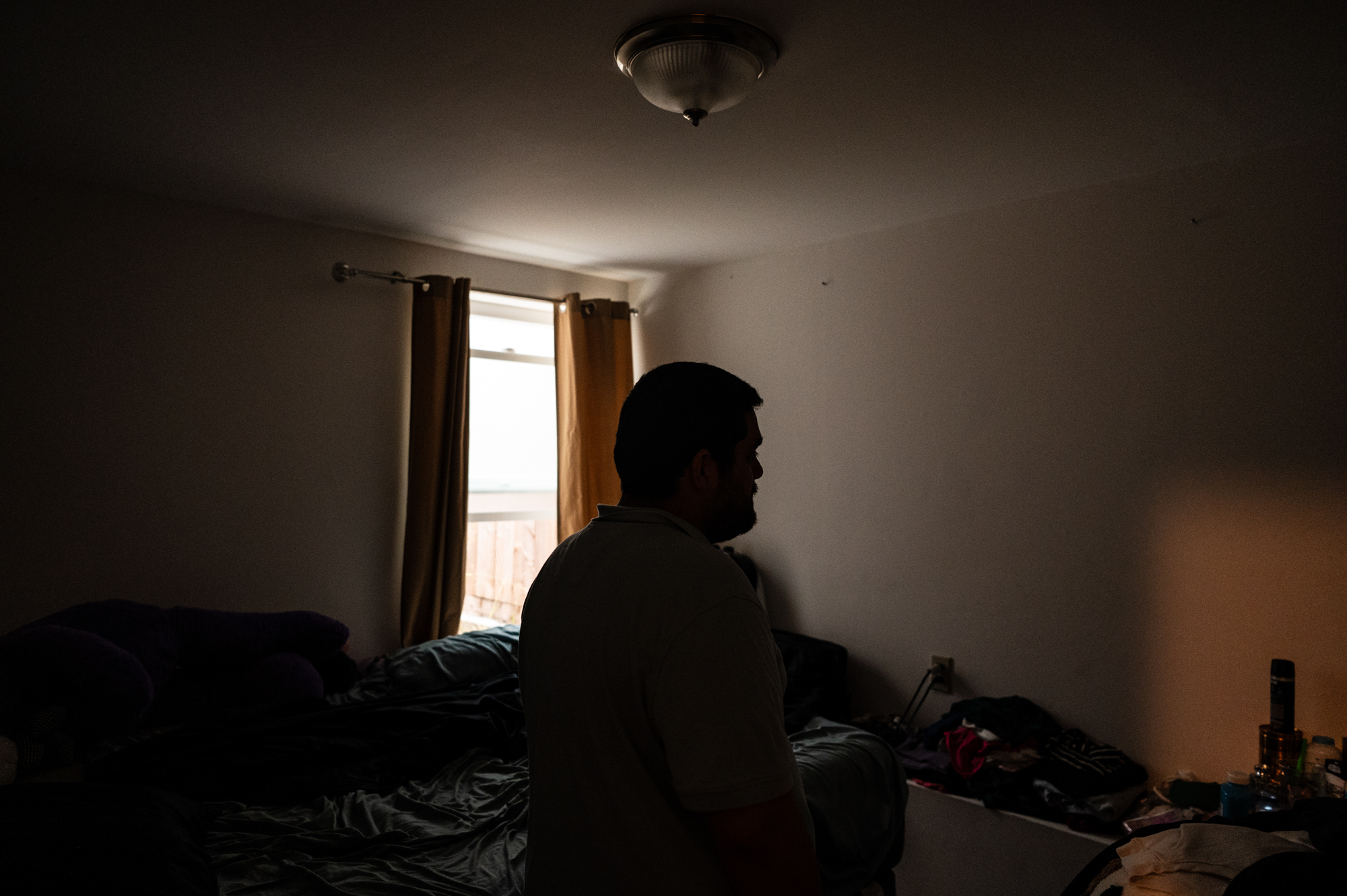
"caption": "Roberto stands in the bedroom of the apartment he shares with his wife, Sandra, whose belongings remain untouched after she was arrested and detained by immigration authorities during a check-in at ICE’s San Francisco office on July 11, 2025.",
"credit": "Pablo Unzueta for El Tecolote for CatchLight Local",
"altTag": null,
"description": null,
"imgSizes": {
"thumbnail": {
"file": "https://cdn.kqed.org/wp-content/uploads/sites/10/2025/08/07112025-ICECOUPLEDEPORTED-ET-PU-06-KQED-160x106.jpg",
"width": 160,
"height": 106,
"mimeType": "image/jpeg"
},
"1536x1536": {
"file": "https://cdn.kqed.org/wp-content/uploads/sites/10/2025/08/07112025-ICECOUPLEDEPORTED-ET-PU-06-KQED-1536x1022.jpg",
"width": 1536,
"height": 1022,
"mimeType": "image/jpeg"
},
"post-thumbnail": {
"file": "https://cdn.kqed.org/wp-content/uploads/sites/10/2025/08/07112025-ICECOUPLEDEPORTED-ET-PU-06-KQED-672x372.jpg",
"width": 672,
"height": 372,
"mimeType": "image/jpeg"
},
"twentyfourteen-full-width": {
"file": "https://cdn.kqed.org/wp-content/uploads/sites/10/2025/08/07112025-ICECOUPLEDEPORTED-ET-PU-06-KQED-1038x576.jpg",
"width": 1038,
"height": 576,
"mimeType": "image/jpeg"
},
"kqedFullSize": {
"file": "https://cdn.kqed.org/wp-content/uploads/sites/10/2025/08/07112025-ICECOUPLEDEPORTED-ET-PU-06-KQED.jpg",
"width": 2000,
"height": 1331
}
},
"isLoading": false,
"fetchFailed": false
},
"news_12046907": {
"type": "attachments",
"id": "news_12046907",
"meta": {
"index": "attachments_1716263798",
"site": "news",
"id": "12046907",
"found": true
},
"title": "ICE-immigration-courrt",
"publishDate": 1751493110,
"status": "inherit",
"parent": 12057278,
"modified": 1758656897,
"caption": "With increased ICE presence in immigration courts, how are lawyers, volunteers and advocates responding?",
"credit": "Anna Vignet/KQED",
"altTag": null,
"description": null,
"imgSizes": {
"medium": {
"file": "https://cdn.kqed.org/wp-content/uploads/sites/10/2025/07/IMG_1067-2000x1500.jpg",
"width": 2000,
"height": 1500,
"mimeType": "image/jpeg"
},
"large": {
"file": "https://cdn.kqed.org/wp-content/uploads/sites/10/2025/07/IMG_1067-2000x1500.jpg",
"width": 2000,
"height": 1500,
"mimeType": "image/jpeg"
},
"thumbnail": {
"file": "https://cdn.kqed.org/wp-content/uploads/sites/10/2025/07/IMG_1067-160x120.jpg",
"width": 160,
"height": 120,
"mimeType": "image/jpeg"
},
"1536x1536": {
"file": "https://cdn.kqed.org/wp-content/uploads/sites/10/2025/07/IMG_1067-1536x1152.jpg",
"width": 1536,
"height": 1152,
"mimeType": "image/jpeg"
},
"2048x2048": {
"file": "https://cdn.kqed.org/wp-content/uploads/sites/10/2025/07/IMG_1067-2048x1536.jpg",
"width": 2048,
"height": 1536,
"mimeType": "image/jpeg"
},
"post-thumbnail": {
"file": "https://cdn.kqed.org/wp-content/uploads/sites/10/2025/07/IMG_1067-672x372.jpg",
"width": 672,
"height": 372,
"mimeType": "image/jpeg"
},
"twentyfourteen-full-width": {
"file": "https://cdn.kqed.org/wp-content/uploads/sites/10/2025/07/IMG_1067-1038x576.jpg",
"width": 1038,
"height": 576,
"mimeType": "image/jpeg"
},
"full-width": {
"file": "https://cdn.kqed.org/wp-content/uploads/sites/10/2025/07/IMG_1067-2000x1500.jpg",
"width": 2000,
"height": 1500,
"mimeType": "image/jpeg"
},
"kqedFullSize": {
"file": "https://cdn.kqed.org/wp-content/uploads/sites/10/2025/07/IMG_1067.jpg",
"width": 2560,
"height": 1920
}
},
"isLoading": false,
"fetchFailed": false
},
"news_11899767": {
"type": "attachments",
"id": "news_11899767",
"meta": {
"index": "attachments_1716263798",
"site": "news",
"id": "11899767",
"found": true
},
"title": "Immigration_08232021",
"publishDate": 1639851163,
"status": "inherit",
"parent": 11899667,
"modified": 1745519909,
"caption": "Herrera and Gonzalez hold hands in their yard on Aug. 23, 2021. Along with their three children, the couple fled Mexico and are seeking asylum in the U.S. But their case has dragged on for six years in immigration court. ",
"credit": "Beth LaBerge/KQED",
"altTag": "Two people hold hands with late afternoon orange sunlight creating a shadow of the two people on the fence behind them.",
"description": "Herrera and Gonzalez hold hands in their yard on Aug. 23, 2021. Along with their three children, the couple fled Mexico and are seeking asylum in the U.S. But their case has dragged on for six years in immigration court. ",
"imgSizes": {
"medium": {
"file": "https://cdn.kqed.org/wp-content/uploads/sites/10/2021/12/026_SanJose_Immigration_08232021-800x533.jpg",
"width": 800,
"height": 533,
"mimeType": "image/jpeg"
},
"large": {
"file": "https://cdn.kqed.org/wp-content/uploads/sites/10/2021/12/026_SanJose_Immigration_08232021-1020x680.jpg",
"width": 1020,
"height": 680,
"mimeType": "image/jpeg"
},
"thumbnail": {
"file": "https://cdn.kqed.org/wp-content/uploads/sites/10/2021/12/026_SanJose_Immigration_08232021-160x107.jpg",
"width": 160,
"height": 107,
"mimeType": "image/jpeg"
},
"1536x1536": {
"file": "https://cdn.kqed.org/wp-content/uploads/sites/10/2021/12/026_SanJose_Immigration_08232021-1536x1024.jpg",
"width": 1536,
"height": 1024,
"mimeType": "image/jpeg"
},
"post-thumbnail": {
"file": "https://cdn.kqed.org/wp-content/uploads/sites/10/2021/12/026_SanJose_Immigration_08232021-672x372.jpg",
"width": 672,
"height": 372,
"mimeType": "image/jpeg"
},
"twentyfourteen-full-width": {
"file": "https://cdn.kqed.org/wp-content/uploads/sites/10/2021/12/026_SanJose_Immigration_08232021-1038x576.jpg",
"width": 1038,
"height": 576,
"mimeType": "image/jpeg"
},
"kqedFullSize": {
"file": "https://cdn.kqed.org/wp-content/uploads/sites/10/2021/12/026_SanJose_Immigration_08232021.jpg",
"width": 1920,
"height": 1280
}
},
"isLoading": false,
"fetchFailed": false
},
"news_12023105": {
"type": "attachments",
"id": "news_12023105",
"meta": {
"index": "attachments_1716263798",
"site": "news",
"id": "12023105",
"found": true
},
"title": "060324-CBP-Arrest-GETTY-CM-1",
"publishDate": 1737392456,
"status": "inherit",
"parent": 12023104,
"modified": 1737392496,
"caption": "Immigrant advocates are closely watching California sheriffs to see how they'll uphold the state's sanctuary law in a new Trump administration. Here, people seeking asylum are detained by border patrol after crossing the U.S. and Mexico border near Campo on June 3, 2024.",
"credit": "Robert Gauthier/Los Angeles Times via Getty Images",
"altTag": null,
"description": null,
"imgSizes": {
"medium": {
"file": "https://cdn.kqed.org/wp-content/uploads/sites/10/2025/01/060324-CBP-Arrest-GETTY-CM-1-800x533.jpg",
"width": 800,
"height": 533,
"mimeType": "image/jpeg"
},
"large": {
"file": "https://cdn.kqed.org/wp-content/uploads/sites/10/2025/01/060324-CBP-Arrest-GETTY-CM-1-1020x680.jpg",
"width": 1020,
"height": 680,
"mimeType": "image/jpeg"
},
"thumbnail": {
"file": "https://cdn.kqed.org/wp-content/uploads/sites/10/2025/01/060324-CBP-Arrest-GETTY-CM-1-160x107.jpg",
"width": 160,
"height": 107,
"mimeType": "image/jpeg"
},
"1536x1536": {
"file": "https://cdn.kqed.org/wp-content/uploads/sites/10/2025/01/060324-CBP-Arrest-GETTY-CM-1-1536x1024.jpg",
"width": 1536,
"height": 1024,
"mimeType": "image/jpeg"
},
"post-thumbnail": {
"file": "https://cdn.kqed.org/wp-content/uploads/sites/10/2025/01/060324-CBP-Arrest-GETTY-CM-1-672x372.jpg",
"width": 672,
"height": 372,
"mimeType": "image/jpeg"
},
"twentyfourteen-full-width": {
"file": "https://cdn.kqed.org/wp-content/uploads/sites/10/2025/01/060324-CBP-Arrest-GETTY-CM-1-1038x576.jpg",
"width": 1038,
"height": 576,
"mimeType": "image/jpeg"
},
"full-width": {
"file": "https://cdn.kqed.org/wp-content/uploads/sites/10/2025/01/060324-CBP-Arrest-GETTY-CM-1-1920x1280.jpg",
"width": 1920,
"height": 1280,
"mimeType": "image/jpeg"
},
"kqedFullSize": {
"file": "https://cdn.kqed.org/wp-content/uploads/sites/10/2025/01/060324-CBP-Arrest-GETTY-CM-1.jpg",
"width": 2000,
"height": 1333
}
},
"isLoading": false,
"fetchFailed": false
},
"news_12002183": {
"type": "attachments",
"id": "news_12002183",
"meta": {
"index": "attachments_1716263798",
"site": "news",
"id": "12002183",
"found": true
},
"title": "240828-ICEDETAINEES-15-BL-KQED",
"publishDate": 1724876552,
"status": "inherit",
"parent": 0,
"modified": 1724956845,
"caption": "Natalia Peña (center left) rallies outside the U.S. Customs and Immigration Enforcement offices in San Francisco on Aug. 28, 2024, in support of labor and hunger strikers inside two detention centers in Kern County.",
"credit": "Beth LaBerge/KQED",
"altTag": null,
"description": null,
"imgSizes": {
"medium": {
"file": "https://cdn.kqed.org/wp-content/uploads/sites/10/2024/08/240828-ICEDETAINEES-15-BL-KQED-800x533.jpg",
"width": 800,
"height": 533,
"mimeType": "image/jpeg"
},
"large": {
"file": "https://cdn.kqed.org/wp-content/uploads/sites/10/2024/08/240828-ICEDETAINEES-15-BL-KQED-1020x680.jpg",
"width": 1020,
"height": 680,
"mimeType": "image/jpeg"
},
"thumbnail": {
"file": "https://cdn.kqed.org/wp-content/uploads/sites/10/2024/08/240828-ICEDETAINEES-15-BL-KQED-160x107.jpg",
"width": 160,
"height": 107,
"mimeType": "image/jpeg"
},
"1536x1536": {
"file": "https://cdn.kqed.org/wp-content/uploads/sites/10/2024/08/240828-ICEDETAINEES-15-BL-KQED-1536x1024.jpg",
"width": 1536,
"height": 1024,
"mimeType": "image/jpeg"
},
"post-thumbnail": {
"file": "https://cdn.kqed.org/wp-content/uploads/sites/10/2024/08/240828-ICEDETAINEES-15-BL-KQED-672x372.jpg",
"width": 672,
"height": 372,
"mimeType": "image/jpeg"
},
"twentyfourteen-full-width": {
"file": "https://cdn.kqed.org/wp-content/uploads/sites/10/2024/08/240828-ICEDETAINEES-15-BL-KQED-1038x576.jpg",
"width": 1038,
"height": 576,
"mimeType": "image/jpeg"
},
"full-width": {
"file": "https://cdn.kqed.org/wp-content/uploads/sites/10/2024/08/240828-ICEDETAINEES-15-BL-KQED-1920x1280.jpg",
"width": 1920,
"height": 1280,
"mimeType": "image/jpeg"
},
"kqedFullSize": {
"file": "https://cdn.kqed.org/wp-content/uploads/sites/10/2024/08/240828-ICEDETAINEES-15-BL-KQED.jpg",
"width": 2000,
"height": 1333
}
},
"isLoading": false,
"fetchFailed": false
},
"news_11958386": {
"type": "attachments",
"id": "news_11958386",
"meta": {
"index": "attachments_1716263798",
"site": "news",
"id": "11958386",
"found": true
},
"parent": 0,
"imgSizes": {
"twentyfourteen-full-width": {
"file": "https://ww2.kqed.org/app/uploads/sites/10/2023/08/081623-SAN-DIEGO-MIGRATION-GETTY-MT-KQED-1038x576.jpg",
"width": 1038,
"mimeType": "image/jpeg",
"height": 576
},
"thumbnail": {
"file": "https://ww2.kqed.org/app/uploads/sites/10/2023/08/081623-SAN-DIEGO-MIGRATION-GETTY-MT-KQED-160x107.jpg",
"width": 160,
"mimeType": "image/jpeg",
"height": 107
},
"post-thumbnail": {
"file": "https://ww2.kqed.org/app/uploads/sites/10/2023/08/081623-SAN-DIEGO-MIGRATION-GETTY-MT-KQED-672x372.jpg",
"width": 672,
"mimeType": "image/jpeg",
"height": 372
},
"kqedFullSize": {
"file": "https://ww2.kqed.org/app/uploads/sites/10/2023/08/081623-SAN-DIEGO-MIGRATION-GETTY-MT-KQED.jpg",
"width": 2000,
"height": 1333
},
"large": {
"file": "https://ww2.kqed.org/app/uploads/sites/10/2023/08/081623-SAN-DIEGO-MIGRATION-GETTY-MT-KQED-1020x680.jpg",
"width": 1020,
"mimeType": "image/jpeg",
"height": 680
},
"1536x1536": {
"file": "https://ww2.kqed.org/app/uploads/sites/10/2023/08/081623-SAN-DIEGO-MIGRATION-GETTY-MT-KQED-1536x1024.jpg",
"width": 1536,
"mimeType": "image/jpeg",
"height": 1024
},
"full-width": {
"file": "https://ww2.kqed.org/app/uploads/sites/10/2023/08/081623-SAN-DIEGO-MIGRATION-GETTY-MT-KQED-1920x1280.jpg",
"width": 1920,
"mimeType": "image/jpeg",
"height": 1280
},
"medium": {
"file": "https://ww2.kqed.org/app/uploads/sites/10/2023/08/081623-SAN-DIEGO-MIGRATION-GETTY-MT-KQED-800x533.jpg",
"width": 800,
"mimeType": "image/jpeg",
"height": 533
}
},
"publishDate": 1692222719,
"modified": 1692230390,
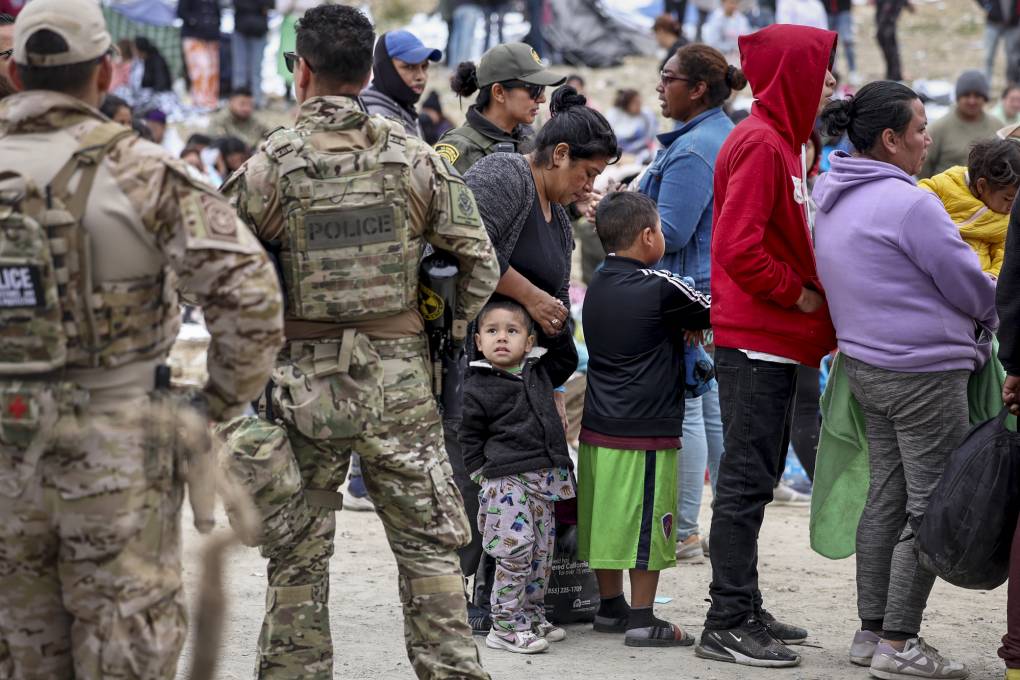
"caption": "Federal law enforcement agents and officers keep watch as immigrants line up to be transported from a makeshift camp between the US and Mexico border walls on May 13, 2023 in San Diego.",
"description": null,
"title": "Migrant Crossings At Southern Border Increase As Title 42 Policy Expires",
"credit": "Mario Tama/Getty Images",
"status": "inherit",
"altTag": "A group of people including children stand in line as people wearing camouflage clothing observe them.",
"isLoading": false,
"fetchFailed": false
},
"news_11949732": {
"type": "attachments",
"id": "news_11949732",
"meta": {
"index": "attachments_1716263798",
"site": "news",
"id": "11949732",
"found": true
},
"parent": 11949678,
"imgSizes": {
"twentyfourteen-full-width": {
"file": "https://ww2.kqed.org/app/uploads/sites/10/2023/05/GettyImages-1407913558-1024x576.jpg",
"width": 1024,
"mimeType": "image/jpeg",
"height": 576
},
"thumbnail": {
"file": "https://ww2.kqed.org/app/uploads/sites/10/2023/05/GettyImages-1407913558-160x106.jpg",
"width": 160,
"mimeType": "image/jpeg",
"height": 106
},
"post-thumbnail": {
"file": "https://ww2.kqed.org/app/uploads/sites/10/2023/05/GettyImages-1407913558-672x372.jpg",
"width": 672,
"mimeType": "image/jpeg",
"height": 372
},
"kqedFullSize": {
"file": "https://ww2.kqed.org/app/uploads/sites/10/2023/05/GettyImages-1407913558.jpg",
"width": 1024,
"height": 679
},
"large": {
"file": "https://ww2.kqed.org/app/uploads/sites/10/2023/05/GettyImages-1407913558-1020x676.jpg",
"width": 1020,
"mimeType": "image/jpeg",
"height": 676
},
"medium": {
"file": "https://ww2.kqed.org/app/uploads/sites/10/2023/05/GettyImages-1407913558-800x530.jpg",
"width": 800,
"mimeType": "image/jpeg",
"height": 530
}
},
"publishDate": 1684272741,
"modified": 1684279568,
"caption": "An immigrant mother from Colombia (Center) rests with her daughter and cousin (Left) after crossing the U.S.-Mexico border barrier on May 20, 2022 in Yuma, Arizona. ",
"description": null,
"title": "Migrant Border Crossings At The Southern Border Continue As Judge's Title 42 Ruling Looms",
"credit": "Mario Tama/Getty Images",
"status": "inherit",
"altTag": "Three women wearing white shirts sit against a gate, with the woman in the middle holding a baby. Near them are water bottles and bags.",
"isLoading": false,
"fetchFailed": false
},
"news_11937018": {
"type": "attachments",
"id": "news_11937018",
"meta": {
"index": "attachments_1716263798",
"site": "news",
"id": "11937018",
"found": true
},
"parent": 11937017,
"imgSizes": {
"twentyfourteen-full-width": {
"file": "https://ww2.kqed.org/app/uploads/sites/10/2023/01/ap23004731516744-7106a719aa5856321fc5b3b5c8938e8819ad1ddd-1038x576.jpg",
"width": 1038,
"mimeType": "image/jpeg",
"height": 576
},
"thumbnail": {
"file": "https://ww2.kqed.org/app/uploads/sites/10/2023/01/ap23004731516744-7106a719aa5856321fc5b3b5c8938e8819ad1ddd-160x120.jpg",
"width": 160,
"mimeType": "image/jpeg",
"height": 120
},
"post-thumbnail": {
"file": "https://ww2.kqed.org/app/uploads/sites/10/2023/01/ap23004731516744-7106a719aa5856321fc5b3b5c8938e8819ad1ddd-672x372.jpg",
"width": 672,
"mimeType": "image/jpeg",
"height": 372
},
"kqedFullSize": {
"file": "https://ww2.kqed.org/app/uploads/sites/10/2023/01/ap23004731516744-7106a719aa5856321fc5b3b5c8938e8819ad1ddd-scaled.jpg",
"width": 2560,
"height": 1920
},
"2048x2048": {
"file": "https://ww2.kqed.org/app/uploads/sites/10/2023/01/ap23004731516744-7106a719aa5856321fc5b3b5c8938e8819ad1ddd-2048x1536.jpg",
"width": 2048,
"mimeType": "image/jpeg",
"height": 1536
},
"large": {
"file": "https://ww2.kqed.org/app/uploads/sites/10/2023/01/ap23004731516744-7106a719aa5856321fc5b3b5c8938e8819ad1ddd-1020x765.jpg",
"width": 1020,
"mimeType": "image/jpeg",
"height": 765
},
"1536x1536": {
"file": "https://ww2.kqed.org/app/uploads/sites/10/2023/01/ap23004731516744-7106a719aa5856321fc5b3b5c8938e8819ad1ddd-1536x1152.jpg",
"width": 1536,
"mimeType": "image/jpeg",
"height": 1152
},
"full-width": {
"file": "https://ww2.kqed.org/app/uploads/sites/10/2023/01/ap23004731516744-7106a719aa5856321fc5b3b5c8938e8819ad1ddd-1920x1440.jpg",
"width": 1920,
"mimeType": "image/jpeg",
"height": 1440
},
"medium": {
"file": "https://ww2.kqed.org/app/uploads/sites/10/2023/01/ap23004731516744-7106a719aa5856321fc5b3b5c8938e8819ad1ddd-800x600.jpg",
"width": 800,
"mimeType": "image/jpeg",
"height": 600
}
},
"publishDate": 1672941876,
"modified": 1672946966,
"caption": "President Joe Biden speaks to members of the media before boarding Air Force One at Cincinnati/Northern Kentucky International Airport in Hebron, Ky., Wednesday, Jan. 4, 2023. Biden is returning to Washington after visiting Kentucky to promote his infrastructure agenda.",
"description": "President Joe Biden speaks to members of the media before boarding Air Force One at Cincinnati/Northern Kentucky International Airport in Hebron, Ky., Wednesday, Jan. 4, 2023. Biden is returning to Washington after visiting Kentucky to promote his infrastructure agenda. (AP Photo/Patrick Semansky)",
"title": "President Biden speaks to reporters before boarding Air Force One in Kentucky on Wednesday. Biden told reporters he plans to visit the southern U.S. border next week.",
"credit": "Patrick Semansky/AP",
"status": "inherit",
"altTag": "A man wearing a business suit and sun glasses stands in front of a person holding a recording device with two men behind him in suits outside.",
"isLoading": false,
"fetchFailed": false
},
"news_11912841": {
"type": "attachments",
"id": "news_11912841",
"meta": {
"index": "attachments_1716263798",
"site": "news",
"id": "11912841",
"found": true
},
"parent": 0,
"imgSizes": {
"twentyfourteen-full-width": {
"file": "https://ww2.kqed.org/app/uploads/sites/10/2022/05/DEISY-1-1-1020x576.jpg",
"width": 1020,
"mimeType": "image/jpeg",
"height": 576
},
"thumbnail": {
"file": "https://ww2.kqed.org/app/uploads/sites/10/2022/05/DEISY-1-1-160x114.jpg",
"width": 160,
"mimeType": "image/jpeg",
"height": 114
},
"post-thumbnail": {
"file": "https://ww2.kqed.org/app/uploads/sites/10/2022/05/DEISY-1-1-672x372.jpg",
"width": 672,
"mimeType": "image/jpeg",
"height": 372
},
"kqedFullSize": {
"file": "https://ww2.kqed.org/app/uploads/sites/10/2022/05/DEISY-1-1.jpg",
"width": 1020,
"height": 728
},
"medium": {
"file": "https://ww2.kqed.org/app/uploads/sites/10/2022/05/DEISY-1-1-800x571.jpg",
"width": 800,
"mimeType": "image/jpeg",
"height": 571
}
},
"publishDate": 1651452507,
"modified": 1651536510,
"caption": "En un parque infantil de San Francisco, el 22 de noviembre de 2021, Deisy Ramírez reflexiona sobre cómo encontró seguridad aquí después de huir del cautiverio en Guatemala.",
"description": null,
"title": "DEISY 1",
"credit": "Tyche Hendricks/KQED",
"status": "inherit",
"altTag": "Una mujer con abrigo blanco está parada en un parque infantil.",
"isLoading": false,
"fetchFailed": false
},
"news_11910793": {
"type": "attachments",
"id": "news_11910793",
"meta": {
"index": "attachments_1716263798",
"site": "news",
"id": "11910793",
"found": true
},
"parent": 11910789,
"imgSizes": {
"twentyfourteen-full-width": {
"file": "https://ww2.kqed.org/app/uploads/sites/10/2022/04/RS55046_IMG_4338-qut-1038x576.jpg",
"width": 1038,
"mimeType": "image/jpeg",
"height": 576
},
"thumbnail": {
"file": "https://ww2.kqed.org/app/uploads/sites/10/2022/04/RS55046_IMG_4338-qut-160x114.jpg",
"width": 160,
"mimeType": "image/jpeg",
"height": 114
},
"post-thumbnail": {
"file": "https://ww2.kqed.org/app/uploads/sites/10/2022/04/RS55046_IMG_4338-qut-672x372.jpg",
"width": 672,
"mimeType": "image/jpeg",
"height": 372
},
"kqedFullSize": {
"file": "https://ww2.kqed.org/app/uploads/sites/10/2022/04/RS55046_IMG_4338-qut.jpg",
"width": 1920,
"height": 1371
},
"large": {
"file": "https://ww2.kqed.org/app/uploads/sites/10/2022/04/RS55046_IMG_4338-qut-1020x728.jpg",
"width": 1020,
"mimeType": "image/jpeg",
"height": 728
},
"1536x1536": {
"file": "https://ww2.kqed.org/app/uploads/sites/10/2022/04/RS55046_IMG_4338-qut-1536x1097.jpg",
"width": 1536,
"mimeType": "image/jpeg",
"height": 1097
},
"medium": {
"file": "https://ww2.kqed.org/app/uploads/sites/10/2022/04/RS55046_IMG_4338-qut-800x571.jpg",
"width": 800,
"mimeType": "image/jpeg",
"height": 571
}
},
"publishDate": 1649711978,
"modified": 1649723103,
"caption": "At a playground in San Francisco, on Nov. 22, 2021, Deisy Ramírez reflects on how she found safety here after fleeing captivity in Guatemala.",
"description": null,
"title": "Deisy Ramírez poses for a portrait at a playground in San Francisco on Feb. 16, 2022.",
"credit": "Tyche Hendricks/KQED",
"status": "inherit",
"altTag": "A portrait of Deisy, a Guatemalan woman with long dark hair wearing a white coat at a playground.",
"isLoading": false,
"fetchFailed": false
},
"news_11886284": {
"type": "attachments",
"id": "news_11886284",
"meta": {
"index": "attachments_1716263798",
"site": "news",
"id": "11886284",
"found": true
},
"parent": 11886268,
"imgSizes": {
"twentyfourteen-full-width": {
"file": "https://ww2.kqed.org/app/uploads/sites/10/2021/08/GettyImages-1231772534-1024x576.jpg",
"width": 1024,
"mimeType": "image/jpeg",
"height": 576
},
"thumbnail": {
"file": "https://ww2.kqed.org/app/uploads/sites/10/2021/08/GettyImages-1231772534-160x110.jpg",
"width": 160,
"mimeType": "image/jpeg",
"height": 110
},
"post-thumbnail": {
"file": "https://ww2.kqed.org/app/uploads/sites/10/2021/08/GettyImages-1231772534-672x372.jpg",
"width": 672,
"mimeType": "image/jpeg",
"height": 372
},
"kqedFullSize": {
"file": "https://ww2.kqed.org/app/uploads/sites/10/2021/08/GettyImages-1231772534.jpg",
"width": 1024,
"height": 701
},
"large": {
"file": "https://ww2.kqed.org/app/uploads/sites/10/2021/08/GettyImages-1231772534-1020x698.jpg",
"width": 1020,
"mimeType": "image/jpeg",
"height": 698
},
"medium": {
"file": "https://ww2.kqed.org/app/uploads/sites/10/2021/08/GettyImages-1231772534-800x548.jpg",
"width": 800,
"mimeType": "image/jpeg",
"height": 548
}
},
"publishDate": 1629920417,
"modified": 1648688185,
"caption": "Aerial view of a migrant camp where asylum-seekers wait for U.S. authorities to allow them to start their migration process, outside El Chaparral crossing port in Tijuana, Mexico, on March 17, 2021. ",
"description": null,
"title": "MEXICO-US-MIGRATION",
"credit": "Guillermo Arias/AFP/Getty Images",
"status": "inherit",
"altTag": "A large camp in an urban area.",
"isLoading": false,
"fetchFailed": false
}
},
"audioPlayerReducer": {
"postId": "stream_live",
"isPaused": true,
"isPlaying": false,
"pfsActive": false,
"pledgeModalIsOpen": true,
"playerDrawerIsOpen": false,
"liveAudioPlayStartedAt": 0,
"liveAudioPlayContext": ""
},
"authorsReducer": {
"byline_news_12088756": {
"type": "authors",
"id": "byline_news_12088756",
"meta": {
"override": true
},
"slug": "byline_news_12088756",
"name": "Janie McCauley",
"isLoading": false
},
"byline_news_12050841": {
"type": "authors",
"id": "byline_news_12050841",
"meta": {
"override": true
},
"slug": "byline_news_12050841",
"name": "Mariana Duran, El Tecolote",
"isLoading": false
},
"byline_news_12037508": {
"type": "authors",
"id": "byline_news_12037508",
"meta": {
"override": true
},
"slug": "byline_news_12037508",
"name": "Mark Betancourt, The California Newsroom",
"isLoading": false
},
"byline_news_11949678": {
"type": "authors",
"id": "byline_news_11949678",
"meta": {
"override": true
},
"slug": "byline_news_11949678",
"name": "Rebecca Santana\u003cbr>The Associated Press",
"isLoading": false
},
"byline_news_11937017": {
"type": "authors",
"id": "byline_news_11937017",
"meta": {
"override": true
},
"slug": "byline_news_11937017",
"name": "Tamara Keith",
"isLoading": false
},
"byline_news_11909829": {
"type": "authors",
"id": "byline_news_11909829",
"meta": {
"override": true
},
"slug": "byline_news_11909829",
"name": "Colleen Long, Jason Dearen and Elliot Spagat\u003cbr>Associated Press",
"isLoading": false
},
"tychehendricks": {
"type": "authors",
"id": "259",
"meta": {
"index": "authors_1716337520",
"id": "259",
"found": true
},
"name": "Tyche Hendricks",
"firstName": "Tyche",
"lastName": "Hendricks",
"slug": "tychehendricks",
"email": "thendricks@kqed.org",
"display_author_email": true,
"staff_mastheads": [
"news"
],
"title": "KQED Senior Editor, Immigration",
"bio": "\u003cspan style=\"font-weight: 400;\">Tyche Hendricks is KQED’s senior editor for immigration, leading coverage of the policy and politics that affect California’s immigrant communities. Her work for KQED’s radio and online audiences is also carried on NPR and other national outlets. She has been recognized with awards from the Radio and Television News Directors Association, the Society for Professional Journalists; the Education Writers Association; the Best of the West and the National Federation of Community Broadcasters. Before joining KQED in 2010, Tyche spent more than a dozen years as a newspaper reporter, notably at the \u003c/span>\u003ci>\u003cspan style=\"font-weight: 400;\">San Francisco Chronicle\u003c/span>\u003c/i>\u003cspan style=\"font-weight: 400;\">. At different times she has covered criminal justice, government and politics and urban planning. Tyche has taught in the MFA Creative Writing program at the University of San Francisco and at UC Berkeley’s Graduate School of Journalism, where she was co-director of a national immigration symposium for professional journalists. She is the author of \u003c/span>\u003ci>\u003cspan style=\"font-weight: 400;\">The Wind Doesn't Need a Passport: Stories from the U.S.-Mexico Borderlands\u003c/span>\u003c/i>\u003cspan style=\"font-weight: 400;\"> (University of California Press). \u003c/span>",
"avatar": "https://secure.gravatar.com/avatar/b8ee458e2731c2d43df86882ce17267e?s=600&d=blank&r=g",
"twitter": "tychehendricks",
"facebook": null,
"instagram": null,
"linkedin": null,
"sites": [
{
"site": "news",
"roles": [
"editor"
]
},
{
"site": "stateofhealth",
"roles": [
"editor"
]
}
],
"headData": {
"title": "Tyche Hendricks | KQED",
"description": "KQED Senior Editor, Immigration",
"ogImgSrc": "https://secure.gravatar.com/avatar/b8ee458e2731c2d43df86882ce17267e?s=600&d=blank&r=g",
"twImgSrc": "https://secure.gravatar.com/avatar/b8ee458e2731c2d43df86882ce17267e?s=600&d=blank&r=g"
},
"isLoading": false,
"link": "/author/tychehendricks"
},
"nkhan": {
"type": "authors",
"id": "11867",
"meta": {
"index": "authors_1716337520",
"id": "11867",
"found": true
},
"name": "Nisa Khan",
"firstName": "Nisa",
"lastName": "Khan",
"slug": "nkhan",
"email": "nkhan@kqed.org",
"display_author_email": false,
"staff_mastheads": [],
"title": "KQED Contributor",
"bio": "Nisa Khan is a reporter for KQED's Audience News Desk. She was formerly a data reporter at Michigan Radio. She earned a Bachelor of Science in Information from the University of Michigan and a Master of Arts in Communication from Stanford University.",
"avatar": "https://secure.gravatar.com/avatar/8720459eef081ff64582b3506b124d58523e80e120704a0cbd9892533c914991?s=600&d=blank&r=g",
"twitter": "mnisakhan",
"bluesky": null,
"facebook": null,
"instagram": null,
"linkedin": null,
"sites": [
{
"site": "arts",
"roles": [
"editor"
]
},
{
"site": "news",
"roles": [
"editor"
]
},
{
"site": "science",
"roles": [
"editor",
"author"
]
},
{
"site": "forum",
"roles": [
"editor"
]
},
{
"site": "liveblog",
"roles": [
"contributor"
]
}
],
"headData": {
"title": "Nisa Khan | KQED",
"description": "KQED Contributor",
"ogImgSrc": "https://secure.gravatar.com/avatar/8720459eef081ff64582b3506b124d58523e80e120704a0cbd9892533c914991?s=600&d=blank&r=g",
"twImgSrc": "https://secure.gravatar.com/avatar/8720459eef081ff64582b3506b124d58523e80e120704a0cbd9892533c914991?s=600&d=blank&r=g"
},
"isLoading": false,
"link": "/author/nkhan"
},
"kdebenedetti": {
"type": "authors",
"id": "11913",
"meta": {
"index": "authors_1716337520",
"id": "11913",
"found": true
},
"name": "Katie DeBenedetti",
"firstName": "Katie",
"lastName": "DeBenedetti",
"slug": "kdebenedetti",
"email": "kdebenedetti@kqed.org",
"display_author_email": false,
"staff_mastheads": [
"news",
"science"
],
"title": "KQED Contributor",
"bio": "Katie DeBenedetti is a digital reporter covering daily news for the Express Desk. Prior to joining KQED as a culture reporting intern in January 2024, she covered education and city government for the Napa Valley Register.",
"avatar": "https://secure.gravatar.com/avatar/6e31073cb8f7e4214ab03f42771d0f45?s=600&d=blank&r=g",
"twitter": null,
"facebook": null,
"instagram": null,
"linkedin": null,
"sites": [
{
"site": "news",
"roles": [
"author"
]
},
{
"site": "science",
"roles": [
"author"
]
},
{
"site": "liveblog",
"roles": [
"author"
]
}
],
"headData": {
"title": "Katie DeBenedetti | KQED",
"description": "KQED Contributor",
"ogImgSrc": "https://secure.gravatar.com/avatar/6e31073cb8f7e4214ab03f42771d0f45?s=600&d=blank&r=g",
"twImgSrc": "https://secure.gravatar.com/avatar/6e31073cb8f7e4214ab03f42771d0f45?s=600&d=blank&r=g"
},
"isLoading": false,
"link": "/author/kdebenedetti"
}
},
"pagesReducer": {
"news_tag_asylum": {
"type": "terms",
"id": "news_23087",
"meta": {
"index": "terms_1716263798",
"site": "news",
"id": "23087",
"score": 9.893801
},
"featImg": null,
"name": "Asylum",
"description": null,
"taxonomy": "tag",
"headData": {
"twImgId": null,
"twTitle": null,
"ogTitle": null,
"ogImgId": null,
"twDescription": null,
"description": null,
"title": "Asylum Archives | KQED News",
"ogDescription": null
},
"ttid": 23104,
"slug": "asylum",
"isLoading": false,
"title": "Asylum",
"pageMeta": {
"site": "news",
"WpPageTemplate": "page-topic-editorial",
"currentPage": 1
},
"blocks": [
{
"blockName": "kqed/post-list",
"attrs": {
"layout": "cardArticle2",
"query": "posts/news?tag=asylum",
"seeMore": false,
"paginated": true,
"page": 1
}
},
{
"blockName": "kqed/ad"
}
]
}
},
"pfsSessionReducer": {},
"postsReducer": {
"stream_live": {
"type": "live",
"id": "stream_live",
"audioUrl": "https://streams.kqed.org/kqedradio",
"title": "Live Stream",
"excerpt": "Live Stream information currently unavailable.",
"link": "/radio",
"featImg": "",
"label": {
"name": "KQED Live",
"link": "/"
}
},
"stream_kqedNewscast": {
"type": "posts",
"id": "stream_kqedNewscast",
"audioUrl": "https://www.kqed.org/.stream/anon/radio/RDnews/newscast.mp3?_=1",
"title": "KQED Newscast",
"featImg": "",
"label": {
"name": "88.5 FM",
"link": "/"
}
},
"news_12088756": {
"type": "posts",
"id": "news_12088756",
"meta": {
"index": "posts_1716263798",
"site": "news",
"id": "12088756",
"score": null,
"sort": [
1782334823000
]
},
"guestAuthors": [],
"slug": "in-a-rainbow-trimmed-robe-at-the-world-cup-a-gay-qatari-doctor-advocates-for-equal-rights",
"title": "In a Rainbow-Trimmed Robe at the World Cup, a Gay Qatari Doctor Advocates for Equal Rights",
"publishDate": 1782334823,
"format": "standard",
"headTitle": "In a Rainbow-Trimmed Robe at the World Cup, a Gay Qatari Doctor Advocates for Equal Rights | KQED",
"labelTerm": {},
"content": "\u003cp>Formally dressed in a traditional Qatari bisht, Dr. Nasser Mohamed strolled past a crowd of several hundred people \u003ca href=\"https://www.kqed.org/news/12086953/the-world-cup-has-arrived-in-the-san-francisco-bay-area-is-anyone-else-coming\">outside Chase Center\u003c/a> as the England-Croatia \u003ca href=\"https://www.kqed.org/news/tag/world-cup\">World Cup \u003c/a>match was shown high above on the big screen. His gold-and-black robe featured a flourish: rainbow piping down each sleeve and the words “love” and “freedom” written in Arabic.\u003c/p>\n\u003cp>“That’s why the World Cup is really powerful, because people don’t need to hear about who I am — I can just walk, be seen, and that’s it,” he said. “We don’t have to say a word.”\u003c/p>\n\u003cp>Four years ago, when the World Cup was \u003ca href=\"https://apnews.com/article/world-cup-sports-soccer-international-gay-rights-54e5b2a4f51e471ca3a8f10816af201b\">played in his home country\u003c/a> and Mohamed was already living across the world in San Francisco, he came out and became an exceptionally rare openly gay man from Qatar, where gay sex is prohibited and he can’t dress how he’d like.\u003c/p>\n\u003cp>[ad fullwidth]\u003c/p>\n\u003cp>Mohamed is speaking up again for those without a voice. The 39-year-old now feels secure enough to walk around with confidence, and without fear of harm, while wearing chunky heeled boots, mascara and 2-inch dangly earrings. He still gets regular backlash and hate, but he has also found support and kindness from around the globe that helps drown out the death threats and divisiveness.\u003c/p>\n\u003cp>“I am so loved in San Francisco, really, truly,” Mohamed said of the city he moved to more than a decade ago. “I have not worn this since I was a kid in Qatar, and San Francisco put it back on my shoulders, with rainbows.”\u003c/p>\n\u003cp>For him, donning the bisht for everyone to see is important: “The emir of Qatar put it on (Lionel) Messi at the last World Cup to celebrate Messi. We should be celebrated too.”\u003c/p>\n\u003ch2>\u003cstrong>Mohamed campaigns for love at the World Cup\u003c/strong>\u003c/h2>\n\u003cp>An LGBTQ+ activist and family doctor who treats HIV, “Dr. Nas” — as he is known — launched his “Love is the Goal” campaign ahead of the World Cup and Pride Month, hoping to humanize all people taking part. For a video, he combined soccer lingo with references to love, such as him reading “love is kickoff, the very first touch,” and someone else offering “love is the assist, finding you exactly where you are.”\u003c/p>\n\u003cp>“Saving a life like mine is very expensive, and I know that, and this is the hard truth,” Mohamed said. “So that’s why I had to pave my own path and get out. I lost everything. I’m disowned completely. I had to build myself from scratch, the ground up, all of it.”\u003c/p>\n\u003cfigure id=\"attachment_12088758\" class=\"wp-caption aligncenter\" style=\"max-width: 2560px\">\u003ca href=\"https://cdn.kqed.org/wp-content/uploads/sites/10/2026/06/AP26172718919179-scaled.jpg\">\u003cimg loading=\"lazy\" decoding=\"async\" class=\"size-full wp-image-12088758\" src=\"https://cdn.kqed.org/wp-content/uploads/sites/10/2026/06/AP26172718919179-scaled.jpg\" alt=\"\" width=\"2560\" height=\"1707\" srcset=\"https://cdn.kqed.org/wp-content/uploads/sites/10/2026/06/AP26172718919179-scaled.jpg 2560w, https://cdn.kqed.org/wp-content/uploads/sites/10/2026/06/AP26172718919179-2000x1333.jpg 2000w, https://cdn.kqed.org/wp-content/uploads/sites/10/2026/06/AP26172718919179-160x107.jpg 160w, https://cdn.kqed.org/wp-content/uploads/sites/10/2026/06/AP26172718919179-1536x1024.jpg 1536w, https://cdn.kqed.org/wp-content/uploads/sites/10/2026/06/AP26172718919179-2048x1365.jpg 2048w\" sizes=\"auto, (max-width: 2560px) 100vw, 2560px\">\u003c/a>\u003cfigcaption class=\"wp-caption-text\">Dr. Nasser Mohamed, of Qatar, is photographed, Wednesday, June 17, 2026, in San Francisco. \u003ccite>(AP Photo/Jeff Chiu)\u003c/cite>\u003c/figcaption>\u003c/figure>\n\u003cp>On Wednesday, Qatar plays its final group-stage match, against Bosnia-Herzegovina in Seattle. Mohamed won’t be there, but he was at the team’s first game, on June 13 in Santa Clara, California. He had clear and visible security, and was escorted by California state Sen. Scott Wiener to \u003ca href=\"https://apnews.com/article/qatar-switzerland-world-cup-score-c1232e9fc7bcde023a14db26e767e90e\">the 1-1 draw with Switzerland.\u003c/a> A photo from the day has more than 12 million views on social media.\u003c/p>\n\u003cp>“As I was passing, everybody was taking pictures of me with the senator,” he recalled. “It was so dramatic.”\u003c/p>\n\u003cp>And emotional.\u003c/p>\n\u003cp>“In the stadium I couldn’t speak because if I started talking I’m not going to stop crying, because when am I going to see Qatar again in my life?” Mohamed said through tears. “When is it ever going to happen again? I don’t know. When am I going to see home? I can’t see Mom and Dad, even when they were getting hit by missiles.”\u003c/p>\n\u003ch2>\u003cstrong>Even in exile, Mohamed still cheers for Qatar\u003c/strong>\u003c/h2>\n\u003cp>After the game, he hosted a dance party at the San Francisco Mint highlighted by a performance \u003ca href=\"https://www.youtube.com/watch?v=G_zOTqlMJ9w\">“Let Your Love Shine,”\u003c/a> written by close friend Simon Tam and sung by Debby Holiday.\u003c/p>\n\u003cp>“Nas’ journey moves me because it is rooted in extraordinary courage and an enormous heart,” Tam said. “He’s taken his own truth and turned it into a way to help others feel seen, worthy, and less alone.” [aside postID=news_12088198 hero='https://cdn.kqed.org/wp-content/uploads/sites/10/2026/06/260622-WCJORALG-KQED-05-KQED.jpg'] Tam believes Mohamed can change the world — and that’s the doctor’s hope, too.\u003c/p>\n\u003cp>“The first step to heal is to witness things the way they are,” Mohamed said. “My endgame is for every child to belong with their own family and their own society.”\u003c/p>\n\u003cp>Still, it breaks his heart knowing he can’t go back to Qatar, he says. Mohamed says he has been ostracized by his own family because of his sexuality and for standing up to power to help others.\u003c/p>\n\u003cp>He has aided moves out of Qatar for others, including a transgender woman who told The Associated Press she had been imprisoned and tortured because of her identity. The woman spoke on condition of anonymity, citing fear for her safety. The AP could not independently confirm the woman’s account.\u003c/p>\n\u003cp>The AP did not contact Qatar’s government prior to publication of the story, and the government did not respond to subsequent later requests seeking comment.\u003c/p>\n\u003cp>Mohamed is thankful for this new existence, embracing the obstacles that come with his work, even as he believes his safety could be at stake.\u003c/p>\n\u003cp>“We all fled persecution and took political asylum in the U.S., and now we invited all of them to come here to play soccer,” he said. “I didn’t feel safe leaving my apartment.”\u003c/p>\n\u003cp>Still, after everything, he roots for Qatar — and the Americans. He plans to watch the U.S. during the round of 32 next week in Santa Clara.\u003c/p>\n\u003cp>“I am cheering for both the United States and for Qatar with love,” he said. “They both had homes for me and, when I challenge either of them, it is out of love, and I mean it.”\u003c/p>\n\u003cp>\u003c/p>\n",
"blocks": [],
"excerpt": "Four years after coming out as a gay Qatari man with the World Cup playing in his home country, Nasser Mohamed is speaking up again by sharing his journey that brought him across the world to the Bay Area. ",
"status": "publish",
"parent": 0,
"modified": 1782345000,
"stats": {
"hasAudio": false,
"hasVideo": false,
"hasChartOrMap": false,
"iframeSrcs": [],
"hasGoogleForm": false,
"hasGallery": false,
"hasHearkenModule": false,
"hasPolis": false,
"paragraphCount": 24,
"wordCount": 1082
},
"headData": {
"title": "In a Rainbow-Trimmed Robe at the World Cup, a Gay Qatari Doctor Advocates for Equal Rights | KQED",
"description": "Four years after coming out as a gay Qatari man with the World Cup playing in his home country, Nasser Mohamed is speaking up again by sharing his journey that brought him across the world to the Bay Area. ",
"ogTitle": "",
"ogDescription": "",
"ogImgId": "",
"twTitle": "",
"twDescription": "",
"twImgId": "",
"schema": {
"@context": "https://schema.org",
"@type": "NewsArticle",
"headline": "In a Rainbow-Trimmed Robe at the World Cup, a Gay Qatari Doctor Advocates for Equal Rights",
"datePublished": "2026-06-24T14:00:23-07:00",
"dateModified": "2026-06-24T16:50:00-07:00",
"image": "https://cdn.kqed.org/wp-content/uploads/2020/02/KQED-OG-Image@1x.png",
"isAccessibleForFree": "True",
"publisher": {
"@type": "NewsMediaOrganization",
"@id": "https://www.kqed.org/#organization",
"name": "KQED",
"logo": "https://cdn.kqed.org/wp-content/uploads/2020/02/KQED-OG-Image@1x.png",
"url": "https://www.kqed.org",
"sameAs": [
"https://www.facebook.com/KQED",
"https://twitter.com/KQED",
"https://www.instagram.com/kqed/",
"https://www.tiktok.com/@kqedofficial",
"https://www.linkedin.com/company/kqed",
"https://www.youtube.com/channel/UCeC0IOo7i1P_61zVUWbJ4nw"
]
}
}
},
"primaryCategory": {
"termId": 10,
"slug": "sports",
"name": "Sports"
},
"source": "AP News",
"sticky": false,
"nprByline": "Janie McCauley",
"nprStoryId": "kqed-12088756",
"templateType": "standard",
"featuredImageType": "standard",
"excludeFromSiteSearch": "Include",
"showOnAuthorArchivePages": "No",
"articleAge": "0",
"path": "/news/12088756/in-a-rainbow-trimmed-robe-at-the-world-cup-a-gay-qatari-doctor-advocates-for-equal-rights",
"audioTrackLength": null,
"parsedContent": [
{
"type": "contentString",
"content": "\u003cdiv class=\"post-body\">\u003cp>\u003cp>Formally dressed in a traditional Qatari bisht, Dr. Nasser Mohamed strolled past a crowd of several hundred people \u003ca href=\"https://www.kqed.org/news/12086953/the-world-cup-has-arrived-in-the-san-francisco-bay-area-is-anyone-else-coming\">outside Chase Center\u003c/a> as the England-Croatia \u003ca href=\"https://www.kqed.org/news/tag/world-cup\">World Cup \u003c/a>match was shown high above on the big screen. His gold-and-black robe featured a flourish: rainbow piping down each sleeve and the words “love” and “freedom” written in Arabic.\u003c/p>\n\u003cp>“That’s why the World Cup is really powerful, because people don’t need to hear about who I am — I can just walk, be seen, and that’s it,” he said. “We don’t have to say a word.”\u003c/p>\n\u003cp>Four years ago, when the World Cup was \u003ca href=\"https://apnews.com/article/world-cup-sports-soccer-international-gay-rights-54e5b2a4f51e471ca3a8f10816af201b\">played in his home country\u003c/a> and Mohamed was already living across the world in San Francisco, he came out and became an exceptionally rare openly gay man from Qatar, where gay sex is prohibited and he can’t dress how he’d like.\u003c/p>\n\u003cp>\u003c/p>\u003c/div>",
"attributes": {
"named": {},
"numeric": []
}
},
{
"type": "component",
"content": "",
"name": "ad",
"attributes": {
"named": {
"label": "fullwidth"
},
"numeric": [
"fullwidth"
]
}
},
{
"type": "contentString",
"content": "\u003cdiv class=\"post-body\">\u003cp>\u003c/p>\n\u003cp>Mohamed is speaking up again for those without a voice. The 39-year-old now feels secure enough to walk around with confidence, and without fear of harm, while wearing chunky heeled boots, mascara and 2-inch dangly earrings. He still gets regular backlash and hate, but he has also found support and kindness from around the globe that helps drown out the death threats and divisiveness.\u003c/p>\n\u003cp>“I am so loved in San Francisco, really, truly,” Mohamed said of the city he moved to more than a decade ago. “I have not worn this since I was a kid in Qatar, and San Francisco put it back on my shoulders, with rainbows.”\u003c/p>\n\u003cp>For him, donning the bisht for everyone to see is important: “The emir of Qatar put it on (Lionel) Messi at the last World Cup to celebrate Messi. We should be celebrated too.”\u003c/p>\n\u003ch2>\u003cstrong>Mohamed campaigns for love at the World Cup\u003c/strong>\u003c/h2>\n\u003cp>An LGBTQ+ activist and family doctor who treats HIV, “Dr. Nas” — as he is known — launched his “Love is the Goal” campaign ahead of the World Cup and Pride Month, hoping to humanize all people taking part. For a video, he combined soccer lingo with references to love, such as him reading “love is kickoff, the very first touch,” and someone else offering “love is the assist, finding you exactly where you are.”\u003c/p>\n\u003cp>“Saving a life like mine is very expensive, and I know that, and this is the hard truth,” Mohamed said. “So that’s why I had to pave my own path and get out. I lost everything. I’m disowned completely. I had to build myself from scratch, the ground up, all of it.”\u003c/p>\n\u003cfigure id=\"attachment_12088758\" class=\"wp-caption aligncenter\" style=\"max-width: 2560px\">\u003ca href=\"https://cdn.kqed.org/wp-content/uploads/sites/10/2026/06/AP26172718919179-scaled.jpg\">\u003cimg loading=\"lazy\" decoding=\"async\" class=\"size-full wp-image-12088758\" src=\"https://cdn.kqed.org/wp-content/uploads/sites/10/2026/06/AP26172718919179-scaled.jpg\" alt=\"\" width=\"2560\" height=\"1707\" srcset=\"https://cdn.kqed.org/wp-content/uploads/sites/10/2026/06/AP26172718919179-scaled.jpg 2560w, https://cdn.kqed.org/wp-content/uploads/sites/10/2026/06/AP26172718919179-2000x1333.jpg 2000w, https://cdn.kqed.org/wp-content/uploads/sites/10/2026/06/AP26172718919179-160x107.jpg 160w, https://cdn.kqed.org/wp-content/uploads/sites/10/2026/06/AP26172718919179-1536x1024.jpg 1536w, https://cdn.kqed.org/wp-content/uploads/sites/10/2026/06/AP26172718919179-2048x1365.jpg 2048w\" sizes=\"auto, (max-width: 2560px) 100vw, 2560px\">\u003c/a>\u003cfigcaption class=\"wp-caption-text\">Dr. Nasser Mohamed, of Qatar, is photographed, Wednesday, June 17, 2026, in San Francisco. \u003ccite>(AP Photo/Jeff Chiu)\u003c/cite>\u003c/figcaption>\u003c/figure>\n\u003cp>On Wednesday, Qatar plays its final group-stage match, against Bosnia-Herzegovina in Seattle. Mohamed won’t be there, but he was at the team’s first game, on June 13 in Santa Clara, California. He had clear and visible security, and was escorted by California state Sen. Scott Wiener to \u003ca href=\"https://apnews.com/article/qatar-switzerland-world-cup-score-c1232e9fc7bcde023a14db26e767e90e\">the 1-1 draw with Switzerland.\u003c/a> A photo from the day has more than 12 million views on social media.\u003c/p>\n\u003cp>“As I was passing, everybody was taking pictures of me with the senator,” he recalled. “It was so dramatic.”\u003c/p>\n\u003cp>And emotional.\u003c/p>\n\u003cp>“In the stadium I couldn’t speak because if I started talking I’m not going to stop crying, because when am I going to see Qatar again in my life?” Mohamed said through tears. “When is it ever going to happen again? I don’t know. When am I going to see home? I can’t see Mom and Dad, even when they were getting hit by missiles.”\u003c/p>\n\u003ch2>\u003cstrong>Even in exile, Mohamed still cheers for Qatar\u003c/strong>\u003c/h2>\n\u003cp>After the game, he hosted a dance party at the San Francisco Mint highlighted by a performance \u003ca href=\"https://www.youtube.com/watch?v=G_zOTqlMJ9w\">“Let Your Love Shine,”\u003c/a> written by close friend Simon Tam and sung by Debby Holiday.\u003c/p>\n\u003cp>“Nas’ journey moves me because it is rooted in extraordinary courage and an enormous heart,” Tam said. “He’s taken his own truth and turned it into a way to help others feel seen, worthy, and less alone.” \u003c/p>\u003c/div>",
"attributes": {
"named": {},
"numeric": []
}
},
{
"type": "component",
"content": "",
"name": "aside",
"attributes": {
"named": {
"postid": "news_12088198",
"hero": "https://cdn.kqed.org/wp-content/uploads/sites/10/2026/06/260622-WCJORALG-KQED-05-KQED.jpg",
"label": ""
},
"numeric": []
}
},
{
"type": "contentString",
"content": "\u003cdiv class=\"post-body\">\u003cp> Tam believes Mohamed can change the world — and that’s the doctor’s hope, too.\u003c/p>\n\u003cp>“The first step to heal is to witness things the way they are,” Mohamed said. “My endgame is for every child to belong with their own family and their own society.”\u003c/p>\n\u003cp>Still, it breaks his heart knowing he can’t go back to Qatar, he says. Mohamed says he has been ostracized by his own family because of his sexuality and for standing up to power to help others.\u003c/p>\n\u003cp>He has aided moves out of Qatar for others, including a transgender woman who told The Associated Press she had been imprisoned and tortured because of her identity. The woman spoke on condition of anonymity, citing fear for her safety. The AP could not independently confirm the woman’s account.\u003c/p>\n\u003cp>The AP did not contact Qatar’s government prior to publication of the story, and the government did not respond to subsequent later requests seeking comment.\u003c/p>\n\u003cp>Mohamed is thankful for this new existence, embracing the obstacles that come with his work, even as he believes his safety could be at stake.\u003c/p>\n\u003cp>“We all fled persecution and took political asylum in the U.S., and now we invited all of them to come here to play soccer,” he said. “I didn’t feel safe leaving my apartment.”\u003c/p>\n\u003cp>Still, after everything, he roots for Qatar — and the Americans. He plans to watch the U.S. during the round of 32 next week in Santa Clara.\u003c/p>\n\u003cp>“I am cheering for both the United States and for Qatar with love,” he said. “They both had homes for me and, when I challenge either of them, it is out of love, and I mean it.”\u003c/p>\n\u003cp>\u003c/p>\n\u003c/div>\u003c/p>",
"attributes": {
"named": {},
"numeric": []
}
}
],
"link": "/news/12088756/in-a-rainbow-trimmed-robe-at-the-world-cup-a-gay-qatari-doctor-advocates-for-equal-rights",
"authors": [
"byline_news_12088756"
],
"categories": [
"news_31795",
"news_10"
],
"tags": [
"news_23087",
"news_18538",
"news_138",
"news_20202",
"news_3123",
"news_38",
"news_1579",
"news_21285",
"news_34078",
"news_6464"
],
"featImg": "news_12088759",
"label": "source_news_12088756"
},
"news_12050841": {
"type": "posts",
"id": "news_12050841",
"meta": {
"index": "posts_1716263798",
"site": "news",
"id": "12050841",
"score": null,
"sort": [
1754402401000
]
},
"guestAuthors": [],
"slug": "shes-my-home-an-sf-couples-life-unraveled-after-an-ice-check-in",
"title": "‘She’s My Home’: An SF Couple’s Life Unraveled After an ICE Check-In",
"publishDate": 1754402401,
"format": "standard",
"headTitle": "‘She’s My Home’: An SF Couple’s Life Unraveled After an ICE Check-In | KQED",
"labelTerm": {},
"content": "\u003cp>He hadn’t moved anything in the house. Their bed was still unmade — it had been like that for days, he said, since the last night they slept in it. Her shoes, tossed near the front door. On the small dining table were further scattered bits of her presence: the leaves of her morning mate, a stack of her unopened letters.\u003c/p>\n\u003cp>In the kitchen, their dishes still sat untouched in the sink. He said he couldn’t bring himself to wash the ones they had used to eat breakfast before they left the house that last morning.\u003c/p>\n\u003cp>“We didn’t know this was the last time she was going to come back,” he told \u003cem>El Tecolote\u003c/em>.\u003c/p>\n\u003cp>[ad fullwidth]\u003c/p>\n\u003cp>For the past weeks, Roberto has been sleeping on a friend’s couch, too distraught to spend the night alone in his house.\u003c/p>\n\u003cp>This July, Roberto’s wife Sandra was arrested by Immigration and Customs Enforcement during a routine check-in appointment at the agency’s San Francisco field office. Since then, she has been held in a detention center, waiting for updates on her pending asylum case.\u003c/p>\n\u003cp>For years, ICE has allowed many immigrants with pending cases, like Sandra, to remain in their communities and work while they go through immigration proceedings. As an alternative to detention, those individuals must comply with several ICE supervision guidelines, including attending regular check-in appointments at ICE’s field offices.\u003c/p>\n\u003cfigure id=\"attachment_12050656\" class=\"wp-caption aligncenter\" style=\"max-width: 2000px\">\u003cimg loading=\"lazy\" decoding=\"async\" class=\"size-full wp-image-12050656\" src=\"https://cdn.kqed.org/wp-content/uploads/sites/10/2025/08/07112025-ICECOUPLEDEPORTED-ET-PU-02-KQED.jpg\" alt=\"\" width=\"2000\" height=\"1331\" srcset=\"https://cdn.kqed.org/wp-content/uploads/sites/10/2025/08/07112025-ICECOUPLEDEPORTED-ET-PU-02-KQED.jpg 2000w, https://cdn.kqed.org/wp-content/uploads/sites/10/2025/08/07112025-ICECOUPLEDEPORTED-ET-PU-02-KQED-160x106.jpg 160w, https://cdn.kqed.org/wp-content/uploads/sites/10/2025/08/07112025-ICECOUPLEDEPORTED-ET-PU-02-KQED-1536x1022.jpg 1536w\" sizes=\"auto, (max-width: 2000px) 100vw, 2000px\">\u003cfigcaption class=\"wp-caption-text\">Sandra’s closet remains full in the home she shares with her husband, Roberto, after she was detained during a check-in with immigration authorities in San Francisco, California, on July 11, 2025. \u003ccite>(Pablo Unzueta for El Tecolote for CatchLight Local)\u003c/cite>\u003c/figcaption>\u003c/figure>\n\u003cp>But since the Trump administration raised ICE’s daily arrest quotas in late May, arrests at routine check-ins have \u003ca href=\"https://eltecolote.org/content/en/sf-ice-detentions-checkin-court-arrests/\">surged\u003c/a>, sparking protests in San Francisco and beyond. Immigration advocates warn that the trend, coupled with \u003ca href=\"https://www.nytimes.com/2025/06/28/us/immigrant-detention-conditions.html\">harsh detention conditions\u003c/a>, could pressure some asylum seekers to abandon viable claims.\u003c/p>\n\u003cp>Legal aid groups say dozens have been detained in recent weeks, with an estimated\u003ca href=\"https://missionlocal.org/2025/07/qa-meet-the-attorney-at-the-center-of-s-f-s-response-to-ice/\"> five to 15 arrests\u003c/a> daily at ICE’s San Francisco office, though shifting policies make the agency’s actions hard to predict.\u003c/p>\n\u003cp>Roberto said that the day Sandra was detained, ICE agents told him she could wait for updates on her case from inside a detention center, just as she had while living with him. Yet her process has already been ongoing for years. Sandra is still waiting for her first court date, according to ICE and immigration court records. With the backlog mounting, there is no telling when her case might move forward.[aside postID=news_12049817 hero='https://cdn.kqed.org/wp-content/uploads/sites/10/2023/08/230817-PETALUMA-VINEYARD-FARMWORKERS-AP-ER-KQED-1020x680.jpg']“For them, it’s very normal. But the result is a home destroyed,” Roberto said. “I’m really depressed. I haven’t eaten in days. I’m not hungry, I don’t want to eat anything.”\u003c/p>\n\u003cp>“She’s my family,” he added. “She’s my home.”\u003c/p>\n\u003cp style=\"text-align: center;\">…\u003c/p>\n\u003cp>Roberto met Sandra on Facebook in 2017, when they were still living on different continents. He was in San Francisco, working as a social worker and awaiting a decision on his own immigration case, when her profile popped up under the platform’s “People you might know” tab. Curious, he sent her a friendship request, and they began chatting, quickly discovering they had a world of commonalities.\u003c/p>\n\u003cp>She lived in the same small town that his parents had grown up in and that he had visited in his childhood. Her house was just three blocks away from his grandmother’s. She had spent 10 years living in the South American country where Roberto had been born and raised. Though they’d unknowingly walked the same streets, they had never crossed paths.\u003c/p>\n\u003cp>They dated online for a few months, but after a while, the relationship fizzled out. Still, they stayed in touch: liking each other’s pictures and celebrating each other’s birthdays. In 2021, Roberto asked a friend traveling to Sandra’s town to buy and bring her candies. Their relationship rekindled.\u003c/p>\n\u003cfigure id=\"attachment_12050659\" class=\"wp-caption aligncenter\" style=\"max-width: 2000px\">\u003cimg loading=\"lazy\" decoding=\"async\" class=\"size-full wp-image-12050659\" src=\"https://cdn.kqed.org/wp-content/uploads/sites/10/2025/08/07112025-ICECOUPLEDEPORTED-ET-PU-08-KQED.jpg\" alt=\"\" width=\"2000\" height=\"1331\" srcset=\"https://cdn.kqed.org/wp-content/uploads/sites/10/2025/08/07112025-ICECOUPLEDEPORTED-ET-PU-08-KQED.jpg 2000w, https://cdn.kqed.org/wp-content/uploads/sites/10/2025/08/07112025-ICECOUPLEDEPORTED-ET-PU-08-KQED-160x106.jpg 160w, https://cdn.kqed.org/wp-content/uploads/sites/10/2025/08/07112025-ICECOUPLEDEPORTED-ET-PU-08-KQED-1536x1022.jpg 1536w\" sizes=\"auto, (max-width: 2000px) 100vw, 2000px\">\u003cfigcaption class=\"wp-caption-text\">Roberto shows a photograph on his phone of a heart shape made with his and Sandra’s hands. Sandra was arrested and detained by immigration authorities during a check-in at the U.S. Immigration and Customs Enforcement office in San Francisco on July 11, 2025. \u003ccite>(Pablo Unzueta for El Tecolote for CatchLight Local)\u003c/cite>\u003c/figcaption>\u003c/figure>\n\u003cp>A year later, Sandra embarked on a months-long journey to meet him. She took several planes, crossed Central America on foot with some relatives, and got lost for 10 days in the Darien Gap, a dangerous stretch of rainforest between Colombia and Panama known as a major route for migrants. “She almost died,” Roberto said.\u003c/p>\n\u003cp>When she eventually made it out of the jungle, she reunited with the relatives she had been walking with. Together, they made their way to the U.S.-Mexico border, where she turned herself in to border officials.\u003c/p>\n\u003cp>After two months in detention, she was released to her uncle’s house in another U.S. state, and Roberto flew to see her for the first time.\u003c/p>\n\u003cp>“It was a magical moment,” he said. “I had been waiting for a long time to meet her.”\u003c/p>\n\u003cp>Over the next three years, the couple started building a life together in San Francisco as they waited for updates on their immigration cases. Sandra started taking English classes at City College. They traveled across the U.S., visiting landmarks and meeting each other’s families. They slowly covered their fridge with magnets of the places they visited: New York City, Las Vegas, and Arizona. They put up souvenirs that their new friends had brought them from their trips around the world. Early this year, they celebrated their wedding.[aside postID=news_12047506 hero='https://cdn.kqed.org/wp-content/uploads/sites/10/2025/07/250609-SEIUProtests-07-BL_qed.jpg']“We’re not just married,” Roberto said. “We go to the gym together, we’re together throughout the day and through the night. And we don’t get bored of each other.”\u003c/p>\n\u003cp>Sandra, he said, is someone “everyone loves.” She buys clothes to donate to homeless shelters. She cooks for her friends and Roberto’s coworkers, and always returns from her trips with gifts for them. She calls her parents regularly and is very close to his family.\u003c/p>\n\u003cp>This summer, Roberto said, “Many things started happening at once.” After almost a decade of waiting, Roberto secured legal status. In late June, they took a trip so Sandra could reunite with her two brothers. Soon after, he received a promotion at work. The couple was elated.\u003c/p>\n\u003cp>They were already planning their next trip to Washington D.C., and once Sandra obtained legal status, to visit the rest of the world, starting with Denmark and the Dominican Republic.\u003c/p>\n\u003cp>“We were looking to start a family,” he said.\u003c/p>\n\u003cp>But the morning after they learned of Roberto’s promotion, their lives took a turn when ICE arrested Sandra.\u003c/p>\n\u003cp style=\"text-align: center;\">…\u003c/p>\n\u003cp>Roberto can’t stop lamenting that day. That morning, as they waited for her appointment, she was “more affectionate than normal,” taking a selfie with Roberto and giving him small kisses.\u003c/p>\n\u003cp>She asked him to give her a hug, he said, and he told her she was being dramatic.\u003c/p>\n\u003cfigure id=\"attachment_12050657\" class=\"wp-caption aligncenter\" style=\"max-width: 2000px\">\u003cimg loading=\"lazy\" decoding=\"async\" class=\"size-full wp-image-12050657\" src=\"https://cdn.kqed.org/wp-content/uploads/sites/10/2025/08/07112025-ICECOUPLEDEPORTED-ET-PU-04-KQED.jpg\" alt=\"\" width=\"2000\" height=\"1331\" srcset=\"https://cdn.kqed.org/wp-content/uploads/sites/10/2025/08/07112025-ICECOUPLEDEPORTED-ET-PU-04-KQED.jpg 2000w, https://cdn.kqed.org/wp-content/uploads/sites/10/2025/08/07112025-ICECOUPLEDEPORTED-ET-PU-04-KQED-160x106.jpg 160w, https://cdn.kqed.org/wp-content/uploads/sites/10/2025/08/07112025-ICECOUPLEDEPORTED-ET-PU-04-KQED-1536x1022.jpg 1536w\" sizes=\"auto, (max-width: 2000px) 100vw, 2000px\">\u003cfigcaption class=\"wp-caption-text\">Sandra’s teddy bear remains untouched on the couple’s bed after she was arrested and detained by immigration authorities during a check-in at ICE’s San Francisco office on July 11, 2025. \u003ccite>(Pablo Unzueta for El Tecolote for CatchLight Local)\u003c/cite>\u003c/figcaption>\u003c/figure>\n\u003cp>As 9 a.m. approached, Roberto told Sandra he had to leave for work. She didn’t want to be left alone and asked him to call in sick. But he was scheduled to start in 30 minutes, and decided to go in for the first part of the work day.\u003c/p>\n\u003cp>“My love,” he said he told her, “I’ll come back.”\u003c/p>\n\u003cp>But by the time he was clocking in, his phone rang. The call, he said, came from an unidentified number. When he picked up, he heard Sandra’s voice. She had been arrested, she told him, and would soon be moved to a detention center. Roberto rushed out of work and began calling legal aid groups. It was already too late.\u003c/p>\n\u003cp>“It’s like she could feel like something was going to happen,” Roberto said. “And I was so stupid … I think that if I had been with her, maybe they wouldn’t have taken her. I don’t know.”\u003c/p>\n\u003cp>ICE transferred Sandra to a detention center where she remains, according to \u003ca href=\"https://locator.ice.gov/odls/\">the agency’s detainee locator\u003c/a>. And Roberto was left outside, facing new beginnings, but separated from the person he most wanted to share them with.\u003c/p>\n\u003cfigure id=\"attachment_12050660\" class=\"wp-caption aligncenter\" style=\"max-width: 2000px\">\u003cimg loading=\"lazy\" decoding=\"async\" class=\"size-full wp-image-12050660\" src=\"https://cdn.kqed.org/wp-content/uploads/sites/10/2025/08/07112025-ICECOUPLEDEPORTED-ET-PU-12-KQED.jpg\" alt=\"\" width=\"2000\" height=\"1331\" srcset=\"https://cdn.kqed.org/wp-content/uploads/sites/10/2025/08/07112025-ICECOUPLEDEPORTED-ET-PU-12-KQED.jpg 2000w, https://cdn.kqed.org/wp-content/uploads/sites/10/2025/08/07112025-ICECOUPLEDEPORTED-ET-PU-12-KQED-160x106.jpg 160w, https://cdn.kqed.org/wp-content/uploads/sites/10/2025/08/07112025-ICECOUPLEDEPORTED-ET-PU-12-KQED-1536x1022.jpg 1536w\" sizes=\"auto, (max-width: 2000px) 100vw, 2000px\">\u003cfigcaption class=\"wp-caption-text\">Roberto stands in the kitchen of the apartment he shares with his wife, Sandra. The space remains untouched after Sandra was arrested and detained by immigration authorities during a check-in at the U.S. Immigration and Customs Enforcement office in San Francisco on July 11, 2025. \u003ccite>(Pablo Unzueta for El Tecolote for CatchLight Local)\u003c/cite>\u003c/figcaption>\u003c/figure>\n\u003cp>“How can I stay focused?” he said. “I’ve gone to church a lot to beg God. I’ve gone to the beach because that’s where you feel the presence. And I’ve cried. I’ve cried so much. I won’t be at peace until we’re together again.”\u003c/p>\n\u003cp>Now, Roberto and Sandra call every day. He sends her money so she can rent a tablet from the facility and pay for video calls with him and her lawyer. Roberto said agents at the facility told Sandra that her case would take time to be resolved, making her feel hopeless.\u003c/p>\n\u003cp>“She doesn’t want to be there for a long time,” Roberto said.\u003c/p>\n\u003cp>Despite urging Sandra not to sign any documents, Roberto said lawyers and nonprofits haven’t given them much hope either.[aside postID=news_12050470 hero='https://cdn.kqed.org/wp-content/uploads/sites/10/2025/07/250731-DEPORTBILL-JG-2_qed.jpg']Some told him Sandra might be deported to her home country. Others said that she might be able to get out of detention, but that it will take time. Some said it might be easier for her to decide to leave on her own, and for Roberto to bring her back, a path that could take years. One supposed attorney claimed he could get Sandra out in a year for $25,000 up front — an offer many nonprofits warn immigrants to be wary of. Roberto walked out. Sandra’s attorney, meanwhile, continues to fight for her pending asylum application, which allows her to remain in the U.S.\u003c/p>\n\u003cp>ICE has also made it harder for many detained immigrants to be released, said Alex Mensing of the California Collaborative for Immigrant Justice (CCIJ). A new July policy made millions \u003ca href=\"https://abcnews.go.com/US/millions-undocumented-immigrants-longer-eligible-bond-hearings-ice/story?id=123761973\">ineligible for bond hearings\u003c/a>, and release decisions now often rely on ICE’s discretion, making outcomes “arbitrary and very political.” The current landscape could further complicate Roberto and Sandra’s desire to reunite.\u003c/p>\n\u003cp>“All I want is to have her with me,” Roberto said. “That’s all I want. I want my wife to be with me again, but it doesn’t seem like it will be possible.”\u003c/p>\n\u003cp>Roberto has considered visiting the detention center so he can see Sandra in person, but lawyers and family have warned him not to, fearing that, without citizenship, he might be at risk of detention as well.\u003c/p>\n\u003cp>Inside his house, he said, it’s impossible not to remember her. On a cabinet near the kitchen table are three framed photographs: the two of them bundled up in Lake Tahoe, Roberto kissing Sandra’s cheek at the edge of the Grand Canyon, and a portrait of Sandra’s parents, smiling. Her favorite snacks are still stocked in the drawers. Her makeup is still in the bathroom. Her gym bag sits by the door.\u003c/p>\n\u003cp>Roberto said he can’t bring himself to touch anything Sandra left behind.\u003c/p>\n\u003cp>“She’s my best friend,” he said. “And I don’t know when I’m going to be with her again. I don’t know why they’re doing this.”\u003c/p>\n\u003cp>\u003cstrong>Editor’s note:\u003c/strong> \u003ca href=\"https://eltecolote.org/content/en/ice-check-in-sf-separated/\">\u003cem>El Tecolote originally published this article\u003c/em>\u003c/a>\u003cem>. The couple’s names and countries of origin have been changed or withheld at their request, due to fear of retaliation. Key details were verified via ICE and immigration court records, documentation reviewed during a home visit and confirmation from legal advocates.\u003c/em>\u003c/p>\n\u003cp>[ad floatright]\u003c/p>\n",
"blocks": [],
"excerpt": "He fell in love with an asylum seeker. After building a life together in San Francisco, a routine Immigration and Customs Enforcement check-in tore them apart again.\r\n",
"status": "publish",
"parent": 0,
"modified": 1754412298,
"stats": {
"hasAudio": false,
"hasVideo": false,
"hasChartOrMap": false,
"iframeSrcs": [],
"hasGoogleForm": false,
"hasGallery": false,
"hasHearkenModule": false,
"hasPolis": false,
"paragraphCount": 43,
"wordCount": 2213
},
"headData": {
"title": "‘She’s My Home’: An SF Couple’s Life Unraveled After an ICE Check-In | KQED",
"description": "He fell in love with an asylum seeker. After building a life together in San Francisco, a routine Immigration and Customs Enforcement check-in tore them apart again.\r\n",
"ogTitle": "",
"ogDescription": "",
"ogImgId": "",
"twTitle": "",
"twDescription": "",
"twImgId": "",
"schema": {
"@context": "https://schema.org",
"@type": "NewsArticle",
"headline": "‘She’s My Home’: An SF Couple’s Life Unraveled After an ICE Check-In",
"datePublished": "2025-08-05T07:00:01-07:00",
"dateModified": "2025-08-05T09:44:58-07:00",
"image": "https://cdn.kqed.org/wp-content/uploads/2020/02/KQED-OG-Image@1x.png",
"isAccessibleForFree": "True",
"publisher": {
"@type": "NewsMediaOrganization",
"@id": "https://www.kqed.org/#organization",
"name": "KQED",
"logo": "https://cdn.kqed.org/wp-content/uploads/2020/02/KQED-OG-Image@1x.png",
"url": "https://www.kqed.org",
"sameAs": [
"https://www.facebook.com/KQED",
"https://twitter.com/KQED",
"https://www.instagram.com/kqed/",
"https://www.tiktok.com/@kqedofficial",
"https://www.linkedin.com/company/kqed",
"https://www.youtube.com/channel/UCeC0IOo7i1P_61zVUWbJ4nw"
]
}
}
},
"primaryCategory": {
"termId": 8,
"slug": "news",
"name": "News"
},
"source": "El Tecolote",
"sourceUrl": "https://eltecolote.org/content/en/",
"sticky": false,
"nprByline": "Mariana Duran, El Tecolote",
"nprStoryId": "kqed-12050841",
"templateType": "standard",
"featuredImageType": "standard",
"excludeFromSiteSearch": "Include",
"showOnAuthorArchivePages": "No",
"articleAge": "0",
"path": "/news/12050841/shes-my-home-an-sf-couples-life-unraveled-after-an-ice-check-in",
"audioTrackLength": null,
"parsedContent": [
{
"type": "contentString",
"content": "\u003cdiv class=\"post-body\">\u003cp>\u003cp>He hadn’t moved anything in the house. Their bed was still unmade — it had been like that for days, he said, since the last night they slept in it. Her shoes, tossed near the front door. On the small dining table were further scattered bits of her presence: the leaves of her morning mate, a stack of her unopened letters.\u003c/p>\n\u003cp>In the kitchen, their dishes still sat untouched in the sink. He said he couldn’t bring himself to wash the ones they had used to eat breakfast before they left the house that last morning.\u003c/p>\n\u003cp>“We didn’t know this was the last time she was going to come back,” he told \u003cem>El Tecolote\u003c/em>.\u003c/p>\n\u003cp>\u003c/p>\u003c/div>",
"attributes": {
"named": {},
"numeric": []
}
},
{
"type": "component",
"content": "",
"name": "ad",
"attributes": {
"named": {
"label": "fullwidth"
},
"numeric": [
"fullwidth"
]
}
},
{
"type": "contentString",
"content": "\u003cdiv class=\"post-body\">\u003cp>\u003c/p>\n\u003cp>For the past weeks, Roberto has been sleeping on a friend’s couch, too distraught to spend the night alone in his house.\u003c/p>\n\u003cp>This July, Roberto’s wife Sandra was arrested by Immigration and Customs Enforcement during a routine check-in appointment at the agency’s San Francisco field office. Since then, she has been held in a detention center, waiting for updates on her pending asylum case.\u003c/p>\n\u003cp>For years, ICE has allowed many immigrants with pending cases, like Sandra, to remain in their communities and work while they go through immigration proceedings. As an alternative to detention, those individuals must comply with several ICE supervision guidelines, including attending regular check-in appointments at ICE’s field offices.\u003c/p>\n\u003cfigure id=\"attachment_12050656\" class=\"wp-caption aligncenter\" style=\"max-width: 2000px\">\u003cimg loading=\"lazy\" decoding=\"async\" class=\"size-full wp-image-12050656\" src=\"https://cdn.kqed.org/wp-content/uploads/sites/10/2025/08/07112025-ICECOUPLEDEPORTED-ET-PU-02-KQED.jpg\" alt=\"\" width=\"2000\" height=\"1331\" srcset=\"https://cdn.kqed.org/wp-content/uploads/sites/10/2025/08/07112025-ICECOUPLEDEPORTED-ET-PU-02-KQED.jpg 2000w, https://cdn.kqed.org/wp-content/uploads/sites/10/2025/08/07112025-ICECOUPLEDEPORTED-ET-PU-02-KQED-160x106.jpg 160w, https://cdn.kqed.org/wp-content/uploads/sites/10/2025/08/07112025-ICECOUPLEDEPORTED-ET-PU-02-KQED-1536x1022.jpg 1536w\" sizes=\"auto, (max-width: 2000px) 100vw, 2000px\">\u003cfigcaption class=\"wp-caption-text\">Sandra’s closet remains full in the home she shares with her husband, Roberto, after she was detained during a check-in with immigration authorities in San Francisco, California, on July 11, 2025. \u003ccite>(Pablo Unzueta for El Tecolote for CatchLight Local)\u003c/cite>\u003c/figcaption>\u003c/figure>\n\u003cp>But since the Trump administration raised ICE’s daily arrest quotas in late May, arrests at routine check-ins have \u003ca href=\"https://eltecolote.org/content/en/sf-ice-detentions-checkin-court-arrests/\">surged\u003c/a>, sparking protests in San Francisco and beyond. Immigration advocates warn that the trend, coupled with \u003ca href=\"https://www.nytimes.com/2025/06/28/us/immigrant-detention-conditions.html\">harsh detention conditions\u003c/a>, could pressure some asylum seekers to abandon viable claims.\u003c/p>\n\u003cp>Legal aid groups say dozens have been detained in recent weeks, with an estimated\u003ca href=\"https://missionlocal.org/2025/07/qa-meet-the-attorney-at-the-center-of-s-f-s-response-to-ice/\"> five to 15 arrests\u003c/a> daily at ICE’s San Francisco office, though shifting policies make the agency’s actions hard to predict.\u003c/p>\n\u003cp>Roberto said that the day Sandra was detained, ICE agents told him she could wait for updates on her case from inside a detention center, just as she had while living with him. Yet her process has already been ongoing for years. Sandra is still waiting for her first court date, according to ICE and immigration court records. With the backlog mounting, there is no telling when her case might move forward.\u003c/p>\u003c/div>",
"attributes": {
"named": {},
"numeric": []
}
},
{
"type": "component",
"content": "",
"name": "aside",
"attributes": {
"named": {
"postid": "news_12049817",
"hero": "https://cdn.kqed.org/wp-content/uploads/sites/10/2023/08/230817-PETALUMA-VINEYARD-FARMWORKERS-AP-ER-KQED-1020x680.jpg",
"label": ""
},
"numeric": []
}
},
{
"type": "contentString",
"content": "\u003cdiv class=\"post-body\">\u003cp>“For them, it’s very normal. But the result is a home destroyed,” Roberto said. “I’m really depressed. I haven’t eaten in days. I’m not hungry, I don’t want to eat anything.”\u003c/p>\n\u003cp>“She’s my family,” he added. “She’s my home.”\u003c/p>\n\u003cp style=\"text-align: center;\">…\u003c/p>\n\u003cp>Roberto met Sandra on Facebook in 2017, when they were still living on different continents. He was in San Francisco, working as a social worker and awaiting a decision on his own immigration case, when her profile popped up under the platform’s “People you might know” tab. Curious, he sent her a friendship request, and they began chatting, quickly discovering they had a world of commonalities.\u003c/p>\n\u003cp>She lived in the same small town that his parents had grown up in and that he had visited in his childhood. Her house was just three blocks away from his grandmother’s. She had spent 10 years living in the South American country where Roberto had been born and raised. Though they’d unknowingly walked the same streets, they had never crossed paths.\u003c/p>\n\u003cp>They dated online for a few months, but after a while, the relationship fizzled out. Still, they stayed in touch: liking each other’s pictures and celebrating each other’s birthdays. In 2021, Roberto asked a friend traveling to Sandra’s town to buy and bring her candies. Their relationship rekindled.\u003c/p>\n\u003cfigure id=\"attachment_12050659\" class=\"wp-caption aligncenter\" style=\"max-width: 2000px\">\u003cimg loading=\"lazy\" decoding=\"async\" class=\"size-full wp-image-12050659\" src=\"https://cdn.kqed.org/wp-content/uploads/sites/10/2025/08/07112025-ICECOUPLEDEPORTED-ET-PU-08-KQED.jpg\" alt=\"\" width=\"2000\" height=\"1331\" srcset=\"https://cdn.kqed.org/wp-content/uploads/sites/10/2025/08/07112025-ICECOUPLEDEPORTED-ET-PU-08-KQED.jpg 2000w, https://cdn.kqed.org/wp-content/uploads/sites/10/2025/08/07112025-ICECOUPLEDEPORTED-ET-PU-08-KQED-160x106.jpg 160w, https://cdn.kqed.org/wp-content/uploads/sites/10/2025/08/07112025-ICECOUPLEDEPORTED-ET-PU-08-KQED-1536x1022.jpg 1536w\" sizes=\"auto, (max-width: 2000px) 100vw, 2000px\">\u003cfigcaption class=\"wp-caption-text\">Roberto shows a photograph on his phone of a heart shape made with his and Sandra’s hands. Sandra was arrested and detained by immigration authorities during a check-in at the U.S. Immigration and Customs Enforcement office in San Francisco on July 11, 2025. \u003ccite>(Pablo Unzueta for El Tecolote for CatchLight Local)\u003c/cite>\u003c/figcaption>\u003c/figure>\n\u003cp>A year later, Sandra embarked on a months-long journey to meet him. She took several planes, crossed Central America on foot with some relatives, and got lost for 10 days in the Darien Gap, a dangerous stretch of rainforest between Colombia and Panama known as a major route for migrants. “She almost died,” Roberto said.\u003c/p>\n\u003cp>When she eventually made it out of the jungle, she reunited with the relatives she had been walking with. Together, they made their way to the U.S.-Mexico border, where she turned herself in to border officials.\u003c/p>\n\u003cp>After two months in detention, she was released to her uncle’s house in another U.S. state, and Roberto flew to see her for the first time.\u003c/p>\n\u003cp>“It was a magical moment,” he said. “I had been waiting for a long time to meet her.”\u003c/p>\n\u003cp>Over the next three years, the couple started building a life together in San Francisco as they waited for updates on their immigration cases. Sandra started taking English classes at City College. They traveled across the U.S., visiting landmarks and meeting each other’s families. They slowly covered their fridge with magnets of the places they visited: New York City, Las Vegas, and Arizona. They put up souvenirs that their new friends had brought them from their trips around the world. Early this year, they celebrated their wedding.\u003c/p>\u003c/div>",
"attributes": {
"named": {},
"numeric": []
}
},
{
"type": "component",
"content": "",
"name": "aside",
"attributes": {
"named": {
"postid": "news_12047506",
"hero": "https://cdn.kqed.org/wp-content/uploads/sites/10/2025/07/250609-SEIUProtests-07-BL_qed.jpg",
"label": ""
},
"numeric": []
}
},
{
"type": "contentString",
"content": "\u003cdiv class=\"post-body\">\u003cp>“We’re not just married,” Roberto said. “We go to the gym together, we’re together throughout the day and through the night. And we don’t get bored of each other.”\u003c/p>\n\u003cp>Sandra, he said, is someone “everyone loves.” She buys clothes to donate to homeless shelters. She cooks for her friends and Roberto’s coworkers, and always returns from her trips with gifts for them. She calls her parents regularly and is very close to his family.\u003c/p>\n\u003cp>This summer, Roberto said, “Many things started happening at once.” After almost a decade of waiting, Roberto secured legal status. In late June, they took a trip so Sandra could reunite with her two brothers. Soon after, he received a promotion at work. The couple was elated.\u003c/p>\n\u003cp>They were already planning their next trip to Washington D.C., and once Sandra obtained legal status, to visit the rest of the world, starting with Denmark and the Dominican Republic.\u003c/p>\n\u003cp>“We were looking to start a family,” he said.\u003c/p>\n\u003cp>But the morning after they learned of Roberto’s promotion, their lives took a turn when ICE arrested Sandra.\u003c/p>\n\u003cp style=\"text-align: center;\">…\u003c/p>\n\u003cp>Roberto can’t stop lamenting that day. That morning, as they waited for her appointment, she was “more affectionate than normal,” taking a selfie with Roberto and giving him small kisses.\u003c/p>\n\u003cp>She asked him to give her a hug, he said, and he told her she was being dramatic.\u003c/p>\n\u003cfigure id=\"attachment_12050657\" class=\"wp-caption aligncenter\" style=\"max-width: 2000px\">\u003cimg loading=\"lazy\" decoding=\"async\" class=\"size-full wp-image-12050657\" src=\"https://cdn.kqed.org/wp-content/uploads/sites/10/2025/08/07112025-ICECOUPLEDEPORTED-ET-PU-04-KQED.jpg\" alt=\"\" width=\"2000\" height=\"1331\" srcset=\"https://cdn.kqed.org/wp-content/uploads/sites/10/2025/08/07112025-ICECOUPLEDEPORTED-ET-PU-04-KQED.jpg 2000w, https://cdn.kqed.org/wp-content/uploads/sites/10/2025/08/07112025-ICECOUPLEDEPORTED-ET-PU-04-KQED-160x106.jpg 160w, https://cdn.kqed.org/wp-content/uploads/sites/10/2025/08/07112025-ICECOUPLEDEPORTED-ET-PU-04-KQED-1536x1022.jpg 1536w\" sizes=\"auto, (max-width: 2000px) 100vw, 2000px\">\u003cfigcaption class=\"wp-caption-text\">Sandra’s teddy bear remains untouched on the couple’s bed after she was arrested and detained by immigration authorities during a check-in at ICE’s San Francisco office on July 11, 2025. \u003ccite>(Pablo Unzueta for El Tecolote for CatchLight Local)\u003c/cite>\u003c/figcaption>\u003c/figure>\n\u003cp>As 9 a.m. approached, Roberto told Sandra he had to leave for work. She didn’t want to be left alone and asked him to call in sick. But he was scheduled to start in 30 minutes, and decided to go in for the first part of the work day.\u003c/p>\n\u003cp>“My love,” he said he told her, “I’ll come back.”\u003c/p>\n\u003cp>But by the time he was clocking in, his phone rang. The call, he said, came from an unidentified number. When he picked up, he heard Sandra’s voice. She had been arrested, she told him, and would soon be moved to a detention center. Roberto rushed out of work and began calling legal aid groups. It was already too late.\u003c/p>\n\u003cp>“It’s like she could feel like something was going to happen,” Roberto said. “And I was so stupid … I think that if I had been with her, maybe they wouldn’t have taken her. I don’t know.”\u003c/p>\n\u003cp>ICE transferred Sandra to a detention center where she remains, according to \u003ca href=\"https://locator.ice.gov/odls/\">the agency’s detainee locator\u003c/a>. And Roberto was left outside, facing new beginnings, but separated from the person he most wanted to share them with.\u003c/p>\n\u003cfigure id=\"attachment_12050660\" class=\"wp-caption aligncenter\" style=\"max-width: 2000px\">\u003cimg loading=\"lazy\" decoding=\"async\" class=\"size-full wp-image-12050660\" src=\"https://cdn.kqed.org/wp-content/uploads/sites/10/2025/08/07112025-ICECOUPLEDEPORTED-ET-PU-12-KQED.jpg\" alt=\"\" width=\"2000\" height=\"1331\" srcset=\"https://cdn.kqed.org/wp-content/uploads/sites/10/2025/08/07112025-ICECOUPLEDEPORTED-ET-PU-12-KQED.jpg 2000w, https://cdn.kqed.org/wp-content/uploads/sites/10/2025/08/07112025-ICECOUPLEDEPORTED-ET-PU-12-KQED-160x106.jpg 160w, https://cdn.kqed.org/wp-content/uploads/sites/10/2025/08/07112025-ICECOUPLEDEPORTED-ET-PU-12-KQED-1536x1022.jpg 1536w\" sizes=\"auto, (max-width: 2000px) 100vw, 2000px\">\u003cfigcaption class=\"wp-caption-text\">Roberto stands in the kitchen of the apartment he shares with his wife, Sandra. The space remains untouched after Sandra was arrested and detained by immigration authorities during a check-in at the U.S. Immigration and Customs Enforcement office in San Francisco on July 11, 2025. \u003ccite>(Pablo Unzueta for El Tecolote for CatchLight Local)\u003c/cite>\u003c/figcaption>\u003c/figure>\n\u003cp>“How can I stay focused?” he said. “I’ve gone to church a lot to beg God. I’ve gone to the beach because that’s where you feel the presence. And I’ve cried. I’ve cried so much. I won’t be at peace until we’re together again.”\u003c/p>\n\u003cp>Now, Roberto and Sandra call every day. He sends her money so she can rent a tablet from the facility and pay for video calls with him and her lawyer. Roberto said agents at the facility told Sandra that her case would take time to be resolved, making her feel hopeless.\u003c/p>\n\u003cp>“She doesn’t want to be there for a long time,” Roberto said.\u003c/p>\n\u003cp>Despite urging Sandra not to sign any documents, Roberto said lawyers and nonprofits haven’t given them much hope either.\u003c/p>\u003c/div>",
"attributes": {
"named": {},
"numeric": []
}
},
{
"type": "component",
"content": "",
"name": "aside",
"attributes": {
"named": {
"postid": "news_12050470",
"hero": "https://cdn.kqed.org/wp-content/uploads/sites/10/2025/07/250731-DEPORTBILL-JG-2_qed.jpg",
"label": ""
},
"numeric": []
}
},
{
"type": "contentString",
"content": "\u003cdiv class=\"post-body\">\u003cp>Some told him Sandra might be deported to her home country. Others said that she might be able to get out of detention, but that it will take time. Some said it might be easier for her to decide to leave on her own, and for Roberto to bring her back, a path that could take years. One supposed attorney claimed he could get Sandra out in a year for $25,000 up front — an offer many nonprofits warn immigrants to be wary of. Roberto walked out. Sandra’s attorney, meanwhile, continues to fight for her pending asylum application, which allows her to remain in the U.S.\u003c/p>\n\u003cp>ICE has also made it harder for many detained immigrants to be released, said Alex Mensing of the California Collaborative for Immigrant Justice (CCIJ). A new July policy made millions \u003ca href=\"https://abcnews.go.com/US/millions-undocumented-immigrants-longer-eligible-bond-hearings-ice/story?id=123761973\">ineligible for bond hearings\u003c/a>, and release decisions now often rely on ICE’s discretion, making outcomes “arbitrary and very political.” The current landscape could further complicate Roberto and Sandra’s desire to reunite.\u003c/p>\n\u003cp>“All I want is to have her with me,” Roberto said. “That’s all I want. I want my wife to be with me again, but it doesn’t seem like it will be possible.”\u003c/p>\n\u003cp>Roberto has considered visiting the detention center so he can see Sandra in person, but lawyers and family have warned him not to, fearing that, without citizenship, he might be at risk of detention as well.\u003c/p>\n\u003cp>Inside his house, he said, it’s impossible not to remember her. On a cabinet near the kitchen table are three framed photographs: the two of them bundled up in Lake Tahoe, Roberto kissing Sandra’s cheek at the edge of the Grand Canyon, and a portrait of Sandra’s parents, smiling. Her favorite snacks are still stocked in the drawers. Her makeup is still in the bathroom. Her gym bag sits by the door.\u003c/p>\n\u003cp>Roberto said he can’t bring himself to touch anything Sandra left behind.\u003c/p>\n\u003cp>“She’s my best friend,” he said. “And I don’t know when I’m going to be with her again. I don’t know why they’re doing this.”\u003c/p>\n\u003cp>\u003cstrong>Editor’s note:\u003c/strong> \u003ca href=\"https://eltecolote.org/content/en/ice-check-in-sf-separated/\">\u003cem>El Tecolote originally published this article\u003c/em>\u003c/a>\u003cem>. The couple’s names and countries of origin have been changed or withheld at their request, due to fear of retaliation. Key details were verified via ICE and immigration court records, documentation reviewed during a home visit and confirmation from legal advocates.\u003c/em>\u003c/p>\n\u003cp>\u003c/p>\u003c/div>",
"attributes": {
"named": {},
"numeric": []
}
},
{
"type": "component",
"content": "",
"name": "ad",
"attributes": {
"named": {
"label": "floatright"
},
"numeric": [
"floatright"
]
}
},
{
"type": "contentString",
"content": "\u003cdiv class=\"post-body\">\u003cp>\u003c/p>\n\u003c/div>\u003c/p>",
"attributes": {
"named": {},
"numeric": []
}
}
],
"link": "/news/12050841/shes-my-home-an-sf-couples-life-unraveled-after-an-ice-check-in",
"authors": [
"byline_news_12050841"
],
"categories": [
"news_31795",
"news_1169",
"news_28250",
"news_8",
"news_13"
],
"tags": [
"news_23087",
"news_26233",
"news_23653",
"news_1386",
"news_18538",
"news_1323",
"news_20466",
"news_27626",
"news_35606",
"news_17708",
"news_20202",
"news_35278",
"news_17968",
"news_38",
"news_20529",
"news_244"
],
"affiliates": [
"news_28184"
],
"featImg": "news_12050658",
"label": "source_news_12050841"
},
"news_12047018": {
"type": "posts",
"id": "news_12047018",
"meta": {
"index": "posts_1716263798",
"site": "news",
"id": "12047018",
"score": null,
"sort": [
1751900436000
]
},
"guestAuthors": [],
"slug": "how-legal-experts-advocates-are-responding-to-the-detention-of-asylum-seekers",
"title": "When ICE Is Waiting at Immigration Court, What Can Advocates Do?",
"publishDate": 1751900436,
"format": "standard",
"headTitle": "When ICE Is Waiting at Immigration Court, What Can Advocates Do? | KQED",
"labelTerm": {
"site": "news"
},
"content": "\u003cp>President Donald Trump’s administration has directed U.S. Immigration and Customs Enforcement to increase immigration arrests and raids to meet a quota of \u003ca href=\"https://www.npr.org/2025/06/12/nx-s1-5409403/trump-immigration-courts-arrests\">3,000 arrests per day\u003c/a> — with a stated special focus on \u003ca href=\"https://www.kqed.org/news/12043346/sf-rallies-for-david-huerta-california-union-leader-arrested-in-la-immigration-raid\">Democratic-led cities like Los Angeles\u003c/a>.\u003c/p>\n\u003cp>\u003ca href=\"https://www.npr.org/2025/06/12/nx-s1-5409403/trump-immigration-courts-arrests\">And according to NPR and local attorneys\u003c/a>, one strategy ICE agents have used to meet those demands is to arrest people — or fast-track their removal — at \u003ca href=\"https://www.kqed.org/news/12041473/unprecedented-ice-officers-operating-inside-bay-area-immigration-courts-lawyers-say\">their immigration court hearings\u003c/a>.\u003c/p>\n\u003cp>The Bay Area is no exception. In San Francisco, \u003ca href=\"https://missionlocal.org/2025/06/sf-ice-arrests-tracker/\">at least six people\u003c/a> have been arrested and detained at the city’s immigration court since June — prompting protests by activists that \u003ca href=\"https://www.kqed.org/news/12043596/protesters-swarm-sf-immigration-court-after-more-ice-arrests\">shut down the building for a day\u003c/a>.\u003c/p>\n\u003cp>[ad fullwidth]\u003c/p>\n\u003cp>“I’ve been [in] immigration law for over 10 years, and I’ve never seen anything like this,” said Jordan Weiner, the legal director of the Removal Defense Program at \u003ca href=\"https://www.lrcl.org/\">La Raza Centro Legal\u003c/a> in San Francisco.\u003c/p>\n\u003cp>Risk levels for deportation are always changing, Weiner said. But currently, the most vulnerable immigrant groups she’s seeing are people who have received deportation orders, those who’ve been deported then returned and people who’ve been in the U.S. for less than two years.\u003c/p>\n\u003cp>[aside postID=forum_2010101910383 hero='https://cdn.kqed.org/wp-content/uploads/sites/43/2025/06/immigrationupdate.png']\u003c/p>\n\u003cp>According to the \u003ca href=\"https://deportationdata.org/about.html\">Deportation Data Project\u003c/a>, a database led by a UC Berkeley law professor, ICE has \u003ca href=\"https://www.nytimes.com/interactive/2025/06/27/us/ice-arrests-trump.html\">arrested over 5,800 immigrants statewide\u003c/a> since the inauguration — \u003ca href=\"https://www.nytimes.com/interactive/2025/06/27/us/ice-arrests-trump.html?smid=url-share&rsrc=deeplink#ice_arrests_California\">a 123% increase\u003c/a> from 2024 — in locations ranging from private homes and bus stops to job sites and store parking lots.\u003c/p>\n\u003cp>The crackdowns have especially sparked a \u003ca href=\"https://www.kqed.org/news/12045336/growing-south-bay-ice-fears-lead-to-surge-in-immigrant-hotline-calls\">wave of fear\u003c/a> and \u003ca href=\"https://www.kqed.org/news/12044426/no-kings-protests-draw-thousands-across-the-bay-area-to-rally-against-president-trump\">anger\u003c/a> across California, the state with \u003ca href=\"https://www.ppic.org/publication/immigrants-in-california/\">the largest share of immigrants in the country\u003c/a>. According to \u003ca href=\"https://www.ppic.org/publication/immigrants-in-california/\">a Public Policy Institute of California report\u003c/a>, more than a quarter of California’s population is foreign-born, and nearly half of California’s children have at least one immigrant parent.\u003c/p>\n\u003ch2>\u003cstrong>‘An impossible decision’\u003c/strong>\u003c/h2>\n\u003cp>Showing up for immigration court is a routine reality for many, including those who entered the United States to apply for asylum for reasons including fear of persecution in their home country. Immigration court proceedings are already a stressful process that can take years, especially in a place like San Francisco, where the court faces a backlog of \u003ca href=\"https://tracreports.org/phptools/immigration/backlog/\">over 123,000 pending cases\u003c/a>.\u003c/p>\n\u003cp>But in recent weeks, ICE appears to be \u003ca href=\"https://www.npr.org/2025/06/12/nx-s1-5409403/trump-immigration-courts-arrests\">collaborating with Department of Homeland Security lawyers\u003c/a> to get judges to dismiss asylum cases, Weiner said. If the applicant has been in the United States for less than two years, having their case dismissed this way makes them immediately subject to expedited removal — deportation without the right to see a judge.\u003c/p>\n\u003cfigure id=\"attachment_12046556\" class=\"wp-caption aligncenter\" style=\"max-width: 1999px\">\u003cimg loading=\"lazy\" decoding=\"async\" class=\"size-full wp-image-12046556\" src=\"https://cdn.kqed.org/wp-content/uploads/sites/10/2025/06/250629-IMMIGRANT-ADVOCATES-MD-6_qed.jpg\" alt=\"\" width=\"1999\" height=\"1333\" srcset=\"https://cdn.kqed.org/wp-content/uploads/sites/10/2025/06/250629-IMMIGRANT-ADVOCATES-MD-6_qed.jpg 1999w, https://cdn.kqed.org/wp-content/uploads/sites/10/2025/06/250629-IMMIGRANT-ADVOCATES-MD-6_qed-160x107.jpg 160w, https://cdn.kqed.org/wp-content/uploads/sites/10/2025/06/250629-IMMIGRANT-ADVOCATES-MD-6_qed-1536x1024.jpg 1536w\" sizes=\"auto, (max-width: 1999px) 100vw, 1999px\">\u003cfigcaption class=\"wp-caption-text\">Jordan Weiner at Centro Legal de la Raza in San Francisco on June 29, 2025. \u003ccite>(Martin do Nascimento/KQED)\u003c/cite>\u003c/figcaption>\u003c/figure>\n\u003cp>Homeland Security lawyers will “ask the immigration judge to dismiss their case in the courtroom,” Weiner said. “And if the judge agrees, the person will walk out in the hallway and ICE is waiting there for them to arrest them.”\u003c/p>\n\u003cp>In some cases, judges have given applicants at least 10 days to respond to ICE’s request to dismiss. However, the impact is already apparent, Weiner said. Her office is also receiving fewer calls from prospective asylum applicants.\u003c/p>\n\u003cp>“If people have to decide between fighting their asylum case and potentially getting deported to a country where they fear persecution, or just missing court and living in the shadows — that’s an impossible decision,” she said.\u003c/p>\n\u003cp>“Immigration court is just over,” Weiner said. “I don’t know how the institution can recover from this.”\u003c/p>\n\u003ch2>\u003cstrong>Amid fear, volunteers show up\u003c/strong>\u003c/h2>\n\u003cp>Milli Atkinson, the director of the Immigrant Legal Defense Program with the Bar Association of San Francisco, said the organization has observers in the courtroom “every day.”\u003c/p>\n\u003cp>Nonetheless, Atkinson said they have also anecdotally observed “a marked increase in the number of individuals not appearing for their hearings at the hearings we are able to cover.”\u003c/p>\n\u003cp>In these cases, time is of the essence. Since immigration courts are generally open to the public, an extra pair of eyes from a volunteer can help lawyers form a quick response plan, said Autumn Gonzalez, a Sacramento-based lawyer who volunteers with \u003ca href=\"https://www.norcalresist.org/\">NorCal Resist\u003c/a>, a nonprofit that organizes bail funds, food distribution and asylum workshops.[aside postID=news_12044592 hero='https://cdn.kqed.org/wp-content/uploads/sites/10/2024/02/240206-IMMIGRATIONCOURT-26-BL-KQED-1020x680.jpg']“Those instances where people are going in for their usual check-in, and not being released — having someone there accompanying you means that we can immediately request legal assistance,” Gonzalez said. “We can make sure your family knows what happened to you … and hopefully prevent expedited deportations.”\u003c/p>\n\u003cp>Alison Maciejewski Cortez is one of those volunteers. After 13 years outside the United States, she moved to Sacramento last September and almost immediately began volunteering for NorCal Resist.\u003c/p>\n\u003cp>“Coming back this time, I knew the political climate was going to be scary for my community,” said Maciejewski Cortez, who has experience working with Latin American, immigrant and refugee organizations. “I wanted to make sure that I had a way to give back.”\u003c/p>\n\u003cp>As an American citizen who is fluent in several languages, including English, Spanish and Thai, Maciejewski Cortez particularly works with people going through the asylum-seeking process. Primed by NorCal Resist on what the organization calls “accompaniment training,” Maciejewski Cortez helps people with the administrative side of court hearings, including translating, going through paperwork and taking notes.\u003c/p>\n\u003cp>“I just want to make sure that they have the best chance at being heard,” Maciejewski Cortez said. “I have perfect English and \u003cem>I\u003c/em> still find some of these forms and terminology to be confusing and complicated.”\u003c/p>\n\u003cp>In addition to supporting court logistics, accompaniment volunteers like Maciejewski Cortez also help provide a sense of protection and safety for the asylum seeker.\u003c/p>\n\u003cp>“I’ve been in a lot of immigration offices around the world, and it’s really scary to go alone,” she said. “I can’t imagine how somebody, who has recently arrived and has lived through a traumatic life experience, [is] trying to navigate this system,” she said.\u003c/p>\n\u003cfigure id=\"attachment_12046555\" class=\"wp-caption aligncenter\" style=\"max-width: 1998px\">\u003cimg loading=\"lazy\" decoding=\"async\" class=\"size-full wp-image-12046555\" src=\"https://cdn.kqed.org/wp-content/uploads/sites/10/2025/06/250629-IMMIGRANT-ADVOCATES-MD-3_qed.jpg\" alt=\"\" width=\"1998\" height=\"1333\" srcset=\"https://cdn.kqed.org/wp-content/uploads/sites/10/2025/06/250629-IMMIGRANT-ADVOCATES-MD-3_qed.jpg 1998w, https://cdn.kqed.org/wp-content/uploads/sites/10/2025/06/250629-IMMIGRANT-ADVOCATES-MD-3_qed-160x107.jpg 160w, https://cdn.kqed.org/wp-content/uploads/sites/10/2025/06/250629-IMMIGRANT-ADVOCATES-MD-3_qed-1536x1025.jpg 1536w\" sizes=\"auto, (max-width: 1998px) 100vw, 1998px\">\u003cfigcaption class=\"wp-caption-text\">The Centro Legal de la Raza offices in San Francisco on June 29, 2025. \u003ccite>(Martin do Nascimento/KQED)\u003c/cite>\u003c/figcaption>\u003c/figure>\n\u003ch2>\u003cstrong>‘I don’t know what would have happened to him’\u003c/strong>\u003c/h2>\n\u003cp>The idea of accompaniment work grew from faith communities in the 1980s, Gonzalez said. Volunteers would help new immigrants and refugees find apartments and enroll their kids into schools — supporting every step of settling into a new country.\u003c/p>\n\u003cp>Now, accompaniment to immigration court — and to check-ins with ICE — has become the primary need, Gonzalez said. And in recent months, volunteers have found themselves with an increasingly important extra role: keeping watch on applicants in the event that ICE detains a person.\u003c/p>\n\u003cp>At that point, the volunteer then immediately alerts the person’s legal support team or \u003ca href=\"https://www.kqed.org/news/12024332/ice-raids-in-california-how-to-sort-fact-from-rumor-online\">a local Rapid Response Network\u003c/a>, a separate group of dedicated volunteers and attorneys who respond to reports of possible ICE activity around the clock.\u003c/p>\n\u003cp>“Hopefully, the fact that we have folks there with their eyes on what’s going on will provide deterrence to ICE from taking these actions,” Gonzalez said.\u003c/p>\n\u003cp>This is something Maciejewski Cortez witnessed. In mid-June, while accompanying an applicant to immigration court in Sacramento, she saw ICE agents walking down the hall with handcuffs “hanging off their side.” After turning to follow them, she watched them apprehend a man whose case had been dismissed.\u003c/p>\n\u003cp>Maciejewski Cortez immediately tracked down the man’s details and alerted the local Rapid Response network. A pro bono lawyer with NorCal Resist promptly arrived at the courthouse and met with the detainee “and they both were out of the courthouse in two hours,” she said.\u003c/p>\n\u003cp>“If I hadn’t seen who it was or caught the name of the man in the court, I don’t know what would have happened to him,” she said. “I don’t know how long he would have been in their custody.”\u003c/p>\n\u003cfigure id=\"attachment_12043500\" class=\"wp-caption aligncenter\" style=\"max-width: 2000px\">\u003cimg loading=\"lazy\" decoding=\"async\" class=\"size-full wp-image-12043500\" src=\"https://cdn.kqed.org/wp-content/uploads/sites/10/2025/06/250609-SF-IMMIGRATION-PROTESTS-MD-17-KQED.jpg\" alt=\"\" width=\"2000\" height=\"1334\" srcset=\"https://cdn.kqed.org/wp-content/uploads/sites/10/2025/06/250609-SF-IMMIGRATION-PROTESTS-MD-17-KQED.jpg 2000w, https://cdn.kqed.org/wp-content/uploads/sites/10/2025/06/250609-SF-IMMIGRATION-PROTESTS-MD-17-KQED-160x107.jpg 160w, https://cdn.kqed.org/wp-content/uploads/sites/10/2025/06/250609-SF-IMMIGRATION-PROTESTS-MD-17-KQED-1536x1025.jpg 1536w\" sizes=\"auto, (max-width: 2000px) 100vw, 2000px\">\u003cfigcaption class=\"wp-caption-text\">Protesters march down Mission Street in San Francisco in opposition to the Trump Administration’s immigration policy and enforcement on June 9, 2025. \u003ccite>(Martin do Nascimento/KQED)\u003c/cite>\u003c/figcaption>\u003c/figure>\n\u003ch2>\u003cstrong>Access and alternatives\u003c/strong>\u003c/h2>\n\u003cp>Some advocates are now reporting they’re having trouble even accessing courtrooms to accompany immigrants.\u003c/p>\n\u003cp>Immigration court hearings are “generally open to the public but can be closed or held with limited attendance at any time,” according to a representative of the federal Department of Justice’s \u003ca href=\"https://www.justice.gov/eoir\">Executive Office for Immigration Review\u003c/a>. Scenarios where \u003ca href=\"https://www.justice.gov/eoir/media/1333591/dl?inline\">proceedings can be closed\u003c/a> include cases involving protective orders or domestic abuse.\u003c/p>\n\u003cp>Gonzalez said that the court in Sacramento has had “inconsistent rules regarding our access.” Maciejewski Cortez said she’d experienced being denied access to the Sacramento immigration courtroom in late June during the start of a hearing after court staff told her the courtroom would be full. Despite this, she said she saw empty seats still available.[aside postID=news_12043596 hero='https://cdn.kqed.org/wp-content/uploads/sites/10/2025/06/250609-SF-IMMIGRATION-PROTESTS-MD-12-KQED.jpg']“This arbitrary restriction makes it difficult to catch important information announced by the judge within the early minutes of proceedings, such as the name of the DHS attorney or the respondents to be addressed first,” Maciejewski Cortez said.\u003c/p>\n\u003cp>Amid this uncertainty and the anxiety caused by in-person appearances, lawyers are scrambling to find other ways to support their clients and \u003ca href=\"https://www.kqed.org/news/12025647/what-to-do-if-you-encounter-ice\">remind them of their civil rights\u003c/a>.\u003c/p>\n\u003cp>La Raza Centro Legal’s Weiner said her “first line of defense” is to file motions for all of her cases to be heard online, rather than at the courthouse.\u003c/p>\n\u003cp>Moving a case online — using \u003ca href=\"https://help.asylumadvocacy.org/virtual-hearings-in-immigration-court/\">the Zoom-like application WebEx —\u003c/a> is actually something anyone with an immigration court hearing can do, Weiner said, by filing \u003ca href=\"https://nipnlg.org/sites/default/files/2025-06/pro-se-web.pdf\">a “Motion to Change Hearing Format\u003c/a>” and mailing it to their court. Applicants can work with a nonprofit to help them fill out this legal document. (KQED has a guide to seeking \u003ca href=\"https://www.kqed.org/news/12013522/free-legal-aid-in-the-bay-area-how-it-works-where-to-find-it\">free legal aid in the Bay Area\u003c/a>.)\u003c/p>\n\u003cp>Just filing the motion isn’t enough to get a person’s hearing moved online, Weiner said— an applicant still needs to wait for the judge’s decision to grant it or not. While “you don’t need a special reason to ask for your hearing to be online,” Weiner recommended that applicants still provide one — which could include a \u003ca href=\"https://missionlocal.org/2025/06/asylum-video-court-heari/\">lack of child care or transportation\u003c/a> — “because it gives the judge more of a reason to say yes.”\u003c/p>\n\u003cp>If an applicant \u003cem>is \u003c/em>detained at court and ICE immediately begins the expedited removal process, the applicant should ask the immigration officer for a “\u003ca href=\"https://www.uscis.gov/humanitarian/refugees-and-asylum/asylum/questions-and-answers-credible-fear-screening\">credible fear interview\u003c/a>” — loudly and clearly, since \u003ca href=\"https://humanrightsfirst.org/library/human-rights-first-analysis-of-the-trump-administrations-initial-immigration-executive-actions/\">the officer may not ask if they want one\u003c/a>, Weiner said.\u003c/p>\n\u003cp>The applicant will have to prove they are afraid to return to their country for safety reasons, either due to persecution or torture.\u003c/p>\n\u003cp>“If they can pass that interview, then they may be able to see a judge again,” Weiner said. “They might be detained during that process, but at least they just won’t be quickly deported.”\u003c/p>\n\u003cfigure id=\"attachment_12047029\" class=\"wp-caption aligncenter\" style=\"max-width: 1999px\">\u003cimg loading=\"lazy\" decoding=\"async\" class=\"size-full wp-image-12047029\" src=\"https://cdn.kqed.org/wp-content/uploads/sites/10/2025/07/250629-IMMIGRANT-ADVOCATES-MD-1_qed.jpg\" alt=\"\" width=\"1999\" height=\"1333\" srcset=\"https://cdn.kqed.org/wp-content/uploads/sites/10/2025/07/250629-IMMIGRANT-ADVOCATES-MD-1_qed.jpg 1999w, https://cdn.kqed.org/wp-content/uploads/sites/10/2025/07/250629-IMMIGRANT-ADVOCATES-MD-1_qed-160x107.jpg 160w, https://cdn.kqed.org/wp-content/uploads/sites/10/2025/07/250629-IMMIGRANT-ADVOCATES-MD-1_qed-1536x1024.jpg 1536w\" sizes=\"auto, (max-width: 1999px) 100vw, 1999px\">\u003cfigcaption class=\"wp-caption-text\">Pamphlets at Centro Legal de la Raza in San Francisco on June 29, 2025. \u003ccite>(Martin do Nascimento/KQED)\u003c/cite>\u003c/figcaption>\u003c/figure>\n\u003ch2>\u003cstrong>‘Hope for the best and prepare for the worst’\u003c/strong>\u003c/h2>\n\u003cp>Weiner said that while she didn’t want to “be part of scaring people from going to court,” immigrants should nonetheless be as prepared as possible before heading to any court appearance — not just for their individual asylum case, but also for the very real risk of detention.\u003c/p>\n\u003cp>This includes having a plan for any children they may have, key phone numbers for lawyers and family on hand or memorized, and leaving copies of all of their documents with their lawyer. (KQED has \u003ca href=\"https://www.kqed.org/news/12026817/ice-schools-and-children-what-families-should-know\">a thorough guide on how to create a family preparedness plan\u003c/a> in the event that a parent is deported.)\u003c/p>\n\u003cp>It’s a scenario Maciejewski Cortez said terrifies the people she works with. They often ask her, “‘Can ICE do this? I read in the news that this happened. Is that allowed? Can that happen to me?’” she said.\u003c/p>\n\u003cp>“I feel awful because I’d love to tell them, ‘No, that’s not going to happen to you. You have a current case status. You’ve already submitted your application for asylum. You’re in good standing. You have no criminal history,’” she said. “None of these things matter.”\u003c/p>\n\u003cp>She continued: “And so I have to tell them, ‘Honestly, anything can happen. But we will be there in case it does.’ We’re going to hope for the best and prepare for the worst.”\u003c/p>\n\u003cp>[ad floatright]\u003c/p>\n",
"blocks": [],
"excerpt": "At least six people have been arrested and detained at immigration courts in San Francisco since June, prompting protests by activists that shut down the building for a day.",
"status": "publish",
"parent": 0,
"modified": 1752613384,
"stats": {
"hasAudio": false,
"hasVideo": false,
"hasChartOrMap": false,
"iframeSrcs": [],
"hasGoogleForm": false,
"hasGallery": false,
"hasHearkenModule": false,
"hasPolis": false,
"paragraphCount": 47,
"wordCount": 2247
},
"headData": {
"title": "When ICE Is Waiting at Immigration Court, What Can Advocates Do? | KQED",
"description": "At least six people have been arrested and detained at immigration courts in San Francisco since June, prompting protests by activists that shut down the building for a day.",
"ogTitle": "",
"ogDescription": "",
"ogImgId": "",
"twTitle": "",
"twDescription": "",
"twImgId": "",
"schema": {
"@context": "https://schema.org",
"@type": "NewsArticle",
"headline": "When ICE Is Waiting at Immigration Court, What Can Advocates Do?",
"datePublished": "2025-07-07T08:00:36-07:00",
"dateModified": "2025-07-15T14:03:04-07:00",
"image": "https://cdn.kqed.org/wp-content/uploads/2020/02/KQED-OG-Image@1x.png",
"isAccessibleForFree": "True",
"publisher": {
"@type": "NewsMediaOrganization",
"@id": "https://www.kqed.org/#organization",
"name": "KQED",
"logo": "https://cdn.kqed.org/wp-content/uploads/2020/02/KQED-OG-Image@1x.png",
"url": "https://www.kqed.org",
"sameAs": [
"https://www.facebook.com/KQED",
"https://twitter.com/KQED",
"https://www.instagram.com/kqed/",
"https://www.tiktok.com/@kqedofficial",
"https://www.linkedin.com/company/kqed",
"https://www.youtube.com/channel/UCeC0IOo7i1P_61zVUWbJ4nw"
]
}
}
},
"primaryCategory": {
"termId": 8,
"slug": "news",
"name": "News"
},
"sticky": false,
"nprStoryId": "kqed-12047018",
"templateType": "standard",
"featuredImageType": "standard",
"excludeFromSiteSearch": "Include",
"articleAge": "0",
"path": "/news/12047018/how-legal-experts-advocates-are-responding-to-the-detention-of-asylum-seekers",
"audioTrackLength": null,
"parsedContent": [
{
"type": "contentString",
"content": "\u003cdiv class=\"post-body\">\u003cp>\u003cp>President Donald Trump’s administration has directed U.S. Immigration and Customs Enforcement to increase immigration arrests and raids to meet a quota of \u003ca href=\"https://www.npr.org/2025/06/12/nx-s1-5409403/trump-immigration-courts-arrests\">3,000 arrests per day\u003c/a> — with a stated special focus on \u003ca href=\"https://www.kqed.org/news/12043346/sf-rallies-for-david-huerta-california-union-leader-arrested-in-la-immigration-raid\">Democratic-led cities like Los Angeles\u003c/a>.\u003c/p>\n\u003cp>\u003ca href=\"https://www.npr.org/2025/06/12/nx-s1-5409403/trump-immigration-courts-arrests\">And according to NPR and local attorneys\u003c/a>, one strategy ICE agents have used to meet those demands is to arrest people — or fast-track their removal — at \u003ca href=\"https://www.kqed.org/news/12041473/unprecedented-ice-officers-operating-inside-bay-area-immigration-courts-lawyers-say\">their immigration court hearings\u003c/a>.\u003c/p>\n\u003cp>The Bay Area is no exception. In San Francisco, \u003ca href=\"https://missionlocal.org/2025/06/sf-ice-arrests-tracker/\">at least six people\u003c/a> have been arrested and detained at the city’s immigration court since June — prompting protests by activists that \u003ca href=\"https://www.kqed.org/news/12043596/protesters-swarm-sf-immigration-court-after-more-ice-arrests\">shut down the building for a day\u003c/a>.\u003c/p>\n\u003cp>\u003c/p>\u003c/div>",
"attributes": {
"named": {},
"numeric": []
}
},
{
"type": "component",
"content": "",
"name": "ad",
"attributes": {
"named": {
"label": "fullwidth"
},
"numeric": [
"fullwidth"
]
}
},
{
"type": "contentString",
"content": "\u003cdiv class=\"post-body\">\u003cp>\u003c/p>\n\u003cp>“I’ve been [in] immigration law for over 10 years, and I’ve never seen anything like this,” said Jordan Weiner, the legal director of the Removal Defense Program at \u003ca href=\"https://www.lrcl.org/\">La Raza Centro Legal\u003c/a> in San Francisco.\u003c/p>\n\u003cp>Risk levels for deportation are always changing, Weiner said. But currently, the most vulnerable immigrant groups she’s seeing are people who have received deportation orders, those who’ve been deported then returned and people who’ve been in the U.S. for less than two years.\u003c/p>\n\u003cp>\u003c/p>\u003c/div>",
"attributes": {
"named": {},
"numeric": []
}
},
{
"type": "component",
"content": "",
"name": "aside",
"attributes": {
"named": {
"postid": "forum_2010101910383",
"hero": "https://cdn.kqed.org/wp-content/uploads/sites/43/2025/06/immigrationupdate.png",
"label": ""
},
"numeric": []
}
},
{
"type": "contentString",
"content": "\u003cdiv class=\"post-body\">\u003cp>\u003c/p>\n\u003cp>According to the \u003ca href=\"https://deportationdata.org/about.html\">Deportation Data Project\u003c/a>, a database led by a UC Berkeley law professor, ICE has \u003ca href=\"https://www.nytimes.com/interactive/2025/06/27/us/ice-arrests-trump.html\">arrested over 5,800 immigrants statewide\u003c/a> since the inauguration — \u003ca href=\"https://www.nytimes.com/interactive/2025/06/27/us/ice-arrests-trump.html?smid=url-share&rsrc=deeplink#ice_arrests_California\">a 123% increase\u003c/a> from 2024 — in locations ranging from private homes and bus stops to job sites and store parking lots.\u003c/p>\n\u003cp>The crackdowns have especially sparked a \u003ca href=\"https://www.kqed.org/news/12045336/growing-south-bay-ice-fears-lead-to-surge-in-immigrant-hotline-calls\">wave of fear\u003c/a> and \u003ca href=\"https://www.kqed.org/news/12044426/no-kings-protests-draw-thousands-across-the-bay-area-to-rally-against-president-trump\">anger\u003c/a> across California, the state with \u003ca href=\"https://www.ppic.org/publication/immigrants-in-california/\">the largest share of immigrants in the country\u003c/a>. According to \u003ca href=\"https://www.ppic.org/publication/immigrants-in-california/\">a Public Policy Institute of California report\u003c/a>, more than a quarter of California’s population is foreign-born, and nearly half of California’s children have at least one immigrant parent.\u003c/p>\n\u003ch2>\u003cstrong>‘An impossible decision’\u003c/strong>\u003c/h2>\n\u003cp>Showing up for immigration court is a routine reality for many, including those who entered the United States to apply for asylum for reasons including fear of persecution in their home country. Immigration court proceedings are already a stressful process that can take years, especially in a place like San Francisco, where the court faces a backlog of \u003ca href=\"https://tracreports.org/phptools/immigration/backlog/\">over 123,000 pending cases\u003c/a>.\u003c/p>\n\u003cp>But in recent weeks, ICE appears to be \u003ca href=\"https://www.npr.org/2025/06/12/nx-s1-5409403/trump-immigration-courts-arrests\">collaborating with Department of Homeland Security lawyers\u003c/a> to get judges to dismiss asylum cases, Weiner said. If the applicant has been in the United States for less than two years, having their case dismissed this way makes them immediately subject to expedited removal — deportation without the right to see a judge.\u003c/p>\n\u003cfigure id=\"attachment_12046556\" class=\"wp-caption aligncenter\" style=\"max-width: 1999px\">\u003cimg loading=\"lazy\" decoding=\"async\" class=\"size-full wp-image-12046556\" src=\"https://cdn.kqed.org/wp-content/uploads/sites/10/2025/06/250629-IMMIGRANT-ADVOCATES-MD-6_qed.jpg\" alt=\"\" width=\"1999\" height=\"1333\" srcset=\"https://cdn.kqed.org/wp-content/uploads/sites/10/2025/06/250629-IMMIGRANT-ADVOCATES-MD-6_qed.jpg 1999w, https://cdn.kqed.org/wp-content/uploads/sites/10/2025/06/250629-IMMIGRANT-ADVOCATES-MD-6_qed-160x107.jpg 160w, https://cdn.kqed.org/wp-content/uploads/sites/10/2025/06/250629-IMMIGRANT-ADVOCATES-MD-6_qed-1536x1024.jpg 1536w\" sizes=\"auto, (max-width: 1999px) 100vw, 1999px\">\u003cfigcaption class=\"wp-caption-text\">Jordan Weiner at Centro Legal de la Raza in San Francisco on June 29, 2025. \u003ccite>(Martin do Nascimento/KQED)\u003c/cite>\u003c/figcaption>\u003c/figure>\n\u003cp>Homeland Security lawyers will “ask the immigration judge to dismiss their case in the courtroom,” Weiner said. “And if the judge agrees, the person will walk out in the hallway and ICE is waiting there for them to arrest them.”\u003c/p>\n\u003cp>In some cases, judges have given applicants at least 10 days to respond to ICE’s request to dismiss. However, the impact is already apparent, Weiner said. Her office is also receiving fewer calls from prospective asylum applicants.\u003c/p>\n\u003cp>“If people have to decide between fighting their asylum case and potentially getting deported to a country where they fear persecution, or just missing court and living in the shadows — that’s an impossible decision,” she said.\u003c/p>\n\u003cp>“Immigration court is just over,” Weiner said. “I don’t know how the institution can recover from this.”\u003c/p>\n\u003ch2>\u003cstrong>Amid fear, volunteers show up\u003c/strong>\u003c/h2>\n\u003cp>Milli Atkinson, the director of the Immigrant Legal Defense Program with the Bar Association of San Francisco, said the organization has observers in the courtroom “every day.”\u003c/p>\n\u003cp>Nonetheless, Atkinson said they have also anecdotally observed “a marked increase in the number of individuals not appearing for their hearings at the hearings we are able to cover.”\u003c/p>\n\u003cp>In these cases, time is of the essence. Since immigration courts are generally open to the public, an extra pair of eyes from a volunteer can help lawyers form a quick response plan, said Autumn Gonzalez, a Sacramento-based lawyer who volunteers with \u003ca href=\"https://www.norcalresist.org/\">NorCal Resist\u003c/a>, a nonprofit that organizes bail funds, food distribution and asylum workshops.\u003c/p>\u003c/div>",
"attributes": {
"named": {},
"numeric": []
}
},
{
"type": "component",
"content": "",
"name": "aside",
"attributes": {
"named": {
"postid": "news_12044592",
"hero": "https://cdn.kqed.org/wp-content/uploads/sites/10/2024/02/240206-IMMIGRATIONCOURT-26-BL-KQED-1020x680.jpg",
"label": ""
},
"numeric": []
}
},
{
"type": "contentString",
"content": "\u003cdiv class=\"post-body\">\u003cp>“Those instances where people are going in for their usual check-in, and not being released — having someone there accompanying you means that we can immediately request legal assistance,” Gonzalez said. “We can make sure your family knows what happened to you … and hopefully prevent expedited deportations.”\u003c/p>\n\u003cp>Alison Maciejewski Cortez is one of those volunteers. After 13 years outside the United States, she moved to Sacramento last September and almost immediately began volunteering for NorCal Resist.\u003c/p>\n\u003cp>“Coming back this time, I knew the political climate was going to be scary for my community,” said Maciejewski Cortez, who has experience working with Latin American, immigrant and refugee organizations. “I wanted to make sure that I had a way to give back.”\u003c/p>\n\u003cp>As an American citizen who is fluent in several languages, including English, Spanish and Thai, Maciejewski Cortez particularly works with people going through the asylum-seeking process. Primed by NorCal Resist on what the organization calls “accompaniment training,” Maciejewski Cortez helps people with the administrative side of court hearings, including translating, going through paperwork and taking notes.\u003c/p>\n\u003cp>“I just want to make sure that they have the best chance at being heard,” Maciejewski Cortez said. “I have perfect English and \u003cem>I\u003c/em> still find some of these forms and terminology to be confusing and complicated.”\u003c/p>\n\u003cp>In addition to supporting court logistics, accompaniment volunteers like Maciejewski Cortez also help provide a sense of protection and safety for the asylum seeker.\u003c/p>\n\u003cp>“I’ve been in a lot of immigration offices around the world, and it’s really scary to go alone,” she said. “I can’t imagine how somebody, who has recently arrived and has lived through a traumatic life experience, [is] trying to navigate this system,” she said.\u003c/p>\n\u003cfigure id=\"attachment_12046555\" class=\"wp-caption aligncenter\" style=\"max-width: 1998px\">\u003cimg loading=\"lazy\" decoding=\"async\" class=\"size-full wp-image-12046555\" src=\"https://cdn.kqed.org/wp-content/uploads/sites/10/2025/06/250629-IMMIGRANT-ADVOCATES-MD-3_qed.jpg\" alt=\"\" width=\"1998\" height=\"1333\" srcset=\"https://cdn.kqed.org/wp-content/uploads/sites/10/2025/06/250629-IMMIGRANT-ADVOCATES-MD-3_qed.jpg 1998w, https://cdn.kqed.org/wp-content/uploads/sites/10/2025/06/250629-IMMIGRANT-ADVOCATES-MD-3_qed-160x107.jpg 160w, https://cdn.kqed.org/wp-content/uploads/sites/10/2025/06/250629-IMMIGRANT-ADVOCATES-MD-3_qed-1536x1025.jpg 1536w\" sizes=\"auto, (max-width: 1998px) 100vw, 1998px\">\u003cfigcaption class=\"wp-caption-text\">The Centro Legal de la Raza offices in San Francisco on June 29, 2025. \u003ccite>(Martin do Nascimento/KQED)\u003c/cite>\u003c/figcaption>\u003c/figure>\n\u003ch2>\u003cstrong>‘I don’t know what would have happened to him’\u003c/strong>\u003c/h2>\n\u003cp>The idea of accompaniment work grew from faith communities in the 1980s, Gonzalez said. Volunteers would help new immigrants and refugees find apartments and enroll their kids into schools — supporting every step of settling into a new country.\u003c/p>\n\u003cp>Now, accompaniment to immigration court — and to check-ins with ICE — has become the primary need, Gonzalez said. And in recent months, volunteers have found themselves with an increasingly important extra role: keeping watch on applicants in the event that ICE detains a person.\u003c/p>\n\u003cp>At that point, the volunteer then immediately alerts the person’s legal support team or \u003ca href=\"https://www.kqed.org/news/12024332/ice-raids-in-california-how-to-sort-fact-from-rumor-online\">a local Rapid Response Network\u003c/a>, a separate group of dedicated volunteers and attorneys who respond to reports of possible ICE activity around the clock.\u003c/p>\n\u003cp>“Hopefully, the fact that we have folks there with their eyes on what’s going on will provide deterrence to ICE from taking these actions,” Gonzalez said.\u003c/p>\n\u003cp>This is something Maciejewski Cortez witnessed. In mid-June, while accompanying an applicant to immigration court in Sacramento, she saw ICE agents walking down the hall with handcuffs “hanging off their side.” After turning to follow them, she watched them apprehend a man whose case had been dismissed.\u003c/p>\n\u003cp>Maciejewski Cortez immediately tracked down the man’s details and alerted the local Rapid Response network. A pro bono lawyer with NorCal Resist promptly arrived at the courthouse and met with the detainee “and they both were out of the courthouse in two hours,” she said.\u003c/p>\n\u003cp>“If I hadn’t seen who it was or caught the name of the man in the court, I don’t know what would have happened to him,” she said. “I don’t know how long he would have been in their custody.”\u003c/p>\n\u003cfigure id=\"attachment_12043500\" class=\"wp-caption aligncenter\" style=\"max-width: 2000px\">\u003cimg loading=\"lazy\" decoding=\"async\" class=\"size-full wp-image-12043500\" src=\"https://cdn.kqed.org/wp-content/uploads/sites/10/2025/06/250609-SF-IMMIGRATION-PROTESTS-MD-17-KQED.jpg\" alt=\"\" width=\"2000\" height=\"1334\" srcset=\"https://cdn.kqed.org/wp-content/uploads/sites/10/2025/06/250609-SF-IMMIGRATION-PROTESTS-MD-17-KQED.jpg 2000w, https://cdn.kqed.org/wp-content/uploads/sites/10/2025/06/250609-SF-IMMIGRATION-PROTESTS-MD-17-KQED-160x107.jpg 160w, https://cdn.kqed.org/wp-content/uploads/sites/10/2025/06/250609-SF-IMMIGRATION-PROTESTS-MD-17-KQED-1536x1025.jpg 1536w\" sizes=\"auto, (max-width: 2000px) 100vw, 2000px\">\u003cfigcaption class=\"wp-caption-text\">Protesters march down Mission Street in San Francisco in opposition to the Trump Administration’s immigration policy and enforcement on June 9, 2025. \u003ccite>(Martin do Nascimento/KQED)\u003c/cite>\u003c/figcaption>\u003c/figure>\n\u003ch2>\u003cstrong>Access and alternatives\u003c/strong>\u003c/h2>\n\u003cp>Some advocates are now reporting they’re having trouble even accessing courtrooms to accompany immigrants.\u003c/p>\n\u003cp>Immigration court hearings are “generally open to the public but can be closed or held with limited attendance at any time,” according to a representative of the federal Department of Justice’s \u003ca href=\"https://www.justice.gov/eoir\">Executive Office for Immigration Review\u003c/a>. Scenarios where \u003ca href=\"https://www.justice.gov/eoir/media/1333591/dl?inline\">proceedings can be closed\u003c/a> include cases involving protective orders or domestic abuse.\u003c/p>\n\u003cp>Gonzalez said that the court in Sacramento has had “inconsistent rules regarding our access.” Maciejewski Cortez said she’d experienced being denied access to the Sacramento immigration courtroom in late June during the start of a hearing after court staff told her the courtroom would be full. Despite this, she said she saw empty seats still available.\u003c/p>\u003c/div>",
"attributes": {
"named": {},
"numeric": []
}
},
{
"type": "component",
"content": "",
"name": "aside",
"attributes": {
"named": {
"postid": "news_12043596",
"hero": "https://cdn.kqed.org/wp-content/uploads/sites/10/2025/06/250609-SF-IMMIGRATION-PROTESTS-MD-12-KQED.jpg",
"label": ""
},
"numeric": []
}
},
{
"type": "contentString",
"content": "\u003cdiv class=\"post-body\">\u003cp>“This arbitrary restriction makes it difficult to catch important information announced by the judge within the early minutes of proceedings, such as the name of the DHS attorney or the respondents to be addressed first,” Maciejewski Cortez said.\u003c/p>\n\u003cp>Amid this uncertainty and the anxiety caused by in-person appearances, lawyers are scrambling to find other ways to support their clients and \u003ca href=\"https://www.kqed.org/news/12025647/what-to-do-if-you-encounter-ice\">remind them of their civil rights\u003c/a>.\u003c/p>\n\u003cp>La Raza Centro Legal’s Weiner said her “first line of defense” is to file motions for all of her cases to be heard online, rather than at the courthouse.\u003c/p>\n\u003cp>Moving a case online — using \u003ca href=\"https://help.asylumadvocacy.org/virtual-hearings-in-immigration-court/\">the Zoom-like application WebEx —\u003c/a> is actually something anyone with an immigration court hearing can do, Weiner said, by filing \u003ca href=\"https://nipnlg.org/sites/default/files/2025-06/pro-se-web.pdf\">a “Motion to Change Hearing Format\u003c/a>” and mailing it to their court. Applicants can work with a nonprofit to help them fill out this legal document. (KQED has a guide to seeking \u003ca href=\"https://www.kqed.org/news/12013522/free-legal-aid-in-the-bay-area-how-it-works-where-to-find-it\">free legal aid in the Bay Area\u003c/a>.)\u003c/p>\n\u003cp>Just filing the motion isn’t enough to get a person’s hearing moved online, Weiner said— an applicant still needs to wait for the judge’s decision to grant it or not. While “you don’t need a special reason to ask for your hearing to be online,” Weiner recommended that applicants still provide one — which could include a \u003ca href=\"https://missionlocal.org/2025/06/asylum-video-court-heari/\">lack of child care or transportation\u003c/a> — “because it gives the judge more of a reason to say yes.”\u003c/p>\n\u003cp>If an applicant \u003cem>is \u003c/em>detained at court and ICE immediately begins the expedited removal process, the applicant should ask the immigration officer for a “\u003ca href=\"https://www.uscis.gov/humanitarian/refugees-and-asylum/asylum/questions-and-answers-credible-fear-screening\">credible fear interview\u003c/a>” — loudly and clearly, since \u003ca href=\"https://humanrightsfirst.org/library/human-rights-first-analysis-of-the-trump-administrations-initial-immigration-executive-actions/\">the officer may not ask if they want one\u003c/a>, Weiner said.\u003c/p>\n\u003cp>The applicant will have to prove they are afraid to return to their country for safety reasons, either due to persecution or torture.\u003c/p>\n\u003cp>“If they can pass that interview, then they may be able to see a judge again,” Weiner said. “They might be detained during that process, but at least they just won’t be quickly deported.”\u003c/p>\n\u003cfigure id=\"attachment_12047029\" class=\"wp-caption aligncenter\" style=\"max-width: 1999px\">\u003cimg loading=\"lazy\" decoding=\"async\" class=\"size-full wp-image-12047029\" src=\"https://cdn.kqed.org/wp-content/uploads/sites/10/2025/07/250629-IMMIGRANT-ADVOCATES-MD-1_qed.jpg\" alt=\"\" width=\"1999\" height=\"1333\" srcset=\"https://cdn.kqed.org/wp-content/uploads/sites/10/2025/07/250629-IMMIGRANT-ADVOCATES-MD-1_qed.jpg 1999w, https://cdn.kqed.org/wp-content/uploads/sites/10/2025/07/250629-IMMIGRANT-ADVOCATES-MD-1_qed-160x107.jpg 160w, https://cdn.kqed.org/wp-content/uploads/sites/10/2025/07/250629-IMMIGRANT-ADVOCATES-MD-1_qed-1536x1024.jpg 1536w\" sizes=\"auto, (max-width: 1999px) 100vw, 1999px\">\u003cfigcaption class=\"wp-caption-text\">Pamphlets at Centro Legal de la Raza in San Francisco on June 29, 2025. \u003ccite>(Martin do Nascimento/KQED)\u003c/cite>\u003c/figcaption>\u003c/figure>\n\u003ch2>\u003cstrong>‘Hope for the best and prepare for the worst’\u003c/strong>\u003c/h2>\n\u003cp>Weiner said that while she didn’t want to “be part of scaring people from going to court,” immigrants should nonetheless be as prepared as possible before heading to any court appearance — not just for their individual asylum case, but also for the very real risk of detention.\u003c/p>\n\u003cp>This includes having a plan for any children they may have, key phone numbers for lawyers and family on hand or memorized, and leaving copies of all of their documents with their lawyer. (KQED has \u003ca href=\"https://www.kqed.org/news/12026817/ice-schools-and-children-what-families-should-know\">a thorough guide on how to create a family preparedness plan\u003c/a> in the event that a parent is deported.)\u003c/p>\n\u003cp>It’s a scenario Maciejewski Cortez said terrifies the people she works with. They often ask her, “‘Can ICE do this? I read in the news that this happened. Is that allowed? Can that happen to me?’” she said.\u003c/p>\n\u003cp>“I feel awful because I’d love to tell them, ‘No, that’s not going to happen to you. You have a current case status. You’ve already submitted your application for asylum. You’re in good standing. You have no criminal history,’” she said. “None of these things matter.”\u003c/p>\n\u003cp>She continued: “And so I have to tell them, ‘Honestly, anything can happen. But we will be there in case it does.’ We’re going to hope for the best and prepare for the worst.”\u003c/p>\n\u003cp>\u003c/p>\u003c/div>",
"attributes": {
"named": {},
"numeric": []
}
},
{
"type": "component",
"content": "",
"name": "ad",
"attributes": {
"named": {
"label": "floatright"
},
"numeric": [
"floatright"
]
}
},
{
"type": "contentString",
"content": "\u003cdiv class=\"post-body\">\u003cp>\u003c/p>\n\u003c/div>\u003c/p>",
"attributes": {
"named": {},
"numeric": []
}
}
],
"link": "/news/12047018/how-legal-experts-advocates-are-responding-to-the-detention-of-asylum-seekers",
"authors": [
"11867"
],
"categories": [
"news_34168",
"news_1169",
"news_6188",
"news_8",
"news_13"
],
"tags": [
"news_23087",
"news_26233",
"news_32707",
"news_1323",
"news_27626",
"news_20202",
"news_6883",
"news_35086",
"news_38",
"news_35256",
"news_20529"
],
"featImg": "news_12046907",
"label": "news"
},
"news_12037508": {
"type": "posts",
"id": "news_12037508",
"meta": {
"index": "posts_1716263798",
"site": "news",
"id": "12037508",
"score": null,
"sort": [
1745578814000
]
},
"guestAuthors": [],
"slug": "aclu-fights-trump-court-preserve-legal-aid-border-separated-families",
"title": "ACLU Fights Trump in Court to Preserve Legal Aid for Border-Separated Families",
"publishDate": 1745578814,
"format": "standard",
"headTitle": "ACLU Fights Trump in Court to Preserve Legal Aid for Border-Separated Families | KQED",
"labelTerm": {
"site": "news"
},
"content": "\u003cp>The American Civil Liberties Union has filed a motion in federal court to stop the Department of Justice from cutting off legal services for families who were \u003ca href=\"https://www.kqed.org/news/11785409/new-search-begins-for-deported-parents-of-separated-migrant-children\">forcibly separated\u003c/a> at the U.S.-Mexico border during the first Trump administration.\u003c/p>\n\u003cp>A \u003ca href=\"https://www.kqed.org/news/12026959/families-separated-at-the-border-are-protected-by-a-2023-settlement-will-trump-honor-it\">settlement agreement reached during the Biden Administration\u003c/a> requires the government to provide legal services to those families in order to help them navigate the complex U.S. immigration system. According to the ACLU’s motion, filed Wednesday in the U.S. District Court for the Southern District of California, the DOJ has declined to renew a contract for the services without specifying what will replace it.\u003c/p>\n\u003cp>Under the “Zero Tolerance” immigration policy of Trump’s first term, federal agencies detained families entering the country illegally, took children away from their parents, sent them to separate facilities and eventually released them to other family members or to foster care. Nearly 5,000 family members were separated. In many cases, the government did not take steps to reunite them and lost track of which children belonged to which parents.\u003c/p>\n\u003cp>[ad fullwidth]\u003c/p>\n\u003cp>In 2018, the \u003ca href=\"https://www.kqed.org/news/12026959/families-separated-at-the-border-are-protected-by-a-2023-settlement-will-trump-honor-it\">ACLU filed a class action lawsuit against the federal government\u003c/a> for \u003ca href=\"https://www.aclu.org/cases/ms-l-v-ice\">violating families’ right to due process\u003c/a> under the U.S. Constitution, and for separating them without cause. The Biden administration settled the lawsuit in December 2023 by agreeing to reunite families who were still separated and provide them with a pathway to asylum in the United States, including a temporary status called parole. Before approving the settlement, federal Judge Dana Sabraw of the U.S. District Court for the Southern District of California in San Diego said family separation “represents one of the most shameful chapters in the history of our country.”\u003c/p>\n\u003cp>Because the special conditions granted to these families created a complex web of applications to fill out and documents to produce, the agreement also required the government to ensure access to lawyers who could guide them. The ACLU said those services are now at risk.\u003c/p>\n\u003cfigure id=\"attachment_11738375\" class=\"wp-caption aligncenter\" style=\"max-width: 1920px\">\u003cimg loading=\"lazy\" decoding=\"async\" class=\"size-full wp-image-11738375\" src=\"https://cdn.kqed.org/wp-content/uploads/sites/10/2019/04/RS36430_GettyImages-978854834-qut.jpg\" alt=\"A young girl holds a sign during a demonstration outside of the San Francisco office of the Immigration and Customs Enforcement (ICE) on June 19, 2018 in San Francisco over the Trump administration family separation policy.\" width=\"1920\" height=\"1276\" srcset=\"https://cdn.kqed.org/wp-content/uploads/sites/10/2019/04/RS36430_GettyImages-978854834-qut.jpg 1920w, https://cdn.kqed.org/wp-content/uploads/sites/10/2019/04/RS36430_GettyImages-978854834-qut-160x106.jpg 160w, https://cdn.kqed.org/wp-content/uploads/sites/10/2019/04/RS36430_GettyImages-978854834-qut-800x532.jpg 800w, https://cdn.kqed.org/wp-content/uploads/sites/10/2019/04/RS36430_GettyImages-978854834-qut-1020x678.jpg 1020w, https://cdn.kqed.org/wp-content/uploads/sites/10/2019/04/RS36430_GettyImages-978854834-qut-1200x798.jpg 1200w\" sizes=\"auto, (max-width: 1920px) 100vw, 1920px\">\u003cfigcaption class=\"wp-caption-text\">A young girl holds a sign during a demonstration outside of the San Francisco office of the Immigration and Customs Enforcement (ICE) on June 19, 2018 in San Francisco over the Trump administration family separation policy. \u003ccite>(Justin Sullivan/Getty Images)\u003c/cite>\u003c/figcaption>\u003c/figure>\n\u003cp>“Babies were horrifically ripped from their parents’ arms under the first Trump administration’s family separation policy,” said ACLU attorney Lee Gelernt, lead counsel in the family separation lawsuit. “Depriving these families of vital services needed to remedy these tragic events is just the latest cruelty inflicted upon the families.”\u003c/p>\n\u003cp>The government claims it is only declining to renew the existing contract, according to \u003ca href=\"https://www.aclu.org/documents/motion\">the ACLU’s filing\u003c/a>, and does not intend to allow legal services to lapse.\u003c/p>\n\u003cp>However, with less than a week before the contract expires, the ACLU said the government has yet to explain how it will do that. “Absent the contract,” the filing reads, “the legal services subcontractors have no choice but to stop services altogether.”\u003c/p>\n\u003cp>The DOJ did not respond to requests for comment.[aside postID=news_12026959 hero='https://ww2.kqed.org/app/uploads/sites/10/2020/10/CBP-family-border-1020x680.jpg']The program, formally called Legal Access Services for Reunified Families, was created in May 2024 through a contract between the DOJ and Acacia Center for Justice, a nonprofit immigrant legal defense organization based in Washington, D.C. Acacia distributed the funding to nine organizations around the country that have been providing legal services directly to families impacted by Zero Tolerance. Services include workshops on how to navigate immigration court proceedings, assistance with immigration applications and referrals to pro bono attorneys.\u003c/p>\n\u003cp>However, Acacia notes that the funding level of the existing contract only covered 12% of the thousands who qualify for legal guidance under the settlement agreement.\u003c/p>\n\u003cp>Acacia expected the contract to be renewed at the end of this month, and subcontractors had been slating waitlisted families for support starting May 1, according to declarations filed with the ACLU motion.\u003c/p>\n\u003cp>“A lot of them have parole that are ending now in May and June. So they are really desperate to receive services, and they kept calling us and we would tell them we have you on the list,” said Marien Velez-Alcaide, a managing attorney for the family reunification program at \u003ca href=\"https://alotrolado.org/\">Al Otro Lado\u003c/a>, one of the organizations that has received funding through Acacia.\u003c/p>\n\u003cp>The nonprofit operates on both sides of the U.S.-Mexico border in San Diego, Los Angeles and Tijuana, and said it has served 140 people impacted by Zero Tolerance family separations, including 97 in California.\u003c/p>\n\u003cp>The DOJ informed Acacia of the non-renewal on April 11, less than a month before the contract was set to end.\u003c/p>\n\u003cfigure id=\"attachment_12037592\" class=\"wp-caption aligncenter\" style=\"max-width: 1545px\">\u003cimg loading=\"lazy\" decoding=\"async\" class=\"size-full wp-image-12037592\" src=\"https://cdn.kqed.org/wp-content/uploads/sites/10/2025/04/DOJ-Acacia-letter.pdf.png\" alt=\"\" width=\"1545\" height=\"2000\" srcset=\"https://cdn.kqed.org/wp-content/uploads/sites/10/2025/04/DOJ-Acacia-letter.pdf.png 1545w, https://cdn.kqed.org/wp-content/uploads/sites/10/2025/04/DOJ-Acacia-letter.pdf-800x1036.png 800w, https://cdn.kqed.org/wp-content/uploads/sites/10/2025/04/DOJ-Acacia-letter.pdf-1020x1320.png 1020w, https://cdn.kqed.org/wp-content/uploads/sites/10/2025/04/DOJ-Acacia-letter.pdf-160x207.png 160w, https://cdn.kqed.org/wp-content/uploads/sites/10/2025/04/DOJ-Acacia-letter.pdf-1187x1536.png 1187w\" sizes=\"auto, (max-width: 1545px) 100vw, 1545px\">\u003cfigcaption class=\"wp-caption-text\">A copy of a notice-of-termination letter sent by the U.S. Department of Justice to Acacia Center for Justice, a nonprofit immigrant legal defense organization that has been providing legal services to members of separated families in accordance with a 2023 settlement between the Biden Administration and the ACLU.\u003c/figcaption>\u003c/figure>\n\u003cp>While the settlement agreement does not require the government to provide full legal representation to family members who were separated under Zero Tolerance, advocates say the support is vital.\u003c/p>\n\u003cp>“[Family members who’ve been separated] don’t know what their rights are,” under the settlement, said Velez-Alcaide. “So it’s really fundamental for them to be able to receive assistance and know what they qualify for, what are the deadlines, how to fill out the applications.”\u003c/p>\n\u003cp>In a declaration filed with the ACLU motion, Velez-Alcaide wrote that she has heard from clients who are “terrified of the potential consequences for themselves and their families,” including being separated again if their immigration claims fail, or losing their jobs if they’re unable to obtain or renew work permits.\u003c/p>\n\u003cp>“This is family separation by another name,” said Zain Lakhani, director of migrant rights and justice at the Women’s Refugee Commission, at a virtual press conference convened by Acacia on Thursday.\u003c/p>\n\u003cp>The apparent threat to legal services for separated families comes as the Trump administration continues to dismantle other supports for people seeking asylum in the United States, including a program providing legal representation for unaccompanied children. Many children were designated unaccompanied after they were separated from their families and have been represented by attorneys under that program.\u003c/p>\n\u003cfigure id=\"attachment_12035874\" class=\"wp-caption aligncenter\" style=\"max-width: 2000px\">\u003cimg loading=\"lazy\" decoding=\"async\" class=\"size-full wp-image-12035874\" src=\"https://cdn.kqed.org/wp-content/uploads/sites/10/2025/04/gettyimages-2210243092-scaled-e1745537471811.jpeg\" alt=\"President Trump meets with President Nayib Bukele of El Salvador in the Oval Office on April 14, 2025.\" width=\"2000\" height=\"1333\">\u003cfigcaption class=\"wp-caption-text\">President Trump meets with President Nayib Bukele of El Salvador in the Oval Office on April 14, 2025. \u003ccite>(Win McNamee/Getty Images)\u003c/cite>\u003c/figcaption>\u003c/figure>\n\u003cp>Some legal services providers have begun laying off staff in the wake of federal funding cuts across the immigration field.\u003c/p>\n\u003cp>“The risks for class members are skyrocketing, and the elimination of services means the further erosion of due process,” said Sara Van Hofwegen, managing director of legal access programs at the Acacia Center for Justice, during Thursday’s event. “These families who’ve endured so much trauma at the hand of our government have been told that the United States is not keeping our promise to help them rebuild their lives or assist them with their cases.”\u003c/p>\n\u003cp>Velez-Alcaide said Al Otro Lado has ramped up fundraising efforts to avoid having to leave separated families in the lurch after May 1, especially because the ACLU’s court challenge may move slowly.\u003c/p>\n\u003cp>“We don’t know how long it’s going to take, and a lot of these families don’t have the time to wait,” she said. “In the meantime, they’re living in fear.”\u003c/p>\n\u003cp>\u003ca href=\"https://www.kqed.org/californianewsroom#:~:text=About%20the%20California%20Newsroom&text=The%20California%20Newsroom%3A&text=provides%20one%2Don%2Done%20mentorship,UC%20Berkeley%20Journalism%20Fellows%20program.\">\u003cem>The California Newsroom\u003c/em>\u003c/a>\u003cem> is a KQED-led collaboration of public media outlets throughout the state, with NPR as its national partner.\u003c/em>\u003c/p>\n\u003cp>[ad floatright]\u003c/p>\n",
"blocks": [],
"excerpt": "The DOJ told a legal services provider it would not renew its contract at the end of April. The decision could leave families separated at the U.S.-Mexico border during Trump 1.0 without the support they were promised under a federal settlement agreement.",
"status": "publish",
"parent": 0,
"modified": 1745602414,
"stats": {
"hasAudio": false,
"hasVideo": false,
"hasChartOrMap": false,
"iframeSrcs": [],
"hasGoogleForm": false,
"hasGallery": false,
"hasHearkenModule": false,
"hasPolis": false,
"paragraphCount": 26,
"wordCount": 1307
},
"headData": {
"title": "ACLU Fights Trump in Court to Preserve Legal Aid for Border-Separated Families | KQED",
"description": "The DOJ told a legal services provider it would not renew its contract at the end of April. The decision could leave families separated at the U.S.-Mexico border during Trump 1.0 without the support they were promised under a federal settlement agreement.",
"ogTitle": "",
"ogDescription": "",
"ogImgId": "",
"twTitle": "",
"twDescription": "",
"twImgId": "",
"schema": {
"@context": "https://schema.org",
"@type": "NewsArticle",
"headline": "ACLU Fights Trump in Court to Preserve Legal Aid for Border-Separated Families",
"datePublished": "2025-04-25T04:00:14-07:00",
"dateModified": "2025-04-25T10:33:34-07:00",
"image": "https://cdn.kqed.org/wp-content/uploads/2020/02/KQED-OG-Image@1x.png",
"isAccessibleForFree": "True",
"publisher": {
"@type": "NewsMediaOrganization",
"@id": "https://www.kqed.org/#organization",
"name": "KQED",
"logo": "https://cdn.kqed.org/wp-content/uploads/2020/02/KQED-OG-Image@1x.png",
"url": "https://www.kqed.org",
"sameAs": [
"https://www.facebook.com/KQED",
"https://twitter.com/KQED",
"https://www.instagram.com/kqed/",
"https://www.tiktok.com/@kqedofficial",
"https://www.linkedin.com/company/kqed",
"https://www.youtube.com/channel/UCeC0IOo7i1P_61zVUWbJ4nw"
]
}
}
},
"sticky": false,
"nprByline": "Mark Betancourt, The California Newsroom",
"nprStoryId": "kqed-12037508",
"templateType": "standard",
"featuredImageType": "standard",
"excludeFromSiteSearch": "Include",
"showOnAuthorArchivePages": "No",
"articleAge": "0",
"path": "/news/12037508/aclu-fights-trump-court-preserve-legal-aid-border-separated-families",
"audioTrackLength": null,
"parsedContent": [
{
"type": "contentString",
"content": "\u003cdiv class=\"post-body\">\u003cp>\u003cp>The American Civil Liberties Union has filed a motion in federal court to stop the Department of Justice from cutting off legal services for families who were \u003ca href=\"https://www.kqed.org/news/11785409/new-search-begins-for-deported-parents-of-separated-migrant-children\">forcibly separated\u003c/a> at the U.S.-Mexico border during the first Trump administration.\u003c/p>\n\u003cp>A \u003ca href=\"https://www.kqed.org/news/12026959/families-separated-at-the-border-are-protected-by-a-2023-settlement-will-trump-honor-it\">settlement agreement reached during the Biden Administration\u003c/a> requires the government to provide legal services to those families in order to help them navigate the complex U.S. immigration system. According to the ACLU’s motion, filed Wednesday in the U.S. District Court for the Southern District of California, the DOJ has declined to renew a contract for the services without specifying what will replace it.\u003c/p>\n\u003cp>Under the “Zero Tolerance” immigration policy of Trump’s first term, federal agencies detained families entering the country illegally, took children away from their parents, sent them to separate facilities and eventually released them to other family members or to foster care. Nearly 5,000 family members were separated. In many cases, the government did not take steps to reunite them and lost track of which children belonged to which parents.\u003c/p>\n\u003cp>\u003c/p>\u003c/div>",
"attributes": {
"named": {},
"numeric": []
}
},
{
"type": "component",
"content": "",
"name": "ad",
"attributes": {
"named": {
"label": "fullwidth"
},
"numeric": [
"fullwidth"
]
}
},
{
"type": "contentString",
"content": "\u003cdiv class=\"post-body\">\u003cp>\u003c/p>\n\u003cp>In 2018, the \u003ca href=\"https://www.kqed.org/news/12026959/families-separated-at-the-border-are-protected-by-a-2023-settlement-will-trump-honor-it\">ACLU filed a class action lawsuit against the federal government\u003c/a> for \u003ca href=\"https://www.aclu.org/cases/ms-l-v-ice\">violating families’ right to due process\u003c/a> under the U.S. Constitution, and for separating them without cause. The Biden administration settled the lawsuit in December 2023 by agreeing to reunite families who were still separated and provide them with a pathway to asylum in the United States, including a temporary status called parole. Before approving the settlement, federal Judge Dana Sabraw of the U.S. District Court for the Southern District of California in San Diego said family separation “represents one of the most shameful chapters in the history of our country.”\u003c/p>\n\u003cp>Because the special conditions granted to these families created a complex web of applications to fill out and documents to produce, the agreement also required the government to ensure access to lawyers who could guide them. The ACLU said those services are now at risk.\u003c/p>\n\u003cfigure id=\"attachment_11738375\" class=\"wp-caption aligncenter\" style=\"max-width: 1920px\">\u003cimg loading=\"lazy\" decoding=\"async\" class=\"size-full wp-image-11738375\" src=\"https://cdn.kqed.org/wp-content/uploads/sites/10/2019/04/RS36430_GettyImages-978854834-qut.jpg\" alt=\"A young girl holds a sign during a demonstration outside of the San Francisco office of the Immigration and Customs Enforcement (ICE) on June 19, 2018 in San Francisco over the Trump administration family separation policy.\" width=\"1920\" height=\"1276\" srcset=\"https://cdn.kqed.org/wp-content/uploads/sites/10/2019/04/RS36430_GettyImages-978854834-qut.jpg 1920w, https://cdn.kqed.org/wp-content/uploads/sites/10/2019/04/RS36430_GettyImages-978854834-qut-160x106.jpg 160w, https://cdn.kqed.org/wp-content/uploads/sites/10/2019/04/RS36430_GettyImages-978854834-qut-800x532.jpg 800w, https://cdn.kqed.org/wp-content/uploads/sites/10/2019/04/RS36430_GettyImages-978854834-qut-1020x678.jpg 1020w, https://cdn.kqed.org/wp-content/uploads/sites/10/2019/04/RS36430_GettyImages-978854834-qut-1200x798.jpg 1200w\" sizes=\"auto, (max-width: 1920px) 100vw, 1920px\">\u003cfigcaption class=\"wp-caption-text\">A young girl holds a sign during a demonstration outside of the San Francisco office of the Immigration and Customs Enforcement (ICE) on June 19, 2018 in San Francisco over the Trump administration family separation policy. \u003ccite>(Justin Sullivan/Getty Images)\u003c/cite>\u003c/figcaption>\u003c/figure>\n\u003cp>“Babies were horrifically ripped from their parents’ arms under the first Trump administration’s family separation policy,” said ACLU attorney Lee Gelernt, lead counsel in the family separation lawsuit. “Depriving these families of vital services needed to remedy these tragic events is just the latest cruelty inflicted upon the families.”\u003c/p>\n\u003cp>The government claims it is only declining to renew the existing contract, according to \u003ca href=\"https://www.aclu.org/documents/motion\">the ACLU’s filing\u003c/a>, and does not intend to allow legal services to lapse.\u003c/p>\n\u003cp>However, with less than a week before the contract expires, the ACLU said the government has yet to explain how it will do that. “Absent the contract,” the filing reads, “the legal services subcontractors have no choice but to stop services altogether.”\u003c/p>\n\u003cp>The DOJ did not respond to requests for comment.\u003c/p>\u003c/div>",
"attributes": {
"named": {},
"numeric": []
}
},
{
"type": "component",
"content": "",
"name": "aside",
"attributes": {
"named": {
"postid": "news_12026959",
"hero": "https://ww2.kqed.org/app/uploads/sites/10/2020/10/CBP-family-border-1020x680.jpg",
"label": ""
},
"numeric": []
}
},
{
"type": "contentString",
"content": "\u003cdiv class=\"post-body\">\u003cp>The program, formally called Legal Access Services for Reunified Families, was created in May 2024 through a contract between the DOJ and Acacia Center for Justice, a nonprofit immigrant legal defense organization based in Washington, D.C. Acacia distributed the funding to nine organizations around the country that have been providing legal services directly to families impacted by Zero Tolerance. Services include workshops on how to navigate immigration court proceedings, assistance with immigration applications and referrals to pro bono attorneys.\u003c/p>\n\u003cp>However, Acacia notes that the funding level of the existing contract only covered 12% of the thousands who qualify for legal guidance under the settlement agreement.\u003c/p>\n\u003cp>Acacia expected the contract to be renewed at the end of this month, and subcontractors had been slating waitlisted families for support starting May 1, according to declarations filed with the ACLU motion.\u003c/p>\n\u003cp>“A lot of them have parole that are ending now in May and June. So they are really desperate to receive services, and they kept calling us and we would tell them we have you on the list,” said Marien Velez-Alcaide, a managing attorney for the family reunification program at \u003ca href=\"https://alotrolado.org/\">Al Otro Lado\u003c/a>, one of the organizations that has received funding through Acacia.\u003c/p>\n\u003cp>The nonprofit operates on both sides of the U.S.-Mexico border in San Diego, Los Angeles and Tijuana, and said it has served 140 people impacted by Zero Tolerance family separations, including 97 in California.\u003c/p>\n\u003cp>The DOJ informed Acacia of the non-renewal on April 11, less than a month before the contract was set to end.\u003c/p>\n\u003cfigure id=\"attachment_12037592\" class=\"wp-caption aligncenter\" style=\"max-width: 1545px\">\u003cimg loading=\"lazy\" decoding=\"async\" class=\"size-full wp-image-12037592\" src=\"https://cdn.kqed.org/wp-content/uploads/sites/10/2025/04/DOJ-Acacia-letter.pdf.png\" alt=\"\" width=\"1545\" height=\"2000\" srcset=\"https://cdn.kqed.org/wp-content/uploads/sites/10/2025/04/DOJ-Acacia-letter.pdf.png 1545w, https://cdn.kqed.org/wp-content/uploads/sites/10/2025/04/DOJ-Acacia-letter.pdf-800x1036.png 800w, https://cdn.kqed.org/wp-content/uploads/sites/10/2025/04/DOJ-Acacia-letter.pdf-1020x1320.png 1020w, https://cdn.kqed.org/wp-content/uploads/sites/10/2025/04/DOJ-Acacia-letter.pdf-160x207.png 160w, https://cdn.kqed.org/wp-content/uploads/sites/10/2025/04/DOJ-Acacia-letter.pdf-1187x1536.png 1187w\" sizes=\"auto, (max-width: 1545px) 100vw, 1545px\">\u003cfigcaption class=\"wp-caption-text\">A copy of a notice-of-termination letter sent by the U.S. Department of Justice to Acacia Center for Justice, a nonprofit immigrant legal defense organization that has been providing legal services to members of separated families in accordance with a 2023 settlement between the Biden Administration and the ACLU.\u003c/figcaption>\u003c/figure>\n\u003cp>While the settlement agreement does not require the government to provide full legal representation to family members who were separated under Zero Tolerance, advocates say the support is vital.\u003c/p>\n\u003cp>“[Family members who’ve been separated] don’t know what their rights are,” under the settlement, said Velez-Alcaide. “So it’s really fundamental for them to be able to receive assistance and know what they qualify for, what are the deadlines, how to fill out the applications.”\u003c/p>\n\u003cp>In a declaration filed with the ACLU motion, Velez-Alcaide wrote that she has heard from clients who are “terrified of the potential consequences for themselves and their families,” including being separated again if their immigration claims fail, or losing their jobs if they’re unable to obtain or renew work permits.\u003c/p>\n\u003cp>“This is family separation by another name,” said Zain Lakhani, director of migrant rights and justice at the Women’s Refugee Commission, at a virtual press conference convened by Acacia on Thursday.\u003c/p>\n\u003cp>The apparent threat to legal services for separated families comes as the Trump administration continues to dismantle other supports for people seeking asylum in the United States, including a program providing legal representation for unaccompanied children. Many children were designated unaccompanied after they were separated from their families and have been represented by attorneys under that program.\u003c/p>\n\u003cfigure id=\"attachment_12035874\" class=\"wp-caption aligncenter\" style=\"max-width: 2000px\">\u003cimg loading=\"lazy\" decoding=\"async\" class=\"size-full wp-image-12035874\" src=\"https://cdn.kqed.org/wp-content/uploads/sites/10/2025/04/gettyimages-2210243092-scaled-e1745537471811.jpeg\" alt=\"President Trump meets with President Nayib Bukele of El Salvador in the Oval Office on April 14, 2025.\" width=\"2000\" height=\"1333\">\u003cfigcaption class=\"wp-caption-text\">President Trump meets with President Nayib Bukele of El Salvador in the Oval Office on April 14, 2025. \u003ccite>(Win McNamee/Getty Images)\u003c/cite>\u003c/figcaption>\u003c/figure>\n\u003cp>Some legal services providers have begun laying off staff in the wake of federal funding cuts across the immigration field.\u003c/p>\n\u003cp>“The risks for class members are skyrocketing, and the elimination of services means the further erosion of due process,” said Sara Van Hofwegen, managing director of legal access programs at the Acacia Center for Justice, during Thursday’s event. “These families who’ve endured so much trauma at the hand of our government have been told that the United States is not keeping our promise to help them rebuild their lives or assist them with their cases.”\u003c/p>\n\u003cp>Velez-Alcaide said Al Otro Lado has ramped up fundraising efforts to avoid having to leave separated families in the lurch after May 1, especially because the ACLU’s court challenge may move slowly.\u003c/p>\n\u003cp>“We don’t know how long it’s going to take, and a lot of these families don’t have the time to wait,” she said. “In the meantime, they’re living in fear.”\u003c/p>\n\u003cp>\u003ca href=\"https://www.kqed.org/californianewsroom#:~:text=About%20the%20California%20Newsroom&text=The%20California%20Newsroom%3A&text=provides%20one%2Don%2Done%20mentorship,UC%20Berkeley%20Journalism%20Fellows%20program.\">\u003cem>The California Newsroom\u003c/em>\u003c/a>\u003cem> is a KQED-led collaboration of public media outlets throughout the state, with NPR as its national partner.\u003c/em>\u003c/p>\n\u003cp>\u003c/p>\u003c/div>",
"attributes": {
"named": {},
"numeric": []
}
},
{
"type": "component",
"content": "",
"name": "ad",
"attributes": {
"named": {
"label": "floatright"
},
"numeric": [
"floatright"
]
}
},
{
"type": "contentString",
"content": "\u003cdiv class=\"post-body\">\u003cp>\u003c/p>\n\u003c/div>\u003c/p>",
"attributes": {
"named": {},
"numeric": []
}
}
],
"link": "/news/12037508/aclu-fights-trump-court-preserve-legal-aid-border-separated-families",
"authors": [
"byline_news_12037508"
],
"categories": [
"news_31795",
"news_8",
"news_13"
],
"tags": [
"news_23087",
"news_26233",
"news_23653",
"news_18538",
"news_1323",
"news_20466",
"news_27626",
"news_34377",
"news_20202",
"news_2403",
"news_17968",
"news_21038"
],
"featImg": "news_11899767",
"label": "news"
},
"news_12025493": {
"type": "posts",
"id": "news_12025493",
"meta": {
"index": "posts_1716263798",
"site": "news",
"id": "12025493",
"score": null,
"sort": [
1738674015000
]
},
"guestAuthors": [],
"slug": "uc-law-joins-lawsuit-against-trumps-asylum-suspension-order-unlawful",
"title": "UC Law's Refugee Center Joins Lawsuit Against Trump’s Asylum Suspension Order",
"publishDate": 1738674015,
"format": "standard",
"headTitle": "UC Law’s Refugee Center Joins Lawsuit Against Trump’s Asylum Suspension Order | KQED",
"labelTerm": {
"site": "news"
},
"content": "\u003cp>The Center for Gender and Refugee Studies at UC Law San Francisco and other legal service providers are challenging an executive order by \u003ca href=\"https://www.kqed.org/news/tag/donald-trump\">President Donald Trump\u003c/a> that suspends entry to the United States for asylum seekers, claiming that it violates immigration protections put in place by Congress.\u003c/p>\n\u003cp>The center joined a federal lawsuit Monday opposing Trump’s proclamation that there was an “invasion” at the U.S.-Mexico border. The suit claims that the order is in violation of federal law, which requires the U.S. to allow people to enter the country to apply for asylum and prohibits the government from returning people to a country where they face the threat of persecution or torture.\u003c/p>\n\u003cp>“Under the Proclamation, the government is doing just what Congress by statute decreed that the United States must not do. It is returning asylum seekers — not just single adults, but families too — to countries where they face persecution or torture, without allowing them to invoke the protections Congress has provided,” the suit reads.\u003c/p>\n\u003cp>[ad fullwidth]\u003c/p>\n\u003cp>Trump’s order relies on Section 212(f) of the Immigration and Nationality Act, which says that the president can “suspend the entry” of non-citizens when their entry “would be detrimental to the interest of the United States.”\u003c/p>\n\u003cp>The order classifies immigration at the southern border as an “invasion” and says that under Article IV of the Constitution, the president has the responsibility to protect the country. Trump has ordered the Secretary of Homeland Security, Secretary of State and Attorney General to block asylum seekers from entering the country.\u003c/p>\n\u003cp>The lawsuit argues that Trump has not given a definition of an invasion and that immigration at any scale would not be considered one.\u003c/p>\n\u003cfigure id=\"attachment_12024922\" class=\"wp-caption aligncenter\" style=\"max-width: 2000px\">\u003cimg loading=\"lazy\" decoding=\"async\" class=\"size-full wp-image-12024922\" src=\"https://cdn.kqed.org/wp-content/uploads/sites/10/2025/01/GettyImages-2194989581.jpg\" alt=\"\" width=\"2000\" height=\"1333\" srcset=\"https://cdn.kqed.org/wp-content/uploads/sites/10/2025/01/GettyImages-2194989581.jpg 2000w, https://cdn.kqed.org/wp-content/uploads/sites/10/2025/01/GettyImages-2194989581-800x533.jpg 800w, https://cdn.kqed.org/wp-content/uploads/sites/10/2025/01/GettyImages-2194989581-1020x680.jpg 1020w, https://cdn.kqed.org/wp-content/uploads/sites/10/2025/01/GettyImages-2194989581-160x107.jpg 160w, https://cdn.kqed.org/wp-content/uploads/sites/10/2025/01/GettyImages-2194989581-1536x1024.jpg 1536w, https://cdn.kqed.org/wp-content/uploads/sites/10/2025/01/GettyImages-2194989581-1920x1280.jpg 1920w\" sizes=\"auto, (max-width: 2000px) 100vw, 2000px\">\u003cfigcaption class=\"wp-caption-text\">President Donald Trump signs executive orders in the Oval Office on January 20, 2025, in Washington, D.C. \u003ccite>(Anna Monkeymaker/Getty)\u003c/cite>\u003c/figcaption>\u003c/figure>\n\u003cp>“The invasion provision of the Constitution has in the past been used in wartime,” said Melissa Crow, the director of litigation for the Center for Gender and Refugee Studies. “We are alleging that [Trump] is abusing his authority, both because there’s not an invasion and because there are numerous separate provisions of the immigration law that give people who are either physically present in the United States or who arrive in the United States the right to apply for asylum.”\u003c/p>\n\u003cp>Other sections of the Immigration and Nationality Act prevent the U.S. from removing people who have reached ports of entry or entered the country without inspection. The law says that anyone who does arrive is entitled to apply for asylum and prohibits the country from removing non-citizens to a country where their life or freedom would be threatened or returning them to a country where the U.S. believes they would be in danger of being tortured.\u003c/p>\n\u003cp>[aside postID=news_12025063 hero='https://cdn.kqed.org/wp-content/uploads/sites/10/2024/09/081723_Assembly-Floor-File_SN_CM-05-1020x680.jpg']\u003c/p>\n\u003cp>“As far as we can tell, under the terms of the proclamation, these people will be expelled from the United States without any process,” Crow said. “Immigration laws provide a very specific process that people have to go through before they can be removed or deported from the United States. That is not happening here.”\u003c/p>\n\u003cp>Under the Immigration and Nationality Act, asylum seekers who arrive without valid documents, like a visa, are entitled to an interview with an asylum officer to determine if they have a “credible fear” of returning to the country from which they fled. If fear is established, they are eligible for a full hearing. Immigration judges decide whether to grant asylum.\u003c/p>\n\u003cp>Trump’s order calls for the suspension of that process entirely, including for unaccompanied children who previously had additional protections.\u003c/p>\n\u003cp>In 2016, the U.S. began putting constraints on the flow of asylum seekers through metering. U.S. Customs and Border Protection officials began “turnbacks” when people “were simply told that there wasn’t capacity to process them,” Crow told KQED.\u003c/p>\n\u003cp>She said the issue isn’t so much that too many people are arriving at the border but that the immigration system hasn’t been bolstered to process people in a reasonable amount of time.\u003c/p>\n\u003cp>The Center for Gender and Refugee Studies and other legal providers have been litigating the metering policy for years, alleging that it violates federal and international law. Now, they are also fighting the new order.\u003c/p>\n\u003cp>“People are going to keep coming because they are fleeing for their lives,” she said. “The fact that they’re going to be turned back is something they’re only going to realize when they get here.”\u003c/p>\n\u003cp>\u003cem>Feb. 5: This story’s headline was updated to distinguish the Center for Gender and Refugee Studies from the full UC Law San Francisco college.\u003c/em>\u003c/p>\n\u003cp>\u003c/p>\n",
"blocks": [],
"excerpt": "President Donald Trump’s executive order suspending entry to asylum seekers was met with an immediate challenge.",
"status": "publish",
"parent": 0,
"modified": 1738772638,
"stats": {
"hasAudio": false,
"hasVideo": false,
"hasChartOrMap": false,
"iframeSrcs": [],
"hasGoogleForm": false,
"hasGallery": false,
"hasHearkenModule": false,
"hasPolis": false,
"paragraphCount": 19,
"wordCount": 835
},
"headData": {
"title": "UC Law's Refugee Center Joins Lawsuit Against Trump’s Asylum Suspension Order | KQED",
"description": "President Donald Trump’s executive order suspending entry to asylum seekers was met with an immediate challenge.",
"ogTitle": "",
"ogDescription": "",
"ogImgId": "",
"twTitle": "",
"twDescription": "",
"twImgId": "",
"schema": {
"@context": "https://schema.org",
"@type": "NewsArticle",
"headline": "UC Law's Refugee Center Joins Lawsuit Against Trump’s Asylum Suspension Order",
"datePublished": "2025-02-04T05:00:15-08:00",
"dateModified": "2025-02-05T08:23:58-08:00",
"image": "https://cdn.kqed.org/wp-content/uploads/2020/02/KQED-OG-Image@1x.png",
"isAccessibleForFree": "True",
"publisher": {
"@type": "NewsMediaOrganization",
"@id": "https://www.kqed.org/#organization",
"name": "KQED",
"logo": "https://cdn.kqed.org/wp-content/uploads/2020/02/KQED-OG-Image@1x.png",
"url": "https://www.kqed.org",
"sameAs": [
"https://www.facebook.com/KQED",
"https://twitter.com/KQED",
"https://www.instagram.com/kqed/",
"https://www.tiktok.com/@kqedofficial",
"https://www.linkedin.com/company/kqed",
"https://www.youtube.com/channel/UCeC0IOo7i1P_61zVUWbJ4nw"
]
}
}
},
"sticky": false,
"nprStoryId": "kqed-12025493",
"excludeFromSiteSearch": "Include",
"articleAge": "0",
"path": "/news/12025493/uc-law-joins-lawsuit-against-trumps-asylum-suspension-order-unlawful",
"audioTrackLength": null,
"parsedContent": [
{
"type": "contentString",
"content": "\u003cdiv class=\"post-body\">\u003cp>\u003cp>The Center for Gender and Refugee Studies at UC Law San Francisco and other legal service providers are challenging an executive order by \u003ca href=\"https://www.kqed.org/news/tag/donald-trump\">President Donald Trump\u003c/a> that suspends entry to the United States for asylum seekers, claiming that it violates immigration protections put in place by Congress.\u003c/p>\n\u003cp>The center joined a federal lawsuit Monday opposing Trump’s proclamation that there was an “invasion” at the U.S.-Mexico border. The suit claims that the order is in violation of federal law, which requires the U.S. to allow people to enter the country to apply for asylum and prohibits the government from returning people to a country where they face the threat of persecution or torture.\u003c/p>\n\u003cp>“Under the Proclamation, the government is doing just what Congress by statute decreed that the United States must not do. It is returning asylum seekers — not just single adults, but families too — to countries where they face persecution or torture, without allowing them to invoke the protections Congress has provided,” the suit reads.\u003c/p>\n\u003cp>\u003c/p>\u003c/div>",
"attributes": {
"named": {},
"numeric": []
}
},
{
"type": "component",
"content": "",
"name": "ad",
"attributes": {
"named": {
"label": "fullwidth"
},
"numeric": [
"fullwidth"
]
}
},
{
"type": "contentString",
"content": "\u003cdiv class=\"post-body\">\u003cp>\u003c/p>\n\u003cp>Trump’s order relies on Section 212(f) of the Immigration and Nationality Act, which says that the president can “suspend the entry” of non-citizens when their entry “would be detrimental to the interest of the United States.”\u003c/p>\n\u003cp>The order classifies immigration at the southern border as an “invasion” and says that under Article IV of the Constitution, the president has the responsibility to protect the country. Trump has ordered the Secretary of Homeland Security, Secretary of State and Attorney General to block asylum seekers from entering the country.\u003c/p>\n\u003cp>The lawsuit argues that Trump has not given a definition of an invasion and that immigration at any scale would not be considered one.\u003c/p>\n\u003cfigure id=\"attachment_12024922\" class=\"wp-caption aligncenter\" style=\"max-width: 2000px\">\u003cimg loading=\"lazy\" decoding=\"async\" class=\"size-full wp-image-12024922\" src=\"https://cdn.kqed.org/wp-content/uploads/sites/10/2025/01/GettyImages-2194989581.jpg\" alt=\"\" width=\"2000\" height=\"1333\" srcset=\"https://cdn.kqed.org/wp-content/uploads/sites/10/2025/01/GettyImages-2194989581.jpg 2000w, https://cdn.kqed.org/wp-content/uploads/sites/10/2025/01/GettyImages-2194989581-800x533.jpg 800w, https://cdn.kqed.org/wp-content/uploads/sites/10/2025/01/GettyImages-2194989581-1020x680.jpg 1020w, https://cdn.kqed.org/wp-content/uploads/sites/10/2025/01/GettyImages-2194989581-160x107.jpg 160w, https://cdn.kqed.org/wp-content/uploads/sites/10/2025/01/GettyImages-2194989581-1536x1024.jpg 1536w, https://cdn.kqed.org/wp-content/uploads/sites/10/2025/01/GettyImages-2194989581-1920x1280.jpg 1920w\" sizes=\"auto, (max-width: 2000px) 100vw, 2000px\">\u003cfigcaption class=\"wp-caption-text\">President Donald Trump signs executive orders in the Oval Office on January 20, 2025, in Washington, D.C. \u003ccite>(Anna Monkeymaker/Getty)\u003c/cite>\u003c/figcaption>\u003c/figure>\n\u003cp>“The invasion provision of the Constitution has in the past been used in wartime,” said Melissa Crow, the director of litigation for the Center for Gender and Refugee Studies. “We are alleging that [Trump] is abusing his authority, both because there’s not an invasion and because there are numerous separate provisions of the immigration law that give people who are either physically present in the United States or who arrive in the United States the right to apply for asylum.”\u003c/p>\n\u003cp>Other sections of the Immigration and Nationality Act prevent the U.S. from removing people who have reached ports of entry or entered the country without inspection. The law says that anyone who does arrive is entitled to apply for asylum and prohibits the country from removing non-citizens to a country where their life or freedom would be threatened or returning them to a country where the U.S. believes they would be in danger of being tortured.\u003c/p>\n\u003cp>\u003c/p>\u003c/div>",
"attributes": {
"named": {},
"numeric": []
}
},
{
"type": "component",
"content": "",
"name": "aside",
"attributes": {
"named": {
"postid": "news_12025063",
"hero": "https://cdn.kqed.org/wp-content/uploads/sites/10/2024/09/081723_Assembly-Floor-File_SN_CM-05-1020x680.jpg",
"label": ""
},
"numeric": []
}
},
{
"type": "contentString",
"content": "\u003cdiv class=\"post-body\">\u003cp>\u003c/p>\n\u003cp>“As far as we can tell, under the terms of the proclamation, these people will be expelled from the United States without any process,” Crow said. “Immigration laws provide a very specific process that people have to go through before they can be removed or deported from the United States. That is not happening here.”\u003c/p>\n\u003cp>Under the Immigration and Nationality Act, asylum seekers who arrive without valid documents, like a visa, are entitled to an interview with an asylum officer to determine if they have a “credible fear” of returning to the country from which they fled. If fear is established, they are eligible for a full hearing. Immigration judges decide whether to grant asylum.\u003c/p>\n\u003cp>Trump’s order calls for the suspension of that process entirely, including for unaccompanied children who previously had additional protections.\u003c/p>\n\u003cp>In 2016, the U.S. began putting constraints on the flow of asylum seekers through metering. U.S. Customs and Border Protection officials began “turnbacks” when people “were simply told that there wasn’t capacity to process them,” Crow told KQED.\u003c/p>\n\u003cp>She said the issue isn’t so much that too many people are arriving at the border but that the immigration system hasn’t been bolstered to process people in a reasonable amount of time.\u003c/p>\n\u003cp>The Center for Gender and Refugee Studies and other legal providers have been litigating the metering policy for years, alleging that it violates federal and international law. Now, they are also fighting the new order.\u003c/p>\n\u003cp>“People are going to keep coming because they are fleeing for their lives,” she said. “The fact that they’re going to be turned back is something they’re only going to realize when they get here.”\u003c/p>\n\u003cp>\u003cem>Feb. 5: This story’s headline was updated to distinguish the Center for Gender and Refugee Studies from the full UC Law San Francisco college.\u003c/em>\u003c/p>\n\u003cp>\u003c/p>\n\u003c/div>\u003c/p>",
"attributes": {
"named": {},
"numeric": []
}
}
],
"link": "/news/12025493/uc-law-joins-lawsuit-against-trumps-asylum-suspension-order-unlawful",
"authors": [
"11913"
],
"categories": [
"news_31795",
"news_8",
"news_13"
],
"tags": [
"news_23087",
"news_23653",
"news_18538",
"news_20226",
"news_1323",
"news_34377",
"news_20202",
"news_17968",
"news_19006",
"news_38",
"news_20445",
"news_32743"
],
"featImg": "news_12023105",
"label": "news"
},
"news_12002260": {
"type": "posts",
"id": "news_12002260",
"meta": {
"index": "posts_1716263798",
"site": "news",
"id": "12002260",
"score": null,
"sort": [
1724929207000
]
},
"guestAuthors": [],
"slug": "protesters-decry-conditions-at-ice-detention-centers-as-aclu-report-detail-alleged-abuses",
"title": "Protesters Decry Conditions at ICE Detention Centers as ACLU Report Details Alleged Abuses",
"publishDate": 1724929207,
"format": "standard",
"headTitle": "Protesters Decry Conditions at ICE Detention Centers as ACLU Report Details Alleged Abuses | KQED",
"labelTerm": {
"site": "news"
},
"content": "\u003cp>Advocates are escalating their condemnation of federal immigration authorities and a private prison company that operates ICE detention facilities in California, where dozens of detained men have waged months-long protests over what they say are sub-standard and abusive conditions.\u003c/p>\n\u003cp>At a protest in San Francisco Wednesday outside the office of the U.S. Immigration and Customs Enforcement agency, several dozen activists called on the agency’s field director to meet with detainees who are waging hunger and labor strikes inside two Kern County facilities: Mesa Verde ICE Processing Center and Golden State Annex.\u003c/p>\n\u003cp>After ICE ended free phone calls earlier this month, dozens of people resumed a hunger and labor strike they have waged intermittently for more than two years. The detainees began by \u003ca href=\"https://www.kqed.org/news/11917597/immigrant-detainees-strike-over-working-conditions-california-regulators-investigate\">protesting $1/day pay\u003c/a> for cleaning dormitories and bathrooms and then used the strikes to call attention to what they say are \u003ca href=\"https://www.kqed.org/news/11942414/with-detainee-hunger-strike-in-third-week-ice-is-failing-to-review-requests-for-freedom-advocates-say\">sexually abusive pat-downs, retaliatory use of solitary confinement and substandard care \u003c/a>and conditions. Advocates say eight people are still refusing food.\u003c/p>\n\u003cp>Eunice Hernandez Chenier, an organizer with Pangea Legal Services, said waging a hunger strike shows how serious the concerns are for people living inside the two privately operated immigration jails.\u003c/p>\n\u003cp>“It is obviously a very big sacrifice and a decision that one does not take lightly,” said Hernandez Chenier. “So you can imagine how terrible conditions and treatment are in the facilities in order for someone to make such a decision.”\u003c/p>\n\u003cp>[ad fullwidth]\u003c/p>\n\u003cp>Hernandez Chenier added that two hunger strikers were transferred to a different ICE facility in Tacoma, WA, last week, a move she called retaliation.\u003c/p>\n\u003cp>“Retaliatory transfers are common when folks are striking or when folks are just asserting their rights,” she said.[aside label=\"Related Stories\" tag=\"immigrant-detention-centers\"]Protesters called on ICE to end their contracts with GEO Group for both Mesa Verde and Golden State Annex this December, \u003ca href=\"https://www.businesswire.com/news/home/20191223005099/en/\">when the contracts are up for a 5-year review and renewal\u003c/a>. The publicly traded, multinational corrections corporation holds contracts to operate four out of six ICE detention centers in California.\u003c/p>\n\u003cp>In response to the protesters, an ICE spokeswoman referred KQED to a statement issued last year that reads in part: “ICE fully respects the rights of all people to voice their opinion without interference. ICE does not retaliate in any way against hunger strikers.”\u003c/p>\n\u003cp>The spokeswoman, Alethea Smock, also pointed to the agency’s recent statement that it had ended a pandemic-era free phone call program as a result of budget constraints. ICE “would gladly reinstate the 520 minutes calling program with adequate appropriated funds” from Congress, \u003ca href=\"https://www.ice.gov/news/releases/statement-free-cell-phone-minutes-provided-during-covid-19-public-health-emergency\">the statement said\u003c/a>.\u003c/p>\n\u003cp>And she referenced \u003ca href=\"https://www.ice.gov/doclib/detention-standards/2011/2-12.pdf\">ICE’s detention standards regarding solitary confinement\u003c/a>, which governs the use of cells for “disciplinary segregation” or “administrative segregation.” The standards say segregation must be reviewed every 30 days if it stretches longer than that. It also states that “every effort” shall be made to place detainees with “serious mental illness” in an alternate setting where they can receive care.\u003c/p>\n\u003ch2>Grievances Reveal Abuse and Neglect, Advocates Say\u003c/h2>\n\u003cp>The protest in San Francisco occurred on the same day that the ACLU of Northern California \u003ca href=\"https://www.aclunc.org/sites/default/files/Resistance%20Retaliation%20Repression%20-%20Two%20Years%20in%20California%20Immigration%20Detention.pdf\">released a report\u003c/a> documenting what it called a pattern of hazardous, inhumane conditions, medical neglect and retaliation across all six ICE facilities in California, which have a combined capacity to hold nearly 7,200 people.\u003c/p>\n\u003cp>The report is based on a database of 485 grievance claims filed over the past two years by immigrants held at all six ICE facilities in California. The claim records were obtained through a federal Freedom of Information Act lawsuit or directly from the people who filed them. According to the ACLU’s report, ICE determined that only 8% of the grievances were well-founded.\u003c/p>\n\u003cfigure id=\"attachment_12002182\" class=\"wp-caption aligncenter\" style=\"max-width: 2000px\">\u003cimg loading=\"lazy\" decoding=\"async\" src=\"https://cdn.kqed.org/wp-content/uploads/sites/10/2024/08/240828-ICEDETAINEES-04-BL-KQED.jpg\" alt=\"\" width=\"2000\" height=\"1333\" class=\"size-full wp-image-12002182\" srcset=\"https://cdn.kqed.org/wp-content/uploads/sites/10/2024/08/240828-ICEDETAINEES-04-BL-KQED.jpg 2000w, https://cdn.kqed.org/wp-content/uploads/sites/10/2024/08/240828-ICEDETAINEES-04-BL-KQED-800x533.jpg 800w, https://cdn.kqed.org/wp-content/uploads/sites/10/2024/08/240828-ICEDETAINEES-04-BL-KQED-1020x680.jpg 1020w, https://cdn.kqed.org/wp-content/uploads/sites/10/2024/08/240828-ICEDETAINEES-04-BL-KQED-160x107.jpg 160w, https://cdn.kqed.org/wp-content/uploads/sites/10/2024/08/240828-ICEDETAINEES-04-BL-KQED-1536x1024.jpg 1536w, https://cdn.kqed.org/wp-content/uploads/sites/10/2024/08/240828-ICEDETAINEES-04-BL-KQED-1920x1280.jpg 1920w\" sizes=\"(max-width: 2000px) 100vw, 2000px\">\u003cfigcaption class=\"wp-caption-text\">Jesse Lucas rallies outside the U.S. Customs and Immigraiton Enforcement offices in San Francisco on Aug. 28, 2024, in support of labor and hunger strikers inside two detention centers in Kern County. \u003ccite>(Beth LaBerge/KQED)\u003c/cite>\u003c/figcaption>\u003c/figure>\n\u003cp>Last year, ICE officials said in a statement that it is “committed to ensuring that all those in its custody reside in safe, secure, and humane environments under appropriate \u003ca href=\"https://protect-us.mimecast.com/s/7S-VCPNYRAu5q15KHzj81M?domain=ice.gov\">conditions of confinement\u003c/a>.” They added that “the agency takes allegations of misconduct very seriously – personnel are held to the highest standards of professional and ethical behavior, and when a complaint is received, it is investigated thoroughly to determine veracity and ensure comprehensive standards are strictly maintained and enforced.”\u003c/p>\n\u003cp>An \u003ca href=\"https://www.oig.dhs.gov/sites/default/files/assets/2024-04/OIG-24-23-Apr24.pdf\">unannounced federal inspection\u003c/a> at Golden State Annex in April found the facility “generally complied” with health care and other standards but failed to allow recreation for people in solitary confinement and did not meet requirements for responding to grievances. An \u003ca href=\"https://www.oig.dhs.gov/sites/default/files/assets/2023-11/OIG-24-03-Nov23.pdf\">inspection\u003c/a> last November at the Mesa Verde facility found staff did not accurately report a use of force incident.\u003c/p>\n\u003ch2>Complaint Charges Sexual Abuse\u003c/h2>\n\u003cp>On Tuesday, the day before the protest, half a dozen detained immigrants at Golden State Annex filed a \u003ca href=\"https://cdn.craft.cloud/5cd1c590-65ba-4ad2-a52c-b55e67f8f04b/assets/media/Programs/Immigrant-Rights/CRCL-Complaint-IR-08272024.pdf\">federal civil rights complaint \u003c/a>alleging sexual abuse, harassment and discrimination, based on their sexual orientation, gender expression or as retaliation for speaking out over poor conditions. The complaint charges that guards repeatedly made sexually suggestive and threatening comments to a gay couple who had fled violence in Colombia, subjected a transgender woman to sexually intrusive pat-down searches and waged a campaign of sexually degrading comments against a man after he protested medical neglect and mistreatment.\u003c/p>\n\u003cp>The detainees filing the complaint are asking the Department of Homeland Security’s Office of Civil Rights and Civil Liberties to investigate and ensure that staff members charged with abuse are barred from working with detained individuals, according to attorney Lee Ann Felder-Heim with the Asian Law Caucus in San Francisco.\u003c/p>\n\u003cp>She said the six people involved only filed the complaint after waiting months for a response to earlier reports of the abusive behavior.\u003c/p>\n\u003cp>“We’re aware of reports of sexual abuse and harassment in many facilities across the country,” Felder-Heim said. “So this is definitely not an isolated incident.”\u003c/p>\n\u003cp>In an emailed statement, GEO Group spokesman Christopher Ferreira said the company takes all allegations of sexual abuse and harassment “with the utmost seriousness.”\u003c/p>\n\u003cp>“We have a zero-tolerance policy as it relates to such matters and take steps to ensure a thorough investigation of all related complaints,” he said, adding that GEO is committed to providing services to the Department of Homeland Security “in accordance with all established federal standards.”\u003c/p>\n\u003ch2>Alternatives to Detention Are Cheaper\u003c/h2>\n\u003cp>ICE currently has \u003ca href=\"https://www.aila.org/library/featured-issue-immigration-detention\">funding to hold 41,500 people\u003c/a> in immigration detention at any given time at an annual cost of $3.4 billion. Just over \u003ca href=\"https://trac.syr.edu/immigration/quickfacts/\">36,000 people were in custody\u003c/a> as of Aug. 11. The American Immigration Lawyers Association estimates the \u003ca href=\"https://www.aila.org/library/featured-issue-immigration-detention\">cost of detention at $165/day\u003c/a> per person. ICE’s “Alternatives to Detention” program, involving community-based supervision, has \u003ca href=\"https://www.ice.gov/features/atd\">a cost of $8/day\u003c/a> per individual.[aside label=\"More Immigration Coverage\" tag=\"asylum-seeker\"]Immigration detention is not a punishment for a crime but a form of civil detention to ensure individuals appear for court proceedings and to protect the public from those who could be considered a safety risk. \u003ca href=\"https://crsreports.congress.gov/product/pdf/IF/IF11343\">Immigration law requires mandatory detention\u003c/a> for certain immigrants who are in deportation proceedings because of their criminal record, and in some cases for those seeking asylum.\u003c/p>\n\u003cp>Civil liberties advocates argue that it’s not necessary to detain people who are fighting deportation, as there are fairer and much less expensive \u003ca href=\"https://www.americanimmigrationcouncil.org/research/alternatives-immigration-detention-overview\">alternatives to detention\u003c/a>. They say immigration detention is harmful and inhumane. And they point to evidence that the \u003ca href=\"https://www.americanimmigrationcouncil.org/news/11-years-government-data-reveal-immigrants-do-show-court\">vast majority of non-detained people show up\u003c/a> for their immigration court appearances.\u003c/p>\n\u003cp>But many conservatives – and some moderates – insist that immigration detention is a necessary part of strengthening border enforcement and removing more of the estimated 11 million undocumented immigrants from the country. \u003c/p>\n\u003cp>[ad floatright]\u003c/p>\n\u003cp>Republican presidential nominee Donald Trump has pledged \u003ca href=\"https://www.politico.com/video/2024/01/10/trump-promises-largest-deportation-effort-in-the-history-of-our-country-1184677\">“the largest deportation effort in the history of our country,”\u003c/a> if elected in November. To carry that out would likely require a massive expansion of detention capacity if authorities plan to jail people while they await hearings in the backlogged immigration courts.\u003c/p>\n\n",
"blocks": [],
"excerpt": "The protest Wednesday came as the ACLU released a report documenting what it calls a pattern of inhumane conditions at all California ICE facilities, and immigrants at one of them filed a civil rights complaint over sexual abuse.",
"status": "publish",
"parent": 0,
"modified": 1724959906,
"stats": {
"hasAudio": false,
"hasVideo": false,
"hasChartOrMap": false,
"iframeSrcs": [],
"hasGoogleForm": false,
"hasGallery": false,
"hasHearkenModule": false,
"hasPolis": false,
"paragraphCount": 26,
"wordCount": 1397
},
"headData": {
"title": "Protesters Decry Conditions at ICE Detention Centers as ACLU Report Details Alleged Abuses | KQED",
"description": "The protest Wednesday came as the ACLU released a report documenting what it calls a pattern of inhumane conditions at all California ICE facilities, and immigrants at one of them filed a civil rights complaint over sexual abuse.",
"ogTitle": "",
"ogDescription": "",
"ogImgId": "",
"twTitle": "",
"twDescription": "",
"twImgId": "",
"schema": {
"@context": "https://schema.org",
"@type": "NewsArticle",
"headline": "Protesters Decry Conditions at ICE Detention Centers as ACLU Report Details Alleged Abuses",
"datePublished": "2024-08-29T04:00:07-07:00",
"dateModified": "2024-08-29T12:31:46-07:00",
"image": "https://cdn.kqed.org/wp-content/uploads/2020/02/KQED-OG-Image@1x.png",
"isAccessibleForFree": "True",
"publisher": {
"@type": "NewsMediaOrganization",
"@id": "https://www.kqed.org/#organization",
"name": "KQED",
"logo": "https://cdn.kqed.org/wp-content/uploads/2020/02/KQED-OG-Image@1x.png",
"url": "https://www.kqed.org",
"sameAs": [
"https://www.facebook.com/KQED",
"https://twitter.com/KQED",
"https://www.instagram.com/kqed/",
"https://www.tiktok.com/@kqedofficial",
"https://www.linkedin.com/company/kqed",
"https://www.youtube.com/channel/UCeC0IOo7i1P_61zVUWbJ4nw"
]
}
}
},
"sticky": false,
"nprStoryId": "kqed-12002260",
"excludeFromSiteSearch": "Include",
"articleAge": "0",
"path": "/news/12002260/protesters-decry-conditions-at-ice-detention-centers-as-aclu-report-detail-alleged-abuses",
"audioTrackLength": null,
"parsedContent": [
{
"type": "contentString",
"content": "\u003cdiv class=\"post-body\">\u003cp>\u003cp>Advocates are escalating their condemnation of federal immigration authorities and a private prison company that operates ICE detention facilities in California, where dozens of detained men have waged months-long protests over what they say are sub-standard and abusive conditions.\u003c/p>\n\u003cp>At a protest in San Francisco Wednesday outside the office of the U.S. Immigration and Customs Enforcement agency, several dozen activists called on the agency’s field director to meet with detainees who are waging hunger and labor strikes inside two Kern County facilities: Mesa Verde ICE Processing Center and Golden State Annex.\u003c/p>\n\u003cp>After ICE ended free phone calls earlier this month, dozens of people resumed a hunger and labor strike they have waged intermittently for more than two years. The detainees began by \u003ca href=\"https://www.kqed.org/news/11917597/immigrant-detainees-strike-over-working-conditions-california-regulators-investigate\">protesting $1/day pay\u003c/a> for cleaning dormitories and bathrooms and then used the strikes to call attention to what they say are \u003ca href=\"https://www.kqed.org/news/11942414/with-detainee-hunger-strike-in-third-week-ice-is-failing-to-review-requests-for-freedom-advocates-say\">sexually abusive pat-downs, retaliatory use of solitary confinement and substandard care \u003c/a>and conditions. Advocates say eight people are still refusing food.\u003c/p>\n\u003cp>Eunice Hernandez Chenier, an organizer with Pangea Legal Services, said waging a hunger strike shows how serious the concerns are for people living inside the two privately operated immigration jails.\u003c/p>\n\u003cp>“It is obviously a very big sacrifice and a decision that one does not take lightly,” said Hernandez Chenier. “So you can imagine how terrible conditions and treatment are in the facilities in order for someone to make such a decision.”\u003c/p>\n\u003cp>\u003c/p>\u003c/div>",
"attributes": {
"named": {},
"numeric": []
}
},
{
"type": "component",
"content": "",
"name": "ad",
"attributes": {
"named": {
"label": "fullwidth"
},
"numeric": [
"fullwidth"
]
}
},
{
"type": "contentString",
"content": "\u003cdiv class=\"post-body\">\u003cp>\u003c/p>\n\u003cp>Hernandez Chenier added that two hunger strikers were transferred to a different ICE facility in Tacoma, WA, last week, a move she called retaliation.\u003c/p>\n\u003cp>“Retaliatory transfers are common when folks are striking or when folks are just asserting their rights,” she said.\u003c/p>\u003c/div>",
"attributes": {
"named": {},
"numeric": []
}
},
{
"type": "component",
"content": "",
"name": "aside",
"attributes": {
"named": {
"label": "Related Stories ",
"tag": "immigrant-detention-centers"
},
"numeric": []
}
},
{
"type": "contentString",
"content": "\u003cdiv class=\"post-body\">\u003cp>Protesters called on ICE to end their contracts with GEO Group for both Mesa Verde and Golden State Annex this December, \u003ca href=\"https://www.businesswire.com/news/home/20191223005099/en/\">when the contracts are up for a 5-year review and renewal\u003c/a>. The publicly traded, multinational corrections corporation holds contracts to operate four out of six ICE detention centers in California.\u003c/p>\n\u003cp>In response to the protesters, an ICE spokeswoman referred KQED to a statement issued last year that reads in part: “ICE fully respects the rights of all people to voice their opinion without interference. ICE does not retaliate in any way against hunger strikers.”\u003c/p>\n\u003cp>The spokeswoman, Alethea Smock, also pointed to the agency’s recent statement that it had ended a pandemic-era free phone call program as a result of budget constraints. ICE “would gladly reinstate the 520 minutes calling program with adequate appropriated funds” from Congress, \u003ca href=\"https://www.ice.gov/news/releases/statement-free-cell-phone-minutes-provided-during-covid-19-public-health-emergency\">the statement said\u003c/a>.\u003c/p>\n\u003cp>And she referenced \u003ca href=\"https://www.ice.gov/doclib/detention-standards/2011/2-12.pdf\">ICE’s detention standards regarding solitary confinement\u003c/a>, which governs the use of cells for “disciplinary segregation” or “administrative segregation.” The standards say segregation must be reviewed every 30 days if it stretches longer than that. It also states that “every effort” shall be made to place detainees with “serious mental illness” in an alternate setting where they can receive care.\u003c/p>\n\u003ch2>Grievances Reveal Abuse and Neglect, Advocates Say\u003c/h2>\n\u003cp>The protest in San Francisco occurred on the same day that the ACLU of Northern California \u003ca href=\"https://www.aclunc.org/sites/default/files/Resistance%20Retaliation%20Repression%20-%20Two%20Years%20in%20California%20Immigration%20Detention.pdf\">released a report\u003c/a> documenting what it called a pattern of hazardous, inhumane conditions, medical neglect and retaliation across all six ICE facilities in California, which have a combined capacity to hold nearly 7,200 people.\u003c/p>\n\u003cp>The report is based on a database of 485 grievance claims filed over the past two years by immigrants held at all six ICE facilities in California. The claim records were obtained through a federal Freedom of Information Act lawsuit or directly from the people who filed them. According to the ACLU’s report, ICE determined that only 8% of the grievances were well-founded.\u003c/p>\n\u003cfigure id=\"attachment_12002182\" class=\"wp-caption aligncenter\" style=\"max-width: 2000px\">\u003cimg loading=\"lazy\" decoding=\"async\" src=\"https://cdn.kqed.org/wp-content/uploads/sites/10/2024/08/240828-ICEDETAINEES-04-BL-KQED.jpg\" alt=\"\" width=\"2000\" height=\"1333\" class=\"size-full wp-image-12002182\" srcset=\"https://cdn.kqed.org/wp-content/uploads/sites/10/2024/08/240828-ICEDETAINEES-04-BL-KQED.jpg 2000w, https://cdn.kqed.org/wp-content/uploads/sites/10/2024/08/240828-ICEDETAINEES-04-BL-KQED-800x533.jpg 800w, https://cdn.kqed.org/wp-content/uploads/sites/10/2024/08/240828-ICEDETAINEES-04-BL-KQED-1020x680.jpg 1020w, https://cdn.kqed.org/wp-content/uploads/sites/10/2024/08/240828-ICEDETAINEES-04-BL-KQED-160x107.jpg 160w, https://cdn.kqed.org/wp-content/uploads/sites/10/2024/08/240828-ICEDETAINEES-04-BL-KQED-1536x1024.jpg 1536w, https://cdn.kqed.org/wp-content/uploads/sites/10/2024/08/240828-ICEDETAINEES-04-BL-KQED-1920x1280.jpg 1920w\" sizes=\"(max-width: 2000px) 100vw, 2000px\">\u003cfigcaption class=\"wp-caption-text\">Jesse Lucas rallies outside the U.S. Customs and Immigraiton Enforcement offices in San Francisco on Aug. 28, 2024, in support of labor and hunger strikers inside two detention centers in Kern County. \u003ccite>(Beth LaBerge/KQED)\u003c/cite>\u003c/figcaption>\u003c/figure>\n\u003cp>Last year, ICE officials said in a statement that it is “committed to ensuring that all those in its custody reside in safe, secure, and humane environments under appropriate \u003ca href=\"https://protect-us.mimecast.com/s/7S-VCPNYRAu5q15KHzj81M?domain=ice.gov\">conditions of confinement\u003c/a>.” They added that “the agency takes allegations of misconduct very seriously – personnel are held to the highest standards of professional and ethical behavior, and when a complaint is received, it is investigated thoroughly to determine veracity and ensure comprehensive standards are strictly maintained and enforced.”\u003c/p>\n\u003cp>An \u003ca href=\"https://www.oig.dhs.gov/sites/default/files/assets/2024-04/OIG-24-23-Apr24.pdf\">unannounced federal inspection\u003c/a> at Golden State Annex in April found the facility “generally complied” with health care and other standards but failed to allow recreation for people in solitary confinement and did not meet requirements for responding to grievances. An \u003ca href=\"https://www.oig.dhs.gov/sites/default/files/assets/2023-11/OIG-24-03-Nov23.pdf\">inspection\u003c/a> last November at the Mesa Verde facility found staff did not accurately report a use of force incident.\u003c/p>\n\u003ch2>Complaint Charges Sexual Abuse\u003c/h2>\n\u003cp>On Tuesday, the day before the protest, half a dozen detained immigrants at Golden State Annex filed a \u003ca href=\"https://cdn.craft.cloud/5cd1c590-65ba-4ad2-a52c-b55e67f8f04b/assets/media/Programs/Immigrant-Rights/CRCL-Complaint-IR-08272024.pdf\">federal civil rights complaint \u003c/a>alleging sexual abuse, harassment and discrimination, based on their sexual orientation, gender expression or as retaliation for speaking out over poor conditions. The complaint charges that guards repeatedly made sexually suggestive and threatening comments to a gay couple who had fled violence in Colombia, subjected a transgender woman to sexually intrusive pat-down searches and waged a campaign of sexually degrading comments against a man after he protested medical neglect and mistreatment.\u003c/p>\n\u003cp>The detainees filing the complaint are asking the Department of Homeland Security’s Office of Civil Rights and Civil Liberties to investigate and ensure that staff members charged with abuse are barred from working with detained individuals, according to attorney Lee Ann Felder-Heim with the Asian Law Caucus in San Francisco.\u003c/p>\n\u003cp>She said the six people involved only filed the complaint after waiting months for a response to earlier reports of the abusive behavior.\u003c/p>\n\u003cp>“We’re aware of reports of sexual abuse and harassment in many facilities across the country,” Felder-Heim said. “So this is definitely not an isolated incident.”\u003c/p>\n\u003cp>In an emailed statement, GEO Group spokesman Christopher Ferreira said the company takes all allegations of sexual abuse and harassment “with the utmost seriousness.”\u003c/p>\n\u003cp>“We have a zero-tolerance policy as it relates to such matters and take steps to ensure a thorough investigation of all related complaints,” he said, adding that GEO is committed to providing services to the Department of Homeland Security “in accordance with all established federal standards.”\u003c/p>\n\u003ch2>Alternatives to Detention Are Cheaper\u003c/h2>\n\u003cp>ICE currently has \u003ca href=\"https://www.aila.org/library/featured-issue-immigration-detention\">funding to hold 41,500 people\u003c/a> in immigration detention at any given time at an annual cost of $3.4 billion. Just over \u003ca href=\"https://trac.syr.edu/immigration/quickfacts/\">36,000 people were in custody\u003c/a> as of Aug. 11. The American Immigration Lawyers Association estimates the \u003ca href=\"https://www.aila.org/library/featured-issue-immigration-detention\">cost of detention at $165/day\u003c/a> per person. ICE’s “Alternatives to Detention” program, involving community-based supervision, has \u003ca href=\"https://www.ice.gov/features/atd\">a cost of $8/day\u003c/a> per individual.\u003c/p>\u003c/div>",
"attributes": {
"named": {},
"numeric": []
}
},
{
"type": "component",
"content": "",
"name": "aside",
"attributes": {
"named": {
"label": "More Immigration Coverage ",
"tag": "asylum-seeker"
},
"numeric": []
}
},
{
"type": "contentString",
"content": "\u003cdiv class=\"post-body\">\u003cp>Immigration detention is not a punishment for a crime but a form of civil detention to ensure individuals appear for court proceedings and to protect the public from those who could be considered a safety risk. \u003ca href=\"https://crsreports.congress.gov/product/pdf/IF/IF11343\">Immigration law requires mandatory detention\u003c/a> for certain immigrants who are in deportation proceedings because of their criminal record, and in some cases for those seeking asylum.\u003c/p>\n\u003cp>Civil liberties advocates argue that it’s not necessary to detain people who are fighting deportation, as there are fairer and much less expensive \u003ca href=\"https://www.americanimmigrationcouncil.org/research/alternatives-immigration-detention-overview\">alternatives to detention\u003c/a>. They say immigration detention is harmful and inhumane. And they point to evidence that the \u003ca href=\"https://www.americanimmigrationcouncil.org/news/11-years-government-data-reveal-immigrants-do-show-court\">vast majority of non-detained people show up\u003c/a> for their immigration court appearances.\u003c/p>\n\u003cp>But many conservatives – and some moderates – insist that immigration detention is a necessary part of strengthening border enforcement and removing more of the estimated 11 million undocumented immigrants from the country. \u003c/p>\n\u003cp>\u003c/p>\u003c/div>",
"attributes": {
"named": {},
"numeric": []
}
},
{
"type": "component",
"content": "",
"name": "ad",
"attributes": {
"named": {
"label": "floatright"
},
"numeric": [
"floatright"
]
}
},
{
"type": "contentString",
"content": "\u003cdiv class=\"post-body\">\u003cp>\u003c/p>\n\u003cp>Republican presidential nominee Donald Trump has pledged \u003ca href=\"https://www.politico.com/video/2024/01/10/trump-promises-largest-deportation-effort-in-the-history-of-our-country-1184677\">“the largest deportation effort in the history of our country,”\u003c/a> if elected in November. To carry that out would likely require a massive expansion of detention capacity if authorities plan to jail people while they await hearings in the backlogged immigration courts.\u003c/p>\n\n\u003c/div>\u003c/p>",
"attributes": {
"named": {},
"numeric": []
}
}
],
"link": "/news/12002260/protesters-decry-conditions-at-ice-detention-centers-as-aclu-report-detail-alleged-abuses",
"authors": [
"259"
],
"categories": [
"news_1169",
"news_8"
],
"tags": [
"news_23087",
"news_26233",
"news_27240",
"news_6884",
"news_20606",
"news_23687",
"news_22215",
"news_20202"
],
"featImg": "news_12002183",
"label": "news"
},
"news_11958372": {
"type": "posts",
"id": "news_11958372",
"meta": {
"index": "posts_1716263798",
"site": "news",
"id": "11958372",
"score": null,
"sort": [
1692270016000
]
},
"guestAuthors": [],
"slug": "biden-border-policies-face-challenges-from-left-and-right",
"title": "Biden Border Policies Face Challenges From Left and Right",
"publishDate": 1692270016,
"format": "standard",
"headTitle": "Biden Border Policies Face Challenges From Left and Right | KQED",
"labelTerm": {
"site": "news"
},
"content": "\u003cp>In San Francisco, immigrants’ rights lawyers are preparing court filings this month in a legal fight to end the Biden administration’s border policies, which they say are too restrictive and violate the rights of asylum seekers.\u003c/p>\n\u003cp>In Los Angeles, migrants keep arriving on buses sent from Texas by Republican Gov. Greg Abbott, who says President Joe Biden’s policies are not restrictive enough and create chaos at the border.\u003c/p>\n\u003cp>Asylum and border politics are playing out across California and, as the presidential election season begins to heat up, the rhetoric — and the stakes — are likely to get more intense in coming months.\u003c/p>\n\u003cp>With the ending in May of pandemic border restrictions known as Title 42 that first allowed former President Donald Trump and then Biden to expel migrants without a legally required asylum screening, the Biden administration is trying to thread the needle with an approach to \u003ca href=\"https://www.theguardian.com/us-news/2023/jul/26/us-homeland-security-chief-house-hearing-border-policies\">border management that officials describe as both secure and humane\u003c/a>.\u003c/p>\n\u003cp>But at a time of \u003ca href=\"https://www.unhcr.org/spotlight/2023/01/2023-a-moment-of-truth-for-global-displacement/\">high migration globally\u003c/a>, including at the U.S.-Mexico border, the administration is facing criticism from both the left and the right.\u003c/p>\n\u003cp>[ad fullwidth]\u003c/p>\n\u003cp>On the one hand, progressives accuse the president of caring more about the political optics of border control than respect for the legal duty to provide refuge. On the other, Republicans see a political advantage in portraying the border as out of control and are denouncing what they call the “Biden Border Crisis” in \u003ca href=\"https://rondesantis.com/mission/stop-the-invasion/\">campaign material\u003c/a>, \u003ca href=\"https://oversight.house.gov/landing/bidens-border-crisis/\">Congressional hearings\u003c/a>, \u003ca href=\"https://www.heritage.org/biden-border-crisis\">conservative think tanks\u003c/a> and \u003ca href=\"https://www.foxnews.com/us/bidens-border-crisis-forced-rancher-caretaking-drug-traffickers-migrants\">right-wing news outlets\u003c/a>.\u003c/p>\n\u003cp>“[Americans] say, ‘We’d like to admit legitimate refugees,’ but there’s political pushback due to the high numbers and the perceived disorderliness,” said Theresa Cardinal Brown, \u003ca href=\"https://bipartisanpolicy.org/person/theresa-cardinal-brown/\">an immigration expert at the Bipartisan Policy Center\u003c/a> in Washington, D.C. “It’s clearly an issue Republicans want to hammer Biden over… It’s highly motivating for the Republican base.”\u003c/p>\n\u003cp>In California, the dynamics may be a little different. \u003ca href=\"https://carnegieendowment.org/2023/06/21/importance-of-californians-views-on-immigration-policies-pub-90018\">Two-thirds of Californians overall believe immigrants are a benefit to the state\u003c/a>, though only a quarter of Republicans do, according to polling by the Public Policy Institute of California.\u003c/p>\n\u003ch2>Biden’s new border management rule\u003c/h2>\n\u003cp>Just as Title 42 lifted on May 11, the Department of Homeland Security put in place \u003ca href=\"https://www.dhs.gov/news/2023/05/11/fact-sheet-circumvention-lawful-pathways-final-rule\">a new rule aimed at deterring unlawful border crossings, anticipating a surge in the number of asylum seekers trying to come to the U.S.\u003c/a>[aside label=\"Related Stories\" tag=\"asylum\"]Under the rule, migrants are required to make an appointment, using the Biden administration’s \u003ca href=\"https://www.cbp.gov/about/mobile-apps-directory/cbpone\">CBP One smartphone app,\u003c/a> to be screened at an official port of entry. People caught entering the country illegally — even those with an asylum claim — face swift deportation and a five-year bar to reentry, unless they can show they were turned down for asylum in another country on the way here, or unless they face an acute medical emergency or an imminent threat to their safety.\u003c/p>\n\u003cp>To further reduce the number of people waiting at the border, the government is granting \u003ca href=\"https://www.uscis.gov/CHNV\">up to 30,000 people a month from Cuba, Haiti, Nicaragua and Venezuela\u003c/a> a two-year humanitarian parole — similar to programs for Ukrainians and Afghans.\u003c/p>\n\u003cp>It’s too soon to tell whether these policies will reduce illegal border crossings. In June, the first month after the border rule took effect, the \u003ca href=\"https://www.cbp.gov/newsroom/stats/southwest-land-border-encounters\">number of people encountered by the Border Patrol dropped dramatically\u003c/a> — by more than 40% — to just below 100,000 arrests. But preliminary numbers for July, \u003ca href=\"https://www.washingtonpost.com/immigration/2023/08/01/border-arrests-migrants-biden/\">first reported in \u003cem>The\u003c/em> \u003cem>Washington Post\u003c/em>\u003c/a>, were ticking back up again, though they are still lower than in recent months.\u003c/p>\n\u003ch2>First stop: shelter in San Diego\u003c/h2>\n\u003cp>Many migrants in Tijuana and other border cities report frustrating challenges with the government’s app and \u003ca href=\"https://www.kqed.org/news/11957568/long-wait-for-asylum-at-california-border-leaves-migrants-vulnerable\">months of failed attempts\u003c/a> to get an appointment — and some still try to cross illegally. But nationally, \u003ca href=\"https://www.cbp.gov/newsroom/national-media-release/cbp-one-appointments-increased-1450-day\">nearly 1,500 people a day\u003c/a> are getting access to the U.S.-Mexico border using the app, officials say.\u003c/p>\n\u003cp>Those who cross into San Diego — roughly 250 a day, advocates say — are met by representatives from the San Diego Rapid Response Network and taken to the network’s \u003ca href=\"https://www.jfssd.org/our-services/refugees-immigration/shelter-services/\">shelter, operated by Jewish Family Service of San Diego\u003c/a>. There they can rest for a couple of days and get a health screening, legal orientation and help with travel arrangements to their destinations.\u003c/p>\n\u003cp>After three years in which Title 42 gave asylum seekers no way to cross the border legally, the new system is safe, humane and orderly, said Kate Clark, who runs the immigration program at Jewish Family Service.[pullquote size='medium' align='right' citation=\"Kate Clark, senior director of immigration services, Jewish Family Service\"]‘I think that there has been significant progress and we have some more work to do.’[/pullquote]“I am absolutely supportive of the port of entry processing,” said Clark. “Also I’m very keenly aware of the challenges that non-citizens in very vulnerable circumstances are having in getting appointments… I think that there has been significant progress and we have some more work to do.”\u003c/p>\n\u003cp>But \u003ca href=\"https://www.aclu.org/documents/complaint-east-bay-sanctuary-covenant-v-biden\">a federal lawsuit filed by the East Bay Sanctuary Covenant and other immigrant advocacy groups\u003c/a> charged that the administration’s rule violates U.S. immigration law — which says\u003ca href=\"https://www.law.cornell.edu/uscode/text/8/1158\"> anyone on U.S. soil may request asylum\u003c/a>, regardless of how they entered the country.\u003c/p>\n\u003cp>Late last month, \u003ca href=\"https://www.npr.org/2023/07/25/1189794196/asylum-border-migrants-judge-cbpone-justice-department\">U.S. District Judge Jon Tigar in Oakland agreed\u003c/a>. The Biden administration appealed the ruling to the 9th U.S. Circuit Court of Appeals, in San Francisco, with a hearing likely in late September.\u003c/p>\n\u003cp>Homeland Security Secretary Alejandro Mayorkas has said the administration is working with limited resources and a dysfunctional immigration system that Congress has not updated, but \u003ca href=\"https://www.youtube.com/watch?v=Ns7XCYY7JYk\">he defends the legality of the asylum rule\u003c/a>.\u003c/p>\n\u003cp>Lawsuits make it more difficult for officials to implement a coherent border policy — and they send mixed messages to migrants and smugglers, said Doris Meissner, \u003ca href=\"https://www.migrationpolicy.org/about/staff/doris-meissner\">a senior fellow at the nonpartisan Migration Policy Institute\u003c/a>, in Washington, D.C.\u003c/p>\n\u003cp>“I give the administration credit for trying to cobble together legal pathways and a humanitarian dimension to a more orderly border regime, in the face of no help from Congress, and litigation that could stop the initiatives,” said Meissner, who was the commissioner of the former Immigration and Naturalization Service under President Bill Clinton.[pullquote size='medium' align='right' citation=\"Nicole Elizabeth Ramos, border rights project director, Al Otro Lado\"]‘People are dying that don’t have to die because they don’t want to process people. This is not a capacity issue. This is a lack of willingness.’[/pullquote]But to Nicole Elizabeth Ramos, director of the border rights project at the immigrant advocacy group \u003ca href=\"https://alotrolado.org\">Al Otro Lado\u003c/a>, the Biden administration’s restrictions on access to asylum are no different than more sweeping rules imposed by former President Trump.\u003c/p>\n\u003cp>Ramos works in Tijuana, where many thousands of migrants are still waiting for slots to seek asylum in the U.S., and \u003ca href=\"https://www.kqed.org/news/11957568/long-wait-for-asylum-at-california-border-leaves-migrants-vulnerable\">becoming increasingly desperate\u003c/a>. She described one family who spent four months trying to make an appointment through the app and were only allowed into the U.S. after the father in the family was murdered.\u003c/p>\n\u003cp>“People are dying that don’t have to die because they don’t want to process people,” she said. “This is not a capacity issue,” she said. “This is a lack of willingness.”\u003c/p>\n\u003cp>Al Otro Lado filed suit last month in federal court in San Diego\u003ca href=\"https://cgrs.uclawsf.edu/our-work/litigation/al-otro-lado-and-haitian-bridge-alliance-v-mayorkas\"> to prevent the government from requiring asylum seekers to use the app\u003c/a>.\u003c/p>\n\u003ch2>Bussing migrants to California to make a political point\u003c/h2>\n\u003cp>Meanwhile, Republicans have sought to keep the spotlight on \u003ca href=\"https://www.theguardian.com/us-news/2023/may/29/texas-invasion-clause-migrants-racist-dangerous\">what Abbott has called an “invasion,”\u003c/a> at the border.\u003c/p>\n\u003cp>Florida Gov. Ron DeSantis has made headlines by flying migrants from Texas to Martha’s Vineyard, and to Sacramento in June — in an incident that \u003ca href=\"https://www.kqed.org/news/11952335/california-investigates-desantis-role-in-migrants-arrival-in-sacramento\">California Attorney General Rob Bonta vowed to investigate\u003c/a>. And Abbott is waging a campaign of bussing migrants from Texas to Democratic-led cities, including Los Angeles, saying Texas border towns are “\u003ca href=\"https://gov.texas.gov/news/post/governor-abbott-announces-first-bus-of-migrants-arrives-in-los-angeles\">overwhelmed and overrun\u003c/a>” because Biden is failing to enforce the law.[aside label=\"More Coverage\" tag=\"immigration\"]The latest of eight buses to Los Angeles arrived today. City officials have coordinated with faith and human rights groups to welcome the 323 asylum seekers who’ve come so far.\u003c/p>\n\u003cp>In a statement, \u003ca href=\"https://mayor.lacity.gov/news/mayor-bass-issues-statement-regarding-arrival-migrants-los-angeles\">Los Angeles Mayor Karen Bass called the practice a “despicable stunt,”\u003c/a> adding it’s “abhorrent that an American elected official is using human beings as pawns in his cheap political games.”\u003c/p>\n\u003cp>As California’s Democratic leaders push back against Republicans, Biden’s team is conscious that public perception of his border management could sway independent voters next year — and that’s led to a tougher border policy with the 2024 election in mind, says Meissner, of the Migration Policy Institute.\u003c/p>\n\u003cp>“If what they’ve done can hold, so the ‘chaos at the border’ narratives are off the front page, that’s the best they can hope for,” she said. “If the Abbott/DeSantis rhetoric can start to ring hollow, [Biden and his advisors] don’t mind pressure from the left. They want to be positioned as taking a tougher stance.”\u003c/p>\n\u003cp>But advocates like Kate Clark, who works with asylum seekers in San Diego every day, says what’s often missing in the political conversation is empathy for migrants as human beings.\u003c/p>\n\u003cp>[ad floatright]\u003c/p>\n\u003cp>“It’s about centering humanity,” she said. “If there was more of a focus on the humanity behind this issue, maybe others would better understand the challenges that are faced and be more comfortable with moving forward with [welcoming] policies.”\u003c/p>\n\n",
"blocks": [],
"excerpt": "President Biden is getting heat from progressives over a restrictive new asylum rule, while Republicans are intensifying their attacks as election season gets underway.\r\n",
"status": "publish",
"parent": 0,
"modified": 1727475554,
"stats": {
"hasAudio": false,
"hasVideo": false,
"hasChartOrMap": false,
"iframeSrcs": [],
"hasGoogleForm": false,
"hasGallery": false,
"hasHearkenModule": false,
"hasPolis": false,
"paragraphCount": 31,
"wordCount": 1685
},
"headData": {
"title": "Biden Border Policies Face Challenges From Left and Right | KQED",
"description": "President Biden is getting heat from progressives over a restrictive new asylum rule, while Republicans are intensifying their attacks as election season gets underway.\r\n",
"ogTitle": "",
"ogDescription": "",
"ogImgId": "",
"twTitle": "",
"twDescription": "",
"twImgId": "",
"schema": {
"@context": "https://schema.org",
"@type": "NewsArticle",
"headline": "Biden Border Policies Face Challenges From Left and Right",
"datePublished": "2023-08-17T04:00:16-07:00",
"dateModified": "2024-09-27T15:19:14-07:00",
"image": "https://cdn.kqed.org/wp-content/uploads/2020/02/KQED-OG-Image@1x.png",
"isAccessibleForFree": "True",
"publisher": {
"@type": "NewsMediaOrganization",
"@id": "https://www.kqed.org/#organization",
"name": "KQED",
"logo": "https://cdn.kqed.org/wp-content/uploads/2020/02/KQED-OG-Image@1x.png",
"url": "https://www.kqed.org",
"sameAs": [
"https://www.facebook.com/KQED",
"https://twitter.com/KQED",
"https://www.instagram.com/kqed/",
"https://www.tiktok.com/@kqedofficial",
"https://www.linkedin.com/company/kqed",
"https://www.youtube.com/channel/UCeC0IOo7i1P_61zVUWbJ4nw"
]
}
}
},
"audioUrl": "https://traffic.omny.fm/d/clips/0af137ef-751e-4b19-a055-aaef00d2d578/ffca7e9f-6831-4[…]f-aaef00f5a073/68c955cd-6a06-4924-981b-b060010007d8/audio.mp3",
"sticky": false,
"excludeFromSiteSearch": "Include",
"articleAge": "0",
"path": "/news/11958372/biden-border-policies-face-challenges-from-left-and-right",
"audioTrackLength": null,
"parsedContent": [
{
"type": "contentString",
"content": "\u003cdiv class=\"post-body\">\u003cp>\u003cp>In San Francisco, immigrants’ rights lawyers are preparing court filings this month in a legal fight to end the Biden administration’s border policies, which they say are too restrictive and violate the rights of asylum seekers.\u003c/p>\n\u003cp>In Los Angeles, migrants keep arriving on buses sent from Texas by Republican Gov. Greg Abbott, who says President Joe Biden’s policies are not restrictive enough and create chaos at the border.\u003c/p>\n\u003cp>Asylum and border politics are playing out across California and, as the presidential election season begins to heat up, the rhetoric — and the stakes — are likely to get more intense in coming months.\u003c/p>\n\u003cp>With the ending in May of pandemic border restrictions known as Title 42 that first allowed former President Donald Trump and then Biden to expel migrants without a legally required asylum screening, the Biden administration is trying to thread the needle with an approach to \u003ca href=\"https://www.theguardian.com/us-news/2023/jul/26/us-homeland-security-chief-house-hearing-border-policies\">border management that officials describe as both secure and humane\u003c/a>.\u003c/p>\n\u003cp>But at a time of \u003ca href=\"https://www.unhcr.org/spotlight/2023/01/2023-a-moment-of-truth-for-global-displacement/\">high migration globally\u003c/a>, including at the U.S.-Mexico border, the administration is facing criticism from both the left and the right.\u003c/p>\n\u003cp>\u003c/p>\u003c/div>",
"attributes": {
"named": {},
"numeric": []
}
},
{
"type": "component",
"content": "",
"name": "ad",
"attributes": {
"named": {
"label": "fullwidth"
},
"numeric": [
"fullwidth"
]
}
},
{
"type": "contentString",
"content": "\u003cdiv class=\"post-body\">\u003cp>\u003c/p>\n\u003cp>On the one hand, progressives accuse the president of caring more about the political optics of border control than respect for the legal duty to provide refuge. On the other, Republicans see a political advantage in portraying the border as out of control and are denouncing what they call the “Biden Border Crisis” in \u003ca href=\"https://rondesantis.com/mission/stop-the-invasion/\">campaign material\u003c/a>, \u003ca href=\"https://oversight.house.gov/landing/bidens-border-crisis/\">Congressional hearings\u003c/a>, \u003ca href=\"https://www.heritage.org/biden-border-crisis\">conservative think tanks\u003c/a> and \u003ca href=\"https://www.foxnews.com/us/bidens-border-crisis-forced-rancher-caretaking-drug-traffickers-migrants\">right-wing news outlets\u003c/a>.\u003c/p>\n\u003cp>“[Americans] say, ‘We’d like to admit legitimate refugees,’ but there’s political pushback due to the high numbers and the perceived disorderliness,” said Theresa Cardinal Brown, \u003ca href=\"https://bipartisanpolicy.org/person/theresa-cardinal-brown/\">an immigration expert at the Bipartisan Policy Center\u003c/a> in Washington, D.C. “It’s clearly an issue Republicans want to hammer Biden over… It’s highly motivating for the Republican base.”\u003c/p>\n\u003cp>In California, the dynamics may be a little different. \u003ca href=\"https://carnegieendowment.org/2023/06/21/importance-of-californians-views-on-immigration-policies-pub-90018\">Two-thirds of Californians overall believe immigrants are a benefit to the state\u003c/a>, though only a quarter of Republicans do, according to polling by the Public Policy Institute of California.\u003c/p>\n\u003ch2>Biden’s new border management rule\u003c/h2>\n\u003cp>Just as Title 42 lifted on May 11, the Department of Homeland Security put in place \u003ca href=\"https://www.dhs.gov/news/2023/05/11/fact-sheet-circumvention-lawful-pathways-final-rule\">a new rule aimed at deterring unlawful border crossings, anticipating a surge in the number of asylum seekers trying to come to the U.S.\u003c/a>\u003c/p>\u003c/div>",
"attributes": {
"named": {},
"numeric": []
}
},
{
"type": "component",
"content": "",
"name": "aside",
"attributes": {
"named": {
"label": "Related Stories ",
"tag": "asylum"
},
"numeric": []
}
},
{
"type": "contentString",
"content": "\u003cdiv class=\"post-body\">\u003cp>Under the rule, migrants are required to make an appointment, using the Biden administration’s \u003ca href=\"https://www.cbp.gov/about/mobile-apps-directory/cbpone\">CBP One smartphone app,\u003c/a> to be screened at an official port of entry. People caught entering the country illegally — even those with an asylum claim — face swift deportation and a five-year bar to reentry, unless they can show they were turned down for asylum in another country on the way here, or unless they face an acute medical emergency or an imminent threat to their safety.\u003c/p>\n\u003cp>To further reduce the number of people waiting at the border, the government is granting \u003ca href=\"https://www.uscis.gov/CHNV\">up to 30,000 people a month from Cuba, Haiti, Nicaragua and Venezuela\u003c/a> a two-year humanitarian parole — similar to programs for Ukrainians and Afghans.\u003c/p>\n\u003cp>It’s too soon to tell whether these policies will reduce illegal border crossings. In June, the first month after the border rule took effect, the \u003ca href=\"https://www.cbp.gov/newsroom/stats/southwest-land-border-encounters\">number of people encountered by the Border Patrol dropped dramatically\u003c/a> — by more than 40% — to just below 100,000 arrests. But preliminary numbers for July, \u003ca href=\"https://www.washingtonpost.com/immigration/2023/08/01/border-arrests-migrants-biden/\">first reported in \u003cem>The\u003c/em> \u003cem>Washington Post\u003c/em>\u003c/a>, were ticking back up again, though they are still lower than in recent months.\u003c/p>\n\u003ch2>First stop: shelter in San Diego\u003c/h2>\n\u003cp>Many migrants in Tijuana and other border cities report frustrating challenges with the government’s app and \u003ca href=\"https://www.kqed.org/news/11957568/long-wait-for-asylum-at-california-border-leaves-migrants-vulnerable\">months of failed attempts\u003c/a> to get an appointment — and some still try to cross illegally. But nationally, \u003ca href=\"https://www.cbp.gov/newsroom/national-media-release/cbp-one-appointments-increased-1450-day\">nearly 1,500 people a day\u003c/a> are getting access to the U.S.-Mexico border using the app, officials say.\u003c/p>\n\u003cp>Those who cross into San Diego — roughly 250 a day, advocates say — are met by representatives from the San Diego Rapid Response Network and taken to the network’s \u003ca href=\"https://www.jfssd.org/our-services/refugees-immigration/shelter-services/\">shelter, operated by Jewish Family Service of San Diego\u003c/a>. There they can rest for a couple of days and get a health screening, legal orientation and help with travel arrangements to their destinations.\u003c/p>\n\u003cp>After three years in which Title 42 gave asylum seekers no way to cross the border legally, the new system is safe, humane and orderly, said Kate Clark, who runs the immigration program at Jewish Family Service.\u003c/p>\u003c/div>",
"attributes": {
"named": {},
"numeric": []
}
},
{
"type": "component",
"content": "‘I think that there has been significant progress and we have some more work to do.’",
"name": "pullquote",
"attributes": {
"named": {
"size": "medium",
"align": "right",
"citation": "Kate Clark, senior director of immigration services, Jewish Family Service",
"label": ""
},
"numeric": []
}
},
{
"type": "contentString",
"content": "\u003cdiv class=\"post-body\">\u003cp>“I am absolutely supportive of the port of entry processing,” said Clark. “Also I’m very keenly aware of the challenges that non-citizens in very vulnerable circumstances are having in getting appointments… I think that there has been significant progress and we have some more work to do.”\u003c/p>\n\u003cp>But \u003ca href=\"https://www.aclu.org/documents/complaint-east-bay-sanctuary-covenant-v-biden\">a federal lawsuit filed by the East Bay Sanctuary Covenant and other immigrant advocacy groups\u003c/a> charged that the administration’s rule violates U.S. immigration law — which says\u003ca href=\"https://www.law.cornell.edu/uscode/text/8/1158\"> anyone on U.S. soil may request asylum\u003c/a>, regardless of how they entered the country.\u003c/p>\n\u003cp>Late last month, \u003ca href=\"https://www.npr.org/2023/07/25/1189794196/asylum-border-migrants-judge-cbpone-justice-department\">U.S. District Judge Jon Tigar in Oakland agreed\u003c/a>. The Biden administration appealed the ruling to the 9th U.S. Circuit Court of Appeals, in San Francisco, with a hearing likely in late September.\u003c/p>\n\u003cp>Homeland Security Secretary Alejandro Mayorkas has said the administration is working with limited resources and a dysfunctional immigration system that Congress has not updated, but \u003ca href=\"https://www.youtube.com/watch?v=Ns7XCYY7JYk\">he defends the legality of the asylum rule\u003c/a>.\u003c/p>\n\u003cp>Lawsuits make it more difficult for officials to implement a coherent border policy — and they send mixed messages to migrants and smugglers, said Doris Meissner, \u003ca href=\"https://www.migrationpolicy.org/about/staff/doris-meissner\">a senior fellow at the nonpartisan Migration Policy Institute\u003c/a>, in Washington, D.C.\u003c/p>\n\u003cp>“I give the administration credit for trying to cobble together legal pathways and a humanitarian dimension to a more orderly border regime, in the face of no help from Congress, and litigation that could stop the initiatives,” said Meissner, who was the commissioner of the former Immigration and Naturalization Service under President Bill Clinton.\u003c/p>\u003c/div>",
"attributes": {
"named": {},
"numeric": []
}
},
{
"type": "component",
"content": "‘People are dying that don’t have to die because they don’t want to process people. This is not a capacity issue. This is a lack of willingness.’",
"name": "pullquote",
"attributes": {
"named": {
"size": "medium",
"align": "right",
"citation": "Nicole Elizabeth Ramos, border rights project director, Al Otro Lado",
"label": ""
},
"numeric": []
}
},
{
"type": "contentString",
"content": "\u003cdiv class=\"post-body\">\u003cp>But to Nicole Elizabeth Ramos, director of the border rights project at the immigrant advocacy group \u003ca href=\"https://alotrolado.org\">Al Otro Lado\u003c/a>, the Biden administration’s restrictions on access to asylum are no different than more sweeping rules imposed by former President Trump.\u003c/p>\n\u003cp>Ramos works in Tijuana, where many thousands of migrants are still waiting for slots to seek asylum in the U.S., and \u003ca href=\"https://www.kqed.org/news/11957568/long-wait-for-asylum-at-california-border-leaves-migrants-vulnerable\">becoming increasingly desperate\u003c/a>. She described one family who spent four months trying to make an appointment through the app and were only allowed into the U.S. after the father in the family was murdered.\u003c/p>\n\u003cp>“People are dying that don’t have to die because they don’t want to process people,” she said. “This is not a capacity issue,” she said. “This is a lack of willingness.”\u003c/p>\n\u003cp>Al Otro Lado filed suit last month in federal court in San Diego\u003ca href=\"https://cgrs.uclawsf.edu/our-work/litigation/al-otro-lado-and-haitian-bridge-alliance-v-mayorkas\"> to prevent the government from requiring asylum seekers to use the app\u003c/a>.\u003c/p>\n\u003ch2>Bussing migrants to California to make a political point\u003c/h2>\n\u003cp>Meanwhile, Republicans have sought to keep the spotlight on \u003ca href=\"https://www.theguardian.com/us-news/2023/may/29/texas-invasion-clause-migrants-racist-dangerous\">what Abbott has called an “invasion,”\u003c/a> at the border.\u003c/p>\n\u003cp>Florida Gov. Ron DeSantis has made headlines by flying migrants from Texas to Martha’s Vineyard, and to Sacramento in June — in an incident that \u003ca href=\"https://www.kqed.org/news/11952335/california-investigates-desantis-role-in-migrants-arrival-in-sacramento\">California Attorney General Rob Bonta vowed to investigate\u003c/a>. And Abbott is waging a campaign of bussing migrants from Texas to Democratic-led cities, including Los Angeles, saying Texas border towns are “\u003ca href=\"https://gov.texas.gov/news/post/governor-abbott-announces-first-bus-of-migrants-arrives-in-los-angeles\">overwhelmed and overrun\u003c/a>” because Biden is failing to enforce the law.\u003c/p>\u003c/div>",
"attributes": {
"named": {},
"numeric": []
}
},
{
"type": "component",
"content": "",
"name": "aside",
"attributes": {
"named": {
"label": "More Coverage ",
"tag": "immigration"
},
"numeric": []
}
},
{
"type": "contentString",
"content": "\u003cdiv class=\"post-body\">\u003cp>The latest of eight buses to Los Angeles arrived today. City officials have coordinated with faith and human rights groups to welcome the 323 asylum seekers who’ve come so far.\u003c/p>\n\u003cp>In a statement, \u003ca href=\"https://mayor.lacity.gov/news/mayor-bass-issues-statement-regarding-arrival-migrants-los-angeles\">Los Angeles Mayor Karen Bass called the practice a “despicable stunt,”\u003c/a> adding it’s “abhorrent that an American elected official is using human beings as pawns in his cheap political games.”\u003c/p>\n\u003cp>As California’s Democratic leaders push back against Republicans, Biden’s team is conscious that public perception of his border management could sway independent voters next year — and that’s led to a tougher border policy with the 2024 election in mind, says Meissner, of the Migration Policy Institute.\u003c/p>\n\u003cp>“If what they’ve done can hold, so the ‘chaos at the border’ narratives are off the front page, that’s the best they can hope for,” she said. “If the Abbott/DeSantis rhetoric can start to ring hollow, [Biden and his advisors] don’t mind pressure from the left. They want to be positioned as taking a tougher stance.”\u003c/p>\n\u003cp>But advocates like Kate Clark, who works with asylum seekers in San Diego every day, says what’s often missing in the political conversation is empathy for migrants as human beings.\u003c/p>\n\u003cp>\u003c/p>\u003c/div>",
"attributes": {
"named": {},
"numeric": []
}
},
{
"type": "component",
"content": "",
"name": "ad",
"attributes": {
"named": {
"label": "floatright"
},
"numeric": [
"floatright"
]
}
},
{
"type": "contentString",
"content": "\u003cdiv class=\"post-body\">\u003cp>\u003c/p>\n\u003cp>“It’s about centering humanity,” she said. “If there was more of a focus on the humanity behind this issue, maybe others would better understand the challenges that are faced and be more comfortable with moving forward with [welcoming] policies.”\u003c/p>\n\n\u003c/div>\u003c/p>",
"attributes": {
"named": {},
"numeric": []
}
}
],
"link": "/news/11958372/biden-border-policies-face-challenges-from-left-and-right",
"authors": [
"259"
],
"categories": [
"news_1169",
"news_8",
"news_13"
],
"tags": [
"news_23087",
"news_26233",
"news_29052",
"news_20458",
"news_1323",
"news_27626",
"news_20202",
"news_717",
"news_30868",
"news_23796",
"news_21038"
],
"featImg": "news_11958386",
"label": "news"
},
"news_11949678": {
"type": "posts",
"id": "news_11949678",
"meta": {
"index": "posts_1716263798",
"site": "news",
"id": "11949678",
"score": null,
"sort": [
1684280452000
]
},
"parent": 0,
"labelTerm": {
"site": "news"
},
"blocks": [],
"publishDate": 1684280452,
"format": "standard",
"title": "Civil Rights Groups Challenge US Over Asylum Policy as Migrants Crossing Southern Border Falls 50%",
"headTitle": "Civil Rights Groups Challenge US Over Asylum Policy as Migrants Crossing Southern Border Falls 50% | KQED",
"content": "\u003cp>The number of migrants encountered at the southern border fell 50% during the last three days compared with the days leading up to the end of a key pandemic-era regulation, U.S. officials said Monday.\u003c/p>\n\u003cp>[pullquote size=\"medium\" align=\"right\" citation=\"Melissa Crow, director, Center for Gender and Refugee Studies at the UC School of Law in San Francisco\"]‘It’s just not realistic for people who are in this condition and fleeing for their lives to jump through those hoops.’[/pullquote]But a high number of migrants are still in U.S. custody, although the number has fallen “significantly” since last week, said Blas Nuñez-Neto, assistant secretary for border and immigration policy at the Department of Homeland Security.\u003c/p>\n\u003cp>The ability of U.S. Border Patrol to hold migrants has been a key concern as more migrants came to the border in the days leading up to the end of immigration restrictions linked to the pandemic, \u003ca href=\"https://apnews.com/article/immigration-biden-border-title-42-mexico-asylum-be4e0b15b27adb9bede87b9bbefb798d\">referred to as Title 42.\u003c/a> The administration is facing a lawsuit aimed at curtailing its ability to release migrants from custody even when facilities are over capacity.\u003c/p>\n\u003cp>The Biden administration \u003ca href=\"https://www.whitehouse.gov/briefing-room/statements-releases/2023/01/05/fact-sheet-biden-harris-administration-announces-new-border-enforcement-actions/\">announced early this year\u003c/a> that migrants would still be barred from gaining asylum in the U.S. if they failed to seek protection in a country they crossed on the way and if they did not make an appointment using the government’s app, \u003ca href=\"https://www.cbp.gov/about/mobile-apps-directory/cbpone\">CBP One\u003c/a>.\u003c/p>\n\u003cp>“It’s just not realistic for people who are in this condition and fleeing for their lives to jump through those hoops,” said Melissa Crow, director of litigation at the Center for Gender and Refugee Studies at the UC School of Law in San Francisco.\u003c/p>\n\u003cp>[ad fullwidth]\u003c/p>\n\u003cp>At one point last week, more than 27,000 migrants were in custody along the border, a number that may top 45,000 by the end of May if the powers to more quickly release migrants from custody when facilities are over capacity are curtailed, said Matthew Hudak, deputy Border Patrol chief, in a court filing last week related to the lawsuit.\u003c/p>\n\u003cp>[aside postID=\"news_11949267,news_11949056,news_11936453\" label=\"Related Posts\"]Nuñez-Neto said border officials had been encountering a little less than 5,000 people a day since Title 42 expired at midnight Thursday and new U.S. enforcement measures went into effect Friday. He did not give exact numbers.\u003c/p>\n\u003cp>“It’s still too early to draw firm conclusions. We are closely watching what’s happening. We are confident that the plan that we have developed across the U.S. government to address these flows will work over time,” said Nuñez-Neto.\u003c/p>\n\u003cp>He credited the U.S. planning as well as enforcement measures \u003ca href=\"https://apnews.com/article/mexico-title-42-migration-border-biden-4e8135134ebd77aa23d4a657cf24ef88\">Mexico and Guatemala\u003c/a> have carried out in recent days along their own southern borders. He gave no details about what those two countries were doing.\u003c/p>\n\u003cp>The \u003ca href=\"https://twitter.com/USBPChief\">head of the U.S. Border Patrol, Raul Ortiz,\u003c/a> said on Twitter on Monday that his agents had apprehended 14,752 people over the past 72 hours; that averages out to 4,917 per day.\u003c/p>\n\u003cp>The figures given Monday are sharply below the 10,000-plus encountered on three days last week as \u003ca href=\"https://apnews.com/article/title-42-immigration-asylum-border-migrants-biden-f3a27b93a8082566b859ee34e92270e7\">migrants rushed to get in\u003c/a> before new policies to restrict asylum took effect.\u003c/p>\n\u003cp>Title 42 allowed U.S. officials to quickly expel migrants without letting them seek asylum, but it also carried no consequences for those who entered the country and were expelled. In the leadup to the end of Title 42, the U.S. introduced tough enforcement measures to discourage people from just arriving at the border, encouraging them instead to use one of the pathways the U.S. has created to facilitate migration.\u003c/p>\n\u003cp>Many migrants, worried about these tough enforcement measures, came before Title 42 expired.\u003c/p>\n\u003ch2>Immigration advocates challenge plan\u003c/h2>\n\u003cp>Immigrant rights and civil liberties groups \u003ca href=\"https://www.aclu.org/press-releases/immigrants-rights-advocates-sue-biden-administration-over-new-asylum-ban\">are challenging\u003c/a> the Biden administration’s new plan to limit asylum, with others calling on Gov. Gavin Newsom to provide additional funding as they prepare to welcome and assist asylum seekers in the Bay Area.\u003c/p>\n\u003cp>Michael Smith, director of the Refugee Rights Program at the \u003ca href=\"https://eastbaysanctuary.org/\">East Bay Sanctuary Covenant\u003c/a> in Berkeley, says that laws passed by Congress take precedence over what he called “admin rules just passed by the president.”\u003c/p>\n\u003cp>“The law … says that anybody in the United States who is not in removal proceedings or has not been removed for certain things, can apply for asylum. So it shouldn’t matter how they got here,” explained Smith. “This new rule contravenes that and says certain classes of people who come through a third country on the way here are not eligible for asylum.”\u003c/p>\n\u003cp>South Bay immigrant advocates and local officials say they plan to extend a welcome to new asylum seekers. In San José and Santa Clara County, officials say they’re preparing resettlement services, while also asking the state for additional funds.\u003c/p>\n\u003ch2>‘Notice to appear’\u003c/h2>\n\u003cp>The U.S. is also in litigation about whether it can release migrants without what’s called a “notice to appear.” Usually migrants who are released into the United States — as opposed to those held in custody or immediately expelled — get a “notice to appear,” which includes a court date and some type of monitoring with immigration officials. But it can take up to two hours to process a single person for this, potentially choking Border Patrol holding facilities when they’re at capacity.\u003c/p>\n\u003cp>Since 2021, the U.S. has often released migrants from custody with instructions to report to an immigration office in 60 days. It’s a process that takes only 20 minutes but it’s come under attack by those who say it doesn’t offer enough oversight. On Thursday, a Florida court temporarily put an end to the process, following news reports that the administration was using it to relieve overcrowding in Border Patrol facilities; the administration is appealing that decision. On Monday, the judge, in a preliminary injunction, narrowed the order so it only applies to migrants who say they plan to stay in Florida until their court hearings.\u003c/p>\n\u003cp>DHS said in a court filing Monday that it had released 6,413 individuals under the quicker release policy before the judge’s order temporarily ending it was put in place.\u003c/p>\n\u003cp>In court filings last week, U.S. authorities said they cannot confidently estimate how many people will cross the border. Hudak said authorities predict arrests will spike to between 12,000 and 14,000 a day. Hudak also noted that intelligence reports failed to quickly flag a “singular surge” of 18,000 predominantly Haitian migrants in Del Rio, Texas, in September 2021.\u003c/p>\n\u003cp>[ad floatright]\u003c/p>\n\u003cp>\u003cem>KQED’s Attila Pelit,\u003c/em> \u003ci>Tyche Hendricks, Saul Gonzalez and Billy Cruz contributed reporting to this story.\u003c/i>\u003c/p>\n\n",
"stats": {
"hasVideo": false,
"hasChartOrMap": false,
"hasAudio": false,
"hasPolis": false,
"wordCount": 1160,
"hasGoogleForm": false,
"hasGallery": false,
"hasHearkenModule": false,
"iframeSrcs": [],
"paragraphCount": 24
},
"modified": 1684280452,
"excerpt": "The number of migrants encountered at the U.S. southern border fell 50% during the last three days compared with the days leading up to the end of a key pandemic-era regulation. Civil rights groups are challenging the Biden administration's new asylum policy as what they consider to be an unlawful rule.",
"headData": {
"twImgId": "",
"twTitle": "",
"ogTitle": "",
"ogImgId": "",
"twDescription": "",
"description": "The number of migrants encountered at the U.S. southern border fell 50% during the last three days compared with the days leading up to the end of a key pandemic-era regulation. Civil rights groups are challenging the Biden administration's new asylum policy as what they consider to be an unlawful rule.",
"title": "Civil Rights Groups Challenge US Over Asylum Policy as Migrants Crossing Southern Border Falls 50% | KQED",
"ogDescription": "",
"schema": {
"@context": "https://schema.org",
"@type": "NewsArticle",
"headline": "Civil Rights Groups Challenge US Over Asylum Policy as Migrants Crossing Southern Border Falls 50%",
"datePublished": "2023-05-16T16:40:52-07:00",
"dateModified": "2023-05-16T16:40:52-07:00",
"image": "https://cdn.kqed.org/wp-content/uploads/2020/02/KQED-OG-Image@1x.png",
"isAccessibleForFree": "True",
"publisher": {
"@type": "NewsMediaOrganization",
"@id": "https://www.kqed.org/#organization",
"name": "KQED",
"logo": "https://cdn.kqed.org/wp-content/uploads/2020/02/KQED-OG-Image@1x.png",
"url": "https://www.kqed.org",
"sameAs": [
"https://www.facebook.com/KQED",
"https://twitter.com/KQED",
"https://www.instagram.com/kqed/",
"https://www.tiktok.com/@kqedofficial",
"https://www.linkedin.com/company/kqed",
"https://www.youtube.com/channel/UCeC0IOo7i1P_61zVUWbJ4nw"
]
}
}
},
"guestAuthors": [],
"slug": "civil-rights-groups-challenge-us-over-asylum-policy-as-migrants-crossing-southern-border-falls-50",
"status": "publish",
"nprByline": "Rebecca Santana\u003cbr>The Associated Press",
"excludeFromSiteSearch": "Include",
"showOnAuthorArchivePages": "No",
"articleAge": "0",
"path": "/news/11949678/civil-rights-groups-challenge-us-over-asylum-policy-as-migrants-crossing-southern-border-falls-50",
"audioTrackLength": null,
"parsedContent": [
{
"type": "contentString",
"content": "\u003cdiv class=\"post-body\">\u003cp>\u003cp>The number of migrants encountered at the southern border fell 50% during the last three days compared with the days leading up to the end of a key pandemic-era regulation, U.S. officials said Monday.\u003c/p>\n\u003cp>\u003c/p>\u003c/div>",
"attributes": {
"named": {},
"numeric": []
}
},
{
"type": "component",
"content": "‘It’s just not realistic for people who are in this condition and fleeing for their lives to jump through those hoops.’",
"name": "pullquote",
"attributes": {
"named": {
"size": "medium",
"align": "right",
"citation": "Melissa Crow, director, Center for Gender and Refugee Studies at the UC School of Law in San Francisco",
"label": ""
},
"numeric": []
}
},
{
"type": "contentString",
"content": "\u003cdiv class=\"post-body\">\u003cp>But a high number of migrants are still in U.S. custody, although the number has fallen “significantly” since last week, said Blas Nuñez-Neto, assistant secretary for border and immigration policy at the Department of Homeland Security.\u003c/p>\n\u003cp>The ability of U.S. Border Patrol to hold migrants has been a key concern as more migrants came to the border in the days leading up to the end of immigration restrictions linked to the pandemic, \u003ca href=\"https://apnews.com/article/immigration-biden-border-title-42-mexico-asylum-be4e0b15b27adb9bede87b9bbefb798d\">referred to as Title 42.\u003c/a> The administration is facing a lawsuit aimed at curtailing its ability to release migrants from custody even when facilities are over capacity.\u003c/p>\n\u003cp>The Biden administration \u003ca href=\"https://www.whitehouse.gov/briefing-room/statements-releases/2023/01/05/fact-sheet-biden-harris-administration-announces-new-border-enforcement-actions/\">announced early this year\u003c/a> that migrants would still be barred from gaining asylum in the U.S. if they failed to seek protection in a country they crossed on the way and if they did not make an appointment using the government’s app, \u003ca href=\"https://www.cbp.gov/about/mobile-apps-directory/cbpone\">CBP One\u003c/a>.\u003c/p>\n\u003cp>“It’s just not realistic for people who are in this condition and fleeing for their lives to jump through those hoops,” said Melissa Crow, director of litigation at the Center for Gender and Refugee Studies at the UC School of Law in San Francisco.\u003c/p>\n\u003cp>\u003c/p>\u003c/div>",
"attributes": {
"named": {},
"numeric": []
}
},
{
"type": "component",
"content": "",
"name": "ad",
"attributes": {
"named": {
"label": "fullwidth"
},
"numeric": [
"fullwidth"
]
}
},
{
"type": "contentString",
"content": "\u003cdiv class=\"post-body\">\u003cp>\u003c/p>\n\u003cp>At one point last week, more than 27,000 migrants were in custody along the border, a number that may top 45,000 by the end of May if the powers to more quickly release migrants from custody when facilities are over capacity are curtailed, said Matthew Hudak, deputy Border Patrol chief, in a court filing last week related to the lawsuit.\u003c/p>\n\u003cp>\u003c/p>\u003c/div>",
"attributes": {
"named": {},
"numeric": []
}
},
{
"type": "component",
"content": "",
"name": "aside",
"attributes": {
"named": {
"postid": "news_11949267,news_11949056,news_11936453",
"label": "Related Posts "
},
"numeric": []
}
},
{
"type": "contentString",
"content": "\u003cdiv class=\"post-body\">\u003cp>Nuñez-Neto said border officials had been encountering a little less than 5,000 people a day since Title 42 expired at midnight Thursday and new U.S. enforcement measures went into effect Friday. He did not give exact numbers.\u003c/p>\n\u003cp>“It’s still too early to draw firm conclusions. We are closely watching what’s happening. We are confident that the plan that we have developed across the U.S. government to address these flows will work over time,” said Nuñez-Neto.\u003c/p>\n\u003cp>He credited the U.S. planning as well as enforcement measures \u003ca href=\"https://apnews.com/article/mexico-title-42-migration-border-biden-4e8135134ebd77aa23d4a657cf24ef88\">Mexico and Guatemala\u003c/a> have carried out in recent days along their own southern borders. He gave no details about what those two countries were doing.\u003c/p>\n\u003cp>The \u003ca href=\"https://twitter.com/USBPChief\">head of the U.S. Border Patrol, Raul Ortiz,\u003c/a> said on Twitter on Monday that his agents had apprehended 14,752 people over the past 72 hours; that averages out to 4,917 per day.\u003c/p>\n\u003cp>The figures given Monday are sharply below the 10,000-plus encountered on three days last week as \u003ca href=\"https://apnews.com/article/title-42-immigration-asylum-border-migrants-biden-f3a27b93a8082566b859ee34e92270e7\">migrants rushed to get in\u003c/a> before new policies to restrict asylum took effect.\u003c/p>\n\u003cp>Title 42 allowed U.S. officials to quickly expel migrants without letting them seek asylum, but it also carried no consequences for those who entered the country and were expelled. In the leadup to the end of Title 42, the U.S. introduced tough enforcement measures to discourage people from just arriving at the border, encouraging them instead to use one of the pathways the U.S. has created to facilitate migration.\u003c/p>\n\u003cp>Many migrants, worried about these tough enforcement measures, came before Title 42 expired.\u003c/p>\n\u003ch2>Immigration advocates challenge plan\u003c/h2>\n\u003cp>Immigrant rights and civil liberties groups \u003ca href=\"https://www.aclu.org/press-releases/immigrants-rights-advocates-sue-biden-administration-over-new-asylum-ban\">are challenging\u003c/a> the Biden administration’s new plan to limit asylum, with others calling on Gov. Gavin Newsom to provide additional funding as they prepare to welcome and assist asylum seekers in the Bay Area.\u003c/p>\n\u003cp>Michael Smith, director of the Refugee Rights Program at the \u003ca href=\"https://eastbaysanctuary.org/\">East Bay Sanctuary Covenant\u003c/a> in Berkeley, says that laws passed by Congress take precedence over what he called “admin rules just passed by the president.”\u003c/p>\n\u003cp>“The law … says that anybody in the United States who is not in removal proceedings or has not been removed for certain things, can apply for asylum. So it shouldn’t matter how they got here,” explained Smith. “This new rule contravenes that and says certain classes of people who come through a third country on the way here are not eligible for asylum.”\u003c/p>\n\u003cp>South Bay immigrant advocates and local officials say they plan to extend a welcome to new asylum seekers. In San José and Santa Clara County, officials say they’re preparing resettlement services, while also asking the state for additional funds.\u003c/p>\n\u003ch2>‘Notice to appear’\u003c/h2>\n\u003cp>The U.S. is also in litigation about whether it can release migrants without what’s called a “notice to appear.” Usually migrants who are released into the United States — as opposed to those held in custody or immediately expelled — get a “notice to appear,” which includes a court date and some type of monitoring with immigration officials. But it can take up to two hours to process a single person for this, potentially choking Border Patrol holding facilities when they’re at capacity.\u003c/p>\n\u003cp>Since 2021, the U.S. has often released migrants from custody with instructions to report to an immigration office in 60 days. It’s a process that takes only 20 minutes but it’s come under attack by those who say it doesn’t offer enough oversight. On Thursday, a Florida court temporarily put an end to the process, following news reports that the administration was using it to relieve overcrowding in Border Patrol facilities; the administration is appealing that decision. On Monday, the judge, in a preliminary injunction, narrowed the order so it only applies to migrants who say they plan to stay in Florida until their court hearings.\u003c/p>\n\u003cp>DHS said in a court filing Monday that it had released 6,413 individuals under the quicker release policy before the judge’s order temporarily ending it was put in place.\u003c/p>\n\u003cp>In court filings last week, U.S. authorities said they cannot confidently estimate how many people will cross the border. Hudak said authorities predict arrests will spike to between 12,000 and 14,000 a day. Hudak also noted that intelligence reports failed to quickly flag a “singular surge” of 18,000 predominantly Haitian migrants in Del Rio, Texas, in September 2021.\u003c/p>\n\u003cp>\u003c/p>\u003c/div>",
"attributes": {
"named": {},
"numeric": []
}
},
{
"type": "component",
"content": "",
"name": "ad",
"attributes": {
"named": {
"label": "floatright"
},
"numeric": [
"floatright"
]
}
},
{
"type": "contentString",
"content": "\u003cdiv class=\"post-body\">\u003cp>\u003c/p>\n\u003cp>\u003cem>KQED’s Attila Pelit,\u003c/em> \u003ci>Tyche Hendricks, Saul Gonzalez and Billy Cruz contributed reporting to this story.\u003c/i>\u003c/p>\n\n\u003c/div>\u003c/p>",
"attributes": {
"named": {},
"numeric": []
}
}
],
"link": "/news/11949678/civil-rights-groups-challenge-us-over-asylum-policy-as-migrants-crossing-southern-border-falls-50",
"authors": [
"byline_news_11949678"
],
"categories": [
"news_8"
],
"tags": [
"news_23087",
"news_20611",
"news_30868",
"news_23796"
],
"featImg": "news_11949732",
"label": "news"
},
"news_11937017": {
"type": "posts",
"id": "news_11937017",
"meta": {
"index": "posts_1716263798",
"site": "news",
"id": "11937017",
"score": null,
"sort": [
1672945648000
]
},
"guestAuthors": [],
"slug": "biden-announces-new-border-control-measures-and-legal-pathways-to-some-migrants",
"title": "Biden Announces New Border Control Measures and Legal Pathways for Some Migrants",
"publishDate": 1672945648,
"format": "standard",
"headTitle": "Biden Announces New Border Control Measures and Legal Pathways for Some Migrants | KQED",
"labelTerm": {},
"content": "\u003cp>\u003cem>Updated 8:09 a.m. Thursday, Jan. 5, 2023\u003c/em>\u003c/p>\n\u003cp>The White House is expanding a pandemic-era program allowing the administration to quickly expel people from Nicaragua, Cuba and Haiti who illegally cross into the country from Mexico.\u003c/p>\n\u003cp>President Biden announced the plans at the White House this morning ahead of meetings Biden will have in Mexico City next week with Mexican President Andrés Manuel López Obrador. As part of that trip, Biden has said he plans to make a stop at the southern U.S. border.\u003c/p>\n\u003cp>He also announced new limited legal pathways to the United States for migrants from those countries who have family or other pre-existing ties to the country.\u003c/p>\n\u003cp>“Effective immediately, nationals from Venezuela, Nicaragua, Cuba and Haiti who attempt to cross our border unlawfully will be very swiftly returned to Mexico and will be found ineligible for this program,” a senior administration official told reporters.\u003c/p>\n\u003ch2>The new plan is modeled after a policy rolled out this fall for Venezuelans with ties to the US\u003c/h2>\n\u003cp>Under the new plan, the United States will accept up to 30,000 Cubans, Nicaraguans, Haitians and Venezuelans each month while expelling those who arrive at the border unlawfully.\u003c/p>\n\u003cp>The administration said it saw a “dramatic drop” in the number of Venezuelans arriving at the border after implementing the program in October.\u003c/p>\n\u003cp>“We view this as one of the most significant achievements of the Venezuela process: fewer people risking their lives and their entire life savings at the hands of human smugglers,” another senior administration official said.\u003c/p>\n\u003cp>To be eligible, applicants would need to have a U.S. sponsor and need to pass security vetting.\u003c/p>\n\u003cp>The administration also plans to boost refugee resettlement from the western hemisphere to up to 20,000 people this year and next year, officials said.\u003c/p>\n\u003ch2>The trip comes with many political perils\u003c/h2>\n\u003cp>The plan is likely to be criticized by immigration advocates who see the enforcement measures far outweighing legal pathways into the country.\u003c/p>\n\u003cp>House Republicans have also vowed to make Biden’s immigration record \u003ca href=\"https://www.npr.org/2022/11/15/1136931304/homeland-security-secretary-testifies-as-immigrant-advocates-race-to-pass-new-la\">one of their top issues \u003c/a>in the new Congress. However, the House has been deadlocked, unable to conduct any business, because of \u003ca href=\"https://www.npr.org/2023/01/04/1146814718/this-was-supposed-to-be-kevin-mccarthys-moment-instead-gop-chaos-reigns\">internal Republican dissent over who to elect as speaker\u003c/a>.\u003c/p>\n\u003cp>Biden, who faces the prospect of working with divided government for the rest of his term, has been urging Congress to pass comprehensive immigration reform. He put forward a proposal on his first day in office, but Democrats did not invest much political capital to try to advance the plan during Biden’s first two years in office.\u003c/p>\n\u003ch2>The White House has been looking for a replacement to Title 42\u003c/h2>\n\u003cp>The administration has been relying on a public health measure known as Title 42 to quickly expel most migrants seeking asylum without a hearing. Those measures remain in place, pending court action. But the new measures are designed to eventually replace Title 42, and some of them take effect immediately, administration officials told reporters on a briefing call.\u003c/p>\n\u003cp>The Trump administration used Title 42 at the border at the start of the COVID-19 pandemic, but immigration advocates argued it had been misused.\u003c/p>\n\u003cp>A federal district judge had ordered the Biden administration to lift the restrictions on Dec. 19. However, the U.S. Supreme Court\u003ca href=\"https://www.npr.org/2022/12/27/1144475541/supreme-court-decision-title-42-migrants-asylum\"> agreed in late December\u003c/a> to give time for 19 Republican-led states to make a legal case to keep the restrictions in place.\u003c/p>\n\u003cp>The White House has said it preparing for the eventual end of Title 42 restrictions, but it has not yet unveiled a new plan for dealing with large numbers of people seeking asylum.\u003c/p>\n\u003cp>In 2021, it launched \u003ca href=\"https://www.npr.org/2021/04/01/982795844/biden-administration-considers-overhaul-of-asylum-system-at-southern-border\">a pilot program\u003c/a> aimed at using asylum officers at the Department of Homeland Security to hear some cases quickly instead of first sending them to overloaded immigration judges.\u003c/p>\n\u003cp>It also created a program for \u003ca href=\"https://www.npr.org/2022/10/19/1130026634/venezuelan-migrants-stuck-legal-limbo\">Venezuelan asylum applicants\u003c/a>, limiting it to people applying from outside the United States, rather than at the border.\u003c/p>\n\u003ch2>Biden will travel to Mexico City next week\u003c/h2>\n\u003cp>Republicans have excoriated Biden for failing to visit border communities grappling to provide services to migrants. The president told reporters he plans to travel to the region “to see what’s going on” next week.\u003c/p>\n\u003cp>After stopping in El Paso on Sunday, Biden will continue his trip to Mexico City on Monday and Tuesday for the North American Leaders’ Summit to talk about issues like climate and the economy — but also fentanyl smuggling and migration.\u003c/p>\n\u003cp>He has had an uneasy relationship with Mexico’s López Obrador, who failed to congratulate Biden for winning the 2020 election for weeks, and boycotted a high-profile regional summit in Los Angeles last year.\u003c/p>\n\u003cp>“Biden doesn’t need to get along with López Obrador. What he needs is López Obrador not to get him in trouble with the border, with migration,” said Carlos Bravo Regidor, a political analyst based in Mexico City.\u003c/p>\n\u003cp>“And I think López Obrador knows it, and that is why he pushes so hard and he is trying to pick a fight,” Bravo Regidor told NPR.\u003c/p>\n\u003cdiv class=\"fullattribution\">Copyright 2023 NPR. To see more, visit https://www.npr.org.\u003cimg decoding=\"async\" src=\"https://www.google-analytics.com/__utm.gif?utmac=UA-5828686-4&utmdt=Biden+announces+new+border+control+measures+and+legal+pathways+to+some+migrants&utme=8(APIKey)9(MDAxOTAwOTE4MDEyMTkxMDAzNjczZDljZA004)\">\u003c/div>\n\u003cp>[ad fullwidth]\u003c/p>\n\u003cp>\u003c/p>\n",
"blocks": [],
"excerpt": "The White House is expanding a pandemic-era program allowing the administration to quickly expel people from Nicaragua, Cuba and Haiti who illegally cross into the country from Mexico.",
"status": "publish",
"parent": 0,
"modified": 1721148256,
"stats": {
"hasAudio": false,
"hasVideo": false,
"hasChartOrMap": false,
"iframeSrcs": [],
"hasGoogleForm": false,
"hasGallery": false,
"hasHearkenModule": false,
"hasPolis": false,
"paragraphCount": 26,
"wordCount": 885
},
"headData": {
"title": "Biden Announces New Border Control Measures and Legal Pathways for Some Migrants | KQED",
"description": "The White House is expanding a pandemic-era program allowing the administration to quickly expel people from Nicaragua, Cuba and Haiti who illegally cross into the country from Mexico.",
"ogTitle": "",
"ogDescription": "",
"ogImgId": "",
"twTitle": "",
"twDescription": "",
"twImgId": "",
"schema": {
"@context": "https://schema.org",
"@type": "NewsArticle",
"headline": "Biden Announces New Border Control Measures and Legal Pathways for Some Migrants",
"datePublished": "2023-01-05T11:07:28-08:00",
"dateModified": "2024-07-16T09:44:16-07:00",
"image": "https://cdn.kqed.org/wp-content/uploads/2020/02/KQED-OG-Image@1x.png",
"isAccessibleForFree": "True",
"publisher": {
"@type": "NewsMediaOrganization",
"@id": "https://www.kqed.org/#organization",
"name": "KQED",
"logo": "https://cdn.kqed.org/wp-content/uploads/2020/02/KQED-OG-Image@1x.png",
"url": "https://www.kqed.org",
"sameAs": [
"https://www.facebook.com/KQED",
"https://twitter.com/KQED",
"https://www.instagram.com/kqed/",
"https://www.tiktok.com/@kqedofficial",
"https://www.linkedin.com/company/kqed",
"https://www.youtube.com/channel/UCeC0IOo7i1P_61zVUWbJ4nw"
]
}
}
},
"source": "NPR",
"sourceUrl": "https://www.npr.org/",
"sticky": false,
"nprImageCredit": "Patrick Semansky",
"nprByline": "Tamara Keith",
"nprImageAgency": "AP",
"nprStoryId": "1146976334",
"nprApiLink": "http://api.npr.org/query?id=1146976334&apiKey=MDAxOTAwOTE4MDEyMTkxMDAzNjczZDljZA004",
"nprHtmlLink": "https://www.npr.org/2023/01/05/1146976334/biden-border-security-immigration?ft=nprml&f=1146976334",
"nprRetrievedStory": "1",
"nprPubDate": "Thu, 05 Jan 2023 12:28:00 -0500",
"nprStoryDate": "Thu, 05 Jan 2023 10:01:03 -0500",
"nprLastModifiedDate": "Thu, 05 Jan 2023 12:28:48 -0500",
"excludeFromSiteSearch": "Include",
"showOnAuthorArchivePages": "No",
"articleAge": "0",
"path": "/news/11937017/biden-announces-new-border-control-measures-and-legal-pathways-to-some-migrants",
"audioTrackLength": null,
"parsedContent": [
{
"type": "contentString",
"content": "\u003cdiv class=\"post-body\">\u003cp>\u003cp>\u003cem>Updated 8:09 a.m. Thursday, Jan. 5, 2023\u003c/em>\u003c/p>\n\u003cp>The White House is expanding a pandemic-era program allowing the administration to quickly expel people from Nicaragua, Cuba and Haiti who illegally cross into the country from Mexico.\u003c/p>\n\u003cp>President Biden announced the plans at the White House this morning ahead of meetings Biden will have in Mexico City next week with Mexican President Andrés Manuel López Obrador. As part of that trip, Biden has said he plans to make a stop at the southern U.S. border.\u003c/p>\n\u003cp>He also announced new limited legal pathways to the United States for migrants from those countries who have family or other pre-existing ties to the country.\u003c/p>\n\u003cp>“Effective immediately, nationals from Venezuela, Nicaragua, Cuba and Haiti who attempt to cross our border unlawfully will be very swiftly returned to Mexico and will be found ineligible for this program,” a senior administration official told reporters.\u003c/p>\n\u003ch2>The new plan is modeled after a policy rolled out this fall for Venezuelans with ties to the US\u003c/h2>\n\u003cp>Under the new plan, the United States will accept up to 30,000 Cubans, Nicaraguans, Haitians and Venezuelans each month while expelling those who arrive at the border unlawfully.\u003c/p>\n\u003cp>The administration said it saw a “dramatic drop” in the number of Venezuelans arriving at the border after implementing the program in October.\u003c/p>\n\u003cp>“We view this as one of the most significant achievements of the Venezuela process: fewer people risking their lives and their entire life savings at the hands of human smugglers,” another senior administration official said.\u003c/p>\n\u003cp>To be eligible, applicants would need to have a U.S. sponsor and need to pass security vetting.\u003c/p>\n\u003cp>The administration also plans to boost refugee resettlement from the western hemisphere to up to 20,000 people this year and next year, officials said.\u003c/p>\n\u003ch2>The trip comes with many political perils\u003c/h2>\n\u003cp>The plan is likely to be criticized by immigration advocates who see the enforcement measures far outweighing legal pathways into the country.\u003c/p>\n\u003cp>House Republicans have also vowed to make Biden’s immigration record \u003ca href=\"https://www.npr.org/2022/11/15/1136931304/homeland-security-secretary-testifies-as-immigrant-advocates-race-to-pass-new-la\">one of their top issues \u003c/a>in the new Congress. However, the House has been deadlocked, unable to conduct any business, because of \u003ca href=\"https://www.npr.org/2023/01/04/1146814718/this-was-supposed-to-be-kevin-mccarthys-moment-instead-gop-chaos-reigns\">internal Republican dissent over who to elect as speaker\u003c/a>.\u003c/p>\n\u003cp>Biden, who faces the prospect of working with divided government for the rest of his term, has been urging Congress to pass comprehensive immigration reform. He put forward a proposal on his first day in office, but Democrats did not invest much political capital to try to advance the plan during Biden’s first two years in office.\u003c/p>\n\u003ch2>The White House has been looking for a replacement to Title 42\u003c/h2>\n\u003cp>The administration has been relying on a public health measure known as Title 42 to quickly expel most migrants seeking asylum without a hearing. Those measures remain in place, pending court action. But the new measures are designed to eventually replace Title 42, and some of them take effect immediately, administration officials told reporters on a briefing call.\u003c/p>\n\u003cp>The Trump administration used Title 42 at the border at the start of the COVID-19 pandemic, but immigration advocates argued it had been misused.\u003c/p>\n\u003cp>A federal district judge had ordered the Biden administration to lift the restrictions on Dec. 19. However, the U.S. Supreme Court\u003ca href=\"https://www.npr.org/2022/12/27/1144475541/supreme-court-decision-title-42-migrants-asylum\"> agreed in late December\u003c/a> to give time for 19 Republican-led states to make a legal case to keep the restrictions in place.\u003c/p>\n\u003cp>The White House has said it preparing for the eventual end of Title 42 restrictions, but it has not yet unveiled a new plan for dealing with large numbers of people seeking asylum.\u003c/p>\n\u003cp>In 2021, it launched \u003ca href=\"https://www.npr.org/2021/04/01/982795844/biden-administration-considers-overhaul-of-asylum-system-at-southern-border\">a pilot program\u003c/a> aimed at using asylum officers at the Department of Homeland Security to hear some cases quickly instead of first sending them to overloaded immigration judges.\u003c/p>\n\u003cp>It also created a program for \u003ca href=\"https://www.npr.org/2022/10/19/1130026634/venezuelan-migrants-stuck-legal-limbo\">Venezuelan asylum applicants\u003c/a>, limiting it to people applying from outside the United States, rather than at the border.\u003c/p>\n\u003ch2>Biden will travel to Mexico City next week\u003c/h2>\n\u003cp>Republicans have excoriated Biden for failing to visit border communities grappling to provide services to migrants. The president told reporters he plans to travel to the region “to see what’s going on” next week.\u003c/p>\n\u003cp>After stopping in El Paso on Sunday, Biden will continue his trip to Mexico City on Monday and Tuesday for the North American Leaders’ Summit to talk about issues like climate and the economy — but also fentanyl smuggling and migration.\u003c/p>\n\u003cp>He has had an uneasy relationship with Mexico’s López Obrador, who failed to congratulate Biden for winning the 2020 election for weeks, and boycotted a high-profile regional summit in Los Angeles last year.\u003c/p>\n\u003cp>“Biden doesn’t need to get along with López Obrador. What he needs is López Obrador not to get him in trouble with the border, with migration,” said Carlos Bravo Regidor, a political analyst based in Mexico City.\u003c/p>\n\u003cp>“And I think López Obrador knows it, and that is why he pushes so hard and he is trying to pick a fight,” Bravo Regidor told NPR.\u003c/p>\n\u003cdiv class=\"fullattribution\">Copyright 2023 NPR. To see more, visit https://www.npr.org.\u003cimg decoding=\"async\" src=\"https://www.google-analytics.com/__utm.gif?utmac=UA-5828686-4&utmdt=Biden+announces+new+border+control+measures+and+legal+pathways+to+some+migrants&utme=8(APIKey)9(MDAxOTAwOTE4MDEyMTkxMDAzNjczZDljZA004)\">\u003c/div>\n\u003cp>\u003c/p>\u003c/div>",
"attributes": {
"named": {},
"numeric": []
}
},
{
"type": "component",
"content": "",
"name": "ad",
"attributes": {
"named": {
"label": "fullwidth"
},
"numeric": [
"fullwidth"
]
}
},
{
"type": "contentString",
"content": "\u003cdiv class=\"post-body\">\u003cp>\u003c/p>\n\u003cp>\u003c/p>\n\u003c/div>\u003c/p>",
"attributes": {
"named": {},
"numeric": []
}
}
],
"link": "/news/11937017/biden-announces-new-border-control-measures-and-legal-pathways-to-some-migrants",
"authors": [
"byline_news_11937017"
],
"categories": [
"news_8"
],
"tags": [
"news_23087",
"news_30868"
],
"featImg": "news_11937018",
"label": "source_news_11937017"
},
"news_11912836": {
"type": "posts",
"id": "news_11912836",
"meta": {
"index": "posts_1716263798",
"site": "news",
"id": "11912836",
"score": null,
"sort": [
1651579230000
]
},
"guestAuthors": [],
"slug": "para-inmigrantes-que-huyen-de-la-violencia-de-genero-el-camino-hacia-el-asilo-en-los-estados-unidos-es-largo",
"title": "Para inmigrantes que huyen de la violencia de género, el camino hacia el asilo en los Estados Unidos es largo",
"publishDate": 1651579230,
"format": "standard",
"headTitle": "Para inmigrantes que huyen de la violencia de género, el camino hacia el asilo en los Estados Unidos es largo | KQED",
"labelTerm": {},
"content": "\u003cp>\u003cem>\u003ca href=\"https://www.kqed.org/news/11910789/for-guatemalan-women-fleeing-gender-based-violence-a-long-road-to-asylum-in-us\">Leer en inglés\u003c/a>\u003c/em>\u003c/p>\n\u003cp>Deisy Ramírez se despertó antes del amanecer el día de su audiencia final de asilo el pasado noviembre. Estaba temblando de nervios, pero se levantó y se preparó una taza de té para calmarse. Su destino estaba en manos de uno de los jueces de inmigración más duros de San Francisco.\u003c/p>\n\u003cp>Ramírez y su abogado se habían preparado tres veces para que ella declarara, pero cada vez, la audiencia programada se pospuso debido a la pandemia del COVID-19. Revisar lo que había vivido cada vez seguía siendo algo desgarrador.\u003c/p>\n\u003cp>Ramírez, de 24 años, creció en el altiplano rural de la provincia de San Marcos, en Guatemala. Es una de ocho hijos, y dijo que su padre a menudo golpeaba a su madre y maltrataba a sus hijas. Cuando Ramírez tenía 14 años, dijo, su padre la vendió a Ernesto y Eugenia Cinto, los propietarios de un bar donde él solía beber. Estaba a 30 minutos a pie de su casa.\u003cbr>\n[ad fullwidth]\u003cbr>\nEsta familia la aprisionó, exigiendo que cocinara, limpiara y sirviera a los clientes del bar sin pagarle. Dijo que fue obligada a mantener una relación sexual con el hijo de la pareja, Dembler Cinto, de 18 años, que la golpeaba y violaba habitualmente. Este engendró sus dos hijos.\u003c/p>\n\u003cp>“Me trataron como una esclava”, dijo. “Estuve muy asustada todo el tiempo”.\u003c/p>\n\u003cp>Ramírez es una de las miles de personas que buscan protección frente a la violencia de género en un sistema de asilo estadounidense que fue eviscerado durante la presidencia de Donald Trump y que solo ha sido restaurado parcialmente por el presidente Joe Biden.\u003c/p>\n\u003cp>[pullquote align=\"right\" size=\"medium\" citation=\"Deisy Ramírez\"]‘Me trataron como una esclava”, dijo. “Estuve muy asustada todo el tiempo.’[/pullquote]El gobierno de Biden se está preparando para levantar el Título 42, la normativa de salud pública que se desplegó en marzo de 2020 al comienzo de la pandemia para expulsar a los solicitantes de asilo en las fronteras de los Estados Unidos. Pero el presidente Biden aún no ha cumplido su promesa de aclarar los motivos por los que las personas pueden solicitar asilo.\u003c/p>\n\u003cp>Hace más de un año, el presidente prometió una \u003ca href=\"https://www.whitehouse.gov/briefing-room/presidential-actions/2021/02/02/executive-order-creating-a-comprehensive-regional-framework-to-address-the-causes-of-migration-to-manage-migration-throughout-north-and-central-america-and-to-provide-safe-and-orderly-processing/\">pauta que detallaría quién puede ser considerado miembro de un “grupo social particular”\u003c/a> (enlace sólo en inglés), una categoría de asilo ambigua que proviene de una convención internacional de refugiados de 1951. Los defensores de inmigrantes esperan que la nueva definición incluya a las personas que han sufrido violencia de género, y afirman que el retraso está poniendo a mujeres como Ramírez, que han huido de la persecución infligida específicamente por ser mujeres, en riesgo de sufrir más violencia.\u003c/p>\n\u003cp>En 2019, cuando Ramírez tenía 21 años, logró escapar de Guatemala con sus hijos, que entonces tenían 3 y 5 años.\u003c/p>\n\u003cp>Una vez que llegó a San Francisco, Ramírez pasó seis meses buscando un abogado que la ayudara a presentar su caso ante el tribunal de inmigración. Finalmente, encontró ayuda gratuita en el \u003ca href=\"https://www.centrolegal.org/?lang=es\">Centro Legal de la Raza\u003c/a>, una organización sin fines de lucro de Oakland, \u003ca href=\"https://trac.syr.edu/phptools/immigration/asyfile/\">una asistencia crucial de la que carecen muchos solicitantes de asilo\u003c/a> (enlace sólo en inglés).\u003c/p>\n\u003cp>Mónica Valencia, su abogada del Centro Legal, reforzó la solicitud de asilo de Ramírez con más de 500 páginas de documentos, incluyendo informes sobre las condiciones del país y declaraciones juradas de expertos.\u003c/p>\n\u003cp>Pero mientras se preparaba para ir al tribunal la tensa madrugada del 17 de noviembre, Ramírez sabía que tendría que contar su historia en voz alta y pedir protección al juez Joseph Park.\u003c/p>\n\u003cp>Park fue nombrado juez en 2017 por el entonces fiscal general Jeff Sessions. En sus primeros tres años como juez, \u003ca href=\"https://trac.syr.edu/immigration/reports/judgereports/00526SFR/index.html\">Park denegó casi el 87% de los casos de asilo que se le presentaron\u003c/a> (enlace sólo en inglés), mucho más que la tasa promedio de denegación del 67% a nivel nacional.\u003c/p>\n\u003cp>Según la ley de asilo estadounidense, Ramírez tendría que convencer a Park de tener un temor bien fundado a la persecución en Guatemala por uno de los cinco motivos: raza, religión, nacionalidad, opinión política o pertenecer a un grupo social determinado, y además tendría que demostrar que su gobierno tuvo responsabilidad en esta persecución o no la había protegido.\u003c/p>\n\u003cp>Valencia presentó el testimonio de un experto en el caso de Ramírez, demostrando que la violencia doméstica, la violación, \u003ca href=\"https://apps.who.int/iris/bitstream/handle/10665/77421/WHO_RHR_12.38_eng.pdf\">el feminicidio\u003c/a> (enlace sólo en inglés) y el matrimonio forzado, incluyendo a los padres que venden a sus hijas para que se casen a temprana edad, son prácticas comunes en Guatemala y se tratan con impunidad.\u003c/p>\n\u003cp>[pullquote align=\"right\" size=\"medium\" citation=\"Karen Musalo, Directora del Centro de Estudios sobre Género y Refugiados de la Facultad de Derecho UC Hastings\"]‘La idea de la protección de los refugiados es que la comunidad internacional protege a las personas cuando su gobierno les falla.’[/pullquote]Ella basó el caso en parte en un fallo anterior, conocido como \u003ca href=\"https://harvardlawreview.org/wp-content/uploads/2015/05/Matter-of-ARCG.pdf\">Matter of ARCG\u003c/a> (enlace sólo en inglés), el cual catalogó a las mujeres guatemaltecas que huían de la violencia doméstica como miembros de un grupo social particular con motivos para solicitar asilo. Pero ese argumento iba en contra de la manera en que se interpretó la ley de asilo durante el mandato de Trump.\u003c/p>\n\u003cp>En 2018, \u003ca href=\"https://www.justice.gov/eoir/page/file/1070866/download\">Sessions anuló esa norma y dictaminó\u003c/a> (enlace sólo en inglés) que la violencia doméstica, y otras “actividades criminales privadas”, no eran generalmente motivo de asilo. Un grupo de jueces de inmigración jubilados calificó el fallo de Sessions como “\u003ca href=\"https://www.aila.org/infonet/retired-ijs-and-former-members-of-the-bia-issue\">una afrenta al estado de derecho\u003c/a>” (enlace sólo en inglés). Los académicos dicen \u003ca href=\"https://www.americanbar.org/groups/crsj/publications/human_rights_magazine_home/immigration/the-history-and-future-of-gender-asylum-law/\">que revocó más de tres décadas de derecho estadounidense e internacional de refugiados\u003c/a> (enlace sólo en inglés) que reconoce a víctimas de la violencia de género como elegibles para la protección.\u003c/p>\n\u003cp>“Antes se pensaba que las cosas que le ocurrían a la gente en la intimidad de sus hogares no eran motivo de preocupación para los derechos humanos”, dijo Karen Musalo, directora del Centro de Estudios de Género y Refugiados de la Facultad de Derecho de la Universidad de California Hastings. “Así que las mujeres podían morir quemadas, golpeadas y asesinadas”.\u003c/p>\n\u003cp>Pero desde la década de los 80, la comprensión de los derechos humanos ha evolucionado para reconocer que “los derechos de las mujeres son derechos humanos y los gobiernos tienen la responsabilidad de proteger los derechos humanos de sus ciudadanos”, dijo Musalo.\u003c/p>\n\u003cp>“La idea de protección a refugiados es que la comunidad internacional proteja a las personas cuando su gobierno les falla”, añadió.\u003c/p>\n\u003cp>En junio del 2021, Merrick Garland, el fiscal general del presidente Biden, \u003ca href=\"https://www.justice.gov/asg/page/file/1404826/download\">revocó las decisiones de Sessions sobre la violencia doméstica\u003c/a> (enlace sólo en inglés). Y en el último año, los jueces de inmigración, incluido Park, \u003ca href=\"https://trac.syr.edu/immigration/reports/667/\">han aprobado una mayor proporción de solicitudes de asilo\u003c/a>.\u003c/p>\n\u003cp>[aside postID=\"news_11859436\" hero=\"https://ww2.kqed.org/app/uploads/sites/10/2021/02/Honduras-Road-Main-1020x581-1.jpg\"]Sin embargo, las decisiones jurídicas sobre el asilo aún pueden verse influidas por las inclinaciones políticas de futuros gobiernos. Esto se debe a que los tribunales de inmigración no son independientes del Departamento de Justicia, y además, \u003ca href=\"https://lawreview.law.miami.edu/wp-content/uploads/2016/06/em_Matter-of-A-R-C-G-__em_-and-Domestic-Violence-Asylum_-A-Glimmer-of-Hope-Amidst-a-Continuing-Need-for-Reform.pdf\">el gobierno aún no define claramente\u003c/a> (enlace sólo en inglés) la categoría de asilo, “grupo social particular”. Está \u003ca href=\"https://lawreview.law.miami.edu/wp-content/uploads/2016/06/em_Matter-of-A-R-C-G-__em_-and-Domestic-Violence-Asylum_-A-Glimmer-of-Hope-Amidst-a-Continuing-Need-for-Reform.pdf\">mal definida\u003c/a>.\u003c/p>\n\u003cp>En su segunda semana en el cargo, \u003ca href=\"https://www.whitehouse.gov/briefing-room/presidential-actions/2021/02/02/executive-order-creating-a-comprehensive-regional-framework-to-address-the-causes-of-migration-to-manage-migration-throughout-north-and-central-america-and-to-provide-safe-and-orderly-processing/\">Biden emitió una orden ejecutiva\u003c/a> (enlace sólo en inglés) en la que prometía revisar, en un plazo de seis meses, si las protecciones estadounidenses para las personas que huyen de la violencia doméstica o de las bandas criminales son “coherentes con las normas internacionales.” La orden \u003ca href=\"https://www.reginfo.gov/public/do/eAgendaViewRule?pubId=202104&RIN=1615-AC65\">también prometía una nueva norma\u003c/a> (enlace sólo en inglés), en un plazo de nueve meses, para definir “grupo social particular”.\u003c/p>\n\u003cp>Pero más de un año después, la revisión y la norma no están a la vista, y los solicitantes de asilo como Deisy Ramírez se enfrentan a una situación turbia en los tribunales de inmigración, mientras los jueces se enfrentan a una acumulación de casos agravada por la pandemia.\u003c/p>\n\u003cp>El retraso en la definición de los motivos de asilo, al igual que el retraso de Biden en terminar la aplicación del Título 42 en la frontera, refleja una tensión entre aquellos en la administración que quieren impulsar posiciones humanitarias, y aquellos que temen que el retroceso de las políticas restrictivas de la era de Trump podría perjudicar a los demócratas en las elecciones intermedias al Congreso, dijo Musalo.\u003c/p>\n\u003cfigure id=\"attachment_11912965\" class=\"wp-caption aligncenter\" style=\"max-width: 1020px\">\u003cimg loading=\"lazy\" decoding=\"async\" class=\"size-full wp-image-11912965\" src=\"https://ww2.kqed.org/app/uploads/sites/10/2022/05/RS55043_IMG_4347-qut-1-1020x729-1.jpg\" alt=\"Una mujer con un abrigo blanco está sentada en un parque para niños.\" width=\"1020\" height=\"729\" srcset=\"https://cdn.kqed.org/wp-content/uploads/sites/10/2022/05/RS55043_IMG_4347-qut-1-1020x729-1.jpg 1020w, https://cdn.kqed.org/wp-content/uploads/sites/10/2022/05/RS55043_IMG_4347-qut-1-1020x729-1-800x572.jpg 800w, https://cdn.kqed.org/wp-content/uploads/sites/10/2022/05/RS55043_IMG_4347-qut-1-1020x729-1-160x114.jpg 160w\" sizes=\"(max-width: 1020px) 100vw, 1020px\">\u003cfigcaption class=\"wp-caption-text\">Deisy Ramírez dice que sus hijos le dieron la fuerza para liberarse de una relación abusiva en la que estaba retenida contra su voluntad. \u003ccite>(Tyche Hendricks/KQED)\u003c/cite>\u003c/figcaption>\u003c/figure>\n\u003ch3>\u003cstrong>Revivir el trauma en los tribunales\u003c/strong>\u003c/h3>\n\u003cp>Ramírez se preparaba para su día en el tribunal, no seguía estas sutilezas legales y políticas. Sólo sabía que ella y sus hijos habían sufrido horrores en Guatemala y que habían huido a los Estados Unidos en busca de seguridad.\u003c/p>\n\u003cp>“Fue la decisión más difícil que he tomado”, dijo. “Pensé, ‘¿Qué voy a hacer si me encuentran? Me van a matar, y podrían matar a los niños, podrían hacerles daño, podrían venderlos'”.\u003c/p>\n\u003cp>La mañana de su audiencia, Ramírez se puso una falda larga y floreada, se peinó su pelo castaño que le llegaba hasta la cintura y consiguió que la llevaran al juzgado ubicado en el centro de San Francisco. Pasó por el detector de metales y tomó el ascensor hasta el cuarto piso. El tribunal estaba vacío, salvo por dos abogados y un asistente de su equipo jurídico. Ramírez también me había permitido asistir a esta sensible audiencia que cambiaría su vida.\u003c/p>\n\u003cp>Un empleado inició un enlace de vídeo que conectaría al juez y al intérprete del tribunal, y marcó la línea telefónica para el fiscal del Servicio de Inmigración y Control de Aduanas de Estados Unidos (ICE, por sus siglas en inglés). Luego volvió a caminar por el pasillo vacío hacia su oficina.\u003c/p>\n\u003cp>El revestimiento de madera color marrón de las paredes de la sala estaba rayado y arañado. En el respaldo de uno de los bancos de madera para espectadores, alguien había grabado las palabras “amor” y “feliz”.\u003c/p>\n\u003cp>Park apareció en un gran monitor de vídeo y explicó el procedimiento. Su voz estaba distorsionada, como si hablara desde el fondo de una piscina, pero cuando la intérprete repetía sus palabras en español, su voz era clara.\u003c/p>\n\u003cp>Durante la siguiente hora y media, Valencia guió a Ramírez a través de su desgarrador testimonio.\u003c/p>\n\u003cp>“¿Por qué cree que su padre la vendió a la familia Cinto?”, preguntó Valencia.\u003c/p>\n\u003cp>“Mi padre me dijo que nosotras, como mujeres, no valíamos nada”, respondió Ramírez. “Y que le pertenecíamos como su propiedad”.\u003c/p>\n\u003cp>“¿Estás casada con Dembler Cinto?”, preguntó Valencia.\u003c/p>\n\u003cp>[pullquote align=\"right\" size=\"medium\" citation=\"Deisy Ramírez\"]‘No quería que [mis hijos] sufrieran lo mismo que yo, porque eso te marca, de verdad, para toda la vida.’[/pullquote]“No. Cuando tenía 14 años me obligaron a estar con él”, dijo Ramírez. “Sus padres me dijeron, cuando mi padre me dejó, que sería su mujer”.\u003c/p>\n\u003cp>“¿Qué tipo de palabras usaba cuando abusaba de ti?”, preguntó Valencia.\u003c/p>\n\u003cp>“Dijo que las mujeres habían nacido para servir a los hombres”, respondió Ramírez, con la voz quebrada. “Dijo que yo era una puta y que era su esclava”.\u003c/p>\n\u003cp>“¿Alguna vez hubo marcas físicas en tu cuerpo?”, preguntó la abogada.\u003c/p>\n\u003cp>“Sí, cada vez que me hacía daño tenía moretones en las piernas y en los brazos, en la cintura y en la cara”, respondió Ramírez. “Me sangraba la nariz y la boca”.\u003c/p>\n\u003cp>Ramírez describió años de servidumbre forzada, lenguaje degradante y palizas y violaciones regulares. Dijo que se le exigía que llevara poca ropa cuando trabajaba en el bar, donde los hombres le tocaban el cuerpo. En algunas ocasiones, dijo, llegaron agentes de policía y bebieron en el bar.\u003c/p>\n\u003cp>“Podían ver que era una niña de 14 años que estaba golpeada”, dijo Ramírez. “Y nunca intentaron ayudar”.\u003c/p>\n\u003cp>Además, nunca había visto a la policía ayudar a las mujeres maltratadas. Cuando Ramírez aún vivía en su casa, dijo que su madre había acudido a la policía tras recibir una paliza sangrienta de su padre, pero los agentes dijeron que era un asunto doméstico y no intervinieron, al igual que ignoraron a otras mujeres del barrio que sufrían abusos.\u003c/p>\n\u003cp>Ramírez dijo que normalmente la encerraban en la casa y que Dembler Cinto la amenazaba con que si alguna vez le contaba a alguien sobre el trato que recibía o intentaba irse, la mataría y le haría daño a los niños.\u003c/p>\n\u003cp>El relato de las experiencias traumáticas fue agotador. Para ayudarla a mantenerse firme, me dijo Ramírez más tarde, Valencia le había enseñado ejercicios de respiración.\u003c/p>\n\u003cp>“Siempre terminaba nuestras conversaciones con un ejercicio para que yo supiera que estaba en un lugar seguro”, dijo Ramírez. “Sus palabras me ayudaron mucho”.\u003c/p>\n\u003cp>“Son técnicas de enraizamiento para volver a tu cuerpo”, dijo Valencia, que practica la meditación.\u003c/p>\n\u003cp>Ramírez dijo que la práctica la ayudó a reunir el valor para contar su historia en el tribunal. Pero su mayor valor lo encontró tres años antes, cuando escapó de la familia Cinto.\u003c/p>\n\u003cfigure id=\"attachment_11912964\" class=\"wp-caption aligncenter\" style=\"max-width: 1020px\">\u003cimg loading=\"lazy\" decoding=\"async\" class=\"size-full wp-image-11912964\" src=\"https://ww2.kqed.org/app/uploads/sites/10/2022/05/RS55044_IMG_4382-qut-1020x728-1.jpg\" alt=\"Una madre ve a sus pequeñas hijas jugar en un parque. La madre sonríe.\" width=\"1020\" height=\"728\" srcset=\"https://cdn.kqed.org/wp-content/uploads/sites/10/2022/05/RS55044_IMG_4382-qut-1020x728-1.jpg 1020w, https://cdn.kqed.org/wp-content/uploads/sites/10/2022/05/RS55044_IMG_4382-qut-1020x728-1-800x571.jpg 800w, https://cdn.kqed.org/wp-content/uploads/sites/10/2022/05/RS55044_IMG_4382-qut-1020x728-1-160x114.jpg 160w\" sizes=\"(max-width: 1020px) 100vw, 1020px\">\u003cfigcaption class=\"wp-caption-text\">Deisy Ramírez observa a sus hijos jugar en un parque infantil en San Francisco el 22 de noviembre de 2021. “Sólo se es niño una vez”, dice Ramírez, que pasó gran parte de su propia infancia en régimen de servidumbre. \u003ccite>(Tyche Hendricks/KQED)\u003c/cite>\u003c/figcaption>\u003c/figure>\n\u003ch3>\u003cstrong>La fuga\u003c/strong>\u003c/h3>\n\u003cp>Fueron sus hijas, Stefany y Alexis, quienes le dieron la fuerza para liberarse, dijo. Cuando pasaron de ser bebés a niños, su padre se volvió cada vez más abusivo, azotándolas con un cinturón.\u003c/p>\n\u003cp>“Era muy difícil ver cómo les pegaba, cómo les hablaba”, dijo. “No quería que sufrieran lo mismo que yo, porque eso te deja cicatrices, realmente, para toda la vida”.\u003c/p>\n\u003cp>Mientras sus hijas crecían, Ramírez también se transformó de ser una adolescente a una mujer. Una mañana vio su oportunidad y la aprovechó.\u003c/p>\n\u003cp>[pullquote align=\"right\" size=\"medium\" citation=\"Deisy Ramírez\"]‘Me dije: Es hoy. Si no lo intento hoy, ¿entonces cuándo?’[/pullquote]“Me dije: ‘Es hoy. Si no lo intento hoy, ¿entonces cuándo?'”, dijo.\u003c/p>\n\u003cp>Ese día de febrero del 2019, dijo que Dembler Cinto y su padre habían salido a comprar licor para surtir el bar y su madre estaba de compras. Con una hora rara a solas, Ramírez dijo que tomó un fajo de dinero en efectivo de Dembler, agarró a las niñas y se subieron a una camioneta que tenía una ruta diaria que conducía a los pobladores a Coatepeque, una ciudad más grande ubicada a 40 minutos de distancia.\u003c/p>\n\u003cp>“A partir de ahí, mi idea era llegar a México. Porque si me quedo en Guatemala, me van a encontrar más rápido”, me dijo.\u003c/p>\n\u003cp>Al principio, Ramírez tenía mucho miedo de hablar con la gente. Tocaba las puertas y se ofrecía a lavar la ropa a cambio de comida o dinero. A veces, ella y las niñas dormían en las estaciones de autobús bajo tan sólo con una cobija. Pero también conocieron a extraños amables que les ayudaron, y Ramírez dijo que se dió cuenta de que había gente en la que podía confiar.\u003c/p>\n\u003cp>Ramírez compró un teléfono móvil y llamó a su madre. Era la primera vez que hablaban en años, y se enteró de que varios de sus hermanos se habían trasladado a San Francisco, huyendo de la violencia en su país en cuanto pudieron salir.\u003c/p>\n\u003cp>“Mi madre me dio el número de mi hermana porque sabía que necesitaba ayuda”, dijo.\u003cbr>\nAsí que Ramírez se fue rumbo a la frontera entre Estados Unidos y México, y cuando llegó allí, les dio el número de teléfono de su hermana a los agentes fronterizos.\u003c/p>\n\u003cp>“Mi hermana les dijo que tenía una habitación donde mis hijas y yo podíamos quedarnos. Fue como si se cayera el cielo, porque realmente no tenía ni idea de lo que iba a hacer”, dijo Ramírez. “Pero ella nos abrió las puertas. Y luego me ayudó a encontrar trabajo y a empezar a estabilizarme”.\u003c/p>\n\u003ch3>\u003cstrong>Asilo concedido\u003c/strong>\u003c/h3>\n\u003cp>Al concluir la audiencia de asilo, Valencia se centró en unos últimos puntos cruciales para probar su caso ante el juez.\u003c/p>\n\u003cp>“¿Alguna vez pidió ayuda?”, preguntó la abogada.\u003c/p>\n\u003cp>“No”, dijo Ramírez. “Tenía miedo de que si volvía a casa, mi padre me llevaría de nuevo con la familia Cinto. Decía que eran mis dueños”.\u003c/p>\n\u003cp>Ramírez explicó que no tenía ninguna base para confiar en que las autoridades locales la protegerían, y que no creía que pudiera estar segura en ningún lugar de Guatemala.\u003c/p>\n\u003cp>“En Guatemala se trata mal a las mujeres”, dijo Ramírez.\u003c/p>\n\u003cp>La fiscal del ICE, Juliet Boss, dijo que no iba a interrogar a Ramírez, lo cual sorprendió a Valencia\u003c/p>\n\u003cp>“Ella ha cubierto todo”, dijo Boss al juez.\u003c/p>\n\u003cp>Dijo que si Ramírez ganaba su caso, el gobierno no apelaría. Esto concuerda con las \u003ca href=\"https://www.ice.gov/doclib/about/offices/opla/OPLA-immigration-enforcement_interim-guidance.pdf\">directrices de la administración Biden\u003c/a> (enlace sólo en inglés) del año pasado, en las que se pedía a los abogados del ICE que usaran su discreción para decidir a quién procesar, pero no era lo que el equipo del Centro Legal esperaba de los normalmente agresivos fiscales del ICE.\u003c/p>\n\u003cp>[aside postID=\"news_11856583\" hero=\"https://ww2.kqed.org/app/uploads/sites/10/2021/01/Oakland-Mam-Aguilar-1020x680-1.jpg\"]Luego llegó el turno del juez. Ramírez y sus abogados miraron el monitor de vídeo en el que Park estaba sentado con su toga negra. De los 40 jueces del tribunal de San Francisco, sabían que él era uno de los menos propensos a conceder el asilo. Si Ramírez perdía, podría ser deportada.\u003c/p>\n\u003cp>“Señora, hemos escuchado su testimonio”, dijo Park. “El tribunal ha determinado que usted es elegible y merece asilo a discreción del tribunal. Así que usted y sus hijos serán asilados en los Estados Unidos”.\u003c/p>\n\u003cp>Tras un agradecimiento de Ramírez y unas cuantas formalidades, la señal de vídeo se apagó. Ramírez y sus abogados se quedaron solos en la sala. Se levantaron y se abrazaron. Todos lloraron.\u003c/p>\n\u003cp>“Gracias, gracias, gracias”, dijo Ramírez. “Son realmente personas muy especiales”.\u003c/p>\n\u003cp>Las mujeres recogieron sus abrigos, sus documentos y pasaron por delante de los guardias de seguridad y salieron a la calle. Mientras se dirigían a una cafetería Peet’s cercana para celebrarlo, comenzaron a charlar.\u003c/p>\n\u003cp>“Estaba nerviosa por este juez”, dijo Valencia. “El caso de Deisy es el más fuerte de asilo que he argumentado, pero él tiene fama de ser duro”.\u003c/p>\n\u003cp>Y añadió: “Nunca había estado frente a un fiscal del ICE que se negara a interrogar”.\u003c/p>\n\u003cp>En el mostrador, Ramírez pidió un chocolate caliente con crema batida.\u003c/p>\n\u003cp>Era el tercer caso de asilo que el equipo de Centro Legal ganaba en sólo cuatro días, dijo la colega de Valencia, Abby Sullivan Engen, y probablemente el resultado de las interpretaciones más generosas de la ley de asilo por parte de la administración Biden.\u003c/p>\n\u003cp>Unas semanas más tarde, otra clienta, también una mujer que huía de la violencia de género en Guatemala, obtuvo el asilo de un juez de inmigración de San Francisco igualmente duro.\u003c/p>\n\u003cp>Iris Diéguez declaró que estuvo casada con un policía guatemalteco que la violó y amenazó y que, cuando consiguió una orden de alejamiento, los compañeros de su marido se negaban a hacer cumplir la orden.\u003c/p>\n\u003cp>La jueza Julie Nelson reconoció que Diéguez debía haberse sentido frustrada ya que llevaba esperando su día en el tribunal desde el 2013.\u003c/p>\n\u003cp>“Pero”, le dijo a Engen, la abogada, “puede funcionar a su favor, dados los cambios en la ley”.\u003c/p>\n\u003cp>Al concluir la audiencia, Nelson explicó su razonamiento a Diéguez.\u003c/p>\n\u003cp>“Usted ha argumentado que fue perjudicada porque formaba parte del grupo social de mujeres guatemaltecas… sí encuentro que es un grupo social particular reconocible, basado en la ley”, dijo. “Y sí encuentro que usted testificó de manera creíble que [su esposo] y otros la trataron de la manera en que lo hicieron debido a su animadversión hacia las mujeres guatemaltecas y a usted como mujer guatemalteca”.\u003c/p>\n\u003cp>Entonces Nelson concedió asilo a Diéguez y a su hija.\u003c/p>\n\u003cp>Ramírez y Diéguez tienen ahora la seguridad de saber que pueden vivir permanentemente en los Estados Unidos. Pero los defensores dicen que hay demasiados solicitantes de asilo que se quedan sin saber cuáles son sus posibilidades de protección, porque el gobierno de Biden no ha emitido la norma que prometió en febrero de 2021 para aclarar los motivos de asilo basados en la pertenencia a un “grupo social particular”.\u003c/p>\n\u003cp>“Creo que será más claro para los solicitantes y será más claro para los adjudicatarios”, dijo Musalo. “Hará que las cosas funcionen mejor”.\u003c/p>\n\u003cfigure id=\"attachment_11912963\" class=\"wp-caption aligncenter\" style=\"max-width: 1020px\">\u003cimg loading=\"lazy\" decoding=\"async\" class=\"size-full wp-image-11912963\" src=\"https://ww2.kqed.org/app/uploads/sites/10/2022/05/RS55045_IMG_4334-copy-qut-1020x729-1.jpg\" alt=\"Una madre ve a sus pequeñas hijas jugar en un parque.\" width=\"1020\" height=\"729\" srcset=\"https://cdn.kqed.org/wp-content/uploads/sites/10/2022/05/RS55045_IMG_4334-copy-qut-1020x729-1.jpg 1020w, https://cdn.kqed.org/wp-content/uploads/sites/10/2022/05/RS55045_IMG_4334-copy-qut-1020x729-1-800x572.jpg 800w, https://cdn.kqed.org/wp-content/uploads/sites/10/2022/05/RS55045_IMG_4334-copy-qut-1020x729-1-160x114.jpg 160w\" sizes=\"(max-width: 1020px) 100vw, 1020px\">\u003cfigcaption class=\"wp-caption-text\">Deisy Ramírez dice que la protección del asilo le permitirá centrarse en reconstruir su vida y crear un hogar seguro para sus hijas. \u003ccite>(Tyche Hendricks/KQED)\u003c/cite>\u003c/figcaption>\u003c/figure>\n\u003ch3>\u003cstrong>Una mejor vida en San Francisco\u003c/strong>\u003c/h3>\n\u003cp>Ahora que ya tiene asilo, y pronto una tarjeta de residencia que la establece como residente permanente en los Estados Unidos, Ramírez puede evaluar la nueva vida que está construyendo para su familia.\u003c/p>\n\u003cp>Me reuní con ella unos días después de la audiencia de asilo en su casa del distrito Bayview de San Francisco, y nos dirigimos a un parque cercano.\u003c/p>\n\u003cp>Mientras caminábamos por la calle bajo el sol otoñal, Stefany y Alexis, que ahora tienen 8 y 6 años, brincaban por delante. Las niñas se detuvieron para admirar una procesión de hormigas que escalaban por el tronco de un árbol, y luego se echaron a correr cuando llegamos al parque infantil.\u003c/p>\n\u003cp>[aside label='Más en español' tag='kqed-en-espanol']“Son inseparables”, dijo Ramírez. “No sé si es por lo que han pasado, pero lo hacen todo juntas”.\u003c/p>\n\u003cp>Mientras caminábamos, Ramírez empujaba un cochecito (también conocido como una carriola). Sus hijas tienen ahora una hermanita, Irma. Nos sentamos en un banco del parque, y ella rebotaba a la bebé sobre sus piernas y me contó cómo conoció al padre de Irma.\u003c/p>\n\u003cp>En San Francisco, Ramírez comenzó a asistir a la iglesia de su hermana. Allí conoció a otros guatemaltecos, entre ellos a Cristian Aguilar, un joven que había sido compañero de juegos de su infancia en su pueblo de San José Chibuj. Ramírez dice que Aguilar se convirtió en un amigo de confianza. Con el tiempo, su vínculo se convirtió en amor y se casaron.\u003c/p>\n\u003cp>“Al principio fue muy difícil”, dijo. “Pero siempre me dio una sensación de seguridad. Y es maravilloso con mis hijas. Se sienten muy cómodas con él”.\u003c/p>\n\u003cp>Aguilar trabaja como mensajero médico, llevando sangre entre hospitales y clínicas. El costo de la vida en San Francisco es elevado, pero se las arreglan compartiendo la casa de cuatro dormitorios con sus padres y hermanos, lo que hace que el hogar sea de 10 personas.\u003c/p>\n\u003cp>Esperan tener su lugar propio algún día, y Ramírez, que sólo estudió hasta el séptimo grado en Guatemala, espera eventualmente volver a la escuela y encontrar un buen trabajo. Sabe que en éste país es difícil mantener a una familia con un solo ingreso.\u003c/p>\n\u003cp>Por ahora, sin embargo, Ramírez está enfocada en recuperarse. Ha acudido a un psicólogo y está estableciendo relaciones con sus hermanos y su madre, que, según ella, sigue sufriendo abusos en su país. Ramírez no ha hablado con su padre, así que quizá nunca sepa por qué la vendió a los Cinto. Tal vez fue una forma de cubrir su cuenta de bar, dijo. Sólo quiere dejar todo atrás.\u003c/p>\n\u003cp>Lo más importante para Ramírez es el bienestar de sus hijos, y sabe que eso está relacionado con su propia condición de mujer.\u003c/p>\n\u003cp>“Aquí, en Estados Unidos, las mujeres son libres, son iguales, pueden hacer cualquier cosa”, dijo. “Aquí tengo oportunidades que serían imposibles en Guatemala. Y mi hija, mis hijos, estarán seguros aquí”.\u003c/p>\n\u003cp>Las lleva al parque infantil casi todos los días.\u003c/p>\n\u003cp>“Quiero que sus mentes estén en paz para que puedan disfrutar de su infancia”, dijo. “Porque sólo se es niño una vez en la vida. Y creo que merecen ser felices”.\u003c/p>\n\u003chr>\n\u003cp>\u003cem>Este artículo fue traducido por la periodista, \u003ca href=\"https://twitter.com/soytapatia\">María Peña\u003c/a> y editado por el periodista, \u003ca href=\"https://www.kqed.org/author/ccabreralomeli\">Carlos Cabrera-Lomelí\u003c/a>.\u003c/em>\u003c/p>\n\u003cp>[ad fullwidth]\u003c/p>\n\u003cp>[ad floatright]\u003c/p>\n",
"blocks": [],
"excerpt": "Al inicio de su gobierno, el presidente Joe Biden prometió aclarar el proceso para solicitar el asilo. Pero más de un año ha pasado y estos cambios no se han visto, lo que pone a varios solicitantes de asilo en situaciones complicadas.",
"status": "publish",
"parent": 0,
"modified": 1721156628,
"stats": {
"hasAudio": false,
"hasVideo": false,
"hasChartOrMap": false,
"iframeSrcs": [],
"hasGoogleForm": false,
"hasGallery": false,
"hasHearkenModule": false,
"hasPolis": false,
"paragraphCount": 101,
"wordCount": 5107
},
"headData": {
"title": "Para inmigrantes que huyen de la violencia de género, el camino hacia el asilo en los Estados Unidos es largo | KQED",
"description": "Al inicio de su gobierno, el presidente Joe Biden prometió aclarar el proceso para solicitar el asilo. Pero más de un año ha pasado y estos cambios no se han visto, lo que pone a varios solicitantes de asilo en situaciones complicadas.",
"ogTitle": "",
"ogDescription": "",
"ogImgId": "",
"twTitle": "",
"twDescription": "",
"twImgId": "",
"schema": {
"@context": "https://schema.org",
"@type": "NewsArticle",
"headline": "Para inmigrantes que huyen de la violencia de género, el camino hacia el asilo en los Estados Unidos es largo",
"datePublished": "2022-05-03T05:00:30-07:00",
"dateModified": "2024-07-16T12:03:48-07:00",
"image": "https://cdn.kqed.org/wp-content/uploads/2020/02/KQED-OG-Image@1x.png",
"isAccessibleForFree": "True",
"publisher": {
"@type": "NewsMediaOrganization",
"@id": "https://www.kqed.org/#organization",
"name": "KQED",
"logo": "https://cdn.kqed.org/wp-content/uploads/2020/02/KQED-OG-Image@1x.png",
"url": "https://www.kqed.org",
"sameAs": [
"https://www.facebook.com/KQED",
"https://twitter.com/KQED",
"https://www.instagram.com/kqed/",
"https://www.tiktok.com/@kqedofficial",
"https://www.linkedin.com/company/kqed",
"https://www.youtube.com/channel/UCeC0IOo7i1P_61zVUWbJ4nw"
]
}
}
},
"source": "KQED en Español",
"sourceUrl": "https://www.kqed.org/kqedenespanol",
"sticky": false,
"excludeFromSiteSearch": "Include",
"path": "/news/11912836/para-inmigrantes-que-huyen-de-la-violencia-de-genero-el-camino-hacia-el-asilo-en-los-estados-unidos-es-largo",
"audioTrackLength": null,
"parsedContent": [
{
"type": "contentString",
"content": "\u003cdiv class=\"post-body\">\u003cp>\u003cp>\u003cem>\u003ca href=\"https://www.kqed.org/news/11910789/for-guatemalan-women-fleeing-gender-based-violence-a-long-road-to-asylum-in-us\">Leer en inglés\u003c/a>\u003c/em>\u003c/p>\n\u003cp>Deisy Ramírez se despertó antes del amanecer el día de su audiencia final de asilo el pasado noviembre. Estaba temblando de nervios, pero se levantó y se preparó una taza de té para calmarse. Su destino estaba en manos de uno de los jueces de inmigración más duros de San Francisco.\u003c/p>\n\u003cp>Ramírez y su abogado se habían preparado tres veces para que ella declarara, pero cada vez, la audiencia programada se pospuso debido a la pandemia del COVID-19. Revisar lo que había vivido cada vez seguía siendo algo desgarrador.\u003c/p>\n\u003cp>Ramírez, de 24 años, creció en el altiplano rural de la provincia de San Marcos, en Guatemala. Es una de ocho hijos, y dijo que su padre a menudo golpeaba a su madre y maltrataba a sus hijas. Cuando Ramírez tenía 14 años, dijo, su padre la vendió a Ernesto y Eugenia Cinto, los propietarios de un bar donde él solía beber. Estaba a 30 minutos a pie de su casa.\u003cbr>\n\u003c/p>\u003c/div>",
"attributes": {
"named": {},
"numeric": []
}
},
{
"type": "component",
"content": "",
"name": "ad",
"attributes": {
"named": {
"label": "fullwidth"
},
"numeric": [
"fullwidth"
]
}
},
{
"type": "contentString",
"content": "\u003cdiv class=\"post-body\">\u003cp>\u003cbr>\nEsta familia la aprisionó, exigiendo que cocinara, limpiara y sirviera a los clientes del bar sin pagarle. Dijo que fue obligada a mantener una relación sexual con el hijo de la pareja, Dembler Cinto, de 18 años, que la golpeaba y violaba habitualmente. Este engendró sus dos hijos.\u003c/p>\n\u003cp>“Me trataron como una esclava”, dijo. “Estuve muy asustada todo el tiempo”.\u003c/p>\n\u003cp>Ramírez es una de las miles de personas que buscan protección frente a la violencia de género en un sistema de asilo estadounidense que fue eviscerado durante la presidencia de Donald Trump y que solo ha sido restaurado parcialmente por el presidente Joe Biden.\u003c/p>\n\u003cp>\u003c/p>\u003c/div>",
"attributes": {
"named": {},
"numeric": []
}
},
{
"type": "component",
"content": "‘Me trataron como una esclava”, dijo. “Estuve muy asustada todo el tiempo.’",
"name": "pullquote",
"attributes": {
"named": {
"align": "right",
"size": "medium",
"citation": "Deisy Ramírez",
"label": ""
},
"numeric": []
}
},
{
"type": "contentString",
"content": "\u003cdiv class=\"post-body\">\u003cp>El gobierno de Biden se está preparando para levantar el Título 42, la normativa de salud pública que se desplegó en marzo de 2020 al comienzo de la pandemia para expulsar a los solicitantes de asilo en las fronteras de los Estados Unidos. Pero el presidente Biden aún no ha cumplido su promesa de aclarar los motivos por los que las personas pueden solicitar asilo.\u003c/p>\n\u003cp>Hace más de un año, el presidente prometió una \u003ca href=\"https://www.whitehouse.gov/briefing-room/presidential-actions/2021/02/02/executive-order-creating-a-comprehensive-regional-framework-to-address-the-causes-of-migration-to-manage-migration-throughout-north-and-central-america-and-to-provide-safe-and-orderly-processing/\">pauta que detallaría quién puede ser considerado miembro de un “grupo social particular”\u003c/a> (enlace sólo en inglés), una categoría de asilo ambigua que proviene de una convención internacional de refugiados de 1951. Los defensores de inmigrantes esperan que la nueva definición incluya a las personas que han sufrido violencia de género, y afirman que el retraso está poniendo a mujeres como Ramírez, que han huido de la persecución infligida específicamente por ser mujeres, en riesgo de sufrir más violencia.\u003c/p>\n\u003cp>En 2019, cuando Ramírez tenía 21 años, logró escapar de Guatemala con sus hijos, que entonces tenían 3 y 5 años.\u003c/p>\n\u003cp>Una vez que llegó a San Francisco, Ramírez pasó seis meses buscando un abogado que la ayudara a presentar su caso ante el tribunal de inmigración. Finalmente, encontró ayuda gratuita en el \u003ca href=\"https://www.centrolegal.org/?lang=es\">Centro Legal de la Raza\u003c/a>, una organización sin fines de lucro de Oakland, \u003ca href=\"https://trac.syr.edu/phptools/immigration/asyfile/\">una asistencia crucial de la que carecen muchos solicitantes de asilo\u003c/a> (enlace sólo en inglés).\u003c/p>\n\u003cp>Mónica Valencia, su abogada del Centro Legal, reforzó la solicitud de asilo de Ramírez con más de 500 páginas de documentos, incluyendo informes sobre las condiciones del país y declaraciones juradas de expertos.\u003c/p>\n\u003cp>Pero mientras se preparaba para ir al tribunal la tensa madrugada del 17 de noviembre, Ramírez sabía que tendría que contar su historia en voz alta y pedir protección al juez Joseph Park.\u003c/p>\n\u003cp>Park fue nombrado juez en 2017 por el entonces fiscal general Jeff Sessions. En sus primeros tres años como juez, \u003ca href=\"https://trac.syr.edu/immigration/reports/judgereports/00526SFR/index.html\">Park denegó casi el 87% de los casos de asilo que se le presentaron\u003c/a> (enlace sólo en inglés), mucho más que la tasa promedio de denegación del 67% a nivel nacional.\u003c/p>\n\u003cp>Según la ley de asilo estadounidense, Ramírez tendría que convencer a Park de tener un temor bien fundado a la persecución en Guatemala por uno de los cinco motivos: raza, religión, nacionalidad, opinión política o pertenecer a un grupo social determinado, y además tendría que demostrar que su gobierno tuvo responsabilidad en esta persecución o no la había protegido.\u003c/p>\n\u003cp>Valencia presentó el testimonio de un experto en el caso de Ramírez, demostrando que la violencia doméstica, la violación, \u003ca href=\"https://apps.who.int/iris/bitstream/handle/10665/77421/WHO_RHR_12.38_eng.pdf\">el feminicidio\u003c/a> (enlace sólo en inglés) y el matrimonio forzado, incluyendo a los padres que venden a sus hijas para que se casen a temprana edad, son prácticas comunes en Guatemala y se tratan con impunidad.\u003c/p>\n\u003cp>\u003c/p>\u003c/div>",
"attributes": {
"named": {},
"numeric": []
}
},
{
"type": "component",
"content": "‘La idea de la protección de los refugiados es que la comunidad internacional protege a las personas cuando su gobierno les falla.’",
"name": "pullquote",
"attributes": {
"named": {
"align": "right",
"size": "medium",
"citation": "Karen Musalo, Directora del Centro de Estudios sobre Género y Refugiados de la Facultad de Derecho UC Hastings",
"label": ""
},
"numeric": []
}
},
{
"type": "contentString",
"content": "\u003cdiv class=\"post-body\">\u003cp>Ella basó el caso en parte en un fallo anterior, conocido como \u003ca href=\"https://harvardlawreview.org/wp-content/uploads/2015/05/Matter-of-ARCG.pdf\">Matter of ARCG\u003c/a> (enlace sólo en inglés), el cual catalogó a las mujeres guatemaltecas que huían de la violencia doméstica como miembros de un grupo social particular con motivos para solicitar asilo. Pero ese argumento iba en contra de la manera en que se interpretó la ley de asilo durante el mandato de Trump.\u003c/p>\n\u003cp>En 2018, \u003ca href=\"https://www.justice.gov/eoir/page/file/1070866/download\">Sessions anuló esa norma y dictaminó\u003c/a> (enlace sólo en inglés) que la violencia doméstica, y otras “actividades criminales privadas”, no eran generalmente motivo de asilo. Un grupo de jueces de inmigración jubilados calificó el fallo de Sessions como “\u003ca href=\"https://www.aila.org/infonet/retired-ijs-and-former-members-of-the-bia-issue\">una afrenta al estado de derecho\u003c/a>” (enlace sólo en inglés). Los académicos dicen \u003ca href=\"https://www.americanbar.org/groups/crsj/publications/human_rights_magazine_home/immigration/the-history-and-future-of-gender-asylum-law/\">que revocó más de tres décadas de derecho estadounidense e internacional de refugiados\u003c/a> (enlace sólo en inglés) que reconoce a víctimas de la violencia de género como elegibles para la protección.\u003c/p>\n\u003cp>“Antes se pensaba que las cosas que le ocurrían a la gente en la intimidad de sus hogares no eran motivo de preocupación para los derechos humanos”, dijo Karen Musalo, directora del Centro de Estudios de Género y Refugiados de la Facultad de Derecho de la Universidad de California Hastings. “Así que las mujeres podían morir quemadas, golpeadas y asesinadas”.\u003c/p>\n\u003cp>Pero desde la década de los 80, la comprensión de los derechos humanos ha evolucionado para reconocer que “los derechos de las mujeres son derechos humanos y los gobiernos tienen la responsabilidad de proteger los derechos humanos de sus ciudadanos”, dijo Musalo.\u003c/p>\n\u003cp>“La idea de protección a refugiados es que la comunidad internacional proteja a las personas cuando su gobierno les falla”, añadió.\u003c/p>\n\u003cp>En junio del 2021, Merrick Garland, el fiscal general del presidente Biden, \u003ca href=\"https://www.justice.gov/asg/page/file/1404826/download\">revocó las decisiones de Sessions sobre la violencia doméstica\u003c/a> (enlace sólo en inglés). Y en el último año, los jueces de inmigración, incluido Park, \u003ca href=\"https://trac.syr.edu/immigration/reports/667/\">han aprobado una mayor proporción de solicitudes de asilo\u003c/a>.\u003c/p>\n\u003cp>\u003c/p>\u003c/div>",
"attributes": {
"named": {},
"numeric": []
}
},
{
"type": "component",
"content": "",
"name": "aside",
"attributes": {
"named": {
"postid": "news_11859436",
"hero": "https://ww2.kqed.org/app/uploads/sites/10/2021/02/Honduras-Road-Main-1020x581-1.jpg",
"label": ""
},
"numeric": []
}
},
{
"type": "contentString",
"content": "\u003cdiv class=\"post-body\">\u003cp>Sin embargo, las decisiones jurídicas sobre el asilo aún pueden verse influidas por las inclinaciones políticas de futuros gobiernos. Esto se debe a que los tribunales de inmigración no son independientes del Departamento de Justicia, y además, \u003ca href=\"https://lawreview.law.miami.edu/wp-content/uploads/2016/06/em_Matter-of-A-R-C-G-__em_-and-Domestic-Violence-Asylum_-A-Glimmer-of-Hope-Amidst-a-Continuing-Need-for-Reform.pdf\">el gobierno aún no define claramente\u003c/a> (enlace sólo en inglés) la categoría de asilo, “grupo social particular”. Está \u003ca href=\"https://lawreview.law.miami.edu/wp-content/uploads/2016/06/em_Matter-of-A-R-C-G-__em_-and-Domestic-Violence-Asylum_-A-Glimmer-of-Hope-Amidst-a-Continuing-Need-for-Reform.pdf\">mal definida\u003c/a>.\u003c/p>\n\u003cp>En su segunda semana en el cargo, \u003ca href=\"https://www.whitehouse.gov/briefing-room/presidential-actions/2021/02/02/executive-order-creating-a-comprehensive-regional-framework-to-address-the-causes-of-migration-to-manage-migration-throughout-north-and-central-america-and-to-provide-safe-and-orderly-processing/\">Biden emitió una orden ejecutiva\u003c/a> (enlace sólo en inglés) en la que prometía revisar, en un plazo de seis meses, si las protecciones estadounidenses para las personas que huyen de la violencia doméstica o de las bandas criminales son “coherentes con las normas internacionales.” La orden \u003ca href=\"https://www.reginfo.gov/public/do/eAgendaViewRule?pubId=202104&RIN=1615-AC65\">también prometía una nueva norma\u003c/a> (enlace sólo en inglés), en un plazo de nueve meses, para definir “grupo social particular”.\u003c/p>\n\u003cp>Pero más de un año después, la revisión y la norma no están a la vista, y los solicitantes de asilo como Deisy Ramírez se enfrentan a una situación turbia en los tribunales de inmigración, mientras los jueces se enfrentan a una acumulación de casos agravada por la pandemia.\u003c/p>\n\u003cp>El retraso en la definición de los motivos de asilo, al igual que el retraso de Biden en terminar la aplicación del Título 42 en la frontera, refleja una tensión entre aquellos en la administración que quieren impulsar posiciones humanitarias, y aquellos que temen que el retroceso de las políticas restrictivas de la era de Trump podría perjudicar a los demócratas en las elecciones intermedias al Congreso, dijo Musalo.\u003c/p>\n\u003cfigure id=\"attachment_11912965\" class=\"wp-caption aligncenter\" style=\"max-width: 1020px\">\u003cimg loading=\"lazy\" decoding=\"async\" class=\"size-full wp-image-11912965\" src=\"https://ww2.kqed.org/app/uploads/sites/10/2022/05/RS55043_IMG_4347-qut-1-1020x729-1.jpg\" alt=\"Una mujer con un abrigo blanco está sentada en un parque para niños.\" width=\"1020\" height=\"729\" srcset=\"https://cdn.kqed.org/wp-content/uploads/sites/10/2022/05/RS55043_IMG_4347-qut-1-1020x729-1.jpg 1020w, https://cdn.kqed.org/wp-content/uploads/sites/10/2022/05/RS55043_IMG_4347-qut-1-1020x729-1-800x572.jpg 800w, https://cdn.kqed.org/wp-content/uploads/sites/10/2022/05/RS55043_IMG_4347-qut-1-1020x729-1-160x114.jpg 160w\" sizes=\"(max-width: 1020px) 100vw, 1020px\">\u003cfigcaption class=\"wp-caption-text\">Deisy Ramírez dice que sus hijos le dieron la fuerza para liberarse de una relación abusiva en la que estaba retenida contra su voluntad. \u003ccite>(Tyche Hendricks/KQED)\u003c/cite>\u003c/figcaption>\u003c/figure>\n\u003ch3>\u003cstrong>Revivir el trauma en los tribunales\u003c/strong>\u003c/h3>\n\u003cp>Ramírez se preparaba para su día en el tribunal, no seguía estas sutilezas legales y políticas. Sólo sabía que ella y sus hijos habían sufrido horrores en Guatemala y que habían huido a los Estados Unidos en busca de seguridad.\u003c/p>\n\u003cp>“Fue la decisión más difícil que he tomado”, dijo. “Pensé, ‘¿Qué voy a hacer si me encuentran? Me van a matar, y podrían matar a los niños, podrían hacerles daño, podrían venderlos'”.\u003c/p>\n\u003cp>La mañana de su audiencia, Ramírez se puso una falda larga y floreada, se peinó su pelo castaño que le llegaba hasta la cintura y consiguió que la llevaran al juzgado ubicado en el centro de San Francisco. Pasó por el detector de metales y tomó el ascensor hasta el cuarto piso. El tribunal estaba vacío, salvo por dos abogados y un asistente de su equipo jurídico. Ramírez también me había permitido asistir a esta sensible audiencia que cambiaría su vida.\u003c/p>\n\u003cp>Un empleado inició un enlace de vídeo que conectaría al juez y al intérprete del tribunal, y marcó la línea telefónica para el fiscal del Servicio de Inmigración y Control de Aduanas de Estados Unidos (ICE, por sus siglas en inglés). Luego volvió a caminar por el pasillo vacío hacia su oficina.\u003c/p>\n\u003cp>El revestimiento de madera color marrón de las paredes de la sala estaba rayado y arañado. En el respaldo de uno de los bancos de madera para espectadores, alguien había grabado las palabras “amor” y “feliz”.\u003c/p>\n\u003cp>Park apareció en un gran monitor de vídeo y explicó el procedimiento. Su voz estaba distorsionada, como si hablara desde el fondo de una piscina, pero cuando la intérprete repetía sus palabras en español, su voz era clara.\u003c/p>\n\u003cp>Durante la siguiente hora y media, Valencia guió a Ramírez a través de su desgarrador testimonio.\u003c/p>\n\u003cp>“¿Por qué cree que su padre la vendió a la familia Cinto?”, preguntó Valencia.\u003c/p>\n\u003cp>“Mi padre me dijo que nosotras, como mujeres, no valíamos nada”, respondió Ramírez. “Y que le pertenecíamos como su propiedad”.\u003c/p>\n\u003cp>“¿Estás casada con Dembler Cinto?”, preguntó Valencia.\u003c/p>\n\u003cp>\u003c/p>\u003c/div>",
"attributes": {
"named": {},
"numeric": []
}
},
{
"type": "component",
"content": "‘No quería que [mis hijos] sufrieran lo mismo que yo, porque eso te marca, de verdad, para toda la vida.’",
"name": "pullquote",
"attributes": {
"named": {
"align": "right",
"size": "medium",
"citation": "Deisy Ramírez",
"label": ""
},
"numeric": []
}
},
{
"type": "contentString",
"content": "\u003cdiv class=\"post-body\">\u003cp>“No. Cuando tenía 14 años me obligaron a estar con él”, dijo Ramírez. “Sus padres me dijeron, cuando mi padre me dejó, que sería su mujer”.\u003c/p>\n\u003cp>“¿Qué tipo de palabras usaba cuando abusaba de ti?”, preguntó Valencia.\u003c/p>\n\u003cp>“Dijo que las mujeres habían nacido para servir a los hombres”, respondió Ramírez, con la voz quebrada. “Dijo que yo era una puta y que era su esclava”.\u003c/p>\n\u003cp>“¿Alguna vez hubo marcas físicas en tu cuerpo?”, preguntó la abogada.\u003c/p>\n\u003cp>“Sí, cada vez que me hacía daño tenía moretones en las piernas y en los brazos, en la cintura y en la cara”, respondió Ramírez. “Me sangraba la nariz y la boca”.\u003c/p>\n\u003cp>Ramírez describió años de servidumbre forzada, lenguaje degradante y palizas y violaciones regulares. Dijo que se le exigía que llevara poca ropa cuando trabajaba en el bar, donde los hombres le tocaban el cuerpo. En algunas ocasiones, dijo, llegaron agentes de policía y bebieron en el bar.\u003c/p>\n\u003cp>“Podían ver que era una niña de 14 años que estaba golpeada”, dijo Ramírez. “Y nunca intentaron ayudar”.\u003c/p>\n\u003cp>Además, nunca había visto a la policía ayudar a las mujeres maltratadas. Cuando Ramírez aún vivía en su casa, dijo que su madre había acudido a la policía tras recibir una paliza sangrienta de su padre, pero los agentes dijeron que era un asunto doméstico y no intervinieron, al igual que ignoraron a otras mujeres del barrio que sufrían abusos.\u003c/p>\n\u003cp>Ramírez dijo que normalmente la encerraban en la casa y que Dembler Cinto la amenazaba con que si alguna vez le contaba a alguien sobre el trato que recibía o intentaba irse, la mataría y le haría daño a los niños.\u003c/p>\n\u003cp>El relato de las experiencias traumáticas fue agotador. Para ayudarla a mantenerse firme, me dijo Ramírez más tarde, Valencia le había enseñado ejercicios de respiración.\u003c/p>\n\u003cp>“Siempre terminaba nuestras conversaciones con un ejercicio para que yo supiera que estaba en un lugar seguro”, dijo Ramírez. “Sus palabras me ayudaron mucho”.\u003c/p>\n\u003cp>“Son técnicas de enraizamiento para volver a tu cuerpo”, dijo Valencia, que practica la meditación.\u003c/p>\n\u003cp>Ramírez dijo que la práctica la ayudó a reunir el valor para contar su historia en el tribunal. Pero su mayor valor lo encontró tres años antes, cuando escapó de la familia Cinto.\u003c/p>\n\u003cfigure id=\"attachment_11912964\" class=\"wp-caption aligncenter\" style=\"max-width: 1020px\">\u003cimg loading=\"lazy\" decoding=\"async\" class=\"size-full wp-image-11912964\" src=\"https://ww2.kqed.org/app/uploads/sites/10/2022/05/RS55044_IMG_4382-qut-1020x728-1.jpg\" alt=\"Una madre ve a sus pequeñas hijas jugar en un parque. La madre sonríe.\" width=\"1020\" height=\"728\" srcset=\"https://cdn.kqed.org/wp-content/uploads/sites/10/2022/05/RS55044_IMG_4382-qut-1020x728-1.jpg 1020w, https://cdn.kqed.org/wp-content/uploads/sites/10/2022/05/RS55044_IMG_4382-qut-1020x728-1-800x571.jpg 800w, https://cdn.kqed.org/wp-content/uploads/sites/10/2022/05/RS55044_IMG_4382-qut-1020x728-1-160x114.jpg 160w\" sizes=\"(max-width: 1020px) 100vw, 1020px\">\u003cfigcaption class=\"wp-caption-text\">Deisy Ramírez observa a sus hijos jugar en un parque infantil en San Francisco el 22 de noviembre de 2021. “Sólo se es niño una vez”, dice Ramírez, que pasó gran parte de su propia infancia en régimen de servidumbre. \u003ccite>(Tyche Hendricks/KQED)\u003c/cite>\u003c/figcaption>\u003c/figure>\n\u003ch3>\u003cstrong>La fuga\u003c/strong>\u003c/h3>\n\u003cp>Fueron sus hijas, Stefany y Alexis, quienes le dieron la fuerza para liberarse, dijo. Cuando pasaron de ser bebés a niños, su padre se volvió cada vez más abusivo, azotándolas con un cinturón.\u003c/p>\n\u003cp>“Era muy difícil ver cómo les pegaba, cómo les hablaba”, dijo. “No quería que sufrieran lo mismo que yo, porque eso te deja cicatrices, realmente, para toda la vida”.\u003c/p>\n\u003cp>Mientras sus hijas crecían, Ramírez también se transformó de ser una adolescente a una mujer. Una mañana vio su oportunidad y la aprovechó.\u003c/p>\n\u003cp>\u003c/p>\u003c/div>",
"attributes": {
"named": {},
"numeric": []
}
},
{
"type": "component",
"content": "‘Me dije: Es hoy. Si no lo intento hoy, ¿entonces cuándo?’",
"name": "pullquote",
"attributes": {
"named": {
"align": "right",
"size": "medium",
"citation": "Deisy Ramírez",
"label": ""
},
"numeric": []
}
},
{
"type": "contentString",
"content": "\u003cdiv class=\"post-body\">\u003cp>“Me dije: ‘Es hoy. Si no lo intento hoy, ¿entonces cuándo?'”, dijo.\u003c/p>\n\u003cp>Ese día de febrero del 2019, dijo que Dembler Cinto y su padre habían salido a comprar licor para surtir el bar y su madre estaba de compras. Con una hora rara a solas, Ramírez dijo que tomó un fajo de dinero en efectivo de Dembler, agarró a las niñas y se subieron a una camioneta que tenía una ruta diaria que conducía a los pobladores a Coatepeque, una ciudad más grande ubicada a 40 minutos de distancia.\u003c/p>\n\u003cp>“A partir de ahí, mi idea era llegar a México. Porque si me quedo en Guatemala, me van a encontrar más rápido”, me dijo.\u003c/p>\n\u003cp>Al principio, Ramírez tenía mucho miedo de hablar con la gente. Tocaba las puertas y se ofrecía a lavar la ropa a cambio de comida o dinero. A veces, ella y las niñas dormían en las estaciones de autobús bajo tan sólo con una cobija. Pero también conocieron a extraños amables que les ayudaron, y Ramírez dijo que se dió cuenta de que había gente en la que podía confiar.\u003c/p>\n\u003cp>Ramírez compró un teléfono móvil y llamó a su madre. Era la primera vez que hablaban en años, y se enteró de que varios de sus hermanos se habían trasladado a San Francisco, huyendo de la violencia en su país en cuanto pudieron salir.\u003c/p>\n\u003cp>“Mi madre me dio el número de mi hermana porque sabía que necesitaba ayuda”, dijo.\u003cbr>\nAsí que Ramírez se fue rumbo a la frontera entre Estados Unidos y México, y cuando llegó allí, les dio el número de teléfono de su hermana a los agentes fronterizos.\u003c/p>\n\u003cp>“Mi hermana les dijo que tenía una habitación donde mis hijas y yo podíamos quedarnos. Fue como si se cayera el cielo, porque realmente no tenía ni idea de lo que iba a hacer”, dijo Ramírez. “Pero ella nos abrió las puertas. Y luego me ayudó a encontrar trabajo y a empezar a estabilizarme”.\u003c/p>\n\u003ch3>\u003cstrong>Asilo concedido\u003c/strong>\u003c/h3>\n\u003cp>Al concluir la audiencia de asilo, Valencia se centró en unos últimos puntos cruciales para probar su caso ante el juez.\u003c/p>\n\u003cp>“¿Alguna vez pidió ayuda?”, preguntó la abogada.\u003c/p>\n\u003cp>“No”, dijo Ramírez. “Tenía miedo de que si volvía a casa, mi padre me llevaría de nuevo con la familia Cinto. Decía que eran mis dueños”.\u003c/p>\n\u003cp>Ramírez explicó que no tenía ninguna base para confiar en que las autoridades locales la protegerían, y que no creía que pudiera estar segura en ningún lugar de Guatemala.\u003c/p>\n\u003cp>“En Guatemala se trata mal a las mujeres”, dijo Ramírez.\u003c/p>\n\u003cp>La fiscal del ICE, Juliet Boss, dijo que no iba a interrogar a Ramírez, lo cual sorprendió a Valencia\u003c/p>\n\u003cp>“Ella ha cubierto todo”, dijo Boss al juez.\u003c/p>\n\u003cp>Dijo que si Ramírez ganaba su caso, el gobierno no apelaría. Esto concuerda con las \u003ca href=\"https://www.ice.gov/doclib/about/offices/opla/OPLA-immigration-enforcement_interim-guidance.pdf\">directrices de la administración Biden\u003c/a> (enlace sólo en inglés) del año pasado, en las que se pedía a los abogados del ICE que usaran su discreción para decidir a quién procesar, pero no era lo que el equipo del Centro Legal esperaba de los normalmente agresivos fiscales del ICE.\u003c/p>\n\u003cp>\u003c/p>\u003c/div>",
"attributes": {
"named": {},
"numeric": []
}
},
{
"type": "component",
"content": "",
"name": "aside",
"attributes": {
"named": {
"postid": "news_11856583",
"hero": "https://ww2.kqed.org/app/uploads/sites/10/2021/01/Oakland-Mam-Aguilar-1020x680-1.jpg",
"label": ""
},
"numeric": []
}
},
{
"type": "contentString",
"content": "\u003cdiv class=\"post-body\">\u003cp>Luego llegó el turno del juez. Ramírez y sus abogados miraron el monitor de vídeo en el que Park estaba sentado con su toga negra. De los 40 jueces del tribunal de San Francisco, sabían que él era uno de los menos propensos a conceder el asilo. Si Ramírez perdía, podría ser deportada.\u003c/p>\n\u003cp>“Señora, hemos escuchado su testimonio”, dijo Park. “El tribunal ha determinado que usted es elegible y merece asilo a discreción del tribunal. Así que usted y sus hijos serán asilados en los Estados Unidos”.\u003c/p>\n\u003cp>Tras un agradecimiento de Ramírez y unas cuantas formalidades, la señal de vídeo se apagó. Ramírez y sus abogados se quedaron solos en la sala. Se levantaron y se abrazaron. Todos lloraron.\u003c/p>\n\u003cp>“Gracias, gracias, gracias”, dijo Ramírez. “Son realmente personas muy especiales”.\u003c/p>\n\u003cp>Las mujeres recogieron sus abrigos, sus documentos y pasaron por delante de los guardias de seguridad y salieron a la calle. Mientras se dirigían a una cafetería Peet’s cercana para celebrarlo, comenzaron a charlar.\u003c/p>\n\u003cp>“Estaba nerviosa por este juez”, dijo Valencia. “El caso de Deisy es el más fuerte de asilo que he argumentado, pero él tiene fama de ser duro”.\u003c/p>\n\u003cp>Y añadió: “Nunca había estado frente a un fiscal del ICE que se negara a interrogar”.\u003c/p>\n\u003cp>En el mostrador, Ramírez pidió un chocolate caliente con crema batida.\u003c/p>\n\u003cp>Era el tercer caso de asilo que el equipo de Centro Legal ganaba en sólo cuatro días, dijo la colega de Valencia, Abby Sullivan Engen, y probablemente el resultado de las interpretaciones más generosas de la ley de asilo por parte de la administración Biden.\u003c/p>\n\u003cp>Unas semanas más tarde, otra clienta, también una mujer que huía de la violencia de género en Guatemala, obtuvo el asilo de un juez de inmigración de San Francisco igualmente duro.\u003c/p>\n\u003cp>Iris Diéguez declaró que estuvo casada con un policía guatemalteco que la violó y amenazó y que, cuando consiguió una orden de alejamiento, los compañeros de su marido se negaban a hacer cumplir la orden.\u003c/p>\n\u003cp>La jueza Julie Nelson reconoció que Diéguez debía haberse sentido frustrada ya que llevaba esperando su día en el tribunal desde el 2013.\u003c/p>\n\u003cp>“Pero”, le dijo a Engen, la abogada, “puede funcionar a su favor, dados los cambios en la ley”.\u003c/p>\n\u003cp>Al concluir la audiencia, Nelson explicó su razonamiento a Diéguez.\u003c/p>\n\u003cp>“Usted ha argumentado que fue perjudicada porque formaba parte del grupo social de mujeres guatemaltecas… sí encuentro que es un grupo social particular reconocible, basado en la ley”, dijo. “Y sí encuentro que usted testificó de manera creíble que [su esposo] y otros la trataron de la manera en que lo hicieron debido a su animadversión hacia las mujeres guatemaltecas y a usted como mujer guatemalteca”.\u003c/p>\n\u003cp>Entonces Nelson concedió asilo a Diéguez y a su hija.\u003c/p>\n\u003cp>Ramírez y Diéguez tienen ahora la seguridad de saber que pueden vivir permanentemente en los Estados Unidos. Pero los defensores dicen que hay demasiados solicitantes de asilo que se quedan sin saber cuáles son sus posibilidades de protección, porque el gobierno de Biden no ha emitido la norma que prometió en febrero de 2021 para aclarar los motivos de asilo basados en la pertenencia a un “grupo social particular”.\u003c/p>\n\u003cp>“Creo que será más claro para los solicitantes y será más claro para los adjudicatarios”, dijo Musalo. “Hará que las cosas funcionen mejor”.\u003c/p>\n\u003cfigure id=\"attachment_11912963\" class=\"wp-caption aligncenter\" style=\"max-width: 1020px\">\u003cimg loading=\"lazy\" decoding=\"async\" class=\"size-full wp-image-11912963\" src=\"https://ww2.kqed.org/app/uploads/sites/10/2022/05/RS55045_IMG_4334-copy-qut-1020x729-1.jpg\" alt=\"Una madre ve a sus pequeñas hijas jugar en un parque.\" width=\"1020\" height=\"729\" srcset=\"https://cdn.kqed.org/wp-content/uploads/sites/10/2022/05/RS55045_IMG_4334-copy-qut-1020x729-1.jpg 1020w, https://cdn.kqed.org/wp-content/uploads/sites/10/2022/05/RS55045_IMG_4334-copy-qut-1020x729-1-800x572.jpg 800w, https://cdn.kqed.org/wp-content/uploads/sites/10/2022/05/RS55045_IMG_4334-copy-qut-1020x729-1-160x114.jpg 160w\" sizes=\"(max-width: 1020px) 100vw, 1020px\">\u003cfigcaption class=\"wp-caption-text\">Deisy Ramírez dice que la protección del asilo le permitirá centrarse en reconstruir su vida y crear un hogar seguro para sus hijas. \u003ccite>(Tyche Hendricks/KQED)\u003c/cite>\u003c/figcaption>\u003c/figure>\n\u003ch3>\u003cstrong>Una mejor vida en San Francisco\u003c/strong>\u003c/h3>\n\u003cp>Ahora que ya tiene asilo, y pronto una tarjeta de residencia que la establece como residente permanente en los Estados Unidos, Ramírez puede evaluar la nueva vida que está construyendo para su familia.\u003c/p>\n\u003cp>Me reuní con ella unos días después de la audiencia de asilo en su casa del distrito Bayview de San Francisco, y nos dirigimos a un parque cercano.\u003c/p>\n\u003cp>Mientras caminábamos por la calle bajo el sol otoñal, Stefany y Alexis, que ahora tienen 8 y 6 años, brincaban por delante. Las niñas se detuvieron para admirar una procesión de hormigas que escalaban por el tronco de un árbol, y luego se echaron a correr cuando llegamos al parque infantil.\u003c/p>\n\u003cp>\u003c/p>\u003c/div>",
"attributes": {
"named": {},
"numeric": []
}
},
{
"type": "component",
"content": "",
"name": "aside",
"attributes": {
"named": {
"label": "Más en español ",
"tag": "kqed-en-espanol"
},
"numeric": []
}
},
{
"type": "contentString",
"content": "\u003cdiv class=\"post-body\">\u003cp>“Son inseparables”, dijo Ramírez. “No sé si es por lo que han pasado, pero lo hacen todo juntas”.\u003c/p>\n\u003cp>Mientras caminábamos, Ramírez empujaba un cochecito (también conocido como una carriola). Sus hijas tienen ahora una hermanita, Irma. Nos sentamos en un banco del parque, y ella rebotaba a la bebé sobre sus piernas y me contó cómo conoció al padre de Irma.\u003c/p>\n\u003cp>En San Francisco, Ramírez comenzó a asistir a la iglesia de su hermana. Allí conoció a otros guatemaltecos, entre ellos a Cristian Aguilar, un joven que había sido compañero de juegos de su infancia en su pueblo de San José Chibuj. Ramírez dice que Aguilar se convirtió en un amigo de confianza. Con el tiempo, su vínculo se convirtió en amor y se casaron.\u003c/p>\n\u003cp>“Al principio fue muy difícil”, dijo. “Pero siempre me dio una sensación de seguridad. Y es maravilloso con mis hijas. Se sienten muy cómodas con él”.\u003c/p>\n\u003cp>Aguilar trabaja como mensajero médico, llevando sangre entre hospitales y clínicas. El costo de la vida en San Francisco es elevado, pero se las arreglan compartiendo la casa de cuatro dormitorios con sus padres y hermanos, lo que hace que el hogar sea de 10 personas.\u003c/p>\n\u003cp>Esperan tener su lugar propio algún día, y Ramírez, que sólo estudió hasta el séptimo grado en Guatemala, espera eventualmente volver a la escuela y encontrar un buen trabajo. Sabe que en éste país es difícil mantener a una familia con un solo ingreso.\u003c/p>\n\u003cp>Por ahora, sin embargo, Ramírez está enfocada en recuperarse. Ha acudido a un psicólogo y está estableciendo relaciones con sus hermanos y su madre, que, según ella, sigue sufriendo abusos en su país. Ramírez no ha hablado con su padre, así que quizá nunca sepa por qué la vendió a los Cinto. Tal vez fue una forma de cubrir su cuenta de bar, dijo. Sólo quiere dejar todo atrás.\u003c/p>\n\u003cp>Lo más importante para Ramírez es el bienestar de sus hijos, y sabe que eso está relacionado con su propia condición de mujer.\u003c/p>\n\u003cp>“Aquí, en Estados Unidos, las mujeres son libres, son iguales, pueden hacer cualquier cosa”, dijo. “Aquí tengo oportunidades que serían imposibles en Guatemala. Y mi hija, mis hijos, estarán seguros aquí”.\u003c/p>\n\u003cp>Las lleva al parque infantil casi todos los días.\u003c/p>\n\u003cp>“Quiero que sus mentes estén en paz para que puedan disfrutar de su infancia”, dijo. “Porque sólo se es niño una vez en la vida. Y creo que merecen ser felices”.\u003c/p>\n\u003chr>\n\u003cp>\u003cem>Este artículo fue traducido por la periodista, \u003ca href=\"https://twitter.com/soytapatia\">María Peña\u003c/a> y editado por el periodista, \u003ca href=\"https://www.kqed.org/author/ccabreralomeli\">Carlos Cabrera-Lomelí\u003c/a>.\u003c/em>\u003c/p>\n\u003cp>\u003c/p>\u003c/div>",
"attributes": {
"named": {},
"numeric": []
}
},
{
"type": "component",
"content": "",
"name": "ad",
"attributes": {
"named": {
"label": "fullwidth"
},
"numeric": [
"fullwidth"
]
}
},
{
"type": "contentString",
"content": "\u003cdiv class=\"post-body\">\u003cp>\u003c/p>\n\u003cp>\u003c/p>\u003c/div>",
"attributes": {
"named": {},
"numeric": []
}
},
{
"type": "component",
"content": "",
"name": "ad",
"attributes": {
"named": {
"label": "floatright"
},
"numeric": [
"floatright"
]
}
},
{
"type": "contentString",
"content": "\u003cdiv class=\"post-body\">\u003cp>\u003c/p>\n\u003c/div>\u003c/p>",
"attributes": {
"named": {},
"numeric": []
}
}
],
"link": "/news/11912836/para-inmigrantes-que-huyen-de-la-violencia-de-genero-el-camino-hacia-el-asilo-en-los-estados-unidos-es-largo",
"authors": [
"259"
],
"categories": [
"news_1169",
"news_28523",
"news_6188"
],
"tags": [
"news_23087",
"news_26233",
"news_28586",
"news_21691",
"news_20202",
"news_28535",
"news_28790",
"news_28640",
"news_20377",
"news_717",
"news_27775",
"news_28444",
"news_25409",
"news_38"
],
"featImg": "news_11912841",
"label": "source_news_11912836"
},
"news_11910789": {
"type": "posts",
"id": "news_11910789",
"meta": {
"index": "posts_1716263798",
"site": "news",
"id": "11910789",
"score": null,
"sort": [
1649768458000
]
},
"parent": 0,
"labelTerm": {
"site": "news"
},
"blocks": [],
"publishDate": 1649768458,
"format": "standard",
"disqusTitle": "For Immigrants Fleeing Gender-Based Violence, a Long Road to Asylum in US",
"title": "For Immigrants Fleeing Gender-Based Violence, a Long Road to Asylum in US",
"headTitle": "KQED News",
"content": "\u003cp>\u003cem>\u003ca href=\"https://www.kqed.org/news/11912836/para-inmigrantes-que-huyen-de-la-violencia-de-genero-el-camino-hacia-el-asilo-en-los-estados-unidos-es-largo\">\u003cstrong>Leer en español\u003c/strong>\u003c/a>\u003c/em>\u003c/p>\n\u003cp>\u003cspan style=\"font-weight: 400\">Deisy Ramírez woke before dawn on the day of her final asylum hearing last November. She was shaky with nerves, but she got up and made a cup of tea to calm herself. Her fate was in the hands of one of the toughest immigration judges in San Francisco.\u003c/span>\u003c/p>\n\u003cp>\u003cspan style=\"font-weight: 400\">Ramírez and her lawyer had prepared three times for her to testify, but each time, the scheduled hearing was postponed due to COVID-19. Revisiting the things she had lived through was still gut-wrenching every time. \u003c/span>\u003c/p>\n\u003cp>\u003cspan style=\"font-weight: 400\">Ramírez, 24, grew up in the rural highlands of San Marcos province in Guatemala. She’s one of eight children, and she said her father often beat her mother and mistreated his daughters. When Ramírez was 14, she said, her father sold her to Ernesto and Eugenia Cinto, the owners of a bar where he often drank. It was a 30-minute walk from her home.\u003c/span>[pullquote size=\"medium\" align=\"right\" citation=\"Deisy Ramírez\"]'They treated me like a slave. I was so scared that whole time.'[/pullquote]\u003cspan style=\"font-weight: 400\">She was imprisoned by the family, required to cook, clean and serve the patrons of the bar without pay. She said she was forced into a sexual relationship with the couple’s 18-year-old son, Dembler Cinto, who routinely beat and raped her. He fathered her two children.\u003c/span>\u003c/p>\n\u003cp>\u003cspan style=\"font-weight: 400\">“They treated me like a slave,” she said. “I was so scared that whole time.”\u003c/span>\u003c/p>\n\u003cp>[ad fullwidth]\u003c/p>\n\u003cp>\u003cspan style=\"font-weight: 400\">Ramírez is one of thousands of people pursuing protection from gender-based violence in a U.S. asylum system that was gutted during the presidency of Donald Trump and has been only partially restored by President Joe Biden.[aside postID='news_11912836' label='Read this story in Spanish'] \u003c/span>\u003c/p>\n\u003cp>\u003cspan style=\"font-weight: 400\">The Biden administration is now preparing to lift Title 42, the public health regulation that was deployed in March 2020 at the start of the COVID-19 pandemic to expel asylum-seekers at U.S. borders. But Biden has not yet delivered on a pledge to clarify the grounds on which people can qualify for asylum. \u003c/span>\u003c/p>\n\u003cp>Over a year ago, the president promised a \u003ca href=\"https://www.whitehouse.gov/briefing-room/presidential-actions/2021/02/02/executive-order-creating-a-comprehensive-regional-framework-to-address-the-causes-of-migration-to-manage-migration-throughout-north-and-central-america-and-to-provide-safe-and-orderly-processing/\">rule that would spell out who can be considered a member of a “particular social group,”\u003c/a> a vague asylum category that comes from a 1951 international refugee convention. Advocates hope a new definition will cover people who’ve suffered gender-based violence, and they say the delay is putting women like Ramírez, who’ve fled persecution inflicted specifically because they are women, at risk of further violence.\u003c/p>\n\u003cp>\u003cspan style=\"font-weight: 400\">In 2019, when Ramírez was 21, she managed to escape Guatemala with her children, then 3 and 5 years old.\u003c/span>\u003c/p>\n\u003cp>\u003cspan style=\"font-weight: 400\">Once she reached San Francisco, Ramírez spent six months searching for a lawyer to help her make her case in immigration court. She eventually found pro bono help from the Oakland nonprofit Centro Legal de la Raza, crucial assistance that \u003c/span>\u003ca href=\"https://trac.syr.edu/phptools/immigration/asyfile/\">many asylum-seekers lack\u003c/a>.\u003c/p>\n\u003cp>\u003cspan style=\"font-weight: 400\">Monica Valencia, her attorney at Centro Legal, bolstered Ramírez’s asylum application with more than 500 pages of documents, including reports on country conditions and affidavits from experts. \u003c/span>\u003c/p>\n\u003cp>\u003cspan style=\"font-weight: 400\">But as she prepared for court on that nervous morning of Nov. 17, Ramírez knew she would have to tell her story out loud and ask for protection from Judge Joseph Park. \u003c/span>\u003c/p>\n\u003cp>\u003cspan style=\"font-weight: 400\">Park was appointed to the bench in 2017 by then-Attorney General Jeff Sessions. In his first three years as a judge, \u003c/span>\u003ca href=\"https://trac.syr.edu/immigration/reports/judgereports/00526SFR/index.html\">Park denied nearly 87% of the asylum cases that came before him\u003c/a>, far more than the 67% average denial rate nationally.\u003c/p>\n\u003cp>\u003cspan style=\"font-weight: 400\">Under U.S. asylum law, Ramírez would have to convince Park that she had a well-founded fear of persecution in Guatemala based on one of five grounds: race, religion, nationality, political opinion or membership in a particular social group — and she’d have to show that her government was responsible or had failed to protect her. \u003c/span>[pullquote size=\"medium\" align=\"right\" citation=\"Karen Musalo, director, Center for Gender and Refugee Studies, UC Hastings College of the Law\"]'The idea of refugee protection is that the international community protects people when their government fails them.'[/pullquote]\u003cspan style=\"font-weight: 400\">Valencia submitted expert testimony in Ramírez’s case showing that domestic violence, rape, \u003c/span>\u003ca href=\"https://apps.who.int/iris/bitstream/handle/10665/77421/WHO_RHR_12.38_eng.pdf\">\u003cspan style=\"font-weight: 400\">femicide\u003c/span>\u003c/a>\u003cspan style=\"font-weight: 400\"> and forced marriage, including parents selling their daughters into early marriage, are common in Guatemala and treated with impunity. \u003c/span>\u003c/p>\n\u003cp>\u003cspan style=\"font-weight: 400\">She based the case in part on a \u003c/span>\u003cspan style=\"font-weight: 400\">ruling\u003c/span>\u003cspan style=\"font-weight: 400\">, known as \u003ca href=\"https://harvardlawreview.org/wp-content/uploads/2015/05/Matter-of-ARCG.pdf\">Matter of ARCG\u003c/a>, that recognized Guatemalan women fleeing domestic violence as members of a particular social group with grounds to pursue asylum. But that argument ran counter to the way asylum law was interpreted during the Trump presidency.\u003c/span>\u003c/p>\n\u003cp>In 2018, \u003ca href=\"https://www.justice.gov/eoir/page/file/1070866/download\">Sessions vacated that standard and ruled\u003c/a> that domestic violence, and other “private criminal activity,” was not generally grounds for asylum. A group of retired immigration judges called the Sessions ruling “\u003ca href=\"https://www.aila.org/infonet/retired-ijs-and-former-members-of-the-bia-issue\">\u003cspan style=\"font-weight: 400\">an affront to the rule of law\u003c/span>\u003c/a>.” \u003cspan style=\"font-weight: 400\">Scholars say\u003c/span>\u003cspan style=\"font-weight: 400\">\u003ca href=\"https://www.americanbar.org/groups/crsj/publications/human_rights_magazine_home/immigration/the-history-and-future-of-gender-asylum-law/\"> it bucked more than three decades of U.S. and international refugee law\u003c/a> that recognizes victims of gender-based violence as eligible for protection.\u003c/span>\u003c/p>\n\u003cp>\u003cspan style=\"font-weight: 400\">“It used to be thought that things that happen to people in the privacy of their homes weren’t of concern to human rights,” said \u003c/span>\u003cspan style=\"font-weight: 400\">Karen Musalo, director of the \u003c/span>\u003ca href=\"https://cgrs.uchastings.edu\">\u003cspan style=\"font-weight: 400\">Center for Gender and Refugee Studies\u003c/span>\u003c/a>\u003cspan style=\"font-weight: 400\"> at UC Hastings College of the Law\u003c/span>\u003cspan style=\"font-weight: 400\">. “So women could be burned to death, beaten and killed.” \u003c/span>\u003c/p>\n\u003cp>\u003cspan style=\"font-weight: 400\">But since the 1980s, the understanding of human rights has evolved to recognize that “women’s rights are human rights and governments have the responsibility to protect the human rights of their citizens,” Musalo said. \u003c/span>\u003c/p>\n\u003cp>\u003cspan style=\"font-weight: 400\">“The idea of refugee protection is that the international community protects people when their government fails them,” she added. \u003c/span>\u003c/p>\n\u003cp>In June, Merrick Garland, Biden’s attorney general, \u003ca href=\"https://www.justice.gov/asg/page/file/1404826/download\">reversed Sessions’s decisions on domestic violence\u003c/a>. And over the past year, immigration judges, including Park, have begun \u003ca href=\"https://trac.syr.edu/immigration/reports/667/\">approving a larger share of asylum claims\u003c/a>.\u003c/p>\n\u003cp>\u003cspan style=\"font-weight: 400\">Still, asylum rulings remain vulnerable to the political leanings of future administrations. That’s because the immigration courts lack independence from the Department of Justice, and because the asylum category of a “particular social group” is \u003c/span>\u003ca href=\"https://lawreview.law.miami.edu/wp-content/uploads/2016/06/em_Matter-of-A-R-C-G-__em_-and-Domestic-Violence-Asylum_-A-Glimmer-of-Hope-Amidst-a-Continuing-Need-for-Reform.pdf\">\u003cspan style=\"font-weight: 400\">poorly defined\u003c/span>\u003c/a>\u003cspan style=\"font-weight: 400\">.\u003c/span>\u003c/p>\n\u003cp>In his second week in office, \u003ca href=\"https://www.whitehouse.gov/briefing-room/presidential-actions/2021/02/02/executive-order-creating-a-comprehensive-regional-framework-to-address-the-causes-of-migration-to-manage-migration-throughout-north-and-central-america-and-to-provide-safe-and-orderly-processing/\">Biden issued an executive order\u003c/a> promising to review — within six months — whether U.S. protections for people fleeing domestic or gang violence are “consistent with international standards.” The order \u003ca href=\"https://www.reginfo.gov/public/do/eAgendaViewRule?pubId=202104&RIN=1615-AC65\">also promised a new rule\u003c/a> — within nine months — to define “particular social group.”\u003c/p>\n\u003cp>\u003cspan style=\"font-weight: 400\">But more than a year later, the review and the rule are nowhere in sight, and asylum-seekers like Deisy Ramírez face a murky situation in immigration court, as judges tackle a backlog of cases made worse by the pandemic. \u003c/span>\u003c/p>\n\u003cp>\u003cspan style=\"font-weight: 400\">The delay in defining the grounds for asylum, like Biden’s delay in lifting Title 42 at the border, reflects a tension between those in the administration who want to stake out humanitarian positions, and those who fear that rolling back restrictive Trump-era policies could hurt Democrats in the midterm Congressional elections, Musalo said.\u003c/span>\u003c/p>\n\u003cp>\u003cspan style=\"font-weight: 400\">“There’s controversy and conflict between different positions within the administration,” said Musalo. “As we’ve seen from other immigration-related decisions in this administration, there have been opposing viewpoints.”\u003c/span>\u003c/p>\n\u003cfigure id=\"attachment_11910852\" class=\"wp-caption alignnone\" style=\"max-width: 800px\">\u003cimg class=\"size-medium wp-image-11910852\" src=\"https://ww2.kqed.org/app/uploads/sites/10/2022/04/RS55043_IMG_4347-qut-1-800x572.jpg\" alt=\"Deisy Ramirez sits at a playground.\" width=\"800\" height=\"572\" srcset=\"https://ww2.kqed.org/app/uploads/sites/10/2022/04/RS55043_IMG_4347-qut-1-800x572.jpg 800w, https://ww2.kqed.org/app/uploads/sites/10/2022/04/RS55043_IMG_4347-qut-1-1020x729.jpg 1020w, https://ww2.kqed.org/app/uploads/sites/10/2022/04/RS55043_IMG_4347-qut-1-160x114.jpg 160w, https://ww2.kqed.org/app/uploads/sites/10/2022/04/RS55043_IMG_4347-qut-1-1536x1098.jpg 1536w, https://ww2.kqed.org/app/uploads/sites/10/2022/04/RS55043_IMG_4347-qut-1.jpg 1920w\" sizes=\"(max-width: 800px) 100vw, 800px\">\u003cfigcaption class=\"wp-caption-text\">Deisy Ramírez says her children gave her the strength to break free from an abusive relationship where she was held against her will. \u003ccite>(Tyche Hendricks/KQED)\u003c/cite>\u003c/figcaption>\u003c/figure>\n\u003ch2>Reliving trauma in court\u003c/h2>\n\u003cp>\u003cspan style=\"font-weight: 400\">As Ramírez prepared for her day in court, she was not following these legal and political ins and outs. She just knew that she and her children had endured horrors in Guatemala and they had fled to the U.S. in search of safety.\u003c/span>\u003c/p>\n\u003cp>\u003cspan style=\"font-weight: 400\">“It was the most difficult decision I’ve ever made,” she said. “I thought, ‘What am I going to do if they find me? They’re going to kill me, and they could kill the children, they could hurt them, they could sell them.’” \u003c/span>\u003c/p>\n\u003cp>\u003cspan style=\"font-weight: 400\">On the morning of her hearing, Ramírez put on a long, flowered skirt, combed out her waist-length brown hair and got a ride to the courthouse in downtown San Francisco. She passed through the metal detector, and took the elevator to the fourth floor. The courtroom was empty except for two lawyers and a paralegal from her legal team. Ramírez also had allowed me to attend this sensitive hearing that would change her life.\u003c/span>\u003c/p>\n\u003cp>\u003cspan style=\"font-weight: 400\">A clerk turned on a video link that would connect the judge and the court interpreter, and he dialed the phone line for the ICE prosecutor. Then he walked back down the empty hall to his office.\u003c/span>\u003c/p>\n\u003cp>\u003cspan style=\"font-weight: 400\">The brown wood paneling of the courtroom walls was scratched and scuffed. On the back of one of the wooden benches for spectators, someone had carved the words \"love\" and \"happy.\" \u003c/span>\u003c/p>\n\u003cp>\u003cspan style=\"font-weight: 400\">Park appeared on a large video monitor and explained the proceedings. His voice was distorted, as if he were speaking from the bottom of a swimming pool, but when the interpreter repeated his words in Spanish, her voice was clear. \u003c/span>\u003c/p>\n\u003cp>\u003cspan style=\"font-weight: 400\">Over the next hour and a half, Valencia led Ramírez through her harrowing testimony.\u003c/span>\u003c/p>\n\u003cp>\u003cspan style=\"font-weight: 400\">“Why do you believe your father sold you to the Cinto family?” asked Valencia.\u003c/span>\u003c/p>\n\u003cp>\u003cspan style=\"font-weight: 400\">“My father told me we, as women, were worthless,” Ramírez replied. “And we belonged to him like his property.”\u003c/span>[pullquote size=\"medium\" align=\"right\" citation=\"Deisy Ramírez\"]'I didn't want [my children] to suffer as I had, because it scars you, really, for life.'[/pullquote]\u003cspan style=\"font-weight: 400\">“Are you married to Dembler Cinto?” asked Valencia.\u003c/span>\u003c/p>\n\u003cp>\u003cspan style=\"font-weight: 400\">“No. When I was 14 years old, I was forced to be with him,” said Ramírez. “His parents told me, when my father dropped me off, that I would be his woman.”\u003c/span>\u003c/p>\n\u003cp>\u003cspan style=\"font-weight: 400\">“What kind of words did he use when he abused you?” asked Valencia. \u003c/span>\u003c/p>\n\u003cp>\u003cspan style=\"font-weight: 400\">“He said that women were born to serve men,” Ramírez answered, her voice cracking. “He said I was whore and that I was his slave.” \u003c/span>\u003c/p>\n\u003cp>\u003cspan style=\"font-weight: 400\">“Were there ever physical markings on your body?” the lawyer asked.\u003c/span>\u003c/p>\n\u003cp>\u003cspan style=\"font-weight: 400\">“Yes, every time he hurt me I had bruises on my legs and arms, on my waist and my face,” Ramírez replied. “My nose and mouth would bleed.”\u003c/span>\u003c/p>\n\u003cp>\u003cspan style=\"font-weight: 400\">Ramírez described years of forced servitude, degrading language and regular beatings and rapes. She said she was required to wear skimpy clothing when working in the bar, where men would grope her body. A few times, she said, police officers came and drank at the bar.\u003c/span>\u003c/p>\n\u003cp>\u003cspan style=\"font-weight: 400\">“They could see I was a 14-year-old child who was bruised,” Ramírez said. “And they never tried to help.”\u003c/span>\u003c/p>\n\u003cp>\u003cspan style=\"font-weight: 400\">Besides, she had never seen police aid battered women. When Ramírez still lived at home, she said her mother had gone to the police after being beaten bloody by her father, but officers said it was a domestic matter and wouldn’t intervene, just as they ignored other neighborhood women who suffered abuse.\u003c/span>\u003c/p>\n\u003cp>\u003cspan style=\"font-weight: 400\">Ramírez said she was typically locked in the house and Dembler Cinto threatened that if she ever told anyone about her treatment or tried to leave, he would kill her and harm the children. \u003c/span>\u003c/p>\n\u003cp>\u003cspan style=\"font-weight: 400\">Recounting the traumatic experiences was grueling. To help her stay steady, Ramírez told me later, Valencia had taught her breathing exercises. \u003c/span>\u003c/p>\n\u003cp>\u003cspan style=\"font-weight: 400\">“She always ended our conversations with an exercise so that I knew I was in a safe place,” said Ramírez. “Her words helped me so much.”\u003c/span>\u003c/p>\n\u003cp>\u003cspan style=\"font-weight: 400\">“They’re grounding techniques for coming back to your body,” said Valencia, who practices meditation.\u003c/span>\u003c/p>\n\u003cp>\u003cspan style=\"font-weight: 400\">Ramírez said the practice helped her summon the courage to tell her story in court. But she had found her greatest courage three years earlier when she made her escape from the Cinto family.\u003c/span>\u003c/p>\n\u003cfigure id=\"attachment_11910799\" class=\"wp-caption alignnone\" style=\"max-width: 800px\">\u003cimg class=\"wp-image-11910799 size-medium\" src=\"https://ww2.kqed.org/app/uploads/sites/10/2022/04/RS55044_IMG_4382-qut-800x571.jpg\" alt=\"\" width=\"800\" height=\"571\" srcset=\"https://ww2.kqed.org/app/uploads/sites/10/2022/04/RS55044_IMG_4382-qut-800x571.jpg 800w, https://ww2.kqed.org/app/uploads/sites/10/2022/04/RS55044_IMG_4382-qut-1020x728.jpg 1020w, https://ww2.kqed.org/app/uploads/sites/10/2022/04/RS55044_IMG_4382-qut-160x114.jpg 160w, https://ww2.kqed.org/app/uploads/sites/10/2022/04/RS55044_IMG_4382-qut-1536x1097.jpg 1536w, https://ww2.kqed.org/app/uploads/sites/10/2022/04/RS55044_IMG_4382-qut.jpg 1920w\" sizes=\"(max-width: 800px) 100vw, 800px\">\u003cfigcaption class=\"wp-caption-text\">Deisy Ramírez watches her children play at a playground in San Francisco on Nov. 22, 2021. “You’re only a child once,” says Ramírez, who spent much of her own childhood in forced servitude. \u003ccite>(Tyche Hendricks/KQED)\u003c/cite>\u003c/figcaption>\u003c/figure>\n\u003ch2>The escape\u003c/h2>\n\u003cp>\u003cspan style=\"font-weight: 400\">It was the kids, Stefany and Alexis, who gave her the strength to break free, she said. As they grew from babies into children, their father became increasingly abusive, whipping them with a belt. \u003c/span>\u003c/p>\n\u003cp>\u003cspan style=\"font-weight: 400\">“It was really difficult to see how he hit them, how he spoke to them,” she said. “I didn’t want them to suffer as I had, because it scars you, really, for life. ”\u003c/span>\u003c/p>\n\u003cp>\u003cspan style=\"font-weight: 400\">As her children were getting bigger, Ramírez, too, was growing from a teenager into a woman. One morning she saw her chance and took it.\u003c/span>[pullquote size=\"medium\" align=\"right\" citation=\"Deisy Ramírez\"]'I told myself, 'It's today. If I don't try today, then when?'[/pullquote]\u003cspan style=\"font-weight: 400\">“I told myself, ‘It’s today. If I don’t try today, then when?’” she said. \u003c/span>\u003c/p>\n\u003cp>\u003cspan style=\"font-weight: 400\">That February day in 2019, she said Dembler Cinto and his father were out buying liquor to restock the bar and his mother was grocery shopping. With a rare hour alone, Ramírez said she took a wad of Dembler’s cash, grabbed the children and flagged down a pickup truck that had a daily route driving villagers to the bigger town of Coatepeque about 40 minutes away. \u003c/span>\u003c/p>\n\u003cp>\u003cspan style=\"font-weight: 400\">“From there, my idea was, get to Mexico. Because if I stay in Guatemala, they’ll find me more quickly,” she told me. \u003c/span>\u003c/p>\n\u003cp>\u003cspan style=\"font-weight: 400\">At first, Ramírez was too fearful to speak to people. She knocked on doors, offering to do laundry in exchange for food or money. Sometimes she and the kids slept in bus stations under one blanket. But they also met kind strangers who helped, and Ramírez said she learned there were people she could trust.\u003c/span>\u003c/p>\n\u003cp>\u003cspan style=\"font-weight: 400\">Ramírez bought a cellphone and called her mother. It was the first time they had spoken in years, and she learned that several of her siblings had moved to San Francisco, escaping the violence back home as soon as they could leave. \u003c/span>\u003c/p>\n\u003cp>\u003cspan style=\"font-weight: 400\">“My mom gave me my sister’s number because she knew I needed help,” she said. \u003c/span>\u003c/p>\n\u003cp>\u003cspan style=\"font-weight: 400\">So Ramírez set out for the U.S.-Mexico border, and when she got there she gave her sister’s phone number to border officials.\u003c/span>\u003c/p>\n\u003cp>\u003cspan style=\"font-weight: 400\">“My sister told them she had a room where my kids and I could stay. It was like it fell from the sky, because I really had no idea what I would do,” said Ramírez. “But she opened her doors to us. And then she helped me find work and start to get stable.”\u003c/span>\u003c/p>\n\u003ch2>Asylum granted\u003c/h2>\n\u003cp>\u003cspan style=\"font-weight: 400\">As the asylum hearing concluded, Valencia narrowed in on a few final points crucial to proving her case before the judge.\u003c/span>\u003c/p>\n\u003cp>\u003cspan style=\"font-weight: 400\">“Did you ever ask for help?” she asked.\u003c/span>\u003c/p>\n\u003cp>\u003cspan style=\"font-weight: 400\">“No,” Ramírez said. “I was afraid if I went home, my dad would take me back to the Cinto family. He said they were my owners.”\u003c/span>\u003c/p>\n\u003cp>\u003cspan style=\"font-weight: 400\">Ramírez explained she had no basis to trust that local authorities would protect her, and she didn’t believe she could be safe anywhere in Guatemala. \u003c/span>\u003c/p>\n\u003cp>\u003cspan style=\"font-weight: 400\">“Women in Guatemala are treated badly,” Ramírez said.\u003c/span>\u003c/p>\n\u003cp>\u003cspan style=\"font-weight: 400\">To Valencia’s surprise, ICE prosecutor Juliet Boss said she wouldn’t cross-examine Ramírez. \u003c/span>\u003c/p>\n\u003cp>\u003cspan style=\"font-weight: 400\">“She’s covered everything,” Boss told the judge. \u003c/span>\u003c/p>\n\u003cp>\u003cspan style=\"font-weight: 400\">She said that if Ramírez won her case, the government would not appeal. That lined up with \u003ca href=\"https://www.ice.gov/doclib/about/offices/opla/OPLA-immigration-enforcement_interim-guidance.pdf\">Biden administration guidance\u003c/a>\u003cspan style=\"font-weight: 400\"> last year telling ICE attorneys to use their discretion on whom to prosecute, but it was not what the Centro Legal team expected from the usually aggressive ICE prosecutors. \u003c/span>\u003c/span>\u003c/p>\n\u003cp>\u003cspan style=\"font-weight: 400\">Then it was the judge’s turn. Ramírez and her lawyers gazed at the video monitor where Park sat in his black robe. Of the 40 judges on the San Francisco bench, they knew he was one of the least likely to grant asylum. If Ramírez lost, she could be deported.\u003c/span>\u003c/p>\n\u003cp>\u003cspan style=\"font-weight: 400\">“Ma’am, we’ve heard your testimony,” Park said. “The court has determined that you are eligible and deserve asylum at the court’s discretion. So you and your children will be asylees in the United States.”\u003c/span>\u003c/p>\n\u003cp>\u003cspan style=\"font-weight: 400\">After a thank-you from Ramírez and a few formalities, the video feed clicked off. Ramírez and her lawyers were left alone in the courtroom. They stood up and hugged each other. Everyone cried.\u003c/span>\u003c/p>\n\u003cp>\u003cspan style=\"font-weight: 400\">“Gracias, gracias, gracias,” said Ramírez. “You are really special people.”\u003c/span>\u003c/p>\n\u003cp>\u003cspan style=\"font-weight: 400\">The women collected their jackets and files and walked past the security guards and out onto the street. As they headed for a nearby Peet’s coffee shop to celebrate, they began to chatter.\u003c/span>\u003c/p>\n\u003cp>\u003cspan style=\"font-weight: 400\">“I was nervous about this judge,” said Valencia. “Deisy’s case is the strongest asylum case I’ve ever argued, but he has a reputation for being tough.” \u003c/span>\u003c/p>\n\u003cp>\u003cspan style=\"font-weight: 400\">She added, “I’ve never had an ICE prosecutor decline to cross-examine.”\u003c/span>\u003c/p>\n\u003cp>\u003cspan style=\"font-weight: 400\">At the counter, Ramírez ordered a hot chocolate with whipped cream.\u003c/span>\u003c/p>\n\u003cp>\u003cspan style=\"font-weight: 400\">It was the third asylum case the Centro Legal team had won in just four days, said Valencia’s colleague, Abby Sullivan Engen, and likely the result of the Biden administration’s more generous interpretations of asylum law.\u003c/span>\u003c/p>\n\u003cp>\u003cspan style=\"font-weight: 400\">A few weeks later, another client — also a woman fleeing gender-based violence in Guatemala — won asylum from an equally tough San Francisco immigration judge. \u003c/span>\u003c/p>\n\u003cp>\u003cspan style=\"font-weight: 400\">Iris Diéguez testified she had been married to a Guatemalan police officer who raped and threatened her and that, when she got a restraining order, his fellow officers refused to enforce it. \u003c/span>\u003c/p>\n\u003cp>\u003cspan style=\"font-weight: 400\">Judge Julie Nelson acknowledged that Diéguez must have felt frustrated since she’d been waiting for her day in court since 2013.\u003c/span>\u003c/p>\n\u003cp>\u003cspan style=\"font-weight: 400\">“But,” she told Engen, “it may work in her favor, given changes in the law.”\u003c/span>\u003c/p>\n\u003cp>\u003cspan style=\"font-weight: 400\">As the hearing concluded, Nelson explained her reasoning to Diéguez. \u003c/span>\u003c/p>\n\u003cp>\u003cspan style=\"font-weight: 400\">“You have argued that you were harmed because you were part of the social group of Guatemalan women … I do find this is a recognizable particular social group, based on the law,” she said. “And I do find that you testified in a credible manner that [your husband] and others treated you the way they did because of their animus toward Guatemalan women and you as a Guatemalan woman.”\u003c/span>\u003c/p>\n\u003cp>\u003cspan style=\"font-weight: 400\">Then Nelson granted asylum to Diéguez and her daughter. \u003c/span>\u003c/p>\n\u003cp>\u003cspan style=\"font-weight: 400\">Ramírez and Diéguez now have the security of knowing they can live permanently in the United States. But advocates say too many asylum-seekers are left guessing about their chances for protection, because the Biden administration hasn’t issued the rule promised in February 2021 to clarify the grounds for asylum based on belonging to a “particular social group.” \u003c/span>\u003c/p>\n\u003cp>\u003cspan style=\"font-weight: 400\">“I think it will be more clear for applicants and it will be more clear for adjudicators,” said Musalo. “It will make things run more smoothly.”\u003c/span>\u003c/p>\n\u003cfigure id=\"attachment_11910796\" class=\"wp-caption alignnone\" style=\"max-width: 800px\">\u003cimg class=\"size-medium wp-image-11910796\" src=\"https://ww2.kqed.org/app/uploads/sites/10/2022/04/RS55045_IMG_4334-copy-qut-800x572.jpg\" alt=\"Deisy watches her two children play at a playground\" width=\"800\" height=\"572\" srcset=\"https://ww2.kqed.org/app/uploads/sites/10/2022/04/RS55045_IMG_4334-copy-qut-800x572.jpg 800w, https://ww2.kqed.org/app/uploads/sites/10/2022/04/RS55045_IMG_4334-copy-qut-1020x729.jpg 1020w, https://ww2.kqed.org/app/uploads/sites/10/2022/04/RS55045_IMG_4334-copy-qut-160x114.jpg 160w, https://ww2.kqed.org/app/uploads/sites/10/2022/04/RS55045_IMG_4334-copy-qut-1536x1098.jpg 1536w, https://ww2.kqed.org/app/uploads/sites/10/2022/04/RS55045_IMG_4334-copy-qut.jpg 1920w\" sizes=\"(max-width: 800px) 100vw, 800px\">\u003cfigcaption class=\"wp-caption-text\">Deisy Ramírez says asylum protection will allow her to focus on rebuilding her life and making a safe home for her children. \u003ccite>(Tyche Hendricks/KQED)\u003c/cite>\u003c/figcaption>\u003c/figure>\n\u003ch2>A better life in San Francisco\u003c/h2>\n\u003cp>\u003cspan style=\"font-weight: 400\">Now that she has asylum — and soon a green card, establishing her as a permanent U.S. resident — Ramírez can take stock of the new life she’s building for her family.\u003c/span>\u003c/p>\n\u003cp>\u003cspan style=\"font-weight: 400\">I met up with her a few days after the asylum hearing at her home in San Francisco’s Bayview district, and we headed for a nearby park. \u003c/span>\u003c/p>\n\u003cp>\u003cspan style=\"font-weight: 400\">As we walked down the street in the late autumn sunshine, Stefany and Alexis, now 8 and 6, skipped ahead. The kids stopped to marvel at a procession of ants climbing a tree trunk, then took off running when we reached the playground.\u003c/span>[aside label=\"Related Stories\" postID=news_11900535,news_11900546,news_11903829,news_11909538]\u003cspan style=\"font-weight: 400\">“They’re inseparable,” Ramírez said. “I don’t know if it’s because of what they’ve been through, but they do everything together.”\u003c/span>\u003c/p>\n\u003cp>\u003cspan style=\"font-weight: 400\">As she walked, Ramírez pushed a stroller. Her kids now have a baby sister, Irma. We settled on a park bench, and she bounced the baby on her lap and told me how she had met Irma’s father. \u003c/span>\u003c/p>\n\u003cp>\u003cspan style=\"font-weight: 400\">In San Francisco, Ramírez started attending her sister’s church. There she met other Guatemalans, including Cristian Aguilar, a young man who had once been a childhood playmate in her village of San José Chibuj. Ramírez said Aguilar became a trusted friend. In time, their bond grew into love and they married. \u003c/span>\u003c/p>\n\u003cp>\u003cspan style=\"font-weight: 400\">“At first it was really difficult,” she said. “But he always gave me a sense of security. And he’s great with my kids. They feel so comfortable with him.”\u003c/span>\u003c/p>\n\u003cp>\u003cspan style=\"font-weight: 400\">Aguilar works as a medical courier, driving blood between hospitals and clinics. The cost of living in San Francisco is high, but they manage by sharing the four-bedroom townhouse with his parents and siblings, making it a household of 10. \u003c/span>\u003c/p>\n\u003cp>\u003cspan style=\"font-weight: 400\">They hope to have a place of their own one day, and Ramírez, who studied only through seventh grade in Guatemala, eventually hopes to go back to school and find a good job. She knows that in this country it’s hard to support a family on one income. \u003c/span>\u003c/p>\n\u003cp>\u003cspan style=\"font-weight: 400\">For now, though, Ramírez is focused on healing. She’s seen a psychologist, and she’s building relationships with her siblings and her mother, who she said is still suffering abuse back home. Ramírez hasn’t spoken to her father, so she may never know why he sold her to the Cintos. Maybe it was a way to cover his bar tab, she said. She just wants to put it behind her.\u003c/span>\u003c/p>\n\u003cp>\u003cspan style=\"font-weight: 400\">The most important thing for Ramírez is the well-being of her children — and she knows that’s connected to her own status as a woman. \u003c/span>\u003c/p>\n\u003cp>\u003cspan style=\"font-weight: 400\">“Here in the United States, women are free, they’re equal, they can do anything,” she said. “I have opportunities here that would be impossible in Guatemala. And my daughter, my children, will be safe here.”\u003c/span>\u003c/p>\n\u003cp>\u003cspan style=\"font-weight: 400\">She takes them to the playground almost every day. \u003c/span>\u003c/p>\n\u003cp>[ad floatright]\u003c/p>\n\u003cp>\u003cspan style=\"font-weight: 400\">“I want their minds to be peaceful so they can enjoy their childhood,” she said. “Because you’re only a child once in your life. And I believe they deserve to be happy.”\u003c/span>\u003c/p>\n\n",
"disqusIdentifier": "11910789 https://ww2.kqed.org/news/?p=11910789",
"disqusUrl": "https://ww2.kqed.org/news/2022/04/12/for-guatemalan-women-fleeing-gender-based-violence-a-long-road-to-asylum-in-us/",
"stats": {
"hasVideo": false,
"hasChartOrMap": false,
"hasAudio": false,
"hasPolis": false,
"wordCount": 4007,
"hasGoogleForm": false,
"hasGallery": false,
"hasHearkenModule": false,
"iframeSrcs": [],
"paragraphCount": 98
},
"modified": 1662486840,
"excerpt": "The reversal of a Trump-era ruling has helped, but advocates want clarity on who qualifies for asylum.",
"headData": {
"twImgId": "",
"twTitle": "",
"ogTitle": "",
"ogImgId": "",
"twDescription": "",
"description": "The reversal of a Trump-era ruling has helped, but advocates want clarity on who qualifies for asylum.",
"title": "For Immigrants Fleeing Gender-Based Violence, a Long Road to Asylum in US | KQED",
"ogDescription": "",
"schema": {
"@context": "https://schema.org",
"@type": "NewsArticle",
"headline": "For Immigrants Fleeing Gender-Based Violence, a Long Road to Asylum in US",
"datePublished": "2022-04-12T06:00:58-07:00",
"dateModified": "2022-09-06T10:54:00-07:00",
"image": "https://cdn.kqed.org/wp-content/uploads/2020/02/KQED-OG-Image@1x.png",
"isAccessibleForFree": "True",
"publisher": {
"@type": "NewsMediaOrganization",
"@id": "https://www.kqed.org/#organization",
"name": "KQED",
"logo": "https://cdn.kqed.org/wp-content/uploads/2020/02/KQED-OG-Image@1x.png",
"url": "https://www.kqed.org",
"sameAs": [
"https://www.facebook.com/KQED",
"https://twitter.com/KQED",
"https://www.instagram.com/kqed/",
"https://www.tiktok.com/@kqedofficial",
"https://www.linkedin.com/company/kqed",
"https://www.youtube.com/channel/UCeC0IOo7i1P_61zVUWbJ4nw"
]
}
}
},
"guestAuthors": [],
"slug": "for-guatemalan-women-fleeing-gender-based-violence-a-long-road-to-asylum-in-us",
"status": "publish",
"audioUrl": "https://traffic.omny.fm/d/clips/0af137ef-751e-4b19-a055-aaef00d2d578/ffca7e9f-6831-41c5-bcaf-aaef00f5a073/bf705d81-26cc-492d-9f3c-aeb601830e89/audio.mp3",
"excludeFromSiteSearch": "Include",
"path": "/news/11910789/for-guatemalan-women-fleeing-gender-based-violence-a-long-road-to-asylum-in-us",
"audioTrackLength": null,
"parsedContent": [
{
"type": "contentString",
"content": "\u003cdiv class=\"post-body\">\u003cp>\u003cp>\u003cem>\u003ca href=\"https://www.kqed.org/news/11912836/para-inmigrantes-que-huyen-de-la-violencia-de-genero-el-camino-hacia-el-asilo-en-los-estados-unidos-es-largo\">\u003cstrong>Leer en español\u003c/strong>\u003c/a>\u003c/em>\u003c/p>\n\u003cp>\u003cspan style=\"font-weight: 400\">Deisy Ramírez woke before dawn on the day of her final asylum hearing last November. She was shaky with nerves, but she got up and made a cup of tea to calm herself. Her fate was in the hands of one of the toughest immigration judges in San Francisco.\u003c/span>\u003c/p>\n\u003cp>\u003cspan style=\"font-weight: 400\">Ramírez and her lawyer had prepared three times for her to testify, but each time, the scheduled hearing was postponed due to COVID-19. Revisiting the things she had lived through was still gut-wrenching every time. \u003c/span>\u003c/p>\n\u003cp>\u003cspan style=\"font-weight: 400\">Ramírez, 24, grew up in the rural highlands of San Marcos province in Guatemala. She’s one of eight children, and she said her father often beat her mother and mistreated his daughters. When Ramírez was 14, she said, her father sold her to Ernesto and Eugenia Cinto, the owners of a bar where he often drank. It was a 30-minute walk from her home.\u003c/span>\u003c/p>\u003c/div>",
"attributes": {
"named": {},
"numeric": []
}
},
{
"type": "component",
"content": "'They treated me like a slave. I was so scared that whole time.'",
"name": "pullquote",
"attributes": {
"named": {
"size": "medium",
"align": "right",
"citation": "Deisy Ramírez",
"label": ""
},
"numeric": []
}
},
{
"type": "contentString",
"content": "\u003cdiv class=\"post-body\">\u003cp>\u003cspan style=\"font-weight: 400\">She was imprisoned by the family, required to cook, clean and serve the patrons of the bar without pay. She said she was forced into a sexual relationship with the couple’s 18-year-old son, Dembler Cinto, who routinely beat and raped her. He fathered her two children.\u003c/span>\u003c/p>\n\u003cp>\u003cspan style=\"font-weight: 400\">“They treated me like a slave,” she said. “I was so scared that whole time.”\u003c/span>\u003c/p>\n\u003cp>\u003c/p>\u003c/div>",
"attributes": {
"named": {},
"numeric": []
}
},
{
"type": "component",
"content": "",
"name": "ad",
"attributes": {
"named": {
"label": "fullwidth"
},
"numeric": [
"fullwidth"
]
}
},
{
"type": "contentString",
"content": "\u003cdiv class=\"post-body\">\u003cp>\u003c/p>\n\u003cp>\u003cspan style=\"font-weight: 400\">Ramírez is one of thousands of people pursuing protection from gender-based violence in a U.S. asylum system that was gutted during the presidency of Donald Trump and has been only partially restored by President Joe Biden.\u003c/p>\u003c/div>",
"attributes": {
"named": {},
"numeric": []
}
},
{
"type": "component",
"content": "",
"name": "aside",
"attributes": {
"named": {
"postid": "news_11912836",
"label": "Read this story in Spanish "
},
"numeric": []
}
},
{
"type": "contentString",
"content": "\u003cdiv class=\"post-body\">\u003cp> \u003c/span>\u003c/p>\n\u003cp>\u003cspan style=\"font-weight: 400\">The Biden administration is now preparing to lift Title 42, the public health regulation that was deployed in March 2020 at the start of the COVID-19 pandemic to expel asylum-seekers at U.S. borders. But Biden has not yet delivered on a pledge to clarify the grounds on which people can qualify for asylum. \u003c/span>\u003c/p>\n\u003cp>Over a year ago, the president promised a \u003ca href=\"https://www.whitehouse.gov/briefing-room/presidential-actions/2021/02/02/executive-order-creating-a-comprehensive-regional-framework-to-address-the-causes-of-migration-to-manage-migration-throughout-north-and-central-america-and-to-provide-safe-and-orderly-processing/\">rule that would spell out who can be considered a member of a “particular social group,”\u003c/a> a vague asylum category that comes from a 1951 international refugee convention. Advocates hope a new definition will cover people who’ve suffered gender-based violence, and they say the delay is putting women like Ramírez, who’ve fled persecution inflicted specifically because they are women, at risk of further violence.\u003c/p>\n\u003cp>\u003cspan style=\"font-weight: 400\">In 2019, when Ramírez was 21, she managed to escape Guatemala with her children, then 3 and 5 years old.\u003c/span>\u003c/p>\n\u003cp>\u003cspan style=\"font-weight: 400\">Once she reached San Francisco, Ramírez spent six months searching for a lawyer to help her make her case in immigration court. She eventually found pro bono help from the Oakland nonprofit Centro Legal de la Raza, crucial assistance that \u003c/span>\u003ca href=\"https://trac.syr.edu/phptools/immigration/asyfile/\">many asylum-seekers lack\u003c/a>.\u003c/p>\n\u003cp>\u003cspan style=\"font-weight: 400\">Monica Valencia, her attorney at Centro Legal, bolstered Ramírez’s asylum application with more than 500 pages of documents, including reports on country conditions and affidavits from experts. \u003c/span>\u003c/p>\n\u003cp>\u003cspan style=\"font-weight: 400\">But as she prepared for court on that nervous morning of Nov. 17, Ramírez knew she would have to tell her story out loud and ask for protection from Judge Joseph Park. \u003c/span>\u003c/p>\n\u003cp>\u003cspan style=\"font-weight: 400\">Park was appointed to the bench in 2017 by then-Attorney General Jeff Sessions. In his first three years as a judge, \u003c/span>\u003ca href=\"https://trac.syr.edu/immigration/reports/judgereports/00526SFR/index.html\">Park denied nearly 87% of the asylum cases that came before him\u003c/a>, far more than the 67% average denial rate nationally.\u003c/p>\n\u003cp>\u003cspan style=\"font-weight: 400\">Under U.S. asylum law, Ramírez would have to convince Park that she had a well-founded fear of persecution in Guatemala based on one of five grounds: race, religion, nationality, political opinion or membership in a particular social group — and she’d have to show that her government was responsible or had failed to protect her. \u003c/span>\u003c/p>\u003c/div>",
"attributes": {
"named": {},
"numeric": []
}
},
{
"type": "component",
"content": "'The idea of refugee protection is that the international community protects people when their government fails them.'",
"name": "pullquote",
"attributes": {
"named": {
"size": "medium",
"align": "right",
"citation": "Karen Musalo, director, Center for Gender and Refugee Studies, UC Hastings College of the Law",
"label": ""
},
"numeric": []
}
},
{
"type": "contentString",
"content": "\u003cdiv class=\"post-body\">\u003cp>\u003cspan style=\"font-weight: 400\">Valencia submitted expert testimony in Ramírez’s case showing that domestic violence, rape, \u003c/span>\u003ca href=\"https://apps.who.int/iris/bitstream/handle/10665/77421/WHO_RHR_12.38_eng.pdf\">\u003cspan style=\"font-weight: 400\">femicide\u003c/span>\u003c/a>\u003cspan style=\"font-weight: 400\"> and forced marriage, including parents selling their daughters into early marriage, are common in Guatemala and treated with impunity. \u003c/span>\u003c/p>\n\u003cp>\u003cspan style=\"font-weight: 400\">She based the case in part on a \u003c/span>\u003cspan style=\"font-weight: 400\">ruling\u003c/span>\u003cspan style=\"font-weight: 400\">, known as \u003ca href=\"https://harvardlawreview.org/wp-content/uploads/2015/05/Matter-of-ARCG.pdf\">Matter of ARCG\u003c/a>, that recognized Guatemalan women fleeing domestic violence as members of a particular social group with grounds to pursue asylum. But that argument ran counter to the way asylum law was interpreted during the Trump presidency.\u003c/span>\u003c/p>\n\u003cp>In 2018, \u003ca href=\"https://www.justice.gov/eoir/page/file/1070866/download\">Sessions vacated that standard and ruled\u003c/a> that domestic violence, and other “private criminal activity,” was not generally grounds for asylum. A group of retired immigration judges called the Sessions ruling “\u003ca href=\"https://www.aila.org/infonet/retired-ijs-and-former-members-of-the-bia-issue\">\u003cspan style=\"font-weight: 400\">an affront to the rule of law\u003c/span>\u003c/a>.” \u003cspan style=\"font-weight: 400\">Scholars say\u003c/span>\u003cspan style=\"font-weight: 400\">\u003ca href=\"https://www.americanbar.org/groups/crsj/publications/human_rights_magazine_home/immigration/the-history-and-future-of-gender-asylum-law/\"> it bucked more than three decades of U.S. and international refugee law\u003c/a> that recognizes victims of gender-based violence as eligible for protection.\u003c/span>\u003c/p>\n\u003cp>\u003cspan style=\"font-weight: 400\">“It used to be thought that things that happen to people in the privacy of their homes weren’t of concern to human rights,” said \u003c/span>\u003cspan style=\"font-weight: 400\">Karen Musalo, director of the \u003c/span>\u003ca href=\"https://cgrs.uchastings.edu\">\u003cspan style=\"font-weight: 400\">Center for Gender and Refugee Studies\u003c/span>\u003c/a>\u003cspan style=\"font-weight: 400\"> at UC Hastings College of the Law\u003c/span>\u003cspan style=\"font-weight: 400\">. “So women could be burned to death, beaten and killed.” \u003c/span>\u003c/p>\n\u003cp>\u003cspan style=\"font-weight: 400\">But since the 1980s, the understanding of human rights has evolved to recognize that “women’s rights are human rights and governments have the responsibility to protect the human rights of their citizens,” Musalo said. \u003c/span>\u003c/p>\n\u003cp>\u003cspan style=\"font-weight: 400\">“The idea of refugee protection is that the international community protects people when their government fails them,” she added. \u003c/span>\u003c/p>\n\u003cp>In June, Merrick Garland, Biden’s attorney general, \u003ca href=\"https://www.justice.gov/asg/page/file/1404826/download\">reversed Sessions’s decisions on domestic violence\u003c/a>. And over the past year, immigration judges, including Park, have begun \u003ca href=\"https://trac.syr.edu/immigration/reports/667/\">approving a larger share of asylum claims\u003c/a>.\u003c/p>\n\u003cp>\u003cspan style=\"font-weight: 400\">Still, asylum rulings remain vulnerable to the political leanings of future administrations. That’s because the immigration courts lack independence from the Department of Justice, and because the asylum category of a “particular social group” is \u003c/span>\u003ca href=\"https://lawreview.law.miami.edu/wp-content/uploads/2016/06/em_Matter-of-A-R-C-G-__em_-and-Domestic-Violence-Asylum_-A-Glimmer-of-Hope-Amidst-a-Continuing-Need-for-Reform.pdf\">\u003cspan style=\"font-weight: 400\">poorly defined\u003c/span>\u003c/a>\u003cspan style=\"font-weight: 400\">.\u003c/span>\u003c/p>\n\u003cp>In his second week in office, \u003ca href=\"https://www.whitehouse.gov/briefing-room/presidential-actions/2021/02/02/executive-order-creating-a-comprehensive-regional-framework-to-address-the-causes-of-migration-to-manage-migration-throughout-north-and-central-america-and-to-provide-safe-and-orderly-processing/\">Biden issued an executive order\u003c/a> promising to review — within six months — whether U.S. protections for people fleeing domestic or gang violence are “consistent with international standards.” The order \u003ca href=\"https://www.reginfo.gov/public/do/eAgendaViewRule?pubId=202104&RIN=1615-AC65\">also promised a new rule\u003c/a> — within nine months — to define “particular social group.”\u003c/p>\n\u003cp>\u003cspan style=\"font-weight: 400\">But more than a year later, the review and the rule are nowhere in sight, and asylum-seekers like Deisy Ramírez face a murky situation in immigration court, as judges tackle a backlog of cases made worse by the pandemic. \u003c/span>\u003c/p>\n\u003cp>\u003cspan style=\"font-weight: 400\">The delay in defining the grounds for asylum, like Biden’s delay in lifting Title 42 at the border, reflects a tension between those in the administration who want to stake out humanitarian positions, and those who fear that rolling back restrictive Trump-era policies could hurt Democrats in the midterm Congressional elections, Musalo said.\u003c/span>\u003c/p>\n\u003cp>\u003cspan style=\"font-weight: 400\">“There’s controversy and conflict between different positions within the administration,” said Musalo. “As we’ve seen from other immigration-related decisions in this administration, there have been opposing viewpoints.”\u003c/span>\u003c/p>\n\u003cfigure id=\"attachment_11910852\" class=\"wp-caption alignnone\" style=\"max-width: 800px\">\u003cimg class=\"size-medium wp-image-11910852\" src=\"https://ww2.kqed.org/app/uploads/sites/10/2022/04/RS55043_IMG_4347-qut-1-800x572.jpg\" alt=\"Deisy Ramirez sits at a playground.\" width=\"800\" height=\"572\" srcset=\"https://ww2.kqed.org/app/uploads/sites/10/2022/04/RS55043_IMG_4347-qut-1-800x572.jpg 800w, https://ww2.kqed.org/app/uploads/sites/10/2022/04/RS55043_IMG_4347-qut-1-1020x729.jpg 1020w, https://ww2.kqed.org/app/uploads/sites/10/2022/04/RS55043_IMG_4347-qut-1-160x114.jpg 160w, https://ww2.kqed.org/app/uploads/sites/10/2022/04/RS55043_IMG_4347-qut-1-1536x1098.jpg 1536w, https://ww2.kqed.org/app/uploads/sites/10/2022/04/RS55043_IMG_4347-qut-1.jpg 1920w\" sizes=\"(max-width: 800px) 100vw, 800px\">\u003cfigcaption class=\"wp-caption-text\">Deisy Ramírez says her children gave her the strength to break free from an abusive relationship where she was held against her will. \u003ccite>(Tyche Hendricks/KQED)\u003c/cite>\u003c/figcaption>\u003c/figure>\n\u003ch2>Reliving trauma in court\u003c/h2>\n\u003cp>\u003cspan style=\"font-weight: 400\">As Ramírez prepared for her day in court, she was not following these legal and political ins and outs. She just knew that she and her children had endured horrors in Guatemala and they had fled to the U.S. in search of safety.\u003c/span>\u003c/p>\n\u003cp>\u003cspan style=\"font-weight: 400\">“It was the most difficult decision I’ve ever made,” she said. “I thought, ‘What am I going to do if they find me? They’re going to kill me, and they could kill the children, they could hurt them, they could sell them.’” \u003c/span>\u003c/p>\n\u003cp>\u003cspan style=\"font-weight: 400\">On the morning of her hearing, Ramírez put on a long, flowered skirt, combed out her waist-length brown hair and got a ride to the courthouse in downtown San Francisco. She passed through the metal detector, and took the elevator to the fourth floor. The courtroom was empty except for two lawyers and a paralegal from her legal team. Ramírez also had allowed me to attend this sensitive hearing that would change her life.\u003c/span>\u003c/p>\n\u003cp>\u003cspan style=\"font-weight: 400\">A clerk turned on a video link that would connect the judge and the court interpreter, and he dialed the phone line for the ICE prosecutor. Then he walked back down the empty hall to his office.\u003c/span>\u003c/p>\n\u003cp>\u003cspan style=\"font-weight: 400\">The brown wood paneling of the courtroom walls was scratched and scuffed. On the back of one of the wooden benches for spectators, someone had carved the words \"love\" and \"happy.\" \u003c/span>\u003c/p>\n\u003cp>\u003cspan style=\"font-weight: 400\">Park appeared on a large video monitor and explained the proceedings. His voice was distorted, as if he were speaking from the bottom of a swimming pool, but when the interpreter repeated his words in Spanish, her voice was clear. \u003c/span>\u003c/p>\n\u003cp>\u003cspan style=\"font-weight: 400\">Over the next hour and a half, Valencia led Ramírez through her harrowing testimony.\u003c/span>\u003c/p>\n\u003cp>\u003cspan style=\"font-weight: 400\">“Why do you believe your father sold you to the Cinto family?” asked Valencia.\u003c/span>\u003c/p>\n\u003cp>\u003cspan style=\"font-weight: 400\">“My father told me we, as women, were worthless,” Ramírez replied. “And we belonged to him like his property.”\u003c/span>\u003c/p>\u003c/div>",
"attributes": {
"named": {},
"numeric": []
}
},
{
"type": "component",
"content": "'I didn't want [my children] to suffer as I had, because it scars you, really, for life.'",
"name": "pullquote",
"attributes": {
"named": {
"size": "medium",
"align": "right",
"citation": "Deisy Ramírez",
"label": ""
},
"numeric": []
}
},
{
"type": "contentString",
"content": "\u003cdiv class=\"post-body\">\u003cp>\u003cspan style=\"font-weight: 400\">“Are you married to Dembler Cinto?” asked Valencia.\u003c/span>\u003c/p>\n\u003cp>\u003cspan style=\"font-weight: 400\">“No. When I was 14 years old, I was forced to be with him,” said Ramírez. “His parents told me, when my father dropped me off, that I would be his woman.”\u003c/span>\u003c/p>\n\u003cp>\u003cspan style=\"font-weight: 400\">“What kind of words did he use when he abused you?” asked Valencia. \u003c/span>\u003c/p>\n\u003cp>\u003cspan style=\"font-weight: 400\">“He said that women were born to serve men,” Ramírez answered, her voice cracking. “He said I was whore and that I was his slave.” \u003c/span>\u003c/p>\n\u003cp>\u003cspan style=\"font-weight: 400\">“Were there ever physical markings on your body?” the lawyer asked.\u003c/span>\u003c/p>\n\u003cp>\u003cspan style=\"font-weight: 400\">“Yes, every time he hurt me I had bruises on my legs and arms, on my waist and my face,” Ramírez replied. “My nose and mouth would bleed.”\u003c/span>\u003c/p>\n\u003cp>\u003cspan style=\"font-weight: 400\">Ramírez described years of forced servitude, degrading language and regular beatings and rapes. She said she was required to wear skimpy clothing when working in the bar, where men would grope her body. A few times, she said, police officers came and drank at the bar.\u003c/span>\u003c/p>\n\u003cp>\u003cspan style=\"font-weight: 400\">“They could see I was a 14-year-old child who was bruised,” Ramírez said. “And they never tried to help.”\u003c/span>\u003c/p>\n\u003cp>\u003cspan style=\"font-weight: 400\">Besides, she had never seen police aid battered women. When Ramírez still lived at home, she said her mother had gone to the police after being beaten bloody by her father, but officers said it was a domestic matter and wouldn’t intervene, just as they ignored other neighborhood women who suffered abuse.\u003c/span>\u003c/p>\n\u003cp>\u003cspan style=\"font-weight: 400\">Ramírez said she was typically locked in the house and Dembler Cinto threatened that if she ever told anyone about her treatment or tried to leave, he would kill her and harm the children. \u003c/span>\u003c/p>\n\u003cp>\u003cspan style=\"font-weight: 400\">Recounting the traumatic experiences was grueling. To help her stay steady, Ramírez told me later, Valencia had taught her breathing exercises. \u003c/span>\u003c/p>\n\u003cp>\u003cspan style=\"font-weight: 400\">“She always ended our conversations with an exercise so that I knew I was in a safe place,” said Ramírez. “Her words helped me so much.”\u003c/span>\u003c/p>\n\u003cp>\u003cspan style=\"font-weight: 400\">“They’re grounding techniques for coming back to your body,” said Valencia, who practices meditation.\u003c/span>\u003c/p>\n\u003cp>\u003cspan style=\"font-weight: 400\">Ramírez said the practice helped her summon the courage to tell her story in court. But she had found her greatest courage three years earlier when she made her escape from the Cinto family.\u003c/span>\u003c/p>\n\u003cfigure id=\"attachment_11910799\" class=\"wp-caption alignnone\" style=\"max-width: 800px\">\u003cimg class=\"wp-image-11910799 size-medium\" src=\"https://ww2.kqed.org/app/uploads/sites/10/2022/04/RS55044_IMG_4382-qut-800x571.jpg\" alt=\"\" width=\"800\" height=\"571\" srcset=\"https://ww2.kqed.org/app/uploads/sites/10/2022/04/RS55044_IMG_4382-qut-800x571.jpg 800w, https://ww2.kqed.org/app/uploads/sites/10/2022/04/RS55044_IMG_4382-qut-1020x728.jpg 1020w, https://ww2.kqed.org/app/uploads/sites/10/2022/04/RS55044_IMG_4382-qut-160x114.jpg 160w, https://ww2.kqed.org/app/uploads/sites/10/2022/04/RS55044_IMG_4382-qut-1536x1097.jpg 1536w, https://ww2.kqed.org/app/uploads/sites/10/2022/04/RS55044_IMG_4382-qut.jpg 1920w\" sizes=\"(max-width: 800px) 100vw, 800px\">\u003cfigcaption class=\"wp-caption-text\">Deisy Ramírez watches her children play at a playground in San Francisco on Nov. 22, 2021. “You’re only a child once,” says Ramírez, who spent much of her own childhood in forced servitude. \u003ccite>(Tyche Hendricks/KQED)\u003c/cite>\u003c/figcaption>\u003c/figure>\n\u003ch2>The escape\u003c/h2>\n\u003cp>\u003cspan style=\"font-weight: 400\">It was the kids, Stefany and Alexis, who gave her the strength to break free, she said. As they grew from babies into children, their father became increasingly abusive, whipping them with a belt. \u003c/span>\u003c/p>\n\u003cp>\u003cspan style=\"font-weight: 400\">“It was really difficult to see how he hit them, how he spoke to them,” she said. “I didn’t want them to suffer as I had, because it scars you, really, for life. ”\u003c/span>\u003c/p>\n\u003cp>\u003cspan style=\"font-weight: 400\">As her children were getting bigger, Ramírez, too, was growing from a teenager into a woman. One morning she saw her chance and took it.\u003c/span>\u003c/p>\u003c/div>",
"attributes": {
"named": {},
"numeric": []
}
},
{
"type": "component",
"content": "'I told myself, 'It's today. If I don't try today, then when?'",
"name": "pullquote",
"attributes": {
"named": {
"size": "medium",
"align": "right",
"citation": "Deisy Ramírez",
"label": ""
},
"numeric": []
}
},
{
"type": "contentString",
"content": "\u003cdiv class=\"post-body\">\u003cp>\u003cspan style=\"font-weight: 400\">“I told myself, ‘It’s today. If I don’t try today, then when?’” she said. \u003c/span>\u003c/p>\n\u003cp>\u003cspan style=\"font-weight: 400\">That February day in 2019, she said Dembler Cinto and his father were out buying liquor to restock the bar and his mother was grocery shopping. With a rare hour alone, Ramírez said she took a wad of Dembler’s cash, grabbed the children and flagged down a pickup truck that had a daily route driving villagers to the bigger town of Coatepeque about 40 minutes away. \u003c/span>\u003c/p>\n\u003cp>\u003cspan style=\"font-weight: 400\">“From there, my idea was, get to Mexico. Because if I stay in Guatemala, they’ll find me more quickly,” she told me. \u003c/span>\u003c/p>\n\u003cp>\u003cspan style=\"font-weight: 400\">At first, Ramírez was too fearful to speak to people. She knocked on doors, offering to do laundry in exchange for food or money. Sometimes she and the kids slept in bus stations under one blanket. But they also met kind strangers who helped, and Ramírez said she learned there were people she could trust.\u003c/span>\u003c/p>\n\u003cp>\u003cspan style=\"font-weight: 400\">Ramírez bought a cellphone and called her mother. It was the first time they had spoken in years, and she learned that several of her siblings had moved to San Francisco, escaping the violence back home as soon as they could leave. \u003c/span>\u003c/p>\n\u003cp>\u003cspan style=\"font-weight: 400\">“My mom gave me my sister’s number because she knew I needed help,” she said. \u003c/span>\u003c/p>\n\u003cp>\u003cspan style=\"font-weight: 400\">So Ramírez set out for the U.S.-Mexico border, and when she got there she gave her sister’s phone number to border officials.\u003c/span>\u003c/p>\n\u003cp>\u003cspan style=\"font-weight: 400\">“My sister told them she had a room where my kids and I could stay. It was like it fell from the sky, because I really had no idea what I would do,” said Ramírez. “But she opened her doors to us. And then she helped me find work and start to get stable.”\u003c/span>\u003c/p>\n\u003ch2>Asylum granted\u003c/h2>\n\u003cp>\u003cspan style=\"font-weight: 400\">As the asylum hearing concluded, Valencia narrowed in on a few final points crucial to proving her case before the judge.\u003c/span>\u003c/p>\n\u003cp>\u003cspan style=\"font-weight: 400\">“Did you ever ask for help?” she asked.\u003c/span>\u003c/p>\n\u003cp>\u003cspan style=\"font-weight: 400\">“No,” Ramírez said. “I was afraid if I went home, my dad would take me back to the Cinto family. He said they were my owners.”\u003c/span>\u003c/p>\n\u003cp>\u003cspan style=\"font-weight: 400\">Ramírez explained she had no basis to trust that local authorities would protect her, and she didn’t believe she could be safe anywhere in Guatemala. \u003c/span>\u003c/p>\n\u003cp>\u003cspan style=\"font-weight: 400\">“Women in Guatemala are treated badly,” Ramírez said.\u003c/span>\u003c/p>\n\u003cp>\u003cspan style=\"font-weight: 400\">To Valencia’s surprise, ICE prosecutor Juliet Boss said she wouldn’t cross-examine Ramírez. \u003c/span>\u003c/p>\n\u003cp>\u003cspan style=\"font-weight: 400\">“She’s covered everything,” Boss told the judge. \u003c/span>\u003c/p>\n\u003cp>\u003cspan style=\"font-weight: 400\">She said that if Ramírez won her case, the government would not appeal. That lined up with \u003ca href=\"https://www.ice.gov/doclib/about/offices/opla/OPLA-immigration-enforcement_interim-guidance.pdf\">Biden administration guidance\u003c/a>\u003cspan style=\"font-weight: 400\"> last year telling ICE attorneys to use their discretion on whom to prosecute, but it was not what the Centro Legal team expected from the usually aggressive ICE prosecutors. \u003c/span>\u003c/span>\u003c/p>\n\u003cp>\u003cspan style=\"font-weight: 400\">Then it was the judge’s turn. Ramírez and her lawyers gazed at the video monitor where Park sat in his black robe. Of the 40 judges on the San Francisco bench, they knew he was one of the least likely to grant asylum. If Ramírez lost, she could be deported.\u003c/span>\u003c/p>\n\u003cp>\u003cspan style=\"font-weight: 400\">“Ma’am, we’ve heard your testimony,” Park said. “The court has determined that you are eligible and deserve asylum at the court’s discretion. So you and your children will be asylees in the United States.”\u003c/span>\u003c/p>\n\u003cp>\u003cspan style=\"font-weight: 400\">After a thank-you from Ramírez and a few formalities, the video feed clicked off. Ramírez and her lawyers were left alone in the courtroom. They stood up and hugged each other. Everyone cried.\u003c/span>\u003c/p>\n\u003cp>\u003cspan style=\"font-weight: 400\">“Gracias, gracias, gracias,” said Ramírez. “You are really special people.”\u003c/span>\u003c/p>\n\u003cp>\u003cspan style=\"font-weight: 400\">The women collected their jackets and files and walked past the security guards and out onto the street. As they headed for a nearby Peet’s coffee shop to celebrate, they began to chatter.\u003c/span>\u003c/p>\n\u003cp>\u003cspan style=\"font-weight: 400\">“I was nervous about this judge,” said Valencia. “Deisy’s case is the strongest asylum case I’ve ever argued, but he has a reputation for being tough.” \u003c/span>\u003c/p>\n\u003cp>\u003cspan style=\"font-weight: 400\">She added, “I’ve never had an ICE prosecutor decline to cross-examine.”\u003c/span>\u003c/p>\n\u003cp>\u003cspan style=\"font-weight: 400\">At the counter, Ramírez ordered a hot chocolate with whipped cream.\u003c/span>\u003c/p>\n\u003cp>\u003cspan style=\"font-weight: 400\">It was the third asylum case the Centro Legal team had won in just four days, said Valencia’s colleague, Abby Sullivan Engen, and likely the result of the Biden administration’s more generous interpretations of asylum law.\u003c/span>\u003c/p>\n\u003cp>\u003cspan style=\"font-weight: 400\">A few weeks later, another client — also a woman fleeing gender-based violence in Guatemala — won asylum from an equally tough San Francisco immigration judge. \u003c/span>\u003c/p>\n\u003cp>\u003cspan style=\"font-weight: 400\">Iris Diéguez testified she had been married to a Guatemalan police officer who raped and threatened her and that, when she got a restraining order, his fellow officers refused to enforce it. \u003c/span>\u003c/p>\n\u003cp>\u003cspan style=\"font-weight: 400\">Judge Julie Nelson acknowledged that Diéguez must have felt frustrated since she’d been waiting for her day in court since 2013.\u003c/span>\u003c/p>\n\u003cp>\u003cspan style=\"font-weight: 400\">“But,” she told Engen, “it may work in her favor, given changes in the law.”\u003c/span>\u003c/p>\n\u003cp>\u003cspan style=\"font-weight: 400\">As the hearing concluded, Nelson explained her reasoning to Diéguez. \u003c/span>\u003c/p>\n\u003cp>\u003cspan style=\"font-weight: 400\">“You have argued that you were harmed because you were part of the social group of Guatemalan women … I do find this is a recognizable particular social group, based on the law,” she said. “And I do find that you testified in a credible manner that [your husband] and others treated you the way they did because of their animus toward Guatemalan women and you as a Guatemalan woman.”\u003c/span>\u003c/p>\n\u003cp>\u003cspan style=\"font-weight: 400\">Then Nelson granted asylum to Diéguez and her daughter. \u003c/span>\u003c/p>\n\u003cp>\u003cspan style=\"font-weight: 400\">Ramírez and Diéguez now have the security of knowing they can live permanently in the United States. But advocates say too many asylum-seekers are left guessing about their chances for protection, because the Biden administration hasn’t issued the rule promised in February 2021 to clarify the grounds for asylum based on belonging to a “particular social group.” \u003c/span>\u003c/p>\n\u003cp>\u003cspan style=\"font-weight: 400\">“I think it will be more clear for applicants and it will be more clear for adjudicators,” said Musalo. “It will make things run more smoothly.”\u003c/span>\u003c/p>\n\u003cfigure id=\"attachment_11910796\" class=\"wp-caption alignnone\" style=\"max-width: 800px\">\u003cimg class=\"size-medium wp-image-11910796\" src=\"https://ww2.kqed.org/app/uploads/sites/10/2022/04/RS55045_IMG_4334-copy-qut-800x572.jpg\" alt=\"Deisy watches her two children play at a playground\" width=\"800\" height=\"572\" srcset=\"https://ww2.kqed.org/app/uploads/sites/10/2022/04/RS55045_IMG_4334-copy-qut-800x572.jpg 800w, https://ww2.kqed.org/app/uploads/sites/10/2022/04/RS55045_IMG_4334-copy-qut-1020x729.jpg 1020w, https://ww2.kqed.org/app/uploads/sites/10/2022/04/RS55045_IMG_4334-copy-qut-160x114.jpg 160w, https://ww2.kqed.org/app/uploads/sites/10/2022/04/RS55045_IMG_4334-copy-qut-1536x1098.jpg 1536w, https://ww2.kqed.org/app/uploads/sites/10/2022/04/RS55045_IMG_4334-copy-qut.jpg 1920w\" sizes=\"(max-width: 800px) 100vw, 800px\">\u003cfigcaption class=\"wp-caption-text\">Deisy Ramírez says asylum protection will allow her to focus on rebuilding her life and making a safe home for her children. \u003ccite>(Tyche Hendricks/KQED)\u003c/cite>\u003c/figcaption>\u003c/figure>\n\u003ch2>A better life in San Francisco\u003c/h2>\n\u003cp>\u003cspan style=\"font-weight: 400\">Now that she has asylum — and soon a green card, establishing her as a permanent U.S. resident — Ramírez can take stock of the new life she’s building for her family.\u003c/span>\u003c/p>\n\u003cp>\u003cspan style=\"font-weight: 400\">I met up with her a few days after the asylum hearing at her home in San Francisco’s Bayview district, and we headed for a nearby park. \u003c/span>\u003c/p>\n\u003cp>\u003cspan style=\"font-weight: 400\">As we walked down the street in the late autumn sunshine, Stefany and Alexis, now 8 and 6, skipped ahead. The kids stopped to marvel at a procession of ants climbing a tree trunk, then took off running when we reached the playground.\u003c/span>\u003c/p>\u003c/div>",
"attributes": {
"named": {},
"numeric": []
}
},
{
"type": "component",
"content": "",
"name": "aside",
"attributes": {
"named": {
"label": "Related Stories ",
"postid": "news_11900535,news_11900546,news_11903829,news_11909538"
},
"numeric": []
}
},
{
"type": "contentString",
"content": "\u003cdiv class=\"post-body\">\u003cp>\u003cspan style=\"font-weight: 400\">“They’re inseparable,” Ramírez said. “I don’t know if it’s because of what they’ve been through, but they do everything together.”\u003c/span>\u003c/p>\n\u003cp>\u003cspan style=\"font-weight: 400\">As she walked, Ramírez pushed a stroller. Her kids now have a baby sister, Irma. We settled on a park bench, and she bounced the baby on her lap and told me how she had met Irma’s father. \u003c/span>\u003c/p>\n\u003cp>\u003cspan style=\"font-weight: 400\">In San Francisco, Ramírez started attending her sister’s church. There she met other Guatemalans, including Cristian Aguilar, a young man who had once been a childhood playmate in her village of San José Chibuj. Ramírez said Aguilar became a trusted friend. In time, their bond grew into love and they married. \u003c/span>\u003c/p>\n\u003cp>\u003cspan style=\"font-weight: 400\">“At first it was really difficult,” she said. “But he always gave me a sense of security. And he’s great with my kids. They feel so comfortable with him.”\u003c/span>\u003c/p>\n\u003cp>\u003cspan style=\"font-weight: 400\">Aguilar works as a medical courier, driving blood between hospitals and clinics. The cost of living in San Francisco is high, but they manage by sharing the four-bedroom townhouse with his parents and siblings, making it a household of 10. \u003c/span>\u003c/p>\n\u003cp>\u003cspan style=\"font-weight: 400\">They hope to have a place of their own one day, and Ramírez, who studied only through seventh grade in Guatemala, eventually hopes to go back to school and find a good job. She knows that in this country it’s hard to support a family on one income. \u003c/span>\u003c/p>\n\u003cp>\u003cspan style=\"font-weight: 400\">For now, though, Ramírez is focused on healing. She’s seen a psychologist, and she’s building relationships with her siblings and her mother, who she said is still suffering abuse back home. Ramírez hasn’t spoken to her father, so she may never know why he sold her to the Cintos. Maybe it was a way to cover his bar tab, she said. She just wants to put it behind her.\u003c/span>\u003c/p>\n\u003cp>\u003cspan style=\"font-weight: 400\">The most important thing for Ramírez is the well-being of her children — and she knows that’s connected to her own status as a woman. \u003c/span>\u003c/p>\n\u003cp>\u003cspan style=\"font-weight: 400\">“Here in the United States, women are free, they’re equal, they can do anything,” she said. “I have opportunities here that would be impossible in Guatemala. And my daughter, my children, will be safe here.”\u003c/span>\u003c/p>\n\u003cp>\u003cspan style=\"font-weight: 400\">She takes them to the playground almost every day. \u003c/span>\u003c/p>\n\u003cp>\u003c/p>\u003c/div>",
"attributes": {
"named": {},
"numeric": []
}
},
{
"type": "component",
"content": "",
"name": "ad",
"attributes": {
"named": {
"label": "floatright"
},
"numeric": [
"floatright"
]
}
},
{
"type": "contentString",
"content": "\u003cdiv class=\"post-body\">\u003cp>\u003c/p>\n\u003cp>\u003cspan style=\"font-weight: 400\">“I want their minds to be peaceful so they can enjoy their childhood,” she said. “Because you’re only a child once in your life. And I believe they deserve to be happy.”\u003c/span>\u003c/p>\n\n\u003c/div>\u003c/p>",
"attributes": {
"named": {},
"numeric": []
}
}
],
"link": "/news/11910789/for-guatemalan-women-fleeing-gender-based-violence-a-long-road-to-asylum-in-us",
"authors": [
"259"
],
"categories": [
"news_8"
],
"tags": [
"news_23087",
"news_23653",
"news_27626",
"news_21691",
"news_20202",
"news_24303",
"news_25409",
"news_30868"
],
"featImg": "news_11910793",
"label": "news"
},
"news_11909829": {
"type": "posts",
"id": "news_11909829",
"meta": {
"index": "posts_1716263798",
"site": "news",
"id": "11909829",
"score": null,
"sort": [
1648681795000
]
},
"parent": 0,
"labelTerm": {
"site": "news"
},
"blocks": [],
"publishDate": 1648681795,
"format": "standard",
"disqusTitle": "Asylum Limits at US-Mexico Border Expected to End May 23",
"title": "Asylum Limits at US-Mexico Border Expected to End May 23",
"headTitle": "KQED News",
"content": "\u003cp>The Biden administration is expected to end, by May 23, the asylum limits at the U.S.-Mexico border that were put in place during the Trump administration ostensibly to prevent the spread of COVID-19, according to people familiar with the matter.\u003c/p>\n\u003cp>The decision, not yet final, would stop the United States from invoking public health rules to avoid fulfilling its legal obligations to provide haven to people fleeing persecution. It would apply to all asylum-seekers.\u003c/p>\n\u003cp>Ending the limitations in May would allow for time to prepare at the border, the sources said. But the delay runs against the wishes of top Democrats and others who say COVID-19 has long been used as an excuse for the U.S. to get out of asylum obligations.\u003c/p>\n\u003cp>It also raises the possibility that more asylum-seeking migrants will come to the border at a time when flows are already high. The Department of Homeland Security said Tuesday that \u003ca href=\"https://apnews.com/article/immigration-covid-health-arizona-san-antonio-f99c9d3e892a908471e096fa9882e251\">about 7,100 migrants were coming daily, compared with an average of about 5,900 a day in February\u003c/a>, a rate that's on pace to match or exceed highs from last year, 2019 and other peak periods.\u003c/p>\n\u003cp>President Biden declined to discuss his administration’s plans, telling reporters Wednesday at the White House, “We’ll have a decision on that soon.”\u003c/p>\n\u003cp>[ad fullwidth]\u003c/p>\n\u003cp>Whenever the limits are lifted, \"there will be an influx of people to the border. We are doing a lot of work to plan for that contingency,” said White House communications director Kate Bedingfield. Speaking broadly, Bedingfield said the administration is trying to “build up our migration system and ensure that we are restoring order at the border.”\u003c/p>\n\u003cp>The Centers for Disease Control and Prevention had extended its asylum-blocking powers for two months in late January, near the height of the omicron variant. The authority is up for renewal this week, and officials were expected to announce as early as Friday that it would be terminated, giving border authorities a few months to prepare for the coming deadline.[aside label=\"Related Coverage\" tag=\"asylum-seekers\"]The people familiar with the plans saw a draft report that has not been finalized, and spoke to The Associated Press on condition of anonymity.\u003c/p>\n\u003cp>The limits went into place in March 2020 under the \u003ca href=\"https://apnews.com/article/immigration-coronavirus-pandemic-health-mexico-texas-45cb54dc7824e1848bd0f5656a4ff78a\">Trump administration\u003c/a> as coronavirus cases soared. While officials said at the time that it was a way to keep COVID-19 out of the United States, there always has been criticism that the restrictions were used as an excuse to seal the border to migrants unwanted by then-President Donald Trump.\u003c/p>\n\u003cp>It was perhaps the broadest of Trump’s actions to restrict crossings and crack down on migrants. The health order has caused migrants to be expelled from the United States more than 1.7 million times since March 2020 without a chance for them to request asylum.\u003c/p>\n\u003cp>Restrictions took effect \u003ca href=\"https://apnews.com/article/virus-outbreak-pandemics-public-health-new-york-health-4ef0c6c5263815a26f8aa17f6ea490ae\">over the objections of CDC officials\u003c/a>. Dr. Martin Cetron of the Division of Global Migration and Quarantine refused the order, saying there was no public health basis for such a drastic move, the AP reported. But then-Vice President Mike Pence ordered the CDC’s director to use the agency’s emergency powers.\u003c/p>\n\u003cp>However, as mask mandates were lifted; vaccination rates climbed; and COVID-19 rates dropped among migrants crossing from Mexico, \u003ca href=\"https://apnews.com/article/immigration-covid-health-public-health-arizona-922239ef33f346b58cfc93772f8fc287\">it became increasingly difficult to defend the order on scientific grounds\u003c/a>.\u003c/p>\n\u003cp>Biden, who has rolled back some of Trump’s other, more restrictive policies, has taken increasing criticism for keeping the policy.\u003c/p>\n\u003cp>Homeland Security officials, Senate Majority Leader Chuck Schumer of New York and other top Democrats were increasingly vocal about wanting to end so-called Title 42 authority, named for a 1944 public health law to prevent communicable disease.\u003c/p>\n\u003cp>Not all Democratic elected officials agreed, including some from border and swing states. Sens. Mark Kelly and Kyrsten Sinema, both Arizona Democrats, sided with Republican leaders to say Title 42 should remain until U.S. border authorities were prepared for sharp increases in new arrivals.\u003c/p>\n\u003cp>“The Border Patrol agents told me they expect a tsunami of humans to come across the border, and the Border Patrol has said they will lose control entirely,” said Sen. John Cornyn, R-Texas.\u003c/p>\n\u003cp>Homeland Security officials said they are planning for as many as 18,000 arrivals daily, an astounding number that they cautioned was given simply to prepare for all possible outcomes, and is not a projection.\u003c/p>\n\u003cp>But there have been no major changes to how migrants are processed at the U.S.-Mexico border, and there is no increase in holding facilities for them. The immigration court backlog continues to soar, now at more than 1.7 million cases.\u003c/p>\n\u003cp>Critics say Title 42 has been an excuse to avoid asylum obligations under U.S. law and international treaty, buying Biden time to create the \u003ca href=\"https://apnews.com/article/mexico-immigration-united-states-1efbf1f357a5210d2433b48820b9aa54\">“humane” asylum system\u003c/a> that he promised during his 2020 campaign.\u003c/p>\n\u003cp>“Title 42 is a horrific and unjustified policy that should never have been enacted and has caused grave harm to thousands of asylum-seekers over the past two years,\" said immigration attorney Lee Gelernt of the American Civil Liberties Union.\u003c/p>\n\u003cp>While there is no aggregate rate for migrants, COVID-19 test results from several major corridors for illegal border crossings suggest it is well below levels that have triggered concerns among U.S. officials.\u003c/p>\n\u003cp>In California, 54 of 2,877 migrants tested positive in the first two weeks of March, according to the state Department of Social Services. That’s a rate of just 1.9%, down from a peak of 28.2% on January 8.\u003c/p>\n\u003cp>In Pima County, Arizona, which includes Tucson, the seven-day positivity rate among migrants didn’t exceed 1.3% in early March. The positivity rate among 5,300 migrants tested last month at the Regional Center for Border Health near Yuma, Arizona, was 0.1%.\u003c/p>\n\u003cp>McAllen, Texas, the largest city in the busiest corridor for illegal crossings, has a higher rate among migrants — 11.3% for the week ending March 16 — but it has been consistently lower than the general population.\u003c/p>\n\u003cp>CDC Director Dr. Rochelle Walensky noted falling rates when she ended asylum limits on unaccompanied child migrants on March 11, while keeping them for adults and families with kids. In August, U.S. border authorities began testing children traveling alone in their busiest areas: The positivity rate fell to 6% in the first week of March from a high of nearly 20% in early February.\u003c/p>\n\u003cp>[ad floatright]\u003c/p>\n\u003cp>Asylum limits have been applied unevenly by nationality, depending largely on costs and diplomatic relations with home countries. Many migrants from Cuba, Venezuela, Nicaragua and, \u003ca href=\"https://apnews.com/article/russia-ukraine-immigration-covid-health-caribbean-b263d08de4ec094ee4d5e137c0ca8460\">more recently, Ukraine\u003c/a> have been spared. Homeland Security officials wrote to border authorities this month that Ukrainians may be exempt, saying Russia's invasion \"created a humanitarian crisis.”\u003c/p>\n\n",
"disqusIdentifier": "11909829 https://ww2.kqed.org/news/?p=11909829",
"disqusUrl": "https://ww2.kqed.org/news/2022/03/30/asylum-limits-at-u-s-mexico-border-expected-to-end-may-23/",
"stats": {
"hasVideo": false,
"hasChartOrMap": false,
"hasAudio": false,
"hasPolis": false,
"wordCount": 1160,
"hasGoogleForm": false,
"hasGallery": false,
"hasHearkenModule": false,
"iframeSrcs": [],
"paragraphCount": 27
},
"modified": 1648688832,
"excerpt": "The decision, not yet final, would stop the United States from invoking public health rules to avoid fulfilling its legal obligations to provide haven to people fleeing persecution. It would apply to all asylum-seekers.",
"headData": {
"twImgId": "",
"twTitle": "",
"ogTitle": "",
"ogImgId": "",
"twDescription": "",
"description": "The decision, not yet final, would stop the United States from invoking public health rules to avoid fulfilling its legal obligations to provide haven to people fleeing persecution. It would apply to all asylum-seekers.",
"title": "Asylum Limits at US-Mexico Border Expected to End May 23 | KQED",
"ogDescription": "",
"schema": {
"@context": "https://schema.org",
"@type": "NewsArticle",
"headline": "Asylum Limits at US-Mexico Border Expected to End May 23",
"datePublished": "2022-03-30T16:09:55-07:00",
"dateModified": "2022-03-30T18:07:12-07:00",
"image": "https://cdn.kqed.org/wp-content/uploads/2020/02/KQED-OG-Image@1x.png",
"isAccessibleForFree": "True",
"publisher": {
"@type": "NewsMediaOrganization",
"@id": "https://www.kqed.org/#organization",
"name": "KQED",
"logo": "https://cdn.kqed.org/wp-content/uploads/2020/02/KQED-OG-Image@1x.png",
"url": "https://www.kqed.org",
"sameAs": [
"https://www.facebook.com/KQED",
"https://twitter.com/KQED",
"https://www.instagram.com/kqed/",
"https://www.tiktok.com/@kqedofficial",
"https://www.linkedin.com/company/kqed",
"https://www.youtube.com/channel/UCeC0IOo7i1P_61zVUWbJ4nw"
]
}
}
},
"guestAuthors": [],
"slug": "asylum-limits-at-u-s-mexico-border-expected-to-end-may-23",
"status": "publish",
"nprByline": "Colleen Long, Jason Dearen and Elliot Spagat\u003cbr>Associated Press",
"excludeFromSiteSearch": "Include",
"showOnAuthorArchivePages": "No",
"path": "/news/11909829/asylum-limits-at-u-s-mexico-border-expected-to-end-may-23",
"audioTrackLength": null,
"parsedContent": [
{
"type": "contentString",
"content": "\u003cdiv class=\"post-body\">\u003cp>\u003cp>The Biden administration is expected to end, by May 23, the asylum limits at the U.S.-Mexico border that were put in place during the Trump administration ostensibly to prevent the spread of COVID-19, according to people familiar with the matter.\u003c/p>\n\u003cp>The decision, not yet final, would stop the United States from invoking public health rules to avoid fulfilling its legal obligations to provide haven to people fleeing persecution. It would apply to all asylum-seekers.\u003c/p>\n\u003cp>Ending the limitations in May would allow for time to prepare at the border, the sources said. But the delay runs against the wishes of top Democrats and others who say COVID-19 has long been used as an excuse for the U.S. to get out of asylum obligations.\u003c/p>\n\u003cp>It also raises the possibility that more asylum-seeking migrants will come to the border at a time when flows are already high. The Department of Homeland Security said Tuesday that \u003ca href=\"https://apnews.com/article/immigration-covid-health-arizona-san-antonio-f99c9d3e892a908471e096fa9882e251\">about 7,100 migrants were coming daily, compared with an average of about 5,900 a day in February\u003c/a>, a rate that's on pace to match or exceed highs from last year, 2019 and other peak periods.\u003c/p>\n\u003cp>President Biden declined to discuss his administration’s plans, telling reporters Wednesday at the White House, “We’ll have a decision on that soon.”\u003c/p>\n\u003cp>\u003c/p>\u003c/div>",
"attributes": {
"named": {},
"numeric": []
}
},
{
"type": "component",
"content": "",
"name": "ad",
"attributes": {
"named": {
"label": "fullwidth"
},
"numeric": [
"fullwidth"
]
}
},
{
"type": "contentString",
"content": "\u003cdiv class=\"post-body\">\u003cp>\u003c/p>\n\u003cp>Whenever the limits are lifted, \"there will be an influx of people to the border. We are doing a lot of work to plan for that contingency,” said White House communications director Kate Bedingfield. Speaking broadly, Bedingfield said the administration is trying to “build up our migration system and ensure that we are restoring order at the border.”\u003c/p>\n\u003cp>The Centers for Disease Control and Prevention had extended its asylum-blocking powers for two months in late January, near the height of the omicron variant. The authority is up for renewal this week, and officials were expected to announce as early as Friday that it would be terminated, giving border authorities a few months to prepare for the coming deadline.\u003c/p>\u003c/div>",
"attributes": {
"named": {},
"numeric": []
}
},
{
"type": "component",
"content": "",
"name": "aside",
"attributes": {
"named": {
"label": "Related Coverage ",
"tag": "asylum-seekers"
},
"numeric": []
}
},
{
"type": "contentString",
"content": "\u003cdiv class=\"post-body\">\u003cp>The people familiar with the plans saw a draft report that has not been finalized, and spoke to The Associated Press on condition of anonymity.\u003c/p>\n\u003cp>The limits went into place in March 2020 under the \u003ca href=\"https://apnews.com/article/immigration-coronavirus-pandemic-health-mexico-texas-45cb54dc7824e1848bd0f5656a4ff78a\">Trump administration\u003c/a> as coronavirus cases soared. While officials said at the time that it was a way to keep COVID-19 out of the United States, there always has been criticism that the restrictions were used as an excuse to seal the border to migrants unwanted by then-President Donald Trump.\u003c/p>\n\u003cp>It was perhaps the broadest of Trump’s actions to restrict crossings and crack down on migrants. The health order has caused migrants to be expelled from the United States more than 1.7 million times since March 2020 without a chance for them to request asylum.\u003c/p>\n\u003cp>Restrictions took effect \u003ca href=\"https://apnews.com/article/virus-outbreak-pandemics-public-health-new-york-health-4ef0c6c5263815a26f8aa17f6ea490ae\">over the objections of CDC officials\u003c/a>. Dr. Martin Cetron of the Division of Global Migration and Quarantine refused the order, saying there was no public health basis for such a drastic move, the AP reported. But then-Vice President Mike Pence ordered the CDC’s director to use the agency’s emergency powers.\u003c/p>\n\u003cp>However, as mask mandates were lifted; vaccination rates climbed; and COVID-19 rates dropped among migrants crossing from Mexico, \u003ca href=\"https://apnews.com/article/immigration-covid-health-public-health-arizona-922239ef33f346b58cfc93772f8fc287\">it became increasingly difficult to defend the order on scientific grounds\u003c/a>.\u003c/p>\n\u003cp>Biden, who has rolled back some of Trump’s other, more restrictive policies, has taken increasing criticism for keeping the policy.\u003c/p>\n\u003cp>Homeland Security officials, Senate Majority Leader Chuck Schumer of New York and other top Democrats were increasingly vocal about wanting to end so-called Title 42 authority, named for a 1944 public health law to prevent communicable disease.\u003c/p>\n\u003cp>Not all Democratic elected officials agreed, including some from border and swing states. Sens. Mark Kelly and Kyrsten Sinema, both Arizona Democrats, sided with Republican leaders to say Title 42 should remain until U.S. border authorities were prepared for sharp increases in new arrivals.\u003c/p>\n\u003cp>“The Border Patrol agents told me they expect a tsunami of humans to come across the border, and the Border Patrol has said they will lose control entirely,” said Sen. John Cornyn, R-Texas.\u003c/p>\n\u003cp>Homeland Security officials said they are planning for as many as 18,000 arrivals daily, an astounding number that they cautioned was given simply to prepare for all possible outcomes, and is not a projection.\u003c/p>\n\u003cp>But there have been no major changes to how migrants are processed at the U.S.-Mexico border, and there is no increase in holding facilities for them. The immigration court backlog continues to soar, now at more than 1.7 million cases.\u003c/p>\n\u003cp>Critics say Title 42 has been an excuse to avoid asylum obligations under U.S. law and international treaty, buying Biden time to create the \u003ca href=\"https://apnews.com/article/mexico-immigration-united-states-1efbf1f357a5210d2433b48820b9aa54\">“humane” asylum system\u003c/a> that he promised during his 2020 campaign.\u003c/p>\n\u003cp>“Title 42 is a horrific and unjustified policy that should never have been enacted and has caused grave harm to thousands of asylum-seekers over the past two years,\" said immigration attorney Lee Gelernt of the American Civil Liberties Union.\u003c/p>\n\u003cp>While there is no aggregate rate for migrants, COVID-19 test results from several major corridors for illegal border crossings suggest it is well below levels that have triggered concerns among U.S. officials.\u003c/p>\n\u003cp>In California, 54 of 2,877 migrants tested positive in the first two weeks of March, according to the state Department of Social Services. That’s a rate of just 1.9%, down from a peak of 28.2% on January 8.\u003c/p>\n\u003cp>In Pima County, Arizona, which includes Tucson, the seven-day positivity rate among migrants didn’t exceed 1.3% in early March. The positivity rate among 5,300 migrants tested last month at the Regional Center for Border Health near Yuma, Arizona, was 0.1%.\u003c/p>\n\u003cp>McAllen, Texas, the largest city in the busiest corridor for illegal crossings, has a higher rate among migrants — 11.3% for the week ending March 16 — but it has been consistently lower than the general population.\u003c/p>\n\u003cp>CDC Director Dr. Rochelle Walensky noted falling rates when she ended asylum limits on unaccompanied child migrants on March 11, while keeping them for adults and families with kids. In August, U.S. border authorities began testing children traveling alone in their busiest areas: The positivity rate fell to 6% in the first week of March from a high of nearly 20% in early February.\u003c/p>\n\u003cp>\u003c/p>\u003c/div>",
"attributes": {
"named": {},
"numeric": []
}
},
{
"type": "component",
"content": "",
"name": "ad",
"attributes": {
"named": {
"label": "floatright"
},
"numeric": [
"floatright"
]
}
},
{
"type": "contentString",
"content": "\u003cdiv class=\"post-body\">\u003cp>\u003c/p>\n\u003cp>Asylum limits have been applied unevenly by nationality, depending largely on costs and diplomatic relations with home countries. Many migrants from Cuba, Venezuela, Nicaragua and, \u003ca href=\"https://apnews.com/article/russia-ukraine-immigration-covid-health-caribbean-b263d08de4ec094ee4d5e137c0ca8460\">more recently, Ukraine\u003c/a> have been spared. Homeland Security officials wrote to border authorities this month that Ukrainians may be exempt, saying Russia's invasion \"created a humanitarian crisis.”\u003c/p>\n\n\u003c/div>\u003c/p>",
"attributes": {
"named": {},
"numeric": []
}
}
],
"link": "/news/11909829/asylum-limits-at-u-s-mexico-border-expected-to-end-may-23",
"authors": [
"byline_news_11909829"
],
"categories": [
"news_1169",
"news_8"
],
"tags": [
"news_23087",
"news_23653",
"news_25969",
"news_20202",
"news_21628"
],
"featImg": "news_11886284",
"label": "news"
}
},
"podcastsReducer": {
"isFetching": false,
"fetchFailed": false,
"hasFetched": false,
"podcasts": {}
},
"radioProgramsReducer": {
"isFetching": false,
"fetchFailed": false,
"hasFetched": false,
"radioPrograms": {}
},
"radioSearchSegmentsReducer": {},
"programsReducer": {
"all-things-considered": {
"id": "all-things-considered",
"title": "All Things Considered",
"info": "Every weekday, \u003cem>All Things Considered\u003c/em> hosts Robert Siegel, Audie Cornish, Ari Shapiro, and Kelly McEvers present the program's trademark mix of news, interviews, commentaries, reviews, and offbeat features. Michel Martin hosts on the weekends.",
"airtime": "MON-FRI 1pm-2pm, 4:30pm-6:30pm\u003cbr />SAT-SUN 5pm-6pm",
"imageSrc": "https://cdn.kqed.org/wp-content/uploads/2024/04/All-Things-Considered-Podcast-Tile-360x360-1.jpg",
"officialWebsiteLink": "https://www.npr.org/programs/all-things-considered/",
"meta": {
"site": "news",
"source": "npr"
},
"link": "/radio/program/all-things-considered"
},
"american-suburb-podcast": {
"id": "american-suburb-podcast",
"title": "American Suburb: The Podcast",
"tagline": "The flip side of gentrification, told through one town",
"info": "Gentrification is changing cities across America, forcing people from neighborhoods they have long called home. Call them the displaced. Now those priced out of the Bay Area are looking for a better life in an unlikely place. American Suburb follows this migration to one California town along the Delta, 45 miles from San Francisco. But is this once sleepy suburb ready for them?",
"imageSrc": "https://cdn.kqed.org/wp-content/uploads/2024/04/American-Suburb-Podcast-Tile-703x703-1.jpg",
"officialWebsiteLink": "/news/series/american-suburb-podcast",
"meta": {
"site": "news",
"source": "kqed",
"order": 19
},
"link": "/news/series/american-suburb-podcast/",
"subscribe": {
"npr": "https://rpb3r.app.goo.gl/RBrW",
"apple": "https://itunes.apple.com/WebObjects/MZStore.woa/wa/viewPodcast?mt=2&id=1287748328",
"tuneIn": "https://tunein.com/radio/American-Suburb-p1086805/",
"rss": "https://ww2.kqed.org/news/series/american-suburb-podcast/feed/podcast",
"google": "https://podcasts.google.com/feed/aHR0cHM6Ly9mZWVkcy5tZWdhcGhvbmUuZm0vS1FJTkMzMDExODgxNjA5"
}
},
"baycurious": {
"id": "baycurious",
"title": "Bay Curious",
"tagline": "Exploring the Bay Area, one question at a time",
"info": "KQED’s new podcast, Bay Curious, gets to the bottom of the mysteries — both profound and peculiar — that give the Bay Area its unique identity. And we’ll do it with your help! You ask the questions. You decide what Bay Curious investigates. And you join us on the journey to find the answers.",
"imageSrc": "https://cdn.kqed.org/wp-content/uploads/2024/04/Bay-Curious-Podcast-Tile-703x703-1.jpg",
"imageAlt": "KQED Bay Curious",
"officialWebsiteLink": "/news/series/baycurious",
"meta": {
"site": "news",
"source": "kqed",
"order": 3
},
"link": "/podcasts/baycurious",
"subscribe": {
"apple": "https://podcasts.apple.com/us/podcast/bay-curious/id1172473406",
"npr": "https://www.npr.org/podcasts/500557090/bay-curious",
"rss": "https://ww2.kqed.org/news/category/bay-curious-podcast/feed/podcast",
"amazon": "https://music.amazon.com/podcasts/9a90d476-aa04-455d-9a4c-0871ed6216d4/bay-curious",
"stitcher": "https://www.stitcher.com/podcast/kqed/bay-curious",
"spotify": "https://open.spotify.com/show/6O76IdmhixfijmhTZLIJ8k"
}
},
"bbc-world-service": {
"id": "bbc-world-service",
"title": "BBC World Service",
"info": "The day's top stories from BBC News compiled twice daily in the week, once at weekends.",
"airtime": "MON-FRI 9pm-10pm, TUE-FRI 1am-2am",
"imageSrc": "https://cdn.kqed.org/wp-content/uploads/2024/04/BBC-World-Service-Podcast-Tile-360x360-1.jpg",
"officialWebsiteLink": "https://www.bbc.co.uk/sounds/play/live:bbc_world_service",
"meta": {
"site": "news",
"source": "BBC World Service"
},
"link": "/radio/program/bbc-world-service",
"subscribe": {
"apple": "https://itunes.apple.com/us/podcast/global-news-podcast/id135067274?mt=2",
"tuneIn": "https://tunein.com/radio/BBC-World-Service-p455581/",
"rss": "https://podcasts.files.bbci.co.uk/p02nq0gn.rss"
}
},
"californiareport": {
"id": "californiareport",
"title": "The California Report",
"tagline": "California, day by day",
"info": "KQED’s statewide radio news program providing daily coverage of issues, trends and public policy decisions.",
"imageSrc": "https://cdn.kqed.org/wp-content/uploads/2024/04/The-California-Report-Podcast-Tile-703x703-1.jpg",
"imageAlt": "KQED The California Report",
"officialWebsiteLink": "/californiareport",
"meta": {
"site": "news",
"source": "kqed",
"order": 8
},
"link": "/californiareport",
"subscribe": {
"apple": "https://podcasts.apple.com/us/podcast/kqeds-the-california-report/id79681292",
"amazon": "https://music.amazon.com/podcasts/26099305-72af-4542-9dde-ac1807fe36d5/kqed-s-the-california-report",
"npr": "https://www.npr.org/podcasts/432285393/the-california-report",
"stitcher": "https://www.stitcher.com/podcast/kqedfm-kqeds-the-california-report-podcast-8838",
"rss": "https://ww2.kqed.org/news/tag/tcram/feed/podcast"
}
},
"californiareportmagazine": {
"id": "californiareportmagazine",
"title": "The California Report Magazine",
"tagline": "Your state, your stories",
"info": "Every week, The California Report Magazine takes you on a road trip for the ears: to visit the places and meet the people who make California unique. The in-depth storytelling podcast from the California Report.",
"airtime": "FRI 4:30pm-5pm, 6:30pm-7pm, 11pm-11:30pm",
"imageSrc": "https://cdn.kqed.org/wp-content/uploads/2024/04/The-California-Report-Magazine-Podcast-Tile-703x703-1.jpg",
"imageAlt": "KQED The California Report Magazine",
"officialWebsiteLink": "/californiareportmagazine",
"meta": {
"site": "news",
"source": "kqed",
"order": 10
},
"link": "/californiareportmagazine",
"subscribe": {
"apple": "https://podcasts.apple.com/us/podcast/the-california-report-magazine/id1314750545",
"google": "https://podcasts.google.com/feed/aHR0cHM6Ly9mZWVkcy5tZWdhcGhvbmUuZm0vS1FJTkM3NjkwNjk1OTAz",
"npr": "https://www.npr.org/podcasts/564733126/the-california-report-magazine",
"stitcher": "https://www.stitcher.com/podcast/kqed/the-california-report-magazine",
"rss": "https://ww2.kqed.org/news/tag/tcrmag/feed/podcast"
}
},
"city-arts": {
"id": "city-arts",
"title": "City Arts & Lectures",
"info": "A one-hour radio program to hear celebrated writers, artists and thinkers address contemporary ideas and values, often discussing the creative process. Please note: tapes or transcripts are not available",
"imageSrc": "https://ww2.kqed.org/radio/wp-content/uploads/sites/50/2018/05/cityartsandlecture-300x300.jpg",
"officialWebsiteLink": "https://www.cityarts.net/",
"airtime": "SUN 1pm-2pm, TUE 10pm, WED 1am",
"meta": {
"site": "news",
"source": "City Arts & Lectures"
},
"link": "https://www.cityarts.net",
"subscribe": {
"tuneIn": "https://tunein.com/radio/City-Arts-and-Lectures-p692/",
"rss": "https://www.cityarts.net/feed/"
}
},
"closealltabs": {
"id": "closealltabs",
"title": "Close All Tabs",
"tagline": "Your irreverent guide to the trends redefining our world",
"info": "Close All Tabs breaks down how digital culture shapes our world through thoughtful insights and irreverent humor.",
"imageSrc": "https://cdn.kqed.org/wp-content/uploads/2025/02/CAT_2_Tile-scaled.jpg",
"imageAlt": "KQED Close All Tabs",
"officialWebsiteLink": "/podcasts/closealltabs",
"meta": {
"site": "news",
"source": "kqed",
"order": 1
},
"link": "/podcasts/closealltabs",
"subscribe": {
"apple": "https://podcasts.apple.com/us/podcast/close-all-tabs/id214663465",
"rss": "https://feeds.megaphone.fm/KQINC6993880386",
"amazon": "https://music.amazon.com/podcasts/92d9d4ac-67a3-4eed-b10a-fb45d45b1ef2/close-all-tabs",
"spotify": "https://open.spotify.com/show/6LAJFHnGK1pYXYzv6SIol6?si=deb0cae19813417c"
}
},
"code-switch-life-kit": {
"id": "code-switch-life-kit",
"title": "Code Switch / Life Kit",
"info": "\u003cem>Code Switch\u003c/em>, which listeners will hear in the first part of the hour, has fearless and much-needed conversations about race. Hosted by journalists of color, the show tackles the subject of race head-on, exploring how it impacts every part of society — from politics and pop culture to history, sports and more.\u003cbr />\u003cbr />\u003cem>Life Kit\u003c/em>, which will be in the second part of the hour, guides you through spaces and feelings no one prepares you for — from finances to mental health, from workplace microaggressions to imposter syndrome, from relationships to parenting. The show features experts with real world experience and shares their knowledge. Because everyone needs a little help being human.\u003cbr />\u003cbr />\u003ca href=\"https://www.npr.org/podcasts/510312/codeswitch\">\u003cem>Code Switch\u003c/em> offical site and podcast\u003c/a>\u003cbr />\u003ca href=\"https://www.npr.org/lifekit\">\u003cem>Life Kit\u003c/em> offical site and podcast\u003c/a>\u003cbr />",
"airtime": "SUN 9pm-10pm",
"imageSrc": "https://cdn.kqed.org/wp-content/uploads/2024/04/Code-Switch-Life-Kit-Podcast-Tile-360x360-1.jpg",
"meta": {
"site": "radio",
"source": "npr"
},
"link": "/radio/program/code-switch-life-kit",
"subscribe": {
"apple": "https://podcasts.apple.com/podcast/1112190608?mt=2&at=11l79Y&ct=nprdirectory",
"google": "https://podcasts.google.com/feed/aHR0cHM6Ly93d3cubnByLm9yZy9yc3MvcG9kY2FzdC5waHA_aWQ9NTEwMzEy",
"spotify": "https://open.spotify.com/show/3bExJ9JQpkwNhoHvaIIuyV",
"rss": "https://feeds.npr.org/510312/podcast.xml"
}
},
"commonwealth-club": {
"id": "commonwealth-club",
"title": "Commonwealth Club of California Podcast",
"info": "The Commonwealth Club of California is the nation's oldest and largest public affairs forum. As a non-partisan forum, The Club brings to the public airwaves diverse viewpoints on important topics. The Club's weekly radio broadcast - the oldest in the U.S., dating back to 1924 - is carried across the nation on public radio stations and is now podcasting. Our website archive features audio of our recent programs, as well as selected speeches from our long and distinguished history. This podcast feed is usually updated twice a week and is always un-edited.",
"airtime": "THU 10pm, FRI 1am",
"imageSrc": "https://cdn.kqed.org/wp-content/uploads/2024/04/Commonwealth-Club-Podcast-Tile-360x360-1.jpg",
"officialWebsiteLink": "https://www.commonwealthclub.org/podcasts",
"meta": {
"site": "news",
"source": "Commonwealth Club of California"
},
"link": "/radio/program/commonwealth-club",
"subscribe": {
"apple": "https://itunes.apple.com/us/podcast/commonwealth-club-of-california-podcast/id976334034?mt=2",
"google": "https://podcasts.google.com/feed/aHR0cDovL3d3dy5jb21tb253ZWFsdGhjbHViLm9yZy9hdWRpby9wb2RjYXN0L3dlZWtseS54bWw",
"tuneIn": "https://tunein.com/radio/Commonwealth-Club-of-California-p1060/"
}
},
"forum": {
"id": "forum",
"title": "Forum",
"tagline": "The conversation starts here",
"info": "KQED’s live call-in program discussing local, state, national and international issues, as well as in-depth interviews.",
"airtime": "MON-FRI 9am-11am, 10pm-11pm",
"imageSrc": "https://cdn.kqed.org/wp-content/uploads/2024/04/Forum-Podcast-Tile-703x703-1.jpg",
"imageAlt": "KQED Forum with Mina Kim and Alexis Madrigal",
"officialWebsiteLink": "/forum",
"meta": {
"site": "news",
"source": "kqed",
"order": 9
},
"link": "/forum",
"subscribe": {
"apple": "https://podcasts.apple.com/us/podcast/kqeds-forum/id73329719",
"google": "https://podcasts.google.com/feed/aHR0cHM6Ly9mZWVkcy5tZWdhcGhvbmUuZm0vS1FJTkM5NTU3MzgxNjMz",
"npr": "https://www.npr.org/podcasts/432307980/forum",
"stitcher": "https://www.stitcher.com/podcast/kqedfm-kqeds-forum-podcast",
"rss": "https://feeds.megaphone.fm/KQINC9557381633"
}
},
"freakonomics-radio": {
"id": "freakonomics-radio",
"title": "Freakonomics Radio",
"info": "Freakonomics Radio is a one-hour award-winning podcast and public-radio project hosted by Stephen Dubner, with co-author Steve Levitt as a regular guest. It is produced in partnership with WNYC.",
"imageSrc": "https://ww2.kqed.org/news/wp-content/uploads/sites/10/2018/05/freakonomicsRadio.png",
"officialWebsiteLink": "http://freakonomics.com/",
"airtime": "SUN 1am-2am, SAT 3pm-4pm",
"meta": {
"site": "radio",
"source": "WNYC"
},
"link": "/radio/program/freakonomics-radio",
"subscribe": {
"npr": "https://rpb3r.app.goo.gl/4s8b",
"apple": "https://itunes.apple.com/us/podcast/freakonomics-radio/id354668519",
"tuneIn": "https://tunein.com/podcasts/WNYC-Podcasts/Freakonomics-Radio-p272293/",
"rss": "https://feeds.feedburner.com/freakonomicsradio"
}
},
"fresh-air": {
"id": "fresh-air",
"title": "Fresh Air",
"info": "Hosted by Terry Gross, \u003cem>Fresh Air from WHYY\u003c/em> is the Peabody Award-winning weekday magazine of contemporary arts and issues. One of public radio's most popular programs, Fresh Air features intimate conversations with today's biggest luminaries.",
"airtime": "MON-FRI 7pm-8pm",
"imageSrc": "https://cdn.kqed.org/wp-content/uploads/2024/04/Fresh-Air-Podcast-Tile-360x360-1.jpg",
"officialWebsiteLink": "https://www.npr.org/programs/fresh-air/",
"meta": {
"site": "radio",
"source": "npr"
},
"link": "/radio/program/fresh-air",
"subscribe": {
"npr": "https://rpb3r.app.goo.gl/4s8b",
"apple": "https://itunes.apple.com/WebObjects/MZStore.woa/wa/viewPodcast?s=143441&mt=2&id=214089682&at=11l79Y&ct=nprdirectory",
"tuneIn": "https://tunein.com/radio/Fresh-Air-p17/",
"rss": "https://feeds.npr.org/381444908/podcast.xml"
}
},
"here-and-now": {
"id": "here-and-now",
"title": "Here & Now",
"info": "A live production of NPR and WBUR Boston, in collaboration with stations across the country, Here & Now reflects the fluid world of news as it's happening in the middle of the day, with timely, in-depth news, interviews and conversation. Hosted by Robin Young, Jeremy Hobson and Tonya Mosley.",
"airtime": "MON-THU 11am-12pm",
"imageSrc": "https://cdn.kqed.org/wp-content/uploads/2024/04/Here-And-Now-Podcast-Tile-360x360-1.jpg",
"officialWebsiteLink": "http://www.wbur.org/hereandnow",
"meta": {
"site": "news",
"source": "npr"
},
"link": "/radio/program/here-and-now",
"subsdcribe": {
"apple": "https://itunes.apple.com/WebObjects/MZStore.woa/wa/viewPodcast?mt=2&id=426698661",
"tuneIn": "https://tunein.com/radio/Here--Now-p211/",
"rss": "https://feeds.npr.org/510051/podcast.xml"
}
},
"hidden-brain": {
"id": "hidden-brain",
"title": "Hidden Brain",
"info": "Shankar Vedantam uses science and storytelling to reveal the unconscious patterns that drive human behavior, shape our choices and direct our relationships.",
"imageSrc": "https://ww2.kqed.org/radio/wp-content/uploads/sites/50/2018/05/hiddenbrain.jpg",
"officialWebsiteLink": "https://www.npr.org/series/423302056/hidden-brain",
"airtime": "SUN 7pm-8pm",
"meta": {
"site": "news",
"source": "NPR"
},
"link": "/radio/program/hidden-brain",
"subscribe": {
"apple": "https://itunes.apple.com/us/podcast/hidden-brain/id1028908750?mt=2",
"tuneIn": "https://tunein.com/podcasts/Science-Podcasts/Hidden-Brain-p787503/",
"rss": "https://feeds.npr.org/510308/podcast.xml"
}
},
"how-i-built-this": {
"id": "how-i-built-this",
"title": "How I Built This with Guy Raz",
"info": "Guy Raz dives into the stories behind some of the world's best known companies. How I Built This weaves a narrative journey about innovators, entrepreneurs and idealists—and the movements they built.",
"imageSrc": "https://ww2.kqed.org/news/wp-content/uploads/sites/10/2018/05/howIBuiltThis.png",
"officialWebsiteLink": "https://www.npr.org/podcasts/510313/how-i-built-this",
"airtime": "SUN 7:30pm-8pm",
"meta": {
"site": "news",
"source": "npr"
},
"link": "/radio/program/how-i-built-this",
"subscribe": {
"npr": "https://rpb3r.app.goo.gl/3zxy",
"apple": "https://itunes.apple.com/us/podcast/how-i-built-this-with-guy-raz/id1150510297?mt=2",
"tuneIn": "https://tunein.com/podcasts/Arts--Culture-Podcasts/How-I-Built-This-p910896/",
"rss": "https://feeds.npr.org/510313/podcast.xml"
}
},
"hyphenacion": {
"id": "hyphenacion",
"title": "Hyphenación",
"tagline": "Where conversation and cultura meet",
"info": "What kind of no sabo word is Hyphenación? For us, it’s about living within a hyphenation. Like being a third-gen Mexican-American from the Texas border now living that Bay Area Chicano life. Like Xorje! Each week we bring together a couple of hyphenated Latinos to talk all about personal life choices: family, careers, relationships, belonging … everything is on the table. ",
"imageSrc": "https://cdn.kqed.org/wp-content/uploads/2025/03/Hyphenacion_FinalAssets_PodcastTile.png",
"imageAlt": "KQED Hyphenación",
"officialWebsiteLink": "/podcasts/hyphenacion",
"meta": {
"site": "news",
"source": "kqed",
"order": 15
},
"link": "/podcasts/hyphenacion",
"subscribe": {
"apple": "https://podcasts.apple.com/us/podcast/hyphenaci%C3%B3n/id1191591838",
"spotify": "https://open.spotify.com/show/2p3Fifq96nw9BPcmFdIq0o?si=39209f7b25774f38",
"youtube": "https://www.youtube.com/c/kqedarts",
"amazon": "https://music.amazon.com/podcasts/6c3dd23c-93fb-4aab-97ba-1725fa6315f1/hyphenaci%C3%B3n",
"rss": "https://feeds.megaphone.fm/KQINC2275451163"
}
},
"jerrybrown": {
"id": "jerrybrown",
"title": "The Political Mind of Jerry Brown",
"tagline": "Lessons from a lifetime in politics",
"info": "The Political Mind of Jerry Brown brings listeners the wisdom of the former Governor, Mayor, and presidential candidate. Scott Shafer interviewed Brown for more than 40 hours, covering the former governor's life and half-century in the political game – and Brown has some lessons he'd like to share. ",
"imageSrc": "https://cdn.kqed.org/wp-content/uploads/2024/04/The-Political-Mind-of-Jerry-Brown-Podcast-Tile-703x703-1.jpg",
"imageAlt": "KQED The Political Mind of Jerry Brown",
"officialWebsiteLink": "/podcasts/jerrybrown",
"meta": {
"site": "news",
"source": "kqed",
"order": 18
},
"link": "/podcasts/jerrybrown",
"subscribe": {
"npr": "https://www.npr.org/podcasts/790253322/the-political-mind-of-jerry-brown",
"apple": "https://itunes.apple.com/us/podcast/id1492194549",
"rss": "https://ww2.kqed.org/news/series/jerrybrown/feed/podcast/",
"tuneIn": "http://tun.in/pjGcK",
"stitcher": "https://www.stitcher.com/podcast/kqed/the-political-mind-of-jerry-brown",
"spotify": "https://open.spotify.com/show/54C1dmuyFyKMFttY6X2j6r?si=K8SgRCoISNK6ZbjpXrX5-w",
"amazon": "https://music.amazon.com/podcasts/44420f75-3b0e-4301-ab3b-16da6b09e543/the-political-mind-of-jerry-brown"
}
},
"latino-usa": {
"id": "latino-usa",
"title": "Latino USA",
"airtime": "MON 1am-2am, SUN 6pm-7pm",
"info": "Latino USA, the radio journal of news and culture, is the only national, English-language radio program produced from a Latino perspective.",
"imageSrc": "https://ww2.kqed.org/radio/wp-content/uploads/sites/50/2018/04/latinoUsa.jpg",
"officialWebsiteLink": "http://latinousa.org/",
"meta": {
"site": "news",
"source": "npr"
},
"link": "/radio/program/latino-usa",
"subscribe": {
"npr": "https://rpb3r.app.goo.gl/xtTd",
"apple": "https://itunes.apple.com/WebObjects/MZStore.woa/wa/viewPodcast?s=143441&mt=2&id=79681317&at=11l79Y&ct=nprdirectory",
"tuneIn": "https://tunein.com/radio/Latino-USA-p621/",
"rss": "https://feeds.npr.org/510016/podcast.xml"
}
},
"marketplace": {
"id": "marketplace",
"title": "Marketplace",
"info": "Our flagship program, helmed by Kai Ryssdal, examines what the day in money delivered, through stories, conversations, newsworthy numbers and more. Updated Monday through Friday at about 3:30 p.m. PT.",
"airtime": "MON-FRI 4pm-4:30pm, MON-WED 6:30pm-7pm",
"imageSrc": "https://cdn.kqed.org/wp-content/uploads/2024/04/Marketplace-Podcast-Tile-360x360-1.jpg",
"officialWebsiteLink": "https://www.marketplace.org/",
"meta": {
"site": "news",
"source": "American Public Media"
},
"link": "/radio/program/marketplace",
"subscribe": {
"apple": "https://itunes.apple.com/WebObjects/MZStore.woa/wa/viewPodcast?s=143441&mt=2&id=201853034&at=11l79Y&ct=nprdirectory",
"tuneIn": "https://tunein.com/radio/APM-Marketplace-p88/",
"rss": "https://feeds.publicradio.org/public_feeds/marketplace-pm/rss/rss"
}
},
"masters-of-scale": {
"id": "masters-of-scale",
"title": "Masters of Scale",
"info": "Masters of Scale is an original podcast in which LinkedIn co-founder and Greylock Partner Reid Hoffman sets out to describe and prove theories that explain how great entrepreneurs take their companies from zero to a gazillion in ingenious fashion.",
"airtime": "Every other Wednesday June 12 through October 16 at 8pm (repeats Thursdays at 2am)",
"imageSrc": "https://cdn.kqed.org/wp-content/uploads/2024/04/Masters-of-Scale-Podcast-Tile-360x360-1.jpg",
"officialWebsiteLink": "https://mastersofscale.com/",
"meta": {
"site": "radio",
"source": "WaitWhat"
},
"link": "/radio/program/masters-of-scale",
"subscribe": {
"apple": "http://mastersofscale.app.link/",
"rss": "https://rss.art19.com/masters-of-scale"
}
},
"mindshift": {
"id": "mindshift",
"title": "MindShift",
"tagline": "A podcast about the future of learning and how we raise our kids",
"info": "The MindShift podcast explores the innovations in education that are shaping how kids learn. Hosts Ki Sung and Katrina Schwartz introduce listeners to educators, researchers, parents and students who are developing effective ways to improve how kids learn. We cover topics like how fed-up administrators are developing surprising tactics to deal with classroom disruptions; how listening to podcasts are helping kids develop reading skills; the consequences of overparenting; and why interdisciplinary learning can engage students on all ends of the traditional achievement spectrum. This podcast is part of the MindShift education site, a division of KQED News. KQED is an NPR/PBS member station based in San Francisco. You can also visit the MindShift website for episodes and supplemental blog posts or tweet us \u003ca href=\"https://twitter.com/MindShiftKQED\">@MindShiftKQED\u003c/a> or visit us at \u003ca href=\"/mindshift\">MindShift.KQED.org\u003c/a>",
"imageSrc": "https://cdn.kqed.org/wp-content/uploads/2024/04/Mindshift-Podcast-Tile-703x703-1.jpg",
"imageAlt": "KQED MindShift: How We Will Learn",
"officialWebsiteLink": "/mindshift/",
"meta": {
"site": "news",
"source": "kqed",
"order": 12
},
"link": "/podcasts/mindshift",
"subscribe": {
"apple": "https://podcasts.apple.com/us/podcast/mindshift-podcast/id1078765985",
"google": "https://podcasts.google.com/feed/aHR0cHM6Ly9mZWVkcy5tZWdhcGhvbmUuZm0vS1FJTkM1NzY0NjAwNDI5",
"npr": "https://www.npr.org/podcasts/464615685/mind-shift-podcast",
"stitcher": "https://www.stitcher.com/podcast/kqed/stories-teachers-share",
"spotify": "https://open.spotify.com/show/0MxSpNYZKNprFLCl7eEtyx"
}
},
"morning-edition": {
"id": "morning-edition",
"title": "Morning Edition",
"info": "\u003cem>Morning Edition\u003c/em> takes listeners around the country and the world with multi-faceted stories and commentaries every weekday. Hosts Steve Inskeep, David Greene and Rachel Martin bring you the latest breaking news and features to prepare you for the day.",
"airtime": "MON-FRI 3am-9am",
"imageSrc": "https://cdn.kqed.org/wp-content/uploads/2024/04/Morning-Edition-Podcast-Tile-360x360-1.jpg",
"officialWebsiteLink": "https://www.npr.org/programs/morning-edition/",
"meta": {
"site": "news",
"source": "npr"
},
"link": "/radio/program/morning-edition"
},
"onourwatch": {
"id": "onourwatch",
"title": "On Our Watch",
"tagline": "Deeply-reported investigative journalism",
"info": "For decades, the process for how police police themselves has been inconsistent – if not opaque. In some states, like California, these proceedings were completely hidden. After a new police transparency law unsealed scores of internal affairs files, our reporters set out to examine these cases and the shadow world of police discipline. On Our Watch brings listeners into the rooms where officers are questioned and witnesses are interrogated to find out who this system is really protecting. Is it the officers, or the public they've sworn to serve?",
"imageSrc": "https://cdn.kqed.org/wp-content/uploads/2024/04/On-Our-Watch-Podcast-Tile-703x703-1.jpg",
"imageAlt": "On Our Watch from NPR and KQED",
"officialWebsiteLink": "/podcasts/onourwatch",
"meta": {
"site": "news",
"source": "kqed",
"order": 11
},
"link": "/podcasts/onourwatch",
"subscribe": {
"apple": "https://podcasts.apple.com/podcast/id1567098962",
"google": "https://podcasts.google.com/feed/aHR0cHM6Ly9mZWVkcy5ucHIub3JnLzUxMDM2MC9wb2RjYXN0LnhtbD9zYz1nb29nbGVwb2RjYXN0cw",
"npr": "https://rpb3r.app.goo.gl/onourwatch",
"spotify": "https://open.spotify.com/show/0OLWoyizopu6tY1XiuX70x",
"tuneIn": "https://tunein.com/radio/On-Our-Watch-p1436229/",
"stitcher": "https://www.stitcher.com/show/on-our-watch",
"rss": "https://feeds.npr.org/510360/podcast.xml"
}
},
"on-the-media": {
"id": "on-the-media",
"title": "On The Media",
"info": "Our weekly podcast explores how the media 'sausage' is made, casts an incisive eye on fluctuations in the marketplace of ideas, and examines threats to the freedom of information and expression in America and abroad. For one hour a week, the show tries to lift the veil from the process of \"making media,\" especially news media, because it's through that lens that we see the world and the world sees us",
"airtime": "SUN 2pm-3pm, MON 12am-1am",
"imageSrc": "https://ww2.kqed.org/radio/wp-content/uploads/sites/50/2018/04/onTheMedia.png",
"officialWebsiteLink": "https://www.wnycstudios.org/shows/otm",
"meta": {
"site": "news",
"source": "wnyc"
},
"link": "/radio/program/on-the-media",
"subscribe": {
"apple": "https://itunes.apple.com/us/podcast/on-the-media/id73330715?mt=2",
"tuneIn": "https://tunein.com/radio/On-the-Media-p69/",
"rss": "http://feeds.wnyc.org/onthemedia"
}
},
"pbs-newshour": {
"id": "pbs-newshour",
"title": "PBS NewsHour",
"info": "Analysis, background reports and updates from the PBS NewsHour putting today's news in context.",
"airtime": "MON-FRI 3pm-4pm",
"imageSrc": "https://cdn.kqed.org/wp-content/uploads/2024/04/PBS-News-Hour-Podcast-Tile-360x360-1.jpg",
"officialWebsiteLink": "https://www.pbs.org/newshour/",
"meta": {
"site": "news",
"source": "pbs"
},
"link": "/radio/program/pbs-newshour",
"subscribe": {
"apple": "https://itunes.apple.com/us/podcast/pbs-newshour-full-show/id394432287?mt=2",
"tuneIn": "https://tunein.com/radio/PBS-NewsHour---Full-Show-p425698/",
"rss": "https://www.pbs.org/newshour/feeds/rss/podcasts/show"
}
},
"perspectives": {
"id": "perspectives",
"title": "Perspectives",
"tagline": "KQED's series of daily listener commentaries since 1991",
"info": "KQED's series of daily listener commentaries since 1991.",
"imageSrc": "https://cdn.kqed.org/wp-content/uploads/2025/01/Perspectives_Tile_Final.jpg",
"imageAlt": "KQED Perspectives",
"officialWebsiteLink": "/perspectives/",
"meta": {
"site": "radio",
"source": "kqed",
"order": 14
},
"link": "/perspectives",
"subscribe": {
"apple": "https://podcasts.apple.com/us/podcast/id73801135",
"npr": "https://www.npr.org/podcasts/432309616/perspectives",
"rss": "https://ww2.kqed.org/perspectives/category/perspectives/feed/",
"google": "https://podcasts.google.com/feed/aHR0cHM6Ly93dzIua3FlZC5vcmcvcGVyc3BlY3RpdmVzL2NhdGVnb3J5L3BlcnNwZWN0aXZlcy9mZWVkLw"
}
},
"planet-money": {
"id": "planet-money",
"title": "Planet Money",
"info": "The economy explained. Imagine you could call up a friend and say, Meet me at the bar and tell me what's going on with the economy. Now imagine that's actually a fun evening.",
"airtime": "SUN 3pm-4pm",
"imageSrc": "https://ww2.kqed.org/radio/wp-content/uploads/sites/50/2018/04/planetmoney.jpg",
"officialWebsiteLink": "https://www.npr.org/sections/money/",
"meta": {
"site": "news",
"source": "npr"
},
"link": "/radio/program/planet-money",
"subscribe": {
"npr": "https://rpb3r.app.goo.gl/M4f5",
"apple": "https://itunes.apple.com/us/podcast/planet-money/id290783428?mt=2",
"tuneIn": "https://tunein.com/podcasts/Business--Economics-Podcasts/Planet-Money-p164680/",
"rss": "https://feeds.npr.org/510289/podcast.xml"
}
},
"politicalbreakdown": {
"id": "politicalbreakdown",
"title": "Political Breakdown",
"tagline": "Politics from a personal perspective",
"info": "Political Breakdown is a new series that explores the political intersection of California and the nation. Each week hosts Scott Shafer and Marisa Lagos are joined with a new special guest to unpack politics -- with personality — and offer an insider’s glimpse at how politics happens.",
"airtime": "THU 6:30pm-7pm",
"imageSrc": "https://cdn.kqed.org/wp-content/uploads/2024/04/Political-Breakdown-2024-Podcast-Tile-703x703-1.jpg",
"imageAlt": "KQED Political Breakdown",
"officialWebsiteLink": "/podcasts/politicalbreakdown",
"meta": {
"site": "radio",
"source": "kqed",
"order": 5
},
"link": "/podcasts/politicalbreakdown",
"subscribe": {
"apple": "https://podcasts.apple.com/us/podcast/political-breakdown/id1327641087",
"amazon": "https://music.amazon.com/podcasts/e0c2d153-ad36-4c8d-901d-f1da6a724824/political-breakdown",
"npr": "https://www.npr.org/podcasts/572155894/political-breakdown",
"stitcher": "https://www.stitcher.com/podcast/kqed/political-breakdown",
"spotify": "https://open.spotify.com/show/07RVyIjIdk2WDuVehvBMoN",
"rss": "https://ww2.kqed.org/news/tag/political-breakdown/feed/podcast"
}
},
"possible": {
"id": "possible",
"title": "Possible",
"info": "Possible is hosted by entrepreneur Reid Hoffman and writer Aria Finger. Together in Possible, Hoffman and Finger lead enlightening discussions about building a brighter collective future. The show features interviews with visionary guests like Trevor Noah, Sam Altman and Janette Sadik-Khan. Possible paints an optimistic portrait of the world we can create through science, policy, business, art and our shared humanity. It asks: What if everything goes right for once? How can we get there? Each episode also includes a short fiction story generated by advanced AI GPT-4, serving as a thought-provoking springboard to speculate how humanity could leverage technology for good.",
"airtime": "SUN 2pm",
"imageSrc": "https://cdn.kqed.org/wp-content/uploads/2024/04/Possible-Podcast-Tile-360x360-1.jpg",
"officialWebsiteLink": "https://www.possible.fm/",
"meta": {
"site": "news",
"source": "Possible"
},
"link": "/radio/program/possible",
"subscribe": {
"apple": "https://podcasts.apple.com/us/podcast/possible/id1677184070",
"spotify": "https://open.spotify.com/show/730YpdUSNlMyPQwNnyjp4k"
}
},
"pri-the-world": {
"id": "pri-the-world",
"title": "PRI's The World: Latest Edition",
"info": "Each weekday, host Marco Werman and his team of producers bring you the world's most interesting stories in an hour of radio that reminds us just how small our planet really is.",
"airtime": "MON-FRI 2pm-3pm",
"imageSrc": "https://cdn.kqed.org/wp-content/uploads/2024/04/The-World-Podcast-Tile-360x360-1.jpg",
"officialWebsiteLink": "https://www.pri.org/programs/the-world",
"meta": {
"site": "news",
"source": "PRI"
},
"link": "/radio/program/pri-the-world",
"subscribe": {
"apple": "https://itunes.apple.com/us/podcast/pris-the-world-latest-edition/id278196007?mt=2",
"tuneIn": "https://tunein.com/podcasts/News--Politics-Podcasts/PRIs-The-World-p24/",
"rss": "http://feeds.feedburner.com/pri/theworld"
}
},
"radiolab": {
"id": "radiolab",
"title": "Radiolab",
"info": "A two-time Peabody Award-winner, Radiolab is an investigation told through sounds and stories, and centered around one big idea. In the Radiolab world, information sounds like music and science and culture collide. Hosted by Jad Abumrad and Robert Krulwich, the show is designed for listeners who demand skepticism, but appreciate wonder. WNYC Studios is the producer of other leading podcasts including Freakonomics Radio, Death, Sex & Money, On the Media and many more.",
"airtime": "SUN 12am-1am, SAT 2pm-3pm",
"imageSrc": "https://ww2.kqed.org/radio/wp-content/uploads/sites/50/2018/04/radiolab1400.png",
"officialWebsiteLink": "https://www.wnycstudios.org/shows/radiolab/",
"meta": {
"site": "science",
"source": "WNYC"
},
"link": "/radio/program/radiolab",
"subscribe": {
"apple": "https://itunes.apple.com/us/podcast/radiolab/id152249110?mt=2",
"tuneIn": "https://tunein.com/radio/RadioLab-p68032/",
"rss": "https://feeds.wnyc.org/radiolab"
}
},
"reveal": {
"id": "reveal",
"title": "Reveal",
"info": "Created by The Center for Investigative Reporting and PRX, Reveal is public radios first one-hour weekly radio show and podcast dedicated to investigative reporting. Credible, fact based and without a partisan agenda, Reveal combines the power and artistry of driveway moment storytelling with data-rich reporting on critically important issues. The result is stories that inform and inspire, arming our listeners with information to right injustices, hold the powerful accountable and improve lives.Reveal is hosted by Al Letson and showcases the award-winning work of CIR and newsrooms large and small across the nation. In a radio and podcast market crowded with choices, Reveal focuses on important and often surprising stories that illuminate the world for our listeners.",
"airtime": "SAT 4pm-5pm",
"imageSrc": "https://ww2.kqed.org/radio/wp-content/uploads/sites/50/2018/04/reveal300px.png",
"officialWebsiteLink": "https://www.revealnews.org/episodes/",
"meta": {
"site": "news",
"source": "npr"
},
"link": "/radio/program/reveal",
"subscribe": {
"apple": "https://itunes.apple.com/us/podcast/reveal/id886009669",
"tuneIn": "https://tunein.com/radio/Reveal-p679597/",
"rss": "http://feeds.revealradio.org/revealpodcast"
}
},
"rightnowish": {
"id": "rightnowish",
"title": "Rightnowish",
"tagline": "Art is where you find it",
"info": "Rightnowish digs into life in the Bay Area right now… ish. Journalist Pendarvis Harshaw takes us to galleries painted on the sides of liquor stores in West Oakland. We'll dance in warehouses in the Bayview, make smoothies with kids in South Berkeley, and listen to classical music in a 1984 Cutlass Supreme in Richmond. Every week, Pen talks to movers and shakers about how the Bay Area shapes what they create, and how they shape the place we call home.",
"imageSrc": "https://cdn.kqed.org/wp-content/uploads/2024/04/Rightnowish-Podcast-Tile-500x500-1.jpg",
"imageAlt": "KQED Rightnowish with Pendarvis Harshaw",
"officialWebsiteLink": "/podcasts/rightnowish",
"meta": {
"site": "arts",
"source": "kqed",
"order": 16
},
"link": "/podcasts/rightnowish",
"subscribe": {
"npr": "https://www.npr.org/podcasts/721590300/rightnowish",
"rss": "https://ww2.kqed.org/arts/programs/rightnowish/feed/podcast",
"apple": "https://podcasts.apple.com/us/podcast/rightnowish/id1482187648",
"stitcher": "https://www.stitcher.com/podcast/kqed/rightnowish",
"google": "https://podcasts.google.com/feed/aHR0cHM6Ly9mZWVkcy5tZWdhcGhvbmUuZm0vS1FJTkMxMjU5MTY3NDc4",
"spotify": "https://open.spotify.com/show/7kEJuafTzTVan7B78ttz1I"
}
},
"science-friday": {
"id": "science-friday",
"title": "Science Friday",
"info": "Science Friday is a weekly science talk show, broadcast live over public radio stations nationwide. Each week, the show focuses on science topics that are in the news and tries to bring an educated, balanced discussion to bear on the scientific issues at hand. Panels of expert guests join host Ira Flatow, a veteran science journalist, to discuss science and to take questions from listeners during the call-in portion of the program.",
"airtime": "FRI 11am-1pm",
"imageSrc": "https://cdn.kqed.org/wp-content/uploads/2024/04/Science-Friday-Podcast-Tile-360x360-1.jpg",
"officialWebsiteLink": "https://www.wnycstudios.org/shows/science-friday",
"meta": {
"site": "news",
"source": "npr"
},
"link": "/radio/program/science-friday",
"subscribe": {
"apple": "https://itunes.apple.com/WebObjects/MZStore.woa/wa/viewPodcast?s=143441&mt=2&id=73329284&at=11l79Y&ct=nprdirectory",
"tuneIn": "https://tunein.com/radio/Science-Friday-p394/",
"rss": "http://feeds.wnyc.org/science-friday"
}
},
"snap-judgment": {
"id": "snap-judgment",
"title": "Snap Judgment",
"tagline": "Real stories with killer beats",
"info": "The Snap Judgment radio show and podcast mixes real stories with killer beats to produce cinematic, dramatic radio. Snap's musical brand of storytelling dares listeners to see the world through the eyes of another. This is storytelling... with a BEAT!! Snap first aired on public radio stations nationwide in July 2010. Today, Snap Judgment airs on over 450 public radio stations and is brought to the airwaves by KQED & PRX.",
"airtime": "SAT 1pm-2pm, 9pm-10pm",
"imageSrc": "https://cdn.kqed.org/wp-content/uploads/2024/05/Snap-Judgment-Podcast-Tile-703x703-1.jpg",
"imageAlt": "KQED Snap Judgment",
"officialWebsiteLink": "https://snapjudgment.org",
"meta": {
"site": "arts",
"source": "kqed",
"order": 4
},
"link": "https://snapjudgment.org",
"subscribe": {
"apple": "https://podcasts.apple.com/us/podcast/snap-judgment/id283657561",
"npr": "https://www.npr.org/podcasts/449018144/snap-judgment",
"stitcher": "https://www.pandora.com/podcast/snap-judgment/PC:241?source=stitcher-sunset",
"spotify": "https://open.spotify.com/show/3Cct7ZWmxHNAtLgBTqjC5v",
"rss": "https://snap.feed.snapjudgment.org/"
}
},
"soldout": {
"id": "soldout",
"title": "SOLD OUT: Rethinking Housing in America",
"tagline": "A new future for housing",
"info": "Sold Out: Rethinking Housing in America",
"imageSrc": "https://cdn.kqed.org/wp-content/uploads/2024/04/Sold-Out-Podcast-Tile-703x703-1.jpg",
"imageAlt": "KQED Sold Out: Rethinking Housing in America",
"officialWebsiteLink": "/podcasts/soldout",
"meta": {
"site": "news",
"source": "kqed",
"order": 13
},
"link": "/podcasts/soldout",
"subscribe": {
"npr": "https://www.npr.org/podcasts/911586047/s-o-l-d-o-u-t-a-new-future-for-housing",
"apple": "https://podcasts.apple.com/us/podcast/introducing-sold-out-rethinking-housing-in-america/id1531354937",
"rss": "https://feeds.megaphone.fm/soldout",
"spotify": "https://open.spotify.com/show/38dTBSk2ISFoPiyYNoKn1X",
"stitcher": "https://www.stitcher.com/podcast/kqed/sold-out-rethinking-housing-in-america",
"tunein": "https://tunein.com/radio/SOLD-OUT-Rethinking-Housing-in-America-p1365871/"
}
},
"spooked": {
"id": "spooked",
"title": "Spooked",
"tagline": "True-life supernatural stories",
"info": "",
"imageSrc": "https://cdn.kqed.org/wp-content/uploads/2024/10/Spooked-Podcast-Tile-703x703-1.jpg",
"imageAlt": "KQED Spooked",
"officialWebsiteLink": "https://spookedpodcast.org/",
"meta": {
"site": "news",
"source": "kqed",
"order": 7
},
"link": "https://spookedpodcast.org/",
"subscribe": {
"apple": "https://podcasts.apple.com/us/podcast/spooked/id1279361017",
"npr": "https://www.npr.org/podcasts/549547848/snap-judgment-presents-spooked",
"spotify": "https://open.spotify.com/show/76571Rfl3m7PLJQZKQIGCT",
"rss": "https://feeds.simplecast.com/TBotaapn"
}
},
"tech-nation": {
"id": "tech-nation",
"title": "Tech Nation Radio Podcast",
"info": "Tech Nation is a weekly public radio program, hosted by Dr. Moira Gunn. Founded in 1993, it has grown from a simple interview show to a multi-faceted production, featuring conversations with noted technology and science leaders, and a weekly science and technology-related commentary.",
"airtime": "FRI 10pm",
"imageSrc": "https://cdn.kqed.org/wp-content/uploads/2024/04/Tech-Nation-Radio-Podcast-Tile-360x360-1.jpg",
"officialWebsiteLink": "http://technation.podomatic.com/",
"meta": {
"site": "science",
"source": "Tech Nation Media"
},
"link": "/radio/program/tech-nation",
"subscribe": {
"rss": "https://technation.podomatic.com/rss2.xml"
}
},
"ted-radio-hour": {
"id": "ted-radio-hour",
"title": "TED Radio Hour",
"info": "The TED Radio Hour is a journey through fascinating ideas, astonishing inventions, fresh approaches to old problems, and new ways to think and create.",
"airtime": "SUN 3pm-4pm, SAT 10pm-11pm",
"imageSrc": "https://ww2.kqed.org/radio/wp-content/uploads/sites/50/2018/04/tedRadioHour.jpg",
"officialWebsiteLink": "https://www.npr.org/programs/ted-radio-hour/?showDate=2018-06-22",
"meta": {
"site": "news",
"source": "npr"
},
"link": "/radio/program/ted-radio-hour",
"subscribe": {
"npr": "https://rpb3r.app.goo.gl/8vsS",
"apple": "https://itunes.apple.com/WebObjects/MZStore.woa/wa/viewPodcast?s=143441&mt=2&id=523121474&at=11l79Y&ct=nprdirectory",
"tuneIn": "https://tunein.com/radio/TED-Radio-Hour-p418021/",
"rss": "https://feeds.npr.org/510298/podcast.xml"
}
},
"thebay": {
"id": "thebay",
"title": "The Bay",
"tagline": "Local news to keep you rooted",
"info": "Host Devin Katayama walks you through the biggest story of the day with reporters and newsmakers.",
"imageSrc": "https://cdn.kqed.org/wp-content/uploads/2024/04/The-Bay-Podcast-Tile-703x703-1.jpg",
"imageAlt": "KQED The Bay",
"officialWebsiteLink": "/podcasts/thebay",
"meta": {
"site": "radio",
"source": "kqed",
"order": 2
},
"link": "/podcasts/thebay",
"subscribe": {
"apple": "https://podcasts.apple.com/us/podcast/the-bay/id1350043452",
"amazon": "https://music.amazon.com/podcasts/d800ea4c-7a2c-42f2-b861-edaf78a5db0b/the-bay",
"npr": "https://www.npr.org/podcasts/586725995/the-bay",
"stitcher": "https://www.stitcher.com/podcast/kqed/the-bay",
"spotify": "https://open.spotify.com/show/4BIKBKIujizLHlIlBNaAqQ",
"rss": "https://feeds.megaphone.fm/KQINC8259786327"
}
},
"thelatest": {
"id": "thelatest",
"title": "The Latest",
"tagline": "Trusted local news in real time",
"info": "",
"imageSrc": "https://cdn.kqed.org/wp-content/uploads/2025/05/The-Latest-2025-Podcast-Tile-703x703-1.jpg",
"imageAlt": "KQED The Latest",
"officialWebsiteLink": "/thelatest",
"meta": {
"site": "news",
"source": "kqed",
"order": 6
},
"link": "/thelatest",
"subscribe": {
"apple": "https://podcasts.apple.com/us/podcast/the-latest-from-kqed/id1197721799",
"npr": "https://www.npr.org/podcasts/1257949365/the-latest-from-k-q-e-d",
"spotify": "https://open.spotify.com/show/5KIIXMgM9GTi5AepwOYvIZ?si=bd3053fec7244dba",
"rss": "https://feeds.megaphone.fm/KQINC9137121918"
}
},
"theleap": {
"id": "theleap",
"title": "The Leap",
"tagline": "What if you closed your eyes, and jumped?",
"info": "Stories about people making dramatic, risky changes, told by award-winning public radio reporter Judy Campbell.",
"imageSrc": "https://cdn.kqed.org/wp-content/uploads/2024/04/The-Leap-Podcast-Tile-703x703-1.jpg",
"imageAlt": "KQED The Leap",
"officialWebsiteLink": "/podcasts/theleap",
"meta": {
"site": "news",
"source": "kqed",
"order": 17
},
"link": "/podcasts/theleap",
"subscribe": {
"apple": "https://podcasts.apple.com/us/podcast/the-leap/id1046668171",
"npr": "https://www.npr.org/podcasts/447248267/the-leap",
"stitcher": "https://www.stitcher.com/podcast/kqed/the-leap",
"spotify": "https://open.spotify.com/show/3sSlVHHzU0ytLwuGs1SD1U",
"rss": "https://ww2.kqed.org/news/programs/the-leap/feed/podcast"
}
},
"the-moth-radio-hour": {
"id": "the-moth-radio-hour",
"title": "The Moth Radio Hour",
"info": "Since its launch in 1997, The Moth has presented thousands of true stories, told live and without notes, to standing-room-only crowds worldwide. Moth storytellers stand alone, under a spotlight, with only a microphone and a roomful of strangers. The storyteller and the audience embark on a high-wire act of shared experience which is both terrifying and exhilarating. Since 2008, The Moth podcast has featured many of our favorite stories told live on Moth stages around the country. For information on all of our programs and live events, visit themoth.org.",
"airtime": "SAT 8pm-9pm and SUN 11am-12pm",
"imageSrc": "https://ww2.kqed.org/radio/wp-content/uploads/sites/50/2018/04/theMoth.jpg",
"officialWebsiteLink": "https://themoth.org/",
"meta": {
"site": "arts",
"source": "prx"
},
"link": "/radio/program/the-moth-radio-hour",
"subscribe": {
"apple": "https://itunes.apple.com/us/podcast/the-moth-podcast/id275699983?mt=2",
"tuneIn": "https://tunein.com/radio/The-Moth-p273888/",
"rss": "http://feeds.themoth.org/themothpodcast"
}
},
"the-new-yorker-radio-hour": {
"id": "the-new-yorker-radio-hour",
"title": "The New Yorker Radio Hour",
"info": "The New Yorker Radio Hour is a weekly program presented by the magazine's editor, David Remnick, and produced by WNYC Studios and The New Yorker. Each episode features a diverse mix of interviews, profiles, storytelling, and an occasional burst of humor inspired by the magazine, and shaped by its writers, artists, and editors. This isn't a radio version of a magazine, but something all its own, reflecting the rich possibilities of audio storytelling and conversation. Theme music for the show was composed and performed by Merrill Garbus of tUnE-YArDs.",
"airtime": "SAT 10am-11am",
"imageSrc": "https://cdn.kqed.org/wp-content/uploads/2024/04/The-New-Yorker-Podcast-Tile-360x360-1.jpg",
"officialWebsiteLink": "https://www.wnycstudios.org/shows/tnyradiohour",
"meta": {
"site": "arts",
"source": "WNYC"
},
"link": "/radio/program/the-new-yorker-radio-hour",
"subscribe": {
"apple": "https://itunes.apple.com/us/podcast/id1050430296",
"tuneIn": "https://tunein.com/podcasts/WNYC-Podcasts/New-Yorker-Radio-Hour-p803804/",
"rss": "https://feeds.feedburner.com/newyorkerradiohour"
}
},
"the-sam-sanders-show": {
"id": "the-sam-sanders-show",
"title": "The Sam Sanders Show",
"info": "One of public radio's most dynamic voices, Sam Sanders helped launch The NPR Politics Podcast and hosted NPR's hit show It's Been A Minute. Now, the award-winning host returns with something brand new, The Sam Sanders Show. Every week, Sam Sanders and friends dig into the culture that shapes our lives: what's driving the biggest trends, how artists really think, and even the memes you can't stop scrolling past. Sam is beloved for his way of unpacking the world and bringing you up close to fresh currents and engaging conversations. The Sam Sanders Show is smart, funny and always a good time.",
"airtime": "FRI 12-1pm AND SAT 11am-12pm",
"imageSrc": "https://cdn.kqed.org/wp-content/uploads/2025/11/The-Sam-Sanders-Show-Podcast-Tile-400x400-1.jpg",
"officialWebsiteLink": "https://www.kcrw.com/shows/the-sam-sanders-show/latest",
"meta": {
"site": "arts",
"source": "KCRW"
},
"link": "https://www.kcrw.com/shows/the-sam-sanders-show/latest",
"subscribe": {
"rss": "https://feed.cdnstream1.com/zjb/feed/download/ac/28/59/ac28594c-e1d0-4231-8728-61865cdc80e8.xml"
}
},
"the-splendid-table": {
"id": "the-splendid-table",
"title": "The Splendid Table",
"info": "\u003cem>The Splendid Table\u003c/em> hosts our nation's conversations about cooking, sustainability and food culture.",
"imageSrc": "https://cdn.kqed.org/wp-content/uploads/2024/04/The-Splendid-Table-Podcast-Tile-360x360-1.jpg",
"officialWebsiteLink": "https://www.splendidtable.org/",
"airtime": "SUN 10-11 pm",
"meta": {
"site": "radio",
"source": "npr"
},
"link": "/radio/program/the-splendid-table"
},
"this-american-life": {
"id": "this-american-life",
"title": "This American Life",
"info": "This American Life is a weekly public radio show, heard by 2.2 million people on more than 500 stations. Another 2.5 million people download the weekly podcast. It is hosted by Ira Glass, produced in collaboration with Chicago Public Media, delivered to stations by PRX The Public Radio Exchange, and has won all of the major broadcasting awards.",
"airtime": "SAT 12pm-1pm, 7pm-8pm",
"imageSrc": "https://ww2.kqed.org/radio/wp-content/uploads/sites/50/2018/04/thisAmericanLife.png",
"officialWebsiteLink": "https://www.thisamericanlife.org/",
"meta": {
"site": "news",
"source": "wbez"
},
"link": "/radio/program/this-american-life",
"subscribe": {
"apple": "https://itunes.apple.com/WebObjects/MZStore.woa/wa/viewPodcast?s=143441&mt=2&id=201671138&at=11l79Y&ct=nprdirectory",
"rss": "https://www.thisamericanlife.org/podcast/rss.xml"
}
},
"tinydeskradio": {
"id": "tinydeskradio",
"title": "Tiny Desk Radio",
"info": "We're bringing the best of Tiny Desk to the airwaves, only on public radio.",
"airtime": "SUN 8pm and SAT 9pm",
"imageSrc": "https://cdn.kqed.org/wp-content/uploads/2025/04/300x300-For-Member-Station-Logo-Tiny-Desk-Radio-@2x.png",
"officialWebsiteLink": "https://www.npr.org/series/g-s1-52030/tiny-desk-radio",
"meta": {
"site": "news",
"source": "npr"
},
"link": "/radio/program/tinydeskradio",
"subscribe": {
"rss": "https://feeds.npr.org/g-s1-52030/rss.xml"
}
},
"wait-wait-dont-tell-me": {
"id": "wait-wait-dont-tell-me",
"title": "Wait Wait... Don't Tell Me!",
"info": "Peter Sagal and Bill Kurtis host the weekly NPR News quiz show alongside some of the best and brightest news and entertainment personalities.",
"airtime": "SUN 10am-11am, SAT 11am-12pm, SAT 6pm-7pm",
"imageSrc": "https://cdn.kqed.org/wp-content/uploads/2024/04/Wait-Wait-Podcast-Tile-300x300-1.jpg",
"officialWebsiteLink": "https://www.npr.org/programs/wait-wait-dont-tell-me/",
"meta": {
"site": "news",
"source": "npr"
},
"link": "/radio/program/wait-wait-dont-tell-me",
"subscribe": {
"npr": "https://rpb3r.app.goo.gl/Xogv",
"apple": "https://itunes.apple.com/WebObjects/MZStore.woa/wa/viewPodcast?s=143441&mt=2&id=121493804&at=11l79Y&ct=nprdirectory",
"tuneIn": "https://tunein.com/radio/Wait-Wait-Dont-Tell-Me-p46/",
"rss": "https://feeds.npr.org/344098539/podcast.xml"
}
},
"weekend-edition-saturday": {
"id": "weekend-edition-saturday",
"title": "Weekend Edition Saturday",
"info": "Weekend Edition Saturday wraps up the week's news and offers a mix of analysis and features on a wide range of topics, including arts, sports, entertainment, and human interest stories. The two-hour program is hosted by NPR's Peabody Award-winning Scott Simon.",
"airtime": "SAT 5am-10am",
"imageSrc": "https://cdn.kqed.org/wp-content/uploads/2024/04/Weekend-Edition-Podcast-Tile-360x360-1.jpg",
"officialWebsiteLink": "https://www.npr.org/programs/weekend-edition-saturday/",
"meta": {
"site": "news",
"source": "npr"
},
"link": "/radio/program/weekend-edition-saturday"
},
"weekend-edition-sunday": {
"id": "weekend-edition-sunday",
"title": "Weekend Edition Sunday",
"info": "Weekend Edition Sunday features interviews with newsmakers, artists, scientists, politicians, musicians, writers, theologians and historians. The program has covered news events from Nelson Mandela's 1990 release from a South African prison to the capture of Saddam Hussein.",
"airtime": "SUN 5am-10am",
"imageSrc": "https://cdn.kqed.org/wp-content/uploads/2024/04/Weekend-Edition-Podcast-Tile-360x360-1.jpg",
"officialWebsiteLink": "https://www.npr.org/programs/weekend-edition-sunday/",
"meta": {
"site": "news",
"source": "npr"
},
"link": "/radio/program/weekend-edition-sunday"
}
},
"racesReducer": {},
"racesGenElectionReducer": {},
"racesGenElection2026Reducer": {},
"racesGenElection2026PresidentialReducer": {},
"radioSchedulesReducer": {},
"listsReducer": {
"posts/news?tag=asylum": {
"isFetching": false,
"latestQuery": {
"from": 0,
"size": 12
},
"vitalsOnly": false,
"totalRequested": 12,
"isLoading": false,
"isLoadingMore": true,
"total": {
"value": 111,
"relation": "eq"
},
"items": [
"news_12088756",
"news_12050841",
"news_12047018",
"news_12037508",
"news_12025493",
"news_12002260",
"news_11958372",
"news_11949678",
"news_11937017",
"news_11912836",
"news_11910789",
"news_11909829"
],
"complete": true
}
},
"recallGuideReducer": {
"intros": {},
"policy": {},
"candidates": {}
},
"savedArticleReducer": {
"articles": [],
"status": {}
},
"newslettersReducer": {
"isFetching": false,
"fetchFailed": false,
"hasFetched": false,
"newsletters": {},
"isSubscribing": false,
"isUnsubscribing": false,
"subscribedNewsletters": {}
},
"termsReducer": {
"about": {
"name": "About",
"type": "terms",
"id": "about",
"slug": "about",
"link": "/about",
"taxonomy": "site"
},
"arts": {
"name": "Arts & Culture",
"grouping": [
"arts",
"pop",
"trulyca"
],
"description": "KQED Arts provides daily in-depth coverage of the Bay Area's music, art, film, performing arts, literature and arts news, as well as cultural commentary and criticism.",
"type": "terms",
"id": "arts",
"slug": "arts",
"link": "/arts",
"taxonomy": "site"
},
"artschool": {
"name": "Art School",
"parent": "arts",
"type": "terms",
"id": "artschool",
"slug": "artschool",
"link": "/artschool",
"taxonomy": "site"
},
"bayareabites": {
"name": "KQED food",
"grouping": [
"food",
"bayareabites",
"checkplease"
],
"parent": "food",
"type": "terms",
"id": "bayareabites",
"slug": "bayareabites",
"link": "/food",
"taxonomy": "site"
},
"bayareahiphop": {
"name": "Bay Area Hiphop",
"type": "terms",
"id": "bayareahiphop",
"slug": "bayareahiphop",
"link": "/bayareahiphop",
"taxonomy": "site"
},
"campaign21": {
"name": "Campaign 21",
"type": "terms",
"id": "campaign21",
"slug": "campaign21",
"link": "/campaign21",
"taxonomy": "site"
},
"careers": {
"name": "Careers",
"type": "terms",
"id": "careers",
"slug": "careers",
"link": "/careers",
"taxonomy": "site"
},
"checkplease": {
"name": "KQED food",
"grouping": [
"food",
"bayareabites",
"checkplease"
],
"parent": "food",
"type": "terms",
"id": "checkplease",
"slug": "checkplease",
"link": "/food",
"taxonomy": "site"
},
"education": {
"name": "Education",
"grouping": [
"education"
],
"type": "terms",
"id": "education",
"slug": "education",
"link": "/education",
"taxonomy": "site"
},
"elections": {
"name": "Elections",
"type": "terms",
"id": "elections",
"slug": "elections",
"link": "/elections",
"taxonomy": "site"
},
"events": {
"name": "Events",
"type": "terms",
"id": "events",
"slug": "events",
"link": "/events",
"taxonomy": "site"
},
"event": {
"name": "Event",
"alias": "events",
"type": "terms",
"id": "event",
"slug": "event",
"link": "/event",
"taxonomy": "site"
},
"filmschoolshorts": {
"name": "Film School Shorts",
"type": "terms",
"id": "filmschoolshorts",
"slug": "filmschoolshorts",
"link": "/filmschoolshorts",
"taxonomy": "site"
},
"food": {
"name": "KQED food",
"grouping": [
"food",
"bayareabites",
"checkplease"
],
"type": "terms",
"id": "food",
"slug": "food",
"link": "/food",
"taxonomy": "site"
},
"forum": {
"name": "Forum",
"relatedContentQuery": "posts/forum?",
"parent": "news",
"type": "terms",
"id": "forum",
"slug": "forum",
"link": "/forum",
"taxonomy": "site"
},
"futureofyou": {
"name": "Future of You",
"grouping": [
"science",
"futureofyou"
],
"parent": "science",
"type": "terms",
"id": "futureofyou",
"slug": "futureofyou",
"link": "/futureofyou",
"taxonomy": "site"
},
"jpepinheart": {
"name": "KQED food",
"relatedContentQuery": "posts/food,bayareabites,checkplease",
"parent": "food",
"type": "terms",
"id": "jpepinheart",
"slug": "jpepinheart",
"link": "/food",
"taxonomy": "site"
},
"liveblog": {
"name": "Live Blog",
"type": "terms",
"id": "liveblog",
"slug": "liveblog",
"link": "/liveblog",
"taxonomy": "site"
},
"livetv": {
"name": "Live TV",
"parent": "tv",
"type": "terms",
"id": "livetv",
"slug": "livetv",
"link": "/livetv",
"taxonomy": "site"
},
"lowdown": {
"name": "The Lowdown",
"relatedContentQuery": "posts/lowdown?",
"parent": "news",
"type": "terms",
"id": "lowdown",
"slug": "lowdown",
"link": "/lowdown",
"taxonomy": "site"
},
"mindshift": {
"name": "Mindshift",
"parent": "news",
"description": "MindShift explores the future of education by highlighting the innovative – and sometimes counterintuitive – ways educators and parents are helping all children succeed.",
"type": "terms",
"id": "mindshift",
"slug": "mindshift",
"link": "/mindshift",
"taxonomy": "site"
},
"news": {
"name": "News",
"grouping": [
"news",
"forum"
],
"type": "terms",
"id": "news",
"slug": "news",
"link": "/news",
"taxonomy": "site"
},
"newsletters": {
"name": "newsletters",
"type": "terms",
"id": "newsletters",
"slug": "newsletters",
"link": "/newsletters",
"taxonomy": "site"
},
"perspectives": {
"name": "Perspectives",
"parent": "radio",
"type": "terms",
"id": "perspectives",
"slug": "perspectives",
"link": "/perspectives",
"taxonomy": "site"
},
"podcasts": {
"name": "Podcasts",
"type": "terms",
"id": "podcasts",
"slug": "podcasts",
"link": "/podcasts",
"taxonomy": "site"
},
"pop": {
"name": "Pop",
"parent": "arts",
"type": "terms",
"id": "pop",
"slug": "pop",
"link": "/pop",
"taxonomy": "site"
},
"pressroom": {
"name": "Pressroom",
"type": "terms",
"id": "pressroom",
"slug": "pressroom",
"link": "/pressroom",
"taxonomy": "site"
},
"quest": {
"name": "Quest",
"parent": "science",
"type": "terms",
"id": "quest",
"slug": "quest",
"link": "/quest",
"taxonomy": "site"
},
"radio": {
"name": "Radio",
"grouping": [
"forum",
"perspectives"
],
"description": "Listen to KQED Public Radio – home of Forum and The California Report – on 88.5 FM in San Francisco, 89.3 FM in Sacramento, 88.3 FM in Santa Rosa and 88.1 FM in Martinez.",
"type": "terms",
"id": "radio",
"slug": "radio",
"link": "/radio",
"taxonomy": "site"
},
"root": {
"name": "KQED",
"image": "https://ww2.kqed.org/app/uploads/2020/02/KQED-OG-Image@1x.png",
"imageWidth": 1200,
"imageHeight": 630,
"headData": {
"title": "KQED | News, Radio, Podcasts, TV | Public Media for Northern California",
"description": "KQED provides public radio, television, and independent reporting on issues that matter to the Bay Area. We’re the NPR and PBS member station for Northern California."
},
"type": "terms",
"id": "root",
"slug": "root",
"link": "/root",
"taxonomy": "site"
},
"science": {
"name": "Science",
"grouping": [
"science",
"futureofyou"
],
"description": "KQED Science brings you award-winning science and environment coverage from the Bay Area and beyond.",
"type": "terms",
"id": "science",
"slug": "science",
"link": "/science",
"taxonomy": "site"
},
"stateofhealth": {
"name": "State of Health",
"parent": "science",
"type": "terms",
"id": "stateofhealth",
"slug": "stateofhealth",
"link": "/stateofhealth",
"taxonomy": "site"
},
"support": {
"name": "Support",
"type": "terms",
"id": "support",
"slug": "support",
"link": "/support",
"taxonomy": "site"
},
"thedolist": {
"name": "The Do List",
"parent": "arts",
"type": "terms",
"id": "thedolist",
"slug": "thedolist",
"link": "/thedolist",
"taxonomy": "site"
},
"trulyca": {
"name": "Truly CA",
"grouping": [
"arts",
"pop",
"trulyca"
],
"parent": "arts",
"type": "terms",
"id": "trulyca",
"slug": "trulyca",
"link": "/trulyca",
"taxonomy": "site"
},
"tv": {
"name": "TV",
"type": "terms",
"id": "tv",
"slug": "tv",
"link": "/tv",
"taxonomy": "site"
},
"voterguide": {
"name": "Voter Guide",
"parent": "elections",
"alias": "elections",
"type": "terms",
"id": "voterguide",
"slug": "voterguide",
"link": "/voterguide",
"taxonomy": "site"
},
"guiaelectoral": {
"name": "Guia Electoral",
"parent": "elections",
"alias": "elections",
"type": "terms",
"id": "guiaelectoral",
"slug": "guiaelectoral",
"link": "/guiaelectoral",
"taxonomy": "site"
},
"news_tag_asylum": {
"isLoading": true
},
"news_23087": {
"type": "terms",
"id": "news_23087",
"meta": {
"index": "terms_1716263798",
"site": "news",
"id": "23087",
"found": true
},
"relationships": {},
"featImg": null,
"name": "Asylum",
"description": null,
"taxonomy": "tag",
"headData": {
"twImgId": null,
"twTitle": null,
"ogTitle": null,
"ogImgId": null,
"twDescription": null,
"description": null,
"title": "Asylum Archives | KQED News",
"ogDescription": null
},
"ttid": 23104,
"slug": "asylum",
"isLoading": false,
"link": "/news/tag/asylum"
},
"source_news_12088756": {
"type": "terms",
"id": "source_news_12088756",
"meta": {
"override": true
},
"name": "AP News",
"isLoading": false
},
"source_news_12050841": {
"type": "terms",
"id": "source_news_12050841",
"meta": {
"override": true
},
"name": "El Tecolote",
"link": "https://eltecolote.org/content/en/",
"isLoading": false
},
"source_news_11937017": {
"type": "terms",
"id": "source_news_11937017",
"meta": {
"override": true
},
"name": "NPR",
"link": "https://www.npr.org/",
"isLoading": false
},
"source_news_11912836": {
"type": "terms",
"id": "source_news_11912836",
"meta": {
"override": true
},
"name": "KQED en Español",
"link": "https://www.kqed.org/kqedenespanol",
"isLoading": false
},
"news_31795": {
"type": "terms",
"id": "news_31795",
"meta": {
"index": "terms_1716263798",
"site": "news",
"id": "31795",
"found": true
},
"relationships": {},
"featImg": null,
"name": "California",
"description": null,
"taxonomy": "category",
"headData": {
"twImgId": null,
"twTitle": null,
"ogTitle": null,
"ogImgId": null,
"twDescription": null,
"description": null,
"title": "California Archives | KQED News",
"ogDescription": null
},
"ttid": 31812,
"slug": "california",
"isLoading": false,
"link": "/news/category/california"
},
"news_10": {
"type": "terms",
"id": "news_10",
"meta": {
"index": "terms_1716263798",
"site": "news",
"id": "10",
"found": true
},
"relationships": {},
"featImg": null,
"name": "Sports",
"description": null,
"taxonomy": "category",
"headData": {
"twImgId": null,
"twTitle": null,
"ogTitle": null,
"ogImgId": null,
"twDescription": null,
"description": null,
"title": "Sports Archives | KQED News",
"ogDescription": null
},
"ttid": 10,
"slug": "sports",
"isLoading": false,
"link": "/news/category/sports"
},
"news_18538": {
"type": "terms",
"id": "news_18538",
"meta": {
"index": "terms_1716263798",
"site": "news",
"id": "18538",
"found": true
},
"relationships": {},
"featImg": null,
"name": "California",
"description": null,
"taxonomy": "tag",
"headData": {
"twImgId": null,
"twTitle": null,
"ogTitle": null,
"ogImgId": null,
"twDescription": null,
"description": null,
"title": "California Archives | KQED News",
"ogDescription": null
},
"ttid": 31,
"slug": "california",
"isLoading": false,
"link": "/news/tag/california"
},
"news_138": {
"type": "terms",
"id": "news_138",
"meta": {
"index": "terms_1716263798",
"site": "news",
"id": "138",
"found": true
},
"relationships": {},
"featImg": null,
"name": "Gay Pride",
"description": null,
"taxonomy": "tag",
"headData": {
"twImgId": null,
"twTitle": null,
"ogTitle": null,
"ogImgId": null,
"twDescription": null,
"description": null,
"title": "Gay Pride Archives | KQED News",
"ogDescription": null
},
"ttid": 142,
"slug": "gay-pride",
"isLoading": false,
"link": "/news/tag/gay-pride"
},
"news_20202": {
"type": "terms",
"id": "news_20202",
"meta": {
"index": "terms_1716263798",
"site": "news",
"id": "20202",
"found": true
},
"relationships": {},
"featImg": null,
"name": "immigration",
"description": null,
"taxonomy": "tag",
"headData": {
"twImgId": null,
"twTitle": null,
"ogTitle": null,
"ogImgId": null,
"twDescription": null,
"description": null,
"title": "immigration Archives | KQED News",
"ogDescription": null
},
"ttid": 20219,
"slug": "immigration",
"isLoading": false,
"link": "/news/tag/immigration"
},
"news_3123": {
"type": "terms",
"id": "news_3123",
"meta": {
"index": "terms_1716263798",
"site": "news",
"id": "3123",
"found": true
},
"relationships": {},
"featImg": null,
"name": "pride",
"description": null,
"taxonomy": "tag",
"headData": {
"twImgId": null,
"twTitle": null,
"ogTitle": null,
"ogImgId": null,
"twDescription": null,
"description": null,
"title": "pride Archives | KQED News",
"ogDescription": null
},
"ttid": 3141,
"slug": "pride",
"isLoading": false,
"link": "/news/tag/pride"
},
"news_38": {
"type": "terms",
"id": "news_38",
"meta": {
"index": "terms_1716263798",
"site": "news",
"id": "38",
"found": true
},
"relationships": {},
"featImg": null,
"name": "San Francisco",
"description": null,
"taxonomy": "tag",
"headData": {
"twImgId": null,
"twTitle": null,
"ogTitle": null,
"ogImgId": null,
"twDescription": null,
"description": null,
"title": "San Francisco Archives | KQED News",
"ogDescription": null
},
"ttid": 58,
"slug": "san-francisco",
"isLoading": false,
"link": "/news/tag/san-francisco"
},
"news_1579": {
"type": "terms",
"id": "news_1579",
"meta": {
"index": "terms_1716263798",
"site": "news",
"id": "1579",
"found": true
},
"relationships": {},
"featImg": null,
"name": "San Francisco Pride",
"description": null,
"taxonomy": "tag",
"headData": {
"twImgId": null,
"twTitle": null,
"ogTitle": null,
"ogImgId": null,
"twDescription": null,
"description": null,
"title": "San Francisco Pride Archives | KQED News",
"ogDescription": null
},
"ttid": 1591,
"slug": "san-francisco-pride",
"isLoading": false,
"link": "/news/tag/san-francisco-pride"
},
"news_21285": {
"type": "terms",
"id": "news_21285",
"meta": {
"index": "terms_1716263798",
"site": "news",
"id": "21285",
"found": true
},
"relationships": {},
"featImg": null,
"name": "South Bay",
"description": null,
"taxonomy": "tag",
"headData": {
"twImgId": null,
"twTitle": null,
"ogTitle": null,
"ogImgId": null,
"twDescription": null,
"description": null,
"title": "South Bay Archives | KQED News",
"ogDescription": null
},
"ttid": 21302,
"slug": "south-bay",
"isLoading": false,
"link": "/news/tag/south-bay"
},
"news_34078": {
"type": "terms",
"id": "news_34078",
"meta": {
"index": "terms_1716263798",
"site": "news",
"id": "34078",
"found": true
},
"relationships": {},
"featImg": null,
"name": "sports",
"description": null,
"taxonomy": "tag",
"headData": {
"twImgId": null,
"twTitle": null,
"ogTitle": null,
"ogImgId": null,
"twDescription": null,
"description": null,
"title": "sports Archives | KQED News",
"ogDescription": null
},
"ttid": 34095,
"slug": "sports",
"isLoading": false,
"link": "/news/tag/sports"
},
"news_6464": {
"type": "terms",
"id": "news_6464",
"meta": {
"index": "terms_1716263798",
"site": "news",
"id": "6464",
"found": true
},
"relationships": {},
"featImg": null,
"name": "World Cup",
"description": null,
"taxonomy": "tag",
"headData": {
"twImgId": null,
"twTitle": null,
"ogTitle": null,
"ogImgId": null,
"twDescription": null,
"description": null,
"title": "World Cup Archives | KQED News",
"ogDescription": null
},
"ttid": 6488,
"slug": "world-cup",
"isLoading": false,
"link": "/news/tag/world-cup"
},
"news_33736": {
"type": "terms",
"id": "news_33736",
"meta": {
"index": "terms_1716263798",
"site": "news",
"id": "33736",
"found": true
},
"relationships": {},
"featImg": null,
"name": "Arts and Culture",
"description": null,
"taxonomy": "interest",
"headData": {
"twImgId": null,
"twTitle": null,
"ogTitle": null,
"ogImgId": null,
"twDescription": null,
"description": null,
"title": "Arts and Culture Archives | KQED News",
"ogDescription": null
},
"ttid": 33753,
"slug": "arts-and-culture",
"isLoading": false,
"link": "/news/interest/arts-and-culture"
},
"news_33738": {
"type": "terms",
"id": "news_33738",
"meta": {
"index": "terms_1716263798",
"site": "news",
"id": "33738",
"found": true
},
"relationships": {},
"featImg": null,
"name": "California",
"description": null,
"taxonomy": "interest",
"headData": {
"twImgId": null,
"twTitle": null,
"ogTitle": null,
"ogImgId": null,
"twDescription": null,
"description": null,
"title": "California Archives | KQED News",
"ogDescription": null
},
"ttid": 33755,
"slug": "california",
"isLoading": false,
"link": "/news/interest/california"
},
"news_33733": {
"type": "terms",
"id": "news_33733",
"meta": {
"index": "terms_1716263798",
"site": "news",
"id": "33733",
"found": true
},
"relationships": {},
"featImg": null,
"name": "News",
"description": null,
"taxonomy": "interest",
"headData": {
"twImgId": null,
"twTitle": null,
"ogTitle": null,
"ogImgId": null,
"twDescription": null,
"description": null,
"title": "News Archives | KQED News",
"ogDescription": null
},
"ttid": 33750,
"slug": "news",
"isLoading": false,
"link": "/news/interest/news"
},
"news_1169": {
"type": "terms",
"id": "news_1169",
"meta": {
"index": "terms_1716263798",
"site": "news",
"id": "1169",
"found": true
},
"relationships": {},
"featImg": null,
"name": "Immigration",
"description": null,
"taxonomy": "category",
"headData": {
"twImgId": null,
"twTitle": null,
"ogTitle": null,
"ogImgId": null,
"twDescription": null,
"description": null,
"title": "Immigration Archives | KQED News",
"ogDescription": null
},
"ttid": 1180,
"slug": "immigration",
"isLoading": false,
"link": "/news/category/immigration"
},
"news_28250": {
"type": "terms",
"id": "news_28250",
"meta": {
"index": "terms_1716263798",
"site": "news",
"id": "28250",
"found": true
},
"relationships": {},
"featImg": null,
"name": "Local",
"description": null,
"taxonomy": "category",
"headData": {
"twImgId": null,
"twTitle": null,
"ogTitle": null,
"ogImgId": null,
"twDescription": null,
"description": null,
"title": "Local Archives | KQED News",
"ogDescription": null
},
"ttid": 28267,
"slug": "local",
"isLoading": false,
"link": "/news/category/local"
},
"news_8": {
"type": "terms",
"id": "news_8",
"meta": {
"index": "terms_1716263798",
"site": "news",
"id": "8",
"found": true
},
"relationships": {},
"featImg": null,
"name": "News",
"description": null,
"taxonomy": "category",
"headData": {
"twImgId": null,
"twTitle": null,
"ogTitle": null,
"ogImgId": null,
"twDescription": null,
"description": null,
"title": "News Archives | KQED News",
"ogDescription": null
},
"ttid": 8,
"slug": "news",
"isLoading": false,
"link": "/news/category/news"
},
"news_13": {
"type": "terms",
"id": "news_13",
"meta": {
"index": "terms_1716263798",
"site": "news",
"id": "13",
"found": true
},
"relationships": {},
"name": "Politics",
"slug": "politics",
"taxonomy": "category",
"description": null,
"featImg": null,
"headData": {
"title": "Politics | KQED News",
"description": null,
"ogTitle": null,
"ogDescription": null,
"ogImgId": null,
"twTitle": null,
"twDescription": null,
"twImgId": null
},
"ttid": 13,
"isLoading": false,
"link": "/news/category/politics"
},
"news_26233": {
"type": "terms",
"id": "news_26233",
"meta": {
"index": "terms_1716263798",
"site": "news",
"id": "26233",
"found": true
},
"relationships": {},
"featImg": null,
"name": "asylum seeker",
"description": null,
"taxonomy": "tag",
"headData": {
"twImgId": null,
"twTitle": null,
"ogTitle": null,
"ogImgId": null,
"twDescription": null,
"description": null,
"title": "asylum seeker Archives | KQED News",
"ogDescription": null
},
"ttid": 26250,
"slug": "asylum-seeker",
"isLoading": false,
"link": "/news/tag/asylum-seeker"
},
"news_23653": {
"type": "terms",
"id": "news_23653",
"meta": {
"index": "terms_1716263798",
"site": "news",
"id": "23653",
"found": true
},
"relationships": {},
"featImg": null,
"name": "Asylum-seekers",
"description": null,
"taxonomy": "tag",
"headData": {
"twImgId": null,
"twTitle": null,
"ogTitle": null,
"ogImgId": null,
"twDescription": null,
"description": null,
"title": "Asylum-seekers Archives | KQED News",
"ogDescription": null
},
"ttid": 23670,
"slug": "asylum-seekers",
"isLoading": false,
"link": "/news/tag/asylum-seekers"
},
"news_1386": {
"type": "terms",
"id": "news_1386",
"meta": {
"index": "terms_1716263798",
"site": "news",
"id": "1386",
"found": true
},
"relationships": {},
"featImg": null,
"name": "Bay Area",
"description": null,
"taxonomy": "tag",
"headData": {
"twImgId": null,
"twTitle": null,
"ogTitle": null,
"ogImgId": null,
"twDescription": null,
"description": null,
"title": "Bay Area Archives | KQED News",
"ogDescription": null
},
"ttid": 1398,
"slug": "bay-area",
"isLoading": false,
"link": "/news/tag/bay-area"
},
"news_1323": {
"type": "terms",
"id": "news_1323",
"meta": {
"index": "terms_1716263798",
"site": "news",
"id": "1323",
"found": true
},
"relationships": {},
"featImg": null,
"name": "Donald Trump",
"description": null,
"taxonomy": "tag",
"headData": {
"twImgId": null,
"twTitle": null,
"ogTitle": null,
"ogImgId": null,
"twDescription": null,
"description": null,
"title": "Donald Trump Archives | KQED News",
"ogDescription": null
},
"ttid": 1335,
"slug": "donald-trump",
"isLoading": false,
"link": "/news/tag/donald-trump"
},
"news_20466": {
"type": "terms",
"id": "news_20466",
"meta": {
"index": "terms_1716263798",
"site": "news",
"id": "20466",
"found": true
},
"relationships": {},
"featImg": null,
"name": "Executive Order",
"description": null,
"taxonomy": "tag",
"headData": {
"twImgId": null,
"twTitle": null,
"ogTitle": null,
"ogImgId": null,
"twDescription": null,
"description": null,
"title": "Executive Order Archives | KQED News",
"ogDescription": null
},
"ttid": 20483,
"slug": "executive-order",
"isLoading": false,
"link": "/news/tag/executive-order"
},
"news_27626": {
"type": "terms",
"id": "news_27626",
"meta": {
"index": "terms_1716263798",
"site": "news",
"id": "27626",
"found": true
},
"relationships": {},
"featImg": null,
"name": "featured-news",
"description": null,
"taxonomy": "tag",
"headData": {
"twImgId": null,
"twTitle": null,
"ogTitle": null,
"ogImgId": null,
"twDescription": null,
"description": null,
"title": "featured-news Archives | KQED News",
"ogDescription": null
},
"ttid": 27643,
"slug": "featured-news",
"isLoading": false,
"link": "/news/tag/featured-news"
},
"news_35606": {
"type": "terms",
"id": "news_35606",
"meta": {
"index": "terms_1716263798",
"site": "news",
"id": "35606",
"found": true
},
"relationships": {},
"name": "ICE raids",
"slug": "ice-raids",
"taxonomy": "tag",
"description": null,
"featImg": null,
"headData": {
"title": "ICE raids | KQED News",
"description": null,
"ogTitle": null,
"ogDescription": null,
"ogImgId": null,
"twTitle": null,
"twDescription": null,
"twImgId": null
},
"ttid": 35623,
"isLoading": false,
"link": "/news/tag/ice-raids"
},
"news_17708": {
"type": "terms",
"id": "news_17708",
"meta": {
"index": "terms_1716263798",
"site": "news",
"id": "17708",
"found": true
},
"relationships": {},
"featImg": null,
"name": "immigrants",
"description": null,
"taxonomy": "tag",
"headData": {
"twImgId": null,
"twTitle": null,
"ogTitle": null,
"ogImgId": null,
"twDescription": null,
"description": null,
"title": "immigrants Archives | KQED News",
"ogDescription": null
},
"ttid": 17742,
"slug": "immigrants",
"isLoading": false,
"link": "/news/tag/immigrants"
},
"news_35278": {
"type": "terms",
"id": "news_35278",
"meta": {
"index": "terms_1716263798",
"site": "news",
"id": "35278",
"found": true
},
"relationships": {},
"name": "Immigration Raids",
"slug": "immigration-raids",
"taxonomy": "tag",
"description": null,
"featImg": null,
"headData": {
"title": "Immigration Raids | KQED News",
"description": null,
"ogTitle": null,
"ogDescription": null,
"ogImgId": null,
"twTitle": null,
"twDescription": null,
"twImgId": null
},
"ttid": 35295,
"isLoading": false,
"link": "/news/tag/immigration-raids"
},
"news_17968": {
"type": "terms",
"id": "news_17968",
"meta": {
"index": "terms_1716263798",
"site": "news",
"id": "17968",
"found": true
},
"relationships": {},
"name": "Politics",
"slug": "politics",
"taxonomy": "tag",
"description": null,
"featImg": null,
"headData": {
"title": "Politics | KQED News",
"description": null,
"ogTitle": null,
"ogDescription": null,
"ogImgId": null,
"twTitle": null,
"twDescription": null,
"twImgId": null
},
"ttid": 18002,
"isLoading": false,
"link": "/news/tag/politics"
},
"news_20529": {
"type": "terms",
"id": "news_20529",
"meta": {
"index": "terms_1716263798",
"site": "news",
"id": "20529",
"found": true
},
"relationships": {},
"featImg": null,
"name": "U.S. Immigration and Customs Enforcement",
"description": null,
"taxonomy": "tag",
"headData": {
"twImgId": null,
"twTitle": null,
"ogTitle": null,
"ogImgId": null,
"twDescription": null,
"description": null,
"title": "U.S. Immigration and Customs Enforcement Archives | KQED News",
"ogDescription": null
},
"ttid": 20546,
"slug": "u-s-immigration-and-customs-enforcement",
"isLoading": false,
"link": "/news/tag/u-s-immigration-and-customs-enforcement"
},
"news_244": {
"type": "terms",
"id": "news_244",
"meta": {
"index": "terms_1716263798",
"site": "news",
"id": "244",
"found": true
},
"relationships": {},
"featImg": null,
"name": "undocumented immigrants",
"description": null,
"taxonomy": "tag",
"headData": {
"twImgId": null,
"twTitle": null,
"ogTitle": null,
"ogImgId": null,
"twDescription": null,
"description": null,
"title": "undocumented immigrants Archives | KQED News",
"ogDescription": null
},
"ttid": 252,
"slug": "undocumented-immigrants",
"isLoading": false,
"link": "/news/tag/undocumented-immigrants"
},
"news_28184": {
"type": "terms",
"id": "news_28184",
"meta": {
"index": "terms_1716263798",
"site": "news",
"id": "28184",
"found": true
},
"relationships": {},
"featImg": null,
"name": "El Tecolote",
"description": null,
"taxonomy": "affiliate",
"headData": {
"twImgId": null,
"twTitle": null,
"ogTitle": null,
"ogImgId": null,
"twDescription": null,
"description": null,
"title": "El Tecolote Archives | KQED Arts",
"ogDescription": null
},
"ttid": 28201,
"slug": "el-tecolote",
"isLoading": false,
"link": "/news/affiliate/el-tecolote"
},
"news_33748": {
"type": "terms",
"id": "news_33748",
"meta": {
"index": "terms_1716263798",
"site": "news",
"id": "33748",
"found": true
},
"relationships": {},
"featImg": null,
"name": "Immigration",
"description": null,
"taxonomy": "interest",
"headData": {
"twImgId": null,
"twTitle": null,
"ogTitle": null,
"ogImgId": null,
"twDescription": null,
"description": null,
"title": "Immigration Archives | KQED News",
"ogDescription": null
},
"ttid": 33765,
"slug": "immigration",
"isLoading": false,
"link": "/news/interest/immigration"
},
"news_34168": {
"type": "terms",
"id": "news_34168",
"meta": {
"index": "terms_1716263798",
"site": "news",
"id": "34168",
"found": true
},
"relationships": {},
"name": "Guides and Explainers",
"slug": "guides-and-explainers",
"taxonomy": "category",
"description": null,
"featImg": null,
"headData": {
"title": "Guides and Explainers Archives | KQED News",
"description": null,
"ogTitle": null,
"ogDescription": null,
"ogImgId": null,
"twTitle": null,
"twDescription": null,
"twImgId": null
},
"ttid": 34185,
"isLoading": false,
"link": "/news/category/guides-and-explainers"
},
"news_6188": {
"type": "terms",
"id": "news_6188",
"meta": {
"index": "terms_1716263798",
"site": "news",
"id": "6188",
"found": true
},
"relationships": {},
"featImg": null,
"name": "Law and Justice",
"description": null,
"taxonomy": "category",
"headData": {
"twImgId": null,
"twTitle": null,
"ogTitle": null,
"ogImgId": null,
"twDescription": null,
"description": null,
"title": "Law and Justice Archives | KQED News",
"ogDescription": null
},
"ttid": 6212,
"slug": "law-and-justice",
"isLoading": false,
"link": "/news/category/law-and-justice"
},
"news_32707": {
"type": "terms",
"id": "news_32707",
"meta": {
"index": "terms_1716263798",
"site": "news",
"id": "32707",
"found": true
},
"relationships": {},
"featImg": null,
"name": "audience-news",
"description": null,
"taxonomy": "tag",
"headData": {
"twImgId": null,
"twTitle": null,
"ogTitle": null,
"ogImgId": null,
"twDescription": null,
"description": null,
"title": "audience-news Archives | KQED News",
"ogDescription": null
},
"ttid": 32724,
"slug": "audience-news",
"isLoading": false,
"link": "/news/tag/audience-news"
},
"news_6883": {
"type": "terms",
"id": "news_6883",
"meta": {
"index": "terms_1716263798",
"site": "news",
"id": "6883",
"found": true
},
"relationships": {},
"featImg": null,
"name": "immigration courts",
"description": null,
"taxonomy": "tag",
"headData": {
"twImgId": null,
"twTitle": null,
"ogTitle": null,
"ogImgId": null,
"twDescription": null,
"description": null,
"title": "immigration courts Archives | KQED News",
"ogDescription": null
},
"ttid": 6907,
"slug": "immigration-courts",
"isLoading": false,
"link": "/news/tag/immigration-courts"
},
"news_35086": {
"type": "terms",
"id": "news_35086",
"meta": {
"index": "terms_1716263798",
"site": "news",
"id": "35086",
"found": true
},
"relationships": {},
"name": "immigration crackdown",
"slug": "immigration-crackdown",
"taxonomy": "tag",
"description": null,
"featImg": null,
"headData": {
"title": "immigration crackdown | KQED News",
"description": null,
"ogTitle": null,
"ogDescription": null,
"ogImgId": null,
"twTitle": null,
"twDescription": null,
"twImgId": null,
"metaRobotsNoIndex": "noindex"
},
"ttid": 35103,
"isLoading": false,
"link": "/news/tag/immigration-crackdown"
},
"news_35256": {
"type": "terms",
"id": "news_35256",
"meta": {
"index": "terms_1716263798",
"site": "news",
"id": "35256",
"found": true
},
"relationships": {},
"name": "Trump Administration",
"slug": "trump-administration",
"taxonomy": "tag",
"description": null,
"featImg": null,
"headData": {
"title": "Trump Administration | KQED News",
"description": null,
"ogTitle": null,
"ogDescription": null,
"ogImgId": null,
"twTitle": null,
"twDescription": null,
"twImgId": null
},
"ttid": 35273,
"isLoading": false,
"link": "/news/tag/trump-administration"
},
"news_33729": {
"type": "terms",
"id": "news_33729",
"meta": {
"index": "terms_1716263798",
"site": "news",
"id": "33729",
"found": true
},
"relationships": {},
"featImg": null,
"name": "San Francisco",
"description": null,
"taxonomy": "interest",
"headData": {
"twImgId": null,
"twTitle": null,
"ogTitle": null,
"ogImgId": null,
"twDescription": null,
"description": null,
"title": "San Francisco Archives | KQED News",
"ogDescription": null
},
"ttid": 33746,
"slug": "san-francisco",
"isLoading": false,
"link": "/news/interest/san-francisco"
},
"news_34377": {
"type": "terms",
"id": "news_34377",
"meta": {
"index": "terms_1716263798",
"site": "news",
"id": "34377",
"found": true
},
"relationships": {},
"name": "featured-politics",
"slug": "featured-politics",
"taxonomy": "tag",
"description": null,
"featImg": null,
"headData": {
"title": "featured-politics Archives | KQED News",
"description": null,
"ogTitle": null,
"ogDescription": null,
"ogImgId": null,
"twTitle": null,
"twDescription": null,
"twImgId": null
},
"ttid": 34394,
"isLoading": false,
"link": "/news/tag/featured-politics"
},
"news_2403": {
"type": "terms",
"id": "news_2403",
"meta": {
"index": "terms_1716263798",
"site": "news",
"id": "2403",
"found": true
},
"relationships": {},
"featImg": null,
"name": "Mexico",
"description": null,
"taxonomy": "tag",
"headData": {
"twImgId": null,
"twTitle": null,
"ogTitle": null,
"ogImgId": null,
"twDescription": null,
"description": null,
"title": "Mexico Archives | KQED News",
"ogDescription": null
},
"ttid": 2418,
"slug": "mexico",
"isLoading": false,
"link": "/news/tag/mexico"
},
"news_21038": {
"type": "terms",
"id": "news_21038",
"meta": {
"index": "terms_1716263798",
"site": "news",
"id": "21038",
"found": true
},
"relationships": {},
"featImg": null,
"name": "U.S. Mexico border",
"description": null,
"taxonomy": "tag",
"headData": {
"twImgId": null,
"twTitle": null,
"ogTitle": null,
"ogImgId": null,
"twDescription": null,
"description": null,
"title": "U.S. Mexico border Archives | KQED News",
"ogDescription": null
},
"ttid": 21055,
"slug": "u-s-mexico-border",
"isLoading": false,
"link": "/news/tag/u-s-mexico-border"
},
"news_33734": {
"type": "terms",
"id": "news_33734",
"meta": {
"index": "terms_1716263798",
"site": "news",
"id": "33734",
"found": true
},
"relationships": {},
"featImg": null,
"name": "Local Politics",
"description": null,
"taxonomy": "interest",
"headData": {
"twImgId": null,
"twTitle": null,
"ogTitle": null,
"ogImgId": null,
"twDescription": null,
"description": null,
"title": "Local Politics Archives | KQED News",
"ogDescription": null
},
"ttid": 33751,
"slug": "local-politics",
"isLoading": false,
"link": "/news/interest/local-politics"
},
"news_20226": {
"type": "terms",
"id": "news_20226",
"meta": {
"index": "terms_1716263798",
"site": "news",
"id": "20226",
"found": true
},
"relationships": {},
"featImg": null,
"name": "DACA",
"description": null,
"taxonomy": "tag",
"headData": {
"twImgId": null,
"twTitle": null,
"ogTitle": null,
"ogImgId": null,
"twDescription": null,
"description": null,
"title": "DACA Archives | KQED News",
"ogDescription": null
},
"ttid": 20243,
"slug": "daca",
"isLoading": false,
"link": "/news/tag/daca"
},
"news_19006": {
"type": "terms",
"id": "news_19006",
"meta": {
"index": "terms_1716263798",
"site": "news",
"id": "19006",
"found": true
},
"relationships": {},
"featImg": null,
"name": "refugees",
"description": null,
"taxonomy": "tag",
"headData": {
"twImgId": null,
"twTitle": null,
"ogTitle": null,
"ogImgId": null,
"twDescription": null,
"description": null,
"title": "refugees Archives | KQED News",
"ogDescription": null
},
"ttid": 19023,
"slug": "refugees",
"isLoading": false,
"link": "/news/tag/refugees"
},
"news_20445": {
"type": "terms",
"id": "news_20445",
"meta": {
"index": "terms_1716263798",
"site": "news",
"id": "20445",
"found": true
},
"relationships": {},
"featImg": null,
"name": "Sanctuary Cities",
"description": null,
"taxonomy": "tag",
"headData": {
"twImgId": null,
"twTitle": null,
"ogTitle": null,
"ogImgId": null,
"twDescription": null,
"description": null,
"title": "Sanctuary Cities Archives | KQED News",
"ogDescription": null
},
"ttid": 20462,
"slug": "sanctuary-cities",
"isLoading": false,
"link": "/news/tag/sanctuary-cities"
},
"news_32743": {
"type": "terms",
"id": "news_32743",
"meta": {
"index": "terms_1716263798",
"site": "news",
"id": "32743",
"found": true
},
"relationships": {},
"featImg": null,
"name": "UC Law SF",
"description": null,
"taxonomy": "tag",
"headData": {
"twImgId": null,
"twTitle": null,
"ogTitle": null,
"ogImgId": null,
"twDescription": null,
"description": null,
"title": "UC Law SF Archives | KQED News",
"ogDescription": null
},
"ttid": 32760,
"slug": "uc-law-sf",
"isLoading": false,
"link": "/news/tag/uc-law-sf"
},
"news_27240": {
"type": "terms",
"id": "news_27240",
"meta": {
"index": "terms_1716263798",
"site": "news",
"id": "27240",
"found": true
},
"relationships": {},
"featImg": null,
"name": "detention centers",
"description": null,
"taxonomy": "tag",
"headData": {
"twImgId": null,
"twTitle": null,
"ogTitle": null,
"ogImgId": null,
"twDescription": null,
"description": null,
"title": "detention centers Archives | KQED News",
"ogDescription": null
},
"ttid": 27257,
"slug": "detention-centers",
"isLoading": false,
"link": "/news/tag/detention-centers"
},
"news_6884": {
"type": "terms",
"id": "news_6884",
"meta": {
"index": "terms_1716263798",
"site": "news",
"id": "6884",
"found": true
},
"relationships": {},
"featImg": null,
"name": "ICE detention",
"description": null,
"taxonomy": "tag",
"headData": {
"twImgId": null,
"twTitle": null,
"ogTitle": null,
"ogImgId": null,
"twDescription": null,
"description": null,
"title": "ICE detention Archives | KQED News",
"ogDescription": null
},
"ttid": 6908,
"slug": "ice-detention",
"isLoading": false,
"link": "/news/tag/ice-detention"
},
"news_20606": {
"type": "terms",
"id": "news_20606",
"meta": {
"index": "terms_1716263798",
"site": "news",
"id": "20606",
"found": true
},
"relationships": {},
"featImg": null,
"name": "immigrant detainees",
"description": null,
"taxonomy": "tag",
"headData": {
"twImgId": null,
"twTitle": null,
"ogTitle": null,
"ogImgId": null,
"twDescription": null,
"description": null,
"title": "immigrant detainees Archives | KQED News",
"ogDescription": null
},
"ttid": 20623,
"slug": "immigrant-detainees",
"isLoading": false,
"link": "/news/tag/immigrant-detainees"
},
"news_23687": {
"type": "terms",
"id": "news_23687",
"meta": {
"index": "terms_1716263798",
"site": "news",
"id": "23687",
"found": true
},
"relationships": {},
"featImg": null,
"name": "immigrant detention",
"description": null,
"taxonomy": "tag",
"headData": {
"twImgId": null,
"twTitle": null,
"ogTitle": null,
"ogImgId": null,
"twDescription": null,
"description": null,
"title": "immigrant detention Archives | KQED News",
"ogDescription": null
},
"ttid": 23704,
"slug": "immigrant-detention",
"isLoading": false,
"link": "/news/tag/immigrant-detention"
},
"news_22215": {
"type": "terms",
"id": "news_22215",
"meta": {
"index": "terms_1716263798",
"site": "news",
"id": "22215",
"found": true
},
"relationships": {},
"featImg": null,
"name": "immigrant detention centers",
"description": null,
"taxonomy": "tag",
"headData": {
"twImgId": null,
"twTitle": null,
"ogTitle": null,
"ogImgId": null,
"twDescription": null,
"description": null,
"title": "immigrant detention centers Archives | KQED News",
"ogDescription": null
},
"ttid": 22232,
"slug": "immigrant-detention-centers",
"isLoading": false,
"link": "/news/tag/immigrant-detention-centers"
},
"news_29052": {
"type": "terms",
"id": "news_29052",
"meta": {
"index": "terms_1716263798",
"site": "news",
"id": "29052",
"found": true
},
"relationships": {},
"featImg": null,
"name": "biden administration",
"description": null,
"taxonomy": "tag",
"headData": {
"twImgId": null,
"twTitle": null,
"ogTitle": null,
"ogImgId": null,
"twDescription": null,
"description": null,
"title": "biden administration Archives | KQED News",
"ogDescription": null
},
"ttid": 29069,
"slug": "biden-administration",
"isLoading": false,
"link": "/news/tag/biden-administration"
},
"news_20458": {
"type": "terms",
"id": "news_20458",
"meta": {
"index": "terms_1716263798",
"site": "news",
"id": "20458",
"found": true
},
"relationships": {},
"featImg": null,
"name": "border",
"description": null,
"taxonomy": "tag",
"headData": {
"twImgId": null,
"twTitle": null,
"ogTitle": null,
"ogImgId": null,
"twDescription": null,
"description": null,
"title": "border Archives | KQED News",
"ogDescription": null
},
"ttid": 20475,
"slug": "border",
"isLoading": false,
"link": "/news/tag/border"
},
"news_717": {
"type": "terms",
"id": "news_717",
"meta": {
"index": "terms_1716263798",
"site": "news",
"id": "717",
"found": true
},
"relationships": {},
"featImg": null,
"name": "Joe Biden",
"description": null,
"taxonomy": "tag",
"headData": {
"twImgId": null,
"twTitle": null,
"ogTitle": null,
"ogImgId": null,
"twDescription": null,
"description": null,
"title": "Joe Biden Archives | KQED News",
"ogDescription": null
},
"ttid": 726,
"slug": "joe-biden",
"isLoading": false,
"link": "/news/tag/joe-biden"
},
"news_30868": {
"type": "terms",
"id": "news_30868",
"meta": {
"index": "terms_1716263798",
"site": "news",
"id": "30868",
"found": true
},
"relationships": {},
"featImg": null,
"name": "Title 42",
"description": null,
"taxonomy": "tag",
"headData": {
"twImgId": null,
"twTitle": null,
"ogTitle": null,
"ogImgId": null,
"twDescription": null,
"description": null,
"title": "Title 42 Archives | KQED News",
"ogDescription": null
},
"ttid": 30885,
"slug": "title-42",
"isLoading": false,
"link": "/news/tag/title-42"
},
"news_23796": {
"type": "terms",
"id": "news_23796",
"meta": {
"index": "terms_1716263798",
"site": "news",
"id": "23796",
"found": true
},
"relationships": {},
"featImg": null,
"name": "U.S. Border Patrol",
"description": null,
"taxonomy": "tag",
"headData": {
"twImgId": null,
"twTitle": null,
"ogTitle": null,
"ogImgId": null,
"twDescription": null,
"description": null,
"title": "U.S. Border Patrol Archives | KQED News",
"ogDescription": null
},
"ttid": 23813,
"slug": "u-s-border-patrol",
"isLoading": false,
"link": "/news/tag/u-s-border-patrol"
},
"news_20611": {
"type": "terms",
"id": "news_20611",
"meta": {
"index": "terms_1716263798",
"site": "news",
"id": "20611",
"found": true
},
"relationships": {},
"featImg": null,
"name": "immigrant",
"description": null,
"taxonomy": "tag",
"headData": {
"twImgId": null,
"twTitle": null,
"ogTitle": null,
"ogImgId": null,
"twDescription": null,
"description": null,
"title": "immigrant Archives | KQED News",
"ogDescription": null
},
"ttid": 20628,
"slug": "immigrant",
"isLoading": false,
"link": "/news/tag/immigrant"
},
"news_28523": {
"type": "terms",
"id": "news_28523",
"meta": {
"index": "terms_1716263798",
"site": "news",
"id": "28523",
"found": true
},
"relationships": {},
"featImg": null,
"name": "KQED en Español",
"description": null,
"taxonomy": "category",
"headData": {
"twImgId": null,
"twTitle": null,
"ogTitle": null,
"ogImgId": null,
"twDescription": null,
"description": null,
"title": "KQED en Español Archives | KQED News",
"ogDescription": null
},
"ttid": 28540,
"slug": "kqed-en-espanol",
"isLoading": false,
"link": "/news/category/kqed-en-espanol"
},
"news_28586": {
"type": "terms",
"id": "news_28586",
"meta": {
"index": "terms_1716263798",
"site": "news",
"id": "28586",
"found": true
},
"relationships": {},
"featImg": null,
"name": "en español",
"description": null,
"taxonomy": "tag",
"headData": {
"twImgId": null,
"twTitle": null,
"ogTitle": null,
"ogImgId": null,
"twDescription": null,
"description": null,
"title": "en español Archives | KQED News",
"ogDescription": null
},
"ttid": 28603,
"slug": "en-espanol",
"isLoading": false,
"link": "/news/tag/en-espanol"
},
"news_21691": {
"type": "terms",
"id": "news_21691",
"meta": {
"index": "terms_1716263798",
"site": "news",
"id": "21691",
"found": true
},
"relationships": {},
"featImg": null,
"name": "Guatemala",
"description": null,
"taxonomy": "tag",
"headData": {
"twImgId": null,
"twTitle": null,
"ogTitle": null,
"ogImgId": null,
"twDescription": null,
"description": null,
"title": "Guatemala Archives | KQED News",
"ogDescription": null
},
"ttid": 21708,
"slug": "guatemala",
"isLoading": false,
"link": "/news/tag/guatemala"
},
"news_28535": {
"type": "terms",
"id": "news_28535",
"meta": {
"index": "terms_1716263798",
"site": "news",
"id": "28535",
"found": true
},
"relationships": {},
"featImg": null,
"name": "inmigración",
"description": null,
"taxonomy": "tag",
"headData": {
"twImgId": null,
"twTitle": null,
"ogTitle": null,
"ogImgId": null,
"twDescription": null,
"description": null,
"title": "inmigración Archives | KQED News",
"ogDescription": null
},
"ttid": 28552,
"slug": "inmigracion",
"isLoading": false,
"link": "/news/tag/inmigracion"
},
"news_28790": {
"type": "terms",
"id": "news_28790",
"meta": {
"index": "terms_1716263798",
"site": "news",
"id": "28790",
"found": true
},
"relationships": {},
"featImg": null,
"name": "inmigrantes",
"description": null,
"taxonomy": "tag",
"headData": {
"twImgId": null,
"twTitle": null,
"ogTitle": null,
"ogImgId": null,
"twDescription": null,
"description": null,
"title": "inmigrantes Archives | KQED News",
"ogDescription": null
},
"ttid": 28807,
"slug": "inmigrantes",
"isLoading": false,
"link": "/news/tag/inmigrantes"
},
"news_28640": {
"type": "terms",
"id": "news_28640",
"meta": {
"index": "terms_1716263798",
"site": "news",
"id": "28640",
"found": true
},
"relationships": {},
"featImg": null,
"name": "inmigrantes indocumentados",
"description": null,
"taxonomy": "tag",
"headData": {
"twImgId": null,
"twTitle": null,
"ogTitle": null,
"ogImgId": null,
"twDescription": null,
"description": null,
"title": "inmigrantes indocumentados Archives | KQED News",
"ogDescription": null
},
"ttid": 28657,
"slug": "inmigrantes-indocumentados",
"isLoading": false,
"link": "/news/tag/inmigrantes-indocumentados"
},
"news_20377": {
"type": "terms",
"id": "news_20377",
"meta": {
"index": "terms_1716263798",
"site": "news",
"id": "20377",
"found": true
},
"relationships": {},
"featImg": null,
"name": "jeff sessions",
"description": null,
"taxonomy": "tag",
"headData": {
"twImgId": null,
"twTitle": null,
"ogTitle": null,
"ogImgId": null,
"twDescription": null,
"description": null,
"title": "jeff sessions Archives | KQED News",
"ogDescription": null
},
"ttid": 20394,
"slug": "jeff-sessions",
"isLoading": false,
"link": "/news/tag/jeff-sessions"
},
"news_27775": {
"type": "terms",
"id": "news_27775",
"meta": {
"index": "terms_1716263798",
"site": "news",
"id": "27775",
"found": true
},
"relationships": {},
"featImg": null,
"name": "kqed en español",
"description": null,
"taxonomy": "tag",
"headData": {
"twImgId": null,
"twTitle": null,
"ogTitle": null,
"ogImgId": null,
"twDescription": null,
"description": null,
"title": "kqed en español Archives | KQED News",
"ogDescription": null
},
"ttid": 27792,
"slug": "kqed-en-espanol",
"isLoading": false,
"link": "/news/tag/kqed-en-espanol"
},
"news_28444": {
"type": "terms",
"id": "news_28444",
"meta": {
"index": "terms_1716263798",
"site": "news",
"id": "28444",
"found": true
},
"relationships": {},
"featImg": null,
"name": "kqedenespanol",
"description": null,
"taxonomy": "tag",
"headData": {
"twImgId": null,
"twTitle": null,
"ogTitle": null,
"ogImgId": null,
"twDescription": null,
"description": null,
"title": "kqedenespanol Archives | KQED News",
"ogDescription": null
},
"ttid": 28461,
"slug": "kqedenespanol",
"isLoading": false,
"link": "/news/tag/kqedenespanol"
},
"news_25409": {
"type": "terms",
"id": "news_25409",
"meta": {
"index": "terms_1716263798",
"site": "news",
"id": "25409",
"found": true
},
"relationships": {},
"featImg": null,
"name": "Latinx",
"description": null,
"taxonomy": "tag",
"headData": {
"twImgId": null,
"twTitle": null,
"ogTitle": null,
"ogImgId": null,
"twDescription": null,
"description": null,
"title": "Latinx Archives | KQED News",
"ogDescription": null
},
"ttid": 25426,
"slug": "latinx",
"isLoading": false,
"link": "/news/tag/latinx"
},
"news_24303": {
"type": "terms",
"id": "news_24303",
"meta": {
"index": "terms_1716263798",
"site": "news",
"id": "24303",
"found": true
},
"relationships": {},
"featImg": null,
"name": "immigration policy",
"description": null,
"taxonomy": "tag",
"headData": {
"twImgId": null,
"twTitle": null,
"ogTitle": null,
"ogImgId": null,
"twDescription": null,
"description": null,
"title": "immigration policy Archives | KQED News",
"ogDescription": null
},
"ttid": 24320,
"slug": "immigration-policy",
"isLoading": false,
"link": "/news/tag/immigration-policy"
},
"news_25969": {
"type": "terms",
"id": "news_25969",
"meta": {
"index": "terms_1716263798",
"site": "news",
"id": "25969",
"found": true
},
"relationships": {},
"featImg": null,
"name": "border crisis",
"description": null,
"taxonomy": "tag",
"headData": {
"twImgId": null,
"twTitle": null,
"ogTitle": null,
"ogImgId": null,
"twDescription": null,
"description": null,
"title": "border crisis Archives | KQED News",
"ogDescription": null
},
"ttid": 25986,
"slug": "border-crisis",
"isLoading": false,
"link": "/news/tag/border-crisis"
},
"news_21628": {
"type": "terms",
"id": "news_21628",
"meta": {
"index": "terms_1716263798",
"site": "news",
"id": "21628",
"found": true
},
"relationships": {},
"featImg": null,
"name": "US Mexico border",
"description": null,
"taxonomy": "tag",
"headData": {
"twImgId": null,
"twTitle": null,
"ogTitle": null,
"ogImgId": null,
"twDescription": null,
"description": null,
"title": "US Mexico border Archives | KQED News",
"ogDescription": null
},
"ttid": 21645,
"slug": "us-mexico-border",
"isLoading": false,
"link": "/news/tag/us-mexico-border"
}
},
"userPermissionsReducer": {
"wpLoggedIn": false
},
"eventsReducer": {},
"fssReducer": {},
"tvDailyScheduleReducer": {},
"tvWeeklyScheduleReducer": {},
"tvPrimetimeScheduleReducer": {},
"tvMonthlyScheduleReducer": {},
"userAccountReducer": {
"user": {
"email": null,
"emailStatus": "EMAIL_UNVALIDATED",
"loggedStatus": "LOGGED_OUT",
"loggingChecked": false,
"articles": [],
"firstName": null,
"lastName": null,
"phoneNumber": null,
"fetchingMembership": false,
"membershipError": false,
"memberships": [
{
"id": null,
"startDate": null,
"firstName": null,
"lastName": null,
"familyNumber": null,
"memberNumber": null,
"memberSince": null,
"expirationDate": null,
"pfsEligible": false,
"isSustaining": false,
"membershipLevel": "Prospect",
"membershipStatus": "Non Member",
"lastGiftDate": null,
"renewalDate": null,
"lastDonationAmount": null
}
]
},
"authModal": {
"isOpen": false,
"view": "LANDING_VIEW"
},
"error": null
},
"youthMediaReducer": {},
"checkPleaseReducer": {
"filterData": {
"region": {
"key": "Restaurant Region",
"filters": [
"Any Region"
]
},
"cuisine": {
"key": "Restaurant Cuisine",
"filters": [
"Any Cuisine"
]
}
},
"restaurantDataById": {},
"restaurantIdsSorted": [],
"error": null
},
"userAgentReducer": {
"userAgent": "Mozilla/5.0 AppleWebKit/537.36 (KHTML, like Gecko; compatible; ClaudeBot/1.0; +claudebot@anthropic.com)",
"isBot": true
},
"requestOutcomesReducer": {
"notFound": []
}
}