window.__IS_SSR__=true
window.__INITIAL_STATE__={
"attachmentsReducer": {
"audio_0": {
"type": "attachments",
"id": "audio_0",
"imgSizes": {
"kqedFullSize": {
"file": "https://ww2.kqed.org/news/wp-content/themes/KQED-unified/img/audio_bgs/background0.jpg"
}
}
},
"audio_1": {
"type": "attachments",
"id": "audio_1",
"imgSizes": {
"kqedFullSize": {
"file": "https://ww2.kqed.org/news/wp-content/themes/KQED-unified/img/audio_bgs/background1.jpg"
}
}
},
"audio_2": {
"type": "attachments",
"id": "audio_2",
"imgSizes": {
"kqedFullSize": {
"file": "https://ww2.kqed.org/news/wp-content/themes/KQED-unified/img/audio_bgs/background2.jpg"
}
}
},
"audio_3": {
"type": "attachments",
"id": "audio_3",
"imgSizes": {
"kqedFullSize": {
"file": "https://ww2.kqed.org/news/wp-content/themes/KQED-unified/img/audio_bgs/background3.jpg"
}
}
},
"audio_4": {
"type": "attachments",
"id": "audio_4",
"imgSizes": {
"kqedFullSize": {
"file": "https://ww2.kqed.org/news/wp-content/themes/KQED-unified/img/audio_bgs/background4.jpg"
}
}
},
"placeholder": {
"type": "attachments",
"id": "placeholder",
"imgSizes": {
"thumbnail": {
"file": "https://cdn.kqed.org/wp-content/uploads/2024/12/KQED-Default-Image-816638274-2000x1333-1-160x107.jpg",
"width": 160,
"height": 107,
"mimeType": "image/jpeg"
},
"medium": {
"file": "https://cdn.kqed.org/wp-content/uploads/2024/12/KQED-Default-Image-816638274-2000x1333-1-800x533.jpg",
"width": 800,
"height": 533,
"mimeType": "image/jpeg"
},
"medium_large": {
"file": "https://cdn.kqed.org/wp-content/uploads/2024/12/KQED-Default-Image-816638274-2000x1333-1-768x512.jpg",
"width": 768,
"height": 512,
"mimeType": "image/jpeg"
},
"large": {
"file": "https://cdn.kqed.org/wp-content/uploads/2024/12/KQED-Default-Image-816638274-2000x1333-1-1020x680.jpg",
"width": 1020,
"height": 680,
"mimeType": "image/jpeg"
},
"1536x1536": {
"file": "https://cdn.kqed.org/wp-content/uploads/2024/12/KQED-Default-Image-816638274-2000x1333-1-1536x1024.jpg",
"width": 1536,
"height": 1024,
"mimeType": "image/jpeg"
},
"fd-lrg": {
"file": "https://cdn.kqed.org/wp-content/uploads/2024/12/KQED-Default-Image-816638274-2000x1333-1-1536x1024.jpg",
"width": 1536,
"height": 1024,
"mimeType": "image/jpeg"
},
"fd-med": {
"file": "https://cdn.kqed.org/wp-content/uploads/2024/12/KQED-Default-Image-816638274-2000x1333-1-1020x680.jpg",
"width": 1020,
"height": 680,
"mimeType": "image/jpeg"
},
"fd-sm": {
"file": "https://cdn.kqed.org/wp-content/uploads/2024/12/KQED-Default-Image-816638274-2000x1333-1-800x533.jpg",
"width": 800,
"height": 533,
"mimeType": "image/jpeg"
},
"post-thumbnail": {
"file": "https://cdn.kqed.org/wp-content/uploads/2024/12/KQED-Default-Image-816638274-2000x1333-1-672x372.jpg",
"width": 672,
"height": 372,
"mimeType": "image/jpeg"
},
"twentyfourteen-full-width": {
"file": "https://cdn.kqed.org/wp-content/uploads/2024/12/KQED-Default-Image-816638274-2000x1333-1-1038x576.jpg",
"width": 1038,
"height": 576,
"mimeType": "image/jpeg"
},
"xxsmall": {
"file": "https://cdn.kqed.org/wp-content/uploads/2024/12/KQED-Default-Image-816638274-2000x1333-1-160x107.jpg",
"width": 160,
"height": 107,
"mimeType": "image/jpeg"
},
"xsmall": {
"file": "https://cdn.kqed.org/wp-content/uploads/2024/12/KQED-Default-Image-816638274-2000x1333-1-672x372.jpg",
"width": 672,
"height": 372,
"mimeType": "image/jpeg"
},
"small": {
"file": "https://cdn.kqed.org/wp-content/uploads/2024/12/KQED-Default-Image-816638274-2000x1333-1-672x372.jpg",
"width": 672,
"height": 372,
"mimeType": "image/jpeg"
},
"xlarge": {
"file": "https://cdn.kqed.org/wp-content/uploads/2024/12/KQED-Default-Image-816638274-2000x1333-1-1020x680.jpg",
"width": 1020,
"height": 680,
"mimeType": "image/jpeg"
},
"full-width": {
"file": "https://cdn.kqed.org/wp-content/uploads/2024/12/KQED-Default-Image-816638274-2000x1333-1-1920x1280.jpg",
"width": 1920,
"height": 1280,
"mimeType": "image/jpeg"
},
"guest-author-32": {
"file": "https://cdn.kqed.org/wp-content/uploads/2025/01/KQED-Default-Image-816638274-1333x1333-1-160x160.jpg",
"width": 32,
"height": 32,
"mimeType": "image/jpeg"
},
"guest-author-50": {
"file": "https://cdn.kqed.org/wp-content/uploads/2025/01/KQED-Default-Image-816638274-1333x1333-1-160x160.jpg",
"width": 50,
"height": 50,
"mimeType": "image/jpeg"
},
"guest-author-64": {
"file": "https://cdn.kqed.org/wp-content/uploads/2025/01/KQED-Default-Image-816638274-1333x1333-1-160x160.jpg",
"width": 64,
"height": 64,
"mimeType": "image/jpeg"
},
"guest-author-96": {
"file": "https://cdn.kqed.org/wp-content/uploads/2025/01/KQED-Default-Image-816638274-1333x1333-1-160x160.jpg",
"width": 96,
"height": 96,
"mimeType": "image/jpeg"
},
"guest-author-128": {
"file": "https://cdn.kqed.org/wp-content/uploads/2025/01/KQED-Default-Image-816638274-1333x1333-1-160x160.jpg",
"width": 128,
"height": 128,
"mimeType": "image/jpeg"
},
"detail": {
"file": "https://cdn.kqed.org/wp-content/uploads/2025/01/KQED-Default-Image-816638274-1333x1333-1-160x160.jpg",
"width": 160,
"height": 160,
"mimeType": "image/jpeg"
},
"kqedFullSize": {
"file": "https://cdn.kqed.org/wp-content/uploads/2024/12/KQED-Default-Image-816638274-2000x1333-1.jpg",
"width": 2000,
"height": 1333
}
}
},
"news_11656192": {
"type": "attachments",
"id": "news_11656192",
"meta": {
"index": "attachments_1716263798",
"site": "news",
"id": "11656192",
"found": true
},
"parent": 11656177,
"imgSizes": {
"small": {
"file": "https://ww2.kqed.org/app/uploads/sites/10/2018/03/RS20235_GettyImages-513329618-qut-520x362.jpg",
"width": 520,
"mimeType": "image/jpeg",
"height": 362
},
"twentyfourteen-full-width": {
"file": "https://ww2.kqed.org/app/uploads/sites/10/2018/03/RS20235_GettyImages-513329618-qut-1038x576.jpg",
"width": 1038,
"mimeType": "image/jpeg",
"height": 576
},
"thumbnail": {
"file": "https://ww2.kqed.org/app/uploads/sites/10/2018/03/RS20235_GettyImages-513329618-qut-160x111.jpg",
"width": 160,
"mimeType": "image/jpeg",
"height": 111
},
"fd-sm": {
"file": "https://ww2.kqed.org/app/uploads/sites/10/2018/03/RS20235_GettyImages-513329618-qut-960x669.jpg",
"width": 960,
"mimeType": "image/jpeg",
"height": 669
},
"post-thumbnail": {
"file": "https://ww2.kqed.org/app/uploads/sites/10/2018/03/RS20235_GettyImages-513329618-qut-672x372.jpg",
"width": 672,
"mimeType": "image/jpeg",
"height": 372
},
"xsmall": {
"file": "https://ww2.kqed.org/app/uploads/sites/10/2018/03/RS20235_GettyImages-513329618-qut-375x261.jpg",
"width": 375,
"mimeType": "image/jpeg",
"height": 261
},
"kqedFullSize": {
"file": "https://ww2.kqed.org/app/uploads/sites/10/2018/03/RS20235_GettyImages-513329618-qut.jpg",
"width": 1920,
"height": 1337
},
"large": {
"file": "https://ww2.kqed.org/app/uploads/sites/10/2018/03/RS20235_GettyImages-513329618-qut-1020x710.jpg",
"width": 1020,
"mimeType": "image/jpeg",
"height": 710
},
"xlarge": {
"file": "https://ww2.kqed.org/app/uploads/sites/10/2018/03/RS20235_GettyImages-513329618-qut-1180x822.jpg",
"width": 1180,
"mimeType": "image/jpeg",
"height": 822
},
"guest-author-50": {
"file": "https://ww2.kqed.org/app/uploads/sites/10/2018/03/RS20235_GettyImages-513329618-qut-50x50.jpg",
"width": 50,
"mimeType": "image/jpeg",
"height": 50
},
"guest-author-96": {
"file": "https://ww2.kqed.org/app/uploads/sites/10/2018/03/RS20235_GettyImages-513329618-qut-96x96.jpg",
"width": 96,
"mimeType": "image/jpeg",
"height": 96
},
"medium": {
"file": "https://ww2.kqed.org/app/uploads/sites/10/2018/03/RS20235_GettyImages-513329618-qut-800x557.jpg",
"width": 800,
"mimeType": "image/jpeg",
"height": 557
},
"guest-author-64": {
"file": "https://ww2.kqed.org/app/uploads/sites/10/2018/03/RS20235_GettyImages-513329618-qut-64x64.jpg",
"width": 64,
"mimeType": "image/jpeg",
"height": 64
},
"guest-author-32": {
"file": "https://ww2.kqed.org/app/uploads/sites/10/2018/03/RS20235_GettyImages-513329618-qut-32x32.jpg",
"width": 32,
"mimeType": "image/jpeg",
"height": 32
},
"fd-lrg": {
"file": "https://ww2.kqed.org/app/uploads/sites/10/2018/03/RS20235_GettyImages-513329618-qut-1920x1337.jpg",
"width": 1920,
"mimeType": "image/jpeg",
"height": 1337
},
"fd-med": {
"file": "https://ww2.kqed.org/app/uploads/sites/10/2018/03/RS20235_GettyImages-513329618-qut-1180x822.jpg",
"width": 1180,
"mimeType": "image/jpeg",
"height": 822
},
"full-width": {
"file": "https://ww2.kqed.org/app/uploads/sites/10/2018/03/RS20235_GettyImages-513329618-qut-1920x1337.jpg",
"width": 1920,
"mimeType": "image/jpeg",
"height": 1337
},
"detail": {
"file": "https://ww2.kqed.org/app/uploads/sites/10/2018/03/RS20235_GettyImages-513329618-qut-150x150.jpg",
"width": 150,
"mimeType": "image/jpeg",
"height": 150
},
"guest-author-128": {
"file": "https://ww2.kqed.org/app/uploads/sites/10/2018/03/RS20235_GettyImages-513329618-qut-128x128.jpg",
"width": 128,
"mimeType": "image/jpeg",
"height": 128
},
"xxsmall": {
"file": "https://ww2.kqed.org/app/uploads/sites/10/2018/03/RS20235_GettyImages-513329618-qut-240x167.jpg",
"width": 240,
"mimeType": "image/jpeg",
"height": 167
}
},
"publishDate": 1521226934,
"modified": 1521243289,
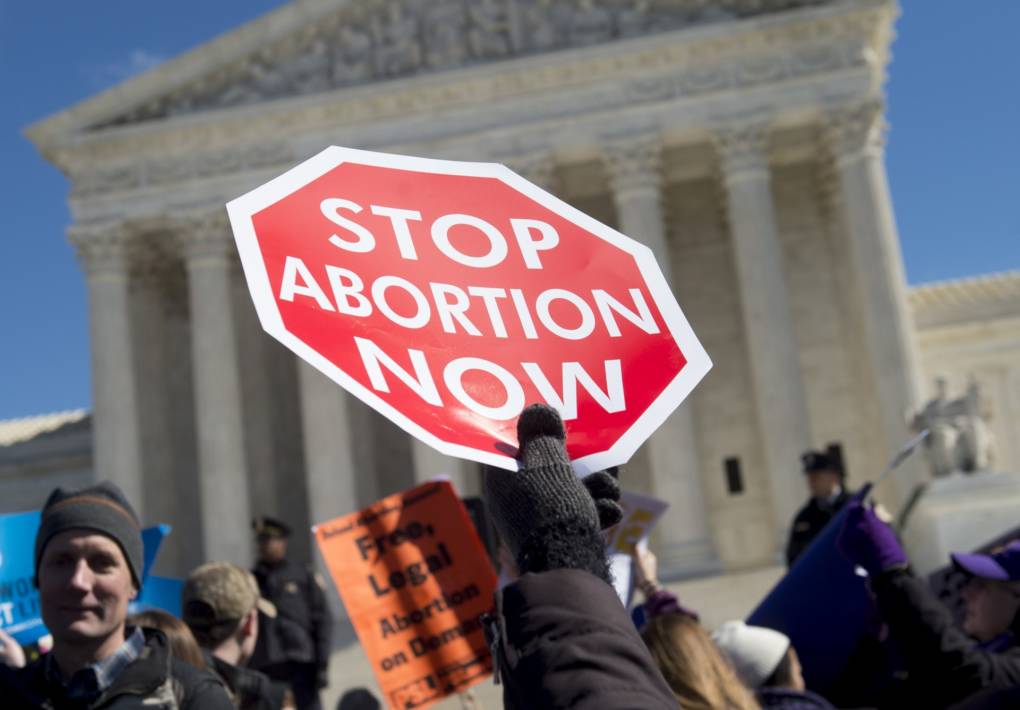
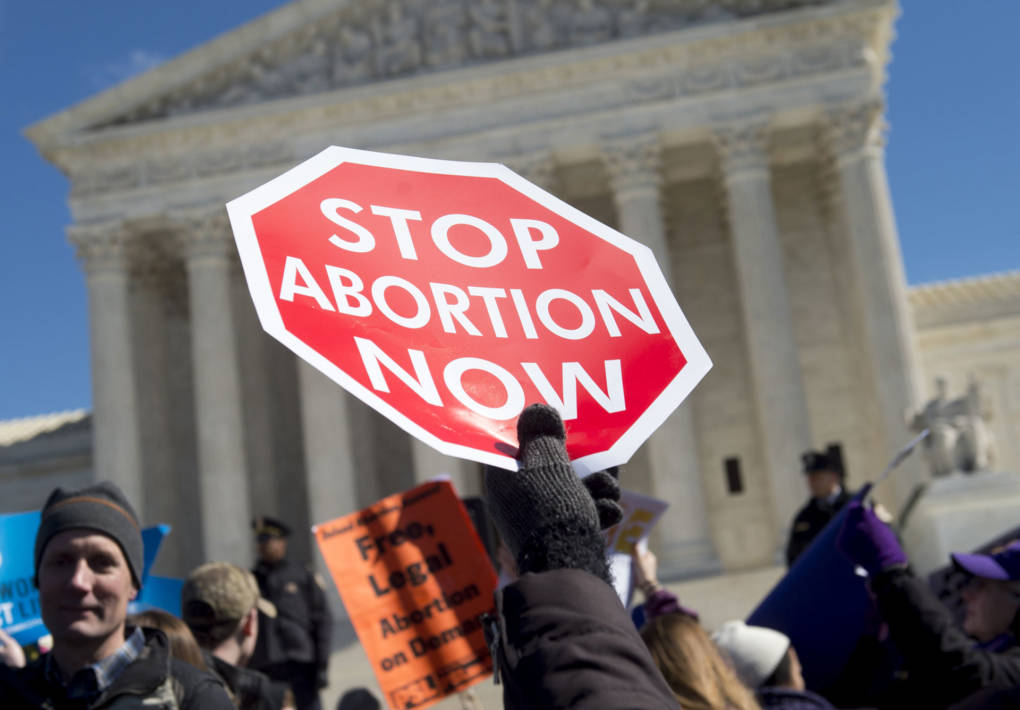
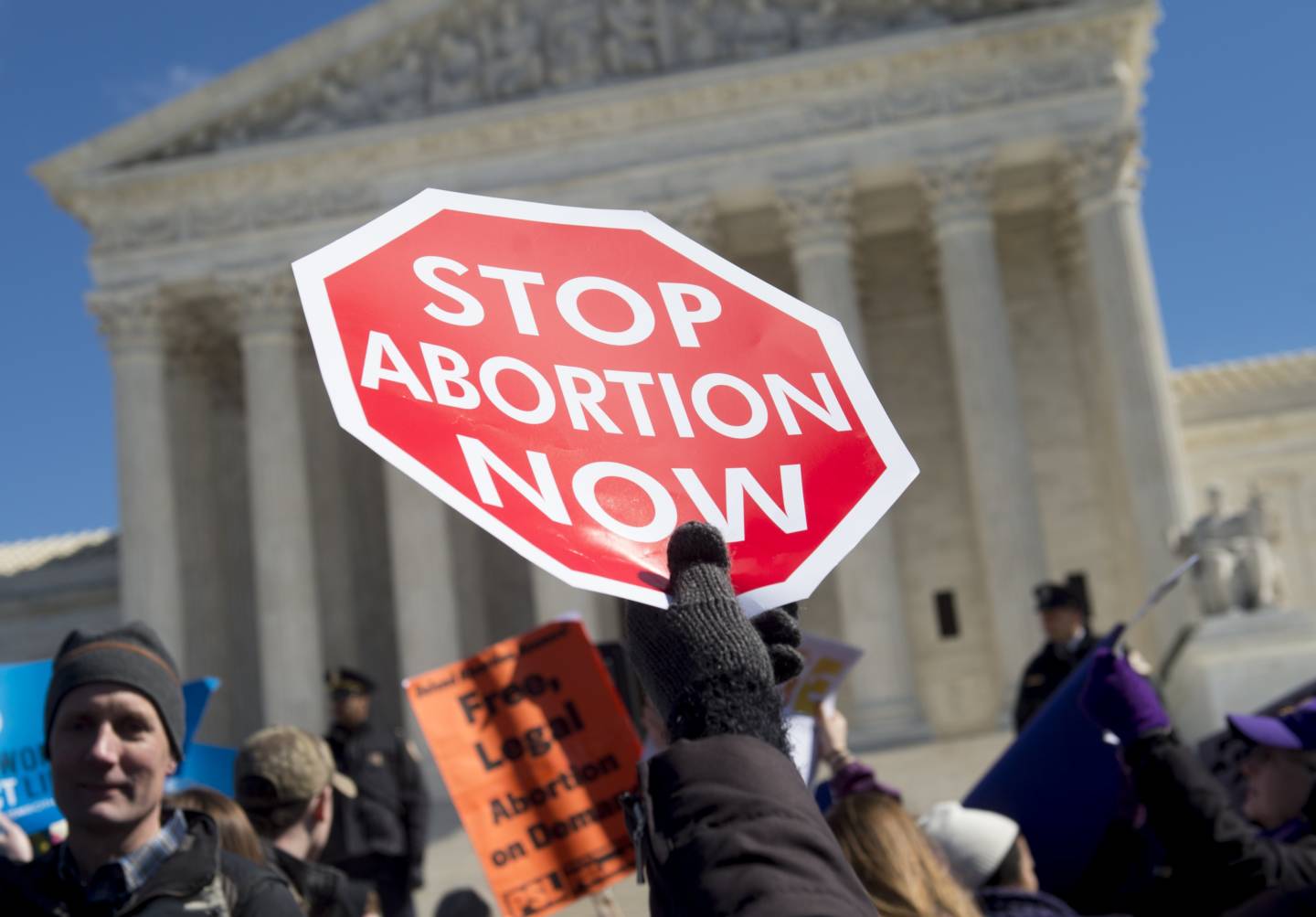
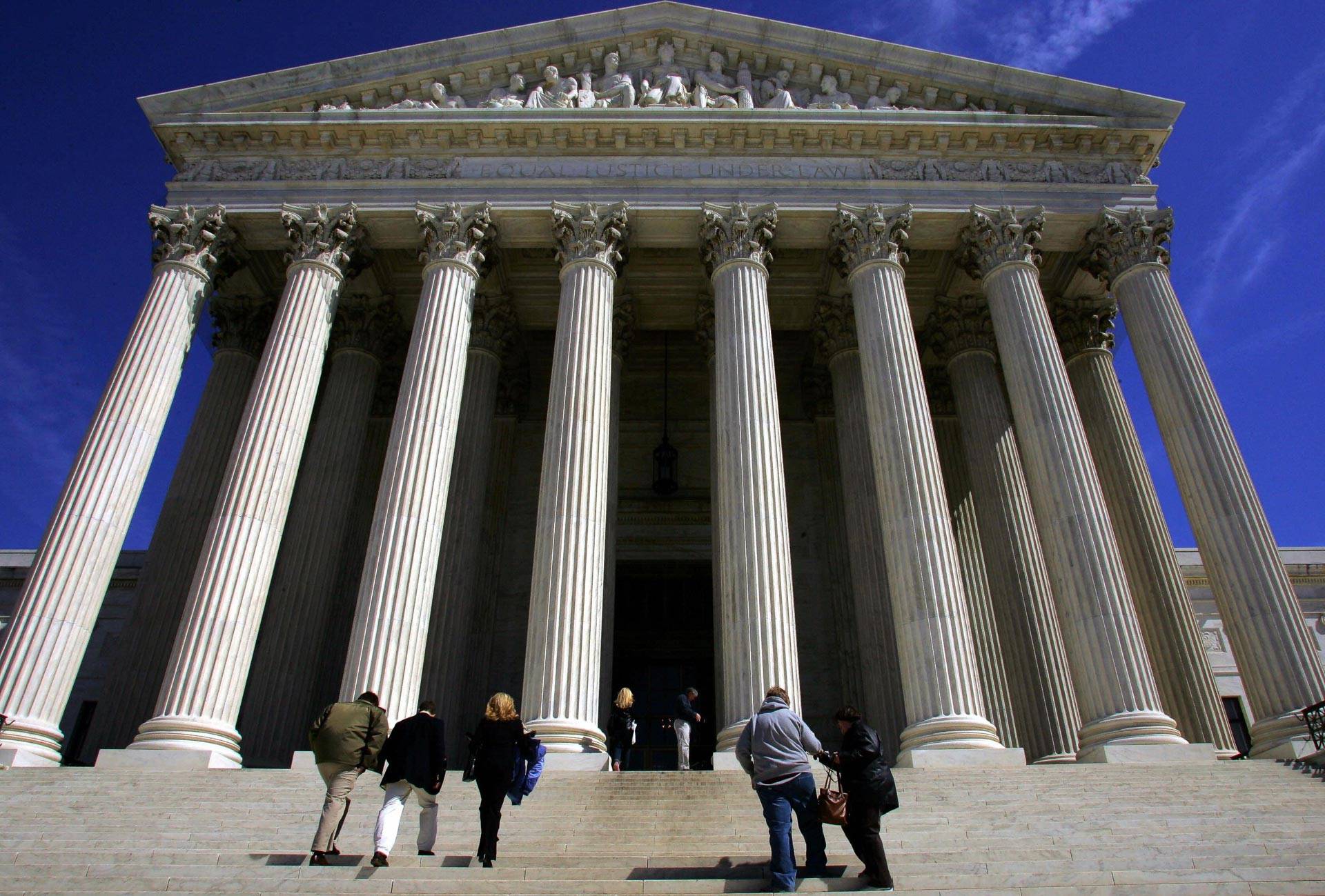
"caption": "Anti-abortion activists rally outside of the Supreme Court in Washington, D.C, March 2, 2016.",
"description": "Anti-abortion activists rally outside of the Supreme Court in Washington, DC, March 2, 2016.",
"title": "RS20235_GettyImages-513329618-qut",
"credit": "SAUL LOEB/AFP/Getty Images",
"status": "inherit",
"isLoading": false,
"fetchFailed": false
},
"news_11644832": {
"type": "attachments",
"id": "news_11644832",
"meta": {
"index": "attachments_1716263798",
"site": "news",
"id": "11644832",
"found": true
},
"parent": 11644827,
"imgSizes": {
"small": {
"file": "https://ww2.kqed.org/app/uploads/sites/10/2018/01/RS29045_Image-uploaded-from-iOS-14-qut-520x390.jpg",
"width": 520,
"mimeType": "image/jpeg",
"height": 390
},
"twentyfourteen-full-width": {
"file": "https://ww2.kqed.org/app/uploads/sites/10/2018/01/RS29045_Image-uploaded-from-iOS-14-qut-1038x576.jpg",
"width": 1038,
"mimeType": "image/jpeg",
"height": 576
},
"thumbnail": {
"file": "https://ww2.kqed.org/app/uploads/sites/10/2018/01/RS29045_Image-uploaded-from-iOS-14-qut-160x120.jpg",
"width": 160,
"mimeType": "image/jpeg",
"height": 120
},
"fd-sm": {
"file": "https://ww2.kqed.org/app/uploads/sites/10/2018/01/RS29045_Image-uploaded-from-iOS-14-qut-960x720.jpg",
"width": 960,
"mimeType": "image/jpeg",
"height": 720
},
"post-thumbnail": {
"file": "https://ww2.kqed.org/app/uploads/sites/10/2018/01/RS29045_Image-uploaded-from-iOS-14-qut-672x372.jpg",
"width": 672,
"mimeType": "image/jpeg",
"height": 372
},
"xsmall": {
"file": "https://ww2.kqed.org/app/uploads/sites/10/2018/01/RS29045_Image-uploaded-from-iOS-14-qut-375x281.jpg",
"width": 375,
"mimeType": "image/jpeg",
"height": 281
},
"kqedFullSize": {
"file": "https://ww2.kqed.org/app/uploads/sites/10/2018/01/RS29045_Image-uploaded-from-iOS-14-qut.jpg",
"width": 1920,
"height": 1440
},
"large": {
"file": "https://ww2.kqed.org/app/uploads/sites/10/2018/01/RS29045_Image-uploaded-from-iOS-14-qut-1020x765.jpg",
"width": 1020,
"mimeType": "image/jpeg",
"height": 765
},
"xlarge": {
"file": "https://ww2.kqed.org/app/uploads/sites/10/2018/01/RS29045_Image-uploaded-from-iOS-14-qut-1180x885.jpg",
"width": 1180,
"mimeType": "image/jpeg",
"height": 885
},
"guest-author-50": {
"file": "https://ww2.kqed.org/app/uploads/sites/10/2018/01/RS29045_Image-uploaded-from-iOS-14-qut-50x50.jpg",
"width": 50,
"mimeType": "image/jpeg",
"height": 50
},
"guest-author-96": {
"file": "https://ww2.kqed.org/app/uploads/sites/10/2018/01/RS29045_Image-uploaded-from-iOS-14-qut-96x96.jpg",
"width": 96,
"mimeType": "image/jpeg",
"height": 96
},
"medium": {
"file": "https://ww2.kqed.org/app/uploads/sites/10/2018/01/RS29045_Image-uploaded-from-iOS-14-qut-800x600.jpg",
"width": 800,
"mimeType": "image/jpeg",
"height": 600
},
"guest-author-64": {
"file": "https://ww2.kqed.org/app/uploads/sites/10/2018/01/RS29045_Image-uploaded-from-iOS-14-qut-64x64.jpg",
"width": 64,
"mimeType": "image/jpeg",
"height": 64
},
"guest-author-32": {
"file": "https://ww2.kqed.org/app/uploads/sites/10/2018/01/RS29045_Image-uploaded-from-iOS-14-qut-32x32.jpg",
"width": 32,
"mimeType": "image/jpeg",
"height": 32
},
"fd-lrg": {
"file": "https://ww2.kqed.org/app/uploads/sites/10/2018/01/RS29045_Image-uploaded-from-iOS-14-qut-1920x1440.jpg",
"width": 1920,
"mimeType": "image/jpeg",
"height": 1440
},
"fd-med": {
"file": "https://ww2.kqed.org/app/uploads/sites/10/2018/01/RS29045_Image-uploaded-from-iOS-14-qut-1180x885.jpg",
"width": 1180,
"mimeType": "image/jpeg",
"height": 885
},
"full-width": {
"file": "https://ww2.kqed.org/app/uploads/sites/10/2018/01/RS29045_Image-uploaded-from-iOS-14-qut-1920x1440.jpg",
"width": 1920,
"mimeType": "image/jpeg",
"height": 1440
},
"detail": {
"file": "https://ww2.kqed.org/app/uploads/sites/10/2018/01/RS29045_Image-uploaded-from-iOS-14-qut-150x150.jpg",
"width": 150,
"mimeType": "image/jpeg",
"height": 150
},
"guest-author-128": {
"file": "https://ww2.kqed.org/app/uploads/sites/10/2018/01/RS29045_Image-uploaded-from-iOS-14-qut-128x128.jpg",
"width": 128,
"mimeType": "image/jpeg",
"height": 128
},
"xxsmall": {
"file": "https://ww2.kqed.org/app/uploads/sites/10/2018/01/RS29045_Image-uploaded-from-iOS-14-qut-240x180.jpg",
"width": 240,
"mimeType": "image/jpeg",
"height": 180
}
},
"publishDate": 1517104240,
"modified": 1517104306,
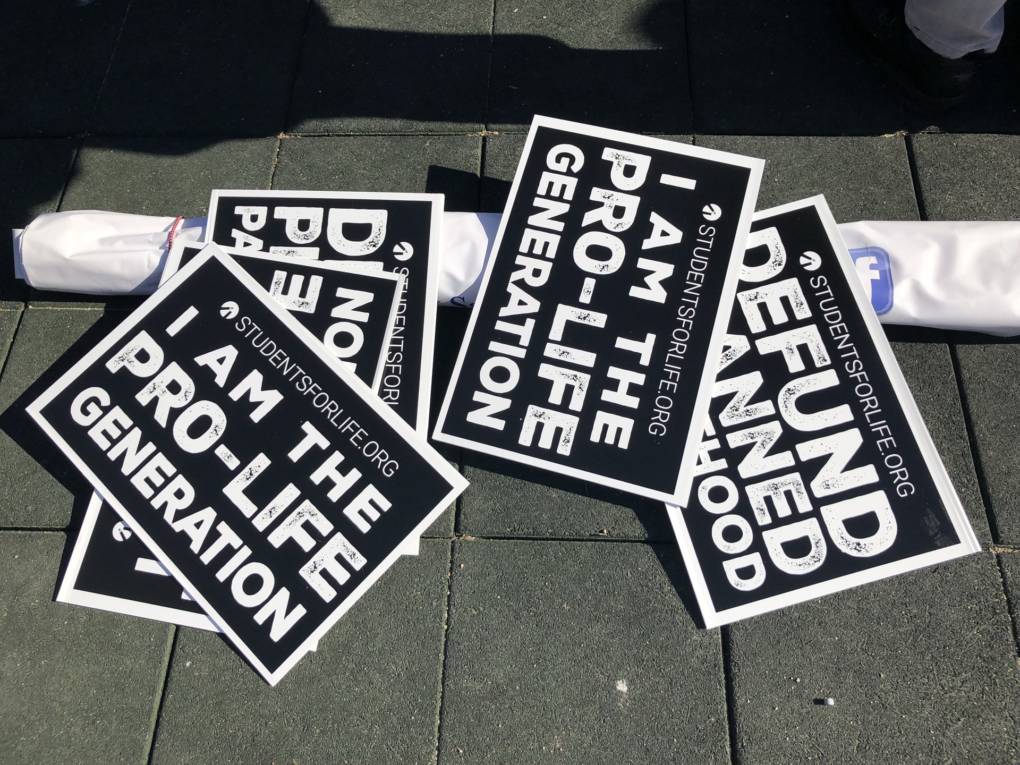
"caption": "Anti-abortion signs lay on the ground during the 14th Annual Walk for Life West Coast, held in San Francisco on Saturday, Jan. 27, 2018.",
"description": "Anti-abortion signs lay on the ground during the 14th Annual Walk for Life West Coast, held in San Francisco on Saturday, Jan. 27, 2018.",
"title": "RS29045_Image uploaded from iOS (14)-qut",
"credit": "Tiffany Camhi/KQED",
"status": "inherit",
"isLoading": false,
"fetchFailed": false
},
"news_11643760": {
"type": "attachments",
"id": "news_11643760",
"meta": {
"index": "attachments_1716263798",
"site": "news",
"id": "11643760",
"found": true
},
"parent": 11643759,
"imgSizes": {
"small": {
"file": "https://ww2.kqed.org/app/uploads/sites/10/2018/01/abortion-pill_wide-ce7dbb87eee88c5892b979374156df14b25fe16f-520x293.jpg",
"width": 520,
"mimeType": "image/jpeg",
"height": 293
},
"twentyfourteen-full-width": {
"file": "https://ww2.kqed.org/app/uploads/sites/10/2018/01/abortion-pill_wide-ce7dbb87eee88c5892b979374156df14b25fe16f-1038x576.jpg",
"width": 1038,
"mimeType": "image/jpeg",
"height": 576
},
"thumbnail": {
"file": "https://ww2.kqed.org/app/uploads/sites/10/2018/01/abortion-pill_wide-ce7dbb87eee88c5892b979374156df14b25fe16f-160x90.jpg",
"width": 160,
"mimeType": "image/jpeg",
"height": 90
},
"fd-sm": {
"file": "https://ww2.kqed.org/app/uploads/sites/10/2018/01/abortion-pill_wide-ce7dbb87eee88c5892b979374156df14b25fe16f-960x540.jpg",
"width": 960,
"mimeType": "image/jpeg",
"height": 540
},
"post-thumbnail": {
"file": "https://ww2.kqed.org/app/uploads/sites/10/2018/01/abortion-pill_wide-ce7dbb87eee88c5892b979374156df14b25fe16f-672x372.jpg",
"width": 672,
"mimeType": "image/jpeg",
"height": 372
},
"xsmall": {
"file": "https://ww2.kqed.org/app/uploads/sites/10/2018/01/abortion-pill_wide-ce7dbb87eee88c5892b979374156df14b25fe16f-375x211.jpg",
"width": 375,
"mimeType": "image/jpeg",
"height": 211
},
"kqedFullSize": {
"file": "https://ww2.kqed.org/app/uploads/sites/10/2018/01/abortion-pill_wide-ce7dbb87eee88c5892b979374156df14b25fe16f-e1516737780651.jpg",
"width": 1920,
"height": 1080
},
"large": {
"file": "https://ww2.kqed.org/app/uploads/sites/10/2018/01/abortion-pill_wide-ce7dbb87eee88c5892b979374156df14b25fe16f-1020x574.jpg",
"width": 1020,
"mimeType": "image/jpeg",
"height": 574
},
"xlarge": {
"file": "https://ww2.kqed.org/app/uploads/sites/10/2018/01/abortion-pill_wide-ce7dbb87eee88c5892b979374156df14b25fe16f-1180x664.jpg",
"width": 1180,
"mimeType": "image/jpeg",
"height": 664
},
"guest-author-50": {
"file": "https://ww2.kqed.org/app/uploads/sites/10/2018/01/abortion-pill_wide-ce7dbb87eee88c5892b979374156df14b25fe16f-50x50.jpg",
"width": 50,
"mimeType": "image/jpeg",
"height": 50
},
"guest-author-96": {
"file": "https://ww2.kqed.org/app/uploads/sites/10/2018/01/abortion-pill_wide-ce7dbb87eee88c5892b979374156df14b25fe16f-96x96.jpg",
"width": 96,
"mimeType": "image/jpeg",
"height": 96
},
"medium": {
"file": "https://ww2.kqed.org/app/uploads/sites/10/2018/01/abortion-pill_wide-ce7dbb87eee88c5892b979374156df14b25fe16f-800x450.jpg",
"width": 800,
"mimeType": "image/jpeg",
"height": 450
},
"guest-author-64": {
"file": "https://ww2.kqed.org/app/uploads/sites/10/2018/01/abortion-pill_wide-ce7dbb87eee88c5892b979374156df14b25fe16f-64x64.jpg",
"width": 64,
"mimeType": "image/jpeg",
"height": 64
},
"guest-author-32": {
"file": "https://ww2.kqed.org/app/uploads/sites/10/2018/01/abortion-pill_wide-ce7dbb87eee88c5892b979374156df14b25fe16f-32x32.jpg",
"width": 32,
"mimeType": "image/jpeg",
"height": 32
},
"fd-lrg": {
"file": "https://ww2.kqed.org/app/uploads/sites/10/2018/01/abortion-pill_wide-ce7dbb87eee88c5892b979374156df14b25fe16f-1920x1080.jpg",
"width": 1920,
"mimeType": "image/jpeg",
"height": 1080
},
"fd-med": {
"file": "https://ww2.kqed.org/app/uploads/sites/10/2018/01/abortion-pill_wide-ce7dbb87eee88c5892b979374156df14b25fe16f-1180x664.jpg",
"width": 1180,
"mimeType": "image/jpeg",
"height": 664
},
"full-width": {
"file": "https://ww2.kqed.org/app/uploads/sites/10/2018/01/abortion-pill_wide-ce7dbb87eee88c5892b979374156df14b25fe16f-1920x1080.jpg",
"width": 1920,
"mimeType": "image/jpeg",
"height": 1080
},
"detail": {
"file": "https://ww2.kqed.org/app/uploads/sites/10/2018/01/abortion-pill_wide-ce7dbb87eee88c5892b979374156df14b25fe16f-150x150.jpg",
"width": 150,
"mimeType": "image/jpeg",
"height": 150
},
"guest-author-128": {
"file": "https://ww2.kqed.org/app/uploads/sites/10/2018/01/abortion-pill_wide-ce7dbb87eee88c5892b979374156df14b25fe16f-128x128.jpg",
"width": 128,
"mimeType": "image/jpeg",
"height": 128
},
"xxsmall": {
"file": "https://ww2.kqed.org/app/uploads/sites/10/2018/01/abortion-pill_wide-ce7dbb87eee88c5892b979374156df14b25fe16f-240x135.jpg",
"width": 240,
"mimeType": "image/jpeg",
"height": 135
}
},
"publishDate": 1516737699,
"modified": 1516737796,
"caption": "If a bill in the California Legislature become law, campus health centers at public universities would be required to provide abortion pills.",
"description": "If a bill in the California Legislature become law, campus health centers at public universities would be required to provide abortion pills.",
"title": "If a bill in the California Legislature become law, campus health centers at public universities would be required to provide abortion pills.",
"credit": "Phil Walter/Getty Images",
"status": "inherit",
"isLoading": false,
"fetchFailed": false
},
"news_11630332": {
"type": "attachments",
"id": "news_11630332",
"meta": {
"index": "attachments_1716263798",
"site": "news",
"id": "11630332",
"found": true
},
"parent": 11630330,
"imgSizes": {
"small": {
"file": "https://ww2.kqed.org/app/uploads/sites/10/2017/11/wide-04075e9a6b59b2dad506effe28ef9c09eb09e869-520x390.jpg",
"width": 520,
"mimeType": "image/jpeg",
"height": 390
},
"twentyfourteen-full-width": {
"file": "https://ww2.kqed.org/app/uploads/sites/10/2017/11/wide-04075e9a6b59b2dad506effe28ef9c09eb09e869-1038x576.jpg",
"width": 1038,
"mimeType": "image/jpeg",
"height": 576
},
"thumbnail": {
"file": "https://ww2.kqed.org/app/uploads/sites/10/2017/11/wide-04075e9a6b59b2dad506effe28ef9c09eb09e869-160x120.jpg",
"width": 160,
"mimeType": "image/jpeg",
"height": 120
},
"fd-sm": {
"file": "https://ww2.kqed.org/app/uploads/sites/10/2017/11/wide-04075e9a6b59b2dad506effe28ef9c09eb09e869-960x720.jpg",
"width": 960,
"mimeType": "image/jpeg",
"height": 720
},
"post-thumbnail": {
"file": "https://ww2.kqed.org/app/uploads/sites/10/2017/11/wide-04075e9a6b59b2dad506effe28ef9c09eb09e869-672x372.jpg",
"width": 672,
"mimeType": "image/jpeg",
"height": 372
},
"xsmall": {
"file": "https://ww2.kqed.org/app/uploads/sites/10/2017/11/wide-04075e9a6b59b2dad506effe28ef9c09eb09e869-375x281.jpg",
"width": 375,
"mimeType": "image/jpeg",
"height": 281
},
"kqedFullSize": {
"file": "https://ww2.kqed.org/app/uploads/sites/10/2017/11/wide-04075e9a6b59b2dad506effe28ef9c09eb09e869-e1510597502321.jpg",
"width": 1920,
"height": 1440
},
"large": {
"file": "https://ww2.kqed.org/app/uploads/sites/10/2017/11/wide-04075e9a6b59b2dad506effe28ef9c09eb09e869-1020x765.jpg",
"width": 1020,
"mimeType": "image/jpeg",
"height": 765
},
"xlarge": {
"file": "https://ww2.kqed.org/app/uploads/sites/10/2017/11/wide-04075e9a6b59b2dad506effe28ef9c09eb09e869-1180x885.jpg",
"width": 1180,
"mimeType": "image/jpeg",
"height": 885
},
"guest-author-50": {
"file": "https://ww2.kqed.org/app/uploads/sites/10/2017/11/wide-04075e9a6b59b2dad506effe28ef9c09eb09e869-50x50.jpg",
"width": 50,
"mimeType": "image/jpeg",
"height": 50
},
"guest-author-96": {
"file": "https://ww2.kqed.org/app/uploads/sites/10/2017/11/wide-04075e9a6b59b2dad506effe28ef9c09eb09e869-96x96.jpg",
"width": 96,
"mimeType": "image/jpeg",
"height": 96
},
"medium": {
"file": "https://ww2.kqed.org/app/uploads/sites/10/2017/11/wide-04075e9a6b59b2dad506effe28ef9c09eb09e869-800x600.jpg",
"width": 800,
"mimeType": "image/jpeg",
"height": 600
},
"guest-author-64": {
"file": "https://ww2.kqed.org/app/uploads/sites/10/2017/11/wide-04075e9a6b59b2dad506effe28ef9c09eb09e869-64x64.jpg",
"width": 64,
"mimeType": "image/jpeg",
"height": 64
},
"guest-author-32": {
"file": "https://ww2.kqed.org/app/uploads/sites/10/2017/11/wide-04075e9a6b59b2dad506effe28ef9c09eb09e869-32x32.jpg",
"width": 32,
"mimeType": "image/jpeg",
"height": 32
},
"fd-lrg": {
"file": "https://ww2.kqed.org/app/uploads/sites/10/2017/11/wide-04075e9a6b59b2dad506effe28ef9c09eb09e869-1920x1440.jpg",
"width": 1920,
"mimeType": "image/jpeg",
"height": 1440
},
"fd-med": {
"file": "https://ww2.kqed.org/app/uploads/sites/10/2017/11/wide-04075e9a6b59b2dad506effe28ef9c09eb09e869-1180x885.jpg",
"width": 1180,
"mimeType": "image/jpeg",
"height": 885
},
"full-width": {
"file": "https://ww2.kqed.org/app/uploads/sites/10/2017/11/wide-04075e9a6b59b2dad506effe28ef9c09eb09e869-1920x1440.jpg",
"width": 1920,
"mimeType": "image/jpeg",
"height": 1440
},
"detail": {
"file": "https://ww2.kqed.org/app/uploads/sites/10/2017/11/wide-04075e9a6b59b2dad506effe28ef9c09eb09e869-150x150.jpg",
"width": 150,
"mimeType": "image/jpeg",
"height": 150
},
"guest-author-128": {
"file": "https://ww2.kqed.org/app/uploads/sites/10/2017/11/wide-04075e9a6b59b2dad506effe28ef9c09eb09e869-128x128.jpg",
"width": 128,
"mimeType": "image/jpeg",
"height": 128
},
"xxsmall": {
"file": "https://ww2.kqed.org/app/uploads/sites/10/2017/11/wide-04075e9a6b59b2dad506effe28ef9c09eb09e869-240x180.jpg",
"width": 240,
"mimeType": "image/jpeg",
"height": 180
}
},
"publishDate": 1510596899,
"modified": 1510597667,
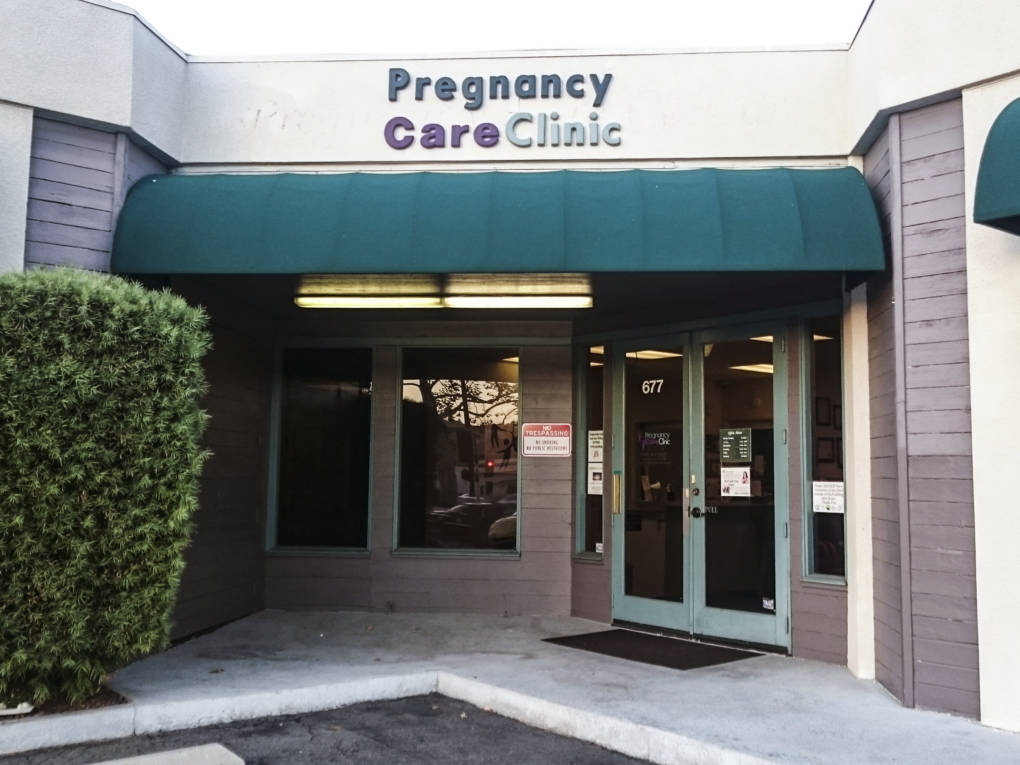
"caption": "After California passed the Reproductive FACT Act in 2015, a number of anti-abortion pregnancy clinics filed lawsuits. The Supreme Court says it will consider the law in its upcoming session. One of the clinics was the East County Pregnancy Care Clinic in El Cajon, Calif., seen here in a file photo.",
"description": null,
"title": "After California passed the Reproductive FACT Act in 2015, a number of anti-abortion pregnancy clinics filed lawsuits. The Supreme Court says it will consider the law in its upcoming session. One of the clinics was the East County Pregnancy Care Clinic in El Cajon, Calif., seen here in a file photo.",
"credit": "Becky Sullivan/NPR",
"status": "inherit",
"isLoading": false,
"fetchFailed": false
},
"news_11625280": {
"type": "attachments",
"id": "news_11625280",
"meta": {
"index": "attachments_1716263798",
"site": "news",
"id": "11625280",
"found": true
},
"parent": 11625276,
"imgSizes": {
"small": {
"file": "https://ww2.kqed.org/app/uploads/sites/10/2017/10/croppedcourt-520x355.jpg",
"width": 520,
"mimeType": "image/jpeg",
"height": 355
},
"twentyfourteen-full-width": {
"file": "https://ww2.kqed.org/app/uploads/sites/10/2017/10/croppedcourt-1038x576.jpg",
"width": 1038,
"mimeType": "image/jpeg",
"height": 576
},
"thumbnail": {
"file": "https://ww2.kqed.org/app/uploads/sites/10/2017/10/croppedcourt-160x109.jpg",
"width": 160,
"mimeType": "image/jpeg",
"height": 109
},
"fd-sm": {
"file": "https://ww2.kqed.org/app/uploads/sites/10/2017/10/croppedcourt-960x655.jpg",
"width": 960,
"mimeType": "image/jpeg",
"height": 655
},
"post-thumbnail": {
"file": "https://ww2.kqed.org/app/uploads/sites/10/2017/10/croppedcourt-672x372.jpg",
"width": 672,
"mimeType": "image/jpeg",
"height": 372
},
"xsmall": {
"file": "https://ww2.kqed.org/app/uploads/sites/10/2017/10/croppedcourt-375x256.jpg",
"width": 375,
"mimeType": "image/jpeg",
"height": 256
},
"kqedFullSize": {
"file": "https://ww2.kqed.org/app/uploads/sites/10/2017/10/croppedcourt.jpg",
"width": 1920,
"height": 1309
},
"large": {
"file": "https://ww2.kqed.org/app/uploads/sites/10/2017/10/croppedcourt-1020x695.jpg",
"width": 1020,
"mimeType": "image/jpeg",
"height": 695
},
"xlarge": {
"file": "https://ww2.kqed.org/app/uploads/sites/10/2017/10/croppedcourt-1180x804.jpg",
"width": 1180,
"mimeType": "image/jpeg",
"height": 804
},
"guest-author-50": {
"file": "https://ww2.kqed.org/app/uploads/sites/10/2017/10/croppedcourt-50x50.jpg",
"width": 50,
"mimeType": "image/jpeg",
"height": 50
},
"guest-author-96": {
"file": "https://ww2.kqed.org/app/uploads/sites/10/2017/10/croppedcourt-96x96.jpg",
"width": 96,
"mimeType": "image/jpeg",
"height": 96
},
"medium": {
"file": "https://ww2.kqed.org/app/uploads/sites/10/2017/10/croppedcourt-800x545.jpg",
"width": 800,
"mimeType": "image/jpeg",
"height": 545
},
"guest-author-64": {
"file": "https://ww2.kqed.org/app/uploads/sites/10/2017/10/croppedcourt-64x64.jpg",
"width": 64,
"mimeType": "image/jpeg",
"height": 64
},
"guest-author-32": {
"file": "https://ww2.kqed.org/app/uploads/sites/10/2017/10/croppedcourt-32x32.jpg",
"width": 32,
"mimeType": "image/jpeg",
"height": 32
},
"fd-lrg": {
"file": "https://ww2.kqed.org/app/uploads/sites/10/2017/10/croppedcourt-1920x1309.jpg",
"width": 1920,
"mimeType": "image/jpeg",
"height": 1309
},
"fd-med": {
"file": "https://ww2.kqed.org/app/uploads/sites/10/2017/10/croppedcourt-1180x804.jpg",
"width": 1180,
"mimeType": "image/jpeg",
"height": 804
},
"full-width": {
"file": "https://ww2.kqed.org/app/uploads/sites/10/2017/10/croppedcourt-1920x1309.jpg",
"width": 1920,
"mimeType": "image/jpeg",
"height": 1309
},
"detail": {
"file": "https://ww2.kqed.org/app/uploads/sites/10/2017/10/croppedcourt-150x150.jpg",
"width": 150,
"mimeType": "image/jpeg",
"height": 150
},
"guest-author-128": {
"file": "https://ww2.kqed.org/app/uploads/sites/10/2017/10/croppedcourt-128x128.jpg",
"width": 128,
"mimeType": "image/jpeg",
"height": 128
},
"xxsmall": {
"file": "https://ww2.kqed.org/app/uploads/sites/10/2017/10/croppedcourt-240x164.jpg",
"width": 240,
"mimeType": "image/jpeg",
"height": 164
}
},
"publishDate": 1508621984,
"modified": 1508622017,
"caption": "The federal appeals court for the District of Columbia has ruled that a teen who is detained because she is in the country illegally can transferred to the custody of a sponsor and then have an abortion if she chooses.",
"description": "The federal appeals court for the District of Columbia has ruled that a teen who is detained because she is in the country illegally can transferred to the custody of a sponsor and then have an abortion if she chooses.",
"title": "croppedcourt",
"credit": "Getty Images",
"status": "inherit",
"isLoading": false,
"fetchFailed": false
},
"news_11320129": {
"type": "attachments",
"id": "news_11320129",
"meta": {
"index": "attachments_1716263798",
"site": "news",
"id": "11320129",
"found": true
},
"parent": 11320125,
"imgSizes": {
"small": {
"file": "https://ww2.kqed.org/app/uploads/sites/10/2017/02/IMG_2351-520x390.jpg",
"width": 520,
"mimeType": "image/jpeg",
"height": 390
},
"twentyfourteen-full-width": {
"file": "https://ww2.kqed.org/app/uploads/sites/10/2017/02/IMG_2351-1038x576.jpg",
"width": 1038,
"mimeType": "image/jpeg",
"height": 576
},
"thumbnail": {
"file": "https://ww2.kqed.org/app/uploads/sites/10/2017/02/IMG_2351-160x120.jpg",
"width": 160,
"mimeType": "image/jpeg",
"height": 120
},
"fd-sm": {
"file": "https://ww2.kqed.org/app/uploads/sites/10/2017/02/IMG_2351-960x720.jpg",
"width": 960,
"mimeType": "image/jpeg",
"height": 720
},
"post-thumbnail": {
"file": "https://ww2.kqed.org/app/uploads/sites/10/2017/02/IMG_2351-672x372.jpg",
"width": 672,
"mimeType": "image/jpeg",
"height": 372
},
"xsmall": {
"file": "https://ww2.kqed.org/app/uploads/sites/10/2017/02/IMG_2351-375x281.jpg",
"width": 375,
"mimeType": "image/jpeg",
"height": 281
},
"kqedFullSize": {
"file": "https://ww2.kqed.org/app/uploads/sites/10/2017/02/IMG_2351-e1487290638844.jpg",
"width": 1920,
"height": 1440
},
"large": {
"file": "https://ww2.kqed.org/app/uploads/sites/10/2017/02/IMG_2351-1020x765.jpg",
"width": 1020,
"mimeType": "image/jpeg",
"height": 765
},
"xlarge": {
"file": "https://ww2.kqed.org/app/uploads/sites/10/2017/02/IMG_2351-1180x885.jpg",
"width": 1180,
"mimeType": "image/jpeg",
"height": 885
},
"guest-author-50": {
"file": "https://ww2.kqed.org/app/uploads/sites/10/2017/02/IMG_2351-50x50.jpg",
"width": 50,
"mimeType": "image/jpeg",
"height": 50
},
"guest-author-96": {
"file": "https://ww2.kqed.org/app/uploads/sites/10/2017/02/IMG_2351-96x96.jpg",
"width": 96,
"mimeType": "image/jpeg",
"height": 96
},
"medium": {
"file": "https://ww2.kqed.org/app/uploads/sites/10/2017/02/IMG_2351-800x600.jpg",
"width": 800,
"mimeType": "image/jpeg",
"height": 600
},
"guest-author-64": {
"file": "https://ww2.kqed.org/app/uploads/sites/10/2017/02/IMG_2351-64x64.jpg",
"width": 64,
"mimeType": "image/jpeg",
"height": 64
},
"guest-author-32": {
"file": "https://ww2.kqed.org/app/uploads/sites/10/2017/02/IMG_2351-32x32.jpg",
"width": 32,
"mimeType": "image/jpeg",
"height": 32
},
"fd-lrg": {
"file": "https://ww2.kqed.org/app/uploads/sites/10/2017/02/IMG_2351-1920x1440.jpg",
"width": 1920,
"mimeType": "image/jpeg",
"height": 1440
},
"fd-med": {
"file": "https://ww2.kqed.org/app/uploads/sites/10/2017/02/IMG_2351-1180x885.jpg",
"width": 1180,
"mimeType": "image/jpeg",
"height": 885
},
"full-width": {
"file": "https://ww2.kqed.org/app/uploads/sites/10/2017/02/IMG_2351-1920x1440.jpg",
"width": 1920,
"mimeType": "image/jpeg",
"height": 1440
},
"detail": {
"file": "https://ww2.kqed.org/app/uploads/sites/10/2017/02/IMG_2351-150x150.jpg",
"width": 150,
"mimeType": "image/jpeg",
"height": 150
},
"guest-author-128": {
"file": "https://ww2.kqed.org/app/uploads/sites/10/2017/02/IMG_2351-128x128.jpg",
"width": 128,
"mimeType": "image/jpeg",
"height": 128
},
"xxsmall": {
"file": "https://ww2.kqed.org/app/uploads/sites/10/2017/02/IMG_2351-240x180.jpg",
"width": 240,
"mimeType": "image/jpeg",
"height": 180
}
},
"publishDate": 1487290618,
"modified": 1487375111,
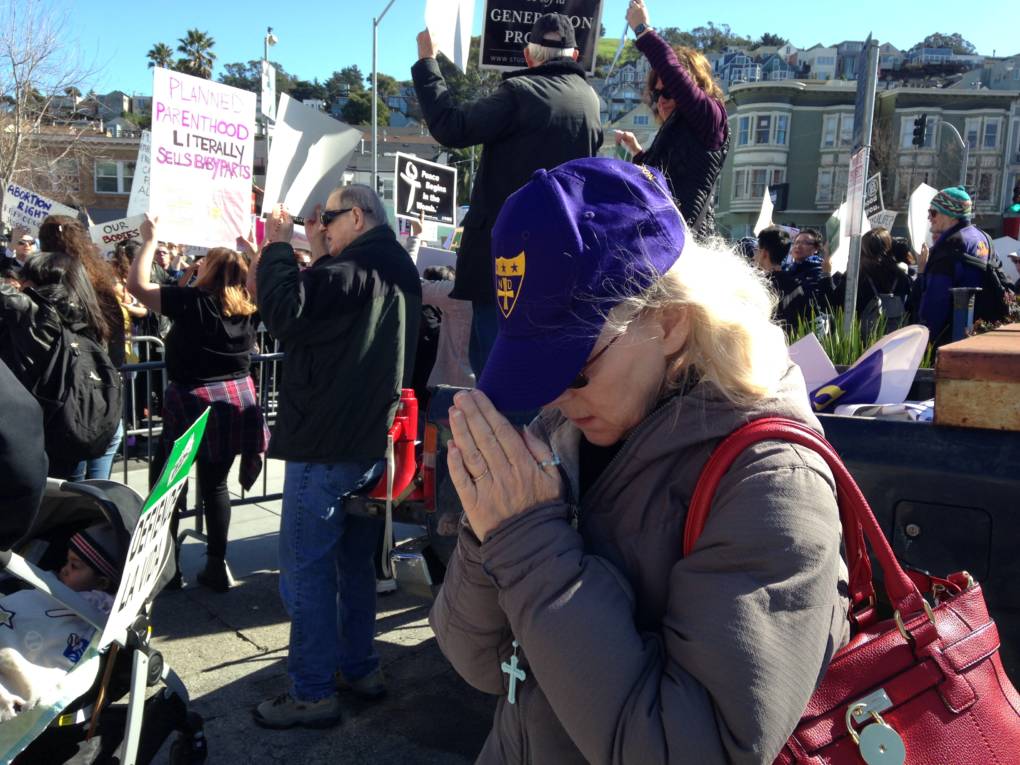
"caption": "An unidentified anti-abortion activist prays at a demonstration outside the Planned Parenthood clinic in San Francisco. ",
"description": "An unidentified anti-abortion activist prays at a demonstration outside the Planned Parenthood clinic in San Francisco. ",
"title": "IMG_2351",
"credit": "April Dembosky/KQED",
"status": "inherit",
"isLoading": false,
"fetchFailed": false
},
"news_11312440": {
"type": "attachments",
"id": "news_11312440",
"meta": {
"index": "attachments_1716263798",
"site": "news",
"id": "11312440",
"found": true
},
"parent": 11312438,
"imgSizes": {
"small": {
"file": "https://ww2.kqed.org/app/uploads/sites/10/2017/02/IMG_5616-520x390.jpg",
"width": 520,
"mimeType": "image/jpeg",
"height": 390
},
"twentyfourteen-full-width": {
"file": "https://ww2.kqed.org/app/uploads/sites/10/2017/02/IMG_5616-1038x576.jpg",
"width": 1038,
"mimeType": "image/jpeg",
"height": 576
},
"thumbnail": {
"file": "https://ww2.kqed.org/app/uploads/sites/10/2017/02/IMG_5616-160x120.jpg",
"width": 160,
"mimeType": "image/jpeg",
"height": 120
},
"fd-sm": {
"file": "https://ww2.kqed.org/app/uploads/sites/10/2017/02/IMG_5616-960x720.jpg",
"width": 960,
"mimeType": "image/jpeg",
"height": 720
},
"post-thumbnail": {
"file": "https://ww2.kqed.org/app/uploads/sites/10/2017/02/IMG_5616-672x372.jpg",
"width": 672,
"mimeType": "image/jpeg",
"height": 372
},
"xsmall": {
"file": "https://ww2.kqed.org/app/uploads/sites/10/2017/02/IMG_5616-375x281.jpg",
"width": 375,
"mimeType": "image/jpeg",
"height": 281
},
"kqedFullSize": {
"file": "https://ww2.kqed.org/app/uploads/sites/10/2017/02/IMG_5616-e1486854590713.jpg",
"width": 1920,
"height": 1440
},
"large": {
"file": "https://ww2.kqed.org/app/uploads/sites/10/2017/02/IMG_5616-1020x765.jpg",
"width": 1020,
"mimeType": "image/jpeg",
"height": 765
},
"xlarge": {
"file": "https://ww2.kqed.org/app/uploads/sites/10/2017/02/IMG_5616-1180x885.jpg",
"width": 1180,
"mimeType": "image/jpeg",
"height": 885
},
"guest-author-50": {
"file": "https://ww2.kqed.org/app/uploads/sites/10/2017/02/IMG_5616-50x50.jpg",
"width": 50,
"mimeType": "image/jpeg",
"height": 50
},
"guest-author-96": {
"file": "https://ww2.kqed.org/app/uploads/sites/10/2017/02/IMG_5616-96x96.jpg",
"width": 96,
"mimeType": "image/jpeg",
"height": 96
},
"medium": {
"file": "https://ww2.kqed.org/app/uploads/sites/10/2017/02/IMG_5616-800x600.jpg",
"width": 800,
"mimeType": "image/jpeg",
"height": 600
},
"guest-author-64": {
"file": "https://ww2.kqed.org/app/uploads/sites/10/2017/02/IMG_5616-64x64.jpg",
"width": 64,
"mimeType": "image/jpeg",
"height": 64
},
"guest-author-32": {
"file": "https://ww2.kqed.org/app/uploads/sites/10/2017/02/IMG_5616-32x32.jpg",
"width": 32,
"mimeType": "image/jpeg",
"height": 32
},
"fd-lrg": {
"file": "https://ww2.kqed.org/app/uploads/sites/10/2017/02/IMG_5616-1920x1440.jpg",
"width": 1920,
"mimeType": "image/jpeg",
"height": 1440
},
"fd-med": {
"file": "https://ww2.kqed.org/app/uploads/sites/10/2017/02/IMG_5616-1180x885.jpg",
"width": 1180,
"mimeType": "image/jpeg",
"height": 885
},
"full-width": {
"file": "https://ww2.kqed.org/app/uploads/sites/10/2017/02/IMG_5616-1920x1440.jpg",
"width": 1920,
"mimeType": "image/jpeg",
"height": 1440
},
"detail": {
"file": "https://ww2.kqed.org/app/uploads/sites/10/2017/02/IMG_5616-150x150.jpg",
"width": 150,
"mimeType": "image/jpeg",
"height": 150
},
"guest-author-128": {
"file": "https://ww2.kqed.org/app/uploads/sites/10/2017/02/IMG_5616-128x128.jpg",
"width": 128,
"mimeType": "image/jpeg",
"height": 128
},
"xxsmall": {
"file": "https://ww2.kqed.org/app/uploads/sites/10/2017/02/IMG_5616-240x180.jpg",
"width": 240,
"mimeType": "image/jpeg",
"height": 180
}
},
"publishDate": 1486854561,
"modified": 1486854789,
"caption": "Eva Muntean, right, protests in front of the Planned Parenthood clinic in San Francisco as part of a nationwide effort to get the federal government to cut off funding to the program. Muntean says she doesn't want her tax dollars going to Planned Parenthood.",
"description": null,
"title": "IMG_5616",
"credit": "April Dembosky/KQED",
"status": "inherit",
"isLoading": false,
"fetchFailed": false
},
"news_11268307": {
"type": "attachments",
"id": "news_11268307",
"meta": {
"index": "attachments_1716263798",
"site": "news",
"id": "11268307",
"found": true
},
"parent": 11266862,
"imgSizes": {
"small": {
"file": "https://ww2.kqed.org/app/uploads/sites/10/2017/01/AntiAbortion-520x362.jpg",
"width": 520,
"mimeType": "image/jpeg",
"height": 362
},
"twentyfourteen-full-width": {
"file": "https://ww2.kqed.org/app/uploads/sites/10/2017/01/AntiAbortion-1038x576.jpg",
"width": 1038,
"mimeType": "image/jpeg",
"height": 576
},
"thumbnail": {
"file": "https://ww2.kqed.org/app/uploads/sites/10/2017/01/AntiAbortion-160x111.jpg",
"width": 160,
"mimeType": "image/jpeg",
"height": 111
},
"fd-sm": {
"file": "https://ww2.kqed.org/app/uploads/sites/10/2017/01/AntiAbortion-960x669.jpg",
"width": 960,
"mimeType": "image/jpeg",
"height": 669
},
"post-thumbnail": {
"file": "https://ww2.kqed.org/app/uploads/sites/10/2017/01/AntiAbortion-672x372.jpg",
"width": 672,
"mimeType": "image/jpeg",
"height": 372
},
"xsmall": {
"file": "https://ww2.kqed.org/app/uploads/sites/10/2017/01/AntiAbortion-375x261.jpg",
"width": 375,
"mimeType": "image/jpeg",
"height": 261
},
"kqedFullSize": {
"file": "https://ww2.kqed.org/app/uploads/sites/10/2017/01/AntiAbortion.jpg",
"width": 1920,
"height": 1337
},
"large": {
"file": "https://ww2.kqed.org/app/uploads/sites/10/2017/01/AntiAbortion-1020x710.jpg",
"width": 1020,
"mimeType": "image/jpeg",
"height": 710
},
"xlarge": {
"file": "https://ww2.kqed.org/app/uploads/sites/10/2017/01/AntiAbortion-1180x822.jpg",
"width": 1180,
"mimeType": "image/jpeg",
"height": 822
},
"guest-author-50": {
"file": "https://ww2.kqed.org/app/uploads/sites/10/2017/01/AntiAbortion-50x50.jpg",
"width": 50,
"mimeType": "image/jpeg",
"height": 50
},
"guest-author-96": {
"file": "https://ww2.kqed.org/app/uploads/sites/10/2017/01/AntiAbortion-96x96.jpg",
"width": 96,
"mimeType": "image/jpeg",
"height": 96
},
"medium": {
"file": "https://ww2.kqed.org/app/uploads/sites/10/2017/01/AntiAbortion-800x557.jpg",
"width": 800,
"mimeType": "image/jpeg",
"height": 557
},
"guest-author-64": {
"file": "https://ww2.kqed.org/app/uploads/sites/10/2017/01/AntiAbortion-64x64.jpg",
"width": 64,
"mimeType": "image/jpeg",
"height": 64
},
"guest-author-32": {
"file": "https://ww2.kqed.org/app/uploads/sites/10/2017/01/AntiAbortion-32x32.jpg",
"width": 32,
"mimeType": "image/jpeg",
"height": 32
},
"jmtc-small-thumb": {
"file": "https://ww2.kqed.org/app/uploads/sites/10/2017/01/AntiAbortion-280x150.jpg",
"width": 280,
"mimeType": "image/jpeg",
"height": 150
},
"fd-lrg": {
"file": "https://ww2.kqed.org/app/uploads/sites/10/2017/01/AntiAbortion-1920x1337.jpg",
"width": 1920,
"mimeType": "image/jpeg",
"height": 1337
},
"fd-med": {
"file": "https://ww2.kqed.org/app/uploads/sites/10/2017/01/AntiAbortion-1180x822.jpg",
"width": 1180,
"mimeType": "image/jpeg",
"height": 822
},
"full-width": {
"file": "https://ww2.kqed.org/app/uploads/sites/10/2017/01/AntiAbortion-1920x1337.jpg",
"width": 1920,
"mimeType": "image/jpeg",
"height": 1337
},
"detail": {
"file": "https://ww2.kqed.org/app/uploads/sites/10/2017/01/AntiAbortion-150x150.jpg",
"width": 150,
"mimeType": "image/jpeg",
"height": 150
},
"guest-author-128": {
"file": "https://ww2.kqed.org/app/uploads/sites/10/2017/01/AntiAbortion-128x128.jpg",
"width": 128,
"mimeType": "image/jpeg",
"height": 128
},
"xxsmall": {
"file": "https://ww2.kqed.org/app/uploads/sites/10/2017/01/AntiAbortion-240x167.jpg",
"width": 240,
"mimeType": "image/jpeg",
"height": 167
}
},
"publishDate": 1484354615,
"modified": 1484354664,
"caption": "Anti-abortion activists rally outside of the Supreme Court in Washington, D.C.",
"description": "Anti-abortion activists rally outside of the Supreme Court in Washington, D.C.",
"title": "antiabortion",
"credit": "SAUL LOEB/AFP/Getty Images",
"status": "inherit",
"isLoading": false,
"fetchFailed": false
},
"futureofyou_283176": {
"type": "attachments",
"id": "futureofyou_283176",
"meta": {
"index": "attachments_1716263798",
"site": "futureofyou",
"id": "283176",
"found": true
},
"parent": 283173,
"imgSizes": {
"small": {
"file": "https://ww2.kqed.org/app/uploads/sites/13/2016/11/teleabortion_770-520x346.jpg",
"width": 520,
"mimeType": "image/jpeg",
"height": 346
},
"thumbnail": {
"file": "https://ww2.kqed.org/app/uploads/sites/13/2016/11/teleabortion_770-160x107.jpg",
"width": 160,
"mimeType": "image/jpeg",
"height": 107
},
"post-thumbnail": {
"file": "https://ww2.kqed.org/app/uploads/sites/13/2016/11/teleabortion_770-672x372.jpg",
"width": 672,
"mimeType": "image/jpeg",
"height": 372
},
"xsmall": {
"file": "https://ww2.kqed.org/app/uploads/sites/13/2016/11/teleabortion_770-375x250.jpg",
"width": 375,
"mimeType": "image/jpeg",
"height": 250
},
"kqedFullSize": {
"file": "https://ww2.kqed.org/app/uploads/sites/13/2016/11/teleabortion_770.jpg",
"width": 770,
"height": 513
},
"guest-author-50": {
"file": "https://ww2.kqed.org/app/uploads/sites/13/2016/11/teleabortion_770-50x50.jpg",
"width": 50,
"mimeType": "image/jpeg",
"height": 50
},
"guest-author-96": {
"file": "https://ww2.kqed.org/app/uploads/sites/13/2016/11/teleabortion_770-96x96.jpg",
"width": 96,
"mimeType": "image/jpeg",
"height": 96
},
"guest-author-64": {
"file": "https://ww2.kqed.org/app/uploads/sites/13/2016/11/teleabortion_770-64x64.jpg",
"width": 64,
"mimeType": "image/jpeg",
"height": 64
},
"guest-author-32": {
"file": "https://ww2.kqed.org/app/uploads/sites/13/2016/11/teleabortion_770-32x32.jpg",
"width": 32,
"mimeType": "image/jpeg",
"height": 32
},
"detail": {
"file": "https://ww2.kqed.org/app/uploads/sites/13/2016/11/teleabortion_770-150x150.jpg",
"width": 150,
"mimeType": "image/jpeg",
"height": 150
},
"medium_large": {
"file": "https://ww2.kqed.org/app/uploads/sites/13/2016/11/teleabortion_770-768x512.jpg",
"width": 768,
"mimeType": "image/jpeg",
"height": 512
},
"guest-author-128": {
"file": "https://ww2.kqed.org/app/uploads/sites/13/2016/11/teleabortion_770-128x128.jpg",
"width": 128,
"mimeType": "image/jpeg",
"height": 128
},
"xxsmall": {
"file": "https://ww2.kqed.org/app/uploads/sites/13/2016/11/teleabortion_770-240x160.jpg",
"width": 240,
"mimeType": "image/jpeg",
"height": 160
}
},
"publishDate": 1479336015,
"modified": 1479338192,
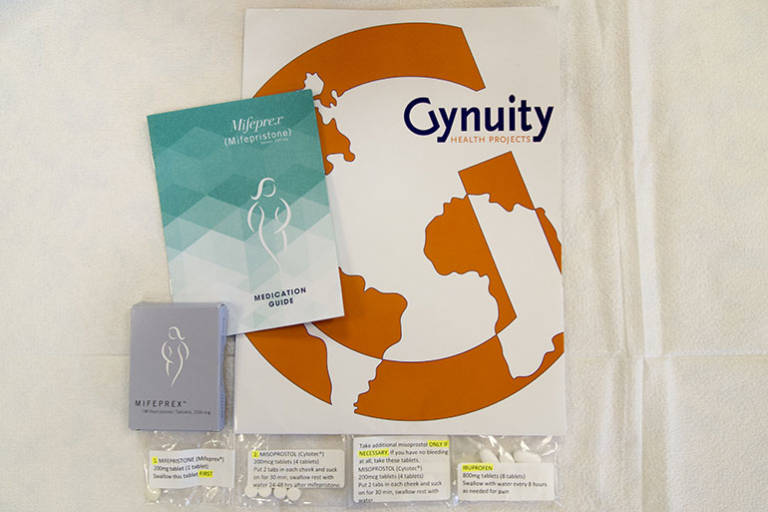
"caption": "A package of pills sent to patients in a study on medical abortions, which is being conducted in four states.",
"description": "A package of pills sent to patients in a study on medical abortions, which is being conducted in four states.",
"title": "OLYMPUS DIGITAL CAMERA",
"credit": "Courtesy of the University of Hawaii",
"status": "inherit",
"isLoading": false,
"fetchFailed": false
},
"stateofhealth_215061": {
"type": "attachments",
"id": "stateofhealth_215061",
"meta": {
"index": "attachments_1716263798",
"site": "stateofhealth",
"id": "215061",
"found": true
},
"parent": 215059,
"imgSizes": {
"twentyfourteen-full-width": {
"file": "https://ww2.kqed.org/app/uploads/sites/27/2016/07/GettyImages-513329618-1038x576.jpg",
"width": 1038,
"mimeType": "image/jpeg",
"height": 576
},
"thumbnail": {
"file": "https://ww2.kqed.org/app/uploads/sites/27/2016/07/GettyImages-513329618-400x279.jpg",
"width": 400,
"mimeType": "image/jpeg",
"height": 279
},
"fd-sm": {
"file": "https://ww2.kqed.org/app/uploads/sites/27/2016/07/GettyImages-513329618-960x669.jpg",
"width": 960,
"mimeType": "image/jpeg",
"height": 669
},
"post-thumbnail": {
"file": "https://ww2.kqed.org/app/uploads/sites/27/2016/07/GettyImages-513329618-672x372.jpg",
"width": 672,
"mimeType": "image/jpeg",
"height": 372
},
"kqedFullSize": {
"file": "https://ww2.kqed.org/app/uploads/sites/27/2016/07/GettyImages-513329618-e1469032721149.jpg",
"width": 1920,
"height": 1337
},
"large": {
"file": "https://ww2.kqed.org/app/uploads/sites/27/2016/07/GettyImages-513329618-1440x1003.jpg",
"width": 1440,
"mimeType": "image/jpeg",
"height": 1003
},
"guest-author-50": {
"file": "https://ww2.kqed.org/app/uploads/sites/27/2016/07/GettyImages-513329618-50x50.jpg",
"width": 50,
"mimeType": "image/jpeg",
"height": 50
},
"guest-author-96": {
"file": "https://ww2.kqed.org/app/uploads/sites/27/2016/07/GettyImages-513329618-96x96.jpg",
"width": 96,
"mimeType": "image/jpeg",
"height": 96
},
"medium": {
"file": "https://ww2.kqed.org/app/uploads/sites/27/2016/07/GettyImages-513329618-800x557.jpg",
"width": 800,
"mimeType": "image/jpeg",
"height": 557
},
"guest-author-64": {
"file": "https://ww2.kqed.org/app/uploads/sites/27/2016/07/GettyImages-513329618-64x64.jpg",
"width": 64,
"mimeType": "image/jpeg",
"height": 64
},
"guest-author-32": {
"file": "https://ww2.kqed.org/app/uploads/sites/27/2016/07/GettyImages-513329618-32x32.jpg",
"width": 32,
"mimeType": "image/jpeg",
"height": 32
},
"jmtc-small-thumb": {
"file": "https://ww2.kqed.org/app/uploads/sites/27/2016/07/GettyImages-513329618-280x150.jpg",
"width": 280,
"mimeType": "image/jpeg",
"height": 150
},
"fd-lrg": {
"file": "https://ww2.kqed.org/app/uploads/sites/27/2016/07/GettyImages-513329618-1920x1337.jpg",
"width": 1920,
"mimeType": "image/jpeg",
"height": 1337
},
"fd-med": {
"file": "https://ww2.kqed.org/app/uploads/sites/27/2016/07/GettyImages-513329618-1180x822.jpg",
"width": 1180,
"mimeType": "image/jpeg",
"height": 822
},
"detail": {
"file": "https://ww2.kqed.org/app/uploads/sites/27/2016/07/GettyImages-513329618-150x150.jpg",
"width": 150,
"mimeType": "image/jpeg",
"height": 150
},
"medium_large": {
"file": "https://ww2.kqed.org/app/uploads/sites/27/2016/07/GettyImages-513329618-768x535.jpg",
"width": 768,
"mimeType": "image/jpeg",
"height": 535
},
"guest-author-128": {
"file": "https://ww2.kqed.org/app/uploads/sites/27/2016/07/GettyImages-513329618-128x128.jpg",
"width": 128,
"mimeType": "image/jpeg",
"height": 128
}
},
"publishDate": 1469032697,
"modified": 1469032954,
"caption": "Anti-abortion activists rally outside of the Supreme Court in March. Last month, the court struck down a Texas law that tightly regulated abortion providers. ",
"description": "Anti-abortion activists rally outside of the Supreme Court in March. Last month, the court struck down a Texas law that tightly regulated abortion providers. ",
"title": "US-JUSTICE-RIGHTS-ABORTION",
"credit": "Saul Loeb/AFP/Getty Images",
"status": "inherit",
"isLoading": false,
"fetchFailed": false
},
"stateofhealth_205124": {
"type": "attachments",
"id": "stateofhealth_205124",
"meta": {
"index": "attachments_1716263798",
"site": "stateofhealth",
"id": "205124",
"found": true
},
"parent": 203417,
"imgSizes": {
"twentyfourteen-full-width": {
"file": "https://ww2.kqed.org/app/uploads/sites/27/2016/06/14772659073_f7e7f00d0a_k-1038x576.jpg",
"width": 1038,
"mimeType": "image/jpeg",
"height": 576
},
"thumbnail": {
"file": "https://ww2.kqed.org/app/uploads/sites/27/2016/06/14772659073_f7e7f00d0a_k-400x300.jpg",
"width": 400,
"mimeType": "image/jpeg",
"height": 300
},
"fd-sm": {
"file": "https://ww2.kqed.org/app/uploads/sites/27/2016/06/14772659073_f7e7f00d0a_k-960x720.jpg",
"width": 960,
"mimeType": "image/jpeg",
"height": 720
},
"post-thumbnail": {
"file": "https://ww2.kqed.org/app/uploads/sites/27/2016/06/14772659073_f7e7f00d0a_k-672x372.jpg",
"width": 672,
"mimeType": "image/jpeg",
"height": 372
},
"kqedFullSize": {
"file": "https://ww2.kqed.org/app/uploads/sites/27/2016/06/14772659073_f7e7f00d0a_k-e1467133887958.jpg",
"width": 1920,
"height": 1440
},
"large": {
"file": "https://ww2.kqed.org/app/uploads/sites/27/2016/06/14772659073_f7e7f00d0a_k-1440x1080.jpg",
"width": 1440,
"mimeType": "image/jpeg",
"height": 1080
},
"guest-author-50": {
"file": "https://ww2.kqed.org/app/uploads/sites/27/2016/06/14772659073_f7e7f00d0a_k-50x50.jpg",
"width": 50,
"mimeType": "image/jpeg",
"height": 50
},
"guest-author-96": {
"file": "https://ww2.kqed.org/app/uploads/sites/27/2016/06/14772659073_f7e7f00d0a_k-96x96.jpg",
"width": 96,
"mimeType": "image/jpeg",
"height": 96
},
"medium": {
"file": "https://ww2.kqed.org/app/uploads/sites/27/2016/06/14772659073_f7e7f00d0a_k-800x600.jpg",
"width": 800,
"mimeType": "image/jpeg",
"height": 600
},
"guest-author-64": {
"file": "https://ww2.kqed.org/app/uploads/sites/27/2016/06/14772659073_f7e7f00d0a_k-64x64.jpg",
"width": 64,
"mimeType": "image/jpeg",
"height": 64
},
"guest-author-32": {
"file": "https://ww2.kqed.org/app/uploads/sites/27/2016/06/14772659073_f7e7f00d0a_k-32x32.jpg",
"width": 32,
"mimeType": "image/jpeg",
"height": 32
},
"jmtc-small-thumb": {
"file": "https://ww2.kqed.org/app/uploads/sites/27/2016/06/14772659073_f7e7f00d0a_k-280x150.jpg",
"width": 280,
"mimeType": "image/jpeg",
"height": 150
},
"fd-lrg": {
"file": "https://ww2.kqed.org/app/uploads/sites/27/2016/06/14772659073_f7e7f00d0a_k-1920x1440.jpg",
"width": 1920,
"mimeType": "image/jpeg",
"height": 1440
},
"fd-med": {
"file": "https://ww2.kqed.org/app/uploads/sites/27/2016/06/14772659073_f7e7f00d0a_k-1180x885.jpg",
"width": 1180,
"mimeType": "image/jpeg",
"height": 885
},
"detail": {
"file": "https://ww2.kqed.org/app/uploads/sites/27/2016/06/14772659073_f7e7f00d0a_k-150x150.jpg",
"width": 150,
"mimeType": "image/jpeg",
"height": 150
},
"medium_large": {
"file": "https://ww2.kqed.org/app/uploads/sites/27/2016/06/14772659073_f7e7f00d0a_k-768x576.jpg",
"width": 768,
"mimeType": "image/jpeg",
"height": 576
},
"guest-author-128": {
"file": "https://ww2.kqed.org/app/uploads/sites/27/2016/06/14772659073_f7e7f00d0a_k-128x128.jpg",
"width": 128,
"mimeType": "image/jpeg",
"height": 128
}
},
"publishDate": 1467133864,
"modified": 1467135623,
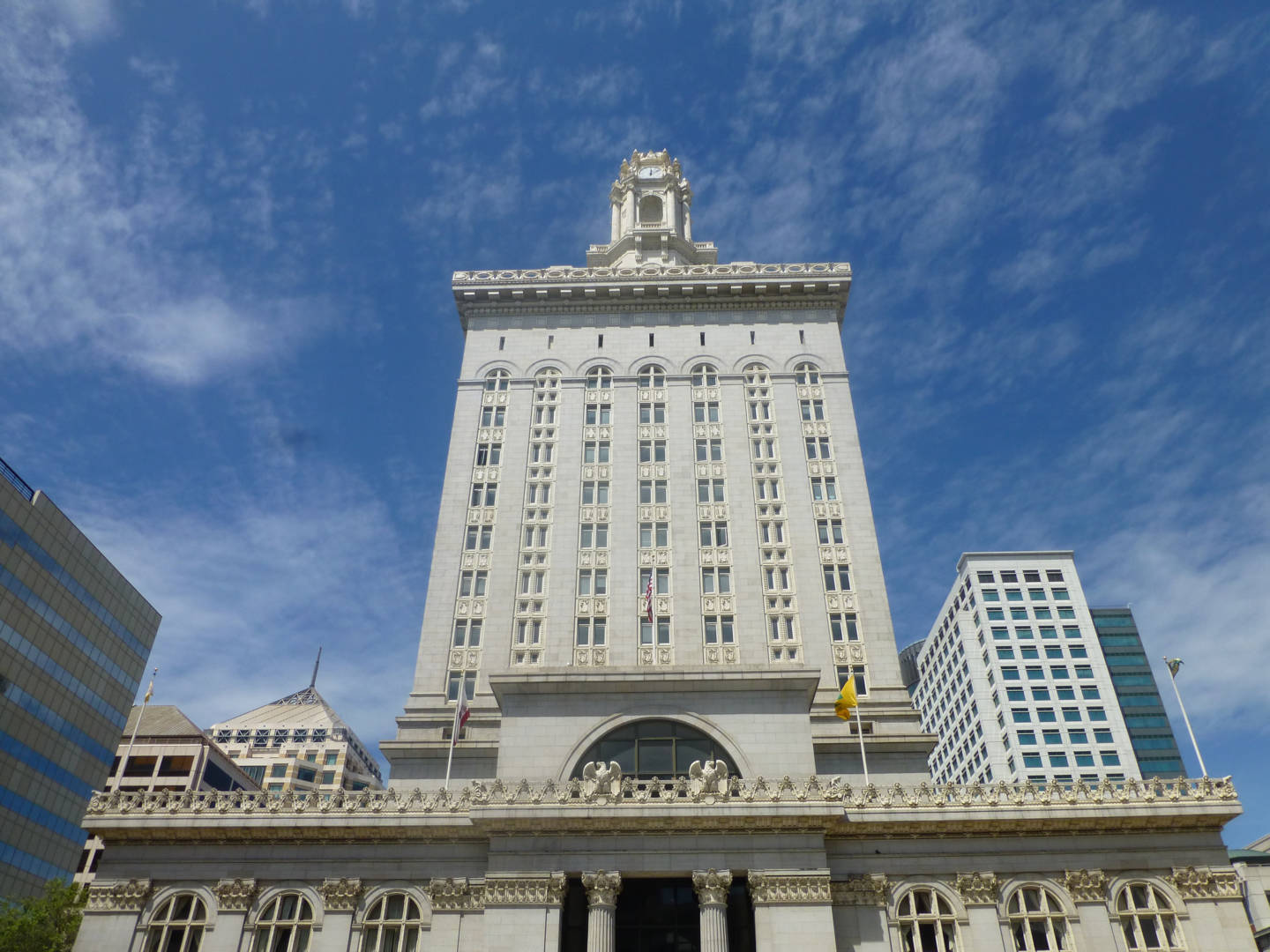
"caption": "Oakland City Hall. ",
"description": "Oakland City Hall ",
"title": "14772659073_f7e7f00d0a_k",
"credit": "MIke Linksvayer via \u003cA HREF=\"https://www.flickr.com/photos/mlinksva/14772659073/in/photolist-ovpJSv-bovySp-oK9TeV-5UzxKN-qGtBz6-dogE9X-czBvg-5QWUoG-4Lksug-oLWSuq-7c5x6j-ovU9Y5-iBpAYE-raWYt-aBAHLL-az1cjF-oGtRHU-dP7jAZ-gfV8gC-oqaMUf-4fy48N-bBSjWi-os2oda-bDA5x7-aBy8g4-oNngdU-owBwrq-ovVc1E-azruu7-2Zogwq-oktihE-5NrB-dNxC2p-bmQUTq-pUZnkG-bvQ6Zy-gmK8u-aFZ9fX-eobiqu-bovAzp-4Lksvg-eobkZW-eo1dBR-dogFgS-hF9pS-9bLX15-doh5Ph-ejpH4p-oNz5eV-eoyT39\" TARGET=\"_BLANK\">Flickr\u003c/a>",
"status": "inherit",
"isLoading": false,
"fetchFailed": false
},
"news_10890836": {
"type": "attachments",
"id": "news_10890836",
"meta": {
"index": "attachments_1716263798",
"site": "news",
"id": "10890836",
"found": true
},
"parent": 10890520,
"imgSizes": {
"twentyfourteen-full-width": {
"file": "https://ww2.kqed.org/app/uploads/sites/10/2016/03/SCOTUS-1038x576.jpg",
"width": 1038,
"mimeType": "image/jpeg",
"height": 576
},
"thumbnail": {
"file": "https://ww2.kqed.org/app/uploads/sites/10/2016/03/SCOTUS-400x271.jpg",
"width": 400,
"mimeType": "image/jpeg",
"height": 271
},
"fd-sm": {
"file": "https://ww2.kqed.org/app/uploads/sites/10/2016/03/SCOTUS-960x650.jpg",
"width": 960,
"mimeType": "image/jpeg",
"height": 650
},
"post-thumbnail": {
"file": "https://ww2.kqed.org/app/uploads/sites/10/2016/03/SCOTUS-672x372.jpg",
"width": 672,
"mimeType": "image/jpeg",
"height": 372
},
"kqedFullSize": {
"file": "https://ww2.kqed.org/app/uploads/sites/10/2016/03/SCOTUS.jpg",
"width": 1920,
"height": 1299
},
"large": {
"file": "https://ww2.kqed.org/app/uploads/sites/10/2016/03/SCOTUS-1920x1299.jpg",
"width": 1920,
"mimeType": "image/jpeg",
"height": 1299
},
"guest-author-96": {
"file": "https://ww2.kqed.org/app/uploads/sites/10/2016/03/SCOTUS-96x96.jpg",
"width": 96,
"mimeType": "image/jpeg",
"height": 96
},
"medium": {
"file": "https://ww2.kqed.org/app/uploads/sites/10/2016/03/SCOTUS-800x541.jpg",
"width": 800,
"mimeType": "image/jpeg",
"height": 541
},
"guest-author-64": {
"file": "https://ww2.kqed.org/app/uploads/sites/10/2016/03/SCOTUS-64x64.jpg",
"width": 64,
"mimeType": "image/jpeg",
"height": 64
},
"guest-author-32": {
"file": "https://ww2.kqed.org/app/uploads/sites/10/2016/03/SCOTUS-32x32.jpg",
"width": 32,
"mimeType": "image/jpeg",
"height": 32
},
"jmtc-small-thumb": {
"file": "https://ww2.kqed.org/app/uploads/sites/10/2016/03/SCOTUS-280x150.jpg",
"width": 280,
"mimeType": "image/jpeg",
"height": 150
},
"fd-lrg": {
"file": "https://ww2.kqed.org/app/uploads/sites/10/2016/03/SCOTUS-1920x1299.jpg",
"width": 1920,
"mimeType": "image/jpeg",
"height": 1299
},
"fd-med": {
"file": "https://ww2.kqed.org/app/uploads/sites/10/2016/03/SCOTUS-1180x798.jpg",
"width": 1180,
"mimeType": "image/jpeg",
"height": 798
},
"detail": {
"file": "https://ww2.kqed.org/app/uploads/sites/10/2016/03/SCOTUS-75x75.jpg",
"width": 75,
"mimeType": "image/jpeg",
"height": 75
},
"guest-author-128": {
"file": "https://ww2.kqed.org/app/uploads/sites/10/2016/03/SCOTUS-128x128.jpg",
"width": 128,
"mimeType": "image/jpeg",
"height": 128
}
},
"publishDate": 1457574278,
"modified": 1467038827,
"caption": "The U.S. Supreme Court building in Washington, D.C.",
"description": "The U.S. Supreme Court building in Washington, D.C.",
"title": "SCOTUS",
"credit": "Paul J. Richards/AFP-Getty Images",
"status": "inherit",
"isLoading": false,
"fetchFailed": false
}
},
"audioPlayerReducer": {
"postId": "stream_live",
"isPaused": true,
"isPlaying": false,
"pfsActive": false,
"pledgeModalIsOpen": true,
"playerDrawerIsOpen": false,
"liveAudioPlayStartedAt": 0,
"liveAudioPlayContext": ""
},
"authorsReducer": {
"byline_news_11656177": {
"type": "authors",
"id": "byline_news_11656177",
"meta": {
"override": true
},
"slug": "byline_news_11656177",
"name": "\u003cstrong>Laurel Rosenhall\u003c/strong>",
"isLoading": false
},
"byline_news_11643759": {
"type": "authors",
"id": "byline_news_11643759",
"meta": {
"override": true
},
"slug": "byline_news_11643759",
"name": "Menaka Wilhelm",
"isLoading": false
},
"byline_news_11630330": {
"type": "authors",
"id": "byline_news_11630330",
"meta": {
"override": true
},
"slug": "byline_news_11630330",
"name": "\u003cstrong/>Bill Chappell\u003c/strong>",
"isLoading": false
},
"byline_news_11625276": {
"type": "authors",
"id": "byline_news_11625276",
"meta": {
"override": true
},
"slug": "byline_news_11625276",
"name": "\u003cstrong>Richard Gonzales\u003c/strong>",
"isLoading": false
},
"byline_futureofyou_283173": {
"type": "authors",
"id": "byline_futureofyou_283173",
"meta": {
"override": true
},
"slug": "byline_futureofyou_283173",
"name": "Phil Galewitz\u003cbr />\u003ca href=\"http://californiahealthline.org/\">California Healthline\u003c/a>",
"isLoading": false
},
"byline_stateofhealth_215059": {
"type": "authors",
"id": "byline_stateofhealth_215059",
"meta": {
"override": true
},
"slug": "byline_stateofhealth_215059",
"name": "Julie Rovner\u003cbr />\u003ca href=\"http://khn.org/\">Kaiser Health News\u003c/a>",
"isLoading": false
},
"byline_news_11002316": {
"type": "authors",
"id": "byline_news_11002316",
"meta": {
"override": true
},
"slug": "byline_news_11002316",
"name": "\u003cstrong>Mark Sherman\u003cbr />Associated Press\u003c/strong>",
"isLoading": false
},
"sasha-khokha": {
"type": "authors",
"id": "254",
"meta": {
"index": "authors_1716337520",
"id": "254",
"found": true
},
"name": "Sasha Khokha",
"firstName": "Sasha",
"lastName": "Khokha",
"slug": "sasha-khokha",
"email": "skhokha@kqed.org",
"display_author_email": true,
"staff_mastheads": [
"news"
],
"title": "Host, The California Report Magazine",
"bio": "Sasha Khokha is the host of \u003cem>The California Report's \u003c/em> weekly magazine program, which takes listeners on sound-rich excursions to meet the people that make the Golden State unique -- through audio documentaries and long-form stories. As \u003cem>The California Report's\u003c/em> Central Valley Bureau Chief based in Fresno for nearly a dozen years, Sasha brought the lives and concerns of rural Californians to listeners around the state. Her reporting helped expose the hidden price immigrant women janitors and farmworkers may pay to keep their jobs: sexual assault at work. It inspired two new California laws to protect them from sexual harassment. She was a key member of the reporting team for the Frontline film \u003cem>Rape on the Night Shift, \u003c/em>which was nominated for two national Emmys. Sasha has also won a national Edward R. Murrow and a national PRNDI award for investigative reporting, as well as multiple prizes from the Society for Professional Journalists. Sasha is a proud alum of the UC Berkeley Graduate School of Journalism and Brown University and a member of the South Asian Journalists Association.",
"avatar": "https://secure.gravatar.com/avatar/e4b5e1541aaeea2aa356aa1fb2a68950?s=600&d=blank&r=g",
"twitter": "KQEDSashaKhokha",
"facebook": null,
"instagram": null,
"linkedin": null,
"sites": [
{
"site": "news",
"roles": [
"editor"
]
},
{
"site": "stateofhealth",
"roles": [
"author"
]
},
{
"site": "science",
"roles": [
"author"
]
},
{
"site": "quest",
"roles": [
"subscriber"
]
}
],
"headData": {
"title": "Sasha Khokha | KQED",
"description": "Host, The California Report Magazine",
"ogImgSrc": "https://secure.gravatar.com/avatar/e4b5e1541aaeea2aa356aa1fb2a68950?s=600&d=blank&r=g",
"twImgSrc": "https://secure.gravatar.com/avatar/e4b5e1541aaeea2aa356aa1fb2a68950?s=600&d=blank&r=g"
},
"isLoading": false,
"link": "/author/sasha-khokha"
},
"adembosky": {
"type": "authors",
"id": "3205",
"meta": {
"index": "authors_1716337520",
"id": "3205",
"found": true
},
"name": "April Dembosky",
"firstName": "April",
"lastName": "Dembosky",
"slug": "adembosky",
"email": "adembosky@kqed.org",
"display_author_email": false,
"staff_mastheads": [
"news",
"science"
],
"title": "KQED Health Correspondent",
"bio": "April Dembosky is the health correspondent for KQED News and a regular contributor to NPR. She specializes in covering altered states of mind, from postpartum depression to methamphetamine-induced psychosis to the insanity defense. Her investigative series on insurance companies sidestepping mental health laws won multiple awards, including first place in beat reporting from the national Association of Health Care Journalists. She is the recipient of numerous other prizes and fellowships, including a national Edward R. Murrow award for investigative reporting, a Society of Professional Journalists award for long-form storytelling, and a Carter Center Fellowship for Mental Health Journalism.\r\n\r\nDembosky reported and produced \u003cem>Soundtrack of Silence\u003c/em>, an audio documentary about music and memory that is currently being made into a feature film by Paramount Pictures.\r\n\r\nBefore joining KQED in 2013, Dembosky covered technology and Silicon Valley for \u003cem>The Financial Times of London,\u003c/em> and contributed business and arts stories to \u003cem>Marketplace \u003c/em>and \u003cem>The New York Times.\u003c/em> She got her undergraduate degree in philosophy from Smith College and her master's in journalism from the University of California, Berkeley. She is a classically trained violinist and proud alum of the first symphony orchestra at Burning Man.",
"avatar": "https://secure.gravatar.com/avatar/ef92999be4ceb9ea60701e7dc276f813?s=600&d=blank&r=g",
"twitter": "adembosky",
"facebook": null,
"instagram": null,
"linkedin": null,
"sites": [
{
"site": "arts",
"roles": [
"author"
]
},
{
"site": "news",
"roles": [
"editor"
]
},
{
"site": "futureofyou",
"roles": [
"author"
]
},
{
"site": "stateofhealth",
"roles": [
"editor"
]
},
{
"site": "science",
"roles": [
"editor"
]
},
{
"site": "forum",
"roles": [
"editor"
]
}
],
"headData": {
"title": "April Dembosky | KQED",
"description": "KQED Health Correspondent",
"ogImgSrc": "https://secure.gravatar.com/avatar/ef92999be4ceb9ea60701e7dc276f813?s=600&d=blank&r=g",
"twImgSrc": "https://secure.gravatar.com/avatar/ef92999be4ceb9ea60701e7dc276f813?s=600&d=blank&r=g"
},
"isLoading": false,
"link": "/author/adembosky"
},
"tcamhi": {
"type": "authors",
"id": "3251",
"meta": {
"index": "authors_1716337520",
"id": "3251",
"found": true
},
"name": "Tiffany Camhi",
"firstName": "Tiffany",
"lastName": "Camhi",
"slug": "tcamhi",
"email": "tiffanycamhi@gmail.com",
"display_author_email": false,
"staff_mastheads": [],
"title": "KQED Contributor",
"bio": null,
"avatar": "https://secure.gravatar.com/avatar/f8204ce351139205d3b3dc1581016a5e30d7d8b38cb2c139348c151ec14b792e?s=600&d=blank&r=g",
"twitter": null,
"bluesky": null,
"facebook": null,
"instagram": null,
"linkedin": null,
"sites": [
{
"site": "arts",
"roles": [
"subscriber"
]
},
{
"site": "news",
"roles": [
"subscriber"
]
}
],
"headData": {
"title": "Tiffany Camhi | KQED",
"description": "KQED Contributor",
"ogImgSrc": "https://secure.gravatar.com/avatar/f8204ce351139205d3b3dc1581016a5e30d7d8b38cb2c139348c151ec14b792e?s=600&d=blank&r=g",
"twImgSrc": "https://secure.gravatar.com/avatar/f8204ce351139205d3b3dc1581016a5e30d7d8b38cb2c139348c151ec14b792e?s=600&d=blank&r=g"
},
"isLoading": false,
"link": "/author/tcamhi"
}
},
"pagesReducer": {
"news_tag_abortion": {
"type": "terms",
"id": "news_866",
"meta": {
"index": "terms_1716263798",
"site": "news",
"id": "866",
"score": 8.668587
},
"featImg": null,
"name": "abortion",
"description": null,
"taxonomy": "tag",
"headData": {
"twImgId": null,
"twTitle": null,
"ogTitle": null,
"ogImgId": null,
"twDescription": null,
"description": null,
"title": "abortion Archives | KQED News",
"ogDescription": null
},
"ttid": 876,
"slug": "abortion",
"isLoading": false,
"title": "abortion",
"pageMeta": {
"site": "news",
"WpPageTemplate": "page-topic-editorial",
"currentPage": 11
},
"blocks": [
{
"blockName": "kqed/post-list",
"attrs": {
"layout": "cardArticle2",
"query": "posts/news?tag=abortion",
"seeMore": false,
"paginated": true,
"page": 11
}
},
{
"blockName": "kqed/ad"
}
]
}
},
"pfsSessionReducer": {},
"postsReducer": {
"stream_live": {
"type": "live",
"id": "stream_live",
"audioUrl": "https://streams.kqed.org/kqedradio",
"title": "Live Stream",
"excerpt": "Live Stream information currently unavailable.",
"link": "/radio",
"featImg": "",
"label": {
"name": "KQED Live",
"link": "/"
}
},
"stream_kqedNewscast": {
"type": "posts",
"id": "stream_kqedNewscast",
"audioUrl": "https://www.kqed.org/.stream/anon/radio/RDnews/newscast.mp3?_=1",
"title": "KQED Newscast",
"featImg": "",
"label": {
"name": "88.5 FM",
"link": "/"
}
},
"news_11656177": {
"type": "posts",
"id": "news_11656177",
"meta": {
"index": "posts_1716263798",
"site": "news",
"id": "11656177",
"score": null,
"sort": [
1521227229000
]
},
"guestAuthors": [],
"slug": "supreme-court-challenge-to-california-law-could-hand-abortion-foes-a-victory-or-backfire-on-them",
"title": "Supreme Court Challenge to California Law Could Hand Abortion Foes a Victory—or Backfire on Them",
"publishDate": 1521227229,
"format": "standard",
"headTitle": "Supreme Court Challenge to California Law Could Hand Abortion Foes a Victory—or Backfire on Them | KQED",
"labelTerm": {},
"content": "\u003cp>Should an organization that opposes abortion be required to tell women where they can seek an abortion? It’s a question the U.S. Supreme Court will face this month as it considers a challenge to a California state law.\u003c/p>\n\u003cp>\u003ca href=\"http://leginfo.legislature.ca.gov/faces/billHistoryClient.xhtml?bill_id=201520160AB775\" target=\"_blank\" rel=\"noopener\">The law in question\u003c/a>, known as the California Reproductive FACT Act, was signed by Democratic Gov. Jerry Brown in 2015. It requires licensed “crisis pregnancy centers”—many of which are run by Christian groups whose mission is to discourage pregnant women from getting abortions—to post signs or distribute notices informing clients that the state offers subsidized programs for family planning services, including abortion. The notice must include a phone number for the closest government social services office.\u003c/p>\n\u003cp>The National Institute of Family and Life Advocates, which runs roughly 200 pregnancy centers in California, sued the state over the law. It argues the law infringes on its freedom of speech by compelling the centers “to speak a government message and to promote government programs contrary to their pro-life beliefs.”\u003c/p>\n\u003cp>The centers typically offer pregnancy tests and ultrasounds, and counsel women to carry their pregnancies to term by providing information on adoption and parenting.\u003c/p>\n\u003cp>“All of their speech is designed to encourage childbirth. The Act purposely hampers this advocacy at the very beginning of a pregnancy center’s interaction with expectant mothers. While the centers exist to support childbirth, the Act forces them to point the way to ending unborn babies’ lives,” the institute says in a court filing. The group did not make anyone available for an interview.\u003c/p>\n\u003cp>[ad fullwidth]\u003c/p>\n\u003cp>The state argues the law is necessary because some pregnancy centers were misleading women about what services they’re licensed to provide and making false claims about the risks of abortion. Its provisions also require unlicensed counseling centers to disclose in advertisements and client notices that they aren’t licensed to provide medical care.\u003c/p>\n\u003cp>“Everyone is entitled to accurate information about their health care, and that’s simply what the FACT Act says,” said California Attorney General Xavier Becerra, a Democrat. “There is nothing coercive, nothing intrusive in the requirements of the law that infringe upon someone’s First Amendment rights. It’s about making sure women have accurate information about their health care.”\u003c/p>\n\u003cp>\u003cimg loading=\"lazy\" decoding=\"async\" class=\"size-full wp-image-11656183 alignright\" src=\"https://ww2.kqed.org/news/wp-content/uploads/sites/10/2018/03/calmattersinsert.jpg\" alt=\"\" width=\"550\" height=\"723\" srcset=\"https://cdn.kqed.org/wp-content/uploads/sites/10/2018/03/calmattersinsert.jpg 550w, https://cdn.kqed.org/wp-content/uploads/sites/10/2018/03/calmattersinsert-160x210.jpg 160w, https://cdn.kqed.org/wp-content/uploads/sites/10/2018/03/calmattersinsert-240x315.jpg 240w, https://cdn.kqed.org/wp-content/uploads/sites/10/2018/03/calmattersinsert-375x493.jpg 375w, https://cdn.kqed.org/wp-content/uploads/sites/10/2018/03/calmattersinsert-520x684.jpg 520w\" sizes=\"(max-width: 550px) 100vw, 550px\">\u003c/p>\n\u003cp>The case, which the Supreme Court will hear on March 20, is the latest battleground in a long legal debate at the intersection of free speech and abortion access. It highlights how much a state’s approach to abortion is shaped by its politics—and could wind up as a pivot point in the national debate over the issue.\u003c/p>\n\u003cp>In blue states like California and Hawaii, Democrats who support abortion rights have approved laws requiring pregnancy centers to notify women that abortions are available elsewhere. In red states, Republicans who oppose abortion have passed laws requiring doctors to tell women seeking them various specific statements: abortion ends “the life of a whole, separate, unique, living human being” (South Dakota); the father is liable for child support (Georgia); she can review a booklet prepared by the state that says the “unborn human individual” in her womb has a heartbeat (Arkansas). Both types of notifications have been challenged on grounds that they violate the First Amendment right to free speech.\u003c/p>\n\u003cp>In a fascinating legal twist, California is defending its Reproductive FACT Act in part based on a ruling that supports notifications in other states that abortions rights proponents have challenged. The state’s legal brief cites a 1992 case in which Planned Parenthood sued the state of Pennsylvania over a law that requires doctors tell women seeking abortion that the state offers brochures with information about fetal development, as well as the availability of adoption, paternal child support and other alternatives to abortion. The U.S. Supreme Court rejected Planned Parenthood’s First Amendment challenge and upheld the Pennsylvania law, saying speech by licensed professionals in the practice of their professions is “subject to reasonable licensing and regulation by the State.”\u003c/p>\n\u003cp>If the court rules that California’s law is unconstitutional, some legal scholars say it \u003ca href=\"http://www.slate.com/articles/news_and_politics/jurisprudence/2017/11/abortion_foes_latest_supreme_court_challenge_could_turn_out_badly_for_them.html\" target=\"_blank\" rel=\"noopener\">could set the stage\u003c/a> for abortion rights groups to challenge a host of laws in conservative states that require doctors to make specific statements before performing abortions.\u003c/p>\n\u003cp>“If one decides this case based on the principle that the government cannot compel someone to say something they are opposed to, then I think all of those laws are challengeable,” said Wendy Mariner, a Boston University professor of health law. “That is a real issue.”\u003c/p>\n\u003cp>Other legal scholars say the situations are different and that striking down the California law wouldn’t impact states with anti-abortion notification laws. Richard Garnett, a professor at Notre Dame Law School, said the pregnancy centers shouldn’t be held to the same standard for required speech because they exist to offer “pro-life” counseling, not a medical service.\u003c/p>\n\u003cp>“There is an important distinction between making sure someone about to have a procedure knows about it, as opposed to telling a nonprofit they have to tell someone about a procedure they are morally opposed to and don’t plan to provide,” Garnett said.\u003c/p>\n\u003cp>The California law was written with major input from NARAL Pro-Choice California and then-Attorney General Kamala Harris, after \u003ca href=\"https://www.sfcityattorney.org/wp-content/uploads/2015/08/Unmasking-Fake-Clinics-The-Truth-About-Crisis-Pregnancy-Centers-in-California-.pdf\" target=\"_blank\" rel=\"noopener\">a report\u003c/a> by the abortion rights group indicated that many pregnancy centers in California counseled women against abortion by incorrectly saying it would increase their risk of \u003ca href=\"https://www.cancer.org/cancer/cancer-causes/medical-treatments/abortion-and-breast-cancer-risk.html\" target=\"_blank\" rel=\"noopener\">breast cancer\u003c/a> and \u003ca href=\"https://www.mayoclinic.org/healthy-lifestyle/getting-pregnant/expert-answers/abortion/faq-20058551\" target=\"_blank\" rel=\"noopener\">infertility\u003c/a>. NARAL’s report also noted that many centers did not disclose their ideological affiliation upfront, misleading women into thinking they were mainstream health clinics.\u003c/p>\n\u003cp>“Auto shops and nail salons are required to post health-related notices, and so should pregnancy resource centers,” said Amy Everitt, director of NARAL Pro-Choice California.\u003c/p>\n\u003cp>“This bill fills a really important need for public health so that women know there are options that are supported by the state of California that they weren’t otherwise aware of.”\u003c/p>\n\u003cp>\u003c/p>\n\u003cp>\u003cem>CALmatters.org is a nonprofit, nonpartisan media venture explaining California’s policies and politics.\u003c/em>\u003c/p>\n\n",
"blocks": [],
"excerpt": "The case, which the U.S. Supreme Court will hear on March 20, is the latest battleground in a long legal debate at the intersection of free speech and abortion access.",
"status": "publish",
"parent": 0,
"modified": 1721113139,
"stats": {
"hasAudio": false,
"hasVideo": false,
"hasChartOrMap": false,
"iframeSrcs": [],
"hasGoogleForm": false,
"hasGallery": false,
"hasHearkenModule": false,
"hasPolis": false,
"paragraphCount": 21,
"wordCount": 1053
},
"headData": {
"title": "Supreme Court Challenge to California Law Could Hand Abortion Foes a Victory—or Backfire on Them | KQED",
"description": "The case, which the U.S. Supreme Court will hear on March 20, is the latest battleground in a long legal debate at the intersection of free speech and abortion access.",
"ogTitle": "",
"ogDescription": "",
"ogImgId": "",
"twTitle": "",
"twDescription": "",
"twImgId": "",
"schema": {
"@context": "https://schema.org",
"@type": "NewsArticle",
"headline": "Supreme Court Challenge to California Law Could Hand Abortion Foes a Victory—or Backfire on Them",
"datePublished": "2018-03-16T12:07:09-07:00",
"dateModified": "2024-07-15T23:58:59-07:00",
"image": "https://cdn.kqed.org/wp-content/uploads/2020/02/KQED-OG-Image@1x.png",
"isAccessibleForFree": "True",
"publisher": {
"@type": "NewsMediaOrganization",
"@id": "https://www.kqed.org/#organization",
"name": "KQED",
"logo": "https://cdn.kqed.org/wp-content/uploads/2020/02/KQED-OG-Image@1x.png",
"url": "https://www.kqed.org",
"sameAs": [
"https://www.facebook.com/KQED",
"https://twitter.com/KQED",
"https://www.instagram.com/kqed/",
"https://www.tiktok.com/@kqedofficial",
"https://www.linkedin.com/company/kqed",
"https://www.youtube.com/channel/UCeC0IOo7i1P_61zVUWbJ4nw"
]
}
}
},
"source": "CALmatters",
"sourceUrl": "https://calmatters.org/",
"sticky": false,
"nprByline": "\u003cstrong>Laurel Rosenhall\u003c/strong>",
"path": "/news/11656177/supreme-court-challenge-to-california-law-could-hand-abortion-foes-a-victory-or-backfire-on-them",
"audioTrackLength": null,
"parsedContent": [
{
"type": "contentString",
"content": "\u003cdiv class=\"post-body\">\u003cp>\u003cp>Should an organization that opposes abortion be required to tell women where they can seek an abortion? It’s a question the U.S. Supreme Court will face this month as it considers a challenge to a California state law.\u003c/p>\n\u003cp>\u003ca href=\"http://leginfo.legislature.ca.gov/faces/billHistoryClient.xhtml?bill_id=201520160AB775\" target=\"_blank\" rel=\"noopener\">The law in question\u003c/a>, known as the California Reproductive FACT Act, was signed by Democratic Gov. Jerry Brown in 2015. It requires licensed “crisis pregnancy centers”—many of which are run by Christian groups whose mission is to discourage pregnant women from getting abortions—to post signs or distribute notices informing clients that the state offers subsidized programs for family planning services, including abortion. The notice must include a phone number for the closest government social services office.\u003c/p>\n\u003cp>The National Institute of Family and Life Advocates, which runs roughly 200 pregnancy centers in California, sued the state over the law. It argues the law infringes on its freedom of speech by compelling the centers “to speak a government message and to promote government programs contrary to their pro-life beliefs.”\u003c/p>\n\u003cp>The centers typically offer pregnancy tests and ultrasounds, and counsel women to carry their pregnancies to term by providing information on adoption and parenting.\u003c/p>\n\u003cp>“All of their speech is designed to encourage childbirth. The Act purposely hampers this advocacy at the very beginning of a pregnancy center’s interaction with expectant mothers. While the centers exist to support childbirth, the Act forces them to point the way to ending unborn babies’ lives,” the institute says in a court filing. The group did not make anyone available for an interview.\u003c/p>\n\u003cp>\u003c/p>\u003c/div>",
"attributes": {
"named": {},
"numeric": []
}
},
{
"type": "component",
"content": "",
"name": "ad",
"attributes": {
"named": {
"label": "fullwidth"
},
"numeric": [
"fullwidth"
]
}
},
{
"type": "contentString",
"content": "\u003cdiv class=\"post-body\">\u003cp>\u003c/p>\n\u003cp>The state argues the law is necessary because some pregnancy centers were misleading women about what services they’re licensed to provide and making false claims about the risks of abortion. Its provisions also require unlicensed counseling centers to disclose in advertisements and client notices that they aren’t licensed to provide medical care.\u003c/p>\n\u003cp>“Everyone is entitled to accurate information about their health care, and that’s simply what the FACT Act says,” said California Attorney General Xavier Becerra, a Democrat. “There is nothing coercive, nothing intrusive in the requirements of the law that infringe upon someone’s First Amendment rights. It’s about making sure women have accurate information about their health care.”\u003c/p>\n\u003cp>\u003cimg loading=\"lazy\" decoding=\"async\" class=\"size-full wp-image-11656183 alignright\" src=\"https://ww2.kqed.org/news/wp-content/uploads/sites/10/2018/03/calmattersinsert.jpg\" alt=\"\" width=\"550\" height=\"723\" srcset=\"https://cdn.kqed.org/wp-content/uploads/sites/10/2018/03/calmattersinsert.jpg 550w, https://cdn.kqed.org/wp-content/uploads/sites/10/2018/03/calmattersinsert-160x210.jpg 160w, https://cdn.kqed.org/wp-content/uploads/sites/10/2018/03/calmattersinsert-240x315.jpg 240w, https://cdn.kqed.org/wp-content/uploads/sites/10/2018/03/calmattersinsert-375x493.jpg 375w, https://cdn.kqed.org/wp-content/uploads/sites/10/2018/03/calmattersinsert-520x684.jpg 520w\" sizes=\"(max-width: 550px) 100vw, 550px\">\u003c/p>\n\u003cp>The case, which the Supreme Court will hear on March 20, is the latest battleground in a long legal debate at the intersection of free speech and abortion access. It highlights how much a state’s approach to abortion is shaped by its politics—and could wind up as a pivot point in the national debate over the issue.\u003c/p>\n\u003cp>In blue states like California and Hawaii, Democrats who support abortion rights have approved laws requiring pregnancy centers to notify women that abortions are available elsewhere. In red states, Republicans who oppose abortion have passed laws requiring doctors to tell women seeking them various specific statements: abortion ends “the life of a whole, separate, unique, living human being” (South Dakota); the father is liable for child support (Georgia); she can review a booklet prepared by the state that says the “unborn human individual” in her womb has a heartbeat (Arkansas). Both types of notifications have been challenged on grounds that they violate the First Amendment right to free speech.\u003c/p>\n\u003cp>In a fascinating legal twist, California is defending its Reproductive FACT Act in part based on a ruling that supports notifications in other states that abortions rights proponents have challenged. The state’s legal brief cites a 1992 case in which Planned Parenthood sued the state of Pennsylvania over a law that requires doctors tell women seeking abortion that the state offers brochures with information about fetal development, as well as the availability of adoption, paternal child support and other alternatives to abortion. The U.S. Supreme Court rejected Planned Parenthood’s First Amendment challenge and upheld the Pennsylvania law, saying speech by licensed professionals in the practice of their professions is “subject to reasonable licensing and regulation by the State.”\u003c/p>\n\u003cp>If the court rules that California’s law is unconstitutional, some legal scholars say it \u003ca href=\"http://www.slate.com/articles/news_and_politics/jurisprudence/2017/11/abortion_foes_latest_supreme_court_challenge_could_turn_out_badly_for_them.html\" target=\"_blank\" rel=\"noopener\">could set the stage\u003c/a> for abortion rights groups to challenge a host of laws in conservative states that require doctors to make specific statements before performing abortions.\u003c/p>\n\u003cp>“If one decides this case based on the principle that the government cannot compel someone to say something they are opposed to, then I think all of those laws are challengeable,” said Wendy Mariner, a Boston University professor of health law. “That is a real issue.”\u003c/p>\n\u003cp>Other legal scholars say the situations are different and that striking down the California law wouldn’t impact states with anti-abortion notification laws. Richard Garnett, a professor at Notre Dame Law School, said the pregnancy centers shouldn’t be held to the same standard for required speech because they exist to offer “pro-life” counseling, not a medical service.\u003c/p>\n\u003cp>“There is an important distinction between making sure someone about to have a procedure knows about it, as opposed to telling a nonprofit they have to tell someone about a procedure they are morally opposed to and don’t plan to provide,” Garnett said.\u003c/p>\n\u003cp>The California law was written with major input from NARAL Pro-Choice California and then-Attorney General Kamala Harris, after \u003ca href=\"https://www.sfcityattorney.org/wp-content/uploads/2015/08/Unmasking-Fake-Clinics-The-Truth-About-Crisis-Pregnancy-Centers-in-California-.pdf\" target=\"_blank\" rel=\"noopener\">a report\u003c/a> by the abortion rights group indicated that many pregnancy centers in California counseled women against abortion by incorrectly saying it would increase their risk of \u003ca href=\"https://www.cancer.org/cancer/cancer-causes/medical-treatments/abortion-and-breast-cancer-risk.html\" target=\"_blank\" rel=\"noopener\">breast cancer\u003c/a> and \u003ca href=\"https://www.mayoclinic.org/healthy-lifestyle/getting-pregnant/expert-answers/abortion/faq-20058551\" target=\"_blank\" rel=\"noopener\">infertility\u003c/a>. NARAL’s report also noted that many centers did not disclose their ideological affiliation upfront, misleading women into thinking they were mainstream health clinics.\u003c/p>\n\u003cp>“Auto shops and nail salons are required to post health-related notices, and so should pregnancy resource centers,” said Amy Everitt, director of NARAL Pro-Choice California.\u003c/p>\n\u003cp>“This bill fills a really important need for public health so that women know there are options that are supported by the state of California that they weren’t otherwise aware of.”\u003c/p>\n\u003cp>\u003c/p>\n\u003cp>\u003cem>CALmatters.org is a nonprofit, nonpartisan media venture explaining California’s policies and politics.\u003c/em>\u003c/p>\n\n\u003c/div>\u003c/p>",
"attributes": {
"named": {},
"numeric": []
}
}
],
"link": "/news/11656177/supreme-court-challenge-to-california-law-could-hand-abortion-foes-a-victory-or-backfire-on-them",
"authors": [
"byline_news_11656177"
],
"programs": [
"news_72"
],
"categories": [
"news_457",
"news_6188",
"news_8"
],
"tags": [
"news_866",
"news_22772",
"news_17286"
],
"affiliates": [
"news_18481"
],
"featImg": "news_11656192",
"label": "source_news_11656177"
},
"news_11644827": {
"type": "posts",
"id": "news_11644827",
"meta": {
"index": "posts_1716263798",
"site": "news",
"id": "11644827",
"score": null,
"sort": [
1517105839000
]
},
"guestAuthors": [],
"slug": "thousands-of-anti-abortion-activists-converge-on-s-f-for-walk-for-life",
"title": "Thousands of Anti-Abortion Activists Converge on S.F. for Walk for Life",
"publishDate": 1517105839,
"format": "standard",
"headTitle": "Thousands of Anti-Abortion Activists Converge on S.F. for Walk for Life | KQED",
"labelTerm": {
"term": 72,
"site": "news"
},
"content": "\u003cp>Civic Center Plaza was once again packed with throngs of protesters this weekend. \u003c/p>\n\u003cp>But this time, instead of pink hats and feminist slogans, there were signs declaring “Choose Life and “Defund Planned Parenthood.” The protesters were gathered for the 14th annual \u003ca href=\"http://www.walkforlifewc.com/\" rel=\"noopener\" target=\"_blank\">Walk for Life West Coast\u003c/a>, held each year in San Francisco with the goal of ending legal abortion.\u003c/p>\n\u003cp>Police didn’t provide a crowd count for today’s march, but organizers expected some 50,000 participants. They followed the same route — starting at Civic Center Plaza, down Market Street to Justin Herman Plaza — as the organizer-estimated 65,000 who attended the \u003ca href=\"https://ww2.kqed.org/news/2018/01/20/photos-pussy-hats-and-protest-signs-at-bay-area-womens-marches/\" rel=\"noopener\" target=\"_blank\">San Francisco Women’s March\u003c/a> last weekend. \u003c/p>\n\u003cfigure id=\"attachment_11644836\" class=\"wp-caption aligncenter\" style=\"max-width: 800px\">\u003ca href=\"https://ww2.kqed.org/news/wp-content/uploads/sites/10/2018/01/RS29047_Image-uploaded-from-iOS-12-qut.jpg\">\u003cimg loading=\"lazy\" decoding=\"async\" src=\"https://ww2.kqed.org/news/wp-content/uploads/sites/10/2018/01/RS29047_Image-uploaded-from-iOS-12-qut-800x600.jpg\" alt=\"Thousands of anti-abortion advocates marched down Market Street on Saturday, Jan. 27, 2018, for the 14th annual Walk for Life West Coast.\" width=\"800\" height=\"600\" class=\"size-medium wp-image-11644836\" srcset=\"https://cdn.kqed.org/wp-content/uploads/sites/10/2018/01/RS29047_Image-uploaded-from-iOS-12-qut-800x600.jpg 800w, https://cdn.kqed.org/wp-content/uploads/sites/10/2018/01/RS29047_Image-uploaded-from-iOS-12-qut-160x120.jpg 160w, https://cdn.kqed.org/wp-content/uploads/sites/10/2018/01/RS29047_Image-uploaded-from-iOS-12-qut-1020x765.jpg 1020w, https://cdn.kqed.org/wp-content/uploads/sites/10/2018/01/RS29047_Image-uploaded-from-iOS-12-qut.jpg 1920w, https://cdn.kqed.org/wp-content/uploads/sites/10/2018/01/RS29047_Image-uploaded-from-iOS-12-qut-1180x885.jpg 1180w, https://cdn.kqed.org/wp-content/uploads/sites/10/2018/01/RS29047_Image-uploaded-from-iOS-12-qut-960x720.jpg 960w, https://cdn.kqed.org/wp-content/uploads/sites/10/2018/01/RS29047_Image-uploaded-from-iOS-12-qut-240x180.jpg 240w, https://cdn.kqed.org/wp-content/uploads/sites/10/2018/01/RS29047_Image-uploaded-from-iOS-12-qut-375x281.jpg 375w, https://cdn.kqed.org/wp-content/uploads/sites/10/2018/01/RS29047_Image-uploaded-from-iOS-12-qut-520x390.jpg 520w\" sizes=\"(max-width: 800px) 100vw, 800px\">\u003c/a>\u003cfigcaption class=\"wp-caption-text\">Thousands of anti-abortion advocates marched down Market Street on Saturday, Jan. 27, 2018, for the 14th annual Walk for Life West Coast. \u003ccite>(Tiffany Camhi/KQED)\u003c/cite>\u003c/figcaption>\u003c/figure>\n\u003cp>The Walk for Life event regularly follows the anniversary of the 1973 U.S. Supreme Court Roe v. Wade decision, which affirmed a woman’s right to have an abortion. \u003c/p>\n\u003cp>Many of the marchers came via chartered buses, sponsored by religious organizations from outside of the Bay Area. Representatives of the Anglican Church in America came from as far away as Atlanta.\u003c/p>\n\u003cp>[ad fullwidth]\u003c/p>\n\u003cp>“I’m here to support the pro-life movement,” said Sacramento resident Eunice Carver. “I come from a southern state and they didn’t have abortion, and so I’ve always stood by pro-life.”\u003c/p>\n\u003cp>81-year-old Salvador Rodriguez travelled from the Central Valley town of Sanger to be at the march. Rodriguez said he has been at every Walk for Life West Coast going back to 2005.\u003c/p>\n\u003cp>“Abortion is terrible,” Rodriguez said. “We’ve got to give the babies a chance.”\u003c/p>\n\u003cfigure id=\"attachment_11644837\" class=\"wp-caption aligncenter\" style=\"max-width: 800px\">\u003ca href=\"https://ww2.kqed.org/news/wp-content/uploads/sites/10/2018/01/RS29042_Image-uploaded-from-iOS-17-qut.jpg\">\u003cimg loading=\"lazy\" decoding=\"async\" src=\"https://ww2.kqed.org/news/wp-content/uploads/sites/10/2018/01/RS29042_Image-uploaded-from-iOS-17-qut-800x600.jpg\" alt=\"Anglican clergy came from as far away as Atlanta to be a part of the Walk for Life West Coast in San Francisco on Saturday, Jan. 27, 2018.\" width=\"800\" height=\"600\" class=\"size-medium wp-image-11644837\" srcset=\"https://cdn.kqed.org/wp-content/uploads/sites/10/2018/01/RS29042_Image-uploaded-from-iOS-17-qut-800x600.jpg 800w, https://cdn.kqed.org/wp-content/uploads/sites/10/2018/01/RS29042_Image-uploaded-from-iOS-17-qut-160x120.jpg 160w, https://cdn.kqed.org/wp-content/uploads/sites/10/2018/01/RS29042_Image-uploaded-from-iOS-17-qut-1020x765.jpg 1020w, https://cdn.kqed.org/wp-content/uploads/sites/10/2018/01/RS29042_Image-uploaded-from-iOS-17-qut.jpg 1920w, https://cdn.kqed.org/wp-content/uploads/sites/10/2018/01/RS29042_Image-uploaded-from-iOS-17-qut-1180x885.jpg 1180w, https://cdn.kqed.org/wp-content/uploads/sites/10/2018/01/RS29042_Image-uploaded-from-iOS-17-qut-960x720.jpg 960w, https://cdn.kqed.org/wp-content/uploads/sites/10/2018/01/RS29042_Image-uploaded-from-iOS-17-qut-240x180.jpg 240w, https://cdn.kqed.org/wp-content/uploads/sites/10/2018/01/RS29042_Image-uploaded-from-iOS-17-qut-375x281.jpg 375w, https://cdn.kqed.org/wp-content/uploads/sites/10/2018/01/RS29042_Image-uploaded-from-iOS-17-qut-520x390.jpg 520w\" sizes=\"(max-width: 800px) 100vw, 800px\">\u003c/a>\u003cfigcaption class=\"wp-caption-text\">Anglican clergy came from as far away as Atlanta to be a part of the Walk for Life West Coast in San Francisco on Saturday, Jan. 27, 2018. \u003ccite>(Tiffany Camhi/KQED)\u003c/cite>\u003c/figcaption>\u003c/figure>\n\u003cp>At one point the San Francisco marchers were met by several hundred counter-demonstrators, but there was no violence.\u003c/p>\n\u003cp>The past year has had some positive moments for the anti-abortion movement including the inauguration of Republican President Donald Trump. Earlier this month, Trump became the first sitting president to address the annual \u003ca href=\"https://www.npr.org/2018/01/19/578928911/trump-unlikely-champion-of-anti-abortion-rights-movement-to-address-march-for-li\" rel=\"noopener\" target=\"_blank\">March for Life\u003c/a> in Washington, doing so via a live video feed. The movement also saw the conservative Neil Gorsuch confirmed to the Supreme Court.\u003c/p>\n\u003cp>Despite these successes, Walk for Life West Coast co-founder Eva Muntean recommitted the activists to their mission.\u003c/p>\n\u003cp>\u003c/p>\n\u003cp>“No matter who is mayor, no matter who is governor, no matter who is president, we are not going away,” she told the crowd. “We will not rest until every life is protected in America.”\u003c/p>\n\n",
"blocks": [],
"excerpt": "Many of the thousands of marchers who assembled at Civic Center Plaza were bused in from outside the Bay Area.",
"status": "publish",
"parent": 0,
"modified": 1721113125,
"stats": {
"hasAudio": false,
"hasVideo": false,
"hasChartOrMap": false,
"iframeSrcs": [],
"hasGoogleForm": false,
"hasGallery": false,
"hasHearkenModule": false,
"hasPolis": false,
"paragraphCount": 14,
"wordCount": 470
},
"headData": {
"title": "Thousands of Anti-Abortion Activists Converge on S.F. for Walk for Life | KQED",
"description": "Many of the thousands of marchers who assembled at Civic Center Plaza were bused in from outside the Bay Area.",
"ogTitle": "",
"ogDescription": "",
"ogImgId": "",
"twTitle": "",
"twDescription": "",
"twImgId": "",
"schema": {
"@context": "https://schema.org",
"@type": "NewsArticle",
"headline": "Thousands of Anti-Abortion Activists Converge on S.F. for Walk for Life",
"datePublished": "2018-01-27T18:17:19-08:00",
"dateModified": "2024-07-15T23:58:45-07:00",
"image": "https://cdn.kqed.org/wp-content/uploads/2020/02/KQED-OG-Image@1x.png",
"isAccessibleForFree": "True",
"publisher": {
"@type": "NewsMediaOrganization",
"@id": "https://www.kqed.org/#organization",
"name": "KQED",
"logo": "https://cdn.kqed.org/wp-content/uploads/2020/02/KQED-OG-Image@1x.png",
"url": "https://www.kqed.org",
"sameAs": [
"https://www.facebook.com/KQED",
"https://twitter.com/KQED",
"https://www.instagram.com/kqed/",
"https://www.tiktok.com/@kqedofficial",
"https://www.linkedin.com/company/kqed",
"https://www.youtube.com/channel/UCeC0IOo7i1P_61zVUWbJ4nw"
]
}
}
},
"sticky": false,
"path": "/news/11644827/thousands-of-anti-abortion-activists-converge-on-s-f-for-walk-for-life",
"audioTrackLength": null,
"parsedContent": [
{
"type": "contentString",
"content": "\u003cdiv class=\"post-body\">\u003cp>\u003cp>Civic Center Plaza was once again packed with throngs of protesters this weekend. \u003c/p>\n\u003cp>But this time, instead of pink hats and feminist slogans, there were signs declaring “Choose Life and “Defund Planned Parenthood.” The protesters were gathered for the 14th annual \u003ca href=\"http://www.walkforlifewc.com/\" rel=\"noopener\" target=\"_blank\">Walk for Life West Coast\u003c/a>, held each year in San Francisco with the goal of ending legal abortion.\u003c/p>\n\u003cp>Police didn’t provide a crowd count for today’s march, but organizers expected some 50,000 participants. They followed the same route — starting at Civic Center Plaza, down Market Street to Justin Herman Plaza — as the organizer-estimated 65,000 who attended the \u003ca href=\"https://ww2.kqed.org/news/2018/01/20/photos-pussy-hats-and-protest-signs-at-bay-area-womens-marches/\" rel=\"noopener\" target=\"_blank\">San Francisco Women’s March\u003c/a> last weekend. \u003c/p>\n\u003cfigure id=\"attachment_11644836\" class=\"wp-caption aligncenter\" style=\"max-width: 800px\">\u003ca href=\"https://ww2.kqed.org/news/wp-content/uploads/sites/10/2018/01/RS29047_Image-uploaded-from-iOS-12-qut.jpg\">\u003cimg loading=\"lazy\" decoding=\"async\" src=\"https://ww2.kqed.org/news/wp-content/uploads/sites/10/2018/01/RS29047_Image-uploaded-from-iOS-12-qut-800x600.jpg\" alt=\"Thousands of anti-abortion advocates marched down Market Street on Saturday, Jan. 27, 2018, for the 14th annual Walk for Life West Coast.\" width=\"800\" height=\"600\" class=\"size-medium wp-image-11644836\" srcset=\"https://cdn.kqed.org/wp-content/uploads/sites/10/2018/01/RS29047_Image-uploaded-from-iOS-12-qut-800x600.jpg 800w, https://cdn.kqed.org/wp-content/uploads/sites/10/2018/01/RS29047_Image-uploaded-from-iOS-12-qut-160x120.jpg 160w, https://cdn.kqed.org/wp-content/uploads/sites/10/2018/01/RS29047_Image-uploaded-from-iOS-12-qut-1020x765.jpg 1020w, https://cdn.kqed.org/wp-content/uploads/sites/10/2018/01/RS29047_Image-uploaded-from-iOS-12-qut.jpg 1920w, https://cdn.kqed.org/wp-content/uploads/sites/10/2018/01/RS29047_Image-uploaded-from-iOS-12-qut-1180x885.jpg 1180w, https://cdn.kqed.org/wp-content/uploads/sites/10/2018/01/RS29047_Image-uploaded-from-iOS-12-qut-960x720.jpg 960w, https://cdn.kqed.org/wp-content/uploads/sites/10/2018/01/RS29047_Image-uploaded-from-iOS-12-qut-240x180.jpg 240w, https://cdn.kqed.org/wp-content/uploads/sites/10/2018/01/RS29047_Image-uploaded-from-iOS-12-qut-375x281.jpg 375w, https://cdn.kqed.org/wp-content/uploads/sites/10/2018/01/RS29047_Image-uploaded-from-iOS-12-qut-520x390.jpg 520w\" sizes=\"(max-width: 800px) 100vw, 800px\">\u003c/a>\u003cfigcaption class=\"wp-caption-text\">Thousands of anti-abortion advocates marched down Market Street on Saturday, Jan. 27, 2018, for the 14th annual Walk for Life West Coast. \u003ccite>(Tiffany Camhi/KQED)\u003c/cite>\u003c/figcaption>\u003c/figure>\n\u003cp>The Walk for Life event regularly follows the anniversary of the 1973 U.S. Supreme Court Roe v. Wade decision, which affirmed a woman’s right to have an abortion. \u003c/p>\n\u003cp>Many of the marchers came via chartered buses, sponsored by religious organizations from outside of the Bay Area. Representatives of the Anglican Church in America came from as far away as Atlanta.\u003c/p>\n\u003cp>\u003c/p>\u003c/div>",
"attributes": {
"named": {},
"numeric": []
}
},
{
"type": "component",
"content": "",
"name": "ad",
"attributes": {
"named": {
"label": "fullwidth"
},
"numeric": [
"fullwidth"
]
}
},
{
"type": "contentString",
"content": "\u003cdiv class=\"post-body\">\u003cp>\u003c/p>\n\u003cp>“I’m here to support the pro-life movement,” said Sacramento resident Eunice Carver. “I come from a southern state and they didn’t have abortion, and so I’ve always stood by pro-life.”\u003c/p>\n\u003cp>81-year-old Salvador Rodriguez travelled from the Central Valley town of Sanger to be at the march. Rodriguez said he has been at every Walk for Life West Coast going back to 2005.\u003c/p>\n\u003cp>“Abortion is terrible,” Rodriguez said. “We’ve got to give the babies a chance.”\u003c/p>\n\u003cfigure id=\"attachment_11644837\" class=\"wp-caption aligncenter\" style=\"max-width: 800px\">\u003ca href=\"https://ww2.kqed.org/news/wp-content/uploads/sites/10/2018/01/RS29042_Image-uploaded-from-iOS-17-qut.jpg\">\u003cimg loading=\"lazy\" decoding=\"async\" src=\"https://ww2.kqed.org/news/wp-content/uploads/sites/10/2018/01/RS29042_Image-uploaded-from-iOS-17-qut-800x600.jpg\" alt=\"Anglican clergy came from as far away as Atlanta to be a part of the Walk for Life West Coast in San Francisco on Saturday, Jan. 27, 2018.\" width=\"800\" height=\"600\" class=\"size-medium wp-image-11644837\" srcset=\"https://cdn.kqed.org/wp-content/uploads/sites/10/2018/01/RS29042_Image-uploaded-from-iOS-17-qut-800x600.jpg 800w, https://cdn.kqed.org/wp-content/uploads/sites/10/2018/01/RS29042_Image-uploaded-from-iOS-17-qut-160x120.jpg 160w, https://cdn.kqed.org/wp-content/uploads/sites/10/2018/01/RS29042_Image-uploaded-from-iOS-17-qut-1020x765.jpg 1020w, https://cdn.kqed.org/wp-content/uploads/sites/10/2018/01/RS29042_Image-uploaded-from-iOS-17-qut.jpg 1920w, https://cdn.kqed.org/wp-content/uploads/sites/10/2018/01/RS29042_Image-uploaded-from-iOS-17-qut-1180x885.jpg 1180w, https://cdn.kqed.org/wp-content/uploads/sites/10/2018/01/RS29042_Image-uploaded-from-iOS-17-qut-960x720.jpg 960w, https://cdn.kqed.org/wp-content/uploads/sites/10/2018/01/RS29042_Image-uploaded-from-iOS-17-qut-240x180.jpg 240w, https://cdn.kqed.org/wp-content/uploads/sites/10/2018/01/RS29042_Image-uploaded-from-iOS-17-qut-375x281.jpg 375w, https://cdn.kqed.org/wp-content/uploads/sites/10/2018/01/RS29042_Image-uploaded-from-iOS-17-qut-520x390.jpg 520w\" sizes=\"(max-width: 800px) 100vw, 800px\">\u003c/a>\u003cfigcaption class=\"wp-caption-text\">Anglican clergy came from as far away as Atlanta to be a part of the Walk for Life West Coast in San Francisco on Saturday, Jan. 27, 2018. \u003ccite>(Tiffany Camhi/KQED)\u003c/cite>\u003c/figcaption>\u003c/figure>\n\u003cp>At one point the San Francisco marchers were met by several hundred counter-demonstrators, but there was no violence.\u003c/p>\n\u003cp>The past year has had some positive moments for the anti-abortion movement including the inauguration of Republican President Donald Trump. Earlier this month, Trump became the first sitting president to address the annual \u003ca href=\"https://www.npr.org/2018/01/19/578928911/trump-unlikely-champion-of-anti-abortion-rights-movement-to-address-march-for-li\" rel=\"noopener\" target=\"_blank\">March for Life\u003c/a> in Washington, doing so via a live video feed. The movement also saw the conservative Neil Gorsuch confirmed to the Supreme Court.\u003c/p>\n\u003cp>Despite these successes, Walk for Life West Coast co-founder Eva Muntean recommitted the activists to their mission.\u003c/p>\n\u003cp>\u003c/p>\n\u003cp>“No matter who is mayor, no matter who is governor, no matter who is president, we are not going away,” she told the crowd. “We will not rest until every life is protected in America.”\u003c/p>\n\n\u003c/div>\u003c/p>",
"attributes": {
"named": {},
"numeric": []
}
}
],
"link": "/news/11644827/thousands-of-anti-abortion-activists-converge-on-s-f-for-walk-for-life",
"authors": [
"3251"
],
"programs": [
"news_6944",
"news_72"
],
"categories": [
"news_8",
"news_13"
],
"tags": [
"news_866"
],
"featImg": "news_11644832",
"label": "news_72"
},
"news_11643759": {
"type": "posts",
"id": "news_11643759",
"meta": {
"index": "posts_1716263798",
"site": "news",
"id": "11643759",
"score": null,
"sort": [
1516738523000
]
},
"parent": 0,
"labelTerm": {},
"blocks": [],
"publishDate": 1516738523,
"format": "image",
"disqusTitle": "California Bill Would Mandate On-Campus Access to Abortion Pills",
"title": "California Bill Would Mandate On-Campus Access to Abortion Pills",
"headTitle": "The California Report | KQED News",
"content": "\u003cp>California's state Senate is considering legislation that would ensure that students at four-year public universities in the state have access on campus to medication for abortions.\u003c/p>\n\u003cp>Sen. Connie Leyva introduced the bill, \u003ca href=\"https://leginfo.legislature.ca.gov/faces/billTextClient.xhtml?bill_id=201720180SB320\">SB 320\u003c/a>, in February 2017. It would require all health centers within the University of California and California State University systems to stock the drugs prescribed for medication abortion and ready their campus health clinics to provide them by 2022.\u003c/p>\n\u003cp>Medication abortion involves two drugs, mifepristone and misoprostol, that a woman can take at a clinic or at home to terminate pregnancies less than 10 weeks along.\u003c/p>\n\u003cp>The campaign for the bill began at UC Berkeley in 2016, when the student government passed a resolution urging the health center there to include medication abortion in its services.\u003c/p>\n\u003cp>Adiba Khan, co-founder of Students United for Reproductive Justice and the author of the resolution, noticed that the student health service offered 18 forms of contraception, but not abortion. She was also influenced by fellow students' experiences.\u003c/p>\n\u003cp>[ad fullwidth]\u003c/p>\n\u003cp>\"I was able to meet a few peers who attempted to get an abortion through the student health center, and they faced a lot of hurdles, mostly bureaucratic, before they were able to get an abortion,\" Khan says.\u003c/p>\n\u003cp>Members of the group met with the health center administration as well as university leaders to try to make medication abortion available at Berkeley's health center, but it didn't happen.\u003c/p>\n\u003cp>\"When they were denied, they brought the issue to us, and I thought that this was something that young women should have access to, because it is their constitutional right,\" says Leyva. The Women's Foundation of California Women's Policy Institute stepped in to help draft the legislation.\u003c/p>\n\u003cp>The bill is moving ahead in the California Legislature, even as other states have taken steps to limit access to medication abortion.\u003c/p>\n\u003cfigure id=\"attachment_11643764\" class=\"wp-caption aligncenter\" style=\"max-width: 800px\">\u003cimg class=\"size-medium wp-image-11643764\" src=\"https://ww2.kqed.org/news/wp-content/uploads/sites/10/2018/01/CalCampus-800x533.jpg\" alt=\"Students walk on Sproul Plaza on the UC Berkeley campus. The campaign for SB 320 began at UC Berkeley in 2016, when the student government passed a resolution urging the health center there to include medication for abortion in its services.\" width=\"800\" height=\"533\" srcset=\"https://ww2.kqed.org/app/uploads/sites/10/2018/01/CalCampus-800x533.jpg 800w, https://ww2.kqed.org/app/uploads/sites/10/2018/01/CalCampus-160x107.jpg 160w, https://ww2.kqed.org/app/uploads/sites/10/2018/01/CalCampus-1020x679.jpg 1020w, https://ww2.kqed.org/app/uploads/sites/10/2018/01/CalCampus.jpg 1920w, https://ww2.kqed.org/app/uploads/sites/10/2018/01/CalCampus-1180x786.jpg 1180w, https://ww2.kqed.org/app/uploads/sites/10/2018/01/CalCampus-960x640.jpg 960w, https://ww2.kqed.org/app/uploads/sites/10/2018/01/CalCampus-240x160.jpg 240w, https://ww2.kqed.org/app/uploads/sites/10/2018/01/CalCampus-375x250.jpg 375w, https://ww2.kqed.org/app/uploads/sites/10/2018/01/CalCampus-520x346.jpg 520w\" sizes=\"(max-width: 800px) 100vw, 800px\">\u003cfigcaption class=\"wp-caption-text\">Students walk on Sproul Plaza on the UC Berkeley campus. The campaign for SB 320 began at UC Berkeley in 2016, when the student government passed a resolution urging the health center there to include medication for abortion in its services. \u003ccite>(Justin Sullivan/Getty Images)\u003c/cite>\u003c/figcaption>\u003c/figure>\n\u003cp>The Oklahoma Legislature passed \u003ca href=\"http://webserver1.lsb.state.ok.us/cf_pdf/2013-14%20ENR/hB/HB2684%20ENR.PDF\">a bill\u003c/a> that was \u003ca href=\"http://www.oklegislature.gov/BillInfo.aspx?Bill=hb2684&Session=1400\">signed into law\u003c/a> in 2014 that set a strict protocol for the drugs involved in medication abortion. It was initially overturned in the state courts, then upheld and was overturned again in 2017. In Louisiana, a law requiring that all aborted tissue be buried or cremated — an impossible task in the case of medication abortion — is currently suspended \u003ca href=\"https://rewire.news/wp-content/uploads/2017/02/June-Med.-Servs.-v.-Gee-1st-Am-Complaint.pdf\">as the state court tries it\u003c/a>. And as of last fall, the Missouri health department \u003ca href=\"http://health.mo.gov/safety/abortion/pdf/sb5-memo.pdf\">requires\u003c/a> any facilities providing medication abortion to contract with an OB-GYN who can be on call around the clock to personally handle any complications.\u003c/p>\n\u003cp>Opponents of the bill in California are unsure that public university health centers should provide medication for abortions.\u003c/p>\n\u003cp>Anna Arend, the Northern California regional coordinator for Students for Life of America, testified during the Senate education committee hearing on behalf of student groups across California that oppose the bill.\u003c/p>\n\u003cp>\"These students have formed a coalition to oppose SB 320 due to the horrible realities of RU 486, the abortion by medication technique, and the dangers that it would bring to their campus. And the simple fact that abortion pills are not a factor in student success,\" \u003ca href=\"http://senate.ca.gov/media/senate-education-committee-20180110/video\">Arend says\u003c/a>.\u003c/p>\n\u003cp>California is alone in considering a measure like this, but the legislative push is in line with the state's previous policies, says Elizabeth Nash, a senior state issues analyst at the Guttmacher Institute. The state also requires all health insurers to provide abortion coverage and sets no waiting period for abortion procedures.\u003c/p>\n\u003cp>The California Senate committees on health, education and appropriations have each approved the bill. Next, the bill will move to the Senate floor for a vote, which is expected by the end of January.\u003c/p>\n\u003cp>As for funding the abortion services, SB 320 doesn't specify the use of any state or university money. A private consortium that includes the Women's Foundation of California, Tara Health Foundation and a private donor has agreed to pay for implementation. The estimated cost is about $14 million, says Dr. Ruth Shaber, president of \u003ca href=\"https://tarahealthfoundation.org/about-us/\">Tara Health Foundation\u003c/a>. That figure \"includes the training, any type of new equipment that's necessary, and training in the processes, billing for the procedure, and making sure that the clinics are really prepared to implement the procedure and to offer the care well,\" she says.\u003c/p>\n\u003cp>Campus health clinics currently provide reproductive health care, like testing for sexually transmitted diseases and contraceptives. The risk of complications from medication abortion is low. A University of California, San Francisco \u003ca href=\"https://insights.ovid.com/pubmed?pmid=25560122\">study\u003c/a> of more than 50,000 abortions provided between 2009 and 2010 found that 0.31 percent of medicated abortions resulted in major complications.\u003c/p>\n\u003cp>Still, the transition to providing the abortion procedure at campus health clinics may give some people pause. \"You can say, well, look at the percentages, but if they're happening to you, it's not a fun thing in medicine for you and your patient,\" says Dr. Richard Boucher, who directs student health services at California State University Fullerton.\u003c/p>\n\u003cp>Boucher also cited the issue of whether individual providers would feel comfortable administering the procedure, an issue that is in the spotlight now. On Jan. 18, the federal Department of Health and Human Services \u003ca href=\"https://www.hhs.gov/about/news/2018/01/18/hhs-ocr-announces-new-conscience-and-religious-freedom-division.html\">announced\u003c/a> the creation of a Conscience and Religious Freedom Division that \u003ca href=\"https://www.npr.org/2018/01/18/578800250/hhs-to-protect-health-workers-with-religious-objections\">would offer protection\u003c/a> to medical providers who refuse to participate in certain services, like abortion, on religious or moral grounds.\u003c/p>\n\u003cp>\u003c/p>\n\u003cp>Even if the California Senate votes in favor of the bill, it has a ways to go before becoming law. The legislation would have to be passed by the state Assembly and be signed by the governor.\u003c/p>\n\u003cdiv class=\"fullattribution\">Copyright 2018 NPR. To see more, visit http://www.npr.org/.\u003cimg src=\"https://www.google-analytics.com/__utm.gif?utmac=UA-5828686-4&utmdt=California+Bill+Would+Mandate+On-Campus+Access+To+Abortion+Pills&utme=8(APIKey)9(MDAxOTAwOTE4MDEyMTkxMDAzNjczZDljZA004)\">\u003c/div>\n\n",
"disqusIdentifier": "11643759 https://ww2.kqed.org/news/?p=11643759",
"disqusUrl": "https://ww2.kqed.org/news/2018/01/23/california-bill-would-mandate-on-campus-access-to-abortion-pills/",
"stats": {
"hasVideo": false,
"hasChartOrMap": false,
"hasAudio": false,
"hasPolis": false,
"wordCount": 978,
"hasGoogleForm": false,
"hasGallery": false,
"hasHearkenModule": false,
"iframeSrcs": [],
"paragraphCount": 22
},
"modified": 1516747703,
"excerpt": "As restrictions on medication abortion mount in other states, legislation is moving ahead that would require health centers at California public universities to stock abortion pills.",
"headData": {
"twImgId": "",
"twTitle": "",
"ogTitle": "",
"ogImgId": "",
"twDescription": "",
"description": "As restrictions on medication abortion mount in other states, legislation is moving ahead that would require health centers at California public universities to stock abortion pills.",
"title": "California Bill Would Mandate On-Campus Access to Abortion Pills | KQED",
"ogDescription": "",
"schema": {
"@context": "https://schema.org",
"@type": "NewsArticle",
"headline": "California Bill Would Mandate On-Campus Access to Abortion Pills",
"datePublished": "2018-01-23T12:15:23-08:00",
"dateModified": "2018-01-23T14:48:23-08:00",
"image": "https://cdn.kqed.org/wp-content/uploads/2020/02/KQED-OG-Image@1x.png",
"isAccessibleForFree": "True",
"publisher": {
"@type": "NewsMediaOrganization",
"@id": "https://www.kqed.org/#organization",
"name": "KQED",
"logo": "https://cdn.kqed.org/wp-content/uploads/2020/02/KQED-OG-Image@1x.png",
"url": "https://www.kqed.org",
"sameAs": [
"https://www.facebook.com/KQED",
"https://twitter.com/KQED",
"https://www.instagram.com/kqed/",
"https://www.tiktok.com/@kqedofficial",
"https://www.linkedin.com/company/kqed",
"https://www.youtube.com/channel/UCeC0IOo7i1P_61zVUWbJ4nw"
]
}
}
},
"guestAuthors": [],
"slug": "california-bill-would-mandate-on-campus-access-to-abortion-pills",
"status": "publish",
"sourceUrl": "https://www.npr.org/",
"nprApiLink": "http://api.npr.org/query?id=579106229&apiKey=MDAxOTAwOTE4MDEyMTkxMDAzNjczZDljZA004",
"nprByline": "Menaka Wilhelm",
"nprStoryDate": "Tue, 23 Jan 2018 11:53:12 -0500",
"nprLastModifiedDate": "Tue, 23 Jan 2018 14:23:48 -0500",
"nprHtmlLink": "https://www.npr.org/sections/health-shots/2018/01/23/579106229/california-bill-would-mandate-on-campus-access-to-abortion-pills?ft=nprml&f=579106229",
"nprImageAgency": "Phil Walter/Getty Images",
"source": "NPR",
"nprStoryId": "579106229",
"nprRetrievedStory": "1",
"nprPubDate": "Tue, 23 Jan 2018 14:23:00 -0500",
"path": "/news/11643759/california-bill-would-mandate-on-campus-access-to-abortion-pills",
"audioTrackLength": null,
"parsedContent": [
{
"type": "contentString",
"content": "\u003cdiv class=\"post-body\">\u003cp>\u003cp>California's state Senate is considering legislation that would ensure that students at four-year public universities in the state have access on campus to medication for abortions.\u003c/p>\n\u003cp>Sen. Connie Leyva introduced the bill, \u003ca href=\"https://leginfo.legislature.ca.gov/faces/billTextClient.xhtml?bill_id=201720180SB320\">SB 320\u003c/a>, in February 2017. It would require all health centers within the University of California and California State University systems to stock the drugs prescribed for medication abortion and ready their campus health clinics to provide them by 2022.\u003c/p>\n\u003cp>Medication abortion involves two drugs, mifepristone and misoprostol, that a woman can take at a clinic or at home to terminate pregnancies less than 10 weeks along.\u003c/p>\n\u003cp>The campaign for the bill began at UC Berkeley in 2016, when the student government passed a resolution urging the health center there to include medication abortion in its services.\u003c/p>\n\u003cp>Adiba Khan, co-founder of Students United for Reproductive Justice and the author of the resolution, noticed that the student health service offered 18 forms of contraception, but not abortion. She was also influenced by fellow students' experiences.\u003c/p>\n\u003cp>\u003c/p>\u003c/div>",
"attributes": {
"named": {},
"numeric": []
}
},
{
"type": "component",
"content": "",
"name": "ad",
"attributes": {
"named": {
"label": "fullwidth"
},
"numeric": [
"fullwidth"
]
}
},
{
"type": "contentString",
"content": "\u003cdiv class=\"post-body\">\u003cp>\u003c/p>\n\u003cp>\"I was able to meet a few peers who attempted to get an abortion through the student health center, and they faced a lot of hurdles, mostly bureaucratic, before they were able to get an abortion,\" Khan says.\u003c/p>\n\u003cp>Members of the group met with the health center administration as well as university leaders to try to make medication abortion available at Berkeley's health center, but it didn't happen.\u003c/p>\n\u003cp>\"When they were denied, they brought the issue to us, and I thought that this was something that young women should have access to, because it is their constitutional right,\" says Leyva. The Women's Foundation of California Women's Policy Institute stepped in to help draft the legislation.\u003c/p>\n\u003cp>The bill is moving ahead in the California Legislature, even as other states have taken steps to limit access to medication abortion.\u003c/p>\n\u003cfigure id=\"attachment_11643764\" class=\"wp-caption aligncenter\" style=\"max-width: 800px\">\u003cimg class=\"size-medium wp-image-11643764\" src=\"https://ww2.kqed.org/news/wp-content/uploads/sites/10/2018/01/CalCampus-800x533.jpg\" alt=\"Students walk on Sproul Plaza on the UC Berkeley campus. The campaign for SB 320 began at UC Berkeley in 2016, when the student government passed a resolution urging the health center there to include medication for abortion in its services.\" width=\"800\" height=\"533\" srcset=\"https://ww2.kqed.org/app/uploads/sites/10/2018/01/CalCampus-800x533.jpg 800w, https://ww2.kqed.org/app/uploads/sites/10/2018/01/CalCampus-160x107.jpg 160w, https://ww2.kqed.org/app/uploads/sites/10/2018/01/CalCampus-1020x679.jpg 1020w, https://ww2.kqed.org/app/uploads/sites/10/2018/01/CalCampus.jpg 1920w, https://ww2.kqed.org/app/uploads/sites/10/2018/01/CalCampus-1180x786.jpg 1180w, https://ww2.kqed.org/app/uploads/sites/10/2018/01/CalCampus-960x640.jpg 960w, https://ww2.kqed.org/app/uploads/sites/10/2018/01/CalCampus-240x160.jpg 240w, https://ww2.kqed.org/app/uploads/sites/10/2018/01/CalCampus-375x250.jpg 375w, https://ww2.kqed.org/app/uploads/sites/10/2018/01/CalCampus-520x346.jpg 520w\" sizes=\"(max-width: 800px) 100vw, 800px\">\u003cfigcaption class=\"wp-caption-text\">Students walk on Sproul Plaza on the UC Berkeley campus. The campaign for SB 320 began at UC Berkeley in 2016, when the student government passed a resolution urging the health center there to include medication for abortion in its services. \u003ccite>(Justin Sullivan/Getty Images)\u003c/cite>\u003c/figcaption>\u003c/figure>\n\u003cp>The Oklahoma Legislature passed \u003ca href=\"http://webserver1.lsb.state.ok.us/cf_pdf/2013-14%20ENR/hB/HB2684%20ENR.PDF\">a bill\u003c/a> that was \u003ca href=\"http://www.oklegislature.gov/BillInfo.aspx?Bill=hb2684&Session=1400\">signed into law\u003c/a> in 2014 that set a strict protocol for the drugs involved in medication abortion. It was initially overturned in the state courts, then upheld and was overturned again in 2017. In Louisiana, a law requiring that all aborted tissue be buried or cremated — an impossible task in the case of medication abortion — is currently suspended \u003ca href=\"https://rewire.news/wp-content/uploads/2017/02/June-Med.-Servs.-v.-Gee-1st-Am-Complaint.pdf\">as the state court tries it\u003c/a>. And as of last fall, the Missouri health department \u003ca href=\"http://health.mo.gov/safety/abortion/pdf/sb5-memo.pdf\">requires\u003c/a> any facilities providing medication abortion to contract with an OB-GYN who can be on call around the clock to personally handle any complications.\u003c/p>\n\u003cp>Opponents of the bill in California are unsure that public university health centers should provide medication for abortions.\u003c/p>\n\u003cp>Anna Arend, the Northern California regional coordinator for Students for Life of America, testified during the Senate education committee hearing on behalf of student groups across California that oppose the bill.\u003c/p>\n\u003cp>\"These students have formed a coalition to oppose SB 320 due to the horrible realities of RU 486, the abortion by medication technique, and the dangers that it would bring to their campus. And the simple fact that abortion pills are not a factor in student success,\" \u003ca href=\"http://senate.ca.gov/media/senate-education-committee-20180110/video\">Arend says\u003c/a>.\u003c/p>\n\u003cp>California is alone in considering a measure like this, but the legislative push is in line with the state's previous policies, says Elizabeth Nash, a senior state issues analyst at the Guttmacher Institute. The state also requires all health insurers to provide abortion coverage and sets no waiting period for abortion procedures.\u003c/p>\n\u003cp>The California Senate committees on health, education and appropriations have each approved the bill. Next, the bill will move to the Senate floor for a vote, which is expected by the end of January.\u003c/p>\n\u003cp>As for funding the abortion services, SB 320 doesn't specify the use of any state or university money. A private consortium that includes the Women's Foundation of California, Tara Health Foundation and a private donor has agreed to pay for implementation. The estimated cost is about $14 million, says Dr. Ruth Shaber, president of \u003ca href=\"https://tarahealthfoundation.org/about-us/\">Tara Health Foundation\u003c/a>. That figure \"includes the training, any type of new equipment that's necessary, and training in the processes, billing for the procedure, and making sure that the clinics are really prepared to implement the procedure and to offer the care well,\" she says.\u003c/p>\n\u003cp>Campus health clinics currently provide reproductive health care, like testing for sexually transmitted diseases and contraceptives. The risk of complications from medication abortion is low. A University of California, San Francisco \u003ca href=\"https://insights.ovid.com/pubmed?pmid=25560122\">study\u003c/a> of more than 50,000 abortions provided between 2009 and 2010 found that 0.31 percent of medicated abortions resulted in major complications.\u003c/p>\n\u003cp>Still, the transition to providing the abortion procedure at campus health clinics may give some people pause. \"You can say, well, look at the percentages, but if they're happening to you, it's not a fun thing in medicine for you and your patient,\" says Dr. Richard Boucher, who directs student health services at California State University Fullerton.\u003c/p>\n\u003cp>Boucher also cited the issue of whether individual providers would feel comfortable administering the procedure, an issue that is in the spotlight now. On Jan. 18, the federal Department of Health and Human Services \u003ca href=\"https://www.hhs.gov/about/news/2018/01/18/hhs-ocr-announces-new-conscience-and-religious-freedom-division.html\">announced\u003c/a> the creation of a Conscience and Religious Freedom Division that \u003ca href=\"https://www.npr.org/2018/01/18/578800250/hhs-to-protect-health-workers-with-religious-objections\">would offer protection\u003c/a> to medical providers who refuse to participate in certain services, like abortion, on religious or moral grounds.\u003c/p>\n\u003cp>\u003c/p>\n\u003cp>Even if the California Senate votes in favor of the bill, it has a ways to go before becoming law. The legislation would have to be passed by the state Assembly and be signed by the governor.\u003c/p>\n\u003cdiv class=\"fullattribution\">Copyright 2018 NPR. To see more, visit http://www.npr.org/.\u003cimg src=\"https://www.google-analytics.com/__utm.gif?utmac=UA-5828686-4&utmdt=California+Bill+Would+Mandate+On-Campus+Access+To+Abortion+Pills&utme=8(APIKey)9(MDAxOTAwOTE4MDEyMTkxMDAzNjczZDljZA004)\">\u003c/div>\n\n\u003c/div>\u003c/p>",
"attributes": {
"named": {},
"numeric": []
}
}
],
"link": "/news/11643759/california-bill-would-mandate-on-campus-access-to-abortion-pills",
"authors": [
"byline_news_11643759"
],
"programs": [
"news_6944",
"news_72"
],
"categories": [
"news_18540",
"news_457",
"news_8",
"news_13"
],
"tags": [
"news_866",
"news_914",
"news_221",
"news_17286",
"news_206"
],
"affiliates": [
"news_253"
],
"featImg": "news_11643760",
"label": "source_news_11643759"
},
"news_11630330": {
"type": "posts",
"id": "news_11630330",
"meta": {
"index": "posts_1716263798",
"site": "news",
"id": "11630330",
"score": null,
"sort": [
1510598085000
]
},
"guestAuthors": [],
"slug": "supreme-court-takes-on-case-about-free-speech-and-abortion",
"title": "Supreme Court Takes On Case About Free Speech and Abortion",
"publishDate": 1510598085,
"format": "standard",
"headTitle": "Supreme Court Takes On Case About Free Speech and Abortion | KQED",
"labelTerm": {},
"content": "\u003cp>Does a California law violate the Constitution by requiring anti-abortion pregnancy centers to inform clients about free or low-cost abortion and contraception services? That’s the question the Supreme Court is taking on, in a new case it accepted on Monday.\u003c/p>\n\u003cp>California’s \u003ca href=\"https://leginfo.legislature.ca.gov/faces/billNavClient.xhtml?bill_id=201520160AB775\" target=\"_blank\" rel=\"noopener\">Reproductive FACT Act\u003c/a> became law in October of 2015. It requires licensed and covered facilities to give all their clients notice that the state “has public programs that provide immediate free or low-cost access to comprehensive family planning services, prenatal care, and abortion, for eligible women.”\u003c/p>\n\u003cp>The law also gives the attorney general and other prosecutors the power “to bring an action to impose a specified civil penalty against covered facilities that fail to comply with these requirements.”\u003c/p>\n\u003cp>Anti-abortion group NIFLA — the National Institute of Family and Life Advocates — filed a legal challenge to the Reproductive FACT Act, saying that it forces clinics to promote or advertise abortion services.\u003c/p>\n\u003cp>In taking the case on, the Supreme Court justices limited their participation to one question: “Whether the disclosures required by the California Reproductive FACT Act violate the protections set forth in the Free Speech Clause of the First Amendment, applicable to the States through the Fourteenth Amendment.”\u003c/p>\n\u003cp>[ad fullwidth]\u003c/p>\n\u003cp>[contextly_sidebar id=”RosNGKZYyT6nieLnTmnM95hYjZ1aZsxj”]\u003c/p>\n\u003cp>The California law generated lawsuits almost immediately, with several pregnancy centers suing the state and asking for the law to be struck down, as \u003ca href=\"https://www.npr.org/sections/health-shots/2015/11/04/454589142/california-law-adds-new-twist-to-abortion-religious-freedom-debate\" target=\"_blank\" rel=\"noopener\">NPR’s Kelly McEvers reported\u003c/a> in the fall of 2015.\u003c/p>\n\u003cp>One of those suing was the Pacific Justice Institute, whose Brad Dacus spoke to Kelly about his reasoning.\u003c/p>\n\u003cp>“It’s like telling the Alcoholics Anonymous group that they have to have a large sign saying where people can get alcohol and booze for free,” Dacus said. “It’s like telling a Jewish synagogue that they can have their service, and do their thing, but they have to have a large sign where people can go to pray to receive Jesus.”\u003c/p>\n\u003cp>The Reproductive FACT Act details both the content of the clinics’ message about abortion, and the method of delivery.\u003c/p>\n\u003cp>According to the law, the notice must read, “California has public programs that provide immediate free or low-cost access to comprehensive family planning services (including all FDA-approved methods of contraception), prenatal care, and abortion for eligible women. To determine whether you qualify, contact the county social services office at [insert the telephone number].”\u003c/p>\n\u003cp>It adds that the information must be disclosed in one of several ways, including a public notice in a conspicuous place in the waiting area, on paper which “shall be at least 8.5 inches by 11 inches and written in no less than 22-point type.”\u003c/p>\n\u003cp>\u003c/p>\n\u003cp>Other options include providing printed or digital notices to all the clinics’ clients.\u003c/p>\n\u003cdiv class=\"fullattribution\">Copyright 2017 NPR. To see more, visit http://www.npr.org/.\u003cimg decoding=\"async\" src=\"https://www.google-analytics.com/__utm.gif?utmac=UA-5828686-4&utmdt=Supreme+Court+Takes+On+Case+About+Free+Speech+And+Abortion&utme=8(APIKey)9(MDAxOTAwOTE4MDEyMTkxMDAzNjczZDljZA004)\">\u003c/div>\n\n",
"blocks": [],
"excerpt": "After California passed the Reproductive FACT Act in 2015, many anti-abortion pregnancy clinics filed lawsuits.",
"status": "publish",
"parent": 0,
"modified": 1721113144,
"stats": {
"hasAudio": false,
"hasVideo": false,
"hasChartOrMap": false,
"iframeSrcs": [],
"hasGoogleForm": false,
"hasGallery": false,
"hasHearkenModule": false,
"hasPolis": false,
"paragraphCount": 15,
"wordCount": 492
},
"headData": {
"title": "Supreme Court Takes On Case About Free Speech and Abortion | KQED",
"description": "After California passed the Reproductive FACT Act in 2015, many anti-abortion pregnancy clinics filed lawsuits.",
"ogTitle": "",
"ogDescription": "",
"ogImgId": "",
"twTitle": "",
"twDescription": "",
"twImgId": "",
"schema": {
"@context": "https://schema.org",
"@type": "NewsArticle",
"headline": "Supreme Court Takes On Case About Free Speech and Abortion",
"datePublished": "2017-11-13T10:34:45-08:00",
"dateModified": "2024-07-15T23:59:04-07:00",
"image": "https://cdn.kqed.org/wp-content/uploads/2020/02/KQED-OG-Image@1x.png",
"isAccessibleForFree": "True",
"publisher": {
"@type": "NewsMediaOrganization",
"@id": "https://www.kqed.org/#organization",
"name": "KQED",
"logo": "https://cdn.kqed.org/wp-content/uploads/2020/02/KQED-OG-Image@1x.png",
"url": "https://www.kqed.org",
"sameAs": [
"https://www.facebook.com/KQED",
"https://twitter.com/KQED",
"https://www.instagram.com/kqed/",
"https://www.tiktok.com/@kqedofficial",
"https://www.linkedin.com/company/kqed",
"https://www.youtube.com/channel/UCeC0IOo7i1P_61zVUWbJ4nw"
]
}
}
},
"source": "NPR",
"sourceUrl": "www.npr.org",
"sticky": false,
"nprImageCredit": "Becky Sullivan",
"nprByline": "\u003cstrong/>Bill Chappell\u003c/strong>",
"nprImageAgency": "NPR",
"nprStoryId": "563737297",
"nprApiLink": "http://api.npr.org/query?id=563737297&apiKey=MDAxOTAwOTE4MDEyMTkxMDAzNjczZDljZA004",
"nprHtmlLink": "https://www.npr.org/sections/thetwo-way/2017/11/13/563737297/supreme-court-takes-on-case-about-free-speech-and-abortion?ft=nprml&f=563737297",
"nprRetrievedStory": "1",
"nprPubDate": "Mon, 13 Nov 2017 11:27:00 -0500",
"nprStoryDate": "Mon, 13 Nov 2017 11:27:00 -0500",
"nprLastModifiedDate": "Mon, 13 Nov 2017 11:27:10 -0500",
"path": "/news/11630330/supreme-court-takes-on-case-about-free-speech-and-abortion",
"audioTrackLength": null,
"parsedContent": [
{
"type": "contentString",
"content": "\u003cdiv class=\"post-body\">\u003cp>\u003cp>Does a California law violate the Constitution by requiring anti-abortion pregnancy centers to inform clients about free or low-cost abortion and contraception services? That’s the question the Supreme Court is taking on, in a new case it accepted on Monday.\u003c/p>\n\u003cp>California’s \u003ca href=\"https://leginfo.legislature.ca.gov/faces/billNavClient.xhtml?bill_id=201520160AB775\" target=\"_blank\" rel=\"noopener\">Reproductive FACT Act\u003c/a> became law in October of 2015. It requires licensed and covered facilities to give all their clients notice that the state “has public programs that provide immediate free or low-cost access to comprehensive family planning services, prenatal care, and abortion, for eligible women.”\u003c/p>\n\u003cp>The law also gives the attorney general and other prosecutors the power “to bring an action to impose a specified civil penalty against covered facilities that fail to comply with these requirements.”\u003c/p>\n\u003cp>Anti-abortion group NIFLA — the National Institute of Family and Life Advocates — filed a legal challenge to the Reproductive FACT Act, saying that it forces clinics to promote or advertise abortion services.\u003c/p>\n\u003cp>In taking the case on, the Supreme Court justices limited their participation to one question: “Whether the disclosures required by the California Reproductive FACT Act violate the protections set forth in the Free Speech Clause of the First Amendment, applicable to the States through the Fourteenth Amendment.”\u003c/p>\n\u003cp>\u003c/p>\u003c/div>",
"attributes": {
"named": {},
"numeric": []
}
},
{
"type": "component",
"content": "",
"name": "ad",
"attributes": {
"named": {
"label": "fullwidth"
},
"numeric": [
"fullwidth"
]
}
},
{
"type": "contentString",
"content": "\u003cdiv class=\"post-body\">\u003cp>\u003c/p>\n\u003cp>\u003c/p>\u003cp>\u003c/p>\u003cp>\u003c/p>\n\u003cp>The California law generated lawsuits almost immediately, with several pregnancy centers suing the state and asking for the law to be struck down, as \u003ca href=\"https://www.npr.org/sections/health-shots/2015/11/04/454589142/california-law-adds-new-twist-to-abortion-religious-freedom-debate\" target=\"_blank\" rel=\"noopener\">NPR’s Kelly McEvers reported\u003c/a> in the fall of 2015.\u003c/p>\n\u003cp>One of those suing was the Pacific Justice Institute, whose Brad Dacus spoke to Kelly about his reasoning.\u003c/p>\n\u003cp>“It’s like telling the Alcoholics Anonymous group that they have to have a large sign saying where people can get alcohol and booze for free,” Dacus said. “It’s like telling a Jewish synagogue that they can have their service, and do their thing, but they have to have a large sign where people can go to pray to receive Jesus.”\u003c/p>\n\u003cp>The Reproductive FACT Act details both the content of the clinics’ message about abortion, and the method of delivery.\u003c/p>\n\u003cp>According to the law, the notice must read, “California has public programs that provide immediate free or low-cost access to comprehensive family planning services (including all FDA-approved methods of contraception), prenatal care, and abortion for eligible women. To determine whether you qualify, contact the county social services office at [insert the telephone number].”\u003c/p>\n\u003cp>It adds that the information must be disclosed in one of several ways, including a public notice in a conspicuous place in the waiting area, on paper which “shall be at least 8.5 inches by 11 inches and written in no less than 22-point type.”\u003c/p>\n\u003cp>\u003c/p>\n\u003cp>Other options include providing printed or digital notices to all the clinics’ clients.\u003c/p>\n\u003cdiv class=\"fullattribution\">Copyright 2017 NPR. To see more, visit http://www.npr.org/.\u003cimg decoding=\"async\" src=\"https://www.google-analytics.com/__utm.gif?utmac=UA-5828686-4&utmdt=Supreme+Court+Takes+On+Case+About+Free+Speech+And+Abortion&utme=8(APIKey)9(MDAxOTAwOTE4MDEyMTkxMDAzNjczZDljZA004)\">\u003c/div>\n\n\u003c/div>\u003c/p>",
"attributes": {
"named": {},
"numeric": []
}
}
],
"link": "/news/11630330/supreme-court-takes-on-case-about-free-speech-and-abortion",
"authors": [
"byline_news_11630330"
],
"programs": [
"news_6944"
],
"categories": [
"news_457",
"news_6188",
"news_8"
],
"tags": [
"news_866",
"news_18797"
],
"featImg": "news_11630332",
"label": "source_news_11630330"
},
"news_11625276": {
"type": "posts",
"id": "news_11625276",
"meta": {
"index": "posts_1716263798",
"site": "news",
"id": "11625276",
"score": null,
"sort": [
1508622053000
]
},
"parent": 0,
"labelTerm": {},
"blocks": [],
"publishDate": 1508622053,
"format": "standard",
"disqusTitle": "Appeals Court Sets Terms for Abortion for Teen Immigrant",
"title": "Appeals Court Sets Terms for Abortion for Teen Immigrant",
"headTitle": "News Fix | KQED News",
"content": "\u003cp>\u003cstrong>Updated at 10:15 p.m. ET\u003c/strong>\u003c/p>\n\u003cp>A federal appeals court in Washington, D.C., has ruled that a detained teenage immigrant may not obtain an abortion until a government-approved sponsor can be secured by the end of the month.\u003c/p>\n\u003cp>A three-judge panel of the U.S. Court of Appeals for the D.C. Circuit split 2-1 on the \u003ca href=\"https://www.aclu.org/legal-document/garza-v-hargan-order-0\">ruling\u003c/a>.\u003c/p>\n\u003cp>The case involves a 17-year-old who is referred to in court documents only as \"Jane Doe.\" She came to this country illegally, discovered she was pregnant, and is seeking to terminate her pregnancy while she is detained in Texas in a private facility for unaccompanied minors supervised by the Department of Health and Human Services' Office of Refugee Resettlement.\u003c/p>\n\u003cp>Lawyers for the government argue that it isn't obligated to help her get an abortion because the administration wants to promote child birth and fetal life.\u003c/p>\n\u003cp>[ad fullwidth]\u003c/p>\n\u003cp>The attorneys told the court that the government isn't interfering with the minor's right to obtain an abortion which is guaranteed by the 1973 Supreme Court ruling \u003cem>Roe v. Wade\u003c/em>. But HHS officials have refused to transport her or release her into the custody of her guardian to obtain the abortion.\u003c/p>\n\u003cp>The federal appeals court has indicated that the young woman has a right to get an abortion and the court is giving the Department of Health and Human Services until October 31 to approve a sponsor so that the government need not facilitate the procedure.\u003c/p>\n\u003cp>\"If a sponsor is secured and J.D. is released from HHS custody to the sponsor, HHS agrees that J.D. then will be lawfully able, if she chooses, to obtain an abortion on her own pursuant to the relevant state law,\" the judges wrote.\u003c/p>\n\u003cp>But they added if a sponsor is not secured and the minor is not released to a sponsor by Oct. 31, then the matter will return to the courts.\u003c/p>\n\u003cp>\"There are no winners in cases like these,\" said Judge Patricia Millet in a 10-page dissenting \u003ca href=\"https://assets.documentcloud.org/documents/4114096/Millett-Dissent-HHS-20171020.pdf\">opinion\u003c/a>. \"But there sure are losers. As of today, J.D. has already been forced by the government to continue an unwanted pregnancy for almost four weeks, and now, as a result of this order, must continue to carry that pregnancy for multiple more weeks,\" she added.\u003c/p>\n\u003cp>In a statement, American Civil Liberties lawyer Brigitte Amiri said, \"Justice is delayed yet again for this courageous and persistent young woman. She continues to be held hostage and prevented from getting an abortion because the Trump administration disagrees with her personal decision.\"\u003c/p>\n\u003cp>The ruling comes after the appeals panel temporarily \u003ca href=\"http://www.npr.org/sections/thetwo-way/2017/10/19/558771914/court-puts-a-hold-on-order-that-approved-undocumented-teens-abortion\">blocked\u003c/a> a lower court ruling allowing the minor to seek an abortion \"\u003ca href=\"http://www.npr.org/sections/thetwo-way/2017/10/18/558663416/federal-judge-orders-government-to-allow-abortion-for-teenager-in-the-u-s-illega\">without delay\u003c/a>.\"\u003c/p>\n\u003cp>The lower court ruling basically endorsed a Texas state judge's decision to allow the minor to seek an abortion. The procedure is to be paid for by the minor or her supporters.\u003c/p>\n\u003cp>\u003c/p>\n\u003cp>The Administration for Children and Families at the U.S. Department of Health and Human Services released this statement:\u003c/p>\n\u003cblockquote>\n\u003cp>\"For however much time we are given, the Office of Refugee Resettlement and HHS will protect the well-being of this minor and all children and their babies in our facilities, and we will defend human dignity for all in our care.\"\u003c/p>\n\u003c/blockquote>\n\u003cdiv class=\"fullattribution\">Copyright 2017 NPR. To see more, visit http://www.npr.org/.\u003cimg src=\"https://www.google-analytics.com/__utm.gif?utmac=UA-5828686-4&utmdt=Appeals+Court+Sets+Terms+For+Abortion+For+Teen+Immigrant+&utme=8(APIKey)9(MDAxOTAwOTE4MDEyMTkxMDAzNjczZDljZA004)\">\u003c/div>\n\n",
"disqusIdentifier": "11625276 https://ww2.kqed.org/news/?p=11625276",
"disqusUrl": "https://ww2.kqed.org/news/2017/10/21/appeals-court-sets-terms-for-abortion-for-teen-immigrant/",
"stats": {
"hasVideo": false,
"hasChartOrMap": false,
"hasAudio": false,
"hasPolis": false,
"wordCount": 559,
"hasGoogleForm": false,
"hasGallery": false,
"hasHearkenModule": false,
"iframeSrcs": [],
"paragraphCount": 17
},
"modified": 1508622279,
"excerpt": "A lower court had ordered the government to allow the minor who is in the U.S. without permission to seek an abortion \"without delay.\" The appeals judges say first she needs a sponsor.",
"headData": {
"twImgId": "",
"twTitle": "",
"ogTitle": "",
"ogImgId": "",
"twDescription": "",
"description": "A lower court had ordered the government to allow the minor who is in the U.S. without permission to seek an abortion "without delay." The appeals judges say first she needs a sponsor.",
"title": "Appeals Court Sets Terms for Abortion for Teen Immigrant | KQED",
"ogDescription": "",
"schema": {
"@context": "https://schema.org",
"@type": "NewsArticle",
"headline": "Appeals Court Sets Terms for Abortion for Teen Immigrant",
"datePublished": "2017-10-21T14:40:53-07:00",
"dateModified": "2017-10-21T14:44:39-07:00",
"image": "https://cdn.kqed.org/wp-content/uploads/2020/02/KQED-OG-Image@1x.png",
"isAccessibleForFree": "True",
"publisher": {
"@type": "NewsMediaOrganization",
"@id": "https://www.kqed.org/#organization",
"name": "KQED",
"logo": "https://cdn.kqed.org/wp-content/uploads/2020/02/KQED-OG-Image@1x.png",
"url": "https://www.kqed.org",
"sameAs": [
"https://www.facebook.com/KQED",
"https://twitter.com/KQED",
"https://www.instagram.com/kqed/",
"https://www.tiktok.com/@kqedofficial",
"https://www.linkedin.com/company/kqed",
"https://www.youtube.com/channel/UCeC0IOo7i1P_61zVUWbJ4nw"
]
}
}
},
"guestAuthors": [],
"slug": "appeals-court-sets-terms-for-abortion-for-teen-immigrant",
"status": "publish",
"nprApiLink": "http://api.npr.org/query?id=559152061&apiKey=MDAxOTAwOTE4MDEyMTkxMDAzNjczZDljZA004",
"nprByline": "\u003cstrong>Richard Gonzales\u003c/strong>",
"nprStoryDate": "Fri, 20 Oct 2017 19:43:00 -0400",
"nprLastModifiedDate": "Fri, 20 Oct 2017 22:14:31 -0400",
"nprHtmlLink": "http://www.npr.org/sections/thetwo-way/2017/10/20/559152061/appeals-court-sets-terms-for-abortion-for-teen-immigrant?ft=nprml&f=559152061",
"nprImageAgency": "AP",
"nprImageCredit": "Susan Walsh",
"source": "NPR",
"nprStoryId": "559152061",
"nprRetrievedStory": "1",
"nprPubDate": "Fri, 20 Oct 2017 22:14:00 -0400",
"path": "/news/11625276/appeals-court-sets-terms-for-abortion-for-teen-immigrant",
"audioTrackLength": null,
"parsedContent": [
{
"type": "contentString",
"content": "\u003cdiv class=\"post-body\">\u003cp>\u003cp>\u003cstrong>Updated at 10:15 p.m. ET\u003c/strong>\u003c/p>\n\u003cp>A federal appeals court in Washington, D.C., has ruled that a detained teenage immigrant may not obtain an abortion until a government-approved sponsor can be secured by the end of the month.\u003c/p>\n\u003cp>A three-judge panel of the U.S. Court of Appeals for the D.C. Circuit split 2-1 on the \u003ca href=\"https://www.aclu.org/legal-document/garza-v-hargan-order-0\">ruling\u003c/a>.\u003c/p>\n\u003cp>The case involves a 17-year-old who is referred to in court documents only as \"Jane Doe.\" She came to this country illegally, discovered she was pregnant, and is seeking to terminate her pregnancy while she is detained in Texas in a private facility for unaccompanied minors supervised by the Department of Health and Human Services' Office of Refugee Resettlement.\u003c/p>\n\u003cp>Lawyers for the government argue that it isn't obligated to help her get an abortion because the administration wants to promote child birth and fetal life.\u003c/p>\n\u003cp>\u003c/p>\u003c/div>",
"attributes": {
"named": {},
"numeric": []
}
},
{
"type": "component",
"content": "",
"name": "ad",
"attributes": {
"named": {
"label": "fullwidth"
},
"numeric": [
"fullwidth"
]
}
},
{
"type": "contentString",
"content": "\u003cdiv class=\"post-body\">\u003cp>\u003c/p>\n\u003cp>The attorneys told the court that the government isn't interfering with the minor's right to obtain an abortion which is guaranteed by the 1973 Supreme Court ruling \u003cem>Roe v. Wade\u003c/em>. But HHS officials have refused to transport her or release her into the custody of her guardian to obtain the abortion.\u003c/p>\n\u003cp>The federal appeals court has indicated that the young woman has a right to get an abortion and the court is giving the Department of Health and Human Services until October 31 to approve a sponsor so that the government need not facilitate the procedure.\u003c/p>\n\u003cp>\"If a sponsor is secured and J.D. is released from HHS custody to the sponsor, HHS agrees that J.D. then will be lawfully able, if she chooses, to obtain an abortion on her own pursuant to the relevant state law,\" the judges wrote.\u003c/p>\n\u003cp>But they added if a sponsor is not secured and the minor is not released to a sponsor by Oct. 31, then the matter will return to the courts.\u003c/p>\n\u003cp>\"There are no winners in cases like these,\" said Judge Patricia Millet in a 10-page dissenting \u003ca href=\"https://assets.documentcloud.org/documents/4114096/Millett-Dissent-HHS-20171020.pdf\">opinion\u003c/a>. \"But there sure are losers. As of today, J.D. has already been forced by the government to continue an unwanted pregnancy for almost four weeks, and now, as a result of this order, must continue to carry that pregnancy for multiple more weeks,\" she added.\u003c/p>\n\u003cp>In a statement, American Civil Liberties lawyer Brigitte Amiri said, \"Justice is delayed yet again for this courageous and persistent young woman. She continues to be held hostage and prevented from getting an abortion because the Trump administration disagrees with her personal decision.\"\u003c/p>\n\u003cp>The ruling comes after the appeals panel temporarily \u003ca href=\"http://www.npr.org/sections/thetwo-way/2017/10/19/558771914/court-puts-a-hold-on-order-that-approved-undocumented-teens-abortion\">blocked\u003c/a> a lower court ruling allowing the minor to seek an abortion \"\u003ca href=\"http://www.npr.org/sections/thetwo-way/2017/10/18/558663416/federal-judge-orders-government-to-allow-abortion-for-teenager-in-the-u-s-illega\">without delay\u003c/a>.\"\u003c/p>\n\u003cp>The lower court ruling basically endorsed a Texas state judge's decision to allow the minor to seek an abortion. The procedure is to be paid for by the minor or her supporters.\u003c/p>\n\u003cp>\u003c/p>\n\u003cp>The Administration for Children and Families at the U.S. Department of Health and Human Services released this statement:\u003c/p>\n\u003cblockquote>\n\u003cp>\"For however much time we are given, the Office of Refugee Resettlement and HHS will protect the well-being of this minor and all children and their babies in our facilities, and we will defend human dignity for all in our care.\"\u003c/p>\n\u003c/blockquote>\n\u003cdiv class=\"fullattribution\">Copyright 2017 NPR. To see more, visit http://www.npr.org/.\u003cimg src=\"https://www.google-analytics.com/__utm.gif?utmac=UA-5828686-4&utmdt=Appeals+Court+Sets+Terms+For+Abortion+For+Teen+Immigrant+&utme=8(APIKey)9(MDAxOTAwOTE4MDEyMTkxMDAzNjczZDljZA004)\">\u003c/div>\n\n\u003c/div>\u003c/p>",
"attributes": {
"named": {},
"numeric": []
}
}
],
"link": "/news/11625276/appeals-court-sets-terms-for-abortion-for-teen-immigrant",
"authors": [
"byline_news_11625276"
],
"programs": [
"news_6944"
],
"categories": [
"news_1169",
"news_6188",
"news_8"
],
"tags": [
"news_866",
"news_20202"
],
"featImg": "news_11625280",
"label": "source_news_11625276"
},
"news_11320125": {
"type": "posts",
"id": "news_11320125",
"meta": {
"index": "posts_1716263798",
"site": "news",
"id": "11320125",
"score": null,
"sort": [
1487383195000
]
},
"parent": 0,
"labelTerm": {
"site": "news",
"term": 72
},
"blocks": [],
"publishDate": 1487383195,
"format": "standard",
"disqusTitle": "In the Midst of Dueling Abortion Protests, a Civil Conversation",
"title": "In the Midst of Dueling Abortion Protests, a Civil Conversation",
"headTitle": "Start the Conversation | The California Report | KQED News",
"content": "\u003cp>A small group of anti-abortion activists gathered for a prayer vigil outside the Planned Parenthood clinic in San Francisco on Saturday, Feb. 11. They were part of a nationwide demonstration, calling for the elimination of funding for Planned Parenthood.\u003c/p>\n\u003cp>But, as in several other cities, the quiet demonstration in San Francisco was \u003ca href=\"https://ww2.kqed.org/news/2017/02/11/anti-planned-parenthood-rally-overshadowed-by-counter-protest-in-san-francisco/\" target=\"_blank\">overwhelmed by hundreds of counter-protesters\u003c/a>, chanting and shouting into bullhorns. \u003c/p>\n\u003cp>[contextly_sidebar id=\"OhKgb9IX5LVwIhXP1FE68cgQPUPWBS0D\"]\u003c/p>\n\u003cp>In the days before the rally, Planned Parenthood had asked counter protesters not to come, or to demonstrate at a different location, to avoid an angry confrontation that would make patients feel unsafe.\u003c/p>\n\u003cp>In the midst of an otherwise tense standoff, two San Francisco women reached across the aisle. Anti-abortion protester Eva Muntaen and an abortion rights protester called out to each other. They said they wanted to talk -- to understand each other and maybe find some common ground. A police officer allowed the anti-abortion activist to cross the sidewalk, and the two women gave permission to record their conversation:\u003c/p>\n\u003cp>[ad fullwidth]\u003c/p>\n\u003cp>[audio src=\"http://www.kqed.org/.stream/anon/radio/tcrmag/2017/02/2017-02-17b-tcrmag.mp3\" Image=\"https://ww2.kqed.org/news/wp-content/uploads/sites/10/2017/02/IMG_2351-800x600.jpg\" Title=\"In the Midst of Dueling Abortion Protests, a Civil Conversation\" program=\"The California Report\"]\u003c/p>\n\u003cp>\u003cem>For this series, which we’re calling “Start the Conversation,” we listen in on pairs of Californians who have very different opinions on issues, but who also want to find common ground.\u003c/em>\u003c/p>\n\u003cp>\u003c/p>\n\u003cp>Want to participate? \u003ca href=\"https://ww2.kqed.org/news/2017/02/17/start-the-conversation-reaching-common-ground-across-political-divides/\" target=\"_blank\">Click here\u003c/a> to find our contact form and let us know what issues are important to you, or what kinds of conversations you want to hear.\u003c/p>\n\n",
"disqusIdentifier": "11320125 https://ww2.kqed.org/news/?p=11320125",
"disqusUrl": "https://ww2.kqed.org/news/2017/02/17/in-the-midst-of-dueling-abortion-protests-a-civil-conversation/",
"stats": {
"hasVideo": false,
"hasChartOrMap": false,
"hasAudio": true,
"hasPolis": false,
"wordCount": 285,
"hasGoogleForm": false,
"hasGallery": false,
"hasHearkenModule": false,
"iframeSrcs": [],
"paragraphCount": 9
},
"modified": 1494364221,
"excerpt": "Two demonstrators on opposites sides of the abortion debate literally cross a barricade to talk to each other.",
"headData": {
"twImgId": "",
"twTitle": "",
"ogTitle": "",
"ogImgId": "",
"twDescription": "",
"description": "Two demonstrators on opposites sides of the abortion debate literally cross a barricade to talk to each other.",
"title": "In the Midst of Dueling Abortion Protests, a Civil Conversation | KQED",
"ogDescription": "",
"schema": {
"@context": "https://schema.org",
"@type": "NewsArticle",
"headline": "In the Midst of Dueling Abortion Protests, a Civil Conversation",
"datePublished": "2017-02-17T17:59:55-08:00",
"dateModified": "2017-05-09T14:10:21-07:00",
"image": "https://cdn.kqed.org/wp-content/uploads/2020/02/KQED-OG-Image@1x.png",
"isAccessibleForFree": "True",
"publisher": {
"@type": "NewsMediaOrganization",
"@id": "https://www.kqed.org/#organization",
"name": "KQED",
"logo": "https://cdn.kqed.org/wp-content/uploads/2020/02/KQED-OG-Image@1x.png",
"url": "https://www.kqed.org",
"sameAs": [
"https://www.facebook.com/KQED",
"https://twitter.com/KQED",
"https://www.instagram.com/kqed/",
"https://www.tiktok.com/@kqedofficial",
"https://www.linkedin.com/company/kqed",
"https://www.youtube.com/channel/UCeC0IOo7i1P_61zVUWbJ4nw"
]
}
}
},
"guestAuthors": [],
"slug": "in-the-midst-of-dueling-abortion-protests-a-civil-conversation",
"status": "publish",
"path": "/news/11320125/in-the-midst-of-dueling-abortion-protests-a-civil-conversation",
"audioTrackLength": null,
"parsedContent": [
{
"type": "contentString",
"content": "\u003cdiv class=\"post-body\">\u003cp>\u003cp>A small group of anti-abortion activists gathered for a prayer vigil outside the Planned Parenthood clinic in San Francisco on Saturday, Feb. 11. They were part of a nationwide demonstration, calling for the elimination of funding for Planned Parenthood.\u003c/p>\n\u003cp>But, as in several other cities, the quiet demonstration in San Francisco was \u003ca href=\"https://ww2.kqed.org/news/2017/02/11/anti-planned-parenthood-rally-overshadowed-by-counter-protest-in-san-francisco/\" target=\"_blank\">overwhelmed by hundreds of counter-protesters\u003c/a>, chanting and shouting into bullhorns. \u003c/p>\n\u003cp>\u003c/p>\u003cp>\u003c/p>\u003cp>\u003c/p>\n\u003cp>In the days before the rally, Planned Parenthood had asked counter protesters not to come, or to demonstrate at a different location, to avoid an angry confrontation that would make patients feel unsafe.\u003c/p>\n\u003cp>In the midst of an otherwise tense standoff, two San Francisco women reached across the aisle. Anti-abortion protester Eva Muntaen and an abortion rights protester called out to each other. They said they wanted to talk -- to understand each other and maybe find some common ground. A police officer allowed the anti-abortion activist to cross the sidewalk, and the two women gave permission to record their conversation:\u003c/p>\n\u003cp>\u003c/p>\u003c/div>",
"attributes": {
"named": {},
"numeric": []
}
},
{
"type": "component",
"content": "",
"name": "ad",
"attributes": {
"named": {
"label": "fullwidth"
},
"numeric": [
"fullwidth"
]
}
},
{
"type": "contentString",
"content": "\u003cdiv class=\"post-body\">\u003cp>\u003c/p>\n\u003cp>\u003c/p>\u003c/div>",
"attributes": {
"named": {},
"numeric": []
}
},
{
"type": "component",
"content": "",
"name": "audio",
"attributes": {
"named": {
"src": "http://www.kqed.org/.stream/anon/radio/tcrmag/2017/02/2017-02-17b-tcrmag.mp3",
"image": "https://ww2.kqed.org/news/wp-content/uploads/sites/10/2017/02/IMG_2351-800x600.jpg",
"title": "In the Midst of Dueling Abortion Protests, a Civil Conversation",
"program": "The California Report",
"label": ""
},
"numeric": []
}
},
{
"type": "contentString",
"content": "\u003cdiv class=\"post-body\">\u003cp>\u003c/p>\n\u003cp>\u003cem>For this series, which we’re calling “Start the Conversation,” we listen in on pairs of Californians who have very different opinions on issues, but who also want to find common ground.\u003c/em>\u003c/p>\n\u003cp>\u003c/p>\n\u003cp>Want to participate? \u003ca href=\"https://ww2.kqed.org/news/2017/02/17/start-the-conversation-reaching-common-ground-across-political-divides/\" target=\"_blank\">Click here\u003c/a> to find our contact form and let us know what issues are important to you, or what kinds of conversations you want to hear.\u003c/p>\n\n\u003c/div>\u003c/p>",
"attributes": {
"named": {},
"numeric": []
}
}
],
"link": "/news/11320125/in-the-midst-of-dueling-abortion-protests-a-civil-conversation",
"authors": [
"3205"
],
"programs": [
"news_6944",
"news_72"
],
"series": [
"news_20558"
],
"categories": [
"news_457",
"news_8",
"news_13"
],
"tags": [
"news_866",
"news_20296",
"news_17286"
],
"featImg": "news_11320129",
"label": "news_72"
},
"news_11312438": {
"type": "posts",
"id": "news_11312438",
"meta": {
"index": "posts_1716263798",
"site": "news",
"id": "11312438",
"score": null,
"sort": [
1486866025000
]
},
"guestAuthors": [],
"slug": "anti-planned-parenthood-rally-overshadowed-by-counter-protest-in-san-francisco",
"title": "Anti-Planned Parenthood Rally Overshadowed by Counterprotest in S.F.",
"publishDate": 1486866025,
"format": "standard",
"headTitle": "Anti-Planned Parenthood Rally Overshadowed by Counterprotest in S.F. | KQED",
"labelTerm": {
"term": 72,
"site": "news"
},
"content": "\u003cp>Protesters opposed to — and in support of — abortion clashed outside the Planned Parenthood clinic in San Francisco on Saturday, arguing over whether taxpayer money should go to a women’s health organization that provides abortion.\u003c/p>\n\u003cp>“We think that the other side has some valid concerns about women’s health,” said Terrisa Bukovinac, president of Pro-Life Future of San Francisco. “However, we are absolutely not OK with federal funds going to an organization that profits from human demise.”\u003c/p>\n\u003cp>The rally was one of 200 organized across the country — about 30 of them in California — by anti-abortion activists, urging Congress to cut federal funding to Planned Parenthood. In several locations, including Denver and St. Paul, Minnesota, demonstrators were outnumbered by counterprotesters.\u003c/p>\n\u003cp>In California, Planned Parenthood clinics receive $260 million per year in federal funds, though that money is restricted to providing birth control counseling, STD testing and cervical cancer screening — not abortion.\u003c/p>\n\u003cp>Outside the San Francisco clinic on Valencia Street, about 40 anti-abortion protesters prayed and sang “Ave Maria,” while more than 200 counterprotesters gathered on the other side of the sidewalk, shouting slogans like, “Pro-life, that’s a lie! You don’t care if women die!”\u003c/p>\n\u003cblockquote class=\"twitter-tweet\" data-width=\"550\" data-dnt=\"true\">\n\u003cp lang=\"en\" dir=\"ltr\">Protestors on both sides of the abortion debate protest in front of the San Francisco Planned Parenthood clinic (via \u003ca href=\"https://twitter.com/adembosky?ref_src=twsrc%5Etfw\">@adembosky\u003c/a>) \u003ca href=\"https://t.co/vTOy1XbE3W\">pic.twitter.com/vTOy1XbE3W\u003c/a>\u003c/p>\n\u003cp>— KQED News (@KQEDnews) \u003ca href=\"https://twitter.com/KQEDnews/status/830548075282247680?ref_src=twsrc%5Etfw\">February 11, 2017\u003c/a>\u003c/p>\u003c/blockquote>\n\u003cp>\u003cscript async src=\"https://platform.twitter.com/widgets.js\" charset=\"utf-8\">\u003c/script>\u003c/p>\n\u003cp>[ad fullwidth]\u003c/p>\n\u003cp>Women on both sides wore T-shirts that said, “This is what a feminist looks like,” including Bukovinac. She said even though the back and forth got tense at times, she welcomed it.\u003c/p>\n\u003cp>“Rarely do we see a significant counterprotest. It’s almost always just us talking to ourselves, which is kind of pointless because we want to be having this national discussion,” she said. “It’s exciting to see people coming out who are also passionate about what they believe in, just like we are.”\u003c/p>\n\u003cp>A few Planned Parenthood supporters walked down the sidewalk waving $20 bills at the protesters, then went into the clinic to make a donation.\u003c/p>\n\u003cp>“This Planned Parenthood was definitely there for me as a young woman and I believe it should be there for all women anywhere,” said pro-abortion rights protester Marian Doub. “I watch the anti-choice people out here periodically and don’t feel like we’ve done enough to counter their movement. We need to step it up.”\u003c/p>\n\u003cp>Police were careful to keep protesters on either side of the sidewalk away from each other. But one anti-abortion demonstrator, Eva Muntean, broke away at the request of two young women on the pro-abortion rights side. They talked for 20 minutes, sharing their views and personal stories, debating policy and statistics. In the end, no minds were changed, no opinions swayed. But they thanked each other for the civil conversation.\u003c/p>\n\u003cp>\u003c/p>\n\u003cp>“I totally respect their right to be here,” Muntean said. “I wouldn’t want it any other way.”\u003c/p>\n\n",
"blocks": [],
"excerpt": "The anti-Planned Parenthood protest in S.F. was one of about 200 nationwide organized by anti-abortion activists.",
"status": "publish",
"parent": 0,
"modified": 1726009400,
"stats": {
"hasAudio": false,
"hasVideo": false,
"hasChartOrMap": false,
"iframeSrcs": [],
"hasGoogleForm": false,
"hasGallery": false,
"hasHearkenModule": false,
"hasPolis": false,
"paragraphCount": 15,
"wordCount": 529
},
"headData": {
"title": "Anti-Planned Parenthood Rally Overshadowed by Counterprotest in S.F. | KQED",
"description": "The anti-Planned Parenthood protest in S.F. was one of about 200 nationwide organized by anti-abortion activists.",
"ogTitle": "",
"ogDescription": "",
"ogImgId": "",
"twTitle": "",
"twDescription": "",
"twImgId": "",
"schema": {
"@context": "https://schema.org",
"@type": "NewsArticle",
"headline": "Anti-Planned Parenthood Rally Overshadowed by Counterprotest in S.F.",
"datePublished": "2017-02-11T18:20:25-08:00",
"dateModified": "2024-09-10T16:03:20-07:00",
"image": "https://cdn.kqed.org/wp-content/uploads/2020/02/KQED-OG-Image@1x.png",
"isAccessibleForFree": "True",
"publisher": {
"@type": "NewsMediaOrganization",
"@id": "https://www.kqed.org/#organization",
"name": "KQED",
"logo": "https://cdn.kqed.org/wp-content/uploads/2020/02/KQED-OG-Image@1x.png",
"url": "https://www.kqed.org",
"sameAs": [
"https://www.facebook.com/KQED",
"https://twitter.com/KQED",
"https://www.instagram.com/kqed/",
"https://www.tiktok.com/@kqedofficial",
"https://www.linkedin.com/company/kqed",
"https://www.youtube.com/channel/UCeC0IOo7i1P_61zVUWbJ4nw"
]
}
}
},
"sticky": false,
"path": "/news/11312438/anti-planned-parenthood-rally-overshadowed-by-counter-protest-in-san-francisco",
"audioTrackLength": null,
"parsedContent": [
{
"type": "contentString",
"content": "\u003cdiv class=\"post-body\">\u003cp>\u003cp>Protesters opposed to — and in support of — abortion clashed outside the Planned Parenthood clinic in San Francisco on Saturday, arguing over whether taxpayer money should go to a women’s health organization that provides abortion.\u003c/p>\n\u003cp>“We think that the other side has some valid concerns about women’s health,” said Terrisa Bukovinac, president of Pro-Life Future of San Francisco. “However, we are absolutely not OK with federal funds going to an organization that profits from human demise.”\u003c/p>\n\u003cp>The rally was one of 200 organized across the country — about 30 of them in California — by anti-abortion activists, urging Congress to cut federal funding to Planned Parenthood. In several locations, including Denver and St. Paul, Minnesota, demonstrators were outnumbered by counterprotesters.\u003c/p>\n\u003cp>In California, Planned Parenthood clinics receive $260 million per year in federal funds, though that money is restricted to providing birth control counseling, STD testing and cervical cancer screening — not abortion.\u003c/p>\n\u003cp>Outside the San Francisco clinic on Valencia Street, about 40 anti-abortion protesters prayed and sang “Ave Maria,” while more than 200 counterprotesters gathered on the other side of the sidewalk, shouting slogans like, “Pro-life, that’s a lie! You don’t care if women die!”\u003c/p>\n\u003cblockquote class=\"twitter-tweet\" data-width=\"550\" data-dnt=\"true\">\n\u003cp lang=\"en\" dir=\"ltr\">Protestors on both sides of the abortion debate protest in front of the San Francisco Planned Parenthood clinic (via \u003ca href=\"https://twitter.com/adembosky?ref_src=twsrc%5Etfw\">@adembosky\u003c/a>) \u003ca href=\"https://t.co/vTOy1XbE3W\">pic.twitter.com/vTOy1XbE3W\u003c/a>\u003c/p>\n\u003cp>— KQED News (@KQEDnews) \u003ca href=\"https://twitter.com/KQEDnews/status/830548075282247680?ref_src=twsrc%5Etfw\">February 11, 2017\u003c/a>\u003c/p>\u003c/blockquote>\n\u003cp>\u003cscript async src=\"https://platform.twitter.com/widgets.js\" charset=\"utf-8\">\u003c/script>\u003c/p>\n\u003cp>\u003c/p>\u003c/div>",
"attributes": {
"named": {},
"numeric": []
}
},
{
"type": "component",
"content": "",
"name": "ad",
"attributes": {
"named": {
"label": "fullwidth"
},
"numeric": [
"fullwidth"
]
}
},
{
"type": "contentString",
"content": "\u003cdiv class=\"post-body\">\u003cp>\u003c/p>\n\u003cp>Women on both sides wore T-shirts that said, “This is what a feminist looks like,” including Bukovinac. She said even though the back and forth got tense at times, she welcomed it.\u003c/p>\n\u003cp>“Rarely do we see a significant counterprotest. It’s almost always just us talking to ourselves, which is kind of pointless because we want to be having this national discussion,” she said. “It’s exciting to see people coming out who are also passionate about what they believe in, just like we are.”\u003c/p>\n\u003cp>A few Planned Parenthood supporters walked down the sidewalk waving $20 bills at the protesters, then went into the clinic to make a donation.\u003c/p>\n\u003cp>“This Planned Parenthood was definitely there for me as a young woman and I believe it should be there for all women anywhere,” said pro-abortion rights protester Marian Doub. “I watch the anti-choice people out here periodically and don’t feel like we’ve done enough to counter their movement. We need to step it up.”\u003c/p>\n\u003cp>Police were careful to keep protesters on either side of the sidewalk away from each other. But one anti-abortion demonstrator, Eva Muntean, broke away at the request of two young women on the pro-abortion rights side. They talked for 20 minutes, sharing their views and personal stories, debating policy and statistics. In the end, no minds were changed, no opinions swayed. But they thanked each other for the civil conversation.\u003c/p>\n\u003cp>\u003c/p>\n\u003cp>“I totally respect their right to be here,” Muntean said. “I wouldn’t want it any other way.”\u003c/p>\n\n\u003c/div>\u003c/p>",
"attributes": {
"named": {},
"numeric": []
}
}
],
"link": "/news/11312438/anti-planned-parenthood-rally-overshadowed-by-counter-protest-in-san-francisco",
"authors": [
"3205"
],
"programs": [
"news_6944",
"news_72"
],
"categories": [
"news_457",
"news_6188",
"news_8",
"news_13"
],
"tags": [
"news_866",
"news_18543",
"news_20296"
],
"featImg": "news_11312440",
"label": "news_72"
},
"news_11266862": {
"type": "posts",
"id": "news_11266862",
"meta": {
"index": "posts_1716263798",
"site": "news",
"id": "11266862",
"score": null,
"sort": [
1484416835000
]
},
"guestAuthors": [],
"slug": "letters-to-the-next-president-make-abortion-illegal",
"title": "Letters to the Next President: Make Abortion Illegal",
"publishDate": 1484416835,
"format": "standard",
"headTitle": "Letters to the Next President: Make Abortion Illegal | KQED",
"labelTerm": {
"term": 72,
"site": "news"
},
"content": "\u003cp>\u003cem>Leading up the inauguration, the California Report magazine is airing letters from California teenagers to the incoming president. They’re some of the more than 12,000 letters collected as \u003ca href=\"https://ww2.kqed.org/news/2016/11/18/letters-to-our-next-president-from-americas-youth/\">part of a collaboration \u003c/a>between KQED and the National Writing Project. You can search all the letters by topic \u003ca href=\"https://letters2president.org/letters\">here. \u003c/a>\u003c/em>\u003c/p>\n\u003cp>\u003cem>This week, we’re featuring a letter from Kristin, an 8th grader at Campbell Middle School in Campbell.\u003c/em>\u003c/p>\n\u003cp>[soundcloud url=”https://api.soundcloud.com/tracks/302609446″ params=”color=ff5500&auto_play=false&hide_related=false&show_comments=true&show_user=true&show_reposts=false” width=”100%” height=”166″ iframe=”true” /]\u003c/p>\n\u003cp>Dear Future President,\u003c/p>\n\u003cp>My name is Kristin, and I live in California.\u003c/p>\n\u003cp>[ad fullwidth]\u003c/p>\n\u003cp>I am writing you because although America is great, there are many huge problems that need to be fixed. and I believe abortion is one of them. When you are president, I hope that you will help Americans by enforcing strict laws on abortion, which should have never been legalized in the first place.\u003c/p>\n\u003cp>Why can we tell a mother that it’s okay to kill her own child, but we tell others it’s not okay kill each other? Abortion is an important issue in America because it is murder. It is understandable that sometimes it is not the mother’s fault, whether she was raped, the baby would be born with a disability, or her life was in danger, but it doesn’t make it right. Rape is not fixed with murder, Disabilities are not cured with violence, and if your life is valued why isn’t theirs? The baby deserves to be adopted. \u003c/p>\n\u003cp>When you are president, I hope that you will support laws that make abortion illegal. I also hope that you will you will please take my letter into consideration when the topic of abortion is brought up.\u003c/p>\n\u003cp>\u003c/p>\n\u003cp>Sincerely,\u003cbr>\nKristin\u003c/p>\n\n",
"blocks": [],
"excerpt": "Another in our series of letters to the next president from California teens. This one from an 8th grader in Campbell who asks Trump to outlaw abortion.",
"status": "publish",
"parent": 0,
"modified": 1721151676,
"stats": {
"hasAudio": false,
"hasVideo": false,
"hasChartOrMap": false,
"iframeSrcs": [],
"hasGoogleForm": false,
"hasGallery": false,
"hasHearkenModule": false,
"hasPolis": false,
"paragraphCount": 11,
"wordCount": 327
},
"headData": {
"title": "Letters to the Next President: Make Abortion Illegal | KQED",
"description": "Another in our series of letters to the next president from California teens. This one from an 8th grader in Campbell who asks Trump to outlaw abortion.",
"ogTitle": "",
"ogDescription": "",
"ogImgId": "",
"twTitle": "",
"twDescription": "",
"twImgId": "",
"schema": {
"@context": "https://schema.org",
"@type": "NewsArticle",
"headline": "Letters to the Next President: Make Abortion Illegal",
"datePublished": "2017-01-14T10:00:35-08:00",
"dateModified": "2024-07-16T10:41:16-07:00",
"image": "https://cdn.kqed.org/wp-content/uploads/2020/02/KQED-OG-Image@1x.png",
"isAccessibleForFree": "True",
"publisher": {
"@type": "NewsMediaOrganization",
"@id": "https://www.kqed.org/#organization",
"name": "KQED",
"logo": "https://cdn.kqed.org/wp-content/uploads/2020/02/KQED-OG-Image@1x.png",
"url": "https://www.kqed.org",
"sameAs": [
"https://www.facebook.com/KQED",
"https://twitter.com/KQED",
"https://www.instagram.com/kqed/",
"https://www.tiktok.com/@kqedofficial",
"https://www.linkedin.com/company/kqed",
"https://www.youtube.com/channel/UCeC0IOo7i1P_61zVUWbJ4nw"
]
}
}
},
"sticky": false,
"path": "/news/11266862/letters-to-the-next-president-make-abortion-illegal",
"audioTrackLength": null,
"parsedContent": [
{
"type": "contentString",
"content": "\u003cdiv class=\"post-body\">\u003cp>\u003cp>\u003cem>Leading up the inauguration, the California Report magazine is airing letters from California teenagers to the incoming president. They’re some of the more than 12,000 letters collected as \u003ca href=\"https://ww2.kqed.org/news/2016/11/18/letters-to-our-next-president-from-americas-youth/\">part of a collaboration \u003c/a>between KQED and the National Writing Project. You can search all the letters by topic \u003ca href=\"https://letters2president.org/letters\">here. \u003c/a>\u003c/em>\u003c/p>\n\u003cp>\u003cem>This week, we’re featuring a letter from Kristin, an 8th grader at Campbell Middle School in Campbell.\u003c/em>\u003c/p>\n\u003cp>\u003c/p>\u003cp>\u003cdiv class='utils-parseShortcode-shortcodes-__shortcodes__shortcodeWrapper'>\n \u003ciframe width='”100%”' height='”166″'\n scrolling='no' frameborder='no'\n src='https://w.soundcloud.com/player/?url=”https://api.soundcloud.com/tracks/302609446″&visual=true&”color=ff5500&auto_play=false&hide_related=false&show_comments=true&show_user=true&show_reposts=false”'\n title='”https://api.soundcloud.com/tracks/302609446″'>\n \u003c/iframe>\n \u003c/div>\u003c/p>\u003cp>\u003c/p>\n\u003cp>Dear Future President,\u003c/p>\n\u003cp>My name is Kristin, and I live in California.\u003c/p>\n\u003cp>\u003c/p>\u003c/div>",
"attributes": {
"named": {},
"numeric": []
}
},
{
"type": "component",
"content": "",
"name": "ad",
"attributes": {
"named": {
"label": "fullwidth"
},
"numeric": [
"fullwidth"
]
}
},
{
"type": "contentString",
"content": "\u003cdiv class=\"post-body\">\u003cp>\u003c/p>\n\u003cp>I am writing you because although America is great, there are many huge problems that need to be fixed. and I believe abortion is one of them. When you are president, I hope that you will help Americans by enforcing strict laws on abortion, which should have never been legalized in the first place.\u003c/p>\n\u003cp>Why can we tell a mother that it’s okay to kill her own child, but we tell others it’s not okay kill each other? Abortion is an important issue in America because it is murder. It is understandable that sometimes it is not the mother’s fault, whether she was raped, the baby would be born with a disability, or her life was in danger, but it doesn’t make it right. Rape is not fixed with murder, Disabilities are not cured with violence, and if your life is valued why isn’t theirs? The baby deserves to be adopted. \u003c/p>\n\u003cp>When you are president, I hope that you will support laws that make abortion illegal. I also hope that you will you will please take my letter into consideration when the topic of abortion is brought up.\u003c/p>\n\u003cp>\u003c/p>\n\u003cp>Sincerely,\u003cbr>\nKristin\u003c/p>\n\n\u003c/div>\u003c/p>",
"attributes": {
"named": {},
"numeric": []
}
}
],
"link": "/news/11266862/letters-to-the-next-president-make-abortion-illegal",
"authors": [
"254"
],
"programs": [
"news_72"
],
"categories": [
"news_457"
],
"tags": [
"news_866",
"news_20385"
],
"featImg": "news_11268307",
"label": "news_72"
},
"futureofyou_283173": {
"type": "posts",
"id": "futureofyou_283173",
"meta": {
"index": "posts_1716263798",
"site": "futureofyou",
"id": "283173",
"score": null,
"sort": [
1479337968000
]
},
"parent": 0,
"labelTerm": {},
"blocks": [],
"publishDate": 1479337968,
"format": "standard",
"disqusTitle": "Abortion-By-Mail Study Outrages Opponents",
"title": "Abortion-By-Mail Study Outrages Opponents",
"headTitle": "KQED Future of You | KQED Science",
"content": "\u003cp>When the abortion pills arrived in her mailbox this summer, she felt anxious but also in control, knowing she could end her pregnancy entirely in the privacy of her own home.\u003c/p>\n\u003caside class=\"pullquote alignright\">'I was happy that I was going to be able to do it myself and I did not have a nurse there or doctors there staring at me and judging me.'\u003c/aside>\n\u003cp>“I was happy that I was going to be able to do it myself and I did not have a nurse there or doctors there staring at me and judging me,” she said, asking to be identified only by her middle name, Marie, because she did not want people outside her immediate family to know about her abortion.\u003c/p>\n\u003cp>Marie is part of a small but closely watched research effort to determine whether medical abortions — those induced by medicine instead of surgery — can be done safely through an online consultation with a doctor and drugs mailed to a woman’s home.\u003c/p>\n\u003cp>At a time when access to abortion is being restricted on many fronts, advocates say being able to terminate a pregnancy through telemedicine and mail-order drugs would provide a welcome new option for women. Opponents of abortion find the concept dangerous and deeply disturbing.\u003c/p>\n\u003cp>The idea builds on a trend that is helping women obtain birth control more easily. A growing number of smartphone apps and websites now make it possible to get prescription contraceptives without visiting a doctor’s office first. The pills Marie and the other women received through the study are not allowed for sale in pharmacies and are usually available only at hospitals and abortion clinics.\u003c/p>\n\u003cp>[ad fullwidth]\u003c/p>\n\u003cp>Australia and the Canadian province of British Columbia allow women to get abortion pills by mail after consulting with a physician or other health care provider via phone or the internet. Several international organizations offer mail service in countries where abortion is otherwise unavailable or severely restricted. The oldest group, Women on Web, based in the Netherlands, has provided abortion medications to about 50,000 women in 130 countries since 2006. The service is not available in the United States, and the Food and Drug Administration warns against buying the drugs over the internet.\u003c/p>\n\u003cp>Having the pills delivered to her home in Hawaii meant that Marie could avoid the cost and time of traveling by plane to the nearest abortion clinic, over 100 miles away in Honolulu or Maui. Once she received them, she set the package aside for a week in her bedroom, waiting until she could schedule time off from her job at McDonald’s.\u003c/p>\n\u003cp>\u003cstrong>Over in Three Hours\u003c/strong>\u003c/p>\n\u003cp>The first pill, as expected, had little effect. The next morning, with her mother at her home to watch her toddler, she took the second. Almost immediately, the bleeding and cramping began. Within three hours, her eight-week pregnancy was over. She described the pain as a five on a 10-point scale. That night she cooked dinner for her family, and the next day she went back to work.\u003c/p>\n\u003cp>The study Marie participated in is being conducted in four states — Hawaii, New York, Oregon and Washington. It is being funded and organized by Gynuity Health Projects, a nonprofit research group focused on reproductive health services that seeks to improve women’s access to medical abortions. The FDA has allowed the experiment. Women learn about it when contacting the abortion clinics in the study and other health providers who are aware of the trial and the website telabortion.org.\u003c/p>\n\u003cp>Danco Laboratories, the company that makes the pills, has no plans to seek wider distribution of the medication either through mail-order pharmacies or physical pharmacies, a spokeswoman said. It would have to seek the FDA’s permission to do so; the agency can also ask companies to change how their drugs are distributed.\u003c/p>\n\u003cp>“Abortion is a politically charged issue in this country, and there is an extra degree of caution,” said the spokeswoman, Abby Long, explaining that research would be needed to support changing the drug’s distribution.\u003c/p>\n\u003cp>Of the first 12 women who participated in the study, all in Hawaii, 11 reported they had no complications and one did not take the pills, researchers said. Ten who completed surveys afterward said they were satisfied with the service and would recommend it to a friend, according to the researchers.\u003c/p>\n\u003cp>“It’s absolutely an important step forward to expanding access to abortion that is safe and effective and creating options for women,” said Susan Wood, director of the Jacobs Institute of Women’s Health at George Washington University, in Washington, D.C. She was not involved in the study.\u003c/p>\n\u003cp>\u003cstrong>Outraged\u003c/strong>\u003c/p>\n\u003cp>Anti-abortion groups are outraged by the experiment.\u003c/p>\n\u003cp>“We have grave concerns about handing out dangerous, life-ending drugs without medical supervision because women face great risks for chemical abortions,” said Kristi Hamrick, spokeswoman for Americans United for Life.\u003c/p>\n\u003cp>Carol Tobias, president of the National Right to Life Committee, also raised safety concerns.\u003c/p>\n\u003cp>“If pills are sent through the mail, who are they supposed to call if they have a problem?” she said.\u003c/p>\n\u003cp>“There are serious downsides from the pills,” she said, adding, “and just talking to someone over a computer and sending pills in the mail, to me, that is just reckless.”\u003c/p>\n\u003cp>The process does not allow women to avoid the doctor’s office entirely. Using a video hookup on a home computer, a woman first consults with a doctor (or other clinician such as a nurse practitioner) at one of three participating abortion clinics who evaluates her medical history and explains how to take abortion pills and what to expect afterward. She must then get medical tests including ultrasound and bloodwork.\u003c/p>\n\u003cp>If the tests show she is eligible for the study, the clinic sends her a package with pills and instructions via overnight mail. After taking them, she has some additional tests, such as an ultrasound to verify that the abortion is complete and also a phone consultation to review the results.\u003c/p>\n\u003cp>\u003cstrong>Declining Access\u003c/strong>\u003c/p>\n\u003cp>Access to abortion has been declining steadily in the United States as dozens of clinics have been forced to close under new state restrictions. In Texas, the number of clinics fell to 18 in 2015 from 41 in 2012. Five states have just one clinic that offers abortions.\u003c/p>\n\u003cp>Medical abortions require women to take two drugs that together induce a miscarriage. The first, mifepristone (marketed as Mifeprex), is typically taken in a doctor’s office or clinic while the second, misoprostol, is given to the woman to take at home the next day.\u003c/p>\n\u003cp>In the United States, the FDA has approved medical abortion pills for use only in the first 10 weeks of pregnancy, while surgical abortions can be done later than that.\u003c/p>\n\u003cp>Medical abortions make up a quarter of all abortions in the country. About 2.8 million women in the United States have used mifepristone to terminate a pregnancy since the drug’s approval in 2000, according to Danco Laboratories, its manufacturer.\u003c/p>\n\u003cp>The American abortion study using overnight mail comes nearly a decade after Iowa became the first state to offer medical abortion counseling via telemedicine from a physician. But in Iowa and the three states that followed — Alaska, Maine and Minnesota — women must still go to a clinic that stocks mifepristone to receive the pills.\u003c/p>\n\u003cp>If the study shows the telemedicine and mail approach works, that could encourage the FDA to stop restrictions on mifepristone, Gynuity’s principal investigator, Dr. Elizabeth Raymond, said.\u003c/p>\n\u003cp>“All kinds of dangerous drugs are prescribed and available at pharmacies, including drugs for heart disease and Viagra,” she said. “There is no justification for why this safe drug should not be in pharmacies now.”\u003c/p>\n\u003cp>But even if the FDA were to lift its restriction on where abortion pills are dispensed, 19 states ban the use of telemedicine for abortion and require a physician to be physically present when consulting a woman, according to the Guttmacher Institute, a reproductive rights research group.\u003c/p>\n\u003cp>“While this has the potential for being the future of abortion delivery for a good segment of the population, that vision might not be fulfilled due to the politics around the issue and restrictions in many states,” said Jessica Arons, president and chief executive of the Reproductive Health Technologies Project in Washington, an advocacy group.\u003c/p>\n\u003cp>[ad floatright]\u003c/p>\n\u003cp>\u003cem>This story was produced by Kaiser Health News, an editorially independent program of the Kaiser Family Foundation.\u003c/em>\u003c/p>\n\n",
"disqusIdentifier": "283173 http://ww2.kqed.org/futureofyou/?p=283173",
"disqusUrl": "https://ww2.kqed.org/futureofyou/2016/11/16/abortion-by-mail-study-outrages-opponents/",
"stats": {
"hasVideo": false,
"hasChartOrMap": false,
"hasAudio": false,
"hasPolis": false,
"wordCount": 1440,
"hasGoogleForm": false,
"hasGallery": false,
"hasHearkenModule": false,
"iframeSrcs": [],
"paragraphCount": 35
},
"modified": 1479432360,
"excerpt": "A small but closely watched study is underway to determine whether abortions induced by medicine instead of surgery can be done safely with just an online consultation and drugs mailed to the home.",
"headData": {
"twImgId": "",
"twTitle": "",
"ogTitle": "",
"ogImgId": "",
"twDescription": "",
"description": "A small but closely watched study is underway to determine whether abortions induced by medicine instead of surgery can be done safely with just an online consultation and drugs mailed to the home.",
"title": "Abortion-By-Mail Study Outrages Opponents | KQED",
"ogDescription": "",
"schema": {
"@context": "https://schema.org",
"@type": "Article",
"headline": "Abortion-By-Mail Study Outrages Opponents",
"datePublished": "2016-11-16T15:12:48-08:00",
"dateModified": "2016-11-17T17:26:00-08:00",
"image": "https://cdn.kqed.org/wp-content/uploads/2020/02/KQED-OG-Image@1x.png"
}
},
"guestAuthors": [],
"slug": "abortion-by-mail-study-outrages-opponents",
"status": "publish",
"nprByline": "Phil Galewitz\u003cbr />\u003ca href=\"http://californiahealthline.org/\">California Healthline\u003c/a>",
"source": "Future of You",
"path": "/futureofyou/283173/abortion-by-mail-study-outrages-opponents",
"audioTrackLength": null,
"parsedContent": [
{
"type": "contentString",
"content": "\u003cdiv class=\"post-body\">\u003cp>\u003cp>When the abortion pills arrived in her mailbox this summer, she felt anxious but also in control, knowing she could end her pregnancy entirely in the privacy of her own home.\u003c/p>\n\u003caside class=\"pullquote alignright\">'I was happy that I was going to be able to do it myself and I did not have a nurse there or doctors there staring at me and judging me.'\u003c/aside>\n\u003cp>“I was happy that I was going to be able to do it myself and I did not have a nurse there or doctors there staring at me and judging me,” she said, asking to be identified only by her middle name, Marie, because she did not want people outside her immediate family to know about her abortion.\u003c/p>\n\u003cp>Marie is part of a small but closely watched research effort to determine whether medical abortions — those induced by medicine instead of surgery — can be done safely through an online consultation with a doctor and drugs mailed to a woman’s home.\u003c/p>\n\u003cp>At a time when access to abortion is being restricted on many fronts, advocates say being able to terminate a pregnancy through telemedicine and mail-order drugs would provide a welcome new option for women. Opponents of abortion find the concept dangerous and deeply disturbing.\u003c/p>\n\u003cp>The idea builds on a trend that is helping women obtain birth control more easily. A growing number of smartphone apps and websites now make it possible to get prescription contraceptives without visiting a doctor’s office first. The pills Marie and the other women received through the study are not allowed for sale in pharmacies and are usually available only at hospitals and abortion clinics.\u003c/p>\n\u003cp>\u003c/p>\u003c/div>",
"attributes": {
"named": {},
"numeric": []
}
},
{
"type": "component",
"content": "",
"name": "ad",
"attributes": {
"named": {
"label": "fullwidth"
},
"numeric": [
"fullwidth"
]
}
},
{
"type": "contentString",
"content": "\u003cdiv class=\"post-body\">\u003cp>\u003c/p>\n\u003cp>Australia and the Canadian province of British Columbia allow women to get abortion pills by mail after consulting with a physician or other health care provider via phone or the internet. Several international organizations offer mail service in countries where abortion is otherwise unavailable or severely restricted. The oldest group, Women on Web, based in the Netherlands, has provided abortion medications to about 50,000 women in 130 countries since 2006. The service is not available in the United States, and the Food and Drug Administration warns against buying the drugs over the internet.\u003c/p>\n\u003cp>Having the pills delivered to her home in Hawaii meant that Marie could avoid the cost and time of traveling by plane to the nearest abortion clinic, over 100 miles away in Honolulu or Maui. Once she received them, she set the package aside for a week in her bedroom, waiting until she could schedule time off from her job at McDonald’s.\u003c/p>\n\u003cp>\u003cstrong>Over in Three Hours\u003c/strong>\u003c/p>\n\u003cp>The first pill, as expected, had little effect. The next morning, with her mother at her home to watch her toddler, she took the second. Almost immediately, the bleeding and cramping began. Within three hours, her eight-week pregnancy was over. She described the pain as a five on a 10-point scale. That night she cooked dinner for her family, and the next day she went back to work.\u003c/p>\n\u003cp>The study Marie participated in is being conducted in four states — Hawaii, New York, Oregon and Washington. It is being funded and organized by Gynuity Health Projects, a nonprofit research group focused on reproductive health services that seeks to improve women’s access to medical abortions. The FDA has allowed the experiment. Women learn about it when contacting the abortion clinics in the study and other health providers who are aware of the trial and the website telabortion.org.\u003c/p>\n\u003cp>Danco Laboratories, the company that makes the pills, has no plans to seek wider distribution of the medication either through mail-order pharmacies or physical pharmacies, a spokeswoman said. It would have to seek the FDA’s permission to do so; the agency can also ask companies to change how their drugs are distributed.\u003c/p>\n\u003cp>“Abortion is a politically charged issue in this country, and there is an extra degree of caution,” said the spokeswoman, Abby Long, explaining that research would be needed to support changing the drug’s distribution.\u003c/p>\n\u003cp>Of the first 12 women who participated in the study, all in Hawaii, 11 reported they had no complications and one did not take the pills, researchers said. Ten who completed surveys afterward said they were satisfied with the service and would recommend it to a friend, according to the researchers.\u003c/p>\n\u003cp>“It’s absolutely an important step forward to expanding access to abortion that is safe and effective and creating options for women,” said Susan Wood, director of the Jacobs Institute of Women’s Health at George Washington University, in Washington, D.C. She was not involved in the study.\u003c/p>\n\u003cp>\u003cstrong>Outraged\u003c/strong>\u003c/p>\n\u003cp>Anti-abortion groups are outraged by the experiment.\u003c/p>\n\u003cp>“We have grave concerns about handing out dangerous, life-ending drugs without medical supervision because women face great risks for chemical abortions,” said Kristi Hamrick, spokeswoman for Americans United for Life.\u003c/p>\n\u003cp>Carol Tobias, president of the National Right to Life Committee, also raised safety concerns.\u003c/p>\n\u003cp>“If pills are sent through the mail, who are they supposed to call if they have a problem?” she said.\u003c/p>\n\u003cp>“There are serious downsides from the pills,” she said, adding, “and just talking to someone over a computer and sending pills in the mail, to me, that is just reckless.”\u003c/p>\n\u003cp>The process does not allow women to avoid the doctor’s office entirely. Using a video hookup on a home computer, a woman first consults with a doctor (or other clinician such as a nurse practitioner) at one of three participating abortion clinics who evaluates her medical history and explains how to take abortion pills and what to expect afterward. She must then get medical tests including ultrasound and bloodwork.\u003c/p>\n\u003cp>If the tests show she is eligible for the study, the clinic sends her a package with pills and instructions via overnight mail. After taking them, she has some additional tests, such as an ultrasound to verify that the abortion is complete and also a phone consultation to review the results.\u003c/p>\n\u003cp>\u003cstrong>Declining Access\u003c/strong>\u003c/p>\n\u003cp>Access to abortion has been declining steadily in the United States as dozens of clinics have been forced to close under new state restrictions. In Texas, the number of clinics fell to 18 in 2015 from 41 in 2012. Five states have just one clinic that offers abortions.\u003c/p>\n\u003cp>Medical abortions require women to take two drugs that together induce a miscarriage. The first, mifepristone (marketed as Mifeprex), is typically taken in a doctor’s office or clinic while the second, misoprostol, is given to the woman to take at home the next day.\u003c/p>\n\u003cp>In the United States, the FDA has approved medical abortion pills for use only in the first 10 weeks of pregnancy, while surgical abortions can be done later than that.\u003c/p>\n\u003cp>Medical abortions make up a quarter of all abortions in the country. About 2.8 million women in the United States have used mifepristone to terminate a pregnancy since the drug’s approval in 2000, according to Danco Laboratories, its manufacturer.\u003c/p>\n\u003cp>The American abortion study using overnight mail comes nearly a decade after Iowa became the first state to offer medical abortion counseling via telemedicine from a physician. But in Iowa and the three states that followed — Alaska, Maine and Minnesota — women must still go to a clinic that stocks mifepristone to receive the pills.\u003c/p>\n\u003cp>If the study shows the telemedicine and mail approach works, that could encourage the FDA to stop restrictions on mifepristone, Gynuity’s principal investigator, Dr. Elizabeth Raymond, said.\u003c/p>\n\u003cp>“All kinds of dangerous drugs are prescribed and available at pharmacies, including drugs for heart disease and Viagra,” she said. “There is no justification for why this safe drug should not be in pharmacies now.”\u003c/p>\n\u003cp>But even if the FDA were to lift its restriction on where abortion pills are dispensed, 19 states ban the use of telemedicine for abortion and require a physician to be physically present when consulting a woman, according to the Guttmacher Institute, a reproductive rights research group.\u003c/p>\n\u003cp>“While this has the potential for being the future of abortion delivery for a good segment of the population, that vision might not be fulfilled due to the politics around the issue and restrictions in many states,” said Jessica Arons, president and chief executive of the Reproductive Health Technologies Project in Washington, an advocacy group.\u003c/p>\n\u003cp>\u003c/p>\u003c/div>",
"attributes": {
"named": {},
"numeric": []
}
},
{
"type": "component",
"content": "",
"name": "ad",
"attributes": {
"named": {
"label": "floatright"
},
"numeric": [
"floatright"
]
}
},
{
"type": "contentString",
"content": "\u003cdiv class=\"post-body\">\u003cp>\u003c/p>\n\u003cp>\u003cem>This story was produced by Kaiser Health News, an editorially independent program of the Kaiser Family Foundation.\u003c/em>\u003c/p>\n\n\u003c/div>\u003c/p>",
"attributes": {
"named": {},
"numeric": []
}
}
],
"link": "/futureofyou/283173/abortion-by-mail-study-outrages-opponents",
"authors": [
"byline_futureofyou_283173"
],
"categories": [
"futureofyou_1060",
"futureofyou_452",
"futureofyou_1",
"futureofyou_73"
],
"tags": [
"futureofyou_342",
"futureofyou_1127",
"futureofyou_1126"
],
"featImg": "futureofyou_283176",
"label": "source_futureofyou_283173"
},
"stateofhealth_215059": {
"type": "posts",
"id": "stateofhealth_215059",
"meta": {
"index": "posts_1716263798",
"site": "stateofhealth",
"id": "215059",
"score": null,
"sort": [
1469032968000
]
},
"parent": 0,
"labelTerm": {
"site": "stateofhealth"
},
"blocks": [],
"publishDate": 1469032968,
"format": "standard",
"disqusTitle": "Anti-Abortion Forces Regroup In Wake Of Supreme Court Decision",
"title": "Anti-Abortion Forces Regroup In Wake Of Supreme Court Decision",
"headTitle": "State of Health | KQED News",
"content": "\u003cp>Delegates at the Republican convention in Cleveland have approved the strongest anti-abortion platform in the party’s history. But groups that oppose abortion — and that lobbied for the strong language — are far from unified.\u003c/p>\n\u003cp>In fact, in the wake of last month’s Supreme Court decision reaffirming a woman’s right to abortion, leaders of a movement known for speaking largely with one voice are showing some surprising disagreement.\u003c/p>\n\u003cp>For the past several years, anti-abortion groups have pushed an agenda aimed at imposing much stricter regulation on abortion facilities. The groups said it was to promote the health and safety of women; abortion-rights supporters said it was an effort to \u003ca href=\"http://www.reproductiverights.org/project/targeted-regulation-of-abortion-providers-trap\" target=\"_blank\">regulate the clinics out of existence\u003c/a>.\u003c/p>\n\u003cp>At least for now, the Supreme Court is siding with abortion-rights backers. Neither of the portions of Texas’ omnibus abortion law that were up for review “offers medical benefits sufficient to justify the burdens upon access that each imposes,” wrote Justice Stephen Breyer in the \u003ca href=\"https://www.supremecourt.gov/opinions/15pdf/15-274_p8k0.pdf\" target=\"_blank\">majority opinion\u003c/a>.\u003c/p>\n\u003cp>The provisions that were struck down required abortion clinics in the state to meet the much higher safety standards for facilities that do much more advanced surgical procedures and required doctors who perform abortions to have admitting privileges at a hospital within 30 miles of the clinic.\u003c/p>\n\u003cp>[ad fullwidth]\u003c/p>\n\u003cp>In hindsight, “maybe it was a mistake for us to champion safeguards for women,” said Marjorie Dannenfelser, president of the \u003ca href=\"https://www.sba-list.org/about-susan-b-anthony-list\" target=\"_blank\">Susan B. Anthony List\u003c/a>, whose goal is to elect more anti-abortion candidates to public office. “Maybe we shouldn’t have done that.”\u003c/p>\n\u003cp>At a media briefing, Dannenfelser said her group will instead rally around legislation that has passed in more than a dozen states to \u003ca href=\"https://www.guttmacher.org/sites/default/files/pdfs/spibs/spib_PLTA.pdf\" target=\"_blank\">ban abortion at roughly 20 weeks\u003c/a> of pregnancy. Similar legislation \u003ca href=\"https://www.congress.gov/bill/114th-congress/house-bill/36\" target=\"_blank\">passed the U.S. House\u003c/a> but not the Senate.\u003c/p>\n\u003cp>The 20-week ban is “our top priority,” she said.\u003c/p>\n\u003cp>But Clarke Forsythe, acting president and senior counsel for Americans United for Life, said his group plans no fundamental change in strategy.\u003c/p>\n\u003cp>“It is more important than ever to focus on the risks to women and negative consequences,” he said in an interview. “The justices can’t sweep away the public health vacuum that they created with a few pen strokes.”\u003c/p>\n\u003cp>Forsythe said that while the court’s ruling has “put some roadblocks in the way, and we will have to take those into consideration,” there are still plenty of opportunities to regulate abortion providers that could pass constitutional muster, particularly if they are more narrowly targeted than the Texas law was.\u003c/p>\n\u003cp>The nation’s oldest anti-abortion group, the National Right to Life Committee, has never embraced the push for health and safety regulations aimed at women.\u003c/p>\n\u003cp>“Our focus has always been on the humanity of the unborn,” said its president, Carol Tobias, rather than potential risks to women seeking abortions.\u003c/p>\n\u003cp>Her group has instead been pushing state and federal bills to ban abortions after 20 weeks and ban “\u003ca href=\"http://www.webmd.com/women/dilation-and-evacuation-de-for-abortion\" target=\"_blank\">dilation and evacuation\u003c/a>” abortions, which are the most common procedure performed after the first trimester of pregnancy.\u003c/p>\n\u003cp>“I don’t think the Texas decision is necessarily going to impact those types of legislation, and I know it’s not going to affect us,” she said.\u003c/p>\n\u003cp>But there is one thing they all seem to agree on: The future makeup of the Supreme Court, and with it the future of abortion rights, hangs in the balance with the upcoming election.\u003c/p>\n\u003cp>Because of the vacancy left by the death of Justice Antonin Scalia last winter, “it is so obvious, so simple to make the case” about the importance of who controls the White House and Senate when it comes to Supreme Court appointments, said Dannenfelser.\u003c/p>\n\u003cp>“We say the court’s always important,” said Tobias. “But this time we have solid proof.”\u003c/p>\n\u003cp>The groups also agree on something else — that despite the victory at the Supreme Court, abortion-rights forces are not winning the fight.\u003c/p>\n\u003cp>“The pro-life cause has never been stronger,” said Dannenfelser. “And our opponents’ position has never been weaker.”\u003c/p>\n\u003cp>Immediately after the court’s ruling, said Tobias, “Planned Parenthood came out and said they were going to pass pro-abortion legislation and repeal pro-life legislation.”\u003c/p>\n\u003cp>That is true. “Today’s victory means we can fight state by state, legislature by legislature, law by law, and restore women’s access to reproductive health care,” said Planned Parenthood Action Fund Executive Vice President Dawn Laguens in a statement.\u003c/p>\n\u003cp>But in fact, said Tobias, “they haven’t been able to do that in 40 years. The only way they make advances is through the courts. They don’t have the people” on their side.\u003c/p>\n\u003cp>In an interview, Laguens agreed that her side has more work to do. “We’ve got to change hearts and minds,” she said. But Laguens insists it is abortion opponents who are “out of sync with America and out of sync with the new generation.”\u003c/p>\n\u003cp>\u003c/p>\n\u003cp>With a more “social justice minded” generation of millennials now coming of age, she said, it is abortion foes on the defensive. “They’re in a last gasp moment,” she said. “They feel it slipping away.”\u003c/p>\n\n",
"disqusIdentifier": "215059 http://ww2.kqed.org/stateofhealth/?p=215059",
"disqusUrl": "https://ww2.kqed.org/stateofhealth/2016/07/20/anti-abortion-forces-regroup-in-wake-of-supreme-court-decision/",
"stats": {
"hasVideo": false,
"hasChartOrMap": false,
"hasAudio": false,
"hasPolis": false,
"wordCount": 930,
"hasGoogleForm": false,
"hasGallery": false,
"hasHearkenModule": false,
"iframeSrcs": [],
"paragraphCount": 27
},
"modified": 1469034831,
"excerpt": "Anti-abortion groups are rethinking their approach following a U.S. Supreme Court decision last month. But they don't all agree on strategy.",
"headData": {
"twImgId": "",
"twTitle": "",
"ogTitle": "",
"ogImgId": "",
"twDescription": "",
"description": "Anti-abortion groups are rethinking their approach following a U.S. Supreme Court decision last month. But they don't all agree on strategy.",
"title": "Anti-Abortion Forces Regroup In Wake Of Supreme Court Decision | KQED",
"ogDescription": "",
"schema": {
"@context": "https://schema.org",
"@type": "Article",
"headline": "Anti-Abortion Forces Regroup In Wake Of Supreme Court Decision",
"datePublished": "2016-07-20T09:42:48-07:00",
"dateModified": "2016-07-20T10:13:51-07:00",
"image": "https://cdn.kqed.org/wp-content/uploads/2020/02/KQED-OG-Image@1x.png"
}
},
"guestAuthors": [],
"slug": "anti-abortion-forces-regroup-in-wake-of-supreme-court-decision",
"status": "publish",
"nprByline": "Julie Rovner\u003cbr />\u003ca href=\"http://khn.org/\">Kaiser Health News\u003c/a>",
"path": "/stateofhealth/215059/anti-abortion-forces-regroup-in-wake-of-supreme-court-decision",
"audioTrackLength": null,
"parsedContent": [
{
"type": "contentString",
"content": "\u003cdiv class=\"post-body\">\u003cp>\u003cp>Delegates at the Republican convention in Cleveland have approved the strongest anti-abortion platform in the party’s history. But groups that oppose abortion — and that lobbied for the strong language — are far from unified.\u003c/p>\n\u003cp>In fact, in the wake of last month’s Supreme Court decision reaffirming a woman’s right to abortion, leaders of a movement known for speaking largely with one voice are showing some surprising disagreement.\u003c/p>\n\u003cp>For the past several years, anti-abortion groups have pushed an agenda aimed at imposing much stricter regulation on abortion facilities. The groups said it was to promote the health and safety of women; abortion-rights supporters said it was an effort to \u003ca href=\"http://www.reproductiverights.org/project/targeted-regulation-of-abortion-providers-trap\" target=\"_blank\">regulate the clinics out of existence\u003c/a>.\u003c/p>\n\u003cp>At least for now, the Supreme Court is siding with abortion-rights backers. Neither of the portions of Texas’ omnibus abortion law that were up for review “offers medical benefits sufficient to justify the burdens upon access that each imposes,” wrote Justice Stephen Breyer in the \u003ca href=\"https://www.supremecourt.gov/opinions/15pdf/15-274_p8k0.pdf\" target=\"_blank\">majority opinion\u003c/a>.\u003c/p>\n\u003cp>The provisions that were struck down required abortion clinics in the state to meet the much higher safety standards for facilities that do much more advanced surgical procedures and required doctors who perform abortions to have admitting privileges at a hospital within 30 miles of the clinic.\u003c/p>\n\u003cp>\u003c/p>\u003c/div>",
"attributes": {
"named": {},
"numeric": []
}
},
{
"type": "component",
"content": "",
"name": "ad",
"attributes": {
"named": {
"label": "fullwidth"
},
"numeric": [
"fullwidth"
]
}
},
{
"type": "contentString",
"content": "\u003cdiv class=\"post-body\">\u003cp>\u003c/p>\n\u003cp>In hindsight, “maybe it was a mistake for us to champion safeguards for women,” said Marjorie Dannenfelser, president of the \u003ca href=\"https://www.sba-list.org/about-susan-b-anthony-list\" target=\"_blank\">Susan B. Anthony List\u003c/a>, whose goal is to elect more anti-abortion candidates to public office. “Maybe we shouldn’t have done that.”\u003c/p>\n\u003cp>At a media briefing, Dannenfelser said her group will instead rally around legislation that has passed in more than a dozen states to \u003ca href=\"https://www.guttmacher.org/sites/default/files/pdfs/spibs/spib_PLTA.pdf\" target=\"_blank\">ban abortion at roughly 20 weeks\u003c/a> of pregnancy. Similar legislation \u003ca href=\"https://www.congress.gov/bill/114th-congress/house-bill/36\" target=\"_blank\">passed the U.S. House\u003c/a> but not the Senate.\u003c/p>\n\u003cp>The 20-week ban is “our top priority,” she said.\u003c/p>\n\u003cp>But Clarke Forsythe, acting president and senior counsel for Americans United for Life, said his group plans no fundamental change in strategy.\u003c/p>\n\u003cp>“It is more important than ever to focus on the risks to women and negative consequences,” he said in an interview. “The justices can’t sweep away the public health vacuum that they created with a few pen strokes.”\u003c/p>\n\u003cp>Forsythe said that while the court’s ruling has “put some roadblocks in the way, and we will have to take those into consideration,” there are still plenty of opportunities to regulate abortion providers that could pass constitutional muster, particularly if they are more narrowly targeted than the Texas law was.\u003c/p>\n\u003cp>The nation’s oldest anti-abortion group, the National Right to Life Committee, has never embraced the push for health and safety regulations aimed at women.\u003c/p>\n\u003cp>“Our focus has always been on the humanity of the unborn,” said its president, Carol Tobias, rather than potential risks to women seeking abortions.\u003c/p>\n\u003cp>Her group has instead been pushing state and federal bills to ban abortions after 20 weeks and ban “\u003ca href=\"http://www.webmd.com/women/dilation-and-evacuation-de-for-abortion\" target=\"_blank\">dilation and evacuation\u003c/a>” abortions, which are the most common procedure performed after the first trimester of pregnancy.\u003c/p>\n\u003cp>“I don’t think the Texas decision is necessarily going to impact those types of legislation, and I know it’s not going to affect us,” she said.\u003c/p>\n\u003cp>But there is one thing they all seem to agree on: The future makeup of the Supreme Court, and with it the future of abortion rights, hangs in the balance with the upcoming election.\u003c/p>\n\u003cp>Because of the vacancy left by the death of Justice Antonin Scalia last winter, “it is so obvious, so simple to make the case” about the importance of who controls the White House and Senate when it comes to Supreme Court appointments, said Dannenfelser.\u003c/p>\n\u003cp>“We say the court’s always important,” said Tobias. “But this time we have solid proof.”\u003c/p>\n\u003cp>The groups also agree on something else — that despite the victory at the Supreme Court, abortion-rights forces are not winning the fight.\u003c/p>\n\u003cp>“The pro-life cause has never been stronger,” said Dannenfelser. “And our opponents’ position has never been weaker.”\u003c/p>\n\u003cp>Immediately after the court’s ruling, said Tobias, “Planned Parenthood came out and said they were going to pass pro-abortion legislation and repeal pro-life legislation.”\u003c/p>\n\u003cp>That is true. “Today’s victory means we can fight state by state, legislature by legislature, law by law, and restore women’s access to reproductive health care,” said Planned Parenthood Action Fund Executive Vice President Dawn Laguens in a statement.\u003c/p>\n\u003cp>But in fact, said Tobias, “they haven’t been able to do that in 40 years. The only way they make advances is through the courts. They don’t have the people” on their side.\u003c/p>\n\u003cp>In an interview, Laguens agreed that her side has more work to do. “We’ve got to change hearts and minds,” she said. But Laguens insists it is abortion opponents who are “out of sync with America and out of sync with the new generation.”\u003c/p>\n\u003cp>\u003c/p>\n\u003cp>With a more “social justice minded” generation of millennials now coming of age, she said, it is abortion foes on the defensive. “They’re in a last gasp moment,” she said. “They feel it slipping away.”\u003c/p>\n\n\u003c/div>\u003c/p>",
"attributes": {
"named": {},
"numeric": []
}
}
],
"link": "/stateofhealth/215059/anti-abortion-forces-regroup-in-wake-of-supreme-court-decision",
"authors": [
"byline_stateofhealth_215059"
],
"categories": [
"stateofhealth_14",
"stateofhealth_13"
],
"tags": [
"stateofhealth_160",
"stateofhealth_2519",
"stateofhealth_397"
],
"featImg": "stateofhealth_215061",
"label": "stateofhealth"
},
"stateofhealth_203417": {
"type": "posts",
"id": "stateofhealth_203417",
"meta": {
"index": "posts_1716263798",
"site": "stateofhealth",
"id": "203417",
"score": null,
"sort": [
1467760578000
]
},
"parent": 0,
"labelTerm": {
"site": "stateofhealth"
},
"blocks": [],
"publishDate": 1467760578,
"format": "standard",
"disqusTitle": "Oakland Seeks to Ban False Advertising by Anti-Abortion Clinics",
"title": "Oakland Seeks to Ban False Advertising by Anti-Abortion Clinics",
"headTitle": "State of Health | KQED News",
"content": "\u003cp>\u003cstrong>Update -- July 5, 2016:\u003c/strong>\u003c/p>\n\u003cp>The ordinance to fine pregnancy centers that claim to offer abortion services, but don't, was passed unanimously by the Oakland City Council's Life Enrichment Committee on June 28. The full City Council will hear the measure tonight. If it passes, it must be heard again in two weeks.\u003c/p>\n\u003cp>\u003cstrong>Original post:\u003c/strong>\u003c/p>\n\u003cp>Oakland officials are considering an ordinance that would allow the city to fine pregnancy centers that claim to offer abortion services, but do not.\u003c/p>\n\u003caside class=\"pullquote alignright\">'We believe women who need care should not be lied to.' \u003ccite>Annie Campbell Washington, Oakland Vice Mayor\u003c/cite>\u003c/aside>\n\u003cp>Officials say some anti-abortion groups' internet advertising and mass transit billboards are misleading, and intended to lure pregnant women in for counseling against abortion.\u003c/p>\n\u003cp>[ad fullwidth]\u003c/p>\n\u003cp>“We believe women who need care should not be lied to,” said Annie Campbell Washington, vice mayor of Oakland and a proponent of the ordinance.\u003c/p>\n\u003cp>Oakland officials are particularly concerned about search advertising. For example, typing \"abortion services\" into a Google or Yahoo search engine can bring up links to nearby crisis pregnancy centers that do not offer abortion.\u003c/p>\n\u003cp>These pregnancy centers buy the search ads for terms like \"abortion\" or \"pregnancy test\" so links for their clinics will appear on users' screens when they enter searches for those terms. Their websites often say they offer \"abortion information\" or \"counseling for women seeking abortion.\"\u003c/p>\n\u003cp>Oakland officials want to prohibit them from doing this. Fines would range from $50 to $500 per violation.\u003c/p>\n\u003cp>\"When a woman is misled into believing that a clinic offers services that it does not in fact offer, she loses time crucial to her decision-making process,\" Washington says.\u003c/p>\n\u003cp>Washington says delays in care can mean women may have to get a more invasive, more expensive procedure, or may lose her right to terminate the pregnancy at all, because too much time has passed and her pregnancy is too far along to lawfully terminate.\u003c/p>\n\u003cp>“We want to send a clear message that false advertising is not acceptable in the city of Oakland,” she said.\u003c/p>\n\u003cp>Up until a few months ago, if iPhone users asked Siri to locate a nearby abortion clinic, the voice assistant would return a list of adoption agencies.\u003c/p>\n\u003cp>Apple, which is responsible for Siri search results, said it was aware of the glitch right after Siri debuted in 2011, but it was not fixed until January, 2016. The company \u003ca href=\"https://techcrunch.com/2016/01/29/apple%E2%80%A6\" target=\"_blank\">told Tech Crunch\u003c/a> that it has been \"updating its search results over time.\"\u003c/p>\n\u003cp>Crisis pregnancy centers say the marketing and counseling they do is not false advertising. It's free speech. They say this kind of ordinance is an attack on their first amendment rights.\u003c/p>\n\u003cp>“Using search terms to make women aware of your ministry and the services you provide, with regards to pregnancy alternatives, is very legitimate and would be foolhardy not to be utilized,” said Brad Dacus, an attorney with the Pacific Justice Institute, a nonprofit law firm that defends religious freedom.\u003c/p>\n\u003cp>Staff at crisis pregnancy centers do not lie, he said, adding, it’s \"insulting to women\" to assume they don't have the ability to ask questions before making an appointment to make sure the services they want are available.\u003c/p>\n\u003cp>“It’s also very presumptive to believe that those who use search terms such as ‘abortion’ are presumably seeking just an abortion,\" he said. \"They may also be open, and possibly yearning, for other options.\"\u003c/p>\n\u003cp>Some crisis pregnancy centers challenged a similar false advertising law in San Francisco, which took effect in late 2011. Last year, a district judge \u003ca href=\"http://www.sfgate.com/bayarea/article/Limits-upheld-on-ads-by-antiabortion-pregnancy-6097159.php\" target=\"_blank\">upheld the law\u003c/a>, saying false and misleading commercial speech is not protected by the First Amendment.\u003c/p>\n\u003cp>The Oakland ordinance builds on a new statewide law that was signed by Gov. Jerry Brown last fall, the \u003ca href=\"http://ww2.kqed.org/news/2015/11/04/california-law-adds-new-twist-to-abortion-religious-freedom-debate\" target=\"_blank\">Reproductive FACT Act\u003c/a>. It requires crisis pregnancy centers to notify their clients if they are not medically licensed.\u003c/p>\n\u003cp>In addition, clinics that are medically licensed are required to post a notice in their waiting room -- or let patients know when they check in for an appointment -- that there is financial assistance available for family planning services and abortion. They must also provide the phone number for the local county health department.\u003c/p>\n\u003cp>The Pacific Justice Institute has filed one of several lawsuits challenging the state law. It is currently under review by the 9th Circuit Court of Appeals. Dacus says if the law is upheld, his group will appeal to the U.S. Supreme Court.\u003c/p>\n\u003cp>The state law did not cover issues of false advertising.\u003c/p>\n\u003cp>\u003c/p>\n\u003cp>Oakland’s ordinance goes before the city's Life Enrichment Committee for a vote on Tuesday, then will be reviewed and voted on by the full City Council twice in July.\u003c/p>\n\n",
"disqusIdentifier": "203417 http://ww2.kqed.org/stateofhealth/?p=203417",
"disqusUrl": "https://ww2.kqed.org/stateofhealth/2016/07/05/oakland-seeks-to-ban-false-advertising-by-anti-abortion-clinics/",
"stats": {
"hasVideo": false,
"hasChartOrMap": false,
"hasAudio": false,
"hasPolis": false,
"wordCount": 809,
"hasGoogleForm": false,
"hasGallery": false,
"hasHearkenModule": false,
"iframeSrcs": [],
"paragraphCount": 26
},
"modified": 1467915631,
"excerpt": "Typing \"abortion services\" into Google's search engine can bring up links to nearby crisis pregnancy centers that do not offer abortion.",
"headData": {
"twImgId": "",
"twTitle": "",
"ogTitle": "",
"ogImgId": "",
"twDescription": "",
"description": "Typing "abortion services" into Google's search engine can bring up links to nearby crisis pregnancy centers that do not offer abortion.",
"title": "Oakland Seeks to Ban False Advertising by Anti-Abortion Clinics | KQED",
"ogDescription": "",
"schema": {
"@context": "https://schema.org",
"@type": "Article",
"headline": "Oakland Seeks to Ban False Advertising by Anti-Abortion Clinics",
"datePublished": "2016-07-05T16:16:18-07:00",
"dateModified": "2016-07-07T11:20:31-07:00",
"image": "https://cdn.kqed.org/wp-content/uploads/2020/02/KQED-OG-Image@1x.png"
}
},
"guestAuthors": [],
"slug": "oakland-seeks-to-ban-false-advertising-by-anti-abortion-clinics",
"status": "publish",
"customPermalink": "2016/06/28/oakland-seeks-to-ban-false-advertising-by-anti-abortion-clinics/",
"path": "/stateofhealth/203417/oakland-seeks-to-ban-false-advertising-by-anti-abortion-clinics",
"audioTrackLength": null,
"parsedContent": [
{
"type": "contentString",
"content": "\u003cdiv class=\"post-body\">\u003cp>\u003cp>\u003cstrong>Update -- July 5, 2016:\u003c/strong>\u003c/p>\n\u003cp>The ordinance to fine pregnancy centers that claim to offer abortion services, but don't, was passed unanimously by the Oakland City Council's Life Enrichment Committee on June 28. The full City Council will hear the measure tonight. If it passes, it must be heard again in two weeks.\u003c/p>\n\u003cp>\u003cstrong>Original post:\u003c/strong>\u003c/p>\n\u003cp>Oakland officials are considering an ordinance that would allow the city to fine pregnancy centers that claim to offer abortion services, but do not.\u003c/p>\n\u003caside class=\"pullquote alignright\">'We believe women who need care should not be lied to.' \u003ccite>Annie Campbell Washington, Oakland Vice Mayor\u003c/cite>\u003c/aside>\n\u003cp>Officials say some anti-abortion groups' internet advertising and mass transit billboards are misleading, and intended to lure pregnant women in for counseling against abortion.\u003c/p>\n\u003cp>\u003c/p>\u003c/div>",
"attributes": {
"named": {},
"numeric": []
}
},
{
"type": "component",
"content": "",
"name": "ad",
"attributes": {
"named": {
"label": "fullwidth"
},
"numeric": [
"fullwidth"
]
}
},
{
"type": "contentString",
"content": "\u003cdiv class=\"post-body\">\u003cp>\u003c/p>\n\u003cp>“We believe women who need care should not be lied to,” said Annie Campbell Washington, vice mayor of Oakland and a proponent of the ordinance.\u003c/p>\n\u003cp>Oakland officials are particularly concerned about search advertising. For example, typing \"abortion services\" into a Google or Yahoo search engine can bring up links to nearby crisis pregnancy centers that do not offer abortion.\u003c/p>\n\u003cp>These pregnancy centers buy the search ads for terms like \"abortion\" or \"pregnancy test\" so links for their clinics will appear on users' screens when they enter searches for those terms. Their websites often say they offer \"abortion information\" or \"counseling for women seeking abortion.\"\u003c/p>\n\u003cp>Oakland officials want to prohibit them from doing this. Fines would range from $50 to $500 per violation.\u003c/p>\n\u003cp>\"When a woman is misled into believing that a clinic offers services that it does not in fact offer, she loses time crucial to her decision-making process,\" Washington says.\u003c/p>\n\u003cp>Washington says delays in care can mean women may have to get a more invasive, more expensive procedure, or may lose her right to terminate the pregnancy at all, because too much time has passed and her pregnancy is too far along to lawfully terminate.\u003c/p>\n\u003cp>“We want to send a clear message that false advertising is not acceptable in the city of Oakland,” she said.\u003c/p>\n\u003cp>Up until a few months ago, if iPhone users asked Siri to locate a nearby abortion clinic, the voice assistant would return a list of adoption agencies.\u003c/p>\n\u003cp>Apple, which is responsible for Siri search results, said it was aware of the glitch right after Siri debuted in 2011, but it was not fixed until January, 2016. The company \u003ca href=\"https://techcrunch.com/2016/01/29/apple%E2%80%A6\" target=\"_blank\">told Tech Crunch\u003c/a> that it has been \"updating its search results over time.\"\u003c/p>\n\u003cp>Crisis pregnancy centers say the marketing and counseling they do is not false advertising. It's free speech. They say this kind of ordinance is an attack on their first amendment rights.\u003c/p>\n\u003cp>“Using search terms to make women aware of your ministry and the services you provide, with regards to pregnancy alternatives, is very legitimate and would be foolhardy not to be utilized,” said Brad Dacus, an attorney with the Pacific Justice Institute, a nonprofit law firm that defends religious freedom.\u003c/p>\n\u003cp>Staff at crisis pregnancy centers do not lie, he said, adding, it’s \"insulting to women\" to assume they don't have the ability to ask questions before making an appointment to make sure the services they want are available.\u003c/p>\n\u003cp>“It’s also very presumptive to believe that those who use search terms such as ‘abortion’ are presumably seeking just an abortion,\" he said. \"They may also be open, and possibly yearning, for other options.\"\u003c/p>\n\u003cp>Some crisis pregnancy centers challenged a similar false advertising law in San Francisco, which took effect in late 2011. Last year, a district judge \u003ca href=\"http://www.sfgate.com/bayarea/article/Limits-upheld-on-ads-by-antiabortion-pregnancy-6097159.php\" target=\"_blank\">upheld the law\u003c/a>, saying false and misleading commercial speech is not protected by the First Amendment.\u003c/p>\n\u003cp>The Oakland ordinance builds on a new statewide law that was signed by Gov. Jerry Brown last fall, the \u003ca href=\"http://ww2.kqed.org/news/2015/11/04/california-law-adds-new-twist-to-abortion-religious-freedom-debate\" target=\"_blank\">Reproductive FACT Act\u003c/a>. It requires crisis pregnancy centers to notify their clients if they are not medically licensed.\u003c/p>\n\u003cp>In addition, clinics that are medically licensed are required to post a notice in their waiting room -- or let patients know when they check in for an appointment -- that there is financial assistance available for family planning services and abortion. They must also provide the phone number for the local county health department.\u003c/p>\n\u003cp>The Pacific Justice Institute has filed one of several lawsuits challenging the state law. It is currently under review by the 9th Circuit Court of Appeals. Dacus says if the law is upheld, his group will appeal to the U.S. Supreme Court.\u003c/p>\n\u003cp>The state law did not cover issues of false advertising.\u003c/p>\n\u003cp>\u003c/p>\n\u003cp>Oakland’s ordinance goes before the city's Life Enrichment Committee for a vote on Tuesday, then will be reviewed and voted on by the full City Council twice in July.\u003c/p>\n\n\u003c/div>\u003c/p>",
"attributes": {
"named": {},
"numeric": []
}
}
],
"link": "/stateofhealth/203417/oakland-seeks-to-ban-false-advertising-by-anti-abortion-clinics",
"authors": [
"3205"
],
"categories": [
"stateofhealth_2407",
"stateofhealth_14",
"stateofhealth_13"
],
"tags": [
"stateofhealth_160",
"stateofhealth_2808",
"stateofhealth_2519",
"stateofhealth_397"
],
"featImg": "stateofhealth_205124",
"label": "stateofhealth"
},
"news_11002316": {
"type": "posts",
"id": "news_11002316",
"meta": {
"index": "posts_1716263798",
"site": "news",
"id": "11002316",
"score": null,
"sort": [
1467039812000
]
},
"parent": 0,
"labelTerm": {
"site": "news",
"term": 6944
},
"blocks": [],
"publishDate": 1467039812,
"format": "standard",
"disqusTitle": "Supreme Court Strikes Down Most of Restrictive Texas Abortion Law",
"title": "Supreme Court Strikes Down Most of Restrictive Texas Abortion Law",
"headTitle": "News Fix | KQED News",
"content": "\u003cp>WASHINGTON — The Supreme Court struck down Texas' widely replicated regulation of abortion clinics Monday in the court's biggest abortion case since the early 1990s.\u003c/p>\n\u003cp>The justices voted 5-3 in favor of Texas clinics that had argued the regulations were a thinly veiled attempt to make it harder for women to get an abortion in the nation's second-most populous state.\u003c/p>\n\u003cp>Justice Stephen Breyer's majority opinion for the court held that the regulations are medically unnecessary and unconstitutionally limit a woman's right to an abortion.\u003c/p>\n\u003cp>Texas had argued that its 2013 law and subsequent regulations were needed to protect women's health. The rules required doctors who perform abortions to have admitting privileges at nearby hospitals and forced clinics to meet hospital-like standards for outpatient surgery.\u003c/p>\n\u003cp>Breyer wrote that \"the surgical-center requirement, like the admitting privileges requirement, provides few, if any, health benefits for women, poses a substantial obstacle to women seeking abortions and constitutes an 'undue burden' on their constitutional right to do so.\"\u003c/p>\n\u003cp>[ad fullwidth]\u003c/p>\n\u003cp>Justices Anthony Kennedy, Ruth Bader Ginsburg, Sonia Sotomayor and Elena Kagan joined Breyer.\u003c/p>\n\u003cp>Chief Justice John Roberts and Justices Samuel Alito and Clarence Thomas dissented.\u003c/p>\n\u003cp>Thomas wrote that the decision \"exemplifies the court's troubling tendency 'to bend the rules when any effort to limit abortion, or even to speak in opposition to abortion, is at issue.'\" Thomas was quoting an earlier abortion dissent from Justice Antonin Scalia, who died in February.\u003c/p>\n\u003cp>Abortion providers said the rules would have cut the number of abortion clinics in the state by three-fourths if they had been allowed to take full effect.\u003c/p>\n\u003cp>When then-Gov. Rick Perry signed the law in 2013, there were about 40 clinics throughout the state. That number dropped to under 20 and would have been cut in half again if the law had taken full effect, the clinics said.\u003c/p>\n\u003cp>Texas is among 10 states with similar admitting privileges requirements, according to the Center for Reproductive Rights. The requirement is in effect in most of Texas, Missouri, North Dakota and Tennessee. It is on hold in Alabama, Kansas, Louisiana, Mississippi, Oklahoma and Wisconsin.\u003c/p>\n\u003cp>The hospital-like outpatient surgery standards are in place in Michigan, Missouri, Pennsylvania and Virginia, and it is blocked in Tennessee and Texas, according to the center, which represented the clinics in the Texas case.\u003c/p>\n\u003cp>Texas passed a broad bill imposing several abortion restrictions in 2013. Texas clinics sued immediately to block it claiming it impermissibly interfered with a woman's constitutional right to an abortion. The clinics won several favorable rulings in a federal district court in Texas. But each time, the New Orleans-based 5th U.S. Circuit Court of Appeals sided with the state, at first allowing challenged provisions to take effect and then upholding the law with only slight exceptions.\u003c/p>\n\u003cp>\u003c/p>\n\u003cp>Where does Monday's decision fit in to the Supreme Court's historical rulings? \u003ca href=\"http://www.nytimes.com/2016/06/28/us/supreme-court-texas-abortion.html\" target=\"_blank\">Some context\u003c/a> from The New York Times:\u003c/p>\n\u003cblockquote>\u003cp>Monday’s case, Whole Woman’s Health v. Hellerstedt, No. 15-274, concerned a more fundamental question and seemed poised to be the third installment in a legal trilogy on the scope of the constitutional right to abortion, one that started in 1973 with Roe v. Wade, which recognized a constitutional right to abortion, and continued in 1992 with Planned Parenthood v. Casey.\u003c/p>\n\u003cp>The Casey decision said states may not place undue burdens on the constitutional right to abortion before fetal viability. Undue burdens, it said, included “unnecessary health regulations that have the purpose or effect of presenting a substantial obstacle to a woman seeking an abortion.”\u003c/p>\u003c/blockquote>\n\n",
"disqusIdentifier": "11002316 http://ww2.kqed.org/news/?p=11002316",
"disqusUrl": "https://ww2.kqed.org/news/2016/06/27/supreme-court-strikes-down-most-of-restrictive-texas-abortion-law/",
"stats": {
"hasVideo": false,
"hasChartOrMap": false,
"hasAudio": false,
"hasPolis": false,
"wordCount": 605,
"hasGoogleForm": false,
"hasGallery": false,
"hasHearkenModule": false,
"iframeSrcs": [],
"paragraphCount": 18
},
"modified": 1467046071,
"excerpt": "Five-justice majority agrees clinic regulations were intended to limit abortion, not protect women.",
"headData": {
"twImgId": "",
"twTitle": "",
"ogTitle": "",
"ogImgId": "",
"twDescription": "",
"description": "Five-justice majority agrees clinic regulations were intended to limit abortion, not protect women.",
"title": "Supreme Court Strikes Down Most of Restrictive Texas Abortion Law | KQED",
"ogDescription": "",
"schema": {
"@context": "https://schema.org",
"@type": "NewsArticle",
"headline": "Supreme Court Strikes Down Most of Restrictive Texas Abortion Law",
"datePublished": "2016-06-27T08:03:32-07:00",
"dateModified": "2016-06-27T09:47:51-07:00",
"image": "https://cdn.kqed.org/wp-content/uploads/2020/02/KQED-OG-Image@1x.png",
"isAccessibleForFree": "True",
"publisher": {
"@type": "NewsMediaOrganization",
"@id": "https://www.kqed.org/#organization",
"name": "KQED",
"logo": "https://cdn.kqed.org/wp-content/uploads/2020/02/KQED-OG-Image@1x.png",
"url": "https://www.kqed.org",
"sameAs": [
"https://www.facebook.com/KQED",
"https://twitter.com/KQED",
"https://www.instagram.com/kqed/",
"https://www.tiktok.com/@kqedofficial",
"https://www.linkedin.com/company/kqed",
"https://www.youtube.com/channel/UCeC0IOo7i1P_61zVUWbJ4nw"
]
}
}
},
"guestAuthors": [],
"slug": "supreme-court-strikes-down-most-of-restrictive-texas-abortion-law",
"status": "publish",
"nprByline": "\u003cstrong>Mark Sherman\u003cbr />Associated Press\u003c/strong>",
"path": "/news/11002316/supreme-court-strikes-down-most-of-restrictive-texas-abortion-law",
"audioTrackLength": null,
"parsedContent": [
{
"type": "contentString",
"content": "\u003cdiv class=\"post-body\">\u003cp>\u003cp>WASHINGTON — The Supreme Court struck down Texas' widely replicated regulation of abortion clinics Monday in the court's biggest abortion case since the early 1990s.\u003c/p>\n\u003cp>The justices voted 5-3 in favor of Texas clinics that had argued the regulations were a thinly veiled attempt to make it harder for women to get an abortion in the nation's second-most populous state.\u003c/p>\n\u003cp>Justice Stephen Breyer's majority opinion for the court held that the regulations are medically unnecessary and unconstitutionally limit a woman's right to an abortion.\u003c/p>\n\u003cp>Texas had argued that its 2013 law and subsequent regulations were needed to protect women's health. The rules required doctors who perform abortions to have admitting privileges at nearby hospitals and forced clinics to meet hospital-like standards for outpatient surgery.\u003c/p>\n\u003cp>Breyer wrote that \"the surgical-center requirement, like the admitting privileges requirement, provides few, if any, health benefits for women, poses a substantial obstacle to women seeking abortions and constitutes an 'undue burden' on their constitutional right to do so.\"\u003c/p>\n\u003cp>\u003c/p>\u003c/div>",
"attributes": {
"named": {},
"numeric": []
}
},
{
"type": "component",
"content": "",
"name": "ad",
"attributes": {
"named": {
"label": "fullwidth"
},
"numeric": [
"fullwidth"
]
}
},
{
"type": "contentString",
"content": "\u003cdiv class=\"post-body\">\u003cp>\u003c/p>\n\u003cp>Justices Anthony Kennedy, Ruth Bader Ginsburg, Sonia Sotomayor and Elena Kagan joined Breyer.\u003c/p>\n\u003cp>Chief Justice John Roberts and Justices Samuel Alito and Clarence Thomas dissented.\u003c/p>\n\u003cp>Thomas wrote that the decision \"exemplifies the court's troubling tendency 'to bend the rules when any effort to limit abortion, or even to speak in opposition to abortion, is at issue.'\" Thomas was quoting an earlier abortion dissent from Justice Antonin Scalia, who died in February.\u003c/p>\n\u003cp>Abortion providers said the rules would have cut the number of abortion clinics in the state by three-fourths if they had been allowed to take full effect.\u003c/p>\n\u003cp>When then-Gov. Rick Perry signed the law in 2013, there were about 40 clinics throughout the state. That number dropped to under 20 and would have been cut in half again if the law had taken full effect, the clinics said.\u003c/p>\n\u003cp>Texas is among 10 states with similar admitting privileges requirements, according to the Center for Reproductive Rights. The requirement is in effect in most of Texas, Missouri, North Dakota and Tennessee. It is on hold in Alabama, Kansas, Louisiana, Mississippi, Oklahoma and Wisconsin.\u003c/p>\n\u003cp>The hospital-like outpatient surgery standards are in place in Michigan, Missouri, Pennsylvania and Virginia, and it is blocked in Tennessee and Texas, according to the center, which represented the clinics in the Texas case.\u003c/p>\n\u003cp>Texas passed a broad bill imposing several abortion restrictions in 2013. Texas clinics sued immediately to block it claiming it impermissibly interfered with a woman's constitutional right to an abortion. The clinics won several favorable rulings in a federal district court in Texas. But each time, the New Orleans-based 5th U.S. Circuit Court of Appeals sided with the state, at first allowing challenged provisions to take effect and then upholding the law with only slight exceptions.\u003c/p>\n\u003cp>\u003c/p>\n\u003cp>Where does Monday's decision fit in to the Supreme Court's historical rulings? \u003ca href=\"http://www.nytimes.com/2016/06/28/us/supreme-court-texas-abortion.html\" target=\"_blank\">Some context\u003c/a> from The New York Times:\u003c/p>\n\u003cblockquote>\u003cp>Monday’s case, Whole Woman’s Health v. Hellerstedt, No. 15-274, concerned a more fundamental question and seemed poised to be the third installment in a legal trilogy on the scope of the constitutional right to abortion, one that started in 1973 with Roe v. Wade, which recognized a constitutional right to abortion, and continued in 1992 with Planned Parenthood v. Casey.\u003c/p>\n\u003cp>The Casey decision said states may not place undue burdens on the constitutional right to abortion before fetal viability. Undue burdens, it said, included “unnecessary health regulations that have the purpose or effect of presenting a substantial obstacle to a woman seeking an abortion.”\u003c/p>\u003c/blockquote>\n\n\u003c/div>\u003c/p>",
"attributes": {
"named": {},
"numeric": []
}
}
],
"link": "/news/11002316/supreme-court-strikes-down-most-of-restrictive-texas-abortion-law",
"authors": [
"byline_news_11002316"
],
"programs": [
"news_6944"
],
"categories": [
"news_6188",
"news_13"
],
"tags": [
"news_866",
"news_932"
],
"featImg": "news_10890836",
"label": "news_6944"
}
},
"podcastsReducer": {
"isFetching": false,
"fetchFailed": false,
"hasFetched": false,
"podcasts": {}
},
"radioProgramsReducer": {
"isFetching": false,
"fetchFailed": false,
"hasFetched": false,
"radioPrograms": {}
},
"radioSearchSegmentsReducer": {},
"programsReducer": {
"all-things-considered": {
"id": "all-things-considered",
"title": "All Things Considered",
"info": "Every weekday, \u003cem>All Things Considered\u003c/em> hosts Robert Siegel, Audie Cornish, Ari Shapiro, and Kelly McEvers present the program's trademark mix of news, interviews, commentaries, reviews, and offbeat features. Michel Martin hosts on the weekends.",
"airtime": "MON-FRI 1pm-2pm, 4:30pm-6:30pm\u003cbr />SAT-SUN 5pm-6pm",
"imageSrc": "https://cdn.kqed.org/wp-content/uploads/2024/04/All-Things-Considered-Podcast-Tile-360x360-1.jpg",
"officialWebsiteLink": "https://www.npr.org/programs/all-things-considered/",
"meta": {
"site": "news",
"source": "npr"
},
"link": "/radio/program/all-things-considered"
},
"american-suburb-podcast": {
"id": "american-suburb-podcast",
"title": "American Suburb: The Podcast",
"tagline": "The flip side of gentrification, told through one town",
"info": "Gentrification is changing cities across America, forcing people from neighborhoods they have long called home. Call them the displaced. Now those priced out of the Bay Area are looking for a better life in an unlikely place. American Suburb follows this migration to one California town along the Delta, 45 miles from San Francisco. But is this once sleepy suburb ready for them?",
"imageSrc": "https://cdn.kqed.org/wp-content/uploads/2024/04/American-Suburb-Podcast-Tile-703x703-1.jpg",
"officialWebsiteLink": "/news/series/american-suburb-podcast",
"meta": {
"site": "news",
"source": "kqed",
"order": 19
},
"link": "/news/series/american-suburb-podcast/",
"subscribe": {
"npr": "https://rpb3r.app.goo.gl/RBrW",
"apple": "https://itunes.apple.com/WebObjects/MZStore.woa/wa/viewPodcast?mt=2&id=1287748328",
"tuneIn": "https://tunein.com/radio/American-Suburb-p1086805/",
"rss": "https://ww2.kqed.org/news/series/american-suburb-podcast/feed/podcast",
"google": "https://podcasts.google.com/feed/aHR0cHM6Ly9mZWVkcy5tZWdhcGhvbmUuZm0vS1FJTkMzMDExODgxNjA5"
}
},
"baycurious": {
"id": "baycurious",
"title": "Bay Curious",
"tagline": "Exploring the Bay Area, one question at a time",
"info": "KQED’s new podcast, Bay Curious, gets to the bottom of the mysteries — both profound and peculiar — that give the Bay Area its unique identity. And we’ll do it with your help! You ask the questions. You decide what Bay Curious investigates. And you join us on the journey to find the answers.",
"imageSrc": "https://cdn.kqed.org/wp-content/uploads/2024/04/Bay-Curious-Podcast-Tile-703x703-1.jpg",
"imageAlt": "KQED Bay Curious",
"officialWebsiteLink": "/news/series/baycurious",
"meta": {
"site": "news",
"source": "kqed",
"order": 3
},
"link": "/podcasts/baycurious",
"subscribe": {
"apple": "https://podcasts.apple.com/us/podcast/bay-curious/id1172473406",
"npr": "https://www.npr.org/podcasts/500557090/bay-curious",
"rss": "https://ww2.kqed.org/news/category/bay-curious-podcast/feed/podcast",
"amazon": "https://music.amazon.com/podcasts/9a90d476-aa04-455d-9a4c-0871ed6216d4/bay-curious",
"stitcher": "https://www.stitcher.com/podcast/kqed/bay-curious",
"spotify": "https://open.spotify.com/show/6O76IdmhixfijmhTZLIJ8k"
}
},
"bbc-world-service": {
"id": "bbc-world-service",
"title": "BBC World Service",
"info": "The day's top stories from BBC News compiled twice daily in the week, once at weekends.",
"airtime": "MON-FRI 9pm-10pm, TUE-FRI 1am-2am",
"imageSrc": "https://cdn.kqed.org/wp-content/uploads/2024/04/BBC-World-Service-Podcast-Tile-360x360-1.jpg",
"officialWebsiteLink": "https://www.bbc.co.uk/sounds/play/live:bbc_world_service",
"meta": {
"site": "news",
"source": "BBC World Service"
},
"link": "/radio/program/bbc-world-service",
"subscribe": {
"apple": "https://itunes.apple.com/us/podcast/global-news-podcast/id135067274?mt=2",
"tuneIn": "https://tunein.com/radio/BBC-World-Service-p455581/",
"rss": "https://podcasts.files.bbci.co.uk/p02nq0gn.rss"
}
},
"californiareport": {
"id": "californiareport",
"title": "The California Report",
"tagline": "California, day by day",
"info": "KQED’s statewide radio news program providing daily coverage of issues, trends and public policy decisions.",
"imageSrc": "https://cdn.kqed.org/wp-content/uploads/2024/04/The-California-Report-Podcast-Tile-703x703-1.jpg",
"imageAlt": "KQED The California Report",
"officialWebsiteLink": "/californiareport",
"meta": {
"site": "news",
"source": "kqed",
"order": 8
},
"link": "/californiareport",
"subscribe": {
"apple": "https://podcasts.apple.com/us/podcast/kqeds-the-california-report/id79681292",
"amazon": "https://music.amazon.com/podcasts/26099305-72af-4542-9dde-ac1807fe36d5/kqed-s-the-california-report",
"npr": "https://www.npr.org/podcasts/432285393/the-california-report",
"stitcher": "https://www.stitcher.com/podcast/kqedfm-kqeds-the-california-report-podcast-8838",
"rss": "https://ww2.kqed.org/news/tag/tcram/feed/podcast"
}
},
"californiareportmagazine": {
"id": "californiareportmagazine",
"title": "The California Report Magazine",
"tagline": "Your state, your stories",
"info": "Every week, The California Report Magazine takes you on a road trip for the ears: to visit the places and meet the people who make California unique. The in-depth storytelling podcast from the California Report.",
"airtime": "FRI 4:30pm-5pm, 6:30pm-7pm, 11pm-11:30pm",
"imageSrc": "https://cdn.kqed.org/wp-content/uploads/2024/04/The-California-Report-Magazine-Podcast-Tile-703x703-1.jpg",
"imageAlt": "KQED The California Report Magazine",
"officialWebsiteLink": "/californiareportmagazine",
"meta": {
"site": "news",
"source": "kqed",
"order": 10
},
"link": "/californiareportmagazine",
"subscribe": {
"apple": "https://podcasts.apple.com/us/podcast/the-california-report-magazine/id1314750545",
"google": "https://podcasts.google.com/feed/aHR0cHM6Ly9mZWVkcy5tZWdhcGhvbmUuZm0vS1FJTkM3NjkwNjk1OTAz",
"npr": "https://www.npr.org/podcasts/564733126/the-california-report-magazine",
"stitcher": "https://www.stitcher.com/podcast/kqed/the-california-report-magazine",
"rss": "https://ww2.kqed.org/news/tag/tcrmag/feed/podcast"
}
},
"city-arts": {
"id": "city-arts",
"title": "City Arts & Lectures",
"info": "A one-hour radio program to hear celebrated writers, artists and thinkers address contemporary ideas and values, often discussing the creative process. Please note: tapes or transcripts are not available",
"imageSrc": "https://ww2.kqed.org/radio/wp-content/uploads/sites/50/2018/05/cityartsandlecture-300x300.jpg",
"officialWebsiteLink": "https://www.cityarts.net/",
"airtime": "SUN 1pm-2pm, TUE 10pm, WED 1am",
"meta": {
"site": "news",
"source": "City Arts & Lectures"
},
"link": "https://www.cityarts.net",
"subscribe": {
"tuneIn": "https://tunein.com/radio/City-Arts-and-Lectures-p692/",
"rss": "https://www.cityarts.net/feed/"
}
},
"closealltabs": {
"id": "closealltabs",
"title": "Close All Tabs",
"tagline": "Your irreverent guide to the trends redefining our world",
"info": "Close All Tabs breaks down how digital culture shapes our world through thoughtful insights and irreverent humor.",
"imageSrc": "https://cdn.kqed.org/wp-content/uploads/2025/02/CAT_2_Tile-scaled.jpg",
"imageAlt": "KQED Close All Tabs",
"officialWebsiteLink": "/podcasts/closealltabs",
"meta": {
"site": "news",
"source": "kqed",
"order": 1
},
"link": "/podcasts/closealltabs",
"subscribe": {
"apple": "https://podcasts.apple.com/us/podcast/close-all-tabs/id214663465",
"rss": "https://feeds.megaphone.fm/KQINC6993880386",
"amazon": "https://music.amazon.com/podcasts/92d9d4ac-67a3-4eed-b10a-fb45d45b1ef2/close-all-tabs",
"spotify": "https://open.spotify.com/show/6LAJFHnGK1pYXYzv6SIol6?si=deb0cae19813417c"
}
},
"code-switch-life-kit": {
"id": "code-switch-life-kit",
"title": "Code Switch / Life Kit",
"info": "\u003cem>Code Switch\u003c/em>, which listeners will hear in the first part of the hour, has fearless and much-needed conversations about race. Hosted by journalists of color, the show tackles the subject of race head-on, exploring how it impacts every part of society — from politics and pop culture to history, sports and more.\u003cbr />\u003cbr />\u003cem>Life Kit\u003c/em>, which will be in the second part of the hour, guides you through spaces and feelings no one prepares you for — from finances to mental health, from workplace microaggressions to imposter syndrome, from relationships to parenting. The show features experts with real world experience and shares their knowledge. Because everyone needs a little help being human.\u003cbr />\u003cbr />\u003ca href=\"https://www.npr.org/podcasts/510312/codeswitch\">\u003cem>Code Switch\u003c/em> offical site and podcast\u003c/a>\u003cbr />\u003ca href=\"https://www.npr.org/lifekit\">\u003cem>Life Kit\u003c/em> offical site and podcast\u003c/a>\u003cbr />",
"airtime": "SUN 9pm-10pm",
"imageSrc": "https://cdn.kqed.org/wp-content/uploads/2024/04/Code-Switch-Life-Kit-Podcast-Tile-360x360-1.jpg",
"meta": {
"site": "radio",
"source": "npr"
},
"link": "/radio/program/code-switch-life-kit",
"subscribe": {
"apple": "https://podcasts.apple.com/podcast/1112190608?mt=2&at=11l79Y&ct=nprdirectory",
"google": "https://podcasts.google.com/feed/aHR0cHM6Ly93d3cubnByLm9yZy9yc3MvcG9kY2FzdC5waHA_aWQ9NTEwMzEy",
"spotify": "https://open.spotify.com/show/3bExJ9JQpkwNhoHvaIIuyV",
"rss": "https://feeds.npr.org/510312/podcast.xml"
}
},
"commonwealth-club": {
"id": "commonwealth-club",
"title": "Commonwealth Club of California Podcast",
"info": "The Commonwealth Club of California is the nation's oldest and largest public affairs forum. As a non-partisan forum, The Club brings to the public airwaves diverse viewpoints on important topics. The Club's weekly radio broadcast - the oldest in the U.S., dating back to 1924 - is carried across the nation on public radio stations and is now podcasting. Our website archive features audio of our recent programs, as well as selected speeches from our long and distinguished history. This podcast feed is usually updated twice a week and is always un-edited.",
"airtime": "THU 10pm, FRI 1am",
"imageSrc": "https://cdn.kqed.org/wp-content/uploads/2024/04/Commonwealth-Club-Podcast-Tile-360x360-1.jpg",
"officialWebsiteLink": "https://www.commonwealthclub.org/podcasts",
"meta": {
"site": "news",
"source": "Commonwealth Club of California"
},
"link": "/radio/program/commonwealth-club",
"subscribe": {
"apple": "https://itunes.apple.com/us/podcast/commonwealth-club-of-california-podcast/id976334034?mt=2",
"google": "https://podcasts.google.com/feed/aHR0cDovL3d3dy5jb21tb253ZWFsdGhjbHViLm9yZy9hdWRpby9wb2RjYXN0L3dlZWtseS54bWw",
"tuneIn": "https://tunein.com/radio/Commonwealth-Club-of-California-p1060/"
}
},
"forum": {
"id": "forum",
"title": "Forum",
"tagline": "The conversation starts here",
"info": "KQED’s live call-in program discussing local, state, national and international issues, as well as in-depth interviews.",
"airtime": "MON-FRI 9am-11am, 10pm-11pm",
"imageSrc": "https://cdn.kqed.org/wp-content/uploads/2024/04/Forum-Podcast-Tile-703x703-1.jpg",
"imageAlt": "KQED Forum with Mina Kim and Alexis Madrigal",
"officialWebsiteLink": "/forum",
"meta": {
"site": "news",
"source": "kqed",
"order": 9
},
"link": "/forum",
"subscribe": {
"apple": "https://podcasts.apple.com/us/podcast/kqeds-forum/id73329719",
"google": "https://podcasts.google.com/feed/aHR0cHM6Ly9mZWVkcy5tZWdhcGhvbmUuZm0vS1FJTkM5NTU3MzgxNjMz",
"npr": "https://www.npr.org/podcasts/432307980/forum",
"stitcher": "https://www.stitcher.com/podcast/kqedfm-kqeds-forum-podcast",
"rss": "https://feeds.megaphone.fm/KQINC9557381633"
}
},
"freakonomics-radio": {
"id": "freakonomics-radio",
"title": "Freakonomics Radio",
"info": "Freakonomics Radio is a one-hour award-winning podcast and public-radio project hosted by Stephen Dubner, with co-author Steve Levitt as a regular guest. It is produced in partnership with WNYC.",
"imageSrc": "https://ww2.kqed.org/news/wp-content/uploads/sites/10/2018/05/freakonomicsRadio.png",
"officialWebsiteLink": "http://freakonomics.com/",
"airtime": "SUN 1am-2am, SAT 3pm-4pm",
"meta": {
"site": "radio",
"source": "WNYC"
},
"link": "/radio/program/freakonomics-radio",
"subscribe": {
"npr": "https://rpb3r.app.goo.gl/4s8b",
"apple": "https://itunes.apple.com/us/podcast/freakonomics-radio/id354668519",
"tuneIn": "https://tunein.com/podcasts/WNYC-Podcasts/Freakonomics-Radio-p272293/",
"rss": "https://feeds.feedburner.com/freakonomicsradio"
}
},
"fresh-air": {
"id": "fresh-air",
"title": "Fresh Air",
"info": "Hosted by Terry Gross, \u003cem>Fresh Air from WHYY\u003c/em> is the Peabody Award-winning weekday magazine of contemporary arts and issues. One of public radio's most popular programs, Fresh Air features intimate conversations with today's biggest luminaries.",
"airtime": "MON-FRI 7pm-8pm",
"imageSrc": "https://cdn.kqed.org/wp-content/uploads/2024/04/Fresh-Air-Podcast-Tile-360x360-1.jpg",
"officialWebsiteLink": "https://www.npr.org/programs/fresh-air/",
"meta": {
"site": "radio",
"source": "npr"
},
"link": "/radio/program/fresh-air",
"subscribe": {
"npr": "https://rpb3r.app.goo.gl/4s8b",
"apple": "https://itunes.apple.com/WebObjects/MZStore.woa/wa/viewPodcast?s=143441&mt=2&id=214089682&at=11l79Y&ct=nprdirectory",
"tuneIn": "https://tunein.com/radio/Fresh-Air-p17/",
"rss": "https://feeds.npr.org/381444908/podcast.xml"
}
},
"here-and-now": {
"id": "here-and-now",
"title": "Here & Now",
"info": "A live production of NPR and WBUR Boston, in collaboration with stations across the country, Here & Now reflects the fluid world of news as it's happening in the middle of the day, with timely, in-depth news, interviews and conversation. Hosted by Robin Young, Jeremy Hobson and Tonya Mosley.",
"airtime": "MON-THU 11am-12pm",
"imageSrc": "https://cdn.kqed.org/wp-content/uploads/2024/04/Here-And-Now-Podcast-Tile-360x360-1.jpg",
"officialWebsiteLink": "http://www.wbur.org/hereandnow",
"meta": {
"site": "news",
"source": "npr"
},
"link": "/radio/program/here-and-now",
"subsdcribe": {
"apple": "https://itunes.apple.com/WebObjects/MZStore.woa/wa/viewPodcast?mt=2&id=426698661",
"tuneIn": "https://tunein.com/radio/Here--Now-p211/",
"rss": "https://feeds.npr.org/510051/podcast.xml"
}
},
"hidden-brain": {
"id": "hidden-brain",
"title": "Hidden Brain",
"info": "Shankar Vedantam uses science and storytelling to reveal the unconscious patterns that drive human behavior, shape our choices and direct our relationships.",
"imageSrc": "https://ww2.kqed.org/radio/wp-content/uploads/sites/50/2018/05/hiddenbrain.jpg",
"officialWebsiteLink": "https://www.npr.org/series/423302056/hidden-brain",
"airtime": "SUN 7pm-8pm",
"meta": {
"site": "news",
"source": "NPR"
},
"link": "/radio/program/hidden-brain",
"subscribe": {
"apple": "https://itunes.apple.com/us/podcast/hidden-brain/id1028908750?mt=2",
"tuneIn": "https://tunein.com/podcasts/Science-Podcasts/Hidden-Brain-p787503/",
"rss": "https://feeds.npr.org/510308/podcast.xml"
}
},
"how-i-built-this": {
"id": "how-i-built-this",
"title": "How I Built This with Guy Raz",
"info": "Guy Raz dives into the stories behind some of the world's best known companies. How I Built This weaves a narrative journey about innovators, entrepreneurs and idealists—and the movements they built.",
"imageSrc": "https://ww2.kqed.org/news/wp-content/uploads/sites/10/2018/05/howIBuiltThis.png",
"officialWebsiteLink": "https://www.npr.org/podcasts/510313/how-i-built-this",
"airtime": "SUN 7:30pm-8pm",
"meta": {
"site": "news",
"source": "npr"
},
"link": "/radio/program/how-i-built-this",
"subscribe": {
"npr": "https://rpb3r.app.goo.gl/3zxy",
"apple": "https://itunes.apple.com/us/podcast/how-i-built-this-with-guy-raz/id1150510297?mt=2",
"tuneIn": "https://tunein.com/podcasts/Arts--Culture-Podcasts/How-I-Built-This-p910896/",
"rss": "https://feeds.npr.org/510313/podcast.xml"
}
},
"hyphenacion": {
"id": "hyphenacion",
"title": "Hyphenación",
"tagline": "Where conversation and cultura meet",
"info": "What kind of no sabo word is Hyphenación? For us, it’s about living within a hyphenation. Like being a third-gen Mexican-American from the Texas border now living that Bay Area Chicano life. Like Xorje! Each week we bring together a couple of hyphenated Latinos to talk all about personal life choices: family, careers, relationships, belonging … everything is on the table. ",
"imageSrc": "https://cdn.kqed.org/wp-content/uploads/2025/03/Hyphenacion_FinalAssets_PodcastTile.png",
"imageAlt": "KQED Hyphenación",
"officialWebsiteLink": "/podcasts/hyphenacion",
"meta": {
"site": "news",
"source": "kqed",
"order": 15
},
"link": "/podcasts/hyphenacion",
"subscribe": {
"apple": "https://podcasts.apple.com/us/podcast/hyphenaci%C3%B3n/id1191591838",
"spotify": "https://open.spotify.com/show/2p3Fifq96nw9BPcmFdIq0o?si=39209f7b25774f38",
"youtube": "https://www.youtube.com/c/kqedarts",
"amazon": "https://music.amazon.com/podcasts/6c3dd23c-93fb-4aab-97ba-1725fa6315f1/hyphenaci%C3%B3n",
"rss": "https://feeds.megaphone.fm/KQINC2275451163"
}
},
"jerrybrown": {
"id": "jerrybrown",
"title": "The Political Mind of Jerry Brown",
"tagline": "Lessons from a lifetime in politics",
"info": "The Political Mind of Jerry Brown brings listeners the wisdom of the former Governor, Mayor, and presidential candidate. Scott Shafer interviewed Brown for more than 40 hours, covering the former governor's life and half-century in the political game – and Brown has some lessons he'd like to share. ",
"imageSrc": "https://cdn.kqed.org/wp-content/uploads/2024/04/The-Political-Mind-of-Jerry-Brown-Podcast-Tile-703x703-1.jpg",
"imageAlt": "KQED The Political Mind of Jerry Brown",
"officialWebsiteLink": "/podcasts/jerrybrown",
"meta": {
"site": "news",
"source": "kqed",
"order": 18
},
"link": "/podcasts/jerrybrown",
"subscribe": {
"npr": "https://www.npr.org/podcasts/790253322/the-political-mind-of-jerry-brown",
"apple": "https://itunes.apple.com/us/podcast/id1492194549",
"rss": "https://ww2.kqed.org/news/series/jerrybrown/feed/podcast/",
"tuneIn": "http://tun.in/pjGcK",
"stitcher": "https://www.stitcher.com/podcast/kqed/the-political-mind-of-jerry-brown",
"spotify": "https://open.spotify.com/show/54C1dmuyFyKMFttY6X2j6r?si=K8SgRCoISNK6ZbjpXrX5-w",
"amazon": "https://music.amazon.com/podcasts/44420f75-3b0e-4301-ab3b-16da6b09e543/the-political-mind-of-jerry-brown"
}
},
"latino-usa": {
"id": "latino-usa",
"title": "Latino USA",
"airtime": "MON 1am-2am, SUN 6pm-7pm",
"info": "Latino USA, the radio journal of news and culture, is the only national, English-language radio program produced from a Latino perspective.",
"imageSrc": "https://ww2.kqed.org/radio/wp-content/uploads/sites/50/2018/04/latinoUsa.jpg",
"officialWebsiteLink": "http://latinousa.org/",
"meta": {
"site": "news",
"source": "npr"
},
"link": "/radio/program/latino-usa",
"subscribe": {
"npr": "https://rpb3r.app.goo.gl/xtTd",
"apple": "https://itunes.apple.com/WebObjects/MZStore.woa/wa/viewPodcast?s=143441&mt=2&id=79681317&at=11l79Y&ct=nprdirectory",
"tuneIn": "https://tunein.com/radio/Latino-USA-p621/",
"rss": "https://feeds.npr.org/510016/podcast.xml"
}
},
"marketplace": {
"id": "marketplace",
"title": "Marketplace",
"info": "Our flagship program, helmed by Kai Ryssdal, examines what the day in money delivered, through stories, conversations, newsworthy numbers and more. Updated Monday through Friday at about 3:30 p.m. PT.",
"airtime": "MON-FRI 4pm-4:30pm, MON-WED 6:30pm-7pm",
"imageSrc": "https://cdn.kqed.org/wp-content/uploads/2024/04/Marketplace-Podcast-Tile-360x360-1.jpg",
"officialWebsiteLink": "https://www.marketplace.org/",
"meta": {
"site": "news",
"source": "American Public Media"
},
"link": "/radio/program/marketplace",
"subscribe": {
"apple": "https://itunes.apple.com/WebObjects/MZStore.woa/wa/viewPodcast?s=143441&mt=2&id=201853034&at=11l79Y&ct=nprdirectory",
"tuneIn": "https://tunein.com/radio/APM-Marketplace-p88/",
"rss": "https://feeds.publicradio.org/public_feeds/marketplace-pm/rss/rss"
}
},
"masters-of-scale": {
"id": "masters-of-scale",
"title": "Masters of Scale",
"info": "Masters of Scale is an original podcast in which LinkedIn co-founder and Greylock Partner Reid Hoffman sets out to describe and prove theories that explain how great entrepreneurs take their companies from zero to a gazillion in ingenious fashion.",
"airtime": "Every other Wednesday June 12 through October 16 at 8pm (repeats Thursdays at 2am)",
"imageSrc": "https://cdn.kqed.org/wp-content/uploads/2024/04/Masters-of-Scale-Podcast-Tile-360x360-1.jpg",
"officialWebsiteLink": "https://mastersofscale.com/",
"meta": {
"site": "radio",
"source": "WaitWhat"
},
"link": "/radio/program/masters-of-scale",
"subscribe": {
"apple": "http://mastersofscale.app.link/",
"rss": "https://rss.art19.com/masters-of-scale"
}
},
"mindshift": {
"id": "mindshift",
"title": "MindShift",
"tagline": "A podcast about the future of learning and how we raise our kids",
"info": "The MindShift podcast explores the innovations in education that are shaping how kids learn. Hosts Ki Sung and Katrina Schwartz introduce listeners to educators, researchers, parents and students who are developing effective ways to improve how kids learn. We cover topics like how fed-up administrators are developing surprising tactics to deal with classroom disruptions; how listening to podcasts are helping kids develop reading skills; the consequences of overparenting; and why interdisciplinary learning can engage students on all ends of the traditional achievement spectrum. This podcast is part of the MindShift education site, a division of KQED News. KQED is an NPR/PBS member station based in San Francisco. You can also visit the MindShift website for episodes and supplemental blog posts or tweet us \u003ca href=\"https://twitter.com/MindShiftKQED\">@MindShiftKQED\u003c/a> or visit us at \u003ca href=\"/mindshift\">MindShift.KQED.org\u003c/a>",
"imageSrc": "https://cdn.kqed.org/wp-content/uploads/2024/04/Mindshift-Podcast-Tile-703x703-1.jpg",
"imageAlt": "KQED MindShift: How We Will Learn",
"officialWebsiteLink": "/mindshift/",
"meta": {
"site": "news",
"source": "kqed",
"order": 12
},
"link": "/podcasts/mindshift",
"subscribe": {
"apple": "https://podcasts.apple.com/us/podcast/mindshift-podcast/id1078765985",
"google": "https://podcasts.google.com/feed/aHR0cHM6Ly9mZWVkcy5tZWdhcGhvbmUuZm0vS1FJTkM1NzY0NjAwNDI5",
"npr": "https://www.npr.org/podcasts/464615685/mind-shift-podcast",
"stitcher": "https://www.stitcher.com/podcast/kqed/stories-teachers-share",
"spotify": "https://open.spotify.com/show/0MxSpNYZKNprFLCl7eEtyx"
}
},
"morning-edition": {
"id": "morning-edition",
"title": "Morning Edition",
"info": "\u003cem>Morning Edition\u003c/em> takes listeners around the country and the world with multi-faceted stories and commentaries every weekday. Hosts Steve Inskeep, David Greene and Rachel Martin bring you the latest breaking news and features to prepare you for the day.",
"airtime": "MON-FRI 3am-9am",
"imageSrc": "https://cdn.kqed.org/wp-content/uploads/2024/04/Morning-Edition-Podcast-Tile-360x360-1.jpg",
"officialWebsiteLink": "https://www.npr.org/programs/morning-edition/",
"meta": {
"site": "news",
"source": "npr"
},
"link": "/radio/program/morning-edition"
},
"onourwatch": {
"id": "onourwatch",
"title": "On Our Watch",
"tagline": "Deeply-reported investigative journalism",
"info": "For decades, the process for how police police themselves has been inconsistent – if not opaque. In some states, like California, these proceedings were completely hidden. After a new police transparency law unsealed scores of internal affairs files, our reporters set out to examine these cases and the shadow world of police discipline. On Our Watch brings listeners into the rooms where officers are questioned and witnesses are interrogated to find out who this system is really protecting. Is it the officers, or the public they've sworn to serve?",
"imageSrc": "https://cdn.kqed.org/wp-content/uploads/2024/04/On-Our-Watch-Podcast-Tile-703x703-1.jpg",
"imageAlt": "On Our Watch from NPR and KQED",
"officialWebsiteLink": "/podcasts/onourwatch",
"meta": {
"site": "news",
"source": "kqed",
"order": 11
},
"link": "/podcasts/onourwatch",
"subscribe": {
"apple": "https://podcasts.apple.com/podcast/id1567098962",
"google": "https://podcasts.google.com/feed/aHR0cHM6Ly9mZWVkcy5ucHIub3JnLzUxMDM2MC9wb2RjYXN0LnhtbD9zYz1nb29nbGVwb2RjYXN0cw",
"npr": "https://rpb3r.app.goo.gl/onourwatch",
"spotify": "https://open.spotify.com/show/0OLWoyizopu6tY1XiuX70x",
"tuneIn": "https://tunein.com/radio/On-Our-Watch-p1436229/",
"stitcher": "https://www.stitcher.com/show/on-our-watch",
"rss": "https://feeds.npr.org/510360/podcast.xml"
}
},
"on-the-media": {
"id": "on-the-media",
"title": "On The Media",
"info": "Our weekly podcast explores how the media 'sausage' is made, casts an incisive eye on fluctuations in the marketplace of ideas, and examines threats to the freedom of information and expression in America and abroad. For one hour a week, the show tries to lift the veil from the process of \"making media,\" especially news media, because it's through that lens that we see the world and the world sees us",
"airtime": "SUN 2pm-3pm, MON 12am-1am",
"imageSrc": "https://ww2.kqed.org/radio/wp-content/uploads/sites/50/2018/04/onTheMedia.png",
"officialWebsiteLink": "https://www.wnycstudios.org/shows/otm",
"meta": {
"site": "news",
"source": "wnyc"
},
"link": "/radio/program/on-the-media",
"subscribe": {
"apple": "https://itunes.apple.com/us/podcast/on-the-media/id73330715?mt=2",
"tuneIn": "https://tunein.com/radio/On-the-Media-p69/",
"rss": "http://feeds.wnyc.org/onthemedia"
}
},
"pbs-newshour": {
"id": "pbs-newshour",
"title": "PBS NewsHour",
"info": "Analysis, background reports and updates from the PBS NewsHour putting today's news in context.",
"airtime": "MON-FRI 3pm-4pm",
"imageSrc": "https://cdn.kqed.org/wp-content/uploads/2024/04/PBS-News-Hour-Podcast-Tile-360x360-1.jpg",
"officialWebsiteLink": "https://www.pbs.org/newshour/",
"meta": {
"site": "news",
"source": "pbs"
},
"link": "/radio/program/pbs-newshour",
"subscribe": {
"apple": "https://itunes.apple.com/us/podcast/pbs-newshour-full-show/id394432287?mt=2",
"tuneIn": "https://tunein.com/radio/PBS-NewsHour---Full-Show-p425698/",
"rss": "https://www.pbs.org/newshour/feeds/rss/podcasts/show"
}
},
"perspectives": {
"id": "perspectives",
"title": "Perspectives",
"tagline": "KQED's series of daily listener commentaries since 1991",
"info": "KQED's series of daily listener commentaries since 1991.",
"imageSrc": "https://cdn.kqed.org/wp-content/uploads/2025/01/Perspectives_Tile_Final.jpg",
"imageAlt": "KQED Perspectives",
"officialWebsiteLink": "/perspectives/",
"meta": {
"site": "radio",
"source": "kqed",
"order": 14
},
"link": "/perspectives",
"subscribe": {
"apple": "https://podcasts.apple.com/us/podcast/id73801135",
"npr": "https://www.npr.org/podcasts/432309616/perspectives",
"rss": "https://ww2.kqed.org/perspectives/category/perspectives/feed/",
"google": "https://podcasts.google.com/feed/aHR0cHM6Ly93dzIua3FlZC5vcmcvcGVyc3BlY3RpdmVzL2NhdGVnb3J5L3BlcnNwZWN0aXZlcy9mZWVkLw"
}
},
"planet-money": {
"id": "planet-money",
"title": "Planet Money",
"info": "The economy explained. Imagine you could call up a friend and say, Meet me at the bar and tell me what's going on with the economy. Now imagine that's actually a fun evening.",
"airtime": "SUN 3pm-4pm",
"imageSrc": "https://ww2.kqed.org/radio/wp-content/uploads/sites/50/2018/04/planetmoney.jpg",
"officialWebsiteLink": "https://www.npr.org/sections/money/",
"meta": {
"site": "news",
"source": "npr"
},
"link": "/radio/program/planet-money",
"subscribe": {
"npr": "https://rpb3r.app.goo.gl/M4f5",
"apple": "https://itunes.apple.com/us/podcast/planet-money/id290783428?mt=2",
"tuneIn": "https://tunein.com/podcasts/Business--Economics-Podcasts/Planet-Money-p164680/",
"rss": "https://feeds.npr.org/510289/podcast.xml"
}
},
"politicalbreakdown": {
"id": "politicalbreakdown",
"title": "Political Breakdown",
"tagline": "Politics from a personal perspective",
"info": "Political Breakdown is a new series that explores the political intersection of California and the nation. Each week hosts Scott Shafer and Marisa Lagos are joined with a new special guest to unpack politics -- with personality — and offer an insider’s glimpse at how politics happens.",
"airtime": "THU 6:30pm-7pm",
"imageSrc": "https://cdn.kqed.org/wp-content/uploads/2024/04/Political-Breakdown-2024-Podcast-Tile-703x703-1.jpg",
"imageAlt": "KQED Political Breakdown",
"officialWebsiteLink": "/podcasts/politicalbreakdown",
"meta": {
"site": "radio",
"source": "kqed",
"order": 5
},
"link": "/podcasts/politicalbreakdown",
"subscribe": {
"apple": "https://podcasts.apple.com/us/podcast/political-breakdown/id1327641087",
"amazon": "https://music.amazon.com/podcasts/e0c2d153-ad36-4c8d-901d-f1da6a724824/political-breakdown",
"npr": "https://www.npr.org/podcasts/572155894/political-breakdown",
"stitcher": "https://www.stitcher.com/podcast/kqed/political-breakdown",
"spotify": "https://open.spotify.com/show/07RVyIjIdk2WDuVehvBMoN",
"rss": "https://ww2.kqed.org/news/tag/political-breakdown/feed/podcast"
}
},
"possible": {
"id": "possible",
"title": "Possible",
"info": "Possible is hosted by entrepreneur Reid Hoffman and writer Aria Finger. Together in Possible, Hoffman and Finger lead enlightening discussions about building a brighter collective future. The show features interviews with visionary guests like Trevor Noah, Sam Altman and Janette Sadik-Khan. Possible paints an optimistic portrait of the world we can create through science, policy, business, art and our shared humanity. It asks: What if everything goes right for once? How can we get there? Each episode also includes a short fiction story generated by advanced AI GPT-4, serving as a thought-provoking springboard to speculate how humanity could leverage technology for good.",
"airtime": "SUN 2pm",
"imageSrc": "https://cdn.kqed.org/wp-content/uploads/2024/04/Possible-Podcast-Tile-360x360-1.jpg",
"officialWebsiteLink": "https://www.possible.fm/",
"meta": {
"site": "news",
"source": "Possible"
},
"link": "/radio/program/possible",
"subscribe": {
"apple": "https://podcasts.apple.com/us/podcast/possible/id1677184070",
"spotify": "https://open.spotify.com/show/730YpdUSNlMyPQwNnyjp4k"
}
},
"pri-the-world": {
"id": "pri-the-world",
"title": "PRI's The World: Latest Edition",
"info": "Each weekday, host Marco Werman and his team of producers bring you the world's most interesting stories in an hour of radio that reminds us just how small our planet really is.",
"airtime": "MON-FRI 2pm-3pm",
"imageSrc": "https://cdn.kqed.org/wp-content/uploads/2024/04/The-World-Podcast-Tile-360x360-1.jpg",
"officialWebsiteLink": "https://www.pri.org/programs/the-world",
"meta": {
"site": "news",
"source": "PRI"
},
"link": "/radio/program/pri-the-world",
"subscribe": {
"apple": "https://itunes.apple.com/us/podcast/pris-the-world-latest-edition/id278196007?mt=2",
"tuneIn": "https://tunein.com/podcasts/News--Politics-Podcasts/PRIs-The-World-p24/",
"rss": "http://feeds.feedburner.com/pri/theworld"
}
},
"radiolab": {
"id": "radiolab",
"title": "Radiolab",
"info": "A two-time Peabody Award-winner, Radiolab is an investigation told through sounds and stories, and centered around one big idea. In the Radiolab world, information sounds like music and science and culture collide. Hosted by Jad Abumrad and Robert Krulwich, the show is designed for listeners who demand skepticism, but appreciate wonder. WNYC Studios is the producer of other leading podcasts including Freakonomics Radio, Death, Sex & Money, On the Media and many more.",
"airtime": "SUN 12am-1am, SAT 2pm-3pm",
"imageSrc": "https://ww2.kqed.org/radio/wp-content/uploads/sites/50/2018/04/radiolab1400.png",
"officialWebsiteLink": "https://www.wnycstudios.org/shows/radiolab/",
"meta": {
"site": "science",
"source": "WNYC"
},
"link": "/radio/program/radiolab",
"subscribe": {
"apple": "https://itunes.apple.com/us/podcast/radiolab/id152249110?mt=2",
"tuneIn": "https://tunein.com/radio/RadioLab-p68032/",
"rss": "https://feeds.wnyc.org/radiolab"
}
},
"reveal": {
"id": "reveal",
"title": "Reveal",
"info": "Created by The Center for Investigative Reporting and PRX, Reveal is public radios first one-hour weekly radio show and podcast dedicated to investigative reporting. Credible, fact based and without a partisan agenda, Reveal combines the power and artistry of driveway moment storytelling with data-rich reporting on critically important issues. The result is stories that inform and inspire, arming our listeners with information to right injustices, hold the powerful accountable and improve lives.Reveal is hosted by Al Letson and showcases the award-winning work of CIR and newsrooms large and small across the nation. In a radio and podcast market crowded with choices, Reveal focuses on important and often surprising stories that illuminate the world for our listeners.",
"airtime": "SAT 4pm-5pm",
"imageSrc": "https://ww2.kqed.org/radio/wp-content/uploads/sites/50/2018/04/reveal300px.png",
"officialWebsiteLink": "https://www.revealnews.org/episodes/",
"meta": {
"site": "news",
"source": "npr"
},
"link": "/radio/program/reveal",
"subscribe": {
"apple": "https://itunes.apple.com/us/podcast/reveal/id886009669",
"tuneIn": "https://tunein.com/radio/Reveal-p679597/",
"rss": "http://feeds.revealradio.org/revealpodcast"
}
},
"rightnowish": {
"id": "rightnowish",
"title": "Rightnowish",
"tagline": "Art is where you find it",
"info": "Rightnowish digs into life in the Bay Area right now… ish. Journalist Pendarvis Harshaw takes us to galleries painted on the sides of liquor stores in West Oakland. We'll dance in warehouses in the Bayview, make smoothies with kids in South Berkeley, and listen to classical music in a 1984 Cutlass Supreme in Richmond. Every week, Pen talks to movers and shakers about how the Bay Area shapes what they create, and how they shape the place we call home.",
"imageSrc": "https://cdn.kqed.org/wp-content/uploads/2024/04/Rightnowish-Podcast-Tile-500x500-1.jpg",
"imageAlt": "KQED Rightnowish with Pendarvis Harshaw",
"officialWebsiteLink": "/podcasts/rightnowish",
"meta": {
"site": "arts",
"source": "kqed",
"order": 16
},
"link": "/podcasts/rightnowish",
"subscribe": {
"npr": "https://www.npr.org/podcasts/721590300/rightnowish",
"rss": "https://ww2.kqed.org/arts/programs/rightnowish/feed/podcast",
"apple": "https://podcasts.apple.com/us/podcast/rightnowish/id1482187648",
"stitcher": "https://www.stitcher.com/podcast/kqed/rightnowish",
"google": "https://podcasts.google.com/feed/aHR0cHM6Ly9mZWVkcy5tZWdhcGhvbmUuZm0vS1FJTkMxMjU5MTY3NDc4",
"spotify": "https://open.spotify.com/show/7kEJuafTzTVan7B78ttz1I"
}
},
"science-friday": {
"id": "science-friday",
"title": "Science Friday",
"info": "Science Friday is a weekly science talk show, broadcast live over public radio stations nationwide. Each week, the show focuses on science topics that are in the news and tries to bring an educated, balanced discussion to bear on the scientific issues at hand. Panels of expert guests join host Ira Flatow, a veteran science journalist, to discuss science and to take questions from listeners during the call-in portion of the program.",
"airtime": "FRI 11am-1pm",
"imageSrc": "https://cdn.kqed.org/wp-content/uploads/2024/04/Science-Friday-Podcast-Tile-360x360-1.jpg",
"officialWebsiteLink": "https://www.wnycstudios.org/shows/science-friday",
"meta": {
"site": "news",
"source": "npr"
},
"link": "/radio/program/science-friday",
"subscribe": {
"apple": "https://itunes.apple.com/WebObjects/MZStore.woa/wa/viewPodcast?s=143441&mt=2&id=73329284&at=11l79Y&ct=nprdirectory",
"tuneIn": "https://tunein.com/radio/Science-Friday-p394/",
"rss": "http://feeds.wnyc.org/science-friday"
}
},
"snap-judgment": {
"id": "snap-judgment",
"title": "Snap Judgment",
"tagline": "Real stories with killer beats",
"info": "The Snap Judgment radio show and podcast mixes real stories with killer beats to produce cinematic, dramatic radio. Snap's musical brand of storytelling dares listeners to see the world through the eyes of another. This is storytelling... with a BEAT!! Snap first aired on public radio stations nationwide in July 2010. Today, Snap Judgment airs on over 450 public radio stations and is brought to the airwaves by KQED & PRX.",
"airtime": "SAT 1pm-2pm, 9pm-10pm",
"imageSrc": "https://cdn.kqed.org/wp-content/uploads/2024/05/Snap-Judgment-Podcast-Tile-703x703-1.jpg",
"imageAlt": "KQED Snap Judgment",
"officialWebsiteLink": "https://snapjudgment.org",
"meta": {
"site": "arts",
"source": "kqed",
"order": 4
},
"link": "https://snapjudgment.org",
"subscribe": {
"apple": "https://podcasts.apple.com/us/podcast/snap-judgment/id283657561",
"npr": "https://www.npr.org/podcasts/449018144/snap-judgment",
"stitcher": "https://www.pandora.com/podcast/snap-judgment/PC:241?source=stitcher-sunset",
"spotify": "https://open.spotify.com/show/3Cct7ZWmxHNAtLgBTqjC5v",
"rss": "https://snap.feed.snapjudgment.org/"
}
},
"soldout": {
"id": "soldout",
"title": "SOLD OUT: Rethinking Housing in America",
"tagline": "A new future for housing",
"info": "Sold Out: Rethinking Housing in America",
"imageSrc": "https://cdn.kqed.org/wp-content/uploads/2024/04/Sold-Out-Podcast-Tile-703x703-1.jpg",
"imageAlt": "KQED Sold Out: Rethinking Housing in America",
"officialWebsiteLink": "/podcasts/soldout",
"meta": {
"site": "news",
"source": "kqed",
"order": 13
},
"link": "/podcasts/soldout",
"subscribe": {
"npr": "https://www.npr.org/podcasts/911586047/s-o-l-d-o-u-t-a-new-future-for-housing",
"apple": "https://podcasts.apple.com/us/podcast/introducing-sold-out-rethinking-housing-in-america/id1531354937",
"rss": "https://feeds.megaphone.fm/soldout",
"spotify": "https://open.spotify.com/show/38dTBSk2ISFoPiyYNoKn1X",
"stitcher": "https://www.stitcher.com/podcast/kqed/sold-out-rethinking-housing-in-america",
"tunein": "https://tunein.com/radio/SOLD-OUT-Rethinking-Housing-in-America-p1365871/"
}
},
"spooked": {
"id": "spooked",
"title": "Spooked",
"tagline": "True-life supernatural stories",
"info": "",
"imageSrc": "https://cdn.kqed.org/wp-content/uploads/2024/10/Spooked-Podcast-Tile-703x703-1.jpg",
"imageAlt": "KQED Spooked",
"officialWebsiteLink": "https://spookedpodcast.org/",
"meta": {
"site": "news",
"source": "kqed",
"order": 7
},
"link": "https://spookedpodcast.org/",
"subscribe": {
"apple": "https://podcasts.apple.com/us/podcast/spooked/id1279361017",
"npr": "https://www.npr.org/podcasts/549547848/snap-judgment-presents-spooked",
"spotify": "https://open.spotify.com/show/76571Rfl3m7PLJQZKQIGCT",
"rss": "https://feeds.simplecast.com/TBotaapn"
}
},
"tech-nation": {
"id": "tech-nation",
"title": "Tech Nation Radio Podcast",
"info": "Tech Nation is a weekly public radio program, hosted by Dr. Moira Gunn. Founded in 1993, it has grown from a simple interview show to a multi-faceted production, featuring conversations with noted technology and science leaders, and a weekly science and technology-related commentary.",
"airtime": "FRI 10pm",
"imageSrc": "https://cdn.kqed.org/wp-content/uploads/2024/04/Tech-Nation-Radio-Podcast-Tile-360x360-1.jpg",
"officialWebsiteLink": "http://technation.podomatic.com/",
"meta": {
"site": "science",
"source": "Tech Nation Media"
},
"link": "/radio/program/tech-nation",
"subscribe": {
"rss": "https://technation.podomatic.com/rss2.xml"
}
},
"ted-radio-hour": {
"id": "ted-radio-hour",
"title": "TED Radio Hour",
"info": "The TED Radio Hour is a journey through fascinating ideas, astonishing inventions, fresh approaches to old problems, and new ways to think and create.",
"airtime": "SUN 3pm-4pm, SAT 10pm-11pm",
"imageSrc": "https://ww2.kqed.org/radio/wp-content/uploads/sites/50/2018/04/tedRadioHour.jpg",
"officialWebsiteLink": "https://www.npr.org/programs/ted-radio-hour/?showDate=2018-06-22",
"meta": {
"site": "news",
"source": "npr"
},
"link": "/radio/program/ted-radio-hour",
"subscribe": {
"npr": "https://rpb3r.app.goo.gl/8vsS",
"apple": "https://itunes.apple.com/WebObjects/MZStore.woa/wa/viewPodcast?s=143441&mt=2&id=523121474&at=11l79Y&ct=nprdirectory",
"tuneIn": "https://tunein.com/radio/TED-Radio-Hour-p418021/",
"rss": "https://feeds.npr.org/510298/podcast.xml"
}
},
"thebay": {
"id": "thebay",
"title": "The Bay",
"tagline": "Local news to keep you rooted",
"info": "Host Devin Katayama walks you through the biggest story of the day with reporters and newsmakers.",
"imageSrc": "https://cdn.kqed.org/wp-content/uploads/2024/04/The-Bay-Podcast-Tile-703x703-1.jpg",
"imageAlt": "KQED The Bay",
"officialWebsiteLink": "/podcasts/thebay",
"meta": {
"site": "radio",
"source": "kqed",
"order": 2
},
"link": "/podcasts/thebay",
"subscribe": {
"apple": "https://podcasts.apple.com/us/podcast/the-bay/id1350043452",
"amazon": "https://music.amazon.com/podcasts/d800ea4c-7a2c-42f2-b861-edaf78a5db0b/the-bay",
"npr": "https://www.npr.org/podcasts/586725995/the-bay",
"stitcher": "https://www.stitcher.com/podcast/kqed/the-bay",
"spotify": "https://open.spotify.com/show/4BIKBKIujizLHlIlBNaAqQ",
"rss": "https://feeds.megaphone.fm/KQINC8259786327"
}
},
"thelatest": {
"id": "thelatest",
"title": "The Latest",
"tagline": "Trusted local news in real time",
"info": "",
"imageSrc": "https://cdn.kqed.org/wp-content/uploads/2025/05/The-Latest-2025-Podcast-Tile-703x703-1.jpg",
"imageAlt": "KQED The Latest",
"officialWebsiteLink": "/thelatest",
"meta": {
"site": "news",
"source": "kqed",
"order": 6
},
"link": "/thelatest",
"subscribe": {
"apple": "https://podcasts.apple.com/us/podcast/the-latest-from-kqed/id1197721799",
"npr": "https://www.npr.org/podcasts/1257949365/the-latest-from-k-q-e-d",
"spotify": "https://open.spotify.com/show/5KIIXMgM9GTi5AepwOYvIZ?si=bd3053fec7244dba",
"rss": "https://feeds.megaphone.fm/KQINC9137121918"
}
},
"theleap": {
"id": "theleap",
"title": "The Leap",
"tagline": "What if you closed your eyes, and jumped?",
"info": "Stories about people making dramatic, risky changes, told by award-winning public radio reporter Judy Campbell.",
"imageSrc": "https://cdn.kqed.org/wp-content/uploads/2024/04/The-Leap-Podcast-Tile-703x703-1.jpg",
"imageAlt": "KQED The Leap",
"officialWebsiteLink": "/podcasts/theleap",
"meta": {
"site": "news",
"source": "kqed",
"order": 17
},
"link": "/podcasts/theleap",
"subscribe": {
"apple": "https://podcasts.apple.com/us/podcast/the-leap/id1046668171",
"npr": "https://www.npr.org/podcasts/447248267/the-leap",
"stitcher": "https://www.stitcher.com/podcast/kqed/the-leap",
"spotify": "https://open.spotify.com/show/3sSlVHHzU0ytLwuGs1SD1U",
"rss": "https://ww2.kqed.org/news/programs/the-leap/feed/podcast"
}
},
"the-moth-radio-hour": {
"id": "the-moth-radio-hour",
"title": "The Moth Radio Hour",
"info": "Since its launch in 1997, The Moth has presented thousands of true stories, told live and without notes, to standing-room-only crowds worldwide. Moth storytellers stand alone, under a spotlight, with only a microphone and a roomful of strangers. The storyteller and the audience embark on a high-wire act of shared experience which is both terrifying and exhilarating. Since 2008, The Moth podcast has featured many of our favorite stories told live on Moth stages around the country. For information on all of our programs and live events, visit themoth.org.",
"airtime": "SAT 8pm-9pm and SUN 11am-12pm",
"imageSrc": "https://ww2.kqed.org/radio/wp-content/uploads/sites/50/2018/04/theMoth.jpg",
"officialWebsiteLink": "https://themoth.org/",
"meta": {
"site": "arts",
"source": "prx"
},
"link": "/radio/program/the-moth-radio-hour",
"subscribe": {
"apple": "https://itunes.apple.com/us/podcast/the-moth-podcast/id275699983?mt=2",
"tuneIn": "https://tunein.com/radio/The-Moth-p273888/",
"rss": "http://feeds.themoth.org/themothpodcast"
}
},
"the-new-yorker-radio-hour": {
"id": "the-new-yorker-radio-hour",
"title": "The New Yorker Radio Hour",
"info": "The New Yorker Radio Hour is a weekly program presented by the magazine's editor, David Remnick, and produced by WNYC Studios and The New Yorker. Each episode features a diverse mix of interviews, profiles, storytelling, and an occasional burst of humor inspired by the magazine, and shaped by its writers, artists, and editors. This isn't a radio version of a magazine, but something all its own, reflecting the rich possibilities of audio storytelling and conversation. Theme music for the show was composed and performed by Merrill Garbus of tUnE-YArDs.",
"airtime": "SAT 10am-11am",
"imageSrc": "https://cdn.kqed.org/wp-content/uploads/2024/04/The-New-Yorker-Podcast-Tile-360x360-1.jpg",
"officialWebsiteLink": "https://www.wnycstudios.org/shows/tnyradiohour",
"meta": {
"site": "arts",
"source": "WNYC"
},
"link": "/radio/program/the-new-yorker-radio-hour",
"subscribe": {
"apple": "https://itunes.apple.com/us/podcast/id1050430296",
"tuneIn": "https://tunein.com/podcasts/WNYC-Podcasts/New-Yorker-Radio-Hour-p803804/",
"rss": "https://feeds.feedburner.com/newyorkerradiohour"
}
},
"the-sam-sanders-show": {
"id": "the-sam-sanders-show",
"title": "The Sam Sanders Show",
"info": "One of public radio's most dynamic voices, Sam Sanders helped launch The NPR Politics Podcast and hosted NPR's hit show It's Been A Minute. Now, the award-winning host returns with something brand new, The Sam Sanders Show. Every week, Sam Sanders and friends dig into the culture that shapes our lives: what's driving the biggest trends, how artists really think, and even the memes you can't stop scrolling past. Sam is beloved for his way of unpacking the world and bringing you up close to fresh currents and engaging conversations. The Sam Sanders Show is smart, funny and always a good time.",
"airtime": "FRI 12-1pm AND SAT 11am-12pm",
"imageSrc": "https://cdn.kqed.org/wp-content/uploads/2025/11/The-Sam-Sanders-Show-Podcast-Tile-400x400-1.jpg",
"officialWebsiteLink": "https://www.kcrw.com/shows/the-sam-sanders-show/latest",
"meta": {
"site": "arts",
"source": "KCRW"
},
"link": "https://www.kcrw.com/shows/the-sam-sanders-show/latest",
"subscribe": {
"rss": "https://feed.cdnstream1.com/zjb/feed/download/ac/28/59/ac28594c-e1d0-4231-8728-61865cdc80e8.xml"
}
},
"the-splendid-table": {
"id": "the-splendid-table",
"title": "The Splendid Table",
"info": "\u003cem>The Splendid Table\u003c/em> hosts our nation's conversations about cooking, sustainability and food culture.",
"imageSrc": "https://cdn.kqed.org/wp-content/uploads/2024/04/The-Splendid-Table-Podcast-Tile-360x360-1.jpg",
"officialWebsiteLink": "https://www.splendidtable.org/",
"airtime": "SUN 10-11 pm",
"meta": {
"site": "radio",
"source": "npr"
},
"link": "/radio/program/the-splendid-table"
},
"this-american-life": {
"id": "this-american-life",
"title": "This American Life",
"info": "This American Life is a weekly public radio show, heard by 2.2 million people on more than 500 stations. Another 2.5 million people download the weekly podcast. It is hosted by Ira Glass, produced in collaboration with Chicago Public Media, delivered to stations by PRX The Public Radio Exchange, and has won all of the major broadcasting awards.",
"airtime": "SAT 12pm-1pm, 7pm-8pm",
"imageSrc": "https://ww2.kqed.org/radio/wp-content/uploads/sites/50/2018/04/thisAmericanLife.png",
"officialWebsiteLink": "https://www.thisamericanlife.org/",
"meta": {
"site": "news",
"source": "wbez"
},
"link": "/radio/program/this-american-life",
"subscribe": {
"apple": "https://itunes.apple.com/WebObjects/MZStore.woa/wa/viewPodcast?s=143441&mt=2&id=201671138&at=11l79Y&ct=nprdirectory",
"rss": "https://www.thisamericanlife.org/podcast/rss.xml"
}
},
"tinydeskradio": {
"id": "tinydeskradio",
"title": "Tiny Desk Radio",
"info": "We're bringing the best of Tiny Desk to the airwaves, only on public radio.",
"airtime": "SUN 8pm and SAT 9pm",
"imageSrc": "https://cdn.kqed.org/wp-content/uploads/2025/04/300x300-For-Member-Station-Logo-Tiny-Desk-Radio-@2x.png",
"officialWebsiteLink": "https://www.npr.org/series/g-s1-52030/tiny-desk-radio",
"meta": {
"site": "news",
"source": "npr"
},
"link": "/radio/program/tinydeskradio",
"subscribe": {
"rss": "https://feeds.npr.org/g-s1-52030/rss.xml"
}
},
"wait-wait-dont-tell-me": {
"id": "wait-wait-dont-tell-me",
"title": "Wait Wait... Don't Tell Me!",
"info": "Peter Sagal and Bill Kurtis host the weekly NPR News quiz show alongside some of the best and brightest news and entertainment personalities.",
"airtime": "SUN 10am-11am, SAT 11am-12pm, SAT 6pm-7pm",
"imageSrc": "https://cdn.kqed.org/wp-content/uploads/2024/04/Wait-Wait-Podcast-Tile-300x300-1.jpg",
"officialWebsiteLink": "https://www.npr.org/programs/wait-wait-dont-tell-me/",
"meta": {
"site": "news",
"source": "npr"
},
"link": "/radio/program/wait-wait-dont-tell-me",
"subscribe": {
"npr": "https://rpb3r.app.goo.gl/Xogv",
"apple": "https://itunes.apple.com/WebObjects/MZStore.woa/wa/viewPodcast?s=143441&mt=2&id=121493804&at=11l79Y&ct=nprdirectory",
"tuneIn": "https://tunein.com/radio/Wait-Wait-Dont-Tell-Me-p46/",
"rss": "https://feeds.npr.org/344098539/podcast.xml"
}
},
"weekend-edition-saturday": {
"id": "weekend-edition-saturday",
"title": "Weekend Edition Saturday",
"info": "Weekend Edition Saturday wraps up the week's news and offers a mix of analysis and features on a wide range of topics, including arts, sports, entertainment, and human interest stories. The two-hour program is hosted by NPR's Peabody Award-winning Scott Simon.",
"airtime": "SAT 5am-10am",
"imageSrc": "https://cdn.kqed.org/wp-content/uploads/2024/04/Weekend-Edition-Podcast-Tile-360x360-1.jpg",
"officialWebsiteLink": "https://www.npr.org/programs/weekend-edition-saturday/",
"meta": {
"site": "news",
"source": "npr"
},
"link": "/radio/program/weekend-edition-saturday"
},
"weekend-edition-sunday": {
"id": "weekend-edition-sunday",
"title": "Weekend Edition Sunday",
"info": "Weekend Edition Sunday features interviews with newsmakers, artists, scientists, politicians, musicians, writers, theologians and historians. The program has covered news events from Nelson Mandela's 1990 release from a South African prison to the capture of Saddam Hussein.",
"airtime": "SUN 5am-10am",
"imageSrc": "https://cdn.kqed.org/wp-content/uploads/2024/04/Weekend-Edition-Podcast-Tile-360x360-1.jpg",
"officialWebsiteLink": "https://www.npr.org/programs/weekend-edition-sunday/",
"meta": {
"site": "news",
"source": "npr"
},
"link": "/radio/program/weekend-edition-sunday"
}
},
"racesReducer": {},
"racesGenElectionReducer": {},
"racesGenElection2026Reducer": {},
"radioSchedulesReducer": {},
"listsReducer": {
"posts/news?tag=abortion": {
"isFetching": false,
"latestQuery": {
"from": 120,
"size": 12
},
"vitalsOnly": false,
"totalRequested": 12,
"isLoading": false,
"isLoadingMore": true,
"total": {
"value": 136,
"relation": "eq"
},
"items": [
"news_11656177",
"news_11644827",
"news_11643759",
"news_11630330",
"news_11625276",
"news_11320125",
"news_11312438",
"news_11266862",
"futureofyou_283173",
"stateofhealth_215059",
"stateofhealth_203417",
"news_11002316"
],
"complete": true
}
},
"recallGuideReducer": {
"intros": {},
"policy": {},
"candidates": {}
},
"savedArticleReducer": {
"articles": [],
"status": {}
},
"newslettersReducer": {
"isFetching": false,
"fetchFailed": false,
"hasFetched": false,
"newsletters": {},
"isSubscribing": false,
"isUnsubscribing": false,
"subscribedNewsletters": {}
},
"termsReducer": {
"about": {
"name": "About",
"type": "terms",
"id": "about",
"slug": "about",
"link": "/about",
"taxonomy": "site"
},
"arts": {
"name": "Arts & Culture",
"grouping": [
"arts",
"pop",
"trulyca"
],
"description": "KQED Arts provides daily in-depth coverage of the Bay Area's music, art, film, performing arts, literature and arts news, as well as cultural commentary and criticism.",
"type": "terms",
"id": "arts",
"slug": "arts",
"link": "/arts",
"taxonomy": "site"
},
"artschool": {
"name": "Art School",
"parent": "arts",
"type": "terms",
"id": "artschool",
"slug": "artschool",
"link": "/artschool",
"taxonomy": "site"
},
"bayareabites": {
"name": "KQED food",
"grouping": [
"food",
"bayareabites",
"checkplease"
],
"parent": "food",
"type": "terms",
"id": "bayareabites",
"slug": "bayareabites",
"link": "/food",
"taxonomy": "site"
},
"bayareahiphop": {
"name": "Bay Area Hiphop",
"type": "terms",
"id": "bayareahiphop",
"slug": "bayareahiphop",
"link": "/bayareahiphop",
"taxonomy": "site"
},
"campaign21": {
"name": "Campaign 21",
"type": "terms",
"id": "campaign21",
"slug": "campaign21",
"link": "/campaign21",
"taxonomy": "site"
},
"careers": {
"name": "Careers",
"type": "terms",
"id": "careers",
"slug": "careers",
"link": "/careers",
"taxonomy": "site"
},
"checkplease": {
"name": "KQED food",
"grouping": [
"food",
"bayareabites",
"checkplease"
],
"parent": "food",
"type": "terms",
"id": "checkplease",
"slug": "checkplease",
"link": "/food",
"taxonomy": "site"
},
"education": {
"name": "Education",
"grouping": [
"education"
],
"type": "terms",
"id": "education",
"slug": "education",
"link": "/education",
"taxonomy": "site"
},
"elections": {
"name": "Elections",
"type": "terms",
"id": "elections",
"slug": "elections",
"link": "/elections",
"taxonomy": "site"
},
"events": {
"name": "Events",
"type": "terms",
"id": "events",
"slug": "events",
"link": "/events",
"taxonomy": "site"
},
"event": {
"name": "Event",
"alias": "events",
"type": "terms",
"id": "event",
"slug": "event",
"link": "/event",
"taxonomy": "site"
},
"filmschoolshorts": {
"name": "Film School Shorts",
"type": "terms",
"id": "filmschoolshorts",
"slug": "filmschoolshorts",
"link": "/filmschoolshorts",
"taxonomy": "site"
},
"food": {
"name": "KQED food",
"grouping": [
"food",
"bayareabites",
"checkplease"
],
"type": "terms",
"id": "food",
"slug": "food",
"link": "/food",
"taxonomy": "site"
},
"forum": {
"name": "Forum",
"relatedContentQuery": "posts/forum?",
"parent": "news",
"type": "terms",
"id": "forum",
"slug": "forum",
"link": "/forum",
"taxonomy": "site"
},
"futureofyou": {
"name": "Future of You",
"grouping": [
"science",
"futureofyou"
],
"parent": "science",
"type": "terms",
"id": "futureofyou",
"slug": "futureofyou",
"link": "/futureofyou",
"taxonomy": "site"
},
"jpepinheart": {
"name": "KQED food",
"relatedContentQuery": "posts/food,bayareabites,checkplease",
"parent": "food",
"type": "terms",
"id": "jpepinheart",
"slug": "jpepinheart",
"link": "/food",
"taxonomy": "site"
},
"liveblog": {
"name": "Live Blog",
"type": "terms",
"id": "liveblog",
"slug": "liveblog",
"link": "/liveblog",
"taxonomy": "site"
},
"livetv": {
"name": "Live TV",
"parent": "tv",
"type": "terms",
"id": "livetv",
"slug": "livetv",
"link": "/livetv",
"taxonomy": "site"
},
"lowdown": {
"name": "The Lowdown",
"relatedContentQuery": "posts/lowdown?",
"parent": "news",
"type": "terms",
"id": "lowdown",
"slug": "lowdown",
"link": "/lowdown",
"taxonomy": "site"
},
"mindshift": {
"name": "Mindshift",
"parent": "news",
"description": "MindShift explores the future of education by highlighting the innovative – and sometimes counterintuitive – ways educators and parents are helping all children succeed.",
"type": "terms",
"id": "mindshift",
"slug": "mindshift",
"link": "/mindshift",
"taxonomy": "site"
},
"news": {
"name": "News",
"grouping": [
"news",
"forum"
],
"type": "terms",
"id": "news",
"slug": "news",
"link": "/news",
"taxonomy": "site"
},
"newsletters": {
"name": "newsletters",
"type": "terms",
"id": "newsletters",
"slug": "newsletters",
"link": "/newsletters",
"taxonomy": "site"
},
"perspectives": {
"name": "Perspectives",
"parent": "radio",
"type": "terms",
"id": "perspectives",
"slug": "perspectives",
"link": "/perspectives",
"taxonomy": "site"
},
"podcasts": {
"name": "Podcasts",
"type": "terms",
"id": "podcasts",
"slug": "podcasts",
"link": "/podcasts",
"taxonomy": "site"
},
"pop": {
"name": "Pop",
"parent": "arts",
"type": "terms",
"id": "pop",
"slug": "pop",
"link": "/pop",
"taxonomy": "site"
},
"pressroom": {
"name": "Pressroom",
"type": "terms",
"id": "pressroom",
"slug": "pressroom",
"link": "/pressroom",
"taxonomy": "site"
},
"quest": {
"name": "Quest",
"parent": "science",
"type": "terms",
"id": "quest",
"slug": "quest",
"link": "/quest",
"taxonomy": "site"
},
"radio": {
"name": "Radio",
"grouping": [
"forum",
"perspectives"
],
"description": "Listen to KQED Public Radio – home of Forum and The California Report – on 88.5 FM in San Francisco, 89.3 FM in Sacramento, 88.3 FM in Santa Rosa and 88.1 FM in Martinez.",
"type": "terms",
"id": "radio",
"slug": "radio",
"link": "/radio",
"taxonomy": "site"
},
"root": {
"name": "KQED",
"image": "https://ww2.kqed.org/app/uploads/2020/02/KQED-OG-Image@1x.png",
"imageWidth": 1200,
"imageHeight": 630,
"headData": {
"title": "KQED | News, Radio, Podcasts, TV | Public Media for Northern California",
"description": "KQED provides public radio, television, and independent reporting on issues that matter to the Bay Area. We’re the NPR and PBS member station for Northern California."
},
"type": "terms",
"id": "root",
"slug": "root",
"link": "/root",
"taxonomy": "site"
},
"science": {
"name": "Science",
"grouping": [
"science",
"futureofyou"
],
"description": "KQED Science brings you award-winning science and environment coverage from the Bay Area and beyond.",
"type": "terms",
"id": "science",
"slug": "science",
"link": "/science",
"taxonomy": "site"
},
"stateofhealth": {
"name": "State of Health",
"parent": "science",
"type": "terms",
"id": "stateofhealth",
"slug": "stateofhealth",
"link": "/stateofhealth",
"taxonomy": "site"
},
"support": {
"name": "Support",
"type": "terms",
"id": "support",
"slug": "support",
"link": "/support",
"taxonomy": "site"
},
"thedolist": {
"name": "The Do List",
"parent": "arts",
"type": "terms",
"id": "thedolist",
"slug": "thedolist",
"link": "/thedolist",
"taxonomy": "site"
},
"trulyca": {
"name": "Truly CA",
"grouping": [
"arts",
"pop",
"trulyca"
],
"parent": "arts",
"type": "terms",
"id": "trulyca",
"slug": "trulyca",
"link": "/trulyca",
"taxonomy": "site"
},
"tv": {
"name": "TV",
"type": "terms",
"id": "tv",
"slug": "tv",
"link": "/tv",
"taxonomy": "site"
},
"voterguide": {
"name": "Voter Guide",
"parent": "elections",
"alias": "elections",
"type": "terms",
"id": "voterguide",
"slug": "voterguide",
"link": "/voterguide",
"taxonomy": "site"
},
"guiaelectoral": {
"name": "Guia Electoral",
"parent": "elections",
"alias": "elections",
"type": "terms",
"id": "guiaelectoral",
"slug": "guiaelectoral",
"link": "/guiaelectoral",
"taxonomy": "site"
},
"news_tag_abortion": {
"isLoading": true
},
"news_866": {
"type": "terms",
"id": "news_866",
"meta": {
"index": "terms_1716263798",
"site": "news",
"id": "866",
"found": true
},
"relationships": {},
"featImg": null,
"name": "abortion",
"description": null,
"taxonomy": "tag",
"headData": {
"twImgId": null,
"twTitle": null,
"ogTitle": null,
"ogImgId": null,
"twDescription": null,
"description": null,
"title": "abortion Archives | KQED News",
"ogDescription": null
},
"ttid": 876,
"slug": "abortion",
"isLoading": false,
"link": "/news/tag/abortion"
},
"source_news_11656177": {
"type": "terms",
"id": "source_news_11656177",
"meta": {
"override": true
},
"name": "CALmatters",
"link": "https://calmatters.org/",
"isLoading": false
},
"source_news_11643759": {
"type": "terms",
"id": "source_news_11643759",
"meta": {
"override": true
},
"name": "NPR",
"link": "https://www.npr.org/",
"isLoading": false
},
"source_news_11630330": {
"type": "terms",
"id": "source_news_11630330",
"meta": {
"override": true
},
"name": "NPR",
"link": "www.npr.org",
"isLoading": false
},
"source_news_11625276": {
"type": "terms",
"id": "source_news_11625276",
"meta": {
"override": true
},
"name": "NPR",
"isLoading": false
},
"source_futureofyou_283173": {
"type": "terms",
"id": "source_futureofyou_283173",
"meta": {
"override": true
},
"name": "Future of You",
"isLoading": false
},
"news_72": {
"type": "terms",
"id": "news_72",
"meta": {
"index": "terms_1716263798",
"site": "news",
"id": "72",
"found": true
},
"relationships": {},
"featImg": "https://ww2.kqed.org/app/uploads/sites/10/2014/10/TCR-2-Logo-Web-Banners-03.png",
"name": "The California Report",
"description": null,
"taxonomy": "program",
"headData": {
"twImgId": null,
"twTitle": null,
"ogTitle": null,
"ogImgId": null,
"twDescription": null,
"description": null,
"title": "The California Report Archives | KQED News",
"ogDescription": null
},
"ttid": 6969,
"slug": "the-california-report",
"isLoading": false,
"link": "/news/program/the-california-report"
},
"news_457": {
"type": "terms",
"id": "news_457",
"meta": {
"index": "terms_1716263798",
"site": "news",
"id": "457",
"found": true
},
"relationships": {},
"featImg": null,
"name": "Health",
"description": null,
"taxonomy": "category",
"headData": {
"twImgId": null,
"twTitle": null,
"ogTitle": null,
"ogImgId": null,
"twDescription": null,
"description": null,
"title": "Health Archives | KQED News",
"ogDescription": null
},
"ttid": 16998,
"slug": "health",
"isLoading": false,
"link": "/news/category/health"
},
"news_6188": {
"type": "terms",
"id": "news_6188",
"meta": {
"index": "terms_1716263798",
"site": "news",
"id": "6188",
"found": true
},
"relationships": {},
"featImg": null,
"name": "Law and Justice",
"description": null,
"taxonomy": "category",
"headData": {
"twImgId": null,
"twTitle": null,
"ogTitle": null,
"ogImgId": null,
"twDescription": null,
"description": null,
"title": "Law and Justice Archives | KQED News",
"ogDescription": null
},
"ttid": 6212,
"slug": "law-and-justice",
"isLoading": false,
"link": "/news/category/law-and-justice"
},
"news_8": {
"type": "terms",
"id": "news_8",
"meta": {
"index": "terms_1716263798",
"site": "news",
"id": "8",
"found": true
},
"relationships": {},
"featImg": null,
"name": "News",
"description": null,
"taxonomy": "category",
"headData": {
"twImgId": null,
"twTitle": null,
"ogTitle": null,
"ogImgId": null,
"twDescription": null,
"description": null,
"title": "News Archives | KQED News",
"ogDescription": null
},
"ttid": 8,
"slug": "news",
"isLoading": false,
"link": "/news/category/news"
},
"news_22772": {
"type": "terms",
"id": "news_22772",
"meta": {
"index": "terms_1716263798",
"site": "news",
"id": "22772",
"found": true
},
"relationships": {},
"featImg": null,
"name": "CALmatters",
"description": null,
"taxonomy": "tag",
"headData": {
"twImgId": null,
"twTitle": null,
"ogTitle": null,
"ogImgId": null,
"twDescription": null,
"description": null,
"title": "CALmatters Archives | KQED News",
"ogDescription": null
},
"ttid": 22789,
"slug": "calmatters",
"isLoading": false,
"link": "/news/tag/calmatters"
},
"news_17286": {
"type": "terms",
"id": "news_17286",
"meta": {
"index": "terms_1716263798",
"site": "news",
"id": "17286",
"found": true
},
"relationships": {},
"featImg": null,
"name": "tcr",
"description": null,
"taxonomy": "tag",
"headData": {
"twImgId": null,
"twTitle": null,
"ogTitle": null,
"ogImgId": null,
"twDescription": null,
"description": null,
"title": "tcr Archives | KQED News",
"ogDescription": null
},
"ttid": 17318,
"slug": "tcr",
"isLoading": false,
"link": "/news/tag/tcr"
},
"news_18481": {
"type": "terms",
"id": "news_18481",
"meta": {
"index": "terms_1716263798",
"site": "news",
"id": "18481",
"found": true
},
"relationships": {},
"featImg": null,
"name": "CALmatters",
"description": null,
"taxonomy": "affiliate",
"headData": {
"twImgId": null,
"twTitle": null,
"ogTitle": null,
"ogImgId": null,
"twDescription": null,
"description": null,
"title": "CALmatters Archives | KQED Arts",
"ogDescription": null
},
"ttid": 18515,
"slug": "calmatters",
"isLoading": false,
"link": "/news/affiliate/calmatters"
},
"news_6944": {
"type": "terms",
"id": "news_6944",
"meta": {
"index": "terms_1716263798",
"site": "news",
"id": "6944",
"found": true
},
"relationships": {},
"featImg": "https://ww2.kqed.org/app/uploads/sites/10/2014/10/News-Fix-Logo-Web-Banners-04.png",
"name": "News Fix",
"description": null,
"taxonomy": "program",
"headData": {
"twImgId": null,
"twTitle": null,
"ogTitle": null,
"ogImgId": null,
"twDescription": null,
"description": "The News Fix is a daily news podcast from KQED that breaks down the latest headlines and provides in-depth analysis of the stories that matter to the Bay Area.",
"title": "News Fix - Daily Dose of Bay Area News | KQED",
"ogDescription": null
},
"ttid": 6968,
"slug": "news-fix",
"isLoading": false,
"link": "/news/program/news-fix"
},
"news_13": {
"type": "terms",
"id": "news_13",
"meta": {
"index": "terms_1716263798",
"site": "news",
"id": "13",
"found": true
},
"relationships": {},
"name": "Politics",
"slug": "politics",
"taxonomy": "category",
"description": null,
"featImg": null,
"headData": {
"title": "Politics | KQED News",
"description": null,
"ogTitle": null,
"ogDescription": null,
"ogImgId": null,
"twTitle": null,
"twDescription": null,
"twImgId": null
},
"ttid": 13,
"isLoading": false,
"link": "/news/category/politics"
},
"news_18540": {
"type": "terms",
"id": "news_18540",
"meta": {
"index": "terms_1716263798",
"site": "news",
"id": "18540",
"found": true
},
"relationships": {},
"featImg": null,
"name": "Education",
"description": null,
"taxonomy": "category",
"headData": {
"twImgId": null,
"twTitle": null,
"ogTitle": null,
"ogImgId": null,
"twDescription": null,
"description": null,
"title": "Education Archives | KQED News",
"ogDescription": null
},
"ttid": 2595,
"slug": "education",
"isLoading": false,
"link": "/news/category/education"
},
"news_914": {
"type": "terms",
"id": "news_914",
"meta": {
"index": "terms_1716263798",
"site": "news",
"id": "914",
"found": true
},
"relationships": {},
"featImg": null,
"name": "California Senate",
"description": null,
"taxonomy": "tag",
"headData": {
"twImgId": null,
"twTitle": null,
"ogTitle": null,
"ogImgId": null,
"twDescription": null,
"description": null,
"title": "California Senate Archives | KQED News",
"ogDescription": null
},
"ttid": 924,
"slug": "california-senate",
"isLoading": false,
"link": "/news/tag/california-senate"
},
"news_221": {
"type": "terms",
"id": "news_221",
"meta": {
"index": "terms_1716263798",
"site": "news",
"id": "221",
"found": true
},
"relationships": {},
"featImg": null,
"name": "California State University",
"description": null,
"taxonomy": "tag",
"headData": {
"twImgId": null,
"twTitle": null,
"ogTitle": null,
"ogImgId": null,
"twDescription": null,
"description": null,
"title": "California State University Archives | KQED News",
"ogDescription": null
},
"ttid": 229,
"slug": "california-state-university",
"isLoading": false,
"link": "/news/tag/california-state-university"
},
"news_206": {
"type": "terms",
"id": "news_206",
"meta": {
"index": "terms_1716263798",
"site": "news",
"id": "206",
"found": true
},
"relationships": {},
"featImg": null,
"name": "University of California",
"description": null,
"taxonomy": "tag",
"headData": {
"twImgId": null,
"twTitle": null,
"ogTitle": null,
"ogImgId": null,
"twDescription": null,
"description": null,
"title": "University of California Archives | KQED News",
"ogDescription": null
},
"ttid": 214,
"slug": "university-of-california",
"isLoading": false,
"link": "/news/tag/university-of-california"
},
"news_253": {
"type": "terms",
"id": "news_253",
"meta": {
"index": "terms_1716263798",
"site": "news",
"id": "253",
"found": true
},
"relationships": {},
"featImg": null,
"name": "NPR",
"description": null,
"taxonomy": "affiliate",
"headData": {
"twImgId": null,
"twTitle": null,
"ogTitle": null,
"ogImgId": null,
"twDescription": null,
"description": "KQED is the NPR station for the Bay Area, providing award-winning news, programming, and community engagement.",
"title": "NPR Archives - Get the Latest News and Reports from California | KQED",
"ogDescription": null
},
"ttid": 7083,
"slug": "npr",
"isLoading": false,
"link": "/news/affiliate/npr"
},
"news_18797": {
"type": "terms",
"id": "news_18797",
"meta": {
"index": "terms_1716263798",
"site": "news",
"id": "18797",
"found": true
},
"relationships": {},
"featImg": null,
"name": "free speech",
"description": null,
"taxonomy": "tag",
"headData": {
"twImgId": null,
"twTitle": null,
"ogTitle": null,
"ogImgId": null,
"twDescription": null,
"description": null,
"title": "free speech Archives | KQED News",
"ogDescription": null
},
"ttid": 18814,
"slug": "free-speech",
"isLoading": false,
"link": "/news/tag/free-speech"
},
"news_1169": {
"type": "terms",
"id": "news_1169",
"meta": {
"index": "terms_1716263798",
"site": "news",
"id": "1169",
"found": true
},
"relationships": {},
"featImg": null,
"name": "Immigration",
"description": null,
"taxonomy": "category",
"headData": {
"twImgId": null,
"twTitle": null,
"ogTitle": null,
"ogImgId": null,
"twDescription": null,
"description": null,
"title": "Immigration Archives | KQED News",
"ogDescription": null
},
"ttid": 1180,
"slug": "immigration",
"isLoading": false,
"link": "/news/category/immigration"
},
"news_20202": {
"type": "terms",
"id": "news_20202",
"meta": {
"index": "terms_1716263798",
"site": "news",
"id": "20202",
"found": true
},
"relationships": {},
"featImg": null,
"name": "immigration",
"description": null,
"taxonomy": "tag",
"headData": {
"twImgId": null,
"twTitle": null,
"ogTitle": null,
"ogImgId": null,
"twDescription": null,
"description": null,
"title": "immigration Archives | KQED News",
"ogDescription": null
},
"ttid": 20219,
"slug": "immigration",
"isLoading": false,
"link": "/news/tag/immigration"
},
"news_20558": {
"type": "terms",
"id": "news_20558",
"meta": {
"index": "terms_1716263798",
"site": "news",
"id": "20558",
"found": true
},
"relationships": {},
"featImg": null,
"name": "Start the Conversation",
"description": null,
"taxonomy": "series",
"headData": {
"twImgId": null,
"twTitle": null,
"ogTitle": null,
"ogImgId": null,
"twDescription": null,
"description": null,
"title": "Start the Conversation Archives | KQED News",
"ogDescription": null
},
"ttid": 20575,
"slug": "start-the-conversation",
"isLoading": false,
"link": "/news/series/start-the-conversation"
},
"news_20296": {
"type": "terms",
"id": "news_20296",
"meta": {
"index": "terms_1716263798",
"site": "news",
"id": "20296",
"found": true
},
"relationships": {},
"featImg": null,
"name": "planned parenthood",
"description": null,
"taxonomy": "tag",
"headData": {
"twImgId": null,
"twTitle": null,
"ogTitle": null,
"ogImgId": null,
"twDescription": null,
"description": null,
"title": "planned parenthood Archives | KQED News",
"ogDescription": null
},
"ttid": 20313,
"slug": "planned-parenthood",
"isLoading": false,
"link": "/news/tag/planned-parenthood"
},
"news_18543": {
"type": "terms",
"id": "news_18543",
"meta": {
"index": "terms_1716263798",
"site": "news",
"id": "18543",
"found": true
},
"relationships": {},
"featImg": null,
"name": "Health",
"description": null,
"taxonomy": "tag",
"headData": {
"twImgId": null,
"twTitle": null,
"ogTitle": null,
"ogImgId": null,
"twDescription": null,
"description": null,
"title": "Health Archives | KQED News",
"ogDescription": null
},
"ttid": 466,
"slug": "health",
"isLoading": false,
"link": "/news/tag/health"
},
"news_20385": {
"type": "terms",
"id": "news_20385",
"meta": {
"index": "terms_1716263798",
"site": "news",
"id": "20385",
"found": true
},
"relationships": {},
"featImg": null,
"name": "teens",
"description": null,
"taxonomy": "tag",
"headData": {
"twImgId": null,
"twTitle": null,
"ogTitle": null,
"ogImgId": null,
"twDescription": null,
"description": null,
"title": "teens Archives | KQED News",
"ogDescription": null
},
"ttid": 20402,
"slug": "teens",
"isLoading": false,
"link": "/news/tag/teens"
},
"futureofyou_1060": {
"type": "terms",
"id": "futureofyou_1060",
"meta": {
"index": "terms_1716263798",
"site": "futureofyou",
"id": "1060",
"found": true
},
"relationships": {},
"featImg": null,
"name": "DIY Health",
"description": null,
"taxonomy": "category",
"headData": {
"twImgId": null,
"twTitle": null,
"ogTitle": null,
"ogImgId": null,
"twDescription": null,
"description": null,
"title": "DIY Health Archives | KQED Arts",
"ogDescription": null
},
"ttid": 1060,
"slug": "diy-health",
"isLoading": false,
"link": "/futureofyou/category/diy-health"
},
"futureofyou_452": {
"type": "terms",
"id": "futureofyou_452",
"meta": {
"index": "terms_1716263798",
"site": "futureofyou",
"id": "452",
"found": true
},
"relationships": {},
"featImg": null,
"name": "Health Policy",
"description": null,
"taxonomy": "category",
"headData": {
"twImgId": null,
"twTitle": null,
"ogTitle": null,
"ogImgId": null,
"twDescription": null,
"description": null,
"title": "Health Policy Archives | KQED Arts",
"ogDescription": null
},
"ttid": 452,
"slug": "health-policy",
"isLoading": false,
"link": "/futureofyou/category/health-policy"
},
"futureofyou_1": {
"type": "terms",
"id": "futureofyou_1",
"meta": {
"index": "terms_1716263798",
"site": "futureofyou",
"id": "1",
"found": true
},
"relationships": {},
"featImg": null,
"name": "KQED Future Of You",
"description": null,
"taxonomy": "category",
"headData": {
"twImgId": null,
"twTitle": null,
"ogTitle": null,
"ogImgId": null,
"twDescription": null,
"description": null,
"title": "KQED Future Of You Archives | KQED Arts",
"ogDescription": null
},
"ttid": 1,
"slug": "future-of-you",
"isLoading": false,
"link": "/futureofyou/category/future-of-you"
},
"futureofyou_73": {
"type": "terms",
"id": "futureofyou_73",
"meta": {
"index": "terms_1716263798",
"site": "futureofyou",
"id": "73",
"found": true
},
"relationships": {},
"featImg": null,
"name": "KQED News",
"description": null,
"taxonomy": "category",
"headData": {
"twImgId": null,
"twTitle": null,
"ogTitle": null,
"ogImgId": null,
"twDescription": null,
"description": null,
"title": "KQED News Archives | KQED Arts",
"ogDescription": null
},
"ttid": 73,
"slug": "kqed-news",
"isLoading": false,
"link": "/futureofyou/category/kqed-news"
},
"futureofyou_342": {
"type": "terms",
"id": "futureofyou_342",
"meta": {
"index": "terms_1716263798",
"site": "futureofyou",
"id": "342",
"found": true
},
"relationships": {},
"featImg": null,
"name": "abortion",
"description": null,
"taxonomy": "tag",
"headData": {
"twImgId": null,
"twTitle": null,
"ogTitle": null,
"ogImgId": null,
"twDescription": null,
"description": null,
"title": "abortion Archives | KQED Arts",
"ogDescription": null
},
"ttid": 342,
"slug": "abortion",
"isLoading": false,
"link": "/futureofyou/tag/abortion"
},
"futureofyou_1127": {
"type": "terms",
"id": "futureofyou_1127",
"meta": {
"index": "terms_1716263798",
"site": "futureofyou",
"id": "1127",
"found": true
},
"relationships": {},
"featImg": null,
"name": "medical abortions",
"description": null,
"taxonomy": "tag",
"headData": {
"twImgId": null,
"twTitle": null,
"ogTitle": null,
"ogImgId": null,
"twDescription": null,
"description": null,
"title": "medical abortions Archives | KQED Arts",
"ogDescription": null
},
"ttid": 1127,
"slug": "medical-abortions",
"isLoading": false,
"link": "/futureofyou/tag/medical-abortions"
},
"futureofyou_1126": {
"type": "terms",
"id": "futureofyou_1126",
"meta": {
"index": "terms_1716263798",
"site": "futureofyou",
"id": "1126",
"found": true
},
"relationships": {},
"featImg": null,
"name": "mifepristone",
"description": null,
"taxonomy": "tag",
"headData": {
"twImgId": null,
"twTitle": null,
"ogTitle": null,
"ogImgId": null,
"twDescription": null,
"description": null,
"title": "mifepristone Archives | KQED Arts",
"ogDescription": null
},
"ttid": 1126,
"slug": "mifepristone",
"isLoading": false,
"link": "/futureofyou/tag/mifepristone"
},
"stateofhealth_14": {
"type": "terms",
"id": "stateofhealth_14",
"meta": {
"index": "terms_1716263798",
"site": "stateofhealth",
"id": "14",
"found": true
},
"relationships": {},
"featImg": null,
"name": "Policy",
"description": "Actions by people in power – lawmakers, regulators and the like – can make a difference to your health, for better or for worse. We keep you informed",
"taxonomy": "category",
"headData": {
"twImgId": null,
"twTitle": null,
"ogTitle": null,
"ogImgId": null,
"twDescription": null,
"description": "Actions by people in power – lawmakers, regulators and the like – can make a difference to your health, for better or for worse. We keep you informed",
"title": "Policy Archives | KQED Arts",
"ogDescription": null
},
"ttid": 14,
"slug": "policy",
"isLoading": false,
"link": "/stateofhealth/category/policy"
},
"stateofhealth_13": {
"type": "terms",
"id": "stateofhealth_13",
"meta": {
"index": "terms_1716263798",
"site": "stateofhealth",
"id": "13",
"found": true
},
"relationships": {},
"featImg": null,
"name": "Tests & Treatments",
"description": "Information and new research about advances in discovering and treating diseases and conditions.",
"taxonomy": "category",
"headData": {
"twImgId": null,
"twTitle": null,
"ogTitle": null,
"ogImgId": null,
"twDescription": null,
"description": "Information and new research about advances in discovering and treating diseases and conditions.",
"title": "Tests & Treatments Archives | KQED Arts",
"ogDescription": null
},
"ttid": 13,
"slug": "tests-treatments",
"isLoading": false,
"link": "/stateofhealth/category/tests-treatments"
},
"stateofhealth_160": {
"type": "terms",
"id": "stateofhealth_160",
"meta": {
"index": "terms_1716263798",
"site": "stateofhealth",
"id": "160",
"found": true
},
"relationships": {},
"featImg": null,
"name": "Abortion",
"description": null,
"taxonomy": "tag",
"headData": {
"twImgId": null,
"twTitle": null,
"ogTitle": null,
"ogImgId": null,
"twDescription": null,
"description": null,
"title": "Abortion Archives | KQED Arts",
"ogDescription": null
},
"ttid": 160,
"slug": "abortion",
"isLoading": false,
"link": "/stateofhealth/tag/abortion"
},
"stateofhealth_2519": {
"type": "terms",
"id": "stateofhealth_2519",
"meta": {
"index": "terms_1716263798",
"site": "stateofhealth",
"id": "2519",
"found": true
},
"relationships": {},
"featImg": null,
"name": "News",
"description": null,
"taxonomy": "tag",
"headData": {
"twImgId": null,
"twTitle": null,
"ogTitle": null,
"ogImgId": null,
"twDescription": null,
"description": null,
"title": "News Archives | KQED Arts",
"ogDescription": null
},
"ttid": 2528,
"slug": "news",
"isLoading": false,
"link": "/stateofhealth/tag/news"
},
"stateofhealth_397": {
"type": "terms",
"id": "stateofhealth_397",
"meta": {
"index": "terms_1716263798",
"site": "stateofhealth",
"id": "397",
"found": true
},
"relationships": {},
"featImg": null,
"name": "Women's Health",
"description": null,
"taxonomy": "tag",
"headData": {
"twImgId": null,
"twTitle": null,
"ogTitle": null,
"ogImgId": null,
"twDescription": null,
"description": null,
"title": "Women's Health Archives | KQED Arts",
"ogDescription": null
},
"ttid": 398,
"slug": "womens-health",
"isLoading": false,
"link": "/stateofhealth/tag/womens-health"
},
"stateofhealth_2407": {
"type": "terms",
"id": "stateofhealth_2407",
"meta": {
"index": "terms_1716263798",
"site": "stateofhealth",
"id": "2407",
"found": true
},
"relationships": {},
"featImg": null,
"name": "Digital Health",
"description": null,
"taxonomy": "category",
"headData": {
"twImgId": null,
"twTitle": null,
"ogTitle": null,
"ogImgId": null,
"twDescription": null,
"description": null,
"title": "Digital Health Archives | KQED Arts",
"ogDescription": null
},
"ttid": 2418,
"slug": "digital-health",
"isLoading": false,
"link": "/stateofhealth/category/digital-health"
},
"stateofhealth_2808": {
"type": "terms",
"id": "stateofhealth_2808",
"meta": {
"index": "terms_1716263798",
"site": "stateofhealth",
"id": "2808",
"found": true
},
"relationships": {},
"featImg": null,
"name": "featured",
"description": null,
"taxonomy": "tag",
"headData": {
"twImgId": null,
"twTitle": null,
"ogTitle": null,
"ogImgId": null,
"twDescription": null,
"description": null,
"title": "featured Archives | KQED Arts",
"ogDescription": null
},
"ttid": 2817,
"slug": "featured",
"isLoading": false,
"link": "/stateofhealth/tag/featured"
},
"news_932": {
"type": "terms",
"id": "news_932",
"meta": {
"index": "terms_1716263798",
"site": "news",
"id": "932",
"found": true
},
"relationships": {},
"featImg": null,
"name": "supreme court",
"description": null,
"taxonomy": "tag",
"headData": {
"twImgId": null,
"twTitle": null,
"ogTitle": null,
"ogImgId": null,
"twDescription": null,
"description": null,
"title": "supreme court Archives | KQED News",
"ogDescription": null
},
"ttid": 942,
"slug": "supreme-court",
"isLoading": false,
"link": "/news/tag/supreme-court"
}
},
"userPermissionsReducer": {
"wpLoggedIn": false
},
"eventsReducer": {},
"fssReducer": {},
"tvDailyScheduleReducer": {},
"tvWeeklyScheduleReducer": {},
"tvPrimetimeScheduleReducer": {},
"tvMonthlyScheduleReducer": {},
"userAccountReducer": {
"user": {
"email": null,
"emailStatus": "EMAIL_UNVALIDATED",
"loggedStatus": "LOGGED_OUT",
"loggingChecked": false,
"articles": [],
"firstName": null,
"lastName": null,
"phoneNumber": null,
"fetchingMembership": false,
"membershipError": false,
"memberships": [
{
"id": null,
"startDate": null,
"firstName": null,
"lastName": null,
"familyNumber": null,
"memberNumber": null,
"memberSince": null,
"expirationDate": null,
"pfsEligible": false,
"isSustaining": false,
"membershipLevel": "Prospect",
"membershipStatus": "Non Member",
"lastGiftDate": null,
"renewalDate": null,
"lastDonationAmount": null
}
]
},
"authModal": {
"isOpen": false,
"view": "LANDING_VIEW"
},
"error": null
},
"youthMediaReducer": {},
"checkPleaseReducer": {
"filterData": {
"region": {
"key": "Restaurant Region",
"filters": [
"Any Region"
]
},
"cuisine": {
"key": "Restaurant Cuisine",
"filters": [
"Any Cuisine"
]
}
},
"restaurantDataById": {},
"restaurantIdsSorted": [],
"error": null
},
"userAgentReducer": {
"userAgent": "Mozilla/5.0 AppleWebKit/537.36 (KHTML, like Gecko; compatible; ClaudeBot/1.0; +claudebot@anthropic.com)",
"isBot": true
},
"requestOutcomesReducer": {
"notFound": []
}
}