As America Turns 250, San Francisco’s Role in Defining Citizenship Endures
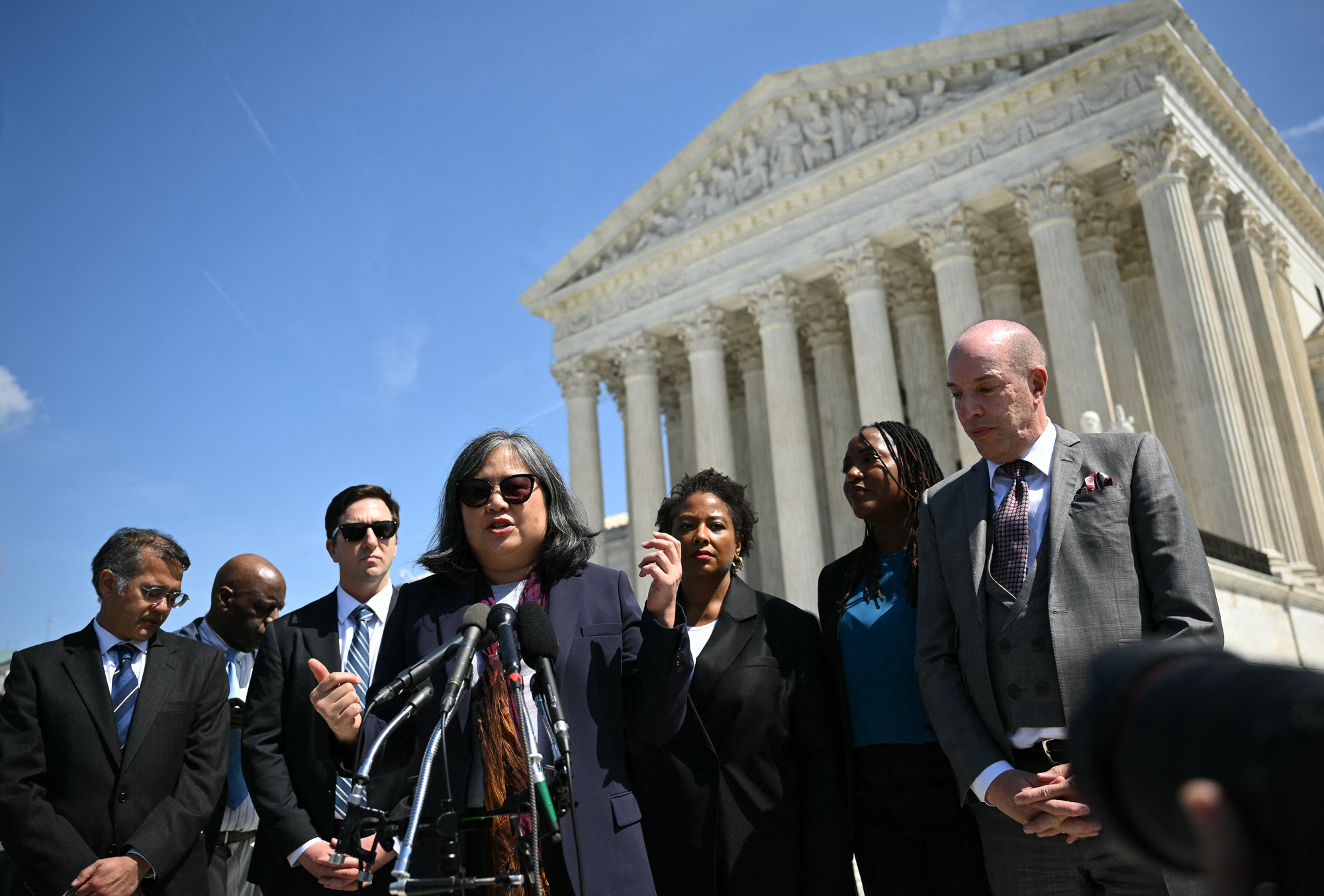
It was a high-pressure moment when Cecillia Wang stepped into the U.S. Supreme Court in April to deliver oral arguments defending birthright citizenship. But, she said, she had the spirit of millions of Americans’ ancestors with her.
“I felt a lot of the weight of all those hopes and aspirations, and really a belief in the promise of this country, that birthright citizenship is so much a part of the fabric of what it means to be an American,” Wang said.
In the landmark case Trump v. Barbara, Wang — the national legal director of the American Civil Liberties Union — challenged President Donald Trump’s executive order, which seeks to deny U.S. citizenship to babies whose parents aren’t citizens or permanent legal residents. The Supreme Court is expected to hand down its highly anticipated ruling by the end of the month.
Birthright citizenship is just one of the landmark legal victories won by 19th-century Chinese immigrants. Their court battles helped secure constitutional protections that remain at the center of today’s debates over citizenship, due process and democracy. As the nation approaches its 250th anniversary, Asian American historians, legal scholars and civil rights advocates say those contributions remain largely absent from the national narrative, even as the rights they helped establish face renewed challenges.
The semiquincentennial, they say, offers an opportunity to examine who helped build American democracy — and to recognize that immigrants were not only beneficiaries of constitutional rights, but among their architects.
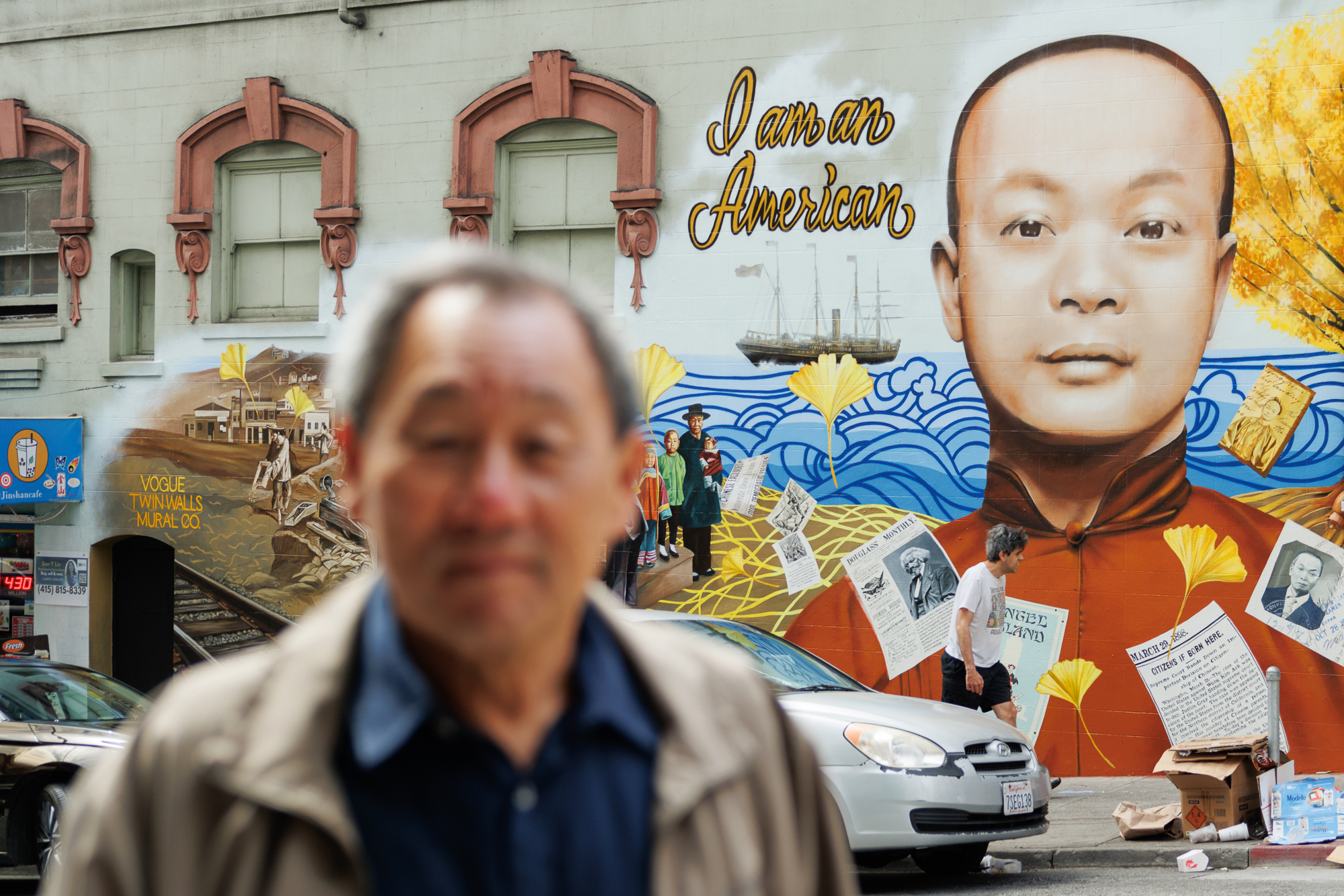
The right to automatic American citizenship was established in 1898 under the 14th Amendment when Wong Kim Ark, a Chinese cook born in San Francisco, successfully defended his claim to U.S. citizenship after officials argued that his parents’ Chinese citizenship disqualified him from it.
As a constitutional lawyer, Wang has worked many cases at the Supreme Court, but she said this was the first one to hit very close to home: Wang is a recipient of birthright citizenship, and her personal history made her role at the nation’s highest court meaningful for many immigrants and second-generation Americans — especially Asian Americans.
“I can’t tell you how many people have told me, both friends and loved ones, but also total strangers: ‘I listened to that argument; it’s the first time I’ve ever listened to a Supreme Court argument. My parents, who are immigrants, listened to [it] and they’ve never listened to [one] before,’” Wang said. “‘And we’re all cheering you on.’”
Wang said the effort to overturn a centuries-old constitutional right has helped spotlight critical and often overlooked Asian American history, particularly highlighting how the Chinese community’s 19th-century legal victories helped secure foundational protections for both Americans and noncitizens. Many constitutional protections are now under attack by the Trump administration.
Birthright citizenship is only one example. Early Chinese immigrants filed more than 10,000 lawsuits to fight discrimination and raised money to hire prominent white lawyers to argue on their behalf. Some cases reached the Supreme Court, and the resulting decisions continue to undergird many modern civil rights cases, including disputes over equal protection and due process.
Efforts to reframe the American story have been fueled by descendants of some of the country’s earliest immigrants. They’ve illuminated little-known chapters of the nation’s history by unearthing family archives and sharing personal stories.
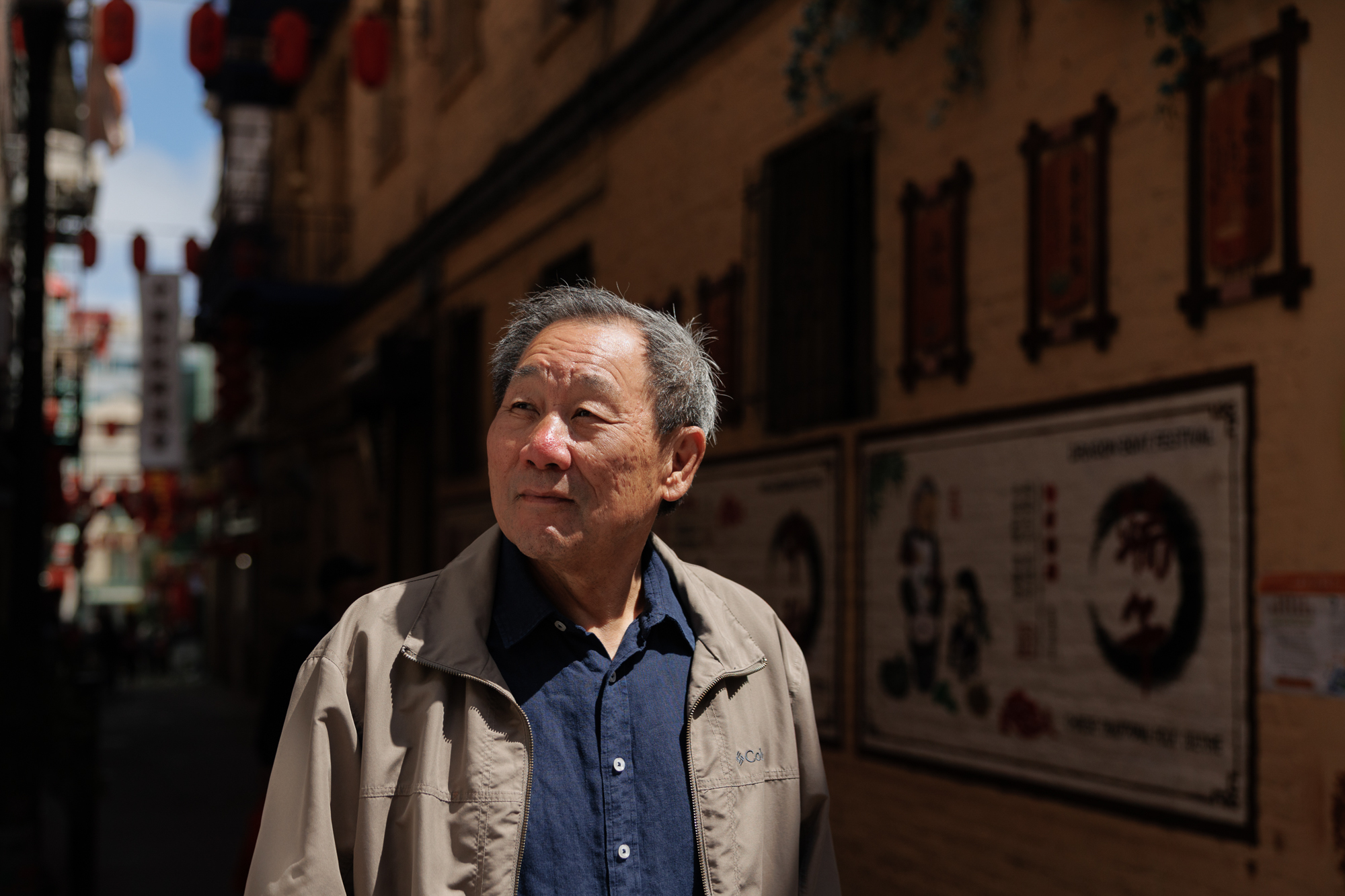
Norman Wong, a Bay Area resident and the great-grandson of Wong Kim Ark, has been on a media blitz since January to share his family’s legacy and protect birthright citizenship. He’s appeared at public events, been invited to speak on panels and been interviewed by national and local news outlets.
In April, he traveled to Washington, D.C., for birthright citizenship hearings and gave a speech outside of the Supreme Court. It’s work that Wong didn’t expect to do at this stage of his life, but it’s a role and responsibility that he accepts willingly.
“I consider it a duty and a privilege to, in a sense, serve, because these times need people to volunteer and help,” Wong, 76, said. “I think especially for Chinese Americans who are afraid of [how] their history might implicate them … We need to get out from under that rock.”
For most of his life, Wong had no idea he was a descendant of Wong Kim Ark. His father, Wong Yook Jim, rarely spoke about his past or their family lineage, let alone who Wong’s great-grandfather was. Wong only discovered the connection in his 50s — but he was no stranger to Asian American history.
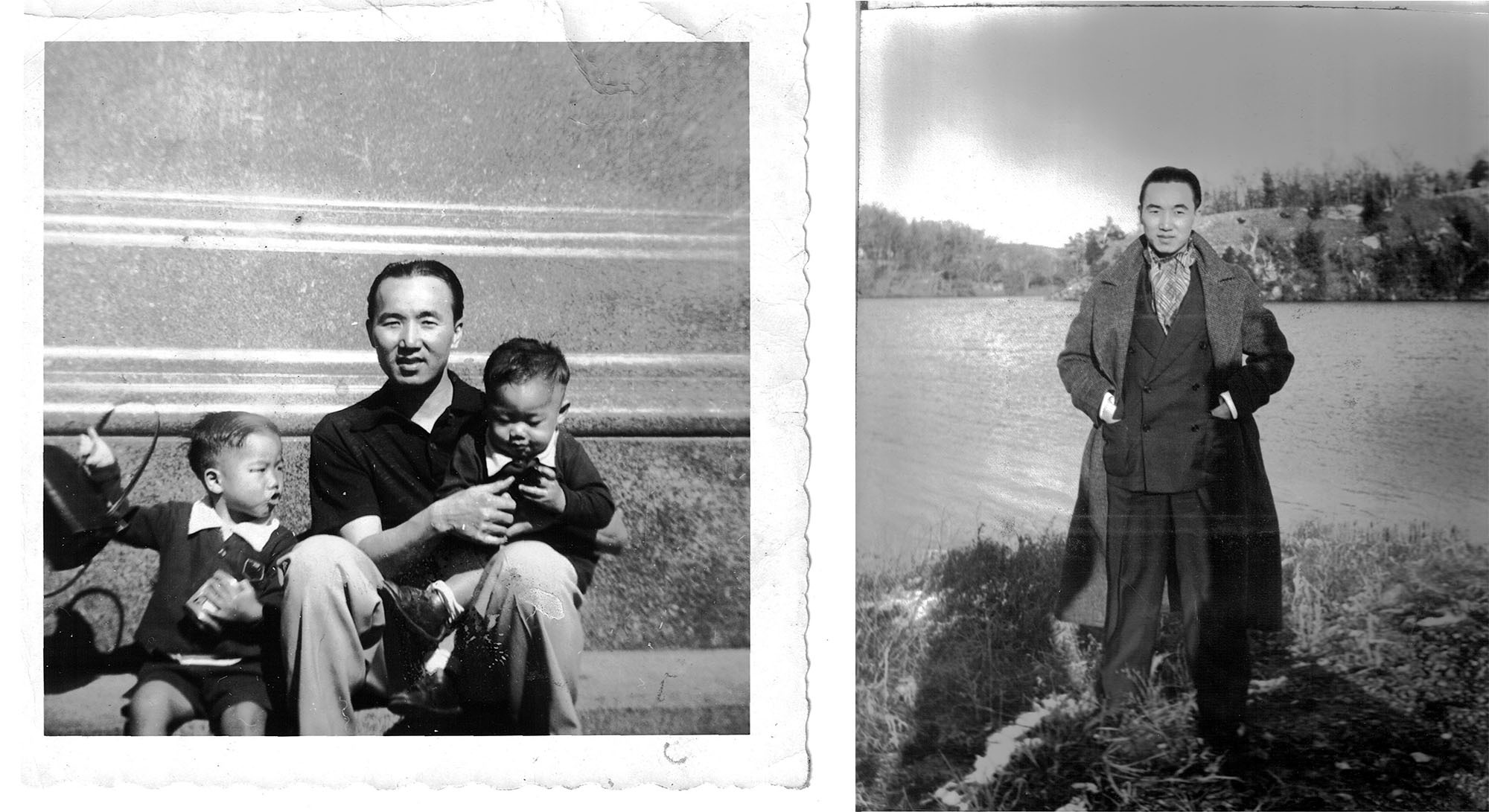
As a UC Berkeley student during the 1970s, Wong was a part of the multiracial Third World Liberation Front movement in the Bay Area, when widespread student strikes helped establish the country’s first ethnic studies programs.
It was during that period that the Asian American identity was first conceived. Wong also protested the demolition of San Francisco’s International Hotel — a landmark event widely regarded as the catalyst for the Asian American movement.
Wong said his activism as a young man helped prepare him for his current role as a public advocate for immigrants and other vulnerable groups in America. He’s not only fiery in his efforts to preserve his great-grandfather’s contributions, but also in his critiques of the Trump administration, especially as it prepares to host the nation’s 250th-anniversary celebrations.
“I think it’s ironic that Trump is our president while we’re extolling the virtues of the United States, and he’s showing the worst side of America,” Wong said. “I think the main story is ‘who we should be as a people?’ instead of just celebrating that we’re Americans.”
Russell Jeung, a professor of Asian American studies at San Francisco State University, said having people like Wong speak out exemplifies how vital it is to connect history to the present.
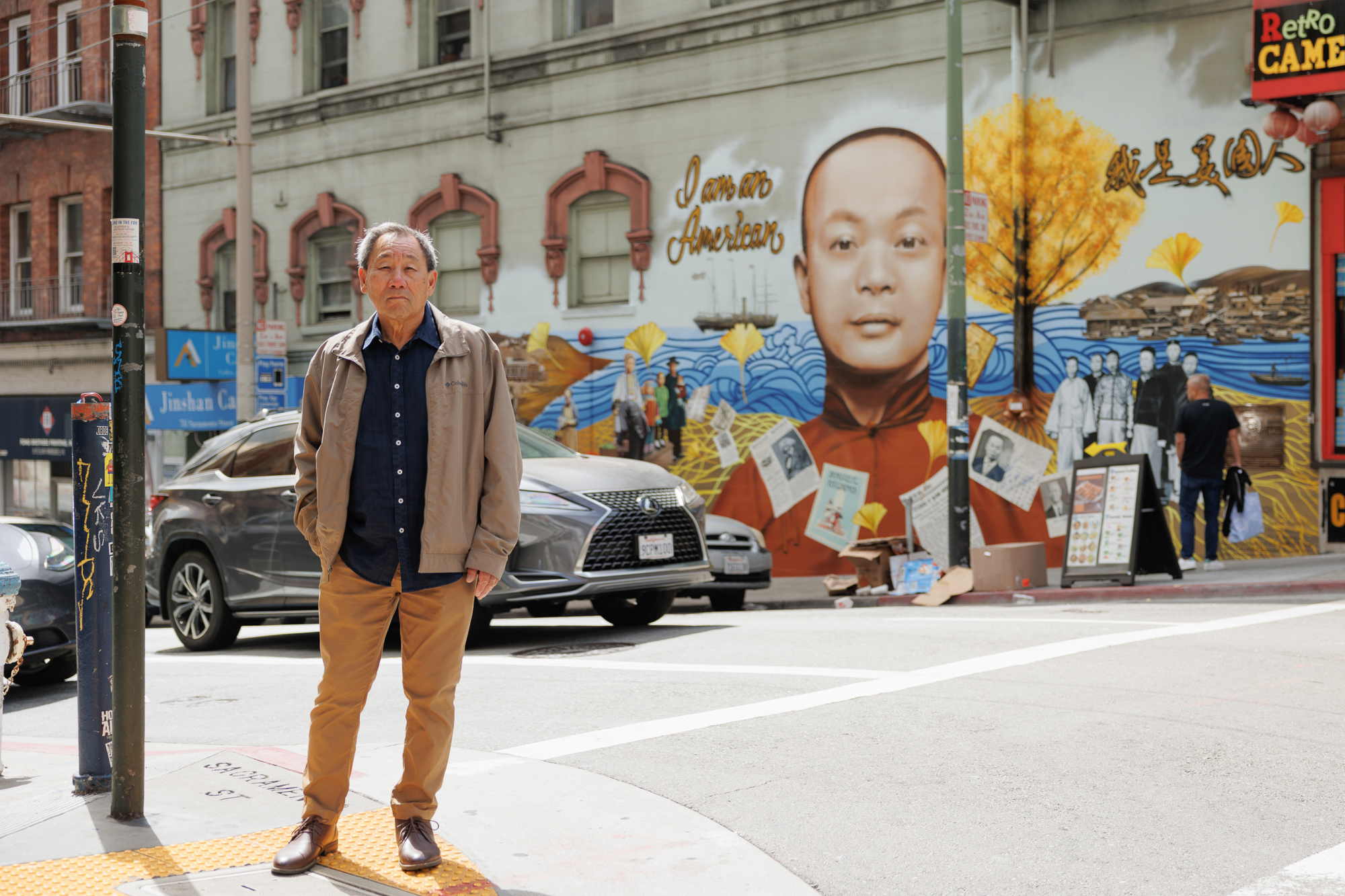
“It’s really significant to share our stories to change the narrative about Asian Americans, to change the narrative of America,” Jeung said. “I think digging up and reclaiming our history is critical to helping us face the challenges of what we’re dealing with now.”
Jeung is a co-founder of Stop AAPI Hate, a movement that started during the COVID era, which has helped reshape the way the country views racism against Asians. But Jeung said Asian American activism isn’t new; it’s always been a part of the Asian American experience.
“Asians were really unruly when they came. They were engaged in massive disobedience against every law … They used every means available to their disposal to challenge racist laws,” Jeung said.
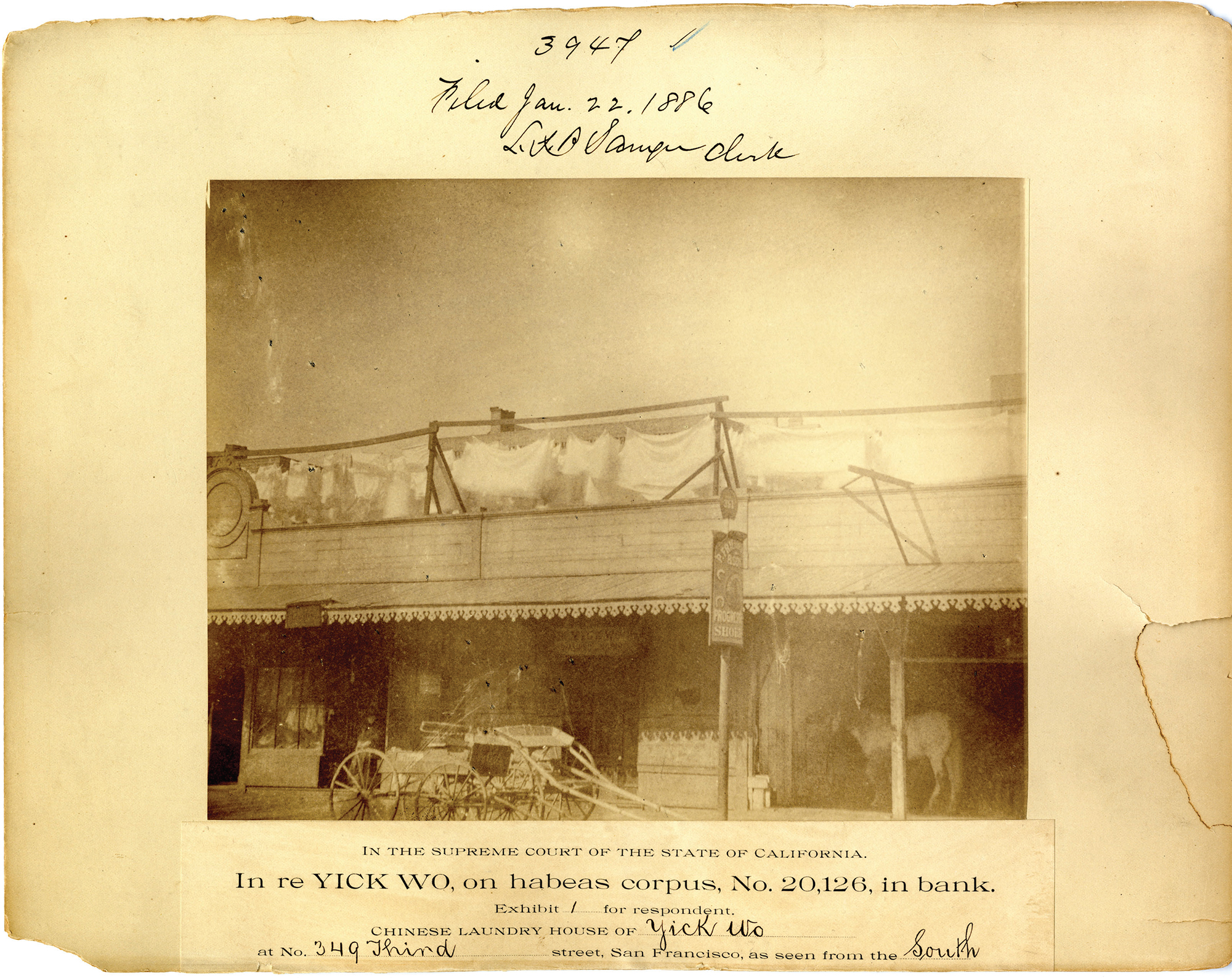
One example is the 1886 U.S. Supreme Court case, Yick Wo v. Hopkins, in which Chinese laundrymen sued San Francisco because of an unfair laundry ordinance — one of many discriminatory laws designed to make life and earning a livelihood difficult for Chinese immigrants. With the help of the Chinese Consolidated Benevolent Association, the laundrymen won and secured 14th Amendment protections, including equal rights and due process for noncitizens.
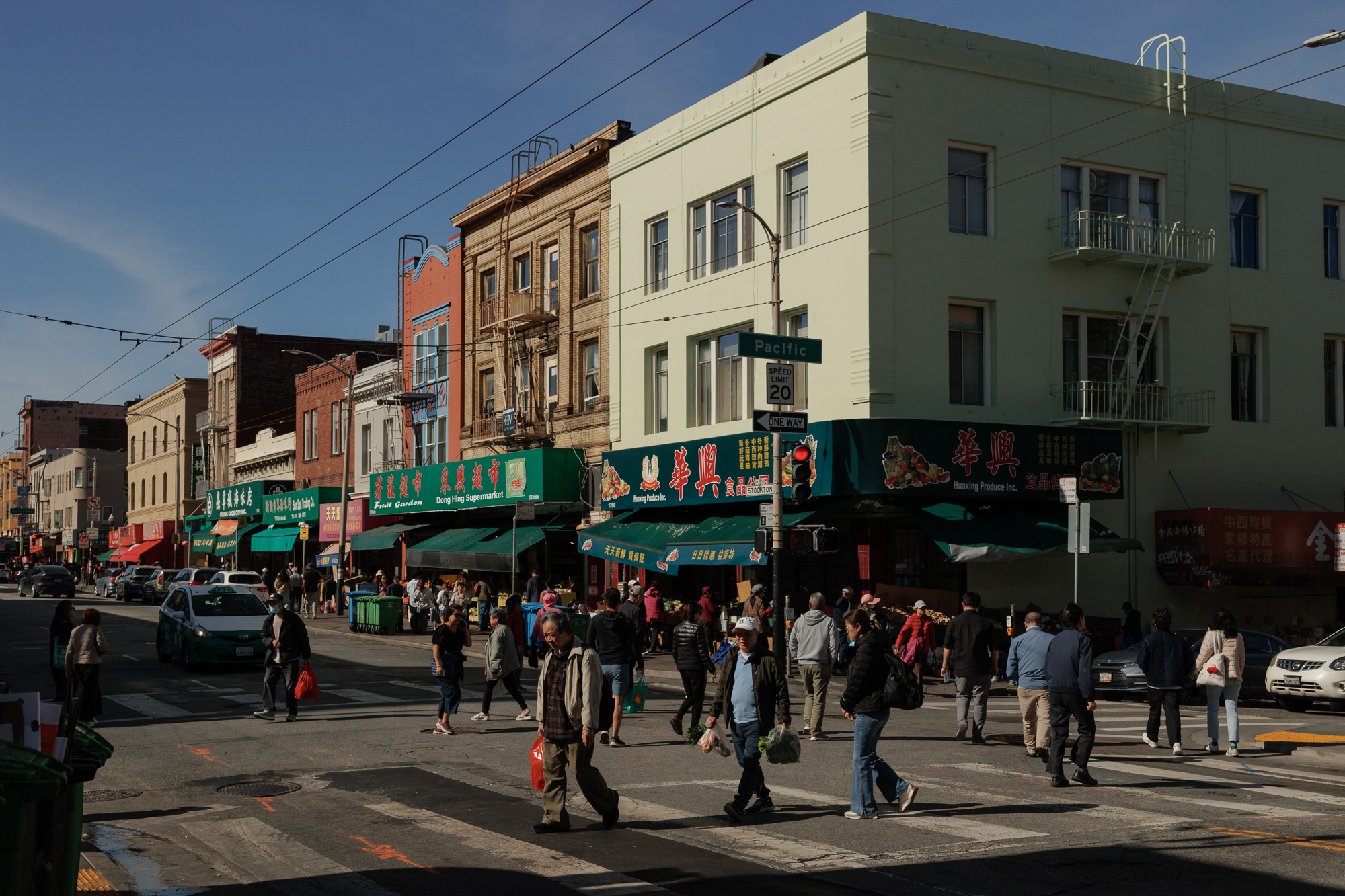
Jeung said that the current debates over constitutional protections and who qualifies for U.S. citizenship are especially relevant to Asian Americans because 19th-century Asians were, in his words, the “foundational aliens” — the group through which the boundaries of American citizenship were drawn and the limits of constitutional rights were tested. The restrictions imposed on Chinese immigrants helped define who could — and could not — be considered American.
“The whole idea of American citizenship and belonging was based on the opposite, the Asian as the paradigmatic alien,” Jeung said. “And so today, the treatment of immigrants is sort of based on how America treated Asians initially as aliens.”
That treatment includes being regarded as economic scapegoats, as threats to national security, ineligible for citizenship despite legal ties, and being denied due process rights and subjected to hostile political rhetoric.
But Jeung said early Chinese immigrants also created a model of how to seek justice. By organizing across their community and bringing their fights to the courts, they called out the hypocrisy of America and challenged the nation to live up to its espoused values.
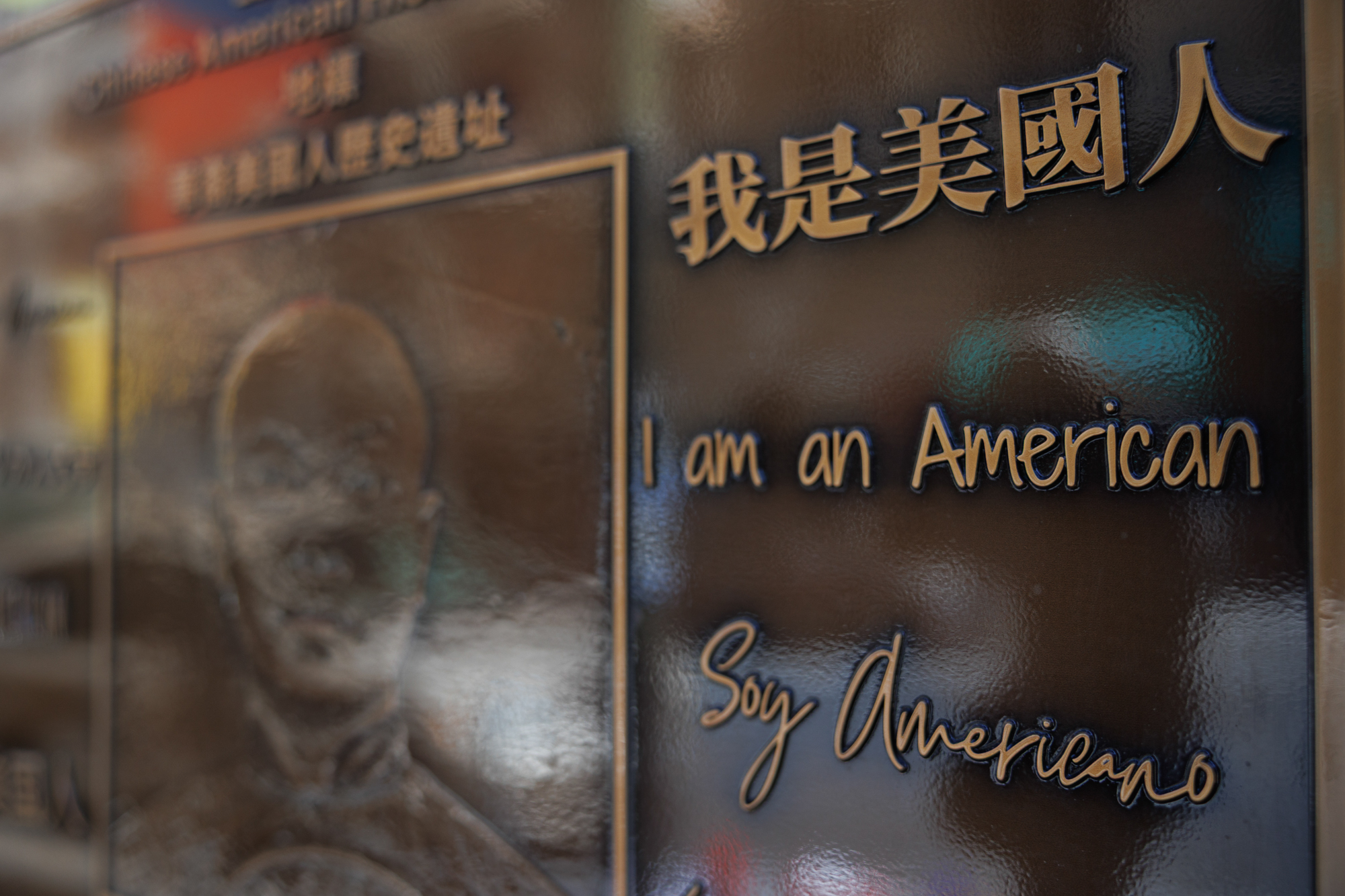
“We were supposed to have inalienable rights to the pursuit of happiness … but aliens didn’t get those rights, and the same holds true today. Undocumented people don’t have the right to … due process, habeas corpus; they don’t have the right to be innocent until proven guilty,” he said.
Because of the parallels between the past and present, Jeung believes the country’s upcoming celebrations should raise some critical questions.
“It’s a question for America on the 250th anniversary of the Declaration of Independence. Are those rights inalienable, are they sacred to all? Or why do we only hold them for a certain privileged few?”
Aarti Kohli, executive director of the Asian Law Caucus, a legal and civil rights nonprofit in San Francisco, has worked for decades to ensure rights are upheld for some of the most vulnerable groups in the Asian American community. The organization was part of the nationwide class action in Trump v. Barbara, and Kohli said this has been a “pivotal moment” for the Asian Law Caucus, as many constitutional protections beyond birthright citizenship are under threat.
“The ground has really shifted under most civil rights organizations,” Kohli said. “We have to be more strategic, more creative than ever … we need to build a coalition of supporters … we can’t just fight in court. We have to win on the streets as well.”
Kohli pointed to the recent weakening of the Voting Rights Act by the Supreme Court — including decisions limiting the consideration of race in drawing congressional maps — as emblematic of the direction the country is heading towards as it approaches its 250th anniversary.
“[The Trump administration] has revealed to us the vulnerabilities in our democracy,” Kohli said. “The checks and balances of power relied on people acting with integrity … one of the things that was not contemplated … is that an administration could act with such impunity and feel very justified in violating not just norms, but the law.”
Because of vulnerabilities in the nation’s democratic institutions, Kohli and other advocates argue that preserving a multiracial democracy will require deeper solidarity across communities and a recognition of the connections between different groups’ struggles for rights and belonging.
For Wang, that broader struggle for rights and belonging stretches beyond the Chinese American experience. That’s why she said there’s another important group of ancestors to acknowledge when discussing birthright citizenship and other constitutional ideals: Black freedom fighters.
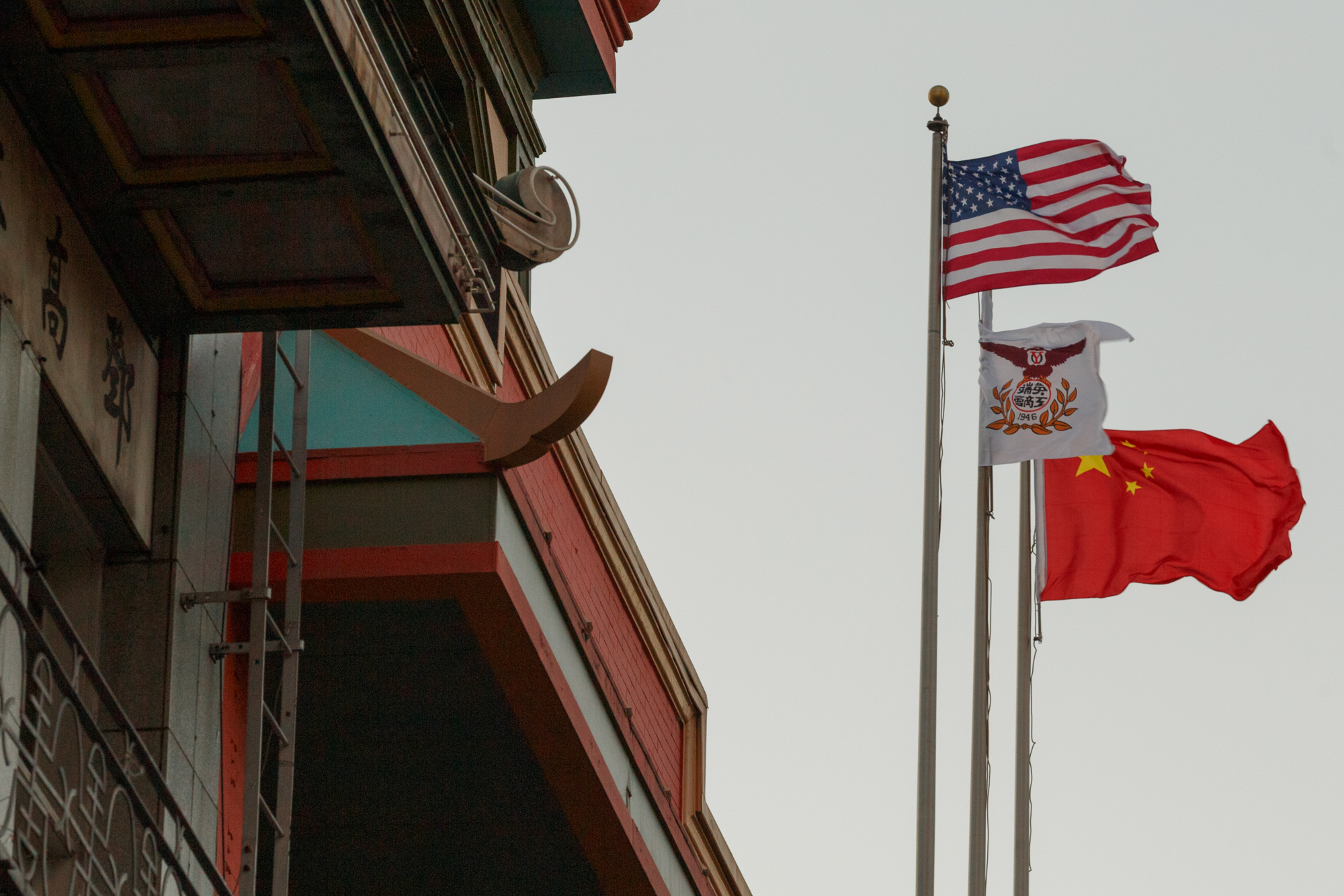
“[They] both achieved the end of slavery, and Reconstruction in the form of civil rights legislation in the 1960s…we need to connect those efforts,” Wang said, noting that the constitutional protections invoked by Chinese immigrants originated from Black Americans’ struggle against slavery. Without the Reconstruction Amendments and the legal framework earned by Black Americans, Chinese litigants wouldn’t have been able to test those guarantees in court – and secure them for generations of Americans.
While the political climate and the ongoing challenges to constitutional protections may easily overshadow the nation’s upcoming 250th anniversary for some, Wang said she still plans to commemorate the milestone.
“I don’t want to let the president take away my joy,” she said. “I remember the bicentennial; I was a little kid and remember the excitement of it … there are a lot of people who have a critique of American exceptionalism and those critiques are very valid. But for me personally, I feel so fortunate to be a U.S. citizen. I feel so fortunate to be American. And I think being a civil rights lawyer is a really profound expression of American patriotism.”
Wang marvels at the fact that she, a Chinese American lawyer and daughter of immigrants, was able to argue the birthright citizenship case before the Supreme Court at a time when Chinese people like Wong Kim Ark lived in an era when they were barred from testifying in court.
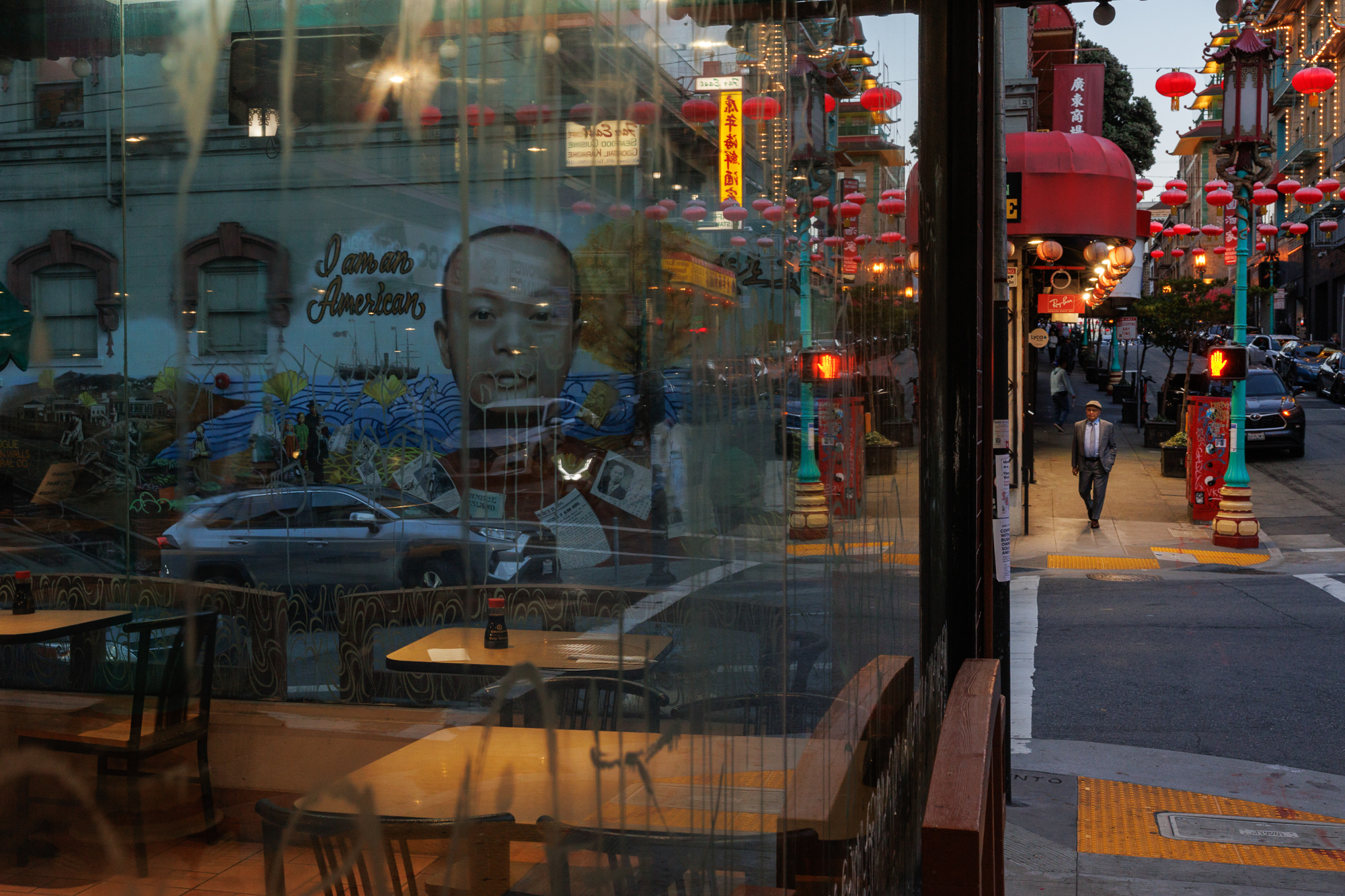
That arc of history is not lost on Norman Wong. It may explain why he’s been so tireless in his efforts to share who his great-grandfather was and what he achieved.
When asked what’s next for his family’s legacy after the Supreme Court issues its ruling, Wong said he hopes there will no longer be a need for such a public role.
“When I’m not needed anymore, I’ll just fade away,” Wong said. “People shouldn’t worry about [birthright citizenship], and all of this will be a footnote.”
For now, though, Wong believes there are still countless family stories waiting to be told — if others are willing to share them.
“We shouldn’t be ashamed of our personal history. It’s time for us to say who we are.”
As we tell these stories, we want to hear from you. Do you have family ties to San Francisco Chinatown or the Bay Area’s early Chinese American communities? Family photographs, letters, documents or stories passed down through generations? Do you know of local histories, legal battles or community contributions that deserve greater attention?
Reporter Cecilia Lei is collecting stories, memories and historical materials that may inform or be featured in our reporting. Email her at [email protected] and help us preserve and share this history.