Cecilia Lei is an on-call host and producer for KQED News and Podcasts. Previously, she was the executive producer and host of the San Francisco Chronicle's daily news podcast, 'Fifth and Mission'. Cecilia is a graduate of UC Berkeley’s Graduate School of Journalism and the former president of the Asian American Journalists Association San Francisco Bay Area chapter.
By Cecilia Lei
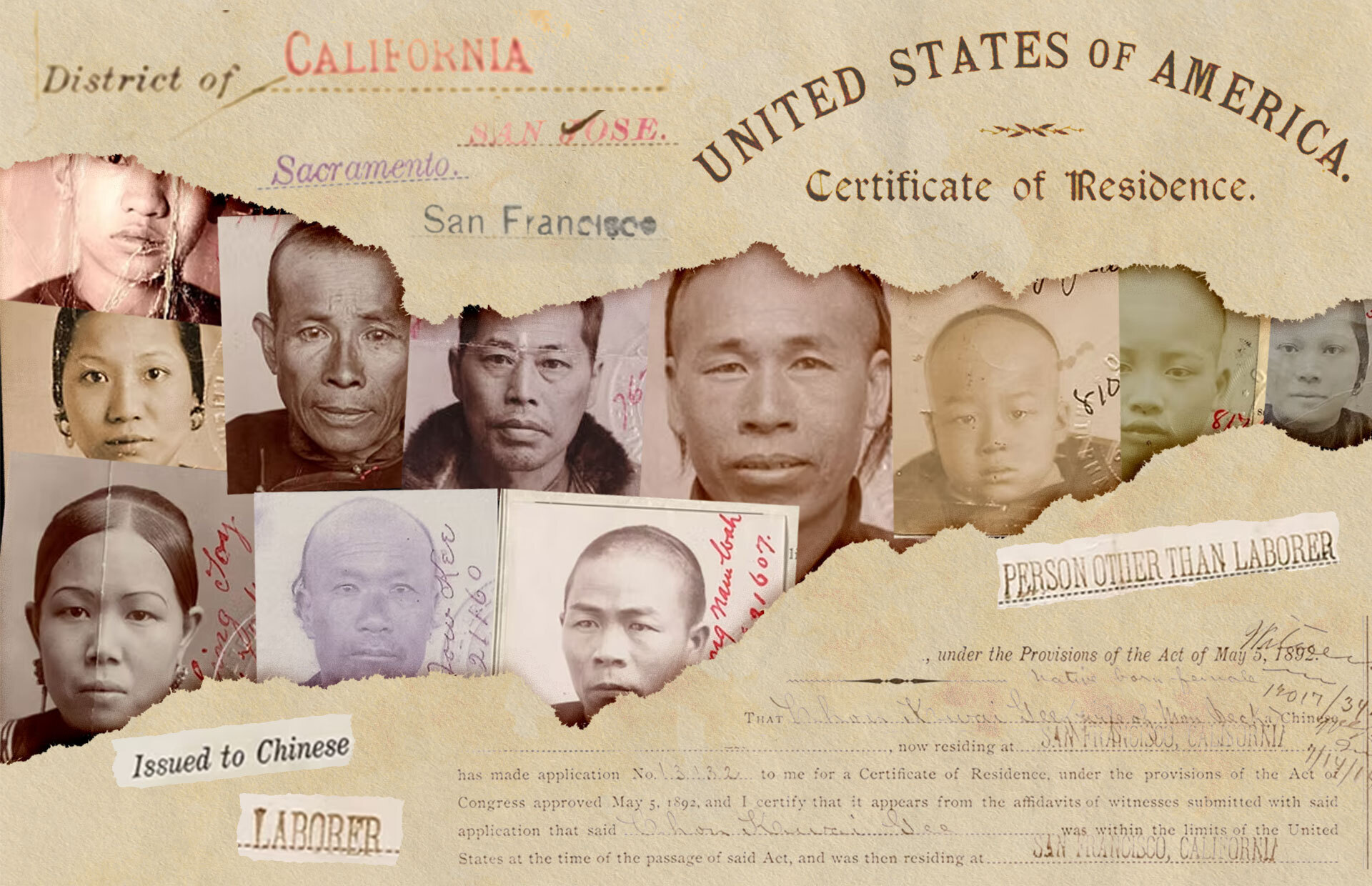
Chinese Immigrants Led the First Mass Resistance to America's Deportation System
As America Turns 250, San Francisco’s Role in Defining Citizenship Endures
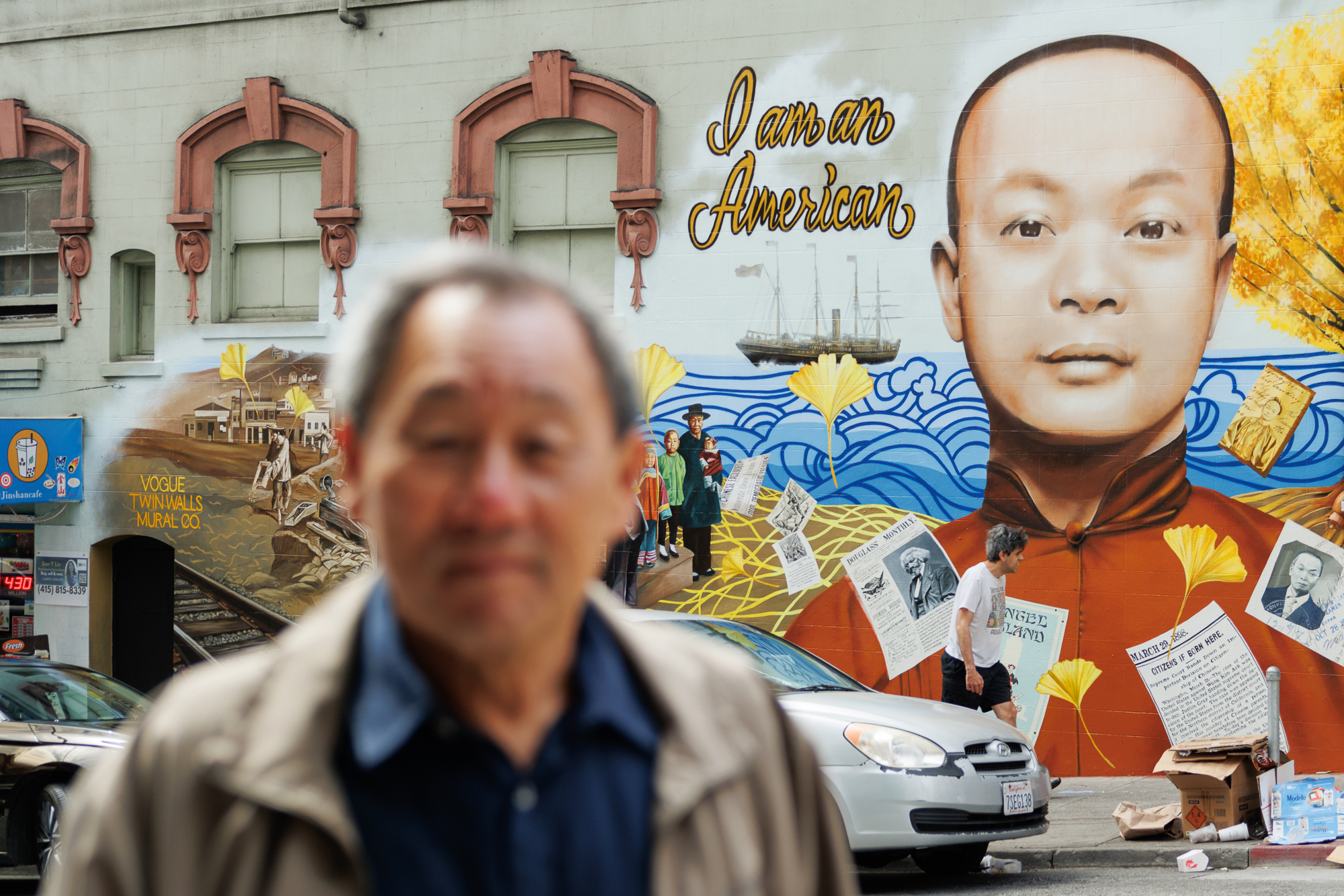
Chinese Laundrymen Won Equal Protections for All. San Francisco Wants to Tell Their Story
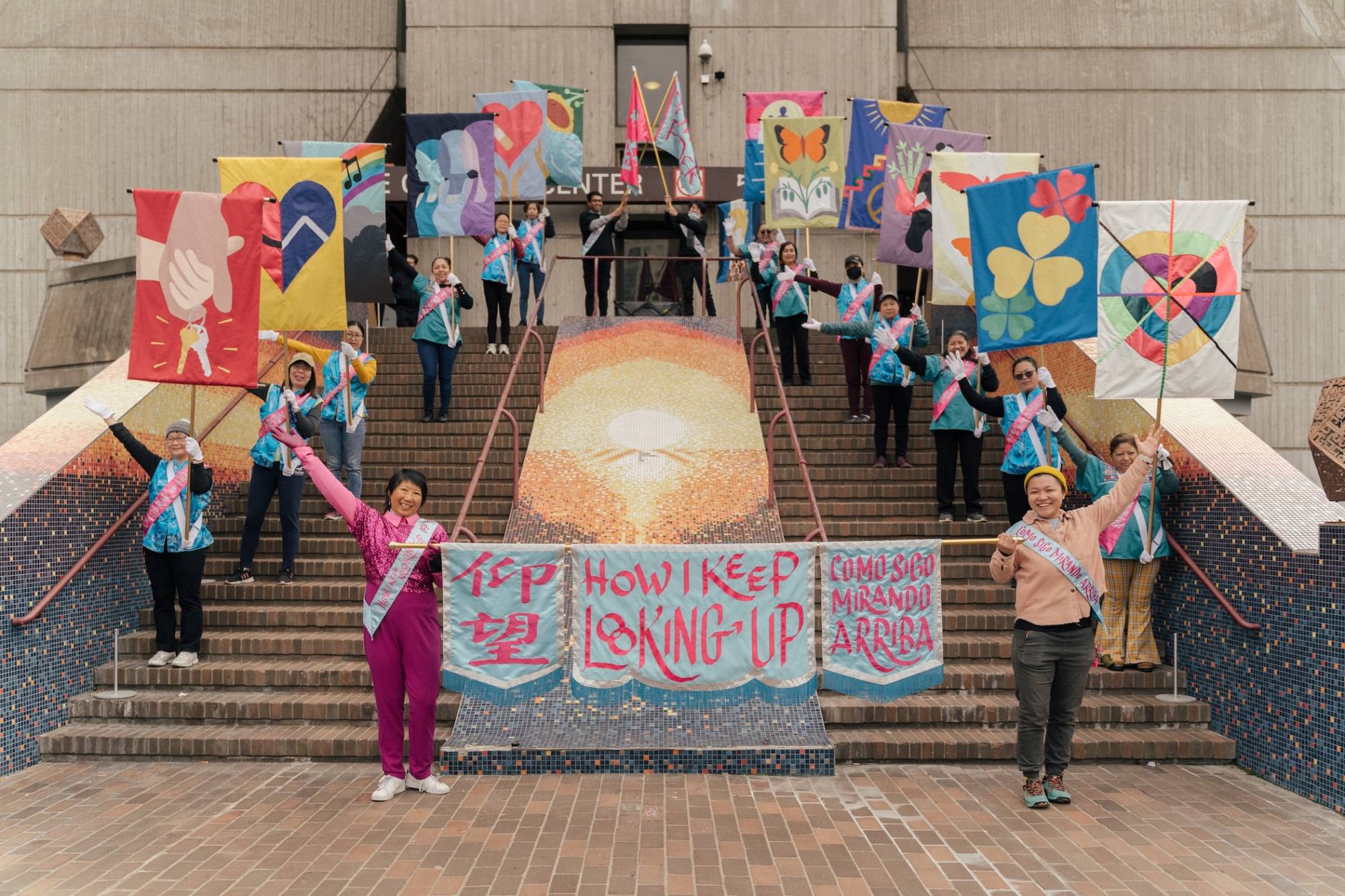
At 60, the Chinese Culture Center Enters a ‘New Era of Courage’
How a Chinese Laundryman Shaped US Civil Rights From San Francisco
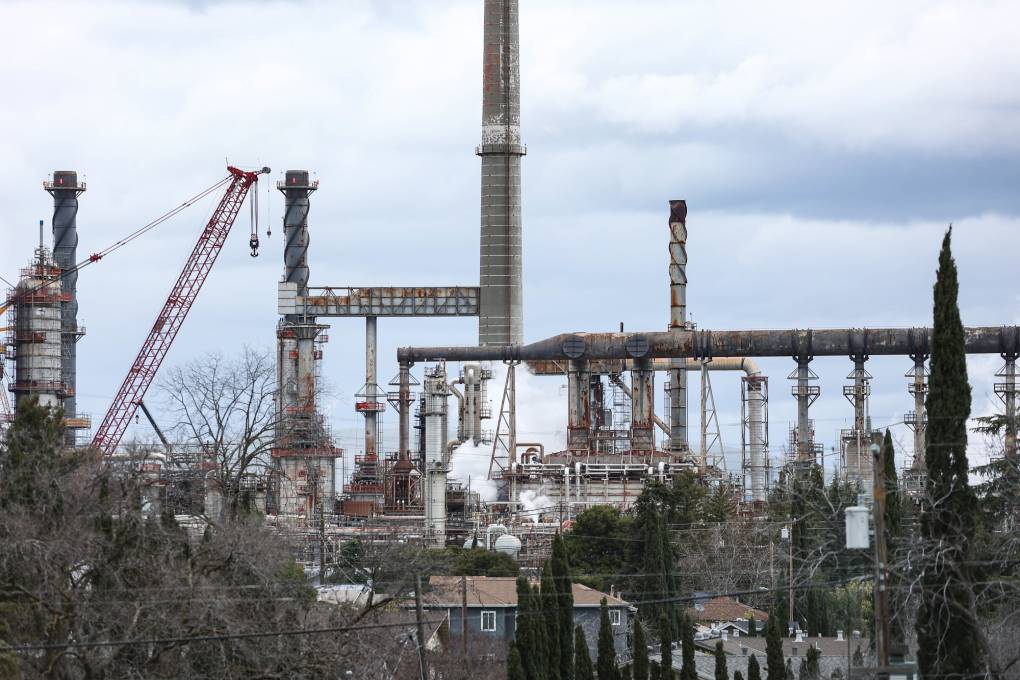
Investigation Finds Human Error, Lack of Supervision Caused Huge February Fire at Martinez Refinery
Bay Area Japanese Americans Condemn Trump’s Use of Alien Enemies Act
J-Sei Home Closes After 30 Years, Leaving Bay Area Japanese Seniors in Need
How the Bay Area’s AI Boom Is Fueling a Dirty Energy Dilemma
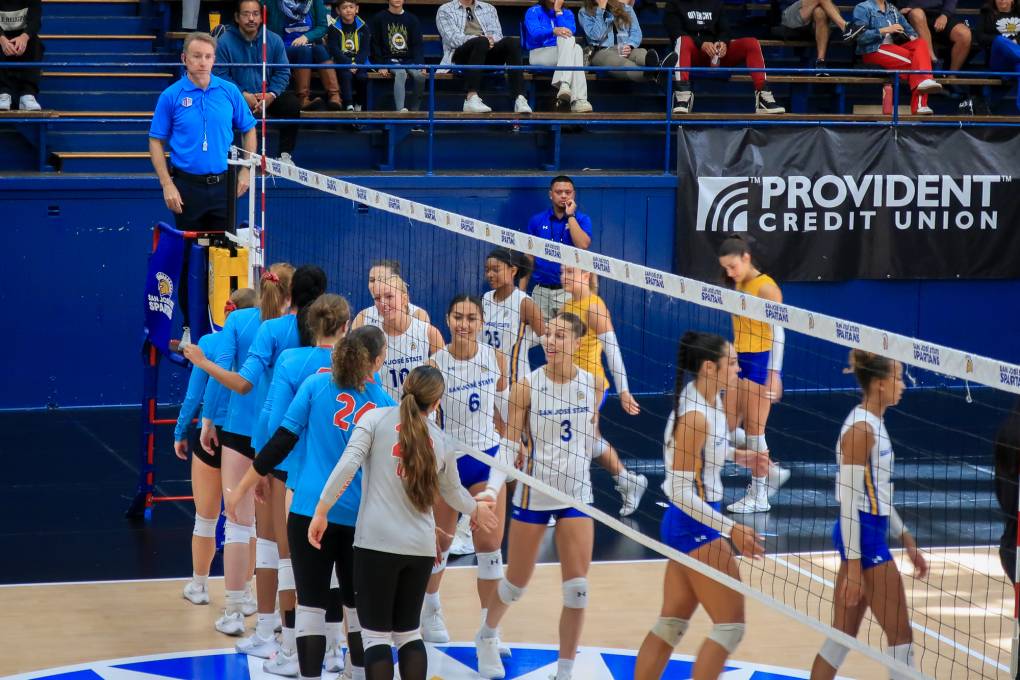
How Anti-Trans Politics Made San José State’s Volleyball Team a National Target
'We Deserve Better': Fear and Anger in Martinez After Another Refinery Incident
‘We Really Need to Fight’: Japanese Americans Who Remember WWII Imprisonment Vow to Resist Trump
Player sponsored by
window.__IS_SSR__=true
window.__INITIAL_STATE__={
"attachmentsReducer": {
"audio_0": {
"type": "attachments",
"id": "audio_0",
"imgSizes": {
"kqedFullSize": {
"file": "https://ww2.kqed.org/news/wp-content/themes/KQED-unified/img/audio_bgs/background0.jpg"
}
}
},
"audio_1": {
"type": "attachments",
"id": "audio_1",
"imgSizes": {
"kqedFullSize": {
"file": "https://ww2.kqed.org/news/wp-content/themes/KQED-unified/img/audio_bgs/background1.jpg"
}
}
},
"audio_2": {
"type": "attachments",
"id": "audio_2",
"imgSizes": {
"kqedFullSize": {
"file": "https://ww2.kqed.org/news/wp-content/themes/KQED-unified/img/audio_bgs/background2.jpg"
}
}
},
"audio_3": {
"type": "attachments",
"id": "audio_3",
"imgSizes": {
"kqedFullSize": {
"file": "https://ww2.kqed.org/news/wp-content/themes/KQED-unified/img/audio_bgs/background3.jpg"
}
}
},
"audio_4": {
"type": "attachments",
"id": "audio_4",
"imgSizes": {
"kqedFullSize": {
"file": "https://ww2.kqed.org/news/wp-content/themes/KQED-unified/img/audio_bgs/background4.jpg"
}
}
},
"placeholder": {
"type": "attachments",
"id": "placeholder",
"imgSizes": {
"thumbnail": {
"file": "https://cdn.kqed.org/wp-content/uploads/2024/12/KQED-Default-Image-816638274-2000x1333-1-160x107.jpg",
"width": 160,
"height": 107,
"mimeType": "image/jpeg"
},
"medium": {
"file": "https://cdn.kqed.org/wp-content/uploads/2024/12/KQED-Default-Image-816638274-2000x1333-1-800x533.jpg",
"width": 800,
"height": 533,
"mimeType": "image/jpeg"
},
"medium_large": {
"file": "https://cdn.kqed.org/wp-content/uploads/2024/12/KQED-Default-Image-816638274-2000x1333-1-768x512.jpg",
"width": 768,
"height": 512,
"mimeType": "image/jpeg"
},
"large": {
"file": "https://cdn.kqed.org/wp-content/uploads/2024/12/KQED-Default-Image-816638274-2000x1333-1-1020x680.jpg",
"width": 1020,
"height": 680,
"mimeType": "image/jpeg"
},
"1536x1536": {
"file": "https://cdn.kqed.org/wp-content/uploads/2024/12/KQED-Default-Image-816638274-2000x1333-1-1536x1024.jpg",
"width": 1536,
"height": 1024,
"mimeType": "image/jpeg"
},
"fd-lrg": {
"file": "https://cdn.kqed.org/wp-content/uploads/2024/12/KQED-Default-Image-816638274-2000x1333-1-1536x1024.jpg",
"width": 1536,
"height": 1024,
"mimeType": "image/jpeg"
},
"fd-med": {
"file": "https://cdn.kqed.org/wp-content/uploads/2024/12/KQED-Default-Image-816638274-2000x1333-1-1020x680.jpg",
"width": 1020,
"height": 680,
"mimeType": "image/jpeg"
},
"fd-sm": {
"file": "https://cdn.kqed.org/wp-content/uploads/2024/12/KQED-Default-Image-816638274-2000x1333-1-800x533.jpg",
"width": 800,
"height": 533,
"mimeType": "image/jpeg"
},
"post-thumbnail": {
"file": "https://cdn.kqed.org/wp-content/uploads/2024/12/KQED-Default-Image-816638274-2000x1333-1-672x372.jpg",
"width": 672,
"height": 372,
"mimeType": "image/jpeg"
},
"twentyfourteen-full-width": {
"file": "https://cdn.kqed.org/wp-content/uploads/2024/12/KQED-Default-Image-816638274-2000x1333-1-1038x576.jpg",
"width": 1038,
"height": 576,
"mimeType": "image/jpeg"
},
"xxsmall": {
"file": "https://cdn.kqed.org/wp-content/uploads/2024/12/KQED-Default-Image-816638274-2000x1333-1-160x107.jpg",
"width": 160,
"height": 107,
"mimeType": "image/jpeg"
},
"xsmall": {
"file": "https://cdn.kqed.org/wp-content/uploads/2024/12/KQED-Default-Image-816638274-2000x1333-1-672x372.jpg",
"width": 672,
"height": 372,
"mimeType": "image/jpeg"
},
"small": {
"file": "https://cdn.kqed.org/wp-content/uploads/2024/12/KQED-Default-Image-816638274-2000x1333-1-672x372.jpg",
"width": 672,
"height": 372,
"mimeType": "image/jpeg"
},
"xlarge": {
"file": "https://cdn.kqed.org/wp-content/uploads/2024/12/KQED-Default-Image-816638274-2000x1333-1-1020x680.jpg",
"width": 1020,
"height": 680,
"mimeType": "image/jpeg"
},
"full-width": {
"file": "https://cdn.kqed.org/wp-content/uploads/2024/12/KQED-Default-Image-816638274-2000x1333-1-1920x1280.jpg",
"width": 1920,
"height": 1280,
"mimeType": "image/jpeg"
},
"guest-author-32": {
"file": "https://cdn.kqed.org/wp-content/uploads/2025/01/KQED-Default-Image-816638274-1333x1333-1-160x160.jpg",
"width": 32,
"height": 32,
"mimeType": "image/jpeg"
},
"guest-author-50": {
"file": "https://cdn.kqed.org/wp-content/uploads/2025/01/KQED-Default-Image-816638274-1333x1333-1-160x160.jpg",
"width": 50,
"height": 50,
"mimeType": "image/jpeg"
},
"guest-author-64": {
"file": "https://cdn.kqed.org/wp-content/uploads/2025/01/KQED-Default-Image-816638274-1333x1333-1-160x160.jpg",
"width": 64,
"height": 64,
"mimeType": "image/jpeg"
},
"guest-author-96": {
"file": "https://cdn.kqed.org/wp-content/uploads/2025/01/KQED-Default-Image-816638274-1333x1333-1-160x160.jpg",
"width": 96,
"height": 96,
"mimeType": "image/jpeg"
},
"guest-author-128": {
"file": "https://cdn.kqed.org/wp-content/uploads/2025/01/KQED-Default-Image-816638274-1333x1333-1-160x160.jpg",
"width": 128,
"height": 128,
"mimeType": "image/jpeg"
},
"detail": {
"file": "https://cdn.kqed.org/wp-content/uploads/2025/01/KQED-Default-Image-816638274-1333x1333-1-160x160.jpg",
"width": 160,
"height": 160,
"mimeType": "image/jpeg"
},
"kqedFullSize": {
"file": "https://cdn.kqed.org/wp-content/uploads/2024/12/KQED-Default-Image-816638274-2000x1333-1.jpg",
"width": 2000,
"height": 1333
}
}
},
"news_12096320": {
"type": "attachments",
"id": "news_12096320",
"meta": {
"index": "attachments_1716263798",
"site": "news",
"id": "12096320",
"found": true
},
"title": "Geary-Act-Certificate-Illustration1_2 (1)",
"publishDate": 1787344216,
"status": "inherit",
"parent": 12096279,
"modified": 1787344573,
"caption": "When faced with the prospect of deportation, early Chinese immigrants organized across the country to resist the 1892 Geary Act, forming one of the largest civil disobedience campaigns in U.S. history.",
"credit": "Darren Tu/KQED",
"altTag": null,
"description": null,
"imgSizes": {
"thumbnail": {
"file": "https://cdn.kqed.org/wp-content/uploads/sites/10/2026/08/Geary-Act-Certificate-Illustration1_2-1-160x103.jpg",
"width": 160,
"height": 103,
"mimeType": "image/jpeg"
},
"1536x1536": {
"file": "https://cdn.kqed.org/wp-content/uploads/sites/10/2026/08/Geary-Act-Certificate-Illustration1_2-1-1536x992.jpg",
"width": 1536,
"height": 992,
"mimeType": "image/jpeg"
},
"post-thumbnail": {
"file": "https://cdn.kqed.org/wp-content/uploads/sites/10/2026/08/Geary-Act-Certificate-Illustration1_2-1-672x372.jpg",
"width": 672,
"height": 372,
"mimeType": "image/jpeg"
},
"twentyfourteen-full-width": {
"file": "https://cdn.kqed.org/wp-content/uploads/sites/10/2026/08/Geary-Act-Certificate-Illustration1_2-1-1038x576.jpg",
"width": 1038,
"height": 576,
"mimeType": "image/jpeg"
},
"npr-cds-wide": {
"file": "https://cdn.kqed.org/wp-content/uploads/sites/10/2026/08/Geary-Act-Certificate-Illustration1_2-1-1200x675.jpg",
"width": 1200,
"height": 675,
"mimeType": "image/jpeg"
},
"npr-cds-square": {
"file": "https://cdn.kqed.org/wp-content/uploads/sites/10/2026/08/Geary-Act-Certificate-Illustration1_2-1-600x600.jpg",
"width": 600,
"height": 600,
"mimeType": "image/jpeg"
},
"kqedFullSize": {
"file": "https://cdn.kqed.org/wp-content/uploads/sites/10/2026/08/Geary-Act-Certificate-Illustration1_2-1.jpg",
"width": 1920,
"height": 1240
}
},
"isLoading": false,
"fetchFailed": false
},
"news_12088381": {
"type": "attachments",
"id": "news_12088381",
"meta": {
"index": "attachments_1716263798",
"site": "news",
"id": "12088381",
"found": true
},
"title": "20260614-ChinatownActivism-JY-02",
"publishDate": 1782156868,
"status": "inherit",
"parent": 12089306,
"modified": 1782861381,
"caption": "Norman Wong stands in front of a mural made by Twin and Walls Mural Company depicting his great-grandfather, Wong Kim Ark, on the corner of Sacramento and Grant streets in San Francisco’s Chinatown on Sunday, June 14, 2026. Wong, 76, was unaware of his connection to the landmark Supreme Court case won by his great-grandfather for most of his life, but now works to share his family’s story and history. ",
"credit": "Juliana Yamada/KQED",
"altTag": null,
"description": null,
"imgSizes": {
"thumbnail": {
"file": "https://cdn.kqed.org/wp-content/uploads/sites/10/2026/06/20260614-ChinatownActivism-JY-02-160x107.jpg",
"width": 160,
"height": 107,
"mimeType": "image/jpeg"
},
"1536x1536": {
"file": "https://cdn.kqed.org/wp-content/uploads/sites/10/2026/06/20260614-ChinatownActivism-JY-02-1536x1025.jpg",
"width": 1536,
"height": 1025,
"mimeType": "image/jpeg"
},
"post-thumbnail": {
"file": "https://cdn.kqed.org/wp-content/uploads/sites/10/2026/06/20260614-ChinatownActivism-JY-02-672x372.jpg",
"width": 672,
"height": 372,
"mimeType": "image/jpeg"
},
"twentyfourteen-full-width": {
"file": "https://cdn.kqed.org/wp-content/uploads/sites/10/2026/06/20260614-ChinatownActivism-JY-02-1038x576.jpg",
"width": 1038,
"height": 576,
"mimeType": "image/jpeg"
},
"npr-cds-wide": {
"file": "https://cdn.kqed.org/wp-content/uploads/sites/10/2026/06/20260614-ChinatownActivism-JY-02-1200x675.jpg",
"width": 1200,
"height": 675,
"mimeType": "image/jpeg"
},
"npr-cds-square": {
"file": "https://cdn.kqed.org/wp-content/uploads/sites/10/2026/06/20260614-ChinatownActivism-JY-02-600x600.jpg",
"width": 600,
"height": 600,
"mimeType": "image/jpeg"
},
"kqedFullSize": {
"file": "https://cdn.kqed.org/wp-content/uploads/sites/10/2026/06/20260614-ChinatownActivism-JY-02.jpg",
"width": 2000,
"height": 1334
}
},
"isLoading": false,
"fetchFailed": false
},
"news_12083334": {
"type": "attachments",
"id": "news_12083334",
"meta": {
"index": "attachments_1716263798",
"site": "news",
"id": "12083334",
"found": true
},
"title": "20260511-YICKWOCOMMEMORATION-JY-08-KQED",
"publishDate": 1778615577,
"status": "inherit",
"parent": 0,
"modified": 1778618421,
"caption": "Yick Wo Alternative Elementary School student Lizzy Alexander, center, hugs her mom Ranee Kwong as they attend a press conference at the parking lot on Third and Harrison streets in San Francisco on Monday, May 11, 2026. Officials and community members gathered to commemorate the 140th anniversary of the landmark Supreme Court case Yick Wo v. Hopkins, which established that the 14th Amendment applied to all, even noncitizens.",
"credit": "Juliana Yamada for KQED",
"altTag": null,
"description": null,
"imgSizes": {
"thumbnail": {
"file": "https://cdn.kqed.org/wp-content/uploads/sites/10/2026/05/20260511-YICKWOCOMMEMORATION-JY-08-KQED-160x107.jpg",
"width": 160,
"height": 107,
"mimeType": "image/jpeg"
},
"1536x1536": {
"file": "https://cdn.kqed.org/wp-content/uploads/sites/10/2026/05/20260511-YICKWOCOMMEMORATION-JY-08-KQED-1536x1024.jpg",
"width": 1536,
"height": 1024,
"mimeType": "image/jpeg"
},
"post-thumbnail": {
"file": "https://cdn.kqed.org/wp-content/uploads/sites/10/2026/05/20260511-YICKWOCOMMEMORATION-JY-08-KQED-672x372.jpg",
"width": 672,
"height": 372,
"mimeType": "image/jpeg"
},
"twentyfourteen-full-width": {
"file": "https://cdn.kqed.org/wp-content/uploads/sites/10/2026/05/20260511-YICKWOCOMMEMORATION-JY-08-KQED-1038x576.jpg",
"width": 1038,
"height": 576,
"mimeType": "image/jpeg"
},
"npr-cds-wide": {
"file": "https://cdn.kqed.org/wp-content/uploads/sites/10/2026/05/20260511-YICKWOCOMMEMORATION-JY-08-KQED-1200x675.jpg",
"width": 1200,
"height": 675,
"mimeType": "image/jpeg"
},
"npr-cds-square": {
"file": "https://cdn.kqed.org/wp-content/uploads/sites/10/2026/05/20260511-YICKWOCOMMEMORATION-JY-08-KQED-600x600.jpg",
"width": 600,
"height": 600,
"mimeType": "image/jpeg"
},
"kqedFullSize": {
"file": "https://cdn.kqed.org/wp-content/uploads/sites/10/2026/05/20260511-YICKWOCOMMEMORATION-JY-08-KQED.jpg",
"width": 2000,
"height": 1333
}
},
"isLoading": false,
"fetchFailed": false
},
"arts_13982865": {
"type": "attachments",
"id": "arts_13982865",
"meta": {
"index": "attachments_1716263798",
"site": "arts",
"id": "13982865",
"found": true
},
"title": "1_How I Keep Looking Up_Como Sigo Mirando Hacia Arriba_仰望 (2023) by Christine Wong Yap",
"publishDate": 1761271577,
"status": "inherit",
"parent": 13982849,
"modified": 1761271750,
"caption": "Chinese and Latinx immigrant women stand in front of the Chinese Culture Center on Kearny, holding the flags they created for 'How I Keep Looking Up,' a work by Christine Wong Yap. ",
"credit": "Courtesy of the Chinese Culture Center",
"altTag": "about 15 people stand on the steps of a cultural center holding flags and a sign that reads 'how I keep looking up'",
"description": null,
"imgSizes": {
"medium": {
"file": "https://cdn.kqed.org/wp-content/uploads/sites/2/2025/10/1_How-I-Keep-Looking-Up_Como-Sigo-Mirando-Hacia-Arriba_仰望-2023-by-Christine-Wong-Yap-2000x1333.jpg",
"width": 2000,
"height": 1333,
"mimeType": "image/jpeg"
},
"large": {
"file": "https://cdn.kqed.org/wp-content/uploads/sites/2/2025/10/1_How-I-Keep-Looking-Up_Como-Sigo-Mirando-Hacia-Arriba_仰望-2023-by-Christine-Wong-Yap-2000x1333.jpg",
"width": 2000,
"height": 1333,
"mimeType": "image/jpeg"
},
"thumbnail": {
"file": "https://cdn.kqed.org/wp-content/uploads/sites/2/2025/10/1_How-I-Keep-Looking-Up_Como-Sigo-Mirando-Hacia-Arriba_仰望-2023-by-Christine-Wong-Yap-160x107.jpg",
"width": 160,
"height": 107,
"mimeType": "image/jpeg"
},
"medium_large": {
"file": "https://cdn.kqed.org/wp-content/uploads/sites/2/2025/10/1_How-I-Keep-Looking-Up_Como-Sigo-Mirando-Hacia-Arriba_仰望-2023-by-Christine-Wong-Yap-768x512.jpg",
"width": 768,
"height": 512,
"mimeType": "image/jpeg"
},
"1536x1536": {
"file": "https://cdn.kqed.org/wp-content/uploads/sites/2/2025/10/1_How-I-Keep-Looking-Up_Como-Sigo-Mirando-Hacia-Arriba_仰望-2023-by-Christine-Wong-Yap-1536x1024.jpg",
"width": 1536,
"height": 1024,
"mimeType": "image/jpeg"
},
"2048x2048": {
"file": "https://cdn.kqed.org/wp-content/uploads/sites/2/2025/10/1_How-I-Keep-Looking-Up_Como-Sigo-Mirando-Hacia-Arriba_仰望-2023-by-Christine-Wong-Yap-2048x1365.jpg",
"width": 2048,
"height": 1365,
"mimeType": "image/jpeg"
},
"post-thumbnail": {
"file": "https://cdn.kqed.org/wp-content/uploads/sites/2/2025/10/1_How-I-Keep-Looking-Up_Como-Sigo-Mirando-Hacia-Arriba_仰望-2023-by-Christine-Wong-Yap-672x372.jpg",
"width": 672,
"height": 372,
"mimeType": "image/jpeg"
},
"twentyfourteen-full-width": {
"file": "https://cdn.kqed.org/wp-content/uploads/sites/2/2025/10/1_How-I-Keep-Looking-Up_Como-Sigo-Mirando-Hacia-Arriba_仰望-2023-by-Christine-Wong-Yap-1038x576.jpg",
"width": 1038,
"height": 576,
"mimeType": "image/jpeg"
},
"full-width": {
"file": "https://cdn.kqed.org/wp-content/uploads/sites/2/2025/10/1_How-I-Keep-Looking-Up_Como-Sigo-Mirando-Hacia-Arriba_仰望-2023-by-Christine-Wong-Yap-2000x1333.jpg",
"width": 2000,
"height": 1333,
"mimeType": "image/jpeg"
},
"npr-cds-wide": {
"file": "https://cdn.kqed.org/wp-content/uploads/sites/2/2025/10/1_How-I-Keep-Looking-Up_Como-Sigo-Mirando-Hacia-Arriba_仰望-2023-by-Christine-Wong-Yap-1600x900.jpg",
"width": 1600,
"height": 900,
"mimeType": "image/jpeg"
},
"kqedFullSize": {
"file": "https://cdn.kqed.org/wp-content/uploads/sites/2/2025/10/1_How-I-Keep-Looking-Up_Como-Sigo-Mirando-Hacia-Arriba_仰望-2023-by-Christine-Wong-Yap.jpg",
"width": 2100,
"height": 1400
}
},
"isLoading": false,
"fetchFailed": false
},
"news_12051941": {
"type": "attachments",
"id": "news_12051941",
"meta": {
"index": "attachments_1716263798",
"site": "news",
"id": "12051941",
"found": true
},
"title": "250812-YICK-WO-ARCHIVAL-06-KQED",
"publishDate": 1755034610,
"status": "inherit",
"parent": 12050233,
"modified": 1756488162,
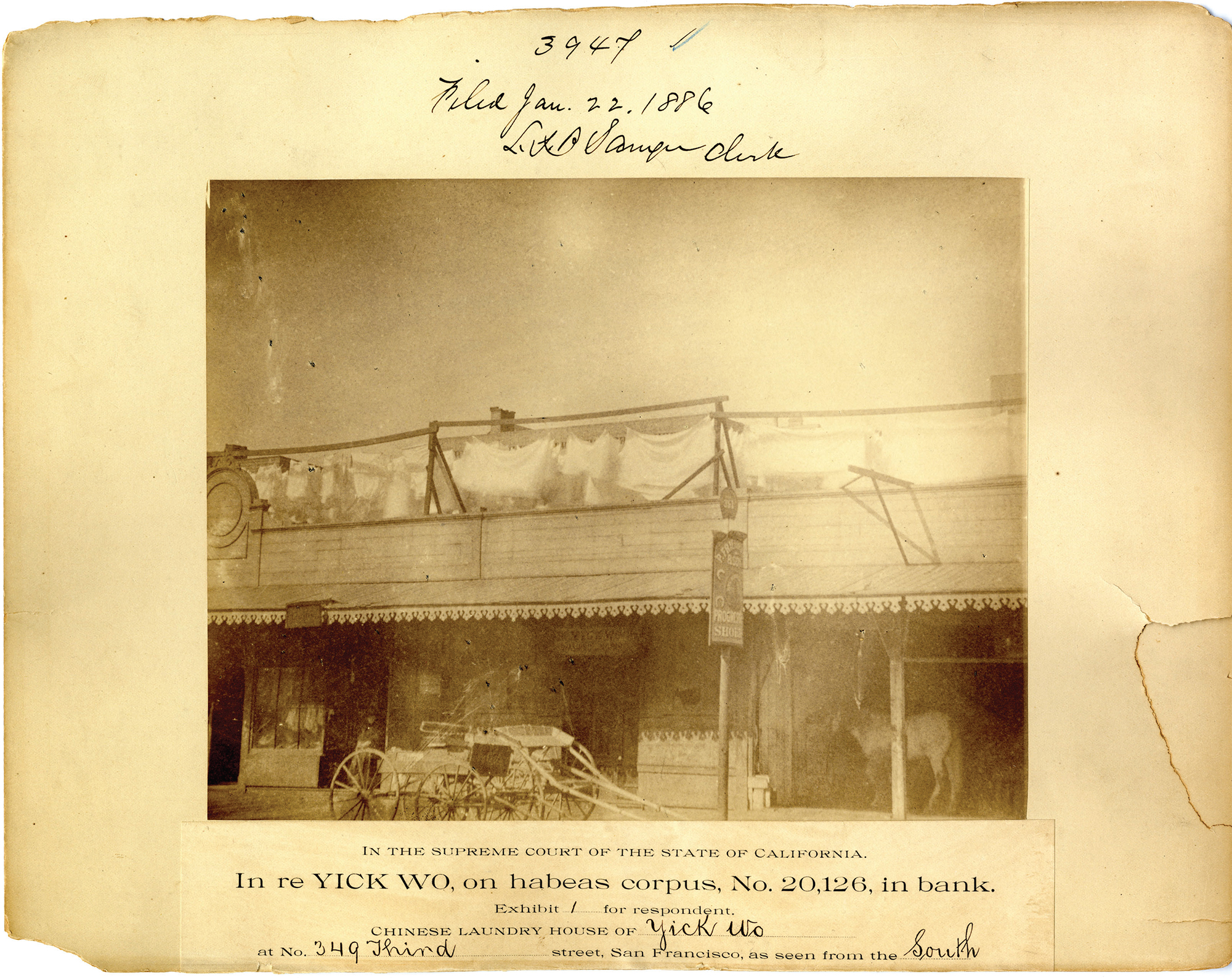
"caption": "Photograph of Yick Wo Laundry, In re Wo Lee, case file 3947 (NAID 348094304); Civil and Appellate Case Files, 1863–1911 (NAID 295935); U.S. Circuit Court, Ninth Circuit, Northern District of California, San Francisco (USCC San Francisco); RG 21, NARA San Francisco. ",
"credit": "Courtesy of the National Archives at San Francisco",
"altTag": null,
"description": null,
"imgSizes": {
"thumbnail": {
"file": "https://cdn.kqed.org/wp-content/uploads/sites/10/2025/08/250812-YICK-WO-ARCHIVAL-06-KQED-160x127.jpg",
"width": 160,
"height": 127,
"mimeType": "image/jpeg"
},
"1536x1536": {
"file": "https://cdn.kqed.org/wp-content/uploads/sites/10/2025/08/250812-YICK-WO-ARCHIVAL-06-KQED-1536x1219.jpg",
"width": 1536,
"height": 1219,
"mimeType": "image/jpeg"
},
"post-thumbnail": {
"file": "https://cdn.kqed.org/wp-content/uploads/sites/10/2025/08/250812-YICK-WO-ARCHIVAL-06-KQED-672x372.jpg",
"width": 672,
"height": 372,
"mimeType": "image/jpeg"
},
"twentyfourteen-full-width": {
"file": "https://cdn.kqed.org/wp-content/uploads/sites/10/2025/08/250812-YICK-WO-ARCHIVAL-06-KQED-1038x576.jpg",
"width": 1038,
"height": 576,
"mimeType": "image/jpeg"
},
"kqedFullSize": {
"file": "https://cdn.kqed.org/wp-content/uploads/sites/10/2025/08/250812-YICK-WO-ARCHIVAL-06-KQED.jpg",
"width": 2000,
"height": 1587
}
},
"isLoading": false,
"fetchFailed": false
},
"news_12025294": {
"type": "attachments",
"id": "news_12025294",
"meta": {
"index": "attachments_1716263798",
"site": "news",
"id": "12025294",
"found": true
},
"title": "475966196_17941090172958161_4612211217959910985_n",
"publishDate": 1738464437,
"status": "inherit",
"parent": 12025273,
"modified": 1738464595,
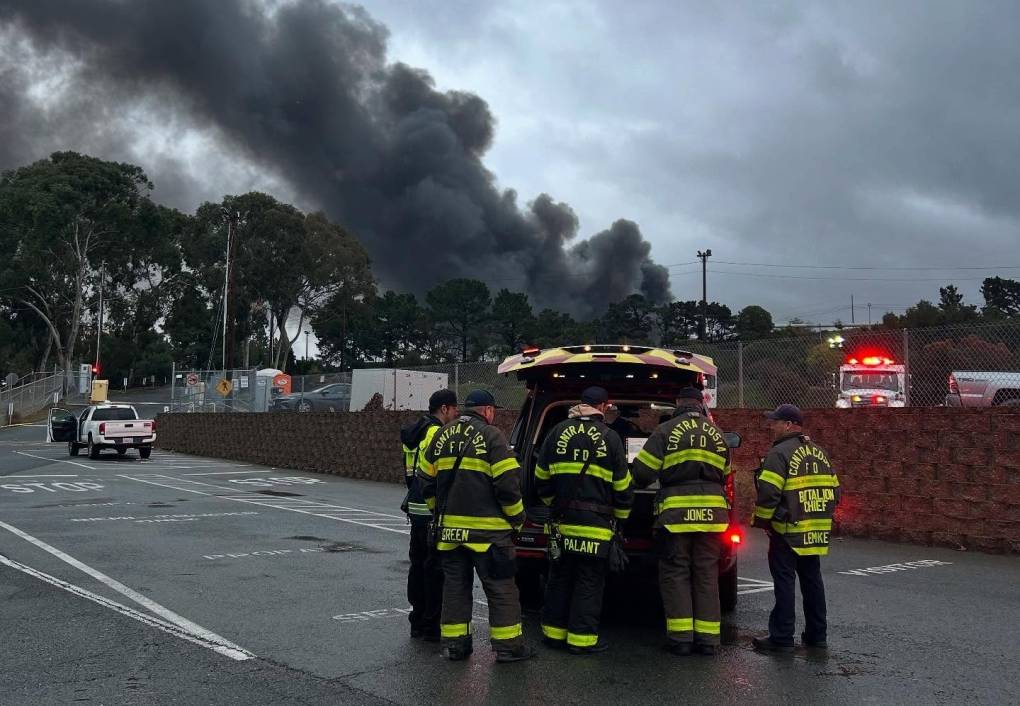
"caption": "Contra Costa County Fire Department firefighters outside the Martinez Refining Company as smoke billows from the refinery on Saturday in Martinez.",
"credit": "Courtesy of the city of Martinez",
"altTag": null,
"description": null,
"imgSizes": {
"medium": {
"file": "https://cdn.kqed.org/wp-content/uploads/sites/10/2025/02/475966196_17941090172958161_4612211217959910985_n-e1738464480621-800x553.jpg",
"width": 800,
"height": 553,
"mimeType": "image/jpeg"
},
"large": {
"file": "https://cdn.kqed.org/wp-content/uploads/sites/10/2025/02/475966196_17941090172958161_4612211217959910985_n-e1738464480621-1020x706.jpg",
"width": 1020,
"height": 706,
"mimeType": "image/jpeg"
},
"thumbnail": {
"file": "https://cdn.kqed.org/wp-content/uploads/sites/10/2025/02/475966196_17941090172958161_4612211217959910985_n-e1738464480621-160x111.jpg",
"width": 160,
"height": 111,
"mimeType": "image/jpeg"
},
"1536x1536": {
"file": "https://cdn.kqed.org/wp-content/uploads/sites/10/2025/02/475966196_17941090172958161_4612211217959910985_n-1229x1536.jpg",
"width": 1229,
"height": 1536,
"mimeType": "image/jpeg"
},
"post-thumbnail": {
"file": "https://cdn.kqed.org/wp-content/uploads/sites/10/2025/02/475966196_17941090172958161_4612211217959910985_n-e1738464480621-672x372.jpg",
"width": 672,
"height": 372,
"mimeType": "image/jpeg"
},
"twentyfourteen-full-width": {
"file": "https://cdn.kqed.org/wp-content/uploads/sites/10/2025/02/475966196_17941090172958161_4612211217959910985_n-e1738464480621-1038x576.jpg",
"width": 1038,
"height": 576,
"mimeType": "image/jpeg"
},
"kqedFullSize": {
"file": "https://cdn.kqed.org/wp-content/uploads/sites/10/2025/02/475966196_17941090172958161_4612211217959910985_n-e1738464480621.jpg",
"width": 1440,
"height": 996
}
},
"isLoading": false,
"fetchFailed": false
},
"news_12032511": {
"type": "attachments",
"id": "news_12032511",
"meta": {
"index": "attachments_1716263798",
"site": "news",
"id": "12032511",
"found": true
},
"title": "250320-JAPANESEAMERICANSDENOUNCE-03-BL-KQED",
"publishDate": 1742590682,
"status": "inherit",
"parent": 0,
"modified": 1742590695,
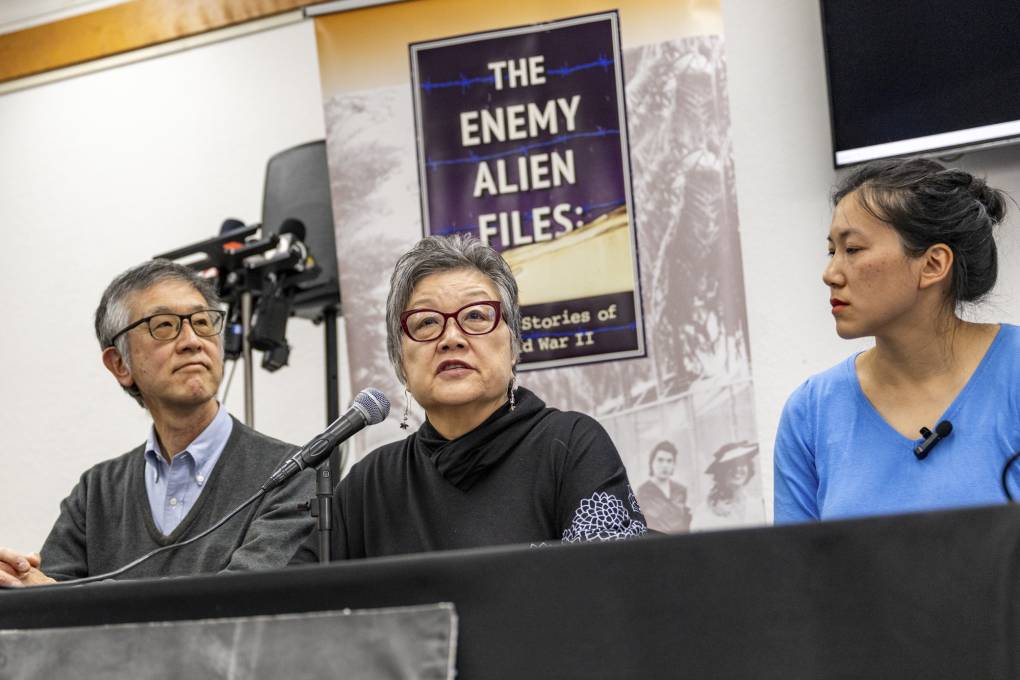
"caption": "Joyce Nakamura, from the Japanese American Citizens League, speaks at the Japanese Cultural and Community Center in San Francisco on March 20, 2025, during a press conference condemning the use of the Alien Enemies Act to target immigrants.",
"credit": "Beth LaBerge/KQED",
"altTag": null,
"description": null,
"imgSizes": {
"medium": {
"file": "https://cdn.kqed.org/wp-content/uploads/sites/10/2025/03/250320-JAPANESEAMERICANSDENOUNCE-03-BL-KQED-800x533.jpg",
"width": 800,
"height": 533,
"mimeType": "image/jpeg"
},
"large": {
"file": "https://cdn.kqed.org/wp-content/uploads/sites/10/2025/03/250320-JAPANESEAMERICANSDENOUNCE-03-BL-KQED-1020x680.jpg",
"width": 1020,
"height": 680,
"mimeType": "image/jpeg"
},
"thumbnail": {
"file": "https://cdn.kqed.org/wp-content/uploads/sites/10/2025/03/250320-JAPANESEAMERICANSDENOUNCE-03-BL-KQED-160x107.jpg",
"width": 160,
"height": 107,
"mimeType": "image/jpeg"
},
"1536x1536": {
"file": "https://cdn.kqed.org/wp-content/uploads/sites/10/2025/03/250320-JAPANESEAMERICANSDENOUNCE-03-BL-KQED-1536x1024.jpg",
"width": 1536,
"height": 1024,
"mimeType": "image/jpeg"
},
"post-thumbnail": {
"file": "https://cdn.kqed.org/wp-content/uploads/sites/10/2025/03/250320-JAPANESEAMERICANSDENOUNCE-03-BL-KQED-672x372.jpg",
"width": 672,
"height": 372,
"mimeType": "image/jpeg"
},
"twentyfourteen-full-width": {
"file": "https://cdn.kqed.org/wp-content/uploads/sites/10/2025/03/250320-JAPANESEAMERICANSDENOUNCE-03-BL-KQED-1038x576.jpg",
"width": 1038,
"height": 576,
"mimeType": "image/jpeg"
},
"full-width": {
"file": "https://cdn.kqed.org/wp-content/uploads/sites/10/2025/03/250320-JAPANESEAMERICANSDENOUNCE-03-BL-KQED-1920x1280.jpg",
"width": 1920,
"height": 1280,
"mimeType": "image/jpeg"
},
"kqedFullSize": {
"file": "https://cdn.kqed.org/wp-content/uploads/sites/10/2025/03/250320-JAPANESEAMERICANSDENOUNCE-03-BL-KQED.jpg",
"width": 2000,
"height": 1333
}
},
"isLoading": false,
"fetchFailed": false
},
"news_12030307": {
"type": "attachments",
"id": "news_12030307",
"meta": {
"index": "attachments_1716263798",
"site": "news",
"id": "12030307",
"found": true
},
"title": "20250130-JSeiHome-JY-1927",
"publishDate": 1741374115,
"status": "inherit",
"parent": 0,
"modified": 1741375519,
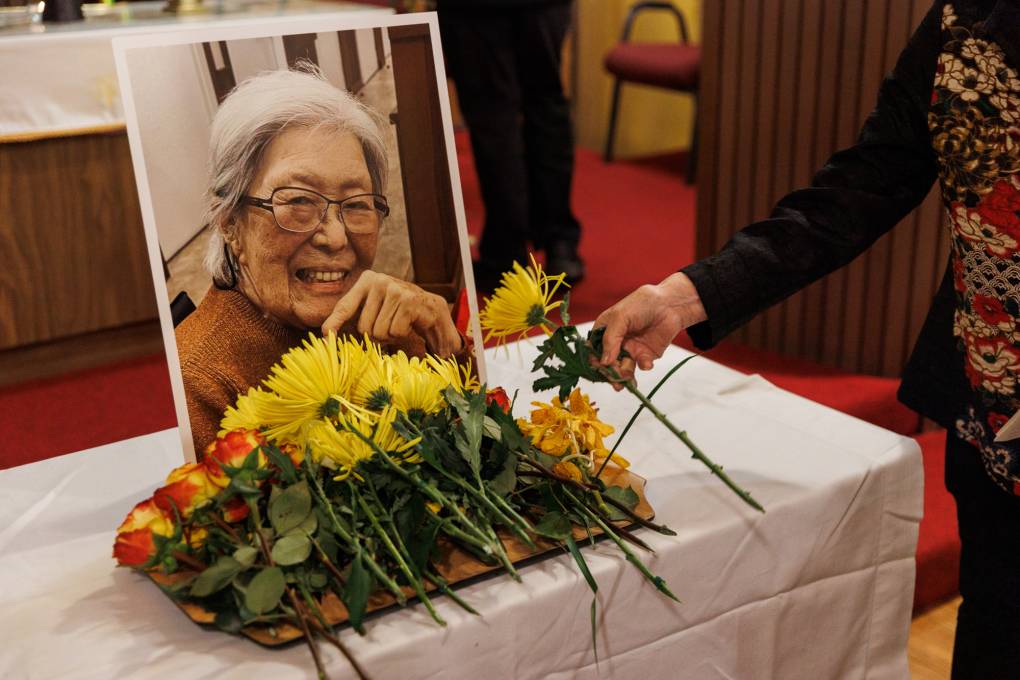
"caption": "Flowers are placed at a photo of J-Sei Home resident Ruth Fukuchi during her memorial service at Sycamore Congregational Church in El Cerrito, California, on Thursday, Jan. 30, 2025. Fukuchi resided at J-Sei Home from 2021 until her death in December.",
"credit": "Juliana Yamada/KQED",
"altTag": null,
"description": null,
"imgSizes": {
"medium": {
"file": "https://cdn.kqed.org/wp-content/uploads/sites/10/2025/03/20250130-JSeiHome-JY-1927-800x533.jpg",
"width": 800,
"height": 533,
"mimeType": "image/jpeg"
},
"large": {
"file": "https://cdn.kqed.org/wp-content/uploads/sites/10/2025/03/20250130-JSeiHome-JY-1927-1020x680.jpg",
"width": 1020,
"height": 680,
"mimeType": "image/jpeg"
},
"thumbnail": {
"file": "https://cdn.kqed.org/wp-content/uploads/sites/10/2025/03/20250130-JSeiHome-JY-1927-160x107.jpg",
"width": 160,
"height": 107,
"mimeType": "image/jpeg"
},
"1536x1536": {
"file": "https://cdn.kqed.org/wp-content/uploads/sites/10/2025/03/20250130-JSeiHome-JY-1927-1536x1024.jpg",
"width": 1536,
"height": 1024,
"mimeType": "image/jpeg"
},
"post-thumbnail": {
"file": "https://cdn.kqed.org/wp-content/uploads/sites/10/2025/03/20250130-JSeiHome-JY-1927-672x372.jpg",
"width": 672,
"height": 372,
"mimeType": "image/jpeg"
},
"twentyfourteen-full-width": {
"file": "https://cdn.kqed.org/wp-content/uploads/sites/10/2025/03/20250130-JSeiHome-JY-1927-1038x576.jpg",
"width": 1038,
"height": 576,
"mimeType": "image/jpeg"
},
"full-width": {
"file": "https://cdn.kqed.org/wp-content/uploads/sites/10/2025/03/20250130-JSeiHome-JY-1927-1920x1280.jpg",
"width": 1920,
"height": 1280,
"mimeType": "image/jpeg"
},
"kqedFullSize": {
"file": "https://cdn.kqed.org/wp-content/uploads/sites/10/2025/03/20250130-JSeiHome-JY-1927.jpg",
"width": 2000,
"height": 1333
}
},
"isLoading": false,
"fetchFailed": false
},
"news_11989313": {
"type": "attachments",
"id": "news_11989313",
"meta": {
"index": "attachments_1716263798",
"site": "news",
"id": "11989313",
"found": true
},
"title": "Tech AI Illustrations",
"publishDate": 1717711326,
"status": "inherit",
"parent": 11989308,
"modified": 1787170163,
"caption": "The ChatGPT logo is displayed on an iPhone in New York, May 18, 2023. ",
"credit": "Jaap Arriens/NurPhoto via Getty Images",
"altTag": null,
"description": null,
"imgSizes": {
"medium": {
"file": "https://cdn.kqed.org/wp-content/uploads/sites/10/2024/06/GettyImages-2155035557-800x533.jpg",
"width": 800,
"height": 533,
"mimeType": "image/jpeg"
},
"large": {
"file": "https://cdn.kqed.org/wp-content/uploads/sites/10/2024/06/GettyImages-2155035557-1020x680.jpg",
"width": 1020,
"height": 680,
"mimeType": "image/jpeg"
},
"thumbnail": {
"file": "https://cdn.kqed.org/wp-content/uploads/sites/10/2024/06/GettyImages-2155035557-160x107.jpg",
"width": 160,
"height": 107,
"mimeType": "image/jpeg"
},
"1536x1536": {
"file": "https://cdn.kqed.org/wp-content/uploads/sites/10/2024/06/GettyImages-2155035557-1536x1024.jpg",
"width": 1536,
"height": 1024,
"mimeType": "image/jpeg"
},
"2048x2048": {
"file": "https://cdn.kqed.org/wp-content/uploads/sites/10/2024/06/GettyImages-2155035557-2048x1365.jpg",
"width": 2048,
"height": 1365,
"mimeType": "image/jpeg"
},
"post-thumbnail": {
"file": "https://cdn.kqed.org/wp-content/uploads/sites/10/2024/06/GettyImages-2155035557-672x372.jpg",
"width": 672,
"height": 372,
"mimeType": "image/jpeg"
},
"twentyfourteen-full-width": {
"file": "https://cdn.kqed.org/wp-content/uploads/sites/10/2024/06/GettyImages-2155035557-1038x576.jpg",
"width": 1038,
"height": 576,
"mimeType": "image/jpeg"
},
"full-width": {
"file": "https://cdn.kqed.org/wp-content/uploads/sites/10/2024/06/GettyImages-2155035557-1920x1280.jpg",
"width": 1920,
"height": 1280,
"mimeType": "image/jpeg"
},
"kqedFullSize": {
"file": "https://cdn.kqed.org/wp-content/uploads/sites/10/2024/06/GettyImages-2155035557-scaled-e1760733694503.jpg",
"width": 2000,
"height": 1334
}
},
"isLoading": false,
"fetchFailed": false
},
"news_12015199": {
"type": "attachments",
"id": "news_12015199",
"meta": {
"index": "attachments_1716263798",
"site": "news",
"id": "12015199",
"found": true
},
"title": "241120-TransgenderAthletes-03",
"publishDate": 1732143982,
"status": "inherit",
"parent": 12025974,
"modified": 1738875741,
"caption": "The San José State Spartans volleyball team greets their opponents, the University of New Mexico Lobos, before playing their home game on Nov. 2, 2024.",
"credit": "Natalia Navarro/KQED",
"altTag": "People wearing volleyball uniforms shake hands near the volleyball net.",
"description": null,
"imgSizes": {
"medium": {
"file": "https://cdn.kqed.org/wp-content/uploads/sites/10/2024/11/241120-TransgenderAthletes-03-800x533.jpg",
"width": 800,
"height": 533,
"mimeType": "image/jpeg"
},
"large": {
"file": "https://cdn.kqed.org/wp-content/uploads/sites/10/2024/11/241120-TransgenderAthletes-03-1020x680.jpg",
"width": 1020,
"height": 680,
"mimeType": "image/jpeg"
},
"thumbnail": {
"file": "https://cdn.kqed.org/wp-content/uploads/sites/10/2024/11/241120-TransgenderAthletes-03-160x107.jpg",
"width": 160,
"height": 107,
"mimeType": "image/jpeg"
},
"1536x1536": {
"file": "https://cdn.kqed.org/wp-content/uploads/sites/10/2024/11/241120-TransgenderAthletes-03-1536x1024.jpg",
"width": 1536,
"height": 1024,
"mimeType": "image/jpeg"
},
"post-thumbnail": {
"file": "https://cdn.kqed.org/wp-content/uploads/sites/10/2024/11/241120-TransgenderAthletes-03-672x372.jpg",
"width": 672,
"height": 372,
"mimeType": "image/jpeg"
},
"twentyfourteen-full-width": {
"file": "https://cdn.kqed.org/wp-content/uploads/sites/10/2024/11/241120-TransgenderAthletes-03-1038x576.jpg",
"width": 1038,
"height": 576,
"mimeType": "image/jpeg"
},
"full-width": {
"file": "https://cdn.kqed.org/wp-content/uploads/sites/10/2024/11/241120-TransgenderAthletes-03-1920x1280.jpg",
"width": 1920,
"height": 1280,
"mimeType": "image/jpeg"
},
"kqedFullSize": {
"file": "https://cdn.kqed.org/wp-content/uploads/sites/10/2024/11/241120-TransgenderAthletes-03.jpg",
"width": 2000,
"height": 1333
}
},
"isLoading": false,
"fetchFailed": false
},
"news_12025560": {
"type": "attachments",
"id": "news_12025560",
"meta": {
"index": "attachments_1716263798",
"site": "news",
"id": "12025560",
"found": true
},
"title": "Martinez Refining Company in Martinez on Feb. 3, 2025.",
"publishDate": 1738652387,
"status": "inherit",
"parent": 12026572,
"modified": 1739316912,
"caption": "The Martinez Refining Company in Martinez, California, on Feb. 3, 2025.",
"credit": "Gina Castro/KQED",
"altTag": null,
"description": null,
"imgSizes": {
"medium": {
"file": "https://cdn.kqed.org/wp-content/uploads/sites/10/2025/02/20250203_MartinezRefineryFolo_GC-7-800x533.jpg",
"width": 800,
"height": 533,
"mimeType": "image/jpeg"
},
"large": {
"file": "https://cdn.kqed.org/wp-content/uploads/sites/10/2025/02/20250203_MartinezRefineryFolo_GC-7-1020x680.jpg",
"width": 1020,
"height": 680,
"mimeType": "image/jpeg"
},
"thumbnail": {
"file": "https://cdn.kqed.org/wp-content/uploads/sites/10/2025/02/20250203_MartinezRefineryFolo_GC-7-160x107.jpg",
"width": 160,
"height": 107,
"mimeType": "image/jpeg"
},
"1536x1536": {
"file": "https://cdn.kqed.org/wp-content/uploads/sites/10/2025/02/20250203_MartinezRefineryFolo_GC-7-1536x1024.jpg",
"width": 1536,
"height": 1024,
"mimeType": "image/jpeg"
},
"post-thumbnail": {
"file": "https://cdn.kqed.org/wp-content/uploads/sites/10/2025/02/20250203_MartinezRefineryFolo_GC-7-672x372.jpg",
"width": 672,
"height": 372,
"mimeType": "image/jpeg"
},
"twentyfourteen-full-width": {
"file": "https://cdn.kqed.org/wp-content/uploads/sites/10/2025/02/20250203_MartinezRefineryFolo_GC-7-1038x576.jpg",
"width": 1038,
"height": 576,
"mimeType": "image/jpeg"
},
"full-width": {
"file": "https://cdn.kqed.org/wp-content/uploads/sites/10/2025/02/20250203_MartinezRefineryFolo_GC-7-1920x1280.jpg",
"width": 1920,
"height": 1280,
"mimeType": "image/jpeg"
},
"kqedFullSize": {
"file": "https://cdn.kqed.org/wp-content/uploads/sites/10/2025/02/20250203_MartinezRefineryFolo_GC-7.jpg",
"width": 2000,
"height": 1333
}
},
"isLoading": false,
"fetchFailed": false
},
"news_12023315": {
"type": "attachments",
"id": "news_12023315",
"meta": {
"index": "attachments_1716263798",
"site": "news",
"id": "12023315",
"found": true
},
"title": "20250115_JapaneseAmericanActivism_GC-28",
"publishDate": 1737490910,
"status": "inherit",
"parent": 12021919,
"modified": 1737591573,
"caption": "Sadako Nimura Kashiwagi, 91, poses for a photo at her home in Berkeley on Jan. 15, 2025. ",
"credit": "Gina Castro/KQED",
"altTag": null,
"description": null,
"imgSizes": {
"medium": {
"file": "https://cdn.kqed.org/wp-content/uploads/sites/10/2025/01/20250115_JapaneseAmericanActivism_GC-28-800x533.jpg",
"width": 800,
"height": 533,
"mimeType": "image/jpeg"
},
"large": {
"file": "https://cdn.kqed.org/wp-content/uploads/sites/10/2025/01/20250115_JapaneseAmericanActivism_GC-28-1020x680.jpg",
"width": 1020,
"height": 680,
"mimeType": "image/jpeg"
},
"thumbnail": {
"file": "https://cdn.kqed.org/wp-content/uploads/sites/10/2025/01/20250115_JapaneseAmericanActivism_GC-28-160x107.jpg",
"width": 160,
"height": 107,
"mimeType": "image/jpeg"
},
"1536x1536": {
"file": "https://cdn.kqed.org/wp-content/uploads/sites/10/2025/01/20250115_JapaneseAmericanActivism_GC-28-1536x1024.jpg",
"width": 1536,
"height": 1024,
"mimeType": "image/jpeg"
},
"post-thumbnail": {
"file": "https://cdn.kqed.org/wp-content/uploads/sites/10/2025/01/20250115_JapaneseAmericanActivism_GC-28-672x372.jpg",
"width": 672,
"height": 372,
"mimeType": "image/jpeg"
},
"twentyfourteen-full-width": {
"file": "https://cdn.kqed.org/wp-content/uploads/sites/10/2025/01/20250115_JapaneseAmericanActivism_GC-28-1038x576.jpg",
"width": 1038,
"height": 576,
"mimeType": "image/jpeg"
},
"full-width": {
"file": "https://cdn.kqed.org/wp-content/uploads/sites/10/2025/01/20250115_JapaneseAmericanActivism_GC-28-1920x1280.jpg",
"width": 1920,
"height": 1280,
"mimeType": "image/jpeg"
},
"kqedFullSize": {
"file": "https://cdn.kqed.org/wp-content/uploads/sites/10/2025/01/20250115_JapaneseAmericanActivism_GC-28.jpg",
"width": 2000,
"height": 1333
}
},
"isLoading": false,
"fetchFailed": false
}
},
"audioPlayerReducer": {
"postId": "stream_live",
"isPaused": true,
"isPlaying": false,
"pfsActive": false,
"pledgeModalIsOpen": true,
"playerDrawerIsOpen": false,
"liveAudioPlayStartedAt": 0,
"liveAudioPlayContext": ""
},
"authorsReducer": {
"clei": {
"type": "authors",
"id": "8617",
"meta": {
"index": "authors_1716337520",
"id": "8617",
"found": true
},
"name": "Cecilia Lei",
"firstName": "Cecilia",
"lastName": "Lei",
"slug": "clei",
"email": "clei@KQED.org",
"display_author_email": false,
"staff_mastheads": [],
"title": "KQED Contributor",
"bio": "Cecilia Lei is an on-call host and producer for KQED News and Podcasts. Previously, she was the executive producer and host of the San Francisco Chronicle's daily news podcast, 'Fifth and Mission'. Cecilia is a graduate of UC Berkeley’s Graduate School of Journalism and the former president of the Asian American Journalists Association San Francisco Bay Area chapter.",
"avatar": "https://secure.gravatar.com/avatar/40975f1f88fccf628ee537bf6ffc2af8?s=600&d=blank&r=g",
"twitter": null,
"facebook": null,
"instagram": null,
"linkedin": null,
"sites": [
{
"site": "arts",
"roles": [
"contributor"
]
},
{
"site": "news",
"roles": [
"author",
"read_private_posts"
]
},
{
"site": "about",
"roles": [
"editor"
]
}
],
"headData": {
"title": "Cecilia Lei | KQED",
"description": "KQED Contributor",
"ogImgSrc": "https://secure.gravatar.com/avatar/40975f1f88fccf628ee537bf6ffc2af8?s=600&d=blank&r=g",
"twImgSrc": "https://secure.gravatar.com/avatar/40975f1f88fccf628ee537bf6ffc2af8?s=600&d=blank&r=g"
},
"isLoading": false,
"link": "/author/clei"
},
"katrinaschwartz": {
"type": "authors",
"id": "234",
"meta": {
"index": "authors_1716337520",
"id": "234",
"found": true
},
"name": "Katrina Schwartz",
"firstName": "Katrina",
"lastName": "Schwartz",
"slug": "katrinaschwartz",
"email": "kschwartz@kqed.org",
"display_author_email": false,
"staff_mastheads": [
"news"
],
"title": "Producer",
"bio": "Katrina Schwartz is a journalist based in San Francisco. She's worked at KPCC public radio in LA and has reported on air and online for KQED since 2010. She covered how teaching and learning is changing for MindShift between 2012 and 2020. She is the co-host of the MindShift podcast and now produces KQED's Bay Curious podcast.",
"avatar": "https://secure.gravatar.com/avatar/edb4ee79070447a018538c9aae6eeecf28786515b8a0c30e43b6b7dce5aa44c8?s=600&d=blank&r=g",
"twitter": "kschwart",
"bluesky": null,
"facebook": null,
"instagram": null,
"linkedin": null,
"sites": [
{
"site": "",
"roles": [
"editor"
]
},
{
"site": "news",
"roles": [
"editor"
]
},
{
"site": "mindshift",
"roles": [
"administrator"
]
},
{
"site": "stateofhealth",
"roles": [
"author"
]
},
{
"site": "science",
"roles": [
"editor"
]
}
],
"headData": {
"title": "Katrina Schwartz | KQED",
"description": "Producer",
"ogImgSrc": "https://secure.gravatar.com/avatar/edb4ee79070447a018538c9aae6eeecf28786515b8a0c30e43b6b7dce5aa44c8?s=600&d=blank&r=g",
"twImgSrc": "https://secure.gravatar.com/avatar/edb4ee79070447a018538c9aae6eeecf28786515b8a0c30e43b6b7dce5aa44c8?s=600&d=blank&r=g"
},
"isLoading": false,
"link": "/author/katrinaschwartz"
},
"jsmall": {
"type": "authors",
"id": "6625",
"meta": {
"index": "authors_1716337520",
"id": "6625",
"found": true
},
"name": "Julie Small",
"firstName": "Julie",
"lastName": "Small",
"slug": "jsmall",
"email": "jsmall@kqed.org",
"display_author_email": true,
"staff_mastheads": [
"news"
],
"title": "KQED Contributor",
"bio": "Julie Small reports on criminal justice and immigration.\r\n\r\nShe was part of a team at KQED awarded a regional 2019 Edward R. Murrow award for continuing coverage of the Trump Administration's family separation policy.\r\n\r\nThe Society for Professional Journalists recognized Julie's 2018 \u003ca href=\"https://www.kqed.org/news/11636262/the-officer-tased-him-31-times-the-sheriff-called-his-death-an-accident\">reporting\u003c/a> on the San Joaquin County Sheriff's \u003ca href=\"https://www.kqed.org/news/11634689/autopsy-doctors-sheriff-overrode-death-findings-to-protect-law-enforcement\">interference\u003c/a> in death investigations with an Excellence in Journalism Award for Ongoing Coverage.\r\n\r\nJulie's\u003ca href=\"https://www.kqed.org/news/11039666/two-mentally-ill-inmates-died-one-month-in-santa-clara\"> reporting\u003c/a> with Lisa Pickoff-White on the treatment of mentally ill offenders in California jails earned a 2017 regional Edward R. Murrow Award for news reporting and an investigative reporting award from the SPJ of Northern California.\r\n\r\nBefore joining KQED, Julie covered government and politics in Sacramento for Southern California Public Radio (SCPR). Her 2010 \u003ca href=\"https://www.scpr.org/specials/prisonmedical/\">series\u003c/a> on lapses in California’s prison medical care also won a regional Edward R. Murrow Award for investigative reporting and a Golden Mic Award from the RTNDA of Southern California.\r\n\r\nJulie began her career in journalism in 2000 as the deputy foreign editor for public radio's \u003cem>Marketplace, \u003c/em>while earning her master's degree in journalism from USC’s Annenberg School of Communication.",
"avatar": "https://secure.gravatar.com/avatar/4baedf201468df97be97c2a9dd7585d0?s=600&d=blank&r=g",
"twitter": "@SmallRadio2",
"facebook": null,
"instagram": null,
"linkedin": null,
"sites": [
{
"site": "news",
"roles": [
"editor"
]
},
{
"site": "stateofhealth",
"roles": [
"author"
]
},
{
"site": "science",
"roles": [
"author"
]
}
],
"headData": {
"title": "Julie Small | KQED",
"description": "KQED Contributor",
"ogImgSrc": "https://secure.gravatar.com/avatar/4baedf201468df97be97c2a9dd7585d0?s=600&d=blank&r=g",
"twImgSrc": "https://secure.gravatar.com/avatar/4baedf201468df97be97c2a9dd7585d0?s=600&d=blank&r=g"
},
"isLoading": false,
"link": "/author/jsmall"
},
"ecruzguevarra": {
"type": "authors",
"id": "8654",
"meta": {
"index": "authors_1716337520",
"id": "8654",
"found": true
},
"name": "Ericka Cruz Guevarra",
"firstName": "Ericka",
"lastName": "Cruz Guevarra",
"slug": "ecruzguevarra",
"email": "ecruzguevarra@kqed.org",
"display_author_email": true,
"staff_mastheads": [
"news"
],
"title": "Producer, The Bay Podcast",
"bio": "Ericka Cruz Guevarra is host of \u003ca href=\"https://www.kqed.org/podcasts/thebay\">\u003cem>The Bay\u003c/em>\u003c/a> podcast at KQED. Before host, she was the show’s producer. Her work in that capacity includes a three-part reported series on policing in Vallejo, which won a 2020 excellence in journalism award from the Society of Professional Journalists. Ericka has worked as a breaking news reporter at Oregon Public Broadcasting, helped produce the Code Switch podcast, and was KQED’s inaugural Raul Ramirez Diversity Fund intern. She’s also an alumna of NPR’s Next Generation Radio program. Send her an email if you have strong feelings about whether Fairfield and Suisun City are the Bay. Ericka is represented by SAG-AFTRA.",
"avatar": "https://secure.gravatar.com/avatar/accefc1de4bafc7e234b69bcb9b6f6536c130fd84709bc3069ef11a78787e1bb?s=600&d=blank&r=g",
"twitter": "NotoriousECG",
"bluesky": null,
"facebook": null,
"instagram": null,
"linkedin": null,
"sites": [
{
"site": "arts",
"roles": [
"subscriber"
]
},
{
"site": "news",
"roles": [
"editor",
"manage_categories"
]
},
{
"site": "futureofyou",
"roles": [
"subscriber"
]
},
{
"site": "stateofhealth",
"roles": [
"subscriber"
]
},
{
"site": "science",
"roles": [
"editor"
]
},
{
"site": "forum",
"roles": [
"subscriber"
]
}
],
"headData": {
"title": "Ericka Cruz Guevarra | KQED",
"description": "Producer, The Bay Podcast",
"ogImgSrc": "https://secure.gravatar.com/avatar/accefc1de4bafc7e234b69bcb9b6f6536c130fd84709bc3069ef11a78787e1bb?s=600&d=blank&r=g",
"twImgSrc": "https://secure.gravatar.com/avatar/accefc1de4bafc7e234b69bcb9b6f6536c130fd84709bc3069ef11a78787e1bb?s=600&d=blank&r=g"
},
"isLoading": false,
"link": "/author/ecruzguevarra"
},
"amontecillo": {
"type": "authors",
"id": "11649",
"meta": {
"index": "authors_1716337520",
"id": "11649",
"found": true
},
"name": "Alan Montecillo",
"firstName": "Alan",
"lastName": "Montecillo",
"slug": "amontecillo",
"email": "amontecillo@kqed.org",
"display_author_email": false,
"staff_mastheads": [
"news"
],
"title": "KQED Contributor",
"bio": "Alan Montecillo is the senior editor of \u003cem>\u003ca href=\"http://kqed.org/thebay\">The Bay\u003c/a>, \u003c/em> KQED's local news podcast. Before moving to the Bay Area, he worked as a senior talk show producer for WILL in Champaign-Urbana, Illinois and at Oregon Public Broadcasting in Portland, Oregon. He has won journalism awards from the Society of Professional Journalists Northern California, the Public Media Journalists Association, The Signal Awards, and has also received a regional Edward R. Murrow award. Alan is a Filipino American from Hong Kong and a graduate of Reed College.",
"avatar": "https://secure.gravatar.com/avatar/268f53a2066899ea9efdd8a5900218b17c822d9862cbc9326cccec53ef41d349?s=600&d=blank&r=g",
"twitter": "alanmontecillo",
"bluesky": null,
"facebook": null,
"instagram": null,
"linkedin": null,
"sites": [
{
"site": "",
"roles": [
"editor"
]
},
{
"site": "news",
"roles": [
"editor",
"manage_categories"
]
}
],
"headData": {
"title": "Alan Montecillo | KQED",
"description": "KQED Contributor",
"ogImgSrc": "https://secure.gravatar.com/avatar/268f53a2066899ea9efdd8a5900218b17c822d9862cbc9326cccec53ef41d349?s=600&d=blank&r=g",
"twImgSrc": "https://secure.gravatar.com/avatar/268f53a2066899ea9efdd8a5900218b17c822d9862cbc9326cccec53ef41d349?s=600&d=blank&r=g"
},
"isLoading": false,
"link": "/author/amontecillo"
},
"jessicakariisa": {
"type": "authors",
"id": "11831",
"meta": {
"index": "authors_1716337520",
"id": "11831",
"found": true
},
"name": "Jessica Kariisa",
"firstName": "Jessica",
"lastName": "Kariisa",
"slug": "jessicakariisa",
"email": "jkariisa@kqed.org",
"display_author_email": false,
"staff_mastheads": [],
"title": "Producer, The Bay",
"bio": "Jessica Kariisa is the producer of The Bay. She first joined KQED as an intern for The California Report Magazine, after which she became an on-call producer. She reported a Bay Curious episode on the use of rap lyrics in criminal trials which won a Society of Professional Journalists award in 2023 for Excellence in Features Journalism and the 2023 Signal Award for Best Conversation Starter. She’s worked on podcasts for Snap Judgment and American Public Media. Before embarking on her audio career, she was a music journalist.\r\n\r\nJessica Kariisa is represented by SAG-AFTRA.",
"avatar": "https://secure.gravatar.com/avatar/522e97b28ac0b3d411621c0fde8f3419c7b71ea2c5c262c57c4bb600963f328c?s=600&d=blank&r=g",
"twitter": null,
"bluesky": null,
"facebook": null,
"instagram": null,
"linkedin": null,
"sites": [
{
"site": "arts",
"roles": [
"author"
]
},
{
"site": "news",
"roles": [
"editor",
"manage_categories"
]
}
],
"headData": {
"title": "Jessica Kariisa | KQED",
"description": "Producer, The Bay",
"ogImgSrc": "https://secure.gravatar.com/avatar/522e97b28ac0b3d411621c0fde8f3419c7b71ea2c5c262c57c4bb600963f328c?s=600&d=blank&r=g",
"twImgSrc": "https://secure.gravatar.com/avatar/522e97b28ac0b3d411621c0fde8f3419c7b71ea2c5c262c57c4bb600963f328c?s=600&d=blank&r=g"
},
"isLoading": false,
"link": "/author/jessicakariisa"
},
"mvelasquez": {
"type": "authors",
"id": "11939",
"meta": {
"index": "authors_1716337520",
"id": "11939",
"found": true
},
"name": "Mel Velasquez",
"firstName": "Mel",
"lastName": "Velasquez",
"slug": "mvelasquez",
"email": "mvelasquez@kqed.org",
"display_author_email": false,
"staff_mastheads": [],
"title": "KQED Contributor",
"bio": null,
"avatar": "https://secure.gravatar.com/avatar/409094312d56fab09fef4251e949ffa6?s=600&d=blank&r=g",
"twitter": null,
"facebook": null,
"instagram": null,
"linkedin": "www.linkedin.com/in/melanievelasquezz",
"sites": [
{
"site": "news",
"roles": [
"editor"
]
}
],
"headData": {
"title": "Mel Velasquez | KQED",
"description": "KQED Contributor",
"ogImgSrc": "https://secure.gravatar.com/avatar/409094312d56fab09fef4251e949ffa6?s=600&d=blank&r=g",
"twImgSrc": "https://secure.gravatar.com/avatar/409094312d56fab09fef4251e949ffa6?s=600&d=blank&r=g"
},
"isLoading": false,
"link": "/author/mvelasquez"
}
},
"pagesReducer": {
"author_clei": {
"type": "pages",
"id": "8617",
"meta": {
"index": "authors_1716337520",
"id": "8617",
"score": 6.7806787,
"site": "authors"
},
"name": "Cecilia Lei",
"firstName": "Cecilia",
"lastName": "Lei",
"slug": "clei",
"email": "clei@KQED.org",
"display_author_email": false,
"staff_mastheads": [],
"title": "KQED Contributor",
"bio": "Cecilia Lei is an on-call host and producer for KQED News and Podcasts. Previously, she was the executive producer and host of the San Francisco Chronicle's daily news podcast, 'Fifth and Mission'. Cecilia is a graduate of UC Berkeley’s Graduate School of Journalism and the former president of the Asian American Journalists Association San Francisco Bay Area chapter.",
"avatar": "https://secure.gravatar.com/avatar/40975f1f88fccf628ee537bf6ffc2af8?s=600&d=blank&r=g",
"twitter": null,
"facebook": null,
"instagram": null,
"linkedin": null,
"sites": [
{
"site": "arts",
"roles": [
"contributor"
]
},
{
"site": "news",
"roles": [
"author",
"read_private_posts"
]
},
{
"site": "about",
"roles": [
"editor"
]
}
],
"headData": {
"title": "Cecilia Lei | KQED",
"description": "KQED Contributor",
"ogImgSrc": "https://secure.gravatar.com/avatar/40975f1f88fccf628ee537bf6ffc2af8?s=600&d=blank&r=g",
"twImgSrc": "https://secure.gravatar.com/avatar/40975f1f88fccf628ee537bf6ffc2af8?s=600&d=blank&r=g"
},
"isLoading": false,
"hasAllInfo": true,
"blocks": [
{
"blockName": "kqed/staff-member",
"attrs": {
"author": {
"type": "authors",
"id": "8617",
"meta": {
"index": "authors_1716337520",
"id": "8617",
"score": 6.7806787
},
"name": "Cecilia Lei",
"firstName": "Cecilia",
"lastName": "Lei",
"slug": "clei",
"email": "clei@KQED.org",
"display_author_email": false,
"staff_mastheads": "[Circular]",
"title": "KQED Contributor",
"bio": "Cecilia Lei is an on-call host and producer for KQED News and Podcasts. Previously, she was the executive producer and host of the San Francisco Chronicle's daily news podcast, 'Fifth and Mission'. Cecilia is a graduate of UC Berkeley’s Graduate School of Journalism and the former president of the Asian American Journalists Association San Francisco Bay Area chapter.",
"avatar": "https://secure.gravatar.com/avatar/40975f1f88fccf628ee537bf6ffc2af8?s=600&d=blank&r=g",
"twitter": null,
"facebook": null,
"instagram": null,
"linkedin": null,
"sites": "[Circular]",
"headData": {
"title": "Cecilia Lei | KQED",
"description": "KQED Contributor",
"ogImgSrc": "https://secure.gravatar.com/avatar/40975f1f88fccf628ee537bf6ffc2af8?s=600&d=blank&r=g",
"twImgSrc": "https://secure.gravatar.com/avatar/40975f1f88fccf628ee537bf6ffc2af8?s=600&d=blank&r=g"
},
"isLoading": false,
"link": "/author/clei",
"hasAllInfo": true
}
}
},
{
"blockName": "kqed/post-list",
"attrs": {
"query": "posts?author=8617&authorName=Cecilia Lei",
"title": "By Cecilia Lei",
"layout": "cardArticle2",
"className": "wp-block--nomargintop",
"seeMore": true
}
}
]
}
},
"pfsSessionReducer": {},
"postsReducer": {
"stream_live": {
"type": "live",
"id": "stream_live",
"audioUrl": "https://streams.kqed.org/kqedradio",
"title": "Live Stream",
"excerpt": "Live Stream information currently unavailable.",
"link": "/radio",
"featImg": "",
"label": {
"name": "KQED Live",
"link": "/"
}
},
"stream_kqedNewscast": {
"type": "posts",
"id": "stream_kqedNewscast",
"audioUrl": "https://www.kqed.org/.stream/anon/radio/RDnews/newscast.mp3?_=1",
"title": "KQED Newscast",
"featImg": "",
"label": {
"name": "88.5 FM",
"link": "/"
}
},
"news_12096279": {
"type": "posts",
"id": "news_12096279",
"meta": {
"index": "posts_1716263798",
"site": "news",
"id": "12096279",
"score": null,
"sort": [
1787677302000
]
},
"guestAuthors": [],
"slug": "chinese-immigrants-led-the-first-mass-resistance-to-americas-deportation-system",
"title": "Chinese Immigrants Led the First Mass Resistance to America's Deportation System",
"publishDate": 1787677302,
"format": "standard",
"headTitle": "Chinese Immigrants Led the First Mass Resistance to America’s Deportation System | KQED",
"labelTerm": {
"site": "news"
},
"content": "\u003cp>Connie Young Yu thought she knew a lot about her beloved \u003cem>gung gung\u003c/em>. As a young girl, she would listen as her grandfather, Yung Wah Gok, recounted what it was like living through America’s Chinese Exclusion era of the late 19th century. She had heard many stories, like how, as a young boy in \u003ca href=\"https://www.kqed.org/news/tag/san-jose\">San José\u003c/a> Chinatown, he’d have to sprint home while white residents hurled rocks at him.\u003c/p>\n\n\n\n\u003cp>It wasn’t until 1972, when Yu was an adult active in Asian American organizing and scholarship, that her mother shared a surprising piece of his history with her. From the family’s large carved camphor chest in her bedroom, her mother pulled out a neatly folded parchment: It was \u003ca href=\"https://www.thegearyactproject.com/copy-of-upload-a-certificate?pgid=m68xajc7-a512c26d-b87a-443c-883e-98cc622e3d31\">her grandfather’s \u003cem>chak chee\u003c/em>\u003c/a>, a certificate of residence that all Chinese people in the U.S. were required to carry, as mandated by the 1892 Geary Act, the successor to the \u003ca href=\"https://www.archives.gov/milestone-documents/chinese-exclusion-act\">1882 Chinese Exclusion Act\u003c/a>.\u003c/p>\n\n\n\n\u003cp>Stamped across the top of the document was the word “LABORER.” Below it were his occupation — “cook,” his height — just over 5 feet, 3 inches and identifying marks — “scar on left forearm.” And in the lower left corner was a striking portrait photo of her grandfather at the age of 25.\u003c/p>\n\n\n\u003cdiv class=\"wp-block-image\">\n\u003cfigure class=\"aligncenter size-full\">\u003cimg loading=\"lazy\" decoding=\"async\" width=\"2000\" height=\"1333\" src=\"https://cdn.kqed.org/wp-content/uploads/sites/10/2026/08/260730-ConnieYu-JY-11_qed.jpg\" alt=\"\" class=\"wp-image-12096096\" srcset=\"https://cdn.kqed.org/wp-content/uploads/sites/10/2026/08/260730-ConnieYu-JY-11_qed.jpg 2000w, https://cdn.kqed.org/wp-content/uploads/sites/10/2026/08/260730-ConnieYu-JY-11_qed-160x107.jpg 160w, https://cdn.kqed.org/wp-content/uploads/sites/10/2026/08/260730-ConnieYu-JY-11_qed-1536x1024.jpg 1536w\" sizes=\"auto, (max-width: 2000px) 100vw, 2000px\">\u003cfigcaption class=\"wp-element-caption\">Historian Connie Young Yu’s collection of certificates of residence includes her own grandfather’s document. Yung Wah Gok and other Chinese residents initially resisted the Geary Act requirement to carry the certificates with them at all times under the threat of deportation. (Juliana Yamada/KQED)\u003c/figcaption>\u003c/figure>\n\u003c/div>\n\n\n\u003cp>“I just thought, ‘Gee … that doesn’t look like my \u003cem>gung gung\u003c/em>,’” said Yu, now 85, who had known her grandfather as a dignified man who wore suits. “But actually, I really liked that picture in many ways because he looks very determined. Like a young rebel.”\u003c/p>\n\n\n\n\u003cp>The certificate was issued in May 1894, two years after the passage of the Geary Act, revealing that her grandfather had been one of the tens of thousands of Chinese residents across the country who had resisted the federal government’s demands to register — forming one of the largest campaigns of civil disobedience in U.S. history.\u003c/p>\n\n\n\n\u003cp>[ad fullwidth]\u003c/p>\n\u003cp>From 1892-93, Chinese immigrants refused to comply with the requirement to register with their local internal revenue offices. If they were caught without a certificate, they faced arrest, detention and deportation as stipulated by the Geary Act, which historians and legal theorists say helped shape today’s U.S. immigration system. \u003c/p>\n\n\n\n\u003cp>While Chinese immigrants are remembered for constitutional victories, including rulings that established \u003ca href=\"https://www.kqed.org/news/12088125/as-america-turns-250-san-franciscos-role-in-defining-citizenship-endures\">birthright citizenship\u003c/a> and \u003ca href=\"https://www.kqed.org/news/12050233/how-a-chinese-laundryman-shaped-us-civil-rights-from-san-francisco\">strengthened equal protection\u003c/a>, they have another legacy: they led a nationwide campaign against the federal government’s expansion of immigration powers. And though they ultimately failed to overturn the Geary Act in court, their resistance challenged the adoption of now-routine practices — calling them “cruel and unjust,” and incompatible with the nation’s constitutional ideals. \u003c/p>\n\n\n\u003cdiv class=\"wp-block-image\">\n\u003cfigure class=\"aligncenter size-full\">\u003cimg loading=\"lazy\" decoding=\"async\" width=\"2000\" height=\"1333\" src=\"https://cdn.kqed.org/wp-content/uploads/sites/10/2026/08/260730-CONNIEYU-JY-13-KQED.jpg\" alt=\"\" class=\"wp-image-12095828\" srcset=\"https://cdn.kqed.org/wp-content/uploads/sites/10/2026/08/260730-CONNIEYU-JY-13-KQED.jpg 2000w, https://cdn.kqed.org/wp-content/uploads/sites/10/2026/08/260730-CONNIEYU-JY-13-KQED-160x107.jpg 160w, https://cdn.kqed.org/wp-content/uploads/sites/10/2026/08/260730-CONNIEYU-JY-13-KQED-1536x1024.jpg 1536w\" sizes=\"auto, (max-width: 2000px) 100vw, 2000px\">\u003cfigcaption class=\"wp-element-caption\">Historian Connie Young Yu stands for a portrait in her home in Los Altos, California, on Thursday, July 30, 2026. Yu’s paternal grandfather, Yung Wah Gok, arrived in the U.S.as an 11-year-old laborer in 1881, a year before the Chinese Exclusion Act. (Juliana Yamada/KQED)\u003c/figcaption>\u003c/figure>\n\u003c/div>\n\n\n\u003cp>Those sentiments are echoed today by immigrant communities across the country, as the Trump administration \u003ca href=\"https://www.kqed.org/news/12078084/agents-of-chaos-border-patrols-year-of-unchecked-force\">continues\u003c/a> to \u003ca href=\"https://www.kqed.org/news/12092697/bay-area-immigrant-advocates-warn-noncitizens-to-avoid-air-travel-after-ice-arrests\">double down\u003c/a> on its \u003ca href=\"https://www.kqed.org/news/12085159/immigration-courts-are-using-a-new-tactic-to-speed-up-deportations\">deportation efforts\u003c/a>.\u003c/p>\n\n\n\n\u003cp>Yu, a longtime local historian and author, argues the resistance of early Chinese immigrants like her grandfather should be more well known. She co-founded \u003ca href=\"https://www.thegearyactproject.com/\">The Geary Act Project\u003c/a> two years ago and is now on a mission to collect more certificates — to lay a paper trail of evidence linking the racism experienced by her ancestors to the current administration’s immigration crackdown.\u003c/p>\n\n\n\n\u003cp>“Our society is under threat, we’re under attack,” she said. “We’re trying to show that the Chinese Exclusion Act was actually a foundation for ICE and the harassment of people of color and immigration detention and deportation.”\u003c/p>\n\n\n\n\u003ch2 class=\"wp-block-heading\">When Chinese exclusion wasn’t enough\u003cstrong> \u003c/strong>\u003c/h2>\n\n\n\n\u003cp>Yu said it’s by luck that she was born in the United States. Her grandfather arrived in 1881, at age 11 — just one year before the Chinese Exclusion Act banned Chinese laborers from entering the U.S. for a decade.\u003c/p>\n\n\n\n\u003cp>“My parents always said, ‘If he had waited until he was 12, you wouldn’t be here,’” Yu said. \u003c/p>\n\n\n\n\u003cp>When Chinese people began arriving in the U.S. in the late 1840s, there was no federal immigration system. States, including \u003ca href=\"https://www.kqed.org/news/10429550/boomtown-history-2b\">California\u003c/a>, passed laws targeting Chinese immigrants as anti-Chinese sentiment grew, fueled by the narrative that they threatened the nation’s economic well-being.\u003c/p>\n\n\n\u003cdiv class=\"wp-block-image\">\n\u003cfigure class=\"aligncenter size-full\">\u003cimg loading=\"lazy\" decoding=\"async\" width=\"2000\" height=\"1459\" src=\"https://cdn.kqed.org/wp-content/uploads/sites/10/2026/08/GETTYIMAGES-1311093098-KQED.jpg\" alt=\"\" class=\"wp-image-12095866\" srcset=\"https://cdn.kqed.org/wp-content/uploads/sites/10/2026/08/GETTYIMAGES-1311093098-KQED.jpg 2000w, https://cdn.kqed.org/wp-content/uploads/sites/10/2026/08/GETTYIMAGES-1311093098-KQED-160x117.jpg 160w, https://cdn.kqed.org/wp-content/uploads/sites/10/2026/08/GETTYIMAGES-1311093098-KQED-1536x1121.jpg 1536w\" sizes=\"auto, (max-width: 2000px) 100vw, 2000px\">\u003cfigcaption class=\"wp-element-caption\">A Chinese butcher and grocery store, with meat hanging from hooks with vegetables and other fresh produce displayed in crates at the front of the store in the Chinatown neighborhood of San Francisco, California, circa 1885. (Bettmann Archive/Getty Images)\u003c/figcaption>\u003c/figure>\n\u003c/div>\n\n\n\u003cp>But Reconstruction — the post-Civil War era when constitutional protections were expanded for newly freed Black Americans — changed the landscape. The 14th Amendment ensured due process and equal protection to everyone, giving Chinese immigrants new grounds to challenge discriminatory state laws.\u003c/p>\n\n\n\n\u003cp>Several Supreme Court justices, along with others who wished to continue excluding Chinese immigrants, pushed for the federal government to take up immigration control, according to Kelly Lytle Hernández, an author and professor of history at UCLA.\u003c/p>\n\n\n\n\u003cp>“I understand our federal immigration system as being the creation of an effort to skirt the 14th Amendment, to skirt the growth of a multiracial democracy,” she said. ”Reconstruction and Chinese Exclusion are all part of the same story.”\u003c/p>\n\n\n\n\u003cp>In 1875, the Supreme Court ruled in \u003ca href=\"https://supreme.justia.com/cases/federal/us/92/275/\">\u003cem>Chy Lung v. Freeman\u003c/em>\u003c/a> that immigration was a federal responsibility, while \u003ca href=\"https://www.nps.gov/safr/blogs/chinese-women-immigration-and-the-first-u-s-exclusion-law-the-page-act-of-1875.htm\">the Page Act\u003c/a> established one of the first major federal restrictions on immigration, targeting Chinese and other Asian women. \u003c/p>\n\n\n\u003cdiv class=\"wp-block-image\">\n\u003cfigure class=\"aligncenter size-full\">\u003cimg loading=\"lazy\" decoding=\"async\" width=\"1020\" height=\"754\" src=\"https://cdn.kqed.org/wp-content/uploads/sites/10/2026/08/260820-ChinatownActivism-01.jpg\" alt=\"\" class=\"wp-image-12096097\" srcset=\"https://cdn.kqed.org/wp-content/uploads/sites/10/2026/08/260820-ChinatownActivism-01.jpg 1020w, https://cdn.kqed.org/wp-content/uploads/sites/10/2026/08/260820-ChinatownActivism-01-160x118.jpg 160w\" sizes=\"auto, (max-width: 1020px) 100vw, 1020px\">\u003cfigcaption class=\"wp-element-caption\">The Second Market Street Chinatown burned down in an arson fire in 1887. There were no recorded casualties, but the entire Chinese community in San José was displaced. (Courtesy of History San José)\u003c/figcaption>\u003c/figure>\n\u003c/div>\n\n\n\u003cp>Seven years later came the Chinese Exclusion Act. Despite the passage of the landmark law, thousands of Chinese laborers and immigrants still arrived. They filed legal challenges to their exclusion, inundating federal courts in San Francisco and frustrating white politicians and residents who wanted to see Chinese immigration come to an end.\u003c/p>\n\n\n\n\u003cp>As the Chinese Exclusion Act was set to expire in 1892, the federal government realized it needed a way to plug the loopholes of the act, especially as anti-Chinese violence intensified.\u003c/p>\n\n\n\n\u003cp> “As soon as [white residents] saw that their goals weren’t being met by this experiment in diplomatic control, this is why we see the most violent anti-Chinese incidents happening between ’85 and ’88, not before 1882,” said Alexander Jin, a historian at Dartmouth University.\u003c/p>\n\n\n\n\u003cp>Vigilante mobs seized Chinese businesses and homes, and rural Chinatowns along the West Coast were set on fire, including \u003ca href=\"https://www.kqed.org/news/11891987/chinese-immigrants-were-forced-out-of-eureka-in-1885-heres-how-locals-are-making-that-history-known\">Eureka\u003c/a>, \u003ca href=\"https://www.kqed.org/forum/2010101886267/california-cities-apologize-for-historical-wrongs-against-chinese-community\">Antioch\u003c/a>, Napa and \u003ca href=\"https://www.kqed.org/news/11877801/san-jose-had-5-chinatowns-why-did-they-vanish\">San José\u003c/a>.\u003c/p>\n\n\n\n\u003cp>Yu’s grandfather was a pioneer of San José’s Chinatown, and she said he shared details of how his community was destroyed in 1887: “The newspaper always said ‘mysterious fire’ … but my grandfather always said the fire was set to drive us out … [they should’ve] asked the Chinese themselves how they felt,” Yu said. \u003c/p>\n\n\n\n\u003ch2 class=\"wp-block-heading\">‘The Dog Tag Law’\u003c/h2>\n\n\n\n\u003cp>Months before the Chinese Exclusion Act was set to lapse, Santa Rosa lawyer and U.S. House Representative \u003ca href=\"https://history.house.gov/People/Detail/13702\">Thomas J. Geary\u003c/a> introduced legislation that addressed a question the original act had a hard time answering: how could the government not only restrict newcomers but remove Chinese people who were already living in the country?\u003c/p>\n\n\n\n\u003cp>The Geary Act became law, extending the Chinese Exclusion Act by a decade and imposing remarkable provisions on Chinese laborers living in the U.S. They had to register with the federal government and obtain a certificate of residence that they had to carry with them at all times or risk up to one year of hard labor in prison and deportation unless they could prove their immigration status with the testimony of two white witnesses. \u003c/p>\n\n\n\n\u003cfigure class=\"wp-block-gallery has-nested-images columns-default is-cropped wp-block-gallery-9 is-layout-flex wp-block-gallery-is-layout-flex\">\n\u003cfigure class=\"wp-block-image size-large\">\u003cimg loading=\"lazy\" decoding=\"async\" width=\"803\" height=\"772\" data-id=\"12095847\" src=\"https://cdn.kqed.org/wp-content/uploads/sites/10/2026/08/260818-FIGHTING-THE-GEARY-ACT-02-KQED.jpg\" alt=\"\" class=\"wp-image-12095847\" srcset=\"https://cdn.kqed.org/wp-content/uploads/sites/10/2026/08/260818-FIGHTING-THE-GEARY-ACT-02-KQED.jpg 803w, https://cdn.kqed.org/wp-content/uploads/sites/10/2026/08/260818-FIGHTING-THE-GEARY-ACT-02-KQED-160x154.jpg 160w\" sizes=\"auto, (max-width: 803px) 100vw, 803px\">\u003cfigcaption class=\"wp-element-caption\">When faced with the prospect of deportation, early Chinese immigrants organized across the country to resist the 1892 Geary Act, forming one of the largest civil disobedience campaigns in U.S. history. (Courtesy of the Geary Act Project)\u003c/figcaption>\u003c/figure>\n\n\n\n\u003cfigure class=\"wp-block-image size-large\">\u003cimg loading=\"lazy\" decoding=\"async\" width=\"859\" height=\"797\" data-id=\"12095849\" src=\"https://cdn.kqed.org/wp-content/uploads/sites/10/2026/08/260818-FIGHTING-THE-GEARY-ACT-04-KQED.jpg\" alt=\"\" class=\"wp-image-12095849\" srcset=\"https://cdn.kqed.org/wp-content/uploads/sites/10/2026/08/260818-FIGHTING-THE-GEARY-ACT-04-KQED.jpg 859w, https://cdn.kqed.org/wp-content/uploads/sites/10/2026/08/260818-FIGHTING-THE-GEARY-ACT-04-KQED-160x148.jpg 160w\" sizes=\"auto, (max-width: 859px) 100vw, 859px\">\u003cfigcaption class=\"wp-element-caption\">Most of the certificates are marked as “laborer” while others, notably children, were categorized as “persons other than laborer.” (Courtesy of the Geary Act Project)\u003c/figcaption>\u003c/figure>\n\u003c/figure>\n\n\n\n\u003cfigure class=\"wp-block-gallery has-nested-images columns-default is-cropped wp-block-gallery-10 is-layout-flex wp-block-gallery-is-layout-flex\">\n\u003cfigure class=\"wp-block-image size-large\">\u003cimg loading=\"lazy\" decoding=\"async\" width=\"853\" height=\"797\" data-id=\"12095850\" src=\"https://cdn.kqed.org/wp-content/uploads/sites/10/2026/08/260818-FIGHTING-THE-GEARY-ACT-05-KQED.jpg\" alt=\"\" class=\"wp-image-12095850\" srcset=\"https://cdn.kqed.org/wp-content/uploads/sites/10/2026/08/260818-FIGHTING-THE-GEARY-ACT-05-KQED.jpg 853w, https://cdn.kqed.org/wp-content/uploads/sites/10/2026/08/260818-FIGHTING-THE-GEARY-ACT-05-KQED-160x149.jpg 160w\" sizes=\"auto, (max-width: 853px) 100vw, 853px\">\u003cfigcaption class=\"wp-element-caption\">The Geary Act Project, launched by Connie Young Yu and Barre Fong, has collected about 300 certificates since launching about two years ago. (Courtesy of the Geary Act Project)\u003c/figcaption>\u003c/figure>\n\n\n\n\u003cfigure class=\"wp-block-image size-large\">\u003cimg loading=\"lazy\" decoding=\"async\" width=\"803\" height=\"772\" data-id=\"12095848\" src=\"https://cdn.kqed.org/wp-content/uploads/sites/10/2026/08/260818-FIGHTING-THE-GEARY-ACT-03-KQED.jpg\" alt=\"\" class=\"wp-image-12095848\" srcset=\"https://cdn.kqed.org/wp-content/uploads/sites/10/2026/08/260818-FIGHTING-THE-GEARY-ACT-03-KQED.jpg 803w, https://cdn.kqed.org/wp-content/uploads/sites/10/2026/08/260818-FIGHTING-THE-GEARY-ACT-03-KQED-160x154.jpg 160w\" sizes=\"auto, (max-width: 803px) 100vw, 803px\">\u003cfigcaption class=\"wp-element-caption\">“This is how they describe somebody born in the United States. They describe him, this 8-year-old boy, ‘persons other than laborer.’ They do not say ‘American,’ they do not say ‘citizen.’ I want people to know this.” — Janice Tong, San Francisco resident. (Courtesy of the Geary Act Project)\u003c/figcaption>\u003c/figure>\n\u003c/figure>\n\n\n\n\u003cp>In other words, the Geary Act provided the U.S. government a way to deport longtime Chinese residents who had entered the U.S. legally. Historians say the law became the precursor to green cards, visas and other forms of surveillance and identification that the federal government uses today.\u003c/p>\n\n\n\n\u003cp>Though the act was signed into law, it garnered strongly worded protests within Congress, including from Robert R. Hitt, a representative from Illinois. \u003c/p>\n\n\n\n\u003cp>“Never before in a free country was there such a system of tagging a man like a dog to be caught by the police and examined, and if his tag or collar is not all right, taken to the pound or drowned or shot … Never before was it applied by a free people to a human being with the exception (which we can never refer to with pride) of the sad days of slavery.”\u003c/p>\n\n\n\n\u003ch2 class=\"wp-block-heading\">‘Un-American, barbarous and inhuman’\u003c/h2>\n\n\n\n\u003cp>For the Chinese immigrant community, the law was unthinkable and unjust, and the response was swift. \u003c/p>\n\n\n\n\u003cp>The San Francisco-based Chinese Consolidated Benevolent Association, or the Chinese Six Companies, a powerful coalition that had financed earlier \u003ca href=\"https://www.kqed.org/news/12015449/a-129-year-old-san-francisco-lawsuit-could-stop-trump-from-ending-birthright-citizenship\">legal victories\u003c/a>, asked Chinese residents to each contribute a dollar towards a legal campaign against the law. Meanwhile, in New York, the Chinese Equal Rights League was formed with the sole purpose of overturning the Geary Act.\u003c/p>\n\n\n\n\u003cp>In addition to applying political pressure and organizing petition drives, the groups organized Chinese residents to challenge the Geary Act through mass noncompliance. The Six Companies distributed leaflets in Chinese communities throughout the country, declaring that “The Geary Act is an unjust law and no Chinese should obey it … They have disregarded our rights and paid no attention to their promise, and made a law to suit themselves, no matter how unjust to us … Let us stand together.”\u003c/p>\n\n\n\u003cdiv class=\"wp-block-image\">\n\u003cfigure class=\"aligncenter size-full\">\u003cimg loading=\"lazy\" decoding=\"async\" width=\"2000\" height=\"1333\" src=\"https://cdn.kqed.org/wp-content/uploads/sites/10/2026/08/250731-YICKWOCIVILRIGHTS-05-KQED.jpg\" alt=\"\" class=\"wp-image-12096098\" srcset=\"https://cdn.kqed.org/wp-content/uploads/sites/10/2026/08/250731-YICKWOCIVILRIGHTS-05-KQED.jpg 2000w, https://cdn.kqed.org/wp-content/uploads/sites/10/2026/08/250731-YICKWOCIVILRIGHTS-05-KQED-160x107.jpg 160w, https://cdn.kqed.org/wp-content/uploads/sites/10/2026/08/250731-YICKWOCIVILRIGHTS-05-KQED-1536x1024.jpg 1536w\" sizes=\"auto, (max-width: 2000px) 100vw, 2000px\">\u003cfigcaption class=\"wp-element-caption\">The Chinese Consolidated Benevolent Association in San Francisco’s Chinatown neighborhood on July 31, 2025. (Beth LaBerge/KQED)\u003c/figcaption>\u003c/figure>\n\u003c/div>\n\n\n\u003cp>Russell Jeung, a professor of Asian American studies at San Francisco State University, remarked that spreading these messages across the country was an amazing feat, and demonstrated just how tight-knit and organized the Chinese immigrant population was: “The Chinese networks are in a better position to [raise awareness to] the Chinese community than the American government was … clearly there were networks and newspapers and communication among the community.”\u003c/p>\n\n\n\n\u003cp>Chinese residents found allyship with different faith communities, particularly Christians. Some white Americans were compelled, in part, by the efforts of people like Jee Gam, a community leader and the first Chinese congregational pastor in America. Gam wrote essays in English for publications, most notably one titled \u003ca href=\"https://www.whobuiltamerica.org/item/the-geary-act-from-the-standpoint-of-a-christian-chinese\">“The Geary Act: From the Standpoint of a Christian Chinese\u003c/a>.”\u003c/p>\n\n\n\n\u003cp> “This Act withdraws some sacred rights such as in the Declaration of Independence are declared to be inalienable,” he wrote. “The right to a free, untrammelled pursuit of happiness, the right of habeas corpus, the right to be adjudged innocent until proven guilty … it is un-American, barbarous and inhuman.” \u003c/p>\n\n\n\n\u003cp>The call to participate in the civil disobedience campaign was an extraordinary success. Only about 13,000 of the approximately 100,000 Chinese residents in the country registered during the initial registration period. That left the federal government with the challenge of arresting and deporting over 85% of the nation’s Chinese population — something they weren’t prepared or resourced to do. \u003c/p>\n\n\n\n\u003cp>“Getting 100,000 people to do a thing is hard in itself, but I think the biggest success is making plain the weakness of the federal government,” Jin said. “Through the process of not registering and seeing how much power that had, they were able to find the weaknesses of the system and continue to exploit it throughout the exclusion era.”\u003c/p>\n\n\n\n\u003ch2 class=\"wp-block-heading\">The search for the Geary Act’s paper trail\u003c/h2>\n\n\n\n\u003cp>On a dining room table in her Los Altos home, Yu fanned out the \u003cem>chak chee’s\u003c/em> that she’s been collecting, along with her grandfather’s. Since launching The Geary Act Project, Yu and documentary filmmaker Barre Fong have received and digitized \u003ca href=\"https://www.thegearyactproject.com/thecollection\">almost 300 certificates\u003c/a>.\u003c/p>\n\n\n\n\u003cp>“Tens of thousands of people were part of the civil disobedience, including my grandfather. They complied, and they felt unity; there was a community because everybody’s behind it,” Yu said, as she carefully picked up the documents. Most of them are men, marked as “laborers,” but there are also ones for women and children.\u003c/p>\n\n\n\n\u003cp>Almost all of the certificates collected by the project were issued a couple of years after the Geary Act became law. Chinese immigrants only registered after the Supreme Court upheld the law in its ruling on \u003ca href=\"https://tile.loc.gov/storage-services/service/ll/usrep/usrep149/usrep149698/usrep149698.pdf\">\u003cem>Fong Yue Ting v. United States\u003c/em>\u003c/a>, a case carefully orchestrated by the Six Companies. They had raised enough money to hire prominent attorneys and chose three unregistered laundrymen in New York to surrender themselves for arrest. The men were ordered to be deported in accordance with the Geary Act, and a lawsuit was initiated claiming the legislation was discriminatory and violated constitutional protections, including the 14th Amendment. \u003c/p>\n\n\n\u003cdiv class=\"wp-block-image\">\n\u003cfigure class=\"aligncenter size-full\">\u003cimg loading=\"lazy\" decoding=\"async\" width=\"2000\" height=\"1333\" src=\"https://cdn.kqed.org/wp-content/uploads/sites/10/2026/08/260730-CONNIEYU-JY-09-KQED.jpg\" alt=\"\" class=\"wp-image-12095826\" srcset=\"https://cdn.kqed.org/wp-content/uploads/sites/10/2026/08/260730-CONNIEYU-JY-09-KQED.jpg 2000w, https://cdn.kqed.org/wp-content/uploads/sites/10/2026/08/260730-CONNIEYU-JY-09-KQED-160x107.jpg 160w, https://cdn.kqed.org/wp-content/uploads/sites/10/2026/08/260730-CONNIEYU-JY-09-KQED-1536x1024.jpg 1536w\" sizes=\"auto, (max-width: 2000px) 100vw, 2000px\">\u003cfigcaption class=\"wp-element-caption\">Historian Connie Young Yu speaks to KQED in her home in Los Altos, California, on Thursday, July 30, 2026. A longtime historian, Yu is the co-founder of the Geary Act Project, which is collecting and digitizing certificates of residence that may still be in the possession of Chinese American families. (Juliana Yamada/KQED)\u003c/figcaption>\u003c/figure>\n\u003c/div>\n\n\n\u003cp>In May 1893, the court announced a 5-3 decision: the Geary Act was constitutional. The ruling extended the federal government’s power to exclude Chinese immigrants and gave it the ability to deport those already living in the U.S. The decision helped cement \u003ca href=\"https://constitution.congress.gov/browse/essay/artI-S8-C18-8-7-1/ALDE_00001261/\">the plenary power doctrine\u003c/a>, which gives the federal government almost unlimited discretion on all aspects of immigration policy and remains a key tenet of U.S. immigration law today. \u003c/p>\n\n\n\n\u003cp>“Things that seem normal today were actually created at a certain moment in time and for a very specific purpose: to keep Chinese immigrants, or as many as possible, out of the country,” Lytle Hernández said. “ What does it mean that the logic and the language and the rhetoric and the spirit of Chinese exclusion remains written into our precedent and our legal landscape of the immigration regime?”\u003c/p>\n\n\n\n\u003cp>In \u003cem>Strangers in the Land\u003c/em>, author Michael Luo wrote about the news of the Geary Act ruling reaching the San Francisco headquarters of the Six Companies: “In the afternoon, a reporter from the \u003cem>Call\u003c/em> found Gee Chong Tone, the secretary of the Six Companies, inside his office surrounded by stacks of telegrams from concerned immigrants across the state and country … he was shocked by the decision. ‘It’s like a man feeling safe being hit between the eyes in the dark,’ he said.”\u003c/p>\n\n\n\n\u003cfigure class=\"wp-block-gallery has-nested-images columns-default is-cropped wp-block-gallery-11 is-layout-flex wp-block-gallery-is-layout-flex\">\n\u003cfigure class=\"wp-block-image size-full\">\u003cimg loading=\"lazy\" decoding=\"async\" width=\"800\" height=\"738\" data-id=\"12095851\" src=\"https://cdn.kqed.org/wp-content/uploads/sites/10/2026/08/260818-FIGHTING-THE-GEARY-ACT-06-KQED.jpg\" alt=\"\" class=\"wp-image-12095851\" srcset=\"https://cdn.kqed.org/wp-content/uploads/sites/10/2026/08/260818-FIGHTING-THE-GEARY-ACT-06-KQED.jpg 800w, https://cdn.kqed.org/wp-content/uploads/sites/10/2026/08/260818-FIGHTING-THE-GEARY-ACT-06-KQED-160x148.jpg 160w\" sizes=\"auto, (max-width: 800px) 100vw, 800px\">\u003cfigcaption class=\"wp-element-caption\">When faced with the prospect of deportation, early Chinese immigrants organized across the country to resist the 1892 Geary Act, forming one of the largest civil disobedience campaigns in U.S. history. (Courtesy of the Geary Act Project)\u003c/figcaption>\u003c/figure>\n\n\n\n\u003cfigure class=\"wp-block-image size-full\">\u003cimg loading=\"lazy\" decoding=\"async\" width=\"871\" height=\"797\" data-id=\"12095852\" src=\"https://cdn.kqed.org/wp-content/uploads/sites/10/2026/08/260818-FIGHTING-THE-GEARY-ACT-07-KQED.jpg\" alt=\"\" class=\"wp-image-12095852\" srcset=\"https://cdn.kqed.org/wp-content/uploads/sites/10/2026/08/260818-FIGHTING-THE-GEARY-ACT-07-KQED.jpg 871w, https://cdn.kqed.org/wp-content/uploads/sites/10/2026/08/260818-FIGHTING-THE-GEARY-ACT-07-KQED-160x146.jpg 160w\" sizes=\"auto, (max-width: 871px) 100vw, 871px\">\u003cfigcaption class=\"wp-element-caption\">Chinese immigrants are remembered for constitutional victories, including rulings that established birthright citizenship and strengthened equal protection. But they have another legacy: they led a nationwide campaign against the federal government’s expansion of immigration powers. (Courtesy of the Geary Act Project)\u003c/figcaption>\u003c/figure>\n\u003c/figure>\n\n\n\n\u003cfigure class=\"wp-block-gallery has-nested-images columns-default is-cropped wp-block-gallery-12 is-layout-flex wp-block-gallery-is-layout-flex\">\n\u003cfigure class=\"wp-block-image size-large\">\u003cimg loading=\"lazy\" decoding=\"async\" width=\"869\" height=\"797\" data-id=\"12095853\" src=\"https://cdn.kqed.org/wp-content/uploads/sites/10/2026/08/260818-FIGHTING-THE-GEARY-ACT-08-KQED.jpg\" alt=\"\" class=\"wp-image-12095853\" srcset=\"https://cdn.kqed.org/wp-content/uploads/sites/10/2026/08/260818-FIGHTING-THE-GEARY-ACT-08-KQED.jpg 869w, https://cdn.kqed.org/wp-content/uploads/sites/10/2026/08/260818-FIGHTING-THE-GEARY-ACT-08-KQED-160x147.jpg 160w\" sizes=\"auto, (max-width: 869px) 100vw, 869px\">\u003cfigcaption class=\"wp-element-caption\">Most of the certificates collected by the Geary Act Project were issued in 1894, two years after the passage of the Geary Act, because Chinese residents refused to comply with the requirements of the law. (Courtesy of the Geary Act Project)\u003c/figcaption>\u003c/figure>\n\n\n\n\u003cfigure class=\"wp-block-image size-large\">\u003cimg loading=\"lazy\" decoding=\"async\" width=\"874\" height=\"797\" data-id=\"12095854\" src=\"https://cdn.kqed.org/wp-content/uploads/sites/10/2026/08/260818-FIGHTING-THE-GEARY-ACT-10-KQED.jpg\" alt=\"\" class=\"wp-image-12095854\" srcset=\"https://cdn.kqed.org/wp-content/uploads/sites/10/2026/08/260818-FIGHTING-THE-GEARY-ACT-10-KQED.jpg 874w, https://cdn.kqed.org/wp-content/uploads/sites/10/2026/08/260818-FIGHTING-THE-GEARY-ACT-10-KQED-160x146.jpg 160w\" sizes=\"auto, (max-width: 874px) 100vw, 874px\">\u003cfigcaption class=\"wp-element-caption\">“Exclusion is kind of a nebulous idea, but then you look at the faces [on the certificates], and you’re like, ‘Oh, those are real people’ … and they were trying to have a dream of what they wanted to do, and they’re trying to survive.” — Barre Fong, documentary filmmaker. (Courtesy of the Geary Act Project)\u003c/figcaption>\u003c/figure>\n\u003c/figure>\n\n\n\n\u003cp>After the ruling, Geary added more teeth to the law, notably requiring the certificates of residence to include photographs.\u003c/p>\n\n\n\n\u003cp>“You can not make a verbal description of a Chinaman such as you can make of a white man … All Chinamen look alike, all dress alike, all have the same kind of eyes …” Geary said. \u003c/p>\n\n\n\n\u003cp>Yu acknowledges the cruelty of the requirement, but as a historian, she also understands the value of having such detailed documentation of the country’s earliest Chinese residents. You know where each person lived and their physical traits, as detailed as “gold filling in upper teeth” or “large wart on nose right side.” There were also portraits of their faces, some of which show indisputable evidence of their hard labor and the stresses of surviving exclusion: the tanned skin from working outside, the wrinkles on their foreheads, the bags under their eyes. \u003c/p>\n\n\n\n\u003cp>The idea to collect the documents came from a conversation with Yu during a community event, Fong said, shortly after Trump won his second presidential election. There was a “general sense of fear and dread” about the threat facing immigrants, he said, and it felt like the right time to tell a counter-narrative about some of the country’s earliest immigrants. \u003c/p>\n\n\n\u003cdiv class=\"wp-block-image\">\n\u003cfigure class=\"alignleft size-full\">\u003cimg loading=\"lazy\" decoding=\"async\" width=\"812\" height=\"797\" src=\"https://cdn.kqed.org/wp-content/uploads/sites/10/2026/08/260818-FIGHTING-THE-GEARY-ACT-01-KQED.jpg\" alt=\"\" class=\"wp-image-12095845\" srcset=\"https://cdn.kqed.org/wp-content/uploads/sites/10/2026/08/260818-FIGHTING-THE-GEARY-ACT-01-KQED.jpg 812w, https://cdn.kqed.org/wp-content/uploads/sites/10/2026/08/260818-FIGHTING-THE-GEARY-ACT-01-KQED-160x157.jpg 160w\" sizes=\"auto, (max-width: 812px) 100vw, 812px\">\u003cfigcaption class=\"wp-element-caption\">Transcontinental railroad worker Jow Kee’s original certificate of residence. (Courtesy of the Geary Act Project)\u003c/figcaption>\u003c/figure>\n\u003c/div>\n\n\n\u003cp>“Exclusion is kind of a nebulous idea, but then you look at the faces [on the certificates], and you’re like ‘oh those are real people’ … and they were trying to have a dream of what they wanted to do, and they’re trying to survive,” he said.\u003c/p>\n\n\n\n\u003cp>The preservation of the Geary Act certificates offers a tangible record of the government’s efforts to define and categorize Chinese immigrants. Yu and Fong say it’s a slow, manual, volunteer-run effort. \u003c/p>\n\n\n\n\u003cp>In addition to tapping into collections from different historical organizations, they’re depending on submissions from families that have held onto the documents as keepsakes for generations. \u003c/p>\n\n\n\n\u003cp>Some are stored at the National Archives in San Bruno, which announced \u003ca href=\"https://www.kqed.org/news/12088904/exclusive-the-bay-areas-national-archives-office-is-closing-researchers-are-worried\">its impending closure\u003c/a> earlier this year. Documents could be dispersed across the country, Fong said, which would make the search far more difficult.\u003c/p>\n\n\n\n\u003cp>Among the most striking certificates collected by the Geary Act Project came from San Francisco resident Janice Tong, including those belonging to her great-grandfather, great-grandmother and her grandfather when he was just a young boy. It was the child’s certificate that struck Yu as particularly “cold-blooded.” \u003c/p>\n\n\n\n\u003cp>“This is how they describe somebody born in the United States. They describe him, this 8-year-old boy, ‘persons other than laborer.’ They do not say ‘American,’ they do not say ‘citizen.’ I want people to know this.”\u003c/p>\n\n\n\n\n\n\u003cp>Among the most prized certificates they have uncovered was one belonging to Jow Kee, a transcontinental railroad worker. It is the only portrait that has been found of one of the roughly 12,000 Chinese men who helped build the railroad. It had been sitting in a box under a bed in a descendant’s home for years. \u003c/p>\n\n\n\n\u003cp>Fong said the collection of certificates could open up some critical conversations in the Chinese American community: “The \u003ca href=\"https://www.kqed.org/news/12021919/bay-area-japanese-americans-draw-on-wwii-trauma-resist-deportation-threats\">Japanese American community’s incarcerated survivors\u003c/a> [from World War II] are really great at talking about intergenerational trauma. The Chinese American community is not great at that … I think we should be better at talking about it.”\u003c/p>\n\n\n\n\u003cp>Meanwhile, the work of the Geary Act Project is not just a labor of love, Yu said. She believes it’s her “destiny” and that the current moment demands it. \u003c/p>\n\n\n\n\u003cp>As she carefully slipped the certificates back into their protective plastic sleeves, Yu shared a message to her community.\u003c/p>\n\n\n\n\u003cp>“The call to action is ‘stand up, Chinese Americans.’ Stand up for your people and the people in your community … because your ancestors have gone through this turmoil and struggle that so many immigrants are going through … show solidarity. Show empathy.” \u003c/p>\n\n\n\n\u003cp>She also hopes more Chinese American families will search their closets, attics and archives for more certificates — \u003ca href=\"https://www.thegearyactproject.com/upload-a-certificate\">and share them\u003c/a>. \u003c/p>\n\n\n\n\u003cp>[ad floatright]\u003c/p>\n\u003cp>“And bring proof of your ancestors’ lives,” she said, with a small smile. “They struggled to be here.”\u003c/p>\n\n",
"blocks": [
{
"blockName": "core/paragraph",
"attrs": {
"dropCap": false
},
"innerHTML": "\n\u003cp>Connie Young Yu thought she knew a lot about her beloved \u003cem>gung gung\u003c/em>. As a young girl, she would listen as her grandfather, Yung Wah Gok, recounted what it was like living through America’s Chinese Exclusion era of the late 19th century. She had heard many stories, like how, as a young boy in \u003ca href=\"https://www.kqed.org/news/tag/san-jose\">San José\u003c/a> Chinatown, he’d have to sprint home while white residents hurled rocks at him.\u003c/p>\n",
"innerContent": [
"\n\u003cp>Connie Young Yu thought she knew a lot about her beloved \u003cem>gung gung\u003c/em>. As a young girl, she would listen as her grandfather, Yung Wah Gok, recounted what it was like living through America’s Chinese Exclusion era of the late 19th century. She had heard many stories, like how, as a young boy in \u003ca href=\"https://www.kqed.org/news/tag/san-jose\">San José\u003c/a> Chinatown, he’d have to sprint home while white residents hurled rocks at him.\u003c/p>\n"
],
"innerBlocks": []
},
{
"blockName": "core/paragraph",
"attrs": {
"dropCap": false
},
"innerHTML": "\n\u003cp>It wasn’t until 1972, when Yu was an adult active in Asian American organizing and scholarship, that her mother shared a surprising piece of his history with her. From the family’s large carved camphor chest in her bedroom, her mother pulled out a neatly folded parchment: It was \u003ca href=\"https://www.thegearyactproject.com/copy-of-upload-a-certificate?pgid=m68xajc7-a512c26d-b87a-443c-883e-98cc622e3d31\">her grandfather’s \u003cem>chak chee\u003c/em>\u003c/a>, a certificate of residence that all Chinese people in the U.S. were required to carry, as mandated by the 1892 Geary Act, the successor to the \u003ca href=\"https://www.archives.gov/milestone-documents/chinese-exclusion-act\">1882 Chinese Exclusion Act\u003c/a>.\u003c/p>\n",
"innerContent": [
"\n\u003cp>It wasn’t until 1972, when Yu was an adult active in Asian American organizing and scholarship, that her mother shared a surprising piece of his history with her. From the family’s large carved camphor chest in her bedroom, her mother pulled out a neatly folded parchment: It was \u003ca href=\"https://www.thegearyactproject.com/copy-of-upload-a-certificate?pgid=m68xajc7-a512c26d-b87a-443c-883e-98cc622e3d31\">her grandfather’s \u003cem>chak chee\u003c/em>\u003c/a>, a certificate of residence that all Chinese people in the U.S. were required to carry, as mandated by the 1892 Geary Act, the successor to the \u003ca href=\"https://www.archives.gov/milestone-documents/chinese-exclusion-act\">1882 Chinese Exclusion Act\u003c/a>.\u003c/p>\n"
],
"innerBlocks": []
},
{
"blockName": "core/paragraph",
"attrs": {
"dropCap": false
},
"innerHTML": "\n\u003cp>Stamped across the top of the document was the word “LABORER.” Below it were his occupation — “cook,” his height — just over 5 feet, 3 inches and identifying marks — “scar on left forearm.” And in the lower left corner was a striking portrait photo of her grandfather at the age of 25.\u003c/p>\n",
"innerContent": [
"\n\u003cp>Stamped across the top of the document was the word “LABORER.” Below it were his occupation — “cook,” his height — just over 5 feet, 3 inches and identifying marks — “scar on left forearm.” And in the lower left corner was a striking portrait photo of her grandfather at the age of 25.\u003c/p>\n"
],
"innerBlocks": []
},
{
"blockName": "core/image",
"attrs": {
"id": 12096096,
"sizeSlug": "full",
"linkDestination": "none",
"align": "center",
"imageCredit": "Juliana Yamada/KQED",
"srcset": "https://cdn.kqed.org/wp-content/uploads/sites/10/2026/08/260730-ConnieYu-JY-11_qed.jpg 2000w, https://cdn.kqed.org/wp-content/uploads/sites/10/2026/08/260730-ConnieYu-JY-11_qed-160x107.jpg 160w, https://cdn.kqed.org/wp-content/uploads/sites/10/2026/08/260730-ConnieYu-JY-11_qed-1536x1024.jpg 1536w",
"sizes": "(min-width: 992px) min(100vw, 1536px), (min-width: 768px) min(100vw, 1280px), min(100vw, 1020px)",
"alt": ""
},
"innerHTML": "\n\u003cfigure class=\"wp-block-image aligncenter size-full\">\u003cimg src=\"https://cdn.kqed.org/wp-content/uploads/sites/10/2026/08/260730-ConnieYu-JY-11_qed.jpg\" alt=\"\" class=\"wp-image-12096096\" srcset=\"https://cdn.kqed.org/wp-content/uploads/sites/10/2026/08/260730-ConnieYu-JY-11_qed.jpg 2000w, https://cdn.kqed.org/wp-content/uploads/sites/10/2026/08/260730-ConnieYu-JY-11_qed-160x107.jpg 160w, https://cdn.kqed.org/wp-content/uploads/sites/10/2026/08/260730-ConnieYu-JY-11_qed-1536x1024.jpg 1536w\" sizes=\"(min-width: 992px) min(100vw, 1536px), (min-width: 768px) min(100vw, 1280px), min(100vw, 1020px)\" />\u003cfigcaption class=\"wp-element-caption\">Historian Connie Young Yu’s collection of certificates of residence includes her own grandfather’s document. Yung Wah Gok and other Chinese residents initially resisted the Geary Act requirement to carry the certificates with them at all times under the threat of deportation.\u003c/figcaption>\u003c/figure>\n",
"innerContent": [
"\n\u003cfigure class=\"wp-block-image aligncenter size-full\">\u003cimg src=\"https://cdn.kqed.org/wp-content/uploads/sites/10/2026/08/260730-ConnieYu-JY-11_qed.jpg\" alt=\"\" class=\"wp-image-12096096\" />\u003cfigcaption class=\"wp-element-caption\">Historian Connie Young Yu’s collection of certificates of residence includes her own grandfather’s document. Yung Wah Gok and other Chinese residents initially resisted the Geary Act requirement to carry the certificates with them at all times under the threat of deportation.\u003c/figcaption>\u003c/figure>\n"
],
"innerBlocks": []
},
{
"blockName": "core/paragraph",
"attrs": {
"dropCap": false
},
"innerHTML": "\n\u003cp>“I just thought, ‘Gee … that doesn’t look like my \u003cem>gung gung\u003c/em>,’” said Yu, now 85, who had known her grandfather as a dignified man who wore suits. “But actually, I really liked that picture in many ways because he looks very determined. Like a young rebel.”\u003c/p>\n",
"innerContent": [
"\n\u003cp>“I just thought, ‘Gee … that doesn’t look like my \u003cem>gung gung\u003c/em>,’” said Yu, now 85, who had known her grandfather as a dignified man who wore suits. “But actually, I really liked that picture in many ways because he looks very determined. Like a young rebel.”\u003c/p>\n"
],
"innerBlocks": []
},
{
"blockName": "core/paragraph",
"attrs": {
"dropCap": false
},
"innerHTML": "\n\u003cp>The certificate was issued in May 1894, two years after the passage of the Geary Act, revealing that her grandfather had been one of the tens of thousands of Chinese residents across the country who had resisted the federal government’s demands to register — forming one of the largest campaigns of civil disobedience in U.S. history.\u003c/p>\n",
"innerContent": [
"\n\u003cp>The certificate was issued in May 1894, two years after the passage of the Geary Act, revealing that her grandfather had been one of the tens of thousands of Chinese residents across the country who had resisted the federal government’s demands to register — forming one of the largest campaigns of civil disobedience in U.S. history.\u003c/p>\n"
],
"innerBlocks": []
},
{
"blockName": "kqed/ad",
"attrs": {
"format": "fullwidth"
},
"innerBlocks": [],
"innerHTML": "",
"innerContent": []
},
{
"blockName": "core/paragraph",
"attrs": {
"dropCap": false
},
"innerHTML": "\n\u003cp>From 1892-93, Chinese immigrants refused to comply with the requirement to register with their local internal revenue offices. If they were caught without a certificate, they faced arrest, detention and deportation as stipulated by the Geary Act, which historians and legal theorists say helped shape today’s U.S. immigration system. \u003c/p>\n",
"innerContent": [
"\n\u003cp>From 1892-93, Chinese immigrants refused to comply with the requirement to register with their local internal revenue offices. If they were caught without a certificate, they faced arrest, detention and deportation as stipulated by the Geary Act, which historians and legal theorists say helped shape today’s U.S. immigration system. \u003c/p>\n"
],
"innerBlocks": []
},
{
"blockName": "core/paragraph",
"attrs": {
"dropCap": false
},
"innerHTML": "\n\u003cp>While Chinese immigrants are remembered for constitutional victories, including rulings that established \u003ca href=\"https://www.kqed.org/news/12088125/as-america-turns-250-san-franciscos-role-in-defining-citizenship-endures\">birthright citizenship\u003c/a> and \u003ca href=\"https://www.kqed.org/news/12050233/how-a-chinese-laundryman-shaped-us-civil-rights-from-san-francisco\">strengthened equal protection\u003c/a>, they have another legacy: they led a nationwide campaign against the federal government’s expansion of immigration powers. And though they ultimately failed to overturn the Geary Act in court, their resistance challenged the adoption of now-routine practices — calling them “cruel and unjust,” and incompatible with the nation’s constitutional ideals. \u003c/p>\n",
"innerContent": [
"\n\u003cp>While Chinese immigrants are remembered for constitutional victories, including rulings that established \u003ca href=\"https://www.kqed.org/news/12088125/as-america-turns-250-san-franciscos-role-in-defining-citizenship-endures\">birthright citizenship\u003c/a> and \u003ca href=\"https://www.kqed.org/news/12050233/how-a-chinese-laundryman-shaped-us-civil-rights-from-san-francisco\">strengthened equal protection\u003c/a>, they have another legacy: they led a nationwide campaign against the federal government’s expansion of immigration powers. And though they ultimately failed to overturn the Geary Act in court, their resistance challenged the adoption of now-routine practices — calling them “cruel and unjust,” and incompatible with the nation’s constitutional ideals. \u003c/p>\n"
],
"innerBlocks": []
},
{
"blockName": "core/image",
"attrs": {
"id": 12095828,
"sizeSlug": "full",
"linkDestination": "none",
"align": "center",
"imageCredit": "Juliana Yamada/KQED",
"srcset": "https://cdn.kqed.org/wp-content/uploads/sites/10/2026/08/260730-CONNIEYU-JY-13-KQED.jpg 2000w, https://cdn.kqed.org/wp-content/uploads/sites/10/2026/08/260730-CONNIEYU-JY-13-KQED-160x107.jpg 160w, https://cdn.kqed.org/wp-content/uploads/sites/10/2026/08/260730-CONNIEYU-JY-13-KQED-1536x1024.jpg 1536w",
"sizes": "(min-width: 992px) min(100vw, 1536px), (min-width: 768px) min(100vw, 1280px), min(100vw, 1020px)",
"alt": ""
},
"innerHTML": "\n\u003cfigure class=\"wp-block-image aligncenter size-full\">\u003cimg src=\"https://cdn.kqed.org/wp-content/uploads/sites/10/2026/08/260730-CONNIEYU-JY-13-KQED.jpg\" alt=\"\" class=\"wp-image-12095828\" srcset=\"https://cdn.kqed.org/wp-content/uploads/sites/10/2026/08/260730-CONNIEYU-JY-13-KQED.jpg 2000w, https://cdn.kqed.org/wp-content/uploads/sites/10/2026/08/260730-CONNIEYU-JY-13-KQED-160x107.jpg 160w, https://cdn.kqed.org/wp-content/uploads/sites/10/2026/08/260730-CONNIEYU-JY-13-KQED-1536x1024.jpg 1536w\" sizes=\"(min-width: 992px) min(100vw, 1536px), (min-width: 768px) min(100vw, 1280px), min(100vw, 1020px)\" />\u003cfigcaption class=\"wp-element-caption\">Historian Connie Young Yu stands for a portrait in her home in Los Altos, California, on Thursday, July 30, 2026. Yu’s paternal grandfather, Yung Wah Gok, arrived in the U.S.as an 11-year-old laborer in 1881, a year before the Chinese Exclusion Act. \u003c/figcaption>\u003c/figure>\n",
"innerContent": [
"\n\u003cfigure class=\"wp-block-image aligncenter size-full\">\u003cimg src=\"https://cdn.kqed.org/wp-content/uploads/sites/10/2026/08/260730-CONNIEYU-JY-13-KQED.jpg\" alt=\"\" class=\"wp-image-12095828\" />\u003cfigcaption class=\"wp-element-caption\">Historian Connie Young Yu stands for a portrait in her home in Los Altos, California, on Thursday, July 30, 2026. Yu’s paternal grandfather, Yung Wah Gok, arrived in the U.S.as an 11-year-old laborer in 1881, a year before the Chinese Exclusion Act. \u003c/figcaption>\u003c/figure>\n"
],
"innerBlocks": []
},
{
"blockName": "core/paragraph",
"attrs": {
"dropCap": false
},
"innerHTML": "\n\u003cp>Those sentiments are echoed today by immigrant communities across the country, as the Trump administration \u003ca href=\"https://www.kqed.org/news/12078084/agents-of-chaos-border-patrols-year-of-unchecked-force\">continues\u003c/a> to \u003ca href=\"https://www.kqed.org/news/12092697/bay-area-immigrant-advocates-warn-noncitizens-to-avoid-air-travel-after-ice-arrests\">double down\u003c/a> on its \u003ca href=\"https://www.kqed.org/news/12085159/immigration-courts-are-using-a-new-tactic-to-speed-up-deportations\">deportation efforts\u003c/a>.\u003c/p>\n",
"innerContent": [
"\n\u003cp>Those sentiments are echoed today by immigrant communities across the country, as the Trump administration \u003ca href=\"https://www.kqed.org/news/12078084/agents-of-chaos-border-patrols-year-of-unchecked-force\">continues\u003c/a> to \u003ca href=\"https://www.kqed.org/news/12092697/bay-area-immigrant-advocates-warn-noncitizens-to-avoid-air-travel-after-ice-arrests\">double down\u003c/a> on its \u003ca href=\"https://www.kqed.org/news/12085159/immigration-courts-are-using-a-new-tactic-to-speed-up-deportations\">deportation efforts\u003c/a>.\u003c/p>\n"
],
"innerBlocks": []
},
{
"blockName": "core/paragraph",
"attrs": {
"dropCap": false
},
"innerHTML": "\n\u003cp>Yu, a longtime local historian and author, argues the resistance of early Chinese immigrants like her grandfather should be more well known. She co-founded \u003ca href=\"https://www.thegearyactproject.com/\">The Geary Act Project\u003c/a> two years ago and is now on a mission to collect more certificates — to lay a paper trail of evidence linking the racism experienced by her ancestors to the current administration’s immigration crackdown.\u003c/p>\n",
"innerContent": [
"\n\u003cp>Yu, a longtime local historian and author, argues the resistance of early Chinese immigrants like her grandfather should be more well known. She co-founded \u003ca href=\"https://www.thegearyactproject.com/\">The Geary Act Project\u003c/a> two years ago and is now on a mission to collect more certificates — to lay a paper trail of evidence linking the racism experienced by her ancestors to the current administration’s immigration crackdown.\u003c/p>\n"
],
"innerBlocks": []
},
{
"blockName": "core/paragraph",
"attrs": {
"dropCap": false
},
"innerHTML": "\n\u003cp>“Our society is under threat, we’re under attack,” she said. “We’re trying to show that the Chinese Exclusion Act was actually a foundation for ICE and the harassment of people of color and immigration detention and deportation.”\u003c/p>\n",
"innerContent": [
"\n\u003cp>“Our society is under threat, we’re under attack,” she said. “We’re trying to show that the Chinese Exclusion Act was actually a foundation for ICE and the harassment of people of color and immigration detention and deportation.”\u003c/p>\n"
],
"innerBlocks": []
},
{
"blockName": "core/heading",
"attrs": {
"text": "When Chinese exclusion wasn’t enough ",
"level": 2
},
"innerHTML": "\n\u003ch2 class=\"wp-block-heading\">When Chinese exclusion wasn’t enough\u003cstrong> \u003c/strong>\u003c/h2>\n",
"innerContent": [
"\n\u003ch2 class=\"wp-block-heading\">When Chinese exclusion wasn’t enough\u003cstrong> \u003c/strong>\u003c/h2>\n"
],
"innerBlocks": []
},
{
"blockName": "core/paragraph",
"attrs": {
"dropCap": false
},
"innerHTML": "\n\u003cp>Yu said it’s by luck that she was born in the United States. Her grandfather arrived in 1881, at age 11 — just one year before the Chinese Exclusion Act banned Chinese laborers from entering the U.S. for a decade.\u003c/p>\n",
"innerContent": [
"\n\u003cp>Yu said it’s by luck that she was born in the United States. Her grandfather arrived in 1881, at age 11 — just one year before the Chinese Exclusion Act banned Chinese laborers from entering the U.S. for a decade.\u003c/p>\n"
],
"innerBlocks": []
},
{
"blockName": "core/paragraph",
"attrs": {
"dropCap": false
},
"innerHTML": "\n\u003cp>“My parents always said, ‘If he had waited until he was 12, you wouldn’t be here,’” Yu said. \u003c/p>\n",
"innerContent": [
"\n\u003cp>“My parents always said, ‘If he had waited until he was 12, you wouldn’t be here,’” Yu said. \u003c/p>\n"
],
"innerBlocks": []
},
{
"blockName": "core/paragraph",
"attrs": {
"dropCap": false
},
"innerHTML": "\n\u003cp>When Chinese people began arriving in the U.S. in the late 1840s, there was no federal immigration system. States, including \u003ca href=\"https://www.kqed.org/news/10429550/boomtown-history-2b\">California\u003c/a>, passed laws targeting Chinese immigrants as anti-Chinese sentiment grew, fueled by the narrative that they threatened the nation’s economic well-being.\u003c/p>\n",
"innerContent": [
"\n\u003cp>When Chinese people began arriving in the U.S. in the late 1840s, there was no federal immigration system. States, including \u003ca href=\"https://www.kqed.org/news/10429550/boomtown-history-2b\">California\u003c/a>, passed laws targeting Chinese immigrants as anti-Chinese sentiment grew, fueled by the narrative that they threatened the nation’s economic well-being.\u003c/p>\n"
],
"innerBlocks": []
},
{
"blockName": "core/image",
"attrs": {
"id": 12095866,
"sizeSlug": "full",
"linkDestination": "none",
"align": "center",
"imageCredit": "Bettmann Archive/Getty Images",
"srcset": "https://cdn.kqed.org/wp-content/uploads/sites/10/2026/08/GETTYIMAGES-1311093098-KQED.jpg 2000w, https://cdn.kqed.org/wp-content/uploads/sites/10/2026/08/GETTYIMAGES-1311093098-KQED-160x117.jpg 160w, https://cdn.kqed.org/wp-content/uploads/sites/10/2026/08/GETTYIMAGES-1311093098-KQED-1536x1121.jpg 1536w",
"sizes": "(min-width: 992px) min(100vw, 1536px), (min-width: 768px) min(100vw, 1280px), min(100vw, 1020px)",
"alt": ""
},
"innerHTML": "\n\u003cfigure class=\"wp-block-image aligncenter size-full\">\u003cimg src=\"https://cdn.kqed.org/wp-content/uploads/sites/10/2026/08/GETTYIMAGES-1311093098-KQED.jpg\" alt=\"\" class=\"wp-image-12095866\" srcset=\"https://cdn.kqed.org/wp-content/uploads/sites/10/2026/08/GETTYIMAGES-1311093098-KQED.jpg 2000w, https://cdn.kqed.org/wp-content/uploads/sites/10/2026/08/GETTYIMAGES-1311093098-KQED-160x117.jpg 160w, https://cdn.kqed.org/wp-content/uploads/sites/10/2026/08/GETTYIMAGES-1311093098-KQED-1536x1121.jpg 1536w\" sizes=\"(min-width: 992px) min(100vw, 1536px), (min-width: 768px) min(100vw, 1280px), min(100vw, 1020px)\" />\u003cfigcaption class=\"wp-element-caption\">A Chinese butcher and grocery store, with meat hanging from hooks with vegetables and other fresh produce displayed in crates at the front of the store in the Chinatown neighborhood of San Francisco, California, circa 1885. \u003c/figcaption>\u003c/figure>\n",
"innerContent": [
"\n\u003cfigure class=\"wp-block-image aligncenter size-full\">\u003cimg src=\"https://cdn.kqed.org/wp-content/uploads/sites/10/2026/08/GETTYIMAGES-1311093098-KQED.jpg\" alt=\"\" class=\"wp-image-12095866\" />\u003cfigcaption class=\"wp-element-caption\">A Chinese butcher and grocery store, with meat hanging from hooks with vegetables and other fresh produce displayed in crates at the front of the store in the Chinatown neighborhood of San Francisco, California, circa 1885. \u003c/figcaption>\u003c/figure>\n"
],
"innerBlocks": []
},
{
"blockName": "core/paragraph",
"attrs": {
"dropCap": false
},
"innerHTML": "\n\u003cp>But Reconstruction — the post-Civil War era when constitutional protections were expanded for newly freed Black Americans — changed the landscape. The 14th Amendment ensured due process and equal protection to everyone, giving Chinese immigrants new grounds to challenge discriminatory state laws.\u003c/p>\n",
"innerContent": [
"\n\u003cp>But Reconstruction — the post-Civil War era when constitutional protections were expanded for newly freed Black Americans — changed the landscape. The 14th Amendment ensured due process and equal protection to everyone, giving Chinese immigrants new grounds to challenge discriminatory state laws.\u003c/p>\n"
],
"innerBlocks": []
},
{
"blockName": "core/paragraph",
"attrs": {
"dropCap": false
},
"innerHTML": "\n\u003cp>Several Supreme Court justices, along with others who wished to continue excluding Chinese immigrants, pushed for the federal government to take up immigration control, according to Kelly Lytle Hernández, an author and professor of history at UCLA.\u003c/p>\n",
"innerContent": [
"\n\u003cp>Several Supreme Court justices, along with others who wished to continue excluding Chinese immigrants, pushed for the federal government to take up immigration control, according to Kelly Lytle Hernández, an author and professor of history at UCLA.\u003c/p>\n"
],
"innerBlocks": []
},
{
"blockName": "core/paragraph",
"attrs": {
"dropCap": false
},
"innerHTML": "\n\u003cp>“I understand our federal immigration system as being the creation of an effort to skirt the 14th Amendment, to skirt the growth of a multiracial democracy,” she said. ”Reconstruction and Chinese Exclusion are all part of the same story.”\u003c/p>\n",
"innerContent": [
"\n\u003cp>“I understand our federal immigration system as being the creation of an effort to skirt the 14th Amendment, to skirt the growth of a multiracial democracy,” she said. ”Reconstruction and Chinese Exclusion are all part of the same story.”\u003c/p>\n"
],
"innerBlocks": []
},
{
"blockName": "core/paragraph",
"attrs": {
"dropCap": false
},
"innerHTML": "\n\u003cp>In 1875, the Supreme Court ruled in \u003ca href=\"https://supreme.justia.com/cases/federal/us/92/275/\">\u003cem>Chy Lung v. Freeman\u003c/em>\u003c/a> that immigration was a federal responsibility, while \u003ca href=\"https://www.nps.gov/safr/blogs/chinese-women-immigration-and-the-first-u-s-exclusion-law-the-page-act-of-1875.htm\">the Page Act\u003c/a> established one of the first major federal restrictions on immigration, targeting Chinese and other Asian women. \u003c/p>\n",
"innerContent": [
"\n\u003cp>In 1875, the Supreme Court ruled in \u003ca href=\"https://supreme.justia.com/cases/federal/us/92/275/\">\u003cem>Chy Lung v. Freeman\u003c/em>\u003c/a> that immigration was a federal responsibility, while \u003ca href=\"https://www.nps.gov/safr/blogs/chinese-women-immigration-and-the-first-u-s-exclusion-law-the-page-act-of-1875.htm\">the Page Act\u003c/a> established one of the first major federal restrictions on immigration, targeting Chinese and other Asian women. \u003c/p>\n"
],
"innerBlocks": []
},
{
"blockName": "core/image",
"attrs": {
"id": 12096097,
"sizeSlug": "full",
"linkDestination": "none",
"align": "center",
"imageCredit": "Courtesy of History San José",
"srcset": "https://cdn.kqed.org/wp-content/uploads/sites/10/2026/08/260820-ChinatownActivism-01.jpg 1020w, https://cdn.kqed.org/wp-content/uploads/sites/10/2026/08/260820-ChinatownActivism-01-160x118.jpg 160w",
"sizes": "(min-width: 992px) min(100vw, 1536px), (min-width: 768px) min(100vw, 1280px), min(100vw, 1020px)",
"alt": ""
},
"innerHTML": "\n\u003cfigure class=\"wp-block-image aligncenter size-full\">\u003cimg src=\"https://cdn.kqed.org/wp-content/uploads/sites/10/2026/08/260820-ChinatownActivism-01.jpg\" alt=\"\" class=\"wp-image-12096097\" srcset=\"https://cdn.kqed.org/wp-content/uploads/sites/10/2026/08/260820-ChinatownActivism-01.jpg 1020w, https://cdn.kqed.org/wp-content/uploads/sites/10/2026/08/260820-ChinatownActivism-01-160x118.jpg 160w\" sizes=\"(min-width: 992px) min(100vw, 1536px), (min-width: 768px) min(100vw, 1280px), min(100vw, 1020px)\" />\u003cfigcaption class=\"wp-element-caption\">The Second Market Street Chinatown burned down in an arson fire in 1887. There were no recorded casualties, but the entire Chinese community in San José was displaced. \u003c/figcaption>\u003c/figure>\n",
"innerContent": [
"\n\u003cfigure class=\"wp-block-image aligncenter size-full\">\u003cimg src=\"https://cdn.kqed.org/wp-content/uploads/sites/10/2026/08/260820-ChinatownActivism-01.jpg\" alt=\"\" class=\"wp-image-12096097\" />\u003cfigcaption class=\"wp-element-caption\">The Second Market Street Chinatown burned down in an arson fire in 1887. There were no recorded casualties, but the entire Chinese community in San José was displaced. \u003c/figcaption>\u003c/figure>\n"
],
"innerBlocks": []
},
{
"blockName": "core/paragraph",
"attrs": {
"dropCap": false
},
"innerHTML": "\n\u003cp>Seven years later came the Chinese Exclusion Act. Despite the passage of the landmark law, thousands of Chinese laborers and immigrants still arrived. They filed legal challenges to their exclusion, inundating federal courts in San Francisco and frustrating white politicians and residents who wanted to see Chinese immigration come to an end.\u003c/p>\n",
"innerContent": [
"\n\u003cp>Seven years later came the Chinese Exclusion Act. Despite the passage of the landmark law, thousands of Chinese laborers and immigrants still arrived. They filed legal challenges to their exclusion, inundating federal courts in San Francisco and frustrating white politicians and residents who wanted to see Chinese immigration come to an end.\u003c/p>\n"
],
"innerBlocks": []
},
{
"blockName": "core/paragraph",
"attrs": {
"dropCap": false
},
"innerHTML": "\n\u003cp>As the Chinese Exclusion Act was set to expire in 1892, the federal government realized it needed a way to plug the loopholes of the act, especially as anti-Chinese violence intensified.\u003c/p>\n",
"innerContent": [
"\n\u003cp>As the Chinese Exclusion Act was set to expire in 1892, the federal government realized it needed a way to plug the loopholes of the act, especially as anti-Chinese violence intensified.\u003c/p>\n"
],
"innerBlocks": []
},
{
"blockName": "core/paragraph",
"attrs": {
"dropCap": false
},
"innerHTML": "\n\u003cp> “As soon as [white residents] saw that their goals weren’t being met by this experiment in diplomatic control, this is why we see the most violent anti-Chinese incidents happening between ’85 and ’88, not before 1882,” said Alexander Jin, a historian at Dartmouth University.\u003c/p>\n",
"innerContent": [
"\n\u003cp> “As soon as [white residents] saw that their goals weren’t being met by this experiment in diplomatic control, this is why we see the most violent anti-Chinese incidents happening between ’85 and ’88, not before 1882,” said Alexander Jin, a historian at Dartmouth University.\u003c/p>\n"
],
"innerBlocks": []
},
{
"blockName": "core/paragraph",
"attrs": {
"dropCap": false
},
"innerHTML": "\n\u003cp>Vigilante mobs seized Chinese businesses and homes, and rural Chinatowns along the West Coast were set on fire, including \u003ca href=\"https://www.kqed.org/news/11891987/chinese-immigrants-were-forced-out-of-eureka-in-1885-heres-how-locals-are-making-that-history-known\">Eureka\u003c/a>, \u003ca href=\"https://www.kqed.org/forum/2010101886267/california-cities-apologize-for-historical-wrongs-against-chinese-community\">Antioch\u003c/a>, Napa and \u003ca href=\"https://www.kqed.org/news/11877801/san-jose-had-5-chinatowns-why-did-they-vanish\">San José\u003c/a>.\u003c/p>\n",
"innerContent": [
"\n\u003cp>Vigilante mobs seized Chinese businesses and homes, and rural Chinatowns along the West Coast were set on fire, including \u003ca href=\"https://www.kqed.org/news/11891987/chinese-immigrants-were-forced-out-of-eureka-in-1885-heres-how-locals-are-making-that-history-known\">Eureka\u003c/a>, \u003ca href=\"https://www.kqed.org/forum/2010101886267/california-cities-apologize-for-historical-wrongs-against-chinese-community\">Antioch\u003c/a>, Napa and \u003ca href=\"https://www.kqed.org/news/11877801/san-jose-had-5-chinatowns-why-did-they-vanish\">San José\u003c/a>.\u003c/p>\n"
],
"innerBlocks": []
},
{
"blockName": "core/paragraph",
"attrs": {
"dropCap": false
},
"innerHTML": "\n\u003cp>Yu’s grandfather was a pioneer of San José’s Chinatown, and she said he shared details of how his community was destroyed in 1887: “The newspaper always said ‘mysterious fire’ … but my grandfather always said the fire was set to drive us out … [they should’ve] asked the Chinese themselves how they felt,” Yu said. \u003c/p>\n",
"innerContent": [
"\n\u003cp>Yu’s grandfather was a pioneer of San José’s Chinatown, and she said he shared details of how his community was destroyed in 1887: “The newspaper always said ‘mysterious fire’ … but my grandfather always said the fire was set to drive us out … [they should’ve] asked the Chinese themselves how they felt,” Yu said. \u003c/p>\n"
],
"innerBlocks": []
},
{
"blockName": "core/heading",
"attrs": {
"text": "‘The Dog Tag Law’",
"level": 2
},
"innerHTML": "\n\u003ch2 class=\"wp-block-heading\">‘The Dog Tag Law’\u003c/h2>\n",
"innerContent": [
"\n\u003ch2 class=\"wp-block-heading\">‘The Dog Tag Law’\u003c/h2>\n"
],
"innerBlocks": []
},
{
"blockName": "core/paragraph",
"attrs": {
"dropCap": false
},
"innerHTML": "\n\u003cp>Months before the Chinese Exclusion Act was set to lapse, Santa Rosa lawyer and U.S. House Representative \u003ca href=\"https://history.house.gov/People/Detail/13702\">Thomas J. Geary\u003c/a> introduced legislation that addressed a question the original act had a hard time answering: how could the government not only restrict newcomers but remove Chinese people who were already living in the country?\u003c/p>\n",
"innerContent": [
"\n\u003cp>Months before the Chinese Exclusion Act was set to lapse, Santa Rosa lawyer and U.S. House Representative \u003ca href=\"https://history.house.gov/People/Detail/13702\">Thomas J. Geary\u003c/a> introduced legislation that addressed a question the original act had a hard time answering: how could the government not only restrict newcomers but remove Chinese people who were already living in the country?\u003c/p>\n"
],
"innerBlocks": []
},
{
"blockName": "core/paragraph",
"attrs": {
"dropCap": false
},
"innerHTML": "\n\u003cp>The Geary Act became law, extending the Chinese Exclusion Act by a decade and imposing remarkable provisions on Chinese laborers living in the U.S. They had to register with the federal government and obtain a certificate of residence that they had to carry with them at all times or risk up to one year of hard labor in prison and deportation unless they could prove their immigration status with the testimony of two white witnesses. \u003c/p>\n",
"innerContent": [
"\n\u003cp>The Geary Act became law, extending the Chinese Exclusion Act by a decade and imposing remarkable provisions on Chinese laborers living in the U.S. They had to register with the federal government and obtain a certificate of residence that they had to carry with them at all times or risk up to one year of hard labor in prison and deportation unless they could prove their immigration status with the testimony of two white witnesses. \u003c/p>\n"
],
"innerBlocks": []
},
{
"blockName": "core/gallery",
"attrs": {
"linkTo": "none",
"images": [],
"ids": [],
"shortCodeTransforms": [],
"imageCrop": true,
"randomOrder": false,
"fixedHeight": true,
"sizeSlug": "large",
"allowResize": false,
"aspectRatio": "auto"
},
"innerHTML": "\n\u003cfigure class=\"wp-block-gallery has-nested-images columns-default is-cropped\">\n\n\u003c/figure>\n",
"innerContent": [
"\n\u003cfigure class=\"wp-block-gallery has-nested-images columns-default is-cropped\">",
null,
"\n\n",
null,
"\u003c/figure>\n"
],
"innerBlocks": [
{
"blockName": "core/image",
"attrs": {
"id": 12095847,
"sizeSlug": "large",
"linkDestination": "none",
"alt": ""
},
"innerBlocks": [],
"innerHTML": "\n\u003cfigure class=\"wp-block-image size-large\">\u003cimg src=\"https://cdn.kqed.org/wp-content/uploads/sites/10/2026/08/260818-FIGHTING-THE-GEARY-ACT-02-KQED.jpg\" alt=\"\" class=\"wp-image-12095847\" />\u003cfigcaption class=\"wp-element-caption\">When faced with the prospect of deportation, early Chinese immigrants organized across the country to resist the 1892 Geary Act, forming one of the largest civil disobedience campaigns in U.S. history.\u003c/figcaption>\u003c/figure>\n",
"innerContent": [
"\n\u003cfigure class=\"wp-block-image size-large\">\u003cimg src=\"https://cdn.kqed.org/wp-content/uploads/sites/10/2026/08/260818-FIGHTING-THE-GEARY-ACT-02-KQED.jpg\" alt=\"\" class=\"wp-image-12095847\" />\u003cfigcaption class=\"wp-element-caption\">When faced with the prospect of deportation, early Chinese immigrants organized across the country to resist the 1892 Geary Act, forming one of the largest civil disobedience campaigns in U.S. history.\u003c/figcaption>\u003c/figure>\n"
]
},
{
"blockName": "core/image",
"attrs": {
"id": 12095849,
"sizeSlug": "large",
"linkDestination": "none",
"alt": ""
},
"innerBlocks": [],
"innerHTML": "\n\u003cfigure class=\"wp-block-image size-large\">\u003cimg src=\"https://cdn.kqed.org/wp-content/uploads/sites/10/2026/08/260818-FIGHTING-THE-GEARY-ACT-04-KQED.jpg\" alt=\"\" class=\"wp-image-12095849\" />\u003cfigcaption class=\"wp-element-caption\">Most of the certificates are marked as “laborer” while others, notably children, were categorized as “persons other than laborer.”\u003c/figcaption>\u003c/figure>\n",
"innerContent": [
"\n\u003cfigure class=\"wp-block-image size-large\">\u003cimg src=\"https://cdn.kqed.org/wp-content/uploads/sites/10/2026/08/260818-FIGHTING-THE-GEARY-ACT-04-KQED.jpg\" alt=\"\" class=\"wp-image-12095849\" />\u003cfigcaption class=\"wp-element-caption\">Most of the certificates are marked as “laborer” while others, notably children, were categorized as “persons other than laborer.”\u003c/figcaption>\u003c/figure>\n"
]
}
]
},
{
"blockName": "core/gallery",
"attrs": {
"linkTo": "none",
"images": [],
"ids": [],
"shortCodeTransforms": [],
"imageCrop": true,
"randomOrder": false,
"fixedHeight": true,
"sizeSlug": "large",
"allowResize": false,
"aspectRatio": "auto"
},
"innerHTML": "\n\u003cfigure class=\"wp-block-gallery has-nested-images columns-default is-cropped\">\n\n\u003c/figure>\n",
"innerContent": [
"\n\u003cfigure class=\"wp-block-gallery has-nested-images columns-default is-cropped\">",
null,
"\n\n",
null,
"\u003c/figure>\n"
],
"innerBlocks": [
{
"blockName": "core/image",
"attrs": {
"id": 12095850,
"sizeSlug": "large",
"linkDestination": "none",
"alt": ""
},
"innerBlocks": [],
"innerHTML": "\n\u003cfigure class=\"wp-block-image size-large\">\u003cimg src=\"https://cdn.kqed.org/wp-content/uploads/sites/10/2026/08/260818-FIGHTING-THE-GEARY-ACT-05-KQED.jpg\" alt=\"\" class=\"wp-image-12095850\" />\u003cfigcaption class=\"wp-element-caption\">The Geary Act Project, launched by Connie Young Yu and Barre Fong, has collected about 300 certificates since launching about two years ago. \u003c/figcaption>\u003c/figure>\n",
"innerContent": [
"\n\u003cfigure class=\"wp-block-image size-large\">\u003cimg src=\"https://cdn.kqed.org/wp-content/uploads/sites/10/2026/08/260818-FIGHTING-THE-GEARY-ACT-05-KQED.jpg\" alt=\"\" class=\"wp-image-12095850\" />\u003cfigcaption class=\"wp-element-caption\">The Geary Act Project, launched by Connie Young Yu and Barre Fong, has collected about 300 certificates since launching about two years ago. \u003c/figcaption>\u003c/figure>\n"
]
},
{
"blockName": "core/image",
"attrs": {
"id": 12095848,
"sizeSlug": "large",
"linkDestination": "none",
"alt": ""
},
"innerBlocks": [],
"innerHTML": "\n\u003cfigure class=\"wp-block-image size-large\">\u003cimg src=\"https://cdn.kqed.org/wp-content/uploads/sites/10/2026/08/260818-FIGHTING-THE-GEARY-ACT-03-KQED.jpg\" alt=\"\" class=\"wp-image-12095848\" />\u003cfigcaption class=\"wp-element-caption\">“This is how they describe somebody born in the United States. They describe him, this 8-year-old boy, ‘persons other than laborer.’ They do not say ‘American,’ they do not say ‘citizen.’ I want people to know this.” — Janice Tong, San Francisco resident.\u003c/figcaption>\u003c/figure>\n",
"innerContent": [
"\n\u003cfigure class=\"wp-block-image size-large\">\u003cimg src=\"https://cdn.kqed.org/wp-content/uploads/sites/10/2026/08/260818-FIGHTING-THE-GEARY-ACT-03-KQED.jpg\" alt=\"\" class=\"wp-image-12095848\" />\u003cfigcaption class=\"wp-element-caption\">“This is how they describe somebody born in the United States. They describe him, this 8-year-old boy, ‘persons other than laborer.’ They do not say ‘American,’ they do not say ‘citizen.’ I want people to know this.” — Janice Tong, San Francisco resident.\u003c/figcaption>\u003c/figure>\n"
]
}
]
},
{
"blockName": "core/paragraph",
"attrs": {
"dropCap": false
},
"innerHTML": "\n\u003cp>In other words, the Geary Act provided the U.S. government a way to deport longtime Chinese residents who had entered the U.S. legally. Historians say the law became the precursor to green cards, visas and other forms of surveillance and identification that the federal government uses today.\u003c/p>\n",
"innerContent": [
"\n\u003cp>In other words, the Geary Act provided the U.S. government a way to deport longtime Chinese residents who had entered the U.S. legally. Historians say the law became the precursor to green cards, visas and other forms of surveillance and identification that the federal government uses today.\u003c/p>\n"
],
"innerBlocks": []
},
{
"blockName": "core/paragraph",
"attrs": {
"dropCap": false
},
"innerHTML": "\n\u003cp>Though the act was signed into law, it garnered strongly worded protests within Congress, including from Robert R. Hitt, a representative from Illinois. \u003c/p>\n",
"innerContent": [
"\n\u003cp>Though the act was signed into law, it garnered strongly worded protests within Congress, including from Robert R. Hitt, a representative from Illinois. \u003c/p>\n"
],
"innerBlocks": []
},
{
"blockName": "core/paragraph",
"attrs": {
"dropCap": false
},
"innerHTML": "\n\u003cp>“Never before in a free country was there such a system of tagging a man like a dog to be caught by the police and examined, and if his tag or collar is not all right, taken to the pound or drowned or shot … Never before was it applied by a free people to a human being with the exception (which we can never refer to with pride) of the sad days of slavery.”\u003c/p>\n",
"innerContent": [
"\n\u003cp>“Never before in a free country was there such a system of tagging a man like a dog to be caught by the police and examined, and if his tag or collar is not all right, taken to the pound or drowned or shot … Never before was it applied by a free people to a human being with the exception (which we can never refer to with pride) of the sad days of slavery.”\u003c/p>\n"
],
"innerBlocks": []
},
{
"blockName": "core/heading",
"attrs": {
"text": "‘Un-American, barbarous and inhuman’",
"level": 2
},
"innerHTML": "\n\u003ch2 class=\"wp-block-heading\">‘Un-American, barbarous and inhuman’\u003c/h2>\n",
"innerContent": [
"\n\u003ch2 class=\"wp-block-heading\">‘Un-American, barbarous and inhuman’\u003c/h2>\n"
],
"innerBlocks": []
},
{
"blockName": "core/paragraph",
"attrs": {
"dropCap": false
},
"innerHTML": "\n\u003cp>For the Chinese immigrant community, the law was unthinkable and unjust, and the response was swift. \u003c/p>\n",
"innerContent": [
"\n\u003cp>For the Chinese immigrant community, the law was unthinkable and unjust, and the response was swift. \u003c/p>\n"
],
"innerBlocks": []
},
{
"blockName": "core/paragraph",
"attrs": {
"dropCap": false
},
"innerHTML": "\n\u003cp>The San Francisco-based Chinese Consolidated Benevolent Association, or the Chinese Six Companies, a powerful coalition that had financed earlier \u003ca href=\"https://www.kqed.org/news/12015449/a-129-year-old-san-francisco-lawsuit-could-stop-trump-from-ending-birthright-citizenship\">legal victories\u003c/a>, asked Chinese residents to each contribute a dollar towards a legal campaign against the law. Meanwhile, in New York, the Chinese Equal Rights League was formed with the sole purpose of overturning the Geary Act.\u003c/p>\n",
"innerContent": [
"\n\u003cp>The San Francisco-based Chinese Consolidated Benevolent Association, or the Chinese Six Companies, a powerful coalition that had financed earlier \u003ca href=\"https://www.kqed.org/news/12015449/a-129-year-old-san-francisco-lawsuit-could-stop-trump-from-ending-birthright-citizenship\">legal victories\u003c/a>, asked Chinese residents to each contribute a dollar towards a legal campaign against the law. Meanwhile, in New York, the Chinese Equal Rights League was formed with the sole purpose of overturning the Geary Act.\u003c/p>\n"
],
"innerBlocks": []
},
{
"blockName": "core/paragraph",
"attrs": {
"dropCap": false
},
"innerHTML": "\n\u003cp>In addition to applying political pressure and organizing petition drives, the groups organized Chinese residents to challenge the Geary Act through mass noncompliance. The Six Companies distributed leaflets in Chinese communities throughout the country, declaring that “The Geary Act is an unjust law and no Chinese should obey it … They have disregarded our rights and paid no attention to their promise, and made a law to suit themselves, no matter how unjust to us … Let us stand together.”\u003c/p>\n",
"innerContent": [
"\n\u003cp>In addition to applying political pressure and organizing petition drives, the groups organized Chinese residents to challenge the Geary Act through mass noncompliance. The Six Companies distributed leaflets in Chinese communities throughout the country, declaring that “The Geary Act is an unjust law and no Chinese should obey it … They have disregarded our rights and paid no attention to their promise, and made a law to suit themselves, no matter how unjust to us … Let us stand together.”\u003c/p>\n"
],
"innerBlocks": []
},
{
"blockName": "core/image",
"attrs": {
"id": 12096098,
"sizeSlug": "full",
"linkDestination": "none",
"align": "center",
"imageCredit": "Beth LaBerge/KQED",
"srcset": "https://cdn.kqed.org/wp-content/uploads/sites/10/2026/08/250731-YICKWOCIVILRIGHTS-05-KQED.jpg 2000w, https://cdn.kqed.org/wp-content/uploads/sites/10/2026/08/250731-YICKWOCIVILRIGHTS-05-KQED-160x107.jpg 160w, https://cdn.kqed.org/wp-content/uploads/sites/10/2026/08/250731-YICKWOCIVILRIGHTS-05-KQED-1536x1024.jpg 1536w",
"sizes": "(min-width: 992px) min(100vw, 1536px), (min-width: 768px) min(100vw, 1280px), min(100vw, 1020px)",
"alt": ""
},
"innerHTML": "\n\u003cfigure class=\"wp-block-image aligncenter size-full\">\u003cimg src=\"https://cdn.kqed.org/wp-content/uploads/sites/10/2026/08/250731-YICKWOCIVILRIGHTS-05-KQED.jpg\" alt=\"\" class=\"wp-image-12096098\" srcset=\"https://cdn.kqed.org/wp-content/uploads/sites/10/2026/08/250731-YICKWOCIVILRIGHTS-05-KQED.jpg 2000w, https://cdn.kqed.org/wp-content/uploads/sites/10/2026/08/250731-YICKWOCIVILRIGHTS-05-KQED-160x107.jpg 160w, https://cdn.kqed.org/wp-content/uploads/sites/10/2026/08/250731-YICKWOCIVILRIGHTS-05-KQED-1536x1024.jpg 1536w\" sizes=\"(min-width: 992px) min(100vw, 1536px), (min-width: 768px) min(100vw, 1280px), min(100vw, 1020px)\" />\u003cfigcaption class=\"wp-element-caption\">The Chinese Consolidated Benevolent Association in San Francisco’s Chinatown neighborhood on July 31, 2025.\u003c/figcaption>\u003c/figure>\n",
"innerContent": [
"\n\u003cfigure class=\"wp-block-image aligncenter size-full\">\u003cimg src=\"https://cdn.kqed.org/wp-content/uploads/sites/10/2026/08/250731-YICKWOCIVILRIGHTS-05-KQED.jpg\" alt=\"\" class=\"wp-image-12096098\" />\u003cfigcaption class=\"wp-element-caption\">The Chinese Consolidated Benevolent Association in San Francisco’s Chinatown neighborhood on July 31, 2025.\u003c/figcaption>\u003c/figure>\n"
],
"innerBlocks": []
},
{
"blockName": "core/paragraph",
"attrs": {
"dropCap": false
},
"innerHTML": "\n\u003cp>Russell Jeung, a professor of Asian American studies at San Francisco State University, remarked that spreading these messages across the country was an amazing feat, and demonstrated just how tight-knit and organized the Chinese immigrant population was: “The Chinese networks are in a better position to [raise awareness to] the Chinese community than the American government was … clearly there were networks and newspapers and communication among the community.”\u003c/p>\n",
"innerContent": [
"\n\u003cp>Russell Jeung, a professor of Asian American studies at San Francisco State University, remarked that spreading these messages across the country was an amazing feat, and demonstrated just how tight-knit and organized the Chinese immigrant population was: “The Chinese networks are in a better position to [raise awareness to] the Chinese community than the American government was … clearly there were networks and newspapers and communication among the community.”\u003c/p>\n"
],
"innerBlocks": []
},
{
"blockName": "core/paragraph",
"attrs": {
"dropCap": false
},
"innerHTML": "\n\u003cp>Chinese residents found allyship with different faith communities, particularly Christians. Some white Americans were compelled, in part, by the efforts of people like Jee Gam, a community leader and the first Chinese congregational pastor in America. Gam wrote essays in English for publications, most notably one titled \u003ca href=\"https://www.whobuiltamerica.org/item/the-geary-act-from-the-standpoint-of-a-christian-chinese\">“The Geary Act: From the Standpoint of a Christian Chinese\u003c/a>.”\u003c/p>\n",
"innerContent": [
"\n\u003cp>Chinese residents found allyship with different faith communities, particularly Christians. Some white Americans were compelled, in part, by the efforts of people like Jee Gam, a community leader and the first Chinese congregational pastor in America. Gam wrote essays in English for publications, most notably one titled \u003ca href=\"https://www.whobuiltamerica.org/item/the-geary-act-from-the-standpoint-of-a-christian-chinese\">“The Geary Act: From the Standpoint of a Christian Chinese\u003c/a>.”\u003c/p>\n"
],
"innerBlocks": []
},
{
"blockName": "core/paragraph",
"attrs": {
"dropCap": false
},
"innerHTML": "\n\u003cp> “This Act withdraws some sacred rights such as in the Declaration of Independence are declared to be inalienable,” he wrote. “The right to a free, untrammelled pursuit of happiness, the right of habeas corpus, the right to be adjudged innocent until proven guilty … it is un-American, barbarous and inhuman.” \u003c/p>\n",
"innerContent": [
"\n\u003cp> “This Act withdraws some sacred rights such as in the Declaration of Independence are declared to be inalienable,” he wrote. “The right to a free, untrammelled pursuit of happiness, the right of habeas corpus, the right to be adjudged innocent until proven guilty … it is un-American, barbarous and inhuman.” \u003c/p>\n"
],
"innerBlocks": []
},
{
"blockName": "core/paragraph",
"attrs": {
"dropCap": false
},
"innerHTML": "\n\u003cp>The call to participate in the civil disobedience campaign was an extraordinary success. Only about 13,000 of the approximately 100,000 Chinese residents in the country registered during the initial registration period. That left the federal government with the challenge of arresting and deporting over 85% of the nation’s Chinese population — something they weren’t prepared or resourced to do. \u003c/p>\n",
"innerContent": [
"\n\u003cp>The call to participate in the civil disobedience campaign was an extraordinary success. Only about 13,000 of the approximately 100,000 Chinese residents in the country registered during the initial registration period. That left the federal government with the challenge of arresting and deporting over 85% of the nation’s Chinese population — something they weren’t prepared or resourced to do. \u003c/p>\n"
],
"innerBlocks": []
},
{
"blockName": "core/paragraph",
"attrs": {
"dropCap": false
},
"innerHTML": "\n\u003cp>“Getting 100,000 people to do a thing is hard in itself, but I think the biggest success is making plain the weakness of the federal government,” Jin said. “Through the process of not registering and seeing how much power that had, they were able to find the weaknesses of the system and continue to exploit it throughout the exclusion era.”\u003c/p>\n",
"innerContent": [
"\n\u003cp>“Getting 100,000 people to do a thing is hard in itself, but I think the biggest success is making plain the weakness of the federal government,” Jin said. “Through the process of not registering and seeing how much power that had, they were able to find the weaknesses of the system and continue to exploit it throughout the exclusion era.”\u003c/p>\n"
],
"innerBlocks": []
},
{
"blockName": "core/heading",
"attrs": {
"text": "The search for the Geary Act’s paper trail",
"level": 2
},
"innerHTML": "\n\u003ch2 class=\"wp-block-heading\">The search for the Geary Act’s paper trail\u003c/h2>\n",
"innerContent": [
"\n\u003ch2 class=\"wp-block-heading\">The search for the Geary Act’s paper trail\u003c/h2>\n"
],
"innerBlocks": []
},
{
"blockName": "core/paragraph",
"attrs": {
"dropCap": false
},
"innerHTML": "\n\u003cp>On a dining room table in her Los Altos home, Yu fanned out the \u003cem>chak chee’s\u003c/em> that she’s been collecting, along with her grandfather’s. Since launching The Geary Act Project, Yu and documentary filmmaker Barre Fong have received and digitized \u003ca href=\"https://www.thegearyactproject.com/thecollection\">almost 300 certificates\u003c/a>.\u003c/p>\n",
"innerContent": [
"\n\u003cp>On a dining room table in her Los Altos home, Yu fanned out the \u003cem>chak chee’s\u003c/em> that she’s been collecting, along with her grandfather’s. Since launching The Geary Act Project, Yu and documentary filmmaker Barre Fong have received and digitized \u003ca href=\"https://www.thegearyactproject.com/thecollection\">almost 300 certificates\u003c/a>.\u003c/p>\n"
],
"innerBlocks": []
},
{
"blockName": "core/paragraph",
"attrs": {
"dropCap": false
},
"innerHTML": "\n\u003cp>“Tens of thousands of people were part of the civil disobedience, including my grandfather. They complied, and they felt unity; there was a community because everybody’s behind it,” Yu said, as she carefully picked up the documents. Most of them are men, marked as “laborers,” but there are also ones for women and children.\u003c/p>\n",
"innerContent": [
"\n\u003cp>“Tens of thousands of people were part of the civil disobedience, including my grandfather. They complied, and they felt unity; there was a community because everybody’s behind it,” Yu said, as she carefully picked up the documents. Most of them are men, marked as “laborers,” but there are also ones for women and children.\u003c/p>\n"
],
"innerBlocks": []
},
{
"blockName": "core/paragraph",
"attrs": {
"dropCap": false
},
"innerHTML": "\n\u003cp>Almost all of the certificates collected by the project were issued a couple of years after the Geary Act became law. Chinese immigrants only registered after the Supreme Court upheld the law in its ruling on \u003ca href=\"https://tile.loc.gov/storage-services/service/ll/usrep/usrep149/usrep149698/usrep149698.pdf\">\u003cem>Fong Yue Ting v. United States\u003c/em>\u003c/a>, a case carefully orchestrated by the Six Companies. They had raised enough money to hire prominent attorneys and chose three unregistered laundrymen in New York to surrender themselves for arrest. The men were ordered to be deported in accordance with the Geary Act, and a lawsuit was initiated claiming the legislation was discriminatory and violated constitutional protections, including the 14th Amendment. \u003c/p>\n",
"innerContent": [
"\n\u003cp>Almost all of the certificates collected by the project were issued a couple of years after the Geary Act became law. Chinese immigrants only registered after the Supreme Court upheld the law in its ruling on \u003ca href=\"https://tile.loc.gov/storage-services/service/ll/usrep/usrep149/usrep149698/usrep149698.pdf\">\u003cem>Fong Yue Ting v. United States\u003c/em>\u003c/a>, a case carefully orchestrated by the Six Companies. They had raised enough money to hire prominent attorneys and chose three unregistered laundrymen in New York to surrender themselves for arrest. The men were ordered to be deported in accordance with the Geary Act, and a lawsuit was initiated claiming the legislation was discriminatory and violated constitutional protections, including the 14th Amendment. \u003c/p>\n"
],
"innerBlocks": []
},
{
"blockName": "core/image",
"attrs": {
"id": 12095826,
"sizeSlug": "full",
"linkDestination": "none",
"align": "center",
"imageCredit": "Juliana Yamada/KQED",
"srcset": "https://cdn.kqed.org/wp-content/uploads/sites/10/2026/08/260730-CONNIEYU-JY-09-KQED.jpg 2000w, https://cdn.kqed.org/wp-content/uploads/sites/10/2026/08/260730-CONNIEYU-JY-09-KQED-160x107.jpg 160w, https://cdn.kqed.org/wp-content/uploads/sites/10/2026/08/260730-CONNIEYU-JY-09-KQED-1536x1024.jpg 1536w",
"sizes": "(min-width: 992px) min(100vw, 1536px), (min-width: 768px) min(100vw, 1280px), min(100vw, 1020px)",
"alt": ""
},
"innerHTML": "\n\u003cfigure class=\"wp-block-image aligncenter size-full\">\u003cimg src=\"https://cdn.kqed.org/wp-content/uploads/sites/10/2026/08/260730-CONNIEYU-JY-09-KQED.jpg\" alt=\"\" class=\"wp-image-12095826\" srcset=\"https://cdn.kqed.org/wp-content/uploads/sites/10/2026/08/260730-CONNIEYU-JY-09-KQED.jpg 2000w, https://cdn.kqed.org/wp-content/uploads/sites/10/2026/08/260730-CONNIEYU-JY-09-KQED-160x107.jpg 160w, https://cdn.kqed.org/wp-content/uploads/sites/10/2026/08/260730-CONNIEYU-JY-09-KQED-1536x1024.jpg 1536w\" sizes=\"(min-width: 992px) min(100vw, 1536px), (min-width: 768px) min(100vw, 1280px), min(100vw, 1020px)\" />\u003cfigcaption class=\"wp-element-caption\">Historian Connie Young Yu speaks to KQED in her home in Los Altos, California, on Thursday, July 30, 2026. A longtime historian, Yu is the co-founder of the Geary Act Project, which is collecting and digitizing certificates of residence that may still be in the possession of Chinese American families. \u003c/figcaption>\u003c/figure>\n",
"innerContent": [
"\n\u003cfigure class=\"wp-block-image aligncenter size-full\">\u003cimg src=\"https://cdn.kqed.org/wp-content/uploads/sites/10/2026/08/260730-CONNIEYU-JY-09-KQED.jpg\" alt=\"\" class=\"wp-image-12095826\" />\u003cfigcaption class=\"wp-element-caption\">Historian Connie Young Yu speaks to KQED in her home in Los Altos, California, on Thursday, July 30, 2026. A longtime historian, Yu is the co-founder of the Geary Act Project, which is collecting and digitizing certificates of residence that may still be in the possession of Chinese American families. \u003c/figcaption>\u003c/figure>\n"
],
"innerBlocks": []
},
{
"blockName": "core/paragraph",
"attrs": {
"dropCap": false
},
"innerHTML": "\n\u003cp>In May 1893, the court announced a 5-3 decision: the Geary Act was constitutional. The ruling extended the federal government’s power to exclude Chinese immigrants and gave it the ability to deport those already living in the U.S. The decision helped cement \u003ca href=\"https://constitution.congress.gov/browse/essay/artI-S8-C18-8-7-1/ALDE_00001261/\">the plenary power doctrine\u003c/a>, which gives the federal government almost unlimited discretion on all aspects of immigration policy and remains a key tenet of U.S. immigration law today. \u003c/p>\n",
"innerContent": [
"\n\u003cp>In May 1893, the court announced a 5-3 decision: the Geary Act was constitutional. The ruling extended the federal government’s power to exclude Chinese immigrants and gave it the ability to deport those already living in the U.S. The decision helped cement \u003ca href=\"https://constitution.congress.gov/browse/essay/artI-S8-C18-8-7-1/ALDE_00001261/\">the plenary power doctrine\u003c/a>, which gives the federal government almost unlimited discretion on all aspects of immigration policy and remains a key tenet of U.S. immigration law today. \u003c/p>\n"
],
"innerBlocks": []
},
{
"blockName": "core/paragraph",
"attrs": {
"dropCap": false
},
"innerHTML": "\n\u003cp>“Things that seem normal today were actually created at a certain moment in time and for a very specific purpose: to keep Chinese immigrants, or as many as possible, out of the country,” Lytle Hernández said. “ What does it mean that the logic and the language and the rhetoric and the spirit of Chinese exclusion remains written into our precedent and our legal landscape of the immigration regime?”\u003c/p>\n",
"innerContent": [
"\n\u003cp>“Things that seem normal today were actually created at a certain moment in time and for a very specific purpose: to keep Chinese immigrants, or as many as possible, out of the country,” Lytle Hernández said. “ What does it mean that the logic and the language and the rhetoric and the spirit of Chinese exclusion remains written into our precedent and our legal landscape of the immigration regime?”\u003c/p>\n"
],
"innerBlocks": []
},
{
"blockName": "core/paragraph",
"attrs": {
"dropCap": false
},
"innerHTML": "\n\u003cp>In \u003cem>Strangers in the Land\u003c/em>, author Michael Luo wrote about the news of the Geary Act ruling reaching the San Francisco headquarters of the Six Companies: “In the afternoon, a reporter from the \u003cem>Call\u003c/em> found Gee Chong Tone, the secretary of the Six Companies, inside his office surrounded by stacks of telegrams from concerned immigrants across the state and country … he was shocked by the decision. ‘It’s like a man feeling safe being hit between the eyes in the dark,’ he said.”\u003c/p>\n",
"innerContent": [
"\n\u003cp>In \u003cem>Strangers in the Land\u003c/em>, author Michael Luo wrote about the news of the Geary Act ruling reaching the San Francisco headquarters of the Six Companies: “In the afternoon, a reporter from the \u003cem>Call\u003c/em> found Gee Chong Tone, the secretary of the Six Companies, inside his office surrounded by stacks of telegrams from concerned immigrants across the state and country … he was shocked by the decision. ‘It’s like a man feeling safe being hit between the eyes in the dark,’ he said.”\u003c/p>\n"
],
"innerBlocks": []
},
{
"blockName": "core/gallery",
"attrs": {
"linkTo": "none",
"images": [],
"ids": [],
"shortCodeTransforms": [],
"imageCrop": true,
"randomOrder": false,
"fixedHeight": true,
"sizeSlug": "large",
"allowResize": false,
"aspectRatio": "auto"
},
"innerHTML": "\n\u003cfigure class=\"wp-block-gallery has-nested-images columns-default is-cropped\">\n\n\u003c/figure>\n",
"innerContent": [
"\n\u003cfigure class=\"wp-block-gallery has-nested-images columns-default is-cropped\">",
null,
"\n\n",
null,
"\u003c/figure>\n"
],
"innerBlocks": [
{
"blockName": "core/image",
"attrs": {
"id": 12095851,
"sizeSlug": "full",
"linkDestination": "none",
"alt": ""
},
"innerBlocks": [],
"innerHTML": "\n\u003cfigure class=\"wp-block-image size-full\">\u003cimg src=\"https://cdn.kqed.org/wp-content/uploads/sites/10/2026/08/260818-FIGHTING-THE-GEARY-ACT-06-KQED.jpg\" alt=\"\" class=\"wp-image-12095851\" />\u003cfigcaption class=\"wp-element-caption\">When faced with the prospect of deportation, early Chinese immigrants organized across the country to resist the 1892 Geary Act, forming one of the largest civil disobedience campaigns in U.S. history.\u003c/figcaption>\u003c/figure>\n",
"innerContent": [
"\n\u003cfigure class=\"wp-block-image size-full\">\u003cimg src=\"https://cdn.kqed.org/wp-content/uploads/sites/10/2026/08/260818-FIGHTING-THE-GEARY-ACT-06-KQED.jpg\" alt=\"\" class=\"wp-image-12095851\" />\u003cfigcaption class=\"wp-element-caption\">When faced with the prospect of deportation, early Chinese immigrants organized across the country to resist the 1892 Geary Act, forming one of the largest civil disobedience campaigns in U.S. history.\u003c/figcaption>\u003c/figure>\n"
]
},
{
"blockName": "core/image",
"attrs": {
"id": 12095852,
"sizeSlug": "full",
"linkDestination": "none",
"alt": ""
},
"innerBlocks": [],
"innerHTML": "\n\u003cfigure class=\"wp-block-image size-full\">\u003cimg src=\"https://cdn.kqed.org/wp-content/uploads/sites/10/2026/08/260818-FIGHTING-THE-GEARY-ACT-07-KQED.jpg\" alt=\"\" class=\"wp-image-12095852\" />\u003cfigcaption class=\"wp-element-caption\">Chinese immigrants are remembered for constitutional victories, including rulings that established birthright citizenship and strengthened equal protection. But they have another legacy: they led a nationwide campaign against the federal government’s expansion of immigration powers.\u003c/figcaption>\u003c/figure>\n",
"innerContent": [
"\n\u003cfigure class=\"wp-block-image size-full\">\u003cimg src=\"https://cdn.kqed.org/wp-content/uploads/sites/10/2026/08/260818-FIGHTING-THE-GEARY-ACT-07-KQED.jpg\" alt=\"\" class=\"wp-image-12095852\" />\u003cfigcaption class=\"wp-element-caption\">Chinese immigrants are remembered for constitutional victories, including rulings that established birthright citizenship and strengthened equal protection. But they have another legacy: they led a nationwide campaign against the federal government’s expansion of immigration powers.\u003c/figcaption>\u003c/figure>\n"
]
}
]
},
{
"blockName": "core/gallery",
"attrs": {
"linkTo": "none",
"images": [],
"ids": [],
"shortCodeTransforms": [],
"imageCrop": true,
"randomOrder": false,
"fixedHeight": true,
"sizeSlug": "large",
"allowResize": false,
"aspectRatio": "auto"
},
"innerHTML": "\n\u003cfigure class=\"wp-block-gallery has-nested-images columns-default is-cropped\">\n\n\u003c/figure>\n",
"innerContent": [
"\n\u003cfigure class=\"wp-block-gallery has-nested-images columns-default is-cropped\">",
null,
"\n\n",
null,
"\u003c/figure>\n"
],
"innerBlocks": [
{
"blockName": "core/image",
"attrs": {
"id": 12095853,
"sizeSlug": "large",
"linkDestination": "none",
"alt": ""
},
"innerBlocks": [],
"innerHTML": "\n\u003cfigure class=\"wp-block-image size-large\">\u003cimg src=\"https://cdn.kqed.org/wp-content/uploads/sites/10/2026/08/260818-FIGHTING-THE-GEARY-ACT-08-KQED.jpg\" alt=\"\" class=\"wp-image-12095853\" />\u003cfigcaption class=\"wp-element-caption\">Most of the certificates collected by the Geary Act Project were issued in 1894, two years after the passage of the Geary Act, because Chinese residents refused to comply with the requirements of the law. \u003c/figcaption>\u003c/figure>\n",
"innerContent": [
"\n\u003cfigure class=\"wp-block-image size-large\">\u003cimg src=\"https://cdn.kqed.org/wp-content/uploads/sites/10/2026/08/260818-FIGHTING-THE-GEARY-ACT-08-KQED.jpg\" alt=\"\" class=\"wp-image-12095853\" />\u003cfigcaption class=\"wp-element-caption\">Most of the certificates collected by the Geary Act Project were issued in 1894, two years after the passage of the Geary Act, because Chinese residents refused to comply with the requirements of the law. \u003c/figcaption>\u003c/figure>\n"
]
},
{
"blockName": "core/image",
"attrs": {
"id": 12095854,
"sizeSlug": "large",
"linkDestination": "none",
"alt": ""
},
"innerBlocks": [],
"innerHTML": "\n\u003cfigure class=\"wp-block-image size-large\">\u003cimg src=\"https://cdn.kqed.org/wp-content/uploads/sites/10/2026/08/260818-FIGHTING-THE-GEARY-ACT-10-KQED.jpg\" alt=\"\" class=\"wp-image-12095854\" />\u003cfigcaption class=\"wp-element-caption\"> “Exclusion is kind of a nebulous idea, but then you look at the faces [on the certificates], and you’re like, ‘Oh, those are real people’ … and they were trying to have a dream of what they wanted to do, and they’re trying to survive.” — Barre Fong, documentary filmmaker.\u003c/figcaption>\u003c/figure>\n",
"innerContent": [
"\n\u003cfigure class=\"wp-block-image size-large\">\u003cimg src=\"https://cdn.kqed.org/wp-content/uploads/sites/10/2026/08/260818-FIGHTING-THE-GEARY-ACT-10-KQED.jpg\" alt=\"\" class=\"wp-image-12095854\" />\u003cfigcaption class=\"wp-element-caption\"> “Exclusion is kind of a nebulous idea, but then you look at the faces [on the certificates], and you’re like, ‘Oh, those are real people’ … and they were trying to have a dream of what they wanted to do, and they’re trying to survive.” — Barre Fong, documentary filmmaker.\u003c/figcaption>\u003c/figure>\n"
]
}
]
},
{
"blockName": "core/paragraph",
"attrs": {
"dropCap": false
},
"innerHTML": "\n\u003cp>After the ruling, Geary added more teeth to the law, notably requiring the certificates of residence to include photographs.\u003c/p>\n",
"innerContent": [
"\n\u003cp>After the ruling, Geary added more teeth to the law, notably requiring the certificates of residence to include photographs.\u003c/p>\n"
],
"innerBlocks": []
},
{
"blockName": "core/paragraph",
"attrs": {
"dropCap": false
},
"innerHTML": "\n\u003cp>“You can not make a verbal description of a Chinaman such as you can make of a white man … All Chinamen look alike, all dress alike, all have the same kind of eyes …” Geary said. \u003c/p>\n",
"innerContent": [
"\n\u003cp>“You can not make a verbal description of a Chinaman such as you can make of a white man … All Chinamen look alike, all dress alike, all have the same kind of eyes …” Geary said. \u003c/p>\n"
],
"innerBlocks": []
},
{
"blockName": "core/paragraph",
"attrs": {
"dropCap": false
},
"innerHTML": "\n\u003cp>Yu acknowledges the cruelty of the requirement, but as a historian, she also understands the value of having such detailed documentation of the country’s earliest Chinese residents. You know where each person lived and their physical traits, as detailed as “gold filling in upper teeth” or “large wart on nose right side.” There were also portraits of their faces, some of which show indisputable evidence of their hard labor and the stresses of surviving exclusion: the tanned skin from working outside, the wrinkles on their foreheads, the bags under their eyes. \u003c/p>\n",
"innerContent": [
"\n\u003cp>Yu acknowledges the cruelty of the requirement, but as a historian, she also understands the value of having such detailed documentation of the country’s earliest Chinese residents. You know where each person lived and their physical traits, as detailed as “gold filling in upper teeth” or “large wart on nose right side.” There were also portraits of their faces, some of which show indisputable evidence of their hard labor and the stresses of surviving exclusion: the tanned skin from working outside, the wrinkles on their foreheads, the bags under their eyes. \u003c/p>\n"
],
"innerBlocks": []
},
{
"blockName": "core/paragraph",
"attrs": {
"dropCap": false
},
"innerHTML": "\n\u003cp>The idea to collect the documents came from a conversation with Yu during a community event, Fong said, shortly after Trump won his second presidential election. There was a “general sense of fear and dread” about the threat facing immigrants, he said, and it felt like the right time to tell a counter-narrative about some of the country’s earliest immigrants. \u003c/p>\n",
"innerContent": [
"\n\u003cp>The idea to collect the documents came from a conversation with Yu during a community event, Fong said, shortly after Trump won his second presidential election. There was a “general sense of fear and dread” about the threat facing immigrants, he said, and it felt like the right time to tell a counter-narrative about some of the country’s earliest immigrants. \u003c/p>\n"
],
"innerBlocks": []
},
{
"blockName": "core/image",
"attrs": {
"id": 12095845,
"sizeSlug": "full",
"linkDestination": "none",
"align": "left",
"imageCredit": "Courtesy of the Geary Act Project",
"srcset": "https://cdn.kqed.org/wp-content/uploads/sites/10/2026/08/260818-FIGHTING-THE-GEARY-ACT-01-KQED.jpg 812w, https://cdn.kqed.org/wp-content/uploads/sites/10/2026/08/260818-FIGHTING-THE-GEARY-ACT-01-KQED-160x157.jpg 160w",
"sizes": "(min-width: 992px) min(100vw, 1536px), (min-width: 768px) min(100vw, 1280px), min(100vw, 1020px)",
"alt": ""
},
"innerHTML": "\n\u003cfigure class=\"wp-block-image alignleft size-full\">\u003cimg src=\"https://cdn.kqed.org/wp-content/uploads/sites/10/2026/08/260818-FIGHTING-THE-GEARY-ACT-01-KQED.jpg\" alt=\"\" class=\"wp-image-12095845\" srcset=\"https://cdn.kqed.org/wp-content/uploads/sites/10/2026/08/260818-FIGHTING-THE-GEARY-ACT-01-KQED.jpg 812w, https://cdn.kqed.org/wp-content/uploads/sites/10/2026/08/260818-FIGHTING-THE-GEARY-ACT-01-KQED-160x157.jpg 160w\" sizes=\"(min-width: 992px) min(100vw, 1536px), (min-width: 768px) min(100vw, 1280px), min(100vw, 1020px)\" />\u003cfigcaption class=\"wp-element-caption\">Transcontinental railroad worker Jow Kee’s original certificate of residence. \u003c/figcaption>\u003c/figure>\n",
"innerContent": [
"\n\u003cfigure class=\"wp-block-image alignleft size-full\">\u003cimg src=\"https://cdn.kqed.org/wp-content/uploads/sites/10/2026/08/260818-FIGHTING-THE-GEARY-ACT-01-KQED.jpg\" alt=\"\" class=\"wp-image-12095845\" />\u003cfigcaption class=\"wp-element-caption\">Transcontinental railroad worker Jow Kee’s original certificate of residence. \u003c/figcaption>\u003c/figure>\n"
],
"innerBlocks": []
},
{
"blockName": "core/paragraph",
"attrs": {
"dropCap": false
},
"innerHTML": "\n\u003cp>“Exclusion is kind of a nebulous idea, but then you look at the faces [on the certificates], and you’re like ‘oh those are real people’ … and they were trying to have a dream of what they wanted to do, and they’re trying to survive,” he said.\u003c/p>\n",
"innerContent": [
"\n\u003cp>“Exclusion is kind of a nebulous idea, but then you look at the faces [on the certificates], and you’re like ‘oh those are real people’ … and they were trying to have a dream of what they wanted to do, and they’re trying to survive,” he said.\u003c/p>\n"
],
"innerBlocks": []
},
{
"blockName": "core/paragraph",
"attrs": {
"dropCap": false
},
"innerHTML": "\n\u003cp>The preservation of the Geary Act certificates offers a tangible record of the government’s efforts to define and categorize Chinese immigrants. Yu and Fong say it’s a slow, manual, volunteer-run effort. \u003c/p>\n",
"innerContent": [
"\n\u003cp>The preservation of the Geary Act certificates offers a tangible record of the government’s efforts to define and categorize Chinese immigrants. Yu and Fong say it’s a slow, manual, volunteer-run effort. \u003c/p>\n"
],
"innerBlocks": []
},
{
"blockName": "core/paragraph",
"attrs": {
"dropCap": false
},
"innerHTML": "\n\u003cp>In addition to tapping into collections from different historical organizations, they’re depending on submissions from families that have held onto the documents as keepsakes for generations. \u003c/p>\n",
"innerContent": [
"\n\u003cp>In addition to tapping into collections from different historical organizations, they’re depending on submissions from families that have held onto the documents as keepsakes for generations. \u003c/p>\n"
],
"innerBlocks": []
},
{
"blockName": "core/paragraph",
"attrs": {
"dropCap": false
},
"innerHTML": "\n\u003cp>Some are stored at the National Archives in San Bruno, which announced \u003ca href=\"https://www.kqed.org/news/12088904/exclusive-the-bay-areas-national-archives-office-is-closing-researchers-are-worried\">its impending closure\u003c/a> earlier this year. Documents could be dispersed across the country, Fong said, which would make the search far more difficult.\u003c/p>\n",
"innerContent": [
"\n\u003cp>Some are stored at the National Archives in San Bruno, which announced \u003ca href=\"https://www.kqed.org/news/12088904/exclusive-the-bay-areas-national-archives-office-is-closing-researchers-are-worried\">its impending closure\u003c/a> earlier this year. Documents could be dispersed across the country, Fong said, which would make the search far more difficult.\u003c/p>\n"
],
"innerBlocks": []
},
{
"blockName": "core/paragraph",
"attrs": {
"dropCap": false
},
"innerHTML": "\n\u003cp>Among the most striking certificates collected by the Geary Act Project came from San Francisco resident Janice Tong, including those belonging to her great-grandfather, great-grandmother and her grandfather when he was just a young boy. It was the child’s certificate that struck Yu as particularly “cold-blooded.” \u003c/p>\n",
"innerContent": [
"\n\u003cp>Among the most striking certificates collected by the Geary Act Project came from San Francisco resident Janice Tong, including those belonging to her great-grandfather, great-grandmother and her grandfather when he was just a young boy. It was the child’s certificate that struck Yu as particularly “cold-blooded.” \u003c/p>\n"
],
"innerBlocks": []
},
{
"blockName": "core/paragraph",
"attrs": {
"dropCap": false
},
"innerHTML": "\n\u003cp>“This is how they describe somebody born in the United States. They describe him, this 8-year-old boy, ‘persons other than laborer.’ They do not say ‘American,’ they do not say ‘citizen.’ I want people to know this.”\u003c/p>\n",
"innerContent": [
"\n\u003cp>“This is how they describe somebody born in the United States. They describe him, this 8-year-old boy, ‘persons other than laborer.’ They do not say ‘American,’ they do not say ‘citizen.’ I want people to know this.”\u003c/p>\n"
],
"innerBlocks": []
},
{
"blockName": "kqed-v2/related-articles",
"attrs": {
"postIds": [
"news_12088125"
],
"label": "Related Articles",
"maxPosts": 1,
"showImages": false,
"heroImage": "https://cdn.kqed.org/wp-content/uploads/sites/10/2026/06/20260614-ChinatownActivism-JY-02.jpg",
"query": "",
"labelWasCleared": false,
"heroImageAlt": "",
"heroImageLink": "",
"labelLink": "",
"alignment": "right",
"target": "_self",
"manualLinks": [],
"posts": []
},
"innerHTML": "",
"innerContent": [],
"innerBlocks": []
},
{
"blockName": "core/paragraph",
"attrs": {
"dropCap": false
},
"innerHTML": "\n\u003cp>Among the most prized certificates they have uncovered was one belonging to Jow Kee, a transcontinental railroad worker. It is the only portrait that has been found of one of the roughly 12,000 Chinese men who helped build the railroad. It had been sitting in a box under a bed in a descendant’s home for years. \u003c/p>\n",
"innerContent": [
"\n\u003cp>Among the most prized certificates they have uncovered was one belonging to Jow Kee, a transcontinental railroad worker. It is the only portrait that has been found of one of the roughly 12,000 Chinese men who helped build the railroad. It had been sitting in a box under a bed in a descendant’s home for years. \u003c/p>\n"
],
"innerBlocks": []
},
{
"blockName": "core/paragraph",
"attrs": {
"dropCap": false
},
"innerHTML": "\n\u003cp>Fong said the collection of certificates could open up some critical conversations in the Chinese American community: “The \u003ca href=\"https://www.kqed.org/news/12021919/bay-area-japanese-americans-draw-on-wwii-trauma-resist-deportation-threats\">Japanese American community’s incarcerated survivors\u003c/a> [from World War II] are really great at talking about intergenerational trauma. The Chinese American community is not great at that … I think we should be better at talking about it.”\u003c/p>\n",
"innerContent": [
"\n\u003cp>Fong said the collection of certificates could open up some critical conversations in the Chinese American community: “The \u003ca href=\"https://www.kqed.org/news/12021919/bay-area-japanese-americans-draw-on-wwii-trauma-resist-deportation-threats\">Japanese American community’s incarcerated survivors\u003c/a> [from World War II] are really great at talking about intergenerational trauma. The Chinese American community is not great at that … I think we should be better at talking about it.”\u003c/p>\n"
],
"innerBlocks": []
},
{
"blockName": "core/paragraph",
"attrs": {
"dropCap": false
},
"innerHTML": "\n\u003cp>Meanwhile, the work of the Geary Act Project is not just a labor of love, Yu said. She believes it’s her “destiny” and that the current moment demands it. \u003c/p>\n",
"innerContent": [
"\n\u003cp>Meanwhile, the work of the Geary Act Project is not just a labor of love, Yu said. She believes it’s her “destiny” and that the current moment demands it. \u003c/p>\n"
],
"innerBlocks": []
},
{
"blockName": "core/paragraph",
"attrs": {
"dropCap": false
},
"innerHTML": "\n\u003cp>As she carefully slipped the certificates back into their protective plastic sleeves, Yu shared a message to her community.\u003c/p>\n",
"innerContent": [
"\n\u003cp>As she carefully slipped the certificates back into their protective plastic sleeves, Yu shared a message to her community.\u003c/p>\n"
],
"innerBlocks": []
},
{
"blockName": "core/paragraph",
"attrs": {
"dropCap": false
},
"innerHTML": "\n\u003cp>“The call to action is ‘stand up, Chinese Americans.’ Stand up for your people and the people in your community … because your ancestors have gone through this turmoil and struggle that so many immigrants are going through … show solidarity. Show empathy.” \u003c/p>\n",
"innerContent": [
"\n\u003cp>“The call to action is ‘stand up, Chinese Americans.’ Stand up for your people and the people in your community … because your ancestors have gone through this turmoil and struggle that so many immigrants are going through … show solidarity. Show empathy.” \u003c/p>\n"
],
"innerBlocks": []
},
{
"blockName": "core/paragraph",
"attrs": {
"dropCap": false
},
"innerHTML": "\n\u003cp>She also hopes more Chinese American families will search their closets, attics and archives for more certificates — \u003ca href=\"https://www.thegearyactproject.com/upload-a-certificate\">and share them\u003c/a>. \u003c/p>\n",
"innerContent": [
"\n\u003cp>She also hopes more Chinese American families will search their closets, attics and archives for more certificates — \u003ca href=\"https://www.thegearyactproject.com/upload-a-certificate\">and share them\u003c/a>. \u003c/p>\n"
],
"innerBlocks": []
},
{
"blockName": "kqed/ad",
"attrs": {
"format": "floatright"
},
"innerBlocks": [],
"innerHTML": "",
"innerContent": []
},
{
"blockName": "core/paragraph",
"attrs": {
"dropCap": false
},
"innerHTML": "\n\u003cp>“And bring proof of your ancestors’ lives,” she said, with a small smile. “They struggled to be here.”\u003c/p>\n",
"innerContent": [
"\n\u003cp>“And bring proof of your ancestors’ lives,” she said, with a small smile. “They struggled to be here.”\u003c/p>\n"
],
"innerBlocks": []
}
],
"excerpt": "Long before immigration raids and deportations became political flashpoints, Chinese immigrants defied the federal government’s expansion of immigration powers in the late 19th century.",
"status": "publish",
"parent": 0,
"modified": 1787686976,
"stats": {
"hasAudio": false,
"hasVideo": false,
"hasChartOrMap": false,
"iframeSrcs": [],
"hasGoogleForm": false,
"hasGallery": false,
"hasHearkenModule": false,
"hasPolis": false,
"paragraphCount": 58,
"wordCount": 3699
},
"headData": {
"title": "Chinese Immigrants Led the First Mass Resistance to America's Deportation System | KQED",
"description": "Long before immigration raids and deportations became political flashpoints, Chinese immigrants defied the federal government’s expansion of immigration powers in the late 19th century.",
"ogTitle": "",
"ogDescription": "",
"ogImgId": "",
"twTitle": "",
"twDescription": "",
"twImgId": "",
"schema": {
"@context": "https://schema.org",
"@type": "NewsArticle",
"headline": "Chinese Immigrants Led the First Mass Resistance to America's Deportation System",
"datePublished": "2026-08-25T10:01:42-07:00",
"dateModified": "2026-08-25T12:42:56-07:00",
"image": "https://cdn.kqed.org/wp-content/uploads/2020/02/KQED-OG-Image@1x.png",
"isAccessibleForFree": "True",
"publisher": {
"@type": "NewsMediaOrganization",
"@id": "https://www.kqed.org/#organization",
"name": "KQED",
"logo": "https://cdn.kqed.org/wp-content/uploads/2020/02/KQED-OG-Image@1x.png",
"url": "https://www.kqed.org",
"sameAs": [
"https://www.facebook.com/KQED",
"https://twitter.com/KQED",
"https://www.instagram.com/kqed/",
"https://www.tiktok.com/@kqedofficial",
"https://www.linkedin.com/company/kqed",
"https://www.youtube.com/channel/UCeC0IOo7i1P_61zVUWbJ4nw"
]
}
}
},
"primaryCategory": {
"termId": 31795,
"slug": "california",
"name": "California"
},
"audioUrl": "https://traffic.omny.fm/d/clips/0af137ef-751e-4b19-a055-aaef00d2d578/ffca7e9f-6831-41c5-bcaf-aaef00f5a073/540737ec-3d5f-4fd1-b9c9-b4b1010fcb83/audio.mp3",
"sticky": false,
"nprStoryId": "kqed-12096279",
"templateType": "standard",
"featuredImageType": "standard",
"excludeFromSiteSearch": "Include",
"articleAge": "0",
"path": "/news/12096279/chinese-immigrants-led-the-first-mass-resistance-to-americas-deportation-system",
"audioTrackLength": null,
"parsedContent": [
{
"type": "contentString",
"content": "\u003cdiv class=\"post-body\">\u003cp>\u003cp>Connie Young Yu thought she knew a lot about her beloved \u003cem>gung gung\u003c/em>. As a young girl, she would listen as her grandfather, Yung Wah Gok, recounted what it was like living through America’s Chinese Exclusion era of the late 19th century. She had heard many stories, like how, as a young boy in \u003ca href=\"https://www.kqed.org/news/tag/san-jose\">San José\u003c/a> Chinatown, he’d have to sprint home while white residents hurled rocks at him.\u003c/p>\n\n\n\n\u003cp>It wasn’t until 1972, when Yu was an adult active in Asian American organizing and scholarship, that her mother shared a surprising piece of his history with her. From the family’s large carved camphor chest in her bedroom, her mother pulled out a neatly folded parchment: It was \u003ca href=\"https://www.thegearyactproject.com/copy-of-upload-a-certificate?pgid=m68xajc7-a512c26d-b87a-443c-883e-98cc622e3d31\">her grandfather’s \u003cem>chak chee\u003c/em>\u003c/a>, a certificate of residence that all Chinese people in the U.S. were required to carry, as mandated by the 1892 Geary Act, the successor to the \u003ca href=\"https://www.archives.gov/milestone-documents/chinese-exclusion-act\">1882 Chinese Exclusion Act\u003c/a>.\u003c/p>\n\n\n\n\u003cp>Stamped across the top of the document was the word “LABORER.” Below it were his occupation — “cook,” his height — just over 5 feet, 3 inches and identifying marks — “scar on left forearm.” And in the lower left corner was a striking portrait photo of her grandfather at the age of 25.\u003c/p>\n\n\n\u003cdiv class=\"wp-block-image\">\n\u003cfigure class=\"aligncenter size-full\">\u003cimg loading=\"lazy\" decoding=\"async\" width=\"2000\" height=\"1333\" src=\"https://cdn.kqed.org/wp-content/uploads/sites/10/2026/08/260730-ConnieYu-JY-11_qed.jpg\" alt=\"\" class=\"wp-image-12096096\" srcset=\"https://cdn.kqed.org/wp-content/uploads/sites/10/2026/08/260730-ConnieYu-JY-11_qed.jpg 2000w, https://cdn.kqed.org/wp-content/uploads/sites/10/2026/08/260730-ConnieYu-JY-11_qed-160x107.jpg 160w, https://cdn.kqed.org/wp-content/uploads/sites/10/2026/08/260730-ConnieYu-JY-11_qed-1536x1024.jpg 1536w\" sizes=\"auto, (max-width: 2000px) 100vw, 2000px\">\u003cfigcaption class=\"wp-element-caption\">Historian Connie Young Yu’s collection of certificates of residence includes her own grandfather’s document. Yung Wah Gok and other Chinese residents initially resisted the Geary Act requirement to carry the certificates with them at all times under the threat of deportation. (Juliana Yamada/KQED)\u003c/figcaption>\u003c/figure>\n\u003c/div>\n\n\n\u003cp>“I just thought, ‘Gee … that doesn’t look like my \u003cem>gung gung\u003c/em>,’” said Yu, now 85, who had known her grandfather as a dignified man who wore suits. “But actually, I really liked that picture in many ways because he looks very determined. Like a young rebel.”\u003c/p>\n\n\n\n\u003cp>The certificate was issued in May 1894, two years after the passage of the Geary Act, revealing that her grandfather had been one of the tens of thousands of Chinese residents across the country who had resisted the federal government’s demands to register — forming one of the largest campaigns of civil disobedience in U.S. history.\u003c/p>\n\n\n\n\u003cp>\u003c/p>\u003c/div>",
"attributes": {
"named": {},
"numeric": []
}
},
{
"type": "component",
"content": "",
"name": "ad",
"attributes": {
"named": {
"label": "fullwidth"
},
"numeric": [
"fullwidth"
]
}
},
{
"type": "contentString",
"content": "\u003cdiv class=\"post-body\">\u003cp>\u003c/p>\n\u003cp>From 1892-93, Chinese immigrants refused to comply with the requirement to register with their local internal revenue offices. If they were caught without a certificate, they faced arrest, detention and deportation as stipulated by the Geary Act, which historians and legal theorists say helped shape today’s U.S. immigration system. \u003c/p>\n\n\n\n\u003cp>While Chinese immigrants are remembered for constitutional victories, including rulings that established \u003ca href=\"https://www.kqed.org/news/12088125/as-america-turns-250-san-franciscos-role-in-defining-citizenship-endures\">birthright citizenship\u003c/a> and \u003ca href=\"https://www.kqed.org/news/12050233/how-a-chinese-laundryman-shaped-us-civil-rights-from-san-francisco\">strengthened equal protection\u003c/a>, they have another legacy: they led a nationwide campaign against the federal government’s expansion of immigration powers. And though they ultimately failed to overturn the Geary Act in court, their resistance challenged the adoption of now-routine practices — calling them “cruel and unjust,” and incompatible with the nation’s constitutional ideals. \u003c/p>\n\n\n\u003cdiv class=\"wp-block-image\">\n\u003cfigure class=\"aligncenter size-full\">\u003cimg loading=\"lazy\" decoding=\"async\" width=\"2000\" height=\"1333\" src=\"https://cdn.kqed.org/wp-content/uploads/sites/10/2026/08/260730-CONNIEYU-JY-13-KQED.jpg\" alt=\"\" class=\"wp-image-12095828\" srcset=\"https://cdn.kqed.org/wp-content/uploads/sites/10/2026/08/260730-CONNIEYU-JY-13-KQED.jpg 2000w, https://cdn.kqed.org/wp-content/uploads/sites/10/2026/08/260730-CONNIEYU-JY-13-KQED-160x107.jpg 160w, https://cdn.kqed.org/wp-content/uploads/sites/10/2026/08/260730-CONNIEYU-JY-13-KQED-1536x1024.jpg 1536w\" sizes=\"auto, (max-width: 2000px) 100vw, 2000px\">\u003cfigcaption class=\"wp-element-caption\">Historian Connie Young Yu stands for a portrait in her home in Los Altos, California, on Thursday, July 30, 2026. Yu’s paternal grandfather, Yung Wah Gok, arrived in the U.S.as an 11-year-old laborer in 1881, a year before the Chinese Exclusion Act. (Juliana Yamada/KQED)\u003c/figcaption>\u003c/figure>\n\u003c/div>\n\n\n\u003cp>Those sentiments are echoed today by immigrant communities across the country, as the Trump administration \u003ca href=\"https://www.kqed.org/news/12078084/agents-of-chaos-border-patrols-year-of-unchecked-force\">continues\u003c/a> to \u003ca href=\"https://www.kqed.org/news/12092697/bay-area-immigrant-advocates-warn-noncitizens-to-avoid-air-travel-after-ice-arrests\">double down\u003c/a> on its \u003ca href=\"https://www.kqed.org/news/12085159/immigration-courts-are-using-a-new-tactic-to-speed-up-deportations\">deportation efforts\u003c/a>.\u003c/p>\n\n\n\n\u003cp>Yu, a longtime local historian and author, argues the resistance of early Chinese immigrants like her grandfather should be more well known. She co-founded \u003ca href=\"https://www.thegearyactproject.com/\">The Geary Act Project\u003c/a> two years ago and is now on a mission to collect more certificates — to lay a paper trail of evidence linking the racism experienced by her ancestors to the current administration’s immigration crackdown.\u003c/p>\n\n\n\n\u003cp>“Our society is under threat, we’re under attack,” she said. “We’re trying to show that the Chinese Exclusion Act was actually a foundation for ICE and the harassment of people of color and immigration detention and deportation.”\u003c/p>\n\n\n\n\u003ch2 class=\"wp-block-heading\">When Chinese exclusion wasn’t enough\u003cstrong> \u003c/strong>\u003c/h2>\n\n\n\n\u003cp>Yu said it’s by luck that she was born in the United States. Her grandfather arrived in 1881, at age 11 — just one year before the Chinese Exclusion Act banned Chinese laborers from entering the U.S. for a decade.\u003c/p>\n\n\n\n\u003cp>“My parents always said, ‘If he had waited until he was 12, you wouldn’t be here,’” Yu said. \u003c/p>\n\n\n\n\u003cp>When Chinese people began arriving in the U.S. in the late 1840s, there was no federal immigration system. States, including \u003ca href=\"https://www.kqed.org/news/10429550/boomtown-history-2b\">California\u003c/a>, passed laws targeting Chinese immigrants as anti-Chinese sentiment grew, fueled by the narrative that they threatened the nation’s economic well-being.\u003c/p>\n\n\n\u003cdiv class=\"wp-block-image\">\n\u003cfigure class=\"aligncenter size-full\">\u003cimg loading=\"lazy\" decoding=\"async\" width=\"2000\" height=\"1459\" src=\"https://cdn.kqed.org/wp-content/uploads/sites/10/2026/08/GETTYIMAGES-1311093098-KQED.jpg\" alt=\"\" class=\"wp-image-12095866\" srcset=\"https://cdn.kqed.org/wp-content/uploads/sites/10/2026/08/GETTYIMAGES-1311093098-KQED.jpg 2000w, https://cdn.kqed.org/wp-content/uploads/sites/10/2026/08/GETTYIMAGES-1311093098-KQED-160x117.jpg 160w, https://cdn.kqed.org/wp-content/uploads/sites/10/2026/08/GETTYIMAGES-1311093098-KQED-1536x1121.jpg 1536w\" sizes=\"auto, (max-width: 2000px) 100vw, 2000px\">\u003cfigcaption class=\"wp-element-caption\">A Chinese butcher and grocery store, with meat hanging from hooks with vegetables and other fresh produce displayed in crates at the front of the store in the Chinatown neighborhood of San Francisco, California, circa 1885. (Bettmann Archive/Getty Images)\u003c/figcaption>\u003c/figure>\n\u003c/div>\n\n\n\u003cp>But Reconstruction — the post-Civil War era when constitutional protections were expanded for newly freed Black Americans — changed the landscape. The 14th Amendment ensured due process and equal protection to everyone, giving Chinese immigrants new grounds to challenge discriminatory state laws.\u003c/p>\n\n\n\n\u003cp>Several Supreme Court justices, along with others who wished to continue excluding Chinese immigrants, pushed for the federal government to take up immigration control, according to Kelly Lytle Hernández, an author and professor of history at UCLA.\u003c/p>\n\n\n\n\u003cp>“I understand our federal immigration system as being the creation of an effort to skirt the 14th Amendment, to skirt the growth of a multiracial democracy,” she said. ”Reconstruction and Chinese Exclusion are all part of the same story.”\u003c/p>\n\n\n\n\u003cp>In 1875, the Supreme Court ruled in \u003ca href=\"https://supreme.justia.com/cases/federal/us/92/275/\">\u003cem>Chy Lung v. Freeman\u003c/em>\u003c/a> that immigration was a federal responsibility, while \u003ca href=\"https://www.nps.gov/safr/blogs/chinese-women-immigration-and-the-first-u-s-exclusion-law-the-page-act-of-1875.htm\">the Page Act\u003c/a> established one of the first major federal restrictions on immigration, targeting Chinese and other Asian women. \u003c/p>\n\n\n\u003cdiv class=\"wp-block-image\">\n\u003cfigure class=\"aligncenter size-full\">\u003cimg loading=\"lazy\" decoding=\"async\" width=\"1020\" height=\"754\" src=\"https://cdn.kqed.org/wp-content/uploads/sites/10/2026/08/260820-ChinatownActivism-01.jpg\" alt=\"\" class=\"wp-image-12096097\" srcset=\"https://cdn.kqed.org/wp-content/uploads/sites/10/2026/08/260820-ChinatownActivism-01.jpg 1020w, https://cdn.kqed.org/wp-content/uploads/sites/10/2026/08/260820-ChinatownActivism-01-160x118.jpg 160w\" sizes=\"auto, (max-width: 1020px) 100vw, 1020px\">\u003cfigcaption class=\"wp-element-caption\">The Second Market Street Chinatown burned down in an arson fire in 1887. There were no recorded casualties, but the entire Chinese community in San José was displaced. (Courtesy of History San José)\u003c/figcaption>\u003c/figure>\n\u003c/div>\n\n\n\u003cp>Seven years later came the Chinese Exclusion Act. Despite the passage of the landmark law, thousands of Chinese laborers and immigrants still arrived. They filed legal challenges to their exclusion, inundating federal courts in San Francisco and frustrating white politicians and residents who wanted to see Chinese immigration come to an end.\u003c/p>\n\n\n\n\u003cp>As the Chinese Exclusion Act was set to expire in 1892, the federal government realized it needed a way to plug the loopholes of the act, especially as anti-Chinese violence intensified.\u003c/p>\n\n\n\n\u003cp> “As soon as [white residents] saw that their goals weren’t being met by this experiment in diplomatic control, this is why we see the most violent anti-Chinese incidents happening between ’85 and ’88, not before 1882,” said Alexander Jin, a historian at Dartmouth University.\u003c/p>\n\n\n\n\u003cp>Vigilante mobs seized Chinese businesses and homes, and rural Chinatowns along the West Coast were set on fire, including \u003ca href=\"https://www.kqed.org/news/11891987/chinese-immigrants-were-forced-out-of-eureka-in-1885-heres-how-locals-are-making-that-history-known\">Eureka\u003c/a>, \u003ca href=\"https://www.kqed.org/forum/2010101886267/california-cities-apologize-for-historical-wrongs-against-chinese-community\">Antioch\u003c/a>, Napa and \u003ca href=\"https://www.kqed.org/news/11877801/san-jose-had-5-chinatowns-why-did-they-vanish\">San José\u003c/a>.\u003c/p>\n\n\n\n\u003cp>Yu’s grandfather was a pioneer of San José’s Chinatown, and she said he shared details of how his community was destroyed in 1887: “The newspaper always said ‘mysterious fire’ … but my grandfather always said the fire was set to drive us out … [they should’ve] asked the Chinese themselves how they felt,” Yu said. \u003c/p>\n\n\n\n\u003ch2 class=\"wp-block-heading\">‘The Dog Tag Law’\u003c/h2>\n\n\n\n\u003cp>Months before the Chinese Exclusion Act was set to lapse, Santa Rosa lawyer and U.S. House Representative \u003ca href=\"https://history.house.gov/People/Detail/13702\">Thomas J. Geary\u003c/a> introduced legislation that addressed a question the original act had a hard time answering: how could the government not only restrict newcomers but remove Chinese people who were already living in the country?\u003c/p>\n\n\n\n\u003cp>The Geary Act became law, extending the Chinese Exclusion Act by a decade and imposing remarkable provisions on Chinese laborers living in the U.S. They had to register with the federal government and obtain a certificate of residence that they had to carry with them at all times or risk up to one year of hard labor in prison and deportation unless they could prove their immigration status with the testimony of two white witnesses. \u003c/p>\n\n\n\n\u003cfigure class=\"wp-block-gallery has-nested-images columns-default is-cropped wp-block-gallery-9 is-layout-flex wp-block-gallery-is-layout-flex\">\n\u003cfigure class=\"wp-block-image size-large\">\u003cimg loading=\"lazy\" decoding=\"async\" width=\"803\" height=\"772\" data-id=\"12095847\" src=\"https://cdn.kqed.org/wp-content/uploads/sites/10/2026/08/260818-FIGHTING-THE-GEARY-ACT-02-KQED.jpg\" alt=\"\" class=\"wp-image-12095847\" srcset=\"https://cdn.kqed.org/wp-content/uploads/sites/10/2026/08/260818-FIGHTING-THE-GEARY-ACT-02-KQED.jpg 803w, https://cdn.kqed.org/wp-content/uploads/sites/10/2026/08/260818-FIGHTING-THE-GEARY-ACT-02-KQED-160x154.jpg 160w\" sizes=\"auto, (max-width: 803px) 100vw, 803px\">\u003cfigcaption class=\"wp-element-caption\">When faced with the prospect of deportation, early Chinese immigrants organized across the country to resist the 1892 Geary Act, forming one of the largest civil disobedience campaigns in U.S. history. (Courtesy of the Geary Act Project)\u003c/figcaption>\u003c/figure>\n\n\n\n\u003cfigure class=\"wp-block-image size-large\">\u003cimg loading=\"lazy\" decoding=\"async\" width=\"859\" height=\"797\" data-id=\"12095849\" src=\"https://cdn.kqed.org/wp-content/uploads/sites/10/2026/08/260818-FIGHTING-THE-GEARY-ACT-04-KQED.jpg\" alt=\"\" class=\"wp-image-12095849\" srcset=\"https://cdn.kqed.org/wp-content/uploads/sites/10/2026/08/260818-FIGHTING-THE-GEARY-ACT-04-KQED.jpg 859w, https://cdn.kqed.org/wp-content/uploads/sites/10/2026/08/260818-FIGHTING-THE-GEARY-ACT-04-KQED-160x148.jpg 160w\" sizes=\"auto, (max-width: 859px) 100vw, 859px\">\u003cfigcaption class=\"wp-element-caption\">Most of the certificates are marked as “laborer” while others, notably children, were categorized as “persons other than laborer.” (Courtesy of the Geary Act Project)\u003c/figcaption>\u003c/figure>\n\u003c/figure>\n\n\n\n\u003cfigure class=\"wp-block-gallery has-nested-images columns-default is-cropped wp-block-gallery-10 is-layout-flex wp-block-gallery-is-layout-flex\">\n\u003cfigure class=\"wp-block-image size-large\">\u003cimg loading=\"lazy\" decoding=\"async\" width=\"853\" height=\"797\" data-id=\"12095850\" src=\"https://cdn.kqed.org/wp-content/uploads/sites/10/2026/08/260818-FIGHTING-THE-GEARY-ACT-05-KQED.jpg\" alt=\"\" class=\"wp-image-12095850\" srcset=\"https://cdn.kqed.org/wp-content/uploads/sites/10/2026/08/260818-FIGHTING-THE-GEARY-ACT-05-KQED.jpg 853w, https://cdn.kqed.org/wp-content/uploads/sites/10/2026/08/260818-FIGHTING-THE-GEARY-ACT-05-KQED-160x149.jpg 160w\" sizes=\"auto, (max-width: 853px) 100vw, 853px\">\u003cfigcaption class=\"wp-element-caption\">The Geary Act Project, launched by Connie Young Yu and Barre Fong, has collected about 300 certificates since launching about two years ago. (Courtesy of the Geary Act Project)\u003c/figcaption>\u003c/figure>\n\n\n\n\u003cfigure class=\"wp-block-image size-large\">\u003cimg loading=\"lazy\" decoding=\"async\" width=\"803\" height=\"772\" data-id=\"12095848\" src=\"https://cdn.kqed.org/wp-content/uploads/sites/10/2026/08/260818-FIGHTING-THE-GEARY-ACT-03-KQED.jpg\" alt=\"\" class=\"wp-image-12095848\" srcset=\"https://cdn.kqed.org/wp-content/uploads/sites/10/2026/08/260818-FIGHTING-THE-GEARY-ACT-03-KQED.jpg 803w, https://cdn.kqed.org/wp-content/uploads/sites/10/2026/08/260818-FIGHTING-THE-GEARY-ACT-03-KQED-160x154.jpg 160w\" sizes=\"auto, (max-width: 803px) 100vw, 803px\">\u003cfigcaption class=\"wp-element-caption\">“This is how they describe somebody born in the United States. They describe him, this 8-year-old boy, ‘persons other than laborer.’ They do not say ‘American,’ they do not say ‘citizen.’ I want people to know this.” — Janice Tong, San Francisco resident. (Courtesy of the Geary Act Project)\u003c/figcaption>\u003c/figure>\n\u003c/figure>\n\n\n\n\u003cp>In other words, the Geary Act provided the U.S. government a way to deport longtime Chinese residents who had entered the U.S. legally. Historians say the law became the precursor to green cards, visas and other forms of surveillance and identification that the federal government uses today.\u003c/p>\n\n\n\n\u003cp>Though the act was signed into law, it garnered strongly worded protests within Congress, including from Robert R. Hitt, a representative from Illinois. \u003c/p>\n\n\n\n\u003cp>“Never before in a free country was there such a system of tagging a man like a dog to be caught by the police and examined, and if his tag or collar is not all right, taken to the pound or drowned or shot … Never before was it applied by a free people to a human being with the exception (which we can never refer to with pride) of the sad days of slavery.”\u003c/p>\n\n\n\n\u003ch2 class=\"wp-block-heading\">‘Un-American, barbarous and inhuman’\u003c/h2>\n\n\n\n\u003cp>For the Chinese immigrant community, the law was unthinkable and unjust, and the response was swift. \u003c/p>\n\n\n\n\u003cp>The San Francisco-based Chinese Consolidated Benevolent Association, or the Chinese Six Companies, a powerful coalition that had financed earlier \u003ca href=\"https://www.kqed.org/news/12015449/a-129-year-old-san-francisco-lawsuit-could-stop-trump-from-ending-birthright-citizenship\">legal victories\u003c/a>, asked Chinese residents to each contribute a dollar towards a legal campaign against the law. Meanwhile, in New York, the Chinese Equal Rights League was formed with the sole purpose of overturning the Geary Act.\u003c/p>\n\n\n\n\u003cp>In addition to applying political pressure and organizing petition drives, the groups organized Chinese residents to challenge the Geary Act through mass noncompliance. The Six Companies distributed leaflets in Chinese communities throughout the country, declaring that “The Geary Act is an unjust law and no Chinese should obey it … They have disregarded our rights and paid no attention to their promise, and made a law to suit themselves, no matter how unjust to us … Let us stand together.”\u003c/p>\n\n\n\u003cdiv class=\"wp-block-image\">\n\u003cfigure class=\"aligncenter size-full\">\u003cimg loading=\"lazy\" decoding=\"async\" width=\"2000\" height=\"1333\" src=\"https://cdn.kqed.org/wp-content/uploads/sites/10/2026/08/250731-YICKWOCIVILRIGHTS-05-KQED.jpg\" alt=\"\" class=\"wp-image-12096098\" srcset=\"https://cdn.kqed.org/wp-content/uploads/sites/10/2026/08/250731-YICKWOCIVILRIGHTS-05-KQED.jpg 2000w, https://cdn.kqed.org/wp-content/uploads/sites/10/2026/08/250731-YICKWOCIVILRIGHTS-05-KQED-160x107.jpg 160w, https://cdn.kqed.org/wp-content/uploads/sites/10/2026/08/250731-YICKWOCIVILRIGHTS-05-KQED-1536x1024.jpg 1536w\" sizes=\"auto, (max-width: 2000px) 100vw, 2000px\">\u003cfigcaption class=\"wp-element-caption\">The Chinese Consolidated Benevolent Association in San Francisco’s Chinatown neighborhood on July 31, 2025. (Beth LaBerge/KQED)\u003c/figcaption>\u003c/figure>\n\u003c/div>\n\n\n\u003cp>Russell Jeung, a professor of Asian American studies at San Francisco State University, remarked that spreading these messages across the country was an amazing feat, and demonstrated just how tight-knit and organized the Chinese immigrant population was: “The Chinese networks are in a better position to [raise awareness to] the Chinese community than the American government was … clearly there were networks and newspapers and communication among the community.”\u003c/p>\n\n\n\n\u003cp>Chinese residents found allyship with different faith communities, particularly Christians. Some white Americans were compelled, in part, by the efforts of people like Jee Gam, a community leader and the first Chinese congregational pastor in America. Gam wrote essays in English for publications, most notably one titled \u003ca href=\"https://www.whobuiltamerica.org/item/the-geary-act-from-the-standpoint-of-a-christian-chinese\">“The Geary Act: From the Standpoint of a Christian Chinese\u003c/a>.”\u003c/p>\n\n\n\n\u003cp> “This Act withdraws some sacred rights such as in the Declaration of Independence are declared to be inalienable,” he wrote. “The right to a free, untrammelled pursuit of happiness, the right of habeas corpus, the right to be adjudged innocent until proven guilty … it is un-American, barbarous and inhuman.” \u003c/p>\n\n\n\n\u003cp>The call to participate in the civil disobedience campaign was an extraordinary success. Only about 13,000 of the approximately 100,000 Chinese residents in the country registered during the initial registration period. That left the federal government with the challenge of arresting and deporting over 85% of the nation’s Chinese population — something they weren’t prepared or resourced to do. \u003c/p>\n\n\n\n\u003cp>“Getting 100,000 people to do a thing is hard in itself, but I think the biggest success is making plain the weakness of the federal government,” Jin said. “Through the process of not registering and seeing how much power that had, they were able to find the weaknesses of the system and continue to exploit it throughout the exclusion era.”\u003c/p>\n\n\n\n\u003ch2 class=\"wp-block-heading\">The search for the Geary Act’s paper trail\u003c/h2>\n\n\n\n\u003cp>On a dining room table in her Los Altos home, Yu fanned out the \u003cem>chak chee’s\u003c/em> that she’s been collecting, along with her grandfather’s. Since launching The Geary Act Project, Yu and documentary filmmaker Barre Fong have received and digitized \u003ca href=\"https://www.thegearyactproject.com/thecollection\">almost 300 certificates\u003c/a>.\u003c/p>\n\n\n\n\u003cp>“Tens of thousands of people were part of the civil disobedience, including my grandfather. They complied, and they felt unity; there was a community because everybody’s behind it,” Yu said, as she carefully picked up the documents. Most of them are men, marked as “laborers,” but there are also ones for women and children.\u003c/p>\n\n\n\n\u003cp>Almost all of the certificates collected by the project were issued a couple of years after the Geary Act became law. Chinese immigrants only registered after the Supreme Court upheld the law in its ruling on \u003ca href=\"https://tile.loc.gov/storage-services/service/ll/usrep/usrep149/usrep149698/usrep149698.pdf\">\u003cem>Fong Yue Ting v. United States\u003c/em>\u003c/a>, a case carefully orchestrated by the Six Companies. They had raised enough money to hire prominent attorneys and chose three unregistered laundrymen in New York to surrender themselves for arrest. The men were ordered to be deported in accordance with the Geary Act, and a lawsuit was initiated claiming the legislation was discriminatory and violated constitutional protections, including the 14th Amendment. \u003c/p>\n\n\n\u003cdiv class=\"wp-block-image\">\n\u003cfigure class=\"aligncenter size-full\">\u003cimg loading=\"lazy\" decoding=\"async\" width=\"2000\" height=\"1333\" src=\"https://cdn.kqed.org/wp-content/uploads/sites/10/2026/08/260730-CONNIEYU-JY-09-KQED.jpg\" alt=\"\" class=\"wp-image-12095826\" srcset=\"https://cdn.kqed.org/wp-content/uploads/sites/10/2026/08/260730-CONNIEYU-JY-09-KQED.jpg 2000w, https://cdn.kqed.org/wp-content/uploads/sites/10/2026/08/260730-CONNIEYU-JY-09-KQED-160x107.jpg 160w, https://cdn.kqed.org/wp-content/uploads/sites/10/2026/08/260730-CONNIEYU-JY-09-KQED-1536x1024.jpg 1536w\" sizes=\"auto, (max-width: 2000px) 100vw, 2000px\">\u003cfigcaption class=\"wp-element-caption\">Historian Connie Young Yu speaks to KQED in her home in Los Altos, California, on Thursday, July 30, 2026. A longtime historian, Yu is the co-founder of the Geary Act Project, which is collecting and digitizing certificates of residence that may still be in the possession of Chinese American families. (Juliana Yamada/KQED)\u003c/figcaption>\u003c/figure>\n\u003c/div>\n\n\n\u003cp>In May 1893, the court announced a 5-3 decision: the Geary Act was constitutional. The ruling extended the federal government’s power to exclude Chinese immigrants and gave it the ability to deport those already living in the U.S. The decision helped cement \u003ca href=\"https://constitution.congress.gov/browse/essay/artI-S8-C18-8-7-1/ALDE_00001261/\">the plenary power doctrine\u003c/a>, which gives the federal government almost unlimited discretion on all aspects of immigration policy and remains a key tenet of U.S. immigration law today. \u003c/p>\n\n\n\n\u003cp>“Things that seem normal today were actually created at a certain moment in time and for a very specific purpose: to keep Chinese immigrants, or as many as possible, out of the country,” Lytle Hernández said. “ What does it mean that the logic and the language and the rhetoric and the spirit of Chinese exclusion remains written into our precedent and our legal landscape of the immigration regime?”\u003c/p>\n\n\n\n\u003cp>In \u003cem>Strangers in the Land\u003c/em>, author Michael Luo wrote about the news of the Geary Act ruling reaching the San Francisco headquarters of the Six Companies: “In the afternoon, a reporter from the \u003cem>Call\u003c/em> found Gee Chong Tone, the secretary of the Six Companies, inside his office surrounded by stacks of telegrams from concerned immigrants across the state and country … he was shocked by the decision. ‘It’s like a man feeling safe being hit between the eyes in the dark,’ he said.”\u003c/p>\n\n\n\n\u003cfigure class=\"wp-block-gallery has-nested-images columns-default is-cropped wp-block-gallery-11 is-layout-flex wp-block-gallery-is-layout-flex\">\n\u003cfigure class=\"wp-block-image size-full\">\u003cimg loading=\"lazy\" decoding=\"async\" width=\"800\" height=\"738\" data-id=\"12095851\" src=\"https://cdn.kqed.org/wp-content/uploads/sites/10/2026/08/260818-FIGHTING-THE-GEARY-ACT-06-KQED.jpg\" alt=\"\" class=\"wp-image-12095851\" srcset=\"https://cdn.kqed.org/wp-content/uploads/sites/10/2026/08/260818-FIGHTING-THE-GEARY-ACT-06-KQED.jpg 800w, https://cdn.kqed.org/wp-content/uploads/sites/10/2026/08/260818-FIGHTING-THE-GEARY-ACT-06-KQED-160x148.jpg 160w\" sizes=\"auto, (max-width: 800px) 100vw, 800px\">\u003cfigcaption class=\"wp-element-caption\">When faced with the prospect of deportation, early Chinese immigrants organized across the country to resist the 1892 Geary Act, forming one of the largest civil disobedience campaigns in U.S. history. (Courtesy of the Geary Act Project)\u003c/figcaption>\u003c/figure>\n\n\n\n\u003cfigure class=\"wp-block-image size-full\">\u003cimg loading=\"lazy\" decoding=\"async\" width=\"871\" height=\"797\" data-id=\"12095852\" src=\"https://cdn.kqed.org/wp-content/uploads/sites/10/2026/08/260818-FIGHTING-THE-GEARY-ACT-07-KQED.jpg\" alt=\"\" class=\"wp-image-12095852\" srcset=\"https://cdn.kqed.org/wp-content/uploads/sites/10/2026/08/260818-FIGHTING-THE-GEARY-ACT-07-KQED.jpg 871w, https://cdn.kqed.org/wp-content/uploads/sites/10/2026/08/260818-FIGHTING-THE-GEARY-ACT-07-KQED-160x146.jpg 160w\" sizes=\"auto, (max-width: 871px) 100vw, 871px\">\u003cfigcaption class=\"wp-element-caption\">Chinese immigrants are remembered for constitutional victories, including rulings that established birthright citizenship and strengthened equal protection. But they have another legacy: they led a nationwide campaign against the federal government’s expansion of immigration powers. (Courtesy of the Geary Act Project)\u003c/figcaption>\u003c/figure>\n\u003c/figure>\n\n\n\n\u003cfigure class=\"wp-block-gallery has-nested-images columns-default is-cropped wp-block-gallery-12 is-layout-flex wp-block-gallery-is-layout-flex\">\n\u003cfigure class=\"wp-block-image size-large\">\u003cimg loading=\"lazy\" decoding=\"async\" width=\"869\" height=\"797\" data-id=\"12095853\" src=\"https://cdn.kqed.org/wp-content/uploads/sites/10/2026/08/260818-FIGHTING-THE-GEARY-ACT-08-KQED.jpg\" alt=\"\" class=\"wp-image-12095853\" srcset=\"https://cdn.kqed.org/wp-content/uploads/sites/10/2026/08/260818-FIGHTING-THE-GEARY-ACT-08-KQED.jpg 869w, https://cdn.kqed.org/wp-content/uploads/sites/10/2026/08/260818-FIGHTING-THE-GEARY-ACT-08-KQED-160x147.jpg 160w\" sizes=\"auto, (max-width: 869px) 100vw, 869px\">\u003cfigcaption class=\"wp-element-caption\">Most of the certificates collected by the Geary Act Project were issued in 1894, two years after the passage of the Geary Act, because Chinese residents refused to comply with the requirements of the law. (Courtesy of the Geary Act Project)\u003c/figcaption>\u003c/figure>\n\n\n\n\u003cfigure class=\"wp-block-image size-large\">\u003cimg loading=\"lazy\" decoding=\"async\" width=\"874\" height=\"797\" data-id=\"12095854\" src=\"https://cdn.kqed.org/wp-content/uploads/sites/10/2026/08/260818-FIGHTING-THE-GEARY-ACT-10-KQED.jpg\" alt=\"\" class=\"wp-image-12095854\" srcset=\"https://cdn.kqed.org/wp-content/uploads/sites/10/2026/08/260818-FIGHTING-THE-GEARY-ACT-10-KQED.jpg 874w, https://cdn.kqed.org/wp-content/uploads/sites/10/2026/08/260818-FIGHTING-THE-GEARY-ACT-10-KQED-160x146.jpg 160w\" sizes=\"auto, (max-width: 874px) 100vw, 874px\">\u003cfigcaption class=\"wp-element-caption\">“Exclusion is kind of a nebulous idea, but then you look at the faces [on the certificates], and you’re like, ‘Oh, those are real people’ … and they were trying to have a dream of what they wanted to do, and they’re trying to survive.” — Barre Fong, documentary filmmaker. (Courtesy of the Geary Act Project)\u003c/figcaption>\u003c/figure>\n\u003c/figure>\n\n\n\n\u003cp>After the ruling, Geary added more teeth to the law, notably requiring the certificates of residence to include photographs.\u003c/p>\n\n\n\n\u003cp>“You can not make a verbal description of a Chinaman such as you can make of a white man … All Chinamen look alike, all dress alike, all have the same kind of eyes …” Geary said. \u003c/p>\n\n\n\n\u003cp>Yu acknowledges the cruelty of the requirement, but as a historian, she also understands the value of having such detailed documentation of the country’s earliest Chinese residents. You know where each person lived and their physical traits, as detailed as “gold filling in upper teeth” or “large wart on nose right side.” There were also portraits of their faces, some of which show indisputable evidence of their hard labor and the stresses of surviving exclusion: the tanned skin from working outside, the wrinkles on their foreheads, the bags under their eyes. \u003c/p>\n\n\n\n\u003cp>The idea to collect the documents came from a conversation with Yu during a community event, Fong said, shortly after Trump won his second presidential election. There was a “general sense of fear and dread” about the threat facing immigrants, he said, and it felt like the right time to tell a counter-narrative about some of the country’s earliest immigrants. \u003c/p>\n\n\n\u003cdiv class=\"wp-block-image\">\n\u003cfigure class=\"alignleft size-full\">\u003cimg loading=\"lazy\" decoding=\"async\" width=\"812\" height=\"797\" src=\"https://cdn.kqed.org/wp-content/uploads/sites/10/2026/08/260818-FIGHTING-THE-GEARY-ACT-01-KQED.jpg\" alt=\"\" class=\"wp-image-12095845\" srcset=\"https://cdn.kqed.org/wp-content/uploads/sites/10/2026/08/260818-FIGHTING-THE-GEARY-ACT-01-KQED.jpg 812w, https://cdn.kqed.org/wp-content/uploads/sites/10/2026/08/260818-FIGHTING-THE-GEARY-ACT-01-KQED-160x157.jpg 160w\" sizes=\"auto, (max-width: 812px) 100vw, 812px\">\u003cfigcaption class=\"wp-element-caption\">Transcontinental railroad worker Jow Kee’s original certificate of residence. (Courtesy of the Geary Act Project)\u003c/figcaption>\u003c/figure>\n\u003c/div>\n\n\n\u003cp>“Exclusion is kind of a nebulous idea, but then you look at the faces [on the certificates], and you’re like ‘oh those are real people’ … and they were trying to have a dream of what they wanted to do, and they’re trying to survive,” he said.\u003c/p>\n\n\n\n\u003cp>The preservation of the Geary Act certificates offers a tangible record of the government’s efforts to define and categorize Chinese immigrants. Yu and Fong say it’s a slow, manual, volunteer-run effort. \u003c/p>\n\n\n\n\u003cp>In addition to tapping into collections from different historical organizations, they’re depending on submissions from families that have held onto the documents as keepsakes for generations. \u003c/p>\n\n\n\n\u003cp>Some are stored at the National Archives in San Bruno, which announced \u003ca href=\"https://www.kqed.org/news/12088904/exclusive-the-bay-areas-national-archives-office-is-closing-researchers-are-worried\">its impending closure\u003c/a> earlier this year. Documents could be dispersed across the country, Fong said, which would make the search far more difficult.\u003c/p>\n\n\n\n\u003cp>Among the most striking certificates collected by the Geary Act Project came from San Francisco resident Janice Tong, including those belonging to her great-grandfather, great-grandmother and her grandfather when he was just a young boy. It was the child’s certificate that struck Yu as particularly “cold-blooded.” \u003c/p>\n\n\n\n\u003cp>“This is how they describe somebody born in the United States. They describe him, this 8-year-old boy, ‘persons other than laborer.’ They do not say ‘American,’ they do not say ‘citizen.’ I want people to know this.”\u003c/p>\n\n\n\n\n\n\u003cp>Among the most prized certificates they have uncovered was one belonging to Jow Kee, a transcontinental railroad worker. It is the only portrait that has been found of one of the roughly 12,000 Chinese men who helped build the railroad. It had been sitting in a box under a bed in a descendant’s home for years. \u003c/p>\n\n\n\n\u003cp>Fong said the collection of certificates could open up some critical conversations in the Chinese American community: “The \u003ca href=\"https://www.kqed.org/news/12021919/bay-area-japanese-americans-draw-on-wwii-trauma-resist-deportation-threats\">Japanese American community’s incarcerated survivors\u003c/a> [from World War II] are really great at talking about intergenerational trauma. The Chinese American community is not great at that … I think we should be better at talking about it.”\u003c/p>\n\n\n\n\u003cp>Meanwhile, the work of the Geary Act Project is not just a labor of love, Yu said. She believes it’s her “destiny” and that the current moment demands it. \u003c/p>\n\n\n\n\u003cp>As she carefully slipped the certificates back into their protective plastic sleeves, Yu shared a message to her community.\u003c/p>\n\n\n\n\u003cp>“The call to action is ‘stand up, Chinese Americans.’ Stand up for your people and the people in your community … because your ancestors have gone through this turmoil and struggle that so many immigrants are going through … show solidarity. Show empathy.” \u003c/p>\n\n\n\n\u003cp>She also hopes more Chinese American families will search their closets, attics and archives for more certificates — \u003ca href=\"https://www.thegearyactproject.com/upload-a-certificate\">and share them\u003c/a>. \u003c/p>\n\n\n\n\u003cp>\u003c/p>\u003c/div>",
"attributes": {
"named": {},
"numeric": []
}
},
{
"type": "component",
"content": "",
"name": "ad",
"attributes": {
"named": {
"label": "floatright"
},
"numeric": [
"floatright"
]
}
},
{
"type": "contentString",
"content": "\u003cdiv class=\"post-body\">\u003cp>\u003c/p>\n\u003cp>“And bring proof of your ancestors’ lives,” she said, with a small smile. “They struggled to be here.”\u003c/p>\n\n\u003c/div>\u003c/p>",
"attributes": {
"named": {},
"numeric": []
}
}
],
"link": "/news/12096279/chinese-immigrants-led-the-first-mass-resistance-to-americas-deportation-system",
"authors": [
"8617"
],
"categories": [
"news_31795",
"news_34169",
"news_1169",
"news_28250",
"news_8"
],
"tags": [
"news_1386",
"news_18538",
"news_393",
"news_17653",
"news_23078",
"news_20202",
"news_38",
"news_18541"
],
"featImg": "news_12096320",
"label": "news"
},
"news_12088125": {
"type": "posts",
"id": "news_12088125",
"meta": {
"index": "posts_1716263798",
"site": "news",
"id": "12088125",
"score": null,
"sort": [
1782317436000
]
},
"guestAuthors": [],
"slug": "as-america-turns-250-san-franciscos-role-in-defining-citizenship-endures",
"title": "As America Turns 250, San Francisco’s Role in Defining Citizenship Endures",
"publishDate": 1782317436,
"format": "standard",
"headTitle": "As America Turns 250, San Francisco’s Role in Defining Citizenship Endures | KQED",
"labelTerm": {
"site": "news"
},
"content": "\u003cp>It was a high-pressure moment when Cecillia Wang stepped into the U.S. Supreme Court in April to deliver oral arguments defending \u003ca href=\"https://www.kqed.org/news/tag/birthright-citizenship\">birthright citizenship\u003c/a>. But, she said, she had the spirit of millions of Americans’ ancestors with her.\u003c/p>\n\n\n\n\u003cp>“I felt a lot of the weight of all those hopes and aspirations, and really a belief in the promise of this country, that birthright citizenship is so much a part of the fabric of what it means to be an American,” Wang said.\u003c/p>\n\n\n\n\u003cp>In the landmark case \u003ca href=\"https://www.congress.gov/crs-product/LSB11423\">\u003cem>Trump v. Barbara\u003c/em>\u003c/a>\u003cem>, \u003c/em>Wang — the national legal director of the American Civil Liberties Union — challenged \u003ca href=\"https://www.kqed.org/news/12078161/trump-executive-order-ending-birthright-citizenship-supreme-court-ruling-who-is-affected-can-citizen-be-revoked\">President Donald Trump’s executive order\u003c/a>, which seeks to deny U.S. citizenship to babies whose parents aren’t citizens or permanent legal residents. The Supreme Court is expected to hand down its highly anticipated ruling by the end of the month.\u003c/p>\n\n\n\n\n\n\u003cp>Birthright citizenship is just one of the landmark legal victories won by 19th-century Chinese immigrants. Their court battles helped secure constitutional protections that remain at the center of today’s debates over citizenship, due process and democracy. As the nation approaches its 250th anniversary, Asian American historians, legal scholars and civil rights advocates say those contributions remain largely absent from the national narrative, even as the rights they helped establish face renewed challenges.\u003c/p>\n\n\n\n\u003cp>The semiquincentennial, they say, offers an opportunity to examine who helped build American democracy — and to recognize that immigrants were not only beneficiaries of constitutional rights, but among their architects.\u003c/p>\n\n\n\n\u003cp>[ad fullwidth]\u003c/p>\n\u003cp>The right to automatic American citizenship was established in 1898 under the 14th Amendment when \u003ca href=\"https://www.kqed.org/news/12015449/a-129-year-old-san-francisco-lawsuit-could-stop-trump-from-ending-birthright-citizenship\">Wong Kim Ark\u003c/a>, a Chinese cook born in San Francisco, successfully defended his claim to U.S. citizenship after officials argued that his parents’ Chinese citizenship disqualified him from it.\u003c/p>\n\n\n\n\u003cp>As a constitutional lawyer, Wang has worked many cases at the Supreme Court, but she said this was the first one to hit very close to home: Wang is a recipient of birthright citizenship, and her personal history made her role at the nation’s highest court meaningful for many immigrants and second-generation Americans — especially Asian Americans.\u003c/p>\n\n\n\u003cdiv class=\"wp-block-image\">\n\u003cfigure class=\"aligncenter size-full\">\u003cimg loading=\"lazy\" decoding=\"async\" width=\"2000\" height=\"1354\" src=\"https://cdn.kqed.org/wp-content/uploads/sites/10/2026/06/GettyImages-2268796836.jpg\" alt=\"\" class=\"wp-image-12088380\" srcset=\"https://cdn.kqed.org/wp-content/uploads/sites/10/2026/06/GettyImages-2268796836.jpg 2000w, https://cdn.kqed.org/wp-content/uploads/sites/10/2026/06/GettyImages-2268796836-160x108.jpg 160w, https://cdn.kqed.org/wp-content/uploads/sites/10/2026/06/GettyImages-2268796836-1536x1040.jpg 1536w\" sizes=\"auto, (max-width: 2000px) 100vw, 2000px\">\u003cfigcaption class=\"wp-element-caption\">American Civil Liberties Union attorney Cecillia Wang spoke outside the U.S. Supreme Court in Washington, D.C., on April 1, 2026. President Donald Trump attended in person as the court heard a landmark case weighing the constitutionality of his effort to end birthright citizenship. (Mandel NGAN/AFP via Getty Images)\u003c/figcaption>\u003c/figure>\n\u003c/div>\n\n\n\u003cp>“I can’t tell you how many people have told me, both friends and loved ones, but also total strangers: ‘I listened to \u003ca href=\"https://www.c-span.org/program/public-affairs-event/trump-v-barbara-oral-argument/675665\">that argument;\u003c/a> it’s the first time I’ve ever listened to a Supreme Court argument. My parents, who are immigrants, listened to [it] and they’ve never listened to [one] before,’” Wang said. “‘And we’re all cheering you on.’”\u003c/p>\n\n\n\n\u003cp>Wang said the effort to overturn a centuries-old constitutional right has helped spotlight critical and often overlooked Asian American history, particularly highlighting how the Chinese community’s 19th-century legal victories helped secure foundational protections for both Americans and noncitizens. Many constitutional protections are now under attack by the Trump administration.\u003c/p>\n\n\n\n\u003cp>Birthright citizenship is only one example. Early Chinese immigrants filed more than 10,000 lawsuits to fight discrimination and raised money to hire prominent white lawyers to argue on their behalf. Some cases reached the Supreme Court, and the resulting decisions continue to undergird many modern civil rights cases, including disputes over \u003ca href=\"https://www.kqed.org/news/12050233/how-a-chinese-laundryman-shaped-us-civil-rights-from-san-francisco\">equal protection and due process\u003c/a>.\u003c/p>\n\n\n\n\u003cp>Efforts to reframe the American story have been fueled by descendants of some of the country’s earliest immigrants. They’ve illuminated little-known chapters of the nation’s history by unearthing family archives and sharing personal stories.\u003c/p>\n\n\n\u003cdiv class=\"wp-block-image\">\n\u003cfigure class=\"aligncenter size-full\">\u003cimg loading=\"lazy\" decoding=\"async\" width=\"2000\" height=\"1333\" src=\"https://cdn.kqed.org/wp-content/uploads/sites/10/2026/06/20260614-ChinatownActivism-JY-05.jpg\" alt=\"\" class=\"wp-image-12088375\" srcset=\"https://cdn.kqed.org/wp-content/uploads/sites/10/2026/06/20260614-ChinatownActivism-JY-05.jpg 2000w, https://cdn.kqed.org/wp-content/uploads/sites/10/2026/06/20260614-ChinatownActivism-JY-05-160x107.jpg 160w, https://cdn.kqed.org/wp-content/uploads/sites/10/2026/06/20260614-ChinatownActivism-JY-05-1536x1024.jpg 1536w\" sizes=\"auto, (max-width: 2000px) 100vw, 2000px\">\u003cfigcaption class=\"wp-element-caption\">Norman Wong walks through Ross Alley in San Francisco’s Chinatown on June 14, 2026. Wong, 76, is the great-grandson of Wong Kim Ark, who won birthright citizenship in 1898 in the Supreme Court. (Juliana Yamada/KQED)\u003c/figcaption>\u003c/figure>\n\u003c/div>\n\n\n\u003cp>Norman Wong, a Bay Area resident and the great-grandson of Wong Kim Ark, has been on a media blitz since January to share his family’s legacy and protect birthright citizenship. He’s appeared at public events, been invited to speak on panels and been interviewed by national and local news outlets.\u003c/p>\n\n\n\n\u003cp>In April, he traveled to Washington, D.C., for birthright citizenship hearings and gave a speech outside of the Supreme Court. It’s work that Wong didn’t expect to do at this stage of his life, but it’s a role and responsibility that he accepts willingly.\u003c/p>\n\n\n\n\u003cp>“I consider it a duty and a privilege to, in a sense, serve, because these times need people to volunteer and help,” Wong, 76, said. “I think especially for Chinese Americans who are afraid of [how] their history might implicate them … We need to get out from under that rock.”\u003c/p>\n\n\n\n\u003cp>For most of his life, Wong had no idea he was a descendant of Wong Kim Ark. His father, Wong Yook Jim, rarely spoke about his past or their family lineage, let alone who Wong’s great-grandfather was. Wong only discovered the connection in his 50s — but he was no stranger to Asian American history.\u003c/p>\n\n\n\u003cdiv class=\"wp-block-image\">\n\u003cfigure class=\"aligncenter size-full\">\u003cimg loading=\"lazy\" decoding=\"async\" width=\"2000\" height=\"1091\" src=\"https://cdn.kqed.org/wp-content/uploads/sites/10/2026/06/normanarchival.jpg\" alt=\"\" class=\"wp-image-12088377\" srcset=\"https://cdn.kqed.org/wp-content/uploads/sites/10/2026/06/normanarchival.jpg 2000w, https://cdn.kqed.org/wp-content/uploads/sites/10/2026/06/normanarchival-160x87.jpg 160w, https://cdn.kqed.org/wp-content/uploads/sites/10/2026/06/normanarchival-1536x838.jpg 1536w\" sizes=\"auto, (max-width: 2000px) 100vw, 2000px\">\u003cfigcaption class=\"wp-element-caption\">Left: Wong Yook Jim, grandson of Wong Kim Ark, with his two sons, Gary (left) and Norman Wong (right), during the early 1950s in San Francisco.Right: Wong Yook Jim during the mid-1950s.Norman Wong didn’t know he was a descendant of Wong Kim Ark until he was in his 50s because his Chinese family never spoke about their family history. He says of his father, “He didn’t talk about his mother or his father or any of that … We didn’t even know he actually came from China … as far as I knew, he could have been born here.” (Courtesy of Norman Wong.)\u003c/figcaption>\u003c/figure>\n\u003c/div>\n\n\n\u003cp>As a UC Berkeley student during the 1970s, Wong was a part of the multiracial \u003ca href=\"https://www.kqed.org/news/11830384/how-the-longest-student-strike-in-u-s-history-created-ethnic-studies\">Third World Liberation Front movement\u003c/a> in the Bay Area, when widespread student strikes helped establish the country’s first ethnic studies programs.\u003c/p>\n\n\n\n\u003cp>It was during that period that the Asian American identity was first conceived. Wong also protested the demolition of \u003ca href=\"https://www.instagram.com/reels/DAt5-VRqL3z/\">San Francisco’s International Hotel\u003c/a> — a landmark event widely regarded as the catalyst for the Asian American movement. \u003c/p>\n\n\n\n\u003cp>Wong said his activism as a young man helped prepare him for his current role as a public advocate for immigrants and other vulnerable groups in America. He’s not only fiery in his efforts to preserve his great-grandfather’s contributions, but also in his critiques of the Trump administration, especially as it prepares to host the nation’s 250th-anniversary celebrations.\u003c/p>\n\n\n\n\u003cp>“I think it’s ironic that Trump is our president while we’re extolling the virtues of the United States, and he’s showing the worst side of America,” Wong said. “I think the main story is ‘who we should be as a people?’ instead of just celebrating that we’re Americans.”\u003c/p>\n\n\n\n\u003cp>Russell Jeung, a professor of Asian American studies at San Francisco State University, said having people like Wong speak out exemplifies how vital it is to connect history to the present.\u003c/p>\n\n\n\u003cdiv class=\"wp-block-image\">\n\u003cfigure class=\"aligncenter size-full\">\u003cimg loading=\"lazy\" decoding=\"async\" width=\"2000\" height=\"1333\" src=\"https://cdn.kqed.org/wp-content/uploads/sites/10/2026/06/20260614-ChinatownActivism-JY-03.jpg\" alt=\"\" class=\"wp-image-12088374\" srcset=\"https://cdn.kqed.org/wp-content/uploads/sites/10/2026/06/20260614-ChinatownActivism-JY-03.jpg 2000w, https://cdn.kqed.org/wp-content/uploads/sites/10/2026/06/20260614-ChinatownActivism-JY-03-160x107.jpg 160w, https://cdn.kqed.org/wp-content/uploads/sites/10/2026/06/20260614-ChinatownActivism-JY-03-1536x1024.jpg 1536w\" sizes=\"auto, (max-width: 2000px) 100vw, 2000px\">\u003cfigcaption class=\"wp-element-caption\">Norman Wong stands in front of a mural depicting his great-grandfather, Wong Kim Ark, on the corner of Sacramento and Grant streets in San Francisco’s Chinatown on Sunday, June 14, 2026. (Juliana Yamada/KQED)\u003c/figcaption>\u003c/figure>\n\u003c/div>\n\n\n\u003cp>“It’s really significant to share our stories to change the narrative about Asian Americans, to change the narrative of America,” Jeung said. “I think digging up and reclaiming our history is critical to helping us face the challenges of what we’re dealing with now.”\u003c/p>\n\n\n\n\u003cp>Jeung is a co-founder of \u003ca href=\"https://www.kqed.org/news/11876972/inside-the-california-organization-tracking-anti-asian-hate-incidents\">Stop AAPI Hate\u003c/a>, a movement that started during the COVID era, which has helped reshape the way the country views racism against Asians. But Jeung said Asian American activism isn’t new; it’s always been a part of the Asian American experience.\u003c/p>\n\n\n\n\u003cp>“Asians were really unruly when they came. They were engaged in massive disobedience against every law … They used every means available to their disposal to challenge racist laws,” Jeung said. \u003c/p>\n\n\n\n\u003cp>One example is the 1886 U.S. Supreme Court case, \u003ca href=\"https://supreme.justia.com/cases/federal/us/118/356/\">\u003cem>Yick Wo v. Hopkins\u003c/em>\u003c/a>\u003cem>,\u003c/em> in which \u003ca href=\"https://www.kqed.org/news/12050233/how-a-chinese-laundryman-shaped-us-civil-rights-from-san-francisco\">Chinese laundrymen sued San Francisco\u003c/a> because of an unfair laundry ordinance — one of many discriminatory laws designed to make life and earning a livelihood difficult for Chinese immigrants. With the help of the Chinese Consolidated Benevolent Association, the laundrymen won and secured 14th Amendment protections, including equal rights and due process for noncitizens.\u003c/p>\n\n\n\u003cdiv class=\"wp-block-image\">\n\u003cfigure class=\"aligncenter size-full\">\u003cimg loading=\"lazy\" decoding=\"async\" width=\"2000\" height=\"1333\" src=\"https://cdn.kqed.org/wp-content/uploads/sites/10/2026/06/20260607-ChinatownActivism-JY-06.jpg\" alt=\"\" class=\"wp-image-12088373\" srcset=\"https://cdn.kqed.org/wp-content/uploads/sites/10/2026/06/20260607-ChinatownActivism-JY-06.jpg 2000w, https://cdn.kqed.org/wp-content/uploads/sites/10/2026/06/20260607-ChinatownActivism-JY-06-160x107.jpg 160w, https://cdn.kqed.org/wp-content/uploads/sites/10/2026/06/20260607-ChinatownActivism-JY-06-1536x1024.jpg 1536w\" sizes=\"auto, (max-width: 2000px) 100vw, 2000px\">\u003cfigcaption class=\"wp-element-caption\">People walk through the intersection at Pacific and Stockton streets in San Francisco’s Chinatown on June 7, 2026. (Juliana Yamada/KQED)\u003c/figcaption>\u003c/figure>\n\u003c/div>\n\n\n\u003cp>Jeung said that the current debates over constitutional protections and who qualifies for U.S. citizenship are especially relevant to Asian Americans because 19th-century Asians were, in his words, the “foundational aliens” — the group through which the boundaries of American citizenship were drawn and the limits of constitutional rights were tested. The restrictions imposed on Chinese immigrants helped define who could — and could not — be considered American.\u003c/p>\n\n\n\n\u003cp>“The whole idea of American citizenship and belonging was based on the opposite, the Asian as the paradigmatic alien,” Jeung said. “And so today, the treatment of immigrants is sort of based on how America treated Asians initially as aliens.”\u003c/p>\n\n\n\n\u003cp>That treatment includes being regarded as economic scapegoats, as threats to national security, ineligible for citizenship despite legal ties, and \u003ca href=\"https://www.kqed.org/news/12085159/immigration-courts-are-using-a-new-tactic-to-speed-up-deportations\">being denied due process rights\u003c/a> and subjected to hostile political rhetoric.\u003c/p>\n\n\n\n\u003cp>But Jeung said early Chinese immigrants also created a model of how to seek justice. By organizing across their community and bringing their fights to the courts, they called out the hypocrisy of America and challenged the nation to live up to its espoused values.\u003c/p>\n\n\n\u003cdiv class=\"wp-block-image\">\n\u003cfigure class=\"aligncenter size-full\">\u003cimg loading=\"lazy\" decoding=\"async\" width=\"2000\" height=\"1333\" src=\"https://cdn.kqed.org/wp-content/uploads/sites/10/2026/06/20260607-ChinatownActivism-JY-02.jpg\" alt=\"\" class=\"wp-image-12088372\" srcset=\"https://cdn.kqed.org/wp-content/uploads/sites/10/2026/06/20260607-ChinatownActivism-JY-02.jpg 2000w, https://cdn.kqed.org/wp-content/uploads/sites/10/2026/06/20260607-ChinatownActivism-JY-02-160x107.jpg 160w, https://cdn.kqed.org/wp-content/uploads/sites/10/2026/06/20260607-ChinatownActivism-JY-02-1536x1024.jpg 1536w\" sizes=\"auto, (max-width: 2000px) 100vw, 2000px\">\u003cfigcaption class=\"wp-element-caption\">“I am an American” in various languages is etched into a plaque honoring Wong Kim Ark in San Francisco’s Chinatown on June 7, 2026. (Juliana Yamada/KQED)\u003c/figcaption>\u003c/figure>\n\u003c/div>\n\n\n\u003cp>“We were supposed to have inalienable rights to the pursuit of happiness … but aliens didn’t get those rights, and the same holds true today. Undocumented people don’t have the right to … due process, habeas corpus; they don’t have the right to be innocent until proven guilty,” he said.\u003c/p>\n\n\n\n\u003cp>Because of the parallels between the past and present, Jeung believes the country’s upcoming celebrations should raise some critical questions.\u003c/p>\n\n\n\n\u003cp>“It’s a question for America on the 250th anniversary of the Declaration of Independence. Are those rights inalienable, are they sacred to all? Or why do we only hold them for a certain privileged few?”\u003c/p>\n\n\n\n\n\n\u003cp>Aarti Kohli, executive director of the Asian Law Caucus, a legal and civil rights nonprofit in San Francisco, has worked for decades to ensure rights are upheld for some of the most vulnerable groups in the Asian American community. The organization was part of the nationwide class action in \u003cem>Trump v. Barbara\u003c/em>, and Kohli said this has been a “pivotal moment” for the Asian Law Caucus, as many constitutional protections beyond birthright citizenship are under threat.\u003c/p>\n\n\n\n\u003cp>“The ground has really shifted under most civil rights organizations,” Kohli said. “We have to be more strategic, more creative than ever … we need to build a coalition of supporters … we can’t just fight in court. We have to win on the streets as well.”\u003c/p>\n\n\n\n\u003cp>Kohli pointed to the \u003ca href=\"https://www.kqed.org/news/12081927/supreme-court-ruling-on-voting-wont-change-california-districts-but-could-hurt-democrats\">recent weakening of the Voting Rights Act\u003c/a> by the Supreme Court — including decisions limiting the consideration of race in drawing congressional maps — as emblematic of the direction the country is heading towards as it approaches its 250th anniversary. \u003c/p>\n\n\n\n\u003cp>“[The Trump administration] has revealed to us the vulnerabilities in our democracy,” Kohli said. “The checks and balances of power relied on people acting with integrity … one of the things that was not contemplated … is that an administration could act with such impunity and feel very justified in violating not just norms, but the law.”\u003c/p>\n\n\n\n\u003cp>Because of vulnerabilities in the nation’s democratic institutions, Kohli and other advocates argue that preserving a multiracial democracy will require deeper solidarity across communities and a recognition of the connections between different groups’ struggles for rights and belonging.\u003c/p>\n\n\n\n\u003cp>For Wang, that broader struggle for rights and belonging stretches beyond the Chinese American experience. That’s why she said there’s another important group of ancestors to acknowledge when discussing birthright citizenship and other constitutional ideals: Black freedom fighters.\u003c/p>\n\n\n\u003cdiv class=\"wp-block-image\">\n\u003cfigure class=\"aligncenter size-full\">\u003cimg loading=\"lazy\" decoding=\"async\" width=\"2000\" height=\"1334\" src=\"https://cdn.kqed.org/wp-content/uploads/sites/10/2026/06/20260620-ChinatownActivism-JY-03.jpg\" alt=\"\" class=\"wp-image-12088378\" srcset=\"https://cdn.kqed.org/wp-content/uploads/sites/10/2026/06/20260620-ChinatownActivism-JY-03.jpg 2000w, https://cdn.kqed.org/wp-content/uploads/sites/10/2026/06/20260620-ChinatownActivism-JY-03-160x107.jpg 160w, https://cdn.kqed.org/wp-content/uploads/sites/10/2026/06/20260620-ChinatownActivism-JY-03-1536x1025.jpg 1536w\" sizes=\"auto, (max-width: 2000px) 100vw, 2000px\">\u003cfigcaption class=\"wp-element-caption\">An American flag, a San Francisco flag and the Chinese flag fly on Grant Avenue in San Francisco’s Chinatown on June 20, 2026. (Juliana Yamada/KQED)\u003c/figcaption>\u003c/figure>\n\u003c/div>\n\n\n\u003cp>“[They] both achieved the end of slavery, and Reconstruction in the form of civil rights legislation in the 1960s…we need to connect those efforts,” Wang said, noting that the constitutional protections invoked by Chinese immigrants originated from Black Americans’ struggle against slavery. Without the \u003ca href=\"https://www.pbs.org/tpt/slavery-by-another-name/themes/reconstruction-amendments/\">Reconstruction Amendments\u003c/a> and the legal framework earned by Black Americans, Chinese litigants wouldn’t have been able to test those guarantees in court – and secure them for generations of Americans.\u003c/p>\n\n\n\n\u003cp>While the political climate and the ongoing challenges to constitutional protections may easily overshadow the nation’s upcoming 250th anniversary for some, Wang said she still plans to commemorate the milestone.\u003c/p>\n\n\n\n\u003cp>“I don’t want to let the president take away my joy,” she said. “I remember the bicentennial; I was a little kid and remember the excitement of it … there are a lot of people who have a critique of American exceptionalism and those critiques are very valid. But for me personally, I feel so fortunate to be a U.S. citizen. I feel so fortunate to be American. And I think being a civil rights lawyer is a really profound expression of American patriotism.”\u003c/p>\n\n\n\n\u003cp>Wang marvels at the fact that she, a Chinese American lawyer and daughter of immigrants, was able to argue the birthright citizenship case before the Supreme Court at a time when Chinese people like Wong Kim Ark lived in an era when they were barred from testifying in court.\u003c/p>\n\n\n\u003cdiv class=\"wp-block-image\">\n\u003cfigure class=\"aligncenter size-full\">\u003cimg loading=\"lazy\" decoding=\"async\" width=\"2000\" height=\"1333\" src=\"https://cdn.kqed.org/wp-content/uploads/sites/10/2026/06/20260620-ChinatownActivism-JY-05.jpg\" alt=\"\" class=\"wp-image-12088379\" srcset=\"https://cdn.kqed.org/wp-content/uploads/sites/10/2026/06/20260620-ChinatownActivism-JY-05.jpg 2000w, https://cdn.kqed.org/wp-content/uploads/sites/10/2026/06/20260620-ChinatownActivism-JY-05-160x107.jpg 160w, https://cdn.kqed.org/wp-content/uploads/sites/10/2026/06/20260620-ChinatownActivism-JY-05-1536x1024.jpg 1536w\" sizes=\"auto, (max-width: 2000px) 100vw, 2000px\">\u003cfigcaption class=\"wp-element-caption\">A mural depicting Wong Kim Ark is seen through the Floating Sushi Boat restaurant on the corner of Sacramento and Grant in San Francisco’s Chinatown on June 20, 2026. (Juliana Yamada/KQED)\u003c/figcaption>\u003c/figure>\n\u003c/div>\n\n\n\u003cp>That arc of history is not lost on Norman Wong. It may explain why he’s been so tireless in his efforts to share who his great-grandfather was and what he achieved.\u003c/p>\n\n\n\n\u003cp>When asked what’s next for his family’s legacy after the Supreme Court issues its ruling, Wong said he hopes there will no longer be a need for such a public role.\u003c/p>\n\n\n\n\u003cp>“When I’m not needed anymore, I’ll just fade away,” Wong said. “People shouldn’t worry about [birthright citizenship], and all of this will be a footnote.”\u003c/p>\n\n\n\n\u003cp>For now, though, Wong believes there are still countless family stories waiting to be told — if others are willing to share them.\u003c/p>\n\n\n\n\u003cp>“We shouldn’t be ashamed of our personal history. It’s time for us to say who we are.”\u003c/p>\n\n\n\n\u003chr class=\"wp-block-separator has-alpha-channel-opacity\">\n\n\n\n\u003cp style=\"font-style:italic;font-weight:400\">As we tell these stories, \u003ca href=\"https://airtable.com/appYRab8nOv1F5DoN/pagzLWLgeFJm7OqcO/form\">we want to hear from you\u003c/a>. Do you have family ties to San Francisco Chinatown or the Bay Area’s early Chinese American communities? Family photographs, letters, documents or stories passed down through generations? Do you know of local histories, legal battles or community contributions that deserve greater attention?\u003c/p>\n\n\n\n\u003cp style=\"font-style:italic;font-weight:400\">Reporter Cecilia Lei is collecting stories, memories and historical materials that may inform or be featured in our reporting. Email her at clei@kqed.org and help us preserve and share this history.\u003c/p>\n\n\n\n\u003cp>[ad floatright]\u003c/p>\n\u003cp>\u003ca href=\"https://airtable.com/appYRab8nOv1F5DoN/pagzLWLgeFJm7OqcO/form\">SHARE YOUR STORY\u003c/a>\u003c/p>\n\n",
"blocks": [
{
"blockName": "core/paragraph",
"attrs": [],
"innerHTML": "\n\u003cp>It was a high-pressure moment when Cecillia Wang stepped into the U.S. Supreme Court in April to deliver oral arguments defending \u003ca href=\"https://www.kqed.org/news/tag/birthright-citizenship\">birthright citizenship\u003c/a>. But, she said, she had the spirit of millions of Americans’ ancestors with her.\u003c/p>\n",
"innerContent": [
"\n\u003cp>It was a high-pressure moment when Cecillia Wang stepped into the U.S. Supreme Court in April to deliver oral arguments defending \u003ca href=\"https://www.kqed.org/news/tag/birthright-citizenship\">birthright citizenship\u003c/a>. But, she said, she had the spirit of millions of Americans’ ancestors with her.\u003c/p>\n"
],
"innerBlocks": []
},
{
"blockName": "core/paragraph",
"attrs": [],
"innerHTML": "\n\u003cp>“I felt a lot of the weight of all those hopes and aspirations, and really a belief in the promise of this country, that birthright citizenship is so much a part of the fabric of what it means to be an American,” Wang said.\u003c/p>\n",
"innerContent": [
"\n\u003cp>“I felt a lot of the weight of all those hopes and aspirations, and really a belief in the promise of this country, that birthright citizenship is so much a part of the fabric of what it means to be an American,” Wang said.\u003c/p>\n"
],
"innerBlocks": []
},
{
"blockName": "core/paragraph",
"attrs": [],
"innerHTML": "\n\u003cp>In the landmark case \u003ca href=\"https://www.congress.gov/crs-product/LSB11423\">\u003cem>Trump v. Barbara\u003c/em>\u003c/a>\u003cem>, \u003c/em>Wang — the national legal director of the American Civil Liberties Union — challenged \u003ca href=\"https://www.kqed.org/news/12078161/trump-executive-order-ending-birthright-citizenship-supreme-court-ruling-who-is-affected-can-citizen-be-revoked\">President Donald Trump’s executive order\u003c/a>, which seeks to deny U.S. citizenship to babies whose parents aren’t citizens or permanent legal residents. The Supreme Court is expected to hand down its highly anticipated ruling by the end of the month.\u003c/p>\n",
"innerContent": [
"\n\u003cp>In the landmark case \u003ca href=\"https://www.congress.gov/crs-product/LSB11423\">\u003cem>Trump v. Barbara\u003c/em>\u003c/a>\u003cem>, \u003c/em>Wang — the national legal director of the American Civil Liberties Union — challenged \u003ca href=\"https://www.kqed.org/news/12078161/trump-executive-order-ending-birthright-citizenship-supreme-court-ruling-who-is-affected-can-citizen-be-revoked\">President Donald Trump’s executive order\u003c/a>, which seeks to deny U.S. citizenship to babies whose parents aren’t citizens or permanent legal residents. The Supreme Court is expected to hand down its highly anticipated ruling by the end of the month.\u003c/p>\n"
],
"innerBlocks": []
},
{
"blockName": "kqed-v2/related-articles",
"attrs": {
"labelWasCleared": true,
"heroImage": "https://cdn.kqed.org/wp-content/uploads/2026/07/AnniversaryBadge_Final_Black.png",
"heroImageAlt": "CA 175/USA 250 Logo",
"heroImageLink": "https://www.kqed.org/news/tag/california-175-america-250",
"manualLinks": [
{
"url": "https://www.kqed.org/news/tag/california-175-america-250",
"title": "Find more of KQED’s coverage of California’s 175th and the United States’ 250th"
}
]
},
"innerHTML": "",
"innerContent": [],
"innerBlocks": []
},
{
"blockName": "core/paragraph",
"attrs": [],
"innerHTML": "\n\u003cp>Birthright citizenship is just one of the landmark legal victories won by 19th-century Chinese immigrants. Their court battles helped secure constitutional protections that remain at the center of today’s debates over citizenship, due process and democracy. As the nation approaches its 250th anniversary, Asian American historians, legal scholars and civil rights advocates say those contributions remain largely absent from the national narrative, even as the rights they helped establish face renewed challenges.\u003c/p>\n",
"innerContent": [
"\n\u003cp>Birthright citizenship is just one of the landmark legal victories won by 19th-century Chinese immigrants. Their court battles helped secure constitutional protections that remain at the center of today’s debates over citizenship, due process and democracy. As the nation approaches its 250th anniversary, Asian American historians, legal scholars and civil rights advocates say those contributions remain largely absent from the national narrative, even as the rights they helped establish face renewed challenges.\u003c/p>\n"
],
"innerBlocks": []
},
{
"blockName": "core/paragraph",
"attrs": [],
"innerHTML": "\n\u003cp>The semiquincentennial, they say, offers an opportunity to examine who helped build American democracy — and to recognize that immigrants were not only beneficiaries of constitutional rights, but among their architects.\u003c/p>\n",
"innerContent": [
"\n\u003cp>The semiquincentennial, they say, offers an opportunity to examine who helped build American democracy — and to recognize that immigrants were not only beneficiaries of constitutional rights, but among their architects.\u003c/p>\n"
],
"innerBlocks": []
},
{
"blockName": "kqed/ad",
"attrs": {
"format": "fullwidth"
},
"innerBlocks": [],
"innerHTML": "",
"innerContent": []
},
{
"blockName": "core/paragraph",
"attrs": [],
"innerHTML": "\n\u003cp>The right to automatic American citizenship was established in 1898 under the 14th Amendment when \u003ca href=\"https://www.kqed.org/news/12015449/a-129-year-old-san-francisco-lawsuit-could-stop-trump-from-ending-birthright-citizenship\">Wong Kim Ark\u003c/a>, a Chinese cook born in San Francisco, successfully defended his claim to U.S. citizenship after officials argued that his parents’ Chinese citizenship disqualified him from it.\u003c/p>\n",
"innerContent": [
"\n\u003cp>The right to automatic American citizenship was established in 1898 under the 14th Amendment when \u003ca href=\"https://www.kqed.org/news/12015449/a-129-year-old-san-francisco-lawsuit-could-stop-trump-from-ending-birthright-citizenship\">Wong Kim Ark\u003c/a>, a Chinese cook born in San Francisco, successfully defended his claim to U.S. citizenship after officials argued that his parents’ Chinese citizenship disqualified him from it.\u003c/p>\n"
],
"innerBlocks": []
},
{
"blockName": "core/paragraph",
"attrs": [],
"innerHTML": "\n\u003cp>As a constitutional lawyer, Wang has worked many cases at the Supreme Court, but she said this was the first one to hit very close to home: Wang is a recipient of birthright citizenship, and her personal history made her role at the nation’s highest court meaningful for many immigrants and second-generation Americans — especially Asian Americans.\u003c/p>\n",
"innerContent": [
"\n\u003cp>As a constitutional lawyer, Wang has worked many cases at the Supreme Court, but she said this was the first one to hit very close to home: Wang is a recipient of birthright citizenship, and her personal history made her role at the nation’s highest court meaningful for many immigrants and second-generation Americans — especially Asian Americans.\u003c/p>\n"
],
"innerBlocks": []
},
{
"blockName": "core/image",
"attrs": {
"id": 12088380,
"sizeSlug": "full",
"align": "center",
"imageCredit": "Mandel NGAN/AFP via Getty Images",
"srcset": "https://cdn.kqed.org/wp-content/uploads/sites/10/2026/06/GettyImages-2268796836.jpg 2000w, https://cdn.kqed.org/wp-content/uploads/sites/10/2026/06/GettyImages-2268796836-160x108.jpg 160w, https://cdn.kqed.org/wp-content/uploads/sites/10/2026/06/GettyImages-2268796836-1536x1040.jpg 1536w",
"sizes": "(min-width: 992px) min(100vw, 1536px), (min-width: 768px) min(100vw, 1280px), min(100vw, 1020px)"
},
"innerHTML": "\n\u003cfigure class=\"wp-block-image aligncenter size-full\">\u003cimg src=\"https://cdn.kqed.org/wp-content/uploads/sites/10/2026/06/GettyImages-2268796836.jpg\" alt=\"\" class=\"wp-image-12088380\" srcset=\"https://cdn.kqed.org/wp-content/uploads/sites/10/2026/06/GettyImages-2268796836.jpg 2000w, https://cdn.kqed.org/wp-content/uploads/sites/10/2026/06/GettyImages-2268796836-160x108.jpg 160w, https://cdn.kqed.org/wp-content/uploads/sites/10/2026/06/GettyImages-2268796836-1536x1040.jpg 1536w\" sizes=\"(min-width: 992px) min(100vw, 1536px), (min-width: 768px) min(100vw, 1280px), min(100vw, 1020px)\"/>\u003cfigcaption class=\"wp-element-caption\">American Civil Liberties Union attorney Cecillia Wang spoke outside the U.S. Supreme Court in Washington, D.C., on April 1, 2026. President Donald Trump attended in person as the court heard a landmark case weighing the constitutionality of his effort to end birthright citizenship.\u003c/figcaption>\u003c/figure>\n",
"innerContent": [
"\n\u003cfigure class=\"wp-block-image aligncenter size-full\">\u003cimg src=\"https://cdn.kqed.org/wp-content/uploads/sites/10/2026/06/GettyImages-2268796836.jpg\" alt=\"\" class=\"wp-image-12088380\"/>\u003cfigcaption class=\"wp-element-caption\">American Civil Liberties Union attorney Cecillia Wang spoke outside the U.S. Supreme Court in Washington, D.C., on April 1, 2026. President Donald Trump attended in person as the court heard a landmark case weighing the constitutionality of his effort to end birthright citizenship.\u003c/figcaption>\u003c/figure>\n"
],
"innerBlocks": []
},
{
"blockName": "core/paragraph",
"attrs": [],
"innerHTML": "\n\u003cp>“I can’t tell you how many people have told me, both friends and loved ones, but also total strangers: ‘I listened to \u003ca href=\"https://www.c-span.org/program/public-affairs-event/trump-v-barbara-oral-argument/675665\">that argument;\u003c/a> it’s the first time I’ve ever listened to a Supreme Court argument. My parents, who are immigrants, listened to [it] and they’ve never listened to [one] before,’” Wang said. “‘And we’re all cheering you on.’”\u003c/p>\n",
"innerContent": [
"\n\u003cp>“I can’t tell you how many people have told me, both friends and loved ones, but also total strangers: ‘I listened to \u003ca href=\"https://www.c-span.org/program/public-affairs-event/trump-v-barbara-oral-argument/675665\">that argument;\u003c/a> it’s the first time I’ve ever listened to a Supreme Court argument. My parents, who are immigrants, listened to [it] and they’ve never listened to [one] before,’” Wang said. “‘And we’re all cheering you on.’”\u003c/p>\n"
],
"innerBlocks": []
},
{
"blockName": "core/paragraph",
"attrs": [],
"innerHTML": "\n\u003cp>Wang said the effort to overturn a centuries-old constitutional right has helped spotlight critical and often overlooked Asian American history, particularly highlighting how the Chinese community’s 19th-century legal victories helped secure foundational protections for both Americans and noncitizens. Many constitutional protections are now under attack by the Trump administration.\u003c/p>\n",
"innerContent": [
"\n\u003cp>Wang said the effort to overturn a centuries-old constitutional right has helped spotlight critical and often overlooked Asian American history, particularly highlighting how the Chinese community’s 19th-century legal victories helped secure foundational protections for both Americans and noncitizens. Many constitutional protections are now under attack by the Trump administration.\u003c/p>\n"
],
"innerBlocks": []
},
{
"blockName": "core/paragraph",
"attrs": [],
"innerHTML": "\n\u003cp>Birthright citizenship is only one example. Early Chinese immigrants filed more than 10,000 lawsuits to fight discrimination and raised money to hire prominent white lawyers to argue on their behalf. Some cases reached the Supreme Court, and the resulting decisions continue to undergird many modern civil rights cases, including disputes over \u003ca href=\"https://www.kqed.org/news/12050233/how-a-chinese-laundryman-shaped-us-civil-rights-from-san-francisco\">equal protection and due process\u003c/a>.\u003c/p>\n",
"innerContent": [
"\n\u003cp>Birthright citizenship is only one example. Early Chinese immigrants filed more than 10,000 lawsuits to fight discrimination and raised money to hire prominent white lawyers to argue on their behalf. Some cases reached the Supreme Court, and the resulting decisions continue to undergird many modern civil rights cases, including disputes over \u003ca href=\"https://www.kqed.org/news/12050233/how-a-chinese-laundryman-shaped-us-civil-rights-from-san-francisco\">equal protection and due process\u003c/a>.\u003c/p>\n"
],
"innerBlocks": []
},
{
"blockName": "core/paragraph",
"attrs": [],
"innerHTML": "\n\u003cp>Efforts to reframe the American story have been fueled by descendants of some of the country’s earliest immigrants. They’ve illuminated little-known chapters of the nation’s history by unearthing family archives and sharing personal stories.\u003c/p>\n",
"innerContent": [
"\n\u003cp>Efforts to reframe the American story have been fueled by descendants of some of the country’s earliest immigrants. They’ve illuminated little-known chapters of the nation’s history by unearthing family archives and sharing personal stories.\u003c/p>\n"
],
"innerBlocks": []
},
{
"blockName": "core/image",
"attrs": {
"id": 12088375,
"sizeSlug": "full",
"align": "center",
"imageCredit": "Juliana Yamada/KQED",
"srcset": "https://cdn.kqed.org/wp-content/uploads/sites/10/2026/06/20260614-ChinatownActivism-JY-05.jpg 2000w, https://cdn.kqed.org/wp-content/uploads/sites/10/2026/06/20260614-ChinatownActivism-JY-05-160x107.jpg 160w, https://cdn.kqed.org/wp-content/uploads/sites/10/2026/06/20260614-ChinatownActivism-JY-05-1536x1024.jpg 1536w",
"sizes": "(min-width: 992px) min(100vw, 1536px), (min-width: 768px) min(100vw, 1280px), min(100vw, 1020px)"
},
"innerHTML": "\n\u003cfigure class=\"wp-block-image aligncenter size-full\">\u003cimg src=\"https://cdn.kqed.org/wp-content/uploads/sites/10/2026/06/20260614-ChinatownActivism-JY-05.jpg\" alt=\"\" class=\"wp-image-12088375\" srcset=\"https://cdn.kqed.org/wp-content/uploads/sites/10/2026/06/20260614-ChinatownActivism-JY-05.jpg 2000w, https://cdn.kqed.org/wp-content/uploads/sites/10/2026/06/20260614-ChinatownActivism-JY-05-160x107.jpg 160w, https://cdn.kqed.org/wp-content/uploads/sites/10/2026/06/20260614-ChinatownActivism-JY-05-1536x1024.jpg 1536w\" sizes=\"(min-width: 992px) min(100vw, 1536px), (min-width: 768px) min(100vw, 1280px), min(100vw, 1020px)\"/>\u003cfigcaption class=\"wp-element-caption\">Norman Wong walks through Ross Alley in San Francisco’s Chinatown on June 14, 2026. Wong, 76, is the great-grandson of Wong Kim Ark, who won birthright citizenship in 1898 in the Supreme Court.\u003c/figcaption>\u003c/figure>\n",
"innerContent": [
"\n\u003cfigure class=\"wp-block-image aligncenter size-full\">\u003cimg src=\"https://cdn.kqed.org/wp-content/uploads/sites/10/2026/06/20260614-ChinatownActivism-JY-05.jpg\" alt=\"\" class=\"wp-image-12088375\"/>\u003cfigcaption class=\"wp-element-caption\">Norman Wong walks through Ross Alley in San Francisco’s Chinatown on June 14, 2026. Wong, 76, is the great-grandson of Wong Kim Ark, who won birthright citizenship in 1898 in the Supreme Court.\u003c/figcaption>\u003c/figure>\n"
],
"innerBlocks": []
},
{
"blockName": "core/paragraph",
"attrs": [],
"innerHTML": "\n\u003cp>Norman Wong, a Bay Area resident and the great-grandson of Wong Kim Ark, has been on a media blitz since January to share his family’s legacy and protect birthright citizenship. He’s appeared at public events, been invited to speak on panels and been interviewed by national and local news outlets.\u003c/p>\n",
"innerContent": [
"\n\u003cp>Norman Wong, a Bay Area resident and the great-grandson of Wong Kim Ark, has been on a media blitz since January to share his family’s legacy and protect birthright citizenship. He’s appeared at public events, been invited to speak on panels and been interviewed by national and local news outlets.\u003c/p>\n"
],
"innerBlocks": []
},
{
"blockName": "core/paragraph",
"attrs": [],
"innerHTML": "\n\u003cp>In April, he traveled to Washington, D.C., for birthright citizenship hearings and gave a speech outside of the Supreme Court. It’s work that Wong didn’t expect to do at this stage of his life, but it’s a role and responsibility that he accepts willingly.\u003c/p>\n",
"innerContent": [
"\n\u003cp>In April, he traveled to Washington, D.C., for birthright citizenship hearings and gave a speech outside of the Supreme Court. It’s work that Wong didn’t expect to do at this stage of his life, but it’s a role and responsibility that he accepts willingly.\u003c/p>\n"
],
"innerBlocks": []
},
{
"blockName": "core/paragraph",
"attrs": [],
"innerHTML": "\n\u003cp>“I consider it a duty and a privilege to, in a sense, serve, because these times need people to volunteer and help,” Wong, 76, said. “I think especially for Chinese Americans who are afraid of [how] their history might implicate them … We need to get out from under that rock.”\u003c/p>\n",
"innerContent": [
"\n\u003cp>“I consider it a duty and a privilege to, in a sense, serve, because these times need people to volunteer and help,” Wong, 76, said. “I think especially for Chinese Americans who are afraid of [how] their history might implicate them … We need to get out from under that rock.”\u003c/p>\n"
],
"innerBlocks": []
},
{
"blockName": "core/paragraph",
"attrs": [],
"innerHTML": "\n\u003cp>For most of his life, Wong had no idea he was a descendant of Wong Kim Ark. His father, Wong Yook Jim, rarely spoke about his past or their family lineage, let alone who Wong’s great-grandfather was. Wong only discovered the connection in his 50s — but he was no stranger to Asian American history.\u003c/p>\n",
"innerContent": [
"\n\u003cp>For most of his life, Wong had no idea he was a descendant of Wong Kim Ark. His father, Wong Yook Jim, rarely spoke about his past or their family lineage, let alone who Wong’s great-grandfather was. Wong only discovered the connection in his 50s — but he was no stranger to Asian American history.\u003c/p>\n"
],
"innerBlocks": []
},
{
"blockName": "core/image",
"attrs": {
"id": 12088377,
"sizeSlug": "full",
"align": "center",
"imageCredit": "Courtesy of Norman Wong.",
"srcset": "https://cdn.kqed.org/wp-content/uploads/sites/10/2026/06/normanarchival.jpg 2000w, https://cdn.kqed.org/wp-content/uploads/sites/10/2026/06/normanarchival-160x87.jpg 160w, https://cdn.kqed.org/wp-content/uploads/sites/10/2026/06/normanarchival-1536x838.jpg 1536w",
"sizes": "(min-width: 992px) min(100vw, 1536px), (min-width: 768px) min(100vw, 1280px), min(100vw, 1020px)"
},
"innerHTML": "\n\u003cfigure class=\"wp-block-image aligncenter size-full\">\u003cimg src=\"https://cdn.kqed.org/wp-content/uploads/sites/10/2026/06/normanarchival.jpg\" alt=\"\" class=\"wp-image-12088377\" srcset=\"https://cdn.kqed.org/wp-content/uploads/sites/10/2026/06/normanarchival.jpg 2000w, https://cdn.kqed.org/wp-content/uploads/sites/10/2026/06/normanarchival-160x87.jpg 160w, https://cdn.kqed.org/wp-content/uploads/sites/10/2026/06/normanarchival-1536x838.jpg 1536w\" sizes=\"(min-width: 992px) min(100vw, 1536px), (min-width: 768px) min(100vw, 1280px), min(100vw, 1020px)\"/>\u003cfigcaption class=\"wp-element-caption\">Left: Wong Yook Jim, grandson of Wong Kim Ark, with his two sons, Gary (left) and Norman Wong (right), during the early 1950s in San Francisco.Right: Wong Yook Jim during the mid-1950s.Norman Wong didn’t know he was a descendant of Wong Kim Ark until he was in his 50s because his Chinese family never spoke about their family history. He says of his father, “He didn’t talk about his mother or his father or any of that … We didn’t even know he actually came from China … as far as I knew, he could have been born here.”\u003c/figcaption>\u003c/figure>\n",
"innerContent": [
"\n\u003cfigure class=\"wp-block-image aligncenter size-full\">\u003cimg src=\"https://cdn.kqed.org/wp-content/uploads/sites/10/2026/06/normanarchival.jpg\" alt=\"\" class=\"wp-image-12088377\"/>\u003cfigcaption class=\"wp-element-caption\">Left: Wong Yook Jim, grandson of Wong Kim Ark, with his two sons, Gary (left) and Norman Wong (right), during the early 1950s in San Francisco.Right: Wong Yook Jim during the mid-1950s.Norman Wong didn’t know he was a descendant of Wong Kim Ark until he was in his 50s because his Chinese family never spoke about their family history. He says of his father, “He didn’t talk about his mother or his father or any of that … We didn’t even know he actually came from China … as far as I knew, he could have been born here.”\u003c/figcaption>\u003c/figure>\n"
],
"innerBlocks": []
},
{
"blockName": "core/paragraph",
"attrs": [],
"innerHTML": "\n\u003cp>As a UC Berkeley student during the 1970s, Wong was a part of the multiracial \u003ca href=\"https://www.kqed.org/news/11830384/how-the-longest-student-strike-in-u-s-history-created-ethnic-studies\">Third World Liberation Front movement\u003c/a> in the Bay Area, when widespread student strikes helped establish the country’s first ethnic studies programs.\u003c/p>\n",
"innerContent": [
"\n\u003cp>As a UC Berkeley student during the 1970s, Wong was a part of the multiracial \u003ca href=\"https://www.kqed.org/news/11830384/how-the-longest-student-strike-in-u-s-history-created-ethnic-studies\">Third World Liberation Front movement\u003c/a> in the Bay Area, when widespread student strikes helped establish the country’s first ethnic studies programs.\u003c/p>\n"
],
"innerBlocks": []
},
{
"blockName": "core/paragraph",
"attrs": [],
"innerHTML": "\n\u003cp>It was during that period that the Asian American identity was first conceived. Wong also protested the demolition of \u003ca href=\"https://www.instagram.com/reels/DAt5-VRqL3z/\">San Francisco’s International Hotel\u003c/a> — a landmark event widely regarded as the catalyst for the Asian American movement. \u003c/p>\n",
"innerContent": [
"\n\u003cp>It was during that period that the Asian American identity was first conceived. Wong also protested the demolition of \u003ca href=\"https://www.instagram.com/reels/DAt5-VRqL3z/\">San Francisco’s International Hotel\u003c/a> — a landmark event widely regarded as the catalyst for the Asian American movement. \u003c/p>\n"
],
"innerBlocks": []
},
{
"blockName": "core/paragraph",
"attrs": [],
"innerHTML": "\n\u003cp>Wong said his activism as a young man helped prepare him for his current role as a public advocate for immigrants and other vulnerable groups in America. He’s not only fiery in his efforts to preserve his great-grandfather’s contributions, but also in his critiques of the Trump administration, especially as it prepares to host the nation’s 250th-anniversary celebrations.\u003c/p>\n",
"innerContent": [
"\n\u003cp>Wong said his activism as a young man helped prepare him for his current role as a public advocate for immigrants and other vulnerable groups in America. He’s not only fiery in his efforts to preserve his great-grandfather’s contributions, but also in his critiques of the Trump administration, especially as it prepares to host the nation’s 250th-anniversary celebrations.\u003c/p>\n"
],
"innerBlocks": []
},
{
"blockName": "core/paragraph",
"attrs": [],
"innerHTML": "\n\u003cp>“I think it’s ironic that Trump is our president while we’re extolling the virtues of the United States, and he’s showing the worst side of America,” Wong said. “I think the main story is ‘who we should be as a people?’ instead of just celebrating that we’re Americans.”\u003c/p>\n",
"innerContent": [
"\n\u003cp>“I think it’s ironic that Trump is our president while we’re extolling the virtues of the United States, and he’s showing the worst side of America,” Wong said. “I think the main story is ‘who we should be as a people?’ instead of just celebrating that we’re Americans.”\u003c/p>\n"
],
"innerBlocks": []
},
{
"blockName": "core/paragraph",
"attrs": [],
"innerHTML": "\n\u003cp>Russell Jeung, a professor of Asian American studies at San Francisco State University, said having people like Wong speak out exemplifies how vital it is to connect history to the present.\u003c/p>\n",
"innerContent": [
"\n\u003cp>Russell Jeung, a professor of Asian American studies at San Francisco State University, said having people like Wong speak out exemplifies how vital it is to connect history to the present.\u003c/p>\n"
],
"innerBlocks": []
},
{
"blockName": "core/image",
"attrs": {
"id": 12088374,
"sizeSlug": "full",
"align": "center",
"imageCredit": "Juliana Yamada/KQED",
"srcset": "https://cdn.kqed.org/wp-content/uploads/sites/10/2026/06/20260614-ChinatownActivism-JY-03.jpg 2000w, https://cdn.kqed.org/wp-content/uploads/sites/10/2026/06/20260614-ChinatownActivism-JY-03-160x107.jpg 160w, https://cdn.kqed.org/wp-content/uploads/sites/10/2026/06/20260614-ChinatownActivism-JY-03-1536x1024.jpg 1536w",
"sizes": "(min-width: 992px) min(100vw, 1536px), (min-width: 768px) min(100vw, 1280px), min(100vw, 1020px)"
},
"innerHTML": "\n\u003cfigure class=\"wp-block-image aligncenter size-full\">\u003cimg src=\"https://cdn.kqed.org/wp-content/uploads/sites/10/2026/06/20260614-ChinatownActivism-JY-03.jpg\" alt=\"\" class=\"wp-image-12088374\" srcset=\"https://cdn.kqed.org/wp-content/uploads/sites/10/2026/06/20260614-ChinatownActivism-JY-03.jpg 2000w, https://cdn.kqed.org/wp-content/uploads/sites/10/2026/06/20260614-ChinatownActivism-JY-03-160x107.jpg 160w, https://cdn.kqed.org/wp-content/uploads/sites/10/2026/06/20260614-ChinatownActivism-JY-03-1536x1024.jpg 1536w\" sizes=\"(min-width: 992px) min(100vw, 1536px), (min-width: 768px) min(100vw, 1280px), min(100vw, 1020px)\"/>\u003cfigcaption class=\"wp-element-caption\">Norman Wong stands in front of a mural depicting his great-grandfather, Wong Kim Ark, on the corner of Sacramento and Grant streets in San Francisco’s Chinatown on Sunday, June 14, 2026.\u003c/figcaption>\u003c/figure>\n",
"innerContent": [
"\n\u003cfigure class=\"wp-block-image aligncenter size-full\">\u003cimg src=\"https://cdn.kqed.org/wp-content/uploads/sites/10/2026/06/20260614-ChinatownActivism-JY-03.jpg\" alt=\"\" class=\"wp-image-12088374\"/>\u003cfigcaption class=\"wp-element-caption\">Norman Wong stands in front of a mural depicting his great-grandfather, Wong Kim Ark, on the corner of Sacramento and Grant streets in San Francisco’s Chinatown on Sunday, June 14, 2026.\u003c/figcaption>\u003c/figure>\n"
],
"innerBlocks": []
},
{
"blockName": "core/paragraph",
"attrs": [],
"innerHTML": "\n\u003cp>“It’s really significant to share our stories to change the narrative about Asian Americans, to change the narrative of America,” Jeung said. “I think digging up and reclaiming our history is critical to helping us face the challenges of what we’re dealing with now.”\u003c/p>\n",
"innerContent": [
"\n\u003cp>“It’s really significant to share our stories to change the narrative about Asian Americans, to change the narrative of America,” Jeung said. “I think digging up and reclaiming our history is critical to helping us face the challenges of what we’re dealing with now.”\u003c/p>\n"
],
"innerBlocks": []
},
{
"blockName": "core/paragraph",
"attrs": [],
"innerHTML": "\n\u003cp>Jeung is a co-founder of \u003ca href=\"https://www.kqed.org/news/11876972/inside-the-california-organization-tracking-anti-asian-hate-incidents\">Stop AAPI Hate\u003c/a>, a movement that started during the COVID era, which has helped reshape the way the country views racism against Asians. But Jeung said Asian American activism isn’t new; it’s always been a part of the Asian American experience.\u003c/p>\n",
"innerContent": [
"\n\u003cp>Jeung is a co-founder of \u003ca href=\"https://www.kqed.org/news/11876972/inside-the-california-organization-tracking-anti-asian-hate-incidents\">Stop AAPI Hate\u003c/a>, a movement that started during the COVID era, which has helped reshape the way the country views racism against Asians. But Jeung said Asian American activism isn’t new; it’s always been a part of the Asian American experience.\u003c/p>\n"
],
"innerBlocks": []
},
{
"blockName": "core/paragraph",
"attrs": [],
"innerHTML": "\n\u003cp>“Asians were really unruly when they came. They were engaged in massive disobedience against every law … They used every means available to their disposal to challenge racist laws,” Jeung said. \u003c/p>\n",
"innerContent": [
"\n\u003cp>“Asians were really unruly when they came. They were engaged in massive disobedience against every law … They used every means available to their disposal to challenge racist laws,” Jeung said. \u003c/p>\n"
],
"innerBlocks": []
},
{
"blockName": "core/paragraph",
"attrs": [],
"innerHTML": "\n\u003cp>One example is the 1886 U.S. Supreme Court case, \u003ca href=\"https://supreme.justia.com/cases/federal/us/118/356/\">\u003cem>Yick Wo v. Hopkins\u003c/em>\u003c/a>\u003cem>,\u003c/em> in which \u003ca href=\"https://www.kqed.org/news/12050233/how-a-chinese-laundryman-shaped-us-civil-rights-from-san-francisco\">Chinese laundrymen sued San Francisco\u003c/a> because of an unfair laundry ordinance — one of many discriminatory laws designed to make life and earning a livelihood difficult for Chinese immigrants. With the help of the Chinese Consolidated Benevolent Association, the laundrymen won and secured 14th Amendment protections, including equal rights and due process for noncitizens.\u003c/p>\n",
"innerContent": [
"\n\u003cp>One example is the 1886 U.S. Supreme Court case, \u003ca href=\"https://supreme.justia.com/cases/federal/us/118/356/\">\u003cem>Yick Wo v. Hopkins\u003c/em>\u003c/a>\u003cem>,\u003c/em> in which \u003ca href=\"https://www.kqed.org/news/12050233/how-a-chinese-laundryman-shaped-us-civil-rights-from-san-francisco\">Chinese laundrymen sued San Francisco\u003c/a> because of an unfair laundry ordinance — one of many discriminatory laws designed to make life and earning a livelihood difficult for Chinese immigrants. With the help of the Chinese Consolidated Benevolent Association, the laundrymen won and secured 14th Amendment protections, including equal rights and due process for noncitizens.\u003c/p>\n"
],
"innerBlocks": []
},
{
"blockName": "core/image",
"attrs": {
"id": 12088373,
"sizeSlug": "full",
"align": "center",
"imageCredit": "Juliana Yamada/KQED",
"srcset": "https://cdn.kqed.org/wp-content/uploads/sites/10/2026/06/20260607-ChinatownActivism-JY-06.jpg 2000w, https://cdn.kqed.org/wp-content/uploads/sites/10/2026/06/20260607-ChinatownActivism-JY-06-160x107.jpg 160w, https://cdn.kqed.org/wp-content/uploads/sites/10/2026/06/20260607-ChinatownActivism-JY-06-1536x1024.jpg 1536w",
"sizes": "(min-width: 992px) min(100vw, 1536px), (min-width: 768px) min(100vw, 1280px), min(100vw, 1020px)"
},
"innerHTML": "\n\u003cfigure class=\"wp-block-image aligncenter size-full\">\u003cimg src=\"https://cdn.kqed.org/wp-content/uploads/sites/10/2026/06/20260607-ChinatownActivism-JY-06.jpg\" alt=\"\" class=\"wp-image-12088373\" srcset=\"https://cdn.kqed.org/wp-content/uploads/sites/10/2026/06/20260607-ChinatownActivism-JY-06.jpg 2000w, https://cdn.kqed.org/wp-content/uploads/sites/10/2026/06/20260607-ChinatownActivism-JY-06-160x107.jpg 160w, https://cdn.kqed.org/wp-content/uploads/sites/10/2026/06/20260607-ChinatownActivism-JY-06-1536x1024.jpg 1536w\" sizes=\"(min-width: 992px) min(100vw, 1536px), (min-width: 768px) min(100vw, 1280px), min(100vw, 1020px)\"/>\u003cfigcaption class=\"wp-element-caption\">People walk through the intersection at Pacific and Stockton streets in San Francisco’s Chinatown on June 7, 2026.\u003c/figcaption>\u003c/figure>\n",
"innerContent": [
"\n\u003cfigure class=\"wp-block-image aligncenter size-full\">\u003cimg src=\"https://cdn.kqed.org/wp-content/uploads/sites/10/2026/06/20260607-ChinatownActivism-JY-06.jpg\" alt=\"\" class=\"wp-image-12088373\"/>\u003cfigcaption class=\"wp-element-caption\">People walk through the intersection at Pacific and Stockton streets in San Francisco’s Chinatown on June 7, 2026.\u003c/figcaption>\u003c/figure>\n"
],
"innerBlocks": []
},
{
"blockName": "core/paragraph",
"attrs": [],
"innerHTML": "\n\u003cp>Jeung said that the current debates over constitutional protections and who qualifies for U.S. citizenship are especially relevant to Asian Americans because 19th-century Asians were, in his words, the “foundational aliens” — the group through which the boundaries of American citizenship were drawn and the limits of constitutional rights were tested. The restrictions imposed on Chinese immigrants helped define who could — and could not — be considered American.\u003c/p>\n",
"innerContent": [
"\n\u003cp>Jeung said that the current debates over constitutional protections and who qualifies for U.S. citizenship are especially relevant to Asian Americans because 19th-century Asians were, in his words, the “foundational aliens” — the group through which the boundaries of American citizenship were drawn and the limits of constitutional rights were tested. The restrictions imposed on Chinese immigrants helped define who could — and could not — be considered American.\u003c/p>\n"
],
"innerBlocks": []
},
{
"blockName": "core/paragraph",
"attrs": [],
"innerHTML": "\n\u003cp>“The whole idea of American citizenship and belonging was based on the opposite, the Asian as the paradigmatic alien,” Jeung said. “And so today, the treatment of immigrants is sort of based on how America treated Asians initially as aliens.”\u003c/p>\n",
"innerContent": [
"\n\u003cp>“The whole idea of American citizenship and belonging was based on the opposite, the Asian as the paradigmatic alien,” Jeung said. “And so today, the treatment of immigrants is sort of based on how America treated Asians initially as aliens.”\u003c/p>\n"
],
"innerBlocks": []
},
{
"blockName": "core/paragraph",
"attrs": [],
"innerHTML": "\n\u003cp>That treatment includes being regarded as economic scapegoats, as threats to national security, ineligible for citizenship despite legal ties, and \u003ca href=\"https://www.kqed.org/news/12085159/immigration-courts-are-using-a-new-tactic-to-speed-up-deportations\">being denied due process rights\u003c/a> and subjected to hostile political rhetoric.\u003c/p>\n",
"innerContent": [
"\n\u003cp>That treatment includes being regarded as economic scapegoats, as threats to national security, ineligible for citizenship despite legal ties, and \u003ca href=\"https://www.kqed.org/news/12085159/immigration-courts-are-using-a-new-tactic-to-speed-up-deportations\">being denied due process rights\u003c/a> and subjected to hostile political rhetoric.\u003c/p>\n"
],
"innerBlocks": []
},
{
"blockName": "core/paragraph",
"attrs": [],
"innerHTML": "\n\u003cp>But Jeung said early Chinese immigrants also created a model of how to seek justice. By organizing across their community and bringing their fights to the courts, they called out the hypocrisy of America and challenged the nation to live up to its espoused values.\u003c/p>\n",
"innerContent": [
"\n\u003cp>But Jeung said early Chinese immigrants also created a model of how to seek justice. By organizing across their community and bringing their fights to the courts, they called out the hypocrisy of America and challenged the nation to live up to its espoused values.\u003c/p>\n"
],
"innerBlocks": []
},
{
"blockName": "core/image",
"attrs": {
"id": 12088372,
"sizeSlug": "full",
"align": "center",
"imageCredit": "Juliana Yamada/KQED",
"srcset": "https://cdn.kqed.org/wp-content/uploads/sites/10/2026/06/20260607-ChinatownActivism-JY-02.jpg 2000w, https://cdn.kqed.org/wp-content/uploads/sites/10/2026/06/20260607-ChinatownActivism-JY-02-160x107.jpg 160w, https://cdn.kqed.org/wp-content/uploads/sites/10/2026/06/20260607-ChinatownActivism-JY-02-1536x1024.jpg 1536w",
"sizes": "(min-width: 992px) min(100vw, 1536px), (min-width: 768px) min(100vw, 1280px), min(100vw, 1020px)"
},
"innerHTML": "\n\u003cfigure class=\"wp-block-image aligncenter size-full\">\u003cimg src=\"https://cdn.kqed.org/wp-content/uploads/sites/10/2026/06/20260607-ChinatownActivism-JY-02.jpg\" alt=\"\" class=\"wp-image-12088372\" srcset=\"https://cdn.kqed.org/wp-content/uploads/sites/10/2026/06/20260607-ChinatownActivism-JY-02.jpg 2000w, https://cdn.kqed.org/wp-content/uploads/sites/10/2026/06/20260607-ChinatownActivism-JY-02-160x107.jpg 160w, https://cdn.kqed.org/wp-content/uploads/sites/10/2026/06/20260607-ChinatownActivism-JY-02-1536x1024.jpg 1536w\" sizes=\"(min-width: 992px) min(100vw, 1536px), (min-width: 768px) min(100vw, 1280px), min(100vw, 1020px)\"/>\u003cfigcaption class=\"wp-element-caption\">“I am an American” in various languages is etched into a plaque honoring Wong Kim Ark in San Francisco’s Chinatown on June 7, 2026.\u003c/figcaption>\u003c/figure>\n",
"innerContent": [
"\n\u003cfigure class=\"wp-block-image aligncenter size-full\">\u003cimg src=\"https://cdn.kqed.org/wp-content/uploads/sites/10/2026/06/20260607-ChinatownActivism-JY-02.jpg\" alt=\"\" class=\"wp-image-12088372\"/>\u003cfigcaption class=\"wp-element-caption\">“I am an American” in various languages is etched into a plaque honoring Wong Kim Ark in San Francisco’s Chinatown on June 7, 2026.\u003c/figcaption>\u003c/figure>\n"
],
"innerBlocks": []
},
{
"blockName": "core/paragraph",
"attrs": [],
"innerHTML": "\n\u003cp>“We were supposed to have inalienable rights to the pursuit of happiness … but aliens didn’t get those rights, and the same holds true today. Undocumented people don’t have the right to … due process, habeas corpus; they don’t have the right to be innocent until proven guilty,” he said.\u003c/p>\n",
"innerContent": [
"\n\u003cp>“We were supposed to have inalienable rights to the pursuit of happiness … but aliens didn’t get those rights, and the same holds true today. Undocumented people don’t have the right to … due process, habeas corpus; they don’t have the right to be innocent until proven guilty,” he said.\u003c/p>\n"
],
"innerBlocks": []
},
{
"blockName": "core/paragraph",
"attrs": [],
"innerHTML": "\n\u003cp>Because of the parallels between the past and present, Jeung believes the country’s upcoming celebrations should raise some critical questions.\u003c/p>\n",
"innerContent": [
"\n\u003cp>Because of the parallels between the past and present, Jeung believes the country’s upcoming celebrations should raise some critical questions.\u003c/p>\n"
],
"innerBlocks": []
},
{
"blockName": "core/paragraph",
"attrs": [],
"innerHTML": "\n\u003cp>“It’s a question for America on the 250th anniversary of the Declaration of Independence. Are those rights inalienable, are they sacred to all? Or why do we only hold them for a certain privileged few?”\u003c/p>\n",
"innerContent": [
"\n\u003cp>“It’s a question for America on the 250th anniversary of the Declaration of Independence. Are those rights inalienable, are they sacred to all? Or why do we only hold them for a certain privileged few?”\u003c/p>\n"
],
"innerBlocks": []
},
{
"blockName": "kqed-v2/related-articles",
"attrs": {
"postIds": [
"news_12050233"
],
"label": "Related Articles",
"maxPosts": 1,
"showImages": false,
"heroImage": "https://cdn.kqed.org/wp-content/uploads/sites/10/2025/08/250812-YICK-WO-ARCHIVAL-06-KQED.jpg"
},
"innerHTML": "",
"innerContent": [],
"innerBlocks": []
},
{
"blockName": "core/paragraph",
"attrs": [],
"innerHTML": "\n\u003cp>Aarti Kohli, executive director of the Asian Law Caucus, a legal and civil rights nonprofit in San Francisco, has worked for decades to ensure rights are upheld for some of the most vulnerable groups in the Asian American community. The organization was part of the nationwide class action in \u003cem>Trump v. Barbara\u003c/em>, and Kohli said this has been a “pivotal moment” for the Asian Law Caucus, as many constitutional protections beyond birthright citizenship are under threat.\u003c/p>\n",
"innerContent": [
"\n\u003cp>Aarti Kohli, executive director of the Asian Law Caucus, a legal and civil rights nonprofit in San Francisco, has worked for decades to ensure rights are upheld for some of the most vulnerable groups in the Asian American community. The organization was part of the nationwide class action in \u003cem>Trump v. Barbara\u003c/em>, and Kohli said this has been a “pivotal moment” for the Asian Law Caucus, as many constitutional protections beyond birthright citizenship are under threat.\u003c/p>\n"
],
"innerBlocks": []
},
{
"blockName": "core/paragraph",
"attrs": [],
"innerHTML": "\n\u003cp>“The ground has really shifted under most civil rights organizations,” Kohli said. “We have to be more strategic, more creative than ever … we need to build a coalition of supporters … we can’t just fight in court. We have to win on the streets as well.”\u003c/p>\n",
"innerContent": [
"\n\u003cp>“The ground has really shifted under most civil rights organizations,” Kohli said. “We have to be more strategic, more creative than ever … we need to build a coalition of supporters … we can’t just fight in court. We have to win on the streets as well.”\u003c/p>\n"
],
"innerBlocks": []
},
{
"blockName": "core/paragraph",
"attrs": [],
"innerHTML": "\n\u003cp>Kohli pointed to the \u003ca href=\"https://www.kqed.org/news/12081927/supreme-court-ruling-on-voting-wont-change-california-districts-but-could-hurt-democrats\">recent weakening of the Voting Rights Act\u003c/a> by the Supreme Court — including decisions limiting the consideration of race in drawing congressional maps — as emblematic of the direction the country is heading towards as it approaches its 250th anniversary. \u003c/p>\n",
"innerContent": [
"\n\u003cp>Kohli pointed to the \u003ca href=\"https://www.kqed.org/news/12081927/supreme-court-ruling-on-voting-wont-change-california-districts-but-could-hurt-democrats\">recent weakening of the Voting Rights Act\u003c/a> by the Supreme Court — including decisions limiting the consideration of race in drawing congressional maps — as emblematic of the direction the country is heading towards as it approaches its 250th anniversary. \u003c/p>\n"
],
"innerBlocks": []
},
{
"blockName": "core/paragraph",
"attrs": [],
"innerHTML": "\n\u003cp>“[The Trump administration] has revealed to us the vulnerabilities in our democracy,” Kohli said. “The checks and balances of power relied on people acting with integrity … one of the things that was not contemplated … is that an administration could act with such impunity and feel very justified in violating not just norms, but the law.”\u003c/p>\n",
"innerContent": [
"\n\u003cp>“[The Trump administration] has revealed to us the vulnerabilities in our democracy,” Kohli said. “The checks and balances of power relied on people acting with integrity … one of the things that was not contemplated … is that an administration could act with such impunity and feel very justified in violating not just norms, but the law.”\u003c/p>\n"
],
"innerBlocks": []
},
{
"blockName": "core/paragraph",
"attrs": [],
"innerHTML": "\n\u003cp>Because of vulnerabilities in the nation’s democratic institutions, Kohli and other advocates argue that preserving a multiracial democracy will require deeper solidarity across communities and a recognition of the connections between different groups’ struggles for rights and belonging.\u003c/p>\n",
"innerContent": [
"\n\u003cp>Because of vulnerabilities in the nation’s democratic institutions, Kohli and other advocates argue that preserving a multiracial democracy will require deeper solidarity across communities and a recognition of the connections between different groups’ struggles for rights and belonging.\u003c/p>\n"
],
"innerBlocks": []
},
{
"blockName": "core/paragraph",
"attrs": [],
"innerHTML": "\n\u003cp>For Wang, that broader struggle for rights and belonging stretches beyond the Chinese American experience. That’s why she said there’s another important group of ancestors to acknowledge when discussing birthright citizenship and other constitutional ideals: Black freedom fighters.\u003c/p>\n",
"innerContent": [
"\n\u003cp>For Wang, that broader struggle for rights and belonging stretches beyond the Chinese American experience. That’s why she said there’s another important group of ancestors to acknowledge when discussing birthright citizenship and other constitutional ideals: Black freedom fighters.\u003c/p>\n"
],
"innerBlocks": []
},
{
"blockName": "core/image",
"attrs": {
"id": 12088378,
"sizeSlug": "full",
"align": "center",
"imageCredit": "Juliana Yamada/KQED",
"srcset": "https://cdn.kqed.org/wp-content/uploads/sites/10/2026/06/20260620-ChinatownActivism-JY-03.jpg 2000w, https://cdn.kqed.org/wp-content/uploads/sites/10/2026/06/20260620-ChinatownActivism-JY-03-160x107.jpg 160w, https://cdn.kqed.org/wp-content/uploads/sites/10/2026/06/20260620-ChinatownActivism-JY-03-1536x1025.jpg 1536w",
"sizes": "(min-width: 992px) min(100vw, 1536px), (min-width: 768px) min(100vw, 1280px), min(100vw, 1020px)"
},
"innerHTML": "\n\u003cfigure class=\"wp-block-image aligncenter size-full\">\u003cimg src=\"https://cdn.kqed.org/wp-content/uploads/sites/10/2026/06/20260620-ChinatownActivism-JY-03.jpg\" alt=\"\" class=\"wp-image-12088378\" srcset=\"https://cdn.kqed.org/wp-content/uploads/sites/10/2026/06/20260620-ChinatownActivism-JY-03.jpg 2000w, https://cdn.kqed.org/wp-content/uploads/sites/10/2026/06/20260620-ChinatownActivism-JY-03-160x107.jpg 160w, https://cdn.kqed.org/wp-content/uploads/sites/10/2026/06/20260620-ChinatownActivism-JY-03-1536x1025.jpg 1536w\" sizes=\"(min-width: 992px) min(100vw, 1536px), (min-width: 768px) min(100vw, 1280px), min(100vw, 1020px)\"/>\u003cfigcaption class=\"wp-element-caption\">An American flag, a San Francisco flag and the Chinese flag fly on Grant Avenue in San Francisco’s Chinatown on June 20, 2026.\u003c/figcaption>\u003c/figure>\n",
"innerContent": [
"\n\u003cfigure class=\"wp-block-image aligncenter size-full\">\u003cimg src=\"https://cdn.kqed.org/wp-content/uploads/sites/10/2026/06/20260620-ChinatownActivism-JY-03.jpg\" alt=\"\" class=\"wp-image-12088378\"/>\u003cfigcaption class=\"wp-element-caption\">An American flag, a San Francisco flag and the Chinese flag fly on Grant Avenue in San Francisco’s Chinatown on June 20, 2026.\u003c/figcaption>\u003c/figure>\n"
],
"innerBlocks": []
},
{
"blockName": "core/paragraph",
"attrs": [],
"innerHTML": "\n\u003cp>“[They] both achieved the end of slavery, and Reconstruction in the form of civil rights legislation in the 1960s…we need to connect those efforts,” Wang said, noting that the constitutional protections invoked by Chinese immigrants originated from Black Americans’ struggle against slavery. Without the \u003ca href=\"https://www.pbs.org/tpt/slavery-by-another-name/themes/reconstruction-amendments/\">Reconstruction Amendments\u003c/a> and the legal framework earned by Black Americans, Chinese litigants wouldn’t have been able to test those guarantees in court – and secure them for generations of Americans.\u003c/p>\n",
"innerContent": [
"\n\u003cp>“[They] both achieved the end of slavery, and Reconstruction in the form of civil rights legislation in the 1960s…we need to connect those efforts,” Wang said, noting that the constitutional protections invoked by Chinese immigrants originated from Black Americans’ struggle against slavery. Without the \u003ca href=\"https://www.pbs.org/tpt/slavery-by-another-name/themes/reconstruction-amendments/\">Reconstruction Amendments\u003c/a> and the legal framework earned by Black Americans, Chinese litigants wouldn’t have been able to test those guarantees in court – and secure them for generations of Americans.\u003c/p>\n"
],
"innerBlocks": []
},
{
"blockName": "core/paragraph",
"attrs": [],
"innerHTML": "\n\u003cp>While the political climate and the ongoing challenges to constitutional protections may easily overshadow the nation’s upcoming 250th anniversary for some, Wang said she still plans to commemorate the milestone.\u003c/p>\n",
"innerContent": [
"\n\u003cp>While the political climate and the ongoing challenges to constitutional protections may easily overshadow the nation’s upcoming 250th anniversary for some, Wang said she still plans to commemorate the milestone.\u003c/p>\n"
],
"innerBlocks": []
},
{
"blockName": "core/paragraph",
"attrs": [],
"innerHTML": "\n\u003cp>“I don’t want to let the president take away my joy,” she said. “I remember the bicentennial; I was a little kid and remember the excitement of it … there are a lot of people who have a critique of American exceptionalism and those critiques are very valid. But for me personally, I feel so fortunate to be a U.S. citizen. I feel so fortunate to be American. And I think being a civil rights lawyer is a really profound expression of American patriotism.”\u003c/p>\n",
"innerContent": [
"\n\u003cp>“I don’t want to let the president take away my joy,” she said. “I remember the bicentennial; I was a little kid and remember the excitement of it … there are a lot of people who have a critique of American exceptionalism and those critiques are very valid. But for me personally, I feel so fortunate to be a U.S. citizen. I feel so fortunate to be American. And I think being a civil rights lawyer is a really profound expression of American patriotism.”\u003c/p>\n"
],
"innerBlocks": []
},
{
"blockName": "core/paragraph",
"attrs": [],
"innerHTML": "\n\u003cp>Wang marvels at the fact that she, a Chinese American lawyer and daughter of immigrants, was able to argue the birthright citizenship case before the Supreme Court at a time when Chinese people like Wong Kim Ark lived in an era when they were barred from testifying in court.\u003c/p>\n",
"innerContent": [
"\n\u003cp>Wang marvels at the fact that she, a Chinese American lawyer and daughter of immigrants, was able to argue the birthright citizenship case before the Supreme Court at a time when Chinese people like Wong Kim Ark lived in an era when they were barred from testifying in court.\u003c/p>\n"
],
"innerBlocks": []
},
{
"blockName": "core/image",
"attrs": {
"id": 12088379,
"sizeSlug": "full",
"align": "center",
"imageCredit": "Juliana Yamada/KQED",
"srcset": "https://cdn.kqed.org/wp-content/uploads/sites/10/2026/06/20260620-ChinatownActivism-JY-05.jpg 2000w, https://cdn.kqed.org/wp-content/uploads/sites/10/2026/06/20260620-ChinatownActivism-JY-05-160x107.jpg 160w, https://cdn.kqed.org/wp-content/uploads/sites/10/2026/06/20260620-ChinatownActivism-JY-05-1536x1024.jpg 1536w",
"sizes": "(min-width: 992px) min(100vw, 1536px), (min-width: 768px) min(100vw, 1280px), min(100vw, 1020px)"
},
"innerHTML": "\n\u003cfigure class=\"wp-block-image aligncenter size-full\">\u003cimg src=\"https://cdn.kqed.org/wp-content/uploads/sites/10/2026/06/20260620-ChinatownActivism-JY-05.jpg\" alt=\"\" class=\"wp-image-12088379\" srcset=\"https://cdn.kqed.org/wp-content/uploads/sites/10/2026/06/20260620-ChinatownActivism-JY-05.jpg 2000w, https://cdn.kqed.org/wp-content/uploads/sites/10/2026/06/20260620-ChinatownActivism-JY-05-160x107.jpg 160w, https://cdn.kqed.org/wp-content/uploads/sites/10/2026/06/20260620-ChinatownActivism-JY-05-1536x1024.jpg 1536w\" sizes=\"(min-width: 992px) min(100vw, 1536px), (min-width: 768px) min(100vw, 1280px), min(100vw, 1020px)\"/>\u003cfigcaption class=\"wp-element-caption\">A mural depicting Wong Kim Ark is seen through the Floating Sushi Boat restaurant on the corner of Sacramento and Grant in San Francisco’s Chinatown on June 20, 2026.\u003c/figcaption>\u003c/figure>\n",
"innerContent": [
"\n\u003cfigure class=\"wp-block-image aligncenter size-full\">\u003cimg src=\"https://cdn.kqed.org/wp-content/uploads/sites/10/2026/06/20260620-ChinatownActivism-JY-05.jpg\" alt=\"\" class=\"wp-image-12088379\"/>\u003cfigcaption class=\"wp-element-caption\">A mural depicting Wong Kim Ark is seen through the Floating Sushi Boat restaurant on the corner of Sacramento and Grant in San Francisco’s Chinatown on June 20, 2026.\u003c/figcaption>\u003c/figure>\n"
],
"innerBlocks": []
},
{
"blockName": "core/paragraph",
"attrs": [],
"innerHTML": "\n\u003cp>That arc of history is not lost on Norman Wong. It may explain why he’s been so tireless in his efforts to share who his great-grandfather was and what he achieved.\u003c/p>\n",
"innerContent": [
"\n\u003cp>That arc of history is not lost on Norman Wong. It may explain why he’s been so tireless in his efforts to share who his great-grandfather was and what he achieved.\u003c/p>\n"
],
"innerBlocks": []
},
{
"blockName": "core/paragraph",
"attrs": [],
"innerHTML": "\n\u003cp>When asked what’s next for his family’s legacy after the Supreme Court issues its ruling, Wong said he hopes there will no longer be a need for such a public role.\u003c/p>\n",
"innerContent": [
"\n\u003cp>When asked what’s next for his family’s legacy after the Supreme Court issues its ruling, Wong said he hopes there will no longer be a need for such a public role.\u003c/p>\n"
],
"innerBlocks": []
},
{
"blockName": "core/paragraph",
"attrs": [],
"innerHTML": "\n\u003cp>“When I’m not needed anymore, I’ll just fade away,” Wong said. “People shouldn’t worry about [birthright citizenship], and all of this will be a footnote.”\u003c/p>\n",
"innerContent": [
"\n\u003cp>“When I’m not needed anymore, I’ll just fade away,” Wong said. “People shouldn’t worry about [birthright citizenship], and all of this will be a footnote.”\u003c/p>\n"
],
"innerBlocks": []
},
{
"blockName": "core/paragraph",
"attrs": [],
"innerHTML": "\n\u003cp>For now, though, Wong believes there are still countless family stories waiting to be told — if others are willing to share them.\u003c/p>\n",
"innerContent": [
"\n\u003cp>For now, though, Wong believes there are still countless family stories waiting to be told — if others are willing to share them.\u003c/p>\n"
],
"innerBlocks": []
},
{
"blockName": "core/paragraph",
"attrs": [],
"innerHTML": "\n\u003cp>“We shouldn’t be ashamed of our personal history. It’s time for us to say who we are.”\u003c/p>\n",
"innerContent": [
"\n\u003cp>“We shouldn’t be ashamed of our personal history. It’s time for us to say who we are.”\u003c/p>\n"
],
"innerBlocks": []
},
{
"blockName": "core/separator",
"attrs": [],
"innerHTML": "\n\u003chr class=\"wp-block-separator has-alpha-channel-opacity\"/>\n",
"innerContent": [
"\n\u003chr class=\"wp-block-separator has-alpha-channel-opacity\"/>\n"
],
"innerBlocks": []
},
{
"blockName": "core/paragraph",
"attrs": {
"style": {
"typography": {
"fontStyle": "italic",
"fontWeight": "400"
}
}
},
"innerHTML": "\n\u003cp style=\"font-style:italic;font-weight:400\">As we tell these stories, \u003ca href=\"https://airtable.com/appYRab8nOv1F5DoN/pagzLWLgeFJm7OqcO/form\">we want to hear from you\u003c/a>. Do you have family ties to San Francisco Chinatown or the Bay Area’s early Chinese American communities? Family photographs, letters, documents or stories passed down through generations? Do you know of local histories, legal battles or community contributions that deserve greater attention?\u003c/p>\n",
"innerContent": [
"\n\u003cp style=\"font-style:italic;font-weight:400\">As we tell these stories, \u003ca href=\"https://airtable.com/appYRab8nOv1F5DoN/pagzLWLgeFJm7OqcO/form\">we want to hear from you\u003c/a>. Do you have family ties to San Francisco Chinatown or the Bay Area’s early Chinese American communities? Family photographs, letters, documents or stories passed down through generations? Do you know of local histories, legal battles or community contributions that deserve greater attention?\u003c/p>\n"
],
"innerBlocks": []
},
{
"blockName": "core/paragraph",
"attrs": {
"style": {
"typography": {
"fontStyle": "italic",
"fontWeight": "400"
}
}
},
"innerHTML": "\n\u003cp style=\"font-style:italic;font-weight:400\">Reporter Cecilia Lei is collecting stories, memories and historical materials that may inform or be featured in our reporting. Email her at clei@kqed.org and help us preserve and share this history.\u003c/p>\n",
"innerContent": [
"\n\u003cp style=\"font-style:italic;font-weight:400\">Reporter Cecilia Lei is collecting stories, memories and historical materials that may inform or be featured in our reporting. Email her at clei@kqed.org and help us preserve and share this history.\u003c/p>\n"
],
"innerBlocks": []
},
{
"blockName": "kqed/ad",
"attrs": {
"format": "floatright"
},
"innerBlocks": [],
"innerHTML": "",
"innerContent": []
},
{
"blockName": "core/paragraph",
"attrs": [],
"innerHTML": "\n\u003cp>\u003ca href=\"https://airtable.com/appYRab8nOv1F5DoN/pagzLWLgeFJm7OqcO/form\">SHARE YOUR STORY\u003c/a>\u003c/p>\n",
"innerContent": [
"\n\u003cp>\u003ca href=\"https://airtable.com/appYRab8nOv1F5DoN/pagzLWLgeFJm7OqcO/form\">SHARE YOUR STORY\u003c/a>\u003c/p>\n"
],
"innerBlocks": []
}
],
"excerpt": "Cases involving Chinese immigrants from San Francisco reached the U.S. Supreme Court and helped establish birthright citizenship, now under threat as America celebrates 250 years as a nation.",
"status": "publish",
"parent": 0,
"modified": 1784320016,
"stats": {
"hasAudio": false,
"hasVideo": false,
"hasChartOrMap": false,
"iframeSrcs": [],
"hasGoogleForm": false,
"hasGallery": false,
"hasHearkenModule": false,
"hasPolis": false,
"paragraphCount": 49,
"wordCount": 2741
},
"headData": {
"title": "As America Turns 250, San Francisco’s Role in Defining Citizenship Endures | KQED",
"description": "Cases involving Chinese immigrants from San Francisco reached the U.S. Supreme Court and helped establish birthright citizenship, now under threat as America celebrates 250 years as a nation.",
"ogTitle": "",
"ogDescription": "",
"ogImgId": "",
"twTitle": "",
"twDescription": "",
"twImgId": "",
"schema": {
"@context": "https://schema.org",
"@type": "NewsArticle",
"headline": "As America Turns 250, San Francisco’s Role in Defining Citizenship Endures",
"datePublished": "2026-06-24T09:10:36-07:00",
"dateModified": "2026-07-17T13:26:56-07:00",
"image": "https://cdn.kqed.org/wp-content/uploads/2020/02/KQED-OG-Image@1x.png",
"isAccessibleForFree": "True",
"publisher": {
"@type": "NewsMediaOrganization",
"@id": "https://www.kqed.org/#organization",
"name": "KQED",
"logo": "https://cdn.kqed.org/wp-content/uploads/2020/02/KQED-OG-Image@1x.png",
"url": "https://www.kqed.org",
"sameAs": [
"https://www.facebook.com/KQED",
"https://twitter.com/KQED",
"https://www.instagram.com/kqed/",
"https://www.tiktok.com/@kqedofficial",
"https://www.linkedin.com/company/kqed",
"https://www.youtube.com/channel/UCeC0IOo7i1P_61zVUWbJ4nw"
]
}
}
},
"primaryCategory": {
"termId": 1169,
"slug": "immigration",
"name": "Immigration"
},
"audioUrl": "https://traffic.omny.fm/d/clips/0af137ef-751e-4b19-a055-aaef00d2d578/ffca7e9f-6831-41c5-bcaf-aaef00f5a073/b07815a8-984c-418f-b97a-b473010cbc6d/audio.mp3",
"sticky": false,
"nprStoryId": "kqed-12088125",
"templateType": "standard",
"featuredImageType": "standard",
"excludeFromSiteSearch": "Include",
"articleAge": "0",
"path": "/news/12088125/as-america-turns-250-san-franciscos-role-in-defining-citizenship-endures",
"audioTrackLength": null,
"parsedContent": [
{
"type": "contentString",
"content": "\u003cdiv class=\"post-body\">\u003cp>\u003cp>It was a high-pressure moment when Cecillia Wang stepped into the U.S. Supreme Court in April to deliver oral arguments defending \u003ca href=\"https://www.kqed.org/news/tag/birthright-citizenship\">birthright citizenship\u003c/a>. But, she said, she had the spirit of millions of Americans’ ancestors with her.\u003c/p>\n\n\n\n\u003cp>“I felt a lot of the weight of all those hopes and aspirations, and really a belief in the promise of this country, that birthright citizenship is so much a part of the fabric of what it means to be an American,” Wang said.\u003c/p>\n\n\n\n\u003cp>In the landmark case \u003ca href=\"https://www.congress.gov/crs-product/LSB11423\">\u003cem>Trump v. Barbara\u003c/em>\u003c/a>\u003cem>, \u003c/em>Wang — the national legal director of the American Civil Liberties Union — challenged \u003ca href=\"https://www.kqed.org/news/12078161/trump-executive-order-ending-birthright-citizenship-supreme-court-ruling-who-is-affected-can-citizen-be-revoked\">President Donald Trump’s executive order\u003c/a>, which seeks to deny U.S. citizenship to babies whose parents aren’t citizens or permanent legal residents. The Supreme Court is expected to hand down its highly anticipated ruling by the end of the month.\u003c/p>\n\n\n\n\n\n\u003cp>Birthright citizenship is just one of the landmark legal victories won by 19th-century Chinese immigrants. Their court battles helped secure constitutional protections that remain at the center of today’s debates over citizenship, due process and democracy. As the nation approaches its 250th anniversary, Asian American historians, legal scholars and civil rights advocates say those contributions remain largely absent from the national narrative, even as the rights they helped establish face renewed challenges.\u003c/p>\n\n\n\n\u003cp>The semiquincentennial, they say, offers an opportunity to examine who helped build American democracy — and to recognize that immigrants were not only beneficiaries of constitutional rights, but among their architects.\u003c/p>\n\n\n\n\u003cp>\u003c/p>\u003c/div>",
"attributes": {
"named": {},
"numeric": []
}
},
{
"type": "component",
"content": "",
"name": "ad",
"attributes": {
"named": {
"label": "fullwidth"
},
"numeric": [
"fullwidth"
]
}
},
{
"type": "contentString",
"content": "\u003cdiv class=\"post-body\">\u003cp>\u003c/p>\n\u003cp>The right to automatic American citizenship was established in 1898 under the 14th Amendment when \u003ca href=\"https://www.kqed.org/news/12015449/a-129-year-old-san-francisco-lawsuit-could-stop-trump-from-ending-birthright-citizenship\">Wong Kim Ark\u003c/a>, a Chinese cook born in San Francisco, successfully defended his claim to U.S. citizenship after officials argued that his parents’ Chinese citizenship disqualified him from it.\u003c/p>\n\n\n\n\u003cp>As a constitutional lawyer, Wang has worked many cases at the Supreme Court, but she said this was the first one to hit very close to home: Wang is a recipient of birthright citizenship, and her personal history made her role at the nation’s highest court meaningful for many immigrants and second-generation Americans — especially Asian Americans.\u003c/p>\n\n\n\u003cdiv class=\"wp-block-image\">\n\u003cfigure class=\"aligncenter size-full\">\u003cimg loading=\"lazy\" decoding=\"async\" width=\"2000\" height=\"1354\" src=\"https://cdn.kqed.org/wp-content/uploads/sites/10/2026/06/GettyImages-2268796836.jpg\" alt=\"\" class=\"wp-image-12088380\" srcset=\"https://cdn.kqed.org/wp-content/uploads/sites/10/2026/06/GettyImages-2268796836.jpg 2000w, https://cdn.kqed.org/wp-content/uploads/sites/10/2026/06/GettyImages-2268796836-160x108.jpg 160w, https://cdn.kqed.org/wp-content/uploads/sites/10/2026/06/GettyImages-2268796836-1536x1040.jpg 1536w\" sizes=\"auto, (max-width: 2000px) 100vw, 2000px\">\u003cfigcaption class=\"wp-element-caption\">American Civil Liberties Union attorney Cecillia Wang spoke outside the U.S. Supreme Court in Washington, D.C., on April 1, 2026. President Donald Trump attended in person as the court heard a landmark case weighing the constitutionality of his effort to end birthright citizenship. (Mandel NGAN/AFP via Getty Images)\u003c/figcaption>\u003c/figure>\n\u003c/div>\n\n\n\u003cp>“I can’t tell you how many people have told me, both friends and loved ones, but also total strangers: ‘I listened to \u003ca href=\"https://www.c-span.org/program/public-affairs-event/trump-v-barbara-oral-argument/675665\">that argument;\u003c/a> it’s the first time I’ve ever listened to a Supreme Court argument. My parents, who are immigrants, listened to [it] and they’ve never listened to [one] before,’” Wang said. “‘And we’re all cheering you on.’”\u003c/p>\n\n\n\n\u003cp>Wang said the effort to overturn a centuries-old constitutional right has helped spotlight critical and often overlooked Asian American history, particularly highlighting how the Chinese community’s 19th-century legal victories helped secure foundational protections for both Americans and noncitizens. Many constitutional protections are now under attack by the Trump administration.\u003c/p>\n\n\n\n\u003cp>Birthright citizenship is only one example. Early Chinese immigrants filed more than 10,000 lawsuits to fight discrimination and raised money to hire prominent white lawyers to argue on their behalf. Some cases reached the Supreme Court, and the resulting decisions continue to undergird many modern civil rights cases, including disputes over \u003ca href=\"https://www.kqed.org/news/12050233/how-a-chinese-laundryman-shaped-us-civil-rights-from-san-francisco\">equal protection and due process\u003c/a>.\u003c/p>\n\n\n\n\u003cp>Efforts to reframe the American story have been fueled by descendants of some of the country’s earliest immigrants. They’ve illuminated little-known chapters of the nation’s history by unearthing family archives and sharing personal stories.\u003c/p>\n\n\n\u003cdiv class=\"wp-block-image\">\n\u003cfigure class=\"aligncenter size-full\">\u003cimg loading=\"lazy\" decoding=\"async\" width=\"2000\" height=\"1333\" src=\"https://cdn.kqed.org/wp-content/uploads/sites/10/2026/06/20260614-ChinatownActivism-JY-05.jpg\" alt=\"\" class=\"wp-image-12088375\" srcset=\"https://cdn.kqed.org/wp-content/uploads/sites/10/2026/06/20260614-ChinatownActivism-JY-05.jpg 2000w, https://cdn.kqed.org/wp-content/uploads/sites/10/2026/06/20260614-ChinatownActivism-JY-05-160x107.jpg 160w, https://cdn.kqed.org/wp-content/uploads/sites/10/2026/06/20260614-ChinatownActivism-JY-05-1536x1024.jpg 1536w\" sizes=\"auto, (max-width: 2000px) 100vw, 2000px\">\u003cfigcaption class=\"wp-element-caption\">Norman Wong walks through Ross Alley in San Francisco’s Chinatown on June 14, 2026. Wong, 76, is the great-grandson of Wong Kim Ark, who won birthright citizenship in 1898 in the Supreme Court. (Juliana Yamada/KQED)\u003c/figcaption>\u003c/figure>\n\u003c/div>\n\n\n\u003cp>Norman Wong, a Bay Area resident and the great-grandson of Wong Kim Ark, has been on a media blitz since January to share his family’s legacy and protect birthright citizenship. He’s appeared at public events, been invited to speak on panels and been interviewed by national and local news outlets.\u003c/p>\n\n\n\n\u003cp>In April, he traveled to Washington, D.C., for birthright citizenship hearings and gave a speech outside of the Supreme Court. It’s work that Wong didn’t expect to do at this stage of his life, but it’s a role and responsibility that he accepts willingly.\u003c/p>\n\n\n\n\u003cp>“I consider it a duty and a privilege to, in a sense, serve, because these times need people to volunteer and help,” Wong, 76, said. “I think especially for Chinese Americans who are afraid of [how] their history might implicate them … We need to get out from under that rock.”\u003c/p>\n\n\n\n\u003cp>For most of his life, Wong had no idea he was a descendant of Wong Kim Ark. His father, Wong Yook Jim, rarely spoke about his past or their family lineage, let alone who Wong’s great-grandfather was. Wong only discovered the connection in his 50s — but he was no stranger to Asian American history.\u003c/p>\n\n\n\u003cdiv class=\"wp-block-image\">\n\u003cfigure class=\"aligncenter size-full\">\u003cimg loading=\"lazy\" decoding=\"async\" width=\"2000\" height=\"1091\" src=\"https://cdn.kqed.org/wp-content/uploads/sites/10/2026/06/normanarchival.jpg\" alt=\"\" class=\"wp-image-12088377\" srcset=\"https://cdn.kqed.org/wp-content/uploads/sites/10/2026/06/normanarchival.jpg 2000w, https://cdn.kqed.org/wp-content/uploads/sites/10/2026/06/normanarchival-160x87.jpg 160w, https://cdn.kqed.org/wp-content/uploads/sites/10/2026/06/normanarchival-1536x838.jpg 1536w\" sizes=\"auto, (max-width: 2000px) 100vw, 2000px\">\u003cfigcaption class=\"wp-element-caption\">Left: Wong Yook Jim, grandson of Wong Kim Ark, with his two sons, Gary (left) and Norman Wong (right), during the early 1950s in San Francisco.Right: Wong Yook Jim during the mid-1950s.Norman Wong didn’t know he was a descendant of Wong Kim Ark until he was in his 50s because his Chinese family never spoke about their family history. He says of his father, “He didn’t talk about his mother or his father or any of that … We didn’t even know he actually came from China … as far as I knew, he could have been born here.” (Courtesy of Norman Wong.)\u003c/figcaption>\u003c/figure>\n\u003c/div>\n\n\n\u003cp>As a UC Berkeley student during the 1970s, Wong was a part of the multiracial \u003ca href=\"https://www.kqed.org/news/11830384/how-the-longest-student-strike-in-u-s-history-created-ethnic-studies\">Third World Liberation Front movement\u003c/a> in the Bay Area, when widespread student strikes helped establish the country’s first ethnic studies programs.\u003c/p>\n\n\n\n\u003cp>It was during that period that the Asian American identity was first conceived. Wong also protested the demolition of \u003ca href=\"https://www.instagram.com/reels/DAt5-VRqL3z/\">San Francisco’s International Hotel\u003c/a> — a landmark event widely regarded as the catalyst for the Asian American movement. \u003c/p>\n\n\n\n\u003cp>Wong said his activism as a young man helped prepare him for his current role as a public advocate for immigrants and other vulnerable groups in America. He’s not only fiery in his efforts to preserve his great-grandfather’s contributions, but also in his critiques of the Trump administration, especially as it prepares to host the nation’s 250th-anniversary celebrations.\u003c/p>\n\n\n\n\u003cp>“I think it’s ironic that Trump is our president while we’re extolling the virtues of the United States, and he’s showing the worst side of America,” Wong said. “I think the main story is ‘who we should be as a people?’ instead of just celebrating that we’re Americans.”\u003c/p>\n\n\n\n\u003cp>Russell Jeung, a professor of Asian American studies at San Francisco State University, said having people like Wong speak out exemplifies how vital it is to connect history to the present.\u003c/p>\n\n\n\u003cdiv class=\"wp-block-image\">\n\u003cfigure class=\"aligncenter size-full\">\u003cimg loading=\"lazy\" decoding=\"async\" width=\"2000\" height=\"1333\" src=\"https://cdn.kqed.org/wp-content/uploads/sites/10/2026/06/20260614-ChinatownActivism-JY-03.jpg\" alt=\"\" class=\"wp-image-12088374\" srcset=\"https://cdn.kqed.org/wp-content/uploads/sites/10/2026/06/20260614-ChinatownActivism-JY-03.jpg 2000w, https://cdn.kqed.org/wp-content/uploads/sites/10/2026/06/20260614-ChinatownActivism-JY-03-160x107.jpg 160w, https://cdn.kqed.org/wp-content/uploads/sites/10/2026/06/20260614-ChinatownActivism-JY-03-1536x1024.jpg 1536w\" sizes=\"auto, (max-width: 2000px) 100vw, 2000px\">\u003cfigcaption class=\"wp-element-caption\">Norman Wong stands in front of a mural depicting his great-grandfather, Wong Kim Ark, on the corner of Sacramento and Grant streets in San Francisco’s Chinatown on Sunday, June 14, 2026. (Juliana Yamada/KQED)\u003c/figcaption>\u003c/figure>\n\u003c/div>\n\n\n\u003cp>“It’s really significant to share our stories to change the narrative about Asian Americans, to change the narrative of America,” Jeung said. “I think digging up and reclaiming our history is critical to helping us face the challenges of what we’re dealing with now.”\u003c/p>\n\n\n\n\u003cp>Jeung is a co-founder of \u003ca href=\"https://www.kqed.org/news/11876972/inside-the-california-organization-tracking-anti-asian-hate-incidents\">Stop AAPI Hate\u003c/a>, a movement that started during the COVID era, which has helped reshape the way the country views racism against Asians. But Jeung said Asian American activism isn’t new; it’s always been a part of the Asian American experience.\u003c/p>\n\n\n\n\u003cp>“Asians were really unruly when they came. They were engaged in massive disobedience against every law … They used every means available to their disposal to challenge racist laws,” Jeung said. \u003c/p>\n\n\n\n\u003cp>One example is the 1886 U.S. Supreme Court case, \u003ca href=\"https://supreme.justia.com/cases/federal/us/118/356/\">\u003cem>Yick Wo v. Hopkins\u003c/em>\u003c/a>\u003cem>,\u003c/em> in which \u003ca href=\"https://www.kqed.org/news/12050233/how-a-chinese-laundryman-shaped-us-civil-rights-from-san-francisco\">Chinese laundrymen sued San Francisco\u003c/a> because of an unfair laundry ordinance — one of many discriminatory laws designed to make life and earning a livelihood difficult for Chinese immigrants. With the help of the Chinese Consolidated Benevolent Association, the laundrymen won and secured 14th Amendment protections, including equal rights and due process for noncitizens.\u003c/p>\n\n\n\u003cdiv class=\"wp-block-image\">\n\u003cfigure class=\"aligncenter size-full\">\u003cimg loading=\"lazy\" decoding=\"async\" width=\"2000\" height=\"1333\" src=\"https://cdn.kqed.org/wp-content/uploads/sites/10/2026/06/20260607-ChinatownActivism-JY-06.jpg\" alt=\"\" class=\"wp-image-12088373\" srcset=\"https://cdn.kqed.org/wp-content/uploads/sites/10/2026/06/20260607-ChinatownActivism-JY-06.jpg 2000w, https://cdn.kqed.org/wp-content/uploads/sites/10/2026/06/20260607-ChinatownActivism-JY-06-160x107.jpg 160w, https://cdn.kqed.org/wp-content/uploads/sites/10/2026/06/20260607-ChinatownActivism-JY-06-1536x1024.jpg 1536w\" sizes=\"auto, (max-width: 2000px) 100vw, 2000px\">\u003cfigcaption class=\"wp-element-caption\">People walk through the intersection at Pacific and Stockton streets in San Francisco’s Chinatown on June 7, 2026. (Juliana Yamada/KQED)\u003c/figcaption>\u003c/figure>\n\u003c/div>\n\n\n\u003cp>Jeung said that the current debates over constitutional protections and who qualifies for U.S. citizenship are especially relevant to Asian Americans because 19th-century Asians were, in his words, the “foundational aliens” — the group through which the boundaries of American citizenship were drawn and the limits of constitutional rights were tested. The restrictions imposed on Chinese immigrants helped define who could — and could not — be considered American.\u003c/p>\n\n\n\n\u003cp>“The whole idea of American citizenship and belonging was based on the opposite, the Asian as the paradigmatic alien,” Jeung said. “And so today, the treatment of immigrants is sort of based on how America treated Asians initially as aliens.”\u003c/p>\n\n\n\n\u003cp>That treatment includes being regarded as economic scapegoats, as threats to national security, ineligible for citizenship despite legal ties, and \u003ca href=\"https://www.kqed.org/news/12085159/immigration-courts-are-using-a-new-tactic-to-speed-up-deportations\">being denied due process rights\u003c/a> and subjected to hostile political rhetoric.\u003c/p>\n\n\n\n\u003cp>But Jeung said early Chinese immigrants also created a model of how to seek justice. By organizing across their community and bringing their fights to the courts, they called out the hypocrisy of America and challenged the nation to live up to its espoused values.\u003c/p>\n\n\n\u003cdiv class=\"wp-block-image\">\n\u003cfigure class=\"aligncenter size-full\">\u003cimg loading=\"lazy\" decoding=\"async\" width=\"2000\" height=\"1333\" src=\"https://cdn.kqed.org/wp-content/uploads/sites/10/2026/06/20260607-ChinatownActivism-JY-02.jpg\" alt=\"\" class=\"wp-image-12088372\" srcset=\"https://cdn.kqed.org/wp-content/uploads/sites/10/2026/06/20260607-ChinatownActivism-JY-02.jpg 2000w, https://cdn.kqed.org/wp-content/uploads/sites/10/2026/06/20260607-ChinatownActivism-JY-02-160x107.jpg 160w, https://cdn.kqed.org/wp-content/uploads/sites/10/2026/06/20260607-ChinatownActivism-JY-02-1536x1024.jpg 1536w\" sizes=\"auto, (max-width: 2000px) 100vw, 2000px\">\u003cfigcaption class=\"wp-element-caption\">“I am an American” in various languages is etched into a plaque honoring Wong Kim Ark in San Francisco’s Chinatown on June 7, 2026. (Juliana Yamada/KQED)\u003c/figcaption>\u003c/figure>\n\u003c/div>\n\n\n\u003cp>“We were supposed to have inalienable rights to the pursuit of happiness … but aliens didn’t get those rights, and the same holds true today. Undocumented people don’t have the right to … due process, habeas corpus; they don’t have the right to be innocent until proven guilty,” he said.\u003c/p>\n\n\n\n\u003cp>Because of the parallels between the past and present, Jeung believes the country’s upcoming celebrations should raise some critical questions.\u003c/p>\n\n\n\n\u003cp>“It’s a question for America on the 250th anniversary of the Declaration of Independence. Are those rights inalienable, are they sacred to all? Or why do we only hold them for a certain privileged few?”\u003c/p>\n\n\n\n\n\n\u003cp>Aarti Kohli, executive director of the Asian Law Caucus, a legal and civil rights nonprofit in San Francisco, has worked for decades to ensure rights are upheld for some of the most vulnerable groups in the Asian American community. The organization was part of the nationwide class action in \u003cem>Trump v. Barbara\u003c/em>, and Kohli said this has been a “pivotal moment” for the Asian Law Caucus, as many constitutional protections beyond birthright citizenship are under threat.\u003c/p>\n\n\n\n\u003cp>“The ground has really shifted under most civil rights organizations,” Kohli said. “We have to be more strategic, more creative than ever … we need to build a coalition of supporters … we can’t just fight in court. We have to win on the streets as well.”\u003c/p>\n\n\n\n\u003cp>Kohli pointed to the \u003ca href=\"https://www.kqed.org/news/12081927/supreme-court-ruling-on-voting-wont-change-california-districts-but-could-hurt-democrats\">recent weakening of the Voting Rights Act\u003c/a> by the Supreme Court — including decisions limiting the consideration of race in drawing congressional maps — as emblematic of the direction the country is heading towards as it approaches its 250th anniversary. \u003c/p>\n\n\n\n\u003cp>“[The Trump administration] has revealed to us the vulnerabilities in our democracy,” Kohli said. “The checks and balances of power relied on people acting with integrity … one of the things that was not contemplated … is that an administration could act with such impunity and feel very justified in violating not just norms, but the law.”\u003c/p>\n\n\n\n\u003cp>Because of vulnerabilities in the nation’s democratic institutions, Kohli and other advocates argue that preserving a multiracial democracy will require deeper solidarity across communities and a recognition of the connections between different groups’ struggles for rights and belonging.\u003c/p>\n\n\n\n\u003cp>For Wang, that broader struggle for rights and belonging stretches beyond the Chinese American experience. That’s why she said there’s another important group of ancestors to acknowledge when discussing birthright citizenship and other constitutional ideals: Black freedom fighters.\u003c/p>\n\n\n\u003cdiv class=\"wp-block-image\">\n\u003cfigure class=\"aligncenter size-full\">\u003cimg loading=\"lazy\" decoding=\"async\" width=\"2000\" height=\"1334\" src=\"https://cdn.kqed.org/wp-content/uploads/sites/10/2026/06/20260620-ChinatownActivism-JY-03.jpg\" alt=\"\" class=\"wp-image-12088378\" srcset=\"https://cdn.kqed.org/wp-content/uploads/sites/10/2026/06/20260620-ChinatownActivism-JY-03.jpg 2000w, https://cdn.kqed.org/wp-content/uploads/sites/10/2026/06/20260620-ChinatownActivism-JY-03-160x107.jpg 160w, https://cdn.kqed.org/wp-content/uploads/sites/10/2026/06/20260620-ChinatownActivism-JY-03-1536x1025.jpg 1536w\" sizes=\"auto, (max-width: 2000px) 100vw, 2000px\">\u003cfigcaption class=\"wp-element-caption\">An American flag, a San Francisco flag and the Chinese flag fly on Grant Avenue in San Francisco’s Chinatown on June 20, 2026. (Juliana Yamada/KQED)\u003c/figcaption>\u003c/figure>\n\u003c/div>\n\n\n\u003cp>“[They] both achieved the end of slavery, and Reconstruction in the form of civil rights legislation in the 1960s…we need to connect those efforts,” Wang said, noting that the constitutional protections invoked by Chinese immigrants originated from Black Americans’ struggle against slavery. Without the \u003ca href=\"https://www.pbs.org/tpt/slavery-by-another-name/themes/reconstruction-amendments/\">Reconstruction Amendments\u003c/a> and the legal framework earned by Black Americans, Chinese litigants wouldn’t have been able to test those guarantees in court – and secure them for generations of Americans.\u003c/p>\n\n\n\n\u003cp>While the political climate and the ongoing challenges to constitutional protections may easily overshadow the nation’s upcoming 250th anniversary for some, Wang said she still plans to commemorate the milestone.\u003c/p>\n\n\n\n\u003cp>“I don’t want to let the president take away my joy,” she said. “I remember the bicentennial; I was a little kid and remember the excitement of it … there are a lot of people who have a critique of American exceptionalism and those critiques are very valid. But for me personally, I feel so fortunate to be a U.S. citizen. I feel so fortunate to be American. And I think being a civil rights lawyer is a really profound expression of American patriotism.”\u003c/p>\n\n\n\n\u003cp>Wang marvels at the fact that she, a Chinese American lawyer and daughter of immigrants, was able to argue the birthright citizenship case before the Supreme Court at a time when Chinese people like Wong Kim Ark lived in an era when they were barred from testifying in court.\u003c/p>\n\n\n\u003cdiv class=\"wp-block-image\">\n\u003cfigure class=\"aligncenter size-full\">\u003cimg loading=\"lazy\" decoding=\"async\" width=\"2000\" height=\"1333\" src=\"https://cdn.kqed.org/wp-content/uploads/sites/10/2026/06/20260620-ChinatownActivism-JY-05.jpg\" alt=\"\" class=\"wp-image-12088379\" srcset=\"https://cdn.kqed.org/wp-content/uploads/sites/10/2026/06/20260620-ChinatownActivism-JY-05.jpg 2000w, https://cdn.kqed.org/wp-content/uploads/sites/10/2026/06/20260620-ChinatownActivism-JY-05-160x107.jpg 160w, https://cdn.kqed.org/wp-content/uploads/sites/10/2026/06/20260620-ChinatownActivism-JY-05-1536x1024.jpg 1536w\" sizes=\"auto, (max-width: 2000px) 100vw, 2000px\">\u003cfigcaption class=\"wp-element-caption\">A mural depicting Wong Kim Ark is seen through the Floating Sushi Boat restaurant on the corner of Sacramento and Grant in San Francisco’s Chinatown on June 20, 2026. (Juliana Yamada/KQED)\u003c/figcaption>\u003c/figure>\n\u003c/div>\n\n\n\u003cp>That arc of history is not lost on Norman Wong. It may explain why he’s been so tireless in his efforts to share who his great-grandfather was and what he achieved.\u003c/p>\n\n\n\n\u003cp>When asked what’s next for his family’s legacy after the Supreme Court issues its ruling, Wong said he hopes there will no longer be a need for such a public role.\u003c/p>\n\n\n\n\u003cp>“When I’m not needed anymore, I’ll just fade away,” Wong said. “People shouldn’t worry about [birthright citizenship], and all of this will be a footnote.”\u003c/p>\n\n\n\n\u003cp>For now, though, Wong believes there are still countless family stories waiting to be told — if others are willing to share them.\u003c/p>\n\n\n\n\u003cp>“We shouldn’t be ashamed of our personal history. It’s time for us to say who we are.”\u003c/p>\n\n\n\n\u003chr class=\"wp-block-separator has-alpha-channel-opacity\">\n\n\n\n\u003cp style=\"font-style:italic;font-weight:400\">As we tell these stories, \u003ca href=\"https://airtable.com/appYRab8nOv1F5DoN/pagzLWLgeFJm7OqcO/form\">we want to hear from you\u003c/a>. Do you have family ties to San Francisco Chinatown or the Bay Area’s early Chinese American communities? Family photographs, letters, documents or stories passed down through generations? Do you know of local histories, legal battles or community contributions that deserve greater attention?\u003c/p>\n\n\n\n\u003cp style=\"font-style:italic;font-weight:400\">Reporter Cecilia Lei is collecting stories, memories and historical materials that may inform or be featured in our reporting. Email her at clei@kqed.org and help us preserve and share this history.\u003c/p>\n\n\n\n\u003cp>\u003c/p>\u003c/div>",
"attributes": {
"named": {},
"numeric": []
}
},
{
"type": "component",
"content": "",
"name": "ad",
"attributes": {
"named": {
"label": "floatright"
},
"numeric": [
"floatright"
]
}
},
{
"type": "contentString",
"content": "\u003cdiv class=\"post-body\">\u003cp>\u003c/p>\n\u003cp>\u003ca href=\"https://airtable.com/appYRab8nOv1F5DoN/pagzLWLgeFJm7OqcO/form\">SHARE YOUR STORY\u003c/a>\u003c/p>\n\n\u003c/div>\u003c/p>",
"attributes": {
"named": {},
"numeric": []
}
}
],
"link": "/news/12088125/as-america-turns-250-san-franciscos-role-in-defining-citizenship-endures",
"authors": [
"8617"
],
"categories": [
"news_1169",
"news_8",
"news_13"
],
"tags": [
"news_34903",
"news_37165",
"news_23152",
"news_1323",
"news_27626",
"news_20579",
"news_20202",
"news_17968",
"news_18037",
"news_1172"
],
"featImg": "news_12088381",
"label": "news"
},
"news_12083091": {
"type": "posts",
"id": "news_12083091",
"meta": {
"index": "posts_1716263798",
"site": "news",
"id": "12083091",
"score": null,
"sort": [
1778616891000
]
},
"guestAuthors": [],
"slug": "he-won-equal-protections-for-all-san-francisco-residents-want-to-tell-his-story",
"title": "Chinese Laundrymen Won Equal Protections for All. San Francisco Wants to Tell Their Story",
"publishDate": 1778616891,
"format": "standard",
"headTitle": "Chinese Laundrymen Won Equal Protections for All. San Francisco Wants to Tell Their Story | KQED",
"labelTerm": {
"site": "news"
},
"content": "\u003cp>For many, the lot on the corner of Third and Harrison streets in \u003ca href=\"https://www.kqed.org/news/tag/san-francisco\">San Francisco\u003c/a> is just a place to park before heading to a Giants game or an event downtown.\u003c/p>\n\u003cp>On Monday, around 50 people gathered at the unremarkable concrete patch in the South of Market neighborhood for a different reason: to commemorate the 140th anniversary of \u003cem>Yick Wo v. Hopkins, \u003c/em>a late 19th-century \u003ca href=\"https://www.kqed.org/news/12050233/how-a-chinese-laundryman-shaped-us-civil-rights-from-san-francisco\">landmark U.S. Supreme Court decision\u003c/a>.\u003c/p>\n\u003cp>The crowd included longtime Asian American activists, Chinatown organizers, San Francisco City Attorney David Chiu and Supervisors Connie Chan, Chyanne Chen, Matt Dorsey, Rafael Mandelman and Danny Sauter.\u003c/p>\n\u003cp>[ad fullwidth]\u003c/p>\n\u003cp>“So often, we think about the times that San Francisco has done something … that has changed the country and the world,” said Dorsey, who represents the district where the lot is located. “We always think about 20th-century [contributions], but the reality is that it started in the 19th century with the Chinese American community in San Francisco.”\u003c/p>\n\u003cp>The site was once home to Yick Wo, a laundry business that was owned and operated by a Chinese immigrant named Lee Yick from 1864 to 1886. It was one of over 200 Chinese-owned laundries scattered across San Francisco, but this one holds particular significance: it was at the center of a consequential ruling that established that the 14th Amendment’s due process and equal protection clauses apply to all — even noncitizens.\u003c/p>\n\u003cfigure id=\"attachment_12083335\" class=\"wp-caption aligncenter\" style=\"max-width: 2000px\">\u003cimg loading=\"lazy\" decoding=\"async\" class=\"wp-image-12083335 size-full\" src=\"https://cdn.kqed.org/wp-content/uploads/sites/10/2026/05/20260511-YICKWOCOMMEMORATION-JY-15-KQED.jpg\" alt=\"\" width=\"2000\" height=\"1333\" srcset=\"https://cdn.kqed.org/wp-content/uploads/sites/10/2026/05/20260511-YICKWOCOMMEMORATION-JY-15-KQED.jpg 2000w, https://cdn.kqed.org/wp-content/uploads/sites/10/2026/05/20260511-YICKWOCOMMEMORATION-JY-15-KQED-160x107.jpg 160w, https://cdn.kqed.org/wp-content/uploads/sites/10/2026/05/20260511-YICKWOCOMMEMORATION-JY-15-KQED-1536x1024.jpg 1536w\" sizes=\"auto, (max-width: 2000px) 100vw, 2000px\">\u003cfigcaption class=\"wp-caption-text\">Historian and Chinese Historical Society board member David Lei attends a press conference at the parking lot on Third and Harrison streets to commemorate the 140th anniversary of the landmark Supreme Court case Yick Wo v. Hopkins in San Francisco on Monday, May 11, 2026. \u003ccite>(Juliana Yamada for KQED)\u003c/cite>\u003c/figcaption>\u003c/figure>\n\u003cp>David Lei, a local Chinese American community historian, said he has always believed the lot deserved substantial recognition. He tried to champion that effort over the past 15 years by speaking about Yick Wo’s history, but it was\u003ca href=\"https://www.kqed.org/news/12050233/how-a-chinese-laundryman-shaped-us-civil-rights-from-san-francisco\"> last year’s spotlight on the case\u003c/a> from KQED, as the Trump administration ramped up its \u003ca href=\"https://www.kqed.org/news/12077496/trumps-mass-deportations-could-cost-the-bay-area-67-billion-a-year-report-says\">massive deportation campaign\u003c/a> — often \u003ca href=\"https://www.kqed.org/news/12082287/trump-closes-san-franciscos-immigration-court-for-good\">without regard to immigrants’ rights\u003c/a> \u003ca href=\"https://www.kqed.org/news/12082287/trump-closes-san-franciscos-immigration-court-for-good\">to\u003c/a> a fair hearing — that the history began to resonate.\u003c/p>\n\u003cp>“I kind of [read] between the lines and it seemed like David was saying, ‘Oh, a little help here, please!’” said Karen Kai, a lawyer and board member of San Francisco Heritage, a nonprofit organization that helps preserve landmarks in the city. She helped kickstart an effort, along with other groups, including the Chinese Historical Society of America, to launch a campaign to establish a permanent marker at the site.\u003c/p>\n\u003cp>Doing so, they said, would help educate the public about a historical case that most people have never heard of outside of the legal community or people who study Asian American history. But this could soon change.[aside postID=news_12050233 hero='https://cdn.kqed.org/wp-content/uploads/sites/10/2025/08/250812-YICK-WO-ARCHIVAL-06-KQED.jpg']The Supreme Court decision arrived while an intense anti-Chinese crackdown was taking place in San Francisco during the late 1800s. Chinese immigrants were routinely subjected to mob violence, their homes and businesses were often destroyed, and they faced legal discrimination by city officials, which made it difficult for them to earn their livelihoods.\u003c/p>\n\u003cp>Though Chinese immigrants were initially welcomed during the Gold Rush, they eventually became reviled as their population numbers grew, and their roles in the industrial workforce expanded. In addition to working as miners and railroad laborers, Chinese immigrants quickly met a demand that others were not eager to fill: laundry service. They eventually dominated the industry throughout the rest of the 19th century — much to the dismay of city residents and leaders.\u003c/p>\n\u003cp>Discriminatory city ordinances were often passed to make operating businesses, like laundries, difficult for Chinese immigrants. One notorious law in particular was passed in 1880, which required permits for wooden laundries. It was a move that targeted most Chinese-owned businesses; though they met other regulations, almost every Chinese laundry owner was denied a permit, while white owners were approved.\u003c/p>\n\u003cp>In an extraordinary act of defiance, Yick, the laundry’s owner, continued operating his business anyway. He refused to pay the fine and was arrested. He and another fellow Chinese laundryman, Wo Lee, sued the city.\u003c/p>\n\u003cp>With the financial support of an influential community coalition called the Chinese Consolidated Benevolent Association, also known as the Chinese Six Companies, as well as other powerful groups in San Francisco Chinatown, they hired top white lawyers to fight their case. Eventually, it made its way to the Supreme Court.\u003c/p>\n\u003cfigure id=\"attachment_12083330\" class=\"wp-caption aligncenter\" style=\"max-width: 2000px\">\u003cimg loading=\"lazy\" decoding=\"async\" class=\"wp-image-12083330 size-full\" src=\"https://cdn.kqed.org/wp-content/uploads/sites/10/2026/05/20260511-YICKWOCOMMEMORATION-JY-04-KQED.jpg\" alt=\"\" width=\"2000\" height=\"1333\" srcset=\"https://cdn.kqed.org/wp-content/uploads/sites/10/2026/05/20260511-YICKWOCOMMEMORATION-JY-04-KQED.jpg 2000w, https://cdn.kqed.org/wp-content/uploads/sites/10/2026/05/20260511-YICKWOCOMMEMORATION-JY-04-KQED-160x107.jpg 160w, https://cdn.kqed.org/wp-content/uploads/sites/10/2026/05/20260511-YICKWOCOMMEMORATION-JY-04-KQED-1536x1024.jpg 1536w\" sizes=\"auto, (max-width: 2000px) 100vw, 2000px\">\u003cfigcaption class=\"wp-caption-text\">District 11 Supervisor Chyanne Chen, Historian and Chinese Historical Society board member David Lei, District 3 Supervisor Danny Sauter, and City Attorney David Chiu attend a press conference at the parking lot on Third and Harrison streets to commemorate the 140th anniversary of the landmark Supreme Court case Yick Wo v. Hopkins in San Francisco on Monday, May 11, 2026. \u003ccite>(Juliana Yamada for KQED)\u003c/cite>\u003c/figcaption>\u003c/figure>\n\u003cp>In a unanimous 1886 ruling in favor of the Chinese laundrymen, the court declared that even if a law appears to be race-neutral, “if it is applied and administered by public authority with an evil eye and an unequal hand,” then it violates the equal protection clause of the 14th Amendment.\u003c/p>\n\u003cp>And critically, the ruling said its protections “extend to all \u003cem>persons\u003c/em> within the territorial jurisdiction of the United States, without regard to differences of race, of color, or of nationality.”\u003c/p>\n\u003cp>Legal experts have said that \u003cem>Yick Wo\u003c/em> \u003cem>v. Hopkins \u003c/em>has been cited in “countless” ways, and provided the foundation for subsequent civil rights challenges that have shaped the modern-day legal system, including interracial marriage, school desegregation, voting rights and disability discrimination.\u003c/p>\n\u003cp>Chiu said he remembers reading the case as a law student and told the crowd that he’s parked at the lot each year to attend the Chinese New Year parade, without any idea that it was the site of Yick Wo\u003cem>.\u003c/em>\u003c/p>\n\u003cfigure id=\"attachment_12083331\" class=\"wp-caption aligncenter\" style=\"max-width: 2000px\">\u003cimg loading=\"lazy\" decoding=\"async\" class=\"size-full wp-image-12083331\" src=\"https://cdn.kqed.org/wp-content/uploads/sites/10/2026/05/20260511-YICKWOCOMMEMORATION-JY-05-KQED.jpg\" alt=\"\" width=\"2000\" height=\"1333\" srcset=\"https://cdn.kqed.org/wp-content/uploads/sites/10/2026/05/20260511-YICKWOCOMMEMORATION-JY-05-KQED.jpg 2000w, https://cdn.kqed.org/wp-content/uploads/sites/10/2026/05/20260511-YICKWOCOMMEMORATION-JY-05-KQED-160x107.jpg 160w, https://cdn.kqed.org/wp-content/uploads/sites/10/2026/05/20260511-YICKWOCOMMEMORATION-JY-05-KQED-1536x1024.jpg 1536w\" sizes=\"auto, (max-width: 2000px) 100vw, 2000px\">\u003cfigcaption class=\"wp-caption-text\">City Attorney David Chiu speaks during a press conference at the parking lot on Third and Harrison streets to commemorate the 140th anniversary of the landmark Supreme Court case Yick Wo v. Hopkins in San Francisco on Monday, May 11, 2026. \u003ccite>(Juliana Yamada for KQED)\u003c/cite>\u003c/figcaption>\u003c/figure>\n\u003cp>He reminded attendees that the case was just one of many brought forward by early Chinese immigrants — including \u003ca href=\"https://www.kqed.org/news/12078171/as-supreme-court-weighs-birthright-citizenship-sf-advocates-are-ready-to-stand-up\">Wong Kim Ark\u003c/a>, whose case established birthright citizenship in the U.S.\u003c/p>\n\u003cp>The Trump administration is currently looking to overturn it, and Chiu’s office is helping to fight that effort at the Supreme Court.\u003c/p>\n\u003cp>Chiu said placing a permanent marker at the parking lot is not just about preserving important American history.\u003c/p>\n\u003cfigure id=\"attachment_12083333\" class=\"wp-caption aligncenter\" style=\"max-width: 2000px\">\u003cimg loading=\"lazy\" decoding=\"async\" class=\"wp-image-12083333 size-full\" src=\"https://cdn.kqed.org/wp-content/uploads/sites/10/2026/05/20260511-YICKWOCOMMEMORATION-JY-07-KQED.jpg\" alt=\"\" width=\"2000\" height=\"1333\" srcset=\"https://cdn.kqed.org/wp-content/uploads/sites/10/2026/05/20260511-YICKWOCOMMEMORATION-JY-07-KQED.jpg 2000w, https://cdn.kqed.org/wp-content/uploads/sites/10/2026/05/20260511-YICKWOCOMMEMORATION-JY-07-KQED-160x107.jpg 160w, https://cdn.kqed.org/wp-content/uploads/sites/10/2026/05/20260511-YICKWOCOMMEMORATION-JY-07-KQED-1536x1024.jpg 1536w\" sizes=\"auto, (max-width: 2000px) 100vw, 2000px\">\u003cfigcaption class=\"wp-caption-text\">Michael Christman of San Francisco Heritage holds a print of the landmark Supreme Court case Yick Wo v. Hopkins during a press conference at the parking lot on Third and Harrison streets to commemorate the case’s 140th anniversary in San Francisco on Monday, May 11, 2026. \u003ccite>(Juliana Yamada for KQED)\u003c/cite>\u003c/figcaption>\u003c/figure>\n\u003cp>“This is a moment in time where we will remember, and we will continue to fight for our constitutional rights.”\u003c/p>\n\u003cp>For Lei, this galvanizing moment has been a long time in the making. He said he hopes to see a mural at the lot.\u003c/p>\n\u003cp>“I think people walk by plaques, but if you put in art with messaging, very impactful art … then it’ll bring a lot more attention.”\u003c/p>\n\u003cfigure id=\"attachment_12083332\" class=\"wp-caption aligncenter\" style=\"max-width: 2000px\">\u003cimg loading=\"lazy\" decoding=\"async\" class=\"wp-image-12083332 size-full\" src=\"https://cdn.kqed.org/wp-content/uploads/sites/10/2026/05/20260511-YICKWOCOMMEMORATION-JY-06-KQED.jpg\" alt=\"\" width=\"2000\" height=\"1333\" srcset=\"https://cdn.kqed.org/wp-content/uploads/sites/10/2026/05/20260511-YICKWOCOMMEMORATION-JY-06-KQED.jpg 2000w, https://cdn.kqed.org/wp-content/uploads/sites/10/2026/05/20260511-YICKWOCOMMEMORATION-JY-06-KQED-160x107.jpg 160w, https://cdn.kqed.org/wp-content/uploads/sites/10/2026/05/20260511-YICKWOCOMMEMORATION-JY-06-KQED-1536x1024.jpg 1536w\" sizes=\"auto, (max-width: 2000px) 100vw, 2000px\">\u003cfigcaption class=\"wp-caption-text\">San Francisco Heritage Vice Chair Karen Kai speaks to a crowd of community members and media at the parking lot on Third and Harrison streets to commemorate the 140th anniversary of the landmark Supreme Court case Yick Wo v. Hopkins in San Francisco on Monday, May 11, 2026. \u003ccite>(Juliana Yamada for KQED)\u003c/cite>\u003c/figcaption>\u003c/figure>\n\u003cp>Until that decision is made, SF Heritage and other partner advocates will start gathering community input to narrow down options to present to the city. It will be a process that requires fundraising, political will, and, certainly, red tape.\u003c/p>\n\u003cp>Kai said she felt energized by the intergenerational gathering and the growing momentum to recognize how early Chinese immigrants shaped constitutional protections that now benefit everyone in the country.\u003c/p>\n\u003cp>She said the commemoration honored their courage — and underscored the power of collective action: “We’re going to go for it. We’re just going to run with it now.”\u003c/p>\n\u003cp>[ad floatright]\u003c/p>\n",
"blocks": [],
"excerpt": "A U.S. Supreme Court ruling in 1886 became a landmark civil rights case because it extended equal protection to noncitizens.",
"status": "publish",
"parent": 0,
"modified": 1778621257,
"stats": {
"hasAudio": false,
"hasVideo": false,
"hasChartOrMap": false,
"iframeSrcs": [],
"hasGoogleForm": false,
"hasGallery": false,
"hasHearkenModule": false,
"hasPolis": false,
"paragraphCount": 27,
"wordCount": 1414
},
"headData": {
"title": "Chinese Laundrymen Won Equal Protections for All. San Francisco Wants to Tell Their Story | KQED",
"description": "A U.S. Supreme Court ruling in 1886 became a landmark civil rights case because it extended equal protection to noncitizens.",
"ogTitle": "",
"ogDescription": "",
"ogImgId": "",
"twTitle": "",
"twDescription": "",
"twImgId": "",
"schema": {
"@context": "https://schema.org",
"@type": "NewsArticle",
"headline": "Chinese Laundrymen Won Equal Protections for All. San Francisco Wants to Tell Their Story",
"datePublished": "2026-05-12T13:14:51-07:00",
"dateModified": "2026-05-12T14:27:37-07:00",
"image": "https://cdn.kqed.org/wp-content/uploads/2020/02/KQED-OG-Image@1x.png",
"isAccessibleForFree": "True",
"publisher": {
"@type": "NewsMediaOrganization",
"@id": "https://www.kqed.org/#organization",
"name": "KQED",
"logo": "https://cdn.kqed.org/wp-content/uploads/2020/02/KQED-OG-Image@1x.png",
"url": "https://www.kqed.org",
"sameAs": [
"https://www.facebook.com/KQED",
"https://twitter.com/KQED",
"https://www.instagram.com/kqed/",
"https://www.tiktok.com/@kqedofficial",
"https://www.linkedin.com/company/kqed",
"https://www.youtube.com/channel/UCeC0IOo7i1P_61zVUWbJ4nw"
]
}
}
},
"primaryCategory": {
"termId": 28250,
"slug": "local",
"name": "Local"
},
"sticky": false,
"nprStoryId": "kqed-12083091",
"templateType": "standard",
"featuredImageType": "standard",
"excludeFromSiteSearch": "Include",
"articleAge": "0",
"path": "/news/12083091/he-won-equal-protections-for-all-san-francisco-residents-want-to-tell-his-story",
"audioTrackLength": null,
"parsedContent": [
{
"type": "contentString",
"content": "\u003cdiv class=\"post-body\">\u003cp>\u003cp>For many, the lot on the corner of Third and Harrison streets in \u003ca href=\"https://www.kqed.org/news/tag/san-francisco\">San Francisco\u003c/a> is just a place to park before heading to a Giants game or an event downtown.\u003c/p>\n\u003cp>On Monday, around 50 people gathered at the unremarkable concrete patch in the South of Market neighborhood for a different reason: to commemorate the 140th anniversary of \u003cem>Yick Wo v. Hopkins, \u003c/em>a late 19th-century \u003ca href=\"https://www.kqed.org/news/12050233/how-a-chinese-laundryman-shaped-us-civil-rights-from-san-francisco\">landmark U.S. Supreme Court decision\u003c/a>.\u003c/p>\n\u003cp>The crowd included longtime Asian American activists, Chinatown organizers, San Francisco City Attorney David Chiu and Supervisors Connie Chan, Chyanne Chen, Matt Dorsey, Rafael Mandelman and Danny Sauter.\u003c/p>\n\u003cp>\u003c/p>\u003c/div>",
"attributes": {
"named": {},
"numeric": []
}
},
{
"type": "component",
"content": "",
"name": "ad",
"attributes": {
"named": {
"label": "fullwidth"
},
"numeric": [
"fullwidth"
]
}
},
{
"type": "contentString",
"content": "\u003cdiv class=\"post-body\">\u003cp>\u003c/p>\n\u003cp>“So often, we think about the times that San Francisco has done something … that has changed the country and the world,” said Dorsey, who represents the district where the lot is located. “We always think about 20th-century [contributions], but the reality is that it started in the 19th century with the Chinese American community in San Francisco.”\u003c/p>\n\u003cp>The site was once home to Yick Wo, a laundry business that was owned and operated by a Chinese immigrant named Lee Yick from 1864 to 1886. It was one of over 200 Chinese-owned laundries scattered across San Francisco, but this one holds particular significance: it was at the center of a consequential ruling that established that the 14th Amendment’s due process and equal protection clauses apply to all — even noncitizens.\u003c/p>\n\u003cfigure id=\"attachment_12083335\" class=\"wp-caption aligncenter\" style=\"max-width: 2000px\">\u003cimg loading=\"lazy\" decoding=\"async\" class=\"wp-image-12083335 size-full\" src=\"https://cdn.kqed.org/wp-content/uploads/sites/10/2026/05/20260511-YICKWOCOMMEMORATION-JY-15-KQED.jpg\" alt=\"\" width=\"2000\" height=\"1333\" srcset=\"https://cdn.kqed.org/wp-content/uploads/sites/10/2026/05/20260511-YICKWOCOMMEMORATION-JY-15-KQED.jpg 2000w, https://cdn.kqed.org/wp-content/uploads/sites/10/2026/05/20260511-YICKWOCOMMEMORATION-JY-15-KQED-160x107.jpg 160w, https://cdn.kqed.org/wp-content/uploads/sites/10/2026/05/20260511-YICKWOCOMMEMORATION-JY-15-KQED-1536x1024.jpg 1536w\" sizes=\"auto, (max-width: 2000px) 100vw, 2000px\">\u003cfigcaption class=\"wp-caption-text\">Historian and Chinese Historical Society board member David Lei attends a press conference at the parking lot on Third and Harrison streets to commemorate the 140th anniversary of the landmark Supreme Court case Yick Wo v. Hopkins in San Francisco on Monday, May 11, 2026. \u003ccite>(Juliana Yamada for KQED)\u003c/cite>\u003c/figcaption>\u003c/figure>\n\u003cp>David Lei, a local Chinese American community historian, said he has always believed the lot deserved substantial recognition. He tried to champion that effort over the past 15 years by speaking about Yick Wo’s history, but it was\u003ca href=\"https://www.kqed.org/news/12050233/how-a-chinese-laundryman-shaped-us-civil-rights-from-san-francisco\"> last year’s spotlight on the case\u003c/a> from KQED, as the Trump administration ramped up its \u003ca href=\"https://www.kqed.org/news/12077496/trumps-mass-deportations-could-cost-the-bay-area-67-billion-a-year-report-says\">massive deportation campaign\u003c/a> — often \u003ca href=\"https://www.kqed.org/news/12082287/trump-closes-san-franciscos-immigration-court-for-good\">without regard to immigrants’ rights\u003c/a> \u003ca href=\"https://www.kqed.org/news/12082287/trump-closes-san-franciscos-immigration-court-for-good\">to\u003c/a> a fair hearing — that the history began to resonate.\u003c/p>\n\u003cp>“I kind of [read] between the lines and it seemed like David was saying, ‘Oh, a little help here, please!’” said Karen Kai, a lawyer and board member of San Francisco Heritage, a nonprofit organization that helps preserve landmarks in the city. She helped kickstart an effort, along with other groups, including the Chinese Historical Society of America, to launch a campaign to establish a permanent marker at the site.\u003c/p>\n\u003cp>Doing so, they said, would help educate the public about a historical case that most people have never heard of outside of the legal community or people who study Asian American history. But this could soon change.\u003c/p>\u003c/div>",
"attributes": {
"named": {},
"numeric": []
}
},
{
"type": "component",
"content": "",
"name": "aside",
"attributes": {
"named": {
"postid": "news_12050233",
"hero": "https://cdn.kqed.org/wp-content/uploads/sites/10/2025/08/250812-YICK-WO-ARCHIVAL-06-KQED.jpg",
"label": ""
},
"numeric": []
}
},
{
"type": "contentString",
"content": "\u003cdiv class=\"post-body\">\u003cp>The Supreme Court decision arrived while an intense anti-Chinese crackdown was taking place in San Francisco during the late 1800s. Chinese immigrants were routinely subjected to mob violence, their homes and businesses were often destroyed, and they faced legal discrimination by city officials, which made it difficult for them to earn their livelihoods.\u003c/p>\n\u003cp>Though Chinese immigrants were initially welcomed during the Gold Rush, they eventually became reviled as their population numbers grew, and their roles in the industrial workforce expanded. In addition to working as miners and railroad laborers, Chinese immigrants quickly met a demand that others were not eager to fill: laundry service. They eventually dominated the industry throughout the rest of the 19th century — much to the dismay of city residents and leaders.\u003c/p>\n\u003cp>Discriminatory city ordinances were often passed to make operating businesses, like laundries, difficult for Chinese immigrants. One notorious law in particular was passed in 1880, which required permits for wooden laundries. It was a move that targeted most Chinese-owned businesses; though they met other regulations, almost every Chinese laundry owner was denied a permit, while white owners were approved.\u003c/p>\n\u003cp>In an extraordinary act of defiance, Yick, the laundry’s owner, continued operating his business anyway. He refused to pay the fine and was arrested. He and another fellow Chinese laundryman, Wo Lee, sued the city.\u003c/p>\n\u003cp>With the financial support of an influential community coalition called the Chinese Consolidated Benevolent Association, also known as the Chinese Six Companies, as well as other powerful groups in San Francisco Chinatown, they hired top white lawyers to fight their case. Eventually, it made its way to the Supreme Court.\u003c/p>\n\u003cfigure id=\"attachment_12083330\" class=\"wp-caption aligncenter\" style=\"max-width: 2000px\">\u003cimg loading=\"lazy\" decoding=\"async\" class=\"wp-image-12083330 size-full\" src=\"https://cdn.kqed.org/wp-content/uploads/sites/10/2026/05/20260511-YICKWOCOMMEMORATION-JY-04-KQED.jpg\" alt=\"\" width=\"2000\" height=\"1333\" srcset=\"https://cdn.kqed.org/wp-content/uploads/sites/10/2026/05/20260511-YICKWOCOMMEMORATION-JY-04-KQED.jpg 2000w, https://cdn.kqed.org/wp-content/uploads/sites/10/2026/05/20260511-YICKWOCOMMEMORATION-JY-04-KQED-160x107.jpg 160w, https://cdn.kqed.org/wp-content/uploads/sites/10/2026/05/20260511-YICKWOCOMMEMORATION-JY-04-KQED-1536x1024.jpg 1536w\" sizes=\"auto, (max-width: 2000px) 100vw, 2000px\">\u003cfigcaption class=\"wp-caption-text\">District 11 Supervisor Chyanne Chen, Historian and Chinese Historical Society board member David Lei, District 3 Supervisor Danny Sauter, and City Attorney David Chiu attend a press conference at the parking lot on Third and Harrison streets to commemorate the 140th anniversary of the landmark Supreme Court case Yick Wo v. Hopkins in San Francisco on Monday, May 11, 2026. \u003ccite>(Juliana Yamada for KQED)\u003c/cite>\u003c/figcaption>\u003c/figure>\n\u003cp>In a unanimous 1886 ruling in favor of the Chinese laundrymen, the court declared that even if a law appears to be race-neutral, “if it is applied and administered by public authority with an evil eye and an unequal hand,” then it violates the equal protection clause of the 14th Amendment.\u003c/p>\n\u003cp>And critically, the ruling said its protections “extend to all \u003cem>persons\u003c/em> within the territorial jurisdiction of the United States, without regard to differences of race, of color, or of nationality.”\u003c/p>\n\u003cp>Legal experts have said that \u003cem>Yick Wo\u003c/em> \u003cem>v. Hopkins \u003c/em>has been cited in “countless” ways, and provided the foundation for subsequent civil rights challenges that have shaped the modern-day legal system, including interracial marriage, school desegregation, voting rights and disability discrimination.\u003c/p>\n\u003cp>Chiu said he remembers reading the case as a law student and told the crowd that he’s parked at the lot each year to attend the Chinese New Year parade, without any idea that it was the site of Yick Wo\u003cem>.\u003c/em>\u003c/p>\n\u003cfigure id=\"attachment_12083331\" class=\"wp-caption aligncenter\" style=\"max-width: 2000px\">\u003cimg loading=\"lazy\" decoding=\"async\" class=\"size-full wp-image-12083331\" src=\"https://cdn.kqed.org/wp-content/uploads/sites/10/2026/05/20260511-YICKWOCOMMEMORATION-JY-05-KQED.jpg\" alt=\"\" width=\"2000\" height=\"1333\" srcset=\"https://cdn.kqed.org/wp-content/uploads/sites/10/2026/05/20260511-YICKWOCOMMEMORATION-JY-05-KQED.jpg 2000w, https://cdn.kqed.org/wp-content/uploads/sites/10/2026/05/20260511-YICKWOCOMMEMORATION-JY-05-KQED-160x107.jpg 160w, https://cdn.kqed.org/wp-content/uploads/sites/10/2026/05/20260511-YICKWOCOMMEMORATION-JY-05-KQED-1536x1024.jpg 1536w\" sizes=\"auto, (max-width: 2000px) 100vw, 2000px\">\u003cfigcaption class=\"wp-caption-text\">City Attorney David Chiu speaks during a press conference at the parking lot on Third and Harrison streets to commemorate the 140th anniversary of the landmark Supreme Court case Yick Wo v. Hopkins in San Francisco on Monday, May 11, 2026. \u003ccite>(Juliana Yamada for KQED)\u003c/cite>\u003c/figcaption>\u003c/figure>\n\u003cp>He reminded attendees that the case was just one of many brought forward by early Chinese immigrants — including \u003ca href=\"https://www.kqed.org/news/12078171/as-supreme-court-weighs-birthright-citizenship-sf-advocates-are-ready-to-stand-up\">Wong Kim Ark\u003c/a>, whose case established birthright citizenship in the U.S.\u003c/p>\n\u003cp>The Trump administration is currently looking to overturn it, and Chiu’s office is helping to fight that effort at the Supreme Court.\u003c/p>\n\u003cp>Chiu said placing a permanent marker at the parking lot is not just about preserving important American history.\u003c/p>\n\u003cfigure id=\"attachment_12083333\" class=\"wp-caption aligncenter\" style=\"max-width: 2000px\">\u003cimg loading=\"lazy\" decoding=\"async\" class=\"wp-image-12083333 size-full\" src=\"https://cdn.kqed.org/wp-content/uploads/sites/10/2026/05/20260511-YICKWOCOMMEMORATION-JY-07-KQED.jpg\" alt=\"\" width=\"2000\" height=\"1333\" srcset=\"https://cdn.kqed.org/wp-content/uploads/sites/10/2026/05/20260511-YICKWOCOMMEMORATION-JY-07-KQED.jpg 2000w, https://cdn.kqed.org/wp-content/uploads/sites/10/2026/05/20260511-YICKWOCOMMEMORATION-JY-07-KQED-160x107.jpg 160w, https://cdn.kqed.org/wp-content/uploads/sites/10/2026/05/20260511-YICKWOCOMMEMORATION-JY-07-KQED-1536x1024.jpg 1536w\" sizes=\"auto, (max-width: 2000px) 100vw, 2000px\">\u003cfigcaption class=\"wp-caption-text\">Michael Christman of San Francisco Heritage holds a print of the landmark Supreme Court case Yick Wo v. Hopkins during a press conference at the parking lot on Third and Harrison streets to commemorate the case’s 140th anniversary in San Francisco on Monday, May 11, 2026. \u003ccite>(Juliana Yamada for KQED)\u003c/cite>\u003c/figcaption>\u003c/figure>\n\u003cp>“This is a moment in time where we will remember, and we will continue to fight for our constitutional rights.”\u003c/p>\n\u003cp>For Lei, this galvanizing moment has been a long time in the making. He said he hopes to see a mural at the lot.\u003c/p>\n\u003cp>“I think people walk by plaques, but if you put in art with messaging, very impactful art … then it’ll bring a lot more attention.”\u003c/p>\n\u003cfigure id=\"attachment_12083332\" class=\"wp-caption aligncenter\" style=\"max-width: 2000px\">\u003cimg loading=\"lazy\" decoding=\"async\" class=\"wp-image-12083332 size-full\" src=\"https://cdn.kqed.org/wp-content/uploads/sites/10/2026/05/20260511-YICKWOCOMMEMORATION-JY-06-KQED.jpg\" alt=\"\" width=\"2000\" height=\"1333\" srcset=\"https://cdn.kqed.org/wp-content/uploads/sites/10/2026/05/20260511-YICKWOCOMMEMORATION-JY-06-KQED.jpg 2000w, https://cdn.kqed.org/wp-content/uploads/sites/10/2026/05/20260511-YICKWOCOMMEMORATION-JY-06-KQED-160x107.jpg 160w, https://cdn.kqed.org/wp-content/uploads/sites/10/2026/05/20260511-YICKWOCOMMEMORATION-JY-06-KQED-1536x1024.jpg 1536w\" sizes=\"auto, (max-width: 2000px) 100vw, 2000px\">\u003cfigcaption class=\"wp-caption-text\">San Francisco Heritage Vice Chair Karen Kai speaks to a crowd of community members and media at the parking lot on Third and Harrison streets to commemorate the 140th anniversary of the landmark Supreme Court case Yick Wo v. Hopkins in San Francisco on Monday, May 11, 2026. \u003ccite>(Juliana Yamada for KQED)\u003c/cite>\u003c/figcaption>\u003c/figure>\n\u003cp>Until that decision is made, SF Heritage and other partner advocates will start gathering community input to narrow down options to present to the city. It will be a process that requires fundraising, political will, and, certainly, red tape.\u003c/p>\n\u003cp>Kai said she felt energized by the intergenerational gathering and the growing momentum to recognize how early Chinese immigrants shaped constitutional protections that now benefit everyone in the country.\u003c/p>\n\u003cp>She said the commemoration honored their courage — and underscored the power of collective action: “We’re going to go for it. We’re just going to run with it now.”\u003c/p>\n\u003cp>\u003c/p>\u003c/div>",
"attributes": {
"named": {},
"numeric": []
}
},
{
"type": "component",
"content": "",
"name": "ad",
"attributes": {
"named": {
"label": "floatright"
},
"numeric": [
"floatright"
]
}
},
{
"type": "contentString",
"content": "\u003cdiv class=\"post-body\">\u003cp>\u003c/p>\n\u003c/div>\u003c/p>",
"attributes": {
"named": {},
"numeric": []
}
}
],
"link": "/news/12083091/he-won-equal-protections-for-all-san-francisco-residents-want-to-tell-his-story",
"authors": [
"8617"
],
"categories": [
"news_1169",
"news_6188",
"news_28250",
"news_8"
],
"tags": [
"news_4750",
"news_27626",
"news_20579",
"news_20202",
"news_19954",
"news_38",
"news_30076",
"news_6544"
],
"featImg": "news_12083334",
"label": "news"
},
"arts_13982849": {
"type": "posts",
"id": "arts_13982849",
"meta": {
"index": "posts_1716263798",
"site": "arts",
"id": "13982849",
"score": null,
"sort": [
1761318055000
]
},
"guestAuthors": [],
"slug": "at-60-the-chinese-culture-center-enters-a-new-era-of-courage",
"title": "At 60, the Chinese Culture Center Enters a ‘New Era of Courage’",
"publishDate": 1761318055,
"format": "standard",
"headTitle": "At 60, the Chinese Culture Center Enters a ‘New Era of Courage’ | KQED",
"labelTerm": {},
"content": "\u003cp>Tatwina Lee peered down from the balcony of Club Fugazi, a historic theater in San Francisco’s North Beach neighborhood. As the crowd began to pour in, Lee’s phone buzzed with texts from friends arriving at the party.\u003c/p>\n\u003cp>[aside postID='news_12050233']“This is very new for us,” Lee said, as she gestured towards the lively scene below, where drag queens, city leaders, Asian American artists and longtime Chinatown organizers were gathered. The Oct. 17 gala marked the 60th anniversary of the Chinese Culture Center of San Francisco (CCC), one of the nation’s oldest Asian American arts organizations and a longtime anchor of the Chinatown neighborhood.\u003c/p>\n\u003cp>“For these celebrations, usually [we host] a Chinese banquet in one of the few remaining [banquet hall] restaurants,” said Lee, a CCC board co-chair who has served in multiple leadership roles at the organization, including as president during the early 1990s. “But we wanted to mark this special time differently.”\u003c/p>\n\u003cfigure id=\"attachment_13982861\" class=\"wp-caption aligncenter\" style=\"max-width: 2560px\">\u003ca href=\"https://cdn.kqed.org/wp-content/uploads/sites/2/2025/10/IMG_1215-scaled.jpg\">\u003cimg loading=\"lazy\" decoding=\"async\" class=\"size-full wp-image-13982861\" src=\"https://cdn.kqed.org/wp-content/uploads/sites/2/2025/10/IMG_1215-scaled.jpg\" alt=\"\" width=\"2560\" height=\"1920\" srcset=\"https://cdn.kqed.org/wp-content/uploads/sites/2/2025/10/IMG_1215-scaled.jpg 2560w, https://cdn.kqed.org/wp-content/uploads/sites/2/2025/10/IMG_1215-2000x1500.jpg 2000w, https://cdn.kqed.org/wp-content/uploads/sites/2/2025/10/IMG_1215-160x120.jpg 160w, https://cdn.kqed.org/wp-content/uploads/sites/2/2025/10/IMG_1215-768x576.jpg 768w, https://cdn.kqed.org/wp-content/uploads/sites/2/2025/10/IMG_1215-1536x1152.jpg 1536w, https://cdn.kqed.org/wp-content/uploads/sites/2/2025/10/IMG_1215-2048x1536.jpg 2048w\" sizes=\"auto, (max-width: 2560px) 100vw, 2560px\">\u003c/a>\u003cfigcaption class=\"wp-caption-text\">Drag queens mingle with Chinese community leaders and other attendees at the Chinese Culture Center’s 60th anniversary gala a Club Fugazi on Oct, 17, 2025. \u003ccite>(Cecilia Lei)\u003c/cite>\u003c/figcaption>\u003c/figure>\n\u003cp>The choice of a nontraditional venue reflected the evolution of CCC, an organization that has grown over the decades to meet the shifting needs of the local Chinese community. In the 1960s and ’70s, the center’s exhibitions and educational programs introduced Chinese and Chinese American art to wider audiences. Some 60 years later, it has become a critical launchpad for some of the most boundary-pushing contemporary artists working today.\u003c/p>\n\u003cp>Despite \u003ca href=\"https://www.kqed.org/arts/13979600/san-francisco-rfp-100-dream-keeper-initiative-funding-update\">funding cuts\u003c/a> and \u003ca href=\"https://www.kqed.org/news/12021919/bay-area-japanese-americans-draw-on-wwii-trauma-resist-deportation-threats\">anti-immigrant rhetoric\u003c/a> and policies, leaders regard this time as a “new era of courage,” as CCC prepares to open its first \u003ca href=\"https://www.cccsf.us/post/former-historic-storefront-to-transform-to-new-arts-and-culture-space-in-chinatown\">street-level permanent home\u003c/a> on Chinatown’s storied Grant Avenue early next year. With a growing network of collaborators, the organization has positioned itself as one of Chinatown’s most vital engines of reinvention.\u003c/p>\n\u003cp>[ad fullwidth]\u003c/p>\n\u003cp>In many ways, the story of CCC mirrors that of modern Chinatown: born against the odds and sustained by ingenuity and deep community care. Over the past six decades, the organization has faced economic pressures, political rifts and waves of cultural change. But CCC has emerged each time with a renewed sense of purpose and activism.\u003c/p>\n\u003cfigure id=\"attachment_13982867\" class=\"wp-caption aligncenter\" style=\"max-width: 2560px\">\u003ca href=\"https://cdn.kqed.org/wp-content/uploads/sites/2/2025/10/1_33_Tatwina-Lee-scaled.jpg\">\u003cimg loading=\"lazy\" decoding=\"async\" class=\"size-full wp-image-13982867\" src=\"https://cdn.kqed.org/wp-content/uploads/sites/2/2025/10/1_33_Tatwina-Lee-scaled.jpg\" alt=\"four Asian or Asian American women stand smiling with one of them holding a pie\" width=\"2560\" height=\"1877\" srcset=\"https://cdn.kqed.org/wp-content/uploads/sites/2/2025/10/1_33_Tatwina-Lee-scaled.jpg 2560w, https://cdn.kqed.org/wp-content/uploads/sites/2/2025/10/1_33_Tatwina-Lee-2000x1466.jpg 2000w, https://cdn.kqed.org/wp-content/uploads/sites/2/2025/10/1_33_Tatwina-Lee-160x117.jpg 160w, https://cdn.kqed.org/wp-content/uploads/sites/2/2025/10/1_33_Tatwina-Lee-768x563.jpg 768w, https://cdn.kqed.org/wp-content/uploads/sites/2/2025/10/1_33_Tatwina-Lee-1536x1126.jpg 1536w, https://cdn.kqed.org/wp-content/uploads/sites/2/2025/10/1_33_Tatwina-Lee-2048x1502.jpg 2048w\" sizes=\"auto, (max-width: 2560px) 100vw, 2560px\">\u003c/a>\u003cfigcaption class=\"wp-caption-text\">Chinese Culture Center Co-Chair Tatwina Lee (far right) with friends at a CCC event in the ’90s. \u003ccite>(Courtesy of the Chinese Culture Center)\u003c/cite>\u003c/figcaption>\u003c/figure>\n\u003ch3>The DNA of persistence\u003c/h3>\n\u003cp>CCC formed in 1965, when Chinese American community leaders made an ambitious bid for cultural visibility in San Francisco — the same year that the \u003ca href=\"https://history.house.gov/Historical-Highlights/1951-2000/Immigration-and-Nationality-Act-of-1965/\">Immigration and Nationality Act of 1965\u003c/a> lifted restrictive immigration quotas, and just one year after the Civil Rights Act was passed. The mid-1960s brought a pivotal shift for Asian Americans, as both an influx of new immigrants and a growing generation of Chinese Americans brought new community concerns and demands. It was also the height of the Civil Rights era, when Black-led movements against segregation inspired parallel efforts for equity across communities of color, including Chinese and Chinese Americans.\u003c/p>\n\u003cp>In a \u003ca href=\"https://www.cccsf.us/_files/ugd/dfd1a1_77563fdbd18a49bf8aea30c1d333a420.pdf\">historical account of CCC’s founding\u003c/a>, the late Chinese historian Him Mark Lai described the period as a defining time for both San Francisco Chinatown and the organization’s founders.\u003c/p>\n\u003cp>“The increased ethnic consciousness and concern for the community became part of this development that spurred many young activists with the desire to play roles in shaping Chinatown’s destiny,” Lai wrote.\u003c/p>\n\u003cp>For generations, Chinatown’s leadership had been dominated by family and district organizations, notably the powerful Chinese Consolidated Benevolent Association, which played a key role in \u003ca href=\"https://www.kqed.org/news/12050233/how-a-chinese-laundryman-shaped-us-civil-rights-from-san-francisco\">protecting early 19th-century immigrants\u003c/a>. That longstanding power structure was challenged by a new generation of progressive community leaders, including Jun Ke Choy, or J.K. Choy, a Hawaii-born Chinese American who had established and managed a branch of the San Francisco Savings and Loans Association in Chinatown.\u003c/p>\n\u003cfigure id=\"attachment_13982862\" class=\"wp-caption aligncenter\" style=\"max-width: 2560px\">\u003ca href=\"https://cdn.kqed.org/wp-content/uploads/sites/2/2025/10/JKChoy_Diane-scaled.jpg\">\u003cimg loading=\"lazy\" decoding=\"async\" class=\"size-full wp-image-13982862\" src=\"https://cdn.kqed.org/wp-content/uploads/sites/2/2025/10/JKChoy_Diane-scaled.jpg\" alt=\"a young woman with dark hair and a balding white man present an older Asian man with a certificate in a black and white photo\" width=\"2560\" height=\"2073\" srcset=\"https://cdn.kqed.org/wp-content/uploads/sites/2/2025/10/JKChoy_Diane-scaled.jpg 2560w, https://cdn.kqed.org/wp-content/uploads/sites/2/2025/10/JKChoy_Diane-2000x1620.jpg 2000w, https://cdn.kqed.org/wp-content/uploads/sites/2/2025/10/JKChoy_Diane-160x130.jpg 160w, https://cdn.kqed.org/wp-content/uploads/sites/2/2025/10/JKChoy_Diane-768x622.jpg 768w, https://cdn.kqed.org/wp-content/uploads/sites/2/2025/10/JKChoy_Diane-1536x1244.jpg 1536w, https://cdn.kqed.org/wp-content/uploads/sites/2/2025/10/JKChoy_Diane-2048x1659.jpg 2048w\" sizes=\"auto, (max-width: 2560px) 100vw, 2560px\">\u003c/a>\u003cfigcaption class=\"wp-caption-text\">J.K. Choy (center) is presented with a certificate of honor, public distinction and merit by Dianne Feinstein and Don Mitchell; date unknown. \u003ccite>(Courtesy of the Chinese Cultural Center)\u003c/cite>\u003c/figcaption>\u003c/figure>\n\u003cp>Choy leveraged his stature in the community to drive political action in Chinatown. In 1963, he formed the San Francisco Greater Chinatown Community Service Association Organization (SFGCCSA), which united local leaders and pooled resources to launch community projects. Its most ambitious effort was a response to an existential threat: rapid real estate development encroaching on the neighborhood.\u003c/p>\n\u003cp>“Urban renewal” had already \u003ca href=\"https://www.kqed.org/news/11961026/thousands-sf-homes-destroyed-decades-ago-rebuilt-under-new-bill\">displaced a number of low-income immigrant and working class residents\u003c/a> in San Francisco’s Western Addition, \u003ca href=\"https://www.kqed.org/news/11825401/how-urban-renewal-decimated-the-fillmore-district-and-took-jazz-with-it\">Fillmore\u003c/a>, Japantown and South of Market neighborhoods. In an effort to preserve community space, SFGCCSA proposed the creation of a Chinese cultural facility on city-owned land at Kearny and Washington Streets, the former site of the Hall of Justice, across from Portsmouth Square.\u003c/p>\n\u003cp>San Francisco city leaders were initially lukewarm to the idea, but Choy was indefatigable.\u003c/p>\n\u003cp>“He was the only person from the Chinese American community and Chinatown [who] had the gumption to go down to City Hall and to City Planning and voice his concerns. He was a no-nonsense guy,” said Helen Hui, Choy’s niece, a former immigration attorney and a longtime Chinatown advocate.\u003c/p>\n\u003cp>Eventually, Choy and his associates at SFGCCSA succeeded in lobbying the Board of Supervisors to turn the property over to the San Francisco Redevelopment Agency. The organization negotiated a landmark compromise: the developer of a planned 27-story Hilton hotel on the site would also build a 20,000-square-foot facility dedicated to Chinese community cultural activities. A milestone in local cultural preservation efforts, the agreement remains the reason why CCC has been housed on the third floor of the hotel since its founding.\u003c/p>\n\u003cfigure id=\"attachment_13982863\" class=\"wp-caption aligncenter\" style=\"max-width: 2560px\">\u003ca href=\"https://cdn.kqed.org/wp-content/uploads/sites/2/2025/10/JKChoy_FoundersoftheChineseCultureFoundation-scaled.jpg\">\u003cimg loading=\"lazy\" decoding=\"async\" class=\"size-full wp-image-13982863\" src=\"https://cdn.kqed.org/wp-content/uploads/sites/2/2025/10/JKChoy_FoundersoftheChineseCultureFoundation-scaled.jpg\" alt=\"a black and white photo with about 20 people, all founders of a Chinese cultural organization in the 1960s\" width=\"2560\" height=\"1815\" srcset=\"https://cdn.kqed.org/wp-content/uploads/sites/2/2025/10/JKChoy_FoundersoftheChineseCultureFoundation-scaled.jpg 2560w, https://cdn.kqed.org/wp-content/uploads/sites/2/2025/10/JKChoy_FoundersoftheChineseCultureFoundation-2000x1418.jpg 2000w, https://cdn.kqed.org/wp-content/uploads/sites/2/2025/10/JKChoy_FoundersoftheChineseCultureFoundation-160x113.jpg 160w, https://cdn.kqed.org/wp-content/uploads/sites/2/2025/10/JKChoy_FoundersoftheChineseCultureFoundation-768x545.jpg 768w, https://cdn.kqed.org/wp-content/uploads/sites/2/2025/10/JKChoy_FoundersoftheChineseCultureFoundation-1536x1089.jpg 1536w, https://cdn.kqed.org/wp-content/uploads/sites/2/2025/10/JKChoy_FoundersoftheChineseCultureFoundation-2048x1452.jpg 2048w\" sizes=\"auto, (max-width: 2560px) 100vw, 2560px\">\u003c/a>\u003cfigcaption class=\"wp-caption-text\">The original founders of what was then known as the Chinese Culture Foundation, date unknown. \u003ccite>(Courtesy of the Chinese Culture Center)\u003c/cite>\u003c/figcaption>\u003c/figure>\n\u003cp>“[Choy] would take off early from work and go downtown and testify before the planning department so that he could wrangle a piece of the old Hall of Justice,” Hui said, reflecting on her uncle’s relentless efforts to plant CCC’s early roots. “He always spoke out against what he thought was unfair to Chinatown.”\u003c/p>\n\u003cp>Jenny Leung, CCC’s current executive director, says the DNA of persistence and political savvy that drove Choy and other advocates — who incorporated as the Chinese Culture Foundation of San Francisco in 1965 — still resonates today.\u003c/p>\n\u003cp>“Today, we feel like we have to reclaim or protect what we have, but they were really the pioneers,” Leung said. “They were creating a creative and cultural movement at the time, inspired by what the Civil Rights Movement was doing, and [insisting] that our community deserves a place to tell our stories.”\u003c/p>\n\u003ch3>‘It was inherently so radical’\u003c/h3>\n\u003cp>When CCC was founded, formal diplomatic relations between the U.S. and China did not yet exist, so the organization aimed to bridge a cultural knowledge gap, educating Americans about Chinese art, history and traditions. From the 1970s through the 1990s, as U.S.-China relations thawed, CCC linked cultural exchange with community visibility, showcasing artists like Wu Guanzhong and Weyman Lew.\u003c/p>\n\u003cp>By the late 1990s, CCC entered a period of artistic reinvention. During her tenure as executive director from 1997 to 2000, Manni Liu steered the organization beyond its early focus on preserving Chinese history and tradition, and toward contemporary art and identity.\u003c/p>\n\u003cp>“What I wanted people to experience is a contemporary sensibility, that the Chinese are also creating art that reflects the present times too. It’s important to know our past history, but also most modern ideas and struggles and issues,” Liu said. “‘Am I Chinese? Am I a Chinese American? Am I just American? Who am I in this society?’ A lot of those themes were starting to develop.”\u003c/p>\n\u003cp>Hoi Leung, CCC’s current deputy director and curator, says the center is less encumbered by those questions now. Over the years, the organization has grown more assertive and less apologetic about taking up space. “It wasn’t until contemporary art really flourished in the organization where [we could be] so confident about our position in the world, in the community, in the city,” she said. “It was inherently so radical.”\u003c/p>\n\u003cfigure id=\"attachment_13982864\" class=\"wp-caption aligncenter\" style=\"max-width: 2160px\">\u003ca href=\"https://cdn.kqed.org/wp-content/uploads/sites/2/2025/10/10_Hungry-Ghost-Festival-2025-Photo_-Robert-Bordsdorf.jpeg\">\u003cimg loading=\"lazy\" decoding=\"async\" class=\"size-full wp-image-13982864\" src=\"https://cdn.kqed.org/wp-content/uploads/sites/2/2025/10/10_Hungry-Ghost-Festival-2025-Photo_-Robert-Bordsdorf.jpeg\" alt=\"a colorful parade through Chinatown in San Francisco, with floats\" width=\"2160\" height=\"1440\" srcset=\"https://cdn.kqed.org/wp-content/uploads/sites/2/2025/10/10_Hungry-Ghost-Festival-2025-Photo_-Robert-Bordsdorf.jpeg 2160w, https://cdn.kqed.org/wp-content/uploads/sites/2/2025/10/10_Hungry-Ghost-Festival-2025-Photo_-Robert-Bordsdorf-2000x1333.jpeg 2000w, https://cdn.kqed.org/wp-content/uploads/sites/2/2025/10/10_Hungry-Ghost-Festival-2025-Photo_-Robert-Bordsdorf-160x107.jpeg 160w, https://cdn.kqed.org/wp-content/uploads/sites/2/2025/10/10_Hungry-Ghost-Festival-2025-Photo_-Robert-Bordsdorf-768x512.jpeg 768w, https://cdn.kqed.org/wp-content/uploads/sites/2/2025/10/10_Hungry-Ghost-Festival-2025-Photo_-Robert-Bordsdorf-1536x1024.jpeg 1536w, https://cdn.kqed.org/wp-content/uploads/sites/2/2025/10/10_Hungry-Ghost-Festival-2025-Photo_-Robert-Bordsdorf-2048x1365.jpeg 2048w\" sizes=\"auto, (max-width: 2160px) 100vw, 2160px\">\u003c/a>\u003cfigcaption class=\"wp-caption-text\">The Hungry Ghost Festival, 2025. \u003ccite>(Robert Bordsdorf)\u003c/cite>\u003c/figcaption>\u003c/figure>\n\u003cp>Executive Director Jenny Leung agrees the organization has hit its stride in the last 15 years. In conjunction with the Chinatown Community Development Center, CCC created an \u003ca href=\"https://www.41ross.org/residency\">artist residency program\u003c/a> that has helped activate Ross Alley, a historic alleyway in the neighborhood. \u003ca href=\"https://www.kqed.org/arts/13960990/san-francisco-chinatown-artist-registry-sfac-chinese-culture-center\">A registry\u003c/a> launched with the San Francisco Arts Commission helps connect artists to public art opportunities in Chinatown. And CCC co-hosts several large community engagement events annually, including the Hungry Ghost Festival and \u003ca href=\"https://www.kqed.org/arts/13976447/chinatown-pride-san-francisco-lgbtq-chinese-culture-center\">Chinatown Pride\u003c/a>, underscoring its allyship with other communities.[aside postID='arts_13960990']\u003c/p>\n\u003cp>The center also broadened its mission to become more inclusive of other communities, intentionally debunking the perception that Chinatown is insular. CCC’s leaders say that groundwork allowed the organization to respond with clarity and strength during the pandemic, amid anti-Asian sentiment, increased attacks and a national racial reckoning.\u003c/p>\n\u003cp>“We weren’t reactive; we were more than ready,” Hoi Leung said.\u003c/p>\n\u003cp>In recent years, CCC has also helped propel the careers of local artists, including Christine Wong Yap, a visual artist and social practitioner whose 2023 project \u003cem>\u003ca href=\"https://www.cccsf.us/how-i-keep-looking-up\">How I Keep Looking Up\u003c/a>\u003c/em> brought together 16 working-class Chinese and Latinx immigrant women to create flags carried during the Chinese New Year Parade. Yap described CCC as fundamentally “artist-centered.”\u003c/p>\n\u003cp>Yap said CCC has pushed her to grow by providing resources, including linguistic and cultural competency, that would be hard to find elsewhere. She also appreciates the intentionality of CCC’s leadership, especially as the Trump administration threatens the wellbeing of immigrant communities.\u003c/p>\n\u003cp>“The fact that there’s queer women in leadership — I feel like that really shows in the arc of who they are right now,” Yap said. “Everything that’s happened in the past 10 months [with the start of the second Trump administration] has been so crazy and destabilizing … I hope that they can be the rock that a lot of people can rely upon to weather the storm over the next three years.”\u003c/p>\n\u003cfigure id=\"attachment_13982868\" class=\"wp-caption aligncenter\" style=\"max-width: 2560px\">\u003ca href=\"https://cdn.kqed.org/wp-content/uploads/sites/2/2025/10/6_2022_Peripheral-Visions-scaled.jpg\">\u003cimg loading=\"lazy\" decoding=\"async\" class=\"size-full wp-image-13982868\" src=\"https://cdn.kqed.org/wp-content/uploads/sites/2/2025/10/6_2022_Peripheral-Visions-scaled.jpg\" alt=\"an art exhibition with a blue wall and sculptures\" width=\"2560\" height=\"1459\" srcset=\"https://cdn.kqed.org/wp-content/uploads/sites/2/2025/10/6_2022_Peripheral-Visions-scaled.jpg 2560w, https://cdn.kqed.org/wp-content/uploads/sites/2/2025/10/6_2022_Peripheral-Visions-2000x1140.jpg 2000w, https://cdn.kqed.org/wp-content/uploads/sites/2/2025/10/6_2022_Peripheral-Visions-160x91.jpg 160w, https://cdn.kqed.org/wp-content/uploads/sites/2/2025/10/6_2022_Peripheral-Visions-768x438.jpg 768w, https://cdn.kqed.org/wp-content/uploads/sites/2/2025/10/6_2022_Peripheral-Visions-1536x876.jpg 1536w, https://cdn.kqed.org/wp-content/uploads/sites/2/2025/10/6_2022_Peripheral-Visions-2048x1167.jpg 2048w\" sizes=\"auto, (max-width: 2560px) 100vw, 2560px\">\u003c/a>\u003cfigcaption class=\"wp-caption-text\">Cathy Lu’s ‘Peripheral Visions’ at CCC in 2022. \u003ccite>(Courtesy of the Chinese Culture Center)\u003c/cite>\u003c/figcaption>\u003c/figure>\n\u003cp>Jenny Leung believes the organization can play that role, in large part because of CCC’s ethos of collaboration.\u003c/p>\n\u003cp>“In the past, there’s always a fight for resources, but I really feel like we’re moving into a more collaborative period where we’re thinking about the bigger picture,” she said. “It’s about this holistic vision: How do we make sure that our communities feel whole and have humanity and are taken care of?”\u003c/p>\n\u003cp>To that end, CCC is one of six organizations that make up the Chinatown Media & Arts Collaborative, a \u003ca href=\"https://www.cmacsanfrancisco.org/\">multidisciplinary coalition \u003c/a>— including the Angel Island Immigration Station Foundation, Chinese Historic Society of America, Center for Asian American Media, Chinatown Community Development Center, and Chinese for Affirmative Action — that aims to model solidarity and shared purpose in Chinatown.\u003c/p>\n\u003cp>Jenny Leung believes the new ground floor space for CCC on Grant Avenue will be a game-changer for the organization: It’s central in the neighborhood, not tucked away on the third floor of a hotel. Not only will it make the CCC more visible, the organization’s presence can help deepen the cultural significance of that street beyond mere “tourist destination.”\u003c/p>\n\u003cp>“I think people have a lot of preconceived notions when they come to Chinatown … [Now] we have an opportunity to reclaim it,” Leung said. “[The community] wants to be able to see young people and new energy and artists, and see something that they can feel proud of.”\u003c/p>\n\u003cp>As CCC continues to shape Chinatown, it’s easy to wonder what Choy, the determined CCC founder and gutsy uncle of Helen Hui, might think of the organization’s evolution.\u003c/p>\n\u003cp>“It took someone like J.K. Choy to go down to City Hall and yell at them,” Hui said with a laugh. “It’s a hard tradition to live up to. … But it’s been 60 years of joy and fun … I think Uncle J.K. would have approved.”\u003c/p>\n\u003chr>\n\u003cp>[ad floatright]\u003c/p>\n\u003cp>\u003ci>The Chinese Culture Center of San Francisco continues its 60th anniversary festival with a week of activities Oct. 25–Nov. 1 at the New CCC Gallery (667 Grant Ave., San Francisco). For tickets and more information visit \u003ca href=\"http://www.cccsf.us/60-af\">www.cccsf.us/60-af\u003c/a>.\u003c/i>\u003c/p>\n\n",
"blocks": [],
"excerpt": "With a new home on Grant Ave. and an ethos of collaboration, the vital Chinatown arts organization is reinventing itself once again.",
"status": "publish",
"parent": 0,
"modified": 1761323326,
"stats": {
"hasAudio": false,
"hasVideo": false,
"hasChartOrMap": false,
"iframeSrcs": [],
"hasGoogleForm": false,
"hasGallery": false,
"hasHearkenModule": false,
"hasPolis": false,
"paragraphCount": 38,
"wordCount": 2184
},
"headData": {
"title": "At 60, the Chinese Culture Center Enters a ‘New Era of Courage’ | KQED",
"description": "With a new home on Grant Ave. and an ethos of collaboration, the vital Chinatown arts organization is reinventing itself once again.",
"ogTitle": "",
"ogDescription": "",
"ogImgId": "",
"twTitle": "",
"twDescription": "",
"twImgId": "",
"schema": {
"@context": "https://schema.org",
"@type": "Article",
"headline": "At 60, the Chinese Culture Center Enters a ‘New Era of Courage’",
"datePublished": "2025-10-24T08:00:55-07:00",
"dateModified": "2025-10-24T09:28:46-07:00",
"image": "https://cdn.kqed.org/wp-content/uploads/2020/02/KQED-OG-Image@1x.png"
}
},
"primaryCategory": {
"termId": 1,
"slug": "arts",
"name": "Arts"
},
"source": "The Do List",
"sourceUrl": "https://www.kqed.org/thedolist",
"sticky": false,
"nprStoryId": "kqed-13982849",
"templateType": "standard",
"featuredImageType": "standard",
"excludeFromSiteSearch": "Include",
"articleAge": "0",
"path": "/arts/13982849/at-60-the-chinese-culture-center-enters-a-new-era-of-courage",
"audioTrackLength": null,
"parsedContent": [
{
"type": "contentString",
"content": "\u003cdiv class=\"post-body\">\u003cp>\u003cp>Tatwina Lee peered down from the balcony of Club Fugazi, a historic theater in San Francisco’s North Beach neighborhood. As the crowd began to pour in, Lee’s phone buzzed with texts from friends arriving at the party.\u003c/p>\n\u003cp>\u003c/p>\u003c/div>",
"attributes": {
"named": {},
"numeric": []
}
},
{
"type": "component",
"content": "",
"name": "aside",
"attributes": {
"named": {
"postid": "news_12050233",
"label": ""
},
"numeric": []
}
},
{
"type": "contentString",
"content": "\u003cdiv class=\"post-body\">\u003cp>“This is very new for us,” Lee said, as she gestured towards the lively scene below, where drag queens, city leaders, Asian American artists and longtime Chinatown organizers were gathered. The Oct. 17 gala marked the 60th anniversary of the Chinese Culture Center of San Francisco (CCC), one of the nation’s oldest Asian American arts organizations and a longtime anchor of the Chinatown neighborhood.\u003c/p>\n\u003cp>“For these celebrations, usually [we host] a Chinese banquet in one of the few remaining [banquet hall] restaurants,” said Lee, a CCC board co-chair who has served in multiple leadership roles at the organization, including as president during the early 1990s. “But we wanted to mark this special time differently.”\u003c/p>\n\u003cfigure id=\"attachment_13982861\" class=\"wp-caption aligncenter\" style=\"max-width: 2560px\">\u003ca href=\"https://cdn.kqed.org/wp-content/uploads/sites/2/2025/10/IMG_1215-scaled.jpg\">\u003cimg loading=\"lazy\" decoding=\"async\" class=\"size-full wp-image-13982861\" src=\"https://cdn.kqed.org/wp-content/uploads/sites/2/2025/10/IMG_1215-scaled.jpg\" alt=\"\" width=\"2560\" height=\"1920\" srcset=\"https://cdn.kqed.org/wp-content/uploads/sites/2/2025/10/IMG_1215-scaled.jpg 2560w, https://cdn.kqed.org/wp-content/uploads/sites/2/2025/10/IMG_1215-2000x1500.jpg 2000w, https://cdn.kqed.org/wp-content/uploads/sites/2/2025/10/IMG_1215-160x120.jpg 160w, https://cdn.kqed.org/wp-content/uploads/sites/2/2025/10/IMG_1215-768x576.jpg 768w, https://cdn.kqed.org/wp-content/uploads/sites/2/2025/10/IMG_1215-1536x1152.jpg 1536w, https://cdn.kqed.org/wp-content/uploads/sites/2/2025/10/IMG_1215-2048x1536.jpg 2048w\" sizes=\"auto, (max-width: 2560px) 100vw, 2560px\">\u003c/a>\u003cfigcaption class=\"wp-caption-text\">Drag queens mingle with Chinese community leaders and other attendees at the Chinese Culture Center’s 60th anniversary gala a Club Fugazi on Oct, 17, 2025. \u003ccite>(Cecilia Lei)\u003c/cite>\u003c/figcaption>\u003c/figure>\n\u003cp>The choice of a nontraditional venue reflected the evolution of CCC, an organization that has grown over the decades to meet the shifting needs of the local Chinese community. In the 1960s and ’70s, the center’s exhibitions and educational programs introduced Chinese and Chinese American art to wider audiences. Some 60 years later, it has become a critical launchpad for some of the most boundary-pushing contemporary artists working today.\u003c/p>\n\u003cp>Despite \u003ca href=\"https://www.kqed.org/arts/13979600/san-francisco-rfp-100-dream-keeper-initiative-funding-update\">funding cuts\u003c/a> and \u003ca href=\"https://www.kqed.org/news/12021919/bay-area-japanese-americans-draw-on-wwii-trauma-resist-deportation-threats\">anti-immigrant rhetoric\u003c/a> and policies, leaders regard this time as a “new era of courage,” as CCC prepares to open its first \u003ca href=\"https://www.cccsf.us/post/former-historic-storefront-to-transform-to-new-arts-and-culture-space-in-chinatown\">street-level permanent home\u003c/a> on Chinatown’s storied Grant Avenue early next year. With a growing network of collaborators, the organization has positioned itself as one of Chinatown’s most vital engines of reinvention.\u003c/p>\n\u003cp>\u003c/p>\u003c/div>",
"attributes": {
"named": {},
"numeric": []
}
},
{
"type": "component",
"content": "",
"name": "ad",
"attributes": {
"named": {
"label": "fullwidth"
},
"numeric": [
"fullwidth"
]
}
},
{
"type": "contentString",
"content": "\u003cdiv class=\"post-body\">\u003cp>\u003c/p>\n\u003cp>In many ways, the story of CCC mirrors that of modern Chinatown: born against the odds and sustained by ingenuity and deep community care. Over the past six decades, the organization has faced economic pressures, political rifts and waves of cultural change. But CCC has emerged each time with a renewed sense of purpose and activism.\u003c/p>\n\u003cfigure id=\"attachment_13982867\" class=\"wp-caption aligncenter\" style=\"max-width: 2560px\">\u003ca href=\"https://cdn.kqed.org/wp-content/uploads/sites/2/2025/10/1_33_Tatwina-Lee-scaled.jpg\">\u003cimg loading=\"lazy\" decoding=\"async\" class=\"size-full wp-image-13982867\" src=\"https://cdn.kqed.org/wp-content/uploads/sites/2/2025/10/1_33_Tatwina-Lee-scaled.jpg\" alt=\"four Asian or Asian American women stand smiling with one of them holding a pie\" width=\"2560\" height=\"1877\" srcset=\"https://cdn.kqed.org/wp-content/uploads/sites/2/2025/10/1_33_Tatwina-Lee-scaled.jpg 2560w, https://cdn.kqed.org/wp-content/uploads/sites/2/2025/10/1_33_Tatwina-Lee-2000x1466.jpg 2000w, https://cdn.kqed.org/wp-content/uploads/sites/2/2025/10/1_33_Tatwina-Lee-160x117.jpg 160w, https://cdn.kqed.org/wp-content/uploads/sites/2/2025/10/1_33_Tatwina-Lee-768x563.jpg 768w, https://cdn.kqed.org/wp-content/uploads/sites/2/2025/10/1_33_Tatwina-Lee-1536x1126.jpg 1536w, https://cdn.kqed.org/wp-content/uploads/sites/2/2025/10/1_33_Tatwina-Lee-2048x1502.jpg 2048w\" sizes=\"auto, (max-width: 2560px) 100vw, 2560px\">\u003c/a>\u003cfigcaption class=\"wp-caption-text\">Chinese Culture Center Co-Chair Tatwina Lee (far right) with friends at a CCC event in the ’90s. \u003ccite>(Courtesy of the Chinese Culture Center)\u003c/cite>\u003c/figcaption>\u003c/figure>\n\u003ch3>The DNA of persistence\u003c/h3>\n\u003cp>CCC formed in 1965, when Chinese American community leaders made an ambitious bid for cultural visibility in San Francisco — the same year that the \u003ca href=\"https://history.house.gov/Historical-Highlights/1951-2000/Immigration-and-Nationality-Act-of-1965/\">Immigration and Nationality Act of 1965\u003c/a> lifted restrictive immigration quotas, and just one year after the Civil Rights Act was passed. The mid-1960s brought a pivotal shift for Asian Americans, as both an influx of new immigrants and a growing generation of Chinese Americans brought new community concerns and demands. It was also the height of the Civil Rights era, when Black-led movements against segregation inspired parallel efforts for equity across communities of color, including Chinese and Chinese Americans.\u003c/p>\n\u003cp>In a \u003ca href=\"https://www.cccsf.us/_files/ugd/dfd1a1_77563fdbd18a49bf8aea30c1d333a420.pdf\">historical account of CCC’s founding\u003c/a>, the late Chinese historian Him Mark Lai described the period as a defining time for both San Francisco Chinatown and the organization’s founders.\u003c/p>\n\u003cp>“The increased ethnic consciousness and concern for the community became part of this development that spurred many young activists with the desire to play roles in shaping Chinatown’s destiny,” Lai wrote.\u003c/p>\n\u003cp>For generations, Chinatown’s leadership had been dominated by family and district organizations, notably the powerful Chinese Consolidated Benevolent Association, which played a key role in \u003ca href=\"https://www.kqed.org/news/12050233/how-a-chinese-laundryman-shaped-us-civil-rights-from-san-francisco\">protecting early 19th-century immigrants\u003c/a>. That longstanding power structure was challenged by a new generation of progressive community leaders, including Jun Ke Choy, or J.K. Choy, a Hawaii-born Chinese American who had established and managed a branch of the San Francisco Savings and Loans Association in Chinatown.\u003c/p>\n\u003cfigure id=\"attachment_13982862\" class=\"wp-caption aligncenter\" style=\"max-width: 2560px\">\u003ca href=\"https://cdn.kqed.org/wp-content/uploads/sites/2/2025/10/JKChoy_Diane-scaled.jpg\">\u003cimg loading=\"lazy\" decoding=\"async\" class=\"size-full wp-image-13982862\" src=\"https://cdn.kqed.org/wp-content/uploads/sites/2/2025/10/JKChoy_Diane-scaled.jpg\" alt=\"a young woman with dark hair and a balding white man present an older Asian man with a certificate in a black and white photo\" width=\"2560\" height=\"2073\" srcset=\"https://cdn.kqed.org/wp-content/uploads/sites/2/2025/10/JKChoy_Diane-scaled.jpg 2560w, https://cdn.kqed.org/wp-content/uploads/sites/2/2025/10/JKChoy_Diane-2000x1620.jpg 2000w, https://cdn.kqed.org/wp-content/uploads/sites/2/2025/10/JKChoy_Diane-160x130.jpg 160w, https://cdn.kqed.org/wp-content/uploads/sites/2/2025/10/JKChoy_Diane-768x622.jpg 768w, https://cdn.kqed.org/wp-content/uploads/sites/2/2025/10/JKChoy_Diane-1536x1244.jpg 1536w, https://cdn.kqed.org/wp-content/uploads/sites/2/2025/10/JKChoy_Diane-2048x1659.jpg 2048w\" sizes=\"auto, (max-width: 2560px) 100vw, 2560px\">\u003c/a>\u003cfigcaption class=\"wp-caption-text\">J.K. Choy (center) is presented with a certificate of honor, public distinction and merit by Dianne Feinstein and Don Mitchell; date unknown. \u003ccite>(Courtesy of the Chinese Cultural Center)\u003c/cite>\u003c/figcaption>\u003c/figure>\n\u003cp>Choy leveraged his stature in the community to drive political action in Chinatown. In 1963, he formed the San Francisco Greater Chinatown Community Service Association Organization (SFGCCSA), which united local leaders and pooled resources to launch community projects. Its most ambitious effort was a response to an existential threat: rapid real estate development encroaching on the neighborhood.\u003c/p>\n\u003cp>“Urban renewal” had already \u003ca href=\"https://www.kqed.org/news/11961026/thousands-sf-homes-destroyed-decades-ago-rebuilt-under-new-bill\">displaced a number of low-income immigrant and working class residents\u003c/a> in San Francisco’s Western Addition, \u003ca href=\"https://www.kqed.org/news/11825401/how-urban-renewal-decimated-the-fillmore-district-and-took-jazz-with-it\">Fillmore\u003c/a>, Japantown and South of Market neighborhoods. In an effort to preserve community space, SFGCCSA proposed the creation of a Chinese cultural facility on city-owned land at Kearny and Washington Streets, the former site of the Hall of Justice, across from Portsmouth Square.\u003c/p>\n\u003cp>San Francisco city leaders were initially lukewarm to the idea, but Choy was indefatigable.\u003c/p>\n\u003cp>“He was the only person from the Chinese American community and Chinatown [who] had the gumption to go down to City Hall and to City Planning and voice his concerns. He was a no-nonsense guy,” said Helen Hui, Choy’s niece, a former immigration attorney and a longtime Chinatown advocate.\u003c/p>\n\u003cp>Eventually, Choy and his associates at SFGCCSA succeeded in lobbying the Board of Supervisors to turn the property over to the San Francisco Redevelopment Agency. The organization negotiated a landmark compromise: the developer of a planned 27-story Hilton hotel on the site would also build a 20,000-square-foot facility dedicated to Chinese community cultural activities. A milestone in local cultural preservation efforts, the agreement remains the reason why CCC has been housed on the third floor of the hotel since its founding.\u003c/p>\n\u003cfigure id=\"attachment_13982863\" class=\"wp-caption aligncenter\" style=\"max-width: 2560px\">\u003ca href=\"https://cdn.kqed.org/wp-content/uploads/sites/2/2025/10/JKChoy_FoundersoftheChineseCultureFoundation-scaled.jpg\">\u003cimg loading=\"lazy\" decoding=\"async\" class=\"size-full wp-image-13982863\" src=\"https://cdn.kqed.org/wp-content/uploads/sites/2/2025/10/JKChoy_FoundersoftheChineseCultureFoundation-scaled.jpg\" alt=\"a black and white photo with about 20 people, all founders of a Chinese cultural organization in the 1960s\" width=\"2560\" height=\"1815\" srcset=\"https://cdn.kqed.org/wp-content/uploads/sites/2/2025/10/JKChoy_FoundersoftheChineseCultureFoundation-scaled.jpg 2560w, https://cdn.kqed.org/wp-content/uploads/sites/2/2025/10/JKChoy_FoundersoftheChineseCultureFoundation-2000x1418.jpg 2000w, https://cdn.kqed.org/wp-content/uploads/sites/2/2025/10/JKChoy_FoundersoftheChineseCultureFoundation-160x113.jpg 160w, https://cdn.kqed.org/wp-content/uploads/sites/2/2025/10/JKChoy_FoundersoftheChineseCultureFoundation-768x545.jpg 768w, https://cdn.kqed.org/wp-content/uploads/sites/2/2025/10/JKChoy_FoundersoftheChineseCultureFoundation-1536x1089.jpg 1536w, https://cdn.kqed.org/wp-content/uploads/sites/2/2025/10/JKChoy_FoundersoftheChineseCultureFoundation-2048x1452.jpg 2048w\" sizes=\"auto, (max-width: 2560px) 100vw, 2560px\">\u003c/a>\u003cfigcaption class=\"wp-caption-text\">The original founders of what was then known as the Chinese Culture Foundation, date unknown. \u003ccite>(Courtesy of the Chinese Culture Center)\u003c/cite>\u003c/figcaption>\u003c/figure>\n\u003cp>“[Choy] would take off early from work and go downtown and testify before the planning department so that he could wrangle a piece of the old Hall of Justice,” Hui said, reflecting on her uncle’s relentless efforts to plant CCC’s early roots. “He always spoke out against what he thought was unfair to Chinatown.”\u003c/p>\n\u003cp>Jenny Leung, CCC’s current executive director, says the DNA of persistence and political savvy that drove Choy and other advocates — who incorporated as the Chinese Culture Foundation of San Francisco in 1965 — still resonates today.\u003c/p>\n\u003cp>“Today, we feel like we have to reclaim or protect what we have, but they were really the pioneers,” Leung said. “They were creating a creative and cultural movement at the time, inspired by what the Civil Rights Movement was doing, and [insisting] that our community deserves a place to tell our stories.”\u003c/p>\n\u003ch3>‘It was inherently so radical’\u003c/h3>\n\u003cp>When CCC was founded, formal diplomatic relations between the U.S. and China did not yet exist, so the organization aimed to bridge a cultural knowledge gap, educating Americans about Chinese art, history and traditions. From the 1970s through the 1990s, as U.S.-China relations thawed, CCC linked cultural exchange with community visibility, showcasing artists like Wu Guanzhong and Weyman Lew.\u003c/p>\n\u003cp>By the late 1990s, CCC entered a period of artistic reinvention. During her tenure as executive director from 1997 to 2000, Manni Liu steered the organization beyond its early focus on preserving Chinese history and tradition, and toward contemporary art and identity.\u003c/p>\n\u003cp>“What I wanted people to experience is a contemporary sensibility, that the Chinese are also creating art that reflects the present times too. It’s important to know our past history, but also most modern ideas and struggles and issues,” Liu said. “‘Am I Chinese? Am I a Chinese American? Am I just American? Who am I in this society?’ A lot of those themes were starting to develop.”\u003c/p>\n\u003cp>Hoi Leung, CCC’s current deputy director and curator, says the center is less encumbered by those questions now. Over the years, the organization has grown more assertive and less apologetic about taking up space. “It wasn’t until contemporary art really flourished in the organization where [we could be] so confident about our position in the world, in the community, in the city,” she said. “It was inherently so radical.”\u003c/p>\n\u003cfigure id=\"attachment_13982864\" class=\"wp-caption aligncenter\" style=\"max-width: 2160px\">\u003ca href=\"https://cdn.kqed.org/wp-content/uploads/sites/2/2025/10/10_Hungry-Ghost-Festival-2025-Photo_-Robert-Bordsdorf.jpeg\">\u003cimg loading=\"lazy\" decoding=\"async\" class=\"size-full wp-image-13982864\" src=\"https://cdn.kqed.org/wp-content/uploads/sites/2/2025/10/10_Hungry-Ghost-Festival-2025-Photo_-Robert-Bordsdorf.jpeg\" alt=\"a colorful parade through Chinatown in San Francisco, with floats\" width=\"2160\" height=\"1440\" srcset=\"https://cdn.kqed.org/wp-content/uploads/sites/2/2025/10/10_Hungry-Ghost-Festival-2025-Photo_-Robert-Bordsdorf.jpeg 2160w, https://cdn.kqed.org/wp-content/uploads/sites/2/2025/10/10_Hungry-Ghost-Festival-2025-Photo_-Robert-Bordsdorf-2000x1333.jpeg 2000w, https://cdn.kqed.org/wp-content/uploads/sites/2/2025/10/10_Hungry-Ghost-Festival-2025-Photo_-Robert-Bordsdorf-160x107.jpeg 160w, https://cdn.kqed.org/wp-content/uploads/sites/2/2025/10/10_Hungry-Ghost-Festival-2025-Photo_-Robert-Bordsdorf-768x512.jpeg 768w, https://cdn.kqed.org/wp-content/uploads/sites/2/2025/10/10_Hungry-Ghost-Festival-2025-Photo_-Robert-Bordsdorf-1536x1024.jpeg 1536w, https://cdn.kqed.org/wp-content/uploads/sites/2/2025/10/10_Hungry-Ghost-Festival-2025-Photo_-Robert-Bordsdorf-2048x1365.jpeg 2048w\" sizes=\"auto, (max-width: 2160px) 100vw, 2160px\">\u003c/a>\u003cfigcaption class=\"wp-caption-text\">The Hungry Ghost Festival, 2025. \u003ccite>(Robert Bordsdorf)\u003c/cite>\u003c/figcaption>\u003c/figure>\n\u003cp>Executive Director Jenny Leung agrees the organization has hit its stride in the last 15 years. In conjunction with the Chinatown Community Development Center, CCC created an \u003ca href=\"https://www.41ross.org/residency\">artist residency program\u003c/a> that has helped activate Ross Alley, a historic alleyway in the neighborhood. \u003ca href=\"https://www.kqed.org/arts/13960990/san-francisco-chinatown-artist-registry-sfac-chinese-culture-center\">A registry\u003c/a> launched with the San Francisco Arts Commission helps connect artists to public art opportunities in Chinatown. And CCC co-hosts several large community engagement events annually, including the Hungry Ghost Festival and \u003ca href=\"https://www.kqed.org/arts/13976447/chinatown-pride-san-francisco-lgbtq-chinese-culture-center\">Chinatown Pride\u003c/a>, underscoring its allyship with other communities.\u003c/p>\u003c/div>",
"attributes": {
"named": {},
"numeric": []
}
},
{
"type": "component",
"content": "",
"name": "aside",
"attributes": {
"named": {
"postid": "arts_13960990",
"label": ""
},
"numeric": []
}
},
{
"type": "contentString",
"content": "\u003cdiv class=\"post-body\">\u003cp>\u003c/p>\n\u003cp>The center also broadened its mission to become more inclusive of other communities, intentionally debunking the perception that Chinatown is insular. CCC’s leaders say that groundwork allowed the organization to respond with clarity and strength during the pandemic, amid anti-Asian sentiment, increased attacks and a national racial reckoning.\u003c/p>\n\u003cp>“We weren’t reactive; we were more than ready,” Hoi Leung said.\u003c/p>\n\u003cp>In recent years, CCC has also helped propel the careers of local artists, including Christine Wong Yap, a visual artist and social practitioner whose 2023 project \u003cem>\u003ca href=\"https://www.cccsf.us/how-i-keep-looking-up\">How I Keep Looking Up\u003c/a>\u003c/em> brought together 16 working-class Chinese and Latinx immigrant women to create flags carried during the Chinese New Year Parade. Yap described CCC as fundamentally “artist-centered.”\u003c/p>\n\u003cp>Yap said CCC has pushed her to grow by providing resources, including linguistic and cultural competency, that would be hard to find elsewhere. She also appreciates the intentionality of CCC’s leadership, especially as the Trump administration threatens the wellbeing of immigrant communities.\u003c/p>\n\u003cp>“The fact that there’s queer women in leadership — I feel like that really shows in the arc of who they are right now,” Yap said. “Everything that’s happened in the past 10 months [with the start of the second Trump administration] has been so crazy and destabilizing … I hope that they can be the rock that a lot of people can rely upon to weather the storm over the next three years.”\u003c/p>\n\u003cfigure id=\"attachment_13982868\" class=\"wp-caption aligncenter\" style=\"max-width: 2560px\">\u003ca href=\"https://cdn.kqed.org/wp-content/uploads/sites/2/2025/10/6_2022_Peripheral-Visions-scaled.jpg\">\u003cimg loading=\"lazy\" decoding=\"async\" class=\"size-full wp-image-13982868\" src=\"https://cdn.kqed.org/wp-content/uploads/sites/2/2025/10/6_2022_Peripheral-Visions-scaled.jpg\" alt=\"an art exhibition with a blue wall and sculptures\" width=\"2560\" height=\"1459\" srcset=\"https://cdn.kqed.org/wp-content/uploads/sites/2/2025/10/6_2022_Peripheral-Visions-scaled.jpg 2560w, https://cdn.kqed.org/wp-content/uploads/sites/2/2025/10/6_2022_Peripheral-Visions-2000x1140.jpg 2000w, https://cdn.kqed.org/wp-content/uploads/sites/2/2025/10/6_2022_Peripheral-Visions-160x91.jpg 160w, https://cdn.kqed.org/wp-content/uploads/sites/2/2025/10/6_2022_Peripheral-Visions-768x438.jpg 768w, https://cdn.kqed.org/wp-content/uploads/sites/2/2025/10/6_2022_Peripheral-Visions-1536x876.jpg 1536w, https://cdn.kqed.org/wp-content/uploads/sites/2/2025/10/6_2022_Peripheral-Visions-2048x1167.jpg 2048w\" sizes=\"auto, (max-width: 2560px) 100vw, 2560px\">\u003c/a>\u003cfigcaption class=\"wp-caption-text\">Cathy Lu’s ‘Peripheral Visions’ at CCC in 2022. \u003ccite>(Courtesy of the Chinese Culture Center)\u003c/cite>\u003c/figcaption>\u003c/figure>\n\u003cp>Jenny Leung believes the organization can play that role, in large part because of CCC’s ethos of collaboration.\u003c/p>\n\u003cp>“In the past, there’s always a fight for resources, but I really feel like we’re moving into a more collaborative period where we’re thinking about the bigger picture,” she said. “It’s about this holistic vision: How do we make sure that our communities feel whole and have humanity and are taken care of?”\u003c/p>\n\u003cp>To that end, CCC is one of six organizations that make up the Chinatown Media & Arts Collaborative, a \u003ca href=\"https://www.cmacsanfrancisco.org/\">multidisciplinary coalition \u003c/a>— including the Angel Island Immigration Station Foundation, Chinese Historic Society of America, Center for Asian American Media, Chinatown Community Development Center, and Chinese for Affirmative Action — that aims to model solidarity and shared purpose in Chinatown.\u003c/p>\n\u003cp>Jenny Leung believes the new ground floor space for CCC on Grant Avenue will be a game-changer for the organization: It’s central in the neighborhood, not tucked away on the third floor of a hotel. Not only will it make the CCC more visible, the organization’s presence can help deepen the cultural significance of that street beyond mere “tourist destination.”\u003c/p>\n\u003cp>“I think people have a lot of preconceived notions when they come to Chinatown … [Now] we have an opportunity to reclaim it,” Leung said. “[The community] wants to be able to see young people and new energy and artists, and see something that they can feel proud of.”\u003c/p>\n\u003cp>As CCC continues to shape Chinatown, it’s easy to wonder what Choy, the determined CCC founder and gutsy uncle of Helen Hui, might think of the organization’s evolution.\u003c/p>\n\u003cp>“It took someone like J.K. Choy to go down to City Hall and yell at them,” Hui said with a laugh. “It’s a hard tradition to live up to. … But it’s been 60 years of joy and fun … I think Uncle J.K. would have approved.”\u003c/p>\n\u003chr>\n\u003cp>\u003c/p>\u003c/div>",
"attributes": {
"named": {},
"numeric": []
}
},
{
"type": "component",
"content": "",
"name": "ad",
"attributes": {
"named": {
"label": "floatright"
},
"numeric": [
"floatright"
]
}
},
{
"type": "contentString",
"content": "\u003cdiv class=\"post-body\">\u003cp>\u003c/p>\n\u003cp>\u003ci>The Chinese Culture Center of San Francisco continues its 60th anniversary festival with a week of activities Oct. 25–Nov. 1 at the New CCC Gallery (667 Grant Ave., San Francisco). For tickets and more information visit \u003ca href=\"http://www.cccsf.us/60-af\">www.cccsf.us/60-af\u003c/a>.\u003c/i>\u003c/p>\n\n\u003c/div>\u003c/p>",
"attributes": {
"named": {},
"numeric": []
}
}
],
"link": "/arts/13982849/at-60-the-chinese-culture-center-enters-a-new-era-of-courage",
"authors": [
"8617"
],
"categories": [
"arts_1",
"arts_7862",
"arts_22352",
"arts_22313",
"arts_70"
],
"tags": [
"arts_2654",
"arts_3835",
"arts_10278",
"arts_585"
],
"featImg": "arts_13982865",
"label": "source_arts_13982849"
},
"news_12050233": {
"type": "posts",
"id": "news_12050233",
"meta": {
"index": "posts_1716263798",
"site": "news",
"id": "12050233",
"score": null,
"sort": [
1756821647000
]
},
"guestAuthors": [],
"slug": "how-a-chinese-laundryman-shaped-us-civil-rights-from-san-francisco",
"title": "How a Chinese Laundryman Shaped US Civil Rights From San Francisco",
"publishDate": 1756821647,
"format": "standard",
"headTitle": "How a Chinese Laundryman Shaped US Civil Rights From San Francisco | KQED",
"labelTerm": {
"site": "news"
},
"content": "\u003cp>The evening commute rush hour was starting to take shape on a recent late afternoon in \u003ca href=\"https://www.kqed.org/news/tag/san-francisco\">San Francisco\u003c/a>’s SOMA district, at the corner of Third and Harrison streets.\u003c/p>\n\u003cp>Downtown office workers, wearing backpacks and headphones, wordlessly passed one another on their way to nearby train stations. Muni buses groaned and sighed as they pulled up to a bus stop near an unremarkable half-acre concrete parking lot.\u003c/p>\n\u003cp>“If you believe in civil rights, if you believe all Americans should have civil rights, it started right here,” said David Lei, pointing to the nearly full concrete parking lot that would soon begin emptying. He added: “And this was [the location of] the case that says noncitizens have rights as well … but we forgot. Most people have forgotten.”\u003c/p>\n\u003cp>[ad fullwidth]\u003c/p>\n\u003cp>The de facto local expert on Chinese American history believes a plaque should be installed here to commemorate Yick Wo, a Chinese-owned laundry business that operated at 349 Third St. from 1864 to 1886.\u003c/p>\n\u003cp>It became the focal point of a consequential U.S. Supreme Court case, \u003ca href=\"https://supreme.justia.com/cases/federal/us/118/356/\">\u003cem>Yick Wo v. Hopkins\u003c/em>\u003c/a>, when the laundry’s owner, a Chinese immigrant named Lee Yick, and another laundry owner, Wo Lee, resisted an unfair San Francisco laundry business permit ordinance — one emblematic of the targeted anti-Chinese hostility pervasive in the city at the time.\u003c/p>\n\u003cp>“Yick was an individual, a nobody, but the community supported him and organized,” Lei said.\u003c/p>\n\u003cfigure id=\"attachment_12050750\" class=\"wp-caption aligncenter\" style=\"max-width: 2000px\">\u003cimg loading=\"lazy\" decoding=\"async\" class=\"size-full wp-image-12050750\" src=\"https://cdn.kqed.org/wp-content/uploads/sites/10/2025/08/250729-YICKWOCIVILRIGHTS-05-KQED.jpg\" alt=\"\" width=\"2000\" height=\"1333\" srcset=\"https://cdn.kqed.org/wp-content/uploads/sites/10/2025/08/250729-YICKWOCIVILRIGHTS-05-KQED.jpg 2000w, https://cdn.kqed.org/wp-content/uploads/sites/10/2025/08/250729-YICKWOCIVILRIGHTS-05-KQED-160x107.jpg 160w, https://cdn.kqed.org/wp-content/uploads/sites/10/2025/08/250729-YICKWOCIVILRIGHTS-05-KQED-1536x1024.jpg 1536w\" sizes=\"auto, (max-width: 2000px) 100vw, 2000px\">\u003cfigcaption class=\"wp-caption-text\">David Lei stands near Third and Harrison streets in San Francisco on July 29, 2025, the former site of Yick Wo Laundry, which operated at 349 Third St. and was central to the landmark 1886 Supreme Court case on equal protection. \u003ccite>(Beth LaBerge/KQED)\u003c/cite>\u003c/figcaption>\u003c/figure>\n\u003cp>When most people consider the contributions of America’s earliest Chinese immigrants, they often think of \u003ca href=\"https://www.kqed.org/forum/201509070900/stanford-project-unearths-personal-histories-of-chinese-railroad-workers\">the Transcontinental Railroad\u003c/a>. Lei, who is not related to the author, believes that’s a profound minimization of their influence — even among Chinese Americans themselves.\u003c/p>\n\u003cp>After the Chinese Exclusion Act of 1882, Chinese immigrants filed more than 10,000 lawsuits at the local, state and federal levels to challenge discriminatory laws and systemic \u003ca href=\"https://www.kqed.org/news/10413670/draft-boomtown-history-2a\">racism\u003c/a>. Dozens of those cases reached the U.S. Supreme Court, including one brought by \u003ca href=\"https://www.kqed.org/news/12015449/a-129-year-old-san-francisco-lawsuit-could-stop-trump-from-ending-birthright-citizenship\">Wong Kim Ark\u003c/a>, a case recently spotlighted as the Trump administration continues an attempt to dismantle birthright citizenship, despite \u003ca href=\"https://www.kqed.org/news/12046217/what-the-supreme-courts-latest-ruling-means-for-birthright-citizenship\">multiple court rulings\u003c/a> to block the executive order.\u003c/p>\n\u003cp>Through the legal maneuvering of early Chinese community leaders, \u003cem>Yick Wo \u003c/em>established that \u003ca href=\"https://constitution.congress.gov/constitution/amendment-14/\">the 14th Amendment\u003c/a>’s equal protection and due process clauses apply to “all persons” — including noncitizens in the U.S. These same rights are being tested today as the Trump administration’s \u003ca href=\"https://www.kqed.org/news/12044748/mass-deportations-would-take-a-major-toll-on-california-economy-report-finds\">immigration crackdown intensifies\u003c/a>.\u003c/p>\n\u003cp>\u003cem>Yick Wo\u003c/em> is just one way early Chinese immigrants helped shape constitutional principles that remain foundational to American democracy. Community leaders and immigrant advocates like Lei say the case is more relevant today than ever, serving as a powerful rebuttal to anti-immigrant rhetoric and a reminder that constitutional protections have long applied to noncitizens.\u003c/p>\n\u003ch2>Echoes of the past in today’s immigration fight\u003c/h2>\n\u003cp>Though \u003cem>Yick Wo v. Hopkins \u003c/em>is a staple of constitutional law courses, it remains largely unknown outside the legal community. In 1984, an \u003ca href=\"https://www.kqed.org/news/12008873/san-francisco-school-closures-will-hurt-chinese-immigrant-communities-city-leaders-say\">elementary school\u003c/a> in San Francisco was named after the case, but its website offers only a cursory summary of its historical significance.\u003c/p>\n\u003cp>Legal experts herald Yick’s victory as extraordinary, given the anti-immigrant environment Chinese immigrants endured in the 19th century — attitudes that echo today.\u003c/p>\n\u003cp>Since returning to the White House, Trump has made good on his promise of a massive deportation campaign by aggressively targeting, detaining and deporting immigrants nationwide. High-profile Immigration and Customs Enforcement activity \u003ca href=\"https://www.kqed.org/news/12042836/community-outrage-continues-over-ice-raid-at-san-diego-restaurant\">in Southern California \u003c/a>captured national attention in June, as videos of militarized arrests circulated on social media and fueled \u003ca href=\"https://www.kqed.org/news/12043653/hundreds-rally-in-oakland-to-protest-ice-raids-support-immigrant-communities\">protests locally\u003c/a> and across the country.\u003c/p>\n\u003cfigure id=\"attachment_12050752\" class=\"wp-caption aligncenter\" style=\"max-width: 2000px\">\u003cimg loading=\"lazy\" decoding=\"async\" class=\"size-full wp-image-12050752\" src=\"https://cdn.kqed.org/wp-content/uploads/sites/10/2025/08/250731-YICKWOCIVILRIGHTS-02-KQED.jpg\" alt=\"\" width=\"2000\" height=\"1333\" srcset=\"https://cdn.kqed.org/wp-content/uploads/sites/10/2025/08/250731-YICKWOCIVILRIGHTS-02-KQED.jpg 2000w, https://cdn.kqed.org/wp-content/uploads/sites/10/2025/08/250731-YICKWOCIVILRIGHTS-02-KQED-160x107.jpg 160w, https://cdn.kqed.org/wp-content/uploads/sites/10/2025/08/250731-YICKWOCIVILRIGHTS-02-KQED-1536x1024.jpg 1536w\" sizes=\"auto, (max-width: 2000px) 100vw, 2000px\">\u003cfigcaption class=\"wp-caption-text\">The exhibit Challenging a White-Washed History at the Chinese Historical Society of America Museum in San Francisco on July 31, 2025. The exhibition explores the history of Chinese laundries and their role in resisting discrimination and shaping immigrant labor in the U.S. \u003ccite>(Beth LaBerge/KQED)\u003c/cite>\u003c/figcaption>\u003c/figure>\n\u003cp>The administration continues to portray undocumented immigrants as criminal invaders and threats to national security. Officials \u003ca href=\"https://www.dhs.gov/news/2025/06/30/dhs-debunks-fake-news-media-narratives-june\">claim\u003c/a> they target “the worst of the worst, including gang members, murderers, and rapists,” but most people detained by ICE have \u003ca href=\"https://www.kqed.org/news/12038087/california-sent-investigators-ice-facilities-found-more-detainees-health-care-gaps\">no criminal convictions\u003c/a>.\u003c/p>\n\u003cp>Recently, in the Bay Area, ICE arrests have occurred \u003ca href=\"https://www.kqed.org/news/12028303/ice-arrest-left-bay-area-man-hospitalized-struggling-breathe-attorney-says\">outside of homes\u003c/a> and courthouses \u003ca href=\"https://www.kqed.org/news/12044592/bay-area-lawmaker-demands-answers-after-ice-arrests-at-immigration-courts\">in Concord\u003c/a> and \u003ca href=\"https://www.kqed.org/news/12043596/protesters-swarm-sf-immigration-court-after-more-ice-arrests\">San Francisco\u003c/a>, where plainclothes agents detained asylum seekers attending routine court hearings.\u003c/p>\n\u003cp>Cecillia Wang, national legal director of the American Civil Liberties Union, began her role just before Trump’s second term. She oversees a department of about 200 attorneys and paralegals and calls this “the most consequential time in U.S. history.”\u003c/p>\n\u003cp>In late July, Republicans approved a spending bill that \u003ca href=\"https://www.kqed.org/forum/2010101910650/ices-budget-just-tripled-whats-next\">tripled ICE’s budget\u003c/a>. The removal of immigrants from the country has accelerated through a variety of tactics: The Trump administration has broadened expedited removal, selectively enforced policies in sanctuary jurisdictions, targeted certain migrant groups and fast-tracked deportations — often without full hearings.[aside postID=news_12021919 hero='https://cdn.kqed.org/wp-content/uploads/sites/10/2025/01/20250115_JapaneseAmericanActivism_GC-47-1020x680.jpg']But because of \u003cem>Yick Wo\u003c/em>, constitutional protections should apply to everyone on U.S. soil, regardless of citizenship status. That’s why immigration attorneys and advocates are especially vigilant.\u003c/p>\n\u003cp>“It’s a responsibility that I think is particularly heavy at this moment in time, with a president and administration that has so little respect for civil rights and civil liberties…and so little respect for all the fundamental pillars of U.S. democracy,” Wang said.\u003c/p>\n\u003cp>A San Francisco resident, Wang has worked for the ACLU in various roles for over two decades. The organization has filed more than 60 lawsuits challenging Trump’s second-term policies.\u003c/p>\n\u003cp>Wang, who first studied \u003cem>Yick Wo\u003c/em> as an undergraduate at UC Berkeley, feels personally connected to the case as an Asian American. She has cited it throughout her career as a civil rights lawyer.\u003c/p>\n\u003cp>“One of the lessons of \u003cem>Yick Wo \u003c/em>that I think is really resonant for me right now is that someone who seemed politically powerless, under-resourced and invisible by all accounts was able to bring his claim up through the federal court system to the Supreme Court of the United States,” Wang said.\u003c/p>\n\u003ch2>Redefining constitutional rights in the U.S.\u003c/h2>\n\u003cp>When one considers the odds stacked against Chinese laundry owners as Yick brought his claim forward, the case becomes especially remarkable.\u003c/p>\n\u003cp>Though initially welcomed during the Gold Rush, Chinese immigrants eventually became targets as their population and industrial workforce roles expanded. They took jobs as miners and railroad laborers.\u003c/p>\n\u003cp>They were also entrepreneurial. Early Chinese immigrants filled a specific need that no one else seemed eager to do: laundry service. Chinese immigrants eventually dominated the industry, which would continue for the rest of the 19th century.\u003c/p>\n\u003cfigure id=\"attachment_12051938\" class=\"wp-caption aligncenter\" style=\"max-width: 2000px\">\u003cimg loading=\"lazy\" decoding=\"async\" class=\"size-full wp-image-12051938\" src=\"https://cdn.kqed.org/wp-content/uploads/sites/10/2025/08/250812-YICK-WO-ARCHIVAL-03_KQED.jpg\" alt=\"\" width=\"2000\" height=\"1545\" srcset=\"https://cdn.kqed.org/wp-content/uploads/sites/10/2025/08/250812-YICK-WO-ARCHIVAL-03_KQED.jpg 2000w, https://cdn.kqed.org/wp-content/uploads/sites/10/2025/08/250812-YICK-WO-ARCHIVAL-03_KQED-160x124.jpg 160w, https://cdn.kqed.org/wp-content/uploads/sites/10/2025/08/250812-YICK-WO-ARCHIVAL-03_KQED-1536x1187.jpg 1536w\" sizes=\"auto, (max-width: 2000px) 100vw, 2000px\">\u003cfigcaption class=\"wp-caption-text\">\u003cspan style=\"font-weight: 400\">A Chinese laundry at 924 Howard St. in San Francisco \u003c/span>is shown in a historical photograph dated Jan. 22, 1886. \u003ccite>(Courtesy of the National Archives at San Francisco)\u003c/cite>\u003c/figcaption>\u003c/figure>\n\u003cp>By 1860, about one in 10 California residents was Chinese. Their prominence alarmed white leaders, including then-California governor Henry Huntly Haight.\u003c/p>\n\u003cp>“An additional influx of Chinese to compete with white laboring men in all industrial departments ought to be discouraged by all lawful means. For the sake of some supposed advantage of cheap labor, such influx would inflict a curse upon posterity for all time,” he said during his \u003ca href=\"https://governors.library.ca.gov/addresses/10-haight.html\">1867 inaugural address\u003c/a>.\u003c/p>\n\u003cp>Widespread violence soon followed. By the 1870s, anti-Chinese sentiment escalated across the West Coast, with Chinese immigrants subjected to \u003ca href=\"https://www.kqed.org/forum/2010101886267/california-cities-apologize-for-historical-wrongs-against-chinese-community\">mob-led destruction\u003c/a>, including mass lynchings.\u003c/p>\n\u003cp>According to \u003cem>In Search of Equality: The Chinese Struggle Against Discrimination in Nineteenth-Century America\u003c/em>, a seminal book on Chinese American history by former UC Berkeley professor Charles McClain, there were about 2,600 Chinese laundrymen in California by 1870 — half of them in San Francisco.[aside postID=news_12033789 hero='https://cdn.kqed.org/wp-content/uploads/sites/10/2025/03/250324-WongKimArk-02-BL_qed-1020x680.jpg']Chinese laundry owners faced a flurry of discriminatory city ordinances. One imposed high license fees on those without horse-drawn carriages. Another required written approval from 12 citizens and taxpayers on the block where the business was located.\u003c/p>\n\u003cp>In 1880, the city passed a notorious law requiring permits for laundries not made of brick or stone. At the time, nearly all of San Francisco’s laundries, especially those owned by Chinese immigrants, were wooden structures. Of about 200 applicants, all were denied permits, while their white counterparts were not.\u003c/p>\n\u003cp>In 1885, Yick Wo’s owner refused to stop operating and was arrested by Sheriff Peter Hopkins. Rather than serve the sentence, Lee and other laundrymen fought back with support from the Chinese Consolidated Benevolent Association, also known as the Chinese Six Companies.\u003c/p>\n\u003cp>The Six Companies — a powerful coalition of family and district associations that functioned as both mutual aid organizations and political advocates for the Chinese immigrant community — \u003ca href=\"https://www.kqed.org/news/12015449/a-129-year-old-san-francisco-lawsuit-could-stop-trump-from-ending-birthright-citizenship\">coordinated legal strategies\u003c/a>, raised sizable funds by taxing Chinese immigrants and, importantly, helped them navigate a hostile legal system.\u003c/p>\n\u003cp>“This was the GoFundMe of Chinatown from 1850,” Lei told KQED from inside CCBA’s ornately designed Stockton Street headquarters, where family association leaders and San Francisco politicians still meet.\u003c/p>\n\u003cp>Together with Tung Hing Tong, a 19th-century Chinese laundry association, substantial resources were pooled to fight San Francisco’s unfair permitting ordinance.\u003c/p>\n\u003cfigure id=\"attachment_12050748\" class=\"wp-caption aligncenter\" style=\"max-width: 2000px\">\u003cimg loading=\"lazy\" decoding=\"async\" class=\"size-full wp-image-12050748\" src=\"https://cdn.kqed.org/wp-content/uploads/sites/10/2025/08/250729-YICKWOCIVILRIGHTS-01-KQED.jpg\" alt=\"\" width=\"2000\" height=\"1333\" srcset=\"https://cdn.kqed.org/wp-content/uploads/sites/10/2025/08/250729-YICKWOCIVILRIGHTS-01-KQED.jpg 2000w, https://cdn.kqed.org/wp-content/uploads/sites/10/2025/08/250729-YICKWOCIVILRIGHTS-01-KQED-160x107.jpg 160w, https://cdn.kqed.org/wp-content/uploads/sites/10/2025/08/250729-YICKWOCIVILRIGHTS-01-KQED-1536x1024.jpg 1536w\" sizes=\"auto, (max-width: 2000px) 100vw, 2000px\">\u003cfigcaption class=\"wp-caption-text\">David Lei stands on Spofford Street in San Francisco’s Chinatown on July 29, 2025, the historical site of the Chinese Laundry Association, once located at 33 Spofford St. A longtime resident and community historian, Lei has worked to preserve Chinatown’s cultural and educational legacy. \u003ccite>(Beth LaBerge/KQED)\u003c/cite>\u003c/figcaption>\u003c/figure>\n\u003cp>“They taxed themselves, raised $20,000 — equivalent to more than half a million dollars today — and hired the best lawyer money could buy to win this case,” Lei said.\u003c/p>\n\u003cp>That lawyer was Hall McAllister, a federal judge and founder of the California Bar Association, who became one of the key members of the Six Companies’ legal team as they filed lawsuits.\u003c/p>\n\u003cp>When asked why these powerful white lawyers would go against the popular grain to argue on behalf of Chinese immigrants, Lei said Chinese immigrants often paid up to about double of what other clients would pay.\u003c/p>\n\u003cp>The strategy worked.[aside postID=news_12015449 hero='https://cdn.kqed.org/wp-content/uploads/sites/10/2024/11/20241119_BirthrightCitizenshipExplainer_GC-16_qed-1020x680.jpg']In 1886, the U.S. Supreme Court \u003ca href=\"https://supreme.justia.com/cases/federal/us/118/356/\">ruled unanimously for Yick\u003c/a>, declaring that even if a law appears to be race-neutral, “if it is applied and administered by public authority with an evil eye and an unequal hand,” then it violates the equal protection clause of the 14th Amendment.\u003c/p>\n\u003cp>Crucially, the court emphasized that its protections “extend to all persons within the territorial jurisdiction of the United States, without regard to differences of race, of color, or of nationality.”\u003c/p>\n\u003cp>The keyword here is “persons,” not “citizens.” \u003cem>Yick Wo\u003c/em> marked the first time the Supreme Court extended constitutional protections under the 14th Amendment — including due process rights — to noncitizens.\u003c/p>\n\u003cp>Wang said \u003cem>Yick Wo \u003c/em>“reverberates in almost every civil rights case that’s been brought under the Equal Protection Clause.” It laid the foundation for challenges involving interracial marriage, school desegregation, housing discrimination, voting rights, gender and disability discrimination and same-sex marriage.\u003c/p>\n\u003cp>Critically, \u003cem>Yick Wo\u003c/em> provided a legal foundation to challenge discriminatory enforcement of laws — a central feature of Jim Crow. During the civil rights era, attorneys revived their principles in landmark cases, including \u003ca href=\"https://www.archives.gov/milestone-documents/brown-v-board-of-education\">\u003cem>Brown v. Board of Education\u003c/em>\u003c/a>.\u003c/p>\n\u003cp>While \u003cem>Yick Wo \u003c/em>didn’t end anti-Chinese sentiment, it established a constitutional principle that still underpins civil rights protections for both citizens and immigrants today.\u003c/p>\n\u003ch2>Why due process is critical now\u003c/h2>\n\u003cp>In early July, a \u003ca href=\"https://www.youtube.com/watch?v=GQ_YGzfaQLM&t=1s\">viral video\u003c/a> showed ICE agents clashing with protesters during an arrest in San Francisco. One protester jumped onto an ICE van’s hood before falling as it drove off.\u003c/p>\n\u003cp>Other similarly viral videos show community members confronting ICE agents, demanding to see arrest warrants and reminding immigrants of their due process rights.\u003c/p>\n\u003cp>For longtime immigrant advocates like Lisa Knox, legal director of the California Collaborative for Immigrant Justice, ICE’s actions aren’t surprising.\u003c/p>\n\u003cfigure id=\"attachment_12050751\" class=\"wp-caption aligncenter\" style=\"max-width: 2000px\">\u003cimg loading=\"lazy\" decoding=\"async\" class=\"size-full wp-image-12050751\" src=\"https://cdn.kqed.org/wp-content/uploads/sites/10/2025/08/250729-YICKWOCIVILRIGHTS-09-KQED.jpg\" alt=\"\" width=\"2000\" height=\"1333\" srcset=\"https://cdn.kqed.org/wp-content/uploads/sites/10/2025/08/250729-YICKWOCIVILRIGHTS-09-KQED.jpg 2000w, https://cdn.kqed.org/wp-content/uploads/sites/10/2025/08/250729-YICKWOCIVILRIGHTS-09-KQED-160x107.jpg 160w, https://cdn.kqed.org/wp-content/uploads/sites/10/2025/08/250729-YICKWOCIVILRIGHTS-09-KQED-1536x1024.jpg 1536w\" sizes=\"auto, (max-width: 2000px) 100vw, 2000px\">\u003cfigcaption class=\"wp-caption-text\">A statue of Hall McAllister stands near San Francisco City Hall on July 29, 2025. As a federal judge, McAllister ruled in favor of Yick Wo in the landmark civil rights case that affirmed equal protection under the 14th Amendment for Chinese immigrants. \u003ccite>(Beth LaBerge/KQED)\u003c/cite>\u003c/figcaption>\u003c/figure>\n\u003cp>“ICE has always been a rogue agency,” she said. “Yes, we are seeing some new tactics … but I would emphasize that this isn’t a complete departure for this agency. [ICE] has a long history of these abusive tactics, of doing things that violate the law.”\u003c/p>\n\u003cp>Formed after Trump’s first election in 2016, CCIJ offers legal help to detained immigrants in Northern and Central California and plays a central coordinating role in the state’s \u003ca href=\"https://www.kqed.org/news/12049326/as-ice-operations-expand-how-are-immigrant-allies-responding\">rapid response organizing\u003c/a>, including activating attorneys and mobilizing volunteers during ICE activity. They also raise awareness of the \u003ca href=\"https://www.kqed.org/news/12043004/in-recorded-calls-reports-of-overcrowding-and-lack-of-food-at-ice-detention-centers\">inhumane living conditions\u003c/a> inside detention centers.\u003c/p>\n\u003cp>Knox said the Bay Area is well organized when it comes to defending immigrant rights. She believes that may have helped prevent mass raids and more severe rights violations in the region, compared to other parts of the country.\u003c/p>\n\u003cp>But what is striking to Knox is the mainstream attention around the constitutional rights of immigrants.[aside postID=news_12025613 hero='https://cdn.kqed.org/wp-content/uploads/sites/10/2025/03/20250130-JSeiHome-JY-1927-1020x680.jpg']“There has never been a conversation about due process in my lifetime [like this],” said Knox, who also teaches an immigration and citizenship class at UC Berkeley. “Law is influenced by politics. The fact that people are taking an interest in these decisions and wanting to defend these fundamental rights is really important and really key.”\u003c/p>\n\u003cp>Attorneys like Jordan Wells, a senior staff attorney with the Lawyers’ Committee for Civil Rights, have defended immigrants in court, including a legal permanent resident targeted for participating in a pro-Palestine rally at Columbia University. Another lawsuit challenges ICE courthouse arrests as violations of the Due Process Clause.\u003c/p>\n\u003cp>According to Wells, due process has always provided a counterbalance to any presidential administration’s attempts to test the limits of constitutional protections. He said it is especially critical now as the Trump administration has tried to block immigrants from legal counsel and coerce deportation agreements.\u003c/p>\n\u003cp>“We are seeing all manner of attempts to prevent people from communicating with counsel about their immigration status,” Wells said. “They have tried to get people to concede to their removability from the country, no matter how long they’ve been here, and just get them shipped out as quickly as possible.”\u003c/p>\n\u003cfigure id=\"attachment_12050754\" class=\"wp-caption aligncenter\" style=\"max-width: 2000px\">\u003cimg loading=\"lazy\" decoding=\"async\" class=\"size-full wp-image-12050754\" src=\"https://cdn.kqed.org/wp-content/uploads/sites/10/2025/08/250731-YICKWOCIVILRIGHTS-06-KQED.jpg\" alt=\"\" width=\"2000\" height=\"1333\" srcset=\"https://cdn.kqed.org/wp-content/uploads/sites/10/2025/08/250731-YICKWOCIVILRIGHTS-06-KQED.jpg 2000w, https://cdn.kqed.org/wp-content/uploads/sites/10/2025/08/250731-YICKWOCIVILRIGHTS-06-KQED-160x107.jpg 160w, https://cdn.kqed.org/wp-content/uploads/sites/10/2025/08/250731-YICKWOCIVILRIGHTS-06-KQED-1536x1024.jpg 1536w\" sizes=\"auto, (max-width: 2000px) 100vw, 2000px\">\u003cfigcaption class=\"wp-caption-text\">Spofford Street in San Francisco’s Chinatown neighborhood on July 31, 2025. \u003ccite>(Beth LaBerge/KQED)\u003c/cite>\u003c/figcaption>\u003c/figure>\n\u003cp>For Knox, public education is critical, as demonstrated by local grassroots efforts to form rapid response networks during Trump’s first term.\u003c/p>\n\u003cp>“That first 24-hour period is really crucial for the person to be informed of their rights and options, and to exercise them so that they’re not just deported without the chance to access the process that is their right,” Knox said. “As lawyers, a lot of the time we show up after somebody has already been placed in detention … but if people can be educated and know their rights and assert them before that happens, often they can prevent their detention or they can have more options.”\u003c/p>\n\u003cp>She emphasizes that drawing connections between communities is also a powerful way to build collective strength.\u003c/p>\n\u003cp>“If we allow the government to take away immigrants’ rights to due process, then we’re all at risk,” Knox said. “We are building and exercising our power, so that’s our focus. We say over and over: power, not panic.”\u003c/p>\n\u003cp>Knox said \u003cem>Yick Wo\u003c/em> is more than a legal decision — it’s a historical reminder.\u003c/p>\n\u003cp>“We’ve been here before, and some of these questions have come up,” she said. “Who gets to enjoy the rights of citizenship? What rights should be afforded to anyone, regardless of legal status, because they’re part of this community?”\u003c/p>\n\u003cp>Wang is grateful that early Chinese immigrants asked these questions, forcing the U.S. to follow its own constitutional laws: “The fundamental promise of the 14th Amendment was only as good as the writing until people like [Lee Yick and Wo Lee] took their fights and fleshed out those words on paper… and made it a lived reality for people.”\u003c/p>\n\u003cfigure id=\"attachment_12050749\" class=\"wp-caption aligncenter\" style=\"max-width: 2000px\">\u003cimg loading=\"lazy\" decoding=\"async\" class=\"size-full wp-image-12050749\" src=\"https://cdn.kqed.org/wp-content/uploads/sites/10/2025/08/250729-YICKWOCIVILRIGHTS-03-KQED.jpg\" alt=\"\" width=\"2000\" height=\"1333\" srcset=\"https://cdn.kqed.org/wp-content/uploads/sites/10/2025/08/250729-YICKWOCIVILRIGHTS-03-KQED.jpg 2000w, https://cdn.kqed.org/wp-content/uploads/sites/10/2025/08/250729-YICKWOCIVILRIGHTS-03-KQED-160x107.jpg 160w, https://cdn.kqed.org/wp-content/uploads/sites/10/2025/08/250729-YICKWOCIVILRIGHTS-03-KQED-1536x1024.jpg 1536w\" sizes=\"auto, (max-width: 2000px) 100vw, 2000px\">\u003cfigcaption class=\"wp-caption-text\">David Lei walks along Spofford Street in San Francisco’s Chinatown on July 29, 2025, the historical site of the Chinese Laundry Association, once located at 33 Spofford St. A longtime resident and community historian, Lei has worked to preserve Chinatown’s cultural and educational legacy. \u003ccite>(Beth LaBerge/KQED)\u003c/cite>\u003c/figcaption>\u003c/figure>\n\u003cp>Wang said it took the mobilization of an entire community to defend the Chinese laundries — with people contributing in both small and large ways — and said a similar collective effort is needed today.\u003c/p>\n\u003cp>“I have family members in my Chinese American family who probably agree more with President Trump than they agree with me on issues of immigration,” she said. “What I try to do with my community … is not only point out the history, but to really draw some intersectional lines so that [they] can understand how we must all stand or fall together.”\u003c/p>\n\u003cp>Back at the parking lot on Third and Harrison, Lei reflects on the mountain of overlooked legal battles waged by early Chinese immigrants — cases that shaped modern protections such as Miranda rights, public education access and political asylum.\u003c/p>\n\u003cp>At 75, he said, “The clock is ticking,” estimating he has about five more years left in him to keep telling these stories. He shook his head, thinking about how much more there is to share.\u003c/p>\n\u003cp>Then he chuckled.\u003c/p>\n\u003cp>“We’re branded as very quiet, that we don’t cause trouble — model citizens, model minority, all these things,” he said. “But the Chinese were very hard to manage … We have to organize. That’s what our ancestors did, and they were successful, so this is what we need to do now.”\u003c/p>\n\u003cp>[ad floatright]\u003c/p>\n",
"blocks": [],
"excerpt": "A Supreme Court case born in San Francisco’s Chinatown secured equal protection rights for noncitizens and set the foundation for future civil rights battles.",
"status": "publish",
"parent": 0,
"modified": 1757095254,
"stats": {
"hasAudio": false,
"hasVideo": false,
"hasChartOrMap": false,
"iframeSrcs": [],
"hasGoogleForm": false,
"hasGallery": false,
"hasHearkenModule": false,
"hasPolis": false,
"paragraphCount": 67,
"wordCount": 3177
},
"headData": {
"title": "How a Chinese Laundryman Shaped US Civil Rights From San Francisco | KQED",
"description": "A Supreme Court case born in San Francisco’s Chinatown secured equal protection rights for noncitizens and set the foundation for future civil rights battles.",
"ogTitle": "",
"ogDescription": "",
"ogImgId": "",
"twTitle": "",
"twDescription": "",
"twImgId": "",
"schema": {
"@context": "https://schema.org",
"@type": "NewsArticle",
"headline": "How a Chinese Laundryman Shaped US Civil Rights From San Francisco",
"datePublished": "2025-09-02T07:00:47-07:00",
"dateModified": "2025-09-05T11:00:54-07:00",
"image": "https://cdn.kqed.org/wp-content/uploads/2020/02/KQED-OG-Image@1x.png",
"isAccessibleForFree": "True",
"publisher": {
"@type": "NewsMediaOrganization",
"@id": "https://www.kqed.org/#organization",
"name": "KQED",
"logo": "https://cdn.kqed.org/wp-content/uploads/2020/02/KQED-OG-Image@1x.png",
"url": "https://www.kqed.org",
"sameAs": [
"https://www.facebook.com/KQED",
"https://twitter.com/KQED",
"https://www.instagram.com/kqed/",
"https://www.tiktok.com/@kqedofficial",
"https://www.linkedin.com/company/kqed",
"https://www.youtube.com/channel/UCeC0IOo7i1P_61zVUWbJ4nw"
]
}
}
},
"primaryCategory": {
"termId": 8,
"slug": "news",
"name": "News"
},
"audioUrl": "https://traffic.omny.fm/d/clips/0af137ef-751e-4b19-a055-aaef00d2d578/ffca7e9f-6831-41c5-bcaf-aaef00f5a073/79f89467-c36b-43eb-8f0a-b34c010ea8be/audio.mp3",
"sticky": false,
"nprStoryId": "kqed-12050233",
"templateType": "standard",
"featuredImageType": "standard",
"excludeFromSiteSearch": "Include",
"articleAge": "0",
"path": "/news/12050233/how-a-chinese-laundryman-shaped-us-civil-rights-from-san-francisco",
"audioTrackLength": null,
"parsedContent": [
{
"type": "contentString",
"content": "\u003cdiv class=\"post-body\">\u003cp>\u003cp>The evening commute rush hour was starting to take shape on a recent late afternoon in \u003ca href=\"https://www.kqed.org/news/tag/san-francisco\">San Francisco\u003c/a>’s SOMA district, at the corner of Third and Harrison streets.\u003c/p>\n\u003cp>Downtown office workers, wearing backpacks and headphones, wordlessly passed one another on their way to nearby train stations. Muni buses groaned and sighed as they pulled up to a bus stop near an unremarkable half-acre concrete parking lot.\u003c/p>\n\u003cp>“If you believe in civil rights, if you believe all Americans should have civil rights, it started right here,” said David Lei, pointing to the nearly full concrete parking lot that would soon begin emptying. He added: “And this was [the location of] the case that says noncitizens have rights as well … but we forgot. Most people have forgotten.”\u003c/p>\n\u003cp>\u003c/p>\u003c/div>",
"attributes": {
"named": {},
"numeric": []
}
},
{
"type": "component",
"content": "",
"name": "ad",
"attributes": {
"named": {
"label": "fullwidth"
},
"numeric": [
"fullwidth"
]
}
},
{
"type": "contentString",
"content": "\u003cdiv class=\"post-body\">\u003cp>\u003c/p>\n\u003cp>The de facto local expert on Chinese American history believes a plaque should be installed here to commemorate Yick Wo, a Chinese-owned laundry business that operated at 349 Third St. from 1864 to 1886.\u003c/p>\n\u003cp>It became the focal point of a consequential U.S. Supreme Court case, \u003ca href=\"https://supreme.justia.com/cases/federal/us/118/356/\">\u003cem>Yick Wo v. Hopkins\u003c/em>\u003c/a>, when the laundry’s owner, a Chinese immigrant named Lee Yick, and another laundry owner, Wo Lee, resisted an unfair San Francisco laundry business permit ordinance — one emblematic of the targeted anti-Chinese hostility pervasive in the city at the time.\u003c/p>\n\u003cp>“Yick was an individual, a nobody, but the community supported him and organized,” Lei said.\u003c/p>\n\u003cfigure id=\"attachment_12050750\" class=\"wp-caption aligncenter\" style=\"max-width: 2000px\">\u003cimg loading=\"lazy\" decoding=\"async\" class=\"size-full wp-image-12050750\" src=\"https://cdn.kqed.org/wp-content/uploads/sites/10/2025/08/250729-YICKWOCIVILRIGHTS-05-KQED.jpg\" alt=\"\" width=\"2000\" height=\"1333\" srcset=\"https://cdn.kqed.org/wp-content/uploads/sites/10/2025/08/250729-YICKWOCIVILRIGHTS-05-KQED.jpg 2000w, https://cdn.kqed.org/wp-content/uploads/sites/10/2025/08/250729-YICKWOCIVILRIGHTS-05-KQED-160x107.jpg 160w, https://cdn.kqed.org/wp-content/uploads/sites/10/2025/08/250729-YICKWOCIVILRIGHTS-05-KQED-1536x1024.jpg 1536w\" sizes=\"auto, (max-width: 2000px) 100vw, 2000px\">\u003cfigcaption class=\"wp-caption-text\">David Lei stands near Third and Harrison streets in San Francisco on July 29, 2025, the former site of Yick Wo Laundry, which operated at 349 Third St. and was central to the landmark 1886 Supreme Court case on equal protection. \u003ccite>(Beth LaBerge/KQED)\u003c/cite>\u003c/figcaption>\u003c/figure>\n\u003cp>When most people consider the contributions of America’s earliest Chinese immigrants, they often think of \u003ca href=\"https://www.kqed.org/forum/201509070900/stanford-project-unearths-personal-histories-of-chinese-railroad-workers\">the Transcontinental Railroad\u003c/a>. Lei, who is not related to the author, believes that’s a profound minimization of their influence — even among Chinese Americans themselves.\u003c/p>\n\u003cp>After the Chinese Exclusion Act of 1882, Chinese immigrants filed more than 10,000 lawsuits at the local, state and federal levels to challenge discriminatory laws and systemic \u003ca href=\"https://www.kqed.org/news/10413670/draft-boomtown-history-2a\">racism\u003c/a>. Dozens of those cases reached the U.S. Supreme Court, including one brought by \u003ca href=\"https://www.kqed.org/news/12015449/a-129-year-old-san-francisco-lawsuit-could-stop-trump-from-ending-birthright-citizenship\">Wong Kim Ark\u003c/a>, a case recently spotlighted as the Trump administration continues an attempt to dismantle birthright citizenship, despite \u003ca href=\"https://www.kqed.org/news/12046217/what-the-supreme-courts-latest-ruling-means-for-birthright-citizenship\">multiple court rulings\u003c/a> to block the executive order.\u003c/p>\n\u003cp>Through the legal maneuvering of early Chinese community leaders, \u003cem>Yick Wo \u003c/em>established that \u003ca href=\"https://constitution.congress.gov/constitution/amendment-14/\">the 14th Amendment\u003c/a>’s equal protection and due process clauses apply to “all persons” — including noncitizens in the U.S. These same rights are being tested today as the Trump administration’s \u003ca href=\"https://www.kqed.org/news/12044748/mass-deportations-would-take-a-major-toll-on-california-economy-report-finds\">immigration crackdown intensifies\u003c/a>.\u003c/p>\n\u003cp>\u003cem>Yick Wo\u003c/em> is just one way early Chinese immigrants helped shape constitutional principles that remain foundational to American democracy. Community leaders and immigrant advocates like Lei say the case is more relevant today than ever, serving as a powerful rebuttal to anti-immigrant rhetoric and a reminder that constitutional protections have long applied to noncitizens.\u003c/p>\n\u003ch2>Echoes of the past in today’s immigration fight\u003c/h2>\n\u003cp>Though \u003cem>Yick Wo v. Hopkins \u003c/em>is a staple of constitutional law courses, it remains largely unknown outside the legal community. In 1984, an \u003ca href=\"https://www.kqed.org/news/12008873/san-francisco-school-closures-will-hurt-chinese-immigrant-communities-city-leaders-say\">elementary school\u003c/a> in San Francisco was named after the case, but its website offers only a cursory summary of its historical significance.\u003c/p>\n\u003cp>Legal experts herald Yick’s victory as extraordinary, given the anti-immigrant environment Chinese immigrants endured in the 19th century — attitudes that echo today.\u003c/p>\n\u003cp>Since returning to the White House, Trump has made good on his promise of a massive deportation campaign by aggressively targeting, detaining and deporting immigrants nationwide. High-profile Immigration and Customs Enforcement activity \u003ca href=\"https://www.kqed.org/news/12042836/community-outrage-continues-over-ice-raid-at-san-diego-restaurant\">in Southern California \u003c/a>captured national attention in June, as videos of militarized arrests circulated on social media and fueled \u003ca href=\"https://www.kqed.org/news/12043653/hundreds-rally-in-oakland-to-protest-ice-raids-support-immigrant-communities\">protests locally\u003c/a> and across the country.\u003c/p>\n\u003cfigure id=\"attachment_12050752\" class=\"wp-caption aligncenter\" style=\"max-width: 2000px\">\u003cimg loading=\"lazy\" decoding=\"async\" class=\"size-full wp-image-12050752\" src=\"https://cdn.kqed.org/wp-content/uploads/sites/10/2025/08/250731-YICKWOCIVILRIGHTS-02-KQED.jpg\" alt=\"\" width=\"2000\" height=\"1333\" srcset=\"https://cdn.kqed.org/wp-content/uploads/sites/10/2025/08/250731-YICKWOCIVILRIGHTS-02-KQED.jpg 2000w, https://cdn.kqed.org/wp-content/uploads/sites/10/2025/08/250731-YICKWOCIVILRIGHTS-02-KQED-160x107.jpg 160w, https://cdn.kqed.org/wp-content/uploads/sites/10/2025/08/250731-YICKWOCIVILRIGHTS-02-KQED-1536x1024.jpg 1536w\" sizes=\"auto, (max-width: 2000px) 100vw, 2000px\">\u003cfigcaption class=\"wp-caption-text\">The exhibit Challenging a White-Washed History at the Chinese Historical Society of America Museum in San Francisco on July 31, 2025. The exhibition explores the history of Chinese laundries and their role in resisting discrimination and shaping immigrant labor in the U.S. \u003ccite>(Beth LaBerge/KQED)\u003c/cite>\u003c/figcaption>\u003c/figure>\n\u003cp>The administration continues to portray undocumented immigrants as criminal invaders and threats to national security. Officials \u003ca href=\"https://www.dhs.gov/news/2025/06/30/dhs-debunks-fake-news-media-narratives-june\">claim\u003c/a> they target “the worst of the worst, including gang members, murderers, and rapists,” but most people detained by ICE have \u003ca href=\"https://www.kqed.org/news/12038087/california-sent-investigators-ice-facilities-found-more-detainees-health-care-gaps\">no criminal convictions\u003c/a>.\u003c/p>\n\u003cp>Recently, in the Bay Area, ICE arrests have occurred \u003ca href=\"https://www.kqed.org/news/12028303/ice-arrest-left-bay-area-man-hospitalized-struggling-breathe-attorney-says\">outside of homes\u003c/a> and courthouses \u003ca href=\"https://www.kqed.org/news/12044592/bay-area-lawmaker-demands-answers-after-ice-arrests-at-immigration-courts\">in Concord\u003c/a> and \u003ca href=\"https://www.kqed.org/news/12043596/protesters-swarm-sf-immigration-court-after-more-ice-arrests\">San Francisco\u003c/a>, where plainclothes agents detained asylum seekers attending routine court hearings.\u003c/p>\n\u003cp>Cecillia Wang, national legal director of the American Civil Liberties Union, began her role just before Trump’s second term. She oversees a department of about 200 attorneys and paralegals and calls this “the most consequential time in U.S. history.”\u003c/p>\n\u003cp>In late July, Republicans approved a spending bill that \u003ca href=\"https://www.kqed.org/forum/2010101910650/ices-budget-just-tripled-whats-next\">tripled ICE’s budget\u003c/a>. The removal of immigrants from the country has accelerated through a variety of tactics: The Trump administration has broadened expedited removal, selectively enforced policies in sanctuary jurisdictions, targeted certain migrant groups and fast-tracked deportations — often without full hearings.\u003c/p>\u003c/div>",
"attributes": {
"named": {},
"numeric": []
}
},
{
"type": "component",
"content": "",
"name": "aside",
"attributes": {
"named": {
"postid": "news_12021919",
"hero": "https://cdn.kqed.org/wp-content/uploads/sites/10/2025/01/20250115_JapaneseAmericanActivism_GC-47-1020x680.jpg",
"label": ""
},
"numeric": []
}
},
{
"type": "contentString",
"content": "\u003cdiv class=\"post-body\">\u003cp>But because of \u003cem>Yick Wo\u003c/em>, constitutional protections should apply to everyone on U.S. soil, regardless of citizenship status. That’s why immigration attorneys and advocates are especially vigilant.\u003c/p>\n\u003cp>“It’s a responsibility that I think is particularly heavy at this moment in time, with a president and administration that has so little respect for civil rights and civil liberties…and so little respect for all the fundamental pillars of U.S. democracy,” Wang said.\u003c/p>\n\u003cp>A San Francisco resident, Wang has worked for the ACLU in various roles for over two decades. The organization has filed more than 60 lawsuits challenging Trump’s second-term policies.\u003c/p>\n\u003cp>Wang, who first studied \u003cem>Yick Wo\u003c/em> as an undergraduate at UC Berkeley, feels personally connected to the case as an Asian American. She has cited it throughout her career as a civil rights lawyer.\u003c/p>\n\u003cp>“One of the lessons of \u003cem>Yick Wo \u003c/em>that I think is really resonant for me right now is that someone who seemed politically powerless, under-resourced and invisible by all accounts was able to bring his claim up through the federal court system to the Supreme Court of the United States,” Wang said.\u003c/p>\n\u003ch2>Redefining constitutional rights in the U.S.\u003c/h2>\n\u003cp>When one considers the odds stacked against Chinese laundry owners as Yick brought his claim forward, the case becomes especially remarkable.\u003c/p>\n\u003cp>Though initially welcomed during the Gold Rush, Chinese immigrants eventually became targets as their population and industrial workforce roles expanded. They took jobs as miners and railroad laborers.\u003c/p>\n\u003cp>They were also entrepreneurial. Early Chinese immigrants filled a specific need that no one else seemed eager to do: laundry service. Chinese immigrants eventually dominated the industry, which would continue for the rest of the 19th century.\u003c/p>\n\u003cfigure id=\"attachment_12051938\" class=\"wp-caption aligncenter\" style=\"max-width: 2000px\">\u003cimg loading=\"lazy\" decoding=\"async\" class=\"size-full wp-image-12051938\" src=\"https://cdn.kqed.org/wp-content/uploads/sites/10/2025/08/250812-YICK-WO-ARCHIVAL-03_KQED.jpg\" alt=\"\" width=\"2000\" height=\"1545\" srcset=\"https://cdn.kqed.org/wp-content/uploads/sites/10/2025/08/250812-YICK-WO-ARCHIVAL-03_KQED.jpg 2000w, https://cdn.kqed.org/wp-content/uploads/sites/10/2025/08/250812-YICK-WO-ARCHIVAL-03_KQED-160x124.jpg 160w, https://cdn.kqed.org/wp-content/uploads/sites/10/2025/08/250812-YICK-WO-ARCHIVAL-03_KQED-1536x1187.jpg 1536w\" sizes=\"auto, (max-width: 2000px) 100vw, 2000px\">\u003cfigcaption class=\"wp-caption-text\">\u003cspan style=\"font-weight: 400\">A Chinese laundry at 924 Howard St. in San Francisco \u003c/span>is shown in a historical photograph dated Jan. 22, 1886. \u003ccite>(Courtesy of the National Archives at San Francisco)\u003c/cite>\u003c/figcaption>\u003c/figure>\n\u003cp>By 1860, about one in 10 California residents was Chinese. Their prominence alarmed white leaders, including then-California governor Henry Huntly Haight.\u003c/p>\n\u003cp>“An additional influx of Chinese to compete with white laboring men in all industrial departments ought to be discouraged by all lawful means. For the sake of some supposed advantage of cheap labor, such influx would inflict a curse upon posterity for all time,” he said during his \u003ca href=\"https://governors.library.ca.gov/addresses/10-haight.html\">1867 inaugural address\u003c/a>.\u003c/p>\n\u003cp>Widespread violence soon followed. By the 1870s, anti-Chinese sentiment escalated across the West Coast, with Chinese immigrants subjected to \u003ca href=\"https://www.kqed.org/forum/2010101886267/california-cities-apologize-for-historical-wrongs-against-chinese-community\">mob-led destruction\u003c/a>, including mass lynchings.\u003c/p>\n\u003cp>According to \u003cem>In Search of Equality: The Chinese Struggle Against Discrimination in Nineteenth-Century America\u003c/em>, a seminal book on Chinese American history by former UC Berkeley professor Charles McClain, there were about 2,600 Chinese laundrymen in California by 1870 — half of them in San Francisco.\u003c/p>\u003c/div>",
"attributes": {
"named": {},
"numeric": []
}
},
{
"type": "component",
"content": "",
"name": "aside",
"attributes": {
"named": {
"postid": "news_12033789",
"hero": "https://cdn.kqed.org/wp-content/uploads/sites/10/2025/03/250324-WongKimArk-02-BL_qed-1020x680.jpg",
"label": ""
},
"numeric": []
}
},
{
"type": "contentString",
"content": "\u003cdiv class=\"post-body\">\u003cp>Chinese laundry owners faced a flurry of discriminatory city ordinances. One imposed high license fees on those without horse-drawn carriages. Another required written approval from 12 citizens and taxpayers on the block where the business was located.\u003c/p>\n\u003cp>In 1880, the city passed a notorious law requiring permits for laundries not made of brick or stone. At the time, nearly all of San Francisco’s laundries, especially those owned by Chinese immigrants, were wooden structures. Of about 200 applicants, all were denied permits, while their white counterparts were not.\u003c/p>\n\u003cp>In 1885, Yick Wo’s owner refused to stop operating and was arrested by Sheriff Peter Hopkins. Rather than serve the sentence, Lee and other laundrymen fought back with support from the Chinese Consolidated Benevolent Association, also known as the Chinese Six Companies.\u003c/p>\n\u003cp>The Six Companies — a powerful coalition of family and district associations that functioned as both mutual aid organizations and political advocates for the Chinese immigrant community — \u003ca href=\"https://www.kqed.org/news/12015449/a-129-year-old-san-francisco-lawsuit-could-stop-trump-from-ending-birthright-citizenship\">coordinated legal strategies\u003c/a>, raised sizable funds by taxing Chinese immigrants and, importantly, helped them navigate a hostile legal system.\u003c/p>\n\u003cp>“This was the GoFundMe of Chinatown from 1850,” Lei told KQED from inside CCBA’s ornately designed Stockton Street headquarters, where family association leaders and San Francisco politicians still meet.\u003c/p>\n\u003cp>Together with Tung Hing Tong, a 19th-century Chinese laundry association, substantial resources were pooled to fight San Francisco’s unfair permitting ordinance.\u003c/p>\n\u003cfigure id=\"attachment_12050748\" class=\"wp-caption aligncenter\" style=\"max-width: 2000px\">\u003cimg loading=\"lazy\" decoding=\"async\" class=\"size-full wp-image-12050748\" src=\"https://cdn.kqed.org/wp-content/uploads/sites/10/2025/08/250729-YICKWOCIVILRIGHTS-01-KQED.jpg\" alt=\"\" width=\"2000\" height=\"1333\" srcset=\"https://cdn.kqed.org/wp-content/uploads/sites/10/2025/08/250729-YICKWOCIVILRIGHTS-01-KQED.jpg 2000w, https://cdn.kqed.org/wp-content/uploads/sites/10/2025/08/250729-YICKWOCIVILRIGHTS-01-KQED-160x107.jpg 160w, https://cdn.kqed.org/wp-content/uploads/sites/10/2025/08/250729-YICKWOCIVILRIGHTS-01-KQED-1536x1024.jpg 1536w\" sizes=\"auto, (max-width: 2000px) 100vw, 2000px\">\u003cfigcaption class=\"wp-caption-text\">David Lei stands on Spofford Street in San Francisco’s Chinatown on July 29, 2025, the historical site of the Chinese Laundry Association, once located at 33 Spofford St. A longtime resident and community historian, Lei has worked to preserve Chinatown’s cultural and educational legacy. \u003ccite>(Beth LaBerge/KQED)\u003c/cite>\u003c/figcaption>\u003c/figure>\n\u003cp>“They taxed themselves, raised $20,000 — equivalent to more than half a million dollars today — and hired the best lawyer money could buy to win this case,” Lei said.\u003c/p>\n\u003cp>That lawyer was Hall McAllister, a federal judge and founder of the California Bar Association, who became one of the key members of the Six Companies’ legal team as they filed lawsuits.\u003c/p>\n\u003cp>When asked why these powerful white lawyers would go against the popular grain to argue on behalf of Chinese immigrants, Lei said Chinese immigrants often paid up to about double of what other clients would pay.\u003c/p>\n\u003cp>The strategy worked.\u003c/p>\u003c/div>",
"attributes": {
"named": {},
"numeric": []
}
},
{
"type": "component",
"content": "",
"name": "aside",
"attributes": {
"named": {
"postid": "news_12015449",
"hero": "https://cdn.kqed.org/wp-content/uploads/sites/10/2024/11/20241119_BirthrightCitizenshipExplainer_GC-16_qed-1020x680.jpg",
"label": ""
},
"numeric": []
}
},
{
"type": "contentString",
"content": "\u003cdiv class=\"post-body\">\u003cp>In 1886, the U.S. Supreme Court \u003ca href=\"https://supreme.justia.com/cases/federal/us/118/356/\">ruled unanimously for Yick\u003c/a>, declaring that even if a law appears to be race-neutral, “if it is applied and administered by public authority with an evil eye and an unequal hand,” then it violates the equal protection clause of the 14th Amendment.\u003c/p>\n\u003cp>Crucially, the court emphasized that its protections “extend to all persons within the territorial jurisdiction of the United States, without regard to differences of race, of color, or of nationality.”\u003c/p>\n\u003cp>The keyword here is “persons,” not “citizens.” \u003cem>Yick Wo\u003c/em> marked the first time the Supreme Court extended constitutional protections under the 14th Amendment — including due process rights — to noncitizens.\u003c/p>\n\u003cp>Wang said \u003cem>Yick Wo \u003c/em>“reverberates in almost every civil rights case that’s been brought under the Equal Protection Clause.” It laid the foundation for challenges involving interracial marriage, school desegregation, housing discrimination, voting rights, gender and disability discrimination and same-sex marriage.\u003c/p>\n\u003cp>Critically, \u003cem>Yick Wo\u003c/em> provided a legal foundation to challenge discriminatory enforcement of laws — a central feature of Jim Crow. During the civil rights era, attorneys revived their principles in landmark cases, including \u003ca href=\"https://www.archives.gov/milestone-documents/brown-v-board-of-education\">\u003cem>Brown v. Board of Education\u003c/em>\u003c/a>.\u003c/p>\n\u003cp>While \u003cem>Yick Wo \u003c/em>didn’t end anti-Chinese sentiment, it established a constitutional principle that still underpins civil rights protections for both citizens and immigrants today.\u003c/p>\n\u003ch2>Why due process is critical now\u003c/h2>\n\u003cp>In early July, a \u003ca href=\"https://www.youtube.com/watch?v=GQ_YGzfaQLM&t=1s\">viral video\u003c/a> showed ICE agents clashing with protesters during an arrest in San Francisco. One protester jumped onto an ICE van’s hood before falling as it drove off.\u003c/p>\n\u003cp>Other similarly viral videos show community members confronting ICE agents, demanding to see arrest warrants and reminding immigrants of their due process rights.\u003c/p>\n\u003cp>For longtime immigrant advocates like Lisa Knox, legal director of the California Collaborative for Immigrant Justice, ICE’s actions aren’t surprising.\u003c/p>\n\u003cfigure id=\"attachment_12050751\" class=\"wp-caption aligncenter\" style=\"max-width: 2000px\">\u003cimg loading=\"lazy\" decoding=\"async\" class=\"size-full wp-image-12050751\" src=\"https://cdn.kqed.org/wp-content/uploads/sites/10/2025/08/250729-YICKWOCIVILRIGHTS-09-KQED.jpg\" alt=\"\" width=\"2000\" height=\"1333\" srcset=\"https://cdn.kqed.org/wp-content/uploads/sites/10/2025/08/250729-YICKWOCIVILRIGHTS-09-KQED.jpg 2000w, https://cdn.kqed.org/wp-content/uploads/sites/10/2025/08/250729-YICKWOCIVILRIGHTS-09-KQED-160x107.jpg 160w, https://cdn.kqed.org/wp-content/uploads/sites/10/2025/08/250729-YICKWOCIVILRIGHTS-09-KQED-1536x1024.jpg 1536w\" sizes=\"auto, (max-width: 2000px) 100vw, 2000px\">\u003cfigcaption class=\"wp-caption-text\">A statue of Hall McAllister stands near San Francisco City Hall on July 29, 2025. As a federal judge, McAllister ruled in favor of Yick Wo in the landmark civil rights case that affirmed equal protection under the 14th Amendment for Chinese immigrants. \u003ccite>(Beth LaBerge/KQED)\u003c/cite>\u003c/figcaption>\u003c/figure>\n\u003cp>“ICE has always been a rogue agency,” she said. “Yes, we are seeing some new tactics … but I would emphasize that this isn’t a complete departure for this agency. [ICE] has a long history of these abusive tactics, of doing things that violate the law.”\u003c/p>\n\u003cp>Formed after Trump’s first election in 2016, CCIJ offers legal help to detained immigrants in Northern and Central California and plays a central coordinating role in the state’s \u003ca href=\"https://www.kqed.org/news/12049326/as-ice-operations-expand-how-are-immigrant-allies-responding\">rapid response organizing\u003c/a>, including activating attorneys and mobilizing volunteers during ICE activity. They also raise awareness of the \u003ca href=\"https://www.kqed.org/news/12043004/in-recorded-calls-reports-of-overcrowding-and-lack-of-food-at-ice-detention-centers\">inhumane living conditions\u003c/a> inside detention centers.\u003c/p>\n\u003cp>Knox said the Bay Area is well organized when it comes to defending immigrant rights. She believes that may have helped prevent mass raids and more severe rights violations in the region, compared to other parts of the country.\u003c/p>\n\u003cp>But what is striking to Knox is the mainstream attention around the constitutional rights of immigrants.\u003c/p>\u003c/div>",
"attributes": {
"named": {},
"numeric": []
}
},
{
"type": "component",
"content": "",
"name": "aside",
"attributes": {
"named": {
"postid": "news_12025613",
"hero": "https://cdn.kqed.org/wp-content/uploads/sites/10/2025/03/20250130-JSeiHome-JY-1927-1020x680.jpg",
"label": ""
},
"numeric": []
}
},
{
"type": "contentString",
"content": "\u003cdiv class=\"post-body\">\u003cp>“There has never been a conversation about due process in my lifetime [like this],” said Knox, who also teaches an immigration and citizenship class at UC Berkeley. “Law is influenced by politics. The fact that people are taking an interest in these decisions and wanting to defend these fundamental rights is really important and really key.”\u003c/p>\n\u003cp>Attorneys like Jordan Wells, a senior staff attorney with the Lawyers’ Committee for Civil Rights, have defended immigrants in court, including a legal permanent resident targeted for participating in a pro-Palestine rally at Columbia University. Another lawsuit challenges ICE courthouse arrests as violations of the Due Process Clause.\u003c/p>\n\u003cp>According to Wells, due process has always provided a counterbalance to any presidential administration’s attempts to test the limits of constitutional protections. He said it is especially critical now as the Trump administration has tried to block immigrants from legal counsel and coerce deportation agreements.\u003c/p>\n\u003cp>“We are seeing all manner of attempts to prevent people from communicating with counsel about their immigration status,” Wells said. “They have tried to get people to concede to their removability from the country, no matter how long they’ve been here, and just get them shipped out as quickly as possible.”\u003c/p>\n\u003cfigure id=\"attachment_12050754\" class=\"wp-caption aligncenter\" style=\"max-width: 2000px\">\u003cimg loading=\"lazy\" decoding=\"async\" class=\"size-full wp-image-12050754\" src=\"https://cdn.kqed.org/wp-content/uploads/sites/10/2025/08/250731-YICKWOCIVILRIGHTS-06-KQED.jpg\" alt=\"\" width=\"2000\" height=\"1333\" srcset=\"https://cdn.kqed.org/wp-content/uploads/sites/10/2025/08/250731-YICKWOCIVILRIGHTS-06-KQED.jpg 2000w, https://cdn.kqed.org/wp-content/uploads/sites/10/2025/08/250731-YICKWOCIVILRIGHTS-06-KQED-160x107.jpg 160w, https://cdn.kqed.org/wp-content/uploads/sites/10/2025/08/250731-YICKWOCIVILRIGHTS-06-KQED-1536x1024.jpg 1536w\" sizes=\"auto, (max-width: 2000px) 100vw, 2000px\">\u003cfigcaption class=\"wp-caption-text\">Spofford Street in San Francisco’s Chinatown neighborhood on July 31, 2025. \u003ccite>(Beth LaBerge/KQED)\u003c/cite>\u003c/figcaption>\u003c/figure>\n\u003cp>For Knox, public education is critical, as demonstrated by local grassroots efforts to form rapid response networks during Trump’s first term.\u003c/p>\n\u003cp>“That first 24-hour period is really crucial for the person to be informed of their rights and options, and to exercise them so that they’re not just deported without the chance to access the process that is their right,” Knox said. “As lawyers, a lot of the time we show up after somebody has already been placed in detention … but if people can be educated and know their rights and assert them before that happens, often they can prevent their detention or they can have more options.”\u003c/p>\n\u003cp>She emphasizes that drawing connections between communities is also a powerful way to build collective strength.\u003c/p>\n\u003cp>“If we allow the government to take away immigrants’ rights to due process, then we’re all at risk,” Knox said. “We are building and exercising our power, so that’s our focus. We say over and over: power, not panic.”\u003c/p>\n\u003cp>Knox said \u003cem>Yick Wo\u003c/em> is more than a legal decision — it’s a historical reminder.\u003c/p>\n\u003cp>“We’ve been here before, and some of these questions have come up,” she said. “Who gets to enjoy the rights of citizenship? What rights should be afforded to anyone, regardless of legal status, because they’re part of this community?”\u003c/p>\n\u003cp>Wang is grateful that early Chinese immigrants asked these questions, forcing the U.S. to follow its own constitutional laws: “The fundamental promise of the 14th Amendment was only as good as the writing until people like [Lee Yick and Wo Lee] took their fights and fleshed out those words on paper… and made it a lived reality for people.”\u003c/p>\n\u003cfigure id=\"attachment_12050749\" class=\"wp-caption aligncenter\" style=\"max-width: 2000px\">\u003cimg loading=\"lazy\" decoding=\"async\" class=\"size-full wp-image-12050749\" src=\"https://cdn.kqed.org/wp-content/uploads/sites/10/2025/08/250729-YICKWOCIVILRIGHTS-03-KQED.jpg\" alt=\"\" width=\"2000\" height=\"1333\" srcset=\"https://cdn.kqed.org/wp-content/uploads/sites/10/2025/08/250729-YICKWOCIVILRIGHTS-03-KQED.jpg 2000w, https://cdn.kqed.org/wp-content/uploads/sites/10/2025/08/250729-YICKWOCIVILRIGHTS-03-KQED-160x107.jpg 160w, https://cdn.kqed.org/wp-content/uploads/sites/10/2025/08/250729-YICKWOCIVILRIGHTS-03-KQED-1536x1024.jpg 1536w\" sizes=\"auto, (max-width: 2000px) 100vw, 2000px\">\u003cfigcaption class=\"wp-caption-text\">David Lei walks along Spofford Street in San Francisco’s Chinatown on July 29, 2025, the historical site of the Chinese Laundry Association, once located at 33 Spofford St. A longtime resident and community historian, Lei has worked to preserve Chinatown’s cultural and educational legacy. \u003ccite>(Beth LaBerge/KQED)\u003c/cite>\u003c/figcaption>\u003c/figure>\n\u003cp>Wang said it took the mobilization of an entire community to defend the Chinese laundries — with people contributing in both small and large ways — and said a similar collective effort is needed today.\u003c/p>\n\u003cp>“I have family members in my Chinese American family who probably agree more with President Trump than they agree with me on issues of immigration,” she said. “What I try to do with my community … is not only point out the history, but to really draw some intersectional lines so that [they] can understand how we must all stand or fall together.”\u003c/p>\n\u003cp>Back at the parking lot on Third and Harrison, Lei reflects on the mountain of overlooked legal battles waged by early Chinese immigrants — cases that shaped modern protections such as Miranda rights, public education access and political asylum.\u003c/p>\n\u003cp>At 75, he said, “The clock is ticking,” estimating he has about five more years left in him to keep telling these stories. He shook his head, thinking about how much more there is to share.\u003c/p>\n\u003cp>Then he chuckled.\u003c/p>\n\u003cp>“We’re branded as very quiet, that we don’t cause trouble — model citizens, model minority, all these things,” he said. “But the Chinese were very hard to manage … We have to organize. That’s what our ancestors did, and they were successful, so this is what we need to do now.”\u003c/p>\n\u003cp>\u003c/p>\u003c/div>",
"attributes": {
"named": {},
"numeric": []
}
},
{
"type": "component",
"content": "",
"name": "ad",
"attributes": {
"named": {
"label": "floatright"
},
"numeric": [
"floatright"
]
}
},
{
"type": "contentString",
"content": "\u003cdiv class=\"post-body\">\u003cp>\u003c/p>\n\u003c/div>\u003c/p>",
"attributes": {
"named": {},
"numeric": []
}
}
],
"link": "/news/12050233/how-a-chinese-laundryman-shaped-us-civil-rights-from-san-francisco",
"authors": [
"8617"
],
"categories": [
"news_31795",
"news_1169",
"news_8",
"news_13"
],
"tags": [
"news_1386",
"news_34903",
"news_18538",
"news_23078",
"news_23152",
"news_22883",
"news_4750",
"news_1323",
"news_27626",
"news_34377",
"news_17708",
"news_20202",
"news_2672",
"news_17968",
"news_244"
],
"featImg": "news_12051941",
"label": "news"
},
"news_12042553": {
"type": "posts",
"id": "news_12042553",
"meta": {
"index": "posts_1716263798",
"site": "news",
"id": "12042553",
"score": null,
"sort": [
1749031216000
]
},
"guestAuthors": [],
"slug": "investigation-finds-human-error-lack-of-supervision-caused-huge-february-fire-at-martinez-refinery",
"title": "Investigation Finds Human Error, Lack of Supervision Caused Huge February Fire at Martinez Refinery",
"publishDate": 1749031216,
"format": "audio",
"headTitle": "Investigation Finds Human Error, Lack of Supervision Caused Huge February Fire at Martinez Refinery | KQED",
"labelTerm": {},
"content": "\u003cp>An independent investigation into a massive fire at the Martinez PBF Energy refinery found that human error, worker inexperience and lack of supervision were at the heart of the February fire that prompted shelter in place orders. Today, we revisit an episode about this initial fire that alarmed local residents.\u003c/p>\n\u003cp>\u003c!-- iframe plugin v.4.3 wordpress.org/plugins/iframe/ -->\u003cbr>\n\u003ciframe loading=\"lazy\" frameborder=\"0\" height=\"200\" scrolling=\"no\" src=\"https://playlist.megaphone.fm?e=KQINC6446010316\" width=\"100%\" class=\"iframe-class\">\u003c/iframe>\u003c/p>\n\u003cp>\u003cstrong>Links:\u003c/strong>\u003c/p>\n\u003cul>\n\u003cli>\n\u003ca href=\"https://www.kqed.org/news/12042387/massive-martinez-refinery-fire-in-february-caused-by-human-error-investigation-finds\">Massive Martinez Refinery Fire in February Caused by Human Error, Investigation Finds\u003c/a>\n\u003c/li>\n\u003c/ul>\n\u003cp>\u003ci>This episode first aired \u003c/i>\u003ca href=\"https://www.kqed.org/news/12026058/we-deserve-better-fear-and-anger-in-martinez-after-another-refinery-incident\">\u003ci>Feb. 7, 2025. \u003c/i>\u003c/a>\u003c/p>\n\u003cp>[ad fullwidth]\u003c/p>\u003cp>\u003c/p>\n",
"blocks": [],
"excerpt": "Today, we revisit an episode about this initial fire that alarmed local residents.",
"status": "publish",
"parent": 0,
"modified": 1748991314,
"stats": {
"hasAudio": true,
"hasVideo": false,
"hasChartOrMap": false,
"iframeSrcs": [],
"hasGoogleForm": false,
"hasGallery": false,
"hasHearkenModule": false,
"hasPolis": false,
"paragraphCount": 6,
"wordCount": 72
},
"headData": {
"title": "Investigation Finds Human Error, Lack of Supervision Caused Huge February Fire at Martinez Refinery | KQED",
"description": "Today, we revisit an episode about this initial fire that alarmed local residents.",
"ogTitle": "",
"ogDescription": "",
"ogImgId": "",
"twTitle": "",
"twDescription": "",
"twImgId": "",
"schema": {
"@context": "https://schema.org",
"@type": "NewsArticle",
"headline": "Investigation Finds Human Error, Lack of Supervision Caused Huge February Fire at Martinez Refinery",
"datePublished": "2025-06-04T03:00:16-07:00",
"dateModified": "2025-06-03T15:55:14-07:00",
"image": "https://cdn.kqed.org/wp-content/uploads/2020/02/KQED-OG-Image@1x.png",
"isAccessibleForFree": "True",
"publisher": {
"@type": "NewsMediaOrganization",
"@id": "https://www.kqed.org/#organization",
"name": "KQED",
"logo": "https://cdn.kqed.org/wp-content/uploads/2020/02/KQED-OG-Image@1x.png",
"url": "https://www.kqed.org",
"sameAs": [
"https://www.facebook.com/KQED",
"https://twitter.com/KQED",
"https://www.instagram.com/kqed/",
"https://www.tiktok.com/@kqedofficial",
"https://www.linkedin.com/company/kqed",
"https://www.youtube.com/channel/UCeC0IOo7i1P_61zVUWbJ4nw"
]
}
}
},
"source": "The Bay",
"sourceUrl": "https://www.kqed.org/podcasts/thebay",
"audioUrl": "https://www.podtrac.com/pts/redirect.mp3/chrt.fm/track/G6C7C3/traffic.megaphone.fm/KQINC6446010316.mp3?updated=1748984931",
"sticky": false,
"templateType": "standard",
"featuredImageType": "standard",
"excludeFromSiteSearch": "Include",
"articleAge": "0",
"path": "/news/12042553/investigation-finds-human-error-lack-of-supervision-caused-huge-february-fire-at-martinez-refinery",
"audioTrackLength": null,
"parsedContent": [
{
"type": "contentString",
"content": "\u003cdiv class=\"post-body\">\u003cp>\u003cp>An independent investigation into a massive fire at the Martinez PBF Energy refinery found that human error, worker inexperience and lack of supervision were at the heart of the February fire that prompted shelter in place orders. Today, we revisit an episode about this initial fire that alarmed local residents.\u003c/p>\n\u003cp>\u003c!-- iframe plugin v.4.3 wordpress.org/plugins/iframe/ -->\u003cbr>\n\u003ciframe loading=\"lazy\" frameborder=\"0\" height=\"200\" scrolling=\"no\" src=\"https://playlist.megaphone.fm?e=KQINC6446010316\" width=\"100%\" class=\"iframe-class\">\u003c/iframe>\u003c/p>\n\u003cp>\u003cstrong>Links:\u003c/strong>\u003c/p>\n\u003cul>\n\u003cli>\n\u003ca href=\"https://www.kqed.org/news/12042387/massive-martinez-refinery-fire-in-february-caused-by-human-error-investigation-finds\">Massive Martinez Refinery Fire in February Caused by Human Error, Investigation Finds\u003c/a>\n\u003c/li>\n\u003c/ul>\n\u003cp>\u003ci>This episode first aired \u003c/i>\u003ca href=\"https://www.kqed.org/news/12026058/we-deserve-better-fear-and-anger-in-martinez-after-another-refinery-incident\">\u003ci>Feb. 7, 2025. \u003c/i>\u003c/a>\u003c/p>\n\u003cp>\u003c/p>\u003c/div>",
"attributes": {
"named": {},
"numeric": []
}
},
{
"type": "component",
"content": "",
"name": "ad",
"attributes": {
"named": {
"label": "fullwidth"
},
"numeric": [
"fullwidth"
]
}
},
{
"type": "contentString",
"content": "\u003cdiv class=\"post-body\">\u003cp>\u003c/p>\u003cp>\u003c/p>\n\u003c/div>\u003c/p>",
"attributes": {
"named": {},
"numeric": []
}
}
],
"link": "/news/12042553/investigation-finds-human-error-lack-of-supervision-caused-huge-february-fire-at-martinez-refinery",
"authors": [
"8617",
"6625",
"11831",
"8654"
],
"categories": [
"news_8"
],
"tags": [
"news_21973",
"news_33812",
"news_20455",
"news_3111",
"news_22598"
],
"featImg": "news_12025294",
"label": "source_news_12042553"
},
"news_12032263": {
"type": "posts",
"id": "news_12032263",
"meta": {
"index": "posts_1716263798",
"site": "news",
"id": "12032263",
"score": null,
"sort": [
1742670034000
]
},
"guestAuthors": [],
"slug": "bay-area-japanese-americans-condemn-trumps-use-of-alien-enemies-act",
"title": "Bay Area Japanese Americans Condemn Trump’s Use of Alien Enemies Act",
"publishDate": 1742670034,
"format": "standard",
"headTitle": "Bay Area Japanese Americans Condemn Trump’s Use of Alien Enemies Act | KQED",
"labelTerm": {
"site": "news"
},
"content": "\u003cp>More than 70 passionate community members, activists and organizational leaders gathered at the Japanese Cultural Community Center of Northern California in San Francisco’s Japantown to rebuke the use of the Alien Enemies Act of 1798 by \u003ca href=\"https://www.kqed.org/news/tag/donald-trump\">President Donald Trump\u003c/a>.\u003c/p>\n\u003cp>The room buzzed with a sense of urgency after Trump invoked the centuries-old law to \u003ca href=\"https://www.npr.org/2025/03/16/g-s1-54154/alien-enemies-el-salvador-trump\">deport more than 200 people\u003c/a> with alleged ties to a notorious Venezuelan gang last week.\u003c/p>\n\u003cp>For many at the cultural center on Thursday, the Trump administration’s immigration crackdown carried troubling echoes of history. The last time the Alien Enemies Act was invoked was 84 years ago, after the bombing of Pearl Harbor. The act, which led to the detention of Japanese, German and Italian nationals, was the precursor to the incarceration of over 120,000 people with Japanese ancestry during World War II.\u003c/p>\n\u003cp>[ad fullwidth]\u003c/p>\n\u003cp>It authorized then-President Franklin D. Roosevelt to detain any Japanese national who was suspected of sabotage or espionage and allowed the FBI to raid Japanese homes and businesses.\u003c/p>\n\u003cp>“In 1941, our religious leaders, our community leaders, our school teachers were branded criminals,” Jon Osaki, executive director of the Japanese Community Youth Council, said at the event. “We need to make sure that those who are targeted in this country right now know that there are people who support them and are looking out for them.”\u003c/p>\n\u003cp>In the weeks leading up to Trump’s inauguration, many \u003ca href=\"https://www.kqed.org/news/12021919/bay-area-japanese-americans-draw-on-wwii-trauma-resist-deportation-threats\">Bay Area Japanese American community members had been on edge\u003c/a>, fearing he would follow through on his campaign promise to resurrect the dormant law — which has been used only three times during wartime — as a tool for mass deportation.\u003c/p>\n\u003cfigure id=\"attachment_12032501\" class=\"wp-caption aligncenter\" style=\"max-width: 2000px\">\u003cimg loading=\"lazy\" decoding=\"async\" class=\"size-full wp-image-12032501\" src=\"https://cdn.kqed.org/wp-content/uploads/sites/10/2025/03/250320-JAPANESEAMERICANSDENOUNCE-09-BL-KQED.jpg\" alt=\"\" width=\"2000\" height=\"1333\" srcset=\"https://cdn.kqed.org/wp-content/uploads/sites/10/2025/03/250320-JAPANESEAMERICANSDENOUNCE-09-BL-KQED.jpg 2000w, https://cdn.kqed.org/wp-content/uploads/sites/10/2025/03/250320-JAPANESEAMERICANSDENOUNCE-09-BL-KQED-800x533.jpg 800w, https://cdn.kqed.org/wp-content/uploads/sites/10/2025/03/250320-JAPANESEAMERICANSDENOUNCE-09-BL-KQED-1020x680.jpg 1020w, https://cdn.kqed.org/wp-content/uploads/sites/10/2025/03/250320-JAPANESEAMERICANSDENOUNCE-09-BL-KQED-160x107.jpg 160w, https://cdn.kqed.org/wp-content/uploads/sites/10/2025/03/250320-JAPANESEAMERICANSDENOUNCE-09-BL-KQED-1536x1024.jpg 1536w, https://cdn.kqed.org/wp-content/uploads/sites/10/2025/03/250320-JAPANESEAMERICANSDENOUNCE-09-BL-KQED-1920x1280.jpg 1920w\" sizes=\"auto, (max-width: 2000px) 100vw, 2000px\">\u003cfigcaption class=\"wp-caption-text\">Annie Lee (center), from Chinese for Affirmative Action, speaks at the Japanese Cultural and Community Center. \u003ccite>(Beth LaBerge/KQED)\u003c/cite>\u003c/figcaption>\u003c/figure>\n\u003cp>A week ago, those fears became reality. Trump invoked the Alien Enemies Act to justify removing alleged Venezuelan gang members, likening them to a foreign invasion despite \u003ca href=\"https://www.npr.org/2025/03/15/nx-s1-5246028/trump-alien-enemies-act-tren-de-aragua-deportation\">a federal court order\u003c/a> to halt the deportations and the use of wartime powers.\u003c/p>\n\u003cp>Now, Japanese American community members say the stakes couldn’t be any clearer.\u003c/p>\n\u003cp>“We’re no longer in the place where we’re bracing,” Carl Takei of the Asian Law Caucus, told KQED. “This is the point where fundamental aspects of our freedoms are very clearly at risk.”[aside postID=news_12021919 hero='https://cdn.kqed.org/wp-content/uploads/sites/10/2025/01/20250115_JapaneseAmericanActivism_GC-47-1020x680.jpg']A panel that included representatives from social justice organizations such as Tsuru for Solidarity, Chinese for Affirmative Action and the San Francisco Labor Council drew parallels between Trump’s anti-immigration policies and the injustices Japanese Americans endured years ago.\u003c/p>\n\u003cp>Some audience members were moved to tears. Others cheered as speakers urged people to take action.\u003c/p>\n\u003cp>Mano Raju, one of the panelists and San Francisco’s Public Defender, underscored the troubling scope of Trump’s power grab. By invoking the Alien Enemies Act, he asserted, Trump had effectively stripped immigrants of their right to due process — critical protections for anyone accused of criminal activity.\u003c/p>\n\u003cp>“Some of the people — who were essentially kidnapped by the U.S. government and shipped off to El Salvador in violation of a federal court order — have pending civil court dates in order to obtain their immigration status,” Raju said.\u003c/p>\n\u003cp>Having represented individuals accused of gang affiliation, Raju called the mass deportations without a day in court “terrifying and outrageous.”\u003c/p>\n\u003cp>“If I were representing any of those individuals, I would actually be digging deep to understand the dynamics of who they are, and I bet you a lot of times we’re going to find that these allegations against them are actually not true,” Raju told KQED.\u003c/p>\n\u003cfigure id=\"attachment_12032493\" class=\"wp-caption aligncenter\" style=\"max-width: 2000px\">\u003cimg loading=\"lazy\" decoding=\"async\" class=\"size-full wp-image-12032493\" src=\"https://cdn.kqed.org/wp-content/uploads/sites/10/2025/03/250320-JAPANESEAMERICANSDENOUNCE-01-BL-KQED.jpg\" alt=\"\" width=\"2000\" height=\"1333\" srcset=\"https://cdn.kqed.org/wp-content/uploads/sites/10/2025/03/250320-JAPANESEAMERICANSDENOUNCE-01-BL-KQED.jpg 2000w, https://cdn.kqed.org/wp-content/uploads/sites/10/2025/03/250320-JAPANESEAMERICANSDENOUNCE-01-BL-KQED-800x533.jpg 800w, https://cdn.kqed.org/wp-content/uploads/sites/10/2025/03/250320-JAPANESEAMERICANSDENOUNCE-01-BL-KQED-1020x680.jpg 1020w, https://cdn.kqed.org/wp-content/uploads/sites/10/2025/03/250320-JAPANESEAMERICANSDENOUNCE-01-BL-KQED-160x107.jpg 160w, https://cdn.kqed.org/wp-content/uploads/sites/10/2025/03/250320-JAPANESEAMERICANSDENOUNCE-01-BL-KQED-1536x1024.jpg 1536w, https://cdn.kqed.org/wp-content/uploads/sites/10/2025/03/250320-JAPANESEAMERICANSDENOUNCE-01-BL-KQED-1920x1280.jpg 1920w\" sizes=\"auto, (max-width: 2000px) 100vw, 2000px\">\u003cfigcaption class=\"wp-caption-text\">San Francisco Public Defender Mano Raju speaking at the Japanese Cultural and Community Center. \u003ccite>(Beth LaBerge/KQED)\u003c/cite>\u003c/figcaption>\u003c/figure>\n\u003cp>Takei noted the chilling similarities between the deportations and the targeting of Japanese immigrants during World War II.\u003c/p>\n\u003cp>“These initial roundups of Japanese immigrants who were not U.S. citizens were based on very thin evidence,” said Takei, who shared how the FBI targeted his great-grandfather for speaking to civilian ship captains who were mistaken for Japanese naval officials.\u003c/p>\n\u003cp>Takei said last weekend’s deportations could be the first step in a dangerous progression that mirrors the blueprint of the gradual expansion of arrests and detentions during World War II.\u003c/p>\n\u003cp>“The first stage is the one that looks very much like what is happening right now — that is the roundups of the Issei (immigrant) generation on the basis of the Alien Enemies invocation, and the phase that came after that was a much bigger roundup of everybody, citizens and noncitizens alike,” he said.\u003c/p>\n\u003cfigure id=\"attachment_12032498\" class=\"wp-caption aligncenter\" style=\"max-width: 2000px\">\u003cimg loading=\"lazy\" decoding=\"async\" class=\"size-full wp-image-12032498\" src=\"https://cdn.kqed.org/wp-content/uploads/sites/10/2025/03/250320-JAPANESEAMERICANSDENOUNCE-22-BL-KQED.jpg\" alt=\"\" width=\"2000\" height=\"1333\" srcset=\"https://cdn.kqed.org/wp-content/uploads/sites/10/2025/03/250320-JAPANESEAMERICANSDENOUNCE-22-BL-KQED.jpg 2000w, https://cdn.kqed.org/wp-content/uploads/sites/10/2025/03/250320-JAPANESEAMERICANSDENOUNCE-22-BL-KQED-800x533.jpg 800w, https://cdn.kqed.org/wp-content/uploads/sites/10/2025/03/250320-JAPANESEAMERICANSDENOUNCE-22-BL-KQED-1020x680.jpg 1020w, https://cdn.kqed.org/wp-content/uploads/sites/10/2025/03/250320-JAPANESEAMERICANSDENOUNCE-22-BL-KQED-160x107.jpg 160w, https://cdn.kqed.org/wp-content/uploads/sites/10/2025/03/250320-JAPANESEAMERICANSDENOUNCE-22-BL-KQED-1536x1024.jpg 1536w, https://cdn.kqed.org/wp-content/uploads/sites/10/2025/03/250320-JAPANESEAMERICANSDENOUNCE-22-BL-KQED-1920x1280.jpg 1920w\" sizes=\"auto, (max-width: 2000px) 100vw, 2000px\">\u003cfigcaption class=\"wp-caption-text\">The Japanese Cultural and Community Center. \u003ccite>(Beth LaBerge/KQED)\u003c/cite>\u003c/figcaption>\u003c/figure>\n\u003cp>That second phase came when Roosevelt issued Executive Order 9066. A majority of the Japanese people sent to prison camps were American citizens.\u003c/p>\n\u003cp>“Knowing that progression took place during World War II is one of the reasons why Japanese Americans are so angered and afraid by what is going on right now,” said Takei, who warned that if the invocation of the Alien Enemies Act stands in the courts, the implications could be serious for other immigrant groups since it blurs the line between state and non-state actors who can be deemed an invasive enemy of the U.S.\u003c/p>\n\u003cp>Derrlyn Tom, a resident of San Francisco’s Mission District, said she attended the meeting because she wants to be an ally to vulnerable immigrant groups. She said that sense of responsibility came from her time as a science teacher at Mission High School, where she taught for over 25 years, and the majority of the student population was Latino. Many students were refugees and had minimal connections or access to resources.\u003c/p>\n\u003cfigure id=\"attachment_12032495\" class=\"wp-caption aligncenter\" style=\"max-width: 2000px\">\u003cimg loading=\"lazy\" decoding=\"async\" class=\"size-full wp-image-12032495\" src=\"https://cdn.kqed.org/wp-content/uploads/sites/10/2025/03/250320-JAPANESEAMERICANSDENOUNCE-05-BL-KQED.jpg\" alt=\"\" width=\"2000\" height=\"1333\" srcset=\"https://cdn.kqed.org/wp-content/uploads/sites/10/2025/03/250320-JAPANESEAMERICANSDENOUNCE-05-BL-KQED.jpg 2000w, https://cdn.kqed.org/wp-content/uploads/sites/10/2025/03/250320-JAPANESEAMERICANSDENOUNCE-05-BL-KQED-800x533.jpg 800w, https://cdn.kqed.org/wp-content/uploads/sites/10/2025/03/250320-JAPANESEAMERICANSDENOUNCE-05-BL-KQED-1020x680.jpg 1020w, https://cdn.kqed.org/wp-content/uploads/sites/10/2025/03/250320-JAPANESEAMERICANSDENOUNCE-05-BL-KQED-160x107.jpg 160w, https://cdn.kqed.org/wp-content/uploads/sites/10/2025/03/250320-JAPANESEAMERICANSDENOUNCE-05-BL-KQED-1536x1024.jpg 1536w, https://cdn.kqed.org/wp-content/uploads/sites/10/2025/03/250320-JAPANESEAMERICANSDENOUNCE-05-BL-KQED-1920x1280.jpg 1920w\" sizes=\"auto, (max-width: 2000px) 100vw, 2000px\">\u003cfigcaption class=\"wp-caption-text\">Attendees clap for speaker Joyce Nakamura. \u003ccite>(Beth LaBerge/KQED)\u003c/cite>\u003c/figcaption>\u003c/figure>\n\u003cp>Tom told KQED that she also attended to connect more deeply with her Japanese heritage by witnessing how the Japanese American community was mobilizing on behalf of others.\u003c/p>\n\u003cp>“I feel it’s an honor to just be here, to see that this is happening,” Tom, 67, said. “I feel like I can and should be proud of this.”\u003c/p>\n\u003cp>Rev. Deborah Lee of the Interfaith Movement for Human Integrity emphasized that Japanese Americans speaking up now will be crucial to resisting the Trump administration’s efforts to upend the nation’s immigration system.\u003c/p>\n\u003cp>“Their history is a marker on the U.S. It’s one of the few times the United States has ever \u003ca href=\"https://www.kqed.org/news/11906015/how-japanese-americans-in-the-bay-area-are-carrying-forward-the-legacy-of-reparations\">admitted doing wrong and apologized\u003c/a>,” Lee said. “It’s so powerful to see the way they’re using their experience. Each community in the United States has some piece of the story.”\u003c/p>\n\u003cfigure id=\"attachment_12032497\" class=\"wp-caption aligncenter\" style=\"max-width: 2000px\">\u003cimg loading=\"lazy\" decoding=\"async\" class=\"size-full wp-image-12032497\" src=\"https://cdn.kqed.org/wp-content/uploads/sites/10/2025/03/250320-JAPANESEAMERICANSDENOUNCE-18-BL-KQED.jpg\" alt=\"\" width=\"2000\" height=\"1333\" srcset=\"https://cdn.kqed.org/wp-content/uploads/sites/10/2025/03/250320-JAPANESEAMERICANSDENOUNCE-18-BL-KQED.jpg 2000w, https://cdn.kqed.org/wp-content/uploads/sites/10/2025/03/250320-JAPANESEAMERICANSDENOUNCE-18-BL-KQED-800x533.jpg 800w, https://cdn.kqed.org/wp-content/uploads/sites/10/2025/03/250320-JAPANESEAMERICANSDENOUNCE-18-BL-KQED-1020x680.jpg 1020w, https://cdn.kqed.org/wp-content/uploads/sites/10/2025/03/250320-JAPANESEAMERICANSDENOUNCE-18-BL-KQED-160x107.jpg 160w, https://cdn.kqed.org/wp-content/uploads/sites/10/2025/03/250320-JAPANESEAMERICANSDENOUNCE-18-BL-KQED-1536x1024.jpg 1536w, https://cdn.kqed.org/wp-content/uploads/sites/10/2025/03/250320-JAPANESEAMERICANSDENOUNCE-18-BL-KQED-1920x1280.jpg 1920w\" sizes=\"auto, (max-width: 2000px) 100vw, 2000px\">\u003cfigcaption class=\"wp-caption-text\">Derrlyn Tom (right) speaks with friends at the Japanese Cultural and Community Center. \u003ccite>(Beth LaBerge/KQED)\u003c/cite>\u003c/figcaption>\u003c/figure>\n\u003cp>Satsuki Ina, co-founder of Tsuru for Solidarity, a group that seeks to eliminate detention centers, said Trump’s use of the Alien Enemies Act should be a last-straw moment for Japanese Americans, a wake-up call to speak out on behalf of others facing the same fate their families once did — and to be the kind of allies that the Japanese community needed and did not have during World War II.\u003c/p>\n\u003cp>In recent weeks, she said, Japanese American community members, including elderly survivors of World War II incarceration, have increasingly stepped forward to resist Trump’s immigration policies. Some have joined her group and are participating in know-your-rights training to take action, such as serving as witnesses to Immigration and Customs Enforcement raids.\u003c/p>\n\u003cp>Her co-founder, Mike Ishii, echoed that call to resistance, emphasizing that standing up against injustice is a long-standing tradition in the Japanese American community.\u003c/p>\n\u003cp>“This moment may feel especially fraught with anxiety, but our community has risen to the occasion many times,” he said. “We are strong, powerful, loving and resilient people. And you should not make us angry. Because when our righteous indignation is activated, we become a force to be reckoned with.”\u003c/p>\n\u003cp>[ad floatright]\u003c/p>\n",
"blocks": [],
"excerpt": "Japanese Americans, including elderly survivors of World War II incarceration, are stepping forward to resist Trump’s immigration policies.",
"status": "publish",
"parent": 0,
"modified": 1742775535,
"stats": {
"hasAudio": false,
"hasVideo": false,
"hasChartOrMap": false,
"iframeSrcs": [],
"hasGoogleForm": false,
"hasGallery": false,
"hasHearkenModule": false,
"hasPolis": false,
"paragraphCount": 31,
"wordCount": 1391
},
"headData": {
"title": "Bay Area Japanese Americans Condemn Trump’s Use of Alien Enemies Act | KQED",
"description": "Japanese Americans, including elderly survivors of World War II incarceration, are stepping forward to resist Trump’s immigration policies.",
"ogTitle": "",
"ogDescription": "",
"ogImgId": "",
"twTitle": "",
"twDescription": "",
"twImgId": "",
"schema": {
"@context": "https://schema.org",
"@type": "NewsArticle",
"headline": "Bay Area Japanese Americans Condemn Trump’s Use of Alien Enemies Act",
"datePublished": "2025-03-22T12:00:34-07:00",
"dateModified": "2025-03-23T17:18:55-07:00",
"image": "https://cdn.kqed.org/wp-content/uploads/2020/02/KQED-OG-Image@1x.png",
"isAccessibleForFree": "True",
"publisher": {
"@type": "NewsMediaOrganization",
"@id": "https://www.kqed.org/#organization",
"name": "KQED",
"logo": "https://cdn.kqed.org/wp-content/uploads/2020/02/KQED-OG-Image@1x.png",
"url": "https://www.kqed.org",
"sameAs": [
"https://www.facebook.com/KQED",
"https://twitter.com/KQED",
"https://www.instagram.com/kqed/",
"https://www.tiktok.com/@kqedofficial",
"https://www.linkedin.com/company/kqed",
"https://www.youtube.com/channel/UCeC0IOo7i1P_61zVUWbJ4nw"
]
}
}
},
"sticky": false,
"nprStoryId": "kqed-12032263",
"templateType": "standard",
"featuredImageType": "standard",
"excludeFromSiteSearch": "Include",
"articleAge": "0",
"path": "/news/12032263/bay-area-japanese-americans-condemn-trumps-use-of-alien-enemies-act",
"audioTrackLength": null,
"parsedContent": [
{
"type": "contentString",
"content": "\u003cdiv class=\"post-body\">\u003cp>\u003cp>More than 70 passionate community members, activists and organizational leaders gathered at the Japanese Cultural Community Center of Northern California in San Francisco’s Japantown to rebuke the use of the Alien Enemies Act of 1798 by \u003ca href=\"https://www.kqed.org/news/tag/donald-trump\">President Donald Trump\u003c/a>.\u003c/p>\n\u003cp>The room buzzed with a sense of urgency after Trump invoked the centuries-old law to \u003ca href=\"https://www.npr.org/2025/03/16/g-s1-54154/alien-enemies-el-salvador-trump\">deport more than 200 people\u003c/a> with alleged ties to a notorious Venezuelan gang last week.\u003c/p>\n\u003cp>For many at the cultural center on Thursday, the Trump administration’s immigration crackdown carried troubling echoes of history. The last time the Alien Enemies Act was invoked was 84 years ago, after the bombing of Pearl Harbor. The act, which led to the detention of Japanese, German and Italian nationals, was the precursor to the incarceration of over 120,000 people with Japanese ancestry during World War II.\u003c/p>\n\u003cp>\u003c/p>\u003c/div>",
"attributes": {
"named": {},
"numeric": []
}
},
{
"type": "component",
"content": "",
"name": "ad",
"attributes": {
"named": {
"label": "fullwidth"
},
"numeric": [
"fullwidth"
]
}
},
{
"type": "contentString",
"content": "\u003cdiv class=\"post-body\">\u003cp>\u003c/p>\n\u003cp>It authorized then-President Franklin D. Roosevelt to detain any Japanese national who was suspected of sabotage or espionage and allowed the FBI to raid Japanese homes and businesses.\u003c/p>\n\u003cp>“In 1941, our religious leaders, our community leaders, our school teachers were branded criminals,” Jon Osaki, executive director of the Japanese Community Youth Council, said at the event. “We need to make sure that those who are targeted in this country right now know that there are people who support them and are looking out for them.”\u003c/p>\n\u003cp>In the weeks leading up to Trump’s inauguration, many \u003ca href=\"https://www.kqed.org/news/12021919/bay-area-japanese-americans-draw-on-wwii-trauma-resist-deportation-threats\">Bay Area Japanese American community members had been on edge\u003c/a>, fearing he would follow through on his campaign promise to resurrect the dormant law — which has been used only three times during wartime — as a tool for mass deportation.\u003c/p>\n\u003cfigure id=\"attachment_12032501\" class=\"wp-caption aligncenter\" style=\"max-width: 2000px\">\u003cimg loading=\"lazy\" decoding=\"async\" class=\"size-full wp-image-12032501\" src=\"https://cdn.kqed.org/wp-content/uploads/sites/10/2025/03/250320-JAPANESEAMERICANSDENOUNCE-09-BL-KQED.jpg\" alt=\"\" width=\"2000\" height=\"1333\" srcset=\"https://cdn.kqed.org/wp-content/uploads/sites/10/2025/03/250320-JAPANESEAMERICANSDENOUNCE-09-BL-KQED.jpg 2000w, https://cdn.kqed.org/wp-content/uploads/sites/10/2025/03/250320-JAPANESEAMERICANSDENOUNCE-09-BL-KQED-800x533.jpg 800w, https://cdn.kqed.org/wp-content/uploads/sites/10/2025/03/250320-JAPANESEAMERICANSDENOUNCE-09-BL-KQED-1020x680.jpg 1020w, https://cdn.kqed.org/wp-content/uploads/sites/10/2025/03/250320-JAPANESEAMERICANSDENOUNCE-09-BL-KQED-160x107.jpg 160w, https://cdn.kqed.org/wp-content/uploads/sites/10/2025/03/250320-JAPANESEAMERICANSDENOUNCE-09-BL-KQED-1536x1024.jpg 1536w, https://cdn.kqed.org/wp-content/uploads/sites/10/2025/03/250320-JAPANESEAMERICANSDENOUNCE-09-BL-KQED-1920x1280.jpg 1920w\" sizes=\"auto, (max-width: 2000px) 100vw, 2000px\">\u003cfigcaption class=\"wp-caption-text\">Annie Lee (center), from Chinese for Affirmative Action, speaks at the Japanese Cultural and Community Center. \u003ccite>(Beth LaBerge/KQED)\u003c/cite>\u003c/figcaption>\u003c/figure>\n\u003cp>A week ago, those fears became reality. Trump invoked the Alien Enemies Act to justify removing alleged Venezuelan gang members, likening them to a foreign invasion despite \u003ca href=\"https://www.npr.org/2025/03/15/nx-s1-5246028/trump-alien-enemies-act-tren-de-aragua-deportation\">a federal court order\u003c/a> to halt the deportations and the use of wartime powers.\u003c/p>\n\u003cp>Now, Japanese American community members say the stakes couldn’t be any clearer.\u003c/p>\n\u003cp>“We’re no longer in the place where we’re bracing,” Carl Takei of the Asian Law Caucus, told KQED. “This is the point where fundamental aspects of our freedoms are very clearly at risk.”\u003c/p>\u003c/div>",
"attributes": {
"named": {},
"numeric": []
}
},
{
"type": "component",
"content": "",
"name": "aside",
"attributes": {
"named": {
"postid": "news_12021919",
"hero": "https://cdn.kqed.org/wp-content/uploads/sites/10/2025/01/20250115_JapaneseAmericanActivism_GC-47-1020x680.jpg",
"label": ""
},
"numeric": []
}
},
{
"type": "contentString",
"content": "\u003cdiv class=\"post-body\">\u003cp>A panel that included representatives from social justice organizations such as Tsuru for Solidarity, Chinese for Affirmative Action and the San Francisco Labor Council drew parallels between Trump’s anti-immigration policies and the injustices Japanese Americans endured years ago.\u003c/p>\n\u003cp>Some audience members were moved to tears. Others cheered as speakers urged people to take action.\u003c/p>\n\u003cp>Mano Raju, one of the panelists and San Francisco’s Public Defender, underscored the troubling scope of Trump’s power grab. By invoking the Alien Enemies Act, he asserted, Trump had effectively stripped immigrants of their right to due process — critical protections for anyone accused of criminal activity.\u003c/p>\n\u003cp>“Some of the people — who were essentially kidnapped by the U.S. government and shipped off to El Salvador in violation of a federal court order — have pending civil court dates in order to obtain their immigration status,” Raju said.\u003c/p>\n\u003cp>Having represented individuals accused of gang affiliation, Raju called the mass deportations without a day in court “terrifying and outrageous.”\u003c/p>\n\u003cp>“If I were representing any of those individuals, I would actually be digging deep to understand the dynamics of who they are, and I bet you a lot of times we’re going to find that these allegations against them are actually not true,” Raju told KQED.\u003c/p>\n\u003cfigure id=\"attachment_12032493\" class=\"wp-caption aligncenter\" style=\"max-width: 2000px\">\u003cimg loading=\"lazy\" decoding=\"async\" class=\"size-full wp-image-12032493\" src=\"https://cdn.kqed.org/wp-content/uploads/sites/10/2025/03/250320-JAPANESEAMERICANSDENOUNCE-01-BL-KQED.jpg\" alt=\"\" width=\"2000\" height=\"1333\" srcset=\"https://cdn.kqed.org/wp-content/uploads/sites/10/2025/03/250320-JAPANESEAMERICANSDENOUNCE-01-BL-KQED.jpg 2000w, https://cdn.kqed.org/wp-content/uploads/sites/10/2025/03/250320-JAPANESEAMERICANSDENOUNCE-01-BL-KQED-800x533.jpg 800w, https://cdn.kqed.org/wp-content/uploads/sites/10/2025/03/250320-JAPANESEAMERICANSDENOUNCE-01-BL-KQED-1020x680.jpg 1020w, https://cdn.kqed.org/wp-content/uploads/sites/10/2025/03/250320-JAPANESEAMERICANSDENOUNCE-01-BL-KQED-160x107.jpg 160w, https://cdn.kqed.org/wp-content/uploads/sites/10/2025/03/250320-JAPANESEAMERICANSDENOUNCE-01-BL-KQED-1536x1024.jpg 1536w, https://cdn.kqed.org/wp-content/uploads/sites/10/2025/03/250320-JAPANESEAMERICANSDENOUNCE-01-BL-KQED-1920x1280.jpg 1920w\" sizes=\"auto, (max-width: 2000px) 100vw, 2000px\">\u003cfigcaption class=\"wp-caption-text\">San Francisco Public Defender Mano Raju speaking at the Japanese Cultural and Community Center. \u003ccite>(Beth LaBerge/KQED)\u003c/cite>\u003c/figcaption>\u003c/figure>\n\u003cp>Takei noted the chilling similarities between the deportations and the targeting of Japanese immigrants during World War II.\u003c/p>\n\u003cp>“These initial roundups of Japanese immigrants who were not U.S. citizens were based on very thin evidence,” said Takei, who shared how the FBI targeted his great-grandfather for speaking to civilian ship captains who were mistaken for Japanese naval officials.\u003c/p>\n\u003cp>Takei said last weekend’s deportations could be the first step in a dangerous progression that mirrors the blueprint of the gradual expansion of arrests and detentions during World War II.\u003c/p>\n\u003cp>“The first stage is the one that looks very much like what is happening right now — that is the roundups of the Issei (immigrant) generation on the basis of the Alien Enemies invocation, and the phase that came after that was a much bigger roundup of everybody, citizens and noncitizens alike,” he said.\u003c/p>\n\u003cfigure id=\"attachment_12032498\" class=\"wp-caption aligncenter\" style=\"max-width: 2000px\">\u003cimg loading=\"lazy\" decoding=\"async\" class=\"size-full wp-image-12032498\" src=\"https://cdn.kqed.org/wp-content/uploads/sites/10/2025/03/250320-JAPANESEAMERICANSDENOUNCE-22-BL-KQED.jpg\" alt=\"\" width=\"2000\" height=\"1333\" srcset=\"https://cdn.kqed.org/wp-content/uploads/sites/10/2025/03/250320-JAPANESEAMERICANSDENOUNCE-22-BL-KQED.jpg 2000w, https://cdn.kqed.org/wp-content/uploads/sites/10/2025/03/250320-JAPANESEAMERICANSDENOUNCE-22-BL-KQED-800x533.jpg 800w, https://cdn.kqed.org/wp-content/uploads/sites/10/2025/03/250320-JAPANESEAMERICANSDENOUNCE-22-BL-KQED-1020x680.jpg 1020w, https://cdn.kqed.org/wp-content/uploads/sites/10/2025/03/250320-JAPANESEAMERICANSDENOUNCE-22-BL-KQED-160x107.jpg 160w, https://cdn.kqed.org/wp-content/uploads/sites/10/2025/03/250320-JAPANESEAMERICANSDENOUNCE-22-BL-KQED-1536x1024.jpg 1536w, https://cdn.kqed.org/wp-content/uploads/sites/10/2025/03/250320-JAPANESEAMERICANSDENOUNCE-22-BL-KQED-1920x1280.jpg 1920w\" sizes=\"auto, (max-width: 2000px) 100vw, 2000px\">\u003cfigcaption class=\"wp-caption-text\">The Japanese Cultural and Community Center. \u003ccite>(Beth LaBerge/KQED)\u003c/cite>\u003c/figcaption>\u003c/figure>\n\u003cp>That second phase came when Roosevelt issued Executive Order 9066. A majority of the Japanese people sent to prison camps were American citizens.\u003c/p>\n\u003cp>“Knowing that progression took place during World War II is one of the reasons why Japanese Americans are so angered and afraid by what is going on right now,” said Takei, who warned that if the invocation of the Alien Enemies Act stands in the courts, the implications could be serious for other immigrant groups since it blurs the line between state and non-state actors who can be deemed an invasive enemy of the U.S.\u003c/p>\n\u003cp>Derrlyn Tom, a resident of San Francisco’s Mission District, said she attended the meeting because she wants to be an ally to vulnerable immigrant groups. She said that sense of responsibility came from her time as a science teacher at Mission High School, where she taught for over 25 years, and the majority of the student population was Latino. Many students were refugees and had minimal connections or access to resources.\u003c/p>\n\u003cfigure id=\"attachment_12032495\" class=\"wp-caption aligncenter\" style=\"max-width: 2000px\">\u003cimg loading=\"lazy\" decoding=\"async\" class=\"size-full wp-image-12032495\" src=\"https://cdn.kqed.org/wp-content/uploads/sites/10/2025/03/250320-JAPANESEAMERICANSDENOUNCE-05-BL-KQED.jpg\" alt=\"\" width=\"2000\" height=\"1333\" srcset=\"https://cdn.kqed.org/wp-content/uploads/sites/10/2025/03/250320-JAPANESEAMERICANSDENOUNCE-05-BL-KQED.jpg 2000w, https://cdn.kqed.org/wp-content/uploads/sites/10/2025/03/250320-JAPANESEAMERICANSDENOUNCE-05-BL-KQED-800x533.jpg 800w, https://cdn.kqed.org/wp-content/uploads/sites/10/2025/03/250320-JAPANESEAMERICANSDENOUNCE-05-BL-KQED-1020x680.jpg 1020w, https://cdn.kqed.org/wp-content/uploads/sites/10/2025/03/250320-JAPANESEAMERICANSDENOUNCE-05-BL-KQED-160x107.jpg 160w, https://cdn.kqed.org/wp-content/uploads/sites/10/2025/03/250320-JAPANESEAMERICANSDENOUNCE-05-BL-KQED-1536x1024.jpg 1536w, https://cdn.kqed.org/wp-content/uploads/sites/10/2025/03/250320-JAPANESEAMERICANSDENOUNCE-05-BL-KQED-1920x1280.jpg 1920w\" sizes=\"auto, (max-width: 2000px) 100vw, 2000px\">\u003cfigcaption class=\"wp-caption-text\">Attendees clap for speaker Joyce Nakamura. \u003ccite>(Beth LaBerge/KQED)\u003c/cite>\u003c/figcaption>\u003c/figure>\n\u003cp>Tom told KQED that she also attended to connect more deeply with her Japanese heritage by witnessing how the Japanese American community was mobilizing on behalf of others.\u003c/p>\n\u003cp>“I feel it’s an honor to just be here, to see that this is happening,” Tom, 67, said. “I feel like I can and should be proud of this.”\u003c/p>\n\u003cp>Rev. Deborah Lee of the Interfaith Movement for Human Integrity emphasized that Japanese Americans speaking up now will be crucial to resisting the Trump administration’s efforts to upend the nation’s immigration system.\u003c/p>\n\u003cp>“Their history is a marker on the U.S. It’s one of the few times the United States has ever \u003ca href=\"https://www.kqed.org/news/11906015/how-japanese-americans-in-the-bay-area-are-carrying-forward-the-legacy-of-reparations\">admitted doing wrong and apologized\u003c/a>,” Lee said. “It’s so powerful to see the way they’re using their experience. Each community in the United States has some piece of the story.”\u003c/p>\n\u003cfigure id=\"attachment_12032497\" class=\"wp-caption aligncenter\" style=\"max-width: 2000px\">\u003cimg loading=\"lazy\" decoding=\"async\" class=\"size-full wp-image-12032497\" src=\"https://cdn.kqed.org/wp-content/uploads/sites/10/2025/03/250320-JAPANESEAMERICANSDENOUNCE-18-BL-KQED.jpg\" alt=\"\" width=\"2000\" height=\"1333\" srcset=\"https://cdn.kqed.org/wp-content/uploads/sites/10/2025/03/250320-JAPANESEAMERICANSDENOUNCE-18-BL-KQED.jpg 2000w, https://cdn.kqed.org/wp-content/uploads/sites/10/2025/03/250320-JAPANESEAMERICANSDENOUNCE-18-BL-KQED-800x533.jpg 800w, https://cdn.kqed.org/wp-content/uploads/sites/10/2025/03/250320-JAPANESEAMERICANSDENOUNCE-18-BL-KQED-1020x680.jpg 1020w, https://cdn.kqed.org/wp-content/uploads/sites/10/2025/03/250320-JAPANESEAMERICANSDENOUNCE-18-BL-KQED-160x107.jpg 160w, https://cdn.kqed.org/wp-content/uploads/sites/10/2025/03/250320-JAPANESEAMERICANSDENOUNCE-18-BL-KQED-1536x1024.jpg 1536w, https://cdn.kqed.org/wp-content/uploads/sites/10/2025/03/250320-JAPANESEAMERICANSDENOUNCE-18-BL-KQED-1920x1280.jpg 1920w\" sizes=\"auto, (max-width: 2000px) 100vw, 2000px\">\u003cfigcaption class=\"wp-caption-text\">Derrlyn Tom (right) speaks with friends at the Japanese Cultural and Community Center. \u003ccite>(Beth LaBerge/KQED)\u003c/cite>\u003c/figcaption>\u003c/figure>\n\u003cp>Satsuki Ina, co-founder of Tsuru for Solidarity, a group that seeks to eliminate detention centers, said Trump’s use of the Alien Enemies Act should be a last-straw moment for Japanese Americans, a wake-up call to speak out on behalf of others facing the same fate their families once did — and to be the kind of allies that the Japanese community needed and did not have during World War II.\u003c/p>\n\u003cp>In recent weeks, she said, Japanese American community members, including elderly survivors of World War II incarceration, have increasingly stepped forward to resist Trump’s immigration policies. Some have joined her group and are participating in know-your-rights training to take action, such as serving as witnesses to Immigration and Customs Enforcement raids.\u003c/p>\n\u003cp>Her co-founder, Mike Ishii, echoed that call to resistance, emphasizing that standing up against injustice is a long-standing tradition in the Japanese American community.\u003c/p>\n\u003cp>“This moment may feel especially fraught with anxiety, but our community has risen to the occasion many times,” he said. “We are strong, powerful, loving and resilient people. And you should not make us angry. Because when our righteous indignation is activated, we become a force to be reckoned with.”\u003c/p>\n\u003cp>\u003c/p>\u003c/div>",
"attributes": {
"named": {},
"numeric": []
}
},
{
"type": "component",
"content": "",
"name": "ad",
"attributes": {
"named": {
"label": "floatright"
},
"numeric": [
"floatright"
]
}
},
{
"type": "contentString",
"content": "\u003cdiv class=\"post-body\">\u003cp>\u003c/p>\n\u003c/div>\u003c/p>",
"attributes": {
"named": {},
"numeric": []
}
}
],
"link": "/news/12032263/bay-area-japanese-americans-condemn-trumps-use-of-alien-enemies-act",
"authors": [
"8617"
],
"categories": [
"news_31795",
"news_1169",
"news_8",
"news_13"
],
"tags": [
"news_18538",
"news_1323",
"news_20466",
"news_33935",
"news_27626",
"news_34377",
"news_20202",
"news_6431",
"news_17856",
"news_2267",
"news_23056",
"news_17968",
"news_38",
"news_20529"
],
"featImg": "news_12032511",
"label": "news"
},
"news_12025613": {
"type": "posts",
"id": "news_12025613",
"meta": {
"index": "posts_1716263798",
"site": "news",
"id": "12025613",
"score": null,
"sort": [
1741604400000
]
},
"guestAuthors": [],
"slug": "j-sei-home-closes-after-30-years-leaving-bay-area-japanese-seniors-in-need",
"title": "J-Sei Home Closes After 30 Years, Leaving Bay Area Japanese Seniors in Need",
"publishDate": 1741604400,
"format": "standard",
"headTitle": "J-Sei Home Closes After 30 Years, Leaving Bay Area Japanese Seniors in Need | KQED",
"labelTerm": {
"site": "news"
},
"content": "\u003cp>\u003cem>\u003cstrong>[This is the second story of a two-part project that explores the influence and importance of culture in end-of-life care. \u003ca href=\"https://www.kqed.org/news/12027418/japanese-american-seniors-caregivers-say-goodbye-j-sei-home\">Part one was published Sunday\u003c/a>.]\u003c/strong>\u003c/em>\u003c/p>\n\u003cp>In late January, about a hundred people — mostly East Bay \u003ca href=\"https://www.kqed.org/news/12021919/bay-area-japanese-americans-draw-on-wwii-trauma-resist-deportation-threats\">Japanese American\u003c/a> community members — gathered at Sycamore Congregational Church in El Cerrito to honor Ruth Sato Fukuchi.\u003c/p>\n\u003cp>Fukuchi, a former microbiologist, was remembered for her youthful spirit and for being a consummate learner, even late in life. When she was in her mid-70s, she picked up the ukulele and played with the Sentimental Strummers band for seven years.\u003c/p>\n\u003cp>Fukuchi was 90 when she passed away in December at J-Sei Home, a small, tight-knit senior residential care facility in Hayward where she had performed with her ukulele group before she moved in herself in 2021.\u003c/p>\n\u003cp>[ad fullwidth]\u003c/p>\n\u003cp>For decades, Bay Area Japanese American families have sought culturally sensitive senior care facilities like J-Sei Home for aging loved ones. Community members said that about a decade ago, there were approximately 10 Japanese senior care homes in the region. Today, that number has declined by about half.\u003c/p>\n\u003cp>The most recent closure came in January, when the last residents of J-Sei Home moved out, and the facility permanently closed its doors after 30 years of operation.\u003c/p>\n\u003cfigure id=\"attachment_12030308\" class=\"wp-caption aligncenter\" style=\"max-width: 2000px\">\u003cimg loading=\"lazy\" decoding=\"async\" class=\"size-full wp-image-12030308\" src=\"https://cdn.kqed.org/wp-content/uploads/sites/10/2025/03/jsei_JY_086.jpg\" alt=\"\" width=\"2000\" height=\"1333\" srcset=\"https://cdn.kqed.org/wp-content/uploads/sites/10/2025/03/jsei_JY_086.jpg 2000w, https://cdn.kqed.org/wp-content/uploads/sites/10/2025/03/jsei_JY_086-800x533.jpg 800w, https://cdn.kqed.org/wp-content/uploads/sites/10/2025/03/jsei_JY_086-1020x680.jpg 1020w, https://cdn.kqed.org/wp-content/uploads/sites/10/2025/03/jsei_JY_086-160x107.jpg 160w, https://cdn.kqed.org/wp-content/uploads/sites/10/2025/03/jsei_JY_086-1536x1024.jpg 1536w, https://cdn.kqed.org/wp-content/uploads/sites/10/2025/03/jsei_JY_086-1920x1280.jpg 1920w\" sizes=\"auto, (max-width: 2000px) 100vw, 2000px\">\u003cfigcaption class=\"wp-caption-text\">Caregiver Hiroko Okamoto wheels Ruth Fukuchi away as she waves goodbye to the birds in the yard at J-Sei Home in Hayward in February 2024. \u003ccite>(Juliana Yamada/KQED)\u003c/cite>\u003c/figcaption>\u003c/figure>\n\u003cp>A majority of the displaced residents were Japanese Americans in their 90s and had cognitive impairment.\u003c/p>\n\u003cp>“J-Sei Home was a very special place. The caregivers treated each resident like family,” said Matt Fukuchi, Fukuchi’s son, during his closing remarks at the memorial. “The quality of life that she had the last couple of years, she couldn’t have gotten that anywhere else.”\u003c/p>\n\u003cp>Families like the Fukuchis appreciated how their loved ones were cared for at J-Sei Home. They had tender caregivers who spoke Japanese. They ate familiar comfort foods like miso soup and pickled vegetables, and they participated in daily activities such as drum circles and singing Japanese songs.\u003c/p>\n\u003cfigure id=\"attachment_12027414\" class=\"wp-caption aligncenter\" style=\"max-width: 2000px\">\u003cimg loading=\"lazy\" decoding=\"async\" class=\"size-full wp-image-12027414\" src=\"https://cdn.kqed.org/wp-content/uploads/sites/10/2025/02/20241215-JSEI-JY-917.jpg\" alt=\"\" width=\"2000\" height=\"1333\" srcset=\"https://cdn.kqed.org/wp-content/uploads/sites/10/2025/02/20241215-JSEI-JY-917.jpg 2000w, https://cdn.kqed.org/wp-content/uploads/sites/10/2025/02/20241215-JSEI-JY-917-800x533.jpg 800w, https://cdn.kqed.org/wp-content/uploads/sites/10/2025/02/20241215-JSEI-JY-917-1020x680.jpg 1020w, https://cdn.kqed.org/wp-content/uploads/sites/10/2025/02/20241215-JSEI-JY-917-160x107.jpg 160w, https://cdn.kqed.org/wp-content/uploads/sites/10/2025/02/20241215-JSEI-JY-917-1536x1024.jpg 1536w, https://cdn.kqed.org/wp-content/uploads/sites/10/2025/02/20241215-JSEI-JY-917-1920x1280.jpg 1920w\" sizes=\"auto, (max-width: 2000px) 100vw, 2000px\">\u003cfigcaption class=\"wp-caption-text\">Grace Aikawa looks around at her empty room at her new care facility in Castro Valley in December. \u003ccite>(Juliana Yamada/KQED)\u003c/cite>\u003c/figcaption>\u003c/figure>\n\u003cp>Diane Wong, the executive director of J-Sei, an Emeryville-based Japanese American community organization that primarily serves seniors, said the decision to close their Hayward facility, one of its core services, was difficult but necessary.\u003c/p>\n\u003cp>“For the past 13, 14 years, we could never break even,” she said. “We weren’t getting enough people into the facility, costs are rising, and so we could see the future.”\u003c/p>\n\u003cp>In addition to financial challenges — notably, increased costs in staffing — Wong said that J-Sei Home’s closure could be attributed to significant demographic changes as the Japanese American population has become more diverse and acculturated.\u003c/p>\n\u003cfigure id=\"attachment_12030305\" class=\"wp-caption aligncenter\" style=\"max-width: 2000px\">\u003cimg loading=\"lazy\" decoding=\"async\" class=\"size-full wp-image-12030305\" src=\"https://cdn.kqed.org/wp-content/uploads/sites/10/2025/03/20241215-JSEI-JY-1224.jpg\" alt=\"\" width=\"2000\" height=\"1333\" srcset=\"https://cdn.kqed.org/wp-content/uploads/sites/10/2025/03/20241215-JSEI-JY-1224.jpg 2000w, https://cdn.kqed.org/wp-content/uploads/sites/10/2025/03/20241215-JSEI-JY-1224-800x533.jpg 800w, https://cdn.kqed.org/wp-content/uploads/sites/10/2025/03/20241215-JSEI-JY-1224-1020x680.jpg 1020w, https://cdn.kqed.org/wp-content/uploads/sites/10/2025/03/20241215-JSEI-JY-1224-160x107.jpg 160w, https://cdn.kqed.org/wp-content/uploads/sites/10/2025/03/20241215-JSEI-JY-1224-1536x1024.jpg 1536w, https://cdn.kqed.org/wp-content/uploads/sites/10/2025/03/20241215-JSEI-JY-1224-1920x1280.jpg 1920w\" sizes=\"auto, (max-width: 2000px) 100vw, 2000px\">\u003cfigcaption class=\"wp-caption-text\">Grace Aikawa eats a turkey sandwich for lunch at the dining hall of her new care facility in Castro Valley. \u003ccite>(Juliana Yamada/KQED)\u003c/cite>\u003c/figcaption>\u003c/figure>\n\u003cfigure id=\"attachment_12030309\" class=\"wp-caption aligncenter\" style=\"max-width: 2000px\">\u003cimg loading=\"lazy\" decoding=\"async\" class=\"size-full wp-image-12030309\" src=\"https://cdn.kqed.org/wp-content/uploads/sites/10/2025/03/jsei_JY_036_duo.jpg\" alt=\"\" width=\"2000\" height=\"660\" srcset=\"https://cdn.kqed.org/wp-content/uploads/sites/10/2025/03/jsei_JY_036_duo.jpg 2000w, https://cdn.kqed.org/wp-content/uploads/sites/10/2025/03/jsei_JY_036_duo-800x264.jpg 800w, https://cdn.kqed.org/wp-content/uploads/sites/10/2025/03/jsei_JY_036_duo-1020x337.jpg 1020w, https://cdn.kqed.org/wp-content/uploads/sites/10/2025/03/jsei_JY_036_duo-160x53.jpg 160w, https://cdn.kqed.org/wp-content/uploads/sites/10/2025/03/jsei_JY_036_duo-1536x507.jpg 1536w, https://cdn.kqed.org/wp-content/uploads/sites/10/2025/03/jsei_JY_036_duo-1920x634.jpg 1920w\" sizes=\"auto, (max-width: 2000px) 100vw, 2000px\">\u003cfigcaption class=\"wp-caption-text\">(Left) A plate of Osechi Ryori is on the menu for Oshogatsu, or Japanese New Year, at J Sei Home in January 2024. Each part of the osechi meal symbolizes good fortune and luck for the coming year. (Right) Sawako Issacs guides Kazue Granich’s hand to her mug at J Sei Home. At J-Sei Home residents would often look after the other residents when caregivers were busy. \u003ccite>(Juliana Yamada/KQED)\u003c/cite>\u003c/figcaption>\u003c/figure>\n\u003cp>After World War II, Bay Area Japanese American organizations formed to serve first-generation Japanese immigrants or the Issei generation.\u003c/p>\n\u003cp>Today, they’re at a crossroads because the needs of the community have shifted, forcing some organizations to adapt their original missions and shrinking certain services that used to be critical lifelines for the community.\u003c/p>\n\u003ch2>A comfortable place to age\u003c/h2>\n\u003cp>J-Sei Home’s origin traces back to two youth-led organizations that later merged to become J-Sei: East Bay Japanese for Action and East Bay Issei Housing, which were founded in the 1970s by the Sansei, or second-generation Japanese Americans.\u003c/p>\n\u003cp>Young Japanese American student activists in the Bay Area recognized the need for targeted social services for their immigrant elders. They were inspired by the community activism of the late 1960s when the \u003ca href=\"https://www.kqed.org/news/11830384/how-the-longest-student-strike-in-u-s-history-created-ethnic-studies\">Third World Liberation Front student strikes\u003c/a> established ethnic studies departments at UC Berkeley and San Francisco State University.\u003c/p>\n\u003cfigure id=\"attachment_12030268\" class=\"wp-caption aligncenter\" style=\"max-width: 2000px\">\u003cimg loading=\"lazy\" decoding=\"async\" class=\"size-full wp-image-12030268\" src=\"https://cdn.kqed.org/wp-content/uploads/sites/10/2025/03/Community-Meeting-Tad-Hirota.jpg\" alt=\"\" width=\"2000\" height=\"1333\" srcset=\"https://cdn.kqed.org/wp-content/uploads/sites/10/2025/03/Community-Meeting-Tad-Hirota.jpg 2000w, https://cdn.kqed.org/wp-content/uploads/sites/10/2025/03/Community-Meeting-Tad-Hirota-800x533.jpg 800w, https://cdn.kqed.org/wp-content/uploads/sites/10/2025/03/Community-Meeting-Tad-Hirota-1020x680.jpg 1020w, https://cdn.kqed.org/wp-content/uploads/sites/10/2025/03/Community-Meeting-Tad-Hirota-160x107.jpg 160w, https://cdn.kqed.org/wp-content/uploads/sites/10/2025/03/Community-Meeting-Tad-Hirota-1536x1024.jpg 1536w, https://cdn.kqed.org/wp-content/uploads/sites/10/2025/03/Community-Meeting-Tad-Hirota-1920x1280.jpg 1920w\" sizes=\"auto, (max-width: 2000px) 100vw, 2000px\">\u003cfigcaption class=\"wp-caption-text\">East Bay Japanese for Action organizers meet with community leaders to discuss needs of seniors, organizing of future events, community support and how to proceed with an organization in Oakland in 1971. From left are: Murayo Sawai, Tad Hirota, Dennis Yotsuya, Peter Horikoshi and Janice Nakao. \u003ccite>(Courtesy of J-Sei Home)\u003c/cite>\u003c/figcaption>\u003c/figure>\n\u003cp>“There was still a lot of racism and distrust,” Wong said. “A lot of young people involved saw their family members who needed help.”\u003c/p>\n\u003cp>Peter Horikoshi said that learning Asian American history as a UC Berkeley undergraduate and witnessing the groundswell of student movements opened his eyes to his own community’s needs.\u003c/p>\n\u003cp>“We clearly saw that we had a lot in common with African Americans, Latinos and Native Americans,” said Horikoshi, a 73-year-old Alameda resident, adding that he and his peers particularly \u003ca href=\"https://www.kqed.org/arts/13867337/the-black-panther-partys-free-breakfast-program-a-50-year-old-blueprint\">drew inspiration from the Black Panther Party\u003c/a>. “They were offering free [breakfast] for kids and really trying to help out their communities, and we thought that’s a good model to follow.”\u003c/p>\n\u003cfigure id=\"attachment_12030269\" class=\"wp-caption aligncenter\" style=\"max-width: 800px\">\u003cimg loading=\"lazy\" decoding=\"async\" class=\"size-full wp-image-12030269\" src=\"https://cdn.kqed.org/wp-content/uploads/sites/10/2025/03/Berkeley-Center-Ribbon-Fish-L.jpg\" alt=\"\" width=\"800\" height=\"533\" srcset=\"https://cdn.kqed.org/wp-content/uploads/sites/10/2025/03/Berkeley-Center-Ribbon-Fish-L.jpg 800w, https://cdn.kqed.org/wp-content/uploads/sites/10/2025/03/Berkeley-Center-Ribbon-Fish-L-160x107.jpg 160w\" sizes=\"auto, (max-width: 800px) 100vw, 800px\">\u003cfigcaption class=\"wp-caption-text\">Dennis Yotsuya, left, leads a craft session on making ribbon fish at the Berkeley Senior Center in 1971. \u003ccite>(Courtesy of J-Sei Home)\u003c/cite>\u003c/figcaption>\u003c/figure>\n\u003cfigure id=\"attachment_12030270\" class=\"wp-caption aligncenter\" style=\"max-width: 2000px\">\u003cimg loading=\"lazy\" decoding=\"async\" class=\"wp-image-12030270 size-full\" src=\"https://cdn.kqed.org/wp-content/uploads/sites/10/2025/03/PICT1424_duo.jpg\" alt=\"\" width=\"2000\" height=\"665\" srcset=\"https://cdn.kqed.org/wp-content/uploads/sites/10/2025/03/PICT1424_duo.jpg 2000w, https://cdn.kqed.org/wp-content/uploads/sites/10/2025/03/PICT1424_duo-800x266.jpg 800w, https://cdn.kqed.org/wp-content/uploads/sites/10/2025/03/PICT1424_duo-1020x339.jpg 1020w, https://cdn.kqed.org/wp-content/uploads/sites/10/2025/03/PICT1424_duo-160x53.jpg 160w, https://cdn.kqed.org/wp-content/uploads/sites/10/2025/03/PICT1424_duo-1536x511.jpg 1536w, https://cdn.kqed.org/wp-content/uploads/sites/10/2025/03/PICT1424_duo-1920x638.jpg 1920w\" sizes=\"auto, (max-width: 2000px) 100vw, 2000px\">\u003cfigcaption class=\"wp-caption-text\">(Left) PJ Hirabayashi (then Nakanishi), center, stands with Peter Horikoshi, left, playing a guitar wearing an anti-nuclear weapons headband that reads, “No More Hiroshima Nagasaki,” circa 1970s. (Right) A picnic of the Japanese American Issei community. \u003ccite>(Courtesy of Tets Maniwa)\u003c/cite>\u003c/figcaption>\u003c/figure>\n\u003cp>Horikoshi was a founding member of EBJA, which began planning field trips for seniors in 1971, including ferry rides to Angel Island and picnics at Lake Temescal in Oakland.\u003c/p>\n\u003cp>Many of the elders who participated were survivors of \u003ca href=\"https://www.kqed.org/news/12021919/bay-area-japanese-americans-draw-on-wwii-trauma-resist-deportation-threats\">World War II incarceration\u003c/a>. Some were war brides, Japanese immigrant women who had married American servicemen and left their country and families behind. The women faced language barriers and social isolation, even within the Japanese community.\u003c/p>\n\u003cp>“We heard these stories over and over about how they worked so hard when they first came over,” Horikoshi said. “The Japanese American-established organizations at that time were really not doing that much for them either, and so we thought, ‘We’re young, and we have the time.’”\u003c/p>\n\u003cp>The East Bay Japanese American population was much more spread out compared to San Francisco, where Japantown served as a community anchor. In the East Bay, Japanese temples and churches were the community’s key congregation points until student activists united the organizations around the common cause of helping immigrant seniors.\u003c/p>\n\u003cfigure id=\"attachment_12030323\" class=\"wp-caption aligncenter\" style=\"max-width: 2000px\">\u003cimg loading=\"lazy\" decoding=\"async\" class=\"size-full wp-image-12030323\" src=\"https://cdn.kqed.org/wp-content/uploads/sites/10/2025/03/Issei-Terrace-Dedication-2-Nov-4-1984.jpg\" alt=\"\" width=\"2000\" height=\"1382\" srcset=\"https://cdn.kqed.org/wp-content/uploads/sites/10/2025/03/Issei-Terrace-Dedication-2-Nov-4-1984.jpg 2000w, https://cdn.kqed.org/wp-content/uploads/sites/10/2025/03/Issei-Terrace-Dedication-2-Nov-4-1984-800x553.jpg 800w, https://cdn.kqed.org/wp-content/uploads/sites/10/2025/03/Issei-Terrace-Dedication-2-Nov-4-1984-1020x705.jpg 1020w, https://cdn.kqed.org/wp-content/uploads/sites/10/2025/03/Issei-Terrace-Dedication-2-Nov-4-1984-160x111.jpg 160w, https://cdn.kqed.org/wp-content/uploads/sites/10/2025/03/Issei-Terrace-Dedication-2-Nov-4-1984-1536x1061.jpg 1536w, https://cdn.kqed.org/wp-content/uploads/sites/10/2025/03/Issei-Terrace-Dedication-2-Nov-4-1984-1920x1327.jpg 1920w\" sizes=\"auto, (max-width: 2000px) 100vw, 2000px\">\u003cfigcaption class=\"wp-caption-text\">The East Bay Issei Terrace dedication ceremony was held in Hayward in November 1984. The project was a collaboration of East Bay Japanese for Action, East Bay Issei Housing and Eden Housing, Inc. \u003ccite>(Courtesy of J-Sei Home)\u003c/cite>\u003c/figcaption>\u003c/figure>\n\u003cp>The young organizers established Japanese American senior community centers in Berkeley, El Cerrito and Hayward. EBJA organizers also created bilingual services to help Japanese seniors navigate health and social programs. They began a meal program where seniors would enjoy lunches and socialize.\u003c/p>\n\u003cp>Then, the students turned to another critical need: housing.\u003c/p>\n\u003cp>In 1978, EBIH was formed to address housing security for Japanese seniors. Wong said community members complained that while there were some senior homes available, “the language, food and activities just didn’t mesh or feel comfortable for people.” Having lived through the racism of World War II, the seniors sought a safe and comfortable place to age.\u003c/p>\n\u003cp>“The whole approach of the work is to create something where people’s histories are celebrated, their sense of being is honored,” Wong said.\u003c/p>\n\u003cfigure id=\"attachment_12027449\" class=\"wp-caption aligncenter\" style=\"max-width: 2000px\">\u003cimg loading=\"lazy\" decoding=\"async\" class=\"size-full wp-image-12027449\" src=\"https://cdn.kqed.org/wp-content/uploads/sites/10/2025/02/jsei_JY_317.jpg\" alt=\"\" width=\"2000\" height=\"1333\" srcset=\"https://cdn.kqed.org/wp-content/uploads/sites/10/2025/02/jsei_JY_317.jpg 2000w, https://cdn.kqed.org/wp-content/uploads/sites/10/2025/02/jsei_JY_317-800x533.jpg 800w, https://cdn.kqed.org/wp-content/uploads/sites/10/2025/02/jsei_JY_317-1020x680.jpg 1020w, https://cdn.kqed.org/wp-content/uploads/sites/10/2025/02/jsei_JY_317-160x107.jpg 160w, https://cdn.kqed.org/wp-content/uploads/sites/10/2025/02/jsei_JY_317-1536x1024.jpg 1536w, https://cdn.kqed.org/wp-content/uploads/sites/10/2025/02/jsei_JY_317-1920x1280.jpg 1920w\" sizes=\"auto, (max-width: 2000px) 100vw, 2000px\">\u003cfigcaption class=\"wp-caption-text\">The Japanese-imported roof at J-Sei Home in Hayward, California, on Thursday, Oct. 31, 2024. \u003ccite>(Juliana Yamada/KQED)\u003c/cite>\u003c/figcaption>\u003c/figure>\n\u003cp>Robert Sakai, one of EBIH’s co-founders, became aware of the lack of community housing for Japanese seniors when his mother’s friend had a hard time finding a place to live. As a young real estate lawyer, he met with other concerned organizers and formed EBIH to consolidate resources to establish a senior housing program.\u003c/p>\n\u003cp>“We felt that we needed to recruit the JACL chapters and Japanese American churches in Alameda and Contra Costa counties,” Sakai said, referring to the Japanese American Citizens League. “As far as I know, that was the first time that the East Bay Japanese American community was united to work on anything, much less a single real estate project.”\u003c/p>\n\u003cp>Sakai and others recruited 23 Japanese American organizations to raise money to purchase a property in Hayward, which became an affordable senior housing site that was designed and tailored for low-income Japanese elders. Years later, the group purchased a smaller ranch-style home across the street to address the needs of Japanese seniors who could not live independently. In 1994, the building that became J-Sei Home opened.\u003c/p>\n\u003ch2>‘The family’s getting smaller’\u003c/h2>\n\u003cp>When vascular dementia and other medical issues led Fukuchi to require extensive assisted living services in 2021, J-Sei Home was an obvious choice. Multiple generations of the Fukuchi family had already been active in the J-Sei community. Fukuchi participated in the organization’s social activities, and her husband, Tak, was a driver for J-Sei’s meal delivery program.\u003c/p>\n\u003cp>The exorbitant costs and burden of round-the-clock senior caregiving can be overwhelming for any family member, especially when the senior’s quality of life depends on access to familiar cultural comforts.\u003c/p>\n\u003cfigure id=\"attachment_12030312\" class=\"wp-caption aligncenter\" style=\"max-width: 2000px\">\u003cimg loading=\"lazy\" decoding=\"async\" class=\"size-full wp-image-12030312\" src=\"https://cdn.kqed.org/wp-content/uploads/sites/10/2025/03/jsei_JY_083.jpg\" alt=\"\" width=\"2000\" height=\"1333\" srcset=\"https://cdn.kqed.org/wp-content/uploads/sites/10/2025/03/jsei_JY_083.jpg 2000w, https://cdn.kqed.org/wp-content/uploads/sites/10/2025/03/jsei_JY_083-800x533.jpg 800w, https://cdn.kqed.org/wp-content/uploads/sites/10/2025/03/jsei_JY_083-1020x680.jpg 1020w, https://cdn.kqed.org/wp-content/uploads/sites/10/2025/03/jsei_JY_083-160x107.jpg 160w, https://cdn.kqed.org/wp-content/uploads/sites/10/2025/03/jsei_JY_083-1536x1024.jpg 1536w, https://cdn.kqed.org/wp-content/uploads/sites/10/2025/03/jsei_JY_083-1920x1280.jpg 1920w\" sizes=\"auto, (max-width: 2000px) 100vw, 2000px\">\u003cfigcaption class=\"wp-caption-text\">The onset of dementia and other medical issues required Ruth Fukuchi’s family to seek an assisted living alternative for her. Her family was already connected to the J-Sei community. \u003ccite>(Juliana Yamada/KQED)\u003c/cite>\u003c/figcaption>\u003c/figure>\n\u003cp>Cathy Fukuchi-Wong, Fukuchi’s daughter, said she’s eternally grateful that the J-Sei Home caregivers could provide for her mother in ways she could not.\u003c/p>\n\u003cp>“My mom did express several times that she wanted to come live with me. But the reality is, there’s no way we could’ve done that because she needed so much care,” Fukuchi-Wong said.\u003c/p>\n\u003cp>Fukuchi lived at J-Sei Home for three years. Her daughter said the personalized caregiving provided by the staff allowed her to enjoy her mother and be present. Fukuchi had almost daily visits from her son, Matt Fukuchi, and Fukuchi-Wong, who commuted to Hayward from their respective homes in San Ramon and Marin.\u003c/p>\n\u003cp>While he sympathizes with J-Sei Home’s financial concerns, Matt Fukuchi said he was upset initially when he learned of the decision to close.\u003c/p>\n\u003cfigure id=\"attachment_12030314\" class=\"wp-caption aligncenter\" style=\"max-width: 2000px\">\u003cimg loading=\"lazy\" decoding=\"async\" class=\"size-full wp-image-12030314\" src=\"https://cdn.kqed.org/wp-content/uploads/sites/10/2025/03/jsei_JY_099.jpg\" alt=\"\" width=\"2000\" height=\"1333\" srcset=\"https://cdn.kqed.org/wp-content/uploads/sites/10/2025/03/jsei_JY_099.jpg 2000w, https://cdn.kqed.org/wp-content/uploads/sites/10/2025/03/jsei_JY_099-800x533.jpg 800w, https://cdn.kqed.org/wp-content/uploads/sites/10/2025/03/jsei_JY_099-1020x680.jpg 1020w, https://cdn.kqed.org/wp-content/uploads/sites/10/2025/03/jsei_JY_099-160x107.jpg 160w, https://cdn.kqed.org/wp-content/uploads/sites/10/2025/03/jsei_JY_099-1536x1024.jpg 1536w, https://cdn.kqed.org/wp-content/uploads/sites/10/2025/03/jsei_JY_099-1920x1280.jpg 1920w\" sizes=\"auto, (max-width: 2000px) 100vw, 2000px\">\u003cfigcaption class=\"wp-caption-text\">Cathy Fukuchi-Wong reads Vogue with her mother, Ruth, at J-Sei Home in February 2024. Fukuchi-Wong said that the J-Sei Home caregivers could provide for her mother in ways she could not. \u003ccite>(Juliana Yamada/KQED)\u003c/cite>\u003c/figcaption>\u003c/figure>\n\u003cp>“I was wondering why they didn’t try to find someone else to operate it because it seemed like there were families that were interested in having their parents go to J-Sei,” he said.\u003c/p>\n\u003cp>But Wong asserts there’s been declining interest in J-Sei Home in recent years. She cited an organizational survey that was sent to over 550 active J-Sei members in 2024, which gauged whether they needed a facility like J-Sei Home in the future. A majority said no.\u003c/p>\n\u003cp>Wong said J-Sei is now focusing on home delivery meals to address food security for Asian seniors in the East Bay and providing more support for family caregivers. She said the shift makes sense to meet the community’s current needs.\u003c/p>\n\u003cp>[aside postID=news_11952398 hero='https://ww2.kqed.org/app/uploads/sites/10/2023/06/Screen-Shot-2023-05-30-at-4.19.34-PM-1020x571.png']\u003c/p>\n\u003cp>“The cost factor is going to be a big challenge for society in general,” Wong said, referring to senior care. “How are we going to do this at home? What’s the role of the family? We know that public systems of funding aren’t really keeping up with the need.”\u003c/p>\n\u003cp>Families said that J-Sei Home’s costs were significantly more affordable compared to other traditional care homes. Fukuchi-Wong told KQED that the direct, culturally sensitive care her mother received was “a steal” for what they paid.\u003c/p>\n\u003cp>After J-Sei announced the closure, residents and their families were given about five months to find an alternate facility. Before her mother’s death, Fukuchi-Wong anxiously toured homes around the Bay Area.\u003c/p>\n\u003cp>“I hit the bricks,” said Fukuchi-Wong, who described the search to find a facility similar to J-Sei Home as a struggle. “Some of those places are pretty ragged and so it was hard to see some of the conditions where these people lived.”\u003c/p>\n\u003cfigure id=\"attachment_12030315\" class=\"wp-caption aligncenter\" style=\"max-width: 2000px\">\u003cimg loading=\"lazy\" decoding=\"async\" class=\"size-full wp-image-12030315\" src=\"https://cdn.kqed.org/wp-content/uploads/sites/10/2025/03/jsei_JY_326.jpg\" alt=\"\" width=\"2000\" height=\"1333\" srcset=\"https://cdn.kqed.org/wp-content/uploads/sites/10/2025/03/jsei_JY_326.jpg 2000w, https://cdn.kqed.org/wp-content/uploads/sites/10/2025/03/jsei_JY_326-800x533.jpg 800w, https://cdn.kqed.org/wp-content/uploads/sites/10/2025/03/jsei_JY_326-1020x680.jpg 1020w, https://cdn.kqed.org/wp-content/uploads/sites/10/2025/03/jsei_JY_326-160x107.jpg 160w, https://cdn.kqed.org/wp-content/uploads/sites/10/2025/03/jsei_JY_326-1536x1024.jpg 1536w, https://cdn.kqed.org/wp-content/uploads/sites/10/2025/03/jsei_JY_326-1920x1280.jpg 1920w\" sizes=\"auto, (max-width: 2000px) 100vw, 2000px\">\u003cfigcaption class=\"wp-caption-text\">Caregiver Amparo Chow helps Kazue Granich rise from her seat at J-Sei Home in Hayward on Nov. 14, 2024. \u003ccite>(Juliana Yamada/KQED)\u003c/cite>\u003c/figcaption>\u003c/figure>\n\u003cp>Fukuchi-Wong said her mother needed to engage in social activities and eat traditional foods that would suit her appetite. Fukuchi-Wong’s first choice was Kimochi Home in San Mateo, another Japanese culturally sensitive senior care home, but there was a 40-person waiting list.\u003c/p>\n\u003cp>Fukuchi noticed that her J-Sei Home friends were starting to move out. Caregivers and families shared emotional and tearful goodbyes as residents left.\u003c/p>\n\u003cp>“The family’s getting smaller,” Fukuchi, who began eating less and sleeping more, said to her daughter.\u003c/p>\n\u003cp>She was one of the last residents at the facility before she passed away.\u003c/p>\n\u003cfigure id=\"attachment_12030306\" class=\"wp-caption aligncenter\" style=\"max-width: 2000px\">\u003cimg loading=\"lazy\" decoding=\"async\" class=\"size-full wp-image-12030306\" src=\"https://cdn.kqed.org/wp-content/uploads/sites/10/2025/03/20241219-JSEI-JY-314.jpg\" alt=\"\" width=\"2000\" height=\"1333\" srcset=\"https://cdn.kqed.org/wp-content/uploads/sites/10/2025/03/20241219-JSEI-JY-314.jpg 2000w, https://cdn.kqed.org/wp-content/uploads/sites/10/2025/03/20241219-JSEI-JY-314-800x533.jpg 800w, https://cdn.kqed.org/wp-content/uploads/sites/10/2025/03/20241219-JSEI-JY-314-1020x680.jpg 1020w, https://cdn.kqed.org/wp-content/uploads/sites/10/2025/03/20241219-JSEI-JY-314-160x107.jpg 160w, https://cdn.kqed.org/wp-content/uploads/sites/10/2025/03/20241219-JSEI-JY-314-1536x1024.jpg 1536w, https://cdn.kqed.org/wp-content/uploads/sites/10/2025/03/20241219-JSEI-JY-314-1920x1280.jpg 1920w\" sizes=\"auto, (max-width: 2000px) 100vw, 2000px\">\u003cfigcaption class=\"wp-caption-text\">Charles Granich, right, shows his mother, Kazue Granich, left, her room at her new care home, RN3 Loving Care Homes, a senior assisted living facility in the El Cerrito hills in December 2024.\u003c/figcaption>\u003c/figure>\n\u003cp>Ron Salvador, the former administrator of J-Sei Home, spoke to KQED about a week after J-Sei announced the home’s closure. He expressed concern about the future care of the residents. He said that at J-Sei Home, the caregiver-to-resident ratio was almost one-to-one.\u003c/p>\n\u003cp>“It’s just sad when you see a specialty facility like this close down. It affects the whole community,” Salvador told KQED in October. “We’re worried about [the residents] because they became a family here.”\u003c/p>\n\u003cp>J-Sei assisted residents as they searched for new facilities and navigated moving logistics. By January, most of them had moved into traditional assisted living facilities.\u003c/p>\n\u003cp>At 101, Kazue Granich was J-Sei Home’s oldest resident and lived there for over seven years. Though she was mostly quiet, she was known for being the loudest karaoke singer. She relocated to RN3 Loving Care Homes, a senior assisted living facility in the El Cerrito hills.\u003c/p>\n\u003cp>While visiting her mother’s new home from out of town, Granich’s daughter, Sandy Granich, told a KQED reporter that Granich appeared to be skinnier and not as talkative as she used to be. One of her brothers, who is local and visits more often, had warned Sandy that their mother had grown quieter and more listless since leaving J-Sei Home.\u003c/p>\n\u003cp>When asked how the facility compared to J-Sei Home, Sandy Granich said, “I feel like there was more camaraderie over there,” as she scanned RN3’s living room where other nearby residents sat quietly and alone.\u003c/p>\n\u003ch2>A niche in the world of senior care\u003c/h2>\n\u003cp>On a recent morning in San Francisco, a dozen seniors — most of them in their 90s — played a bean bag toss game, cheering for one another as part of their daily 10 a.m. activity at Kimochi Home’s Japantown location. The Japanese senior care facility opened in 1983, about a decade before J-Sei Home.\u003c/p>\n\u003cp>The seniors sat in a circle, and one by one — with the help of staff members and a volunteer — they shuffled or pushed their walkers to the center of the circle to play.\u003c/p>\n\u003cfigure id=\"attachment_12028194\" class=\"wp-caption aligncenter\" style=\"max-width: 2000px\">\u003cimg loading=\"lazy\" decoding=\"async\" class=\"size-full wp-image-12028194\" src=\"https://cdn.kqed.org/wp-content/uploads/sites/10/2025/02/250220-ClosingJSei-07.jpg\" alt=\"\" width=\"2000\" height=\"1333\" srcset=\"https://cdn.kqed.org/wp-content/uploads/sites/10/2025/02/250220-ClosingJSei-07.jpg 2000w, https://cdn.kqed.org/wp-content/uploads/sites/10/2025/02/250220-ClosingJSei-07-800x533.jpg 800w, https://cdn.kqed.org/wp-content/uploads/sites/10/2025/02/250220-ClosingJSei-07-1020x680.jpg 1020w, https://cdn.kqed.org/wp-content/uploads/sites/10/2025/02/250220-ClosingJSei-07-160x107.jpg 160w, https://cdn.kqed.org/wp-content/uploads/sites/10/2025/02/250220-ClosingJSei-07-1536x1024.jpg 1536w, https://cdn.kqed.org/wp-content/uploads/sites/10/2025/02/250220-ClosingJSei-07-1920x1280.jpg 1920w\" sizes=\"auto, (max-width: 2000px) 100vw, 2000px\">\u003cfigcaption class=\"wp-caption-text\">Residents participate in a game at Kimochi Home, a senior living community in San Francisco’s Japantown neighborhood, February 2025. Established in 1971, Kimochi provides programs and services to Bay Area seniors, honoring the Japanese tradition of respect and care for elders. \u003ccite>(Beth LaBerge/KQED)\u003c/cite>\u003c/figcaption>\u003c/figure>\n\u003cp>“Rooting each other on during the activities and building that sense of community … that’s really important and the foundation of what Kimochi Home wanted to be,” said Linda Ishii, the home’s director of residential services.\u003c/p>\n\u003cp>Ishii is a San Francisco Japantown native who has worked with Kimochi for over two decades. She said the seniors at Kimochi Home are mostly Nisei, or second generation, and Shin-Issei, Japanese immigrants who arrived in the U.S. after World War II. The oldest Kimochi resident is 106.\u003c/p>\n\u003cp>The two-story building is cozy and light-filled. There is a dedicated space for activities and exercise, TV lounges play Japanese-language programming and the walls are adorned with traditional Japanese decorations.\u003c/p>\n\u003cfigure id=\"attachment_12028199\" class=\"wp-caption aligncenter\" style=\"max-width: 2000px\">\u003cimg loading=\"lazy\" decoding=\"async\" class=\"size-full wp-image-12028199\" src=\"https://cdn.kqed.org/wp-content/uploads/sites/10/2025/02/250220-ClosingJSei-26.jpg\" alt=\"\" width=\"2000\" height=\"1333\" srcset=\"https://cdn.kqed.org/wp-content/uploads/sites/10/2025/02/250220-ClosingJSei-26.jpg 2000w, https://cdn.kqed.org/wp-content/uploads/sites/10/2025/02/250220-ClosingJSei-26-800x533.jpg 800w, https://cdn.kqed.org/wp-content/uploads/sites/10/2025/02/250220-ClosingJSei-26-1020x680.jpg 1020w, https://cdn.kqed.org/wp-content/uploads/sites/10/2025/02/250220-ClosingJSei-26-160x107.jpg 160w, https://cdn.kqed.org/wp-content/uploads/sites/10/2025/02/250220-ClosingJSei-26-1536x1024.jpg 1536w, https://cdn.kqed.org/wp-content/uploads/sites/10/2025/02/250220-ClosingJSei-26-1920x1280.jpg 1920w\" sizes=\"auto, (max-width: 2000px) 100vw, 2000px\">\u003cfigcaption class=\"wp-caption-text\">Kimochi Home is located in San Francisco’s Japantown neighborhood. \u003ccite>(Beth LaBerge/KQED)\u003c/cite>\u003c/figcaption>\u003c/figure>\n\u003cp>Most of the residents are Japanese, but Ishii said Kimochi occasionally has residents who are Black, Latino, Filipino and other races and ethnicities. Though the focus of Kimochi Home is providing care for Japanese and Japanese Americans, Ishii said any senior can benefit from their care.\u003c/p>\n\u003cp>“That is our niche in the whole world of senior care,” Ishii said. “It is focused on the care their loved one is receiving and if they’re going to feel comfortable within the space.”\u003c/p>\n\u003cp>She said she was saddened to learn of J-Sei Home’s recent closure and provided tours to a few of the families looking for a new home for their seniors.\u003c/p>\n\u003cp>“It’s always a loss to the community as a whole to have such a well-established home close,” Ishii said.\u003c/p>\n\u003cfigure id=\"attachment_12028196\" class=\"wp-caption aligncenter\" style=\"max-width: 2000px\">\u003cimg loading=\"lazy\" decoding=\"async\" class=\"size-full wp-image-12028196\" src=\"https://cdn.kqed.org/wp-content/uploads/sites/10/2025/02/250220-ClosingJSei-17.jpg\" alt=\"\" width=\"2000\" height=\"1333\" srcset=\"https://cdn.kqed.org/wp-content/uploads/sites/10/2025/02/250220-ClosingJSei-17.jpg 2000w, https://cdn.kqed.org/wp-content/uploads/sites/10/2025/02/250220-ClosingJSei-17-800x533.jpg 800w, https://cdn.kqed.org/wp-content/uploads/sites/10/2025/02/250220-ClosingJSei-17-1020x680.jpg 1020w, https://cdn.kqed.org/wp-content/uploads/sites/10/2025/02/250220-ClosingJSei-17-160x107.jpg 160w, https://cdn.kqed.org/wp-content/uploads/sites/10/2025/02/250220-ClosingJSei-17-1536x1024.jpg 1536w, https://cdn.kqed.org/wp-content/uploads/sites/10/2025/02/250220-ClosingJSei-17-1920x1280.jpg 1920w\" sizes=\"auto, (max-width: 2000px) 100vw, 2000px\">\u003cfigcaption class=\"wp-caption-text\">Residents participate in Radio Taiso, an exercise routine practiced in Japan, at Kimochi Home where the focus is providing care for Japanese and Japanese Americans. \u003ccite>(Beth LaBerge/KQED)\u003c/cite>\u003c/figcaption>\u003c/figure>\n\u003cp>After their morning activity, the seniors transitioned to chair exercises, where they watched \u003cem>Radio Taiso\u003c/em>, a Japanese exercise program on TV. The residents alternated between seated stretches and raising their arms in unison until it was time for lunch.\u003c/p>\n\u003cp>The residents slowly made their way to the dining room, shuffling down a hallway in a line, some with their walkers, as staff members waited patiently nearby to assist as needed.\u003c/p>\n\u003cp>“Nothing moves fast around here,” Ishii said with a laugh. “There will come a time when they can no longer do it, so it takes them a while to get down the hall, but they’re doing it. That’s the most important thing, to let them have the ability to know that they can do it.”\u003c/p>\n\u003cfigure id=\"attachment_12028198\" class=\"wp-caption aligncenter\" style=\"max-width: 2000px\">\u003cimg loading=\"lazy\" decoding=\"async\" class=\"size-full wp-image-12028198\" src=\"https://cdn.kqed.org/wp-content/uploads/sites/10/2025/02/250220-ClosingJSei-20.jpg\" alt=\"\" width=\"2000\" height=\"1333\" srcset=\"https://cdn.kqed.org/wp-content/uploads/sites/10/2025/02/250220-ClosingJSei-20.jpg 2000w, https://cdn.kqed.org/wp-content/uploads/sites/10/2025/02/250220-ClosingJSei-20-800x533.jpg 800w, https://cdn.kqed.org/wp-content/uploads/sites/10/2025/02/250220-ClosingJSei-20-1020x680.jpg 1020w, https://cdn.kqed.org/wp-content/uploads/sites/10/2025/02/250220-ClosingJSei-20-160x107.jpg 160w, https://cdn.kqed.org/wp-content/uploads/sites/10/2025/02/250220-ClosingJSei-20-1536x1024.jpg 1536w, https://cdn.kqed.org/wp-content/uploads/sites/10/2025/02/250220-ClosingJSei-20-1920x1280.jpg 1920w\" sizes=\"auto, (max-width: 2000px) 100vw, 2000px\">\u003cfigcaption class=\"wp-caption-text\">Linda Ishii, director of residential services, speaks with a resident at Kimochi Home, where “[n]othing moves fast,” she said. \u003ccite>(Beth LaBerge/KQED)\u003c/cite>\u003c/figcaption>\u003c/figure>\n\u003cp>Like J-Sei Home, Kimochi Home also faces rising costs and staffing challenges that were accelerated during the pandemic. She said keeping the home afloat is a balancing act because the facility is dedicated to keeping rates low to remain accessible to the community. Costs are out-of-pocket at Kimochi Home, as they were for J-Sei Home.\u003c/p>\n\u003cp>Ishii said that she still fields calls daily from families who are looking for a place for their Japanese elders. There are dozens of people on waitlists for both Kimochi Home locations.\u003c/p>\n\u003cp>Ishii remains committed to her work, which she said is her way of giving back to elders who “paved the way for us to be here.”\u003c/p>\n\u003cp>She considers it her responsibility.\u003c/p>\n\u003cp>“If we see that we’re not getting contacted by families and seniors anymore, then it’s time to look at something else or try to transform to a different program … but I’m hoping that’s many, many, many years down the road.”\u003c/p>\n\u003cp>\u003cem>Photographer \u003ca href=\"https://www.julianayamada.com/\">Juliana Yamada\u003c/a> contributed to this story.\u003c/em>\u003c/p>\n\u003cp>[ad floatright]\u003c/p>\n",
"blocks": [],
"excerpt": "Sensitive senior care options for Bay Area Japanese American families are dwindling. A decade ago, there were about 10 facilities in the region. Only half remain. ",
"status": "publish",
"parent": 0,
"modified": 1757719869,
"stats": {
"hasAudio": false,
"hasVideo": false,
"hasChartOrMap": false,
"iframeSrcs": [],
"hasGoogleForm": false,
"hasGallery": false,
"hasHearkenModule": false,
"hasPolis": false,
"paragraphCount": 74,
"wordCount": 3464
},
"headData": {
"title": "J-Sei Home Closes After 30 Years, Leaving Bay Area Japanese Seniors in Need | KQED",
"description": "Sensitive senior care options for Bay Area Japanese American families are dwindling. A decade ago, there were about 10 facilities in the region. Only half remain. ",
"ogTitle": "",
"ogDescription": "",
"ogImgId": "",
"twTitle": "",
"twDescription": "",
"twImgId": "",
"schema": {
"@context": "https://schema.org",
"@type": "NewsArticle",
"headline": "J-Sei Home Closes After 30 Years, Leaving Bay Area Japanese Seniors in Need",
"datePublished": "2025-03-10T04:00:00-07:00",
"dateModified": "2025-09-12T16:31:09-07:00",
"image": "https://cdn.kqed.org/wp-content/uploads/2020/02/KQED-OG-Image@1x.png",
"isAccessibleForFree": "True",
"publisher": {
"@type": "NewsMediaOrganization",
"@id": "https://www.kqed.org/#organization",
"name": "KQED",
"logo": "https://cdn.kqed.org/wp-content/uploads/2020/02/KQED-OG-Image@1x.png",
"url": "https://www.kqed.org",
"sameAs": [
"https://www.facebook.com/KQED",
"https://twitter.com/KQED",
"https://www.instagram.com/kqed/",
"https://www.tiktok.com/@kqedofficial",
"https://www.linkedin.com/company/kqed",
"https://www.youtube.com/channel/UCeC0IOo7i1P_61zVUWbJ4nw"
]
}
}
},
"primaryCategory": {
"termId": 8,
"slug": "news",
"name": "News"
},
"audioUrl": "https://traffic.omny.fm/d/clips/0af137ef-751e-4b19-a055-aaef00d2d578/ffca7e9f-6831-41c5-bcaf-aaef00f5a073/fda4dc20-c628-43e8-8bb3-b2c80184072a/audio.mp3?accessToken=eyJhbGciOiJIUzI1NiIsImtpZCI6IjlzYTZ6N20wdUVtT0VhcnZBUGdxVHciLCJ0eXAiOiJKV1QifQ.eyJjbGlwIjoiZmRhNGRjMjAtYzYyOC00M2U4LThiYjMtYjJjODAxODQwNzJhIiwiYWRzIjowfQ.6iRGeWXctoEbc_GgFXXSXk1xxKiVfB2-FcmVWTBHenM",
"sticky": false,
"nprStoryId": "kqed-12025613",
"templateType": "standard",
"featuredImageType": "standard",
"excludeFromSiteSearch": "Include",
"articleAge": "0",
"path": "/news/12025613/j-sei-home-closes-after-30-years-leaving-bay-area-japanese-seniors-in-need",
"audioTrackLength": null,
"parsedContent": [
{
"type": "contentString",
"content": "\u003cdiv class=\"post-body\">\u003cp>\u003cp>\u003cem>\u003cstrong>[This is the second story of a two-part project that explores the influence and importance of culture in end-of-life care. \u003ca href=\"https://www.kqed.org/news/12027418/japanese-american-seniors-caregivers-say-goodbye-j-sei-home\">Part one was published Sunday\u003c/a>.]\u003c/strong>\u003c/em>\u003c/p>\n\u003cp>In late January, about a hundred people — mostly East Bay \u003ca href=\"https://www.kqed.org/news/12021919/bay-area-japanese-americans-draw-on-wwii-trauma-resist-deportation-threats\">Japanese American\u003c/a> community members — gathered at Sycamore Congregational Church in El Cerrito to honor Ruth Sato Fukuchi.\u003c/p>\n\u003cp>Fukuchi, a former microbiologist, was remembered for her youthful spirit and for being a consummate learner, even late in life. When she was in her mid-70s, she picked up the ukulele and played with the Sentimental Strummers band for seven years.\u003c/p>\n\u003cp>Fukuchi was 90 when she passed away in December at J-Sei Home, a small, tight-knit senior residential care facility in Hayward where she had performed with her ukulele group before she moved in herself in 2021.\u003c/p>\n\u003cp>\u003c/p>\u003c/div>",
"attributes": {
"named": {},
"numeric": []
}
},
{
"type": "component",
"content": "",
"name": "ad",
"attributes": {
"named": {
"label": "fullwidth"
},
"numeric": [
"fullwidth"
]
}
},
{
"type": "contentString",
"content": "\u003cdiv class=\"post-body\">\u003cp>\u003c/p>\n\u003cp>For decades, Bay Area Japanese American families have sought culturally sensitive senior care facilities like J-Sei Home for aging loved ones. Community members said that about a decade ago, there were approximately 10 Japanese senior care homes in the region. Today, that number has declined by about half.\u003c/p>\n\u003cp>The most recent closure came in January, when the last residents of J-Sei Home moved out, and the facility permanently closed its doors after 30 years of operation.\u003c/p>\n\u003cfigure id=\"attachment_12030308\" class=\"wp-caption aligncenter\" style=\"max-width: 2000px\">\u003cimg loading=\"lazy\" decoding=\"async\" class=\"size-full wp-image-12030308\" src=\"https://cdn.kqed.org/wp-content/uploads/sites/10/2025/03/jsei_JY_086.jpg\" alt=\"\" width=\"2000\" height=\"1333\" srcset=\"https://cdn.kqed.org/wp-content/uploads/sites/10/2025/03/jsei_JY_086.jpg 2000w, https://cdn.kqed.org/wp-content/uploads/sites/10/2025/03/jsei_JY_086-800x533.jpg 800w, https://cdn.kqed.org/wp-content/uploads/sites/10/2025/03/jsei_JY_086-1020x680.jpg 1020w, https://cdn.kqed.org/wp-content/uploads/sites/10/2025/03/jsei_JY_086-160x107.jpg 160w, https://cdn.kqed.org/wp-content/uploads/sites/10/2025/03/jsei_JY_086-1536x1024.jpg 1536w, https://cdn.kqed.org/wp-content/uploads/sites/10/2025/03/jsei_JY_086-1920x1280.jpg 1920w\" sizes=\"auto, (max-width: 2000px) 100vw, 2000px\">\u003cfigcaption class=\"wp-caption-text\">Caregiver Hiroko Okamoto wheels Ruth Fukuchi away as she waves goodbye to the birds in the yard at J-Sei Home in Hayward in February 2024. \u003ccite>(Juliana Yamada/KQED)\u003c/cite>\u003c/figcaption>\u003c/figure>\n\u003cp>A majority of the displaced residents were Japanese Americans in their 90s and had cognitive impairment.\u003c/p>\n\u003cp>“J-Sei Home was a very special place. The caregivers treated each resident like family,” said Matt Fukuchi, Fukuchi’s son, during his closing remarks at the memorial. “The quality of life that she had the last couple of years, she couldn’t have gotten that anywhere else.”\u003c/p>\n\u003cp>Families like the Fukuchis appreciated how their loved ones were cared for at J-Sei Home. They had tender caregivers who spoke Japanese. They ate familiar comfort foods like miso soup and pickled vegetables, and they participated in daily activities such as drum circles and singing Japanese songs.\u003c/p>\n\u003cfigure id=\"attachment_12027414\" class=\"wp-caption aligncenter\" style=\"max-width: 2000px\">\u003cimg loading=\"lazy\" decoding=\"async\" class=\"size-full wp-image-12027414\" src=\"https://cdn.kqed.org/wp-content/uploads/sites/10/2025/02/20241215-JSEI-JY-917.jpg\" alt=\"\" width=\"2000\" height=\"1333\" srcset=\"https://cdn.kqed.org/wp-content/uploads/sites/10/2025/02/20241215-JSEI-JY-917.jpg 2000w, https://cdn.kqed.org/wp-content/uploads/sites/10/2025/02/20241215-JSEI-JY-917-800x533.jpg 800w, https://cdn.kqed.org/wp-content/uploads/sites/10/2025/02/20241215-JSEI-JY-917-1020x680.jpg 1020w, https://cdn.kqed.org/wp-content/uploads/sites/10/2025/02/20241215-JSEI-JY-917-160x107.jpg 160w, https://cdn.kqed.org/wp-content/uploads/sites/10/2025/02/20241215-JSEI-JY-917-1536x1024.jpg 1536w, https://cdn.kqed.org/wp-content/uploads/sites/10/2025/02/20241215-JSEI-JY-917-1920x1280.jpg 1920w\" sizes=\"auto, (max-width: 2000px) 100vw, 2000px\">\u003cfigcaption class=\"wp-caption-text\">Grace Aikawa looks around at her empty room at her new care facility in Castro Valley in December. \u003ccite>(Juliana Yamada/KQED)\u003c/cite>\u003c/figcaption>\u003c/figure>\n\u003cp>Diane Wong, the executive director of J-Sei, an Emeryville-based Japanese American community organization that primarily serves seniors, said the decision to close their Hayward facility, one of its core services, was difficult but necessary.\u003c/p>\n\u003cp>“For the past 13, 14 years, we could never break even,” she said. “We weren’t getting enough people into the facility, costs are rising, and so we could see the future.”\u003c/p>\n\u003cp>In addition to financial challenges — notably, increased costs in staffing — Wong said that J-Sei Home’s closure could be attributed to significant demographic changes as the Japanese American population has become more diverse and acculturated.\u003c/p>\n\u003cfigure id=\"attachment_12030305\" class=\"wp-caption aligncenter\" style=\"max-width: 2000px\">\u003cimg loading=\"lazy\" decoding=\"async\" class=\"size-full wp-image-12030305\" src=\"https://cdn.kqed.org/wp-content/uploads/sites/10/2025/03/20241215-JSEI-JY-1224.jpg\" alt=\"\" width=\"2000\" height=\"1333\" srcset=\"https://cdn.kqed.org/wp-content/uploads/sites/10/2025/03/20241215-JSEI-JY-1224.jpg 2000w, https://cdn.kqed.org/wp-content/uploads/sites/10/2025/03/20241215-JSEI-JY-1224-800x533.jpg 800w, https://cdn.kqed.org/wp-content/uploads/sites/10/2025/03/20241215-JSEI-JY-1224-1020x680.jpg 1020w, https://cdn.kqed.org/wp-content/uploads/sites/10/2025/03/20241215-JSEI-JY-1224-160x107.jpg 160w, https://cdn.kqed.org/wp-content/uploads/sites/10/2025/03/20241215-JSEI-JY-1224-1536x1024.jpg 1536w, https://cdn.kqed.org/wp-content/uploads/sites/10/2025/03/20241215-JSEI-JY-1224-1920x1280.jpg 1920w\" sizes=\"auto, (max-width: 2000px) 100vw, 2000px\">\u003cfigcaption class=\"wp-caption-text\">Grace Aikawa eats a turkey sandwich for lunch at the dining hall of her new care facility in Castro Valley. \u003ccite>(Juliana Yamada/KQED)\u003c/cite>\u003c/figcaption>\u003c/figure>\n\u003cfigure id=\"attachment_12030309\" class=\"wp-caption aligncenter\" style=\"max-width: 2000px\">\u003cimg loading=\"lazy\" decoding=\"async\" class=\"size-full wp-image-12030309\" src=\"https://cdn.kqed.org/wp-content/uploads/sites/10/2025/03/jsei_JY_036_duo.jpg\" alt=\"\" width=\"2000\" height=\"660\" srcset=\"https://cdn.kqed.org/wp-content/uploads/sites/10/2025/03/jsei_JY_036_duo.jpg 2000w, https://cdn.kqed.org/wp-content/uploads/sites/10/2025/03/jsei_JY_036_duo-800x264.jpg 800w, https://cdn.kqed.org/wp-content/uploads/sites/10/2025/03/jsei_JY_036_duo-1020x337.jpg 1020w, https://cdn.kqed.org/wp-content/uploads/sites/10/2025/03/jsei_JY_036_duo-160x53.jpg 160w, https://cdn.kqed.org/wp-content/uploads/sites/10/2025/03/jsei_JY_036_duo-1536x507.jpg 1536w, https://cdn.kqed.org/wp-content/uploads/sites/10/2025/03/jsei_JY_036_duo-1920x634.jpg 1920w\" sizes=\"auto, (max-width: 2000px) 100vw, 2000px\">\u003cfigcaption class=\"wp-caption-text\">(Left) A plate of Osechi Ryori is on the menu for Oshogatsu, or Japanese New Year, at J Sei Home in January 2024. Each part of the osechi meal symbolizes good fortune and luck for the coming year. (Right) Sawako Issacs guides Kazue Granich’s hand to her mug at J Sei Home. At J-Sei Home residents would often look after the other residents when caregivers were busy. \u003ccite>(Juliana Yamada/KQED)\u003c/cite>\u003c/figcaption>\u003c/figure>\n\u003cp>After World War II, Bay Area Japanese American organizations formed to serve first-generation Japanese immigrants or the Issei generation.\u003c/p>\n\u003cp>Today, they’re at a crossroads because the needs of the community have shifted, forcing some organizations to adapt their original missions and shrinking certain services that used to be critical lifelines for the community.\u003c/p>\n\u003ch2>A comfortable place to age\u003c/h2>\n\u003cp>J-Sei Home’s origin traces back to two youth-led organizations that later merged to become J-Sei: East Bay Japanese for Action and East Bay Issei Housing, which were founded in the 1970s by the Sansei, or second-generation Japanese Americans.\u003c/p>\n\u003cp>Young Japanese American student activists in the Bay Area recognized the need for targeted social services for their immigrant elders. They were inspired by the community activism of the late 1960s when the \u003ca href=\"https://www.kqed.org/news/11830384/how-the-longest-student-strike-in-u-s-history-created-ethnic-studies\">Third World Liberation Front student strikes\u003c/a> established ethnic studies departments at UC Berkeley and San Francisco State University.\u003c/p>\n\u003cfigure id=\"attachment_12030268\" class=\"wp-caption aligncenter\" style=\"max-width: 2000px\">\u003cimg loading=\"lazy\" decoding=\"async\" class=\"size-full wp-image-12030268\" src=\"https://cdn.kqed.org/wp-content/uploads/sites/10/2025/03/Community-Meeting-Tad-Hirota.jpg\" alt=\"\" width=\"2000\" height=\"1333\" srcset=\"https://cdn.kqed.org/wp-content/uploads/sites/10/2025/03/Community-Meeting-Tad-Hirota.jpg 2000w, https://cdn.kqed.org/wp-content/uploads/sites/10/2025/03/Community-Meeting-Tad-Hirota-800x533.jpg 800w, https://cdn.kqed.org/wp-content/uploads/sites/10/2025/03/Community-Meeting-Tad-Hirota-1020x680.jpg 1020w, https://cdn.kqed.org/wp-content/uploads/sites/10/2025/03/Community-Meeting-Tad-Hirota-160x107.jpg 160w, https://cdn.kqed.org/wp-content/uploads/sites/10/2025/03/Community-Meeting-Tad-Hirota-1536x1024.jpg 1536w, https://cdn.kqed.org/wp-content/uploads/sites/10/2025/03/Community-Meeting-Tad-Hirota-1920x1280.jpg 1920w\" sizes=\"auto, (max-width: 2000px) 100vw, 2000px\">\u003cfigcaption class=\"wp-caption-text\">East Bay Japanese for Action organizers meet with community leaders to discuss needs of seniors, organizing of future events, community support and how to proceed with an organization in Oakland in 1971. From left are: Murayo Sawai, Tad Hirota, Dennis Yotsuya, Peter Horikoshi and Janice Nakao. \u003ccite>(Courtesy of J-Sei Home)\u003c/cite>\u003c/figcaption>\u003c/figure>\n\u003cp>“There was still a lot of racism and distrust,” Wong said. “A lot of young people involved saw their family members who needed help.”\u003c/p>\n\u003cp>Peter Horikoshi said that learning Asian American history as a UC Berkeley undergraduate and witnessing the groundswell of student movements opened his eyes to his own community’s needs.\u003c/p>\n\u003cp>“We clearly saw that we had a lot in common with African Americans, Latinos and Native Americans,” said Horikoshi, a 73-year-old Alameda resident, adding that he and his peers particularly \u003ca href=\"https://www.kqed.org/arts/13867337/the-black-panther-partys-free-breakfast-program-a-50-year-old-blueprint\">drew inspiration from the Black Panther Party\u003c/a>. “They were offering free [breakfast] for kids and really trying to help out their communities, and we thought that’s a good model to follow.”\u003c/p>\n\u003cfigure id=\"attachment_12030269\" class=\"wp-caption aligncenter\" style=\"max-width: 800px\">\u003cimg loading=\"lazy\" decoding=\"async\" class=\"size-full wp-image-12030269\" src=\"https://cdn.kqed.org/wp-content/uploads/sites/10/2025/03/Berkeley-Center-Ribbon-Fish-L.jpg\" alt=\"\" width=\"800\" height=\"533\" srcset=\"https://cdn.kqed.org/wp-content/uploads/sites/10/2025/03/Berkeley-Center-Ribbon-Fish-L.jpg 800w, https://cdn.kqed.org/wp-content/uploads/sites/10/2025/03/Berkeley-Center-Ribbon-Fish-L-160x107.jpg 160w\" sizes=\"auto, (max-width: 800px) 100vw, 800px\">\u003cfigcaption class=\"wp-caption-text\">Dennis Yotsuya, left, leads a craft session on making ribbon fish at the Berkeley Senior Center in 1971. \u003ccite>(Courtesy of J-Sei Home)\u003c/cite>\u003c/figcaption>\u003c/figure>\n\u003cfigure id=\"attachment_12030270\" class=\"wp-caption aligncenter\" style=\"max-width: 2000px\">\u003cimg loading=\"lazy\" decoding=\"async\" class=\"wp-image-12030270 size-full\" src=\"https://cdn.kqed.org/wp-content/uploads/sites/10/2025/03/PICT1424_duo.jpg\" alt=\"\" width=\"2000\" height=\"665\" srcset=\"https://cdn.kqed.org/wp-content/uploads/sites/10/2025/03/PICT1424_duo.jpg 2000w, https://cdn.kqed.org/wp-content/uploads/sites/10/2025/03/PICT1424_duo-800x266.jpg 800w, https://cdn.kqed.org/wp-content/uploads/sites/10/2025/03/PICT1424_duo-1020x339.jpg 1020w, https://cdn.kqed.org/wp-content/uploads/sites/10/2025/03/PICT1424_duo-160x53.jpg 160w, https://cdn.kqed.org/wp-content/uploads/sites/10/2025/03/PICT1424_duo-1536x511.jpg 1536w, https://cdn.kqed.org/wp-content/uploads/sites/10/2025/03/PICT1424_duo-1920x638.jpg 1920w\" sizes=\"auto, (max-width: 2000px) 100vw, 2000px\">\u003cfigcaption class=\"wp-caption-text\">(Left) PJ Hirabayashi (then Nakanishi), center, stands with Peter Horikoshi, left, playing a guitar wearing an anti-nuclear weapons headband that reads, “No More Hiroshima Nagasaki,” circa 1970s. (Right) A picnic of the Japanese American Issei community. \u003ccite>(Courtesy of Tets Maniwa)\u003c/cite>\u003c/figcaption>\u003c/figure>\n\u003cp>Horikoshi was a founding member of EBJA, which began planning field trips for seniors in 1971, including ferry rides to Angel Island and picnics at Lake Temescal in Oakland.\u003c/p>\n\u003cp>Many of the elders who participated were survivors of \u003ca href=\"https://www.kqed.org/news/12021919/bay-area-japanese-americans-draw-on-wwii-trauma-resist-deportation-threats\">World War II incarceration\u003c/a>. Some were war brides, Japanese immigrant women who had married American servicemen and left their country and families behind. The women faced language barriers and social isolation, even within the Japanese community.\u003c/p>\n\u003cp>“We heard these stories over and over about how they worked so hard when they first came over,” Horikoshi said. “The Japanese American-established organizations at that time were really not doing that much for them either, and so we thought, ‘We’re young, and we have the time.’”\u003c/p>\n\u003cp>The East Bay Japanese American population was much more spread out compared to San Francisco, where Japantown served as a community anchor. In the East Bay, Japanese temples and churches were the community’s key congregation points until student activists united the organizations around the common cause of helping immigrant seniors.\u003c/p>\n\u003cfigure id=\"attachment_12030323\" class=\"wp-caption aligncenter\" style=\"max-width: 2000px\">\u003cimg loading=\"lazy\" decoding=\"async\" class=\"size-full wp-image-12030323\" src=\"https://cdn.kqed.org/wp-content/uploads/sites/10/2025/03/Issei-Terrace-Dedication-2-Nov-4-1984.jpg\" alt=\"\" width=\"2000\" height=\"1382\" srcset=\"https://cdn.kqed.org/wp-content/uploads/sites/10/2025/03/Issei-Terrace-Dedication-2-Nov-4-1984.jpg 2000w, https://cdn.kqed.org/wp-content/uploads/sites/10/2025/03/Issei-Terrace-Dedication-2-Nov-4-1984-800x553.jpg 800w, https://cdn.kqed.org/wp-content/uploads/sites/10/2025/03/Issei-Terrace-Dedication-2-Nov-4-1984-1020x705.jpg 1020w, https://cdn.kqed.org/wp-content/uploads/sites/10/2025/03/Issei-Terrace-Dedication-2-Nov-4-1984-160x111.jpg 160w, https://cdn.kqed.org/wp-content/uploads/sites/10/2025/03/Issei-Terrace-Dedication-2-Nov-4-1984-1536x1061.jpg 1536w, https://cdn.kqed.org/wp-content/uploads/sites/10/2025/03/Issei-Terrace-Dedication-2-Nov-4-1984-1920x1327.jpg 1920w\" sizes=\"auto, (max-width: 2000px) 100vw, 2000px\">\u003cfigcaption class=\"wp-caption-text\">The East Bay Issei Terrace dedication ceremony was held in Hayward in November 1984. The project was a collaboration of East Bay Japanese for Action, East Bay Issei Housing and Eden Housing, Inc. \u003ccite>(Courtesy of J-Sei Home)\u003c/cite>\u003c/figcaption>\u003c/figure>\n\u003cp>The young organizers established Japanese American senior community centers in Berkeley, El Cerrito and Hayward. EBJA organizers also created bilingual services to help Japanese seniors navigate health and social programs. They began a meal program where seniors would enjoy lunches and socialize.\u003c/p>\n\u003cp>Then, the students turned to another critical need: housing.\u003c/p>\n\u003cp>In 1978, EBIH was formed to address housing security for Japanese seniors. Wong said community members complained that while there were some senior homes available, “the language, food and activities just didn’t mesh or feel comfortable for people.” Having lived through the racism of World War II, the seniors sought a safe and comfortable place to age.\u003c/p>\n\u003cp>“The whole approach of the work is to create something where people’s histories are celebrated, their sense of being is honored,” Wong said.\u003c/p>\n\u003cfigure id=\"attachment_12027449\" class=\"wp-caption aligncenter\" style=\"max-width: 2000px\">\u003cimg loading=\"lazy\" decoding=\"async\" class=\"size-full wp-image-12027449\" src=\"https://cdn.kqed.org/wp-content/uploads/sites/10/2025/02/jsei_JY_317.jpg\" alt=\"\" width=\"2000\" height=\"1333\" srcset=\"https://cdn.kqed.org/wp-content/uploads/sites/10/2025/02/jsei_JY_317.jpg 2000w, https://cdn.kqed.org/wp-content/uploads/sites/10/2025/02/jsei_JY_317-800x533.jpg 800w, https://cdn.kqed.org/wp-content/uploads/sites/10/2025/02/jsei_JY_317-1020x680.jpg 1020w, https://cdn.kqed.org/wp-content/uploads/sites/10/2025/02/jsei_JY_317-160x107.jpg 160w, https://cdn.kqed.org/wp-content/uploads/sites/10/2025/02/jsei_JY_317-1536x1024.jpg 1536w, https://cdn.kqed.org/wp-content/uploads/sites/10/2025/02/jsei_JY_317-1920x1280.jpg 1920w\" sizes=\"auto, (max-width: 2000px) 100vw, 2000px\">\u003cfigcaption class=\"wp-caption-text\">The Japanese-imported roof at J-Sei Home in Hayward, California, on Thursday, Oct. 31, 2024. \u003ccite>(Juliana Yamada/KQED)\u003c/cite>\u003c/figcaption>\u003c/figure>\n\u003cp>Robert Sakai, one of EBIH’s co-founders, became aware of the lack of community housing for Japanese seniors when his mother’s friend had a hard time finding a place to live. As a young real estate lawyer, he met with other concerned organizers and formed EBIH to consolidate resources to establish a senior housing program.\u003c/p>\n\u003cp>“We felt that we needed to recruit the JACL chapters and Japanese American churches in Alameda and Contra Costa counties,” Sakai said, referring to the Japanese American Citizens League. “As far as I know, that was the first time that the East Bay Japanese American community was united to work on anything, much less a single real estate project.”\u003c/p>\n\u003cp>Sakai and others recruited 23 Japanese American organizations to raise money to purchase a property in Hayward, which became an affordable senior housing site that was designed and tailored for low-income Japanese elders. Years later, the group purchased a smaller ranch-style home across the street to address the needs of Japanese seniors who could not live independently. In 1994, the building that became J-Sei Home opened.\u003c/p>\n\u003ch2>‘The family’s getting smaller’\u003c/h2>\n\u003cp>When vascular dementia and other medical issues led Fukuchi to require extensive assisted living services in 2021, J-Sei Home was an obvious choice. Multiple generations of the Fukuchi family had already been active in the J-Sei community. Fukuchi participated in the organization’s social activities, and her husband, Tak, was a driver for J-Sei’s meal delivery program.\u003c/p>\n\u003cp>The exorbitant costs and burden of round-the-clock senior caregiving can be overwhelming for any family member, especially when the senior’s quality of life depends on access to familiar cultural comforts.\u003c/p>\n\u003cfigure id=\"attachment_12030312\" class=\"wp-caption aligncenter\" style=\"max-width: 2000px\">\u003cimg loading=\"lazy\" decoding=\"async\" class=\"size-full wp-image-12030312\" src=\"https://cdn.kqed.org/wp-content/uploads/sites/10/2025/03/jsei_JY_083.jpg\" alt=\"\" width=\"2000\" height=\"1333\" srcset=\"https://cdn.kqed.org/wp-content/uploads/sites/10/2025/03/jsei_JY_083.jpg 2000w, https://cdn.kqed.org/wp-content/uploads/sites/10/2025/03/jsei_JY_083-800x533.jpg 800w, https://cdn.kqed.org/wp-content/uploads/sites/10/2025/03/jsei_JY_083-1020x680.jpg 1020w, https://cdn.kqed.org/wp-content/uploads/sites/10/2025/03/jsei_JY_083-160x107.jpg 160w, https://cdn.kqed.org/wp-content/uploads/sites/10/2025/03/jsei_JY_083-1536x1024.jpg 1536w, https://cdn.kqed.org/wp-content/uploads/sites/10/2025/03/jsei_JY_083-1920x1280.jpg 1920w\" sizes=\"auto, (max-width: 2000px) 100vw, 2000px\">\u003cfigcaption class=\"wp-caption-text\">The onset of dementia and other medical issues required Ruth Fukuchi’s family to seek an assisted living alternative for her. Her family was already connected to the J-Sei community. \u003ccite>(Juliana Yamada/KQED)\u003c/cite>\u003c/figcaption>\u003c/figure>\n\u003cp>Cathy Fukuchi-Wong, Fukuchi’s daughter, said she’s eternally grateful that the J-Sei Home caregivers could provide for her mother in ways she could not.\u003c/p>\n\u003cp>“My mom did express several times that she wanted to come live with me. But the reality is, there’s no way we could’ve done that because she needed so much care,” Fukuchi-Wong said.\u003c/p>\n\u003cp>Fukuchi lived at J-Sei Home for three years. Her daughter said the personalized caregiving provided by the staff allowed her to enjoy her mother and be present. Fukuchi had almost daily visits from her son, Matt Fukuchi, and Fukuchi-Wong, who commuted to Hayward from their respective homes in San Ramon and Marin.\u003c/p>\n\u003cp>While he sympathizes with J-Sei Home’s financial concerns, Matt Fukuchi said he was upset initially when he learned of the decision to close.\u003c/p>\n\u003cfigure id=\"attachment_12030314\" class=\"wp-caption aligncenter\" style=\"max-width: 2000px\">\u003cimg loading=\"lazy\" decoding=\"async\" class=\"size-full wp-image-12030314\" src=\"https://cdn.kqed.org/wp-content/uploads/sites/10/2025/03/jsei_JY_099.jpg\" alt=\"\" width=\"2000\" height=\"1333\" srcset=\"https://cdn.kqed.org/wp-content/uploads/sites/10/2025/03/jsei_JY_099.jpg 2000w, https://cdn.kqed.org/wp-content/uploads/sites/10/2025/03/jsei_JY_099-800x533.jpg 800w, https://cdn.kqed.org/wp-content/uploads/sites/10/2025/03/jsei_JY_099-1020x680.jpg 1020w, https://cdn.kqed.org/wp-content/uploads/sites/10/2025/03/jsei_JY_099-160x107.jpg 160w, https://cdn.kqed.org/wp-content/uploads/sites/10/2025/03/jsei_JY_099-1536x1024.jpg 1536w, https://cdn.kqed.org/wp-content/uploads/sites/10/2025/03/jsei_JY_099-1920x1280.jpg 1920w\" sizes=\"auto, (max-width: 2000px) 100vw, 2000px\">\u003cfigcaption class=\"wp-caption-text\">Cathy Fukuchi-Wong reads Vogue with her mother, Ruth, at J-Sei Home in February 2024. Fukuchi-Wong said that the J-Sei Home caregivers could provide for her mother in ways she could not. \u003ccite>(Juliana Yamada/KQED)\u003c/cite>\u003c/figcaption>\u003c/figure>\n\u003cp>“I was wondering why they didn’t try to find someone else to operate it because it seemed like there were families that were interested in having their parents go to J-Sei,” he said.\u003c/p>\n\u003cp>But Wong asserts there’s been declining interest in J-Sei Home in recent years. She cited an organizational survey that was sent to over 550 active J-Sei members in 2024, which gauged whether they needed a facility like J-Sei Home in the future. A majority said no.\u003c/p>\n\u003cp>Wong said J-Sei is now focusing on home delivery meals to address food security for Asian seniors in the East Bay and providing more support for family caregivers. She said the shift makes sense to meet the community’s current needs.\u003c/p>\n\u003cp>\u003c/p>\u003c/div>",
"attributes": {
"named": {},
"numeric": []
}
},
{
"type": "component",
"content": "",
"name": "aside",
"attributes": {
"named": {
"postid": "news_11952398",
"hero": "https://ww2.kqed.org/app/uploads/sites/10/2023/06/Screen-Shot-2023-05-30-at-4.19.34-PM-1020x571.png",
"label": ""
},
"numeric": []
}
},
{
"type": "contentString",
"content": "\u003cdiv class=\"post-body\">\u003cp>\u003c/p>\n\u003cp>“The cost factor is going to be a big challenge for society in general,” Wong said, referring to senior care. “How are we going to do this at home? What’s the role of the family? We know that public systems of funding aren’t really keeping up with the need.”\u003c/p>\n\u003cp>Families said that J-Sei Home’s costs were significantly more affordable compared to other traditional care homes. Fukuchi-Wong told KQED that the direct, culturally sensitive care her mother received was “a steal” for what they paid.\u003c/p>\n\u003cp>After J-Sei announced the closure, residents and their families were given about five months to find an alternate facility. Before her mother’s death, Fukuchi-Wong anxiously toured homes around the Bay Area.\u003c/p>\n\u003cp>“I hit the bricks,” said Fukuchi-Wong, who described the search to find a facility similar to J-Sei Home as a struggle. “Some of those places are pretty ragged and so it was hard to see some of the conditions where these people lived.”\u003c/p>\n\u003cfigure id=\"attachment_12030315\" class=\"wp-caption aligncenter\" style=\"max-width: 2000px\">\u003cimg loading=\"lazy\" decoding=\"async\" class=\"size-full wp-image-12030315\" src=\"https://cdn.kqed.org/wp-content/uploads/sites/10/2025/03/jsei_JY_326.jpg\" alt=\"\" width=\"2000\" height=\"1333\" srcset=\"https://cdn.kqed.org/wp-content/uploads/sites/10/2025/03/jsei_JY_326.jpg 2000w, https://cdn.kqed.org/wp-content/uploads/sites/10/2025/03/jsei_JY_326-800x533.jpg 800w, https://cdn.kqed.org/wp-content/uploads/sites/10/2025/03/jsei_JY_326-1020x680.jpg 1020w, https://cdn.kqed.org/wp-content/uploads/sites/10/2025/03/jsei_JY_326-160x107.jpg 160w, https://cdn.kqed.org/wp-content/uploads/sites/10/2025/03/jsei_JY_326-1536x1024.jpg 1536w, https://cdn.kqed.org/wp-content/uploads/sites/10/2025/03/jsei_JY_326-1920x1280.jpg 1920w\" sizes=\"auto, (max-width: 2000px) 100vw, 2000px\">\u003cfigcaption class=\"wp-caption-text\">Caregiver Amparo Chow helps Kazue Granich rise from her seat at J-Sei Home in Hayward on Nov. 14, 2024. \u003ccite>(Juliana Yamada/KQED)\u003c/cite>\u003c/figcaption>\u003c/figure>\n\u003cp>Fukuchi-Wong said her mother needed to engage in social activities and eat traditional foods that would suit her appetite. Fukuchi-Wong’s first choice was Kimochi Home in San Mateo, another Japanese culturally sensitive senior care home, but there was a 40-person waiting list.\u003c/p>\n\u003cp>Fukuchi noticed that her J-Sei Home friends were starting to move out. Caregivers and families shared emotional and tearful goodbyes as residents left.\u003c/p>\n\u003cp>“The family’s getting smaller,” Fukuchi, who began eating less and sleeping more, said to her daughter.\u003c/p>\n\u003cp>She was one of the last residents at the facility before she passed away.\u003c/p>\n\u003cfigure id=\"attachment_12030306\" class=\"wp-caption aligncenter\" style=\"max-width: 2000px\">\u003cimg loading=\"lazy\" decoding=\"async\" class=\"size-full wp-image-12030306\" src=\"https://cdn.kqed.org/wp-content/uploads/sites/10/2025/03/20241219-JSEI-JY-314.jpg\" alt=\"\" width=\"2000\" height=\"1333\" srcset=\"https://cdn.kqed.org/wp-content/uploads/sites/10/2025/03/20241219-JSEI-JY-314.jpg 2000w, https://cdn.kqed.org/wp-content/uploads/sites/10/2025/03/20241219-JSEI-JY-314-800x533.jpg 800w, https://cdn.kqed.org/wp-content/uploads/sites/10/2025/03/20241219-JSEI-JY-314-1020x680.jpg 1020w, https://cdn.kqed.org/wp-content/uploads/sites/10/2025/03/20241219-JSEI-JY-314-160x107.jpg 160w, https://cdn.kqed.org/wp-content/uploads/sites/10/2025/03/20241219-JSEI-JY-314-1536x1024.jpg 1536w, https://cdn.kqed.org/wp-content/uploads/sites/10/2025/03/20241219-JSEI-JY-314-1920x1280.jpg 1920w\" sizes=\"auto, (max-width: 2000px) 100vw, 2000px\">\u003cfigcaption class=\"wp-caption-text\">Charles Granich, right, shows his mother, Kazue Granich, left, her room at her new care home, RN3 Loving Care Homes, a senior assisted living facility in the El Cerrito hills in December 2024.\u003c/figcaption>\u003c/figure>\n\u003cp>Ron Salvador, the former administrator of J-Sei Home, spoke to KQED about a week after J-Sei announced the home’s closure. He expressed concern about the future care of the residents. He said that at J-Sei Home, the caregiver-to-resident ratio was almost one-to-one.\u003c/p>\n\u003cp>“It’s just sad when you see a specialty facility like this close down. It affects the whole community,” Salvador told KQED in October. “We’re worried about [the residents] because they became a family here.”\u003c/p>\n\u003cp>J-Sei assisted residents as they searched for new facilities and navigated moving logistics. By January, most of them had moved into traditional assisted living facilities.\u003c/p>\n\u003cp>At 101, Kazue Granich was J-Sei Home’s oldest resident and lived there for over seven years. Though she was mostly quiet, she was known for being the loudest karaoke singer. She relocated to RN3 Loving Care Homes, a senior assisted living facility in the El Cerrito hills.\u003c/p>\n\u003cp>While visiting her mother’s new home from out of town, Granich’s daughter, Sandy Granich, told a KQED reporter that Granich appeared to be skinnier and not as talkative as she used to be. One of her brothers, who is local and visits more often, had warned Sandy that their mother had grown quieter and more listless since leaving J-Sei Home.\u003c/p>\n\u003cp>When asked how the facility compared to J-Sei Home, Sandy Granich said, “I feel like there was more camaraderie over there,” as she scanned RN3’s living room where other nearby residents sat quietly and alone.\u003c/p>\n\u003ch2>A niche in the world of senior care\u003c/h2>\n\u003cp>On a recent morning in San Francisco, a dozen seniors — most of them in their 90s — played a bean bag toss game, cheering for one another as part of their daily 10 a.m. activity at Kimochi Home’s Japantown location. The Japanese senior care facility opened in 1983, about a decade before J-Sei Home.\u003c/p>\n\u003cp>The seniors sat in a circle, and one by one — with the help of staff members and a volunteer — they shuffled or pushed their walkers to the center of the circle to play.\u003c/p>\n\u003cfigure id=\"attachment_12028194\" class=\"wp-caption aligncenter\" style=\"max-width: 2000px\">\u003cimg loading=\"lazy\" decoding=\"async\" class=\"size-full wp-image-12028194\" src=\"https://cdn.kqed.org/wp-content/uploads/sites/10/2025/02/250220-ClosingJSei-07.jpg\" alt=\"\" width=\"2000\" height=\"1333\" srcset=\"https://cdn.kqed.org/wp-content/uploads/sites/10/2025/02/250220-ClosingJSei-07.jpg 2000w, https://cdn.kqed.org/wp-content/uploads/sites/10/2025/02/250220-ClosingJSei-07-800x533.jpg 800w, https://cdn.kqed.org/wp-content/uploads/sites/10/2025/02/250220-ClosingJSei-07-1020x680.jpg 1020w, https://cdn.kqed.org/wp-content/uploads/sites/10/2025/02/250220-ClosingJSei-07-160x107.jpg 160w, https://cdn.kqed.org/wp-content/uploads/sites/10/2025/02/250220-ClosingJSei-07-1536x1024.jpg 1536w, https://cdn.kqed.org/wp-content/uploads/sites/10/2025/02/250220-ClosingJSei-07-1920x1280.jpg 1920w\" sizes=\"auto, (max-width: 2000px) 100vw, 2000px\">\u003cfigcaption class=\"wp-caption-text\">Residents participate in a game at Kimochi Home, a senior living community in San Francisco’s Japantown neighborhood, February 2025. Established in 1971, Kimochi provides programs and services to Bay Area seniors, honoring the Japanese tradition of respect and care for elders. \u003ccite>(Beth LaBerge/KQED)\u003c/cite>\u003c/figcaption>\u003c/figure>\n\u003cp>“Rooting each other on during the activities and building that sense of community … that’s really important and the foundation of what Kimochi Home wanted to be,” said Linda Ishii, the home’s director of residential services.\u003c/p>\n\u003cp>Ishii is a San Francisco Japantown native who has worked with Kimochi for over two decades. She said the seniors at Kimochi Home are mostly Nisei, or second generation, and Shin-Issei, Japanese immigrants who arrived in the U.S. after World War II. The oldest Kimochi resident is 106.\u003c/p>\n\u003cp>The two-story building is cozy and light-filled. There is a dedicated space for activities and exercise, TV lounges play Japanese-language programming and the walls are adorned with traditional Japanese decorations.\u003c/p>\n\u003cfigure id=\"attachment_12028199\" class=\"wp-caption aligncenter\" style=\"max-width: 2000px\">\u003cimg loading=\"lazy\" decoding=\"async\" class=\"size-full wp-image-12028199\" src=\"https://cdn.kqed.org/wp-content/uploads/sites/10/2025/02/250220-ClosingJSei-26.jpg\" alt=\"\" width=\"2000\" height=\"1333\" srcset=\"https://cdn.kqed.org/wp-content/uploads/sites/10/2025/02/250220-ClosingJSei-26.jpg 2000w, https://cdn.kqed.org/wp-content/uploads/sites/10/2025/02/250220-ClosingJSei-26-800x533.jpg 800w, https://cdn.kqed.org/wp-content/uploads/sites/10/2025/02/250220-ClosingJSei-26-1020x680.jpg 1020w, https://cdn.kqed.org/wp-content/uploads/sites/10/2025/02/250220-ClosingJSei-26-160x107.jpg 160w, https://cdn.kqed.org/wp-content/uploads/sites/10/2025/02/250220-ClosingJSei-26-1536x1024.jpg 1536w, https://cdn.kqed.org/wp-content/uploads/sites/10/2025/02/250220-ClosingJSei-26-1920x1280.jpg 1920w\" sizes=\"auto, (max-width: 2000px) 100vw, 2000px\">\u003cfigcaption class=\"wp-caption-text\">Kimochi Home is located in San Francisco’s Japantown neighborhood. \u003ccite>(Beth LaBerge/KQED)\u003c/cite>\u003c/figcaption>\u003c/figure>\n\u003cp>Most of the residents are Japanese, but Ishii said Kimochi occasionally has residents who are Black, Latino, Filipino and other races and ethnicities. Though the focus of Kimochi Home is providing care for Japanese and Japanese Americans, Ishii said any senior can benefit from their care.\u003c/p>\n\u003cp>“That is our niche in the whole world of senior care,” Ishii said. “It is focused on the care their loved one is receiving and if they’re going to feel comfortable within the space.”\u003c/p>\n\u003cp>She said she was saddened to learn of J-Sei Home’s recent closure and provided tours to a few of the families looking for a new home for their seniors.\u003c/p>\n\u003cp>“It’s always a loss to the community as a whole to have such a well-established home close,” Ishii said.\u003c/p>\n\u003cfigure id=\"attachment_12028196\" class=\"wp-caption aligncenter\" style=\"max-width: 2000px\">\u003cimg loading=\"lazy\" decoding=\"async\" class=\"size-full wp-image-12028196\" src=\"https://cdn.kqed.org/wp-content/uploads/sites/10/2025/02/250220-ClosingJSei-17.jpg\" alt=\"\" width=\"2000\" height=\"1333\" srcset=\"https://cdn.kqed.org/wp-content/uploads/sites/10/2025/02/250220-ClosingJSei-17.jpg 2000w, https://cdn.kqed.org/wp-content/uploads/sites/10/2025/02/250220-ClosingJSei-17-800x533.jpg 800w, https://cdn.kqed.org/wp-content/uploads/sites/10/2025/02/250220-ClosingJSei-17-1020x680.jpg 1020w, https://cdn.kqed.org/wp-content/uploads/sites/10/2025/02/250220-ClosingJSei-17-160x107.jpg 160w, https://cdn.kqed.org/wp-content/uploads/sites/10/2025/02/250220-ClosingJSei-17-1536x1024.jpg 1536w, https://cdn.kqed.org/wp-content/uploads/sites/10/2025/02/250220-ClosingJSei-17-1920x1280.jpg 1920w\" sizes=\"auto, (max-width: 2000px) 100vw, 2000px\">\u003cfigcaption class=\"wp-caption-text\">Residents participate in Radio Taiso, an exercise routine practiced in Japan, at Kimochi Home where the focus is providing care for Japanese and Japanese Americans. \u003ccite>(Beth LaBerge/KQED)\u003c/cite>\u003c/figcaption>\u003c/figure>\n\u003cp>After their morning activity, the seniors transitioned to chair exercises, where they watched \u003cem>Radio Taiso\u003c/em>, a Japanese exercise program on TV. The residents alternated between seated stretches and raising their arms in unison until it was time for lunch.\u003c/p>\n\u003cp>The residents slowly made their way to the dining room, shuffling down a hallway in a line, some with their walkers, as staff members waited patiently nearby to assist as needed.\u003c/p>\n\u003cp>“Nothing moves fast around here,” Ishii said with a laugh. “There will come a time when they can no longer do it, so it takes them a while to get down the hall, but they’re doing it. That’s the most important thing, to let them have the ability to know that they can do it.”\u003c/p>\n\u003cfigure id=\"attachment_12028198\" class=\"wp-caption aligncenter\" style=\"max-width: 2000px\">\u003cimg loading=\"lazy\" decoding=\"async\" class=\"size-full wp-image-12028198\" src=\"https://cdn.kqed.org/wp-content/uploads/sites/10/2025/02/250220-ClosingJSei-20.jpg\" alt=\"\" width=\"2000\" height=\"1333\" srcset=\"https://cdn.kqed.org/wp-content/uploads/sites/10/2025/02/250220-ClosingJSei-20.jpg 2000w, https://cdn.kqed.org/wp-content/uploads/sites/10/2025/02/250220-ClosingJSei-20-800x533.jpg 800w, https://cdn.kqed.org/wp-content/uploads/sites/10/2025/02/250220-ClosingJSei-20-1020x680.jpg 1020w, https://cdn.kqed.org/wp-content/uploads/sites/10/2025/02/250220-ClosingJSei-20-160x107.jpg 160w, https://cdn.kqed.org/wp-content/uploads/sites/10/2025/02/250220-ClosingJSei-20-1536x1024.jpg 1536w, https://cdn.kqed.org/wp-content/uploads/sites/10/2025/02/250220-ClosingJSei-20-1920x1280.jpg 1920w\" sizes=\"auto, (max-width: 2000px) 100vw, 2000px\">\u003cfigcaption class=\"wp-caption-text\">Linda Ishii, director of residential services, speaks with a resident at Kimochi Home, where “[n]othing moves fast,” she said. \u003ccite>(Beth LaBerge/KQED)\u003c/cite>\u003c/figcaption>\u003c/figure>\n\u003cp>Like J-Sei Home, Kimochi Home also faces rising costs and staffing challenges that were accelerated during the pandemic. She said keeping the home afloat is a balancing act because the facility is dedicated to keeping rates low to remain accessible to the community. Costs are out-of-pocket at Kimochi Home, as they were for J-Sei Home.\u003c/p>\n\u003cp>Ishii said that she still fields calls daily from families who are looking for a place for their Japanese elders. There are dozens of people on waitlists for both Kimochi Home locations.\u003c/p>\n\u003cp>Ishii remains committed to her work, which she said is her way of giving back to elders who “paved the way for us to be here.”\u003c/p>\n\u003cp>She considers it her responsibility.\u003c/p>\n\u003cp>“If we see that we’re not getting contacted by families and seniors anymore, then it’s time to look at something else or try to transform to a different program … but I’m hoping that’s many, many, many years down the road.”\u003c/p>\n\u003cp>\u003cem>Photographer \u003ca href=\"https://www.julianayamada.com/\">Juliana Yamada\u003c/a> contributed to this story.\u003c/em>\u003c/p>\n\u003cp>\u003c/p>\u003c/div>",
"attributes": {
"named": {},
"numeric": []
}
},
{
"type": "component",
"content": "",
"name": "ad",
"attributes": {
"named": {
"label": "floatright"
},
"numeric": [
"floatright"
]
}
},
{
"type": "contentString",
"content": "\u003cdiv class=\"post-body\">\u003cp>\u003c/p>\n\u003c/div>\u003c/p>",
"attributes": {
"named": {},
"numeric": []
}
}
],
"link": "/news/12025613/j-sei-home-closes-after-30-years-leaving-bay-area-japanese-seniors-in-need",
"authors": [
"8617"
],
"categories": [
"news_31795",
"news_6266",
"news_8"
],
"tags": [
"news_3921",
"news_1386",
"news_18538",
"news_22973",
"news_22072",
"news_33935",
"news_27626",
"news_18543",
"news_17856",
"news_19960",
"news_25798"
],
"featImg": "news_12030307",
"label": "news"
},
"news_12026604": {
"type": "posts",
"id": "news_12026604",
"meta": {
"index": "posts_1716263798",
"site": "news",
"id": "12026604",
"score": null,
"sort": [
1739358001000
]
},
"guestAuthors": [],
"slug": "bay-areas-ai-boom-fuels-a-dirty-energy-dilemma",
"title": "How the Bay Area’s AI Boom Is Fueling a Dirty Energy Dilemma",
"publishDate": 1739358001,
"format": "audio",
"headTitle": "How the Bay Area’s AI Boom Is Fueling a Dirty Energy Dilemma | KQED",
"labelTerm": {},
"content": "\u003cp>\u003cspan style=\"font-weight: 400\">Soaring demand for AI has accelerated the building of massive data centers to support the technology, including in the Bay Area. As more centers are built, local residents and environmentalists are concerned about how they disrupt local communities and pose significant health and environmental risks.\u003c/span>\u003c/p>\n\u003cp>\u003cb>Links\u003c/b>\u003c/p>\n\u003cul>\n\u003cli style=\"list-style-type: none\">\n\u003cul>\n\u003cli>\u003ca href=\"https://capitalandmain.com/as-california-ai-data-centers-grow-so-does-dirty-energy\">\u003cspan style=\"font-weight: 400\">As California AI Data Centers Grow, So Does Dirty Energy\u003c/span>\u003c/a>\n\u003cp style=\"text-align: left\">\n\u003c/p>\u003cp>\u003c!-- iframe plugin v.4.3 wordpress.org/plugins/iframe/ -->\u003cbr>\n\u003ciframe loading=\"lazy\" frameborder=\"0\" height=\"200\" scrolling=\"no\" src=\"https://playlist.megaphone.fm?e=KQINC8815208190&light=true\" width=\"100%\" class=\"iframe-class\">\u003c/iframe>\n\u003c/p>\u003c/li>\n\u003c/ul>\n\u003c/li>\n\u003c/ul>\n\u003cp>\u003cstrong>Cecilia Lei \u003c/strong>[00:01:36] Aaron, you spent some time looking into how data centers are impacting the communities that live nearby, and you visited the construction site of one in San Jose. Tell me what you saw and who you met with.\u003c/p>\n\u003cp>\u003cstrong>Aaron Cantu \u003c/strong>[00:01:49] This was a data center being constructed by the company Equinix, a partially constructed facility, but much of it was still under development. I saw construction crews clearing land and basically preparing to build out this data center facility. I also had a chance to meet with some residents who live in a nearby neighborhood. This is the neighborhood of Santa Teresa in southern San Jose.\u003c/p>\n\u003cp>\u003cstrong>Mimi Patterson \u003c/strong>[00:02:23] I hear the noise. There’s more dust. There’s more pollutants in the air. We know, see it in the backyards of our neighborhood.\u003c/p>\n\u003cp>[ad fullwidth]\u003c/p>\n\u003cp>\u003cstrong>Aaron Cantu \u003c/strong>[00:02:31] A woman named Mimi Patterson, who’s lived in the Santa Teresa neighborhood for 26 years, described to me how she came to find out about this data center.\u003c/p>\n\u003cp>\u003cstrong>Mimi Patterson \u003c/strong>[00:02:43] They only put the signage after I brought it up. It was no signage, no notice, no notification to the neighborhoods.\u003c/p>\n\u003cp>\u003cstrong>Aaron Cantu \u003c/strong>[00:02:50] She described to me a lack of outreach from the city or from any officials about this facility.\u003c/p>\n\u003cp>\u003cstrong>Mimi Patterson \u003c/strong>[00:02:59] The neighbors who lived here lived here for 45 years, and they moved to San Diego. They moved to a different location in San Jose because they don’t want to be near this facility.\u003c/p>\n\u003cp>\u003cstrong>Cecilia Lei \u003c/strong>[00:03:16] Okay, so clearly locals aren’t happy about data centers, but they do serve an important function for AI. Tell me more about what they do and what are the broader concerns.\u003c/p>\n\u003cp>\u003cstrong>Aaron Cantu \u003c/strong>[00:03:28] It’s a facility that hosts servers. They analyze lots and lots of data and they use a ton of electricity to do this. And they do this in order to find patterns within that data. And so the more data you have being analyzed by these servers, the more electricity, the more energy is going to be used for that process. They also use much more water because they need that water to cool the servers so that they continue to function properly.\u003c/p>\n\u003cp>\u003cstrong>Betsy Popken \u003c/strong>[00:04:01] I think people should be more aware that data centers lead to environmental harms that impact the rights of people.\u003c/p>\n\u003cp>\u003cstrong>Aaron Cantu \u003c/strong>[00:04:09] So Betsy Popken, she’s the executive director of the Human Rights Center at the UC Berkeley School of Law. And so Betsy and a lot of other researchers looking at the ethics of this kind of technology have been raising concerns and questions about the build out of ever larger data centers.\u003c/p>\n\u003cp>\u003cstrong>Betsy Popken \u003c/strong>[00:04:29] It increases the amount of water that’s used, the amount of waste that’s produced, it increases the load of pollutants that go out.\u003c/p>\n\u003cp>\u003cstrong>Aaron Cantu \u003c/strong>[00:04:41] So right now these data centers are primarily drawing their electricity from California’s grid. In the event that the grid goes down or for whatever reason electricity isn’t available from the grid, these centers rely on diesel generators on site to produce that electricity and to ensure that there’s no interruption in Internet service at these data centers.\u003c/p>\n\u003cp>\u003cstrong>Betsy Popken \u003c/strong>[00:05:11] I do think that independent research should continue to be funded on the environmental harms of AI data centers.\u003c/p>\n\u003cp>\u003cstrong>Cecilia Lei \u003c/strong>[00:05:20] We know diesel is a fossil fuel and that’s like a dirty word in California. They’re notoriously bad for the environment and we know this is a state that’s committed to green energy. So why diesel?\u003c/p>\n\u003cp>\u003cstrong>Aaron Cantu \u003c/strong>[00:05:34] The argument for diesel is that it is a stable form of energy that can enable these servers to continue to run in the event of a power outage. There’s a lobbying group called the Silicon Valley Leadership Group, and they have supported efforts to basically make it easier for data center builders to erect these large centers with limited public input. And they’ve responded to concerns about diesel backup generators, essentially by saying that it’s an overblown concern. These generators only run very rarely in a given year. And so the concern that they’re going to be emitting greenhouse gasses or going to be polluting nearby communities is not legitimate because these are just meant to be emergency sources of power.\u003c/p>\n\u003cp>\u003cstrong>Cecilia Lei \u003c/strong>[00:06:36] So like you mentioned, the data centers primarily use electricity from the state’s power grid. But even if it’s used sparingly, why do critics say relying on diesel as a backup power supply is harmful?\u003c/p>\n\u003cp>\u003cstrong>Aaron Cantu \u003c/strong>[00:06:50] So first of all, diesel is a fossil fuel. Burning diesel, even if it’s just for a few hours a year, can result in greenhouse gas emissions that contribute to climate change. Diesel is a carcinogen. It is known to exacerbate respiratory and other illnesses in people. And in fact, a paper published in December by researchers at UC Riverside looked at diesel generators for data centers in Virginia. They found that the increase in permits could be tied to an increase of asthma symptoms, 14,000 additional cases of asthma symptoms and 300 million dollars in additional health costs.\u003c/p>\n\u003cp>\u003cstrong>Cecilia Lei \u003c/strong>[00:07:37] And as we talked about, people who live near these data centers are dealing with a lot of disruption and health risks. How are residents like Mimi in San Jose, who we heard from earlier, how are they pushing back?\u003c/p>\n\u003cp>\u003cstrong>Aaron Cantu \u003c/strong>[00:07:49] I think there isn’t much pushback right now. Mimi told me that she believes her neighborhood in southern San Jose was targeted because residents don’t have the same resources to fight back against companies that want to build large data centers. And they don’t have the same kind of political clout with local authorities that wealthier communities have.\u003c/p>\n\u003cp>\u003cstrong>Mimi Patterson \u003c/strong>[00:08:14] We were fighting a five billion dollar company called Equinix. I mean, who was going to fight that? We’re not Los Gatos, we’re not Saratoga, we’re not Los Altos. You’re going to ask yourself, why don’t you build in those neighborhoods? Because you have people who have deep dollars who can fight you. We don’t.\u003c/p>\n\u003cp>\u003cstrong>Aaron Cantu \u003c/strong>[00:08:32] Even when they spoke with others who lived in their neighborhood, people just had no idea that this data center could pose any kinds of risks. You know, some of their neighbors even thought that because the data centers would be constructed down the street, that they would have better internet access. And that’s just not how it works. So I think you’re probably going to see an increase in that gap between sort of a public lack of awareness and policymakers and lawmakers who are really driving this push for data centers to be built more quickly and larger.\u003c/p>\n\u003cp>\u003cstrong>Cecilia Lei \u003c/strong>[00:09:10] And this brings into question regulation. I wonder who’s ultimately responsible for regulating data centers as they continue to be built and expand. And what are they doing?\u003c/p>\n\u003cp>\u003cstrong>Aaron Cantu \u003c/strong>[00:09:25] Basically, anything that’s over 50 megawatts in the state is supposed to be under the purview of the California Energy Commission. But there’s actually an exception to that rule. If a facility such as a data center uses between 50 and 100 megawatts, it actually can be exempted from that oversight process from the state. And then those approvals fall to the city and the county. So there’s not as much regulation as you might think there would be because California has this sort of loophole. And so companies have essentially constructed these facilities to operate on up to 99 megawatts. And so they’re just under that limit. And so you have a pretty lax environment right now that’s also kind of behind the curve of the the build out that’s happening right now.\u003c/p>\n\u003cp>\u003cstrong>Cecilia Lei \u003c/strong>[00:10:20] Well, it seems like these days everybody’s talking about AI. It’s clearly here to stay, whether we like it or not. But from what we’re discussing, there’s clearly this steep environmental cost. And it really does point to this tension between California’s innovation technology and also the state’s environmental leadership. So how do you see this playing out as we move forward?\u003c/p>\n\u003cp>\u003cstrong>Aaron Cantu \u003c/strong>[00:10:46] I think that a first step and a logical step would be a requirement for the state to disclose the amount of electricity and energy that these facilities use in a given year. The California Energy Commission does collect that information, but the law currently prevents it from being made public. So I think that’s probably one step is to make that information public. And then I think residents who live near these facilities could be more informed. But otherwise, I think, you know, there’s a lot of pressure, political pressure, to get these facilities built and built quickly. And so I think it’s going to take some advocacy, you know, by residents, by people concerned with greenhouse gas emissions and by lawmakers to ensure that the public has some insight into what’s happening.\u003c/p>\n\u003cp>\u003cstrong>Cecilia Lei \u003c/strong>[00:11:42] Well, Aaron, this is such important reporting. Thank you so much for talking about it with me.\u003c/p>\n\u003cp>[ad floatright]\u003c/p>\n\u003cp>\u003cstrong>Aaron Cantu \u003c/strong>[00:11:47] Thanks for having me.\u003c/p>\n\n",
"blocks": [],
"excerpt": "AI has accelerated the building of data centers; local residents are concerned about its risks.",
"status": "publish",
"parent": 0,
"modified": 1739380426,
"stats": {
"hasAudio": true,
"hasVideo": false,
"hasChartOrMap": false,
"iframeSrcs": [],
"hasGoogleForm": false,
"hasGallery": false,
"hasHearkenModule": false,
"hasPolis": false,
"paragraphCount": 33,
"wordCount": 1739
},
"headData": {
"title": "How the Bay Area’s AI Boom Is Fueling a Dirty Energy Dilemma | KQED",
"description": "AI has accelerated the building of data centers; local residents are concerned about its risks.",
"ogTitle": "",
"ogDescription": "",
"ogImgId": "",
"twTitle": "",
"twDescription": "",
"twImgId": "",
"schema": {
"@context": "https://schema.org",
"@type": "NewsArticle",
"headline": "How the Bay Area’s AI Boom Is Fueling a Dirty Energy Dilemma",
"datePublished": "2025-02-12T03:00:01-08:00",
"dateModified": "2025-02-12T09:13:46-08:00",
"image": "https://cdn.kqed.org/wp-content/uploads/2020/02/KQED-OG-Image@1x.png",
"isAccessibleForFree": "True",
"publisher": {
"@type": "NewsMediaOrganization",
"@id": "https://www.kqed.org/#organization",
"name": "KQED",
"logo": "https://cdn.kqed.org/wp-content/uploads/2020/02/KQED-OG-Image@1x.png",
"url": "https://www.kqed.org",
"sameAs": [
"https://www.facebook.com/KQED",
"https://twitter.com/KQED",
"https://www.instagram.com/kqed/",
"https://www.tiktok.com/@kqedofficial",
"https://www.linkedin.com/company/kqed",
"https://www.youtube.com/channel/UCeC0IOo7i1P_61zVUWbJ4nw"
]
}
}
},
"source": "The Bay",
"sourceUrl": "https://www.kqed.org/podcasts/thebay",
"audioUrl": "https://www.podtrac.com/pts/redirect.mp3/chrt.fm/track/G6C7C3/traffic.megaphone.fm/KQINC8815208190.mp3?updated=1739317714",
"sticky": false,
"nprStoryId": "kqed-12026604",
"excludeFromSiteSearch": "Include",
"articleAge": "0",
"path": "/news/12026604/bay-areas-ai-boom-fuels-a-dirty-energy-dilemma",
"audioTrackLength": null,
"parsedContent": [
{
"type": "contentString",
"content": "\u003cdiv class=\"post-body\">\u003cp>\u003cp>\u003cspan style=\"font-weight: 400\">Soaring demand for AI has accelerated the building of massive data centers to support the technology, including in the Bay Area. As more centers are built, local residents and environmentalists are concerned about how they disrupt local communities and pose significant health and environmental risks.\u003c/span>\u003c/p>\n\u003cp>\u003cb>Links\u003c/b>\u003c/p>\n\u003cul>\n\u003cli style=\"list-style-type: none\">\n\u003cul>\n\u003cli>\u003ca href=\"https://capitalandmain.com/as-california-ai-data-centers-grow-so-does-dirty-energy\">\u003cspan style=\"font-weight: 400\">As California AI Data Centers Grow, So Does Dirty Energy\u003c/span>\u003c/a>\n\u003cp style=\"text-align: left\">\n\u003c/p>\u003cp>\u003c!-- iframe plugin v.4.3 wordpress.org/plugins/iframe/ -->\u003cbr>\n\u003ciframe loading=\"lazy\" frameborder=\"0\" height=\"200\" scrolling=\"no\" src=\"https://playlist.megaphone.fm?e=KQINC8815208190&light=true\" width=\"100%\" class=\"iframe-class\">\u003c/iframe>\n\u003c/p>\u003c/li>\n\u003c/ul>\n\u003c/li>\n\u003c/ul>\n\u003cp>\u003cstrong>Cecilia Lei \u003c/strong>[00:01:36] Aaron, you spent some time looking into how data centers are impacting the communities that live nearby, and you visited the construction site of one in San Jose. Tell me what you saw and who you met with.\u003c/p>\n\u003cp>\u003cstrong>Aaron Cantu \u003c/strong>[00:01:49] This was a data center being constructed by the company Equinix, a partially constructed facility, but much of it was still under development. I saw construction crews clearing land and basically preparing to build out this data center facility. I also had a chance to meet with some residents who live in a nearby neighborhood. This is the neighborhood of Santa Teresa in southern San Jose.\u003c/p>\n\u003cp>\u003cstrong>Mimi Patterson \u003c/strong>[00:02:23] I hear the noise. There’s more dust. There’s more pollutants in the air. We know, see it in the backyards of our neighborhood.\u003c/p>\n\u003cp>\u003c/p>\u003c/div>",
"attributes": {
"named": {},
"numeric": []
}
},
{
"type": "component",
"content": "",
"name": "ad",
"attributes": {
"named": {
"label": "fullwidth"
},
"numeric": [
"fullwidth"
]
}
},
{
"type": "contentString",
"content": "\u003cdiv class=\"post-body\">\u003cp>\u003c/p>\n\u003cp>\u003cstrong>Aaron Cantu \u003c/strong>[00:02:31] A woman named Mimi Patterson, who’s lived in the Santa Teresa neighborhood for 26 years, described to me how she came to find out about this data center.\u003c/p>\n\u003cp>\u003cstrong>Mimi Patterson \u003c/strong>[00:02:43] They only put the signage after I brought it up. It was no signage, no notice, no notification to the neighborhoods.\u003c/p>\n\u003cp>\u003cstrong>Aaron Cantu \u003c/strong>[00:02:50] She described to me a lack of outreach from the city or from any officials about this facility.\u003c/p>\n\u003cp>\u003cstrong>Mimi Patterson \u003c/strong>[00:02:59] The neighbors who lived here lived here for 45 years, and they moved to San Diego. They moved to a different location in San Jose because they don’t want to be near this facility.\u003c/p>\n\u003cp>\u003cstrong>Cecilia Lei \u003c/strong>[00:03:16] Okay, so clearly locals aren’t happy about data centers, but they do serve an important function for AI. Tell me more about what they do and what are the broader concerns.\u003c/p>\n\u003cp>\u003cstrong>Aaron Cantu \u003c/strong>[00:03:28] It’s a facility that hosts servers. They analyze lots and lots of data and they use a ton of electricity to do this. And they do this in order to find patterns within that data. And so the more data you have being analyzed by these servers, the more electricity, the more energy is going to be used for that process. They also use much more water because they need that water to cool the servers so that they continue to function properly.\u003c/p>\n\u003cp>\u003cstrong>Betsy Popken \u003c/strong>[00:04:01] I think people should be more aware that data centers lead to environmental harms that impact the rights of people.\u003c/p>\n\u003cp>\u003cstrong>Aaron Cantu \u003c/strong>[00:04:09] So Betsy Popken, she’s the executive director of the Human Rights Center at the UC Berkeley School of Law. And so Betsy and a lot of other researchers looking at the ethics of this kind of technology have been raising concerns and questions about the build out of ever larger data centers.\u003c/p>\n\u003cp>\u003cstrong>Betsy Popken \u003c/strong>[00:04:29] It increases the amount of water that’s used, the amount of waste that’s produced, it increases the load of pollutants that go out.\u003c/p>\n\u003cp>\u003cstrong>Aaron Cantu \u003c/strong>[00:04:41] So right now these data centers are primarily drawing their electricity from California’s grid. In the event that the grid goes down or for whatever reason electricity isn’t available from the grid, these centers rely on diesel generators on site to produce that electricity and to ensure that there’s no interruption in Internet service at these data centers.\u003c/p>\n\u003cp>\u003cstrong>Betsy Popken \u003c/strong>[00:05:11] I do think that independent research should continue to be funded on the environmental harms of AI data centers.\u003c/p>\n\u003cp>\u003cstrong>Cecilia Lei \u003c/strong>[00:05:20] We know diesel is a fossil fuel and that’s like a dirty word in California. They’re notoriously bad for the environment and we know this is a state that’s committed to green energy. So why diesel?\u003c/p>\n\u003cp>\u003cstrong>Aaron Cantu \u003c/strong>[00:05:34] The argument for diesel is that it is a stable form of energy that can enable these servers to continue to run in the event of a power outage. There’s a lobbying group called the Silicon Valley Leadership Group, and they have supported efforts to basically make it easier for data center builders to erect these large centers with limited public input. And they’ve responded to concerns about diesel backup generators, essentially by saying that it’s an overblown concern. These generators only run very rarely in a given year. And so the concern that they’re going to be emitting greenhouse gasses or going to be polluting nearby communities is not legitimate because these are just meant to be emergency sources of power.\u003c/p>\n\u003cp>\u003cstrong>Cecilia Lei \u003c/strong>[00:06:36] So like you mentioned, the data centers primarily use electricity from the state’s power grid. But even if it’s used sparingly, why do critics say relying on diesel as a backup power supply is harmful?\u003c/p>\n\u003cp>\u003cstrong>Aaron Cantu \u003c/strong>[00:06:50] So first of all, diesel is a fossil fuel. Burning diesel, even if it’s just for a few hours a year, can result in greenhouse gas emissions that contribute to climate change. Diesel is a carcinogen. It is known to exacerbate respiratory and other illnesses in people. And in fact, a paper published in December by researchers at UC Riverside looked at diesel generators for data centers in Virginia. They found that the increase in permits could be tied to an increase of asthma symptoms, 14,000 additional cases of asthma symptoms and 300 million dollars in additional health costs.\u003c/p>\n\u003cp>\u003cstrong>Cecilia Lei \u003c/strong>[00:07:37] And as we talked about, people who live near these data centers are dealing with a lot of disruption and health risks. How are residents like Mimi in San Jose, who we heard from earlier, how are they pushing back?\u003c/p>\n\u003cp>\u003cstrong>Aaron Cantu \u003c/strong>[00:07:49] I think there isn’t much pushback right now. Mimi told me that she believes her neighborhood in southern San Jose was targeted because residents don’t have the same resources to fight back against companies that want to build large data centers. And they don’t have the same kind of political clout with local authorities that wealthier communities have.\u003c/p>\n\u003cp>\u003cstrong>Mimi Patterson \u003c/strong>[00:08:14] We were fighting a five billion dollar company called Equinix. I mean, who was going to fight that? We’re not Los Gatos, we’re not Saratoga, we’re not Los Altos. You’re going to ask yourself, why don’t you build in those neighborhoods? Because you have people who have deep dollars who can fight you. We don’t.\u003c/p>\n\u003cp>\u003cstrong>Aaron Cantu \u003c/strong>[00:08:32] Even when they spoke with others who lived in their neighborhood, people just had no idea that this data center could pose any kinds of risks. You know, some of their neighbors even thought that because the data centers would be constructed down the street, that they would have better internet access. And that’s just not how it works. So I think you’re probably going to see an increase in that gap between sort of a public lack of awareness and policymakers and lawmakers who are really driving this push for data centers to be built more quickly and larger.\u003c/p>\n\u003cp>\u003cstrong>Cecilia Lei \u003c/strong>[00:09:10] And this brings into question regulation. I wonder who’s ultimately responsible for regulating data centers as they continue to be built and expand. And what are they doing?\u003c/p>\n\u003cp>\u003cstrong>Aaron Cantu \u003c/strong>[00:09:25] Basically, anything that’s over 50 megawatts in the state is supposed to be under the purview of the California Energy Commission. But there’s actually an exception to that rule. If a facility such as a data center uses between 50 and 100 megawatts, it actually can be exempted from that oversight process from the state. And then those approvals fall to the city and the county. So there’s not as much regulation as you might think there would be because California has this sort of loophole. And so companies have essentially constructed these facilities to operate on up to 99 megawatts. And so they’re just under that limit. And so you have a pretty lax environment right now that’s also kind of behind the curve of the the build out that’s happening right now.\u003c/p>\n\u003cp>\u003cstrong>Cecilia Lei \u003c/strong>[00:10:20] Well, it seems like these days everybody’s talking about AI. It’s clearly here to stay, whether we like it or not. But from what we’re discussing, there’s clearly this steep environmental cost. And it really does point to this tension between California’s innovation technology and also the state’s environmental leadership. So how do you see this playing out as we move forward?\u003c/p>\n\u003cp>\u003cstrong>Aaron Cantu \u003c/strong>[00:10:46] I think that a first step and a logical step would be a requirement for the state to disclose the amount of electricity and energy that these facilities use in a given year. The California Energy Commission does collect that information, but the law currently prevents it from being made public. So I think that’s probably one step is to make that information public. And then I think residents who live near these facilities could be more informed. But otherwise, I think, you know, there’s a lot of pressure, political pressure, to get these facilities built and built quickly. And so I think it’s going to take some advocacy, you know, by residents, by people concerned with greenhouse gas emissions and by lawmakers to ensure that the public has some insight into what’s happening.\u003c/p>\n\u003cp>\u003cstrong>Cecilia Lei \u003c/strong>[00:11:42] Well, Aaron, this is such important reporting. Thank you so much for talking about it with me.\u003c/p>\n\u003cp>\u003c/p>\u003c/div>",
"attributes": {
"named": {},
"numeric": []
}
},
{
"type": "component",
"content": "",
"name": "ad",
"attributes": {
"named": {
"label": "floatright"
},
"numeric": [
"floatright"
]
}
},
{
"type": "contentString",
"content": "\u003cdiv class=\"post-body\">\u003cp>\u003c/p>\n\u003cp>\u003cstrong>Aaron Cantu \u003c/strong>[00:11:47] Thanks for having me.\u003c/p>\n\n\u003c/div>\u003c/p>",
"attributes": {
"named": {},
"numeric": []
}
}
],
"link": "/news/12026604/bay-areas-ai-boom-fuels-a-dirty-energy-dilemma",
"authors": [
"8617",
"11831",
"234",
"11939"
],
"programs": [
"news_28779"
],
"categories": [
"news_8"
],
"tags": [
"news_25184",
"news_19204",
"news_31394",
"news_31830",
"news_33812",
"news_22598"
],
"featImg": "news_11989313",
"label": "source_news_12026604"
},
"news_12026277": {
"type": "posts",
"id": "news_12026277",
"meta": {
"index": "posts_1716263798",
"site": "news",
"id": "12026277",
"score": null,
"sort": [
1739185251000
]
},
"guestAuthors": [],
"slug": "how-anti-trans-politics-made-san-jose-states-volleyball-team-a-national-target",
"title": "How Anti-Trans Politics Made San José State’s Volleyball Team a National Target",
"publishDate": 1739185251,
"format": "audio",
"headTitle": "How Anti-Trans Politics Made San José State’s Volleyball Team a National Target | KQED",
"labelTerm": {},
"content": "\u003cp>\u003cspan style=\"font-weight: 400\">On February 5, 2025, President Trump signed an executive order banning transgender athletes from competing in women’s sports, fulfilling a promise he made on the campaign trail. Subsequently, the U.S. Department of Education announced an investigation into San José State University for allowing a transgender athlete to play on the volleyball team. Today, we’re revisiting an episode from December 2024 about how San José State’s volleyball team got caught up in the fight over women’s sports. \u003c/span>\u003c/p>\n\u003cp>\u003ca href=\"https://www.kqed.org/news/12016463/how-anti-trans-politics-loomed-over-san-jose-states-volleyball-season\">\u003ci>\u003cspan style=\"font-weight: 400\">This episode first ran on Dec. 4, 2024.\u003c/span>\u003c/i>\u003c/a>\u003c/p>\n\u003cp>\u003cb>Links:\u003c/b>\u003c/p>\n\u003cul>\n\u003cli style=\"font-weight: 400\">\u003ca href=\"https://www.kqed.org/news/12025974/federal-officials-investigate-san-jose-state-under-trumps-order-trans-athletes\">\u003cspan style=\"font-weight: 400\">NCAA Bars Trans Athletes as Federal Officials Launch Investigation of San José State\u003c/span>\u003c/a>\u003c/li>\n\u003c/ul>\n\u003cp>\u003c!-- iframe plugin v.4.3 wordpress.org/plugins/iframe/ -->\u003cbr>\n\u003ciframe loading=\"lazy\" frameborder=\"0\" height=\"200\" scrolling=\"no\" src=\"https://playlist.megaphone.fm?e=KQINC9811486855&light=true\" width=\"100%\" class=\"iframe-class\">\u003c/iframe>\u003c/p>\n\u003cp>\u003cem>This is a computer-generated transcript. While our team has reviewed it, there are errors.\u003c/em>\u003c/p>\n\u003cp>\u003cb>Ericka Cruz Guevarra: \u003c/b>\u003cem>[00:01:36] \u003c/em>Natalia, I wonder if we can start with just this San \u003cspan style=\"font-weight: 400\">José\u003c/span> State volleyball game that you went to, which I’m very curious about and just set the scene for me. Like, what was that like? What was the mood at this volleyball game?\u003c/p>\n\u003cp>\u003cb>Natalia Navarro: \u003c/b>\u003cem>[00:01:53] \u003c/em>Yeah, it was just a volleyball game for the most part.\u003c/p>\n\u003cp>\u003cb>Natalia Navarro: \u003c/b>\u003cem>[00:02:02] \u003c/em>I hadn’t been to a volleyball game in a really long time, so I was surprised, like how exciting it was. It’s a very, like fast paced game.\u003c/p>\n\u003cp>\u003cb>Natalia Navarro: \u003c/b>\u003cem>[00:02:16] \u003c/em>When I went it was San \u003cspan style=\"font-weight: 400\">José\u003c/span> State playing University of New Mexico. And it was just exciting. There were really they’re both making points. It was really cool. There are a good amount of spectators there. You know, people’s parents and other students. And for the most part, it looked like any other game. There were some security people there sort of escorting players around and like making sure that people didn’t go in this one area where the players were. There were several students there holding signs in support of the team. There was one protester who was holding a sign that said Protect women’s Sports to oppose the fact that this team was playing with all of its players there. But other than that, it was it was a normal college sports game.\u003c/p>\n\u003cp>\u003cb>Ericka Cruz Guevarra: \u003c/b>\u003cem>[00:03:14] \u003c/em>Which is really interesting because that is different from how it seems like the rest of the country is talking about San \u003cspan style=\"font-weight: 400\">José\u003c/span> State right now. And I want to talk about how that all started. I mean, the person who really thrust the team into the spotlight was San Jose State’s volleyball team, co-captain Brooke Slusser. Who is Brooke Slusser?\u003c/p>\n\u003cp>[ad fullwidth]\u003c/p>\n\u003cp>\u003cb>Natalia Navarro: \u003c/b>\u003cem>[00:03:41] \u003c/em>Yeah, she’s like you said, one of the co-captains of the team. She’s played on San \u003cspan style=\"font-weight: 400\">José\u003c/span> State for a couple of years. She played at a different college before that. So at some point earlier this year, Brooke Slusser, according to her court documents, here’s rumors that one of her teammates is trans. According to these documents, she’s really confused and upset about this information, but mostly keeps it to herself until an article comes out on an opinion site about this player. And then they have a conversation and which, according to Brooke, this player tells her that she’s trans. And Brooke says that she doesn’t want the player to be bullied but doesn’t think that she should be playing on the team. Brooks-lasure was reached out to by this group called Icons. It stands for Independent Counsel on Women’s Sports. They’re essentially an anti-trans advocacy group who is funding Reilly Gaines lawsuit against the NCAA to try to keep trans players out of the NCAA. A rally gains as a former college swimmer and now an anti-trans advocate. And so they approached Brooke Slusser and brought her in as an additional plaintiff on this lawsuit. And she, you know, told the court that her teammate is trans.\u003c/p>\n\u003cp>\u003cb>Ericka Cruz Guevarra: \u003c/b>\u003cem>[00:05:12] \u003c/em>So this happened in September, right? When Slusser joined this already existing lawsuit brought forward first by a former college swimmer named Riley Gaines. What is this lawsuit about exactly? What is it, I guess ultimately seeking to do?\u003c/p>\n\u003cp>\u003cb>Natalia Navarro: \u003c/b>\u003cem>[00:05:31] \u003c/em>The overall relief that they are seeking is really quite broad. The lawsuit is seeking to ban trans athletes from college sports, trying to get the court to agree that including them violates Title nine, which is the federal law that prohibits discrimination based on sex and educational settings. Also to go back into the history of things and rescind any records or wins from trans athletes. It will require sex verification to make sure there are no trans athletes playing. This would really change how Title nine is being used in in terms of trans bans and stuff like that in courts. Right now, courts have allowed a lot of states to ban trans people from sports. What this would do if this went the way of the plaintiffs is it would say not only can they ban trans people from sports, they actually have to.\u003c/p>\n\u003cp>\u003cb>Ericka Cruz Guevarra: \u003c/b>\u003cem>[00:06:39] \u003c/em>And I mean, why exactly did Slusser get involved in this lawsuit in the first place? What does she say about her teammates specifically?\u003c/p>\n\u003cp>\u003cb>Natalia Navarro: \u003c/b>\u003cem>[00:06:49] \u003c/em>I reached out to her to talk about this. You never go back to me, but she did talk on Megan Kelley’s podcast. She’s talk on Fox.\u003c/p>\n\u003cp>\u003cb>Brooke Slusser: \u003c/b>\u003cem>[00:06:58] \u003c/em>Everything in my body was like, this is so wrong. It’s not fair. It shouldn’t be happening.\u003c/p>\n\u003cp>\u003cb>Natalia Navarro: \u003c/b>\u003cem>[00:07:04] \u003c/em>She says that her teammate, who she says is trans, is more physically imposing than her, her fellow teammates, that she just has an unbeatable power that puts her and her teammates at risk of injury.\u003c/p>\n\u003cp>\u003cb>Brooke Slusser: \u003c/b>\u003cem>[00:07:20] \u003c/em>Again, the power behind this swing is just so different. And if you’re not completely prepared for it, you will get blown up. And that’s the scariest part, because that could end your career.\u003c/p>\n\u003cp>\u003cb>Natalia Navarro: \u003c/b>\u003cem>[00:07:31] \u003c/em>She’s saying that, you know, having a player that was born male makes it unfair for her and also dangerous for her and her teammates.\u003c/p>\n\u003cp>\u003cb>Brooke Slusser: \u003c/b>\u003cem>[00:07:41] \u003c/em>And so I think at the end of the day, I just got so far up, I was like, I want to be able to make this change for other people coming into collegiate sports.\u003c/p>\n\u003cp>\u003cb>Ericka Cruz Guevarra: \u003c/b>\u003cem>[00:07:48] \u003c/em>I mean, Slusser is alleging, first of all, that she has a trans teammate. But has this teammate said anything publicly about this or her gender identity?\u003c/p>\n\u003cp>\u003cb>Natalia Navarro: \u003c/b>\u003cem>[00:07:59] \u003c/em>So your listeners will notice that we are not saying her name, and that’s because she hasn’t said anything publicly about her gender identity. San \u003cspan style=\"font-weight: 400\">José\u003c/span> State has not provided any information about her gender identity. They cite privacy laws and they have maintained that all of their players meet NCAA, a Mountain West Conference rules and that’s all they will say about it.\u003c/p>\n\u003cp>\u003cb>Ericka Cruz Guevarra: \u003c/b>\u003cem>[00:08:24] \u003c/em>But we do know who she is.\u003c/p>\n\u003cp>\u003cb>Natalia Navarro: \u003c/b>\u003cem>[00:08:27] \u003c/em>Yes, we do know who she is. Her name has been very much out there. The lawsuits and the articles on conservative sites that Brooke Slusser and others have commented on frequently use him pronouns for this player and generally talk pretty directly about her physicality, etc.. We’re not doing that, but it’s definitely out there.\u003c/p>\n\u003cp>\u003cb>Ericka Cruz Guevarra: \u003c/b>\u003cem>[00:08:56] \u003c/em>I mean, what do we know about whether Brooke’s allegations are, in fact, true? Like, does this player have any clear physical advantages compared to her teammates?\u003c/p>\n\u003cp>\u003cb>Natalia Navarro: \u003c/b>\u003cem>[00:09:08] \u003c/em>It seems like no. This player has played for San \u003cspan style=\"font-weight: 400\">José\u003c/span> State for a couple of years, has played at a previous university, and there were no problems that I could find. One of the things that Brooke Slusser and others have said is that, you know, she’s she’s so physically imposing and yet she’s about six one. I looked at the roster for the team and more than half a dozen of the players on that team are above six feet. Volleyball players on the whole are usually quite tall. She’s not even the tallest one on San \u003cspan style=\"font-weight: 400\">José\u003c/span> State University’s team. I talked to a lot of experts who deal with inclusion in sports and who, you know, have read the science and they say that there is no evidence that there is any sort of universal advantage that trans women have in sports, especially once they’ve transitioned medically. Oftentimes, trans women have lower testosterone levels than cisgender women.\u003c/p>\n\u003cp>\u003cb>Ericka Cruz Guevarra: \u003c/b>\u003cem>[00:10:18] \u003c/em>According to Slusser, her teammates spikes the ball as fast as 80 mph, which would make her as strong as some of the best men’s players ever. But ESPN analyzed the speed of the teammates spikes in five different games, including ones that went viral. ESPN found that the average speed of those spikes was just over 50 mph, and the fastest was estimated at 64 mph.\u003c/p>\n\u003cp>\u003cb>Ericka Cruz Guevarra: \u003c/b>\u003cem>[00:10:54] \u003c/em>So, Natalia, I mean, how do trans women join a college sports team? Are there special rules that they have to follow in order to qualify?\u003c/p>\n\u003cp>\u003cb>Natalia Navarro: \u003c/b>\u003cem>[00:11:04] \u003c/em>Yeah, there are. In terms of the NCAA, who manages most college sports teams, their rules generally are that someone has to have medically transitioned, which usually means taking of hormones like testosterone or estrogen, usually. And they have to have been on that for a certain amount of time. The rules are pretty complicated and spread out to various things for various different sports. But generally, those who have medically transitioned can join sports. Sometimes that means the NCAA will require them to do particular hormone checks throughout the year. But current NCAA rules say that they can play in the sport that aligns with their gender identity.\u003c/p>\n\u003cp>\u003cb>Ericka Cruz Guevarra: \u003c/b>\u003cem>[00:11:50] \u003c/em>Yeah, I mean, and how many people are we actually talking about? How many trans players are actually participating right now in college sports? What do we know about that?\u003c/p>\n\u003cp>\u003cb>Natalia Navarro: \u003c/b>\u003cem>[00:11:58] \u003c/em>Overall, trans people are a really small portion of the American population. And trans athletes are even smaller portion of that small portion. And the ones that make it to the level of Division one, college sports, it’s kind of very small.\u003c/p>\n\u003cp>\u003cb>Ericka Cruz Guevarra: \u003c/b>\u003cem>[00:12:17] \u003c/em>So Brooke Slusser and the other people behind the lawsuit are basically arguing that the NCAA rules allowing trans athletes to play violate civil rights law, in particular, Title IX. What are the arguments around that? What have you heard?\u003c/p>\n\u003cp>\u003cb>Natalia Navarro: \u003c/b>\u003cem>[00:12:34] \u003c/em>Yeah. I reached out to the plaintiffs lawyers, Brooks Loesser’s, lawyers and others on the NCAA lawsuit, and none of them got back to me for comment. But from the lawsuit, basically they do say exactly that. They just say allowing trans people to play on women’s sports teams in itself violates Title IX.\u003c/p>\n\u003cp>\u003cb>Ericka Cruz Guevarra: \u003c/b>\u003cem>[00:12:54] \u003c/em>On the other hand, you did talk with people who disagree with that interpretation of Title IX, right?\u003c/p>\n\u003cp>\u003cb>Natalia Navarro: \u003c/b>\u003cem>[00:13:00] \u003c/em>Yeah, exactly.\u003c/p>\n\u003cp>\u003cb>Shiwali Patel: \u003c/b>\u003cem>[00:13:02] \u003c/em>This would just lead to an incredible marginalization of an already marginalized group.\u003c/p>\n\u003cp>\u003cb>Natalia Navarro: \u003c/b>\u003cem>[00:13:08] \u003c/em>I talked to a lawyer at the National Women’s Law Center show, Shiwali Patel. She’s a title IX expert, and she had not great things to say about this lawsuit.\u003c/p>\n\u003cp>\u003cb>Shiwali Patel: \u003c/b>\u003cem>[00:13:20] \u003c/em>Title IX can’t be used to justify exclusion of a vulnerable group of students from equal educational opportunities based on how they look or play or who they are. What these plaintiffs are seeking to do is to really turn Title nine on its head and to remove it from its purpose of equal educational opportunity.\u003c/p>\n\u003cp>\u003cb>Natalia Navarro: \u003c/b>\u003cem>[00:13:39] \u003c/em>She says that this is not really doing anything to protect women’s sports. There’s a lot less access to facilities. There is a lot less funding, there’s a lot less research in order to to prevent injury. Like there’s a lot of stuff here that needs to be done in terms of protecting women in sports. And she says that none of that has anything to do with kicking trans people out of it.\u003c/p>\n\u003cp>\u003cb>Shiwali Patel: \u003c/b>\u003cem>[00:14:06] \u003c/em>There are well-documented actual issues when it comes to gender inequity in sport that if they were to put their resources and time into that, they could be fighting to achieve gender equity. This is not one of them, you know, and trying to exclude trans women and girls from women and girls sports.\u003c/p>\n\u003cp>\u003cb>Ericka Cruz Guevarra: \u003c/b>\u003cem>[00:14:23] \u003c/em>I know you talked to people who think that banning trans women from sports is part of this larger effort to restrict LGBTQ rights more broadly. What do you hear from people you spoke to about that?\u003c/p>\n\u003cp>\u003cb>Natalia Navarro: \u003c/b>\u003cem>[00:14:36] \u003c/em>I talked to Erin Reid, who is an independent journalist who covers anti-trans legislation all over the country. And she had a really interesting thought about this, that it really isn’t about any sort of particular advantage, that it’s just about discrimination.\u003c/p>\n\u003cp>\u003cb>Erin Reed: \u003c/b>\u003cem>[00:14:56] \u003c/em>To be clear, you know, we are seeing bans not just in, you know, heavy impact sports, but we’re also seeing bans on transgender athletes and sports like chess and darts and fishing.\u003c/p>\n\u003cp>\u003cb>Natalia Navarro: \u003c/b>\u003cem>[00:15:10] \u003c/em>And she thought that it was interesting that this is folk focusing on sports because she mentioned that she has heard from conservative pundits that sports is actually an easy way to get people who are against the LGBTQ community. It’s an easy entry point for them to start talking about trans issues.\u003c/p>\n\u003cp>\u003cb>Erin Reed: \u003c/b>\u003cem>[00:15:34] \u003c/em>And many of the same states that started with transgender participation in sports, in fact, not just many. Virtually all of the states, with the exception of Alaska, have gone on to pass gender affirming caravans for trans youth, have gone on to pass other bills like don’t say gay, don’t say trans. We see book bans.\u003c/p>\n\u003cp>\u003cb>Ericka Cruz Guevarra: \u003c/b>\u003cem>[00:15:51] \u003c/em>I mean, I can’t imagine. What the last few months must have been like for the San \u003cspan style=\"font-weight: 400\">José\u003c/span> State volleyball team. I mean, how often did this issue come up for San \u003cspan style=\"font-weight: 400\">José\u003c/span> State this season?\u003c/p>\n\u003cp>\u003cb>Natalia Navarro: \u003c/b>\u003cem>[00:16:06] \u003c/em>It was kind of a constant. Several universities forfeited their games against San \u003cspan style=\"font-weight: 400\">José\u003c/span> State and that’s part of what made the news so big because they refused to play the team.\u003c/p>\n\u003cp>\u003cb>Ericka Cruz Guevarra: \u003c/b>\u003cem>[00:16:21] \u003c/em>And to be clear, these teams were forfeiting in protest of this teammate that Slusser alleges is trans. Right.\u003c/p>\n\u003cp>\u003cb>Natalia Navarro: \u003c/b>\u003cem>[00:16:29] \u003c/em>That’s, I think, a safe assumption. But we don’t know that for sure. Most of the the universities have not said that per se.\u003c/p>\n\u003cp>\u003cb>Sia Li’ili’i: \u003c/b>\u003cem>[00:16:40] \u003c/em>At the beginning of this season, brave women across our conference were meeting with their coaches and school administration, telling them that they would not play against San \u003cspan style=\"font-weight: 400\">José\u003c/span> State\u003c/p>\n\u003cp>\u003cb>Natalia Navarro: \u003c/b>\u003cem>[00:16:49] \u003c/em>But for example, in in the case of the University of Nevada, Reno, several of the players from that team attended a rally put on by icons, which is that anti-trans organization that’s funding the lawsuit against the NCAA and spoke about the fact that they are against this supposedly trans player being a part of the team.\u003c/p>\n\u003cp>\u003cb>Sia Li’ili’i: \u003c/b>\u003cem>[00:17:12] \u003c/em>I never expected to be blindsided having to compete against a male athlete. I will continue to fight for my friends, my family, and the next generation of female athletes. All female athletes deserve to be protected at every level and every age. This is unfair and it has to be stopped.\u003c/p>\n\u003cp>\u003cb>Natalia Navarro: \u003c/b>\u003cem>[00:17:36] \u003c/em>The team while having a obviously a very tough season. And I can’t even imagine what it would be like to be on that team right now. I’m sure that the conversations that are happening are really hard. But they were able to make it to the postseason. And just this past week, they played at the Mountain West Conference tournament and had another high profile forfeit from Boise State. But that got them into the into the final match against Colorado. And they did lose that match, but they made it all the way.\u003c/p>\n\u003cp>\u003cb>Ericka Cruz Guevarra: \u003c/b>\u003cem>[00:18:14] \u003c/em>What if folks from the team said about what this season has been like for them? I mean, sponsor other teammates, the coaches? Have they said anything publicly about what this season has been like?\u003c/p>\n\u003cp>\u003cb>Natalia Navarro: \u003c/b>\u003cem>[00:18:25] \u003c/em>You know, the whole team has been pretty tight lipped about this. I get the sense that they’re being told by the university and maybe probably by legal advisers at the university to not say anything publicly. So I did not get any responses to my questions about these things from players and from coaches. They were never available after games to talk. Brooks-lasure has talked about, obviously the the lawsuit itself, but we don’t have that much of an insight into what the daily life is and what the daily practices are like for this team. If you took away all of the context and you were just watching them play, I don’t think you would really know that all of this stuff was going on because the two players, Brooks Lesser and the teammate that she says is trans, that she is in court trying to get out of her team. They are playing right next to each other and they’re, you know, for doing pretty well. They won the game. But I went to go see.\u003c/p>\n\u003cp>\u003cb>Ericka Cruz Guevarra: \u003c/b>\u003cem>[00:19:33] \u003c/em>San \u003cspan style=\"font-weight: 400\">José\u003c/span> State’s women’s volleyball season has ended, right? It ended last week.\u003c/p>\n\u003cp>\u003cb>Natalia Navarro: \u003c/b>\u003cem>[00:19:40] \u003c/em>Yes.\u003c/p>\n\u003cp>\u003cb>Ericka Cruz Guevarra: \u003c/b>\u003cem>[00:19:41] \u003c/em>But how do you think this story could still have ripple effects even beyond San \u003cspan style=\"font-weight: 400\">José\u003c/span> State?\u003c/p>\n\u003cp>\u003cb>Natalia Navarro: \u003c/b>\u003cem>[00:19:47] \u003c/em>Yeah, I think it is really much bigger than San \u003cspan style=\"font-weight: 400\">José\u003c/span> State. And when we’re talking about sort of trickle down effects of this this sort of lawsuit and this sort of larger political conversation about trans people in sports, is that it can affect people of all gender identities. We could talk about the Olympics this past summer and the Algerian boxer, Amani Khalifa, who is a cisgender woman who people sort of decided, maybe she’s trans. And it became this whole thing. Another example is the situation that happened in Utah, which does have a trans sports ban in place. There was a girl playing high school sports and someone on the athletics association and in relation to the school thought that she was trans. And then there was this whole investigation into this child’s gender, unbeknownst to her or her parents. It can really be a problem where we’re now people are sort of pointing fingers at people, young girls and women who maybe don’t fit gender stereotypes and and now have to somehow prove that they are who they say they are.\u003c/p>\n\u003cp>\u003cb>Ericka Cruz Guevarra: \u003c/b>\u003cem>[00:21:07] \u003c/em>Natalia, thank you so much for walking us through this story. I really appreciate.\u003c/p>\n\u003cp>\u003cb>Natalia Navarro: \u003c/b>\u003cem>[00:21:12] \u003c/em>It. Thank you.\u003c/p>\n\u003cp>[ad floatright]\u003c/p>\n",
"blocks": [],
"excerpt": "President Trump recently banned transgender athletes from women's sports. We revisit this episode on how SJSU got caught in the fray. ",
"status": "publish",
"parent": 0,
"modified": 1739066282,
"stats": {
"hasAudio": true,
"hasVideo": false,
"hasChartOrMap": false,
"iframeSrcs": [],
"hasGoogleForm": false,
"hasGallery": false,
"hasHearkenModule": false,
"hasPolis": false,
"paragraphCount": 63,
"wordCount": 3561
},
"headData": {
"title": "How Anti-Trans Politics Made San José State’s Volleyball Team a National Target | KQED",
"description": "President Trump recently banned transgender athletes from women's sports. We revisit this episode on how SJSU got caught in the fray. ",
"ogTitle": "",
"ogDescription": "",
"ogImgId": "",
"twTitle": "",
"twDescription": "",
"twImgId": "",
"schema": {
"@context": "https://schema.org",
"@type": "NewsArticle",
"headline": "How Anti-Trans Politics Made San José State’s Volleyball Team a National Target",
"datePublished": "2025-02-10T03:00:51-08:00",
"dateModified": "2025-02-08T17:58:02-08:00",
"image": "https://cdn.kqed.org/wp-content/uploads/2020/02/KQED-OG-Image@1x.png",
"isAccessibleForFree": "True",
"publisher": {
"@type": "NewsMediaOrganization",
"@id": "https://www.kqed.org/#organization",
"name": "KQED",
"logo": "https://cdn.kqed.org/wp-content/uploads/2020/02/KQED-OG-Image@1x.png",
"url": "https://www.kqed.org",
"sameAs": [
"https://www.facebook.com/KQED",
"https://twitter.com/KQED",
"https://www.instagram.com/kqed/",
"https://www.tiktok.com/@kqedofficial",
"https://www.linkedin.com/company/kqed",
"https://www.youtube.com/channel/UCeC0IOo7i1P_61zVUWbJ4nw"
]
}
}
},
"source": "The Bay",
"sourceUrl": "https://www.kqed.org/podcasts/thebay",
"audioUrl": "https://www.podtrac.com/pts/redirect.mp3/chrt.fm/track/G6C7C3/traffic.megaphone.fm/KQINC9811486855.mp3?updated=1738975491",
"sticky": false,
"excludeFromSiteSearch": "Include",
"articleAge": "0",
"path": "/news/12026277/how-anti-trans-politics-made-san-jose-states-volleyball-team-a-national-target",
"audioTrackLength": null,
"parsedContent": [
{
"type": "contentString",
"content": "\u003cdiv class=\"post-body\">\u003cp>\u003cp>\u003cspan style=\"font-weight: 400\">On February 5, 2025, President Trump signed an executive order banning transgender athletes from competing in women’s sports, fulfilling a promise he made on the campaign trail. Subsequently, the U.S. Department of Education announced an investigation into San José State University for allowing a transgender athlete to play on the volleyball team. Today, we’re revisiting an episode from December 2024 about how San José State’s volleyball team got caught up in the fight over women’s sports. \u003c/span>\u003c/p>\n\u003cp>\u003ca href=\"https://www.kqed.org/news/12016463/how-anti-trans-politics-loomed-over-san-jose-states-volleyball-season\">\u003ci>\u003cspan style=\"font-weight: 400\">This episode first ran on Dec. 4, 2024.\u003c/span>\u003c/i>\u003c/a>\u003c/p>\n\u003cp>\u003cb>Links:\u003c/b>\u003c/p>\n\u003cul>\n\u003cli style=\"font-weight: 400\">\u003ca href=\"https://www.kqed.org/news/12025974/federal-officials-investigate-san-jose-state-under-trumps-order-trans-athletes\">\u003cspan style=\"font-weight: 400\">NCAA Bars Trans Athletes as Federal Officials Launch Investigation of San José State\u003c/span>\u003c/a>\u003c/li>\n\u003c/ul>\n\u003cp>\u003c!-- iframe plugin v.4.3 wordpress.org/plugins/iframe/ -->\u003cbr>\n\u003ciframe loading=\"lazy\" frameborder=\"0\" height=\"200\" scrolling=\"no\" src=\"https://playlist.megaphone.fm?e=KQINC9811486855&light=true\" width=\"100%\" class=\"iframe-class\">\u003c/iframe>\u003c/p>\n\u003cp>\u003cem>This is a computer-generated transcript. While our team has reviewed it, there are errors.\u003c/em>\u003c/p>\n\u003cp>\u003cb>Ericka Cruz Guevarra: \u003c/b>\u003cem>[00:01:36] \u003c/em>Natalia, I wonder if we can start with just this San \u003cspan style=\"font-weight: 400\">José\u003c/span> State volleyball game that you went to, which I’m very curious about and just set the scene for me. Like, what was that like? What was the mood at this volleyball game?\u003c/p>\n\u003cp>\u003cb>Natalia Navarro: \u003c/b>\u003cem>[00:01:53] \u003c/em>Yeah, it was just a volleyball game for the most part.\u003c/p>\n\u003cp>\u003cb>Natalia Navarro: \u003c/b>\u003cem>[00:02:02] \u003c/em>I hadn’t been to a volleyball game in a really long time, so I was surprised, like how exciting it was. It’s a very, like fast paced game.\u003c/p>\n\u003cp>\u003cb>Natalia Navarro: \u003c/b>\u003cem>[00:02:16] \u003c/em>When I went it was San \u003cspan style=\"font-weight: 400\">José\u003c/span> State playing University of New Mexico. And it was just exciting. There were really they’re both making points. It was really cool. There are a good amount of spectators there. You know, people’s parents and other students. And for the most part, it looked like any other game. There were some security people there sort of escorting players around and like making sure that people didn’t go in this one area where the players were. There were several students there holding signs in support of the team. There was one protester who was holding a sign that said Protect women’s Sports to oppose the fact that this team was playing with all of its players there. But other than that, it was it was a normal college sports game.\u003c/p>\n\u003cp>\u003cb>Ericka Cruz Guevarra: \u003c/b>\u003cem>[00:03:14] \u003c/em>Which is really interesting because that is different from how it seems like the rest of the country is talking about San \u003cspan style=\"font-weight: 400\">José\u003c/span> State right now. And I want to talk about how that all started. I mean, the person who really thrust the team into the spotlight was San Jose State’s volleyball team, co-captain Brooke Slusser. Who is Brooke Slusser?\u003c/p>\n\u003cp>\u003c/p>\u003c/div>",
"attributes": {
"named": {},
"numeric": []
}
},
{
"type": "component",
"content": "",
"name": "ad",
"attributes": {
"named": {
"label": "fullwidth"
},
"numeric": [
"fullwidth"
]
}
},
{
"type": "contentString",
"content": "\u003cdiv class=\"post-body\">\u003cp>\u003c/p>\n\u003cp>\u003cb>Natalia Navarro: \u003c/b>\u003cem>[00:03:41] \u003c/em>Yeah, she’s like you said, one of the co-captains of the team. She’s played on San \u003cspan style=\"font-weight: 400\">José\u003c/span> State for a couple of years. She played at a different college before that. So at some point earlier this year, Brooke Slusser, according to her court documents, here’s rumors that one of her teammates is trans. According to these documents, she’s really confused and upset about this information, but mostly keeps it to herself until an article comes out on an opinion site about this player. And then they have a conversation and which, according to Brooke, this player tells her that she’s trans. And Brooke says that she doesn’t want the player to be bullied but doesn’t think that she should be playing on the team. Brooks-lasure was reached out to by this group called Icons. It stands for Independent Counsel on Women’s Sports. They’re essentially an anti-trans advocacy group who is funding Reilly Gaines lawsuit against the NCAA to try to keep trans players out of the NCAA. A rally gains as a former college swimmer and now an anti-trans advocate. And so they approached Brooke Slusser and brought her in as an additional plaintiff on this lawsuit. And she, you know, told the court that her teammate is trans.\u003c/p>\n\u003cp>\u003cb>Ericka Cruz Guevarra: \u003c/b>\u003cem>[00:05:12] \u003c/em>So this happened in September, right? When Slusser joined this already existing lawsuit brought forward first by a former college swimmer named Riley Gaines. What is this lawsuit about exactly? What is it, I guess ultimately seeking to do?\u003c/p>\n\u003cp>\u003cb>Natalia Navarro: \u003c/b>\u003cem>[00:05:31] \u003c/em>The overall relief that they are seeking is really quite broad. The lawsuit is seeking to ban trans athletes from college sports, trying to get the court to agree that including them violates Title nine, which is the federal law that prohibits discrimination based on sex and educational settings. Also to go back into the history of things and rescind any records or wins from trans athletes. It will require sex verification to make sure there are no trans athletes playing. This would really change how Title nine is being used in in terms of trans bans and stuff like that in courts. Right now, courts have allowed a lot of states to ban trans people from sports. What this would do if this went the way of the plaintiffs is it would say not only can they ban trans people from sports, they actually have to.\u003c/p>\n\u003cp>\u003cb>Ericka Cruz Guevarra: \u003c/b>\u003cem>[00:06:39] \u003c/em>And I mean, why exactly did Slusser get involved in this lawsuit in the first place? What does she say about her teammates specifically?\u003c/p>\n\u003cp>\u003cb>Natalia Navarro: \u003c/b>\u003cem>[00:06:49] \u003c/em>I reached out to her to talk about this. You never go back to me, but she did talk on Megan Kelley’s podcast. She’s talk on Fox.\u003c/p>\n\u003cp>\u003cb>Brooke Slusser: \u003c/b>\u003cem>[00:06:58] \u003c/em>Everything in my body was like, this is so wrong. It’s not fair. It shouldn’t be happening.\u003c/p>\n\u003cp>\u003cb>Natalia Navarro: \u003c/b>\u003cem>[00:07:04] \u003c/em>She says that her teammate, who she says is trans, is more physically imposing than her, her fellow teammates, that she just has an unbeatable power that puts her and her teammates at risk of injury.\u003c/p>\n\u003cp>\u003cb>Brooke Slusser: \u003c/b>\u003cem>[00:07:20] \u003c/em>Again, the power behind this swing is just so different. And if you’re not completely prepared for it, you will get blown up. And that’s the scariest part, because that could end your career.\u003c/p>\n\u003cp>\u003cb>Natalia Navarro: \u003c/b>\u003cem>[00:07:31] \u003c/em>She’s saying that, you know, having a player that was born male makes it unfair for her and also dangerous for her and her teammates.\u003c/p>\n\u003cp>\u003cb>Brooke Slusser: \u003c/b>\u003cem>[00:07:41] \u003c/em>And so I think at the end of the day, I just got so far up, I was like, I want to be able to make this change for other people coming into collegiate sports.\u003c/p>\n\u003cp>\u003cb>Ericka Cruz Guevarra: \u003c/b>\u003cem>[00:07:48] \u003c/em>I mean, Slusser is alleging, first of all, that she has a trans teammate. But has this teammate said anything publicly about this or her gender identity?\u003c/p>\n\u003cp>\u003cb>Natalia Navarro: \u003c/b>\u003cem>[00:07:59] \u003c/em>So your listeners will notice that we are not saying her name, and that’s because she hasn’t said anything publicly about her gender identity. San \u003cspan style=\"font-weight: 400\">José\u003c/span> State has not provided any information about her gender identity. They cite privacy laws and they have maintained that all of their players meet NCAA, a Mountain West Conference rules and that’s all they will say about it.\u003c/p>\n\u003cp>\u003cb>Ericka Cruz Guevarra: \u003c/b>\u003cem>[00:08:24] \u003c/em>But we do know who she is.\u003c/p>\n\u003cp>\u003cb>Natalia Navarro: \u003c/b>\u003cem>[00:08:27] \u003c/em>Yes, we do know who she is. Her name has been very much out there. The lawsuits and the articles on conservative sites that Brooke Slusser and others have commented on frequently use him pronouns for this player and generally talk pretty directly about her physicality, etc.. We’re not doing that, but it’s definitely out there.\u003c/p>\n\u003cp>\u003cb>Ericka Cruz Guevarra: \u003c/b>\u003cem>[00:08:56] \u003c/em>I mean, what do we know about whether Brooke’s allegations are, in fact, true? Like, does this player have any clear physical advantages compared to her teammates?\u003c/p>\n\u003cp>\u003cb>Natalia Navarro: \u003c/b>\u003cem>[00:09:08] \u003c/em>It seems like no. This player has played for San \u003cspan style=\"font-weight: 400\">José\u003c/span> State for a couple of years, has played at a previous university, and there were no problems that I could find. One of the things that Brooke Slusser and others have said is that, you know, she’s she’s so physically imposing and yet she’s about six one. I looked at the roster for the team and more than half a dozen of the players on that team are above six feet. Volleyball players on the whole are usually quite tall. She’s not even the tallest one on San \u003cspan style=\"font-weight: 400\">José\u003c/span> State University’s team. I talked to a lot of experts who deal with inclusion in sports and who, you know, have read the science and they say that there is no evidence that there is any sort of universal advantage that trans women have in sports, especially once they’ve transitioned medically. Oftentimes, trans women have lower testosterone levels than cisgender women.\u003c/p>\n\u003cp>\u003cb>Ericka Cruz Guevarra: \u003c/b>\u003cem>[00:10:18] \u003c/em>According to Slusser, her teammates spikes the ball as fast as 80 mph, which would make her as strong as some of the best men’s players ever. But ESPN analyzed the speed of the teammates spikes in five different games, including ones that went viral. ESPN found that the average speed of those spikes was just over 50 mph, and the fastest was estimated at 64 mph.\u003c/p>\n\u003cp>\u003cb>Ericka Cruz Guevarra: \u003c/b>\u003cem>[00:10:54] \u003c/em>So, Natalia, I mean, how do trans women join a college sports team? Are there special rules that they have to follow in order to qualify?\u003c/p>\n\u003cp>\u003cb>Natalia Navarro: \u003c/b>\u003cem>[00:11:04] \u003c/em>Yeah, there are. In terms of the NCAA, who manages most college sports teams, their rules generally are that someone has to have medically transitioned, which usually means taking of hormones like testosterone or estrogen, usually. And they have to have been on that for a certain amount of time. The rules are pretty complicated and spread out to various things for various different sports. But generally, those who have medically transitioned can join sports. Sometimes that means the NCAA will require them to do particular hormone checks throughout the year. But current NCAA rules say that they can play in the sport that aligns with their gender identity.\u003c/p>\n\u003cp>\u003cb>Ericka Cruz Guevarra: \u003c/b>\u003cem>[00:11:50] \u003c/em>Yeah, I mean, and how many people are we actually talking about? How many trans players are actually participating right now in college sports? What do we know about that?\u003c/p>\n\u003cp>\u003cb>Natalia Navarro: \u003c/b>\u003cem>[00:11:58] \u003c/em>Overall, trans people are a really small portion of the American population. And trans athletes are even smaller portion of that small portion. And the ones that make it to the level of Division one, college sports, it’s kind of very small.\u003c/p>\n\u003cp>\u003cb>Ericka Cruz Guevarra: \u003c/b>\u003cem>[00:12:17] \u003c/em>So Brooke Slusser and the other people behind the lawsuit are basically arguing that the NCAA rules allowing trans athletes to play violate civil rights law, in particular, Title IX. What are the arguments around that? What have you heard?\u003c/p>\n\u003cp>\u003cb>Natalia Navarro: \u003c/b>\u003cem>[00:12:34] \u003c/em>Yeah. I reached out to the plaintiffs lawyers, Brooks Loesser’s, lawyers and others on the NCAA lawsuit, and none of them got back to me for comment. But from the lawsuit, basically they do say exactly that. They just say allowing trans people to play on women’s sports teams in itself violates Title IX.\u003c/p>\n\u003cp>\u003cb>Ericka Cruz Guevarra: \u003c/b>\u003cem>[00:12:54] \u003c/em>On the other hand, you did talk with people who disagree with that interpretation of Title IX, right?\u003c/p>\n\u003cp>\u003cb>Natalia Navarro: \u003c/b>\u003cem>[00:13:00] \u003c/em>Yeah, exactly.\u003c/p>\n\u003cp>\u003cb>Shiwali Patel: \u003c/b>\u003cem>[00:13:02] \u003c/em>This would just lead to an incredible marginalization of an already marginalized group.\u003c/p>\n\u003cp>\u003cb>Natalia Navarro: \u003c/b>\u003cem>[00:13:08] \u003c/em>I talked to a lawyer at the National Women’s Law Center show, Shiwali Patel. She’s a title IX expert, and she had not great things to say about this lawsuit.\u003c/p>\n\u003cp>\u003cb>Shiwali Patel: \u003c/b>\u003cem>[00:13:20] \u003c/em>Title IX can’t be used to justify exclusion of a vulnerable group of students from equal educational opportunities based on how they look or play or who they are. What these plaintiffs are seeking to do is to really turn Title nine on its head and to remove it from its purpose of equal educational opportunity.\u003c/p>\n\u003cp>\u003cb>Natalia Navarro: \u003c/b>\u003cem>[00:13:39] \u003c/em>She says that this is not really doing anything to protect women’s sports. There’s a lot less access to facilities. There is a lot less funding, there’s a lot less research in order to to prevent injury. Like there’s a lot of stuff here that needs to be done in terms of protecting women in sports. And she says that none of that has anything to do with kicking trans people out of it.\u003c/p>\n\u003cp>\u003cb>Shiwali Patel: \u003c/b>\u003cem>[00:14:06] \u003c/em>There are well-documented actual issues when it comes to gender inequity in sport that if they were to put their resources and time into that, they could be fighting to achieve gender equity. This is not one of them, you know, and trying to exclude trans women and girls from women and girls sports.\u003c/p>\n\u003cp>\u003cb>Ericka Cruz Guevarra: \u003c/b>\u003cem>[00:14:23] \u003c/em>I know you talked to people who think that banning trans women from sports is part of this larger effort to restrict LGBTQ rights more broadly. What do you hear from people you spoke to about that?\u003c/p>\n\u003cp>\u003cb>Natalia Navarro: \u003c/b>\u003cem>[00:14:36] \u003c/em>I talked to Erin Reid, who is an independent journalist who covers anti-trans legislation all over the country. And she had a really interesting thought about this, that it really isn’t about any sort of particular advantage, that it’s just about discrimination.\u003c/p>\n\u003cp>\u003cb>Erin Reed: \u003c/b>\u003cem>[00:14:56] \u003c/em>To be clear, you know, we are seeing bans not just in, you know, heavy impact sports, but we’re also seeing bans on transgender athletes and sports like chess and darts and fishing.\u003c/p>\n\u003cp>\u003cb>Natalia Navarro: \u003c/b>\u003cem>[00:15:10] \u003c/em>And she thought that it was interesting that this is folk focusing on sports because she mentioned that she has heard from conservative pundits that sports is actually an easy way to get people who are against the LGBTQ community. It’s an easy entry point for them to start talking about trans issues.\u003c/p>\n\u003cp>\u003cb>Erin Reed: \u003c/b>\u003cem>[00:15:34] \u003c/em>And many of the same states that started with transgender participation in sports, in fact, not just many. Virtually all of the states, with the exception of Alaska, have gone on to pass gender affirming caravans for trans youth, have gone on to pass other bills like don’t say gay, don’t say trans. We see book bans.\u003c/p>\n\u003cp>\u003cb>Ericka Cruz Guevarra: \u003c/b>\u003cem>[00:15:51] \u003c/em>I mean, I can’t imagine. What the last few months must have been like for the San \u003cspan style=\"font-weight: 400\">José\u003c/span> State volleyball team. I mean, how often did this issue come up for San \u003cspan style=\"font-weight: 400\">José\u003c/span> State this season?\u003c/p>\n\u003cp>\u003cb>Natalia Navarro: \u003c/b>\u003cem>[00:16:06] \u003c/em>It was kind of a constant. Several universities forfeited their games against San \u003cspan style=\"font-weight: 400\">José\u003c/span> State and that’s part of what made the news so big because they refused to play the team.\u003c/p>\n\u003cp>\u003cb>Ericka Cruz Guevarra: \u003c/b>\u003cem>[00:16:21] \u003c/em>And to be clear, these teams were forfeiting in protest of this teammate that Slusser alleges is trans. Right.\u003c/p>\n\u003cp>\u003cb>Natalia Navarro: \u003c/b>\u003cem>[00:16:29] \u003c/em>That’s, I think, a safe assumption. But we don’t know that for sure. Most of the the universities have not said that per se.\u003c/p>\n\u003cp>\u003cb>Sia Li’ili’i: \u003c/b>\u003cem>[00:16:40] \u003c/em>At the beginning of this season, brave women across our conference were meeting with their coaches and school administration, telling them that they would not play against San \u003cspan style=\"font-weight: 400\">José\u003c/span> State\u003c/p>\n\u003cp>\u003cb>Natalia Navarro: \u003c/b>\u003cem>[00:16:49] \u003c/em>But for example, in in the case of the University of Nevada, Reno, several of the players from that team attended a rally put on by icons, which is that anti-trans organization that’s funding the lawsuit against the NCAA and spoke about the fact that they are against this supposedly trans player being a part of the team.\u003c/p>\n\u003cp>\u003cb>Sia Li’ili’i: \u003c/b>\u003cem>[00:17:12] \u003c/em>I never expected to be blindsided having to compete against a male athlete. I will continue to fight for my friends, my family, and the next generation of female athletes. All female athletes deserve to be protected at every level and every age. This is unfair and it has to be stopped.\u003c/p>\n\u003cp>\u003cb>Natalia Navarro: \u003c/b>\u003cem>[00:17:36] \u003c/em>The team while having a obviously a very tough season. And I can’t even imagine what it would be like to be on that team right now. I’m sure that the conversations that are happening are really hard. But they were able to make it to the postseason. And just this past week, they played at the Mountain West Conference tournament and had another high profile forfeit from Boise State. But that got them into the into the final match against Colorado. And they did lose that match, but they made it all the way.\u003c/p>\n\u003cp>\u003cb>Ericka Cruz Guevarra: \u003c/b>\u003cem>[00:18:14] \u003c/em>What if folks from the team said about what this season has been like for them? I mean, sponsor other teammates, the coaches? Have they said anything publicly about what this season has been like?\u003c/p>\n\u003cp>\u003cb>Natalia Navarro: \u003c/b>\u003cem>[00:18:25] \u003c/em>You know, the whole team has been pretty tight lipped about this. I get the sense that they’re being told by the university and maybe probably by legal advisers at the university to not say anything publicly. So I did not get any responses to my questions about these things from players and from coaches. They were never available after games to talk. Brooks-lasure has talked about, obviously the the lawsuit itself, but we don’t have that much of an insight into what the daily life is and what the daily practices are like for this team. If you took away all of the context and you were just watching them play, I don’t think you would really know that all of this stuff was going on because the two players, Brooks Lesser and the teammate that she says is trans, that she is in court trying to get out of her team. They are playing right next to each other and they’re, you know, for doing pretty well. They won the game. But I went to go see.\u003c/p>\n\u003cp>\u003cb>Ericka Cruz Guevarra: \u003c/b>\u003cem>[00:19:33] \u003c/em>San \u003cspan style=\"font-weight: 400\">José\u003c/span> State’s women’s volleyball season has ended, right? It ended last week.\u003c/p>\n\u003cp>\u003cb>Natalia Navarro: \u003c/b>\u003cem>[00:19:40] \u003c/em>Yes.\u003c/p>\n\u003cp>\u003cb>Ericka Cruz Guevarra: \u003c/b>\u003cem>[00:19:41] \u003c/em>But how do you think this story could still have ripple effects even beyond San \u003cspan style=\"font-weight: 400\">José\u003c/span> State?\u003c/p>\n\u003cp>\u003cb>Natalia Navarro: \u003c/b>\u003cem>[00:19:47] \u003c/em>Yeah, I think it is really much bigger than San \u003cspan style=\"font-weight: 400\">José\u003c/span> State. And when we’re talking about sort of trickle down effects of this this sort of lawsuit and this sort of larger political conversation about trans people in sports, is that it can affect people of all gender identities. We could talk about the Olympics this past summer and the Algerian boxer, Amani Khalifa, who is a cisgender woman who people sort of decided, maybe she’s trans. And it became this whole thing. Another example is the situation that happened in Utah, which does have a trans sports ban in place. There was a girl playing high school sports and someone on the athletics association and in relation to the school thought that she was trans. And then there was this whole investigation into this child’s gender, unbeknownst to her or her parents. It can really be a problem where we’re now people are sort of pointing fingers at people, young girls and women who maybe don’t fit gender stereotypes and and now have to somehow prove that they are who they say they are.\u003c/p>\n\u003cp>\u003cb>Ericka Cruz Guevarra: \u003c/b>\u003cem>[00:21:07] \u003c/em>Natalia, thank you so much for walking us through this story. I really appreciate.\u003c/p>\n\u003cp>\u003cb>Natalia Navarro: \u003c/b>\u003cem>[00:21:12] \u003c/em>It. Thank you.\u003c/p>\n\u003cp>\u003c/p>\u003c/div>",
"attributes": {
"named": {},
"numeric": []
}
},
{
"type": "component",
"content": "",
"name": "ad",
"attributes": {
"named": {
"label": "floatright"
},
"numeric": [
"floatright"
]
}
},
{
"type": "contentString",
"content": "\u003cdiv class=\"post-body\">\u003cp>\u003c/p>\n\u003c/div>\u003c/p>",
"attributes": {
"named": {},
"numeric": []
}
}
],
"link": "/news/12026277/how-anti-trans-politics-made-san-jose-states-volleyball-team-a-national-target",
"authors": [
"8617",
"8654",
"11831"
],
"categories": [
"news_8"
],
"tags": [
"news_33812",
"news_5711",
"news_1394",
"news_22598",
"news_34993",
"news_25293"
],
"featImg": "news_12015199",
"label": "source_news_12026277"
},
"news_12026058": {
"type": "posts",
"id": "news_12026058",
"meta": {
"index": "posts_1716263798",
"site": "news",
"id": "12026058",
"score": null,
"sort": [
1738926030000
]
},
"guestAuthors": [],
"slug": "we-deserve-better-fear-and-anger-in-martinez-after-another-refinery-incident",
"title": "'We Deserve Better': Fear and Anger in Martinez After Another Refinery Incident",
"publishDate": 1738926030,
"format": "audio",
"headTitle": "‘We Deserve Better’: Fear and Anger in Martinez After Another Refinery Incident | KQED",
"labelTerm": {},
"content": "\u003cp>On February 1, 2025 a massive fire broke out at the Martinez Refinery Company’s petroleum refinery leading to unsafe air conditions and a shelter in place order. It’s the third major incident at the refinery in the past five years. KQED’s Julie Small explains what led to the fire and how residents are responding.\u003c/p>\n\u003cp>\u003cstrong>Links:\u003c/strong>\u003c/p>\n\u003cul>\n\u003cli>\u003ca href=\"https://www.kqed.org/news/12025377/huge-martinez-refinery-fire-renews-neighbors-fear-frustration\">Huge Martinez Fire Renews Neighbors’ Fear and Frustration\u003c/a>\u003c/li>\n\u003c/ul>\n\u003cp>\u003c!-- iframe plugin v.4.3 wordpress.org/plugins/iframe/ -->\u003cbr>\n\u003ciframe loading=\"lazy\" frameborder=\"0\" height=\"200\" scrolling=\"no\" src=\"https://playlist.megaphone.fm?e=KQINC8386428121&light=true\" width=\"100%\" class=\"iframe-class\">\u003c/iframe>\u003c/p>\n\u003cp>\u003cem>This is a computer-generated transcript. While our team has reviewed it, there may be errors.\u003c/em>\u003c/p>\n\u003cp>\u003cstrong>Cecilia Lei \u003c/strong>[00:01:24] So, Julie, you met with Martinez resident Lizzie Lara. Tell me a little bit about her. Where did you meet her?\u003c/p>\n\u003cp>[ad fullwidth]\u003c/p>\n\u003cp>\u003cstrong>Julie Small \u003c/strong>[00:01:31] Well, I met her at her home. She lives in a neighborhood that’s on a hillside kind of above the Martinez refinery.\u003c/p>\n\u003cp>\u003cstrong>Julie Small \u003c/strong>[00:01:41] She was at home with her two girls on a Saturday when she noticed a message on Facebook about a fire at the refinery.\u003c/p>\n\u003cp>\u003cstrong>Lizzie Lara \u003c/strong>[00:01:52] I kind of looked outside because we can see it from the front of our house and it looked like there was some smoke coming up, but nothing out of the ordinary.\u003c/p>\n\u003cp>\u003cstrong>Julie Small \u003c/strong>[00:02:00] Then she got a notice from County Health warning that the air could be dangerous for people with asthma.\u003c/p>\n\u003cp>\u003cstrong>Lizzie Lara \u003c/strong>[00:02:06] And so I said, okay. I turned on our air purifiers and, you know, just decided to kind of monitor it.\u003c/p>\n\u003cp>\u003cstrong>Julie Small \u003c/strong>[00:02:14] She wasn’t particularly afraid at that point. So she went upstairs. She was watching TV. But then she started hearing strange noises coming from the direction of the refinery that she’s never heard in all the years that she lived there.\u003c/p>\n\u003cp>\u003cstrong>Lizzie Lara \u003c/strong>[00:02:28] It’s like pop, pop, pop. And I was, like, concerning, but okay. And then all of a sudden, it sounded like almost like a military jet taking off. And then I looked out the window and you could see fire and just like a huge black cloud coming from the refinery.\u003c/p>\n\u003cp>\u003cstrong>Julie Small \u003c/strong>[00:02:47] So she put her daughter’s and she grabbed her two dogs in the car and left.\u003c/p>\n\u003cp>\u003cstrong>Cecilia Lei \u003c/strong>[00:02:57] It’s been some days now since the incident. What have we learned about the cause?\u003c/p>\n\u003cp>\u003cstrong>Julie Small \u003c/strong>[00:03:03] Well, the company thinks that the fire started when a couple of their workers were doing maintenance. While they were opening the equipment, hydrocarbon material started to leak and the two workers immediately evacuated the area. And then that material just caught fire and and it spread.\u003c/p>\n\u003cp>\u003cstrong>Cecilia Lei \u003c/strong>[00:03:21] Julie, the county waited three hours before issuing a shelter in place order to residents. Days later, that was downgraded to a health advisory. What kind of risks were residents facing?\u003c/p>\n\u003cp>\u003cstrong>Julie Small \u003c/strong>[00:03:35] Well, we know that the company said what burned is hydrocarbons, which are basically the fuel that they refine at Martinez. That caught on fire and it released sulfur dioxide into the air. That creates typically the smell like rotten eggs. According to the California Air Resources Board, a lot of studies have shown that sulfur dioxide has adverse health effects on humans and animals. And if it and if people are exposed at high levels, that can include risks to your to your heart, cardiac arrest, you know, some kinds of heart diseases and an increased risk of death. The effects on people in Martinez and the folks working at the refinery and the first responders, you know, we’ll have to see. It depends on how much of the stuff actually got released and for how long. We do know that six employees were treated and examined for injuries. They’ve all been released. The company reported that at least 500 pounds of this stuff was released, but probably is a lot more. We won’t know until the various regulators complete their investigation of the fire.\u003c/p>\n\u003cp>\u003cstrong>Cecilia Lei \u003c/strong>[00:04:42] Well, Julie, let’s take a step back a little bit, because I’m curious to just learn more about this facility itself. Tell me what it produces and what do we know about its owners?\u003c/p>\n\u003cp>\u003cstrong>Julie Small \u003c/strong>[00:04:53] Well, this refinery is over 100 years old. It used to belong to Shell Company, but they sold it to the current owners of PBF Energy in 2020. That company is actually based in New Jersey, but it owns a few refineries across the nation, including here in California. At this Martinez refinery, they produce about 30% of the jet fuel used in California, along with diesel and other fuels.\u003c/p>\n\u003cp>\u003cstrong>Cecilia Lei \u003c/strong>[00:05:23] So, Julie, you spoke to some residents in Martinez, and this fire has certainly revived some long term concerns from community members. Tell me why and what are they worried about?\u003c/p>\n\u003cp>\u003cstrong>Julie Small \u003c/strong>[00:05:35] Bottom line, they’re worried about history repeating itself. In 2022 right after Thanksgiving dinner, and people woke up the next morning in Martinez to a blanket of white powder. It looked like ash. Nobody knew what it was. There was no warning issued. It took the company a week to notify them that the substance was spent catalyst, basically a byproduct of refining. And then in 2023, there were two more releases of petroleum coke. That’s also a refining byproduct that looks a lot like coal. It’s made of particulate matter and it can irritate the lungs. But, you know, it’s just one thing after another as far as residents are concerned.\u003c/p>\n\u003cp>\u003cstrong>Cecilia Lei \u003c/strong>[00:06:18] And I understand truly that residents have taken it upon themselves to do something to try to keep their community safe. Tell me more about those efforts.\u003c/p>\n\u003cp>\u003cstrong>Julie Small \u003c/strong>[00:06:27] That released that happened in 2022 of the spent catalysts where it like rained ash over the city of Martinez, that was a wake up call for residents. And a number of them got together and formed this nonprofit grassroots group called Healthy Martinez.\u003c/p>\n\u003cp>\u003cstrong>Julie Small \u003c/strong>[00:06:53] Two of the members of Healthy Martinez showed up at the Air District Board meeting this week. Alicia Gide spoke first and then Heidi Taylor.\u003c/p>\n\u003cp>\u003cstrong>Heidi Taylor \u003c/strong>[00:07:02] I just want to say for the last two years, I’ve been to hundreds of meetings.\u003c/p>\n\u003cp>\u003cstrong>Julie Small \u003c/strong>[00:07:06] They’re seeking answers. They want accountability for the releases. They want the company held accountable.\u003c/p>\n\u003cp>\u003cstrong>Heidi Taylor \u003c/strong>[00:07:12] They have asked me and our community trust them. And I tell you this, we will never trust them.\u003c/p>\n\u003cp>\u003cstrong>Julie Small \u003c/strong>[00:07:24] They want more information. They say there’s no public information about what’s being released in the air. And they’re really looking to regulators to get much more aggressive in their monitoring and in finding the company and restricting the operations.\u003c/p>\n\u003cp>\u003cstrong>Cecilia Lei \u003c/strong>[00:07:44] Well, Julie, I wonder what has been the reaction from city leaders and other public officials.\u003c/p>\n\u003cp>\u003cstrong>Julie Small \u003c/strong>[00:07:51] Well, our congressman Mark DeSaulnier, this is his district. He called for a temporary closure of the refinery while this fire is being investigated. The mayor, Brianne Zorn, wants to see the company do more to create a safe work environment to improve the safety of the facility.\u003c/p>\n\u003cp>\u003cstrong>Brianne Zorn \u003c/strong>[00:08:12] We’ve had coke dust releases. We’ve had hydrogen sulfide releases. There’s a lot of different chemicals associated with the refinery that we have had to learn about, the community has had to learn about and become aware of what those impacts might be.\u003c/p>\n\u003cp>\u003cstrong>Julie Small \u003c/strong>[00:08:26] She says she doesn’t have the authority to call for the shut down of the refinery. But she is pushing to make sure that the regulatory agencies do their jobs.\u003c/p>\n\u003cp>\u003cstrong>Brianne Zorn \u003c/strong>[00:08:37] It’s important to remember that the Martinez Refining company has Martinez in the name, but it’s not in Martinez. It’s in Contra Costa County. We are simply advocating for our communities, but the decisions are in the hands of other folks.\u003c/p>\n\u003cp>\u003cstrong>Julie Small \u003c/strong>[00:08:52] And she didn’t say it explicitly, but I think she thinks they should be doing a lot more and being more aggressive with the company to ensure that they are running their operations safely.\u003c/p>\n\u003cp>\u003cstrong>Cecilia Lei \u003c/strong>[00:09:06] And how has the Martinez Refining Company responded to these concerns and these community reactions?\u003c/p>\n\u003cp>\u003cstrong>Julie Small \u003c/strong>[00:09:13] Well, the company has responded by making itself available to the public. They set up a 24 hour phone bank where residents can call in. They say they’re ready to help people make claims for damages.\u003c/p>\n\u003cp>\u003cstrong>Brandon Matson \u003c/strong>[00:09:25] As you’re aware, we had a fire that we’ve been responding to at the refinery this past weekend.\u003c/p>\n\u003cp>\u003cstrong>Julie Small \u003c/strong>[00:09:30] Brandon Mattson, the spokesperson for MRC, has made a point to show up at a number of public forums this week following the fire. Here he is addressing the Bay Area Quality Board on Wednesday.\u003c/p>\n\u003cp>\u003cstrong>Brandon Matson \u003c/strong>[00:09:41] I know there’s a lot of anger and frustration from the community about the incident. And I know there’s nothing that I can say to alleviate that. I’m here to just be present.\u003c/p>\n\u003cp>\u003cstrong>Julie Small \u003c/strong>[00:09:51] He apologized for the incidents and promised to be forthcoming and cooperative with all the investigations.\u003c/p>\n\u003cp>\u003cstrong>Cecilia Lei \u003c/strong>[00:10:02] Well, Julie, even with that presence from the company, are there still questions that are left unanswered for Martina’s residents?\u003c/p>\n\u003cp>\u003cstrong>Julie Small \u003c/strong>[00:10:10] Well, there’s so many questions that are left unanswered for them. I mean, how did this fire spread so quickly? Why did it take the county three hours to call for shelter in place after the fire broke out, after they were notified? How much of this these hydrocarbons were released into the atmosphere? For how long? What are the long term effects on residents and workers? Probably one of the biggest questions they have is what is the company going to do different and what are regular just going to do different to prevent this from happening again?\u003c/p>\n\u003cp>\u003cstrong>Cecilia Lei \u003c/strong>[00:10:43] And Julie, there’s also the accountability question, too, right? I mean, we know that this facility sits in an unincorporated part of the county. So who is ultimately responsible for making sure that something like this doesn’t happen again?\u003c/p>\n\u003cp>\u003cstrong>Julie Small \u003c/strong>[00:10:58] Well, the responsibility ultimately lies with the company, of course, but there are a lot of county and state regulators who are also looking at this and have some jurisdiction over various aspects of the refinery. But I think people are really looking to the Air Board, which monitors refinery emissions for toxicity and pollutants, and has taken a much more aggressive stance recently towards refineries in the Bay Area. And they’re investigating this fire and people will be looking to see what they find and what they do to hold the company accountable.\u003c/p>\n\u003cp>\u003cstrong>Cecilia Lei \u003c/strong>[00:11:31] So an investigation is underway. But, you know, thinking about Lizzie Lara and other Martinez residents you spoke to, what are they need right now in order to feel safe living so close to this refinery?\u003c/p>\n\u003cp>\u003cstrong>Julie Small \u003c/strong>[00:11:44] They want to see greater oversight. They want an improvement in the warning system. Residents really felt like it didn’t match what they were seeing. And they’re asking for an investigation by the Chemical Safety Board. Ultimately, though, a lot of people like Lizzie Lara, say they’re just not going to feel comfortable until this refinery is shut down.\u003c/p>\n\u003cp>[ad floatright]\u003c/p>\n\u003cp>\u003cstrong>Lizzie Lara \u003c/strong>[00:12:05] I love Martinez, we’re a really tight knit community like very family focused. It’s really sad to see this happen to our community and hopefully something will be done this time.\u003c/p>\n\n",
"blocks": [],
"excerpt": "Martinez residents call for more oversight of a nearby refinery where a recent fire released toxic smoke into the skies.",
"status": "publish",
"parent": 0,
"modified": 1738958767,
"stats": {
"hasAudio": true,
"hasVideo": false,
"hasChartOrMap": false,
"iframeSrcs": [],
"hasGoogleForm": false,
"hasGallery": false,
"hasHearkenModule": false,
"hasPolis": false,
"paragraphCount": 49,
"wordCount": 2100
},
"headData": {
"title": "'We Deserve Better': Fear and Anger in Martinez After Another Refinery Incident | KQED",
"description": "Martinez residents call for more oversight of a nearby refinery where a recent fire released toxic smoke into the skies.",
"ogTitle": "",
"ogDescription": "",
"ogImgId": "",
"twTitle": "",
"twDescription": "",
"twImgId": "",
"schema": {
"@context": "https://schema.org",
"@type": "NewsArticle",
"headline": "'We Deserve Better': Fear and Anger in Martinez After Another Refinery Incident",
"datePublished": "2025-02-07T03:00:30-08:00",
"dateModified": "2025-02-07T12:06:07-08:00",
"image": "https://cdn.kqed.org/wp-content/uploads/2020/02/KQED-OG-Image@1x.png",
"isAccessibleForFree": "True",
"publisher": {
"@type": "NewsMediaOrganization",
"@id": "https://www.kqed.org/#organization",
"name": "KQED",
"logo": "https://cdn.kqed.org/wp-content/uploads/2020/02/KQED-OG-Image@1x.png",
"url": "https://www.kqed.org",
"sameAs": [
"https://www.facebook.com/KQED",
"https://twitter.com/KQED",
"https://www.instagram.com/kqed/",
"https://www.tiktok.com/@kqedofficial",
"https://www.linkedin.com/company/kqed",
"https://www.youtube.com/channel/UCeC0IOo7i1P_61zVUWbJ4nw"
]
}
}
},
"source": "The Bay",
"sourceUrl": "https://www.kqed.org/podcasts/thebay",
"audioUrl": "https://www.podtrac.com/pts/redirect.mp3/chrt.fm/track/G6C7C3/traffic.megaphone.fm/KQINC8386428121.mp3?updated=1738896658",
"sticky": false,
"nprStoryId": "kqed-12026058",
"excludeFromSiteSearch": "Include",
"articleAge": "0",
"path": "/news/12026058/we-deserve-better-fear-and-anger-in-martinez-after-another-refinery-incident",
"audioTrackLength": null,
"parsedContent": [
{
"type": "contentString",
"content": "\u003cdiv class=\"post-body\">\u003cp>\u003cp>On February 1, 2025 a massive fire broke out at the Martinez Refinery Company’s petroleum refinery leading to unsafe air conditions and a shelter in place order. It’s the third major incident at the refinery in the past five years. KQED’s Julie Small explains what led to the fire and how residents are responding.\u003c/p>\n\u003cp>\u003cstrong>Links:\u003c/strong>\u003c/p>\n\u003cul>\n\u003cli>\u003ca href=\"https://www.kqed.org/news/12025377/huge-martinez-refinery-fire-renews-neighbors-fear-frustration\">Huge Martinez Fire Renews Neighbors’ Fear and Frustration\u003c/a>\u003c/li>\n\u003c/ul>\n\u003cp>\u003c!-- iframe plugin v.4.3 wordpress.org/plugins/iframe/ -->\u003cbr>\n\u003ciframe loading=\"lazy\" frameborder=\"0\" height=\"200\" scrolling=\"no\" src=\"https://playlist.megaphone.fm?e=KQINC8386428121&light=true\" width=\"100%\" class=\"iframe-class\">\u003c/iframe>\u003c/p>\n\u003cp>\u003cem>This is a computer-generated transcript. While our team has reviewed it, there may be errors.\u003c/em>\u003c/p>\n\u003cp>\u003cstrong>Cecilia Lei \u003c/strong>[00:01:24] So, Julie, you met with Martinez resident Lizzie Lara. Tell me a little bit about her. Where did you meet her?\u003c/p>\n\u003cp>\u003c/p>\u003c/div>",
"attributes": {
"named": {},
"numeric": []
}
},
{
"type": "component",
"content": "",
"name": "ad",
"attributes": {
"named": {
"label": "fullwidth"
},
"numeric": [
"fullwidth"
]
}
},
{
"type": "contentString",
"content": "\u003cdiv class=\"post-body\">\u003cp>\u003c/p>\n\u003cp>\u003cstrong>Julie Small \u003c/strong>[00:01:31] Well, I met her at her home. She lives in a neighborhood that’s on a hillside kind of above the Martinez refinery.\u003c/p>\n\u003cp>\u003cstrong>Julie Small \u003c/strong>[00:01:41] She was at home with her two girls on a Saturday when she noticed a message on Facebook about a fire at the refinery.\u003c/p>\n\u003cp>\u003cstrong>Lizzie Lara \u003c/strong>[00:01:52] I kind of looked outside because we can see it from the front of our house and it looked like there was some smoke coming up, but nothing out of the ordinary.\u003c/p>\n\u003cp>\u003cstrong>Julie Small \u003c/strong>[00:02:00] Then she got a notice from County Health warning that the air could be dangerous for people with asthma.\u003c/p>\n\u003cp>\u003cstrong>Lizzie Lara \u003c/strong>[00:02:06] And so I said, okay. I turned on our air purifiers and, you know, just decided to kind of monitor it.\u003c/p>\n\u003cp>\u003cstrong>Julie Small \u003c/strong>[00:02:14] She wasn’t particularly afraid at that point. So she went upstairs. She was watching TV. But then she started hearing strange noises coming from the direction of the refinery that she’s never heard in all the years that she lived there.\u003c/p>\n\u003cp>\u003cstrong>Lizzie Lara \u003c/strong>[00:02:28] It’s like pop, pop, pop. And I was, like, concerning, but okay. And then all of a sudden, it sounded like almost like a military jet taking off. And then I looked out the window and you could see fire and just like a huge black cloud coming from the refinery.\u003c/p>\n\u003cp>\u003cstrong>Julie Small \u003c/strong>[00:02:47] So she put her daughter’s and she grabbed her two dogs in the car and left.\u003c/p>\n\u003cp>\u003cstrong>Cecilia Lei \u003c/strong>[00:02:57] It’s been some days now since the incident. What have we learned about the cause?\u003c/p>\n\u003cp>\u003cstrong>Julie Small \u003c/strong>[00:03:03] Well, the company thinks that the fire started when a couple of their workers were doing maintenance. While they were opening the equipment, hydrocarbon material started to leak and the two workers immediately evacuated the area. And then that material just caught fire and and it spread.\u003c/p>\n\u003cp>\u003cstrong>Cecilia Lei \u003c/strong>[00:03:21] Julie, the county waited three hours before issuing a shelter in place order to residents. Days later, that was downgraded to a health advisory. What kind of risks were residents facing?\u003c/p>\n\u003cp>\u003cstrong>Julie Small \u003c/strong>[00:03:35] Well, we know that the company said what burned is hydrocarbons, which are basically the fuel that they refine at Martinez. That caught on fire and it released sulfur dioxide into the air. That creates typically the smell like rotten eggs. According to the California Air Resources Board, a lot of studies have shown that sulfur dioxide has adverse health effects on humans and animals. And if it and if people are exposed at high levels, that can include risks to your to your heart, cardiac arrest, you know, some kinds of heart diseases and an increased risk of death. The effects on people in Martinez and the folks working at the refinery and the first responders, you know, we’ll have to see. It depends on how much of the stuff actually got released and for how long. We do know that six employees were treated and examined for injuries. They’ve all been released. The company reported that at least 500 pounds of this stuff was released, but probably is a lot more. We won’t know until the various regulators complete their investigation of the fire.\u003c/p>\n\u003cp>\u003cstrong>Cecilia Lei \u003c/strong>[00:04:42] Well, Julie, let’s take a step back a little bit, because I’m curious to just learn more about this facility itself. Tell me what it produces and what do we know about its owners?\u003c/p>\n\u003cp>\u003cstrong>Julie Small \u003c/strong>[00:04:53] Well, this refinery is over 100 years old. It used to belong to Shell Company, but they sold it to the current owners of PBF Energy in 2020. That company is actually based in New Jersey, but it owns a few refineries across the nation, including here in California. At this Martinez refinery, they produce about 30% of the jet fuel used in California, along with diesel and other fuels.\u003c/p>\n\u003cp>\u003cstrong>Cecilia Lei \u003c/strong>[00:05:23] So, Julie, you spoke to some residents in Martinez, and this fire has certainly revived some long term concerns from community members. Tell me why and what are they worried about?\u003c/p>\n\u003cp>\u003cstrong>Julie Small \u003c/strong>[00:05:35] Bottom line, they’re worried about history repeating itself. In 2022 right after Thanksgiving dinner, and people woke up the next morning in Martinez to a blanket of white powder. It looked like ash. Nobody knew what it was. There was no warning issued. It took the company a week to notify them that the substance was spent catalyst, basically a byproduct of refining. And then in 2023, there were two more releases of petroleum coke. That’s also a refining byproduct that looks a lot like coal. It’s made of particulate matter and it can irritate the lungs. But, you know, it’s just one thing after another as far as residents are concerned.\u003c/p>\n\u003cp>\u003cstrong>Cecilia Lei \u003c/strong>[00:06:18] And I understand truly that residents have taken it upon themselves to do something to try to keep their community safe. Tell me more about those efforts.\u003c/p>\n\u003cp>\u003cstrong>Julie Small \u003c/strong>[00:06:27] That released that happened in 2022 of the spent catalysts where it like rained ash over the city of Martinez, that was a wake up call for residents. And a number of them got together and formed this nonprofit grassroots group called Healthy Martinez.\u003c/p>\n\u003cp>\u003cstrong>Julie Small \u003c/strong>[00:06:53] Two of the members of Healthy Martinez showed up at the Air District Board meeting this week. Alicia Gide spoke first and then Heidi Taylor.\u003c/p>\n\u003cp>\u003cstrong>Heidi Taylor \u003c/strong>[00:07:02] I just want to say for the last two years, I’ve been to hundreds of meetings.\u003c/p>\n\u003cp>\u003cstrong>Julie Small \u003c/strong>[00:07:06] They’re seeking answers. They want accountability for the releases. They want the company held accountable.\u003c/p>\n\u003cp>\u003cstrong>Heidi Taylor \u003c/strong>[00:07:12] They have asked me and our community trust them. And I tell you this, we will never trust them.\u003c/p>\n\u003cp>\u003cstrong>Julie Small \u003c/strong>[00:07:24] They want more information. They say there’s no public information about what’s being released in the air. And they’re really looking to regulators to get much more aggressive in their monitoring and in finding the company and restricting the operations.\u003c/p>\n\u003cp>\u003cstrong>Cecilia Lei \u003c/strong>[00:07:44] Well, Julie, I wonder what has been the reaction from city leaders and other public officials.\u003c/p>\n\u003cp>\u003cstrong>Julie Small \u003c/strong>[00:07:51] Well, our congressman Mark DeSaulnier, this is his district. He called for a temporary closure of the refinery while this fire is being investigated. The mayor, Brianne Zorn, wants to see the company do more to create a safe work environment to improve the safety of the facility.\u003c/p>\n\u003cp>\u003cstrong>Brianne Zorn \u003c/strong>[00:08:12] We’ve had coke dust releases. We’ve had hydrogen sulfide releases. There’s a lot of different chemicals associated with the refinery that we have had to learn about, the community has had to learn about and become aware of what those impacts might be.\u003c/p>\n\u003cp>\u003cstrong>Julie Small \u003c/strong>[00:08:26] She says she doesn’t have the authority to call for the shut down of the refinery. But she is pushing to make sure that the regulatory agencies do their jobs.\u003c/p>\n\u003cp>\u003cstrong>Brianne Zorn \u003c/strong>[00:08:37] It’s important to remember that the Martinez Refining company has Martinez in the name, but it’s not in Martinez. It’s in Contra Costa County. We are simply advocating for our communities, but the decisions are in the hands of other folks.\u003c/p>\n\u003cp>\u003cstrong>Julie Small \u003c/strong>[00:08:52] And she didn’t say it explicitly, but I think she thinks they should be doing a lot more and being more aggressive with the company to ensure that they are running their operations safely.\u003c/p>\n\u003cp>\u003cstrong>Cecilia Lei \u003c/strong>[00:09:06] And how has the Martinez Refining Company responded to these concerns and these community reactions?\u003c/p>\n\u003cp>\u003cstrong>Julie Small \u003c/strong>[00:09:13] Well, the company has responded by making itself available to the public. They set up a 24 hour phone bank where residents can call in. They say they’re ready to help people make claims for damages.\u003c/p>\n\u003cp>\u003cstrong>Brandon Matson \u003c/strong>[00:09:25] As you’re aware, we had a fire that we’ve been responding to at the refinery this past weekend.\u003c/p>\n\u003cp>\u003cstrong>Julie Small \u003c/strong>[00:09:30] Brandon Mattson, the spokesperson for MRC, has made a point to show up at a number of public forums this week following the fire. Here he is addressing the Bay Area Quality Board on Wednesday.\u003c/p>\n\u003cp>\u003cstrong>Brandon Matson \u003c/strong>[00:09:41] I know there’s a lot of anger and frustration from the community about the incident. And I know there’s nothing that I can say to alleviate that. I’m here to just be present.\u003c/p>\n\u003cp>\u003cstrong>Julie Small \u003c/strong>[00:09:51] He apologized for the incidents and promised to be forthcoming and cooperative with all the investigations.\u003c/p>\n\u003cp>\u003cstrong>Cecilia Lei \u003c/strong>[00:10:02] Well, Julie, even with that presence from the company, are there still questions that are left unanswered for Martina’s residents?\u003c/p>\n\u003cp>\u003cstrong>Julie Small \u003c/strong>[00:10:10] Well, there’s so many questions that are left unanswered for them. I mean, how did this fire spread so quickly? Why did it take the county three hours to call for shelter in place after the fire broke out, after they were notified? How much of this these hydrocarbons were released into the atmosphere? For how long? What are the long term effects on residents and workers? Probably one of the biggest questions they have is what is the company going to do different and what are regular just going to do different to prevent this from happening again?\u003c/p>\n\u003cp>\u003cstrong>Cecilia Lei \u003c/strong>[00:10:43] And Julie, there’s also the accountability question, too, right? I mean, we know that this facility sits in an unincorporated part of the county. So who is ultimately responsible for making sure that something like this doesn’t happen again?\u003c/p>\n\u003cp>\u003cstrong>Julie Small \u003c/strong>[00:10:58] Well, the responsibility ultimately lies with the company, of course, but there are a lot of county and state regulators who are also looking at this and have some jurisdiction over various aspects of the refinery. But I think people are really looking to the Air Board, which monitors refinery emissions for toxicity and pollutants, and has taken a much more aggressive stance recently towards refineries in the Bay Area. And they’re investigating this fire and people will be looking to see what they find and what they do to hold the company accountable.\u003c/p>\n\u003cp>\u003cstrong>Cecilia Lei \u003c/strong>[00:11:31] So an investigation is underway. But, you know, thinking about Lizzie Lara and other Martinez residents you spoke to, what are they need right now in order to feel safe living so close to this refinery?\u003c/p>\n\u003cp>\u003cstrong>Julie Small \u003c/strong>[00:11:44] They want to see greater oversight. They want an improvement in the warning system. Residents really felt like it didn’t match what they were seeing. And they’re asking for an investigation by the Chemical Safety Board. Ultimately, though, a lot of people like Lizzie Lara, say they’re just not going to feel comfortable until this refinery is shut down.\u003c/p>\n\u003cp>\u003c/p>\u003c/div>",
"attributes": {
"named": {},
"numeric": []
}
},
{
"type": "component",
"content": "",
"name": "ad",
"attributes": {
"named": {
"label": "floatright"
},
"numeric": [
"floatright"
]
}
},
{
"type": "contentString",
"content": "\u003cdiv class=\"post-body\">\u003cp>\u003c/p>\n\u003cp>\u003cstrong>Lizzie Lara \u003c/strong>[00:12:05] I love Martinez, we’re a really tight knit community like very family focused. It’s really sad to see this happen to our community and hopefully something will be done this time.\u003c/p>\n\n\u003c/div>\u003c/p>",
"attributes": {
"named": {},
"numeric": []
}
}
],
"link": "/news/12026058/we-deserve-better-fear-and-anger-in-martinez-after-another-refinery-incident",
"authors": [
"8617",
"6625",
"234",
"11831",
"11939"
],
"programs": [
"news_28779"
],
"categories": [
"news_8"
],
"tags": [
"news_33812",
"news_227",
"news_20455",
"news_22598"
],
"featImg": "news_12025560",
"label": "source_news_12026058"
},
"news_12025052": {
"type": "posts",
"id": "news_12025052",
"meta": {
"index": "posts_1716263798",
"site": "news",
"id": "12025052",
"score": null,
"sort": [
1738580426000
]
},
"guestAuthors": [],
"slug": "we-really-need-to-fight-japanese-americans-who-remember-internment-vow-to-resist-trump",
"title": "‘We Really Need to Fight’: Japanese Americans Who Remember WWII Imprisonment Vow to Resist Trump",
"publishDate": 1738580426,
"format": "audio",
"headTitle": "‘We Really Need to Fight’: Japanese Americans Who Remember WWII Imprisonment Vow to Resist Trump | KQED",
"labelTerm": {},
"content": "\u003cp>President Donald Trump has vowed to invoke the Alien Enemies Act of 1798 as part of his plans for mass deportations. During World War II, this law was one of several legal tools the government used to imprison nearly 120,000 people of Japanese ancestry. Now, Japanese Americans in the Bay Area are drawing on their stories of trauma and survival to resist the Trump administration’s immigration plans.\u003c/p>\n\u003cp>\u003c!-- iframe plugin v.4.3 wordpress.org/plugins/iframe/ -->\u003cbr>\n\u003ciframe loading=\"lazy\" frameborder=\"0\" height=\"200\" scrolling=\"no\" src=\"https://playlist.megaphone.fm?e=KQINC5500836231&light=true\" width=\"100%\" class=\"iframe-class\">\u003c/iframe>\u003c/p>\n\u003cp>\u003cb>Links:\u003c/b>\u003cb>\u003c/b>\u003c/p>\n\u003cul>\n\u003cli>\u003ca href=\"https://www.kqed.org/news/12021919/bay-area-japanese-americans-draw-on-wwii-trauma-resist-deportation-threats\">Bay Area Japanese Americans Draw on WWII Trauma to Resist Deportation Threats\u003c/a>\u003c/li>\n\u003c/ul>\n\u003cp>\u003cem>This is a computer-generated transcript. While our team has reviewed it, there may be errors.\u003c/em>\u003c/p>\n\u003cp>\u003cstrong>Ericka Cruz Guevarra \u003c/strong>[00:01:21] I wonder if you can actually just start by introducing me to Sadako. Who is she? And where did you go to meet her?\u003c/p>\n\u003cp>[ad fullwidth]\u003c/p>\n\u003cp>\u003cstrong>Cecilia Lei \u003c/strong>[00:01:29] So, Sadako Kashiwagi is a 91 year old Berkeley resident that I met a week before Trump was inaugurated.\u003c/p>\n\u003cp>\u003cstrong>Ericka Cruz Guevarra \u003c/strong>[00:01:37] Cecilia Lei is a reporter and producer who reported this story for KQED.\u003c/p>\n\u003cp>\u003cstrong>Cecilia Lei \u003c/strong>[00:01:42] I met her at J-Sei, which is this Japanese community center in Emeryville. And she was there for this monthly gathering of seniors whose families or they themselves were incarcerated in prison camps during WWII.\u003c/p>\n\u003cp>\u003cstrong>Sadako Kashiwagi \u003c/strong>[00:02:04] I was eight at the time of Pearl Harbor. So you don’t think I remember much, But it’s amazing how much I do remember.\u003c/p>\n\u003cp>\u003cstrong>Cecilia Lei \u003c/strong>[00:02:15] And I sort of immediately noticed that Sadako was the smallest woman in the room. You know, my best guess is she isn’t more than five feet tall. She has this really short, gray hair, and she’s wearing this really stylish purple Japanese shirt. And even though she looked delicate, I kind of quickly realized her voice was one of the loudest in the room. And she spoke with a lot of fiery passion.\u003c/p>\n\u003cp>\u003cstrong>Sadako Kashiwagi \u003c/strong>[00:02:39] You matter. Everyone matters no matter who we are, where we come from.\u003c/p>\n\u003cp>\u003cstrong>Cecilia Lei \u003c/strong>[00:02:48] She was eight years old when she and her family were sent to Tule Lake Segregation Center in Northern California right after Pearl Harbor was attacked.\u003c/p>\n\u003cp>\u003cstrong>Ericka Cruz Guevarra \u003c/strong>[00:02:59] What does she tell you about what she remembers of that time and of life in these camps?\u003c/p>\n\u003cp>\u003cstrong>Cecilia Lei \u003c/strong>[00:03:07] So, you know, Sadako told me she has this really vivid memory of her family just scrambling to leave.\u003c/p>\n\u003cp>\u003cstrong>Sadako Kashiwagi \u003c/strong>[00:03:13] We could take only what we could carry.\u003c/p>\n\u003cp>\u003cstrong>Cecilia Lei \u003c/strong>[00:03:16] And seeing her father in particular standing by the fireplace and tossing his books into the fireplace.\u003c/p>\n\u003cp>\u003cstrong>Sadako Kashiwagi \u003c/strong>[00:03:23] And I remember him pitching — He loved books, pitching his books into the fireplace because it had Japanese written on it.\u003c/p>\n\u003cp>\u003cstrong>Cecilia Lei \u003c/strong>[00:03:41] Sadako was sent to Tule Lake, which was the largest high security prison camp during that time. And she remembers walking in and quickly realizing how different life was going to be.\u003c/p>\n\u003cp>\u003cstrong>Sadako Kashiwagi \u003c/strong>[00:03:54] I looked around, I says, “Papa let’s go up.” Because I knew it wasn’t. Hey, you look up and you’re surrounded by barbed wire and the guards in the guard tower and this kind of thing. And this isn’t home. We didn’t know where we were going, how long we were going to be detained because we didn’t know how long the war was going to last. And I mean, what was going to happen to us after the war? You know, that kind of thing.\u003c/p>\n\u003cp>\u003cstrong>Cecilia Lei \u003c/strong>[00:04:26] You know, her father was born in Japan. And when he was in the camps, you know, the U.S. government asked Japanese people to enlist in the military during that time and to serve in the war for a government that is also holding you inside these prison camps.\u003c/p>\n\u003cp>\u003cstrong>Sadako Kashiwagi \u003c/strong>[00:04:41] When they came in and asked, you know, will you join the army and all that? And my my father objected and went to a meeting and and told them, you know, you’re already just considered disloyal. Why should you, you know, volunteer. Well he was reported to the FBI and so the FBI came in, carted him off.\u003c/p>\n\u003cp>\u003cstrong>Cecilia Lei \u003c/strong>[00:05:02] Andthat led him to being separated from his family for about 18 months or so. And I was listening to Sadako talk about just how traumatizing that was.\u003c/p>\n\u003cp>\u003cstrong>Sadako Kashiwagi \u003c/strong>[00:05:13] What happened was it really broke up the family and that really did a number on my sister. She was close. And to this day, I think much of her problems stemmed from that.\u003c/p>\n\u003cp>\u003cstrong>Ericka Cruz Guevarra \u003c/strong>[00:05:31] Well, Cecilia, we’re talking about this now because President Donald Trump has vowed to invoke the Alien Enemies Act of 1798 as part of his deportation campaign. And this was actually one of the legal authorities used during WWII to incarcerate people of Japanese ancestry, including members of Sadako family. Tell me a little bit more about the Alien Enemies Act and what Trump has said about how he plans to use it.\u003c/p>\n\u003cp>\u003cstrong>Cecilia Lei \u003c/strong>[00:06:04] So the Alien Enemies Act of 1798 is this this act that’s been around for centuries, and it’s only been used three times during a declared war in the United States. And that’s really what the law is most well known for, incarcerating Japanese people during that time. And it gave then President Franklin D. Roosevelt these sweeping powers to detain, relocate or deport foreign nationals from Japan because the country was deemed an enemy of the United States and it specifically targeted the issei or the Japanese immigrant generation, including Sedaka’s father and mother. This specific law focused on foreign nationals, but a majority of the people who were imprisoned were actually American citizens. So Trump, in his inauguration speech, he vowed again to use the Alien Enemies Act.\u003c/p>\n\u003cp>\u003cstrong>President Trump \u003c/strong>[00:06:56] And by invoking the Alien Enemies Act of 1798, I will direct our government to use the full and immense power of federal and state law enforcement to eliminate the presence of all foreign gangs and criminal networks, bringing devastating crime to U.S. soil, including our cities and inner cities.\u003c/p>\n\u003cp>\u003cstrong>Cecilia Lei \u003c/strong>[00:07:25] He said all during his his bid for reelection that he has this mass deportation plan. So, you know, he’s saying as commander in chief, his highest responsibility is to defend the United States from threats and invasions. And he likens immigrants to these threats and invasions.\u003c/p>\n\u003cp>\u003cstrong>Ericka Cruz Guevarra \u003c/strong>[00:07:48] I mean, what was Sadako’s reaction when she heard this?\u003c/p>\n\u003cp>\u003cstrong>Cecilia Lei \u003c/strong>[00:07:53] Sadako and incarceration camp survivors are just really worried about the alien Enemies acts affecting immigrants in the same way as they were with family separations and indefinite detention. But she really talked about wanting to turn that anger into action.\u003c/p>\n\u003cp>\u003cstrong>Sadako Kashiwagi \u003c/strong>[00:08:09] The harm that man has done and could do. And we must stand strong and fight back. We just cannot say, okay, we cannot do that. We cannot do that. Absolutely not.\u003c/p>\n\u003cp>\u003cstrong>Cecilia Lei \u003c/strong>[00:08:25] She’s 91, so she walks slowly with a cane. So she’s limited by her mobility, but she really doesn’t let that discourage her. You know, a lot of the survivors talk about what can we do that’s within our reach. So she feels this responsibility to carry on her family’s legacy of being outspoken.\u003c/p>\n\u003cp>\u003cstrong>Ericka Cruz Guevarra \u003c/strong>[00:08:58] Well, Cecilia, it sounds like Sadako feeling really fired up in this moment. How are other people feeling, especially in these survivor groups?\u003c/p>\n\u003cp>\u003cstrong>Cecilia Lei \u003c/strong>[00:09:17] Right. So every second Monday, Sadako and other survivors of the camps meet in this group called Let’s Talk. They meet at J-Sei the community center I mentioned, and Emeryville. They bring snacks. I think when I was there, there were like spam musubis and bowls of fruit and cookies with each other. So it’s a really cozy space. But there they’re talking about really, really difficult things. One man I met, Alan Maeda, he’s a 77 year old man who lives in Berkeley, and he just talked about being really scared about the division that Trump will continue to create in the country.\u003c/p>\n\u003cp>\u003cstrong>Alan Maeda \u003c/strong>[00:09:56] I fear that my showing up, my being the nail that sticks up is going to get hit down. You know, I feel to speak in opposition or disagreement is dangerous.\u003c/p>\n\u003cp>\u003cstrong>Cecilia Lei \u003c/strong>[00:10:10] And for people like Alan, you know, he actually got emotional.\u003c/p>\n\u003cp>\u003cstrong>Alan Maeda \u003c/strong>[00:10:14] I feel unsafe. My grandfather was in camp because he was a minister. My father fought in the 100th. So it’s like dad proved himself, but that’s not enough.\u003c/p>\n\u003cp>\u003cstrong>Cecilia Lei \u003c/strong>[00:10:32] So there was a lot of disheartened feelings, but the family stories and people sharing it is helping us not really just understand what’s going on today, but to really let people be more intentional and strategic about how to organize and really to stand up in solidarity for other folks.\u003c/p>\n\u003cp>\u003cstrong>Satsuki Ina \u003c/strong>[00:10:51] We know what can happen. We’ve experienced what happens.\u003c/p>\n\u003cp>\u003cstrong>Cecilia Lei \u003c/strong>[00:10:55] The group is made to feel so safe because it’s facilitated by another survivor. Her name is Satsuki Ina.\u003c/p>\n\u003cp>\u003cstrong>Satsuki Ina \u003c/strong>[00:11:02] This is a legacy. This isn’t something that is just going to end when the Trump administration and this is something that we’re going to have to stand guard for across many generations.\u003c/p>\n\u003cp>\u003cstrong>Cecilia Lei \u003c/strong>[00:11:13] She’s the co-founder of a social justice organization called Tsuru for Solidarity, which works to end immigrant detention. And Satsuki is also a licensed psychotherapist. So she really facilitates these these discussions in a really thoughtful way that allows them to talk about their collective community trauma in a productive way.\u003c/p>\n\u003cp>\u003cstrong>Satsuki Ina \u003c/strong>[00:11:36] You know, we’ve been doing these healing circles for survivors and healing circles for other organizations who have reached out to us and said, can you come and train our folk to do healing circles so that we’re taking care of ourselves as we approach highly emotional content experience that we’re going to be facing?\u003c/p>\n\u003cp>\u003cstrong>Ericka Cruz Guevarra \u003c/strong>[00:12:04] I mean, Cecilia, it sounds like many of the Japanese Americans who are at this meeting are really mobilizing in this moment. And I’m wondering how they sort of go from sharing these stories to actual action.\u003c/p>\n\u003cp>\u003cstrong>Cecilia Lei \u003c/strong>[00:12:22] I did check in with Satsuki Ina the facilitator there group, during Trump’s first week in office, just to see what the work looks like now. And, you know, group members have been calling on local counties to ensure that their rapid response systems are in place. You know, there’s even volunteers signing up to offer their homes as safe spaces for undocumented immigrants. And they’re also talking about holding resiliency trainings to provide mental health strategies for for activists and organizers. Tsuru for Solidarity started in 2019 during Trump’s first term, and at that time they were protesting outside of detention centers, and, Psaki said. Their work didn’t get a lot of attention until the elders showed up.\u003c/p>\n\u003cp>\u003cstrong>Satsuki Ina \u003c/strong>[00:13:12] Whenever elders who were actual survivors of the prison camp show up at a demonstration. We’re more likely to get better coverage from the press.\u003c/p>\n\u003cp>\u003cstrong>Cecilia Lei \u003c/strong>[00:13:24] Then when folks showed up in their walkers with their hearing aids and canes, people really, really paid attention to that to understand what is this history and how does it connect to the present day?\u003c/p>\n\u003cp>\u003cstrong>Satsuki Ina \u003c/strong>[00:13:36] You know, when we were first organizing, people were reluctant to protest against the government because culturally that’s just you don’t do that. Because we got the elders to show up in a way, we were able to influence many people.\u003c/p>\n\u003cp>\u003cstrong>Ericka Cruz Guevarra \u003c/strong>[00:13:53] And we’ve been talking, Cecilia, about survivors of these camps. It makes me curious about younger Japanese-Americans who are maybe a little bit further removed from this history. I’m curious how they’re thinking about their role in this particular moment.\u003c/p>\n\u003cp>\u003cstrong>Cecilia Lei \u003c/strong>[00:14:11] Yeah, I spoke to 25 year old KC Mukai, who volunteers also with Tsurufor Solidarity, and she’s also the co-chair of the Japanese American Youth Alliance. She’s a yonsei, or a fourth generation Japanese-American.\u003c/p>\n\u003cp>\u003cstrong>KC Mukai \u003c/strong>[00:14:25] I am the granddaughter of Shinichi and Iko Mukai. And they were both incarcerated when they were young. They lost years of their youth.\u003c/p>\n\u003cp>\u003cstrong>Cecilia Lei \u003c/strong>[00:14:36] And so, you know, she’s part of this generation, as we know, that has this awareness of intergenerational trauma. It’s not like talking to older generations where you have to make them feel comfortable to talk about these things. And I think one thing that really struck me about what she said is that she feels like Japanese Japanese-Americans have been afforded some privilege because they’ve been in this country for several generations, and they should do something with that privilege to help out and be in solidarity with other communities.\u003c/p>\n\u003cp>\u003cstrong>KC Mukai \u003c/strong>[00:15:09] We really want to rally, you know, all Japanese-Americans and everyone part of the nikkei community to come together and educate themselves on know your rights, training, you know how to be a sanctuary people or a sanctuary organization. You know, start really thinking about our role in this. I’m truly, truly hoping that others in my community can can come together and stand up as we’re doing now to demand that we stop repeating history. And I’m prepared to do whatever is possible to respond to that.\u003c/p>\n\u003cp>\u003cstrong>Ericka Cruz Guevarra \u003c/strong>[00:15:45] It seems like there’s a lot of preparation happening. I do wonder how likely it is that Trump will use the Alien Enemies Act again and whether we could actually see what we saw in during World War Two happen again. Like, how possible is that actually?\u003c/p>\n\u003cp>\u003cstrong>Cecilia Lei \u003c/strong>[00:16:06] Yeah, I spoke to a few legal experts about that. You know, all of them said that Trump would likely have to face a lot of legal challenges if he truly wanted to use the Alien Enemies Act again, especially because, you know, it’s only been used during wartime. I spoke to one person, Carl Takei, from the Asian Law Caucus, and he said that Trump would really need to twist the language of the act in order to qualify certain groups as alien enemies. So, you know, he says he hopes that the courts would really interpret the act in its plain language, which would make things really challenging for the Trump administration. But, you know, one legal expert I talked to told me that whether or not the law can actually be used, that’s still effective to just even name check the law saying over and over again alien enemies. Right. Really sort of galvanizes anti-immigration supporters, you know, to really demonize immigrant communities.\u003c/p>\n\u003cp>\u003cstrong>Ericka Cruz Guevarra \u003c/strong>[00:17:12] And to create a real culture of fear among immigrants.\u003c/p>\n\u003cp>\u003cstrong>Cecilia Lei \u003c/strong>[00:17:17] Right. And that’s something that the Japanese-American community knows so well. They were demonized during World War Two. You know, they were seen as not being American enough. So this is all very, very familiar for them.\u003c/p>\n\u003cp>\u003cstrong>Ericka Cruz Guevarra \u003c/strong>[00:17:36] Coming back to Sadako. What’s it like for her to keep fighting this fight in her 90s? I mean, it really does seem like she has a lot of energy. But what’s your sense of how determined she is to keep fighting right now?\u003c/p>\n\u003cp>\u003cstrong>Cecilia Lei \u003c/strong>[00:17:50] Yeah. You know, I think I asked a question of like, isn’t this make you feel tired? Right. Like, you know, you’re at this late stage in your life. You’re talking about something that happened in your childhood and you’re still talking about it and having to reintroduce this history to people over and over again. But, you know, it gives her a sense of purpose and makes her feel active and engaged.\u003c/p>\n\u003cp>\u003cstrong>Sadako Kashiwagi \u003c/strong>[00:18:17] As I said, often tears to my eyes just talking about it. But it’s so important. It’s so important. Eighth graders, you know, I tell them. You matter. Everybody matters.\u003c/p>\n\u003cp>\u003cstrong>Cecilia Lei \u003c/strong>[00:18:34] You know, she, for the past few years has gone to Roosevelt Middle School in Oakland, where she talks to young students. And, you know, she says talking to the youth and being really openly vulnerable is this is this form of fighting.\u003c/p>\n\u003cp>\u003cstrong>Sadako Kashiwagi \u003c/strong>[00:18:52] And I was I’m a children’s librarian. I went to library school where I was 50. I think one of the reasons I became a children’s librarian is that we always try to make things hopeful. So I tell them. Please. Talk to your elders. Ask your grandparent. What were you like as a child? You know what else? You don’t have to say. Was there something dramatic or anything? Just tone. I want to know what your childhood was like. And you learn that language, whatever it is, and be proud of who you are, because we were made to be ashamed of what we were.\u003c/p>\n\u003cp>[ad floatright]\u003c/p>\n\u003cp>\u003cstrong>Cecilia Lei \u003c/strong>[00:19:46] I think it’s been super inspiring to see elders be so courageous to talk about hard things. These elders speaking up. It’s not just sharing their family’s stories. It’s share. It’s sharing with all Americans our collective history.\u003c/p>\n\n\n",
"blocks": [],
"excerpt": "The Alien Enemies Act of 1798 is the same authority used to incarcerate people of Japanese ancestry during World War II",
"status": "publish",
"parent": 0,
"modified": 1738625046,
"stats": {
"hasAudio": true,
"hasVideo": false,
"hasChartOrMap": false,
"iframeSrcs": [],
"hasGoogleForm": false,
"hasGallery": false,
"hasHearkenModule": false,
"hasPolis": false,
"paragraphCount": 64,
"wordCount": 3162
},
"headData": {
"title": "‘We Really Need to Fight’: Japanese Americans Who Remember WWII Imprisonment Vow to Resist Trump | KQED",
"description": "The Alien Enemies Act of 1798 is the same authority used to incarcerate people of Japanese ancestry during World War II",
"ogTitle": "",
"ogDescription": "",
"ogImgId": "",
"twTitle": "",
"twDescription": "",
"twImgId": "",
"schema": {
"@context": "https://schema.org",
"@type": "NewsArticle",
"headline": "‘We Really Need to Fight’: Japanese Americans Who Remember WWII Imprisonment Vow to Resist Trump",
"datePublished": "2025-02-03T03:00:26-08:00",
"dateModified": "2025-02-03T15:24:06-08:00",
"image": "https://cdn.kqed.org/wp-content/uploads/2020/02/KQED-OG-Image@1x.png",
"isAccessibleForFree": "True",
"publisher": {
"@type": "NewsMediaOrganization",
"@id": "https://www.kqed.org/#organization",
"name": "KQED",
"logo": "https://cdn.kqed.org/wp-content/uploads/2020/02/KQED-OG-Image@1x.png",
"url": "https://www.kqed.org",
"sameAs": [
"https://www.facebook.com/KQED",
"https://twitter.com/KQED",
"https://www.instagram.com/kqed/",
"https://www.tiktok.com/@kqedofficial",
"https://www.linkedin.com/company/kqed",
"https://www.youtube.com/channel/UCeC0IOo7i1P_61zVUWbJ4nw"
]
}
}
},
"source": "The Bay",
"sourceUrl": "https://www.kqed.org/podcasts/thebay",
"audioUrl": "https://www.podtrac.com/pts/redirect.mp3/chrt.fm/track/G6C7C3/traffic.megaphone.fm/KQINC5500836231.mp3?updated=1738359077",
"sticky": false,
"nprStoryId": "kqed-12025052",
"excludeFromSiteSearch": "Include",
"articleAge": "0",
"path": "/news/12025052/we-really-need-to-fight-japanese-americans-who-remember-internment-vow-to-resist-trump",
"audioTrackLength": null,
"parsedContent": [
{
"type": "contentString",
"content": "\u003cdiv class=\"post-body\">\u003cp>\u003cp>President Donald Trump has vowed to invoke the Alien Enemies Act of 1798 as part of his plans for mass deportations. During World War II, this law was one of several legal tools the government used to imprison nearly 120,000 people of Japanese ancestry. Now, Japanese Americans in the Bay Area are drawing on their stories of trauma and survival to resist the Trump administration’s immigration plans.\u003c/p>\n\u003cp>\u003c!-- iframe plugin v.4.3 wordpress.org/plugins/iframe/ -->\u003cbr>\n\u003ciframe loading=\"lazy\" frameborder=\"0\" height=\"200\" scrolling=\"no\" src=\"https://playlist.megaphone.fm?e=KQINC5500836231&light=true\" width=\"100%\" class=\"iframe-class\">\u003c/iframe>\u003c/p>\n\u003cp>\u003cb>Links:\u003c/b>\u003cb>\u003c/b>\u003c/p>\n\u003cul>\n\u003cli>\u003ca href=\"https://www.kqed.org/news/12021919/bay-area-japanese-americans-draw-on-wwii-trauma-resist-deportation-threats\">Bay Area Japanese Americans Draw on WWII Trauma to Resist Deportation Threats\u003c/a>\u003c/li>\n\u003c/ul>\n\u003cp>\u003cem>This is a computer-generated transcript. While our team has reviewed it, there may be errors.\u003c/em>\u003c/p>\n\u003cp>\u003cstrong>Ericka Cruz Guevarra \u003c/strong>[00:01:21] I wonder if you can actually just start by introducing me to Sadako. Who is she? And where did you go to meet her?\u003c/p>\n\u003cp>\u003c/p>\u003c/div>",
"attributes": {
"named": {},
"numeric": []
}
},
{
"type": "component",
"content": "",
"name": "ad",
"attributes": {
"named": {
"label": "fullwidth"
},
"numeric": [
"fullwidth"
]
}
},
{
"type": "contentString",
"content": "\u003cdiv class=\"post-body\">\u003cp>\u003c/p>\n\u003cp>\u003cstrong>Cecilia Lei \u003c/strong>[00:01:29] So, Sadako Kashiwagi is a 91 year old Berkeley resident that I met a week before Trump was inaugurated.\u003c/p>\n\u003cp>\u003cstrong>Ericka Cruz Guevarra \u003c/strong>[00:01:37] Cecilia Lei is a reporter and producer who reported this story for KQED.\u003c/p>\n\u003cp>\u003cstrong>Cecilia Lei \u003c/strong>[00:01:42] I met her at J-Sei, which is this Japanese community center in Emeryville. And she was there for this monthly gathering of seniors whose families or they themselves were incarcerated in prison camps during WWII.\u003c/p>\n\u003cp>\u003cstrong>Sadako Kashiwagi \u003c/strong>[00:02:04] I was eight at the time of Pearl Harbor. So you don’t think I remember much, But it’s amazing how much I do remember.\u003c/p>\n\u003cp>\u003cstrong>Cecilia Lei \u003c/strong>[00:02:15] And I sort of immediately noticed that Sadako was the smallest woman in the room. You know, my best guess is she isn’t more than five feet tall. She has this really short, gray hair, and she’s wearing this really stylish purple Japanese shirt. And even though she looked delicate, I kind of quickly realized her voice was one of the loudest in the room. And she spoke with a lot of fiery passion.\u003c/p>\n\u003cp>\u003cstrong>Sadako Kashiwagi \u003c/strong>[00:02:39] You matter. Everyone matters no matter who we are, where we come from.\u003c/p>\n\u003cp>\u003cstrong>Cecilia Lei \u003c/strong>[00:02:48] She was eight years old when she and her family were sent to Tule Lake Segregation Center in Northern California right after Pearl Harbor was attacked.\u003c/p>\n\u003cp>\u003cstrong>Ericka Cruz Guevarra \u003c/strong>[00:02:59] What does she tell you about what she remembers of that time and of life in these camps?\u003c/p>\n\u003cp>\u003cstrong>Cecilia Lei \u003c/strong>[00:03:07] So, you know, Sadako told me she has this really vivid memory of her family just scrambling to leave.\u003c/p>\n\u003cp>\u003cstrong>Sadako Kashiwagi \u003c/strong>[00:03:13] We could take only what we could carry.\u003c/p>\n\u003cp>\u003cstrong>Cecilia Lei \u003c/strong>[00:03:16] And seeing her father in particular standing by the fireplace and tossing his books into the fireplace.\u003c/p>\n\u003cp>\u003cstrong>Sadako Kashiwagi \u003c/strong>[00:03:23] And I remember him pitching — He loved books, pitching his books into the fireplace because it had Japanese written on it.\u003c/p>\n\u003cp>\u003cstrong>Cecilia Lei \u003c/strong>[00:03:41] Sadako was sent to Tule Lake, which was the largest high security prison camp during that time. And she remembers walking in and quickly realizing how different life was going to be.\u003c/p>\n\u003cp>\u003cstrong>Sadako Kashiwagi \u003c/strong>[00:03:54] I looked around, I says, “Papa let’s go up.” Because I knew it wasn’t. Hey, you look up and you’re surrounded by barbed wire and the guards in the guard tower and this kind of thing. And this isn’t home. We didn’t know where we were going, how long we were going to be detained because we didn’t know how long the war was going to last. And I mean, what was going to happen to us after the war? You know, that kind of thing.\u003c/p>\n\u003cp>\u003cstrong>Cecilia Lei \u003c/strong>[00:04:26] You know, her father was born in Japan. And when he was in the camps, you know, the U.S. government asked Japanese people to enlist in the military during that time and to serve in the war for a government that is also holding you inside these prison camps.\u003c/p>\n\u003cp>\u003cstrong>Sadako Kashiwagi \u003c/strong>[00:04:41] When they came in and asked, you know, will you join the army and all that? And my my father objected and went to a meeting and and told them, you know, you’re already just considered disloyal. Why should you, you know, volunteer. Well he was reported to the FBI and so the FBI came in, carted him off.\u003c/p>\n\u003cp>\u003cstrong>Cecilia Lei \u003c/strong>[00:05:02] Andthat led him to being separated from his family for about 18 months or so. And I was listening to Sadako talk about just how traumatizing that was.\u003c/p>\n\u003cp>\u003cstrong>Sadako Kashiwagi \u003c/strong>[00:05:13] What happened was it really broke up the family and that really did a number on my sister. She was close. And to this day, I think much of her problems stemmed from that.\u003c/p>\n\u003cp>\u003cstrong>Ericka Cruz Guevarra \u003c/strong>[00:05:31] Well, Cecilia, we’re talking about this now because President Donald Trump has vowed to invoke the Alien Enemies Act of 1798 as part of his deportation campaign. And this was actually one of the legal authorities used during WWII to incarcerate people of Japanese ancestry, including members of Sadako family. Tell me a little bit more about the Alien Enemies Act and what Trump has said about how he plans to use it.\u003c/p>\n\u003cp>\u003cstrong>Cecilia Lei \u003c/strong>[00:06:04] So the Alien Enemies Act of 1798 is this this act that’s been around for centuries, and it’s only been used three times during a declared war in the United States. And that’s really what the law is most well known for, incarcerating Japanese people during that time. And it gave then President Franklin D. Roosevelt these sweeping powers to detain, relocate or deport foreign nationals from Japan because the country was deemed an enemy of the United States and it specifically targeted the issei or the Japanese immigrant generation, including Sedaka’s father and mother. This specific law focused on foreign nationals, but a majority of the people who were imprisoned were actually American citizens. So Trump, in his inauguration speech, he vowed again to use the Alien Enemies Act.\u003c/p>\n\u003cp>\u003cstrong>President Trump \u003c/strong>[00:06:56] And by invoking the Alien Enemies Act of 1798, I will direct our government to use the full and immense power of federal and state law enforcement to eliminate the presence of all foreign gangs and criminal networks, bringing devastating crime to U.S. soil, including our cities and inner cities.\u003c/p>\n\u003cp>\u003cstrong>Cecilia Lei \u003c/strong>[00:07:25] He said all during his his bid for reelection that he has this mass deportation plan. So, you know, he’s saying as commander in chief, his highest responsibility is to defend the United States from threats and invasions. And he likens immigrants to these threats and invasions.\u003c/p>\n\u003cp>\u003cstrong>Ericka Cruz Guevarra \u003c/strong>[00:07:48] I mean, what was Sadako’s reaction when she heard this?\u003c/p>\n\u003cp>\u003cstrong>Cecilia Lei \u003c/strong>[00:07:53] Sadako and incarceration camp survivors are just really worried about the alien Enemies acts affecting immigrants in the same way as they were with family separations and indefinite detention. But she really talked about wanting to turn that anger into action.\u003c/p>\n\u003cp>\u003cstrong>Sadako Kashiwagi \u003c/strong>[00:08:09] The harm that man has done and could do. And we must stand strong and fight back. We just cannot say, okay, we cannot do that. We cannot do that. Absolutely not.\u003c/p>\n\u003cp>\u003cstrong>Cecilia Lei \u003c/strong>[00:08:25] She’s 91, so she walks slowly with a cane. So she’s limited by her mobility, but she really doesn’t let that discourage her. You know, a lot of the survivors talk about what can we do that’s within our reach. So she feels this responsibility to carry on her family’s legacy of being outspoken.\u003c/p>\n\u003cp>\u003cstrong>Ericka Cruz Guevarra \u003c/strong>[00:08:58] Well, Cecilia, it sounds like Sadako feeling really fired up in this moment. How are other people feeling, especially in these survivor groups?\u003c/p>\n\u003cp>\u003cstrong>Cecilia Lei \u003c/strong>[00:09:17] Right. So every second Monday, Sadako and other survivors of the camps meet in this group called Let’s Talk. They meet at J-Sei the community center I mentioned, and Emeryville. They bring snacks. I think when I was there, there were like spam musubis and bowls of fruit and cookies with each other. So it’s a really cozy space. But there they’re talking about really, really difficult things. One man I met, Alan Maeda, he’s a 77 year old man who lives in Berkeley, and he just talked about being really scared about the division that Trump will continue to create in the country.\u003c/p>\n\u003cp>\u003cstrong>Alan Maeda \u003c/strong>[00:09:56] I fear that my showing up, my being the nail that sticks up is going to get hit down. You know, I feel to speak in opposition or disagreement is dangerous.\u003c/p>\n\u003cp>\u003cstrong>Cecilia Lei \u003c/strong>[00:10:10] And for people like Alan, you know, he actually got emotional.\u003c/p>\n\u003cp>\u003cstrong>Alan Maeda \u003c/strong>[00:10:14] I feel unsafe. My grandfather was in camp because he was a minister. My father fought in the 100th. So it’s like dad proved himself, but that’s not enough.\u003c/p>\n\u003cp>\u003cstrong>Cecilia Lei \u003c/strong>[00:10:32] So there was a lot of disheartened feelings, but the family stories and people sharing it is helping us not really just understand what’s going on today, but to really let people be more intentional and strategic about how to organize and really to stand up in solidarity for other folks.\u003c/p>\n\u003cp>\u003cstrong>Satsuki Ina \u003c/strong>[00:10:51] We know what can happen. We’ve experienced what happens.\u003c/p>\n\u003cp>\u003cstrong>Cecilia Lei \u003c/strong>[00:10:55] The group is made to feel so safe because it’s facilitated by another survivor. Her name is Satsuki Ina.\u003c/p>\n\u003cp>\u003cstrong>Satsuki Ina \u003c/strong>[00:11:02] This is a legacy. This isn’t something that is just going to end when the Trump administration and this is something that we’re going to have to stand guard for across many generations.\u003c/p>\n\u003cp>\u003cstrong>Cecilia Lei \u003c/strong>[00:11:13] She’s the co-founder of a social justice organization called Tsuru for Solidarity, which works to end immigrant detention. And Satsuki is also a licensed psychotherapist. So she really facilitates these these discussions in a really thoughtful way that allows them to talk about their collective community trauma in a productive way.\u003c/p>\n\u003cp>\u003cstrong>Satsuki Ina \u003c/strong>[00:11:36] You know, we’ve been doing these healing circles for survivors and healing circles for other organizations who have reached out to us and said, can you come and train our folk to do healing circles so that we’re taking care of ourselves as we approach highly emotional content experience that we’re going to be facing?\u003c/p>\n\u003cp>\u003cstrong>Ericka Cruz Guevarra \u003c/strong>[00:12:04] I mean, Cecilia, it sounds like many of the Japanese Americans who are at this meeting are really mobilizing in this moment. And I’m wondering how they sort of go from sharing these stories to actual action.\u003c/p>\n\u003cp>\u003cstrong>Cecilia Lei \u003c/strong>[00:12:22] I did check in with Satsuki Ina the facilitator there group, during Trump’s first week in office, just to see what the work looks like now. And, you know, group members have been calling on local counties to ensure that their rapid response systems are in place. You know, there’s even volunteers signing up to offer their homes as safe spaces for undocumented immigrants. And they’re also talking about holding resiliency trainings to provide mental health strategies for for activists and organizers. Tsuru for Solidarity started in 2019 during Trump’s first term, and at that time they were protesting outside of detention centers, and, Psaki said. Their work didn’t get a lot of attention until the elders showed up.\u003c/p>\n\u003cp>\u003cstrong>Satsuki Ina \u003c/strong>[00:13:12] Whenever elders who were actual survivors of the prison camp show up at a demonstration. We’re more likely to get better coverage from the press.\u003c/p>\n\u003cp>\u003cstrong>Cecilia Lei \u003c/strong>[00:13:24] Then when folks showed up in their walkers with their hearing aids and canes, people really, really paid attention to that to understand what is this history and how does it connect to the present day?\u003c/p>\n\u003cp>\u003cstrong>Satsuki Ina \u003c/strong>[00:13:36] You know, when we were first organizing, people were reluctant to protest against the government because culturally that’s just you don’t do that. Because we got the elders to show up in a way, we were able to influence many people.\u003c/p>\n\u003cp>\u003cstrong>Ericka Cruz Guevarra \u003c/strong>[00:13:53] And we’ve been talking, Cecilia, about survivors of these camps. It makes me curious about younger Japanese-Americans who are maybe a little bit further removed from this history. I’m curious how they’re thinking about their role in this particular moment.\u003c/p>\n\u003cp>\u003cstrong>Cecilia Lei \u003c/strong>[00:14:11] Yeah, I spoke to 25 year old KC Mukai, who volunteers also with Tsurufor Solidarity, and she’s also the co-chair of the Japanese American Youth Alliance. She’s a yonsei, or a fourth generation Japanese-American.\u003c/p>\n\u003cp>\u003cstrong>KC Mukai \u003c/strong>[00:14:25] I am the granddaughter of Shinichi and Iko Mukai. And they were both incarcerated when they were young. They lost years of their youth.\u003c/p>\n\u003cp>\u003cstrong>Cecilia Lei \u003c/strong>[00:14:36] And so, you know, she’s part of this generation, as we know, that has this awareness of intergenerational trauma. It’s not like talking to older generations where you have to make them feel comfortable to talk about these things. And I think one thing that really struck me about what she said is that she feels like Japanese Japanese-Americans have been afforded some privilege because they’ve been in this country for several generations, and they should do something with that privilege to help out and be in solidarity with other communities.\u003c/p>\n\u003cp>\u003cstrong>KC Mukai \u003c/strong>[00:15:09] We really want to rally, you know, all Japanese-Americans and everyone part of the nikkei community to come together and educate themselves on know your rights, training, you know how to be a sanctuary people or a sanctuary organization. You know, start really thinking about our role in this. I’m truly, truly hoping that others in my community can can come together and stand up as we’re doing now to demand that we stop repeating history. And I’m prepared to do whatever is possible to respond to that.\u003c/p>\n\u003cp>\u003cstrong>Ericka Cruz Guevarra \u003c/strong>[00:15:45] It seems like there’s a lot of preparation happening. I do wonder how likely it is that Trump will use the Alien Enemies Act again and whether we could actually see what we saw in during World War Two happen again. Like, how possible is that actually?\u003c/p>\n\u003cp>\u003cstrong>Cecilia Lei \u003c/strong>[00:16:06] Yeah, I spoke to a few legal experts about that. You know, all of them said that Trump would likely have to face a lot of legal challenges if he truly wanted to use the Alien Enemies Act again, especially because, you know, it’s only been used during wartime. I spoke to one person, Carl Takei, from the Asian Law Caucus, and he said that Trump would really need to twist the language of the act in order to qualify certain groups as alien enemies. So, you know, he says he hopes that the courts would really interpret the act in its plain language, which would make things really challenging for the Trump administration. But, you know, one legal expert I talked to told me that whether or not the law can actually be used, that’s still effective to just even name check the law saying over and over again alien enemies. Right. Really sort of galvanizes anti-immigration supporters, you know, to really demonize immigrant communities.\u003c/p>\n\u003cp>\u003cstrong>Ericka Cruz Guevarra \u003c/strong>[00:17:12] And to create a real culture of fear among immigrants.\u003c/p>\n\u003cp>\u003cstrong>Cecilia Lei \u003c/strong>[00:17:17] Right. And that’s something that the Japanese-American community knows so well. They were demonized during World War Two. You know, they were seen as not being American enough. So this is all very, very familiar for them.\u003c/p>\n\u003cp>\u003cstrong>Ericka Cruz Guevarra \u003c/strong>[00:17:36] Coming back to Sadako. What’s it like for her to keep fighting this fight in her 90s? I mean, it really does seem like she has a lot of energy. But what’s your sense of how determined she is to keep fighting right now?\u003c/p>\n\u003cp>\u003cstrong>Cecilia Lei \u003c/strong>[00:17:50] Yeah. You know, I think I asked a question of like, isn’t this make you feel tired? Right. Like, you know, you’re at this late stage in your life. You’re talking about something that happened in your childhood and you’re still talking about it and having to reintroduce this history to people over and over again. But, you know, it gives her a sense of purpose and makes her feel active and engaged.\u003c/p>\n\u003cp>\u003cstrong>Sadako Kashiwagi \u003c/strong>[00:18:17] As I said, often tears to my eyes just talking about it. But it’s so important. It’s so important. Eighth graders, you know, I tell them. You matter. Everybody matters.\u003c/p>\n\u003cp>\u003cstrong>Cecilia Lei \u003c/strong>[00:18:34] You know, she, for the past few years has gone to Roosevelt Middle School in Oakland, where she talks to young students. And, you know, she says talking to the youth and being really openly vulnerable is this is this form of fighting.\u003c/p>\n\u003cp>\u003cstrong>Sadako Kashiwagi \u003c/strong>[00:18:52] And I was I’m a children’s librarian. I went to library school where I was 50. I think one of the reasons I became a children’s librarian is that we always try to make things hopeful. So I tell them. Please. Talk to your elders. Ask your grandparent. What were you like as a child? You know what else? You don’t have to say. Was there something dramatic or anything? Just tone. I want to know what your childhood was like. And you learn that language, whatever it is, and be proud of who you are, because we were made to be ashamed of what we were.\u003c/p>\n\u003cp>\u003c/p>\u003c/div>",
"attributes": {
"named": {},
"numeric": []
}
},
{
"type": "component",
"content": "",
"name": "ad",
"attributes": {
"named": {
"label": "floatright"
},
"numeric": [
"floatright"
]
}
},
{
"type": "contentString",
"content": "\u003cdiv class=\"post-body\">\u003cp>\u003c/p>\n\u003cp>\u003cstrong>Cecilia Lei \u003c/strong>[00:19:46] I think it’s been super inspiring to see elders be so courageous to talk about hard things. These elders speaking up. It’s not just sharing their family’s stories. It’s share. It’s sharing with all Americans our collective history.\u003c/p>\n\n\n\u003c/div>\u003c/p>",
"attributes": {
"named": {},
"numeric": []
}
}
],
"link": "/news/12025052/we-really-need-to-fight-japanese-americans-who-remember-internment-vow-to-resist-trump",
"authors": [
"8654",
"8617",
"11649",
"11831"
],
"categories": [
"news_8"
],
"tags": [
"news_20857",
"news_33812",
"news_6431",
"news_34468",
"news_22598"
],
"featImg": "news_12023315",
"label": "source_news_12025052"
}
},
"podcastsReducer": {
"isFetching": false,
"fetchFailed": false,
"hasFetched": false,
"podcasts": {}
},
"radioProgramsReducer": {
"isFetching": false,
"fetchFailed": false,
"hasFetched": false,
"radioPrograms": {}
},
"radioSearchSegmentsReducer": {},
"programsReducer": {
"all-things-considered": {
"id": "all-things-considered",
"title": "All Things Considered",
"info": "Every weekday, \u003cem>All Things Considered\u003c/em> hosts Robert Siegel, Audie Cornish, Ari Shapiro, and Kelly McEvers present the program's trademark mix of news, interviews, commentaries, reviews, and offbeat features. Michel Martin hosts on the weekends.",
"airtime": "MON-FRI 1pm-2pm, 4:30pm-6:30pm\u003cbr />SAT-SUN 5pm-6pm",
"imageSrc": "https://cdn.kqed.org/wp-content/uploads/2024/04/All-Things-Considered-Podcast-Tile-360x360-1.jpg",
"officialWebsiteLink": "https://www.npr.org/programs/all-things-considered/",
"meta": {
"site": "news",
"source": "npr"
},
"link": "/radio/program/all-things-considered"
},
"american-suburb-podcast": {
"id": "american-suburb-podcast",
"title": "American Suburb: The Podcast",
"tagline": "The flip side of gentrification, told through one town",
"info": "Gentrification is changing cities across America, forcing people from neighborhoods they have long called home. Call them the displaced. Now those priced out of the Bay Area are looking for a better life in an unlikely place. American Suburb follows this migration to one California town along the Delta, 45 miles from San Francisco. But is this once sleepy suburb ready for them?",
"imageSrc": "https://cdn.kqed.org/wp-content/uploads/2024/04/American-Suburb-Podcast-Tile-703x703-1.jpg",
"officialWebsiteLink": "/news/series/american-suburb-podcast",
"meta": {
"site": "news",
"source": "kqed",
"order": 19
},
"link": "/news/series/american-suburb-podcast/",
"subscribe": {
"npr": "https://rpb3r.app.goo.gl/RBrW",
"apple": "https://itunes.apple.com/WebObjects/MZStore.woa/wa/viewPodcast?mt=2&id=1287748328",
"tuneIn": "https://tunein.com/radio/American-Suburb-p1086805/",
"rss": "https://ww2.kqed.org/news/series/american-suburb-podcast/feed/podcast",
"google": "https://podcasts.google.com/feed/aHR0cHM6Ly9mZWVkcy5tZWdhcGhvbmUuZm0vS1FJTkMzMDExODgxNjA5"
}
},
"baycurious": {
"id": "baycurious",
"title": "Bay Curious",
"tagline": "Exploring the Bay Area, one question at a time",
"info": "KQED’s new podcast, Bay Curious, gets to the bottom of the mysteries — both profound and peculiar — that give the Bay Area its unique identity. And we’ll do it with your help! You ask the questions. You decide what Bay Curious investigates. And you join us on the journey to find the answers.",
"imageSrc": "https://cdn.kqed.org/wp-content/uploads/2024/04/Bay-Curious-Podcast-Tile-703x703-1.jpg",
"imageAlt": "KQED Bay Curious",
"officialWebsiteLink": "/news/series/baycurious",
"meta": {
"site": "news",
"source": "kqed",
"order": 3
},
"link": "/podcasts/baycurious",
"subscribe": {
"apple": "https://podcasts.apple.com/us/podcast/bay-curious/id1172473406",
"npr": "https://www.npr.org/podcasts/500557090/bay-curious",
"rss": "https://ww2.kqed.org/news/category/bay-curious-podcast/feed/podcast",
"amazon": "https://music.amazon.com/podcasts/9a90d476-aa04-455d-9a4c-0871ed6216d4/bay-curious",
"stitcher": "https://www.stitcher.com/podcast/kqed/bay-curious",
"spotify": "https://open.spotify.com/show/6O76IdmhixfijmhTZLIJ8k"
}
},
"bbc-world-service": {
"id": "bbc-world-service",
"title": "BBC World Service",
"info": "The day's top stories from BBC News compiled twice daily in the week, once at weekends.",
"airtime": "MON-FRI 9pm-10pm, TUE-FRI 1am-2am",
"imageSrc": "https://cdn.kqed.org/wp-content/uploads/2024/04/BBC-World-Service-Podcast-Tile-360x360-1.jpg",
"officialWebsiteLink": "https://www.bbc.co.uk/sounds/play/live:bbc_world_service",
"meta": {
"site": "news",
"source": "BBC World Service"
},
"link": "/radio/program/bbc-world-service",
"subscribe": {
"apple": "https://itunes.apple.com/us/podcast/global-news-podcast/id135067274?mt=2",
"tuneIn": "https://tunein.com/radio/BBC-World-Service-p455581/",
"rss": "https://podcasts.files.bbci.co.uk/p02nq0gn.rss"
}
},
"californiareport": {
"id": "californiareport",
"title": "The California Report",
"tagline": "California, day by day",
"info": "KQED’s statewide radio news program providing daily coverage of issues, trends and public policy decisions.",
"imageSrc": "https://cdn.kqed.org/wp-content/uploads/2024/04/The-California-Report-Podcast-Tile-703x703-1.jpg",
"imageAlt": "KQED The California Report",
"officialWebsiteLink": "/californiareport",
"meta": {
"site": "news",
"source": "kqed",
"order": 8
},
"link": "/californiareport",
"subscribe": {
"apple": "https://podcasts.apple.com/us/podcast/kqeds-the-california-report/id79681292",
"amazon": "https://music.amazon.com/podcasts/26099305-72af-4542-9dde-ac1807fe36d5/kqed-s-the-california-report",
"npr": "https://www.npr.org/podcasts/432285393/the-california-report",
"stitcher": "https://www.stitcher.com/podcast/kqedfm-kqeds-the-california-report-podcast-8838",
"rss": "https://ww2.kqed.org/news/tag/tcram/feed/podcast"
}
},
"californiareportmagazine": {
"id": "californiareportmagazine",
"title": "The California Report Magazine",
"tagline": "Your state, your stories",
"info": "Every week, The California Report Magazine takes you on a road trip for the ears: to visit the places and meet the people who make California unique. The in-depth storytelling podcast from the California Report.",
"airtime": "FRI 4:30pm-5pm, 6:30pm-7pm, 11pm-11:30pm",
"imageSrc": "https://cdn.kqed.org/wp-content/uploads/2024/04/The-California-Report-Magazine-Podcast-Tile-703x703-1.jpg",
"imageAlt": "KQED The California Report Magazine",
"officialWebsiteLink": "/californiareportmagazine",
"meta": {
"site": "news",
"source": "kqed",
"order": 10
},
"link": "/californiareportmagazine",
"subscribe": {
"apple": "https://podcasts.apple.com/us/podcast/the-california-report-magazine/id1314750545",
"google": "https://podcasts.google.com/feed/aHR0cHM6Ly9mZWVkcy5tZWdhcGhvbmUuZm0vS1FJTkM3NjkwNjk1OTAz",
"npr": "https://www.npr.org/podcasts/564733126/the-california-report-magazine",
"stitcher": "https://www.stitcher.com/podcast/kqed/the-california-report-magazine",
"rss": "https://ww2.kqed.org/news/tag/tcrmag/feed/podcast"
}
},
"city-arts": {
"id": "city-arts",
"title": "City Arts & Lectures",
"info": "A one-hour radio program to hear celebrated writers, artists and thinkers address contemporary ideas and values, often discussing the creative process. Please note: tapes or transcripts are not available",
"imageSrc": "https://ww2.kqed.org/radio/wp-content/uploads/sites/50/2018/05/cityartsandlecture-300x300.jpg",
"officialWebsiteLink": "https://www.cityarts.net/",
"airtime": "SUN 1pm-2pm, TUE 10pm, WED 1am",
"meta": {
"site": "news",
"source": "City Arts & Lectures"
},
"link": "https://www.cityarts.net",
"subscribe": {
"tuneIn": "https://tunein.com/radio/City-Arts-and-Lectures-p692/",
"rss": "https://www.cityarts.net/feed/"
}
},
"closealltabs": {
"id": "closealltabs",
"title": "Close All Tabs",
"tagline": "Your irreverent guide to the trends redefining our world",
"info": "Close All Tabs breaks down how digital culture shapes our world through thoughtful insights and irreverent humor.",
"imageSrc": "https://cdn.kqed.org/wp-content/uploads/2025/02/CAT_2_Tile-scaled.jpg",
"imageAlt": "KQED Close All Tabs",
"officialWebsiteLink": "/podcasts/closealltabs",
"meta": {
"site": "news",
"source": "kqed",
"order": 1
},
"link": "/podcasts/closealltabs",
"subscribe": {
"apple": "https://podcasts.apple.com/us/podcast/close-all-tabs/id214663465",
"rss": "https://feeds.megaphone.fm/KQINC6993880386",
"amazon": "https://music.amazon.com/podcasts/92d9d4ac-67a3-4eed-b10a-fb45d45b1ef2/close-all-tabs",
"spotify": "https://open.spotify.com/show/6LAJFHnGK1pYXYzv6SIol6?si=deb0cae19813417c"
}
},
"code-switch-life-kit": {
"id": "code-switch-life-kit",
"title": "Code Switch / Life Kit",
"info": "\u003cem>Code Switch\u003c/em>, which listeners will hear in the first part of the hour, has fearless and much-needed conversations about race. Hosted by journalists of color, the show tackles the subject of race head-on, exploring how it impacts every part of society — from politics and pop culture to history, sports and more.\u003cbr />\u003cbr />\u003cem>Life Kit\u003c/em>, which will be in the second part of the hour, guides you through spaces and feelings no one prepares you for — from finances to mental health, from workplace microaggressions to imposter syndrome, from relationships to parenting. The show features experts with real world experience and shares their knowledge. Because everyone needs a little help being human.\u003cbr />\u003cbr />\u003ca href=\"https://www.npr.org/podcasts/510312/codeswitch\">\u003cem>Code Switch\u003c/em> offical site and podcast\u003c/a>\u003cbr />\u003ca href=\"https://www.npr.org/lifekit\">\u003cem>Life Kit\u003c/em> offical site and podcast\u003c/a>\u003cbr />",
"airtime": "SUN 9pm-10pm",
"imageSrc": "https://cdn.kqed.org/wp-content/uploads/2024/04/Code-Switch-Life-Kit-Podcast-Tile-360x360-1.jpg",
"meta": {
"site": "radio",
"source": "npr"
},
"link": "/radio/program/code-switch-life-kit",
"subscribe": {
"apple": "https://podcasts.apple.com/podcast/1112190608?mt=2&at=11l79Y&ct=nprdirectory",
"google": "https://podcasts.google.com/feed/aHR0cHM6Ly93d3cubnByLm9yZy9yc3MvcG9kY2FzdC5waHA_aWQ9NTEwMzEy",
"spotify": "https://open.spotify.com/show/3bExJ9JQpkwNhoHvaIIuyV",
"rss": "https://feeds.npr.org/510312/podcast.xml"
}
},
"commonwealth-club": {
"id": "commonwealth-club",
"title": "Commonwealth Club of California Podcast",
"info": "The Commonwealth Club of California is the nation's oldest and largest public affairs forum. As a non-partisan forum, The Club brings to the public airwaves diverse viewpoints on important topics. The Club's weekly radio broadcast - the oldest in the U.S., dating back to 1924 - is carried across the nation on public radio stations and is now podcasting. Our website archive features audio of our recent programs, as well as selected speeches from our long and distinguished history. This podcast feed is usually updated twice a week and is always un-edited.",
"airtime": "THU 10pm, FRI 1am",
"imageSrc": "https://cdn.kqed.org/wp-content/uploads/2024/04/Commonwealth-Club-Podcast-Tile-360x360-1.jpg",
"officialWebsiteLink": "https://www.commonwealthclub.org/podcasts",
"meta": {
"site": "news",
"source": "Commonwealth Club of California"
},
"link": "/radio/program/commonwealth-club",
"subscribe": {
"apple": "https://itunes.apple.com/us/podcast/commonwealth-club-of-california-podcast/id976334034?mt=2",
"google": "https://podcasts.google.com/feed/aHR0cDovL3d3dy5jb21tb253ZWFsdGhjbHViLm9yZy9hdWRpby9wb2RjYXN0L3dlZWtseS54bWw",
"tuneIn": "https://tunein.com/radio/Commonwealth-Club-of-California-p1060/"
}
},
"forum": {
"id": "forum",
"title": "Forum",
"tagline": "The conversation starts here",
"info": "KQED’s live call-in program discussing local, state, national and international issues, as well as in-depth interviews.",
"airtime": "MON-FRI 9am-11am, 10pm-11pm",
"imageSrc": "https://cdn.kqed.org/wp-content/uploads/2024/04/Forum-Podcast-Tile-703x703-1.jpg",
"imageAlt": "KQED Forum with Mina Kim and Alexis Madrigal",
"officialWebsiteLink": "/forum",
"meta": {
"site": "news",
"source": "kqed",
"order": 9
},
"link": "/forum",
"subscribe": {
"apple": "https://podcasts.apple.com/us/podcast/kqeds-forum/id73329719",
"google": "https://podcasts.google.com/feed/aHR0cHM6Ly9mZWVkcy5tZWdhcGhvbmUuZm0vS1FJTkM5NTU3MzgxNjMz",
"npr": "https://www.npr.org/podcasts/432307980/forum",
"stitcher": "https://www.stitcher.com/podcast/kqedfm-kqeds-forum-podcast",
"rss": "https://feeds.megaphone.fm/KQINC9557381633"
}
},
"freakonomics-radio": {
"id": "freakonomics-radio",
"title": "Freakonomics Radio",
"info": "Freakonomics Radio is a one-hour award-winning podcast and public-radio project hosted by Stephen Dubner, with co-author Steve Levitt as a regular guest. It is produced in partnership with WNYC.",
"imageSrc": "https://ww2.kqed.org/news/wp-content/uploads/sites/10/2018/05/freakonomicsRadio.png",
"officialWebsiteLink": "http://freakonomics.com/",
"airtime": "SUN 1am-2am, SAT 3pm-4pm",
"meta": {
"site": "radio",
"source": "WNYC"
},
"link": "/radio/program/freakonomics-radio",
"subscribe": {
"npr": "https://rpb3r.app.goo.gl/4s8b",
"apple": "https://itunes.apple.com/us/podcast/freakonomics-radio/id354668519",
"tuneIn": "https://tunein.com/podcasts/WNYC-Podcasts/Freakonomics-Radio-p272293/",
"rss": "https://feeds.feedburner.com/freakonomicsradio"
}
},
"fresh-air": {
"id": "fresh-air",
"title": "Fresh Air",
"info": "Hosted by Terry Gross, \u003cem>Fresh Air from WHYY\u003c/em> is the Peabody Award-winning weekday magazine of contemporary arts and issues. One of public radio's most popular programs, Fresh Air features intimate conversations with today's biggest luminaries.",
"airtime": "MON-FRI 7pm-8pm",
"imageSrc": "https://cdn.kqed.org/wp-content/uploads/2024/04/Fresh-Air-Podcast-Tile-360x360-1.jpg",
"officialWebsiteLink": "https://www.npr.org/programs/fresh-air/",
"meta": {
"site": "radio",
"source": "npr"
},
"link": "/radio/program/fresh-air",
"subscribe": {
"npr": "https://rpb3r.app.goo.gl/4s8b",
"apple": "https://itunes.apple.com/WebObjects/MZStore.woa/wa/viewPodcast?s=143441&mt=2&id=214089682&at=11l79Y&ct=nprdirectory",
"tuneIn": "https://tunein.com/radio/Fresh-Air-p17/",
"rss": "https://feeds.npr.org/381444908/podcast.xml"
}
},
"here-and-now": {
"id": "here-and-now",
"title": "Here & Now",
"info": "A live production of NPR and WBUR Boston, in collaboration with stations across the country, Here & Now reflects the fluid world of news as it's happening in the middle of the day, with timely, in-depth news, interviews and conversation. Hosted by Robin Young, Jeremy Hobson and Tonya Mosley.",
"airtime": "MON-THU 11am-12pm",
"imageSrc": "https://cdn.kqed.org/wp-content/uploads/2024/04/Here-And-Now-Podcast-Tile-360x360-1.jpg",
"officialWebsiteLink": "http://www.wbur.org/hereandnow",
"meta": {
"site": "news",
"source": "npr"
},
"link": "/radio/program/here-and-now",
"subsdcribe": {
"apple": "https://itunes.apple.com/WebObjects/MZStore.woa/wa/viewPodcast?mt=2&id=426698661",
"tuneIn": "https://tunein.com/radio/Here--Now-p211/",
"rss": "https://feeds.npr.org/510051/podcast.xml"
}
},
"hidden-brain": {
"id": "hidden-brain",
"title": "Hidden Brain",
"info": "Shankar Vedantam uses science and storytelling to reveal the unconscious patterns that drive human behavior, shape our choices and direct our relationships.",
"imageSrc": "https://ww2.kqed.org/radio/wp-content/uploads/sites/50/2018/05/hiddenbrain.jpg",
"officialWebsiteLink": "https://www.npr.org/series/423302056/hidden-brain",
"airtime": "SUN 7pm-8pm",
"meta": {
"site": "news",
"source": "NPR"
},
"link": "/radio/program/hidden-brain",
"subscribe": {
"apple": "https://itunes.apple.com/us/podcast/hidden-brain/id1028908750?mt=2",
"tuneIn": "https://tunein.com/podcasts/Science-Podcasts/Hidden-Brain-p787503/",
"rss": "https://feeds.npr.org/510308/podcast.xml"
}
},
"how-i-built-this": {
"id": "how-i-built-this",
"title": "How I Built This with Guy Raz",
"info": "Guy Raz dives into the stories behind some of the world's best known companies. How I Built This weaves a narrative journey about innovators, entrepreneurs and idealists—and the movements they built.",
"imageSrc": "https://ww2.kqed.org/news/wp-content/uploads/sites/10/2018/05/howIBuiltThis.png",
"officialWebsiteLink": "https://www.npr.org/podcasts/510313/how-i-built-this",
"airtime": "SUN 7:30pm-8pm",
"meta": {
"site": "news",
"source": "npr"
},
"link": "/radio/program/how-i-built-this",
"subscribe": {
"npr": "https://rpb3r.app.goo.gl/3zxy",
"apple": "https://itunes.apple.com/us/podcast/how-i-built-this-with-guy-raz/id1150510297?mt=2",
"tuneIn": "https://tunein.com/podcasts/Arts--Culture-Podcasts/How-I-Built-This-p910896/",
"rss": "https://feeds.npr.org/510313/podcast.xml"
}
},
"hyphenacion": {
"id": "hyphenacion",
"title": "Hyphenación",
"tagline": "Where conversation and cultura meet",
"info": "What kind of no sabo word is Hyphenación? For us, it’s about living within a hyphenation. Like being a third-gen Mexican-American from the Texas border now living that Bay Area Chicano life. Like Xorje! Each week we bring together a couple of hyphenated Latinos to talk all about personal life choices: family, careers, relationships, belonging … everything is on the table. ",
"imageSrc": "https://cdn.kqed.org/wp-content/uploads/2025/03/Hyphenacion_FinalAssets_PodcastTile.png",
"imageAlt": "KQED Hyphenación",
"officialWebsiteLink": "/podcasts/hyphenacion",
"meta": {
"site": "news",
"source": "kqed",
"order": 15
},
"link": "/podcasts/hyphenacion",
"subscribe": {
"apple": "https://podcasts.apple.com/us/podcast/hyphenaci%C3%B3n/id1191591838",
"spotify": "https://open.spotify.com/show/2p3Fifq96nw9BPcmFdIq0o?si=39209f7b25774f38",
"youtube": "https://www.youtube.com/c/kqedarts",
"amazon": "https://music.amazon.com/podcasts/6c3dd23c-93fb-4aab-97ba-1725fa6315f1/hyphenaci%C3%B3n",
"rss": "https://feeds.megaphone.fm/KQINC2275451163"
}
},
"jerrybrown": {
"id": "jerrybrown",
"title": "The Political Mind of Jerry Brown",
"tagline": "Lessons from a lifetime in politics",
"info": "The Political Mind of Jerry Brown brings listeners the wisdom of the former Governor, Mayor, and presidential candidate. Scott Shafer interviewed Brown for more than 40 hours, covering the former governor's life and half-century in the political game and Brown has some lessons he'd like to share. ",
"imageSrc": "https://cdn.kqed.org/wp-content/uploads/2024/04/The-Political-Mind-of-Jerry-Brown-Podcast-Tile-703x703-1.jpg",
"imageAlt": "KQED The Political Mind of Jerry Brown",
"officialWebsiteLink": "/podcasts/jerrybrown",
"meta": {
"site": "news",
"source": "kqed",
"order": 18
},
"link": "/podcasts/jerrybrown",
"subscribe": {
"npr": "https://www.npr.org/podcasts/790253322/the-political-mind-of-jerry-brown",
"apple": "https://itunes.apple.com/us/podcast/id1492194549",
"rss": "https://ww2.kqed.org/news/series/jerrybrown/feed/podcast/",
"tuneIn": "http://tun.in/pjGcK",
"stitcher": "https://www.stitcher.com/podcast/kqed/the-political-mind-of-jerry-brown",
"spotify": "https://open.spotify.com/show/54C1dmuyFyKMFttY6X2j6r?si=K8SgRCoISNK6ZbjpXrX5-w",
"amazon": "https://music.amazon.com/podcasts/44420f75-3b0e-4301-ab3b-16da6b09e543/the-political-mind-of-jerry-brown"
}
},
"latino-usa": {
"id": "latino-usa",
"title": "Latino USA",
"airtime": "MON 1am-2am, SUN 6pm-7pm",
"info": "Latino USA, the radio journal of news and culture, is the only national, English-language radio program produced from a Latino perspective.",
"imageSrc": "https://ww2.kqed.org/radio/wp-content/uploads/sites/50/2018/04/latinoUsa.jpg",
"officialWebsiteLink": "http://latinousa.org/",
"meta": {
"site": "news",
"source": "npr"
},
"link": "/radio/program/latino-usa",
"subscribe": {
"npr": "https://rpb3r.app.goo.gl/xtTd",
"apple": "https://itunes.apple.com/WebObjects/MZStore.woa/wa/viewPodcast?s=143441&mt=2&id=79681317&at=11l79Y&ct=nprdirectory",
"tuneIn": "https://tunein.com/radio/Latino-USA-p621/",
"rss": "https://feeds.npr.org/510016/podcast.xml"
}
},
"marketplace": {
"id": "marketplace",
"title": "Marketplace",
"info": "Our flagship program, helmed by Kai Ryssdal, examines what the day in money delivered, through stories, conversations, newsworthy numbers and more. Updated Monday through Friday at about 3:30 p.m. PT.",
"airtime": "MON-FRI 4pm-4:30pm, MON-WED 6:30pm-7pm",
"imageSrc": "https://cdn.kqed.org/wp-content/uploads/2024/04/Marketplace-Podcast-Tile-360x360-1.jpg",
"officialWebsiteLink": "https://www.marketplace.org/",
"meta": {
"site": "news",
"source": "American Public Media"
},
"link": "/radio/program/marketplace",
"subscribe": {
"apple": "https://itunes.apple.com/WebObjects/MZStore.woa/wa/viewPodcast?s=143441&mt=2&id=201853034&at=11l79Y&ct=nprdirectory",
"tuneIn": "https://tunein.com/radio/APM-Marketplace-p88/",
"rss": "https://feeds.publicradio.org/public_feeds/marketplace-pm/rss/rss"
}
},
"masters-of-scale": {
"id": "masters-of-scale",
"title": "Masters of Scale",
"info": "Masters of Scale is an original podcast in which LinkedIn co-founder and Greylock Partner Reid Hoffman sets out to describe and prove theories that explain how great entrepreneurs take their companies from zero to a gazillion in ingenious fashion.",
"airtime": "Every other Wednesday June 12 through October 16 at 8pm (repeats Thursdays at 2am)",
"imageSrc": "https://cdn.kqed.org/wp-content/uploads/2024/04/Masters-of-Scale-Podcast-Tile-360x360-1.jpg",
"officialWebsiteLink": "https://mastersofscale.com/",
"meta": {
"site": "radio",
"source": "WaitWhat"
},
"link": "/radio/program/masters-of-scale",
"subscribe": {
"apple": "http://mastersofscale.app.link/",
"rss": "https://rss.art19.com/masters-of-scale"
}
},
"mindshift": {
"id": "mindshift",
"title": "MindShift",
"tagline": "A podcast about the future of learning and how we raise our kids",
"info": "The MindShift podcast explores the innovations in education that are shaping how kids learn. Hosts Ki Sung and Katrina Schwartz introduce listeners to educators, researchers, parents and students who are developing effective ways to improve how kids learn. We cover topics like how fed-up administrators are developing surprising tactics to deal with classroom disruptions; how listening to podcasts are helping kids develop reading skills; the consequences of overparenting; and why interdisciplinary learning can engage students on all ends of the traditional achievement spectrum. This podcast is part of the MindShift education site, a division of KQED News. KQED is an NPR/PBS member station based in San Francisco. You can also visit the MindShift website for episodes and supplemental blog posts or tweet us \u003ca href=\"https://twitter.com/MindShiftKQED\">@MindShiftKQED\u003c/a> or visit us at \u003ca href=\"/mindshift\">MindShift.KQED.org\u003c/a>",
"imageSrc": "https://cdn.kqed.org/wp-content/uploads/2024/04/Mindshift-Podcast-Tile-703x703-1.jpg",
"imageAlt": "KQED MindShift: How We Will Learn",
"officialWebsiteLink": "/mindshift/",
"meta": {
"site": "news",
"source": "kqed",
"order": 12
},
"link": "/podcasts/mindshift",
"subscribe": {
"apple": "https://podcasts.apple.com/us/podcast/mindshift-podcast/id1078765985",
"google": "https://podcasts.google.com/feed/aHR0cHM6Ly9mZWVkcy5tZWdhcGhvbmUuZm0vS1FJTkM1NzY0NjAwNDI5",
"npr": "https://www.npr.org/podcasts/464615685/mind-shift-podcast",
"stitcher": "https://www.stitcher.com/podcast/kqed/stories-teachers-share",
"spotify": "https://open.spotify.com/show/0MxSpNYZKNprFLCl7eEtyx"
}
},
"morning-edition": {
"id": "morning-edition",
"title": "Morning Edition",
"info": "\u003cem>Morning Edition\u003c/em> takes listeners around the country and the world with multi-faceted stories and commentaries every weekday. Hosts Steve Inskeep, David Greene and Rachel Martin bring you the latest breaking news and features to prepare you for the day.",
"airtime": "MON-FRI 3am-9am",
"imageSrc": "https://cdn.kqed.org/wp-content/uploads/2024/04/Morning-Edition-Podcast-Tile-360x360-1.jpg",
"officialWebsiteLink": "https://www.npr.org/programs/morning-edition/",
"meta": {
"site": "news",
"source": "npr"
},
"link": "/radio/program/morning-edition"
},
"onourwatch": {
"id": "onourwatch",
"title": "On Our Watch",
"tagline": "Deeply-reported investigative journalism",
"info": "For decades, the process for how police police themselves has been inconsistent – if not opaque. In some states, like California, these proceedings were completely hidden. After a new police transparency law unsealed scores of internal affairs files, our reporters set out to examine these cases and the shadow world of police discipline. On Our Watch brings listeners into the rooms where officers are questioned and witnesses are interrogated to find out who this system is really protecting. Is it the officers, or the public they've sworn to serve?",
"imageSrc": "https://cdn.kqed.org/wp-content/uploads/2024/04/On-Our-Watch-Podcast-Tile-703x703-1.jpg",
"imageAlt": "On Our Watch from NPR and KQED",
"officialWebsiteLink": "/podcasts/onourwatch",
"meta": {
"site": "news",
"source": "kqed",
"order": 11
},
"link": "/podcasts/onourwatch",
"subscribe": {
"apple": "https://podcasts.apple.com/podcast/id1567098962",
"google": "https://podcasts.google.com/feed/aHR0cHM6Ly9mZWVkcy5ucHIub3JnLzUxMDM2MC9wb2RjYXN0LnhtbD9zYz1nb29nbGVwb2RjYXN0cw",
"npr": "https://rpb3r.app.goo.gl/onourwatch",
"spotify": "https://open.spotify.com/show/0OLWoyizopu6tY1XiuX70x",
"tuneIn": "https://tunein.com/radio/On-Our-Watch-p1436229/",
"stitcher": "https://www.stitcher.com/show/on-our-watch",
"rss": "https://feeds.npr.org/510360/podcast.xml"
}
},
"on-the-media": {
"id": "on-the-media",
"title": "On The Media",
"info": "Our weekly podcast explores how the media 'sausage' is made, casts an incisive eye on fluctuations in the marketplace of ideas, and examines threats to the freedom of information and expression in America and abroad. For one hour a week, the show tries to lift the veil from the process of \"making media,\" especially news media, because it's through that lens that we see the world and the world sees us",
"airtime": "SUN 2pm-3pm, MON 12am-1am",
"imageSrc": "https://ww2.kqed.org/radio/wp-content/uploads/sites/50/2018/04/onTheMedia.png",
"officialWebsiteLink": "https://www.wnycstudios.org/shows/otm",
"meta": {
"site": "news",
"source": "wnyc"
},
"link": "/radio/program/on-the-media",
"subscribe": {
"apple": "https://itunes.apple.com/us/podcast/on-the-media/id73330715?mt=2",
"tuneIn": "https://tunein.com/radio/On-the-Media-p69/",
"rss": "http://feeds.wnyc.org/onthemedia"
}
},
"pbs-newshour": {
"id": "pbs-newshour",
"title": "PBS NewsHour",
"info": "Analysis, background reports and updates from the PBS NewsHour putting today's news in context.",
"airtime": "MON-FRI 3pm-4pm",
"imageSrc": "https://cdn.kqed.org/wp-content/uploads/2024/04/PBS-News-Hour-Podcast-Tile-360x360-1.jpg",
"officialWebsiteLink": "https://www.pbs.org/newshour/",
"meta": {
"site": "news",
"source": "pbs"
},
"link": "/radio/program/pbs-newshour",
"subscribe": {
"apple": "https://itunes.apple.com/us/podcast/pbs-newshour-full-show/id394432287?mt=2",
"tuneIn": "https://tunein.com/radio/PBS-NewsHour---Full-Show-p425698/",
"rss": "https://www.pbs.org/newshour/feeds/rss/podcasts/show"
}
},
"perspectives": {
"id": "perspectives",
"title": "Perspectives",
"tagline": "KQED's series of daily listener commentaries since 1991",
"info": "KQED's series of daily listener commentaries since 1991.",
"imageSrc": "https://cdn.kqed.org/wp-content/uploads/2025/01/Perspectives_Tile_Final.jpg",
"imageAlt": "KQED Perspectives",
"officialWebsiteLink": "/perspectives/",
"meta": {
"site": "radio",
"source": "kqed",
"order": 14
},
"link": "/perspectives",
"subscribe": {
"apple": "https://podcasts.apple.com/us/podcast/id73801135",
"npr": "https://www.npr.org/podcasts/432309616/perspectives",
"rss": "https://ww2.kqed.org/perspectives/category/perspectives/feed/",
"google": "https://podcasts.google.com/feed/aHR0cHM6Ly93dzIua3FlZC5vcmcvcGVyc3BlY3RpdmVzL2NhdGVnb3J5L3BlcnNwZWN0aXZlcy9mZWVkLw"
}
},
"planet-money": {
"id": "planet-money",
"title": "Planet Money",
"info": "The economy explained. Imagine you could call up a friend and say, Meet me at the bar and tell me what's going on with the economy. Now imagine that's actually a fun evening.",
"airtime": "SUN 3pm-4pm",
"imageSrc": "https://ww2.kqed.org/radio/wp-content/uploads/sites/50/2018/04/planetmoney.jpg",
"officialWebsiteLink": "https://www.npr.org/sections/money/",
"meta": {
"site": "news",
"source": "npr"
},
"link": "/radio/program/planet-money",
"subscribe": {
"npr": "https://rpb3r.app.goo.gl/M4f5",
"apple": "https://itunes.apple.com/us/podcast/planet-money/id290783428?mt=2",
"tuneIn": "https://tunein.com/podcasts/Business--Economics-Podcasts/Planet-Money-p164680/",
"rss": "https://feeds.npr.org/510289/podcast.xml"
}
},
"politicalbreakdown": {
"id": "politicalbreakdown",
"title": "Political Breakdown",
"tagline": "Politics from a personal perspective",
"info": "Political Breakdown is a new series that explores the political intersection of California and the nation. Each week hosts Scott Shafer and Marisa Lagos are joined with a new special guest to unpack politics -- with personality — and offer an insider’s glimpse at how politics happens.",
"airtime": "THU 6:30pm-7pm",
"imageSrc": "https://cdn.kqed.org/wp-content/uploads/2024/04/Political-Breakdown-2024-Podcast-Tile-703x703-1.jpg",
"imageAlt": "KQED Political Breakdown",
"officialWebsiteLink": "/podcasts/politicalbreakdown",
"meta": {
"site": "radio",
"source": "kqed",
"order": 5
},
"link": "/podcasts/politicalbreakdown",
"subscribe": {
"apple": "https://podcasts.apple.com/us/podcast/political-breakdown/id1327641087",
"amazon": "https://music.amazon.com/podcasts/e0c2d153-ad36-4c8d-901d-f1da6a724824/political-breakdown",
"npr": "https://www.npr.org/podcasts/572155894/political-breakdown",
"stitcher": "https://www.stitcher.com/podcast/kqed/political-breakdown",
"spotify": "https://open.spotify.com/show/07RVyIjIdk2WDuVehvBMoN",
"rss": "https://ww2.kqed.org/news/tag/political-breakdown/feed/podcast"
}
},
"possible": {
"id": "possible",
"title": "Possible",
"info": "Possible is hosted by entrepreneur Reid Hoffman and writer Aria Finger. Together in Possible, Hoffman and Finger lead enlightening discussions about building a brighter collective future. The show features interviews with visionary guests like Trevor Noah, Sam Altman and Janette Sadik-Khan. Possible paints an optimistic portrait of the world we can create through science, policy, business, art and our shared humanity. It asks: What if everything goes right for once? How can we get there? Each episode also includes a short fiction story generated by advanced AI GPT-4, serving as a thought-provoking springboard to speculate how humanity could leverage technology for good.",
"airtime": "SUN 2pm",
"imageSrc": "https://cdn.kqed.org/wp-content/uploads/2024/04/Possible-Podcast-Tile-360x360-1.jpg",
"officialWebsiteLink": "https://www.possible.fm/",
"meta": {
"site": "news",
"source": "Possible"
},
"link": "/radio/program/possible",
"subscribe": {
"apple": "https://podcasts.apple.com/us/podcast/possible/id1677184070",
"spotify": "https://open.spotify.com/show/730YpdUSNlMyPQwNnyjp4k"
}
},
"pri-the-world": {
"id": "pri-the-world",
"title": "PRI's The World: Latest Edition",
"info": "Each weekday, host Marco Werman and his team of producers bring you the world's most interesting stories in an hour of radio that reminds us just how small our planet really is.",
"airtime": "MON-FRI 2pm-3pm",
"imageSrc": "https://cdn.kqed.org/wp-content/uploads/2024/04/The-World-Podcast-Tile-360x360-1.jpg",
"officialWebsiteLink": "https://www.pri.org/programs/the-world",
"meta": {
"site": "news",
"source": "PRI"
},
"link": "/radio/program/pri-the-world",
"subscribe": {
"apple": "https://itunes.apple.com/us/podcast/pris-the-world-latest-edition/id278196007?mt=2",
"tuneIn": "https://tunein.com/podcasts/News--Politics-Podcasts/PRIs-The-World-p24/",
"rss": "http://feeds.feedburner.com/pri/theworld"
}
},
"radiolab": {
"id": "radiolab",
"title": "Radiolab",
"info": "A two-time Peabody Award-winner, Radiolab is an investigation told through sounds and stories, and centered around one big idea. In the Radiolab world, information sounds like music and science and culture collide. Hosted by Jad Abumrad and Robert Krulwich, the show is designed for listeners who demand skepticism, but appreciate wonder. WNYC Studios is the producer of other leading podcasts including Freakonomics Radio, Death, Sex & Money, On the Media and many more.",
"airtime": "SUN 12am-1am, SAT 2pm-3pm",
"imageSrc": "https://ww2.kqed.org/radio/wp-content/uploads/sites/50/2018/04/radiolab1400.png",
"officialWebsiteLink": "https://www.wnycstudios.org/shows/radiolab/",
"meta": {
"site": "science",
"source": "WNYC"
},
"link": "/radio/program/radiolab",
"subscribe": {
"apple": "https://itunes.apple.com/us/podcast/radiolab/id152249110?mt=2",
"tuneIn": "https://tunein.com/radio/RadioLab-p68032/",
"rss": "https://feeds.wnyc.org/radiolab"
}
},
"reveal": {
"id": "reveal",
"title": "Reveal",
"info": "Created by The Center for Investigative Reporting and PRX, Reveal is public radios first one-hour weekly radio show and podcast dedicated to investigative reporting. Credible, fact based and without a partisan agenda, Reveal combines the power and artistry of driveway moment storytelling with data-rich reporting on critically important issues. The result is stories that inform and inspire, arming our listeners with information to right injustices, hold the powerful accountable and improve lives.Reveal is hosted by Al Letson and showcases the award-winning work of CIR and newsrooms large and small across the nation. In a radio and podcast market crowded with choices, Reveal focuses on important and often surprising stories that illuminate the world for our listeners.",
"airtime": "SAT 4pm-5pm",
"imageSrc": "https://ww2.kqed.org/radio/wp-content/uploads/sites/50/2018/04/reveal300px.png",
"officialWebsiteLink": "https://www.revealnews.org/episodes/",
"meta": {
"site": "news",
"source": "npr"
},
"link": "/radio/program/reveal",
"subscribe": {
"apple": "https://itunes.apple.com/us/podcast/reveal/id886009669",
"tuneIn": "https://tunein.com/radio/Reveal-p679597/",
"rss": "http://feeds.revealradio.org/revealpodcast"
}
},
"rightnowish": {
"id": "rightnowish",
"title": "Rightnowish",
"tagline": "Art is where you find it",
"info": "Rightnowish digs into life in the Bay Area right now… ish. Journalist Pendarvis Harshaw takes us to galleries painted on the sides of liquor stores in West Oakland. We'll dance in warehouses in the Bayview, make smoothies with kids in South Berkeley, and listen to classical music in a 1984 Cutlass Supreme in Richmond. Every week, Pen talks to movers and shakers about how the Bay Area shapes what they create, and how they shape the place we call home.",
"imageSrc": "https://cdn.kqed.org/wp-content/uploads/2024/04/Rightnowish-Podcast-Tile-500x500-1.jpg",
"imageAlt": "KQED Rightnowish with Pendarvis Harshaw",
"officialWebsiteLink": "/podcasts/rightnowish",
"meta": {
"site": "arts",
"source": "kqed",
"order": 16
},
"link": "/podcasts/rightnowish",
"subscribe": {
"npr": "https://www.npr.org/podcasts/721590300/rightnowish",
"rss": "https://ww2.kqed.org/arts/programs/rightnowish/feed/podcast",
"apple": "https://podcasts.apple.com/us/podcast/rightnowish/id1482187648",
"stitcher": "https://www.stitcher.com/podcast/kqed/rightnowish",
"google": "https://podcasts.google.com/feed/aHR0cHM6Ly9mZWVkcy5tZWdhcGhvbmUuZm0vS1FJTkMxMjU5MTY3NDc4",
"spotify": "https://open.spotify.com/show/7kEJuafTzTVan7B78ttz1I"
}
},
"science-friday": {
"id": "science-friday",
"title": "Science Friday",
"info": "Science Friday is a weekly science talk show, broadcast live over public radio stations nationwide. Each week, the show focuses on science topics that are in the news and tries to bring an educated, balanced discussion to bear on the scientific issues at hand. Panels of expert guests join host Ira Flatow, a veteran science journalist, to discuss science and to take questions from listeners during the call-in portion of the program.",
"airtime": "FRI 11am-1pm",
"imageSrc": "https://cdn.kqed.org/wp-content/uploads/2024/04/Science-Friday-Podcast-Tile-360x360-1.jpg",
"officialWebsiteLink": "https://www.wnycstudios.org/shows/science-friday",
"meta": {
"site": "news",
"source": "npr"
},
"link": "/radio/program/science-friday",
"subscribe": {
"apple": "https://itunes.apple.com/WebObjects/MZStore.woa/wa/viewPodcast?s=143441&mt=2&id=73329284&at=11l79Y&ct=nprdirectory",
"tuneIn": "https://tunein.com/radio/Science-Friday-p394/",
"rss": "http://feeds.wnyc.org/science-friday"
}
},
"snap-judgment": {
"id": "snap-judgment",
"title": "Snap Judgment",
"tagline": "Real stories with killer beats",
"info": "The Snap Judgment radio show and podcast mixes real stories with killer beats to produce cinematic, dramatic radio. Snap's musical brand of storytelling dares listeners to see the world through the eyes of another. This is storytelling... with a BEAT!! Snap first aired on public radio stations nationwide in July 2010. Today, Snap Judgment airs on over 450 public radio stations and is brought to the airwaves by KQED & PRX.",
"airtime": "SAT 1pm-2pm, 9pm-10pm",
"imageSrc": "https://cdn.kqed.org/wp-content/uploads/2024/05/Snap-Judgment-Podcast-Tile-703x703-1.jpg",
"imageAlt": "KQED Snap Judgment",
"officialWebsiteLink": "https://snapjudgment.org",
"meta": {
"site": "arts",
"source": "kqed",
"order": 4
},
"link": "https://snapjudgment.org",
"subscribe": {
"apple": "https://podcasts.apple.com/us/podcast/snap-judgment/id283657561",
"npr": "https://www.npr.org/podcasts/449018144/snap-judgment",
"stitcher": "https://www.pandora.com/podcast/snap-judgment/PC:241?source=stitcher-sunset",
"spotify": "https://open.spotify.com/show/3Cct7ZWmxHNAtLgBTqjC5v",
"rss": "https://snap.feed.snapjudgment.org/"
}
},
"soldout": {
"id": "soldout",
"title": "SOLD OUT: Rethinking Housing in America",
"tagline": "A new future for housing",
"info": "Sold Out: Rethinking Housing in America",
"imageSrc": "https://cdn.kqed.org/wp-content/uploads/2024/04/Sold-Out-Podcast-Tile-703x703-1.jpg",
"imageAlt": "KQED Sold Out: Rethinking Housing in America",
"officialWebsiteLink": "/podcasts/soldout",
"meta": {
"site": "news",
"source": "kqed",
"order": 13
},
"link": "/podcasts/soldout",
"subscribe": {
"npr": "https://www.npr.org/podcasts/911586047/s-o-l-d-o-u-t-a-new-future-for-housing",
"apple": "https://podcasts.apple.com/us/podcast/introducing-sold-out-rethinking-housing-in-america/id1531354937",
"rss": "https://feeds.megaphone.fm/soldout",
"spotify": "https://open.spotify.com/show/38dTBSk2ISFoPiyYNoKn1X",
"stitcher": "https://www.stitcher.com/podcast/kqed/sold-out-rethinking-housing-in-america",
"tunein": "https://tunein.com/radio/SOLD-OUT-Rethinking-Housing-in-America-p1365871/"
}
},
"spooked": {
"id": "spooked",
"title": "Spooked",
"tagline": "True-life supernatural stories",
"info": "",
"imageSrc": "https://cdn.kqed.org/wp-content/uploads/2024/10/Spooked-Podcast-Tile-703x703-1.jpg",
"imageAlt": "KQED Spooked",
"officialWebsiteLink": "https://spookedpodcast.org/",
"meta": {
"site": "news",
"source": "kqed",
"order": 7
},
"link": "https://spookedpodcast.org/",
"subscribe": {
"apple": "https://podcasts.apple.com/us/podcast/spooked/id1279361017",
"npr": "https://www.npr.org/podcasts/549547848/snap-judgment-presents-spooked",
"spotify": "https://open.spotify.com/show/76571Rfl3m7PLJQZKQIGCT",
"rss": "https://feeds.simplecast.com/TBotaapn"
}
},
"tech-nation": {
"id": "tech-nation",
"title": "Tech Nation Radio Podcast",
"info": "Tech Nation is a weekly public radio program, hosted by Dr. Moira Gunn. Founded in 1993, it has grown from a simple interview show to a multi-faceted production, featuring conversations with noted technology and science leaders, and a weekly science and technology-related commentary.",
"airtime": "FRI 10pm",
"imageSrc": "https://cdn.kqed.org/wp-content/uploads/2024/04/Tech-Nation-Radio-Podcast-Tile-360x360-1.jpg",
"officialWebsiteLink": "http://technation.podomatic.com/",
"meta": {
"site": "science",
"source": "Tech Nation Media"
},
"link": "/radio/program/tech-nation",
"subscribe": {
"rss": "https://technation.podomatic.com/rss2.xml"
}
},
"ted-radio-hour": {
"id": "ted-radio-hour",
"title": "TED Radio Hour",
"info": "The TED Radio Hour is a journey through fascinating ideas, astonishing inventions, fresh approaches to old problems, and new ways to think and create.",
"airtime": "SUN 3pm-4pm, SAT 10pm-11pm",
"imageSrc": "https://ww2.kqed.org/radio/wp-content/uploads/sites/50/2018/04/tedRadioHour.jpg",
"officialWebsiteLink": "https://www.npr.org/programs/ted-radio-hour/?showDate=2018-06-22",
"meta": {
"site": "news",
"source": "npr"
},
"link": "/radio/program/ted-radio-hour",
"subscribe": {
"npr": "https://rpb3r.app.goo.gl/8vsS",
"apple": "https://itunes.apple.com/WebObjects/MZStore.woa/wa/viewPodcast?s=143441&mt=2&id=523121474&at=11l79Y&ct=nprdirectory",
"tuneIn": "https://tunein.com/radio/TED-Radio-Hour-p418021/",
"rss": "https://feeds.npr.org/510298/podcast.xml"
}
},
"thebay": {
"id": "thebay",
"title": "The Bay",
"tagline": "Local news to keep you rooted",
"info": "Host Devin Katayama walks you through the biggest story of the day with reporters and newsmakers.",
"imageSrc": "https://cdn.kqed.org/wp-content/uploads/2024/04/The-Bay-Podcast-Tile-703x703-1.jpg",
"imageAlt": "KQED The Bay",
"officialWebsiteLink": "/podcasts/thebay",
"meta": {
"site": "radio",
"source": "kqed",
"order": 2
},
"link": "/podcasts/thebay",
"subscribe": {
"apple": "https://podcasts.apple.com/us/podcast/the-bay/id1350043452",
"amazon": "https://music.amazon.com/podcasts/d800ea4c-7a2c-42f2-b861-edaf78a5db0b/the-bay",
"npr": "https://www.npr.org/podcasts/586725995/the-bay",
"stitcher": "https://www.stitcher.com/podcast/kqed/the-bay",
"spotify": "https://open.spotify.com/show/4BIKBKIujizLHlIlBNaAqQ",
"rss": "https://feeds.megaphone.fm/KQINC8259786327"
}
},
"thelatest": {
"id": "thelatest",
"title": "The Latest",
"tagline": "Trusted local news in real time",
"info": "",
"imageSrc": "https://cdn.kqed.org/wp-content/uploads/2025/05/The-Latest-2025-Podcast-Tile-703x703-1.jpg",
"imageAlt": "KQED The Latest",
"officialWebsiteLink": "/thelatest",
"meta": {
"site": "news",
"source": "kqed",
"order": 6
},
"link": "/thelatest",
"subscribe": {
"apple": "https://podcasts.apple.com/us/podcast/the-latest-from-kqed/id1197721799",
"npr": "https://www.npr.org/podcasts/1257949365/the-latest-from-k-q-e-d",
"spotify": "https://open.spotify.com/show/5KIIXMgM9GTi5AepwOYvIZ?si=bd3053fec7244dba",
"rss": "https://feeds.megaphone.fm/KQINC9137121918"
}
},
"theleap": {
"id": "theleap",
"title": "The Leap",
"tagline": "What if you closed your eyes, and jumped?",
"info": "Stories about people making dramatic, risky changes, told by award-winning public radio reporter Judy Campbell.",
"imageSrc": "https://cdn.kqed.org/wp-content/uploads/2024/04/The-Leap-Podcast-Tile-703x703-1.jpg",
"imageAlt": "KQED The Leap",
"officialWebsiteLink": "/podcasts/theleap",
"meta": {
"site": "news",
"source": "kqed",
"order": 17
},
"link": "/podcasts/theleap",
"subscribe": {
"apple": "https://podcasts.apple.com/us/podcast/the-leap/id1046668171",
"npr": "https://www.npr.org/podcasts/447248267/the-leap",
"stitcher": "https://www.stitcher.com/podcast/kqed/the-leap",
"spotify": "https://open.spotify.com/show/3sSlVHHzU0ytLwuGs1SD1U",
"rss": "https://ww2.kqed.org/news/programs/the-leap/feed/podcast"
}
},
"the-moth-radio-hour": {
"id": "the-moth-radio-hour",
"title": "The Moth Radio Hour",
"info": "Since its launch in 1997, The Moth has presented thousands of true stories, told live and without notes, to standing-room-only crowds worldwide. Moth storytellers stand alone, under a spotlight, with only a microphone and a roomful of strangers. The storyteller and the audience embark on a high-wire act of shared experience which is both terrifying and exhilarating. Since 2008, The Moth podcast has featured many of our favorite stories told live on Moth stages around the country. For information on all of our programs and live events, visit themoth.org.",
"airtime": "SAT 8pm-9pm and SUN 11am-12pm",
"imageSrc": "https://ww2.kqed.org/radio/wp-content/uploads/sites/50/2018/04/theMoth.jpg",
"officialWebsiteLink": "https://themoth.org/",
"meta": {
"site": "arts",
"source": "prx"
},
"link": "/radio/program/the-moth-radio-hour",
"subscribe": {
"apple": "https://itunes.apple.com/us/podcast/the-moth-podcast/id275699983?mt=2",
"tuneIn": "https://tunein.com/radio/The-Moth-p273888/",
"rss": "http://feeds.themoth.org/themothpodcast"
}
},
"the-new-yorker-radio-hour": {
"id": "the-new-yorker-radio-hour",
"title": "The New Yorker Radio Hour",
"info": "The New Yorker Radio Hour is a weekly program presented by the magazine's editor, David Remnick, and produced by WNYC Studios and The New Yorker. Each episode features a diverse mix of interviews, profiles, storytelling, and an occasional burst of humor inspired by the magazine, and shaped by its writers, artists, and editors. This isn't a radio version of a magazine, but something all its own, reflecting the rich possibilities of audio storytelling and conversation. Theme music for the show was composed and performed by Merrill Garbus of tUnE-YArDs.",
"airtime": "SAT 10am-11am",
"imageSrc": "https://cdn.kqed.org/wp-content/uploads/2024/04/The-New-Yorker-Podcast-Tile-360x360-1.jpg",
"officialWebsiteLink": "https://www.wnycstudios.org/shows/tnyradiohour",
"meta": {
"site": "arts",
"source": "WNYC"
},
"link": "/radio/program/the-new-yorker-radio-hour",
"subscribe": {
"apple": "https://itunes.apple.com/us/podcast/id1050430296",
"tuneIn": "https://tunein.com/podcasts/WNYC-Podcasts/New-Yorker-Radio-Hour-p803804/",
"rss": "https://feeds.feedburner.com/newyorkerradiohour"
}
},
"the-sam-sanders-show": {
"id": "the-sam-sanders-show",
"title": "The Sam Sanders Show",
"info": "One of public radio's most dynamic voices, Sam Sanders helped launch The NPR Politics Podcast and hosted NPR's hit show It's Been A Minute. Now, the award-winning host returns with something brand new, The Sam Sanders Show. Every week, Sam Sanders and friends dig into the culture that shapes our lives: what's driving the biggest trends, how artists really think, and even the memes you can't stop scrolling past. Sam is beloved for his way of unpacking the world and bringing you up close to fresh currents and engaging conversations. The Sam Sanders Show is smart, funny and always a good time.",
"airtime": "FRI 12-1pm AND SAT 11am-12pm",
"imageSrc": "https://cdn.kqed.org/wp-content/uploads/2025/11/The-Sam-Sanders-Show-Podcast-Tile-400x400-1.jpg",
"officialWebsiteLink": "https://www.kcrw.com/shows/the-sam-sanders-show/latest",
"meta": {
"site": "arts",
"source": "KCRW"
},
"link": "https://www.kcrw.com/shows/the-sam-sanders-show/latest",
"subscribe": {
"rss": "https://feed.cdnstream1.com/zjb/feed/download/ac/28/59/ac28594c-e1d0-4231-8728-61865cdc80e8.xml"
}
},
"the-splendid-table": {
"id": "the-splendid-table",
"title": "The Splendid Table",
"info": "\u003cem>The Splendid Table\u003c/em> hosts our nation's conversations about cooking, sustainability and food culture.",
"imageSrc": "https://cdn.kqed.org/wp-content/uploads/2024/04/The-Splendid-Table-Podcast-Tile-360x360-1.jpg",
"officialWebsiteLink": "https://www.splendidtable.org/",
"airtime": "SUN 10-11 pm",
"meta": {
"site": "radio",
"source": "npr"
},
"link": "/radio/program/the-splendid-table"
},
"this-american-life": {
"id": "this-american-life",
"title": "This American Life",
"info": "This American Life is a weekly public radio show, heard by 2.2 million people on more than 500 stations. Another 2.5 million people download the weekly podcast. It is hosted by Ira Glass, produced in collaboration with Chicago Public Media, delivered to stations by PRX The Public Radio Exchange, and has won all of the major broadcasting awards.",
"airtime": "SAT 12pm-1pm, 7pm-8pm",
"imageSrc": "https://ww2.kqed.org/radio/wp-content/uploads/sites/50/2018/04/thisAmericanLife.png",
"officialWebsiteLink": "https://www.thisamericanlife.org/",
"meta": {
"site": "news",
"source": "wbez"
},
"link": "/radio/program/this-american-life",
"subscribe": {
"apple": "https://itunes.apple.com/WebObjects/MZStore.woa/wa/viewPodcast?s=143441&mt=2&id=201671138&at=11l79Y&ct=nprdirectory",
"rss": "https://www.thisamericanlife.org/podcast/rss.xml"
}
},
"tinydeskradio": {
"id": "tinydeskradio",
"title": "Tiny Desk Radio",
"info": "We're bringing the best of Tiny Desk to the airwaves, only on public radio.",
"airtime": "SUN 8pm and SAT 9pm",
"imageSrc": "https://cdn.kqed.org/wp-content/uploads/2025/04/300x300-For-Member-Station-Logo-Tiny-Desk-Radio-@2x.png",
"officialWebsiteLink": "https://www.npr.org/series/g-s1-52030/tiny-desk-radio",
"meta": {
"site": "news",
"source": "npr"
},
"link": "/radio/program/tinydeskradio",
"subscribe": {
"rss": "https://feeds.npr.org/g-s1-52030/rss.xml"
}
},
"wait-wait-dont-tell-me": {
"id": "wait-wait-dont-tell-me",
"title": "Wait Wait... Don't Tell Me!",
"info": "Peter Sagal and Bill Kurtis host the weekly NPR News quiz show alongside some of the best and brightest news and entertainment personalities.",
"airtime": "SUN 10am-11am, SAT 11am-12pm, SAT 6pm-7pm",
"imageSrc": "https://cdn.kqed.org/wp-content/uploads/2024/04/Wait-Wait-Podcast-Tile-300x300-1.jpg",
"officialWebsiteLink": "https://www.npr.org/programs/wait-wait-dont-tell-me/",
"meta": {
"site": "news",
"source": "npr"
},
"link": "/radio/program/wait-wait-dont-tell-me",
"subscribe": {
"npr": "https://rpb3r.app.goo.gl/Xogv",
"apple": "https://itunes.apple.com/WebObjects/MZStore.woa/wa/viewPodcast?s=143441&mt=2&id=121493804&at=11l79Y&ct=nprdirectory",
"tuneIn": "https://tunein.com/radio/Wait-Wait-Dont-Tell-Me-p46/",
"rss": "https://feeds.npr.org/344098539/podcast.xml"
}
},
"weekend-edition-saturday": {
"id": "weekend-edition-saturday",
"title": "Weekend Edition Saturday",
"info": "Weekend Edition Saturday wraps up the week's news and offers a mix of analysis and features on a wide range of topics, including arts, sports, entertainment, and human interest stories. The two-hour program is hosted by NPR's Peabody Award-winning Scott Simon.",
"airtime": "SAT 5am-10am",
"imageSrc": "https://cdn.kqed.org/wp-content/uploads/2024/04/Weekend-Edition-Podcast-Tile-360x360-1.jpg",
"officialWebsiteLink": "https://www.npr.org/programs/weekend-edition-saturday/",
"meta": {
"site": "news",
"source": "npr"
},
"link": "/radio/program/weekend-edition-saturday"
},
"weekend-edition-sunday": {
"id": "weekend-edition-sunday",
"title": "Weekend Edition Sunday",
"info": "Weekend Edition Sunday features interviews with newsmakers, artists, scientists, politicians, musicians, writers, theologians and historians. The program has covered news events from Nelson Mandela's 1990 release from a South African prison to the capture of Saddam Hussein.",
"airtime": "SUN 5am-10am",
"imageSrc": "https://cdn.kqed.org/wp-content/uploads/2024/04/Weekend-Edition-Podcast-Tile-360x360-1.jpg",
"officialWebsiteLink": "https://www.npr.org/programs/weekend-edition-sunday/",
"meta": {
"site": "news",
"source": "npr"
},
"link": "/radio/program/weekend-edition-sunday"
}
},
"racesReducer": {},
"racesGenElectionReducer": {},
"racesGenElection2026Reducer": {},
"radioSchedulesReducer": {},
"listsReducer": {
"posts?author=8617&authorName=Cecilia Lei": {
"isFetching": false,
"latestQuery": {
"from": 0,
"size": 12
},
"vitalsOnly": false,
"totalRequested": 12,
"isLoading": false,
"isLoadingMore": true,
"total": {
"value": 22,
"relation": "eq"
},
"items": [
"news_12096279",
"news_12088125",
"news_12083091",
"arts_13982849",
"news_12050233",
"news_12042553",
"news_12032263",
"news_12025613",
"news_12026604",
"news_12026277",
"news_12026058",
"news_12025052"
],
"complete": true
}
},
"recallGuideReducer": {
"intros": {},
"policy": {},
"candidates": {}
},
"savedArticleReducer": {
"articles": [],
"status": {}
},
"newslettersReducer": {
"isFetching": false,
"fetchFailed": false,
"hasFetched": false,
"newsletters": {},
"isSubscribing": false,
"isUnsubscribing": false,
"subscribedNewsletters": {}
},
"termsReducer": {
"about": {
"name": "About",
"type": "terms",
"id": "about",
"slug": "about",
"link": "/about",
"taxonomy": "site"
},
"arts": {
"name": "Arts & Culture",
"grouping": [
"arts",
"pop",
"trulyca"
],
"description": "KQED Arts provides daily in-depth coverage of the Bay Area's music, art, film, performing arts, literature and arts news, as well as cultural commentary and criticism.",
"type": "terms",
"id": "arts",
"slug": "arts",
"link": "/arts",
"taxonomy": "site"
},
"artschool": {
"name": "Art School",
"parent": "arts",
"type": "terms",
"id": "artschool",
"slug": "artschool",
"link": "/artschool",
"taxonomy": "site"
},
"bayareabites": {
"name": "KQED food",
"grouping": [
"food",
"bayareabites",
"checkplease"
],
"parent": "food",
"type": "terms",
"id": "bayareabites",
"slug": "bayareabites",
"link": "/food",
"taxonomy": "site"
},
"bayareahiphop": {
"name": "Bay Area Hiphop",
"type": "terms",
"id": "bayareahiphop",
"slug": "bayareahiphop",
"link": "/bayareahiphop",
"taxonomy": "site"
},
"campaign21": {
"name": "Campaign 21",
"type": "terms",
"id": "campaign21",
"slug": "campaign21",
"link": "/campaign21",
"taxonomy": "site"
},
"careers": {
"name": "Careers",
"type": "terms",
"id": "careers",
"slug": "careers",
"link": "/careers",
"taxonomy": "site"
},
"checkplease": {
"name": "KQED food",
"grouping": [
"food",
"bayareabites",
"checkplease"
],
"parent": "food",
"type": "terms",
"id": "checkplease",
"slug": "checkplease",
"link": "/food",
"taxonomy": "site"
},
"education": {
"name": "Education",
"grouping": [
"education"
],
"type": "terms",
"id": "education",
"slug": "education",
"link": "/education",
"taxonomy": "site"
},
"elections": {
"name": "Elections",
"type": "terms",
"id": "elections",
"slug": "elections",
"link": "/elections",
"taxonomy": "site"
},
"events": {
"name": "Events",
"type": "terms",
"id": "events",
"slug": "events",
"link": "/events",
"taxonomy": "site"
},
"event": {
"name": "Event",
"alias": "events",
"type": "terms",
"id": "event",
"slug": "event",
"link": "/event",
"taxonomy": "site"
},
"filmschoolshorts": {
"name": "Film School Shorts",
"type": "terms",
"id": "filmschoolshorts",
"slug": "filmschoolshorts",
"link": "/filmschoolshorts",
"taxonomy": "site"
},
"food": {
"name": "KQED food",
"grouping": [
"food",
"bayareabites",
"checkplease"
],
"type": "terms",
"id": "food",
"slug": "food",
"link": "/food",
"taxonomy": "site"
},
"forum": {
"name": "Forum",
"relatedContentQuery": "posts/forum?",
"parent": "news",
"type": "terms",
"id": "forum",
"slug": "forum",
"link": "/forum",
"taxonomy": "site"
},
"futureofyou": {
"name": "Future of You",
"grouping": [
"science",
"futureofyou"
],
"parent": "science",
"type": "terms",
"id": "futureofyou",
"slug": "futureofyou",
"link": "/futureofyou",
"taxonomy": "site"
},
"jpepinheart": {
"name": "KQED food",
"relatedContentQuery": "posts/food,bayareabites,checkplease",
"parent": "food",
"type": "terms",
"id": "jpepinheart",
"slug": "jpepinheart",
"link": "/food",
"taxonomy": "site"
},
"liveblog": {
"name": "Live Blog",
"type": "terms",
"id": "liveblog",
"slug": "liveblog",
"link": "/liveblog",
"taxonomy": "site"
},
"livetv": {
"name": "Live TV",
"parent": "tv",
"type": "terms",
"id": "livetv",
"slug": "livetv",
"link": "/livetv",
"taxonomy": "site"
},
"lowdown": {
"name": "The Lowdown",
"relatedContentQuery": "posts/lowdown?",
"parent": "news",
"type": "terms",
"id": "lowdown",
"slug": "lowdown",
"link": "/lowdown",
"taxonomy": "site"
},
"mindshift": {
"name": "Mindshift",
"parent": "news",
"description": "MindShift explores the future of education by highlighting the innovative – and sometimes counterintuitive – ways educators and parents are helping all children succeed.",
"type": "terms",
"id": "mindshift",
"slug": "mindshift",
"link": "/mindshift",
"taxonomy": "site"
},
"news": {
"name": "News",
"grouping": [
"news",
"forum"
],
"type": "terms",
"id": "news",
"slug": "news",
"link": "/news",
"taxonomy": "site"
},
"newsletters": {
"name": "newsletters",
"type": "terms",
"id": "newsletters",
"slug": "newsletters",
"link": "/newsletters",
"taxonomy": "site"
},
"perspectives": {
"name": "Perspectives",
"parent": "radio",
"type": "terms",
"id": "perspectives",
"slug": "perspectives",
"link": "/perspectives",
"taxonomy": "site"
},
"podcasts": {
"name": "Podcasts",
"type": "terms",
"id": "podcasts",
"slug": "podcasts",
"link": "/podcasts",
"taxonomy": "site"
},
"pop": {
"name": "Pop",
"parent": "arts",
"type": "terms",
"id": "pop",
"slug": "pop",
"link": "/pop",
"taxonomy": "site"
},
"pressroom": {
"name": "Pressroom",
"type": "terms",
"id": "pressroom",
"slug": "pressroom",
"link": "/pressroom",
"taxonomy": "site"
},
"quest": {
"name": "Quest",
"parent": "science",
"type": "terms",
"id": "quest",
"slug": "quest",
"link": "/quest",
"taxonomy": "site"
},
"radio": {
"name": "Radio",
"grouping": [
"forum",
"perspectives"
],
"description": "Listen to KQED Public Radio – home of Forum and The California Report – on 88.5 FM in San Francisco, 89.3 FM in Sacramento, 88.3 FM in Santa Rosa and 88.1 FM in Martinez.",
"type": "terms",
"id": "radio",
"slug": "radio",
"link": "/radio",
"taxonomy": "site"
},
"root": {
"name": "KQED",
"image": "https://ww2.kqed.org/app/uploads/2020/02/KQED-OG-Image@1x.png",
"imageWidth": 1200,
"imageHeight": 630,
"headData": {
"title": "KQED | News, Radio, Podcasts, TV | Public Media for Northern California",
"description": "KQED provides public radio, television, and independent reporting on issues that matter to the Bay Area. We’re the NPR and PBS member station for Northern California."
},
"type": "terms",
"id": "root",
"slug": "root",
"link": "/root",
"taxonomy": "site"
},
"science": {
"name": "Science",
"grouping": [
"science",
"futureofyou"
],
"description": "KQED Science brings you award-winning science and environment coverage from the Bay Area and beyond.",
"type": "terms",
"id": "science",
"slug": "science",
"link": "/science",
"taxonomy": "site"
},
"stateofhealth": {
"name": "State of Health",
"parent": "science",
"type": "terms",
"id": "stateofhealth",
"slug": "stateofhealth",
"link": "/stateofhealth",
"taxonomy": "site"
},
"support": {
"name": "Support",
"type": "terms",
"id": "support",
"slug": "support",
"link": "/support",
"taxonomy": "site"
},
"thedolist": {
"name": "The Do List",
"parent": "arts",
"type": "terms",
"id": "thedolist",
"slug": "thedolist",
"link": "/thedolist",
"taxonomy": "site"
},
"trulyca": {
"name": "Truly CA",
"grouping": [
"arts",
"pop",
"trulyca"
],
"parent": "arts",
"type": "terms",
"id": "trulyca",
"slug": "trulyca",
"link": "/trulyca",
"taxonomy": "site"
},
"tv": {
"name": "TV",
"type": "terms",
"id": "tv",
"slug": "tv",
"link": "/tv",
"taxonomy": "site"
},
"voterguide": {
"name": "Voter Guide",
"parent": "elections",
"alias": "elections",
"type": "terms",
"id": "voterguide",
"slug": "voterguide",
"link": "/voterguide",
"taxonomy": "site"
},
"guiaelectoral": {
"name": "Guia Electoral",
"parent": "elections",
"alias": "elections",
"type": "terms",
"id": "guiaelectoral",
"slug": "guiaelectoral",
"link": "/guiaelectoral",
"taxonomy": "site"
},
"source_arts_13982849": {
"type": "terms",
"id": "source_arts_13982849",
"meta": {
"override": true
},
"name": "The Do List",
"link": "https://www.kqed.org/thedolist",
"isLoading": false
},
"source_news_12042553": {
"type": "terms",
"id": "source_news_12042553",
"meta": {
"override": true
},
"name": "The Bay",
"link": "https://www.kqed.org/podcasts/thebay",
"isLoading": false
},
"source_news_12026604": {
"type": "terms",
"id": "source_news_12026604",
"meta": {
"override": true
},
"name": "The Bay",
"link": "https://www.kqed.org/podcasts/thebay",
"isLoading": false
},
"source_news_12026277": {
"type": "terms",
"id": "source_news_12026277",
"meta": {
"override": true
},
"name": "The Bay",
"link": "https://www.kqed.org/podcasts/thebay",
"isLoading": false
},
"source_news_12026058": {
"type": "terms",
"id": "source_news_12026058",
"meta": {
"override": true
},
"name": "The Bay",
"link": "https://www.kqed.org/podcasts/thebay",
"isLoading": false
},
"source_news_12025052": {
"type": "terms",
"id": "source_news_12025052",
"meta": {
"override": true
},
"name": "The Bay",
"link": "https://www.kqed.org/podcasts/thebay",
"isLoading": false
},
"news_31795": {
"type": "terms",
"id": "news_31795",
"meta": {
"index": "terms_1716263798",
"site": "news",
"id": "31795",
"found": true
},
"relationships": {},
"featImg": null,
"name": "California",
"description": null,
"taxonomy": "category",
"headData": {
"twImgId": null,
"twTitle": null,
"ogTitle": null,
"ogImgId": null,
"twDescription": null,
"description": null,
"title": "California Archives | KQED News",
"ogDescription": null
},
"ttid": 31812,
"slug": "california",
"isLoading": false,
"link": "/news/category/california"
},
"news_34169": {
"type": "terms",
"id": "news_34169",
"meta": {
"index": "terms_1716263798",
"site": "news",
"id": "34169",
"found": true
},
"relationships": {},
"name": "Cultural Commentary",
"slug": "cultural-commentary",
"taxonomy": "category",
"description": null,
"featImg": null,
"headData": {
"title": "Cultural Commentary Archives | KQED News",
"description": null,
"ogTitle": null,
"ogDescription": null,
"ogImgId": null,
"twTitle": null,
"twDescription": null,
"twImgId": null
},
"ttid": 34186,
"isLoading": false,
"link": "/news/category/cultural-commentary"
},
"news_1169": {
"type": "terms",
"id": "news_1169",
"meta": {
"index": "terms_1716263798",
"site": "news",
"id": "1169",
"found": true
},
"relationships": {},
"featImg": null,
"name": "Immigration",
"description": null,
"taxonomy": "category",
"headData": {
"twImgId": null,
"twTitle": null,
"ogTitle": null,
"ogImgId": null,
"twDescription": null,
"description": null,
"title": "Immigration Archives | KQED News",
"ogDescription": null
},
"ttid": 1180,
"slug": "immigration",
"isLoading": false,
"link": "/news/category/immigration"
},
"news_28250": {
"type": "terms",
"id": "news_28250",
"meta": {
"index": "terms_1716263798",
"site": "news",
"id": "28250",
"found": true
},
"relationships": {},
"featImg": null,
"name": "Local",
"description": null,
"taxonomy": "category",
"headData": {
"twImgId": null,
"twTitle": null,
"ogTitle": null,
"ogImgId": null,
"twDescription": null,
"description": null,
"title": "Local Archives | KQED News",
"ogDescription": null
},
"ttid": 28267,
"slug": "local",
"isLoading": false,
"link": "/news/category/local"
},
"news_8": {
"type": "terms",
"id": "news_8",
"meta": {
"index": "terms_1716263798",
"site": "news",
"id": "8",
"found": true
},
"relationships": {},
"featImg": null,
"name": "News",
"description": null,
"taxonomy": "category",
"headData": {
"twImgId": null,
"twTitle": null,
"ogTitle": null,
"ogImgId": null,
"twDescription": null,
"description": null,
"title": "News Archives | KQED News",
"ogDescription": null
},
"ttid": 8,
"slug": "news",
"isLoading": false,
"link": "/news/category/news"
},
"news_1386": {
"type": "terms",
"id": "news_1386",
"meta": {
"index": "terms_1716263798",
"site": "news",
"id": "1386",
"found": true
},
"relationships": {},
"featImg": null,
"name": "Bay Area",
"description": null,
"taxonomy": "tag",
"headData": {
"twImgId": null,
"twTitle": null,
"ogTitle": null,
"ogImgId": null,
"twDescription": null,
"description": null,
"title": "Bay Area Archives | KQED News",
"ogDescription": null
},
"ttid": 1398,
"slug": "bay-area",
"isLoading": false,
"link": "/news/tag/bay-area"
},
"news_18538": {
"type": "terms",
"id": "news_18538",
"meta": {
"index": "terms_1716263798",
"site": "news",
"id": "18538",
"found": true
},
"relationships": {},
"featImg": null,
"name": "California",
"description": null,
"taxonomy": "tag",
"headData": {
"twImgId": null,
"twTitle": null,
"ogTitle": null,
"ogImgId": null,
"twDescription": null,
"description": null,
"title": "California Archives | KQED News",
"ogDescription": null
},
"ttid": 31,
"slug": "california",
"isLoading": false,
"link": "/news/tag/california"
},
"news_393": {
"type": "terms",
"id": "news_393",
"meta": {
"index": "terms_1716263798",
"site": "news",
"id": "393",
"found": true
},
"relationships": {},
"featImg": null,
"name": "Chinatown",
"description": null,
"taxonomy": "tag",
"headData": {
"twImgId": null,
"twTitle": null,
"ogTitle": null,
"ogImgId": null,
"twDescription": null,
"description": null,
"title": "Chinatown Archives | KQED News",
"ogDescription": null
},
"ttid": 401,
"slug": "chinatown",
"isLoading": false,
"link": "/news/tag/chinatown"
},
"news_17653": {
"type": "terms",
"id": "news_17653",
"meta": {
"index": "terms_1716263798",
"site": "news",
"id": "17653",
"found": true
},
"relationships": {},
"featImg": null,
"name": "Chinese",
"description": null,
"taxonomy": "tag",
"headData": {
"twImgId": null,
"twTitle": null,
"ogTitle": null,
"ogImgId": null,
"twDescription": null,
"description": null,
"title": "Chinese Archives | KQED News",
"ogDescription": null
},
"ttid": 17687,
"slug": "chinese",
"isLoading": false,
"link": "/news/tag/chinese"
},
"news_23078": {
"type": "terms",
"id": "news_23078",
"meta": {
"index": "terms_1716263798",
"site": "news",
"id": "23078",
"found": true
},
"relationships": {},
"featImg": null,
"name": "Chinese Americans",
"description": null,
"taxonomy": "tag",
"headData": {
"twImgId": null,
"twTitle": null,
"ogTitle": null,
"ogImgId": null,
"twDescription": null,
"description": null,
"title": "Chinese Americans Archives | KQED News",
"ogDescription": null
},
"ttid": 23095,
"slug": "chinese-americans",
"isLoading": false,
"link": "/news/tag/chinese-americans"
},
"news_20202": {
"type": "terms",
"id": "news_20202",
"meta": {
"index": "terms_1716263798",
"site": "news",
"id": "20202",
"found": true
},
"relationships": {},
"featImg": null,
"name": "immigration",
"description": null,
"taxonomy": "tag",
"headData": {
"twImgId": null,
"twTitle": null,
"ogTitle": null,
"ogImgId": null,
"twDescription": null,
"description": null,
"title": "immigration Archives | KQED News",
"ogDescription": null
},
"ttid": 20219,
"slug": "immigration",
"isLoading": false,
"link": "/news/tag/immigration"
},
"news_38": {
"type": "terms",
"id": "news_38",
"meta": {
"index": "terms_1716263798",
"site": "news",
"id": "38",
"found": true
},
"relationships": {},
"featImg": null,
"name": "San Francisco",
"description": null,
"taxonomy": "tag",
"headData": {
"twImgId": null,
"twTitle": null,
"ogTitle": null,
"ogImgId": null,
"twDescription": null,
"description": null,
"title": "San Francisco Archives | KQED News",
"ogDescription": null
},
"ttid": 58,
"slug": "san-francisco",
"isLoading": false,
"link": "/news/tag/san-francisco"
},
"news_18541": {
"type": "terms",
"id": "news_18541",
"meta": {
"index": "terms_1716263798",
"site": "news",
"id": "18541",
"found": true
},
"relationships": {},
"featImg": null,
"name": "San Jose",
"description": null,
"taxonomy": "tag",
"headData": {
"twImgId": null,
"twTitle": null,
"ogTitle": null,
"ogImgId": null,
"twDescription": null,
"description": null,
"title": "San Jose Archives | KQED News",
"ogDescription": null
},
"ttid": 91,
"slug": "san-jose",
"isLoading": false,
"link": "/news/tag/san-jose"
},
"news_33738": {
"type": "terms",
"id": "news_33738",
"meta": {
"index": "terms_1716263798",
"site": "news",
"id": "33738",
"found": true
},
"relationships": {},
"featImg": null,
"name": "California",
"description": null,
"taxonomy": "interest",
"headData": {
"twImgId": null,
"twTitle": null,
"ogTitle": null,
"ogImgId": null,
"twDescription": null,
"description": null,
"title": "California Archives | KQED News",
"ogDescription": null
},
"ttid": 33755,
"slug": "california",
"isLoading": false,
"link": "/news/interest/california"
},
"news_33733": {
"type": "terms",
"id": "news_33733",
"meta": {
"index": "terms_1716263798",
"site": "news",
"id": "33733",
"found": true
},
"relationships": {},
"featImg": null,
"name": "News",
"description": null,
"taxonomy": "interest",
"headData": {
"twImgId": null,
"twTitle": null,
"ogTitle": null,
"ogImgId": null,
"twDescription": null,
"description": null,
"title": "News Archives | KQED News",
"ogDescription": null
},
"ttid": 33750,
"slug": "news",
"isLoading": false,
"link": "/news/interest/news"
},
"news_33731": {
"type": "terms",
"id": "news_33731",
"meta": {
"index": "terms_1716263798",
"site": "news",
"id": "33731",
"found": true
},
"relationships": {},
"featImg": null,
"name": "South Bay",
"description": null,
"taxonomy": "interest",
"headData": {
"twImgId": null,
"twTitle": null,
"ogTitle": null,
"ogImgId": null,
"twDescription": null,
"description": null,
"title": "South Bay Archives | KQED News",
"ogDescription": null
},
"ttid": 33748,
"slug": "south-bay",
"isLoading": false,
"link": "/news/interest/south-bay"
},
"news_13": {
"type": "terms",
"id": "news_13",
"meta": {
"index": "terms_1716263798",
"site": "news",
"id": "13",
"found": true
},
"relationships": {},
"name": "Politics",
"slug": "politics",
"taxonomy": "category",
"description": null,
"featImg": null,
"headData": {
"title": "Politics | KQED News",
"description": null,
"ogTitle": null,
"ogDescription": null,
"ogImgId": null,
"twTitle": null,
"twDescription": null,
"twImgId": null
},
"ttid": 13,
"isLoading": false,
"link": "/news/category/politics"
},
"news_34903": {
"type": "terms",
"id": "news_34903",
"meta": {
"index": "terms_1716263798",
"site": "news",
"id": "34903",
"found": true
},
"relationships": {},
"name": "birthright citizenship",
"slug": "birthright-citizenship",
"taxonomy": "tag",
"description": null,
"featImg": null,
"headData": {
"title": "birthright citizenship | KQED News",
"description": null,
"ogTitle": null,
"ogDescription": null,
"ogImgId": null,
"twTitle": null,
"twDescription": null,
"twImgId": null
},
"ttid": 34920,
"isLoading": false,
"link": "/news/tag/birthright-citizenship"
},
"news_37165": {
"type": "terms",
"id": "news_37165",
"meta": {
"index": "terms_1716263798",
"site": "news",
"id": "37165",
"found": true
},
"relationships": {},
"name": "California 175 & America 250",
"slug": "california-175-america-250",
"taxonomy": "tag",
"description": null,
"featImg": null,
"headData": {
"title": "California 175 & America 250 | KQED News",
"description": null,
"ogTitle": null,
"ogDescription": null,
"ogImgId": null,
"twTitle": null,
"twDescription": null,
"twImgId": null
},
"ttid": 37182,
"isLoading": false,
"link": "/news/tag/california-175-america-250"
},
"news_23152": {
"type": "terms",
"id": "news_23152",
"meta": {
"index": "terms_1716263798",
"site": "news",
"id": "23152",
"found": true
},
"relationships": {},
"featImg": null,
"name": "Chinese immigrants",
"description": null,
"taxonomy": "tag",
"headData": {
"twImgId": null,
"twTitle": null,
"ogTitle": null,
"ogImgId": null,
"twDescription": null,
"description": null,
"title": "Chinese immigrants Archives | KQED News",
"ogDescription": null
},
"ttid": 23169,
"slug": "chinese-immigrants",
"isLoading": false,
"link": "/news/tag/chinese-immigrants"
},
"news_1323": {
"type": "terms",
"id": "news_1323",
"meta": {
"index": "terms_1716263798",
"site": "news",
"id": "1323",
"found": true
},
"relationships": {},
"featImg": null,
"name": "Donald Trump",
"description": null,
"taxonomy": "tag",
"headData": {
"twImgId": null,
"twTitle": null,
"ogTitle": null,
"ogImgId": null,
"twDescription": null,
"description": null,
"title": "Donald Trump Archives | KQED News",
"ogDescription": null
},
"ttid": 1335,
"slug": "donald-trump",
"isLoading": false,
"link": "/news/tag/donald-trump"
},
"news_27626": {
"type": "terms",
"id": "news_27626",
"meta": {
"index": "terms_1716263798",
"site": "news",
"id": "27626",
"found": true
},
"relationships": {},
"featImg": null,
"name": "featured-news",
"description": null,
"taxonomy": "tag",
"headData": {
"twImgId": null,
"twTitle": null,
"ogTitle": null,
"ogImgId": null,
"twDescription": null,
"description": null,
"title": "featured-news Archives | KQED News",
"ogDescription": null
},
"ttid": 27643,
"slug": "featured-news",
"isLoading": false,
"link": "/news/tag/featured-news"
},
"news_20579": {
"type": "terms",
"id": "news_20579",
"meta": {
"index": "terms_1716263798",
"site": "news",
"id": "20579",
"found": true
},
"relationships": {},
"featImg": null,
"name": "immigrant rights",
"description": null,
"taxonomy": "tag",
"headData": {
"twImgId": null,
"twTitle": null,
"ogTitle": null,
"ogImgId": null,
"twDescription": null,
"description": null,
"title": "immigrant rights Archives | KQED News",
"ogDescription": null
},
"ttid": 20596,
"slug": "immigrant-rights",
"isLoading": false,
"link": "/news/tag/immigrant-rights"
},
"news_17968": {
"type": "terms",
"id": "news_17968",
"meta": {
"index": "terms_1716263798",
"site": "news",
"id": "17968",
"found": true
},
"relationships": {},
"name": "Politics",
"slug": "politics",
"taxonomy": "tag",
"description": null,
"featImg": null,
"headData": {
"title": "Politics | KQED News",
"description": null,
"ogTitle": null,
"ogDescription": null,
"ogImgId": null,
"twTitle": null,
"twDescription": null,
"twImgId": null
},
"ttid": 18002,
"isLoading": false,
"link": "/news/tag/politics"
},
"news_18037": {
"type": "terms",
"id": "news_18037",
"meta": {
"index": "terms_1716263798",
"site": "news",
"id": "18037",
"found": true
},
"relationships": {},
"featImg": null,
"name": "Supreme Court of the United States",
"description": null,
"taxonomy": "tag",
"headData": {
"twImgId": null,
"twTitle": null,
"ogTitle": null,
"ogImgId": null,
"twDescription": null,
"description": null,
"title": "Supreme Court of the United States Archives | KQED News",
"ogDescription": null
},
"ttid": 18071,
"slug": "supreme-court-of-the-united-states",
"isLoading": false,
"link": "/news/tag/supreme-court-of-the-united-states"
},
"news_1172": {
"type": "terms",
"id": "news_1172",
"meta": {
"index": "terms_1716263798",
"site": "news",
"id": "1172",
"found": true
},
"relationships": {},
"featImg": null,
"name": "U.S. Supreme Court",
"description": null,
"taxonomy": "tag",
"headData": {
"twImgId": null,
"twTitle": null,
"ogTitle": null,
"ogImgId": null,
"twDescription": null,
"description": null,
"title": "U.S. Supreme Court Archives | KQED News",
"ogDescription": null
},
"ttid": 1183,
"slug": "u-s-supreme-court",
"isLoading": false,
"link": "/news/tag/u-s-supreme-court"
},
"news_33748": {
"type": "terms",
"id": "news_33748",
"meta": {
"index": "terms_1716263798",
"site": "news",
"id": "33748",
"found": true
},
"relationships": {},
"featImg": null,
"name": "Immigration",
"description": null,
"taxonomy": "interest",
"headData": {
"twImgId": null,
"twTitle": null,
"ogTitle": null,
"ogImgId": null,
"twDescription": null,
"description": null,
"title": "Immigration Archives | KQED News",
"ogDescription": null
},
"ttid": 33765,
"slug": "immigration",
"isLoading": false,
"link": "/news/interest/immigration"
},
"news_33734": {
"type": "terms",
"id": "news_33734",
"meta": {
"index": "terms_1716263798",
"site": "news",
"id": "33734",
"found": true
},
"relationships": {},
"featImg": null,
"name": "Local Politics",
"description": null,
"taxonomy": "interest",
"headData": {
"twImgId": null,
"twTitle": null,
"ogTitle": null,
"ogImgId": null,
"twDescription": null,
"description": null,
"title": "Local Politics Archives | KQED News",
"ogDescription": null
},
"ttid": 33751,
"slug": "local-politics",
"isLoading": false,
"link": "/news/interest/local-politics"
},
"news_6188": {
"type": "terms",
"id": "news_6188",
"meta": {
"index": "terms_1716263798",
"site": "news",
"id": "6188",
"found": true
},
"relationships": {},
"featImg": null,
"name": "Law and Justice",
"description": null,
"taxonomy": "category",
"headData": {
"twImgId": null,
"twTitle": null,
"ogTitle": null,
"ogImgId": null,
"twDescription": null,
"description": null,
"title": "Law and Justice Archives | KQED News",
"ogDescription": null
},
"ttid": 6212,
"slug": "law-and-justice",
"isLoading": false,
"link": "/news/category/law-and-justice"
},
"news_4750": {
"type": "terms",
"id": "news_4750",
"meta": {
"index": "terms_1716263798",
"site": "news",
"id": "4750",
"found": true
},
"relationships": {},
"featImg": null,
"name": "civil rights",
"description": null,
"taxonomy": "tag",
"headData": {
"twImgId": null,
"twTitle": null,
"ogTitle": null,
"ogImgId": null,
"twDescription": null,
"description": null,
"title": "civil rights Archives | KQED News",
"ogDescription": null
},
"ttid": 4769,
"slug": "civil-rights",
"isLoading": false,
"link": "/news/tag/civil-rights"
},
"news_19954": {
"type": "terms",
"id": "news_19954",
"meta": {
"index": "terms_1716263798",
"site": "news",
"id": "19954",
"found": true
},
"relationships": {},
"featImg": null,
"name": "Law and Justice",
"description": null,
"taxonomy": "tag",
"headData": {
"twImgId": null,
"twTitle": null,
"ogTitle": null,
"ogImgId": null,
"twDescription": null,
"description": null,
"title": "Law and Justice Archives | KQED News",
"ogDescription": null
},
"ttid": 19971,
"slug": "law-and-justice",
"isLoading": false,
"link": "/news/tag/law-and-justice"
},
"news_30076": {
"type": "terms",
"id": "news_30076",
"meta": {
"index": "terms_1716263798",
"site": "news",
"id": "30076",
"found": true
},
"relationships": {},
"featImg": null,
"name": "San Francisco Chinatown",
"description": null,
"taxonomy": "tag",
"headData": {
"twImgId": null,
"twTitle": null,
"ogTitle": null,
"ogImgId": null,
"twDescription": null,
"description": null,
"title": "San Francisco Chinatown Archives | KQED News",
"ogDescription": null
},
"ttid": 30093,
"slug": "san-francisco-chinatown",
"isLoading": false,
"link": "/news/tag/san-francisco-chinatown"
},
"news_6544": {
"type": "terms",
"id": "news_6544",
"meta": {
"index": "terms_1716263798",
"site": "news",
"id": "6544",
"found": true
},
"relationships": {},
"featImg": null,
"name": "SOMA",
"description": null,
"taxonomy": "tag",
"headData": {
"twImgId": null,
"twTitle": null,
"ogTitle": null,
"ogImgId": null,
"twDescription": null,
"description": null,
"title": "SOMA Archives | KQED News",
"ogDescription": null
},
"ttid": 6568,
"slug": "soma",
"isLoading": false,
"link": "/news/tag/soma"
},
"news_33729": {
"type": "terms",
"id": "news_33729",
"meta": {
"index": "terms_1716263798",
"site": "news",
"id": "33729",
"found": true
},
"relationships": {},
"featImg": null,
"name": "San Francisco",
"description": null,
"taxonomy": "interest",
"headData": {
"twImgId": null,
"twTitle": null,
"ogTitle": null,
"ogImgId": null,
"twDescription": null,
"description": null,
"title": "San Francisco Archives | KQED News",
"ogDescription": null
},
"ttid": 33746,
"slug": "san-francisco",
"isLoading": false,
"link": "/news/interest/san-francisco"
},
"arts_1": {
"type": "terms",
"id": "arts_1",
"meta": {
"index": "terms_1716263798",
"site": "arts",
"id": "1",
"found": true
},
"relationships": {},
"featImg": null,
"name": "Arts",
"description": null,
"taxonomy": "category",
"headData": {
"twImgId": null,
"twTitle": null,
"ogTitle": null,
"ogImgId": null,
"twDescription": null,
"description": null,
"title": "Arts Archives | KQED Arts",
"ogDescription": null
},
"ttid": 1,
"slug": "arts",
"isLoading": false,
"link": "/arts/category/arts"
},
"arts_7862": {
"type": "terms",
"id": "arts_7862",
"meta": {
"index": "terms_1716263798",
"site": "arts",
"id": "7862",
"found": true
},
"relationships": {},
"featImg": null,
"name": "History",
"description": null,
"taxonomy": "category",
"headData": {
"twImgId": null,
"twTitle": null,
"ogTitle": null,
"ogImgId": null,
"twDescription": null,
"description": null,
"title": "History Archives | KQED Arts",
"ogDescription": null
},
"ttid": 7874,
"slug": "history",
"isLoading": false,
"link": "/arts/category/history"
},
"arts_22352": {
"type": "terms",
"id": "arts_22352",
"meta": {
"index": "terms_1716263798",
"site": "arts",
"id": "22352",
"found": true
},
"relationships": {},
"name": "Immigration",
"slug": "immigration",
"taxonomy": "category",
"description": null,
"featImg": null,
"headData": {
"title": "Immigration | KQED Arts",
"description": null,
"ogTitle": null,
"ogDescription": null,
"ogImgId": null,
"twTitle": null,
"twDescription": null,
"twImgId": null
},
"ttid": 22364,
"isLoading": false,
"link": "/arts/category/immigration"
},
"arts_22313": {
"type": "terms",
"id": "arts_22313",
"meta": {
"index": "terms_1716263798",
"site": "arts",
"id": "22313",
"found": true
},
"relationships": {},
"name": "The Do List",
"slug": "the-do-list",
"taxonomy": "category",
"description": null,
"featImg": null,
"headData": {
"title": "The Do List | KQED Arts",
"description": null,
"ogTitle": null,
"ogDescription": null,
"ogImgId": null,
"twTitle": null,
"twDescription": null,
"twImgId": null
},
"ttid": 22325,
"isLoading": false,
"link": "/arts/category/the-do-list"
},
"arts_70": {
"type": "terms",
"id": "arts_70",
"meta": {
"index": "terms_1716263798",
"site": "arts",
"id": "70",
"found": true
},
"relationships": {},
"featImg": null,
"name": "Visual Arts",
"description": null,
"taxonomy": "category",
"headData": {
"twImgId": null,
"twTitle": null,
"ogTitle": null,
"ogImgId": null,
"twDescription": null,
"description": null,
"title": "Visual Arts Archives | KQED Arts",
"ogDescription": null
},
"ttid": 71,
"slug": "visualarts",
"isLoading": false,
"link": "/arts/category/visualarts"
},
"arts_2654": {
"type": "terms",
"id": "arts_2654",
"meta": {
"index": "terms_1716263798",
"site": "arts",
"id": "2654",
"found": true
},
"relationships": {},
"featImg": null,
"name": "chinatown",
"description": null,
"taxonomy": "tag",
"headData": {
"twImgId": null,
"twTitle": null,
"ogTitle": null,
"ogImgId": null,
"twDescription": null,
"description": null,
"title": "chinatown Archives | KQED Arts",
"ogDescription": null
},
"ttid": 2666,
"slug": "chinatown",
"isLoading": false,
"link": "/arts/tag/chinatown"
},
"arts_3835": {
"type": "terms",
"id": "arts_3835",
"meta": {
"index": "terms_1716263798",
"site": "arts",
"id": "3835",
"found": true
},
"relationships": {},
"featImg": null,
"name": "chinese culture center",
"description": null,
"taxonomy": "tag",
"headData": {
"twImgId": null,
"twTitle": null,
"ogTitle": null,
"ogImgId": null,
"twDescription": null,
"description": null,
"title": "chinese culture center Archives | KQED Arts",
"ogDescription": null
},
"ttid": 3847,
"slug": "chinese-culture-center",
"isLoading": false,
"link": "/arts/tag/chinese-culture-center"
},
"arts_10278": {
"type": "terms",
"id": "arts_10278",
"meta": {
"index": "terms_1716263798",
"site": "arts",
"id": "10278",
"found": true
},
"relationships": {},
"featImg": null,
"name": "featured-arts",
"description": null,
"taxonomy": "tag",
"headData": {
"twImgId": null,
"twTitle": null,
"ogTitle": null,
"ogImgId": null,
"twDescription": null,
"description": null,
"title": "featured-arts Archives | KQED Arts",
"ogDescription": null
},
"ttid": 10290,
"slug": "featured-arts",
"isLoading": false,
"link": "/arts/tag/featured-arts"
},
"arts_585": {
"type": "terms",
"id": "arts_585",
"meta": {
"index": "terms_1716263798",
"site": "arts",
"id": "585",
"found": true
},
"relationships": {},
"featImg": null,
"name": "thedolist",
"description": null,
"taxonomy": "tag",
"headData": {
"twImgId": null,
"twTitle": null,
"ogTitle": null,
"ogImgId": null,
"twDescription": null,
"description": null,
"title": "thedolist Archives | KQED Arts",
"ogDescription": null
},
"ttid": 590,
"slug": "thedolist",
"isLoading": false,
"link": "/arts/tag/thedolist"
},
"arts_21866": {
"type": "terms",
"id": "arts_21866",
"meta": {
"index": "terms_1716263798",
"site": "arts",
"id": "21866",
"found": true
},
"relationships": {},
"featImg": null,
"name": "Arts and Culture",
"description": null,
"taxonomy": "interest",
"headData": {
"twImgId": null,
"twTitle": null,
"ogTitle": null,
"ogImgId": null,
"twDescription": null,
"description": null,
"title": "Arts and Culture Archives | KQED Arts",
"ogDescription": null
},
"ttid": 21878,
"slug": "arts-and-culture",
"isLoading": false,
"link": "/arts/interest/arts-and-culture"
},
"news_22883": {
"type": "terms",
"id": "news_22883",
"meta": {
"index": "terms_1716263798",
"site": "news",
"id": "22883",
"found": true
},
"relationships": {},
"featImg": null,
"name": "citizenship",
"description": null,
"taxonomy": "tag",
"headData": {
"twImgId": null,
"twTitle": null,
"ogTitle": null,
"ogImgId": null,
"twDescription": null,
"description": null,
"title": "citizenship Archives | KQED News",
"ogDescription": null
},
"ttid": 22900,
"slug": "citizenship",
"isLoading": false,
"link": "/news/tag/citizenship"
},
"news_34377": {
"type": "terms",
"id": "news_34377",
"meta": {
"index": "terms_1716263798",
"site": "news",
"id": "34377",
"found": true
},
"relationships": {},
"name": "featured-politics",
"slug": "featured-politics",
"taxonomy": "tag",
"description": null,
"featImg": null,
"headData": {
"title": "featured-politics Archives | KQED News",
"description": null,
"ogTitle": null,
"ogDescription": null,
"ogImgId": null,
"twTitle": null,
"twDescription": null,
"twImgId": null
},
"ttid": 34394,
"isLoading": false,
"link": "/news/tag/featured-politics"
},
"news_17708": {
"type": "terms",
"id": "news_17708",
"meta": {
"index": "terms_1716263798",
"site": "news",
"id": "17708",
"found": true
},
"relationships": {},
"featImg": null,
"name": "immigrants",
"description": null,
"taxonomy": "tag",
"headData": {
"twImgId": null,
"twTitle": null,
"ogTitle": null,
"ogImgId": null,
"twDescription": null,
"description": null,
"title": "immigrants Archives | KQED News",
"ogDescription": null
},
"ttid": 17742,
"slug": "immigrants",
"isLoading": false,
"link": "/news/tag/immigrants"
},
"news_2672": {
"type": "terms",
"id": "news_2672",
"meta": {
"index": "terms_1716263798",
"site": "news",
"id": "2672",
"found": true
},
"relationships": {},
"featImg": null,
"name": "Photography",
"description": "Witness the Bay Area through captivating images and compelling narratives. Explore the latest visually-driven storytelling by KQED and immerse yourself in the heart of our community.",
"taxonomy": "tag",
"headData": {
"twImgId": null,
"twTitle": null,
"ogTitle": null,
"ogImgId": null,
"twDescription": null,
"description": "Witness the Bay Area through captivating images and compelling narratives. Explore the latest visually-driven storytelling by KQED and immerse yourself in the heart of our community.",
"title": "Photography Archives | KQED News",
"ogDescription": null
},
"ttid": 2689,
"slug": "photography",
"isLoading": false,
"link": "/news/tag/photography"
},
"news_244": {
"type": "terms",
"id": "news_244",
"meta": {
"index": "terms_1716263798",
"site": "news",
"id": "244",
"found": true
},
"relationships": {},
"featImg": null,
"name": "undocumented immigrants",
"description": null,
"taxonomy": "tag",
"headData": {
"twImgId": null,
"twTitle": null,
"ogTitle": null,
"ogImgId": null,
"twDescription": null,
"description": null,
"title": "undocumented immigrants Archives | KQED News",
"ogDescription": null
},
"ttid": 252,
"slug": "undocumented-immigrants",
"isLoading": false,
"link": "/news/tag/undocumented-immigrants"
},
"news_21973": {
"type": "terms",
"id": "news_21973",
"meta": {
"index": "terms_1716263798",
"site": "news",
"id": "21973",
"found": true
},
"relationships": {},
"featImg": null,
"name": "energy",
"description": null,
"taxonomy": "tag",
"headData": {
"twImgId": null,
"twTitle": null,
"ogTitle": null,
"ogImgId": null,
"twDescription": null,
"description": null,
"title": "energy Archives | KQED News",
"ogDescription": null
},
"ttid": 21990,
"slug": "energy",
"isLoading": false,
"link": "/news/tag/energy"
},
"news_33812": {
"type": "terms",
"id": "news_33812",
"meta": {
"index": "terms_1716263798",
"site": "news",
"id": "33812",
"found": true
},
"relationships": {},
"featImg": null,
"name": "Interests",
"description": null,
"taxonomy": "tag",
"headData": {
"twImgId": null,
"twTitle": null,
"ogTitle": null,
"ogImgId": null,
"twDescription": null,
"description": null,
"title": "Interests Archives | KQED News",
"ogDescription": null
},
"ttid": 33829,
"slug": "interests",
"isLoading": false,
"link": "/news/tag/interests"
},
"news_20455": {
"type": "terms",
"id": "news_20455",
"meta": {
"index": "terms_1716263798",
"site": "news",
"id": "20455",
"found": true
},
"relationships": {},
"featImg": null,
"name": "Martinez Refinery",
"description": null,
"taxonomy": "tag",
"headData": {
"twImgId": null,
"twTitle": null,
"ogTitle": null,
"ogImgId": null,
"twDescription": null,
"description": null,
"title": "Martinez Refinery Archives | KQED News",
"ogDescription": null
},
"ttid": 20472,
"slug": "martinez-refinery",
"isLoading": false,
"link": "/news/tag/martinez-refinery"
},
"news_3111": {
"type": "terms",
"id": "news_3111",
"meta": {
"index": "terms_1716263798",
"site": "news",
"id": "3111",
"found": true
},
"relationships": {},
"featImg": null,
"name": "oil",
"description": null,
"taxonomy": "tag",
"headData": {
"twImgId": null,
"twTitle": null,
"ogTitle": null,
"ogImgId": null,
"twDescription": null,
"description": null,
"title": "oil Archives | KQED News",
"ogDescription": null
},
"ttid": 3129,
"slug": "oil",
"isLoading": false,
"link": "/news/tag/oil"
},
"news_22598": {
"type": "terms",
"id": "news_22598",
"meta": {
"index": "terms_1716263798",
"site": "news",
"id": "22598",
"found": true
},
"relationships": {},
"featImg": null,
"name": "The Bay",
"description": "\u003cimg class=\"alignnone size-medium wp-image-11638190\" src=\"https://ww2.kqed.org/news/wp-content/uploads/sites/10/2018/02/TheBay_1200x6301.png\" alt=\"\" />\r\n\u003cbr/>\r\n\r\nEvery good story starts local. So that’s where we start. \u003ci>The Bay\u003c/i> is storytelling for daily news. KQED host Devin Katayama talks with reporters to help us make sense of what’s happening in the Bay Area. One story. One conversation. One idea.\r\n\r\n\u003cstrong>Subscribe to The Bay:\u003c/strong>\r\n\r\n\u003ca href=\"https://itunes.apple.com/us/podcast/the-bay/id1350043452?mt=2\">\u003cimg src=\"https://ww2.kqed.org/news/wp-content/uploads/sites/10/2018/01/Listen_on_Apple_Podcasts_sRGB_US-e1515635079510.png\" />\u003c/a>",
"taxonomy": "tag",
"headData": {
"twImgId": null,
"twTitle": null,
"ogTitle": null,
"ogImgId": null,
"twDescription": null,
"description": "Every good story starts local. So that’s where we start. The Bay is storytelling for daily news. KQED host Devin Katayama talks with reporters to help us make sense of what’s happening in the Bay Area. One story. One conversation. One idea. Subscribe to The Bay:",
"title": "The Bay Archives | KQED News",
"ogDescription": null
},
"ttid": 22615,
"slug": "the-bay",
"isLoading": false,
"link": "/news/tag/the-bay"
},
"news_20466": {
"type": "terms",
"id": "news_20466",
"meta": {
"index": "terms_1716263798",
"site": "news",
"id": "20466",
"found": true
},
"relationships": {},
"featImg": null,
"name": "Executive Order",
"description": null,
"taxonomy": "tag",
"headData": {
"twImgId": null,
"twTitle": null,
"ogTitle": null,
"ogImgId": null,
"twDescription": null,
"description": null,
"title": "Executive Order Archives | KQED News",
"ogDescription": null
},
"ttid": 20483,
"slug": "executive-order",
"isLoading": false,
"link": "/news/tag/executive-order"
},
"news_33935": {
"type": "terms",
"id": "news_33935",
"meta": {
"index": "terms_1716263798",
"site": "news",
"id": "33935",
"found": true
},
"relationships": {},
"featImg": null,
"name": "featured-california-reparations",
"description": null,
"taxonomy": "tag",
"headData": {
"twImgId": null,
"twTitle": null,
"ogTitle": null,
"ogImgId": null,
"twDescription": null,
"description": null,
"title": "featured-california-reparations Archives | KQED News",
"ogDescription": null
},
"ttid": 33952,
"slug": "featured-california-reparations",
"isLoading": false,
"link": "/news/tag/featured-california-reparations"
},
"news_6431": {
"type": "terms",
"id": "news_6431",
"meta": {
"index": "terms_1716263798",
"site": "news",
"id": "6431",
"found": true
},
"relationships": {},
"featImg": null,
"name": "Japanese American internment",
"description": null,
"taxonomy": "tag",
"headData": {
"twImgId": null,
"twTitle": null,
"ogTitle": null,
"ogImgId": null,
"twDescription": null,
"description": null,
"title": "Japanese American internment Archives | KQED News",
"ogDescription": null
},
"ttid": 6455,
"slug": "japanese-american-internment",
"isLoading": false,
"link": "/news/tag/japanese-american-internment"
},
"news_17856": {
"type": "terms",
"id": "news_17856",
"meta": {
"index": "terms_1716263798",
"site": "news",
"id": "17856",
"found": true
},
"relationships": {},
"featImg": null,
"name": "Japanese Americans",
"description": null,
"taxonomy": "tag",
"headData": {
"twImgId": null,
"twTitle": null,
"ogTitle": null,
"ogImgId": null,
"twDescription": null,
"description": null,
"title": "Japanese Americans Archives | KQED News",
"ogDescription": null
},
"ttid": 17890,
"slug": "japanese-americans",
"isLoading": false,
"link": "/news/tag/japanese-americans"
},
"news_2267": {
"type": "terms",
"id": "news_2267",
"meta": {
"index": "terms_1716263798",
"site": "news",
"id": "2267",
"found": true
},
"relationships": {},
"featImg": null,
"name": "Japanese internment",
"description": null,
"taxonomy": "tag",
"headData": {
"twImgId": null,
"twTitle": null,
"ogTitle": null,
"ogImgId": null,
"twDescription": null,
"description": null,
"title": "Japanese internment Archives | KQED News",
"ogDescription": null
},
"ttid": 2282,
"slug": "japanese-internment",
"isLoading": false,
"link": "/news/tag/japanese-internment"
},
"news_23056": {
"type": "terms",
"id": "news_23056",
"meta": {
"index": "terms_1716263798",
"site": "news",
"id": "23056",
"found": true
},
"relationships": {},
"featImg": null,
"name": "japantown",
"description": null,
"taxonomy": "tag",
"headData": {
"twImgId": null,
"twTitle": null,
"ogTitle": null,
"ogImgId": null,
"twDescription": null,
"description": null,
"title": "japantown Archives | KQED News",
"ogDescription": null
},
"ttid": 23073,
"slug": "japantown",
"isLoading": false,
"link": "/news/tag/japantown"
},
"news_20529": {
"type": "terms",
"id": "news_20529",
"meta": {
"index": "terms_1716263798",
"site": "news",
"id": "20529",
"found": true
},
"relationships": {},
"featImg": null,
"name": "U.S. Immigration and Customs Enforcement",
"description": null,
"taxonomy": "tag",
"headData": {
"twImgId": null,
"twTitle": null,
"ogTitle": null,
"ogImgId": null,
"twDescription": null,
"description": null,
"title": "U.S. Immigration and Customs Enforcement Archives | KQED News",
"ogDescription": null
},
"ttid": 20546,
"slug": "u-s-immigration-and-customs-enforcement",
"isLoading": false,
"link": "/news/tag/u-s-immigration-and-customs-enforcement"
},
"news_6266": {
"type": "terms",
"id": "news_6266",
"meta": {
"index": "terms_1716263798",
"site": "news",
"id": "6266",
"found": true
},
"relationships": {},
"featImg": null,
"name": "Housing",
"description": null,
"taxonomy": "category",
"headData": {
"twImgId": null,
"twTitle": null,
"ogTitle": null,
"ogImgId": null,
"twDescription": null,
"description": null,
"title": "Housing Archives | KQED News",
"ogDescription": null
},
"ttid": 6290,
"slug": "housing",
"isLoading": false,
"link": "/news/category/housing"
},
"news_3921": {
"type": "terms",
"id": "news_3921",
"meta": {
"index": "terms_1716263798",
"site": "news",
"id": "3921",
"found": true
},
"relationships": {},
"featImg": null,
"name": "affordable housing",
"description": null,
"taxonomy": "tag",
"headData": {
"twImgId": null,
"twTitle": null,
"ogTitle": null,
"ogImgId": null,
"twDescription": null,
"description": null,
"title": "affordable housing Archives | KQED News",
"ogDescription": null
},
"ttid": 3940,
"slug": "affordable-housing",
"isLoading": false,
"link": "/news/tag/affordable-housing"
},
"news_22973": {
"type": "terms",
"id": "news_22973",
"meta": {
"index": "terms_1716263798",
"site": "news",
"id": "22973",
"found": true
},
"relationships": {},
"featImg": null,
"name": "culture",
"description": null,
"taxonomy": "tag",
"headData": {
"twImgId": null,
"twTitle": null,
"ogTitle": null,
"ogImgId": null,
"twDescription": null,
"description": null,
"title": "culture Archives | KQED News",
"ogDescription": null
},
"ttid": 22990,
"slug": "culture",
"isLoading": false,
"link": "/news/tag/culture"
},
"news_22072": {
"type": "terms",
"id": "news_22072",
"meta": {
"index": "terms_1716263798",
"site": "news",
"id": "22072",
"found": true
},
"relationships": {},
"featImg": null,
"name": "elderly",
"description": null,
"taxonomy": "tag",
"headData": {
"twImgId": null,
"twTitle": null,
"ogTitle": null,
"ogImgId": null,
"twDescription": null,
"description": null,
"title": "elderly Archives | KQED News",
"ogDescription": null
},
"ttid": 22089,
"slug": "elderly",
"isLoading": false,
"link": "/news/tag/elderly"
},
"news_18543": {
"type": "terms",
"id": "news_18543",
"meta": {
"index": "terms_1716263798",
"site": "news",
"id": "18543",
"found": true
},
"relationships": {},
"featImg": null,
"name": "Health",
"description": null,
"taxonomy": "tag",
"headData": {
"twImgId": null,
"twTitle": null,
"ogTitle": null,
"ogImgId": null,
"twDescription": null,
"description": null,
"title": "Health Archives | KQED News",
"ogDescription": null
},
"ttid": 466,
"slug": "health",
"isLoading": false,
"link": "/news/tag/health"
},
"news_19960": {
"type": "terms",
"id": "news_19960",
"meta": {
"index": "terms_1716263798",
"site": "news",
"id": "19960",
"found": true
},
"relationships": {},
"featImg": null,
"name": "public health",
"description": null,
"taxonomy": "tag",
"headData": {
"twImgId": null,
"twTitle": null,
"ogTitle": null,
"ogImgId": null,
"twDescription": null,
"description": null,
"title": "public health Archives | KQED News",
"ogDescription": null
},
"ttid": 19977,
"slug": "public-health",
"isLoading": false,
"link": "/news/tag/public-health"
},
"news_25798": {
"type": "terms",
"id": "news_25798",
"meta": {
"index": "terms_1716263798",
"site": "news",
"id": "25798",
"found": true
},
"relationships": {},
"featImg": null,
"name": "senior citizens",
"description": null,
"taxonomy": "tag",
"headData": {
"twImgId": null,
"twTitle": null,
"ogTitle": null,
"ogImgId": null,
"twDescription": null,
"description": null,
"title": "senior citizens Archives | KQED News",
"ogDescription": null
},
"ttid": 25815,
"slug": "senior-citizens",
"isLoading": false,
"link": "/news/tag/senior-citizens"
},
"news_33739": {
"type": "terms",
"id": "news_33739",
"meta": {
"index": "terms_1716263798",
"site": "news",
"id": "33739",
"found": true
},
"relationships": {},
"featImg": null,
"name": "Housing",
"description": null,
"taxonomy": "interest",
"headData": {
"twImgId": null,
"twTitle": null,
"ogTitle": null,
"ogImgId": null,
"twDescription": null,
"description": null,
"title": "Housing Archives | KQED News",
"ogDescription": null
},
"ttid": 33756,
"slug": "housing",
"isLoading": false,
"link": "/news/interest/housing"
},
"news_28779": {
"type": "terms",
"id": "news_28779",
"meta": {
"index": "terms_1716263798",
"site": "news",
"id": "28779",
"found": true
},
"relationships": {},
"featImg": null,
"name": "The Bay",
"description": null,
"taxonomy": "program",
"headData": {
"twImgId": null,
"twTitle": null,
"ogTitle": null,
"ogImgId": null,
"twDescription": null,
"description": "The Bay is a daily news and culture program from KQED that covers the latest headlines, trends, and stories that matter to the Bay Area.",
"title": "The Bay Area Archives | KQED",
"ogDescription": null
},
"ttid": 28796,
"slug": "the-bay",
"isLoading": false,
"link": "/news/program/the-bay"
},
"news_25184": {
"type": "terms",
"id": "news_25184",
"meta": {
"index": "terms_1716263798",
"site": "news",
"id": "25184",
"found": true
},
"relationships": {},
"featImg": null,
"name": "AI",
"description": null,
"taxonomy": "tag",
"headData": {
"twImgId": null,
"twTitle": null,
"ogTitle": null,
"ogImgId": null,
"twDescription": null,
"description": null,
"title": "AI Archives | KQED News",
"ogDescription": null
},
"ttid": 25201,
"slug": "ai",
"isLoading": false,
"link": "/news/tag/ai"
},
"news_19204": {
"type": "terms",
"id": "news_19204",
"meta": {
"index": "terms_1716263798",
"site": "news",
"id": "19204",
"found": true
},
"relationships": {},
"featImg": null,
"name": "climate",
"description": null,
"taxonomy": "tag",
"headData": {
"twImgId": null,
"twTitle": null,
"ogTitle": null,
"ogImgId": null,
"twDescription": null,
"description": null,
"title": "climate Archives | KQED News",
"ogDescription": null
},
"ttid": 19221,
"slug": "climate",
"isLoading": false,
"link": "/news/tag/climate"
},
"news_31394": {
"type": "terms",
"id": "news_31394",
"meta": {
"index": "terms_1716263798",
"site": "news",
"id": "31394",
"found": true
},
"relationships": {},
"featImg": null,
"name": "Diesel generators",
"description": null,
"taxonomy": "tag",
"headData": {
"twImgId": null,
"twTitle": null,
"ogTitle": null,
"ogImgId": null,
"twDescription": null,
"description": null,
"title": "Diesel generators Archives | KQED News",
"ogDescription": null
},
"ttid": 31411,
"slug": "diesel-generators",
"isLoading": false,
"link": "/news/tag/diesel-generators"
},
"news_31830": {
"type": "terms",
"id": "news_31830",
"meta": {
"index": "terms_1716263798",
"site": "news",
"id": "31830",
"found": true
},
"relationships": {},
"featImg": null,
"name": "environmental pollution",
"description": null,
"taxonomy": "tag",
"headData": {
"twImgId": null,
"twTitle": null,
"ogTitle": null,
"ogImgId": null,
"twDescription": null,
"description": null,
"title": "environmental pollution Archives | KQED News",
"ogDescription": null
},
"ttid": 31847,
"slug": "environmental-pollution",
"isLoading": false,
"link": "/news/tag/environmental-pollution"
},
"news_5711": {
"type": "terms",
"id": "news_5711",
"meta": {
"index": "terms_1716263798",
"site": "news",
"id": "5711",
"found": true
},
"relationships": {},
"featImg": null,
"name": "San Jose State University",
"description": null,
"taxonomy": "tag",
"headData": {
"twImgId": null,
"twTitle": null,
"ogTitle": null,
"ogImgId": null,
"twDescription": null,
"description": null,
"title": "San Jose State University Archives | KQED News",
"ogDescription": null
},
"ttid": 5735,
"slug": "san-jose-state-university",
"isLoading": false,
"link": "/news/tag/san-jose-state-university"
},
"news_1394": {
"type": "terms",
"id": "news_1394",
"meta": {
"index": "terms_1716263798",
"site": "news",
"id": "1394",
"found": true
},
"relationships": {},
"featImg": null,
"name": "SJSU",
"description": null,
"taxonomy": "tag",
"headData": {
"twImgId": null,
"twTitle": null,
"ogTitle": null,
"ogImgId": null,
"twDescription": null,
"description": null,
"title": "SJSU Archives | KQED News",
"ogDescription": null
},
"ttid": 1406,
"slug": "sjsu",
"isLoading": false,
"link": "/news/tag/sjsu"
},
"news_34993": {
"type": "terms",
"id": "news_34993",
"meta": {
"index": "terms_1716263798",
"site": "news",
"id": "34993",
"found": true
},
"relationships": {},
"name": "trans",
"slug": "trans",
"taxonomy": "tag",
"description": null,
"featImg": null,
"headData": {
"title": "trans | KQED News",
"description": null,
"ogTitle": null,
"ogDescription": null,
"ogImgId": null,
"twTitle": null,
"twDescription": null,
"twImgId": null
},
"ttid": 35010,
"isLoading": false,
"link": "/news/tag/trans"
},
"news_25293": {
"type": "terms",
"id": "news_25293",
"meta": {
"index": "terms_1716263798",
"site": "news",
"id": "25293",
"found": true
},
"relationships": {},
"featImg": null,
"name": "women's sports",
"description": null,
"taxonomy": "tag",
"headData": {
"twImgId": null,
"twTitle": null,
"ogTitle": null,
"ogImgId": null,
"twDescription": null,
"description": null,
"title": "women's sports Archives | KQED News",
"ogDescription": null
},
"ttid": 25310,
"slug": "womens-sports",
"isLoading": false,
"link": "/news/tag/womens-sports"
},
"news_227": {
"type": "terms",
"id": "news_227",
"meta": {
"index": "terms_1716263798",
"site": "news",
"id": "227",
"found": true
},
"relationships": {},
"featImg": null,
"name": "Martinez",
"description": null,
"taxonomy": "tag",
"headData": {
"twImgId": null,
"twTitle": null,
"ogTitle": null,
"ogImgId": null,
"twDescription": null,
"description": null,
"title": "Martinez Archives | KQED News",
"ogDescription": null
},
"ttid": 235,
"slug": "martinez",
"isLoading": false,
"link": "/news/tag/martinez"
},
"news_20857": {
"type": "terms",
"id": "news_20857",
"meta": {
"index": "terms_1716263798",
"site": "news",
"id": "20857",
"found": true
},
"relationships": {},
"featImg": null,
"name": "Immigration Customs and Enforcement",
"description": null,
"taxonomy": "tag",
"headData": {
"twImgId": null,
"twTitle": null,
"ogTitle": null,
"ogImgId": null,
"twDescription": null,
"description": null,
"title": "Immigration Customs and Enforcement Archives | KQED News",
"ogDescription": null
},
"ttid": 20874,
"slug": "immigration-customs-and-enforcement",
"isLoading": false,
"link": "/news/tag/immigration-customs-and-enforcement"
},
"news_34468": {
"type": "terms",
"id": "news_34468",
"meta": {
"index": "terms_1716263798",
"site": "news",
"id": "34468",
"found": true
},
"relationships": {},
"name": "mass deportations",
"slug": "mass-deportations",
"taxonomy": "tag",
"description": null,
"featImg": null,
"headData": {
"title": "mass deportations | KQED News",
"description": null,
"ogTitle": null,
"ogDescription": null,
"ogImgId": null,
"twTitle": null,
"twDescription": null,
"twImgId": null
},
"ttid": 34485,
"isLoading": false,
"link": "/news/tag/mass-deportations"
}
},
"userPermissionsReducer": {
"wpLoggedIn": false
},
"eventsReducer": {},
"fssReducer": {},
"tvDailyScheduleReducer": {},
"tvWeeklyScheduleReducer": {},
"tvPrimetimeScheduleReducer": {},
"tvMonthlyScheduleReducer": {},
"userAccountReducer": {
"user": {
"email": null,
"emailStatus": "EMAIL_UNVALIDATED",
"loggedStatus": "LOGGED_OUT",
"loggingChecked": false,
"articles": [],
"firstName": null,
"lastName": null,
"phoneNumber": null,
"fetchingMembership": false,
"membershipError": false,
"memberships": [
{
"id": null,
"startDate": null,
"firstName": null,
"lastName": null,
"familyNumber": null,
"memberNumber": null,
"memberSince": null,
"expirationDate": null,
"pfsEligible": false,
"isSustaining": false,
"membershipLevel": "Prospect",
"membershipStatus": "Non Member",
"lastGiftDate": null,
"renewalDate": null,
"lastDonationAmount": null
}
]
},
"authModal": {
"isOpen": false,
"view": "LANDING_VIEW"
},
"error": null
},
"youthMediaReducer": {},
"checkPleaseReducer": {
"filterData": {
"region": {
"key": "Restaurant Region",
"filters": [
"Any Region"
]
},
"cuisine": {
"key": "Restaurant Cuisine",
"filters": [
"Any Cuisine"
]
}
},
"restaurantDataById": {},
"restaurantIdsSorted": [],
"error": null
},
"userAgentReducer": {
"userAgent": "Mozilla/5.0 AppleWebKit/537.36 (KHTML, like Gecko; compatible; ClaudeBot/1.0; +claudebot@anthropic.com)",
"isBot": true
},
"requestOutcomesReducer": {
"notFound": []
}
}