window.__IS_SSR__=true
window.__INITIAL_STATE__={
"attachmentsReducer": {
"audio_0": {
"type": "attachments",
"id": "audio_0",
"imgSizes": {
"kqedFullSize": {
"file": "https://ww2.kqed.org/news/wp-content/themes/KQED-unified/img/audio_bgs/background0.jpg"
}
}
},
"audio_1": {
"type": "attachments",
"id": "audio_1",
"imgSizes": {
"kqedFullSize": {
"file": "https://ww2.kqed.org/news/wp-content/themes/KQED-unified/img/audio_bgs/background1.jpg"
}
}
},
"audio_2": {
"type": "attachments",
"id": "audio_2",
"imgSizes": {
"kqedFullSize": {
"file": "https://ww2.kqed.org/news/wp-content/themes/KQED-unified/img/audio_bgs/background2.jpg"
}
}
},
"audio_3": {
"type": "attachments",
"id": "audio_3",
"imgSizes": {
"kqedFullSize": {
"file": "https://ww2.kqed.org/news/wp-content/themes/KQED-unified/img/audio_bgs/background3.jpg"
}
}
},
"audio_4": {
"type": "attachments",
"id": "audio_4",
"imgSizes": {
"kqedFullSize": {
"file": "https://ww2.kqed.org/news/wp-content/themes/KQED-unified/img/audio_bgs/background4.jpg"
}
}
},
"placeholder": {
"type": "attachments",
"id": "placeholder",
"imgSizes": {
"thumbnail": {
"file": "https://cdn.kqed.org/wp-content/uploads/2024/12/KQED-Default-Image-816638274-2000x1333-1-160x107.jpg",
"width": 160,
"height": 107,
"mimeType": "image/jpeg"
},
"medium": {
"file": "https://cdn.kqed.org/wp-content/uploads/2024/12/KQED-Default-Image-816638274-2000x1333-1-800x533.jpg",
"width": 800,
"height": 533,
"mimeType": "image/jpeg"
},
"medium_large": {
"file": "https://cdn.kqed.org/wp-content/uploads/2024/12/KQED-Default-Image-816638274-2000x1333-1-768x512.jpg",
"width": 768,
"height": 512,
"mimeType": "image/jpeg"
},
"large": {
"file": "https://cdn.kqed.org/wp-content/uploads/2024/12/KQED-Default-Image-816638274-2000x1333-1-1020x680.jpg",
"width": 1020,
"height": 680,
"mimeType": "image/jpeg"
},
"1536x1536": {
"file": "https://cdn.kqed.org/wp-content/uploads/2024/12/KQED-Default-Image-816638274-2000x1333-1-1536x1024.jpg",
"width": 1536,
"height": 1024,
"mimeType": "image/jpeg"
},
"fd-lrg": {
"file": "https://cdn.kqed.org/wp-content/uploads/2024/12/KQED-Default-Image-816638274-2000x1333-1-1536x1024.jpg",
"width": 1536,
"height": 1024,
"mimeType": "image/jpeg"
},
"fd-med": {
"file": "https://cdn.kqed.org/wp-content/uploads/2024/12/KQED-Default-Image-816638274-2000x1333-1-1020x680.jpg",
"width": 1020,
"height": 680,
"mimeType": "image/jpeg"
},
"fd-sm": {
"file": "https://cdn.kqed.org/wp-content/uploads/2024/12/KQED-Default-Image-816638274-2000x1333-1-800x533.jpg",
"width": 800,
"height": 533,
"mimeType": "image/jpeg"
},
"post-thumbnail": {
"file": "https://cdn.kqed.org/wp-content/uploads/2024/12/KQED-Default-Image-816638274-2000x1333-1-672x372.jpg",
"width": 672,
"height": 372,
"mimeType": "image/jpeg"
},
"twentyfourteen-full-width": {
"file": "https://cdn.kqed.org/wp-content/uploads/2024/12/KQED-Default-Image-816638274-2000x1333-1-1038x576.jpg",
"width": 1038,
"height": 576,
"mimeType": "image/jpeg"
},
"xxsmall": {
"file": "https://cdn.kqed.org/wp-content/uploads/2024/12/KQED-Default-Image-816638274-2000x1333-1-160x107.jpg",
"width": 160,
"height": 107,
"mimeType": "image/jpeg"
},
"xsmall": {
"file": "https://cdn.kqed.org/wp-content/uploads/2024/12/KQED-Default-Image-816638274-2000x1333-1-672x372.jpg",
"width": 672,
"height": 372,
"mimeType": "image/jpeg"
},
"small": {
"file": "https://cdn.kqed.org/wp-content/uploads/2024/12/KQED-Default-Image-816638274-2000x1333-1-672x372.jpg",
"width": 672,
"height": 372,
"mimeType": "image/jpeg"
},
"xlarge": {
"file": "https://cdn.kqed.org/wp-content/uploads/2024/12/KQED-Default-Image-816638274-2000x1333-1-1020x680.jpg",
"width": 1020,
"height": 680,
"mimeType": "image/jpeg"
},
"full-width": {
"file": "https://cdn.kqed.org/wp-content/uploads/2024/12/KQED-Default-Image-816638274-2000x1333-1-1920x1280.jpg",
"width": 1920,
"height": 1280,
"mimeType": "image/jpeg"
},
"guest-author-32": {
"file": "https://cdn.kqed.org/wp-content/uploads/2025/01/KQED-Default-Image-816638274-1333x1333-1-160x160.jpg",
"width": 32,
"height": 32,
"mimeType": "image/jpeg"
},
"guest-author-50": {
"file": "https://cdn.kqed.org/wp-content/uploads/2025/01/KQED-Default-Image-816638274-1333x1333-1-160x160.jpg",
"width": 50,
"height": 50,
"mimeType": "image/jpeg"
},
"guest-author-64": {
"file": "https://cdn.kqed.org/wp-content/uploads/2025/01/KQED-Default-Image-816638274-1333x1333-1-160x160.jpg",
"width": 64,
"height": 64,
"mimeType": "image/jpeg"
},
"guest-author-96": {
"file": "https://cdn.kqed.org/wp-content/uploads/2025/01/KQED-Default-Image-816638274-1333x1333-1-160x160.jpg",
"width": 96,
"height": 96,
"mimeType": "image/jpeg"
},
"guest-author-128": {
"file": "https://cdn.kqed.org/wp-content/uploads/2025/01/KQED-Default-Image-816638274-1333x1333-1-160x160.jpg",
"width": 128,
"height": 128,
"mimeType": "image/jpeg"
},
"detail": {
"file": "https://cdn.kqed.org/wp-content/uploads/2025/01/KQED-Default-Image-816638274-1333x1333-1-160x160.jpg",
"width": 160,
"height": 160,
"mimeType": "image/jpeg"
},
"kqedFullSize": {
"file": "https://cdn.kqed.org/wp-content/uploads/2024/12/KQED-Default-Image-816638274-2000x1333-1.jpg",
"width": 2000,
"height": 1333
}
}
},
"arts_13987366": {
"type": "attachments",
"id": "arts_13987366",
"meta": {
"index": "attachments_1716263798",
"site": "arts",
"id": "13987366",
"found": true
},
"title": "JKIBB_HolyCross_Troy-B.-Thompson_2",
"publishDate": 1772644840,
"status": "inherit",
"parent": 0,
"modified": 1772645064,
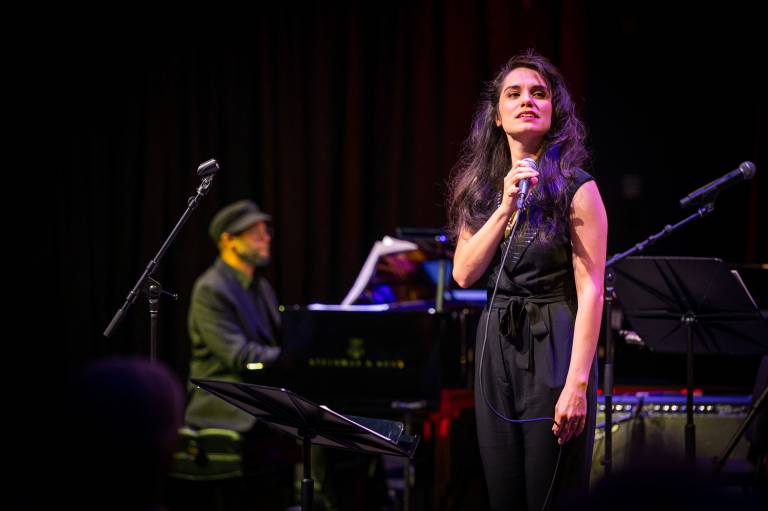
"caption": "Julia Keefe onstage at the Prior Performing Arts Center at College of the Holy Cross.",
"credit": "Troy B. Thompson",
"altTag": "A woman in a black wardrobe holds a microphone and looks slightly upward and to the right, while a pianist plays in the background.",
"description": null,
"imgSizes": {
"thumbnail": {
"file": "https://cdn.kqed.org/wp-content/uploads/sites/2/2026/03/JKIBB_HolyCross_Troy-B.-Thompson_2-160x106.jpg",
"width": 160,
"height": 106,
"mimeType": "image/jpeg"
},
"medium_large": {
"file": "https://cdn.kqed.org/wp-content/uploads/sites/2/2026/03/JKIBB_HolyCross_Troy-B.-Thompson_2-768x511.jpg",
"width": 768,
"height": 511,
"mimeType": "image/jpeg"
},
"1536x1536": {
"file": "https://cdn.kqed.org/wp-content/uploads/sites/2/2026/03/JKIBB_HolyCross_Troy-B.-Thompson_2-1536x1022.jpg",
"width": 1536,
"height": 1022,
"mimeType": "image/jpeg"
},
"post-thumbnail": {
"file": "https://cdn.kqed.org/wp-content/uploads/sites/2/2026/03/JKIBB_HolyCross_Troy-B.-Thompson_2-672x372.jpg",
"width": 672,
"height": 372,
"mimeType": "image/jpeg"
},
"twentyfourteen-full-width": {
"file": "https://cdn.kqed.org/wp-content/uploads/sites/2/2026/03/JKIBB_HolyCross_Troy-B.-Thompson_2-1038x576.jpg",
"width": 1038,
"height": 576,
"mimeType": "image/jpeg"
},
"npr-cds-wide": {
"file": "https://cdn.kqed.org/wp-content/uploads/sites/2/2026/03/JKIBB_HolyCross_Troy-B.-Thompson_2-1200x675.jpg",
"width": 1200,
"height": 675,
"mimeType": "image/jpeg"
},
"kqedFullSize": {
"file": "https://cdn.kqed.org/wp-content/uploads/sites/2/2026/03/JKIBB_HolyCross_Troy-B.-Thompson_2.jpg",
"width": 2000,
"height": 1331
}
},
"isLoading": false,
"fetchFailed": false
},
"arts_13983714": {
"type": "attachments",
"id": "arts_13983714",
"meta": {
"index": "attachments_1716263798",
"site": "arts",
"id": "13983714",
"found": true
},
"title": "Tricia.1",
"publishDate": 1763061795,
"status": "inherit",
"parent": 0,
"modified": 1763061901,
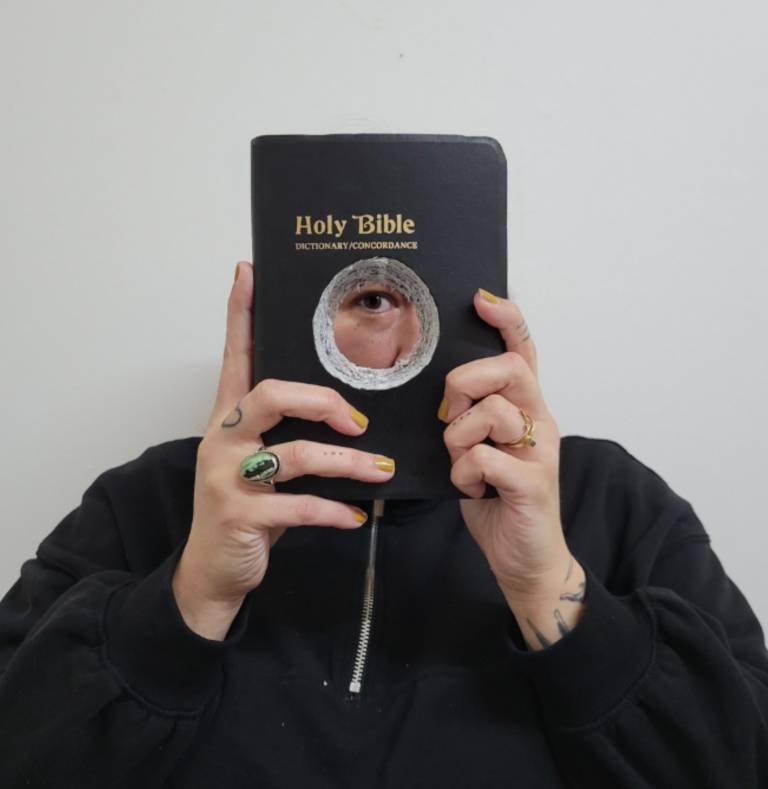
"caption": "Tricia Rainwater, ‘Holissa Holitopa (Bible),’ 2021.",
"credit": "Courtesy Tricia Rainwater",
"altTag": null,
"description": null,
"imgSizes": {
"thumbnail": {
"file": "https://cdn.kqed.org/wp-content/uploads/sites/2/2025/11/Tricia.1-160x164.jpg",
"width": 160,
"height": 164,
"mimeType": "image/jpeg"
},
"medium_large": {
"file": "https://cdn.kqed.org/wp-content/uploads/sites/2/2025/11/Tricia.1-768x789.jpg",
"width": 768,
"height": 789,
"mimeType": "image/jpeg"
},
"1536x1536": {
"file": "https://cdn.kqed.org/wp-content/uploads/sites/2/2025/11/Tricia.1-1495x1536.jpg",
"width": 1495,
"height": 1536,
"mimeType": "image/jpeg"
},
"post-thumbnail": {
"file": "https://cdn.kqed.org/wp-content/uploads/sites/2/2025/11/Tricia.1-672x372.jpg",
"width": 672,
"height": 372,
"mimeType": "image/jpeg"
},
"twentyfourteen-full-width": {
"file": "https://cdn.kqed.org/wp-content/uploads/sites/2/2025/11/Tricia.1-1038x576.jpg",
"width": 1038,
"height": 576,
"mimeType": "image/jpeg"
},
"npr-cds-wide": {
"file": "https://cdn.kqed.org/wp-content/uploads/sites/2/2025/11/Tricia.1-1200x675.jpg",
"width": 1200,
"height": 675,
"mimeType": "image/jpeg"
},
"kqedFullSize": {
"file": "https://cdn.kqed.org/wp-content/uploads/sites/2/2025/11/Tricia.1.jpg",
"width": 1530,
"height": 1572
}
},
"isLoading": false,
"fetchFailed": false
},
"arts_13982255": {
"type": "attachments",
"id": "arts_13982255",
"meta": {
"index": "attachments_1716263798",
"site": "arts",
"id": "13982255",
"found": true
},
"title": "orange_2025_hi-res-download_2",
"publishDate": 1759964914,
"status": "inherit",
"parent": 13982250,
"modified": 1759965079,
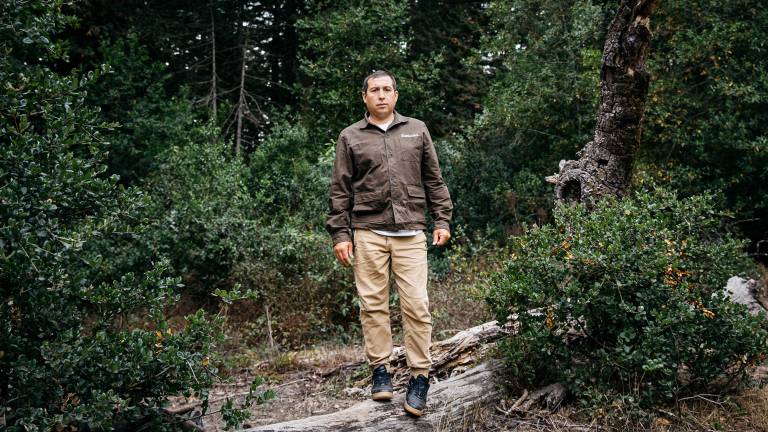
"caption": "Tommy Orange poses for a portrait in a forest. Orange is the recipient of a 2025 MacArthur Fellowship.",
"credit": "Courtesy of the John D. and Catherine T. MacArthur Foundation",
"altTag": "Man standing on a fallen tree in a forest.",
"description": null,
"imgSizes": {
"thumbnail": {
"file": "https://cdn.kqed.org/wp-content/uploads/sites/2/2025/10/orange_2025_hi-res-download_2-160x90.jpg",
"width": 160,
"height": 90,
"mimeType": "image/jpeg"
},
"medium_large": {
"file": "https://cdn.kqed.org/wp-content/uploads/sites/2/2025/10/orange_2025_hi-res-download_2-768x432.jpg",
"width": 768,
"height": 432,
"mimeType": "image/jpeg"
},
"1536x1536": {
"file": "https://cdn.kqed.org/wp-content/uploads/sites/2/2025/10/orange_2025_hi-res-download_2-1536x864.jpg",
"width": 1536,
"height": 864,
"mimeType": "image/jpeg"
},
"post-thumbnail": {
"file": "https://cdn.kqed.org/wp-content/uploads/sites/2/2025/10/orange_2025_hi-res-download_2-672x372.jpg",
"width": 672,
"height": 372,
"mimeType": "image/jpeg"
},
"twentyfourteen-full-width": {
"file": "https://cdn.kqed.org/wp-content/uploads/sites/2/2025/10/orange_2025_hi-res-download_2-1038x576.jpg",
"width": 1038,
"height": 576,
"mimeType": "image/jpeg"
},
"kqedFullSize": {
"file": "https://cdn.kqed.org/wp-content/uploads/sites/2/2025/10/orange_2025_hi-res-download_2.jpg",
"width": 2000,
"height": 1125
}
},
"isLoading": false,
"fetchFailed": false
},
"arts_13981214": {
"type": "attachments",
"id": "arts_13981214",
"meta": {
"index": "attachments_1716263798",
"site": "arts",
"id": "13981214",
"found": true
},
"title": "487_deYoung_NativeAmerican_Sexton_Aug2025_2000",
"publishDate": 1757453462,
"status": "inherit",
"parent": 13981202,
"modified": 1757454452,
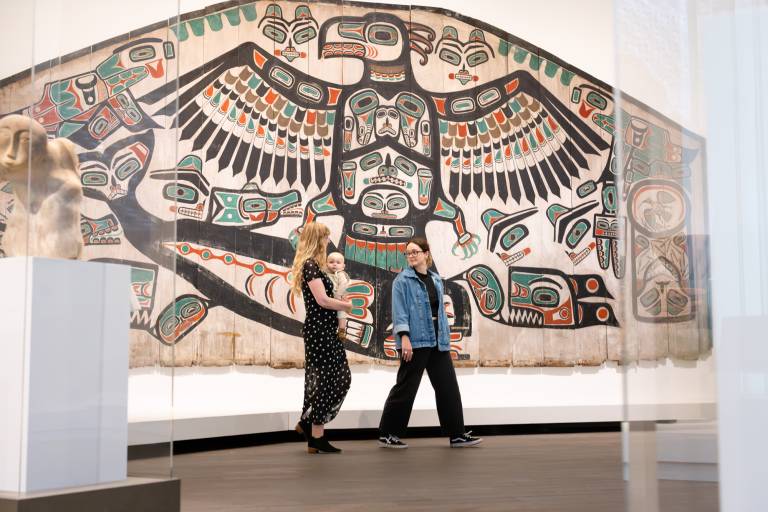
"caption": "Installation view of 'Arts of Indigenous America' at the de Young, with James Rudolf (Kúshxeet) (Tlingit), 'Xeitl X’een (Thunderbird Screen)' from the Xeitl Hít (Thunderbird House) of the\nWooshkeetaan Clan of the Áak’w Kwaan, 1907 on the wall behind.",
"credit": "Photo by Gary Sexton; Courtesy of the Fine Arts Museums of San Francisco",
"altTag": "large-scale painted wooden screen on wall in gallery",
"description": null,
"imgSizes": {
"thumbnail": {
"file": "https://cdn.kqed.org/wp-content/uploads/sites/2/2025/09/487_deYoung_NativeAmerican_Sexton_Aug2025_2000-160x107.jpg",
"width": 160,
"height": 107,
"mimeType": "image/jpeg"
},
"medium_large": {
"file": "https://cdn.kqed.org/wp-content/uploads/sites/2/2025/09/487_deYoung_NativeAmerican_Sexton_Aug2025_2000-768x512.jpg",
"width": 768,
"height": 512,
"mimeType": "image/jpeg"
},
"1536x1536": {
"file": "https://cdn.kqed.org/wp-content/uploads/sites/2/2025/09/487_deYoung_NativeAmerican_Sexton_Aug2025_2000-1536x1025.jpg",
"width": 1536,
"height": 1025,
"mimeType": "image/jpeg"
},
"post-thumbnail": {
"file": "https://cdn.kqed.org/wp-content/uploads/sites/2/2025/09/487_deYoung_NativeAmerican_Sexton_Aug2025_2000-672x372.jpg",
"width": 672,
"height": 372,
"mimeType": "image/jpeg"
},
"twentyfourteen-full-width": {
"file": "https://cdn.kqed.org/wp-content/uploads/sites/2/2025/09/487_deYoung_NativeAmerican_Sexton_Aug2025_2000-1038x576.jpg",
"width": 1038,
"height": 576,
"mimeType": "image/jpeg"
},
"kqedFullSize": {
"file": "https://cdn.kqed.org/wp-content/uploads/sites/2/2025/09/487_deYoung_NativeAmerican_Sexton_Aug2025_2000.jpg",
"width": 2000,
"height": 1334
}
},
"isLoading": false,
"fetchFailed": false
},
"arts_13967818": {
"type": "attachments",
"id": "arts_13967818",
"meta": {
"index": "attachments_1716263798",
"site": "arts",
"id": "13967818",
"found": true
},
"title": "Plunkett1",
"publishDate": 1730996118,
"status": "inherit",
"parent": 13967817,
"modified": 1730996425,
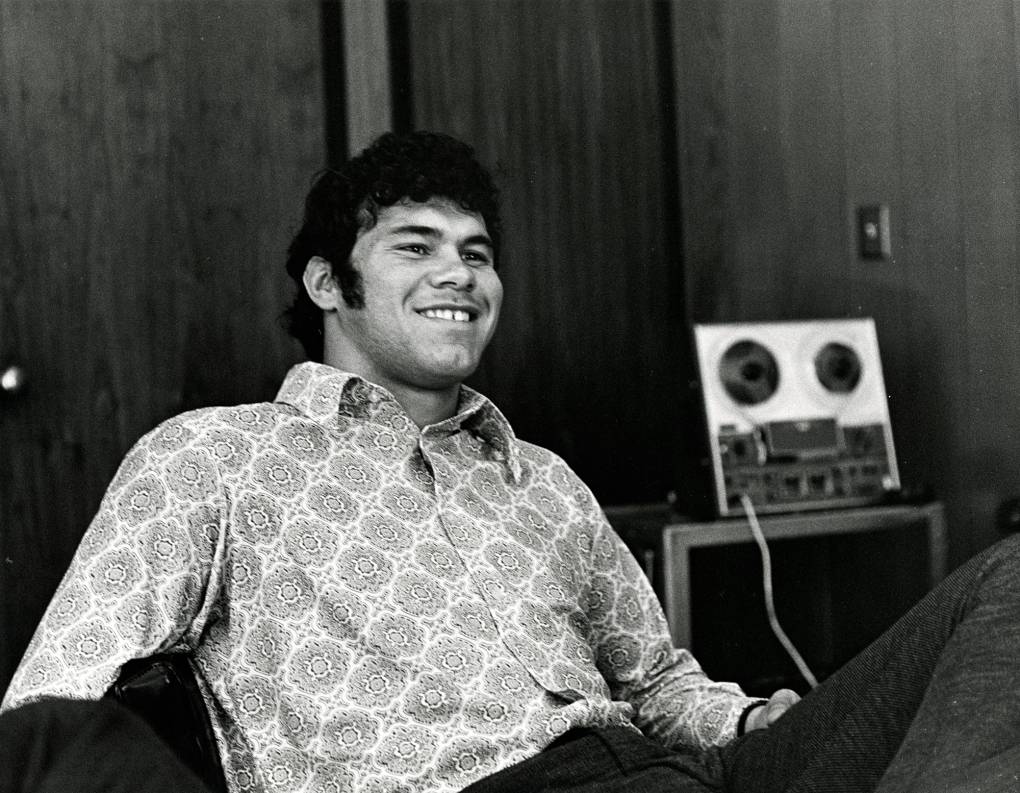
"caption": "The child of Mexican and Cherokee parents, Plunkett led the Oakland Raiders to two Super Bowl victories. The former quarterback is being considered for induction into the NFL Hall of Fame, an honor supported by Bay Area politicians, historians and fans. He is pictured here in 1972. ",
"credit": "Courtesy Stanford University Special Collections",
"altTag": null,
"description": null,
"imgSizes": {
"medium": {
"file": "https://cdn.kqed.org/wp-content/uploads/sites/2/2024/11/Plunkett1-800x622.jpg",
"width": 800,
"height": 622,
"mimeType": "image/jpeg"
},
"large": {
"file": "https://cdn.kqed.org/wp-content/uploads/sites/2/2024/11/Plunkett1-1020x793.jpg",
"width": 1020,
"height": 793,
"mimeType": "image/jpeg"
},
"thumbnail": {
"file": "https://cdn.kqed.org/wp-content/uploads/sites/2/2024/11/Plunkett1-160x124.jpg",
"width": 160,
"height": 124,
"mimeType": "image/jpeg"
},
"medium_large": {
"file": "https://cdn.kqed.org/wp-content/uploads/sites/2/2024/11/Plunkett1-768x597.jpg",
"width": 768,
"height": 597,
"mimeType": "image/jpeg"
},
"1536x1536": {
"file": "https://cdn.kqed.org/wp-content/uploads/sites/2/2024/11/Plunkett1-1536x1193.jpg",
"width": 1536,
"height": 1193,
"mimeType": "image/jpeg"
},
"post-thumbnail": {
"file": "https://cdn.kqed.org/wp-content/uploads/sites/2/2024/11/Plunkett1-672x372.jpg",
"width": 672,
"height": 372,
"mimeType": "image/jpeg"
},
"twentyfourteen-full-width": {
"file": "https://cdn.kqed.org/wp-content/uploads/sites/2/2024/11/Plunkett1-1038x576.jpg",
"width": 1038,
"height": 576,
"mimeType": "image/jpeg"
},
"full-width": {
"file": "https://cdn.kqed.org/wp-content/uploads/sites/2/2024/11/Plunkett1-1920x1492.jpg",
"width": 1920,
"height": 1492,
"mimeType": "image/jpeg"
},
"kqedFullSize": {
"file": "https://cdn.kqed.org/wp-content/uploads/sites/2/2024/11/Plunkett1.jpg",
"width": 2000,
"height": 1554
}
},
"isLoading": false,
"fetchFailed": false
},
"arts_13966557": {
"type": "attachments",
"id": "arts_13966557",
"meta": {
"index": "attachments_1716263798",
"site": "arts",
"id": "13966557",
"found": true
},
"title": "GhostRave_2024_059",
"publishDate": 1728945677,
"status": "inherit",
"parent": 13966541,
"modified": 1728946087,
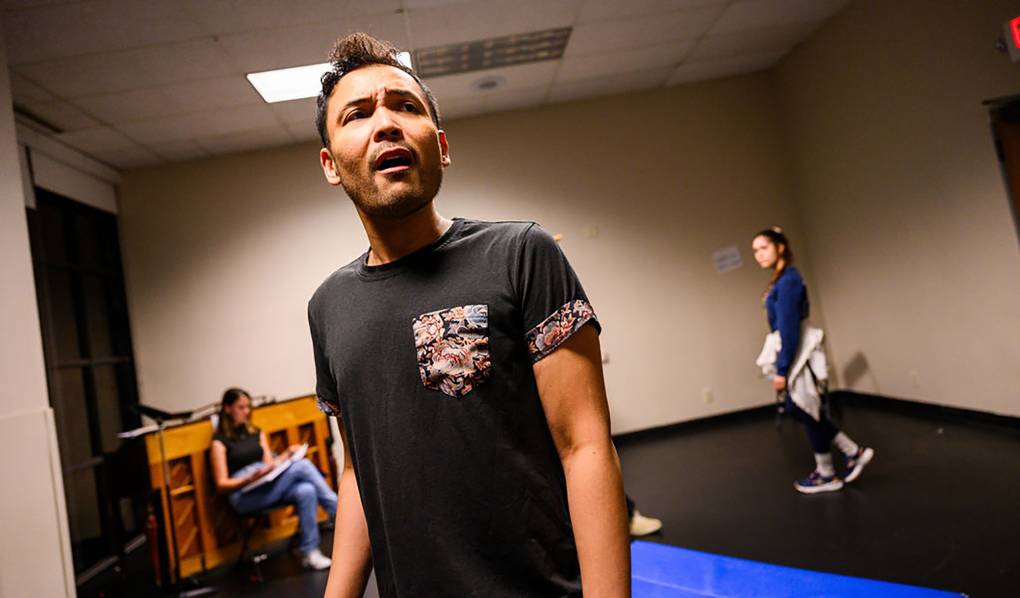
"caption": "Justin P. Lopez (Gabriel Okaga) in a June rehearsal for 'GhostRave.'",
"credit": "Ben Krantz Studio",
"altTag": null,
"description": null,
"imgSizes": {
"medium": {
"file": "https://cdn.kqed.org/wp-content/uploads/sites/2/2024/10/GhostRave_2024_059-800x469.jpg",
"width": 800,
"height": 469,
"mimeType": "image/jpeg"
},
"large": {
"file": "https://cdn.kqed.org/wp-content/uploads/sites/2/2024/10/GhostRave_2024_059-1020x598.jpg",
"width": 1020,
"height": 598,
"mimeType": "image/jpeg"
},
"thumbnail": {
"file": "https://cdn.kqed.org/wp-content/uploads/sites/2/2024/10/GhostRave_2024_059-160x94.jpg",
"width": 160,
"height": 94,
"mimeType": "image/jpeg"
},
"medium_large": {
"file": "https://cdn.kqed.org/wp-content/uploads/sites/2/2024/10/GhostRave_2024_059-768x450.jpg",
"width": 768,
"height": 450,
"mimeType": "image/jpeg"
},
"1536x1536": {
"file": "https://cdn.kqed.org/wp-content/uploads/sites/2/2024/10/GhostRave_2024_059-1536x900.jpg",
"width": 1536,
"height": 900,
"mimeType": "image/jpeg"
},
"post-thumbnail": {
"file": "https://cdn.kqed.org/wp-content/uploads/sites/2/2024/10/GhostRave_2024_059-672x372.jpg",
"width": 672,
"height": 372,
"mimeType": "image/jpeg"
},
"twentyfourteen-full-width": {
"file": "https://cdn.kqed.org/wp-content/uploads/sites/2/2024/10/GhostRave_2024_059-1038x576.jpg",
"width": 1038,
"height": 576,
"mimeType": "image/jpeg"
},
"full-width": {
"file": "https://cdn.kqed.org/wp-content/uploads/sites/2/2024/10/GhostRave_2024_059-1920x1125.jpg",
"width": 1920,
"height": 1125,
"mimeType": "image/jpeg"
},
"kqedFullSize": {
"file": "https://cdn.kqed.org/wp-content/uploads/sites/2/2024/10/GhostRave_2024_059.jpg",
"width": 2000,
"height": 1172
}
},
"isLoading": false,
"fetchFailed": false
},
"arts_13960790": {
"type": "attachments",
"id": "arts_13960790",
"meta": {
"index": "attachments_1716263798",
"site": "arts",
"id": "13960790",
"found": true
},
"title": "Ras K'dee by Pendarvis Harshaw 3",
"publishDate": 1720548849,
"status": "inherit",
"parent": 13960783,
"modified": 1720635078,
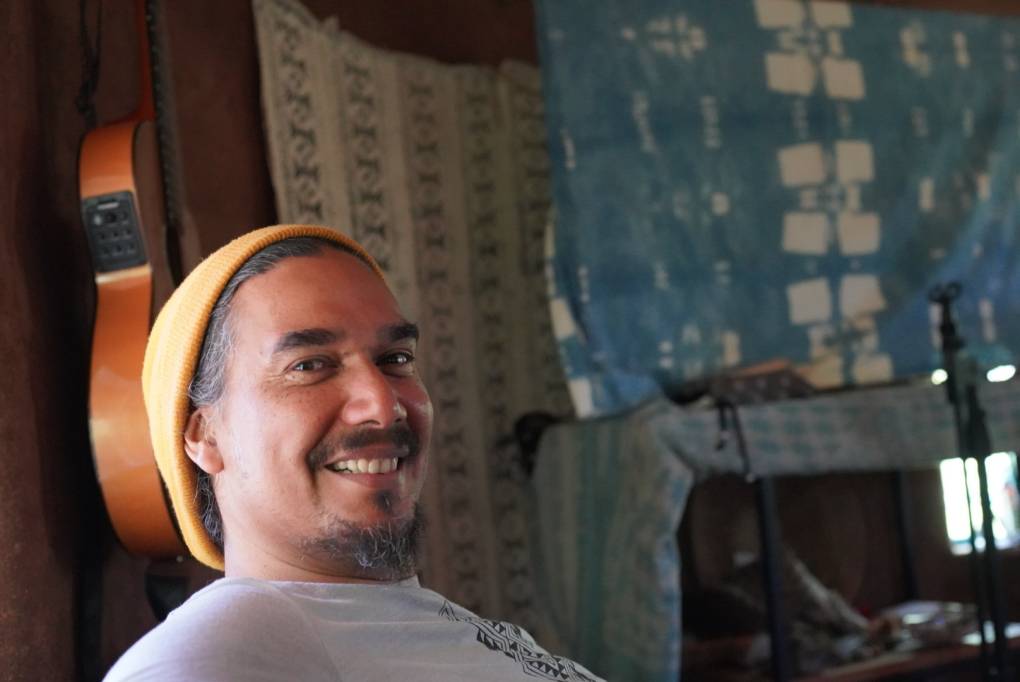
"caption": "Musician Ras K'dee in the studio in Sonoma. ",
"credit": "Pendarvis Harshaw",
"altTag": "Ras K'dee smiles and looks at the camera, while wearing a yellow knitted cap and sitting in his music studio.",
"description": "Ras K'dee smiles and looks at the camera, while wearing a yellow knitted cap and sitting in his music studio.",
"imgSizes": {
"medium": {
"file": "https://cdn.kqed.org/wp-content/uploads/sites/2/2024/07/Ras-KDee-by-Pendarvis-Harshaw-3-800x535.jpg",
"width": 800,
"height": 535,
"mimeType": "image/jpeg"
},
"large": {
"file": "https://cdn.kqed.org/wp-content/uploads/sites/2/2024/07/Ras-KDee-by-Pendarvis-Harshaw-3-1020x682.jpg",
"width": 1020,
"height": 682,
"mimeType": "image/jpeg"
},
"thumbnail": {
"file": "https://cdn.kqed.org/wp-content/uploads/sites/2/2024/07/Ras-KDee-by-Pendarvis-Harshaw-3-160x107.jpg",
"width": 160,
"height": 107,
"mimeType": "image/jpeg"
},
"medium_large": {
"file": "https://cdn.kqed.org/wp-content/uploads/sites/2/2024/07/Ras-KDee-by-Pendarvis-Harshaw-3-768x513.jpg",
"width": 768,
"height": 513,
"mimeType": "image/jpeg"
},
"1536x1536": {
"file": "https://cdn.kqed.org/wp-content/uploads/sites/2/2024/07/Ras-KDee-by-Pendarvis-Harshaw-3-1536x1027.jpg",
"width": 1536,
"height": 1027,
"mimeType": "image/jpeg"
},
"post-thumbnail": {
"file": "https://cdn.kqed.org/wp-content/uploads/sites/2/2024/07/Ras-KDee-by-Pendarvis-Harshaw-3-672x372.jpg",
"width": 672,
"height": 372,
"mimeType": "image/jpeg"
},
"twentyfourteen-full-width": {
"file": "https://cdn.kqed.org/wp-content/uploads/sites/2/2024/07/Ras-KDee-by-Pendarvis-Harshaw-3-1038x576.jpg",
"width": 1038,
"height": 576,
"mimeType": "image/jpeg"
},
"kqedFullSize": {
"file": "https://cdn.kqed.org/wp-content/uploads/sites/2/2024/07/Ras-KDee-by-Pendarvis-Harshaw-3.jpg",
"width": 1616,
"height": 1080
}
},
"isLoading": false,
"fetchFailed": false
},
"arts_13954555": {
"type": "attachments",
"id": "arts_13954555",
"meta": {
"index": "attachments_1716263798",
"site": "arts",
"id": "13954555",
"found": true
},
"parent": 13954422,
"imgSizes": {
"thumbnail": {
"file": "https://cdn.kqed.org/wp-content/uploads/sites/2/2024/03/JACKA.Mural_.diorama.plocz_-160x113.jpg",
"width": 160,
"mimeType": "image/jpeg",
"height": 113
},
"post-thumbnail": {
"file": "https://cdn.kqed.org/wp-content/uploads/sites/2/2024/03/JACKA.Mural_.diorama.plocz_-672x372.jpg",
"width": 672,
"mimeType": "image/jpeg",
"height": 372
},
"kqedFullSize": {
"file": "https://cdn.kqed.org/wp-content/uploads/sites/2/2024/03/JACKA.Mural_.diorama.plocz_.jpg",
"width": 717,
"height": 507
}
},
"publishDate": 1711040866,
"modified": 1711040938,
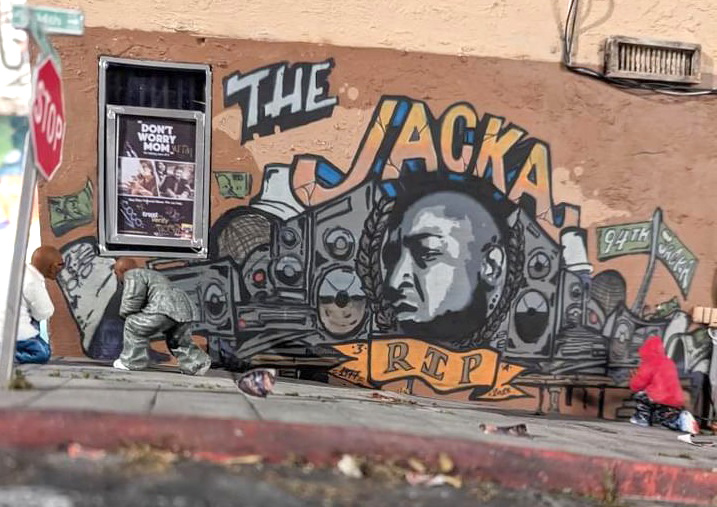
"caption": "P.LOCZ's work has been featured in exhibits like 'The Jacka Art Experience,' hosted earlier this year in remembrance of the East Oakland rapper. ",
"description": null,
"title": "JACKA.Mural.diorama.plocz",
"credit": "Courtesy P.LOCZ",
"status": "inherit",
"altTag": "An artistic depiction of a mural, on a street corner, that reads 'The Jacka' and pictures a Black man surrounded by illustrations",
"isLoading": false,
"fetchFailed": false
},
"arts_13938677": {
"type": "attachments",
"id": "arts_13938677",
"meta": {
"index": "attachments_1716263798",
"site": "arts",
"id": "13938677",
"found": true
},
"parent": 13938658,
"imgSizes": {
"twentyfourteen-full-width": {
"file": "https://ww2.kqed.org/app/uploads/sites/2/2023/11/RS54273_20220310-IMG_5694-qut-1-1038x576.jpg",
"width": 1038,
"mimeType": "image/jpeg",
"height": 576
},
"thumbnail": {
"file": "https://ww2.kqed.org/app/uploads/sites/2/2023/11/RS54273_20220310-IMG_5694-qut-1-160x97.jpg",
"width": 160,
"mimeType": "image/jpeg",
"height": 97
},
"post-thumbnail": {
"file": "https://ww2.kqed.org/app/uploads/sites/2/2023/11/RS54273_20220310-IMG_5694-qut-1-672x372.jpg",
"width": 672,
"mimeType": "image/jpeg",
"height": 372
},
"kqedFullSize": {
"file": "https://ww2.kqed.org/app/uploads/sites/2/2023/11/RS54273_20220310-IMG_5694-qut-1.jpg",
"width": 1920,
"height": 1167
},
"large": {
"file": "https://ww2.kqed.org/app/uploads/sites/2/2023/11/RS54273_20220310-IMG_5694-qut-1-1020x620.jpg",
"width": 1020,
"mimeType": "image/jpeg",
"height": 620
},
"1536x1536": {
"file": "https://ww2.kqed.org/app/uploads/sites/2/2023/11/RS54273_20220310-IMG_5694-qut-1-1536x934.jpg",
"width": 1536,
"mimeType": "image/jpeg",
"height": 934
},
"medium": {
"file": "https://ww2.kqed.org/app/uploads/sites/2/2023/11/RS54273_20220310-IMG_5694-qut-1-800x486.jpg",
"width": 800,
"mimeType": "image/jpeg",
"height": 486
},
"medium_large": {
"file": "https://ww2.kqed.org/app/uploads/sites/2/2023/11/RS54273_20220310-IMG_5694-qut-1-768x467.jpg",
"width": 768,
"mimeType": "image/jpeg",
"height": 467
}
},
"publishDate": 1701304373,
"modified": 1701304454,
"caption": "Cultural District Staff, Paloma Flores, Sharaya Souza, and Tal Quetone pose for portraits at Fort Mason in San Francisco. Alcatraz floats in the background, a significant landmark.",
"description": "Cultural District Staff, Paloma Flores, Sharaya Souza, and Tal Quetone pose for portraits at Fort Mason in San Francisco. Alcatraz floats in the background, a significant landmark.",
"title": "RS54273_20220310-IMG_5694-qut (1)",
"credit": "Amaya Edwards/KQED",
"status": "inherit",
"altTag": "Cultural District Staff, Paloma Flores, Sharaya Souza, and Tal Quetone pose for portraits at Fort Mason in San Francisco. Alcatraz floats in the background, a significant landmark.",
"isLoading": false,
"fetchFailed": false
},
"arts_13932419": {
"type": "attachments",
"id": "arts_13932419",
"meta": {
"index": "attachments_1716263798",
"site": "arts",
"id": "13932419",
"found": true
},
"parent": 13932418,
"imgSizes": {
"twentyfourteen-full-width": {
"file": "https://ww2.kqed.org/app/uploads/sites/2/2023/07/darkwinds_joe-bernadette_mm_1130_0122_rt_wide-829c7ebf45cd9231b4714df3cda7ca55a470360f-scaled-e1690826358256-1038x576.jpg",
"width": 1038,
"mimeType": "image/jpeg",
"height": 576
},
"thumbnail": {
"file": "https://ww2.kqed.org/app/uploads/sites/2/2023/07/darkwinds_joe-bernadette_mm_1130_0122_rt_wide-829c7ebf45cd9231b4714df3cda7ca55a470360f-scaled-e1690826358256-160x90.jpg",
"width": 160,
"mimeType": "image/jpeg",
"height": 90
},
"post-thumbnail": {
"file": "https://ww2.kqed.org/app/uploads/sites/2/2023/07/darkwinds_joe-bernadette_mm_1130_0122_rt_wide-829c7ebf45cd9231b4714df3cda7ca55a470360f-scaled-e1690826358256-672x372.jpg",
"width": 672,
"mimeType": "image/jpeg",
"height": 372
},
"kqedFullSize": {
"file": "https://ww2.kqed.org/app/uploads/sites/2/2023/07/darkwinds_joe-bernadette_mm_1130_0122_rt_wide-829c7ebf45cd9231b4714df3cda7ca55a470360f-scaled-e1690826358256.jpg",
"width": 1920,
"height": 1080
},
"2048x2048": {
"file": "https://ww2.kqed.org/app/uploads/sites/2/2023/07/darkwinds_joe-bernadette_mm_1130_0122_rt_wide-829c7ebf45cd9231b4714df3cda7ca55a470360f-2048x1152.jpg",
"width": 2048,
"mimeType": "image/jpeg",
"height": 1152
},
"large": {
"file": "https://ww2.kqed.org/app/uploads/sites/2/2023/07/darkwinds_joe-bernadette_mm_1130_0122_rt_wide-829c7ebf45cd9231b4714df3cda7ca55a470360f-scaled-e1690826358256-1020x574.jpg",
"width": 1020,
"mimeType": "image/jpeg",
"height": 574
},
"1536x1536": {
"file": "https://ww2.kqed.org/app/uploads/sites/2/2023/07/darkwinds_joe-bernadette_mm_1130_0122_rt_wide-829c7ebf45cd9231b4714df3cda7ca55a470360f-scaled-e1690826358256-1536x864.jpg",
"width": 1536,
"mimeType": "image/jpeg",
"height": 864
},
"full-width": {
"file": "https://ww2.kqed.org/app/uploads/sites/2/2023/07/darkwinds_joe-bernadette_mm_1130_0122_rt_wide-829c7ebf45cd9231b4714df3cda7ca55a470360f-1920x1080.jpg",
"width": 1920,
"mimeType": "image/jpeg",
"height": 1080
},
"medium": {
"file": "https://ww2.kqed.org/app/uploads/sites/2/2023/07/darkwinds_joe-bernadette_mm_1130_0122_rt_wide-829c7ebf45cd9231b4714df3cda7ca55a470360f-scaled-e1690826358256-800x450.jpg",
"width": 800,
"mimeType": "image/jpeg",
"height": 450
},
"medium_large": {
"file": "https://ww2.kqed.org/app/uploads/sites/2/2023/07/darkwinds_joe-bernadette_mm_1130_0122_rt_wide-829c7ebf45cd9231b4714df3cda7ca55a470360f-scaled-e1690826358256-768x432.jpg",
"width": 768,
"mimeType": "image/jpeg",
"height": 432
}
},
"publishDate": 1690825788,
"modified": 1690826453,
"caption": "Zahn McClarnon plays Lt. Joe Leaphorn and Jessica Matten is Sgt. Bernadette Manuelito in Season 2 of ‘Dark Winds.’",
"description": null,
"title": "Zahn McClarnon plays Lt. Joe Leaphorn and Jessica Matten is Sgt. Bernadette Manuelito in Season 2 of ‘Dark Winds.’",
"credit": "Michael Moriatis/ AMC",
"status": "inherit",
"altTag": "Two Indigenous police officers - one male, one female - sit in a car, wearing brown and tan uniforms. The environment outside the car's windows is desert.",
"isLoading": false,
"fetchFailed": false
},
"arts_13930041": {
"type": "attachments",
"id": "arts_13930041",
"meta": {
"index": "attachments_1716263798",
"site": "arts",
"id": "13930041",
"found": true
},
"parent": 13930040,
"imgSizes": {
"twentyfourteen-full-width": {
"file": "https://ww2.kqed.org/app/uploads/sites/2/2023/06/Sonoma-County-Pomo-Dancers-1038x576.jpeg",
"width": 1038,
"mimeType": "image/jpeg",
"height": 576
},
"thumbnail": {
"file": "https://ww2.kqed.org/app/uploads/sites/2/2023/06/Sonoma-County-Pomo-Dancers-160x120.jpeg",
"width": 160,
"mimeType": "image/jpeg",
"height": 120
},
"post-thumbnail": {
"file": "https://ww2.kqed.org/app/uploads/sites/2/2023/06/Sonoma-County-Pomo-Dancers-672x372.jpeg",
"width": 672,
"mimeType": "image/jpeg",
"height": 372
},
"kqedFullSize": {
"file": "https://ww2.kqed.org/app/uploads/sites/2/2023/06/Sonoma-County-Pomo-Dancers-scaled.jpeg",
"width": 2560,
"height": 1920
},
"2048x2048": {
"file": "https://ww2.kqed.org/app/uploads/sites/2/2023/06/Sonoma-County-Pomo-Dancers-2048x1536.jpeg",
"width": 2048,
"mimeType": "image/jpeg",
"height": 1536
},
"large": {
"file": "https://ww2.kqed.org/app/uploads/sites/2/2023/06/Sonoma-County-Pomo-Dancers-1020x765.jpeg",
"width": 1020,
"mimeType": "image/jpeg",
"height": 765
},
"1536x1536": {
"file": "https://ww2.kqed.org/app/uploads/sites/2/2023/06/Sonoma-County-Pomo-Dancers-1536x1152.jpeg",
"width": 1536,
"mimeType": "image/jpeg",
"height": 1152
},
"full-width": {
"file": "https://ww2.kqed.org/app/uploads/sites/2/2023/06/Sonoma-County-Pomo-Dancers-1920x1440.jpeg",
"width": 1920,
"mimeType": "image/jpeg",
"height": 1440
},
"medium": {
"file": "https://ww2.kqed.org/app/uploads/sites/2/2023/06/Sonoma-County-Pomo-Dancers-800x600.jpeg",
"width": 800,
"mimeType": "image/jpeg",
"height": 600
},
"medium_large": {
"file": "https://ww2.kqed.org/app/uploads/sites/2/2023/06/Sonoma-County-Pomo-Dancers-768x576.jpeg",
"width": 768,
"mimeType": "image/jpeg",
"height": 576
}
},
"publishDate": 1685895029,
"modified": 1685906824,
"caption": "Sonoma County Pomo Dancers performing at the 2022 Many Nations One Land festival in Oakland. ",
"description": "Sonoma County Pomo Dancers performing at the 2022 Many Nations One Land festival in Oakland. ",
"title": "Sonoma County Pomo Dancers performing at the 2022 Many Nations One Land festival in Oakland.",
"credit": "Manny Lieras",
"status": "inherit",
"altTag": "Sonoma County Pomo Dancers performing at the 2022 Many Nations One Land festival in Oakland.",
"isLoading": false,
"fetchFailed": false
},
"arts_13926351": {
"type": "attachments",
"id": "arts_13926351",
"meta": {
"index": "attachments_1716263798",
"site": "arts",
"id": "13926351",
"found": true
},
"parent": 13926349,
"imgSizes": {
"twentyfourteen-full-width": {
"file": "https://ww2.kqed.org/app/uploads/sites/2/2023/03/from_the_soil_at_project_280_720-546x576.jpg",
"width": 546,
"mimeType": "image/jpeg",
"height": 576
},
"thumbnail": {
"file": "https://ww2.kqed.org/app/uploads/sites/2/2023/03/from_the_soil_at_project_280_720-160x211.jpg",
"width": 160,
"mimeType": "image/jpeg",
"height": 211
},
"post-thumbnail": {
"file": "https://ww2.kqed.org/app/uploads/sites/2/2023/03/from_the_soil_at_project_280_720-546x372.jpg",
"width": 546,
"mimeType": "image/jpeg",
"height": 372
},
"kqedFullSize": {
"file": "https://ww2.kqed.org/app/uploads/sites/2/2023/03/from_the_soil_at_project_280_720.jpg",
"width": 546,
"height": 719
}
},
"publishDate": 1678982187,
"modified": 1678982295,
"caption": "Marisol Medina-Cadena holds a boom mic while Pendarvis Harshaw poses with his camera around his neck, as they stand on a hillside in San Francisco-- the site of the 280 Project's wine vineyard.",
"description": "Marisol Medina-Cadena holds a boom mic while Pendarvis Harshaw poses with his camera around his neck, as they stand on a hillside in San Francisco-- the site of the 280 Project's wine vineyard.",
"title": "Marisol Medina-Cadena holds a boom mic while Pendarvis Harshaw poses with his camera around his neck, as they stand on a hillside in San Francisco-- the site of the 280 Project's wine vineyard.",
"credit": "Christopher Renfro",
"status": "inherit",
"altTag": "Marisol Medina-Cadena holds a boom mic while Pendarvis Harshaw poses with his camera around his neck, as they stand on a hillside in San Francisco-- the site of the 280 Project's wine vineyard.",
"isLoading": false,
"fetchFailed": false
}
},
"audioPlayerReducer": {
"postId": "stream_live",
"isPaused": true,
"isPlaying": false,
"pfsActive": false,
"pledgeModalIsOpen": true,
"playerDrawerIsOpen": false,
"liveAudioPlayStartedAt": 0,
"liveAudioPlayContext": ""
},
"authorsReducer": {
"byline_arts_13967817": {
"type": "authors",
"id": "byline_arts_13967817",
"meta": {
"override": true
},
"slug": "byline_arts_13967817",
"name": "Nick Lozito",
"isLoading": false
},
"byline_arts_13932418": {
"type": "authors",
"id": "byline_arts_13932418",
"meta": {
"override": true
},
"slug": "byline_arts_13932418",
"name": "John Powers",
"isLoading": false
},
"agilbert": {
"type": "authors",
"id": "86",
"meta": {
"index": "authors_1716337520",
"id": "86",
"found": true
},
"name": "Andrew Gilbert",
"firstName": "Andrew",
"lastName": "Gilbert",
"slug": "agilbert",
"email": "jazzscribe@aol.com",
"display_author_email": false,
"staff_mastheads": [],
"title": "KQED Contributor",
"bio": "A Los Angeles native based in the Berkeley area since 1996, Andrew Gilbert covers jazz, international music and dance for KQED's \u003ci>California Report, \u003c/i>the\u003ci> Mercury News\u003c/i>, \u003ci>San Francisco Chronicle\u003c/i>, \u003ci>Berkeleyside.com\u003c/i>, and other publications. He is available for weddings and bar and bat mitzvahs. #jazzscribe",
"avatar": "https://secure.gravatar.com/avatar/d7bcafdbefdd39e9a68f88724ca616eb4e7a5a6bff9cdfb62de652a1e1751471?s=600&d=blank&r=g",
"twitter": null,
"bluesky": null,
"facebook": null,
"instagram": null,
"linkedin": null,
"sites": [
{
"site": "arts",
"roles": [
"Contributor",
"author"
]
},
{
"site": "news",
"roles": [
"author"
]
}
],
"headData": {
"title": "Andrew Gilbert | KQED",
"description": "KQED Contributor",
"ogImgSrc": "https://secure.gravatar.com/avatar/d7bcafdbefdd39e9a68f88724ca616eb4e7a5a6bff9cdfb62de652a1e1751471?s=600&d=blank&r=g",
"twImgSrc": "https://secure.gravatar.com/avatar/d7bcafdbefdd39e9a68f88724ca616eb4e7a5a6bff9cdfb62de652a1e1751471?s=600&d=blank&r=g"
},
"isLoading": false,
"link": "/author/agilbert"
},
"ogpenn": {
"type": "authors",
"id": "11491",
"meta": {
"index": "authors_1716337520",
"id": "11491",
"found": true
},
"name": "Pendarvis Harshaw",
"firstName": "Pendarvis",
"lastName": "Harshaw",
"slug": "ogpenn",
"email": "ogpenn@gmail.com",
"display_author_email": false,
"staff_mastheads": [
"arts"
],
"title": "Community Engagement Reporter",
"bio": "Pendarvis Harshaw is an educator, host and writer with KQED Arts.",
"avatar": "https://secure.gravatar.com/avatar/972b77ee8e3f346ae2b00622661187fbfabd059b5693bbdc1475ea7a722fd4cd?s=600&d=blank&r=g",
"twitter": null,
"bluesky": null,
"facebook": null,
"instagram": "ogpenn",
"linkedin": null,
"sites": [
{
"site": "arts",
"roles": [
"administrator"
]
},
{
"site": "news",
"roles": [
"editor"
]
},
{
"site": "bayareabites",
"roles": [
"author"
]
},
{
"site": "hiphop",
"roles": [
"editor"
]
}
],
"headData": {
"title": "Pendarvis Harshaw | KQED",
"description": "Community Engagement Reporter",
"ogImgSrc": "https://secure.gravatar.com/avatar/972b77ee8e3f346ae2b00622661187fbfabd059b5693bbdc1475ea7a722fd4cd?s=600&d=blank&r=g",
"twImgSrc": "https://secure.gravatar.com/avatar/972b77ee8e3f346ae2b00622661187fbfabd059b5693bbdc1475ea7a722fd4cd?s=600&d=blank&r=g"
},
"isLoading": false,
"link": "/author/ogpenn"
},
"ngluckstern": {
"type": "authors",
"id": "11497",
"meta": {
"index": "authors_1716337520",
"id": "11497",
"found": true
},
"name": "Nicole Gluckstern",
"firstName": "Nicole",
"lastName": "Gluckstern",
"slug": "ngluckstern",
"email": "gluckstern.nicole@gmail.com",
"display_author_email": false,
"staff_mastheads": [],
"title": "KQED Contributor",
"bio": null,
"avatar": "https://secure.gravatar.com/avatar/2c3d593194017bfe811a998ad03140909de330b22abebf4889e1a564ce5b3495?s=600&d=blank&r=g",
"twitter": null,
"bluesky": null,
"facebook": null,
"instagram": null,
"linkedin": null,
"sites": [
{
"site": "arts",
"roles": [
"contributor"
]
}
],
"headData": {
"title": "Nicole Gluckstern | KQED",
"description": "KQED Contributor",
"ogImgSrc": "https://secure.gravatar.com/avatar/2c3d593194017bfe811a998ad03140909de330b22abebf4889e1a564ce5b3495?s=600&d=blank&r=g",
"twImgSrc": "https://secure.gravatar.com/avatar/2c3d593194017bfe811a998ad03140909de330b22abebf4889e1a564ce5b3495?s=600&d=blank&r=g"
},
"isLoading": false,
"link": "/author/ngluckstern"
},
"mmedina": {
"type": "authors",
"id": "11528",
"meta": {
"index": "authors_1716337520",
"id": "11528",
"found": true
},
"name": "Marisol Medina-Cadena",
"firstName": "Marisol",
"lastName": "Medina-Cadena",
"slug": "mmedina",
"email": "mmedina@KQED.org",
"display_author_email": true,
"staff_mastheads": [],
"title": "Producer, Rightnowish Podcast",
"bio": "Marisol Medina-Cadena is a radio reporter and podcast producer. Before working at KQED, she produced for PBS member station, KCET, in Los Angeles. In 2017, Marisol won an Emmy Award for her work on the televised documentary, \u003cem>City Rising\u003c/em>, examining California's affordable housing crisis and the historical roots of gentrification.",
"avatar": "https://secure.gravatar.com/avatar/6c3db46a1cabb5e1fe9a365b5f4e681e?s=600&d=blank&r=g",
"twitter": "marisolreports",
"facebook": null,
"instagram": null,
"linkedin": null,
"sites": [
{
"site": "arts",
"roles": []
},
{
"site": "news",
"roles": [
"edit_others_posts"
]
}
],
"headData": {
"title": "Marisol Medina-Cadena | KQED",
"description": "Producer, Rightnowish Podcast",
"ogImgSrc": "https://secure.gravatar.com/avatar/6c3db46a1cabb5e1fe9a365b5f4e681e?s=600&d=blank&r=g",
"twImgSrc": "https://secure.gravatar.com/avatar/6c3db46a1cabb5e1fe9a365b5f4e681e?s=600&d=blank&r=g"
},
"isLoading": false,
"link": "/author/mmedina"
},
"ltsai": {
"type": "authors",
"id": "11743",
"meta": {
"index": "authors_1716337520",
"id": "11743",
"found": true
},
"name": "Luke Tsai",
"firstName": "Luke",
"lastName": "Tsai",
"slug": "ltsai",
"email": "ltsai@kqed.org",
"display_author_email": true,
"staff_mastheads": [
"arts"
],
"title": "Food Editor",
"bio": "Luke Tsai is KQED's food editor and resident stinky tofu connoisseur. Prior to KQED, he was an editor at Eater SF, \u003cem>San Francisco \u003c/em>magazine, and the \u003cem>East Bay Express\u003c/em>, and his work has also appeared in TASTE, the \u003cem>San Francisco Chronicle\u003c/em>, and the \u003cem>Best Food Writing\u003c/em> anthology. When he isn't writing or editing, you'll find him eating most everything he can get his hands on.",
"avatar": "https://secure.gravatar.com/avatar/1e59b45bf191526e7339d6ba46e33a57b2030d25c27660ecc64ea3cb863e34f7?s=600&d=blank&r=g",
"twitter": "theluketsai",
"bluesky": null,
"facebook": null,
"instagram": null,
"linkedin": null,
"sites": [
{
"site": "",
"roles": [
"editor"
]
},
{
"site": "arts",
"roles": [
"administrator"
]
},
{
"site": "news",
"roles": [
"editor",
"contributor"
]
},
{
"site": "bayareabites",
"roles": [
"editor"
]
},
{
"site": "food",
"roles": [
"editor"
]
}
],
"headData": {
"title": "Luke Tsai | KQED",
"description": "Food Editor",
"ogImgSrc": "https://secure.gravatar.com/avatar/1e59b45bf191526e7339d6ba46e33a57b2030d25c27660ecc64ea3cb863e34f7?s=600&d=blank&r=g",
"twImgSrc": "https://secure.gravatar.com/avatar/1e59b45bf191526e7339d6ba46e33a57b2030d25c27660ecc64ea3cb863e34f7?s=600&d=blank&r=g"
},
"isLoading": false,
"link": "/author/ltsai"
},
"achazaro": {
"type": "authors",
"id": "11748",
"meta": {
"index": "authors_1716337520",
"id": "11748",
"found": true
},
"name": "Alan Chazaro",
"firstName": "Alan",
"lastName": "Chazaro",
"slug": "achazaro",
"email": "agchazaro@gmail.com",
"display_author_email": true,
"staff_mastheads": [],
"title": "Food Writer and Reporter",
"bio": "Alan Chazaro is the author of \u003cem>This Is Not a Frank Ocean Cover Album\u003c/em> (Black Lawrence Press, 2019), \u003cem>Piñata Theory\u003c/em> (Black Lawrence Press, 2020), and \u003cem>Notes from the Eastern Span of the Bay Bridge\u003c/em> (Ghost City Press, 2021). He is a graduate of June Jordan’s Poetry for the People program at UC Berkeley and a former Lawrence Ferlinghetti Fellow at the University of San Francisco. He writes about sports, food, art, music, education, and culture while repping the Bay on \u003ca href=\"https://twitter.com/alan_chazaro\">Twitter\u003c/a> and \u003ca href=\"https://www.instagram.com/alan_chazaro/?hl=en\">Instagram\u003c/a> at @alan_chazaro.",
"avatar": "https://secure.gravatar.com/avatar/ea8b6dd970fc5c29e7a188e7d5861df7?s=600&d=blank&r=g",
"twitter": "alan_chazaro",
"facebook": null,
"instagram": null,
"linkedin": null,
"sites": [
{
"site": "arts",
"roles": [
"contributor"
]
},
{
"site": "news",
"roles": [
"editor"
]
}
],
"headData": {
"title": "Alan Chazaro | KQED",
"description": "Food Writer and Reporter",
"ogImgSrc": "https://secure.gravatar.com/avatar/ea8b6dd970fc5c29e7a188e7d5861df7?s=600&d=blank&r=g",
"twImgSrc": "https://secure.gravatar.com/avatar/ea8b6dd970fc5c29e7a188e7d5861df7?s=600&d=blank&r=g"
},
"isLoading": false,
"link": "/author/achazaro"
},
"jmelido": {
"type": "authors",
"id": "11972",
"meta": {
"index": "authors_1716337520",
"id": "11972",
"found": true
},
"name": "Janea Melido",
"firstName": "Janea",
"lastName": "Melido",
"slug": "jmelido",
"email": "jmelido@kqed.org",
"display_author_email": true,
"staff_mastheads": [
"arts"
],
"title": "Contributor, KQED Arts & Culture",
"bio": "Janea Melido holds a Bachelor of Arts in English and minor in Ethnic Studies from the University of Portland. She's drawn to the quiet power of everyday stories, especially ones that often go overlooked. When she's not reporting, she enjoys cutting up her old print stories and making collages out of them. She served as an intern for KQED Arts & Culture in 2025–26.",
"avatar": "https://secure.gravatar.com/avatar/a29821c5951064ade16b01245ce4604a599e1d4609df1ff590a8de6c7728826a?s=600&d=blank&r=g",
"twitter": null,
"bluesky": null,
"facebook": null,
"instagram": null,
"linkedin": null,
"sites": [
{
"site": "arts",
"roles": [
"contributor"
]
}
],
"headData": {
"title": "Janea Melido | KQED",
"description": "Contributor, KQED Arts & Culture",
"ogImgSrc": "https://secure.gravatar.com/avatar/a29821c5951064ade16b01245ce4604a599e1d4609df1ff590a8de6c7728826a?s=600&d=blank&r=g",
"twImgSrc": "https://secure.gravatar.com/avatar/a29821c5951064ade16b01245ce4604a599e1d4609df1ff590a8de6c7728826a?s=600&d=blank&r=g"
},
"isLoading": false,
"link": "/author/jmelido"
},
"lchien": {
"type": "authors",
"id": "11987",
"meta": {
"index": "authors_1716337520",
"id": "11987",
"found": true
},
"name": "Letha Ch’ien",
"firstName": "Letha",
"lastName": "Ch’ien",
"slug": "lchien",
"email": "lethachien@proton.me",
"display_author_email": false,
"staff_mastheads": [],
"title": "KQED Contributor",
"bio": "Letha Ch'ien is the Samuel H. Kress senior fellow at Smarthistory: The Center for Public Art History. Before joining Smarthistory, Letha was an associate professor of art history at Sonoma State University. She writes art criticism for a variety of publications.",
"avatar": "https://secure.gravatar.com/avatar/507cde9403bbe1e0193a924218e5d8861471cbc65dc52574c74093fd65bba6d7?s=600&d=blank&r=g",
"twitter": null,
"bluesky": null,
"facebook": null,
"instagram": null,
"linkedin": "https://www.linkedin.com/in/letha-ch-ien-4b603b229/",
"sites": [
{
"site": "arts",
"roles": [
"contributor"
]
}
],
"headData": {
"title": "Letha Ch’ien | KQED",
"description": "KQED Contributor",
"ogImgSrc": "https://secure.gravatar.com/avatar/507cde9403bbe1e0193a924218e5d8861471cbc65dc52574c74093fd65bba6d7?s=600&d=blank&r=g",
"twImgSrc": "https://secure.gravatar.com/avatar/507cde9403bbe1e0193a924218e5d8861471cbc65dc52574c74093fd65bba6d7?s=600&d=blank&r=g"
},
"isLoading": false,
"link": "/author/lchien"
}
},
"pagesReducer": {
"arts_tag_native-american": {
"type": "terms",
"id": "arts_3178",
"meta": {
"index": "terms_1716263798",
"site": "arts",
"id": "3178",
"score": 8.558821
},
"featImg": null,
"name": "native american",
"description": null,
"taxonomy": "tag",
"headData": {
"twImgId": null,
"twTitle": null,
"ogTitle": null,
"ogImgId": null,
"twDescription": null,
"description": null,
"title": "native american Archives | KQED Arts",
"ogDescription": null
},
"ttid": 3190,
"slug": "native-american",
"isLoading": false,
"title": "native american",
"pageMeta": {
"site": "arts",
"WpPageTemplate": "page-topic-editorial",
"currentPage": 1
},
"blocks": [
{
"blockName": "kqed/post-list",
"attrs": {
"layout": "cardArticle2",
"query": "posts/arts?tag=native-american",
"seeMore": false,
"paginated": true,
"page": 1
}
},
{
"blockName": "kqed/ad"
}
]
}
},
"pfsSessionReducer": {},
"postsReducer": {
"stream_live": {
"type": "live",
"id": "stream_live",
"audioUrl": "https://streams.kqed.org/kqedradio",
"title": "Live Stream",
"excerpt": "Live Stream information currently unavailable.",
"link": "/radio",
"featImg": "",
"label": {
"name": "KQED Live",
"link": "/"
}
},
"stream_kqedNewscast": {
"type": "posts",
"id": "stream_kqedNewscast",
"audioUrl": "https://www.kqed.org/.stream/anon/radio/RDnews/newscast.mp3?_=1",
"title": "KQED Newscast",
"featImg": "",
"label": {
"name": "88.5 FM",
"link": "/"
}
},
"arts_13987167": {
"type": "posts",
"id": "arts_13987167",
"meta": {
"index": "posts_1716263798",
"site": "arts",
"id": "13987167",
"score": null,
"sort": [
1772645923000
]
},
"guestAuthors": [],
"slug": "julia-keefe-indigenous-big-band-jazz",
"title": "She’s Restoring Native American Jazz History — and Creating Her Own",
"publishDate": 1772645923,
"format": "standard",
"headTitle": "She’s Restoring Native American Jazz History — and Creating Her Own | KQED",
"labelTerm": {},
"content": "\u003cp>At first, Julia Keefe simply wanted the world to finally know about the historical legacy of Native Americans in \u003ca href=\"https://www.kqed.org/arts/tag/jazz\">jazz\u003c/a>.\u003c/p>\n\u003cp>But with her flagship project, the Julia Keefe Indigenous Big Band, the vocalist and enrolled member of the Nez Perce tribe built a creative dynamo inspiring original compositions and arrangements. Rather than merely illuminating the past, Keefe and her far-flung cast of young Indigenous collaborators are blazing a new chapter in jazz history.\u003c/p>\n\u003cp>“With a lot of younger folks in the band, they thought they were the only Indigenous jazz musicians out there,” said Keefe, 36, who makes her Cal Performances debut with the Indigenous Big Band \u003ca href=\"https://calperformances.org/events/2025-26/illuminations-exile-sanctuary/julia-keefe-indigenous-big-band/\">March 6 at Zellerbach Playhouse\u003c/a>.\u003c/p>\n\u003cfigure id=\"attachment_13987364\" class=\"wp-caption aligncenter\" style=\"max-width: 2000px\">\u003cimg loading=\"lazy\" decoding=\"async\" src=\"https://cdn.kqed.org/wp-content/uploads/sites/2/2026/03/JKIBB_JaszGarrett.jpg\" alt=\"\" width=\"2000\" height=\"1333\" class=\"size-full wp-image-13987364\" srcset=\"https://cdn.kqed.org/wp-content/uploads/sites/2/2026/03/JKIBB_JaszGarrett.jpg 2000w, https://cdn.kqed.org/wp-content/uploads/sites/2/2026/03/JKIBB_JaszGarrett-160x107.jpg 160w, https://cdn.kqed.org/wp-content/uploads/sites/2/2026/03/JKIBB_JaszGarrett-768x512.jpg 768w, https://cdn.kqed.org/wp-content/uploads/sites/2/2026/03/JKIBB_JaszGarrett-1536x1024.jpg 1536w\" sizes=\"auto, (max-width: 2000px) 100vw, 2000px\">\u003cfigcaption class=\"wp-caption-text\">Julia Keefe leads the band. \u003ccite>(Jasz Garrett)\u003c/cite>\u003c/figcaption>\u003c/figure>\n\u003cp>“We’re all scattered to the winds and four directions, and the more we do this work, the more we connect with these folks who’ve felt really isolated. Our roster is growing. We’ve connected with well over 60 people, and my hope is to get us all together for an Indigenous jazz summit,” she says.\u003c/p>\n\u003cp>Vivacious and earnest on stage, Keefe has spent much of her life searching for traces of Native Americans in jazz. Growing up in Spokane, she fell in love with the music as a child, entranced by the plaintive quality of Billie Holiday’s voice. Gigging in her early teens, she discovered that pioneering big band vocalist Mildred Bailey, cited by Holiday as an influence, grew up on the Coeur d’Alene Reservation in Idaho before relocating with her family to Spokane.\u003c/p>\n\u003cp>[ad fullwidth]\u003c/p>\n\u003cp>“Not only was Bailey Indigenous,” Keefe said, “she was from my part of the country, and like me, spent formative years in Spokane. Holy smokes!”\u003c/p>\n\u003cp>https://www.youtube.com/watch?v=TEXG4mZ5y2A\u003c/p>\n\u003cp>Often referred to as “The Rockin’ Chair Lady” after one of her early hits, Bailey was the first woman to sing with a jazz big band, touring with the Paul Whiteman Orchestra from 1929-33. Along with Louis Armstrong, she played an essential role in shaping Bing Crosby’s jazz-inspired phrasing, which is to say, American pop music. Though Bailey recorded dozens of classic songs with the era’s greatest improvisers, she’s largely been forgotten since her death in 1951 at the age of 44.\u003c/p>\n\u003cp>Other prominent Native American jazz artists included “Big Chief” Russell Moore (1912-1983), the prolific Pima trombonist best known for several stints with Louis Armstrong. And the number of Black jazz greats with Native American heritage remains striking, including modern jazz architects such as drummer Max Roach, bassists Oscar Pettiford and Charlie Mingus, alto saxophonist Charlie Parker and trumpeter Dizzy Gillespie.\u003c/p>\n\u003cp>But those attenuated connections rarely manifested on the bandstand, with the notable exception of Los Angeles bass maestro John Clayton’s “Red Man-Black Man,” a suite commissioned by the 2006 Monterey Jazz Festival that explored resonances between African American and Native American music.\u003c/p>\n\u003cfigure id=\"attachment_13987367\" class=\"wp-caption aligncenter\" style=\"max-width: 2000px\">\u003cimg loading=\"lazy\" decoding=\"async\" src=\"https://cdn.kqed.org/wp-content/uploads/sites/2/2026/03/JKIJE_MJF67_2024_cJessica-Worthington.jpg\" alt=\"\" width=\"2000\" height=\"1333\" class=\"size-full wp-image-13987367\" srcset=\"https://cdn.kqed.org/wp-content/uploads/sites/2/2026/03/JKIJE_MJF67_2024_cJessica-Worthington.jpg 2000w, https://cdn.kqed.org/wp-content/uploads/sites/2/2026/03/JKIJE_MJF67_2024_cJessica-Worthington-160x107.jpg 160w, https://cdn.kqed.org/wp-content/uploads/sites/2/2026/03/JKIJE_MJF67_2024_cJessica-Worthington-768x512.jpg 768w, https://cdn.kqed.org/wp-content/uploads/sites/2/2026/03/JKIJE_MJF67_2024_cJessica-Worthington-1536x1024.jpg 1536w\" sizes=\"auto, (max-width: 2000px) 100vw, 2000px\">\u003cfigcaption class=\"wp-caption-text\">Julia Keefe performs at the 2024 Monterey Jazz Festival. \u003ccite>(Jessica Worthington)\u003c/cite>\u003c/figcaption>\u003c/figure>\n\u003cp>Keefe began developing the Mildred Bailey Project around 2009. It eventually put her on the jazz map, and connected Keefe with other Native American jazz musicians. There had been talk for years about creating an Indigenous jazz orchestra, but financing the unprecedented venture seemed impossible until she landed a major grant from South Arts in 2021.\u003c/p>\n\u003cp>She turned to Diné trumpeter Delbert Anderson to co-lead the 16-piece ensemble, which made its debut at Olympia’s Washington Center for the Performing Arts in 2022 (quickly followed by a stellar performance at the Monterey Jazz Festival). The repertoire initially focused on expanded arrangements of Keefe’s Bailey material, and pieces like Kaw and Muscogee saxophonist Jim Pepper’s medicine song “\u003ca href=\"https://youtu.be/S2YeEUlyhQw?si=87777sucZrJwKGZr\">Witchi Tai To\u003c/a>” (an unlikely FM radio hit in 1969 for the jazz-rock band Everything Is Everything).\u003c/p>\n\u003cp>But the more time the musicians spent together, particularly during a spring 2024 residency at the Kennedy Center in Washington, D.C. for the Mary Lou Williams Jazz Festival, the more they honed their original Indigenous jazz material.\u003c/p>\n\u003cp>“What’s evolved is folks being able to bring in their own music, music from their tribes and different parts of the Western hemisphere,” Keefe said. “Now we’re really expanding more into band member’s personal songbooks, melodies from their tribes. It’s such a beautiful showcase of pan-indigeneity.”\u003c/p>\n\u003cfigure id=\"attachment_13987365\" class=\"wp-caption aligncenter\" style=\"max-width: 2000px\">\u003cimg loading=\"lazy\" decoding=\"async\" src=\"https://cdn.kqed.org/wp-content/uploads/sites/2/2026/03/JKIBB_KenCen_JatiLindsay.jpg\" alt=\"\" width=\"2000\" height=\"1597\" class=\"size-full wp-image-13987365\" srcset=\"https://cdn.kqed.org/wp-content/uploads/sites/2/2026/03/JKIBB_KenCen_JatiLindsay.jpg 2000w, https://cdn.kqed.org/wp-content/uploads/sites/2/2026/03/JKIBB_KenCen_JatiLindsay-160x128.jpg 160w, https://cdn.kqed.org/wp-content/uploads/sites/2/2026/03/JKIBB_KenCen_JatiLindsay-768x613.jpg 768w, https://cdn.kqed.org/wp-content/uploads/sites/2/2026/03/JKIBB_KenCen_JatiLindsay-1536x1226.jpg 1536w\" sizes=\"auto, (max-width: 2000px) 100vw, 2000px\">\u003cfigcaption class=\"wp-caption-text\">The Julia Keefe Indigenous Big Band performs at the Kennedy Center in Washington D.C. \u003ccite>(Jati Lindsay)\u003c/cite>\u003c/figcaption>\u003c/figure>\n\u003cp>The orchestra includes Indigenous musicians from Canada, the U.S. and Mexico, Hawaii and Cuba, many of whom contribute pieces on the ensemble’s upcoming debut album \u003cem>Incarnadine\u003c/em>. Keefe tapped one of the band’s trombonists, Arkansas-raised Quinn Carson, to produce the project.\u003c/p>\n\u003cp>Now ensconced in the Los Angeles studio scene, the Apache and Kiowa horn player had already created his own orchestral project in L.A. to play music from his Indigenous heritage. Combining Apache melodies with big band swing, New Orleans brass, and 1990s R&B grooves, Bone FX found an avid audience online. As the only Indigenous musician in the project, he was thrilled when a friend connected him with Keefe about three years ago.\u003c/p>\n\u003cp>“I was in this dark room doing this research into Native American songs, what it would sound like before contact,” said Carson, who’s performed often in the Bay Area as a sideman but has yet to bring his band north. “Julia turned this light on, and now there are 15 people in the room with me, and we’re all working together.”\u003c/p>\n\u003cp>[aside postID='arts_13966547']In jazz, movements grow from exactly this kind of cadre. With each performance, Keefe and her collaborators connect with new Native American musicians, sometimes inspiring people to pick up instruments abandoned since high school or college.\u003c/p>\n\u003cp>“Every other gig, if not more, we have at least one person in the audience who comes up and says they’re Indigenous and used to play, or they are an active jazz musician,” Keefe says. “It happens so much more often than people would guess.”\u003c/p>\n\u003cp>If jazz, that most omnivorous of art forms, sees a long-overdue Native American moment, the Julia Keefe Indigenous Big Band will have put the process in motion.\u003c/p>\n\u003chr>\n\u003cp>[ad floatright]\u003c/p>\n\u003cp>\u003cem>The Julia Keefe Indigenous Big Band performs on Friday, March 6, at Zellerbach Playhouse (2413 Bancroft Way, Berkeley). \u003ca href=\"https://calperformances.org/events/2025-26/illuminations-exile-sanctuary/julia-keefe-indigenous-big-band/\">Tickets and more information here\u003c/a>. \u003c/em>\u003c/p>\n\n",
"blocks": [],
"excerpt": "Julia Keefe’s band set out to honor lesser-known Indigenous jazz musicians. It turned into so much more.",
"status": "publish",
"parent": 0,
"modified": 1772645923,
"stats": {
"hasAudio": false,
"hasVideo": true,
"hasChartOrMap": false,
"iframeSrcs": [],
"hasGoogleForm": false,
"hasGallery": false,
"hasHearkenModule": false,
"hasPolis": false,
"paragraphCount": 22,
"wordCount": 1113
},
"headData": {
"title": "Julia Keefe On Restoring Native American Jazz History | KQED",
"description": "Her Indigenous Big Band set out to honor lesser-known Indigenous jazz musicians. It turned into so much more.",
"ogTitle": "She’s Restoring Native American Jazz History — and Creating Her Own",
"ogDescription": "Julia Keefe’s band set out to honor lesser-known Indigenous jazz musicians. It turned into so much more.",
"ogImgId": "",
"twTitle": "She’s Restoring Native American Jazz History — and Creating Her Own",
"twDescription": "Julia Keefe’s band set out to honor lesser-known Indigenous jazz musicians. It turned into so much more.",
"twImgId": "",
"socialTitle": "Julia Keefe On Restoring Native American Jazz History %%page%% %%sep%% KQED",
"socialDescription": "Her Indigenous Big Band set out to honor lesser-known Indigenous jazz musicians. It turned into so much more.",
"schema": {
"@context": "https://schema.org",
"@type": "Article",
"headline": "She’s Restoring Native American Jazz History — and Creating Her Own",
"datePublished": "2026-03-04T09:38:43-08:00",
"dateModified": "2026-03-04T09:38:43-08:00",
"image": "https://cdn.kqed.org/wp-content/uploads/2020/02/KQED-OG-Image@1x.png"
}
},
"primaryCategory": {
"termId": 1,
"slug": "arts",
"name": "Arts"
},
"source": "The Do List",
"sourceUrl": "https://www.kqed.org/thedolist",
"sticky": false,
"nprStoryId": "kqed-13987167",
"templateType": "standard",
"featuredImageType": "standard",
"excludeFromSiteSearch": "Include",
"articleAge": "0",
"path": "/arts/13987167/julia-keefe-indigenous-big-band-jazz",
"audioTrackLength": null,
"parsedContent": [
{
"type": "contentString",
"content": "\u003cdiv class=\"post-body\">\u003cp>\u003cp>At first, Julia Keefe simply wanted the world to finally know about the historical legacy of Native Americans in \u003ca href=\"https://www.kqed.org/arts/tag/jazz\">jazz\u003c/a>.\u003c/p>\n\u003cp>But with her flagship project, the Julia Keefe Indigenous Big Band, the vocalist and enrolled member of the Nez Perce tribe built a creative dynamo inspiring original compositions and arrangements. Rather than merely illuminating the past, Keefe and her far-flung cast of young Indigenous collaborators are blazing a new chapter in jazz history.\u003c/p>\n\u003cp>“With a lot of younger folks in the band, they thought they were the only Indigenous jazz musicians out there,” said Keefe, 36, who makes her Cal Performances debut with the Indigenous Big Band \u003ca href=\"https://calperformances.org/events/2025-26/illuminations-exile-sanctuary/julia-keefe-indigenous-big-band/\">March 6 at Zellerbach Playhouse\u003c/a>.\u003c/p>\n\u003cfigure id=\"attachment_13987364\" class=\"wp-caption aligncenter\" style=\"max-width: 2000px\">\u003cimg loading=\"lazy\" decoding=\"async\" src=\"https://cdn.kqed.org/wp-content/uploads/sites/2/2026/03/JKIBB_JaszGarrett.jpg\" alt=\"\" width=\"2000\" height=\"1333\" class=\"size-full wp-image-13987364\" srcset=\"https://cdn.kqed.org/wp-content/uploads/sites/2/2026/03/JKIBB_JaszGarrett.jpg 2000w, https://cdn.kqed.org/wp-content/uploads/sites/2/2026/03/JKIBB_JaszGarrett-160x107.jpg 160w, https://cdn.kqed.org/wp-content/uploads/sites/2/2026/03/JKIBB_JaszGarrett-768x512.jpg 768w, https://cdn.kqed.org/wp-content/uploads/sites/2/2026/03/JKIBB_JaszGarrett-1536x1024.jpg 1536w\" sizes=\"auto, (max-width: 2000px) 100vw, 2000px\">\u003cfigcaption class=\"wp-caption-text\">Julia Keefe leads the band. \u003ccite>(Jasz Garrett)\u003c/cite>\u003c/figcaption>\u003c/figure>\n\u003cp>“We’re all scattered to the winds and four directions, and the more we do this work, the more we connect with these folks who’ve felt really isolated. Our roster is growing. We’ve connected with well over 60 people, and my hope is to get us all together for an Indigenous jazz summit,” she says.\u003c/p>\n\u003cp>Vivacious and earnest on stage, Keefe has spent much of her life searching for traces of Native Americans in jazz. Growing up in Spokane, she fell in love with the music as a child, entranced by the plaintive quality of Billie Holiday’s voice. Gigging in her early teens, she discovered that pioneering big band vocalist Mildred Bailey, cited by Holiday as an influence, grew up on the Coeur d’Alene Reservation in Idaho before relocating with her family to Spokane.\u003c/p>\n\u003cp>\u003c/p>\u003c/div>",
"attributes": {
"named": {},
"numeric": []
}
},
{
"type": "component",
"content": "",
"name": "ad",
"attributes": {
"named": {
"label": "fullwidth"
},
"numeric": [
"fullwidth"
]
}
},
{
"type": "contentString",
"content": "\u003cdiv class=\"post-body\">\u003cp>\u003c/p>\n\u003cp>“Not only was Bailey Indigenous,” Keefe said, “she was from my part of the country, and like me, spent formative years in Spokane. Holy smokes!”\u003c/p>\u003c/p>\u003cp>\u003cspan class='utils-parseShortcode-shortcodes-__youtubeShortcode__embedYoutube'>\n \u003cspan class='utils-parseShortcode-shortcodes-__youtubeShortcode__embedYoutubeInside'>\n \u003ciframe\n loading='lazy'\n class='utils-parseShortcode-shortcodes-__youtubeShortcode__youtubePlayer'\n type='text/html'\n src='//www.youtube.com/embed/TEXG4mZ5y2A'\n title='//www.youtube.com/embed/TEXG4mZ5y2A'\n allowfullscreen='true'\n style='border:0;'>\u003c/iframe>\n \u003c/span>\n \u003c/span>\u003c/p>\u003cp>\u003cp>Often referred to as “The Rockin’ Chair Lady” after one of her early hits, Bailey was the first woman to sing with a jazz big band, touring with the Paul Whiteman Orchestra from 1929-33. Along with Louis Armstrong, she played an essential role in shaping Bing Crosby’s jazz-inspired phrasing, which is to say, American pop music. Though Bailey recorded dozens of classic songs with the era’s greatest improvisers, she’s largely been forgotten since her death in 1951 at the age of 44.\u003c/p>\n\u003cp>Other prominent Native American jazz artists included “Big Chief” Russell Moore (1912-1983), the prolific Pima trombonist best known for several stints with Louis Armstrong. And the number of Black jazz greats with Native American heritage remains striking, including modern jazz architects such as drummer Max Roach, bassists Oscar Pettiford and Charlie Mingus, alto saxophonist Charlie Parker and trumpeter Dizzy Gillespie.\u003c/p>\n\u003cp>But those attenuated connections rarely manifested on the bandstand, with the notable exception of Los Angeles bass maestro John Clayton’s “Red Man-Black Man,” a suite commissioned by the 2006 Monterey Jazz Festival that explored resonances between African American and Native American music.\u003c/p>\n\u003cfigure id=\"attachment_13987367\" class=\"wp-caption aligncenter\" style=\"max-width: 2000px\">\u003cimg loading=\"lazy\" decoding=\"async\" src=\"https://cdn.kqed.org/wp-content/uploads/sites/2/2026/03/JKIJE_MJF67_2024_cJessica-Worthington.jpg\" alt=\"\" width=\"2000\" height=\"1333\" class=\"size-full wp-image-13987367\" srcset=\"https://cdn.kqed.org/wp-content/uploads/sites/2/2026/03/JKIJE_MJF67_2024_cJessica-Worthington.jpg 2000w, https://cdn.kqed.org/wp-content/uploads/sites/2/2026/03/JKIJE_MJF67_2024_cJessica-Worthington-160x107.jpg 160w, https://cdn.kqed.org/wp-content/uploads/sites/2/2026/03/JKIJE_MJF67_2024_cJessica-Worthington-768x512.jpg 768w, https://cdn.kqed.org/wp-content/uploads/sites/2/2026/03/JKIJE_MJF67_2024_cJessica-Worthington-1536x1024.jpg 1536w\" sizes=\"auto, (max-width: 2000px) 100vw, 2000px\">\u003cfigcaption class=\"wp-caption-text\">Julia Keefe performs at the 2024 Monterey Jazz Festival. \u003ccite>(Jessica Worthington)\u003c/cite>\u003c/figcaption>\u003c/figure>\n\u003cp>Keefe began developing the Mildred Bailey Project around 2009. It eventually put her on the jazz map, and connected Keefe with other Native American jazz musicians. There had been talk for years about creating an Indigenous jazz orchestra, but financing the unprecedented venture seemed impossible until she landed a major grant from South Arts in 2021.\u003c/p>\n\u003cp>She turned to Diné trumpeter Delbert Anderson to co-lead the 16-piece ensemble, which made its debut at Olympia’s Washington Center for the Performing Arts in 2022 (quickly followed by a stellar performance at the Monterey Jazz Festival). The repertoire initially focused on expanded arrangements of Keefe’s Bailey material, and pieces like Kaw and Muscogee saxophonist Jim Pepper’s medicine song “\u003ca href=\"https://youtu.be/S2YeEUlyhQw?si=87777sucZrJwKGZr\">Witchi Tai To\u003c/a>” (an unlikely FM radio hit in 1969 for the jazz-rock band Everything Is Everything).\u003c/p>\n\u003cp>But the more time the musicians spent together, particularly during a spring 2024 residency at the Kennedy Center in Washington, D.C. for the Mary Lou Williams Jazz Festival, the more they honed their original Indigenous jazz material.\u003c/p>\n\u003cp>“What’s evolved is folks being able to bring in their own music, music from their tribes and different parts of the Western hemisphere,” Keefe said. “Now we’re really expanding more into band member’s personal songbooks, melodies from their tribes. It’s such a beautiful showcase of pan-indigeneity.”\u003c/p>\n\u003cfigure id=\"attachment_13987365\" class=\"wp-caption aligncenter\" style=\"max-width: 2000px\">\u003cimg loading=\"lazy\" decoding=\"async\" src=\"https://cdn.kqed.org/wp-content/uploads/sites/2/2026/03/JKIBB_KenCen_JatiLindsay.jpg\" alt=\"\" width=\"2000\" height=\"1597\" class=\"size-full wp-image-13987365\" srcset=\"https://cdn.kqed.org/wp-content/uploads/sites/2/2026/03/JKIBB_KenCen_JatiLindsay.jpg 2000w, https://cdn.kqed.org/wp-content/uploads/sites/2/2026/03/JKIBB_KenCen_JatiLindsay-160x128.jpg 160w, https://cdn.kqed.org/wp-content/uploads/sites/2/2026/03/JKIBB_KenCen_JatiLindsay-768x613.jpg 768w, https://cdn.kqed.org/wp-content/uploads/sites/2/2026/03/JKIBB_KenCen_JatiLindsay-1536x1226.jpg 1536w\" sizes=\"auto, (max-width: 2000px) 100vw, 2000px\">\u003cfigcaption class=\"wp-caption-text\">The Julia Keefe Indigenous Big Band performs at the Kennedy Center in Washington D.C. \u003ccite>(Jati Lindsay)\u003c/cite>\u003c/figcaption>\u003c/figure>\n\u003cp>The orchestra includes Indigenous musicians from Canada, the U.S. and Mexico, Hawaii and Cuba, many of whom contribute pieces on the ensemble’s upcoming debut album \u003cem>Incarnadine\u003c/em>. Keefe tapped one of the band’s trombonists, Arkansas-raised Quinn Carson, to produce the project.\u003c/p>\n\u003cp>Now ensconced in the Los Angeles studio scene, the Apache and Kiowa horn player had already created his own orchestral project in L.A. to play music from his Indigenous heritage. Combining Apache melodies with big band swing, New Orleans brass, and 1990s R&B grooves, Bone FX found an avid audience online. As the only Indigenous musician in the project, he was thrilled when a friend connected him with Keefe about three years ago.\u003c/p>\n\u003cp>“I was in this dark room doing this research into Native American songs, what it would sound like before contact,” said Carson, who’s performed often in the Bay Area as a sideman but has yet to bring his band north. “Julia turned this light on, and now there are 15 people in the room with me, and we’re all working together.”\u003c/p>\n\u003cp>\u003c/p>\u003c/div>",
"attributes": {
"named": {},
"numeric": []
}
},
{
"type": "component",
"content": "",
"name": "aside",
"attributes": {
"named": {
"postid": "arts_13966547",
"label": ""
},
"numeric": []
}
},
{
"type": "contentString",
"content": "\u003cdiv class=\"post-body\">\u003cp>In jazz, movements grow from exactly this kind of cadre. With each performance, Keefe and her collaborators connect with new Native American musicians, sometimes inspiring people to pick up instruments abandoned since high school or college.\u003c/p>\n\u003cp>“Every other gig, if not more, we have at least one person in the audience who comes up and says they’re Indigenous and used to play, or they are an active jazz musician,” Keefe says. “It happens so much more often than people would guess.”\u003c/p>\n\u003cp>If jazz, that most omnivorous of art forms, sees a long-overdue Native American moment, the Julia Keefe Indigenous Big Band will have put the process in motion.\u003c/p>\n\u003chr>\n\u003cp>\u003c/p>\u003c/div>",
"attributes": {
"named": {},
"numeric": []
}
},
{
"type": "component",
"content": "",
"name": "ad",
"attributes": {
"named": {
"label": "floatright"
},
"numeric": [
"floatright"
]
}
},
{
"type": "contentString",
"content": "\u003cdiv class=\"post-body\">\u003cp>\u003c/p>\n\u003cp>\u003cem>The Julia Keefe Indigenous Big Band performs on Friday, March 6, at Zellerbach Playhouse (2413 Bancroft Way, Berkeley). \u003ca href=\"https://calperformances.org/events/2025-26/illuminations-exile-sanctuary/julia-keefe-indigenous-big-band/\">Tickets and more information here\u003c/a>. \u003c/em>\u003c/p>\n\n\u003c/div>\u003c/p>",
"attributes": {
"named": {},
"numeric": []
}
}
],
"link": "/arts/13987167/julia-keefe-indigenous-big-band-jazz",
"authors": [
"86"
],
"programs": [
"arts_140"
],
"categories": [
"arts_1",
"arts_69",
"arts_22313"
],
"tags": [
"arts_1270",
"arts_10278",
"arts_7005",
"arts_1420",
"arts_3178",
"arts_585",
"arts_2880"
],
"featImg": "arts_13987366",
"label": "source_arts_13987167"
},
"arts_13983716": {
"type": "posts",
"id": "arts_13983716",
"meta": {
"index": "posts_1716263798",
"site": "arts",
"id": "13983716",
"score": null,
"sort": [
1763062940000
]
},
"guestAuthors": [],
"slug": "tricia-rainwater-photography-indigenous-ancestry-the-tellings-we-keep",
"title": "Indigenous Ancestry and Memory Come Alive in ‘The Tellings We Keep’",
"publishDate": 1763062940,
"format": "standard",
"headTitle": "Indigenous Ancestry and Memory Come Alive in ‘The Tellings We Keep’ | KQED",
"labelTerm": {},
"content": "\u003cp>Fifteen years ago, a therapist suggested Tricia Rainwater explore self-portrait photography as a way to process early childhood abuse. What started as a therapeutic practice gradually evolved into the foundation of her work as a multimedia artist — or, as she describes it, “creating an archive of [her] life.”\u003c/p>\n\u003cp>“I started to really unpack a lot of my own trauma, to look at it and piece it together,” Rainwater said. “I was able to look at a photograph, and be able to take a step back to look at it as an object that I was sorting out. Through that, I was able to process a lot of the pain and move past it, through it.”\u003c/p>\n\u003cfigure id=\"attachment_13983711\" class=\"wp-caption aligncenter\" style=\"max-width: 1618px\">\u003cimg loading=\"lazy\" decoding=\"async\" src=\"https://cdn.kqed.org/wp-content/uploads/sites/2/2025/11/Tricia.2.jpg\" alt=\"\" width=\"1618\" height=\"1354\" class=\"size-full wp-image-13983711\" srcset=\"https://cdn.kqed.org/wp-content/uploads/sites/2/2025/11/Tricia.2.jpg 1618w, https://cdn.kqed.org/wp-content/uploads/sites/2/2025/11/Tricia.2-160x134.jpg 160w, https://cdn.kqed.org/wp-content/uploads/sites/2/2025/11/Tricia.2-768x643.jpg 768w, https://cdn.kqed.org/wp-content/uploads/sites/2/2025/11/Tricia.2-1536x1285.jpg 1536w\" sizes=\"auto, (max-width: 1618px) 100vw, 1618px\">\u003cfigcaption class=\"wp-caption-text\">Tricia Rainwater, ‘Ardmore Has a Secret,’ 2022. \u003ccite>(Courtesy Tricia Rainwater)\u003c/cite>\u003c/figcaption>\u003c/figure>\n\u003cp>Now, Rainwater’s work has come to life in her first solo exhibition, \u003cem>The Tellings We Keep\u003c/em>, currently on view in the SF Camerawork gallery at Fort Mason through Nov. 29. The exhibit explores the long, nonlinear process of healing from trauma and the ways that storytelling, memory and identity intertwine in that process. \u003c/p>\n\u003cp>In many of her photographs, Rainwater’s hands become a central motif, a gesture of reclamation through touch. She holds objects heavy with memory: a Ziploc bag of earth from the Old Military Road trail in Arkansas, where her Native American ancestors walked the Trail of Tears. A Bible with the artist’s hair and razor blades attached. By holding these pieces, she makes the act of reclamation tangible, turning memory, pain and history into something she can grasp. \u003c/p>\n\u003cfigure id=\"attachment_13983715\" class=\"wp-caption aligncenter\" style=\"max-width: 2000px\">\u003cimg loading=\"lazy\" decoding=\"async\" src=\"https://cdn.kqed.org/wp-content/uploads/sites/2/2025/11/rainwater10.jpg\" alt=\"\" width=\"2000\" height=\"1333\" class=\"size-full wp-image-13983715\" srcset=\"https://cdn.kqed.org/wp-content/uploads/sites/2/2025/11/rainwater10.jpg 2000w, https://cdn.kqed.org/wp-content/uploads/sites/2/2025/11/rainwater10-160x107.jpg 160w, https://cdn.kqed.org/wp-content/uploads/sites/2/2025/11/rainwater10-768x512.jpg 768w, https://cdn.kqed.org/wp-content/uploads/sites/2/2025/11/rainwater10-1536x1024.jpg 1536w\" sizes=\"auto, (max-width: 2000px) 100vw, 2000px\">\u003cfigcaption class=\"wp-caption-text\">Images from the series ‘Tikba Ihiya (To Keep Going),’ 2025. \u003ccite>(Courtesy Tricia Rainwater)\u003c/cite>\u003c/figcaption>\u003c/figure>\n\u003cp>Rainwater’s exhibit was made possible in part through a \u003ca href=\"https://www.baaits.org/\">Bay Area American Indian Two-Spirits\u003c/a> (BAAITS) mini-grant, which supports Indigenous artists advancing Two-Spirit and LQBTQ+ visibility through creative practice. She credits the grant not only for financial support, but for the community support that BAAITS has offered.\u003c/p>\n\u003cp>[ad fullwidth]\u003c/p>\n\u003cp>“I’ve known of BAAITS for years, and it’s been a really beautiful place for me as an \u003ca href=\"https://www.tjcuthand.com/2017/05/12/indigequeerindigiqueer/\">indigequeer\u003c/a> person to go and feel seen,” she says, adding that it’s provided “a feeling of community and family.”\u003c/p>\n\u003cp>This year’s BAAITS grant also recognized Sage Noelle Tellez Ortiz, who plans to use the grant to host more cultural workshops with an emphasis on uplifting indigenous youth. \u003c/p>\n\u003cfigure id=\"attachment_13983713\" class=\"wp-caption aligncenter\" style=\"max-width: 1850px\">\u003cimg loading=\"lazy\" decoding=\"async\" src=\"https://cdn.kqed.org/wp-content/uploads/sites/2/2025/11/Tricia.4.jpg\" alt=\"\" width=\"1850\" height=\"1180\" class=\"size-full wp-image-13983713\" srcset=\"https://cdn.kqed.org/wp-content/uploads/sites/2/2025/11/Tricia.4.jpg 1850w, https://cdn.kqed.org/wp-content/uploads/sites/2/2025/11/Tricia.4-160x102.jpg 160w, https://cdn.kqed.org/wp-content/uploads/sites/2/2025/11/Tricia.4-768x490.jpg 768w, https://cdn.kqed.org/wp-content/uploads/sites/2/2025/11/Tricia.4-1536x980.jpg 1536w\" sizes=\"auto, (max-width: 1850px) 100vw, 1850px\">\u003cfigcaption class=\"wp-caption-text\">Tricia Rainwater, ‘Sinners Can You Hate the Sin,’ 2022. \u003ccite>(Courtesy Tricia Rainwater)\u003c/cite>\u003c/figcaption>\u003c/figure>\n\u003cp>Through the lens of being a queer Choctaw artist, Rainwater grounds her work in both personal and communal healing, meaning she doesn’t shy away from difficult subjects in her art.\u003c/p>\n\u003cp>In a previous large-scale exhibit at ICA San Jose, she created a piece addressing the crisis of missing and murdered Indigenous women, girls, and Two-Spirit people — a reality marked by systemic violence and often ignored by the mainstream.\u003c/p>\n\u003cp>In \u003cem>The Tellings We Keep\u003c/em>, she continues this approach, confronting trauma and injustice directly while shaping the narrative through her own lived experience. \u003c/p>\n\u003cp>“Stories are too often told by others,” Rainwater said. “Being able to have a solo exhibition is me telling my own story, in the way I want to.”\u003c/p>\n\u003chr>\n\u003cp>\u003c/p>\n\u003cp>\u003cem>‘\u003ca href=\"https://sfcamerawork.org/tricia-rainwater-the-tellings-we-keep\">The Tellings We Keep\u003c/a>’ runs through Saturday, Nov. 29, at the SF Camerawork gallery at the Fort Mason Center for Arts and Culture. \u003ca href=\"https://sfcamerawork.org/tricia-rainwater-the-tellings-we-keep\">More information here\u003c/a>.\u003c/em>\u003c/p>\n\n",
"blocks": [],
"excerpt": "At Fort Mason, Tricia Rainwater’s first solo exhibition explores Native identity and personal storytelling.",
"status": "publish",
"parent": 0,
"modified": 1763070047,
"stats": {
"hasAudio": false,
"hasVideo": false,
"hasChartOrMap": false,
"iframeSrcs": [],
"hasGoogleForm": false,
"hasGallery": false,
"hasHearkenModule": false,
"hasPolis": false,
"paragraphCount": 14,
"wordCount": 585
},
"headData": {
"title": "Indigenous Ancestry and Memory Come Alive in ‘The Tellings We Keep’ | KQED",
"description": "At Fort Mason, Tricia Rainwater’s first solo exhibition explores Native identity and personal storytelling.",
"ogTitle": "",
"ogDescription": "",
"ogImgId": "",
"twTitle": "",
"twDescription": "",
"twImgId": "",
"schema": {
"@context": "https://schema.org",
"@type": "Article",
"headline": "Indigenous Ancestry and Memory Come Alive in ‘The Tellings We Keep’",
"datePublished": "2025-11-13T11:42:20-08:00",
"dateModified": "2025-11-13T13:40:47-08:00",
"image": "https://cdn.kqed.org/wp-content/uploads/2020/02/KQED-OG-Image@1x.png"
}
},
"primaryCategory": {
"termId": 1,
"slug": "arts",
"name": "Arts"
},
"source": "The Do List",
"sourceUrl": "https://www.kqed.org/thedolist",
"sticky": false,
"nprStoryId": "kqed-13983716",
"templateType": "standard",
"featuredImageType": "standard",
"excludeFromSiteSearch": "Include",
"articleAge": "0",
"path": "/arts/13983716/tricia-rainwater-photography-indigenous-ancestry-the-tellings-we-keep",
"audioTrackLength": null,
"parsedContent": [
{
"type": "contentString",
"content": "\u003cdiv class=\"post-body\">\u003cp>\u003cp>Fifteen years ago, a therapist suggested Tricia Rainwater explore self-portrait photography as a way to process early childhood abuse. What started as a therapeutic practice gradually evolved into the foundation of her work as a multimedia artist — or, as she describes it, “creating an archive of [her] life.”\u003c/p>\n\u003cp>“I started to really unpack a lot of my own trauma, to look at it and piece it together,” Rainwater said. “I was able to look at a photograph, and be able to take a step back to look at it as an object that I was sorting out. Through that, I was able to process a lot of the pain and move past it, through it.”\u003c/p>\n\u003cfigure id=\"attachment_13983711\" class=\"wp-caption aligncenter\" style=\"max-width: 1618px\">\u003cimg loading=\"lazy\" decoding=\"async\" src=\"https://cdn.kqed.org/wp-content/uploads/sites/2/2025/11/Tricia.2.jpg\" alt=\"\" width=\"1618\" height=\"1354\" class=\"size-full wp-image-13983711\" srcset=\"https://cdn.kqed.org/wp-content/uploads/sites/2/2025/11/Tricia.2.jpg 1618w, https://cdn.kqed.org/wp-content/uploads/sites/2/2025/11/Tricia.2-160x134.jpg 160w, https://cdn.kqed.org/wp-content/uploads/sites/2/2025/11/Tricia.2-768x643.jpg 768w, https://cdn.kqed.org/wp-content/uploads/sites/2/2025/11/Tricia.2-1536x1285.jpg 1536w\" sizes=\"auto, (max-width: 1618px) 100vw, 1618px\">\u003cfigcaption class=\"wp-caption-text\">Tricia Rainwater, ‘Ardmore Has a Secret,’ 2022. \u003ccite>(Courtesy Tricia Rainwater)\u003c/cite>\u003c/figcaption>\u003c/figure>\n\u003cp>Now, Rainwater’s work has come to life in her first solo exhibition, \u003cem>The Tellings We Keep\u003c/em>, currently on view in the SF Camerawork gallery at Fort Mason through Nov. 29. The exhibit explores the long, nonlinear process of healing from trauma and the ways that storytelling, memory and identity intertwine in that process. \u003c/p>\n\u003cp>In many of her photographs, Rainwater’s hands become a central motif, a gesture of reclamation through touch. She holds objects heavy with memory: a Ziploc bag of earth from the Old Military Road trail in Arkansas, where her Native American ancestors walked the Trail of Tears. A Bible with the artist’s hair and razor blades attached. By holding these pieces, she makes the act of reclamation tangible, turning memory, pain and history into something she can grasp. \u003c/p>\n\u003cfigure id=\"attachment_13983715\" class=\"wp-caption aligncenter\" style=\"max-width: 2000px\">\u003cimg loading=\"lazy\" decoding=\"async\" src=\"https://cdn.kqed.org/wp-content/uploads/sites/2/2025/11/rainwater10.jpg\" alt=\"\" width=\"2000\" height=\"1333\" class=\"size-full wp-image-13983715\" srcset=\"https://cdn.kqed.org/wp-content/uploads/sites/2/2025/11/rainwater10.jpg 2000w, https://cdn.kqed.org/wp-content/uploads/sites/2/2025/11/rainwater10-160x107.jpg 160w, https://cdn.kqed.org/wp-content/uploads/sites/2/2025/11/rainwater10-768x512.jpg 768w, https://cdn.kqed.org/wp-content/uploads/sites/2/2025/11/rainwater10-1536x1024.jpg 1536w\" sizes=\"auto, (max-width: 2000px) 100vw, 2000px\">\u003cfigcaption class=\"wp-caption-text\">Images from the series ‘Tikba Ihiya (To Keep Going),’ 2025. \u003ccite>(Courtesy Tricia Rainwater)\u003c/cite>\u003c/figcaption>\u003c/figure>\n\u003cp>Rainwater’s exhibit was made possible in part through a \u003ca href=\"https://www.baaits.org/\">Bay Area American Indian Two-Spirits\u003c/a> (BAAITS) mini-grant, which supports Indigenous artists advancing Two-Spirit and LQBTQ+ visibility through creative practice. She credits the grant not only for financial support, but for the community support that BAAITS has offered.\u003c/p>\n\u003cp>\u003c/p>\u003c/div>",
"attributes": {
"named": {},
"numeric": []
}
},
{
"type": "component",
"content": "",
"name": "ad",
"attributes": {
"named": {
"label": "fullwidth"
},
"numeric": [
"fullwidth"
]
}
},
{
"type": "contentString",
"content": "\u003cdiv class=\"post-body\">\u003cp>\u003c/p>\n\u003cp>“I’ve known of BAAITS for years, and it’s been a really beautiful place for me as an \u003ca href=\"https://www.tjcuthand.com/2017/05/12/indigequeerindigiqueer/\">indigequeer\u003c/a> person to go and feel seen,” she says, adding that it’s provided “a feeling of community and family.”\u003c/p>\n\u003cp>This year’s BAAITS grant also recognized Sage Noelle Tellez Ortiz, who plans to use the grant to host more cultural workshops with an emphasis on uplifting indigenous youth. \u003c/p>\n\u003cfigure id=\"attachment_13983713\" class=\"wp-caption aligncenter\" style=\"max-width: 1850px\">\u003cimg loading=\"lazy\" decoding=\"async\" src=\"https://cdn.kqed.org/wp-content/uploads/sites/2/2025/11/Tricia.4.jpg\" alt=\"\" width=\"1850\" height=\"1180\" class=\"size-full wp-image-13983713\" srcset=\"https://cdn.kqed.org/wp-content/uploads/sites/2/2025/11/Tricia.4.jpg 1850w, https://cdn.kqed.org/wp-content/uploads/sites/2/2025/11/Tricia.4-160x102.jpg 160w, https://cdn.kqed.org/wp-content/uploads/sites/2/2025/11/Tricia.4-768x490.jpg 768w, https://cdn.kqed.org/wp-content/uploads/sites/2/2025/11/Tricia.4-1536x980.jpg 1536w\" sizes=\"auto, (max-width: 1850px) 100vw, 1850px\">\u003cfigcaption class=\"wp-caption-text\">Tricia Rainwater, ‘Sinners Can You Hate the Sin,’ 2022. \u003ccite>(Courtesy Tricia Rainwater)\u003c/cite>\u003c/figcaption>\u003c/figure>\n\u003cp>Through the lens of being a queer Choctaw artist, Rainwater grounds her work in both personal and communal healing, meaning she doesn’t shy away from difficult subjects in her art.\u003c/p>\n\u003cp>In a previous large-scale exhibit at ICA San Jose, she created a piece addressing the crisis of missing and murdered Indigenous women, girls, and Two-Spirit people — a reality marked by systemic violence and often ignored by the mainstream.\u003c/p>\n\u003cp>In \u003cem>The Tellings We Keep\u003c/em>, she continues this approach, confronting trauma and injustice directly while shaping the narrative through her own lived experience. \u003c/p>\n\u003cp>“Stories are too often told by others,” Rainwater said. “Being able to have a solo exhibition is me telling my own story, in the way I want to.”\u003c/p>\n\u003chr>\n\u003cp>\u003c/p>\n\u003cp>\u003cem>‘\u003ca href=\"https://sfcamerawork.org/tricia-rainwater-the-tellings-we-keep\">The Tellings We Keep\u003c/a>’ runs through Saturday, Nov. 29, at the SF Camerawork gallery at the Fort Mason Center for Arts and Culture. \u003ca href=\"https://sfcamerawork.org/tricia-rainwater-the-tellings-we-keep\">More information here\u003c/a>.\u003c/em>\u003c/p>\n\n\u003c/div>\u003c/p>",
"attributes": {
"named": {},
"numeric": []
}
}
],
"link": "/arts/13983716/tricia-rainwater-photography-indigenous-ancestry-the-tellings-we-keep",
"authors": [
"11972"
],
"programs": [
"arts_140"
],
"categories": [
"arts_1",
"arts_22313",
"arts_70"
],
"tags": [
"arts_10278",
"arts_3978",
"arts_3178",
"arts_822",
"arts_1146",
"arts_585"
],
"featImg": "arts_13983714",
"label": "source_arts_13983716"
},
"arts_13982250": {
"type": "posts",
"id": "arts_13982250",
"meta": {
"index": "posts_1716263798",
"site": "arts",
"id": "13982250",
"score": null,
"sort": [
1759968345000
]
},
"guestAuthors": [],
"slug": "tommy-orange-macarthur-fellowship-2025-oakland-novelist",
"title": "Oakland Novelist Tommy Orange Is a 2025 MacArthur Fellow",
"publishDate": 1759968345,
"format": "standard",
"headTitle": "Oakland Novelist Tommy Orange Is a 2025 MacArthur Fellow | KQED",
"labelTerm": {
"site": "arts"
},
"content": "\u003cp>Oakland writer Tommy Orange is one of 22 people selected this year to receive a MacArthur Fellowship — an $800,000 no-strings-attached cash prize paid out over the course of five years.\u003c/p>\n\u003cp>Known colloquially as the “genius awards,” the fellowships are given to celebrate, and help fund the creative pursuits of, outstanding individuals working in any field.\u003c/p>\n\u003cp>Born and raised in Oakland, where much of his work is set, Orange is best known for his two novels, 2018’s \u003cem>\u003ca href=\"https://www.kqed.org/arts/13835114/tommy-oranges-novel-there-there-is-a-gripping-portrait-of-oakland\">There There\u003c/a> \u003c/em> and 2024’s \u003ca href=\"https://www.kqed.org/arts/13952713/tommy-orange-wandering-stars-review\">\u003cem>Wandering Stars\u003c/em>\u003c/a>, both of which weave together large casts of Native characters who grapple with both historical, intergenerational trauma as well as urban, contemporary struggles like opioid addiction. KQED’s \u003ca href=\"https://www.kqed.org/arts/13952713/tommy-orange-wandering-stars-review\">review\u003c/a> of \u003cem>Wandering Stars\u003c/em> praised the novel for its moral clarity and the way it shows how “how atrocities — historical and present-day — can scar an entire lineage.”\u003c/p>\n\u003cp>[aside postid='arts_13835114,arts_13965935']“Through sweeping storytelling married to an intimate focus on interiority,” the John D. and Catherine T. MacArthur Foundation wrote in its \u003ca href=\"https://www.macfound.org/fellows/class-of-2025/tommy-orange\">announcement of the award\u003c/a>, “Orange illuminates the richness and depth of contemporary Native American life.”\u003c/p>\n\u003cp>Other 2025 fellowship recipients with Bay Area connections include Central Valley photographer \u003ca href=\"https://www.macfound.org/fellows/class-of-2025/matt-black\">Matt Black\u003c/a>, UC Berkeley neurobiologist \u003ca href=\"https://www.macfound.org/fellows/class-of-2025/teresa-puthussery\">Teresa Puthussery\u003c/a> and Stanford chemical engineer \u003ca href=\"https://www.macfound.org/fellows/class-of-2025/william-tarpeh\">William Tarpeh\u003c/a>.\u003c/p>\n\u003cp>[ad fullwidth]\u003c/p>\n\u003cp>\u003c/p>\n\u003cp>Meanwhile, Orange is part of a long line of Bay Area writers who have been honored by the MacArthur Foundation over the years — author and disability activist \u003ca href=\"https://www.kqed.org/arts/13965935/alice-wong-san-francisco-disability-advocate-2024-macarthur-genius-grant-winners\">Alice Wong\u003c/a> (2024), San Jose–raised novelist \u003ca href=\"https://www.kqed.org/arts/13975429/viet-thanh-nguyen-vietnamese-grocery-store-san-jose\">Viet Thanh Nguyen\u003c/a> (2017), graphic novelist \u003ca href=\"https://www.kqed.org/arts/11219669/san-jose-graphic-novelist-named-national-rep-for-young-peoples-lit\">Gene Luen Yang\u003c/a> (2016), and more.\u003c/p>\n\n",
"blocks": [],
"excerpt": "The author of ‘There There’ and ‘Wandering Stars’ will receive $800,000, paid over the course of five years.",
"status": "publish",
"parent": 0,
"modified": 1759968827,
"stats": {
"hasAudio": false,
"hasVideo": false,
"hasChartOrMap": false,
"iframeSrcs": [],
"hasGoogleForm": false,
"hasGallery": false,
"hasHearkenModule": false,
"hasPolis": false,
"paragraphCount": 8,
"wordCount": 273
},
"headData": {
"title": "Oakland Novelist Tommy Orange Is a 2025 MacArthur Fellow | KQED",
"description": "The author of ‘There There’ and ‘Wandering Stars’ will receive $800,000, paid over the course of five years.",
"ogTitle": "",
"ogDescription": "",
"ogImgId": "",
"twTitle": "",
"twDescription": "",
"twImgId": "",
"schema": {
"@context": "https://schema.org",
"@type": "Article",
"headline": "Oakland Novelist Tommy Orange Is a 2025 MacArthur Fellow",
"datePublished": "2025-10-08T17:05:45-07:00",
"dateModified": "2025-10-08T17:13:47-07:00",
"image": "https://cdn.kqed.org/wp-content/uploads/2020/02/KQED-OG-Image@1x.png"
}
},
"primaryCategory": {
"termId": 1,
"slug": "arts",
"name": "Arts"
},
"sticky": false,
"nprStoryId": "kqed-13982250",
"templateType": "standard",
"featuredImageType": "standard",
"excludeFromSiteSearch": "Include",
"articleAge": "0",
"path": "/arts/13982250/tommy-orange-macarthur-fellowship-2025-oakland-novelist",
"audioTrackLength": null,
"parsedContent": [
{
"type": "contentString",
"content": "\u003cdiv class=\"post-body\">\u003cp>\u003cp>Oakland writer Tommy Orange is one of 22 people selected this year to receive a MacArthur Fellowship — an $800,000 no-strings-attached cash prize paid out over the course of five years.\u003c/p>\n\u003cp>Known colloquially as the “genius awards,” the fellowships are given to celebrate, and help fund the creative pursuits of, outstanding individuals working in any field.\u003c/p>\n\u003cp>Born and raised in Oakland, where much of his work is set, Orange is best known for his two novels, 2018’s \u003cem>\u003ca href=\"https://www.kqed.org/arts/13835114/tommy-oranges-novel-there-there-is-a-gripping-portrait-of-oakland\">There There\u003c/a> \u003c/em> and 2024’s \u003ca href=\"https://www.kqed.org/arts/13952713/tommy-orange-wandering-stars-review\">\u003cem>Wandering Stars\u003c/em>\u003c/a>, both of which weave together large casts of Native characters who grapple with both historical, intergenerational trauma as well as urban, contemporary struggles like opioid addiction. KQED’s \u003ca href=\"https://www.kqed.org/arts/13952713/tommy-orange-wandering-stars-review\">review\u003c/a> of \u003cem>Wandering Stars\u003c/em> praised the novel for its moral clarity and the way it shows how “how atrocities — historical and present-day — can scar an entire lineage.”\u003c/p>\n\u003cp>\u003c/p>\u003c/div>",
"attributes": {
"named": {},
"numeric": []
}
},
{
"type": "component",
"content": "",
"name": "aside",
"attributes": {
"named": {
"postid": "arts_13835114,arts_13965935",
"label": ""
},
"numeric": []
}
},
{
"type": "contentString",
"content": "\u003cdiv class=\"post-body\">\u003cp>“Through sweeping storytelling married to an intimate focus on interiority,” the John D. and Catherine T. MacArthur Foundation wrote in its \u003ca href=\"https://www.macfound.org/fellows/class-of-2025/tommy-orange\">announcement of the award\u003c/a>, “Orange illuminates the richness and depth of contemporary Native American life.”\u003c/p>\n\u003cp>Other 2025 fellowship recipients with Bay Area connections include Central Valley photographer \u003ca href=\"https://www.macfound.org/fellows/class-of-2025/matt-black\">Matt Black\u003c/a>, UC Berkeley neurobiologist \u003ca href=\"https://www.macfound.org/fellows/class-of-2025/teresa-puthussery\">Teresa Puthussery\u003c/a> and Stanford chemical engineer \u003ca href=\"https://www.macfound.org/fellows/class-of-2025/william-tarpeh\">William Tarpeh\u003c/a>.\u003c/p>\n\u003cp>\u003c/p>\u003c/div>",
"attributes": {
"named": {},
"numeric": []
}
},
{
"type": "component",
"content": "",
"name": "ad",
"attributes": {
"named": {
"label": "fullwidth"
},
"numeric": [
"fullwidth"
]
}
},
{
"type": "contentString",
"content": "\u003cdiv class=\"post-body\">\u003cp>\u003c/p>\n\u003cp>\u003c/p>\n\u003cp>Meanwhile, Orange is part of a long line of Bay Area writers who have been honored by the MacArthur Foundation over the years — author and disability activist \u003ca href=\"https://www.kqed.org/arts/13965935/alice-wong-san-francisco-disability-advocate-2024-macarthur-genius-grant-winners\">Alice Wong\u003c/a> (2024), San Jose–raised novelist \u003ca href=\"https://www.kqed.org/arts/13975429/viet-thanh-nguyen-vietnamese-grocery-store-san-jose\">Viet Thanh Nguyen\u003c/a> (2017), graphic novelist \u003ca href=\"https://www.kqed.org/arts/11219669/san-jose-graphic-novelist-named-national-rep-for-young-peoples-lit\">Gene Luen Yang\u003c/a> (2016), and more.\u003c/p>\n\n\u003c/div>\u003c/p>",
"attributes": {
"named": {},
"numeric": []
}
}
],
"link": "/arts/13982250/tommy-orange-macarthur-fellowship-2025-oakland-novelist",
"authors": [
"11743"
],
"categories": [
"arts_1",
"arts_235"
],
"tags": [
"arts_9943",
"arts_928",
"arts_10278",
"arts_19864",
"arts_3178",
"arts_1143"
],
"featImg": "arts_13982255",
"label": "arts"
},
"arts_13981202": {
"type": "posts",
"id": "arts_13981202",
"meta": {
"index": "posts_1716263798",
"site": "arts",
"id": "13981202",
"score": null,
"sort": [
1757457935000
]
},
"guestAuthors": [],
"slug": "de-young-arts-of-indigenous-america-reinstalled-native-american-galleries-review",
"title": "Reinstalled Indigenous Art Galleries Offer a Welcome Shift in Perspective",
"publishDate": 1757457935,
"format": "standard",
"headTitle": "Reinstalled Indigenous Art Galleries Offer a Welcome Shift in Perspective | KQED",
"labelTerm": {},
"content": "\u003cp>The word “reinstallation” may not sound as exciting as a summer blockbuster or special touring exhibit, but it’s where museums do some of their most substantial work. Rethinking the presentation of a permanent collection determines not only the story those objects tell, but what the museum is as an institution. \u003c/p>\n\u003cp>[aside postID='arts_13980294']So I’m happy to report the de Young Museum’s gone ethical for the reinstallation of their Native American galleries. Art of questionable provenance is out; contemporary art lent or commissioned directly from the artists is in. The paint’s fresh and the galleries are uncluttered. It’s a pleasure to linger. \u003c/p>\n\u003cp>A new walled entrance from the Wilsey Court announces the renamed \u003ci>\u003ca href=\"https://www.famsf.org/exhibitions/arts-indigenous-america\">Arts of Indigenous America\u003c/a>\u003c/i> while shielding the gallery from view. The first gallery, “Rooted in Place: California Native Art,” presents rotating exhibitions of artwork from various regions of the state with many contemporary pieces. One gallery dedicated to Maya art and another to mural fragments from Teotihuacan represent Central America. A large fourth gallery includes objects made by Indigenous artists from across the colonial national boundaries of the U.S., Canada and Mexico. A particularly arresting large Tlingit Thunderbird Screen from 1907 is found here. \u003c/p>\n\u003cfigure id=\"attachment_13981215\" class=\"wp-caption aligncenter\" style=\"max-width: 2000px\">\u003cimg loading=\"lazy\" decoding=\"async\" src=\"https://cdn.kqed.org/wp-content/uploads/sites/2/2025/09/601_deYoung_NativeAmerican_Sexton_Aug2025_2000.jpg\" alt=\"group of olive pedestals of varying heights with woven baskets on them\" width=\"2000\" height=\"1334\" class=\"size-full wp-image-13981215\" srcset=\"https://cdn.kqed.org/wp-content/uploads/sites/2/2025/09/601_deYoung_NativeAmerican_Sexton_Aug2025_2000.jpg 2000w, https://cdn.kqed.org/wp-content/uploads/sites/2/2025/09/601_deYoung_NativeAmerican_Sexton_Aug2025_2000-160x107.jpg 160w, https://cdn.kqed.org/wp-content/uploads/sites/2/2025/09/601_deYoung_NativeAmerican_Sexton_Aug2025_2000-768x512.jpg 768w, https://cdn.kqed.org/wp-content/uploads/sites/2/2025/09/601_deYoung_NativeAmerican_Sexton_Aug2025_2000-1536x1025.jpg 1536w\" sizes=\"auto, (max-width: 2000px) 100vw, 2000px\">\u003cfigcaption class=\"wp-caption-text\">Installation view of baskets and pottery in ‘Arts of Indigenous America’ at the de Young. \u003ccite>(Photo by Gary Sexton; Courtesy of the Fine Arts Museums of San Francisco)\u003c/cite>\u003c/figcaption>\u003c/figure>\n\u003cp>Every object has a well-researched explanatory label — something too often missing in ‘non-Western’ galleries — and each text has a named author. The explanatory materials and reimagined galleries themselves are the product not only of Hillary C. Olcott, the de Young’s permanent Arts of the Americas curator, but a team of four Indigenous co-curators. \u003c/p>\n\u003cp>The result is a plurality of perspectives, nearly all Native. “Breaking down that institutional voice of authority,” Olcott tells KQED, “helps make this a more respectful and multivocal exhibition.” \u003c/p>\n\u003cp>[ad fullwidth]\u003c/p>\n\u003cp>Museums remain one of the most trusted institutions in the U.S. according to a \u003ca href=\"https://www.aam-us.org/2021/09/30/museums-and-trust-2021/\">2021 study by the American Alliance of Museums\u003c/a>. So it’s no small thing to admit, as Olcott puts it, that all exhibitions are “done by people.” The acknowledgement that information arrives from a perspective could strike some as destabilizing, but it’s a strong corrective to a history of museums presenting erroneous material about Native people without their input or consent. \u003c/p>\n\u003cp>Revised regulations under the Biden administration to the landmark 1990 NAGPRA (Native American Grave Protection and Repatriation Act) require institutions to consult with communities of origin for any item to be placed on view. Historically, many sacred items and other culturally sensitive objects have been displayed against the wishes of their communities of origin. Olcott sees the legal requirements as an “acknowledgement of the responsibility that has always been there.” \u003c/p>\n\u003cfigure id=\"attachment_13981213\" class=\"wp-caption aligncenter\" style=\"max-width: 2000px\">\u003cimg loading=\"lazy\" decoding=\"async\" src=\"https://cdn.kqed.org/wp-content/uploads/sites/2/2025/09/046_deYoung_NativeAmerican_Sexton_Aug2025_2000.jpg\" alt=\"gallery shot with bright yellow wall, hanging art and sculptures in vitrines\" width=\"2000\" height=\"1333\" class=\"size-full wp-image-13981213\" srcset=\"https://cdn.kqed.org/wp-content/uploads/sites/2/2025/09/046_deYoung_NativeAmerican_Sexton_Aug2025_2000.jpg 2000w, https://cdn.kqed.org/wp-content/uploads/sites/2/2025/09/046_deYoung_NativeAmerican_Sexton_Aug2025_2000-160x107.jpg 160w, https://cdn.kqed.org/wp-content/uploads/sites/2/2025/09/046_deYoung_NativeAmerican_Sexton_Aug2025_2000-768x512.jpg 768w, https://cdn.kqed.org/wp-content/uploads/sites/2/2025/09/046_deYoung_NativeAmerican_Sexton_Aug2025_2000-1536x1024.jpg 1536w\" sizes=\"auto, (max-width: 2000px) 100vw, 2000px\">\u003cfigcaption class=\"wp-caption-text\">Installation view of ‘Arts of Indigenous America’ at the de Young, with Brian D. Tripp (Karuk), ‘Someday You Might Have to Fight for What You Believe In,’ 1999 hanging on the wall at right. \u003ccite>(Photo by Gary Sexton; Courtesy of the Fine Arts Museums of San Francisco)\u003c/cite>\u003c/figcaption>\u003c/figure>\n\u003cp>A Terra Foundation for American Art grant paid for the work of Joseph Aguilar (San Ildefonso Pueblo), Meyokeeskow Marrufo (Robinson Rancheria/Eastern Pomo), Will Riding In (Pawnee/Santa Ana Pueblo) and Sherrie Smith-Ferri (Dry Creek Pomo/Bodega Miwok) on the curatorial team, and for an advisory group of six, of whom four are Native. \u003c/p>\n\u003cp>Co-curator Aguilar, a scholar of Indigenous archaeology, credited Olcott’s inclusive approach with fundamentally changing museum spaces. He recalls visiting museum exhibits about his San Ildefonso Pueblo community as a child and feeling like “I had no control over how I’m being represented.” \u003c/p>\n\u003cp>Now, “we’re going to tell the stories,” says Aguilar. “That’s a total reverse from those feelings I had as a younger person going into museums.” As for working at the de Young, he says, “I felt pretty liberated in a space that probably has not felt very liberating for Native peoples in a very long time.”\u003c/p>\n\u003cp>Including Native voices in curation brings the de Young in line with what has rapidly become accepted as good practice among museums. The Metropolitan Art Museum in New York has included author-attributed “Native Perspective” labels alongside unnamed institutional labels since 2018. \u003c/p>\n\u003cp>“On the one hand you want to applaud institutions who employ this model,” Aguilar tells KQED. “But on the other hand, you’re like, I’m not going to pat you on the back too hard because you should have been doing this for a much longer time.” \u003c/p>\n\u003cfigure id=\"attachment_13981216\" class=\"wp-caption aligncenter\" style=\"max-width: 2000px\">\u003cimg loading=\"lazy\" decoding=\"async\" src=\"https://cdn.kqed.org/wp-content/uploads/sites/2/2025/09/306347_20250814_2000.jpg\" alt=\"car with glossy and matte black patterning, set against dramatic landscape\" width=\"2000\" height=\"1159\" class=\"size-full wp-image-13981216\" srcset=\"https://cdn.kqed.org/wp-content/uploads/sites/2/2025/09/306347_20250814_2000.jpg 2000w, https://cdn.kqed.org/wp-content/uploads/sites/2/2025/09/306347_20250814_2000-160x93.jpg 160w, https://cdn.kqed.org/wp-content/uploads/sites/2/2025/09/306347_20250814_2000-768x445.jpg 768w, https://cdn.kqed.org/wp-content/uploads/sites/2/2025/09/306347_20250814_2000-1536x890.jpg 1536w\" sizes=\"auto, (max-width: 2000px) 100vw, 2000px\">\u003cfigcaption class=\"wp-caption-text\">Rose B. Simpson, ‘Maria,’ 2014; 1985 Chevy El Camino with bodywork and customization by the artist. \u003ccite>(Photo by Kate Russell; Courtesy of the artist)\u003c/cite>\u003c/figcaption>\u003c/figure>\n\u003cp>Frankly, the changes are a relief. Walking through galleries without worrying you’re going to run into an object displayed without consent is an all-too-rare experience with Native American art. The reinstallation is so much better, I couldn’t help but want more: maps to underscore the curation’s point that place matters; another gallery so visitors can see more items from the museum’s ample collection and not be required to pass through a contemporary glass gallery disorientingly sandwiched between the Native American exhibition; permanent funding for Native curators. \u003c/p>\n\u003cp>Co-curator Marrufo, who is also an artist, now refers to the galleries as “our space,” noting with pride the addition of a desert sagebrush green wall paint to the gallery that holds Southwestern art and goldenrod yellow in the California gallery to match Wiyot land in Humboldt County — an idea originating from the curatorial group. \u003c/p>\n\u003cp>The heavy representation of contemporary art realizes Marrufo’s vision “to make sure when visitors come in, that they understand that we’re alive and vibrant — and that we’re still here.” That’s clear in the happy coincidence of the \u003ca href=\"https://www.famsf.org/exhibitions/rose-b-simpson\">Rose B. Simpson exhibition\u003c/a> in the Wilsey Court. A lowrider titled \u003cem>Maria\u003c/em>, after the San Idlefonso Pueblo ceramicist Maria Martinez, pays homage to her famous black-on-black glazes, an example of which can be found in the reinstalled galleries.\u003c/p>\n\u003cp>According to Aguilar, “The work at the de Young is a huge success.” \u003c/p>\n\u003chr>\n\u003cp>[ad floatright]\u003c/p>\n\u003cp>\u003ci>‘\u003ca href=\"https://www.famsf.org/exhibitions/arts-indigenous-america\">Arts of Indigenous America\u003c/a>’ is on view through Aug. 31, 2028 at the de Young Museum (50 Hagiwara Tea Garden Dr., San Francisco). The public is invited to \u003ca href=\"https://www.famsf.org/events/arts-of-indigenous-america-opening-celebration\">an opening celebration\u003c/a> on Sept. 13, 2025 with free admission for all.\u003c/i>\u003c/p>\n\n",
"blocks": [],
"excerpt": "The de Young’s ‘Arts of Indigenous America’ galleries were reimagined with a team of Indigenous co-curators.",
"status": "publish",
"parent": 0,
"modified": 1767898357,
"stats": {
"hasAudio": false,
"hasVideo": false,
"hasChartOrMap": false,
"iframeSrcs": [],
"hasGoogleForm": false,
"hasGallery": false,
"hasHearkenModule": false,
"hasPolis": false,
"paragraphCount": 19,
"wordCount": 1139
},
"headData": {
"title": "‘Arts of Indigenous America’ at de Young: A Worthy Reinstall | KQED",
"description": "The de Young’s ‘Arts of Indigenous America’ galleries were reimagined with a team of Indigenous co-curators.",
"ogTitle": "Reinstalled Indigenous Art Galleries Offer a Welcome Shift in Perspective",
"ogDescription": "",
"ogImgId": "",
"twTitle": "Reinstalled Indigenous Art Galleries Offer a Welcome Shift in Perspective",
"twDescription": "",
"twImgId": "",
"socialTitle": "‘Arts of Indigenous America’ at de Young: A Worthy Reinstall %%page%% %%sep%% KQED",
"schema": {
"@context": "https://schema.org",
"@type": "Article",
"headline": "Reinstalled Indigenous Art Galleries Offer a Welcome Shift in Perspective",
"datePublished": "2025-09-09T15:45:35-07:00",
"dateModified": "2026-01-08T10:52:37-08:00",
"image": "https://cdn.kqed.org/wp-content/uploads/2020/02/KQED-OG-Image@1x.png"
}
},
"primaryCategory": {
"termId": 1,
"slug": "arts",
"name": "Arts"
},
"source": "The Do List",
"sourceUrl": "https://www.kqed.org/thedolist",
"sticky": false,
"nprStoryId": "kqed-13981202",
"templateType": "standard",
"featuredImageType": "standard",
"excludeFromSiteSearch": "Include",
"showOnAuthorArchivePages": "Yes",
"articleAge": "0",
"path": "/arts/13981202/de-young-arts-of-indigenous-america-reinstalled-native-american-galleries-review",
"audioTrackLength": null,
"parsedContent": [
{
"type": "contentString",
"content": "\u003cdiv class=\"post-body\">\u003cp>\u003cp>The word “reinstallation” may not sound as exciting as a summer blockbuster or special touring exhibit, but it’s where museums do some of their most substantial work. Rethinking the presentation of a permanent collection determines not only the story those objects tell, but what the museum is as an institution. \u003c/p>\n\u003cp>\u003c/p>\u003c/div>",
"attributes": {
"named": {},
"numeric": []
}
},
{
"type": "component",
"content": "",
"name": "aside",
"attributes": {
"named": {
"postid": "arts_13980294",
"label": ""
},
"numeric": []
}
},
{
"type": "contentString",
"content": "\u003cdiv class=\"post-body\">\u003cp>So I’m happy to report the de Young Museum’s gone ethical for the reinstallation of their Native American galleries. Art of questionable provenance is out; contemporary art lent or commissioned directly from the artists is in. The paint’s fresh and the galleries are uncluttered. It’s a pleasure to linger. \u003c/p>\n\u003cp>A new walled entrance from the Wilsey Court announces the renamed \u003ci>\u003ca href=\"https://www.famsf.org/exhibitions/arts-indigenous-america\">Arts of Indigenous America\u003c/a>\u003c/i> while shielding the gallery from view. The first gallery, “Rooted in Place: California Native Art,” presents rotating exhibitions of artwork from various regions of the state with many contemporary pieces. One gallery dedicated to Maya art and another to mural fragments from Teotihuacan represent Central America. A large fourth gallery includes objects made by Indigenous artists from across the colonial national boundaries of the U.S., Canada and Mexico. A particularly arresting large Tlingit Thunderbird Screen from 1907 is found here. \u003c/p>\n\u003cfigure id=\"attachment_13981215\" class=\"wp-caption aligncenter\" style=\"max-width: 2000px\">\u003cimg loading=\"lazy\" decoding=\"async\" src=\"https://cdn.kqed.org/wp-content/uploads/sites/2/2025/09/601_deYoung_NativeAmerican_Sexton_Aug2025_2000.jpg\" alt=\"group of olive pedestals of varying heights with woven baskets on them\" width=\"2000\" height=\"1334\" class=\"size-full wp-image-13981215\" srcset=\"https://cdn.kqed.org/wp-content/uploads/sites/2/2025/09/601_deYoung_NativeAmerican_Sexton_Aug2025_2000.jpg 2000w, https://cdn.kqed.org/wp-content/uploads/sites/2/2025/09/601_deYoung_NativeAmerican_Sexton_Aug2025_2000-160x107.jpg 160w, https://cdn.kqed.org/wp-content/uploads/sites/2/2025/09/601_deYoung_NativeAmerican_Sexton_Aug2025_2000-768x512.jpg 768w, https://cdn.kqed.org/wp-content/uploads/sites/2/2025/09/601_deYoung_NativeAmerican_Sexton_Aug2025_2000-1536x1025.jpg 1536w\" sizes=\"auto, (max-width: 2000px) 100vw, 2000px\">\u003cfigcaption class=\"wp-caption-text\">Installation view of baskets and pottery in ‘Arts of Indigenous America’ at the de Young. \u003ccite>(Photo by Gary Sexton; Courtesy of the Fine Arts Museums of San Francisco)\u003c/cite>\u003c/figcaption>\u003c/figure>\n\u003cp>Every object has a well-researched explanatory label — something too often missing in ‘non-Western’ galleries — and each text has a named author. The explanatory materials and reimagined galleries themselves are the product not only of Hillary C. Olcott, the de Young’s permanent Arts of the Americas curator, but a team of four Indigenous co-curators. \u003c/p>\n\u003cp>The result is a plurality of perspectives, nearly all Native. “Breaking down that institutional voice of authority,” Olcott tells KQED, “helps make this a more respectful and multivocal exhibition.” \u003c/p>\n\u003cp>\u003c/p>\u003c/div>",
"attributes": {
"named": {},
"numeric": []
}
},
{
"type": "component",
"content": "",
"name": "ad",
"attributes": {
"named": {
"label": "fullwidth"
},
"numeric": [
"fullwidth"
]
}
},
{
"type": "contentString",
"content": "\u003cdiv class=\"post-body\">\u003cp>\u003c/p>\n\u003cp>Museums remain one of the most trusted institutions in the U.S. according to a \u003ca href=\"https://www.aam-us.org/2021/09/30/museums-and-trust-2021/\">2021 study by the American Alliance of Museums\u003c/a>. So it’s no small thing to admit, as Olcott puts it, that all exhibitions are “done by people.” The acknowledgement that information arrives from a perspective could strike some as destabilizing, but it’s a strong corrective to a history of museums presenting erroneous material about Native people without their input or consent. \u003c/p>\n\u003cp>Revised regulations under the Biden administration to the landmark 1990 NAGPRA (Native American Grave Protection and Repatriation Act) require institutions to consult with communities of origin for any item to be placed on view. Historically, many sacred items and other culturally sensitive objects have been displayed against the wishes of their communities of origin. Olcott sees the legal requirements as an “acknowledgement of the responsibility that has always been there.” \u003c/p>\n\u003cfigure id=\"attachment_13981213\" class=\"wp-caption aligncenter\" style=\"max-width: 2000px\">\u003cimg loading=\"lazy\" decoding=\"async\" src=\"https://cdn.kqed.org/wp-content/uploads/sites/2/2025/09/046_deYoung_NativeAmerican_Sexton_Aug2025_2000.jpg\" alt=\"gallery shot with bright yellow wall, hanging art and sculptures in vitrines\" width=\"2000\" height=\"1333\" class=\"size-full wp-image-13981213\" srcset=\"https://cdn.kqed.org/wp-content/uploads/sites/2/2025/09/046_deYoung_NativeAmerican_Sexton_Aug2025_2000.jpg 2000w, https://cdn.kqed.org/wp-content/uploads/sites/2/2025/09/046_deYoung_NativeAmerican_Sexton_Aug2025_2000-160x107.jpg 160w, https://cdn.kqed.org/wp-content/uploads/sites/2/2025/09/046_deYoung_NativeAmerican_Sexton_Aug2025_2000-768x512.jpg 768w, https://cdn.kqed.org/wp-content/uploads/sites/2/2025/09/046_deYoung_NativeAmerican_Sexton_Aug2025_2000-1536x1024.jpg 1536w\" sizes=\"auto, (max-width: 2000px) 100vw, 2000px\">\u003cfigcaption class=\"wp-caption-text\">Installation view of ‘Arts of Indigenous America’ at the de Young, with Brian D. Tripp (Karuk), ‘Someday You Might Have to Fight for What You Believe In,’ 1999 hanging on the wall at right. \u003ccite>(Photo by Gary Sexton; Courtesy of the Fine Arts Museums of San Francisco)\u003c/cite>\u003c/figcaption>\u003c/figure>\n\u003cp>A Terra Foundation for American Art grant paid for the work of Joseph Aguilar (San Ildefonso Pueblo), Meyokeeskow Marrufo (Robinson Rancheria/Eastern Pomo), Will Riding In (Pawnee/Santa Ana Pueblo) and Sherrie Smith-Ferri (Dry Creek Pomo/Bodega Miwok) on the curatorial team, and for an advisory group of six, of whom four are Native. \u003c/p>\n\u003cp>Co-curator Aguilar, a scholar of Indigenous archaeology, credited Olcott’s inclusive approach with fundamentally changing museum spaces. He recalls visiting museum exhibits about his San Ildefonso Pueblo community as a child and feeling like “I had no control over how I’m being represented.” \u003c/p>\n\u003cp>Now, “we’re going to tell the stories,” says Aguilar. “That’s a total reverse from those feelings I had as a younger person going into museums.” As for working at the de Young, he says, “I felt pretty liberated in a space that probably has not felt very liberating for Native peoples in a very long time.”\u003c/p>\n\u003cp>Including Native voices in curation brings the de Young in line with what has rapidly become accepted as good practice among museums. The Metropolitan Art Museum in New York has included author-attributed “Native Perspective” labels alongside unnamed institutional labels since 2018. \u003c/p>\n\u003cp>“On the one hand you want to applaud institutions who employ this model,” Aguilar tells KQED. “But on the other hand, you’re like, I’m not going to pat you on the back too hard because you should have been doing this for a much longer time.” \u003c/p>\n\u003cfigure id=\"attachment_13981216\" class=\"wp-caption aligncenter\" style=\"max-width: 2000px\">\u003cimg loading=\"lazy\" decoding=\"async\" src=\"https://cdn.kqed.org/wp-content/uploads/sites/2/2025/09/306347_20250814_2000.jpg\" alt=\"car with glossy and matte black patterning, set against dramatic landscape\" width=\"2000\" height=\"1159\" class=\"size-full wp-image-13981216\" srcset=\"https://cdn.kqed.org/wp-content/uploads/sites/2/2025/09/306347_20250814_2000.jpg 2000w, https://cdn.kqed.org/wp-content/uploads/sites/2/2025/09/306347_20250814_2000-160x93.jpg 160w, https://cdn.kqed.org/wp-content/uploads/sites/2/2025/09/306347_20250814_2000-768x445.jpg 768w, https://cdn.kqed.org/wp-content/uploads/sites/2/2025/09/306347_20250814_2000-1536x890.jpg 1536w\" sizes=\"auto, (max-width: 2000px) 100vw, 2000px\">\u003cfigcaption class=\"wp-caption-text\">Rose B. Simpson, ‘Maria,’ 2014; 1985 Chevy El Camino with bodywork and customization by the artist. \u003ccite>(Photo by Kate Russell; Courtesy of the artist)\u003c/cite>\u003c/figcaption>\u003c/figure>\n\u003cp>Frankly, the changes are a relief. Walking through galleries without worrying you’re going to run into an object displayed without consent is an all-too-rare experience with Native American art. The reinstallation is so much better, I couldn’t help but want more: maps to underscore the curation’s point that place matters; another gallery so visitors can see more items from the museum’s ample collection and not be required to pass through a contemporary glass gallery disorientingly sandwiched between the Native American exhibition; permanent funding for Native curators. \u003c/p>\n\u003cp>Co-curator Marrufo, who is also an artist, now refers to the galleries as “our space,” noting with pride the addition of a desert sagebrush green wall paint to the gallery that holds Southwestern art and goldenrod yellow in the California gallery to match Wiyot land in Humboldt County — an idea originating from the curatorial group. \u003c/p>\n\u003cp>The heavy representation of contemporary art realizes Marrufo’s vision “to make sure when visitors come in, that they understand that we’re alive and vibrant — and that we’re still here.” That’s clear in the happy coincidence of the \u003ca href=\"https://www.famsf.org/exhibitions/rose-b-simpson\">Rose B. Simpson exhibition\u003c/a> in the Wilsey Court. A lowrider titled \u003cem>Maria\u003c/em>, after the San Idlefonso Pueblo ceramicist Maria Martinez, pays homage to her famous black-on-black glazes, an example of which can be found in the reinstalled galleries.\u003c/p>\n\u003cp>According to Aguilar, “The work at the de Young is a huge success.” \u003c/p>\n\u003chr>\n\u003cp>\u003c/p>\u003c/div>",
"attributes": {
"named": {},
"numeric": []
}
},
{
"type": "component",
"content": "",
"name": "ad",
"attributes": {
"named": {
"label": "floatright"
},
"numeric": [
"floatright"
]
}
},
{
"type": "contentString",
"content": "\u003cdiv class=\"post-body\">\u003cp>\u003c/p>\n\u003cp>\u003ci>‘\u003ca href=\"https://www.famsf.org/exhibitions/arts-indigenous-america\">Arts of Indigenous America\u003c/a>’ is on view through Aug. 31, 2028 at the de Young Museum (50 Hagiwara Tea Garden Dr., San Francisco). The public is invited to \u003ca href=\"https://www.famsf.org/events/arts-of-indigenous-america-opening-celebration\">an opening celebration\u003c/a> on Sept. 13, 2025 with free admission for all.\u003c/i>\u003c/p>\n\n\u003c/div>\u003c/p>",
"attributes": {
"named": {},
"numeric": []
}
}
],
"link": "/arts/13981202/de-young-arts-of-indigenous-america-reinstalled-native-american-galleries-review",
"authors": [
"11987"
],
"programs": [
"arts_140"
],
"categories": [
"arts_1",
"arts_22313",
"arts_70"
],
"tags": [
"arts_1210",
"arts_10278",
"arts_3178",
"arts_769"
],
"featImg": "arts_13981214",
"label": "source_arts_13981202"
},
"arts_13967817": {
"type": "posts",
"id": "arts_13967817",
"meta": {
"index": "posts_1716263798",
"site": "arts",
"id": "13967817",
"score": null,
"sort": [
1730998972000
]
},
"guestAuthors": [],
"slug": "jim-plunkett-oakland-raiders-san-jose-football-hall-of-fame",
"title": "Jim Plunkett, Raised in East San Jose, Considered for NFL Hall of Fame",
"publishDate": 1730998972,
"format": "standard",
"headTitle": "Jim Plunkett, Raised in East San Jose, Considered for NFL Hall of Fame | KQED",
"labelTerm": {
"site": "arts"
},
"content": "\u003cp>Jim Plunkett made the case for his football legacy long ago.\u003c/p>\n\u003cp>First at James Lick High School in East San Jose, where the campus quad is adorned with a mural of the two-time Super Bowl champion. Then at the 1971 Rose Bowl, where the Stanford quarterback capped a Heisman Trophy season by thumping Ohio State. And a decade later in New Orleans, where as an Oakland Raider he was named MVP of Super Bowl XV after toppling the favored Philadelphia Eagles.\u003c/p>\n\u003cp>A Pro Football Hall of Fame committee has recently named Plunkett — the only eligible player with two Super Bowl rings as a starting quarterback yet isn’t enshrined — among 31 Seniors category players in consideration for the 2025 class. But Plunkett says he isn’t thinking much about his football bona fides.\u003c/p>\n\u003cfigure id=\"attachment_13967820\" class=\"wp-caption aligncenter\" style=\"max-width: 2000px\">\u003cimg loading=\"lazy\" decoding=\"async\" src=\"https://cdn.kqed.org/wp-content/uploads/sites/2/2024/11/GettyImages-1856820107.jpg\" alt=\"\" width=\"2000\" height=\"1488\" class=\"size-full wp-image-13967820\" srcset=\"https://cdn.kqed.org/wp-content/uploads/sites/2/2024/11/GettyImages-1856820107.jpg 2000w, https://cdn.kqed.org/wp-content/uploads/sites/2/2024/11/GettyImages-1856820107-800x595.jpg 800w, https://cdn.kqed.org/wp-content/uploads/sites/2/2024/11/GettyImages-1856820107-1020x759.jpg 1020w, https://cdn.kqed.org/wp-content/uploads/sites/2/2024/11/GettyImages-1856820107-160x119.jpg 160w, https://cdn.kqed.org/wp-content/uploads/sites/2/2024/11/GettyImages-1856820107-768x571.jpg 768w, https://cdn.kqed.org/wp-content/uploads/sites/2/2024/11/GettyImages-1856820107-1536x1143.jpg 1536w, https://cdn.kqed.org/wp-content/uploads/sites/2/2024/11/GettyImages-1856820107-1920x1428.jpg 1920w\" sizes=\"(max-width: 2000px) 100vw, 2000px\">\u003cfigcaption class=\"wp-caption-text\">Jim Plunkett looks on before the Las Vegas Raiders’ game against the Los Angeles Chargers on December 14, 2023 in Las Vegas, Nevada. The Raiders defeated the Chargers 63-21. \u003ccite>(Ethan Miller/Getty Images)\u003c/cite>\u003c/figcaption>\u003c/figure>\n\u003cp>Speaking by phone Monday, Plunkett, 76, said he appreciates the Bay Area politicians, historians and fans who are championing his legacy and advocating for his induction.\u003c/p>\n\u003cp>It’s not a tough sell. Plunkett was an East San Jose child, born to blind parents of Mexican and Cherokee heritage, who attended Stanford on scholarship and became the first non-white starting quarterback to capture a Super Bowl — and then, three years later, won another.\u003c/p>\n\u003cp>[ad fullwidth]\u003c/p>\n\u003cp>[aside postID='arts_13920367']Plunkett’s thoughts are instead with 87-year-old Tom Flores, his former coach, whose long-awaited Pro Football Hall of Fame induction came in 2021. Plunkett said Flores is struggling with health issues after back surgeries. “I mostly talked with him about health and family,” Plunkett said about his recent visit to Flores’ home. “A little about our careers.”\u003c/p>\n\u003cp>Decades ago, Flores and the Raiders gave Plunkett a chance at career redemption. The quarterback had endured tough stints with the Patriots and 49ers when Oakland Raiders owner Al Davis signed the 30-year-old as a backup in 1978. After starter Dan Pastorini broke his leg early in the 1980 season, Plunkett won nine of the final 11 regular season games, and three more for a Super Bowl berth.\u003c/p>\n\u003cfigure id=\"attachment_13967821\" class=\"wp-caption aligncenter\" style=\"max-width: 2000px\">\u003cimg loading=\"lazy\" decoding=\"async\" src=\"https://cdn.kqed.org/wp-content/uploads/sites/2/2024/11/GettyImages-2152050290.jpg\" alt=\"\" width=\"2000\" height=\"1341\" class=\"size-full wp-image-13967821\" srcset=\"https://cdn.kqed.org/wp-content/uploads/sites/2/2024/11/GettyImages-2152050290.jpg 2000w, https://cdn.kqed.org/wp-content/uploads/sites/2/2024/11/GettyImages-2152050290-800x536.jpg 800w, https://cdn.kqed.org/wp-content/uploads/sites/2/2024/11/GettyImages-2152050290-1020x684.jpg 1020w, https://cdn.kqed.org/wp-content/uploads/sites/2/2024/11/GettyImages-2152050290-160x107.jpg 160w, https://cdn.kqed.org/wp-content/uploads/sites/2/2024/11/GettyImages-2152050290-768x515.jpg 768w, https://cdn.kqed.org/wp-content/uploads/sites/2/2024/11/GettyImages-2152050290-1536x1030.jpg 1536w, https://cdn.kqed.org/wp-content/uploads/sites/2/2024/11/GettyImages-2152050290-1920x1287.jpg 1920w\" sizes=\"(max-width: 2000px) 100vw, 2000px\">\u003cfigcaption class=\"wp-caption-text\">Jim Plunkett drops back to pass during a game against the Philadelphia Eagles at Veterans Stadium in Philadelphia, Pennsylvania on November 23, 1980. The Eagles defeated the Raiders 10-7, but the Raiders would get a rematch. The two teams met again in January in Super Bowl XV, where the Raiders won 27-10. \u003ccite>(James Drake/Getty Images)\u003c/cite>\u003c/figcaption>\u003c/figure>\n\u003cp>Gilroy native Michael Trevino, then 19, took a Greyhound bus with three friends to attend that Super Bowl, using connections with some New Orleans produce farmers to score $40 tickets on the 20-yard-line of the Superdome. Wearing a “Mr. Garlic” costume from the Gilroy Garlic Festival, Trevino watched Plunkett throw three touchdowns, carrying the Raiders to victory. The quarterback was named Super Bowl MVP. \u003c/p>\n\u003cp>Three years later, Plunkett and the relocated L.A. Raiders thumped Washington in Super Bowl XVIII.\u003c/p>\n\u003cp>“It would mean everything,” said Trevino, now co-chair of the Chicano-Latino Alumni Chapter at UC Berkeley, of Plunkett being inducted into the Pro Football Hall of Fame. “It’s not only due on merits, but it would mean something for the Latino community. We did not have many Mexican-American football players. It was inspiring. For the Raiders, the Latino community blossomed with Flores and Plunkett. These were our players. This was our team.”\u003c/p>\n\u003cp>Lick High Principal Honey Gubuan wrote in an email that Plunkett’s induction “would serve as a powerful reminder of what’s possible for our students, no matter their background or challenges.”\u003c/p>\n\u003cfigure id=\"attachment_13967822\" class=\"wp-caption aligncenter\" style=\"max-width: 1340px\">\u003cimg loading=\"lazy\" decoding=\"async\" src=\"https://cdn.kqed.org/wp-content/uploads/sites/2/2024/11/GettyImages-78189009.jpg\" alt=\"\" width=\"1340\" height=\"2000\" class=\"size-full wp-image-13967822\" srcset=\"https://cdn.kqed.org/wp-content/uploads/sites/2/2024/11/GettyImages-78189009.jpg 1340w, https://cdn.kqed.org/wp-content/uploads/sites/2/2024/11/GettyImages-78189009-800x1194.jpg 800w, https://cdn.kqed.org/wp-content/uploads/sites/2/2024/11/GettyImages-78189009-1020x1522.jpg 1020w, https://cdn.kqed.org/wp-content/uploads/sites/2/2024/11/GettyImages-78189009-160x239.jpg 160w, https://cdn.kqed.org/wp-content/uploads/sites/2/2024/11/GettyImages-78189009-768x1146.jpg 768w, https://cdn.kqed.org/wp-content/uploads/sites/2/2024/11/GettyImages-78189009-1029x1536.jpg 1029w\" sizes=\"(max-width: 1340px) 100vw, 1340px\">\u003cfigcaption class=\"wp-caption-text\">Jim Plunkett talks to a coach on the sidelines during an NFL football game in the early 1980s. Plunkett played for the Raiders from 1979-84. \u003ccite>(Focus on Sport/Getty Images)\u003c/cite>\u003c/figcaption>\u003c/figure>\n\u003cp>California State Senator Dave Cortese (D-Silicon Valley) was raised by a San Jose orchard farming family, not far from Lick High. “The guy’s an icon here,” Cortese explained of Plunkett. “All of the hardships aside, he was just a neighborhood guy. His whole life had that magical trajectory.”\u003c/p>\n\u003cp>As a teenager, Cortese attended the 1971 Rose Bowl when his father bought last-minute tickets in the stadium parking lot. Squeezed into a stairwell above one of the Rose Bowl end zones, Cortese watched Plunkett seal the Stanford victory with a fourth-quarter touchdown pass. The next morning, the Cortese family stumbled upon the Stanford football team at a hotel in nearby San Pedro. Plunkett was saddled up to a diner outside the hotel restaurant. He signed Dave’s game ticket.\u003c/p>\n\u003cp>“It’s time,” Cortese said of Plunkett’s enshrinement, pointing to his resurgence with a Raiders team that had missed the 1978 and 1979 playoffs. “It wasn’t just a major comeback for himself, but the whole team was struggling.”\u003c/p>\n\u003cfigure id=\"attachment_13967819\" class=\"wp-caption aligncenter\" style=\"max-width: 2000px\">\u003cimg loading=\"lazy\" decoding=\"async\" src=\"https://cdn.kqed.org/wp-content/uploads/sites/2/2024/11/PlunkettMural.jpg\" alt=\"\" width=\"2000\" height=\"1125\" class=\"size-full wp-image-13967819\" srcset=\"https://cdn.kqed.org/wp-content/uploads/sites/2/2024/11/PlunkettMural.jpg 2000w, https://cdn.kqed.org/wp-content/uploads/sites/2/2024/11/PlunkettMural-800x450.jpg 800w, https://cdn.kqed.org/wp-content/uploads/sites/2/2024/11/PlunkettMural-1020x574.jpg 1020w, https://cdn.kqed.org/wp-content/uploads/sites/2/2024/11/PlunkettMural-160x90.jpg 160w, https://cdn.kqed.org/wp-content/uploads/sites/2/2024/11/PlunkettMural-768x432.jpg 768w, https://cdn.kqed.org/wp-content/uploads/sites/2/2024/11/PlunkettMural-1536x864.jpg 1536w, https://cdn.kqed.org/wp-content/uploads/sites/2/2024/11/PlunkettMural-1920x1080.jpg 1920w\" sizes=\"(max-width: 2000px) 100vw, 2000px\">\u003cfigcaption class=\"wp-caption-text\">A mural at Jim Plunkett’s former high school, James Lick High School in East San Jose, depicts Plunkett at right. \u003ccite>(Courtesy James Lick High School)\u003c/cite>\u003c/figcaption>\u003c/figure>\n\u003cp>Plunkett admits he was “very fortunate” to wind up playing in Oakland. “I struggled for a long time,” he says of his early years as a pro. “I found a career with the Raiders. I’m glad it worked out the way it did.” Plunkett appreciates the support he received from Oakland fans before the team moved in 1982.\u003c/p>\n\u003cp>\u003c/p>\n\u003cp>The 31 remaining players in the Seniors category \u003ca href=\"https://www.profootballhof.com/news/2024/10/31-seniors-remain-in-consideration-for-hall%E2%80%99s-class-of-2025-after-second-reduction-vote/\">will soon be trimmed to nine\u003c/a>, according to the Pro Football Hall of Fame. Other quarterbacks under consideration are Ken Anderson and Charlie Conerly. Only on-the-field accomplishments are considered. Of the remaining nine players, the committee will select three for possible induction. The Pro Football Hall of Fame Class of 2025 will be announced in February in New Orleans. The enshrinement is in August in Canton, Ohio.\u003c/p>\n\n",
"blocks": [],
"excerpt": "The child of Cherokee and Mexican parents, Plunkett led the Raiders to two Super Bowl victories.",
"status": "publish",
"parent": 0,
"modified": 1731692158,
"stats": {
"hasAudio": false,
"hasVideo": false,
"hasChartOrMap": false,
"iframeSrcs": [],
"hasGoogleForm": false,
"hasGallery": false,
"hasHearkenModule": false,
"hasPolis": false,
"paragraphCount": 18,
"wordCount": 1034
},
"headData": {
"title": "Jim Plunkett, Raised in East San Jose, Considered for NFL Hall of Fame | KQED",
"description": "The child of Cherokee and Mexican parents, Plunkett led the Raiders to two Super Bowl victories.",
"ogTitle": "",
"ogDescription": "",
"ogImgId": "",
"twTitle": "",
"twDescription": "",
"twImgId": "",
"schema": {
"@context": "https://schema.org",
"@type": "Article",
"headline": "Jim Plunkett, Raised in East San Jose, Considered for NFL Hall of Fame",
"datePublished": "2024-11-07T09:02:52-08:00",
"dateModified": "2024-11-15T09:35:58-08:00",
"image": "https://cdn.kqed.org/wp-content/uploads/2020/02/KQED-OG-Image@1x.png"
}
},
"sticky": false,
"nprByline": "Nick Lozito",
"nprStoryId": "kqed-13967817",
"templateType": "standard",
"featuredImageType": "standard",
"excludeFromSiteSearch": "Include",
"showOnAuthorArchivePages": "No",
"articleAge": "0",
"path": "/arts/13967817/jim-plunkett-oakland-raiders-san-jose-football-hall-of-fame",
"audioTrackLength": null,
"parsedContent": [
{
"type": "contentString",
"content": "\u003cdiv class=\"post-body\">\u003cp>\u003cp>Jim Plunkett made the case for his football legacy long ago.\u003c/p>\n\u003cp>First at James Lick High School in East San Jose, where the campus quad is adorned with a mural of the two-time Super Bowl champion. Then at the 1971 Rose Bowl, where the Stanford quarterback capped a Heisman Trophy season by thumping Ohio State. And a decade later in New Orleans, where as an Oakland Raider he was named MVP of Super Bowl XV after toppling the favored Philadelphia Eagles.\u003c/p>\n\u003cp>A Pro Football Hall of Fame committee has recently named Plunkett — the only eligible player with two Super Bowl rings as a starting quarterback yet isn’t enshrined — among 31 Seniors category players in consideration for the 2025 class. But Plunkett says he isn’t thinking much about his football bona fides.\u003c/p>\n\u003cfigure id=\"attachment_13967820\" class=\"wp-caption aligncenter\" style=\"max-width: 2000px\">\u003cimg loading=\"lazy\" decoding=\"async\" src=\"https://cdn.kqed.org/wp-content/uploads/sites/2/2024/11/GettyImages-1856820107.jpg\" alt=\"\" width=\"2000\" height=\"1488\" class=\"size-full wp-image-13967820\" srcset=\"https://cdn.kqed.org/wp-content/uploads/sites/2/2024/11/GettyImages-1856820107.jpg 2000w, https://cdn.kqed.org/wp-content/uploads/sites/2/2024/11/GettyImages-1856820107-800x595.jpg 800w, https://cdn.kqed.org/wp-content/uploads/sites/2/2024/11/GettyImages-1856820107-1020x759.jpg 1020w, https://cdn.kqed.org/wp-content/uploads/sites/2/2024/11/GettyImages-1856820107-160x119.jpg 160w, https://cdn.kqed.org/wp-content/uploads/sites/2/2024/11/GettyImages-1856820107-768x571.jpg 768w, https://cdn.kqed.org/wp-content/uploads/sites/2/2024/11/GettyImages-1856820107-1536x1143.jpg 1536w, https://cdn.kqed.org/wp-content/uploads/sites/2/2024/11/GettyImages-1856820107-1920x1428.jpg 1920w\" sizes=\"(max-width: 2000px) 100vw, 2000px\">\u003cfigcaption class=\"wp-caption-text\">Jim Plunkett looks on before the Las Vegas Raiders’ game against the Los Angeles Chargers on December 14, 2023 in Las Vegas, Nevada. The Raiders defeated the Chargers 63-21. \u003ccite>(Ethan Miller/Getty Images)\u003c/cite>\u003c/figcaption>\u003c/figure>\n\u003cp>Speaking by phone Monday, Plunkett, 76, said he appreciates the Bay Area politicians, historians and fans who are championing his legacy and advocating for his induction.\u003c/p>\n\u003cp>It’s not a tough sell. Plunkett was an East San Jose child, born to blind parents of Mexican and Cherokee heritage, who attended Stanford on scholarship and became the first non-white starting quarterback to capture a Super Bowl — and then, three years later, won another.\u003c/p>\n\u003cp>\u003c/p>\u003c/div>",
"attributes": {
"named": {},
"numeric": []
}
},
{
"type": "component",
"content": "",
"name": "ad",
"attributes": {
"named": {
"label": "fullwidth"
},
"numeric": [
"fullwidth"
]
}
},
{
"type": "contentString",
"content": "\u003cdiv class=\"post-body\">\u003cp>\u003c/p>\n\u003cp>\u003c/p>\u003c/div>",
"attributes": {
"named": {},
"numeric": []
}
},
{
"type": "component",
"content": "",
"name": "aside",
"attributes": {
"named": {
"postid": "arts_13920367",
"label": ""
},
"numeric": []
}
},
{
"type": "contentString",
"content": "\u003cdiv class=\"post-body\">\u003cp>Plunkett’s thoughts are instead with 87-year-old Tom Flores, his former coach, whose long-awaited Pro Football Hall of Fame induction came in 2021. Plunkett said Flores is struggling with health issues after back surgeries. “I mostly talked with him about health and family,” Plunkett said about his recent visit to Flores’ home. “A little about our careers.”\u003c/p>\n\u003cp>Decades ago, Flores and the Raiders gave Plunkett a chance at career redemption. The quarterback had endured tough stints with the Patriots and 49ers when Oakland Raiders owner Al Davis signed the 30-year-old as a backup in 1978. After starter Dan Pastorini broke his leg early in the 1980 season, Plunkett won nine of the final 11 regular season games, and three more for a Super Bowl berth.\u003c/p>\n\u003cfigure id=\"attachment_13967821\" class=\"wp-caption aligncenter\" style=\"max-width: 2000px\">\u003cimg loading=\"lazy\" decoding=\"async\" src=\"https://cdn.kqed.org/wp-content/uploads/sites/2/2024/11/GettyImages-2152050290.jpg\" alt=\"\" width=\"2000\" height=\"1341\" class=\"size-full wp-image-13967821\" srcset=\"https://cdn.kqed.org/wp-content/uploads/sites/2/2024/11/GettyImages-2152050290.jpg 2000w, https://cdn.kqed.org/wp-content/uploads/sites/2/2024/11/GettyImages-2152050290-800x536.jpg 800w, https://cdn.kqed.org/wp-content/uploads/sites/2/2024/11/GettyImages-2152050290-1020x684.jpg 1020w, https://cdn.kqed.org/wp-content/uploads/sites/2/2024/11/GettyImages-2152050290-160x107.jpg 160w, https://cdn.kqed.org/wp-content/uploads/sites/2/2024/11/GettyImages-2152050290-768x515.jpg 768w, https://cdn.kqed.org/wp-content/uploads/sites/2/2024/11/GettyImages-2152050290-1536x1030.jpg 1536w, https://cdn.kqed.org/wp-content/uploads/sites/2/2024/11/GettyImages-2152050290-1920x1287.jpg 1920w\" sizes=\"(max-width: 2000px) 100vw, 2000px\">\u003cfigcaption class=\"wp-caption-text\">Jim Plunkett drops back to pass during a game against the Philadelphia Eagles at Veterans Stadium in Philadelphia, Pennsylvania on November 23, 1980. The Eagles defeated the Raiders 10-7, but the Raiders would get a rematch. The two teams met again in January in Super Bowl XV, where the Raiders won 27-10. \u003ccite>(James Drake/Getty Images)\u003c/cite>\u003c/figcaption>\u003c/figure>\n\u003cp>Gilroy native Michael Trevino, then 19, took a Greyhound bus with three friends to attend that Super Bowl, using connections with some New Orleans produce farmers to score $40 tickets on the 20-yard-line of the Superdome. Wearing a “Mr. Garlic” costume from the Gilroy Garlic Festival, Trevino watched Plunkett throw three touchdowns, carrying the Raiders to victory. The quarterback was named Super Bowl MVP. \u003c/p>\n\u003cp>Three years later, Plunkett and the relocated L.A. Raiders thumped Washington in Super Bowl XVIII.\u003c/p>\n\u003cp>“It would mean everything,” said Trevino, now co-chair of the Chicano-Latino Alumni Chapter at UC Berkeley, of Plunkett being inducted into the Pro Football Hall of Fame. “It’s not only due on merits, but it would mean something for the Latino community. We did not have many Mexican-American football players. It was inspiring. For the Raiders, the Latino community blossomed with Flores and Plunkett. These were our players. This was our team.”\u003c/p>\n\u003cp>Lick High Principal Honey Gubuan wrote in an email that Plunkett’s induction “would serve as a powerful reminder of what’s possible for our students, no matter their background or challenges.”\u003c/p>\n\u003cfigure id=\"attachment_13967822\" class=\"wp-caption aligncenter\" style=\"max-width: 1340px\">\u003cimg loading=\"lazy\" decoding=\"async\" src=\"https://cdn.kqed.org/wp-content/uploads/sites/2/2024/11/GettyImages-78189009.jpg\" alt=\"\" width=\"1340\" height=\"2000\" class=\"size-full wp-image-13967822\" srcset=\"https://cdn.kqed.org/wp-content/uploads/sites/2/2024/11/GettyImages-78189009.jpg 1340w, https://cdn.kqed.org/wp-content/uploads/sites/2/2024/11/GettyImages-78189009-800x1194.jpg 800w, https://cdn.kqed.org/wp-content/uploads/sites/2/2024/11/GettyImages-78189009-1020x1522.jpg 1020w, https://cdn.kqed.org/wp-content/uploads/sites/2/2024/11/GettyImages-78189009-160x239.jpg 160w, https://cdn.kqed.org/wp-content/uploads/sites/2/2024/11/GettyImages-78189009-768x1146.jpg 768w, https://cdn.kqed.org/wp-content/uploads/sites/2/2024/11/GettyImages-78189009-1029x1536.jpg 1029w\" sizes=\"(max-width: 1340px) 100vw, 1340px\">\u003cfigcaption class=\"wp-caption-text\">Jim Plunkett talks to a coach on the sidelines during an NFL football game in the early 1980s. Plunkett played for the Raiders from 1979-84. \u003ccite>(Focus on Sport/Getty Images)\u003c/cite>\u003c/figcaption>\u003c/figure>\n\u003cp>California State Senator Dave Cortese (D-Silicon Valley) was raised by a San Jose orchard farming family, not far from Lick High. “The guy’s an icon here,” Cortese explained of Plunkett. “All of the hardships aside, he was just a neighborhood guy. His whole life had that magical trajectory.”\u003c/p>\n\u003cp>As a teenager, Cortese attended the 1971 Rose Bowl when his father bought last-minute tickets in the stadium parking lot. Squeezed into a stairwell above one of the Rose Bowl end zones, Cortese watched Plunkett seal the Stanford victory with a fourth-quarter touchdown pass. The next morning, the Cortese family stumbled upon the Stanford football team at a hotel in nearby San Pedro. Plunkett was saddled up to a diner outside the hotel restaurant. He signed Dave’s game ticket.\u003c/p>\n\u003cp>“It’s time,” Cortese said of Plunkett’s enshrinement, pointing to his resurgence with a Raiders team that had missed the 1978 and 1979 playoffs. “It wasn’t just a major comeback for himself, but the whole team was struggling.”\u003c/p>\n\u003cfigure id=\"attachment_13967819\" class=\"wp-caption aligncenter\" style=\"max-width: 2000px\">\u003cimg loading=\"lazy\" decoding=\"async\" src=\"https://cdn.kqed.org/wp-content/uploads/sites/2/2024/11/PlunkettMural.jpg\" alt=\"\" width=\"2000\" height=\"1125\" class=\"size-full wp-image-13967819\" srcset=\"https://cdn.kqed.org/wp-content/uploads/sites/2/2024/11/PlunkettMural.jpg 2000w, https://cdn.kqed.org/wp-content/uploads/sites/2/2024/11/PlunkettMural-800x450.jpg 800w, https://cdn.kqed.org/wp-content/uploads/sites/2/2024/11/PlunkettMural-1020x574.jpg 1020w, https://cdn.kqed.org/wp-content/uploads/sites/2/2024/11/PlunkettMural-160x90.jpg 160w, https://cdn.kqed.org/wp-content/uploads/sites/2/2024/11/PlunkettMural-768x432.jpg 768w, https://cdn.kqed.org/wp-content/uploads/sites/2/2024/11/PlunkettMural-1536x864.jpg 1536w, https://cdn.kqed.org/wp-content/uploads/sites/2/2024/11/PlunkettMural-1920x1080.jpg 1920w\" sizes=\"(max-width: 2000px) 100vw, 2000px\">\u003cfigcaption class=\"wp-caption-text\">A mural at Jim Plunkett’s former high school, James Lick High School in East San Jose, depicts Plunkett at right. \u003ccite>(Courtesy James Lick High School)\u003c/cite>\u003c/figcaption>\u003c/figure>\n\u003cp>Plunkett admits he was “very fortunate” to wind up playing in Oakland. “I struggled for a long time,” he says of his early years as a pro. “I found a career with the Raiders. I’m glad it worked out the way it did.” Plunkett appreciates the support he received from Oakland fans before the team moved in 1982.\u003c/p>\n\u003cp>\u003c/p>\n\u003cp>The 31 remaining players in the Seniors category \u003ca href=\"https://www.profootballhof.com/news/2024/10/31-seniors-remain-in-consideration-for-hall%E2%80%99s-class-of-2025-after-second-reduction-vote/\">will soon be trimmed to nine\u003c/a>, according to the Pro Football Hall of Fame. Other quarterbacks under consideration are Ken Anderson and Charlie Conerly. Only on-the-field accomplishments are considered. Of the remaining nine players, the committee will select three for possible induction. The Pro Football Hall of Fame Class of 2025 will be announced in February in New Orleans. The enshrinement is in August in Canton, Ohio.\u003c/p>\n\n\u003c/div>\u003c/p>",
"attributes": {
"named": {},
"numeric": []
}
}
],
"link": "/arts/13967817/jim-plunkett-oakland-raiders-san-jose-football-hall-of-fame",
"authors": [
"byline_arts_13967817"
],
"categories": [
"arts_1",
"arts_235",
"arts_13238"
],
"tags": [
"arts_10342",
"arts_10278",
"arts_8273",
"arts_1256",
"arts_3178",
"arts_1143",
"arts_1084",
"arts_2309"
],
"featImg": "arts_13967818",
"label": "arts"
},
"arts_13966541": {
"type": "posts",
"id": "arts_13966541",
"meta": {
"index": "posts_1716263798",
"site": "arts",
"id": "13966541",
"score": null,
"sort": [
1728946489000
]
},
"guestAuthors": [],
"slug": "ghostrave-magic-theatre",
"title": "Merging Indigenous Tradition With Club Culture in ‘GhostRave’",
"publishDate": 1728946489,
"format": "standard",
"headTitle": "Merging Indigenous Tradition With Club Culture in ‘GhostRave’ | KQED",
"labelTerm": {
"term": 140,
"site": "arts"
},
"content": "\u003cp>\u003cem>“They told the people they could dance a new world into being…”\u003cbr>\n— ‘Lame Deer, Seeker of Visions,’ by John Fire Lame Deer and Richard Erdoes\u003c/em>\u003c/p>\n\u003cp>In 1889, the Ghost Dance movement spread among a number of Native American nations across the Western United States. Originating as far back as 1869 with the Northern Paiute, the Ghost (or Spirit) Dance was a ritual and belief system promising a future of land properly restored to its original inhabitants.\u003c/p>\n\u003cp>The Ghost Dance was adopted by the Lakota in early 1890, and became central to their resistance movement. It was also used as a supposed justification, on the part of the United States Army, for the massacre at Wounded Knee. Despite the horror of that event, the Ghost Dance lived on, notably resurfacing during the 1970s AIM movement.\u003c/p>\n\u003cfigure id=\"attachment_13966561\" class=\"wp-caption aligncenter\" style=\"max-width: 2000px\">\u003cimg loading=\"lazy\" decoding=\"async\" src=\"https://cdn.kqed.org/wp-content/uploads/sites/2/2024/10/GhostRave_2024_030.jpg\" alt=\"\" width=\"2000\" height=\"1330\" class=\"size-full wp-image-13966561\" srcset=\"https://cdn.kqed.org/wp-content/uploads/sites/2/2024/10/GhostRave_2024_030.jpg 2000w, https://cdn.kqed.org/wp-content/uploads/sites/2/2024/10/GhostRave_2024_030-800x532.jpg 800w, https://cdn.kqed.org/wp-content/uploads/sites/2/2024/10/GhostRave_2024_030-1020x678.jpg 1020w, https://cdn.kqed.org/wp-content/uploads/sites/2/2024/10/GhostRave_2024_030-160x106.jpg 160w, https://cdn.kqed.org/wp-content/uploads/sites/2/2024/10/GhostRave_2024_030-768x511.jpg 768w, https://cdn.kqed.org/wp-content/uploads/sites/2/2024/10/GhostRave_2024_030-1536x1021.jpg 1536w, https://cdn.kqed.org/wp-content/uploads/sites/2/2024/10/GhostRave_2024_030-1920x1277.jpg 1920w\" sizes=\"(max-width: 2000px) 100vw, 2000px\">\u003cfigcaption class=\"wp-caption-text\">Dany Benitez (Coyote) in a September rehearsal for ‘GhostRave.’ \u003ccite>(Ben Krantz Studio)\u003c/cite>\u003c/figcaption>\u003c/figure>\n\u003cp>More than 100 years from the rise of the Ghost Dance, an entirely new and electronic music-based dance movement emerged. House music has now made its way around the world, uniting ravers, club kids and musical innovators — a high-energy scene that playwright and producer Jerome Joseph Gentes cites as inspiration for his time-traveling, musical theatre workshop production \u003cem>GhostRave\u003c/em>, playing Oct. 17–27 at Magic Theatre.\u003c/p>\n\u003cp>A descendant of the Fort Belknap A’aninin and the Standing Rock Lakota, Gentes currently resides in Palm Springs. But it’s his time in the Bay Area in the 1990s that he draws upon for \u003cem>GhostRave\u003c/em>. \u003c/p>\n\u003cp>[ad fullwidth]\u003c/p>\n\u003cp>“I grew up in the Bay Area, in the heyday of South of Market club life, Gentes says, “and I thought, wow…If we could just go back for one night. Wouldn’t it be great?”\u003c/p>\n\u003cfigure id=\"attachment_13966562\" class=\"wp-caption aligncenter\" style=\"max-width: 1368px\">\u003cimg loading=\"lazy\" decoding=\"async\" src=\"https://cdn.kqed.org/wp-content/uploads/sites/2/2024/10/GhostRave_2024_052.jpg\" alt=\"\" width=\"1368\" height=\"2000\" class=\"size-full wp-image-13966562\" srcset=\"https://cdn.kqed.org/wp-content/uploads/sites/2/2024/10/GhostRave_2024_052.jpg 1368w, https://cdn.kqed.org/wp-content/uploads/sites/2/2024/10/GhostRave_2024_052-800x1170.jpg 800w, https://cdn.kqed.org/wp-content/uploads/sites/2/2024/10/GhostRave_2024_052-1020x1491.jpg 1020w, https://cdn.kqed.org/wp-content/uploads/sites/2/2024/10/GhostRave_2024_052-160x234.jpg 160w, https://cdn.kqed.org/wp-content/uploads/sites/2/2024/10/GhostRave_2024_052-768x1123.jpg 768w, https://cdn.kqed.org/wp-content/uploads/sites/2/2024/10/GhostRave_2024_052-1051x1536.jpg 1051w\" sizes=\"(max-width: 1368px) 100vw, 1368px\">\u003cfigcaption class=\"wp-caption-text\">Fran Astorga (Chayson) in a September rehearsal for ‘GhostRave.’ \u003ccite>(Ben Krantz Studio)\u003c/cite>\u003c/figcaption>\u003c/figure>\n\u003cp>After meeting Brandon M.P. Roberts during a Palm Springs production of the Nathan Hall-penned kink opera \u003cem>Unbound\u003c/em> (which Gentes produced), the two quickly recognized kindred artistic inclinations, and began brainstorming ways to create their own theatrical experience in a warehouse club setting. With Gentes as playwright, lyricist and director, and Roberts as composer, sound designer and DJ, each brings their skills and passion to the project.\u003c/p>\n\u003cfigure id=\"attachment_13966745\" class=\"wp-caption aligncenter\" style=\"max-width: 810px\">\u003cimg loading=\"lazy\" decoding=\"async\" src=\"https://cdn.kqed.org/wp-content/uploads/sites/2/2024/10/ghostrave_newphoto.jpg\" alt=\"\" width=\"810\" height=\"1080\" class=\"size-full wp-image-13966745\" srcset=\"https://cdn.kqed.org/wp-content/uploads/sites/2/2024/10/ghostrave_newphoto.jpg 810w, https://cdn.kqed.org/wp-content/uploads/sites/2/2024/10/ghostrave_newphoto-800x1067.jpg 800w, https://cdn.kqed.org/wp-content/uploads/sites/2/2024/10/ghostrave_newphoto-160x213.jpg 160w, https://cdn.kqed.org/wp-content/uploads/sites/2/2024/10/ghostrave_newphoto-768x1024.jpg 768w\" sizes=\"(max-width: 810px) 100vw, 810px\">\u003cfigcaption class=\"wp-caption-text\">Yaadi Erica Richardson rehearses with Brandon M.P. Roberts for ‘GhostRave.’ \u003ccite>(Courtesy TigerBear Productions)\u003c/cite>\u003c/figcaption>\u003c/figure>\n\u003cp>Featuring earnest but self-destructive indigenous club kid Chayson (played by W. Fran Astorga), \u003cem>GhostRave\u003c/em> kicks off in a nightclub, set to resemble the historic San Francisco queer establishment \u003ca href=\"https://www.kqed.org/arts/13956246/the-stud-san-francisco-lgbtq-bar-reopening\">The Stud\u003c/a>. As an immersive show, \u003cem>GhostRave\u003c/em>’s audience members can walk around the space, dance with each other and perhaps even take part in the scene as Roberts spins tracks. \u003c/p>\n\u003cp>But what begins as a messy night out for Chayson becomes an unexpected jaunt to 1890 and then to 2090, thanks to some interference from Coyote (Dany Benitez). While traveling through time — a witness to both a Ghost Dance ritual and to a post-Earth migration — Chayson learns to value themselves better, and value the earth, not only physically but psychically. What starts out as mere desire to return to a familiar place becomes a deeper yearning to actively embrace it.\u003c/p>\n\u003cfigure id=\"attachment_13966558\" class=\"wp-caption aligncenter\" style=\"max-width: 2000px\">\u003cimg loading=\"lazy\" decoding=\"async\" src=\"https://cdn.kqed.org/wp-content/uploads/sites/2/2024/10/GhostRave_2024_158.jpg\" alt=\"\" width=\"2000\" height=\"1299\" class=\"size-full wp-image-13966558\" srcset=\"https://cdn.kqed.org/wp-content/uploads/sites/2/2024/10/GhostRave_2024_158.jpg 2000w, https://cdn.kqed.org/wp-content/uploads/sites/2/2024/10/GhostRave_2024_158-800x520.jpg 800w, https://cdn.kqed.org/wp-content/uploads/sites/2/2024/10/GhostRave_2024_158-1020x662.jpg 1020w, https://cdn.kqed.org/wp-content/uploads/sites/2/2024/10/GhostRave_2024_158-160x104.jpg 160w, https://cdn.kqed.org/wp-content/uploads/sites/2/2024/10/GhostRave_2024_158-768x499.jpg 768w, https://cdn.kqed.org/wp-content/uploads/sites/2/2024/10/GhostRave_2024_158-1536x998.jpg 1536w, https://cdn.kqed.org/wp-content/uploads/sites/2/2024/10/GhostRave_2024_158-1920x1247.jpg 1920w\" sizes=\"(max-width: 2000px) 100vw, 2000px\">\u003cfigcaption class=\"wp-caption-text\">(L–R) Christina Kruszewska, Skylar Rose Adams and Meg Crosby-Jolliffe in a September rehearsal for ‘GhostRave.’ \u003ccite>(Ben Krantz Studio)\u003c/cite>\u003c/figcaption>\u003c/figure>\n\u003cp>“The thing about the Ghost Dance is it happened historically at the moment where the frontier had so completely closed, that the fate of Natives was sealed from that point forward,” Gentes says. “So I guess I was sort of saying ‘How do we deal with accepting that we may lose \u003cem>this\u003c/em> planet and then go forward?’ Can the energies of hope and action be brought to life again through a theater piece? In a way, we’re modernizing the idea that was lurking at the bottom of the Ghost Dance as well.”\u003c/p>\n\u003cp>While the actual Ghost Dance will not be portrayed onstage out of respect for its cultural significance, almost every character in the piece does eventually express themselves through dance and song (it is a musical, after all), the creation process of which has been a journey unto itself.\u003c/p>\n\u003cp>As the composer, Roberts has been creating the essential “sound palette” of the show. The task has involved raiding a collection of his father’s 1990s CDs, exploring ways of creating “the rhythms of the nightclub” with 19th century instruments and a sojourn in the desert for sonic and spiritual inspiration.\u003c/p>\n\u003cfigure id=\"attachment_13966559\" class=\"wp-caption aligncenter\" style=\"max-width: 2000px\">\u003cimg loading=\"lazy\" decoding=\"async\" src=\"https://cdn.kqed.org/wp-content/uploads/sites/2/2024/10/GhostRave_2024_152.jpg\" alt=\"\" width=\"2000\" height=\"1289\" class=\"size-full wp-image-13966559\" srcset=\"https://cdn.kqed.org/wp-content/uploads/sites/2/2024/10/GhostRave_2024_152.jpg 2000w, https://cdn.kqed.org/wp-content/uploads/sites/2/2024/10/GhostRave_2024_152-800x516.jpg 800w, https://cdn.kqed.org/wp-content/uploads/sites/2/2024/10/GhostRave_2024_152-1020x657.jpg 1020w, https://cdn.kqed.org/wp-content/uploads/sites/2/2024/10/GhostRave_2024_152-160x103.jpg 160w, https://cdn.kqed.org/wp-content/uploads/sites/2/2024/10/GhostRave_2024_152-768x495.jpg 768w, https://cdn.kqed.org/wp-content/uploads/sites/2/2024/10/GhostRave_2024_152-1536x990.jpg 1536w, https://cdn.kqed.org/wp-content/uploads/sites/2/2024/10/GhostRave_2024_152-1920x1237.jpg 1920w\" sizes=\"(max-width: 2000px) 100vw, 2000px\">\u003cfigcaption class=\"wp-caption-text\">Fran Astorga and Justin P. Lopez in a September rehearsal for ‘GhostRave.’ \u003ccite>(Ben Krantz Studio)\u003c/cite>\u003c/figcaption>\u003c/figure>\n\u003cp>“I’m really trying to identify what these characters sound like. For some of the characters, what do they listen to, you know, when we’re up in a space station, what music do they choose to put on?”\u003c/p>\n\u003cp>Meanwhile, Gentes has been realizing the not-so-subtle influence of the current political climate — and of climate change — on his characters, and on his own motivations for exploring their perspectives.\u003c/p>\n\u003cp>“One of the things I wanted to play with was this moment where the land back movement is strong and vocal…when we’re about to lose the entire planet, anyway,” he says. “I thought, what would it be like when we have to talk about land back, and we’re not on this planet anymore, as natives? And I realized that’s a really great question I would love to pursue for a long time to come.”\u003c/p>\n\u003chr>\n\u003cp>\u003c/p>\n\u003cp>\u003cem>GhostRave plays Oct. 17–27, 2024, at Magic Theatre in San Francisco. \u003ca href=\"https://magictheatre.org/calendar/ghostrave\">Details here\u003c/a>.\u003c/em>\u003c/p>\n\n",
"blocks": [],
"excerpt": "The 19th-century Ghost Dance spirals through time in this immersive workshop production at Magic Theatre.",
"status": "publish",
"parent": 0,
"modified": 1729123130,
"stats": {
"hasAudio": false,
"hasVideo": false,
"hasChartOrMap": false,
"iframeSrcs": [],
"hasGoogleForm": false,
"hasGallery": false,
"hasHearkenModule": false,
"hasPolis": false,
"paragraphCount": 18,
"wordCount": 969
},
"headData": {
"title": "Merging Indigenous Tradition With Club Culture in ‘GhostRave’ | KQED",
"description": "The 19th-century Ghost Dance spirals through time in this immersive workshop production at Magic Theatre.",
"ogTitle": "",
"ogDescription": "",
"ogImgId": "",
"twTitle": "",
"twDescription": "",
"twImgId": "",
"schema": {
"@context": "https://schema.org",
"@type": "Article",
"headline": "Merging Indigenous Tradition With Club Culture in ‘GhostRave’",
"datePublished": "2024-10-14T15:54:49-07:00",
"dateModified": "2024-10-16T16:58:50-07:00",
"image": "https://cdn.kqed.org/wp-content/uploads/2020/02/KQED-OG-Image@1x.png"
}
},
"sticky": false,
"nprStoryId": "kqed-13966541",
"templateType": "standard",
"featuredImageType": "standard",
"excludeFromSiteSearch": "Include",
"articleAge": "0",
"path": "/arts/13966541/ghostrave-magic-theatre",
"audioTrackLength": null,
"parsedContent": [
{
"type": "contentString",
"content": "\u003cdiv class=\"post-body\">\u003cp>\u003cp>\u003cem>“They told the people they could dance a new world into being…”\u003cbr>\n— ‘Lame Deer, Seeker of Visions,’ by John Fire Lame Deer and Richard Erdoes\u003c/em>\u003c/p>\n\u003cp>In 1889, the Ghost Dance movement spread among a number of Native American nations across the Western United States. Originating as far back as 1869 with the Northern Paiute, the Ghost (or Spirit) Dance was a ritual and belief system promising a future of land properly restored to its original inhabitants.\u003c/p>\n\u003cp>The Ghost Dance was adopted by the Lakota in early 1890, and became central to their resistance movement. It was also used as a supposed justification, on the part of the United States Army, for the massacre at Wounded Knee. Despite the horror of that event, the Ghost Dance lived on, notably resurfacing during the 1970s AIM movement.\u003c/p>\n\u003cfigure id=\"attachment_13966561\" class=\"wp-caption aligncenter\" style=\"max-width: 2000px\">\u003cimg loading=\"lazy\" decoding=\"async\" src=\"https://cdn.kqed.org/wp-content/uploads/sites/2/2024/10/GhostRave_2024_030.jpg\" alt=\"\" width=\"2000\" height=\"1330\" class=\"size-full wp-image-13966561\" srcset=\"https://cdn.kqed.org/wp-content/uploads/sites/2/2024/10/GhostRave_2024_030.jpg 2000w, https://cdn.kqed.org/wp-content/uploads/sites/2/2024/10/GhostRave_2024_030-800x532.jpg 800w, https://cdn.kqed.org/wp-content/uploads/sites/2/2024/10/GhostRave_2024_030-1020x678.jpg 1020w, https://cdn.kqed.org/wp-content/uploads/sites/2/2024/10/GhostRave_2024_030-160x106.jpg 160w, https://cdn.kqed.org/wp-content/uploads/sites/2/2024/10/GhostRave_2024_030-768x511.jpg 768w, https://cdn.kqed.org/wp-content/uploads/sites/2/2024/10/GhostRave_2024_030-1536x1021.jpg 1536w, https://cdn.kqed.org/wp-content/uploads/sites/2/2024/10/GhostRave_2024_030-1920x1277.jpg 1920w\" sizes=\"(max-width: 2000px) 100vw, 2000px\">\u003cfigcaption class=\"wp-caption-text\">Dany Benitez (Coyote) in a September rehearsal for ‘GhostRave.’ \u003ccite>(Ben Krantz Studio)\u003c/cite>\u003c/figcaption>\u003c/figure>\n\u003cp>More than 100 years from the rise of the Ghost Dance, an entirely new and electronic music-based dance movement emerged. House music has now made its way around the world, uniting ravers, club kids and musical innovators — a high-energy scene that playwright and producer Jerome Joseph Gentes cites as inspiration for his time-traveling, musical theatre workshop production \u003cem>GhostRave\u003c/em>, playing Oct. 17–27 at Magic Theatre.\u003c/p>\n\u003cp>A descendant of the Fort Belknap A’aninin and the Standing Rock Lakota, Gentes currently resides in Palm Springs. But it’s his time in the Bay Area in the 1990s that he draws upon for \u003cem>GhostRave\u003c/em>. \u003c/p>\n\u003cp>\u003c/p>\u003c/div>",
"attributes": {
"named": {},
"numeric": []
}
},
{
"type": "component",
"content": "",
"name": "ad",
"attributes": {
"named": {
"label": "fullwidth"
},
"numeric": [
"fullwidth"
]
}
},
{
"type": "contentString",
"content": "\u003cdiv class=\"post-body\">\u003cp>\u003c/p>\n\u003cp>“I grew up in the Bay Area, in the heyday of South of Market club life, Gentes says, “and I thought, wow…If we could just go back for one night. Wouldn’t it be great?”\u003c/p>\n\u003cfigure id=\"attachment_13966562\" class=\"wp-caption aligncenter\" style=\"max-width: 1368px\">\u003cimg loading=\"lazy\" decoding=\"async\" src=\"https://cdn.kqed.org/wp-content/uploads/sites/2/2024/10/GhostRave_2024_052.jpg\" alt=\"\" width=\"1368\" height=\"2000\" class=\"size-full wp-image-13966562\" srcset=\"https://cdn.kqed.org/wp-content/uploads/sites/2/2024/10/GhostRave_2024_052.jpg 1368w, https://cdn.kqed.org/wp-content/uploads/sites/2/2024/10/GhostRave_2024_052-800x1170.jpg 800w, https://cdn.kqed.org/wp-content/uploads/sites/2/2024/10/GhostRave_2024_052-1020x1491.jpg 1020w, https://cdn.kqed.org/wp-content/uploads/sites/2/2024/10/GhostRave_2024_052-160x234.jpg 160w, https://cdn.kqed.org/wp-content/uploads/sites/2/2024/10/GhostRave_2024_052-768x1123.jpg 768w, https://cdn.kqed.org/wp-content/uploads/sites/2/2024/10/GhostRave_2024_052-1051x1536.jpg 1051w\" sizes=\"(max-width: 1368px) 100vw, 1368px\">\u003cfigcaption class=\"wp-caption-text\">Fran Astorga (Chayson) in a September rehearsal for ‘GhostRave.’ \u003ccite>(Ben Krantz Studio)\u003c/cite>\u003c/figcaption>\u003c/figure>\n\u003cp>After meeting Brandon M.P. Roberts during a Palm Springs production of the Nathan Hall-penned kink opera \u003cem>Unbound\u003c/em> (which Gentes produced), the two quickly recognized kindred artistic inclinations, and began brainstorming ways to create their own theatrical experience in a warehouse club setting. With Gentes as playwright, lyricist and director, and Roberts as composer, sound designer and DJ, each brings their skills and passion to the project.\u003c/p>\n\u003cfigure id=\"attachment_13966745\" class=\"wp-caption aligncenter\" style=\"max-width: 810px\">\u003cimg loading=\"lazy\" decoding=\"async\" src=\"https://cdn.kqed.org/wp-content/uploads/sites/2/2024/10/ghostrave_newphoto.jpg\" alt=\"\" width=\"810\" height=\"1080\" class=\"size-full wp-image-13966745\" srcset=\"https://cdn.kqed.org/wp-content/uploads/sites/2/2024/10/ghostrave_newphoto.jpg 810w, https://cdn.kqed.org/wp-content/uploads/sites/2/2024/10/ghostrave_newphoto-800x1067.jpg 800w, https://cdn.kqed.org/wp-content/uploads/sites/2/2024/10/ghostrave_newphoto-160x213.jpg 160w, https://cdn.kqed.org/wp-content/uploads/sites/2/2024/10/ghostrave_newphoto-768x1024.jpg 768w\" sizes=\"(max-width: 810px) 100vw, 810px\">\u003cfigcaption class=\"wp-caption-text\">Yaadi Erica Richardson rehearses with Brandon M.P. Roberts for ‘GhostRave.’ \u003ccite>(Courtesy TigerBear Productions)\u003c/cite>\u003c/figcaption>\u003c/figure>\n\u003cp>Featuring earnest but self-destructive indigenous club kid Chayson (played by W. Fran Astorga), \u003cem>GhostRave\u003c/em> kicks off in a nightclub, set to resemble the historic San Francisco queer establishment \u003ca href=\"https://www.kqed.org/arts/13956246/the-stud-san-francisco-lgbtq-bar-reopening\">The Stud\u003c/a>. As an immersive show, \u003cem>GhostRave\u003c/em>’s audience members can walk around the space, dance with each other and perhaps even take part in the scene as Roberts spins tracks. \u003c/p>\n\u003cp>But what begins as a messy night out for Chayson becomes an unexpected jaunt to 1890 and then to 2090, thanks to some interference from Coyote (Dany Benitez). While traveling through time — a witness to both a Ghost Dance ritual and to a post-Earth migration — Chayson learns to value themselves better, and value the earth, not only physically but psychically. What starts out as mere desire to return to a familiar place becomes a deeper yearning to actively embrace it.\u003c/p>\n\u003cfigure id=\"attachment_13966558\" class=\"wp-caption aligncenter\" style=\"max-width: 2000px\">\u003cimg loading=\"lazy\" decoding=\"async\" src=\"https://cdn.kqed.org/wp-content/uploads/sites/2/2024/10/GhostRave_2024_158.jpg\" alt=\"\" width=\"2000\" height=\"1299\" class=\"size-full wp-image-13966558\" srcset=\"https://cdn.kqed.org/wp-content/uploads/sites/2/2024/10/GhostRave_2024_158.jpg 2000w, https://cdn.kqed.org/wp-content/uploads/sites/2/2024/10/GhostRave_2024_158-800x520.jpg 800w, https://cdn.kqed.org/wp-content/uploads/sites/2/2024/10/GhostRave_2024_158-1020x662.jpg 1020w, https://cdn.kqed.org/wp-content/uploads/sites/2/2024/10/GhostRave_2024_158-160x104.jpg 160w, https://cdn.kqed.org/wp-content/uploads/sites/2/2024/10/GhostRave_2024_158-768x499.jpg 768w, https://cdn.kqed.org/wp-content/uploads/sites/2/2024/10/GhostRave_2024_158-1536x998.jpg 1536w, https://cdn.kqed.org/wp-content/uploads/sites/2/2024/10/GhostRave_2024_158-1920x1247.jpg 1920w\" sizes=\"(max-width: 2000px) 100vw, 2000px\">\u003cfigcaption class=\"wp-caption-text\">(L–R) Christina Kruszewska, Skylar Rose Adams and Meg Crosby-Jolliffe in a September rehearsal for ‘GhostRave.’ \u003ccite>(Ben Krantz Studio)\u003c/cite>\u003c/figcaption>\u003c/figure>\n\u003cp>“The thing about the Ghost Dance is it happened historically at the moment where the frontier had so completely closed, that the fate of Natives was sealed from that point forward,” Gentes says. “So I guess I was sort of saying ‘How do we deal with accepting that we may lose \u003cem>this\u003c/em> planet and then go forward?’ Can the energies of hope and action be brought to life again through a theater piece? In a way, we’re modernizing the idea that was lurking at the bottom of the Ghost Dance as well.”\u003c/p>\n\u003cp>While the actual Ghost Dance will not be portrayed onstage out of respect for its cultural significance, almost every character in the piece does eventually express themselves through dance and song (it is a musical, after all), the creation process of which has been a journey unto itself.\u003c/p>\n\u003cp>As the composer, Roberts has been creating the essential “sound palette” of the show. The task has involved raiding a collection of his father’s 1990s CDs, exploring ways of creating “the rhythms of the nightclub” with 19th century instruments and a sojourn in the desert for sonic and spiritual inspiration.\u003c/p>\n\u003cfigure id=\"attachment_13966559\" class=\"wp-caption aligncenter\" style=\"max-width: 2000px\">\u003cimg loading=\"lazy\" decoding=\"async\" src=\"https://cdn.kqed.org/wp-content/uploads/sites/2/2024/10/GhostRave_2024_152.jpg\" alt=\"\" width=\"2000\" height=\"1289\" class=\"size-full wp-image-13966559\" srcset=\"https://cdn.kqed.org/wp-content/uploads/sites/2/2024/10/GhostRave_2024_152.jpg 2000w, https://cdn.kqed.org/wp-content/uploads/sites/2/2024/10/GhostRave_2024_152-800x516.jpg 800w, https://cdn.kqed.org/wp-content/uploads/sites/2/2024/10/GhostRave_2024_152-1020x657.jpg 1020w, https://cdn.kqed.org/wp-content/uploads/sites/2/2024/10/GhostRave_2024_152-160x103.jpg 160w, https://cdn.kqed.org/wp-content/uploads/sites/2/2024/10/GhostRave_2024_152-768x495.jpg 768w, https://cdn.kqed.org/wp-content/uploads/sites/2/2024/10/GhostRave_2024_152-1536x990.jpg 1536w, https://cdn.kqed.org/wp-content/uploads/sites/2/2024/10/GhostRave_2024_152-1920x1237.jpg 1920w\" sizes=\"(max-width: 2000px) 100vw, 2000px\">\u003cfigcaption class=\"wp-caption-text\">Fran Astorga and Justin P. Lopez in a September rehearsal for ‘GhostRave.’ \u003ccite>(Ben Krantz Studio)\u003c/cite>\u003c/figcaption>\u003c/figure>\n\u003cp>“I’m really trying to identify what these characters sound like. For some of the characters, what do they listen to, you know, when we’re up in a space station, what music do they choose to put on?”\u003c/p>\n\u003cp>Meanwhile, Gentes has been realizing the not-so-subtle influence of the current political climate — and of climate change — on his characters, and on his own motivations for exploring their perspectives.\u003c/p>\n\u003cp>“One of the things I wanted to play with was this moment where the land back movement is strong and vocal…when we’re about to lose the entire planet, anyway,” he says. “I thought, what would it be like when we have to talk about land back, and we’re not on this planet anymore, as natives? And I realized that’s a really great question I would love to pursue for a long time to come.”\u003c/p>\n\u003chr>\n\u003cp>\u003c/p>\n\u003cp>\u003cem>GhostRave plays Oct. 17–27, 2024, at Magic Theatre in San Francisco. \u003ca href=\"https://magictheatre.org/calendar/ghostrave\">Details here\u003c/a>.\u003c/em>\u003c/p>\n\n\u003c/div>\u003c/p>",
"attributes": {
"named": {},
"numeric": []
}
}
],
"link": "/arts/13966541/ghostrave-magic-theatre",
"authors": [
"11497"
],
"programs": [
"arts_140"
],
"categories": [
"arts_1",
"arts_69",
"arts_22313",
"arts_967"
],
"tags": [
"arts_1501",
"arts_10278",
"arts_2020",
"arts_3178",
"arts_585"
],
"featImg": "arts_13966557",
"label": "arts_140"
},
"arts_13960783": {
"type": "posts",
"id": "arts_13960783",
"meta": {
"index": "posts_1716263798",
"site": "arts",
"id": "13960783",
"score": null,
"sort": [
1720692046000
]
},
"guestAuthors": [],
"slug": "building-a-native-arts-and-culture-space-from-the-ground-up",
"title": "Building a Native Arts and Culture Space From the Ground Up",
"publishDate": 1720692046,
"format": "audio",
"headTitle": "Building a Native Arts and Culture Space From the Ground Up | KQED",
"labelTerm": {
"term": 8720,
"site": "arts"
},
"content": "\u003cp>\u003ca href=\"#episode-transcript\">\u003ci>\u003cspan style=\"font-weight: 400\">View the full episode transcript.\u003c/span>\u003c/i>\u003c/a>\u003c/p>\n\u003cp>The dense green woods of Sonoma County’s Forestville are home to a two-story music studio and residence that runs on solar energy. Known as \u003ca href=\"https://nestbuildcreate.com/\">The NEST\u003c/a>, the mocha colored building is made completely of wood, clay and cob; and it was created for the purpose of serving Native artists.\u003c/p>\n\u003cp>\u003ca href=\"https://www.instagram.com/raskdee/\" target=\"_blank\" rel=\"noopener\">Ras K’dee\u003c/a>, a Pomo-African hip-hop musician who grew up in the area, is the caretaker of the space, but he didn’t build it alone. He worked with over 350 people, many of them young folks from youth groups like \u003ca href=\"http://podersf.org\">PODER\u003c/a>, who took the 70-mile trip from San Francisco to this town by the Russian River, or Bidapte, “big river” in the Pomo language.\u003c/p>\n\u003cfigure id=\"attachment_13960798\" class=\"wp-caption aligncenter\" style=\"max-width: 800px\">\u003cimg loading=\"lazy\" decoding=\"async\" class=\"wp-image-13960798 size-medium\" src=\"https://cdn.kqed.org/wp-content/uploads/sites/2/2024/07/Ras-KDee-by-Pendarvis-Harshaw-7-800x1067.jpg\" alt=\"Ras K'dee stands in front of the NEST, a solar powered hub for Native artists in Forestville, CA. \" width=\"800\" height=\"1067\" srcset=\"https://cdn.kqed.org/wp-content/uploads/sites/2/2024/07/Ras-KDee-by-Pendarvis-Harshaw-7-800x1067.jpg 800w, https://cdn.kqed.org/wp-content/uploads/sites/2/2024/07/Ras-KDee-by-Pendarvis-Harshaw-7-1020x1360.jpg 1020w, https://cdn.kqed.org/wp-content/uploads/sites/2/2024/07/Ras-KDee-by-Pendarvis-Harshaw-7-160x213.jpg 160w, https://cdn.kqed.org/wp-content/uploads/sites/2/2024/07/Ras-KDee-by-Pendarvis-Harshaw-7-768x1024.jpg 768w, https://cdn.kqed.org/wp-content/uploads/sites/2/2024/07/Ras-KDee-by-Pendarvis-Harshaw-7-1152x1536.jpg 1152w, https://cdn.kqed.org/wp-content/uploads/sites/2/2024/07/Ras-KDee-by-Pendarvis-Harshaw-7-1536x2048.jpg 1536w, https://cdn.kqed.org/wp-content/uploads/sites/2/2024/07/Ras-KDee-by-Pendarvis-Harshaw-7-scaled.jpg 1920w\" sizes=\"(max-width: 800px) 100vw, 800px\">\u003cfigcaption class=\"wp-caption-text\">Ras K’dee stands in front of the NEST, a solar powered hub for Native artists in Forestville, CA. \u003ccite>(Pendarvis Harshaw)\u003c/cite>\u003c/figcaption>\u003c/figure>\n\u003cp>In addition to being the founder of \u003ca href=\"https://www.facebook.com/snagmagazine/\" target=\"_blank\" rel=\"noopener\">SNAG Magazine\u003c/a>, an Indigenous periodical that has been in print for over two decades, Ras K’dee is also a DJ and emcee in the group \u003ca href=\"https://www.audiopharmacy.com/\" target=\"_blank\" rel=\"noopener\">Audiopharmacy\u003c/a>. This week on Rightnowish, we talk about the importance of working together to create spaces for artists to grow, and the ins and outs of land reclamation in the North Bay.\u003c/p>\n\u003cp>\u003c!-- iframe plugin v.4.3 wordpress.org/plugins/iframe/ -->\u003cbr>\n\u003ciframe loading=\"lazy\" frameborder=\"0\" height=\"200\" scrolling=\"no\" src=\"https://playlist.megaphone.fm/?e=KQINC7274032882\" width=\"100%\" class=\"iframe-class\">\u003c/iframe>\u003c/p>\n\u003cp>\u003cimg loading=\"lazy\" decoding=\"async\" class=\"aligncenter size-full wp-image-12127869\" src=\"https://ww2.kqed.org/app/uploads/sites/2/2016/09/Q.Logo_.Break_.jpg\" alt=\"\" width=\"800\" height=\"78\" srcset=\"https://cdn.kqed.org/wp-content/uploads/sites/2/2016/09/Q.Logo_.Break_.jpg 800w, https://cdn.kqed.org/wp-content/uploads/sites/2/2016/09/Q.Logo_.Break_-400x39.jpg 400w, https://cdn.kqed.org/wp-content/uploads/sites/2/2016/09/Q.Logo_.Break_-768x75.jpg 768w\" sizes=\"(max-width: 800px) 100vw, 800px\">\u003c/p>\n\u003cp>\u003cstrong>\u003cem>Rightnowish is an arts and culture podcast produced at KQED. Listen to it wherever you get your podcasts or click the play button at the top of this page and subscribe to the show on \u003ca href=\"https://www.npr.org/podcasts/721590300/rightnowish\">NPR One\u003c/a>, \u003ca href=\"https://open.spotify.com/show/7kEJuafTzTVan7B78ttz1I\">Spotify\u003c/a>, \u003ca href=\"https://podcasts.apple.com/us/podcast/rightnowish/id1482187648\">Apple Podcasts\u003c/a>, \u003ca href=\"https://tunein.com/podcasts/Arts--Culture-Podcasts/Rightnowish-p1258245/\">TuneIn\u003c/a>, \u003ca href=\"https://www.stitcher.com/podcast/kqed/rightnowish\">Stitcher\u003c/a> or wherever you get your podcasts. \u003c/em>\u003c/strong>\u003c/p>\n\u003ch2 id=\"episode-transcript\">Episode Transcript\u003c/h2>\n\u003cp>\u003ci>\u003cspan style=\"font-weight: 400\">This is a computer-generated transcript. While our team has reviewed it, there may be errors.\u003c/span>\u003c/i>\u003c/p>\n\u003cp>\u003ci>\u003cspan style=\"font-weight: 400\">[Music]\u003c/span>\u003c/i>\u003c/p>\n\u003cp>\u003cb>Pendarvis Harshaw\u003c/b>\u003cspan style=\"font-weight: 400\">, \u003c/span>\u003cb>Host:\u003c/b>\u003cspan style=\"font-weight: 400\"> What’s up Rightnowish listeners, it’s your host Pendarvis Harshaw\u003c/span>\u003cspan style=\"font-weight: 400\">. \u003c/span>\u003cspan style=\"font-weight: 400\">I don’t know about you but being in a forest soothes my soul. I got to feel that special bliss a few weeks back when I was in Sonoma County, specifically in the town of Forestville. \u003c/span>\u003c/p>\n\u003cp>\u003cspan style=\"font-weight: 400\">Rightnowish producer Marisol Medina-Cadena and I got to visit a place called “The Nest.” It’s a quarter acre of land nestled among lush trees, and it serves as an arts and culture hub built by and for Indigenous folks. \u003c/span>\u003c/p>\n\u003cp>\u003cspan style=\"font-weight: 400\">Over the last 6 years, it’s been the publishing home of a Native arts magazine called SNAG, which features poems, essays, photographs, and collages about Native identity and activism. \u003c/span>\u003c/p>\n\u003cp>\u003cspan style=\"font-weight: 400\">The Nest has also been a space for Indigenous folks across Northern California to convene for permaculture workshops, ceremonies and community feasts, as well as trainings on natural building. \u003c/span>\u003c/p>\n\u003cp>\u003cspan style=\"font-weight: 400\">And what came out of those training sessions is the construction of a two story art studio made from cob.\u003c/span>\u003c/p>\n\u003cp>\u003cspan style=\"font-weight: 400\">Facilitating these trainings is a DJ and musician who started SNAG magazine. His name is Ras K’dee. \u003c/span>\u003c/p>\n\u003cp>\u003cb>Ras K’dee, Guest\u003c/b>\u003cspan style=\"font-weight: 400\">: I’m Pomo. My ancestry is from right here. The river that flows down that we’re on right now is Bidapte, Big River. And then Ashokawna is where our people are from. And so we’re on our traditional lands right here, this is our traditional grounds.\u003c/span>\u003c/p>\n\u003cp>\u003cb>Pendarvis Harshaw: \u003c/b>\u003cspan style=\"font-weight: 400\">Ras K’dee sees The Nest as the intersection of creativity and environmental responsibility. And so he, with the help of other Indigenous folks have built this place to be completely fueled by solar panels. \u003c/span>\u003c/p>\n\u003cp>\u003cspan style=\"font-weight: 400\">We’ll hear how Indigenous creativity is taking shape at The Nest right after this. \u003c/span>\u003c/p>\n\u003cp>\u003ci>\u003cspan style=\"font-weight: 400\">[Music playing]\u003c/span>\u003c/i>\u003c/p>\n\u003cp>\u003cb>Pendarvis Harshaw:\u003c/b>\u003cspan style=\"font-weight: 400\"> About 15 minutes away from the Russian River is The Nest, a space built by and for Native people. Ras K’dee who was born and raised in Sonoma County was able to purchase this plot of land with the inheritance he got from his grandmother selling her house. \u003c/span>\u003c/p>\n\u003cp>\u003cspan style=\"font-weight: 400\">Ras K’dee, Marisol and I stand outside and take in the beauty.\u003c/span>\u003c/p>\n\u003cp>\u003cb>Ras K’dee: \u003c/b>\u003cspan style=\"font-weight: 400\">We had a land blessing from my, from my grandmother and my aunt, came and did like a land blessing, in the Pomo way, where they sing songs and offer prayers and, and, had our had our community here that were coming to help\u003c/span>\u003ci>\u003cspan style=\"font-weight: 400\">.\u003c/span>\u003c/i>\u003c/p>\n\u003cp>\u003cspan style=\"font-weight: 400\">We got the land in 2012. But slowly, we’ve been building building it up. We actually intentionally didn’t build for, like, four years. We just kind of, like, watch the land and, during in the winter, during the spring, during the summer and just kind of in the fall, kind of see the different seasons and… Four years of that and like slowly just kind of clearing and like putting garden beds and stuff and planting trees.\u003c/span>\u003c/p>\n\u003cp>\u003cb>Pendarvis Harshaw: \u003c/b>\u003cspan style=\"font-weight: 400\">This slow process of tending the land allowed Ras K’dee to be intentional about how to build out the space.\u003c/span>\u003c/p>\n\u003cp>\u003cspan style=\"font-weight: 400\">The first structure he envisioned was the art studio. It’s brown, and 2 stories tall with hexagon sides and has a roof that extends over the sides. It kinda looks like a trumpet mushroom. \u003c/span>\u003c/p>\n\u003cp>\u003cspan style=\"font-weight: 400\">He designed it by thinking about what would be conducive for creating. \u003c/span>\u003c/p>\n\u003cp>\u003cb>Ras K’dee:\u003c/b>\u003cspan style=\"font-weight: 400\"> I was visualizing “what do painters or artists need?” You know, taller ceilings, you know, like, open like, clay wall where they can, like, you know, put their stuff up. \u003c/span>\u003c/p>\n\u003cp>\u003cb>Pendarvis Harshaw: \u003c/b>\u003cspan style=\"font-weight: 400\">And the construction of this is completely made from cob.\u003c/span> \u003cb>\u003c/b>\u003c/p>\n\u003cp>\u003cb>Ras K’dee: \u003c/b>\u003cspan style=\"font-weight: 400\">The building is sitting on mortared stone. And then it goes up about three feet. And then, on top of that is cob, which is the plaster of clay and straw and sand, mixed together. And it makes like a kind you know, really strong, like, kind of like concrete, almost. And so then you have, like, a foot of that and then from that going up is all pallet wall. So those are like pallets that are, that are stuffed with straw and plastered over.\u003c/span>\u003c/p>\n\u003cp>\u003cb>Ras K’dee: \u003c/b>\u003cspan style=\"font-weight: 400\">Structurally it’s got wood and it’s got these big lumber, lumber pieces that are holding it up. And inside you’ll see there’s beams going across. \u003c/span>\u003cspan style=\"font-weight: 400\">\u003cbr>\n\u003c/span>\u003cspan style=\"font-weight: 400\">\u003cbr>\n\u003c/span>\u003cb>Marisol Medina-Cadena, Rightnowish Producer: \u003c/b>\u003cspan style=\"font-weight: 400\">Is it redwood beams?\u003c/span>\u003c/p>\n\u003cp>\u003cb>Ras K’dee : \u003c/b>\u003cspan style=\"font-weight: 400\">Yeah Redwood. Yeah. Wanna go and check it out?\u003c/span>\u003c/p>\n\u003cp>\u003cb>Marisol Medina-Cadena:\u003c/b>\u003cspan style=\"font-weight: 400\"> Yeah, let’s go inside.\u003c/span>\u003c/p>\n\u003cp>\u003cspan style=\"font-weight: 400\"> \u003c/span>\u003ci>\u003cspan style=\"font-weight: 400\">[sounds of footsteps]\u003c/span>\u003c/i>\u003c/p>\n\u003cp>\u003cb>Pendarvis Harshaw: \u003c/b>\u003cspan style=\"font-weight: 400\">Ras K’dee encourages us to touch the cob walls to feel all the love that was poured into making it. We do and it has a calming quality to it. He says, it’s the energy of all the people who he invited to help build it. \u003c/span>\u003c/p>\n\u003cp>\u003cspan style=\"font-weight: 400\"> \u003c/span>\u003ci>\u003cspan style=\"font-weight: 400\">[Music]\u003c/span>\u003c/i>\u003c/p>\n\u003cp>\u003cb>Ras K’dee: \u003c/b>\u003cspan style=\"font-weight: 400\">We had about 350 people work on the structure, over 350 people and mostly youth. There’s a lot of young people, a lot of youth groups. We had PODER and their youth group come up. We had a bunch of families, like friends with families came up.\u003c/span>\u003c/p>\n\u003cp>\u003cb>Ras K Dee: \u003c/b>\u003ci>\u003cspan style=\"font-weight: 400\"> \u003c/span>\u003c/i>\u003cspan style=\"font-weight: 400\">We had my friend Tomaggio and his family… were some of the first people here helping. They had a three year old and a one year old at the time. Inside is like a plastering and mixing area. And so you just put a tarp down and put all the ingredients in. And so the youth are just in there, just, you know jumping around, having fun. And like, we went to lunch and we were eating and, you know, just visiting and having a break and we came back and like the whole thing is like, mixed. We’re like, “oh man, you guys, you guys did the work, you know”?\u003c/span>\u003c/p>\n\u003cp>\u003cspan style=\"font-weight: 400\">But it was really cool like seeing the young people, yeah, just bringing in the clay. Like, the three year old is like giving it to the one year old or the one year old giving it to the three year old and three year old is like, bringing it in to the parents and then the parents are like, putting it on the wall. So that’s kind of like how this started in here.\u003c/span>\u003c/p>\n\u003cp>\u003cb>Marisol Medina-Cadena:\u003c/b>\u003cspan style=\"font-weight: 400\"> How did you even know how to do sustainable type of building?\u003c/span>\u003c/p>\n\u003cp>\u003cb>Ras K’dee:\u003c/b>\u003cspan style=\"font-weight: 400\"> I’m pretty self-taught. I also like went to a lot of workshops. But, really got my chops in Hoopa. At the Hoopa Rez, we built a straw bale structure. It was little bit different of, of a kind of a building. But you basically use the straw bales and you cut them and make them look kind of like Legos. So they’re like… and stack them and then you plaster that. And that that structure is still, still standing.\u003c/span>\u003c/p>\n\u003cp>\u003cspan style=\"font-weight: 400\"> \u003c/span>\u003cspan style=\"font-weight: 400\">That really like gave me a perspective like what it takes and the amount of people and the amount of work that it takes to do this kind of building. But this is my first building that I built from scratch.\u003c/span>\u003c/p>\n\u003cp>\u003cspan style=\"font-weight: 400\"> \u003c/span>\u003cb>Marisol Medina-Cadena:\u003c/b>\u003cspan style=\"font-weight: 400\"> When I was touching the wall, like you said, I noticed it was very cool. Can you talk about how the material itself is good for winter and summer? \u003c/span>\u003c/p>\n\u003cp>\u003cb>Ras K’dee:\u003c/b>\u003cspan style=\"font-weight: 400\"> Yeah, you know, the walls themselves absorb you know, the humidity, the moisture. And the clay walls, they’re like, really they’re known to, be a great barrier in terms of like, creating a more, just relaxed temperature inside. And what the clay does is it absorbs like the humidity and the kind of the, the heat, the moisture and kind of captures it. And when it starts to cool at night, it starts to release it inside. And so it keeps the building naturally fluctuating between just a comfortable temperature. But you’ll notice when we walk outside even, you know that it’s much cooler inside of here.\u003c/span>\u003c/p>\n\u003cp>\u003ci>\u003cspan style=\"font-weight: 400\">[Music]\u003c/span>\u003c/i>\u003c/p>\n\u003cp>\u003cb>Marisol Medina-Cadena:\u003c/b>\u003cspan style=\"font-weight: 400\"> Yeah\u003c/span>\u003c/p>\n\u003cp>\u003cb>Pendarvis Harshaw: \u003c/b>\u003cspan style=\"font-weight: 400\">Yeah\u003c/span>\u003c/p>\n\u003cp>\u003cb>Ras K’dee:\u003c/b>\u003cspan style=\"font-weight: 400\"> Ya know, behind building a structure like this is that it’s nontoxic. You don’t have all the waste chemicals. You don’t have all the waste number one from from the construction industry. There’s a lot of waste. Like, I don’t know if you ever been to a construction site, but you look in the dumpsters, it’s like, full of, like, perfectly good, usable materials, but it’s just stuff they cut off or stuff they’re not going to use. So it’s it’s… I pulled a lot of the lumber for this structure out of dumpsters actually, because people just throw away perfectly good two by sixes.\u003c/span>\u003c/p>\n\u003cp>\u003cspan style=\"font-weight: 400\"> \u003c/span>\u003cb>Pendarvis Harshaw: \u003c/b>\u003cspan style=\"font-weight: 400\">This room is essentially a sleeping den for Ras K’dee. A mattress takes up the full space and original art pieces from visiting artists hang on the walls. \u003c/span>\u003c/p>\n\u003cp>\u003cspan style=\"font-weight: 400\">Next Ras K’dee invites us to check the upstairs level of this structure. For the last couple of years it’s served as a creative studio for visiting artists to retreat and work on their own visual art. Most recently, they had an Anishinaabe artist from Detroit stay and create graphics and articles for SNAG magazine.\u003cbr>\n\u003c/span>\u003cb>\u003cbr>\n\u003c/b>\u003ci>\u003cspan style=\"font-weight: 400\">[Ras’Kdee talking]\u003c/span>\u003c/i>\u003c/p>\n\u003cp>\u003cb>Pendarvis Harshaw: \u003c/b>\u003cspan style=\"font-weight: 400\">We walk up a flight of stairs made from redwood trees.\u003c/span>\u003c/p>\n\u003cp>\u003cb>Ras K’dee:\u003c/b>\u003cspan style=\"font-weight: 400\"> Okay. Watch your head here this is a little low this side. Gotta duck down there. \u003c/span>\u003c/p>\n\u003cp>\u003cspan style=\"font-weight: 400\"> \u003c/span>\u003cb>Marisol Medina-Cadena:\u003c/b>\u003cspan style=\"font-weight: 400\"> It’s cool up here.\u003c/span>\u003c/p>\n\u003cp>\u003cb>Pendarvis Harshaw:\u003c/b>\u003cspan style=\"font-weight: 400\"> It’s a fully fleshed out recording space. There’s acoustic and electric guitars hanging on the walls. a desk with 2 keyboards, sound mixers and recording microphones. The wooden roof has a skylight so the sun shines into the studio and provides beautiful natural lighting that feels conducive for getting the creative juices flowing.\u003c/span>\u003c/p>\n\u003cp>\u003ci>\u003cspan style=\"font-weight: 400\">[Music]\u003c/span>\u003c/i>\u003c/p>\n\u003cp>\u003cb>Pendarvis Harshaw: \u003c/b>\u003cspan style=\"font-weight: 400\">Ras K’dee has even recorded a couple albums here with his group Audiopharmacy. \u003c/span>\u003c/p>\n\u003cp>\u003cb>Ras K Dee\u003c/b>\u003cspan style=\"font-weight: 400\">:\u003c/span> \u003cspan style=\"font-weight: 400\">The founders of the group are all kind of like rooted in hip hop and hip hop, I would say is, you know, really a music that’s founded on sampling. And so it literally sampled every genre, you know, and so that’s kind of like what we are. We’re like, we are every genre, you know. But I play keys, is my main instrument that I, that I grew up playing. \u003c/span>\u003c/p>\n\u003cp>\u003cb>Pendarvis Harshaw: \u003c/b>\u003cspan style=\"font-weight: 400\">After this short tour, we sit down to talk more about the vision behind The Nest.\u003c/span>\u003c/p>\n\u003cp>\u003cb>Pendarvis Harshaw: \u003c/b>\u003cspan style=\"font-weight: 400\">You live here as well? What’s your day to day life like here?\u003c/span>\u003c/p>\n\u003cp>\u003cb>Ras K’dee\u003c/b>\u003cspan style=\"font-weight: 400\">: Taking care of the garden is a big part of my day. Waking up in the morning, watering the garden, doing some weeding. I like to, I like to do a little bit of work. Work in the garden in the morning, and then jumping on my other work that I do. I’m also a musician and artist, so it’s a busy time. You know, we got gigs and stuff, so there’s a lot of calls and stuff happening around negotiating and figuring out gigs. But yeah, just supporting artists, you know is kind of what I do here.\u003c/span>\u003c/p>\n\u003cp>\u003cspan style=\"font-weight: 400\">Right now, I’m working on a mural project in Windsor, we’re, we’ve got like, a 100 foot wall over there and so bringing in the artists for that. \u003c/span>\u003c/p>\n\u003cp>\u003cb>Pendarvis Harshaw:\u003c/b>\u003cspan style=\"font-weight: 400\"> So, juggling the arts, also juggling all that comes with managing nature. You’re in the middle of nowhere. What’s nightlife like out here?\u003c/span>\u003c/p>\n\u003cp>\u003cb>Ras K’dee:\u003c/b>\u003cspan style=\"font-weight: 400\"> Quiet. it’s quiet. Like all those scary movies start creeping in, you know, you’re like, man, it’s dark out here. Like, what’s out here, like, you know, mountain lions, bears, you know, like you start thinking about things. And so it took me a while to like to like, unlearn that programing, you know, like to like, get out of that like, cycle, like fear and just be like, oh, it’s just nature.\u003c/span>\u003c/p>\n\u003cp>\u003cspan style=\"font-weight: 400\">Being out here alone and just kind of like in the elements, I started to really enjoy it and really enjoy that that peace,connecting to to that darkness in a different way. But, there’s constantly people coming through, especially during this, this time of year. We do like a men’s healing circle. \u003c/span>\u003c/p>\n\u003cp>\u003cspan style=\"font-weight: 400\"> \u003c/span>\u003cb>Pendarvis Harshaw:\u003c/b>\u003cspan style=\"font-weight: 400\"> As a kid, were you the builder type?\u003c/span>\u003c/p>\n\u003cp>\u003cspan style=\"font-weight: 400\"> \u003c/span>\u003cb>Ras K’dee:\u003c/b>\u003cspan style=\"font-weight: 400\"> I grew up in Sonoma County. I grew up, not too far from. And in northern Santa Rosa. Where we grew up, it was like the end of town, like our street was like the last street in town, basically. And like, as soon as you leave there, it’s just like hills,and so like, we would be off in the hills, you know, with our B-B guns, our slingshots. And it was like, you know, we go out all our homies, like 4 or 5 of us, you know, me and my brother, my older brother. And we would, we would just be out all day long. \u003c/span>\u003c/p>\n\u003cp>\u003cspan style=\"font-weight: 400\">We’d have different forts built. It was always kind of like in my, back of my head is like, got to get to the forest, got to get back to the forest and build that tree fort. As an adult, you know, this is kind of like a representation of that I think.\u003c/span>\u003c/p>\n\u003cp>\u003cb>Pendarvis Harshaw:\u003c/b>\u003cspan style=\"font-weight: 400\"> In this part of the region in Sonoma County, there’s a couple of other organizations that are doing similar work, like EARTHseed, like Heron Shadow. Are you in communication with these organizations? And is there like a movement occurring?\u003c/span>\u003c/p>\n\u003cp>\u003cb>Ras K’dee:\u003c/b>\u003cspan style=\"font-weight: 400\"> There’s definitely a movement. Yeah. It’s pretty special, actually, to be be a part of it. I am in community with a lot of a lot of the organizations you mentioned. I was just deejaying, actually, at EARTHseed’s “Black to Land” event last week. They open up their, their space to, you know, to, to the Black community. We we all collaborate. We all connect. And Heron Shadow has a farm, so they have more food and, they do like, Indigenous food and Indigenous seeds. They bring back seeds. And so it’s perfect because, you know, like we go over there like, do an exchange or do a collaboration and they gift us this with seeds and gift us with plants to bring back here to plant. So it’s kind of like this, you know, this sharing of resources.\u003c/span>\u003c/p>\n\u003cp>\u003cb>Marisol Medina-Cadena:\u003c/b>\u003cspan style=\"font-weight: 400\"> Being in your space and you talking about all the community groups that come here, it makes me think about how other land back efforts we’re seeing in NorCal are very different, in that it’s like a city, you know, giving a plot of land to a formal nonprofit to steward and tend. But this is like your private space built from your like, family equity. And talk to us about that decision to open up your personal space so that it is a collective thing.\u003c/span>\u003c/p>\n\u003cp>\u003cb>Ras K’dee:\u003c/b>\u003cspan style=\"font-weight: 400\"> This building couldn’t have been made without, you know, people coming. I think it was more of a prayer, you know, like I want to I want to put the prayer here, for this space to be a community space and for it to be, a resource for the community,\u003c/span>\u003c/p>\n\u003cp>\u003cspan style=\"font-weight: 400\">And so we put the prayer in and like, you know, kind of like not knowing, you know, if the community was going to show up, just like, oh, let’s start doing this, this crazy project and see, see who shows up kind of thing and the community, community showed up.\u003c/span>\u003c/p>\n\u003cp>\u003cspan style=\"font-weight: 400\"> \u003c/span>\u003ci>\u003cspan style=\"font-weight: 400\">[Music]\u003c/span>\u003c/i>\u003c/p>\n\u003cp>\u003cb>Marisol Medina-Cadena:\u003c/b>\u003cspan style=\"font-weight: 400\"> I’m wondering when you’re either in the garden or just sitting here with your dog Panda taking in the breeze, the sounds, how do you feel? Or what are you thinking about what this land means for you?\u003c/span>\u003c/p>\n\u003cp>\u003cb>Ras K’dee\u003c/b>\u003cspan style=\"font-weight: 400\">: What I’ve gained is, I guess, a sense of peace. And coming into this land with also like a lot of work to do to like prepare it, it felt like overwhelming, you know, and it felt like, you know, like impossible at first because it was an empty lot and it was just overgrown. And, you know, trees had fallen and it hadn’t been taken care for many years. And yeah, just doing the work to, like, slowly heal the land and steward it in a good way, you know, has really just helped me to like, to heal myself,\u003c/span>\u003c/p>\n\u003cp>\u003cspan style=\"font-weight: 400\">As Indigenous people, you know, we see it as like as, like a generational commitment to the land. You know, like, we’re going to be here for generations. We’re not just here for build our house right now and then sell it and then, you know, move somewhere else, you know, or to Mexico or whatever, you know. What do they call them? Digital nomads. You know, like we’re not thinking in terms of that. We’re thinking in terms of generations.\u003c/span>\u003c/p>\n\u003cp>\u003cspan style=\"font-weight: 400\">So what are we building here right now that that we can leave generationally for, for our for our youth in the future, right. I don’t have youth of my own right now, but I have young people that I that I work with. This is a lifelong project. It’s not a temporary thing.\u003c/span>\u003c/p>\n\u003cp>\u003cspan style=\"font-weight: 400\">We were creating this space as kind of a showcase place where people can come and see, you know, a building that’s that’s cob. And they could touch the wall and feel and see what it looks like and what the different building techniques are and learn about the different building techniques and then be like, oh, I want to, I want to build an adobe, you know, adobe dome. \u003c/span>\u003c/p>\n\u003cp>\u003cspan style=\"font-weight: 400\">But really, really just incubate, incubate art that changes the world, you know, that’s that’s that’s why the space is here. So those are, those are the things that we want to do here and invite the artists that can bring about that change that we need in this world.\u003c/span>\u003c/p>\n\u003cp>\u003cspan style=\"font-weight: 400\"> \u003c/span>\u003ci>\u003cspan style=\"font-weight: 400\">[Music]\u003c/span>\u003c/i>\u003c/p>\n\u003cp>\u003cb>Pendarvis Harshaw:\u003c/b>\u003cspan style=\"font-weight: 400\"> Ras K’dee, we can’t thank you enough. Much appreciation to you for welcoming us to your corner of Sonoma County to see and experience The Nest.\u003c/span>\u003c/p>\n\u003cp>\u003cspan style=\"font-weight: 400\">The Nest is still evolving and Ras K’dee has plans to build a yurt and a dance studio to be able to host more classes and workshops. To stay updated on The Nest follow along on Instagram @SNAG.magazine.\u003c/span>\u003c/p>\n\u003cp>\u003cspan style=\"font-weight: 400\">And to keep up Ras K’dee’s art and music projects, you can check out his IG @raskdee that’s spelled R-A-S-K-D-E-E.\u003c/span>\u003c/p>\n\u003cp>\u003cspan style=\"font-weight: 400\">This episode was hosted by me, Pendarvis Harshaw. Marisol Medina-Cadena produced this episode. Chris Hambrick held it down for edits on this one. Christopher Beale engineered this joint. \u003c/span>\u003c/p>\n\u003cp>\u003cspan style=\"font-weight: 400\">The Rightnowish team is also supported by Jen Chien, Ugur Dursun, Holly Kernan, Cesar Saldaña, and Katie Sprenger. Rightnowish is a KQED production.\u003c/span>\u003c/p>\n\u003cp>\u003cspan style=\"font-weight: 400\">Until next time, peace!\u003c/span>\u003c/p>\n\u003cp>[ad fullwidth]\u003c/p>\n\u003cp>[ad floatright]\u003c/p>\n",
"blocks": [],
"excerpt": "Ras K'dee is DJ, emcee and founder of SNAG Magazine. Now he's building a studio for Indigenous artists. ",
"status": "publish",
"parent": 0,
"modified": 1726875356,
"stats": {
"hasAudio": true,
"hasVideo": false,
"hasChartOrMap": false,
"iframeSrcs": [],
"hasGoogleForm": false,
"hasGallery": false,
"hasHearkenModule": false,
"hasPolis": false,
"paragraphCount": 77,
"wordCount": 3688
},
"headData": {
"title": "Building a Native Arts and Culture Space From the Ground Up | KQED",
"description": "This week on Rightnowish, we talk to Ras K'dee, a DJ, emcee and the founder of SNAG Magazine. Now he's building an arts and culture center to help Indigenous artists to grow.",
"ogTitle": "",
"ogDescription": "",
"ogImgId": "",
"twTitle": "",
"twDescription": "",
"twImgId": "",
"socialDescription": "This week on Rightnowish, we talk to Ras K'dee, a DJ, emcee and the founder of SNAG Magazine. Now he's building an arts and culture center to help Indigenous artists to grow.",
"schema": {
"@context": "https://schema.org",
"@type": "Article",
"headline": "Building a Native Arts and Culture Space From the Ground Up",
"datePublished": "2024-07-11T03:00:46-07:00",
"dateModified": "2024-09-20T16:35:56-07:00",
"image": "https://cdn.kqed.org/wp-content/uploads/2020/02/KQED-OG-Image@1x.png"
}
},
"audioUrl": "https://www.podtrac.com/pts/redirect.mp3/chrt.fm/track/G6C7C3/traffic.megaphone.fm/KQINC7274032882.mp3?updated=1720634574",
"sticky": false,
"templateType": "standard",
"featuredImageType": "standard",
"excludeFromSiteSearch": "Include",
"articleAge": "0",
"path": "/arts/13960783/building-a-native-arts-and-culture-space-from-the-ground-up",
"audioTrackLength": null,
"parsedContent": [
{
"type": "contentString",
"content": "\u003cdiv class=\"post-body\">\u003cp>\u003cp>\u003ca href=\"#episode-transcript\">\u003ci>\u003cspan style=\"font-weight: 400\">View the full episode transcript.\u003c/span>\u003c/i>\u003c/a>\u003c/p>\n\u003cp>The dense green woods of Sonoma County’s Forestville are home to a two-story music studio and residence that runs on solar energy. Known as \u003ca href=\"https://nestbuildcreate.com/\">The NEST\u003c/a>, the mocha colored building is made completely of wood, clay and cob; and it was created for the purpose of serving Native artists.\u003c/p>\n\u003cp>\u003ca href=\"https://www.instagram.com/raskdee/\" target=\"_blank\" rel=\"noopener\">Ras K’dee\u003c/a>, a Pomo-African hip-hop musician who grew up in the area, is the caretaker of the space, but he didn’t build it alone. He worked with over 350 people, many of them young folks from youth groups like \u003ca href=\"http://podersf.org\">PODER\u003c/a>, who took the 70-mile trip from San Francisco to this town by the Russian River, or Bidapte, “big river” in the Pomo language.\u003c/p>\n\u003cfigure id=\"attachment_13960798\" class=\"wp-caption aligncenter\" style=\"max-width: 800px\">\u003cimg loading=\"lazy\" decoding=\"async\" class=\"wp-image-13960798 size-medium\" src=\"https://cdn.kqed.org/wp-content/uploads/sites/2/2024/07/Ras-KDee-by-Pendarvis-Harshaw-7-800x1067.jpg\" alt=\"Ras K'dee stands in front of the NEST, a solar powered hub for Native artists in Forestville, CA. \" width=\"800\" height=\"1067\" srcset=\"https://cdn.kqed.org/wp-content/uploads/sites/2/2024/07/Ras-KDee-by-Pendarvis-Harshaw-7-800x1067.jpg 800w, https://cdn.kqed.org/wp-content/uploads/sites/2/2024/07/Ras-KDee-by-Pendarvis-Harshaw-7-1020x1360.jpg 1020w, https://cdn.kqed.org/wp-content/uploads/sites/2/2024/07/Ras-KDee-by-Pendarvis-Harshaw-7-160x213.jpg 160w, https://cdn.kqed.org/wp-content/uploads/sites/2/2024/07/Ras-KDee-by-Pendarvis-Harshaw-7-768x1024.jpg 768w, https://cdn.kqed.org/wp-content/uploads/sites/2/2024/07/Ras-KDee-by-Pendarvis-Harshaw-7-1152x1536.jpg 1152w, https://cdn.kqed.org/wp-content/uploads/sites/2/2024/07/Ras-KDee-by-Pendarvis-Harshaw-7-1536x2048.jpg 1536w, https://cdn.kqed.org/wp-content/uploads/sites/2/2024/07/Ras-KDee-by-Pendarvis-Harshaw-7-scaled.jpg 1920w\" sizes=\"(max-width: 800px) 100vw, 800px\">\u003cfigcaption class=\"wp-caption-text\">Ras K’dee stands in front of the NEST, a solar powered hub for Native artists in Forestville, CA. \u003ccite>(Pendarvis Harshaw)\u003c/cite>\u003c/figcaption>\u003c/figure>\n\u003cp>In addition to being the founder of \u003ca href=\"https://www.facebook.com/snagmagazine/\" target=\"_blank\" rel=\"noopener\">SNAG Magazine\u003c/a>, an Indigenous periodical that has been in print for over two decades, Ras K’dee is also a DJ and emcee in the group \u003ca href=\"https://www.audiopharmacy.com/\" target=\"_blank\" rel=\"noopener\">Audiopharmacy\u003c/a>. This week on Rightnowish, we talk about the importance of working together to create spaces for artists to grow, and the ins and outs of land reclamation in the North Bay.\u003c/p>\n\u003cp>\u003c!-- iframe plugin v.4.3 wordpress.org/plugins/iframe/ -->\u003cbr>\n\u003ciframe loading=\"lazy\" frameborder=\"0\" height=\"200\" scrolling=\"no\" src=\"https://playlist.megaphone.fm/?e=KQINC7274032882\" width=\"100%\" class=\"iframe-class\">\u003c/iframe>\u003c/p>\n\u003cp>\u003cimg loading=\"lazy\" decoding=\"async\" class=\"aligncenter size-full wp-image-12127869\" src=\"https://ww2.kqed.org/app/uploads/sites/2/2016/09/Q.Logo_.Break_.jpg\" alt=\"\" width=\"800\" height=\"78\" srcset=\"https://cdn.kqed.org/wp-content/uploads/sites/2/2016/09/Q.Logo_.Break_.jpg 800w, https://cdn.kqed.org/wp-content/uploads/sites/2/2016/09/Q.Logo_.Break_-400x39.jpg 400w, https://cdn.kqed.org/wp-content/uploads/sites/2/2016/09/Q.Logo_.Break_-768x75.jpg 768w\" sizes=\"(max-width: 800px) 100vw, 800px\">\u003c/p>\n\u003cp>\u003cstrong>\u003cem>Rightnowish is an arts and culture podcast produced at KQED. Listen to it wherever you get your podcasts or click the play button at the top of this page and subscribe to the show on \u003ca href=\"https://www.npr.org/podcasts/721590300/rightnowish\">NPR One\u003c/a>, \u003ca href=\"https://open.spotify.com/show/7kEJuafTzTVan7B78ttz1I\">Spotify\u003c/a>, \u003ca href=\"https://podcasts.apple.com/us/podcast/rightnowish/id1482187648\">Apple Podcasts\u003c/a>, \u003ca href=\"https://tunein.com/podcasts/Arts--Culture-Podcasts/Rightnowish-p1258245/\">TuneIn\u003c/a>, \u003ca href=\"https://www.stitcher.com/podcast/kqed/rightnowish\">Stitcher\u003c/a> or wherever you get your podcasts. \u003c/em>\u003c/strong>\u003c/div>",
"attributes": {
"named": {},
"numeric": []
}
},
{
"type": "contentString",
"content": "\u003cdiv class=\"post-content post-body\">\u003ch2 id=\"episode-transcript\">Episode Transcript\u003c/h2>\n\u003cp>\u003ci>\u003cspan style=\"font-weight: 400\">This is a computer-generated transcript. While our team has reviewed it, there may be errors.\u003c/span>\u003c/i>\u003c/p>\n\u003cp>\u003ci>\u003cspan style=\"font-weight: 400\">[Music]\u003c/span>\u003c/i>\u003c/p>\n\u003cp>\u003cb>Pendarvis Harshaw\u003c/b>\u003cspan style=\"font-weight: 400\">, \u003c/span>\u003cb>Host:\u003c/b>\u003cspan style=\"font-weight: 400\"> What’s up Rightnowish listeners, it’s your host Pendarvis Harshaw\u003c/span>\u003cspan style=\"font-weight: 400\">. \u003c/span>\u003cspan style=\"font-weight: 400\">I don’t know about you but being in a forest soothes my soul. I got to feel that special bliss a few weeks back when I was in Sonoma County, specifically in the town of Forestville. \u003c/span>\u003c/p>\n\u003cp>\u003cspan style=\"font-weight: 400\">Rightnowish producer Marisol Medina-Cadena and I got to visit a place called “The Nest.” It’s a quarter acre of land nestled among lush trees, and it serves as an arts and culture hub built by and for Indigenous folks. \u003c/span>\u003c/p>\n\u003cp>\u003cspan style=\"font-weight: 400\">Over the last 6 years, it’s been the publishing home of a Native arts magazine called SNAG, which features poems, essays, photographs, and collages about Native identity and activism. \u003c/span>\u003c/p>\n\u003cp>\u003cspan style=\"font-weight: 400\">The Nest has also been a space for Indigenous folks across Northern California to convene for permaculture workshops, ceremonies and community feasts, as well as trainings on natural building. \u003c/span>\u003c/p>\n\u003cp>\u003cspan style=\"font-weight: 400\">And what came out of those training sessions is the construction of a two story art studio made from cob.\u003c/span>\u003c/p>\n\u003cp>\u003cspan style=\"font-weight: 400\">Facilitating these trainings is a DJ and musician who started SNAG magazine. His name is Ras K’dee. \u003c/span>\u003c/p>\n\u003cp>\u003cb>Ras K’dee, Guest\u003c/b>\u003cspan style=\"font-weight: 400\">: I’m Pomo. My ancestry is from right here. The river that flows down that we’re on right now is Bidapte, Big River. And then Ashokawna is where our people are from. And so we’re on our traditional lands right here, this is our traditional grounds.\u003c/span>\u003c/p>\n\u003cp>\u003cb>Pendarvis Harshaw: \u003c/b>\u003cspan style=\"font-weight: 400\">Ras K’dee sees The Nest as the intersection of creativity and environmental responsibility. And so he, with the help of other Indigenous folks have built this place to be completely fueled by solar panels. \u003c/span>\u003c/p>\n\u003cp>\u003cspan style=\"font-weight: 400\">We’ll hear how Indigenous creativity is taking shape at The Nest right after this. \u003c/span>\u003c/p>\n\u003cp>\u003ci>\u003cspan style=\"font-weight: 400\">[Music playing]\u003c/span>\u003c/i>\u003c/p>\n\u003cp>\u003cb>Pendarvis Harshaw:\u003c/b>\u003cspan style=\"font-weight: 400\"> About 15 minutes away from the Russian River is The Nest, a space built by and for Native people. Ras K’dee who was born and raised in Sonoma County was able to purchase this plot of land with the inheritance he got from his grandmother selling her house. \u003c/span>\u003c/p>\n\u003cp>\u003cspan style=\"font-weight: 400\">Ras K’dee, Marisol and I stand outside and take in the beauty.\u003c/span>\u003c/p>\n\u003cp>\u003cb>Ras K’dee: \u003c/b>\u003cspan style=\"font-weight: 400\">We had a land blessing from my, from my grandmother and my aunt, came and did like a land blessing, in the Pomo way, where they sing songs and offer prayers and, and, had our had our community here that were coming to help\u003c/span>\u003ci>\u003cspan style=\"font-weight: 400\">.\u003c/span>\u003c/i>\u003c/p>\n\u003cp>\u003cspan style=\"font-weight: 400\">We got the land in 2012. But slowly, we’ve been building building it up. We actually intentionally didn’t build for, like, four years. We just kind of, like, watch the land and, during in the winter, during the spring, during the summer and just kind of in the fall, kind of see the different seasons and… Four years of that and like slowly just kind of clearing and like putting garden beds and stuff and planting trees.\u003c/span>\u003c/p>\n\u003cp>\u003cb>Pendarvis Harshaw: \u003c/b>\u003cspan style=\"font-weight: 400\">This slow process of tending the land allowed Ras K’dee to be intentional about how to build out the space.\u003c/span>\u003c/p>\n\u003cp>\u003cspan style=\"font-weight: 400\">The first structure he envisioned was the art studio. It’s brown, and 2 stories tall with hexagon sides and has a roof that extends over the sides. It kinda looks like a trumpet mushroom. \u003c/span>\u003c/p>\n\u003cp>\u003cspan style=\"font-weight: 400\">He designed it by thinking about what would be conducive for creating. \u003c/span>\u003c/p>\n\u003cp>\u003cb>Ras K’dee:\u003c/b>\u003cspan style=\"font-weight: 400\"> I was visualizing “what do painters or artists need?” You know, taller ceilings, you know, like, open like, clay wall where they can, like, you know, put their stuff up. \u003c/span>\u003c/p>\n\u003cp>\u003cb>Pendarvis Harshaw: \u003c/b>\u003cspan style=\"font-weight: 400\">And the construction of this is completely made from cob.\u003c/span> \u003cb>\u003c/b>\u003c/p>\n\u003cp>\u003cb>Ras K’dee: \u003c/b>\u003cspan style=\"font-weight: 400\">The building is sitting on mortared stone. And then it goes up about three feet. And then, on top of that is cob, which is the plaster of clay and straw and sand, mixed together. And it makes like a kind you know, really strong, like, kind of like concrete, almost. And so then you have, like, a foot of that and then from that going up is all pallet wall. So those are like pallets that are, that are stuffed with straw and plastered over.\u003c/span>\u003c/p>\n\u003cp>\u003cb>Ras K’dee: \u003c/b>\u003cspan style=\"font-weight: 400\">Structurally it’s got wood and it’s got these big lumber, lumber pieces that are holding it up. And inside you’ll see there’s beams going across. \u003c/span>\u003cspan style=\"font-weight: 400\">\u003cbr>\n\u003c/span>\u003cspan style=\"font-weight: 400\">\u003cbr>\n\u003c/span>\u003cb>Marisol Medina-Cadena, Rightnowish Producer: \u003c/b>\u003cspan style=\"font-weight: 400\">Is it redwood beams?\u003c/span>\u003c/p>\n\u003cp>\u003cb>Ras K’dee : \u003c/b>\u003cspan style=\"font-weight: 400\">Yeah Redwood. Yeah. Wanna go and check it out?\u003c/span>\u003c/p>\n\u003cp>\u003cb>Marisol Medina-Cadena:\u003c/b>\u003cspan style=\"font-weight: 400\"> Yeah, let’s go inside.\u003c/span>\u003c/p>\n\u003cp>\u003cspan style=\"font-weight: 400\"> \u003c/span>\u003ci>\u003cspan style=\"font-weight: 400\">[sounds of footsteps]\u003c/span>\u003c/i>\u003c/p>\n\u003cp>\u003cb>Pendarvis Harshaw: \u003c/b>\u003cspan style=\"font-weight: 400\">Ras K’dee encourages us to touch the cob walls to feel all the love that was poured into making it. We do and it has a calming quality to it. He says, it’s the energy of all the people who he invited to help build it. \u003c/span>\u003c/p>\n\u003cp>\u003cspan style=\"font-weight: 400\"> \u003c/span>\u003ci>\u003cspan style=\"font-weight: 400\">[Music]\u003c/span>\u003c/i>\u003c/p>\n\u003cp>\u003cb>Ras K’dee: \u003c/b>\u003cspan style=\"font-weight: 400\">We had about 350 people work on the structure, over 350 people and mostly youth. There’s a lot of young people, a lot of youth groups. We had PODER and their youth group come up. We had a bunch of families, like friends with families came up.\u003c/span>\u003c/p>\n\u003cp>\u003cb>Ras K Dee: \u003c/b>\u003ci>\u003cspan style=\"font-weight: 400\"> \u003c/span>\u003c/i>\u003cspan style=\"font-weight: 400\">We had my friend Tomaggio and his family… were some of the first people here helping. They had a three year old and a one year old at the time. Inside is like a plastering and mixing area. And so you just put a tarp down and put all the ingredients in. And so the youth are just in there, just, you know jumping around, having fun. And like, we went to lunch and we were eating and, you know, just visiting and having a break and we came back and like the whole thing is like, mixed. We’re like, “oh man, you guys, you guys did the work, you know”?\u003c/span>\u003c/p>\n\u003cp>\u003cspan style=\"font-weight: 400\">But it was really cool like seeing the young people, yeah, just bringing in the clay. Like, the three year old is like giving it to the one year old or the one year old giving it to the three year old and three year old is like, bringing it in to the parents and then the parents are like, putting it on the wall. So that’s kind of like how this started in here.\u003c/span>\u003c/p>\n\u003cp>\u003cb>Marisol Medina-Cadena:\u003c/b>\u003cspan style=\"font-weight: 400\"> How did you even know how to do sustainable type of building?\u003c/span>\u003c/p>\n\u003cp>\u003cb>Ras K’dee:\u003c/b>\u003cspan style=\"font-weight: 400\"> I’m pretty self-taught. I also like went to a lot of workshops. But, really got my chops in Hoopa. At the Hoopa Rez, we built a straw bale structure. It was little bit different of, of a kind of a building. But you basically use the straw bales and you cut them and make them look kind of like Legos. So they’re like… and stack them and then you plaster that. And that that structure is still, still standing.\u003c/span>\u003c/p>\n\u003cp>\u003cspan style=\"font-weight: 400\"> \u003c/span>\u003cspan style=\"font-weight: 400\">That really like gave me a perspective like what it takes and the amount of people and the amount of work that it takes to do this kind of building. But this is my first building that I built from scratch.\u003c/span>\u003c/p>\n\u003cp>\u003cspan style=\"font-weight: 400\"> \u003c/span>\u003cb>Marisol Medina-Cadena:\u003c/b>\u003cspan style=\"font-weight: 400\"> When I was touching the wall, like you said, I noticed it was very cool. Can you talk about how the material itself is good for winter and summer? \u003c/span>\u003c/p>\n\u003cp>\u003cb>Ras K’dee:\u003c/b>\u003cspan style=\"font-weight: 400\"> Yeah, you know, the walls themselves absorb you know, the humidity, the moisture. And the clay walls, they’re like, really they’re known to, be a great barrier in terms of like, creating a more, just relaxed temperature inside. And what the clay does is it absorbs like the humidity and the kind of the, the heat, the moisture and kind of captures it. And when it starts to cool at night, it starts to release it inside. And so it keeps the building naturally fluctuating between just a comfortable temperature. But you’ll notice when we walk outside even, you know that it’s much cooler inside of here.\u003c/span>\u003c/p>\n\u003cp>\u003ci>\u003cspan style=\"font-weight: 400\">[Music]\u003c/span>\u003c/i>\u003c/p>\n\u003cp>\u003cb>Marisol Medina-Cadena:\u003c/b>\u003cspan style=\"font-weight: 400\"> Yeah\u003c/span>\u003c/p>\n\u003cp>\u003cb>Pendarvis Harshaw: \u003c/b>\u003cspan style=\"font-weight: 400\">Yeah\u003c/span>\u003c/p>\n\u003cp>\u003cb>Ras K’dee:\u003c/b>\u003cspan style=\"font-weight: 400\"> Ya know, behind building a structure like this is that it’s nontoxic. You don’t have all the waste chemicals. You don’t have all the waste number one from from the construction industry. There’s a lot of waste. Like, I don’t know if you ever been to a construction site, but you look in the dumpsters, it’s like, full of, like, perfectly good, usable materials, but it’s just stuff they cut off or stuff they’re not going to use. So it’s it’s… I pulled a lot of the lumber for this structure out of dumpsters actually, because people just throw away perfectly good two by sixes.\u003c/span>\u003c/p>\n\u003cp>\u003cspan style=\"font-weight: 400\"> \u003c/span>\u003cb>Pendarvis Harshaw: \u003c/b>\u003cspan style=\"font-weight: 400\">This room is essentially a sleeping den for Ras K’dee. A mattress takes up the full space and original art pieces from visiting artists hang on the walls. \u003c/span>\u003c/p>\n\u003cp>\u003cspan style=\"font-weight: 400\">Next Ras K’dee invites us to check the upstairs level of this structure. For the last couple of years it’s served as a creative studio for visiting artists to retreat and work on their own visual art. Most recently, they had an Anishinaabe artist from Detroit stay and create graphics and articles for SNAG magazine.\u003cbr>\n\u003c/span>\u003cb>\u003cbr>\n\u003c/b>\u003ci>\u003cspan style=\"font-weight: 400\">[Ras’Kdee talking]\u003c/span>\u003c/i>\u003c/p>\n\u003cp>\u003cb>Pendarvis Harshaw: \u003c/b>\u003cspan style=\"font-weight: 400\">We walk up a flight of stairs made from redwood trees.\u003c/span>\u003c/p>\n\u003cp>\u003cb>Ras K’dee:\u003c/b>\u003cspan style=\"font-weight: 400\"> Okay. Watch your head here this is a little low this side. Gotta duck down there. \u003c/span>\u003c/p>\n\u003cp>\u003cspan style=\"font-weight: 400\"> \u003c/span>\u003cb>Marisol Medina-Cadena:\u003c/b>\u003cspan style=\"font-weight: 400\"> It’s cool up here.\u003c/span>\u003c/p>\n\u003cp>\u003cb>Pendarvis Harshaw:\u003c/b>\u003cspan style=\"font-weight: 400\"> It’s a fully fleshed out recording space. There’s acoustic and electric guitars hanging on the walls. a desk with 2 keyboards, sound mixers and recording microphones. The wooden roof has a skylight so the sun shines into the studio and provides beautiful natural lighting that feels conducive for getting the creative juices flowing.\u003c/span>\u003c/p>\n\u003cp>\u003ci>\u003cspan style=\"font-weight: 400\">[Music]\u003c/span>\u003c/i>\u003c/p>\n\u003cp>\u003cb>Pendarvis Harshaw: \u003c/b>\u003cspan style=\"font-weight: 400\">Ras K’dee has even recorded a couple albums here with his group Audiopharmacy. \u003c/span>\u003c/p>\n\u003cp>\u003cb>Ras K Dee\u003c/b>\u003cspan style=\"font-weight: 400\">:\u003c/span> \u003cspan style=\"font-weight: 400\">The founders of the group are all kind of like rooted in hip hop and hip hop, I would say is, you know, really a music that’s founded on sampling. And so it literally sampled every genre, you know, and so that’s kind of like what we are. We’re like, we are every genre, you know. But I play keys, is my main instrument that I, that I grew up playing. \u003c/span>\u003c/p>\n\u003cp>\u003cb>Pendarvis Harshaw: \u003c/b>\u003cspan style=\"font-weight: 400\">After this short tour, we sit down to talk more about the vision behind The Nest.\u003c/span>\u003c/p>\n\u003cp>\u003cb>Pendarvis Harshaw: \u003c/b>\u003cspan style=\"font-weight: 400\">You live here as well? What’s your day to day life like here?\u003c/span>\u003c/p>\n\u003cp>\u003cb>Ras K’dee\u003c/b>\u003cspan style=\"font-weight: 400\">: Taking care of the garden is a big part of my day. Waking up in the morning, watering the garden, doing some weeding. I like to, I like to do a little bit of work. Work in the garden in the morning, and then jumping on my other work that I do. I’m also a musician and artist, so it’s a busy time. You know, we got gigs and stuff, so there’s a lot of calls and stuff happening around negotiating and figuring out gigs. But yeah, just supporting artists, you know is kind of what I do here.\u003c/span>\u003c/p>\n\u003cp>\u003cspan style=\"font-weight: 400\">Right now, I’m working on a mural project in Windsor, we’re, we’ve got like, a 100 foot wall over there and so bringing in the artists for that. \u003c/span>\u003c/p>\n\u003cp>\u003cb>Pendarvis Harshaw:\u003c/b>\u003cspan style=\"font-weight: 400\"> So, juggling the arts, also juggling all that comes with managing nature. You’re in the middle of nowhere. What’s nightlife like out here?\u003c/span>\u003c/p>\n\u003cp>\u003cb>Ras K’dee:\u003c/b>\u003cspan style=\"font-weight: 400\"> Quiet. it’s quiet. Like all those scary movies start creeping in, you know, you’re like, man, it’s dark out here. Like, what’s out here, like, you know, mountain lions, bears, you know, like you start thinking about things. And so it took me a while to like to like, unlearn that programing, you know, like to like, get out of that like, cycle, like fear and just be like, oh, it’s just nature.\u003c/span>\u003c/p>\n\u003cp>\u003cspan style=\"font-weight: 400\">Being out here alone and just kind of like in the elements, I started to really enjoy it and really enjoy that that peace,connecting to to that darkness in a different way. But, there’s constantly people coming through, especially during this, this time of year. We do like a men’s healing circle. \u003c/span>\u003c/p>\n\u003cp>\u003cspan style=\"font-weight: 400\"> \u003c/span>\u003cb>Pendarvis Harshaw:\u003c/b>\u003cspan style=\"font-weight: 400\"> As a kid, were you the builder type?\u003c/span>\u003c/p>\n\u003cp>\u003cspan style=\"font-weight: 400\"> \u003c/span>\u003cb>Ras K’dee:\u003c/b>\u003cspan style=\"font-weight: 400\"> I grew up in Sonoma County. I grew up, not too far from. And in northern Santa Rosa. Where we grew up, it was like the end of town, like our street was like the last street in town, basically. And like, as soon as you leave there, it’s just like hills,and so like, we would be off in the hills, you know, with our B-B guns, our slingshots. And it was like, you know, we go out all our homies, like 4 or 5 of us, you know, me and my brother, my older brother. And we would, we would just be out all day long. \u003c/span>\u003c/p>\n\u003cp>\u003cspan style=\"font-weight: 400\">We’d have different forts built. It was always kind of like in my, back of my head is like, got to get to the forest, got to get back to the forest and build that tree fort. As an adult, you know, this is kind of like a representation of that I think.\u003c/span>\u003c/p>\n\u003cp>\u003cb>Pendarvis Harshaw:\u003c/b>\u003cspan style=\"font-weight: 400\"> In this part of the region in Sonoma County, there’s a couple of other organizations that are doing similar work, like EARTHseed, like Heron Shadow. Are you in communication with these organizations? And is there like a movement occurring?\u003c/span>\u003c/p>\n\u003cp>\u003cb>Ras K’dee:\u003c/b>\u003cspan style=\"font-weight: 400\"> There’s definitely a movement. Yeah. It’s pretty special, actually, to be be a part of it. I am in community with a lot of a lot of the organizations you mentioned. I was just deejaying, actually, at EARTHseed’s “Black to Land” event last week. They open up their, their space to, you know, to, to the Black community. We we all collaborate. We all connect. And Heron Shadow has a farm, so they have more food and, they do like, Indigenous food and Indigenous seeds. They bring back seeds. And so it’s perfect because, you know, like we go over there like, do an exchange or do a collaboration and they gift us this with seeds and gift us with plants to bring back here to plant. So it’s kind of like this, you know, this sharing of resources.\u003c/span>\u003c/p>\n\u003cp>\u003cb>Marisol Medina-Cadena:\u003c/b>\u003cspan style=\"font-weight: 400\"> Being in your space and you talking about all the community groups that come here, it makes me think about how other land back efforts we’re seeing in NorCal are very different, in that it’s like a city, you know, giving a plot of land to a formal nonprofit to steward and tend. But this is like your private space built from your like, family equity. And talk to us about that decision to open up your personal space so that it is a collective thing.\u003c/span>\u003c/p>\n\u003cp>\u003cb>Ras K’dee:\u003c/b>\u003cspan style=\"font-weight: 400\"> This building couldn’t have been made without, you know, people coming. I think it was more of a prayer, you know, like I want to I want to put the prayer here, for this space to be a community space and for it to be, a resource for the community,\u003c/span>\u003c/p>\n\u003cp>\u003cspan style=\"font-weight: 400\">And so we put the prayer in and like, you know, kind of like not knowing, you know, if the community was going to show up, just like, oh, let’s start doing this, this crazy project and see, see who shows up kind of thing and the community, community showed up.\u003c/span>\u003c/p>\n\u003cp>\u003cspan style=\"font-weight: 400\"> \u003c/span>\u003ci>\u003cspan style=\"font-weight: 400\">[Music]\u003c/span>\u003c/i>\u003c/p>\n\u003cp>\u003cb>Marisol Medina-Cadena:\u003c/b>\u003cspan style=\"font-weight: 400\"> I’m wondering when you’re either in the garden or just sitting here with your dog Panda taking in the breeze, the sounds, how do you feel? Or what are you thinking about what this land means for you?\u003c/span>\u003c/p>\n\u003cp>\u003cb>Ras K’dee\u003c/b>\u003cspan style=\"font-weight: 400\">: What I’ve gained is, I guess, a sense of peace. And coming into this land with also like a lot of work to do to like prepare it, it felt like overwhelming, you know, and it felt like, you know, like impossible at first because it was an empty lot and it was just overgrown. And, you know, trees had fallen and it hadn’t been taken care for many years. And yeah, just doing the work to, like, slowly heal the land and steward it in a good way, you know, has really just helped me to like, to heal myself,\u003c/span>\u003c/p>\n\u003cp>\u003cspan style=\"font-weight: 400\">As Indigenous people, you know, we see it as like as, like a generational commitment to the land. You know, like, we’re going to be here for generations. We’re not just here for build our house right now and then sell it and then, you know, move somewhere else, you know, or to Mexico or whatever, you know. What do they call them? Digital nomads. You know, like we’re not thinking in terms of that. We’re thinking in terms of generations.\u003c/span>\u003c/p>\n\u003cp>\u003cspan style=\"font-weight: 400\">So what are we building here right now that that we can leave generationally for, for our for our youth in the future, right. I don’t have youth of my own right now, but I have young people that I that I work with. This is a lifelong project. It’s not a temporary thing.\u003c/span>\u003c/p>\n\u003cp>\u003cspan style=\"font-weight: 400\">We were creating this space as kind of a showcase place where people can come and see, you know, a building that’s that’s cob. And they could touch the wall and feel and see what it looks like and what the different building techniques are and learn about the different building techniques and then be like, oh, I want to, I want to build an adobe, you know, adobe dome. \u003c/span>\u003c/p>\n\u003cp>\u003cspan style=\"font-weight: 400\">But really, really just incubate, incubate art that changes the world, you know, that’s that’s that’s why the space is here. So those are, those are the things that we want to do here and invite the artists that can bring about that change that we need in this world.\u003c/span>\u003c/p>\n\u003cp>\u003cspan style=\"font-weight: 400\"> \u003c/span>\u003ci>\u003cspan style=\"font-weight: 400\">[Music]\u003c/span>\u003c/i>\u003c/p>\n\u003cp>\u003cb>Pendarvis Harshaw:\u003c/b>\u003cspan style=\"font-weight: 400\"> Ras K’dee, we can’t thank you enough. Much appreciation to you for welcoming us to your corner of Sonoma County to see and experience The Nest.\u003c/span>\u003c/p>\n\u003cp>\u003cspan style=\"font-weight: 400\">The Nest is still evolving and Ras K’dee has plans to build a yurt and a dance studio to be able to host more classes and workshops. To stay updated on The Nest follow along on Instagram @SNAG.magazine.\u003c/span>\u003c/p>\n\u003cp>\u003cspan style=\"font-weight: 400\">And to keep up Ras K’dee’s art and music projects, you can check out his IG @raskdee that’s spelled R-A-S-K-D-E-E.\u003c/span>\u003c/p>\n\u003cp>\u003cspan style=\"font-weight: 400\">This episode was hosted by me, Pendarvis Harshaw. Marisol Medina-Cadena produced this episode. Chris Hambrick held it down for edits on this one. Christopher Beale engineered this joint. \u003c/span>\u003c/p>\n\u003cp>\u003cspan style=\"font-weight: 400\">The Rightnowish team is also supported by Jen Chien, Ugur Dursun, Holly Kernan, Cesar Saldaña, and Katie Sprenger. Rightnowish is a KQED production.\u003c/span>\u003c/p>\n\u003cp>\u003cspan style=\"font-weight: 400\">Until next time, peace!\u003c/span>\u003c/p>\n\u003cp>\u003c/p>\n\u003cp>\u003c/p>\n\u003c/div>"
}
],
"link": "/arts/13960783/building-a-native-arts-and-culture-space-from-the-ground-up",
"authors": [
"11491",
"11528"
],
"programs": [
"arts_8720"
],
"categories": [
"arts_1",
"arts_69",
"arts_21759"
],
"tags": [
"arts_10278",
"arts_3178",
"arts_3217"
],
"featImg": "arts_13960790",
"label": "arts_8720"
},
"arts_13954422": {
"type": "posts",
"id": "arts_13954422",
"meta": {
"index": "posts_1716263798",
"site": "arts",
"id": "13954422",
"score": null,
"sort": [
1711040962000
]
},
"guestAuthors": [],
"slug": "san-jose-rapper-plocz-dioramas",
"title": "This San Jose Rapper Recreates Bay Area Streets in Hyper-Realistic Dioramas",
"publishDate": 1711040962,
"format": "standard",
"headTitle": "This San Jose Rapper Recreates Bay Area Streets in Hyper-Realistic Dioramas | KQED",
"labelTerm": {},
"content": "\u003cp>Growing up in South San Jose without a car, Alejandro Aroz spent decades interacting with and memorizing the textures of its innumerable street corners.\u003c/p>\n\u003cp>When you traverse the Bay Area on foot, you notice everything from a different angle: the weeds sprouting through concrete, discarded blunt guts; the familiar person roaming your block. You gain a deeper understanding, if not appreciation, for it all.\u003c/p>\n\u003cp>[aside postID='arts_13952796']“I’ve been on foot my whole life, looking at my environment, and there’s so much in the Bay Area’s streets to look at,” the 32-year-old says. “I’m always taking notes, observing, bringing that into attention.”\u003c/p>\n\u003cp>By day, Aroz — who is Mexican American, Native American and Filipino — works as a sheet metal estimator, with a client list that includes tech companies, BART and the Golden State Warriors. But once he clocks out, he transforms into his artistic alter ego: \u003ca href=\"https://www.instagram.com/_p.locz_/?hl=en\">P.LOCZ\u003c/a>.\u003c/p>\n\u003cfigure id=\"attachment_13954434\" class=\"wp-caption alignnone\" style=\"max-width: 720px\">\u003cimg loading=\"lazy\" decoding=\"async\" class=\"size-full wp-image-13954434\" src=\"https://cdn.kqed.org/wp-content/uploads/sites/2/2024/03/A7F48BC4-F76D-43CE-B4BA-991292A83EBF.jpg\" alt=\"A man in a black hoodie and cap holds a small diorama of an art gallery storefront, standing in front of the same art gallery in real life\" width=\"720\" height=\"706\" srcset=\"https://cdn.kqed.org/wp-content/uploads/sites/2/2024/03/A7F48BC4-F76D-43CE-B4BA-991292A83EBF.jpg 720w, https://cdn.kqed.org/wp-content/uploads/sites/2/2024/03/A7F48BC4-F76D-43CE-B4BA-991292A83EBF-160x157.jpg 160w\" sizes=\"(max-width: 720px) 100vw, 720px\">\u003cfigcaption class=\"wp-caption-text\">P.LOCZ stands in front of San Jose’s 1 Culture Gallery with his replica of the storefront. The artist largely credits the gallery for his breakout success. \u003ccite>(Courtesy P.LOCZ)\u003c/cite>\u003c/figcaption>\u003c/figure>\n\u003cp>As P.LOCZ, Aroz raps, produces and illustrates. But most impressively — and unlike any other Bay Area rapper — he makes intricate dioramas as a proud “miniaturist.”\u003c/p>\n\u003cp>[ad fullwidth]\u003c/p>\n\u003cp>“Miniature art is really my lane,” he says. “With Bay Area music, there’s so many people trying to get to the top, you won’t always make it very far. But being in my own lane without anyone else in it, it was like ‘Woah, let me chase this instead of something everyone else is chasing.’”\u003c/p>\n\u003cp>Ever seen a diorama as a school project or in a museum exhibit? That’s what P.LOCZ does, except that his miniaturism is sprinkled with hella Bay Area game and street-level savvy that showcases the region’s most underappreciated communities, public figures, landmarks and cultural institutions.\u003c/p>\n\u003cp>[aside postID='arts_13953330']There’s \u003ca href=\"https://www.instagram.com/p/Cv3h9MZOGrx/\">the Barrio Lomas tribute\u003c/a> he made after being invited to the San Jose Chicano group’s reunion and learning about their history. There’s also \u003ca href=\"https://www.instagram.com/p/Csb_gFcrjai/\">the Del Monte water tower\u003c/a>, from the San Jose cannery where his grandmother once worked, which was shown at an exhibit honoring cannery workers.\u003c/p>\n\u003cp>Perhaps his most well-known work to date is a miniaturized depiction of a \u003ca href=\"https://www.instagram.com/p/C28E7JevDki/?img_index=1\">mural honoring The Jacka on 94th and MacArthur\u003c/a> in East Oakland, which he was commissioned to create for \u003ca href=\"https://www.kqed.org/arts/13951091/the-jacka-art-experience-documentary\">The Jacka’s tribute art show\u003c/a> in January.\u003c/p>\n\u003cp>What P.LOCZ does requires patience, intense technical skill and a granular attunement to detail. He visits every site, measures every angle and meticulously calculates the proper scale and sizing. Then, he incorporates the lowriders, graffiti and even sidewalk erosion to bring his dioramas to life.\u003c/p>\n\u003cfigure id=\"attachment_13954431\" class=\"wp-caption alignnone\" style=\"max-width: 720px\">\u003cimg loading=\"lazy\" decoding=\"async\" class=\"size-full wp-image-13954431\" src=\"https://cdn.kqed.org/wp-content/uploads/sites/2/2024/03/292AABB1-A0DA-4B66-A37F-A99FD13D58AD.jpg\" alt=\"a miniature replica of Wienerschnitzel is displayed in front of an actual Wienerschnitzel\" width=\"720\" height=\"689\" srcset=\"https://cdn.kqed.org/wp-content/uploads/sites/2/2024/03/292AABB1-A0DA-4B66-A37F-A99FD13D58AD.jpg 720w, https://cdn.kqed.org/wp-content/uploads/sites/2/2024/03/292AABB1-A0DA-4B66-A37F-A99FD13D58AD-160x153.jpg 160w\" sizes=\"(max-width: 720px) 100vw, 720px\">\u003cfigcaption class=\"wp-caption-text\">At his daughter’s request, P.LOCZ’s made a miniature replica of Wienerschnitzel near Roosevelt Park in San Jose. \u003ccite>(Courtesy P.LOCZ)\u003c/cite>\u003c/figcaption>\u003c/figure>\n\u003cp>His miniaturist work began in 2019, right before the pandemic, when he and his now 11-year-old daughter entered a contest for model car building. They placed second, inspiring P.LOCZ to elevate his craft.\u003c/p>\n\u003cp>When he asked his daughter what they should do next, she suggested \u003ca href=\"https://www.instagram.com/p/C0YMw2FOTBS/?img_index=1\">the Wienerschnitzel near Roosevelt Park\u003c/a> in San Jose that they often visited together. It became their first first-place model of miniature art.\u003c/p>\n\u003cp>“Now we win first place every time,” he says. “I do it for my daughter.”\u003c/p>\n\u003cp>[aside postID='arts_13951001']\u003ca href=\"https://www.instagram.com/1culture_/\">1 Culture Gallery\u003c/a> discovered him shortly afterward. P.LOCZ credits \u003ca href=\"https://www.kqed.org/arts/13923743/1culture-gallery-san-jose-graffiti-murals-andrew-espino\">the community-rooted San Jose gallery\u003c/a> and their co-owner, Andrew Espino, for pushing him to reach his maximum output. The gallery began featuring him as a regular artist, and encouraged him to pursue miniaturism more seriously.\u003c/p>\n\u003cp>Recently, P.LOCZ’s work was exhibited at the California Automobile Museum in Sacramento — where he spent a few years as an adolescent before moving back to San Jose — for their special exhibit \u003ca href=\"https://www.calautomuseum.org/special-exhibit-lowriders\">\u003ci>The Art of Lowriding\u003c/i>\u003c/a>. Titled “Boulevard of Dreams,” the portrayal honors San Jose’s Willow Street, the home of \u003ca href=\"https://www.instagram.com/lowridermagazine/?hl=en\">\u003ci>Lowrider \u003c/i>\u003cem>Magazine\u003c/em>\u003c/a>, which originated at San Jose State University in 1977 partially as a result of the Chicano Rights Movement. “I wanted to make sure that’s known,” he says. “It’s a big part of our history here.”\u003c/p>\n\u003cfigure id=\"attachment_13954430\" class=\"wp-caption alignnone\" style=\"max-width: 1079px\">\u003cimg loading=\"lazy\" decoding=\"async\" class=\"size-full wp-image-13954430\" src=\"https://cdn.kqed.org/wp-content/uploads/sites/2/2024/03/3C4A0F16-713E-47D6-B897-DA92CBF26156.jpg\" alt=\"an artist stands with his family and an art gallery owner after receiving a check for winning first place in an art contest\" width=\"1079\" height=\"1394\" srcset=\"https://cdn.kqed.org/wp-content/uploads/sites/2/2024/03/3C4A0F16-713E-47D6-B897-DA92CBF26156.jpg 1079w, https://cdn.kqed.org/wp-content/uploads/sites/2/2024/03/3C4A0F16-713E-47D6-B897-DA92CBF26156-800x1034.jpg 800w, https://cdn.kqed.org/wp-content/uploads/sites/2/2024/03/3C4A0F16-713E-47D6-B897-DA92CBF26156-1020x1318.jpg 1020w, https://cdn.kqed.org/wp-content/uploads/sites/2/2024/03/3C4A0F16-713E-47D6-B897-DA92CBF26156-160x207.jpg 160w, https://cdn.kqed.org/wp-content/uploads/sites/2/2024/03/3C4A0F16-713E-47D6-B897-DA92CBF26156-768x992.jpg 768w\" sizes=\"(max-width: 1079px) 100vw, 1079px\">\u003cfigcaption class=\"wp-caption-text\">P.LOCZ (center left) stands with his partner, his daughter and Andrew Espino (far left) after winning first place in an art competition. \u003ccite>(Courtesy P.LOCZ)\u003c/cite>\u003c/figcaption>\u003c/figure>\n\u003cp>One of his most controversially received pieces depicts a Chicano playing handball and being accosted by a San Jose police officer, who has his gun drawn. The piece was inspired by real-life experiences that he’s witnessed of community members being wrongly identified by SJPD officers, he says.\u003c/p>\n\u003cp>After finishing, he knew he had to incorporate his city. So went to the actual handball court and asked a local resident to tag it.\u003c/p>\n\u003cp>“My art,” he explains, “is to represent voices that aren’t always heard.”\u003c/p>\n\u003cp>\u003c/p>\n\u003cp>\u003cimg loading=\"lazy\" decoding=\"async\" class=\"alignnone size-full wp-image-12127869\" src=\"https://cdn.kqed.org/wp-content/uploads/sites/2/2016/09/Q.Logo_.Break_.jpg\" alt=\"\" width=\"800\" height=\"78\" srcset=\"https://cdn.kqed.org/wp-content/uploads/sites/2/2016/09/Q.Logo_.Break_.jpg 800w, https://cdn.kqed.org/wp-content/uploads/sites/2/2016/09/Q.Logo_.Break_-400x39.jpg 400w, https://cdn.kqed.org/wp-content/uploads/sites/2/2016/09/Q.Logo_.Break_-768x75.jpg 768w\" sizes=\"(max-width: 800px) 100vw, 800px\">\u003ci>P.LOCZ’s miniature art can be found at galleries and museums around the Bay Area. \u003c/i>\u003cem>For more, see \u003ca href=\"https://www.instagram.com/_p.locz_/?hl=en\">his Instagram\u003c/a>.\u003c/em>\u003c/p>\n\n",
"blocks": [],
"excerpt": "With a granular attention to detail, P.LOCZ’s miniature art honors his city’s cultural history.",
"status": "publish",
"parent": 0,
"modified": 1726701822,
"stats": {
"hasAudio": false,
"hasVideo": false,
"hasChartOrMap": false,
"iframeSrcs": [],
"hasGoogleForm": false,
"hasGallery": false,
"hasHearkenModule": false,
"hasPolis": false,
"paragraphCount": 21,
"wordCount": 895
},
"headData": {
"title": "This San Jose Rapper Recreates Bay Area Streets in Hyper-Realistic Dioramas | KQED",
"description": "With a granular attention to detail, P.LOCZ’s miniature art honors his city’s cultural history.",
"ogTitle": "",
"ogDescription": "",
"ogImgId": "",
"twTitle": "",
"twDescription": "",
"twImgId": "",
"schema": {
"@context": "https://schema.org",
"@type": "Article",
"headline": "This San Jose Rapper Recreates Bay Area Streets in Hyper-Realistic Dioramas",
"datePublished": "2024-03-21T10:09:22-07:00",
"dateModified": "2024-09-18T16:23:42-07:00",
"image": "https://cdn.kqed.org/wp-content/uploads/2020/02/KQED-OG-Image@1x.png"
}
},
"source": "Food",
"sourceUrl": "https://www.kqed.org/food",
"sticky": false,
"WpOldSlug": "this-san-jose-rapper-recreates-the-streets-in-hyper-realistic-dioramas",
"templateType": "standard",
"featuredImageType": "standard",
"excludeFromSiteSearch": "Include",
"articleAge": "0",
"path": "/arts/13954422/san-jose-rapper-plocz-dioramas",
"audioTrackLength": null,
"parsedContent": [
{
"type": "contentString",
"content": "\u003cdiv class=\"post-body\">\u003cp>\u003cp>Growing up in South San Jose without a car, Alejandro Aroz spent decades interacting with and memorizing the textures of its innumerable street corners.\u003c/p>\n\u003cp>When you traverse the Bay Area on foot, you notice everything from a different angle: the weeds sprouting through concrete, discarded blunt guts; the familiar person roaming your block. You gain a deeper understanding, if not appreciation, for it all.\u003c/p>\n\u003cp>\u003c/p>\u003c/div>",
"attributes": {
"named": {},
"numeric": []
}
},
{
"type": "component",
"content": "",
"name": "aside",
"attributes": {
"named": {
"postid": "arts_13952796",
"label": ""
},
"numeric": []
}
},
{
"type": "contentString",
"content": "\u003cdiv class=\"post-body\">\u003cp>“I’ve been on foot my whole life, looking at my environment, and there’s so much in the Bay Area’s streets to look at,” the 32-year-old says. “I’m always taking notes, observing, bringing that into attention.”\u003c/p>\n\u003cp>By day, Aroz — who is Mexican American, Native American and Filipino — works as a sheet metal estimator, with a client list that includes tech companies, BART and the Golden State Warriors. But once he clocks out, he transforms into his artistic alter ego: \u003ca href=\"https://www.instagram.com/_p.locz_/?hl=en\">P.LOCZ\u003c/a>.\u003c/p>\n\u003cfigure id=\"attachment_13954434\" class=\"wp-caption alignnone\" style=\"max-width: 720px\">\u003cimg loading=\"lazy\" decoding=\"async\" class=\"size-full wp-image-13954434\" src=\"https://cdn.kqed.org/wp-content/uploads/sites/2/2024/03/A7F48BC4-F76D-43CE-B4BA-991292A83EBF.jpg\" alt=\"A man in a black hoodie and cap holds a small diorama of an art gallery storefront, standing in front of the same art gallery in real life\" width=\"720\" height=\"706\" srcset=\"https://cdn.kqed.org/wp-content/uploads/sites/2/2024/03/A7F48BC4-F76D-43CE-B4BA-991292A83EBF.jpg 720w, https://cdn.kqed.org/wp-content/uploads/sites/2/2024/03/A7F48BC4-F76D-43CE-B4BA-991292A83EBF-160x157.jpg 160w\" sizes=\"(max-width: 720px) 100vw, 720px\">\u003cfigcaption class=\"wp-caption-text\">P.LOCZ stands in front of San Jose’s 1 Culture Gallery with his replica of the storefront. The artist largely credits the gallery for his breakout success. \u003ccite>(Courtesy P.LOCZ)\u003c/cite>\u003c/figcaption>\u003c/figure>\n\u003cp>As P.LOCZ, Aroz raps, produces and illustrates. But most impressively — and unlike any other Bay Area rapper — he makes intricate dioramas as a proud “miniaturist.”\u003c/p>\n\u003cp>\u003c/p>\u003c/div>",
"attributes": {
"named": {},
"numeric": []
}
},
{
"type": "component",
"content": "",
"name": "ad",
"attributes": {
"named": {
"label": "fullwidth"
},
"numeric": [
"fullwidth"
]
}
},
{
"type": "contentString",
"content": "\u003cdiv class=\"post-body\">\u003cp>\u003c/p>\n\u003cp>“Miniature art is really my lane,” he says. “With Bay Area music, there’s so many people trying to get to the top, you won’t always make it very far. But being in my own lane without anyone else in it, it was like ‘Woah, let me chase this instead of something everyone else is chasing.’”\u003c/p>\n\u003cp>Ever seen a diorama as a school project or in a museum exhibit? That’s what P.LOCZ does, except that his miniaturism is sprinkled with hella Bay Area game and street-level savvy that showcases the region’s most underappreciated communities, public figures, landmarks and cultural institutions.\u003c/p>\n\u003cp>\u003c/p>\u003c/div>",
"attributes": {
"named": {},
"numeric": []
}
},
{
"type": "component",
"content": "",
"name": "aside",
"attributes": {
"named": {
"postid": "arts_13953330",
"label": ""
},
"numeric": []
}
},
{
"type": "contentString",
"content": "\u003cdiv class=\"post-body\">\u003cp>There’s \u003ca href=\"https://www.instagram.com/p/Cv3h9MZOGrx/\">the Barrio Lomas tribute\u003c/a> he made after being invited to the San Jose Chicano group’s reunion and learning about their history. There’s also \u003ca href=\"https://www.instagram.com/p/Csb_gFcrjai/\">the Del Monte water tower\u003c/a>, from the San Jose cannery where his grandmother once worked, which was shown at an exhibit honoring cannery workers.\u003c/p>\n\u003cp>Perhaps his most well-known work to date is a miniaturized depiction of a \u003ca href=\"https://www.instagram.com/p/C28E7JevDki/?img_index=1\">mural honoring The Jacka on 94th and MacArthur\u003c/a> in East Oakland, which he was commissioned to create for \u003ca href=\"https://www.kqed.org/arts/13951091/the-jacka-art-experience-documentary\">The Jacka’s tribute art show\u003c/a> in January.\u003c/p>\n\u003cp>What P.LOCZ does requires patience, intense technical skill and a granular attunement to detail. He visits every site, measures every angle and meticulously calculates the proper scale and sizing. Then, he incorporates the lowriders, graffiti and even sidewalk erosion to bring his dioramas to life.\u003c/p>\n\u003cfigure id=\"attachment_13954431\" class=\"wp-caption alignnone\" style=\"max-width: 720px\">\u003cimg loading=\"lazy\" decoding=\"async\" class=\"size-full wp-image-13954431\" src=\"https://cdn.kqed.org/wp-content/uploads/sites/2/2024/03/292AABB1-A0DA-4B66-A37F-A99FD13D58AD.jpg\" alt=\"a miniature replica of Wienerschnitzel is displayed in front of an actual Wienerschnitzel\" width=\"720\" height=\"689\" srcset=\"https://cdn.kqed.org/wp-content/uploads/sites/2/2024/03/292AABB1-A0DA-4B66-A37F-A99FD13D58AD.jpg 720w, https://cdn.kqed.org/wp-content/uploads/sites/2/2024/03/292AABB1-A0DA-4B66-A37F-A99FD13D58AD-160x153.jpg 160w\" sizes=\"(max-width: 720px) 100vw, 720px\">\u003cfigcaption class=\"wp-caption-text\">At his daughter’s request, P.LOCZ’s made a miniature replica of Wienerschnitzel near Roosevelt Park in San Jose. \u003ccite>(Courtesy P.LOCZ)\u003c/cite>\u003c/figcaption>\u003c/figure>\n\u003cp>His miniaturist work began in 2019, right before the pandemic, when he and his now 11-year-old daughter entered a contest for model car building. They placed second, inspiring P.LOCZ to elevate his craft.\u003c/p>\n\u003cp>When he asked his daughter what they should do next, she suggested \u003ca href=\"https://www.instagram.com/p/C0YMw2FOTBS/?img_index=1\">the Wienerschnitzel near Roosevelt Park\u003c/a> in San Jose that they often visited together. It became their first first-place model of miniature art.\u003c/p>\n\u003cp>“Now we win first place every time,” he says. “I do it for my daughter.”\u003c/p>\n\u003cp>\u003c/p>\u003c/div>",
"attributes": {
"named": {},
"numeric": []
}
},
{
"type": "component",
"content": "",
"name": "aside",
"attributes": {
"named": {
"postid": "arts_13951001",
"label": ""
},
"numeric": []
}
},
{
"type": "contentString",
"content": "\u003cdiv class=\"post-body\">\u003cp>\u003ca href=\"https://www.instagram.com/1culture_/\">1 Culture Gallery\u003c/a> discovered him shortly afterward. P.LOCZ credits \u003ca href=\"https://www.kqed.org/arts/13923743/1culture-gallery-san-jose-graffiti-murals-andrew-espino\">the community-rooted San Jose gallery\u003c/a> and their co-owner, Andrew Espino, for pushing him to reach his maximum output. The gallery began featuring him as a regular artist, and encouraged him to pursue miniaturism more seriously.\u003c/p>\n\u003cp>Recently, P.LOCZ’s work was exhibited at the California Automobile Museum in Sacramento — where he spent a few years as an adolescent before moving back to San Jose — for their special exhibit \u003ca href=\"https://www.calautomuseum.org/special-exhibit-lowriders\">\u003ci>The Art of Lowriding\u003c/i>\u003c/a>. Titled “Boulevard of Dreams,” the portrayal honors San Jose’s Willow Street, the home of \u003ca href=\"https://www.instagram.com/lowridermagazine/?hl=en\">\u003ci>Lowrider \u003c/i>\u003cem>Magazine\u003c/em>\u003c/a>, which originated at San Jose State University in 1977 partially as a result of the Chicano Rights Movement. “I wanted to make sure that’s known,” he says. “It’s a big part of our history here.”\u003c/p>\n\u003cfigure id=\"attachment_13954430\" class=\"wp-caption alignnone\" style=\"max-width: 1079px\">\u003cimg loading=\"lazy\" decoding=\"async\" class=\"size-full wp-image-13954430\" src=\"https://cdn.kqed.org/wp-content/uploads/sites/2/2024/03/3C4A0F16-713E-47D6-B897-DA92CBF26156.jpg\" alt=\"an artist stands with his family and an art gallery owner after receiving a check for winning first place in an art contest\" width=\"1079\" height=\"1394\" srcset=\"https://cdn.kqed.org/wp-content/uploads/sites/2/2024/03/3C4A0F16-713E-47D6-B897-DA92CBF26156.jpg 1079w, https://cdn.kqed.org/wp-content/uploads/sites/2/2024/03/3C4A0F16-713E-47D6-B897-DA92CBF26156-800x1034.jpg 800w, https://cdn.kqed.org/wp-content/uploads/sites/2/2024/03/3C4A0F16-713E-47D6-B897-DA92CBF26156-1020x1318.jpg 1020w, https://cdn.kqed.org/wp-content/uploads/sites/2/2024/03/3C4A0F16-713E-47D6-B897-DA92CBF26156-160x207.jpg 160w, https://cdn.kqed.org/wp-content/uploads/sites/2/2024/03/3C4A0F16-713E-47D6-B897-DA92CBF26156-768x992.jpg 768w\" sizes=\"(max-width: 1079px) 100vw, 1079px\">\u003cfigcaption class=\"wp-caption-text\">P.LOCZ (center left) stands with his partner, his daughter and Andrew Espino (far left) after winning first place in an art competition. \u003ccite>(Courtesy P.LOCZ)\u003c/cite>\u003c/figcaption>\u003c/figure>\n\u003cp>One of his most controversially received pieces depicts a Chicano playing handball and being accosted by a San Jose police officer, who has his gun drawn. The piece was inspired by real-life experiences that he’s witnessed of community members being wrongly identified by SJPD officers, he says.\u003c/p>\n\u003cp>After finishing, he knew he had to incorporate his city. So went to the actual handball court and asked a local resident to tag it.\u003c/p>\n\u003cp>“My art,” he explains, “is to represent voices that aren’t always heard.”\u003c/p>\n\u003cp>\u003c/p>\n\u003cp>\u003cimg loading=\"lazy\" decoding=\"async\" class=\"alignnone size-full wp-image-12127869\" src=\"https://cdn.kqed.org/wp-content/uploads/sites/2/2016/09/Q.Logo_.Break_.jpg\" alt=\"\" width=\"800\" height=\"78\" srcset=\"https://cdn.kqed.org/wp-content/uploads/sites/2/2016/09/Q.Logo_.Break_.jpg 800w, https://cdn.kqed.org/wp-content/uploads/sites/2/2016/09/Q.Logo_.Break_-400x39.jpg 400w, https://cdn.kqed.org/wp-content/uploads/sites/2/2016/09/Q.Logo_.Break_-768x75.jpg 768w\" sizes=\"(max-width: 800px) 100vw, 800px\">\u003ci>P.LOCZ’s miniature art can be found at galleries and museums around the Bay Area. \u003c/i>\u003cem>For more, see \u003ca href=\"https://www.instagram.com/_p.locz_/?hl=en\">his Instagram\u003c/a>.\u003c/em>\u003c/p>\n\n\u003c/div>\u003c/p>",
"attributes": {
"named": {},
"numeric": []
}
}
],
"link": "/arts/13954422/san-jose-rapper-plocz-dioramas",
"authors": [
"11748"
],
"categories": [
"arts_1",
"arts_70"
],
"tags": [
"arts_8505",
"arts_10278",
"arts_2855",
"arts_877",
"arts_3178",
"arts_1084",
"arts_3001",
"arts_21896"
],
"featImg": "arts_13954555",
"label": "source_arts_13954422"
},
"arts_13938658": {
"type": "posts",
"id": "arts_13938658",
"meta": {
"index": "posts_1716263798",
"site": "arts",
"id": "13938658",
"score": null,
"sort": [
1701342045000
]
},
"guestAuthors": [],
"slug": "youre-on-native-land-the-cultural-district-honoring-urban-native-history-2",
"title": "'Indigenizing' San Francisco (Yelamu): The Cultural District Honoring Native History",
"publishDate": 1701342045,
"format": "audio",
"headTitle": "‘Indigenizing’ San Francisco (Yelamu): The Cultural District Honoring Native History | KQED",
"labelTerm": {},
"content": "\u003cp>\u003ca href=\"#episode-transcript\">\u003ci>\u003cspan style=\"font-weight: 400\">View the full episode transcript.\u003c/span>\u003c/i>\u003c/a>\u003c/p>\n\u003cp>In Indigenous protocol, we’re beginning this week’s episode honoring the original stewards of this land that many of us in Frisco now occupy — the ancestral homeland of the \u003ca href=\"https://www.ramaytush.org/terminology.html\">Ramaytush Ohlone\u003c/a>.\u003c/p>\n\u003cp>Now, let’s take a trip down Valencia Street to La Misión.\u003c/p>\n\u003cp>The neighborhood is home to not one, but two rich cultural districts. \u003ca href=\"https://www.calle24sf.org/\">Calle 24\u003c/a> Latino Cultural District was first established in 1999. More recently, in 2020, it was joined by the\u003ca href=\"https://americanindianculturaldistrict.org/\"> American Indian Cultural District —\u003c/a> a home base for the Urban Native community. Its aim is to uplift the culture, history, and continuing contributions of American Indians in San Francisco and beyond.\u003c/p>\n\u003cp>On this week’s Rightnowish, we introduce you to some of the people behind this cultural district that’s the first of its kind in the Golden State.\u003c/p>\n\u003cp>Mary Travis-Allen (Mayagna, Chortega, Seneca) is the President of the District’s Advisory Board and recalls memories of “\u003ca href=\"https://www.sfheritage.org/community/community-voices-preserving-american-indian-culture-in-san-francisco/\">Little Rez\u003c/a>” along 16th Street. Debbie Santiago (\u003cspan style=\"font-weight: 400\">Washoe, Osage) \u003c/span>and her mother, Alberta Snyder (\u003cspan style=\"font-weight: 400\">Washoe) share their memories about the SFUSD’s \u003ca href=\"https://www.sfheritage.org/cultural-districts/the-history-of-the-indian-education-program-in-san-francisco/\">Indian Education Program\u003c/a> that ran out of the \u003ca href=\"https://www.aiccsf.org/\">American Indian Cultural Center\u003c/a> on Valencia Street in the 70s and 80s. \u003c/span>\u003cspan style=\"font-weight: 400\">Karen Waukazoo (Lakota) remembers her late mother and local hero, Helen Waukazoo, who co-founded \u003ca href=\"https://www.friendshiphousesf.org/\">Friendship House,\u003c/a> the oldest social service organization in the United States run by and for American Indians. Last but not least, we venture to the waterfront at Fort Mason to talk with Sharaya Souza (Taos Pueblo, Ute, Kiowa), the Executive Director of the \u003ca href=\"https://americanindianculturaldistrict.org/\">American Indian Cultural District \u003c/a>about the legacy of the Alcatraz occupation. \u003c/span>\u003c/p>\n\u003cp>There are so many Native stories alive in La Misión — we hope this is just the start to more of us hearing about them.\u003c/p>\n\u003cp>\u003cem>This story was originally published July 22, 2022.\u003c/em>\u003c/p>\n\u003cp>\u003cstrong>Below are photos along with some lightly edited excerpts from the episode.\u003c/strong>\u003c/p>\n\u003cfigure id=\"attachment_13916489\" class=\"wp-caption alignnone\" style=\"max-width: 800px\">\u003cimg loading=\"lazy\" decoding=\"async\" class=\"wp-image-13916489 size-medium\" src=\"https://ww2.kqed.org/app/uploads/sites/2/2022/07/RS54254_20220310-IMG_5523-800x576.jpg\" alt=\"\" width=\"800\" height=\"576\" srcset=\"https://cdn.kqed.org/wp-content/uploads/sites/2/2022/07/RS54254_20220310-IMG_5523-800x576.jpg 800w, https://cdn.kqed.org/wp-content/uploads/sites/2/2022/07/RS54254_20220310-IMG_5523-1020x735.jpg 1020w, https://cdn.kqed.org/wp-content/uploads/sites/2/2022/07/RS54254_20220310-IMG_5523-160x115.jpg 160w, https://cdn.kqed.org/wp-content/uploads/sites/2/2022/07/RS54254_20220310-IMG_5523-768x553.jpg 768w, https://cdn.kqed.org/wp-content/uploads/sites/2/2022/07/RS54254_20220310-IMG_5523-1536x1106.jpg 1536w, https://cdn.kqed.org/wp-content/uploads/sites/2/2022/07/RS54254_20220310-IMG_5523-1920x1383.jpg 1920w, https://cdn.kqed.org/wp-content/uploads/sites/2/2022/07/RS54254_20220310-IMG_5523.jpg 2048w\" sizes=\"(max-width: 800px) 100vw, 800px\">\u003cfigcaption class=\"wp-caption-text\">Mary Travis-Allen poses for a portrait in front of Bond Bar in San Francisco, Calif., on Mar. 10, 2022. Travis-Allen remembers Bond Bar, formerly known as Warren’s Slaughterhouse Bar, as a gathering hub for Native Americans during the 60s and 70s. (Amaya Edwards)\u003c/figcaption>\u003c/figure>\n\u003cp>\u003cem>\u003cspan style=\"font-weight: 400\">\u003cstrong>Mary Travis-Allen\u003c/strong>: \u003c/span>\u003cspan style=\"font-weight: 400\">Warren’s Slaughterhouse Bar … was a meeting location for us back in the 60s and 70s, and helped foundationally bring our community together.\u003c/span>\u003c/em>\u003c/p>\n\u003cp>\u003cem>\u003cspan style=\"font-weight: 400\">With people coming from all over the states and different reservations, they were able to socialize — but more importantly, discuss the similarities of the struggles that they were having… \u003c/span>\u003cspan style=\"font-weight: 400\">because what people were experiencing here was a failure of yet another promise by the government to move our communities into the city and assimilate into America. \u003c/span>\u003cspan style=\"font-weight: 400\">They struggled for employment, and they found that there really wasn’t the resource or the realization of this American Dream that had been promised to them.\u003c/span>\u003c/em>\u003c/p>\n\u003cfigure id=\"attachment_13916493\" class=\"wp-caption alignnone\" style=\"max-width: 800px\">\u003cimg loading=\"lazy\" decoding=\"async\" class=\"size-medium wp-image-13916493\" src=\"https://ww2.kqed.org/app/uploads/sites/2/2022/07/RS54229_20220310-IMG_5337-800x561.jpg\" alt=\"\" width=\"800\" height=\"561\" srcset=\"https://cdn.kqed.org/wp-content/uploads/sites/2/2022/07/RS54229_20220310-IMG_5337-800x561.jpg 800w, https://cdn.kqed.org/wp-content/uploads/sites/2/2022/07/RS54229_20220310-IMG_5337-1020x715.jpg 1020w, https://cdn.kqed.org/wp-content/uploads/sites/2/2022/07/RS54229_20220310-IMG_5337-160x112.jpg 160w, https://cdn.kqed.org/wp-content/uploads/sites/2/2022/07/RS54229_20220310-IMG_5337-768x538.jpg 768w, https://cdn.kqed.org/wp-content/uploads/sites/2/2022/07/RS54229_20220310-IMG_5337-1536x1076.jpg 1536w, https://cdn.kqed.org/wp-content/uploads/sites/2/2022/07/RS54229_20220310-IMG_5337-1920x1345.jpg 1920w, https://cdn.kqed.org/wp-content/uploads/sites/2/2022/07/RS54229_20220310-IMG_5337.jpg 2048w\" sizes=\"(max-width: 800px) 100vw, 800px\">\u003cfigcaption class=\"wp-caption-text\">Debbie Santiago poses for a portrait with her mother at the Old American Indian Center in the American Indian Cultural District of San Francisco, Calif., on Mar. 10, 2022. (Amaya Edwards)\u003c/figcaption>\u003c/figure>\n\u003cp>\u003cem>\u003cspan style=\"font-weight: 400\">\u003cstrong>Debbie Santiago\u003c/strong>: \u003c/span>\u003c/em>\u003cem>\u003cspan style=\"font-weight: 400\">Our people … after a long period of time, have been overlooked and unseen. People come up to me and say, “Oh, you don’t exist.”\u003c/span>\u003c/em>\u003c/p>\n\u003cp>\u003cem>\u003cspan style=\"font-weight: 400\">\u003cstrong>Alberta Snyder\u003c/strong>: “I didn’t know there was any American Indian people still living here in the Bay Area …” \u003c/span>\u003c/em>\u003c/p>\n\u003cp>\u003cem>\u003cspan style=\"font-weight: 400\">And so we have to laugh and tell them, “I’m American Indian, number one, and I’ve lived here in the Bay Area all my life.” … There’s a big community of American Indian people from different tribes that was relocated into the Bay Area. So\u003c/span>\u003cspan style=\"font-weight: 400\"> to me, it’s always funny that they’re thinking, you know, that we’re gone, with the cowboys or whatever.\u003c/span>\u003c/em>\u003c/p>\n\u003cfigure id=\"attachment_13916528\" class=\"wp-caption aligncenter\" style=\"max-width: 800px\">\u003cimg loading=\"lazy\" decoding=\"async\" class=\"wp-image-13916528 size-medium\" src=\"https://ww2.kqed.org/app/uploads/sites/2/2022/07/RS54864_20220321-IMG_7446-qut-800x574.jpg\" alt=\"\" width=\"800\" height=\"574\" srcset=\"https://cdn.kqed.org/wp-content/uploads/sites/2/2022/07/RS54864_20220321-IMG_7446-qut-800x574.jpg 800w, https://cdn.kqed.org/wp-content/uploads/sites/2/2022/07/RS54864_20220321-IMG_7446-qut-1020x732.jpg 1020w, https://cdn.kqed.org/wp-content/uploads/sites/2/2022/07/RS54864_20220321-IMG_7446-qut-160x115.jpg 160w, https://cdn.kqed.org/wp-content/uploads/sites/2/2022/07/RS54864_20220321-IMG_7446-qut-768x551.jpg 768w, https://cdn.kqed.org/wp-content/uploads/sites/2/2022/07/RS54864_20220321-IMG_7446-qut-1536x1102.jpg 1536w, https://cdn.kqed.org/wp-content/uploads/sites/2/2022/07/RS54864_20220321-IMG_7446-qut.jpg 1920w\" sizes=\"(max-width: 800px) 100vw, 800px\">\u003cfigcaption class=\"wp-caption-text\">The Old American Indian Center at 225 Valencia St. on Mar. 21 ,2022 \u003ccite>(Amaya Edwards)\u003c/cite>\u003c/figcaption>\u003c/figure>\n\u003cfigure id=\"attachment_13916491\" class=\"wp-caption alignnone\" style=\"max-width: 800px\">\u003cimg loading=\"lazy\" decoding=\"async\" class=\"size-medium wp-image-13916491\" src=\"https://ww2.kqed.org/app/uploads/sites/2/2022/07/RS54242_20220310-IMG_5420-800x520.jpg\" alt=\"\" width=\"800\" height=\"520\" srcset=\"https://cdn.kqed.org/wp-content/uploads/sites/2/2022/07/RS54242_20220310-IMG_5420-800x520.jpg 800w, https://cdn.kqed.org/wp-content/uploads/sites/2/2022/07/RS54242_20220310-IMG_5420-1020x663.jpg 1020w, https://cdn.kqed.org/wp-content/uploads/sites/2/2022/07/RS54242_20220310-IMG_5420-160x104.jpg 160w, https://cdn.kqed.org/wp-content/uploads/sites/2/2022/07/RS54242_20220310-IMG_5420-768x499.jpg 768w, https://cdn.kqed.org/wp-content/uploads/sites/2/2022/07/RS54242_20220310-IMG_5420-1536x998.jpg 1536w, https://cdn.kqed.org/wp-content/uploads/sites/2/2022/07/RS54242_20220310-IMG_5420-1920x1248.jpg 1920w, https://cdn.kqed.org/wp-content/uploads/sites/2/2022/07/RS54242_20220310-IMG_5420.jpg 2048w\" sizes=\"(max-width: 800px) 100vw, 800px\">\u003cfigcaption class=\"wp-caption-text\">The Friendship House American Indian Healing Center on Mar. 10, 2022. (Amaya Edwards)\u003c/figcaption>\u003c/figure>\n\u003cp>\u003cem>\u003cstrong>Karen Waukazoo\u003c/strong>: \u003cspan style=\"font-weight: 400\">My mom came out around early 60s … She was taken from her family by the U.S. government to go to a boarding school. … \u003c/span>\u003cspan style=\"font-weight: 400\">While she was here [in San Francisco] she saw that there was so much alcoholism, and there was no place for Native Americans to go for that. That is when she started this program. \u003c/span>\u003c/em>\u003c/p>\n\u003cfigure id=\"attachment_13916490\" class=\"wp-caption alignnone\" style=\"max-width: 800px\">\u003cimg loading=\"lazy\" decoding=\"async\" class=\"size-medium wp-image-13916490\" src=\"https://ww2.kqed.org/app/uploads/sites/2/2022/07/RS54244_20220310-IMG_5424-800x533.jpg\" alt=\"\" width=\"800\" height=\"533\" srcset=\"https://cdn.kqed.org/wp-content/uploads/sites/2/2022/07/RS54244_20220310-IMG_5424-800x533.jpg 800w, https://cdn.kqed.org/wp-content/uploads/sites/2/2022/07/RS54244_20220310-IMG_5424-1020x680.jpg 1020w, https://cdn.kqed.org/wp-content/uploads/sites/2/2022/07/RS54244_20220310-IMG_5424-160x107.jpg 160w, https://cdn.kqed.org/wp-content/uploads/sites/2/2022/07/RS54244_20220310-IMG_5424-768x512.jpg 768w, https://cdn.kqed.org/wp-content/uploads/sites/2/2022/07/RS54244_20220310-IMG_5424-1536x1024.jpg 1536w, https://cdn.kqed.org/wp-content/uploads/sites/2/2022/07/RS54244_20220310-IMG_5424-1920x1280.jpg 1920w, https://cdn.kqed.org/wp-content/uploads/sites/2/2022/07/RS54244_20220310-IMG_5424.jpg 2048w\" sizes=\"(max-width: 800px) 100vw, 800px\">\u003cfigcaption class=\"wp-caption-text\">Abalone shells and sage lay in a brick shrine at the Friendship House American Indian Healing Center on Mar. 10, 2022. (Amaya Edwards)\u003c/figcaption>\u003c/figure>\n\u003cp>\u003cem>\u003cspan style=\"font-weight: 400\">\u003cstrong>Marisol Medina-Cadena\u003c/strong>: And the alcoholism that your mom was seeing didn’t happen out of nowhere, right? \u003c/span>\u003c/em>\u003c/p>\n\u003cp>\u003cem>\u003cspan style=\"font-weight: 400\">\u003cstrong>Karen Waukazoo\u003c/strong>: Yes, completely! So, Natives face all the same issues as when my mom first came here: housing, jobs, health, mental health care, suicide prevention, substance abuse treatment… \u003c/span>My mom would always say it’s a shame that Natives are homeless on their own land. \u003c/em>\u003c/p>\n\u003cfigure id=\"attachment_13916492\" class=\"wp-caption alignnone\" style=\"max-width: 800px\">\u003cimg loading=\"lazy\" decoding=\"async\" class=\"wp-image-13916492 size-medium\" src=\"https://ww2.kqed.org/app/uploads/sites/2/2022/07/RS54235_20220310-IMG_5380-800x533.jpg\" alt=\"\" width=\"800\" height=\"533\" srcset=\"https://cdn.kqed.org/wp-content/uploads/sites/2/2022/07/RS54235_20220310-IMG_5380-800x533.jpg 800w, https://cdn.kqed.org/wp-content/uploads/sites/2/2022/07/RS54235_20220310-IMG_5380-1020x680.jpg 1020w, https://cdn.kqed.org/wp-content/uploads/sites/2/2022/07/RS54235_20220310-IMG_5380-160x107.jpg 160w, https://cdn.kqed.org/wp-content/uploads/sites/2/2022/07/RS54235_20220310-IMG_5380-768x512.jpg 768w, https://cdn.kqed.org/wp-content/uploads/sites/2/2022/07/RS54235_20220310-IMG_5380-1536x1024.jpg 1536w, https://cdn.kqed.org/wp-content/uploads/sites/2/2022/07/RS54235_20220310-IMG_5380-1920x1280.jpg 1920w, https://cdn.kqed.org/wp-content/uploads/sites/2/2022/07/RS54235_20220310-IMG_5380.jpg 2048w\" sizes=\"(max-width: 800px) 100vw, 800px\">\u003cfigcaption class=\"wp-caption-text\">Karen Waukazoo (right) poses for portraits with Dauwila Harrison at the Friendship House in San Francisco, on Mar. 10, 2022. Waukazoo reminisces on memories of her late mother, Helen Waukazoo, highlighting her mother’s unwavering determination to provide social services for the Native American community in San Francisco. (Amaya Edwards)\u003c/figcaption>\u003c/figure>\n\u003cp>\u003cem>\u003cspan style=\"font-weight: 400\">\u003cstrong>Karen Waukazoo\u003c/strong>: The unique thing about Friendship House is that it provides these services in a very culturally specific way, which is important to our Native people. \u003c/span>\u003cspan style=\"font-weight: 400\">There can be a deep-seated level of distrust in government services because … being separated from your family can cause hurt and pain…\u003c/span>\u003c/em>\u003c/p>\n\u003cfigure id=\"attachment_13938688\" class=\"wp-caption aligncenter\" style=\"max-width: 800px\">\u003cimg loading=\"lazy\" decoding=\"async\" class=\"size-medium wp-image-13938688\" src=\"https://ww2.kqed.org/app/uploads/sites/2/2023/11/20220310-IMG_5535-qut-800x531.jpg\" alt=\"\" width=\"800\" height=\"531\" srcset=\"https://cdn.kqed.org/wp-content/uploads/sites/2/2023/11/20220310-IMG_5535-qut-800x531.jpg 800w, https://cdn.kqed.org/wp-content/uploads/sites/2/2023/11/20220310-IMG_5535-qut-1020x677.jpg 1020w, https://cdn.kqed.org/wp-content/uploads/sites/2/2023/11/20220310-IMG_5535-qut-160x106.jpg 160w, https://cdn.kqed.org/wp-content/uploads/sites/2/2023/11/20220310-IMG_5535-qut-768x510.jpg 768w, https://cdn.kqed.org/wp-content/uploads/sites/2/2023/11/20220310-IMG_5535-qut-1536x1019.jpg 1536w, https://cdn.kqed.org/wp-content/uploads/sites/2/2023/11/20220310-IMG_5535-qut.jpg 1920w\" sizes=\"(max-width: 800px) 100vw, 800px\">\u003cfigcaption class=\"wp-caption-text\">A “Visions of the Future” board in the American Indian Cultural District office at Fort Mason in San Francisco. The board is covered in post-it notes with “visions” written on them. \u003ccite>(Amaya Edwards/KQED)\u003c/cite>\u003c/figcaption>\u003c/figure>\n\u003cp>\u003cem>\u003cspan style=\"font-weight: 400\">\u003cstrong>Sharaya Souza\u003c/strong>: What people don’t know is that at one point, the Mission district was called the “Red Ghetto.” At one point, it was a thriving, bustling area of American Indian businesses, organizations and community members. And today, when we look at the data that comes from a map, we still see many of our members actually reside in the cultural district. …It is a continuing history. It is a living history. \u003c/span>\u003c/em>\u003c/p>\n\u003cp>\u003cem>\u003cspan style=\"font-weight: 400\">One of the biggest things that I’ve noticed coming into San Francisco — aside from the fact that we don’t have tribal liaisons like we do in the governor’s office or at state institutions — is that this city is predicated on equity and racial equity … yet [American Indians] have the lowest graduation rates, the highest suicide rates, the lowest employment rates, the second lowest income, the lowest homeownership rates. Our funding for our youth is completely disproportionate. \u003c/span>\u003cspan style=\"font-weight: 400\">And it’s not about competing with each other for resources. It’s really just understanding how we’ve constantly turned a blind eye to American Indians. \u003c/span>\u003c/em>\u003c/p>\n\u003cp>\u003c!-- iframe plugin v.4.3 wordpress.org/plugins/iframe/ -->\u003cbr>\n\u003ciframe loading=\"lazy\" frameborder=\"0\" height=\"200\" scrolling=\"no\" src=\"https://playlist.megaphone.fm/?e=KQINC4399537508&light=true\" width=\"100%\" class=\"iframe-class\">\u003c/iframe>\u003c/p>\n\u003ch2 id=\"episode-transcript\">Episode Transcript\u003c/h2>\n\u003cp>\u003ci>\u003cspan style=\"font-weight: 400\">[Music]\u003c/span>\u003c/i>\u003c/p>\n\u003cp>\u003cb>Marisol Medina-Cadena, co-host: \u003c/b>\u003cspan style=\"font-weight: 400\">What up y’all?! I don’t know about you but November flew by. Scratch that, it zoomed by. Scorpio season did a number on me, and from my point of view, it also did one on our global community. This month also happens to be Native American Heritage Month. \u003c/span>\u003c/p>\n\u003cp>\u003cspan style=\"font-weight: 400\">Maybe last week, you had a feast with your fam, or a lovely Friendsgiving. \u003c/span>\u003cspan style=\"font-weight: 400\">For many Native families, the American holiday is considered “A Day of Mourning.” Because for them, it symbolizes the \u003c/span>\u003cspan style=\"font-weight: 400\">betrayal and bloodshed \u003c/span>\u003cspan style=\"font-weight: 400\">by the “pilgrims”… or “settlers” if we wanna be historically accurate. \u003c/span>\u003c/p>\n\u003cp>\u003cspan style=\"font-weight: 400\">I know, I dropped a lot on you. So, let’s take a deep breath and exhale together. \u003c/span>\u003c/p>\n\u003cp>\u003ci>\u003cspan style=\"font-weight: 400\">[breath]\u003c/span>\u003c/i>\u003c/p>\n\u003cp>\u003cspan style=\"font-weight: 400\">For this week’s episode, the Rightnowish team decided to throw it back to an episode we made last year: where we took you to meet culture-keepers in Frisco’s Mission district, who are fighting Indigenous erasure. \u003c/span>\u003c/p>\n\u003cp>\u003cspan style=\"font-weight: 400\">And since we reported this story, there’s been some cool developments. Visual markers like, colorful murals, sleek pole banners and official street signs have been installed… The goal: to remind us that we’re still on “Native Land.” \u003c/span>\u003c/p>\n\u003cp>\u003cspan style=\"font-weight: 400\">Okay, here we go… \u003c/span>\u003c/p>\n\u003cp>\u003ci>\u003cspan style=\"font-weight: 400\">[Music]\u003c/span>\u003c/i>\u003c/p>\n\u003cp>\u003ci>\u003cspan style=\"font-weight: 400\">[street noise, quiet traffic, and sounds of chatter]\u003c/span>\u003c/i>\u003c/p>\n\u003cp>\u003cb>Sharaya Souza, guest: \u003c/b>\u003cspan style=\"font-weight: 400\">So as American Indian people, it’s always protocol to acknowledge whose land you’re on. And today, no matter where you go in the city and county of San Francisco, you’re on Ramaytush Ohlone land. \u003c/span>\u003c/p>\n\u003cp>\u003cb>Pendarvis Harshaw, co-host: \u003c/b>\u003cspan style=\"font-weight: 400\">Hello, wassup world it’s Pendarvis Harshaw, host of Rightnowish… \u003c/span>\u003c/p>\n\u003cp>\u003cb>Marisol Medina-Cadena: \u003c/b>\u003cspan style=\"font-weight: 400\">And I’m Marisol Medina-Cadena, the Rightnowish Producer. And we’re coming to you from KQED’s studios on unceded \u003c/span>\u003ca href=\"https://www.youtube.com/watch?v=dvEaoZyi03k\">\u003cspan style=\"font-weight: 400\">Ramaytush\u003c/span>\u003c/a>\u003cspan style=\"font-weight: 400\"> Ohlone land… originally known as Yelamu.\u003c/span>\u003c/p>\n\u003cp>\u003ci>\u003cspan style=\"font-weight: 400\">[Music]\u003c/span>\u003c/i>\u003c/p>\n\u003cp>\u003cb>Pendarvis Harshaw: \u003c/b>\u003cspan style=\"font-weight: 400\">Yeah and that voice you heard earlier is that of Sharaya Souza.\u003c/span>\u003c/p>\n\u003cp>\u003cb>Sharaya Souza:\u003c/b>\u003cspan style=\"font-weight: 400\"> Hello everyone, my name is Sharaya Souza, Taos Pueblo, Ute, and Kiowa, and I’m the executive director and co-founder of the American Indian Cultural District. \u003c/span>\u003c/p>\n\u003cp>\u003cb>Pendarvis Harshaw: \u003c/b>\u003cspan style=\"font-weight: 400\">Two years ago, San Francisco became the home of the \u003c/span>\u003cspan style=\"font-weight: 400\">first\u003c/span>\u003cspan style=\"font-weight: 400\"> American Indian Cultural District of its kind in California. What makes it so special… is that it is a hub honoring the multiplicity of urban Native groups that reside in the Bay, in addition to the Ramaytush [ram-uh-tush] Ohlone. It’s located in the Mission District…\u003c/span>\u003c/p>\n\u003cp>\u003cb>Sharaya Souza: \u003c/b>\u003cspan style=\"font-weight: 400\">What people don’t know is that at one point, the Mission district was called the “Red Ghetto.”At one point, it was a thriving, bustling area of American Indian businesses, organizations and community members. And today, when we look at the data that comes from a map, we still see many of our members actually reside in the cultural district // and that it is a continuing history. It is a living history. \u003c/span>\u003c/p>\n\u003cp>\u003cb>Marisol Medina-Cadena: \u003c/b>\u003cspan style=\"font-weight: 400\">We’ve talked about the “\u003c/span>\u003ca href=\"https://www.archives.gov/education/lessons/indian-relocation.html\">\u003cspan style=\"font-weight: 400\">Urban relocation program\u003c/span>\u003c/a>\u003cspan style=\"font-weight: 400\">” on Rightnowish \u003c/span>\u003ca href=\"https://www.kqed.org/arts/13894961/rightnowish-jackie-keliiaa\">\u003cspan style=\"font-weight: 400\">before\u003c/span>\u003c/a>\u003cspan style=\"font-weight: 400\"> but, for those unfamiliar… It was a federal policy passed in 1952 that tried to assimilate American Indians living on the Rez or Pueblos by incentivising them to move to urban cities like L.A., Detroit, Chicago, Oakland and San Francisco.\u003c/span>\u003cb> \u003c/b>\u003c/p>\n\u003cp>\u003cb>Pendarvis Harshaw: \u003c/b>\u003cspan style=\"font-weight: 400\">And with all these Native folks arriving in the Bay during a time of red lining, racial discrimination, and low wage jobs for people of color… American Indians felt enough was enough, and a movement started to grow. In 1969, a group of activists organized a historic takeover of \u003c/span>\u003ci>\u003cspan style=\"font-weight: 400\">one\u003c/span>\u003c/i>\u003cspan style=\"font-weight: 400\"> of the City’s abandoned islands that would be known as the Alcatraz Occupation. \u003c/span>\u003c/p>\n\u003cp>\u003cb>Marisol Medina-Cadena:\u003c/b>\u003cspan style=\"font-weight: 400\">Over 100 American Indians occupied the defunct prison and surrounding island to establish a sovereign Native space. It was an effort to push the Federal government to honor a \u003c/span>\u003ca href=\"https://www.npr.org/sections/thetwo-way/2017/05/22/529504340/richard-oakes-who-occupied-alcatraz-for-native-rights-gets-a-birthday-honor\">\u003cspan style=\"font-weight: 400\">1868 treaty with the Sioux Nation\u003c/span>\u003c/a>\u003cspan style=\"font-weight: 400\">… that promised to return out-of-use land to Native groups. Here’s Richard Oakes, one of the lead organizers, speaking to news cameras: \u003c/span>\u003c/p>\n\u003cp>\u003cb>Archival Clip: \u003c/b>\u003cspan style=\"font-weight: 400\">“We wish to be fair and honorable in our dealings with the Caucasian inhabitants of this land and hereby offer the follow treaty: we purchase said alcatraz island for $24, glass beads, and red cloth, a precedent by white mans’ purchase of a similar island 300 years ago” \u003c/span>\u003c/p>\n\u003cp>\u003ci>\u003cspan style=\"font-weight: 400\">[Music]\u003c/span>\u003c/i>\u003c/p>\n\u003cp>\u003cb>Pendarvis Harshaw:\u003c/b>\u003cspan style=\"font-weight: 400\"> But even before the Alcatraz occupation, American Indians were organizing in San Francisco. The Mission District was a hub for political organizing, cultural activity, and social services \u003c/span>\u003ci>\u003cspan style=\"font-weight: 400\">by and for \u003c/span>\u003c/i>\u003cspan style=\"font-weight: 400\">Native folks.\u003c/span>\u003c/p>\n\u003cp>\u003cb>Marisol Medina-Cadena:\u003c/b>\u003cspan style=\"font-weight: 400\"> Which is where today’s cultural district comes in… because it’s about preserving that activist and cultural history that began in the ‘50s… continuing through today, and is \u003c/span>\u003ci>\u003cspan style=\"font-weight: 400\">foundational\u003c/span>\u003c/i>\u003cspan style=\"font-weight: 400\"> to this city’s DNA. \u003c/span>\u003c/p>\n\u003cp>\u003cb>Pendarvis Harshaw:\u003c/b>\u003cspan style=\"font-weight: 400\"> To dig deeper into urban Native history in the Bay, Marisol’s going to take us to a few of the sites that are culturally significant within the district. But, first let’s \u003c/span>\u003ca href=\"https://americanindianculturaldistrict.org/cultural-district-map\">\u003cspan style=\"font-weight: 400\">situate you on the map\u003c/span>\u003c/a>\u003cspan style=\"font-weight: 400\">. It’s more than just the area surrounding Mission Dolores Church, right? \u003c/span>\u003c/p>\n\u003cp>\u003cb>Marisol Medina-Cadena:\u003c/b>\u003cspan style=\"font-weight: 400\"> Right! Get yourself to Dolores Park. Walk down 16th to Mission street. And cool fact: the park was known as “\u003c/span>\u003ca href=\"https://americanindianculturaldistrict.org/cultural-district-map\">\u003cspan style=\"font-weight: 400\">Chutchui\u003c/span>\u003c/a>\u003cspan style=\"font-weight: 400\">” by the Ramatush Ohlone pre-Spanish colonization. It was a central gathering spot back then! \u003c/span>\u003c/p>\n\u003cp>\u003cb>Pendarvis Harshaw: \u003c/b>\u003cspan style=\"font-weight: 400\">It’s still a central gathering spot, looks totally different now.\u003c/span>\u003c/p>\n\u003cp>\u003cb>Marisol Medina-Cadena:\u003c/b>\u003cspan style=\"font-weight: 400\">Yeah, and to be honest, it’s been a \u003c/span>\u003ci>\u003cspan style=\"font-weight: 400\">long\u003c/span>\u003c/i>\u003cspan style=\"font-weight: 400\"> time coming for the city of San Francisco to recognize Native contributions… \u003c/span>\u003ci>\u003cspan style=\"font-weight: 400\">at this scale\u003c/span>\u003c/i>\u003cspan style=\"font-weight: 400\">. So, let’s buckle up. We got learning to do. \u003c/span>\u003cb> \u003c/b>\u003c/p>\n\u003cp>\u003ci>\u003cspan style=\"font-weight: 400\">[street noise, quiet traffic, and sounds of chatter]\u003c/span>\u003c/i>\u003c/p>\n\u003cp>\u003cb>Marisol Medina-Cadena: \u003c/b>\u003cspan style=\"font-weight: 400\">Let’s begin our tour near 16th & Mission street, just a block up from the BART station. We’re in front of a gray painted stucco building. It’s a pretty plain looking bar right next to a popular Indian & Pakistani restaurant. \u003c/span>\u003c/p>\n\u003cp>\u003cb>Mary-Traves Allan, guest: \u003c/b>\u003cspan style=\"font-weight: 400\">Hi, my name’s Mary Travis Allen. I am \u003c/span>\u003cspan style=\"font-weight: 400\">Mayagna, Chortega, and Seneca. I am\u003c/span>\u003cspan style=\"font-weight: 400\"> the advisory board president for the American Indian Cultural District. Right now, we’re standing in front of 379 16th Street, which currently is a bar, Bond Bar. But its historical merit to us in our community is that it was the former location of Warren’s Slaughterhouse Bar, and that was a meeting location for us back in the ‘60s and ‘70s and helped foundationally bringing our community together.\u003c/span>\u003c/p>\n\u003cp>\u003cspan style=\"font-weight: 400\">With people coming from all over the states and different reservations, they were able to socialize, but more importantly, discuss the similarities of the struggles that they were having because what people were experiencing here was a failure of yet another promise by the government to move our communities into the city and assimilate into America. \u003c/span>\u003c/p>\n\u003cp>\u003cspan style=\"font-weight: 400\">They struggled for employment, and they found that there really wasn’t the resource or the realization of this American dream that had been promised to them. Right down the street was the American Indian Center. So, you know, a lot of the resources and conversations that existed there kind of came over to this area. \u003c/span>\u003c/p>\n\u003cp>\u003cspan style=\"font-weight: 400\">Those conversations, in addition to identifying, you know, social needs, employment opportunities… there was a hiring hall right down the street at the Redstone building. So there was union organization that was going on there. You know, a lot of it that cascaded over into this location. \u003c/span>\u003c/p>\n\u003cp>\u003cspan style=\"font-weight: 400\">Richard Oakes you know, this was one of his 1st employments here. \u003c/span>\u003c/p>\n\u003cp>\u003cb>Marisol Medina-Cadena: \u003c/b>\u003cspan style=\"font-weight: 400\">This area at the time that you’re talking about was referred to as the “Red Ghetto,” who called it that and why was it called that?\u003c/span>\u003c/p>\n\u003cp>\u003cb>Mary-Traves Allan:\u003c/b>\u003cspan style=\"font-weight: 400\"> In this area, you know, was single occupancy housing, low income housing, the lack of other resources, it was redlined. It was the least desirable place where people would want to live and also the loans weren’t being given. \u003c/span>\u003c/p>\n\u003cp>\u003cspan style=\"font-weight: 400\">And so, with our concentration of our people in our community here, we came to be known as the “Red Power” movement here. \u003c/span>\u003c/p>\n\u003cp>\u003cspan style=\"font-weight: 400\"> \u003c/span>\u003cspan style=\"font-weight: 400\">And so the term “Red Ghetto,” you know, was applied to this area because it was a ghetto. It was underserved economically, but it was also the hub and existence of our community. \u003c/span>\u003c/p>\n\u003cp>\u003cspan style=\"font-weight: 400\"> \u003c/span>\u003ci>\u003cspan style=\"font-weight: 400\">[traffic sounds continue]\u003c/span>\u003c/i>\u003c/p>\n\u003cp>\u003ci>\u003cspan style=\"font-weight: 400\">[Music]\u003c/span>\u003c/i>\u003c/p>\n\u003cp>\u003cb>Mary-Traves Allan:\u003c/b>\u003cspan style=\"font-weight: 400\"> I remember kind of because I was a kid at the time. There were dances, ya know. There were people that were meeting and getting together because this urban environment took away a lot of our cultural norms, you know, from the reservations from our cultures and got blended together here. The other thing it presented and I have to speak to is, is the police. The police amped up its patrols around here. Our people were getting arrested. \u003c/span>\u003c/p>\n\u003cp>\u003cspan style=\"font-weight: 400\"> \u003c/span>\u003cspan style=\"font-weight: 400\">Ya know,\u003c/span> \u003cspan style=\"font-weight: 400\">a report that came out in the ‘70s, the late ‘70s that said that our people were being targeted by stereotyping and profiling, and they were being arrested 4x higher than any other ethnic group in this city, you know. \u003c/span>\u003c/p>\n\u003cp>\u003cspan style=\"font-weight: 400\">So in our struggles to exist here in the city, we had locations, you know, like Warren, where we could go and gather and talk about these things, ya know. Instead of it making us weaker, it made us stronger because that collective thinking, that thought, that process and that advocacy… that happened here. \u003c/span>\u003c/p>\n\u003cp>\u003ci>\u003cspan style=\"font-weight: 400\">[sounds of chatter and cars passing]\u003c/span>\u003c/i>\u003c/p>\n\u003cp>\u003cb>Marisol Medina-Cadena: \u003c/b>\u003cspan style=\"font-weight: 400\">A few blocks from the bar, I met up with Debbie Santiago and her mother Alberta Snyder at one of the former sites of the American Indian Cultural Centers. They stood shoulder to shoulder, each with walking canes. \u003c/span>\u003c/p>\n\u003cp>\u003cb>Alberta Snyder, guest: \u003c/b>\u003cspan style=\"font-weight: 400\">I’m Alberta Snyder, Washoe and Rode Washoe member of the California Nevada tribe from Carson, actually the Carson Valley area. And I was born and raised here in San Francisco. \u003c/span>\u003c/p>\n\u003cp>\u003cb>Debbie Santiago, guest:\u003c/b>\u003cspan style=\"font-weight: 400\"> Hi, I’m Debbie Santiago, and I am an enrolled member of the Washoe tribe of Nevada, California, and I’m on my mother’s side and I’m also Osage from my father’s from Oklahoma. \u003c/span>\u003c/p>\n\u003cp>\u003cb>Marisol Medina-Cadena:\u003c/b>\u003cspan style=\"font-weight: 400\"> And can one of you tell us where we’re standing today? \u003c/span>\u003c/p>\n\u003cp>\u003cb>Debbie Santiago:\u003c/b>\u003cspan style=\"font-weight: 400\"> This is the old Indian center that opened in the early 1970s. So all my memories are from the center here… We had a women’s basketball team which was called Eagle Shawl, and we would have tournaments and playing in different areas from California all the way to Nevada. It was pretty awesome to be around my own people when we won.\u003c/span>\u003c/p>\n\u003cp>\u003cspan style=\"font-weight: 400\">Here at the bottom… we had social services: job training. And then upstairs we had a little event area with the stage, dance class, drum class, bead making classes, shawl classes. My mother was a big part of that. \u003c/span>\u003c/p>\n\u003cp>\u003cb>Marisol Medina-Cadena: \u003c/b>\u003cspan style=\"font-weight: 400\">Today, it’s a nondescript office building. \u003c/span>\u003ca href=\"https://www.sfheritage.org/news/the-american-indian-center-in-san-francisco/\">\u003cspan style=\"font-weight: 400\">A bright mural showing tepees belonging to Plains Indian\u003c/span>\u003c/a>\u003cspan style=\"font-weight: 400\"> is no longer. It’s now a canvas for graf writers. \u003c/span>\u003c/p>\n\u003cp>\u003ci>\u003cspan style=\"font-weight: 400\">[Music]\u003c/span>\u003c/i>\u003c/p>\n\u003cp>\u003cb>Marisol Medina-Cadena: \u003c/b>\u003cspan style=\"font-weight: 400\">Debbie’s mom Alberta eventually became a teacher at the center. It was a hub of \u003c/span>\u003ci>\u003cspan style=\"font-weight: 400\">so\u003c/span>\u003c/i>\u003cspan style=\"font-weight: 400\"> much cultural and education activity. They reminisced about the days when Valencia street was transformed into pow wow grounds… \u003c/span>\u003c/p>\n\u003cp>\u003ci>\u003cspan style=\"font-weight: 400\">[sounds of powwow drums and jingle dancers]\u003c/span>\u003c/i>\u003c/p>\n\u003cp>\u003cb>Marisol Medina-Cadena: \u003c/b>\u003cspan style=\"font-weight: 400\">…which really struck me because nowadays if you want to go to a public powwow you gotta make the trek to an elite college campus like UC Berkeley, Stanford, or Santa Clara. \u003c/span>\u003c/p>\n\u003cp>\u003cb>Debbie Santiago: \u003c/b>\u003cspan style=\"font-weight: 400\">So many people from all over, big time dancers would come down all over the place and booth vendors. And, but this day, when we had that street fair closed and that was the biggest I’ve ever seen here in Valencia Street in front of the center.\u003c/span>\u003c/p>\n\u003cp>\u003cb> \u003c/b>\u003cb>Marisol Medina-Cadena: \u003c/b>\u003cspan style=\"font-weight: 400\">The American Indian Center is no longer at this building, and the one that came after closed due to lack of funding.\u003c/span>\u003ca href=\"https://www.aiccsf.org/our-creation-story\">\u003cspan style=\"font-weight: 400\"> So, today they’re a virtual organization\u003c/span>\u003c/a>\u003cspan style=\"font-weight: 400\">. I asked Debbie and Alberta about this. \u003c/span>\u003c/p>\n\u003cp>\u003cspan style=\"font-weight: 400\">Y\u003c/span>\u003cspan style=\"font-weight: 400\">ou don’t have a physical space? \u003c/span>\u003c/p>\n\u003cp>\u003cb>Debbie Santiago:\u003c/b>\u003cspan style=\"font-weight: 400\"> No. We need a center and we need it now. \u003c/span>\u003c/p>\n\u003cp>\u003cb>Alberta Snyder:\u003c/b>\u003cspan style=\"font-weight: 400\"> The reason we want a physical space is because it gives us a chance to gather, for families to see each other because many of us are spread out within the San Francisco community. \u003c/span>\u003c/p>\n\u003cp>\u003cspan style=\"font-weight: 400\">And it also gives us, the elders, a chance to get out and be with family. You know, we’ve discovered that there are many elders that are alone. They are in their rooms and you know, they don’t get a chance to be around people. \u003c/span>\u003c/p>\n\u003cp>\u003cspan style=\"font-weight: 400\">Some of them don’t eat, but maybe once a day, so we could have them there for lunch and dinner. \u003c/span>\u003cspan style=\"font-weight: 400\"> \u003c/span>\u003c/p>\n\u003cp>\u003cb>Marisol Medina-Cadena: \u003c/b>\u003cspan style=\"font-weight: 400\">Cultural centers aren’t just active when folks are making art, or there for an event… They can also be gathering places for people to simply be in community with each other – which is vital in a City that can render living American Indians as invisible. \u003c/span>\u003c/p>\n\u003cp>\u003cb>Debbie Santiago: \u003c/b>\u003cspan style=\"font-weight: 400\">Our people here, is… after a long period of time is been overlooked and unseen. People come up to me and say, Oh, you don’t exist. \u003c/span>\u003c/p>\n\u003cp>\u003cb>Alberta Snyder:\u003c/b>\u003cspan style=\"font-weight: 400\"> I didn’t know there is any American Indian people still living here in the Bay Area and I… And so we have to laugh and tell them I’m American Indian number one and I’ve lived here in the Bay Area all my life. And I said, and there’s a big community of American Indian people from different tribes that was relocated into the Bay Area.\u003c/span>\u003c/p>\n\u003cp>\u003cspan style=\"font-weight: 400\">So… to me.. it’s always funny that they’re they’re thinking, you know, that we’re gone in with the cowboys or whatever. [laughs]\u003c/span>\u003c/p>\n\u003cp>\u003cb>Marisol Medina-Cadena: \u003c/b>\u003cspan style=\"font-weight: 400\">At the end of our conversation, we parted ways. Then, I headed over to a building on Julian Way and 15th street. For the last 50 years it’s been the “Friendship House,” the oldest social service organization in the United States run \u003c/span>\u003ci>\u003cspan style=\"font-weight: 400\">by and for\u003c/span>\u003c/i>\u003cspan style=\"font-weight: 400\"> American Indians… I’m here to meet another community leader…\u003c/span>\u003c/p>\n\u003cp>\u003cb>Karen Wakazoo, guest: \u003c/b>\u003cspan style=\"font-weight: 400\">Karen Wakazoo, my role at Friendship House is data and contract specialist and I am Lakota. I am from Standing Rock and Rosebud. \u003c/span>\u003c/p>\n\u003cp>\u003cb>Marisol Medina-Cadena: \u003c/b>\u003cspan style=\"font-weight: 400\">Karen is the daughter of one of Friendship House’s \u003c/span>\u003ca href=\"https://www.friendshiphousesf.org/helens-story-1\">\u003cspan style=\"font-weight: 400\">founder\u003c/span>\u003c/a>\u003cspan style=\"font-weight: 400\">, Helen Wakazoo.\u003c/span>\u003c/p>\n\u003cp>\u003cb>Karen Wakazoo: \u003c/b>\u003cspan style=\"font-weight: 400\">My mom came out around early 60s … She was taken from her family by the U.S. government to go to a boarding school.\u003c/span>\u003c/p>\n\u003cp>\u003cspan style=\"font-weight: 400\">But while she was here she saw that there was so much alcoholism and there was no place for Native Americans to go for that…That is when she started this program. \u003c/span>\u003c/p>\n\u003cp>\u003cb>Marisol Medina-Cadena: \u003c/b>\u003cspan style=\"font-weight: 400\">And the… alcoholism that your mom was seeing didn’t happen out of nowhere, right? \u003c/span>\u003c/p>\n\u003cp>\u003cb>Karen Wakazoo: \u003c/b>\u003cspan style=\"font-weight: 400\">Yes, completely! So, Natives face all the same issues as when my mom first came here: housing, jobs, health, mental health care, suicide prevention, substance abuse treatment…\u003c/span>\u003c/p>\n\u003cp>\u003cspan style=\"font-weight: 400\">My mom would always say it’s a shame that Natives are homeless on their own land. \u003c/span>\u003c/p>\n\u003cp>\u003cspan style=\"font-weight: 400\">The unique thing about Friendship House is that it provides these services in a very culturally specific way, which is important to our Native people. \u003c/span>\u003c/p>\n\u003cp>\u003cspan style=\"font-weight: 400\"> \u003c/span>\u003cspan style=\"font-weight: 400\">There can be a deep seated level of distrust in government services because of that being separated from your family, can cause hurt and pain and that…\u003c/span>\u003c/p>\n\u003cp>\u003ci>\u003cspan style=\"font-weight: 400\">[Music]\u003c/span>\u003c/i>\u003c/p>\n\u003cp>\u003cb>Marisol Medina-Cadena: \u003c/b>\u003cspan style=\"font-weight: 400\">Karen tells me, there’s a plan to rename the street where Friendship House is located… from Julian Ave to Wakazoo Way in honor of her mother, who passed away in 2021. \u003c/span>\u003c/p>\n\u003cp>\u003cb>Karen Wakazoo: \u003c/b>\u003cspan style=\"font-weight: 400\">Ya know I was thinking about her the other day, how her office would.. was right there and she would come down and it was like she was a celebrity. You know, people wanted to hug her and be around her… she just made you feel special. \u003c/span>\u003cspan style=\"font-weight: 400\">But her vision to continue going into the future was “The Village” \u003c/span>\u003c/p>\n\u003cp>\u003ci>\u003cspan style=\"font-weight: 400\">[Music]\u003c/span>\u003c/i>\u003c/p>\n\u003cp>\u003cb>Marisol Medina-Cadena: \u003c/b>\u003cspan style=\"font-weight: 400\">The street renaming — will accompany a new 6 story building named “The Village” that would offer even more health services, temporary supportive housing, job training, and a rooftop farm for cultivating plant and food medicine. \u003c/span>\u003c/p>\n\u003cp>\u003cspan style=\"font-weight: 400\">When your mom was running this space, uh… did she have to pressure the city government to recognize the work people were doing here and to, like, fund it or? \u003c/span>\u003c/p>\n\u003cp>\u003cb>Karen Wakazoo: \u003c/b>\u003cspan style=\"font-weight: 400\">There were times that she just got her coat on and went down to City Hall and knocked on the door until somebody let her in. She wasn’t scared of going and getting what she needed done. \u003c/span>\u003c/p>\n\u003cp>\u003cb>Marisol Medina-Cadena:\u003c/b>\u003cspan style=\"font-weight: 400\"> Is there a similar kind of battle today to get the city to fund the resources you all provide? \u003c/span>\u003c/p>\n\u003cp>\u003cb>Karen Wakazoo:\u003c/b>\u003cspan style=\"font-weight: 400\"> We always kind of have to show that we’re still here. You know, we always kind of have to show that, you know, we’re not gone. \u003c/span>\u003cspan style=\"font-weight: 400\">We are the only group that has to prove our blood quantum. You know, who else does to do that? Horses and dogs? Yeah, it’s crazy, huh? \u003c/span>\u003c/p>\n\u003cp>\u003cb>Marisol Medina-Cadena:\u003c/b>\u003cspan style=\"font-weight: 400\"> Yeah…\u003c/span>\u003c/p>\n\u003cp>\u003ci>\u003cspan style=\"font-weight: 400\">[Music]\u003c/span>\u003c/i>\u003c/p>\n\u003cp>\u003cb>Marisol Medina-Cadena: \u003c/b>\u003cspan style=\"font-weight: 400\">When Julian Avenue gets renamed after your mother, more people will know her name… \u003c/span>\u003c/p>\n\u003cp>\u003cb>Karen Wakazoo: \u003c/b>\u003cspan style=\"font-weight: 400\">That is the one thing, you know, I want to get The Village built and we’re going to have a statue of her, and I just look forward to that day. \u003c/span>\u003c/p>\n\u003cp>\u003cspan style=\"font-weight: 400\">She never quit. She worked from a secretary all the way up to a CEO. It was difficult, but she made it and she didn’t quit. And that’s something I’m trying to follow in her footsteps with.\u003c/span>\u003c/p>\n\u003cp>\u003ci>\u003cspan style=\"font-weight: 400\">[sounds of waves on a beach, seagulls calling]\u003c/span>\u003c/i>\u003c/p>\n\u003cp>\u003cb>Sharaya Souza, guest: \u003c/b>\u003cspan style=\"font-weight: 400\">Everywhere you walk in San Francisco, you’re on Native land. But I think in the modern terms, in the legislative terms of having a cultural district is really visibility. \u003c/span>\u003c/p>\n\u003cp>\u003ci>\u003cspan style=\"font-weight: 400\">[Music]\u003c/span>\u003c/i>\u003c/p>\n\u003cp>\u003cb>Marisol Medina-Cadena: \u003c/b>\u003cspan style=\"font-weight: 400\">Last but not least, our tour ends with, who we met at the start of this episode. She’s Executive Director and Co-Founder of the American Indian Cultural District. \u003c/span>\u003c/p>\n\u003cp>\u003cb>Sharaya Souza: \u003c/b>\u003cspan style=\"font-weight: 400\">I feel like it’s always been a dream. The more I hear from our elders of something that they wanted here, you know, when we think about the occupation of Alcatraz was a call for a space. And so we didn’t just get a space. You know, we got an entire legislated space on a map. \u003c/span>\u003c/p>\n\u003cp>\u003cspan style=\"font-weight: 400\">San Francisco to me, I’ve only been here 3 years, I’m from Sacramento. I always thought of San Francisco as the home of the, you know, Alcatraz occupation. Oh my gosh, they must be like, that’s where the American Indian Film Festival happens. They’re so liberal they must really care about American Indians. And when I got here, it was really disappointing to learn that we don’t have any American Indians on the Board of Supervisors. We don’t have any American Indians in the human rights commissions. We don’t have any American Indians in really high positions within our city government. \u003c/span>\u003c/p>\n\u003cp>\u003cspan style=\"font-weight: 400\">One of the biggest things that I’ve noticed coming into San Francisco, aside from the fact that we don’t have tribal liaisons like we do in the governor’s office or at state institutions, is that this city is predicated on equity and racial equity, and that’s our big push in the city. Yet we have the lowest graduation rates, the highest suicide rates, the lowest employment rates, the second lowest income, the lowest homeownership rates. Our funding for our youth is completely disproportionate.\u003c/span>\u003c/p>\n\u003cp>\u003cspan style=\"font-weight: 400\">And it’s not about competing with each other for resources. It’s really just understanding how we’ve constantly turned a blind eye to American Indians. \u003c/span>\u003c/p>\n\u003cp>\u003cspan style=\"font-weight: 400\"> \u003c/span>\u003cspan style=\"font-weight: 400\">Just recently, we were able to work with the mayor’s office to really edit the stats that were not 0.3% of the population or 1.1 % of the population. And after again, the 2020 redistricting stats, we actually came out as 2.1 % of the population, with over 17,956 American Indians that identified as American Indian plus another race and 6,475 that identified as Single Race American Indians. So we are here. We’ve been here. \u003c/span>\u003c/p>\n\u003cp>\u003cspan style=\"font-weight: 400\"> \u003c/span>\u003ci>\u003cspan style=\"font-weight: 400\">[Music]\u003c/span>\u003c/i>\u003c/p>\n\u003cp>\u003cb>Marisol Medina-Cadena:\u003c/b>\u003cspan style=\"font-weight: 400\"> The American Indian Cultural DIstrict has their office \u003c/span>\u003ci>\u003cspan style=\"font-weight: 400\">here\u003c/span>\u003c/i>\u003cspan style=\"font-weight: 400\"> in Fort Mason, not the Mission district because this area is also significant to urban native folks. In case you didn’t know, the annual 2spirit powwow is held here. Put on by Bay Area American Indian Two-Spirits. And the Alcatraz occupation happened just a stone’s throw away from here. \u003c/span>\u003c/p>\n\u003cp>\u003cb>Sharaya Souza: \u003c/b>\u003cspan style=\"font-weight: 400\">Every day that I see Alcatraz outside, it inspires me because the people that came here to Alcatraz came to bring visibility to relocation, termination – the federal government policies in the 1950s, which meant to terminate American Indians and urbanized them and move them into cities in order to assimilate them. But what it ended up doing is it ended up making stronger. Instead, we built inter-tribal communities here, and what Alcatraz did was it was really a catalyst. \u003c/span>\u003c/p>\n\u003cp>\u003cspan style=\"font-weight: 400\">It was sort of the first cultural district before cultural districts were born because folks basically looked at the different treaty rights and they said based off of the fact that this is, you know, federal land and it is unoccupied, you know, given them the rules that go along with the federal government, this could potentially be Indian land. And so they occupied it.\u003c/span>\u003c/p>\n\u003cp>\u003cspan style=\"font-weight: 400\">So for me, it’s it’s a reminder of the work that was done before me. It’s the reminder that that work needs to keep continuing. And it’s a reminder that Alcatraz is a living movement and it’s still an inspiration to many people today and that those people who occupied are still here. \u003c/span>\u003c/p>\n\u003cp>\u003cspan style=\"font-weight: 400\"> \u003c/span>\u003cspan style=\"font-weight: 400\">That is why I think the district is so symbolic… is because you can’t deny that we’re here anymore. You can’t say that we don’t exist. \u003c/span>\u003c/p>\n\u003cp>\u003ci>\u003cspan style=\"font-weight: 400\">[Music]\u003c/span>\u003c/i>\u003c/p>\n\u003cp>\u003cb>Marisol Medina-Cadena: \u003c/b>\u003cspan style=\"font-weight: 400\">Thank you to the American Indian Cultural District team who worked with me to make this story happen. That’s Paloma Flores and Tal \u003c/span>\u003cspan style=\"font-weight: 400\">Quetone. \u003c/span>\u003cspan style=\"font-weight: 400\">Also, special thanks to Janeen Antoine for connecting us. \u003c/span>\u003c/p>\n\u003cp>\u003cspan style=\"font-weight: 400\">For more info on the cultural district look them up \u003c/span>\u003ca href=\"https://americanindianculturaldistrict.org/\">\u003cspan style=\"font-weight: 400\">https://americanindianculturaldistrict.org/\u003c/span>\u003c/a>\u003cspan style=\"font-weight: 400\">. And if you want to know more about Oakland during urban relocation, you can go listen to our episode with comedian Jackie Kelliaa. Thanks!\u003c/span>\u003c/p>\n\u003cp>\u003cspan style=\"font-weight: 400\">Pendarvis Harshaw: The producer and host of this episode is Marisol Medina-Cadena. \u003c/span>\u003c/p>\n\u003cp>\u003cspan style=\"font-weight: 400\">This episode was edited by Jessica Placzek, Kyana Moghadam and Jen Chien. \u003c/span>\u003cspan style=\"font-weight: 400\">Our engineer is Ceil Muller. \u003c/span>\u003cspan style=\"font-weight: 400\">Corey Antonio Rose is our production intern. \u003c/span>\u003cspan style=\"font-weight: 400\">Our engagement team is made up of Justin Ebramhemi, and Ria Garewal. \u003c/span>\u003cspan style=\"font-weight: 400\">Kyana Moghadam is the senior producer of podcasts. \u003c/span>\u003cspan style=\"font-weight: 400\">KQED execs are David Markus, Holly Kernan and Jen Chien. \u003c/span>\u003c/p>\n\u003cp>\u003cspan style=\"font-weight: 400\">I’m Pendarvis Harshaw and I will be back in the host seat next week… In the meantime go to the Mission and visit the cultural district for yourself. \u003c/span>\u003c/p>\n\u003cp>\u003cspan style=\"font-weight: 400\">Peace. \u003c/span>\u003c/p>\n\u003cp>\u003cspan style=\"font-weight: 400\">Rightnowish is a KQED production.\u003c/span>\u003c/p>\n\u003cp>\u003cimg loading=\"lazy\" decoding=\"async\" class=\"aligncenter size-full wp-image-12127869\" src=\"https://ww2.kqed.org/app/uploads/sites/2/2016/09/Q.Logo_.Break_.jpg\" alt=\"\" width=\"800\" height=\"78\" srcset=\"https://cdn.kqed.org/wp-content/uploads/sites/2/2016/09/Q.Logo_.Break_.jpg 800w, https://cdn.kqed.org/wp-content/uploads/sites/2/2016/09/Q.Logo_.Break_-400x39.jpg 400w, https://cdn.kqed.org/wp-content/uploads/sites/2/2016/09/Q.Logo_.Break_-768x75.jpg 768w\" sizes=\"(max-width: 800px) 100vw, 800px\">\u003c/p>\n\u003cp>\u003cstrong>\u003cem>Rightnowish is an arts and culture podcast produced at KQED. Listen to it wherever you get your podcasts or click the play button at the top of this page and subscribe to the show on \u003ca href=\"https://www.npr.org/podcasts/721590300/rightnowish\">NPR One\u003c/a>, \u003ca href=\"https://open.spotify.com/show/7kEJuafTzTVan7B78ttz1I\">Spotify\u003c/a>, \u003ca href=\"https://podcasts.apple.com/us/podcast/rightnowish/id1482187648\">Apple Podcasts\u003c/a>, \u003ca href=\"https://tunein.com/podcasts/Arts--Culture-Podcasts/Rightnowish-p1258245/\">TuneIn\u003c/a>, \u003ca href=\"https://www.stitcher.com/podcast/kqed/rightnowish\">Stitcher\u003c/a> or wherever you get your podcasts. \u003c/em>\u003c/strong>\u003c/p>\n\u003cp>[ad fullwidth]\u003c/p>\n\u003cp>[ad floatright]\u003c/p>\n",
"blocks": [],
"excerpt": "The American Indian Cultural District in the Mission neighborhood honors Native groups in the Bay Area.",
"status": "publish",
"parent": 0,
"modified": 1726875432,
"stats": {
"hasAudio": true,
"hasVideo": false,
"hasChartOrMap": false,
"iframeSrcs": [],
"hasGoogleForm": false,
"hasGallery": false,
"hasHearkenModule": false,
"hasPolis": false,
"paragraphCount": 132,
"wordCount": 5392
},
"headData": {
"title": "'Indigenizing' San Francisco (Yelamu): The Cultural District Honoring Native History | KQED",
"description": "On this week's Rightnowish, we revisit last year's tour of the American Indian Cultural District — a home base for the Urban Native community. It was founded in 2020 with the aim of uplifting the culture, history, and continuing contributions of American Indians in San Francisco and beyond.",
"ogTitle": "",
"ogDescription": "",
"ogImgId": "",
"twTitle": "",
"twDescription": "",
"twImgId": "",
"socialDescription": "On this week's Rightnowish, we revisit last year's tour of the American Indian Cultural District — a home base for the Urban Native community. It was founded in 2020 with the aim of uplifting the culture, history, and continuing contributions of American Indians in San Francisco and beyond.",
"schema": {
"@context": "https://schema.org",
"@type": "Article",
"headline": "'Indigenizing' San Francisco (Yelamu): The Cultural District Honoring Native History",
"datePublished": "2023-11-30T03:00:45-08:00",
"dateModified": "2024-09-20T16:37:12-07:00",
"image": "https://cdn.kqed.org/wp-content/uploads/2020/02/KQED-OG-Image@1x.png"
}
},
"source": "Rightnowish",
"audioUrl": "https://www.podtrac.com/pts/redirect.mp3/chrt.fm/track/G6C7C3/traffic.megaphone.fm/KQINC4399537508.mp3?updated=1701310569",
"sticky": false,
"excludeFromSiteSearch": "Include",
"articleAge": "0",
"path": "/arts/13938658/youre-on-native-land-the-cultural-district-honoring-urban-native-history-2",
"audioTrackLength": null,
"parsedContent": [
{
"type": "contentString",
"content": "\u003cdiv class=\"post-body\">\u003cp>\u003cp>\u003ca href=\"#episode-transcript\">\u003ci>\u003cspan style=\"font-weight: 400\">View the full episode transcript.\u003c/span>\u003c/i>\u003c/a>\u003c/p>\n\u003cp>In Indigenous protocol, we’re beginning this week’s episode honoring the original stewards of this land that many of us in Frisco now occupy — the ancestral homeland of the \u003ca href=\"https://www.ramaytush.org/terminology.html\">Ramaytush Ohlone\u003c/a>.\u003c/p>\n\u003cp>Now, let’s take a trip down Valencia Street to La Misión.\u003c/p>\n\u003cp>The neighborhood is home to not one, but two rich cultural districts. \u003ca href=\"https://www.calle24sf.org/\">Calle 24\u003c/a> Latino Cultural District was first established in 1999. More recently, in 2020, it was joined by the\u003ca href=\"https://americanindianculturaldistrict.org/\"> American Indian Cultural District —\u003c/a> a home base for the Urban Native community. Its aim is to uplift the culture, history, and continuing contributions of American Indians in San Francisco and beyond.\u003c/p>\n\u003cp>On this week’s Rightnowish, we introduce you to some of the people behind this cultural district that’s the first of its kind in the Golden State.\u003c/p>\n\u003cp>Mary Travis-Allen (Mayagna, Chortega, Seneca) is the President of the District’s Advisory Board and recalls memories of “\u003ca href=\"https://www.sfheritage.org/community/community-voices-preserving-american-indian-culture-in-san-francisco/\">Little Rez\u003c/a>” along 16th Street. Debbie Santiago (\u003cspan style=\"font-weight: 400\">Washoe, Osage) \u003c/span>and her mother, Alberta Snyder (\u003cspan style=\"font-weight: 400\">Washoe) share their memories about the SFUSD’s \u003ca href=\"https://www.sfheritage.org/cultural-districts/the-history-of-the-indian-education-program-in-san-francisco/\">Indian Education Program\u003c/a> that ran out of the \u003ca href=\"https://www.aiccsf.org/\">American Indian Cultural Center\u003c/a> on Valencia Street in the 70s and 80s. \u003c/span>\u003cspan style=\"font-weight: 400\">Karen Waukazoo (Lakota) remembers her late mother and local hero, Helen Waukazoo, who co-founded \u003ca href=\"https://www.friendshiphousesf.org/\">Friendship House,\u003c/a> the oldest social service organization in the United States run by and for American Indians. Last but not least, we venture to the waterfront at Fort Mason to talk with Sharaya Souza (Taos Pueblo, Ute, Kiowa), the Executive Director of the \u003ca href=\"https://americanindianculturaldistrict.org/\">American Indian Cultural District \u003c/a>about the legacy of the Alcatraz occupation. \u003c/span>\u003c/p>\n\u003cp>There are so many Native stories alive in La Misión — we hope this is just the start to more of us hearing about them.\u003c/p>\n\u003cp>\u003cem>This story was originally published July 22, 2022.\u003c/em>\u003c/p>\n\u003cp>\u003cstrong>Below are photos along with some lightly edited excerpts from the episode.\u003c/strong>\u003c/p>\n\u003cfigure id=\"attachment_13916489\" class=\"wp-caption alignnone\" style=\"max-width: 800px\">\u003cimg loading=\"lazy\" decoding=\"async\" class=\"wp-image-13916489 size-medium\" src=\"https://ww2.kqed.org/app/uploads/sites/2/2022/07/RS54254_20220310-IMG_5523-800x576.jpg\" alt=\"\" width=\"800\" height=\"576\" srcset=\"https://cdn.kqed.org/wp-content/uploads/sites/2/2022/07/RS54254_20220310-IMG_5523-800x576.jpg 800w, https://cdn.kqed.org/wp-content/uploads/sites/2/2022/07/RS54254_20220310-IMG_5523-1020x735.jpg 1020w, https://cdn.kqed.org/wp-content/uploads/sites/2/2022/07/RS54254_20220310-IMG_5523-160x115.jpg 160w, https://cdn.kqed.org/wp-content/uploads/sites/2/2022/07/RS54254_20220310-IMG_5523-768x553.jpg 768w, https://cdn.kqed.org/wp-content/uploads/sites/2/2022/07/RS54254_20220310-IMG_5523-1536x1106.jpg 1536w, https://cdn.kqed.org/wp-content/uploads/sites/2/2022/07/RS54254_20220310-IMG_5523-1920x1383.jpg 1920w, https://cdn.kqed.org/wp-content/uploads/sites/2/2022/07/RS54254_20220310-IMG_5523.jpg 2048w\" sizes=\"(max-width: 800px) 100vw, 800px\">\u003cfigcaption class=\"wp-caption-text\">Mary Travis-Allen poses for a portrait in front of Bond Bar in San Francisco, Calif., on Mar. 10, 2022. Travis-Allen remembers Bond Bar, formerly known as Warren’s Slaughterhouse Bar, as a gathering hub for Native Americans during the 60s and 70s. (Amaya Edwards)\u003c/figcaption>\u003c/figure>\n\u003cp>\u003cem>\u003cspan style=\"font-weight: 400\">\u003cstrong>Mary Travis-Allen\u003c/strong>: \u003c/span>\u003cspan style=\"font-weight: 400\">Warren’s Slaughterhouse Bar … was a meeting location for us back in the 60s and 70s, and helped foundationally bring our community together.\u003c/span>\u003c/em>\u003c/p>\n\u003cp>\u003cem>\u003cspan style=\"font-weight: 400\">With people coming from all over the states and different reservations, they were able to socialize — but more importantly, discuss the similarities of the struggles that they were having… \u003c/span>\u003cspan style=\"font-weight: 400\">because what people were experiencing here was a failure of yet another promise by the government to move our communities into the city and assimilate into America. \u003c/span>\u003cspan style=\"font-weight: 400\">They struggled for employment, and they found that there really wasn’t the resource or the realization of this American Dream that had been promised to them.\u003c/span>\u003c/em>\u003c/p>\n\u003cfigure id=\"attachment_13916493\" class=\"wp-caption alignnone\" style=\"max-width: 800px\">\u003cimg loading=\"lazy\" decoding=\"async\" class=\"size-medium wp-image-13916493\" src=\"https://ww2.kqed.org/app/uploads/sites/2/2022/07/RS54229_20220310-IMG_5337-800x561.jpg\" alt=\"\" width=\"800\" height=\"561\" srcset=\"https://cdn.kqed.org/wp-content/uploads/sites/2/2022/07/RS54229_20220310-IMG_5337-800x561.jpg 800w, https://cdn.kqed.org/wp-content/uploads/sites/2/2022/07/RS54229_20220310-IMG_5337-1020x715.jpg 1020w, https://cdn.kqed.org/wp-content/uploads/sites/2/2022/07/RS54229_20220310-IMG_5337-160x112.jpg 160w, https://cdn.kqed.org/wp-content/uploads/sites/2/2022/07/RS54229_20220310-IMG_5337-768x538.jpg 768w, https://cdn.kqed.org/wp-content/uploads/sites/2/2022/07/RS54229_20220310-IMG_5337-1536x1076.jpg 1536w, https://cdn.kqed.org/wp-content/uploads/sites/2/2022/07/RS54229_20220310-IMG_5337-1920x1345.jpg 1920w, https://cdn.kqed.org/wp-content/uploads/sites/2/2022/07/RS54229_20220310-IMG_5337.jpg 2048w\" sizes=\"(max-width: 800px) 100vw, 800px\">\u003cfigcaption class=\"wp-caption-text\">Debbie Santiago poses for a portrait with her mother at the Old American Indian Center in the American Indian Cultural District of San Francisco, Calif., on Mar. 10, 2022. (Amaya Edwards)\u003c/figcaption>\u003c/figure>\n\u003cp>\u003cem>\u003cspan style=\"font-weight: 400\">\u003cstrong>Debbie Santiago\u003c/strong>: \u003c/span>\u003c/em>\u003cem>\u003cspan style=\"font-weight: 400\">Our people … after a long period of time, have been overlooked and unseen. People come up to me and say, “Oh, you don’t exist.”\u003c/span>\u003c/em>\u003c/p>\n\u003cp>\u003cem>\u003cspan style=\"font-weight: 400\">\u003cstrong>Alberta Snyder\u003c/strong>: “I didn’t know there was any American Indian people still living here in the Bay Area …” \u003c/span>\u003c/em>\u003c/p>\n\u003cp>\u003cem>\u003cspan style=\"font-weight: 400\">And so we have to laugh and tell them, “I’m American Indian, number one, and I’ve lived here in the Bay Area all my life.” … There’s a big community of American Indian people from different tribes that was relocated into the Bay Area. So\u003c/span>\u003cspan style=\"font-weight: 400\"> to me, it’s always funny that they’re thinking, you know, that we’re gone, with the cowboys or whatever.\u003c/span>\u003c/em>\u003c/p>\n\u003cfigure id=\"attachment_13916528\" class=\"wp-caption aligncenter\" style=\"max-width: 800px\">\u003cimg loading=\"lazy\" decoding=\"async\" class=\"wp-image-13916528 size-medium\" src=\"https://ww2.kqed.org/app/uploads/sites/2/2022/07/RS54864_20220321-IMG_7446-qut-800x574.jpg\" alt=\"\" width=\"800\" height=\"574\" srcset=\"https://cdn.kqed.org/wp-content/uploads/sites/2/2022/07/RS54864_20220321-IMG_7446-qut-800x574.jpg 800w, https://cdn.kqed.org/wp-content/uploads/sites/2/2022/07/RS54864_20220321-IMG_7446-qut-1020x732.jpg 1020w, https://cdn.kqed.org/wp-content/uploads/sites/2/2022/07/RS54864_20220321-IMG_7446-qut-160x115.jpg 160w, https://cdn.kqed.org/wp-content/uploads/sites/2/2022/07/RS54864_20220321-IMG_7446-qut-768x551.jpg 768w, https://cdn.kqed.org/wp-content/uploads/sites/2/2022/07/RS54864_20220321-IMG_7446-qut-1536x1102.jpg 1536w, https://cdn.kqed.org/wp-content/uploads/sites/2/2022/07/RS54864_20220321-IMG_7446-qut.jpg 1920w\" sizes=\"(max-width: 800px) 100vw, 800px\">\u003cfigcaption class=\"wp-caption-text\">The Old American Indian Center at 225 Valencia St. on Mar. 21 ,2022 \u003ccite>(Amaya Edwards)\u003c/cite>\u003c/figcaption>\u003c/figure>\n\u003cfigure id=\"attachment_13916491\" class=\"wp-caption alignnone\" style=\"max-width: 800px\">\u003cimg loading=\"lazy\" decoding=\"async\" class=\"size-medium wp-image-13916491\" src=\"https://ww2.kqed.org/app/uploads/sites/2/2022/07/RS54242_20220310-IMG_5420-800x520.jpg\" alt=\"\" width=\"800\" height=\"520\" srcset=\"https://cdn.kqed.org/wp-content/uploads/sites/2/2022/07/RS54242_20220310-IMG_5420-800x520.jpg 800w, https://cdn.kqed.org/wp-content/uploads/sites/2/2022/07/RS54242_20220310-IMG_5420-1020x663.jpg 1020w, https://cdn.kqed.org/wp-content/uploads/sites/2/2022/07/RS54242_20220310-IMG_5420-160x104.jpg 160w, https://cdn.kqed.org/wp-content/uploads/sites/2/2022/07/RS54242_20220310-IMG_5420-768x499.jpg 768w, https://cdn.kqed.org/wp-content/uploads/sites/2/2022/07/RS54242_20220310-IMG_5420-1536x998.jpg 1536w, https://cdn.kqed.org/wp-content/uploads/sites/2/2022/07/RS54242_20220310-IMG_5420-1920x1248.jpg 1920w, https://cdn.kqed.org/wp-content/uploads/sites/2/2022/07/RS54242_20220310-IMG_5420.jpg 2048w\" sizes=\"(max-width: 800px) 100vw, 800px\">\u003cfigcaption class=\"wp-caption-text\">The Friendship House American Indian Healing Center on Mar. 10, 2022. (Amaya Edwards)\u003c/figcaption>\u003c/figure>\n\u003cp>\u003cem>\u003cstrong>Karen Waukazoo\u003c/strong>: \u003cspan style=\"font-weight: 400\">My mom came out around early 60s … She was taken from her family by the U.S. government to go to a boarding school. … \u003c/span>\u003cspan style=\"font-weight: 400\">While she was here [in San Francisco] she saw that there was so much alcoholism, and there was no place for Native Americans to go for that. That is when she started this program. \u003c/span>\u003c/em>\u003c/p>\n\u003cfigure id=\"attachment_13916490\" class=\"wp-caption alignnone\" style=\"max-width: 800px\">\u003cimg loading=\"lazy\" decoding=\"async\" class=\"size-medium wp-image-13916490\" src=\"https://ww2.kqed.org/app/uploads/sites/2/2022/07/RS54244_20220310-IMG_5424-800x533.jpg\" alt=\"\" width=\"800\" height=\"533\" srcset=\"https://cdn.kqed.org/wp-content/uploads/sites/2/2022/07/RS54244_20220310-IMG_5424-800x533.jpg 800w, https://cdn.kqed.org/wp-content/uploads/sites/2/2022/07/RS54244_20220310-IMG_5424-1020x680.jpg 1020w, https://cdn.kqed.org/wp-content/uploads/sites/2/2022/07/RS54244_20220310-IMG_5424-160x107.jpg 160w, https://cdn.kqed.org/wp-content/uploads/sites/2/2022/07/RS54244_20220310-IMG_5424-768x512.jpg 768w, https://cdn.kqed.org/wp-content/uploads/sites/2/2022/07/RS54244_20220310-IMG_5424-1536x1024.jpg 1536w, https://cdn.kqed.org/wp-content/uploads/sites/2/2022/07/RS54244_20220310-IMG_5424-1920x1280.jpg 1920w, https://cdn.kqed.org/wp-content/uploads/sites/2/2022/07/RS54244_20220310-IMG_5424.jpg 2048w\" sizes=\"(max-width: 800px) 100vw, 800px\">\u003cfigcaption class=\"wp-caption-text\">Abalone shells and sage lay in a brick shrine at the Friendship House American Indian Healing Center on Mar. 10, 2022. (Amaya Edwards)\u003c/figcaption>\u003c/figure>\n\u003cp>\u003cem>\u003cspan style=\"font-weight: 400\">\u003cstrong>Marisol Medina-Cadena\u003c/strong>: And the alcoholism that your mom was seeing didn’t happen out of nowhere, right? \u003c/span>\u003c/em>\u003c/p>\n\u003cp>\u003cem>\u003cspan style=\"font-weight: 400\">\u003cstrong>Karen Waukazoo\u003c/strong>: Yes, completely! So, Natives face all the same issues as when my mom first came here: housing, jobs, health, mental health care, suicide prevention, substance abuse treatment… \u003c/span>My mom would always say it’s a shame that Natives are homeless on their own land. \u003c/em>\u003c/p>\n\u003cfigure id=\"attachment_13916492\" class=\"wp-caption alignnone\" style=\"max-width: 800px\">\u003cimg loading=\"lazy\" decoding=\"async\" class=\"wp-image-13916492 size-medium\" src=\"https://ww2.kqed.org/app/uploads/sites/2/2022/07/RS54235_20220310-IMG_5380-800x533.jpg\" alt=\"\" width=\"800\" height=\"533\" srcset=\"https://cdn.kqed.org/wp-content/uploads/sites/2/2022/07/RS54235_20220310-IMG_5380-800x533.jpg 800w, https://cdn.kqed.org/wp-content/uploads/sites/2/2022/07/RS54235_20220310-IMG_5380-1020x680.jpg 1020w, https://cdn.kqed.org/wp-content/uploads/sites/2/2022/07/RS54235_20220310-IMG_5380-160x107.jpg 160w, https://cdn.kqed.org/wp-content/uploads/sites/2/2022/07/RS54235_20220310-IMG_5380-768x512.jpg 768w, https://cdn.kqed.org/wp-content/uploads/sites/2/2022/07/RS54235_20220310-IMG_5380-1536x1024.jpg 1536w, https://cdn.kqed.org/wp-content/uploads/sites/2/2022/07/RS54235_20220310-IMG_5380-1920x1280.jpg 1920w, https://cdn.kqed.org/wp-content/uploads/sites/2/2022/07/RS54235_20220310-IMG_5380.jpg 2048w\" sizes=\"(max-width: 800px) 100vw, 800px\">\u003cfigcaption class=\"wp-caption-text\">Karen Waukazoo (right) poses for portraits with Dauwila Harrison at the Friendship House in San Francisco, on Mar. 10, 2022. Waukazoo reminisces on memories of her late mother, Helen Waukazoo, highlighting her mother’s unwavering determination to provide social services for the Native American community in San Francisco. (Amaya Edwards)\u003c/figcaption>\u003c/figure>\n\u003cp>\u003cem>\u003cspan style=\"font-weight: 400\">\u003cstrong>Karen Waukazoo\u003c/strong>: The unique thing about Friendship House is that it provides these services in a very culturally specific way, which is important to our Native people. \u003c/span>\u003cspan style=\"font-weight: 400\">There can be a deep-seated level of distrust in government services because … being separated from your family can cause hurt and pain…\u003c/span>\u003c/em>\u003c/p>\n\u003cfigure id=\"attachment_13938688\" class=\"wp-caption aligncenter\" style=\"max-width: 800px\">\u003cimg loading=\"lazy\" decoding=\"async\" class=\"size-medium wp-image-13938688\" src=\"https://ww2.kqed.org/app/uploads/sites/2/2023/11/20220310-IMG_5535-qut-800x531.jpg\" alt=\"\" width=\"800\" height=\"531\" srcset=\"https://cdn.kqed.org/wp-content/uploads/sites/2/2023/11/20220310-IMG_5535-qut-800x531.jpg 800w, https://cdn.kqed.org/wp-content/uploads/sites/2/2023/11/20220310-IMG_5535-qut-1020x677.jpg 1020w, https://cdn.kqed.org/wp-content/uploads/sites/2/2023/11/20220310-IMG_5535-qut-160x106.jpg 160w, https://cdn.kqed.org/wp-content/uploads/sites/2/2023/11/20220310-IMG_5535-qut-768x510.jpg 768w, https://cdn.kqed.org/wp-content/uploads/sites/2/2023/11/20220310-IMG_5535-qut-1536x1019.jpg 1536w, https://cdn.kqed.org/wp-content/uploads/sites/2/2023/11/20220310-IMG_5535-qut.jpg 1920w\" sizes=\"(max-width: 800px) 100vw, 800px\">\u003cfigcaption class=\"wp-caption-text\">A “Visions of the Future” board in the American Indian Cultural District office at Fort Mason in San Francisco. The board is covered in post-it notes with “visions” written on them. \u003ccite>(Amaya Edwards/KQED)\u003c/cite>\u003c/figcaption>\u003c/figure>\n\u003cp>\u003cem>\u003cspan style=\"font-weight: 400\">\u003cstrong>Sharaya Souza\u003c/strong>: What people don’t know is that at one point, the Mission district was called the “Red Ghetto.” At one point, it was a thriving, bustling area of American Indian businesses, organizations and community members. And today, when we look at the data that comes from a map, we still see many of our members actually reside in the cultural district. …It is a continuing history. It is a living history. \u003c/span>\u003c/em>\u003c/p>\n\u003cp>\u003cem>\u003cspan style=\"font-weight: 400\">One of the biggest things that I’ve noticed coming into San Francisco — aside from the fact that we don’t have tribal liaisons like we do in the governor’s office or at state institutions — is that this city is predicated on equity and racial equity … yet [American Indians] have the lowest graduation rates, the highest suicide rates, the lowest employment rates, the second lowest income, the lowest homeownership rates. Our funding for our youth is completely disproportionate. \u003c/span>\u003cspan style=\"font-weight: 400\">And it’s not about competing with each other for resources. It’s really just understanding how we’ve constantly turned a blind eye to American Indians. \u003c/span>\u003c/em>\u003c/p>\n\u003cp>\u003c!-- iframe plugin v.4.3 wordpress.org/plugins/iframe/ -->\u003cbr>\n\u003ciframe loading=\"lazy\" frameborder=\"0\" height=\"200\" scrolling=\"no\" src=\"https://playlist.megaphone.fm/?e=KQINC4399537508&light=true\" width=\"100%\" class=\"iframe-class\">\u003c/iframe>\u003c/div>",
"attributes": {
"named": {},
"numeric": []
}
},
{
"type": "contentString",
"content": "\u003cdiv class=\"post-content post-body\">\u003ch2 id=\"episode-transcript\">Episode Transcript\u003c/h2>\n\u003cp>\u003ci>\u003cspan style=\"font-weight: 400\">[Music]\u003c/span>\u003c/i>\u003c/p>\n\u003cp>\u003cb>Marisol Medina-Cadena, co-host: \u003c/b>\u003cspan style=\"font-weight: 400\">What up y’all?! I don’t know about you but November flew by. Scratch that, it zoomed by. Scorpio season did a number on me, and from my point of view, it also did one on our global community. This month also happens to be Native American Heritage Month. \u003c/span>\u003c/p>\n\u003cp>\u003cspan style=\"font-weight: 400\">Maybe last week, you had a feast with your fam, or a lovely Friendsgiving. \u003c/span>\u003cspan style=\"font-weight: 400\">For many Native families, the American holiday is considered “A Day of Mourning.” Because for them, it symbolizes the \u003c/span>\u003cspan style=\"font-weight: 400\">betrayal and bloodshed \u003c/span>\u003cspan style=\"font-weight: 400\">by the “pilgrims”… or “settlers” if we wanna be historically accurate. \u003c/span>\u003c/p>\n\u003cp>\u003cspan style=\"font-weight: 400\">I know, I dropped a lot on you. So, let’s take a deep breath and exhale together. \u003c/span>\u003c/p>\n\u003cp>\u003ci>\u003cspan style=\"font-weight: 400\">[breath]\u003c/span>\u003c/i>\u003c/p>\n\u003cp>\u003cspan style=\"font-weight: 400\">For this week’s episode, the Rightnowish team decided to throw it back to an episode we made last year: where we took you to meet culture-keepers in Frisco’s Mission district, who are fighting Indigenous erasure. \u003c/span>\u003c/p>\n\u003cp>\u003cspan style=\"font-weight: 400\">And since we reported this story, there’s been some cool developments. Visual markers like, colorful murals, sleek pole banners and official street signs have been installed… The goal: to remind us that we’re still on “Native Land.” \u003c/span>\u003c/p>\n\u003cp>\u003cspan style=\"font-weight: 400\">Okay, here we go… \u003c/span>\u003c/p>\n\u003cp>\u003ci>\u003cspan style=\"font-weight: 400\">[Music]\u003c/span>\u003c/i>\u003c/p>\n\u003cp>\u003ci>\u003cspan style=\"font-weight: 400\">[street noise, quiet traffic, and sounds of chatter]\u003c/span>\u003c/i>\u003c/p>\n\u003cp>\u003cb>Sharaya Souza, guest: \u003c/b>\u003cspan style=\"font-weight: 400\">So as American Indian people, it’s always protocol to acknowledge whose land you’re on. And today, no matter where you go in the city and county of San Francisco, you’re on Ramaytush Ohlone land. \u003c/span>\u003c/p>\n\u003cp>\u003cb>Pendarvis Harshaw, co-host: \u003c/b>\u003cspan style=\"font-weight: 400\">Hello, wassup world it’s Pendarvis Harshaw, host of Rightnowish… \u003c/span>\u003c/p>\n\u003cp>\u003cb>Marisol Medina-Cadena: \u003c/b>\u003cspan style=\"font-weight: 400\">And I’m Marisol Medina-Cadena, the Rightnowish Producer. And we’re coming to you from KQED’s studios on unceded \u003c/span>\u003ca href=\"https://www.youtube.com/watch?v=dvEaoZyi03k\">\u003cspan style=\"font-weight: 400\">Ramaytush\u003c/span>\u003c/a>\u003cspan style=\"font-weight: 400\"> Ohlone land… originally known as Yelamu.\u003c/span>\u003c/p>\n\u003cp>\u003ci>\u003cspan style=\"font-weight: 400\">[Music]\u003c/span>\u003c/i>\u003c/p>\n\u003cp>\u003cb>Pendarvis Harshaw: \u003c/b>\u003cspan style=\"font-weight: 400\">Yeah and that voice you heard earlier is that of Sharaya Souza.\u003c/span>\u003c/p>\n\u003cp>\u003cb>Sharaya Souza:\u003c/b>\u003cspan style=\"font-weight: 400\"> Hello everyone, my name is Sharaya Souza, Taos Pueblo, Ute, and Kiowa, and I’m the executive director and co-founder of the American Indian Cultural District. \u003c/span>\u003c/p>\n\u003cp>\u003cb>Pendarvis Harshaw: \u003c/b>\u003cspan style=\"font-weight: 400\">Two years ago, San Francisco became the home of the \u003c/span>\u003cspan style=\"font-weight: 400\">first\u003c/span>\u003cspan style=\"font-weight: 400\"> American Indian Cultural District of its kind in California. What makes it so special… is that it is a hub honoring the multiplicity of urban Native groups that reside in the Bay, in addition to the Ramaytush [ram-uh-tush] Ohlone. It’s located in the Mission District…\u003c/span>\u003c/p>\n\u003cp>\u003cb>Sharaya Souza: \u003c/b>\u003cspan style=\"font-weight: 400\">What people don’t know is that at one point, the Mission district was called the “Red Ghetto.”At one point, it was a thriving, bustling area of American Indian businesses, organizations and community members. And today, when we look at the data that comes from a map, we still see many of our members actually reside in the cultural district // and that it is a continuing history. It is a living history. \u003c/span>\u003c/p>\n\u003cp>\u003cb>Marisol Medina-Cadena: \u003c/b>\u003cspan style=\"font-weight: 400\">We’ve talked about the “\u003c/span>\u003ca href=\"https://www.archives.gov/education/lessons/indian-relocation.html\">\u003cspan style=\"font-weight: 400\">Urban relocation program\u003c/span>\u003c/a>\u003cspan style=\"font-weight: 400\">” on Rightnowish \u003c/span>\u003ca href=\"https://www.kqed.org/arts/13894961/rightnowish-jackie-keliiaa\">\u003cspan style=\"font-weight: 400\">before\u003c/span>\u003c/a>\u003cspan style=\"font-weight: 400\"> but, for those unfamiliar… It was a federal policy passed in 1952 that tried to assimilate American Indians living on the Rez or Pueblos by incentivising them to move to urban cities like L.A., Detroit, Chicago, Oakland and San Francisco.\u003c/span>\u003cb> \u003c/b>\u003c/p>\n\u003cp>\u003cb>Pendarvis Harshaw: \u003c/b>\u003cspan style=\"font-weight: 400\">And with all these Native folks arriving in the Bay during a time of red lining, racial discrimination, and low wage jobs for people of color… American Indians felt enough was enough, and a movement started to grow. In 1969, a group of activists organized a historic takeover of \u003c/span>\u003ci>\u003cspan style=\"font-weight: 400\">one\u003c/span>\u003c/i>\u003cspan style=\"font-weight: 400\"> of the City’s abandoned islands that would be known as the Alcatraz Occupation. \u003c/span>\u003c/p>\n\u003cp>\u003cb>Marisol Medina-Cadena:\u003c/b>\u003cspan style=\"font-weight: 400\">Over 100 American Indians occupied the defunct prison and surrounding island to establish a sovereign Native space. It was an effort to push the Federal government to honor a \u003c/span>\u003ca href=\"https://www.npr.org/sections/thetwo-way/2017/05/22/529504340/richard-oakes-who-occupied-alcatraz-for-native-rights-gets-a-birthday-honor\">\u003cspan style=\"font-weight: 400\">1868 treaty with the Sioux Nation\u003c/span>\u003c/a>\u003cspan style=\"font-weight: 400\">… that promised to return out-of-use land to Native groups. Here’s Richard Oakes, one of the lead organizers, speaking to news cameras: \u003c/span>\u003c/p>\n\u003cp>\u003cb>Archival Clip: \u003c/b>\u003cspan style=\"font-weight: 400\">“We wish to be fair and honorable in our dealings with the Caucasian inhabitants of this land and hereby offer the follow treaty: we purchase said alcatraz island for $24, glass beads, and red cloth, a precedent by white mans’ purchase of a similar island 300 years ago” \u003c/span>\u003c/p>\n\u003cp>\u003ci>\u003cspan style=\"font-weight: 400\">[Music]\u003c/span>\u003c/i>\u003c/p>\n\u003cp>\u003cb>Pendarvis Harshaw:\u003c/b>\u003cspan style=\"font-weight: 400\"> But even before the Alcatraz occupation, American Indians were organizing in San Francisco. The Mission District was a hub for political organizing, cultural activity, and social services \u003c/span>\u003ci>\u003cspan style=\"font-weight: 400\">by and for \u003c/span>\u003c/i>\u003cspan style=\"font-weight: 400\">Native folks.\u003c/span>\u003c/p>\n\u003cp>\u003cb>Marisol Medina-Cadena:\u003c/b>\u003cspan style=\"font-weight: 400\"> Which is where today’s cultural district comes in… because it’s about preserving that activist and cultural history that began in the ‘50s… continuing through today, and is \u003c/span>\u003ci>\u003cspan style=\"font-weight: 400\">foundational\u003c/span>\u003c/i>\u003cspan style=\"font-weight: 400\"> to this city’s DNA. \u003c/span>\u003c/p>\n\u003cp>\u003cb>Pendarvis Harshaw:\u003c/b>\u003cspan style=\"font-weight: 400\"> To dig deeper into urban Native history in the Bay, Marisol’s going to take us to a few of the sites that are culturally significant within the district. But, first let’s \u003c/span>\u003ca href=\"https://americanindianculturaldistrict.org/cultural-district-map\">\u003cspan style=\"font-weight: 400\">situate you on the map\u003c/span>\u003c/a>\u003cspan style=\"font-weight: 400\">. It’s more than just the area surrounding Mission Dolores Church, right? \u003c/span>\u003c/p>\n\u003cp>\u003cb>Marisol Medina-Cadena:\u003c/b>\u003cspan style=\"font-weight: 400\"> Right! Get yourself to Dolores Park. Walk down 16th to Mission street. And cool fact: the park was known as “\u003c/span>\u003ca href=\"https://americanindianculturaldistrict.org/cultural-district-map\">\u003cspan style=\"font-weight: 400\">Chutchui\u003c/span>\u003c/a>\u003cspan style=\"font-weight: 400\">” by the Ramatush Ohlone pre-Spanish colonization. It was a central gathering spot back then! \u003c/span>\u003c/p>\n\u003cp>\u003cb>Pendarvis Harshaw: \u003c/b>\u003cspan style=\"font-weight: 400\">It’s still a central gathering spot, looks totally different now.\u003c/span>\u003c/p>\n\u003cp>\u003cb>Marisol Medina-Cadena:\u003c/b>\u003cspan style=\"font-weight: 400\">Yeah, and to be honest, it’s been a \u003c/span>\u003ci>\u003cspan style=\"font-weight: 400\">long\u003c/span>\u003c/i>\u003cspan style=\"font-weight: 400\"> time coming for the city of San Francisco to recognize Native contributions… \u003c/span>\u003ci>\u003cspan style=\"font-weight: 400\">at this scale\u003c/span>\u003c/i>\u003cspan style=\"font-weight: 400\">. So, let’s buckle up. We got learning to do. \u003c/span>\u003cb> \u003c/b>\u003c/p>\n\u003cp>\u003ci>\u003cspan style=\"font-weight: 400\">[street noise, quiet traffic, and sounds of chatter]\u003c/span>\u003c/i>\u003c/p>\n\u003cp>\u003cb>Marisol Medina-Cadena: \u003c/b>\u003cspan style=\"font-weight: 400\">Let’s begin our tour near 16th & Mission street, just a block up from the BART station. We’re in front of a gray painted stucco building. It’s a pretty plain looking bar right next to a popular Indian & Pakistani restaurant. \u003c/span>\u003c/p>\n\u003cp>\u003cb>Mary-Traves Allan, guest: \u003c/b>\u003cspan style=\"font-weight: 400\">Hi, my name’s Mary Travis Allen. I am \u003c/span>\u003cspan style=\"font-weight: 400\">Mayagna, Chortega, and Seneca. I am\u003c/span>\u003cspan style=\"font-weight: 400\"> the advisory board president for the American Indian Cultural District. Right now, we’re standing in front of 379 16th Street, which currently is a bar, Bond Bar. But its historical merit to us in our community is that it was the former location of Warren’s Slaughterhouse Bar, and that was a meeting location for us back in the ‘60s and ‘70s and helped foundationally bringing our community together.\u003c/span>\u003c/p>\n\u003cp>\u003cspan style=\"font-weight: 400\">With people coming from all over the states and different reservations, they were able to socialize, but more importantly, discuss the similarities of the struggles that they were having because what people were experiencing here was a failure of yet another promise by the government to move our communities into the city and assimilate into America. \u003c/span>\u003c/p>\n\u003cp>\u003cspan style=\"font-weight: 400\">They struggled for employment, and they found that there really wasn’t the resource or the realization of this American dream that had been promised to them. Right down the street was the American Indian Center. So, you know, a lot of the resources and conversations that existed there kind of came over to this area. \u003c/span>\u003c/p>\n\u003cp>\u003cspan style=\"font-weight: 400\">Those conversations, in addition to identifying, you know, social needs, employment opportunities… there was a hiring hall right down the street at the Redstone building. So there was union organization that was going on there. You know, a lot of it that cascaded over into this location. \u003c/span>\u003c/p>\n\u003cp>\u003cspan style=\"font-weight: 400\">Richard Oakes you know, this was one of his 1st employments here. \u003c/span>\u003c/p>\n\u003cp>\u003cb>Marisol Medina-Cadena: \u003c/b>\u003cspan style=\"font-weight: 400\">This area at the time that you’re talking about was referred to as the “Red Ghetto,” who called it that and why was it called that?\u003c/span>\u003c/p>\n\u003cp>\u003cb>Mary-Traves Allan:\u003c/b>\u003cspan style=\"font-weight: 400\"> In this area, you know, was single occupancy housing, low income housing, the lack of other resources, it was redlined. It was the least desirable place where people would want to live and also the loans weren’t being given. \u003c/span>\u003c/p>\n\u003cp>\u003cspan style=\"font-weight: 400\">And so, with our concentration of our people in our community here, we came to be known as the “Red Power” movement here. \u003c/span>\u003c/p>\n\u003cp>\u003cspan style=\"font-weight: 400\"> \u003c/span>\u003cspan style=\"font-weight: 400\">And so the term “Red Ghetto,” you know, was applied to this area because it was a ghetto. It was underserved economically, but it was also the hub and existence of our community. \u003c/span>\u003c/p>\n\u003cp>\u003cspan style=\"font-weight: 400\"> \u003c/span>\u003ci>\u003cspan style=\"font-weight: 400\">[traffic sounds continue]\u003c/span>\u003c/i>\u003c/p>\n\u003cp>\u003ci>\u003cspan style=\"font-weight: 400\">[Music]\u003c/span>\u003c/i>\u003c/p>\n\u003cp>\u003cb>Mary-Traves Allan:\u003c/b>\u003cspan style=\"font-weight: 400\"> I remember kind of because I was a kid at the time. There were dances, ya know. There were people that were meeting and getting together because this urban environment took away a lot of our cultural norms, you know, from the reservations from our cultures and got blended together here. The other thing it presented and I have to speak to is, is the police. The police amped up its patrols around here. Our people were getting arrested. \u003c/span>\u003c/p>\n\u003cp>\u003cspan style=\"font-weight: 400\"> \u003c/span>\u003cspan style=\"font-weight: 400\">Ya know,\u003c/span> \u003cspan style=\"font-weight: 400\">a report that came out in the ‘70s, the late ‘70s that said that our people were being targeted by stereotyping and profiling, and they were being arrested 4x higher than any other ethnic group in this city, you know. \u003c/span>\u003c/p>\n\u003cp>\u003cspan style=\"font-weight: 400\">So in our struggles to exist here in the city, we had locations, you know, like Warren, where we could go and gather and talk about these things, ya know. Instead of it making us weaker, it made us stronger because that collective thinking, that thought, that process and that advocacy… that happened here. \u003c/span>\u003c/p>\n\u003cp>\u003ci>\u003cspan style=\"font-weight: 400\">[sounds of chatter and cars passing]\u003c/span>\u003c/i>\u003c/p>\n\u003cp>\u003cb>Marisol Medina-Cadena: \u003c/b>\u003cspan style=\"font-weight: 400\">A few blocks from the bar, I met up with Debbie Santiago and her mother Alberta Snyder at one of the former sites of the American Indian Cultural Centers. They stood shoulder to shoulder, each with walking canes. \u003c/span>\u003c/p>\n\u003cp>\u003cb>Alberta Snyder, guest: \u003c/b>\u003cspan style=\"font-weight: 400\">I’m Alberta Snyder, Washoe and Rode Washoe member of the California Nevada tribe from Carson, actually the Carson Valley area. And I was born and raised here in San Francisco. \u003c/span>\u003c/p>\n\u003cp>\u003cb>Debbie Santiago, guest:\u003c/b>\u003cspan style=\"font-weight: 400\"> Hi, I’m Debbie Santiago, and I am an enrolled member of the Washoe tribe of Nevada, California, and I’m on my mother’s side and I’m also Osage from my father’s from Oklahoma. \u003c/span>\u003c/p>\n\u003cp>\u003cb>Marisol Medina-Cadena:\u003c/b>\u003cspan style=\"font-weight: 400\"> And can one of you tell us where we’re standing today? \u003c/span>\u003c/p>\n\u003cp>\u003cb>Debbie Santiago:\u003c/b>\u003cspan style=\"font-weight: 400\"> This is the old Indian center that opened in the early 1970s. So all my memories are from the center here… We had a women’s basketball team which was called Eagle Shawl, and we would have tournaments and playing in different areas from California all the way to Nevada. It was pretty awesome to be around my own people when we won.\u003c/span>\u003c/p>\n\u003cp>\u003cspan style=\"font-weight: 400\">Here at the bottom… we had social services: job training. And then upstairs we had a little event area with the stage, dance class, drum class, bead making classes, shawl classes. My mother was a big part of that. \u003c/span>\u003c/p>\n\u003cp>\u003cb>Marisol Medina-Cadena: \u003c/b>\u003cspan style=\"font-weight: 400\">Today, it’s a nondescript office building. \u003c/span>\u003ca href=\"https://www.sfheritage.org/news/the-american-indian-center-in-san-francisco/\">\u003cspan style=\"font-weight: 400\">A bright mural showing tepees belonging to Plains Indian\u003c/span>\u003c/a>\u003cspan style=\"font-weight: 400\"> is no longer. It’s now a canvas for graf writers. \u003c/span>\u003c/p>\n\u003cp>\u003ci>\u003cspan style=\"font-weight: 400\">[Music]\u003c/span>\u003c/i>\u003c/p>\n\u003cp>\u003cb>Marisol Medina-Cadena: \u003c/b>\u003cspan style=\"font-weight: 400\">Debbie’s mom Alberta eventually became a teacher at the center. It was a hub of \u003c/span>\u003ci>\u003cspan style=\"font-weight: 400\">so\u003c/span>\u003c/i>\u003cspan style=\"font-weight: 400\"> much cultural and education activity. They reminisced about the days when Valencia street was transformed into pow wow grounds… \u003c/span>\u003c/p>\n\u003cp>\u003ci>\u003cspan style=\"font-weight: 400\">[sounds of powwow drums and jingle dancers]\u003c/span>\u003c/i>\u003c/p>\n\u003cp>\u003cb>Marisol Medina-Cadena: \u003c/b>\u003cspan style=\"font-weight: 400\">…which really struck me because nowadays if you want to go to a public powwow you gotta make the trek to an elite college campus like UC Berkeley, Stanford, or Santa Clara. \u003c/span>\u003c/p>\n\u003cp>\u003cb>Debbie Santiago: \u003c/b>\u003cspan style=\"font-weight: 400\">So many people from all over, big time dancers would come down all over the place and booth vendors. And, but this day, when we had that street fair closed and that was the biggest I’ve ever seen here in Valencia Street in front of the center.\u003c/span>\u003c/p>\n\u003cp>\u003cb> \u003c/b>\u003cb>Marisol Medina-Cadena: \u003c/b>\u003cspan style=\"font-weight: 400\">The American Indian Center is no longer at this building, and the one that came after closed due to lack of funding.\u003c/span>\u003ca href=\"https://www.aiccsf.org/our-creation-story\">\u003cspan style=\"font-weight: 400\"> So, today they’re a virtual organization\u003c/span>\u003c/a>\u003cspan style=\"font-weight: 400\">. I asked Debbie and Alberta about this. \u003c/span>\u003c/p>\n\u003cp>\u003cspan style=\"font-weight: 400\">Y\u003c/span>\u003cspan style=\"font-weight: 400\">ou don’t have a physical space? \u003c/span>\u003c/p>\n\u003cp>\u003cb>Debbie Santiago:\u003c/b>\u003cspan style=\"font-weight: 400\"> No. We need a center and we need it now. \u003c/span>\u003c/p>\n\u003cp>\u003cb>Alberta Snyder:\u003c/b>\u003cspan style=\"font-weight: 400\"> The reason we want a physical space is because it gives us a chance to gather, for families to see each other because many of us are spread out within the San Francisco community. \u003c/span>\u003c/p>\n\u003cp>\u003cspan style=\"font-weight: 400\">And it also gives us, the elders, a chance to get out and be with family. You know, we’ve discovered that there are many elders that are alone. They are in their rooms and you know, they don’t get a chance to be around people. \u003c/span>\u003c/p>\n\u003cp>\u003cspan style=\"font-weight: 400\">Some of them don’t eat, but maybe once a day, so we could have them there for lunch and dinner. \u003c/span>\u003cspan style=\"font-weight: 400\"> \u003c/span>\u003c/p>\n\u003cp>\u003cb>Marisol Medina-Cadena: \u003c/b>\u003cspan style=\"font-weight: 400\">Cultural centers aren’t just active when folks are making art, or there for an event… They can also be gathering places for people to simply be in community with each other – which is vital in a City that can render living American Indians as invisible. \u003c/span>\u003c/p>\n\u003cp>\u003cb>Debbie Santiago: \u003c/b>\u003cspan style=\"font-weight: 400\">Our people here, is… after a long period of time is been overlooked and unseen. People come up to me and say, Oh, you don’t exist. \u003c/span>\u003c/p>\n\u003cp>\u003cb>Alberta Snyder:\u003c/b>\u003cspan style=\"font-weight: 400\"> I didn’t know there is any American Indian people still living here in the Bay Area and I… And so we have to laugh and tell them I’m American Indian number one and I’ve lived here in the Bay Area all my life. And I said, and there’s a big community of American Indian people from different tribes that was relocated into the Bay Area.\u003c/span>\u003c/p>\n\u003cp>\u003cspan style=\"font-weight: 400\">So… to me.. it’s always funny that they’re they’re thinking, you know, that we’re gone in with the cowboys or whatever. [laughs]\u003c/span>\u003c/p>\n\u003cp>\u003cb>Marisol Medina-Cadena: \u003c/b>\u003cspan style=\"font-weight: 400\">At the end of our conversation, we parted ways. Then, I headed over to a building on Julian Way and 15th street. For the last 50 years it’s been the “Friendship House,” the oldest social service organization in the United States run \u003c/span>\u003ci>\u003cspan style=\"font-weight: 400\">by and for\u003c/span>\u003c/i>\u003cspan style=\"font-weight: 400\"> American Indians… I’m here to meet another community leader…\u003c/span>\u003c/p>\n\u003cp>\u003cb>Karen Wakazoo, guest: \u003c/b>\u003cspan style=\"font-weight: 400\">Karen Wakazoo, my role at Friendship House is data and contract specialist and I am Lakota. I am from Standing Rock and Rosebud. \u003c/span>\u003c/p>\n\u003cp>\u003cb>Marisol Medina-Cadena: \u003c/b>\u003cspan style=\"font-weight: 400\">Karen is the daughter of one of Friendship House’s \u003c/span>\u003ca href=\"https://www.friendshiphousesf.org/helens-story-1\">\u003cspan style=\"font-weight: 400\">founder\u003c/span>\u003c/a>\u003cspan style=\"font-weight: 400\">, Helen Wakazoo.\u003c/span>\u003c/p>\n\u003cp>\u003cb>Karen Wakazoo: \u003c/b>\u003cspan style=\"font-weight: 400\">My mom came out around early 60s … She was taken from her family by the U.S. government to go to a boarding school.\u003c/span>\u003c/p>\n\u003cp>\u003cspan style=\"font-weight: 400\">But while she was here she saw that there was so much alcoholism and there was no place for Native Americans to go for that…That is when she started this program. \u003c/span>\u003c/p>\n\u003cp>\u003cb>Marisol Medina-Cadena: \u003c/b>\u003cspan style=\"font-weight: 400\">And the… alcoholism that your mom was seeing didn’t happen out of nowhere, right? \u003c/span>\u003c/p>\n\u003cp>\u003cb>Karen Wakazoo: \u003c/b>\u003cspan style=\"font-weight: 400\">Yes, completely! So, Natives face all the same issues as when my mom first came here: housing, jobs, health, mental health care, suicide prevention, substance abuse treatment…\u003c/span>\u003c/p>\n\u003cp>\u003cspan style=\"font-weight: 400\">My mom would always say it’s a shame that Natives are homeless on their own land. \u003c/span>\u003c/p>\n\u003cp>\u003cspan style=\"font-weight: 400\">The unique thing about Friendship House is that it provides these services in a very culturally specific way, which is important to our Native people. \u003c/span>\u003c/p>\n\u003cp>\u003cspan style=\"font-weight: 400\"> \u003c/span>\u003cspan style=\"font-weight: 400\">There can be a deep seated level of distrust in government services because of that being separated from your family, can cause hurt and pain and that…\u003c/span>\u003c/p>\n\u003cp>\u003ci>\u003cspan style=\"font-weight: 400\">[Music]\u003c/span>\u003c/i>\u003c/p>\n\u003cp>\u003cb>Marisol Medina-Cadena: \u003c/b>\u003cspan style=\"font-weight: 400\">Karen tells me, there’s a plan to rename the street where Friendship House is located… from Julian Ave to Wakazoo Way in honor of her mother, who passed away in 2021. \u003c/span>\u003c/p>\n\u003cp>\u003cb>Karen Wakazoo: \u003c/b>\u003cspan style=\"font-weight: 400\">Ya know I was thinking about her the other day, how her office would.. was right there and she would come down and it was like she was a celebrity. You know, people wanted to hug her and be around her… she just made you feel special. \u003c/span>\u003cspan style=\"font-weight: 400\">But her vision to continue going into the future was “The Village” \u003c/span>\u003c/p>\n\u003cp>\u003ci>\u003cspan style=\"font-weight: 400\">[Music]\u003c/span>\u003c/i>\u003c/p>\n\u003cp>\u003cb>Marisol Medina-Cadena: \u003c/b>\u003cspan style=\"font-weight: 400\">The street renaming — will accompany a new 6 story building named “The Village” that would offer even more health services, temporary supportive housing, job training, and a rooftop farm for cultivating plant and food medicine. \u003c/span>\u003c/p>\n\u003cp>\u003cspan style=\"font-weight: 400\">When your mom was running this space, uh… did she have to pressure the city government to recognize the work people were doing here and to, like, fund it or? \u003c/span>\u003c/p>\n\u003cp>\u003cb>Karen Wakazoo: \u003c/b>\u003cspan style=\"font-weight: 400\">There were times that she just got her coat on and went down to City Hall and knocked on the door until somebody let her in. She wasn’t scared of going and getting what she needed done. \u003c/span>\u003c/p>\n\u003cp>\u003cb>Marisol Medina-Cadena:\u003c/b>\u003cspan style=\"font-weight: 400\"> Is there a similar kind of battle today to get the city to fund the resources you all provide? \u003c/span>\u003c/p>\n\u003cp>\u003cb>Karen Wakazoo:\u003c/b>\u003cspan style=\"font-weight: 400\"> We always kind of have to show that we’re still here. You know, we always kind of have to show that, you know, we’re not gone. \u003c/span>\u003cspan style=\"font-weight: 400\">We are the only group that has to prove our blood quantum. You know, who else does to do that? Horses and dogs? Yeah, it’s crazy, huh? \u003c/span>\u003c/p>\n\u003cp>\u003cb>Marisol Medina-Cadena:\u003c/b>\u003cspan style=\"font-weight: 400\"> Yeah…\u003c/span>\u003c/p>\n\u003cp>\u003ci>\u003cspan style=\"font-weight: 400\">[Music]\u003c/span>\u003c/i>\u003c/p>\n\u003cp>\u003cb>Marisol Medina-Cadena: \u003c/b>\u003cspan style=\"font-weight: 400\">When Julian Avenue gets renamed after your mother, more people will know her name… \u003c/span>\u003c/p>\n\u003cp>\u003cb>Karen Wakazoo: \u003c/b>\u003cspan style=\"font-weight: 400\">That is the one thing, you know, I want to get The Village built and we’re going to have a statue of her, and I just look forward to that day. \u003c/span>\u003c/p>\n\u003cp>\u003cspan style=\"font-weight: 400\">She never quit. She worked from a secretary all the way up to a CEO. It was difficult, but she made it and she didn’t quit. And that’s something I’m trying to follow in her footsteps with.\u003c/span>\u003c/p>\n\u003cp>\u003ci>\u003cspan style=\"font-weight: 400\">[sounds of waves on a beach, seagulls calling]\u003c/span>\u003c/i>\u003c/p>\n\u003cp>\u003cb>Sharaya Souza, guest: \u003c/b>\u003cspan style=\"font-weight: 400\">Everywhere you walk in San Francisco, you’re on Native land. But I think in the modern terms, in the legislative terms of having a cultural district is really visibility. \u003c/span>\u003c/p>\n\u003cp>\u003ci>\u003cspan style=\"font-weight: 400\">[Music]\u003c/span>\u003c/i>\u003c/p>\n\u003cp>\u003cb>Marisol Medina-Cadena: \u003c/b>\u003cspan style=\"font-weight: 400\">Last but not least, our tour ends with, who we met at the start of this episode. She’s Executive Director and Co-Founder of the American Indian Cultural District. \u003c/span>\u003c/p>\n\u003cp>\u003cb>Sharaya Souza: \u003c/b>\u003cspan style=\"font-weight: 400\">I feel like it’s always been a dream. The more I hear from our elders of something that they wanted here, you know, when we think about the occupation of Alcatraz was a call for a space. And so we didn’t just get a space. You know, we got an entire legislated space on a map. \u003c/span>\u003c/p>\n\u003cp>\u003cspan style=\"font-weight: 400\">San Francisco to me, I’ve only been here 3 years, I’m from Sacramento. I always thought of San Francisco as the home of the, you know, Alcatraz occupation. Oh my gosh, they must be like, that’s where the American Indian Film Festival happens. They’re so liberal they must really care about American Indians. And when I got here, it was really disappointing to learn that we don’t have any American Indians on the Board of Supervisors. We don’t have any American Indians in the human rights commissions. We don’t have any American Indians in really high positions within our city government. \u003c/span>\u003c/p>\n\u003cp>\u003cspan style=\"font-weight: 400\">One of the biggest things that I’ve noticed coming into San Francisco, aside from the fact that we don’t have tribal liaisons like we do in the governor’s office or at state institutions, is that this city is predicated on equity and racial equity, and that’s our big push in the city. Yet we have the lowest graduation rates, the highest suicide rates, the lowest employment rates, the second lowest income, the lowest homeownership rates. Our funding for our youth is completely disproportionate.\u003c/span>\u003c/p>\n\u003cp>\u003cspan style=\"font-weight: 400\">And it’s not about competing with each other for resources. It’s really just understanding how we’ve constantly turned a blind eye to American Indians. \u003c/span>\u003c/p>\n\u003cp>\u003cspan style=\"font-weight: 400\"> \u003c/span>\u003cspan style=\"font-weight: 400\">Just recently, we were able to work with the mayor’s office to really edit the stats that were not 0.3% of the population or 1.1 % of the population. And after again, the 2020 redistricting stats, we actually came out as 2.1 % of the population, with over 17,956 American Indians that identified as American Indian plus another race and 6,475 that identified as Single Race American Indians. So we are here. We’ve been here. \u003c/span>\u003c/p>\n\u003cp>\u003cspan style=\"font-weight: 400\"> \u003c/span>\u003ci>\u003cspan style=\"font-weight: 400\">[Music]\u003c/span>\u003c/i>\u003c/p>\n\u003cp>\u003cb>Marisol Medina-Cadena:\u003c/b>\u003cspan style=\"font-weight: 400\"> The American Indian Cultural DIstrict has their office \u003c/span>\u003ci>\u003cspan style=\"font-weight: 400\">here\u003c/span>\u003c/i>\u003cspan style=\"font-weight: 400\"> in Fort Mason, not the Mission district because this area is also significant to urban native folks. In case you didn’t know, the annual 2spirit powwow is held here. Put on by Bay Area American Indian Two-Spirits. And the Alcatraz occupation happened just a stone’s throw away from here. \u003c/span>\u003c/p>\n\u003cp>\u003cb>Sharaya Souza: \u003c/b>\u003cspan style=\"font-weight: 400\">Every day that I see Alcatraz outside, it inspires me because the people that came here to Alcatraz came to bring visibility to relocation, termination – the federal government policies in the 1950s, which meant to terminate American Indians and urbanized them and move them into cities in order to assimilate them. But what it ended up doing is it ended up making stronger. Instead, we built inter-tribal communities here, and what Alcatraz did was it was really a catalyst. \u003c/span>\u003c/p>\n\u003cp>\u003cspan style=\"font-weight: 400\">It was sort of the first cultural district before cultural districts were born because folks basically looked at the different treaty rights and they said based off of the fact that this is, you know, federal land and it is unoccupied, you know, given them the rules that go along with the federal government, this could potentially be Indian land. And so they occupied it.\u003c/span>\u003c/p>\n\u003cp>\u003cspan style=\"font-weight: 400\">So for me, it’s it’s a reminder of the work that was done before me. It’s the reminder that that work needs to keep continuing. And it’s a reminder that Alcatraz is a living movement and it’s still an inspiration to many people today and that those people who occupied are still here. \u003c/span>\u003c/p>\n\u003cp>\u003cspan style=\"font-weight: 400\"> \u003c/span>\u003cspan style=\"font-weight: 400\">That is why I think the district is so symbolic… is because you can’t deny that we’re here anymore. You can’t say that we don’t exist. \u003c/span>\u003c/p>\n\u003cp>\u003ci>\u003cspan style=\"font-weight: 400\">[Music]\u003c/span>\u003c/i>\u003c/p>\n\u003cp>\u003cb>Marisol Medina-Cadena: \u003c/b>\u003cspan style=\"font-weight: 400\">Thank you to the American Indian Cultural District team who worked with me to make this story happen. That’s Paloma Flores and Tal \u003c/span>\u003cspan style=\"font-weight: 400\">Quetone. \u003c/span>\u003cspan style=\"font-weight: 400\">Also, special thanks to Janeen Antoine for connecting us. \u003c/span>\u003c/p>\n\u003cp>\u003cspan style=\"font-weight: 400\">For more info on the cultural district look them up \u003c/span>\u003ca href=\"https://americanindianculturaldistrict.org/\">\u003cspan style=\"font-weight: 400\">https://americanindianculturaldistrict.org/\u003c/span>\u003c/a>\u003cspan style=\"font-weight: 400\">. And if you want to know more about Oakland during urban relocation, you can go listen to our episode with comedian Jackie Kelliaa. Thanks!\u003c/span>\u003c/p>\n\u003cp>\u003cspan style=\"font-weight: 400\">Pendarvis Harshaw: The producer and host of this episode is Marisol Medina-Cadena. \u003c/span>\u003c/p>\n\u003cp>\u003cspan style=\"font-weight: 400\">This episode was edited by Jessica Placzek, Kyana Moghadam and Jen Chien. \u003c/span>\u003cspan style=\"font-weight: 400\">Our engineer is Ceil Muller. \u003c/span>\u003cspan style=\"font-weight: 400\">Corey Antonio Rose is our production intern. \u003c/span>\u003cspan style=\"font-weight: 400\">Our engagement team is made up of Justin Ebramhemi, and Ria Garewal. \u003c/span>\u003cspan style=\"font-weight: 400\">Kyana Moghadam is the senior producer of podcasts. \u003c/span>\u003cspan style=\"font-weight: 400\">KQED execs are David Markus, Holly Kernan and Jen Chien. \u003c/span>\u003c/p>\n\u003cp>\u003cspan style=\"font-weight: 400\">I’m Pendarvis Harshaw and I will be back in the host seat next week… In the meantime go to the Mission and visit the cultural district for yourself. \u003c/span>\u003c/p>\n\u003cp>\u003cspan style=\"font-weight: 400\">Peace. \u003c/span>\u003c/p>\n\u003cp>\u003cspan style=\"font-weight: 400\">Rightnowish is a KQED production.\u003c/span>\u003c/p>\n\u003cp>\u003cimg loading=\"lazy\" decoding=\"async\" class=\"aligncenter size-full wp-image-12127869\" src=\"https://ww2.kqed.org/app/uploads/sites/2/2016/09/Q.Logo_.Break_.jpg\" alt=\"\" width=\"800\" height=\"78\" srcset=\"https://cdn.kqed.org/wp-content/uploads/sites/2/2016/09/Q.Logo_.Break_.jpg 800w, https://cdn.kqed.org/wp-content/uploads/sites/2/2016/09/Q.Logo_.Break_-400x39.jpg 400w, https://cdn.kqed.org/wp-content/uploads/sites/2/2016/09/Q.Logo_.Break_-768x75.jpg 768w\" sizes=\"(max-width: 800px) 100vw, 800px\">\u003c/p>\n\u003cp>\u003cstrong>\u003cem>Rightnowish is an arts and culture podcast produced at KQED. Listen to it wherever you get your podcasts or click the play button at the top of this page and subscribe to the show on \u003ca href=\"https://www.npr.org/podcasts/721590300/rightnowish\">NPR One\u003c/a>, \u003ca href=\"https://open.spotify.com/show/7kEJuafTzTVan7B78ttz1I\">Spotify\u003c/a>, \u003ca href=\"https://podcasts.apple.com/us/podcast/rightnowish/id1482187648\">Apple Podcasts\u003c/a>, \u003ca href=\"https://tunein.com/podcasts/Arts--Culture-Podcasts/Rightnowish-p1258245/\">TuneIn\u003c/a>, \u003ca href=\"https://www.stitcher.com/podcast/kqed/rightnowish\">Stitcher\u003c/a> or wherever you get your podcasts. \u003c/em>\u003c/strong>\u003c/p>\n\u003cp>\u003c/p>\n\u003cp>\u003c/p>\n\u003c/div>"
}
],
"link": "/arts/13938658/youre-on-native-land-the-cultural-district-honoring-urban-native-history-2",
"authors": [
"11528"
],
"programs": [
"arts_8720"
],
"categories": [
"arts_1",
"arts_7862",
"arts_21759"
],
"tags": [
"arts_21810",
"arts_21766",
"arts_1118",
"arts_7005",
"arts_1257",
"arts_3178",
"arts_21811"
],
"featImg": "arts_13938677",
"label": "source_arts_13938658"
},
"arts_13932418": {
"type": "posts",
"id": "arts_13932418",
"meta": {
"index": "posts_1716263798",
"site": "arts",
"id": "13932418",
"score": null,
"sort": [
1690826935000
]
},
"parent": 0,
"labelTerm": {
"site": "arts",
"term": 140
},
"blocks": [],
"publishDate": 1690826935,
"format": "standard",
"title": "Back for Season 2, ‘Dark Winds’ is a Cop Drama Steeped in Navajo Culture",
"headTitle": "Back for Season 2, ‘Dark Winds’ is a Cop Drama Steeped in Navajo Culture | KQED",
"content": "\u003cp>In 1970, a journalist named Tony Hillerman launched a series of crime novels featuring two Navajo cops who work for the tribal police on a reservation in New Mexico. The books sold well, earned great reviews, won prizes and led to Hillerman being honored in 1991 by the Navajo tribal council.\u003c/p>\n\u003cp>But our cultural standards have changed profoundly, and one wonders whether these mysteries would even be published now, let alone receive so much acclaim. After all, Hillerman was a white outsider whose books today would likely face charges of cultural appropriation.\u003c/p>\n\u003cp>[aside postid='arts_13932077']Yet as it stands, the Joe Leaphorn and Jim Chee novels, as they’re known, are very enjoyable books, as well as valuable intellectual property. So you get why they’re being turned into the TV series \u003cem>Dark Winds,\u003c/em> whose second season can be seen on AMC and AMC+.\u003c/p>\n\u003cp>Produced by \u003ca href=\"https://www.kqed.org/forum/904301000/robert-redford\">Robert Redford\u003c/a> and \u003ca href=\"https://www.kqed.org/arts/13894806/george-r-r-martin-signs-new-five-year-deal-with-hbo-and-hbo-max\">George R.R. Martin\u003c/a> among others, \u003cem>Dark Winds\u003c/em> retools and modernizes Hillerman’s conception. Set amidst the fiercely beautiful New Mexico landscape of the early 1970s, this entertaining series stars, is written by, and is largely directed by Native Americans. They have enlarged the women’s roles and treat Navajo culture not as sociology but as lived experience.\u003c/p>\n\u003cp>The terrific Zahn McClarnon stars as the honorably intense Lt. Joe Leaphorn, who — along with his nurse wife, Emma, played by Deanna Allison — is still reeling from the death of their son in an explosion. As coiled as a rattler, albeit a righteous one, Joe spends most of his time with two younger investigators. There’s officer Bernadette Manuelito, known as Bern (Jessica Matten), who fears her future is limited in the hardscrabble Navajo world. And there’s Jim Chee (Kiowa Gordon), who worked for the FBI in Season 1 but, feeling used by them, has become a private eye.\u003c/p>\n\u003cp>[ad fullwidth]\u003c/p>\n\u003cp>The new season begins with a fatal bombing outside a medical center that injures Emma. Joe suspects the bomber might be the guy who killed his son, and with Bern at his side, begins a relentless pursuit of the killer. Meanwhile Jim is being hired by a slippery blonde, played by Jeri Ryan, to find a box of personal effects that was stolen from her home.\u003c/p>\n\u003cp>https://www.youtube.com/watch?v=2dGW5q-5Cfg\u003c/p>\n\u003cp>Naturally, these investigations overlap, and soon the three are dealing with a uranium tycoon, assorted dead bodies, mountainside shootouts and life and death treks through the desert, not to mention a religious cult known, ominously enough, as People of Darkness.\u003c/p>\n\u003cp>In adapting Hillerman’s work, the show’s creators keep the bones of his ’70s material, but they also want to go beyond doing just another police drama and capture truths about Navajo life. These aims don’t fully mesh. A tad old-fashioned, the series lacks the contemporary snap of \u003ca href=\"https://www.npr.org/2022/09/19/1123452609/reservation-dogs-sterlin-harjo-native-stories\">\u003cem>Reservation Dogs\u003c/em>\u003c/a>\u003cem>, \u003c/em>a better and more freewheeling show about Native Americans that owes nothing to 50-year-old mystery novels. In that series, whose third season begins next week, McClarnon shines as an amiably superstitious cop who’s vastly more relaxed — and arguably more modern — than staid Joe Leaphorn.\u003c/p>\n\u003cp>[aside postid='arts_13931888']Like nearly all crime shows, \u003cem>Dark Winds\u003c/em> has a plot that bends toward the predictably formulaic — if you can’t guess the villain, you haven’t been paying attention. The show’s true interest lies in its characters and their world — a Navajo society that is as financially strapped as it is spiritually rich, that confronts overt racism and government paternalism, that has its women forcibly sterilized and its sons drafted for Vietnam, and that leaves its members stuck between a fractured Navajo culture and the white culture that did the fracturing.\u003c/p>\n\u003cp>Just as Bern must decide whether to abandon the reservation she loves to seek a bigger future in the white world, Jim — who sports a comically huge-collared ’70s shirt — seeks a way of using his investigative skills without being sucked into being a fed or tribal cop. The show’s best scenes are the most personal ones — like Joe and Bern discussing whether she’d be better off working for the Border Patrol or Joe dealing with his dad, a former tribal cop who’s furious that his son got a college education and then didn’t escape, but wound up doing the same job he did.\u003c/p>\n\u003cp>\u003c/p>\n\u003cp>\u003cem>Dark Winds\u003c/em> is a solidly enjoyable crime drama, but in the end, it isn’t really about our heroes uncovering the killer’s identity. It’s about the ways in which they’re searching for their own.\u003c/p>\n\u003cdiv class=\"fullattribution\">\u003cem>Copyright 2023 Fresh Air. To see more, visit \u003ca href=\"http://www.npr.org/programs/fresh-air/\">Fresh Air\u003c/a>.\u003cimg decoding=\"async\" src=\"https://www.google-analytics.com/__utm.gif?utmac=UA-5828686-4&utmdt=Back+for+Season+2%2C+%27Dark+Winds%27+is+a+cop+drama+steeped+in+Navajo+culture&utme=8(APIKey)9(MDAxOTAwOTE4MDEyMTkxMDAzNjczZDljZA004)\">\u003c/em>\u003c/div>\n\n",
"stats": {
"hasVideo": true,
"hasChartOrMap": false,
"hasAudio": false,
"hasPolis": false,
"wordCount": 805,
"hasGoogleForm": false,
"hasGallery": false,
"hasHearkenModule": false,
"iframeSrcs": [],
"paragraphCount": 13
},
"modified": 1705005215,
"excerpt": "Set in New Mexico in the 1970s, ‘Dark Winds’ stars, is written by, and is largely directed by Native Americans.",
"headData": {
"twImgId": "",
"twTitle": "Back for Season 2, ‘Dark Winds’ is a Cop Drama Steeped in Navajo Culture",
"socialTitle": "‘Dark Winds’ on AMC Updates Tony Hillerman Book Series %%page%% %%sep%% KQED",
"ogTitle": "Back for Season 2, ‘Dark Winds’ is a Cop Drama Steeped in Navajo Culture",
"ogImgId": "",
"twDescription": "",
"description": "Set in New Mexico in the 1970s, ‘Dark Winds’ stars, is written by, and is largely directed by Native Americans.",
"title": "‘Dark Winds’ on AMC Updates Tony Hillerman Book Series | KQED",
"ogDescription": "",
"schema": {
"@context": "https://schema.org",
"@type": "Article",
"headline": "Back for Season 2, ‘Dark Winds’ is a Cop Drama Steeped in Navajo Culture",
"datePublished": "2023-07-31T11:08:55-07:00",
"dateModified": "2024-01-11T12:33:35-08:00",
"image": "https://cdn.kqed.org/wp-content/uploads/2020/02/KQED-OG-Image@1x.png"
}
},
"guestAuthors": [],
"slug": "back-for-season-2-dark-winds-is-a-cop-drama-steeped-in-navajo-culture",
"status": "publish",
"nprApiLink": "http://api.npr.org/query?id=1190198520&apiKey=MDAxOTAwOTE4MDEyMTkxMDAzNjczZDljZA004",
"templateType": "standard",
"nprStoryDate": "Thu, 27 Jul 2023 05:01:03 -0400",
"excludeFromSiteSearch": "Include",
"nprLastModifiedDate": "Thu, 27 Jul 2023 05:01:03 -0400",
"featuredImageType": "standard",
"nprHtmlLink": "https://www.npr.org/2023/07/27/1190198520/dark-winds-review-season-2-tony-hillerman?ft=nprml&f=1190198520",
"nprAudio": "https://play.podtrac.com/npr-191676894/edge1.pod.npr.org/anon.npr-mp3/npr/fa/2023/07/20230727_fa_d17d3b66-8fb9-47d2-a447-3ddd887d4390.mp3?orgId=427869011&topicId=1163&d=417&p=13&story=1190198520&awCollectionId=1190226679&awEpisodeId=1190198520&ft=nprml&f=1190198520",
"nprImageAgency": "AMC",
"nprAudioM3u": "http://api.npr.org/m3u/11190537002-1c6f84.m3u?orgId=427869011&topicId=1163&d=417&p=13&story=1190198520&ft=nprml&f=1190198520",
"nprStoryId": "1190198520",
"nprByline": "John Powers",
"sticky": false,
"nprImageCredit": "Michael Moriatis",
"showOnAuthorArchivePages": "No",
"articleAge": "0",
"nprRetrievedStory": "1",
"nprPubDate": "Thu, 27 Jul 2023 14:01:00 -0400",
"path": "/arts/13932418/back-for-season-2-dark-winds-is-a-cop-drama-steeped-in-navajo-culture",
"audioUrl": "https://play.podtrac.com/npr-191676894/edge1.pod.npr.org/anon.npr-mp3/npr/fa/2023/07/20230727_fa_d17d3b66-8fb9-47d2-a447-3ddd887d4390.mp3?orgId=427869011&topicId=1163&d=417&p=13&story=1190198520&awCollectionId=1190226679&awEpisodeId=1190198520&ft=nprml&f=1190198520",
"audioTrackLength": null,
"parsedContent": [
{
"type": "contentString",
"content": "\u003cdiv class=\"post-body\">\u003cp>\u003cp>In 1970, a journalist named Tony Hillerman launched a series of crime novels featuring two Navajo cops who work for the tribal police on a reservation in New Mexico. The books sold well, earned great reviews, won prizes and led to Hillerman being honored in 1991 by the Navajo tribal council.\u003c/p>\n\u003cp>But our cultural standards have changed profoundly, and one wonders whether these mysteries would even be published now, let alone receive so much acclaim. After all, Hillerman was a white outsider whose books today would likely face charges of cultural appropriation.\u003c/p>\n\u003cp>\u003c/p>\u003c/div>",
"attributes": {
"named": {},
"numeric": []
}
},
{
"type": "component",
"content": "",
"name": "aside",
"attributes": {
"named": {
"postid": "arts_13932077",
"label": ""
},
"numeric": []
}
},
{
"type": "contentString",
"content": "\u003cdiv class=\"post-body\">\u003cp>Yet as it stands, the Joe Leaphorn and Jim Chee novels, as they’re known, are very enjoyable books, as well as valuable intellectual property. So you get why they’re being turned into the TV series \u003cem>Dark Winds,\u003c/em> whose second season can be seen on AMC and AMC+.\u003c/p>\n\u003cp>Produced by \u003ca href=\"https://www.kqed.org/forum/904301000/robert-redford\">Robert Redford\u003c/a> and \u003ca href=\"https://www.kqed.org/arts/13894806/george-r-r-martin-signs-new-five-year-deal-with-hbo-and-hbo-max\">George R.R. Martin\u003c/a> among others, \u003cem>Dark Winds\u003c/em> retools and modernizes Hillerman’s conception. Set amidst the fiercely beautiful New Mexico landscape of the early 1970s, this entertaining series stars, is written by, and is largely directed by Native Americans. They have enlarged the women’s roles and treat Navajo culture not as sociology but as lived experience.\u003c/p>\n\u003cp>The terrific Zahn McClarnon stars as the honorably intense Lt. Joe Leaphorn, who — along with his nurse wife, Emma, played by Deanna Allison — is still reeling from the death of their son in an explosion. As coiled as a rattler, albeit a righteous one, Joe spends most of his time with two younger investigators. There’s officer Bernadette Manuelito, known as Bern (Jessica Matten), who fears her future is limited in the hardscrabble Navajo world. And there’s Jim Chee (Kiowa Gordon), who worked for the FBI in Season 1 but, feeling used by them, has become a private eye.\u003c/p>\n\u003cp>\u003c/p>\u003c/div>",
"attributes": {
"named": {},
"numeric": []
}
},
{
"type": "component",
"content": "",
"name": "ad",
"attributes": {
"named": {
"label": "fullwidth"
},
"numeric": [
"fullwidth"
]
}
},
{
"type": "contentString",
"content": "\u003cdiv class=\"post-body\">\u003cp>\u003c/p>\n\u003cp>The new season begins with a fatal bombing outside a medical center that injures Emma. Joe suspects the bomber might be the guy who killed his son, and with Bern at his side, begins a relentless pursuit of the killer. Meanwhile Jim is being hired by a slippery blonde, played by Jeri Ryan, to find a box of personal effects that was stolen from her home.\u003c/p>\u003c/p>\u003cp>\u003cspan class='utils-parseShortcode-shortcodes-__youtubeShortcode__embedYoutube'>\n \u003cspan class='utils-parseShortcode-shortcodes-__youtubeShortcode__embedYoutubeInside'>\n \u003ciframe\n loading='lazy'\n class='utils-parseShortcode-shortcodes-__youtubeShortcode__youtubePlayer'\n type='text/html'\n src='//www.youtube.com/embed/2dGW5q-5Cfg'\n title='//www.youtube.com/embed/2dGW5q-5Cfg'\n allowfullscreen='true'\n style='border:0;'>\u003c/iframe>\n \u003c/span>\n \u003c/span>\u003c/p>\u003cp>\u003cp>Naturally, these investigations overlap, and soon the three are dealing with a uranium tycoon, assorted dead bodies, mountainside shootouts and life and death treks through the desert, not to mention a religious cult known, ominously enough, as People of Darkness.\u003c/p>\n\u003cp>In adapting Hillerman’s work, the show’s creators keep the bones of his ’70s material, but they also want to go beyond doing just another police drama and capture truths about Navajo life. These aims don’t fully mesh. A tad old-fashioned, the series lacks the contemporary snap of \u003ca href=\"https://www.npr.org/2022/09/19/1123452609/reservation-dogs-sterlin-harjo-native-stories\">\u003cem>Reservation Dogs\u003c/em>\u003c/a>\u003cem>, \u003c/em>a better and more freewheeling show about Native Americans that owes nothing to 50-year-old mystery novels. In that series, whose third season begins next week, McClarnon shines as an amiably superstitious cop who’s vastly more relaxed — and arguably more modern — than staid Joe Leaphorn.\u003c/p>\n\u003cp>\u003c/p>\u003c/div>",
"attributes": {
"named": {},
"numeric": []
}
},
{
"type": "component",
"content": "",
"name": "aside",
"attributes": {
"named": {
"postid": "arts_13931888",
"label": ""
},
"numeric": []
}
},
{
"type": "contentString",
"content": "\u003cdiv class=\"post-body\">\u003cp>Like nearly all crime shows, \u003cem>Dark Winds\u003c/em> has a plot that bends toward the predictably formulaic — if you can’t guess the villain, you haven’t been paying attention. The show’s true interest lies in its characters and their world — a Navajo society that is as financially strapped as it is spiritually rich, that confronts overt racism and government paternalism, that has its women forcibly sterilized and its sons drafted for Vietnam, and that leaves its members stuck between a fractured Navajo culture and the white culture that did the fracturing.\u003c/p>\n\u003cp>Just as Bern must decide whether to abandon the reservation she loves to seek a bigger future in the white world, Jim — who sports a comically huge-collared ’70s shirt — seeks a way of using his investigative skills without being sucked into being a fed or tribal cop. The show’s best scenes are the most personal ones — like Joe and Bern discussing whether she’d be better off working for the Border Patrol or Joe dealing with his dad, a former tribal cop who’s furious that his son got a college education and then didn’t escape, but wound up doing the same job he did.\u003c/p>\n\u003cp>\u003c/p>\n\u003cp>\u003cem>Dark Winds\u003c/em> is a solidly enjoyable crime drama, but in the end, it isn’t really about our heroes uncovering the killer’s identity. It’s about the ways in which they’re searching for their own.\u003c/p>\n\u003cdiv class=\"fullattribution\">\u003cem>Copyright 2023 Fresh Air. To see more, visit \u003ca href=\"http://www.npr.org/programs/fresh-air/\">Fresh Air\u003c/a>.\u003cimg decoding=\"async\" src=\"https://www.google-analytics.com/__utm.gif?utmac=UA-5828686-4&utmdt=Back+for+Season+2%2C+%27Dark+Winds%27+is+a+cop+drama+steeped+in+Navajo+culture&utme=8(APIKey)9(MDAxOTAwOTE4MDEyMTkxMDAzNjczZDljZA004)\">\u003c/em>\u003c/div>\n\n\u003c/div>\u003c/p>",
"attributes": {
"named": {},
"numeric": []
}
}
],
"link": "/arts/13932418/back-for-season-2-dark-winds-is-a-cop-drama-steeped-in-navajo-culture",
"authors": [
"byline_arts_13932418"
],
"programs": [
"arts_140"
],
"categories": [
"arts_1",
"arts_73",
"arts_75",
"arts_990"
],
"tags": [
"arts_977",
"arts_1945",
"arts_3178",
"arts_11420",
"arts_585"
],
"affiliates": [
"arts_137"
],
"featImg": "arts_13932419",
"label": "arts_140"
},
"arts_13930040": {
"type": "posts",
"id": "arts_13930040",
"meta": {
"index": "posts_1716263798",
"site": "arts",
"id": "13930040",
"score": null,
"sort": [
1686071137000
]
},
"guestAuthors": [],
"slug": "a-native-festival-for-all-ages",
"title": "A Native Festival for All Ages",
"publishDate": 1686071137,
"format": "standard",
"headTitle": "A Native Festival for All Ages | KQED",
"labelTerm": {
"term": 140,
"site": "arts"
},
"content": "\u003cp>On Saturday, June 10, Oakland’s La Escuelita Elementary School will host the Many Nations One Land American Indian Music and Cultural Arts festival. From 12 p.m. to 5 p.m., people of all ages are invited to a free afternoon of beading workshops, dance performances, Native cuisine and more.\u003c/p>\n\u003cp>Co-hosts of the event are The American Indian Child Resource Center’s \u003ca href=\"https://www.instagram.com/mann1e/?hl=en\" target=\"_blank\" rel=\"noopener\">Manny Lieras\u003c/a> and comedian \u003ca href=\"https://www.instagram.com/jackiecomedy/\" target=\"_blank\" rel=\"noopener\">Jackie Keliiaa\u003c/a>, who is also on the Many Nations One Land Planning Committee. “I’m doing a clean 15-minute set,” says Keliiaa, calling herself a “Jackie of all trades.”\u003c/p>\n\u003cfigure id=\"attachment_13930045\" class=\"wp-caption aligncenter\" style=\"max-width: 800px\">\u003cimg loading=\"lazy\" decoding=\"async\" class=\"size-medium wp-image-13930045\" src=\"https://ww2.kqed.org/app/uploads/sites/2/2023/06/Copy-of-DSC07512-800x1200.jpg\" alt=\"Comedian and host Jackie Keliiaa poses for a photo.\" width=\"800\" height=\"1200\" srcset=\"https://cdn.kqed.org/wp-content/uploads/sites/2/2023/06/Copy-of-DSC07512-800x1200.jpg 800w, https://cdn.kqed.org/wp-content/uploads/sites/2/2023/06/Copy-of-DSC07512-160x240.jpg 160w, https://cdn.kqed.org/wp-content/uploads/sites/2/2023/06/Copy-of-DSC07512-768x1152.jpg 768w, https://cdn.kqed.org/wp-content/uploads/sites/2/2023/06/Copy-of-DSC07512.jpg 995w\" sizes=\"(max-width: 800px) 100vw, 800px\">\u003cfigcaption class=\"wp-caption-text\">Comedian and host Jackie Keliiaa poses for a photo. \u003ccite>(Jim McCambridge)\u003c/cite>\u003c/figcaption>\u003c/figure>\n\u003cp>Keliiaa, who was raised in the East Bay, sees this event as a chance for folks to get familiar with their Native neighbors. “It’s a good opportunity for the Oakland, and the overarching Bay community to get to know the thriving Native community that we have right here in Oakland,” says Keliiaa, adding that people will leave with further understanding of current Native arts and culture, as well as how people are living in the modern world.\u003c/p>\n\u003cp>In addition to learning about making cornhusk dolls, people will have an opportunity to hear firsthand about the work of the \u003ca href=\"https://sogoreate-landtrust.org/\" target=\"_blank\" rel=\"noopener\">Sogorea Te’ Land Trust \u003c/a>and enjoy a performance by the Sonoma County Pomo Dancers.\u003c/p>\n\u003cp>Other artists on the lineup include Wally Ogi Johnson, C-log, The Bobby Young Project, Stewie G, and Twice as Good.\u003c/p>\n\u003cfigure id=\"attachment_13930043\" class=\"wp-caption aligncenter\" style=\"max-width: 800px\">\u003cimg loading=\"lazy\" decoding=\"async\" class=\"size-medium wp-image-13930043\" src=\"https://ww2.kqed.org/app/uploads/sites/2/2023/06/Bobby-Young-of-the-Bobby-Young-Project-800x1067.jpg\" alt=\"Bobby Young of the Bobby Young Project performing in Oakland. \" width=\"800\" height=\"1067\" srcset=\"https://cdn.kqed.org/wp-content/uploads/sites/2/2023/06/Bobby-Young-of-the-Bobby-Young-Project-800x1067.jpg 800w, https://cdn.kqed.org/wp-content/uploads/sites/2/2023/06/Bobby-Young-of-the-Bobby-Young-Project-1020x1360.jpg 1020w, https://cdn.kqed.org/wp-content/uploads/sites/2/2023/06/Bobby-Young-of-the-Bobby-Young-Project-160x213.jpg 160w, https://cdn.kqed.org/wp-content/uploads/sites/2/2023/06/Bobby-Young-of-the-Bobby-Young-Project-768x1024.jpg 768w, https://cdn.kqed.org/wp-content/uploads/sites/2/2023/06/Bobby-Young-of-the-Bobby-Young-Project-1152x1536.jpg 1152w, https://cdn.kqed.org/wp-content/uploads/sites/2/2023/06/Bobby-Young-of-the-Bobby-Young-Project-1536x2048.jpg 1536w, https://cdn.kqed.org/wp-content/uploads/sites/2/2023/06/Bobby-Young-of-the-Bobby-Young-Project-scaled.jpg 1920w\" sizes=\"(max-width: 800px) 100vw, 800px\">\u003cfigcaption class=\"wp-caption-text\">Bobby Young of the Bobby Young Project performing in Oakland. \u003ccite>(Manny Lieras)\u003c/cite>\u003c/figcaption>\u003c/figure>\n\u003cp>This is the second year for this event, which is partially supported by The City of Oakland’s Cultural Fund. Keliiaa says that building on last year’s event is important, as it further pushes Oakland and the larger Bay Area to get more familiar with local Native groups.\u003cbr>\n“When people talk about the Native experience it’s always in the past tense,” says Keliiaa. “But we’re right here, and we’d love people to get together and celebrate Native culture and Native music with us.”\u003c/p>\n\u003cp>[ad fullwidth]\u003c/p>\n\u003cp>\u003cimg loading=\"lazy\" decoding=\"async\" class=\"aligncenter size-full wp-image-12127869\" src=\"https://ww2.kqed.org/app/uploads/sites/2/2016/09/Q.Logo_.Break_.jpg\" alt=\"\" width=\"800\" height=\"78\" srcset=\"https://cdn.kqed.org/wp-content/uploads/sites/2/2016/09/Q.Logo_.Break_.jpg 800w, https://cdn.kqed.org/wp-content/uploads/sites/2/2016/09/Q.Logo_.Break_-400x39.jpg 400w, https://cdn.kqed.org/wp-content/uploads/sites/2/2016/09/Q.Logo_.Break_-768x75.jpg 768w\" sizes=\"(max-width: 800px) 100vw, 800px\">\u003c/p>\n\u003cp>\u003c/p>\n\u003cp>\u003cem>The Many Nations One Land American Indian Music and Cultural Arts festival will take place from noon to 5 p.m. on June 10 at La Escuelita Elementary School (1050 2nd Ave., Oakland). The festival is free to attend; \u003ca href=\"https://www.visitoakland.com/event/%E2%80%9Cmany-nations-one-land%E2%80%9D-american-indian-music-and-cultural-arts-festival/31150/\">more info here\u003c/a>. \u003c/em>\u003c/p>\n\n",
"blocks": [],
"excerpt": "The Many Nations One Land American Indian Music and Cultural Arts festival takes place June 10 in Oakland.",
"status": "publish",
"parent": 0,
"modified": 1726758574,
"stats": {
"hasAudio": false,
"hasVideo": false,
"hasChartOrMap": false,
"iframeSrcs": [],
"hasGoogleForm": false,
"hasGallery": false,
"hasHearkenModule": false,
"hasPolis": false,
"paragraphCount": 10,
"wordCount": 408
},
"headData": {
"title": "A Native Festival for All Ages | KQED",
"description": "The Many Nations One Land American Indian Music and Cultural Arts festival takes place June 10 in Oakland.",
"ogTitle": "",
"ogDescription": "",
"ogImgId": "",
"twTitle": "",
"twDescription": "",
"twImgId": "",
"schema": {
"@context": "https://schema.org",
"@type": "Article",
"headline": "A Native Festival for All Ages",
"datePublished": "2023-06-06T10:05:37-07:00",
"dateModified": "2024-09-19T08:09:34-07:00",
"image": "https://cdn.kqed.org/wp-content/uploads/2020/02/KQED-OG-Image@1x.png"
}
},
"sticky": false,
"subhead": "Many Nations One Land American Indian Music and Cultural Arts festival in Oakland",
"excludeFromSiteSearch": "Include",
"articleAge": "0",
"path": "/arts/13930040/a-native-festival-for-all-ages",
"audioTrackLength": null,
"parsedContent": [
{
"type": "contentString",
"content": "\u003cdiv class=\"post-body\">\u003cp>\u003cp>On Saturday, June 10, Oakland’s La Escuelita Elementary School will host the Many Nations One Land American Indian Music and Cultural Arts festival. From 12 p.m. to 5 p.m., people of all ages are invited to a free afternoon of beading workshops, dance performances, Native cuisine and more.\u003c/p>\n\u003cp>Co-hosts of the event are The American Indian Child Resource Center’s \u003ca href=\"https://www.instagram.com/mann1e/?hl=en\" target=\"_blank\" rel=\"noopener\">Manny Lieras\u003c/a> and comedian \u003ca href=\"https://www.instagram.com/jackiecomedy/\" target=\"_blank\" rel=\"noopener\">Jackie Keliiaa\u003c/a>, who is also on the Many Nations One Land Planning Committee. “I’m doing a clean 15-minute set,” says Keliiaa, calling herself a “Jackie of all trades.”\u003c/p>\n\u003cfigure id=\"attachment_13930045\" class=\"wp-caption aligncenter\" style=\"max-width: 800px\">\u003cimg loading=\"lazy\" decoding=\"async\" class=\"size-medium wp-image-13930045\" src=\"https://ww2.kqed.org/app/uploads/sites/2/2023/06/Copy-of-DSC07512-800x1200.jpg\" alt=\"Comedian and host Jackie Keliiaa poses for a photo.\" width=\"800\" height=\"1200\" srcset=\"https://cdn.kqed.org/wp-content/uploads/sites/2/2023/06/Copy-of-DSC07512-800x1200.jpg 800w, https://cdn.kqed.org/wp-content/uploads/sites/2/2023/06/Copy-of-DSC07512-160x240.jpg 160w, https://cdn.kqed.org/wp-content/uploads/sites/2/2023/06/Copy-of-DSC07512-768x1152.jpg 768w, https://cdn.kqed.org/wp-content/uploads/sites/2/2023/06/Copy-of-DSC07512.jpg 995w\" sizes=\"(max-width: 800px) 100vw, 800px\">\u003cfigcaption class=\"wp-caption-text\">Comedian and host Jackie Keliiaa poses for a photo. \u003ccite>(Jim McCambridge)\u003c/cite>\u003c/figcaption>\u003c/figure>\n\u003cp>Keliiaa, who was raised in the East Bay, sees this event as a chance for folks to get familiar with their Native neighbors. “It’s a good opportunity for the Oakland, and the overarching Bay community to get to know the thriving Native community that we have right here in Oakland,” says Keliiaa, adding that people will leave with further understanding of current Native arts and culture, as well as how people are living in the modern world.\u003c/p>\n\u003cp>In addition to learning about making cornhusk dolls, people will have an opportunity to hear firsthand about the work of the \u003ca href=\"https://sogoreate-landtrust.org/\" target=\"_blank\" rel=\"noopener\">Sogorea Te’ Land Trust \u003c/a>and enjoy a performance by the Sonoma County Pomo Dancers.\u003c/p>\n\u003cp>Other artists on the lineup include Wally Ogi Johnson, C-log, The Bobby Young Project, Stewie G, and Twice as Good.\u003c/p>\n\u003cfigure id=\"attachment_13930043\" class=\"wp-caption aligncenter\" style=\"max-width: 800px\">\u003cimg loading=\"lazy\" decoding=\"async\" class=\"size-medium wp-image-13930043\" src=\"https://ww2.kqed.org/app/uploads/sites/2/2023/06/Bobby-Young-of-the-Bobby-Young-Project-800x1067.jpg\" alt=\"Bobby Young of the Bobby Young Project performing in Oakland. \" width=\"800\" height=\"1067\" srcset=\"https://cdn.kqed.org/wp-content/uploads/sites/2/2023/06/Bobby-Young-of-the-Bobby-Young-Project-800x1067.jpg 800w, https://cdn.kqed.org/wp-content/uploads/sites/2/2023/06/Bobby-Young-of-the-Bobby-Young-Project-1020x1360.jpg 1020w, https://cdn.kqed.org/wp-content/uploads/sites/2/2023/06/Bobby-Young-of-the-Bobby-Young-Project-160x213.jpg 160w, https://cdn.kqed.org/wp-content/uploads/sites/2/2023/06/Bobby-Young-of-the-Bobby-Young-Project-768x1024.jpg 768w, https://cdn.kqed.org/wp-content/uploads/sites/2/2023/06/Bobby-Young-of-the-Bobby-Young-Project-1152x1536.jpg 1152w, https://cdn.kqed.org/wp-content/uploads/sites/2/2023/06/Bobby-Young-of-the-Bobby-Young-Project-1536x2048.jpg 1536w, https://cdn.kqed.org/wp-content/uploads/sites/2/2023/06/Bobby-Young-of-the-Bobby-Young-Project-scaled.jpg 1920w\" sizes=\"(max-width: 800px) 100vw, 800px\">\u003cfigcaption class=\"wp-caption-text\">Bobby Young of the Bobby Young Project performing in Oakland. \u003ccite>(Manny Lieras)\u003c/cite>\u003c/figcaption>\u003c/figure>\n\u003cp>This is the second year for this event, which is partially supported by The City of Oakland’s Cultural Fund. Keliiaa says that building on last year’s event is important, as it further pushes Oakland and the larger Bay Area to get more familiar with local Native groups.\u003cbr>\n“When people talk about the Native experience it’s always in the past tense,” says Keliiaa. “But we’re right here, and we’d love people to get together and celebrate Native culture and Native music with us.”\u003c/p>\n\u003cp>\u003c/p>\u003c/div>",
"attributes": {
"named": {},
"numeric": []
}
},
{
"type": "component",
"content": "",
"name": "ad",
"attributes": {
"named": {
"label": "fullwidth"
},
"numeric": [
"fullwidth"
]
}
},
{
"type": "contentString",
"content": "\u003cdiv class=\"post-body\">\u003cp>\u003c/p>\n\u003cp>\u003cimg loading=\"lazy\" decoding=\"async\" class=\"aligncenter size-full wp-image-12127869\" src=\"https://ww2.kqed.org/app/uploads/sites/2/2016/09/Q.Logo_.Break_.jpg\" alt=\"\" width=\"800\" height=\"78\" srcset=\"https://cdn.kqed.org/wp-content/uploads/sites/2/2016/09/Q.Logo_.Break_.jpg 800w, https://cdn.kqed.org/wp-content/uploads/sites/2/2016/09/Q.Logo_.Break_-400x39.jpg 400w, https://cdn.kqed.org/wp-content/uploads/sites/2/2016/09/Q.Logo_.Break_-768x75.jpg 768w\" sizes=\"(max-width: 800px) 100vw, 800px\">\u003c/p>\n\u003cp>\u003c/p>\n\u003cp>\u003cem>The Many Nations One Land American Indian Music and Cultural Arts festival will take place from noon to 5 p.m. on June 10 at La Escuelita Elementary School (1050 2nd Ave., Oakland). The festival is free to attend; \u003ca href=\"https://www.visitoakland.com/event/%E2%80%9Cmany-nations-one-land%E2%80%9D-american-indian-music-and-cultural-arts-festival/31150/\">more info here\u003c/a>. \u003c/em>\u003c/p>\n\n\u003c/div>\u003c/p>",
"attributes": {
"named": {},
"numeric": []
}
}
],
"link": "/arts/13930040/a-native-festival-for-all-ages",
"authors": [
"11491"
],
"programs": [
"arts_140"
],
"categories": [
"arts_1"
],
"tags": [
"arts_2640",
"arts_3178",
"arts_1143",
"arts_585",
"arts_7960"
],
"featImg": "arts_13930041",
"label": "arts_140"
},
"arts_13926349": {
"type": "posts",
"id": "arts_13926349",
"meta": {
"index": "posts_1716263798",
"site": "arts",
"id": "13926349",
"score": null,
"sort": [
1679047246000
]
},
"parent": 0,
"labelTerm": {
"site": "arts",
"term": 8720
},
"blocks": [],
"publishDate": 1679047246,
"format": "audio",
"title": "From the Soil: How the Seed Was Planted",
"headTitle": "From the Soil: How the Seed Was Planted | KQED",
"content": "\u003cp>Northern California is this beautiful piece of land where high mountains, deep valleys, and cold beaches can bring about a sense of peace. At the same time, the people who live here are constantly debating the land itself.\u003c/p>\n\u003cp>Homeownership isn’t possible for many of us and as James McMillan III famously said, the rent is too damn high. There are an extraordinary amount of people experiencing homelessness, while this place is home to the highest concentration of billionaires. From wildfires to walkable cities, NIMBYism to high speed rail, there’s a lot to be said about this terrain and the way we (try to) coexist with it.\u003c/p>\n\u003cfigure id=\"attachment_13926367\" class=\"wp-caption aligncenter\" style=\"max-width: 719px\">\u003cimg loading=\"lazy\" decoding=\"async\" class=\"wp-image-13926367 size-full\" src=\"https://ww2.kqed.org/app/uploads/sites/2/2023/03/a6f2525b-09ff-4278-b499-74a80c0d4884_720.jpg\" alt=\"A view across a valley of green hills.\" width=\"719\" height=\"378\" srcset=\"https://cdn.kqed.org/wp-content/uploads/sites/2/2023/03/a6f2525b-09ff-4278-b499-74a80c0d4884_720.jpg 719w, https://cdn.kqed.org/wp-content/uploads/sites/2/2023/03/a6f2525b-09ff-4278-b499-74a80c0d4884_720-160x84.jpg 160w\" sizes=\"(max-width: 719px) 100vw, 719px\">\u003cfigcaption class=\"wp-caption-text\">A view from Pacheco Pass Highway on the way to Gilroy, California. (Pendarvis Harshaw)\u003c/figcaption>\u003c/figure>\n\u003cp>So over the past five weeks we decided to focus on stories broadly about life and land in Northern California, as a part of our F\u003cem>rom The Soil\u003c/em> series. More specifically, we honed in on what people from communities directly impacted by climate change, polluted soil and the privatization of land are doing to right the wrongs of this piece of earth we call home.\u003c/p>\n\u003cp>After racking up over 1,000 miles reporting these audio stories, for the final episode in this series, Rightnowish producer Marisol Medina-Cadena and Rightnowish host Pendarvis Harshaw take a minute to sit down and discuss the behind-the-scenes of making the series. From herds of elk grazing near the 101 south bypass to the prevalence of people walking on freeways, this land tells so many stories, so we figured we’d share a few more with you all.\u003c/p>\n\u003cfigure id=\"attachment_13926365\" class=\"wp-caption aligncenter\" style=\"max-width: 800px\">\u003cimg loading=\"lazy\" decoding=\"async\" class=\"wp-image-13926365 size-medium\" src=\"https://ww2.kqed.org/app/uploads/sites/2/2023/03/DSC04814-800x533.jpg\" alt=\" An iron gate opens to a nature preserve. Hills and grass pasture are seen in the background.\" width=\"800\" height=\"533\" srcset=\"https://cdn.kqed.org/wp-content/uploads/sites/2/2023/03/DSC04814-800x533.jpg 800w, https://cdn.kqed.org/wp-content/uploads/sites/2/2023/03/DSC04814-1020x680.jpg 1020w, https://cdn.kqed.org/wp-content/uploads/sites/2/2023/03/DSC04814-160x107.jpg 160w, https://cdn.kqed.org/wp-content/uploads/sites/2/2023/03/DSC04814-768x512.jpg 768w, https://cdn.kqed.org/wp-content/uploads/sites/2/2023/03/DSC04814-1536x1024.jpg 1536w, https://cdn.kqed.org/wp-content/uploads/sites/2/2023/03/DSC04814-2048x1365.jpg 2048w, https://cdn.kqed.org/wp-content/uploads/sites/2/2023/03/DSC04814-1920x1280.jpg 1920w\" sizes=\"(max-width: 800px) 100vw, 800px\">\u003cfigcaption class=\"wp-caption-text\">In the Sonoma county town of Glen Ellen, farmworkers were hosted at the Bouverie Preserve for a training on prescribed burns supported by Audubon Canyon Ranch and North Bay Jobs with Justice. (Pendarvis Harshaw)\u003c/figcaption>\u003c/figure>\n\u003cp> \u003c/p>\n\u003cp>\u003c!-- iframe plugin v.4.3 wordpress.org/plugins/iframe/ -->\u003cbr>\n\u003ciframe loading=\"lazy\" frameborder=\"0\" height=\"200\" scrolling=\"no\" src=\"https://playlist.megaphone.fm/?e=KQINC1962288407&light=true\" width=\"100%\" class=\"iframe-class\">\u003c/iframe>\u003c/p>\n\u003cp>\u003ca href=\"https://drive.google.com/file/d/1ogM8c--7HpCap_kJgDzA4aal-mbJC0XZ/view?usp=sharing\">\u003cspan style=\"font-weight: 400\">Read the episode transcript \u003c/span>\u003c/a>\u003c/p>\n\u003cp>\u003cem>\u003cspan style=\"font-weight: 400\">Below are lightly edited excerpts of our conversation:\u003c/span>\u003c/em>\u003c/p>\n\u003cp>\u003cb>HARSHAW:\u003c/b>\u003cspan style=\"font-weight: 400\"> When we do this work with Rightnowish they’re small glimpses into time and place. So what are the real stories that happened on this land? If we could tell just one of the layers, I think we’re doing a benefit to the next generation. \u003c/span>\u003c/p>\n\u003cp>\u003cb>MEDINA-CADENA: \u003c/b>\u003cspan style=\"font-weight: 400\">Every neighborhood, every city or county that you find yourself in, every place has a story and it’s like taking the time to learn it. What I hope listeners start to think about is like the names of places; Why are places called certain things? \u003c/span>\u003c/p>\n\u003cp>\u003cspan style=\"font-weight: 400\">In a way, all of our stories were about people of color taking agency in their communities and doing something about these huge problems. I’m thinking about the farmworkers in Sonoma County. When I asked, like, “Do you ever think about moving?”, one of the women just responded like, “No.” Like, this is where I’ve come to know home. I can’t think about moving, so the only logical thing to do is work to make this place safe for us and working to make this place safe for us entails like, learning to do prescribed burns.\u003c/span>\u003c/p>\n\u003cp>\u003cspan style=\"font-weight: 400\">And that same sentiment was talked about by Arieann Harrison in the Bayview. She told us that people have often asked her like, “Well, why don’t you just leave the Bayview if it’s so toxic?”, and her response was like, “Where else am I gonna go?”\u003c/span>\u003c/p>\n\u003cp>\u003cb>HARSHAW: \u003c/b>\u003cspan style=\"font-weight: 400\">I can’t afford to move. She’s like, no, I’m getting active. \u003c/span>\u003c/p>\n\u003cp>\u003cb>MEDINA-CADENA:\u003c/b>\u003cspan style=\"font-weight: 400\"> There are people who are really tapped into our communities, not waiting for governments to say, oh, we need to do something about this. They’re like, we need to do it now, and I’m going to do what I can in my power. \u003c/span>\u003c/p>\n\u003cp>\u003cspan style=\"font-weight: 400\">Makes me reflect, okay, like, well, what are my skills? What can I contribute? And I think for us, it’s like, well, we’re storytellers. We can share the mic for these people who have all of this deep knowledge. \u003c/span>\u003c/p>\n\u003cp>\u003cb>HARSHAW: \u003c/b>\u003cspan style=\"font-weight: 400\">I agree with you fully on the note of in the face of climate change, disaster, catastrophe, seeing people of color take agency, aggressive agency, full-on take control of the situation is impressive. And I don’t want to just put all the weight on their shoulders and say that they have the answers to save us from what capitalism has created. I want to say that they have examples, and if I was to charge anything to the listeners, I would say look for other examples.\u003c/span>\u003c/p>\n\u003cp>\u003cimg loading=\"lazy\" decoding=\"async\" class=\"aligncenter size-full wp-image-12127869\" src=\"https://ww2.kqed.org/app/uploads/sites/2/2016/09/Q.Logo_.Break_.jpg\" alt=\"\" width=\"800\" height=\"78\" srcset=\"https://cdn.kqed.org/wp-content/uploads/sites/2/2016/09/Q.Logo_.Break_.jpg 800w, https://cdn.kqed.org/wp-content/uploads/sites/2/2016/09/Q.Logo_.Break_-400x39.jpg 400w, https://cdn.kqed.org/wp-content/uploads/sites/2/2016/09/Q.Logo_.Break_-768x75.jpg 768w\" sizes=\"(max-width: 800px) 100vw, 800px\">\u003c/p>\n\u003cp>\u003cstrong>\u003cem>Rightnowish is an arts and culture podcast produced at KQED. Listen to it wherever you get your podcasts or click the play button at the top of this page and subscribe to the show on \u003ca href=\"https://www.npr.org/podcasts/721590300/rightnowish\">NPR One\u003c/a>, \u003ca href=\"https://open.spotify.com/show/7kEJuafTzTVan7B78ttz1I\">Spotify\u003c/a>, \u003ca href=\"https://podcasts.apple.com/us/podcast/rightnowish/id1482187648\">Apple Podcasts\u003c/a>, \u003ca href=\"https://tunein.com/podcasts/Arts--Culture-Podcasts/Rightnowish-p1258245/\">TuneIn\u003c/a>, \u003ca href=\"https://www.stitcher.com/podcast/kqed/rightnowish\">Stitcher\u003c/a> or wherever you get your podcasts. \u003c/em>\u003c/strong>\u003c/p>\n\u003cp>[ad fullwidth]=\u003c/p>\n\u003cp>\u003c/p>\n",
"stats": {
"hasVideo": false,
"hasChartOrMap": false,
"hasAudio": true,
"hasPolis": false,
"wordCount": 836,
"hasGoogleForm": false,
"hasGallery": false,
"hasHearkenModule": false,
"iframeSrcs": [],
"paragraphCount": 19
},
"modified": 1705005728,
"excerpt": null,
"headData": {
"twImgId": "",
"twTitle": "",
"ogTitle": "",
"ogImgId": "",
"twDescription": "",
"description": "Northern California is this beautiful piece of land where high mountains, deep valleys, and cold beaches can bring about a sense of peace. At the same time, the people who live here are constantly debating the land itself. Homeownership isn't possible for many of us and as James McMillan III famously said, the rent is",
"title": "From the Soil: How the Seed Was Planted | KQED",
"ogDescription": "",
"schema": {
"@context": "https://schema.org",
"@type": "Article",
"headline": "From the Soil: How the Seed Was Planted",
"datePublished": "2023-03-17T03:00:46-07:00",
"dateModified": "2024-01-11T12:42:08-08:00",
"image": "https://cdn.kqed.org/wp-content/uploads/2020/02/KQED-OG-Image@1x.png"
}
},
"guestAuthors": [],
"slug": "from-the-soil-how-the-seed-was-planted",
"status": "publish",
"audioUrl": "https://www.podtrac.com/pts/redirect.mp3/chrt.fm/track/A511B8/traffic.megaphone.fm/KQINC1962288407.mp3?updated=1679010557",
"excludeFromSiteSearch": "Include",
"sticky": false,
"articleAge": "0",
"path": "/arts/13926349/from-the-soil-how-the-seed-was-planted",
"audioTrackLength": null,
"parsedContent": [
{
"type": "contentString",
"content": "\u003cdiv class=\"post-body\">\u003cp>\u003cp>Northern California is this beautiful piece of land where high mountains, deep valleys, and cold beaches can bring about a sense of peace. At the same time, the people who live here are constantly debating the land itself.\u003c/p>\n\u003cp>Homeownership isn’t possible for many of us and as James McMillan III famously said, the rent is too damn high. There are an extraordinary amount of people experiencing homelessness, while this place is home to the highest concentration of billionaires. From wildfires to walkable cities, NIMBYism to high speed rail, there’s a lot to be said about this terrain and the way we (try to) coexist with it.\u003c/p>\n\u003cfigure id=\"attachment_13926367\" class=\"wp-caption aligncenter\" style=\"max-width: 719px\">\u003cimg loading=\"lazy\" decoding=\"async\" class=\"wp-image-13926367 size-full\" src=\"https://ww2.kqed.org/app/uploads/sites/2/2023/03/a6f2525b-09ff-4278-b499-74a80c0d4884_720.jpg\" alt=\"A view across a valley of green hills.\" width=\"719\" height=\"378\" srcset=\"https://cdn.kqed.org/wp-content/uploads/sites/2/2023/03/a6f2525b-09ff-4278-b499-74a80c0d4884_720.jpg 719w, https://cdn.kqed.org/wp-content/uploads/sites/2/2023/03/a6f2525b-09ff-4278-b499-74a80c0d4884_720-160x84.jpg 160w\" sizes=\"(max-width: 719px) 100vw, 719px\">\u003cfigcaption class=\"wp-caption-text\">A view from Pacheco Pass Highway on the way to Gilroy, California. (Pendarvis Harshaw)\u003c/figcaption>\u003c/figure>\n\u003cp>So over the past five weeks we decided to focus on stories broadly about life and land in Northern California, as a part of our F\u003cem>rom The Soil\u003c/em> series. More specifically, we honed in on what people from communities directly impacted by climate change, polluted soil and the privatization of land are doing to right the wrongs of this piece of earth we call home.\u003c/p>\n\u003cp>After racking up over 1,000 miles reporting these audio stories, for the final episode in this series, Rightnowish producer Marisol Medina-Cadena and Rightnowish host Pendarvis Harshaw take a minute to sit down and discuss the behind-the-scenes of making the series. From herds of elk grazing near the 101 south bypass to the prevalence of people walking on freeways, this land tells so many stories, so we figured we’d share a few more with you all.\u003c/p>\n\u003cfigure id=\"attachment_13926365\" class=\"wp-caption aligncenter\" style=\"max-width: 800px\">\u003cimg loading=\"lazy\" decoding=\"async\" class=\"wp-image-13926365 size-medium\" src=\"https://ww2.kqed.org/app/uploads/sites/2/2023/03/DSC04814-800x533.jpg\" alt=\" An iron gate opens to a nature preserve. Hills and grass pasture are seen in the background.\" width=\"800\" height=\"533\" srcset=\"https://cdn.kqed.org/wp-content/uploads/sites/2/2023/03/DSC04814-800x533.jpg 800w, https://cdn.kqed.org/wp-content/uploads/sites/2/2023/03/DSC04814-1020x680.jpg 1020w, https://cdn.kqed.org/wp-content/uploads/sites/2/2023/03/DSC04814-160x107.jpg 160w, https://cdn.kqed.org/wp-content/uploads/sites/2/2023/03/DSC04814-768x512.jpg 768w, https://cdn.kqed.org/wp-content/uploads/sites/2/2023/03/DSC04814-1536x1024.jpg 1536w, https://cdn.kqed.org/wp-content/uploads/sites/2/2023/03/DSC04814-2048x1365.jpg 2048w, https://cdn.kqed.org/wp-content/uploads/sites/2/2023/03/DSC04814-1920x1280.jpg 1920w\" sizes=\"(max-width: 800px) 100vw, 800px\">\u003cfigcaption class=\"wp-caption-text\">In the Sonoma county town of Glen Ellen, farmworkers were hosted at the Bouverie Preserve for a training on prescribed burns supported by Audubon Canyon Ranch and North Bay Jobs with Justice. (Pendarvis Harshaw)\u003c/figcaption>\u003c/figure>\n\u003cp> \u003c/p>\n\u003cp>\u003c!-- iframe plugin v.4.3 wordpress.org/plugins/iframe/ -->\u003cbr>\n\u003ciframe loading=\"lazy\" frameborder=\"0\" height=\"200\" scrolling=\"no\" src=\"https://playlist.megaphone.fm/?e=KQINC1962288407&light=true\" width=\"100%\" class=\"iframe-class\">\u003c/iframe>\u003c/p>\n\u003cp>\u003ca href=\"https://drive.google.com/file/d/1ogM8c--7HpCap_kJgDzA4aal-mbJC0XZ/view?usp=sharing\">\u003cspan style=\"font-weight: 400\">Read the episode transcript \u003c/span>\u003c/a>\u003c/p>\n\u003cp>\u003cem>\u003cspan style=\"font-weight: 400\">Below are lightly edited excerpts of our conversation:\u003c/span>\u003c/em>\u003c/p>\n\u003cp>\u003cb>HARSHAW:\u003c/b>\u003cspan style=\"font-weight: 400\"> When we do this work with Rightnowish they’re small glimpses into time and place. So what are the real stories that happened on this land? If we could tell just one of the layers, I think we’re doing a benefit to the next generation. \u003c/span>\u003c/p>\n\u003cp>\u003cb>MEDINA-CADENA: \u003c/b>\u003cspan style=\"font-weight: 400\">Every neighborhood, every city or county that you find yourself in, every place has a story and it’s like taking the time to learn it. What I hope listeners start to think about is like the names of places; Why are places called certain things? \u003c/span>\u003c/p>\n\u003cp>\u003cspan style=\"font-weight: 400\">In a way, all of our stories were about people of color taking agency in their communities and doing something about these huge problems. I’m thinking about the farmworkers in Sonoma County. When I asked, like, “Do you ever think about moving?”, one of the women just responded like, “No.” Like, this is where I’ve come to know home. I can’t think about moving, so the only logical thing to do is work to make this place safe for us and working to make this place safe for us entails like, learning to do prescribed burns.\u003c/span>\u003c/p>\n\u003cp>\u003cspan style=\"font-weight: 400\">And that same sentiment was talked about by Arieann Harrison in the Bayview. She told us that people have often asked her like, “Well, why don’t you just leave the Bayview if it’s so toxic?”, and her response was like, “Where else am I gonna go?”\u003c/span>\u003c/p>\n\u003cp>\u003cb>HARSHAW: \u003c/b>\u003cspan style=\"font-weight: 400\">I can’t afford to move. She’s like, no, I’m getting active. \u003c/span>\u003c/p>\n\u003cp>\u003cb>MEDINA-CADENA:\u003c/b>\u003cspan style=\"font-weight: 400\"> There are people who are really tapped into our communities, not waiting for governments to say, oh, we need to do something about this. They’re like, we need to do it now, and I’m going to do what I can in my power. \u003c/span>\u003c/p>\n\u003cp>\u003cspan style=\"font-weight: 400\">Makes me reflect, okay, like, well, what are my skills? What can I contribute? And I think for us, it’s like, well, we’re storytellers. We can share the mic for these people who have all of this deep knowledge. \u003c/span>\u003c/p>\n\u003cp>\u003cb>HARSHAW: \u003c/b>\u003cspan style=\"font-weight: 400\">I agree with you fully on the note of in the face of climate change, disaster, catastrophe, seeing people of color take agency, aggressive agency, full-on take control of the situation is impressive. And I don’t want to just put all the weight on their shoulders and say that they have the answers to save us from what capitalism has created. I want to say that they have examples, and if I was to charge anything to the listeners, I would say look for other examples.\u003c/span>\u003c/p>\n\u003cp>\u003cimg loading=\"lazy\" decoding=\"async\" class=\"aligncenter size-full wp-image-12127869\" src=\"https://ww2.kqed.org/app/uploads/sites/2/2016/09/Q.Logo_.Break_.jpg\" alt=\"\" width=\"800\" height=\"78\" srcset=\"https://cdn.kqed.org/wp-content/uploads/sites/2/2016/09/Q.Logo_.Break_.jpg 800w, https://cdn.kqed.org/wp-content/uploads/sites/2/2016/09/Q.Logo_.Break_-400x39.jpg 400w, https://cdn.kqed.org/wp-content/uploads/sites/2/2016/09/Q.Logo_.Break_-768x75.jpg 768w\" sizes=\"(max-width: 800px) 100vw, 800px\">\u003c/p>\n\u003cp>\u003cstrong>\u003cem>Rightnowish is an arts and culture podcast produced at KQED. Listen to it wherever you get your podcasts or click the play button at the top of this page and subscribe to the show on \u003ca href=\"https://www.npr.org/podcasts/721590300/rightnowish\">NPR One\u003c/a>, \u003ca href=\"https://open.spotify.com/show/7kEJuafTzTVan7B78ttz1I\">Spotify\u003c/a>, \u003ca href=\"https://podcasts.apple.com/us/podcast/rightnowish/id1482187648\">Apple Podcasts\u003c/a>, \u003ca href=\"https://tunein.com/podcasts/Arts--Culture-Podcasts/Rightnowish-p1258245/\">TuneIn\u003c/a>, \u003ca href=\"https://www.stitcher.com/podcast/kqed/rightnowish\">Stitcher\u003c/a> or wherever you get your podcasts. \u003c/em>\u003c/strong>\u003c/p>\n\u003cp>\u003c/p>\u003c/div>",
"attributes": {
"named": {},
"numeric": []
}
},
{
"type": "component",
"content": "",
"name": "ad",
"attributes": {
"named": {
"label": "fullwidth"
},
"numeric": [
"fullwidth"
]
}
},
{
"type": "contentString",
"content": "\u003cdiv class=\"post-body\">\u003cp>=\u003c/p>\n\u003cp>\u003c/p>\n\u003c/div>\u003c/p>",
"attributes": {
"named": {},
"numeric": []
}
}
],
"link": "/arts/13926349/from-the-soil-how-the-seed-was-planted",
"authors": [
"11491",
"11528"
],
"programs": [
"arts_8720"
],
"categories": [
"arts_1",
"arts_21759"
],
"tags": [
"arts_19899",
"arts_1398",
"arts_8019",
"arts_3178",
"arts_7627",
"arts_6764",
"arts_1146",
"arts_2822"
],
"featImg": "arts_13926351",
"label": "arts_8720"
}
},
"podcastsReducer": {
"isFetching": false,
"fetchFailed": false,
"hasFetched": false,
"podcasts": {}
},
"radioProgramsReducer": {
"isFetching": false,
"fetchFailed": false,
"hasFetched": false,
"radioPrograms": {}
},
"radioSearchSegmentsReducer": {},
"programsReducer": {
"all-things-considered": {
"id": "all-things-considered",
"title": "All Things Considered",
"info": "Every weekday, \u003cem>All Things Considered\u003c/em> hosts Robert Siegel, Audie Cornish, Ari Shapiro, and Kelly McEvers present the program's trademark mix of news, interviews, commentaries, reviews, and offbeat features. Michel Martin hosts on the weekends.",
"airtime": "MON-FRI 1pm-2pm, 4:30pm-6:30pm\u003cbr />SAT-SUN 5pm-6pm",
"imageSrc": "https://cdn.kqed.org/wp-content/uploads/2024/04/All-Things-Considered-Podcast-Tile-360x360-1.jpg",
"officialWebsiteLink": "https://www.npr.org/programs/all-things-considered/",
"meta": {
"site": "news",
"source": "npr"
},
"link": "/radio/program/all-things-considered"
},
"american-suburb-podcast": {
"id": "american-suburb-podcast",
"title": "American Suburb: The Podcast",
"tagline": "The flip side of gentrification, told through one town",
"info": "Gentrification is changing cities across America, forcing people from neighborhoods they have long called home. Call them the displaced. Now those priced out of the Bay Area are looking for a better life in an unlikely place. American Suburb follows this migration to one California town along the Delta, 45 miles from San Francisco. But is this once sleepy suburb ready for them?",
"imageSrc": "https://cdn.kqed.org/wp-content/uploads/2024/04/American-Suburb-Podcast-Tile-703x703-1.jpg",
"officialWebsiteLink": "/news/series/american-suburb-podcast",
"meta": {
"site": "news",
"source": "kqed",
"order": 19
},
"link": "/news/series/american-suburb-podcast/",
"subscribe": {
"npr": "https://rpb3r.app.goo.gl/RBrW",
"apple": "https://itunes.apple.com/WebObjects/MZStore.woa/wa/viewPodcast?mt=2&id=1287748328",
"tuneIn": "https://tunein.com/radio/American-Suburb-p1086805/",
"rss": "https://ww2.kqed.org/news/series/american-suburb-podcast/feed/podcast",
"google": "https://podcasts.google.com/feed/aHR0cHM6Ly9mZWVkcy5tZWdhcGhvbmUuZm0vS1FJTkMzMDExODgxNjA5"
}
},
"baycurious": {
"id": "baycurious",
"title": "Bay Curious",
"tagline": "Exploring the Bay Area, one question at a time",
"info": "KQED’s new podcast, Bay Curious, gets to the bottom of the mysteries — both profound and peculiar — that give the Bay Area its unique identity. And we’ll do it with your help! You ask the questions. You decide what Bay Curious investigates. And you join us on the journey to find the answers.",
"imageSrc": "https://cdn.kqed.org/wp-content/uploads/2024/04/Bay-Curious-Podcast-Tile-703x703-1.jpg",
"imageAlt": "KQED Bay Curious",
"officialWebsiteLink": "/news/series/baycurious",
"meta": {
"site": "news",
"source": "kqed",
"order": 3
},
"link": "/podcasts/baycurious",
"subscribe": {
"apple": "https://podcasts.apple.com/us/podcast/bay-curious/id1172473406",
"npr": "https://www.npr.org/podcasts/500557090/bay-curious",
"rss": "https://ww2.kqed.org/news/category/bay-curious-podcast/feed/podcast",
"amazon": "https://music.amazon.com/podcasts/9a90d476-aa04-455d-9a4c-0871ed6216d4/bay-curious",
"stitcher": "https://www.stitcher.com/podcast/kqed/bay-curious",
"spotify": "https://open.spotify.com/show/6O76IdmhixfijmhTZLIJ8k"
}
},
"bbc-world-service": {
"id": "bbc-world-service",
"title": "BBC World Service",
"info": "The day's top stories from BBC News compiled twice daily in the week, once at weekends.",
"airtime": "MON-FRI 9pm-10pm, TUE-FRI 1am-2am",
"imageSrc": "https://cdn.kqed.org/wp-content/uploads/2024/04/BBC-World-Service-Podcast-Tile-360x360-1.jpg",
"officialWebsiteLink": "https://www.bbc.co.uk/sounds/play/live:bbc_world_service",
"meta": {
"site": "news",
"source": "BBC World Service"
},
"link": "/radio/program/bbc-world-service",
"subscribe": {
"apple": "https://itunes.apple.com/us/podcast/global-news-podcast/id135067274?mt=2",
"tuneIn": "https://tunein.com/radio/BBC-World-Service-p455581/",
"rss": "https://podcasts.files.bbci.co.uk/p02nq0gn.rss"
}
},
"californiareport": {
"id": "californiareport",
"title": "The California Report",
"tagline": "California, day by day",
"info": "KQED’s statewide radio news program providing daily coverage of issues, trends and public policy decisions.",
"imageSrc": "https://cdn.kqed.org/wp-content/uploads/2024/04/The-California-Report-Podcast-Tile-703x703-1.jpg",
"imageAlt": "KQED The California Report",
"officialWebsiteLink": "/californiareport",
"meta": {
"site": "news",
"source": "kqed",
"order": 8
},
"link": "/californiareport",
"subscribe": {
"apple": "https://podcasts.apple.com/us/podcast/kqeds-the-california-report/id79681292",
"amazon": "https://music.amazon.com/podcasts/26099305-72af-4542-9dde-ac1807fe36d5/kqed-s-the-california-report",
"npr": "https://www.npr.org/podcasts/432285393/the-california-report",
"stitcher": "https://www.stitcher.com/podcast/kqedfm-kqeds-the-california-report-podcast-8838",
"rss": "https://ww2.kqed.org/news/tag/tcram/feed/podcast"
}
},
"californiareportmagazine": {
"id": "californiareportmagazine",
"title": "The California Report Magazine",
"tagline": "Your state, your stories",
"info": "Every week, The California Report Magazine takes you on a road trip for the ears: to visit the places and meet the people who make California unique. The in-depth storytelling podcast from the California Report.",
"airtime": "FRI 4:30pm-5pm, 6:30pm-7pm, 11pm-11:30pm",
"imageSrc": "https://cdn.kqed.org/wp-content/uploads/2024/04/The-California-Report-Magazine-Podcast-Tile-703x703-1.jpg",
"imageAlt": "KQED The California Report Magazine",
"officialWebsiteLink": "/californiareportmagazine",
"meta": {
"site": "news",
"source": "kqed",
"order": 10
},
"link": "/californiareportmagazine",
"subscribe": {
"apple": "https://podcasts.apple.com/us/podcast/the-california-report-magazine/id1314750545",
"google": "https://podcasts.google.com/feed/aHR0cHM6Ly9mZWVkcy5tZWdhcGhvbmUuZm0vS1FJTkM3NjkwNjk1OTAz",
"npr": "https://www.npr.org/podcasts/564733126/the-california-report-magazine",
"stitcher": "https://www.stitcher.com/podcast/kqed/the-california-report-magazine",
"rss": "https://ww2.kqed.org/news/tag/tcrmag/feed/podcast"
}
},
"city-arts": {
"id": "city-arts",
"title": "City Arts & Lectures",
"info": "A one-hour radio program to hear celebrated writers, artists and thinkers address contemporary ideas and values, often discussing the creative process. Please note: tapes or transcripts are not available",
"imageSrc": "https://ww2.kqed.org/radio/wp-content/uploads/sites/50/2018/05/cityartsandlecture-300x300.jpg",
"officialWebsiteLink": "https://www.cityarts.net/",
"airtime": "SUN 1pm-2pm, TUE 10pm, WED 1am",
"meta": {
"site": "news",
"source": "City Arts & Lectures"
},
"link": "https://www.cityarts.net",
"subscribe": {
"tuneIn": "https://tunein.com/radio/City-Arts-and-Lectures-p692/",
"rss": "https://www.cityarts.net/feed/"
}
},
"closealltabs": {
"id": "closealltabs",
"title": "Close All Tabs",
"tagline": "Your irreverent guide to the trends redefining our world",
"info": "Close All Tabs breaks down how digital culture shapes our world through thoughtful insights and irreverent humor.",
"imageSrc": "https://cdn.kqed.org/wp-content/uploads/2025/02/CAT_2_Tile-scaled.jpg",
"imageAlt": "KQED Close All Tabs",
"officialWebsiteLink": "/podcasts/closealltabs",
"meta": {
"site": "news",
"source": "kqed",
"order": 1
},
"link": "/podcasts/closealltabs",
"subscribe": {
"apple": "https://podcasts.apple.com/us/podcast/close-all-tabs/id214663465",
"rss": "https://feeds.megaphone.fm/KQINC6993880386",
"amazon": "https://music.amazon.com/podcasts/92d9d4ac-67a3-4eed-b10a-fb45d45b1ef2/close-all-tabs",
"spotify": "https://open.spotify.com/show/6LAJFHnGK1pYXYzv6SIol6?si=deb0cae19813417c"
}
},
"code-switch-life-kit": {
"id": "code-switch-life-kit",
"title": "Code Switch / Life Kit",
"info": "\u003cem>Code Switch\u003c/em>, which listeners will hear in the first part of the hour, has fearless and much-needed conversations about race. Hosted by journalists of color, the show tackles the subject of race head-on, exploring how it impacts every part of society — from politics and pop culture to history, sports and more.\u003cbr />\u003cbr />\u003cem>Life Kit\u003c/em>, which will be in the second part of the hour, guides you through spaces and feelings no one prepares you for — from finances to mental health, from workplace microaggressions to imposter syndrome, from relationships to parenting. The show features experts with real world experience and shares their knowledge. Because everyone needs a little help being human.\u003cbr />\u003cbr />\u003ca href=\"https://www.npr.org/podcasts/510312/codeswitch\">\u003cem>Code Switch\u003c/em> offical site and podcast\u003c/a>\u003cbr />\u003ca href=\"https://www.npr.org/lifekit\">\u003cem>Life Kit\u003c/em> offical site and podcast\u003c/a>\u003cbr />",
"airtime": "SUN 9pm-10pm",
"imageSrc": "https://cdn.kqed.org/wp-content/uploads/2024/04/Code-Switch-Life-Kit-Podcast-Tile-360x360-1.jpg",
"meta": {
"site": "radio",
"source": "npr"
},
"link": "/radio/program/code-switch-life-kit",
"subscribe": {
"apple": "https://podcasts.apple.com/podcast/1112190608?mt=2&at=11l79Y&ct=nprdirectory",
"google": "https://podcasts.google.com/feed/aHR0cHM6Ly93d3cubnByLm9yZy9yc3MvcG9kY2FzdC5waHA_aWQ9NTEwMzEy",
"spotify": "https://open.spotify.com/show/3bExJ9JQpkwNhoHvaIIuyV",
"rss": "https://feeds.npr.org/510312/podcast.xml"
}
},
"commonwealth-club": {
"id": "commonwealth-club",
"title": "Commonwealth Club of California Podcast",
"info": "The Commonwealth Club of California is the nation's oldest and largest public affairs forum. As a non-partisan forum, The Club brings to the public airwaves diverse viewpoints on important topics. The Club's weekly radio broadcast - the oldest in the U.S., dating back to 1924 - is carried across the nation on public radio stations and is now podcasting. Our website archive features audio of our recent programs, as well as selected speeches from our long and distinguished history. This podcast feed is usually updated twice a week and is always un-edited.",
"airtime": "THU 10pm, FRI 1am",
"imageSrc": "https://cdn.kqed.org/wp-content/uploads/2024/04/Commonwealth-Club-Podcast-Tile-360x360-1.jpg",
"officialWebsiteLink": "https://www.commonwealthclub.org/podcasts",
"meta": {
"site": "news",
"source": "Commonwealth Club of California"
},
"link": "/radio/program/commonwealth-club",
"subscribe": {
"apple": "https://itunes.apple.com/us/podcast/commonwealth-club-of-california-podcast/id976334034?mt=2",
"google": "https://podcasts.google.com/feed/aHR0cDovL3d3dy5jb21tb253ZWFsdGhjbHViLm9yZy9hdWRpby9wb2RjYXN0L3dlZWtseS54bWw",
"tuneIn": "https://tunein.com/radio/Commonwealth-Club-of-California-p1060/"
}
},
"forum": {
"id": "forum",
"title": "Forum",
"tagline": "The conversation starts here",
"info": "KQED’s live call-in program discussing local, state, national and international issues, as well as in-depth interviews.",
"airtime": "MON-FRI 9am-11am, 10pm-11pm",
"imageSrc": "https://cdn.kqed.org/wp-content/uploads/2024/04/Forum-Podcast-Tile-703x703-1.jpg",
"imageAlt": "KQED Forum with Mina Kim and Alexis Madrigal",
"officialWebsiteLink": "/forum",
"meta": {
"site": "news",
"source": "kqed",
"order": 9
},
"link": "/forum",
"subscribe": {
"apple": "https://podcasts.apple.com/us/podcast/kqeds-forum/id73329719",
"google": "https://podcasts.google.com/feed/aHR0cHM6Ly9mZWVkcy5tZWdhcGhvbmUuZm0vS1FJTkM5NTU3MzgxNjMz",
"npr": "https://www.npr.org/podcasts/432307980/forum",
"stitcher": "https://www.stitcher.com/podcast/kqedfm-kqeds-forum-podcast",
"rss": "https://feeds.megaphone.fm/KQINC9557381633"
}
},
"freakonomics-radio": {
"id": "freakonomics-radio",
"title": "Freakonomics Radio",
"info": "Freakonomics Radio is a one-hour award-winning podcast and public-radio project hosted by Stephen Dubner, with co-author Steve Levitt as a regular guest. It is produced in partnership with WNYC.",
"imageSrc": "https://ww2.kqed.org/news/wp-content/uploads/sites/10/2018/05/freakonomicsRadio.png",
"officialWebsiteLink": "http://freakonomics.com/",
"airtime": "SUN 1am-2am, SAT 3pm-4pm",
"meta": {
"site": "radio",
"source": "WNYC"
},
"link": "/radio/program/freakonomics-radio",
"subscribe": {
"npr": "https://rpb3r.app.goo.gl/4s8b",
"apple": "https://itunes.apple.com/us/podcast/freakonomics-radio/id354668519",
"tuneIn": "https://tunein.com/podcasts/WNYC-Podcasts/Freakonomics-Radio-p272293/",
"rss": "https://feeds.feedburner.com/freakonomicsradio"
}
},
"fresh-air": {
"id": "fresh-air",
"title": "Fresh Air",
"info": "Hosted by Terry Gross, \u003cem>Fresh Air from WHYY\u003c/em> is the Peabody Award-winning weekday magazine of contemporary arts and issues. One of public radio's most popular programs, Fresh Air features intimate conversations with today's biggest luminaries.",
"airtime": "MON-FRI 7pm-8pm",
"imageSrc": "https://cdn.kqed.org/wp-content/uploads/2024/04/Fresh-Air-Podcast-Tile-360x360-1.jpg",
"officialWebsiteLink": "https://www.npr.org/programs/fresh-air/",
"meta": {
"site": "radio",
"source": "npr"
},
"link": "/radio/program/fresh-air",
"subscribe": {
"npr": "https://rpb3r.app.goo.gl/4s8b",
"apple": "https://itunes.apple.com/WebObjects/MZStore.woa/wa/viewPodcast?s=143441&mt=2&id=214089682&at=11l79Y&ct=nprdirectory",
"tuneIn": "https://tunein.com/radio/Fresh-Air-p17/",
"rss": "https://feeds.npr.org/381444908/podcast.xml"
}
},
"here-and-now": {
"id": "here-and-now",
"title": "Here & Now",
"info": "A live production of NPR and WBUR Boston, in collaboration with stations across the country, Here & Now reflects the fluid world of news as it's happening in the middle of the day, with timely, in-depth news, interviews and conversation. Hosted by Robin Young, Jeremy Hobson and Tonya Mosley.",
"airtime": "MON-THU 11am-12pm",
"imageSrc": "https://cdn.kqed.org/wp-content/uploads/2024/04/Here-And-Now-Podcast-Tile-360x360-1.jpg",
"officialWebsiteLink": "http://www.wbur.org/hereandnow",
"meta": {
"site": "news",
"source": "npr"
},
"link": "/radio/program/here-and-now",
"subsdcribe": {
"apple": "https://itunes.apple.com/WebObjects/MZStore.woa/wa/viewPodcast?mt=2&id=426698661",
"tuneIn": "https://tunein.com/radio/Here--Now-p211/",
"rss": "https://feeds.npr.org/510051/podcast.xml"
}
},
"hidden-brain": {
"id": "hidden-brain",
"title": "Hidden Brain",
"info": "Shankar Vedantam uses science and storytelling to reveal the unconscious patterns that drive human behavior, shape our choices and direct our relationships.",
"imageSrc": "https://ww2.kqed.org/radio/wp-content/uploads/sites/50/2018/05/hiddenbrain.jpg",
"officialWebsiteLink": "https://www.npr.org/series/423302056/hidden-brain",
"airtime": "SUN 7pm-8pm",
"meta": {
"site": "news",
"source": "NPR"
},
"link": "/radio/program/hidden-brain",
"subscribe": {
"apple": "https://itunes.apple.com/us/podcast/hidden-brain/id1028908750?mt=2",
"tuneIn": "https://tunein.com/podcasts/Science-Podcasts/Hidden-Brain-p787503/",
"rss": "https://feeds.npr.org/510308/podcast.xml"
}
},
"how-i-built-this": {
"id": "how-i-built-this",
"title": "How I Built This with Guy Raz",
"info": "Guy Raz dives into the stories behind some of the world's best known companies. How I Built This weaves a narrative journey about innovators, entrepreneurs and idealists—and the movements they built.",
"imageSrc": "https://ww2.kqed.org/news/wp-content/uploads/sites/10/2018/05/howIBuiltThis.png",
"officialWebsiteLink": "https://www.npr.org/podcasts/510313/how-i-built-this",
"airtime": "SUN 7:30pm-8pm",
"meta": {
"site": "news",
"source": "npr"
},
"link": "/radio/program/how-i-built-this",
"subscribe": {
"npr": "https://rpb3r.app.goo.gl/3zxy",
"apple": "https://itunes.apple.com/us/podcast/how-i-built-this-with-guy-raz/id1150510297?mt=2",
"tuneIn": "https://tunein.com/podcasts/Arts--Culture-Podcasts/How-I-Built-This-p910896/",
"rss": "https://feeds.npr.org/510313/podcast.xml"
}
},
"hyphenacion": {
"id": "hyphenacion",
"title": "Hyphenación",
"tagline": "Where conversation and cultura meet",
"info": "What kind of no sabo word is Hyphenación? For us, it’s about living within a hyphenation. Like being a third-gen Mexican-American from the Texas border now living that Bay Area Chicano life. Like Xorje! Each week we bring together a couple of hyphenated Latinos to talk all about personal life choices: family, careers, relationships, belonging … everything is on the table. ",
"imageSrc": "https://cdn.kqed.org/wp-content/uploads/2025/03/Hyphenacion_FinalAssets_PodcastTile.png",
"imageAlt": "KQED Hyphenación",
"officialWebsiteLink": "/podcasts/hyphenacion",
"meta": {
"site": "news",
"source": "kqed",
"order": 15
},
"link": "/podcasts/hyphenacion",
"subscribe": {
"apple": "https://podcasts.apple.com/us/podcast/hyphenaci%C3%B3n/id1191591838",
"spotify": "https://open.spotify.com/show/2p3Fifq96nw9BPcmFdIq0o?si=39209f7b25774f38",
"youtube": "https://www.youtube.com/c/kqedarts",
"amazon": "https://music.amazon.com/podcasts/6c3dd23c-93fb-4aab-97ba-1725fa6315f1/hyphenaci%C3%B3n",
"rss": "https://feeds.megaphone.fm/KQINC2275451163"
}
},
"jerrybrown": {
"id": "jerrybrown",
"title": "The Political Mind of Jerry Brown",
"tagline": "Lessons from a lifetime in politics",
"info": "The Political Mind of Jerry Brown brings listeners the wisdom of the former Governor, Mayor, and presidential candidate. Scott Shafer interviewed Brown for more than 40 hours, covering the former governor's life and half-century in the political game – and Brown has some lessons he'd like to share. ",
"imageSrc": "https://cdn.kqed.org/wp-content/uploads/2024/04/The-Political-Mind-of-Jerry-Brown-Podcast-Tile-703x703-1.jpg",
"imageAlt": "KQED The Political Mind of Jerry Brown",
"officialWebsiteLink": "/podcasts/jerrybrown",
"meta": {
"site": "news",
"source": "kqed",
"order": 18
},
"link": "/podcasts/jerrybrown",
"subscribe": {
"npr": "https://www.npr.org/podcasts/790253322/the-political-mind-of-jerry-brown",
"apple": "https://itunes.apple.com/us/podcast/id1492194549",
"rss": "https://ww2.kqed.org/news/series/jerrybrown/feed/podcast/",
"tuneIn": "http://tun.in/pjGcK",
"stitcher": "https://www.stitcher.com/podcast/kqed/the-political-mind-of-jerry-brown",
"spotify": "https://open.spotify.com/show/54C1dmuyFyKMFttY6X2j6r?si=K8SgRCoISNK6ZbjpXrX5-w",
"amazon": "https://music.amazon.com/podcasts/44420f75-3b0e-4301-ab3b-16da6b09e543/the-political-mind-of-jerry-brown"
}
},
"latino-usa": {
"id": "latino-usa",
"title": "Latino USA",
"airtime": "MON 1am-2am, SUN 6pm-7pm",
"info": "Latino USA, the radio journal of news and culture, is the only national, English-language radio program produced from a Latino perspective.",
"imageSrc": "https://ww2.kqed.org/radio/wp-content/uploads/sites/50/2018/04/latinoUsa.jpg",
"officialWebsiteLink": "http://latinousa.org/",
"meta": {
"site": "news",
"source": "npr"
},
"link": "/radio/program/latino-usa",
"subscribe": {
"npr": "https://rpb3r.app.goo.gl/xtTd",
"apple": "https://itunes.apple.com/WebObjects/MZStore.woa/wa/viewPodcast?s=143441&mt=2&id=79681317&at=11l79Y&ct=nprdirectory",
"tuneIn": "https://tunein.com/radio/Latino-USA-p621/",
"rss": "https://feeds.npr.org/510016/podcast.xml"
}
},
"marketplace": {
"id": "marketplace",
"title": "Marketplace",
"info": "Our flagship program, helmed by Kai Ryssdal, examines what the day in money delivered, through stories, conversations, newsworthy numbers and more. Updated Monday through Friday at about 3:30 p.m. PT.",
"airtime": "MON-FRI 4pm-4:30pm, MON-WED 6:30pm-7pm",
"imageSrc": "https://cdn.kqed.org/wp-content/uploads/2024/04/Marketplace-Podcast-Tile-360x360-1.jpg",
"officialWebsiteLink": "https://www.marketplace.org/",
"meta": {
"site": "news",
"source": "American Public Media"
},
"link": "/radio/program/marketplace",
"subscribe": {
"apple": "https://itunes.apple.com/WebObjects/MZStore.woa/wa/viewPodcast?s=143441&mt=2&id=201853034&at=11l79Y&ct=nprdirectory",
"tuneIn": "https://tunein.com/radio/APM-Marketplace-p88/",
"rss": "https://feeds.publicradio.org/public_feeds/marketplace-pm/rss/rss"
}
},
"masters-of-scale": {
"id": "masters-of-scale",
"title": "Masters of Scale",
"info": "Masters of Scale is an original podcast in which LinkedIn co-founder and Greylock Partner Reid Hoffman sets out to describe and prove theories that explain how great entrepreneurs take their companies from zero to a gazillion in ingenious fashion.",
"airtime": "Every other Wednesday June 12 through October 16 at 8pm (repeats Thursdays at 2am)",
"imageSrc": "https://cdn.kqed.org/wp-content/uploads/2024/04/Masters-of-Scale-Podcast-Tile-360x360-1.jpg",
"officialWebsiteLink": "https://mastersofscale.com/",
"meta": {
"site": "radio",
"source": "WaitWhat"
},
"link": "/radio/program/masters-of-scale",
"subscribe": {
"apple": "http://mastersofscale.app.link/",
"rss": "https://rss.art19.com/masters-of-scale"
}
},
"mindshift": {
"id": "mindshift",
"title": "MindShift",
"tagline": "A podcast about the future of learning and how we raise our kids",
"info": "The MindShift podcast explores the innovations in education that are shaping how kids learn. Hosts Ki Sung and Katrina Schwartz introduce listeners to educators, researchers, parents and students who are developing effective ways to improve how kids learn. We cover topics like how fed-up administrators are developing surprising tactics to deal with classroom disruptions; how listening to podcasts are helping kids develop reading skills; the consequences of overparenting; and why interdisciplinary learning can engage students on all ends of the traditional achievement spectrum. This podcast is part of the MindShift education site, a division of KQED News. KQED is an NPR/PBS member station based in San Francisco. You can also visit the MindShift website for episodes and supplemental blog posts or tweet us \u003ca href=\"https://twitter.com/MindShiftKQED\">@MindShiftKQED\u003c/a> or visit us at \u003ca href=\"/mindshift\">MindShift.KQED.org\u003c/a>",
"imageSrc": "https://cdn.kqed.org/wp-content/uploads/2024/04/Mindshift-Podcast-Tile-703x703-1.jpg",
"imageAlt": "KQED MindShift: How We Will Learn",
"officialWebsiteLink": "/mindshift/",
"meta": {
"site": "news",
"source": "kqed",
"order": 12
},
"link": "/podcasts/mindshift",
"subscribe": {
"apple": "https://podcasts.apple.com/us/podcast/mindshift-podcast/id1078765985",
"google": "https://podcasts.google.com/feed/aHR0cHM6Ly9mZWVkcy5tZWdhcGhvbmUuZm0vS1FJTkM1NzY0NjAwNDI5",
"npr": "https://www.npr.org/podcasts/464615685/mind-shift-podcast",
"stitcher": "https://www.stitcher.com/podcast/kqed/stories-teachers-share",
"spotify": "https://open.spotify.com/show/0MxSpNYZKNprFLCl7eEtyx"
}
},
"morning-edition": {
"id": "morning-edition",
"title": "Morning Edition",
"info": "\u003cem>Morning Edition\u003c/em> takes listeners around the country and the world with multi-faceted stories and commentaries every weekday. Hosts Steve Inskeep, David Greene and Rachel Martin bring you the latest breaking news and features to prepare you for the day.",
"airtime": "MON-FRI 3am-9am",
"imageSrc": "https://cdn.kqed.org/wp-content/uploads/2024/04/Morning-Edition-Podcast-Tile-360x360-1.jpg",
"officialWebsiteLink": "https://www.npr.org/programs/morning-edition/",
"meta": {
"site": "news",
"source": "npr"
},
"link": "/radio/program/morning-edition"
},
"onourwatch": {
"id": "onourwatch",
"title": "On Our Watch",
"tagline": "Deeply-reported investigative journalism",
"info": "For decades, the process for how police police themselves has been inconsistent – if not opaque. In some states, like California, these proceedings were completely hidden. After a new police transparency law unsealed scores of internal affairs files, our reporters set out to examine these cases and the shadow world of police discipline. On Our Watch brings listeners into the rooms where officers are questioned and witnesses are interrogated to find out who this system is really protecting. Is it the officers, or the public they've sworn to serve?",
"imageSrc": "https://cdn.kqed.org/wp-content/uploads/2024/04/On-Our-Watch-Podcast-Tile-703x703-1.jpg",
"imageAlt": "On Our Watch from NPR and KQED",
"officialWebsiteLink": "/podcasts/onourwatch",
"meta": {
"site": "news",
"source": "kqed",
"order": 11
},
"link": "/podcasts/onourwatch",
"subscribe": {
"apple": "https://podcasts.apple.com/podcast/id1567098962",
"google": "https://podcasts.google.com/feed/aHR0cHM6Ly9mZWVkcy5ucHIub3JnLzUxMDM2MC9wb2RjYXN0LnhtbD9zYz1nb29nbGVwb2RjYXN0cw",
"npr": "https://rpb3r.app.goo.gl/onourwatch",
"spotify": "https://open.spotify.com/show/0OLWoyizopu6tY1XiuX70x",
"tuneIn": "https://tunein.com/radio/On-Our-Watch-p1436229/",
"stitcher": "https://www.stitcher.com/show/on-our-watch",
"rss": "https://feeds.npr.org/510360/podcast.xml"
}
},
"on-the-media": {
"id": "on-the-media",
"title": "On The Media",
"info": "Our weekly podcast explores how the media 'sausage' is made, casts an incisive eye on fluctuations in the marketplace of ideas, and examines threats to the freedom of information and expression in America and abroad. For one hour a week, the show tries to lift the veil from the process of \"making media,\" especially news media, because it's through that lens that we see the world and the world sees us",
"airtime": "SUN 2pm-3pm, MON 12am-1am",
"imageSrc": "https://ww2.kqed.org/radio/wp-content/uploads/sites/50/2018/04/onTheMedia.png",
"officialWebsiteLink": "https://www.wnycstudios.org/shows/otm",
"meta": {
"site": "news",
"source": "wnyc"
},
"link": "/radio/program/on-the-media",
"subscribe": {
"apple": "https://itunes.apple.com/us/podcast/on-the-media/id73330715?mt=2",
"tuneIn": "https://tunein.com/radio/On-the-Media-p69/",
"rss": "http://feeds.wnyc.org/onthemedia"
}
},
"pbs-newshour": {
"id": "pbs-newshour",
"title": "PBS NewsHour",
"info": "Analysis, background reports and updates from the PBS NewsHour putting today's news in context.",
"airtime": "MON-FRI 3pm-4pm",
"imageSrc": "https://cdn.kqed.org/wp-content/uploads/2024/04/PBS-News-Hour-Podcast-Tile-360x360-1.jpg",
"officialWebsiteLink": "https://www.pbs.org/newshour/",
"meta": {
"site": "news",
"source": "pbs"
},
"link": "/radio/program/pbs-newshour",
"subscribe": {
"apple": "https://itunes.apple.com/us/podcast/pbs-newshour-full-show/id394432287?mt=2",
"tuneIn": "https://tunein.com/radio/PBS-NewsHour---Full-Show-p425698/",
"rss": "https://www.pbs.org/newshour/feeds/rss/podcasts/show"
}
},
"perspectives": {
"id": "perspectives",
"title": "Perspectives",
"tagline": "KQED's series of daily listener commentaries since 1991",
"info": "KQED's series of daily listener commentaries since 1991.",
"imageSrc": "https://cdn.kqed.org/wp-content/uploads/2025/01/Perspectives_Tile_Final.jpg",
"imageAlt": "KQED Perspectives",
"officialWebsiteLink": "/perspectives/",
"meta": {
"site": "radio",
"source": "kqed",
"order": 14
},
"link": "/perspectives",
"subscribe": {
"apple": "https://podcasts.apple.com/us/podcast/id73801135",
"npr": "https://www.npr.org/podcasts/432309616/perspectives",
"rss": "https://ww2.kqed.org/perspectives/category/perspectives/feed/",
"google": "https://podcasts.google.com/feed/aHR0cHM6Ly93dzIua3FlZC5vcmcvcGVyc3BlY3RpdmVzL2NhdGVnb3J5L3BlcnNwZWN0aXZlcy9mZWVkLw"
}
},
"planet-money": {
"id": "planet-money",
"title": "Planet Money",
"info": "The economy explained. Imagine you could call up a friend and say, Meet me at the bar and tell me what's going on with the economy. Now imagine that's actually a fun evening.",
"airtime": "SUN 3pm-4pm",
"imageSrc": "https://ww2.kqed.org/radio/wp-content/uploads/sites/50/2018/04/planetmoney.jpg",
"officialWebsiteLink": "https://www.npr.org/sections/money/",
"meta": {
"site": "news",
"source": "npr"
},
"link": "/radio/program/planet-money",
"subscribe": {
"npr": "https://rpb3r.app.goo.gl/M4f5",
"apple": "https://itunes.apple.com/us/podcast/planet-money/id290783428?mt=2",
"tuneIn": "https://tunein.com/podcasts/Business--Economics-Podcasts/Planet-Money-p164680/",
"rss": "https://feeds.npr.org/510289/podcast.xml"
}
},
"politicalbreakdown": {
"id": "politicalbreakdown",
"title": "Political Breakdown",
"tagline": "Politics from a personal perspective",
"info": "Political Breakdown is a new series that explores the political intersection of California and the nation. Each week hosts Scott Shafer and Marisa Lagos are joined with a new special guest to unpack politics -- with personality — and offer an insider’s glimpse at how politics happens.",
"airtime": "THU 6:30pm-7pm",
"imageSrc": "https://cdn.kqed.org/wp-content/uploads/2024/04/Political-Breakdown-2024-Podcast-Tile-703x703-1.jpg",
"imageAlt": "KQED Political Breakdown",
"officialWebsiteLink": "/podcasts/politicalbreakdown",
"meta": {
"site": "radio",
"source": "kqed",
"order": 5
},
"link": "/podcasts/politicalbreakdown",
"subscribe": {
"apple": "https://podcasts.apple.com/us/podcast/political-breakdown/id1327641087",
"amazon": "https://music.amazon.com/podcasts/e0c2d153-ad36-4c8d-901d-f1da6a724824/political-breakdown",
"npr": "https://www.npr.org/podcasts/572155894/political-breakdown",
"stitcher": "https://www.stitcher.com/podcast/kqed/political-breakdown",
"spotify": "https://open.spotify.com/show/07RVyIjIdk2WDuVehvBMoN",
"rss": "https://ww2.kqed.org/news/tag/political-breakdown/feed/podcast"
}
},
"possible": {
"id": "possible",
"title": "Possible",
"info": "Possible is hosted by entrepreneur Reid Hoffman and writer Aria Finger. Together in Possible, Hoffman and Finger lead enlightening discussions about building a brighter collective future. The show features interviews with visionary guests like Trevor Noah, Sam Altman and Janette Sadik-Khan. Possible paints an optimistic portrait of the world we can create through science, policy, business, art and our shared humanity. It asks: What if everything goes right for once? How can we get there? Each episode also includes a short fiction story generated by advanced AI GPT-4, serving as a thought-provoking springboard to speculate how humanity could leverage technology for good.",
"airtime": "SUN 2pm",
"imageSrc": "https://cdn.kqed.org/wp-content/uploads/2024/04/Possible-Podcast-Tile-360x360-1.jpg",
"officialWebsiteLink": "https://www.possible.fm/",
"meta": {
"site": "news",
"source": "Possible"
},
"link": "/radio/program/possible",
"subscribe": {
"apple": "https://podcasts.apple.com/us/podcast/possible/id1677184070",
"spotify": "https://open.spotify.com/show/730YpdUSNlMyPQwNnyjp4k"
}
},
"pri-the-world": {
"id": "pri-the-world",
"title": "PRI's The World: Latest Edition",
"info": "Each weekday, host Marco Werman and his team of producers bring you the world's most interesting stories in an hour of radio that reminds us just how small our planet really is.",
"airtime": "MON-FRI 2pm-3pm",
"imageSrc": "https://cdn.kqed.org/wp-content/uploads/2024/04/The-World-Podcast-Tile-360x360-1.jpg",
"officialWebsiteLink": "https://www.pri.org/programs/the-world",
"meta": {
"site": "news",
"source": "PRI"
},
"link": "/radio/program/pri-the-world",
"subscribe": {
"apple": "https://itunes.apple.com/us/podcast/pris-the-world-latest-edition/id278196007?mt=2",
"tuneIn": "https://tunein.com/podcasts/News--Politics-Podcasts/PRIs-The-World-p24/",
"rss": "http://feeds.feedburner.com/pri/theworld"
}
},
"radiolab": {
"id": "radiolab",
"title": "Radiolab",
"info": "A two-time Peabody Award-winner, Radiolab is an investigation told through sounds and stories, and centered around one big idea. In the Radiolab world, information sounds like music and science and culture collide. Hosted by Jad Abumrad and Robert Krulwich, the show is designed for listeners who demand skepticism, but appreciate wonder. WNYC Studios is the producer of other leading podcasts including Freakonomics Radio, Death, Sex & Money, On the Media and many more.",
"airtime": "SUN 12am-1am, SAT 2pm-3pm",
"imageSrc": "https://ww2.kqed.org/radio/wp-content/uploads/sites/50/2018/04/radiolab1400.png",
"officialWebsiteLink": "https://www.wnycstudios.org/shows/radiolab/",
"meta": {
"site": "science",
"source": "WNYC"
},
"link": "/radio/program/radiolab",
"subscribe": {
"apple": "https://itunes.apple.com/us/podcast/radiolab/id152249110?mt=2",
"tuneIn": "https://tunein.com/radio/RadioLab-p68032/",
"rss": "https://feeds.wnyc.org/radiolab"
}
},
"reveal": {
"id": "reveal",
"title": "Reveal",
"info": "Created by The Center for Investigative Reporting and PRX, Reveal is public radios first one-hour weekly radio show and podcast dedicated to investigative reporting. Credible, fact based and without a partisan agenda, Reveal combines the power and artistry of driveway moment storytelling with data-rich reporting on critically important issues. The result is stories that inform and inspire, arming our listeners with information to right injustices, hold the powerful accountable and improve lives.Reveal is hosted by Al Letson and showcases the award-winning work of CIR and newsrooms large and small across the nation. In a radio and podcast market crowded with choices, Reveal focuses on important and often surprising stories that illuminate the world for our listeners.",
"airtime": "SAT 4pm-5pm",
"imageSrc": "https://ww2.kqed.org/radio/wp-content/uploads/sites/50/2018/04/reveal300px.png",
"officialWebsiteLink": "https://www.revealnews.org/episodes/",
"meta": {
"site": "news",
"source": "npr"
},
"link": "/radio/program/reveal",
"subscribe": {
"apple": "https://itunes.apple.com/us/podcast/reveal/id886009669",
"tuneIn": "https://tunein.com/radio/Reveal-p679597/",
"rss": "http://feeds.revealradio.org/revealpodcast"
}
},
"rightnowish": {
"id": "rightnowish",
"title": "Rightnowish",
"tagline": "Art is where you find it",
"info": "Rightnowish digs into life in the Bay Area right now… ish. Journalist Pendarvis Harshaw takes us to galleries painted on the sides of liquor stores in West Oakland. We'll dance in warehouses in the Bayview, make smoothies with kids in South Berkeley, and listen to classical music in a 1984 Cutlass Supreme in Richmond. Every week, Pen talks to movers and shakers about how the Bay Area shapes what they create, and how they shape the place we call home.",
"imageSrc": "https://cdn.kqed.org/wp-content/uploads/2024/04/Rightnowish-Podcast-Tile-500x500-1.jpg",
"imageAlt": "KQED Rightnowish with Pendarvis Harshaw",
"officialWebsiteLink": "/podcasts/rightnowish",
"meta": {
"site": "arts",
"source": "kqed",
"order": 16
},
"link": "/podcasts/rightnowish",
"subscribe": {
"npr": "https://www.npr.org/podcasts/721590300/rightnowish",
"rss": "https://ww2.kqed.org/arts/programs/rightnowish/feed/podcast",
"apple": "https://podcasts.apple.com/us/podcast/rightnowish/id1482187648",
"stitcher": "https://www.stitcher.com/podcast/kqed/rightnowish",
"google": "https://podcasts.google.com/feed/aHR0cHM6Ly9mZWVkcy5tZWdhcGhvbmUuZm0vS1FJTkMxMjU5MTY3NDc4",
"spotify": "https://open.spotify.com/show/7kEJuafTzTVan7B78ttz1I"
}
},
"science-friday": {
"id": "science-friday",
"title": "Science Friday",
"info": "Science Friday is a weekly science talk show, broadcast live over public radio stations nationwide. Each week, the show focuses on science topics that are in the news and tries to bring an educated, balanced discussion to bear on the scientific issues at hand. Panels of expert guests join host Ira Flatow, a veteran science journalist, to discuss science and to take questions from listeners during the call-in portion of the program.",
"airtime": "FRI 11am-1pm",
"imageSrc": "https://cdn.kqed.org/wp-content/uploads/2024/04/Science-Friday-Podcast-Tile-360x360-1.jpg",
"officialWebsiteLink": "https://www.wnycstudios.org/shows/science-friday",
"meta": {
"site": "news",
"source": "npr"
},
"link": "/radio/program/science-friday",
"subscribe": {
"apple": "https://itunes.apple.com/WebObjects/MZStore.woa/wa/viewPodcast?s=143441&mt=2&id=73329284&at=11l79Y&ct=nprdirectory",
"tuneIn": "https://tunein.com/radio/Science-Friday-p394/",
"rss": "http://feeds.wnyc.org/science-friday"
}
},
"snap-judgment": {
"id": "snap-judgment",
"title": "Snap Judgment",
"tagline": "Real stories with killer beats",
"info": "The Snap Judgment radio show and podcast mixes real stories with killer beats to produce cinematic, dramatic radio. Snap's musical brand of storytelling dares listeners to see the world through the eyes of another. This is storytelling... with a BEAT!! Snap first aired on public radio stations nationwide in July 2010. Today, Snap Judgment airs on over 450 public radio stations and is brought to the airwaves by KQED & PRX.",
"airtime": "SAT 1pm-2pm, 9pm-10pm",
"imageSrc": "https://cdn.kqed.org/wp-content/uploads/2024/05/Snap-Judgment-Podcast-Tile-703x703-1.jpg",
"imageAlt": "KQED Snap Judgment",
"officialWebsiteLink": "https://snapjudgment.org",
"meta": {
"site": "arts",
"source": "kqed",
"order": 4
},
"link": "https://snapjudgment.org",
"subscribe": {
"apple": "https://podcasts.apple.com/us/podcast/snap-judgment/id283657561",
"npr": "https://www.npr.org/podcasts/449018144/snap-judgment",
"stitcher": "https://www.pandora.com/podcast/snap-judgment/PC:241?source=stitcher-sunset",
"spotify": "https://open.spotify.com/show/3Cct7ZWmxHNAtLgBTqjC5v",
"rss": "https://snap.feed.snapjudgment.org/"
}
},
"soldout": {
"id": "soldout",
"title": "SOLD OUT: Rethinking Housing in America",
"tagline": "A new future for housing",
"info": "Sold Out: Rethinking Housing in America",
"imageSrc": "https://cdn.kqed.org/wp-content/uploads/2024/04/Sold-Out-Podcast-Tile-703x703-1.jpg",
"imageAlt": "KQED Sold Out: Rethinking Housing in America",
"officialWebsiteLink": "/podcasts/soldout",
"meta": {
"site": "news",
"source": "kqed",
"order": 13
},
"link": "/podcasts/soldout",
"subscribe": {
"npr": "https://www.npr.org/podcasts/911586047/s-o-l-d-o-u-t-a-new-future-for-housing",
"apple": "https://podcasts.apple.com/us/podcast/introducing-sold-out-rethinking-housing-in-america/id1531354937",
"rss": "https://feeds.megaphone.fm/soldout",
"spotify": "https://open.spotify.com/show/38dTBSk2ISFoPiyYNoKn1X",
"stitcher": "https://www.stitcher.com/podcast/kqed/sold-out-rethinking-housing-in-america",
"tunein": "https://tunein.com/radio/SOLD-OUT-Rethinking-Housing-in-America-p1365871/"
}
},
"spooked": {
"id": "spooked",
"title": "Spooked",
"tagline": "True-life supernatural stories",
"info": "",
"imageSrc": "https://cdn.kqed.org/wp-content/uploads/2024/10/Spooked-Podcast-Tile-703x703-1.jpg",
"imageAlt": "KQED Spooked",
"officialWebsiteLink": "https://spookedpodcast.org/",
"meta": {
"site": "news",
"source": "kqed",
"order": 7
},
"link": "https://spookedpodcast.org/",
"subscribe": {
"apple": "https://podcasts.apple.com/us/podcast/spooked/id1279361017",
"npr": "https://www.npr.org/podcasts/549547848/snap-judgment-presents-spooked",
"spotify": "https://open.spotify.com/show/76571Rfl3m7PLJQZKQIGCT",
"rss": "https://feeds.simplecast.com/TBotaapn"
}
},
"tech-nation": {
"id": "tech-nation",
"title": "Tech Nation Radio Podcast",
"info": "Tech Nation is a weekly public radio program, hosted by Dr. Moira Gunn. Founded in 1993, it has grown from a simple interview show to a multi-faceted production, featuring conversations with noted technology and science leaders, and a weekly science and technology-related commentary.",
"airtime": "FRI 10pm",
"imageSrc": "https://cdn.kqed.org/wp-content/uploads/2024/04/Tech-Nation-Radio-Podcast-Tile-360x360-1.jpg",
"officialWebsiteLink": "http://technation.podomatic.com/",
"meta": {
"site": "science",
"source": "Tech Nation Media"
},
"link": "/radio/program/tech-nation",
"subscribe": {
"rss": "https://technation.podomatic.com/rss2.xml"
}
},
"ted-radio-hour": {
"id": "ted-radio-hour",
"title": "TED Radio Hour",
"info": "The TED Radio Hour is a journey through fascinating ideas, astonishing inventions, fresh approaches to old problems, and new ways to think and create.",
"airtime": "SUN 3pm-4pm, SAT 10pm-11pm",
"imageSrc": "https://ww2.kqed.org/radio/wp-content/uploads/sites/50/2018/04/tedRadioHour.jpg",
"officialWebsiteLink": "https://www.npr.org/programs/ted-radio-hour/?showDate=2018-06-22",
"meta": {
"site": "news",
"source": "npr"
},
"link": "/radio/program/ted-radio-hour",
"subscribe": {
"npr": "https://rpb3r.app.goo.gl/8vsS",
"apple": "https://itunes.apple.com/WebObjects/MZStore.woa/wa/viewPodcast?s=143441&mt=2&id=523121474&at=11l79Y&ct=nprdirectory",
"tuneIn": "https://tunein.com/radio/TED-Radio-Hour-p418021/",
"rss": "https://feeds.npr.org/510298/podcast.xml"
}
},
"thebay": {
"id": "thebay",
"title": "The Bay",
"tagline": "Local news to keep you rooted",
"info": "Host Devin Katayama walks you through the biggest story of the day with reporters and newsmakers.",
"imageSrc": "https://cdn.kqed.org/wp-content/uploads/2024/04/The-Bay-Podcast-Tile-703x703-1.jpg",
"imageAlt": "KQED The Bay",
"officialWebsiteLink": "/podcasts/thebay",
"meta": {
"site": "radio",
"source": "kqed",
"order": 2
},
"link": "/podcasts/thebay",
"subscribe": {
"apple": "https://podcasts.apple.com/us/podcast/the-bay/id1350043452",
"amazon": "https://music.amazon.com/podcasts/d800ea4c-7a2c-42f2-b861-edaf78a5db0b/the-bay",
"npr": "https://www.npr.org/podcasts/586725995/the-bay",
"stitcher": "https://www.stitcher.com/podcast/kqed/the-bay",
"spotify": "https://open.spotify.com/show/4BIKBKIujizLHlIlBNaAqQ",
"rss": "https://feeds.megaphone.fm/KQINC8259786327"
}
},
"thelatest": {
"id": "thelatest",
"title": "The Latest",
"tagline": "Trusted local news in real time",
"info": "",
"imageSrc": "https://cdn.kqed.org/wp-content/uploads/2025/05/The-Latest-2025-Podcast-Tile-703x703-1.jpg",
"imageAlt": "KQED The Latest",
"officialWebsiteLink": "/thelatest",
"meta": {
"site": "news",
"source": "kqed",
"order": 6
},
"link": "/thelatest",
"subscribe": {
"apple": "https://podcasts.apple.com/us/podcast/the-latest-from-kqed/id1197721799",
"npr": "https://www.npr.org/podcasts/1257949365/the-latest-from-k-q-e-d",
"spotify": "https://open.spotify.com/show/5KIIXMgM9GTi5AepwOYvIZ?si=bd3053fec7244dba",
"rss": "https://feeds.megaphone.fm/KQINC9137121918"
}
},
"theleap": {
"id": "theleap",
"title": "The Leap",
"tagline": "What if you closed your eyes, and jumped?",
"info": "Stories about people making dramatic, risky changes, told by award-winning public radio reporter Judy Campbell.",
"imageSrc": "https://cdn.kqed.org/wp-content/uploads/2024/04/The-Leap-Podcast-Tile-703x703-1.jpg",
"imageAlt": "KQED The Leap",
"officialWebsiteLink": "/podcasts/theleap",
"meta": {
"site": "news",
"source": "kqed",
"order": 17
},
"link": "/podcasts/theleap",
"subscribe": {
"apple": "https://podcasts.apple.com/us/podcast/the-leap/id1046668171",
"npr": "https://www.npr.org/podcasts/447248267/the-leap",
"stitcher": "https://www.stitcher.com/podcast/kqed/the-leap",
"spotify": "https://open.spotify.com/show/3sSlVHHzU0ytLwuGs1SD1U",
"rss": "https://ww2.kqed.org/news/programs/the-leap/feed/podcast"
}
},
"the-moth-radio-hour": {
"id": "the-moth-radio-hour",
"title": "The Moth Radio Hour",
"info": "Since its launch in 1997, The Moth has presented thousands of true stories, told live and without notes, to standing-room-only crowds worldwide. Moth storytellers stand alone, under a spotlight, with only a microphone and a roomful of strangers. The storyteller and the audience embark on a high-wire act of shared experience which is both terrifying and exhilarating. Since 2008, The Moth podcast has featured many of our favorite stories told live on Moth stages around the country. For information on all of our programs and live events, visit themoth.org.",
"airtime": "SAT 8pm-9pm and SUN 11am-12pm",
"imageSrc": "https://ww2.kqed.org/radio/wp-content/uploads/sites/50/2018/04/theMoth.jpg",
"officialWebsiteLink": "https://themoth.org/",
"meta": {
"site": "arts",
"source": "prx"
},
"link": "/radio/program/the-moth-radio-hour",
"subscribe": {
"apple": "https://itunes.apple.com/us/podcast/the-moth-podcast/id275699983?mt=2",
"tuneIn": "https://tunein.com/radio/The-Moth-p273888/",
"rss": "http://feeds.themoth.org/themothpodcast"
}
},
"the-new-yorker-radio-hour": {
"id": "the-new-yorker-radio-hour",
"title": "The New Yorker Radio Hour",
"info": "The New Yorker Radio Hour is a weekly program presented by the magazine's editor, David Remnick, and produced by WNYC Studios and The New Yorker. Each episode features a diverse mix of interviews, profiles, storytelling, and an occasional burst of humor inspired by the magazine, and shaped by its writers, artists, and editors. This isn't a radio version of a magazine, but something all its own, reflecting the rich possibilities of audio storytelling and conversation. Theme music for the show was composed and performed by Merrill Garbus of tUnE-YArDs.",
"airtime": "SAT 10am-11am",
"imageSrc": "https://cdn.kqed.org/wp-content/uploads/2024/04/The-New-Yorker-Podcast-Tile-360x360-1.jpg",
"officialWebsiteLink": "https://www.wnycstudios.org/shows/tnyradiohour",
"meta": {
"site": "arts",
"source": "WNYC"
},
"link": "/radio/program/the-new-yorker-radio-hour",
"subscribe": {
"apple": "https://itunes.apple.com/us/podcast/id1050430296",
"tuneIn": "https://tunein.com/podcasts/WNYC-Podcasts/New-Yorker-Radio-Hour-p803804/",
"rss": "https://feeds.feedburner.com/newyorkerradiohour"
}
},
"the-sam-sanders-show": {
"id": "the-sam-sanders-show",
"title": "The Sam Sanders Show",
"info": "One of public radio's most dynamic voices, Sam Sanders helped launch The NPR Politics Podcast and hosted NPR's hit show It's Been A Minute. Now, the award-winning host returns with something brand new, The Sam Sanders Show. Every week, Sam Sanders and friends dig into the culture that shapes our lives: what's driving the biggest trends, how artists really think, and even the memes you can't stop scrolling past. Sam is beloved for his way of unpacking the world and bringing you up close to fresh currents and engaging conversations. The Sam Sanders Show is smart, funny and always a good time.",
"airtime": "FRI 12-1pm AND SAT 11am-12pm",
"imageSrc": "https://cdn.kqed.org/wp-content/uploads/2025/11/The-Sam-Sanders-Show-Podcast-Tile-400x400-1.jpg",
"officialWebsiteLink": "https://www.kcrw.com/shows/the-sam-sanders-show/latest",
"meta": {
"site": "arts",
"source": "KCRW"
},
"link": "https://www.kcrw.com/shows/the-sam-sanders-show/latest",
"subscribe": {
"rss": "https://feed.cdnstream1.com/zjb/feed/download/ac/28/59/ac28594c-e1d0-4231-8728-61865cdc80e8.xml"
}
},
"the-splendid-table": {
"id": "the-splendid-table",
"title": "The Splendid Table",
"info": "\u003cem>The Splendid Table\u003c/em> hosts our nation's conversations about cooking, sustainability and food culture.",
"imageSrc": "https://cdn.kqed.org/wp-content/uploads/2024/04/The-Splendid-Table-Podcast-Tile-360x360-1.jpg",
"officialWebsiteLink": "https://www.splendidtable.org/",
"airtime": "SUN 10-11 pm",
"meta": {
"site": "radio",
"source": "npr"
},
"link": "/radio/program/the-splendid-table"
},
"this-american-life": {
"id": "this-american-life",
"title": "This American Life",
"info": "This American Life is a weekly public radio show, heard by 2.2 million people on more than 500 stations. Another 2.5 million people download the weekly podcast. It is hosted by Ira Glass, produced in collaboration with Chicago Public Media, delivered to stations by PRX The Public Radio Exchange, and has won all of the major broadcasting awards.",
"airtime": "SAT 12pm-1pm, 7pm-8pm",
"imageSrc": "https://ww2.kqed.org/radio/wp-content/uploads/sites/50/2018/04/thisAmericanLife.png",
"officialWebsiteLink": "https://www.thisamericanlife.org/",
"meta": {
"site": "news",
"source": "wbez"
},
"link": "/radio/program/this-american-life",
"subscribe": {
"apple": "https://itunes.apple.com/WebObjects/MZStore.woa/wa/viewPodcast?s=143441&mt=2&id=201671138&at=11l79Y&ct=nprdirectory",
"rss": "https://www.thisamericanlife.org/podcast/rss.xml"
}
},
"tinydeskradio": {
"id": "tinydeskradio",
"title": "Tiny Desk Radio",
"info": "We're bringing the best of Tiny Desk to the airwaves, only on public radio.",
"airtime": "SUN 8pm and SAT 9pm",
"imageSrc": "https://cdn.kqed.org/wp-content/uploads/2025/04/300x300-For-Member-Station-Logo-Tiny-Desk-Radio-@2x.png",
"officialWebsiteLink": "https://www.npr.org/series/g-s1-52030/tiny-desk-radio",
"meta": {
"site": "news",
"source": "npr"
},
"link": "/radio/program/tinydeskradio",
"subscribe": {
"rss": "https://feeds.npr.org/g-s1-52030/rss.xml"
}
},
"wait-wait-dont-tell-me": {
"id": "wait-wait-dont-tell-me",
"title": "Wait Wait... Don't Tell Me!",
"info": "Peter Sagal and Bill Kurtis host the weekly NPR News quiz show alongside some of the best and brightest news and entertainment personalities.",
"airtime": "SUN 10am-11am, SAT 11am-12pm, SAT 6pm-7pm",
"imageSrc": "https://cdn.kqed.org/wp-content/uploads/2024/04/Wait-Wait-Podcast-Tile-300x300-1.jpg",
"officialWebsiteLink": "https://www.npr.org/programs/wait-wait-dont-tell-me/",
"meta": {
"site": "news",
"source": "npr"
},
"link": "/radio/program/wait-wait-dont-tell-me",
"subscribe": {
"npr": "https://rpb3r.app.goo.gl/Xogv",
"apple": "https://itunes.apple.com/WebObjects/MZStore.woa/wa/viewPodcast?s=143441&mt=2&id=121493804&at=11l79Y&ct=nprdirectory",
"tuneIn": "https://tunein.com/radio/Wait-Wait-Dont-Tell-Me-p46/",
"rss": "https://feeds.npr.org/344098539/podcast.xml"
}
},
"weekend-edition-saturday": {
"id": "weekend-edition-saturday",
"title": "Weekend Edition Saturday",
"info": "Weekend Edition Saturday wraps up the week's news and offers a mix of analysis and features on a wide range of topics, including arts, sports, entertainment, and human interest stories. The two-hour program is hosted by NPR's Peabody Award-winning Scott Simon.",
"airtime": "SAT 5am-10am",
"imageSrc": "https://cdn.kqed.org/wp-content/uploads/2024/04/Weekend-Edition-Podcast-Tile-360x360-1.jpg",
"officialWebsiteLink": "https://www.npr.org/programs/weekend-edition-saturday/",
"meta": {
"site": "news",
"source": "npr"
},
"link": "/radio/program/weekend-edition-saturday"
},
"weekend-edition-sunday": {
"id": "weekend-edition-sunday",
"title": "Weekend Edition Sunday",
"info": "Weekend Edition Sunday features interviews with newsmakers, artists, scientists, politicians, musicians, writers, theologians and historians. The program has covered news events from Nelson Mandela's 1990 release from a South African prison to the capture of Saddam Hussein.",
"airtime": "SUN 5am-10am",
"imageSrc": "https://cdn.kqed.org/wp-content/uploads/2024/04/Weekend-Edition-Podcast-Tile-360x360-1.jpg",
"officialWebsiteLink": "https://www.npr.org/programs/weekend-edition-sunday/",
"meta": {
"site": "news",
"source": "npr"
},
"link": "/radio/program/weekend-edition-sunday"
}
},
"racesReducer": {},
"racesGenElectionReducer": {},
"racesGenElection2026Reducer": {},
"racesGenElection2026PresidentialReducer": {},
"radioSchedulesReducer": {},
"listsReducer": {
"posts/arts?tag=native-american": {
"isFetching": false,
"latestQuery": {
"from": 0,
"size": 12
},
"vitalsOnly": false,
"totalRequested": 12,
"isLoading": false,
"isLoadingMore": true,
"total": {
"value": 45,
"relation": "eq"
},
"items": [
"arts_13987167",
"arts_13983716",
"arts_13982250",
"arts_13981202",
"arts_13967817",
"arts_13966541",
"arts_13960783",
"arts_13954422",
"arts_13938658",
"arts_13932418",
"arts_13930040",
"arts_13926349"
],
"complete": true
}
},
"recallGuideReducer": {
"intros": {},
"policy": {},
"candidates": {}
},
"savedArticleReducer": {
"articles": [],
"status": {}
},
"newslettersReducer": {
"isFetching": false,
"fetchFailed": false,
"hasFetched": false,
"newsletters": {},
"isSubscribing": false,
"isUnsubscribing": false,
"subscribedNewsletters": {}
},
"termsReducer": {
"about": {
"name": "About",
"type": "terms",
"id": "about",
"slug": "about",
"link": "/about",
"taxonomy": "site"
},
"arts": {
"name": "Arts & Culture",
"grouping": [
"arts",
"pop",
"trulyca"
],
"description": "KQED Arts provides daily in-depth coverage of the Bay Area's music, art, film, performing arts, literature and arts news, as well as cultural commentary and criticism.",
"type": "terms",
"id": "arts",
"slug": "arts",
"link": "/arts",
"taxonomy": "site"
},
"artschool": {
"name": "Art School",
"parent": "arts",
"type": "terms",
"id": "artschool",
"slug": "artschool",
"link": "/artschool",
"taxonomy": "site"
},
"bayareabites": {
"name": "KQED food",
"grouping": [
"food",
"bayareabites",
"checkplease"
],
"parent": "food",
"type": "terms",
"id": "bayareabites",
"slug": "bayareabites",
"link": "/food",
"taxonomy": "site"
},
"bayareahiphop": {
"name": "Bay Area Hiphop",
"type": "terms",
"id": "bayareahiphop",
"slug": "bayareahiphop",
"link": "/bayareahiphop",
"taxonomy": "site"
},
"campaign21": {
"name": "Campaign 21",
"type": "terms",
"id": "campaign21",
"slug": "campaign21",
"link": "/campaign21",
"taxonomy": "site"
},
"careers": {
"name": "Careers",
"type": "terms",
"id": "careers",
"slug": "careers",
"link": "/careers",
"taxonomy": "site"
},
"checkplease": {
"name": "KQED food",
"grouping": [
"food",
"bayareabites",
"checkplease"
],
"parent": "food",
"type": "terms",
"id": "checkplease",
"slug": "checkplease",
"link": "/food",
"taxonomy": "site"
},
"education": {
"name": "Education",
"grouping": [
"education"
],
"type": "terms",
"id": "education",
"slug": "education",
"link": "/education",
"taxonomy": "site"
},
"elections": {
"name": "Elections",
"type": "terms",
"id": "elections",
"slug": "elections",
"link": "/elections",
"taxonomy": "site"
},
"events": {
"name": "Events",
"type": "terms",
"id": "events",
"slug": "events",
"link": "/events",
"taxonomy": "site"
},
"event": {
"name": "Event",
"alias": "events",
"type": "terms",
"id": "event",
"slug": "event",
"link": "/event",
"taxonomy": "site"
},
"filmschoolshorts": {
"name": "Film School Shorts",
"type": "terms",
"id": "filmschoolshorts",
"slug": "filmschoolshorts",
"link": "/filmschoolshorts",
"taxonomy": "site"
},
"food": {
"name": "KQED food",
"grouping": [
"food",
"bayareabites",
"checkplease"
],
"type": "terms",
"id": "food",
"slug": "food",
"link": "/food",
"taxonomy": "site"
},
"forum": {
"name": "Forum",
"relatedContentQuery": "posts/forum?",
"parent": "news",
"type": "terms",
"id": "forum",
"slug": "forum",
"link": "/forum",
"taxonomy": "site"
},
"futureofyou": {
"name": "Future of You",
"grouping": [
"science",
"futureofyou"
],
"parent": "science",
"type": "terms",
"id": "futureofyou",
"slug": "futureofyou",
"link": "/futureofyou",
"taxonomy": "site"
},
"jpepinheart": {
"name": "KQED food",
"relatedContentQuery": "posts/food,bayareabites,checkplease",
"parent": "food",
"type": "terms",
"id": "jpepinheart",
"slug": "jpepinheart",
"link": "/food",
"taxonomy": "site"
},
"liveblog": {
"name": "Live Blog",
"type": "terms",
"id": "liveblog",
"slug": "liveblog",
"link": "/liveblog",
"taxonomy": "site"
},
"livetv": {
"name": "Live TV",
"parent": "tv",
"type": "terms",
"id": "livetv",
"slug": "livetv",
"link": "/livetv",
"taxonomy": "site"
},
"lowdown": {
"name": "The Lowdown",
"relatedContentQuery": "posts/lowdown?",
"parent": "news",
"type": "terms",
"id": "lowdown",
"slug": "lowdown",
"link": "/lowdown",
"taxonomy": "site"
},
"mindshift": {
"name": "Mindshift",
"parent": "news",
"description": "MindShift explores the future of education by highlighting the innovative – and sometimes counterintuitive – ways educators and parents are helping all children succeed.",
"type": "terms",
"id": "mindshift",
"slug": "mindshift",
"link": "/mindshift",
"taxonomy": "site"
},
"news": {
"name": "News",
"grouping": [
"news",
"forum"
],
"type": "terms",
"id": "news",
"slug": "news",
"link": "/news",
"taxonomy": "site"
},
"newsletters": {
"name": "newsletters",
"type": "terms",
"id": "newsletters",
"slug": "newsletters",
"link": "/newsletters",
"taxonomy": "site"
},
"perspectives": {
"name": "Perspectives",
"parent": "radio",
"type": "terms",
"id": "perspectives",
"slug": "perspectives",
"link": "/perspectives",
"taxonomy": "site"
},
"podcasts": {
"name": "Podcasts",
"type": "terms",
"id": "podcasts",
"slug": "podcasts",
"link": "/podcasts",
"taxonomy": "site"
},
"pop": {
"name": "Pop",
"parent": "arts",
"type": "terms",
"id": "pop",
"slug": "pop",
"link": "/pop",
"taxonomy": "site"
},
"pressroom": {
"name": "Pressroom",
"type": "terms",
"id": "pressroom",
"slug": "pressroom",
"link": "/pressroom",
"taxonomy": "site"
},
"quest": {
"name": "Quest",
"parent": "science",
"type": "terms",
"id": "quest",
"slug": "quest",
"link": "/quest",
"taxonomy": "site"
},
"radio": {
"name": "Radio",
"grouping": [
"forum",
"perspectives"
],
"description": "Listen to KQED Public Radio – home of Forum and The California Report – on 88.5 FM in San Francisco, 89.3 FM in Sacramento, 88.3 FM in Santa Rosa and 88.1 FM in Martinez.",
"type": "terms",
"id": "radio",
"slug": "radio",
"link": "/radio",
"taxonomy": "site"
},
"root": {
"name": "KQED",
"image": "https://ww2.kqed.org/app/uploads/2020/02/KQED-OG-Image@1x.png",
"imageWidth": 1200,
"imageHeight": 630,
"headData": {
"title": "KQED | News, Radio, Podcasts, TV | Public Media for Northern California",
"description": "KQED provides public radio, television, and independent reporting on issues that matter to the Bay Area. We’re the NPR and PBS member station for Northern California."
},
"type": "terms",
"id": "root",
"slug": "root",
"link": "/root",
"taxonomy": "site"
},
"science": {
"name": "Science",
"grouping": [
"science",
"futureofyou"
],
"description": "KQED Science brings you award-winning science and environment coverage from the Bay Area and beyond.",
"type": "terms",
"id": "science",
"slug": "science",
"link": "/science",
"taxonomy": "site"
},
"stateofhealth": {
"name": "State of Health",
"parent": "science",
"type": "terms",
"id": "stateofhealth",
"slug": "stateofhealth",
"link": "/stateofhealth",
"taxonomy": "site"
},
"support": {
"name": "Support",
"type": "terms",
"id": "support",
"slug": "support",
"link": "/support",
"taxonomy": "site"
},
"thedolist": {
"name": "The Do List",
"parent": "arts",
"type": "terms",
"id": "thedolist",
"slug": "thedolist",
"link": "/thedolist",
"taxonomy": "site"
},
"trulyca": {
"name": "Truly CA",
"grouping": [
"arts",
"pop",
"trulyca"
],
"parent": "arts",
"type": "terms",
"id": "trulyca",
"slug": "trulyca",
"link": "/trulyca",
"taxonomy": "site"
},
"tv": {
"name": "TV",
"type": "terms",
"id": "tv",
"slug": "tv",
"link": "/tv",
"taxonomy": "site"
},
"voterguide": {
"name": "Voter Guide",
"parent": "elections",
"alias": "elections",
"type": "terms",
"id": "voterguide",
"slug": "voterguide",
"link": "/voterguide",
"taxonomy": "site"
},
"guiaelectoral": {
"name": "Guia Electoral",
"parent": "elections",
"alias": "elections",
"type": "terms",
"id": "guiaelectoral",
"slug": "guiaelectoral",
"link": "/guiaelectoral",
"taxonomy": "site"
},
"arts_tag_native-american": {
"isLoading": true
},
"arts_3178": {
"type": "terms",
"id": "arts_3178",
"meta": {
"index": "terms_1716263798",
"site": "arts",
"id": "3178",
"found": true
},
"relationships": {},
"featImg": null,
"name": "native american",
"description": null,
"taxonomy": "tag",
"headData": {
"twImgId": null,
"twTitle": null,
"ogTitle": null,
"ogImgId": null,
"twDescription": null,
"description": null,
"title": "native american Archives | KQED Arts",
"ogDescription": null
},
"ttid": 3190,
"slug": "native-american",
"isLoading": false,
"link": "/arts/tag/native-american"
},
"source_arts_13987167": {
"type": "terms",
"id": "source_arts_13987167",
"meta": {
"override": true
},
"name": "The Do List",
"link": "https://www.kqed.org/thedolist",
"isLoading": false
},
"source_arts_13983716": {
"type": "terms",
"id": "source_arts_13983716",
"meta": {
"override": true
},
"name": "The Do List",
"link": "https://www.kqed.org/thedolist",
"isLoading": false
},
"source_arts_13981202": {
"type": "terms",
"id": "source_arts_13981202",
"meta": {
"override": true
},
"name": "The Do List",
"link": "https://www.kqed.org/thedolist",
"isLoading": false
},
"source_arts_13954422": {
"type": "terms",
"id": "source_arts_13954422",
"meta": {
"override": true
},
"name": "Food",
"link": "https://www.kqed.org/food",
"isLoading": false
},
"source_arts_13938658": {
"type": "terms",
"id": "source_arts_13938658",
"meta": {
"override": true
},
"name": "Rightnowish",
"isLoading": false
},
"arts_140": {
"type": "terms",
"id": "arts_140",
"meta": {
"index": "terms_1716263798",
"site": "arts",
"id": "140",
"found": true
},
"relationships": {},
"name": "The Do List",
"slug": "the-do-list",
"taxonomy": "program",
"description": null,
"featImg": "https://cdn.kqed.org/wp-content/uploads/sites/2/2015/11/The-Do-LIst-logo-2014-horizontal-015.png",
"headData": {
"title": "The Do List Archives | KQED Arts",
"description": null,
"ogTitle": null,
"ogDescription": null,
"ogImgId": null,
"twTitle": null,
"twDescription": null,
"twImgId": null
},
"ttid": 141,
"isLoading": false,
"link": "/arts/program/the-do-list"
},
"arts_1": {
"type": "terms",
"id": "arts_1",
"meta": {
"index": "terms_1716263798",
"site": "arts",
"id": "1",
"found": true
},
"relationships": {},
"featImg": null,
"name": "Arts",
"description": null,
"taxonomy": "category",
"headData": {
"twImgId": null,
"twTitle": null,
"ogTitle": null,
"ogImgId": null,
"twDescription": null,
"description": null,
"title": "Arts Archives | KQED Arts",
"ogDescription": null
},
"ttid": 1,
"slug": "arts",
"isLoading": false,
"link": "/arts/category/arts"
},
"arts_69": {
"type": "terms",
"id": "arts_69",
"meta": {
"index": "terms_1716263798",
"site": "arts",
"id": "69",
"found": true
},
"relationships": {},
"featImg": null,
"name": "Music",
"description": null,
"taxonomy": "category",
"headData": {
"twImgId": null,
"twTitle": null,
"ogTitle": null,
"ogImgId": null,
"twDescription": null,
"description": null,
"title": "Music Archives | KQED Arts",
"ogDescription": null
},
"ttid": 70,
"slug": "music",
"isLoading": false,
"link": "/arts/category/music"
},
"arts_22313": {
"type": "terms",
"id": "arts_22313",
"meta": {
"index": "terms_1716263798",
"site": "arts",
"id": "22313",
"found": true
},
"relationships": {},
"name": "The Do List",
"slug": "the-do-list",
"taxonomy": "category",
"description": null,
"featImg": null,
"headData": {
"title": "The Do List | KQED Arts",
"description": null,
"ogTitle": null,
"ogDescription": null,
"ogImgId": null,
"twTitle": null,
"twDescription": null,
"twImgId": null
},
"ttid": 22325,
"isLoading": false,
"link": "/arts/category/the-do-list"
},
"arts_1270": {
"type": "terms",
"id": "arts_1270",
"meta": {
"index": "terms_1716263798",
"site": "arts",
"id": "1270",
"found": true
},
"relationships": {},
"featImg": null,
"name": "Berkeley",
"description": null,
"taxonomy": "tag",
"headData": {
"twImgId": null,
"twTitle": null,
"ogTitle": null,
"ogImgId": null,
"twDescription": null,
"description": null,
"title": "Berkeley Archives | KQED Arts",
"ogDescription": null
},
"ttid": 1282,
"slug": "berkeley",
"isLoading": false,
"link": "/arts/tag/berkeley"
},
"arts_10278": {
"type": "terms",
"id": "arts_10278",
"meta": {
"index": "terms_1716263798",
"site": "arts",
"id": "10278",
"found": true
},
"relationships": {},
"featImg": null,
"name": "featured-arts",
"description": null,
"taxonomy": "tag",
"headData": {
"twImgId": null,
"twTitle": null,
"ogTitle": null,
"ogImgId": null,
"twDescription": null,
"description": null,
"title": "featured-arts Archives | KQED Arts",
"ogDescription": null
},
"ttid": 10290,
"slug": "featured-arts",
"isLoading": false,
"link": "/arts/tag/featured-arts"
},
"arts_7005": {
"type": "terms",
"id": "arts_7005",
"meta": {
"index": "terms_1716263798",
"site": "arts",
"id": "7005",
"found": true
},
"relationships": {},
"featImg": null,
"name": "Indigenous",
"description": null,
"taxonomy": "tag",
"headData": {
"twImgId": null,
"twTitle": null,
"ogTitle": null,
"ogImgId": null,
"twDescription": null,
"description": null,
"title": "Indigenous Archives | KQED Arts",
"ogDescription": null
},
"ttid": 7017,
"slug": "indigenous",
"isLoading": false,
"link": "/arts/tag/indigenous"
},
"arts_1420": {
"type": "terms",
"id": "arts_1420",
"meta": {
"index": "terms_1716263798",
"site": "arts",
"id": "1420",
"found": true
},
"relationships": {},
"featImg": null,
"name": "jazz",
"description": null,
"taxonomy": "tag",
"headData": {
"twImgId": null,
"twTitle": null,
"ogTitle": null,
"ogImgId": null,
"twDescription": null,
"description": null,
"title": "jazz Archives | KQED Arts",
"ogDescription": null
},
"ttid": 1432,
"slug": "jazz",
"isLoading": false,
"link": "/arts/tag/jazz"
},
"arts_585": {
"type": "terms",
"id": "arts_585",
"meta": {
"index": "terms_1716263798",
"site": "arts",
"id": "585",
"found": true
},
"relationships": {},
"featImg": null,
"name": "thedolist",
"description": null,
"taxonomy": "tag",
"headData": {
"twImgId": null,
"twTitle": null,
"ogTitle": null,
"ogImgId": null,
"twDescription": null,
"description": null,
"title": "thedolist Archives | KQED Arts",
"ogDescription": null
},
"ttid": 590,
"slug": "thedolist",
"isLoading": false,
"link": "/arts/tag/thedolist"
},
"arts_2880": {
"type": "terms",
"id": "arts_2880",
"meta": {
"index": "terms_1716263798",
"site": "arts",
"id": "2880",
"found": true
},
"relationships": {},
"featImg": null,
"name": "Zellerbach Hall",
"description": null,
"taxonomy": "tag",
"headData": {
"twImgId": null,
"twTitle": null,
"ogTitle": null,
"ogImgId": null,
"twDescription": null,
"description": null,
"title": "Zellerbach Hall Archives | KQED Arts",
"ogDescription": null
},
"ttid": 2892,
"slug": "zellerbach-hall",
"isLoading": false,
"link": "/arts/tag/zellerbach-hall"
},
"arts_21866": {
"type": "terms",
"id": "arts_21866",
"meta": {
"index": "terms_1716263798",
"site": "arts",
"id": "21866",
"found": true
},
"relationships": {},
"featImg": null,
"name": "Arts and Culture",
"description": null,
"taxonomy": "interest",
"headData": {
"twImgId": null,
"twTitle": null,
"ogTitle": null,
"ogImgId": null,
"twDescription": null,
"description": null,
"title": "Arts and Culture Archives | KQED Arts",
"ogDescription": null
},
"ttid": 21878,
"slug": "arts-and-culture",
"isLoading": false,
"link": "/arts/interest/arts-and-culture"
},
"arts_21871": {
"type": "terms",
"id": "arts_21871",
"meta": {
"index": "terms_1716263798",
"site": "arts",
"id": "21871",
"found": true
},
"relationships": {},
"featImg": null,
"name": "East Bay",
"description": null,
"taxonomy": "interest",
"headData": {
"twImgId": null,
"twTitle": null,
"ogTitle": null,
"ogImgId": null,
"twDescription": null,
"description": null,
"title": "East Bay Archives | KQED Arts",
"ogDescription": null
},
"ttid": 21883,
"slug": "east-bay",
"isLoading": false,
"link": "/arts/interest/east-bay"
},
"arts_21879": {
"type": "terms",
"id": "arts_21879",
"meta": {
"index": "terms_1716263798",
"site": "arts",
"id": "21879",
"found": true
},
"relationships": {},
"featImg": null,
"name": "Entertainment",
"description": null,
"taxonomy": "interest",
"headData": {
"twImgId": null,
"twTitle": null,
"ogTitle": null,
"ogImgId": null,
"twDescription": null,
"description": null,
"title": "Entertainment Archives | KQED Arts",
"ogDescription": null
},
"ttid": 21891,
"slug": "entertainment",
"isLoading": false,
"link": "/arts/interest/entertainment"
},
"arts_21870": {
"type": "terms",
"id": "arts_21870",
"meta": {
"index": "terms_1716263798",
"site": "arts",
"id": "21870",
"found": true
},
"relationships": {},
"featImg": null,
"name": "Events",
"description": null,
"taxonomy": "interest",
"headData": {
"twImgId": null,
"twTitle": null,
"ogTitle": null,
"ogImgId": null,
"twDescription": null,
"description": null,
"title": "Events Archives | KQED Arts",
"ogDescription": null
},
"ttid": 21882,
"slug": "events",
"isLoading": false,
"link": "/arts/interest/events"
},
"arts_70": {
"type": "terms",
"id": "arts_70",
"meta": {
"index": "terms_1716263798",
"site": "arts",
"id": "70",
"found": true
},
"relationships": {},
"featImg": null,
"name": "Visual Arts",
"description": null,
"taxonomy": "category",
"headData": {
"twImgId": null,
"twTitle": null,
"ogTitle": null,
"ogImgId": null,
"twDescription": null,
"description": null,
"title": "Visual Arts Archives | KQED Arts",
"ogDescription": null
},
"ttid": 71,
"slug": "visualarts",
"isLoading": false,
"link": "/arts/category/visualarts"
},
"arts_3978": {
"type": "terms",
"id": "arts_3978",
"meta": {
"index": "terms_1716263798",
"site": "arts",
"id": "3978",
"found": true
},
"relationships": {},
"featImg": null,
"name": "Fort Mason",
"description": null,
"taxonomy": "tag",
"headData": {
"twImgId": null,
"twTitle": null,
"ogTitle": null,
"ogImgId": null,
"twDescription": null,
"description": null,
"title": "Fort Mason Archives | KQED Arts",
"ogDescription": null
},
"ttid": 3990,
"slug": "fort-mason",
"isLoading": false,
"link": "/arts/tag/fort-mason"
},
"arts_822": {
"type": "terms",
"id": "arts_822",
"meta": {
"index": "terms_1716263798",
"site": "arts",
"id": "822",
"found": true
},
"relationships": {},
"featImg": null,
"name": "photography",
"description": null,
"taxonomy": "tag",
"headData": {
"twImgId": null,
"twTitle": null,
"ogTitle": null,
"ogImgId": null,
"twDescription": null,
"description": null,
"title": "photography Archives | KQED Arts",
"ogDescription": null
},
"ttid": 840,
"slug": "photography",
"isLoading": false,
"link": "/arts/tag/photography"
},
"arts_1146": {
"type": "terms",
"id": "arts_1146",
"meta": {
"index": "terms_1716263798",
"site": "arts",
"id": "1146",
"found": true
},
"relationships": {},
"featImg": null,
"name": "San Francisco",
"description": null,
"taxonomy": "tag",
"headData": {
"twImgId": null,
"twTitle": null,
"ogTitle": null,
"ogImgId": null,
"twDescription": null,
"description": null,
"title": "San Francisco Archives | KQED Arts",
"ogDescription": null
},
"ttid": 701,
"slug": "san-francisco",
"isLoading": false,
"link": "/arts/tag/san-francisco"
},
"arts_21859": {
"type": "terms",
"id": "arts_21859",
"meta": {
"index": "terms_1716263798",
"site": "arts",
"id": "21859",
"found": true
},
"relationships": {},
"featImg": null,
"name": "San Francisco",
"description": null,
"taxonomy": "interest",
"headData": {
"twImgId": null,
"twTitle": null,
"ogTitle": null,
"ogImgId": null,
"twDescription": null,
"description": null,
"title": "San Francisco Archives | KQED Arts",
"ogDescription": null
},
"ttid": 21871,
"slug": "san-francisco",
"isLoading": false,
"link": "/arts/interest/san-francisco"
},
"arts_235": {
"type": "terms",
"id": "arts_235",
"meta": {
"index": "terms_1716263798",
"site": "arts",
"id": "235",
"found": true
},
"relationships": {},
"featImg": null,
"name": "News",
"description": null,
"taxonomy": "category",
"headData": {
"twImgId": null,
"twTitle": null,
"ogTitle": null,
"ogImgId": null,
"twDescription": null,
"description": null,
"title": "News Archives | KQED Arts",
"ogDescription": null
},
"ttid": 236,
"slug": "news",
"isLoading": false,
"link": "/arts/category/news"
},
"arts_9943": {
"type": "terms",
"id": "arts_9943",
"meta": {
"index": "terms_1716263798",
"site": "arts",
"id": "9943",
"found": true
},
"relationships": {},
"featImg": null,
"name": "Awards",
"description": null,
"taxonomy": "tag",
"headData": {
"twImgId": null,
"twTitle": null,
"ogTitle": null,
"ogImgId": null,
"twDescription": null,
"description": null,
"title": "Awards Archives | KQED Arts",
"ogDescription": null
},
"ttid": 9955,
"slug": "awards",
"isLoading": false,
"link": "/arts/tag/awards"
},
"arts_928": {
"type": "terms",
"id": "arts_928",
"meta": {
"index": "terms_1716263798",
"site": "arts",
"id": "928",
"found": true
},
"relationships": {},
"featImg": null,
"name": "books",
"description": null,
"taxonomy": "tag",
"headData": {
"twImgId": null,
"twTitle": null,
"ogTitle": null,
"ogImgId": null,
"twDescription": null,
"description": null,
"title": "books Archives | KQED Arts",
"ogDescription": null
},
"ttid": 946,
"slug": "books",
"isLoading": false,
"link": "/arts/tag/books"
},
"arts_19864": {
"type": "terms",
"id": "arts_19864",
"meta": {
"index": "terms_1716263798",
"site": "arts",
"id": "19864",
"found": true
},
"relationships": {},
"featImg": null,
"name": "local author",
"description": null,
"taxonomy": "tag",
"headData": {
"twImgId": null,
"twTitle": null,
"ogTitle": null,
"ogImgId": null,
"twDescription": null,
"description": null,
"title": "local author Archives | KQED Arts",
"ogDescription": null
},
"ttid": 19876,
"slug": "local-author",
"isLoading": false,
"link": "/arts/tag/local-author"
},
"arts_1143": {
"type": "terms",
"id": "arts_1143",
"meta": {
"index": "terms_1716263798",
"site": "arts",
"id": "1143",
"found": true
},
"relationships": {},
"featImg": null,
"name": "Oakland",
"description": null,
"taxonomy": "tag",
"headData": {
"twImgId": null,
"twTitle": null,
"ogTitle": null,
"ogImgId": null,
"twDescription": null,
"description": null,
"title": "Oakland Archives | KQED Arts",
"ogDescription": null
},
"ttid": 692,
"slug": "oakland",
"isLoading": false,
"link": "/arts/tag/oakland"
},
"arts_21863": {
"type": "terms",
"id": "arts_21863",
"meta": {
"index": "terms_1716263798",
"site": "arts",
"id": "21863",
"found": true
},
"relationships": {},
"featImg": null,
"name": "News",
"description": null,
"taxonomy": "interest",
"headData": {
"twImgId": null,
"twTitle": null,
"ogTitle": null,
"ogImgId": null,
"twDescription": null,
"description": null,
"title": "News Archives | KQED Arts",
"ogDescription": null
},
"ttid": 21875,
"slug": "news",
"isLoading": false,
"link": "/arts/interest/news"
},
"arts_21860": {
"type": "terms",
"id": "arts_21860",
"meta": {
"index": "terms_1716263798",
"site": "arts",
"id": "21860",
"found": true
},
"relationships": {},
"featImg": null,
"name": "Oakland",
"description": null,
"taxonomy": "interest",
"headData": {
"twImgId": null,
"twTitle": null,
"ogTitle": null,
"ogImgId": null,
"twDescription": null,
"description": null,
"title": "Oakland Archives | KQED Arts",
"ogDescription": null
},
"ttid": 21872,
"slug": "oakland",
"isLoading": false,
"link": "/arts/interest/oakland"
},
"arts_1210": {
"type": "terms",
"id": "arts_1210",
"meta": {
"index": "terms_1716263798",
"site": "arts",
"id": "1210",
"found": true
},
"relationships": {},
"featImg": null,
"name": "de Young Museum",
"description": null,
"taxonomy": "tag",
"headData": {
"twImgId": null,
"twTitle": null,
"ogTitle": null,
"ogImgId": null,
"twDescription": null,
"description": null,
"title": "de Young Museum Archives | KQED Arts",
"ogDescription": null
},
"ttid": 1222,
"slug": "de-young-museum",
"isLoading": false,
"link": "/arts/tag/de-young-museum"
},
"arts_769": {
"type": "terms",
"id": "arts_769",
"meta": {
"index": "terms_1716263798",
"site": "arts",
"id": "769",
"found": true
},
"relationships": {},
"featImg": null,
"name": "review",
"description": null,
"taxonomy": "tag",
"headData": {
"twImgId": null,
"twTitle": null,
"ogTitle": null,
"ogImgId": null,
"twDescription": null,
"description": null,
"title": "review Archives | KQED Arts",
"ogDescription": null
},
"ttid": 787,
"slug": "review",
"isLoading": false,
"link": "/arts/tag/review"
},
"arts_13238": {
"type": "terms",
"id": "arts_13238",
"meta": {
"index": "terms_1716263798",
"site": "arts",
"id": "13238",
"found": true
},
"relationships": {},
"featImg": null,
"name": "Sports",
"description": null,
"taxonomy": "category",
"headData": {
"twImgId": null,
"twTitle": null,
"ogTitle": null,
"ogImgId": null,
"twDescription": null,
"description": null,
"title": "Sports Archives | KQED Arts",
"ogDescription": null
},
"ttid": 13250,
"slug": "sports",
"isLoading": false,
"link": "/arts/category/sports"
},
"arts_10342": {
"type": "terms",
"id": "arts_10342",
"meta": {
"index": "terms_1716263798",
"site": "arts",
"id": "10342",
"found": true
},
"relationships": {},
"featImg": null,
"name": "editorspick",
"description": null,
"taxonomy": "tag",
"headData": {
"twImgId": null,
"twTitle": null,
"ogTitle": null,
"ogImgId": null,
"twDescription": null,
"description": null,
"title": "editorspick Archives | KQED Arts",
"ogDescription": null
},
"ttid": 10354,
"slug": "editorspick",
"isLoading": false,
"link": "/arts/tag/editorspick"
},
"arts_8273": {
"type": "terms",
"id": "arts_8273",
"meta": {
"index": "terms_1716263798",
"site": "arts",
"id": "8273",
"found": true
},
"relationships": {},
"featImg": null,
"name": "football",
"description": null,
"taxonomy": "tag",
"headData": {
"twImgId": null,
"twTitle": null,
"ogTitle": null,
"ogImgId": null,
"twDescription": null,
"description": null,
"title": "football Archives | KQED Arts",
"ogDescription": null
},
"ttid": 8285,
"slug": "football",
"isLoading": false,
"link": "/arts/tag/football"
},
"arts_1256": {
"type": "terms",
"id": "arts_1256",
"meta": {
"index": "terms_1716263798",
"site": "arts",
"id": "1256",
"found": true
},
"relationships": {},
"featImg": null,
"name": "Latino",
"description": null,
"taxonomy": "tag",
"headData": {
"twImgId": null,
"twTitle": null,
"ogTitle": null,
"ogImgId": null,
"twDescription": null,
"description": null,
"title": "Latino Archives | KQED Arts",
"ogDescription": null
},
"ttid": 1268,
"slug": "latino",
"isLoading": false,
"link": "/arts/tag/latino"
},
"arts_1084": {
"type": "terms",
"id": "arts_1084",
"meta": {
"index": "terms_1716263798",
"site": "arts",
"id": "1084",
"found": true
},
"relationships": {},
"featImg": null,
"name": "San Jose",
"description": null,
"taxonomy": "tag",
"headData": {
"twImgId": null,
"twTitle": null,
"ogTitle": null,
"ogImgId": null,
"twDescription": null,
"description": null,
"title": "San Jose Archives | KQED Arts",
"ogDescription": null
},
"ttid": 1101,
"slug": "san-jose",
"isLoading": false,
"link": "/arts/tag/san-jose"
},
"arts_2309": {
"type": "terms",
"id": "arts_2309",
"meta": {
"index": "terms_1716263798",
"site": "arts",
"id": "2309",
"found": true
},
"relationships": {},
"featImg": null,
"name": "Stanford",
"description": null,
"taxonomy": "tag",
"headData": {
"twImgId": null,
"twTitle": null,
"ogTitle": null,
"ogImgId": null,
"twDescription": null,
"description": null,
"title": "Stanford Archives | KQED Arts",
"ogDescription": null
},
"ttid": 2321,
"slug": "stanford",
"isLoading": false,
"link": "/arts/tag/stanford"
},
"arts_21861": {
"type": "terms",
"id": "arts_21861",
"meta": {
"index": "terms_1716263798",
"site": "arts",
"id": "21861",
"found": true
},
"relationships": {},
"featImg": null,
"name": "South Bay",
"description": null,
"taxonomy": "interest",
"headData": {
"twImgId": null,
"twTitle": null,
"ogTitle": null,
"ogImgId": null,
"twDescription": null,
"description": null,
"title": "South Bay Archives | KQED Arts",
"ogDescription": null
},
"ttid": 21873,
"slug": "south-bay",
"isLoading": false,
"link": "/arts/interest/south-bay"
},
"arts_967": {
"type": "terms",
"id": "arts_967",
"meta": {
"index": "terms_1716263798",
"site": "arts",
"id": "967",
"found": true
},
"relationships": {},
"featImg": null,
"name": "Theater",
"description": null,
"taxonomy": "category",
"headData": {
"twImgId": null,
"twTitle": null,
"ogTitle": null,
"ogImgId": null,
"twDescription": null,
"description": null,
"title": "Theater Archives | KQED Arts",
"ogDescription": null
},
"ttid": 985,
"slug": "theater",
"isLoading": false,
"link": "/arts/category/theater"
},
"arts_1501": {
"type": "terms",
"id": "arts_1501",
"meta": {
"index": "terms_1716263798",
"site": "arts",
"id": "1501",
"found": true
},
"relationships": {},
"featImg": null,
"name": "electronic music",
"description": null,
"taxonomy": "tag",
"headData": {
"twImgId": null,
"twTitle": null,
"ogTitle": null,
"ogImgId": null,
"twDescription": null,
"description": null,
"title": "electronic music Archives | KQED Arts",
"ogDescription": null
},
"ttid": 1513,
"slug": "electronic-music",
"isLoading": false,
"link": "/arts/tag/electronic-music"
},
"arts_2020": {
"type": "terms",
"id": "arts_2020",
"meta": {
"index": "terms_1716263798",
"site": "arts",
"id": "2020",
"found": true
},
"relationships": {},
"featImg": null,
"name": "magic theatre",
"description": null,
"taxonomy": "tag",
"headData": {
"twImgId": null,
"twTitle": null,
"ogTitle": null,
"ogImgId": null,
"twDescription": null,
"description": null,
"title": "magic theatre Archives | KQED Arts",
"ogDescription": null
},
"ttid": 2032,
"slug": "magic-theatre",
"isLoading": false,
"link": "/arts/tag/magic-theatre"
},
"arts_8720": {
"type": "terms",
"id": "arts_8720",
"meta": {
"index": "terms_1716263798",
"site": "arts",
"id": "8720",
"found": true
},
"relationships": {},
"featImg": null,
"name": "Rightnowish",
"description": null,
"taxonomy": "program",
"headData": {
"twImgId": null,
"twTitle": null,
"ogTitle": null,
"ogImgId": null,
"twDescription": null,
"description": null,
"title": "Rightnowish Archives | KQED Arts",
"ogDescription": null
},
"ttid": 8732,
"slug": "rightnowish",
"isLoading": false,
"link": "/arts/program/rightnowish"
},
"arts_21759": {
"type": "terms",
"id": "arts_21759",
"meta": {
"index": "terms_1716263798",
"site": "arts",
"id": "21759",
"found": true
},
"relationships": {},
"featImg": null,
"name": "Podcast",
"description": null,
"taxonomy": "category",
"headData": {
"twImgId": null,
"twTitle": null,
"ogTitle": null,
"ogImgId": null,
"twDescription": null,
"description": null,
"title": "Podcast Archives | KQED Arts",
"ogDescription": null
},
"ttid": 21771,
"slug": "podcast",
"isLoading": false,
"link": "/arts/category/podcast"
},
"arts_3217": {
"type": "terms",
"id": "arts_3217",
"meta": {
"index": "terms_1716263798",
"site": "arts",
"id": "3217",
"found": true
},
"relationships": {},
"featImg": null,
"name": "sonoma county",
"description": null,
"taxonomy": "tag",
"headData": {
"twImgId": null,
"twTitle": null,
"ogTitle": null,
"ogImgId": null,
"twDescription": null,
"description": null,
"title": "sonoma county Archives | KQED Arts",
"ogDescription": null
},
"ttid": 3229,
"slug": "sonoma-county",
"isLoading": false,
"link": "/arts/tag/sonoma-county"
},
"arts_21873": {
"type": "terms",
"id": "arts_21873",
"meta": {
"index": "terms_1716263798",
"site": "arts",
"id": "21873",
"found": true
},
"relationships": {},
"featImg": null,
"name": "North Bay",
"description": null,
"taxonomy": "interest",
"headData": {
"twImgId": null,
"twTitle": null,
"ogTitle": null,
"ogImgId": null,
"twDescription": null,
"description": null,
"title": "North Bay Archives | KQED Arts",
"ogDescription": null
},
"ttid": 21885,
"slug": "north-bay",
"isLoading": false,
"link": "/arts/interest/north-bay"
},
"arts_8505": {
"type": "terms",
"id": "arts_8505",
"meta": {
"index": "terms_1716263798",
"site": "arts",
"id": "8505",
"found": true
},
"relationships": {},
"featImg": null,
"name": "bay area hip-hop",
"description": null,
"taxonomy": "tag",
"headData": {
"twImgId": null,
"twTitle": null,
"ogTitle": null,
"ogImgId": null,
"twDescription": null,
"description": null,
"title": "bay area hip-hop Archives | KQED Arts",
"ogDescription": null
},
"ttid": 8517,
"slug": "bay-area-hip-hop",
"isLoading": false,
"link": "/arts/tag/bay-area-hip-hop"
},
"arts_2855": {
"type": "terms",
"id": "arts_2855",
"meta": {
"index": "terms_1716263798",
"site": "arts",
"id": "2855",
"found": true
},
"relationships": {},
"featImg": null,
"name": "Filipino",
"description": null,
"taxonomy": "tag",
"headData": {
"twImgId": null,
"twTitle": null,
"ogTitle": null,
"ogImgId": null,
"twDescription": null,
"description": null,
"title": "Filipino Archives | KQED Arts",
"ogDescription": null
},
"ttid": 2867,
"slug": "filipino",
"isLoading": false,
"link": "/arts/tag/filipino"
},
"arts_877": {
"type": "terms",
"id": "arts_877",
"meta": {
"index": "terms_1716263798",
"site": "arts",
"id": "877",
"found": true
},
"relationships": {},
"featImg": null,
"name": "Mexican American",
"description": null,
"taxonomy": "tag",
"headData": {
"twImgId": null,
"twTitle": null,
"ogTitle": null,
"ogImgId": null,
"twDescription": null,
"description": null,
"title": "Mexican American Archives | KQED Arts",
"ogDescription": null
},
"ttid": 895,
"slug": "mexican-american",
"isLoading": false,
"link": "/arts/tag/mexican-american"
},
"arts_3001": {
"type": "terms",
"id": "arts_3001",
"meta": {
"index": "terms_1716263798",
"site": "arts",
"id": "3001",
"found": true
},
"relationships": {},
"featImg": null,
"name": "silicon valley",
"description": null,
"taxonomy": "tag",
"headData": {
"twImgId": null,
"twTitle": null,
"ogTitle": null,
"ogImgId": null,
"twDescription": null,
"description": null,
"title": "silicon valley Archives | KQED Arts",
"ogDescription": null
},
"ttid": 3013,
"slug": "silicon-valley",
"isLoading": false,
"link": "/arts/tag/silicon-valley"
},
"arts_21896": {
"type": "terms",
"id": "arts_21896",
"meta": {
"index": "terms_1716263798",
"site": "arts",
"id": "21896",
"found": true
},
"relationships": {},
"featImg": null,
"name": "The Jacka",
"description": null,
"taxonomy": "tag",
"headData": {
"twImgId": null,
"twTitle": null,
"ogTitle": null,
"ogImgId": null,
"twDescription": null,
"description": null,
"title": "The Jacka Archives | KQED Arts",
"ogDescription": null
},
"ttid": 21908,
"slug": "the-jacka",
"isLoading": false,
"link": "/arts/tag/the-jacka"
},
"arts_7862": {
"type": "terms",
"id": "arts_7862",
"meta": {
"index": "terms_1716263798",
"site": "arts",
"id": "7862",
"found": true
},
"relationships": {},
"featImg": null,
"name": "History",
"description": null,
"taxonomy": "category",
"headData": {
"twImgId": null,
"twTitle": null,
"ogTitle": null,
"ogImgId": null,
"twDescription": null,
"description": null,
"title": "History Archives | KQED Arts",
"ogDescription": null
},
"ttid": 7874,
"slug": "history",
"isLoading": false,
"link": "/arts/category/history"
},
"arts_21810": {
"type": "terms",
"id": "arts_21810",
"meta": {
"index": "terms_1716263798",
"site": "arts",
"id": "21810",
"found": true
},
"relationships": {},
"featImg": null,
"name": "Alcatraz",
"description": null,
"taxonomy": "tag",
"headData": {
"twImgId": null,
"twTitle": null,
"ogTitle": null,
"ogImgId": null,
"twDescription": null,
"description": null,
"title": "Alcatraz Archives | KQED Arts",
"ogDescription": null
},
"ttid": 21822,
"slug": "alcatraz",
"isLoading": false,
"link": "/arts/tag/alcatraz"
},
"arts_21766": {
"type": "terms",
"id": "arts_21766",
"meta": {
"index": "terms_1716263798",
"site": "arts",
"id": "21766",
"found": true
},
"relationships": {},
"featImg": null,
"name": "american indian",
"description": null,
"taxonomy": "tag",
"headData": {
"twImgId": null,
"twTitle": null,
"ogTitle": null,
"ogImgId": null,
"twDescription": null,
"description": null,
"title": "american indian Archives | KQED Arts",
"ogDescription": null
},
"ttid": 21778,
"slug": "american-indian",
"isLoading": false,
"link": "/arts/tag/american-indian"
},
"arts_1118": {
"type": "terms",
"id": "arts_1118",
"meta": {
"index": "terms_1716263798",
"site": "arts",
"id": "1118",
"found": true
},
"relationships": {},
"featImg": null,
"name": "featured",
"description": null,
"taxonomy": "tag",
"headData": {
"twImgId": null,
"twTitle": null,
"ogTitle": null,
"ogImgId": null,
"twDescription": null,
"description": null,
"title": "featured Archives | KQED Arts",
"ogDescription": null
},
"ttid": 1135,
"slug": "featured",
"isLoading": false,
"link": "/arts/tag/featured"
},
"arts_1257": {
"type": "terms",
"id": "arts_1257",
"meta": {
"index": "terms_1716263798",
"site": "arts",
"id": "1257",
"found": true
},
"relationships": {},
"featImg": null,
"name": "Mission District",
"description": null,
"taxonomy": "tag",
"headData": {
"twImgId": null,
"twTitle": null,
"ogTitle": null,
"ogImgId": null,
"twDescription": null,
"description": null,
"title": "Mission District Archives | KQED Arts",
"ogDescription": null
},
"ttid": 1269,
"slug": "mission-district",
"isLoading": false,
"link": "/arts/tag/mission-district"
},
"arts_21811": {
"type": "terms",
"id": "arts_21811",
"meta": {
"index": "terms_1716263798",
"site": "arts",
"id": "21811",
"found": true
},
"relationships": {},
"featImg": null,
"name": "Ohlone",
"description": null,
"taxonomy": "tag",
"headData": {
"twImgId": null,
"twTitle": null,
"ogTitle": null,
"ogImgId": null,
"twDescription": null,
"description": null,
"title": "Ohlone Archives | KQED Arts",
"ogDescription": null
},
"ttid": 21823,
"slug": "ohlone",
"isLoading": false,
"link": "/arts/tag/ohlone"
},
"arts_73": {
"type": "terms",
"id": "arts_73",
"meta": {
"index": "terms_1716263798",
"site": "arts",
"id": "73",
"found": true
},
"relationships": {},
"featImg": null,
"name": "Books",
"description": null,
"taxonomy": "category",
"headData": {
"twImgId": null,
"twTitle": null,
"ogTitle": null,
"ogImgId": null,
"twDescription": null,
"description": null,
"title": "Books Archives | KQED Arts",
"ogDescription": null
},
"ttid": 74,
"slug": "literature",
"isLoading": false,
"link": "/arts/category/literature"
},
"arts_75": {
"type": "terms",
"id": "arts_75",
"meta": {
"index": "terms_1716263798",
"site": "arts",
"id": "75",
"found": true
},
"relationships": {},
"featImg": null,
"name": "Pop Culture",
"description": null,
"taxonomy": "category",
"headData": {
"twImgId": null,
"twTitle": null,
"ogTitle": null,
"ogImgId": null,
"twDescription": null,
"description": null,
"title": "Pop Culture Archives | KQED Arts",
"ogDescription": null
},
"ttid": 76,
"slug": "popculture",
"isLoading": false,
"link": "/arts/category/popculture"
},
"arts_990": {
"type": "terms",
"id": "arts_990",
"meta": {
"index": "terms_1716263798",
"site": "arts",
"id": "990",
"found": true
},
"relationships": {},
"featImg": null,
"name": "TV",
"description": null,
"taxonomy": "category",
"headData": {
"twImgId": null,
"twTitle": null,
"ogTitle": null,
"ogImgId": null,
"twDescription": null,
"description": null,
"title": "TV Archives | KQED Arts",
"ogDescription": null
},
"ttid": 1008,
"slug": "tv",
"isLoading": false,
"link": "/arts/category/tv"
},
"arts_977": {
"type": "terms",
"id": "arts_977",
"meta": {
"index": "terms_1716263798",
"site": "arts",
"id": "977",
"found": true
},
"relationships": {},
"name": "Film",
"slug": "film",
"taxonomy": "tag",
"description": null,
"featImg": null,
"headData": {
"title": "Film Archives | KQED Arts",
"description": null,
"ogTitle": null,
"ogDescription": null,
"ogImgId": null,
"twTitle": null,
"twDescription": null,
"twImgId": null
},
"ttid": 995,
"isLoading": false,
"link": "/arts/tag/film"
},
"arts_1945": {
"type": "terms",
"id": "arts_1945",
"meta": {
"index": "terms_1716263798",
"site": "arts",
"id": "1945",
"found": true
},
"relationships": {},
"featImg": null,
"name": "Game of Thrones",
"description": null,
"taxonomy": "tag",
"headData": {
"twImgId": null,
"twTitle": null,
"ogTitle": null,
"ogImgId": null,
"twDescription": null,
"description": null,
"title": "Game of Thrones Archives | KQED Arts",
"ogDescription": null
},
"ttid": 1957,
"slug": "game-of-thrones",
"isLoading": false,
"link": "/arts/tag/game-of-thrones"
},
"arts_11420": {
"type": "terms",
"id": "arts_11420",
"meta": {
"index": "terms_1716263798",
"site": "arts",
"id": "11420",
"found": true
},
"relationships": {},
"featImg": null,
"name": "new mexico",
"description": null,
"taxonomy": "tag",
"headData": {
"twImgId": null,
"twTitle": null,
"ogTitle": null,
"ogImgId": null,
"twDescription": null,
"description": null,
"title": "new mexico Archives | KQED Arts",
"ogDescription": null
},
"ttid": 11432,
"slug": "new-mexico",
"isLoading": false,
"link": "/arts/tag/new-mexico"
},
"arts_137": {
"type": "terms",
"id": "arts_137",
"meta": {
"index": "terms_1716263798",
"site": "arts",
"id": "137",
"found": true
},
"relationships": {},
"featImg": "https://ww2.kqed.org/app/uploads/sites/2/2014/04/logo-npr-lg1.png",
"name": "NPR",
"description": null,
"taxonomy": "affiliate",
"headData": {
"twImgId": null,
"twTitle": null,
"ogTitle": null,
"ogImgId": null,
"twDescription": null,
"description": null,
"title": "NPR Archives | KQED Arts",
"ogDescription": null
},
"ttid": 138,
"slug": "npr",
"isLoading": false,
"link": "/arts/affiliate/npr"
},
"arts_2640": {
"type": "terms",
"id": "arts_2640",
"meta": {
"index": "terms_1716263798",
"site": "arts",
"id": "2640",
"found": true
},
"relationships": {},
"featImg": null,
"name": "history",
"description": null,
"taxonomy": "tag",
"headData": {
"twImgId": null,
"twTitle": null,
"ogTitle": null,
"ogImgId": null,
"twDescription": null,
"description": null,
"title": "history Archives | KQED Arts",
"ogDescription": null
},
"ttid": 2652,
"slug": "history",
"isLoading": false,
"link": "/arts/tag/history"
},
"arts_7960": {
"type": "terms",
"id": "arts_7960",
"meta": {
"index": "terms_1716263798",
"site": "arts",
"id": "7960",
"found": true
},
"relationships": {},
"featImg": null,
"name": "things to do this weekend",
"description": null,
"taxonomy": "tag",
"headData": {
"twImgId": null,
"twTitle": null,
"ogTitle": null,
"ogImgId": null,
"twDescription": null,
"description": null,
"title": "things to do this weekend Archives | KQED Arts",
"ogDescription": null
},
"ttid": 7972,
"slug": "things-to-do-this-weekend",
"isLoading": false,
"link": "/arts/tag/things-to-do-this-weekend"
},
"arts_19899": {
"type": "terms",
"id": "arts_19899",
"meta": {
"index": "terms_1716263798",
"site": "arts",
"id": "19899",
"found": true
},
"relationships": {},
"featImg": null,
"name": "#fromthesoil",
"description": null,
"taxonomy": "tag",
"headData": {
"twImgId": null,
"twTitle": null,
"ogTitle": null,
"ogImgId": null,
"twDescription": null,
"description": null,
"title": "#fromthesoil Archives | KQED Arts",
"ogDescription": null
},
"ttid": 19911,
"slug": "fromthesoil",
"isLoading": false,
"link": "/arts/tag/fromthesoil"
},
"arts_1398": {
"type": "terms",
"id": "arts_1398",
"meta": {
"index": "terms_1716263798",
"site": "arts",
"id": "1398",
"found": true
},
"relationships": {},
"featImg": null,
"name": "California",
"description": null,
"taxonomy": "tag",
"headData": {
"twImgId": null,
"twTitle": null,
"ogTitle": null,
"ogImgId": null,
"twDescription": null,
"description": null,
"title": "California Archives | KQED Arts",
"ogDescription": null
},
"ttid": 1410,
"slug": "california",
"isLoading": false,
"link": "/arts/tag/california"
},
"arts_8019": {
"type": "terms",
"id": "arts_8019",
"meta": {
"index": "terms_1716263798",
"site": "arts",
"id": "8019",
"found": true
},
"relationships": {},
"featImg": null,
"name": "Gilroy",
"description": null,
"taxonomy": "tag",
"headData": {
"twImgId": null,
"twTitle": null,
"ogTitle": null,
"ogImgId": null,
"twDescription": null,
"description": null,
"title": "Gilroy Archives | KQED Arts",
"ogDescription": null
},
"ttid": 8031,
"slug": "gilroy",
"isLoading": false,
"link": "/arts/tag/gilroy"
},
"arts_7627": {
"type": "terms",
"id": "arts_7627",
"meta": {
"index": "terms_1716263798",
"site": "arts",
"id": "7627",
"found": true
},
"relationships": {},
"featImg": null,
"name": "reparations",
"description": null,
"taxonomy": "tag",
"headData": {
"twImgId": null,
"twTitle": null,
"ogTitle": null,
"ogImgId": null,
"twDescription": null,
"description": null,
"title": "reparations Archives | KQED Arts",
"ogDescription": null
},
"ttid": 7639,
"slug": "reparations",
"isLoading": false,
"link": "/arts/tag/reparations"
},
"arts_6764": {
"type": "terms",
"id": "arts_6764",
"meta": {
"index": "terms_1716263798",
"site": "arts",
"id": "6764",
"found": true
},
"relationships": {},
"featImg": "https://ww2.kqed.org/app/uploads/sites/2/2019/02/Rightnowish-Link-for-Social.jpg",
"name": "Rightnowish",
"description": "Art is where you find it. Each week, follow lifelong Oaklander, Pendarvis Harshaw, on a brief but memorable trip through the Bay Area’s creative hubs. ",
"taxonomy": "tag",
"headData": {
"twImgId": null,
"twTitle": null,
"ogTitle": null,
"ogImgId": null,
"twDescription": null,
"description": "Art is where you find it. Each week, follow lifelong Oaklander, Pendarvis Harshaw, on a brief but memorable trip through the Bay Area’s creative hubs.",
"title": "Rightnowish Archives | KQED Arts",
"ogDescription": null
},
"ttid": 6776,
"slug": "rightnowish",
"isLoading": false,
"link": "/arts/tag/rightnowish"
},
"arts_2822": {
"type": "terms",
"id": "arts_2822",
"meta": {
"index": "terms_1716263798",
"site": "arts",
"id": "2822",
"found": true
},
"relationships": {},
"featImg": null,
"name": "Sonoma",
"description": null,
"taxonomy": "tag",
"headData": {
"twImgId": null,
"twTitle": null,
"ogTitle": null,
"ogImgId": null,
"twDescription": null,
"description": null,
"title": "Sonoma Archives | KQED Arts",
"ogDescription": null
},
"ttid": 2834,
"slug": "sonoma",
"isLoading": false,
"link": "/arts/tag/sonoma"
}
},
"userPermissionsReducer": {
"wpLoggedIn": false
},
"eventsReducer": {},
"fssReducer": {},
"tvDailyScheduleReducer": {},
"tvWeeklyScheduleReducer": {},
"tvPrimetimeScheduleReducer": {},
"tvMonthlyScheduleReducer": {},
"userAccountReducer": {
"user": {
"email": null,
"emailStatus": "EMAIL_UNVALIDATED",
"loggedStatus": "LOGGED_OUT",
"loggingChecked": false,
"articles": [],
"firstName": null,
"lastName": null,
"phoneNumber": null,
"fetchingMembership": false,
"membershipError": false,
"memberships": [
{
"id": null,
"startDate": null,
"firstName": null,
"lastName": null,
"familyNumber": null,
"memberNumber": null,
"memberSince": null,
"expirationDate": null,
"pfsEligible": false,
"isSustaining": false,
"membershipLevel": "Prospect",
"membershipStatus": "Non Member",
"lastGiftDate": null,
"renewalDate": null,
"lastDonationAmount": null
}
]
},
"authModal": {
"isOpen": false,
"view": "LANDING_VIEW"
},
"error": null
},
"youthMediaReducer": {},
"checkPleaseReducer": {
"filterData": {
"region": {
"key": "Restaurant Region",
"filters": [
"Any Region"
]
},
"cuisine": {
"key": "Restaurant Cuisine",
"filters": [
"Any Cuisine"
]
}
},
"restaurantDataById": {},
"restaurantIdsSorted": [],
"error": null
},
"userAgentReducer": {
"userAgent": "Mozilla/5.0 AppleWebKit/537.36 (KHTML, like Gecko; compatible; ClaudeBot/1.0; +claudebot@anthropic.com)",
"isBot": true
},
"requestOutcomesReducer": {
"notFound": []
}
}