window.__IS_SSR__=true
window.__INITIAL_STATE__={
"attachmentsReducer": {
"audio_0": {
"type": "attachments",
"id": "audio_0",
"imgSizes": {
"kqedFullSize": {
"file": "https://ww2.kqed.org/news/wp-content/themes/KQED-unified/img/audio_bgs/background0.jpg"
}
}
},
"audio_1": {
"type": "attachments",
"id": "audio_1",
"imgSizes": {
"kqedFullSize": {
"file": "https://ww2.kqed.org/news/wp-content/themes/KQED-unified/img/audio_bgs/background1.jpg"
}
}
},
"audio_2": {
"type": "attachments",
"id": "audio_2",
"imgSizes": {
"kqedFullSize": {
"file": "https://ww2.kqed.org/news/wp-content/themes/KQED-unified/img/audio_bgs/background2.jpg"
}
}
},
"audio_3": {
"type": "attachments",
"id": "audio_3",
"imgSizes": {
"kqedFullSize": {
"file": "https://ww2.kqed.org/news/wp-content/themes/KQED-unified/img/audio_bgs/background3.jpg"
}
}
},
"audio_4": {
"type": "attachments",
"id": "audio_4",
"imgSizes": {
"kqedFullSize": {
"file": "https://ww2.kqed.org/news/wp-content/themes/KQED-unified/img/audio_bgs/background4.jpg"
}
}
},
"placeholder": {
"type": "attachments",
"id": "placeholder",
"imgSizes": {
"thumbnail": {
"file": "https://cdn.kqed.org/wp-content/uploads/2024/12/KQED-Default-Image-816638274-2000x1333-1-160x107.jpg",
"width": 160,
"height": 107,
"mimeType": "image/jpeg"
},
"medium": {
"file": "https://cdn.kqed.org/wp-content/uploads/2024/12/KQED-Default-Image-816638274-2000x1333-1-800x533.jpg",
"width": 800,
"height": 533,
"mimeType": "image/jpeg"
},
"medium_large": {
"file": "https://cdn.kqed.org/wp-content/uploads/2024/12/KQED-Default-Image-816638274-2000x1333-1-768x512.jpg",
"width": 768,
"height": 512,
"mimeType": "image/jpeg"
},
"large": {
"file": "https://cdn.kqed.org/wp-content/uploads/2024/12/KQED-Default-Image-816638274-2000x1333-1-1020x680.jpg",
"width": 1020,
"height": 680,
"mimeType": "image/jpeg"
},
"1536x1536": {
"file": "https://cdn.kqed.org/wp-content/uploads/2024/12/KQED-Default-Image-816638274-2000x1333-1-1536x1024.jpg",
"width": 1536,
"height": 1024,
"mimeType": "image/jpeg"
},
"fd-lrg": {
"file": "https://cdn.kqed.org/wp-content/uploads/2024/12/KQED-Default-Image-816638274-2000x1333-1-1536x1024.jpg",
"width": 1536,
"height": 1024,
"mimeType": "image/jpeg"
},
"fd-med": {
"file": "https://cdn.kqed.org/wp-content/uploads/2024/12/KQED-Default-Image-816638274-2000x1333-1-1020x680.jpg",
"width": 1020,
"height": 680,
"mimeType": "image/jpeg"
},
"fd-sm": {
"file": "https://cdn.kqed.org/wp-content/uploads/2024/12/KQED-Default-Image-816638274-2000x1333-1-800x533.jpg",
"width": 800,
"height": 533,
"mimeType": "image/jpeg"
},
"post-thumbnail": {
"file": "https://cdn.kqed.org/wp-content/uploads/2024/12/KQED-Default-Image-816638274-2000x1333-1-672x372.jpg",
"width": 672,
"height": 372,
"mimeType": "image/jpeg"
},
"twentyfourteen-full-width": {
"file": "https://cdn.kqed.org/wp-content/uploads/2024/12/KQED-Default-Image-816638274-2000x1333-1-1038x576.jpg",
"width": 1038,
"height": 576,
"mimeType": "image/jpeg"
},
"xxsmall": {
"file": "https://cdn.kqed.org/wp-content/uploads/2024/12/KQED-Default-Image-816638274-2000x1333-1-160x107.jpg",
"width": 160,
"height": 107,
"mimeType": "image/jpeg"
},
"xsmall": {
"file": "https://cdn.kqed.org/wp-content/uploads/2024/12/KQED-Default-Image-816638274-2000x1333-1-672x372.jpg",
"width": 672,
"height": 372,
"mimeType": "image/jpeg"
},
"small": {
"file": "https://cdn.kqed.org/wp-content/uploads/2024/12/KQED-Default-Image-816638274-2000x1333-1-672x372.jpg",
"width": 672,
"height": 372,
"mimeType": "image/jpeg"
},
"xlarge": {
"file": "https://cdn.kqed.org/wp-content/uploads/2024/12/KQED-Default-Image-816638274-2000x1333-1-1020x680.jpg",
"width": 1020,
"height": 680,
"mimeType": "image/jpeg"
},
"full-width": {
"file": "https://cdn.kqed.org/wp-content/uploads/2024/12/KQED-Default-Image-816638274-2000x1333-1-1920x1280.jpg",
"width": 1920,
"height": 1280,
"mimeType": "image/jpeg"
},
"guest-author-32": {
"file": "https://cdn.kqed.org/wp-content/uploads/2025/01/KQED-Default-Image-816638274-1333x1333-1-160x160.jpg",
"width": 32,
"height": 32,
"mimeType": "image/jpeg"
},
"guest-author-50": {
"file": "https://cdn.kqed.org/wp-content/uploads/2025/01/KQED-Default-Image-816638274-1333x1333-1-160x160.jpg",
"width": 50,
"height": 50,
"mimeType": "image/jpeg"
},
"guest-author-64": {
"file": "https://cdn.kqed.org/wp-content/uploads/2025/01/KQED-Default-Image-816638274-1333x1333-1-160x160.jpg",
"width": 64,
"height": 64,
"mimeType": "image/jpeg"
},
"guest-author-96": {
"file": "https://cdn.kqed.org/wp-content/uploads/2025/01/KQED-Default-Image-816638274-1333x1333-1-160x160.jpg",
"width": 96,
"height": 96,
"mimeType": "image/jpeg"
},
"guest-author-128": {
"file": "https://cdn.kqed.org/wp-content/uploads/2025/01/KQED-Default-Image-816638274-1333x1333-1-160x160.jpg",
"width": 128,
"height": 128,
"mimeType": "image/jpeg"
},
"detail": {
"file": "https://cdn.kqed.org/wp-content/uploads/2025/01/KQED-Default-Image-816638274-1333x1333-1-160x160.jpg",
"width": 160,
"height": 160,
"mimeType": "image/jpeg"
},
"kqedFullSize": {
"file": "https://cdn.kqed.org/wp-content/uploads/2024/12/KQED-Default-Image-816638274-2000x1333-1.jpg",
"width": 2000,
"height": 1333
}
}
},
"arts_13908372": {
"type": "attachments",
"id": "arts_13908372",
"meta": {
"index": "attachments_1716263798",
"site": "arts",
"id": "13908372",
"found": true
},
"parent": 13908371,
"imgSizes": {
"twentyfourteen-full-width": {
"file": "https://ww2.kqed.org/app/uploads/sites/2/2022/01/chavezlamar_pic-9c50b447d80a9b927567cb2f85db8c55e934556c-1-1038x576.jpg",
"width": 1038,
"mimeType": "image/jpeg",
"height": 576
},
"thumbnail": {
"file": "https://ww2.kqed.org/app/uploads/sites/2/2022/01/chavezlamar_pic-9c50b447d80a9b927567cb2f85db8c55e934556c-1-160x120.jpg",
"width": 160,
"mimeType": "image/jpeg",
"height": 120
},
"post-thumbnail": {
"file": "https://ww2.kqed.org/app/uploads/sites/2/2022/01/chavezlamar_pic-9c50b447d80a9b927567cb2f85db8c55e934556c-1-672x372.jpg",
"width": 672,
"mimeType": "image/jpeg",
"height": 372
},
"kqedFullSize": {
"file": "https://ww2.kqed.org/app/uploads/sites/2/2022/01/chavezlamar_pic-9c50b447d80a9b927567cb2f85db8c55e934556c-1-scaled-e1642717407765.jpg",
"width": 1920,
"height": 1441
},
"2048x2048": {
"file": "https://ww2.kqed.org/app/uploads/sites/2/2022/01/chavezlamar_pic-9c50b447d80a9b927567cb2f85db8c55e934556c-1-2048x1537.jpg",
"width": 2048,
"mimeType": "image/jpeg",
"height": 1537
},
"large": {
"file": "https://ww2.kqed.org/app/uploads/sites/2/2022/01/chavezlamar_pic-9c50b447d80a9b927567cb2f85db8c55e934556c-1-1020x765.jpg",
"width": 1020,
"mimeType": "image/jpeg",
"height": 765
},
"1536x1536": {
"file": "https://ww2.kqed.org/app/uploads/sites/2/2022/01/chavezlamar_pic-9c50b447d80a9b927567cb2f85db8c55e934556c-1-1536x1153.jpg",
"width": 1536,
"mimeType": "image/jpeg",
"height": 1153
},
"full-width": {
"file": "https://ww2.kqed.org/app/uploads/sites/2/2022/01/chavezlamar_pic-9c50b447d80a9b927567cb2f85db8c55e934556c-1-1920x1441.jpg",
"width": 1920,
"mimeType": "image/jpeg",
"height": 1441
},
"medium": {
"file": "https://ww2.kqed.org/app/uploads/sites/2/2022/01/chavezlamar_pic-9c50b447d80a9b927567cb2f85db8c55e934556c-1-800x600.jpg",
"width": 800,
"mimeType": "image/jpeg",
"height": 600
},
"medium_large": {
"file": "https://ww2.kqed.org/app/uploads/sites/2/2022/01/chavezlamar_pic-9c50b447d80a9b927567cb2f85db8c55e934556c-1-768x576.jpg",
"width": 768,
"mimeType": "image/jpeg",
"height": 576
}
},
"publishDate": 1642716813,
"modified": 1642717559,
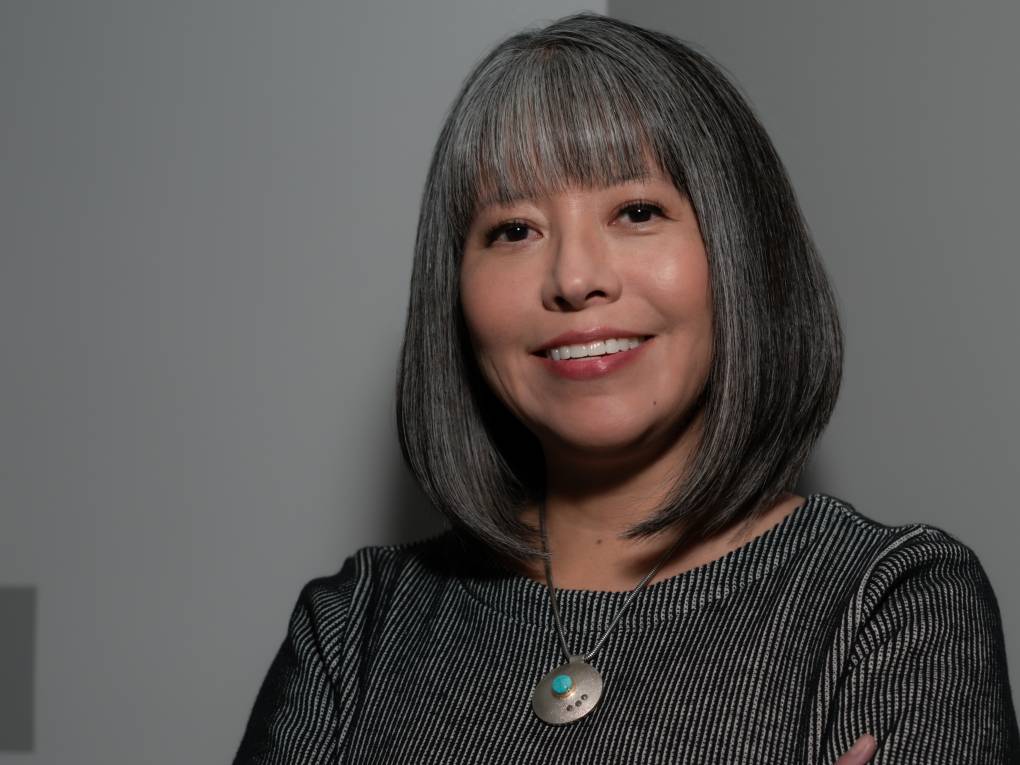
"caption": "Cynthia Chavez Lamar will become the director of the National Museum of the American Indian. She'll be the first Indigenous woman to lead a Smithsonian museum.",
"description": null,
"title": "Cynthia Chavez Lamar will become the director of the National Museum of the American Indian. She'll be the first Indigenous woman to lead a Smithsonian museum.",
"credit": "Walter Lamar/The Smithsonian",
"status": "inherit",
"altTag": "A woman with grey and black hair cut into a neat bob smiles for the camera, wearing a grey sweater and a turquoise-encrusted necklace.",
"isLoading": false,
"fetchFailed": false
},
"arts_13906500": {
"type": "attachments",
"id": "arts_13906500",
"meta": {
"index": "attachments_1716263798",
"site": "arts",
"id": "13906500",
"found": true
},
"parent": 13906499,
"imgSizes": {
"twentyfourteen-full-width": {
"file": "https://ww2.kqed.org/app/uploads/sites/2/2021/11/cs-louise-erdich-5b3065627e75180eb728cbcfdd634b3d21f04fb7-1038x576.jpg",
"width": 1038,
"mimeType": "image/jpeg",
"height": 576
},
"thumbnail": {
"file": "https://ww2.kqed.org/app/uploads/sites/2/2021/11/cs-louise-erdich-5b3065627e75180eb728cbcfdd634b3d21f04fb7-160x120.jpg",
"width": 160,
"mimeType": "image/jpeg",
"height": 120
},
"post-thumbnail": {
"file": "https://ww2.kqed.org/app/uploads/sites/2/2021/11/cs-louise-erdich-5b3065627e75180eb728cbcfdd634b3d21f04fb7-672x372.jpg",
"width": 672,
"mimeType": "image/jpeg",
"height": 372
},
"kqedFullSize": {
"file": "https://ww2.kqed.org/app/uploads/sites/2/2021/11/cs-louise-erdich-5b3065627e75180eb728cbcfdd634b3d21f04fb7-scaled-e1637779437445.jpg",
"width": 1920,
"height": 1440
},
"2048x2048": {
"file": "https://ww2.kqed.org/app/uploads/sites/2/2021/11/cs-louise-erdich-5b3065627e75180eb728cbcfdd634b3d21f04fb7-2048x1536.jpg",
"width": 2048,
"mimeType": "image/jpeg",
"height": 1536
},
"large": {
"file": "https://ww2.kqed.org/app/uploads/sites/2/2021/11/cs-louise-erdich-5b3065627e75180eb728cbcfdd634b3d21f04fb7-1020x765.jpg",
"width": 1020,
"mimeType": "image/jpeg",
"height": 765
},
"1536x1536": {
"file": "https://ww2.kqed.org/app/uploads/sites/2/2021/11/cs-louise-erdich-5b3065627e75180eb728cbcfdd634b3d21f04fb7-1536x1152.jpg",
"width": 1536,
"mimeType": "image/jpeg",
"height": 1152
},
"full-width": {
"file": "https://ww2.kqed.org/app/uploads/sites/2/2021/11/cs-louise-erdich-5b3065627e75180eb728cbcfdd634b3d21f04fb7-1920x1440.jpg",
"width": 1920,
"mimeType": "image/jpeg",
"height": 1440
},
"medium": {
"file": "https://ww2.kqed.org/app/uploads/sites/2/2021/11/cs-louise-erdich-5b3065627e75180eb728cbcfdd634b3d21f04fb7-800x600.jpg",
"width": 800,
"mimeType": "image/jpeg",
"height": 600
},
"medium_large": {
"file": "https://ww2.kqed.org/app/uploads/sites/2/2021/11/cs-louise-erdich-5b3065627e75180eb728cbcfdd634b3d21f04fb7-768x576.jpg",
"width": 768,
"mimeType": "image/jpeg",
"height": 576
}
},
"publishDate": 1637778866,
"modified": 1637779500,
"caption": "Author Louise Erdrich next to the cover of her new book, 'The Sentence.'",
"description": null,
"title": "Author Louise Erdrich next to the cover of her new book, 'The Sentence.'",
"credit": null,
"status": "inherit",
"altTag": "A woman with long dark hair and spectacles faces the camera, resting her chin on her right hand.",
"isLoading": false,
"fetchFailed": false
},
"arts_13905833": {
"type": "attachments",
"id": "arts_13905833",
"meta": {
"index": "attachments_1716263798",
"site": "arts",
"id": "13905833",
"found": true
},
"parent": 13905832,
"imgSizes": {
"twentyfourteen-full-width": {
"file": "https://ww2.kqed.org/app/uploads/sites/2/2021/11/Stir-fried-Vegetable-over-Crispy-noodles-10-2021-1038x576.jpg",
"width": 1038,
"mimeType": "image/jpeg",
"height": 576
},
"thumbnail": {
"file": "https://ww2.kqed.org/app/uploads/sites/2/2021/11/Stir-fried-Vegetable-over-Crispy-noodles-10-2021-160x120.jpg",
"width": 160,
"mimeType": "image/jpeg",
"height": 120
},
"post-thumbnail": {
"file": "https://ww2.kqed.org/app/uploads/sites/2/2021/11/Stir-fried-Vegetable-over-Crispy-noodles-10-2021-672x372.jpg",
"width": 672,
"mimeType": "image/jpeg",
"height": 372
},
"kqedFullSize": {
"file": "https://ww2.kqed.org/app/uploads/sites/2/2021/11/Stir-fried-Vegetable-over-Crispy-noodles-10-2021-scaled.jpg",
"width": 2560,
"height": 1920
},
"2048x2048": {
"file": "https://ww2.kqed.org/app/uploads/sites/2/2021/11/Stir-fried-Vegetable-over-Crispy-noodles-10-2021-2048x1536.jpg",
"width": 2048,
"mimeType": "image/jpeg",
"height": 1536
},
"large": {
"file": "https://ww2.kqed.org/app/uploads/sites/2/2021/11/Stir-fried-Vegetable-over-Crispy-noodles-10-2021-1020x765.jpg",
"width": 1020,
"mimeType": "image/jpeg",
"height": 765
},
"1536x1536": {
"file": "https://ww2.kqed.org/app/uploads/sites/2/2021/11/Stir-fried-Vegetable-over-Crispy-noodles-10-2021-1536x1152.jpg",
"width": 1536,
"mimeType": "image/jpeg",
"height": 1152
},
"full-width": {
"file": "https://ww2.kqed.org/app/uploads/sites/2/2021/11/Stir-fried-Vegetable-over-Crispy-noodles-10-2021-1920x1440.jpg",
"width": 1920,
"mimeType": "image/jpeg",
"height": 1440
},
"medium": {
"file": "https://ww2.kqed.org/app/uploads/sites/2/2021/11/Stir-fried-Vegetable-over-Crispy-noodles-10-2021-800x600.jpg",
"width": 800,
"mimeType": "image/jpeg",
"height": 600
},
"medium_large": {
"file": "https://ww2.kqed.org/app/uploads/sites/2/2021/11/Stir-fried-Vegetable-over-Crispy-noodles-10-2021-768x576.jpg",
"width": 768,
"mimeType": "image/jpeg",
"height": 576
}
},
"publishDate": 1636018514,
"modified": 1636018597,
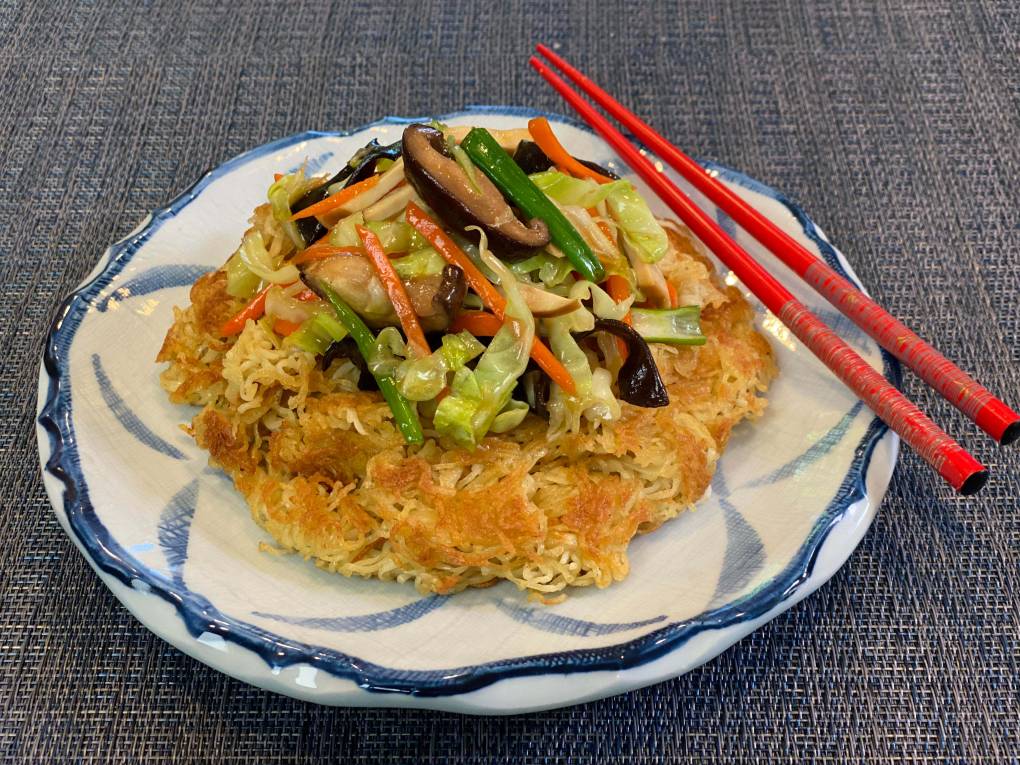
"caption": "Martin Yan's plant-based holiday dish is a vegan twist on mu shu pork.",
"description": null,
"title": "Stir-fried Vegetable over Crispy noodles 10-2021",
"credit": "Martin Yan",
"status": "inherit",
"altTag": "Stir-fried vegetables on top of a crispy noodle pancake, with a pair of red chopsticks.",
"isLoading": false,
"fetchFailed": false
},
"arts_13903540": {
"type": "attachments",
"id": "arts_13903540",
"meta": {
"index": "attachments_1716263798",
"site": "arts",
"id": "13903540",
"found": true
},
"parent": 13903531,
"imgSizes": {
"twentyfourteen-full-width": {
"file": "https://ww2.kqed.org/app/uploads/sites/2/2021/09/wapepah_salad_crop-1038x576.jpg",
"width": 1038,
"mimeType": "image/jpeg",
"height": 576
},
"thumbnail": {
"file": "https://ww2.kqed.org/app/uploads/sites/2/2021/09/wapepah_salad_crop-160x100.jpg",
"width": 160,
"mimeType": "image/jpeg",
"height": 100
},
"post-thumbnail": {
"file": "https://ww2.kqed.org/app/uploads/sites/2/2021/09/wapepah_salad_crop-672x372.jpg",
"width": 672,
"mimeType": "image/jpeg",
"height": 372
},
"kqedFullSize": {
"file": "https://ww2.kqed.org/app/uploads/sites/2/2021/09/wapepah_salad_crop-scaled.jpg",
"width": 2560,
"height": 1600
},
"2048x2048": {
"file": "https://ww2.kqed.org/app/uploads/sites/2/2021/09/wapepah_salad_crop-2048x1280.jpg",
"width": 2048,
"mimeType": "image/jpeg",
"height": 1280
},
"large": {
"file": "https://ww2.kqed.org/app/uploads/sites/2/2021/09/wapepah_salad_crop-1020x638.jpg",
"width": 1020,
"mimeType": "image/jpeg",
"height": 638
},
"1536x1536": {
"file": "https://ww2.kqed.org/app/uploads/sites/2/2021/09/wapepah_salad_crop-1536x960.jpg",
"width": 1536,
"mimeType": "image/jpeg",
"height": 960
},
"full-width": {
"file": "https://ww2.kqed.org/app/uploads/sites/2/2021/09/wapepah_salad_crop-1920x1200.jpg",
"width": 1920,
"mimeType": "image/jpeg",
"height": 1200
},
"medium": {
"file": "https://ww2.kqed.org/app/uploads/sites/2/2021/09/wapepah_salad_crop-800x500.jpg",
"width": 800,
"mimeType": "image/jpeg",
"height": 500
},
"medium_large": {
"file": "https://ww2.kqed.org/app/uploads/sites/2/2021/09/wapepah_salad_crop-768x480.jpg",
"width": 768,
"mimeType": "image/jpeg",
"height": 480
}
},
"publishDate": 1632251779,
"modified": 1632251866,
"caption": "A three sisters salad, featuring corn, beans and squash.",
"description": null,
"title": "wapepah_salad_crop",
"credit": "Wahpepah's Kitchen",
"status": "inherit",
"altTag": "A colorful salad featuring corn, beans and squash on a white plate.",
"isLoading": false,
"fetchFailed": false
},
"arts_13895051": {
"type": "attachments",
"id": "arts_13895051",
"meta": {
"index": "attachments_1716263798",
"site": "arts",
"id": "13895051",
"found": true
},
"parent": 13894961,
"imgSizes": {
"twentyfourteen-full-width": {
"file": "https://ww2.kqed.org/app/uploads/sites/2/2021/04/Manhaters_Sept-2018_-by-Brooke-Heineken-1038x576.jpg",
"width": 1038,
"mimeType": "image/jpeg",
"height": 576
},
"thumbnail": {
"file": "https://ww2.kqed.org/app/uploads/sites/2/2021/04/Manhaters_Sept-2018_-by-Brooke-Heineken-160x107.jpg",
"width": 160,
"mimeType": "image/jpeg",
"height": 107
},
"post-thumbnail": {
"file": "https://ww2.kqed.org/app/uploads/sites/2/2021/04/Manhaters_Sept-2018_-by-Brooke-Heineken-672x372.jpg",
"width": 672,
"mimeType": "image/jpeg",
"height": 372
},
"kqedFullSize": {
"file": "https://ww2.kqed.org/app/uploads/sites/2/2021/04/Manhaters_Sept-2018_-by-Brooke-Heineken.jpg",
"width": 2048,
"height": 1365
},
"large": {
"file": "https://ww2.kqed.org/app/uploads/sites/2/2021/04/Manhaters_Sept-2018_-by-Brooke-Heineken-1020x680.jpg",
"width": 1020,
"mimeType": "image/jpeg",
"height": 680
},
"1536x1536": {
"file": "https://ww2.kqed.org/app/uploads/sites/2/2021/04/Manhaters_Sept-2018_-by-Brooke-Heineken-1536x1024.jpg",
"width": 1536,
"mimeType": "image/jpeg",
"height": 1024
},
"full-width": {
"file": "https://ww2.kqed.org/app/uploads/sites/2/2021/04/Manhaters_Sept-2018_-by-Brooke-Heineken-1920x1280.jpg",
"width": 1920,
"mimeType": "image/jpeg",
"height": 1280
},
"medium": {
"file": "https://ww2.kqed.org/app/uploads/sites/2/2021/04/Manhaters_Sept-2018_-by-Brooke-Heineken-800x533.jpg",
"width": 800,
"mimeType": "image/jpeg",
"height": 533
},
"medium_large": {
"file": "https://ww2.kqed.org/app/uploads/sites/2/2021/04/Manhaters_Sept-2018_-by-Brooke-Heineken-768x512.jpg",
"width": 768,
"mimeType": "image/jpeg",
"height": 512
}
},
"publishDate": 1617316359,
"modified": 1617641560,
"caption": "Jackie Keliiaa performing at Manhaters.",
"description": "Standup Comedian Jackie Keliiaa holds a microphone on stage, she leans forward slightly, smiling out at the audience.",
"title": "Jackie Keliiaa performing at Manhaters.",
"credit": "Brooke Heinichen",
"status": "inherit",
"altTag": "Standup Comedian Jackie Keliiaa holds a microphone on stage, she leans forward slightly, smiling out at the audience.",
"isLoading": false,
"fetchFailed": false
},
"arts_13885310": {
"type": "attachments",
"id": "arts_13885310",
"meta": {
"index": "attachments_1716263798",
"site": "arts",
"id": "13885310",
"found": true
},
"parent": 13885276,
"imgSizes": {
"twentyfourteen-full-width": {
"file": "https://ww2.kqed.org/app/uploads/sites/2/2020/08/SquawValley.REV_-1024x576.jpg",
"width": 1024,
"mimeType": "image/jpeg",
"height": 576
},
"thumbnail": {
"file": "https://ww2.kqed.org/app/uploads/sites/2/2020/08/SquawValley.REV_-160x100.jpg",
"width": 160,
"mimeType": "image/jpeg",
"height": 100
},
"post-thumbnail": {
"file": "https://ww2.kqed.org/app/uploads/sites/2/2020/08/SquawValley.REV_-672x372.jpg",
"width": 672,
"mimeType": "image/jpeg",
"height": 372
},
"kqedFullSize": {
"file": "https://ww2.kqed.org/app/uploads/sites/2/2020/08/SquawValley.REV_.jpg",
"width": 1024,
"height": 640
},
"large": {
"file": "https://ww2.kqed.org/app/uploads/sites/2/2020/08/SquawValley.REV_-1020x638.jpg",
"width": 1020,
"mimeType": "image/jpeg",
"height": 638
},
"medium": {
"file": "https://ww2.kqed.org/app/uploads/sites/2/2020/08/SquawValley.REV_-800x500.jpg",
"width": 800,
"mimeType": "image/jpeg",
"height": 500
},
"medium_large": {
"file": "https://ww2.kqed.org/app/uploads/sites/2/2020/08/SquawValley.REV_-768x480.jpg",
"width": 768,
"mimeType": "image/jpeg",
"height": 480
}
},
"publishDate": 1598397859,
"modified": 1598397904,
"caption": "A skier leaves for the day at Squaw Valley Ski Resort on March 14, 2020 in Olympic Valley, California.",
"description": "A skier leaves for the day at Squaw Valley Ski Resort on March 14, 2020 in Olympic Valley, California.",
"title": "SquawValley.REV",
"credit": "Ezra Shaw/Getty Images North America",
"status": "inherit",
"isLoading": false,
"fetchFailed": false
},
"arts_13883696": {
"type": "attachments",
"id": "arts_13883696",
"meta": {
"index": "attachments_1716263798",
"site": "arts",
"id": "13883696",
"found": true
},
"parent": 13882943,
"imgSizes": {
"twentyfourteen-full-width": {
"file": "https://ww2.kqed.org/app/uploads/sites/2/2020/07/elsie_allen_final-1038x576.jpg",
"width": 1038,
"mimeType": "image/jpeg",
"height": 576
},
"thumbnail": {
"file": "https://ww2.kqed.org/app/uploads/sites/2/2020/07/elsie_allen_final-160x90.jpg",
"width": 160,
"mimeType": "image/jpeg",
"height": 90
},
"post-thumbnail": {
"file": "https://ww2.kqed.org/app/uploads/sites/2/2020/07/elsie_allen_final-672x372.jpg",
"width": 672,
"mimeType": "image/jpeg",
"height": 372
},
"kqedFullSize": {
"file": "https://ww2.kqed.org/app/uploads/sites/2/2020/07/elsie_allen_final.jpg",
"width": 1920,
"height": 1080
},
"large": {
"file": "https://ww2.kqed.org/app/uploads/sites/2/2020/07/elsie_allen_final-1020x574.jpg",
"width": 1020,
"mimeType": "image/jpeg",
"height": 574
},
"1536x1536": {
"file": "https://ww2.kqed.org/app/uploads/sites/2/2020/07/elsie_allen_final-1536x864.jpg",
"width": 1536,
"mimeType": "image/jpeg",
"height": 864
},
"medium": {
"file": "https://ww2.kqed.org/app/uploads/sites/2/2020/07/elsie_allen_final-800x450.jpg",
"width": 800,
"mimeType": "image/jpeg",
"height": 450
},
"medium_large": {
"file": "https://ww2.kqed.org/app/uploads/sites/2/2020/07/elsie_allen_final-768x432.jpg",
"width": 768,
"mimeType": "image/jpeg",
"height": 432
}
},
"publishDate": 1595371156,
"modified": 1636504520,
"caption": null,
"description": null,
"title": "elsie_allen_final",
"credit": null,
"status": "inherit",
"altTag": "An Indigenous woman wearing a colorful 1970s dress and spectacles sits at a table weaving, deep in concentration, surrounded by baskets.",
"isLoading": false,
"fetchFailed": false
},
"arts_13882370": {
"type": "attachments",
"id": "arts_13882370",
"meta": {
"index": "attachments_1716263798",
"site": "arts",
"id": "13882370",
"found": true
},
"parent": 13882337,
"imgSizes": {
"twentyfourteen-full-width": {
"file": "https://ww2.kqed.org/app/uploads/sites/2/2020/06/ABQ_Thumb_12-1038x576.jpg",
"width": 1038,
"mimeType": "image/jpeg",
"height": 576
},
"thumbnail": {
"file": "https://ww2.kqed.org/app/uploads/sites/2/2020/06/ABQ_Thumb_12-160x90.jpg",
"width": 160,
"mimeType": "image/jpeg",
"height": 90
},
"post-thumbnail": {
"file": "https://ww2.kqed.org/app/uploads/sites/2/2020/06/ABQ_Thumb_12-672x372.jpg",
"width": 672,
"mimeType": "image/jpeg",
"height": 372
},
"kqedFullSize": {
"file": "https://ww2.kqed.org/app/uploads/sites/2/2020/06/ABQ_Thumb_12.jpg",
"width": 1920,
"height": 1079
},
"large": {
"file": "https://ww2.kqed.org/app/uploads/sites/2/2020/06/ABQ_Thumb_12-1020x573.jpg",
"width": 1020,
"mimeType": "image/jpeg",
"height": 573
},
"full-width": {
"file": "https://ww2.kqed.org/app/uploads/sites/2/2020/06/ABQ_Thumb_12-1920x1079.jpg",
"width": 1920,
"mimeType": "image/jpeg",
"height": 1079
},
"medium": {
"file": "https://ww2.kqed.org/app/uploads/sites/2/2020/06/ABQ_Thumb_12-800x450.jpg",
"width": 800,
"mimeType": "image/jpeg",
"height": 450
},
"medium_large": {
"file": "https://ww2.kqed.org/app/uploads/sites/2/2020/06/ABQ_Thumb_12-768x432.jpg",
"width": 768,
"mimeType": "image/jpeg",
"height": 432
}
},
"publishDate": 1592931605,
"modified": 1592931624,
"caption": "Dancer Anne Pesata",
"description": "Dancer Anne Pesata",
"title": "Dancer Anne Pesata",
"credit": null,
"status": "inherit",
"isLoading": false,
"fetchFailed": false
},
"arts_13872125": {
"type": "attachments",
"id": "arts_13872125",
"meta": {
"index": "attachments_1716263798",
"site": "arts",
"id": "13872125",
"found": true
},
"parent": 13872124,
"imgSizes": {
"twentyfourteen-full-width": {
"file": "https://ww2.kqed.org/app/uploads/sites/2/2019/12/91p4blbz6ql-0a816198ab9606f46761227285c617a5845c88db-1038x576.jpg",
"width": 1038,
"mimeType": "image/jpeg",
"height": 576
},
"thumbnail": {
"file": "https://ww2.kqed.org/app/uploads/sites/2/2019/12/91p4blbz6ql-0a816198ab9606f46761227285c617a5845c88db-160x120.jpg",
"width": 160,
"mimeType": "image/jpeg",
"height": 120
},
"post-thumbnail": {
"file": "https://ww2.kqed.org/app/uploads/sites/2/2019/12/91p4blbz6ql-0a816198ab9606f46761227285c617a5845c88db-672x372.jpg",
"width": 672,
"mimeType": "image/jpeg",
"height": 372
},
"kqedFullSize": {
"file": "https://ww2.kqed.org/app/uploads/sites/2/2019/12/91p4blbz6ql-0a816198ab9606f46761227285c617a5845c88db.jpg",
"width": 1283,
"height": 962
},
"large": {
"file": "https://ww2.kqed.org/app/uploads/sites/2/2019/12/91p4blbz6ql-0a816198ab9606f46761227285c617a5845c88db-1020x765.jpg",
"width": 1020,
"mimeType": "image/jpeg",
"height": 765
},
"complete_open_graph": {
"file": "https://ww2.kqed.org/app/uploads/sites/2/2019/12/91p4blbz6ql-0a816198ab9606f46761227285c617a5845c88db-1200x900.jpg",
"width": 1200,
"mimeType": "image/jpeg",
"height": 900
},
"medium": {
"file": "https://ww2.kqed.org/app/uploads/sites/2/2019/12/91p4blbz6ql-0a816198ab9606f46761227285c617a5845c88db-800x600.jpg",
"width": 800,
"mimeType": "image/jpeg",
"height": 600
},
"medium_large": {
"file": "https://ww2.kqed.org/app/uploads/sites/2/2019/12/91p4blbz6ql-0a816198ab9606f46761227285c617a5845c88db-768x576.jpg",
"width": 768,
"mimeType": "image/jpeg",
"height": 576
}
},
"publishDate": 1577729455,
"modified": 1577729515,
"caption": "Fry Bread, by Kevin Noble Maillard and Juana Martinez-Neal.",
"description": "Fry Bread, by Kevin Noble Maillard and Juana Martinez-Neal.",
"title": "Fry Bread, by Kevin Noble Maillard and Juana Martinez-Neal",
"credit": null,
"status": "inherit",
"isLoading": false,
"fetchFailed": false
},
"arts_13870045": {
"type": "attachments",
"id": "arts_13870045",
"meta": {
"index": "attachments_1716263798",
"site": "arts",
"id": "13870045",
"found": true
},
"parent": 13870041,
"imgSizes": {
"twentyfourteen-full-width": {
"file": "https://ww2.kqed.org/app/uploads/sites/2/2019/11/Alcatraz-Copy-01.00_01_26_21.Still003-2-1038x576.jpg",
"width": 1038,
"mimeType": "image/jpeg",
"height": 576
},
"thumbnail": {
"file": "https://ww2.kqed.org/app/uploads/sites/2/2019/11/Alcatraz-Copy-01.00_01_26_21.Still003-2-160x90.jpg",
"width": 160,
"mimeType": "image/jpeg",
"height": 90
},
"post-thumbnail": {
"file": "https://ww2.kqed.org/app/uploads/sites/2/2019/11/Alcatraz-Copy-01.00_01_26_21.Still003-2-672x372.jpg",
"width": 672,
"mimeType": "image/jpeg",
"height": 372
},
"kqedFullSize": {
"file": "https://ww2.kqed.org/app/uploads/sites/2/2019/11/Alcatraz-Copy-01.00_01_26_21.Still003-2.jpg",
"width": 1920,
"height": 1080
},
"large": {
"file": "https://ww2.kqed.org/app/uploads/sites/2/2019/11/Alcatraz-Copy-01.00_01_26_21.Still003-2-1020x574.jpg",
"width": 1020,
"mimeType": "image/jpeg",
"height": 574
},
"complete_open_graph": {
"file": "https://ww2.kqed.org/app/uploads/sites/2/2019/11/Alcatraz-Copy-01.00_01_26_21.Still003-2-1200x675.jpg",
"width": 1200,
"mimeType": "image/jpeg",
"height": 675
},
"full-width": {
"file": "https://ww2.kqed.org/app/uploads/sites/2/2019/11/Alcatraz-Copy-01.00_01_26_21.Still003-2-1920x1080.jpg",
"width": 1920,
"mimeType": "image/jpeg",
"height": 1080
},
"medium": {
"file": "https://ww2.kqed.org/app/uploads/sites/2/2019/11/Alcatraz-Copy-01.00_01_26_21.Still003-2-800x450.jpg",
"width": 800,
"mimeType": "image/jpeg",
"height": 450
},
"medium_large": {
"file": "https://ww2.kqed.org/app/uploads/sites/2/2019/11/Alcatraz-Copy-01.00_01_26_21.Still003-2-768x432.jpg",
"width": 768,
"mimeType": "image/jpeg",
"height": 432
}
},
"publishDate": 1574133048,
"modified": 1574133140,
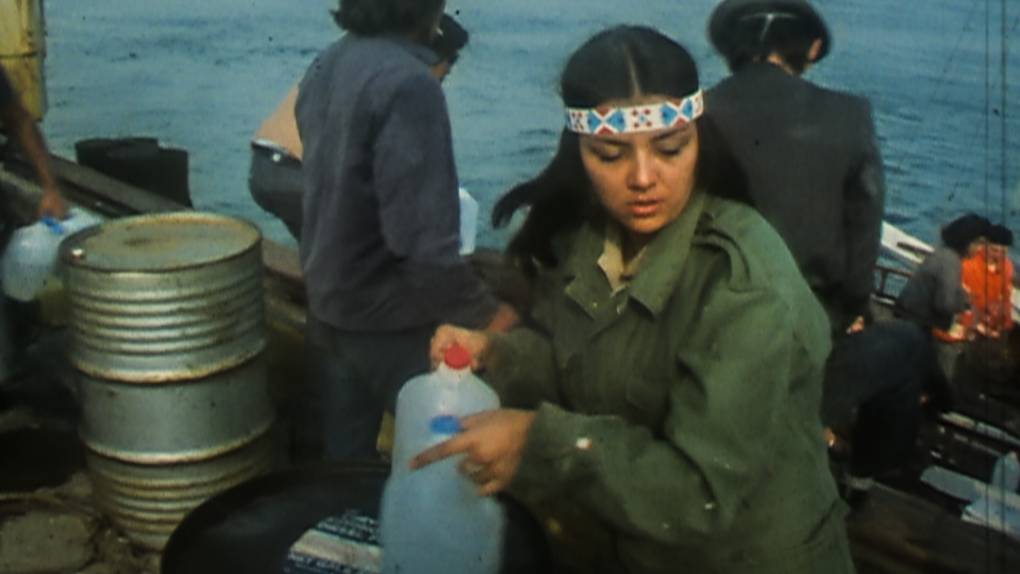
"caption": "Still of activists from the Occupation of Alcatraz",
"description": "Still of activists from the Occupation of Alcatraz",
"title": "Still of activists from the Occupation of Alcatraz",
"credit": null,
"status": "inherit",
"isLoading": false,
"fetchFailed": false
},
"arts_13870035": {
"type": "attachments",
"id": "arts_13870035",
"meta": {
"index": "attachments_1716263798",
"site": "arts",
"id": "13870035",
"found": true
},
"parent": 13869074,
"imgSizes": {
"twentyfourteen-full-width": {
"file": "https://ww2.kqed.org/app/uploads/sites/2/2019/11/GettyImages-515575596-1020x683_Resized-1020x576.jpg",
"width": 1020,
"mimeType": "image/jpeg",
"height": 576
},
"thumbnail": {
"file": "https://ww2.kqed.org/app/uploads/sites/2/2019/11/GettyImages-515575596-1020x683_Resized-160x101.jpg",
"width": 160,
"mimeType": "image/jpeg",
"height": 101
},
"post-thumbnail": {
"file": "https://ww2.kqed.org/app/uploads/sites/2/2019/11/GettyImages-515575596-1020x683_Resized-672x372.jpg",
"width": 672,
"mimeType": "image/jpeg",
"height": 372
},
"kqedFullSize": {
"file": "https://ww2.kqed.org/app/uploads/sites/2/2019/11/GettyImages-515575596-1020x683_Resized.jpg",
"width": 1020,
"height": 644
},
"large": {
"file": "https://ww2.kqed.org/app/uploads/sites/2/2019/11/GettyImages-515575596-1020x683_Resized-1020x644.jpg",
"width": 1020,
"mimeType": "image/jpeg",
"height": 644
},
"medium": {
"file": "https://ww2.kqed.org/app/uploads/sites/2/2019/11/GettyImages-515575596-1020x683_Resized-800x505.jpg",
"width": 800,
"mimeType": "image/jpeg",
"height": 505
},
"medium_large": {
"file": "https://ww2.kqed.org/app/uploads/sites/2/2019/11/GettyImages-515575596-1020x683_Resized-768x485.jpg",
"width": 768,
"mimeType": "image/jpeg",
"height": 485
}
},
"publishDate": 1574119448,
"modified": 1574119465,
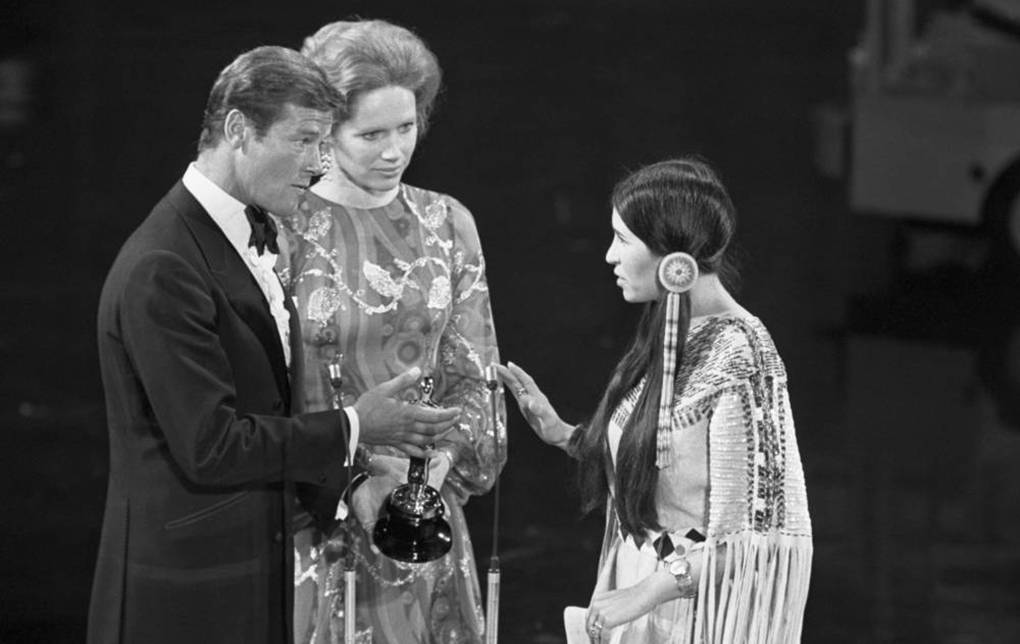
"caption": "At the 1973 Academy Awards, Sacheen Littlefeather refuses the Academy Award for Best Actor on behalf of Marlon Brando who won for his role in The Godfather. She carries a letter from Brando in which he explains he refused the award in protest of American treatment of the Native Americans.",
"description": "Sacheen Littlefeather turns down an Academy Award on behalf of Marlon Brando, 1973.",
"title": "Sacheen Littlefeather Refuses Marlon Brando's Academy Award",
"credit": null,
"status": "inherit",
"isLoading": false,
"fetchFailed": false
},
"arts_13869860": {
"type": "attachments",
"id": "arts_13869860",
"meta": {
"index": "attachments_1716263798",
"site": "arts",
"id": "13869860",
"found": true
},
"parent": 13869815,
"imgSizes": {
"twentyfourteen-full-width": {
"file": "https://ww2.kqed.org/app/uploads/sites/2/2019/11/RebirthBrassBand-1038x576.jpg",
"width": 1038,
"mimeType": "image/jpeg",
"height": 576
},
"thumbnail": {
"file": "https://ww2.kqed.org/app/uploads/sites/2/2019/11/RebirthBrassBand-160x90.jpg",
"width": 160,
"mimeType": "image/jpeg",
"height": 90
},
"post-thumbnail": {
"file": "https://ww2.kqed.org/app/uploads/sites/2/2019/11/RebirthBrassBand-672x372.jpg",
"width": 672,
"mimeType": "image/jpeg",
"height": 372
},
"kqedFullSize": {
"file": "https://ww2.kqed.org/app/uploads/sites/2/2019/11/RebirthBrassBand.jpg",
"width": 1358,
"height": 764
},
"large": {
"file": "https://ww2.kqed.org/app/uploads/sites/2/2019/11/RebirthBrassBand-1020x574.jpg",
"width": 1020,
"mimeType": "image/jpeg",
"height": 574
},
"complete_open_graph": {
"file": "https://ww2.kqed.org/app/uploads/sites/2/2019/11/RebirthBrassBand-1200x675.jpg",
"width": 1200,
"mimeType": "image/jpeg",
"height": 675
},
"medium": {
"file": "https://ww2.kqed.org/app/uploads/sites/2/2019/11/RebirthBrassBand-800x450.jpg",
"width": 800,
"mimeType": "image/jpeg",
"height": 450
},
"medium_large": {
"file": "https://ww2.kqed.org/app/uploads/sites/2/2019/11/RebirthBrassBand-768x432.jpg",
"width": 768,
"mimeType": "image/jpeg",
"height": 432
}
},
"publishDate": 1573756041,
"modified": 1573756077,
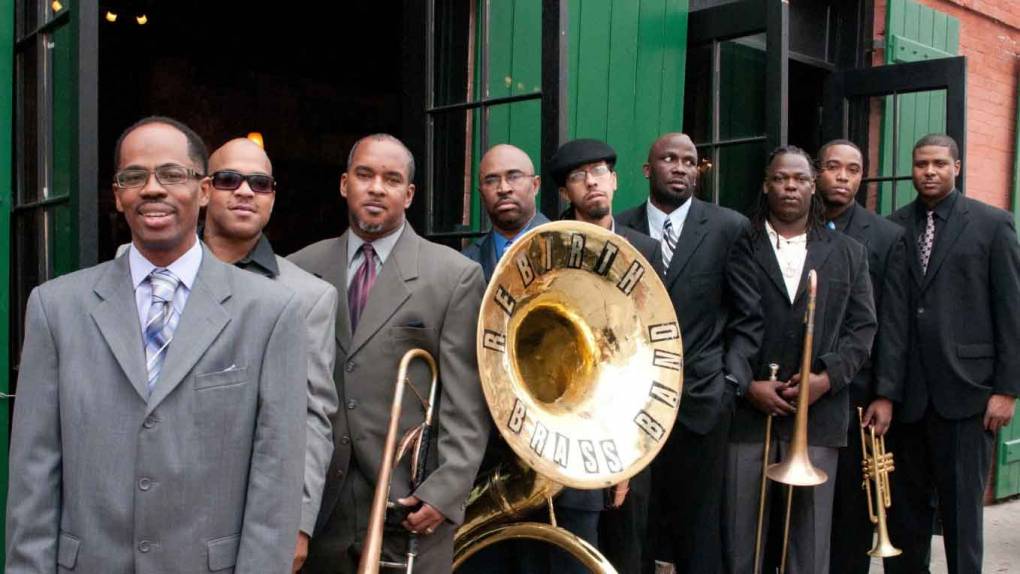
"caption": "Rebirth Brass Band.",
"description": "Rebirth Brass Band.",
"title": "RebirthBrassBand",
"credit": "Basin Street Records",
"status": "inherit",
"isLoading": false,
"fetchFailed": false
}
},
"audioPlayerReducer": {
"postId": "stream_live",
"isPaused": true,
"isPlaying": false,
"pfsActive": false,
"pledgeModalIsOpen": true,
"playerDrawerIsOpen": false,
"liveAudioPlayStartedAt": 0,
"liveAudioPlayContext": ""
},
"authorsReducer": {
"byline_arts_13908371": {
"type": "authors",
"id": "byline_arts_13908371",
"meta": {
"override": true
},
"slug": "byline_arts_13908371",
"name": "Joe Hernandez",
"isLoading": false
},
"byline_arts_13906499": {
"type": "authors",
"id": "byline_arts_13906499",
"meta": {
"override": true
},
"slug": "byline_arts_13906499",
"name": "Sam Yellowhorse Kesler",
"isLoading": false
},
"byline_arts_13885276": {
"type": "authors",
"id": "byline_arts_13885276",
"meta": {
"override": true
},
"slug": "byline_arts_13885276",
"name": "Associated Press",
"isLoading": false
},
"byline_arts_13882337": {
"type": "authors",
"id": "byline_arts_13882337",
"meta": {
"override": true
},
"slug": "byline_arts_13882337",
"name": "Shaandiin Tome, Charlotte Buchen Khadra",
"isLoading": false
},
"byline_arts_13872124": {
"type": "authors",
"id": "byline_arts_13872124",
"meta": {
"override": true
},
"slug": "byline_arts_13872124",
"name": "Juanita Giles",
"isLoading": false
},
"byline_arts_13870041": {
"type": "authors",
"id": "byline_arts_13870041",
"meta": {
"override": true
},
"slug": "byline_arts_13870041",
"name": "Charlotte Buchen Khadra",
"isLoading": false
},
"gmeline": {
"type": "authors",
"id": "185",
"meta": {
"index": "authors_1716337520",
"id": "185",
"found": true
},
"name": "Gabe Meline",
"firstName": "Gabe",
"lastName": "Meline",
"slug": "gmeline",
"email": "gmeline@kqed.org",
"display_author_email": true,
"staff_mastheads": [
"arts"
],
"title": "Senior Editor, KQED Arts & Culture",
"bio": "Gabe Meline entered journalism at age 15 making photocopied zines, and has since earned awards from the Edward R. Murrow Awards, the Society for Professional Journalists, the Online Journalism Awards, the Association of Alternative Newsweeklies and the California Newspaper Publishers Association. Prior to KQED, he was the editor of the \u003cem>North Bay Bohemian\u003c/em> and a touring musician. He lives with his wife and daughter in his hometown of Santa Rosa, CA.",
"avatar": "https://secure.gravatar.com/avatar/5bebe57be0d8bc2dd318934feb47299e2d2d10cba28d09d8d7afb389a2ce2bdd?s=600&d=blank&r=g",
"twitter": null,
"bluesky": null,
"facebook": null,
"instagram": null,
"linkedin": null,
"sites": [
{
"site": "",
"roles": [
"editor"
]
},
{
"site": "arts",
"roles": [
"administrator"
]
},
{
"site": "artschool",
"roles": [
"editor"
]
},
{
"site": "news",
"roles": [
"author"
]
},
{
"site": "pop",
"roles": [
"editor"
]
},
{
"site": "bayareabites",
"roles": [
"editor"
]
},
{
"site": "food",
"roles": [
"editor"
]
},
{
"site": "forum",
"roles": [
"administrator"
]
},
{
"site": "liveblog",
"roles": [
"editor"
]
},
{
"site": "hiphop",
"roles": [
"editor"
]
}
],
"headData": {
"title": "Gabe Meline | KQED",
"description": "Senior Editor, KQED Arts & Culture",
"ogImgSrc": "https://secure.gravatar.com/avatar/5bebe57be0d8bc2dd318934feb47299e2d2d10cba28d09d8d7afb389a2ce2bdd?s=600&d=blank&r=g",
"twImgSrc": "https://secure.gravatar.com/avatar/5bebe57be0d8bc2dd318934feb47299e2d2d10cba28d09d8d7afb389a2ce2bdd?s=600&d=blank&r=g"
},
"isLoading": false,
"link": "/author/gmeline"
},
"ralexandra": {
"type": "authors",
"id": "11242",
"meta": {
"index": "authors_1716337520",
"id": "11242",
"found": true
},
"name": "Rae Alexandra",
"firstName": "Rae",
"lastName": "Alexandra",
"slug": "ralexandra",
"email": "ralexandra@kqed.org",
"display_author_email": true,
"staff_mastheads": [],
"title": "Reporter/Producer",
"bio": "Rae Alexandra is a Reporter/Producer for KQED Arts & Culture, and the creator/author of the \u003ca href=\"https://www.kqed.org/arts/program/rebel-girls-from-bay-area-history\">Rebel Girls From Bay Area History\u003c/a> and \u003ca href=\"https://www.kqed.org/bizarrebayarea\">Bizarre Bay Area\u003c/a> series. Her debut book, \u003ca href=\"https://citylights.com/politics-current-events-history/unsung-heroines35-women-who-changed/\">Unsung Heroines: 35 Women Who Changed the Bay Area\u003c/a> was published by City Lights in March 2026. In 2023, Rae was awarded an SPJ Excellence in Journalism Award for Arts & Culture. Rae was born and raised in Wales and subsequently — even after two decades in Northern California — still uses phrases that regularly baffle her coworkers.",
"avatar": "https://secure.gravatar.com/avatar/edfee8176c80cc0a382b051190f5341997df378a934a5774dcb0977732dfd401?s=600&d=blank&r=g",
"twitter": null,
"bluesky": null,
"facebook": null,
"instagram": null,
"linkedin": null,
"sites": [
{
"site": "arts",
"roles": [
"subscriber"
]
},
{
"site": "news",
"roles": [
"subscriber"
]
},
{
"site": "pop",
"roles": [
"subscriber"
]
},
{
"site": "bayareabites",
"roles": [
"subscriber"
]
},
{
"site": "science",
"roles": [
"subscriber"
]
}
],
"headData": {
"title": "Rae Alexandra | KQED",
"description": "Reporter/Producer",
"ogImgSrc": "https://secure.gravatar.com/avatar/edfee8176c80cc0a382b051190f5341997df378a934a5774dcb0977732dfd401?s=600&d=blank&r=g",
"twImgSrc": "https://secure.gravatar.com/avatar/edfee8176c80cc0a382b051190f5341997df378a934a5774dcb0977732dfd401?s=600&d=blank&r=g"
},
"isLoading": false,
"link": "/author/ralexandra"
},
"mmedina": {
"type": "authors",
"id": "11528",
"meta": {
"index": "authors_1716337520",
"id": "11528",
"found": true
},
"name": "Marisol Medina-Cadena",
"firstName": "Marisol",
"lastName": "Medina-Cadena",
"slug": "mmedina",
"email": "mmedina@KQED.org",
"display_author_email": true,
"staff_mastheads": [],
"title": "Producer, Rightnowish Podcast",
"bio": "Marisol Medina-Cadena is a radio reporter and podcast producer. Before working at KQED, she produced for PBS member station, KCET, in Los Angeles. In 2017, Marisol won an Emmy Award for her work on the televised documentary, \u003cem>City Rising\u003c/em>, examining California's affordable housing crisis and the historical roots of gentrification.",
"avatar": "https://secure.gravatar.com/avatar/6c3db46a1cabb5e1fe9a365b5f4e681e?s=600&d=blank&r=g",
"twitter": "marisolreports",
"facebook": null,
"instagram": null,
"linkedin": null,
"sites": [
{
"site": "arts",
"roles": []
},
{
"site": "news",
"roles": [
"edit_others_posts"
]
}
],
"headData": {
"title": "Marisol Medina-Cadena | KQED",
"description": "Producer, Rightnowish Podcast",
"ogImgSrc": "https://secure.gravatar.com/avatar/6c3db46a1cabb5e1fe9a365b5f4e681e?s=600&d=blank&r=g",
"twImgSrc": "https://secure.gravatar.com/avatar/6c3db46a1cabb5e1fe9a365b5f4e681e?s=600&d=blank&r=g"
},
"isLoading": false,
"link": "/author/mmedina"
},
"ltsai": {
"type": "authors",
"id": "11743",
"meta": {
"index": "authors_1716337520",
"id": "11743",
"found": true
},
"name": "Luke Tsai",
"firstName": "Luke",
"lastName": "Tsai",
"slug": "ltsai",
"email": "ltsai@kqed.org",
"display_author_email": true,
"staff_mastheads": [
"arts"
],
"title": "Food Editor",
"bio": "Luke Tsai is KQED's food editor and resident stinky tofu connoisseur. Prior to KQED, he was an editor at Eater SF, \u003cem>San Francisco \u003c/em>magazine, and the \u003cem>East Bay Express\u003c/em>, and his work has also appeared in TASTE, the \u003cem>San Francisco Chronicle\u003c/em>, and the \u003cem>Best Food Writing\u003c/em> anthology. When he isn't writing or editing, you'll find him eating most everything he can get his hands on.",
"avatar": "https://secure.gravatar.com/avatar/1e59b45bf191526e7339d6ba46e33a57b2030d25c27660ecc64ea3cb863e34f7?s=600&d=blank&r=g",
"twitter": "theluketsai",
"bluesky": null,
"facebook": null,
"instagram": null,
"linkedin": null,
"sites": [
{
"site": "",
"roles": [
"editor"
]
},
{
"site": "arts",
"roles": [
"administrator"
]
},
{
"site": "news",
"roles": [
"editor",
"contributor"
]
},
{
"site": "bayareabites",
"roles": [
"editor"
]
},
{
"site": "food",
"roles": [
"editor"
]
}
],
"headData": {
"title": "Luke Tsai | KQED",
"description": "Food Editor",
"ogImgSrc": "https://secure.gravatar.com/avatar/1e59b45bf191526e7339d6ba46e33a57b2030d25c27660ecc64ea3cb863e34f7?s=600&d=blank&r=g",
"twImgSrc": "https://secure.gravatar.com/avatar/1e59b45bf191526e7339d6ba46e33a57b2030d25c27660ecc64ea3cb863e34f7?s=600&d=blank&r=g"
},
"isLoading": false,
"link": "/author/ltsai"
}
},
"pagesReducer": {
"arts_tag_native-american": {
"type": "terms",
"id": "arts_3178",
"meta": {
"index": "terms_1716263798",
"site": "arts",
"id": "3178",
"score": 8.557362
},
"featImg": null,
"name": "native american",
"description": null,
"taxonomy": "tag",
"headData": {
"twImgId": null,
"twTitle": null,
"ogTitle": null,
"ogImgId": null,
"twDescription": null,
"description": null,
"title": "native american Archives | KQED Arts",
"ogDescription": null
},
"ttid": 3190,
"slug": "native-american",
"isLoading": false,
"title": "native american",
"pageMeta": {
"site": "arts",
"WpPageTemplate": "page-topic-editorial",
"currentPage": 3
},
"blocks": [
{
"blockName": "kqed/post-list",
"attrs": {
"layout": "cardArticle2",
"query": "posts/arts?tag=native-american",
"seeMore": false,
"paginated": true,
"page": 3
}
},
{
"blockName": "kqed/ad"
}
]
}
},
"pfsSessionReducer": {},
"postsReducer": {
"stream_live": {
"type": "live",
"id": "stream_live",
"audioUrl": "https://streams.kqed.org/kqedradio",
"title": "Live Stream",
"excerpt": "Live Stream information currently unavailable.",
"link": "/radio",
"featImg": "",
"label": {
"name": "KQED Live",
"link": "/"
}
},
"stream_kqedNewscast": {
"type": "posts",
"id": "stream_kqedNewscast",
"audioUrl": "https://www.kqed.org/.stream/anon/radio/RDnews/newscast.mp3?_=1",
"title": "KQED Newscast",
"featImg": "",
"label": {
"name": "88.5 FM",
"link": "/"
}
},
"arts_13908371": {
"type": "posts",
"id": "arts_13908371",
"meta": {
"index": "posts_1716263798",
"site": "arts",
"id": "13908371",
"score": null,
"sort": [
1642718039000
]
},
"guestAuthors": [],
"slug": "cynthia-chavez-lamar-becomes-the-first-native-woman-to-lead-a-smithsonian-museum",
"title": "Cynthia Chavez Lamar Becomes the First Native Woman to Lead a Smithsonian Museum",
"publishDate": 1642718039,
"format": "standard",
"headTitle": "Cynthia Chavez Lamar Becomes the First Native Woman to Lead a Smithsonian Museum | KQED",
"labelTerm": {
"term": 137,
"site": "arts"
},
"content": "\u003cp>The Smithsonian Institution has tapped Cynthia Chavez Lamar to become the director of the National Museum of the American Indian in Washington, D.C., which has one of the largest collections of Native and Indigenous items in the world.\u003c/p>\n\u003cp>She will be the first Native woman to serve as a Smithsonian museum director, the institution announced Wednesday.\u003c/p>\n\u003cp>[aside postid='arts_13882337']Currently the museum’s acting associate director for collections and operations, Chavez Lamar \u003ca href=\"https://www.si.edu/newsdesk/releases/cynthia-chavez-lamar-named-director-national-museum-american-indian\" target=\"_blank\" rel=\"noopener noreferrer\">said in a statement\u003c/a> that she was excited to begin her new job and work with the museum’s experienced staff.\u003c/p>\n\u003cp>“Together, we will leverage the museum’s reputation to support shared initiatives with partners in the U.S. and around the world to amplify Indigenous knowledge and perspectives all in the interest of further informing the American public and international audiences of the beauty, tenacity and richness of Indigenous cultures, arts and histories,” she said.\u003c/p>\n\u003cp>Chavez Lamar is an enrolled member at San Felipe Pueblo, and her maternal ancestry includes Hopi, Tewa and Navajo.\u003c/p>\n\u003cp>[ad fullwidth]\u003c/p>\n\u003cp>She’ll be the third director of the National Museum of the American Indian. Kevin Gover, a citizen of the Pawnee Tribe, served as director from 2007 to 2021, and W. Richard West Jr., who is Southern Cheyenne, became the museum’s founding director in 1990.\u003c/p>\n\u003cp>[aside postid='arts_13882943']Chavez Lamar interned for the museum in 1994, worked there as a curator in the early 2000s and then returned for her most recent stint in 2014.\u003c/p>\n\u003cp>The curator, author and scholar also previously served as director of the Indian Arts Research Center at the School for Advanced Research in Santa Fe and the Indian Pueblo Cultural Center in Albuquerque.\u003c/p>\n\u003cp>\u003c/p>\n\u003cp>In her new role, Chavez Lamar will oversee three facilities: the National Museum of the American Indian, the George Gustav Heye Center in Lower Manhattan and the Cultural Resources Center in Suitland, Md.\u003c/p>\n\u003cdiv class=\"fullattribution\">\u003cem>Copyright 2022 NPR. To see more, \u003ca href=\"https://www.npr.org/\" target=\"_blank\" rel=\"noopener noreferrer\">visit NPR\u003c/a>.\u003cimg decoding=\"async\" src=\"https://www.google-analytics.com/__utm.gif?utmac=UA-5828686-4&utmdt=Cynthia+Chavez+Lamar+becomes+the+first+Native+woman+to+lead+a+Smithsonian+museum&utme=8(APIKey)9(MDAxOTAwOTE4MDEyMTkxMDAzNjczZDljZA004)\">\u003c/em>\u003c/div>\n\n",
"blocks": [],
"excerpt": "She will oversee the National Museum of the American Indian, the George Gustav Heye Center, and the Cultural Resources Center.",
"status": "publish",
"parent": 0,
"modified": 1726759699,
"stats": {
"hasAudio": false,
"hasVideo": false,
"hasChartOrMap": false,
"iframeSrcs": [],
"hasGoogleForm": false,
"hasGallery": false,
"hasHearkenModule": false,
"hasPolis": false,
"paragraphCount": 11,
"wordCount": 327
},
"headData": {
"title": "Cynthia Chavez Lamar Becomes the First Native Woman to Lead a Smithsonian Museum | KQED",
"description": "She will oversee the National Museum of the American Indian, the George Gustav Heye Center, and the Cultural Resources Center.",
"ogTitle": "",
"ogDescription": "",
"ogImgId": "",
"twTitle": "",
"twDescription": "",
"twImgId": "",
"schema": {
"@context": "https://schema.org",
"@type": "Article",
"headline": "Cynthia Chavez Lamar Becomes the First Native Woman to Lead a Smithsonian Museum",
"datePublished": "2022-01-20T14:33:59-08:00",
"dateModified": "2024-09-19T08:28:19-07:00",
"image": "https://cdn.kqed.org/wp-content/uploads/2020/02/KQED-OG-Image@1x.png"
}
},
"sticky": false,
"nprImageCredit": "Walter Lamar",
"nprByline": "Joe Hernandez",
"nprImageAgency": "The Smithsonian",
"nprStoryId": "1074489213",
"nprApiLink": "http://api.npr.org/query?id=1074489213&apiKey=MDAxOTAwOTE4MDEyMTkxMDAzNjczZDljZA004",
"nprHtmlLink": "https://www.npr.org/2022/01/20/1074489213/cynthia-chavez-lamar-becomes-the-first-native-woman-to-lead-a-smithsonian-museum?ft=nprml&f=1074489213",
"nprRetrievedStory": "1",
"nprPubDate": "Thu, 20 Jan 2022 16:19:00 -0500",
"nprStoryDate": "Thu, 20 Jan 2022 16:19:30 -0500",
"nprLastModifiedDate": "Thu, 20 Jan 2022 16:19:30 -0500",
"templateType": "standard",
"featuredImageType": "standard",
"excludeFromSiteSearch": "Include",
"showOnAuthorArchivePages": "No",
"path": "/arts/13908371/cynthia-chavez-lamar-becomes-the-first-native-woman-to-lead-a-smithsonian-museum",
"audioTrackLength": null,
"parsedContent": [
{
"type": "contentString",
"content": "\u003cdiv class=\"post-body\">\u003cp>\u003cp>The Smithsonian Institution has tapped Cynthia Chavez Lamar to become the director of the National Museum of the American Indian in Washington, D.C., which has one of the largest collections of Native and Indigenous items in the world.\u003c/p>\n\u003cp>She will be the first Native woman to serve as a Smithsonian museum director, the institution announced Wednesday.\u003c/p>\n\u003cp>\u003c/p>\u003c/div>",
"attributes": {
"named": {},
"numeric": []
}
},
{
"type": "component",
"content": "",
"name": "aside",
"attributes": {
"named": {
"postid": "arts_13882337",
"label": ""
},
"numeric": []
}
},
{
"type": "contentString",
"content": "\u003cdiv class=\"post-body\">\u003cp>Currently the museum’s acting associate director for collections and operations, Chavez Lamar \u003ca href=\"https://www.si.edu/newsdesk/releases/cynthia-chavez-lamar-named-director-national-museum-american-indian\" target=\"_blank\" rel=\"noopener noreferrer\">said in a statement\u003c/a> that she was excited to begin her new job and work with the museum’s experienced staff.\u003c/p>\n\u003cp>“Together, we will leverage the museum’s reputation to support shared initiatives with partners in the U.S. and around the world to amplify Indigenous knowledge and perspectives all in the interest of further informing the American public and international audiences of the beauty, tenacity and richness of Indigenous cultures, arts and histories,” she said.\u003c/p>\n\u003cp>Chavez Lamar is an enrolled member at San Felipe Pueblo, and her maternal ancestry includes Hopi, Tewa and Navajo.\u003c/p>\n\u003cp>\u003c/p>\u003c/div>",
"attributes": {
"named": {},
"numeric": []
}
},
{
"type": "component",
"content": "",
"name": "ad",
"attributes": {
"named": {
"label": "fullwidth"
},
"numeric": [
"fullwidth"
]
}
},
{
"type": "contentString",
"content": "\u003cdiv class=\"post-body\">\u003cp>\u003c/p>\n\u003cp>She’ll be the third director of the National Museum of the American Indian. Kevin Gover, a citizen of the Pawnee Tribe, served as director from 2007 to 2021, and W. Richard West Jr., who is Southern Cheyenne, became the museum’s founding director in 1990.\u003c/p>\n\u003cp>\u003c/p>\u003c/div>",
"attributes": {
"named": {},
"numeric": []
}
},
{
"type": "component",
"content": "",
"name": "aside",
"attributes": {
"named": {
"postid": "arts_13882943",
"label": ""
},
"numeric": []
}
},
{
"type": "contentString",
"content": "\u003cdiv class=\"post-body\">\u003cp>Chavez Lamar interned for the museum in 1994, worked there as a curator in the early 2000s and then returned for her most recent stint in 2014.\u003c/p>\n\u003cp>The curator, author and scholar also previously served as director of the Indian Arts Research Center at the School for Advanced Research in Santa Fe and the Indian Pueblo Cultural Center in Albuquerque.\u003c/p>\n\u003cp>\u003c/p>\n\u003cp>In her new role, Chavez Lamar will oversee three facilities: the National Museum of the American Indian, the George Gustav Heye Center in Lower Manhattan and the Cultural Resources Center in Suitland, Md.\u003c/p>\n\u003cdiv class=\"fullattribution\">\u003cem>Copyright 2022 NPR. To see more, \u003ca href=\"https://www.npr.org/\" target=\"_blank\" rel=\"noopener noreferrer\">visit NPR\u003c/a>.\u003cimg decoding=\"async\" src=\"https://www.google-analytics.com/__utm.gif?utmac=UA-5828686-4&utmdt=Cynthia+Chavez+Lamar+becomes+the+first+Native+woman+to+lead+a+Smithsonian+museum&utme=8(APIKey)9(MDAxOTAwOTE4MDEyMTkxMDAzNjczZDljZA004)\">\u003c/em>\u003c/div>\n\n\u003c/div>\u003c/p>",
"attributes": {
"named": {},
"numeric": []
}
}
],
"link": "/arts/13908371/cynthia-chavez-lamar-becomes-the-first-native-woman-to-lead-a-smithsonian-museum",
"authors": [
"byline_arts_13908371"
],
"categories": [
"arts_1",
"arts_235"
],
"tags": [
"arts_7005",
"arts_3648",
"arts_3178",
"arts_7628"
],
"affiliates": [
"arts_137"
],
"featImg": "arts_13908372",
"label": "arts_137"
},
"arts_13906499": {
"type": "posts",
"id": "arts_13906499",
"meta": {
"index": "posts_1716263798",
"site": "arts",
"id": "13906499",
"score": null,
"sort": [
1637779754000
]
},
"parent": 0,
"labelTerm": {
"site": "arts",
"term": 137
},
"blocks": [],
"publishDate": 1637779754,
"format": "standard",
"title": "White Ghosts Haunt Native Americans in Louise Erdrich's 'The Sentence'",
"headTitle": "White Ghosts Haunt Native Americans in Louise Erdrich’s ‘The Sentence’ | KQED",
"content": "\u003cp>Louise Erdrich’s new novel \u003cem>The Sentence\u003c/em> is not your average ghost story. Ghosts are often thought to be malicious phantoms that torment the living, or maybe (if you’re lucky) the spirit of a loved one watching over you. But in \u003cem>The Sentence, \u003c/em>which came out earlier this month, Erdrich posits that maybe ghosts are just as human as they were in life—at times greedy, other times sympathetic, but all-in-all, complex.\u003c/p>\n\u003cp>[aside postid='arts_13882943']Flora is all of those things. She’s a ghost that haunts Tookie, the story’s protagonist. In life, Flora was dubbed by the employees at the Minneapolis bookstore where Tookie works as their “most annoying favorite customer.” She’s what Erdrich calls an \u003cem>Indigenophilopath—\u003c/em>someone with such a deep fascination with Native Americans that she adopts their identity as her own. Erdrich told me that this inversion of the \u003ca href=\"https://filmschoolrejects.com/indian-burial-ground-trope/\" target=\"_blank\" rel=\"noopener noreferrer\">Indian burial ground trope\u003c/a> reflects the realities of American colonialism: “We’re haunted by the spirits of settlers, by the spirits of government officials, by a history that includes extermination policies explicitly aimed at your nation, my nation, all nations. These are white ghosts.”\u003c/p>\n\u003cp>We spoke about her new novel, why she wanted to turn the horror trope on its head, and why Erdrich herself is a character in her own novel. Our conversation has been edited and condensed for clarity.\u003c/p>\n\u003chr>\n\u003cp>\u003cstrong>The bookstore in \u003c/strong>\u003cem>\u003cstrong>The Sentence\u003c/strong>\u003c/em>\u003cstrong> is haunted by a woman who you describe as their “most annoying customer.” What about her is so annoying to the employees of the store?\u003c/strong>\u003c/p>\n\u003cp>This is a bookstore with an emphasis on Native American literature, politics, history, memoir, everything, right? Also jewelry and beautiful baskets, all the things that I wanted to have there in order to make it a focus for people who came to learn more, or for Native people, especially, to find favorite writers. Our most-annoying-favorite-customer comes partly because she loves books, but also because she is an imbiber of all things Indigenous. I mean, she is what people term a \u003cem>wannabe.\u003c/em> She’s someone who is not Native, but has a kind of desperation to be Indigenous.\u003c/p>\n\u003cp>[ad fullwidth]\u003c/p>\n\u003cp>I’ve been thinking about this, and I thought, “What would you call a person who is like this?\u003cem>“\u003c/em> And I came up with a word that has some Latin in it, an \u003cem>Indigenophilopath\u003c/em>. Because it includes love, but also a certain pathology. What happens is she decides to find every clue she can to prove her indigeneity, and then operate as though she always was this person. And so that’s the thing that Tookie finds difficult.\u003c/p>\n\u003cp>\u003cstrong>In your own words, how would you describe Tookie?\u003c/strong>\u003c/p>\n\u003cp>The first word that comes to my mind, and it doesn’t make any sense to me either, is a \u003cem>seraph\u003c/em>. I describe her as someone who has landed here in order to toughen up the people around her. Angels can be of varying differences and dimensions, and she’s here as a kind of blazing human being. Someone who has a great sense of the absurd. She cuts through a lot of pain. And she emerges with a sensibility that values what she has in life, which is a comfort. A comfort in her relationship with Pollux, who is her husband, and a love of what gives her the most pleasure in life, and that’s books.\u003c/p>\n\u003cp>\u003cstrong>This book takes place from November 2019 to November 2020, which contains so much—the pandemic, the protests after the killing of George Floyd, plus it was an election year. Tell me about writing a book that takes place in the very recent past.\u003c/strong>\u003c/p>\n\u003cp>It had to be that Tookie was telling it and that she was the right narrator, for me. She, from the beginning, had this relationship with a tribal cop who arrested her, and that becomes so loaded during this time. So during May 2020, she and her husband have to deal with something that they’ve never uncovered between them.\u003c/p>\n\u003cp>[aside postid='arts_13882337']And that’s what happened, I think, to so many people during that time. It’s like the structures of society were uncovered as though they were covered with sand and the sand blew off in one tremendous month, beginning with those nine minutes.\u003c/p>\n\u003cp>It wasn’t just that. Obviously, there had been police killings and police beatings happening since the beginning of the state of Minnesota. She and Pollux go back to thinking about the Dakota War and how this incredibly murderous time in Minnesota history is still there, somehow, in the attitudes and in the pain that becomes uncovered in times like this.\u003c/p>\n\u003cp>\u003cstrong>Tookie works at a bookstore that’s similar to the one that you own, and she knows you—you’re a character in the book. Could you tell me about setting the book in your world, but not from your perspective?\u003c/strong>\u003c/p>\n\u003cp>I didn’t expect to do this exactly the way it happened. Of course, none of us really do. When a writer starts, I think we start writing because we don’t know what’s going to happen. But I wanted to write a ghost story. And I tried to do it in 2014. I wanted to set it in the bookstore because I felt like that’s a kind of haunted space, by definition. It’s a collection of many consciousnesses enclosed in what Tookie calls this “collection of words between cardboard covers.” But it’s really the contents of a person’s consciousness alive or dead. There are many, many thoughts, many dimensions in a bookstore. I thought it was haunted to begin with, and I thought I would really give it an extra haunting by providing a ghost.\u003c/p>\n\u003cp>\u003cstrong>It’s sort of an inversion of the Indian burial ground trope. Native people are haunted by a white ghost, as opposed to the way it is often, you know, with white people haunted by Native ghosts. So I’m wondering why you wanted to play off of that kind of plotline?\u003c/strong>\u003c/p>\n\u003cp>[ad floatright]\u003c/p>\n\u003cp>All of these things, as Tookie says, neatly package white unease with our country’s genocidal and slave-owning and dispossessing origins, right? So, to me, it’s revelatory. It’s something that tells a lot about the consciousness of people who will make the explanation for hauntings, the Indian graveyard trope, right? But in this book, it’s the opposite, because I think that speaks much more clearly to the fact of Native life. We’re haunted by the spirits of settlers, by the spirits of government officials, by a history that includes extermination policies explicitly aimed at your nation, my nation, all nations. These are white ghosts. These are ghosts that have been there from the very first moment a pilgrim fell off the rock and sat down at the Thanksgiving table that wasn’t.\u003c/p>\n\u003cdiv class=\"fullattribution\">\u003cem>Copyright 2021 NPR. To see more, \u003ca href=\"https://www.npr.org\" target=\"_blank\" rel=\"noopener noreferrer\">visit NPR\u003c/a>.\u003cimg decoding=\"async\" src=\"https://www.google-analytics.com/__utm.gif?utmac=UA-5828686-4&utmdt=The+white+ghosts+haunting+Native+Americans+in+%27The+Sentence%27&utme=8(APIKey)9(MDAxOTAwOTE4MDEyMTkxMDAzNjczZDljZA004)\">\u003c/em>\u003c/div>\n\n",
"stats": {
"hasVideo": false,
"hasChartOrMap": false,
"hasAudio": false,
"hasPolis": false,
"wordCount": 1206,
"hasGoogleForm": false,
"hasGallery": false,
"hasHearkenModule": false,
"iframeSrcs": [],
"paragraphCount": 18
},
"modified": 1705007451,
"excerpt": "Louise Erdrich's novel, set in a Native-run bookstore, turns the trope of the haunted Indian burial ground on its head.",
"headData": {
"twImgId": "",
"twTitle": "",
"ogTitle": "",
"ogImgId": "",
"twDescription": "",
"description": "Louise Erdrich's novel, set in a Native-run bookstore, turns the trope of the haunted Indian burial ground on its head.",
"title": "White Ghosts Haunt Native Americans in Louise Erdrich's 'The Sentence' | KQED",
"ogDescription": "",
"schema": {
"@context": "https://schema.org",
"@type": "Article",
"headline": "White Ghosts Haunt Native Americans in Louise Erdrich's 'The Sentence'",
"datePublished": "2021-11-24T10:49:14-08:00",
"dateModified": "2024-01-11T13:10:51-08:00",
"image": "https://cdn.kqed.org/wp-content/uploads/2020/02/KQED-OG-Image@1x.png"
}
},
"guestAuthors": [],
"slug": "white-ghosts-haunt-native-americans-in-louise-erdrichs-the-sentence",
"status": "publish",
"nprApiLink": "http://api.npr.org/query?id=256592468&apiKey=MDAxOTAwOTE4MDEyMTkxMDAzNjczZDljZA004",
"templateType": "standard",
"nprStoryDate": "Tue, 23 Nov 2021 06:00:52 -0500",
"excludeFromSiteSearch": "Include",
"nprLastModifiedDate": "Tue, 23 Nov 2021 06:00:52 -0500",
"featuredImageType": "standard",
"nprHtmlLink": "https://www.npr.org/sections/codeswitch/2021/11/23/256592468/the-white-ghosts-haunting-native-americans-in-the-sentence?ft=nprml&f=256592468",
"nprImageAgency": "LA Johnson",
"nprStoryId": "256592468",
"nprByline": "Sam Yellowhorse Kesler",
"sticky": false,
"showOnAuthorArchivePages": "No",
"nprRetrievedStory": "1",
"nprPubDate": "Tue, 23 Nov 2021 06:00:00 -0500",
"path": "/arts/13906499/white-ghosts-haunt-native-americans-in-louise-erdrichs-the-sentence",
"audioTrackLength": null,
"parsedContent": [
{
"type": "contentString",
"content": "\u003cdiv class=\"post-body\">\u003cp>\u003cp>Louise Erdrich’s new novel \u003cem>The Sentence\u003c/em> is not your average ghost story. Ghosts are often thought to be malicious phantoms that torment the living, or maybe (if you’re lucky) the spirit of a loved one watching over you. But in \u003cem>The Sentence, \u003c/em>which came out earlier this month, Erdrich posits that maybe ghosts are just as human as they were in life—at times greedy, other times sympathetic, but all-in-all, complex.\u003c/p>\n\u003cp>\u003c/p>\u003c/div>",
"attributes": {
"named": {},
"numeric": []
}
},
{
"type": "component",
"content": "",
"name": "aside",
"attributes": {
"named": {
"postid": "arts_13882943",
"label": ""
},
"numeric": []
}
},
{
"type": "contentString",
"content": "\u003cdiv class=\"post-body\">\u003cp>Flora is all of those things. She’s a ghost that haunts Tookie, the story’s protagonist. In life, Flora was dubbed by the employees at the Minneapolis bookstore where Tookie works as their “most annoying favorite customer.” She’s what Erdrich calls an \u003cem>Indigenophilopath—\u003c/em>someone with such a deep fascination with Native Americans that she adopts their identity as her own. Erdrich told me that this inversion of the \u003ca href=\"https://filmschoolrejects.com/indian-burial-ground-trope/\" target=\"_blank\" rel=\"noopener noreferrer\">Indian burial ground trope\u003c/a> reflects the realities of American colonialism: “We’re haunted by the spirits of settlers, by the spirits of government officials, by a history that includes extermination policies explicitly aimed at your nation, my nation, all nations. These are white ghosts.”\u003c/p>\n\u003cp>We spoke about her new novel, why she wanted to turn the horror trope on its head, and why Erdrich herself is a character in her own novel. Our conversation has been edited and condensed for clarity.\u003c/p>\n\u003chr>\n\u003cp>\u003cstrong>The bookstore in \u003c/strong>\u003cem>\u003cstrong>The Sentence\u003c/strong>\u003c/em>\u003cstrong> is haunted by a woman who you describe as their “most annoying customer.” What about her is so annoying to the employees of the store?\u003c/strong>\u003c/p>\n\u003cp>This is a bookstore with an emphasis on Native American literature, politics, history, memoir, everything, right? Also jewelry and beautiful baskets, all the things that I wanted to have there in order to make it a focus for people who came to learn more, or for Native people, especially, to find favorite writers. Our most-annoying-favorite-customer comes partly because she loves books, but also because she is an imbiber of all things Indigenous. I mean, she is what people term a \u003cem>wannabe.\u003c/em> She’s someone who is not Native, but has a kind of desperation to be Indigenous.\u003c/p>\n\u003cp>\u003c/p>\u003c/div>",
"attributes": {
"named": {},
"numeric": []
}
},
{
"type": "component",
"content": "",
"name": "ad",
"attributes": {
"named": {
"label": "fullwidth"
},
"numeric": [
"fullwidth"
]
}
},
{
"type": "contentString",
"content": "\u003cdiv class=\"post-body\">\u003cp>\u003c/p>\n\u003cp>I’ve been thinking about this, and I thought, “What would you call a person who is like this?\u003cem>“\u003c/em> And I came up with a word that has some Latin in it, an \u003cem>Indigenophilopath\u003c/em>. Because it includes love, but also a certain pathology. What happens is she decides to find every clue she can to prove her indigeneity, and then operate as though she always was this person. And so that’s the thing that Tookie finds difficult.\u003c/p>\n\u003cp>\u003cstrong>In your own words, how would you describe Tookie?\u003c/strong>\u003c/p>\n\u003cp>The first word that comes to my mind, and it doesn’t make any sense to me either, is a \u003cem>seraph\u003c/em>. I describe her as someone who has landed here in order to toughen up the people around her. Angels can be of varying differences and dimensions, and she’s here as a kind of blazing human being. Someone who has a great sense of the absurd. She cuts through a lot of pain. And she emerges with a sensibility that values what she has in life, which is a comfort. A comfort in her relationship with Pollux, who is her husband, and a love of what gives her the most pleasure in life, and that’s books.\u003c/p>\n\u003cp>\u003cstrong>This book takes place from November 2019 to November 2020, which contains so much—the pandemic, the protests after the killing of George Floyd, plus it was an election year. Tell me about writing a book that takes place in the very recent past.\u003c/strong>\u003c/p>\n\u003cp>It had to be that Tookie was telling it and that she was the right narrator, for me. She, from the beginning, had this relationship with a tribal cop who arrested her, and that becomes so loaded during this time. So during May 2020, she and her husband have to deal with something that they’ve never uncovered between them.\u003c/p>\n\u003cp>\u003c/p>\u003c/div>",
"attributes": {
"named": {},
"numeric": []
}
},
{
"type": "component",
"content": "",
"name": "aside",
"attributes": {
"named": {
"postid": "arts_13882337",
"label": ""
},
"numeric": []
}
},
{
"type": "contentString",
"content": "\u003cdiv class=\"post-body\">\u003cp>And that’s what happened, I think, to so many people during that time. It’s like the structures of society were uncovered as though they were covered with sand and the sand blew off in one tremendous month, beginning with those nine minutes.\u003c/p>\n\u003cp>It wasn’t just that. Obviously, there had been police killings and police beatings happening since the beginning of the state of Minnesota. She and Pollux go back to thinking about the Dakota War and how this incredibly murderous time in Minnesota history is still there, somehow, in the attitudes and in the pain that becomes uncovered in times like this.\u003c/p>\n\u003cp>\u003cstrong>Tookie works at a bookstore that’s similar to the one that you own, and she knows you—you’re a character in the book. Could you tell me about setting the book in your world, but not from your perspective?\u003c/strong>\u003c/p>\n\u003cp>I didn’t expect to do this exactly the way it happened. Of course, none of us really do. When a writer starts, I think we start writing because we don’t know what’s going to happen. But I wanted to write a ghost story. And I tried to do it in 2014. I wanted to set it in the bookstore because I felt like that’s a kind of haunted space, by definition. It’s a collection of many consciousnesses enclosed in what Tookie calls this “collection of words between cardboard covers.” But it’s really the contents of a person’s consciousness alive or dead. There are many, many thoughts, many dimensions in a bookstore. I thought it was haunted to begin with, and I thought I would really give it an extra haunting by providing a ghost.\u003c/p>\n\u003cp>\u003cstrong>It’s sort of an inversion of the Indian burial ground trope. Native people are haunted by a white ghost, as opposed to the way it is often, you know, with white people haunted by Native ghosts. So I’m wondering why you wanted to play off of that kind of plotline?\u003c/strong>\u003c/p>\n\u003cp>\u003c/p>\u003c/div>",
"attributes": {
"named": {},
"numeric": []
}
},
{
"type": "component",
"content": "",
"name": "ad",
"attributes": {
"named": {
"label": "floatright"
},
"numeric": [
"floatright"
]
}
},
{
"type": "contentString",
"content": "\u003cdiv class=\"post-body\">\u003cp>\u003c/p>\n\u003cp>All of these things, as Tookie says, neatly package white unease with our country’s genocidal and slave-owning and dispossessing origins, right? So, to me, it’s revelatory. It’s something that tells a lot about the consciousness of people who will make the explanation for hauntings, the Indian graveyard trope, right? But in this book, it’s the opposite, because I think that speaks much more clearly to the fact of Native life. We’re haunted by the spirits of settlers, by the spirits of government officials, by a history that includes extermination policies explicitly aimed at your nation, my nation, all nations. These are white ghosts. These are ghosts that have been there from the very first moment a pilgrim fell off the rock and sat down at the Thanksgiving table that wasn’t.\u003c/p>\n\u003cdiv class=\"fullattribution\">\u003cem>Copyright 2021 NPR. To see more, \u003ca href=\"https://www.npr.org\" target=\"_blank\" rel=\"noopener noreferrer\">visit NPR\u003c/a>.\u003cimg decoding=\"async\" src=\"https://www.google-analytics.com/__utm.gif?utmac=UA-5828686-4&utmdt=The+white+ghosts+haunting+Native+Americans+in+%27The+Sentence%27&utme=8(APIKey)9(MDAxOTAwOTE4MDEyMTkxMDAzNjczZDljZA004)\">\u003c/em>\u003c/div>\n\n\u003c/div>\u003c/p>",
"attributes": {
"named": {},
"numeric": []
}
}
],
"link": "/arts/13906499/white-ghosts-haunt-native-americans-in-louise-erdrichs-the-sentence",
"authors": [
"byline_arts_13906499"
],
"categories": [
"arts_1",
"arts_73"
],
"tags": [
"arts_7005",
"arts_3178"
],
"affiliates": [
"arts_137"
],
"featImg": "arts_13906500",
"label": "arts_137"
},
"arts_13905832": {
"type": "posts",
"id": "arts_13905832",
"meta": {
"index": "posts_1716263798",
"site": "arts",
"id": "13905832",
"score": null,
"sort": [
1636044927000
]
},
"parent": 0,
"labelTerm": {},
"blocks": [],
"publishDate": 1636044927,
"format": "standard",
"title": "Martin Yan Was Cooking With Vegetables Long Before ‘Plant-Based’ Diets Became a Trend",
"headTitle": "Martin Yan Was Cooking With Vegetables Long Before ‘Plant-Based’ Diets Became a Trend | KQED",
"content": "\u003cp>\u003cspan style=\"font-weight: 400\">Long before “plant-based” became the latest buzzword in food, Chinese chefs like Martin Yan were cooking mostly with vegetables, without fanfare. “Plant-based ingredients have been used in Asia for hundreds and hundreds of years,” the \u003c/span>\u003ci>\u003cspan style=\"font-weight: 400\">Yan Can Cook \u003c/span>\u003c/i>\u003cspan style=\"font-weight: 400\">star says, rattling off a list of staples he always keeps on hand at his home on the Peninsula—six or seven items in the tofu category alone. There’s pressed tofu, fermented tofu, sheets of dried bean curd, dried bean curd sticks and so on.\u003c/span>\u003c/p>\n\u003cp>\u003cspan style=\"font-weight: 400\">“All these are plant-based products,” Yan says. “It’s nothing new at all. It’s just a new term.”\u003c/span>\u003c/p>\n\u003cp>\u003cspan style=\"font-weight: 400\">It’s also an underlying theme of \u003c/span>\u003ca href=\"https://hopin.com/events/holiday-refresh-2021\">\u003cspan style=\"font-weight: 400\">the “Holiday reFresh” virtual cooking demonstrations\u003c/span>\u003c/a>\u003cspan style=\"font-weight: 400\"> that the Palo Alto–based environmental education nonprofit \u003c/span>\u003ca href=\"https://www.acterra.org/\">\u003cspan style=\"font-weight: 400\">Acterra\u003c/span>\u003c/a>\u003cspan style=\"font-weight: 400\"> is hosting on Sunday, Nov. 7. Yan and Crystal Wahpepah of Oakland’s soon-to-open Indigenous restaurant, \u003c/span>\u003ca href=\"https://www.kqed.org/arts/13903531/wahpepahs-kitchen-fruitvale-indigenous-restaurant\">\u003cspan style=\"font-weight: 400\">Wahpepah’s Kitchen\u003c/span>\u003c/a>\u003cspan style=\"font-weight: 400\">, headline a \u003c/span>\u003ca href=\"https://hopin.com/events/holiday-refresh-2021\">\u003cspan style=\"font-weight: 400\">roster of chefs\u003c/span>\u003c/a>\u003cspan style=\"font-weight: 400\"> tasked with reimagining the traditional American holiday feast—say, the turkey dinner with all the fixins—with today’s dire climate crisis in mind. That means no meat or animal products, and everything \u003c/span>\u003ca href=\"https://www.npr.org/2021/10/07/1015460605/gas-stove-emissions-climate-change-health-effects\">\u003cspan style=\"font-weight: 400\">has to be cooked on an induction stove\u003c/span>\u003c/a>\u003cspan style=\"font-weight: 400\">.\u003c/span>\u003c/p>\n\u003cp>\u003cspan style=\"font-weight: 400\">[aside postID='arts_13903531']But even if the idea of having a big holiday meal without meat might be a new thing for many Americans, Yan and Wahpepah mostly talk about how this vegetable-centric approach is rooted in cultural traditions that are in fact quite old. Wahpepah, for instance, is a member of the Kickapoo Tribe of Oklahoma, and grew up eating all different kinds of Native foods in East Oakland’s multi-tribal Indigenous community. “Mostly all of our ingredients are plant-based,” she says. “The only things that aren’t are the bison and the salmon.” \u003c/span>\u003c/p>\n\u003cfigure id=\"attachment_13905834\" class=\"wp-caption alignnone\" style=\"max-width: 2560px\">\u003cimg loading=\"lazy\" decoding=\"async\" class=\"size-full wp-image-13905834\" src=\"https://ww2.kqed.org/app/uploads/sites/2/2021/11/Traditional-soup-with-squash-blossoms-scaled.jpg\" alt=\"Pumpkin and corn soup in a round flat bowl.\" width=\"2560\" height=\"1920\" srcset=\"https://cdn.kqed.org/wp-content/uploads/sites/2/2021/11/Traditional-soup-with-squash-blossoms-scaled.jpg 2560w, https://cdn.kqed.org/wp-content/uploads/sites/2/2021/11/Traditional-soup-with-squash-blossoms-800x600.jpg 800w, https://cdn.kqed.org/wp-content/uploads/sites/2/2021/11/Traditional-soup-with-squash-blossoms-1020x765.jpg 1020w, https://cdn.kqed.org/wp-content/uploads/sites/2/2021/11/Traditional-soup-with-squash-blossoms-160x120.jpg 160w, https://cdn.kqed.org/wp-content/uploads/sites/2/2021/11/Traditional-soup-with-squash-blossoms-768x576.jpg 768w, https://cdn.kqed.org/wp-content/uploads/sites/2/2021/11/Traditional-soup-with-squash-blossoms-1536x1152.jpg 1536w, https://cdn.kqed.org/wp-content/uploads/sites/2/2021/11/Traditional-soup-with-squash-blossoms-2048x1536.jpg 2048w, https://cdn.kqed.org/wp-content/uploads/sites/2/2021/11/Traditional-soup-with-squash-blossoms-1920x1440.jpg 1920w\" sizes=\"(max-width: 2560px) 100vw, 2560px\">\u003cfigcaption class=\"wp-caption-text\">Crystal Wahpepah’s dried corn and pumpkin soup is a celebration of the fall harvest. \u003ccite>(Wahpepah's Kitchen)\u003c/cite>\u003c/figcaption>\u003c/figure>\n\u003cp>\u003cspan style=\"font-weight: 400\">Wahpepah remembers that when she was growing up, her friends and family in the Bay Area’s Indigenous communities would celebrate Native American Heritage Month—and the fall harvest—out on Alcatraz each November. The dish she’ll demonstrate on Sunday is similar to what they would have eaten during those harvest celebrations: a sweet, thick vegetable soup made with hominy-like dried corn and fresh pumpkin.\u003c/span>\u003c/p>\n\u003cp>[ad fullwidth]\u003c/p>\n\u003cp>\u003cspan style=\"font-weight: 400\">It’s a soup you could easily slide onto your holiday table as a light side dish, even if you aren’t doing a full vegan dinner, Wahpepah says.\u003c/span>\u003c/p>\n\u003cfigure id=\"attachment_13905835\" class=\"wp-caption alignleft\" style=\"max-width: 960px\">\u003cimg loading=\"lazy\" decoding=\"async\" class=\"size-full wp-image-13905835\" src=\"https://ww2.kqed.org/app/uploads/sites/2/2021/11/Martin-Yan-MT-background-crop.jpeg\" alt=\"Martin Yan poses for a portrait.\" width=\"960\" height=\"1264\" srcset=\"https://cdn.kqed.org/wp-content/uploads/sites/2/2021/11/Martin-Yan-MT-background-crop.jpeg 960w, https://cdn.kqed.org/wp-content/uploads/sites/2/2021/11/Martin-Yan-MT-background-crop-800x1053.jpeg 800w, https://cdn.kqed.org/wp-content/uploads/sites/2/2021/11/Martin-Yan-MT-background-crop-160x211.jpeg 160w, https://cdn.kqed.org/wp-content/uploads/sites/2/2021/11/Martin-Yan-MT-background-crop-768x1011.jpeg 768w\" sizes=\"(max-width: 960px) 100vw, 960px\">\u003cfigcaption class=\"wp-caption-text\">Martin Yan attributes his good health to his vegetable-centric diet. \u003ccite>(Martin Yan)\u003c/cite>\u003c/figcaption>\u003c/figure>\n\u003cp>\u003cspan style=\"font-weight: 400\">Yan, meanwhile, \u003c/span>\u003ca href=\"https://sanfran.com/crazy-rich-asian-chefs\">\u003cspan style=\"font-weight: 400\">invites neighbors and relatives to his home\u003c/span>\u003c/a>\u003cspan style=\"font-weight: 400\"> for a Chinese-style Thanksgiving feast every year. He’ll roast a turkey, but he stuffs it with a sesame oil–laced stir-fry of bamboo shoots, Chinese celery, pressed bean curd and all different kinds of mushrooms, brushing the bird with soy sauce until the skin develops the lacquered, amber sheen normally associated with Peking duck. He’ll make sweet potatoes seasoned with ginger and five-spice powder. “I make it very Asian,” he says.\u003c/span>\u003c/p>\n\u003cp>\u003cspan style=\"font-weight: 400\">Mostly, though, what he cooks are vegetables, which he says have long been the foundation of his diet, even if he’s never been fully vegan or vegetarian. His fridge is crammed full of Asian produce—mustard greens, daikon, Chinese broccoli, winter melon and more. \u003c/span>\u003c/p>\n\u003cp>\u003cspan style=\"font-weight: 400\">For the “reFresh” demonstration, Yan plans to make a variation on mu shu pork, a very standard dish that you might order at a Chinese restaurant. Of course, he’ll make a version without meat—just heaps of thinly julienned fresh vegetables stir-fried to still-crunchy perfection, then served on top of pancakes made out of crispy noodles. According to Yan, Chinese tradition dictates that you have to eat noodles during special celebrations, since they symbolize longevity and long-lasting happiness.\u003c/span>\u003c/p>\n\u003cp>\u003cspan style=\"font-weight: 400\">Now in his early 70s, Yan still spends more than two-thirds of the year traveling around the world for various speaking engagements. And he attributes his good health to his mostly plant-based diet, even if he only recently started using the term. \u003c/span>\u003c/p>\n\u003cp>\u003cspan style=\"font-weight: 400\">After all, Yan says with his trademark deadpan delivery, “That’s why for 36 years I have not gained one pound.”\u003c/span>\u003c/p>\n\u003cp>\u003cimg loading=\"lazy\" decoding=\"async\" class=\"aligncenter size-full wp-image-12904247\" src=\"https://ww2.kqed.org/app/uploads/sites/2/2017/03/Q.Logo_.Break_-400x39.jpg\" alt=\"\" width=\"400\" height=\"39\" srcset=\"https://cdn.kqed.org/wp-content/uploads/sites/2/2017/03/Q.Logo_.Break_-400x39.jpg 400w, https://cdn.kqed.org/wp-content/uploads/sites/2/2017/03/Q.Logo_.Break_-400x39-160x16.jpg 160w, https://cdn.kqed.org/wp-content/uploads/sites/2/2017/03/Q.Logo_.Break_-400x39-240x23.jpg 240w, https://cdn.kqed.org/wp-content/uploads/sites/2/2017/03/Q.Logo_.Break_-400x39-375x37.jpg 375w\" sizes=\"(max-width: 400px) 100vw, 400px\">\u003c/p>\n\u003cp>\u003c/p>\n\u003cp>\u003ci>\u003cspan style=\"font-weight: 400\">The “Holiday reFresh” virtual event takes place Sunday, Nov. 7, from 4–5:40pm. There’s an optional suggested donation of $35, but anyone who would like to attend can \u003c/span>\u003c/i>\u003ca href=\"https://hopin.com/events/holiday-refresh-2021\">\u003ci>\u003cspan style=\"font-weight: 400\">reserve a free ticket\u003c/span>\u003c/i>\u003c/a>\u003ci>\u003cspan style=\"font-weight: 400\">.\u003c/span>\u003c/i>\u003c/p>\n\n",
"stats": {
"hasVideo": false,
"hasChartOrMap": false,
"hasAudio": false,
"hasPolis": false,
"wordCount": 788,
"hasGoogleForm": false,
"hasGallery": false,
"hasHearkenModule": false,
"iframeSrcs": [],
"paragraphCount": 15
},
"modified": 1705007521,
"excerpt": "In a series of climate-friendly holiday cooking demos, Bay Area chefs lean on old traditions.",
"headData": {
"twImgId": "",
"twTitle": "Martin Yan Was Cooking With Vegetables Long Before ‘Plant-Based’ Diets Became a Trend",
"socialTitle": "Martin Yan and Crystal Wahpepah Share Plant-Based Holiday Recipes %%page%% %%sep%% KQED",
"ogTitle": "Martin Yan Was Cooking With Vegetables Long Before ‘Plant-Based’ Diets Became a Trend",
"ogImgId": "",
"twDescription": "",
"description": "In a series of climate-friendly holiday cooking demos, Bay Area chefs lean on old traditions.",
"title": "Martin Yan and Crystal Wahpepah Share Plant-Based Holiday Recipes | KQED",
"ogDescription": "",
"schema": {
"@context": "https://schema.org",
"@type": "Article",
"headline": "Martin Yan Was Cooking With Vegetables Long Before ‘Plant-Based’ Diets Became a Trend",
"datePublished": "2021-11-04T09:55:27-07:00",
"dateModified": "2024-01-11T13:12:01-08:00",
"image": "https://cdn.kqed.org/wp-content/uploads/2020/02/KQED-OG-Image@1x.png"
}
},
"guestAuthors": [],
"slug": "plant-based-vegan-holiday-recipes-martin-yan-crystal-wahpepah",
"status": "publish",
"sourceUrl": "/food/",
"templateType": "standard",
"excludeFromSiteSearch": "Include",
"featuredImageType": "standard",
"sticky": false,
"source": "Food",
"path": "/arts/13905832/plant-based-vegan-holiday-recipes-martin-yan-crystal-wahpepah",
"audioTrackLength": null,
"parsedContent": [
{
"type": "contentString",
"content": "\u003cdiv class=\"post-body\">\u003cp>\u003cp>\u003cspan style=\"font-weight: 400\">Long before “plant-based” became the latest buzzword in food, Chinese chefs like Martin Yan were cooking mostly with vegetables, without fanfare. “Plant-based ingredients have been used in Asia for hundreds and hundreds of years,” the \u003c/span>\u003ci>\u003cspan style=\"font-weight: 400\">Yan Can Cook \u003c/span>\u003c/i>\u003cspan style=\"font-weight: 400\">star says, rattling off a list of staples he always keeps on hand at his home on the Peninsula—six or seven items in the tofu category alone. There’s pressed tofu, fermented tofu, sheets of dried bean curd, dried bean curd sticks and so on.\u003c/span>\u003c/p>\n\u003cp>\u003cspan style=\"font-weight: 400\">“All these are plant-based products,” Yan says. “It’s nothing new at all. It’s just a new term.”\u003c/span>\u003c/p>\n\u003cp>\u003cspan style=\"font-weight: 400\">It’s also an underlying theme of \u003c/span>\u003ca href=\"https://hopin.com/events/holiday-refresh-2021\">\u003cspan style=\"font-weight: 400\">the “Holiday reFresh” virtual cooking demonstrations\u003c/span>\u003c/a>\u003cspan style=\"font-weight: 400\"> that the Palo Alto–based environmental education nonprofit \u003c/span>\u003ca href=\"https://www.acterra.org/\">\u003cspan style=\"font-weight: 400\">Acterra\u003c/span>\u003c/a>\u003cspan style=\"font-weight: 400\"> is hosting on Sunday, Nov. 7. Yan and Crystal Wahpepah of Oakland’s soon-to-open Indigenous restaurant, \u003c/span>\u003ca href=\"https://www.kqed.org/arts/13903531/wahpepahs-kitchen-fruitvale-indigenous-restaurant\">\u003cspan style=\"font-weight: 400\">Wahpepah’s Kitchen\u003c/span>\u003c/a>\u003cspan style=\"font-weight: 400\">, headline a \u003c/span>\u003ca href=\"https://hopin.com/events/holiday-refresh-2021\">\u003cspan style=\"font-weight: 400\">roster of chefs\u003c/span>\u003c/a>\u003cspan style=\"font-weight: 400\"> tasked with reimagining the traditional American holiday feast—say, the turkey dinner with all the fixins—with today’s dire climate crisis in mind. That means no meat or animal products, and everything \u003c/span>\u003ca href=\"https://www.npr.org/2021/10/07/1015460605/gas-stove-emissions-climate-change-health-effects\">\u003cspan style=\"font-weight: 400\">has to be cooked on an induction stove\u003c/span>\u003c/a>\u003cspan style=\"font-weight: 400\">.\u003c/span>\u003c/p>\n\u003cp>\u003cspan style=\"font-weight: 400\">\u003c/p>\u003c/div>",
"attributes": {
"named": {},
"numeric": []
}
},
{
"type": "component",
"content": "",
"name": "aside",
"attributes": {
"named": {
"postid": "arts_13903531",
"label": ""
},
"numeric": []
}
},
{
"type": "contentString",
"content": "\u003cdiv class=\"post-body\">\u003cp>But even if the idea of having a big holiday meal without meat might be a new thing for many Americans, Yan and Wahpepah mostly talk about how this vegetable-centric approach is rooted in cultural traditions that are in fact quite old. Wahpepah, for instance, is a member of the Kickapoo Tribe of Oklahoma, and grew up eating all different kinds of Native foods in East Oakland’s multi-tribal Indigenous community. “Mostly all of our ingredients are plant-based,” she says. “The only things that aren’t are the bison and the salmon.” \u003c/span>\u003c/p>\n\u003cfigure id=\"attachment_13905834\" class=\"wp-caption alignnone\" style=\"max-width: 2560px\">\u003cimg loading=\"lazy\" decoding=\"async\" class=\"size-full wp-image-13905834\" src=\"https://ww2.kqed.org/app/uploads/sites/2/2021/11/Traditional-soup-with-squash-blossoms-scaled.jpg\" alt=\"Pumpkin and corn soup in a round flat bowl.\" width=\"2560\" height=\"1920\" srcset=\"https://cdn.kqed.org/wp-content/uploads/sites/2/2021/11/Traditional-soup-with-squash-blossoms-scaled.jpg 2560w, https://cdn.kqed.org/wp-content/uploads/sites/2/2021/11/Traditional-soup-with-squash-blossoms-800x600.jpg 800w, https://cdn.kqed.org/wp-content/uploads/sites/2/2021/11/Traditional-soup-with-squash-blossoms-1020x765.jpg 1020w, https://cdn.kqed.org/wp-content/uploads/sites/2/2021/11/Traditional-soup-with-squash-blossoms-160x120.jpg 160w, https://cdn.kqed.org/wp-content/uploads/sites/2/2021/11/Traditional-soup-with-squash-blossoms-768x576.jpg 768w, https://cdn.kqed.org/wp-content/uploads/sites/2/2021/11/Traditional-soup-with-squash-blossoms-1536x1152.jpg 1536w, https://cdn.kqed.org/wp-content/uploads/sites/2/2021/11/Traditional-soup-with-squash-blossoms-2048x1536.jpg 2048w, https://cdn.kqed.org/wp-content/uploads/sites/2/2021/11/Traditional-soup-with-squash-blossoms-1920x1440.jpg 1920w\" sizes=\"(max-width: 2560px) 100vw, 2560px\">\u003cfigcaption class=\"wp-caption-text\">Crystal Wahpepah’s dried corn and pumpkin soup is a celebration of the fall harvest. \u003ccite>(Wahpepah's Kitchen)\u003c/cite>\u003c/figcaption>\u003c/figure>\n\u003cp>\u003cspan style=\"font-weight: 400\">Wahpepah remembers that when she was growing up, her friends and family in the Bay Area’s Indigenous communities would celebrate Native American Heritage Month—and the fall harvest—out on Alcatraz each November. The dish she’ll demonstrate on Sunday is similar to what they would have eaten during those harvest celebrations: a sweet, thick vegetable soup made with hominy-like dried corn and fresh pumpkin.\u003c/span>\u003c/p>\n\u003cp>\u003c/p>\u003c/div>",
"attributes": {
"named": {},
"numeric": []
}
},
{
"type": "component",
"content": "",
"name": "ad",
"attributes": {
"named": {
"label": "fullwidth"
},
"numeric": [
"fullwidth"
]
}
},
{
"type": "contentString",
"content": "\u003cdiv class=\"post-body\">\u003cp>\u003c/p>\n\u003cp>\u003cspan style=\"font-weight: 400\">It’s a soup you could easily slide onto your holiday table as a light side dish, even if you aren’t doing a full vegan dinner, Wahpepah says.\u003c/span>\u003c/p>\n\u003cfigure id=\"attachment_13905835\" class=\"wp-caption alignleft\" style=\"max-width: 960px\">\u003cimg loading=\"lazy\" decoding=\"async\" class=\"size-full wp-image-13905835\" src=\"https://ww2.kqed.org/app/uploads/sites/2/2021/11/Martin-Yan-MT-background-crop.jpeg\" alt=\"Martin Yan poses for a portrait.\" width=\"960\" height=\"1264\" srcset=\"https://cdn.kqed.org/wp-content/uploads/sites/2/2021/11/Martin-Yan-MT-background-crop.jpeg 960w, https://cdn.kqed.org/wp-content/uploads/sites/2/2021/11/Martin-Yan-MT-background-crop-800x1053.jpeg 800w, https://cdn.kqed.org/wp-content/uploads/sites/2/2021/11/Martin-Yan-MT-background-crop-160x211.jpeg 160w, https://cdn.kqed.org/wp-content/uploads/sites/2/2021/11/Martin-Yan-MT-background-crop-768x1011.jpeg 768w\" sizes=\"(max-width: 960px) 100vw, 960px\">\u003cfigcaption class=\"wp-caption-text\">Martin Yan attributes his good health to his vegetable-centric diet. \u003ccite>(Martin Yan)\u003c/cite>\u003c/figcaption>\u003c/figure>\n\u003cp>\u003cspan style=\"font-weight: 400\">Yan, meanwhile, \u003c/span>\u003ca href=\"https://sanfran.com/crazy-rich-asian-chefs\">\u003cspan style=\"font-weight: 400\">invites neighbors and relatives to his home\u003c/span>\u003c/a>\u003cspan style=\"font-weight: 400\"> for a Chinese-style Thanksgiving feast every year. He’ll roast a turkey, but he stuffs it with a sesame oil–laced stir-fry of bamboo shoots, Chinese celery, pressed bean curd and all different kinds of mushrooms, brushing the bird with soy sauce until the skin develops the lacquered, amber sheen normally associated with Peking duck. He’ll make sweet potatoes seasoned with ginger and five-spice powder. “I make it very Asian,” he says.\u003c/span>\u003c/p>\n\u003cp>\u003cspan style=\"font-weight: 400\">Mostly, though, what he cooks are vegetables, which he says have long been the foundation of his diet, even if he’s never been fully vegan or vegetarian. His fridge is crammed full of Asian produce—mustard greens, daikon, Chinese broccoli, winter melon and more. \u003c/span>\u003c/p>\n\u003cp>\u003cspan style=\"font-weight: 400\">For the “reFresh” demonstration, Yan plans to make a variation on mu shu pork, a very standard dish that you might order at a Chinese restaurant. Of course, he’ll make a version without meat—just heaps of thinly julienned fresh vegetables stir-fried to still-crunchy perfection, then served on top of pancakes made out of crispy noodles. According to Yan, Chinese tradition dictates that you have to eat noodles during special celebrations, since they symbolize longevity and long-lasting happiness.\u003c/span>\u003c/p>\n\u003cp>\u003cspan style=\"font-weight: 400\">Now in his early 70s, Yan still spends more than two-thirds of the year traveling around the world for various speaking engagements. And he attributes his good health to his mostly plant-based diet, even if he only recently started using the term. \u003c/span>\u003c/p>\n\u003cp>\u003cspan style=\"font-weight: 400\">After all, Yan says with his trademark deadpan delivery, “That’s why for 36 years I have not gained one pound.”\u003c/span>\u003c/p>\n\u003cp>\u003cimg loading=\"lazy\" decoding=\"async\" class=\"aligncenter size-full wp-image-12904247\" src=\"https://ww2.kqed.org/app/uploads/sites/2/2017/03/Q.Logo_.Break_-400x39.jpg\" alt=\"\" width=\"400\" height=\"39\" srcset=\"https://cdn.kqed.org/wp-content/uploads/sites/2/2017/03/Q.Logo_.Break_-400x39.jpg 400w, https://cdn.kqed.org/wp-content/uploads/sites/2/2017/03/Q.Logo_.Break_-400x39-160x16.jpg 160w, https://cdn.kqed.org/wp-content/uploads/sites/2/2017/03/Q.Logo_.Break_-400x39-240x23.jpg 240w, https://cdn.kqed.org/wp-content/uploads/sites/2/2017/03/Q.Logo_.Break_-400x39-375x37.jpg 375w\" sizes=\"(max-width: 400px) 100vw, 400px\">\u003c/p>\n\u003cp>\u003c/p>\n\u003cp>\u003ci>\u003cspan style=\"font-weight: 400\">The “Holiday reFresh” virtual event takes place Sunday, Nov. 7, from 4–5:40pm. There’s an optional suggested donation of $35, but anyone who would like to attend can \u003c/span>\u003c/i>\u003ca href=\"https://hopin.com/events/holiday-refresh-2021\">\u003ci>\u003cspan style=\"font-weight: 400\">reserve a free ticket\u003c/span>\u003c/i>\u003c/a>\u003ci>\u003cspan style=\"font-weight: 400\">.\u003c/span>\u003c/i>\u003c/p>\n\n\u003c/div>\u003c/p>",
"attributes": {
"named": {},
"numeric": []
}
}
],
"link": "/arts/13905832/plant-based-vegan-holiday-recipes-martin-yan-crystal-wahpepah",
"authors": [
"11743"
],
"programs": [
"arts_140"
],
"categories": [
"arts_1",
"arts_12276"
],
"tags": [
"arts_10278",
"arts_1297",
"arts_7005",
"arts_3178",
"arts_14087",
"arts_15618"
],
"featImg": "arts_13905833",
"label": "source_arts_13905832"
},
"arts_13903531": {
"type": "posts",
"id": "arts_13903531",
"meta": {
"index": "posts_1716263798",
"site": "arts",
"id": "13903531",
"score": null,
"sort": [
1632255592000
]
},
"parent": 0,
"labelTerm": {},
"blocks": [],
"publishDate": 1632255592,
"format": "standard",
"title": "There’s a New Indigenous Restaurant Coming to Fruitvale",
"headTitle": "There’s a New Indigenous Restaurant Coming to Fruitvale | KQED",
"content": "\u003cp>\u003cspan style=\"font-weight: 400\">For the past 10 years, customers have been asking Crystal Wahpepah when she would turn her Oakland-based Indigenous catering business, \u003c/span>\u003ca href=\"https://wahpepahskitchen.com/\">\u003cspan style=\"font-weight: 400\">Wahpepah’s Kitchen\u003c/span>\u003c/a>\u003cspan style=\"font-weight: 400\">, into a proper restaurant. Her response was always the same: “Right time, right place.”\u003c/span>\u003c/p>\n\u003cp>\u003cspan style=\"font-weight: 400\">Now, \u003c/span>\u003ca href=\"https://www.instagram.com/p/CTQbMpjvHHt/\">\u003cspan style=\"font-weight: 400\">that time has come\u003c/span>\u003c/a>\u003cspan style=\"font-weight: 400\">: Wahpepah has taken over the Fruitvale BART–adjacent space formerly occupied by \u003c/span>\u003ca href=\"https://www.reemscalifornia.com/\">\u003cspan style=\"font-weight: 400\">Reem’s\u003c/span>\u003c/a>\u003cspan style=\"font-weight: 400\">, the groundbreaking Arab bakery. When the new Wahpepah’s Kitchen opens there later this fall—hopefully by the end of October, Wahpepah says—it will be an all-day Indigenous restaurant serving blue corn waffles, blueberry bison meatballs and a variety of colorful Native salads and stews. It will be the only place of its kind in Oakland.\u003c/span>\u003c/p>\n\u003cfigure id=\"attachment_13903544\" class=\"wp-caption alignleft\" style=\"max-width: 1707px\">\u003cimg loading=\"lazy\" decoding=\"async\" class=\"size-full wp-image-13903544\" src=\"https://ww2.kqed.org/app/uploads/sites/2/2021/09/wahpepah_portrait-scaled.jpg\" alt=\"A chef holds a wooden bowl inside her restaurant.\" width=\"1707\" height=\"2560\" srcset=\"https://cdn.kqed.org/wp-content/uploads/sites/2/2021/09/wahpepah_portrait-scaled.jpg 1707w, https://cdn.kqed.org/wp-content/uploads/sites/2/2021/09/wahpepah_portrait-800x1200.jpg 800w, https://cdn.kqed.org/wp-content/uploads/sites/2/2021/09/wahpepah_portrait-1020x1530.jpg 1020w, https://cdn.kqed.org/wp-content/uploads/sites/2/2021/09/wahpepah_portrait-160x240.jpg 160w, https://cdn.kqed.org/wp-content/uploads/sites/2/2021/09/wahpepah_portrait-768x1152.jpg 768w, https://cdn.kqed.org/wp-content/uploads/sites/2/2021/09/wahpepah_portrait-1024x1536.jpg 1024w, https://cdn.kqed.org/wp-content/uploads/sites/2/2021/09/wahpepah_portrait-1365x2048.jpg 1365w, https://cdn.kqed.org/wp-content/uploads/sites/2/2021/09/wahpepah_portrait-1920x2880.jpg 1920w\" sizes=\"(max-width: 1707px) 100vw, 1707px\">\u003cfigcaption class=\"wp-caption-text\">Crystal Wahpepah poses inside her new restaurant in Fruitvale—the old Reem’s space. \u003ccite>(Wahpepah's Kitchen)\u003c/cite>\u003c/figcaption>\u003c/figure>\n\u003cp>\u003cspan style=\"font-weight: 400\">Reem’s, which converted its Fruitvale location into a commissary kitchen during the pandemic, will \u003c/span>\u003ca href=\"https://www.sfchronicle.com/food/article/Arab-hit-Reem-s-is-moving-its-original-Oakland-16449156.php\">\u003cspan style=\"font-weight: 400\">move its wholesale and catering operations just around the corner\u003c/span>\u003c/a>\u003cspan style=\"font-weight: 400\">.\u003c/span>\u003c/p>\n\u003cp>\u003cspan style=\"font-weight: 400\">For Wahpepah, who was born and raised in East Oakland, the restaurant’s debut will also be a homecoming. “I went to elementary school not too far from here; I live a few blocks away,” she says. “What better opportunity to literally serve the community you grew up in?”\u003c/span>\u003c/p>\n\u003cp>\u003cspan style=\"font-weight: 400\">The restaurant is also part of a modern Indigenous cooking movement that has been ascendant in the United States for several years now, most visibly in the Bay Area through \u003c/span>\u003ca href=\"https://www.kqed.org/arts/13899524/cafe-ohlone-restaurant-hearst-museum-berkeley-opening\">\u003cspan style=\"font-weight: 400\">Berkeley’s Cafe Ohlone\u003c/span>\u003c/a>\u003cspan style=\"font-weight: 400\"> and Wahpepah’s own catering business, whose popularity helped land the chef a spot on the Food Network cooking competition show \u003cem>Chopped\u003c/em>. Wahpepah was the first Native chef chosen to participate. \u003c/span>\u003c/p>\n\u003cp>[ad fullwidth]\u003c/p>\n\u003cp>\u003cspan style=\"font-weight: 400\">Wahpepah, who identifies as Indigenous Black American, says her business was thriving before the pandemic brought all catering to a standstill, forcing the chef to give up her commercial kitchen space. “I was trying to make ends meet,” Wahpepah says, when she started inquiring about potential kitchen spaces in Fruitvale. Reem’s founder Reem Assil wound up reaching out to her a little over a year ago, and the two women connected over their shared vision for serving Fruitvale. At the time, Assil was already contemplating a move to a larger kitchen, and she told Wahpepah that she wanted to pass the original Reem’s space on to her. “That touched my heart big time,” Wahpepah says. \u003c/span>\u003c/p>\n\u003cp>\u003cspan style=\"font-weight: 400\">“It was really important that we pass the torch to someone from the neighborhood,” Assil says. “It was also really important to be an ally to an Indigenous Black chef as fierce as Crystal and to continue the legacy of a strong, diverse ecosystem of local business that serves the community.”\u003c/span>\u003c/p>\n\u003cp>\u003cspan style=\"font-weight: 400\">It wound up taking a year to complete the transition, during which time Wahpepah kept her business afloat by selling \u003c/span>\u003ca href=\"https://wahpepahskitchen.com/new-products\">\u003cspan style=\"font-weight: 400\">a line of nutrition bars\u003c/span>\u003c/a>\u003cspan style=\"font-weight: 400\"> made with Indigenous ingredients, including a chocolate and chokeberry bar she’s especially proud of.\u003c/span>\u003c/p>\n\u003cfigure id=\"attachment_13903548\" class=\"wp-caption alignnone\" style=\"max-width: 2560px\">\u003cimg loading=\"lazy\" decoding=\"async\" class=\"size-full wp-image-13903548\" src=\"https://ww2.kqed.org/app/uploads/sites/2/2021/09/wahpepah_stew-scaled.jpg\" alt=\"A bowl of meat stew topped with tortilla chips.\" width=\"2560\" height=\"1707\" srcset=\"https://cdn.kqed.org/wp-content/uploads/sites/2/2021/09/wahpepah_stew-scaled.jpg 2560w, https://cdn.kqed.org/wp-content/uploads/sites/2/2021/09/wahpepah_stew-800x533.jpg 800w, https://cdn.kqed.org/wp-content/uploads/sites/2/2021/09/wahpepah_stew-1020x680.jpg 1020w, https://cdn.kqed.org/wp-content/uploads/sites/2/2021/09/wahpepah_stew-160x107.jpg 160w, https://cdn.kqed.org/wp-content/uploads/sites/2/2021/09/wahpepah_stew-768x512.jpg 768w, https://cdn.kqed.org/wp-content/uploads/sites/2/2021/09/wahpepah_stew-1536x1024.jpg 1536w, https://cdn.kqed.org/wp-content/uploads/sites/2/2021/09/wahpepah_stew-2048x1365.jpg 2048w, https://cdn.kqed.org/wp-content/uploads/sites/2/2021/09/wahpepah_stew-1920x1280.jpg 1920w\" sizes=\"(max-width: 2560px) 100vw, 2560px\">\u003cfigcaption class=\"wp-caption-text\">One of the hearty stews that will feature prominently on the Wahpepah’s Kitchen menu. \u003ccite>(Wahpepah's Kitchen)\u003c/cite>\u003c/figcaption>\u003c/figure>\n\u003cp>\u003cspan style=\"font-weight: 400\">As a registered member of the \u003c/span>\u003ca href=\"https://www.kickapootribeofoklahoma.com/\">\u003cspan style=\"font-weight: 400\">Kickapoo Tribe of Oklahoma\u003c/span>\u003c/a>\u003cspan style=\"font-weight: 400\">, Wahpepah is part of what she describes as a small but vibrant Kickapoo community in Oakland. (“When I run into another Kickapoo, it’s pretty cool,” she says.) Naturally, Kickapoo dishes will be well represented on the restaurant’s menu, with crowd pleasers like Wahpepah’s Kickapoo chili, which she likes to serve with a side of cornbread, and a version of the hominy and venison soup that her grandmother made back home in Oklahoma. \u003c/span>\u003c/p>\n\u003cp>\u003cspan style=\"font-weight: 400\">Wahpepah is no purist, though. She talks about growing up in Oakland’s “\u003c/span>\u003ca href=\"https://wahpepahskitchen.com/about-us\">\u003cspan style=\"font-weight: 400\">multi-tribal, tight-knit, urban Native community\u003c/span>\u003c/a>\u003cspan style=\"font-weight: 400\">,” whose foodways spanned ingredients and influences far beyond those specific to any one tribe. The Ohlones and the Pomo tribe, both native to Northern California, were particularly influential. \u003c/span>\u003c/p>\n\u003cp>\u003cspan style=\"font-weight: 400\">“I’ve seen so many different beautiful tribes and different foods,” Wahpepah says. “So all these foods that I cook, it’s something that I grew up with and something that means a lot to me.”\u003c/span>\u003c/p>\n\u003cfigure id=\"attachment_13903549\" class=\"wp-caption alignnone\" style=\"max-width: 2560px\">\u003cimg loading=\"lazy\" decoding=\"async\" class=\"size-full wp-image-13903549\" src=\"https://ww2.kqed.org/app/uploads/sites/2/2021/09/wahpepah_fries-scaled.jpg\" alt=\"A plate of fried salmon and sweet potato fries, with berry sauce for dipping.\" width=\"2560\" height=\"1707\" srcset=\"https://cdn.kqed.org/wp-content/uploads/sites/2/2021/09/wahpepah_fries-scaled.jpg 2560w, https://cdn.kqed.org/wp-content/uploads/sites/2/2021/09/wahpepah_fries-800x533.jpg 800w, https://cdn.kqed.org/wp-content/uploads/sites/2/2021/09/wahpepah_fries-1020x680.jpg 1020w, https://cdn.kqed.org/wp-content/uploads/sites/2/2021/09/wahpepah_fries-160x107.jpg 160w, https://cdn.kqed.org/wp-content/uploads/sites/2/2021/09/wahpepah_fries-768x512.jpg 768w, https://cdn.kqed.org/wp-content/uploads/sites/2/2021/09/wahpepah_fries-1536x1024.jpg 1536w, https://cdn.kqed.org/wp-content/uploads/sites/2/2021/09/wahpepah_fries-2048x1365.jpg 2048w, https://cdn.kqed.org/wp-content/uploads/sites/2/2021/09/wahpepah_fries-1920x1280.jpg 1920w\" sizes=\"(max-width: 2560px) 100vw, 2560px\">\u003cfigcaption class=\"wp-caption-text\">A plate of corn-crusted salmon with fries. \u003ccite>(Wahpepah's Kitchen)\u003c/cite>\u003c/figcaption>\u003c/figure>\n\u003cp>\u003cspan style=\"font-weight: 400\">That approach translates into a modern, varied cuisine that isn’t locked into any one tradition. The food at Wahpepah’s Kitchen is “just kind of what’s going on in Native cooking today,” as Wahpepah puts it. She’s probably best known for her blue corn blueberry bison meatballs, her vibrant, colorful salads made with whatever’s in season—gorgeously multi-colored flint corn, for instance—and her various hearty, wholesome corn and squash stews. But she’ll also serve french fries seasoned with sage or cedar salt. She’s experimented with \u003c/span>\u003ca href=\"https://www.instagram.com/p/CRK0xzkrXEh/\">\u003cspan style=\"font-weight: 400\">snow cones\u003c/span>\u003c/a>\u003cspan style=\"font-weight: 400\"> that feature Indigenous flavors like blackberry-sage. \u003c/span>\u003c/p>\n\u003cp>\u003cspan style=\"font-weight: 400\">At the restaurant, the meal Wahpepah is most excited to serve is breakfast, which will feature things like sweet potato hash and waffles made with acorn or blue corn batter. “I just love creating with Indigenous ingredients,” she says.\u003c/span>\u003c/p>\n\u003cp>\u003cspan style=\"font-weight: 400\">[aside postID='arts_13899524,news_11789158']“Crystal has always been as much about this place, the Bay Area, as she is Native and Indigenous foods,” says Caleb Zigas, the \u003c/span>\u003ca href=\"https://lacocinasf.org/letterfromcaleb\">\u003cspan style=\"font-weight: 400\">departing executive director\u003c/span>\u003c/a>\u003cspan style=\"font-weight: 400\"> of the La Cocina kitchen incubator, recalling the time when Wahpepah went through the program about a decade ago. “That kind of relationship to place is so special to me, and I think you can really taste it in her food.”\u003c/span>\u003c/p>\n\u003cp>\u003cspan style=\"font-weight: 400\">Wahpepah says the restaurant’s prominent location should give her the opportunity to reach new customers who haven’t experienced Indigenous food, but she believes her Native customers (“my number one clients”) will continue to form the backbone of the business. And Wahpepah sees herself as very much aligned with the broader movement to \u003c/span>\u003ca href=\"https://www.nytimes.com/2016/08/17/dining/new-native-american-cuisine.html\">\u003cspan style=\"font-weight: 400\">revitalize Native cuisine\u003c/span>\u003c/a>\u003cspan style=\"font-weight: 400\"> in the U.S.—a movement that’s deeply connected to issues of food sovereignty and healing from trauma, she says. \u003c/span>\u003c/p>\n\u003cp>\u003cspan style=\"font-weight: 400\">Ultimately, Wahpepah wants Native customers who walk into her restaurant to feel inspired. “If they see a dish from their tribe, I want them to feel pride. I want people to taste and feel the love. To know that these foods matter.”\u003c/span>\u003c/p>\n\u003cp>\u003cimg loading=\"lazy\" decoding=\"async\" class=\"aligncenter size-full wp-image-12904247\" src=\"https://ww2.kqed.org/app/uploads/sites/2/2017/03/Q.Logo_.Break_-400x39.jpg\" alt=\"\" width=\"400\" height=\"39\" srcset=\"https://cdn.kqed.org/wp-content/uploads/sites/2/2017/03/Q.Logo_.Break_-400x39.jpg 400w, https://cdn.kqed.org/wp-content/uploads/sites/2/2017/03/Q.Logo_.Break_-400x39-160x16.jpg 160w, https://cdn.kqed.org/wp-content/uploads/sites/2/2017/03/Q.Logo_.Break_-400x39-240x23.jpg 240w, https://cdn.kqed.org/wp-content/uploads/sites/2/2017/03/Q.Logo_.Break_-400x39-375x37.jpg 375w\" sizes=\"(max-width: 400px) 100vw, 400px\">\u003c/p>\n\u003cp>\u003ci>\u003cspan style=\"font-weight: 400\">Wapepah’s Kitchen is tentatively slated to open in late October at 1419 34th Avenue in Oakland, adjacent to the Fruitvale BART station. Follow the business on \u003c/span>\u003c/i>\u003ca href=\"https://www.instagram.com/wahpepahskitchen/\">\u003ci>\u003cspan style=\"font-weight: 400\">Instagram\u003c/span>\u003c/i>\u003c/a>\u003ci>\u003cspan style=\"font-weight: 400\"> for updates.\u003c/span>\u003c/i>\u003c/p>\n\u003cp>[ad floatright]\u003c/p>\n\u003cp> \u003c/p>\n\n",
"stats": {
"hasVideo": false,
"hasChartOrMap": false,
"hasAudio": false,
"hasPolis": false,
"wordCount": 1122,
"hasGoogleForm": false,
"hasGallery": false,
"hasHearkenModule": false,
"iframeSrcs": [],
"paragraphCount": 20
},
"modified": 1705007719,
"excerpt": "Wahpepah’s Kitchen will serve bison meatballs and colorful Native salads in the former Reem’s space in Oakland.",
"headData": {
"twImgId": "",
"twTitle": "There’s a New Indigenous Restaurant Coming to Fruitvale",
"socialTitle": "Indigenous Restaurant Wahpepah’s Kitchen Coming to Oakland’s Fruitvale District %%page%% %%sep%% KQED",
"ogTitle": "There’s a New Indigenous Restaurant Coming to Fruitvale",
"ogImgId": "",
"twDescription": "Wahpepah’s Kitchen will serve bison meatballs and colorful Native salads in the former Reem’s space in Oakland.",
"description": "Wahpepah’s Kitchen will serve bison meatballs and colorful Native salads in the former Reem’s space in Oakland.",
"title": "Indigenous Restaurant Wahpepah’s Kitchen Coming to Oakland’s Fruitvale District | KQED",
"ogDescription": "Wahpepah’s Kitchen will serve bison meatballs and colorful Native salads in the former Reem’s space in Oakland.",
"schema": {
"@context": "https://schema.org",
"@type": "Article",
"headline": "There’s a New Indigenous Restaurant Coming to Fruitvale",
"datePublished": "2021-09-21T13:19:52-07:00",
"dateModified": "2024-01-11T13:15:19-08:00",
"image": "https://cdn.kqed.org/wp-content/uploads/2020/02/KQED-OG-Image@1x.png"
}
},
"guestAuthors": [],
"slug": "wahpepahs-kitchen-fruitvale-indigenous-restaurant",
"status": "publish",
"sourceUrl": "/food/",
"templateType": "standard",
"featuredImageType": "standard",
"sticky": false,
"source": "Food",
"path": "/arts/13903531/wahpepahs-kitchen-fruitvale-indigenous-restaurant",
"audioTrackLength": null,
"parsedContent": [
{
"type": "contentString",
"content": "\u003cdiv class=\"post-body\">\u003cp>\u003cp>\u003cspan style=\"font-weight: 400\">For the past 10 years, customers have been asking Crystal Wahpepah when she would turn her Oakland-based Indigenous catering business, \u003c/span>\u003ca href=\"https://wahpepahskitchen.com/\">\u003cspan style=\"font-weight: 400\">Wahpepah’s Kitchen\u003c/span>\u003c/a>\u003cspan style=\"font-weight: 400\">, into a proper restaurant. Her response was always the same: “Right time, right place.”\u003c/span>\u003c/p>\n\u003cp>\u003cspan style=\"font-weight: 400\">Now, \u003c/span>\u003ca href=\"https://www.instagram.com/p/CTQbMpjvHHt/\">\u003cspan style=\"font-weight: 400\">that time has come\u003c/span>\u003c/a>\u003cspan style=\"font-weight: 400\">: Wahpepah has taken over the Fruitvale BART–adjacent space formerly occupied by \u003c/span>\u003ca href=\"https://www.reemscalifornia.com/\">\u003cspan style=\"font-weight: 400\">Reem’s\u003c/span>\u003c/a>\u003cspan style=\"font-weight: 400\">, the groundbreaking Arab bakery. When the new Wahpepah’s Kitchen opens there later this fall—hopefully by the end of October, Wahpepah says—it will be an all-day Indigenous restaurant serving blue corn waffles, blueberry bison meatballs and a variety of colorful Native salads and stews. It will be the only place of its kind in Oakland.\u003c/span>\u003c/p>\n\u003cfigure id=\"attachment_13903544\" class=\"wp-caption alignleft\" style=\"max-width: 1707px\">\u003cimg loading=\"lazy\" decoding=\"async\" class=\"size-full wp-image-13903544\" src=\"https://ww2.kqed.org/app/uploads/sites/2/2021/09/wahpepah_portrait-scaled.jpg\" alt=\"A chef holds a wooden bowl inside her restaurant.\" width=\"1707\" height=\"2560\" srcset=\"https://cdn.kqed.org/wp-content/uploads/sites/2/2021/09/wahpepah_portrait-scaled.jpg 1707w, https://cdn.kqed.org/wp-content/uploads/sites/2/2021/09/wahpepah_portrait-800x1200.jpg 800w, https://cdn.kqed.org/wp-content/uploads/sites/2/2021/09/wahpepah_portrait-1020x1530.jpg 1020w, https://cdn.kqed.org/wp-content/uploads/sites/2/2021/09/wahpepah_portrait-160x240.jpg 160w, https://cdn.kqed.org/wp-content/uploads/sites/2/2021/09/wahpepah_portrait-768x1152.jpg 768w, https://cdn.kqed.org/wp-content/uploads/sites/2/2021/09/wahpepah_portrait-1024x1536.jpg 1024w, https://cdn.kqed.org/wp-content/uploads/sites/2/2021/09/wahpepah_portrait-1365x2048.jpg 1365w, https://cdn.kqed.org/wp-content/uploads/sites/2/2021/09/wahpepah_portrait-1920x2880.jpg 1920w\" sizes=\"(max-width: 1707px) 100vw, 1707px\">\u003cfigcaption class=\"wp-caption-text\">Crystal Wahpepah poses inside her new restaurant in Fruitvale—the old Reem’s space. \u003ccite>(Wahpepah's Kitchen)\u003c/cite>\u003c/figcaption>\u003c/figure>\n\u003cp>\u003cspan style=\"font-weight: 400\">Reem’s, which converted its Fruitvale location into a commissary kitchen during the pandemic, will \u003c/span>\u003ca href=\"https://www.sfchronicle.com/food/article/Arab-hit-Reem-s-is-moving-its-original-Oakland-16449156.php\">\u003cspan style=\"font-weight: 400\">move its wholesale and catering operations just around the corner\u003c/span>\u003c/a>\u003cspan style=\"font-weight: 400\">.\u003c/span>\u003c/p>\n\u003cp>\u003cspan style=\"font-weight: 400\">For Wahpepah, who was born and raised in East Oakland, the restaurant’s debut will also be a homecoming. “I went to elementary school not too far from here; I live a few blocks away,” she says. “What better opportunity to literally serve the community you grew up in?”\u003c/span>\u003c/p>\n\u003cp>\u003cspan style=\"font-weight: 400\">The restaurant is also part of a modern Indigenous cooking movement that has been ascendant in the United States for several years now, most visibly in the Bay Area through \u003c/span>\u003ca href=\"https://www.kqed.org/arts/13899524/cafe-ohlone-restaurant-hearst-museum-berkeley-opening\">\u003cspan style=\"font-weight: 400\">Berkeley’s Cafe Ohlone\u003c/span>\u003c/a>\u003cspan style=\"font-weight: 400\"> and Wahpepah’s own catering business, whose popularity helped land the chef a spot on the Food Network cooking competition show \u003cem>Chopped\u003c/em>. Wahpepah was the first Native chef chosen to participate. \u003c/span>\u003c/p>\n\u003cp>\u003c/p>\u003c/div>",
"attributes": {
"named": {},
"numeric": []
}
},
{
"type": "component",
"content": "",
"name": "ad",
"attributes": {
"named": {
"label": "fullwidth"
},
"numeric": [
"fullwidth"
]
}
},
{
"type": "contentString",
"content": "\u003cdiv class=\"post-body\">\u003cp>\u003c/p>\n\u003cp>\u003cspan style=\"font-weight: 400\">Wahpepah, who identifies as Indigenous Black American, says her business was thriving before the pandemic brought all catering to a standstill, forcing the chef to give up her commercial kitchen space. “I was trying to make ends meet,” Wahpepah says, when she started inquiring about potential kitchen spaces in Fruitvale. Reem’s founder Reem Assil wound up reaching out to her a little over a year ago, and the two women connected over their shared vision for serving Fruitvale. At the time, Assil was already contemplating a move to a larger kitchen, and she told Wahpepah that she wanted to pass the original Reem’s space on to her. “That touched my heart big time,” Wahpepah says. \u003c/span>\u003c/p>\n\u003cp>\u003cspan style=\"font-weight: 400\">“It was really important that we pass the torch to someone from the neighborhood,” Assil says. “It was also really important to be an ally to an Indigenous Black chef as fierce as Crystal and to continue the legacy of a strong, diverse ecosystem of local business that serves the community.”\u003c/span>\u003c/p>\n\u003cp>\u003cspan style=\"font-weight: 400\">It wound up taking a year to complete the transition, during which time Wahpepah kept her business afloat by selling \u003c/span>\u003ca href=\"https://wahpepahskitchen.com/new-products\">\u003cspan style=\"font-weight: 400\">a line of nutrition bars\u003c/span>\u003c/a>\u003cspan style=\"font-weight: 400\"> made with Indigenous ingredients, including a chocolate and chokeberry bar she’s especially proud of.\u003c/span>\u003c/p>\n\u003cfigure id=\"attachment_13903548\" class=\"wp-caption alignnone\" style=\"max-width: 2560px\">\u003cimg loading=\"lazy\" decoding=\"async\" class=\"size-full wp-image-13903548\" src=\"https://ww2.kqed.org/app/uploads/sites/2/2021/09/wahpepah_stew-scaled.jpg\" alt=\"A bowl of meat stew topped with tortilla chips.\" width=\"2560\" height=\"1707\" srcset=\"https://cdn.kqed.org/wp-content/uploads/sites/2/2021/09/wahpepah_stew-scaled.jpg 2560w, https://cdn.kqed.org/wp-content/uploads/sites/2/2021/09/wahpepah_stew-800x533.jpg 800w, https://cdn.kqed.org/wp-content/uploads/sites/2/2021/09/wahpepah_stew-1020x680.jpg 1020w, https://cdn.kqed.org/wp-content/uploads/sites/2/2021/09/wahpepah_stew-160x107.jpg 160w, https://cdn.kqed.org/wp-content/uploads/sites/2/2021/09/wahpepah_stew-768x512.jpg 768w, https://cdn.kqed.org/wp-content/uploads/sites/2/2021/09/wahpepah_stew-1536x1024.jpg 1536w, https://cdn.kqed.org/wp-content/uploads/sites/2/2021/09/wahpepah_stew-2048x1365.jpg 2048w, https://cdn.kqed.org/wp-content/uploads/sites/2/2021/09/wahpepah_stew-1920x1280.jpg 1920w\" sizes=\"(max-width: 2560px) 100vw, 2560px\">\u003cfigcaption class=\"wp-caption-text\">One of the hearty stews that will feature prominently on the Wahpepah’s Kitchen menu. \u003ccite>(Wahpepah's Kitchen)\u003c/cite>\u003c/figcaption>\u003c/figure>\n\u003cp>\u003cspan style=\"font-weight: 400\">As a registered member of the \u003c/span>\u003ca href=\"https://www.kickapootribeofoklahoma.com/\">\u003cspan style=\"font-weight: 400\">Kickapoo Tribe of Oklahoma\u003c/span>\u003c/a>\u003cspan style=\"font-weight: 400\">, Wahpepah is part of what she describes as a small but vibrant Kickapoo community in Oakland. (“When I run into another Kickapoo, it’s pretty cool,” she says.) Naturally, Kickapoo dishes will be well represented on the restaurant’s menu, with crowd pleasers like Wahpepah’s Kickapoo chili, which she likes to serve with a side of cornbread, and a version of the hominy and venison soup that her grandmother made back home in Oklahoma. \u003c/span>\u003c/p>\n\u003cp>\u003cspan style=\"font-weight: 400\">Wahpepah is no purist, though. She talks about growing up in Oakland’s “\u003c/span>\u003ca href=\"https://wahpepahskitchen.com/about-us\">\u003cspan style=\"font-weight: 400\">multi-tribal, tight-knit, urban Native community\u003c/span>\u003c/a>\u003cspan style=\"font-weight: 400\">,” whose foodways spanned ingredients and influences far beyond those specific to any one tribe. The Ohlones and the Pomo tribe, both native to Northern California, were particularly influential. \u003c/span>\u003c/p>\n\u003cp>\u003cspan style=\"font-weight: 400\">“I’ve seen so many different beautiful tribes and different foods,” Wahpepah says. “So all these foods that I cook, it’s something that I grew up with and something that means a lot to me.”\u003c/span>\u003c/p>\n\u003cfigure id=\"attachment_13903549\" class=\"wp-caption alignnone\" style=\"max-width: 2560px\">\u003cimg loading=\"lazy\" decoding=\"async\" class=\"size-full wp-image-13903549\" src=\"https://ww2.kqed.org/app/uploads/sites/2/2021/09/wahpepah_fries-scaled.jpg\" alt=\"A plate of fried salmon and sweet potato fries, with berry sauce for dipping.\" width=\"2560\" height=\"1707\" srcset=\"https://cdn.kqed.org/wp-content/uploads/sites/2/2021/09/wahpepah_fries-scaled.jpg 2560w, https://cdn.kqed.org/wp-content/uploads/sites/2/2021/09/wahpepah_fries-800x533.jpg 800w, https://cdn.kqed.org/wp-content/uploads/sites/2/2021/09/wahpepah_fries-1020x680.jpg 1020w, https://cdn.kqed.org/wp-content/uploads/sites/2/2021/09/wahpepah_fries-160x107.jpg 160w, https://cdn.kqed.org/wp-content/uploads/sites/2/2021/09/wahpepah_fries-768x512.jpg 768w, https://cdn.kqed.org/wp-content/uploads/sites/2/2021/09/wahpepah_fries-1536x1024.jpg 1536w, https://cdn.kqed.org/wp-content/uploads/sites/2/2021/09/wahpepah_fries-2048x1365.jpg 2048w, https://cdn.kqed.org/wp-content/uploads/sites/2/2021/09/wahpepah_fries-1920x1280.jpg 1920w\" sizes=\"(max-width: 2560px) 100vw, 2560px\">\u003cfigcaption class=\"wp-caption-text\">A plate of corn-crusted salmon with fries. \u003ccite>(Wahpepah's Kitchen)\u003c/cite>\u003c/figcaption>\u003c/figure>\n\u003cp>\u003cspan style=\"font-weight: 400\">That approach translates into a modern, varied cuisine that isn’t locked into any one tradition. The food at Wahpepah’s Kitchen is “just kind of what’s going on in Native cooking today,” as Wahpepah puts it. She’s probably best known for her blue corn blueberry bison meatballs, her vibrant, colorful salads made with whatever’s in season—gorgeously multi-colored flint corn, for instance—and her various hearty, wholesome corn and squash stews. But she’ll also serve french fries seasoned with sage or cedar salt. She’s experimented with \u003c/span>\u003ca href=\"https://www.instagram.com/p/CRK0xzkrXEh/\">\u003cspan style=\"font-weight: 400\">snow cones\u003c/span>\u003c/a>\u003cspan style=\"font-weight: 400\"> that feature Indigenous flavors like blackberry-sage. \u003c/span>\u003c/p>\n\u003cp>\u003cspan style=\"font-weight: 400\">At the restaurant, the meal Wahpepah is most excited to serve is breakfast, which will feature things like sweet potato hash and waffles made with acorn or blue corn batter. “I just love creating with Indigenous ingredients,” she says.\u003c/span>\u003c/p>\n\u003cp>\u003cspan style=\"font-weight: 400\">\u003c/p>\u003c/div>",
"attributes": {
"named": {},
"numeric": []
}
},
{
"type": "component",
"content": "",
"name": "aside",
"attributes": {
"named": {
"postid": "arts_13899524,news_11789158",
"label": ""
},
"numeric": []
}
},
{
"type": "contentString",
"content": "\u003cdiv class=\"post-body\">\u003cp>“Crystal has always been as much about this place, the Bay Area, as she is Native and Indigenous foods,” says Caleb Zigas, the \u003c/span>\u003ca href=\"https://lacocinasf.org/letterfromcaleb\">\u003cspan style=\"font-weight: 400\">departing executive director\u003c/span>\u003c/a>\u003cspan style=\"font-weight: 400\"> of the La Cocina kitchen incubator, recalling the time when Wahpepah went through the program about a decade ago. “That kind of relationship to place is so special to me, and I think you can really taste it in her food.”\u003c/span>\u003c/p>\n\u003cp>\u003cspan style=\"font-weight: 400\">Wahpepah says the restaurant’s prominent location should give her the opportunity to reach new customers who haven’t experienced Indigenous food, but she believes her Native customers (“my number one clients”) will continue to form the backbone of the business. And Wahpepah sees herself as very much aligned with the broader movement to \u003c/span>\u003ca href=\"https://www.nytimes.com/2016/08/17/dining/new-native-american-cuisine.html\">\u003cspan style=\"font-weight: 400\">revitalize Native cuisine\u003c/span>\u003c/a>\u003cspan style=\"font-weight: 400\"> in the U.S.—a movement that’s deeply connected to issues of food sovereignty and healing from trauma, she says. \u003c/span>\u003c/p>\n\u003cp>\u003cspan style=\"font-weight: 400\">Ultimately, Wahpepah wants Native customers who walk into her restaurant to feel inspired. “If they see a dish from their tribe, I want them to feel pride. I want people to taste and feel the love. To know that these foods matter.”\u003c/span>\u003c/p>\n\u003cp>\u003cimg loading=\"lazy\" decoding=\"async\" class=\"aligncenter size-full wp-image-12904247\" src=\"https://ww2.kqed.org/app/uploads/sites/2/2017/03/Q.Logo_.Break_-400x39.jpg\" alt=\"\" width=\"400\" height=\"39\" srcset=\"https://cdn.kqed.org/wp-content/uploads/sites/2/2017/03/Q.Logo_.Break_-400x39.jpg 400w, https://cdn.kqed.org/wp-content/uploads/sites/2/2017/03/Q.Logo_.Break_-400x39-160x16.jpg 160w, https://cdn.kqed.org/wp-content/uploads/sites/2/2017/03/Q.Logo_.Break_-400x39-240x23.jpg 240w, https://cdn.kqed.org/wp-content/uploads/sites/2/2017/03/Q.Logo_.Break_-400x39-375x37.jpg 375w\" sizes=\"(max-width: 400px) 100vw, 400px\">\u003c/p>\n\u003cp>\u003ci>\u003cspan style=\"font-weight: 400\">Wapepah’s Kitchen is tentatively slated to open in late October at 1419 34th Avenue in Oakland, adjacent to the Fruitvale BART station. Follow the business on \u003c/span>\u003c/i>\u003ca href=\"https://www.instagram.com/wahpepahskitchen/\">\u003ci>\u003cspan style=\"font-weight: 400\">Instagram\u003c/span>\u003c/i>\u003c/a>\u003ci>\u003cspan style=\"font-weight: 400\"> for updates.\u003c/span>\u003c/i>\u003c/p>\n\u003cp>\u003c/p>\u003c/div>",
"attributes": {
"named": {},
"numeric": []
}
},
{
"type": "component",
"content": "",
"name": "ad",
"attributes": {
"named": {
"label": "floatright"
},
"numeric": [
"floatright"
]
}
},
{
"type": "contentString",
"content": "\u003cdiv class=\"post-body\">\u003cp>\u003c/p>\n\u003cp> \u003c/p>\n\n\u003c/div>\u003c/p>",
"attributes": {
"named": {},
"numeric": []
}
}
],
"link": "/arts/13903531/wahpepahs-kitchen-fruitvale-indigenous-restaurant",
"authors": [
"11743"
],
"categories": [
"arts_1",
"arts_12276"
],
"tags": [
"arts_14835",
"arts_10342",
"arts_10278",
"arts_1297",
"arts_7944",
"arts_7005",
"arts_9430",
"arts_3178",
"arts_12480",
"arts_15618"
],
"featImg": "arts_13903540",
"label": "source_arts_13903531"
},
"arts_13894961": {
"type": "posts",
"id": "arts_13894961",
"meta": {
"index": "posts_1716263798",
"site": "arts",
"id": "13894961",
"score": null,
"sort": [
1617357627000
]
},
"parent": 0,
"labelTerm": {},
"blocks": [],
"publishDate": 1617357627,
"format": "standard",
"title": "Comedian Jackie Keliiaa on Keeping Tahoe Washoe",
"headTitle": "Comedian Jackie Keliiaa on Keeping Tahoe Washoe | KQED",
"content": "\u003cp>\u003c!-- iframe plugin v.4.3 wordpress.org/plugins/iframe/ -->\u003cbr>\n\u003ciframe loading=\"lazy\" frameborder=\"0\" height=\"200\" scrolling=\"no\" src=\"https://playlist.megaphone.fm?e=KQINC5478457922&light=true\" width=\"100%\" class=\"iframe-class\">\u003c/iframe>\u003c/p>\n\u003cp>\u003cspan style=\"font-weight: 400\">\u003ca href=\"https://www.instagram.com/jackiecomedy/?hl=en\">Jackie Keliiaa\u003c/a> is a stand-up comedian raised in Hayward and based in Oakland. She’s unapologetically Bay, and proud of her Yerington Paiute and Washoe roots. She’s also funny af. \u003c/span>\u003c/p>\n\u003cp>“I get asked a lot of weird questions like, ‘What brings you to the mainland?’ I have to burst their bubble and let them know I’m not from Hawaii. I’m from this exotic land in the East Bay called Hayward.”\u003c/p>\n\u003cp>Building off \u003ca href=\"https://www.youtube.com/watch?v=sDz6P26PNzY&ab_channel=DonGiller\">Charlie Hill\u003c/a>‘s legacy, Keliiaa cracks jokes about colonialism, Native culture and family, alongside her trials and tribulations with dating.\u003c/p>\n\u003cp>Before the pandemic, you could catch her sets at Punchline San Francisco, Comedy Oakland and Tommy T’s. Pivoting in these virtual times, she’s organized virtual comedy shows, \u003ca href=\"https://www.facebook.com/GoodMedicineComedy/\">Good Medicine\u003c/a>, to fundraise for Indigenous communities hard hit by COVID-19.\u003c/p>\n\u003cp>Keliiaa is also featured alongside other Native comedians in the televised ‘\u003ca href=\"https://www.amazon.com/First-Nations-Comedy-Experience/dp/B07W4WM45C\">First Nation Comedy Experience’\u003c/a> and continues to \u003ca href=\"https://www.youtube.com/watch?v=8cp2k81fGvU\">co-produce Amazonians\u003c/a> which showcases women comics, and recently launched \u003ca href=\"https://open.spotify.com/show/3rZOWh2Vt6SBDeSzcLrDxE?si=ZWVJ1sHJQVWTeHUP5OYCjQ\">a podcast where she interviews her creative friends\u003c/a>.\u003c/p>\n\u003cp>One of Keliaa’s latest endeavors includes contributing a chapter in the newly published book, \u003ca href=\"https://www.simonandschuster.com/books/We-Had-a-Little-Real-Estate-Problem/Kliph-Nesteroff/9781982103033\">\u003cem>We Had a Little Real Estate Problem: The Unheralded Story of Native Americans & Comedy. \u003c/em>\u003c/a>It’s a deep dive into the under-appreciated legacy of Native comedians, taking its name from an iconic Charlie Hill joke, “My people are from Wisconsin. We used to be from New York… We had a little real estate problem.”\u003c/p>\n\u003cp>In this episode of \u003cem>Rightnowish\u003c/em>, Jackie Keliiaa gets real about the (sometimes) therapeutic benefits of comedy, why talking about land-theft isn’t hard, and teasing as a form of love.\u003c/p>\n\u003cp>https://www.instagram.com/p/CLXuXV1gR0E/?utm_source=ig_web_copy_link\u003c/p>\n\u003cp>\u003cstrong>Below are lightly edited excerpts of my conversation with Jackie Keliiaa.\u003c/strong>\u003c/p>\n\u003cp>Jackie: This is something that not a lot of people know, but teasing, it’s a really big thing in the Native community… just making fun of people. It’s way that you show love and affection… So when I get on stage, I always mess around with my dad. That’s what I do for a lot of my Native audiences.\u003c/p>\n\u003cp>\u003cem>Marisol: What is that like to have your dad in your material? Is he like ‘that’s great, that’s me she’s talking about!’ Or is he like, ‘we got to talk…’\u003c/em>\u003c/p>\n\u003cp>Jackie: Oh, no, he’s totally into it. Like, I remember my first ever showcase, it was at La Estrellita here in Oakland, and my dad came with my whole family. It was my first ever showcase — doing a full ten minutes — and I could just hear him laughing, like a real belly laugh. And I was like, ah, we’re good.\u003c/p>\n\u003cp>Jackie: In that particular performance. I was talking about sexuality. I was talking about all kinds of things. And it was just a fun way to, like, have a talk with my family without having a talk with my family… my family gets to meet me in a different light.\u003c/p>\n\u003cp>\u003cem>Marisol: It’s clicking for me… comedy is helping me to communicate things to my family or friends that I can’t otherwise say. I can go on stage and I can fabricate these experiences that are rooted in my lived experience. It’s like an opportunity to talk about something with them after the show.\u003c/em>\u003c/p>\n\u003cp>Jackie: I think it is important to think about it as a space where you can unpack stuff. My teacher would always say, ‘Wait until you’ve processed it, wait until you’ve worked through it, because the last thing you want to do is like gut yourself on stage for the sake of a laugh and then you just feel naked and vulnerable’\u003c/p>\n\u003cp>Jackie: Go to therapy, basically, like, go to therapy.\u003c/p>\n\u003cp>\u003cem>Marisol: I’m curious to know your thoughts about talking about really challenging difficult things, but finding the laugh in it. It’s like a guttural laugh because you’re like, oh, snap like that hits because it’s truth and we don’t talk about it.\u003c/em>\u003c/p>\n\u003cp>Jackie: Colonization, genocide and land theft all happened. And it’s just a fact and it’s a reality that I’m aware of. So for me, it’s not necessarily difficult to talk about, but I know it’s difficult for the audience to absorb. And it’s fun for me because I like to mess with that audience. Like one of the jokes that I was like, really proud of writing was about Lake Tahoe… \u003cspan style=\"font-weight: 400\">I’m like, Lake Tahoe is the ancestral homeland of my people, the Washoe people. So this past winter, when you were skiing the slopes of Squaw Valley, just know that you were desecrating the sacred lands of my ancestors…\u003c/span>\u003c/p>\n\u003cp>Jackie: And I usually point at a white man in the front and I’m like, ‘You got a season pass!’ It’s the funniest thing, because it’s a way to remind you this shit was stolen… I love Lake Tahoe, but guess what? I can’t afford a rental on the beachfront. And you need to know these things. You need to know that this is where we’re from. This should be for us.\u003c/p>\n\u003cp>Jackie: It’s not just white people. It’s everybody. It’s anyone who participates in this American dream. We all have to acknowledge the land on which we stand.\u003c/p>\n\u003cp>\u003cem>Marisol: I wanted to have you talk a little bit about the chapter that you contributed to the newly published book titled \u003c/em>We Had a Little Real Estate Problem: The Unheralded Story of Native Americans and Comedy\u003cem>. Your chapter is about your roots in the East Bay, its richness but also how the urban Native community came to be.\u003c/em>\u003c/p>\n\u003cp>Jackie: There was Urban Indian relocation that happened. It was about disinvesting Native people from their lands. Let’s be real. It was like, “Hey, is the reservation not doing it for you economically?” — It was built not to do it for you economically — but they were like, “Here’s a ticket. Go to an urban hub in the country. We’ll get you a job, we’ll get you a place to stay. And you can learn new trades and get jobs.” And so once that happened, flocks of Native folks came from all over the country.\u003c/p>\n\u003cp>Jackie: It brought all these people who are not used to cities. A lot of these folks are from straight rural ass places and [the program] brought them to the cities. If you don’t know your way and you’re not fluent, you could get caught up in something. And the housing was terrible, the jobs weren’t great. And [after getting this] one way ticket, they got here and the stuff that they were promised didn’t come through… surprise… a federal program.\u003c/p>\n\u003cp>Jackie: …[but] you had a time in the East Bay, and particularly in Oakland and San Francisco, where there were Natives of all nations everywhere. My dad grew up in that environment. So they had dances, and they had what was called the Four Winds Club in downtown Oakland. And my grandfather was huge into sports, and so my dad played all the Indians sports league.\u003c/p>\n\u003cp>\u003cem>Marisol: I think an unintended consequence of this program that was really trying to assimilate Indigenous culture ended up having the reverse effect because essentially the government put all these Native folks together and they were like, ‘hey, let’s learn from each other. Let’s like grow this community.’ And now you have descendants who are still living in these urban places and still carrying on their culture that their family passed down, but also inventing new ones, too.\u003c/em>\u003c/p>\n\u003cp>Jackie: Absolutely. I mean, the fact that I can make jokes with my friends…. And we relate so heavily to all of our jokes, even though we’re all from different backgrounds, like we’re different tribes, we have different experiences…There’s something special about the fact that we can relate on so many levels and also simultaneously be so unique and so different…\u003c/p>\n\u003cp>Jackie: I’m just really proud of this book because it’s spotlighting so many amazing comics and writers that I want the world to see them and to know. Visibility has always been a big problem for Native folks. We always have the burden of proving we’re here. And so it’s exciting to have a book that’s like a rolodex essentially.\u003c/p>\n\u003cp>\u003cimg loading=\"lazy\" decoding=\"async\" class=\"aligncenter size-full wp-image-12127869\" src=\"https://ww2.kqed.org/app/uploads/sites/2/2016/09/Q.Logo_.Break_.jpg\" alt=\"\" width=\"800\" height=\"78\" srcset=\"https://cdn.kqed.org/wp-content/uploads/sites/2/2016/09/Q.Logo_.Break_.jpg 800w, https://cdn.kqed.org/wp-content/uploads/sites/2/2016/09/Q.Logo_.Break_-400x39.jpg 400w, https://cdn.kqed.org/wp-content/uploads/sites/2/2016/09/Q.Logo_.Break_-768x75.jpg 768w\" sizes=\"(max-width: 800px) 100vw, 800px\">\u003c/p>\n\u003cp>\u003cstrong>\u003cem>Rightnowish is an arts and culture podcast produced at KQED. Listen to it wherever you get your podcasts or click the play button at the top of this page and subscribe to the show on \u003ca href=\"https://www.npr.org/podcasts/721590300/rightnowish\">NPR One\u003c/a>, \u003ca href=\"https://open.spotify.com/show/7kEJuafTzTVan7B78ttz1I\">Spotify\u003c/a>, \u003ca href=\"https://podcasts.apple.com/us/podcast/rightnowish/id1482187648\">Apple Podcasts\u003c/a>, \u003ca href=\"https://tunein.com/podcasts/Arts--Culture-Podcasts/Rightnowish-p1258245/\">TuneIn\u003c/a>, \u003ca href=\"https://www.stitcher.com/podcast/kqed/rightnowish\">Stitcher\u003c/a> or wherever you get your podcasts. \u003c/em>\u003c/strong>\u003c/p>\n\u003cp>[ad fullwidth]\u003c/p>\n\u003cp>[ad floatright]\u003c/p>\n",
"stats": {
"hasVideo": false,
"hasChartOrMap": false,
"hasAudio": true,
"hasPolis": false,
"wordCount": 1585,
"hasGoogleForm": false,
"hasGallery": false,
"hasHearkenModule": false,
"iframeSrcs": [],
"paragraphCount": 31
},
"modified": 1705019230,
"excerpt": "Building off Charlie Hill's legacy, Keliiaa cracks jokes about colonialism, Native culture and family.",
"headData": {
"twImgId": "",
"twTitle": "",
"ogTitle": "",
"ogImgId": "",
"twDescription": "",
"description": "Building off Charlie Hill's legacy, Keliiaa cracks jokes about colonialism, Native culture and family.",
"title": "Comedian Jackie Keliiaa on Keeping Tahoe Washoe | KQED",
"ogDescription": "",
"schema": {
"@context": "https://schema.org",
"@type": "Article",
"headline": "Comedian Jackie Keliiaa on Keeping Tahoe Washoe",
"datePublished": "2021-04-02T03:00:27-07:00",
"dateModified": "2024-01-11T16:27:10-08:00",
"image": "https://cdn.kqed.org/wp-content/uploads/2020/02/KQED-OG-Image@1x.png"
}
},
"guestAuthors": [],
"slug": "rightnowish-jackie-keliiaa",
"status": "publish",
"sourceUrl": "https://www.kqed.org/podcasts/rightnowish",
"audioUrl": "https://www.podtrac.com/pts/redirect.mp3/traffic.megaphone.fm/KQINC5478457922.mp3?updated=1617316022",
"sticky": false,
"source": "Rightnowish",
"path": "/arts/13894961/rightnowish-jackie-keliiaa",
"audioTrackLength": null,
"parsedContent": [
{
"type": "contentString",
"content": "\u003cdiv class=\"post-body\">\u003cp>\u003cp>\u003c!-- iframe plugin v.4.3 wordpress.org/plugins/iframe/ -->\u003cbr>\n\u003ciframe loading=\"lazy\" frameborder=\"0\" height=\"200\" scrolling=\"no\" src=\"https://playlist.megaphone.fm?e=KQINC5478457922&light=true\" width=\"100%\" class=\"iframe-class\">\u003c/iframe>\u003c/p>\n\u003cp>\u003cspan style=\"font-weight: 400\">\u003ca href=\"https://www.instagram.com/jackiecomedy/?hl=en\">Jackie Keliiaa\u003c/a> is a stand-up comedian raised in Hayward and based in Oakland. She’s unapologetically Bay, and proud of her Yerington Paiute and Washoe roots. She’s also funny af. \u003c/span>\u003c/p>\n\u003cp>“I get asked a lot of weird questions like, ‘What brings you to the mainland?’ I have to burst their bubble and let them know I’m not from Hawaii. I’m from this exotic land in the East Bay called Hayward.”\u003c/p>\n\u003cp>Building off \u003ca href=\"https://www.youtube.com/watch?v=sDz6P26PNzY&ab_channel=DonGiller\">Charlie Hill\u003c/a>‘s legacy, Keliiaa cracks jokes about colonialism, Native culture and family, alongside her trials and tribulations with dating.\u003c/p>\n\u003cp>Before the pandemic, you could catch her sets at Punchline San Francisco, Comedy Oakland and Tommy T’s. Pivoting in these virtual times, she’s organized virtual comedy shows, \u003ca href=\"https://www.facebook.com/GoodMedicineComedy/\">Good Medicine\u003c/a>, to fundraise for Indigenous communities hard hit by COVID-19.\u003c/p>\n\u003cp>Keliiaa is also featured alongside other Native comedians in the televised ‘\u003ca href=\"https://www.amazon.com/First-Nations-Comedy-Experience/dp/B07W4WM45C\">First Nation Comedy Experience’\u003c/a> and continues to \u003ca href=\"https://www.youtube.com/watch?v=8cp2k81fGvU\">co-produce Amazonians\u003c/a> which showcases women comics, and recently launched \u003ca href=\"https://open.spotify.com/show/3rZOWh2Vt6SBDeSzcLrDxE?si=ZWVJ1sHJQVWTeHUP5OYCjQ\">a podcast where she interviews her creative friends\u003c/a>.\u003c/p>\n\u003cp>One of Keliaa’s latest endeavors includes contributing a chapter in the newly published book, \u003ca href=\"https://www.simonandschuster.com/books/We-Had-a-Little-Real-Estate-Problem/Kliph-Nesteroff/9781982103033\">\u003cem>We Had a Little Real Estate Problem: The Unheralded Story of Native Americans & Comedy. \u003c/em>\u003c/a>It’s a deep dive into the under-appreciated legacy of Native comedians, taking its name from an iconic Charlie Hill joke, “My people are from Wisconsin. We used to be from New York… We had a little real estate problem.”\u003c/p>\n\u003cp>In this episode of \u003cem>Rightnowish\u003c/em>, Jackie Keliiaa gets real about the (sometimes) therapeutic benefits of comedy, why talking about land-theft isn’t hard, and teasing as a form of love.\u003c/p>\u003c/p>\u003c/div>",
"attributes": {
"named": {},
"numeric": []
}
},
{
"type": "component",
"content": "",
"name": "instagramLink",
"attributes": {
"named": {
"instagramUrl": "https://www.instagram.com/p/CLXuXV1gR0E/?utm_source=ig_web_copy_link"
},
"numeric": []
}
},
{
"type": "contentString",
"content": "\u003cdiv class=\"post-body\">\u003cp>\u003cp>\u003cstrong>Below are lightly edited excerpts of my conversation with Jackie Keliiaa.\u003c/strong>\u003c/p>\n\u003cp>Jackie: This is something that not a lot of people know, but teasing, it’s a really big thing in the Native community… just making fun of people. It’s way that you show love and affection… So when I get on stage, I always mess around with my dad. That’s what I do for a lot of my Native audiences.\u003c/p>\n\u003cp>\u003cem>Marisol: What is that like to have your dad in your material? Is he like ‘that’s great, that’s me she’s talking about!’ Or is he like, ‘we got to talk…’\u003c/em>\u003c/p>\n\u003cp>Jackie: Oh, no, he’s totally into it. Like, I remember my first ever showcase, it was at La Estrellita here in Oakland, and my dad came with my whole family. It was my first ever showcase — doing a full ten minutes — and I could just hear him laughing, like a real belly laugh. And I was like, ah, we’re good.\u003c/p>\n\u003cp>Jackie: In that particular performance. I was talking about sexuality. I was talking about all kinds of things. And it was just a fun way to, like, have a talk with my family without having a talk with my family… my family gets to meet me in a different light.\u003c/p>\n\u003cp>\u003cem>Marisol: It’s clicking for me… comedy is helping me to communicate things to my family or friends that I can’t otherwise say. I can go on stage and I can fabricate these experiences that are rooted in my lived experience. It’s like an opportunity to talk about something with them after the show.\u003c/em>\u003c/p>\n\u003cp>Jackie: I think it is important to think about it as a space where you can unpack stuff. My teacher would always say, ‘Wait until you’ve processed it, wait until you’ve worked through it, because the last thing you want to do is like gut yourself on stage for the sake of a laugh and then you just feel naked and vulnerable’\u003c/p>\n\u003cp>Jackie: Go to therapy, basically, like, go to therapy.\u003c/p>\n\u003cp>\u003cem>Marisol: I’m curious to know your thoughts about talking about really challenging difficult things, but finding the laugh in it. It’s like a guttural laugh because you’re like, oh, snap like that hits because it’s truth and we don’t talk about it.\u003c/em>\u003c/p>\n\u003cp>Jackie: Colonization, genocide and land theft all happened. And it’s just a fact and it’s a reality that I’m aware of. So for me, it’s not necessarily difficult to talk about, but I know it’s difficult for the audience to absorb. And it’s fun for me because I like to mess with that audience. Like one of the jokes that I was like, really proud of writing was about Lake Tahoe… \u003cspan style=\"font-weight: 400\">I’m like, Lake Tahoe is the ancestral homeland of my people, the Washoe people. So this past winter, when you were skiing the slopes of Squaw Valley, just know that you were desecrating the sacred lands of my ancestors…\u003c/span>\u003c/p>\n\u003cp>Jackie: And I usually point at a white man in the front and I’m like, ‘You got a season pass!’ It’s the funniest thing, because it’s a way to remind you this shit was stolen… I love Lake Tahoe, but guess what? I can’t afford a rental on the beachfront. And you need to know these things. You need to know that this is where we’re from. This should be for us.\u003c/p>\n\u003cp>Jackie: It’s not just white people. It’s everybody. It’s anyone who participates in this American dream. We all have to acknowledge the land on which we stand.\u003c/p>\n\u003cp>\u003cem>Marisol: I wanted to have you talk a little bit about the chapter that you contributed to the newly published book titled \u003c/em>We Had a Little Real Estate Problem: The Unheralded Story of Native Americans and Comedy\u003cem>. Your chapter is about your roots in the East Bay, its richness but also how the urban Native community came to be.\u003c/em>\u003c/p>\n\u003cp>Jackie: There was Urban Indian relocation that happened. It was about disinvesting Native people from their lands. Let’s be real. It was like, “Hey, is the reservation not doing it for you economically?” — It was built not to do it for you economically — but they were like, “Here’s a ticket. Go to an urban hub in the country. We’ll get you a job, we’ll get you a place to stay. And you can learn new trades and get jobs.” And so once that happened, flocks of Native folks came from all over the country.\u003c/p>\n\u003cp>Jackie: It brought all these people who are not used to cities. A lot of these folks are from straight rural ass places and [the program] brought them to the cities. If you don’t know your way and you’re not fluent, you could get caught up in something. And the housing was terrible, the jobs weren’t great. And [after getting this] one way ticket, they got here and the stuff that they were promised didn’t come through… surprise… a federal program.\u003c/p>\n\u003cp>Jackie: …[but] you had a time in the East Bay, and particularly in Oakland and San Francisco, where there were Natives of all nations everywhere. My dad grew up in that environment. So they had dances, and they had what was called the Four Winds Club in downtown Oakland. And my grandfather was huge into sports, and so my dad played all the Indians sports league.\u003c/p>\n\u003cp>\u003cem>Marisol: I think an unintended consequence of this program that was really trying to assimilate Indigenous culture ended up having the reverse effect because essentially the government put all these Native folks together and they were like, ‘hey, let’s learn from each other. Let’s like grow this community.’ And now you have descendants who are still living in these urban places and still carrying on their culture that their family passed down, but also inventing new ones, too.\u003c/em>\u003c/p>\n\u003cp>Jackie: Absolutely. I mean, the fact that I can make jokes with my friends…. And we relate so heavily to all of our jokes, even though we’re all from different backgrounds, like we’re different tribes, we have different experiences…There’s something special about the fact that we can relate on so many levels and also simultaneously be so unique and so different…\u003c/p>\n\u003cp>Jackie: I’m just really proud of this book because it’s spotlighting so many amazing comics and writers that I want the world to see them and to know. Visibility has always been a big problem for Native folks. We always have the burden of proving we’re here. And so it’s exciting to have a book that’s like a rolodex essentially.\u003c/p>\n\u003cp>\u003cimg loading=\"lazy\" decoding=\"async\" class=\"aligncenter size-full wp-image-12127869\" src=\"https://ww2.kqed.org/app/uploads/sites/2/2016/09/Q.Logo_.Break_.jpg\" alt=\"\" width=\"800\" height=\"78\" srcset=\"https://cdn.kqed.org/wp-content/uploads/sites/2/2016/09/Q.Logo_.Break_.jpg 800w, https://cdn.kqed.org/wp-content/uploads/sites/2/2016/09/Q.Logo_.Break_-400x39.jpg 400w, https://cdn.kqed.org/wp-content/uploads/sites/2/2016/09/Q.Logo_.Break_-768x75.jpg 768w\" sizes=\"(max-width: 800px) 100vw, 800px\">\u003c/p>\n\u003cp>\u003cstrong>\u003cem>Rightnowish is an arts and culture podcast produced at KQED. Listen to it wherever you get your podcasts or click the play button at the top of this page and subscribe to the show on \u003ca href=\"https://www.npr.org/podcasts/721590300/rightnowish\">NPR One\u003c/a>, \u003ca href=\"https://open.spotify.com/show/7kEJuafTzTVan7B78ttz1I\">Spotify\u003c/a>, \u003ca href=\"https://podcasts.apple.com/us/podcast/rightnowish/id1482187648\">Apple Podcasts\u003c/a>, \u003ca href=\"https://tunein.com/podcasts/Arts--Culture-Podcasts/Rightnowish-p1258245/\">TuneIn\u003c/a>, \u003ca href=\"https://www.stitcher.com/podcast/kqed/rightnowish\">Stitcher\u003c/a> or wherever you get your podcasts. \u003c/em>\u003c/strong>\u003c/p>\n\u003cp>\u003c/p>\u003c/div>",
"attributes": {
"named": {},
"numeric": []
}
},
{
"type": "component",
"content": "",
"name": "ad",
"attributes": {
"named": {
"label": "fullwidth"
},
"numeric": [
"fullwidth"
]
}
},
{
"type": "contentString",
"content": "\u003cdiv class=\"post-body\">\u003cp>\u003c/p>\n\u003cp>\u003c/p>\u003c/div>",
"attributes": {
"named": {},
"numeric": []
}
},
{
"type": "component",
"content": "",
"name": "ad",
"attributes": {
"named": {
"label": "floatright"
},
"numeric": [
"floatright"
]
}
},
{
"type": "contentString",
"content": "\u003cdiv class=\"post-body\">\u003cp>\u003c/p>\n\u003c/div>\u003c/p>",
"attributes": {
"named": {},
"numeric": []
}
}
],
"link": "/arts/13894961/rightnowish-jackie-keliiaa",
"authors": [
"11528"
],
"programs": [
"arts_8720"
],
"categories": [
"arts_1",
"arts_968",
"arts_21759"
],
"tags": [
"arts_5569",
"arts_1118",
"arts_7005",
"arts_3178",
"arts_6764",
"arts_1871"
],
"featImg": "arts_13895051",
"label": "source_arts_13894961"
},
"arts_13885276": {
"type": "posts",
"id": "arts_13885276",
"meta": {
"index": "posts_1716263798",
"site": "arts",
"id": "13885276",
"score": null,
"sort": [
1598385180000
]
},
"guestAuthors": [],
"slug": "squaw-valley-ski-resort-will-change-its-name",
"title": "Tahoe Area Ski Resort Will Change its Name, Citing Derogatory Word",
"publishDate": 1598385180,
"format": "standard",
"headTitle": "Tahoe Area Ski Resort Will Change its Name, Citing Derogatory Word | KQED",
"labelTerm": {
"site": "arts"
},
"content": "\u003cp>California’s popular Squaw Valley Ski Resort will change its name because the word “squaw” is a derogatory term for Native American women, officials announced Tuesday. The site was the scene of the 1960 Winter Olympics.\u003c/p>\n\u003cp>The decision was reached after consulting with local Native American groups and extensive research into the etymology and history of the term “squaw,” said Ron Cohen, president and COO of Squaw Valley Alpine Meadows.\u003c/p>\n\u003cp>The word “squaw,” derived from the Algonquin language, may have once simply meant “woman,” but over generations, the word morphed into a misogynist and racist term to disparage indigenous women.\u003c/p>\n\u003cp>“While we love our local history and the memories we all associate with this place as it has been named for so long, we are confronted with the overwhelming evidence that the term ‘squaw’ is considered offensive,” Cohen said.\u003c/p>\n\u003cp>Work to find a new name will start immediately and is expected to be announced next year, he said.\u003c/p>\n\u003cp>[ad fullwidth]\u003c/p>\n\u003cp>When settlers arrived in the 1850s in the area where the Sierra Nevada resort is now located, they first saw only Native American women working in a meadow. The land near Lake Tahoe was believed to have been given the name Squaw Valley by those early settlers.\u003c/p>\n\u003cp>Regional California tribes have asked for the name of the resort to be changed numerous times over the years, with little success.\u003c/p>\n\u003cp>The renaming is not without precedent, as other sites in California have had the word “squaw” removed from their official names. Recently, in 2011, a California Historical Landmark along Highway 101 in Mendocino County known for over 100 years as Squaw Rock was \u003ca href=\"https://en.wikipedia.org/wiki/Frog_Woman_Rock\" rel=\"noopener noreferrer\" target=\"_blank\">renamed Frog Woman Rock\u003c/a>.\u003c/p>\n\u003cp>In other states, calls to rename \u003ca href=\"https://coloradosun.com/2020/07/13/renaming-colorado-mountains-landmarks-racism/\" rel=\"noopener noreferrer\" target=\"_blank\">Squaw Mountain\u003c/a> in Colorado and \u003ca href=\"https://www.phoenix.gov/pdd/street-renaming/comments\" rel=\"noopener noreferrer\" target=\"_blank\">Squaw Peak Drive\u003c/a> in Arizona have amplified in the past year.\u003c/p>\n\u003cp>The reconsiderations in naming are among many efforts across the nation to address colonialism and indigenous oppression, including the removal of statues of Christopher Columbus, a symbol to many of European colonization and the death of native people.\u003c/p>\n\u003cp> \u003c/p>\n\u003cp>\u003c/p>\n\u003cp>\u003cem>Gabe Meline added reporting to this story.\u003c/em>\u003c/p>\n\n",
"blocks": [],
"excerpt": "A new name for Squaw Valley Ski Resort near Lake Tahoe is expected to be announced next year.",
"status": "publish",
"parent": 0,
"modified": 1726761611,
"stats": {
"hasAudio": false,
"hasVideo": false,
"hasChartOrMap": false,
"iframeSrcs": [],
"hasGoogleForm": false,
"hasGallery": false,
"hasHearkenModule": false,
"hasPolis": false,
"paragraphCount": 13,
"wordCount": 359
},
"headData": {
"title": "Tahoe Area Ski Resort Will Change its Name, Citing Derogatory Word | KQED",
"description": "A new name for Squaw Valley Ski Resort near Lake Tahoe is expected to be announced next year.",
"ogTitle": "",
"ogDescription": "",
"ogImgId": "",
"twTitle": "",
"twDescription": "",
"twImgId": "",
"schema": {
"@context": "https://schema.org",
"@type": "Article",
"headline": "Tahoe Area Ski Resort Will Change its Name, Citing Derogatory Word",
"datePublished": "2020-08-25T12:53:00-07:00",
"dateModified": "2024-09-19T09:00:11-07:00",
"image": "https://cdn.kqed.org/wp-content/uploads/2020/02/KQED-OG-Image@1x.png"
}
},
"sticky": false,
"nprByline": "Associated Press",
"templateType": "standard",
"featuredImageType": "standard",
"path": "/arts/13885276/squaw-valley-ski-resort-will-change-its-name",
"audioTrackLength": null,
"parsedContent": [
{
"type": "contentString",
"content": "\u003cdiv class=\"post-body\">\u003cp>\u003cp>California’s popular Squaw Valley Ski Resort will change its name because the word “squaw” is a derogatory term for Native American women, officials announced Tuesday. The site was the scene of the 1960 Winter Olympics.\u003c/p>\n\u003cp>The decision was reached after consulting with local Native American groups and extensive research into the etymology and history of the term “squaw,” said Ron Cohen, president and COO of Squaw Valley Alpine Meadows.\u003c/p>\n\u003cp>The word “squaw,” derived from the Algonquin language, may have once simply meant “woman,” but over generations, the word morphed into a misogynist and racist term to disparage indigenous women.\u003c/p>\n\u003cp>“While we love our local history and the memories we all associate with this place as it has been named for so long, we are confronted with the overwhelming evidence that the term ‘squaw’ is considered offensive,” Cohen said.\u003c/p>\n\u003cp>Work to find a new name will start immediately and is expected to be announced next year, he said.\u003c/p>\n\u003cp>\u003c/p>\u003c/div>",
"attributes": {
"named": {},
"numeric": []
}
},
{
"type": "component",
"content": "",
"name": "ad",
"attributes": {
"named": {
"label": "fullwidth"
},
"numeric": [
"fullwidth"
]
}
},
{
"type": "contentString",
"content": "\u003cdiv class=\"post-body\">\u003cp>\u003c/p>\n\u003cp>When settlers arrived in the 1850s in the area where the Sierra Nevada resort is now located, they first saw only Native American women working in a meadow. The land near Lake Tahoe was believed to have been given the name Squaw Valley by those early settlers.\u003c/p>\n\u003cp>Regional California tribes have asked for the name of the resort to be changed numerous times over the years, with little success.\u003c/p>\n\u003cp>The renaming is not without precedent, as other sites in California have had the word “squaw” removed from their official names. Recently, in 2011, a California Historical Landmark along Highway 101 in Mendocino County known for over 100 years as Squaw Rock was \u003ca href=\"https://en.wikipedia.org/wiki/Frog_Woman_Rock\" rel=\"noopener noreferrer\" target=\"_blank\">renamed Frog Woman Rock\u003c/a>.\u003c/p>\n\u003cp>In other states, calls to rename \u003ca href=\"https://coloradosun.com/2020/07/13/renaming-colorado-mountains-landmarks-racism/\" rel=\"noopener noreferrer\" target=\"_blank\">Squaw Mountain\u003c/a> in Colorado and \u003ca href=\"https://www.phoenix.gov/pdd/street-renaming/comments\" rel=\"noopener noreferrer\" target=\"_blank\">Squaw Peak Drive\u003c/a> in Arizona have amplified in the past year.\u003c/p>\n\u003cp>The reconsiderations in naming are among many efforts across the nation to address colonialism and indigenous oppression, including the removal of statues of Christopher Columbus, a symbol to many of European colonization and the death of native people.\u003c/p>\n\u003cp> \u003c/p>\n\u003cp>\u003c/p>\n\u003cp>\u003cem>Gabe Meline added reporting to this story.\u003c/em>\u003c/p>\n\n\u003c/div>\u003c/p>",
"attributes": {
"named": {},
"numeric": []
}
}
],
"link": "/arts/13885276/squaw-valley-ski-resort-will-change-its-name",
"authors": [
"byline_arts_13885276"
],
"categories": [
"arts_1",
"arts_235"
],
"tags": [
"arts_3178"
],
"featImg": "arts_13885310",
"label": "arts"
},
"arts_13882943": {
"type": "posts",
"id": "arts_13882943",
"meta": {
"index": "posts_1716263798",
"site": "arts",
"id": "13882943",
"score": null,
"sort": [
1595444512000
]
},
"guestAuthors": [],
"slug": "the-pomo-woman-who-fought-to-preserve-native-american-heritage",
"title": "The Pomo Woman Who Fought to Preserve Native American Heritage",
"publishDate": 1595444512,
"format": "standard",
"headTitle": "The Pomo Woman Who Fought to Preserve Native American Heritage | KQED",
"labelTerm": {},
"content": "\u003cp>When Annie Burke died in 1962, she left her daughter with an important but daunting request.\u003c/p>\n\u003cp>Annie and her daughter Elsie Allen were Pomo—a Native people whose traditions dictated that women’s intricately hand-crafted baskets were always buried with them or other relatives. Burke asked her daughter to instead keep her baskets, pass them down, and use them to educate future generations of both Pomo people \u003cem>and\u003c/em> the outsiders who looked down on them.\u003c/p>\n\u003cp>Not only did Elsie Allen fulfill her mother’s dying wish, she also built a platform to fight for Native American civil rights, equal education opportunities, and greater visibility in the world.\u003c/p>\n\u003cp>Elsie Allen was born on Sept. 22, 1899 in Cloverdale, north of Santa Rosa, to farm laborers George and Annie Comanche. Though the first few years of her life were fairly idyllic, Allen encountered hardship early. Her father died when she was eight. By the time she turned 10, she was working in the fields alongside her mother. At the age of 11, she was forced by the government to attend an English-speaking boarding school 80 miles north of her Hopland home, despite having only ever spoken Pomo. She, like many Native children forced into the “\u003ca href=\"https://www.npr.org/templates/story/story.php?storyId=16516865\" target=\"_blank\" rel=\"noopener noreferrer\">Indian Boarding Schools\u003c/a>” of the time, struggled there and later counted it as one of the worst times of her life.\u003c/p>\n\u003cfigure id=\"attachment_13883687\" class=\"wp-caption alignnone\" style=\"max-width: 466px\">\u003cimg loading=\"lazy\" decoding=\"async\" class=\"size-full wp-image-13883687\" src=\"https://ww2.kqed.org/app/uploads/sites/2/2020/07/105_053_websize_bw.jpg\" alt=\"Elsie Allen cutting willow at Warm Springs Dam site, Sonoma County, 1980. \" width=\"466\" height=\"586\" srcset=\"https://cdn.kqed.org/wp-content/uploads/sites/2/2020/07/105_053_websize_bw.jpg 466w, https://cdn.kqed.org/wp-content/uploads/sites/2/2020/07/105_053_websize_bw-160x201.jpg 160w\" sizes=\"auto, (max-width: 466px) 100vw, 466px\">\u003cfigcaption class=\"wp-caption-text\">Elsie Allen cutting willow at Warm Springs Dam site, Sonoma County, 1980. \u003ccite>(Scott M. Patterson)\u003c/cite>\u003c/figcaption>\u003c/figure>\n\u003cp>Once a new school opened in Hopland, Allen was able to return home, learn English and receive a formal education. But she never stopped working, throughout her teens as a farm laborer and, once she was 18, as a domestic servant in San Francisco. She enjoyed neither the tight household restrictions nor the discrimination to which she was subjected, and within a year, went to work as a custodian at St. Joseph’s Hospital in San Francisco instead.\u003c/p>\n\u003cp>[ad fullwidth]\u003c/p>\n\u003cp>In 1919, Allen met her husband Arthur, and eventually had four children—two girls (Genevieve and Dorothy) and two boys (Leonard and George). She busied herself with raising a family and returned to farm work while she did so. But Allen always found time for activism on behalf of her people. [aside postid='pop_102633']\u003c/p>\n\u003cp>She was a member of both the Pomo and Hintil Women’s Clubs—organizations that fought segregation and performed charitable outreach. This included providing scholarships for deserving members of the community, for which Allen raised money through the making and selling of baskets.\u003c/p>\n\u003cp>By the time her mother asked her to begin saving the baskets of her family, it wasn’t hard for Allen to get on board with the idea. Despite members of her community pleading with her to stick with tradition, she had long been frustrated by her labors of love ending up in the ground.\u003c/p>\n\u003cp>“In the first few years of my married life,” \u003ca href=\"https://www.notablebiographies.com/supp/Supplement-A-Bu-and-Obituaries/Allen-Elsie.html\" target=\"_blank\" rel=\"noopener noreferrer\">Allen said\u003c/a> later, “I made a basket that was buried with my grandmother. My next basket was buried with my great uncle. A third basket was passed all around to relatives… [and was finally] buried with my brother-in-law. I didn’t have a good feeling about making baskets after that.”\u003c/p>\n\u003cp>Pomo baskets, whether they be decorative or functional, are extraordinary feats of engineering. Some can take years to construct. First, the materials—willow, redbud bark, various roots, sedges, feathers—must be gathered. (No easy task when many of these plants were labeled as weeds and subsequently destroyed when white settlers arrived.) Then those materials must be cured and prepped. Finally there’s the weaving—so intricate and precise, it can easily be mistaken for machine work.\u003c/p>\n\u003cfigure id=\"attachment_13883636\" class=\"wp-caption alignnone\" style=\"max-width: 800px\">\u003cimg loading=\"lazy\" decoding=\"async\" class=\"size-medium wp-image-13883636\" src=\"https://ww2.kqed.org/app/uploads/sites/2/2020/07/Elsie-Allen-Santa-Rosa-Junior-College-800x444.jpg\" alt='Intricate items from the Elsie Allen Pomo Basket Collection. The collection \"reflects a multigenerational family effort—mother to daughter to granddaughter\" and contains work by 26 Pomo weavers, including 30 pieces by Elsie Allen and her immediate family. ' width=\"800\" height=\"444\" srcset=\"https://cdn.kqed.org/wp-content/uploads/sites/2/2020/07/Elsie-Allen-Santa-Rosa-Junior-College-800x444.jpg 800w, https://cdn.kqed.org/wp-content/uploads/sites/2/2020/07/Elsie-Allen-Santa-Rosa-Junior-College-1020x567.jpg 1020w, https://cdn.kqed.org/wp-content/uploads/sites/2/2020/07/Elsie-Allen-Santa-Rosa-Junior-College-160x89.jpg 160w, https://cdn.kqed.org/wp-content/uploads/sites/2/2020/07/Elsie-Allen-Santa-Rosa-Junior-College-768x427.jpg 768w, https://cdn.kqed.org/wp-content/uploads/sites/2/2020/07/Elsie-Allen-Santa-Rosa-Junior-College-1536x853.jpg 1536w, https://cdn.kqed.org/wp-content/uploads/sites/2/2020/07/Elsie-Allen-Santa-Rosa-Junior-College-2048x1138.jpg 2048w, https://cdn.kqed.org/wp-content/uploads/sites/2/2020/07/Elsie-Allen-Santa-Rosa-Junior-College-672x372.jpg 672w, https://cdn.kqed.org/wp-content/uploads/sites/2/2020/07/Elsie-Allen-Santa-Rosa-Junior-College-1038x576.jpg 1038w, https://cdn.kqed.org/wp-content/uploads/sites/2/2020/07/Elsie-Allen-Santa-Rosa-Junior-College-1920x1066.jpg 1920w\" sizes=\"auto, (max-width: 800px) 100vw, 800px\">\u003cfigcaption class=\"wp-caption-text\">Intricate items from the Elsie Allen Pomo Basket Collection. The collection “reflects a multigenerational family effort—mother to daughter to granddaughter” and contains work by 26 Pomo weavers, including 30 pieces by Elsie Allen and her immediate family. \u003ccite>(Courtesy of the Jesse Peter Multicultural Museum, Santa Rosa Junior College.)\u003c/cite>\u003c/figcaption>\u003c/figure>\n\u003cp>Seeking to educate outsiders about Pomo traditions, Allen’s mother, Annie, had displayed baskets at fairs around Northern California. After Annie’s death, Allen went further and began teaching the craft at the \u003ca href=\"http://www.mendocinoartcenter.org/\" target=\"_blank\" rel=\"noopener noreferrer\">Mendocino Art Center\u003c/a>, to whomever wanted to learn—whether they were Pomo or not. Simultaneously, at home, she passed her skills onto her daughters and grand-niece, \u003ca href=\"https://en.wikipedia.org/wiki/Susan_Billy\" target=\"_blank\" rel=\"noopener noreferrer\">Susan Billy\u003c/a>, who has since curated collections all over the country. Then, in 1972, Allen immortalized all of her techniques into a book—\u003cem>\u003ca href=\"https://www.biblio.com/book/pomo-basketmaking-supreme-art-weaver-elsie/d/1242068654?aid=frg&utm_source=google&utm_medium=product&utm_campaign=feed-details&gclid=EAIaIQobChMIuY7lqaff6gIV0z2tBh3GJgzJEAQYBCABEgIdjPD_BwE\" target=\"_blank\" rel=\"noopener noreferrer\">Pomo Basketmaking: A Supreme Art For The Weaver\u003c/a>—\u003c/em>so that anyone in the world might learn these skills.\u003c/p>\n\u003cp>As Allen made a name for herself, she never wasted her platform. From 1979 to 1981, she worked on the Native American Advisory Council, which helped gather a recorded history of the Makahmo and Mahilakawna Pomo. In addition, the council organized the relocation and preservation of endangered plants before the Warm Springs Dam commenced construction and Lake Sonoma was created. By the end of her life, Allen had been recognized in her community as a female chief, a cultural scholar and a Pomo Sage. [aside postid='arts_13863165']\u003c/p>\n\u003cp>Elsie Allen died on Dec. 31, 1990, at the age of 91. Up to the end, she worked tirelessly for both the betterment of her own community and for the standing of Native peoples across America. In the process, she successfully preserved traditions that were, before her, in great danger of being lost.\u003c/p>\n\u003cp>It doesn’t feel like an accident, then, that her lessons about basket weaving sometimes feel more like lessons on living well. “Basket weaving needs dedication and interest and increasing skill and knowledge,” \u003ca href=\"https://library.sonoma.edu/research/guides/regional/notablepeople/allen\" target=\"_blank\" rel=\"noopener noreferrer\">she once said\u003c/a>. “It needs feeling and love and honor for the great weavers of the past who showed us the way. If you can rouse in yourself this interest, feeling and dedication, you also can create matchless beauty.”\u003c/p>\n\u003cp>\u003cimg loading=\"lazy\" decoding=\"async\" class=\"aligncenter size-medium wp-image-12127869\" src=\"https://ww2.kqed.org/arts/wp-content/uploads/sites/2/2016/09/Q.Logo_.Break_-800x78.jpg\" alt=\"\" width=\"800\" height=\"78\" srcset=\"https://cdn.kqed.org/wp-content/uploads/sites/2/2016/09/Q.Logo_.Break_.jpg 800w, https://cdn.kqed.org/wp-content/uploads/sites/2/2016/09/Q.Logo_.Break_-400x39.jpg 400w, https://cdn.kqed.org/wp-content/uploads/sites/2/2016/09/Q.Logo_.Break_-768x75.jpg 768w\" sizes=\"auto, (max-width: 800px) 100vw, 800px\">\u003c/p>\n\u003cp>\u003cem>For stories on other Rebel Girls from Bay Area History, click \u003ca href=\"https://www.kqed.org/rebelgirls\" target=\"_blank\" rel=\"noopener noreferrer\">here\u003c/a>. \u003c/em>\u003c/p>\n\u003cp>\u003cem>Special thanks to the \u003ca href=\"https://museum.santarosa.edu/\" target=\"_blank\" rel=\"noopener noreferrer\">Jesse Peter Multicultural Museum\u003c/a>, Santa Rosa Junior College, for images of Elsie Allen, as well as pieces from the \u003ca href=\"https://museum.santarosa.edu/elsie-allen-pomo-basket-collection\" target=\"_blank\" rel=\"noopener noreferrer\">Elsie Allen Pomo Basket Collection\u003c/a>.\u003c/em>\u003c/p>\n\u003cp>[ad floatright]\u003c/p>\n\u003cp>\u003cem>A book celebrating women from the Rebel Girls series, \u003ca href=\"https://citylights.com/politics-current-events-history/unsung-heroines35-women-who-changed/\">‘Unsung Heroines: 35 Women Who Changed the Bay Area,’\u003c/a> is available now from City Lights.\u003c/em>\u003c/p>\n\n",
"blocks": [],
"excerpt": "Elsie Allen fought for Native American civil rights and equal education—all while teaching the world how to basket-weave. ",
"status": "publish",
"parent": 0,
"modified": 1769720701,
"stats": {
"hasAudio": false,
"hasVideo": false,
"hasChartOrMap": false,
"iframeSrcs": [],
"hasGoogleForm": false,
"hasGallery": false,
"hasHearkenModule": false,
"hasPolis": false,
"paragraphCount": 20,
"wordCount": 1075
},
"headData": {
"title": "The Pomo Woman Who Fought to Preserve Native American Heritage | KQED",
"description": "Elsie Allen fought for Native American civil rights and equal education—all while teaching the world how to basket-weave. ",
"ogTitle": "",
"ogDescription": "",
"ogImgId": "",
"twTitle": "",
"twDescription": "",
"twImgId": "",
"schema": {
"@context": "https://schema.org",
"@type": "Article",
"headline": "The Pomo Woman Who Fought to Preserve Native American Heritage",
"datePublished": "2020-07-22T12:01:52-07:00",
"dateModified": "2026-01-29T13:05:01-08:00",
"image": "https://cdn.kqed.org/wp-content/uploads/2020/02/KQED-OG-Image@1x.png"
}
},
"primaryCategory": {
"termId": 7862,
"slug": "history",
"name": "History"
},
"source": "Rebel Girls",
"sourceUrl": "https://www.kqed.org/rebelgirls",
"audioUrl": "https://traffic.omny.fm/d/clips/0af137ef-751e-4b19-a055-aaef00d2d578/ffca7e9f-6831-41c5-bcaf-aaef00f5a073/a0612c55-dd24-4e8b-8dff-ac52018490a6/audio.mp3",
"sticky": false,
"templateType": "standard",
"featuredImageType": "standard",
"excludeFromSiteSearch": "Include",
"articleAge": "0",
"path": "/arts/13882943/the-pomo-woman-who-fought-to-preserve-native-american-heritage",
"audioTrackLength": null,
"parsedContent": [
{
"type": "contentString",
"content": "\u003cdiv class=\"post-body\">\u003cp>\u003cp>When Annie Burke died in 1962, she left her daughter with an important but daunting request.\u003c/p>\n\u003cp>Annie and her daughter Elsie Allen were Pomo—a Native people whose traditions dictated that women’s intricately hand-crafted baskets were always buried with them or other relatives. Burke asked her daughter to instead keep her baskets, pass them down, and use them to educate future generations of both Pomo people \u003cem>and\u003c/em> the outsiders who looked down on them.\u003c/p>\n\u003cp>Not only did Elsie Allen fulfill her mother’s dying wish, she also built a platform to fight for Native American civil rights, equal education opportunities, and greater visibility in the world.\u003c/p>\n\u003cp>Elsie Allen was born on Sept. 22, 1899 in Cloverdale, north of Santa Rosa, to farm laborers George and Annie Comanche. Though the first few years of her life were fairly idyllic, Allen encountered hardship early. Her father died when she was eight. By the time she turned 10, she was working in the fields alongside her mother. At the age of 11, she was forced by the government to attend an English-speaking boarding school 80 miles north of her Hopland home, despite having only ever spoken Pomo. She, like many Native children forced into the “\u003ca href=\"https://www.npr.org/templates/story/story.php?storyId=16516865\" target=\"_blank\" rel=\"noopener noreferrer\">Indian Boarding Schools\u003c/a>” of the time, struggled there and later counted it as one of the worst times of her life.\u003c/p>\n\u003cfigure id=\"attachment_13883687\" class=\"wp-caption alignnone\" style=\"max-width: 466px\">\u003cimg loading=\"lazy\" decoding=\"async\" class=\"size-full wp-image-13883687\" src=\"https://ww2.kqed.org/app/uploads/sites/2/2020/07/105_053_websize_bw.jpg\" alt=\"Elsie Allen cutting willow at Warm Springs Dam site, Sonoma County, 1980. \" width=\"466\" height=\"586\" srcset=\"https://cdn.kqed.org/wp-content/uploads/sites/2/2020/07/105_053_websize_bw.jpg 466w, https://cdn.kqed.org/wp-content/uploads/sites/2/2020/07/105_053_websize_bw-160x201.jpg 160w\" sizes=\"auto, (max-width: 466px) 100vw, 466px\">\u003cfigcaption class=\"wp-caption-text\">Elsie Allen cutting willow at Warm Springs Dam site, Sonoma County, 1980. \u003ccite>(Scott M. Patterson)\u003c/cite>\u003c/figcaption>\u003c/figure>\n\u003cp>Once a new school opened in Hopland, Allen was able to return home, learn English and receive a formal education. But she never stopped working, throughout her teens as a farm laborer and, once she was 18, as a domestic servant in San Francisco. She enjoyed neither the tight household restrictions nor the discrimination to which she was subjected, and within a year, went to work as a custodian at St. Joseph’s Hospital in San Francisco instead.\u003c/p>\n\u003cp>\u003c/p>\u003c/div>",
"attributes": {
"named": {},
"numeric": []
}
},
{
"type": "component",
"content": "",
"name": "ad",
"attributes": {
"named": {
"label": "fullwidth"
},
"numeric": [
"fullwidth"
]
}
},
{
"type": "contentString",
"content": "\u003cdiv class=\"post-body\">\u003cp>\u003c/p>\n\u003cp>In 1919, Allen met her husband Arthur, and eventually had four children—two girls (Genevieve and Dorothy) and two boys (Leonard and George). She busied herself with raising a family and returned to farm work while she did so. But Allen always found time for activism on behalf of her people. \u003c/p>\u003c/div>",
"attributes": {
"named": {},
"numeric": []
}
},
{
"type": "component",
"content": "",
"name": "aside",
"attributes": {
"named": {
"postid": "pop_102633",
"label": ""
},
"numeric": []
}
},
{
"type": "contentString",
"content": "\u003cdiv class=\"post-body\">\u003cp>\u003c/p>\n\u003cp>She was a member of both the Pomo and Hintil Women’s Clubs—organizations that fought segregation and performed charitable outreach. This included providing scholarships for deserving members of the community, for which Allen raised money through the making and selling of baskets.\u003c/p>\n\u003cp>By the time her mother asked her to begin saving the baskets of her family, it wasn’t hard for Allen to get on board with the idea. Despite members of her community pleading with her to stick with tradition, she had long been frustrated by her labors of love ending up in the ground.\u003c/p>\n\u003cp>“In the first few years of my married life,” \u003ca href=\"https://www.notablebiographies.com/supp/Supplement-A-Bu-and-Obituaries/Allen-Elsie.html\" target=\"_blank\" rel=\"noopener noreferrer\">Allen said\u003c/a> later, “I made a basket that was buried with my grandmother. My next basket was buried with my great uncle. A third basket was passed all around to relatives… [and was finally] buried with my brother-in-law. I didn’t have a good feeling about making baskets after that.”\u003c/p>\n\u003cp>Pomo baskets, whether they be decorative or functional, are extraordinary feats of engineering. Some can take years to construct. First, the materials—willow, redbud bark, various roots, sedges, feathers—must be gathered. (No easy task when many of these plants were labeled as weeds and subsequently destroyed when white settlers arrived.) Then those materials must be cured and prepped. Finally there’s the weaving—so intricate and precise, it can easily be mistaken for machine work.\u003c/p>\n\u003cfigure id=\"attachment_13883636\" class=\"wp-caption alignnone\" style=\"max-width: 800px\">\u003cimg loading=\"lazy\" decoding=\"async\" class=\"size-medium wp-image-13883636\" src=\"https://ww2.kqed.org/app/uploads/sites/2/2020/07/Elsie-Allen-Santa-Rosa-Junior-College-800x444.jpg\" alt='Intricate items from the Elsie Allen Pomo Basket Collection. The collection \"reflects a multigenerational family effort—mother to daughter to granddaughter\" and contains work by 26 Pomo weavers, including 30 pieces by Elsie Allen and her immediate family. ' width=\"800\" height=\"444\" srcset=\"https://cdn.kqed.org/wp-content/uploads/sites/2/2020/07/Elsie-Allen-Santa-Rosa-Junior-College-800x444.jpg 800w, https://cdn.kqed.org/wp-content/uploads/sites/2/2020/07/Elsie-Allen-Santa-Rosa-Junior-College-1020x567.jpg 1020w, https://cdn.kqed.org/wp-content/uploads/sites/2/2020/07/Elsie-Allen-Santa-Rosa-Junior-College-160x89.jpg 160w, https://cdn.kqed.org/wp-content/uploads/sites/2/2020/07/Elsie-Allen-Santa-Rosa-Junior-College-768x427.jpg 768w, https://cdn.kqed.org/wp-content/uploads/sites/2/2020/07/Elsie-Allen-Santa-Rosa-Junior-College-1536x853.jpg 1536w, https://cdn.kqed.org/wp-content/uploads/sites/2/2020/07/Elsie-Allen-Santa-Rosa-Junior-College-2048x1138.jpg 2048w, https://cdn.kqed.org/wp-content/uploads/sites/2/2020/07/Elsie-Allen-Santa-Rosa-Junior-College-672x372.jpg 672w, https://cdn.kqed.org/wp-content/uploads/sites/2/2020/07/Elsie-Allen-Santa-Rosa-Junior-College-1038x576.jpg 1038w, https://cdn.kqed.org/wp-content/uploads/sites/2/2020/07/Elsie-Allen-Santa-Rosa-Junior-College-1920x1066.jpg 1920w\" sizes=\"auto, (max-width: 800px) 100vw, 800px\">\u003cfigcaption class=\"wp-caption-text\">Intricate items from the Elsie Allen Pomo Basket Collection. The collection “reflects a multigenerational family effort—mother to daughter to granddaughter” and contains work by 26 Pomo weavers, including 30 pieces by Elsie Allen and her immediate family. \u003ccite>(Courtesy of the Jesse Peter Multicultural Museum, Santa Rosa Junior College.)\u003c/cite>\u003c/figcaption>\u003c/figure>\n\u003cp>Seeking to educate outsiders about Pomo traditions, Allen’s mother, Annie, had displayed baskets at fairs around Northern California. After Annie’s death, Allen went further and began teaching the craft at the \u003ca href=\"http://www.mendocinoartcenter.org/\" target=\"_blank\" rel=\"noopener noreferrer\">Mendocino Art Center\u003c/a>, to whomever wanted to learn—whether they were Pomo or not. Simultaneously, at home, she passed her skills onto her daughters and grand-niece, \u003ca href=\"https://en.wikipedia.org/wiki/Susan_Billy\" target=\"_blank\" rel=\"noopener noreferrer\">Susan Billy\u003c/a>, who has since curated collections all over the country. Then, in 1972, Allen immortalized all of her techniques into a book—\u003cem>\u003ca href=\"https://www.biblio.com/book/pomo-basketmaking-supreme-art-weaver-elsie/d/1242068654?aid=frg&utm_source=google&utm_medium=product&utm_campaign=feed-details&gclid=EAIaIQobChMIuY7lqaff6gIV0z2tBh3GJgzJEAQYBCABEgIdjPD_BwE\" target=\"_blank\" rel=\"noopener noreferrer\">Pomo Basketmaking: A Supreme Art For The Weaver\u003c/a>—\u003c/em>so that anyone in the world might learn these skills.\u003c/p>\n\u003cp>As Allen made a name for herself, she never wasted her platform. From 1979 to 1981, she worked on the Native American Advisory Council, which helped gather a recorded history of the Makahmo and Mahilakawna Pomo. In addition, the council organized the relocation and preservation of endangered plants before the Warm Springs Dam commenced construction and Lake Sonoma was created. By the end of her life, Allen had been recognized in her community as a female chief, a cultural scholar and a Pomo Sage. \u003c/p>\u003c/div>",
"attributes": {
"named": {},
"numeric": []
}
},
{
"type": "component",
"content": "",
"name": "aside",
"attributes": {
"named": {
"postid": "arts_13863165",
"label": ""
},
"numeric": []
}
},
{
"type": "contentString",
"content": "\u003cdiv class=\"post-body\">\u003cp>\u003c/p>\n\u003cp>Elsie Allen died on Dec. 31, 1990, at the age of 91. Up to the end, she worked tirelessly for both the betterment of her own community and for the standing of Native peoples across America. In the process, she successfully preserved traditions that were, before her, in great danger of being lost.\u003c/p>\n\u003cp>It doesn’t feel like an accident, then, that her lessons about basket weaving sometimes feel more like lessons on living well. “Basket weaving needs dedication and interest and increasing skill and knowledge,” \u003ca href=\"https://library.sonoma.edu/research/guides/regional/notablepeople/allen\" target=\"_blank\" rel=\"noopener noreferrer\">she once said\u003c/a>. “It needs feeling and love and honor for the great weavers of the past who showed us the way. If you can rouse in yourself this interest, feeling and dedication, you also can create matchless beauty.”\u003c/p>\n\u003cp>\u003cimg loading=\"lazy\" decoding=\"async\" class=\"aligncenter size-medium wp-image-12127869\" src=\"https://ww2.kqed.org/arts/wp-content/uploads/sites/2/2016/09/Q.Logo_.Break_-800x78.jpg\" alt=\"\" width=\"800\" height=\"78\" srcset=\"https://cdn.kqed.org/wp-content/uploads/sites/2/2016/09/Q.Logo_.Break_.jpg 800w, https://cdn.kqed.org/wp-content/uploads/sites/2/2016/09/Q.Logo_.Break_-400x39.jpg 400w, https://cdn.kqed.org/wp-content/uploads/sites/2/2016/09/Q.Logo_.Break_-768x75.jpg 768w\" sizes=\"auto, (max-width: 800px) 100vw, 800px\">\u003c/p>\n\u003cp>\u003cem>For stories on other Rebel Girls from Bay Area History, click \u003ca href=\"https://www.kqed.org/rebelgirls\" target=\"_blank\" rel=\"noopener noreferrer\">here\u003c/a>. \u003c/em>\u003c/p>\n\u003cp>\u003cem>Special thanks to the \u003ca href=\"https://museum.santarosa.edu/\" target=\"_blank\" rel=\"noopener noreferrer\">Jesse Peter Multicultural Museum\u003c/a>, Santa Rosa Junior College, for images of Elsie Allen, as well as pieces from the \u003ca href=\"https://museum.santarosa.edu/elsie-allen-pomo-basket-collection\" target=\"_blank\" rel=\"noopener noreferrer\">Elsie Allen Pomo Basket Collection\u003c/a>.\u003c/em>\u003c/p>\n\u003cp>\u003c/p>\u003c/div>",
"attributes": {
"named": {},
"numeric": []
}
},
{
"type": "component",
"content": "",
"name": "ad",
"attributes": {
"named": {
"label": "floatright"
},
"numeric": [
"floatright"
]
}
},
{
"type": "contentString",
"content": "\u003cdiv class=\"post-body\">\u003cp>\u003c/p>\n\u003cp>\u003cem>A book celebrating women from the Rebel Girls series, \u003ca href=\"https://citylights.com/politics-current-events-history/unsung-heroines35-women-who-changed/\">‘Unsung Heroines: 35 Women Who Changed the Bay Area,’\u003c/a> is available now from City Lights.\u003c/em>\u003c/p>\n\n\u003c/div>\u003c/p>",
"attributes": {
"named": {},
"numeric": []
}
}
],
"link": "/arts/13882943/the-pomo-woman-who-fought-to-preserve-native-american-heritage",
"authors": [
"11242"
],
"series": [
"arts_22303"
],
"categories": [
"arts_1",
"arts_7862"
],
"tags": [
"arts_10278",
"arts_2640",
"arts_3178",
"arts_21841"
],
"featImg": "arts_13883696",
"label": "source_arts_13882943"
},
"arts_13882337": {
"type": "posts",
"id": "arts_13882337",
"meta": {
"index": "posts_1716263798",
"site": "arts",
"id": "13882337",
"score": null,
"sort": [
1592931631000
]
},
"guestAuthors": [],
"slug": "if-cities-could-dance-albuquerque",
"title": "Dancing an Indigenous Future: Native American Hip-Hop and Freestyle in Albuquerque",
"publishDate": 1592931631,
"format": "video",
"headTitle": "Dancing an Indigenous Future: Native American Hip-Hop and Freestyle in Albuquerque | KQED",
"labelTerm": {
"term": 4422,
"site": "arts"
},
"content": "\u003cp>\u003cem>Editor’s note: KQED Arts’ award-winning video series \u003ca href=\"https://www.youtube.com/playlist?list=PLeGdTT0--8Kh9ohLGAYIVzVb-TKwEAxER\" target=\"_blank\" rel=\"noopener noreferrer\">If Cities Could Dance\u003c/a> is back for a third season! In each episode, meet dancers across the country representing their city’s signature moves. New episodes premiere every two weeks. \u003ca href=\"https://ww2.kqed.org/app/uploads/sites/2/2020/06/ICCD-Albuquerque-304-Content-Description.pdf\">Download Content Description.\u003c/a>\u003c/em>\u003c/p>\n\u003cp>“Never trust a spiritual leader who cannot dance,” says Randy L. Barton, a.k.a. \u003ca href=\"https://www.instagram.com/randy_boogie/\" target=\"_blank\" rel=\"noopener noreferrer\">Randy Boogie\u003c/a> (Diné), a multidisciplinary artist, dancer, DJ and early figure in the Southwestern hip-hop scene. It’s simultaneously a joke and a serious statement: dance is a time-honored expression of community. And over time, hip-hop has become another reason to gather, the music and dance forms intimately entwined—for performers like \u003ca href=\"https://www.instagram.com/aunsica/?hl=en\" target=\"_blank\" rel=\"noopener noreferrer\">Anne Pesata\u003c/a> and \u003ca href=\"https://www.instagram.com/raven_paven_11/?hl=en\" target=\"_blank\" rel=\"noopener noreferrer\">Raven Bright\u003c/a>—with their Indigenous identity.\u003c/p>\n\u003cp>“There’s all these different styles within this community [of people] who are all expressing their love for hip-hop within the same environment as is in powwow,” says Pesata (Jicarilla Apache), who describes the scene as inter-tribal.\u003c/p>\n\u003cp>The city of Albuquerque, on occupied Tewa lands, figures prominently in creating this inter-tribal dynamic. It’s a place where Indigenous people of different backgrounds—the state is home to 19 Pueblos, three Apache tribes and the Navajo Nation—gather to share their cultures and experiences.\u003c/p>\n\u003cfigure id=\"attachment_13882354\" class=\"wp-caption alignnone\" style=\"max-width: 800px\">\u003ca href=\"https://ww2.kqed.org/app/uploads/sites/2/2020/06/AnneRaven.jpg\">\u003cimg loading=\"lazy\" decoding=\"async\" class=\"wp-image-13882354 size-medium\" src=\"https://ww2.kqed.org/app/uploads/sites/2/2020/06/AnneRaven-800x450.jpg\" alt=\"\" width=\"800\" height=\"450\" srcset=\"https://cdn.kqed.org/wp-content/uploads/sites/2/2020/06/AnneRaven-800x450.jpg 800w, https://cdn.kqed.org/wp-content/uploads/sites/2/2020/06/AnneRaven-160x90.jpg 160w, https://cdn.kqed.org/wp-content/uploads/sites/2/2020/06/AnneRaven-768x432.jpg 768w, https://cdn.kqed.org/wp-content/uploads/sites/2/2020/06/AnneRaven-1020x573.jpg 1020w, https://cdn.kqed.org/wp-content/uploads/sites/2/2020/06/AnneRaven.jpg 1920w\" sizes=\"(max-width: 800px) 100vw, 800px\">\u003c/a>\u003cfigcaption class=\"wp-caption-text\">Dancers Raven Bright and Anne Pesata. Photo by Shaandiin Tome.\u003c/figcaption>\u003c/figure>\n\u003cp>Albuquerque is also where Pesata met Raven Bright (Diné) at \u003ca href=\"https://elreylive.com/event/353463/18th-Annual-Breakin-Hearts-All-Ages-Hip-Hop-Event\">Breakin’ Hearts\u003c/a>, an annual dance battle, their dance partnership later becoming a relationship. Both dancers are shy by nature, but the warmth of Albuquerque’s dance community brought them out of their shells. “I didn’t want to be judged,” says Pesata of her tendency to keep her dancing private. “Learning that other people did the same thing, but in front of others, was shocking to me. To see so many people sharing it and being creative with one another so openly—it was really inspiring.”\u003c/p>\n\u003cp>Their stories start in different places. Pesata, who grew up on the Jicarilla Apache reservation in Dulce, participated in traditional dance ceremonies and powwows from a young age. Hip-hop always spoke to her, she says, in a way pop music never did. “Hip-hop is made by the people, for the people,” she says. “Hip-hop is definitely its own culture and it definitely comes from specific places, inner city experiences. But there’s something about the things that they talk about, the struggles that they go through…being from the rez, I experienced similar things.”\u003c/p>\n\u003cp>Meanwhile, Bright grew up 200 miles away, in the border town of Gallup, and didn’t connect to his Indigenous heritage (his father is Diné, or Navajo, and his mother is white) until later, when he began to spend more time on the Navajo reservation. “There were two separate worlds,” Bright says of Gallup and the reservation, “and being able to be a part of hip-hop culture helped me connect those worlds together.”\u003c/p>\n\u003cfigure id=\"attachment_13882371\" class=\"wp-caption aligncenter\" style=\"max-width: 800px\">\u003ca href=\"https://ww2.kqed.org/app/uploads/sites/2/2020/06/004-Final-cut-CC.00_01_22_02.Still007.jpg\">\u003cimg loading=\"lazy\" decoding=\"async\" class=\"size-medium wp-image-13882371\" src=\"https://ww2.kqed.org/app/uploads/sites/2/2020/06/004-Final-cut-CC.00_01_22_02.Still007-800x450.jpg\" alt=\"\" width=\"800\" height=\"450\" srcset=\"https://cdn.kqed.org/wp-content/uploads/sites/2/2020/06/004-Final-cut-CC.00_01_22_02.Still007-800x450.jpg 800w, https://cdn.kqed.org/wp-content/uploads/sites/2/2020/06/004-Final-cut-CC.00_01_22_02.Still007-160x90.jpg 160w, https://cdn.kqed.org/wp-content/uploads/sites/2/2020/06/004-Final-cut-CC.00_01_22_02.Still007-768x432.jpg 768w, https://cdn.kqed.org/wp-content/uploads/sites/2/2020/06/004-Final-cut-CC.00_01_22_02.Still007-1020x574.jpg 1020w, https://cdn.kqed.org/wp-content/uploads/sites/2/2020/06/004-Final-cut-CC.00_01_22_02.Still007.jpg 1920w\" sizes=\"(max-width: 800px) 100vw, 800px\">\u003c/a>\u003cfigcaption class=\"wp-caption-text\">Dj Randy L. Barton aka Randy Boogie at the Breakin’ Hearts event in Albuquerque. Photo by Austin Madrid. \u003ccite>(Austin Madrid)\u003c/cite>\u003c/figcaption>\u003c/figure>\n\u003cp>Randy Boogie is part of Bright’s story—the two met in Gallup when Randy was doing hip-hop workshops with his Indigenous dance crew Foundations of Freedom, which he started in 2002. Bright is part of the crew’s second generation. At gatherings like The Sacred Cypher, an event where ceremony, hip-hop and powwow cultures unite. For Randy, the connections between Indigenous traditions and hip-hop are obvious: “The DJ is the drumming. The emcee is the chanting. The graffiti art is the petroglyphs.”\u003c/p>\n\u003cp>\u003c!-- iframe plugin v.4.3 wordpress.org/plugins/iframe/ -->\u003cbr>\n\u003ciframe loading=\"lazy\" src=\"https://open.spotify.com/embed/playlist/2MuCoT4Zj1UNnbCvUZk20j\" width=\"100%\" height=\"380\" frameborder=\"0\" allowtransparency=\"true\" scrolling=\"yes\" class=\"iframe-class\">\u003c/iframe>\u003c/p>\n\u003cfigure id=\"attachment_13882355\" class=\"wp-caption aligncenter\" style=\"max-width: 640px\">\u003ca href=\"https://ww2.kqed.org/app/uploads/sites/2/2020/06/IMG_7502ShaandiinTome.jpeg\">\u003cimg loading=\"lazy\" decoding=\"async\" class=\"size-full wp-image-13882355\" src=\"https://ww2.kqed.org/app/uploads/sites/2/2020/06/IMG_7502ShaandiinTome.jpeg\" alt=\"\" width=\"640\" height=\"480\" srcset=\"https://cdn.kqed.org/wp-content/uploads/sites/2/2020/06/IMG_7502ShaandiinTome.jpeg 640w, https://cdn.kqed.org/wp-content/uploads/sites/2/2020/06/IMG_7502ShaandiinTome-160x120.jpeg 160w\" sizes=\"(max-width: 640px) 100vw, 640px\">\u003c/a>\u003cfigcaption class=\"wp-caption-text\">Director/DP Shaandiin Tome with dancers Anne Pesata and Raven Bright. Photo by Forrest Goodluck. \u003ccite>(Forrest Goodluck)\u003c/cite>\u003c/figcaption>\u003c/figure>\n\u003cp>This expansion on what Indigenous dance is and can be is at the heart of Pesata and Bright’s freestyle movements, which are informed by hip-hop as much as they are by contemporary Indigenous dance. Both are members of \u003ca href=\"https://dancingearth.org/\" target=\"_blank\" rel=\"noopener noreferrer\">Dancing Earth\u003c/a>, a dance company founded by Rulan Tangen that brings performers together from many Indigenous communities. \u003ca href=\"https://dancingearth.org/btw-us-2020\" target=\"_blank\" rel=\"noopener noreferrer\">Recent productions\u003c/a> have explored renewable energy and Indigenous ecological knowledge with movements decolonized from Western forms.\u003c/p>\n\u003cp>To Pesata and Bright, the dance style they’ve developed isn’t just about honoring the past, but creating a base for the future, one that doesn’t rely on narrow definitions and stereotypes—for art forms or people. “When I dance I am experiencing the relationship with the music,” Pesata says. “So putting a label and a name on something that’s that personal and that spiritual is kind of a disservice.”\u003c/p>\n\u003cp>In the end, Bright agrees, it’s about finding oneself through movement and music: “When you go out into a circle and move your body, that’s the truest form of yourself that you’re giving off.” \u003cem>— Text by Sarah Hotchkiss\u003c/em>\u003c/p>\n\u003cp>\u003cstrong>Explore our virtual story map and learn more about the murals and locations featured in this episode of If Cities Could Dance. \u003c/strong>\u003c/p>\n\u003cp>\u003c!-- iframe plugin v.4.3 wordpress.org/plugins/iframe/ -->\u003cbr>\n\u003ciframe loading=\"lazy\" src=\"https://uploads.knightlab.com/storymapjs/4d72621d07063db4c4778f6461829723/if-cities-could-dance-albuquerque/draft.html\" frameborder=\"0\" width=\"100%\" height=\"500\" scrolling=\"yes\" class=\"iframe-class\">\u003c/iframe>\u003c/p>\n\u003cp>[ad fullwidth]\u003c/p>\n\u003cp>\u003c/p>\n",
"blocks": [],
"excerpt": "Anne Pesata and Raven Bright weave together Indigenous dance forms with hip-hop in New Mexico’s urban center, part of a thriving inter-tribal dance community.",
"status": "publish",
"parent": 0,
"modified": 1725920590,
"stats": {
"hasAudio": false,
"hasVideo": false,
"hasChartOrMap": true,
"iframeSrcs": [
"https://uploads.knightlab.com/storymapjs/4d72621d07063db4c4778f6461829723/if-cities-could-dance-albuquerque/draft.html"
],
"hasGoogleForm": false,
"hasGallery": false,
"hasHearkenModule": false,
"hasPolis": false,
"paragraphCount": 16,
"wordCount": 878
},
"headData": {
"title": "Dancing an Indigenous Future: Native American Hip-Hop and Freestyle in Albuquerque | KQED",
"description": "Anne Pesata (Jicarilla Apache) and Raven Bright (Diné) weave together Indigenous dance forms with hip-hop in New Mexico’s urban center, part of a thriving inter-tribal dance community.",
"ogTitle": "",
"ogDescription": "",
"ogImgId": "",
"twTitle": "",
"twDescription": "",
"twImgId": "",
"socialDescription": "Anne Pesata (Jicarilla Apache) and Raven Bright (Diné) weave together Indigenous dance forms with hip-hop in New Mexico’s urban center, part of a thriving inter-tribal dance community.",
"schema": {
"@context": "https://schema.org",
"@type": "Article",
"headline": "Dancing an Indigenous Future: Native American Hip-Hop and Freestyle in Albuquerque",
"datePublished": "2020-06-23T10:00:31-07:00",
"dateModified": "2024-09-09T15:23:10-07:00",
"image": "https://cdn.kqed.org/wp-content/uploads/2020/02/KQED-OG-Image@1x.png"
}
},
"videoEmbed": "https://youtu.be/4TzgHfELJ2s",
"pbsMediaId": "3044577905",
"sticky": false,
"nprByline": "Shaandiin Tome, Charlotte Buchen Khadra",
"excludeFromSiteSearch": "Include",
"showOnAuthorArchivePages": "No",
"path": "/arts/13882337/if-cities-could-dance-albuquerque",
"audioTrackLength": null,
"parsedContent": [
{
"type": "contentString",
"content": "\u003cdiv class=\"post-body\">\u003cp>\u003cp>\u003cem>Editor’s note: KQED Arts’ award-winning video series \u003ca href=\"https://www.youtube.com/playlist?list=PLeGdTT0--8Kh9ohLGAYIVzVb-TKwEAxER\" target=\"_blank\" rel=\"noopener noreferrer\">If Cities Could Dance\u003c/a> is back for a third season! In each episode, meet dancers across the country representing their city’s signature moves. New episodes premiere every two weeks. \u003ca href=\"https://ww2.kqed.org/app/uploads/sites/2/2020/06/ICCD-Albuquerque-304-Content-Description.pdf\">Download Content Description.\u003c/a>\u003c/em>\u003c/p>\n\u003cp>“Never trust a spiritual leader who cannot dance,” says Randy L. Barton, a.k.a. \u003ca href=\"https://www.instagram.com/randy_boogie/\" target=\"_blank\" rel=\"noopener noreferrer\">Randy Boogie\u003c/a> (Diné), a multidisciplinary artist, dancer, DJ and early figure in the Southwestern hip-hop scene. It’s simultaneously a joke and a serious statement: dance is a time-honored expression of community. And over time, hip-hop has become another reason to gather, the music and dance forms intimately entwined—for performers like \u003ca href=\"https://www.instagram.com/aunsica/?hl=en\" target=\"_blank\" rel=\"noopener noreferrer\">Anne Pesata\u003c/a> and \u003ca href=\"https://www.instagram.com/raven_paven_11/?hl=en\" target=\"_blank\" rel=\"noopener noreferrer\">Raven Bright\u003c/a>—with their Indigenous identity.\u003c/p>\n\u003cp>“There’s all these different styles within this community [of people] who are all expressing their love for hip-hop within the same environment as is in powwow,” says Pesata (Jicarilla Apache), who describes the scene as inter-tribal.\u003c/p>\n\u003cp>The city of Albuquerque, on occupied Tewa lands, figures prominently in creating this inter-tribal dynamic. It’s a place where Indigenous people of different backgrounds—the state is home to 19 Pueblos, three Apache tribes and the Navajo Nation—gather to share their cultures and experiences.\u003c/p>\n\u003cfigure id=\"attachment_13882354\" class=\"wp-caption alignnone\" style=\"max-width: 800px\">\u003ca href=\"https://ww2.kqed.org/app/uploads/sites/2/2020/06/AnneRaven.jpg\">\u003cimg loading=\"lazy\" decoding=\"async\" class=\"wp-image-13882354 size-medium\" src=\"https://ww2.kqed.org/app/uploads/sites/2/2020/06/AnneRaven-800x450.jpg\" alt=\"\" width=\"800\" height=\"450\" srcset=\"https://cdn.kqed.org/wp-content/uploads/sites/2/2020/06/AnneRaven-800x450.jpg 800w, https://cdn.kqed.org/wp-content/uploads/sites/2/2020/06/AnneRaven-160x90.jpg 160w, https://cdn.kqed.org/wp-content/uploads/sites/2/2020/06/AnneRaven-768x432.jpg 768w, https://cdn.kqed.org/wp-content/uploads/sites/2/2020/06/AnneRaven-1020x573.jpg 1020w, https://cdn.kqed.org/wp-content/uploads/sites/2/2020/06/AnneRaven.jpg 1920w\" sizes=\"(max-width: 800px) 100vw, 800px\">\u003c/a>\u003cfigcaption class=\"wp-caption-text\">Dancers Raven Bright and Anne Pesata. Photo by Shaandiin Tome.\u003c/figcaption>\u003c/figure>\n\u003cp>Albuquerque is also where Pesata met Raven Bright (Diné) at \u003ca href=\"https://elreylive.com/event/353463/18th-Annual-Breakin-Hearts-All-Ages-Hip-Hop-Event\">Breakin’ Hearts\u003c/a>, an annual dance battle, their dance partnership later becoming a relationship. Both dancers are shy by nature, but the warmth of Albuquerque’s dance community brought them out of their shells. “I didn’t want to be judged,” says Pesata of her tendency to keep her dancing private. “Learning that other people did the same thing, but in front of others, was shocking to me. To see so many people sharing it and being creative with one another so openly—it was really inspiring.”\u003c/p>\n\u003cp>Their stories start in different places. Pesata, who grew up on the Jicarilla Apache reservation in Dulce, participated in traditional dance ceremonies and powwows from a young age. Hip-hop always spoke to her, she says, in a way pop music never did. “Hip-hop is made by the people, for the people,” she says. “Hip-hop is definitely its own culture and it definitely comes from specific places, inner city experiences. But there’s something about the things that they talk about, the struggles that they go through…being from the rez, I experienced similar things.”\u003c/p>\n\u003cp>Meanwhile, Bright grew up 200 miles away, in the border town of Gallup, and didn’t connect to his Indigenous heritage (his father is Diné, or Navajo, and his mother is white) until later, when he began to spend more time on the Navajo reservation. “There were two separate worlds,” Bright says of Gallup and the reservation, “and being able to be a part of hip-hop culture helped me connect those worlds together.”\u003c/p>\n\u003cfigure id=\"attachment_13882371\" class=\"wp-caption aligncenter\" style=\"max-width: 800px\">\u003ca href=\"https://ww2.kqed.org/app/uploads/sites/2/2020/06/004-Final-cut-CC.00_01_22_02.Still007.jpg\">\u003cimg loading=\"lazy\" decoding=\"async\" class=\"size-medium wp-image-13882371\" src=\"https://ww2.kqed.org/app/uploads/sites/2/2020/06/004-Final-cut-CC.00_01_22_02.Still007-800x450.jpg\" alt=\"\" width=\"800\" height=\"450\" srcset=\"https://cdn.kqed.org/wp-content/uploads/sites/2/2020/06/004-Final-cut-CC.00_01_22_02.Still007-800x450.jpg 800w, https://cdn.kqed.org/wp-content/uploads/sites/2/2020/06/004-Final-cut-CC.00_01_22_02.Still007-160x90.jpg 160w, https://cdn.kqed.org/wp-content/uploads/sites/2/2020/06/004-Final-cut-CC.00_01_22_02.Still007-768x432.jpg 768w, https://cdn.kqed.org/wp-content/uploads/sites/2/2020/06/004-Final-cut-CC.00_01_22_02.Still007-1020x574.jpg 1020w, https://cdn.kqed.org/wp-content/uploads/sites/2/2020/06/004-Final-cut-CC.00_01_22_02.Still007.jpg 1920w\" sizes=\"(max-width: 800px) 100vw, 800px\">\u003c/a>\u003cfigcaption class=\"wp-caption-text\">Dj Randy L. Barton aka Randy Boogie at the Breakin’ Hearts event in Albuquerque. Photo by Austin Madrid. \u003ccite>(Austin Madrid)\u003c/cite>\u003c/figcaption>\u003c/figure>\n\u003cp>Randy Boogie is part of Bright’s story—the two met in Gallup when Randy was doing hip-hop workshops with his Indigenous dance crew Foundations of Freedom, which he started in 2002. Bright is part of the crew’s second generation. At gatherings like The Sacred Cypher, an event where ceremony, hip-hop and powwow cultures unite. For Randy, the connections between Indigenous traditions and hip-hop are obvious: “The DJ is the drumming. The emcee is the chanting. The graffiti art is the petroglyphs.”\u003c/p>\n\u003cp>\u003c!-- iframe plugin v.4.3 wordpress.org/plugins/iframe/ -->\u003cbr>\n\u003ciframe loading=\"lazy\" src=\"https://open.spotify.com/embed/playlist/2MuCoT4Zj1UNnbCvUZk20j\" width=\"100%\" height=\"380\" frameborder=\"0\" allowtransparency=\"true\" scrolling=\"yes\" class=\"iframe-class\">\u003c/iframe>\u003c/p>\n\u003cfigure id=\"attachment_13882355\" class=\"wp-caption aligncenter\" style=\"max-width: 640px\">\u003ca href=\"https://ww2.kqed.org/app/uploads/sites/2/2020/06/IMG_7502ShaandiinTome.jpeg\">\u003cimg loading=\"lazy\" decoding=\"async\" class=\"size-full wp-image-13882355\" src=\"https://ww2.kqed.org/app/uploads/sites/2/2020/06/IMG_7502ShaandiinTome.jpeg\" alt=\"\" width=\"640\" height=\"480\" srcset=\"https://cdn.kqed.org/wp-content/uploads/sites/2/2020/06/IMG_7502ShaandiinTome.jpeg 640w, https://cdn.kqed.org/wp-content/uploads/sites/2/2020/06/IMG_7502ShaandiinTome-160x120.jpeg 160w\" sizes=\"(max-width: 640px) 100vw, 640px\">\u003c/a>\u003cfigcaption class=\"wp-caption-text\">Director/DP Shaandiin Tome with dancers Anne Pesata and Raven Bright. Photo by Forrest Goodluck. \u003ccite>(Forrest Goodluck)\u003c/cite>\u003c/figcaption>\u003c/figure>\n\u003cp>This expansion on what Indigenous dance is and can be is at the heart of Pesata and Bright’s freestyle movements, which are informed by hip-hop as much as they are by contemporary Indigenous dance. Both are members of \u003ca href=\"https://dancingearth.org/\" target=\"_blank\" rel=\"noopener noreferrer\">Dancing Earth\u003c/a>, a dance company founded by Rulan Tangen that brings performers together from many Indigenous communities. \u003ca href=\"https://dancingearth.org/btw-us-2020\" target=\"_blank\" rel=\"noopener noreferrer\">Recent productions\u003c/a> have explored renewable energy and Indigenous ecological knowledge with movements decolonized from Western forms.\u003c/p>\n\u003cp>To Pesata and Bright, the dance style they’ve developed isn’t just about honoring the past, but creating a base for the future, one that doesn’t rely on narrow definitions and stereotypes—for art forms or people. “When I dance I am experiencing the relationship with the music,” Pesata says. “So putting a label and a name on something that’s that personal and that spiritual is kind of a disservice.”\u003c/p>\n\u003cp>In the end, Bright agrees, it’s about finding oneself through movement and music: “When you go out into a circle and move your body, that’s the truest form of yourself that you’re giving off.” \u003cem>— Text by Sarah Hotchkiss\u003c/em>\u003c/p>\n\u003cp>\u003cstrong>Explore our virtual story map and learn more about the murals and locations featured in this episode of If Cities Could Dance. \u003c/strong>\u003c/p>\n\u003cp>\u003c!-- iframe plugin v.4.3 wordpress.org/plugins/iframe/ -->\u003cbr>\n\u003ciframe loading=\"lazy\" src=\"https://uploads.knightlab.com/storymapjs/4d72621d07063db4c4778f6461829723/if-cities-could-dance-albuquerque/draft.html\" frameborder=\"0\" width=\"100%\" height=\"500\" scrolling=\"yes\" class=\"iframe-class\">\u003c/iframe>\u003c/p>\n\u003cp>\u003c/p>\u003c/div>",
"attributes": {
"named": {},
"numeric": []
}
},
{
"type": "component",
"content": "",
"name": "ad",
"attributes": {
"named": {
"label": "fullwidth"
},
"numeric": [
"fullwidth"
]
}
},
{
"type": "contentString",
"content": "\u003cdiv class=\"post-body\">\u003cp>\u003c/p>\n\u003cp>\u003c/p>\n\u003c/div>\u003c/p>",
"attributes": {
"named": {},
"numeric": []
}
}
],
"link": "/arts/13882337/if-cities-could-dance-albuquerque",
"authors": [
"byline_arts_13882337"
],
"series": [
"arts_4422"
],
"categories": [
"arts_1",
"arts_22189"
],
"tags": [
"arts_11374",
"arts_2944",
"arts_7409",
"arts_4523",
"arts_879",
"arts_11238",
"arts_1118",
"arts_10278",
"arts_831",
"arts_11439",
"arts_4522",
"arts_10882",
"arts_4524",
"arts_7005",
"arts_1737",
"arts_3178",
"arts_11420",
"arts_596",
"arts_3371",
"arts_11428",
"arts_3180",
"arts_7084"
],
"featImg": "arts_13882370",
"label": "arts_4422"
},
"arts_13872124": {
"type": "posts",
"id": "arts_13872124",
"meta": {
"index": "posts_1716263798",
"site": "arts",
"id": "13872124",
"score": null,
"sort": [
1577729985000
]
},
"guestAuthors": [],
"slug": "a-holiday-feast-of-fry-bread-yes-please",
"title": "A Holiday Feast Of 'Fry Bread'? Yes, Please!",
"publishDate": 1577729985,
"format": "standard",
"headTitle": "A Holiday Feast Of ‘Fry Bread’? Yes, Please! | KQED",
"labelTerm": {
"term": 137,
"site": "arts"
},
"content": "\u003cp>Confession: I’ve turned into a last-minute holiday shopper.\u003c/p>\n\u003cp>It wasn’t always this way, I swear, but almost a decade of parenting has taught me that what a kid likes in June is most definitely not what a kid will like in December (\u003cem>Star Wars\u003c/em> excepted, of course), so I can either waste money and save time, or wait until the last minute and waste slightly less money. Whether it’s toys or books, it’s always the same, so I wait. I wait until the “may not arrive until after Christmas” warnings start coming, and then I panic, do a quick survey of what my kids are obsessed with RIGHT THIS SECOND, pull out the checkbook and hope for the best.\u003c/p>\n\u003cp>I know I can count on anything in Tui Sutherland’s \u003cem>Wings of Fire \u003c/em>series for my son, and Amy Krouse Rosenthal’s latest utensil drama, \u003cem>Chopsticks\u003c/em>, for my youngest, but my middle baby was a doozy this year.\u003c/p>\n\u003cp>I’m holding a little black book in my hand. It’s hardcover with an imprinted gold title on the front and the spine. It can’t be more than 6 by 4 inches, and the text on its 313 pages (not counting the index) is tiny and dense. I found my 7-year-old reading this book a few weeks ago, and she hasn’t put it down since. It’s not exactly a children’s book.\u003c/p>\n\u003cp>She’s reading \u003cem>From the Deep Woods to Civilization \u003c/em>by Charles Alexander Eastman, the Santee Dakota writer and physician.\u003c/p>\n\u003cp>I mean, she’s all about it. One of her most prized possessions is a bag my Monacan grandmother made from a turtle shell. This year she made — almost completely by herself, mind you — a \u003ca href=\"https://cooking.nytimes.com/recipes/1016956-three-sisters-stew\">Three Sisters stew\u003c/a> to take to her Thanksgiving party at school, she desperately wants my father to take his beaded breastplate out of its glass case (that’s not going to happen) and she is more than willing to go toe to toe if someone makes a crack about how long her brother’s hair is.\u003c/p>\n\u003cp>She’s tough and proud and interested, but Charles Alexander Eastman? I wasn’t prepared for her to read his works until at least third grade (ha!).\u003c/p>\n\u003cp>But surprisingly, if taken slowly and thoughtfully, \u003cem>From the Deep Woods\u003c/em> is not the worst book in the world for children, and I am thrilled my little girl is showing such interest in her heritage. I am also thrilled that her interest came so close to the holidays — it made picking a present easy.\u003c/p>\n\u003cp>[pullquote size='large' align='right' citation='Juanita Giles']‘The family in \u003cem>\u003cstrong>Fry Bread\u003c/strong>\u003c/em> eats it just the way my family does: Sweet with honey or preserves, savory with meat and tomatoes, and they eat it with thanks and happiness.’[/pullquote]\u003c/p>\n\u003cp>In addition to the Three Sisters stew she took to school for Thanksgiving, my daughter also had me bring in fry bread. I ALWAYS bring in fry bread, and bless their hearts, those little children go crazy for it. “She made the bread; she made the bread!!!” The second grade was practically swarming, and I felt super bad for whichever parent brought in candy corn because it was knocked to the floor in the ensuing melee to get to the fry bread. (My daughter asked in a whisper, “You DID make extra for supper, didn’t you?” Yes, honey, I did.)\u003c/p>\n\u003cp>So \u003cem>Fry Bread: A Native American Family Story\u003c/em> was waiting for her under the tree this year.\u003c/p>\n\u003cp>I don’t know if Kevin Noble Maillard actually intended for a 7-year-old to drop dough into a cast iron skillet full of hot oil, but I can tell you that’s exactly what happened in my house on Christmas afternoon after my daughter opened \u003cem>Fry Bread\u003c/em>. For my little girl, Maillard hasn’t written a book to expand the diversity of her bookshelf or explain a culture about which she may know little to nothing — Maillard has written a book about HER life and HER family, not to mention a book about one of her all-time favorite foods (which she has been begging me to let her make by herself, but eh … “fry bread is sound … sizzling oil popping” so, we’ll just have to see about that.)\u003c/p>\n\u003cp>My kids are often told they don’t look “Indian enough,” but illustrator Juana Martinez-Neal doesn’t brook any such nonsense. The Native American family in \u003cem>Fry Bread \u003c/em>is just like our own family (OK, a tad more well-behaved): There is blond hair, cornrows, red hair and yes, straight, black hair (such is the legacy of First Contact). My kids love seeing themselves included, and I love sharing that moment with them.\u003c/p>\n\u003cp>[aside tag='native-american, book-review, the-great-american-read' label='More Stories You'll Like']\u003c/p>\n\u003cp>As happy as my kids are with this book, make no mistake, \u003cem>Fry Bread\u003c/em> isn’t merely a feel-good story about a picturesque Native American family cooking together with joyful abandon and minimal mess. Fry bread is not the least divisive of foods: Born of mortal necessity, fry bread might seem the last food Native Americans would choose to celebrate (and many people choose not to). My children know fry bread isn’t “traditional,” and they know why. To his credit, Maillard doesn’t shy away from tackling that issue. “Fry bread is history … the long walk, the stolen land … with unknown food we made new recipes from what we had.”\u003c/p>\n\u003cp>Also to Maillard’s credit, he doesn’t leave it there. Fry bread IS worth celebrating. That diverse Native American family that means so much to my kids? Fry bread is instrumental to its very existence. The 19th-century boyhood of Charles Eastman is gone: The wild rice, the bison, the venison, the fish, the ducks, the huckleberries — all gone. But Maillard takes the food of necessity and places it directly on the table of plenty. The family in \u003cem>Fry Bread\u003c/em> eats it just the way my family does: Sweet with honey or preserves, savory with meat and tomatoes, and they eat it with thanks and happiness.\u003c/p>\n\u003cp>So yes, \u003cem>Fry Bread: A Native American Family Story\u003c/em> is the perfect gift for my little girl, for all my children. Long after the Legos or dolls are set aside and forgotten, \u003cem>Fry Bread\u003c/em> will be brought down from the cookbook shelf (yes, Maillard includes his own recipe!), thumbed through with floury hands searching for the words “Monacan Indian Nation” inside the cover, and splattered with oil as it sits by my old cast iron skillet. I hope Kevin Maillard will excuse me for wrapping up a splatter screen along with the book.\u003c/p>\n\u003cp>\u003cem>Juanita Giles is the founder and executive director of the Virginia Children’s Book Festival. She lives on a farm in Southern Virginia with her family.\u003c/em>\u003c/p>\n\u003cdiv class=\"fullattribution\">Copyright 2019 \u003ca href=\"https://www.npr.org\">NPR\u003c/a>.\u003c/div>\n\u003cp>[ad fullwidth]\u003c/p>\n\u003cp>[ad floatright]\u003c/p>\n",
"blocks": [],
"excerpt": "Our kids' books columnist, Juanita Giles, gave her daughter \"Fry Bread: A Native American Family Story\" for Christmas; she says the book's depiction of food and history mirrors her family's experiences.",
"status": "publish",
"parent": 0,
"modified": 1726764539,
"stats": {
"hasAudio": false,
"hasVideo": false,
"hasChartOrMap": false,
"iframeSrcs": [],
"hasGoogleForm": false,
"hasGallery": false,
"hasHearkenModule": false,
"hasPolis": false,
"paragraphCount": 20,
"wordCount": 1215
},
"headData": {
"title": "A Holiday Feast Of 'Fry Bread'? Yes, Please! | KQED",
"description": "Our kids' books columnist, Juanita Giles, gave her daughter "Fry Bread: A Native American Family Story" for Christmas; she says the book's depiction of food and history mirrors her family's experiences.",
"ogTitle": "",
"ogDescription": "",
"ogImgId": "",
"twTitle": "",
"twDescription": "",
"twImgId": "",
"schema": {
"@context": "https://schema.org",
"@type": "Article",
"headline": "A Holiday Feast Of 'Fry Bread'? Yes, Please!",
"datePublished": "2019-12-30T10:19:45-08:00",
"dateModified": "2024-09-19T09:48:59-07:00",
"image": "https://cdn.kqed.org/wp-content/uploads/2020/02/KQED-OG-Image@1x.png"
}
},
"sticky": false,
"nprByline": "Juanita Giles",
"nprImageAgency": "Roaring Brook Press",
"nprStoryId": "791815090",
"nprApiLink": "http://api.npr.org/query?id=791815090&apiKey=MDAxOTAwOTE4MDEyMTkxMDAzNjczZDljZA004",
"nprHtmlLink": "https://www.npr.org/2019/12/30/791815090/a-holiday-feast-of-fry-bread-yes-please?ft=nprml&f=791815090",
"nprRetrievedStory": "1",
"nprPubDate": "Mon, 30 Dec 2019 11:15:00 -0500",
"nprStoryDate": "Mon, 30 Dec 2019 07:00:23 -0500",
"nprLastModifiedDate": "Mon, 30 Dec 2019 11:15:21 -0500",
"path": "/arts/13872124/a-holiday-feast-of-fry-bread-yes-please",
"audioTrackLength": null,
"parsedContent": [
{
"type": "contentString",
"content": "\u003cdiv class=\"post-body\">\u003cp>\u003cp>Confession: I’ve turned into a last-minute holiday shopper.\u003c/p>\n\u003cp>It wasn’t always this way, I swear, but almost a decade of parenting has taught me that what a kid likes in June is most definitely not what a kid will like in December (\u003cem>Star Wars\u003c/em> excepted, of course), so I can either waste money and save time, or wait until the last minute and waste slightly less money. Whether it’s toys or books, it’s always the same, so I wait. I wait until the “may not arrive until after Christmas” warnings start coming, and then I panic, do a quick survey of what my kids are obsessed with RIGHT THIS SECOND, pull out the checkbook and hope for the best.\u003c/p>\n\u003cp>I know I can count on anything in Tui Sutherland’s \u003cem>Wings of Fire \u003c/em>series for my son, and Amy Krouse Rosenthal’s latest utensil drama, \u003cem>Chopsticks\u003c/em>, for my youngest, but my middle baby was a doozy this year.\u003c/p>\n\u003cp>I’m holding a little black book in my hand. It’s hardcover with an imprinted gold title on the front and the spine. It can’t be more than 6 by 4 inches, and the text on its 313 pages (not counting the index) is tiny and dense. I found my 7-year-old reading this book a few weeks ago, and she hasn’t put it down since. It’s not exactly a children’s book.\u003c/p>\n\u003cp>She’s reading \u003cem>From the Deep Woods to Civilization \u003c/em>by Charles Alexander Eastman, the Santee Dakota writer and physician.\u003c/p>\n\u003cp>I mean, she’s all about it. One of her most prized possessions is a bag my Monacan grandmother made from a turtle shell. This year she made — almost completely by herself, mind you — a \u003ca href=\"https://cooking.nytimes.com/recipes/1016956-three-sisters-stew\">Three Sisters stew\u003c/a> to take to her Thanksgiving party at school, she desperately wants my father to take his beaded breastplate out of its glass case (that’s not going to happen) and she is more than willing to go toe to toe if someone makes a crack about how long her brother’s hair is.\u003c/p>\n\u003cp>She’s tough and proud and interested, but Charles Alexander Eastman? I wasn’t prepared for her to read his works until at least third grade (ha!).\u003c/p>\n\u003cp>But surprisingly, if taken slowly and thoughtfully, \u003cem>From the Deep Woods\u003c/em> is not the worst book in the world for children, and I am thrilled my little girl is showing such interest in her heritage. I am also thrilled that her interest came so close to the holidays — it made picking a present easy.\u003c/p>\n\u003cp>\u003c/p>\u003c/div>",
"attributes": {
"named": {},
"numeric": []
}
},
{
"type": "component",
"content": "‘The family in \u003cem>\u003cstrong>Fry Bread\u003c/strong>\u003c/em> eats it just the way my family does: Sweet with honey or preserves, savory with meat and tomatoes, and they eat it with thanks and happiness.’",
"name": "pullquote",
"attributes": {
"named": {
"size": "large",
"align": "right",
"citation": "Juanita Giles",
"label": ""
},
"numeric": []
}
},
{
"type": "contentString",
"content": "\u003cdiv class=\"post-body\">\u003cp>\u003c/p>\n\u003cp>In addition to the Three Sisters stew she took to school for Thanksgiving, my daughter also had me bring in fry bread. I ALWAYS bring in fry bread, and bless their hearts, those little children go crazy for it. “She made the bread; she made the bread!!!” The second grade was practically swarming, and I felt super bad for whichever parent brought in candy corn because it was knocked to the floor in the ensuing melee to get to the fry bread. (My daughter asked in a whisper, “You DID make extra for supper, didn’t you?” Yes, honey, I did.)\u003c/p>\n\u003cp>So \u003cem>Fry Bread: A Native American Family Story\u003c/em> was waiting for her under the tree this year.\u003c/p>\n\u003cp>I don’t know if Kevin Noble Maillard actually intended for a 7-year-old to drop dough into a cast iron skillet full of hot oil, but I can tell you that’s exactly what happened in my house on Christmas afternoon after my daughter opened \u003cem>Fry Bread\u003c/em>. For my little girl, Maillard hasn’t written a book to expand the diversity of her bookshelf or explain a culture about which she may know little to nothing — Maillard has written a book about HER life and HER family, not to mention a book about one of her all-time favorite foods (which she has been begging me to let her make by herself, but eh … “fry bread is sound … sizzling oil popping” so, we’ll just have to see about that.)\u003c/p>\n\u003cp>My kids are often told they don’t look “Indian enough,” but illustrator Juana Martinez-Neal doesn’t brook any such nonsense. The Native American family in \u003cem>Fry Bread \u003c/em>is just like our own family (OK, a tad more well-behaved): There is blond hair, cornrows, red hair and yes, straight, black hair (such is the legacy of First Contact). My kids love seeing themselves included, and I love sharing that moment with them.\u003c/p>\n\u003cp>\u003c/p>\u003c/div>",
"attributes": {
"named": {},
"numeric": []
}
},
{
"type": "component",
"content": "",
"name": "aside",
"attributes": {
"named": {
"tag": "native-american, book-review, the-great-american-read",
"label": "label='More Stories You'll Like'"
},
"numeric": [
"label='More",
"Stories",
"You'll",
"Like'"
]
}
},
{
"type": "contentString",
"content": "\u003cdiv class=\"post-body\">\u003cp>\u003c/p>\n\u003cp>As happy as my kids are with this book, make no mistake, \u003cem>Fry Bread\u003c/em> isn’t merely a feel-good story about a picturesque Native American family cooking together with joyful abandon and minimal mess. Fry bread is not the least divisive of foods: Born of mortal necessity, fry bread might seem the last food Native Americans would choose to celebrate (and many people choose not to). My children know fry bread isn’t “traditional,” and they know why. To his credit, Maillard doesn’t shy away from tackling that issue. “Fry bread is history … the long walk, the stolen land … with unknown food we made new recipes from what we had.”\u003c/p>\n\u003cp>Also to Maillard’s credit, he doesn’t leave it there. Fry bread IS worth celebrating. That diverse Native American family that means so much to my kids? Fry bread is instrumental to its very existence. The 19th-century boyhood of Charles Eastman is gone: The wild rice, the bison, the venison, the fish, the ducks, the huckleberries — all gone. But Maillard takes the food of necessity and places it directly on the table of plenty. The family in \u003cem>Fry Bread\u003c/em> eats it just the way my family does: Sweet with honey or preserves, savory with meat and tomatoes, and they eat it with thanks and happiness.\u003c/p>\n\u003cp>So yes, \u003cem>Fry Bread: A Native American Family Story\u003c/em> is the perfect gift for my little girl, for all my children. Long after the Legos or dolls are set aside and forgotten, \u003cem>Fry Bread\u003c/em> will be brought down from the cookbook shelf (yes, Maillard includes his own recipe!), thumbed through with floury hands searching for the words “Monacan Indian Nation” inside the cover, and splattered with oil as it sits by my old cast iron skillet. I hope Kevin Maillard will excuse me for wrapping up a splatter screen along with the book.\u003c/p>\n\u003cp>\u003cem>Juanita Giles is the founder and executive director of the Virginia Children’s Book Festival. She lives on a farm in Southern Virginia with her family.\u003c/em>\u003c/p>\n\u003cdiv class=\"fullattribution\">Copyright 2019 \u003ca href=\"https://www.npr.org\">NPR\u003c/a>.\u003c/div>\n\u003cp>\u003c/p>\u003c/div>",
"attributes": {
"named": {},
"numeric": []
}
},
{
"type": "component",
"content": "",
"name": "ad",
"attributes": {
"named": {
"label": "fullwidth"
},
"numeric": [
"fullwidth"
]
}
},
{
"type": "contentString",
"content": "\u003cdiv class=\"post-body\">\u003cp>\u003c/p>\n\u003cp>\u003c/p>\u003c/div>",
"attributes": {
"named": {},
"numeric": []
}
},
{
"type": "component",
"content": "",
"name": "ad",
"attributes": {
"named": {
"label": "floatright"
},
"numeric": [
"floatright"
]
}
},
{
"type": "contentString",
"content": "\u003cdiv class=\"post-body\">\u003cp>\u003c/p>\n\u003c/div>\u003c/p>",
"attributes": {
"named": {},
"numeric": []
}
}
],
"link": "/arts/13872124/a-holiday-feast-of-fry-bread-yes-please",
"authors": [
"byline_arts_13872124"
],
"categories": [
"arts_73"
],
"tags": [
"arts_1118",
"arts_7793",
"arts_1297",
"arts_3178",
"arts_596"
],
"affiliates": [
"arts_137"
],
"featImg": "arts_13872125",
"label": "arts_137"
},
"arts_13870041": {
"type": "posts",
"id": "arts_13870041",
"meta": {
"index": "posts_1716263798",
"site": "arts",
"id": "13870041",
"score": null,
"sort": [
1574179238000
]
},
"guestAuthors": [],
"slug": "alcatraz-occupation-lives-on",
"title": "Decades After The Native American Occupation of Alcatraz, The Movement Lives On",
"publishDate": 1574179238,
"format": "video",
"headTitle": "Decades After The Native American Occupation of Alcatraz, The Movement Lives On | KQED",
"labelTerm": {
"site": "arts"
},
"content": "\u003cp>\u003ci data-stringify-type=\"italic\">This story first appeared in 2019 to mark the 50th anniversary of the occupation of Alcatraz.\u003cbr>\n\u003c/i>\u003cbr>\nAlcatraz is far more than a 22-acre island in San Francisco Bay, far more than the location of a former federal prison, and far more than a cursory tourist destination. Fifty years ago, it became a site of Native American activism that forever changed government policy and asserted the organizing power of a united Indigenous people.\u003c/p>\n\u003cp>[aside postID='arts_13869074' 'hero=https://ww2.kqed.org/app/uploads/sites/2/2019/11/GettyImages-515575596-1020x683_Resized-1020x644.jpg' label='More on Alcatraz']\u003c/p>\n\u003cp>On November 20, 1969, a group of Native American students landed on Alcatraz Island, launching a 19-month occupation based on an established legal principle of reclaiming abandoned federal lands for Native use. Their claim came after years of watching the U.S. government terminate the status of over 100 tribes and remove approximately \u003ca href=\"http://www.nativepartnership.org/site/PageServer?pagename=PWNA_Native_History_terminationpolicySW\" target=\"_blank\" rel=\"noopener noreferrer\">2,500,000 acres of trust land from protected status\u003c/a>.\u003c/p>\n\u003cp>The young leaders of the occupation, including LaNada Means and Richard Oakes, cannily turned the paternalistic language of the American government into pointed media moments. The activists proclaimed the cold and windy island “more than suitable as an Indian Reservation, as determined by the White Man’s own standards.”\u003c/p>\n\u003cp>[aside postID='news_11780279' 'hero=https://ww2.kqed.org/news/wp-content/uploads/sites/10/2019/10/IMG_2671-1-1020x765.jpg' label='Reflections on Alcatraz']\u003c/p>\n\u003cp>“It would be fitting and symbolic that ships from all over the world, entering the Golden Gate, would first see Indian land, and thus be reminded of the true history of this nation,” Oakes read for news cameras. “This tiny island would be a symbol of the great lands once ruled by free and noble Indians.”\u003c/p>\n\u003cp>Their goals were not just symbolic, but practical. The San Francisco Indian Center burned to the ground just a month prior to the occupation; the organizers proposed Alcatraz as a site for a new cultural center, a place to educate, preserve and reestablish Native American ways.\u003c/p>\n\u003cp>KQED’s archival footage, along with shots taken by Doris Purdy (then an employee of the Bureau of Indian Affairs), and a few clips from Sacramento’s KCRA News, tell a story of an idealistic group of young people, members of tribes spread across the continent, who gathered on Alcatraz to challenge not just the conditions of 1969, but centuries of cultural erasure. —\u003cem>Text by Sarah Hotchkiss\u003c/em>\u003c/p>\n\u003cp>[ad fullwidth]\u003c/p>\n\u003cp>\u003c/p>\n",
"blocks": [],
"excerpt": "Watch archival footage of the 19-month-long Occupation of Alcatraz, an event that changed the course of Native—and American—history.",
"status": "publish",
"parent": 0,
"modified": 1726764873,
"stats": {
"hasAudio": false,
"hasVideo": false,
"hasChartOrMap": false,
"iframeSrcs": [],
"hasGoogleForm": false,
"hasGallery": false,
"hasHearkenModule": false,
"hasPolis": false,
"paragraphCount": 10,
"wordCount": 414
},
"headData": {
"title": "Decades After The Native American Occupation of Alcatraz, The Movement Lives On | KQED",
"description": "Fifty years ago, Alcatraz became a site of Native American activism that forever changed government policy and asserted the organizing power of a united Indigenous people.",
"ogTitle": "",
"ogDescription": "",
"ogImgId": "",
"twTitle": "",
"twDescription": "",
"twImgId": "",
"socialDescription": "Fifty years ago, Alcatraz became a site of Native American activism that forever changed government policy and asserted the organizing power of a united Indigenous people.",
"schema": {
"@context": "https://schema.org",
"@type": "Article",
"headline": "Decades After The Native American Occupation of Alcatraz, The Movement Lives On",
"datePublished": "2019-11-19T08:00:38-08:00",
"dateModified": "2024-09-19T09:54:33-07:00",
"image": "https://cdn.kqed.org/wp-content/uploads/2020/02/KQED-OG-Image@1x.png"
}
},
"videoEmbed": "https://youtu.be/U9sBk8Stms4",
"sticky": false,
"WpOldSlug": "alcatraz-occupation-50",
"nprByline": "Charlotte Buchen Khadra",
"subhead": "This story first appeared in 2019 to mark the 50th anniversary of the occupation of Alcatraz.",
"excludeFromSiteSearch": "Include",
"path": "/arts/13870041/alcatraz-occupation-lives-on",
"audioTrackLength": null,
"parsedContent": [
{
"type": "contentString",
"content": "\u003cdiv class=\"post-body\">\u003cp>\u003cp>\u003ci data-stringify-type=\"italic\">This story first appeared in 2019 to mark the 50th anniversary of the occupation of Alcatraz.\u003cbr>\n\u003c/i>\u003cbr>\nAlcatraz is far more than a 22-acre island in San Francisco Bay, far more than the location of a former federal prison, and far more than a cursory tourist destination. Fifty years ago, it became a site of Native American activism that forever changed government policy and asserted the organizing power of a united Indigenous people.\u003c/p>\n\u003cp>\u003c/p>\u003c/div>",
"attributes": {
"named": {},
"numeric": []
}
},
{
"type": "component",
"content": "",
"name": "aside",
"attributes": {
"named": {
"postid": "arts_13869074",
"label": "More on Alcatraz 'hero=https://ww2.kqed.org/app/uploads/sites/2/2019/11/GettyImages-515575596-1020x683_Resized-1020x644.jpg'"
},
"numeric": [
"'hero=https://ww2.kqed.org/app/uploads/sites/2/2019/11/GettyImages-515575596-1020x683_Resized-1020x644.jpg'"
]
}
},
{
"type": "contentString",
"content": "\u003cdiv class=\"post-body\">\u003cp>\u003c/p>\n\u003cp>On November 20, 1969, a group of Native American students landed on Alcatraz Island, launching a 19-month occupation based on an established legal principle of reclaiming abandoned federal lands for Native use. Their claim came after years of watching the U.S. government terminate the status of over 100 tribes and remove approximately \u003ca href=\"http://www.nativepartnership.org/site/PageServer?pagename=PWNA_Native_History_terminationpolicySW\" target=\"_blank\" rel=\"noopener noreferrer\">2,500,000 acres of trust land from protected status\u003c/a>.\u003c/p>\n\u003cp>The young leaders of the occupation, including LaNada Means and Richard Oakes, cannily turned the paternalistic language of the American government into pointed media moments. The activists proclaimed the cold and windy island “more than suitable as an Indian Reservation, as determined by the White Man’s own standards.”\u003c/p>\n\u003cp>\u003c/p>\u003c/div>",
"attributes": {
"named": {},
"numeric": []
}
},
{
"type": "component",
"content": "",
"name": "aside",
"attributes": {
"named": {
"postid": "news_11780279",
"label": "Reflections on Alcatraz 'hero=https://ww2.kqed.org/news/wp-content/uploads/sites/10/2019/10/IMG_2671-1-1020x765.jpg'"
},
"numeric": [
"'hero=https://ww2.kqed.org/news/wp-content/uploads/sites/10/2019/10/IMG_2671-1-1020x765.jpg'"
]
}
},
{
"type": "contentString",
"content": "\u003cdiv class=\"post-body\">\u003cp>\u003c/p>\n\u003cp>“It would be fitting and symbolic that ships from all over the world, entering the Golden Gate, would first see Indian land, and thus be reminded of the true history of this nation,” Oakes read for news cameras. “This tiny island would be a symbol of the great lands once ruled by free and noble Indians.”\u003c/p>\n\u003cp>Their goals were not just symbolic, but practical. The San Francisco Indian Center burned to the ground just a month prior to the occupation; the organizers proposed Alcatraz as a site for a new cultural center, a place to educate, preserve and reestablish Native American ways.\u003c/p>\n\u003cp>KQED’s archival footage, along with shots taken by Doris Purdy (then an employee of the Bureau of Indian Affairs), and a few clips from Sacramento’s KCRA News, tell a story of an idealistic group of young people, members of tribes spread across the continent, who gathered on Alcatraz to challenge not just the conditions of 1969, but centuries of cultural erasure. —\u003cem>Text by Sarah Hotchkiss\u003c/em>\u003c/p>\n\u003cp>\u003c/p>\u003c/div>",
"attributes": {
"named": {},
"numeric": []
}
},
{
"type": "component",
"content": "",
"name": "ad",
"attributes": {
"named": {
"label": "fullwidth"
},
"numeric": [
"fullwidth"
]
}
},
{
"type": "contentString",
"content": "\u003cdiv class=\"post-body\">\u003cp>\u003c/p>\n\u003cp>\u003c/p>\n\u003c/div>\u003c/p>",
"attributes": {
"named": {},
"numeric": []
}
}
],
"link": "/arts/13870041/alcatraz-occupation-lives-on",
"authors": [
"byline_arts_13870041"
],
"categories": [
"arts_7862",
"arts_235"
],
"tags": [
"arts_1118",
"arts_2640",
"arts_3178",
"arts_9239",
"arts_596",
"arts_4204"
],
"featImg": "arts_13870045",
"label": "arts"
},
"arts_13869074": {
"type": "posts",
"id": "arts_13869074",
"meta": {
"index": "posts_1716263798",
"site": "arts",
"id": "13869074",
"score": null,
"sort": [
1574118010000
]
},
"parent": 0,
"labelTerm": {
"site": "arts"
},
"blocks": [],
"publishDate": 1574118010,
"format": "standard",
"title": "Brando, Fonda and Beyond: How Celebs Rallied Around the Alcatraz Occupation",
"headTitle": "Brando, Fonda and Beyond: How Celebs Rallied Around the Alcatraz Occupation | KQED",
"content": "\u003cp>It was a moment that would become seared into American cultural history. Sacheen Littlefeather, an Apache and the President of the National Native American Affirmative Image Committee, stepped onto the 1973 Academy Awards stage, and very politely refused to take Marlon Brando’s Best Actor Oscar for \u003cem>The Godfather\u003c/em>, from a bemused-looking Roger Moore.\u003c/p>\n\u003cp>When Littlefeather calmly explained that Brando was unable to “accept this very generous award” because of “the treatment of American Indians today by the film industry and on television in movie re-runs,” boos immediately erupted in some corners of the room. Littlefeather stayed calm, offering a simple “Excuse me,” before audience cheers drowned out the objections.\u003c/p>\n\u003cp>https://www.youtube.com/watch?v=2QUacU0I4yU\u003c/p>\n\u003cp>It had been two years since the “\u003ca href=\"https://www.history.com/news/native-american-activists-occupy-alcatraz-island-45-years-ago\" target=\"_blank\" rel=\"noopener noreferrer\">Indians of All Tribes\u003c/a>” had ceased their 19-month occupation of Alcatraz, but Brando had visited the island during that period and become so deeply concerned about the Native American cause, he remained outspoken on their behalf for the rest of his life.\u003c/p>\n\u003cp>[aside postid='arts_13889944']“I don’t think that people generally realize what the motion picture industry has done to the American Indian,” \u003ca href=\"https://www.youtube.com/watch?v=LAPDQ5MlLxE\" target=\"_blank\" rel=\"noopener noreferrer\">Brando told Dick Cavett\u003c/a> in 1973. “How deeply these people are injured… Children… seeing Indians represented as savage, vicious, ugly, nasty, treacherous, drunken. They grow up with only a negative image of themselves and it lasts a lifetime.”\u003c/p>\n\u003cp>[ad fullwidth]\u003c/p>\n\u003cp>Brando’s engagement was a perfect example of how support for Indigenous rights underwent a momentous and visible shift during one of the most socially turbulent times in recent American history. “For centuries, most Americans and their government believed Indians were an obstacle to national progress or, by the mid-twentieth century, anachronisms which had no place in the modern world,” writes Sherry L. Smith in \u003ca href=\"https://www.amazon.com/Hippies-Indians-Fight-Red-Power/dp/0199855595\" target=\"_blank\" rel=\"noopener noreferrer\">\u003cem>Hippies, Indians and the Fight For Red Power\u003c/em>\u003c/a>. “Extinguishing all remnants of native life characterized federal policy by the 1950s. By the 1960s, they found support outside their communities.”\u003c/p>\n\u003cp>A major factor in garnering that support was the Alcatraz occupation and the celebrities who went out of their way to draw attention to it and offer financial support. Creedence Clearwater Revival, for example, donated $10,000 that, among other things, enabled activists to buy a boat (reportedly dubbed “\u003ca href=\"https://www.history.com/news/native-american-activists-occupy-alcatraz-island-45-years-ago\" target=\"_blank\" rel=\"noopener noreferrer\">The Clearwater\u003c/a>“) to get supplies to and from the island.\u003c/p>\n\u003cp>Jane Fonda also \u003ca href=\"https://books.google.com/books?id=vHHbsjThmKAC&pg=PA258&lpg=PA258&dq=jane+fonda+donated+generators+to+alcatraz&source=bl&ots=_LWUGlGHM8&sig=ACfU3U1cVED2zNFNKWvXfFauMLAX_i_kcA&hl=en&sa=X&ved=2ahUKEwjzwfrkpdnlAhXJGDQIHbuuBA8Q6AEwDnoECAoQAQ#v=onepage&q=jane%20fonda%20donated%20generators%20to%20alcatraz&f=false\" target=\"_blank\" rel=\"noopener noreferrer\">spent a night on Alcatraz\u003c/a>, reportedly bringing her own sleeping bag, smoking weed with the occupiers, and donating a rototiller for gardening, as well as six generators—much needed at the time, after Alcatraz’s power was cut by the \u003ca href=\"https://www.gsa.gov/blog/2016/06/17/Celebrating-67-Years-of-American-Service\" target=\"_blank\" rel=\"noopener noreferrer\">General Services Administration\u003c/a>.\u003c/p>\n\u003cp>[aside postid='arts_13882943']“She got on the Indian bandwagon, but did not come to Alcatraz empty-handed like a lot of big shots,” a Blackfoot activist named \u003ca href=\"https://books.google.com/books?id=vHHbsjThmKAC&pg=PA258&lpg=PA258&dq=jane+fonda+donated+generators+to+alcatraz&source=bl&ots=_LWUGlGHM8&sig=ACfU3U1cVED2zNFNKWvXfFauMLAX_i_kcA&hl=en&sa=X&ved=2ahUKEwjzwfrkpdnlAhXJGDQIHbuuBA8Q6AEwDnoECAoQAQ#v=onepage&q=jane%20fonda%20donated%20generators%20to%20alcatraz&f=false\" target=\"_blank\" rel=\"noopener noreferrer\">Morris later noted\u003c/a> of Fonda. “She was an answer to the Alcatraz Indian prayers, giving us some light and refrigeration.”\u003c/p>\n\u003cp>Fonda subsequently visited Sacramento’s State Assembly to support a resolution to turn Alcatraz into a Native American cultural center. The measure passed but was later defeated in the Senate.\u003c/p>\n\u003cp>Because of this kind of celebrity involvement, prominent talk shows got on board too. Dick Cavett talked about the occupation, and Grace Thorpe, the negotiator and PR person for the Alcatraz protesters was a guest on the \u003cem>Merv Griffin Show\u003c/em>. Griffin also filmed a short segment on the island.\u003c/p>\n\u003cp>While most of the occupation’s famous supporters made perfect sense—a visit from comedian and civil rights activist Dick Gregory shocked no-one, Gregory having previously gone to jail for supporting \u003ca href=\"https://newsmaven.io/indiancountrytoday/archive/dick-gregory-friend-of-indian-country-walks-on-cBcL_NPYfkWwoLtcs7wMOg/\" target=\"_blank\" rel=\"noopener noreferrer\">“fish-in” protests\u003c/a> by Pacific-Northwest tribes—others were more surprising.\u003c/p>\n\u003cfigure id=\"attachment_13869598\" class=\"wp-caption alignright\" style=\"max-width: 300px\">\u003cimg loading=\"lazy\" decoding=\"async\" class=\"size-full wp-image-13869598\" src=\"https://ww2.kqed.org/arts/wp-content/uploads/sites/2/2019/11/MPW-92135.jpg\" alt=\"'Flap' starred Anthony Quinn and referenced the Alcatraz occupation in its promotional materials.\" width=\"300\" height=\"589\" srcset=\"https://cdn.kqed.org/wp-content/uploads/sites/2/2019/11/MPW-92135.jpg 300w, https://cdn.kqed.org/wp-content/uploads/sites/2/2019/11/MPW-92135-160x314.jpg 160w\" sizes=\"(max-width: 300px) 100vw, 300px\">\u003cfigcaption class=\"wp-caption-text\">‘Flap’ starred Anthony Quinn and referenced the Alcatraz occupation in its promotional materials.\u003c/figcaption>\u003c/figure>\n\u003cp>\u003ca href=\"https://www.imdb.com/name/nm0000063/?ref_=nv_sr_1?ref_=nv_sr_1\" target=\"_blank\" rel=\"noopener noreferrer\">Anthony Quinn \u003c/a>took a break from filming \u003cem>Flap \u003c/em>near Stockton, to make a high profile visit to the island. As an actor of Mexican-Irish descent who played Indigenous people throughout his movie career, Quinn’s position was, by 2019 standards, a problematic one. \u003cem>Flap\u003c/em> itself was based on a book titled \u003cem>Nobody Loves a Drunken Indian, \u003c/em>written by \u003ca href=\"https://www.fantasticfiction.com/h/clair-huffaker/\" target=\"_blank\" rel=\"noopener noreferrer\">Clair Huffaker\u003c/a>, a white man who traditionally wrote about the Old West.\u003c/p>\n\u003cp>But the movie took major steps to sympathize with the plight of marginalized Native people and set Quinn’s Flapping Eagle character up as a hero facing impossible odds. Promotion for the movie capitalized on the Alcatraz occupation, with posters that read: “A warning to the Mayor: \u003cem>Flap\u003c/em> is here! The Indians have already claimed Alcatraz. City Hall may be next. You have been warned.”\u003c/p>\n\u003cp>After his Alcatraz visit, Quinn, who financially contributed to Native American causes, \u003ca href=\"https://books.google.com/books?id=ovASzp51gmcC&pg=PA96&lpg=PA96&dq=Hippies,+Indians+and+the+Fight+For+Red+Power+anthony+quinn&source=bl&ots=3p9I_pi8uS&sig=ACfU3U065XJCFs0ntmTWH5gjCqcyHkN8tA&hl=en&sa=X&ved=2ahUKEwiDx8GhyOXlAhWVvJ4KHYuyD8gQ6AEwCXoECAkQAQ#v=onepage&q=Hippies%2C%20Indians%20and%20the%20Fight%20For%20Red%20Power%20anthony%20quinn&f=false\" target=\"_blank\" rel=\"noopener noreferrer\">told a press conference\u003c/a> he was \u003ca href=\"https://cdnc.ucr.edu/?a=d&d=DS19691215.2.39&e=-------en--20--1--txt-txIN--------1\" target=\"_blank\" rel=\"noopener noreferrer\">impressed\u003c/a> by the occupiers’ aims. “Alcatraz is a small price,” he said, “for all the sins we committed and indignities we forced on the Indians.”\u003c/p>\n\u003cp>Back on the mainland, the counterculture was rallying too. On December 12, 1969, a benefit for the occupiers took place at Stanford’s Memorial Chapel, headlined by \u003ca href=\"https://en.wikipedia.org/wiki/Buffy_Sainte-Marie\" target=\"_blank\" rel=\"noopener noreferrer\">Buffy Sainte-Marie\u003c/a>. (The singer went on to be the first Indigenous person to win an Academy Award, for writing 1982’s “\u003ca href=\"https://www.youtube.com/watch?v=rLCk066o9sU\" target=\"_blank\" rel=\"noopener noreferrer\">Up Where We Belong\u003c/a>.”)\u003c/p>\n\u003cp>In addition, Berkeley’s Malvina Reynolds (most famous for writing the hit “\u003ca href=\"https://www.youtube.com/watch?v=XUwUp-D_VV0\" target=\"_blank\" rel=\"noopener noreferrer\">Little Boxes\u003c/a>“) donated $1,000 in royalties from her song “Alcatraz (Pelican Island)” towards the San Francisco American Indian Center, which had \u003ca href=\"https://news.sfsu.edu/news-story/professor-lead-re-establishment-american-indian-cultural-center\" target=\"_blank\" rel=\"noopener noreferrer\">burned down\u003c/a> shortly before the occupation began. “Alcatraz isn’t good enough for them,” Reynolds noted at the time, “but it certainly is a first step.”\u003c/p>\n\u003cp>https://www.youtube.com/watch?v=1FPjQbXvazY\u003c/p>\n\u003cp>As noted in \u003cem>Hippies, Indians and the Fight For Red Power, \u003c/em>much of the progress made for Native visibility in the ’70s may not have occurred without the protesters’ time on the island, and the high profile support it prompted. “In terms of capturing national and even international attention,” the book states. “Alcatraz stands out as a critical turning point for Indian reform. It provided the opportunity and the focus for non-Indian supporters to find a place and a purpose to which they could contribute.”\u003c/p>\n\u003cp>\u003c/p>\n\u003cp>For both activists and progressively-minded celebrities, it stands as a rousing and inspiring example to this day.\u003c/p>\n\n",
"stats": {
"hasVideo": true,
"hasChartOrMap": false,
"hasAudio": false,
"hasPolis": false,
"wordCount": 1099,
"hasGoogleForm": false,
"hasGallery": false,
"hasHearkenModule": false,
"iframeSrcs": [],
"paragraphCount": 20
},
"modified": 1705021808,
"excerpt": "The Alcatraz occupation marked a major turning point in the public perception of Native American activism—and support from actors like Marlon Brando, Jane Fonda and Anthony Quinn was a factor in that.",
"headData": {
"twImgId": "",
"twTitle": "",
"ogTitle": "",
"ogImgId": "",
"twDescription": "",
"description": "The Alcatraz occupation marked a major turning point in the public perception of Native American activism—and support from actors like Marlon Brando, Jane Fonda and Anthony Quinn was a factor in that.",
"title": "Brando, Fonda and Beyond: How Celebs Rallied Around the Alcatraz Occupation | KQED",
"ogDescription": "",
"schema": {
"@context": "https://schema.org",
"@type": "Article",
"headline": "Brando, Fonda and Beyond: How Celebs Rallied Around the Alcatraz Occupation",
"datePublished": "2019-11-18T15:00:10-08:00",
"dateModified": "2024-01-11T17:10:08-08:00",
"image": "https://cdn.kqed.org/wp-content/uploads/2020/02/KQED-OG-Image@1x.png"
}
},
"guestAuthors": [],
"slug": "brando-fonda-and-beyond-how-celebs-rallied-around-the-alcatraz-occupation",
"status": "publish",
"templateType": "standard",
"excludeFromSiteSearch": "Include",
"featuredImageType": "standard",
"sticky": false,
"path": "/arts/13869074/brando-fonda-and-beyond-how-celebs-rallied-around-the-alcatraz-occupation",
"audioTrackLength": null,
"parsedContent": [
{
"type": "contentString",
"content": "\u003cdiv class=\"post-body\">\u003cp>\u003cp>It was a moment that would become seared into American cultural history. Sacheen Littlefeather, an Apache and the President of the National Native American Affirmative Image Committee, stepped onto the 1973 Academy Awards stage, and very politely refused to take Marlon Brando’s Best Actor Oscar for \u003cem>The Godfather\u003c/em>, from a bemused-looking Roger Moore.\u003c/p>\n\u003cp>When Littlefeather calmly explained that Brando was unable to “accept this very generous award” because of “the treatment of American Indians today by the film industry and on television in movie re-runs,” boos immediately erupted in some corners of the room. Littlefeather stayed calm, offering a simple “Excuse me,” before audience cheers drowned out the objections.\u003c/p>\u003c/p>\u003cp>\u003cspan class='utils-parseShortcode-shortcodes-__youtubeShortcode__embedYoutube'>\n \u003cspan class='utils-parseShortcode-shortcodes-__youtubeShortcode__embedYoutubeInside'>\n \u003ciframe\n loading='lazy'\n class='utils-parseShortcode-shortcodes-__youtubeShortcode__youtubePlayer'\n type='text/html'\n src='//www.youtube.com/embed/2QUacU0I4yU'\n title='//www.youtube.com/embed/2QUacU0I4yU'\n allowfullscreen='true'\n style='border:0;'>\u003c/iframe>\n \u003c/span>\n \u003c/span>\u003c/p>\u003cp>\u003cp>It had been two years since the “\u003ca href=\"https://www.history.com/news/native-american-activists-occupy-alcatraz-island-45-years-ago\" target=\"_blank\" rel=\"noopener noreferrer\">Indians of All Tribes\u003c/a>” had ceased their 19-month occupation of Alcatraz, but Brando had visited the island during that period and become so deeply concerned about the Native American cause, he remained outspoken on their behalf for the rest of his life.\u003c/p>\n\u003cp>\u003c/p>\u003c/div>",
"attributes": {
"named": {},
"numeric": []
}
},
{
"type": "component",
"content": "",
"name": "aside",
"attributes": {
"named": {
"postid": "arts_13889944",
"label": ""
},
"numeric": []
}
},
{
"type": "contentString",
"content": "\u003cdiv class=\"post-body\">\u003cp>“I don’t think that people generally realize what the motion picture industry has done to the American Indian,” \u003ca href=\"https://www.youtube.com/watch?v=LAPDQ5MlLxE\" target=\"_blank\" rel=\"noopener noreferrer\">Brando told Dick Cavett\u003c/a> in 1973. “How deeply these people are injured… Children… seeing Indians represented as savage, vicious, ugly, nasty, treacherous, drunken. They grow up with only a negative image of themselves and it lasts a lifetime.”\u003c/p>\n\u003cp>\u003c/p>\u003c/div>",
"attributes": {
"named": {},
"numeric": []
}
},
{
"type": "component",
"content": "",
"name": "ad",
"attributes": {
"named": {
"label": "fullwidth"
},
"numeric": [
"fullwidth"
]
}
},
{
"type": "contentString",
"content": "\u003cdiv class=\"post-body\">\u003cp>\u003c/p>\n\u003cp>Brando’s engagement was a perfect example of how support for Indigenous rights underwent a momentous and visible shift during one of the most socially turbulent times in recent American history. “For centuries, most Americans and their government believed Indians were an obstacle to national progress or, by the mid-twentieth century, anachronisms which had no place in the modern world,” writes Sherry L. Smith in \u003ca href=\"https://www.amazon.com/Hippies-Indians-Fight-Red-Power/dp/0199855595\" target=\"_blank\" rel=\"noopener noreferrer\">\u003cem>Hippies, Indians and the Fight For Red Power\u003c/em>\u003c/a>. “Extinguishing all remnants of native life characterized federal policy by the 1950s. By the 1960s, they found support outside their communities.”\u003c/p>\n\u003cp>A major factor in garnering that support was the Alcatraz occupation and the celebrities who went out of their way to draw attention to it and offer financial support. Creedence Clearwater Revival, for example, donated $10,000 that, among other things, enabled activists to buy a boat (reportedly dubbed “\u003ca href=\"https://www.history.com/news/native-american-activists-occupy-alcatraz-island-45-years-ago\" target=\"_blank\" rel=\"noopener noreferrer\">The Clearwater\u003c/a>“) to get supplies to and from the island.\u003c/p>\n\u003cp>Jane Fonda also \u003ca href=\"https://books.google.com/books?id=vHHbsjThmKAC&pg=PA258&lpg=PA258&dq=jane+fonda+donated+generators+to+alcatraz&source=bl&ots=_LWUGlGHM8&sig=ACfU3U1cVED2zNFNKWvXfFauMLAX_i_kcA&hl=en&sa=X&ved=2ahUKEwjzwfrkpdnlAhXJGDQIHbuuBA8Q6AEwDnoECAoQAQ#v=onepage&q=jane%20fonda%20donated%20generators%20to%20alcatraz&f=false\" target=\"_blank\" rel=\"noopener noreferrer\">spent a night on Alcatraz\u003c/a>, reportedly bringing her own sleeping bag, smoking weed with the occupiers, and donating a rototiller for gardening, as well as six generators—much needed at the time, after Alcatraz’s power was cut by the \u003ca href=\"https://www.gsa.gov/blog/2016/06/17/Celebrating-67-Years-of-American-Service\" target=\"_blank\" rel=\"noopener noreferrer\">General Services Administration\u003c/a>.\u003c/p>\n\u003cp>\u003c/p>\u003c/div>",
"attributes": {
"named": {},
"numeric": []
}
},
{
"type": "component",
"content": "",
"name": "aside",
"attributes": {
"named": {
"postid": "arts_13882943",
"label": ""
},
"numeric": []
}
},
{
"type": "contentString",
"content": "\u003cdiv class=\"post-body\">\u003cp>“She got on the Indian bandwagon, but did not come to Alcatraz empty-handed like a lot of big shots,” a Blackfoot activist named \u003ca href=\"https://books.google.com/books?id=vHHbsjThmKAC&pg=PA258&lpg=PA258&dq=jane+fonda+donated+generators+to+alcatraz&source=bl&ots=_LWUGlGHM8&sig=ACfU3U1cVED2zNFNKWvXfFauMLAX_i_kcA&hl=en&sa=X&ved=2ahUKEwjzwfrkpdnlAhXJGDQIHbuuBA8Q6AEwDnoECAoQAQ#v=onepage&q=jane%20fonda%20donated%20generators%20to%20alcatraz&f=false\" target=\"_blank\" rel=\"noopener noreferrer\">Morris later noted\u003c/a> of Fonda. “She was an answer to the Alcatraz Indian prayers, giving us some light and refrigeration.”\u003c/p>\n\u003cp>Fonda subsequently visited Sacramento’s State Assembly to support a resolution to turn Alcatraz into a Native American cultural center. The measure passed but was later defeated in the Senate.\u003c/p>\n\u003cp>Because of this kind of celebrity involvement, prominent talk shows got on board too. Dick Cavett talked about the occupation, and Grace Thorpe, the negotiator and PR person for the Alcatraz protesters was a guest on the \u003cem>Merv Griffin Show\u003c/em>. Griffin also filmed a short segment on the island.\u003c/p>\n\u003cp>While most of the occupation’s famous supporters made perfect sense—a visit from comedian and civil rights activist Dick Gregory shocked no-one, Gregory having previously gone to jail for supporting \u003ca href=\"https://newsmaven.io/indiancountrytoday/archive/dick-gregory-friend-of-indian-country-walks-on-cBcL_NPYfkWwoLtcs7wMOg/\" target=\"_blank\" rel=\"noopener noreferrer\">“fish-in” protests\u003c/a> by Pacific-Northwest tribes—others were more surprising.\u003c/p>\n\u003cfigure id=\"attachment_13869598\" class=\"wp-caption alignright\" style=\"max-width: 300px\">\u003cimg loading=\"lazy\" decoding=\"async\" class=\"size-full wp-image-13869598\" src=\"https://ww2.kqed.org/arts/wp-content/uploads/sites/2/2019/11/MPW-92135.jpg\" alt=\"'Flap' starred Anthony Quinn and referenced the Alcatraz occupation in its promotional materials.\" width=\"300\" height=\"589\" srcset=\"https://cdn.kqed.org/wp-content/uploads/sites/2/2019/11/MPW-92135.jpg 300w, https://cdn.kqed.org/wp-content/uploads/sites/2/2019/11/MPW-92135-160x314.jpg 160w\" sizes=\"(max-width: 300px) 100vw, 300px\">\u003cfigcaption class=\"wp-caption-text\">‘Flap’ starred Anthony Quinn and referenced the Alcatraz occupation in its promotional materials.\u003c/figcaption>\u003c/figure>\n\u003cp>\u003ca href=\"https://www.imdb.com/name/nm0000063/?ref_=nv_sr_1?ref_=nv_sr_1\" target=\"_blank\" rel=\"noopener noreferrer\">Anthony Quinn \u003c/a>took a break from filming \u003cem>Flap \u003c/em>near Stockton, to make a high profile visit to the island. As an actor of Mexican-Irish descent who played Indigenous people throughout his movie career, Quinn’s position was, by 2019 standards, a problematic one. \u003cem>Flap\u003c/em> itself was based on a book titled \u003cem>Nobody Loves a Drunken Indian, \u003c/em>written by \u003ca href=\"https://www.fantasticfiction.com/h/clair-huffaker/\" target=\"_blank\" rel=\"noopener noreferrer\">Clair Huffaker\u003c/a>, a white man who traditionally wrote about the Old West.\u003c/p>\n\u003cp>But the movie took major steps to sympathize with the plight of marginalized Native people and set Quinn’s Flapping Eagle character up as a hero facing impossible odds. Promotion for the movie capitalized on the Alcatraz occupation, with posters that read: “A warning to the Mayor: \u003cem>Flap\u003c/em> is here! The Indians have already claimed Alcatraz. City Hall may be next. You have been warned.”\u003c/p>\n\u003cp>After his Alcatraz visit, Quinn, who financially contributed to Native American causes, \u003ca href=\"https://books.google.com/books?id=ovASzp51gmcC&pg=PA96&lpg=PA96&dq=Hippies,+Indians+and+the+Fight+For+Red+Power+anthony+quinn&source=bl&ots=3p9I_pi8uS&sig=ACfU3U065XJCFs0ntmTWH5gjCqcyHkN8tA&hl=en&sa=X&ved=2ahUKEwiDx8GhyOXlAhWVvJ4KHYuyD8gQ6AEwCXoECAkQAQ#v=onepage&q=Hippies%2C%20Indians%20and%20the%20Fight%20For%20Red%20Power%20anthony%20quinn&f=false\" target=\"_blank\" rel=\"noopener noreferrer\">told a press conference\u003c/a> he was \u003ca href=\"https://cdnc.ucr.edu/?a=d&d=DS19691215.2.39&e=-------en--20--1--txt-txIN--------1\" target=\"_blank\" rel=\"noopener noreferrer\">impressed\u003c/a> by the occupiers’ aims. “Alcatraz is a small price,” he said, “for all the sins we committed and indignities we forced on the Indians.”\u003c/p>\n\u003cp>Back on the mainland, the counterculture was rallying too. On December 12, 1969, a benefit for the occupiers took place at Stanford’s Memorial Chapel, headlined by \u003ca href=\"https://en.wikipedia.org/wiki/Buffy_Sainte-Marie\" target=\"_blank\" rel=\"noopener noreferrer\">Buffy Sainte-Marie\u003c/a>. (The singer went on to be the first Indigenous person to win an Academy Award, for writing 1982’s “\u003ca href=\"https://www.youtube.com/watch?v=rLCk066o9sU\" target=\"_blank\" rel=\"noopener noreferrer\">Up Where We Belong\u003c/a>.”)\u003c/p>\n\u003cp>In addition, Berkeley’s Malvina Reynolds (most famous for writing the hit “\u003ca href=\"https://www.youtube.com/watch?v=XUwUp-D_VV0\" target=\"_blank\" rel=\"noopener noreferrer\">Little Boxes\u003c/a>“) donated $1,000 in royalties from her song “Alcatraz (Pelican Island)” towards the San Francisco American Indian Center, which had \u003ca href=\"https://news.sfsu.edu/news-story/professor-lead-re-establishment-american-indian-cultural-center\" target=\"_blank\" rel=\"noopener noreferrer\">burned down\u003c/a> shortly before the occupation began. “Alcatraz isn’t good enough for them,” Reynolds noted at the time, “but it certainly is a first step.”\u003c/p>\u003c/p>\u003cp>\u003cspan class='utils-parseShortcode-shortcodes-__youtubeShortcode__embedYoutube'>\n \u003cspan class='utils-parseShortcode-shortcodes-__youtubeShortcode__embedYoutubeInside'>\n \u003ciframe\n loading='lazy'\n class='utils-parseShortcode-shortcodes-__youtubeShortcode__youtubePlayer'\n type='text/html'\n src='//www.youtube.com/embed/1FPjQbXvazY'\n title='//www.youtube.com/embed/1FPjQbXvazY'\n allowfullscreen='true'\n style='border:0;'>\u003c/iframe>\n \u003c/span>\n \u003c/span>\u003c/p>\u003cp>\u003cp>As noted in \u003cem>Hippies, Indians and the Fight For Red Power, \u003c/em>much of the progress made for Native visibility in the ’70s may not have occurred without the protesters’ time on the island, and the high profile support it prompted. “In terms of capturing national and even international attention,” the book states. “Alcatraz stands out as a critical turning point for Indian reform. It provided the opportunity and the focus for non-Indian supporters to find a place and a purpose to which they could contribute.”\u003c/p>\n\u003cp>\u003c/p>\n\u003cp>For both activists and progressively-minded celebrities, it stands as a rousing and inspiring example to this day.\u003c/p>\n\n\u003c/div>\u003c/p>",
"attributes": {
"named": {},
"numeric": []
}
}
],
"link": "/arts/13869074/brando-fonda-and-beyond-how-celebs-rallied-around-the-alcatraz-occupation",
"authors": [
"11242"
],
"categories": [
"arts_7862",
"arts_74",
"arts_235",
"arts_75"
],
"tags": [
"arts_3701",
"arts_1118",
"arts_2388",
"arts_9200",
"arts_3178",
"arts_3698"
],
"featImg": "arts_13870035",
"label": "arts"
},
"arts_13869815": {
"type": "posts",
"id": "arts_13869815",
"meta": {
"index": "posts_1716263798",
"site": "arts",
"id": "13869815",
"score": null,
"sort": [
1573756664000
]
},
"guestAuthors": [],
"slug": "the-do-list-rebirth-brass-band-holiday-train-ride-and-more-for-nov-14-21",
"title": "The Do List: Rebirth Brass Band, Holiday Train Ride and More for Nov. 14–21",
"publishDate": 1573756664,
"format": "audio",
"headTitle": "The Do List: Rebirth Brass Band, Holiday Train Ride and More for Nov. 14–21 | KQED",
"labelTerm": {
"term": 140,
"site": "arts"
},
"content": "\u003cp>Looking for things to do in the Bay Area this weekend? The Do List has you covered with concerts, festivals, exhibitions, plays, performances and more.\u003c/p>\n\u003cp>You can listen to this week’s episode with KQED’s Gabe Meline, Grace Cheung and Nastia Voynovskaya above, or read about our picks below.\u003c/p>\n\u003cp>\u003cstrong>The Rebirth Brass Band\u003c/strong>: You might have seen the Rebirth Brass Band in the TV show \u003cem>Tremé\u003c/em>—they’re one of the best brass bands in New Orleans, and definitely one of the longest-running. But its not like they’re a dusty, old-fashioned ensemble upholding a bygone tradition. Some of their younger family members have been \u003ca href=\"https://en.wikipedia.org/wiki/Soulja_Slim\" rel=\"noopener noreferrer\" target=\"_blank\">well-known rappers\u003c/a> in New Orleans, so they incorporate hip-hop into their music, and their club appearances are full-on sweaty dance parties. The Rebirth Brass Band play Thursday and Friday, Nov. 14 and 15, at the Starline Social Club in Oakland (\u003ca href=\"https://starlinesocialclub.com/calendar\" rel=\"noopener noreferrer\" target=\"_blank\">details here\u003c/a>) and on Saturday, Nov. 16, at the Mezzanine in San Francisco (\u003ca href=\"https://mezzaninesf.com/events/rebirth-brass-band/\" rel=\"noopener noreferrer\" target=\"_blank\">details here\u003c/a>). \u003c/p>\n\u003cp>\u003cstrong>Rexx Life Raj\u003c/strong>: There’s something about Rexx Life Raj’s new album, \u003cem>Father Figure 3: Somewhere Out There\u003c/em>, that makes you want to break out your journal and reflect on where you’ve been and where you’re going. He’s a truly gifted lyricist who writes with such a relatable openness and vulnerability. Rexx Life Raj is from Berkeley, and he’s been on the come-up in recent years, building up his cult following through lyrical honesty rather than going viral through some gimmick. He plays Wednesday, Nov. 20, at the Independent in San Francisco. \u003ca href=\"https://www.theindependentsf.com/event/9945715/rexx-life-raj/\" rel=\"noopener noreferrer\" target=\"_blank\">Details here\u003c/a>. \u003c/p>\n\u003cp>\u003cstrong>Holiday Train Ride\u003c/strong>: It’s one of the best times of the year: repeat \u003cem>Polar Express\u003c/em> viewing season! And if you’re already feeling the holiday spirit creep up on you, the Napa Valley Wine Train is doing a special holiday-themed ride that sounds like a real-life Polar Express experience. Under their new ownership, the wine train has been doing a bunch of these themed rides, like murder mystery dinners and beer tasting trips. This Christmas-themed one includes hot chocolate, cookies, and a Santa on board. It runs from Nov. 19 through the end of the year. \u003ca href=\"https://www.winetrain.com/events/santa-train/\" rel=\"noopener noreferrer\" target=\"_blank\">Details here\u003c/a>.\u003c/p>\n\u003cp>[ad fullwidth]\u003c/p>\n\u003cp>\u003c/p>\n\u003cp>\u003cstrong>50th Anniversary of the Occupation of Alcatraz\u003c/strong>: It’s the anniversary of an important event in Bay Area history this month: the Native American occupation of Alcatraz in 1969. For 19 months, 89 American Indians and supporters took up residence on Alcatraz to protest the treatment of indigenous peoples by the U.S. government. Many of the original occupants are still alive, and next week, some of them will get together to tell their stories of organizing and living on the island. That includes adults from three different tribes, as well as two participants who were children on the island in 1969. That’s on Tuesday, Nov. 19, at the main branch of the public library in San Francisco. \u003ca href=\"https://sfpl.org/?pg=1038012501\" rel=\"noopener noreferrer\" target=\"_blank\">Details here\u003c/a>.\u003c/p>\n\n",
"blocks": [],
"excerpt": "What to do this weekend? Listen to our picks, including Rexx Life Raj, a panel on the Alcatraz occupation and more.",
"status": "publish",
"parent": 0,
"modified": 1726764909,
"stats": {
"hasAudio": false,
"hasVideo": false,
"hasChartOrMap": false,
"iframeSrcs": [],
"hasGoogleForm": false,
"hasGallery": false,
"hasHearkenModule": false,
"hasPolis": false,
"paragraphCount": 8,
"wordCount": 507
},
"headData": {
"title": "The Do List: Rebirth Brass Band, Holiday Train Ride and More for Nov. 14–21 | KQED",
"description": "What to do this weekend? Listen to our picks, including Rexx Life Raj, a panel on the Alcatraz occupation and more.",
"ogTitle": "",
"ogDescription": "",
"ogImgId": "",
"twTitle": "",
"twDescription": "",
"twImgId": "",
"schema": {
"@context": "https://schema.org",
"@type": "Article",
"headline": "The Do List: Rebirth Brass Band, Holiday Train Ride and More for Nov. 14–21",
"datePublished": "2019-11-14T10:37:44-08:00",
"dateModified": "2024-09-19T09:55:09-07:00",
"image": "https://cdn.kqed.org/wp-content/uploads/2020/02/KQED-OG-Image@1x.png"
}
},
"audioUrl": "https://ww2.kqed.org/app/uploads/sites/77/2019/11/The-Do-List-for-Thursday-Nov-14-Thursday-Nov.-19.mp3",
"sticky": false,
"audioTrackLength": 244,
"templateType": "standard",
"featuredImageType": "standard",
"startTime": 1573718400,
"endTime": 1574323200,
"startTimeString": "Nov. 14–21, 2019",
"path": "/arts/13869815/the-do-list-rebirth-brass-band-holiday-train-ride-and-more-for-nov-14-21",
"parsedContent": [
{
"type": "contentString",
"content": "\u003cdiv class=\"post-body\">\u003cp>\u003cp>Looking for things to do in the Bay Area this weekend? The Do List has you covered with concerts, festivals, exhibitions, plays, performances and more.\u003c/p>\n\u003cp>You can listen to this week’s episode with KQED’s Gabe Meline, Grace Cheung and Nastia Voynovskaya above, or read about our picks below.\u003c/p>\n\u003cp>\u003cstrong>The Rebirth Brass Band\u003c/strong>: You might have seen the Rebirth Brass Band in the TV show \u003cem>Tremé\u003c/em>—they’re one of the best brass bands in New Orleans, and definitely one of the longest-running. But its not like they’re a dusty, old-fashioned ensemble upholding a bygone tradition. Some of their younger family members have been \u003ca href=\"https://en.wikipedia.org/wiki/Soulja_Slim\" rel=\"noopener noreferrer\" target=\"_blank\">well-known rappers\u003c/a> in New Orleans, so they incorporate hip-hop into their music, and their club appearances are full-on sweaty dance parties. The Rebirth Brass Band play Thursday and Friday, Nov. 14 and 15, at the Starline Social Club in Oakland (\u003ca href=\"https://starlinesocialclub.com/calendar\" rel=\"noopener noreferrer\" target=\"_blank\">details here\u003c/a>) and on Saturday, Nov. 16, at the Mezzanine in San Francisco (\u003ca href=\"https://mezzaninesf.com/events/rebirth-brass-band/\" rel=\"noopener noreferrer\" target=\"_blank\">details here\u003c/a>). \u003c/p>\n\u003cp>\u003cstrong>Rexx Life Raj\u003c/strong>: There’s something about Rexx Life Raj’s new album, \u003cem>Father Figure 3: Somewhere Out There\u003c/em>, that makes you want to break out your journal and reflect on where you’ve been and where you’re going. He’s a truly gifted lyricist who writes with such a relatable openness and vulnerability. Rexx Life Raj is from Berkeley, and he’s been on the come-up in recent years, building up his cult following through lyrical honesty rather than going viral through some gimmick. He plays Wednesday, Nov. 20, at the Independent in San Francisco. \u003ca href=\"https://www.theindependentsf.com/event/9945715/rexx-life-raj/\" rel=\"noopener noreferrer\" target=\"_blank\">Details here\u003c/a>. \u003c/p>\n\u003cp>\u003cstrong>Holiday Train Ride\u003c/strong>: It’s one of the best times of the year: repeat \u003cem>Polar Express\u003c/em> viewing season! And if you’re already feeling the holiday spirit creep up on you, the Napa Valley Wine Train is doing a special holiday-themed ride that sounds like a real-life Polar Express experience. Under their new ownership, the wine train has been doing a bunch of these themed rides, like murder mystery dinners and beer tasting trips. This Christmas-themed one includes hot chocolate, cookies, and a Santa on board. It runs from Nov. 19 through the end of the year. \u003ca href=\"https://www.winetrain.com/events/santa-train/\" rel=\"noopener noreferrer\" target=\"_blank\">Details here\u003c/a>.\u003c/p>\n\u003cp>\u003c/p>\u003c/div>",
"attributes": {
"named": {},
"numeric": []
}
},
{
"type": "component",
"content": "",
"name": "ad",
"attributes": {
"named": {
"label": "fullwidth"
},
"numeric": [
"fullwidth"
]
}
},
{
"type": "contentString",
"content": "\u003cdiv class=\"post-body\">\u003cp>\u003c/p>\n\u003cp>\u003c/p>\n\u003cp>\u003cstrong>50th Anniversary of the Occupation of Alcatraz\u003c/strong>: It’s the anniversary of an important event in Bay Area history this month: the Native American occupation of Alcatraz in 1969. For 19 months, 89 American Indians and supporters took up residence on Alcatraz to protest the treatment of indigenous peoples by the U.S. government. Many of the original occupants are still alive, and next week, some of them will get together to tell their stories of organizing and living on the island. That includes adults from three different tribes, as well as two participants who were children on the island in 1969. That’s on Tuesday, Nov. 19, at the main branch of the public library in San Francisco. \u003ca href=\"https://sfpl.org/?pg=1038012501\" rel=\"noopener noreferrer\" target=\"_blank\">Details here\u003c/a>.\u003c/p>\n\n\u003c/div>\u003c/p>",
"attributes": {
"named": {},
"numeric": []
}
}
],
"link": "/arts/13869815/the-do-list-rebirth-brass-band-holiday-train-ride-and-more-for-nov-14-21",
"authors": [
"185"
],
"programs": [
"arts_140"
],
"categories": [
"arts_7862",
"arts_74",
"arts_69"
],
"tags": [
"arts_1118",
"arts_3178",
"arts_1983",
"arts_3573",
"arts_2830"
],
"featImg": "arts_13869860",
"label": "arts_140"
}
},
"podcastsReducer": {
"isFetching": false,
"fetchFailed": false,
"hasFetched": false,
"podcasts": {}
},
"radioProgramsReducer": {
"isFetching": false,
"fetchFailed": false,
"hasFetched": false,
"radioPrograms": {}
},
"radioSearchSegmentsReducer": {},
"programsReducer": {
"all-things-considered": {
"id": "all-things-considered",
"title": "All Things Considered",
"info": "Every weekday, \u003cem>All Things Considered\u003c/em> hosts Robert Siegel, Audie Cornish, Ari Shapiro, and Kelly McEvers present the program's trademark mix of news, interviews, commentaries, reviews, and offbeat features. Michel Martin hosts on the weekends.",
"airtime": "MON-FRI 1pm-2pm, 4:30pm-6:30pm\u003cbr />SAT-SUN 5pm-6pm",
"imageSrc": "https://cdn.kqed.org/wp-content/uploads/2024/04/All-Things-Considered-Podcast-Tile-360x360-1.jpg",
"officialWebsiteLink": "https://www.npr.org/programs/all-things-considered/",
"meta": {
"site": "news",
"source": "npr"
},
"link": "/radio/program/all-things-considered"
},
"american-suburb-podcast": {
"id": "american-suburb-podcast",
"title": "American Suburb: The Podcast",
"tagline": "The flip side of gentrification, told through one town",
"info": "Gentrification is changing cities across America, forcing people from neighborhoods they have long called home. Call them the displaced. Now those priced out of the Bay Area are looking for a better life in an unlikely place. American Suburb follows this migration to one California town along the Delta, 45 miles from San Francisco. But is this once sleepy suburb ready for them?",
"imageSrc": "https://cdn.kqed.org/wp-content/uploads/2024/04/American-Suburb-Podcast-Tile-703x703-1.jpg",
"officialWebsiteLink": "/news/series/american-suburb-podcast",
"meta": {
"site": "news",
"source": "kqed",
"order": 19
},
"link": "/news/series/american-suburb-podcast/",
"subscribe": {
"npr": "https://rpb3r.app.goo.gl/RBrW",
"apple": "https://itunes.apple.com/WebObjects/MZStore.woa/wa/viewPodcast?mt=2&id=1287748328",
"tuneIn": "https://tunein.com/radio/American-Suburb-p1086805/",
"rss": "https://ww2.kqed.org/news/series/american-suburb-podcast/feed/podcast",
"google": "https://podcasts.google.com/feed/aHR0cHM6Ly9mZWVkcy5tZWdhcGhvbmUuZm0vS1FJTkMzMDExODgxNjA5"
}
},
"baycurious": {
"id": "baycurious",
"title": "Bay Curious",
"tagline": "Exploring the Bay Area, one question at a time",
"info": "KQED’s new podcast, Bay Curious, gets to the bottom of the mysteries — both profound and peculiar — that give the Bay Area its unique identity. And we’ll do it with your help! You ask the questions. You decide what Bay Curious investigates. And you join us on the journey to find the answers.",
"imageSrc": "https://cdn.kqed.org/wp-content/uploads/2024/04/Bay-Curious-Podcast-Tile-703x703-1.jpg",
"imageAlt": "KQED Bay Curious",
"officialWebsiteLink": "/news/series/baycurious",
"meta": {
"site": "news",
"source": "kqed",
"order": 3
},
"link": "/podcasts/baycurious",
"subscribe": {
"apple": "https://podcasts.apple.com/us/podcast/bay-curious/id1172473406",
"npr": "https://www.npr.org/podcasts/500557090/bay-curious",
"rss": "https://ww2.kqed.org/news/category/bay-curious-podcast/feed/podcast",
"amazon": "https://music.amazon.com/podcasts/9a90d476-aa04-455d-9a4c-0871ed6216d4/bay-curious",
"stitcher": "https://www.stitcher.com/podcast/kqed/bay-curious",
"spotify": "https://open.spotify.com/show/6O76IdmhixfijmhTZLIJ8k"
}
},
"bbc-world-service": {
"id": "bbc-world-service",
"title": "BBC World Service",
"info": "The day's top stories from BBC News compiled twice daily in the week, once at weekends.",
"airtime": "MON-FRI 9pm-10pm, TUE-FRI 1am-2am",
"imageSrc": "https://cdn.kqed.org/wp-content/uploads/2024/04/BBC-World-Service-Podcast-Tile-360x360-1.jpg",
"officialWebsiteLink": "https://www.bbc.co.uk/sounds/play/live:bbc_world_service",
"meta": {
"site": "news",
"source": "BBC World Service"
},
"link": "/radio/program/bbc-world-service",
"subscribe": {
"apple": "https://itunes.apple.com/us/podcast/global-news-podcast/id135067274?mt=2",
"tuneIn": "https://tunein.com/radio/BBC-World-Service-p455581/",
"rss": "https://podcasts.files.bbci.co.uk/p02nq0gn.rss"
}
},
"californiareport": {
"id": "californiareport",
"title": "The California Report",
"tagline": "California, day by day",
"info": "KQED’s statewide radio news program providing daily coverage of issues, trends and public policy decisions.",
"imageSrc": "https://cdn.kqed.org/wp-content/uploads/2024/04/The-California-Report-Podcast-Tile-703x703-1.jpg",
"imageAlt": "KQED The California Report",
"officialWebsiteLink": "/californiareport",
"meta": {
"site": "news",
"source": "kqed",
"order": 8
},
"link": "/californiareport",
"subscribe": {
"apple": "https://podcasts.apple.com/us/podcast/kqeds-the-california-report/id79681292",
"amazon": "https://music.amazon.com/podcasts/26099305-72af-4542-9dde-ac1807fe36d5/kqed-s-the-california-report",
"npr": "https://www.npr.org/podcasts/432285393/the-california-report",
"stitcher": "https://www.stitcher.com/podcast/kqedfm-kqeds-the-california-report-podcast-8838",
"rss": "https://ww2.kqed.org/news/tag/tcram/feed/podcast"
}
},
"californiareportmagazine": {
"id": "californiareportmagazine",
"title": "The California Report Magazine",
"tagline": "Your state, your stories",
"info": "Every week, The California Report Magazine takes you on a road trip for the ears: to visit the places and meet the people who make California unique. The in-depth storytelling podcast from the California Report.",
"airtime": "FRI 4:30pm-5pm, 6:30pm-7pm, 11pm-11:30pm",
"imageSrc": "https://cdn.kqed.org/wp-content/uploads/2024/04/The-California-Report-Magazine-Podcast-Tile-703x703-1.jpg",
"imageAlt": "KQED The California Report Magazine",
"officialWebsiteLink": "/californiareportmagazine",
"meta": {
"site": "news",
"source": "kqed",
"order": 10
},
"link": "/californiareportmagazine",
"subscribe": {
"apple": "https://podcasts.apple.com/us/podcast/the-california-report-magazine/id1314750545",
"google": "https://podcasts.google.com/feed/aHR0cHM6Ly9mZWVkcy5tZWdhcGhvbmUuZm0vS1FJTkM3NjkwNjk1OTAz",
"npr": "https://www.npr.org/podcasts/564733126/the-california-report-magazine",
"stitcher": "https://www.stitcher.com/podcast/kqed/the-california-report-magazine",
"rss": "https://ww2.kqed.org/news/tag/tcrmag/feed/podcast"
}
},
"city-arts": {
"id": "city-arts",
"title": "City Arts & Lectures",
"info": "A one-hour radio program to hear celebrated writers, artists and thinkers address contemporary ideas and values, often discussing the creative process. Please note: tapes or transcripts are not available",
"imageSrc": "https://ww2.kqed.org/radio/wp-content/uploads/sites/50/2018/05/cityartsandlecture-300x300.jpg",
"officialWebsiteLink": "https://www.cityarts.net/",
"airtime": "SUN 1pm-2pm, TUE 10pm, WED 1am",
"meta": {
"site": "news",
"source": "City Arts & Lectures"
},
"link": "https://www.cityarts.net",
"subscribe": {
"tuneIn": "https://tunein.com/radio/City-Arts-and-Lectures-p692/",
"rss": "https://www.cityarts.net/feed/"
}
},
"closealltabs": {
"id": "closealltabs",
"title": "Close All Tabs",
"tagline": "Your irreverent guide to the trends redefining our world",
"info": "Close All Tabs breaks down how digital culture shapes our world through thoughtful insights and irreverent humor.",
"imageSrc": "https://cdn.kqed.org/wp-content/uploads/2025/02/CAT_2_Tile-scaled.jpg",
"imageAlt": "KQED Close All Tabs",
"officialWebsiteLink": "/podcasts/closealltabs",
"meta": {
"site": "news",
"source": "kqed",
"order": 1
},
"link": "/podcasts/closealltabs",
"subscribe": {
"apple": "https://podcasts.apple.com/us/podcast/close-all-tabs/id214663465",
"rss": "https://feeds.megaphone.fm/KQINC6993880386",
"amazon": "https://music.amazon.com/podcasts/92d9d4ac-67a3-4eed-b10a-fb45d45b1ef2/close-all-tabs",
"spotify": "https://open.spotify.com/show/6LAJFHnGK1pYXYzv6SIol6?si=deb0cae19813417c"
}
},
"code-switch-life-kit": {
"id": "code-switch-life-kit",
"title": "Code Switch / Life Kit",
"info": "\u003cem>Code Switch\u003c/em>, which listeners will hear in the first part of the hour, has fearless and much-needed conversations about race. Hosted by journalists of color, the show tackles the subject of race head-on, exploring how it impacts every part of society — from politics and pop culture to history, sports and more.\u003cbr />\u003cbr />\u003cem>Life Kit\u003c/em>, which will be in the second part of the hour, guides you through spaces and feelings no one prepares you for — from finances to mental health, from workplace microaggressions to imposter syndrome, from relationships to parenting. The show features experts with real world experience and shares their knowledge. Because everyone needs a little help being human.\u003cbr />\u003cbr />\u003ca href=\"https://www.npr.org/podcasts/510312/codeswitch\">\u003cem>Code Switch\u003c/em> offical site and podcast\u003c/a>\u003cbr />\u003ca href=\"https://www.npr.org/lifekit\">\u003cem>Life Kit\u003c/em> offical site and podcast\u003c/a>\u003cbr />",
"airtime": "SUN 9pm-10pm",
"imageSrc": "https://cdn.kqed.org/wp-content/uploads/2024/04/Code-Switch-Life-Kit-Podcast-Tile-360x360-1.jpg",
"meta": {
"site": "radio",
"source": "npr"
},
"link": "/radio/program/code-switch-life-kit",
"subscribe": {
"apple": "https://podcasts.apple.com/podcast/1112190608?mt=2&at=11l79Y&ct=nprdirectory",
"google": "https://podcasts.google.com/feed/aHR0cHM6Ly93d3cubnByLm9yZy9yc3MvcG9kY2FzdC5waHA_aWQ9NTEwMzEy",
"spotify": "https://open.spotify.com/show/3bExJ9JQpkwNhoHvaIIuyV",
"rss": "https://feeds.npr.org/510312/podcast.xml"
}
},
"commonwealth-club": {
"id": "commonwealth-club",
"title": "Commonwealth Club of California Podcast",
"info": "The Commonwealth Club of California is the nation's oldest and largest public affairs forum. As a non-partisan forum, The Club brings to the public airwaves diverse viewpoints on important topics. The Club's weekly radio broadcast - the oldest in the U.S., dating back to 1924 - is carried across the nation on public radio stations and is now podcasting. Our website archive features audio of our recent programs, as well as selected speeches from our long and distinguished history. This podcast feed is usually updated twice a week and is always un-edited.",
"airtime": "THU 10pm, FRI 1am",
"imageSrc": "https://cdn.kqed.org/wp-content/uploads/2024/04/Commonwealth-Club-Podcast-Tile-360x360-1.jpg",
"officialWebsiteLink": "https://www.commonwealthclub.org/podcasts",
"meta": {
"site": "news",
"source": "Commonwealth Club of California"
},
"link": "/radio/program/commonwealth-club",
"subscribe": {
"apple": "https://itunes.apple.com/us/podcast/commonwealth-club-of-california-podcast/id976334034?mt=2",
"google": "https://podcasts.google.com/feed/aHR0cDovL3d3dy5jb21tb253ZWFsdGhjbHViLm9yZy9hdWRpby9wb2RjYXN0L3dlZWtseS54bWw",
"tuneIn": "https://tunein.com/radio/Commonwealth-Club-of-California-p1060/"
}
},
"forum": {
"id": "forum",
"title": "Forum",
"tagline": "The conversation starts here",
"info": "KQED’s live call-in program discussing local, state, national and international issues, as well as in-depth interviews.",
"airtime": "MON-FRI 9am-11am, 10pm-11pm",
"imageSrc": "https://cdn.kqed.org/wp-content/uploads/2024/04/Forum-Podcast-Tile-703x703-1.jpg",
"imageAlt": "KQED Forum with Mina Kim and Alexis Madrigal",
"officialWebsiteLink": "/forum",
"meta": {
"site": "news",
"source": "kqed",
"order": 9
},
"link": "/forum",
"subscribe": {
"apple": "https://podcasts.apple.com/us/podcast/kqeds-forum/id73329719",
"google": "https://podcasts.google.com/feed/aHR0cHM6Ly9mZWVkcy5tZWdhcGhvbmUuZm0vS1FJTkM5NTU3MzgxNjMz",
"npr": "https://www.npr.org/podcasts/432307980/forum",
"stitcher": "https://www.stitcher.com/podcast/kqedfm-kqeds-forum-podcast",
"rss": "https://feeds.megaphone.fm/KQINC9557381633"
}
},
"freakonomics-radio": {
"id": "freakonomics-radio",
"title": "Freakonomics Radio",
"info": "Freakonomics Radio is a one-hour award-winning podcast and public-radio project hosted by Stephen Dubner, with co-author Steve Levitt as a regular guest. It is produced in partnership with WNYC.",
"imageSrc": "https://ww2.kqed.org/news/wp-content/uploads/sites/10/2018/05/freakonomicsRadio.png",
"officialWebsiteLink": "http://freakonomics.com/",
"airtime": "SUN 1am-2am, SAT 3pm-4pm",
"meta": {
"site": "radio",
"source": "WNYC"
},
"link": "/radio/program/freakonomics-radio",
"subscribe": {
"npr": "https://rpb3r.app.goo.gl/4s8b",
"apple": "https://itunes.apple.com/us/podcast/freakonomics-radio/id354668519",
"tuneIn": "https://tunein.com/podcasts/WNYC-Podcasts/Freakonomics-Radio-p272293/",
"rss": "https://feeds.feedburner.com/freakonomicsradio"
}
},
"fresh-air": {
"id": "fresh-air",
"title": "Fresh Air",
"info": "Hosted by Terry Gross, \u003cem>Fresh Air from WHYY\u003c/em> is the Peabody Award-winning weekday magazine of contemporary arts and issues. One of public radio's most popular programs, Fresh Air features intimate conversations with today's biggest luminaries.",
"airtime": "MON-FRI 7pm-8pm",
"imageSrc": "https://cdn.kqed.org/wp-content/uploads/2024/04/Fresh-Air-Podcast-Tile-360x360-1.jpg",
"officialWebsiteLink": "https://www.npr.org/programs/fresh-air/",
"meta": {
"site": "radio",
"source": "npr"
},
"link": "/radio/program/fresh-air",
"subscribe": {
"npr": "https://rpb3r.app.goo.gl/4s8b",
"apple": "https://itunes.apple.com/WebObjects/MZStore.woa/wa/viewPodcast?s=143441&mt=2&id=214089682&at=11l79Y&ct=nprdirectory",
"tuneIn": "https://tunein.com/radio/Fresh-Air-p17/",
"rss": "https://feeds.npr.org/381444908/podcast.xml"
}
},
"here-and-now": {
"id": "here-and-now",
"title": "Here & Now",
"info": "A live production of NPR and WBUR Boston, in collaboration with stations across the country, Here & Now reflects the fluid world of news as it's happening in the middle of the day, with timely, in-depth news, interviews and conversation. Hosted by Robin Young, Jeremy Hobson and Tonya Mosley.",
"airtime": "MON-THU 11am-12pm",
"imageSrc": "https://cdn.kqed.org/wp-content/uploads/2024/04/Here-And-Now-Podcast-Tile-360x360-1.jpg",
"officialWebsiteLink": "http://www.wbur.org/hereandnow",
"meta": {
"site": "news",
"source": "npr"
},
"link": "/radio/program/here-and-now",
"subsdcribe": {
"apple": "https://itunes.apple.com/WebObjects/MZStore.woa/wa/viewPodcast?mt=2&id=426698661",
"tuneIn": "https://tunein.com/radio/Here--Now-p211/",
"rss": "https://feeds.npr.org/510051/podcast.xml"
}
},
"hidden-brain": {
"id": "hidden-brain",
"title": "Hidden Brain",
"info": "Shankar Vedantam uses science and storytelling to reveal the unconscious patterns that drive human behavior, shape our choices and direct our relationships.",
"imageSrc": "https://ww2.kqed.org/radio/wp-content/uploads/sites/50/2018/05/hiddenbrain.jpg",
"officialWebsiteLink": "https://www.npr.org/series/423302056/hidden-brain",
"airtime": "SUN 7pm-8pm",
"meta": {
"site": "news",
"source": "NPR"
},
"link": "/radio/program/hidden-brain",
"subscribe": {
"apple": "https://itunes.apple.com/us/podcast/hidden-brain/id1028908750?mt=2",
"tuneIn": "https://tunein.com/podcasts/Science-Podcasts/Hidden-Brain-p787503/",
"rss": "https://feeds.npr.org/510308/podcast.xml"
}
},
"how-i-built-this": {
"id": "how-i-built-this",
"title": "How I Built This with Guy Raz",
"info": "Guy Raz dives into the stories behind some of the world's best known companies. How I Built This weaves a narrative journey about innovators, entrepreneurs and idealists—and the movements they built.",
"imageSrc": "https://ww2.kqed.org/news/wp-content/uploads/sites/10/2018/05/howIBuiltThis.png",
"officialWebsiteLink": "https://www.npr.org/podcasts/510313/how-i-built-this",
"airtime": "SUN 7:30pm-8pm",
"meta": {
"site": "news",
"source": "npr"
},
"link": "/radio/program/how-i-built-this",
"subscribe": {
"npr": "https://rpb3r.app.goo.gl/3zxy",
"apple": "https://itunes.apple.com/us/podcast/how-i-built-this-with-guy-raz/id1150510297?mt=2",
"tuneIn": "https://tunein.com/podcasts/Arts--Culture-Podcasts/How-I-Built-This-p910896/",
"rss": "https://feeds.npr.org/510313/podcast.xml"
}
},
"hyphenacion": {
"id": "hyphenacion",
"title": "Hyphenación",
"tagline": "Where conversation and cultura meet",
"info": "What kind of no sabo word is Hyphenación? For us, it’s about living within a hyphenation. Like being a third-gen Mexican-American from the Texas border now living that Bay Area Chicano life. Like Xorje! Each week we bring together a couple of hyphenated Latinos to talk all about personal life choices: family, careers, relationships, belonging … everything is on the table. ",
"imageSrc": "https://cdn.kqed.org/wp-content/uploads/2025/03/Hyphenacion_FinalAssets_PodcastTile.png",
"imageAlt": "KQED Hyphenación",
"officialWebsiteLink": "/podcasts/hyphenacion",
"meta": {
"site": "news",
"source": "kqed",
"order": 15
},
"link": "/podcasts/hyphenacion",
"subscribe": {
"apple": "https://podcasts.apple.com/us/podcast/hyphenaci%C3%B3n/id1191591838",
"spotify": "https://open.spotify.com/show/2p3Fifq96nw9BPcmFdIq0o?si=39209f7b25774f38",
"youtube": "https://www.youtube.com/c/kqedarts",
"amazon": "https://music.amazon.com/podcasts/6c3dd23c-93fb-4aab-97ba-1725fa6315f1/hyphenaci%C3%B3n",
"rss": "https://feeds.megaphone.fm/KQINC2275451163"
}
},
"jerrybrown": {
"id": "jerrybrown",
"title": "The Political Mind of Jerry Brown",
"tagline": "Lessons from a lifetime in politics",
"info": "The Political Mind of Jerry Brown brings listeners the wisdom of the former Governor, Mayor, and presidential candidate. Scott Shafer interviewed Brown for more than 40 hours, covering the former governor's life and half-century in the political game – and Brown has some lessons he'd like to share. ",
"imageSrc": "https://cdn.kqed.org/wp-content/uploads/2024/04/The-Political-Mind-of-Jerry-Brown-Podcast-Tile-703x703-1.jpg",
"imageAlt": "KQED The Political Mind of Jerry Brown",
"officialWebsiteLink": "/podcasts/jerrybrown",
"meta": {
"site": "news",
"source": "kqed",
"order": 18
},
"link": "/podcasts/jerrybrown",
"subscribe": {
"npr": "https://www.npr.org/podcasts/790253322/the-political-mind-of-jerry-brown",
"apple": "https://itunes.apple.com/us/podcast/id1492194549",
"rss": "https://ww2.kqed.org/news/series/jerrybrown/feed/podcast/",
"tuneIn": "http://tun.in/pjGcK",
"stitcher": "https://www.stitcher.com/podcast/kqed/the-political-mind-of-jerry-brown",
"spotify": "https://open.spotify.com/show/54C1dmuyFyKMFttY6X2j6r?si=K8SgRCoISNK6ZbjpXrX5-w",
"amazon": "https://music.amazon.com/podcasts/44420f75-3b0e-4301-ab3b-16da6b09e543/the-political-mind-of-jerry-brown"
}
},
"latino-usa": {
"id": "latino-usa",
"title": "Latino USA",
"airtime": "MON 1am-2am, SUN 6pm-7pm",
"info": "Latino USA, the radio journal of news and culture, is the only national, English-language radio program produced from a Latino perspective.",
"imageSrc": "https://ww2.kqed.org/radio/wp-content/uploads/sites/50/2018/04/latinoUsa.jpg",
"officialWebsiteLink": "http://latinousa.org/",
"meta": {
"site": "news",
"source": "npr"
},
"link": "/radio/program/latino-usa",
"subscribe": {
"npr": "https://rpb3r.app.goo.gl/xtTd",
"apple": "https://itunes.apple.com/WebObjects/MZStore.woa/wa/viewPodcast?s=143441&mt=2&id=79681317&at=11l79Y&ct=nprdirectory",
"tuneIn": "https://tunein.com/radio/Latino-USA-p621/",
"rss": "https://feeds.npr.org/510016/podcast.xml"
}
},
"marketplace": {
"id": "marketplace",
"title": "Marketplace",
"info": "Our flagship program, helmed by Kai Ryssdal, examines what the day in money delivered, through stories, conversations, newsworthy numbers and more. Updated Monday through Friday at about 3:30 p.m. PT.",
"airtime": "MON-FRI 4pm-4:30pm, MON-WED 6:30pm-7pm",
"imageSrc": "https://cdn.kqed.org/wp-content/uploads/2024/04/Marketplace-Podcast-Tile-360x360-1.jpg",
"officialWebsiteLink": "https://www.marketplace.org/",
"meta": {
"site": "news",
"source": "American Public Media"
},
"link": "/radio/program/marketplace",
"subscribe": {
"apple": "https://itunes.apple.com/WebObjects/MZStore.woa/wa/viewPodcast?s=143441&mt=2&id=201853034&at=11l79Y&ct=nprdirectory",
"tuneIn": "https://tunein.com/radio/APM-Marketplace-p88/",
"rss": "https://feeds.publicradio.org/public_feeds/marketplace-pm/rss/rss"
}
},
"masters-of-scale": {
"id": "masters-of-scale",
"title": "Masters of Scale",
"info": "Masters of Scale is an original podcast in which LinkedIn co-founder and Greylock Partner Reid Hoffman sets out to describe and prove theories that explain how great entrepreneurs take their companies from zero to a gazillion in ingenious fashion.",
"airtime": "Every other Wednesday June 12 through October 16 at 8pm (repeats Thursdays at 2am)",
"imageSrc": "https://cdn.kqed.org/wp-content/uploads/2024/04/Masters-of-Scale-Podcast-Tile-360x360-1.jpg",
"officialWebsiteLink": "https://mastersofscale.com/",
"meta": {
"site": "radio",
"source": "WaitWhat"
},
"link": "/radio/program/masters-of-scale",
"subscribe": {
"apple": "http://mastersofscale.app.link/",
"rss": "https://rss.art19.com/masters-of-scale"
}
},
"mindshift": {
"id": "mindshift",
"title": "MindShift",
"tagline": "A podcast about the future of learning and how we raise our kids",
"info": "The MindShift podcast explores the innovations in education that are shaping how kids learn. Hosts Ki Sung and Katrina Schwartz introduce listeners to educators, researchers, parents and students who are developing effective ways to improve how kids learn. We cover topics like how fed-up administrators are developing surprising tactics to deal with classroom disruptions; how listening to podcasts are helping kids develop reading skills; the consequences of overparenting; and why interdisciplinary learning can engage students on all ends of the traditional achievement spectrum. This podcast is part of the MindShift education site, a division of KQED News. KQED is an NPR/PBS member station based in San Francisco. You can also visit the MindShift website for episodes and supplemental blog posts or tweet us \u003ca href=\"https://twitter.com/MindShiftKQED\">@MindShiftKQED\u003c/a> or visit us at \u003ca href=\"/mindshift\">MindShift.KQED.org\u003c/a>",
"imageSrc": "https://cdn.kqed.org/wp-content/uploads/2024/04/Mindshift-Podcast-Tile-703x703-1.jpg",
"imageAlt": "KQED MindShift: How We Will Learn",
"officialWebsiteLink": "/mindshift/",
"meta": {
"site": "news",
"source": "kqed",
"order": 12
},
"link": "/podcasts/mindshift",
"subscribe": {
"apple": "https://podcasts.apple.com/us/podcast/mindshift-podcast/id1078765985",
"google": "https://podcasts.google.com/feed/aHR0cHM6Ly9mZWVkcy5tZWdhcGhvbmUuZm0vS1FJTkM1NzY0NjAwNDI5",
"npr": "https://www.npr.org/podcasts/464615685/mind-shift-podcast",
"stitcher": "https://www.stitcher.com/podcast/kqed/stories-teachers-share",
"spotify": "https://open.spotify.com/show/0MxSpNYZKNprFLCl7eEtyx"
}
},
"morning-edition": {
"id": "morning-edition",
"title": "Morning Edition",
"info": "\u003cem>Morning Edition\u003c/em> takes listeners around the country and the world with multi-faceted stories and commentaries every weekday. Hosts Steve Inskeep, David Greene and Rachel Martin bring you the latest breaking news and features to prepare you for the day.",
"airtime": "MON-FRI 3am-9am",
"imageSrc": "https://cdn.kqed.org/wp-content/uploads/2024/04/Morning-Edition-Podcast-Tile-360x360-1.jpg",
"officialWebsiteLink": "https://www.npr.org/programs/morning-edition/",
"meta": {
"site": "news",
"source": "npr"
},
"link": "/radio/program/morning-edition"
},
"onourwatch": {
"id": "onourwatch",
"title": "On Our Watch",
"tagline": "Deeply-reported investigative journalism",
"info": "For decades, the process for how police police themselves has been inconsistent – if not opaque. In some states, like California, these proceedings were completely hidden. After a new police transparency law unsealed scores of internal affairs files, our reporters set out to examine these cases and the shadow world of police discipline. On Our Watch brings listeners into the rooms where officers are questioned and witnesses are interrogated to find out who this system is really protecting. Is it the officers, or the public they've sworn to serve?",
"imageSrc": "https://cdn.kqed.org/wp-content/uploads/2024/04/On-Our-Watch-Podcast-Tile-703x703-1.jpg",
"imageAlt": "On Our Watch from NPR and KQED",
"officialWebsiteLink": "/podcasts/onourwatch",
"meta": {
"site": "news",
"source": "kqed",
"order": 11
},
"link": "/podcasts/onourwatch",
"subscribe": {
"apple": "https://podcasts.apple.com/podcast/id1567098962",
"google": "https://podcasts.google.com/feed/aHR0cHM6Ly9mZWVkcy5ucHIub3JnLzUxMDM2MC9wb2RjYXN0LnhtbD9zYz1nb29nbGVwb2RjYXN0cw",
"npr": "https://rpb3r.app.goo.gl/onourwatch",
"spotify": "https://open.spotify.com/show/0OLWoyizopu6tY1XiuX70x",
"tuneIn": "https://tunein.com/radio/On-Our-Watch-p1436229/",
"stitcher": "https://www.stitcher.com/show/on-our-watch",
"rss": "https://feeds.npr.org/510360/podcast.xml"
}
},
"on-the-media": {
"id": "on-the-media",
"title": "On The Media",
"info": "Our weekly podcast explores how the media 'sausage' is made, casts an incisive eye on fluctuations in the marketplace of ideas, and examines threats to the freedom of information and expression in America and abroad. For one hour a week, the show tries to lift the veil from the process of \"making media,\" especially news media, because it's through that lens that we see the world and the world sees us",
"airtime": "SUN 2pm-3pm, MON 12am-1am",
"imageSrc": "https://ww2.kqed.org/radio/wp-content/uploads/sites/50/2018/04/onTheMedia.png",
"officialWebsiteLink": "https://www.wnycstudios.org/shows/otm",
"meta": {
"site": "news",
"source": "wnyc"
},
"link": "/radio/program/on-the-media",
"subscribe": {
"apple": "https://itunes.apple.com/us/podcast/on-the-media/id73330715?mt=2",
"tuneIn": "https://tunein.com/radio/On-the-Media-p69/",
"rss": "http://feeds.wnyc.org/onthemedia"
}
},
"pbs-newshour": {
"id": "pbs-newshour",
"title": "PBS NewsHour",
"info": "Analysis, background reports and updates from the PBS NewsHour putting today's news in context.",
"airtime": "MON-FRI 3pm-4pm",
"imageSrc": "https://cdn.kqed.org/wp-content/uploads/2024/04/PBS-News-Hour-Podcast-Tile-360x360-1.jpg",
"officialWebsiteLink": "https://www.pbs.org/newshour/",
"meta": {
"site": "news",
"source": "pbs"
},
"link": "/radio/program/pbs-newshour",
"subscribe": {
"apple": "https://itunes.apple.com/us/podcast/pbs-newshour-full-show/id394432287?mt=2",
"tuneIn": "https://tunein.com/radio/PBS-NewsHour---Full-Show-p425698/",
"rss": "https://www.pbs.org/newshour/feeds/rss/podcasts/show"
}
},
"perspectives": {
"id": "perspectives",
"title": "Perspectives",
"tagline": "KQED's series of daily listener commentaries since 1991",
"info": "KQED's series of daily listener commentaries since 1991.",
"imageSrc": "https://cdn.kqed.org/wp-content/uploads/2025/01/Perspectives_Tile_Final.jpg",
"imageAlt": "KQED Perspectives",
"officialWebsiteLink": "/perspectives/",
"meta": {
"site": "radio",
"source": "kqed",
"order": 14
},
"link": "/perspectives",
"subscribe": {
"apple": "https://podcasts.apple.com/us/podcast/id73801135",
"npr": "https://www.npr.org/podcasts/432309616/perspectives",
"rss": "https://ww2.kqed.org/perspectives/category/perspectives/feed/",
"google": "https://podcasts.google.com/feed/aHR0cHM6Ly93dzIua3FlZC5vcmcvcGVyc3BlY3RpdmVzL2NhdGVnb3J5L3BlcnNwZWN0aXZlcy9mZWVkLw"
}
},
"planet-money": {
"id": "planet-money",
"title": "Planet Money",
"info": "The economy explained. Imagine you could call up a friend and say, Meet me at the bar and tell me what's going on with the economy. Now imagine that's actually a fun evening.",
"airtime": "SUN 3pm-4pm",
"imageSrc": "https://ww2.kqed.org/radio/wp-content/uploads/sites/50/2018/04/planetmoney.jpg",
"officialWebsiteLink": "https://www.npr.org/sections/money/",
"meta": {
"site": "news",
"source": "npr"
},
"link": "/radio/program/planet-money",
"subscribe": {
"npr": "https://rpb3r.app.goo.gl/M4f5",
"apple": "https://itunes.apple.com/us/podcast/planet-money/id290783428?mt=2",
"tuneIn": "https://tunein.com/podcasts/Business--Economics-Podcasts/Planet-Money-p164680/",
"rss": "https://feeds.npr.org/510289/podcast.xml"
}
},
"politicalbreakdown": {
"id": "politicalbreakdown",
"title": "Political Breakdown",
"tagline": "Politics from a personal perspective",
"info": "Political Breakdown is a new series that explores the political intersection of California and the nation. Each week hosts Scott Shafer and Marisa Lagos are joined with a new special guest to unpack politics -- with personality — and offer an insider’s glimpse at how politics happens.",
"airtime": "THU 6:30pm-7pm",
"imageSrc": "https://cdn.kqed.org/wp-content/uploads/2024/04/Political-Breakdown-2024-Podcast-Tile-703x703-1.jpg",
"imageAlt": "KQED Political Breakdown",
"officialWebsiteLink": "/podcasts/politicalbreakdown",
"meta": {
"site": "radio",
"source": "kqed",
"order": 5
},
"link": "/podcasts/politicalbreakdown",
"subscribe": {
"apple": "https://podcasts.apple.com/us/podcast/political-breakdown/id1327641087",
"amazon": "https://music.amazon.com/podcasts/e0c2d153-ad36-4c8d-901d-f1da6a724824/political-breakdown",
"npr": "https://www.npr.org/podcasts/572155894/political-breakdown",
"stitcher": "https://www.stitcher.com/podcast/kqed/political-breakdown",
"spotify": "https://open.spotify.com/show/07RVyIjIdk2WDuVehvBMoN",
"rss": "https://ww2.kqed.org/news/tag/political-breakdown/feed/podcast"
}
},
"possible": {
"id": "possible",
"title": "Possible",
"info": "Possible is hosted by entrepreneur Reid Hoffman and writer Aria Finger. Together in Possible, Hoffman and Finger lead enlightening discussions about building a brighter collective future. The show features interviews with visionary guests like Trevor Noah, Sam Altman and Janette Sadik-Khan. Possible paints an optimistic portrait of the world we can create through science, policy, business, art and our shared humanity. It asks: What if everything goes right for once? How can we get there? Each episode also includes a short fiction story generated by advanced AI GPT-4, serving as a thought-provoking springboard to speculate how humanity could leverage technology for good.",
"airtime": "SUN 2pm",
"imageSrc": "https://cdn.kqed.org/wp-content/uploads/2024/04/Possible-Podcast-Tile-360x360-1.jpg",
"officialWebsiteLink": "https://www.possible.fm/",
"meta": {
"site": "news",
"source": "Possible"
},
"link": "/radio/program/possible",
"subscribe": {
"apple": "https://podcasts.apple.com/us/podcast/possible/id1677184070",
"spotify": "https://open.spotify.com/show/730YpdUSNlMyPQwNnyjp4k"
}
},
"pri-the-world": {
"id": "pri-the-world",
"title": "PRI's The World: Latest Edition",
"info": "Each weekday, host Marco Werman and his team of producers bring you the world's most interesting stories in an hour of radio that reminds us just how small our planet really is.",
"airtime": "MON-FRI 2pm-3pm",
"imageSrc": "https://cdn.kqed.org/wp-content/uploads/2024/04/The-World-Podcast-Tile-360x360-1.jpg",
"officialWebsiteLink": "https://www.pri.org/programs/the-world",
"meta": {
"site": "news",
"source": "PRI"
},
"link": "/radio/program/pri-the-world",
"subscribe": {
"apple": "https://itunes.apple.com/us/podcast/pris-the-world-latest-edition/id278196007?mt=2",
"tuneIn": "https://tunein.com/podcasts/News--Politics-Podcasts/PRIs-The-World-p24/",
"rss": "http://feeds.feedburner.com/pri/theworld"
}
},
"radiolab": {
"id": "radiolab",
"title": "Radiolab",
"info": "A two-time Peabody Award-winner, Radiolab is an investigation told through sounds and stories, and centered around one big idea. In the Radiolab world, information sounds like music and science and culture collide. Hosted by Jad Abumrad and Robert Krulwich, the show is designed for listeners who demand skepticism, but appreciate wonder. WNYC Studios is the producer of other leading podcasts including Freakonomics Radio, Death, Sex & Money, On the Media and many more.",
"airtime": "SUN 12am-1am, SAT 2pm-3pm",
"imageSrc": "https://ww2.kqed.org/radio/wp-content/uploads/sites/50/2018/04/radiolab1400.png",
"officialWebsiteLink": "https://www.wnycstudios.org/shows/radiolab/",
"meta": {
"site": "science",
"source": "WNYC"
},
"link": "/radio/program/radiolab",
"subscribe": {
"apple": "https://itunes.apple.com/us/podcast/radiolab/id152249110?mt=2",
"tuneIn": "https://tunein.com/radio/RadioLab-p68032/",
"rss": "https://feeds.wnyc.org/radiolab"
}
},
"reveal": {
"id": "reveal",
"title": "Reveal",
"info": "Created by The Center for Investigative Reporting and PRX, Reveal is public radios first one-hour weekly radio show and podcast dedicated to investigative reporting. Credible, fact based and without a partisan agenda, Reveal combines the power and artistry of driveway moment storytelling with data-rich reporting on critically important issues. The result is stories that inform and inspire, arming our listeners with information to right injustices, hold the powerful accountable and improve lives.Reveal is hosted by Al Letson and showcases the award-winning work of CIR and newsrooms large and small across the nation. In a radio and podcast market crowded with choices, Reveal focuses on important and often surprising stories that illuminate the world for our listeners.",
"airtime": "SAT 4pm-5pm",
"imageSrc": "https://ww2.kqed.org/radio/wp-content/uploads/sites/50/2018/04/reveal300px.png",
"officialWebsiteLink": "https://www.revealnews.org/episodes/",
"meta": {
"site": "news",
"source": "npr"
},
"link": "/radio/program/reveal",
"subscribe": {
"apple": "https://itunes.apple.com/us/podcast/reveal/id886009669",
"tuneIn": "https://tunein.com/radio/Reveal-p679597/",
"rss": "http://feeds.revealradio.org/revealpodcast"
}
},
"rightnowish": {
"id": "rightnowish",
"title": "Rightnowish",
"tagline": "Art is where you find it",
"info": "Rightnowish digs into life in the Bay Area right now… ish. Journalist Pendarvis Harshaw takes us to galleries painted on the sides of liquor stores in West Oakland. We'll dance in warehouses in the Bayview, make smoothies with kids in South Berkeley, and listen to classical music in a 1984 Cutlass Supreme in Richmond. Every week, Pen talks to movers and shakers about how the Bay Area shapes what they create, and how they shape the place we call home.",
"imageSrc": "https://cdn.kqed.org/wp-content/uploads/2024/04/Rightnowish-Podcast-Tile-500x500-1.jpg",
"imageAlt": "KQED Rightnowish with Pendarvis Harshaw",
"officialWebsiteLink": "/podcasts/rightnowish",
"meta": {
"site": "arts",
"source": "kqed",
"order": 16
},
"link": "/podcasts/rightnowish",
"subscribe": {
"npr": "https://www.npr.org/podcasts/721590300/rightnowish",
"rss": "https://ww2.kqed.org/arts/programs/rightnowish/feed/podcast",
"apple": "https://podcasts.apple.com/us/podcast/rightnowish/id1482187648",
"stitcher": "https://www.stitcher.com/podcast/kqed/rightnowish",
"google": "https://podcasts.google.com/feed/aHR0cHM6Ly9mZWVkcy5tZWdhcGhvbmUuZm0vS1FJTkMxMjU5MTY3NDc4",
"spotify": "https://open.spotify.com/show/7kEJuafTzTVan7B78ttz1I"
}
},
"science-friday": {
"id": "science-friday",
"title": "Science Friday",
"info": "Science Friday is a weekly science talk show, broadcast live over public radio stations nationwide. Each week, the show focuses on science topics that are in the news and tries to bring an educated, balanced discussion to bear on the scientific issues at hand. Panels of expert guests join host Ira Flatow, a veteran science journalist, to discuss science and to take questions from listeners during the call-in portion of the program.",
"airtime": "FRI 11am-1pm",
"imageSrc": "https://cdn.kqed.org/wp-content/uploads/2024/04/Science-Friday-Podcast-Tile-360x360-1.jpg",
"officialWebsiteLink": "https://www.wnycstudios.org/shows/science-friday",
"meta": {
"site": "news",
"source": "npr"
},
"link": "/radio/program/science-friday",
"subscribe": {
"apple": "https://itunes.apple.com/WebObjects/MZStore.woa/wa/viewPodcast?s=143441&mt=2&id=73329284&at=11l79Y&ct=nprdirectory",
"tuneIn": "https://tunein.com/radio/Science-Friday-p394/",
"rss": "http://feeds.wnyc.org/science-friday"
}
},
"snap-judgment": {
"id": "snap-judgment",
"title": "Snap Judgment",
"tagline": "Real stories with killer beats",
"info": "The Snap Judgment radio show and podcast mixes real stories with killer beats to produce cinematic, dramatic radio. Snap's musical brand of storytelling dares listeners to see the world through the eyes of another. This is storytelling... with a BEAT!! Snap first aired on public radio stations nationwide in July 2010. Today, Snap Judgment airs on over 450 public radio stations and is brought to the airwaves by KQED & PRX.",
"airtime": "SAT 1pm-2pm, 9pm-10pm",
"imageSrc": "https://cdn.kqed.org/wp-content/uploads/2024/05/Snap-Judgment-Podcast-Tile-703x703-1.jpg",
"imageAlt": "KQED Snap Judgment",
"officialWebsiteLink": "https://snapjudgment.org",
"meta": {
"site": "arts",
"source": "kqed",
"order": 4
},
"link": "https://snapjudgment.org",
"subscribe": {
"apple": "https://podcasts.apple.com/us/podcast/snap-judgment/id283657561",
"npr": "https://www.npr.org/podcasts/449018144/snap-judgment",
"stitcher": "https://www.pandora.com/podcast/snap-judgment/PC:241?source=stitcher-sunset",
"spotify": "https://open.spotify.com/show/3Cct7ZWmxHNAtLgBTqjC5v",
"rss": "https://snap.feed.snapjudgment.org/"
}
},
"soldout": {
"id": "soldout",
"title": "SOLD OUT: Rethinking Housing in America",
"tagline": "A new future for housing",
"info": "Sold Out: Rethinking Housing in America",
"imageSrc": "https://cdn.kqed.org/wp-content/uploads/2024/04/Sold-Out-Podcast-Tile-703x703-1.jpg",
"imageAlt": "KQED Sold Out: Rethinking Housing in America",
"officialWebsiteLink": "/podcasts/soldout",
"meta": {
"site": "news",
"source": "kqed",
"order": 13
},
"link": "/podcasts/soldout",
"subscribe": {
"npr": "https://www.npr.org/podcasts/911586047/s-o-l-d-o-u-t-a-new-future-for-housing",
"apple": "https://podcasts.apple.com/us/podcast/introducing-sold-out-rethinking-housing-in-america/id1531354937",
"rss": "https://feeds.megaphone.fm/soldout",
"spotify": "https://open.spotify.com/show/38dTBSk2ISFoPiyYNoKn1X",
"stitcher": "https://www.stitcher.com/podcast/kqed/sold-out-rethinking-housing-in-america",
"tunein": "https://tunein.com/radio/SOLD-OUT-Rethinking-Housing-in-America-p1365871/"
}
},
"spooked": {
"id": "spooked",
"title": "Spooked",
"tagline": "True-life supernatural stories",
"info": "",
"imageSrc": "https://cdn.kqed.org/wp-content/uploads/2024/10/Spooked-Podcast-Tile-703x703-1.jpg",
"imageAlt": "KQED Spooked",
"officialWebsiteLink": "https://spookedpodcast.org/",
"meta": {
"site": "news",
"source": "kqed",
"order": 7
},
"link": "https://spookedpodcast.org/",
"subscribe": {
"apple": "https://podcasts.apple.com/us/podcast/spooked/id1279361017",
"npr": "https://www.npr.org/podcasts/549547848/snap-judgment-presents-spooked",
"spotify": "https://open.spotify.com/show/76571Rfl3m7PLJQZKQIGCT",
"rss": "https://feeds.simplecast.com/TBotaapn"
}
},
"tech-nation": {
"id": "tech-nation",
"title": "Tech Nation Radio Podcast",
"info": "Tech Nation is a weekly public radio program, hosted by Dr. Moira Gunn. Founded in 1993, it has grown from a simple interview show to a multi-faceted production, featuring conversations with noted technology and science leaders, and a weekly science and technology-related commentary.",
"airtime": "FRI 10pm",
"imageSrc": "https://cdn.kqed.org/wp-content/uploads/2024/04/Tech-Nation-Radio-Podcast-Tile-360x360-1.jpg",
"officialWebsiteLink": "http://technation.podomatic.com/",
"meta": {
"site": "science",
"source": "Tech Nation Media"
},
"link": "/radio/program/tech-nation",
"subscribe": {
"rss": "https://technation.podomatic.com/rss2.xml"
}
},
"ted-radio-hour": {
"id": "ted-radio-hour",
"title": "TED Radio Hour",
"info": "The TED Radio Hour is a journey through fascinating ideas, astonishing inventions, fresh approaches to old problems, and new ways to think and create.",
"airtime": "SUN 3pm-4pm, SAT 10pm-11pm",
"imageSrc": "https://ww2.kqed.org/radio/wp-content/uploads/sites/50/2018/04/tedRadioHour.jpg",
"officialWebsiteLink": "https://www.npr.org/programs/ted-radio-hour/?showDate=2018-06-22",
"meta": {
"site": "news",
"source": "npr"
},
"link": "/radio/program/ted-radio-hour",
"subscribe": {
"npr": "https://rpb3r.app.goo.gl/8vsS",
"apple": "https://itunes.apple.com/WebObjects/MZStore.woa/wa/viewPodcast?s=143441&mt=2&id=523121474&at=11l79Y&ct=nprdirectory",
"tuneIn": "https://tunein.com/radio/TED-Radio-Hour-p418021/",
"rss": "https://feeds.npr.org/510298/podcast.xml"
}
},
"thebay": {
"id": "thebay",
"title": "The Bay",
"tagline": "Local news to keep you rooted",
"info": "Host Devin Katayama walks you through the biggest story of the day with reporters and newsmakers.",
"imageSrc": "https://cdn.kqed.org/wp-content/uploads/2024/04/The-Bay-Podcast-Tile-703x703-1.jpg",
"imageAlt": "KQED The Bay",
"officialWebsiteLink": "/podcasts/thebay",
"meta": {
"site": "radio",
"source": "kqed",
"order": 2
},
"link": "/podcasts/thebay",
"subscribe": {
"apple": "https://podcasts.apple.com/us/podcast/the-bay/id1350043452",
"amazon": "https://music.amazon.com/podcasts/d800ea4c-7a2c-42f2-b861-edaf78a5db0b/the-bay",
"npr": "https://www.npr.org/podcasts/586725995/the-bay",
"stitcher": "https://www.stitcher.com/podcast/kqed/the-bay",
"spotify": "https://open.spotify.com/show/4BIKBKIujizLHlIlBNaAqQ",
"rss": "https://feeds.megaphone.fm/KQINC8259786327"
}
},
"thelatest": {
"id": "thelatest",
"title": "The Latest",
"tagline": "Trusted local news in real time",
"info": "",
"imageSrc": "https://cdn.kqed.org/wp-content/uploads/2025/05/The-Latest-2025-Podcast-Tile-703x703-1.jpg",
"imageAlt": "KQED The Latest",
"officialWebsiteLink": "/thelatest",
"meta": {
"site": "news",
"source": "kqed",
"order": 6
},
"link": "/thelatest",
"subscribe": {
"apple": "https://podcasts.apple.com/us/podcast/the-latest-from-kqed/id1197721799",
"npr": "https://www.npr.org/podcasts/1257949365/the-latest-from-k-q-e-d",
"spotify": "https://open.spotify.com/show/5KIIXMgM9GTi5AepwOYvIZ?si=bd3053fec7244dba",
"rss": "https://feeds.megaphone.fm/KQINC9137121918"
}
},
"theleap": {
"id": "theleap",
"title": "The Leap",
"tagline": "What if you closed your eyes, and jumped?",
"info": "Stories about people making dramatic, risky changes, told by award-winning public radio reporter Judy Campbell.",
"imageSrc": "https://cdn.kqed.org/wp-content/uploads/2024/04/The-Leap-Podcast-Tile-703x703-1.jpg",
"imageAlt": "KQED The Leap",
"officialWebsiteLink": "/podcasts/theleap",
"meta": {
"site": "news",
"source": "kqed",
"order": 17
},
"link": "/podcasts/theleap",
"subscribe": {
"apple": "https://podcasts.apple.com/us/podcast/the-leap/id1046668171",
"npr": "https://www.npr.org/podcasts/447248267/the-leap",
"stitcher": "https://www.stitcher.com/podcast/kqed/the-leap",
"spotify": "https://open.spotify.com/show/3sSlVHHzU0ytLwuGs1SD1U",
"rss": "https://ww2.kqed.org/news/programs/the-leap/feed/podcast"
}
},
"the-moth-radio-hour": {
"id": "the-moth-radio-hour",
"title": "The Moth Radio Hour",
"info": "Since its launch in 1997, The Moth has presented thousands of true stories, told live and without notes, to standing-room-only crowds worldwide. Moth storytellers stand alone, under a spotlight, with only a microphone and a roomful of strangers. The storyteller and the audience embark on a high-wire act of shared experience which is both terrifying and exhilarating. Since 2008, The Moth podcast has featured many of our favorite stories told live on Moth stages around the country. For information on all of our programs and live events, visit themoth.org.",
"airtime": "SAT 8pm-9pm and SUN 11am-12pm",
"imageSrc": "https://ww2.kqed.org/radio/wp-content/uploads/sites/50/2018/04/theMoth.jpg",
"officialWebsiteLink": "https://themoth.org/",
"meta": {
"site": "arts",
"source": "prx"
},
"link": "/radio/program/the-moth-radio-hour",
"subscribe": {
"apple": "https://itunes.apple.com/us/podcast/the-moth-podcast/id275699983?mt=2",
"tuneIn": "https://tunein.com/radio/The-Moth-p273888/",
"rss": "http://feeds.themoth.org/themothpodcast"
}
},
"the-new-yorker-radio-hour": {
"id": "the-new-yorker-radio-hour",
"title": "The New Yorker Radio Hour",
"info": "The New Yorker Radio Hour is a weekly program presented by the magazine's editor, David Remnick, and produced by WNYC Studios and The New Yorker. Each episode features a diverse mix of interviews, profiles, storytelling, and an occasional burst of humor inspired by the magazine, and shaped by its writers, artists, and editors. This isn't a radio version of a magazine, but something all its own, reflecting the rich possibilities of audio storytelling and conversation. Theme music for the show was composed and performed by Merrill Garbus of tUnE-YArDs.",
"airtime": "SAT 10am-11am",
"imageSrc": "https://cdn.kqed.org/wp-content/uploads/2024/04/The-New-Yorker-Podcast-Tile-360x360-1.jpg",
"officialWebsiteLink": "https://www.wnycstudios.org/shows/tnyradiohour",
"meta": {
"site": "arts",
"source": "WNYC"
},
"link": "/radio/program/the-new-yorker-radio-hour",
"subscribe": {
"apple": "https://itunes.apple.com/us/podcast/id1050430296",
"tuneIn": "https://tunein.com/podcasts/WNYC-Podcasts/New-Yorker-Radio-Hour-p803804/",
"rss": "https://feeds.feedburner.com/newyorkerradiohour"
}
},
"the-sam-sanders-show": {
"id": "the-sam-sanders-show",
"title": "The Sam Sanders Show",
"info": "One of public radio's most dynamic voices, Sam Sanders helped launch The NPR Politics Podcast and hosted NPR's hit show It's Been A Minute. Now, the award-winning host returns with something brand new, The Sam Sanders Show. Every week, Sam Sanders and friends dig into the culture that shapes our lives: what's driving the biggest trends, how artists really think, and even the memes you can't stop scrolling past. Sam is beloved for his way of unpacking the world and bringing you up close to fresh currents and engaging conversations. The Sam Sanders Show is smart, funny and always a good time.",
"airtime": "FRI 12-1pm AND SAT 11am-12pm",
"imageSrc": "https://cdn.kqed.org/wp-content/uploads/2025/11/The-Sam-Sanders-Show-Podcast-Tile-400x400-1.jpg",
"officialWebsiteLink": "https://www.kcrw.com/shows/the-sam-sanders-show/latest",
"meta": {
"site": "arts",
"source": "KCRW"
},
"link": "https://www.kcrw.com/shows/the-sam-sanders-show/latest",
"subscribe": {
"rss": "https://feed.cdnstream1.com/zjb/feed/download/ac/28/59/ac28594c-e1d0-4231-8728-61865cdc80e8.xml"
}
},
"the-splendid-table": {
"id": "the-splendid-table",
"title": "The Splendid Table",
"info": "\u003cem>The Splendid Table\u003c/em> hosts our nation's conversations about cooking, sustainability and food culture.",
"imageSrc": "https://cdn.kqed.org/wp-content/uploads/2024/04/The-Splendid-Table-Podcast-Tile-360x360-1.jpg",
"officialWebsiteLink": "https://www.splendidtable.org/",
"airtime": "SUN 10-11 pm",
"meta": {
"site": "radio",
"source": "npr"
},
"link": "/radio/program/the-splendid-table"
},
"this-american-life": {
"id": "this-american-life",
"title": "This American Life",
"info": "This American Life is a weekly public radio show, heard by 2.2 million people on more than 500 stations. Another 2.5 million people download the weekly podcast. It is hosted by Ira Glass, produced in collaboration with Chicago Public Media, delivered to stations by PRX The Public Radio Exchange, and has won all of the major broadcasting awards.",
"airtime": "SAT 12pm-1pm, 7pm-8pm",
"imageSrc": "https://ww2.kqed.org/radio/wp-content/uploads/sites/50/2018/04/thisAmericanLife.png",
"officialWebsiteLink": "https://www.thisamericanlife.org/",
"meta": {
"site": "news",
"source": "wbez"
},
"link": "/radio/program/this-american-life",
"subscribe": {
"apple": "https://itunes.apple.com/WebObjects/MZStore.woa/wa/viewPodcast?s=143441&mt=2&id=201671138&at=11l79Y&ct=nprdirectory",
"rss": "https://www.thisamericanlife.org/podcast/rss.xml"
}
},
"tinydeskradio": {
"id": "tinydeskradio",
"title": "Tiny Desk Radio",
"info": "We're bringing the best of Tiny Desk to the airwaves, only on public radio.",
"airtime": "SUN 8pm and SAT 9pm",
"imageSrc": "https://cdn.kqed.org/wp-content/uploads/2025/04/300x300-For-Member-Station-Logo-Tiny-Desk-Radio-@2x.png",
"officialWebsiteLink": "https://www.npr.org/series/g-s1-52030/tiny-desk-radio",
"meta": {
"site": "news",
"source": "npr"
},
"link": "/radio/program/tinydeskradio",
"subscribe": {
"rss": "https://feeds.npr.org/g-s1-52030/rss.xml"
}
},
"wait-wait-dont-tell-me": {
"id": "wait-wait-dont-tell-me",
"title": "Wait Wait... Don't Tell Me!",
"info": "Peter Sagal and Bill Kurtis host the weekly NPR News quiz show alongside some of the best and brightest news and entertainment personalities.",
"airtime": "SUN 10am-11am, SAT 11am-12pm, SAT 6pm-7pm",
"imageSrc": "https://cdn.kqed.org/wp-content/uploads/2024/04/Wait-Wait-Podcast-Tile-300x300-1.jpg",
"officialWebsiteLink": "https://www.npr.org/programs/wait-wait-dont-tell-me/",
"meta": {
"site": "news",
"source": "npr"
},
"link": "/radio/program/wait-wait-dont-tell-me",
"subscribe": {
"npr": "https://rpb3r.app.goo.gl/Xogv",
"apple": "https://itunes.apple.com/WebObjects/MZStore.woa/wa/viewPodcast?s=143441&mt=2&id=121493804&at=11l79Y&ct=nprdirectory",
"tuneIn": "https://tunein.com/radio/Wait-Wait-Dont-Tell-Me-p46/",
"rss": "https://feeds.npr.org/344098539/podcast.xml"
}
},
"weekend-edition-saturday": {
"id": "weekend-edition-saturday",
"title": "Weekend Edition Saturday",
"info": "Weekend Edition Saturday wraps up the week's news and offers a mix of analysis and features on a wide range of topics, including arts, sports, entertainment, and human interest stories. The two-hour program is hosted by NPR's Peabody Award-winning Scott Simon.",
"airtime": "SAT 5am-10am",
"imageSrc": "https://cdn.kqed.org/wp-content/uploads/2024/04/Weekend-Edition-Podcast-Tile-360x360-1.jpg",
"officialWebsiteLink": "https://www.npr.org/programs/weekend-edition-saturday/",
"meta": {
"site": "news",
"source": "npr"
},
"link": "/radio/program/weekend-edition-saturday"
},
"weekend-edition-sunday": {
"id": "weekend-edition-sunday",
"title": "Weekend Edition Sunday",
"info": "Weekend Edition Sunday features interviews with newsmakers, artists, scientists, politicians, musicians, writers, theologians and historians. The program has covered news events from Nelson Mandela's 1990 release from a South African prison to the capture of Saddam Hussein.",
"airtime": "SUN 5am-10am",
"imageSrc": "https://cdn.kqed.org/wp-content/uploads/2024/04/Weekend-Edition-Podcast-Tile-360x360-1.jpg",
"officialWebsiteLink": "https://www.npr.org/programs/weekend-edition-sunday/",
"meta": {
"site": "news",
"source": "npr"
},
"link": "/radio/program/weekend-edition-sunday"
}
},
"racesReducer": {},
"racesGenElectionReducer": {},
"racesGenElection2026Reducer": {},
"radioSchedulesReducer": {},
"listsReducer": {
"posts/arts?tag=native-american": {
"isFetching": false,
"latestQuery": {
"from": 24,
"size": 12
},
"vitalsOnly": false,
"totalRequested": 12,
"isLoading": false,
"isLoadingMore": true,
"total": {
"value": 45,
"relation": "eq"
},
"items": [
"arts_13908371",
"arts_13906499",
"arts_13905832",
"arts_13903531",
"arts_13894961",
"arts_13885276",
"arts_13882943",
"arts_13882337",
"arts_13872124",
"arts_13870041",
"arts_13869074",
"arts_13869815"
],
"complete": true
}
},
"recallGuideReducer": {
"intros": {},
"policy": {},
"candidates": {}
},
"savedArticleReducer": {
"articles": [],
"status": {}
},
"newslettersReducer": {
"isFetching": false,
"fetchFailed": false,
"hasFetched": false,
"newsletters": {},
"isSubscribing": false,
"isUnsubscribing": false,
"subscribedNewsletters": {}
},
"termsReducer": {
"about": {
"name": "About",
"type": "terms",
"id": "about",
"slug": "about",
"link": "/about",
"taxonomy": "site"
},
"arts": {
"name": "Arts & Culture",
"grouping": [
"arts",
"pop",
"trulyca"
],
"description": "KQED Arts provides daily in-depth coverage of the Bay Area's music, art, film, performing arts, literature and arts news, as well as cultural commentary and criticism.",
"type": "terms",
"id": "arts",
"slug": "arts",
"link": "/arts",
"taxonomy": "site"
},
"artschool": {
"name": "Art School",
"parent": "arts",
"type": "terms",
"id": "artschool",
"slug": "artschool",
"link": "/artschool",
"taxonomy": "site"
},
"bayareabites": {
"name": "KQED food",
"grouping": [
"food",
"bayareabites",
"checkplease"
],
"parent": "food",
"type": "terms",
"id": "bayareabites",
"slug": "bayareabites",
"link": "/food",
"taxonomy": "site"
},
"bayareahiphop": {
"name": "Bay Area Hiphop",
"type": "terms",
"id": "bayareahiphop",
"slug": "bayareahiphop",
"link": "/bayareahiphop",
"taxonomy": "site"
},
"campaign21": {
"name": "Campaign 21",
"type": "terms",
"id": "campaign21",
"slug": "campaign21",
"link": "/campaign21",
"taxonomy": "site"
},
"careers": {
"name": "Careers",
"type": "terms",
"id": "careers",
"slug": "careers",
"link": "/careers",
"taxonomy": "site"
},
"checkplease": {
"name": "KQED food",
"grouping": [
"food",
"bayareabites",
"checkplease"
],
"parent": "food",
"type": "terms",
"id": "checkplease",
"slug": "checkplease",
"link": "/food",
"taxonomy": "site"
},
"education": {
"name": "Education",
"grouping": [
"education"
],
"type": "terms",
"id": "education",
"slug": "education",
"link": "/education",
"taxonomy": "site"
},
"elections": {
"name": "Elections",
"type": "terms",
"id": "elections",
"slug": "elections",
"link": "/elections",
"taxonomy": "site"
},
"events": {
"name": "Events",
"type": "terms",
"id": "events",
"slug": "events",
"link": "/events",
"taxonomy": "site"
},
"event": {
"name": "Event",
"alias": "events",
"type": "terms",
"id": "event",
"slug": "event",
"link": "/event",
"taxonomy": "site"
},
"filmschoolshorts": {
"name": "Film School Shorts",
"type": "terms",
"id": "filmschoolshorts",
"slug": "filmschoolshorts",
"link": "/filmschoolshorts",
"taxonomy": "site"
},
"food": {
"name": "KQED food",
"grouping": [
"food",
"bayareabites",
"checkplease"
],
"type": "terms",
"id": "food",
"slug": "food",
"link": "/food",
"taxonomy": "site"
},
"forum": {
"name": "Forum",
"relatedContentQuery": "posts/forum?",
"parent": "news",
"type": "terms",
"id": "forum",
"slug": "forum",
"link": "/forum",
"taxonomy": "site"
},
"futureofyou": {
"name": "Future of You",
"grouping": [
"science",
"futureofyou"
],
"parent": "science",
"type": "terms",
"id": "futureofyou",
"slug": "futureofyou",
"link": "/futureofyou",
"taxonomy": "site"
},
"jpepinheart": {
"name": "KQED food",
"relatedContentQuery": "posts/food,bayareabites,checkplease",
"parent": "food",
"type": "terms",
"id": "jpepinheart",
"slug": "jpepinheart",
"link": "/food",
"taxonomy": "site"
},
"liveblog": {
"name": "Live Blog",
"type": "terms",
"id": "liveblog",
"slug": "liveblog",
"link": "/liveblog",
"taxonomy": "site"
},
"livetv": {
"name": "Live TV",
"parent": "tv",
"type": "terms",
"id": "livetv",
"slug": "livetv",
"link": "/livetv",
"taxonomy": "site"
},
"lowdown": {
"name": "The Lowdown",
"relatedContentQuery": "posts/lowdown?",
"parent": "news",
"type": "terms",
"id": "lowdown",
"slug": "lowdown",
"link": "/lowdown",
"taxonomy": "site"
},
"mindshift": {
"name": "Mindshift",
"parent": "news",
"description": "MindShift explores the future of education by highlighting the innovative – and sometimes counterintuitive – ways educators and parents are helping all children succeed.",
"type": "terms",
"id": "mindshift",
"slug": "mindshift",
"link": "/mindshift",
"taxonomy": "site"
},
"news": {
"name": "News",
"grouping": [
"news",
"forum"
],
"type": "terms",
"id": "news",
"slug": "news",
"link": "/news",
"taxonomy": "site"
},
"newsletters": {
"name": "newsletters",
"type": "terms",
"id": "newsletters",
"slug": "newsletters",
"link": "/newsletters",
"taxonomy": "site"
},
"perspectives": {
"name": "Perspectives",
"parent": "radio",
"type": "terms",
"id": "perspectives",
"slug": "perspectives",
"link": "/perspectives",
"taxonomy": "site"
},
"podcasts": {
"name": "Podcasts",
"type": "terms",
"id": "podcasts",
"slug": "podcasts",
"link": "/podcasts",
"taxonomy": "site"
},
"pop": {
"name": "Pop",
"parent": "arts",
"type": "terms",
"id": "pop",
"slug": "pop",
"link": "/pop",
"taxonomy": "site"
},
"pressroom": {
"name": "Pressroom",
"type": "terms",
"id": "pressroom",
"slug": "pressroom",
"link": "/pressroom",
"taxonomy": "site"
},
"quest": {
"name": "Quest",
"parent": "science",
"type": "terms",
"id": "quest",
"slug": "quest",
"link": "/quest",
"taxonomy": "site"
},
"radio": {
"name": "Radio",
"grouping": [
"forum",
"perspectives"
],
"description": "Listen to KQED Public Radio – home of Forum and The California Report – on 88.5 FM in San Francisco, 89.3 FM in Sacramento, 88.3 FM in Santa Rosa and 88.1 FM in Martinez.",
"type": "terms",
"id": "radio",
"slug": "radio",
"link": "/radio",
"taxonomy": "site"
},
"root": {
"name": "KQED",
"image": "https://ww2.kqed.org/app/uploads/2020/02/KQED-OG-Image@1x.png",
"imageWidth": 1200,
"imageHeight": 630,
"headData": {
"title": "KQED | News, Radio, Podcasts, TV | Public Media for Northern California",
"description": "KQED provides public radio, television, and independent reporting on issues that matter to the Bay Area. We’re the NPR and PBS member station for Northern California."
},
"type": "terms",
"id": "root",
"slug": "root",
"link": "/root",
"taxonomy": "site"
},
"science": {
"name": "Science",
"grouping": [
"science",
"futureofyou"
],
"description": "KQED Science brings you award-winning science and environment coverage from the Bay Area and beyond.",
"type": "terms",
"id": "science",
"slug": "science",
"link": "/science",
"taxonomy": "site"
},
"stateofhealth": {
"name": "State of Health",
"parent": "science",
"type": "terms",
"id": "stateofhealth",
"slug": "stateofhealth",
"link": "/stateofhealth",
"taxonomy": "site"
},
"support": {
"name": "Support",
"type": "terms",
"id": "support",
"slug": "support",
"link": "/support",
"taxonomy": "site"
},
"thedolist": {
"name": "The Do List",
"parent": "arts",
"type": "terms",
"id": "thedolist",
"slug": "thedolist",
"link": "/thedolist",
"taxonomy": "site"
},
"trulyca": {
"name": "Truly CA",
"grouping": [
"arts",
"pop",
"trulyca"
],
"parent": "arts",
"type": "terms",
"id": "trulyca",
"slug": "trulyca",
"link": "/trulyca",
"taxonomy": "site"
},
"tv": {
"name": "TV",
"type": "terms",
"id": "tv",
"slug": "tv",
"link": "/tv",
"taxonomy": "site"
},
"voterguide": {
"name": "Voter Guide",
"parent": "elections",
"alias": "elections",
"type": "terms",
"id": "voterguide",
"slug": "voterguide",
"link": "/voterguide",
"taxonomy": "site"
},
"guiaelectoral": {
"name": "Guia Electoral",
"parent": "elections",
"alias": "elections",
"type": "terms",
"id": "guiaelectoral",
"slug": "guiaelectoral",
"link": "/guiaelectoral",
"taxonomy": "site"
},
"arts_tag_native-american": {
"isLoading": true
},
"arts_3178": {
"type": "terms",
"id": "arts_3178",
"meta": {
"index": "terms_1716263798",
"site": "arts",
"id": "3178",
"found": true
},
"relationships": {},
"featImg": null,
"name": "native american",
"description": null,
"taxonomy": "tag",
"headData": {
"twImgId": null,
"twTitle": null,
"ogTitle": null,
"ogImgId": null,
"twDescription": null,
"description": null,
"title": "native american Archives | KQED Arts",
"ogDescription": null
},
"ttid": 3190,
"slug": "native-american",
"isLoading": false,
"link": "/arts/tag/native-american"
},
"source_arts_13905832": {
"type": "terms",
"id": "source_arts_13905832",
"meta": {
"override": true
},
"name": "Food",
"link": "/food/",
"isLoading": false
},
"source_arts_13903531": {
"type": "terms",
"id": "source_arts_13903531",
"meta": {
"override": true
},
"name": "Food",
"link": "/food/",
"isLoading": false
},
"source_arts_13894961": {
"type": "terms",
"id": "source_arts_13894961",
"meta": {
"override": true
},
"name": "Rightnowish",
"link": "https://www.kqed.org/podcasts/rightnowish",
"isLoading": false
},
"source_arts_13882943": {
"type": "terms",
"id": "source_arts_13882943",
"meta": {
"override": true
},
"name": "Rebel Girls",
"link": "https://www.kqed.org/rebelgirls",
"isLoading": false
},
"arts_1": {
"type": "terms",
"id": "arts_1",
"meta": {
"index": "terms_1716263798",
"site": "arts",
"id": "1",
"found": true
},
"relationships": {},
"featImg": null,
"name": "Arts",
"description": null,
"taxonomy": "category",
"headData": {
"twImgId": null,
"twTitle": null,
"ogTitle": null,
"ogImgId": null,
"twDescription": null,
"description": null,
"title": "Arts Archives | KQED Arts",
"ogDescription": null
},
"ttid": 1,
"slug": "arts",
"isLoading": false,
"link": "/arts/category/arts"
},
"arts_235": {
"type": "terms",
"id": "arts_235",
"meta": {
"index": "terms_1716263798",
"site": "arts",
"id": "235",
"found": true
},
"relationships": {},
"featImg": null,
"name": "News",
"description": null,
"taxonomy": "category",
"headData": {
"twImgId": null,
"twTitle": null,
"ogTitle": null,
"ogImgId": null,
"twDescription": null,
"description": null,
"title": "News Archives | KQED Arts",
"ogDescription": null
},
"ttid": 236,
"slug": "news",
"isLoading": false,
"link": "/arts/category/news"
},
"arts_7005": {
"type": "terms",
"id": "arts_7005",
"meta": {
"index": "terms_1716263798",
"site": "arts",
"id": "7005",
"found": true
},
"relationships": {},
"featImg": null,
"name": "Indigenous",
"description": null,
"taxonomy": "tag",
"headData": {
"twImgId": null,
"twTitle": null,
"ogTitle": null,
"ogImgId": null,
"twDescription": null,
"description": null,
"title": "Indigenous Archives | KQED Arts",
"ogDescription": null
},
"ttid": 7017,
"slug": "indigenous",
"isLoading": false,
"link": "/arts/tag/indigenous"
},
"arts_3648": {
"type": "terms",
"id": "arts_3648",
"meta": {
"index": "terms_1716263798",
"site": "arts",
"id": "3648",
"found": true
},
"relationships": {},
"featImg": null,
"name": "museums",
"description": null,
"taxonomy": "tag",
"headData": {
"twImgId": null,
"twTitle": null,
"ogTitle": null,
"ogImgId": null,
"twDescription": null,
"description": null,
"title": "museums Archives | KQED Arts",
"ogDescription": null
},
"ttid": 3660,
"slug": "museums",
"isLoading": false,
"link": "/arts/tag/museums"
},
"arts_7628": {
"type": "terms",
"id": "arts_7628",
"meta": {
"index": "terms_1716263798",
"site": "arts",
"id": "7628",
"found": true
},
"relationships": {},
"featImg": null,
"name": "washington dc",
"description": null,
"taxonomy": "tag",
"headData": {
"twImgId": null,
"twTitle": null,
"ogTitle": null,
"ogImgId": null,
"twDescription": null,
"description": null,
"title": "washington dc Archives | KQED Arts",
"ogDescription": null
},
"ttid": 7640,
"slug": "washington-dc",
"isLoading": false,
"link": "/arts/tag/washington-dc"
},
"arts_137": {
"type": "terms",
"id": "arts_137",
"meta": {
"index": "terms_1716263798",
"site": "arts",
"id": "137",
"found": true
},
"relationships": {},
"featImg": "https://ww2.kqed.org/app/uploads/sites/2/2014/04/logo-npr-lg1.png",
"name": "NPR",
"description": null,
"taxonomy": "affiliate",
"headData": {
"twImgId": null,
"twTitle": null,
"ogTitle": null,
"ogImgId": null,
"twDescription": null,
"description": null,
"title": "NPR Archives | KQED Arts",
"ogDescription": null
},
"ttid": 138,
"slug": "npr",
"isLoading": false,
"link": "/arts/affiliate/npr"
},
"arts_73": {
"type": "terms",
"id": "arts_73",
"meta": {
"index": "terms_1716263798",
"site": "arts",
"id": "73",
"found": true
},
"relationships": {},
"featImg": null,
"name": "Books",
"description": null,
"taxonomy": "category",
"headData": {
"twImgId": null,
"twTitle": null,
"ogTitle": null,
"ogImgId": null,
"twDescription": null,
"description": null,
"title": "Books Archives | KQED Arts",
"ogDescription": null
},
"ttid": 74,
"slug": "literature",
"isLoading": false,
"link": "/arts/category/literature"
},
"arts_140": {
"type": "terms",
"id": "arts_140",
"meta": {
"index": "terms_1716263798",
"site": "arts",
"id": "140",
"found": true
},
"relationships": {},
"name": "The Do List",
"slug": "the-do-list",
"taxonomy": "program",
"description": null,
"featImg": "https://cdn.kqed.org/wp-content/uploads/sites/2/2015/11/The-Do-LIst-logo-2014-horizontal-015.png",
"headData": {
"title": "The Do List Archives | KQED Arts",
"description": null,
"ogTitle": null,
"ogDescription": null,
"ogImgId": null,
"twTitle": null,
"twDescription": null,
"twImgId": null
},
"ttid": 141,
"isLoading": false,
"link": "/arts/program/the-do-list"
},
"arts_12276": {
"type": "terms",
"id": "arts_12276",
"meta": {
"index": "terms_1716263798",
"site": "arts",
"id": "12276",
"found": true
},
"relationships": {},
"featImg": null,
"name": "Food",
"description": null,
"taxonomy": "category",
"headData": {
"twImgId": null,
"twTitle": null,
"ogTitle": null,
"ogImgId": null,
"twDescription": null,
"description": "Explore the Bay Area culinary scene through KQED's food stories, recipes, dining experiences, and stories from the diverse tastemakers that define the Bay's cuisines.",
"title": "Bay Area Food Archives, Articles, News, and Reviews | KQED",
"ogDescription": null
},
"ttid": 12288,
"slug": "food",
"isLoading": false,
"link": "/arts/category/food"
},
"arts_10278": {
"type": "terms",
"id": "arts_10278",
"meta": {
"index": "terms_1716263798",
"site": "arts",
"id": "10278",
"found": true
},
"relationships": {},
"featImg": null,
"name": "featured-arts",
"description": null,
"taxonomy": "tag",
"headData": {
"twImgId": null,
"twTitle": null,
"ogTitle": null,
"ogImgId": null,
"twDescription": null,
"description": null,
"title": "featured-arts Archives | KQED Arts",
"ogDescription": null
},
"ttid": 10290,
"slug": "featured-arts",
"isLoading": false,
"link": "/arts/tag/featured-arts"
},
"arts_1297": {
"type": "terms",
"id": "arts_1297",
"meta": {
"index": "terms_1716263798",
"site": "arts",
"id": "1297",
"found": true
},
"relationships": {},
"featImg": null,
"name": "food",
"description": null,
"taxonomy": "tag",
"headData": {
"twImgId": null,
"twTitle": null,
"ogTitle": null,
"ogImgId": null,
"twDescription": null,
"description": null,
"title": "food Archives | KQED Arts",
"ogDescription": null
},
"ttid": 1309,
"slug": "food",
"isLoading": false,
"link": "/arts/tag/food"
},
"arts_14087": {
"type": "terms",
"id": "arts_14087",
"meta": {
"index": "terms_1716263798",
"site": "arts",
"id": "14087",
"found": true
},
"relationships": {},
"featImg": null,
"name": "vegan",
"description": null,
"taxonomy": "tag",
"headData": {
"twImgId": null,
"twTitle": null,
"ogTitle": null,
"ogImgId": null,
"twDescription": null,
"description": null,
"title": "vegan Archives | KQED Arts",
"ogDescription": null
},
"ttid": 14099,
"slug": "vegan",
"isLoading": false,
"link": "/arts/tag/vegan"
},
"arts_15618": {
"type": "terms",
"id": "arts_15618",
"meta": {
"index": "terms_1716263798",
"site": "arts",
"id": "15618",
"found": true
},
"relationships": {},
"featImg": null,
"name": "wahpepah's kitchen",
"description": null,
"taxonomy": "tag",
"headData": {
"twImgId": null,
"twTitle": null,
"ogTitle": null,
"ogImgId": null,
"twDescription": null,
"description": null,
"title": "wahpepah's kitchen Archives | KQED Arts",
"ogDescription": null
},
"ttid": 15630,
"slug": "wahpepahs-kitchen",
"isLoading": false,
"link": "/arts/tag/wahpepahs-kitchen"
},
"arts_14835": {
"type": "terms",
"id": "arts_14835",
"meta": {
"index": "terms_1716263798",
"site": "arts",
"id": "14835",
"found": true
},
"relationships": {},
"featImg": null,
"name": "Cafe Ohlone",
"description": null,
"taxonomy": "tag",
"headData": {
"twImgId": null,
"twTitle": null,
"ogTitle": null,
"ogImgId": null,
"twDescription": null,
"description": null,
"title": "Cafe Ohlone Archives | KQED Arts",
"ogDescription": null
},
"ttid": 14847,
"slug": "cafe-ohlone",
"isLoading": false,
"link": "/arts/tag/cafe-ohlone"
},
"arts_10342": {
"type": "terms",
"id": "arts_10342",
"meta": {
"index": "terms_1716263798",
"site": "arts",
"id": "10342",
"found": true
},
"relationships": {},
"featImg": null,
"name": "editorspick",
"description": null,
"taxonomy": "tag",
"headData": {
"twImgId": null,
"twTitle": null,
"ogTitle": null,
"ogImgId": null,
"twDescription": null,
"description": null,
"title": "editorspick Archives | KQED Arts",
"ogDescription": null
},
"ttid": 10354,
"slug": "editorspick",
"isLoading": false,
"link": "/arts/tag/editorspick"
},
"arts_7944": {
"type": "terms",
"id": "arts_7944",
"meta": {
"index": "terms_1716263798",
"site": "arts",
"id": "7944",
"found": true
},
"relationships": {},
"featImg": null,
"name": "fruitvale",
"description": null,
"taxonomy": "tag",
"headData": {
"twImgId": null,
"twTitle": null,
"ogTitle": null,
"ogImgId": null,
"twDescription": null,
"description": null,
"title": "fruitvale Archives | KQED Arts",
"ogDescription": null
},
"ttid": 7956,
"slug": "fruitvale",
"isLoading": false,
"link": "/arts/tag/fruitvale"
},
"arts_9430": {
"type": "terms",
"id": "arts_9430",
"meta": {
"index": "terms_1716263798",
"site": "arts",
"id": "9430",
"found": true
},
"relationships": {},
"featImg": null,
"name": "la cocina",
"description": null,
"taxonomy": "tag",
"headData": {
"twImgId": null,
"twTitle": null,
"ogTitle": null,
"ogImgId": null,
"twDescription": null,
"description": null,
"title": "la cocina Archives | KQED Arts",
"ogDescription": null
},
"ttid": 9442,
"slug": "la-cocina",
"isLoading": false,
"link": "/arts/tag/la-cocina"
},
"arts_12480": {
"type": "terms",
"id": "arts_12480",
"meta": {
"index": "terms_1716263798",
"site": "arts",
"id": "12480",
"found": true
},
"relationships": {},
"featImg": null,
"name": "reem's california bakery",
"description": null,
"taxonomy": "tag",
"headData": {
"twImgId": null,
"twTitle": null,
"ogTitle": null,
"ogImgId": null,
"twDescription": null,
"description": null,
"title": "reem's california bakery Archives | KQED Arts",
"ogDescription": null
},
"ttid": 12492,
"slug": "reems-california-bakery",
"isLoading": false,
"link": "/arts/tag/reems-california-bakery"
},
"arts_8720": {
"type": "terms",
"id": "arts_8720",
"meta": {
"index": "terms_1716263798",
"site": "arts",
"id": "8720",
"found": true
},
"relationships": {},
"featImg": null,
"name": "Rightnowish",
"description": null,
"taxonomy": "program",
"headData": {
"twImgId": null,
"twTitle": null,
"ogTitle": null,
"ogImgId": null,
"twDescription": null,
"description": null,
"title": "Rightnowish Archives | KQED Arts",
"ogDescription": null
},
"ttid": 8732,
"slug": "rightnowish",
"isLoading": false,
"link": "/arts/program/rightnowish"
},
"arts_968": {
"type": "terms",
"id": "arts_968",
"meta": {
"index": "terms_1716263798",
"site": "arts",
"id": "968",
"found": true
},
"relationships": {},
"featImg": null,
"name": "Comedy",
"description": null,
"taxonomy": "category",
"headData": {
"twImgId": null,
"twTitle": null,
"ogTitle": null,
"ogImgId": null,
"twDescription": null,
"description": null,
"title": "Comedy Archives | KQED Arts",
"ogDescription": null
},
"ttid": 986,
"slug": "comedy",
"isLoading": false,
"link": "/arts/category/comedy"
},
"arts_21759": {
"type": "terms",
"id": "arts_21759",
"meta": {
"index": "terms_1716263798",
"site": "arts",
"id": "21759",
"found": true
},
"relationships": {},
"featImg": null,
"name": "Podcast",
"description": null,
"taxonomy": "category",
"headData": {
"twImgId": null,
"twTitle": null,
"ogTitle": null,
"ogImgId": null,
"twDescription": null,
"description": null,
"title": "Podcast Archives | KQED Arts",
"ogDescription": null
},
"ttid": 21771,
"slug": "podcast",
"isLoading": false,
"link": "/arts/category/podcast"
},
"arts_5569": {
"type": "terms",
"id": "arts_5569",
"meta": {
"index": "terms_1716263798",
"site": "arts",
"id": "5569",
"found": true
},
"relationships": {},
"featImg": null,
"name": "east bay",
"description": null,
"taxonomy": "tag",
"headData": {
"twImgId": null,
"twTitle": null,
"ogTitle": null,
"ogImgId": null,
"twDescription": null,
"description": null,
"title": "east bay Archives | KQED Arts",
"ogDescription": null
},
"ttid": 5581,
"slug": "east-bay",
"isLoading": false,
"link": "/arts/tag/east-bay"
},
"arts_1118": {
"type": "terms",
"id": "arts_1118",
"meta": {
"index": "terms_1716263798",
"site": "arts",
"id": "1118",
"found": true
},
"relationships": {},
"featImg": null,
"name": "featured",
"description": null,
"taxonomy": "tag",
"headData": {
"twImgId": null,
"twTitle": null,
"ogTitle": null,
"ogImgId": null,
"twDescription": null,
"description": null,
"title": "featured Archives | KQED Arts",
"ogDescription": null
},
"ttid": 1135,
"slug": "featured",
"isLoading": false,
"link": "/arts/tag/featured"
},
"arts_6764": {
"type": "terms",
"id": "arts_6764",
"meta": {
"index": "terms_1716263798",
"site": "arts",
"id": "6764",
"found": true
},
"relationships": {},
"featImg": "https://ww2.kqed.org/app/uploads/sites/2/2019/02/Rightnowish-Link-for-Social.jpg",
"name": "Rightnowish",
"description": "Art is where you find it. Each week, follow lifelong Oaklander, Pendarvis Harshaw, on a brief but memorable trip through the Bay Area’s creative hubs. ",
"taxonomy": "tag",
"headData": {
"twImgId": null,
"twTitle": null,
"ogTitle": null,
"ogImgId": null,
"twDescription": null,
"description": "Art is where you find it. Each week, follow lifelong Oaklander, Pendarvis Harshaw, on a brief but memorable trip through the Bay Area’s creative hubs.",
"title": "Rightnowish Archives | KQED Arts",
"ogDescription": null
},
"ttid": 6776,
"slug": "rightnowish",
"isLoading": false,
"link": "/arts/tag/rightnowish"
},
"arts_1871": {
"type": "terms",
"id": "arts_1871",
"meta": {
"index": "terms_1716263798",
"site": "arts",
"id": "1871",
"found": true
},
"relationships": {},
"featImg": null,
"name": "standup comedy",
"description": null,
"taxonomy": "tag",
"headData": {
"twImgId": null,
"twTitle": null,
"ogTitle": null,
"ogImgId": null,
"twDescription": null,
"description": null,
"title": "standup comedy Archives | KQED Arts",
"ogDescription": null
},
"ttid": 1883,
"slug": "standup-comedy",
"isLoading": false,
"link": "/arts/tag/standup-comedy"
},
"arts_22303": {
"type": "terms",
"id": "arts_22303",
"meta": {
"index": "terms_1716263798",
"site": "arts",
"id": "22303",
"found": true
},
"relationships": {},
"name": "Rebel Girls from Bay Area History",
"slug": "rebelgirls",
"taxonomy": "series",
"description": null,
"featImg": null,
"headData": {
"title": "Rebel Girls from Bay Area History | KQED Arts",
"description": null,
"ogTitle": null,
"ogDescription": null,
"ogImgId": null,
"twTitle": null,
"twDescription": null,
"twImgId": null
},
"ttid": 22315,
"isLoading": false,
"link": "/arts/series/rebelgirls"
},
"arts_7862": {
"type": "terms",
"id": "arts_7862",
"meta": {
"index": "terms_1716263798",
"site": "arts",
"id": "7862",
"found": true
},
"relationships": {},
"featImg": null,
"name": "History",
"description": null,
"taxonomy": "category",
"headData": {
"twImgId": null,
"twTitle": null,
"ogTitle": null,
"ogImgId": null,
"twDescription": null,
"description": null,
"title": "History Archives | KQED Arts",
"ogDescription": null
},
"ttid": 7874,
"slug": "history",
"isLoading": false,
"link": "/arts/category/history"
},
"arts_2640": {
"type": "terms",
"id": "arts_2640",
"meta": {
"index": "terms_1716263798",
"site": "arts",
"id": "2640",
"found": true
},
"relationships": {},
"featImg": null,
"name": "history",
"description": null,
"taxonomy": "tag",
"headData": {
"twImgId": null,
"twTitle": null,
"ogTitle": null,
"ogImgId": null,
"twDescription": null,
"description": null,
"title": "history Archives | KQED Arts",
"ogDescription": null
},
"ttid": 2652,
"slug": "history",
"isLoading": false,
"link": "/arts/tag/history"
},
"arts_21841": {
"type": "terms",
"id": "arts_21841",
"meta": {
"index": "terms_1716263798",
"site": "arts",
"id": "21841",
"found": true
},
"relationships": {},
"featImg": null,
"name": "rebelgirls",
"description": null,
"taxonomy": "tag",
"headData": {
"twImgId": null,
"twTitle": null,
"ogTitle": null,
"ogImgId": null,
"twDescription": null,
"description": null,
"title": "rebelgirls Archives | KQED Arts",
"ogDescription": null
},
"ttid": 21853,
"slug": "rebelgirls",
"isLoading": false,
"link": "/arts/tag/rebelgirls"
},
"arts_4422": {
"type": "terms",
"id": "arts_4422",
"meta": {
"index": "terms_1716263798",
"site": "arts",
"id": "4422",
"found": true
},
"relationships": {},
"featImg": null,
"name": "If Cities Could Dance: A Video Series",
"description": null,
"taxonomy": "series",
"headData": {
"twImgId": null,
"twTitle": null,
"ogTitle": null,
"ogImgId": null,
"twDescription": null,
"description": null,
"title": "If Cities Could Dance: A Video Series Archives | KQED Arts",
"ogDescription": null
},
"ttid": 4434,
"slug": "ifcitiescoulddance",
"isLoading": false,
"link": "/arts/series/ifcitiescoulddance"
},
"arts_22189": {
"type": "terms",
"id": "arts_22189",
"meta": {
"index": "terms_1716263798",
"site": "arts",
"id": "22189",
"found": true
},
"relationships": {},
"name": "Video",
"slug": "video",
"taxonomy": "category",
"description": null,
"featImg": null,
"headData": {
"title": "Video Archives | KQED Arts",
"description": null,
"ogTitle": null,
"ogDescription": null,
"ogImgId": null,
"twTitle": null,
"twDescription": null,
"twImgId": null
},
"ttid": 22201,
"isLoading": false,
"link": "/arts/category/video"
},
"arts_11374": {
"type": "terms",
"id": "arts_11374",
"meta": {
"index": "terms_1716263798",
"site": "arts",
"id": "11374",
"found": true
},
"relationships": {},
"featImg": null,
"name": "arts-featured",
"description": null,
"taxonomy": "tag",
"headData": {
"twImgId": null,
"twTitle": null,
"ogTitle": null,
"ogImgId": null,
"twDescription": null,
"description": null,
"title": "arts-featured Archives | KQED Arts",
"ogDescription": null
},
"ttid": 11386,
"slug": "arts-featured",
"isLoading": false,
"link": "/arts/tag/arts-featured"
},
"arts_2944": {
"type": "terms",
"id": "arts_2944",
"meta": {
"index": "terms_1716263798",
"site": "arts",
"id": "2944",
"found": true
},
"relationships": {},
"featImg": null,
"name": "arts-video",
"description": null,
"taxonomy": "tag",
"headData": {
"twImgId": null,
"twTitle": null,
"ogTitle": null,
"ogImgId": null,
"twDescription": null,
"description": null,
"title": "arts-video Archives | KQED Arts",
"ogDescription": null
},
"ttid": 2956,
"slug": "arts-video",
"isLoading": false,
"link": "/arts/tag/arts-video"
},
"arts_7409": {
"type": "terms",
"id": "arts_7409",
"meta": {
"index": "terms_1716263798",
"site": "arts",
"id": "7409",
"found": true
},
"relationships": {},
"featImg": null,
"name": "choreography",
"description": null,
"taxonomy": "tag",
"headData": {
"twImgId": null,
"twTitle": null,
"ogTitle": null,
"ogImgId": null,
"twDescription": null,
"description": null,
"title": "choreography Archives | KQED Arts",
"ogDescription": null
},
"ttid": 7421,
"slug": "choreography",
"isLoading": false,
"link": "/arts/tag/choreography"
},
"arts_4523": {
"type": "terms",
"id": "arts_4523",
"meta": {
"index": "terms_1716263798",
"site": "arts",
"id": "4523",
"found": true
},
"relationships": {},
"featImg": null,
"name": "contemporary dance",
"description": null,
"taxonomy": "tag",
"headData": {
"twImgId": null,
"twTitle": null,
"ogTitle": null,
"ogImgId": null,
"twDescription": null,
"description": null,
"title": "contemporary dance Archives | KQED Arts",
"ogDescription": null
},
"ttid": 4535,
"slug": "contemporary-dance",
"isLoading": false,
"link": "/arts/tag/contemporary-dance"
},
"arts_879": {
"type": "terms",
"id": "arts_879",
"meta": {
"index": "terms_1716263798",
"site": "arts",
"id": "879",
"found": true
},
"relationships": {},
"featImg": null,
"name": "dance",
"description": "Covering dance events in the Bay Area and more.",
"taxonomy": "tag",
"headData": {
"twImgId": null,
"twTitle": null,
"ogTitle": null,
"ogImgId": null,
"twDescription": null,
"description": "Covering dance events in the Bay Area and more.",
"title": "dance Archives | KQED Arts",
"ogDescription": null
},
"ttid": 897,
"slug": "dance",
"isLoading": false,
"link": "/arts/tag/dance"
},
"arts_11238": {
"type": "terms",
"id": "arts_11238",
"meta": {
"index": "terms_1716263798",
"site": "arts",
"id": "11238",
"found": true
},
"relationships": {},
"featImg": null,
"name": "dance video",
"description": null,
"taxonomy": "tag",
"headData": {
"twImgId": null,
"twTitle": null,
"ogTitle": null,
"ogImgId": null,
"twDescription": null,
"description": null,
"title": "dance video Archives | KQED Arts",
"ogDescription": null
},
"ttid": 11250,
"slug": "dance-video",
"isLoading": false,
"link": "/arts/tag/dance-video"
},
"arts_831": {
"type": "terms",
"id": "arts_831",
"meta": {
"index": "terms_1716263798",
"site": "arts",
"id": "831",
"found": true
},
"relationships": {},
"featImg": null,
"name": "Hip Hop",
"description": null,
"taxonomy": "tag",
"headData": {
"twImgId": null,
"twTitle": null,
"socialTitle": "Fresh Off the Streets: Get Amped by the Bay's Hottest Hip-Hop Stories",
"ogTitle": null,
"ogImgId": null,
"twDescription": null,
"description": "Discover rising stars, hidden gems, and live events that'll keep your head nodding. Find your next favorite local hip hop artist right here.",
"metaRobotsNoIndex": "index",
"title": "Fresh Off the Streets: Get Amped by the Bay's Hottest Hip-Hop Stories",
"ogDescription": null
},
"ttid": 849,
"slug": "hip-hop",
"isLoading": false,
"link": "/arts/tag/hip-hop"
},
"arts_11439": {
"type": "terms",
"id": "arts_11439",
"meta": {
"index": "terms_1716263798",
"site": "arts",
"id": "11439",
"found": true
},
"relationships": {},
"featImg": null,
"name": "hip-hop culture",
"description": null,
"taxonomy": "tag",
"headData": {
"twImgId": null,
"twTitle": null,
"ogTitle": null,
"ogImgId": null,
"twDescription": null,
"description": null,
"title": "hip-hop culture Archives | KQED Arts",
"ogDescription": null
},
"ttid": 11451,
"slug": "hip-hop-culture",
"isLoading": false,
"link": "/arts/tag/hip-hop-culture"
},
"arts_4522": {
"type": "terms",
"id": "arts_4522",
"meta": {
"index": "terms_1716263798",
"site": "arts",
"id": "4522",
"found": true
},
"relationships": {},
"featImg": null,
"name": "if cities could dance",
"description": null,
"taxonomy": "tag",
"headData": {
"twImgId": null,
"twTitle": null,
"ogTitle": null,
"ogImgId": null,
"twDescription": null,
"description": null,
"title": "if cities could dance Archives | KQED Arts",
"ogDescription": null
},
"ttid": 4534,
"slug": "if-cities-could-dance",
"isLoading": false,
"link": "/arts/tag/if-cities-could-dance"
},
"arts_10882": {
"type": "terms",
"id": "arts_10882",
"meta": {
"index": "terms_1716263798",
"site": "arts",
"id": "10882",
"found": true
},
"relationships": {},
"featImg": null,
"name": "if cities could dance 3",
"description": null,
"taxonomy": "tag",
"headData": {
"twImgId": null,
"twTitle": null,
"ogTitle": null,
"ogImgId": null,
"twDescription": null,
"description": null,
"title": "if cities could dance 3 Archives | KQED Arts",
"ogDescription": null
},
"ttid": 10894,
"slug": "if-cities-could-dance-3",
"isLoading": false,
"link": "/arts/tag/if-cities-could-dance-3"
},
"arts_4524": {
"type": "terms",
"id": "arts_4524",
"meta": {
"index": "terms_1716263798",
"site": "arts",
"id": "4524",
"found": true
},
"relationships": {},
"featImg": null,
"name": "if-cities-could-dance-featured",
"description": null,
"taxonomy": "tag",
"headData": {
"twImgId": null,
"twTitle": null,
"ogTitle": null,
"ogImgId": null,
"twDescription": null,
"description": null,
"title": "if-cities-could-dance-featured Archives | KQED Arts",
"ogDescription": null
},
"ttid": 4536,
"slug": "if-cities-could-dance-featured",
"isLoading": false,
"link": "/arts/tag/if-cities-could-dance-featured"
},
"arts_1737": {
"type": "terms",
"id": "arts_1737",
"meta": {
"index": "terms_1716263798",
"site": "arts",
"id": "1737",
"found": true
},
"relationships": {},
"featImg": null,
"name": "murals",
"description": null,
"taxonomy": "tag",
"headData": {
"twImgId": null,
"twTitle": null,
"ogTitle": null,
"ogImgId": null,
"twDescription": null,
"description": null,
"title": "murals Archives | KQED Arts",
"ogDescription": null
},
"ttid": 1749,
"slug": "murals",
"isLoading": false,
"link": "/arts/tag/murals"
},
"arts_11420": {
"type": "terms",
"id": "arts_11420",
"meta": {
"index": "terms_1716263798",
"site": "arts",
"id": "11420",
"found": true
},
"relationships": {},
"featImg": null,
"name": "new mexico",
"description": null,
"taxonomy": "tag",
"headData": {
"twImgId": null,
"twTitle": null,
"ogTitle": null,
"ogImgId": null,
"twDescription": null,
"description": null,
"title": "new mexico Archives | KQED Arts",
"ogDescription": null
},
"ttid": 11432,
"slug": "new-mexico",
"isLoading": false,
"link": "/arts/tag/new-mexico"
},
"arts_596": {
"type": "terms",
"id": "arts_596",
"meta": {
"index": "terms_1716263798",
"site": "arts",
"id": "596",
"found": true
},
"relationships": {},
"featImg": null,
"name": "ntv",
"description": null,
"taxonomy": "tag",
"headData": {
"twImgId": null,
"twTitle": null,
"ogTitle": null,
"ogImgId": null,
"twDescription": null,
"description": null,
"title": "ntv Archives | KQED Arts",
"ogDescription": null
},
"ttid": 602,
"slug": "ntv",
"isLoading": false,
"link": "/arts/tag/ntv"
},
"arts_3371": {
"type": "terms",
"id": "arts_3371",
"meta": {
"index": "terms_1716263798",
"site": "arts",
"id": "3371",
"found": true
},
"relationships": {},
"featImg": null,
"name": "performing arts",
"description": null,
"taxonomy": "tag",
"headData": {
"twImgId": null,
"twTitle": null,
"ogTitle": null,
"ogImgId": null,
"twDescription": null,
"description": null,
"title": "performing arts Archives | KQED Arts",
"ogDescription": null
},
"ttid": 3383,
"slug": "performing-arts",
"isLoading": false,
"link": "/arts/tag/performing-arts"
},
"arts_11428": {
"type": "terms",
"id": "arts_11428",
"meta": {
"index": "terms_1716263798",
"site": "arts",
"id": "11428",
"found": true
},
"relationships": {},
"featImg": null,
"name": "powwow",
"description": null,
"taxonomy": "tag",
"headData": {
"twImgId": null,
"twTitle": null,
"ogTitle": null,
"ogImgId": null,
"twDescription": null,
"description": null,
"title": "powwow Archives | KQED Arts",
"ogDescription": null
},
"ttid": 11440,
"slug": "powwow",
"isLoading": false,
"link": "/arts/tag/powwow"
},
"arts_3180": {
"type": "terms",
"id": "arts_3180",
"meta": {
"index": "terms_1716263798",
"site": "arts",
"id": "3180",
"found": true
},
"relationships": {},
"featImg": null,
"name": "Rulan Tangen",
"description": null,
"taxonomy": "tag",
"headData": {
"twImgId": null,
"twTitle": null,
"ogTitle": null,
"ogImgId": null,
"twDescription": null,
"description": null,
"title": "Rulan Tangen Archives | KQED Arts",
"ogDescription": null
},
"ttid": 3192,
"slug": "rulan-tangen",
"isLoading": false,
"link": "/arts/tag/rulan-tangen"
},
"arts_7084": {
"type": "terms",
"id": "arts_7084",
"meta": {
"index": "terms_1716263798",
"site": "arts",
"id": "7084",
"found": true
},
"relationships": {},
"featImg": null,
"name": "Street Dance",
"description": null,
"taxonomy": "tag",
"headData": {
"twImgId": null,
"twTitle": null,
"ogTitle": null,
"ogImgId": null,
"twDescription": null,
"description": null,
"title": "Street Dance Archives | KQED Arts",
"ogDescription": null
},
"ttid": 7096,
"slug": "street-dance",
"isLoading": false,
"link": "/arts/tag/street-dance"
},
"arts_7793": {
"type": "terms",
"id": "arts_7793",
"meta": {
"index": "terms_1716263798",
"site": "arts",
"id": "7793",
"found": true
},
"relationships": {},
"featImg": null,
"name": "first nations",
"description": null,
"taxonomy": "tag",
"headData": {
"twImgId": null,
"twTitle": null,
"ogTitle": null,
"ogImgId": null,
"twDescription": null,
"description": null,
"title": "first nations Archives | KQED Arts",
"ogDescription": null
},
"ttid": 7805,
"slug": "first-nations",
"isLoading": false,
"link": "/arts/tag/first-nations"
},
"arts_9239": {
"type": "terms",
"id": "arts_9239",
"meta": {
"index": "terms_1716263798",
"site": "arts",
"id": "9239",
"found": true
},
"relationships": {},
"featImg": null,
"name": "Native American Civil Rights",
"description": null,
"taxonomy": "tag",
"headData": {
"twImgId": null,
"twTitle": null,
"ogTitle": null,
"ogImgId": null,
"twDescription": null,
"description": null,
"title": "Native American Civil Rights Archives | KQED Arts",
"ogDescription": null
},
"ttid": 9251,
"slug": "native-american-civil-rights",
"isLoading": false,
"link": "/arts/tag/native-american-civil-rights"
},
"arts_4204": {
"type": "terms",
"id": "arts_4204",
"meta": {
"index": "terms_1716263798",
"site": "arts",
"id": "4204",
"found": true
},
"relationships": {},
"featImg": null,
"name": "top video",
"description": null,
"taxonomy": "tag",
"headData": {
"twImgId": null,
"twTitle": null,
"ogTitle": null,
"ogImgId": null,
"twDescription": null,
"description": null,
"title": "top video Archives | KQED Arts",
"ogDescription": null
},
"ttid": 4216,
"slug": "top-video",
"isLoading": false,
"link": "/arts/tag/top-video"
},
"arts_74": {
"type": "terms",
"id": "arts_74",
"meta": {
"index": "terms_1716263798",
"site": "arts",
"id": "74",
"found": true
},
"relationships": {},
"featImg": null,
"name": "Movies",
"description": null,
"taxonomy": "category",
"headData": {
"twImgId": null,
"twTitle": null,
"ogTitle": null,
"ogImgId": null,
"twDescription": null,
"description": null,
"title": "Movies Archives | KQED Arts",
"ogDescription": null
},
"ttid": 75,
"slug": "movies",
"isLoading": false,
"link": "/arts/category/movies"
},
"arts_75": {
"type": "terms",
"id": "arts_75",
"meta": {
"index": "terms_1716263798",
"site": "arts",
"id": "75",
"found": true
},
"relationships": {},
"featImg": null,
"name": "Pop Culture",
"description": null,
"taxonomy": "category",
"headData": {
"twImgId": null,
"twTitle": null,
"ogTitle": null,
"ogImgId": null,
"twDescription": null,
"description": null,
"title": "Pop Culture Archives | KQED Arts",
"ogDescription": null
},
"ttid": 76,
"slug": "popculture",
"isLoading": false,
"link": "/arts/category/popculture"
},
"arts_3701": {
"type": "terms",
"id": "arts_3701",
"meta": {
"index": "terms_1716263798",
"site": "arts",
"id": "3701",
"found": true
},
"relationships": {},
"featImg": null,
"name": "academy awards",
"description": null,
"taxonomy": "tag",
"headData": {
"twImgId": null,
"twTitle": null,
"ogTitle": null,
"ogImgId": null,
"twDescription": null,
"description": null,
"title": "academy awards Archives | KQED Arts",
"ogDescription": null
},
"ttid": 3713,
"slug": "academy-awards",
"isLoading": false,
"link": "/arts/tag/academy-awards"
},
"arts_2388": {
"type": "terms",
"id": "arts_2388",
"meta": {
"index": "terms_1716263798",
"site": "arts",
"id": "2388",
"found": true
},
"relationships": {},
"featImg": null,
"name": "Jane Fonda",
"description": null,
"taxonomy": "tag",
"headData": {
"twImgId": null,
"twTitle": null,
"ogTitle": null,
"ogImgId": null,
"twDescription": null,
"description": null,
"title": "Jane Fonda Archives | KQED Arts",
"ogDescription": null
},
"ttid": 2400,
"slug": "jane-fonda",
"isLoading": false,
"link": "/arts/tag/jane-fonda"
},
"arts_9200": {
"type": "terms",
"id": "arts_9200",
"meta": {
"index": "terms_1716263798",
"site": "arts",
"id": "9200",
"found": true
},
"relationships": {},
"featImg": null,
"name": "Marlon Brando",
"description": null,
"taxonomy": "tag",
"headData": {
"twImgId": null,
"twTitle": null,
"ogTitle": null,
"ogImgId": null,
"twDescription": null,
"description": null,
"title": "Marlon Brando Archives | KQED Arts",
"ogDescription": null
},
"ttid": 9212,
"slug": "marlon-brando",
"isLoading": false,
"link": "/arts/tag/marlon-brando"
},
"arts_3698": {
"type": "terms",
"id": "arts_3698",
"meta": {
"index": "terms_1716263798",
"site": "arts",
"id": "3698",
"found": true
},
"relationships": {},
"featImg": null,
"name": "oscars",
"description": null,
"taxonomy": "tag",
"headData": {
"twImgId": null,
"twTitle": null,
"ogTitle": null,
"ogImgId": null,
"twDescription": null,
"description": null,
"title": "oscars Archives | KQED Arts",
"ogDescription": null
},
"ttid": 3710,
"slug": "oscars",
"isLoading": false,
"link": "/arts/tag/oscars"
},
"arts_69": {
"type": "terms",
"id": "arts_69",
"meta": {
"index": "terms_1716263798",
"site": "arts",
"id": "69",
"found": true
},
"relationships": {},
"featImg": null,
"name": "Music",
"description": null,
"taxonomy": "category",
"headData": {
"twImgId": null,
"twTitle": null,
"ogTitle": null,
"ogImgId": null,
"twDescription": null,
"description": null,
"title": "Music Archives | KQED Arts",
"ogDescription": null
},
"ttid": 70,
"slug": "music",
"isLoading": false,
"link": "/arts/category/music"
},
"arts_1983": {
"type": "terms",
"id": "arts_1983",
"meta": {
"index": "terms_1716263798",
"site": "arts",
"id": "1983",
"found": true
},
"relationships": {},
"featImg": null,
"name": "rexx life raj",
"description": null,
"taxonomy": "tag",
"headData": {
"twImgId": null,
"twTitle": null,
"ogTitle": null,
"ogImgId": null,
"twDescription": null,
"description": null,
"title": "rexx life raj Archives | KQED Arts",
"ogDescription": null
},
"ttid": 1995,
"slug": "rexx-life-raj",
"isLoading": false,
"link": "/arts/tag/rexx-life-raj"
},
"arts_3573": {
"type": "terms",
"id": "arts_3573",
"meta": {
"index": "terms_1716263798",
"site": "arts",
"id": "3573",
"found": true
},
"relationships": {},
"featImg": null,
"name": "San Francisco Public Library",
"description": null,
"taxonomy": "tag",
"headData": {
"twImgId": null,
"twTitle": null,
"ogTitle": null,
"ogImgId": null,
"twDescription": null,
"description": null,
"title": "San Francisco Public Library Archives | KQED Arts",
"ogDescription": null
},
"ttid": 3585,
"slug": "san-francisco-public-library",
"isLoading": false,
"link": "/arts/tag/san-francisco-public-library"
},
"arts_2830": {
"type": "terms",
"id": "arts_2830",
"meta": {
"index": "terms_1716263798",
"site": "arts",
"id": "2830",
"found": true
},
"relationships": {},
"featImg": null,
"name": "Starline Social Club",
"description": null,
"taxonomy": "tag",
"headData": {
"twImgId": null,
"twTitle": null,
"ogTitle": null,
"ogImgId": null,
"twDescription": null,
"description": null,
"title": "Starline Social Club Archives | KQED Arts",
"ogDescription": null
},
"ttid": 2842,
"slug": "starline-social-club",
"isLoading": false,
"link": "/arts/tag/starline-social-club"
}
},
"userPermissionsReducer": {
"wpLoggedIn": false
},
"eventsReducer": {},
"fssReducer": {},
"tvDailyScheduleReducer": {},
"tvWeeklyScheduleReducer": {},
"tvPrimetimeScheduleReducer": {},
"tvMonthlyScheduleReducer": {},
"userAccountReducer": {
"user": {
"email": null,
"emailStatus": "EMAIL_UNVALIDATED",
"loggedStatus": "LOGGED_OUT",
"loggingChecked": false,
"articles": [],
"firstName": null,
"lastName": null,
"phoneNumber": null,
"fetchingMembership": false,
"membershipError": false,
"memberships": [
{
"id": null,
"startDate": null,
"firstName": null,
"lastName": null,
"familyNumber": null,
"memberNumber": null,
"memberSince": null,
"expirationDate": null,
"pfsEligible": false,
"isSustaining": false,
"membershipLevel": "Prospect",
"membershipStatus": "Non Member",
"lastGiftDate": null,
"renewalDate": null,
"lastDonationAmount": null
}
]
},
"authModal": {
"isOpen": false,
"view": "LANDING_VIEW"
},
"error": null
},
"youthMediaReducer": {},
"checkPleaseReducer": {
"filterData": {
"region": {
"key": "Restaurant Region",
"filters": [
"Any Region"
]
},
"cuisine": {
"key": "Restaurant Cuisine",
"filters": [
"Any Cuisine"
]
}
},
"restaurantDataById": {},
"restaurantIdsSorted": [],
"error": null
},
"userAgentReducer": {
"userAgent": "Mozilla/5.0 AppleWebKit/537.36 (KHTML, like Gecko; compatible; ClaudeBot/1.0; +claudebot@anthropic.com)",
"isBot": true
},
"requestOutcomesReducer": {
"notFound": []
}
}