window.__IS_SSR__=true
window.__INITIAL_STATE__={
"attachmentsReducer": {
"audio_0": {
"type": "attachments",
"id": "audio_0",
"imgSizes": {
"kqedFullSize": {
"file": "https://ww2.kqed.org/news/wp-content/themes/KQED-unified/img/audio_bgs/background0.jpg"
}
}
},
"audio_1": {
"type": "attachments",
"id": "audio_1",
"imgSizes": {
"kqedFullSize": {
"file": "https://ww2.kqed.org/news/wp-content/themes/KQED-unified/img/audio_bgs/background1.jpg"
}
}
},
"audio_2": {
"type": "attachments",
"id": "audio_2",
"imgSizes": {
"kqedFullSize": {
"file": "https://ww2.kqed.org/news/wp-content/themes/KQED-unified/img/audio_bgs/background2.jpg"
}
}
},
"audio_3": {
"type": "attachments",
"id": "audio_3",
"imgSizes": {
"kqedFullSize": {
"file": "https://ww2.kqed.org/news/wp-content/themes/KQED-unified/img/audio_bgs/background3.jpg"
}
}
},
"audio_4": {
"type": "attachments",
"id": "audio_4",
"imgSizes": {
"kqedFullSize": {
"file": "https://ww2.kqed.org/news/wp-content/themes/KQED-unified/img/audio_bgs/background4.jpg"
}
}
},
"placeholder": {
"type": "attachments",
"id": "placeholder",
"imgSizes": {
"thumbnail": {
"file": "https://cdn.kqed.org/wp-content/uploads/2024/12/KQED-Default-Image-816638274-2000x1333-1-160x107.jpg",
"width": 160,
"height": 107,
"mimeType": "image/jpeg"
},
"medium": {
"file": "https://cdn.kqed.org/wp-content/uploads/2024/12/KQED-Default-Image-816638274-2000x1333-1-800x533.jpg",
"width": 800,
"height": 533,
"mimeType": "image/jpeg"
},
"medium_large": {
"file": "https://cdn.kqed.org/wp-content/uploads/2024/12/KQED-Default-Image-816638274-2000x1333-1-768x512.jpg",
"width": 768,
"height": 512,
"mimeType": "image/jpeg"
},
"large": {
"file": "https://cdn.kqed.org/wp-content/uploads/2024/12/KQED-Default-Image-816638274-2000x1333-1-1020x680.jpg",
"width": 1020,
"height": 680,
"mimeType": "image/jpeg"
},
"1536x1536": {
"file": "https://cdn.kqed.org/wp-content/uploads/2024/12/KQED-Default-Image-816638274-2000x1333-1-1536x1024.jpg",
"width": 1536,
"height": 1024,
"mimeType": "image/jpeg"
},
"fd-lrg": {
"file": "https://cdn.kqed.org/wp-content/uploads/2024/12/KQED-Default-Image-816638274-2000x1333-1-1536x1024.jpg",
"width": 1536,
"height": 1024,
"mimeType": "image/jpeg"
},
"fd-med": {
"file": "https://cdn.kqed.org/wp-content/uploads/2024/12/KQED-Default-Image-816638274-2000x1333-1-1020x680.jpg",
"width": 1020,
"height": 680,
"mimeType": "image/jpeg"
},
"fd-sm": {
"file": "https://cdn.kqed.org/wp-content/uploads/2024/12/KQED-Default-Image-816638274-2000x1333-1-800x533.jpg",
"width": 800,
"height": 533,
"mimeType": "image/jpeg"
},
"post-thumbnail": {
"file": "https://cdn.kqed.org/wp-content/uploads/2024/12/KQED-Default-Image-816638274-2000x1333-1-672x372.jpg",
"width": 672,
"height": 372,
"mimeType": "image/jpeg"
},
"twentyfourteen-full-width": {
"file": "https://cdn.kqed.org/wp-content/uploads/2024/12/KQED-Default-Image-816638274-2000x1333-1-1038x576.jpg",
"width": 1038,
"height": 576,
"mimeType": "image/jpeg"
},
"xxsmall": {
"file": "https://cdn.kqed.org/wp-content/uploads/2024/12/KQED-Default-Image-816638274-2000x1333-1-160x107.jpg",
"width": 160,
"height": 107,
"mimeType": "image/jpeg"
},
"xsmall": {
"file": "https://cdn.kqed.org/wp-content/uploads/2024/12/KQED-Default-Image-816638274-2000x1333-1-672x372.jpg",
"width": 672,
"height": 372,
"mimeType": "image/jpeg"
},
"small": {
"file": "https://cdn.kqed.org/wp-content/uploads/2024/12/KQED-Default-Image-816638274-2000x1333-1-672x372.jpg",
"width": 672,
"height": 372,
"mimeType": "image/jpeg"
},
"xlarge": {
"file": "https://cdn.kqed.org/wp-content/uploads/2024/12/KQED-Default-Image-816638274-2000x1333-1-1020x680.jpg",
"width": 1020,
"height": 680,
"mimeType": "image/jpeg"
},
"full-width": {
"file": "https://cdn.kqed.org/wp-content/uploads/2024/12/KQED-Default-Image-816638274-2000x1333-1-1920x1280.jpg",
"width": 1920,
"height": 1280,
"mimeType": "image/jpeg"
},
"guest-author-32": {
"file": "https://cdn.kqed.org/wp-content/uploads/2025/01/KQED-Default-Image-816638274-1333x1333-1-160x160.jpg",
"width": 32,
"height": 32,
"mimeType": "image/jpeg"
},
"guest-author-50": {
"file": "https://cdn.kqed.org/wp-content/uploads/2025/01/KQED-Default-Image-816638274-1333x1333-1-160x160.jpg",
"width": 50,
"height": 50,
"mimeType": "image/jpeg"
},
"guest-author-64": {
"file": "https://cdn.kqed.org/wp-content/uploads/2025/01/KQED-Default-Image-816638274-1333x1333-1-160x160.jpg",
"width": 64,
"height": 64,
"mimeType": "image/jpeg"
},
"guest-author-96": {
"file": "https://cdn.kqed.org/wp-content/uploads/2025/01/KQED-Default-Image-816638274-1333x1333-1-160x160.jpg",
"width": 96,
"height": 96,
"mimeType": "image/jpeg"
},
"guest-author-128": {
"file": "https://cdn.kqed.org/wp-content/uploads/2025/01/KQED-Default-Image-816638274-1333x1333-1-160x160.jpg",
"width": 128,
"height": 128,
"mimeType": "image/jpeg"
},
"detail": {
"file": "https://cdn.kqed.org/wp-content/uploads/2025/01/KQED-Default-Image-816638274-1333x1333-1-160x160.jpg",
"width": 160,
"height": 160,
"mimeType": "image/jpeg"
},
"kqedFullSize": {
"file": "https://cdn.kqed.org/wp-content/uploads/2024/12/KQED-Default-Image-816638274-2000x1333-1.jpg",
"width": 2000,
"height": 1333
}
}
},
"arts_13918871": {
"type": "attachments",
"id": "arts_13918871",
"meta": {
"index": "attachments_1716263798",
"site": "arts",
"id": "13918871",
"found": true
},
"parent": 13868732,
"imgSizes": {
"twentyfourteen-full-width": {
"file": "https://ww2.kqed.org/app/uploads/sites/2/2019/10/CCforWP-1038x576.jpg",
"width": 1038,
"mimeType": "image/jpeg",
"height": 576
},
"thumbnail": {
"file": "https://ww2.kqed.org/app/uploads/sites/2/2019/10/CCforWP-160x90.jpg",
"width": 160,
"mimeType": "image/jpeg",
"height": 90
},
"post-thumbnail": {
"file": "https://ww2.kqed.org/app/uploads/sites/2/2019/10/CCforWP-672x372.jpg",
"width": 672,
"mimeType": "image/jpeg",
"height": 372
},
"kqedFullSize": {
"file": "https://ww2.kqed.org/app/uploads/sites/2/2019/10/CCforWP.jpg",
"width": 1080,
"height": 607
},
"large": {
"file": "https://ww2.kqed.org/app/uploads/sites/2/2019/10/CCforWP-1020x573.jpg",
"width": 1020,
"mimeType": "image/jpeg",
"height": 573
},
"medium": {
"file": "https://ww2.kqed.org/app/uploads/sites/2/2019/10/CCforWP-800x450.jpg",
"width": 800,
"mimeType": "image/jpeg",
"height": 450
},
"medium_large": {
"file": "https://ww2.kqed.org/app/uploads/sites/2/2019/10/CCforWP-768x432.jpg",
"width": 768,
"mimeType": "image/jpeg",
"height": 432
}
},
"publishDate": 1662664061,
"modified": 1662664162,
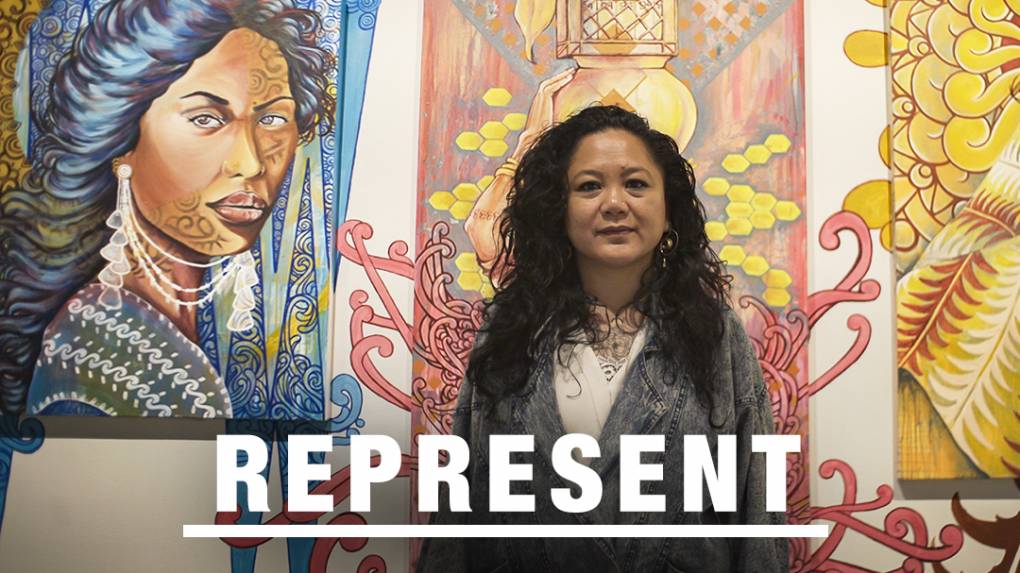
"caption": "Cece Carpio at SomArts gallery in San Francisco.",
"description": "Cece Carpio at SomArts gallery in San Francisco.",
"title": "CCforWP",
"credit": "Claudia Escobar",
"status": "inherit",
"altTag": "A woman painter is standing in front of three of her large paintings and looking straight into the camera.",
"isLoading": false,
"fetchFailed": false
},
"arts_13864516": {
"type": "attachments",
"id": "arts_13864516",
"meta": {
"index": "attachments_1716263798",
"site": "arts",
"id": "13864516",
"found": true
},
"parent": 13864511,
"imgSizes": {
"twentyfourteen-full-width": {
"file": "https://ww2.kqed.org/app/uploads/sites/2/2019/08/TommyOrange-There-There-1038x576.jpg",
"width": 1038,
"mimeType": "image/jpeg",
"height": 576
},
"thumbnail": {
"file": "https://ww2.kqed.org/app/uploads/sites/2/2019/08/TommyOrange-There-There-160x113.jpg",
"width": 160,
"mimeType": "image/jpeg",
"height": 113
},
"post-thumbnail": {
"file": "https://ww2.kqed.org/app/uploads/sites/2/2019/08/TommyOrange-There-There-672x372.jpg",
"width": 672,
"mimeType": "image/jpeg",
"height": 372
},
"kqedFullSize": {
"file": "https://ww2.kqed.org/app/uploads/sites/2/2019/08/TommyOrange-There-There.jpg",
"width": 1920,
"height": 1353
},
"large": {
"file": "https://ww2.kqed.org/app/uploads/sites/2/2019/08/TommyOrange-There-There-1020x719.jpg",
"width": 1020,
"mimeType": "image/jpeg",
"height": 719
},
"complete_open_graph": {
"file": "https://ww2.kqed.org/app/uploads/sites/2/2019/08/TommyOrange-There-There-1200x846.jpg",
"width": 1200,
"mimeType": "image/jpeg",
"height": 846
},
"full-width": {
"file": "https://ww2.kqed.org/app/uploads/sites/2/2019/08/TommyOrange-There-There-1920x1353.jpg",
"width": 1920,
"mimeType": "image/jpeg",
"height": 1353
},
"medium": {
"file": "https://ww2.kqed.org/app/uploads/sites/2/2019/08/TommyOrange-There-There-800x564.jpg",
"width": 800,
"mimeType": "image/jpeg",
"height": 564
},
"medium_large": {
"file": "https://ww2.kqed.org/app/uploads/sites/2/2019/08/TommyOrange-There-There-768x541.jpg",
"width": 768,
"mimeType": "image/jpeg",
"height": 541
}
},
"publishDate": 1566261300,
"modified": 1566261340,
"caption": "Tommy Orange’s novel “There There” is among this year’s winners of American Book Awards, given for works that highlight the diversity of the country’s literature.",
"description": "Tommy Orange’s novel “There There” is among this year’s winners of American Book Awards, given for works that highlight the diversity of the country’s literature.",
"title": "TommyOrange-There-There",
"credit": "Lina Blanco / KQED",
"status": "inherit",
"isLoading": false,
"fetchFailed": false
},
"arts_13860894": {
"type": "attachments",
"id": "arts_13860894",
"meta": {
"index": "attachments_1716263798",
"site": "arts",
"id": "13860894",
"found": true
},
"parent": 13860888,
"imgSizes": {
"thumbnail": {
"file": "https://ww2.kqed.org/app/uploads/sites/2/2019/07/800-molly-pbs-160x93.jpeg",
"width": 160,
"mimeType": "image/jpeg",
"height": 93
},
"post-thumbnail": {
"file": "https://ww2.kqed.org/app/uploads/sites/2/2019/07/800-molly-pbs-672x372.jpeg",
"width": 672,
"mimeType": "image/jpeg",
"height": 372
},
"kqedFullSize": {
"file": "https://ww2.kqed.org/app/uploads/sites/2/2019/07/800-molly-pbs.jpeg",
"width": 800,
"height": 466
},
"medium": {
"file": "https://ww2.kqed.org/app/uploads/sites/2/2019/07/800-molly-pbs-800x466.jpeg",
"width": 800,
"mimeType": "image/jpeg",
"height": 466
},
"medium_large": {
"file": "https://ww2.kqed.org/app/uploads/sites/2/2019/07/800-molly-pbs-768x447.jpeg",
"width": 768,
"mimeType": "image/jpeg",
"height": 447
}
},
"publishDate": 1562615195,
"modified": 1562615219,
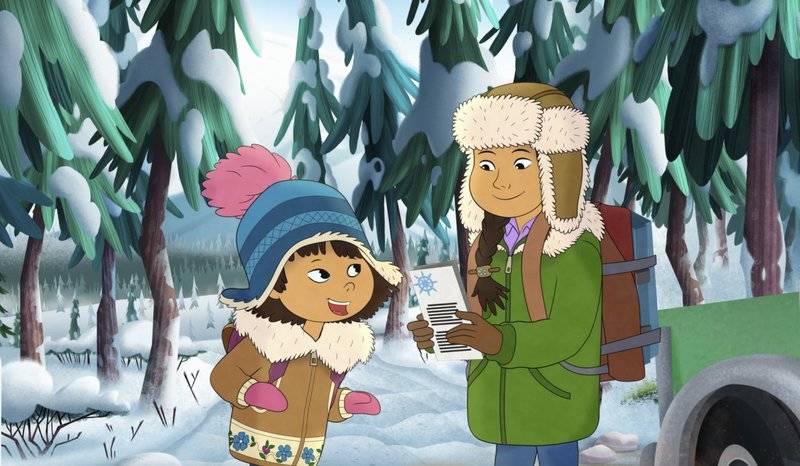
"caption": "This image released by PBS shows characters Molly, voiced by Sovereign Bill, left, and her mother, voiced by Jules Koostachin in a scene from the animated series \"Molly of Denali.\" The animated show, which highlights the adventures of a 10-year-old Athabascan girl, Molly Mabray, premieres July 15 on PBS Kids. ",
"description": "This image released by PBS shows characters Molly, voiced by Sovereign Bill, left, and her mother, voiced by Jules Koostachin in a scene from the animated series \"Molly of Denali.\" The animated show, which highlights the adventures of a 10-year-old Athabascan girl, Molly Mabray, premieres July 15 on PBS Kids. ",
"title": "800-molly-pbs",
"credit": "PBS",
"status": "inherit",
"isLoading": false,
"fetchFailed": false
},
"arts_13854914": {
"type": "attachments",
"id": "arts_13854914",
"meta": {
"index": "attachments_1716263798",
"site": "arts",
"id": "13854914",
"found": true
},
"parent": 13853759,
"imgSizes": {
"twentyfourteen-full-width": {
"file": "https://ww2.kqed.org/app/uploads/sites/2/2019/03/ICCD_Minneapolis-1038x576.jpg",
"width": 1038,
"mimeType": "image/jpeg",
"height": 576
},
"thumbnail": {
"file": "https://ww2.kqed.org/app/uploads/sites/2/2019/03/ICCD_Minneapolis-160x90.jpg",
"width": 160,
"mimeType": "image/jpeg",
"height": 90
},
"post-thumbnail": {
"file": "https://ww2.kqed.org/app/uploads/sites/2/2019/03/ICCD_Minneapolis-672x372.jpg",
"width": 672,
"mimeType": "image/jpeg",
"height": 372
},
"kqedFullSize": {
"file": "https://ww2.kqed.org/app/uploads/sites/2/2019/03/ICCD_Minneapolis.jpg",
"width": 1920,
"height": 1079
},
"large": {
"file": "https://ww2.kqed.org/app/uploads/sites/2/2019/03/ICCD_Minneapolis-1020x573.jpg",
"width": 1020,
"mimeType": "image/jpeg",
"height": 573
},
"complete_open_graph": {
"file": "https://ww2.kqed.org/app/uploads/sites/2/2019/03/ICCD_Minneapolis-1200x674.jpg",
"width": 1200,
"mimeType": "image/jpeg",
"height": 674
},
"guest-author-50": {
"file": "https://ww2.kqed.org/app/uploads/sites/2/2019/03/ICCD_Minneapolis-50x50.jpg",
"width": 50,
"mimeType": "image/jpeg",
"height": 50
},
"guest-author-96": {
"file": "https://ww2.kqed.org/app/uploads/sites/2/2019/03/ICCD_Minneapolis-96x96.jpg",
"width": 96,
"mimeType": "image/jpeg",
"height": 96
},
"medium": {
"file": "https://ww2.kqed.org/app/uploads/sites/2/2019/03/ICCD_Minneapolis-800x450.jpg",
"width": 800,
"mimeType": "image/jpeg",
"height": 450
},
"guest-author-64": {
"file": "https://ww2.kqed.org/app/uploads/sites/2/2019/03/ICCD_Minneapolis-64x64.jpg",
"width": 64,
"mimeType": "image/jpeg",
"height": 64
},
"guest-author-32": {
"file": "https://ww2.kqed.org/app/uploads/sites/2/2019/03/ICCD_Minneapolis-32x32.jpg",
"width": 32,
"mimeType": "image/jpeg",
"height": 32
},
"full-width": {
"file": "https://ww2.kqed.org/app/uploads/sites/2/2019/03/ICCD_Minneapolis-1920x1079.jpg",
"width": 1920,
"mimeType": "image/jpeg",
"height": 1079
},
"medium_large": {
"file": "https://ww2.kqed.org/app/uploads/sites/2/2019/03/ICCD_Minneapolis-768x432.jpg",
"width": 768,
"mimeType": "image/jpeg",
"height": 432
},
"guest-author-128": {
"file": "https://ww2.kqed.org/app/uploads/sites/2/2019/03/ICCD_Minneapolis-128x128.jpg",
"width": 128,
"mimeType": "image/jpeg",
"height": 128
}
},
"publishDate": 1555093777,
"modified": 1558567928,
"caption": "Native Hoop Dance with the Sampson Brothers ",
"description": "Native Hoop Dance with the Sampson Brothers ",
"title": "ICCD_Minneapolis",
"credit": null,
"status": "inherit",
"isLoading": false,
"fetchFailed": false
},
"arts_13845350": {
"type": "attachments",
"id": "arts_13845350",
"meta": {
"index": "attachments_1716263798",
"site": "arts",
"id": "13845350",
"found": true
},
"parent": 13845330,
"imgSizes": {
"twentyfourteen-full-width": {
"file": "https://ww2.kqed.org/app/uploads/sites/2/2018/11/two-spirit-cover-image-1038x576.png",
"width": 1038,
"mimeType": "image/png",
"height": 576
},
"thumbnail": {
"file": "https://ww2.kqed.org/app/uploads/sites/2/2018/11/two-spirit-cover-image-160x90.png",
"width": 160,
"mimeType": "image/png",
"height": 90
},
"post-thumbnail": {
"file": "https://ww2.kqed.org/app/uploads/sites/2/2018/11/two-spirit-cover-image-672x372.png",
"width": 672,
"mimeType": "image/png",
"height": 372
},
"kqedFullSize": {
"file": "https://ww2.kqed.org/app/uploads/sites/2/2018/11/two-spirit-cover-image.png",
"width": 1067,
"height": 600
},
"large": {
"file": "https://ww2.kqed.org/app/uploads/sites/2/2018/11/two-spirit-cover-image-1020x574.png",
"width": 1020,
"mimeType": "image/png",
"height": 574
},
"guest-author-50": {
"file": "https://ww2.kqed.org/app/uploads/sites/2/2018/11/two-spirit-cover-image-50x50.png",
"width": 50,
"mimeType": "image/png",
"height": 50
},
"guest-author-96": {
"file": "https://ww2.kqed.org/app/uploads/sites/2/2018/11/two-spirit-cover-image-96x96.png",
"width": 96,
"mimeType": "image/png",
"height": 96
},
"medium": {
"file": "https://ww2.kqed.org/app/uploads/sites/2/2018/11/two-spirit-cover-image-800x450.png",
"width": 800,
"mimeType": "image/png",
"height": 450
},
"guest-author-64": {
"file": "https://ww2.kqed.org/app/uploads/sites/2/2018/11/two-spirit-cover-image-64x64.png",
"width": 64,
"mimeType": "image/png",
"height": 64
},
"guest-author-32": {
"file": "https://ww2.kqed.org/app/uploads/sites/2/2018/11/two-spirit-cover-image-32x32.png",
"width": 32,
"mimeType": "image/png",
"height": 32
},
"detail": {
"file": "https://ww2.kqed.org/app/uploads/sites/2/2018/11/two-spirit-cover-image-150x150.png",
"width": 150,
"mimeType": "image/png",
"height": 150
},
"medium_large": {
"file": "https://ww2.kqed.org/app/uploads/sites/2/2018/11/two-spirit-cover-image-768x432.png",
"width": 768,
"mimeType": "image/png",
"height": 432
},
"guest-author-128": {
"file": "https://ww2.kqed.org/app/uploads/sites/2/2018/11/two-spirit-cover-image-128x128.png",
"width": 128,
"mimeType": "image/png",
"height": 128
}
},
"publishDate": 1542758739,
"modified": 1542758944,
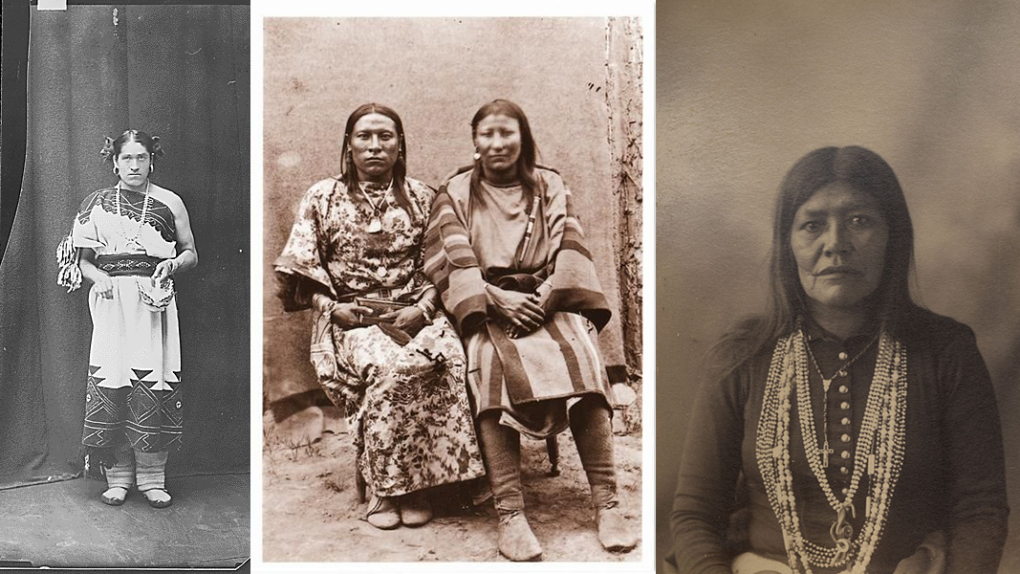
"caption": "We'wha (left), Osh-Tisch (center) and Dahteste (right). ",
"description": "We'wha (left), Osh-Tisch (center) and Dahteste (right). ",
"title": "two spirit cover image",
"credit": "John K. Hillers, Image Courtesy of: Smithsonian Institute/John H. Fouch/F.A. Rinehart, Image Courtsey of Omaha Public Library",
"status": "inherit",
"isLoading": false,
"fetchFailed": false
},
"arts_13840756": {
"type": "attachments",
"id": "arts_13840756",
"meta": {
"index": "attachments_1716263798",
"site": "arts",
"id": "13840756",
"found": true
},
"parent": 13840748,
"imgSizes": {
"small": {
"file": "https://ww2.kqed.org/app/uploads/sites/2/2018/09/EarlyDaysStatue-520x293.jpg",
"width": 520,
"mimeType": "image/jpeg",
"height": 293
},
"twentyfourteen-full-width": {
"file": "https://ww2.kqed.org/app/uploads/sites/2/2018/09/EarlyDaysStatue-1038x576.jpg",
"width": 1038,
"mimeType": "image/jpeg",
"height": 576
},
"thumbnail": {
"file": "https://ww2.kqed.org/app/uploads/sites/2/2018/09/EarlyDaysStatue-160x90.jpg",
"width": 160,
"mimeType": "image/jpeg",
"height": 90
},
"fd-sm": {
"file": "https://ww2.kqed.org/app/uploads/sites/2/2018/09/EarlyDaysStatue-960x540.jpg",
"width": 960,
"mimeType": "image/jpeg",
"height": 540
},
"post-thumbnail": {
"file": "https://ww2.kqed.org/app/uploads/sites/2/2018/09/EarlyDaysStatue-672x372.jpg",
"width": 672,
"mimeType": "image/jpeg",
"height": 372
},
"xsmall": {
"file": "https://ww2.kqed.org/app/uploads/sites/2/2018/09/EarlyDaysStatue-375x211.jpg",
"width": 375,
"mimeType": "image/jpeg",
"height": 211
},
"kqedFullSize": {
"file": "https://ww2.kqed.org/app/uploads/sites/2/2018/09/EarlyDaysStatue.jpg",
"width": 1920,
"height": 1080
},
"large": {
"file": "https://ww2.kqed.org/app/uploads/sites/2/2018/09/EarlyDaysStatue-1020x574.jpg",
"width": 1020,
"mimeType": "image/jpeg",
"height": 574
},
"xlarge": {
"file": "https://ww2.kqed.org/app/uploads/sites/2/2018/09/EarlyDaysStatue-1180x664.jpg",
"width": 1180,
"mimeType": "image/jpeg",
"height": 664
},
"complete_open_graph": {
"file": "https://ww2.kqed.org/app/uploads/sites/2/2018/09/EarlyDaysStatue-1200x675.jpg",
"width": 1200,
"mimeType": "image/jpeg",
"height": 675
},
"guest-author-50": {
"file": "https://ww2.kqed.org/app/uploads/sites/2/2018/09/EarlyDaysStatue-50x50.jpg",
"width": 50,
"mimeType": "image/jpeg",
"height": 50
},
"guest-author-96": {
"file": "https://ww2.kqed.org/app/uploads/sites/2/2018/09/EarlyDaysStatue-96x96.jpg",
"width": 96,
"mimeType": "image/jpeg",
"height": 96
},
"medium": {
"file": "https://ww2.kqed.org/app/uploads/sites/2/2018/09/EarlyDaysStatue-800x450.jpg",
"width": 800,
"mimeType": "image/jpeg",
"height": 450
},
"guest-author-64": {
"file": "https://ww2.kqed.org/app/uploads/sites/2/2018/09/EarlyDaysStatue-64x64.jpg",
"width": 64,
"mimeType": "image/jpeg",
"height": 64
},
"guest-author-32": {
"file": "https://ww2.kqed.org/app/uploads/sites/2/2018/09/EarlyDaysStatue-32x32.jpg",
"width": 32,
"mimeType": "image/jpeg",
"height": 32
},
"fd-lrg": {
"file": "https://ww2.kqed.org/app/uploads/sites/2/2018/09/EarlyDaysStatue-1920x1080.jpg",
"width": 1920,
"mimeType": "image/jpeg",
"height": 1080
},
"fd-med": {
"file": "https://ww2.kqed.org/app/uploads/sites/2/2018/09/EarlyDaysStatue-1180x664.jpg",
"width": 1180,
"mimeType": "image/jpeg",
"height": 664
},
"full-width": {
"file": "https://ww2.kqed.org/app/uploads/sites/2/2018/09/EarlyDaysStatue-1920x1080.jpg",
"width": 1920,
"mimeType": "image/jpeg",
"height": 1080
},
"detail": {
"file": "https://ww2.kqed.org/app/uploads/sites/2/2018/09/EarlyDaysStatue-150x150.jpg",
"width": 150,
"mimeType": "image/jpeg",
"height": 150
},
"medium_large": {
"file": "https://ww2.kqed.org/app/uploads/sites/2/2018/09/EarlyDaysStatue-768x432.jpg",
"width": 768,
"mimeType": "image/jpeg",
"height": 432
},
"guest-author-128": {
"file": "https://ww2.kqed.org/app/uploads/sites/2/2018/09/EarlyDaysStatue-128x128.jpg",
"width": 128,
"mimeType": "image/jpeg",
"height": 128
},
"xxsmall": {
"file": "https://ww2.kqed.org/app/uploads/sites/2/2018/09/EarlyDaysStatue-240x135.jpg",
"width": 240,
"mimeType": "image/jpeg",
"height": 135
}
},
"publishDate": 1536819843,
"modified": 1536819867,
"caption": "'Early Days,' part of the Pioneer Monument in San Francisco's Civic Center, will be removed in the wake of a Sept. 12 meeting at City Hall.",
"description": "'Early Days,' part of the Pioneer Monument in San Francisco's Civic Center, will be removed in the wake of a Sept. 12 meeting at City Hall.",
"title": "EarlyDaysStatue",
"credit": "Sam Lefebvre/KQED",
"status": "inherit",
"isLoading": false,
"fetchFailed": false
},
"arts_13830020": {
"type": "attachments",
"id": "arts_13830020",
"meta": {
"index": "attachments_1716263798",
"site": "arts",
"id": "13830020",
"found": true
},
"parent": 13830017,
"imgSizes": {
"small": {
"file": "https://ww2.kqed.org/app/uploads/sites/2/2018/04/RS26290_IMG_2292-qut-520x347.jpg",
"width": 520,
"mimeType": "image/jpeg",
"height": 347
},
"twentyfourteen-full-width": {
"file": "https://ww2.kqed.org/app/uploads/sites/2/2018/04/RS26290_IMG_2292-qut-1038x576.jpg",
"width": 1038,
"mimeType": "image/jpeg",
"height": 576
},
"thumbnail": {
"file": "https://ww2.kqed.org/app/uploads/sites/2/2018/04/RS26290_IMG_2292-qut-160x107.jpg",
"width": 160,
"mimeType": "image/jpeg",
"height": 107
},
"fd-sm": {
"file": "https://ww2.kqed.org/app/uploads/sites/2/2018/04/RS26290_IMG_2292-qut-960x640.jpg",
"width": 960,
"mimeType": "image/jpeg",
"height": 640
},
"post-thumbnail": {
"file": "https://ww2.kqed.org/app/uploads/sites/2/2018/04/RS26290_IMG_2292-qut-672x372.jpg",
"width": 672,
"mimeType": "image/jpeg",
"height": 372
},
"xsmall": {
"file": "https://ww2.kqed.org/app/uploads/sites/2/2018/04/RS26290_IMG_2292-qut-375x250.jpg",
"width": 375,
"mimeType": "image/jpeg",
"height": 250
},
"kqedFullSize": {
"file": "https://ww2.kqed.org/app/uploads/sites/2/2018/04/RS26290_IMG_2292-qut.jpg",
"width": 1920,
"height": 1280
},
"large": {
"file": "https://ww2.kqed.org/app/uploads/sites/2/2018/04/RS26290_IMG_2292-qut-1020x680.jpg",
"width": 1020,
"mimeType": "image/jpeg",
"height": 680
},
"xlarge": {
"file": "https://ww2.kqed.org/app/uploads/sites/2/2018/04/RS26290_IMG_2292-qut-1180x787.jpg",
"width": 1180,
"mimeType": "image/jpeg",
"height": 787
},
"complete_open_graph": {
"file": "https://ww2.kqed.org/app/uploads/sites/2/2018/04/RS26290_IMG_2292-qut-1200x800.jpg",
"width": 1200,
"mimeType": "image/jpeg",
"height": 800
},
"guest-author-50": {
"file": "https://ww2.kqed.org/app/uploads/sites/2/2018/04/RS26290_IMG_2292-qut-50x50.jpg",
"width": 50,
"mimeType": "image/jpeg",
"height": 50
},
"guest-author-96": {
"file": "https://ww2.kqed.org/app/uploads/sites/2/2018/04/RS26290_IMG_2292-qut-96x96.jpg",
"width": 96,
"mimeType": "image/jpeg",
"height": 96
},
"medium": {
"file": "https://ww2.kqed.org/app/uploads/sites/2/2018/04/RS26290_IMG_2292-qut-800x533.jpg",
"width": 800,
"mimeType": "image/jpeg",
"height": 533
},
"guest-author-64": {
"file": "https://ww2.kqed.org/app/uploads/sites/2/2018/04/RS26290_IMG_2292-qut-64x64.jpg",
"width": 64,
"mimeType": "image/jpeg",
"height": 64
},
"guest-author-32": {
"file": "https://ww2.kqed.org/app/uploads/sites/2/2018/04/RS26290_IMG_2292-qut-32x32.jpg",
"width": 32,
"mimeType": "image/jpeg",
"height": 32
},
"fd-lrg": {
"file": "https://ww2.kqed.org/app/uploads/sites/2/2018/04/RS26290_IMG_2292-qut-1920x1280.jpg",
"width": 1920,
"mimeType": "image/jpeg",
"height": 1280
},
"fd-med": {
"file": "https://ww2.kqed.org/app/uploads/sites/2/2018/04/RS26290_IMG_2292-qut-1180x787.jpg",
"width": 1180,
"mimeType": "image/jpeg",
"height": 787
},
"full-width": {
"file": "https://ww2.kqed.org/app/uploads/sites/2/2018/04/RS26290_IMG_2292-qut-1920x1280.jpg",
"width": 1920,
"mimeType": "image/jpeg",
"height": 1280
},
"detail": {
"file": "https://ww2.kqed.org/app/uploads/sites/2/2018/04/RS26290_IMG_2292-qut-150x150.jpg",
"width": 150,
"mimeType": "image/jpeg",
"height": 150
},
"medium_large": {
"file": "https://ww2.kqed.org/app/uploads/sites/2/2018/04/RS26290_IMG_2292-qut-768x512.jpg",
"width": 768,
"mimeType": "image/jpeg",
"height": 512
},
"guest-author-128": {
"file": "https://ww2.kqed.org/app/uploads/sites/2/2018/04/RS26290_IMG_2292-qut-128x128.jpg",
"width": 128,
"mimeType": "image/jpeg",
"height": 128
},
"xxsmall": {
"file": "https://ww2.kqed.org/app/uploads/sites/2/2018/04/RS26290_IMG_2292-qut-240x160.jpg",
"width": 240,
"mimeType": "image/jpeg",
"height": 160
}
},
"publishDate": 1524245361,
"modified": 1524245420,
"caption": "The Pioneer Monument is between the Main Library and the Asian Art Museum in the Civic Center.",
"description": "The Pioneer Monument is between the Main Library and the Asian Art Museum in the Civic Center.",
"title": "RS26290_IMG_2292-qut",
"credit": "Arash Malekzadeh/KQED",
"status": "inherit",
"isLoading": false,
"fetchFailed": false
},
"arts_13810337": {
"type": "attachments",
"id": "arts_13810337",
"meta": {
"index": "attachments_1716263798",
"site": "arts",
"id": "13810337",
"found": true
},
"parent": 13810327,
"imgSizes": {
"small": {
"file": "https://ww2.kqed.org/app/uploads/sites/2/2017/10/Pioneer-statue-520x296.jpg",
"width": 520,
"mimeType": "image/jpeg",
"height": 296
},
"thumbnail": {
"file": "https://ww2.kqed.org/app/uploads/sites/2/2017/10/Pioneer-statue-160x91.jpg",
"width": 160,
"mimeType": "image/jpeg",
"height": 91
},
"post-thumbnail": {
"file": "https://ww2.kqed.org/app/uploads/sites/2/2017/10/Pioneer-statue-672x372.jpg",
"width": 672,
"mimeType": "image/jpeg",
"height": 372
},
"xsmall": {
"file": "https://ww2.kqed.org/app/uploads/sites/2/2017/10/Pioneer-statue-375x213.jpg",
"width": 375,
"mimeType": "image/jpeg",
"height": 213
},
"kqedFullSize": {
"file": "https://ww2.kqed.org/app/uploads/sites/2/2017/10/Pioneer-statue.jpg",
"width": 791,
"height": 450
},
"guest-author-50": {
"file": "https://ww2.kqed.org/app/uploads/sites/2/2017/10/Pioneer-statue-50x50.jpg",
"width": 50,
"mimeType": "image/jpeg",
"height": 50
},
"guest-author-96": {
"file": "https://ww2.kqed.org/app/uploads/sites/2/2017/10/Pioneer-statue-96x96.jpg",
"width": 96,
"mimeType": "image/jpeg",
"height": 96
},
"guest-author-64": {
"file": "https://ww2.kqed.org/app/uploads/sites/2/2017/10/Pioneer-statue-64x64.jpg",
"width": 64,
"mimeType": "image/jpeg",
"height": 64
},
"guest-author-32": {
"file": "https://ww2.kqed.org/app/uploads/sites/2/2017/10/Pioneer-statue-32x32.jpg",
"width": 32,
"mimeType": "image/jpeg",
"height": 32
},
"detail": {
"file": "https://ww2.kqed.org/app/uploads/sites/2/2017/10/Pioneer-statue-150x150.jpg",
"width": 150,
"mimeType": "image/jpeg",
"height": 150
},
"medium_large": {
"file": "https://ww2.kqed.org/app/uploads/sites/2/2017/10/Pioneer-statue-768x437.jpg",
"width": 768,
"mimeType": "image/jpeg",
"height": 437
},
"guest-author-128": {
"file": "https://ww2.kqed.org/app/uploads/sites/2/2017/10/Pioneer-statue-128x128.jpg",
"width": 128,
"mimeType": "image/jpeg",
"height": 128
},
"xxsmall": {
"file": "https://ww2.kqed.org/app/uploads/sites/2/2017/10/Pioneer-statue-240x137.jpg",
"width": 240,
"mimeType": "image/jpeg",
"height": 137
}
},
"publishDate": 1507073883,
"modified": 1507073989,
"caption": "The Pioneer Monument in San Francisco's Civic Center, photographed on Aug. 22, 2017",
"description": "The Pioneer Monument in San Francisco's Civic Center, photographed on Aug. 22, 2017",
"title": "Pioneer statue",
"credit": "Arash Malekzadeh/KQED",
"status": "inherit",
"isLoading": false,
"fetchFailed": false
},
"arts_13042977": {
"type": "attachments",
"id": "arts_13042977",
"meta": {
"index": "attachments_1716263798",
"site": "arts",
"id": "13042977",
"found": true
},
"parent": 13042536,
"imgSizes": {
"small": {
"file": "https://ww2.kqed.org/app/uploads/sites/2/2017/04/ARTS_RULAN_unwindNoBug-520x293.jpg",
"width": 520,
"mimeType": "image/jpeg",
"height": 293
},
"twentyfourteen-full-width": {
"file": "https://ww2.kqed.org/app/uploads/sites/2/2017/04/ARTS_RULAN_unwindNoBug-1038x576.jpg",
"width": 1038,
"mimeType": "image/jpeg",
"height": 576
},
"thumbnail": {
"file": "https://ww2.kqed.org/app/uploads/sites/2/2017/04/ARTS_RULAN_unwindNoBug-160x90.jpg",
"width": 160,
"mimeType": "image/jpeg",
"height": 90
},
"fd-sm": {
"file": "https://ww2.kqed.org/app/uploads/sites/2/2017/04/ARTS_RULAN_unwindNoBug-960x540.jpg",
"width": 960,
"mimeType": "image/jpeg",
"height": 540
},
"post-thumbnail": {
"file": "https://ww2.kqed.org/app/uploads/sites/2/2017/04/ARTS_RULAN_unwindNoBug-672x372.jpg",
"width": 672,
"mimeType": "image/jpeg",
"height": 372
},
"xsmall": {
"file": "https://ww2.kqed.org/app/uploads/sites/2/2017/04/ARTS_RULAN_unwindNoBug-375x211.jpg",
"width": 375,
"mimeType": "image/jpeg",
"height": 211
},
"kqedFullSize": {
"file": "https://ww2.kqed.org/app/uploads/sites/2/2017/04/ARTS_RULAN_unwindNoBug.jpg",
"width": 1920,
"height": 1080
},
"large": {
"file": "https://ww2.kqed.org/app/uploads/sites/2/2017/04/ARTS_RULAN_unwindNoBug-1020x574.jpg",
"width": 1020,
"mimeType": "image/jpeg",
"height": 574
},
"xlarge": {
"file": "https://ww2.kqed.org/app/uploads/sites/2/2017/04/ARTS_RULAN_unwindNoBug-1180x664.jpg",
"width": 1180,
"mimeType": "image/jpeg",
"height": 664
},
"guest-author-50": {
"file": "https://ww2.kqed.org/app/uploads/sites/2/2017/04/ARTS_RULAN_unwindNoBug-50x50.jpg",
"width": 50,
"mimeType": "image/jpeg",
"height": 50
},
"guest-author-96": {
"file": "https://ww2.kqed.org/app/uploads/sites/2/2017/04/ARTS_RULAN_unwindNoBug-96x96.jpg",
"width": 96,
"mimeType": "image/jpeg",
"height": 96
},
"medium": {
"file": "https://ww2.kqed.org/app/uploads/sites/2/2017/04/ARTS_RULAN_unwindNoBug-800x450.jpg",
"width": 800,
"mimeType": "image/jpeg",
"height": 450
},
"guest-author-64": {
"file": "https://ww2.kqed.org/app/uploads/sites/2/2017/04/ARTS_RULAN_unwindNoBug-64x64.jpg",
"width": 64,
"mimeType": "image/jpeg",
"height": 64
},
"guest-author-32": {
"file": "https://ww2.kqed.org/app/uploads/sites/2/2017/04/ARTS_RULAN_unwindNoBug-32x32.jpg",
"width": 32,
"mimeType": "image/jpeg",
"height": 32
},
"fd-lrg": {
"file": "https://ww2.kqed.org/app/uploads/sites/2/2017/04/ARTS_RULAN_unwindNoBug-1920x1080.jpg",
"width": 1920,
"mimeType": "image/jpeg",
"height": 1080
},
"fd-med": {
"file": "https://ww2.kqed.org/app/uploads/sites/2/2017/04/ARTS_RULAN_unwindNoBug-1180x664.jpg",
"width": 1180,
"mimeType": "image/jpeg",
"height": 664
},
"full-width": {
"file": "https://ww2.kqed.org/app/uploads/sites/2/2017/04/ARTS_RULAN_unwindNoBug-1920x1080.jpg",
"width": 1920,
"mimeType": "image/jpeg",
"height": 1080
},
"detail": {
"file": "https://ww2.kqed.org/app/uploads/sites/2/2017/04/ARTS_RULAN_unwindNoBug-150x150.jpg",
"width": 150,
"mimeType": "image/jpeg",
"height": 150
},
"medium_large": {
"file": "https://ww2.kqed.org/app/uploads/sites/2/2017/04/ARTS_RULAN_unwindNoBug-768x432.jpg",
"width": 768,
"mimeType": "image/jpeg",
"height": 432
},
"guest-author-128": {
"file": "https://ww2.kqed.org/app/uploads/sites/2/2017/04/ARTS_RULAN_unwindNoBug-128x128.jpg",
"width": 128,
"mimeType": "image/jpeg",
"height": 128
},
"xxsmall": {
"file": "https://ww2.kqed.org/app/uploads/sites/2/2017/04/ARTS_RULAN_unwindNoBug-240x135.jpg",
"width": 240,
"mimeType": "image/jpeg",
"height": 135
}
},
"publishDate": 1492035326,
"modified": 1492035326,
"caption": null,
"description": null,
"title": "ARTS_RULAN_unwindNoBug",
"credit": null,
"status": "inherit",
"isLoading": false,
"fetchFailed": false
}
},
"audioPlayerReducer": {
"postId": "stream_live",
"isPaused": true,
"isPlaying": false,
"pfsActive": false,
"pledgeModalIsOpen": true,
"playerDrawerIsOpen": false,
"liveAudioPlayStartedAt": 0,
"liveAudioPlayContext": ""
},
"authorsReducer": {
"byline_arts_13864511": {
"type": "authors",
"id": "byline_arts_13864511",
"meta": {
"override": true
},
"slug": "byline_arts_13864511",
"name": "The Associated Press",
"isLoading": false
},
"byline_arts_13860888": {
"type": "authors",
"id": "byline_arts_13860888",
"meta": {
"override": true
},
"slug": "byline_arts_13860888",
"name": "Rachel D'Oro, Associated Press",
"isLoading": false
},
"byline_arts_13845330": {
"type": "authors",
"id": "byline_arts_13845330",
"meta": {
"override": true
},
"slug": "byline_arts_13845330",
"name": "Samuel White Swan-Perkins",
"isLoading": false
},
"byline_arts_13830017": {
"type": "authors",
"id": "byline_arts_13830017",
"meta": {
"override": true
},
"slug": "byline_arts_13830017",
"name": "\u003cstrong>Paul Elias\u003c/strong>\u003c/br>Associated Press",
"isLoading": false
},
"kwhalen": {
"type": "authors",
"id": "3248",
"meta": {
"index": "authors_1716337520",
"id": "3248",
"found": true
},
"name": "Kelly Whalen",
"firstName": "Kelly",
"lastName": "Whalen",
"slug": "kwhalen",
"email": "kwhalen@kqed.org",
"display_author_email": false,
"staff_mastheads": [],
"title": "Senior Video Producer",
"bio": "Kelly Whalen is a filmmaker and educator who directs and produces social justice documentaries and award-winning arts and culture web series. She is the creator of KQED Arts’ three-time Webby Award-winning YouTube series \u003cem>If Cities Could Dance\u003c/em>, featuring dancers across the country representing their cities’ signature moves, and the director of \u003cem>When the Waters Get Deep\u003c/em>, a documentary about Oakland-based artists SOL Development and their work toward healing their communities’ trauma from gun violence.",
"avatar": "https://secure.gravatar.com/avatar/1a2b57e8a13abdcfc3d4966d9c0e1512?s=600&d=blank&r=g",
"twitter": "kellyfilmmaker",
"facebook": null,
"instagram": null,
"linkedin": null,
"sites": [
{
"site": "arts",
"roles": [
"subscriber"
]
}
],
"headData": {
"title": "Kelly Whalen | KQED",
"description": "Senior Video Producer",
"ogImgSrc": "https://secure.gravatar.com/avatar/1a2b57e8a13abdcfc3d4966d9c0e1512?s=600&d=blank&r=g",
"twImgSrc": "https://secure.gravatar.com/avatar/1a2b57e8a13abdcfc3d4966d9c0e1512?s=600&d=blank&r=g"
},
"isLoading": false,
"link": "/author/kwhalen"
},
"slefebvre": {
"type": "authors",
"id": "11091",
"meta": {
"index": "authors_1716337520",
"id": "11091",
"found": true
},
"name": "Sam Lefebvre",
"firstName": "Sam",
"lastName": "Lefebvre",
"slug": "slefebvre",
"email": "sdlefebvre@gmail.com",
"display_author_email": false,
"staff_mastheads": [],
"title": "KQED Contributor",
"bio": "Sam Lefebvre is an award-winning reporter at KQED Arts. He has worked as an editor and columnist at the \u003cem>East Bay Express\u003c/em>, \u003cem>SF Weekly \u003c/em>and Impose Magazine, and his journalism and criticism has appeared in \u003cem>The New York Times\u003c/em>, the Guardian and Pitchfork.",
"avatar": "https://secure.gravatar.com/avatar/49d39b42930b77fb13784ddd9fa63fe780666b71bf289368509dba576b64e69b?s=600&d=blank&r=g",
"twitter": "Lefebvre_Sam",
"bluesky": null,
"facebook": null,
"instagram": null,
"linkedin": null,
"sites": [
{
"site": "arts",
"roles": [
"subscriber"
]
},
{
"site": "news",
"roles": [
"author"
]
}
],
"headData": {
"title": "Sam Lefebvre | KQED",
"description": "KQED Contributor",
"ogImgSrc": "https://secure.gravatar.com/avatar/49d39b42930b77fb13784ddd9fa63fe780666b71bf289368509dba576b64e69b?s=600&d=blank&r=g",
"twImgSrc": "https://secure.gravatar.com/avatar/49d39b42930b77fb13784ddd9fa63fe780666b71bf289368509dba576b64e69b?s=600&d=blank&r=g"
},
"isLoading": false,
"link": "/author/slefebvre"
},
"cescobar": {
"type": "authors",
"id": "11241",
"meta": {
"index": "authors_1716337520",
"id": "11241",
"found": true
},
"name": "Claudia Escobar",
"firstName": "Claudia",
"lastName": "Escobar",
"slug": "cescobar",
"email": "cescobar@kqed.org",
"display_author_email": false,
"staff_mastheads": [],
"title": "KQED Contributor",
"bio": "Tropical latin visual story teller extraordinaire! bread maker apprentice.",
"avatar": "https://secure.gravatar.com/avatar/39af590a0e19126bafbf121ec9d891a77a3d680061d7cc03d720efe706992707?s=600&d=blank&r=g",
"twitter": null,
"bluesky": null,
"facebook": null,
"instagram": null,
"linkedin": null,
"sites": [
{
"site": "arts",
"roles": [
"subscriber"
]
},
{
"site": "news",
"roles": [
"author"
]
}
],
"headData": {
"title": "Claudia Escobar | KQED",
"description": "KQED Contributor",
"ogImgSrc": "https://secure.gravatar.com/avatar/39af590a0e19126bafbf121ec9d891a77a3d680061d7cc03d720efe706992707?s=600&d=blank&r=g",
"twImgSrc": "https://secure.gravatar.com/avatar/39af590a0e19126bafbf121ec9d891a77a3d680061d7cc03d720efe706992707?s=600&d=blank&r=g"
},
"isLoading": false,
"link": "/author/cescobar"
},
"jbote": {
"type": "authors",
"id": "11371",
"meta": {
"index": "authors_1716337520",
"id": "11371",
"found": true
},
"name": "Joshua Bote",
"firstName": "Joshua",
"lastName": "Bote",
"slug": "jbote",
"email": "jbote@kqed.org",
"display_author_email": false,
"staff_mastheads": [],
"title": null,
"bio": "\u003cp class=\"p1\">Joshua Bote is an intern for KQED Arts. A senior at UC Berkeley, Joshua previously served as the Arts & Entertainment Editor at \u003ci>The Daily Californian\u003c/i>, UC Berkeley’s independently-run student newspaper. His work has been published in the \u003cem>East Bay Express.\u003c/em>\u003c/p>\r\n\u003cp class=\"p1\">He’s deeply enamored with Twitter culture, Carly Rae Jepsen, and love-oriented podcasts. He's also slowly learning to appreciate bad award shows. Follow him on Twitter \u003ca href=\"http://twitter.com/joshuaboat\">@joshuaboat\u003c/a>.\u003c/p>",
"avatar": "https://secure.gravatar.com/avatar/f060759cb27bc8b191022334ab99fc5a?s=600&d=blank&r=g",
"twitter": null,
"facebook": null,
"instagram": null,
"linkedin": null,
"sites": [
{
"site": "arts",
"roles": [
"author"
]
}
],
"headData": {
"title": "Joshua Bote | KQED",
"description": null,
"ogImgSrc": "https://secure.gravatar.com/avatar/f060759cb27bc8b191022334ab99fc5a?s=600&d=blank&r=g",
"twImgSrc": "https://secure.gravatar.com/avatar/f060759cb27bc8b191022334ab99fc5a?s=600&d=blank&r=g"
},
"isLoading": false,
"link": "/author/jbote"
}
},
"pagesReducer": {
"arts_tag_native-american": {
"type": "terms",
"id": "arts_3178",
"meta": {
"index": "terms_1716263798",
"site": "arts",
"id": "3178",
"score": 8.557362
},
"featImg": null,
"name": "native american",
"description": null,
"taxonomy": "tag",
"headData": {
"twImgId": null,
"twTitle": null,
"ogTitle": null,
"ogImgId": null,
"twDescription": null,
"description": null,
"title": "native american Archives | KQED Arts",
"ogDescription": null
},
"ttid": 3190,
"slug": "native-american",
"isLoading": false,
"title": "native american",
"pageMeta": {
"site": "arts",
"WpPageTemplate": "page-topic-editorial",
"currentPage": 4
},
"blocks": [
{
"blockName": "kqed/post-list",
"attrs": {
"layout": "cardArticle2",
"query": "posts/arts?tag=native-american",
"seeMore": false,
"paginated": true,
"page": 4
}
},
{
"blockName": "kqed/ad"
}
]
}
},
"pfsSessionReducer": {},
"postsReducer": {
"stream_live": {
"type": "live",
"id": "stream_live",
"audioUrl": "https://streams.kqed.org/kqedradio",
"title": "Live Stream",
"excerpt": "Live Stream information currently unavailable.",
"link": "/radio",
"featImg": "",
"label": {
"name": "KQED Live",
"link": "/"
}
},
"stream_kqedNewscast": {
"type": "posts",
"id": "stream_kqedNewscast",
"audioUrl": "https://www.kqed.org/.stream/anon/radio/RDnews/newscast.mp3?_=1",
"title": "KQED Newscast",
"featImg": "",
"label": {
"name": "88.5 FM",
"link": "/"
}
},
"arts_13868732": {
"type": "posts",
"id": "arts_13868732",
"meta": {
"index": "posts_1716263798",
"site": "arts",
"id": "13868732",
"score": null,
"sort": [
1571869103000
]
},
"parent": 0,
"labelTerm": {
"site": "arts"
},
"blocks": [],
"publishDate": 1571869103,
"format": "video",
"title": "‘We Are Here’: Cece Carpio Paints Indigenous Stories Around the World",
"headTitle": "‘We Are Here’: Cece Carpio Paints Indigenous Stories Around the World | KQED",
"content": "\u003cp>\u003ca href=\"http://cececarpio.com/\" target=\"_blank\" rel=\"noopener noreferrer\">Cece Carpio\u003c/a> credits her great grandmother, who raised her for the first 12 years of her life, with giving her the desire to draw and create art. Then, it was a means of communication—Carpio’s great grandmother, a midwife, herbalist and “fierce matriarch,” could not read or write. So Carpio would make drawings to illustrate what she’d learned each day in school in the barangay (or barrio) of San Ildefonso in the Philippine province of Laguna.\u003c/p>\n\u003cp>Today, Oakland-based Carpio uses her art to tell other people’s stories. In her words, “I paint everyday people fighting for a more dignified existence.” Carpio’s practice is rooted in documenting and elevating the lives of contemporary indigenous people—emphasizing their stories are not just a history lesson about a bygone age. This goal is especially relevant, she says, “in this nation in this time when there’s people out there who want to erase our existence and disappear our story.”\u003c/p>\n\u003cfigure id=\"attachment_13868737\" class=\"wp-caption aligncenter\" style=\"max-width: 800px\">\u003cimg loading=\"lazy\" decoding=\"async\" class=\"size-medium wp-image-13868737\" src=\"https://ww2.kqed.org/arts/wp-content/uploads/sites/2/2019/10/whang-od-800x800.jpg\" alt=\"A portrait of Whang-od Oggay from the Butbut community in the Philippines and the world's last mambabatok (hand-tap tattoo artist) from her generation. (courtesy of Cece Carpio)\" width=\"800\" height=\"800\" srcset=\"https://cdn.kqed.org/wp-content/uploads/sites/2/2019/10/whang-od-800x800.jpg 800w, https://cdn.kqed.org/wp-content/uploads/sites/2/2019/10/whang-od-160x160.jpg 160w, https://cdn.kqed.org/wp-content/uploads/sites/2/2019/10/whang-od-768x768.jpg 768w, https://cdn.kqed.org/wp-content/uploads/sites/2/2019/10/whang-od-1020x1020.jpg 1020w, https://cdn.kqed.org/wp-content/uploads/sites/2/2019/10/whang-od-1200x1200.jpg 1200w, https://cdn.kqed.org/wp-content/uploads/sites/2/2019/10/whang-od-1920x1920.jpg 1920w\" sizes=\"(max-width: 800px) 100vw, 800px\">\u003cfigcaption class=\"wp-caption-text\">A portrait of Whang-od Oggay from the Butbut community in the Philippines and the world’s last mambabatok (hand-tap tattoo artist) from her generation. (courtesy of Cece Carpio)\u003c/figcaption>\u003c/figure>\n\u003cp>After moving to the United States and experiencing her own sense of displacement from the indigenous community of her youth (her great grandmother is Igorot from the Cordillera region), Carpio found the \u003ca href=\"https://slack-redir.net/link?url=http%3A%2F%2Fwww.trustyourstruggle.com%2Fa%2F\" target=\"_blank\" rel=\"noopener noreferrer\">Trust Your Struggle collective\u003c/a> and a new sense of belonging. Dedicated to social justice, environmental sustainability and community activism, TYS members work with communities on public art projects to realize the images and messages that will resonate on their walls for years to come.\u003c/p>\n\u003cfigure id=\"attachment_13868738\" class=\"wp-caption aligncenter\" style=\"max-width: 800px\">\u003cimg loading=\"lazy\" decoding=\"async\" class=\"size-medium wp-image-13868738\" src=\"https://ww2.kqed.org/arts/wp-content/uploads/sites/2/2019/10/TYS.TULOY_PO_KAYO-800x430.jpg\" alt=\"Tuloy Po Kayo (Filipino for 'welcome'), South of Market, San Francisco, CA. (courtesy of Trust Your Struggle)\" width=\"800\" height=\"430\" srcset=\"https://cdn.kqed.org/wp-content/uploads/sites/2/2019/10/TYS.TULOY_PO_KAYO-800x430.jpg 800w, https://cdn.kqed.org/wp-content/uploads/sites/2/2019/10/TYS.TULOY_PO_KAYO-160x86.jpg 160w, https://cdn.kqed.org/wp-content/uploads/sites/2/2019/10/TYS.TULOY_PO_KAYO-768x413.jpg 768w, https://cdn.kqed.org/wp-content/uploads/sites/2/2019/10/TYS.TULOY_PO_KAYO-1020x549.jpg 1020w, https://cdn.kqed.org/wp-content/uploads/sites/2/2019/10/TYS.TULOY_PO_KAYO-1200x646.jpg 1200w, https://cdn.kqed.org/wp-content/uploads/sites/2/2019/10/TYS.TULOY_PO_KAYO.jpg 1721w\" sizes=\"(max-width: 800px) 100vw, 800px\">\u003cfigcaption class=\"wp-caption-text\">Tuloy Po Kayo (Filipino for ‘welcome’), South of Market, San Francisco, CA. (courtesy of Trust Your Struggle)\u003c/figcaption>\u003c/figure>\n\u003cp>Carpio’s practice now takes her all over the world—she’s produced and exhibited work in the Philippines, the Fiji Islands, Cuba, Mexico, Guatemala, Nicaragua, Italy, Norway, Ireland, United Kingdom, India and Guam. Closer to home, she’s painted murals at the Filipino Education Center in San Francisco and received commissions from the City of Oakland, Yerba Buena Center for the Arts, UC Berkeley and the Oakland Museum of California.\u003c/p>\n\u003cp>Recently, Carpio had the opportunity to work with Lumad communities in Davao City in the Philippines. Displaced by large-scale mining, logging, agribusiness plantations, militarization and human rights violations, these communities, many from the Talaingod Manobo tribe, are trying to rebuild their homes and schools within an evacuation center.\u003c/p>\n\u003cp>[ad fullwidth]\u003c/p>\n\u003cp>\u003c/p>\n\u003cp>“The struggles of my people back home, and our reasons for migrating, are connected,” she says. “This is our story and my story. If we’re not telling them, someone else will and who knows what they’re going to tell?” —\u003cem>Text by Sarah Hotchkiss\u003c/em>\u003c/p>\n\n",
"stats": {
"hasVideo": false,
"hasChartOrMap": false,
"hasAudio": false,
"hasPolis": false,
"wordCount": 479,
"hasGoogleForm": false,
"hasGallery": false,
"hasHearkenModule": false,
"iframeSrcs": [],
"paragraphCount": 8
},
"modified": 1705021926,
"excerpt": "Watch the artist use her paint brush to document and elevate the experiences of contemporary indigenous people.",
"headData": {
"twImgId": "",
"twTitle": "",
"ogTitle": "",
"ogImgId": "",
"twDescription": "",
"description": "Watch the artist use her paint brush to document and elevate the experiences of contemporary indigenous people.",
"title": "‘We Are Here’: Cece Carpio Paints Indigenous Stories Around the World | KQED",
"ogDescription": "",
"schema": {
"@context": "https://schema.org",
"@type": "Article",
"headline": "‘We Are Here’: Cece Carpio Paints Indigenous Stories Around the World",
"datePublished": "2019-10-23T15:18:23-07:00",
"dateModified": "2024-01-11T17:12:06-08:00",
"image": "https://cdn.kqed.org/wp-content/uploads/2020/02/KQED-OG-Image@1x.png"
}
},
"guestAuthors": [],
"slug": "cece-carpio",
"status": "publish",
"videoEmbed": "https://youtu.be/DiH-vdjwUbw",
"excludeFromSiteSearch": "Include",
"pbsMediaId": "3071166247",
"sticky": false,
"path": "/arts/13868732/cece-carpio",
"audioTrackLength": null,
"parsedContent": [
{
"type": "contentString",
"content": "\u003cdiv class=\"post-body\">\u003cp>\u003cp>\u003ca href=\"http://cececarpio.com/\" target=\"_blank\" rel=\"noopener noreferrer\">Cece Carpio\u003c/a> credits her great grandmother, who raised her for the first 12 years of her life, with giving her the desire to draw and create art. Then, it was a means of communication—Carpio’s great grandmother, a midwife, herbalist and “fierce matriarch,” could not read or write. So Carpio would make drawings to illustrate what she’d learned each day in school in the barangay (or barrio) of San Ildefonso in the Philippine province of Laguna.\u003c/p>\n\u003cp>Today, Oakland-based Carpio uses her art to tell other people’s stories. In her words, “I paint everyday people fighting for a more dignified existence.” Carpio’s practice is rooted in documenting and elevating the lives of contemporary indigenous people—emphasizing their stories are not just a history lesson about a bygone age. This goal is especially relevant, she says, “in this nation in this time when there’s people out there who want to erase our existence and disappear our story.”\u003c/p>\n\u003cfigure id=\"attachment_13868737\" class=\"wp-caption aligncenter\" style=\"max-width: 800px\">\u003cimg loading=\"lazy\" decoding=\"async\" class=\"size-medium wp-image-13868737\" src=\"https://ww2.kqed.org/arts/wp-content/uploads/sites/2/2019/10/whang-od-800x800.jpg\" alt=\"A portrait of Whang-od Oggay from the Butbut community in the Philippines and the world's last mambabatok (hand-tap tattoo artist) from her generation. (courtesy of Cece Carpio)\" width=\"800\" height=\"800\" srcset=\"https://cdn.kqed.org/wp-content/uploads/sites/2/2019/10/whang-od-800x800.jpg 800w, https://cdn.kqed.org/wp-content/uploads/sites/2/2019/10/whang-od-160x160.jpg 160w, https://cdn.kqed.org/wp-content/uploads/sites/2/2019/10/whang-od-768x768.jpg 768w, https://cdn.kqed.org/wp-content/uploads/sites/2/2019/10/whang-od-1020x1020.jpg 1020w, https://cdn.kqed.org/wp-content/uploads/sites/2/2019/10/whang-od-1200x1200.jpg 1200w, https://cdn.kqed.org/wp-content/uploads/sites/2/2019/10/whang-od-1920x1920.jpg 1920w\" sizes=\"(max-width: 800px) 100vw, 800px\">\u003cfigcaption class=\"wp-caption-text\">A portrait of Whang-od Oggay from the Butbut community in the Philippines and the world’s last mambabatok (hand-tap tattoo artist) from her generation. (courtesy of Cece Carpio)\u003c/figcaption>\u003c/figure>\n\u003cp>After moving to the United States and experiencing her own sense of displacement from the indigenous community of her youth (her great grandmother is Igorot from the Cordillera region), Carpio found the \u003ca href=\"https://slack-redir.net/link?url=http%3A%2F%2Fwww.trustyourstruggle.com%2Fa%2F\" target=\"_blank\" rel=\"noopener noreferrer\">Trust Your Struggle collective\u003c/a> and a new sense of belonging. Dedicated to social justice, environmental sustainability and community activism, TYS members work with communities on public art projects to realize the images and messages that will resonate on their walls for years to come.\u003c/p>\n\u003cfigure id=\"attachment_13868738\" class=\"wp-caption aligncenter\" style=\"max-width: 800px\">\u003cimg loading=\"lazy\" decoding=\"async\" class=\"size-medium wp-image-13868738\" src=\"https://ww2.kqed.org/arts/wp-content/uploads/sites/2/2019/10/TYS.TULOY_PO_KAYO-800x430.jpg\" alt=\"Tuloy Po Kayo (Filipino for 'welcome'), South of Market, San Francisco, CA. (courtesy of Trust Your Struggle)\" width=\"800\" height=\"430\" srcset=\"https://cdn.kqed.org/wp-content/uploads/sites/2/2019/10/TYS.TULOY_PO_KAYO-800x430.jpg 800w, https://cdn.kqed.org/wp-content/uploads/sites/2/2019/10/TYS.TULOY_PO_KAYO-160x86.jpg 160w, https://cdn.kqed.org/wp-content/uploads/sites/2/2019/10/TYS.TULOY_PO_KAYO-768x413.jpg 768w, https://cdn.kqed.org/wp-content/uploads/sites/2/2019/10/TYS.TULOY_PO_KAYO-1020x549.jpg 1020w, https://cdn.kqed.org/wp-content/uploads/sites/2/2019/10/TYS.TULOY_PO_KAYO-1200x646.jpg 1200w, https://cdn.kqed.org/wp-content/uploads/sites/2/2019/10/TYS.TULOY_PO_KAYO.jpg 1721w\" sizes=\"(max-width: 800px) 100vw, 800px\">\u003cfigcaption class=\"wp-caption-text\">Tuloy Po Kayo (Filipino for ‘welcome’), South of Market, San Francisco, CA. (courtesy of Trust Your Struggle)\u003c/figcaption>\u003c/figure>\n\u003cp>Carpio’s practice now takes her all over the world—she’s produced and exhibited work in the Philippines, the Fiji Islands, Cuba, Mexico, Guatemala, Nicaragua, Italy, Norway, Ireland, United Kingdom, India and Guam. Closer to home, she’s painted murals at the Filipino Education Center in San Francisco and received commissions from the City of Oakland, Yerba Buena Center for the Arts, UC Berkeley and the Oakland Museum of California.\u003c/p>\n\u003cp>Recently, Carpio had the opportunity to work with Lumad communities in Davao City in the Philippines. Displaced by large-scale mining, logging, agribusiness plantations, militarization and human rights violations, these communities, many from the Talaingod Manobo tribe, are trying to rebuild their homes and schools within an evacuation center.\u003c/p>\n\u003cp>\u003c/p>\u003c/div>",
"attributes": {
"named": {},
"numeric": []
}
},
{
"type": "component",
"content": "",
"name": "ad",
"attributes": {
"named": {
"label": "fullwidth"
},
"numeric": [
"fullwidth"
]
}
},
{
"type": "contentString",
"content": "\u003cdiv class=\"post-body\">\u003cp>\u003c/p>\n\u003cp>\u003c/p>\n\u003cp>“The struggles of my people back home, and our reasons for migrating, are connected,” she says. “This is our story and my story. If we’re not telling them, someone else will and who knows what they’re going to tell?” —\u003cem>Text by Sarah Hotchkiss\u003c/em>\u003c/p>\n\n\u003c/div>\u003c/p>",
"attributes": {
"named": {},
"numeric": []
}
}
],
"link": "/arts/13868732/cece-carpio",
"authors": [
"11241"
],
"categories": [
"arts_70"
],
"tags": [
"arts_1118",
"arts_2855",
"arts_9011",
"arts_3178",
"arts_596",
"arts_9013",
"arts_3126",
"arts_4204",
"arts_1007",
"arts_901"
],
"featImg": "arts_13918871",
"label": "arts"
},
"arts_13864511": {
"type": "posts",
"id": "arts_13864511",
"meta": {
"index": "posts_1716263798",
"site": "arts",
"id": "13864511",
"score": null,
"sort": [
1566261518000
]
},
"guestAuthors": [],
"slug": "oakland-novelist-tommy-orange-among-winners-of-american-book-award",
"title": "Oakland Novelist Tommy Orange Among Winners of American Book Award",
"publishDate": 1566261518,
"format": "standard",
"headTitle": "Oakland Novelist Tommy Orange Among Winners of American Book Award | KQED",
"labelTerm": {
"site": "arts"
},
"content": "\u003cp>Tommy Orange’s novel “There There” and Jeffrey C. Stewart’s biography of Harlem Renaissance thinker Alain Locke are among this year’s winners of American Book Awards, given for works that highlight the diversity of the country’s literature.\u003c/p>\n\u003cp>[aside tag='tommy-orange,there-there' label='More Stories You Might Like']\u003c/p>\n\u003cp>The awards were announced Monday by the Before Columbus Foundation, founded in 1976 by author Ishmael Reed.\u003c/p>\n\u003cp>Orange’s debut novel was among the most acclaimed works of 2018. Stewart’s “The New Negro: The Life of Alain Locke” won the Pulitzer Prize.\u003c/p>\n\u003cp>Other winners Monday include Halifu Osumare’s memoir “Dancing in Blackness,” Ángel García’s poetry book “Teeth Never Sleep” and William T. Vollmann’s nonfiction work on climate change, “Carbon Ideologies.”\u003c/p>\n\u003cp>The educator and psychologist Nathan Hare was given a lifetime achievement award. His books include “The Black Anglo-Saxons” and “The Endangered Black Family.”\u003c/p>\n\u003cp>[ad fullwidth]\u003c/p>\n\u003cp>\u003c/p>\n",
"blocks": [],
"excerpt": "Tommy Orange’s debut novel \"There There,\" chronicling urban indigenous experiences in Oakland and the greater East Bay, is among this year’s winners of the American Book Awards.",
"status": "publish",
"parent": 0,
"modified": 1726704521,
"stats": {
"hasAudio": false,
"hasVideo": false,
"hasChartOrMap": false,
"iframeSrcs": [],
"hasGoogleForm": false,
"hasGallery": false,
"hasHearkenModule": false,
"hasPolis": false,
"paragraphCount": 8,
"wordCount": 178
},
"headData": {
"title": "Oakland Novelist Tommy Orange Among Winners of American Book Award | KQED",
"description": "Tommy Orange’s debut novel "There There," chronicling urban indigenous experiences in Oakland and the greater East Bay, is among this year’s winners of the American Book Awards.",
"ogTitle": "",
"ogDescription": "",
"ogImgId": "",
"twTitle": "",
"twDescription": "",
"twImgId": "",
"schema": {
"@context": "https://schema.org",
"@type": "Article",
"headline": "Oakland Novelist Tommy Orange Among Winners of American Book Award",
"datePublished": "2019-08-19T17:38:38-07:00",
"dateModified": "2024-09-18T17:08:41-07:00",
"image": "https://cdn.kqed.org/wp-content/uploads/2020/02/KQED-OG-Image@1x.png"
}
},
"sticky": false,
"nprByline": "The Associated Press",
"path": "/arts/13864511/oakland-novelist-tommy-orange-among-winners-of-american-book-award",
"audioTrackLength": null,
"parsedContent": [
{
"type": "contentString",
"content": "\u003cdiv class=\"post-body\">\u003cp>\u003cp>Tommy Orange’s novel “There There” and Jeffrey C. Stewart’s biography of Harlem Renaissance thinker Alain Locke are among this year’s winners of American Book Awards, given for works that highlight the diversity of the country’s literature.\u003c/p>\n\u003cp>\u003c/p>\u003c/div>",
"attributes": {
"named": {},
"numeric": []
}
},
{
"type": "component",
"content": "",
"name": "aside",
"attributes": {
"named": {
"tag": "tommy-orange,there-there",
"label": "More Stories You Might Like "
},
"numeric": []
}
},
{
"type": "contentString",
"content": "\u003cdiv class=\"post-body\">\u003cp>\u003c/p>\n\u003cp>The awards were announced Monday by the Before Columbus Foundation, founded in 1976 by author Ishmael Reed.\u003c/p>\n\u003cp>Orange’s debut novel was among the most acclaimed works of 2018. Stewart’s “The New Negro: The Life of Alain Locke” won the Pulitzer Prize.\u003c/p>\n\u003cp>Other winners Monday include Halifu Osumare’s memoir “Dancing in Blackness,” Ángel García’s poetry book “Teeth Never Sleep” and William T. Vollmann’s nonfiction work on climate change, “Carbon Ideologies.”\u003c/p>\n\u003cp>The educator and psychologist Nathan Hare was given a lifetime achievement award. His books include “The Black Anglo-Saxons” and “The Endangered Black Family.”\u003c/p>\n\u003cp>\u003c/p>\u003c/div>",
"attributes": {
"named": {},
"numeric": []
}
},
{
"type": "component",
"content": "",
"name": "ad",
"attributes": {
"named": {
"label": "fullwidth"
},
"numeric": [
"fullwidth"
]
}
},
{
"type": "contentString",
"content": "\u003cdiv class=\"post-body\">\u003cp>\u003c/p>\n\u003cp>\u003c/p>\n\u003c/div>\u003c/p>",
"attributes": {
"named": {},
"numeric": []
}
}
],
"link": "/arts/13864511/oakland-novelist-tommy-orange-among-winners-of-american-book-award",
"authors": [
"byline_arts_13864511"
],
"categories": [
"arts_73",
"arts_235",
"arts_75"
],
"tags": [
"arts_928",
"arts_3178",
"arts_596",
"arts_5135"
],
"featImg": "arts_13864516",
"label": "arts"
},
"arts_13860888": {
"type": "posts",
"id": "arts_13860888",
"meta": {
"index": "posts_1716263798",
"site": "arts",
"id": "13860888",
"score": null,
"sort": [
1562615354000
]
},
"parent": 0,
"labelTerm": {
"site": "arts",
"term": 148
},
"blocks": [],
"publishDate": 1562615354,
"format": "standard",
"title": "Alaska Native Girl Leads Animated Kids TV Show in U.S. First",
"headTitle": "Alaska Native Girl Leads Animated Kids TV Show in U.S. First | KQED",
"content": "\u003cp>Princess Daazhraii Johnson grew up eating dried salmon and moose-head soup — foods labeled weird by other kids who had no understanding of her culture and traditions.\u003c/p>\n\u003cp>Now the Fairbanks woman and other Alaska Natives are presenting their world to a general audience with “Molly of Denali,” the nation’s first-ever children’s series featuring indigenous leads.\u003c/p>\n\u003cp>The animated show, which premieres July 15 on PBS Kids, highlights the adventures of a 10-year-old Athabascan girl, Molly Mabray. Her family owns the Denali Trading Post in the fictitious community of Qyah, whose residents are both Native and non-Native.\u003c/p>\n\u003cp>“We have an opportunity with this show, with ‘Molly of Denali,’ to inform and to show us in a positive and respectful light,” says Johnson, creative producer of the series and a member of an Athabascan group, Neets’aii Gwich’in.\u003c/p>\n\u003cp>Her family has roots in Arctic Village, Alaska, but she grew up all over the state, she says, including summers spent with her grandmother in the Gwich’in village of Fort Yukon.\u003c/p>\n\u003cp>Native Americans voice the indigenous characters in the series, which is co-produced by Boston-based WGBH and animation partner Atomic Cartoons in collaboration with Alaska Native advisers and scriptwriters.\u003c/p>\n\u003cp>Molly is voiced by 14-year-old Sovereign Bill of Auburn, Washington. Bill, who auditioned for the role after hearing about it through a Seattle-based Native youth theater group, is a member of the Muckleshoot Indian tribe in Washington and the T’ak Dein Taan clan of the Tlingit tribe from the southeast Alaska community of Hoonah.\u003c/p>\n\u003cp>\u003ciframe loading=\"lazy\" title=\"'Molly of Denali,' about an Athabascan girl in Alaska, premieres on PBS Kids\" width=\"500\" height=\"281\" src=\"https://www.youtube.com/embed/oXTjRliNcEA?feature=oembed\" frameborder=\"0\" allow=\"accelerometer; autoplay; clipboard-write; encrypted-media; gyroscope; picture-in-picture; web-share\" allowfullscreen>\u003c/iframe>\u003c/p>\n\u003cp>Bill said her mother was deeply touched by one of the stories in the hourlong premiere: a look at Molly’s grandfather, who left his traditional drum with a friend way back in his youth. Molly goes on to find the friend and drum in another community, using clues in an old photo of her grandfather and his friend to search the internet.\u003c/p>\n\u003cp>It turns out the grandfather had given up singing along with the drum after he was sent away — as scores of Native children once were — to boarding school, where students were prohibited from practicing their tribal songs amid language suppression efforts. The story ends with the grandfather reconnecting with those cherished traditions.\u003c/p>\n\u003cfigure id=\"attachment_13860892\" class=\"wp-caption aligncenter\" style=\"max-width: 800px\">\u003cimg loading=\"lazy\" decoding=\"async\" class=\"size-full wp-image-13860892\" src=\"https://ww2.kqed.org/arts/wp-content/uploads/sites/2/2019/07/800-molly-pbs-2.jpeg\" alt='This image released by PBS shows characters Molly, voiced by Sovereign Bill, left, and her mother, voiced by Jules Koostachin in a scene from the animated series \"Molly of Denali.\" The animated show, which highlights the adventures of a 10-year-old Athabascan girl, Molly Mabray, premieres July 15 on PBS Kids. ' width=\"800\" height=\"381\" srcset=\"https://cdn.kqed.org/wp-content/uploads/sites/2/2019/07/800-molly-pbs-2.jpeg 800w, https://cdn.kqed.org/wp-content/uploads/sites/2/2019/07/800-molly-pbs-2-160x76.jpeg 160w, https://cdn.kqed.org/wp-content/uploads/sites/2/2019/07/800-molly-pbs-2-768x366.jpeg 768w\" sizes=\"(max-width: 800px) 100vw, 800px\">\u003cfigcaption class=\"wp-caption-text\">This image released by PBS shows characters Molly, voiced by Sovereign Bill, left, and her mother, voiced by Jules Koostachin in a scene from the animated series “Molly of Denali.” The animated show, which highlights the adventures of a 10-year-old Athabascan girl, Molly Mabray, premieres July 15 on PBS Kids. \u003ccite>(PBS)\u003c/cite>\u003c/figcaption>\u003c/figure>\n\u003cp>Bill said her maternal grandmother also had been sent away to boarding school. Given her family’s background, Bill’s mother was nearly brought to tears because of the story’s “good message,” the teen said.\u003c/p>\n\u003cp>“It’s able to pass on that message through a kind and loving and kid-friendly way,” she said. “But it’s still teaching and it’s still giving those important values.”\u003c/p>\n\u003cp>As for Johnson’s childhood food favorites, dried fish makes an appearance in the show. What about moose-head soup? “Not yet,” Johnson says with a laugh.\u003c/p>\n\u003cp>Following the longer premiere, the 30-minute show will run mornings seven days a week, according to WGBH executive producer Dorothea Gillim. PBS ordered 38 half-hour episodes besides the premiere, with 13 episodes set for the first rotation.\u003c/p>\n\u003cp>Each episode also includes a short video featuring real Alaska Native children living life in a vast state populated by multiple Native groups with their own diverse cultures and languages.\u003c/p>\n\u003cp>Gillim said she long wanted to do a show featuring a store that’s a social center for locals, like a local store of the Rochester, New York-based Wegmans grocery chain was for her growing up in that city. And WGBH co-creator Kathy Waugh always wanted to do one on an outdoorsy girl. The store became a trading post when the creators decided to place it in Alaska after hearing that then-President Barack Obama visited the state in 2015.\u003c/p>\n\u003cp>PBS gave the green light for a pilot on the concept. That prompted the non-Native creators to reach out to indigenous experts in Alaska, creating a team of cultural advisers for the pilot and, ultimately, the series.\u003c/p>\n\u003cp>“We knew immediately that we needed to partner with Alaska Natives to develop it so that it was truly authentic,” Gillim said.\u003c/p>\n\u003cfigure id=\"attachment_13860893\" class=\"wp-caption aligncenter\" style=\"max-width: 800px\">\u003cimg loading=\"lazy\" decoding=\"async\" class=\"size-full wp-image-13860893\" src=\"https://ww2.kqed.org/arts/wp-content/uploads/sites/2/2019/07/800.jpeg\" alt='This image released by PBS shows characters, from right, Molly, voiced by Sovereign Bill, her mother, voiced by Jules Koostachin, and father, voiced by Ron Harris, in a scene from the animated series \"Molly of Denali.\" The animated show, which highlights the adventures of a 10-year-old Athabascan girl, Molly Mabray, premieres July 15 on PBS Kids.' width=\"800\" height=\"420\" srcset=\"https://cdn.kqed.org/wp-content/uploads/sites/2/2019/07/800.jpeg 800w, https://cdn.kqed.org/wp-content/uploads/sites/2/2019/07/800-160x84.jpeg 160w, https://cdn.kqed.org/wp-content/uploads/sites/2/2019/07/800-768x403.jpeg 768w\" sizes=\"(max-width: 800px) 100vw, 800px\">\u003cfigcaption class=\"wp-caption-text\">From right, Molly, voiced by Sovereign Bill, her mother, voiced by Jules Koostachin, and father, voiced by Ron Harris, in a scene from the animated series “Molly of Denali.” \u003ccite>(PBS)\u003c/cite>\u003c/figcaption>\u003c/figure>\n\u003cp>Among those advisers is Anchorage resident Rochelle Adams, a Gwich’in Athabascan linguist who still lives part-time in the tiny Yukon River village of Beaver in Alaska’s interior, where people continue to live a subsistence lifestyle, hunting for moose and black bear.\u003c/p>\n\u003cp>In 2016, Adams and other advisers met with Gillim for two days in Fairbanks in what Adams describes as an intensive time fleshing out the characters and their community. Adams said she hopes the series educates the world amid so many misconceptions about the state and Alaska Natives.\u003c/p>\n\u003cp>Each episode contains two stories introducing children to various cultures, people and places through Molly, her dog Suki, her Native friend Tooey and African-American friend Trini, whose family moved to Alaska from Texas. To reflect the community’s fictitious location near Denali, North America’s tallest mountain, Molly’s family is Gwich’in, Koyukon and Dena’ina — three Athabascan groups among 11 with ties to the region, Adams said.\u003c/p>\n\u003cp>That level of storyline attention is a long way from Adams’ childhood when she never saw anyone like her or her family depicted in pop culture.\u003c/p>\n\u003cp>“All I saw was people that didn’t look like us,” she said. “So working on this has been such an honor for me.”\u003c/p>\n\u003cp>[ad fullwidth]\u003c/p>\n\u003cp>\u003c/p>\n",
"stats": {
"hasVideo": true,
"hasChartOrMap": false,
"hasAudio": false,
"hasPolis": false,
"wordCount": 1032,
"hasGoogleForm": false,
"hasGallery": false,
"hasHearkenModule": false,
"iframeSrcs": [],
"paragraphCount": 25
},
"modified": 1705022570,
"excerpt": "The animated show, which premieres July 15 on PBS Kids, highlights the adventures of a 10-year-old Athabascan girl, Molly Mabray.",
"headData": {
"twImgId": "",
"twTitle": "",
"ogTitle": "",
"ogImgId": "",
"twDescription": "",
"description": "The animated show, which premieres July 15 on PBS Kids, highlights the adventures of a 10-year-old Athabascan girl, Molly Mabray.",
"title": "Alaska Native Girl Leads Animated Kids TV Show in U.S. First | KQED",
"ogDescription": "",
"schema": {
"@context": "https://schema.org",
"@type": "Article",
"headline": "Alaska Native Girl Leads Animated Kids TV Show in U.S. First",
"datePublished": "2019-07-08T12:49:14-07:00",
"dateModified": "2024-01-11T17:22:50-08:00",
"image": "https://cdn.kqed.org/wp-content/uploads/2020/02/KQED-OG-Image@1x.png"
}
},
"guestAuthors": [],
"slug": "alaska-native-girl-leads-animated-kids-tv-show-in-u-s-first",
"status": "publish",
"nprByline": "Rachel D'Oro, Associated Press",
"sticky": false,
"path": "/arts/13860888/alaska-native-girl-leads-animated-kids-tv-show-in-u-s-first",
"audioTrackLength": null,
"parsedContent": [
{
"type": "contentString",
"content": "\u003cdiv class=\"post-body\">\u003cp>\u003cp>Princess Daazhraii Johnson grew up eating dried salmon and moose-head soup — foods labeled weird by other kids who had no understanding of her culture and traditions.\u003c/p>\n\u003cp>Now the Fairbanks woman and other Alaska Natives are presenting their world to a general audience with “Molly of Denali,” the nation’s first-ever children’s series featuring indigenous leads.\u003c/p>\n\u003cp>The animated show, which premieres July 15 on PBS Kids, highlights the adventures of a 10-year-old Athabascan girl, Molly Mabray. Her family owns the Denali Trading Post in the fictitious community of Qyah, whose residents are both Native and non-Native.\u003c/p>\n\u003cp>“We have an opportunity with this show, with ‘Molly of Denali,’ to inform and to show us in a positive and respectful light,” says Johnson, creative producer of the series and a member of an Athabascan group, Neets’aii Gwich’in.\u003c/p>\n\u003cp>Her family has roots in Arctic Village, Alaska, but she grew up all over the state, she says, including summers spent with her grandmother in the Gwich’in village of Fort Yukon.\u003c/p>\n\u003cp>Native Americans voice the indigenous characters in the series, which is co-produced by Boston-based WGBH and animation partner Atomic Cartoons in collaboration with Alaska Native advisers and scriptwriters.\u003c/p>\n\u003cp>Molly is voiced by 14-year-old Sovereign Bill of Auburn, Washington. Bill, who auditioned for the role after hearing about it through a Seattle-based Native youth theater group, is a member of the Muckleshoot Indian tribe in Washington and the T’ak Dein Taan clan of the Tlingit tribe from the southeast Alaska community of Hoonah.\u003c/p>\n\u003cp>\u003ciframe loading=\"lazy\" title=\"'Molly of Denali,' about an Athabascan girl in Alaska, premieres on PBS Kids\" width=\"500\" height=\"281\" src=\"https://www.youtube.com/embed/oXTjRliNcEA?feature=oembed\" frameborder=\"0\" allow=\"accelerometer; autoplay; clipboard-write; encrypted-media; gyroscope; picture-in-picture; web-share\" allowfullscreen>\u003c/iframe>\u003c/p>\n\u003cp>Bill said her mother was deeply touched by one of the stories in the hourlong premiere: a look at Molly’s grandfather, who left his traditional drum with a friend way back in his youth. Molly goes on to find the friend and drum in another community, using clues in an old photo of her grandfather and his friend to search the internet.\u003c/p>\n\u003cp>It turns out the grandfather had given up singing along with the drum after he was sent away — as scores of Native children once were — to boarding school, where students were prohibited from practicing their tribal songs amid language suppression efforts. The story ends with the grandfather reconnecting with those cherished traditions.\u003c/p>\n\u003cfigure id=\"attachment_13860892\" class=\"wp-caption aligncenter\" style=\"max-width: 800px\">\u003cimg loading=\"lazy\" decoding=\"async\" class=\"size-full wp-image-13860892\" src=\"https://ww2.kqed.org/arts/wp-content/uploads/sites/2/2019/07/800-molly-pbs-2.jpeg\" alt='This image released by PBS shows characters Molly, voiced by Sovereign Bill, left, and her mother, voiced by Jules Koostachin in a scene from the animated series \"Molly of Denali.\" The animated show, which highlights the adventures of a 10-year-old Athabascan girl, Molly Mabray, premieres July 15 on PBS Kids. ' width=\"800\" height=\"381\" srcset=\"https://cdn.kqed.org/wp-content/uploads/sites/2/2019/07/800-molly-pbs-2.jpeg 800w, https://cdn.kqed.org/wp-content/uploads/sites/2/2019/07/800-molly-pbs-2-160x76.jpeg 160w, https://cdn.kqed.org/wp-content/uploads/sites/2/2019/07/800-molly-pbs-2-768x366.jpeg 768w\" sizes=\"(max-width: 800px) 100vw, 800px\">\u003cfigcaption class=\"wp-caption-text\">This image released by PBS shows characters Molly, voiced by Sovereign Bill, left, and her mother, voiced by Jules Koostachin in a scene from the animated series “Molly of Denali.” The animated show, which highlights the adventures of a 10-year-old Athabascan girl, Molly Mabray, premieres July 15 on PBS Kids. \u003ccite>(PBS)\u003c/cite>\u003c/figcaption>\u003c/figure>\n\u003cp>Bill said her maternal grandmother also had been sent away to boarding school. Given her family’s background, Bill’s mother was nearly brought to tears because of the story’s “good message,” the teen said.\u003c/p>\n\u003cp>“It’s able to pass on that message through a kind and loving and kid-friendly way,” she said. “But it’s still teaching and it’s still giving those important values.”\u003c/p>\n\u003cp>As for Johnson’s childhood food favorites, dried fish makes an appearance in the show. What about moose-head soup? “Not yet,” Johnson says with a laugh.\u003c/p>\n\u003cp>Following the longer premiere, the 30-minute show will run mornings seven days a week, according to WGBH executive producer Dorothea Gillim. PBS ordered 38 half-hour episodes besides the premiere, with 13 episodes set for the first rotation.\u003c/p>\n\u003cp>Each episode also includes a short video featuring real Alaska Native children living life in a vast state populated by multiple Native groups with their own diverse cultures and languages.\u003c/p>\n\u003cp>Gillim said she long wanted to do a show featuring a store that’s a social center for locals, like a local store of the Rochester, New York-based Wegmans grocery chain was for her growing up in that city. And WGBH co-creator Kathy Waugh always wanted to do one on an outdoorsy girl. The store became a trading post when the creators decided to place it in Alaska after hearing that then-President Barack Obama visited the state in 2015.\u003c/p>\n\u003cp>PBS gave the green light for a pilot on the concept. That prompted the non-Native creators to reach out to indigenous experts in Alaska, creating a team of cultural advisers for the pilot and, ultimately, the series.\u003c/p>\n\u003cp>“We knew immediately that we needed to partner with Alaska Natives to develop it so that it was truly authentic,” Gillim said.\u003c/p>\n\u003cfigure id=\"attachment_13860893\" class=\"wp-caption aligncenter\" style=\"max-width: 800px\">\u003cimg loading=\"lazy\" decoding=\"async\" class=\"size-full wp-image-13860893\" src=\"https://ww2.kqed.org/arts/wp-content/uploads/sites/2/2019/07/800.jpeg\" alt='This image released by PBS shows characters, from right, Molly, voiced by Sovereign Bill, her mother, voiced by Jules Koostachin, and father, voiced by Ron Harris, in a scene from the animated series \"Molly of Denali.\" The animated show, which highlights the adventures of a 10-year-old Athabascan girl, Molly Mabray, premieres July 15 on PBS Kids.' width=\"800\" height=\"420\" srcset=\"https://cdn.kqed.org/wp-content/uploads/sites/2/2019/07/800.jpeg 800w, https://cdn.kqed.org/wp-content/uploads/sites/2/2019/07/800-160x84.jpeg 160w, https://cdn.kqed.org/wp-content/uploads/sites/2/2019/07/800-768x403.jpeg 768w\" sizes=\"(max-width: 800px) 100vw, 800px\">\u003cfigcaption class=\"wp-caption-text\">From right, Molly, voiced by Sovereign Bill, her mother, voiced by Jules Koostachin, and father, voiced by Ron Harris, in a scene from the animated series “Molly of Denali.” \u003ccite>(PBS)\u003c/cite>\u003c/figcaption>\u003c/figure>\n\u003cp>Among those advisers is Anchorage resident Rochelle Adams, a Gwich’in Athabascan linguist who still lives part-time in the tiny Yukon River village of Beaver in Alaska’s interior, where people continue to live a subsistence lifestyle, hunting for moose and black bear.\u003c/p>\n\u003cp>In 2016, Adams and other advisers met with Gillim for two days in Fairbanks in what Adams describes as an intensive time fleshing out the characters and their community. Adams said she hopes the series educates the world amid so many misconceptions about the state and Alaska Natives.\u003c/p>\n\u003cp>Each episode contains two stories introducing children to various cultures, people and places through Molly, her dog Suki, her Native friend Tooey and African-American friend Trini, whose family moved to Alaska from Texas. To reflect the community’s fictitious location near Denali, North America’s tallest mountain, Molly’s family is Gwich’in, Koyukon and Dena’ina — three Athabascan groups among 11 with ties to the region, Adams said.\u003c/p>\n\u003cp>That level of storyline attention is a long way from Adams’ childhood when she never saw anyone like her or her family depicted in pop culture.\u003c/p>\n\u003cp>“All I saw was people that didn’t look like us,” she said. “So working on this has been such an honor for me.”\u003c/p>\n\u003cp>\u003c/p>\u003c/div>",
"attributes": {
"named": {},
"numeric": []
}
},
{
"type": "component",
"content": "",
"name": "ad",
"attributes": {
"named": {
"label": "fullwidth"
},
"numeric": [
"fullwidth"
]
}
},
{
"type": "contentString",
"content": "\u003cdiv class=\"post-body\">\u003cp>\u003c/p>\n\u003cp>\u003c/p>\n\u003c/div>\u003c/p>",
"attributes": {
"named": {},
"numeric": []
}
}
],
"link": "/arts/13860888/alaska-native-girl-leads-animated-kids-tv-show-in-u-s-first",
"authors": [
"byline_arts_13860888"
],
"categories": [
"arts_235",
"arts_990",
"arts_70"
],
"tags": [
"arts_4262",
"arts_7793",
"arts_930",
"arts_3178",
"arts_596",
"arts_4565"
],
"affiliates": [
"arts_148"
],
"featImg": "arts_13860894",
"label": "arts_148"
},
"arts_13853759": {
"type": "posts",
"id": "arts_13853759",
"meta": {
"index": "posts_1716263798",
"site": "arts",
"id": "13853759",
"score": null,
"sort": [
1553639254000
]
},
"guestAuthors": [],
"slug": "if-cities-could-dance-minneapolis",
"title": "Meet the Minneapolis Brothers Rejuvenating Native Hoop Dance with Hip-Hop",
"publishDate": 1553639254,
"format": "video",
"headTitle": "Meet the Minneapolis Brothers Rejuvenating Native Hoop Dance with Hip-Hop | KQED",
"labelTerm": {
"term": 4422,
"site": "arts"
},
"content": "\u003cp>\u003ci>Editor’s Note: Step into the shoes of dancers from across the country who dare to imagine what it would look like if their city could dance with KQED’s \u003c/i>If Cities Could Dance\u003ci>. Watch a new episode from season two of the video series every Tuesday through May 14, 2019.\u003c/i>\u003c/p>\n\u003cp>In hoop dance lore, every time dancers pass through their hoops, they get younger and younger. “So you’ve got to be careful,” Lumhe “Micco” Sampson jokes. “When you do that too much you’ll end up back in first grade and with really tiny limbs.”\u003c/p>\n\u003cp>Micco and his older brother Samsoche (Seneca and Muscogee Creek), who perform together as \u003ca href=\"https://sampsonbrosarts.com\" target=\"_blank\" rel=\"noopener noreferrer\">the Sampson Brothers\u003c/a> are well known on powwow grounds and beyond for their impressive hoop dance routines. They’ve performed at dance and music festivals in more than half a dozen countries, and made appearances at hundreds of schools and universities.\u003c/p>\n\u003cp>“To have an opportunity to exercise it, to me, is an act of sovereignty, of resistance,” says Micco. “I’m still here. I’m still dancing.”\u003c/p>\n\u003cp>It takes years of practice to master hoop dance, and the intricate footwork and high-level coordination necessary to manipulate sometimes as many as 42 hoops at a time. Hoop dancers interlock the rings to mimic majestic animals, small insects or celestial orbs.\u003c/p>\n\u003cp>[ad fullwidth]\u003c/p>\n\u003cp>But the Sampson Brothers add another layer of difficulty to the traditional movements—they dance in synchronization, often to the beat of Native hip-hop, bridging the past and future in their coordinated steps.\u003c/p>\n\u003cp>Their mother, an acclaimed fancy shawl dancer, had them taking dance lessons from an early age. They spent their childhoods in Los Angeles, where their late father, Will Sampson, was establishing himself as a Native American actor in mainstream cinema (he played Chief Bromden in \u003cem>One Flew Over the Cuckoo’s Nest\u003c/em>).\u003c/p>\n\u003cp>Today, after years spent living and dancing all over the country, the brothers are based in Minneapolis with their families. This, too, is about a connection between the past and future: The city was a starting ground for the American Indian Movement, which in turn, “was a call to action for a lot of urban indigenous people to reclaim their culture and their identities,” says Samsoche.\u003c/p>\n\u003cp>\u003c/p>\n\u003cp>Watch the Sampson Brothers perform traditional hoop dance formations and reenact an Iroquois creation story in front of Minneapolis’ American Indian Center, on the Mississippi’s Stone Arch Bridge and underneath the Hennepin Avenue overpass, as well as teach the next generation of Native youth the art of the hoop. \u003cem>— Text by Sarah Hotchkiss\u003c/em>\u003c/p>\n\n",
"blocks": [],
"excerpt": "Watch the Sampson Brothers perform at the starting place of the American Indian Movement.",
"status": "publish",
"parent": 0,
"modified": 1725920616,
"stats": {
"hasAudio": false,
"hasVideo": false,
"hasChartOrMap": false,
"iframeSrcs": [],
"hasGoogleForm": false,
"hasGallery": false,
"hasHearkenModule": false,
"hasPolis": false,
"paragraphCount": 11,
"wordCount": 455
},
"headData": {
"title": "Meet the Minneapolis Brothers Rejuvenating Native Hoop Dance with Hip-Hop | KQED",
"description": "Watch the Sampson Brothers perform at the starting place of the American Indian Movement.",
"ogTitle": "",
"ogDescription": "",
"ogImgId": "",
"twTitle": "",
"twDescription": "",
"twImgId": "",
"schema": {
"@context": "https://schema.org",
"@type": "Article",
"headline": "Meet the Minneapolis Brothers Rejuvenating Native Hoop Dance with Hip-Hop",
"datePublished": "2019-03-26T15:27:34-07:00",
"dateModified": "2024-09-09T15:23:36-07:00",
"image": "https://cdn.kqed.org/wp-content/uploads/2020/02/KQED-OG-Image@1x.png"
}
},
"videoEmbed": "https://youtu.be/ZYg1iW4-lmI",
"pbsMediaId": "3027493044",
"sticky": false,
"excludeFromSiteSearch": "Include",
"path": "/arts/13853759/if-cities-could-dance-minneapolis",
"audioTrackLength": null,
"parsedContent": [
{
"type": "contentString",
"content": "\u003cdiv class=\"post-body\">\u003cp>\u003cp>\u003ci>Editor’s Note: Step into the shoes of dancers from across the country who dare to imagine what it would look like if their city could dance with KQED’s \u003c/i>If Cities Could Dance\u003ci>. Watch a new episode from season two of the video series every Tuesday through May 14, 2019.\u003c/i>\u003c/p>\n\u003cp>In hoop dance lore, every time dancers pass through their hoops, they get younger and younger. “So you’ve got to be careful,” Lumhe “Micco” Sampson jokes. “When you do that too much you’ll end up back in first grade and with really tiny limbs.”\u003c/p>\n\u003cp>Micco and his older brother Samsoche (Seneca and Muscogee Creek), who perform together as \u003ca href=\"https://sampsonbrosarts.com\" target=\"_blank\" rel=\"noopener noreferrer\">the Sampson Brothers\u003c/a> are well known on powwow grounds and beyond for their impressive hoop dance routines. They’ve performed at dance and music festivals in more than half a dozen countries, and made appearances at hundreds of schools and universities.\u003c/p>\n\u003cp>“To have an opportunity to exercise it, to me, is an act of sovereignty, of resistance,” says Micco. “I’m still here. I’m still dancing.”\u003c/p>\n\u003cp>It takes years of practice to master hoop dance, and the intricate footwork and high-level coordination necessary to manipulate sometimes as many as 42 hoops at a time. Hoop dancers interlock the rings to mimic majestic animals, small insects or celestial orbs.\u003c/p>\n\u003cp>\u003c/p>\u003c/div>",
"attributes": {
"named": {},
"numeric": []
}
},
{
"type": "component",
"content": "",
"name": "ad",
"attributes": {
"named": {
"label": "fullwidth"
},
"numeric": [
"fullwidth"
]
}
},
{
"type": "contentString",
"content": "\u003cdiv class=\"post-body\">\u003cp>\u003c/p>\n\u003cp>But the Sampson Brothers add another layer of difficulty to the traditional movements—they dance in synchronization, often to the beat of Native hip-hop, bridging the past and future in their coordinated steps.\u003c/p>\n\u003cp>Their mother, an acclaimed fancy shawl dancer, had them taking dance lessons from an early age. They spent their childhoods in Los Angeles, where their late father, Will Sampson, was establishing himself as a Native American actor in mainstream cinema (he played Chief Bromden in \u003cem>One Flew Over the Cuckoo’s Nest\u003c/em>).\u003c/p>\n\u003cp>Today, after years spent living and dancing all over the country, the brothers are based in Minneapolis with their families. This, too, is about a connection between the past and future: The city was a starting ground for the American Indian Movement, which in turn, “was a call to action for a lot of urban indigenous people to reclaim their culture and their identities,” says Samsoche.\u003c/p>\n\u003cp>\u003c/p>\n\u003cp>Watch the Sampson Brothers perform traditional hoop dance formations and reenact an Iroquois creation story in front of Minneapolis’ American Indian Center, on the Mississippi’s Stone Arch Bridge and underneath the Hennepin Avenue overpass, as well as teach the next generation of Native youth the art of the hoop. \u003cem>— Text by Sarah Hotchkiss\u003c/em>\u003c/p>\n\n\u003c/div>\u003c/p>",
"attributes": {
"named": {},
"numeric": []
}
}
],
"link": "/arts/13853759/if-cities-could-dance-minneapolis",
"authors": [
"3248"
],
"series": [
"arts_4422"
],
"categories": [
"arts_966",
"arts_22189"
],
"tags": [
"arts_1310",
"arts_879",
"arts_1118",
"arts_903",
"arts_4522",
"arts_7113",
"arts_4524",
"arts_7005",
"arts_3178",
"arts_596",
"arts_1007"
],
"featImg": "arts_13854914",
"label": "arts_4422"
},
"arts_13845330": {
"type": "posts",
"id": "arts_13845330",
"meta": {
"index": "posts_1716263798",
"site": "arts",
"id": "13845330",
"score": null,
"sort": [
1542762751000
]
},
"guestAuthors": [],
"slug": "5-two-spirit-heroes-who-paved-the-way-for-todays-native-lgbtq-community",
"title": "5 Two-Spirit Heroes Who Paved the Way for Today's Native LGBTQ+ Community",
"publishDate": 1542762751,
"format": "standard",
"headTitle": "5 Two-Spirit Heroes Who Paved the Way for Today’s Native LGBTQ+ Community | KQED",
"labelTerm": {
"term": 22492,
"site": "arts"
},
"content": "\u003cp>In the 1990s, Indian Country (as we called it) was a very different place for Native Americans. Our rural communities were isolated, with communication limited to landlines and the mail. Cigarette and beer companies frequently sponsored our powwows, recycling was unheard of, and the entire Native scene portrayed itself as very straight. Not straight-\u003cem>laced\u003c/em>, per se, but really hetero.\u003c/p>\n\u003cp>The term “Two Spirit” for LGBTQ+ Native Americans didn’t exist yet, at least not outside Ojibwe Territory. As for the concept—let’s just say that there were plenty of MCs making \u003cem>winkte\u003c/em> (gay) jokes at the powwows I attended in the early ’90s. Still, in spite of prejudice, it was common knowledge that in “the old days,” most of our Nations accepted and honored gender fluidity.\u003c/p>\n\u003cp>I recall one of my elders sharing about a man from home who was \u003cem>that way\u003c/em>. “I don’t like it,” I remember her telling me as she braided me up for one of our dances, “but we love N. and so—not my way, mind you.” I don’t recall the rest of the conversation, but I understood her comments to mean that \u003cem>winkte\u003c/em> was not OK.\u003c/p>\n\u003cp>Fast forward a couple of decades, and \u003cem>wow\u003c/em>.\u003c/p>\n\u003cp>Not only did the Native-American population skyrocket in North America, but we’ve gone through a major shift in how Two Spirits are recognized and treated. Today, dozens of Two Spirit organizations exist across the United States and Canada (North Valley Two Spirits, represent!). We have several of our own powwows, 501c3s and models that help sustain and preserve the Two Spirit way of life.\u003c/p>\n\u003cp>[ad fullwidth]\u003c/p>\n\u003cp>To get a sense of where we are today, let’s take a look back at some of the original Two-Spirit heroes who helped light the way.\u003c/p>\n\u003cp>\u003cem>Please know that gender and pronouns can be fluid in Native America, so this article uses the gender-neutral pronoun “they,” plus male and female pronouns.\u003c/em>\u003c/p>\n\u003cfigure id=\"attachment_13845341\" class=\"wp-caption alignright\" style=\"max-width: 446px\">\u003cimg loading=\"lazy\" decoding=\"async\" class=\"size-full wp-image-13845341\" src=\"https://ww2.kqed.org/arts/wp-content/uploads/sites/2/2018/11/OshTisch_TwoSpirits.jpg\" alt=\"Osh Tisch and their spouse. \" width=\"446\" height=\"631\" srcset=\"https://cdn.kqed.org/wp-content/uploads/sites/2/2018/11/OshTisch_TwoSpirits.jpg 446w, https://cdn.kqed.org/wp-content/uploads/sites/2/2018/11/OshTisch_TwoSpirits-160x226.jpg 160w, https://cdn.kqed.org/wp-content/uploads/sites/2/2018/11/OshTisch_TwoSpirits-240x340.jpg 240w, https://cdn.kqed.org/wp-content/uploads/sites/2/2018/11/OshTisch_TwoSpirits-375x531.jpg 375w\" sizes=\"auto, (max-width: 446px) 100vw, 446px\">\u003cfigcaption class=\"wp-caption-text\">Osh Tisch and their spouse. \u003ccite>(John H. Fouch Retrieve from Montana: The Magazine of Western History Vol. 44, No. 2 (Spring, 1994), pp. 2-17 (JSTOR))\u003c/cite>\u003c/figcaption>\u003c/figure>\n\u003ch2>Osh-Tisch (Apsáalooke or Crow)\u003c/h2>\n\u003cp>Osh-Tisch was a keeper of the Badé tradition—a male-bodied person in the Crow community who lived their daily life in a feminine role. Earning their name “Finds Them And Kills Them” in a fight against the Lakota, Osh-Tisch was a revered member of the tribe who had a lodge, a family and was considered a leader among the Badé. By the 1880s, missionaries began the process of attempting to “whitemanize” the Crow. Obsessed with “The Code of Religious Offenses,” a moral directive that forbade non-Christian spiritual practices, they began persecuting Natives over their dating and marriage traditions, which were often in opposition to the Christian European standard of lifelong heterosexual monogamy. Throughout the 1920s, tribal members who refused to abandon their traditions were penalized or imprisoned and their families’ treaty rations were cut or denied.\u003c/p>\n\u003cp>It wasn’t long before Osh-Tisch and other Two Spirits became a target of the code and were imprisoned. But the Crow chiefs and warriors spoke out in support of Two Spirit values. They pushed hard against U.S. federal agents, ultimately gaining the Badés\u003cem>’\u003c/em> release.\u003c/p>\n\u003cfigure id=\"attachment_13845343\" class=\"wp-caption alignright\" style=\"max-width: 377px\">\u003cimg loading=\"lazy\" decoding=\"async\" class=\"size-full wp-image-13845343\" src=\"https://ww2.kqed.org/arts/wp-content/uploads/sites/2/2018/11/WeWha_TwoSpirit.gif\" alt=\"We'wha. \" width=\"377\" height=\"600\">\u003cfigcaption class=\"wp-caption-text\">We’wha. \u003ccite>(: John K. Hillers, Image Courtesy of: Smithsonian Institute. )\u003c/cite>\u003c/figcaption>\u003c/figure>\n\u003ch2>We’wha (Zuni)\u003c/h2>\n\u003cp>A Lhamana (Zuni Two Spirit) from the area that is now New Mexico, We’wha was born a male-bodied person who wore a mix of women’s and men’s clothing. They performed tasks that were typically divided by gender roles, distinguished as both a weaver and potter as well as a hunter and spiritual leader.\u003c/p>\n\u003cp>We’wha spoke English and struck up friendships with white outsiders, including the anthropologist Matilda Coxe Stevenson. They even traveled to Washington, D.C. in 1886 and met President Grover Cleveland. Largely perceived as a cisgender woman, We’wha became the toast of the town on this trip and gained a degree of national celebrity.\u003c/p>\n\u003cp>Things didn’t go as well for the Zuni tribe, however. Similar to the experiences of the Crow, Christian missionaries arrived at Zuni (modern-day New Mexico and Arizona) in 1877, intent on converting the community. The Lhamana were imprisoned and the Zuni fought for their eventual release.\u003c/p>\n\u003cp>After getting out of prison, We’wha walked 40 miles back to the reservation and returned to their former life: leading ceremonies, making pottery, weaving with the women and hunting with the men.\u003c/p>\n\u003cfigure id=\"attachment_13845344\" class=\"wp-caption alignright\" style=\"max-width: 377px\">\u003cimg loading=\"lazy\" decoding=\"async\" class=\"size-full wp-image-13845344\" src=\"https://ww2.kqed.org/arts/wp-content/uploads/sites/2/2018/11/Hastiin_TwoSpirits.jpg\" alt=\"Hastiin Klah.\" width=\"377\" height=\"463\" srcset=\"https://cdn.kqed.org/wp-content/uploads/sites/2/2018/11/Hastiin_TwoSpirits.jpg 377w, https://cdn.kqed.org/wp-content/uploads/sites/2/2018/11/Hastiin_TwoSpirits-160x196.jpg 160w\" sizes=\"auto, (max-width: 377px) 100vw, 377px\">\u003cfigcaption class=\"wp-caption-text\">Hastiin Klah. \u003ccite>(T. Harmon Parkhurst, Image Courtesy of Palace of the Governors Photo Archives, New Mexico History Museum, Santa Fe.)\u003c/cite>\u003c/figcaption>\u003c/figure>\n\u003ch2>Hastiin Klah (Diné)\u003c/h2>\n\u003cp>Hastiin Klah was a master sand painter, chanter, weaver and healer. There are four genders in Diné tradition and Klah was considered a Nádleehi (or “one who changes”)—an individual who exhibits the characteristics ascribed to the opposite sex. According to historical sources, Klah is believed to have been intersex.\u003c/p>\n\u003cp>Born in 1867, Klah represented the Bear Mountain area (now Fort Wingate, New Mexico) and was considered exceptional in a multitude of areas. As a youth, Klah had a gift for traditional chants, which often take days to correctly recite. He learned weaving from his mother and sister, and traveled across the U.S. to showcase these skills at the 1893 World’s Columbian Exposition in Chicago.\u003c/p>\n\u003cp>Klah single-handedly saved the Navajo weaving tradition in the face of religious persecution. In 1921, he met heiress Mary Cabot Wheelwright and the two became close friends. Together, they formed the Wheelwright Museum of the American Indian in Santa Fe. Klah was integral in the museum’s design, implementation and curation; he even blessed its grounds. He passed away before the museum opened in 1937.\u003c/p>\n\u003cfigure id=\"attachment_13845345\" class=\"wp-caption alignright\" style=\"max-width: 288px\">\u003cimg loading=\"lazy\" decoding=\"async\" class=\"size-full wp-image-13845345\" src=\"https://ww2.kqed.org/arts/wp-content/uploads/sites/2/2018/11/Lozen_Dahteste_CloseUp_TwoSpirits.jpg\" alt=\"Close-up of Lozen and Dahteste with Geronimo and fellow Apache Indian prisoners on their way to Florida by train (1886).\" width=\"288\" height=\"224\" srcset=\"https://cdn.kqed.org/wp-content/uploads/sites/2/2018/11/Lozen_Dahteste_CloseUp_TwoSpirits.jpg 288w, https://cdn.kqed.org/wp-content/uploads/sites/2/2018/11/Lozen_Dahteste_CloseUp_TwoSpirits-160x124.jpg 160w, https://cdn.kqed.org/wp-content/uploads/sites/2/2018/11/Lozen_Dahteste_CloseUp_TwoSpirits-240x187.jpg 240w\" sizes=\"auto, (max-width: 288px) 100vw, 288px\">\u003cfigcaption class=\"wp-caption-text\">Close-up of Lozen and Dahteste with Geronimo and fellow Apache Indian prisoners on their way to Florida by train (1886). \u003ccite>(Image Courtesy of State Archives of Florida, Florida Memory. )\u003c/cite>\u003c/figcaption>\u003c/figure>\n\u003ch2>Lozen and Dahteste (Chiricahua Apache)\u003c/h2>\n\u003cp>For 30 years, the U.S. Army attempted to capture Goyaałé (more widely known as Geronimo), a prominent Apache leader and medicine man. Among his band of warriors, two stand out: Lozen and Dahteste.\u003c/p>\n\u003cp>Lozen was the sister of Geronimo’s right-hand man, Victorio. She was among the fiercest warriors, a medicine woman gifted with powerful visions. Her strength in military strategy became apparent from an early age.\u003c/p>\n\u003cp>After her brother was killed in battle, a distraught Lozen exacted her revenge on the U.S. Army in true warrior fashion: returning to the warpath quickly, purposefully and with deadly results. At least four other Apache women aided Lozen’s campaign against the U.S. Army, but none like Dahteste. Dahteste was a scout, messenger and mediator. She was married and fought alongside her husband, but her “battle buddy,” Lozen, was always nearby.\u003c/p>\n\u003cp>In the 1880s, the U.S. Army negotiated the surrender of Geronimo and his people. Many Apache were sent to Florida and lived out the rest of their days in confinement at Fort Marion. Dahteste spent eight years as a prisoner of war at Fort Marion and 19 years at Fort Sill, Oklahoma. Upon her release, she relocated to Whitetail on the Mescalero Apache Reservation in New Mexico. She owned many sheep (a sign of wealth to many Southwestern tribes) and had a hired man to help keep them. She was often seen riding around the reservation in a pickup, dressed in full regalia. She outplayed everyone in baseball and lived in peace on Mescalero Reservation until her death in 1955.\u003c/p>\n\u003cp>Sadly, her friend and fellow warrior, Lozen, lived out the rest of her life in a very different way. She died of tuberculosis while imprisoned in Alabama, never returning to her homeland.\u003c/p>\n\u003cp>\u003cimg loading=\"lazy\" decoding=\"async\" class=\"aligncenter size-medium wp-image-12127869\" src=\"https://ww2.kqed.org/arts/wp-content/uploads/sites/2/2016/09/Q.Logo_.Break_-800x78.jpg\" alt=\"\" width=\"800\" height=\"78\" srcset=\"https://cdn.kqed.org/wp-content/uploads/sites/2/2016/09/Q.Logo_.Break_.jpg 800w, https://cdn.kqed.org/wp-content/uploads/sites/2/2016/09/Q.Logo_.Break_-400x39.jpg 400w, https://cdn.kqed.org/wp-content/uploads/sites/2/2016/09/Q.Logo_.Break_-768x75.jpg 768w\" sizes=\"auto, (max-width: 800px) 100vw, 800px\">\u003c/p>\n\u003cp>[ad floatright]\u003c/p>\n\u003cp>\u003cem>Samuel White Swan-Perkins is a freelance journalist who regularly contributes to The Huffington Post, Native News Online, Powwows.com and other media organizations. He’s a co-founder of the Indigenous Support Collaborative (ISCNC) and owner of White Swan-Perkins Cultural Consulting. Based in Butte County, California, Perkins continues indigenous traditions as a powwow singer and member of the Kiowa Gourd Dance Society.\u003c/em>\u003c/p>\n\n",
"blocks": [],
"excerpt": "The term 'Two Spirit' for LGBTQ+ Native Americans didn’t exist in the nineteenth century—but these 5 groundbreaking figures did.",
"status": "publish",
"parent": 0,
"modified": 1750189192,
"stats": {
"hasAudio": false,
"hasVideo": false,
"hasChartOrMap": false,
"iframeSrcs": [],
"hasGoogleForm": false,
"hasGallery": false,
"hasHearkenModule": false,
"hasPolis": false,
"paragraphCount": 25,
"wordCount": 1418
},
"headData": {
"title": "5 Two-Spirit Heroes Who Paved the Way for Today's Native LGBTQ+ Community | KQED",
"description": "The term 'Two Spirit' for LGBTQ+ Native Americans didn’t exist in the nineteenth century—but these 5 groundbreaking figures did.",
"ogTitle": "",
"ogDescription": "",
"ogImgId": "",
"twTitle": "",
"twDescription": "",
"twImgId": "",
"schema": {
"@context": "https://schema.org",
"@type": "Article",
"headline": "5 Two-Spirit Heroes Who Paved the Way for Today's Native LGBTQ+ Community",
"datePublished": "2018-11-20T17:12:31-08:00",
"dateModified": "2025-06-17T12:39:52-07:00",
"image": "https://cdn.kqed.org/wp-content/uploads/2020/02/KQED-OG-Image@1x.png"
}
},
"sticky": false,
"nprByline": "Samuel White Swan-Perkins",
"nprStoryId": "kqed-13845330",
"templateType": "standard",
"featuredImageType": "standard",
"excludeFromSiteSearch": "Include",
"showOnAuthorArchivePages": "No",
"articleAge": "0",
"path": "/arts/13845330/5-two-spirit-heroes-who-paved-the-way-for-todays-native-lgbtq-community",
"audioTrackLength": null,
"parsedContent": [
{
"type": "contentString",
"content": "\u003cdiv class=\"post-body\">\u003cp>\u003cp>In the 1990s, Indian Country (as we called it) was a very different place for Native Americans. Our rural communities were isolated, with communication limited to landlines and the mail. Cigarette and beer companies frequently sponsored our powwows, recycling was unheard of, and the entire Native scene portrayed itself as very straight. Not straight-\u003cem>laced\u003c/em>, per se, but really hetero.\u003c/p>\n\u003cp>The term “Two Spirit” for LGBTQ+ Native Americans didn’t exist yet, at least not outside Ojibwe Territory. As for the concept—let’s just say that there were plenty of MCs making \u003cem>winkte\u003c/em> (gay) jokes at the powwows I attended in the early ’90s. Still, in spite of prejudice, it was common knowledge that in “the old days,” most of our Nations accepted and honored gender fluidity.\u003c/p>\n\u003cp>I recall one of my elders sharing about a man from home who was \u003cem>that way\u003c/em>. “I don’t like it,” I remember her telling me as she braided me up for one of our dances, “but we love N. and so—not my way, mind you.” I don’t recall the rest of the conversation, but I understood her comments to mean that \u003cem>winkte\u003c/em> was not OK.\u003c/p>\n\u003cp>Fast forward a couple of decades, and \u003cem>wow\u003c/em>.\u003c/p>\n\u003cp>Not only did the Native-American population skyrocket in North America, but we’ve gone through a major shift in how Two Spirits are recognized and treated. Today, dozens of Two Spirit organizations exist across the United States and Canada (North Valley Two Spirits, represent!). We have several of our own powwows, 501c3s and models that help sustain and preserve the Two Spirit way of life.\u003c/p>\n\u003cp>\u003c/p>\u003c/div>",
"attributes": {
"named": {},
"numeric": []
}
},
{
"type": "component",
"content": "",
"name": "ad",
"attributes": {
"named": {
"label": "fullwidth"
},
"numeric": [
"fullwidth"
]
}
},
{
"type": "contentString",
"content": "\u003cdiv class=\"post-body\">\u003cp>\u003c/p>\n\u003cp>To get a sense of where we are today, let’s take a look back at some of the original Two-Spirit heroes who helped light the way.\u003c/p>\n\u003cp>\u003cem>Please know that gender and pronouns can be fluid in Native America, so this article uses the gender-neutral pronoun “they,” plus male and female pronouns.\u003c/em>\u003c/p>\n\u003cfigure id=\"attachment_13845341\" class=\"wp-caption alignright\" style=\"max-width: 446px\">\u003cimg loading=\"lazy\" decoding=\"async\" class=\"size-full wp-image-13845341\" src=\"https://ww2.kqed.org/arts/wp-content/uploads/sites/2/2018/11/OshTisch_TwoSpirits.jpg\" alt=\"Osh Tisch and their spouse. \" width=\"446\" height=\"631\" srcset=\"https://cdn.kqed.org/wp-content/uploads/sites/2/2018/11/OshTisch_TwoSpirits.jpg 446w, https://cdn.kqed.org/wp-content/uploads/sites/2/2018/11/OshTisch_TwoSpirits-160x226.jpg 160w, https://cdn.kqed.org/wp-content/uploads/sites/2/2018/11/OshTisch_TwoSpirits-240x340.jpg 240w, https://cdn.kqed.org/wp-content/uploads/sites/2/2018/11/OshTisch_TwoSpirits-375x531.jpg 375w\" sizes=\"auto, (max-width: 446px) 100vw, 446px\">\u003cfigcaption class=\"wp-caption-text\">Osh Tisch and their spouse. \u003ccite>(John H. Fouch Retrieve from Montana: The Magazine of Western History Vol. 44, No. 2 (Spring, 1994), pp. 2-17 (JSTOR))\u003c/cite>\u003c/figcaption>\u003c/figure>\n\u003ch2>Osh-Tisch (Apsáalooke or Crow)\u003c/h2>\n\u003cp>Osh-Tisch was a keeper of the Badé tradition—a male-bodied person in the Crow community who lived their daily life in a feminine role. Earning their name “Finds Them And Kills Them” in a fight against the Lakota, Osh-Tisch was a revered member of the tribe who had a lodge, a family and was considered a leader among the Badé. By the 1880s, missionaries began the process of attempting to “whitemanize” the Crow. Obsessed with “The Code of Religious Offenses,” a moral directive that forbade non-Christian spiritual practices, they began persecuting Natives over their dating and marriage traditions, which were often in opposition to the Christian European standard of lifelong heterosexual monogamy. Throughout the 1920s, tribal members who refused to abandon their traditions were penalized or imprisoned and their families’ treaty rations were cut or denied.\u003c/p>\n\u003cp>It wasn’t long before Osh-Tisch and other Two Spirits became a target of the code and were imprisoned. But the Crow chiefs and warriors spoke out in support of Two Spirit values. They pushed hard against U.S. federal agents, ultimately gaining the Badés\u003cem>’\u003c/em> release.\u003c/p>\n\u003cfigure id=\"attachment_13845343\" class=\"wp-caption alignright\" style=\"max-width: 377px\">\u003cimg loading=\"lazy\" decoding=\"async\" class=\"size-full wp-image-13845343\" src=\"https://ww2.kqed.org/arts/wp-content/uploads/sites/2/2018/11/WeWha_TwoSpirit.gif\" alt=\"We'wha. \" width=\"377\" height=\"600\">\u003cfigcaption class=\"wp-caption-text\">We’wha. \u003ccite>(: John K. Hillers, Image Courtesy of: Smithsonian Institute. )\u003c/cite>\u003c/figcaption>\u003c/figure>\n\u003ch2>We’wha (Zuni)\u003c/h2>\n\u003cp>A Lhamana (Zuni Two Spirit) from the area that is now New Mexico, We’wha was born a male-bodied person who wore a mix of women’s and men’s clothing. They performed tasks that were typically divided by gender roles, distinguished as both a weaver and potter as well as a hunter and spiritual leader.\u003c/p>\n\u003cp>We’wha spoke English and struck up friendships with white outsiders, including the anthropologist Matilda Coxe Stevenson. They even traveled to Washington, D.C. in 1886 and met President Grover Cleveland. Largely perceived as a cisgender woman, We’wha became the toast of the town on this trip and gained a degree of national celebrity.\u003c/p>\n\u003cp>Things didn’t go as well for the Zuni tribe, however. Similar to the experiences of the Crow, Christian missionaries arrived at Zuni (modern-day New Mexico and Arizona) in 1877, intent on converting the community. The Lhamana were imprisoned and the Zuni fought for their eventual release.\u003c/p>\n\u003cp>After getting out of prison, We’wha walked 40 miles back to the reservation and returned to their former life: leading ceremonies, making pottery, weaving with the women and hunting with the men.\u003c/p>\n\u003cfigure id=\"attachment_13845344\" class=\"wp-caption alignright\" style=\"max-width: 377px\">\u003cimg loading=\"lazy\" decoding=\"async\" class=\"size-full wp-image-13845344\" src=\"https://ww2.kqed.org/arts/wp-content/uploads/sites/2/2018/11/Hastiin_TwoSpirits.jpg\" alt=\"Hastiin Klah.\" width=\"377\" height=\"463\" srcset=\"https://cdn.kqed.org/wp-content/uploads/sites/2/2018/11/Hastiin_TwoSpirits.jpg 377w, https://cdn.kqed.org/wp-content/uploads/sites/2/2018/11/Hastiin_TwoSpirits-160x196.jpg 160w\" sizes=\"auto, (max-width: 377px) 100vw, 377px\">\u003cfigcaption class=\"wp-caption-text\">Hastiin Klah. \u003ccite>(T. Harmon Parkhurst, Image Courtesy of Palace of the Governors Photo Archives, New Mexico History Museum, Santa Fe.)\u003c/cite>\u003c/figcaption>\u003c/figure>\n\u003ch2>Hastiin Klah (Diné)\u003c/h2>\n\u003cp>Hastiin Klah was a master sand painter, chanter, weaver and healer. There are four genders in Diné tradition and Klah was considered a Nádleehi (or “one who changes”)—an individual who exhibits the characteristics ascribed to the opposite sex. According to historical sources, Klah is believed to have been intersex.\u003c/p>\n\u003cp>Born in 1867, Klah represented the Bear Mountain area (now Fort Wingate, New Mexico) and was considered exceptional in a multitude of areas. As a youth, Klah had a gift for traditional chants, which often take days to correctly recite. He learned weaving from his mother and sister, and traveled across the U.S. to showcase these skills at the 1893 World’s Columbian Exposition in Chicago.\u003c/p>\n\u003cp>Klah single-handedly saved the Navajo weaving tradition in the face of religious persecution. In 1921, he met heiress Mary Cabot Wheelwright and the two became close friends. Together, they formed the Wheelwright Museum of the American Indian in Santa Fe. Klah was integral in the museum’s design, implementation and curation; he even blessed its grounds. He passed away before the museum opened in 1937.\u003c/p>\n\u003cfigure id=\"attachment_13845345\" class=\"wp-caption alignright\" style=\"max-width: 288px\">\u003cimg loading=\"lazy\" decoding=\"async\" class=\"size-full wp-image-13845345\" src=\"https://ww2.kqed.org/arts/wp-content/uploads/sites/2/2018/11/Lozen_Dahteste_CloseUp_TwoSpirits.jpg\" alt=\"Close-up of Lozen and Dahteste with Geronimo and fellow Apache Indian prisoners on their way to Florida by train (1886).\" width=\"288\" height=\"224\" srcset=\"https://cdn.kqed.org/wp-content/uploads/sites/2/2018/11/Lozen_Dahteste_CloseUp_TwoSpirits.jpg 288w, https://cdn.kqed.org/wp-content/uploads/sites/2/2018/11/Lozen_Dahteste_CloseUp_TwoSpirits-160x124.jpg 160w, https://cdn.kqed.org/wp-content/uploads/sites/2/2018/11/Lozen_Dahteste_CloseUp_TwoSpirits-240x187.jpg 240w\" sizes=\"auto, (max-width: 288px) 100vw, 288px\">\u003cfigcaption class=\"wp-caption-text\">Close-up of Lozen and Dahteste with Geronimo and fellow Apache Indian prisoners on their way to Florida by train (1886). \u003ccite>(Image Courtesy of State Archives of Florida, Florida Memory. )\u003c/cite>\u003c/figcaption>\u003c/figure>\n\u003ch2>Lozen and Dahteste (Chiricahua Apache)\u003c/h2>\n\u003cp>For 30 years, the U.S. Army attempted to capture Goyaałé (more widely known as Geronimo), a prominent Apache leader and medicine man. Among his band of warriors, two stand out: Lozen and Dahteste.\u003c/p>\n\u003cp>Lozen was the sister of Geronimo’s right-hand man, Victorio. She was among the fiercest warriors, a medicine woman gifted with powerful visions. Her strength in military strategy became apparent from an early age.\u003c/p>\n\u003cp>After her brother was killed in battle, a distraught Lozen exacted her revenge on the U.S. Army in true warrior fashion: returning to the warpath quickly, purposefully and with deadly results. At least four other Apache women aided Lozen’s campaign against the U.S. Army, but none like Dahteste. Dahteste was a scout, messenger and mediator. She was married and fought alongside her husband, but her “battle buddy,” Lozen, was always nearby.\u003c/p>\n\u003cp>In the 1880s, the U.S. Army negotiated the surrender of Geronimo and his people. Many Apache were sent to Florida and lived out the rest of their days in confinement at Fort Marion. Dahteste spent eight years as a prisoner of war at Fort Marion and 19 years at Fort Sill, Oklahoma. Upon her release, she relocated to Whitetail on the Mescalero Apache Reservation in New Mexico. She owned many sheep (a sign of wealth to many Southwestern tribes) and had a hired man to help keep them. She was often seen riding around the reservation in a pickup, dressed in full regalia. She outplayed everyone in baseball and lived in peace on Mescalero Reservation until her death in 1955.\u003c/p>\n\u003cp>Sadly, her friend and fellow warrior, Lozen, lived out the rest of her life in a very different way. She died of tuberculosis while imprisoned in Alabama, never returning to her homeland.\u003c/p>\n\u003cp>\u003cimg loading=\"lazy\" decoding=\"async\" class=\"aligncenter size-medium wp-image-12127869\" src=\"https://ww2.kqed.org/arts/wp-content/uploads/sites/2/2016/09/Q.Logo_.Break_-800x78.jpg\" alt=\"\" width=\"800\" height=\"78\" srcset=\"https://cdn.kqed.org/wp-content/uploads/sites/2/2016/09/Q.Logo_.Break_.jpg 800w, https://cdn.kqed.org/wp-content/uploads/sites/2/2016/09/Q.Logo_.Break_-400x39.jpg 400w, https://cdn.kqed.org/wp-content/uploads/sites/2/2016/09/Q.Logo_.Break_-768x75.jpg 768w\" sizes=\"auto, (max-width: 800px) 100vw, 800px\">\u003c/p>\n\u003cp>\u003c/p>\u003c/div>",
"attributes": {
"named": {},
"numeric": []
}
},
{
"type": "component",
"content": "",
"name": "ad",
"attributes": {
"named": {
"label": "floatright"
},
"numeric": [
"floatright"
]
}
},
{
"type": "contentString",
"content": "\u003cdiv class=\"post-body\">\u003cp>\u003c/p>\n\u003cp>\u003cem>Samuel White Swan-Perkins is a freelance journalist who regularly contributes to The Huffington Post, Native News Online, Powwows.com and other media organizations. He’s a co-founder of the Indigenous Support Collaborative (ISCNC) and owner of White Swan-Perkins Cultural Consulting. Based in Butte County, California, Perkins continues indigenous traditions as a powwow singer and member of the Kiowa Gourd Dance Society.\u003c/em>\u003c/p>\n\n\u003c/div>\u003c/p>",
"attributes": {
"named": {},
"numeric": []
}
}
],
"link": "/arts/13845330/5-two-spirit-heroes-who-paved-the-way-for-todays-native-lgbtq-community",
"authors": [
"byline_arts_13845330"
],
"series": [
"arts_22492"
],
"categories": [
"arts_1",
"arts_7862"
],
"tags": [
"arts_1118",
"arts_3226",
"arts_3178",
"arts_596",
"arts_702"
],
"featImg": "arts_13845350",
"label": "arts_22492"
},
"arts_13840748": {
"type": "posts",
"id": "arts_13840748",
"meta": {
"index": "posts_1716263798",
"site": "arts",
"id": "13840748",
"score": null,
"sort": [
1536818999000
]
},
"guestAuthors": [],
"slug": "early-days-statue-in-sf-deemed-racist-will-be-removed-following-re-vote",
"title": "'Early Days' Statue in SF, Deemed Racist, Will Be Removed Following Re-Vote",
"publishDate": 1536818999,
"format": "image",
"headTitle": "‘Early Days’ Statue in SF, Deemed Racist, Will Be Removed Following Re-Vote | KQED",
"labelTerm": {
"site": "arts"
},
"content": "\u003cp>The San Francisco Board of Appeals voted Wednesday to allow the removal of a Civic Center Plaza statue deemed racist by activists, cultural organizations and much of the city’s political establishment. The decision rejects challenges from a North Bay attorney who likened its removal to burning books in Nazi Germany and “taking the lips off the Mona Lisa.” \u003c/p>\n\u003cp>The vote upheld decisions by the San Francisco Arts Commission and the Historic Preservation Commission to remove “Early Days,” a monument near City Hall depicting a vaquero and a missionary looming over a Native American. A didactic plaque will replace the statue, which is one part of the Pioneer Monument, a group of 19th century sculptures. “Early Days” will be placed in storage.\u003c/p>\n\u003cp>“The San Francisco Arts Commission can now move forward with the removal of this racist and disrespectful sculpture, which has no place in our city,” reads a statement from the agency.\u003c/p>\n\u003cp>“The Arts Commission heard the public outcry against the imagery represented in the ‘Early Days’ sculpture and took the appropriate steps to help rectify an historic injustice,” added Director of Cultural Affairs Tom DeCaigny. \u003c/p>\n\u003cp>Efforts to remove “Early Days,” which critics call degrading and historically inaccurate, began decades ago and renewed last year amid a national movement against Confederate statues and other racist monuments. “We should not have the statue in Civic Center any more than we should have a statue of Robert E. Lee,” former Mayor Ed Lee said in 2017. \u003c/p>\n\u003cfigure id=\"attachment_13840757\" class=\"wp-caption aligncenter\" style=\"max-width: 600px\">\u003cimg loading=\"lazy\" decoding=\"async\" src=\"https://ww2.kqed.org/arts/wp-content/uploads/sites/2/2018/09/EarlyDaysFull.jpg\" alt=\"'Early Days,' part of the Pioneer Monument in San Francisco's Civic Center, will be removed in the wake of a Sept. 12 meeting at City Hall.\" width=\"600\" height=\"800\" class=\"size-full wp-image-13840757\" srcset=\"https://cdn.kqed.org/wp-content/uploads/sites/2/2018/09/EarlyDaysFull.jpg 600w, https://cdn.kqed.org/wp-content/uploads/sites/2/2018/09/EarlyDaysFull-160x213.jpg 160w, https://cdn.kqed.org/wp-content/uploads/sites/2/2018/09/EarlyDaysFull-240x320.jpg 240w, https://cdn.kqed.org/wp-content/uploads/sites/2/2018/09/EarlyDaysFull-375x500.jpg 375w, https://cdn.kqed.org/wp-content/uploads/sites/2/2018/09/EarlyDaysFull-520x693.jpg 520w\" sizes=\"(max-width: 600px) 100vw, 600px\">\u003cfigcaption class=\"wp-caption-text\">‘Early Days,’ part of the Pioneer Monument in San Francisco’s Civic Center, will be removed in the wake of a Sept. 12 meeting at City Hall. \u003ccite>(Sam Lefebvre/KQED)\u003c/cite>\u003c/figcaption>\u003c/figure>\n\u003cp>Flyers headlined “TEAR DOWN WHITE SUPREMACY” invited locals to voice their objections at the hearing, and dozens of speakers, most of them Native American, decried the statue during public comment. They pointed out that it erroneously depicts a Plains Indian, and invoked the systematic genocide and cultural repression visited upon Native Americans by Europeans—a legacy they said the statue celebrates and carries forward. \u003c/p>\n\u003cp>[ad fullwidth]\u003c/p>\n\u003cp>“I’m not asking you to destroy it,” said District 5 Supervisor Vallie Brown. “I’m asking you to take it and bury it somewhere deep in the basement where…no one has to see it.”\u003c/p>\n\u003cp>Stephen Schmid, an attorney in Petaluma, challenged the preservation commission’s decision, calling its removal “tantamount to destruction” at a Board of Appeals meeting in April. “We are not the Taliban,” he said. “We do not go and destroy ancient Buddhist temples.” The board at first voted to block the preservation commission’s decision, prompting outcry from then-Mayor Mark Farrell and the Board of Supervisors. \u003c/p>\n\u003cp>\u003c/p>\n\u003cp>In recent months, props and signs emphasizing the statue’s racist symbolism have appeared on “Early Days.” Currently red paint drips like blood from the title at its base. \u003c/p>\n\n",
"blocks": [],
"excerpt": "The 19th century monument near City Hall depicts a missionary and a vaquero looming over a fallen Native American.",
"status": "publish",
"parent": 0,
"modified": 1726770977,
"stats": {
"hasAudio": false,
"hasVideo": false,
"hasChartOrMap": false,
"iframeSrcs": [],
"hasGoogleForm": false,
"hasGallery": false,
"hasHearkenModule": false,
"hasPolis": false,
"paragraphCount": 11,
"wordCount": 513
},
"headData": {
"title": "'Early Days' Statue in SF, Deemed Racist, Will Be Removed Following Re-Vote | KQED",
"description": "The 19th century monument near City Hall depicts a missionary and a vaquero looming over a fallen Native American.",
"ogTitle": "",
"ogDescription": "",
"ogImgId": "",
"twTitle": "",
"twDescription": "",
"twImgId": "",
"schema": {
"@context": "https://schema.org",
"@type": "Article",
"headline": "'Early Days' Statue in SF, Deemed Racist, Will Be Removed Following Re-Vote",
"datePublished": "2018-09-12T23:09:59-07:00",
"dateModified": "2024-09-19T11:36:17-07:00",
"image": "https://cdn.kqed.org/wp-content/uploads/2020/02/KQED-OG-Image@1x.png"
}
},
"sticky": false,
"path": "/arts/13840748/early-days-statue-in-sf-deemed-racist-will-be-removed-following-re-vote",
"audioTrackLength": null,
"parsedContent": [
{
"type": "contentString",
"content": "\u003cdiv class=\"post-body\">\u003cp>\u003cp>The San Francisco Board of Appeals voted Wednesday to allow the removal of a Civic Center Plaza statue deemed racist by activists, cultural organizations and much of the city’s political establishment. The decision rejects challenges from a North Bay attorney who likened its removal to burning books in Nazi Germany and “taking the lips off the Mona Lisa.” \u003c/p>\n\u003cp>The vote upheld decisions by the San Francisco Arts Commission and the Historic Preservation Commission to remove “Early Days,” a monument near City Hall depicting a vaquero and a missionary looming over a Native American. A didactic plaque will replace the statue, which is one part of the Pioneer Monument, a group of 19th century sculptures. “Early Days” will be placed in storage.\u003c/p>\n\u003cp>“The San Francisco Arts Commission can now move forward with the removal of this racist and disrespectful sculpture, which has no place in our city,” reads a statement from the agency.\u003c/p>\n\u003cp>“The Arts Commission heard the public outcry against the imagery represented in the ‘Early Days’ sculpture and took the appropriate steps to help rectify an historic injustice,” added Director of Cultural Affairs Tom DeCaigny. \u003c/p>\n\u003cp>Efforts to remove “Early Days,” which critics call degrading and historically inaccurate, began decades ago and renewed last year amid a national movement against Confederate statues and other racist monuments. “We should not have the statue in Civic Center any more than we should have a statue of Robert E. Lee,” former Mayor Ed Lee said in 2017. \u003c/p>\n\u003cfigure id=\"attachment_13840757\" class=\"wp-caption aligncenter\" style=\"max-width: 600px\">\u003cimg loading=\"lazy\" decoding=\"async\" src=\"https://ww2.kqed.org/arts/wp-content/uploads/sites/2/2018/09/EarlyDaysFull.jpg\" alt=\"'Early Days,' part of the Pioneer Monument in San Francisco's Civic Center, will be removed in the wake of a Sept. 12 meeting at City Hall.\" width=\"600\" height=\"800\" class=\"size-full wp-image-13840757\" srcset=\"https://cdn.kqed.org/wp-content/uploads/sites/2/2018/09/EarlyDaysFull.jpg 600w, https://cdn.kqed.org/wp-content/uploads/sites/2/2018/09/EarlyDaysFull-160x213.jpg 160w, https://cdn.kqed.org/wp-content/uploads/sites/2/2018/09/EarlyDaysFull-240x320.jpg 240w, https://cdn.kqed.org/wp-content/uploads/sites/2/2018/09/EarlyDaysFull-375x500.jpg 375w, https://cdn.kqed.org/wp-content/uploads/sites/2/2018/09/EarlyDaysFull-520x693.jpg 520w\" sizes=\"(max-width: 600px) 100vw, 600px\">\u003cfigcaption class=\"wp-caption-text\">‘Early Days,’ part of the Pioneer Monument in San Francisco’s Civic Center, will be removed in the wake of a Sept. 12 meeting at City Hall. \u003ccite>(Sam Lefebvre/KQED)\u003c/cite>\u003c/figcaption>\u003c/figure>\n\u003cp>Flyers headlined “TEAR DOWN WHITE SUPREMACY” invited locals to voice their objections at the hearing, and dozens of speakers, most of them Native American, decried the statue during public comment. They pointed out that it erroneously depicts a Plains Indian, and invoked the systematic genocide and cultural repression visited upon Native Americans by Europeans—a legacy they said the statue celebrates and carries forward. \u003c/p>\n\u003cp>\u003c/p>\u003c/div>",
"attributes": {
"named": {},
"numeric": []
}
},
{
"type": "component",
"content": "",
"name": "ad",
"attributes": {
"named": {
"label": "fullwidth"
},
"numeric": [
"fullwidth"
]
}
},
{
"type": "contentString",
"content": "\u003cdiv class=\"post-body\">\u003cp>\u003c/p>\n\u003cp>“I’m not asking you to destroy it,” said District 5 Supervisor Vallie Brown. “I’m asking you to take it and bury it somewhere deep in the basement where…no one has to see it.”\u003c/p>\n\u003cp>Stephen Schmid, an attorney in Petaluma, challenged the preservation commission’s decision, calling its removal “tantamount to destruction” at a Board of Appeals meeting in April. “We are not the Taliban,” he said. “We do not go and destroy ancient Buddhist temples.” The board at first voted to block the preservation commission’s decision, prompting outcry from then-Mayor Mark Farrell and the Board of Supervisors. \u003c/p>\n\u003cp>\u003c/p>\n\u003cp>In recent months, props and signs emphasizing the statue’s racist symbolism have appeared on “Early Days.” Currently red paint drips like blood from the title at its base. \u003c/p>\n\n\u003c/div>\u003c/p>",
"attributes": {
"named": {},
"numeric": []
}
}
],
"link": "/arts/13840748/early-days-statue-in-sf-deemed-racist-will-be-removed-following-re-vote",
"authors": [
"11091"
],
"categories": [
"arts_235",
"arts_70"
],
"tags": [
"arts_4170",
"arts_1118",
"arts_3178",
"arts_746",
"arts_596",
"arts_2628"
],
"featImg": "arts_13840756",
"label": "arts"
},
"arts_13830017": {
"type": "posts",
"id": "arts_13830017",
"meta": {
"index": "posts_1716263798",
"site": "arts",
"id": "13830017",
"score": null,
"sort": [
1524245684000
]
},
"parent": 0,
"labelTerm": {},
"blocks": [],
"publishDate": 1524245684,
"format": "standard",
"title": "San Francisco Board Votes to Keep Controversial Statue",
"headTitle": "San Francisco Board Votes to Keep Controversial Statue | KQED",
"content": "\u003cp>San Francisco authorities reversed a decision to remove a 19th century statue near City Hall that some say is degrading to Native Americans.\u003c/p>\n\u003cp>San Francisco’s Board of Appeals late Wednesday unanimously voted to overturn the city’s \u003ca href=\"https://www.kqed.org/arts/13826344/san-francisco-will-remove-pioneer-statue-that-some-call-racist\" rel=\"noopener\" target=\"_blank\">Arts Commission earlier decision to remove the “Early Days” sculpture\u003c/a>, which depicts a Native American at the feet of a Spanish cowboy and Catholic missionary. It is part of the Pioneer Monument cluster that depicts the founding of California.\u003c/p>\n\u003cp>The board agreed to keep it standing after lawyer Steve Schmid appealed the Arts Commission decision to place the statue in storage. Schmid argued that the sculpture is an art piece regardless of one’s opinion of the sculpture. He said the U.S. Constitution’s First Amendment mandates its protection.\u003c/p>\n\u003cp>“Yes, it’s despicable. Yes, it’s horrible,” said appeals board member Rick Swig, who voted with the other four members to keep the statue on public display. “But taking it away suppresses thought.”\u003c/p>\n\u003cp>The Arts Commission started the removal process in October after demonstrators clashed over the removal of a Confederate statue in Charlottesville, Virginia, last summer.\u003c/p>\n\u003cp>[ad fullwidth]\u003c/p>\n\u003cp>“When I go by that statue, I just see genocide,” San Francisco resident Martin Huerta told the board.\u003c/p>\n\u003cp>On Thursday, the Arts Commission said it would ask the appeals board to reconsider its decision and explore other legal options.\u003c/p>\n\u003cp>\u003c/p>\n\u003cp>“As a city, we had an opportunity to correct a gross misrepresentation of history and to honor the wishes of the first people of this land who have advocated for the sculpture’s removal for decades,” said commission spokeswoman Kate Patterson.\u003c/p>\n\n",
"stats": {
"hasVideo": false,
"hasChartOrMap": false,
"hasAudio": false,
"hasPolis": false,
"wordCount": 285,
"hasGoogleForm": false,
"hasGallery": false,
"hasHearkenModule": false,
"iframeSrcs": [],
"paragraphCount": 10
},
"modified": 1705028041,
"excerpt": "San Francisco's Board of Appeals unanimously voted to overturn the city's Arts Commission earlier decision to remove the controversial \"Early Days\" sculpture. ",
"headData": {
"twImgId": "",
"twTitle": "",
"ogTitle": "",
"ogImgId": "",
"twDescription": "",
"description": "San Francisco's Board of Appeals unanimously voted to overturn the city's Arts Commission earlier decision to remove the controversial "Early Days" sculpture. ",
"title": "San Francisco Board Votes to Keep Controversial Statue | KQED",
"ogDescription": "",
"schema": {
"@context": "https://schema.org",
"@type": "Article",
"headline": "San Francisco Board Votes to Keep Controversial Statue",
"datePublished": "2018-04-20T10:34:44-07:00",
"dateModified": "2024-01-11T18:54:01-08:00",
"image": "https://cdn.kqed.org/wp-content/uploads/2020/02/KQED-OG-Image@1x.png"
}
},
"guestAuthors": [],
"slug": "san-francisco-board-votes-to-keep-controversial-statue",
"status": "publish",
"nprByline": "\u003cstrong>Paul Elias\u003c/strong>\u003c/br>Associated Press",
"sticky": false,
"source": "Associated Press",
"path": "/arts/13830017/san-francisco-board-votes-to-keep-controversial-statue",
"audioTrackLength": null,
"parsedContent": [
{
"type": "contentString",
"content": "\u003cdiv class=\"post-body\">\u003cp>\u003cp>San Francisco authorities reversed a decision to remove a 19th century statue near City Hall that some say is degrading to Native Americans.\u003c/p>\n\u003cp>San Francisco’s Board of Appeals late Wednesday unanimously voted to overturn the city’s \u003ca href=\"https://www.kqed.org/arts/13826344/san-francisco-will-remove-pioneer-statue-that-some-call-racist\" rel=\"noopener\" target=\"_blank\">Arts Commission earlier decision to remove the “Early Days” sculpture\u003c/a>, which depicts a Native American at the feet of a Spanish cowboy and Catholic missionary. It is part of the Pioneer Monument cluster that depicts the founding of California.\u003c/p>\n\u003cp>The board agreed to keep it standing after lawyer Steve Schmid appealed the Arts Commission decision to place the statue in storage. Schmid argued that the sculpture is an art piece regardless of one’s opinion of the sculpture. He said the U.S. Constitution’s First Amendment mandates its protection.\u003c/p>\n\u003cp>“Yes, it’s despicable. Yes, it’s horrible,” said appeals board member Rick Swig, who voted with the other four members to keep the statue on public display. “But taking it away suppresses thought.”\u003c/p>\n\u003cp>The Arts Commission started the removal process in October after demonstrators clashed over the removal of a Confederate statue in Charlottesville, Virginia, last summer.\u003c/p>\n\u003cp>\u003c/p>\u003c/div>",
"attributes": {
"named": {},
"numeric": []
}
},
{
"type": "component",
"content": "",
"name": "ad",
"attributes": {
"named": {
"label": "fullwidth"
},
"numeric": [
"fullwidth"
]
}
},
{
"type": "contentString",
"content": "\u003cdiv class=\"post-body\">\u003cp>\u003c/p>\n\u003cp>“When I go by that statue, I just see genocide,” San Francisco resident Martin Huerta told the board.\u003c/p>\n\u003cp>On Thursday, the Arts Commission said it would ask the appeals board to reconsider its decision and explore other legal options.\u003c/p>\n\u003cp>\u003c/p>\n\u003cp>“As a city, we had an opportunity to correct a gross misrepresentation of history and to honor the wishes of the first people of this land who have advocated for the sculpture’s removal for decades,” said commission spokeswoman Kate Patterson.\u003c/p>\n\n\u003c/div>\u003c/p>",
"attributes": {
"named": {},
"numeric": []
}
}
],
"link": "/arts/13830017/san-francisco-board-votes-to-keep-controversial-statue",
"authors": [
"byline_arts_13830017"
],
"categories": [
"arts_1",
"arts_235"
],
"tags": [
"arts_4170",
"arts_3178",
"arts_746",
"arts_1300"
],
"featImg": "arts_13830020",
"label": "source_arts_13830017"
},
"arts_13810327": {
"type": "posts",
"id": "arts_13810327",
"meta": {
"index": "posts_1716263798",
"site": "arts",
"id": "13810327",
"score": null,
"sort": [
1507075031000
]
},
"guestAuthors": [],
"slug": "san-francisco-begins-process-of-removing-early-days-statue",
"title": "San Francisco Begins Process of Removing \"Early Days\" Statue",
"publishDate": 1507075031,
"format": "standard",
"headTitle": "San Francisco Begins Process of Removing “Early Days” Statue | KQED",
"labelTerm": {
"site": "arts"
},
"content": "\u003cp>As the campaign to remove Confederate monuments continues throughout the country, the San Francisco Arts Commission voted this week to consider eliminating a controversial statue within the Civic Center’s Pioneer Monument.\u003c/p>\n\u003cp>In a meeting Monday, the Arts Commission voted unanimously to initiate the review process that would lead to the removal of the “Early Days” statue. It currently stands in the northeast side of the Pioneer Monument.\u003c/p>\n\u003cp>“Early Days,” a bronze statue that depicts a \u003cem>vaquero\u003c/em> and a Catholic missionary imposed upon a Native American, was originally designed by sculptor Frank Happersberger as a posthumous gift from city tycoon James Lick. It was completed in 1897.\u003c/p>\n\u003cp>Since its installation, the Native community in San Francisco has critiqued the statue for its anachronistic, troubling portrayal of the Ohlone people — the Native tribe indigenous to San Francisco and the larger Bay Area.\u003c/p>\n\u003cp>In 1991, activists demanded the removal of the statue, which was set to be shifted to open up space for a renovated Main Library building. The demands were met with a compromise: a plaque that addressed the subjugation of Native people by Spanish missionaries and settlers.\u003c/p>\n\u003cp>[ad fullwidth]\u003c/p>\n\u003cp>Members of the Native community argue that the plaque is an inadequate solution to the underlying issue at hand.\u003c/p>\n\u003cp>“This plaque has been covered up by plants for many years, and does not offer an explanation of the historical context of these racist images, and does not extend any apology for the theft of land, colonization, subjugation, and near-annihilation of Native American people,” the group \u003ca href=\"https://www.facebook.com/takedownthepioneerstatue/\" target=\"_blank\" rel=\"noopener\">Take Down the ‘Pioneer’ Statue in San Francisco Now\u003c/a> wrote in a press release.\u003c/p>\n\u003cp>Protests demanding the removal of the “Early Days” statue mounted again in August amid the turmoil of Confederate statues being removed in places such as Charlottesville. \u003ca href=\"https://ww2.kqed.org/news/2017/08/22/debate-reignites-over-removal-of-s-f-monument/\" target=\"_blank\" rel=\"noopener\">Mayor Ed Lee and City Supervisor Jane Kim\u003c/a> have expressed their support for the removal of the statue from city grounds.\u003c/p>\n\u003cp>Representatives from the San Francisco Arts Committee declined to comment, but stated that the removal of the “Early Days” statue is in the preliminary stages.\u003c/p>\n\u003cp>Once the Commission concludes its review process, the city’s Historic Preservation Commission will need to grant the Arts Commission a Certificate of Appropriateness to remove an artifact within the Civic Center — a designated historic landmark.\u003c/p>\n\u003cp>“To one extent, the statue tells a story that is not inaccurate in that Native Americans were treated terribly,” said Andrew Wolfram, who presides over the Historic Preservation Commission. “With that said, the history that is conveyed is not portrayed accurately. We don’t want to whitewash historical facts.”\u003c/p>\n\u003cp>Then the vote will return to the Arts Commission’s Visual Arts Committee for another hearing. It will boomerang back to the full Commission for a final vote based on the committee’s recommendation.\u003c/p>\n\u003cp>The removal of the statue will cost up to $200,000 upon final approval by the Commission, according to the \u003ca href=\"http://www.sfweekly.com/news/sf-rallies-to-remove-racist-pioneer-statue/\" target=\"_blank\" rel=\"noopener\">SF Weekly\u003c/a>.\u003c/p>\n\u003cp>\u003c/p>\n\u003cp>In the meantime, the commission will post a sign in front of the “Early Days” statue with information about its history and the removal process.\u003c/p>\n\n",
"blocks": [],
"excerpt": "The S.F. Arts Commission will begin the long process of removing the 'racist' statue after a unanimous vote Monday.",
"status": "publish",
"parent": 0,
"modified": 1726707054,
"stats": {
"hasAudio": false,
"hasVideo": false,
"hasChartOrMap": false,
"iframeSrcs": [],
"hasGoogleForm": false,
"hasGallery": false,
"hasHearkenModule": false,
"hasPolis": false,
"paragraphCount": 16,
"wordCount": 532
},
"headData": {
"title": "San Francisco Begins Process of Removing \"Early Days\" Statue | KQED",
"description": "The S.F. Arts Commission will begin the long process of removing the 'racist' statue after a unanimous vote Monday.",
"ogTitle": "",
"ogDescription": "",
"ogImgId": "",
"twTitle": "",
"twDescription": "",
"twImgId": "",
"schema": {
"@context": "https://schema.org",
"@type": "Article",
"headline": "San Francisco Begins Process of Removing \"Early Days\" Statue",
"datePublished": "2017-10-03T16:57:11-07:00",
"dateModified": "2024-09-18T17:50:54-07:00",
"image": "https://cdn.kqed.org/wp-content/uploads/2020/02/KQED-OG-Image@1x.png"
}
},
"sticky": false,
"path": "/arts/13810327/san-francisco-begins-process-of-removing-early-days-statue",
"audioTrackLength": null,
"parsedContent": [
{
"type": "contentString",
"content": "\u003cdiv class=\"post-body\">\u003cp>\u003cp>As the campaign to remove Confederate monuments continues throughout the country, the San Francisco Arts Commission voted this week to consider eliminating a controversial statue within the Civic Center’s Pioneer Monument.\u003c/p>\n\u003cp>In a meeting Monday, the Arts Commission voted unanimously to initiate the review process that would lead to the removal of the “Early Days” statue. It currently stands in the northeast side of the Pioneer Monument.\u003c/p>\n\u003cp>“Early Days,” a bronze statue that depicts a \u003cem>vaquero\u003c/em> and a Catholic missionary imposed upon a Native American, was originally designed by sculptor Frank Happersberger as a posthumous gift from city tycoon James Lick. It was completed in 1897.\u003c/p>\n\u003cp>Since its installation, the Native community in San Francisco has critiqued the statue for its anachronistic, troubling portrayal of the Ohlone people — the Native tribe indigenous to San Francisco and the larger Bay Area.\u003c/p>\n\u003cp>In 1991, activists demanded the removal of the statue, which was set to be shifted to open up space for a renovated Main Library building. The demands were met with a compromise: a plaque that addressed the subjugation of Native people by Spanish missionaries and settlers.\u003c/p>\n\u003cp>\u003c/p>\u003c/div>",
"attributes": {
"named": {},
"numeric": []
}
},
{
"type": "component",
"content": "",
"name": "ad",
"attributes": {
"named": {
"label": "fullwidth"
},
"numeric": [
"fullwidth"
]
}
},
{
"type": "contentString",
"content": "\u003cdiv class=\"post-body\">\u003cp>\u003c/p>\n\u003cp>Members of the Native community argue that the plaque is an inadequate solution to the underlying issue at hand.\u003c/p>\n\u003cp>“This plaque has been covered up by plants for many years, and does not offer an explanation of the historical context of these racist images, and does not extend any apology for the theft of land, colonization, subjugation, and near-annihilation of Native American people,” the group \u003ca href=\"https://www.facebook.com/takedownthepioneerstatue/\" target=\"_blank\" rel=\"noopener\">Take Down the ‘Pioneer’ Statue in San Francisco Now\u003c/a> wrote in a press release.\u003c/p>\n\u003cp>Protests demanding the removal of the “Early Days” statue mounted again in August amid the turmoil of Confederate statues being removed in places such as Charlottesville. \u003ca href=\"https://ww2.kqed.org/news/2017/08/22/debate-reignites-over-removal-of-s-f-monument/\" target=\"_blank\" rel=\"noopener\">Mayor Ed Lee and City Supervisor Jane Kim\u003c/a> have expressed their support for the removal of the statue from city grounds.\u003c/p>\n\u003cp>Representatives from the San Francisco Arts Committee declined to comment, but stated that the removal of the “Early Days” statue is in the preliminary stages.\u003c/p>\n\u003cp>Once the Commission concludes its review process, the city’s Historic Preservation Commission will need to grant the Arts Commission a Certificate of Appropriateness to remove an artifact within the Civic Center — a designated historic landmark.\u003c/p>\n\u003cp>“To one extent, the statue tells a story that is not inaccurate in that Native Americans were treated terribly,” said Andrew Wolfram, who presides over the Historic Preservation Commission. “With that said, the history that is conveyed is not portrayed accurately. We don’t want to whitewash historical facts.”\u003c/p>\n\u003cp>Then the vote will return to the Arts Commission’s Visual Arts Committee for another hearing. It will boomerang back to the full Commission for a final vote based on the committee’s recommendation.\u003c/p>\n\u003cp>The removal of the statue will cost up to $200,000 upon final approval by the Commission, according to the \u003ca href=\"http://www.sfweekly.com/news/sf-rallies-to-remove-racist-pioneer-statue/\" target=\"_blank\" rel=\"noopener\">SF Weekly\u003c/a>.\u003c/p>\n\u003cp>\u003c/p>\n\u003cp>In the meantime, the commission will post a sign in front of the “Early Days” statue with information about its history and the removal process.\u003c/p>\n\n\u003c/div>\u003c/p>",
"attributes": {
"named": {},
"numeric": []
}
}
],
"link": "/arts/13810327/san-francisco-begins-process-of-removing-early-days-statue",
"authors": [
"11371"
],
"categories": [
"arts_235",
"arts_70"
],
"tags": [
"arts_1448",
"arts_3178",
"arts_596",
"arts_1300"
],
"featImg": "arts_13810337",
"label": "arts"
},
"arts_13042536": {
"type": "posts",
"id": "arts_13042536",
"meta": {
"index": "posts_1716263798",
"site": "arts",
"id": "13042536",
"score": null,
"sort": [
1492036625000
]
},
"guestAuthors": [],
"slug": "for-rulan-tangen-to-dance-is-to-live-to-live-is-to-dance",
"title": "For Rulan Tangen, To Dance Is To Live, To Live Is To Dance",
"publishDate": 1492036625,
"format": "video",
"headTitle": "For Rulan Tangen, To Dance Is To Live, To Live Is To Dance | KQED",
"labelTerm": {
"site": "arts"
},
"content": "\u003cp>In 2004, after surviving a battle with cancer, dancer and choreographer Rulan Tangen started \u003ca href=\"http://www.dancingearth.org\" target=\"_blank\" rel=\"noopener\">Dancing Earth Creations\u003c/a>, a dance company committed to exploring indigenous rituals and movements that reflect contemporary native people.\u003c/p>\n\u003cp>“I wanted to create dances that would serve as this purposeful ritual for life itself,” says Tangen, who began specializing in ballet, modern dance, and powwow at an early age.\u003c/p>\n\u003cp>Within a couple years, Tangen and her choreography were recognized by \u003cem>Dance Magazine\u003c/em> as “25 to Watch.”\u003c/p>\n\u003cp>Watch Tangen and a company of Bay Area dancers perform her piece “Treaty Making: We Stand Together” against the backdrop of Mission district streets and San Francisco’s scenic Crissy Field. The piece was commissioned and originally staged for the Dance Mission Theater’s \u003ca href=\"http://www.dancemission.com/programs/down_and_dirty.html\" target=\"_blank\" rel=\"noopener\">D.I.R.T. Festival\u003c/a> earlier this month.\u003c/p>\n\u003cp>\u003cstrong>Watch more from the Unwind Video Collection\u003c/strong>\u003c/p>\n\u003cp>[ad fullwidth]\u003c/p>\n\u003cp>\u003c/p>\n\u003cp>\u003c!-- iframe plugin v.4.3 wordpress.org/plugins/iframe/ -->\u003cbr>\n\u003ciframe loading=\"lazy\" class=\"hzframe\" src=\"https://huzzaz.com/proembed/unwind-2?layout=grid&vpp=12&search=1&titleoverlay=1\" height=\"0\" width=\"100%\" frameborder=\"0\" allowtransparency=\"true\" scrolling=\"yes\">\u003c/iframe>\u003cbr>\n[huzzaz_js]\u003c/p>\n\n",
"blocks": [],
"excerpt": "Dancer and choreographer Rulan Tangen creates movements and rituals that reflect contemporary native people -- against the backdrop of San Francisco scenery.",
"status": "publish",
"parent": 0,
"modified": 1726701311,
"stats": {
"hasAudio": false,
"hasVideo": false,
"hasChartOrMap": true,
"iframeSrcs": [
"https://huzzaz.com/proembed/unwind-2"
],
"hasGoogleForm": false,
"hasGallery": false,
"hasHearkenModule": false,
"hasPolis": false,
"paragraphCount": 8,
"wordCount": 151
},
"headData": {
"title": "For Rulan Tangen, To Dance Is To Live, To Live Is To Dance | KQED",
"description": "Dancer and choreographer Rulan Tangen creates movements and rituals that reflect contemporary native people -- against the backdrop of San Francisco scenery.",
"ogTitle": "",
"ogDescription": "",
"ogImgId": "",
"twTitle": "",
"twDescription": "",
"twImgId": "",
"schema": {
"@context": "https://schema.org",
"@type": "Article",
"headline": "For Rulan Tangen, To Dance Is To Live, To Live Is To Dance",
"datePublished": "2017-04-12T15:37:05-07:00",
"dateModified": "2024-09-18T16:15:11-07:00",
"image": "https://cdn.kqed.org/wp-content/uploads/2020/02/KQED-OG-Image@1x.png"
}
},
"videoEmbed": "https://vimeo.com/212972753",
"sticky": false,
"path": "/arts/13042536/for-rulan-tangen-to-dance-is-to-live-to-live-is-to-dance",
"audioTrackLength": null,
"parsedContent": [
{
"type": "contentString",
"content": "\u003cdiv class=\"post-body\">\u003cp>\u003cp>In 2004, after surviving a battle with cancer, dancer and choreographer Rulan Tangen started \u003ca href=\"http://www.dancingearth.org\" target=\"_blank\" rel=\"noopener\">Dancing Earth Creations\u003c/a>, a dance company committed to exploring indigenous rituals and movements that reflect contemporary native people.\u003c/p>\n\u003cp>“I wanted to create dances that would serve as this purposeful ritual for life itself,” says Tangen, who began specializing in ballet, modern dance, and powwow at an early age.\u003c/p>\n\u003cp>Within a couple years, Tangen and her choreography were recognized by \u003cem>Dance Magazine\u003c/em> as “25 to Watch.”\u003c/p>\n\u003cp>Watch Tangen and a company of Bay Area dancers perform her piece “Treaty Making: We Stand Together” against the backdrop of Mission district streets and San Francisco’s scenic Crissy Field. The piece was commissioned and originally staged for the Dance Mission Theater’s \u003ca href=\"http://www.dancemission.com/programs/down_and_dirty.html\" target=\"_blank\" rel=\"noopener\">D.I.R.T. Festival\u003c/a> earlier this month.\u003c/p>\n\u003cp>\u003cstrong>Watch more from the Unwind Video Collection\u003c/strong>\u003c/p>\n\u003cp>\u003c/p>\u003c/div>",
"attributes": {
"named": {},
"numeric": []
}
},
{
"type": "component",
"content": "",
"name": "ad",
"attributes": {
"named": {
"label": "fullwidth"
},
"numeric": [
"fullwidth"
]
}
},
{
"type": "contentString",
"content": "\u003cdiv class=\"post-body\">\u003cp>\u003c/p>\n\u003cp>\u003c/p>\n\u003cp>\u003c!-- iframe plugin v.4.3 wordpress.org/plugins/iframe/ -->\u003cbr>\n\u003ciframe loading=\"lazy\" class=\"hzframe\" src=\"https://huzzaz.com/proembed/unwind-2?layout=grid&vpp=12&search=1&titleoverlay=1\" height=\"0\" width=\"100%\" frameborder=\"0\" allowtransparency=\"true\" scrolling=\"yes\">\u003c/iframe>\u003cbr>\n[huzzaz_js]\u003c/p>\n\n\u003c/div>\u003c/p>",
"attributes": {
"named": {},
"numeric": []
}
}
],
"link": "/arts/13042536/for-rulan-tangen-to-dance-is-to-live-to-live-is-to-dance",
"authors": [
"11241"
],
"categories": [
"arts_966",
"arts_235"
],
"tags": [
"arts_879",
"arts_1118",
"arts_3178",
"arts_596",
"arts_3130",
"arts_1007"
],
"featImg": "arts_13042977",
"label": "arts"
}
},
"podcastsReducer": {
"isFetching": false,
"fetchFailed": false,
"hasFetched": false,
"podcasts": {}
},
"radioProgramsReducer": {
"isFetching": false,
"fetchFailed": false,
"hasFetched": false,
"radioPrograms": {}
},
"radioSearchSegmentsReducer": {},
"programsReducer": {
"all-things-considered": {
"id": "all-things-considered",
"title": "All Things Considered",
"info": "Every weekday, \u003cem>All Things Considered\u003c/em> hosts Robert Siegel, Audie Cornish, Ari Shapiro, and Kelly McEvers present the program's trademark mix of news, interviews, commentaries, reviews, and offbeat features. Michel Martin hosts on the weekends.",
"airtime": "MON-FRI 1pm-2pm, 4:30pm-6:30pm\u003cbr />SAT-SUN 5pm-6pm",
"imageSrc": "https://cdn.kqed.org/wp-content/uploads/2024/04/All-Things-Considered-Podcast-Tile-360x360-1.jpg",
"officialWebsiteLink": "https://www.npr.org/programs/all-things-considered/",
"meta": {
"site": "news",
"source": "npr"
},
"link": "/radio/program/all-things-considered"
},
"american-suburb-podcast": {
"id": "american-suburb-podcast",
"title": "American Suburb: The Podcast",
"tagline": "The flip side of gentrification, told through one town",
"info": "Gentrification is changing cities across America, forcing people from neighborhoods they have long called home. Call them the displaced. Now those priced out of the Bay Area are looking for a better life in an unlikely place. American Suburb follows this migration to one California town along the Delta, 45 miles from San Francisco. But is this once sleepy suburb ready for them?",
"imageSrc": "https://cdn.kqed.org/wp-content/uploads/2024/04/American-Suburb-Podcast-Tile-703x703-1.jpg",
"officialWebsiteLink": "/news/series/american-suburb-podcast",
"meta": {
"site": "news",
"source": "kqed",
"order": 19
},
"link": "/news/series/american-suburb-podcast/",
"subscribe": {
"npr": "https://rpb3r.app.goo.gl/RBrW",
"apple": "https://itunes.apple.com/WebObjects/MZStore.woa/wa/viewPodcast?mt=2&id=1287748328",
"tuneIn": "https://tunein.com/radio/American-Suburb-p1086805/",
"rss": "https://ww2.kqed.org/news/series/american-suburb-podcast/feed/podcast",
"google": "https://podcasts.google.com/feed/aHR0cHM6Ly9mZWVkcy5tZWdhcGhvbmUuZm0vS1FJTkMzMDExODgxNjA5"
}
},
"baycurious": {
"id": "baycurious",
"title": "Bay Curious",
"tagline": "Exploring the Bay Area, one question at a time",
"info": "KQED’s new podcast, Bay Curious, gets to the bottom of the mysteries — both profound and peculiar — that give the Bay Area its unique identity. And we’ll do it with your help! You ask the questions. You decide what Bay Curious investigates. And you join us on the journey to find the answers.",
"imageSrc": "https://cdn.kqed.org/wp-content/uploads/2024/04/Bay-Curious-Podcast-Tile-703x703-1.jpg",
"imageAlt": "KQED Bay Curious",
"officialWebsiteLink": "/news/series/baycurious",
"meta": {
"site": "news",
"source": "kqed",
"order": 3
},
"link": "/podcasts/baycurious",
"subscribe": {
"apple": "https://podcasts.apple.com/us/podcast/bay-curious/id1172473406",
"npr": "https://www.npr.org/podcasts/500557090/bay-curious",
"rss": "https://ww2.kqed.org/news/category/bay-curious-podcast/feed/podcast",
"amazon": "https://music.amazon.com/podcasts/9a90d476-aa04-455d-9a4c-0871ed6216d4/bay-curious",
"stitcher": "https://www.stitcher.com/podcast/kqed/bay-curious",
"spotify": "https://open.spotify.com/show/6O76IdmhixfijmhTZLIJ8k"
}
},
"bbc-world-service": {
"id": "bbc-world-service",
"title": "BBC World Service",
"info": "The day's top stories from BBC News compiled twice daily in the week, once at weekends.",
"airtime": "MON-FRI 9pm-10pm, TUE-FRI 1am-2am",
"imageSrc": "https://cdn.kqed.org/wp-content/uploads/2024/04/BBC-World-Service-Podcast-Tile-360x360-1.jpg",
"officialWebsiteLink": "https://www.bbc.co.uk/sounds/play/live:bbc_world_service",
"meta": {
"site": "news",
"source": "BBC World Service"
},
"link": "/radio/program/bbc-world-service",
"subscribe": {
"apple": "https://itunes.apple.com/us/podcast/global-news-podcast/id135067274?mt=2",
"tuneIn": "https://tunein.com/radio/BBC-World-Service-p455581/",
"rss": "https://podcasts.files.bbci.co.uk/p02nq0gn.rss"
}
},
"californiareport": {
"id": "californiareport",
"title": "The California Report",
"tagline": "California, day by day",
"info": "KQED’s statewide radio news program providing daily coverage of issues, trends and public policy decisions.",
"imageSrc": "https://cdn.kqed.org/wp-content/uploads/2024/04/The-California-Report-Podcast-Tile-703x703-1.jpg",
"imageAlt": "KQED The California Report",
"officialWebsiteLink": "/californiareport",
"meta": {
"site": "news",
"source": "kqed",
"order": 8
},
"link": "/californiareport",
"subscribe": {
"apple": "https://podcasts.apple.com/us/podcast/kqeds-the-california-report/id79681292",
"amazon": "https://music.amazon.com/podcasts/26099305-72af-4542-9dde-ac1807fe36d5/kqed-s-the-california-report",
"npr": "https://www.npr.org/podcasts/432285393/the-california-report",
"stitcher": "https://www.stitcher.com/podcast/kqedfm-kqeds-the-california-report-podcast-8838",
"rss": "https://ww2.kqed.org/news/tag/tcram/feed/podcast"
}
},
"californiareportmagazine": {
"id": "californiareportmagazine",
"title": "The California Report Magazine",
"tagline": "Your state, your stories",
"info": "Every week, The California Report Magazine takes you on a road trip for the ears: to visit the places and meet the people who make California unique. The in-depth storytelling podcast from the California Report.",
"airtime": "FRI 4:30pm-5pm, 6:30pm-7pm, 11pm-11:30pm",
"imageSrc": "https://cdn.kqed.org/wp-content/uploads/2024/04/The-California-Report-Magazine-Podcast-Tile-703x703-1.jpg",
"imageAlt": "KQED The California Report Magazine",
"officialWebsiteLink": "/californiareportmagazine",
"meta": {
"site": "news",
"source": "kqed",
"order": 10
},
"link": "/californiareportmagazine",
"subscribe": {
"apple": "https://podcasts.apple.com/us/podcast/the-california-report-magazine/id1314750545",
"google": "https://podcasts.google.com/feed/aHR0cHM6Ly9mZWVkcy5tZWdhcGhvbmUuZm0vS1FJTkM3NjkwNjk1OTAz",
"npr": "https://www.npr.org/podcasts/564733126/the-california-report-magazine",
"stitcher": "https://www.stitcher.com/podcast/kqed/the-california-report-magazine",
"rss": "https://ww2.kqed.org/news/tag/tcrmag/feed/podcast"
}
},
"city-arts": {
"id": "city-arts",
"title": "City Arts & Lectures",
"info": "A one-hour radio program to hear celebrated writers, artists and thinkers address contemporary ideas and values, often discussing the creative process. Please note: tapes or transcripts are not available",
"imageSrc": "https://ww2.kqed.org/radio/wp-content/uploads/sites/50/2018/05/cityartsandlecture-300x300.jpg",
"officialWebsiteLink": "https://www.cityarts.net/",
"airtime": "SUN 1pm-2pm, TUE 10pm, WED 1am",
"meta": {
"site": "news",
"source": "City Arts & Lectures"
},
"link": "https://www.cityarts.net",
"subscribe": {
"tuneIn": "https://tunein.com/radio/City-Arts-and-Lectures-p692/",
"rss": "https://www.cityarts.net/feed/"
}
},
"closealltabs": {
"id": "closealltabs",
"title": "Close All Tabs",
"tagline": "Your irreverent guide to the trends redefining our world",
"info": "Close All Tabs breaks down how digital culture shapes our world through thoughtful insights and irreverent humor.",
"imageSrc": "https://cdn.kqed.org/wp-content/uploads/2025/02/CAT_2_Tile-scaled.jpg",
"imageAlt": "KQED Close All Tabs",
"officialWebsiteLink": "/podcasts/closealltabs",
"meta": {
"site": "news",
"source": "kqed",
"order": 1
},
"link": "/podcasts/closealltabs",
"subscribe": {
"apple": "https://podcasts.apple.com/us/podcast/close-all-tabs/id214663465",
"rss": "https://feeds.megaphone.fm/KQINC6993880386",
"amazon": "https://music.amazon.com/podcasts/92d9d4ac-67a3-4eed-b10a-fb45d45b1ef2/close-all-tabs",
"spotify": "https://open.spotify.com/show/6LAJFHnGK1pYXYzv6SIol6?si=deb0cae19813417c"
}
},
"code-switch-life-kit": {
"id": "code-switch-life-kit",
"title": "Code Switch / Life Kit",
"info": "\u003cem>Code Switch\u003c/em>, which listeners will hear in the first part of the hour, has fearless and much-needed conversations about race. Hosted by journalists of color, the show tackles the subject of race head-on, exploring how it impacts every part of society — from politics and pop culture to history, sports and more.\u003cbr />\u003cbr />\u003cem>Life Kit\u003c/em>, which will be in the second part of the hour, guides you through spaces and feelings no one prepares you for — from finances to mental health, from workplace microaggressions to imposter syndrome, from relationships to parenting. The show features experts with real world experience and shares their knowledge. Because everyone needs a little help being human.\u003cbr />\u003cbr />\u003ca href=\"https://www.npr.org/podcasts/510312/codeswitch\">\u003cem>Code Switch\u003c/em> offical site and podcast\u003c/a>\u003cbr />\u003ca href=\"https://www.npr.org/lifekit\">\u003cem>Life Kit\u003c/em> offical site and podcast\u003c/a>\u003cbr />",
"airtime": "SUN 9pm-10pm",
"imageSrc": "https://cdn.kqed.org/wp-content/uploads/2024/04/Code-Switch-Life-Kit-Podcast-Tile-360x360-1.jpg",
"meta": {
"site": "radio",
"source": "npr"
},
"link": "/radio/program/code-switch-life-kit",
"subscribe": {
"apple": "https://podcasts.apple.com/podcast/1112190608?mt=2&at=11l79Y&ct=nprdirectory",
"google": "https://podcasts.google.com/feed/aHR0cHM6Ly93d3cubnByLm9yZy9yc3MvcG9kY2FzdC5waHA_aWQ9NTEwMzEy",
"spotify": "https://open.spotify.com/show/3bExJ9JQpkwNhoHvaIIuyV",
"rss": "https://feeds.npr.org/510312/podcast.xml"
}
},
"commonwealth-club": {
"id": "commonwealth-club",
"title": "Commonwealth Club of California Podcast",
"info": "The Commonwealth Club of California is the nation's oldest and largest public affairs forum. As a non-partisan forum, The Club brings to the public airwaves diverse viewpoints on important topics. The Club's weekly radio broadcast - the oldest in the U.S., dating back to 1924 - is carried across the nation on public radio stations and is now podcasting. Our website archive features audio of our recent programs, as well as selected speeches from our long and distinguished history. This podcast feed is usually updated twice a week and is always un-edited.",
"airtime": "THU 10pm, FRI 1am",
"imageSrc": "https://cdn.kqed.org/wp-content/uploads/2024/04/Commonwealth-Club-Podcast-Tile-360x360-1.jpg",
"officialWebsiteLink": "https://www.commonwealthclub.org/podcasts",
"meta": {
"site": "news",
"source": "Commonwealth Club of California"
},
"link": "/radio/program/commonwealth-club",
"subscribe": {
"apple": "https://itunes.apple.com/us/podcast/commonwealth-club-of-california-podcast/id976334034?mt=2",
"google": "https://podcasts.google.com/feed/aHR0cDovL3d3dy5jb21tb253ZWFsdGhjbHViLm9yZy9hdWRpby9wb2RjYXN0L3dlZWtseS54bWw",
"tuneIn": "https://tunein.com/radio/Commonwealth-Club-of-California-p1060/"
}
},
"forum": {
"id": "forum",
"title": "Forum",
"tagline": "The conversation starts here",
"info": "KQED’s live call-in program discussing local, state, national and international issues, as well as in-depth interviews.",
"airtime": "MON-FRI 9am-11am, 10pm-11pm",
"imageSrc": "https://cdn.kqed.org/wp-content/uploads/2024/04/Forum-Podcast-Tile-703x703-1.jpg",
"imageAlt": "KQED Forum with Mina Kim and Alexis Madrigal",
"officialWebsiteLink": "/forum",
"meta": {
"site": "news",
"source": "kqed",
"order": 9
},
"link": "/forum",
"subscribe": {
"apple": "https://podcasts.apple.com/us/podcast/kqeds-forum/id73329719",
"google": "https://podcasts.google.com/feed/aHR0cHM6Ly9mZWVkcy5tZWdhcGhvbmUuZm0vS1FJTkM5NTU3MzgxNjMz",
"npr": "https://www.npr.org/podcasts/432307980/forum",
"stitcher": "https://www.stitcher.com/podcast/kqedfm-kqeds-forum-podcast",
"rss": "https://feeds.megaphone.fm/KQINC9557381633"
}
},
"freakonomics-radio": {
"id": "freakonomics-radio",
"title": "Freakonomics Radio",
"info": "Freakonomics Radio is a one-hour award-winning podcast and public-radio project hosted by Stephen Dubner, with co-author Steve Levitt as a regular guest. It is produced in partnership with WNYC.",
"imageSrc": "https://ww2.kqed.org/news/wp-content/uploads/sites/10/2018/05/freakonomicsRadio.png",
"officialWebsiteLink": "http://freakonomics.com/",
"airtime": "SUN 1am-2am, SAT 3pm-4pm",
"meta": {
"site": "radio",
"source": "WNYC"
},
"link": "/radio/program/freakonomics-radio",
"subscribe": {
"npr": "https://rpb3r.app.goo.gl/4s8b",
"apple": "https://itunes.apple.com/us/podcast/freakonomics-radio/id354668519",
"tuneIn": "https://tunein.com/podcasts/WNYC-Podcasts/Freakonomics-Radio-p272293/",
"rss": "https://feeds.feedburner.com/freakonomicsradio"
}
},
"fresh-air": {
"id": "fresh-air",
"title": "Fresh Air",
"info": "Hosted by Terry Gross, \u003cem>Fresh Air from WHYY\u003c/em> is the Peabody Award-winning weekday magazine of contemporary arts and issues. One of public radio's most popular programs, Fresh Air features intimate conversations with today's biggest luminaries.",
"airtime": "MON-FRI 7pm-8pm",
"imageSrc": "https://cdn.kqed.org/wp-content/uploads/2024/04/Fresh-Air-Podcast-Tile-360x360-1.jpg",
"officialWebsiteLink": "https://www.npr.org/programs/fresh-air/",
"meta": {
"site": "radio",
"source": "npr"
},
"link": "/radio/program/fresh-air",
"subscribe": {
"npr": "https://rpb3r.app.goo.gl/4s8b",
"apple": "https://itunes.apple.com/WebObjects/MZStore.woa/wa/viewPodcast?s=143441&mt=2&id=214089682&at=11l79Y&ct=nprdirectory",
"tuneIn": "https://tunein.com/radio/Fresh-Air-p17/",
"rss": "https://feeds.npr.org/381444908/podcast.xml"
}
},
"here-and-now": {
"id": "here-and-now",
"title": "Here & Now",
"info": "A live production of NPR and WBUR Boston, in collaboration with stations across the country, Here & Now reflects the fluid world of news as it's happening in the middle of the day, with timely, in-depth news, interviews and conversation. Hosted by Robin Young, Jeremy Hobson and Tonya Mosley.",
"airtime": "MON-THU 11am-12pm",
"imageSrc": "https://cdn.kqed.org/wp-content/uploads/2024/04/Here-And-Now-Podcast-Tile-360x360-1.jpg",
"officialWebsiteLink": "http://www.wbur.org/hereandnow",
"meta": {
"site": "news",
"source": "npr"
},
"link": "/radio/program/here-and-now",
"subsdcribe": {
"apple": "https://itunes.apple.com/WebObjects/MZStore.woa/wa/viewPodcast?mt=2&id=426698661",
"tuneIn": "https://tunein.com/radio/Here--Now-p211/",
"rss": "https://feeds.npr.org/510051/podcast.xml"
}
},
"hidden-brain": {
"id": "hidden-brain",
"title": "Hidden Brain",
"info": "Shankar Vedantam uses science and storytelling to reveal the unconscious patterns that drive human behavior, shape our choices and direct our relationships.",
"imageSrc": "https://ww2.kqed.org/radio/wp-content/uploads/sites/50/2018/05/hiddenbrain.jpg",
"officialWebsiteLink": "https://www.npr.org/series/423302056/hidden-brain",
"airtime": "SUN 7pm-8pm",
"meta": {
"site": "news",
"source": "NPR"
},
"link": "/radio/program/hidden-brain",
"subscribe": {
"apple": "https://itunes.apple.com/us/podcast/hidden-brain/id1028908750?mt=2",
"tuneIn": "https://tunein.com/podcasts/Science-Podcasts/Hidden-Brain-p787503/",
"rss": "https://feeds.npr.org/510308/podcast.xml"
}
},
"how-i-built-this": {
"id": "how-i-built-this",
"title": "How I Built This with Guy Raz",
"info": "Guy Raz dives into the stories behind some of the world's best known companies. How I Built This weaves a narrative journey about innovators, entrepreneurs and idealists—and the movements they built.",
"imageSrc": "https://ww2.kqed.org/news/wp-content/uploads/sites/10/2018/05/howIBuiltThis.png",
"officialWebsiteLink": "https://www.npr.org/podcasts/510313/how-i-built-this",
"airtime": "SUN 7:30pm-8pm",
"meta": {
"site": "news",
"source": "npr"
},
"link": "/radio/program/how-i-built-this",
"subscribe": {
"npr": "https://rpb3r.app.goo.gl/3zxy",
"apple": "https://itunes.apple.com/us/podcast/how-i-built-this-with-guy-raz/id1150510297?mt=2",
"tuneIn": "https://tunein.com/podcasts/Arts--Culture-Podcasts/How-I-Built-This-p910896/",
"rss": "https://feeds.npr.org/510313/podcast.xml"
}
},
"hyphenacion": {
"id": "hyphenacion",
"title": "Hyphenación",
"tagline": "Where conversation and cultura meet",
"info": "What kind of no sabo word is Hyphenación? For us, it’s about living within a hyphenation. Like being a third-gen Mexican-American from the Texas border now living that Bay Area Chicano life. Like Xorje! Each week we bring together a couple of hyphenated Latinos to talk all about personal life choices: family, careers, relationships, belonging … everything is on the table. ",
"imageSrc": "https://cdn.kqed.org/wp-content/uploads/2025/03/Hyphenacion_FinalAssets_PodcastTile.png",
"imageAlt": "KQED Hyphenación",
"officialWebsiteLink": "/podcasts/hyphenacion",
"meta": {
"site": "news",
"source": "kqed",
"order": 15
},
"link": "/podcasts/hyphenacion",
"subscribe": {
"apple": "https://podcasts.apple.com/us/podcast/hyphenaci%C3%B3n/id1191591838",
"spotify": "https://open.spotify.com/show/2p3Fifq96nw9BPcmFdIq0o?si=39209f7b25774f38",
"youtube": "https://www.youtube.com/c/kqedarts",
"amazon": "https://music.amazon.com/podcasts/6c3dd23c-93fb-4aab-97ba-1725fa6315f1/hyphenaci%C3%B3n",
"rss": "https://feeds.megaphone.fm/KQINC2275451163"
}
},
"jerrybrown": {
"id": "jerrybrown",
"title": "The Political Mind of Jerry Brown",
"tagline": "Lessons from a lifetime in politics",
"info": "The Political Mind of Jerry Brown brings listeners the wisdom of the former Governor, Mayor, and presidential candidate. Scott Shafer interviewed Brown for more than 40 hours, covering the former governor's life and half-century in the political game – and Brown has some lessons he'd like to share. ",
"imageSrc": "https://cdn.kqed.org/wp-content/uploads/2024/04/The-Political-Mind-of-Jerry-Brown-Podcast-Tile-703x703-1.jpg",
"imageAlt": "KQED The Political Mind of Jerry Brown",
"officialWebsiteLink": "/podcasts/jerrybrown",
"meta": {
"site": "news",
"source": "kqed",
"order": 18
},
"link": "/podcasts/jerrybrown",
"subscribe": {
"npr": "https://www.npr.org/podcasts/790253322/the-political-mind-of-jerry-brown",
"apple": "https://itunes.apple.com/us/podcast/id1492194549",
"rss": "https://ww2.kqed.org/news/series/jerrybrown/feed/podcast/",
"tuneIn": "http://tun.in/pjGcK",
"stitcher": "https://www.stitcher.com/podcast/kqed/the-political-mind-of-jerry-brown",
"spotify": "https://open.spotify.com/show/54C1dmuyFyKMFttY6X2j6r?si=K8SgRCoISNK6ZbjpXrX5-w",
"amazon": "https://music.amazon.com/podcasts/44420f75-3b0e-4301-ab3b-16da6b09e543/the-political-mind-of-jerry-brown"
}
},
"latino-usa": {
"id": "latino-usa",
"title": "Latino USA",
"airtime": "MON 1am-2am, SUN 6pm-7pm",
"info": "Latino USA, the radio journal of news and culture, is the only national, English-language radio program produced from a Latino perspective.",
"imageSrc": "https://ww2.kqed.org/radio/wp-content/uploads/sites/50/2018/04/latinoUsa.jpg",
"officialWebsiteLink": "http://latinousa.org/",
"meta": {
"site": "news",
"source": "npr"
},
"link": "/radio/program/latino-usa",
"subscribe": {
"npr": "https://rpb3r.app.goo.gl/xtTd",
"apple": "https://itunes.apple.com/WebObjects/MZStore.woa/wa/viewPodcast?s=143441&mt=2&id=79681317&at=11l79Y&ct=nprdirectory",
"tuneIn": "https://tunein.com/radio/Latino-USA-p621/",
"rss": "https://feeds.npr.org/510016/podcast.xml"
}
},
"marketplace": {
"id": "marketplace",
"title": "Marketplace",
"info": "Our flagship program, helmed by Kai Ryssdal, examines what the day in money delivered, through stories, conversations, newsworthy numbers and more. Updated Monday through Friday at about 3:30 p.m. PT.",
"airtime": "MON-FRI 4pm-4:30pm, MON-WED 6:30pm-7pm",
"imageSrc": "https://cdn.kqed.org/wp-content/uploads/2024/04/Marketplace-Podcast-Tile-360x360-1.jpg",
"officialWebsiteLink": "https://www.marketplace.org/",
"meta": {
"site": "news",
"source": "American Public Media"
},
"link": "/radio/program/marketplace",
"subscribe": {
"apple": "https://itunes.apple.com/WebObjects/MZStore.woa/wa/viewPodcast?s=143441&mt=2&id=201853034&at=11l79Y&ct=nprdirectory",
"tuneIn": "https://tunein.com/radio/APM-Marketplace-p88/",
"rss": "https://feeds.publicradio.org/public_feeds/marketplace-pm/rss/rss"
}
},
"masters-of-scale": {
"id": "masters-of-scale",
"title": "Masters of Scale",
"info": "Masters of Scale is an original podcast in which LinkedIn co-founder and Greylock Partner Reid Hoffman sets out to describe and prove theories that explain how great entrepreneurs take their companies from zero to a gazillion in ingenious fashion.",
"airtime": "Every other Wednesday June 12 through October 16 at 8pm (repeats Thursdays at 2am)",
"imageSrc": "https://cdn.kqed.org/wp-content/uploads/2024/04/Masters-of-Scale-Podcast-Tile-360x360-1.jpg",
"officialWebsiteLink": "https://mastersofscale.com/",
"meta": {
"site": "radio",
"source": "WaitWhat"
},
"link": "/radio/program/masters-of-scale",
"subscribe": {
"apple": "http://mastersofscale.app.link/",
"rss": "https://rss.art19.com/masters-of-scale"
}
},
"mindshift": {
"id": "mindshift",
"title": "MindShift",
"tagline": "A podcast about the future of learning and how we raise our kids",
"info": "The MindShift podcast explores the innovations in education that are shaping how kids learn. Hosts Ki Sung and Katrina Schwartz introduce listeners to educators, researchers, parents and students who are developing effective ways to improve how kids learn. We cover topics like how fed-up administrators are developing surprising tactics to deal with classroom disruptions; how listening to podcasts are helping kids develop reading skills; the consequences of overparenting; and why interdisciplinary learning can engage students on all ends of the traditional achievement spectrum. This podcast is part of the MindShift education site, a division of KQED News. KQED is an NPR/PBS member station based in San Francisco. You can also visit the MindShift website for episodes and supplemental blog posts or tweet us \u003ca href=\"https://twitter.com/MindShiftKQED\">@MindShiftKQED\u003c/a> or visit us at \u003ca href=\"/mindshift\">MindShift.KQED.org\u003c/a>",
"imageSrc": "https://cdn.kqed.org/wp-content/uploads/2024/04/Mindshift-Podcast-Tile-703x703-1.jpg",
"imageAlt": "KQED MindShift: How We Will Learn",
"officialWebsiteLink": "/mindshift/",
"meta": {
"site": "news",
"source": "kqed",
"order": 12
},
"link": "/podcasts/mindshift",
"subscribe": {
"apple": "https://podcasts.apple.com/us/podcast/mindshift-podcast/id1078765985",
"google": "https://podcasts.google.com/feed/aHR0cHM6Ly9mZWVkcy5tZWdhcGhvbmUuZm0vS1FJTkM1NzY0NjAwNDI5",
"npr": "https://www.npr.org/podcasts/464615685/mind-shift-podcast",
"stitcher": "https://www.stitcher.com/podcast/kqed/stories-teachers-share",
"spotify": "https://open.spotify.com/show/0MxSpNYZKNprFLCl7eEtyx"
}
},
"morning-edition": {
"id": "morning-edition",
"title": "Morning Edition",
"info": "\u003cem>Morning Edition\u003c/em> takes listeners around the country and the world with multi-faceted stories and commentaries every weekday. Hosts Steve Inskeep, David Greene and Rachel Martin bring you the latest breaking news and features to prepare you for the day.",
"airtime": "MON-FRI 3am-9am",
"imageSrc": "https://cdn.kqed.org/wp-content/uploads/2024/04/Morning-Edition-Podcast-Tile-360x360-1.jpg",
"officialWebsiteLink": "https://www.npr.org/programs/morning-edition/",
"meta": {
"site": "news",
"source": "npr"
},
"link": "/radio/program/morning-edition"
},
"onourwatch": {
"id": "onourwatch",
"title": "On Our Watch",
"tagline": "Deeply-reported investigative journalism",
"info": "For decades, the process for how police police themselves has been inconsistent – if not opaque. In some states, like California, these proceedings were completely hidden. After a new police transparency law unsealed scores of internal affairs files, our reporters set out to examine these cases and the shadow world of police discipline. On Our Watch brings listeners into the rooms where officers are questioned and witnesses are interrogated to find out who this system is really protecting. Is it the officers, or the public they've sworn to serve?",
"imageSrc": "https://cdn.kqed.org/wp-content/uploads/2024/04/On-Our-Watch-Podcast-Tile-703x703-1.jpg",
"imageAlt": "On Our Watch from NPR and KQED",
"officialWebsiteLink": "/podcasts/onourwatch",
"meta": {
"site": "news",
"source": "kqed",
"order": 11
},
"link": "/podcasts/onourwatch",
"subscribe": {
"apple": "https://podcasts.apple.com/podcast/id1567098962",
"google": "https://podcasts.google.com/feed/aHR0cHM6Ly9mZWVkcy5ucHIub3JnLzUxMDM2MC9wb2RjYXN0LnhtbD9zYz1nb29nbGVwb2RjYXN0cw",
"npr": "https://rpb3r.app.goo.gl/onourwatch",
"spotify": "https://open.spotify.com/show/0OLWoyizopu6tY1XiuX70x",
"tuneIn": "https://tunein.com/radio/On-Our-Watch-p1436229/",
"stitcher": "https://www.stitcher.com/show/on-our-watch",
"rss": "https://feeds.npr.org/510360/podcast.xml"
}
},
"on-the-media": {
"id": "on-the-media",
"title": "On The Media",
"info": "Our weekly podcast explores how the media 'sausage' is made, casts an incisive eye on fluctuations in the marketplace of ideas, and examines threats to the freedom of information and expression in America and abroad. For one hour a week, the show tries to lift the veil from the process of \"making media,\" especially news media, because it's through that lens that we see the world and the world sees us",
"airtime": "SUN 2pm-3pm, MON 12am-1am",
"imageSrc": "https://ww2.kqed.org/radio/wp-content/uploads/sites/50/2018/04/onTheMedia.png",
"officialWebsiteLink": "https://www.wnycstudios.org/shows/otm",
"meta": {
"site": "news",
"source": "wnyc"
},
"link": "/radio/program/on-the-media",
"subscribe": {
"apple": "https://itunes.apple.com/us/podcast/on-the-media/id73330715?mt=2",
"tuneIn": "https://tunein.com/radio/On-the-Media-p69/",
"rss": "http://feeds.wnyc.org/onthemedia"
}
},
"pbs-newshour": {
"id": "pbs-newshour",
"title": "PBS NewsHour",
"info": "Analysis, background reports and updates from the PBS NewsHour putting today's news in context.",
"airtime": "MON-FRI 3pm-4pm",
"imageSrc": "https://cdn.kqed.org/wp-content/uploads/2024/04/PBS-News-Hour-Podcast-Tile-360x360-1.jpg",
"officialWebsiteLink": "https://www.pbs.org/newshour/",
"meta": {
"site": "news",
"source": "pbs"
},
"link": "/radio/program/pbs-newshour",
"subscribe": {
"apple": "https://itunes.apple.com/us/podcast/pbs-newshour-full-show/id394432287?mt=2",
"tuneIn": "https://tunein.com/radio/PBS-NewsHour---Full-Show-p425698/",
"rss": "https://www.pbs.org/newshour/feeds/rss/podcasts/show"
}
},
"perspectives": {
"id": "perspectives",
"title": "Perspectives",
"tagline": "KQED's series of daily listener commentaries since 1991",
"info": "KQED's series of daily listener commentaries since 1991.",
"imageSrc": "https://cdn.kqed.org/wp-content/uploads/2025/01/Perspectives_Tile_Final.jpg",
"imageAlt": "KQED Perspectives",
"officialWebsiteLink": "/perspectives/",
"meta": {
"site": "radio",
"source": "kqed",
"order": 14
},
"link": "/perspectives",
"subscribe": {
"apple": "https://podcasts.apple.com/us/podcast/id73801135",
"npr": "https://www.npr.org/podcasts/432309616/perspectives",
"rss": "https://ww2.kqed.org/perspectives/category/perspectives/feed/",
"google": "https://podcasts.google.com/feed/aHR0cHM6Ly93dzIua3FlZC5vcmcvcGVyc3BlY3RpdmVzL2NhdGVnb3J5L3BlcnNwZWN0aXZlcy9mZWVkLw"
}
},
"planet-money": {
"id": "planet-money",
"title": "Planet Money",
"info": "The economy explained. Imagine you could call up a friend and say, Meet me at the bar and tell me what's going on with the economy. Now imagine that's actually a fun evening.",
"airtime": "SUN 3pm-4pm",
"imageSrc": "https://ww2.kqed.org/radio/wp-content/uploads/sites/50/2018/04/planetmoney.jpg",
"officialWebsiteLink": "https://www.npr.org/sections/money/",
"meta": {
"site": "news",
"source": "npr"
},
"link": "/radio/program/planet-money",
"subscribe": {
"npr": "https://rpb3r.app.goo.gl/M4f5",
"apple": "https://itunes.apple.com/us/podcast/planet-money/id290783428?mt=2",
"tuneIn": "https://tunein.com/podcasts/Business--Economics-Podcasts/Planet-Money-p164680/",
"rss": "https://feeds.npr.org/510289/podcast.xml"
}
},
"politicalbreakdown": {
"id": "politicalbreakdown",
"title": "Political Breakdown",
"tagline": "Politics from a personal perspective",
"info": "Political Breakdown is a new series that explores the political intersection of California and the nation. Each week hosts Scott Shafer and Marisa Lagos are joined with a new special guest to unpack politics -- with personality — and offer an insider’s glimpse at how politics happens.",
"airtime": "THU 6:30pm-7pm",
"imageSrc": "https://cdn.kqed.org/wp-content/uploads/2024/04/Political-Breakdown-2024-Podcast-Tile-703x703-1.jpg",
"imageAlt": "KQED Political Breakdown",
"officialWebsiteLink": "/podcasts/politicalbreakdown",
"meta": {
"site": "radio",
"source": "kqed",
"order": 5
},
"link": "/podcasts/politicalbreakdown",
"subscribe": {
"apple": "https://podcasts.apple.com/us/podcast/political-breakdown/id1327641087",
"amazon": "https://music.amazon.com/podcasts/e0c2d153-ad36-4c8d-901d-f1da6a724824/political-breakdown",
"npr": "https://www.npr.org/podcasts/572155894/political-breakdown",
"stitcher": "https://www.stitcher.com/podcast/kqed/political-breakdown",
"spotify": "https://open.spotify.com/show/07RVyIjIdk2WDuVehvBMoN",
"rss": "https://ww2.kqed.org/news/tag/political-breakdown/feed/podcast"
}
},
"possible": {
"id": "possible",
"title": "Possible",
"info": "Possible is hosted by entrepreneur Reid Hoffman and writer Aria Finger. Together in Possible, Hoffman and Finger lead enlightening discussions about building a brighter collective future. The show features interviews with visionary guests like Trevor Noah, Sam Altman and Janette Sadik-Khan. Possible paints an optimistic portrait of the world we can create through science, policy, business, art and our shared humanity. It asks: What if everything goes right for once? How can we get there? Each episode also includes a short fiction story generated by advanced AI GPT-4, serving as a thought-provoking springboard to speculate how humanity could leverage technology for good.",
"airtime": "SUN 2pm",
"imageSrc": "https://cdn.kqed.org/wp-content/uploads/2024/04/Possible-Podcast-Tile-360x360-1.jpg",
"officialWebsiteLink": "https://www.possible.fm/",
"meta": {
"site": "news",
"source": "Possible"
},
"link": "/radio/program/possible",
"subscribe": {
"apple": "https://podcasts.apple.com/us/podcast/possible/id1677184070",
"spotify": "https://open.spotify.com/show/730YpdUSNlMyPQwNnyjp4k"
}
},
"pri-the-world": {
"id": "pri-the-world",
"title": "PRI's The World: Latest Edition",
"info": "Each weekday, host Marco Werman and his team of producers bring you the world's most interesting stories in an hour of radio that reminds us just how small our planet really is.",
"airtime": "MON-FRI 2pm-3pm",
"imageSrc": "https://cdn.kqed.org/wp-content/uploads/2024/04/The-World-Podcast-Tile-360x360-1.jpg",
"officialWebsiteLink": "https://www.pri.org/programs/the-world",
"meta": {
"site": "news",
"source": "PRI"
},
"link": "/radio/program/pri-the-world",
"subscribe": {
"apple": "https://itunes.apple.com/us/podcast/pris-the-world-latest-edition/id278196007?mt=2",
"tuneIn": "https://tunein.com/podcasts/News--Politics-Podcasts/PRIs-The-World-p24/",
"rss": "http://feeds.feedburner.com/pri/theworld"
}
},
"radiolab": {
"id": "radiolab",
"title": "Radiolab",
"info": "A two-time Peabody Award-winner, Radiolab is an investigation told through sounds and stories, and centered around one big idea. In the Radiolab world, information sounds like music and science and culture collide. Hosted by Jad Abumrad and Robert Krulwich, the show is designed for listeners who demand skepticism, but appreciate wonder. WNYC Studios is the producer of other leading podcasts including Freakonomics Radio, Death, Sex & Money, On the Media and many more.",
"airtime": "SUN 12am-1am, SAT 2pm-3pm",
"imageSrc": "https://ww2.kqed.org/radio/wp-content/uploads/sites/50/2018/04/radiolab1400.png",
"officialWebsiteLink": "https://www.wnycstudios.org/shows/radiolab/",
"meta": {
"site": "science",
"source": "WNYC"
},
"link": "/radio/program/radiolab",
"subscribe": {
"apple": "https://itunes.apple.com/us/podcast/radiolab/id152249110?mt=2",
"tuneIn": "https://tunein.com/radio/RadioLab-p68032/",
"rss": "https://feeds.wnyc.org/radiolab"
}
},
"reveal": {
"id": "reveal",
"title": "Reveal",
"info": "Created by The Center for Investigative Reporting and PRX, Reveal is public radios first one-hour weekly radio show and podcast dedicated to investigative reporting. Credible, fact based and without a partisan agenda, Reveal combines the power and artistry of driveway moment storytelling with data-rich reporting on critically important issues. The result is stories that inform and inspire, arming our listeners with information to right injustices, hold the powerful accountable and improve lives.Reveal is hosted by Al Letson and showcases the award-winning work of CIR and newsrooms large and small across the nation. In a radio and podcast market crowded with choices, Reveal focuses on important and often surprising stories that illuminate the world for our listeners.",
"airtime": "SAT 4pm-5pm",
"imageSrc": "https://ww2.kqed.org/radio/wp-content/uploads/sites/50/2018/04/reveal300px.png",
"officialWebsiteLink": "https://www.revealnews.org/episodes/",
"meta": {
"site": "news",
"source": "npr"
},
"link": "/radio/program/reveal",
"subscribe": {
"apple": "https://itunes.apple.com/us/podcast/reveal/id886009669",
"tuneIn": "https://tunein.com/radio/Reveal-p679597/",
"rss": "http://feeds.revealradio.org/revealpodcast"
}
},
"rightnowish": {
"id": "rightnowish",
"title": "Rightnowish",
"tagline": "Art is where you find it",
"info": "Rightnowish digs into life in the Bay Area right now… ish. Journalist Pendarvis Harshaw takes us to galleries painted on the sides of liquor stores in West Oakland. We'll dance in warehouses in the Bayview, make smoothies with kids in South Berkeley, and listen to classical music in a 1984 Cutlass Supreme in Richmond. Every week, Pen talks to movers and shakers about how the Bay Area shapes what they create, and how they shape the place we call home.",
"imageSrc": "https://cdn.kqed.org/wp-content/uploads/2024/04/Rightnowish-Podcast-Tile-500x500-1.jpg",
"imageAlt": "KQED Rightnowish with Pendarvis Harshaw",
"officialWebsiteLink": "/podcasts/rightnowish",
"meta": {
"site": "arts",
"source": "kqed",
"order": 16
},
"link": "/podcasts/rightnowish",
"subscribe": {
"npr": "https://www.npr.org/podcasts/721590300/rightnowish",
"rss": "https://ww2.kqed.org/arts/programs/rightnowish/feed/podcast",
"apple": "https://podcasts.apple.com/us/podcast/rightnowish/id1482187648",
"stitcher": "https://www.stitcher.com/podcast/kqed/rightnowish",
"google": "https://podcasts.google.com/feed/aHR0cHM6Ly9mZWVkcy5tZWdhcGhvbmUuZm0vS1FJTkMxMjU5MTY3NDc4",
"spotify": "https://open.spotify.com/show/7kEJuafTzTVan7B78ttz1I"
}
},
"science-friday": {
"id": "science-friday",
"title": "Science Friday",
"info": "Science Friday is a weekly science talk show, broadcast live over public radio stations nationwide. Each week, the show focuses on science topics that are in the news and tries to bring an educated, balanced discussion to bear on the scientific issues at hand. Panels of expert guests join host Ira Flatow, a veteran science journalist, to discuss science and to take questions from listeners during the call-in portion of the program.",
"airtime": "FRI 11am-1pm",
"imageSrc": "https://cdn.kqed.org/wp-content/uploads/2024/04/Science-Friday-Podcast-Tile-360x360-1.jpg",
"officialWebsiteLink": "https://www.wnycstudios.org/shows/science-friday",
"meta": {
"site": "news",
"source": "npr"
},
"link": "/radio/program/science-friday",
"subscribe": {
"apple": "https://itunes.apple.com/WebObjects/MZStore.woa/wa/viewPodcast?s=143441&mt=2&id=73329284&at=11l79Y&ct=nprdirectory",
"tuneIn": "https://tunein.com/radio/Science-Friday-p394/",
"rss": "http://feeds.wnyc.org/science-friday"
}
},
"snap-judgment": {
"id": "snap-judgment",
"title": "Snap Judgment",
"tagline": "Real stories with killer beats",
"info": "The Snap Judgment radio show and podcast mixes real stories with killer beats to produce cinematic, dramatic radio. Snap's musical brand of storytelling dares listeners to see the world through the eyes of another. This is storytelling... with a BEAT!! Snap first aired on public radio stations nationwide in July 2010. Today, Snap Judgment airs on over 450 public radio stations and is brought to the airwaves by KQED & PRX.",
"airtime": "SAT 1pm-2pm, 9pm-10pm",
"imageSrc": "https://cdn.kqed.org/wp-content/uploads/2024/05/Snap-Judgment-Podcast-Tile-703x703-1.jpg",
"imageAlt": "KQED Snap Judgment",
"officialWebsiteLink": "https://snapjudgment.org",
"meta": {
"site": "arts",
"source": "kqed",
"order": 4
},
"link": "https://snapjudgment.org",
"subscribe": {
"apple": "https://podcasts.apple.com/us/podcast/snap-judgment/id283657561",
"npr": "https://www.npr.org/podcasts/449018144/snap-judgment",
"stitcher": "https://www.pandora.com/podcast/snap-judgment/PC:241?source=stitcher-sunset",
"spotify": "https://open.spotify.com/show/3Cct7ZWmxHNAtLgBTqjC5v",
"rss": "https://snap.feed.snapjudgment.org/"
}
},
"soldout": {
"id": "soldout",
"title": "SOLD OUT: Rethinking Housing in America",
"tagline": "A new future for housing",
"info": "Sold Out: Rethinking Housing in America",
"imageSrc": "https://cdn.kqed.org/wp-content/uploads/2024/04/Sold-Out-Podcast-Tile-703x703-1.jpg",
"imageAlt": "KQED Sold Out: Rethinking Housing in America",
"officialWebsiteLink": "/podcasts/soldout",
"meta": {
"site": "news",
"source": "kqed",
"order": 13
},
"link": "/podcasts/soldout",
"subscribe": {
"npr": "https://www.npr.org/podcasts/911586047/s-o-l-d-o-u-t-a-new-future-for-housing",
"apple": "https://podcasts.apple.com/us/podcast/introducing-sold-out-rethinking-housing-in-america/id1531354937",
"rss": "https://feeds.megaphone.fm/soldout",
"spotify": "https://open.spotify.com/show/38dTBSk2ISFoPiyYNoKn1X",
"stitcher": "https://www.stitcher.com/podcast/kqed/sold-out-rethinking-housing-in-america",
"tunein": "https://tunein.com/radio/SOLD-OUT-Rethinking-Housing-in-America-p1365871/"
}
},
"spooked": {
"id": "spooked",
"title": "Spooked",
"tagline": "True-life supernatural stories",
"info": "",
"imageSrc": "https://cdn.kqed.org/wp-content/uploads/2024/10/Spooked-Podcast-Tile-703x703-1.jpg",
"imageAlt": "KQED Spooked",
"officialWebsiteLink": "https://spookedpodcast.org/",
"meta": {
"site": "news",
"source": "kqed",
"order": 7
},
"link": "https://spookedpodcast.org/",
"subscribe": {
"apple": "https://podcasts.apple.com/us/podcast/spooked/id1279361017",
"npr": "https://www.npr.org/podcasts/549547848/snap-judgment-presents-spooked",
"spotify": "https://open.spotify.com/show/76571Rfl3m7PLJQZKQIGCT",
"rss": "https://feeds.simplecast.com/TBotaapn"
}
},
"tech-nation": {
"id": "tech-nation",
"title": "Tech Nation Radio Podcast",
"info": "Tech Nation is a weekly public radio program, hosted by Dr. Moira Gunn. Founded in 1993, it has grown from a simple interview show to a multi-faceted production, featuring conversations with noted technology and science leaders, and a weekly science and technology-related commentary.",
"airtime": "FRI 10pm",
"imageSrc": "https://cdn.kqed.org/wp-content/uploads/2024/04/Tech-Nation-Radio-Podcast-Tile-360x360-1.jpg",
"officialWebsiteLink": "http://technation.podomatic.com/",
"meta": {
"site": "science",
"source": "Tech Nation Media"
},
"link": "/radio/program/tech-nation",
"subscribe": {
"rss": "https://technation.podomatic.com/rss2.xml"
}
},
"ted-radio-hour": {
"id": "ted-radio-hour",
"title": "TED Radio Hour",
"info": "The TED Radio Hour is a journey through fascinating ideas, astonishing inventions, fresh approaches to old problems, and new ways to think and create.",
"airtime": "SUN 3pm-4pm, SAT 10pm-11pm",
"imageSrc": "https://ww2.kqed.org/radio/wp-content/uploads/sites/50/2018/04/tedRadioHour.jpg",
"officialWebsiteLink": "https://www.npr.org/programs/ted-radio-hour/?showDate=2018-06-22",
"meta": {
"site": "news",
"source": "npr"
},
"link": "/radio/program/ted-radio-hour",
"subscribe": {
"npr": "https://rpb3r.app.goo.gl/8vsS",
"apple": "https://itunes.apple.com/WebObjects/MZStore.woa/wa/viewPodcast?s=143441&mt=2&id=523121474&at=11l79Y&ct=nprdirectory",
"tuneIn": "https://tunein.com/radio/TED-Radio-Hour-p418021/",
"rss": "https://feeds.npr.org/510298/podcast.xml"
}
},
"thebay": {
"id": "thebay",
"title": "The Bay",
"tagline": "Local news to keep you rooted",
"info": "Host Devin Katayama walks you through the biggest story of the day with reporters and newsmakers.",
"imageSrc": "https://cdn.kqed.org/wp-content/uploads/2024/04/The-Bay-Podcast-Tile-703x703-1.jpg",
"imageAlt": "KQED The Bay",
"officialWebsiteLink": "/podcasts/thebay",
"meta": {
"site": "radio",
"source": "kqed",
"order": 2
},
"link": "/podcasts/thebay",
"subscribe": {
"apple": "https://podcasts.apple.com/us/podcast/the-bay/id1350043452",
"amazon": "https://music.amazon.com/podcasts/d800ea4c-7a2c-42f2-b861-edaf78a5db0b/the-bay",
"npr": "https://www.npr.org/podcasts/586725995/the-bay",
"stitcher": "https://www.stitcher.com/podcast/kqed/the-bay",
"spotify": "https://open.spotify.com/show/4BIKBKIujizLHlIlBNaAqQ",
"rss": "https://feeds.megaphone.fm/KQINC8259786327"
}
},
"thelatest": {
"id": "thelatest",
"title": "The Latest",
"tagline": "Trusted local news in real time",
"info": "",
"imageSrc": "https://cdn.kqed.org/wp-content/uploads/2025/05/The-Latest-2025-Podcast-Tile-703x703-1.jpg",
"imageAlt": "KQED The Latest",
"officialWebsiteLink": "/thelatest",
"meta": {
"site": "news",
"source": "kqed",
"order": 6
},
"link": "/thelatest",
"subscribe": {
"apple": "https://podcasts.apple.com/us/podcast/the-latest-from-kqed/id1197721799",
"npr": "https://www.npr.org/podcasts/1257949365/the-latest-from-k-q-e-d",
"spotify": "https://open.spotify.com/show/5KIIXMgM9GTi5AepwOYvIZ?si=bd3053fec7244dba",
"rss": "https://feeds.megaphone.fm/KQINC9137121918"
}
},
"theleap": {
"id": "theleap",
"title": "The Leap",
"tagline": "What if you closed your eyes, and jumped?",
"info": "Stories about people making dramatic, risky changes, told by award-winning public radio reporter Judy Campbell.",
"imageSrc": "https://cdn.kqed.org/wp-content/uploads/2024/04/The-Leap-Podcast-Tile-703x703-1.jpg",
"imageAlt": "KQED The Leap",
"officialWebsiteLink": "/podcasts/theleap",
"meta": {
"site": "news",
"source": "kqed",
"order": 17
},
"link": "/podcasts/theleap",
"subscribe": {
"apple": "https://podcasts.apple.com/us/podcast/the-leap/id1046668171",
"npr": "https://www.npr.org/podcasts/447248267/the-leap",
"stitcher": "https://www.stitcher.com/podcast/kqed/the-leap",
"spotify": "https://open.spotify.com/show/3sSlVHHzU0ytLwuGs1SD1U",
"rss": "https://ww2.kqed.org/news/programs/the-leap/feed/podcast"
}
},
"the-moth-radio-hour": {
"id": "the-moth-radio-hour",
"title": "The Moth Radio Hour",
"info": "Since its launch in 1997, The Moth has presented thousands of true stories, told live and without notes, to standing-room-only crowds worldwide. Moth storytellers stand alone, under a spotlight, with only a microphone and a roomful of strangers. The storyteller and the audience embark on a high-wire act of shared experience which is both terrifying and exhilarating. Since 2008, The Moth podcast has featured many of our favorite stories told live on Moth stages around the country. For information on all of our programs and live events, visit themoth.org.",
"airtime": "SAT 8pm-9pm and SUN 11am-12pm",
"imageSrc": "https://ww2.kqed.org/radio/wp-content/uploads/sites/50/2018/04/theMoth.jpg",
"officialWebsiteLink": "https://themoth.org/",
"meta": {
"site": "arts",
"source": "prx"
},
"link": "/radio/program/the-moth-radio-hour",
"subscribe": {
"apple": "https://itunes.apple.com/us/podcast/the-moth-podcast/id275699983?mt=2",
"tuneIn": "https://tunein.com/radio/The-Moth-p273888/",
"rss": "http://feeds.themoth.org/themothpodcast"
}
},
"the-new-yorker-radio-hour": {
"id": "the-new-yorker-radio-hour",
"title": "The New Yorker Radio Hour",
"info": "The New Yorker Radio Hour is a weekly program presented by the magazine's editor, David Remnick, and produced by WNYC Studios and The New Yorker. Each episode features a diverse mix of interviews, profiles, storytelling, and an occasional burst of humor inspired by the magazine, and shaped by its writers, artists, and editors. This isn't a radio version of a magazine, but something all its own, reflecting the rich possibilities of audio storytelling and conversation. Theme music for the show was composed and performed by Merrill Garbus of tUnE-YArDs.",
"airtime": "SAT 10am-11am",
"imageSrc": "https://cdn.kqed.org/wp-content/uploads/2024/04/The-New-Yorker-Podcast-Tile-360x360-1.jpg",
"officialWebsiteLink": "https://www.wnycstudios.org/shows/tnyradiohour",
"meta": {
"site": "arts",
"source": "WNYC"
},
"link": "/radio/program/the-new-yorker-radio-hour",
"subscribe": {
"apple": "https://itunes.apple.com/us/podcast/id1050430296",
"tuneIn": "https://tunein.com/podcasts/WNYC-Podcasts/New-Yorker-Radio-Hour-p803804/",
"rss": "https://feeds.feedburner.com/newyorkerradiohour"
}
},
"the-sam-sanders-show": {
"id": "the-sam-sanders-show",
"title": "The Sam Sanders Show",
"info": "One of public radio's most dynamic voices, Sam Sanders helped launch The NPR Politics Podcast and hosted NPR's hit show It's Been A Minute. Now, the award-winning host returns with something brand new, The Sam Sanders Show. Every week, Sam Sanders and friends dig into the culture that shapes our lives: what's driving the biggest trends, how artists really think, and even the memes you can't stop scrolling past. Sam is beloved for his way of unpacking the world and bringing you up close to fresh currents and engaging conversations. The Sam Sanders Show is smart, funny and always a good time.",
"airtime": "FRI 12-1pm AND SAT 11am-12pm",
"imageSrc": "https://cdn.kqed.org/wp-content/uploads/2025/11/The-Sam-Sanders-Show-Podcast-Tile-400x400-1.jpg",
"officialWebsiteLink": "https://www.kcrw.com/shows/the-sam-sanders-show/latest",
"meta": {
"site": "arts",
"source": "KCRW"
},
"link": "https://www.kcrw.com/shows/the-sam-sanders-show/latest",
"subscribe": {
"rss": "https://feed.cdnstream1.com/zjb/feed/download/ac/28/59/ac28594c-e1d0-4231-8728-61865cdc80e8.xml"
}
},
"the-splendid-table": {
"id": "the-splendid-table",
"title": "The Splendid Table",
"info": "\u003cem>The Splendid Table\u003c/em> hosts our nation's conversations about cooking, sustainability and food culture.",
"imageSrc": "https://cdn.kqed.org/wp-content/uploads/2024/04/The-Splendid-Table-Podcast-Tile-360x360-1.jpg",
"officialWebsiteLink": "https://www.splendidtable.org/",
"airtime": "SUN 10-11 pm",
"meta": {
"site": "radio",
"source": "npr"
},
"link": "/radio/program/the-splendid-table"
},
"this-american-life": {
"id": "this-american-life",
"title": "This American Life",
"info": "This American Life is a weekly public radio show, heard by 2.2 million people on more than 500 stations. Another 2.5 million people download the weekly podcast. It is hosted by Ira Glass, produced in collaboration with Chicago Public Media, delivered to stations by PRX The Public Radio Exchange, and has won all of the major broadcasting awards.",
"airtime": "SAT 12pm-1pm, 7pm-8pm",
"imageSrc": "https://ww2.kqed.org/radio/wp-content/uploads/sites/50/2018/04/thisAmericanLife.png",
"officialWebsiteLink": "https://www.thisamericanlife.org/",
"meta": {
"site": "news",
"source": "wbez"
},
"link": "/radio/program/this-american-life",
"subscribe": {
"apple": "https://itunes.apple.com/WebObjects/MZStore.woa/wa/viewPodcast?s=143441&mt=2&id=201671138&at=11l79Y&ct=nprdirectory",
"rss": "https://www.thisamericanlife.org/podcast/rss.xml"
}
},
"tinydeskradio": {
"id": "tinydeskradio",
"title": "Tiny Desk Radio",
"info": "We're bringing the best of Tiny Desk to the airwaves, only on public radio.",
"airtime": "SUN 8pm and SAT 9pm",
"imageSrc": "https://cdn.kqed.org/wp-content/uploads/2025/04/300x300-For-Member-Station-Logo-Tiny-Desk-Radio-@2x.png",
"officialWebsiteLink": "https://www.npr.org/series/g-s1-52030/tiny-desk-radio",
"meta": {
"site": "news",
"source": "npr"
},
"link": "/radio/program/tinydeskradio",
"subscribe": {
"rss": "https://feeds.npr.org/g-s1-52030/rss.xml"
}
},
"wait-wait-dont-tell-me": {
"id": "wait-wait-dont-tell-me",
"title": "Wait Wait... Don't Tell Me!",
"info": "Peter Sagal and Bill Kurtis host the weekly NPR News quiz show alongside some of the best and brightest news and entertainment personalities.",
"airtime": "SUN 10am-11am, SAT 11am-12pm, SAT 6pm-7pm",
"imageSrc": "https://cdn.kqed.org/wp-content/uploads/2024/04/Wait-Wait-Podcast-Tile-300x300-1.jpg",
"officialWebsiteLink": "https://www.npr.org/programs/wait-wait-dont-tell-me/",
"meta": {
"site": "news",
"source": "npr"
},
"link": "/radio/program/wait-wait-dont-tell-me",
"subscribe": {
"npr": "https://rpb3r.app.goo.gl/Xogv",
"apple": "https://itunes.apple.com/WebObjects/MZStore.woa/wa/viewPodcast?s=143441&mt=2&id=121493804&at=11l79Y&ct=nprdirectory",
"tuneIn": "https://tunein.com/radio/Wait-Wait-Dont-Tell-Me-p46/",
"rss": "https://feeds.npr.org/344098539/podcast.xml"
}
},
"weekend-edition-saturday": {
"id": "weekend-edition-saturday",
"title": "Weekend Edition Saturday",
"info": "Weekend Edition Saturday wraps up the week's news and offers a mix of analysis and features on a wide range of topics, including arts, sports, entertainment, and human interest stories. The two-hour program is hosted by NPR's Peabody Award-winning Scott Simon.",
"airtime": "SAT 5am-10am",
"imageSrc": "https://cdn.kqed.org/wp-content/uploads/2024/04/Weekend-Edition-Podcast-Tile-360x360-1.jpg",
"officialWebsiteLink": "https://www.npr.org/programs/weekend-edition-saturday/",
"meta": {
"site": "news",
"source": "npr"
},
"link": "/radio/program/weekend-edition-saturday"
},
"weekend-edition-sunday": {
"id": "weekend-edition-sunday",
"title": "Weekend Edition Sunday",
"info": "Weekend Edition Sunday features interviews with newsmakers, artists, scientists, politicians, musicians, writers, theologians and historians. The program has covered news events from Nelson Mandela's 1990 release from a South African prison to the capture of Saddam Hussein.",
"airtime": "SUN 5am-10am",
"imageSrc": "https://cdn.kqed.org/wp-content/uploads/2024/04/Weekend-Edition-Podcast-Tile-360x360-1.jpg",
"officialWebsiteLink": "https://www.npr.org/programs/weekend-edition-sunday/",
"meta": {
"site": "news",
"source": "npr"
},
"link": "/radio/program/weekend-edition-sunday"
}
},
"racesReducer": {},
"racesGenElectionReducer": {},
"racesGenElection2026Reducer": {},
"radioSchedulesReducer": {},
"listsReducer": {
"posts/arts?tag=native-american": {
"isFetching": false,
"latestQuery": {
"from": 36,
"size": 12
},
"vitalsOnly": false,
"totalRequested": 9,
"isLoading": false,
"isLoadingMore": true,
"total": {
"value": 45,
"relation": "eq"
},
"items": [
"arts_13868732",
"arts_13864511",
"arts_13860888",
"arts_13853759",
"arts_13845330",
"arts_13840748",
"arts_13830017",
"arts_13810327",
"arts_13042536"
],
"complete": true
}
},
"recallGuideReducer": {
"intros": {},
"policy": {},
"candidates": {}
},
"savedArticleReducer": {
"articles": [],
"status": {}
},
"newslettersReducer": {
"isFetching": false,
"fetchFailed": false,
"hasFetched": false,
"newsletters": {},
"isSubscribing": false,
"isUnsubscribing": false,
"subscribedNewsletters": {}
},
"termsReducer": {
"about": {
"name": "About",
"type": "terms",
"id": "about",
"slug": "about",
"link": "/about",
"taxonomy": "site"
},
"arts": {
"name": "Arts & Culture",
"grouping": [
"arts",
"pop",
"trulyca"
],
"description": "KQED Arts provides daily in-depth coverage of the Bay Area's music, art, film, performing arts, literature and arts news, as well as cultural commentary and criticism.",
"type": "terms",
"id": "arts",
"slug": "arts",
"link": "/arts",
"taxonomy": "site"
},
"artschool": {
"name": "Art School",
"parent": "arts",
"type": "terms",
"id": "artschool",
"slug": "artschool",
"link": "/artschool",
"taxonomy": "site"
},
"bayareabites": {
"name": "KQED food",
"grouping": [
"food",
"bayareabites",
"checkplease"
],
"parent": "food",
"type": "terms",
"id": "bayareabites",
"slug": "bayareabites",
"link": "/food",
"taxonomy": "site"
},
"bayareahiphop": {
"name": "Bay Area Hiphop",
"type": "terms",
"id": "bayareahiphop",
"slug": "bayareahiphop",
"link": "/bayareahiphop",
"taxonomy": "site"
},
"campaign21": {
"name": "Campaign 21",
"type": "terms",
"id": "campaign21",
"slug": "campaign21",
"link": "/campaign21",
"taxonomy": "site"
},
"careers": {
"name": "Careers",
"type": "terms",
"id": "careers",
"slug": "careers",
"link": "/careers",
"taxonomy": "site"
},
"checkplease": {
"name": "KQED food",
"grouping": [
"food",
"bayareabites",
"checkplease"
],
"parent": "food",
"type": "terms",
"id": "checkplease",
"slug": "checkplease",
"link": "/food",
"taxonomy": "site"
},
"education": {
"name": "Education",
"grouping": [
"education"
],
"type": "terms",
"id": "education",
"slug": "education",
"link": "/education",
"taxonomy": "site"
},
"elections": {
"name": "Elections",
"type": "terms",
"id": "elections",
"slug": "elections",
"link": "/elections",
"taxonomy": "site"
},
"events": {
"name": "Events",
"type": "terms",
"id": "events",
"slug": "events",
"link": "/events",
"taxonomy": "site"
},
"event": {
"name": "Event",
"alias": "events",
"type": "terms",
"id": "event",
"slug": "event",
"link": "/event",
"taxonomy": "site"
},
"filmschoolshorts": {
"name": "Film School Shorts",
"type": "terms",
"id": "filmschoolshorts",
"slug": "filmschoolshorts",
"link": "/filmschoolshorts",
"taxonomy": "site"
},
"food": {
"name": "KQED food",
"grouping": [
"food",
"bayareabites",
"checkplease"
],
"type": "terms",
"id": "food",
"slug": "food",
"link": "/food",
"taxonomy": "site"
},
"forum": {
"name": "Forum",
"relatedContentQuery": "posts/forum?",
"parent": "news",
"type": "terms",
"id": "forum",
"slug": "forum",
"link": "/forum",
"taxonomy": "site"
},
"futureofyou": {
"name": "Future of You",
"grouping": [
"science",
"futureofyou"
],
"parent": "science",
"type": "terms",
"id": "futureofyou",
"slug": "futureofyou",
"link": "/futureofyou",
"taxonomy": "site"
},
"jpepinheart": {
"name": "KQED food",
"relatedContentQuery": "posts/food,bayareabites,checkplease",
"parent": "food",
"type": "terms",
"id": "jpepinheart",
"slug": "jpepinheart",
"link": "/food",
"taxonomy": "site"
},
"liveblog": {
"name": "Live Blog",
"type": "terms",
"id": "liveblog",
"slug": "liveblog",
"link": "/liveblog",
"taxonomy": "site"
},
"livetv": {
"name": "Live TV",
"parent": "tv",
"type": "terms",
"id": "livetv",
"slug": "livetv",
"link": "/livetv",
"taxonomy": "site"
},
"lowdown": {
"name": "The Lowdown",
"relatedContentQuery": "posts/lowdown?",
"parent": "news",
"type": "terms",
"id": "lowdown",
"slug": "lowdown",
"link": "/lowdown",
"taxonomy": "site"
},
"mindshift": {
"name": "Mindshift",
"parent": "news",
"description": "MindShift explores the future of education by highlighting the innovative – and sometimes counterintuitive – ways educators and parents are helping all children succeed.",
"type": "terms",
"id": "mindshift",
"slug": "mindshift",
"link": "/mindshift",
"taxonomy": "site"
},
"news": {
"name": "News",
"grouping": [
"news",
"forum"
],
"type": "terms",
"id": "news",
"slug": "news",
"link": "/news",
"taxonomy": "site"
},
"newsletters": {
"name": "newsletters",
"type": "terms",
"id": "newsletters",
"slug": "newsletters",
"link": "/newsletters",
"taxonomy": "site"
},
"perspectives": {
"name": "Perspectives",
"parent": "radio",
"type": "terms",
"id": "perspectives",
"slug": "perspectives",
"link": "/perspectives",
"taxonomy": "site"
},
"podcasts": {
"name": "Podcasts",
"type": "terms",
"id": "podcasts",
"slug": "podcasts",
"link": "/podcasts",
"taxonomy": "site"
},
"pop": {
"name": "Pop",
"parent": "arts",
"type": "terms",
"id": "pop",
"slug": "pop",
"link": "/pop",
"taxonomy": "site"
},
"pressroom": {
"name": "Pressroom",
"type": "terms",
"id": "pressroom",
"slug": "pressroom",
"link": "/pressroom",
"taxonomy": "site"
},
"quest": {
"name": "Quest",
"parent": "science",
"type": "terms",
"id": "quest",
"slug": "quest",
"link": "/quest",
"taxonomy": "site"
},
"radio": {
"name": "Radio",
"grouping": [
"forum",
"perspectives"
],
"description": "Listen to KQED Public Radio – home of Forum and The California Report – on 88.5 FM in San Francisco, 89.3 FM in Sacramento, 88.3 FM in Santa Rosa and 88.1 FM in Martinez.",
"type": "terms",
"id": "radio",
"slug": "radio",
"link": "/radio",
"taxonomy": "site"
},
"root": {
"name": "KQED",
"image": "https://ww2.kqed.org/app/uploads/2020/02/KQED-OG-Image@1x.png",
"imageWidth": 1200,
"imageHeight": 630,
"headData": {
"title": "KQED | News, Radio, Podcasts, TV | Public Media for Northern California",
"description": "KQED provides public radio, television, and independent reporting on issues that matter to the Bay Area. We’re the NPR and PBS member station for Northern California."
},
"type": "terms",
"id": "root",
"slug": "root",
"link": "/root",
"taxonomy": "site"
},
"science": {
"name": "Science",
"grouping": [
"science",
"futureofyou"
],
"description": "KQED Science brings you award-winning science and environment coverage from the Bay Area and beyond.",
"type": "terms",
"id": "science",
"slug": "science",
"link": "/science",
"taxonomy": "site"
},
"stateofhealth": {
"name": "State of Health",
"parent": "science",
"type": "terms",
"id": "stateofhealth",
"slug": "stateofhealth",
"link": "/stateofhealth",
"taxonomy": "site"
},
"support": {
"name": "Support",
"type": "terms",
"id": "support",
"slug": "support",
"link": "/support",
"taxonomy": "site"
},
"thedolist": {
"name": "The Do List",
"parent": "arts",
"type": "terms",
"id": "thedolist",
"slug": "thedolist",
"link": "/thedolist",
"taxonomy": "site"
},
"trulyca": {
"name": "Truly CA",
"grouping": [
"arts",
"pop",
"trulyca"
],
"parent": "arts",
"type": "terms",
"id": "trulyca",
"slug": "trulyca",
"link": "/trulyca",
"taxonomy": "site"
},
"tv": {
"name": "TV",
"type": "terms",
"id": "tv",
"slug": "tv",
"link": "/tv",
"taxonomy": "site"
},
"voterguide": {
"name": "Voter Guide",
"parent": "elections",
"alias": "elections",
"type": "terms",
"id": "voterguide",
"slug": "voterguide",
"link": "/voterguide",
"taxonomy": "site"
},
"guiaelectoral": {
"name": "Guia Electoral",
"parent": "elections",
"alias": "elections",
"type": "terms",
"id": "guiaelectoral",
"slug": "guiaelectoral",
"link": "/guiaelectoral",
"taxonomy": "site"
},
"arts_tag_native-american": {
"isLoading": true
},
"arts_3178": {
"type": "terms",
"id": "arts_3178",
"meta": {
"index": "terms_1716263798",
"site": "arts",
"id": "3178",
"found": true
},
"relationships": {},
"featImg": null,
"name": "native american",
"description": null,
"taxonomy": "tag",
"headData": {
"twImgId": null,
"twTitle": null,
"ogTitle": null,
"ogImgId": null,
"twDescription": null,
"description": null,
"title": "native american Archives | KQED Arts",
"ogDescription": null
},
"ttid": 3190,
"slug": "native-american",
"isLoading": false,
"link": "/arts/tag/native-american"
},
"source_arts_13830017": {
"type": "terms",
"id": "source_arts_13830017",
"meta": {
"override": true
},
"name": "Associated Press",
"isLoading": false
},
"arts_70": {
"type": "terms",
"id": "arts_70",
"meta": {
"index": "terms_1716263798",
"site": "arts",
"id": "70",
"found": true
},
"relationships": {},
"featImg": null,
"name": "Visual Arts",
"description": null,
"taxonomy": "category",
"headData": {
"twImgId": null,
"twTitle": null,
"ogTitle": null,
"ogImgId": null,
"twDescription": null,
"description": null,
"title": "Visual Arts Archives | KQED Arts",
"ogDescription": null
},
"ttid": 71,
"slug": "visualarts",
"isLoading": false,
"link": "/arts/category/visualarts"
},
"arts_1118": {
"type": "terms",
"id": "arts_1118",
"meta": {
"index": "terms_1716263798",
"site": "arts",
"id": "1118",
"found": true
},
"relationships": {},
"featImg": null,
"name": "featured",
"description": null,
"taxonomy": "tag",
"headData": {
"twImgId": null,
"twTitle": null,
"ogTitle": null,
"ogImgId": null,
"twDescription": null,
"description": null,
"title": "featured Archives | KQED Arts",
"ogDescription": null
},
"ttid": 1135,
"slug": "featured",
"isLoading": false,
"link": "/arts/tag/featured"
},
"arts_2855": {
"type": "terms",
"id": "arts_2855",
"meta": {
"index": "terms_1716263798",
"site": "arts",
"id": "2855",
"found": true
},
"relationships": {},
"featImg": null,
"name": "Filipino",
"description": null,
"taxonomy": "tag",
"headData": {
"twImgId": null,
"twTitle": null,
"ogTitle": null,
"ogImgId": null,
"twDescription": null,
"description": null,
"title": "Filipino Archives | KQED Arts",
"ogDescription": null
},
"ttid": 2867,
"slug": "filipino",
"isLoading": false,
"link": "/arts/tag/filipino"
},
"arts_9011": {
"type": "terms",
"id": "arts_9011",
"meta": {
"index": "terms_1716263798",
"site": "arts",
"id": "9011",
"found": true
},
"relationships": {},
"featImg": null,
"name": "muralist",
"description": null,
"taxonomy": "tag",
"headData": {
"twImgId": null,
"twTitle": null,
"ogTitle": null,
"ogImgId": null,
"twDescription": null,
"description": null,
"title": "muralist Archives | KQED Arts",
"ogDescription": null
},
"ttid": 9023,
"slug": "muralist",
"isLoading": false,
"link": "/arts/tag/muralist"
},
"arts_596": {
"type": "terms",
"id": "arts_596",
"meta": {
"index": "terms_1716263798",
"site": "arts",
"id": "596",
"found": true
},
"relationships": {},
"featImg": null,
"name": "ntv",
"description": null,
"taxonomy": "tag",
"headData": {
"twImgId": null,
"twTitle": null,
"ogTitle": null,
"ogImgId": null,
"twDescription": null,
"description": null,
"title": "ntv Archives | KQED Arts",
"ogDescription": null
},
"ttid": 602,
"slug": "ntv",
"isLoading": false,
"link": "/arts/tag/ntv"
},
"arts_9013": {
"type": "terms",
"id": "arts_9013",
"meta": {
"index": "terms_1716263798",
"site": "arts",
"id": "9013",
"found": true
},
"relationships": {},
"featImg": null,
"name": "painter",
"description": null,
"taxonomy": "tag",
"headData": {
"twImgId": null,
"twTitle": null,
"ogTitle": null,
"ogImgId": null,
"twDescription": null,
"description": null,
"title": "painter Archives | KQED Arts",
"ogDescription": null
},
"ttid": 9025,
"slug": "painter",
"isLoading": false,
"link": "/arts/tag/painter"
},
"arts_3126": {
"type": "terms",
"id": "arts_3126",
"meta": {
"index": "terms_1716263798",
"site": "arts",
"id": "3126",
"found": true
},
"relationships": {},
"featImg": null,
"name": "represent",
"description": null,
"taxonomy": "tag",
"headData": {
"twImgId": null,
"twTitle": null,
"ogTitle": null,
"ogImgId": null,
"twDescription": null,
"description": null,
"title": "represent Archives | KQED Arts",
"ogDescription": null
},
"ttid": 3138,
"slug": "represent",
"isLoading": false,
"link": "/arts/tag/represent"
},
"arts_4204": {
"type": "terms",
"id": "arts_4204",
"meta": {
"index": "terms_1716263798",
"site": "arts",
"id": "4204",
"found": true
},
"relationships": {},
"featImg": null,
"name": "top video",
"description": null,
"taxonomy": "tag",
"headData": {
"twImgId": null,
"twTitle": null,
"ogTitle": null,
"ogImgId": null,
"twDescription": null,
"description": null,
"title": "top video Archives | KQED Arts",
"ogDescription": null
},
"ttid": 4216,
"slug": "top-video",
"isLoading": false,
"link": "/arts/tag/top-video"
},
"arts_1007": {
"type": "terms",
"id": "arts_1007",
"meta": {
"index": "terms_1716263798",
"site": "arts",
"id": "1007",
"found": true
},
"relationships": {},
"featImg": null,
"name": "video",
"description": null,
"taxonomy": "tag",
"headData": {
"twImgId": null,
"twTitle": null,
"ogTitle": null,
"ogImgId": null,
"twDescription": null,
"description": null,
"title": "video Archives | KQED Arts",
"ogDescription": null
},
"ttid": 1024,
"slug": "video",
"isLoading": false,
"link": "/arts/tag/video"
},
"arts_901": {
"type": "terms",
"id": "arts_901",
"meta": {
"index": "terms_1716263798",
"site": "arts",
"id": "901",
"found": true
},
"relationships": {},
"featImg": null,
"name": "visual art",
"description": null,
"taxonomy": "tag",
"headData": {
"twImgId": null,
"twTitle": null,
"ogTitle": null,
"ogImgId": null,
"twDescription": null,
"description": null,
"title": "visual art Archives | KQED Arts",
"ogDescription": null
},
"ttid": 919,
"slug": "visual-art",
"isLoading": false,
"link": "/arts/tag/visual-art"
},
"arts_73": {
"type": "terms",
"id": "arts_73",
"meta": {
"index": "terms_1716263798",
"site": "arts",
"id": "73",
"found": true
},
"relationships": {},
"featImg": null,
"name": "Books",
"description": null,
"taxonomy": "category",
"headData": {
"twImgId": null,
"twTitle": null,
"ogTitle": null,
"ogImgId": null,
"twDescription": null,
"description": null,
"title": "Books Archives | KQED Arts",
"ogDescription": null
},
"ttid": 74,
"slug": "literature",
"isLoading": false,
"link": "/arts/category/literature"
},
"arts_235": {
"type": "terms",
"id": "arts_235",
"meta": {
"index": "terms_1716263798",
"site": "arts",
"id": "235",
"found": true
},
"relationships": {},
"featImg": null,
"name": "News",
"description": null,
"taxonomy": "category",
"headData": {
"twImgId": null,
"twTitle": null,
"ogTitle": null,
"ogImgId": null,
"twDescription": null,
"description": null,
"title": "News Archives | KQED Arts",
"ogDescription": null
},
"ttid": 236,
"slug": "news",
"isLoading": false,
"link": "/arts/category/news"
},
"arts_75": {
"type": "terms",
"id": "arts_75",
"meta": {
"index": "terms_1716263798",
"site": "arts",
"id": "75",
"found": true
},
"relationships": {},
"featImg": null,
"name": "Pop Culture",
"description": null,
"taxonomy": "category",
"headData": {
"twImgId": null,
"twTitle": null,
"ogTitle": null,
"ogImgId": null,
"twDescription": null,
"description": null,
"title": "Pop Culture Archives | KQED Arts",
"ogDescription": null
},
"ttid": 76,
"slug": "popculture",
"isLoading": false,
"link": "/arts/category/popculture"
},
"arts_928": {
"type": "terms",
"id": "arts_928",
"meta": {
"index": "terms_1716263798",
"site": "arts",
"id": "928",
"found": true
},
"relationships": {},
"featImg": null,
"name": "books",
"description": null,
"taxonomy": "tag",
"headData": {
"twImgId": null,
"twTitle": null,
"ogTitle": null,
"ogImgId": null,
"twDescription": null,
"description": null,
"title": "books Archives | KQED Arts",
"ogDescription": null
},
"ttid": 946,
"slug": "books",
"isLoading": false,
"link": "/arts/tag/books"
},
"arts_5135": {
"type": "terms",
"id": "arts_5135",
"meta": {
"index": "terms_1716263798",
"site": "arts",
"id": "5135",
"found": true
},
"relationships": {},
"featImg": null,
"name": "there there",
"description": null,
"taxonomy": "tag",
"headData": {
"twImgId": null,
"twTitle": null,
"ogTitle": null,
"ogImgId": null,
"twDescription": null,
"description": null,
"title": "there there Archives | KQED Arts",
"ogDescription": null
},
"ttid": 5147,
"slug": "there-there",
"isLoading": false,
"link": "/arts/tag/there-there"
},
"arts_990": {
"type": "terms",
"id": "arts_990",
"meta": {
"index": "terms_1716263798",
"site": "arts",
"id": "990",
"found": true
},
"relationships": {},
"featImg": null,
"name": "TV",
"description": null,
"taxonomy": "category",
"headData": {
"twImgId": null,
"twTitle": null,
"ogTitle": null,
"ogImgId": null,
"twDescription": null,
"description": null,
"title": "TV Archives | KQED Arts",
"ogDescription": null
},
"ttid": 1008,
"slug": "tv",
"isLoading": false,
"link": "/arts/category/tv"
},
"arts_4262": {
"type": "terms",
"id": "arts_4262",
"meta": {
"index": "terms_1716263798",
"site": "arts",
"id": "4262",
"found": true
},
"relationships": {},
"featImg": null,
"name": "animation",
"description": null,
"taxonomy": "tag",
"headData": {
"twImgId": null,
"twTitle": null,
"ogTitle": null,
"ogImgId": null,
"twDescription": null,
"description": null,
"title": "animation Archives | KQED Arts",
"ogDescription": null
},
"ttid": 4274,
"slug": "animation",
"isLoading": false,
"link": "/arts/tag/animation"
},
"arts_7793": {
"type": "terms",
"id": "arts_7793",
"meta": {
"index": "terms_1716263798",
"site": "arts",
"id": "7793",
"found": true
},
"relationships": {},
"featImg": null,
"name": "first nations",
"description": null,
"taxonomy": "tag",
"headData": {
"twImgId": null,
"twTitle": null,
"ogTitle": null,
"ogImgId": null,
"twDescription": null,
"description": null,
"title": "first nations Archives | KQED Arts",
"ogDescription": null
},
"ttid": 7805,
"slug": "first-nations",
"isLoading": false,
"link": "/arts/tag/first-nations"
},
"arts_930": {
"type": "terms",
"id": "arts_930",
"meta": {
"index": "terms_1716263798",
"site": "arts",
"id": "930",
"found": true
},
"relationships": {},
"featImg": null,
"name": "kids",
"description": null,
"taxonomy": "tag",
"headData": {
"twImgId": null,
"twTitle": null,
"ogTitle": null,
"ogImgId": null,
"twDescription": null,
"description": null,
"title": "kids Archives | KQED Arts",
"ogDescription": null
},
"ttid": 948,
"slug": "kids",
"isLoading": false,
"link": "/arts/tag/kids"
},
"arts_4565": {
"type": "terms",
"id": "arts_4565",
"meta": {
"index": "terms_1716263798",
"site": "arts",
"id": "4565",
"found": true
},
"relationships": {},
"featImg": null,
"name": "pbs",
"description": null,
"taxonomy": "tag",
"headData": {
"twImgId": null,
"twTitle": null,
"ogTitle": null,
"ogImgId": null,
"twDescription": null,
"description": null,
"title": "pbs Archives | KQED Arts",
"ogDescription": null
},
"ttid": 4577,
"slug": "pbs",
"isLoading": false,
"link": "/arts/tag/pbs"
},
"arts_148": {
"type": "terms",
"id": "arts_148",
"meta": {
"index": "terms_1716263798",
"site": "arts",
"id": "148",
"found": true
},
"relationships": {},
"featImg": "https://ww2.kqed.org/app/uploads/sites/2/2014/04/logo-pbs-lg1.png",
"name": "PBS",
"description": null,
"taxonomy": "affiliate",
"headData": {
"twImgId": null,
"twTitle": null,
"ogTitle": null,
"ogImgId": null,
"twDescription": null,
"description": null,
"title": "PBS Archives | KQED Arts",
"ogDescription": null
},
"ttid": 149,
"slug": "pbs",
"isLoading": false,
"link": "/arts/affiliate/pbs"
},
"arts_4422": {
"type": "terms",
"id": "arts_4422",
"meta": {
"index": "terms_1716263798",
"site": "arts",
"id": "4422",
"found": true
},
"relationships": {},
"featImg": null,
"name": "If Cities Could Dance: A Video Series",
"description": null,
"taxonomy": "series",
"headData": {
"twImgId": null,
"twTitle": null,
"ogTitle": null,
"ogImgId": null,
"twDescription": null,
"description": null,
"title": "If Cities Could Dance: A Video Series Archives | KQED Arts",
"ogDescription": null
},
"ttid": 4434,
"slug": "ifcitiescoulddance",
"isLoading": false,
"link": "/arts/series/ifcitiescoulddance"
},
"arts_966": {
"type": "terms",
"id": "arts_966",
"meta": {
"index": "terms_1716263798",
"site": "arts",
"id": "966",
"found": true
},
"relationships": {},
"featImg": null,
"name": "Dance",
"description": null,
"taxonomy": "category",
"headData": {
"twImgId": null,
"twTitle": null,
"ogTitle": null,
"ogImgId": null,
"twDescription": null,
"description": null,
"title": "Dance Archives | KQED Arts",
"ogDescription": null
},
"ttid": 984,
"slug": "dance",
"isLoading": false,
"link": "/arts/category/dance"
},
"arts_22189": {
"type": "terms",
"id": "arts_22189",
"meta": {
"index": "terms_1716263798",
"site": "arts",
"id": "22189",
"found": true
},
"relationships": {},
"name": "Video",
"slug": "video",
"taxonomy": "category",
"description": null,
"featImg": null,
"headData": {
"title": "Video Archives | KQED Arts",
"description": null,
"ogTitle": null,
"ogDescription": null,
"ogImgId": null,
"twTitle": null,
"twDescription": null,
"twImgId": null
},
"ttid": 22201,
"isLoading": false,
"link": "/arts/category/video"
},
"arts_1310": {
"type": "terms",
"id": "arts_1310",
"meta": {
"index": "terms_1716263798",
"site": "arts",
"id": "1310",
"found": true
},
"relationships": {},
"featImg": null,
"name": "Art in the Open",
"description": null,
"taxonomy": "tag",
"headData": {
"twImgId": null,
"twTitle": null,
"ogTitle": null,
"ogImgId": null,
"twDescription": null,
"description": null,
"title": "Art in the Open Archives | KQED Arts",
"ogDescription": null
},
"ttid": 1322,
"slug": "art-in-the-open",
"isLoading": false,
"link": "/arts/tag/art-in-the-open"
},
"arts_879": {
"type": "terms",
"id": "arts_879",
"meta": {
"index": "terms_1716263798",
"site": "arts",
"id": "879",
"found": true
},
"relationships": {},
"featImg": null,
"name": "dance",
"description": "Covering dance events in the Bay Area and more.",
"taxonomy": "tag",
"headData": {
"twImgId": null,
"twTitle": null,
"ogTitle": null,
"ogImgId": null,
"twDescription": null,
"description": "Covering dance events in the Bay Area and more.",
"title": "dance Archives | KQED Arts",
"ogDescription": null
},
"ttid": 897,
"slug": "dance",
"isLoading": false,
"link": "/arts/tag/dance"
},
"arts_903": {
"type": "terms",
"id": "arts_903",
"meta": {
"index": "terms_1716263798",
"site": "arts",
"id": "903",
"found": true
},
"relationships": {},
"featImg": null,
"name": "graffiti",
"description": null,
"taxonomy": "tag",
"headData": {
"twImgId": null,
"twTitle": null,
"ogTitle": null,
"ogImgId": null,
"twDescription": null,
"description": null,
"title": "graffiti Archives | KQED Arts",
"ogDescription": null
},
"ttid": 921,
"slug": "graffiti",
"isLoading": false,
"link": "/arts/tag/graffiti"
},
"arts_4522": {
"type": "terms",
"id": "arts_4522",
"meta": {
"index": "terms_1716263798",
"site": "arts",
"id": "4522",
"found": true
},
"relationships": {},
"featImg": null,
"name": "if cities could dance",
"description": null,
"taxonomy": "tag",
"headData": {
"twImgId": null,
"twTitle": null,
"ogTitle": null,
"ogImgId": null,
"twDescription": null,
"description": null,
"title": "if cities could dance Archives | KQED Arts",
"ogDescription": null
},
"ttid": 4534,
"slug": "if-cities-could-dance",
"isLoading": false,
"link": "/arts/tag/if-cities-could-dance"
},
"arts_7113": {
"type": "terms",
"id": "arts_7113",
"meta": {
"index": "terms_1716263798",
"site": "arts",
"id": "7113",
"found": true
},
"relationships": {},
"featImg": null,
"name": "if cities could dance 2",
"description": null,
"taxonomy": "tag",
"headData": {
"twImgId": null,
"twTitle": null,
"ogTitle": null,
"ogImgId": null,
"twDescription": null,
"description": null,
"title": "if cities could dance 2 Archives | KQED Arts",
"ogDescription": null
},
"ttid": 7125,
"slug": "if-cities-could-dance-2",
"isLoading": false,
"link": "/arts/tag/if-cities-could-dance-2"
},
"arts_4524": {
"type": "terms",
"id": "arts_4524",
"meta": {
"index": "terms_1716263798",
"site": "arts",
"id": "4524",
"found": true
},
"relationships": {},
"featImg": null,
"name": "if-cities-could-dance-featured",
"description": null,
"taxonomy": "tag",
"headData": {
"twImgId": null,
"twTitle": null,
"ogTitle": null,
"ogImgId": null,
"twDescription": null,
"description": null,
"title": "if-cities-could-dance-featured Archives | KQED Arts",
"ogDescription": null
},
"ttid": 4536,
"slug": "if-cities-could-dance-featured",
"isLoading": false,
"link": "/arts/tag/if-cities-could-dance-featured"
},
"arts_7005": {
"type": "terms",
"id": "arts_7005",
"meta": {
"index": "terms_1716263798",
"site": "arts",
"id": "7005",
"found": true
},
"relationships": {},
"featImg": null,
"name": "Indigenous",
"description": null,
"taxonomy": "tag",
"headData": {
"twImgId": null,
"twTitle": null,
"ogTitle": null,
"ogImgId": null,
"twDescription": null,
"description": null,
"title": "Indigenous Archives | KQED Arts",
"ogDescription": null
},
"ttid": 7017,
"slug": "indigenous",
"isLoading": false,
"link": "/arts/tag/indigenous"
},
"arts_22492": {
"type": "terms",
"id": "arts_22492",
"meta": {
"index": "terms_1716263798",
"site": "arts",
"id": "22492",
"found": true
},
"relationships": {},
"name": "Trans Bay",
"slug": "trans-bay",
"taxonomy": "series",
"description": null,
"featImg": null,
"headData": {
"title": "Trans Bay | KQED Arts",
"description": null,
"ogTitle": null,
"ogDescription": null,
"ogImgId": null,
"twTitle": null,
"twDescription": null,
"twImgId": null
},
"ttid": 22504,
"isLoading": false,
"link": "/arts/series/trans-bay"
},
"arts_1": {
"type": "terms",
"id": "arts_1",
"meta": {
"index": "terms_1716263798",
"site": "arts",
"id": "1",
"found": true
},
"relationships": {},
"featImg": null,
"name": "Arts",
"description": null,
"taxonomy": "category",
"headData": {
"twImgId": null,
"twTitle": null,
"ogTitle": null,
"ogImgId": null,
"twDescription": null,
"description": null,
"title": "Arts Archives | KQED Arts",
"ogDescription": null
},
"ttid": 1,
"slug": "arts",
"isLoading": false,
"link": "/arts/category/arts"
},
"arts_7862": {
"type": "terms",
"id": "arts_7862",
"meta": {
"index": "terms_1716263798",
"site": "arts",
"id": "7862",
"found": true
},
"relationships": {},
"featImg": null,
"name": "History",
"description": null,
"taxonomy": "category",
"headData": {
"twImgId": null,
"twTitle": null,
"ogTitle": null,
"ogImgId": null,
"twDescription": null,
"description": null,
"title": "History Archives | KQED Arts",
"ogDescription": null
},
"ttid": 7874,
"slug": "history",
"isLoading": false,
"link": "/arts/category/history"
},
"arts_3226": {
"type": "terms",
"id": "arts_3226",
"meta": {
"index": "terms_1716263798",
"site": "arts",
"id": "3226",
"found": true
},
"relationships": {},
"name": "LGBTQ+",
"slug": "lgbtq",
"taxonomy": "tag",
"description": null,
"featImg": null,
"headData": {
"title": "LGBTQ+ | KQED Arts",
"description": null,
"ogTitle": null,
"ogDescription": null,
"ogImgId": null,
"twTitle": null,
"twDescription": null,
"twImgId": null
},
"ttid": 3238,
"isLoading": false,
"link": "/arts/tag/lgbtq"
},
"arts_702": {
"type": "terms",
"id": "arts_702",
"meta": {
"index": "terms_1716263798",
"site": "arts",
"id": "702",
"found": true
},
"relationships": {},
"featImg": null,
"name": "transgender",
"description": null,
"taxonomy": "tag",
"headData": {
"twImgId": null,
"twTitle": null,
"ogTitle": null,
"ogImgId": null,
"twDescription": null,
"description": null,
"title": "transgender Archives | KQED Arts",
"ogDescription": null
},
"ttid": 713,
"slug": "transgender",
"isLoading": false,
"link": "/arts/tag/transgender"
},
"arts_4170": {
"type": "terms",
"id": "arts_4170",
"meta": {
"index": "terms_1716263798",
"site": "arts",
"id": "4170",
"found": true
},
"relationships": {},
"featImg": null,
"name": "early days statue",
"description": null,
"taxonomy": "tag",
"headData": {
"twImgId": null,
"twTitle": null,
"ogTitle": null,
"ogImgId": null,
"twDescription": null,
"description": null,
"title": "early days statue Archives | KQED Arts",
"ogDescription": null
},
"ttid": 4182,
"slug": "early-days-statue",
"isLoading": false,
"link": "/arts/tag/early-days-statue"
},
"arts_746": {
"type": "terms",
"id": "arts_746",
"meta": {
"index": "terms_1716263798",
"site": "arts",
"id": "746",
"found": true
},
"relationships": {},
"featImg": null,
"name": "news",
"description": null,
"taxonomy": "tag",
"headData": {
"twImgId": null,
"twTitle": null,
"ogTitle": null,
"ogImgId": null,
"twDescription": null,
"description": null,
"title": "news Archives | KQED Arts",
"ogDescription": null
},
"ttid": 764,
"slug": "news-2",
"isLoading": false,
"link": "/arts/tag/news-2"
},
"arts_2628": {
"type": "terms",
"id": "arts_2628",
"meta": {
"index": "terms_1716263798",
"site": "arts",
"id": "2628",
"found": true
},
"relationships": {},
"name": "Public Art",
"slug": "public-art",
"taxonomy": "tag",
"description": null,
"featImg": null,
"headData": {
"title": "Public Art | KQED Arts",
"description": null,
"ogTitle": null,
"ogDescription": null,
"ogImgId": null,
"twTitle": null,
"twDescription": null,
"twImgId": null
},
"ttid": 2640,
"isLoading": false,
"link": "/arts/tag/public-art"
},
"arts_1300": {
"type": "terms",
"id": "arts_1300",
"meta": {
"index": "terms_1716263798",
"site": "arts",
"id": "1300",
"found": true
},
"relationships": {},
"featImg": null,
"name": "San Francisco Arts Commission",
"description": null,
"taxonomy": "tag",
"headData": {
"twImgId": null,
"twTitle": null,
"ogTitle": null,
"ogImgId": null,
"twDescription": null,
"description": null,
"title": "San Francisco Arts Commission Archives | KQED Arts",
"ogDescription": null
},
"ttid": 1312,
"slug": "san-francisco-arts-commission",
"isLoading": false,
"link": "/arts/tag/san-francisco-arts-commission"
},
"arts_1448": {
"type": "terms",
"id": "arts_1448",
"meta": {
"index": "terms_1716263798",
"site": "arts",
"id": "1448",
"found": true
},
"relationships": {},
"featImg": null,
"name": "art wire",
"description": null,
"taxonomy": "tag",
"headData": {
"twImgId": null,
"twTitle": null,
"ogTitle": null,
"ogImgId": null,
"twDescription": null,
"description": null,
"title": "art wire Archives | KQED Arts",
"ogDescription": null
},
"ttid": 1460,
"slug": "art-wire",
"isLoading": false,
"link": "/arts/tag/art-wire"
},
"arts_3130": {
"type": "terms",
"id": "arts_3130",
"meta": {
"index": "terms_1716263798",
"site": "arts",
"id": "3130",
"found": true
},
"relationships": {},
"featImg": null,
"name": "unwind",
"description": null,
"taxonomy": "tag",
"headData": {
"twImgId": null,
"twTitle": null,
"ogTitle": null,
"ogImgId": null,
"twDescription": null,
"description": null,
"title": "unwind Archives | KQED Arts",
"ogDescription": null
},
"ttid": 3142,
"slug": "unwind",
"isLoading": false,
"link": "/arts/tag/unwind"
}
},
"userPermissionsReducer": {
"wpLoggedIn": false
},
"eventsReducer": {},
"fssReducer": {},
"tvDailyScheduleReducer": {},
"tvWeeklyScheduleReducer": {},
"tvPrimetimeScheduleReducer": {},
"tvMonthlyScheduleReducer": {},
"userAccountReducer": {
"user": {
"email": null,
"emailStatus": "EMAIL_UNVALIDATED",
"loggedStatus": "LOGGED_OUT",
"loggingChecked": false,
"articles": [],
"firstName": null,
"lastName": null,
"phoneNumber": null,
"fetchingMembership": false,
"membershipError": false,
"memberships": [
{
"id": null,
"startDate": null,
"firstName": null,
"lastName": null,
"familyNumber": null,
"memberNumber": null,
"memberSince": null,
"expirationDate": null,
"pfsEligible": false,
"isSustaining": false,
"membershipLevel": "Prospect",
"membershipStatus": "Non Member",
"lastGiftDate": null,
"renewalDate": null,
"lastDonationAmount": null
}
]
},
"authModal": {
"isOpen": false,
"view": "LANDING_VIEW"
},
"error": null
},
"youthMediaReducer": {},
"checkPleaseReducer": {
"filterData": {
"region": {
"key": "Restaurant Region",
"filters": [
"Any Region"
]
},
"cuisine": {
"key": "Restaurant Cuisine",
"filters": [
"Any Cuisine"
]
}
},
"restaurantDataById": {},
"restaurantIdsSorted": [],
"error": null
},
"userAgentReducer": {
"userAgent": "Mozilla/5.0 AppleWebKit/537.36 (KHTML, like Gecko; compatible; ClaudeBot/1.0; +claudebot@anthropic.com)",
"isBot": true
},
"requestOutcomesReducer": {
"notFound": []
}
}