window.__IS_SSR__=true
window.__INITIAL_STATE__={
"attachmentsReducer": {
"audio_0": {
"type": "attachments",
"id": "audio_0",
"imgSizes": {
"kqedFullSize": {
"file": "https://ww2.kqed.org/news/wp-content/themes/KQED-unified/img/audio_bgs/background0.jpg"
}
}
},
"audio_1": {
"type": "attachments",
"id": "audio_1",
"imgSizes": {
"kqedFullSize": {
"file": "https://ww2.kqed.org/news/wp-content/themes/KQED-unified/img/audio_bgs/background1.jpg"
}
}
},
"audio_2": {
"type": "attachments",
"id": "audio_2",
"imgSizes": {
"kqedFullSize": {
"file": "https://ww2.kqed.org/news/wp-content/themes/KQED-unified/img/audio_bgs/background2.jpg"
}
}
},
"audio_3": {
"type": "attachments",
"id": "audio_3",
"imgSizes": {
"kqedFullSize": {
"file": "https://ww2.kqed.org/news/wp-content/themes/KQED-unified/img/audio_bgs/background3.jpg"
}
}
},
"audio_4": {
"type": "attachments",
"id": "audio_4",
"imgSizes": {
"kqedFullSize": {
"file": "https://ww2.kqed.org/news/wp-content/themes/KQED-unified/img/audio_bgs/background4.jpg"
}
}
},
"placeholder": {
"type": "attachments",
"id": "placeholder",
"imgSizes": {
"thumbnail": {
"file": "https://cdn.kqed.org/wp-content/uploads/2024/12/KQED-Default-Image-816638274-2000x1333-1-160x107.jpg",
"width": 160,
"height": 107,
"mimeType": "image/jpeg"
},
"medium": {
"file": "https://cdn.kqed.org/wp-content/uploads/2024/12/KQED-Default-Image-816638274-2000x1333-1-800x533.jpg",
"width": 800,
"height": 533,
"mimeType": "image/jpeg"
},
"medium_large": {
"file": "https://cdn.kqed.org/wp-content/uploads/2024/12/KQED-Default-Image-816638274-2000x1333-1-768x512.jpg",
"width": 768,
"height": 512,
"mimeType": "image/jpeg"
},
"large": {
"file": "https://cdn.kqed.org/wp-content/uploads/2024/12/KQED-Default-Image-816638274-2000x1333-1-1020x680.jpg",
"width": 1020,
"height": 680,
"mimeType": "image/jpeg"
},
"1536x1536": {
"file": "https://cdn.kqed.org/wp-content/uploads/2024/12/KQED-Default-Image-816638274-2000x1333-1-1536x1024.jpg",
"width": 1536,
"height": 1024,
"mimeType": "image/jpeg"
},
"fd-lrg": {
"file": "https://cdn.kqed.org/wp-content/uploads/2024/12/KQED-Default-Image-816638274-2000x1333-1-1536x1024.jpg",
"width": 1536,
"height": 1024,
"mimeType": "image/jpeg"
},
"fd-med": {
"file": "https://cdn.kqed.org/wp-content/uploads/2024/12/KQED-Default-Image-816638274-2000x1333-1-1020x680.jpg",
"width": 1020,
"height": 680,
"mimeType": "image/jpeg"
},
"fd-sm": {
"file": "https://cdn.kqed.org/wp-content/uploads/2024/12/KQED-Default-Image-816638274-2000x1333-1-800x533.jpg",
"width": 800,
"height": 533,
"mimeType": "image/jpeg"
},
"post-thumbnail": {
"file": "https://cdn.kqed.org/wp-content/uploads/2024/12/KQED-Default-Image-816638274-2000x1333-1-672x372.jpg",
"width": 672,
"height": 372,
"mimeType": "image/jpeg"
},
"twentyfourteen-full-width": {
"file": "https://cdn.kqed.org/wp-content/uploads/2024/12/KQED-Default-Image-816638274-2000x1333-1-1038x576.jpg",
"width": 1038,
"height": 576,
"mimeType": "image/jpeg"
},
"xxsmall": {
"file": "https://cdn.kqed.org/wp-content/uploads/2024/12/KQED-Default-Image-816638274-2000x1333-1-160x107.jpg",
"width": 160,
"height": 107,
"mimeType": "image/jpeg"
},
"xsmall": {
"file": "https://cdn.kqed.org/wp-content/uploads/2024/12/KQED-Default-Image-816638274-2000x1333-1-672x372.jpg",
"width": 672,
"height": 372,
"mimeType": "image/jpeg"
},
"small": {
"file": "https://cdn.kqed.org/wp-content/uploads/2024/12/KQED-Default-Image-816638274-2000x1333-1-672x372.jpg",
"width": 672,
"height": 372,
"mimeType": "image/jpeg"
},
"xlarge": {
"file": "https://cdn.kqed.org/wp-content/uploads/2024/12/KQED-Default-Image-816638274-2000x1333-1-1020x680.jpg",
"width": 1020,
"height": 680,
"mimeType": "image/jpeg"
},
"full-width": {
"file": "https://cdn.kqed.org/wp-content/uploads/2024/12/KQED-Default-Image-816638274-2000x1333-1-1920x1280.jpg",
"width": 1920,
"height": 1280,
"mimeType": "image/jpeg"
},
"guest-author-32": {
"file": "https://cdn.kqed.org/wp-content/uploads/2025/01/KQED-Default-Image-816638274-1333x1333-1-160x160.jpg",
"width": 32,
"height": 32,
"mimeType": "image/jpeg"
},
"guest-author-50": {
"file": "https://cdn.kqed.org/wp-content/uploads/2025/01/KQED-Default-Image-816638274-1333x1333-1-160x160.jpg",
"width": 50,
"height": 50,
"mimeType": "image/jpeg"
},
"guest-author-64": {
"file": "https://cdn.kqed.org/wp-content/uploads/2025/01/KQED-Default-Image-816638274-1333x1333-1-160x160.jpg",
"width": 64,
"height": 64,
"mimeType": "image/jpeg"
},
"guest-author-96": {
"file": "https://cdn.kqed.org/wp-content/uploads/2025/01/KQED-Default-Image-816638274-1333x1333-1-160x160.jpg",
"width": 96,
"height": 96,
"mimeType": "image/jpeg"
},
"guest-author-128": {
"file": "https://cdn.kqed.org/wp-content/uploads/2025/01/KQED-Default-Image-816638274-1333x1333-1-160x160.jpg",
"width": 128,
"height": 128,
"mimeType": "image/jpeg"
},
"detail": {
"file": "https://cdn.kqed.org/wp-content/uploads/2025/01/KQED-Default-Image-816638274-1333x1333-1-160x160.jpg",
"width": 160,
"height": 160,
"mimeType": "image/jpeg"
},
"kqedFullSize": {
"file": "https://cdn.kqed.org/wp-content/uploads/2024/12/KQED-Default-Image-816638274-2000x1333-1.jpg",
"width": 2000,
"height": 1333
}
}
},
"arts_13906663": {
"type": "attachments",
"id": "arts_13906663",
"meta": {
"index": "attachments_1716263798",
"site": "arts",
"id": "13906663",
"found": true
},
"parent": 13906656,
"imgSizes": {
"twentyfourteen-full-width": {
"file": "https://ww2.kqed.org/app/uploads/sites/2/2021/11/Screen-Shot-2021-11-30-at-10.19.15-PM-1038x576.png",
"width": 1038,
"mimeType": "image/png",
"height": 576
},
"thumbnail": {
"file": "https://ww2.kqed.org/app/uploads/sites/2/2021/11/Screen-Shot-2021-11-30-at-10.19.15-PM-160x100.png",
"width": 160,
"mimeType": "image/png",
"height": 100
},
"post-thumbnail": {
"file": "https://ww2.kqed.org/app/uploads/sites/2/2021/11/Screen-Shot-2021-11-30-at-10.19.15-PM-672x372.png",
"width": 672,
"mimeType": "image/png",
"height": 372
},
"kqedFullSize": {
"file": "https://ww2.kqed.org/app/uploads/sites/2/2021/11/Screen-Shot-2021-11-30-at-10.19.15-PM.png",
"width": 2318,
"height": 1448
},
"2048x2048": {
"file": "https://ww2.kqed.org/app/uploads/sites/2/2021/11/Screen-Shot-2021-11-30-at-10.19.15-PM-2048x1279.png",
"width": 2048,
"mimeType": "image/png",
"height": 1279
},
"large": {
"file": "https://ww2.kqed.org/app/uploads/sites/2/2021/11/Screen-Shot-2021-11-30-at-10.19.15-PM-1020x637.png",
"width": 1020,
"mimeType": "image/png",
"height": 637
},
"1536x1536": {
"file": "https://ww2.kqed.org/app/uploads/sites/2/2021/11/Screen-Shot-2021-11-30-at-10.19.15-PM-1536x960.png",
"width": 1536,
"mimeType": "image/png",
"height": 960
},
"full-width": {
"file": "https://ww2.kqed.org/app/uploads/sites/2/2021/11/Screen-Shot-2021-11-30-at-10.19.15-PM-1920x1199.png",
"width": 1920,
"mimeType": "image/png",
"height": 1199
},
"medium": {
"file": "https://ww2.kqed.org/app/uploads/sites/2/2021/11/Screen-Shot-2021-11-30-at-10.19.15-PM-800x500.png",
"width": 800,
"mimeType": "image/png",
"height": 500
},
"medium_large": {
"file": "https://ww2.kqed.org/app/uploads/sites/2/2021/11/Screen-Shot-2021-11-30-at-10.19.15-PM-768x480.png",
"width": 768,
"mimeType": "image/png",
"height": 480
}
},
"publishDate": 1638340080,
"modified": 1638340559,
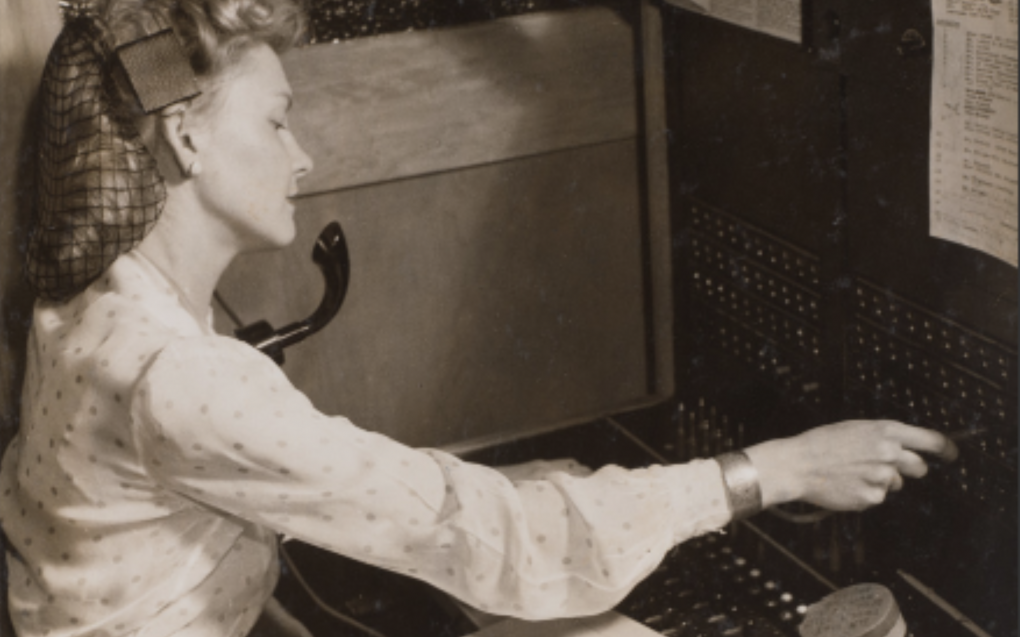
"caption": "This nice lady and this massive switchboard is how phones used to work.",
"description": null,
"title": "This nice lady and this massive switchboard is how phones used to work.",
"credit": "Arnold Eagle/ Getty.edu",
"status": "inherit",
"altTag": "Woman wearing a hairnet operates a switchboard in early 1940s New York.",
"isLoading": false,
"fetchFailed": false
},
"arts_13904934": {
"type": "attachments",
"id": "arts_13904934",
"meta": {
"index": "attachments_1716263798",
"site": "arts",
"id": "13904934",
"found": true
},
"parent": 13904118,
"imgSizes": {
"twentyfourteen-full-width": {
"file": "https://ww2.kqed.org/app/uploads/sites/2/2021/10/Screen-Shot-2021-10-20-at-7.42.35-PM-1038x576.png",
"width": 1038,
"mimeType": "image/png",
"height": 576
},
"thumbnail": {
"file": "https://ww2.kqed.org/app/uploads/sites/2/2021/10/Screen-Shot-2021-10-20-at-7.42.35-PM-160x120.png",
"width": 160,
"mimeType": "image/png",
"height": 120
},
"post-thumbnail": {
"file": "https://ww2.kqed.org/app/uploads/sites/2/2021/10/Screen-Shot-2021-10-20-at-7.42.35-PM-672x372.png",
"width": 672,
"mimeType": "image/png",
"height": 372
},
"kqedFullSize": {
"file": "https://ww2.kqed.org/app/uploads/sites/2/2021/10/Screen-Shot-2021-10-20-at-7.42.35-PM.png",
"width": 1470,
"height": 1100
},
"large": {
"file": "https://ww2.kqed.org/app/uploads/sites/2/2021/10/Screen-Shot-2021-10-20-at-7.42.35-PM-1020x763.png",
"width": 1020,
"mimeType": "image/png",
"height": 763
},
"medium": {
"file": "https://ww2.kqed.org/app/uploads/sites/2/2021/10/Screen-Shot-2021-10-20-at-7.42.35-PM-800x599.png",
"width": 800,
"mimeType": "image/png",
"height": 599
},
"medium_large": {
"file": "https://ww2.kqed.org/app/uploads/sites/2/2021/10/Screen-Shot-2021-10-20-at-7.42.35-PM-768x575.png",
"width": 768,
"mimeType": "image/png",
"height": 575
}
},
"publishDate": 1634784210,
"modified": 1634784340,
"caption": "Amateur actors create a ghost sighting for the camera, 1887.",
"description": "Amateur actors create a ghost sighting for the camera, 1887.",
"title": "Amateur actors create a ghost sighting for the camera, 1887.",
"credit": "W. S. Hobson",
"status": "inherit",
"altTag": null,
"isLoading": false,
"fetchFailed": false
},
"arts_13901297": {
"type": "attachments",
"id": "arts_13901297",
"meta": {
"index": "attachments_1716263798",
"site": "arts",
"id": "13901297",
"found": true
},
"parent": 13900997,
"imgSizes": {
"twentyfourteen-full-width": {
"file": "https://ww2.kqed.org/app/uploads/sites/2/2021/08/GettyImages-1202804262-1038x576.jpg",
"width": 1038,
"mimeType": "image/jpeg",
"height": 576
},
"thumbnail": {
"file": "https://ww2.kqed.org/app/uploads/sites/2/2021/08/GettyImages-1202804262-160x107.jpg",
"width": 160,
"mimeType": "image/jpeg",
"height": 107
},
"post-thumbnail": {
"file": "https://ww2.kqed.org/app/uploads/sites/2/2021/08/GettyImages-1202804262-672x372.jpg",
"width": 672,
"mimeType": "image/jpeg",
"height": 372
},
"kqedFullSize": {
"file": "https://ww2.kqed.org/app/uploads/sites/2/2021/08/GettyImages-1202804262-scaled.jpg",
"width": 2560,
"height": 1707
},
"2048x2048": {
"file": "https://ww2.kqed.org/app/uploads/sites/2/2021/08/GettyImages-1202804262-2048x1365.jpg",
"width": 2048,
"mimeType": "image/jpeg",
"height": 1365
},
"large": {
"file": "https://ww2.kqed.org/app/uploads/sites/2/2021/08/GettyImages-1202804262-1020x680.jpg",
"width": 1020,
"mimeType": "image/jpeg",
"height": 680
},
"1536x1536": {
"file": "https://ww2.kqed.org/app/uploads/sites/2/2021/08/GettyImages-1202804262-1536x1024.jpg",
"width": 1536,
"mimeType": "image/jpeg",
"height": 1024
},
"full-width": {
"file": "https://ww2.kqed.org/app/uploads/sites/2/2021/08/GettyImages-1202804262-1920x1280.jpg",
"width": 1920,
"mimeType": "image/jpeg",
"height": 1280
},
"medium": {
"file": "https://ww2.kqed.org/app/uploads/sites/2/2021/08/GettyImages-1202804262-800x533.jpg",
"width": 800,
"mimeType": "image/jpeg",
"height": 533
},
"medium_large": {
"file": "https://ww2.kqed.org/app/uploads/sites/2/2021/08/GettyImages-1202804262-768x512.jpg",
"width": 768,
"mimeType": "image/jpeg",
"height": 512
}
},
"publishDate": 1628890127,
"modified": 1628890351,
"caption": "Just the kinds of attendees we most enjoy at Bay Area festivals! These two are actually at \"El Gallo de Carnaval\" (the Carnival Rooster) in Mecerreyes, Spain. Shame.",
"description": "Just the kinds of attendees we most enjoy at Bay Area festivals! These two are actually at \"El Gallo de Carnaval\" (the Carnival Rooster) in Mecerreyes, Spain. Shame.",
"title": "Just the kinds of attendees we most enjoy at Bay Area festivals! These two are actually at \"El Gallo de Carnaval\" (the Carnival Rooster) in Mecerreyes, Spain. Shame.",
"credit": "CESAR MANSO/AFP via Getty Images",
"status": "inherit",
"altTag": "Just the kinds of attendees we most enjoy at Bay Area festivals! These two are actually at \"El Gallo de Carnaval\" (the Carnival Rooster) in Mecerreyes, Spain. Shame.",
"isLoading": false,
"fetchFailed": false
},
"arts_13898281": {
"type": "attachments",
"id": "arts_13898281",
"meta": {
"index": "attachments_1716263798",
"site": "arts",
"id": "13898281",
"found": true
},
"parent": 13898252,
"imgSizes": {
"twentyfourteen-full-width": {
"file": "https://ww2.kqed.org/app/uploads/sites/2/2021/06/Screen-Shot-2021-06-03-at-3.20.30-PM-1038x576.png",
"width": 1038,
"mimeType": "image/png",
"height": 576
},
"thumbnail": {
"file": "https://ww2.kqed.org/app/uploads/sites/2/2021/06/Screen-Shot-2021-06-03-at-3.20.30-PM-160x111.png",
"width": 160,
"mimeType": "image/png",
"height": 111
},
"post-thumbnail": {
"file": "https://ww2.kqed.org/app/uploads/sites/2/2021/06/Screen-Shot-2021-06-03-at-3.20.30-PM-672x372.png",
"width": 672,
"mimeType": "image/png",
"height": 372
},
"kqedFullSize": {
"file": "https://ww2.kqed.org/app/uploads/sites/2/2021/06/Screen-Shot-2021-06-03-at-3.20.30-PM.png",
"width": 1512,
"height": 1050
},
"large": {
"file": "https://ww2.kqed.org/app/uploads/sites/2/2021/06/Screen-Shot-2021-06-03-at-3.20.30-PM-1020x708.png",
"width": 1020,
"mimeType": "image/png",
"height": 708
},
"medium": {
"file": "https://ww2.kqed.org/app/uploads/sites/2/2021/06/Screen-Shot-2021-06-03-at-3.20.30-PM-800x556.png",
"width": 800,
"mimeType": "image/png",
"height": 556
},
"medium_large": {
"file": "https://ww2.kqed.org/app/uploads/sites/2/2021/06/Screen-Shot-2021-06-03-at-3.20.30-PM-768x533.png",
"width": 768,
"mimeType": "image/png",
"height": 533
}
},
"publishDate": 1622758855,
"modified": 1622759001,
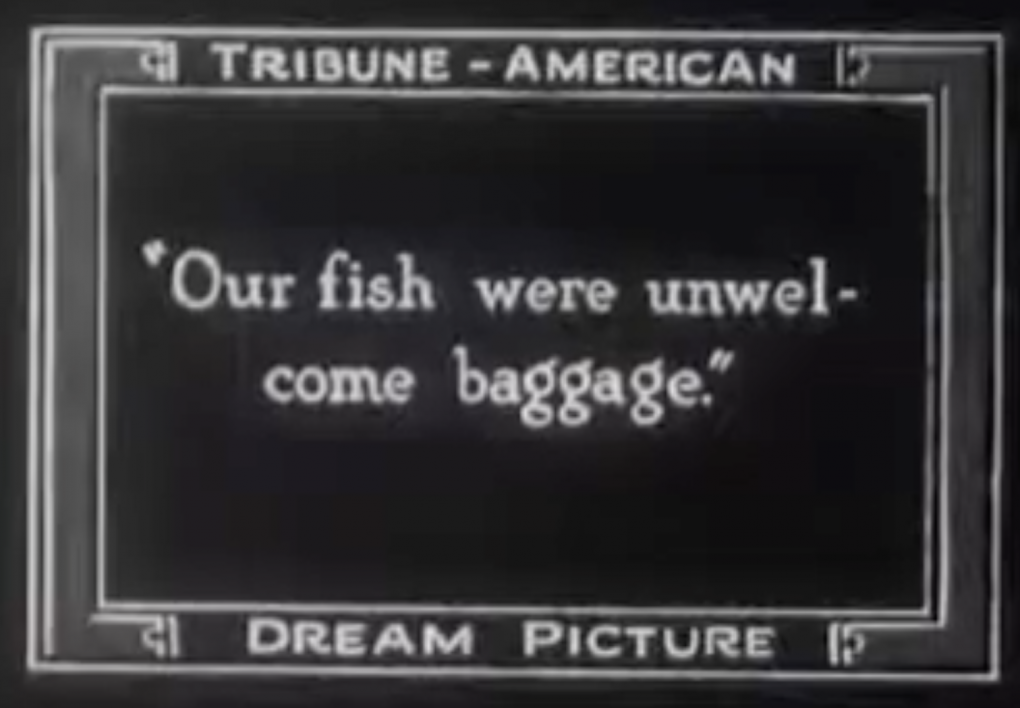
"caption": "\"Our fish were unwelcome baggage.\" One of the bizarre captions from the 1925 silent short film, based on the dream of an 'Oakland Tribune' reader.",
"description": "\"Our fish were unwelcome baggage.\" One of the bizarre captions from the 1925 silent short film, based on the dream of an 'Oakland Tribune' reader.",
"title": "\"Our fish were unwelcome baggage.\" One of the bizarre captions from the 1925 silent short film, based on the dream of an 'Oakland Tribune' reader.",
"credit": "YouTube/ @MindsiMedia Home",
"status": "inherit",
"altTag": "\"Our fish were unwelcome baggage.\" One of the bizarre captions from the 1925 silent short film, based on the dream of an 'Oakland Tribune' reader.",
"isLoading": false,
"fetchFailed": false
},
"arts_13895966": {
"type": "attachments",
"id": "arts_13895966",
"meta": {
"index": "attachments_1716263798",
"site": "arts",
"id": "13895966",
"found": true
},
"parent": 13894837,
"imgSizes": {
"twentyfourteen-full-width": {
"file": "https://ww2.kqed.org/app/uploads/sites/2/2021/04/Image-from-iOS-29-1038x576.jpg",
"width": 1038,
"mimeType": "image/jpeg",
"height": 576
},
"thumbnail": {
"file": "https://ww2.kqed.org/app/uploads/sites/2/2021/04/Image-from-iOS-29-160x120.jpg",
"width": 160,
"mimeType": "image/jpeg",
"height": 120
},
"post-thumbnail": {
"file": "https://ww2.kqed.org/app/uploads/sites/2/2021/04/Image-from-iOS-29-672x372.jpg",
"width": 672,
"mimeType": "image/jpeg",
"height": 372
},
"kqedFullSize": {
"file": "https://ww2.kqed.org/app/uploads/sites/2/2021/04/Image-from-iOS-29.jpg",
"width": 1920,
"height": 1440
},
"large": {
"file": "https://ww2.kqed.org/app/uploads/sites/2/2021/04/Image-from-iOS-29-1020x765.jpg",
"width": 1020,
"mimeType": "image/jpeg",
"height": 765
},
"1536x1536": {
"file": "https://ww2.kqed.org/app/uploads/sites/2/2021/04/Image-from-iOS-29-1536x1152.jpg",
"width": 1536,
"mimeType": "image/jpeg",
"height": 1152
},
"medium": {
"file": "https://ww2.kqed.org/app/uploads/sites/2/2021/04/Image-from-iOS-29-800x600.jpg",
"width": 800,
"mimeType": "image/jpeg",
"height": 600
},
"medium_large": {
"file": "https://ww2.kqed.org/app/uploads/sites/2/2021/04/Image-from-iOS-29-768x576.jpg",
"width": 768,
"mimeType": "image/jpeg",
"height": 576
}
},
"publishDate": 1618850816,
"modified": 1618856326,
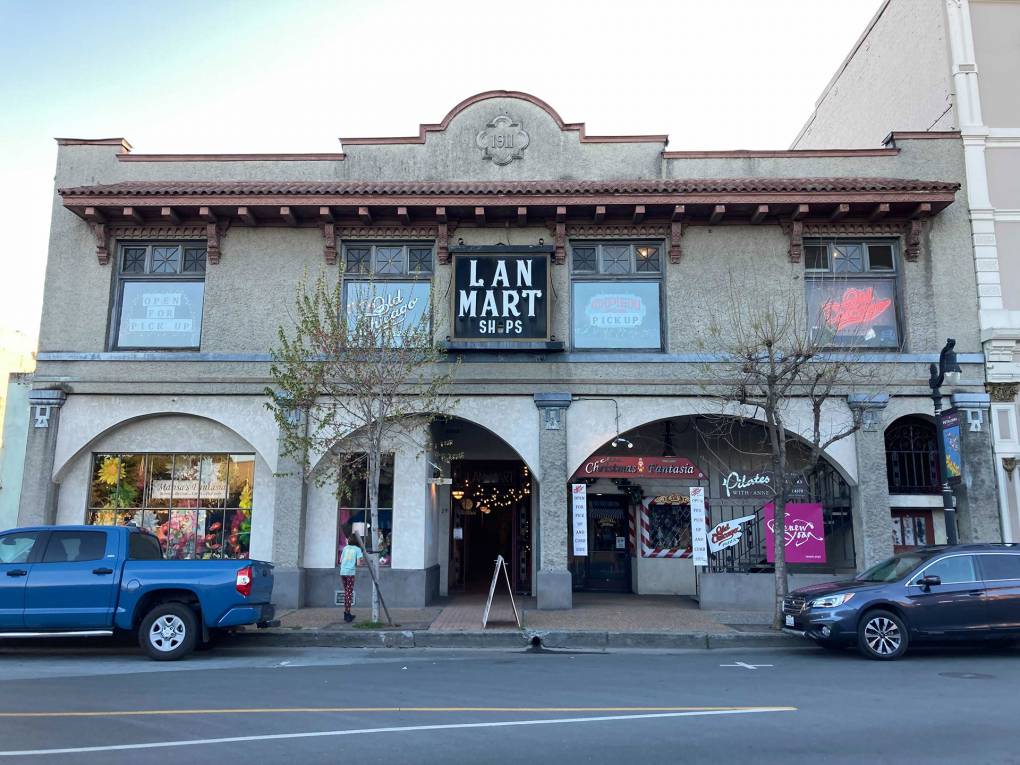
"caption": "The Lan Mart Building, 2021.",
"description": "The Lan Mart Building, 2021.",
"title": "The Lan Mart Building, 2021.",
"credit": "Gabe Meline/KQED",
"status": "inherit",
"altTag": "The Lan Mart Building, 2021.",
"isLoading": false,
"fetchFailed": false
},
"arts_13892961": {
"type": "attachments",
"id": "arts_13892961",
"meta": {
"index": "attachments_1716263798",
"site": "arts",
"id": "13892961",
"found": true
},
"parent": 13892672,
"imgSizes": {
"twentyfourteen-full-width": {
"file": "https://ww2.kqed.org/app/uploads/sites/2/2021/02/Screen-Shot-2021-02-18-at-1.55.03-PM-1038x576.png",
"width": 1038,
"mimeType": "image/png",
"height": 576
},
"thumbnail": {
"file": "https://ww2.kqed.org/app/uploads/sites/2/2021/02/Screen-Shot-2021-02-18-at-1.55.03-PM-160x98.png",
"width": 160,
"mimeType": "image/png",
"height": 98
},
"post-thumbnail": {
"file": "https://ww2.kqed.org/app/uploads/sites/2/2021/02/Screen-Shot-2021-02-18-at-1.55.03-PM-672x372.png",
"width": 672,
"mimeType": "image/png",
"height": 372
},
"kqedFullSize": {
"file": "https://ww2.kqed.org/app/uploads/sites/2/2021/02/Screen-Shot-2021-02-18-at-1.55.03-PM-e1613685521863.png",
"width": 1920,
"height": 1175
},
"large": {
"file": "https://ww2.kqed.org/app/uploads/sites/2/2021/02/Screen-Shot-2021-02-18-at-1.55.03-PM-1020x624.png",
"width": 1020,
"mimeType": "image/png",
"height": 624
},
"1536x1536": {
"file": "https://ww2.kqed.org/app/uploads/sites/2/2021/02/Screen-Shot-2021-02-18-at-1.55.03-PM-1536x940.png",
"width": 1536,
"mimeType": "image/png",
"height": 940
},
"full-width": {
"file": "https://ww2.kqed.org/app/uploads/sites/2/2021/02/Screen-Shot-2021-02-18-at-1.55.03-PM-1920x1175.png",
"width": 1920,
"mimeType": "image/png",
"height": 1175
},
"medium": {
"file": "https://ww2.kqed.org/app/uploads/sites/2/2021/02/Screen-Shot-2021-02-18-at-1.55.03-PM-800x489.png",
"width": 800,
"mimeType": "image/png",
"height": 489
},
"medium_large": {
"file": "https://ww2.kqed.org/app/uploads/sites/2/2021/02/Screen-Shot-2021-02-18-at-1.55.03-PM-768x470.png",
"width": 768,
"mimeType": "image/png",
"height": 470
}
},
"publishDate": 1613685500,
"modified": 1613685563,
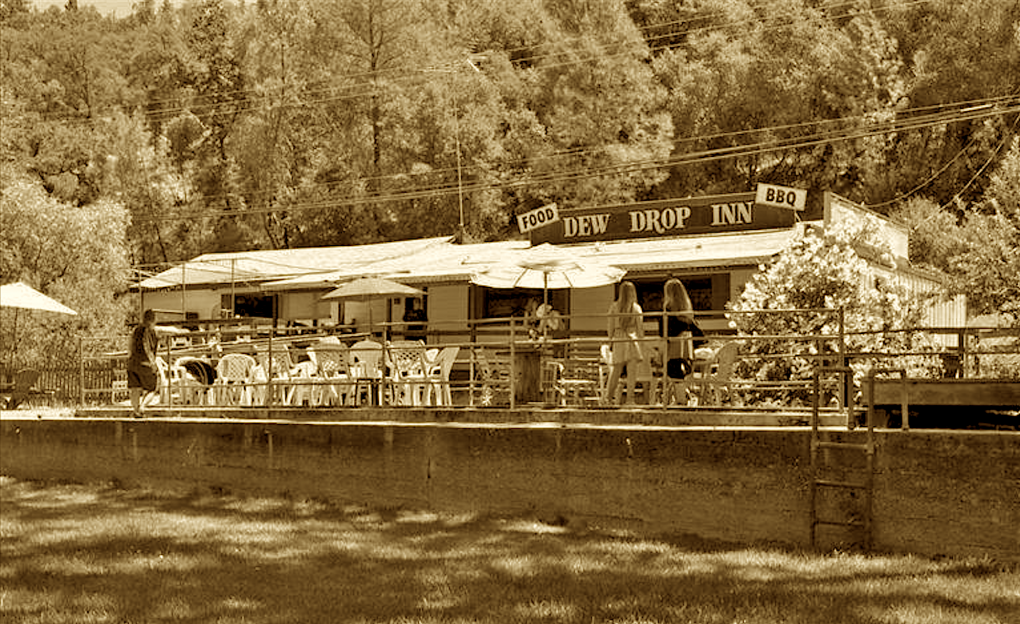
"caption": "The Dew Drop Inn, just off Highway 49 in Grass Valley.",
"description": "The Dew Drop Inn, just off Highway 49 in Grass Valley.",
"title": "The Dew Drop Inn, just off Highway 49 in Grass Valley.",
"credit": "Courtesy of Lori Holcomb Godfrey",
"status": "inherit",
"altTag": "The Dew Drop Inn, just off Highway 49 in Grass Valley.",
"isLoading": false,
"fetchFailed": false
},
"arts_13890864": {
"type": "attachments",
"id": "arts_13890864",
"meta": {
"index": "attachments_1716263798",
"site": "arts",
"id": "13890864",
"found": true
},
"parent": 13890853,
"imgSizes": {
"twentyfourteen-full-width": {
"file": "https://ww2.kqed.org/app/uploads/sites/2/2021/01/wnp36.01798-1000x576.jpg",
"width": 1000,
"mimeType": "image/jpeg",
"height": 576
},
"thumbnail": {
"file": "https://ww2.kqed.org/app/uploads/sites/2/2021/01/wnp36.01798-160x111.jpg",
"width": 160,
"mimeType": "image/jpeg",
"height": 111
},
"post-thumbnail": {
"file": "https://ww2.kqed.org/app/uploads/sites/2/2021/01/wnp36.01798-672x372.jpg",
"width": 672,
"mimeType": "image/jpeg",
"height": 372
},
"kqedFullSize": {
"file": "https://ww2.kqed.org/app/uploads/sites/2/2021/01/wnp36.01798.jpg",
"width": 1000,
"height": 694
},
"medium": {
"file": "https://ww2.kqed.org/app/uploads/sites/2/2021/01/wnp36.01798-800x555.jpg",
"width": 800,
"mimeType": "image/jpeg",
"height": 555
},
"medium_large": {
"file": "https://ww2.kqed.org/app/uploads/sites/2/2021/01/wnp36.01798-768x533.jpg",
"width": 768,
"mimeType": "image/jpeg",
"height": 533
}
},
"publishDate": 1609962277,
"modified": 1610044471,
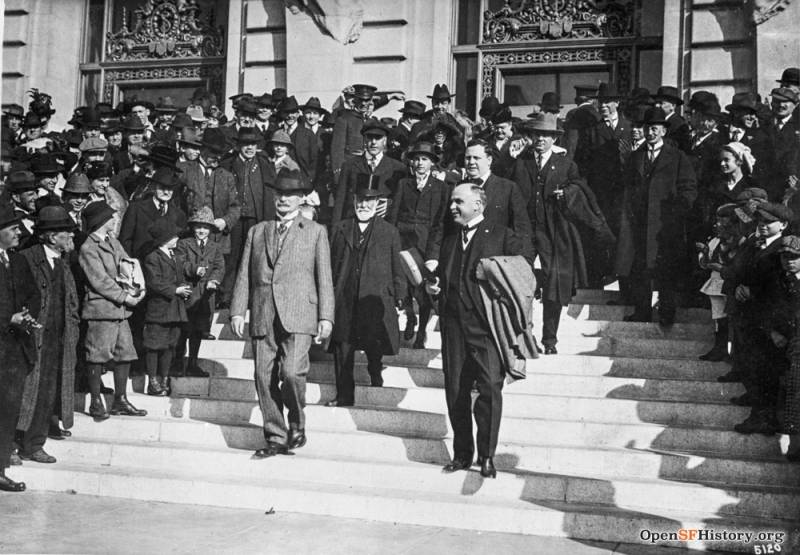
"caption": "A smiling Mayor James Rolph on the steps of San Francisco's City Hall, with his coat slung over his arm. This image was taken in 1918, four years after the public opium burning.",
"description": "A smiling Mayor James Rolph on the steps of San Francisco's City Hall, with his coat slung over his arm. This image was taken in 1918, four years after the public opium burning.",
"title": "A smiling Mayor James Rolph on the steps of San Francisco's City Hall, with his coat slung over his arm. This image was taken in 1918, four years after the public opium burning.",
"credit": "OpenSFHistory / wnp36.01798.jpg",
"status": "inherit",
"altTag": "A smiling Mayor James Rolph on the steps of San Francisco's City Hall, with his coat slung over his arm. This image was taken in 1918, four years after the public opium burning.",
"isLoading": false,
"fetchFailed": false
},
"arts_13886595": {
"type": "attachments",
"id": "arts_13886595",
"meta": {
"index": "attachments_1716263798",
"site": "arts",
"id": "13886595",
"found": true
},
"parent": 0,
"imgSizes": {
"twentyfourteen-full-width": {
"file": "https://ww2.kqed.org/app/uploads/sites/2/2020/09/Monkeys.Circle.Tshirt_COVER-1038x576.jpg",
"width": 1038,
"mimeType": "image/jpeg",
"height": 576
},
"thumbnail": {
"file": "https://ww2.kqed.org/app/uploads/sites/2/2020/09/Monkeys.Circle.Tshirt_COVER-160x90.jpg",
"width": 160,
"mimeType": "image/jpeg",
"height": 90
},
"post-thumbnail": {
"file": "https://ww2.kqed.org/app/uploads/sites/2/2020/09/Monkeys.Circle.Tshirt_COVER-672x372.jpg",
"width": 672,
"mimeType": "image/jpeg",
"height": 372
},
"kqedFullSize": {
"file": "https://ww2.kqed.org/app/uploads/sites/2/2020/09/Monkeys.Circle.Tshirt_COVER-scaled-e1600716221793.jpg",
"width": 1920,
"height": 1080
},
"2048x2048": {
"file": "https://ww2.kqed.org/app/uploads/sites/2/2020/09/Monkeys.Circle.Tshirt_COVER-2048x1152.jpg",
"width": 2048,
"mimeType": "image/jpeg",
"height": 1152
},
"large": {
"file": "https://ww2.kqed.org/app/uploads/sites/2/2020/09/Monkeys.Circle.Tshirt_COVER-1020x574.jpg",
"width": 1020,
"mimeType": "image/jpeg",
"height": 574
},
"1536x1536": {
"file": "https://ww2.kqed.org/app/uploads/sites/2/2020/09/Monkeys.Circle.Tshirt_COVER-1536x864.jpg",
"width": 1536,
"mimeType": "image/jpeg",
"height": 864
},
"full-width": {
"file": "https://ww2.kqed.org/app/uploads/sites/2/2020/09/Monkeys.Circle.Tshirt_COVER-1920x1080.jpg",
"width": 1920,
"mimeType": "image/jpeg",
"height": 1080
},
"medium": {
"file": "https://ww2.kqed.org/app/uploads/sites/2/2020/09/Monkeys.Circle.Tshirt_COVER-800x450.jpg",
"width": 800,
"mimeType": "image/jpeg",
"height": 450
},
"medium_large": {
"file": "https://ww2.kqed.org/app/uploads/sites/2/2020/09/Monkeys.Circle.Tshirt_COVER-768x432.jpg",
"width": 768,
"mimeType": "image/jpeg",
"height": 432
}
},
"publishDate": 1600709031,
"modified": 1600819887,
"caption": "For years, rumors have circulated in La Honda that Ken Kesey helped to release a group of LSD test monkeys into the mountains there. It turns out, at least some of the elements of the tall tale are true.",
"description": "For years, rumors have circulated in La Honda that Ken Kesey helped to release a group of LSD test monkeys into the mountains there. It turns out, at least some of the elements of the tall tale are true.",
"title": "For years, rumors have circulated in La Honda that Ken Kesey helped to release a group of LSD test monkeys into the mountains there. It turns out, at least some of the elements of the tall tale are true.",
"credit": "All illustrations by Tom Beland / Ken Kesey image by Graham Barclay/BWP Media/Getty Images",
"status": "inherit",
"isLoading": false,
"fetchFailed": false
},
"arts_13886808": {
"type": "attachments",
"id": "arts_13886808",
"meta": {
"index": "attachments_1716263798",
"site": "arts",
"id": "13886808",
"found": true
},
"parent": 13884403,
"imgSizes": {
"twentyfourteen-full-width": {
"file": "https://ww2.kqed.org/app/uploads/sites/2/2020/08/stefano-pollio-ZC0EbdLC8G0-unsplash-1038x576.jpg",
"width": 1038,
"mimeType": "image/jpeg",
"height": 576
},
"thumbnail": {
"file": "https://ww2.kqed.org/app/uploads/sites/2/2020/08/stefano-pollio-ZC0EbdLC8G0-unsplash-160x120.jpg",
"width": 160,
"mimeType": "image/jpeg",
"height": 120
},
"post-thumbnail": {
"file": "https://ww2.kqed.org/app/uploads/sites/2/2020/08/stefano-pollio-ZC0EbdLC8G0-unsplash-672x372.jpg",
"width": 672,
"mimeType": "image/jpeg",
"height": 372
},
"kqedFullSize": {
"file": "https://ww2.kqed.org/app/uploads/sites/2/2020/08/stefano-pollio-ZC0EbdLC8G0-unsplash-scaled.jpg",
"width": 2560,
"height": 1920
},
"2048x2048": {
"file": "https://ww2.kqed.org/app/uploads/sites/2/2020/08/stefano-pollio-ZC0EbdLC8G0-unsplash-2048x1536.jpg",
"width": 2048,
"mimeType": "image/jpeg",
"height": 1536
},
"large": {
"file": "https://ww2.kqed.org/app/uploads/sites/2/2020/08/stefano-pollio-ZC0EbdLC8G0-unsplash-1020x765.jpg",
"width": 1020,
"mimeType": "image/jpeg",
"height": 765
},
"1536x1536": {
"file": "https://ww2.kqed.org/app/uploads/sites/2/2020/08/stefano-pollio-ZC0EbdLC8G0-unsplash-1536x1152.jpg",
"width": 1536,
"mimeType": "image/jpeg",
"height": 1152
},
"full-width": {
"file": "https://ww2.kqed.org/app/uploads/sites/2/2020/08/stefano-pollio-ZC0EbdLC8G0-unsplash-1920x1440.jpg",
"width": 1920,
"mimeType": "image/jpeg",
"height": 1440
},
"medium": {
"file": "https://ww2.kqed.org/app/uploads/sites/2/2020/08/stefano-pollio-ZC0EbdLC8G0-unsplash-800x600.jpg",
"width": 800,
"mimeType": "image/jpeg",
"height": 600
},
"medium_large": {
"file": "https://ww2.kqed.org/app/uploads/sites/2/2020/08/stefano-pollio-ZC0EbdLC8G0-unsplash-768x576.jpg",
"width": 768,
"mimeType": "image/jpeg",
"height": 576
}
},
"publishDate": 1600932322,
"modified": 1600932362,
"caption": null,
"description": null,
"title": "stefano-pollio-ZC0EbdLC8G0-unsplash",
"credit": "Stefano Pollio/ Unsplash",
"status": "inherit",
"isLoading": false,
"fetchFailed": false
},
"arts_13883127": {
"type": "attachments",
"id": "arts_13883127",
"meta": {
"index": "attachments_1716263798",
"site": "arts",
"id": "13883127",
"found": true
},
"parent": 13883118,
"imgSizes": {
"twentyfourteen-full-width": {
"file": "https://ww2.kqed.org/app/uploads/sites/2/2020/07/Crocker-Mansion-L-Colton-Mansion-R-1881-CA-State-Library-1-1038x576.png",
"width": 1038,
"mimeType": "image/png",
"height": 576
},
"thumbnail": {
"file": "https://ww2.kqed.org/app/uploads/sites/2/2020/07/Crocker-Mansion-L-Colton-Mansion-R-1881-CA-State-Library-1-160x100.png",
"width": 160,
"mimeType": "image/png",
"height": 100
},
"post-thumbnail": {
"file": "https://ww2.kqed.org/app/uploads/sites/2/2020/07/Crocker-Mansion-L-Colton-Mansion-R-1881-CA-State-Library-1-672x372.png",
"width": 672,
"mimeType": "image/png",
"height": 372
},
"kqedFullSize": {
"file": "https://ww2.kqed.org/app/uploads/sites/2/2020/07/Crocker-Mansion-L-Colton-Mansion-R-1881-CA-State-Library-1.png",
"width": 1448,
"height": 902
},
"large": {
"file": "https://ww2.kqed.org/app/uploads/sites/2/2020/07/Crocker-Mansion-L-Colton-Mansion-R-1881-CA-State-Library-1-1020x635.png",
"width": 1020,
"mimeType": "image/png",
"height": 635
},
"medium": {
"file": "https://ww2.kqed.org/app/uploads/sites/2/2020/07/Crocker-Mansion-L-Colton-Mansion-R-1881-CA-State-Library-1-800x498.png",
"width": 800,
"mimeType": "image/png",
"height": 498
},
"medium_large": {
"file": "https://ww2.kqed.org/app/uploads/sites/2/2020/07/Crocker-Mansion-L-Colton-Mansion-R-1881-CA-State-Library-1-768x478.png",
"width": 768,
"mimeType": "image/png",
"height": 478
}
},
"publishDate": 1594242588,
"modified": 1594242721,
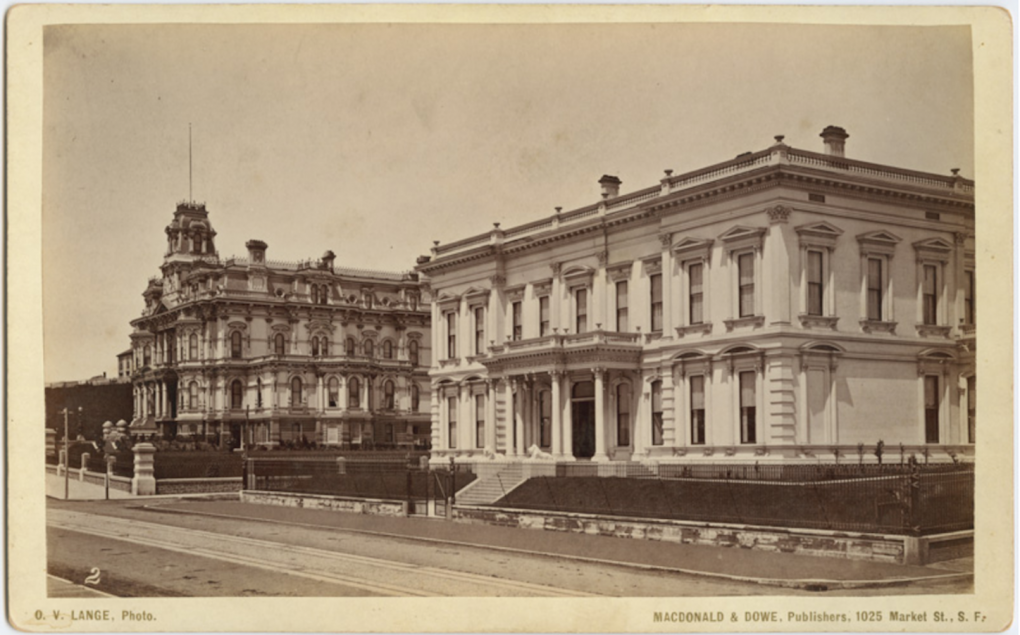
"caption": "The Crocker Mansion (left) and the Colton Mansion (right), in 1881.",
"description": "The Crocker Mansion (left) and the Colton Mansion (right), in 1881.",
"title": "The Crocker Mansion (left) and the Colton Mansion (right), in 1881.",
"credit": "California State Library, California History Room. Original photograph by O.V. Lange.",
"status": "inherit",
"isLoading": false,
"fetchFailed": false
},
"arts_13882071": {
"type": "attachments",
"id": "arts_13882071",
"meta": {
"index": "attachments_1716263798",
"site": "arts",
"id": "13882071",
"found": true
},
"parent": 13881990,
"imgSizes": {
"twentyfourteen-full-width": {
"file": "https://ww2.kqed.org/app/uploads/sites/2/2020/06/Screenshot_20200616-151557-1038x576.jpg",
"width": 1038,
"mimeType": "image/jpeg",
"height": 576
},
"thumbnail": {
"file": "https://ww2.kqed.org/app/uploads/sites/2/2020/06/Screenshot_20200616-151557-160x119.jpg",
"width": 160,
"mimeType": "image/jpeg",
"height": 119
},
"post-thumbnail": {
"file": "https://ww2.kqed.org/app/uploads/sites/2/2020/06/Screenshot_20200616-151557-672x372.jpg",
"width": 672,
"mimeType": "image/jpeg",
"height": 372
},
"kqedFullSize": {
"file": "https://ww2.kqed.org/app/uploads/sites/2/2020/06/Screenshot_20200616-151557.jpg",
"width": 1440,
"height": 1069
},
"large": {
"file": "https://ww2.kqed.org/app/uploads/sites/2/2020/06/Screenshot_20200616-151557-1020x757.jpg",
"width": 1020,
"mimeType": "image/jpeg",
"height": 757
},
"medium": {
"file": "https://ww2.kqed.org/app/uploads/sites/2/2020/06/Screenshot_20200616-151557-800x594.jpg",
"width": 800,
"mimeType": "image/jpeg",
"height": 594
},
"medium_large": {
"file": "https://ww2.kqed.org/app/uploads/sites/2/2020/06/Screenshot_20200616-151557-768x570.jpg",
"width": 768,
"mimeType": "image/jpeg",
"height": 570
}
},
"publishDate": 1592345960,
"modified": 1622586553,
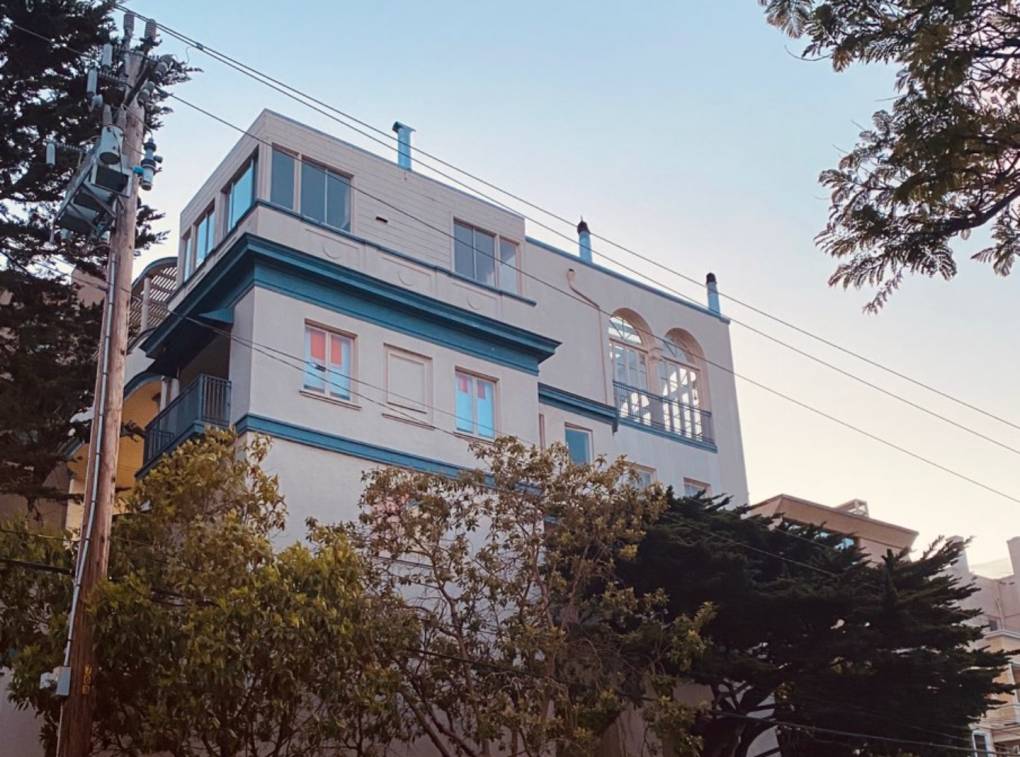
"caption": "The house at 1000 Lombard Street, June 2020.",
"description": "The house at 1000 Lombard Street, June 2020.",
"title": "The house at 1000 Lombard Street, June 2020.",
"credit": "Johnny Dismal",
"status": "inherit",
"altTag": "The house at 1000 Lombard Street, June 2020.",
"isLoading": false,
"fetchFailed": false
},
"arts_13879328": {
"type": "attachments",
"id": "arts_13879328",
"meta": {
"index": "attachments_1716263798",
"site": "arts",
"id": "13879328",
"found": true
},
"parent": 13879301,
"imgSizes": {
"twentyfourteen-full-width": {
"file": "https://ww2.kqed.org/app/uploads/sites/2/2020/04/35971486_2112187789022336_160322852757700608_o-1038x576.jpg",
"width": 1038,
"mimeType": "image/jpeg",
"height": 576
},
"thumbnail": {
"file": "https://ww2.kqed.org/app/uploads/sites/2/2020/04/35971486_2112187789022336_160322852757700608_o-160x106.jpg",
"width": 160,
"mimeType": "image/jpeg",
"height": 106
},
"post-thumbnail": {
"file": "https://ww2.kqed.org/app/uploads/sites/2/2020/04/35971486_2112187789022336_160322852757700608_o-672x372.jpg",
"width": 672,
"mimeType": "image/jpeg",
"height": 372
},
"kqedFullSize": {
"file": "https://ww2.kqed.org/app/uploads/sites/2/2020/04/35971486_2112187789022336_160322852757700608_o-e1588028312254.jpg",
"width": 1920,
"height": 1275
},
"large": {
"file": "https://ww2.kqed.org/app/uploads/sites/2/2020/04/35971486_2112187789022336_160322852757700608_o-1020x677.jpg",
"width": 1020,
"mimeType": "image/jpeg",
"height": 677
},
"full-width": {
"file": "https://ww2.kqed.org/app/uploads/sites/2/2020/04/35971486_2112187789022336_160322852757700608_o-1920x1275.jpg",
"width": 1920,
"mimeType": "image/jpeg",
"height": 1275
},
"medium": {
"file": "https://ww2.kqed.org/app/uploads/sites/2/2020/04/35971486_2112187789022336_160322852757700608_o-800x531.jpg",
"width": 800,
"mimeType": "image/jpeg",
"height": 531
},
"medium_large": {
"file": "https://ww2.kqed.org/app/uploads/sites/2/2020/04/35971486_2112187789022336_160322852757700608_o-768x510.jpg",
"width": 768,
"mimeType": "image/jpeg",
"height": 510
}
},
"publishDate": 1588028293,
"modified": 1588028358,
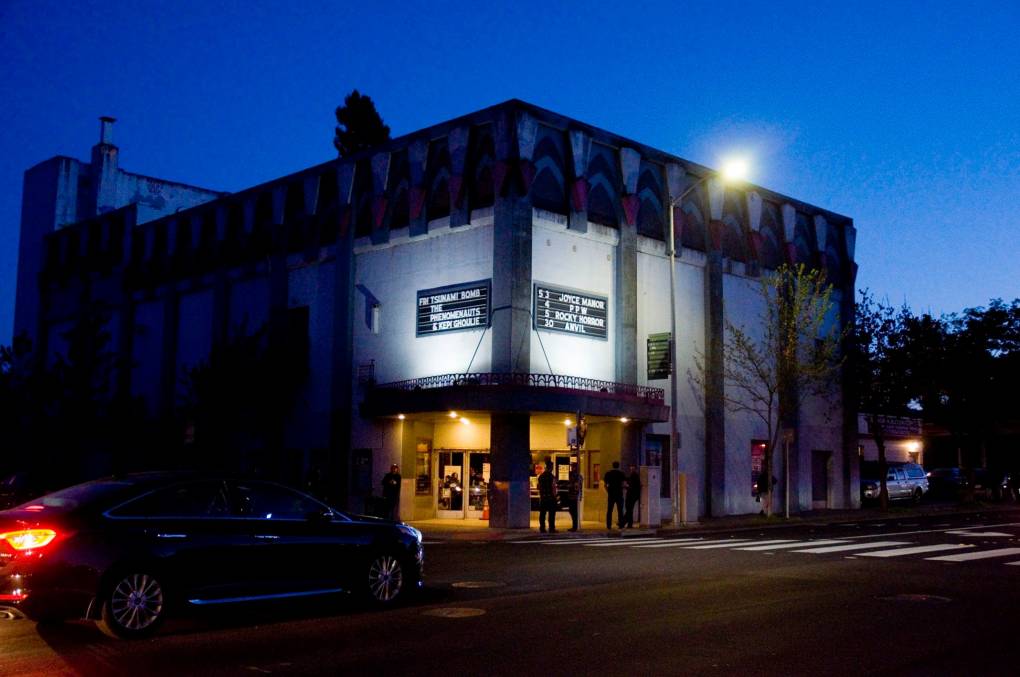
"caption": "Petaluma's Phoenix Theater.",
"description": "Petaluma's Phoenix Theater.",
"title": "Petaluma's Phoenix Theater.",
"credit": "Dominic Davi/Tsunami Bomb",
"status": "inherit",
"isLoading": false,
"fetchFailed": false
}
},
"audioPlayerReducer": {
"postId": "stream_live",
"isPaused": true,
"isPlaying": false,
"pfsActive": false,
"pledgeModalIsOpen": true,
"playerDrawerIsOpen": false,
"liveAudioPlayStartedAt": 0,
"liveAudioPlayContext": ""
},
"authorsReducer": {
"ralexandra": {
"type": "authors",
"id": "11242",
"meta": {
"index": "authors_1716337520",
"id": "11242",
"found": true
},
"name": "Rae Alexandra",
"firstName": "Rae",
"lastName": "Alexandra",
"slug": "ralexandra",
"email": "ralexandra@kqed.org",
"display_author_email": true,
"staff_mastheads": [
"arts"
],
"title": "Reporter/Producer",
"bio": "Rae Alexandra is a Reporter/Producer for KQED Arts & Culture, and the creator/author of the \u003ca href=\"https://www.kqed.org/arts/program/rebel-girls-from-bay-area-history\">Rebel Girls From Bay Area History\u003c/a> and \u003ca href=\"https://www.kqed.org/bizarrebayarea\">Bizarre Bay Area\u003c/a> series. Her debut book, \u003ca href=\"https://citylights.com/politics-current-events-history/unsung-heroines35-women-who-changed/\">Unsung Heroines: 35 Women Who Changed the Bay Area\u003c/a> was published by City Lights in March 2026. In 2023, Rae was awarded an SPJ Excellence in Journalism Award for Arts & Culture. Rae was born and raised in Wales and subsequently — even after two decades in Northern California — still uses phrases that regularly baffle her coworkers.",
"avatar": "https://secure.gravatar.com/avatar/edfee8176c80cc0a382b051190f5341997df378a934a5774dcb0977732dfd401?s=600&d=blank&r=g",
"twitter": null,
"bluesky": null,
"facebook": null,
"instagram": null,
"linkedin": null,
"sites": [
{
"site": "arts",
"roles": [
"editor"
]
},
{
"site": "news",
"roles": [
"editor"
]
},
{
"site": "pop",
"roles": [
"editor"
]
},
{
"site": "bayareabites",
"roles": [
"editor"
]
},
{
"site": "science",
"roles": [
"editor"
]
}
],
"headData": {
"title": "Rae Alexandra | KQED",
"description": "Reporter/Producer",
"ogImgSrc": "https://secure.gravatar.com/avatar/edfee8176c80cc0a382b051190f5341997df378a934a5774dcb0977732dfd401?s=600&d=blank&r=g",
"twImgSrc": "https://secure.gravatar.com/avatar/edfee8176c80cc0a382b051190f5341997df378a934a5774dcb0977732dfd401?s=600&d=blank&r=g"
},
"isLoading": false,
"link": "/author/ralexandra"
}
},
"pagesReducer": {
"arts_tag_bizarrebayarea": {
"type": "terms",
"id": "arts_14353",
"meta": {
"index": "terms_1716263798",
"site": "arts",
"id": "14353",
"score": 9.889565
},
"featImg": null,
"name": "bizarrebayarea",
"description": null,
"taxonomy": "tag",
"headData": {
"twImgId": null,
"twTitle": null,
"ogTitle": null,
"ogImgId": null,
"twDescription": null,
"description": null,
"title": "bizarrebayarea Archives | KQED Arts",
"ogDescription": null
},
"ttid": 14365,
"slug": "bizarrebayarea",
"isLoading": false,
"title": "bizarrebayarea",
"pageMeta": {
"site": "arts",
"WpPageTemplate": "page-topic-editorial",
"currentPage": 3
},
"blocks": [
{
"blockName": "kqed/post-list",
"attrs": {
"layout": "cardArticle2",
"query": "posts/arts?tag=bizarrebayarea",
"seeMore": false,
"paginated": true,
"page": 3
}
},
{
"blockName": "kqed/ad"
}
]
}
},
"pfsSessionReducer": {},
"postsReducer": {
"stream_live": {
"type": "live",
"id": "stream_live",
"audioUrl": "https://streams.kqed.org/kqedradio",
"title": "Live Stream",
"excerpt": "Live Stream information currently unavailable.",
"link": "/radio",
"featImg": "",
"label": {
"name": "KQED Live",
"link": "/"
}
},
"stream_kqedNewscast": {
"type": "posts",
"id": "stream_kqedNewscast",
"audioUrl": "https://www.kqed.org/.stream/anon/radio/RDnews/newscast.mp3?_=1",
"title": "KQED Newscast",
"featImg": "",
"label": {
"name": "88.5 FM",
"link": "/"
}
},
"arts_13906656": {
"type": "posts",
"id": "arts_13906656",
"meta": {
"index": "posts_1716263798",
"site": "arts",
"id": "13906656",
"score": null,
"sort": [
1638828795000
]
},
"guestAuthors": [],
"slug": "a-bay-area-mans-1953-prophecy-predicted-smartphones-video-calls-and-apple-watches",
"title": "A Bay Area Man’s 1953 ‘Prophecy’ Predicted Smartphones, Video Calls and Apple Watches",
"publishDate": 1638828795,
"format": "standard",
"headTitle": "A Bay Area Man’s 1953 ‘Prophecy’ Predicted Smartphones, Video Calls and Apple Watches | KQED",
"labelTerm": {
"site": "arts"
},
"content": "\u003cp>When people want to know who first predicted the age of the smartphone, a few names regularly pop up.\u003c/p>\n\u003cp>First, there’s \u003ca href=\"https://www.geekwire.com/2015/nikola-tesla-predicted-smartphones-in-1926-like-a-boss/\" target=\"_blank\" rel=\"noopener noreferrer\">Nikola Tesla\u003c/a>, who in 1926 foretold that, “through television and telephony we shall see and hear one another as perfectly as though we were face-to-face, despite intervening distances of thousands of miles. And the instruments through which we shall be able to do his will be amazingly simple compared with our present telephone. A man will be able to carry one in his vest pocket.”\u003c/p>\n\u003cp>[aside postid='arts_13883118']Then there’s sci-fi author Isaac Asimov, who’s remembered for his \u003ca href=\"https://archive.nytimes.com/www.nytimes.com/books/97/03/23/lifetimes/asi-v-fair.html\" target=\"_blank\" rel=\"noopener noreferrer\">1964 op-ed\u003c/a> in the \u003cem>New York Times\u003c/em> in which he claimed communication devices would one day enable people to “see as well as hear the person you telephone.” He also predicted that “the screen [would] be used not only to see the people you call, but also for studying documents and photographs and reading passages from books.”\u003c/p>\n\u003cp>But a name that almost never comes up is Mark R. Sullivan, whose astute predictions came more than a decade before Asimov’s. In the 1950s, Sullivan was acting president and director of the Pacific Telephone and Telegraph Company. He was born in Oakland in 1896, lived in San Francisco with his wife and daughter, and worked his way to the top of his company, starting as a lowly traffic clerk at age 16. He also sat on the board of directors of the \u003ca href=\"https://www.firstamtrust.com/\" target=\"_blank\" rel=\"noopener noreferrer\">American Trust Company\u003c/a>. As such, he was well respected and regularly asked to impart his professional wisdom at business conferences and forums.\u003c/p>\n\u003cfigure id=\"attachment_13906662\" class=\"wp-caption aligncenter\" style=\"max-width: 656px\">\u003cimg loading=\"lazy\" decoding=\"async\" class=\"size-full wp-image-13906662\" src=\"https://ww2.kqed.org/app/uploads/sites/2/2021/11/Examiner-July-14-1950.png\" alt=\"A bald white man with a round face wearing a suit and tie appears in newsprint.\" width=\"656\" height=\"1154\" srcset=\"https://cdn.kqed.org/wp-content/uploads/sites/2/2021/11/Examiner-July-14-1950.png 656w, https://cdn.kqed.org/wp-content/uploads/sites/2/2021/11/Examiner-July-14-1950-160x281.png 160w\" sizes=\"(max-width: 656px) 100vw, 656px\">\u003cfigcaption class=\"wp-caption-text\">Mark R. Sullivan, telephone prophet, as seen in the ‘San Francisco Examiner’ on July 14, 1950. \u003ccite>(The San Francisco Examiner)\u003c/cite>\u003c/figcaption>\u003c/figure>\n\u003cp>It was at one of these conferences in Pasadena, California on April 9, 1953, that Sullivan relayed his eerily accurate vision of the future of phones. Tacoma’s \u003cem>News Tribune\u003c/em> reported on the speech two days later in an article titled, “There’ll Be No Escape in Future From Telephones.”\u003c/p>\n\u003cp>[ad fullwidth]\u003c/p>\n\u003cp>Sullivan was quoted as saying:\u003c/p>\n\u003cblockquote>\u003cp>Just what form the future telephone will take is, of course, pure speculation. Here is my prophecy: In its final development, the telephone will be carried about by the individual, perhaps as we carry a watch today. It probably will require no dial or equivalent and I think the users will be able to see each other, if they want, as they talk. Who knows but it may actually translate from one language to another?\u003c/p>\u003c/blockquote>\n\u003cp>To put into context just how extraordinary Sullivan’s vision was for the period, three years earlier he appeared in the \u003cem>San Francisco Examiner\u003c/em> talking about the latest innovations in telephone technology. The advancement he was most proud of was a new device about the size of a small typewriter that automatically calculated how long people’s phone calls were. This eliminated the need for an operator to “record the call for accounting purposes.” The amount of column inches the \u003ci>Examiner\u003c/i> dedicated to the story is an indication this was Really Exciting Stuff in 1950.\u003c/p>\n\u003cp>[aside postid='arts_13878154']That Sullivan was able—even while working with such rudimentary equipment—to envisage watch phones, video calls, and a system similar to today’s Google Translate, is fairly extraordinary. It speaks to his ability to see well beyond the technological constraints of his own lifetime. That he did so here in the Bay Area, more than two decades before the first Silicon Valley boom, only serves to make his foresight even more eerie.\u003c/p>\n\u003cp>\u003c/p>\n\u003cp>Sullivan died, aged 89, just two years after the first commercially available cell phone hit the market. Granted, the \u003ca href=\"https://en.wikipedia.org/wiki/Motorola_DynaTAC\" target=\"_blank\" rel=\"noopener noreferrer\">Motorola DynaTAC 8000X\u003c/a> was definitely not watch-sized and cost a whopping $3,995 in 1983 (about $11,000 today), but Sullivan might have seen this development as a step towards his long-ago vision—a sign that every one of his 1953 predictions would eventually come to fruition.\u003c/p>\n\n",
"blocks": [],
"excerpt": "Mark R. Sullivan envisioned the future of technology with eerie accuracy.",
"status": "publish",
"parent": 0,
"modified": 1726771252,
"stats": {
"hasAudio": false,
"hasVideo": false,
"hasChartOrMap": false,
"iframeSrcs": [],
"hasGoogleForm": false,
"hasGallery": false,
"hasHearkenModule": false,
"hasPolis": false,
"paragraphCount": 12,
"wordCount": 684
},
"headData": {
"title": "A Bay Area Man’s 1953 ‘Prophecy’ Predicted Smartphones, Video Calls and Apple Watches | KQED",
"description": "Mark R. Sullivan envisioned the future of technology with eerie accuracy.",
"ogTitle": "",
"ogDescription": "",
"ogImgId": "",
"twTitle": "",
"twDescription": "",
"twImgId": "",
"schema": {
"@context": "https://schema.org",
"@type": "Article",
"headline": "A Bay Area Man’s 1953 ‘Prophecy’ Predicted Smartphones, Video Calls and Apple Watches",
"datePublished": "2021-12-06T14:13:15-08:00",
"dateModified": "2024-09-19T11:40:52-07:00",
"image": "https://cdn.kqed.org/wp-content/uploads/2020/02/KQED-OG-Image@1x.png"
}
},
"sticky": false,
"templateType": "standard",
"featuredImageType": "standard",
"excludeFromSiteSearch": "Include",
"path": "/arts/13906656/a-bay-area-mans-1953-prophecy-predicted-smartphones-video-calls-and-apple-watches",
"audioTrackLength": null,
"parsedContent": [
{
"type": "contentString",
"content": "\u003cdiv class=\"post-body\">\u003cp>\u003cp>When people want to know who first predicted the age of the smartphone, a few names regularly pop up.\u003c/p>\n\u003cp>First, there’s \u003ca href=\"https://www.geekwire.com/2015/nikola-tesla-predicted-smartphones-in-1926-like-a-boss/\" target=\"_blank\" rel=\"noopener noreferrer\">Nikola Tesla\u003c/a>, who in 1926 foretold that, “through television and telephony we shall see and hear one another as perfectly as though we were face-to-face, despite intervening distances of thousands of miles. And the instruments through which we shall be able to do his will be amazingly simple compared with our present telephone. A man will be able to carry one in his vest pocket.”\u003c/p>\n\u003cp>\u003c/p>\u003c/div>",
"attributes": {
"named": {},
"numeric": []
}
},
{
"type": "component",
"content": "",
"name": "aside",
"attributes": {
"named": {
"postid": "arts_13883118",
"label": ""
},
"numeric": []
}
},
{
"type": "contentString",
"content": "\u003cdiv class=\"post-body\">\u003cp>Then there’s sci-fi author Isaac Asimov, who’s remembered for his \u003ca href=\"https://archive.nytimes.com/www.nytimes.com/books/97/03/23/lifetimes/asi-v-fair.html\" target=\"_blank\" rel=\"noopener noreferrer\">1964 op-ed\u003c/a> in the \u003cem>New York Times\u003c/em> in which he claimed communication devices would one day enable people to “see as well as hear the person you telephone.” He also predicted that “the screen [would] be used not only to see the people you call, but also for studying documents and photographs and reading passages from books.”\u003c/p>\n\u003cp>But a name that almost never comes up is Mark R. Sullivan, whose astute predictions came more than a decade before Asimov’s. In the 1950s, Sullivan was acting president and director of the Pacific Telephone and Telegraph Company. He was born in Oakland in 1896, lived in San Francisco with his wife and daughter, and worked his way to the top of his company, starting as a lowly traffic clerk at age 16. He also sat on the board of directors of the \u003ca href=\"https://www.firstamtrust.com/\" target=\"_blank\" rel=\"noopener noreferrer\">American Trust Company\u003c/a>. As such, he was well respected and regularly asked to impart his professional wisdom at business conferences and forums.\u003c/p>\n\u003cfigure id=\"attachment_13906662\" class=\"wp-caption aligncenter\" style=\"max-width: 656px\">\u003cimg loading=\"lazy\" decoding=\"async\" class=\"size-full wp-image-13906662\" src=\"https://ww2.kqed.org/app/uploads/sites/2/2021/11/Examiner-July-14-1950.png\" alt=\"A bald white man with a round face wearing a suit and tie appears in newsprint.\" width=\"656\" height=\"1154\" srcset=\"https://cdn.kqed.org/wp-content/uploads/sites/2/2021/11/Examiner-July-14-1950.png 656w, https://cdn.kqed.org/wp-content/uploads/sites/2/2021/11/Examiner-July-14-1950-160x281.png 160w\" sizes=\"(max-width: 656px) 100vw, 656px\">\u003cfigcaption class=\"wp-caption-text\">Mark R. Sullivan, telephone prophet, as seen in the ‘San Francisco Examiner’ on July 14, 1950. \u003ccite>(The San Francisco Examiner)\u003c/cite>\u003c/figcaption>\u003c/figure>\n\u003cp>It was at one of these conferences in Pasadena, California on April 9, 1953, that Sullivan relayed his eerily accurate vision of the future of phones. Tacoma’s \u003cem>News Tribune\u003c/em> reported on the speech two days later in an article titled, “There’ll Be No Escape in Future From Telephones.”\u003c/p>\n\u003cp>\u003c/p>\u003c/div>",
"attributes": {
"named": {},
"numeric": []
}
},
{
"type": "component",
"content": "",
"name": "ad",
"attributes": {
"named": {
"label": "fullwidth"
},
"numeric": [
"fullwidth"
]
}
},
{
"type": "contentString",
"content": "\u003cdiv class=\"post-body\">\u003cp>\u003c/p>\n\u003cp>Sullivan was quoted as saying:\u003c/p>\n\u003cblockquote>\u003cp>Just what form the future telephone will take is, of course, pure speculation. Here is my prophecy: In its final development, the telephone will be carried about by the individual, perhaps as we carry a watch today. It probably will require no dial or equivalent and I think the users will be able to see each other, if they want, as they talk. Who knows but it may actually translate from one language to another?\u003c/p>\u003c/blockquote>\n\u003cp>To put into context just how extraordinary Sullivan’s vision was for the period, three years earlier he appeared in the \u003cem>San Francisco Examiner\u003c/em> talking about the latest innovations in telephone technology. The advancement he was most proud of was a new device about the size of a small typewriter that automatically calculated how long people’s phone calls were. This eliminated the need for an operator to “record the call for accounting purposes.” The amount of column inches the \u003ci>Examiner\u003c/i> dedicated to the story is an indication this was Really Exciting Stuff in 1950.\u003c/p>\n\u003cp>\u003c/p>\u003c/div>",
"attributes": {
"named": {},
"numeric": []
}
},
{
"type": "component",
"content": "",
"name": "aside",
"attributes": {
"named": {
"postid": "arts_13878154",
"label": ""
},
"numeric": []
}
},
{
"type": "contentString",
"content": "\u003cdiv class=\"post-body\">\u003cp>That Sullivan was able—even while working with such rudimentary equipment—to envisage watch phones, video calls, and a system similar to today’s Google Translate, is fairly extraordinary. It speaks to his ability to see well beyond the technological constraints of his own lifetime. That he did so here in the Bay Area, more than two decades before the first Silicon Valley boom, only serves to make his foresight even more eerie.\u003c/p>\n\u003cp>\u003c/p>\n\u003cp>Sullivan died, aged 89, just two years after the first commercially available cell phone hit the market. Granted, the \u003ca href=\"https://en.wikipedia.org/wiki/Motorola_DynaTAC\" target=\"_blank\" rel=\"noopener noreferrer\">Motorola DynaTAC 8000X\u003c/a> was definitely not watch-sized and cost a whopping $3,995 in 1983 (about $11,000 today), but Sullivan might have seen this development as a step towards his long-ago vision—a sign that every one of his 1953 predictions would eventually come to fruition.\u003c/p>\n\n\u003c/div>\u003c/p>",
"attributes": {
"named": {},
"numeric": []
}
}
],
"link": "/arts/13906656/a-bay-area-mans-1953-prophecy-predicted-smartphones-video-calls-and-apple-watches",
"authors": [
"11242"
],
"categories": [
"arts_1",
"arts_7862"
],
"tags": [
"arts_14353",
"arts_16203",
"arts_1935"
],
"featImg": "arts_13906663",
"label": "arts"
},
"arts_13904118": {
"type": "posts",
"id": "arts_13904118",
"meta": {
"index": "posts_1716263798",
"site": "arts",
"id": "13904118",
"score": null,
"sort": [
1635270330000
]
},
"guestAuthors": [],
"slug": "halloween-bedsheet-ghost-history-spirits-burial-shroud",
"title": "Why Ghosts Wear White Sheets (And Other Spectral Silliness)",
"publishDate": 1635270330,
"format": "standard",
"headTitle": "Why Ghosts Wear White Sheets (And Other Spectral Silliness) | KQED",
"labelTerm": {
"site": "arts"
},
"content": "\u003cp>Ask anyone in your life to draw you a quick doodle of a ghost, and they’ll more than likely present you with some variation of the bedsheet ghost. Round on top, wiggly on the bottom, with a couple of eyeballs/eye holes. If they’re feeling extra cute, there may be a mouth too. (Or even a tongue if the ghost emoji has served as a recent inspiration.)\u003c/p>\n\u003cp>[aside postid='arts_13892672']This specific image of ghosts-as-white-sheets has been engrained in our culture for centuries and, until fairly recently, it was considered genuinely terrifying. The root of it lies in the fact that, up until the 19th century, the dead were almost always wrapped in burial shrouds, rather than placed in coffins. In poorer families, the recently deceased were simply wrapped up in the sheet from their death bed, and secured inside by a knot tied at either end.\u003c/p>\n\u003cp>In the 1300s, ghosts were often presented as skeletons draped in their shrouds, as this depiction from \u003cem>The Psalter of Robert de Lisle\u003c/em> (created some time between 1308 and 1340) demonstrates. In the story of “The Three Living and the Three Dead,” three spirits/corpses warn three noblemen to live virtuous lives or be damned. (The maggots are a nice touch, don’t you think?)\u003c/p>\n\u003cfigure id=\"attachment_13904930\" class=\"wp-caption alignnone\" style=\"max-width: 592px\">\u003cimg loading=\"lazy\" decoding=\"async\" class=\"size-full wp-image-13904930\" src=\"https://ww2.kqed.org/app/uploads/sites/2/2021/10/Screen-Shot-2021-10-20-at-7.09.42-PM.png\" alt=\"\" width=\"592\" height=\"732\" srcset=\"https://cdn.kqed.org/wp-content/uploads/sites/2/2021/10/Screen-Shot-2021-10-20-at-7.09.42-PM.png 592w, https://cdn.kqed.org/wp-content/uploads/sites/2/2021/10/Screen-Shot-2021-10-20-at-7.09.42-PM-160x198.png 160w\" sizes=\"auto, (max-width: 592px) 100vw, 592px\">\u003cfigcaption class=\"wp-caption-text\">Depiction of the ghosts from ‘The Three Living and the Three Dead.’ \u003ccite>('The Psalter of Robert de Lisle' )\u003c/cite>\u003c/figcaption>\u003c/figure>\n\u003cp>By the 1400s, people reporting supernatural phenomena almost always \u003ca href=\"https://talesoftimesforgotten.com/2019/10/27/why-are-ghosts-depicted-wearing-bedsheets/\" target=\"_blank\" rel=\"noopener noreferrer\">described apparitions as being clad in their death shrouds\u003c/a>. This depiction was, by then, so widely accepted that, an entire subset of English thieves began donning white sheets and pretending to be ghosts. These undead disguises had the dual benefit of hiding the thieves’ true appearances, while also scaring their targets into handing over money. Even after multiple ghost impersonators were exposed by the authorities over many years, the public continued to believe that unhappy spirits roamed the Earth clad in their burial shrouds.\u003c/p>\n\u003cp>In 1804 London, a bricklayer named Thomas Millwood was mistaken for a malevolent ghost, and shot and killed by a man named Francis Smith. Smith had seen Millwood’s pristine white work uniform, complete with white apron, and assumed he was a ghost. (Local residents and a night watchman had recently reported being terrorized by some such spirit.) At \u003ca href=\"https://en.wikipedia.org/wiki/Hammersmith_Ghost_murder_case\" target=\"_blank\" rel=\"noopener noreferrer\">Smith’s subsequent murder trial\u003c/a>, Millwood’s wife said her husband had been mistaken as a ghost by three other people before the shooting, and that she had asked him to start wearing an overcoat, to no avail. Smith was found guilty of murder and sentenced to one year of hard labor. The “ghost” haunting the neighborhood was later exposed as a local man exercising some personal revenge.\u003c/p>\n\u003cfigure id=\"attachment_13904925\" class=\"wp-caption aligncenter\" style=\"max-width: 730px\">\u003cimg loading=\"lazy\" decoding=\"async\" class=\"size-full wp-image-13904925\" src=\"https://ww2.kqed.org/app/uploads/sites/2/2021/10/Screen-Shot-2021-10-20-at-5.54.15-PM.png\" alt=\"\" width=\"730\" height=\"1154\" srcset=\"https://cdn.kqed.org/wp-content/uploads/sites/2/2021/10/Screen-Shot-2021-10-20-at-5.54.15-PM.png 730w, https://cdn.kqed.org/wp-content/uploads/sites/2/2021/10/Screen-Shot-2021-10-20-at-5.54.15-PM-160x253.png 160w\" sizes=\"auto, (max-width: 730px) 100vw, 730px\">\u003cfigcaption class=\"wp-caption-text\">An illustration by Andreas Bloch (1860-1917) of ‘Gudrun and the Ghost’—characters from ‘The Laxdale (Laxdæla) Saga.’ In the Icelandic story, a woman is visited in a church courtyard by the ghost of her husband who has just died at sea that day. He is depicted as being wrapped in a white sheet despite the fact that the character was not buried in one.\u003c/figcaption>\u003c/figure>\n\u003cp>Millwood’s tragic death by no means shifted the general public’s ideas about be-sheeted ghosts (or shooting at them). In 1889, one Missouri newspaper conducted a poll of its readers, asking if they believed in spirits. A reader, J.W. Wills, wrote in to say that he had seen two ghosts in his life. One of them, he claimed, was a large white object with long horns that he would have shot if he’d had his pistol with him. Another reader, Professor B. F. Heaton wrote in to say that ghosts “are nearly always white, although some of the authorities admit there are dark ones. I should say, however, that the genuine ghost is always white and always makes its first appearance at the haunted spot at precisely 12 o’clock midnight.”\u003c/p>\n\u003cp>[ad fullwidth]\u003c/p>\n\u003cp>These ideas were compounded by theatrical presentations of spirits and hauntings throughout the 19th and into the early 20th century. On-stage ghosts varied enormously, from simple depictions of actors in white face paint or armor, to tricks involving mirrors and trapdoors. Theater scholars argued that \u003ca href=\"https://academicworks.cuny.edu/cgi/viewcontent.cgi?article=2096&context=gc_etds\" target=\"_blank\" rel=\"noopener noreferrer\">unadorned actors playing ghosts\u003c/a> were able to elicit greater sympathy from audiences. It followed that ghosts in white sheets were scarier. And that imagery carried into the depictions of ghosts in Victorian spirit photography—a trend that didn’t disappear entirely until the 1930s.\u003c/p>\n\u003cfigure id=\"attachment_13904971\" class=\"wp-caption aligncenter\" style=\"max-width: 800px\">\u003cimg loading=\"lazy\" decoding=\"async\" class=\"size-medium wp-image-13904971\" src=\"https://ww2.kqed.org/app/uploads/sites/2/2021/10/Screen-Shot-2021-10-21-at-11.43.59-AM-800x691.png\" alt=\"\" width=\"800\" height=\"691\" srcset=\"https://cdn.kqed.org/wp-content/uploads/sites/2/2021/10/Screen-Shot-2021-10-21-at-11.43.59-AM-800x691.png 800w, https://cdn.kqed.org/wp-content/uploads/sites/2/2021/10/Screen-Shot-2021-10-21-at-11.43.59-AM-160x138.png 160w, https://cdn.kqed.org/wp-content/uploads/sites/2/2021/10/Screen-Shot-2021-10-21-at-11.43.59-AM-768x663.png 768w, https://cdn.kqed.org/wp-content/uploads/sites/2/2021/10/Screen-Shot-2021-10-21-at-11.43.59-AM.png 996w\" sizes=\"auto, (max-width: 800px) 100vw, 800px\">\u003cfigcaption class=\"wp-caption-text\">A spirit photograph made by ‘Melander & Bro’, 1889.\u003c/figcaption>\u003c/figure>\n\u003cp>If bedsheet ghosts had become something of a casual amusement by the end of spirit photography’s heyday, it was children’s cartoons that took that element of fun and ran away with it. In 1937, Disney released \u003cem>The Lonesome Ghosts\u003c/em>, an eight-minute cartoon in which Mickey Mouse, Donald Duck and Goofy are a ghost extermination team assigned to clear a house of spirits. The cartoon ghosts were transparent, with hats and expressive faces. But their loose outfits, including capes, were clearly fashioned out of sheets. It was a creative element that added a cute twist to the ghosts of old. When \u003ca href=\"https://www.decades.com/lists/7-friendly-facts-about-casper-the-ghost#:~:text=Casper%20dates%20back%20to%201939&text=His%20first%20appearance%20as%20a,copyright%20a%20few%20years%20later.\" target=\"_blank\" rel=\"noopener noreferrer\">Casper the Friendly Ghost\u003c/a> arrived in 1939, it was the first major indicator that culturally, ghosts had become figures of fun.\u003c/p>\n\u003cp>In 1957, \u003ca href=\"https://www.youtube.com/watch?v=xQ9ZbskorrQ\" target=\"_blank\" rel=\"noopener noreferrer\">one \u003cem>Popeye\u003c/em> cartoon\u003c/a> depicted the sailor eating his spinach to annihilate a bunch of ghosts on a haunted ship. The episode ended with Olive Oyl sewing the ghosts’ shrouds together to make a giant sail. By 1969, Scooby Doo and the gang had begun exposing ghosts and ghouls as human frauds. And, of course, the opening credits of that show featured a bedsheet ghost.\u003c/p>\n\u003cp>https://www.youtube.com/watch?v=hTq6nwO4oJU\u003c/p>\n\u003cp>Scooby Doo’s tone fit the times: there was an overwhelming sense that bedsheet ghosts, along with other superstitions, should be relegated to the realms of old-fashioned tomfoolery. On Nov. 8, 1964, North Carolina’s \u003cem>News and Observer\u003c/em> declared: “Styles in ghosting are changing. Dwindling into obscurity are the old fashioned groaning, flapping, bedsheet ghosts and the simple white objects which jump out of dark places and say ‘Boo!’ These are fading along with simple haunted houses, graveyard ghosts and headless horsemen.”\u003c/p>\n\u003cp>If the bedsheet ghost had one last moment of chilling repugnance, it was in \u003cem>\u003ca href=\"https://www.imdb.com/title/tt0063381/?ref_=fn_al_tt_2\" target=\"_blank\" rel=\"noopener noreferrer\">Whistle and I’ll Come to You\u003c/a>\u003c/em>, a 1968 horror produced by the BBC. In it, a seemingly \u003ca href=\"https://www.youtube.com/watch?v=lTkvzOuYvTM\" target=\"_blank\" rel=\"noopener noreferrer\">sentient sheet\u003c/a> was presented in several scenes in a manner that was \u003ca href=\"https://www.youtube.com/watch?v=XXgDRvFUenU\" target=\"_blank\" rel=\"noopener noreferrer\">truly unsettling\u003c/a>. The closest we’ve come to that since was in 2013’s \u003cem>The Conjuring\u003c/em> which managed to deliver a genuine scare via a single sheet hitting an anonymous, invisible body.\u003c/p>\n\u003cp>https://www.youtube.com/watch?v=-v-WwcPCIdg\u003c/p>\n\u003cp>[ad floatright]\u003c/p>\n\u003cp>These days, bedsheet ghosts are more likely to be found cutely adorning \u003ca href=\"https://www.etsy.com/search?q=ghosts\" target=\"_blank\" rel=\"noopener noreferrer\">clothes, decorations and candles on Etsy\u003c/a>, than they are giving anyone an actual fright. But, at this time of year, it’s worth remembering who the bedsheet ghosts once were and who they represented. After all, you never know when the scary ones might come back.\u003c/p>\n\n",
"blocks": [],
"excerpt": "Up until the 20th century, bedsheet ghosts were considered genuinely terrifying—and for good reason. ",
"status": "publish",
"parent": 0,
"modified": 1784411280,
"stats": {
"hasAudio": false,
"hasVideo": true,
"hasChartOrMap": false,
"iframeSrcs": [],
"hasGoogleForm": false,
"hasGallery": false,
"hasHearkenModule": false,
"hasPolis": false,
"paragraphCount": 14,
"wordCount": 1223
},
"headData": {
"title": "Why Ghosts Wear White Sheets (And Other Spectral Silliness) | KQED",
"description": "Up until the 20th century, bedsheet ghosts were considered genuinely terrifying—and for good reason. ",
"ogTitle": "",
"ogDescription": "",
"ogImgId": "",
"twTitle": "",
"twDescription": "",
"twImgId": "",
"schema": {
"@context": "https://schema.org",
"@type": "Article",
"headline": "Why Ghosts Wear White Sheets (And Other Spectral Silliness)",
"datePublished": "2021-10-26T10:45:30-07:00",
"dateModified": "2026-07-18T14:48:00-07:00",
"image": "https://cdn.kqed.org/wp-content/uploads/2020/02/KQED-OG-Image@1x.png"
}
},
"primaryCategory": {
"termId": 75,
"slug": "popculture",
"name": "Pop Culture"
},
"sticky": false,
"templateType": "standard",
"featuredImageType": "standard",
"excludeFromSiteSearch": "Include",
"articleAge": "0",
"path": "/arts/13904118/halloween-bedsheet-ghost-history-spirits-burial-shroud",
"audioTrackLength": null,
"parsedContent": [
{
"type": "contentString",
"content": "\u003cdiv class=\"post-body\">\u003cp>\u003cp>Ask anyone in your life to draw you a quick doodle of a ghost, and they’ll more than likely present you with some variation of the bedsheet ghost. Round on top, wiggly on the bottom, with a couple of eyeballs/eye holes. If they’re feeling extra cute, there may be a mouth too. (Or even a tongue if the ghost emoji has served as a recent inspiration.)\u003c/p>\n\u003cp>\u003c/p>\u003c/div>",
"attributes": {
"named": {},
"numeric": []
}
},
{
"type": "component",
"content": "",
"name": "aside",
"attributes": {
"named": {
"postid": "arts_13892672",
"label": ""
},
"numeric": []
}
},
{
"type": "contentString",
"content": "\u003cdiv class=\"post-body\">\u003cp>This specific image of ghosts-as-white-sheets has been engrained in our culture for centuries and, until fairly recently, it was considered genuinely terrifying. The root of it lies in the fact that, up until the 19th century, the dead were almost always wrapped in burial shrouds, rather than placed in coffins. In poorer families, the recently deceased were simply wrapped up in the sheet from their death bed, and secured inside by a knot tied at either end.\u003c/p>\n\u003cp>In the 1300s, ghosts were often presented as skeletons draped in their shrouds, as this depiction from \u003cem>The Psalter of Robert de Lisle\u003c/em> (created some time between 1308 and 1340) demonstrates. In the story of “The Three Living and the Three Dead,” three spirits/corpses warn three noblemen to live virtuous lives or be damned. (The maggots are a nice touch, don’t you think?)\u003c/p>\n\u003cfigure id=\"attachment_13904930\" class=\"wp-caption alignnone\" style=\"max-width: 592px\">\u003cimg loading=\"lazy\" decoding=\"async\" class=\"size-full wp-image-13904930\" src=\"https://ww2.kqed.org/app/uploads/sites/2/2021/10/Screen-Shot-2021-10-20-at-7.09.42-PM.png\" alt=\"\" width=\"592\" height=\"732\" srcset=\"https://cdn.kqed.org/wp-content/uploads/sites/2/2021/10/Screen-Shot-2021-10-20-at-7.09.42-PM.png 592w, https://cdn.kqed.org/wp-content/uploads/sites/2/2021/10/Screen-Shot-2021-10-20-at-7.09.42-PM-160x198.png 160w\" sizes=\"auto, (max-width: 592px) 100vw, 592px\">\u003cfigcaption class=\"wp-caption-text\">Depiction of the ghosts from ‘The Three Living and the Three Dead.’ \u003ccite>('The Psalter of Robert de Lisle' )\u003c/cite>\u003c/figcaption>\u003c/figure>\n\u003cp>By the 1400s, people reporting supernatural phenomena almost always \u003ca href=\"https://talesoftimesforgotten.com/2019/10/27/why-are-ghosts-depicted-wearing-bedsheets/\" target=\"_blank\" rel=\"noopener noreferrer\">described apparitions as being clad in their death shrouds\u003c/a>. This depiction was, by then, so widely accepted that, an entire subset of English thieves began donning white sheets and pretending to be ghosts. These undead disguises had the dual benefit of hiding the thieves’ true appearances, while also scaring their targets into handing over money. Even after multiple ghost impersonators were exposed by the authorities over many years, the public continued to believe that unhappy spirits roamed the Earth clad in their burial shrouds.\u003c/p>\n\u003cp>In 1804 London, a bricklayer named Thomas Millwood was mistaken for a malevolent ghost, and shot and killed by a man named Francis Smith. Smith had seen Millwood’s pristine white work uniform, complete with white apron, and assumed he was a ghost. (Local residents and a night watchman had recently reported being terrorized by some such spirit.) At \u003ca href=\"https://en.wikipedia.org/wiki/Hammersmith_Ghost_murder_case\" target=\"_blank\" rel=\"noopener noreferrer\">Smith’s subsequent murder trial\u003c/a>, Millwood’s wife said her husband had been mistaken as a ghost by three other people before the shooting, and that she had asked him to start wearing an overcoat, to no avail. Smith was found guilty of murder and sentenced to one year of hard labor. The “ghost” haunting the neighborhood was later exposed as a local man exercising some personal revenge.\u003c/p>\n\u003cfigure id=\"attachment_13904925\" class=\"wp-caption aligncenter\" style=\"max-width: 730px\">\u003cimg loading=\"lazy\" decoding=\"async\" class=\"size-full wp-image-13904925\" src=\"https://ww2.kqed.org/app/uploads/sites/2/2021/10/Screen-Shot-2021-10-20-at-5.54.15-PM.png\" alt=\"\" width=\"730\" height=\"1154\" srcset=\"https://cdn.kqed.org/wp-content/uploads/sites/2/2021/10/Screen-Shot-2021-10-20-at-5.54.15-PM.png 730w, https://cdn.kqed.org/wp-content/uploads/sites/2/2021/10/Screen-Shot-2021-10-20-at-5.54.15-PM-160x253.png 160w\" sizes=\"auto, (max-width: 730px) 100vw, 730px\">\u003cfigcaption class=\"wp-caption-text\">An illustration by Andreas Bloch (1860-1917) of ‘Gudrun and the Ghost’—characters from ‘The Laxdale (Laxdæla) Saga.’ In the Icelandic story, a woman is visited in a church courtyard by the ghost of her husband who has just died at sea that day. He is depicted as being wrapped in a white sheet despite the fact that the character was not buried in one.\u003c/figcaption>\u003c/figure>\n\u003cp>Millwood’s tragic death by no means shifted the general public’s ideas about be-sheeted ghosts (or shooting at them). In 1889, one Missouri newspaper conducted a poll of its readers, asking if they believed in spirits. A reader, J.W. Wills, wrote in to say that he had seen two ghosts in his life. One of them, he claimed, was a large white object with long horns that he would have shot if he’d had his pistol with him. Another reader, Professor B. F. Heaton wrote in to say that ghosts “are nearly always white, although some of the authorities admit there are dark ones. I should say, however, that the genuine ghost is always white and always makes its first appearance at the haunted spot at precisely 12 o’clock midnight.”\u003c/p>\n\u003cp>\u003c/p>\u003c/div>",
"attributes": {
"named": {},
"numeric": []
}
},
{
"type": "component",
"content": "",
"name": "ad",
"attributes": {
"named": {
"label": "fullwidth"
},
"numeric": [
"fullwidth"
]
}
},
{
"type": "contentString",
"content": "\u003cdiv class=\"post-body\">\u003cp>\u003c/p>\n\u003cp>These ideas were compounded by theatrical presentations of spirits and hauntings throughout the 19th and into the early 20th century. On-stage ghosts varied enormously, from simple depictions of actors in white face paint or armor, to tricks involving mirrors and trapdoors. Theater scholars argued that \u003ca href=\"https://academicworks.cuny.edu/cgi/viewcontent.cgi?article=2096&context=gc_etds\" target=\"_blank\" rel=\"noopener noreferrer\">unadorned actors playing ghosts\u003c/a> were able to elicit greater sympathy from audiences. It followed that ghosts in white sheets were scarier. And that imagery carried into the depictions of ghosts in Victorian spirit photography—a trend that didn’t disappear entirely until the 1930s.\u003c/p>\n\u003cfigure id=\"attachment_13904971\" class=\"wp-caption aligncenter\" style=\"max-width: 800px\">\u003cimg loading=\"lazy\" decoding=\"async\" class=\"size-medium wp-image-13904971\" src=\"https://ww2.kqed.org/app/uploads/sites/2/2021/10/Screen-Shot-2021-10-21-at-11.43.59-AM-800x691.png\" alt=\"\" width=\"800\" height=\"691\" srcset=\"https://cdn.kqed.org/wp-content/uploads/sites/2/2021/10/Screen-Shot-2021-10-21-at-11.43.59-AM-800x691.png 800w, https://cdn.kqed.org/wp-content/uploads/sites/2/2021/10/Screen-Shot-2021-10-21-at-11.43.59-AM-160x138.png 160w, https://cdn.kqed.org/wp-content/uploads/sites/2/2021/10/Screen-Shot-2021-10-21-at-11.43.59-AM-768x663.png 768w, https://cdn.kqed.org/wp-content/uploads/sites/2/2021/10/Screen-Shot-2021-10-21-at-11.43.59-AM.png 996w\" sizes=\"auto, (max-width: 800px) 100vw, 800px\">\u003cfigcaption class=\"wp-caption-text\">A spirit photograph made by ‘Melander & Bro’, 1889.\u003c/figcaption>\u003c/figure>\n\u003cp>If bedsheet ghosts had become something of a casual amusement by the end of spirit photography’s heyday, it was children’s cartoons that took that element of fun and ran away with it. In 1937, Disney released \u003cem>The Lonesome Ghosts\u003c/em>, an eight-minute cartoon in which Mickey Mouse, Donald Duck and Goofy are a ghost extermination team assigned to clear a house of spirits. The cartoon ghosts were transparent, with hats and expressive faces. But their loose outfits, including capes, were clearly fashioned out of sheets. It was a creative element that added a cute twist to the ghosts of old. When \u003ca href=\"https://www.decades.com/lists/7-friendly-facts-about-casper-the-ghost#:~:text=Casper%20dates%20back%20to%201939&text=His%20first%20appearance%20as%20a,copyright%20a%20few%20years%20later.\" target=\"_blank\" rel=\"noopener noreferrer\">Casper the Friendly Ghost\u003c/a> arrived in 1939, it was the first major indicator that culturally, ghosts had become figures of fun.\u003c/p>\n\u003cp>In 1957, \u003ca href=\"https://www.youtube.com/watch?v=xQ9ZbskorrQ\" target=\"_blank\" rel=\"noopener noreferrer\">one \u003cem>Popeye\u003c/em> cartoon\u003c/a> depicted the sailor eating his spinach to annihilate a bunch of ghosts on a haunted ship. The episode ended with Olive Oyl sewing the ghosts’ shrouds together to make a giant sail. By 1969, Scooby Doo and the gang had begun exposing ghosts and ghouls as human frauds. And, of course, the opening credits of that show featured a bedsheet ghost.\u003c/p>\u003c/p>\u003cp>\u003cspan class='utils-parseShortcode-shortcodes-__youtubeShortcode__embedYoutube'>\n \u003cspan class='utils-parseShortcode-shortcodes-__youtubeShortcode__embedYoutubeInside'>\n \u003ciframe\n loading='lazy'\n class='utils-parseShortcode-shortcodes-__youtubeShortcode__youtubePlayer'\n type='text/html'\n src='//www.youtube.com/embed/hTq6nwO4oJU'\n title='//www.youtube.com/embed/hTq6nwO4oJU'\n allowfullscreen='true'\n style='border:0;'>\u003c/iframe>\n \u003c/span>\n \u003c/span>\u003c/p>\u003cp>\u003cp>Scooby Doo’s tone fit the times: there was an overwhelming sense that bedsheet ghosts, along with other superstitions, should be relegated to the realms of old-fashioned tomfoolery. On Nov. 8, 1964, North Carolina’s \u003cem>News and Observer\u003c/em> declared: “Styles in ghosting are changing. Dwindling into obscurity are the old fashioned groaning, flapping, bedsheet ghosts and the simple white objects which jump out of dark places and say ‘Boo!’ These are fading along with simple haunted houses, graveyard ghosts and headless horsemen.”\u003c/p>\n\u003cp>If the bedsheet ghost had one last moment of chilling repugnance, it was in \u003cem>\u003ca href=\"https://www.imdb.com/title/tt0063381/?ref_=fn_al_tt_2\" target=\"_blank\" rel=\"noopener noreferrer\">Whistle and I’ll Come to You\u003c/a>\u003c/em>, a 1968 horror produced by the BBC. In it, a seemingly \u003ca href=\"https://www.youtube.com/watch?v=lTkvzOuYvTM\" target=\"_blank\" rel=\"noopener noreferrer\">sentient sheet\u003c/a> was presented in several scenes in a manner that was \u003ca href=\"https://www.youtube.com/watch?v=XXgDRvFUenU\" target=\"_blank\" rel=\"noopener noreferrer\">truly unsettling\u003c/a>. The closest we’ve come to that since was in 2013’s \u003cem>The Conjuring\u003c/em> which managed to deliver a genuine scare via a single sheet hitting an anonymous, invisible body.\u003c/p>\u003c/p>\u003cp>\u003cspan class='utils-parseShortcode-shortcodes-__youtubeShortcode__embedYoutube'>\n \u003cspan class='utils-parseShortcode-shortcodes-__youtubeShortcode__embedYoutubeInside'>\n \u003ciframe\n loading='lazy'\n class='utils-parseShortcode-shortcodes-__youtubeShortcode__youtubePlayer'\n type='text/html'\n src='//www.youtube.com/embed/-v-WwcPCIdg'\n title='//www.youtube.com/embed/-v-WwcPCIdg'\n allowfullscreen='true'\n style='border:0;'>\u003c/iframe>\n \u003c/span>\n \u003c/span>\u003c/p>\u003cp>\u003cp>\u003c/p>\u003c/div>",
"attributes": {
"named": {},
"numeric": []
}
},
{
"type": "component",
"content": "",
"name": "ad",
"attributes": {
"named": {
"label": "floatright"
},
"numeric": [
"floatright"
]
}
},
{
"type": "contentString",
"content": "\u003cdiv class=\"post-body\">\u003cp>\u003c/p>\n\u003cp>These days, bedsheet ghosts are more likely to be found cutely adorning \u003ca href=\"https://www.etsy.com/search?q=ghosts\" target=\"_blank\" rel=\"noopener noreferrer\">clothes, decorations and candles on Etsy\u003c/a>, than they are giving anyone an actual fright. But, at this time of year, it’s worth remembering who the bedsheet ghosts once were and who they represented. After all, you never know when the scary ones might come back.\u003c/p>\n\n\u003c/div>\u003c/p>",
"attributes": {
"named": {},
"numeric": []
}
}
],
"link": "/arts/13904118/halloween-bedsheet-ghost-history-spirits-burial-shroud",
"authors": [
"11242"
],
"categories": [
"arts_1",
"arts_75"
],
"tags": [
"arts_14353",
"arts_3114",
"arts_10278",
"arts_12528"
],
"featImg": "arts_13904934",
"label": "arts"
},
"arts_13900997": {
"type": "posts",
"id": "arts_13900997",
"meta": {
"index": "posts_1716263798",
"site": "arts",
"id": "13900997",
"score": null,
"sort": [
1629126030000
]
},
"guestAuthors": [],
"slug": "3-exceptionally-weird-bay-area-festivals-we-should-bring-back",
"title": "3 Exceptionally Weird Bay Area Festivals We Should Bring Back",
"publishDate": 1629126030,
"format": "standard",
"headTitle": "3 Exceptionally Weird Bay Area Festivals We Should Bring Back | KQED",
"labelTerm": {
"site": "arts"
},
"content": "\u003cp>As we all know, the Bay Area is one of those very special little corners of Earth where surreal niches don’t just survive—they often thrive. Just ask the \u003ca href=\"https://www.thesisters.org/\" target=\"_blank\" rel=\"noopener noreferrer\">Sisters of Perpetual Indulgence\u003c/a>. Or the \u003ca href=\"https://thebolditalic.com/hanging-out-with-sf-s-naked-guys-the-bold-italic-san-francisco-10c2dd8c1f08\" target=\"_blank\" rel=\"noopener noreferrer\">Naked Guys\u003c/a>. Or even \u003ca href=\"https://en.wikipedia.org/wiki/Frank_Chu\" target=\"_blank\" rel=\"noopener noreferrer\">Frank Chu\u003c/a>, the 12 Galaxies protest dude. Our inherent love of the unusual is why we have a \u003ca href=\"https://en.wikipedia.org/wiki/Folsom_Street_Fair\" target=\"_blank\" rel=\"noopener noreferrer\">BDSM festival\u003c/a>. And it’s \u003cem>definitely\u003c/em> why we have a \u003ca href=\"https://en.wikipedia.org/wiki/Up_Your_Alley_Fair\" target=\"_blank\" rel=\"noopener noreferrer\">second BDSM festival\u003c/a> for people who think the first BDSM festival is too mainstream.\u003c/p>\n\u003cp>In truth though, we could be doing more, because—for reasons I cannot fathom—some of the strangest festivals in Bay Area history are no longer with us.\u003c/p>\n\u003cp>Without further ado, I present three festivals that we almost certainly should bring back. One of the strangest things about all of them is that they ever fell out of favor here in the first place…\u003c/p>\n\u003cp style=\"text-align: center\">\u003cstrong>The Annual Humming Toadfish Festival, Sausalito\u003c/strong>\u003c/p>\n\u003cfigure id=\"attachment_13901207\" class=\"wp-caption aligncenter\" style=\"max-width: 780px\">\u003cimg loading=\"lazy\" decoding=\"async\" class=\"size-full wp-image-13901207\" src=\"https://ww2.kqed.org/app/uploads/sites/2/2021/08/Screen-Shot-2021-08-12-at-3.10.48-PM.png\" alt=\"Local cartoonist Phil Frank designed this promo poster for Sausalito's Annual Humming Toadfish Festival, in 1988.\" width=\"780\" height=\"972\" srcset=\"https://cdn.kqed.org/wp-content/uploads/sites/2/2021/08/Screen-Shot-2021-08-12-at-3.10.48-PM.png 780w, https://cdn.kqed.org/wp-content/uploads/sites/2/2021/08/Screen-Shot-2021-08-12-at-3.10.48-PM-160x199.png 160w, https://cdn.kqed.org/wp-content/uploads/sites/2/2021/08/Screen-Shot-2021-08-12-at-3.10.48-PM-768x957.png 768w\" sizes=\"(max-width: 780px) 100vw, 780px\">\u003cfigcaption class=\"wp-caption-text\">Local cartoonist Phil Frank (of ‘Farley’ fame) designed this promo poster for Sausalito’s Annual Humming Toadfish Festival, in 1988. \u003ccite>(Courtesy of Sausalito Historical Society)\u003c/cite>\u003c/figcaption>\u003c/figure>\n\u003cp>In the summer of 1981, houseboat residents in Sausalito began hearing a strange hum coming from the water. It came only at night, it prompted residents to check their electrical boxes for faulty wires, and it was compared by one witness to the sound of a distant air raid. “The humming is so strong,” South Dakota’s \u003cem>Argus-Leader\u003c/em> once reported, “it is able to penetrate even the steel-reinforced concrete hulls of some houseboats.”\u003c/p>\n\u003cp>[ad fullwidth]\u003c/p>\n\u003cp>Speculation was rife about the source of the disturbing audio vibrations. Locals pointed fingers at Russian submarines, CIA surveillance, a secret sewage plant, unknown mechanical devices, and—of course—aliens. For a while, many people’s best guess was that it was just another example of “\u003ca href=\"https://en.wikipedia.org/wiki/The_Hum\" target=\"_blank\" rel=\"noopener noreferrer\">The Hum\u003c/a>“—a throbbing noise of unknown origin heard in remote locations around the world.\u003c/p>\n\u003cp>Then, in 1985, after years of disturbances, the then-director of Golden Gate Park’s Steinhart Aquarium, John McCosker, finally figured out the source of the nocturnal humming. It was the plainfish midshipman—a.k.a. porichthys notatus\u003cem>—\u003c/em>a.k.a. the humming toadfish. The noise came specifically from amorous male toadfish trying to attract mates. “It may be the mating call of the toadfish,” an unimpressed Yellow Ferry Harbor resident \u003ca href=\"http://www.sausalitohistoricalsociety.com/2019-columns/2019/3/27/the-humming-toadfish-festival\" target=\"_blank\" rel=\"noopener noreferrer\">told \u003cem>United Press International\u003c/em>\u003c/a>, “but it plays havoc with the sex lives of people living here.’”\u003c/p>\n\u003cp>[aside postid='arts_13886018']Regardless, for Sausalito residents who’d spent years puzzling over the mystery, McCosker’s answer came as such a welcome relief that they decided to honor all that aquatic \u003cem>amor\u003c/em> with a festival at the Sausalito Bay Model. Attractions at the preposterous Annual Humming Toadfish festival included: attendees dressed as fish, sea monsters and fauna; a parade of hundreds of kazoo players mimicking the underwater hum; audio recordings of toadfish calls; and a “living, hands-on” display of the animals by McCosker. According to the \u003cem>Petaluma Argus-Courier\u003c/em>, the 1988 edition also included a marching band, Presbyterian church choirs, food stands, and beer from 20 California microbreweries. Plus? Each year a special attendee was crowned King of the Humming Toadfish.\u003c/p>\n\u003cp>Sadly, I can find no existing footage of any of this nonsense.\u003c/p>\n\u003cp style=\"text-align: center\">\u003cstrong>Oakland’s Wild Duck Festival, Lake Merritt\u003c/strong>\u003c/p>\n\u003cfigure id=\"attachment_13900999\" class=\"wp-caption aligncenter\" style=\"max-width: 800px\">\u003cimg loading=\"lazy\" decoding=\"async\" class=\"size-medium wp-image-13900999\" src=\"https://ww2.kqed.org/app/uploads/sites/2/2021/08/Screen-Shot-2021-08-10-at-12.36.56-PM-800x628.png\" alt=\"Girls dance, while ducks fly overhead at Lake Merritt's Annual Duck Festival, New Year's Day 1923.\" width=\"800\" height=\"628\" srcset=\"https://cdn.kqed.org/wp-content/uploads/sites/2/2021/08/Screen-Shot-2021-08-10-at-12.36.56-PM-800x628.png 800w, https://cdn.kqed.org/wp-content/uploads/sites/2/2021/08/Screen-Shot-2021-08-10-at-12.36.56-PM-1020x801.png 1020w, https://cdn.kqed.org/wp-content/uploads/sites/2/2021/08/Screen-Shot-2021-08-10-at-12.36.56-PM-160x126.png 160w, https://cdn.kqed.org/wp-content/uploads/sites/2/2021/08/Screen-Shot-2021-08-10-at-12.36.56-PM-768x603.png 768w, https://cdn.kqed.org/wp-content/uploads/sites/2/2021/08/Screen-Shot-2021-08-10-at-12.36.56-PM-1536x1206.png 1536w, https://cdn.kqed.org/wp-content/uploads/sites/2/2021/08/Screen-Shot-2021-08-10-at-12.36.56-PM.png 1890w\" sizes=\"(max-width: 800px) 100vw, 800px\">\u003cfigcaption class=\"wp-caption-text\">An outtake from ‘The Wicker Man.’ Just kidding. It’s a scene from 1923’s Annual Duck Festival, held on New Year’s Day at Lake Merritt. \u003ccite>(Courtesy of the California Historical Society)\u003c/cite>\u003c/figcaption>\u003c/figure>\n\u003cp>The photo, taken on the shores of Lake Merritt on New Year’s Day 1923, looks positively pagan. A circle of girls, dressed in white tights, bonnets and frilly dresses, dancing while clutching an extra long feather boa. Behind them in the lake and flying over their heads is the reason for their strange dance: scores of ducks. This was the Annual Wild Duck Festival in Oakland and—just look at that photo, man—it was pretty eccentric.\u003c/p>\n\u003cp>[aside postid='arts_13879301']Given under the direction of the Oakland Playground Department, and funded by the Oakland City Council ($460 was provided for it in 1921), the duck festival was first held in 1920. That year also marked the \u003ca href=\"https://localwiki.org/oakland/Lake_Merritt_Wild_Duck_Refuge\" target=\"_blank\" rel=\"noopener noreferrer\">50th anniversary\u003c/a> of Lake Merritt’s wild duck refuge—a sanctuary first conceived by Dr. Samuel Merritt. Merritt wanted to protect both the birds and surrounding residents from hunters’ gunfire, as well as from dogs and cats, which were subsequently banned. By 1915, organized feeding of the ducks—with corn, wheat and crumbled loaves of bread—had also begun.\u003c/p>\n\u003cp>In 1921, an estimated 15,000 people came to greet the wild ducks on New Year’s Day. The following year, the neighborhood celebration was described by newspapers around the country as “A pageant of decorated boats on the lake, and a parade of decorated automobiles on the drives surrounding the bird sanctuary.” As the above photo illustrates, “hundreds of children from the Oakland public schools, all in costume, danced folk and outdoor dances on the lawn bordering the lake.”\u003c/p>\n\u003cp>Kansas newspaper the \u003cem>Phillipsburg News\u003c/em> even compared the Wild Duck Festival to “what the Tournament of Roses is to Pasadena, or Shrove Tuesday is in New Orleans.” The paper reported that “the entire city took a holiday” to go to the park. There are worse ways to get rid of a New Year’s Day hangover, I guess.\u003c/p>\n\u003cp style=\"text-align: center\">\u003cstrong>Banana Slug Festival, Guerneville\u003c/strong>\u003c/p>\n\u003cfigure id=\"attachment_13901248\" class=\"wp-caption aligncenter\" style=\"max-width: 800px\">\u003cimg loading=\"lazy\" decoding=\"async\" class=\"size-medium wp-image-13901248\" src=\"https://ww2.kqed.org/app/uploads/sites/2/2021/08/Screen-Shot-2021-08-12-at-11.33.16-PM-800x1260.png\" alt=\"A banana slug race in action, as seen in the 'Press Democrat' on Oct. 15, 1987.\" width=\"800\" height=\"1260\" srcset=\"https://cdn.kqed.org/wp-content/uploads/sites/2/2021/08/Screen-Shot-2021-08-12-at-11.33.16-PM-800x1260.png 800w, https://cdn.kqed.org/wp-content/uploads/sites/2/2021/08/Screen-Shot-2021-08-12-at-11.33.16-PM-160x252.png 160w, https://cdn.kqed.org/wp-content/uploads/sites/2/2021/08/Screen-Shot-2021-08-12-at-11.33.16-PM-768x1209.png 768w, https://cdn.kqed.org/wp-content/uploads/sites/2/2021/08/Screen-Shot-2021-08-12-at-11.33.16-PM.png 926w\" sizes=\"(max-width: 800px) 100vw, 800px\">\u003cfigcaption class=\"wp-caption-text\">A banana slug race in action, as seen in the ‘Press Democrat’ on Oct. 15, 1987. \u003ccite>('The Press Democrat')\u003c/cite>\u003c/figcaption>\u003c/figure>\n\u003cp>This outlandish celebration of Northern California banana slugs was born from the fact that—as one Monte Rio resident told the \u003cem>Los Angeles Times\u003c/em> in 1987—”Other small towns had something to celebrate, but nothing will grow under our redwoods … except the banana slug.”\u003c/p>\n\u003cp>Cue a festival that became infamous in the late ’80s for combining slug races for kids at one end, and slug tastings for grossed out grown-ups at the other. Inspired by the knowledge that Yurok indigenous people once ate the slimy yellow friends (fried, apparently), competitors in the festival’s cooking competition tried endlessly to make the dead slugs more palatable. Dishes offered up over the years included slug Wellington, slug enchiladas, slug sushi and slug focaccia bread.\u003c/p>\n\u003cp>[aside postid='arts_13892672']In some years, the festival also held a competition to find a “Super Slug”—though all the winning slug had to do was weigh more than of all the other slugs in the category. According to Tacoma, Washington’s \u003cem>News Tribune\u003c/em> newspaper, after the 1990 winner was announced, the slug was “dressed in a velveteen cape, presented on a purple pillow, and carried to theme music from \u003cem>Rocky\u003c/em>.”\u003c/p>\n\u003cp>Slugfest became so infamous that, in 1989, the \u003cem>New York Times\u003c/em> printed an extensive report about it. That year, the festival was picketed by protesters who were alarmed at all the slug consumption. The newspaper of record reported:\u003c/p>\n\u003cblockquote>\u003cp>Bearing placards that read ‘Animals Suffering For Petty Human Amusement,’ the protesters took particular offense at an advertisement in a local weekly newspaper that explained how to prepare a slug for cooking. The instructions included … feeding the slug corn meal for a week to purge it of whatever else it’s been eating and soaking it in vinegar to remove the mucous that coats its body. But what really infuriated the protesters was the assurance that live slugs thrown into boiling water ‘scream a lot less than lobsters.’\u003c/p>\u003c/blockquote>\n\u003cp>\u003cem>The Times\u003c/em> went on:\u003c/p>\n\u003cblockquote>\u003cp>Some of the protesters abandoned their principles long enough to watch the slug races, which were won by Slimer, who is owned and trained by 12-year-old Nina King. … How, Nina was asked, had she trained Slimer for the big race? ‘I played with him after school a lot,’ she said. ‘And today I just yelled ‘C’mon, C’mon.’\u003c/p>\u003c/blockquote>\n\u003cp>The \u003cem>Times\u003c/em> also acknowledged an unfortunate incident one year when one of the culinary judges was inspired to go rogue. Mid-tasting, he crossed the room, snatched one of the racing slugs off a table and ate it alive. “It’s the only time I ever saw a man turn green,” one witness reported.\u003c/p>\n\u003cp>In short, the Slugfest was anarchy. And while costume competitions for the slugs would probably be significantly more fun than eating them, the Banana Slug Festival is definitely something we should bring back. In 2009, a \u003ca href=\"https://www.facebook.com/Banana-Slugs-77517356203/\" target=\"_blank\" rel=\"noopener noreferrer\">Banana Slugs Facebook\u003c/a> account wrestled with the same thought, and reached a similar conclusion.\u003c/p>\n\u003cp>[ad floatright]\u003c/p>\n\u003cp>“They eat the banana slugs, and that feels wrong,” the post said. “But at the same time, those slugs are being celebrated in a way, and their lives are contributing happiness to the people around them. What would Kant say?”\u003c/p>\n\n",
"blocks": [],
"excerpt": "For your consideration: A kazoo parade, a banana slug cooking competition, and pagan dancing for ducks by Lake Merritt. ",
"status": "publish",
"parent": 0,
"modified": 1726771269,
"stats": {
"hasAudio": false,
"hasVideo": false,
"hasChartOrMap": false,
"iframeSrcs": [],
"hasGoogleForm": false,
"hasGallery": false,
"hasHearkenModule": false,
"hasPolis": false,
"paragraphCount": 24,
"wordCount": 1539
},
"headData": {
"title": "3 Exceptionally Weird Bay Area Festivals We Should Bring Back | KQED",
"description": "For your consideration: A kazoo parade, a banana slug cooking competition, and pagan dancing for ducks by Lake Merritt. ",
"ogTitle": "",
"ogDescription": "",
"ogImgId": "",
"twTitle": "",
"twDescription": "",
"twImgId": "",
"schema": {
"@context": "https://schema.org",
"@type": "Article",
"headline": "3 Exceptionally Weird Bay Area Festivals We Should Bring Back",
"datePublished": "2021-08-16T08:00:30-07:00",
"dateModified": "2024-09-19T11:41:09-07:00",
"image": "https://cdn.kqed.org/wp-content/uploads/2020/02/KQED-OG-Image@1x.png"
}
},
"sticky": false,
"templateType": "standard",
"featuredImageType": "standard",
"path": "/arts/13900997/3-exceptionally-weird-bay-area-festivals-we-should-bring-back",
"audioTrackLength": null,
"parsedContent": [
{
"type": "contentString",
"content": "\u003cdiv class=\"post-body\">\u003cp>\u003cp>As we all know, the Bay Area is one of those very special little corners of Earth where surreal niches don’t just survive—they often thrive. Just ask the \u003ca href=\"https://www.thesisters.org/\" target=\"_blank\" rel=\"noopener noreferrer\">Sisters of Perpetual Indulgence\u003c/a>. Or the \u003ca href=\"https://thebolditalic.com/hanging-out-with-sf-s-naked-guys-the-bold-italic-san-francisco-10c2dd8c1f08\" target=\"_blank\" rel=\"noopener noreferrer\">Naked Guys\u003c/a>. Or even \u003ca href=\"https://en.wikipedia.org/wiki/Frank_Chu\" target=\"_blank\" rel=\"noopener noreferrer\">Frank Chu\u003c/a>, the 12 Galaxies protest dude. Our inherent love of the unusual is why we have a \u003ca href=\"https://en.wikipedia.org/wiki/Folsom_Street_Fair\" target=\"_blank\" rel=\"noopener noreferrer\">BDSM festival\u003c/a>. And it’s \u003cem>definitely\u003c/em> why we have a \u003ca href=\"https://en.wikipedia.org/wiki/Up_Your_Alley_Fair\" target=\"_blank\" rel=\"noopener noreferrer\">second BDSM festival\u003c/a> for people who think the first BDSM festival is too mainstream.\u003c/p>\n\u003cp>In truth though, we could be doing more, because—for reasons I cannot fathom—some of the strangest festivals in Bay Area history are no longer with us.\u003c/p>\n\u003cp>Without further ado, I present three festivals that we almost certainly should bring back. One of the strangest things about all of them is that they ever fell out of favor here in the first place…\u003c/p>\n\u003cp style=\"text-align: center\">\u003cstrong>The Annual Humming Toadfish Festival, Sausalito\u003c/strong>\u003c/p>\n\u003cfigure id=\"attachment_13901207\" class=\"wp-caption aligncenter\" style=\"max-width: 780px\">\u003cimg loading=\"lazy\" decoding=\"async\" class=\"size-full wp-image-13901207\" src=\"https://ww2.kqed.org/app/uploads/sites/2/2021/08/Screen-Shot-2021-08-12-at-3.10.48-PM.png\" alt=\"Local cartoonist Phil Frank designed this promo poster for Sausalito's Annual Humming Toadfish Festival, in 1988.\" width=\"780\" height=\"972\" srcset=\"https://cdn.kqed.org/wp-content/uploads/sites/2/2021/08/Screen-Shot-2021-08-12-at-3.10.48-PM.png 780w, https://cdn.kqed.org/wp-content/uploads/sites/2/2021/08/Screen-Shot-2021-08-12-at-3.10.48-PM-160x199.png 160w, https://cdn.kqed.org/wp-content/uploads/sites/2/2021/08/Screen-Shot-2021-08-12-at-3.10.48-PM-768x957.png 768w\" sizes=\"(max-width: 780px) 100vw, 780px\">\u003cfigcaption class=\"wp-caption-text\">Local cartoonist Phil Frank (of ‘Farley’ fame) designed this promo poster for Sausalito’s Annual Humming Toadfish Festival, in 1988. \u003ccite>(Courtesy of Sausalito Historical Society)\u003c/cite>\u003c/figcaption>\u003c/figure>\n\u003cp>In the summer of 1981, houseboat residents in Sausalito began hearing a strange hum coming from the water. It came only at night, it prompted residents to check their electrical boxes for faulty wires, and it was compared by one witness to the sound of a distant air raid. “The humming is so strong,” South Dakota’s \u003cem>Argus-Leader\u003c/em> once reported, “it is able to penetrate even the steel-reinforced concrete hulls of some houseboats.”\u003c/p>\n\u003cp>\u003c/p>\u003c/div>",
"attributes": {
"named": {},
"numeric": []
}
},
{
"type": "component",
"content": "",
"name": "ad",
"attributes": {
"named": {
"label": "fullwidth"
},
"numeric": [
"fullwidth"
]
}
},
{
"type": "contentString",
"content": "\u003cdiv class=\"post-body\">\u003cp>\u003c/p>\n\u003cp>Speculation was rife about the source of the disturbing audio vibrations. Locals pointed fingers at Russian submarines, CIA surveillance, a secret sewage plant, unknown mechanical devices, and—of course—aliens. For a while, many people’s best guess was that it was just another example of “\u003ca href=\"https://en.wikipedia.org/wiki/The_Hum\" target=\"_blank\" rel=\"noopener noreferrer\">The Hum\u003c/a>“—a throbbing noise of unknown origin heard in remote locations around the world.\u003c/p>\n\u003cp>Then, in 1985, after years of disturbances, the then-director of Golden Gate Park’s Steinhart Aquarium, John McCosker, finally figured out the source of the nocturnal humming. It was the plainfish midshipman—a.k.a. porichthys notatus\u003cem>—\u003c/em>a.k.a. the humming toadfish. The noise came specifically from amorous male toadfish trying to attract mates. “It may be the mating call of the toadfish,” an unimpressed Yellow Ferry Harbor resident \u003ca href=\"http://www.sausalitohistoricalsociety.com/2019-columns/2019/3/27/the-humming-toadfish-festival\" target=\"_blank\" rel=\"noopener noreferrer\">told \u003cem>United Press International\u003c/em>\u003c/a>, “but it plays havoc with the sex lives of people living here.’”\u003c/p>\n\u003cp>\u003c/p>\u003c/div>",
"attributes": {
"named": {},
"numeric": []
}
},
{
"type": "component",
"content": "",
"name": "aside",
"attributes": {
"named": {
"postid": "arts_13886018",
"label": ""
},
"numeric": []
}
},
{
"type": "contentString",
"content": "\u003cdiv class=\"post-body\">\u003cp>Regardless, for Sausalito residents who’d spent years puzzling over the mystery, McCosker’s answer came as such a welcome relief that they decided to honor all that aquatic \u003cem>amor\u003c/em> with a festival at the Sausalito Bay Model. Attractions at the preposterous Annual Humming Toadfish festival included: attendees dressed as fish, sea monsters and fauna; a parade of hundreds of kazoo players mimicking the underwater hum; audio recordings of toadfish calls; and a “living, hands-on” display of the animals by McCosker. According to the \u003cem>Petaluma Argus-Courier\u003c/em>, the 1988 edition also included a marching band, Presbyterian church choirs, food stands, and beer from 20 California microbreweries. Plus? Each year a special attendee was crowned King of the Humming Toadfish.\u003c/p>\n\u003cp>Sadly, I can find no existing footage of any of this nonsense.\u003c/p>\n\u003cp style=\"text-align: center\">\u003cstrong>Oakland’s Wild Duck Festival, Lake Merritt\u003c/strong>\u003c/p>\n\u003cfigure id=\"attachment_13900999\" class=\"wp-caption aligncenter\" style=\"max-width: 800px\">\u003cimg loading=\"lazy\" decoding=\"async\" class=\"size-medium wp-image-13900999\" src=\"https://ww2.kqed.org/app/uploads/sites/2/2021/08/Screen-Shot-2021-08-10-at-12.36.56-PM-800x628.png\" alt=\"Girls dance, while ducks fly overhead at Lake Merritt's Annual Duck Festival, New Year's Day 1923.\" width=\"800\" height=\"628\" srcset=\"https://cdn.kqed.org/wp-content/uploads/sites/2/2021/08/Screen-Shot-2021-08-10-at-12.36.56-PM-800x628.png 800w, https://cdn.kqed.org/wp-content/uploads/sites/2/2021/08/Screen-Shot-2021-08-10-at-12.36.56-PM-1020x801.png 1020w, https://cdn.kqed.org/wp-content/uploads/sites/2/2021/08/Screen-Shot-2021-08-10-at-12.36.56-PM-160x126.png 160w, https://cdn.kqed.org/wp-content/uploads/sites/2/2021/08/Screen-Shot-2021-08-10-at-12.36.56-PM-768x603.png 768w, https://cdn.kqed.org/wp-content/uploads/sites/2/2021/08/Screen-Shot-2021-08-10-at-12.36.56-PM-1536x1206.png 1536w, https://cdn.kqed.org/wp-content/uploads/sites/2/2021/08/Screen-Shot-2021-08-10-at-12.36.56-PM.png 1890w\" sizes=\"(max-width: 800px) 100vw, 800px\">\u003cfigcaption class=\"wp-caption-text\">An outtake from ‘The Wicker Man.’ Just kidding. It’s a scene from 1923’s Annual Duck Festival, held on New Year’s Day at Lake Merritt. \u003ccite>(Courtesy of the California Historical Society)\u003c/cite>\u003c/figcaption>\u003c/figure>\n\u003cp>The photo, taken on the shores of Lake Merritt on New Year’s Day 1923, looks positively pagan. A circle of girls, dressed in white tights, bonnets and frilly dresses, dancing while clutching an extra long feather boa. Behind them in the lake and flying over their heads is the reason for their strange dance: scores of ducks. This was the Annual Wild Duck Festival in Oakland and—just look at that photo, man—it was pretty eccentric.\u003c/p>\n\u003cp>\u003c/p>\u003c/div>",
"attributes": {
"named": {},
"numeric": []
}
},
{
"type": "component",
"content": "",
"name": "aside",
"attributes": {
"named": {
"postid": "arts_13879301",
"label": ""
},
"numeric": []
}
},
{
"type": "contentString",
"content": "\u003cdiv class=\"post-body\">\u003cp>Given under the direction of the Oakland Playground Department, and funded by the Oakland City Council ($460 was provided for it in 1921), the duck festival was first held in 1920. That year also marked the \u003ca href=\"https://localwiki.org/oakland/Lake_Merritt_Wild_Duck_Refuge\" target=\"_blank\" rel=\"noopener noreferrer\">50th anniversary\u003c/a> of Lake Merritt’s wild duck refuge—a sanctuary first conceived by Dr. Samuel Merritt. Merritt wanted to protect both the birds and surrounding residents from hunters’ gunfire, as well as from dogs and cats, which were subsequently banned. By 1915, organized feeding of the ducks—with corn, wheat and crumbled loaves of bread—had also begun.\u003c/p>\n\u003cp>In 1921, an estimated 15,000 people came to greet the wild ducks on New Year’s Day. The following year, the neighborhood celebration was described by newspapers around the country as “A pageant of decorated boats on the lake, and a parade of decorated automobiles on the drives surrounding the bird sanctuary.” As the above photo illustrates, “hundreds of children from the Oakland public schools, all in costume, danced folk and outdoor dances on the lawn bordering the lake.”\u003c/p>\n\u003cp>Kansas newspaper the \u003cem>Phillipsburg News\u003c/em> even compared the Wild Duck Festival to “what the Tournament of Roses is to Pasadena, or Shrove Tuesday is in New Orleans.” The paper reported that “the entire city took a holiday” to go to the park. There are worse ways to get rid of a New Year’s Day hangover, I guess.\u003c/p>\n\u003cp style=\"text-align: center\">\u003cstrong>Banana Slug Festival, Guerneville\u003c/strong>\u003c/p>\n\u003cfigure id=\"attachment_13901248\" class=\"wp-caption aligncenter\" style=\"max-width: 800px\">\u003cimg loading=\"lazy\" decoding=\"async\" class=\"size-medium wp-image-13901248\" src=\"https://ww2.kqed.org/app/uploads/sites/2/2021/08/Screen-Shot-2021-08-12-at-11.33.16-PM-800x1260.png\" alt=\"A banana slug race in action, as seen in the 'Press Democrat' on Oct. 15, 1987.\" width=\"800\" height=\"1260\" srcset=\"https://cdn.kqed.org/wp-content/uploads/sites/2/2021/08/Screen-Shot-2021-08-12-at-11.33.16-PM-800x1260.png 800w, https://cdn.kqed.org/wp-content/uploads/sites/2/2021/08/Screen-Shot-2021-08-12-at-11.33.16-PM-160x252.png 160w, https://cdn.kqed.org/wp-content/uploads/sites/2/2021/08/Screen-Shot-2021-08-12-at-11.33.16-PM-768x1209.png 768w, https://cdn.kqed.org/wp-content/uploads/sites/2/2021/08/Screen-Shot-2021-08-12-at-11.33.16-PM.png 926w\" sizes=\"(max-width: 800px) 100vw, 800px\">\u003cfigcaption class=\"wp-caption-text\">A banana slug race in action, as seen in the ‘Press Democrat’ on Oct. 15, 1987. \u003ccite>('The Press Democrat')\u003c/cite>\u003c/figcaption>\u003c/figure>\n\u003cp>This outlandish celebration of Northern California banana slugs was born from the fact that—as one Monte Rio resident told the \u003cem>Los Angeles Times\u003c/em> in 1987—”Other small towns had something to celebrate, but nothing will grow under our redwoods … except the banana slug.”\u003c/p>\n\u003cp>Cue a festival that became infamous in the late ’80s for combining slug races for kids at one end, and slug tastings for grossed out grown-ups at the other. Inspired by the knowledge that Yurok indigenous people once ate the slimy yellow friends (fried, apparently), competitors in the festival’s cooking competition tried endlessly to make the dead slugs more palatable. Dishes offered up over the years included slug Wellington, slug enchiladas, slug sushi and slug focaccia bread.\u003c/p>\n\u003cp>\u003c/p>\u003c/div>",
"attributes": {
"named": {},
"numeric": []
}
},
{
"type": "component",
"content": "",
"name": "aside",
"attributes": {
"named": {
"postid": "arts_13892672",
"label": ""
},
"numeric": []
}
},
{
"type": "contentString",
"content": "\u003cdiv class=\"post-body\">\u003cp>In some years, the festival also held a competition to find a “Super Slug”—though all the winning slug had to do was weigh more than of all the other slugs in the category. According to Tacoma, Washington’s \u003cem>News Tribune\u003c/em> newspaper, after the 1990 winner was announced, the slug was “dressed in a velveteen cape, presented on a purple pillow, and carried to theme music from \u003cem>Rocky\u003c/em>.”\u003c/p>\n\u003cp>Slugfest became so infamous that, in 1989, the \u003cem>New York Times\u003c/em> printed an extensive report about it. That year, the festival was picketed by protesters who were alarmed at all the slug consumption. The newspaper of record reported:\u003c/p>\n\u003cblockquote>\u003cp>Bearing placards that read ‘Animals Suffering For Petty Human Amusement,’ the protesters took particular offense at an advertisement in a local weekly newspaper that explained how to prepare a slug for cooking. The instructions included … feeding the slug corn meal for a week to purge it of whatever else it’s been eating and soaking it in vinegar to remove the mucous that coats its body. But what really infuriated the protesters was the assurance that live slugs thrown into boiling water ‘scream a lot less than lobsters.’\u003c/p>\u003c/blockquote>\n\u003cp>\u003cem>The Times\u003c/em> went on:\u003c/p>\n\u003cblockquote>\u003cp>Some of the protesters abandoned their principles long enough to watch the slug races, which were won by Slimer, who is owned and trained by 12-year-old Nina King. … How, Nina was asked, had she trained Slimer for the big race? ‘I played with him after school a lot,’ she said. ‘And today I just yelled ‘C’mon, C’mon.’\u003c/p>\u003c/blockquote>\n\u003cp>The \u003cem>Times\u003c/em> also acknowledged an unfortunate incident one year when one of the culinary judges was inspired to go rogue. Mid-tasting, he crossed the room, snatched one of the racing slugs off a table and ate it alive. “It’s the only time I ever saw a man turn green,” one witness reported.\u003c/p>\n\u003cp>In short, the Slugfest was anarchy. And while costume competitions for the slugs would probably be significantly more fun than eating them, the Banana Slug Festival is definitely something we should bring back. In 2009, a \u003ca href=\"https://www.facebook.com/Banana-Slugs-77517356203/\" target=\"_blank\" rel=\"noopener noreferrer\">Banana Slugs Facebook\u003c/a> account wrestled with the same thought, and reached a similar conclusion.\u003c/p>\n\u003cp>\u003c/p>\u003c/div>",
"attributes": {
"named": {},
"numeric": []
}
},
{
"type": "component",
"content": "",
"name": "ad",
"attributes": {
"named": {
"label": "floatright"
},
"numeric": [
"floatright"
]
}
},
{
"type": "contentString",
"content": "\u003cdiv class=\"post-body\">\u003cp>\u003c/p>\n\u003cp>“They eat the banana slugs, and that feels wrong,” the post said. “But at the same time, those slugs are being celebrated in a way, and their lives are contributing happiness to the people around them. What would Kant say?”\u003c/p>\n\n\u003c/div>\u003c/p>",
"attributes": {
"named": {},
"numeric": []
}
}
],
"link": "/arts/13900997/3-exceptionally-weird-bay-area-festivals-we-should-bring-back",
"authors": [
"11242"
],
"categories": [
"arts_1",
"arts_7862"
],
"tags": [
"arts_14353",
"arts_10342",
"arts_10278",
"arts_1785"
],
"featImg": "arts_13901297",
"label": "arts"
},
"arts_13898252": {
"type": "posts",
"id": "arts_13898252",
"meta": {
"index": "posts_1716263798",
"site": "arts",
"id": "13898252",
"score": null,
"sort": [
1623094605000
]
},
"parent": 0,
"labelTerm": {
"site": "arts"
},
"blocks": [],
"publishDate": 1623094605,
"format": "standard",
"title": "Watch: The Surreal Silent Film the Oakland Tribune Made in 1925 ... About a Reader’s Dream",
"headTitle": "Watch: The Surreal Silent Film the Oakland Tribune Made in 1925 … About a Reader’s Dream | KQED",
"content": "\u003cp>“Have you ever received a warning or intimation of approaching good or ill while wrapt in dreamy slumber? Have you ever been the victim of baffling situations, mysterious penalties, grotesque associations, or weird inconsistencies, because all the while you were enchanted in the stable fetters of sleep?”\u003c/p>\n\u003cp>This is how, on Nov. 16, 1925, the \u003ca href=\"https://twitter.com/OakTribNews\" target=\"_blank\" rel=\"noopener noreferrer\">\u003cem>Oakland Tribune\u003c/em>\u003c/a> launched the most surreal competition in its history: The Tribune-American Theater Dream Contest. Readers were asked to send in detailed descriptions of strange dreams they’d had, for the chance to win $25 and a movie role. “The winning dream,” the \u003cem>Tribune\u003c/em> explained, “will be made with local backgrounds and with the dreamers themselves re-enacting their slumber visions.” The film would then be shown at the American Theatre—then located on San Pablo Avenue near the corner of 17th Street.\u003c/p>\n\u003cfigure id=\"attachment_13898285\" class=\"wp-caption aligncenter\" style=\"max-width: 800px\">\u003cimg loading=\"lazy\" decoding=\"async\" class=\"size-medium wp-image-13898285\" src=\"https://ww2.kqed.org/app/uploads/sites/2/2021/06/Screen-Shot-2021-06-03-at-3.25.58-PM-800x289.png\" alt=\"The dream contest form, as seen in 'The Oakland Tribune' throughout November and December 1925.\" width=\"800\" height=\"289\" srcset=\"https://cdn.kqed.org/wp-content/uploads/sites/2/2021/06/Screen-Shot-2021-06-03-at-3.25.58-PM-800x289.png 800w, https://cdn.kqed.org/wp-content/uploads/sites/2/2021/06/Screen-Shot-2021-06-03-at-3.25.58-PM-1020x369.png 1020w, https://cdn.kqed.org/wp-content/uploads/sites/2/2021/06/Screen-Shot-2021-06-03-at-3.25.58-PM-160x58.png 160w, https://cdn.kqed.org/wp-content/uploads/sites/2/2021/06/Screen-Shot-2021-06-03-at-3.25.58-PM-768x278.png 768w, https://cdn.kqed.org/wp-content/uploads/sites/2/2021/06/Screen-Shot-2021-06-03-at-3.25.58-PM.png 1350w\" sizes=\"(max-width: 800px) 100vw, 800px\">\u003cfigcaption class=\"wp-caption-text\">The dream contest form, as seen in ‘The Oakland Tribune’ throughout November and December 1925. \u003ccite>(The Oakland Tribune)\u003c/cite>\u003c/figcaption>\u003c/figure>\n\u003cp>Within days, the newspaper was bombarded with entries from all over the Bay Area. “The chance to ‘see yourself in the movies’ has appealed to many aspirants who have long desired a screen test of themselves,” the \u003cem>Tribune\u003c/em> reported, “and numerous replies have been received from kiddies ambitious to make their screen debut.” In addition to entries from Oakland, Alameda and Berkeley, one story proudly stated, the paper also received dream summaries from “Stege, Avon, Glen Ellen, Hayward, Niles, Pinole, Watsonville and San Jose.”\u003c/p>\n\u003cp>[aside postid='arts_13884403']Readers told of dreams in which they died, became British royalty, received “nocturnal warnings,” and rode whales to France. The Nov. 19 \u003cem>Tribune\u003c/em> listed highlights from the “Dream Editor’s mail.” These included tales about “the Prince of Wales in a 1913 aeroplane, golden winged birds in fairy castles, a pedestrian jaunt across San Francisco Bay, a wicked hermit having a bodyguard of fierce lions, a midnight sky full of waving American flags,” and many more.\u003c/p>\n\u003cp>Some lucky entries were even given the dream analysis treatment in the \u003cem>Tribune\u003c/em>—a practice that had grown increasingly fashionable since Sigmund Freud published \u003cem>The Interpretation of Dreams\u003c/em> in 1900. (“To see one’s self beheaded is a sign that loyal friends are near you,” a \u003cem>Tribune\u003c/em> interpreter advised one reader.)\u003c/p>\n\u003cp>[ad fullwidth]\u003c/p>\n\u003cp>Then on Nov. 23, the \u003cem>Tribune\u003c/em> finally announced its winner: a Mrs. L. L. Nicholson of 3812 San Juan St., Oakland, who dreamed her baby stole the family car and got a speeding ticket. Nicholson, her husband, and their baby boy, Bobby, made a special appearance in the newspaper, photographed while receiving their $25 check.\u003c/p>\n\u003cfigure id=\"attachment_13898264\" class=\"wp-caption aligncenter\" style=\"max-width: 800px\">\u003cimg loading=\"lazy\" decoding=\"async\" class=\"size-medium wp-image-13898264\" src=\"https://ww2.kqed.org/app/uploads/sites/2/2021/06/Screen-Shot-2021-06-02-at-5.18.31-PM-800x717.png\" alt=\"The Nicholson family, as seen in the 'Oakland Tribune' on Nov. 28, 1925.\" width=\"800\" height=\"717\" srcset=\"https://cdn.kqed.org/wp-content/uploads/sites/2/2021/06/Screen-Shot-2021-06-02-at-5.18.31-PM-800x717.png 800w, https://cdn.kqed.org/wp-content/uploads/sites/2/2021/06/Screen-Shot-2021-06-02-at-5.18.31-PM-1020x914.png 1020w, https://cdn.kqed.org/wp-content/uploads/sites/2/2021/06/Screen-Shot-2021-06-02-at-5.18.31-PM-160x143.png 160w, https://cdn.kqed.org/wp-content/uploads/sites/2/2021/06/Screen-Shot-2021-06-02-at-5.18.31-PM-768x688.png 768w, https://cdn.kqed.org/wp-content/uploads/sites/2/2021/06/Screen-Shot-2021-06-02-at-5.18.31-PM.png 1216w\" sizes=\"(max-width: 800px) 100vw, 800px\">\u003cfigcaption class=\"wp-caption-text\">The Nicholson family, as seen in the ‘Oakland Tribune’ on Nov. 28, 1925. \u003ccite>(The Oakland Tribune)\u003c/cite>\u003c/figcaption>\u003c/figure>\n\u003cp>Five days before they appeared, the \u003cem>Tribune\u003c/em> had excitedly announced, “OAKLAND BOY, 11 MONTHS, TO STAR IN DREAM MOVIE.” The resulting seven-and-a-half-minute silent film starts at the family’s home in Oakland, travels to the ferry building in San Francisco, then back to the East Bay in a row boat. There are peculiar subplots involving two fish, and an “auto” acting “queerly.”\u003c/p>\n\u003cp>The Nicholson family’s dream movie can be seen in all its glory below:\u003c/p>\n\u003cp>https://www.youtube.com/watch?v=f3E0INvKAwQ\u003c/p>\n\u003cp>The \u003cem>Tribune\u003c/em> ran the dream competition two more times before the end of 1925. The second winner—Miss Carolyn Flowers of 5437 Thomas St.—won for a dream in which a KLX radio orchestra struggled to survive “repeated sinister interruptions.” A third winner was supposed to be named in mid-December, but that announcement can’t be found in the available \u003cem>Tribune\u003c/em> archives.\u003c/p>\n\u003cp>\u003c/p>\n\u003cp>The curious competition ultimately leaves us with a fascinating snapshot of the pop culture trends of 1925. Dreams, this contest leads us to believe, were celebrated as a wonderful form of escapism. As the \u003cem>Tribune\u003c/em> reported on Dec. 7: “In dreamland you abolish the limitations of time and space. You explore the weedy depths of the seven seas and are present at the birth of the morning.”\u003c/p>\n\n",
"stats": {
"hasVideo": true,
"hasChartOrMap": false,
"hasAudio": false,
"hasPolis": false,
"wordCount": 707,
"hasGoogleForm": false,
"hasGallery": false,
"hasHearkenModule": false,
"iframeSrcs": [],
"paragraphCount": 12
},
"modified": 1705008262,
"excerpt": "Winners of the hugely popular Tribune-American Theatre Dream Contest got $25 and a starring role in their own dream movie. ",
"headData": {
"twImgId": "",
"twTitle": "",
"ogTitle": "",
"ogImgId": "",
"twDescription": "",
"description": "Winners of the hugely popular Tribune-American Theatre Dream Contest got $25 and a starring role in their own dream movie. ",
"title": "Watch: The Surreal Silent Film the Oakland Tribune Made in 1925 ... About a Reader’s Dream | KQED",
"ogDescription": "",
"schema": {
"@context": "https://schema.org",
"@type": "Article",
"headline": "Watch: The Surreal Silent Film the Oakland Tribune Made in 1925 ... About a Reader’s Dream",
"datePublished": "2021-06-07T12:36:45-07:00",
"dateModified": "2024-01-11T13:24:22-08:00",
"image": "https://cdn.kqed.org/wp-content/uploads/2020/02/KQED-OG-Image@1x.png"
}
},
"guestAuthors": [],
"slug": "watch-the-surreal-silent-film-the-oakland-tribune-made-in-1925-about-a-readers-dream",
"status": "publish",
"templateType": "standard",
"featuredImageType": "standard",
"sticky": false,
"path": "/arts/13898252/watch-the-surreal-silent-film-the-oakland-tribune-made-in-1925-about-a-readers-dream",
"audioTrackLength": null,
"parsedContent": [
{
"type": "contentString",
"content": "\u003cdiv class=\"post-body\">\u003cp>\u003cp>“Have you ever received a warning or intimation of approaching good or ill while wrapt in dreamy slumber? Have you ever been the victim of baffling situations, mysterious penalties, grotesque associations, or weird inconsistencies, because all the while you were enchanted in the stable fetters of sleep?”\u003c/p>\n\u003cp>This is how, on Nov. 16, 1925, the \u003ca href=\"https://twitter.com/OakTribNews\" target=\"_blank\" rel=\"noopener noreferrer\">\u003cem>Oakland Tribune\u003c/em>\u003c/a> launched the most surreal competition in its history: The Tribune-American Theater Dream Contest. Readers were asked to send in detailed descriptions of strange dreams they’d had, for the chance to win $25 and a movie role. “The winning dream,” the \u003cem>Tribune\u003c/em> explained, “will be made with local backgrounds and with the dreamers themselves re-enacting their slumber visions.” The film would then be shown at the American Theatre—then located on San Pablo Avenue near the corner of 17th Street.\u003c/p>\n\u003cfigure id=\"attachment_13898285\" class=\"wp-caption aligncenter\" style=\"max-width: 800px\">\u003cimg loading=\"lazy\" decoding=\"async\" class=\"size-medium wp-image-13898285\" src=\"https://ww2.kqed.org/app/uploads/sites/2/2021/06/Screen-Shot-2021-06-03-at-3.25.58-PM-800x289.png\" alt=\"The dream contest form, as seen in 'The Oakland Tribune' throughout November and December 1925.\" width=\"800\" height=\"289\" srcset=\"https://cdn.kqed.org/wp-content/uploads/sites/2/2021/06/Screen-Shot-2021-06-03-at-3.25.58-PM-800x289.png 800w, https://cdn.kqed.org/wp-content/uploads/sites/2/2021/06/Screen-Shot-2021-06-03-at-3.25.58-PM-1020x369.png 1020w, https://cdn.kqed.org/wp-content/uploads/sites/2/2021/06/Screen-Shot-2021-06-03-at-3.25.58-PM-160x58.png 160w, https://cdn.kqed.org/wp-content/uploads/sites/2/2021/06/Screen-Shot-2021-06-03-at-3.25.58-PM-768x278.png 768w, https://cdn.kqed.org/wp-content/uploads/sites/2/2021/06/Screen-Shot-2021-06-03-at-3.25.58-PM.png 1350w\" sizes=\"(max-width: 800px) 100vw, 800px\">\u003cfigcaption class=\"wp-caption-text\">The dream contest form, as seen in ‘The Oakland Tribune’ throughout November and December 1925. \u003ccite>(The Oakland Tribune)\u003c/cite>\u003c/figcaption>\u003c/figure>\n\u003cp>Within days, the newspaper was bombarded with entries from all over the Bay Area. “The chance to ‘see yourself in the movies’ has appealed to many aspirants who have long desired a screen test of themselves,” the \u003cem>Tribune\u003c/em> reported, “and numerous replies have been received from kiddies ambitious to make their screen debut.” In addition to entries from Oakland, Alameda and Berkeley, one story proudly stated, the paper also received dream summaries from “Stege, Avon, Glen Ellen, Hayward, Niles, Pinole, Watsonville and San Jose.”\u003c/p>\n\u003cp>\u003c/p>\u003c/div>",
"attributes": {
"named": {},
"numeric": []
}
},
{
"type": "component",
"content": "",
"name": "aside",
"attributes": {
"named": {
"postid": "arts_13884403",
"label": ""
},
"numeric": []
}
},
{
"type": "contentString",
"content": "\u003cdiv class=\"post-body\">\u003cp>Readers told of dreams in which they died, became British royalty, received “nocturnal warnings,” and rode whales to France. The Nov. 19 \u003cem>Tribune\u003c/em> listed highlights from the “Dream Editor’s mail.” These included tales about “the Prince of Wales in a 1913 aeroplane, golden winged birds in fairy castles, a pedestrian jaunt across San Francisco Bay, a wicked hermit having a bodyguard of fierce lions, a midnight sky full of waving American flags,” and many more.\u003c/p>\n\u003cp>Some lucky entries were even given the dream analysis treatment in the \u003cem>Tribune\u003c/em>—a practice that had grown increasingly fashionable since Sigmund Freud published \u003cem>The Interpretation of Dreams\u003c/em> in 1900. (“To see one’s self beheaded is a sign that loyal friends are near you,” a \u003cem>Tribune\u003c/em> interpreter advised one reader.)\u003c/p>\n\u003cp>\u003c/p>\u003c/div>",
"attributes": {
"named": {},
"numeric": []
}
},
{
"type": "component",
"content": "",
"name": "ad",
"attributes": {
"named": {
"label": "fullwidth"
},
"numeric": [
"fullwidth"
]
}
},
{
"type": "contentString",
"content": "\u003cdiv class=\"post-body\">\u003cp>\u003c/p>\n\u003cp>Then on Nov. 23, the \u003cem>Tribune\u003c/em> finally announced its winner: a Mrs. L. L. Nicholson of 3812 San Juan St., Oakland, who dreamed her baby stole the family car and got a speeding ticket. Nicholson, her husband, and their baby boy, Bobby, made a special appearance in the newspaper, photographed while receiving their $25 check.\u003c/p>\n\u003cfigure id=\"attachment_13898264\" class=\"wp-caption aligncenter\" style=\"max-width: 800px\">\u003cimg loading=\"lazy\" decoding=\"async\" class=\"size-medium wp-image-13898264\" src=\"https://ww2.kqed.org/app/uploads/sites/2/2021/06/Screen-Shot-2021-06-02-at-5.18.31-PM-800x717.png\" alt=\"The Nicholson family, as seen in the 'Oakland Tribune' on Nov. 28, 1925.\" width=\"800\" height=\"717\" srcset=\"https://cdn.kqed.org/wp-content/uploads/sites/2/2021/06/Screen-Shot-2021-06-02-at-5.18.31-PM-800x717.png 800w, https://cdn.kqed.org/wp-content/uploads/sites/2/2021/06/Screen-Shot-2021-06-02-at-5.18.31-PM-1020x914.png 1020w, https://cdn.kqed.org/wp-content/uploads/sites/2/2021/06/Screen-Shot-2021-06-02-at-5.18.31-PM-160x143.png 160w, https://cdn.kqed.org/wp-content/uploads/sites/2/2021/06/Screen-Shot-2021-06-02-at-5.18.31-PM-768x688.png 768w, https://cdn.kqed.org/wp-content/uploads/sites/2/2021/06/Screen-Shot-2021-06-02-at-5.18.31-PM.png 1216w\" sizes=\"(max-width: 800px) 100vw, 800px\">\u003cfigcaption class=\"wp-caption-text\">The Nicholson family, as seen in the ‘Oakland Tribune’ on Nov. 28, 1925. \u003ccite>(The Oakland Tribune)\u003c/cite>\u003c/figcaption>\u003c/figure>\n\u003cp>Five days before they appeared, the \u003cem>Tribune\u003c/em> had excitedly announced, “OAKLAND BOY, 11 MONTHS, TO STAR IN DREAM MOVIE.” The resulting seven-and-a-half-minute silent film starts at the family’s home in Oakland, travels to the ferry building in San Francisco, then back to the East Bay in a row boat. There are peculiar subplots involving two fish, and an “auto” acting “queerly.”\u003c/p>\n\u003cp>The Nicholson family’s dream movie can be seen in all its glory below:\u003c/p>\u003c/p>\u003cp>\u003cspan class='utils-parseShortcode-shortcodes-__youtubeShortcode__embedYoutube'>\n \u003cspan class='utils-parseShortcode-shortcodes-__youtubeShortcode__embedYoutubeInside'>\n \u003ciframe\n loading='lazy'\n class='utils-parseShortcode-shortcodes-__youtubeShortcode__youtubePlayer'\n type='text/html'\n src='//www.youtube.com/embed/f3E0INvKAwQ'\n title='//www.youtube.com/embed/f3E0INvKAwQ'\n allowfullscreen='true'\n style='border:0;'>\u003c/iframe>\n \u003c/span>\n \u003c/span>\u003c/p>\u003cp>\u003cp>The \u003cem>Tribune\u003c/em> ran the dream competition two more times before the end of 1925. The second winner—Miss Carolyn Flowers of 5437 Thomas St.—won for a dream in which a KLX radio orchestra struggled to survive “repeated sinister interruptions.” A third winner was supposed to be named in mid-December, but that announcement can’t be found in the available \u003cem>Tribune\u003c/em> archives.\u003c/p>\n\u003cp>\u003c/p>\n\u003cp>The curious competition ultimately leaves us with a fascinating snapshot of the pop culture trends of 1925. Dreams, this contest leads us to believe, were celebrated as a wonderful form of escapism. As the \u003cem>Tribune\u003c/em> reported on Dec. 7: “In dreamland you abolish the limitations of time and space. You explore the weedy depths of the seven seas and are present at the birth of the morning.”\u003c/p>\n\n\u003c/div>\u003c/p>",
"attributes": {
"named": {},
"numeric": []
}
}
],
"link": "/arts/13898252/watch-the-surreal-silent-film-the-oakland-tribune-made-in-1925-about-a-readers-dream",
"authors": [
"11242"
],
"categories": [
"arts_1",
"arts_7862",
"arts_75"
],
"tags": [
"arts_14353",
"arts_5569",
"arts_10278",
"arts_977",
"arts_1143"
],
"featImg": "arts_13898281",
"label": "arts"
},
"arts_13894837": {
"type": "posts",
"id": "arts_13894837",
"meta": {
"index": "posts_1716263798",
"site": "arts",
"id": "13894837",
"score": null,
"sort": [
1618859178000
]
},
"parent": 0,
"labelTerm": {
"site": "arts"
},
"blocks": [],
"publishDate": 1618859178,
"format": "standard",
"title": "Exploring the Many Mysteries of Petaluma's Lan Mart Building",
"headTitle": "Exploring the Many Mysteries of Petaluma’s Lan Mart Building | KQED",
"content": "\u003cp>\u003cspan style=\"font-size: 4.6875em;float: left;line-height: 0.733em;padding: 0.05em 0.1em 0 0;font-family: times, serif, georgia\">W\u003c/span>hen you’re stuck in the tiny, old-fashioned elevator of the Lan Mart building, no one can hear you scream.\u003c/p>\n\u003cfigure id=\"attachment_13895978\" class=\"wp-caption alignright\" style=\"max-width: 328px\">\u003cimg loading=\"lazy\" decoding=\"async\" class=\"size-full wp-image-13895978\" src=\"https://ww2.kqed.org/app/uploads/sites/2/2021/04/Screen-Shot-2021-04-19-at-10.59.39-AM.png\" alt=\"Upstairs at the Lan Mart: A long, narrow corridor of closed doors, beyond the elevator.\" width=\"328\" height=\"359\" srcset=\"https://cdn.kqed.org/wp-content/uploads/sites/2/2021/04/Screen-Shot-2021-04-19-at-10.59.39-AM.png 328w, https://cdn.kqed.org/wp-content/uploads/sites/2/2021/04/Screen-Shot-2021-04-19-at-10.59.39-AM-160x175.png 160w\" sizes=\"(max-width: 328px) 100vw, 328px\">\u003cfigcaption class=\"wp-caption-text\">Upstairs at the Lan Mart. \u003ccite>(Gabe Meline/KQED)\u003c/cite>\u003c/figcaption>\u003c/figure>\n\u003cp>Anne Bishop—the owner of \u003ca href=\"https://downtownpetalumapilates.com/\" target=\"_blank\" rel=\"noopener noreferrer\">Pilates With Anne\u003c/a> on the second floor—discovered this a few years ago, on her way to teach a class. Because her pilates studio wraps around the elevator shaft, and she knew she had a room full of students waiting for her, Bishop, on realizing the elevator was jammed, called out for assistance. Despite being separated by only a single door, not one person on the other side heard her. “I couldn’t believe they couldn’t hear me yelling!” she recalls now.\u003c/p>\n\u003cp>If you’re wondering why a pilates studio would have an elevator shaft running through the middle of it, then you’ve probably never been to the Lan Mart. The historic building harbors an endless number of discombobulating quirks: miniature doors built into random corners, odd crawl spaces, a row of locked doors where there should probably be businesses, and at least one—the staff informs me—secret corridor.\u003c/p>\n\u003cp>The Lan Mart also contains a confusing number of staircases; a fact highlighted in December 2010, after the dead body of a \u003ca href=\"https://www.petaluma360.com/article/news/sister-of-charles-pollock-who-was-found-dead-dec-23-says-he-wasnt-homel/\" target=\"_blank\" rel=\"noopener noreferrer\">52-year-old local man was discovered\u003c/a> beneath one by a PG&E employee. Not all of the stairs, however, are accessible to the public. One of the most obvious examples of this are the basement stairs barricaded behind a locked gate, in the middle of a major walkway.\u003c/p>\n\u003cfigure id=\"attachment_13895957\" class=\"wp-caption aligncenter\" style=\"max-width: 800px\">\u003cimg loading=\"lazy\" decoding=\"async\" class=\"size-medium wp-image-13895957\" src=\"https://ww2.kqed.org/app/uploads/sites/2/2021/04/Image-from-iOS-16-800x600.jpg\" alt=\"Stairs to the basement from the Lan Mart's ground floor.\" width=\"800\" height=\"600\" srcset=\"https://cdn.kqed.org/wp-content/uploads/sites/2/2021/04/Image-from-iOS-16-800x600.jpg 800w, https://cdn.kqed.org/wp-content/uploads/sites/2/2021/04/Image-from-iOS-16-1020x765.jpg 1020w, https://cdn.kqed.org/wp-content/uploads/sites/2/2021/04/Image-from-iOS-16-160x120.jpg 160w, https://cdn.kqed.org/wp-content/uploads/sites/2/2021/04/Image-from-iOS-16-768x576.jpg 768w, https://cdn.kqed.org/wp-content/uploads/sites/2/2021/04/Image-from-iOS-16-1536x1152.jpg 1536w, https://cdn.kqed.org/wp-content/uploads/sites/2/2021/04/Image-from-iOS-16.jpg 1920w\" sizes=\"(max-width: 800px) 100vw, 800px\">\u003cfigcaption class=\"wp-caption-text\">Stairs to the basement from the Lan Mart’s ground floor. \u003ccite>(Gabe Meline/KQED)\u003c/cite>\u003c/figcaption>\u003c/figure>\n\u003cp>Somewhat predictably, rumors of the Lan Mart being haunted are rife in Petaluma. During my first visit there, two employees from two separate businesses casually mentioned ghostly activity, entirely unprompted, within the first 15 minutes. One, who asked not to be named for fear that it might impact business, told me they often open up and find objects in their shop have moved during the night.\u003c/p>\n\u003cp>[ad fullwidth]\u003c/p>\n\u003cp>\u003cspan style=\"font-size: 4.6875em;float: left;line-height: 0.733em;padding: 0.05em 0.1em 0 0;font-family: times, serif, georgia\">I\u003c/span>t was rumors like these that prompted \u003ca href=\"https://www.yogarenewteachertraining.com/courses/200-hour/?gclid=Cj0KCQjwgtWDBhDZARIsADEKwgNiZW0VHgDDUlW_YWCXDq0RcTaJtjEARr0Xps38JxygOUVnw62MbxcaAurjEALw_wcB\" target=\"_blank\" rel=\"noopener noreferrer\">Renew Yoga\u003c/a> owner, Pamela Maldonado, to take action before she opened her business upstairs. “We were told that the Lan Mart was probably haunted,” Maldonado explains, “so I asked four of my reiki friends to help me smudge the studio. Smudging is a clearing ritual that removes negative energy. I am very sensitive to energy and in all the years I have worked here I’ve felt no negative energy.”\u003c/p>\n\u003cp>Despite being directly next door to Maldonado’s yoga studio, Anne Bishop is convinced that strange things \u003cem>are\u003c/em> afoot in the Lan Mart. She says the most common indication is her ceiling fans turning on and off of their own afford. “I’m always like, ‘Well, that’s the ghost!'” Bishop laughs. “I do feel a presence sometimes. A couple of times, I’ve hung something up in my studio and just immediately received this mass of energy of ‘No, don’t put that there.’ And then it ends up falling out of the wall.”\u003c/p>\n\u003cp>Joanne Hansen, co-owner of the Lan Mart’s popular Old Chicago Pizza, believes that one strong presence upstairs may be her husband, who died in 2016 after running the restaurant for 38 years. “Michael was a man with a big personality and his presence is still to be felt, especially after closing,” she says.\u003c/p>\n\u003cfigure id=\"attachment_13895962\" class=\"wp-caption aligncenter\" style=\"max-width: 800px\">\u003cimg loading=\"lazy\" decoding=\"async\" class=\"size-medium wp-image-13895962\" src=\"https://ww2.kqed.org/app/uploads/sites/2/2021/04/Image-from-iOS-9-800x600.jpg\" alt=\"Michael Hansen's picture still adorns the wall of Old Chicago.\" width=\"800\" height=\"600\" srcset=\"https://cdn.kqed.org/wp-content/uploads/sites/2/2021/04/Image-from-iOS-9-800x600.jpg 800w, https://cdn.kqed.org/wp-content/uploads/sites/2/2021/04/Image-from-iOS-9-1020x765.jpg 1020w, https://cdn.kqed.org/wp-content/uploads/sites/2/2021/04/Image-from-iOS-9-160x120.jpg 160w, https://cdn.kqed.org/wp-content/uploads/sites/2/2021/04/Image-from-iOS-9-768x576.jpg 768w, https://cdn.kqed.org/wp-content/uploads/sites/2/2021/04/Image-from-iOS-9-1536x1152.jpg 1536w, https://cdn.kqed.org/wp-content/uploads/sites/2/2021/04/Image-from-iOS-9.jpg 1920w\" sizes=\"(max-width: 800px) 100vw, 800px\">\u003cfigcaption class=\"wp-caption-text\">Michael Hansen’s picture still adorns the wall of Old Chicago. \u003ccite>(Gabe Meline/KQED)\u003c/cite>\u003c/figcaption>\u003c/figure>\n\u003cp>The strangest encounter I heard from Lan Mart employees happened to Drew Washer, who owns and runs the ground floor variety store Heebe Jeebe. At the time, she was running a seasonal Halloween store upstairs. “I was always kind of creeped out up there,” she says. “The light switch was on the far door from where I had to walk out. So at night, I would turn it off and just run really fast.\u003c/p>\n\u003cp>“One morning before opening,” Washer continues, “I saw this very classic looking apparition. It passed by my door, moved down the hallway and turned right towards the stairs. It was a really strange image.”\u003c/p>\n\u003cfigure id=\"attachment_13895953\" class=\"wp-caption alignnone\" style=\"max-width: 800px\">\u003cimg loading=\"lazy\" decoding=\"async\" class=\"size-medium wp-image-13895953\" src=\"https://ww2.kqed.org/app/uploads/sites/2/2021/04/Image-from-iOS-24-800x600.jpg\" alt=\"Plants on the ground floor, put in place by Anne Bishop, after a Feng Shui expert advised her that something bad had happened in the area. Drew Washer saw an apparition heading to the area early one morning as she set up her shop.\" width=\"800\" height=\"600\" srcset=\"https://cdn.kqed.org/wp-content/uploads/sites/2/2021/04/Image-from-iOS-24-800x600.jpg 800w, https://cdn.kqed.org/wp-content/uploads/sites/2/2021/04/Image-from-iOS-24-1020x765.jpg 1020w, https://cdn.kqed.org/wp-content/uploads/sites/2/2021/04/Image-from-iOS-24-160x120.jpg 160w, https://cdn.kqed.org/wp-content/uploads/sites/2/2021/04/Image-from-iOS-24-768x576.jpg 768w, https://cdn.kqed.org/wp-content/uploads/sites/2/2021/04/Image-from-iOS-24-1536x1152.jpg 1536w, https://cdn.kqed.org/wp-content/uploads/sites/2/2021/04/Image-from-iOS-24.jpg 1920w\" sizes=\"(max-width: 800px) 100vw, 800px\">\u003cfigcaption class=\"wp-caption-text\">Plants on the ground floor, put in place by Anne Bishop, after a Feng Shui expert advised her that something bad had happened in the area. Drew Washer saw an apparition heading there early one morning as she set up her shop. \u003ccite>(Gabe Meline/KQED)\u003c/cite>\u003c/figcaption>\u003c/figure>\n\u003cp>Bishop tells me that a visiting Feng Shui practitioner was also drawn to those stairs, advising her to put plants around them in an effort to clear “challenging energy.” Bishop has been doing so ever since, though the Feng Shui expert didn’t offer any clues as to what might have happened there.\u003c/p>\n\u003cp>With a history as long as the Lan Mart’s, it could be just about anything.\u003c/p>\n\u003cp>\u003cspan style=\"font-size: 4.6875em;float: left;line-height: 0.733em;padding: 0.05em 0.1em 0 0;font-family: times, serif, georgia\">T\u003c/span>he Lan Mart dates back to 1876, when a man named George Pury built a three-story hotel on a block that had, for years, been part of Petaluma’s burgeoning Chinatown. Its construction began in the middle of a concerted effort to push Chinese workers out of Petaluma, and indeed, \u003ca href=\"https://www.pressdemocrat.com/article/news/lebaron-citys-rich-painful-chinese-legacy-gets-its-due/\" target=\"_blank\" rel=\"noopener noreferrer\">all of Sonoma County\u003c/a>. Mass immigration—prompted by both the gold rush and the construction work offered on Charles Crocker’s railroad—was openly talked about at the time as “\u003ca href=\"https://www.petaluma360.com/article/news/petalumas-past-remembering-the-chinese-exclusion-act-of-1882/\" target=\"_blank\" rel=\"noopener noreferrer\">the Chinese problem\u003c/a>.” At one point, the \u003cem>Petaluma Argus\u003c/em> newspaper proposed a boycott on any business hiring Chinese workers, and town leaders threatened to cut off the water supply to the “Chinese District.”\u003c/p>\n\u003cp>[aside postid='arts_13883118,arts_13892672']As Chinese workers got pushed out, the Cosmopolitan Hotel went up on what is now Petaluma Boulevard, close to the corner of Western Avenue. The hotel had 46 bedrooms along with a barber, cobbler, parlor and dining room, as well as a saloon. There was also a social hall that served as a meeting place for local fraternal club the \u003ca href=\"https://start.cortera.com/company/research/l7s7lzm2k/loyal-order-of-moose-lodges/\" target=\"_blank\" rel=\"noopener noreferrer\">Loyal Order of Moose\u003c/a>. (The club, an international organization, still exists in Petaluma today. A 2006 \u003ca href=\"https://www.pressdemocrat.com/article/news/loyal-order-of-moose-rapidly-attracting-members-to-help-liven-things-up-en/\" target=\"_blank\" rel=\"noopener noreferrer\">\u003cem>Press Democrat\u003c/em> article\u003c/a> reported that “prospective members must pledge that they believe in a supreme being, have not been a member of the Communist party, and have not been convicted of a felony.”)\u003c/p>\n\u003cp>After the Cosmopolitan opened for business, so did the Centennial Livery Stable next door. On its face, the stable provided convenient accommodations for travelers’ horses. But it also happened to house a brothel upstairs that remains infamous among Petaluma locals.\u003c/p>\n\u003cp>\u003cspan style=\"font-size: 4.6875em;float: left;line-height: 0.733em;padding: 0.05em 0.1em 0 0;font-family: times, serif, georgia\">A\u003c/span>fter the 1906 earthquake, the stables, brothel and hotel were all combined behind a single facade. Bishop believes that Maldonado’s yoga studio once housed the saloon, and that her pilates studio used to be connected brothel bedrooms. “It’s not a very big space but there are three doors in here,” she says. “There used to be four, but one is the elevator shaft now.”\u003c/p>\n\u003cp>More change came in 1930 when the Gross Building was constructed behind the Lan Mart, facing out onto what is now Kentucky Street. It served first as a miniature golf course and later as a grocery store. By 1969, after the Lan Mart and the Gross had slipped into disrepair, the buildings were saved from demolition by a couple named Victor and Marisa DeCarli. The DeCarlis restored and combined the two buildings into one big shopping mall—today’s Lan Mart. (The DeCarlis still run two stores there—\u003ca href=\"https://www.facebook.com/MarisasFantasiaPetaluma/\" target=\"_blank\" rel=\"noopener noreferrer\">Christmas Fantasia\u003c/a> and \u003ca href=\"https://www.facebook.com/MarisasFantasiaPetaluma/\" target=\"_blank\" rel=\"noopener noreferrer\">Marisa’s Fantasia\u003c/a>.)\u003c/p>\n\u003cfigure id=\"attachment_13895955\" class=\"wp-caption aligncenter\" style=\"max-width: 800px\">\u003cimg loading=\"lazy\" decoding=\"async\" class=\"size-medium wp-image-13895955\" src=\"https://ww2.kqed.org/app/uploads/sites/2/2021/04/Image-from-iOS-22-800x600.jpg\" alt=\"The Kentucky Street side of the Lan Mart, which used to be the Gross Building.\" width=\"800\" height=\"600\" srcset=\"https://cdn.kqed.org/wp-content/uploads/sites/2/2021/04/Image-from-iOS-22-800x600.jpg 800w, https://cdn.kqed.org/wp-content/uploads/sites/2/2021/04/Image-from-iOS-22-1020x765.jpg 1020w, https://cdn.kqed.org/wp-content/uploads/sites/2/2021/04/Image-from-iOS-22-160x120.jpg 160w, https://cdn.kqed.org/wp-content/uploads/sites/2/2021/04/Image-from-iOS-22-768x576.jpg 768w, https://cdn.kqed.org/wp-content/uploads/sites/2/2021/04/Image-from-iOS-22-1536x1152.jpg 1536w, https://cdn.kqed.org/wp-content/uploads/sites/2/2021/04/Image-from-iOS-22.jpg 1920w\" sizes=\"(max-width: 800px) 100vw, 800px\">\u003cfigcaption class=\"wp-caption-text\">The Kentucky Street side of the Lan Mart, which used to be the Gross Building. \u003ccite>(Gabe Meline/KQED)\u003c/cite>\u003c/figcaption>\u003c/figure>\n\u003cp>In interviews, across the board, everyone working in the Lan Mart expresses great love for the building, despite the architectural quirks and ongoing rumors of a haunting. “One of the things we joke about in the building is that once you move in, you don’t leave,” Bishop says. “Everyone here is a longterm tenant.”\u003c/p>\n\u003cp>Bishop has given the matter a lot of thought, and believes she’s figured out why so many business owners feel such a deep attachment to the Lan Mart. “I think a lot about the women who worked in this space when it was a brothel,” she says. “It was probably a really hard life, doing that work back in the day. Being in here, you have a sense of them—I feel a kinship and I’ve always felt defensive of them. But most of the businesses here now are women-owned,” she continues. “And I feel there’s a significance in that.\u003c/p>\n\u003cp>[ad floatright]\u003c/p>\n\u003cp>“I want the spirits of those other women to feel like the tide has turned,” Bishop says. “Women succeeding here is a way to reclaim the space for them.”\u003c/p>\n\n",
"stats": {
"hasVideo": false,
"hasChartOrMap": false,
"hasAudio": false,
"hasPolis": false,
"wordCount": 1521,
"hasGoogleForm": false,
"hasGallery": false,
"hasHearkenModule": false,
"iframeSrcs": [],
"paragraphCount": 22
},
"modified": 1705019154,
"excerpt": "A hotel, brothel and stable were converted into a modern mall—but bizarre features and haunting rumors remain rife. ",
"headData": {
"twImgId": "",
"twTitle": "",
"ogTitle": "",
"ogImgId": "",
"twDescription": "",
"description": "A hotel, brothel and stable were converted into a modern mall—but bizarre features and haunting rumors remain rife. ",
"title": "Exploring the Many Mysteries of Petaluma's Lan Mart Building | KQED",
"ogDescription": "",
"schema": {
"@context": "https://schema.org",
"@type": "Article",
"headline": "Exploring the Many Mysteries of Petaluma's Lan Mart Building",
"datePublished": "2021-04-19T12:06:18-07:00",
"dateModified": "2024-01-11T16:25:54-08:00",
"image": "https://cdn.kqed.org/wp-content/uploads/2020/02/KQED-OG-Image@1x.png"
}
},
"guestAuthors": [],
"slug": "exploring-the-many-mysteries-of-petalumas-lan-mart-building",
"status": "publish",
"templateType": "standard",
"featuredImageType": "standard",
"sticky": false,
"path": "/arts/13894837/exploring-the-many-mysteries-of-petalumas-lan-mart-building",
"audioTrackLength": null,
"parsedContent": [
{
"type": "contentString",
"content": "\u003cdiv class=\"post-body\">\u003cp>\u003cp>\u003cspan style=\"font-size: 4.6875em;float: left;line-height: 0.733em;padding: 0.05em 0.1em 0 0;font-family: times, serif, georgia\">W\u003c/span>hen you’re stuck in the tiny, old-fashioned elevator of the Lan Mart building, no one can hear you scream.\u003c/p>\n\u003cfigure id=\"attachment_13895978\" class=\"wp-caption alignright\" style=\"max-width: 328px\">\u003cimg loading=\"lazy\" decoding=\"async\" class=\"size-full wp-image-13895978\" src=\"https://ww2.kqed.org/app/uploads/sites/2/2021/04/Screen-Shot-2021-04-19-at-10.59.39-AM.png\" alt=\"Upstairs at the Lan Mart: A long, narrow corridor of closed doors, beyond the elevator.\" width=\"328\" height=\"359\" srcset=\"https://cdn.kqed.org/wp-content/uploads/sites/2/2021/04/Screen-Shot-2021-04-19-at-10.59.39-AM.png 328w, https://cdn.kqed.org/wp-content/uploads/sites/2/2021/04/Screen-Shot-2021-04-19-at-10.59.39-AM-160x175.png 160w\" sizes=\"(max-width: 328px) 100vw, 328px\">\u003cfigcaption class=\"wp-caption-text\">Upstairs at the Lan Mart. \u003ccite>(Gabe Meline/KQED)\u003c/cite>\u003c/figcaption>\u003c/figure>\n\u003cp>Anne Bishop—the owner of \u003ca href=\"https://downtownpetalumapilates.com/\" target=\"_blank\" rel=\"noopener noreferrer\">Pilates With Anne\u003c/a> on the second floor—discovered this a few years ago, on her way to teach a class. Because her pilates studio wraps around the elevator shaft, and she knew she had a room full of students waiting for her, Bishop, on realizing the elevator was jammed, called out for assistance. Despite being separated by only a single door, not one person on the other side heard her. “I couldn’t believe they couldn’t hear me yelling!” she recalls now.\u003c/p>\n\u003cp>If you’re wondering why a pilates studio would have an elevator shaft running through the middle of it, then you’ve probably never been to the Lan Mart. The historic building harbors an endless number of discombobulating quirks: miniature doors built into random corners, odd crawl spaces, a row of locked doors where there should probably be businesses, and at least one—the staff informs me—secret corridor.\u003c/p>\n\u003cp>The Lan Mart also contains a confusing number of staircases; a fact highlighted in December 2010, after the dead body of a \u003ca href=\"https://www.petaluma360.com/article/news/sister-of-charles-pollock-who-was-found-dead-dec-23-says-he-wasnt-homel/\" target=\"_blank\" rel=\"noopener noreferrer\">52-year-old local man was discovered\u003c/a> beneath one by a PG&E employee. Not all of the stairs, however, are accessible to the public. One of the most obvious examples of this are the basement stairs barricaded behind a locked gate, in the middle of a major walkway.\u003c/p>\n\u003cfigure id=\"attachment_13895957\" class=\"wp-caption aligncenter\" style=\"max-width: 800px\">\u003cimg loading=\"lazy\" decoding=\"async\" class=\"size-medium wp-image-13895957\" src=\"https://ww2.kqed.org/app/uploads/sites/2/2021/04/Image-from-iOS-16-800x600.jpg\" alt=\"Stairs to the basement from the Lan Mart's ground floor.\" width=\"800\" height=\"600\" srcset=\"https://cdn.kqed.org/wp-content/uploads/sites/2/2021/04/Image-from-iOS-16-800x600.jpg 800w, https://cdn.kqed.org/wp-content/uploads/sites/2/2021/04/Image-from-iOS-16-1020x765.jpg 1020w, https://cdn.kqed.org/wp-content/uploads/sites/2/2021/04/Image-from-iOS-16-160x120.jpg 160w, https://cdn.kqed.org/wp-content/uploads/sites/2/2021/04/Image-from-iOS-16-768x576.jpg 768w, https://cdn.kqed.org/wp-content/uploads/sites/2/2021/04/Image-from-iOS-16-1536x1152.jpg 1536w, https://cdn.kqed.org/wp-content/uploads/sites/2/2021/04/Image-from-iOS-16.jpg 1920w\" sizes=\"(max-width: 800px) 100vw, 800px\">\u003cfigcaption class=\"wp-caption-text\">Stairs to the basement from the Lan Mart’s ground floor. \u003ccite>(Gabe Meline/KQED)\u003c/cite>\u003c/figcaption>\u003c/figure>\n\u003cp>Somewhat predictably, rumors of the Lan Mart being haunted are rife in Petaluma. During my first visit there, two employees from two separate businesses casually mentioned ghostly activity, entirely unprompted, within the first 15 minutes. One, who asked not to be named for fear that it might impact business, told me they often open up and find objects in their shop have moved during the night.\u003c/p>\n\u003cp>\u003c/p>\u003c/div>",
"attributes": {
"named": {},
"numeric": []
}
},
{
"type": "component",
"content": "",
"name": "ad",
"attributes": {
"named": {
"label": "fullwidth"
},
"numeric": [
"fullwidth"
]
}
},
{
"type": "contentString",
"content": "\u003cdiv class=\"post-body\">\u003cp>\u003c/p>\n\u003cp>\u003cspan style=\"font-size: 4.6875em;float: left;line-height: 0.733em;padding: 0.05em 0.1em 0 0;font-family: times, serif, georgia\">I\u003c/span>t was rumors like these that prompted \u003ca href=\"https://www.yogarenewteachertraining.com/courses/200-hour/?gclid=Cj0KCQjwgtWDBhDZARIsADEKwgNiZW0VHgDDUlW_YWCXDq0RcTaJtjEARr0Xps38JxygOUVnw62MbxcaAurjEALw_wcB\" target=\"_blank\" rel=\"noopener noreferrer\">Renew Yoga\u003c/a> owner, Pamela Maldonado, to take action before she opened her business upstairs. “We were told that the Lan Mart was probably haunted,” Maldonado explains, “so I asked four of my reiki friends to help me smudge the studio. Smudging is a clearing ritual that removes negative energy. I am very sensitive to energy and in all the years I have worked here I’ve felt no negative energy.”\u003c/p>\n\u003cp>Despite being directly next door to Maldonado’s yoga studio, Anne Bishop is convinced that strange things \u003cem>are\u003c/em> afoot in the Lan Mart. She says the most common indication is her ceiling fans turning on and off of their own afford. “I’m always like, ‘Well, that’s the ghost!'” Bishop laughs. “I do feel a presence sometimes. A couple of times, I’ve hung something up in my studio and just immediately received this mass of energy of ‘No, don’t put that there.’ And then it ends up falling out of the wall.”\u003c/p>\n\u003cp>Joanne Hansen, co-owner of the Lan Mart’s popular Old Chicago Pizza, believes that one strong presence upstairs may be her husband, who died in 2016 after running the restaurant for 38 years. “Michael was a man with a big personality and his presence is still to be felt, especially after closing,” she says.\u003c/p>\n\u003cfigure id=\"attachment_13895962\" class=\"wp-caption aligncenter\" style=\"max-width: 800px\">\u003cimg loading=\"lazy\" decoding=\"async\" class=\"size-medium wp-image-13895962\" src=\"https://ww2.kqed.org/app/uploads/sites/2/2021/04/Image-from-iOS-9-800x600.jpg\" alt=\"Michael Hansen's picture still adorns the wall of Old Chicago.\" width=\"800\" height=\"600\" srcset=\"https://cdn.kqed.org/wp-content/uploads/sites/2/2021/04/Image-from-iOS-9-800x600.jpg 800w, https://cdn.kqed.org/wp-content/uploads/sites/2/2021/04/Image-from-iOS-9-1020x765.jpg 1020w, https://cdn.kqed.org/wp-content/uploads/sites/2/2021/04/Image-from-iOS-9-160x120.jpg 160w, https://cdn.kqed.org/wp-content/uploads/sites/2/2021/04/Image-from-iOS-9-768x576.jpg 768w, https://cdn.kqed.org/wp-content/uploads/sites/2/2021/04/Image-from-iOS-9-1536x1152.jpg 1536w, https://cdn.kqed.org/wp-content/uploads/sites/2/2021/04/Image-from-iOS-9.jpg 1920w\" sizes=\"(max-width: 800px) 100vw, 800px\">\u003cfigcaption class=\"wp-caption-text\">Michael Hansen’s picture still adorns the wall of Old Chicago. \u003ccite>(Gabe Meline/KQED)\u003c/cite>\u003c/figcaption>\u003c/figure>\n\u003cp>The strangest encounter I heard from Lan Mart employees happened to Drew Washer, who owns and runs the ground floor variety store Heebe Jeebe. At the time, she was running a seasonal Halloween store upstairs. “I was always kind of creeped out up there,” she says. “The light switch was on the far door from where I had to walk out. So at night, I would turn it off and just run really fast.\u003c/p>\n\u003cp>“One morning before opening,” Washer continues, “I saw this very classic looking apparition. It passed by my door, moved down the hallway and turned right towards the stairs. It was a really strange image.”\u003c/p>\n\u003cfigure id=\"attachment_13895953\" class=\"wp-caption alignnone\" style=\"max-width: 800px\">\u003cimg loading=\"lazy\" decoding=\"async\" class=\"size-medium wp-image-13895953\" src=\"https://ww2.kqed.org/app/uploads/sites/2/2021/04/Image-from-iOS-24-800x600.jpg\" alt=\"Plants on the ground floor, put in place by Anne Bishop, after a Feng Shui expert advised her that something bad had happened in the area. Drew Washer saw an apparition heading to the area early one morning as she set up her shop.\" width=\"800\" height=\"600\" srcset=\"https://cdn.kqed.org/wp-content/uploads/sites/2/2021/04/Image-from-iOS-24-800x600.jpg 800w, https://cdn.kqed.org/wp-content/uploads/sites/2/2021/04/Image-from-iOS-24-1020x765.jpg 1020w, https://cdn.kqed.org/wp-content/uploads/sites/2/2021/04/Image-from-iOS-24-160x120.jpg 160w, https://cdn.kqed.org/wp-content/uploads/sites/2/2021/04/Image-from-iOS-24-768x576.jpg 768w, https://cdn.kqed.org/wp-content/uploads/sites/2/2021/04/Image-from-iOS-24-1536x1152.jpg 1536w, https://cdn.kqed.org/wp-content/uploads/sites/2/2021/04/Image-from-iOS-24.jpg 1920w\" sizes=\"(max-width: 800px) 100vw, 800px\">\u003cfigcaption class=\"wp-caption-text\">Plants on the ground floor, put in place by Anne Bishop, after a Feng Shui expert advised her that something bad had happened in the area. Drew Washer saw an apparition heading there early one morning as she set up her shop. \u003ccite>(Gabe Meline/KQED)\u003c/cite>\u003c/figcaption>\u003c/figure>\n\u003cp>Bishop tells me that a visiting Feng Shui practitioner was also drawn to those stairs, advising her to put plants around them in an effort to clear “challenging energy.” Bishop has been doing so ever since, though the Feng Shui expert didn’t offer any clues as to what might have happened there.\u003c/p>\n\u003cp>With a history as long as the Lan Mart’s, it could be just about anything.\u003c/p>\n\u003cp>\u003cspan style=\"font-size: 4.6875em;float: left;line-height: 0.733em;padding: 0.05em 0.1em 0 0;font-family: times, serif, georgia\">T\u003c/span>he Lan Mart dates back to 1876, when a man named George Pury built a three-story hotel on a block that had, for years, been part of Petaluma’s burgeoning Chinatown. Its construction began in the middle of a concerted effort to push Chinese workers out of Petaluma, and indeed, \u003ca href=\"https://www.pressdemocrat.com/article/news/lebaron-citys-rich-painful-chinese-legacy-gets-its-due/\" target=\"_blank\" rel=\"noopener noreferrer\">all of Sonoma County\u003c/a>. Mass immigration—prompted by both the gold rush and the construction work offered on Charles Crocker’s railroad—was openly talked about at the time as “\u003ca href=\"https://www.petaluma360.com/article/news/petalumas-past-remembering-the-chinese-exclusion-act-of-1882/\" target=\"_blank\" rel=\"noopener noreferrer\">the Chinese problem\u003c/a>.” At one point, the \u003cem>Petaluma Argus\u003c/em> newspaper proposed a boycott on any business hiring Chinese workers, and town leaders threatened to cut off the water supply to the “Chinese District.”\u003c/p>\n\u003cp>\u003c/p>\u003c/div>",
"attributes": {
"named": {},
"numeric": []
}
},
{
"type": "component",
"content": "",
"name": "aside",
"attributes": {
"named": {
"postid": "arts_13883118,arts_13892672",
"label": ""
},
"numeric": []
}
},
{
"type": "contentString",
"content": "\u003cdiv class=\"post-body\">\u003cp>As Chinese workers got pushed out, the Cosmopolitan Hotel went up on what is now Petaluma Boulevard, close to the corner of Western Avenue. The hotel had 46 bedrooms along with a barber, cobbler, parlor and dining room, as well as a saloon. There was also a social hall that served as a meeting place for local fraternal club the \u003ca href=\"https://start.cortera.com/company/research/l7s7lzm2k/loyal-order-of-moose-lodges/\" target=\"_blank\" rel=\"noopener noreferrer\">Loyal Order of Moose\u003c/a>. (The club, an international organization, still exists in Petaluma today. A 2006 \u003ca href=\"https://www.pressdemocrat.com/article/news/loyal-order-of-moose-rapidly-attracting-members-to-help-liven-things-up-en/\" target=\"_blank\" rel=\"noopener noreferrer\">\u003cem>Press Democrat\u003c/em> article\u003c/a> reported that “prospective members must pledge that they believe in a supreme being, have not been a member of the Communist party, and have not been convicted of a felony.”)\u003c/p>\n\u003cp>After the Cosmopolitan opened for business, so did the Centennial Livery Stable next door. On its face, the stable provided convenient accommodations for travelers’ horses. But it also happened to house a brothel upstairs that remains infamous among Petaluma locals.\u003c/p>\n\u003cp>\u003cspan style=\"font-size: 4.6875em;float: left;line-height: 0.733em;padding: 0.05em 0.1em 0 0;font-family: times, serif, georgia\">A\u003c/span>fter the 1906 earthquake, the stables, brothel and hotel were all combined behind a single facade. Bishop believes that Maldonado’s yoga studio once housed the saloon, and that her pilates studio used to be connected brothel bedrooms. “It’s not a very big space but there are three doors in here,” she says. “There used to be four, but one is the elevator shaft now.”\u003c/p>\n\u003cp>More change came in 1930 when the Gross Building was constructed behind the Lan Mart, facing out onto what is now Kentucky Street. It served first as a miniature golf course and later as a grocery store. By 1969, after the Lan Mart and the Gross had slipped into disrepair, the buildings were saved from demolition by a couple named Victor and Marisa DeCarli. The DeCarlis restored and combined the two buildings into one big shopping mall—today’s Lan Mart. (The DeCarlis still run two stores there—\u003ca href=\"https://www.facebook.com/MarisasFantasiaPetaluma/\" target=\"_blank\" rel=\"noopener noreferrer\">Christmas Fantasia\u003c/a> and \u003ca href=\"https://www.facebook.com/MarisasFantasiaPetaluma/\" target=\"_blank\" rel=\"noopener noreferrer\">Marisa’s Fantasia\u003c/a>.)\u003c/p>\n\u003cfigure id=\"attachment_13895955\" class=\"wp-caption aligncenter\" style=\"max-width: 800px\">\u003cimg loading=\"lazy\" decoding=\"async\" class=\"size-medium wp-image-13895955\" src=\"https://ww2.kqed.org/app/uploads/sites/2/2021/04/Image-from-iOS-22-800x600.jpg\" alt=\"The Kentucky Street side of the Lan Mart, which used to be the Gross Building.\" width=\"800\" height=\"600\" srcset=\"https://cdn.kqed.org/wp-content/uploads/sites/2/2021/04/Image-from-iOS-22-800x600.jpg 800w, https://cdn.kqed.org/wp-content/uploads/sites/2/2021/04/Image-from-iOS-22-1020x765.jpg 1020w, https://cdn.kqed.org/wp-content/uploads/sites/2/2021/04/Image-from-iOS-22-160x120.jpg 160w, https://cdn.kqed.org/wp-content/uploads/sites/2/2021/04/Image-from-iOS-22-768x576.jpg 768w, https://cdn.kqed.org/wp-content/uploads/sites/2/2021/04/Image-from-iOS-22-1536x1152.jpg 1536w, https://cdn.kqed.org/wp-content/uploads/sites/2/2021/04/Image-from-iOS-22.jpg 1920w\" sizes=\"(max-width: 800px) 100vw, 800px\">\u003cfigcaption class=\"wp-caption-text\">The Kentucky Street side of the Lan Mart, which used to be the Gross Building. \u003ccite>(Gabe Meline/KQED)\u003c/cite>\u003c/figcaption>\u003c/figure>\n\u003cp>In interviews, across the board, everyone working in the Lan Mart expresses great love for the building, despite the architectural quirks and ongoing rumors of a haunting. “One of the things we joke about in the building is that once you move in, you don’t leave,” Bishop says. “Everyone here is a longterm tenant.”\u003c/p>\n\u003cp>Bishop has given the matter a lot of thought, and believes she’s figured out why so many business owners feel such a deep attachment to the Lan Mart. “I think a lot about the women who worked in this space when it was a brothel,” she says. “It was probably a really hard life, doing that work back in the day. Being in here, you have a sense of them—I feel a kinship and I’ve always felt defensive of them. But most of the businesses here now are women-owned,” she continues. “And I feel there’s a significance in that.\u003c/p>\n\u003cp>\u003c/p>\u003c/div>",
"attributes": {
"named": {},
"numeric": []
}
},
{
"type": "component",
"content": "",
"name": "ad",
"attributes": {
"named": {
"label": "floatright"
},
"numeric": [
"floatright"
]
}
},
{
"type": "contentString",
"content": "\u003cdiv class=\"post-body\">\u003cp>\u003c/p>\n\u003cp>“I want the spirits of those other women to feel like the tide has turned,” Bishop says. “Women succeeding here is a way to reclaim the space for them.”\u003c/p>\n\n\u003c/div>\u003c/p>",
"attributes": {
"named": {},
"numeric": []
}
}
],
"link": "/arts/13894837/exploring-the-many-mysteries-of-petalumas-lan-mart-building",
"authors": [
"11242"
],
"categories": [
"arts_1",
"arts_7862"
],
"tags": [
"arts_14353",
"arts_10342",
"arts_10278",
"arts_12528",
"arts_13540",
"arts_3231"
],
"featImg": "arts_13895966",
"label": "arts"
},
"arts_13892672": {
"type": "posts",
"id": "arts_13892672",
"meta": {
"index": "posts_1716263798",
"site": "arts",
"id": "13892672",
"score": null,
"sort": [
1613923254000
]
},
"parent": 0,
"labelTerm": {
"site": "arts"
},
"blocks": [],
"publishDate": 1613923254,
"format": "standard",
"title": "Meet the Ghosts Who Haunt the 100-Year Old Dew Drop Inn",
"headTitle": "Meet the Ghosts Who Haunt the 100-Year Old Dew Drop Inn | KQED",
"content": "\u003cp>Lori Savageau was three days into her new job at the \u003ca href=\"https://www.facebook.com/dewdropinn49/\" target=\"_blank\" rel=\"noopener noreferrer\">Dew Drop Inn\u003c/a> the first time something weird happened. She’d arrived at the down-home Grass Valley landmark at 8 o’clock that morning, locked herself inside, and got to work cleaning the women’s bathroom.\u003c/p>\n\u003cp>“I heard the back door open, so I assumed it was the bar owner,” Savageau tells KQED via Facetime. “And then I heard a great big crash. It sounded like someone had dropped a shelf full of groceries. So I came out of the bathroom, and called out, ‘Are you okay?’ And I heard a woman’s voice call back, clear as day, ‘Oh, don’t worry! It’s just me!’ So I went to see if I could help.”\u003c/p>\n\u003cp>Once in the back room, Savageau found the back door still locked, nothing disturbed or broken, and no one to be found anywhere in the building. About an hour later, when owner Lori Holcomb Godfrey arrived, Savageau relayed the morning’s strange events. “And [Godfrey] just very casually said, ‘Oh yeah, the bar’s haunted,'” Savageau recalls. “Like this is perfectly normal.”\u003c/p>\n\u003cfigure id=\"attachment_13892833\" class=\"wp-caption aligncenter\" style=\"max-width: 800px\">\u003cimg loading=\"lazy\" decoding=\"async\" class=\"size-medium wp-image-13892833\" src=\"https://ww2.kqed.org/app/uploads/sites/2/2021/02/Kalli-Scogna-Lori-Holcomb-Godfrey-me-and-Vanessa-800x600.jpg\" alt=\"Behind the Dew Drop's bar, bartenders Kalli Scogna, owner Lori Holcomb Godfrey, Lori Savageau, and Vanessa.\" width=\"800\" height=\"600\" srcset=\"https://cdn.kqed.org/wp-content/uploads/sites/2/2021/02/Kalli-Scogna-Lori-Holcomb-Godfrey-me-and-Vanessa-800x600.jpg 800w, https://cdn.kqed.org/wp-content/uploads/sites/2/2021/02/Kalli-Scogna-Lori-Holcomb-Godfrey-me-and-Vanessa-1020x765.jpg 1020w, https://cdn.kqed.org/wp-content/uploads/sites/2/2021/02/Kalli-Scogna-Lori-Holcomb-Godfrey-me-and-Vanessa-160x120.jpg 160w, https://cdn.kqed.org/wp-content/uploads/sites/2/2021/02/Kalli-Scogna-Lori-Holcomb-Godfrey-me-and-Vanessa-768x576.jpg 768w, https://cdn.kqed.org/wp-content/uploads/sites/2/2021/02/Kalli-Scogna-Lori-Holcomb-Godfrey-me-and-Vanessa-1536x1152.jpg 1536w, https://cdn.kqed.org/wp-content/uploads/sites/2/2021/02/Kalli-Scogna-Lori-Holcomb-Godfrey-me-and-Vanessa-1920x1440.jpg 1920w, https://cdn.kqed.org/wp-content/uploads/sites/2/2021/02/Kalli-Scogna-Lori-Holcomb-Godfrey-me-and-Vanessa.jpg 2016w\" sizes=\"(max-width: 800px) 100vw, 800px\">\u003cfigcaption class=\"wp-caption-text\">Bartenders of the Dew Drop Inn. (L-R) Kalli Scogna, owner Lori Holcomb Godfrey, Lori Savageau, and Vanessa. \u003ccite>(Courtesy of Lori Savageau)\u003c/cite>\u003c/figcaption>\u003c/figure>\n\u003cp>When Savageau moved to Grass Valley from San Francisco in 2016, she did so in search of a quieter life. She had recently left her job as a program manager at Google after an accident at home left her with second- and third-degree burns across her chest, neck and arms, and the long recovery process forced her to reevaluate her life. Grass Valley, she thought, seemed like the perfect small community in which to recuperate. And for a while, it was. But toward the end of her first year in town, Savageau started noticing this little corner of Gold Rush country wasn’t quite what it had seemed.\u003c/p>\n\u003cp>“I’ve never lived anywhere like it,” she explains. “When you hear about ghosts up here, they’re never a surprise to anybody. The south county of Grass Valley is accepted as a haunted place by everyone who lives here. I certainly haven’t met anyone around here who doesn’t believe—it’s just treated as common knowledge. And that stuff,” she continues, referring to paranormal activity, “introduces itself gradually to newcomers. Then slowly you just begin to accept it. If you didn’t, you’d go crazy trying to explain things that can’t be explained.”\u003c/p>\n\u003cp>[ad fullwidth]\u003c/p>\n\u003cp>The list of things Savageau can’t explain about the Dew Drop Inn is long. Working alone in the bar, she has felt the back of her shirt pulled by unseen hands. She has witnessed heavy cigarette smoke emerge from nowhere, glasses shatter on their own, doors opening and closing of their own accord, and the jukebox turning itself on and off. (Usually to play Patti Page’s “\u003ca href=\"https://www.youtube.com/watch?v=go4YFiQ9PDI\" target=\"_blank\" rel=\"noopener noreferrer\">Mama From the Train\u003c/a>.”) She and six other witnesses once saw a speaker lift off the wall, drop one foot, then fly across the room towards a woman who was yelling at her husband. The speaker narrowly missed the woman’s head. The woman’s response? “Why are ghosts always throwing shit at me?”\u003c/p>\n\u003cfigure id=\"attachment_13893002\" class=\"wp-caption aligncenter\" style=\"max-width: 800px\">\u003cimg loading=\"lazy\" decoding=\"async\" class=\"size-medium wp-image-13893002\" src=\"https://ww2.kqed.org/app/uploads/sites/2/2021/02/o-2-800x600.jpg\" alt=\"Patrons of the Dew Drop Inn, seated at the bar.\" width=\"800\" height=\"600\" srcset=\"https://cdn.kqed.org/wp-content/uploads/sites/2/2021/02/o-2-800x600.jpg 800w, https://cdn.kqed.org/wp-content/uploads/sites/2/2021/02/o-2-160x120.jpg 160w, https://cdn.kqed.org/wp-content/uploads/sites/2/2021/02/o-2-768x576.jpg 768w, https://cdn.kqed.org/wp-content/uploads/sites/2/2021/02/o-2.jpg 1000w\" sizes=\"(max-width: 800px) 100vw, 800px\">\u003cfigcaption class=\"wp-caption-text\">Patrons of the Dew Drop Inn. \u003ccite>(Lori Holcomb Godfrey)\u003c/cite>\u003c/figcaption>\u003c/figure>\n\u003cp>Savageau says she has seen two different entities on the property. The first is a black-haired man with a sour face who sits hunched on a corner stool next to the pool table. (“I’ve noticed no one ever sits in that spot,” she notes. “A couple of people have seen a blurry black cloud there.”) The other is a child of about six years old that locals have long referred to as Tag. “He was wearing little overalls and a hat, and swinging on the back gate,” Savageau says.\u003c/p>\n\u003cp>[aside postid='arts_13883118']Godfrey, the owner, was taken aback by the activity in the bar when she first bought it in April 2017. But like everyone else who frequents the Dew Drop, she has come to expect it. Godfrey backs up Savageau’s claims about thrown objects and phantom cigarette smoke in the bar, and says she’s also encountered spirits.\u003c/p>\n\u003cp>“The weirdest one happened when I was alone at the bar,” she says. “I came out of the kitchen and there’s a guy with dark hair, wearing ’70s country clothes—bell-bottom jeans and a plaid shirt with pearl buttons. And I was like, ‘Oh, I didn’t hear you come in…’ And he looked at me and just disappeared. Oh my God, he was so solid. And then the next day, one of our customers was sitting at the end of the bar and she saw the same guy.”\u003c/p>\n\u003cp>Godfrey came to find out that not only were many locals already familiar with the disappearing man in the bell-bottoms, they referred to him by name—Wade. Wade is believed to be the spirit of a beloved regular from the ’80s, who died in his early twenties from a seizure caused by a traumatic brain injury. Most sightings have him striding towards the jukebox, as he apparently often did in life.\u003c/p>\n\u003cp>Like Savageau, Godfrey arrived at the Dew Drop after walking away from the stresses and strains of a more conventional life. She had worked as a paramedic for 14 years in and around Sacramento. When she realized the Dew Drop was at risk of being demolished, Godfrey and her husband Marcus saw an opportunity and bought the bar. “I mean, this place has ties to my family and the community,” Godfrey says. “But I’m also really big into history. And the Dew Drop is kind of an unsung landmark in the county. People don’t realize the history it’s had.”\u003c/p>\n\u003cp>[aside postid='arts_13884403']No one knows exactly when the Dew Drop Inn first arrived—Godfrey has tried and failed to find a solid date—but locals swear that it’s well over 100-years old. One neighbor, Kit White-Thomas, says she can prove it. She recently told Godfrey that her family property in Grass Valley was won by her great-great-grandfather in a poker game at the bar sometime during the Gold Rush. White-Thomas told Godfrey via text: “The original deed written up between my ancestor, Patrick Hurley, and the man that lost, Mr. Allison, states: ‘Property was won in a poker game for a 10$ gold piece at the Dew Drop Inn.’ And I can tell you that my grandmother was born on that property in 1895.”\u003c/p>\n\u003cp>The original Dew Drop was, locals tell me, surrounded by miner’s cabins, a brothel, a restaurant and a small market. Later, the inn was \u003ca href=\"https://hauntingsinthewildwest.home.blog/2019/10/22/ghosts-of-the-dew-drop-inn/\" target=\"_blank\" rel=\"noopener noreferrer\">connected to a gas station\u003c/a>. Then, in 1936, a huge stream-fed pool was constructed 100 yards away. The Dew Drop Inn has occupied what used to be the pool house \u003ca href=\"https://img1.wsimg.com/blobby/go/6139dd85-e798-4fad-af6d-8dfd039cdba3/downloads/1c829v3q6_579327.pdf\" target=\"_blank\" rel=\"noopener noreferrer\">since 1942\u003c/a>. And though it’s long since been filled in, swimming pool stairs eerily remain out on the lawn outside the bar.\u003c/p>\n\u003cfigure id=\"attachment_13892914\" class=\"wp-caption alignnone\" style=\"max-width: 800px\">\u003cimg loading=\"lazy\" decoding=\"async\" class=\"size-medium wp-image-13892914\" src=\"https://ww2.kqed.org/app/uploads/sites/2/2021/02/IMG_1329-800x1067.jpg\" alt=\"Old stairs from the swimming pool remain on the lawn outside the Dew Drop Inn.\" width=\"800\" height=\"1067\" srcset=\"https://cdn.kqed.org/wp-content/uploads/sites/2/2021/02/IMG_1329-800x1067.jpg 800w, https://cdn.kqed.org/wp-content/uploads/sites/2/2021/02/IMG_1329-1020x1360.jpg 1020w, https://cdn.kqed.org/wp-content/uploads/sites/2/2021/02/IMG_1329-160x213.jpg 160w, https://cdn.kqed.org/wp-content/uploads/sites/2/2021/02/IMG_1329-768x1024.jpg 768w, https://cdn.kqed.org/wp-content/uploads/sites/2/2021/02/IMG_1329-1152x1536.jpg 1152w, https://cdn.kqed.org/wp-content/uploads/sites/2/2021/02/IMG_1329.jpg 1200w\" sizes=\"(max-width: 800px) 100vw, 800px\">\u003cfigcaption class=\"wp-caption-text\">Old stairs from the swimming pool remain on the lawn outside the Dew Drop Inn. \u003ccite>(Lori Savageau)\u003c/cite>\u003c/figcaption>\u003c/figure>\n\u003cp>Today, the bar’s handyman, Jimmy Drouin, lives in the building that housed the original Dew Drop Inn. “Jimmy’s got really weird things that go on on his property,” Godfrey explains. “He even got shoved off his roof once.”\u003c/p>\n\u003cp>Another Dew Drop regular, H. (she asked me to only use her first initial), used to live in one of the old miner’s cabins. Like Jimmy, she experienced inexplicable events at home. Regular occurrences included disembodied footsteps (“It was \u003cem>loud\u003c/em>. Like a man in heavy boots walking slowly through the house”) and the sounds of a horse and carriage outside. Sometimes the smell of cigars would emerge in her house from nowhere. And it gets worse.\u003c/p>\n\u003cp>[aside postid='arts_13881990']“One summer night I heard someone shouting in anger,” H. says. “I ran outside to see who it was and it felt like I ran into an icebox. There was a cloudy white silhouette of a woman in a dress in the road, just past my cabin. I heard a blood-curdling scream, and then she disappeared.”\u003c/p>\n\u003cp>On another occasion at the cabin, H. was grabbed by what felt like “a large, calloused, man’s hand.” It scared her to such a great degree, she ran to a neighbor’s home wearing only her robe. “Still gives me chills just thinking about it,” she shudders.\u003c/p>\n\u003cp>Ask any Dew Drop regulars about the ghosts at the bar, and they’ll happily tell you about the three children who play outside (including Tag), along with a regular apparition inside named Dutch. When Dutch was alive, he always sat on the same stool at the end of the bar. (Dutch is believed to be the source of the phantom cigarette smoke, since it always emerges near his stool.) Then there’s Millie, Godfrey’s paternal grandmother, who was a staple at the Dew Drop in her own lifetime and worked behind the bar. Millie’s Bloody Mary recipe is still used at the inn today. (“People tend to see Millie more when [Godfrey] is working,” Savageau says.)\u003c/p>\n\u003cfigure id=\"attachment_13892845\" class=\"wp-caption aligncenter\" style=\"max-width: 800px\">\u003cimg loading=\"lazy\" decoding=\"async\" class=\"size-medium wp-image-13892845\" src=\"https://ww2.kqed.org/app/uploads/sites/2/2021/02/81472108_576105932945336_5319817707678334976_n-800x802.jpg\" alt=\"A Bloody Mary on the bar of the Dew Drop Inn. The recipe comes from the current owner's grandmother Millie, who is believed to still visit the bar as a spirit.\" width=\"800\" height=\"802\" srcset=\"https://cdn.kqed.org/wp-content/uploads/sites/2/2021/02/81472108_576105932945336_5319817707678334976_n-800x802.jpg 800w, https://cdn.kqed.org/wp-content/uploads/sites/2/2021/02/81472108_576105932945336_5319817707678334976_n-160x160.jpg 160w, https://cdn.kqed.org/wp-content/uploads/sites/2/2021/02/81472108_576105932945336_5319817707678334976_n-768x770.jpg 768w, https://cdn.kqed.org/wp-content/uploads/sites/2/2021/02/81472108_576105932945336_5319817707678334976_n.jpg 957w\" sizes=\"(max-width: 800px) 100vw, 800px\">\u003cfigcaption class=\"wp-caption-text\">The Dew Drop Inn’s current owner uses her grandmother Millie’s Bloody Mary recipe in the bar. Millie is believed to be one of the spirits still in residence, having worked in and frequented the bar during her lifetime. \u003ccite>(Courtesy of the Dew Drop Inn)\u003c/cite>\u003c/figcaption>\u003c/figure>\n\u003cp>For the record, everyone I spoke to in Grass Valley knows exactly how bizarre all of this sounds. Many of them wouldn’t believe it if they weren’t living through it.\u003c/p>\n\u003cp>[ad floatright]\u003c/p>\n\u003cp>“I’ll talk to friends from out of town,” Savageau says, “and they’re like, ‘It’s just mass hysteria.’ But no one’s hysterical. Everyone’s very calm about all of this. And there’s also a certain level of respect around it. And sympathy for the spirits. People are very protective of them. Living somewhere with so much history does make you feel a little bit special,” Savageau continues. “But it does feel like there’s some gravitational pull toward spiritual unrest here. Something in Grass Valley just… traps you.”\u003c/p>\n\n",
"stats": {
"hasVideo": false,
"hasChartOrMap": false,
"hasAudio": false,
"hasPolis": false,
"wordCount": 1841,
"hasGoogleForm": false,
"hasGallery": false,
"hasHearkenModule": false,
"iframeSrcs": [],
"paragraphCount": 22
},
"modified": 1705019447,
"excerpt": "The Grass Valley bar attracts no-nonsense locals and tough-as-nails bikers—and most have seen a ghost or two.",
"headData": {
"twImgId": "",
"twTitle": "",
"ogTitle": "",
"ogImgId": "",
"twDescription": "",
"description": "The Grass Valley bar attracts no-nonsense locals and tough-as-nails bikers—and most have seen a ghost or two.",
"title": "Meet the Ghosts Who Haunt the 100-Year Old Dew Drop Inn | KQED",
"ogDescription": "",
"schema": {
"@context": "https://schema.org",
"@type": "Article",
"headline": "Meet the Ghosts Who Haunt the 100-Year Old Dew Drop Inn",
"datePublished": "2021-02-21T08:00:54-08:00",
"dateModified": "2024-01-11T16:30:47-08:00",
"image": "https://cdn.kqed.org/wp-content/uploads/2020/02/KQED-OG-Image@1x.png"
}
},
"guestAuthors": [],
"slug": "meet-the-ghosts-who-haunt-the-100-year-old-dew-drop-inn",
"status": "publish",
"templateType": "standard",
"excludeFromSiteSearch": "Include",
"featuredImageType": "standard",
"sticky": false,
"path": "/arts/13892672/meet-the-ghosts-who-haunt-the-100-year-old-dew-drop-inn",
"audioTrackLength": null,
"parsedContent": [
{
"type": "contentString",
"content": "\u003cdiv class=\"post-body\">\u003cp>\u003cp>Lori Savageau was three days into her new job at the \u003ca href=\"https://www.facebook.com/dewdropinn49/\" target=\"_blank\" rel=\"noopener noreferrer\">Dew Drop Inn\u003c/a> the first time something weird happened. She’d arrived at the down-home Grass Valley landmark at 8 o’clock that morning, locked herself inside, and got to work cleaning the women’s bathroom.\u003c/p>\n\u003cp>“I heard the back door open, so I assumed it was the bar owner,” Savageau tells KQED via Facetime. “And then I heard a great big crash. It sounded like someone had dropped a shelf full of groceries. So I came out of the bathroom, and called out, ‘Are you okay?’ And I heard a woman’s voice call back, clear as day, ‘Oh, don’t worry! It’s just me!’ So I went to see if I could help.”\u003c/p>\n\u003cp>Once in the back room, Savageau found the back door still locked, nothing disturbed or broken, and no one to be found anywhere in the building. About an hour later, when owner Lori Holcomb Godfrey arrived, Savageau relayed the morning’s strange events. “And [Godfrey] just very casually said, ‘Oh yeah, the bar’s haunted,'” Savageau recalls. “Like this is perfectly normal.”\u003c/p>\n\u003cfigure id=\"attachment_13892833\" class=\"wp-caption aligncenter\" style=\"max-width: 800px\">\u003cimg loading=\"lazy\" decoding=\"async\" class=\"size-medium wp-image-13892833\" src=\"https://ww2.kqed.org/app/uploads/sites/2/2021/02/Kalli-Scogna-Lori-Holcomb-Godfrey-me-and-Vanessa-800x600.jpg\" alt=\"Behind the Dew Drop's bar, bartenders Kalli Scogna, owner Lori Holcomb Godfrey, Lori Savageau, and Vanessa.\" width=\"800\" height=\"600\" srcset=\"https://cdn.kqed.org/wp-content/uploads/sites/2/2021/02/Kalli-Scogna-Lori-Holcomb-Godfrey-me-and-Vanessa-800x600.jpg 800w, https://cdn.kqed.org/wp-content/uploads/sites/2/2021/02/Kalli-Scogna-Lori-Holcomb-Godfrey-me-and-Vanessa-1020x765.jpg 1020w, https://cdn.kqed.org/wp-content/uploads/sites/2/2021/02/Kalli-Scogna-Lori-Holcomb-Godfrey-me-and-Vanessa-160x120.jpg 160w, https://cdn.kqed.org/wp-content/uploads/sites/2/2021/02/Kalli-Scogna-Lori-Holcomb-Godfrey-me-and-Vanessa-768x576.jpg 768w, https://cdn.kqed.org/wp-content/uploads/sites/2/2021/02/Kalli-Scogna-Lori-Holcomb-Godfrey-me-and-Vanessa-1536x1152.jpg 1536w, https://cdn.kqed.org/wp-content/uploads/sites/2/2021/02/Kalli-Scogna-Lori-Holcomb-Godfrey-me-and-Vanessa-1920x1440.jpg 1920w, https://cdn.kqed.org/wp-content/uploads/sites/2/2021/02/Kalli-Scogna-Lori-Holcomb-Godfrey-me-and-Vanessa.jpg 2016w\" sizes=\"(max-width: 800px) 100vw, 800px\">\u003cfigcaption class=\"wp-caption-text\">Bartenders of the Dew Drop Inn. (L-R) Kalli Scogna, owner Lori Holcomb Godfrey, Lori Savageau, and Vanessa. \u003ccite>(Courtesy of Lori Savageau)\u003c/cite>\u003c/figcaption>\u003c/figure>\n\u003cp>When Savageau moved to Grass Valley from San Francisco in 2016, she did so in search of a quieter life. She had recently left her job as a program manager at Google after an accident at home left her with second- and third-degree burns across her chest, neck and arms, and the long recovery process forced her to reevaluate her life. Grass Valley, she thought, seemed like the perfect small community in which to recuperate. And for a while, it was. But toward the end of her first year in town, Savageau started noticing this little corner of Gold Rush country wasn’t quite what it had seemed.\u003c/p>\n\u003cp>“I’ve never lived anywhere like it,” she explains. “When you hear about ghosts up here, they’re never a surprise to anybody. The south county of Grass Valley is accepted as a haunted place by everyone who lives here. I certainly haven’t met anyone around here who doesn’t believe—it’s just treated as common knowledge. And that stuff,” she continues, referring to paranormal activity, “introduces itself gradually to newcomers. Then slowly you just begin to accept it. If you didn’t, you’d go crazy trying to explain things that can’t be explained.”\u003c/p>\n\u003cp>\u003c/p>\u003c/div>",
"attributes": {
"named": {},
"numeric": []
}
},
{
"type": "component",
"content": "",
"name": "ad",
"attributes": {
"named": {
"label": "fullwidth"
},
"numeric": [
"fullwidth"
]
}
},
{
"type": "contentString",
"content": "\u003cdiv class=\"post-body\">\u003cp>\u003c/p>\n\u003cp>The list of things Savageau can’t explain about the Dew Drop Inn is long. Working alone in the bar, she has felt the back of her shirt pulled by unseen hands. She has witnessed heavy cigarette smoke emerge from nowhere, glasses shatter on their own, doors opening and closing of their own accord, and the jukebox turning itself on and off. (Usually to play Patti Page’s “\u003ca href=\"https://www.youtube.com/watch?v=go4YFiQ9PDI\" target=\"_blank\" rel=\"noopener noreferrer\">Mama From the Train\u003c/a>.”) She and six other witnesses once saw a speaker lift off the wall, drop one foot, then fly across the room towards a woman who was yelling at her husband. The speaker narrowly missed the woman’s head. The woman’s response? “Why are ghosts always throwing shit at me?”\u003c/p>\n\u003cfigure id=\"attachment_13893002\" class=\"wp-caption aligncenter\" style=\"max-width: 800px\">\u003cimg loading=\"lazy\" decoding=\"async\" class=\"size-medium wp-image-13893002\" src=\"https://ww2.kqed.org/app/uploads/sites/2/2021/02/o-2-800x600.jpg\" alt=\"Patrons of the Dew Drop Inn, seated at the bar.\" width=\"800\" height=\"600\" srcset=\"https://cdn.kqed.org/wp-content/uploads/sites/2/2021/02/o-2-800x600.jpg 800w, https://cdn.kqed.org/wp-content/uploads/sites/2/2021/02/o-2-160x120.jpg 160w, https://cdn.kqed.org/wp-content/uploads/sites/2/2021/02/o-2-768x576.jpg 768w, https://cdn.kqed.org/wp-content/uploads/sites/2/2021/02/o-2.jpg 1000w\" sizes=\"(max-width: 800px) 100vw, 800px\">\u003cfigcaption class=\"wp-caption-text\">Patrons of the Dew Drop Inn. \u003ccite>(Lori Holcomb Godfrey)\u003c/cite>\u003c/figcaption>\u003c/figure>\n\u003cp>Savageau says she has seen two different entities on the property. The first is a black-haired man with a sour face who sits hunched on a corner stool next to the pool table. (“I’ve noticed no one ever sits in that spot,” she notes. “A couple of people have seen a blurry black cloud there.”) The other is a child of about six years old that locals have long referred to as Tag. “He was wearing little overalls and a hat, and swinging on the back gate,” Savageau says.\u003c/p>\n\u003cp>\u003c/p>\u003c/div>",
"attributes": {
"named": {},
"numeric": []
}
},
{
"type": "component",
"content": "",
"name": "aside",
"attributes": {
"named": {
"postid": "arts_13883118",
"label": ""
},
"numeric": []
}
},
{
"type": "contentString",
"content": "\u003cdiv class=\"post-body\">\u003cp>Godfrey, the owner, was taken aback by the activity in the bar when she first bought it in April 2017. But like everyone else who frequents the Dew Drop, she has come to expect it. Godfrey backs up Savageau’s claims about thrown objects and phantom cigarette smoke in the bar, and says she’s also encountered spirits.\u003c/p>\n\u003cp>“The weirdest one happened when I was alone at the bar,” she says. “I came out of the kitchen and there’s a guy with dark hair, wearing ’70s country clothes—bell-bottom jeans and a plaid shirt with pearl buttons. And I was like, ‘Oh, I didn’t hear you come in…’ And he looked at me and just disappeared. Oh my God, he was so solid. And then the next day, one of our customers was sitting at the end of the bar and she saw the same guy.”\u003c/p>\n\u003cp>Godfrey came to find out that not only were many locals already familiar with the disappearing man in the bell-bottoms, they referred to him by name—Wade. Wade is believed to be the spirit of a beloved regular from the ’80s, who died in his early twenties from a seizure caused by a traumatic brain injury. Most sightings have him striding towards the jukebox, as he apparently often did in life.\u003c/p>\n\u003cp>Like Savageau, Godfrey arrived at the Dew Drop after walking away from the stresses and strains of a more conventional life. She had worked as a paramedic for 14 years in and around Sacramento. When she realized the Dew Drop was at risk of being demolished, Godfrey and her husband Marcus saw an opportunity and bought the bar. “I mean, this place has ties to my family and the community,” Godfrey says. “But I’m also really big into history. And the Dew Drop is kind of an unsung landmark in the county. People don’t realize the history it’s had.”\u003c/p>\n\u003cp>\u003c/p>\u003c/div>",
"attributes": {
"named": {},
"numeric": []
}
},
{
"type": "component",
"content": "",
"name": "aside",
"attributes": {
"named": {
"postid": "arts_13884403",
"label": ""
},
"numeric": []
}
},
{
"type": "contentString",
"content": "\u003cdiv class=\"post-body\">\u003cp>No one knows exactly when the Dew Drop Inn first arrived—Godfrey has tried and failed to find a solid date—but locals swear that it’s well over 100-years old. One neighbor, Kit White-Thomas, says she can prove it. She recently told Godfrey that her family property in Grass Valley was won by her great-great-grandfather in a poker game at the bar sometime during the Gold Rush. White-Thomas told Godfrey via text: “The original deed written up between my ancestor, Patrick Hurley, and the man that lost, Mr. Allison, states: ‘Property was won in a poker game for a 10$ gold piece at the Dew Drop Inn.’ And I can tell you that my grandmother was born on that property in 1895.”\u003c/p>\n\u003cp>The original Dew Drop was, locals tell me, surrounded by miner’s cabins, a brothel, a restaurant and a small market. Later, the inn was \u003ca href=\"https://hauntingsinthewildwest.home.blog/2019/10/22/ghosts-of-the-dew-drop-inn/\" target=\"_blank\" rel=\"noopener noreferrer\">connected to a gas station\u003c/a>. Then, in 1936, a huge stream-fed pool was constructed 100 yards away. The Dew Drop Inn has occupied what used to be the pool house \u003ca href=\"https://img1.wsimg.com/blobby/go/6139dd85-e798-4fad-af6d-8dfd039cdba3/downloads/1c829v3q6_579327.pdf\" target=\"_blank\" rel=\"noopener noreferrer\">since 1942\u003c/a>. And though it’s long since been filled in, swimming pool stairs eerily remain out on the lawn outside the bar.\u003c/p>\n\u003cfigure id=\"attachment_13892914\" class=\"wp-caption alignnone\" style=\"max-width: 800px\">\u003cimg loading=\"lazy\" decoding=\"async\" class=\"size-medium wp-image-13892914\" src=\"https://ww2.kqed.org/app/uploads/sites/2/2021/02/IMG_1329-800x1067.jpg\" alt=\"Old stairs from the swimming pool remain on the lawn outside the Dew Drop Inn.\" width=\"800\" height=\"1067\" srcset=\"https://cdn.kqed.org/wp-content/uploads/sites/2/2021/02/IMG_1329-800x1067.jpg 800w, https://cdn.kqed.org/wp-content/uploads/sites/2/2021/02/IMG_1329-1020x1360.jpg 1020w, https://cdn.kqed.org/wp-content/uploads/sites/2/2021/02/IMG_1329-160x213.jpg 160w, https://cdn.kqed.org/wp-content/uploads/sites/2/2021/02/IMG_1329-768x1024.jpg 768w, https://cdn.kqed.org/wp-content/uploads/sites/2/2021/02/IMG_1329-1152x1536.jpg 1152w, https://cdn.kqed.org/wp-content/uploads/sites/2/2021/02/IMG_1329.jpg 1200w\" sizes=\"(max-width: 800px) 100vw, 800px\">\u003cfigcaption class=\"wp-caption-text\">Old stairs from the swimming pool remain on the lawn outside the Dew Drop Inn. \u003ccite>(Lori Savageau)\u003c/cite>\u003c/figcaption>\u003c/figure>\n\u003cp>Today, the bar’s handyman, Jimmy Drouin, lives in the building that housed the original Dew Drop Inn. “Jimmy’s got really weird things that go on on his property,” Godfrey explains. “He even got shoved off his roof once.”\u003c/p>\n\u003cp>Another Dew Drop regular, H. (she asked me to only use her first initial), used to live in one of the old miner’s cabins. Like Jimmy, she experienced inexplicable events at home. Regular occurrences included disembodied footsteps (“It was \u003cem>loud\u003c/em>. Like a man in heavy boots walking slowly through the house”) and the sounds of a horse and carriage outside. Sometimes the smell of cigars would emerge in her house from nowhere. And it gets worse.\u003c/p>\n\u003cp>\u003c/p>\u003c/div>",
"attributes": {
"named": {},
"numeric": []
}
},
{
"type": "component",
"content": "",
"name": "aside",
"attributes": {
"named": {
"postid": "arts_13881990",
"label": ""
},
"numeric": []
}
},
{
"type": "contentString",
"content": "\u003cdiv class=\"post-body\">\u003cp>“One summer night I heard someone shouting in anger,” H. says. “I ran outside to see who it was and it felt like I ran into an icebox. There was a cloudy white silhouette of a woman in a dress in the road, just past my cabin. I heard a blood-curdling scream, and then she disappeared.”\u003c/p>\n\u003cp>On another occasion at the cabin, H. was grabbed by what felt like “a large, calloused, man’s hand.” It scared her to such a great degree, she ran to a neighbor’s home wearing only her robe. “Still gives me chills just thinking about it,” she shudders.\u003c/p>\n\u003cp>Ask any Dew Drop regulars about the ghosts at the bar, and they’ll happily tell you about the three children who play outside (including Tag), along with a regular apparition inside named Dutch. When Dutch was alive, he always sat on the same stool at the end of the bar. (Dutch is believed to be the source of the phantom cigarette smoke, since it always emerges near his stool.) Then there’s Millie, Godfrey’s paternal grandmother, who was a staple at the Dew Drop in her own lifetime and worked behind the bar. Millie’s Bloody Mary recipe is still used at the inn today. (“People tend to see Millie more when [Godfrey] is working,” Savageau says.)\u003c/p>\n\u003cfigure id=\"attachment_13892845\" class=\"wp-caption aligncenter\" style=\"max-width: 800px\">\u003cimg loading=\"lazy\" decoding=\"async\" class=\"size-medium wp-image-13892845\" src=\"https://ww2.kqed.org/app/uploads/sites/2/2021/02/81472108_576105932945336_5319817707678334976_n-800x802.jpg\" alt=\"A Bloody Mary on the bar of the Dew Drop Inn. The recipe comes from the current owner's grandmother Millie, who is believed to still visit the bar as a spirit.\" width=\"800\" height=\"802\" srcset=\"https://cdn.kqed.org/wp-content/uploads/sites/2/2021/02/81472108_576105932945336_5319817707678334976_n-800x802.jpg 800w, https://cdn.kqed.org/wp-content/uploads/sites/2/2021/02/81472108_576105932945336_5319817707678334976_n-160x160.jpg 160w, https://cdn.kqed.org/wp-content/uploads/sites/2/2021/02/81472108_576105932945336_5319817707678334976_n-768x770.jpg 768w, https://cdn.kqed.org/wp-content/uploads/sites/2/2021/02/81472108_576105932945336_5319817707678334976_n.jpg 957w\" sizes=\"(max-width: 800px) 100vw, 800px\">\u003cfigcaption class=\"wp-caption-text\">The Dew Drop Inn’s current owner uses her grandmother Millie’s Bloody Mary recipe in the bar. Millie is believed to be one of the spirits still in residence, having worked in and frequented the bar during her lifetime. \u003ccite>(Courtesy of the Dew Drop Inn)\u003c/cite>\u003c/figcaption>\u003c/figure>\n\u003cp>For the record, everyone I spoke to in Grass Valley knows exactly how bizarre all of this sounds. Many of them wouldn’t believe it if they weren’t living through it.\u003c/p>\n\u003cp>\u003c/p>\u003c/div>",
"attributes": {
"named": {},
"numeric": []
}
},
{
"type": "component",
"content": "",
"name": "ad",
"attributes": {
"named": {
"label": "floatright"
},
"numeric": [
"floatright"
]
}
},
{
"type": "contentString",
"content": "\u003cdiv class=\"post-body\">\u003cp>\u003c/p>\n\u003cp>“I’ll talk to friends from out of town,” Savageau says, “and they’re like, ‘It’s just mass hysteria.’ But no one’s hysterical. Everyone’s very calm about all of this. And there’s also a certain level of respect around it. And sympathy for the spirits. People are very protective of them. Living somewhere with so much history does make you feel a little bit special,” Savageau continues. “But it does feel like there’s some gravitational pull toward spiritual unrest here. Something in Grass Valley just… traps you.”\u003c/p>\n\n\u003c/div>\u003c/p>",
"attributes": {
"named": {},
"numeric": []
}
}
],
"link": "/arts/13892672/meet-the-ghosts-who-haunt-the-100-year-old-dew-drop-inn",
"authors": [
"11242"
],
"categories": [
"arts_1",
"arts_7862"
],
"tags": [
"arts_14353",
"arts_10342"
],
"featImg": "arts_13892961",
"label": "arts"
},
"arts_13890853": {
"type": "posts",
"id": "arts_13890853",
"meta": {
"index": "posts_1716263798",
"site": "arts",
"id": "13890853",
"score": null,
"sort": [
1610049386000
]
},
"parent": 0,
"labelTerm": {
"site": "arts"
},
"blocks": [],
"publishDate": 1610049386,
"format": "standard",
"title": "Watch: That Time the Mayor Burned a Cage of Opium Outside SF City Hall",
"headTitle": "Watch: That Time the Mayor Burned a Cage of Opium Outside SF City Hall | KQED",
"content": "\u003cp>Picture, if you will, Mayor London Breed one day emerging from San Francisco City Hall to set fire to half a million dollars’ worth of narcotics piled inside a massive cage constructed out of drug paraphernalia. And imagine if the main thing in that burning structure was opium, which gets you high if you set it on fire and inhale the smoke it produces.\u003c/p>\n\u003cp>\u003cem>Yeah.\u003c/em>\u003c/p>\n\u003cp>In 1914, this is exactly what San Francisco’s mayor James Rolph did, in front of a gathered crowd of 5,000 people. Rolph’s stated goal was to send a very public message to local drug smugglers and dealers. (That message, to be clear, was supposed to be about zero tolerance, not the dangers of secondhand smoke.)\u003c/p>\n\u003cp>According to an article from the \u003ca href=\"https://books.google.com/books?id=XaxMAAAAYAAJ&pg=PA392&lpg=PA392&dq=%22Ten+thousand+packages+of+morphia,+opium,+and+cocaine%22&source=bl&ots=jYG95RRkUe&sig=ACfU3U1PE87JyT1fwGUYOdIjLFIJ5APIVA&hl=en&sa=X&ved=2ahUKEwjL4viNnYfgAhXDct8KHbn3A7AQ6AEwAHoECAAQAQ#v=onepage&q=%22Ten%20thousand%20packages%20of%20morphia%2C%20opium%2C%20and%20cocaine%22&f=false\" target=\"_blank\" rel=\"noopener noreferrer\">March 1914 issue of \u003cem>Technical World Magazine\u003c/em>\u003c/a>, “All the condemned articles were piled upon the stone ruins of the old City Hall. With the tins of drugs were mixed excelsior and other highly inflammable material, while the pipes were hung side by side on scaffolding erected for the purpose.” The photo accompanying the story called the resulting bonfire “The Funeral Pyre of Dreams.”\u003c/p>\n\u003cfigure id=\"attachment_13890860\" class=\"wp-caption alignnone\" style=\"max-width: 800px\">\u003cimg loading=\"lazy\" decoding=\"async\" class=\"size-medium wp-image-13890860\" src=\"https://ww2.kqed.org/app/uploads/sites/2/2021/01/Screen-Shot-2021-01-05-at-3.48.11-PM-800x497.png\" alt=\"The photo that 'Technical World Magazine' used in its March 1914 report on the opium bonfire shows a plume of black smoke rising up, outside San Francisco's City Hall.\" width=\"800\" height=\"497\" srcset=\"https://cdn.kqed.org/wp-content/uploads/sites/2/2021/01/Screen-Shot-2021-01-05-at-3.48.11-PM-800x497.png 800w, https://cdn.kqed.org/wp-content/uploads/sites/2/2021/01/Screen-Shot-2021-01-05-at-3.48.11-PM-160x99.png 160w, https://cdn.kqed.org/wp-content/uploads/sites/2/2021/01/Screen-Shot-2021-01-05-at-3.48.11-PM-768x477.png 768w, https://cdn.kqed.org/wp-content/uploads/sites/2/2021/01/Screen-Shot-2021-01-05-at-3.48.11-PM.png 1007w\" sizes=\"(max-width: 800px) 100vw, 800px\">\u003cfigcaption class=\"wp-caption-text\">The photo that ‘Technical World Magazine’ used in its report on the opium bonfire outside San Francisco’s City Hall. \u003ccite>(Technical World Magazine, March 1914, P.392.)\u003c/cite>\u003c/figcaption>\u003c/figure>\n\u003cp>This drug blaze was the result of an 18-month crackdown by California’s State Board of Pharmacy. During that time, 1,200 people were successfully prosecuted on narcotics-related charges, a multitude of pipes and syringes were seized, and $20,000 (in 1914 money) of opium, morphine and cocaine (around “10,000 packages”) was confiscated.\u003c/p>\n\u003cp>[ad fullwidth]\u003c/p>\n\u003cp>At around 2pm, Mayor Rolph set all of it alight, including, according to \u003cem>Technical World Magazine\u003c/em>, “several hundred pipes, centuries old, beautifully carved and ornamented with gold and jewels.” (Thankfully, Rolph did make a last minute call to rescue “several pipes, known to be more than two hundred years old” to be sent to “the Golden Gate Museum.”) The \u003cem>Chronicle\u003c/em> later \u003ca href=\"https://www.newstimes.com/sfhistory/article/San-Francisco-opium-burning-1914-13031409.php\" target=\"_blank\" rel=\"noopener noreferrer\">reported\u003c/a>, “It was only a matter of moments ere the entire monument of potential degeneracy and vice was sending its smoke up to heaven.”\u003c/p>\n\u003cp>Thankfully someone had the good sense to capture it on film:\u003c/p>\n\u003cp>https://www.youtube.com/watch?v=5ForrNJLv0A\u003c/p>\n\u003cp>At the time of the burning, the State Board of Pharmacy had been holding public drug-related burnings for five years. A year earlier, one bonfire set to destroy 1,300 pipes ($25,000 worth) came dangerously close to igniting several buildings on the corner of Washington Street and Ross Alley. After that close call, the wide open space outside City Hall must have seemed like a much safer option. [aside postid='arts_13886018']\u003c/p>\n\u003cp>These kinds of dramatic clampdowns came after decades of San Francisco mostly turning a blind eye to the opium boom. What started with the arrival of \u003ca href=\"https://www.foundsf.org/index.php?title=Chinatown%27s_Opium_Dens\" target=\"_blank\" rel=\"noopener noreferrer\">52 boxes of opium in 1861\u003c/a> had created around 300 opium dens by the end of the 1880s. While the city served as the \u003ca href=\"https://immigrants.harpweek.com/chineseamericans/Items/Item061L.htm\" target=\"_blank\" rel=\"noopener noreferrer\">primary American gateway\u003c/a> for drug imports from China, law enforcement was slow to do anything about it. Commissioner Jesse B. Cook, a former chief of SFPD and a sergeant of the “Chinatown Squad” before the 1906 earthquake, wrote in 1931 about his experience with opium in the city at the turn of the century.\u003c/p>\n\u003cp>“At that time nearly every store in Chinatown had an opium layout in the rear for their customers,” \u003ca href=\"http://www.sfmuseum.org/hist9/cook.html\" target=\"_blank\" rel=\"noopener noreferrer\">he reported\u003c/a>. “In those days the Chinese were allowed to smoke opium, provided they did not do so in the presence of a white man. If a white man was present it meant the arrest of all who were in the room at the time.”\u003c/p>\n\u003cp>Cook said that some dens could accommodate as many as 100 opium smokers. “The opium smoke was sometimes so thick in those dens that the gas jets looked like small matches burning. Opium has a peculiar, sweet smell, not at all distasteful, and many times when coming home from Chinatown after going through dens, people in the cars sitting near me, would be sniffing, smelling the opium in my clothes and wondering what it was. When I got home it would be necessary to undress in an outer room and air my clothes to get the opium fumes out of them.” [aside postid='arts_13884403']\u003c/p>\n\u003cp>At the end of the 19th century, messages about opium were fairly mixed, with some advocates viewing the narcotic as positively medicinal. One journal article titled “\u003ca href=\"https://jamanetwork.com/journals/jama/article-abstract/468857\" target=\"_blank\" rel=\"noopener noreferrer\">Opium Smoking\u003c/a>” from March 5, 1892 quoted one enthusiast as saying: “Opium smoking is not only innocuous, but positively beneficial to the system. It is a complete preservative against drunkenness.”\u003c/p>\n\u003cp>After the 1906 earthquake decimated much of Chinatown, many of the city’s opium dens disappeared literally overnight. And by 1914, public attitudes to narcotics entered a major shift on a national level. In 1908, Hamilton Wright had become United States Opium Commissioner and launched a passionate and concerted campaign to stamp out opium. In March 1911, \u003ca href=\"https://www.nytimes.com/1911/03/12/archives/-uncle-sam-is-the-worst-drug-fiend-in-the-world-dr-hamilton-wright-.html\" target=\"_blank\" rel=\"noopener noreferrer\">he told the \u003cem>New York Times\u003c/em>\u003c/a>:\u003c/p>\n\u003cblockquote>\u003cp>Of all the nations of the world, the United States consumes most habit-forming drugs per capita … China now guards [opium] with much greater care than we do; Japan preserves her people from it far more intelligently than we do ours, who can buy it, in almost any form, in every tenth one of our drug stores. Our physicians use it recklessly in remedies and thus become responsible for making numberless ‘dope fiends’ … The habit has this Nation in its grip to an astonishing extent. Our prisons and our hospitals are full of victims of it.\u003c/p>\u003c/blockquote>\n\u003cp>Heeding Wright’s warnings, America tip-toed into the war on drugs via the Harrison Narcotics Tax Act of 1914. The legislation imposed “a special tax on all persons who produce, import, manufacture, compound, deal in, dispense, sell, distribute, or give away opium or coca leaves, their salts, derivatives, or preparations, and for other purposes.”\u003c/p>\n\u003cp>\u003c/p>\n\u003cp>The act quickly reduced the amount of opium in circulation—without anyone having to publicly set it on fire.\u003c/p>\n\n",
"stats": {
"hasVideo": true,
"hasChartOrMap": false,
"hasAudio": false,
"hasPolis": false,
"wordCount": 1055,
"hasGoogleForm": false,
"hasGallery": false,
"hasHearkenModule": false,
"iframeSrcs": [],
"paragraphCount": 18
},
"modified": 1705019681,
"excerpt": "Mayor Rolph's destruction of 10,000 packages of narcotics marked the end of the opium boom that had gripped San Francisco since the 1860s.",
"headData": {
"twImgId": "",
"twTitle": "",
"ogTitle": "",
"ogImgId": "",
"twDescription": "",
"description": "Mayor Rolph's destruction of 10,000 packages of narcotics marked the end of the opium boom that had gripped San Francisco since the 1860s.",
"title": "Watch: That Time the Mayor Burned a Cage of Opium Outside SF City Hall | KQED",
"ogDescription": "",
"schema": {
"@context": "https://schema.org",
"@type": "Article",
"headline": "Watch: That Time the Mayor Burned a Cage of Opium Outside SF City Hall",
"datePublished": "2021-01-07T11:56:26-08:00",
"dateModified": "2024-01-11T16:34:41-08:00",
"image": "https://cdn.kqed.org/wp-content/uploads/2020/02/KQED-OG-Image@1x.png"
}
},
"guestAuthors": [],
"slug": "watch-that-time-the-mayor-burned-a-cage-of-opium-outside-sf-city-hall",
"status": "publish",
"templateType": "standard",
"excludeFromSiteSearch": "Include",
"featuredImageType": "standard",
"sticky": false,
"articleAge": "0",
"path": "/arts/13890853/watch-that-time-the-mayor-burned-a-cage-of-opium-outside-sf-city-hall",
"audioTrackLength": null,
"parsedContent": [
{
"type": "contentString",
"content": "\u003cdiv class=\"post-body\">\u003cp>\u003cp>Picture, if you will, Mayor London Breed one day emerging from San Francisco City Hall to set fire to half a million dollars’ worth of narcotics piled inside a massive cage constructed out of drug paraphernalia. And imagine if the main thing in that burning structure was opium, which gets you high if you set it on fire and inhale the smoke it produces.\u003c/p>\n\u003cp>\u003cem>Yeah.\u003c/em>\u003c/p>\n\u003cp>In 1914, this is exactly what San Francisco’s mayor James Rolph did, in front of a gathered crowd of 5,000 people. Rolph’s stated goal was to send a very public message to local drug smugglers and dealers. (That message, to be clear, was supposed to be about zero tolerance, not the dangers of secondhand smoke.)\u003c/p>\n\u003cp>According to an article from the \u003ca href=\"https://books.google.com/books?id=XaxMAAAAYAAJ&pg=PA392&lpg=PA392&dq=%22Ten+thousand+packages+of+morphia,+opium,+and+cocaine%22&source=bl&ots=jYG95RRkUe&sig=ACfU3U1PE87JyT1fwGUYOdIjLFIJ5APIVA&hl=en&sa=X&ved=2ahUKEwjL4viNnYfgAhXDct8KHbn3A7AQ6AEwAHoECAAQAQ#v=onepage&q=%22Ten%20thousand%20packages%20of%20morphia%2C%20opium%2C%20and%20cocaine%22&f=false\" target=\"_blank\" rel=\"noopener noreferrer\">March 1914 issue of \u003cem>Technical World Magazine\u003c/em>\u003c/a>, “All the condemned articles were piled upon the stone ruins of the old City Hall. With the tins of drugs were mixed excelsior and other highly inflammable material, while the pipes were hung side by side on scaffolding erected for the purpose.” The photo accompanying the story called the resulting bonfire “The Funeral Pyre of Dreams.”\u003c/p>\n\u003cfigure id=\"attachment_13890860\" class=\"wp-caption alignnone\" style=\"max-width: 800px\">\u003cimg loading=\"lazy\" decoding=\"async\" class=\"size-medium wp-image-13890860\" src=\"https://ww2.kqed.org/app/uploads/sites/2/2021/01/Screen-Shot-2021-01-05-at-3.48.11-PM-800x497.png\" alt=\"The photo that 'Technical World Magazine' used in its March 1914 report on the opium bonfire shows a plume of black smoke rising up, outside San Francisco's City Hall.\" width=\"800\" height=\"497\" srcset=\"https://cdn.kqed.org/wp-content/uploads/sites/2/2021/01/Screen-Shot-2021-01-05-at-3.48.11-PM-800x497.png 800w, https://cdn.kqed.org/wp-content/uploads/sites/2/2021/01/Screen-Shot-2021-01-05-at-3.48.11-PM-160x99.png 160w, https://cdn.kqed.org/wp-content/uploads/sites/2/2021/01/Screen-Shot-2021-01-05-at-3.48.11-PM-768x477.png 768w, https://cdn.kqed.org/wp-content/uploads/sites/2/2021/01/Screen-Shot-2021-01-05-at-3.48.11-PM.png 1007w\" sizes=\"(max-width: 800px) 100vw, 800px\">\u003cfigcaption class=\"wp-caption-text\">The photo that ‘Technical World Magazine’ used in its report on the opium bonfire outside San Francisco’s City Hall. \u003ccite>(Technical World Magazine, March 1914, P.392.)\u003c/cite>\u003c/figcaption>\u003c/figure>\n\u003cp>This drug blaze was the result of an 18-month crackdown by California’s State Board of Pharmacy. During that time, 1,200 people were successfully prosecuted on narcotics-related charges, a multitude of pipes and syringes were seized, and $20,000 (in 1914 money) of opium, morphine and cocaine (around “10,000 packages”) was confiscated.\u003c/p>\n\u003cp>\u003c/p>\u003c/div>",
"attributes": {
"named": {},
"numeric": []
}
},
{
"type": "component",
"content": "",
"name": "ad",
"attributes": {
"named": {
"label": "fullwidth"
},
"numeric": [
"fullwidth"
]
}
},
{
"type": "contentString",
"content": "\u003cdiv class=\"post-body\">\u003cp>\u003c/p>\n\u003cp>At around 2pm, Mayor Rolph set all of it alight, including, according to \u003cem>Technical World Magazine\u003c/em>, “several hundred pipes, centuries old, beautifully carved and ornamented with gold and jewels.” (Thankfully, Rolph did make a last minute call to rescue “several pipes, known to be more than two hundred years old” to be sent to “the Golden Gate Museum.”) The \u003cem>Chronicle\u003c/em> later \u003ca href=\"https://www.newstimes.com/sfhistory/article/San-Francisco-opium-burning-1914-13031409.php\" target=\"_blank\" rel=\"noopener noreferrer\">reported\u003c/a>, “It was only a matter of moments ere the entire monument of potential degeneracy and vice was sending its smoke up to heaven.”\u003c/p>\n\u003cp>Thankfully someone had the good sense to capture it on film:\u003c/p>\u003c/p>\u003cp>\u003cspan class='utils-parseShortcode-shortcodes-__youtubeShortcode__embedYoutube'>\n \u003cspan class='utils-parseShortcode-shortcodes-__youtubeShortcode__embedYoutubeInside'>\n \u003ciframe\n loading='lazy'\n class='utils-parseShortcode-shortcodes-__youtubeShortcode__youtubePlayer'\n type='text/html'\n src='//www.youtube.com/embed/5ForrNJLv0A'\n title='//www.youtube.com/embed/5ForrNJLv0A'\n allowfullscreen='true'\n style='border:0;'>\u003c/iframe>\n \u003c/span>\n \u003c/span>\u003c/p>\u003cp>\u003cp>At the time of the burning, the State Board of Pharmacy had been holding public drug-related burnings for five years. A year earlier, one bonfire set to destroy 1,300 pipes ($25,000 worth) came dangerously close to igniting several buildings on the corner of Washington Street and Ross Alley. After that close call, the wide open space outside City Hall must have seemed like a much safer option. \u003c/p>\u003c/div>",
"attributes": {
"named": {},
"numeric": []
}
},
{
"type": "component",
"content": "",
"name": "aside",
"attributes": {
"named": {
"postid": "arts_13886018",
"label": ""
},
"numeric": []
}
},
{
"type": "contentString",
"content": "\u003cdiv class=\"post-body\">\u003cp>\u003c/p>\n\u003cp>These kinds of dramatic clampdowns came after decades of San Francisco mostly turning a blind eye to the opium boom. What started with the arrival of \u003ca href=\"https://www.foundsf.org/index.php?title=Chinatown%27s_Opium_Dens\" target=\"_blank\" rel=\"noopener noreferrer\">52 boxes of opium in 1861\u003c/a> had created around 300 opium dens by the end of the 1880s. While the city served as the \u003ca href=\"https://immigrants.harpweek.com/chineseamericans/Items/Item061L.htm\" target=\"_blank\" rel=\"noopener noreferrer\">primary American gateway\u003c/a> for drug imports from China, law enforcement was slow to do anything about it. Commissioner Jesse B. Cook, a former chief of SFPD and a sergeant of the “Chinatown Squad” before the 1906 earthquake, wrote in 1931 about his experience with opium in the city at the turn of the century.\u003c/p>\n\u003cp>“At that time nearly every store in Chinatown had an opium layout in the rear for their customers,” \u003ca href=\"http://www.sfmuseum.org/hist9/cook.html\" target=\"_blank\" rel=\"noopener noreferrer\">he reported\u003c/a>. “In those days the Chinese were allowed to smoke opium, provided they did not do so in the presence of a white man. If a white man was present it meant the arrest of all who were in the room at the time.”\u003c/p>\n\u003cp>Cook said that some dens could accommodate as many as 100 opium smokers. “The opium smoke was sometimes so thick in those dens that the gas jets looked like small matches burning. Opium has a peculiar, sweet smell, not at all distasteful, and many times when coming home from Chinatown after going through dens, people in the cars sitting near me, would be sniffing, smelling the opium in my clothes and wondering what it was. When I got home it would be necessary to undress in an outer room and air my clothes to get the opium fumes out of them.” \u003c/p>\u003c/div>",
"attributes": {
"named": {},
"numeric": []
}
},
{
"type": "component",
"content": "",
"name": "aside",
"attributes": {
"named": {
"postid": "arts_13884403",
"label": ""
},
"numeric": []
}
},
{
"type": "contentString",
"content": "\u003cdiv class=\"post-body\">\u003cp>\u003c/p>\n\u003cp>At the end of the 19th century, messages about opium were fairly mixed, with some advocates viewing the narcotic as positively medicinal. One journal article titled “\u003ca href=\"https://jamanetwork.com/journals/jama/article-abstract/468857\" target=\"_blank\" rel=\"noopener noreferrer\">Opium Smoking\u003c/a>” from March 5, 1892 quoted one enthusiast as saying: “Opium smoking is not only innocuous, but positively beneficial to the system. It is a complete preservative against drunkenness.”\u003c/p>\n\u003cp>After the 1906 earthquake decimated much of Chinatown, many of the city’s opium dens disappeared literally overnight. And by 1914, public attitudes to narcotics entered a major shift on a national level. In 1908, Hamilton Wright had become United States Opium Commissioner and launched a passionate and concerted campaign to stamp out opium. In March 1911, \u003ca href=\"https://www.nytimes.com/1911/03/12/archives/-uncle-sam-is-the-worst-drug-fiend-in-the-world-dr-hamilton-wright-.html\" target=\"_blank\" rel=\"noopener noreferrer\">he told the \u003cem>New York Times\u003c/em>\u003c/a>:\u003c/p>\n\u003cblockquote>\u003cp>Of all the nations of the world, the United States consumes most habit-forming drugs per capita … China now guards [opium] with much greater care than we do; Japan preserves her people from it far more intelligently than we do ours, who can buy it, in almost any form, in every tenth one of our drug stores. Our physicians use it recklessly in remedies and thus become responsible for making numberless ‘dope fiends’ … The habit has this Nation in its grip to an astonishing extent. Our prisons and our hospitals are full of victims of it.\u003c/p>\u003c/blockquote>\n\u003cp>Heeding Wright’s warnings, America tip-toed into the war on drugs via the Harrison Narcotics Tax Act of 1914. The legislation imposed “a special tax on all persons who produce, import, manufacture, compound, deal in, dispense, sell, distribute, or give away opium or coca leaves, their salts, derivatives, or preparations, and for other purposes.”\u003c/p>\n\u003cp>\u003c/p>\n\u003cp>The act quickly reduced the amount of opium in circulation—without anyone having to publicly set it on fire.\u003c/p>\n\n\u003c/div>\u003c/p>",
"attributes": {
"named": {},
"numeric": []
}
}
],
"link": "/arts/13890853/watch-that-time-the-mayor-burned-a-cage-of-opium-outside-sf-city-hall",
"authors": [
"11242"
],
"categories": [
"arts_1",
"arts_7862"
],
"tags": [
"arts_6660",
"arts_14353",
"arts_2654",
"arts_10278",
"arts_5826",
"arts_1146"
],
"featImg": "arts_13890864",
"label": "arts"
},
"arts_13886018": {
"type": "posts",
"id": "arts_13886018",
"meta": {
"index": "posts_1716263798",
"site": "arts",
"id": "13886018",
"score": null,
"sort": [
1600808110000
]
},
"parent": 0,
"labelTerm": {
"site": "arts"
},
"blocks": [],
"publishDate": 1600808110,
"format": "standard",
"title": "A Wild Monkey Chase: Do Ken Kesey’s LSD-Dosed Apes Still Roam La Honda?",
"headTitle": "A Wild Monkey Chase: Do Ken Kesey’s LSD-Dosed Apes Still Roam La Honda? | KQED",
"content": "\u003cp>[dropcap]L[/dropcap]ast month, I found myself in La Honda for the very first time. This cozy corner of the Santa Cruz mountains is best known for providing safe havens over the years for the likes of Steve Jobs, Neil Young and Ken Kesey. I was there visiting friends who’d recently purchased a house nestled—as is the entire town—in a vast sea of towering redwoods.\u003c/p>\n\u003cp>\u003cimg loading=\"lazy\" decoding=\"async\" class=\"alignright size-full wp-image-13882786\" src=\"https://ww2.kqed.org/app/uploads/sites/2/2020/07/Rae-Alexandra-KQED_180_final.jpg\" alt=\"\" width=\"180\" height=\"198\" srcset=\"https://cdn.kqed.org/wp-content/uploads/sites/2/2020/07/Rae-Alexandra-KQED_180_final.jpg 180w, https://cdn.kqed.org/wp-content/uploads/sites/2/2020/07/Rae-Alexandra-KQED_180_final-160x176.jpg 160w\" sizes=\"(max-width: 180px) 100vw, 180px\">As I stood on my friend’s deck, drinking tea and admiring the view, a strange noise interrupted the chorus of birdsong.\u003c/p>\n\u003cp>“Ooh-ah-ah-ah-ah!”\u003c/p>\n\u003cp>“What the hell kind of bird is that?” I laughed. “It sounded exactly like a monkey!”\u003c/p>\n\u003cp>“Well, it \u003cem>might\u003c/em> be a bird,” my friend replied. “\u003cem>Or\u003c/em> … it might be the offspring of one of Ken Kesey’s LSD test monkeys.”\u003c/p>\n\u003cp>There is a story here, of course. And it’s a very good one. But before I go any further, I need to explain a few things about La Honda. La Honda is no ordinary countryside community. Hunter S. Thompson once referred to it as “the world capital of madness.” Of his time hanging out there he said, “There were no rules, fear was unknown, and sleep was out of the question.” [aside postid='news_139463']\u003c/p>\n\u003cp>In 1962, after the success of \u003cem>One Flew Over the Cuckoo’s Nest\u003c/em>, Ken Kesey moved to La Honda in pursuit of both privacy and freedom. He lived there for over a decade before renting his house out to various tenants and selling the home in \u003ca href=\"https://www.sfgate.com/news/article/Pranksters-Home-Base-On-the-Block-Kesey-2838522.php\" target=\"_blank\" rel=\"noopener noreferrer\">1997\u003c/a>.\u003c/p>\n\u003cp>Kesey was infamous in the ’60s for regularly throwing LSD-laced ragers there. Frequent guests included the Grateful Dead, Kesey’s band of Merry Pranksters, and an abundance of writers including Thompson, Allen Ginsberg, Tom Wolfe and Frank Reynolds. In 1965, Ginsberg wrote the poem, \u003ca href=\"https://www.youtube.com/watch?v=8sDai0VQcQA\" target=\"_blank\" rel=\"noopener noreferrer\">\u003cem>First Party at Ken Kesey’s With Hell’s Angels\u003c/em>\u003c/a> about a night at Kesey’s La Honda home. Wolfe later wrote about hanging out there in \u003cem>The Electric Kool-Aid Acid Test\u003c/em>.\u003c/p>\n\u003cp>Today, a sense of paranoia imbues the very bricks and mortar of the town. I cannot find one person from La Honda who will do an interview about La Honda without the cloak of anonymity. “It’s like a village,” one man who grew up there told me. “It’s really tight, isolated, everyone knows each other—but it’s got a lot of fringy, eccentric people in it and they don’t necessarily want outsiders knowing their business.”\u003c/p>\n\u003cp>[dropcap]M[/dropcap]y friend with the new house wasn’t clear on some of the details of what exactly happened with Ken Kesey and the LSD monkeys, so he directed me to a friend of his, who we’ll call Clyde. (This, of course, is not his real name.) Clyde grew up in Half Moon Bay but spent most of his youth in La Honda, hanging out with “the offspring of the Merry Pranksters.” Clyde says that, in the 1980s, sightings of the monkeys were so common, kids in La Honda had a nickname for them: “The Shaved.”\u003c/p>\n\u003cp>\u003cimg loading=\"lazy\" decoding=\"async\" class=\"size-full wp-image-13886622 alignright\" src=\"https://ww2.kqed.org/app/uploads/sites/2/2020/09/Screen-Shot-2020-09-21-at-3.47.24-PM.png\" alt=\"\" width=\"401\" height=\"316\" srcset=\"https://cdn.kqed.org/wp-content/uploads/sites/2/2020/09/Screen-Shot-2020-09-21-at-3.47.24-PM.png 401w, https://cdn.kqed.org/wp-content/uploads/sites/2/2020/09/Screen-Shot-2020-09-21-at-3.47.24-PM-160x126.png 160w\" sizes=\"(max-width: 401px) 100vw, 401px\">“Kids I knew talked about The Shaved,” Clyde explains. “Some had seen one. At first they thought it was a little kid—a lost kid or something. Because it was a little bit taller than knee-high and it was bald. Or at least kind of patchy—a little mangy, right? And so at first they would talk about this lost kid. But then other people said, ‘No, that’s a monkey.’ Because other people had seen this patchy, mangy dog-monkey too.”\u003c/p>\n\u003cp>Clyde’s version of how The Shaved came to roam the hills of La Honda is rooted in what he refers to as “lore” and “legend.” But he is convinced most of the rumors are true because of how many sources he’s heard them from. “I got the puzzle pieces at different points in my life,” he says, “from different people who weren’t connected.”\u003c/p>\n\u003cp>Clyde says that in the 1960s, Stanford University was receiving money from the government to conduct research into the effects of hallucinogens. This element of the story is \u003ca href=\"https://en.wikipedia.org/wiki/Project_MKUltra\" target=\"_blank\" rel=\"noopener noreferrer\">almost certainly true\u003c/a>. In fact, Ken Kesey’s first introduction to LSD happened in 1959, while studying at Stanford. He was given the drug after volunteering as a research subject at the university. Kesey’s experience of being drugged and studied at Menlo Park Veterans Hospital famously provided him with the inspiration for \u003cem>One Flew Over the Cuckoo’s Nest\u003c/em>.\u003c/p>\n\u003cp>Clyde says that the research involved testing drugs on monkeys too, and that one of the “three or four professors” conducting the Stanford research was a man named Bill Marquis. Marquis remains legendary in La Honda, and is referred to exclusively by locals as either “Monkey” or “Monkey Bill.” One man in a 2006 LSD \u003ca href=\"https://www.youtube.com/watch?v=47vt5Z5wxoI\" target=\"_blank\" rel=\"noopener noreferrer\">documentary\u003c/a> by Aron Ranen notes that Monkey Bill “never [gave the monkeys] one thing that he didn’t try first.”\u003c/p>\n\u003cp>[ad fullwidth]\u003c/p>\n\u003cp>I can find no online record of a Bill Marquis ever working at Stanford, but a 2001 article in the \u003ca href=\"https://www.hmbreview.com/the-kesey-legacy/article_02107cab-7afa-5600-8388-a3de74f43813.html\" target=\"_blank\" rel=\"noopener noreferrer\">\u003cem>Half Moon Bay Review\u003c/em>\u003c/a> states that he did. It also quotes Monkey Bill as saying: “Kesey is kind of why I came to La Honda [in 1968]. That group had a similar attitude to me on the benefits of LSD. I decided to go and see where Ken Kesey and the Pranksters did their work.” With this in mind, especially given the size and insularity of La Honda, a friendship between Monkey Bill and Kesey lives within the realm of possibility.\u003c/p>\n\u003cp>One woman who lived with Monkey Bill later in his life says he performed the tests on monkeys “in the early ’60s at Stanford.” In Clyde’s version, Monkey Bill had “25 to 35 primates” in the backyard of his home on Redwood Terrace that decade. If you ask the bartender of Apple Jack’s (an inn just down the hill from Ken Kesey’s old house), the monkeys were kept in Pescadero in a building that now houses the local coffee shop. Though the locations differ, no one disputes that Monkey Bill housed and regularly fed LSD to primates.\u003c/p>\n\u003cp>Clyde says those tests came to an end when the government shut down the research, and gave orders to euthanize the animals. But by that time, he says, “the amount of LSD everyone was taking was starting to take its toll on egos and psyches.” And so one night, Clyde says, “in a fit of compassion,” while Ken Kesey, the Merry Pranksters and Monkey Bill were “really high on LSD,” they released the primates into the wild.\u003c/p>\n\u003cp>\u003cimg loading=\"lazy\" decoding=\"async\" class=\"size-medium wp-image-13886621 aligncenter\" src=\"https://ww2.kqed.org/app/uploads/sites/2/2020/09/Monkeys.LaHonda.Shaved-800x545.jpg\" alt=\"\" width=\"800\" height=\"545\" srcset=\"https://cdn.kqed.org/wp-content/uploads/sites/2/2020/09/Monkeys.LaHonda.Shaved-800x545.jpg 800w, https://cdn.kqed.org/wp-content/uploads/sites/2/2020/09/Monkeys.LaHonda.Shaved-1020x695.jpg 1020w, https://cdn.kqed.org/wp-content/uploads/sites/2/2020/09/Monkeys.LaHonda.Shaved-160x109.jpg 160w, https://cdn.kqed.org/wp-content/uploads/sites/2/2020/09/Monkeys.LaHonda.Shaved-768x523.jpg 768w, https://cdn.kqed.org/wp-content/uploads/sites/2/2020/09/Monkeys.LaHonda.Shaved-1536x1046.jpg 1536w, https://cdn.kqed.org/wp-content/uploads/sites/2/2020/09/Monkeys.LaHonda.Shaved.jpg 1920w\" sizes=\"(max-width: 800px) 100vw, 800px\">\u003c/p>\n\u003cp>In the months that followed, sightings of The Shaved were, according to Clyde, rampant. “They were finding monkeys snooping around in people’s houses,” he says. “They were finding them in their driveways, they were finding them dead. And these monkeys are living off people’s garbage. I heard they were friendly to humans. Some people would feed the monkeys and leave food out for them. And I was given the impression that Ken Kesey kept one of these monkeys.”\u003c/p>\n\u003cp>(This wouldn’t be terribly out of character. Kesey was a well-documented animal lover, keeping dogs throughout his life, as well as a pet parrot in the ’60s. In the ’90s, he kept kangaroo rats. Sadly, I can find no photographic evidence of Kesey with monkeys of any description.)\u003c/p>\n\u003cp>I ask Clyde if he knows whether Monkey Bill is still around. “I don’t think so,” Clyde shrugs. “By the ’80s, he was this crazy old hermit who never came outside. He was crazy. Like, babbling crazy.” The Apple Jack’s bartender backs this up. “Monkey Bill used to live about four miles up the road from here,” she told me. “He’s gone now. He went a little …” She taps the side of her head as she says this.\u003c/p>\n\u003cp>The woman in the 2006 documentary said Monkey Bill had gotten better later in life. “He went crazy for a little bit and then he had to stop his work,” she said. Still, in the same video, Monkey Bill was well enough to speak on camera. Unfortunately, the information he offered up through a straggly beard, between drags on a cigarette, ultimately creates more questions than it answers.\u003c/p>\n\u003cp>“I had contracts with the DEA in case they found a drug on the street that they couldn’t identify,” Monkey Bill says in the video. “They’d run it through the behavioral tests that I’d set up.” [aside postID='arts_13858117']\u003c/p>\n\u003cp>Monkey Bill confirms that he kept the monkeys in his backyard—but that it happened between 1974 and ’76. “Eventually I brought the monkeys out here. We had a huge facility for them,” he says. “I had, I think, six monkeys and we were giving them various psychedelic drugs at that time, that the government was synthesizing and sending to me. [The monkeys] would get very still on the psychedelic drugs. Higher doses, their eyes would dart back and forth.”\u003c/p>\n\u003cp>In the clip, Monkey Bill doesn’t confirm where earlier tests took place, nor does he mention Stanford University. Crucially, he doesn’t admit to freeing them either—but who would? Though Monkey Bill’s dates don’t line up with Ken Kesey’s LSD party heyday, estimations still put Ken Kesey in La Honda at that time. Now that both Monkey Bill and Ken Kesey are no longer with us, it’s almost impossible to verify what fates the LSD test monkeys met.\u003c/p>\n\u003cp>On my visit to Apple Jack’s, I asked one local biker if he had heard the rumors. “I never heard anything about monkeys,” he said, “but I’ve only been here three years. To be honest, I would \u003cem>not\u003c/em> be surprised if they turned out to be true.” So I told him the thing that started this story in the first place; the thing I keep going back to as I try and make sense of decades of La Honda secrets.\u003c/p>\n\u003cp>\u003cem>I definitely heard a monkey.\u003c/em>\u003c/p>\n\u003cp>\u003cimg loading=\"lazy\" decoding=\"async\" class=\"aligncenter size-medium wp-image-12127869\" src=\"https://ww2.kqed.org/arts/wp-content/uploads/sites/2/2016/09/Q.Logo_.Break_-800x78.jpg\" alt=\"\" width=\"800\" height=\"78\" srcset=\"https://cdn.kqed.org/wp-content/uploads/sites/2/2016/09/Q.Logo_.Break_.jpg 800w, https://cdn.kqed.org/wp-content/uploads/sites/2/2016/09/Q.Logo_.Break_-400x39.jpg 400w, https://cdn.kqed.org/wp-content/uploads/sites/2/2016/09/Q.Logo_.Break_-768x75.jpg 768w\" sizes=\"(max-width: 800px) 100vw, 800px\">\u003c/p>\n\u003cp>\u003cem>The original text of this story stated that both Allen Ginsberg and Hunter S. Thompson had lived in La Honda. Details were amended after Lee Quarnstrom, one of the Merry Pranksters, contacted KQED Arts to clarify that, while both writers were frequent visitors, neither of them were ever residents of La Honda. \u003c/em>\u003c/p>\n\u003cp>[ad floatright]\u003c/p>\n",
"stats": {
"hasVideo": false,
"hasChartOrMap": false,
"hasAudio": false,
"hasPolis": false,
"wordCount": 1874,
"hasGoogleForm": false,
"hasGallery": false,
"hasHearkenModule": false,
"iframeSrcs": [],
"paragraphCount": 31
},
"modified": 1705020100,
"excerpt": "Are there freed lab monkeys living in the Santa Cruz mountains? If you ask around La Honda, the answer is a very paranoid \"yes.\"",
"headData": {
"twImgId": "",
"twTitle": "",
"ogTitle": "",
"ogImgId": "",
"twDescription": "",
"description": "Are there freed lab monkeys living in the Santa Cruz mountains? If you ask around La Honda, the answer is a very paranoid "yes."",
"title": "A Wild Monkey Chase: Do Ken Kesey’s LSD-Dosed Apes Still Roam La Honda? | KQED",
"ogDescription": "",
"schema": {
"@context": "https://schema.org",
"@type": "Article",
"headline": "A Wild Monkey Chase: Do Ken Kesey’s LSD-Dosed Apes Still Roam La Honda?",
"datePublished": "2020-09-22T13:55:10-07:00",
"dateModified": "2024-01-11T16:41:40-08:00",
"image": "https://cdn.kqed.org/wp-content/uploads/2020/02/KQED-OG-Image@1x.png"
}
},
"guestAuthors": [],
"slug": "a-wild-monkey-chase-do-ken-keseys-lsd-dosed-apes-still-roam-la-honda",
"status": "publish",
"templateType": "standard",
"featuredImageType": "standard",
"sticky": false,
"path": "/arts/13886018/a-wild-monkey-chase-do-ken-keseys-lsd-dosed-apes-still-roam-la-honda",
"audioTrackLength": null,
"parsedContent": [
{
"type": "contentString",
"content": "\u003cdiv class=\"post-body\">\u003cp>\u003cp>\u003c/p>\u003cp>\u003cspan class=\"utils-parseShortcode-shortcodes-__dropcapShortcode__dropcap\">L\u003c/span>\u003c/p>\u003cp>ast month, I found myself in La Honda for the very first time. This cozy corner of the Santa Cruz mountains is best known for providing safe havens over the years for the likes of Steve Jobs, Neil Young and Ken Kesey. I was there visiting friends who’d recently purchased a house nestled—as is the entire town—in a vast sea of towering redwoods.\u003c/p>\n\u003cp>\u003cimg loading=\"lazy\" decoding=\"async\" class=\"alignright size-full wp-image-13882786\" src=\"https://ww2.kqed.org/app/uploads/sites/2/2020/07/Rae-Alexandra-KQED_180_final.jpg\" alt=\"\" width=\"180\" height=\"198\" srcset=\"https://cdn.kqed.org/wp-content/uploads/sites/2/2020/07/Rae-Alexandra-KQED_180_final.jpg 180w, https://cdn.kqed.org/wp-content/uploads/sites/2/2020/07/Rae-Alexandra-KQED_180_final-160x176.jpg 160w\" sizes=\"(max-width: 180px) 100vw, 180px\">As I stood on my friend’s deck, drinking tea and admiring the view, a strange noise interrupted the chorus of birdsong.\u003c/p>\n\u003cp>“Ooh-ah-ah-ah-ah!”\u003c/p>\n\u003cp>“What the hell kind of bird is that?” I laughed. “It sounded exactly like a monkey!”\u003c/p>\n\u003cp>“Well, it \u003cem>might\u003c/em> be a bird,” my friend replied. “\u003cem>Or\u003c/em> … it might be the offspring of one of Ken Kesey’s LSD test monkeys.”\u003c/p>\n\u003cp>There is a story here, of course. And it’s a very good one. But before I go any further, I need to explain a few things about La Honda. La Honda is no ordinary countryside community. Hunter S. Thompson once referred to it as “the world capital of madness.” Of his time hanging out there he said, “There were no rules, fear was unknown, and sleep was out of the question.” \u003c/p>\u003c/div>",
"attributes": {
"named": {},
"numeric": []
}
},
{
"type": "component",
"content": "",
"name": "aside",
"attributes": {
"named": {
"postid": "news_139463",
"label": ""
},
"numeric": []
}
},
{
"type": "contentString",
"content": "\u003cdiv class=\"post-body\">\u003cp>\u003c/p>\n\u003cp>In 1962, after the success of \u003cem>One Flew Over the Cuckoo’s Nest\u003c/em>, Ken Kesey moved to La Honda in pursuit of both privacy and freedom. He lived there for over a decade before renting his house out to various tenants and selling the home in \u003ca href=\"https://www.sfgate.com/news/article/Pranksters-Home-Base-On-the-Block-Kesey-2838522.php\" target=\"_blank\" rel=\"noopener noreferrer\">1997\u003c/a>.\u003c/p>\n\u003cp>Kesey was infamous in the ’60s for regularly throwing LSD-laced ragers there. Frequent guests included the Grateful Dead, Kesey’s band of Merry Pranksters, and an abundance of writers including Thompson, Allen Ginsberg, Tom Wolfe and Frank Reynolds. In 1965, Ginsberg wrote the poem, \u003ca href=\"https://www.youtube.com/watch?v=8sDai0VQcQA\" target=\"_blank\" rel=\"noopener noreferrer\">\u003cem>First Party at Ken Kesey’s With Hell’s Angels\u003c/em>\u003c/a> about a night at Kesey’s La Honda home. Wolfe later wrote about hanging out there in \u003cem>The Electric Kool-Aid Acid Test\u003c/em>.\u003c/p>\n\u003cp>Today, a sense of paranoia imbues the very bricks and mortar of the town. I cannot find one person from La Honda who will do an interview about La Honda without the cloak of anonymity. “It’s like a village,” one man who grew up there told me. “It’s really tight, isolated, everyone knows each other—but it’s got a lot of fringy, eccentric people in it and they don’t necessarily want outsiders knowing their business.”\u003c/p>\n\u003cp>\u003c/p>\u003cp>\u003cspan class=\"utils-parseShortcode-shortcodes-__dropcapShortcode__dropcap\">M\u003c/span>\u003c/p>\u003cp>y friend with the new house wasn’t clear on some of the details of what exactly happened with Ken Kesey and the LSD monkeys, so he directed me to a friend of his, who we’ll call Clyde. (This, of course, is not his real name.) Clyde grew up in Half Moon Bay but spent most of his youth in La Honda, hanging out with “the offspring of the Merry Pranksters.” Clyde says that, in the 1980s, sightings of the monkeys were so common, kids in La Honda had a nickname for them: “The Shaved.”\u003c/p>\n\u003cp>\u003cimg loading=\"lazy\" decoding=\"async\" class=\"size-full wp-image-13886622 alignright\" src=\"https://ww2.kqed.org/app/uploads/sites/2/2020/09/Screen-Shot-2020-09-21-at-3.47.24-PM.png\" alt=\"\" width=\"401\" height=\"316\" srcset=\"https://cdn.kqed.org/wp-content/uploads/sites/2/2020/09/Screen-Shot-2020-09-21-at-3.47.24-PM.png 401w, https://cdn.kqed.org/wp-content/uploads/sites/2/2020/09/Screen-Shot-2020-09-21-at-3.47.24-PM-160x126.png 160w\" sizes=\"(max-width: 401px) 100vw, 401px\">“Kids I knew talked about The Shaved,” Clyde explains. “Some had seen one. At first they thought it was a little kid—a lost kid or something. Because it was a little bit taller than knee-high and it was bald. Or at least kind of patchy—a little mangy, right? And so at first they would talk about this lost kid. But then other people said, ‘No, that’s a monkey.’ Because other people had seen this patchy, mangy dog-monkey too.”\u003c/p>\n\u003cp>Clyde’s version of how The Shaved came to roam the hills of La Honda is rooted in what he refers to as “lore” and “legend.” But he is convinced most of the rumors are true because of how many sources he’s heard them from. “I got the puzzle pieces at different points in my life,” he says, “from different people who weren’t connected.”\u003c/p>\n\u003cp>Clyde says that in the 1960s, Stanford University was receiving money from the government to conduct research into the effects of hallucinogens. This element of the story is \u003ca href=\"https://en.wikipedia.org/wiki/Project_MKUltra\" target=\"_blank\" rel=\"noopener noreferrer\">almost certainly true\u003c/a>. In fact, Ken Kesey’s first introduction to LSD happened in 1959, while studying at Stanford. He was given the drug after volunteering as a research subject at the university. Kesey’s experience of being drugged and studied at Menlo Park Veterans Hospital famously provided him with the inspiration for \u003cem>One Flew Over the Cuckoo’s Nest\u003c/em>.\u003c/p>\n\u003cp>Clyde says that the research involved testing drugs on monkeys too, and that one of the “three or four professors” conducting the Stanford research was a man named Bill Marquis. Marquis remains legendary in La Honda, and is referred to exclusively by locals as either “Monkey” or “Monkey Bill.” One man in a 2006 LSD \u003ca href=\"https://www.youtube.com/watch?v=47vt5Z5wxoI\" target=\"_blank\" rel=\"noopener noreferrer\">documentary\u003c/a> by Aron Ranen notes that Monkey Bill “never [gave the monkeys] one thing that he didn’t try first.”\u003c/p>\n\u003cp>\u003c/p>\u003c/div>",
"attributes": {
"named": {},
"numeric": []
}
},
{
"type": "component",
"content": "",
"name": "ad",
"attributes": {
"named": {
"label": "fullwidth"
},
"numeric": [
"fullwidth"
]
}
},
{
"type": "contentString",
"content": "\u003cdiv class=\"post-body\">\u003cp>\u003c/p>\n\u003cp>I can find no online record of a Bill Marquis ever working at Stanford, but a 2001 article in the \u003ca href=\"https://www.hmbreview.com/the-kesey-legacy/article_02107cab-7afa-5600-8388-a3de74f43813.html\" target=\"_blank\" rel=\"noopener noreferrer\">\u003cem>Half Moon Bay Review\u003c/em>\u003c/a> states that he did. It also quotes Monkey Bill as saying: “Kesey is kind of why I came to La Honda [in 1968]. That group had a similar attitude to me on the benefits of LSD. I decided to go and see where Ken Kesey and the Pranksters did their work.” With this in mind, especially given the size and insularity of La Honda, a friendship between Monkey Bill and Kesey lives within the realm of possibility.\u003c/p>\n\u003cp>One woman who lived with Monkey Bill later in his life says he performed the tests on monkeys “in the early ’60s at Stanford.” In Clyde’s version, Monkey Bill had “25 to 35 primates” in the backyard of his home on Redwood Terrace that decade. If you ask the bartender of Apple Jack’s (an inn just down the hill from Ken Kesey’s old house), the monkeys were kept in Pescadero in a building that now houses the local coffee shop. Though the locations differ, no one disputes that Monkey Bill housed and regularly fed LSD to primates.\u003c/p>\n\u003cp>Clyde says those tests came to an end when the government shut down the research, and gave orders to euthanize the animals. But by that time, he says, “the amount of LSD everyone was taking was starting to take its toll on egos and psyches.” And so one night, Clyde says, “in a fit of compassion,” while Ken Kesey, the Merry Pranksters and Monkey Bill were “really high on LSD,” they released the primates into the wild.\u003c/p>\n\u003cp>\u003cimg loading=\"lazy\" decoding=\"async\" class=\"size-medium wp-image-13886621 aligncenter\" src=\"https://ww2.kqed.org/app/uploads/sites/2/2020/09/Monkeys.LaHonda.Shaved-800x545.jpg\" alt=\"\" width=\"800\" height=\"545\" srcset=\"https://cdn.kqed.org/wp-content/uploads/sites/2/2020/09/Monkeys.LaHonda.Shaved-800x545.jpg 800w, https://cdn.kqed.org/wp-content/uploads/sites/2/2020/09/Monkeys.LaHonda.Shaved-1020x695.jpg 1020w, https://cdn.kqed.org/wp-content/uploads/sites/2/2020/09/Monkeys.LaHonda.Shaved-160x109.jpg 160w, https://cdn.kqed.org/wp-content/uploads/sites/2/2020/09/Monkeys.LaHonda.Shaved-768x523.jpg 768w, https://cdn.kqed.org/wp-content/uploads/sites/2/2020/09/Monkeys.LaHonda.Shaved-1536x1046.jpg 1536w, https://cdn.kqed.org/wp-content/uploads/sites/2/2020/09/Monkeys.LaHonda.Shaved.jpg 1920w\" sizes=\"(max-width: 800px) 100vw, 800px\">\u003c/p>\n\u003cp>In the months that followed, sightings of The Shaved were, according to Clyde, rampant. “They were finding monkeys snooping around in people’s houses,” he says. “They were finding them in their driveways, they were finding them dead. And these monkeys are living off people’s garbage. I heard they were friendly to humans. Some people would feed the monkeys and leave food out for them. And I was given the impression that Ken Kesey kept one of these monkeys.”\u003c/p>\n\u003cp>(This wouldn’t be terribly out of character. Kesey was a well-documented animal lover, keeping dogs throughout his life, as well as a pet parrot in the ’60s. In the ’90s, he kept kangaroo rats. Sadly, I can find no photographic evidence of Kesey with monkeys of any description.)\u003c/p>\n\u003cp>I ask Clyde if he knows whether Monkey Bill is still around. “I don’t think so,” Clyde shrugs. “By the ’80s, he was this crazy old hermit who never came outside. He was crazy. Like, babbling crazy.” The Apple Jack’s bartender backs this up. “Monkey Bill used to live about four miles up the road from here,” she told me. “He’s gone now. He went a little …” She taps the side of her head as she says this.\u003c/p>\n\u003cp>The woman in the 2006 documentary said Monkey Bill had gotten better later in life. “He went crazy for a little bit and then he had to stop his work,” she said. Still, in the same video, Monkey Bill was well enough to speak on camera. Unfortunately, the information he offered up through a straggly beard, between drags on a cigarette, ultimately creates more questions than it answers.\u003c/p>\n\u003cp>“I had contracts with the DEA in case they found a drug on the street that they couldn’t identify,” Monkey Bill says in the video. “They’d run it through the behavioral tests that I’d set up.” \u003c/p>\u003c/div>",
"attributes": {
"named": {},
"numeric": []
}
},
{
"type": "component",
"content": "",
"name": "aside",
"attributes": {
"named": {
"postid": "arts_13858117",
"label": ""
},
"numeric": []
}
},
{
"type": "contentString",
"content": "\u003cdiv class=\"post-body\">\u003cp>\u003c/p>\n\u003cp>Monkey Bill confirms that he kept the monkeys in his backyard—but that it happened between 1974 and ’76. “Eventually I brought the monkeys out here. We had a huge facility for them,” he says. “I had, I think, six monkeys and we were giving them various psychedelic drugs at that time, that the government was synthesizing and sending to me. [The monkeys] would get very still on the psychedelic drugs. Higher doses, their eyes would dart back and forth.”\u003c/p>\n\u003cp>In the clip, Monkey Bill doesn’t confirm where earlier tests took place, nor does he mention Stanford University. Crucially, he doesn’t admit to freeing them either—but who would? Though Monkey Bill’s dates don’t line up with Ken Kesey’s LSD party heyday, estimations still put Ken Kesey in La Honda at that time. Now that both Monkey Bill and Ken Kesey are no longer with us, it’s almost impossible to verify what fates the LSD test monkeys met.\u003c/p>\n\u003cp>On my visit to Apple Jack’s, I asked one local biker if he had heard the rumors. “I never heard anything about monkeys,” he said, “but I’ve only been here three years. To be honest, I would \u003cem>not\u003c/em> be surprised if they turned out to be true.” So I told him the thing that started this story in the first place; the thing I keep going back to as I try and make sense of decades of La Honda secrets.\u003c/p>\n\u003cp>\u003cem>I definitely heard a monkey.\u003c/em>\u003c/p>\n\u003cp>\u003cimg loading=\"lazy\" decoding=\"async\" class=\"aligncenter size-medium wp-image-12127869\" src=\"https://ww2.kqed.org/arts/wp-content/uploads/sites/2/2016/09/Q.Logo_.Break_-800x78.jpg\" alt=\"\" width=\"800\" height=\"78\" srcset=\"https://cdn.kqed.org/wp-content/uploads/sites/2/2016/09/Q.Logo_.Break_.jpg 800w, https://cdn.kqed.org/wp-content/uploads/sites/2/2016/09/Q.Logo_.Break_-400x39.jpg 400w, https://cdn.kqed.org/wp-content/uploads/sites/2/2016/09/Q.Logo_.Break_-768x75.jpg 768w\" sizes=\"(max-width: 800px) 100vw, 800px\">\u003c/p>\n\u003cp>\u003cem>The original text of this story stated that both Allen Ginsberg and Hunter S. Thompson had lived in La Honda. Details were amended after Lee Quarnstrom, one of the Merry Pranksters, contacted KQED Arts to clarify that, while both writers were frequent visitors, neither of them were ever residents of La Honda. \u003c/em>\u003c/p>\n\u003cp>\u003c/p>\u003c/div>",
"attributes": {
"named": {},
"numeric": []
}
},
{
"type": "component",
"content": "",
"name": "ad",
"attributes": {
"named": {
"label": "floatright"
},
"numeric": [
"floatright"
]
}
},
{
"type": "contentString",
"content": "\u003cdiv class=\"post-body\">\u003cp>\u003c/p>\n\u003c/div>\u003c/p>",
"attributes": {
"named": {},
"numeric": []
}
}
],
"link": "/arts/13886018/a-wild-monkey-chase-do-ken-keseys-lsd-dosed-apes-still-roam-la-honda",
"authors": [
"11242"
],
"categories": [
"arts_1",
"arts_73",
"arts_7862",
"arts_75"
],
"tags": [
"arts_14353",
"arts_10342",
"arts_10278"
],
"featImg": "arts_13886595",
"label": "arts"
},
"arts_13884403": {
"type": "posts",
"id": "arts_13884403",
"meta": {
"index": "posts_1716263798",
"site": "arts",
"id": "13884403",
"score": null,
"sort": [
1597071629000
]
},
"parent": 0,
"labelTerm": {
"site": "arts"
},
"blocks": [],
"publishDate": 1597071629,
"format": "standard",
"title": "For One Week in 1871, San Francisco Went Loopy Over ‘Haunted’ Windows",
"headTitle": "For One Week in 1871, San Francisco Went Loopy Over ‘Haunted’ Windows | KQED",
"content": "\u003cp>On Dec. 9, 1871, the \u003cem>San Francisco Chronicle\u003c/em> ran a story about a “specter” that had appeared in the upstairs window of a house on Mason Street. The ghostly face had been scaring neighbors for five days at that point, and as word spread, hundreds of people from all over the city flocked to see it, gridlocking an entire stretch of North Beach.[aside postid='arts_13883118']\u003c/p>\n\u003cp>It was children who first noticed the face in the window at 2119 Mason Street. When they pointed it out to the occupant, a Swedish widow named Mrs. Jorgenson, she investigated the room and found nothing out of place. The \u003cem>Chronicle\u003c/em> later noted: “The room in which the specter-bearing window stands is small and contains a picture and a looking-glass among the rest of the articles of furniture. Therefore, there is no object which might produce on the window the reflection of a human face.”\u003c/p>\n\u003cp>As gossip spread throughout North Beach that her dead husband had come home to haunt her, Mrs. Jorgenson was forced to repeatedly point out that the man in the window didn’t even look like him. Which may have been a bit of a shame for her, given that in its front page follow-up report on Dec. 10, the\u003cem> Chronicle\u003c/em> described the window ghost as “rather handsome.”\u003c/p>\n\u003cp>The paper provided both an artist’s rendering of the apparition and a detailed description. “The image is of life-size,” it reported, “with mustache and goatee; well-defined hair parted in the middle, and waving off the forehead.” The paper also said: “The eyes are quite distinct and, from a circular rim beneath each, seem to be spectacled. The head is pensively cast on the left shoulder,” with an expression that appeared “thoughtful and rather sad.”\u003c/p>\n\u003cfigure id=\"attachment_13884416\" class=\"wp-caption aligncenter\" style=\"max-width: 800px\">\u003cimg loading=\"lazy\" decoding=\"async\" class=\"size-medium wp-image-13884416\" src=\"https://ww2.kqed.org/app/uploads/sites/2/2020/08/20200805_143941-800x1207.jpg\" alt=\"The artist's rendering of the window apparition, as seen in the San Francisco Chronicle on Saturday, Dec. 10 1871.\" width=\"800\" height=\"1207\" srcset=\"https://cdn.kqed.org/wp-content/uploads/sites/2/2020/08/20200805_143941-800x1207.jpg 800w, https://cdn.kqed.org/wp-content/uploads/sites/2/2020/08/20200805_143941-1020x1539.jpg 1020w, https://cdn.kqed.org/wp-content/uploads/sites/2/2020/08/20200805_143941-160x241.jpg 160w, https://cdn.kqed.org/wp-content/uploads/sites/2/2020/08/20200805_143941-768x1159.jpg 768w, https://cdn.kqed.org/wp-content/uploads/sites/2/2020/08/20200805_143941-1018x1536.jpg 1018w, https://cdn.kqed.org/wp-content/uploads/sites/2/2020/08/20200805_143941-1358x2048.jpg 1358w, https://cdn.kqed.org/wp-content/uploads/sites/2/2020/08/20200805_143941-scaled.jpg 1697w\" sizes=\"(max-width: 800px) 100vw, 800px\">\u003cfigcaption class=\"wp-caption-text\">The artist’s rendering of the window apparition, as seen in the San Francisco Chronicle on Saturday, Dec. 10 1871.\u003c/figcaption>\u003c/figure>\n\u003cp>The same day the\u003cem> Chronicle’\u003c/em>s first report came out, the window was purchased for $250 by Robert B. Woodward, the owner of \u003ca href=\"https://en.wikipedia.org/wiki/Woodward%27s_Gardens\" target=\"_blank\" rel=\"noopener noreferrer\">Woodward’s Gardens\u003c/a>. “The Gardens,” as it was commonly referred to at the time, was a popular amusement park that was open between 1866 and 1891. It occupied the block bounded by Mission, Duboce, Valencia and 14th Streets, and it squeezed a lot into that space—including a museum, art gallery, zoo, aquarium, botanical gardens and—as of 1871—a haunted window section.\u003c/p>\n\u003cp>[ad fullwidth]\u003c/p>\n\u003cp>Woodward got the glass in the nick of time—the Superintendent of the North Beach and Mission Railroad arrived later that day in the hopes of also buying it.[aside postid='arts_13881990']\u003c/p>\n\u003cp>While Woodward was busy removing Mrs. Jorgenson’s window on Mason, half a block away at 708 Lombard Street, another window was causing a furor. And the ghost face in this one, the\u003cem> Chronicle\u003c/em> was careful to detail, wasn’t nearly as dashing as the first. “The apparition is of an elderly gentleman with very grotesque features,” it reported. “He presents a profile view, and is looking contemplatively upward. The pane of glass is rather small, and the old gentleman’s head seems to be squeezed in.”\u003c/p>\n\u003cfigure id=\"attachment_13884419\" class=\"wp-caption aligncenter\" style=\"max-width: 800px\">\u003cimg loading=\"lazy\" decoding=\"async\" class=\"size-medium wp-image-13884419\" src=\"https://ww2.kqed.org/app/uploads/sites/2/2020/08/20200805_145531-800x863.jpg\" alt=\"Ghost window number two, as presented in the San Francisco Chronicle on Saturday, Dec. 10, 1871.\" width=\"800\" height=\"863\" srcset=\"https://cdn.kqed.org/wp-content/uploads/sites/2/2020/08/20200805_145531-800x863.jpg 800w, https://cdn.kqed.org/wp-content/uploads/sites/2/2020/08/20200805_145531-1020x1100.jpg 1020w, https://cdn.kqed.org/wp-content/uploads/sites/2/2020/08/20200805_145531-160x173.jpg 160w, https://cdn.kqed.org/wp-content/uploads/sites/2/2020/08/20200805_145531-768x828.jpg 768w, https://cdn.kqed.org/wp-content/uploads/sites/2/2020/08/20200805_145531-1424x1536.jpg 1424w, https://cdn.kqed.org/wp-content/uploads/sites/2/2020/08/20200805_145531.jpg 1626w\" sizes=\"(max-width: 800px) 100vw, 800px\">\u003cfigcaption class=\"wp-caption-text\">Ghost window number two, as presented in the San Francisco Chronicle on Saturday, Dec. 10, 1871.\u003c/figcaption>\u003c/figure>\n\u003cp>When the homeowner John J. Hucks, noticed the commotion gathering in front of his house, he rushed outside and told them, in no uncertain terms, to scram. “Mr. Hucks was terribly wrothy,” \u003cem>The Chronicle\u003c/em> noted. “He asked us of who and what we were and on hearing our business, broke out violently, declaring that he ‘wanted no such damned thing as that put in the \u003cem>Chronicle’ \u003c/em>about his house.”\u003c/p>\n\u003cp>Hucks’ mood probably lifted after Robert B. Woodward arrived later that afternoon and handed over $250 for the window.\u003c/p>\n\u003cp>By then, attention had shifted to yet another house on Mason Street. Spotted in the window of number 2109 was a—wait for it!—spectral butterfly. Based on his text, this appears to have been the breaking point for the\u003cem> Chronicle\u003c/em> reporter. “What the object of any spirit may be in assuming the shape of a butterfly, we can’t see,” he wrote, “unless it is to make a poor reporter overhaul numerous huge volumes of entomology, for the purpose of finding out the particular caterpillar he comes from.”[aside postid='pop_103040']\u003c/p>\n\u003cp>Shortly after the butterfly image “faded away and gradually disappeared,” the reporter and his sketch artist were informed by a frantic man running up the street “with one boot off” of a fourth ghost window—this one at Mason and Green. “But we had our fill of specters,” the newspaper reported. “It was getting rather monotonous, this ghost business. So we determined not to interview this fourth abomination.”\u003c/p>\n\u003cp>At the article’s conclusion, it was suggested that the “ghosts” were, in all likelihood, merely “iridescent formations” resulting from a combination of “dust and moisture.” By that stage, it didn’t much matter. Robert B. Woodward was already proudly displaying the “Ghost Sensation!” attraction at his amusement park and the city was filled with enough believers to go and visit it.\u003c/p>\n\u003cp>\u003c/p>\n\u003cp>In 1893, 14 years after his death, Woodward’s collection of 75,000 curios and \u003cem>objet d’art\u003c/em> were auctioned off. Adolph Sutro snapped up a lot of items that would later be displayed at the Sutro Baths—but it’s unclear exactly where the windows ended up. If not for the \u003cem>Chronicle\u003c/em>’s willingness to report on such a strange episode, the ghostly windows—and the wacky behavior they inspired—would likely have been lost to the ravages of time. Now they may just live on forever, as all good window ghosts should.\u003c/p>\n\n",
"stats": {
"hasVideo": false,
"hasChartOrMap": false,
"hasAudio": false,
"hasPolis": false,
"wordCount": 1019,
"hasGoogleForm": false,
"hasGallery": false,
"hasHearkenModule": false,
"iframeSrcs": [],
"paragraphCount": 15
},
"modified": 1705020310,
"excerpt": "The creepy North Beach ghost windows caused such hysteria, they ended up on the front page of 'The San Francisco Chronicle.'",
"headData": {
"twImgId": "",
"twTitle": "",
"ogTitle": "",
"ogImgId": "",
"twDescription": "",
"description": "The creepy North Beach ghost windows caused such hysteria, they ended up on the front page of 'The San Francisco Chronicle.'",
"title": "For One Week in 1871, San Francisco Went Loopy Over ‘Haunted’ Windows | KQED",
"ogDescription": "",
"schema": {
"@context": "https://schema.org",
"@type": "Article",
"headline": "For One Week in 1871, San Francisco Went Loopy Over ‘Haunted’ Windows",
"datePublished": "2020-08-10T08:00:29-07:00",
"dateModified": "2024-01-11T16:45:10-08:00",
"image": "https://cdn.kqed.org/wp-content/uploads/2020/02/KQED-OG-Image@1x.png"
}
},
"guestAuthors": [],
"slug": "for-one-week-in-1871-san-francisco-went-loopy-over-haunted-windows",
"status": "publish",
"templateType": "standard",
"featuredImageType": "standard",
"sticky": false,
"path": "/arts/13884403/for-one-week-in-1871-san-francisco-went-loopy-over-haunted-windows",
"audioTrackLength": null,
"parsedContent": [
{
"type": "contentString",
"content": "\u003cdiv class=\"post-body\">\u003cp>\u003cp>On Dec. 9, 1871, the \u003cem>San Francisco Chronicle\u003c/em> ran a story about a “specter” that had appeared in the upstairs window of a house on Mason Street. The ghostly face had been scaring neighbors for five days at that point, and as word spread, hundreds of people from all over the city flocked to see it, gridlocking an entire stretch of North Beach.\u003c/p>\u003c/div>",
"attributes": {
"named": {},
"numeric": []
}
},
{
"type": "component",
"content": "",
"name": "aside",
"attributes": {
"named": {
"postid": "arts_13883118",
"label": ""
},
"numeric": []
}
},
{
"type": "contentString",
"content": "\u003cdiv class=\"post-body\">\u003cp>\u003c/p>\n\u003cp>It was children who first noticed the face in the window at 2119 Mason Street. When they pointed it out to the occupant, a Swedish widow named Mrs. Jorgenson, she investigated the room and found nothing out of place. The \u003cem>Chronicle\u003c/em> later noted: “The room in which the specter-bearing window stands is small and contains a picture and a looking-glass among the rest of the articles of furniture. Therefore, there is no object which might produce on the window the reflection of a human face.”\u003c/p>\n\u003cp>As gossip spread throughout North Beach that her dead husband had come home to haunt her, Mrs. Jorgenson was forced to repeatedly point out that the man in the window didn’t even look like him. Which may have been a bit of a shame for her, given that in its front page follow-up report on Dec. 10, the\u003cem> Chronicle\u003c/em> described the window ghost as “rather handsome.”\u003c/p>\n\u003cp>The paper provided both an artist’s rendering of the apparition and a detailed description. “The image is of life-size,” it reported, “with mustache and goatee; well-defined hair parted in the middle, and waving off the forehead.” The paper also said: “The eyes are quite distinct and, from a circular rim beneath each, seem to be spectacled. The head is pensively cast on the left shoulder,” with an expression that appeared “thoughtful and rather sad.”\u003c/p>\n\u003cfigure id=\"attachment_13884416\" class=\"wp-caption aligncenter\" style=\"max-width: 800px\">\u003cimg loading=\"lazy\" decoding=\"async\" class=\"size-medium wp-image-13884416\" src=\"https://ww2.kqed.org/app/uploads/sites/2/2020/08/20200805_143941-800x1207.jpg\" alt=\"The artist's rendering of the window apparition, as seen in the San Francisco Chronicle on Saturday, Dec. 10 1871.\" width=\"800\" height=\"1207\" srcset=\"https://cdn.kqed.org/wp-content/uploads/sites/2/2020/08/20200805_143941-800x1207.jpg 800w, https://cdn.kqed.org/wp-content/uploads/sites/2/2020/08/20200805_143941-1020x1539.jpg 1020w, https://cdn.kqed.org/wp-content/uploads/sites/2/2020/08/20200805_143941-160x241.jpg 160w, https://cdn.kqed.org/wp-content/uploads/sites/2/2020/08/20200805_143941-768x1159.jpg 768w, https://cdn.kqed.org/wp-content/uploads/sites/2/2020/08/20200805_143941-1018x1536.jpg 1018w, https://cdn.kqed.org/wp-content/uploads/sites/2/2020/08/20200805_143941-1358x2048.jpg 1358w, https://cdn.kqed.org/wp-content/uploads/sites/2/2020/08/20200805_143941-scaled.jpg 1697w\" sizes=\"(max-width: 800px) 100vw, 800px\">\u003cfigcaption class=\"wp-caption-text\">The artist’s rendering of the window apparition, as seen in the San Francisco Chronicle on Saturday, Dec. 10 1871.\u003c/figcaption>\u003c/figure>\n\u003cp>The same day the\u003cem> Chronicle’\u003c/em>s first report came out, the window was purchased for $250 by Robert B. Woodward, the owner of \u003ca href=\"https://en.wikipedia.org/wiki/Woodward%27s_Gardens\" target=\"_blank\" rel=\"noopener noreferrer\">Woodward’s Gardens\u003c/a>. “The Gardens,” as it was commonly referred to at the time, was a popular amusement park that was open between 1866 and 1891. It occupied the block bounded by Mission, Duboce, Valencia and 14th Streets, and it squeezed a lot into that space—including a museum, art gallery, zoo, aquarium, botanical gardens and—as of 1871—a haunted window section.\u003c/p>\n\u003cp>\u003c/p>\u003c/div>",
"attributes": {
"named": {},
"numeric": []
}
},
{
"type": "component",
"content": "",
"name": "ad",
"attributes": {
"named": {
"label": "fullwidth"
},
"numeric": [
"fullwidth"
]
}
},
{
"type": "contentString",
"content": "\u003cdiv class=\"post-body\">\u003cp>\u003c/p>\n\u003cp>Woodward got the glass in the nick of time—the Superintendent of the North Beach and Mission Railroad arrived later that day in the hopes of also buying it.\u003c/p>\u003c/div>",
"attributes": {
"named": {},
"numeric": []
}
},
{
"type": "component",
"content": "",
"name": "aside",
"attributes": {
"named": {
"postid": "arts_13881990",
"label": ""
},
"numeric": []
}
},
{
"type": "contentString",
"content": "\u003cdiv class=\"post-body\">\u003cp>\u003c/p>\n\u003cp>While Woodward was busy removing Mrs. Jorgenson’s window on Mason, half a block away at 708 Lombard Street, another window was causing a furor. And the ghost face in this one, the\u003cem> Chronicle\u003c/em> was careful to detail, wasn’t nearly as dashing as the first. “The apparition is of an elderly gentleman with very grotesque features,” it reported. “He presents a profile view, and is looking contemplatively upward. The pane of glass is rather small, and the old gentleman’s head seems to be squeezed in.”\u003c/p>\n\u003cfigure id=\"attachment_13884419\" class=\"wp-caption aligncenter\" style=\"max-width: 800px\">\u003cimg loading=\"lazy\" decoding=\"async\" class=\"size-medium wp-image-13884419\" src=\"https://ww2.kqed.org/app/uploads/sites/2/2020/08/20200805_145531-800x863.jpg\" alt=\"Ghost window number two, as presented in the San Francisco Chronicle on Saturday, Dec. 10, 1871.\" width=\"800\" height=\"863\" srcset=\"https://cdn.kqed.org/wp-content/uploads/sites/2/2020/08/20200805_145531-800x863.jpg 800w, https://cdn.kqed.org/wp-content/uploads/sites/2/2020/08/20200805_145531-1020x1100.jpg 1020w, https://cdn.kqed.org/wp-content/uploads/sites/2/2020/08/20200805_145531-160x173.jpg 160w, https://cdn.kqed.org/wp-content/uploads/sites/2/2020/08/20200805_145531-768x828.jpg 768w, https://cdn.kqed.org/wp-content/uploads/sites/2/2020/08/20200805_145531-1424x1536.jpg 1424w, https://cdn.kqed.org/wp-content/uploads/sites/2/2020/08/20200805_145531.jpg 1626w\" sizes=\"(max-width: 800px) 100vw, 800px\">\u003cfigcaption class=\"wp-caption-text\">Ghost window number two, as presented in the San Francisco Chronicle on Saturday, Dec. 10, 1871.\u003c/figcaption>\u003c/figure>\n\u003cp>When the homeowner John J. Hucks, noticed the commotion gathering in front of his house, he rushed outside and told them, in no uncertain terms, to scram. “Mr. Hucks was terribly wrothy,” \u003cem>The Chronicle\u003c/em> noted. “He asked us of who and what we were and on hearing our business, broke out violently, declaring that he ‘wanted no such damned thing as that put in the \u003cem>Chronicle’ \u003c/em>about his house.”\u003c/p>\n\u003cp>Hucks’ mood probably lifted after Robert B. Woodward arrived later that afternoon and handed over $250 for the window.\u003c/p>\n\u003cp>By then, attention had shifted to yet another house on Mason Street. Spotted in the window of number 2109 was a—wait for it!—spectral butterfly. Based on his text, this appears to have been the breaking point for the\u003cem> Chronicle\u003c/em> reporter. “What the object of any spirit may be in assuming the shape of a butterfly, we can’t see,” he wrote, “unless it is to make a poor reporter overhaul numerous huge volumes of entomology, for the purpose of finding out the particular caterpillar he comes from.”\u003c/p>\u003c/div>",
"attributes": {
"named": {},
"numeric": []
}
},
{
"type": "component",
"content": "",
"name": "aside",
"attributes": {
"named": {
"postid": "pop_103040",
"label": ""
},
"numeric": []
}
},
{
"type": "contentString",
"content": "\u003cdiv class=\"post-body\">\u003cp>\u003c/p>\n\u003cp>Shortly after the butterfly image “faded away and gradually disappeared,” the reporter and his sketch artist were informed by a frantic man running up the street “with one boot off” of a fourth ghost window—this one at Mason and Green. “But we had our fill of specters,” the newspaper reported. “It was getting rather monotonous, this ghost business. So we determined not to interview this fourth abomination.”\u003c/p>\n\u003cp>At the article’s conclusion, it was suggested that the “ghosts” were, in all likelihood, merely “iridescent formations” resulting from a combination of “dust and moisture.” By that stage, it didn’t much matter. Robert B. Woodward was already proudly displaying the “Ghost Sensation!” attraction at his amusement park and the city was filled with enough believers to go and visit it.\u003c/p>\n\u003cp>\u003c/p>\n\u003cp>In 1893, 14 years after his death, Woodward’s collection of 75,000 curios and \u003cem>objet d’art\u003c/em> were auctioned off. Adolph Sutro snapped up a lot of items that would later be displayed at the Sutro Baths—but it’s unclear exactly where the windows ended up. If not for the \u003cem>Chronicle\u003c/em>’s willingness to report on such a strange episode, the ghostly windows—and the wacky behavior they inspired—would likely have been lost to the ravages of time. Now they may just live on forever, as all good window ghosts should.\u003c/p>\n\n\u003c/div>\u003c/p>",
"attributes": {
"named": {},
"numeric": []
}
}
],
"link": "/arts/13884403/for-one-week-in-1871-san-francisco-went-loopy-over-haunted-windows",
"authors": [
"11242"
],
"categories": [
"arts_1",
"arts_7862"
],
"tags": [
"arts_14353",
"arts_10278",
"arts_12528"
],
"featImg": "arts_13886808",
"label": "arts"
},
"arts_13883118": {
"type": "posts",
"id": "arts_13883118",
"meta": {
"index": "posts_1716263798",
"site": "arts",
"id": "13883118",
"score": null,
"sort": [
1594652449000
]
},
"guestAuthors": [],
"slug": "a-grim-history-of-nob-hills-mansions-and-the-horror-novels-they-inspired",
"title": "A Grim History of Nob Hill's Mansions—And the Horror Novels They Inspired",
"publishDate": 1594652449,
"format": "standard",
"headTitle": "A Grim History of Nob Hill’s Mansions—And the Horror Novels They Inspired | KQED",
"labelTerm": {
"site": "arts"
},
"content": "\u003cp>On Oct. 5, 1891, the San Francisco \u003cem>Morning Call\u003c/em> newspaper featured an \u003ca href=\"https://cdnc.ucr.edu/?a=d&d=SFC18911005.2.65&e=-------en--20--1--txt-txIN--------1\" target=\"_blank\" rel=\"noopener noreferrer\">in-depth report\u003c/a> about “the shadow of misfortune” that was, at that time, hanging over Nob Hill’s most prestigious homes. The article focused on the abandoned mansions of the prominent Stanford, Crocker, Colton, Hopkins and Flood families. “Lifeless and forlorn,” the newspaper stated, “they tell no story but of pride ungratified and happiness that could not be purchased. So the shadows seem to rest on Nob Hill.”\u003c/p>\n\u003cp>The trail of misery was undeniable.\u003c/p>\n\u003cp>Leland and Jane Stanford abandoned their 50-room mansion on the corner of Powell and California Streets after their son died at 15 years old. In 1883, after the senator and his wife held Leland Jr.’s funeral in the 41,000 square-foot house, they moved to Menlo Park, leaving the mansion as a sort of shrine to their son. One particularly macabre feature was left visible for passersby. “In [Leland Jr.’s] old room, looking out over the bay,” \u003cem>The Morning Call\u003c/em> observed, “all the belongings of his boyhood cluster undisturbed. His picture hangs before a window, the blinds of which are never drawn. To this room, a mother comes to weep. It is the shrine of her grief.”\u003c/p>\n\u003cfigure id=\"attachment_13904177\" class=\"wp-caption aligncenter\" style=\"max-width: 800px\">\u003cimg loading=\"lazy\" decoding=\"async\" class=\"size-medium wp-image-13904177\" src=\"https://ww2.kqed.org/app/uploads/sites/2/2020/07/20211004_134556-800x588.jpg\" alt=\"\" width=\"800\" height=\"588\" srcset=\"https://cdn.kqed.org/wp-content/uploads/sites/2/2020/07/20211004_134556-800x588.jpg 800w, https://cdn.kqed.org/wp-content/uploads/sites/2/2020/07/20211004_134556-1020x749.jpg 1020w, https://cdn.kqed.org/wp-content/uploads/sites/2/2020/07/20211004_134556-160x118.jpg 160w, https://cdn.kqed.org/wp-content/uploads/sites/2/2020/07/20211004_134556-768x564.jpg 768w, https://cdn.kqed.org/wp-content/uploads/sites/2/2020/07/20211004_134556-1536x1128.jpg 1536w, https://cdn.kqed.org/wp-content/uploads/sites/2/2020/07/20211004_134556-2048x1504.jpg 2048w, https://cdn.kqed.org/wp-content/uploads/sites/2/2020/07/20211004_134556-1920x1410.jpg 1920w\" sizes=\"(max-width: 800px) 100vw, 800px\">\u003cfigcaption class=\"wp-caption-text\">The Stanford mansion in 1883. Behind it, at the top of the hill, is the Hopkins mansion. \u003ccite>(The Bancroft Library)\u003c/cite>\u003c/figcaption>\u003c/figure>\n\u003cp>Many of the Stanfords’ neighbors were struck with similar misfortunes.\u003c/p>\n\u003cp>Charles Crocker, a co-founder of the Central Pacific Railroad, as well as the bank that later became Wells Fargo, had built his 25,000 square-foot home at the peak of Nob Hill (then called California Hill). His intention was to acquire and demolish the 13 houses already on the land and build on the vacant plot. He succeeded in buying 12. When the owner of the final home—an undertaker named Nicholas Yung—requested $12,000 to move, Crocker refused to pay and, instead, walled off Yung’s home behind a monstrous, 40-foot-tall “spite fence.”\u003c/p>\n\u003cfigure id=\"attachment_13883180\" class=\"wp-caption alignnone\" style=\"max-width: 640px\">\u003cimg loading=\"lazy\" decoding=\"async\" class=\"size-full wp-image-13883180\" src=\"https://ww2.kqed.org/app/uploads/sites/2/2020/07/Muybridge_SF_pan_1878_portion_showing_spite_fence.jpg\" alt=\"Portion of a panoramic photograph, taken in April 1878 by Eadweard Muybridge, showing the spite fence constructed by Charles Crocker around Nicolas Yung's home.\" width=\"640\" height=\"559\" srcset=\"https://cdn.kqed.org/wp-content/uploads/sites/2/2020/07/Muybridge_SF_pan_1878_portion_showing_spite_fence.jpg 640w, https://cdn.kqed.org/wp-content/uploads/sites/2/2020/07/Muybridge_SF_pan_1878_portion_showing_spite_fence-160x140.jpg 160w\" sizes=\"(max-width: 640px) 100vw, 640px\">\u003cfigcaption class=\"wp-caption-text\">Portion of a panoramic photograph, taken in April 1878 by Eadweard Muybridge, showing the spite fence constructed by Charles Crocker around Nicolas Yung’s home.\u003c/figcaption>\u003c/figure>\n\u003cp>Crocker died in 1888, leaving two of his sons squabbling over ownership of the house while also continuing their father’s feud with Yung. It’s remarkable that the eldest Crocker, Fred, had the energy for such pettiness, having lost his 29-year-old wife in childbirth the year before his father died. (Fred never married again and their daughter, Mary, only made it to 24.)\u003c/p>\n\u003cp>[ad fullwidth]\u003c/p>\n\u003cp>Next door to the Crocker mansion (and the spite fence) was the Italian-style villa of General David Colton, an attorney and another co-founder of the Central Pacific Railroad. The $75,000 L-shaped, two-story home was completed in 1872. Six years later, Colton was thrown from a horse and subsequently crushed by the animal. Surgery was attempted, but a deadly infection resulted and he died at the age of 47, leaving significant debts.\u003c/p>\n\u003cp>[aside postid='arts_13937270']Colton’s death triggered a series of unfortunate events. Believing that her husband’s Pacific Railroad colleagues had swindled her out of money, Ellen Colton took action that resulted in \u003ca href=\"http://pcad.lib.washington.edu/building/16605/\" target=\"_blank\" rel=\"noopener noreferrer\">multiple lawsuits\u003c/a>, two years in court and a mountain of \u003ca href=\"https://cdnc.ucr.edu/?a=d&d=DAC18840712.2.4&e=-------en--20--1--txt-txIN--------1\" target=\"_blank\" rel=\"noopener noreferrer\">gossip in the local press\u003c/a>. The \u003cem>Morning Call\u003c/em> reported that the lawsuits resulted in “much of the [Colton] estate” being “frittered away.”\u003c/p>\n\u003cp>The paper was also careful to note the bad luck that had befallen one of the Coltons’ two daughters, Carrie. It reported that her first husband died after a year and a half of their marriage, and her second, Henry McClane Martin—“a love match without doubt”—died of a sudden illness that once again left her “heart-broken.” The newspaper said the family mansion was left, “vacant and gruesome with memories.”\u003c/p>\n\u003cp>Eventually, one of the people Ellen had fought in court, Collis P. Huntington, bought the Colton home for $250,000. But because his family was based in New York, the mansion remained largely empty.\u003c/p>\n\u003cfigure id=\"attachment_13883191\" class=\"wp-caption alignnone\" style=\"max-width: 800px\">\u003cimg loading=\"lazy\" decoding=\"async\" class=\"size-medium wp-image-13883191\" src=\"https://ww2.kqed.org/app/uploads/sites/2/2020/07/nob-hill-houses-800x800.jpg\" alt=\"The Crocker, Stanford and Colton mansions, as illustrated in an 1891 edition of San Francisco's 'Morning Call' newspaper.\" width=\"800\" height=\"800\" srcset=\"https://cdn.kqed.org/wp-content/uploads/sites/2/2020/07/nob-hill-houses-800x800.jpg 800w, https://cdn.kqed.org/wp-content/uploads/sites/2/2020/07/nob-hill-houses-1020x1020.jpg 1020w, https://cdn.kqed.org/wp-content/uploads/sites/2/2020/07/nob-hill-houses-160x160.jpg 160w, https://cdn.kqed.org/wp-content/uploads/sites/2/2020/07/nob-hill-houses-768x768.jpg 768w, https://cdn.kqed.org/wp-content/uploads/sites/2/2020/07/nob-hill-houses-1536x1536.jpg 1536w, https://cdn.kqed.org/wp-content/uploads/sites/2/2020/07/nob-hill-houses-2048x2048.jpg 2048w, https://cdn.kqed.org/wp-content/uploads/sites/2/2020/07/nob-hill-houses-1920x1920.jpg 1920w\" sizes=\"(max-width: 800px) 100vw, 800px\">\u003cfigcaption class=\"wp-caption-text\">The Crocker, Stanford and Colton mansions, as illustrated in an 1891 edition of San Francisco’s ‘Morning Call’ newspaper.\u003c/figcaption>\u003c/figure>\n\u003cp>Another neighbor on California Street was Richard Tobin, a lawyer, co-founder of The Hibernia Savings and Loan Society and one of the original owners of the \u003cem>San Francisco Chronicle\u003c/em>. He became successful after emigrating from Ireland in 1849 with his father and brother, but his 5,400 square-foot mansion at Taylor Street was more modest than his neighbors’ abodes. (It did, however, still include a 75-foot-tall observatory tower and a private chapel, complete with stained glass windows.)\u003c/p>\n\u003cp>[aside postid='arts_13879301']The Tobin clan evidently experienced some trouble with their neighbors. The \u003ca href=\"https://www.maritimeheritage.org/vips/tobin.htm\" target=\"_blank\" rel=\"noopener noreferrer\">\u003cem>Daily Alta\u003c/em> reported\u003c/a> on May 21, 1877 that “On Thursday morning, Charles A. Crocker [he of the spite fence] and William Tobin engaged in a row in a Market Street saloon, during which Tobin was stabbed in the abdomen. Yesterday Crocker was examined before Judge Lawler, and Tobin asserted that they were both drunk, and that the stabbing was done accidentally. The charge was consequently dismissed.”\u003c/p>\n\u003cp>(It is unclear from records whether William was Richard’s brother or father.)\u003c/p>\n\u003cp>Richard Tobin died in 1887, but his wife remained in their Nob Hill home. That was until August 27, 1895, when house-painters using gasoline lamps to burn off old paint caused a massive fire. The \u003ca href=\"https://www.maritimeheritage.org/vips/tobin.htm\" target=\"_blank\" rel=\"noopener noreferrer\">\u003cem>San Francisco Call\u003c/em> reported\u003c/a> that “between $10,000 and $15,000 [of] damages” were caused, in part because “the heavy steam engines” of the fire trucks had trouble mounting the hill. The paper also reported that the house was insured for only $5,000.\u003c/p>\n\u003cp>The grand twist in all of this is that the architectural firm responsible for all four of these homes was one and the same: Bugbee & Sons. And the head of that company, Samuel C. Bugbee, just happens to be the great-great grandfather of Shirley Jackson. Jackson, of course, was an author who built her career writing about strange and cursed old houses in books like 1959’s \u003cem>The Haunting of Hill House\u003c/em> and 1962’s \u003cem>We Have Always Lived in the\u003c/em> \u003cem>Castle\u003c/em>. In 1958’s \u003cem>The Sundial\u003c/em>, a cantankerous family lives in a mansion at the top of the hill, surrounded by an imposing wall. (It’s impossible not to think of the Crockers.)\u003c/p>\n\u003cp>[aside postid='arts_13881990']Though enormously successful with their architecture firm—they also built Mills Hall at Mills College (1871), Wade Opera House (1876) and the Golden Gate Park Conservatory—the Bugbees had a habit of dying suddenly. Samuel died Sept. 1, 1877 on a ferry between San Francisco and Oakland. His son Charles dropped dead in the street a few years later. His other son, Sumner Bugbee, died unexpectedly during a train journey from New York to California. And later, Charles’ brother, John Stephenson Bugbee (the only non-architect in the family) died of a stroke in the middle of making a speech to the 1896 Alaska Republican convention.\u003c/p>\n\u003cp>Today, none of the Bugbee mansions of Nob Hill are still standing. Those that survived until 1906 all burned in the fires following the earthquake. Landmarks do remain in their places though. The Huntington family, who purchased the Colton mansion, donated the land to the city after the house burned down. \u003ca href=\"https://www.sfparksalliance.org/our-parks/parks/huntington-park\" target=\"_blank\" rel=\"noopener noreferrer\">Huntington Park\u003c/a> now stands where it once did. And across the street, standing on the site of the old Crocker mansion, is Grace Cathedral.\u003c/p>\n\u003cp>[ad floatright]\u003c/p>\n\u003cp>At the time of writing \u003cem>The Haunting of Hill House\u003c/em>, Shirley Jackson had requested photos of the mansions her ancestors built for inspiration. Her mother sent her a batch of newspaper clippings. One contained a picture of the Crocker House and a note. “Glad [it] didn’t survive the earthquake.”\u003c/p>\n\n",
"blocks": [],
"excerpt": "Before the 1906 earthquake destroyed them, misfortune befell the owners—and architects—of the most lavish mansions in San Francisco.",
"status": "publish",
"parent": 0,
"modified": 1726771295,
"stats": {
"hasAudio": false,
"hasVideo": false,
"hasChartOrMap": false,
"iframeSrcs": [],
"hasGoogleForm": false,
"hasGallery": false,
"hasHearkenModule": false,
"hasPolis": false,
"paragraphCount": 20,
"wordCount": 1360
},
"headData": {
"title": "A Grim History of Nob Hill's Mansions—And the Horror Novels They Inspired | KQED",
"description": "Before the 1906 earthquake destroyed them, misfortune befell the owners—and architects—of the most lavish mansions in San Francisco.",
"ogTitle": "",
"ogDescription": "",
"ogImgId": "",
"twTitle": "",
"twDescription": "",
"twImgId": "",
"schema": {
"@context": "https://schema.org",
"@type": "Article",
"headline": "A Grim History of Nob Hill's Mansions—And the Horror Novels They Inspired",
"datePublished": "2020-07-13T08:00:49-07:00",
"dateModified": "2024-09-19T11:41:35-07:00",
"image": "https://cdn.kqed.org/wp-content/uploads/2020/02/KQED-OG-Image@1x.png"
}
},
"sticky": false,
"templateType": "standard",
"featuredImageType": "standard",
"excludeFromSiteSearch": "Include",
"articleAge": "0",
"path": "/arts/13883118/a-grim-history-of-nob-hills-mansions-and-the-horror-novels-they-inspired",
"audioTrackLength": null,
"parsedContent": [
{
"type": "contentString",
"content": "\u003cdiv class=\"post-body\">\u003cp>\u003cp>On Oct. 5, 1891, the San Francisco \u003cem>Morning Call\u003c/em> newspaper featured an \u003ca href=\"https://cdnc.ucr.edu/?a=d&d=SFC18911005.2.65&e=-------en--20--1--txt-txIN--------1\" target=\"_blank\" rel=\"noopener noreferrer\">in-depth report\u003c/a> about “the shadow of misfortune” that was, at that time, hanging over Nob Hill’s most prestigious homes. The article focused on the abandoned mansions of the prominent Stanford, Crocker, Colton, Hopkins and Flood families. “Lifeless and forlorn,” the newspaper stated, “they tell no story but of pride ungratified and happiness that could not be purchased. So the shadows seem to rest on Nob Hill.”\u003c/p>\n\u003cp>The trail of misery was undeniable.\u003c/p>\n\u003cp>Leland and Jane Stanford abandoned their 50-room mansion on the corner of Powell and California Streets after their son died at 15 years old. In 1883, after the senator and his wife held Leland Jr.’s funeral in the 41,000 square-foot house, they moved to Menlo Park, leaving the mansion as a sort of shrine to their son. One particularly macabre feature was left visible for passersby. “In [Leland Jr.’s] old room, looking out over the bay,” \u003cem>The Morning Call\u003c/em> observed, “all the belongings of his boyhood cluster undisturbed. His picture hangs before a window, the blinds of which are never drawn. To this room, a mother comes to weep. It is the shrine of her grief.”\u003c/p>\n\u003cfigure id=\"attachment_13904177\" class=\"wp-caption aligncenter\" style=\"max-width: 800px\">\u003cimg loading=\"lazy\" decoding=\"async\" class=\"size-medium wp-image-13904177\" src=\"https://ww2.kqed.org/app/uploads/sites/2/2020/07/20211004_134556-800x588.jpg\" alt=\"\" width=\"800\" height=\"588\" srcset=\"https://cdn.kqed.org/wp-content/uploads/sites/2/2020/07/20211004_134556-800x588.jpg 800w, https://cdn.kqed.org/wp-content/uploads/sites/2/2020/07/20211004_134556-1020x749.jpg 1020w, https://cdn.kqed.org/wp-content/uploads/sites/2/2020/07/20211004_134556-160x118.jpg 160w, https://cdn.kqed.org/wp-content/uploads/sites/2/2020/07/20211004_134556-768x564.jpg 768w, https://cdn.kqed.org/wp-content/uploads/sites/2/2020/07/20211004_134556-1536x1128.jpg 1536w, https://cdn.kqed.org/wp-content/uploads/sites/2/2020/07/20211004_134556-2048x1504.jpg 2048w, https://cdn.kqed.org/wp-content/uploads/sites/2/2020/07/20211004_134556-1920x1410.jpg 1920w\" sizes=\"(max-width: 800px) 100vw, 800px\">\u003cfigcaption class=\"wp-caption-text\">The Stanford mansion in 1883. Behind it, at the top of the hill, is the Hopkins mansion. \u003ccite>(The Bancroft Library)\u003c/cite>\u003c/figcaption>\u003c/figure>\n\u003cp>Many of the Stanfords’ neighbors were struck with similar misfortunes.\u003c/p>\n\u003cp>Charles Crocker, a co-founder of the Central Pacific Railroad, as well as the bank that later became Wells Fargo, had built his 25,000 square-foot home at the peak of Nob Hill (then called California Hill). His intention was to acquire and demolish the 13 houses already on the land and build on the vacant plot. He succeeded in buying 12. When the owner of the final home—an undertaker named Nicholas Yung—requested $12,000 to move, Crocker refused to pay and, instead, walled off Yung’s home behind a monstrous, 40-foot-tall “spite fence.”\u003c/p>\n\u003cfigure id=\"attachment_13883180\" class=\"wp-caption alignnone\" style=\"max-width: 640px\">\u003cimg loading=\"lazy\" decoding=\"async\" class=\"size-full wp-image-13883180\" src=\"https://ww2.kqed.org/app/uploads/sites/2/2020/07/Muybridge_SF_pan_1878_portion_showing_spite_fence.jpg\" alt=\"Portion of a panoramic photograph, taken in April 1878 by Eadweard Muybridge, showing the spite fence constructed by Charles Crocker around Nicolas Yung's home.\" width=\"640\" height=\"559\" srcset=\"https://cdn.kqed.org/wp-content/uploads/sites/2/2020/07/Muybridge_SF_pan_1878_portion_showing_spite_fence.jpg 640w, https://cdn.kqed.org/wp-content/uploads/sites/2/2020/07/Muybridge_SF_pan_1878_portion_showing_spite_fence-160x140.jpg 160w\" sizes=\"(max-width: 640px) 100vw, 640px\">\u003cfigcaption class=\"wp-caption-text\">Portion of a panoramic photograph, taken in April 1878 by Eadweard Muybridge, showing the spite fence constructed by Charles Crocker around Nicolas Yung’s home.\u003c/figcaption>\u003c/figure>\n\u003cp>Crocker died in 1888, leaving two of his sons squabbling over ownership of the house while also continuing their father’s feud with Yung. It’s remarkable that the eldest Crocker, Fred, had the energy for such pettiness, having lost his 29-year-old wife in childbirth the year before his father died. (Fred never married again and their daughter, Mary, only made it to 24.)\u003c/p>\n\u003cp>\u003c/p>\u003c/div>",
"attributes": {
"named": {},
"numeric": []
}
},
{
"type": "component",
"content": "",
"name": "ad",
"attributes": {
"named": {
"label": "fullwidth"
},
"numeric": [
"fullwidth"
]
}
},
{
"type": "contentString",
"content": "\u003cdiv class=\"post-body\">\u003cp>\u003c/p>\n\u003cp>Next door to the Crocker mansion (and the spite fence) was the Italian-style villa of General David Colton, an attorney and another co-founder of the Central Pacific Railroad. The $75,000 L-shaped, two-story home was completed in 1872. Six years later, Colton was thrown from a horse and subsequently crushed by the animal. Surgery was attempted, but a deadly infection resulted and he died at the age of 47, leaving significant debts.\u003c/p>\n\u003cp>\u003c/p>\u003c/div>",
"attributes": {
"named": {},
"numeric": []
}
},
{
"type": "component",
"content": "",
"name": "aside",
"attributes": {
"named": {
"postid": "arts_13937270",
"label": ""
},
"numeric": []
}
},
{
"type": "contentString",
"content": "\u003cdiv class=\"post-body\">\u003cp>Colton’s death triggered a series of unfortunate events. Believing that her husband’s Pacific Railroad colleagues had swindled her out of money, Ellen Colton took action that resulted in \u003ca href=\"http://pcad.lib.washington.edu/building/16605/\" target=\"_blank\" rel=\"noopener noreferrer\">multiple lawsuits\u003c/a>, two years in court and a mountain of \u003ca href=\"https://cdnc.ucr.edu/?a=d&d=DAC18840712.2.4&e=-------en--20--1--txt-txIN--------1\" target=\"_blank\" rel=\"noopener noreferrer\">gossip in the local press\u003c/a>. The \u003cem>Morning Call\u003c/em> reported that the lawsuits resulted in “much of the [Colton] estate” being “frittered away.”\u003c/p>\n\u003cp>The paper was also careful to note the bad luck that had befallen one of the Coltons’ two daughters, Carrie. It reported that her first husband died after a year and a half of their marriage, and her second, Henry McClane Martin—“a love match without doubt”—died of a sudden illness that once again left her “heart-broken.” The newspaper said the family mansion was left, “vacant and gruesome with memories.”\u003c/p>\n\u003cp>Eventually, one of the people Ellen had fought in court, Collis P. Huntington, bought the Colton home for $250,000. But because his family was based in New York, the mansion remained largely empty.\u003c/p>\n\u003cfigure id=\"attachment_13883191\" class=\"wp-caption alignnone\" style=\"max-width: 800px\">\u003cimg loading=\"lazy\" decoding=\"async\" class=\"size-medium wp-image-13883191\" src=\"https://ww2.kqed.org/app/uploads/sites/2/2020/07/nob-hill-houses-800x800.jpg\" alt=\"The Crocker, Stanford and Colton mansions, as illustrated in an 1891 edition of San Francisco's 'Morning Call' newspaper.\" width=\"800\" height=\"800\" srcset=\"https://cdn.kqed.org/wp-content/uploads/sites/2/2020/07/nob-hill-houses-800x800.jpg 800w, https://cdn.kqed.org/wp-content/uploads/sites/2/2020/07/nob-hill-houses-1020x1020.jpg 1020w, https://cdn.kqed.org/wp-content/uploads/sites/2/2020/07/nob-hill-houses-160x160.jpg 160w, https://cdn.kqed.org/wp-content/uploads/sites/2/2020/07/nob-hill-houses-768x768.jpg 768w, https://cdn.kqed.org/wp-content/uploads/sites/2/2020/07/nob-hill-houses-1536x1536.jpg 1536w, https://cdn.kqed.org/wp-content/uploads/sites/2/2020/07/nob-hill-houses-2048x2048.jpg 2048w, https://cdn.kqed.org/wp-content/uploads/sites/2/2020/07/nob-hill-houses-1920x1920.jpg 1920w\" sizes=\"(max-width: 800px) 100vw, 800px\">\u003cfigcaption class=\"wp-caption-text\">The Crocker, Stanford and Colton mansions, as illustrated in an 1891 edition of San Francisco’s ‘Morning Call’ newspaper.\u003c/figcaption>\u003c/figure>\n\u003cp>Another neighbor on California Street was Richard Tobin, a lawyer, co-founder of The Hibernia Savings and Loan Society and one of the original owners of the \u003cem>San Francisco Chronicle\u003c/em>. He became successful after emigrating from Ireland in 1849 with his father and brother, but his 5,400 square-foot mansion at Taylor Street was more modest than his neighbors’ abodes. (It did, however, still include a 75-foot-tall observatory tower and a private chapel, complete with stained glass windows.)\u003c/p>\n\u003cp>\u003c/p>\u003c/div>",
"attributes": {
"named": {},
"numeric": []
}
},
{
"type": "component",
"content": "",
"name": "aside",
"attributes": {
"named": {
"postid": "arts_13879301",
"label": ""
},
"numeric": []
}
},
{
"type": "contentString",
"content": "\u003cdiv class=\"post-body\">\u003cp>The Tobin clan evidently experienced some trouble with their neighbors. The \u003ca href=\"https://www.maritimeheritage.org/vips/tobin.htm\" target=\"_blank\" rel=\"noopener noreferrer\">\u003cem>Daily Alta\u003c/em> reported\u003c/a> on May 21, 1877 that “On Thursday morning, Charles A. Crocker [he of the spite fence] and William Tobin engaged in a row in a Market Street saloon, during which Tobin was stabbed in the abdomen. Yesterday Crocker was examined before Judge Lawler, and Tobin asserted that they were both drunk, and that the stabbing was done accidentally. The charge was consequently dismissed.”\u003c/p>\n\u003cp>(It is unclear from records whether William was Richard’s brother or father.)\u003c/p>\n\u003cp>Richard Tobin died in 1887, but his wife remained in their Nob Hill home. That was until August 27, 1895, when house-painters using gasoline lamps to burn off old paint caused a massive fire. The \u003ca href=\"https://www.maritimeheritage.org/vips/tobin.htm\" target=\"_blank\" rel=\"noopener noreferrer\">\u003cem>San Francisco Call\u003c/em> reported\u003c/a> that “between $10,000 and $15,000 [of] damages” were caused, in part because “the heavy steam engines” of the fire trucks had trouble mounting the hill. The paper also reported that the house was insured for only $5,000.\u003c/p>\n\u003cp>The grand twist in all of this is that the architectural firm responsible for all four of these homes was one and the same: Bugbee & Sons. And the head of that company, Samuel C. Bugbee, just happens to be the great-great grandfather of Shirley Jackson. Jackson, of course, was an author who built her career writing about strange and cursed old houses in books like 1959’s \u003cem>The Haunting of Hill House\u003c/em> and 1962’s \u003cem>We Have Always Lived in the\u003c/em> \u003cem>Castle\u003c/em>. In 1958’s \u003cem>The Sundial\u003c/em>, a cantankerous family lives in a mansion at the top of the hill, surrounded by an imposing wall. (It’s impossible not to think of the Crockers.)\u003c/p>\n\u003cp>\u003c/p>\u003c/div>",
"attributes": {
"named": {},
"numeric": []
}
},
{
"type": "component",
"content": "",
"name": "aside",
"attributes": {
"named": {
"postid": "arts_13881990",
"label": ""
},
"numeric": []
}
},
{
"type": "contentString",
"content": "\u003cdiv class=\"post-body\">\u003cp>Though enormously successful with their architecture firm—they also built Mills Hall at Mills College (1871), Wade Opera House (1876) and the Golden Gate Park Conservatory—the Bugbees had a habit of dying suddenly. Samuel died Sept. 1, 1877 on a ferry between San Francisco and Oakland. His son Charles dropped dead in the street a few years later. His other son, Sumner Bugbee, died unexpectedly during a train journey from New York to California. And later, Charles’ brother, John Stephenson Bugbee (the only non-architect in the family) died of a stroke in the middle of making a speech to the 1896 Alaska Republican convention.\u003c/p>\n\u003cp>Today, none of the Bugbee mansions of Nob Hill are still standing. Those that survived until 1906 all burned in the fires following the earthquake. Landmarks do remain in their places though. The Huntington family, who purchased the Colton mansion, donated the land to the city after the house burned down. \u003ca href=\"https://www.sfparksalliance.org/our-parks/parks/huntington-park\" target=\"_blank\" rel=\"noopener noreferrer\">Huntington Park\u003c/a> now stands where it once did. And across the street, standing on the site of the old Crocker mansion, is Grace Cathedral.\u003c/p>\n\u003cp>\u003c/p>\u003c/div>",
"attributes": {
"named": {},
"numeric": []
}
},
{
"type": "component",
"content": "",
"name": "ad",
"attributes": {
"named": {
"label": "floatright"
},
"numeric": [
"floatright"
]
}
},
{
"type": "contentString",
"content": "\u003cdiv class=\"post-body\">\u003cp>\u003c/p>\n\u003cp>At the time of writing \u003cem>The Haunting of Hill House\u003c/em>, Shirley Jackson had requested photos of the mansions her ancestors built for inspiration. Her mother sent her a batch of newspaper clippings. One contained a picture of the Crocker House and a note. “Glad [it] didn’t survive the earthquake.”\u003c/p>\n\n\u003c/div>\u003c/p>",
"attributes": {
"named": {},
"numeric": []
}
}
],
"link": "/arts/13883118/a-grim-history-of-nob-hills-mansions-and-the-horror-novels-they-inspired",
"authors": [
"11242"
],
"categories": [
"arts_1",
"arts_7862"
],
"tags": [
"arts_4178",
"arts_6660",
"arts_14353",
"arts_928",
"arts_10278",
"arts_11608",
"arts_2309"
],
"featImg": "arts_13883127",
"label": "arts"
},
"arts_13881990": {
"type": "posts",
"id": "arts_13881990",
"meta": {
"index": "posts_1716263798",
"site": "arts",
"id": "13881990",
"score": null,
"sort": [
1592424021000
]
},
"parent": 0,
"labelTerm": {
"site": "arts"
},
"blocks": [],
"publishDate": 1592424021,
"format": "standard",
"title": "The Haunted House on Lombard Street That Left a Trail of Tragedy",
"headTitle": "The Haunted House on Lombard Street That Left a Trail of Tragedy | KQED",
"content": "\u003cp>\u003cspan style=\"font-size: 4.6875em;float: left;line-height: 0.733em;padding: 0.05em 0.1em 0 0;font-family: times, serif, georgia\">P\u003c/span>at Montandon’s ordeal began at her own party. It was 1968 and the socialite had invited the glitterati of San Francisco to her home at 1000 Lombard Street. The theme was astrology; guests were paired up according to zodiac sign and offered psychic readings from a palmist, a crystal-ball gazer, an astrologer and a tarot reader. At the end of the night, buoyed by compliments from her guests, Montandon felt certain that the party had been a “brilliant success.” Two years later, she recognized it as the start of an unyielding nightmare.\u003c/p>\n\u003cp>Montandon, then 39, was a columnist for the \u003cem>Examiner\u003c/em>, a popular host on the local TV station KGO and the author of a book inspired by her legendary soirée-throwing skills, \u003ca href=\"https://www.goodreads.com/book/show/1638162.How_To_Be_A_Party_Girl\" target=\"_blank\" rel=\"noopener noreferrer\">\u003cem>How To Be A Party Girl\u003c/em>\u003c/a>. She was vivacious, beautiful and her life was positively enviable … until all of a sudden, it wasn’t.\u003c/p>\n\u003cp>The night of the astrology party, the tarot reader flew into a rage after Montandon forgot to bring him a drink. In \u003ca href=\"https://www.goodreads.com/book/show/1075886.The_Intruders\" target=\"_blank\" rel=\"noopener noreferrer\">\u003cem>The Intruders\u003c/em>\u003c/a>, her incredible 1975 book about the events that followed, she wrote:\u003c/p>\n\u003cblockquote>\u003cp>Quivering with rage, he directed a stream of abuse at me: He had never been treated so rudely, I was an insufferable, ungracious hostess, he was leaving, but not before he made certain I would never have any happy moments in that house again. He fixed me with a glare, his face puffed and distorted. ‘I lay a curse upon you and this house. I do not forget, and I do not forgive. Remember that!’\u003c/p>\u003c/blockquote>\n\u003cp>Within weeks, Montandon’s life was falling apart. At home, she was subjected to paranormal events so relentless, they quickly transformed her from a skeptic into a believer. She was plagued by locked doors and windows opening themselves, and freezing temperatures that persisted despite a thermostat turned up to 90 degrees. She was routinely awoken at two in the morning, and she heard strange footsteps and music—specifically a song called “\u003ca href=\"https://www.youtube.com/watch?v=g0OSRuaKKig\" target=\"_blank\" rel=\"noopener noreferrer\">Mockin’ Bird Hill\u003c/a>,” on repeat. [aside postid='arts_13892672']\u003c/p>\n\u003cp>Her home was broken into and ransacked. Her car was destroyed. When she tried to throw another party, a mysterious fire broke out. She was physically assaulted by a date who had to be forcibly removed from the house by police. She was threatened by her new neighbors, a gang of drug dealers. She was forced to give up her beloved Lhasa Apso who developed sores and became so fearful inside the house that he started pulling his own fur out. (The dog returned to full health as soon as he was re-homed.)\u003c/p>\n\u003cp>[ad fullwidth]\u003c/p>\n\u003cp>While in the house, Montandon suffered bouts of dizziness, headaches and disorientation. One night, these symptoms became so severe, she almost overdosed on medication. Worst of all, within three years of the tarot reader’s curse, three of the women closest to her—all young and healthy, all of whom had resided in the house for short stints after the astrology party—were dead.\u003c/p>\n\u003cp>Two of them, Montandon’s cousin Carolyn and a young assistant named Vera Scott (both of whom had been terrified by the house while living there) died by suicide. The third woman, Montandon’s best friend and secretary Mary Lou Ward, died in the home under circumstances so mysterious, a cause of death has never been determined.\u003c/p>\n\u003cp>Here’s what happened. In May 1969, Montandon abandoned the house to live with her new husband, Alfred Wilsey, who moved the date of their wedding up in an effort to loose her from the building’s clutches even faster. Montandon was unable to get out of her lease, and the Lombard Street house sat empty for weeks until Ward asked if she might stay there—she was looking to give her own newlywed daughter and son-in-law some space to themselves in her home. Montandon agreed, but recalls saying: “You’re sure you’re not afraid? I wouldn’t go back on a bet.”\u003c/p>\n\u003cp>One week later, after flames were spotted by a neighbor, Ward was found face down on the bed in Montandon’s bedroom, severely burned. All of the windows and doors to the room were locked. At the inquest, it was determined that the 47-year-old had died before the fire started, but no one could figure out how or why.\u003c/p>\n\u003cp>Coroner Dr. Henry W. Turkel stated:\u003c/p>\n\u003cblockquote>\u003cp>I should explain to you … that we have examined Mary Louise Ward as carefully as we know how and at great length, and we cannot establish any reason for her death. We don’t know why she died.\u003c/p>\u003c/blockquote>\n\u003cp>George Lucas, an inspector from the SFFD who also worked on the case, was equally confounded about the fire’s origin, especially since it broke out \u003cem>after\u003c/em> Ward died and she was home alone. He later wrote to Montandon:\u003c/p>\n\u003cblockquote>\u003cp>I personally went back to that apartment on my own several times to try to solve the mystery there. In my 22 years as a member of the fire department, I have had lots of experiences of death by fire. There was something about this one that just wasn’t right.\u003c/p>\u003c/blockquote>\n\u003cp>Tortured by the fact that the investigation into Ward’s death created more questions than answers, Montandon went about doing her own detective work. Before her death, Ward had told Montandon she didn’t think the tarot reader’s curse was entirely to blame for the run of strange activity that followed. “I think it was already there,” she told Montandon. “Maybe his influence just called it out.”\u003c/p>\n\u003cp>Montandon’s investigation seemed to back up Ward’s theory. She discovered that former tenants of 1000 Lombard Street had uncommonly high rates of both divorce and alcohol dependency. One complained of developing a puzzling illness while living there that she never entirely got rid of, even years after leaving. [aside postid='pop_103040']\u003c/p>\n\u003cp>In addition, at least one woman had died by suicide in the house. Neighbors who knew the deceased later told Montandon that, before the former resident took her life, she listened to music at all hours of the day and night—specifically the song “Mockin’ Bird Hill.” Before her suicide, Montandon’s cousin Carolyn confessed she continued to hear the song even after she moved away from Lombard Street.\u003c/p>\n\u003cp>After Montandon’s ex-landlord sold the building in 1973, he told the writer: “That building surely was a voodoo for me. It had a hex on it. I had more trouble there than I’ve ever had in my life. It was hard to unload.” And in a later letter, he wrote, “I was glad when I finally sold it in 1973.” He got $150,000 for the property.\u003c/p>\n\u003cp>In 2019, 1000 Lombard Street sold for the first time since. And though initially listed for $7,850,000, it ended up selling for \u003ca href=\"https://www.realtor.com/realestateandhomes-detail/1000-Lombard-St_San-Francisco_CA_94109_M10037-31155\" target=\"_blank\" rel=\"noopener noreferrer\">$5,100,000\u003c/a>. Which, for a 12-room, 3-story home with breathtaking views of the Bay and a prime position at the bottom of the Lombard Street wiggle, seems fairly cheap by San Francisco standards. (There are currently 5-bedroom homes in the neighborhood on the market \u003ca href=\"https://www.redfin.com/neighborhood/2352/CA/San-Francisco/Russian-Hill/filter/viewport=37.80419:37.79803:-122.41312:-122.42467?\" target=\"_blank\" rel=\"noopener noreferrer\">for more\u003c/a>.)\u003c/p>\n\u003cp>Pat Montandon sent two psychics to investigate 1000 Lombard Street in 1973. They emerged with strange photographs that seemed to change over time, and an ominous analysis of the spiritual state of the home. Though efforts were made to shield Montandon from the things she had experienced there, the paranormal experts were unable to clear the house of the unusual activity that plagued it.\u003c/p>\n\u003cp>[ad floatright]\u003c/p>\n\u003cp>One of the investigators, Frank R. Nocerino, wrote a summary for Montandon afterwards. “You are and will be protected from anything in the house by an exorcism that my group and I have done from a distance, and from symbols left behind in the house itself,” he told her. “I can only again suggest that you do not go there if at all possible. In particular, never go alone.”\u003c/p>\n\n",
"stats": {
"hasVideo": false,
"hasChartOrMap": false,
"hasAudio": false,
"hasPolis": false,
"wordCount": 1381,
"hasGoogleForm": false,
"hasGallery": false,
"hasHearkenModule": false,
"iframeSrcs": [],
"paragraphCount": 23
},
"modified": 1705020563,
"excerpt": "After a tarot reader cursed Pat Montandon, her home on Lombard Street became a living hell. Then her friends started dying...",
"headData": {
"twImgId": "",
"twTitle": "",
"ogTitle": "",
"ogImgId": "",
"twDescription": "",
"description": "After a tarot reader cursed Pat Montandon, her home on Lombard Street became a living hell. Then her friends started dying...",
"title": "The Haunted House on Lombard Street That Left a Trail of Tragedy | KQED",
"ogDescription": "",
"schema": {
"@context": "https://schema.org",
"@type": "Article",
"headline": "The Haunted House on Lombard Street That Left a Trail of Tragedy",
"datePublished": "2020-06-17T13:00:21-07:00",
"dateModified": "2024-01-11T16:49:23-08:00",
"image": "https://cdn.kqed.org/wp-content/uploads/2020/02/KQED-OG-Image@1x.png"
}
},
"guestAuthors": [],
"slug": "the-haunted-house-on-lombard-street-that-left-a-trail-of-tragedy",
"status": "publish",
"templateType": "standard",
"featuredImageType": "standard",
"sticky": false,
"path": "/arts/13881990/the-haunted-house-on-lombard-street-that-left-a-trail-of-tragedy",
"audioTrackLength": null,
"parsedContent": [
{
"type": "contentString",
"content": "\u003cdiv class=\"post-body\">\u003cp>\u003cp>\u003cspan style=\"font-size: 4.6875em;float: left;line-height: 0.733em;padding: 0.05em 0.1em 0 0;font-family: times, serif, georgia\">P\u003c/span>at Montandon’s ordeal began at her own party. It was 1968 and the socialite had invited the glitterati of San Francisco to her home at 1000 Lombard Street. The theme was astrology; guests were paired up according to zodiac sign and offered psychic readings from a palmist, a crystal-ball gazer, an astrologer and a tarot reader. At the end of the night, buoyed by compliments from her guests, Montandon felt certain that the party had been a “brilliant success.” Two years later, she recognized it as the start of an unyielding nightmare.\u003c/p>\n\u003cp>Montandon, then 39, was a columnist for the \u003cem>Examiner\u003c/em>, a popular host on the local TV station KGO and the author of a book inspired by her legendary soirée-throwing skills, \u003ca href=\"https://www.goodreads.com/book/show/1638162.How_To_Be_A_Party_Girl\" target=\"_blank\" rel=\"noopener noreferrer\">\u003cem>How To Be A Party Girl\u003c/em>\u003c/a>. She was vivacious, beautiful and her life was positively enviable … until all of a sudden, it wasn’t.\u003c/p>\n\u003cp>The night of the astrology party, the tarot reader flew into a rage after Montandon forgot to bring him a drink. In \u003ca href=\"https://www.goodreads.com/book/show/1075886.The_Intruders\" target=\"_blank\" rel=\"noopener noreferrer\">\u003cem>The Intruders\u003c/em>\u003c/a>, her incredible 1975 book about the events that followed, she wrote:\u003c/p>\n\u003cblockquote>\u003cp>Quivering with rage, he directed a stream of abuse at me: He had never been treated so rudely, I was an insufferable, ungracious hostess, he was leaving, but not before he made certain I would never have any happy moments in that house again. He fixed me with a glare, his face puffed and distorted. ‘I lay a curse upon you and this house. I do not forget, and I do not forgive. Remember that!’\u003c/p>\u003c/blockquote>\n\u003cp>Within weeks, Montandon’s life was falling apart. At home, she was subjected to paranormal events so relentless, they quickly transformed her from a skeptic into a believer. She was plagued by locked doors and windows opening themselves, and freezing temperatures that persisted despite a thermostat turned up to 90 degrees. She was routinely awoken at two in the morning, and she heard strange footsteps and music—specifically a song called “\u003ca href=\"https://www.youtube.com/watch?v=g0OSRuaKKig\" target=\"_blank\" rel=\"noopener noreferrer\">Mockin’ Bird Hill\u003c/a>,” on repeat. \u003c/p>\u003c/div>",
"attributes": {
"named": {},
"numeric": []
}
},
{
"type": "component",
"content": "",
"name": "aside",
"attributes": {
"named": {
"postid": "arts_13892672",
"label": ""
},
"numeric": []
}
},
{
"type": "contentString",
"content": "\u003cdiv class=\"post-body\">\u003cp>\u003c/p>\n\u003cp>Her home was broken into and ransacked. Her car was destroyed. When she tried to throw another party, a mysterious fire broke out. She was physically assaulted by a date who had to be forcibly removed from the house by police. She was threatened by her new neighbors, a gang of drug dealers. She was forced to give up her beloved Lhasa Apso who developed sores and became so fearful inside the house that he started pulling his own fur out. (The dog returned to full health as soon as he was re-homed.)\u003c/p>\n\u003cp>\u003c/p>\u003c/div>",
"attributes": {
"named": {},
"numeric": []
}
},
{
"type": "component",
"content": "",
"name": "ad",
"attributes": {
"named": {
"label": "fullwidth"
},
"numeric": [
"fullwidth"
]
}
},
{
"type": "contentString",
"content": "\u003cdiv class=\"post-body\">\u003cp>\u003c/p>\n\u003cp>While in the house, Montandon suffered bouts of dizziness, headaches and disorientation. One night, these symptoms became so severe, she almost overdosed on medication. Worst of all, within three years of the tarot reader’s curse, three of the women closest to her—all young and healthy, all of whom had resided in the house for short stints after the astrology party—were dead.\u003c/p>\n\u003cp>Two of them, Montandon’s cousin Carolyn and a young assistant named Vera Scott (both of whom had been terrified by the house while living there) died by suicide. The third woman, Montandon’s best friend and secretary Mary Lou Ward, died in the home under circumstances so mysterious, a cause of death has never been determined.\u003c/p>\n\u003cp>Here’s what happened. In May 1969, Montandon abandoned the house to live with her new husband, Alfred Wilsey, who moved the date of their wedding up in an effort to loose her from the building’s clutches even faster. Montandon was unable to get out of her lease, and the Lombard Street house sat empty for weeks until Ward asked if she might stay there—she was looking to give her own newlywed daughter and son-in-law some space to themselves in her home. Montandon agreed, but recalls saying: “You’re sure you’re not afraid? I wouldn’t go back on a bet.”\u003c/p>\n\u003cp>One week later, after flames were spotted by a neighbor, Ward was found face down on the bed in Montandon’s bedroom, severely burned. All of the windows and doors to the room were locked. At the inquest, it was determined that the 47-year-old had died before the fire started, but no one could figure out how or why.\u003c/p>\n\u003cp>Coroner Dr. Henry W. Turkel stated:\u003c/p>\n\u003cblockquote>\u003cp>I should explain to you … that we have examined Mary Louise Ward as carefully as we know how and at great length, and we cannot establish any reason for her death. We don’t know why she died.\u003c/p>\u003c/blockquote>\n\u003cp>George Lucas, an inspector from the SFFD who also worked on the case, was equally confounded about the fire’s origin, especially since it broke out \u003cem>after\u003c/em> Ward died and she was home alone. He later wrote to Montandon:\u003c/p>\n\u003cblockquote>\u003cp>I personally went back to that apartment on my own several times to try to solve the mystery there. In my 22 years as a member of the fire department, I have had lots of experiences of death by fire. There was something about this one that just wasn’t right.\u003c/p>\u003c/blockquote>\n\u003cp>Tortured by the fact that the investigation into Ward’s death created more questions than answers, Montandon went about doing her own detective work. Before her death, Ward had told Montandon she didn’t think the tarot reader’s curse was entirely to blame for the run of strange activity that followed. “I think it was already there,” she told Montandon. “Maybe his influence just called it out.”\u003c/p>\n\u003cp>Montandon’s investigation seemed to back up Ward’s theory. She discovered that former tenants of 1000 Lombard Street had uncommonly high rates of both divorce and alcohol dependency. One complained of developing a puzzling illness while living there that she never entirely got rid of, even years after leaving. \u003c/p>\u003c/div>",
"attributes": {
"named": {},
"numeric": []
}
},
{
"type": "component",
"content": "",
"name": "aside",
"attributes": {
"named": {
"postid": "pop_103040",
"label": ""
},
"numeric": []
}
},
{
"type": "contentString",
"content": "\u003cdiv class=\"post-body\">\u003cp>\u003c/p>\n\u003cp>In addition, at least one woman had died by suicide in the house. Neighbors who knew the deceased later told Montandon that, before the former resident took her life, she listened to music at all hours of the day and night—specifically the song “Mockin’ Bird Hill.” Before her suicide, Montandon’s cousin Carolyn confessed she continued to hear the song even after she moved away from Lombard Street.\u003c/p>\n\u003cp>After Montandon’s ex-landlord sold the building in 1973, he told the writer: “That building surely was a voodoo for me. It had a hex on it. I had more trouble there than I’ve ever had in my life. It was hard to unload.” And in a later letter, he wrote, “I was glad when I finally sold it in 1973.” He got $150,000 for the property.\u003c/p>\n\u003cp>In 2019, 1000 Lombard Street sold for the first time since. And though initially listed for $7,850,000, it ended up selling for \u003ca href=\"https://www.realtor.com/realestateandhomes-detail/1000-Lombard-St_San-Francisco_CA_94109_M10037-31155\" target=\"_blank\" rel=\"noopener noreferrer\">$5,100,000\u003c/a>. Which, for a 12-room, 3-story home with breathtaking views of the Bay and a prime position at the bottom of the Lombard Street wiggle, seems fairly cheap by San Francisco standards. (There are currently 5-bedroom homes in the neighborhood on the market \u003ca href=\"https://www.redfin.com/neighborhood/2352/CA/San-Francisco/Russian-Hill/filter/viewport=37.80419:37.79803:-122.41312:-122.42467?\" target=\"_blank\" rel=\"noopener noreferrer\">for more\u003c/a>.)\u003c/p>\n\u003cp>Pat Montandon sent two psychics to investigate 1000 Lombard Street in 1973. They emerged with strange photographs that seemed to change over time, and an ominous analysis of the spiritual state of the home. Though efforts were made to shield Montandon from the things she had experienced there, the paranormal experts were unable to clear the house of the unusual activity that plagued it.\u003c/p>\n\u003cp>\u003c/p>\u003c/div>",
"attributes": {
"named": {},
"numeric": []
}
},
{
"type": "component",
"content": "",
"name": "ad",
"attributes": {
"named": {
"label": "floatright"
},
"numeric": [
"floatright"
]
}
},
{
"type": "contentString",
"content": "\u003cdiv class=\"post-body\">\u003cp>\u003c/p>\n\u003cp>One of the investigators, Frank R. Nocerino, wrote a summary for Montandon afterwards. “You are and will be protected from anything in the house by an exorcism that my group and I have done from a distance, and from symbols left behind in the house itself,” he told her. “I can only again suggest that you do not go there if at all possible. In particular, never go alone.”\u003c/p>\n\n\u003c/div>\u003c/p>",
"attributes": {
"named": {},
"numeric": []
}
}
],
"link": "/arts/13881990/the-haunted-house-on-lombard-street-that-left-a-trail-of-tragedy",
"authors": [
"11242"
],
"categories": [
"arts_1",
"arts_7862"
],
"tags": [
"arts_14353",
"arts_12528",
"arts_1146"
],
"featImg": "arts_13882071",
"label": "arts"
},
"arts_13879301": {
"type": "posts",
"id": "arts_13879301",
"meta": {
"index": "posts_1716263798",
"site": "arts",
"id": "13879301",
"score": null,
"sort": [
1588108607000
]
},
"parent": 0,
"labelTerm": {
"site": "arts"
},
"blocks": [],
"publishDate": 1588108607,
"format": "standard",
"title": "5 Haunted Bay Area Locations to Scare People into Social Distancing",
"headTitle": "5 Haunted Bay Area Locations to Scare People into Social Distancing | KQED",
"content": "\u003cp>A regency in Indonesia admitted last week to locking two people who violated self-isolation orders inside a \u003ca href=\"https://coconuts.co/jakarta/news/indonesians-quarantined-in-haunted-house-for-disobeying-self-isolation-order/\" target=\"_blank\" rel=\"noopener noreferrer\">haunted location\u003c/a> as a punishment, practical solution \u003cem>and\u003c/em> deterrent to others. Finding itself recently flooded with an influx of people from surrounding cities, Central Java’s Sragen regency took this unusual step in an effort to stem the spread of COVID-19.\u003c/p>\n\u003cp>Regent Kusdinar Untung Yuni Sukowati told \u003ca href=\"https://jateng.suara.com/read/2020/04/20/133532/ogah-karantina-mandiri-dua-warga-di-sragen-dibawa-ke-rumah-berhantu\" target=\"_blank\" rel=\"noopener noreferrer\">\u003cem>Suara\u003c/em>\u003c/a>: “Two Plupuh residents agreed to self-isolate but they violated the order. So they were locked inside an abandoned haunted house. Had they obeyed their order they wouldn’t have been locked in there.” She was careful to emphasize that these and any future detainees would remain fed and monitored during their stays.\u003c/p>\n\u003cp>All of which makes you think. If the Bay Area employed such a policy, which haunted locations would best scare the bejesus out of shelter-in-place violators? Some suggestions…\u003c/p>\n\u003cp style=\"text-align: center\">\u003cstrong>Alcatraz, San Francisco\u003c/strong>\u003c/p>\n\u003cfigure id=\"attachment_13879305\" class=\"wp-caption alignnone\" style=\"max-width: 800px\">\u003cimg loading=\"lazy\" decoding=\"async\" class=\"size-medium wp-image-13879305\" src=\"https://ww2.kqed.org/app/uploads/sites/2/2020/04/eric-ward-QsJg2IuWPSE-unsplash-800x533.jpg\" alt=\"Alcatraz Island.\" width=\"800\" height=\"533\" srcset=\"https://cdn.kqed.org/wp-content/uploads/sites/2/2020/04/eric-ward-QsJg2IuWPSE-unsplash-800x533.jpg 800w, https://cdn.kqed.org/wp-content/uploads/sites/2/2020/04/eric-ward-QsJg2IuWPSE-unsplash-160x107.jpg 160w, https://cdn.kqed.org/wp-content/uploads/sites/2/2020/04/eric-ward-QsJg2IuWPSE-unsplash-768x512.jpg 768w, https://cdn.kqed.org/wp-content/uploads/sites/2/2020/04/eric-ward-QsJg2IuWPSE-unsplash-1020x680.jpg 1020w, https://cdn.kqed.org/wp-content/uploads/sites/2/2020/04/eric-ward-QsJg2IuWPSE-unsplash-1920x1280.jpg 1920w\" sizes=\"(max-width: 800px) 100vw, 800px\">\u003cfigcaption class=\"wp-caption-text\">Alcatraz Island. \u003ccite>(Eric Ward/ Unsplash)\u003c/cite>\u003c/figcaption>\u003c/figure>\n\u003cp>Look. Is it a bit harsh? Sure. But it’s secure, it’s isolated and, according to multiple sources, it’s definitely haunted. Over the years, there have been reports of \u003ca href=\"https://wildsftours.com/why-is-alcatraz-prison-in-san-francisco-haunted/\" target=\"_blank\" rel=\"noopener noreferrer\">disembodied cries\u003c/a> and moans on the island, \u003ca href=\"https://www.travelchannel.com/interests/haunted/articles/alcatraz\" target=\"_blank\" rel=\"noopener noreferrer\">mysterious banjo\u003c/a> music, as well as eerie sounds emanating from a \u003ca href=\"https://www.travelchannel.com/interests/haunted/articles/alcatraz\" target=\"_blank\" rel=\"noopener noreferrer\">utility corridor\u003c/a>. During a 2010 investigation, Syfy’s \u003cem>Ghost Hunters\u003c/em> even managed to \u003ca href=\"https://www.youtube.com/watch?v=ZwdBbZtGCkE\" target=\"_blank\" rel=\"noopener noreferrer\">capture\u003c/a> the voice of former inmate \u003ca href=\"https://en.wikipedia.org/wiki/Harry_Brunette\" target=\"_blank\" rel=\"noopener noreferrer\">Harry Walter Brunette\u003c/a>, a notorious Depression-era bank robber.\u003c/p>\n\u003cp style=\"text-align: center\">\u003cstrong>USS Hornet, Alameda\u003c/strong>\u003c/p>\n\u003cfigure id=\"attachment_13898153\" class=\"wp-caption aligncenter\" style=\"max-width: 800px\">\u003cimg loading=\"lazy\" decoding=\"async\" class=\"size-medium wp-image-13898153\" src=\"https://ww2.kqed.org/app/uploads/sites/2/2020/04/20200427_163149-1-800x519.png\" alt=\"USS Hornet: Sunny tourist attraction by day, alleged ghost party by night!\" width=\"800\" height=\"519\" srcset=\"https://cdn.kqed.org/wp-content/uploads/sites/2/2020/04/20200427_163149-1-800x519.png 800w, https://cdn.kqed.org/wp-content/uploads/sites/2/2020/04/20200427_163149-1-1020x662.png 1020w, https://cdn.kqed.org/wp-content/uploads/sites/2/2020/04/20200427_163149-1-160x104.png 160w, https://cdn.kqed.org/wp-content/uploads/sites/2/2020/04/20200427_163149-1-768x498.png 768w, https://cdn.kqed.org/wp-content/uploads/sites/2/2020/04/20200427_163149-1.png 1440w\" sizes=\"(max-width: 800px) 100vw, 800px\">\u003cfigcaption class=\"wp-caption-text\">USS Hornet: Sunny tourist attraction by day, alleged ghost party by night! \u003ccite>(Johnny Dismal)\u003c/cite>\u003c/figcaption>\u003c/figure>\n\u003cp>What better way to get people to behave than a show of military might? This imposing aircraft carrier is a sea, air and space museum by day, but by night—in addition to hosting parties and \u003ca href=\"https://www.uss-hornet.org/hornetescape\" target=\"_blank\" rel=\"noopener noreferrer\">escape rooms\u003c/a>—it is said to be guarded by the spirits of servicemen who once lived and worked on board.\u003c/p>\n\u003cp>Docent \u003ca href=\"https://www.kalw.org/post/visit-haunted-uss-hornet-alameda#stream/0\" target=\"_blank\" rel=\"noopener noreferrer\">Bill Fee told KALW\u003c/a> in 2018: “One particular Friday night … I’m the only one here on the ship. But about 2:30 in the morning, I woke up, because I heard the click of the nightlight at the end of the passageway. Then I heard the next nightlight click on. So I got up, opened my stateroom door, looked down the passageway, and sure enough, all the red lights were on.” If anything’s going to keep you locked in your room, it’s inexplicable lighting changes.\u003c/p>\n\u003cp style=\"text-align: center\">\u003cstrong>The Claremont Hotel, Berkeley\u003c/strong>\u003c/p>\n\u003cfigure id=\"attachment_13879323\" class=\"wp-caption alignnone\" style=\"max-width: 800px\">\u003cimg loading=\"lazy\" decoding=\"async\" class=\"size-medium wp-image-13879323\" src=\"https://ww2.kqed.org/app/uploads/sites/2/2020/04/91405461_10157398378544118_3409352392548810752_o-800x533.jpg\" alt=\"The Claremont Hotel.\" width=\"800\" height=\"533\" srcset=\"https://cdn.kqed.org/wp-content/uploads/sites/2/2020/04/91405461_10157398378544118_3409352392548810752_o-800x533.jpg 800w, https://cdn.kqed.org/wp-content/uploads/sites/2/2020/04/91405461_10157398378544118_3409352392548810752_o-160x107.jpg 160w, https://cdn.kqed.org/wp-content/uploads/sites/2/2020/04/91405461_10157398378544118_3409352392548810752_o-768x512.jpg 768w, https://cdn.kqed.org/wp-content/uploads/sites/2/2020/04/91405461_10157398378544118_3409352392548810752_o-1020x680.jpg 1020w, https://cdn.kqed.org/wp-content/uploads/sites/2/2020/04/91405461_10157398378544118_3409352392548810752_o.jpg 1621w\" sizes=\"(max-width: 800px) 100vw, 800px\">\u003cfigcaption class=\"wp-caption-text\">The Claremont Hotel. \u003ccite>(Facebook/ @ClaremontHotel)\u003c/cite>\u003c/figcaption>\u003c/figure>\n\u003cp>\u003ca href=\"https://www.fairmont.com/claremont-berkeley/\" target=\"_blank\" rel=\"noopener noreferrer\">The Claremont\u003c/a> is a sprawling, luxurious hotel complete with spa, swimming pool, gorgeous views and … some mysterious goings on. \u003ca href=\"https://www.hauntedrooms.com/california/haunted-places/haunted-hotels/claremont-hotel-berkeley\" target=\"_blank\" rel=\"noopener noreferrer\">Guests have reported\u003c/a> weird temperature changes, seeing and hearing ghost children, and smelling smoke. (A mansion on the site burned down in 1901.)\u003c/p>\n\u003cp>When the San Antonio Spurs stayed there in 2014, basketball players Jeff Ayres and Tim Duncan both reported hearing the sounds of a baby inside Ayres’ room and being unable to unlock the door. After contacting the front desk to get a new key, the hotel decided to relocate Ayres to a different room. Duncan later \u003ca href=\"https://sports.yahoo.com/tim-duncan-and-jeff-ayres-had-a-creepy-encounter-at-a-haunted-hotel-014047063.html?y20=1\" target=\"_blank\" rel=\"noopener noreferrer\">told the \u003cem>San Antonio Express-News\u003c/em>\u003c/a>: “There was a baby there, absolutely. I heard about the history of the place, and I’d rather not (stay there again).”\u003c/p>\n\u003cp style=\"text-align: center\">\u003cstrong>Mills College, Oakland\u003c/strong>\u003c/p>\n\u003cfigure id=\"attachment_13879348\" class=\"wp-caption aligncenter\" style=\"max-width: 800px\">\u003cimg loading=\"lazy\" decoding=\"async\" class=\"size-medium wp-image-13879348\" src=\"https://ww2.kqed.org/app/uploads/sites/2/2020/04/89381405_10158218103424359_7490912264078229504_o-800x533.jpg\" alt=\"Mills College, Oakland.\" width=\"800\" height=\"533\" srcset=\"https://cdn.kqed.org/wp-content/uploads/sites/2/2020/04/89381405_10158218103424359_7490912264078229504_o-800x533.jpg 800w, https://cdn.kqed.org/wp-content/uploads/sites/2/2020/04/89381405_10158218103424359_7490912264078229504_o-160x107.jpg 160w, https://cdn.kqed.org/wp-content/uploads/sites/2/2020/04/89381405_10158218103424359_7490912264078229504_o-768x512.jpg 768w, https://cdn.kqed.org/wp-content/uploads/sites/2/2020/04/89381405_10158218103424359_7490912264078229504_o-1020x680.jpg 1020w, https://cdn.kqed.org/wp-content/uploads/sites/2/2020/04/89381405_10158218103424359_7490912264078229504_o-1920x1280.jpg 1920w, https://cdn.kqed.org/wp-content/uploads/sites/2/2020/04/89381405_10158218103424359_7490912264078229504_o.jpg 2048w\" sizes=\"(max-width: 800px) 100vw, 800px\">\u003cfigcaption class=\"wp-caption-text\">Mills College, Oakland. \u003ccite>(Facebook/ @millscollege)\u003c/cite>\u003c/figcaption>\u003c/figure>\n\u003cp>Mills College: Come for the liberal arts and sciences, stay for the supernatural! No less than five buildings on the 168-year-old campus are rumored to be haunted. Over the years, there have been reports of a horse and carriage speeding along the edge of campus before vanishing into thin air, as well as disembodied footsteps on the stage at Lisser Hall. There’s even supposed to be a deceased math nerd roaming around one of the libraries, doing sleepy students’ work for them.\u003c/p>\n\u003cp>Orchard-Meadow Hall would probably work best for housing shelter-in-place violators though—it comes with a built-in guard. The ghost of a Victorian woman has been seen hanging around, particularly on the steps outside.\u003c/p>\n\u003cp style=\"text-align: center\">\u003cstrong>The Phoenix Theater, Petaluma\u003c/strong>\u003c/p>\n\u003cfigure id=\"attachment_13879387\" class=\"wp-caption aligncenter\" style=\"max-width: 800px\">\u003cimg loading=\"lazy\" decoding=\"async\" class=\"size-medium wp-image-13879387\" src=\"https://ww2.kqed.org/app/uploads/sites/2/2020/04/36199715_2112186705689111_1866427602399395840_o-800x531.jpg\" alt=\"The Phoenix Theater's main hall.\" width=\"800\" height=\"531\" srcset=\"https://cdn.kqed.org/wp-content/uploads/sites/2/2020/04/36199715_2112186705689111_1866427602399395840_o-800x531.jpg 800w, https://cdn.kqed.org/wp-content/uploads/sites/2/2020/04/36199715_2112186705689111_1866427602399395840_o-160x106.jpg 160w, https://cdn.kqed.org/wp-content/uploads/sites/2/2020/04/36199715_2112186705689111_1866427602399395840_o-768x510.jpg 768w, https://cdn.kqed.org/wp-content/uploads/sites/2/2020/04/36199715_2112186705689111_1866427602399395840_o-1020x677.jpg 1020w, https://cdn.kqed.org/wp-content/uploads/sites/2/2020/04/36199715_2112186705689111_1866427602399395840_o-1920x1275.jpg 1920w, https://cdn.kqed.org/wp-content/uploads/sites/2/2020/04/36199715_2112186705689111_1866427602399395840_o.jpg 2048w\" sizes=\"(max-width: 800px) 100vw, 800px\">\u003cfigcaption class=\"wp-caption-text\">The Phoenix Theater’s main hall. \u003ccite>(Dominic Davi/Tsunami Bomb)\u003c/cite>\u003c/figcaption>\u003c/figure>\n\u003cp>Once a movie theater, now a music venue, the Phoenix is locally legendary for being haunted. In 2000, AFI released \u003ca href=\"https://www.youtube.com/watch?v=1a8rE6ObNSw\" target=\"_blank\" rel=\"noopener noreferrer\">a song about the venue\u003c/a> which referenced “the ghosts on the stage” and the “secret tunnels below.” Other bands can attest. In the ’90s, a security guard traveling with metal monsters GWAR reportedly expressed confusion, followed by horror, after seeing the ghost of a small boy backstage.\u003c/p>\n\u003cp>In 2014, then-venue manager \u003ca href=\"https://www.petaluma360.com/entertainment/3028155-181/phoenix-theater-hauntings?sba=AAS\" target=\"_blank\" rel=\"noopener noreferrer\">Tom Gaffey told the \u003cem>Argus Courier\u003c/em>\u003c/a> that, while completely alone in the building, he had seen floating blue lights, heard loud footsteps and dealt with ghostly phone calls from the empty projection booth. A psychic from the Berkeley Psychic Institute is said to have removed the spirit of an angry woman from the bathrooms, but the entity in the projection booth—a tall man with white hair and angular features—apparently remains.\u003c/p>\n\u003cp>[ad fullwidth]\u003c/p>\n\u003cp>Perhaps if locking people inside haunted buildings seems a bit cruel and unusual, Indonesia can offer a second supernatural solution to the issue of keeping people indoors. Back in March, the regency of Purworejo hired \u003ca href=\"https://coconuts.co/jakarta/news/men-dressed-as-pocong-spook-village-in-central-java-into-self-isolation/\" target=\"_blank\" rel=\"noopener noreferrer\">two people to dress as pocong\u003c/a>—\u003ca href=\"https://en.wikipedia.org/wiki/Pocong\" target=\"_blank\" rel=\"noopener noreferrer\">ghosts\u003c/a> that remain trapped in their own burial shrouds. The pair sat at the main entrance to the village of Tuk Songo to discourage visitors. Perhaps patrols of \u003ca href=\"https://winchestermysteryhouse.com/\" target=\"_blank\" rel=\"noopener noreferrer\">Sarah Winchester\u003c/a> look-a-likes would be similarly effective for the Bay. Stranger things have happened.\u003c/p>\n\u003cp>\u003c/p>\n",
"stats": {
"hasVideo": false,
"hasChartOrMap": false,
"hasAudio": false,
"hasPolis": false,
"wordCount": 942,
"hasGoogleForm": false,
"hasGallery": false,
"hasHearkenModule": false,
"iframeSrcs": [],
"paragraphCount": 15
},
"modified": 1705020839,
"excerpt": "Indonesian authorities locked people in a haunted building for breaking self-isolation rules. Here's where we could put our miscreants.",
"headData": {
"twImgId": "",
"twTitle": "",
"ogTitle": "",
"ogImgId": "",
"twDescription": "",
"description": "Indonesian authorities locked people in a haunted building for breaking self-isolation rules. Here's where we could put our miscreants.",
"title": "5 Haunted Bay Area Locations to Scare People into Social Distancing | KQED",
"ogDescription": "",
"schema": {
"@context": "https://schema.org",
"@type": "Article",
"headline": "5 Haunted Bay Area Locations to Scare People into Social Distancing",
"datePublished": "2020-04-28T14:16:47-07:00",
"dateModified": "2024-01-11T16:53:59-08:00",
"image": "https://cdn.kqed.org/wp-content/uploads/2020/02/KQED-OG-Image@1x.png"
}
},
"guestAuthors": [],
"slug": "5-haunted-bay-area-locations-to-scare-people-into-social-distancing",
"status": "publish",
"templateType": "standard",
"featuredImageType": "standard",
"sticky": false,
"path": "/arts/13879301/5-haunted-bay-area-locations-to-scare-people-into-social-distancing",
"audioTrackLength": null,
"parsedContent": [
{
"type": "contentString",
"content": "\u003cdiv class=\"post-body\">\u003cp>\u003cp>A regency in Indonesia admitted last week to locking two people who violated self-isolation orders inside a \u003ca href=\"https://coconuts.co/jakarta/news/indonesians-quarantined-in-haunted-house-for-disobeying-self-isolation-order/\" target=\"_blank\" rel=\"noopener noreferrer\">haunted location\u003c/a> as a punishment, practical solution \u003cem>and\u003c/em> deterrent to others. Finding itself recently flooded with an influx of people from surrounding cities, Central Java’s Sragen regency took this unusual step in an effort to stem the spread of COVID-19.\u003c/p>\n\u003cp>Regent Kusdinar Untung Yuni Sukowati told \u003ca href=\"https://jateng.suara.com/read/2020/04/20/133532/ogah-karantina-mandiri-dua-warga-di-sragen-dibawa-ke-rumah-berhantu\" target=\"_blank\" rel=\"noopener noreferrer\">\u003cem>Suara\u003c/em>\u003c/a>: “Two Plupuh residents agreed to self-isolate but they violated the order. So they were locked inside an abandoned haunted house. Had they obeyed their order they wouldn’t have been locked in there.” She was careful to emphasize that these and any future detainees would remain fed and monitored during their stays.\u003c/p>\n\u003cp>All of which makes you think. If the Bay Area employed such a policy, which haunted locations would best scare the bejesus out of shelter-in-place violators? Some suggestions…\u003c/p>\n\u003cp style=\"text-align: center\">\u003cstrong>Alcatraz, San Francisco\u003c/strong>\u003c/p>\n\u003cfigure id=\"attachment_13879305\" class=\"wp-caption alignnone\" style=\"max-width: 800px\">\u003cimg loading=\"lazy\" decoding=\"async\" class=\"size-medium wp-image-13879305\" src=\"https://ww2.kqed.org/app/uploads/sites/2/2020/04/eric-ward-QsJg2IuWPSE-unsplash-800x533.jpg\" alt=\"Alcatraz Island.\" width=\"800\" height=\"533\" srcset=\"https://cdn.kqed.org/wp-content/uploads/sites/2/2020/04/eric-ward-QsJg2IuWPSE-unsplash-800x533.jpg 800w, https://cdn.kqed.org/wp-content/uploads/sites/2/2020/04/eric-ward-QsJg2IuWPSE-unsplash-160x107.jpg 160w, https://cdn.kqed.org/wp-content/uploads/sites/2/2020/04/eric-ward-QsJg2IuWPSE-unsplash-768x512.jpg 768w, https://cdn.kqed.org/wp-content/uploads/sites/2/2020/04/eric-ward-QsJg2IuWPSE-unsplash-1020x680.jpg 1020w, https://cdn.kqed.org/wp-content/uploads/sites/2/2020/04/eric-ward-QsJg2IuWPSE-unsplash-1920x1280.jpg 1920w\" sizes=\"(max-width: 800px) 100vw, 800px\">\u003cfigcaption class=\"wp-caption-text\">Alcatraz Island. \u003ccite>(Eric Ward/ Unsplash)\u003c/cite>\u003c/figcaption>\u003c/figure>\n\u003cp>Look. Is it a bit harsh? Sure. But it’s secure, it’s isolated and, according to multiple sources, it’s definitely haunted. Over the years, there have been reports of \u003ca href=\"https://wildsftours.com/why-is-alcatraz-prison-in-san-francisco-haunted/\" target=\"_blank\" rel=\"noopener noreferrer\">disembodied cries\u003c/a> and moans on the island, \u003ca href=\"https://www.travelchannel.com/interests/haunted/articles/alcatraz\" target=\"_blank\" rel=\"noopener noreferrer\">mysterious banjo\u003c/a> music, as well as eerie sounds emanating from a \u003ca href=\"https://www.travelchannel.com/interests/haunted/articles/alcatraz\" target=\"_blank\" rel=\"noopener noreferrer\">utility corridor\u003c/a>. During a 2010 investigation, Syfy’s \u003cem>Ghost Hunters\u003c/em> even managed to \u003ca href=\"https://www.youtube.com/watch?v=ZwdBbZtGCkE\" target=\"_blank\" rel=\"noopener noreferrer\">capture\u003c/a> the voice of former inmate \u003ca href=\"https://en.wikipedia.org/wiki/Harry_Brunette\" target=\"_blank\" rel=\"noopener noreferrer\">Harry Walter Brunette\u003c/a>, a notorious Depression-era bank robber.\u003c/p>\n\u003cp style=\"text-align: center\">\u003cstrong>USS Hornet, Alameda\u003c/strong>\u003c/p>\n\u003cfigure id=\"attachment_13898153\" class=\"wp-caption aligncenter\" style=\"max-width: 800px\">\u003cimg loading=\"lazy\" decoding=\"async\" class=\"size-medium wp-image-13898153\" src=\"https://ww2.kqed.org/app/uploads/sites/2/2020/04/20200427_163149-1-800x519.png\" alt=\"USS Hornet: Sunny tourist attraction by day, alleged ghost party by night!\" width=\"800\" height=\"519\" srcset=\"https://cdn.kqed.org/wp-content/uploads/sites/2/2020/04/20200427_163149-1-800x519.png 800w, https://cdn.kqed.org/wp-content/uploads/sites/2/2020/04/20200427_163149-1-1020x662.png 1020w, https://cdn.kqed.org/wp-content/uploads/sites/2/2020/04/20200427_163149-1-160x104.png 160w, https://cdn.kqed.org/wp-content/uploads/sites/2/2020/04/20200427_163149-1-768x498.png 768w, https://cdn.kqed.org/wp-content/uploads/sites/2/2020/04/20200427_163149-1.png 1440w\" sizes=\"(max-width: 800px) 100vw, 800px\">\u003cfigcaption class=\"wp-caption-text\">USS Hornet: Sunny tourist attraction by day, alleged ghost party by night! \u003ccite>(Johnny Dismal)\u003c/cite>\u003c/figcaption>\u003c/figure>\n\u003cp>What better way to get people to behave than a show of military might? This imposing aircraft carrier is a sea, air and space museum by day, but by night—in addition to hosting parties and \u003ca href=\"https://www.uss-hornet.org/hornetescape\" target=\"_blank\" rel=\"noopener noreferrer\">escape rooms\u003c/a>—it is said to be guarded by the spirits of servicemen who once lived and worked on board.\u003c/p>\n\u003cp>Docent \u003ca href=\"https://www.kalw.org/post/visit-haunted-uss-hornet-alameda#stream/0\" target=\"_blank\" rel=\"noopener noreferrer\">Bill Fee told KALW\u003c/a> in 2018: “One particular Friday night … I’m the only one here on the ship. But about 2:30 in the morning, I woke up, because I heard the click of the nightlight at the end of the passageway. Then I heard the next nightlight click on. So I got up, opened my stateroom door, looked down the passageway, and sure enough, all the red lights were on.” If anything’s going to keep you locked in your room, it’s inexplicable lighting changes.\u003c/p>\n\u003cp style=\"text-align: center\">\u003cstrong>The Claremont Hotel, Berkeley\u003c/strong>\u003c/p>\n\u003cfigure id=\"attachment_13879323\" class=\"wp-caption alignnone\" style=\"max-width: 800px\">\u003cimg loading=\"lazy\" decoding=\"async\" class=\"size-medium wp-image-13879323\" src=\"https://ww2.kqed.org/app/uploads/sites/2/2020/04/91405461_10157398378544118_3409352392548810752_o-800x533.jpg\" alt=\"The Claremont Hotel.\" width=\"800\" height=\"533\" srcset=\"https://cdn.kqed.org/wp-content/uploads/sites/2/2020/04/91405461_10157398378544118_3409352392548810752_o-800x533.jpg 800w, https://cdn.kqed.org/wp-content/uploads/sites/2/2020/04/91405461_10157398378544118_3409352392548810752_o-160x107.jpg 160w, https://cdn.kqed.org/wp-content/uploads/sites/2/2020/04/91405461_10157398378544118_3409352392548810752_o-768x512.jpg 768w, https://cdn.kqed.org/wp-content/uploads/sites/2/2020/04/91405461_10157398378544118_3409352392548810752_o-1020x680.jpg 1020w, https://cdn.kqed.org/wp-content/uploads/sites/2/2020/04/91405461_10157398378544118_3409352392548810752_o.jpg 1621w\" sizes=\"(max-width: 800px) 100vw, 800px\">\u003cfigcaption class=\"wp-caption-text\">The Claremont Hotel. \u003ccite>(Facebook/ @ClaremontHotel)\u003c/cite>\u003c/figcaption>\u003c/figure>\n\u003cp>\u003ca href=\"https://www.fairmont.com/claremont-berkeley/\" target=\"_blank\" rel=\"noopener noreferrer\">The Claremont\u003c/a> is a sprawling, luxurious hotel complete with spa, swimming pool, gorgeous views and … some mysterious goings on. \u003ca href=\"https://www.hauntedrooms.com/california/haunted-places/haunted-hotels/claremont-hotel-berkeley\" target=\"_blank\" rel=\"noopener noreferrer\">Guests have reported\u003c/a> weird temperature changes, seeing and hearing ghost children, and smelling smoke. (A mansion on the site burned down in 1901.)\u003c/p>\n\u003cp>When the San Antonio Spurs stayed there in 2014, basketball players Jeff Ayres and Tim Duncan both reported hearing the sounds of a baby inside Ayres’ room and being unable to unlock the door. After contacting the front desk to get a new key, the hotel decided to relocate Ayres to a different room. Duncan later \u003ca href=\"https://sports.yahoo.com/tim-duncan-and-jeff-ayres-had-a-creepy-encounter-at-a-haunted-hotel-014047063.html?y20=1\" target=\"_blank\" rel=\"noopener noreferrer\">told the \u003cem>San Antonio Express-News\u003c/em>\u003c/a>: “There was a baby there, absolutely. I heard about the history of the place, and I’d rather not (stay there again).”\u003c/p>\n\u003cp style=\"text-align: center\">\u003cstrong>Mills College, Oakland\u003c/strong>\u003c/p>\n\u003cfigure id=\"attachment_13879348\" class=\"wp-caption aligncenter\" style=\"max-width: 800px\">\u003cimg loading=\"lazy\" decoding=\"async\" class=\"size-medium wp-image-13879348\" src=\"https://ww2.kqed.org/app/uploads/sites/2/2020/04/89381405_10158218103424359_7490912264078229504_o-800x533.jpg\" alt=\"Mills College, Oakland.\" width=\"800\" height=\"533\" srcset=\"https://cdn.kqed.org/wp-content/uploads/sites/2/2020/04/89381405_10158218103424359_7490912264078229504_o-800x533.jpg 800w, https://cdn.kqed.org/wp-content/uploads/sites/2/2020/04/89381405_10158218103424359_7490912264078229504_o-160x107.jpg 160w, https://cdn.kqed.org/wp-content/uploads/sites/2/2020/04/89381405_10158218103424359_7490912264078229504_o-768x512.jpg 768w, https://cdn.kqed.org/wp-content/uploads/sites/2/2020/04/89381405_10158218103424359_7490912264078229504_o-1020x680.jpg 1020w, https://cdn.kqed.org/wp-content/uploads/sites/2/2020/04/89381405_10158218103424359_7490912264078229504_o-1920x1280.jpg 1920w, https://cdn.kqed.org/wp-content/uploads/sites/2/2020/04/89381405_10158218103424359_7490912264078229504_o.jpg 2048w\" sizes=\"(max-width: 800px) 100vw, 800px\">\u003cfigcaption class=\"wp-caption-text\">Mills College, Oakland. \u003ccite>(Facebook/ @millscollege)\u003c/cite>\u003c/figcaption>\u003c/figure>\n\u003cp>Mills College: Come for the liberal arts and sciences, stay for the supernatural! No less than five buildings on the 168-year-old campus are rumored to be haunted. Over the years, there have been reports of a horse and carriage speeding along the edge of campus before vanishing into thin air, as well as disembodied footsteps on the stage at Lisser Hall. There’s even supposed to be a deceased math nerd roaming around one of the libraries, doing sleepy students’ work for them.\u003c/p>\n\u003cp>Orchard-Meadow Hall would probably work best for housing shelter-in-place violators though—it comes with a built-in guard. The ghost of a Victorian woman has been seen hanging around, particularly on the steps outside.\u003c/p>\n\u003cp style=\"text-align: center\">\u003cstrong>The Phoenix Theater, Petaluma\u003c/strong>\u003c/p>\n\u003cfigure id=\"attachment_13879387\" class=\"wp-caption aligncenter\" style=\"max-width: 800px\">\u003cimg loading=\"lazy\" decoding=\"async\" class=\"size-medium wp-image-13879387\" src=\"https://ww2.kqed.org/app/uploads/sites/2/2020/04/36199715_2112186705689111_1866427602399395840_o-800x531.jpg\" alt=\"The Phoenix Theater's main hall.\" width=\"800\" height=\"531\" srcset=\"https://cdn.kqed.org/wp-content/uploads/sites/2/2020/04/36199715_2112186705689111_1866427602399395840_o-800x531.jpg 800w, https://cdn.kqed.org/wp-content/uploads/sites/2/2020/04/36199715_2112186705689111_1866427602399395840_o-160x106.jpg 160w, https://cdn.kqed.org/wp-content/uploads/sites/2/2020/04/36199715_2112186705689111_1866427602399395840_o-768x510.jpg 768w, https://cdn.kqed.org/wp-content/uploads/sites/2/2020/04/36199715_2112186705689111_1866427602399395840_o-1020x677.jpg 1020w, https://cdn.kqed.org/wp-content/uploads/sites/2/2020/04/36199715_2112186705689111_1866427602399395840_o-1920x1275.jpg 1920w, https://cdn.kqed.org/wp-content/uploads/sites/2/2020/04/36199715_2112186705689111_1866427602399395840_o.jpg 2048w\" sizes=\"(max-width: 800px) 100vw, 800px\">\u003cfigcaption class=\"wp-caption-text\">The Phoenix Theater’s main hall. \u003ccite>(Dominic Davi/Tsunami Bomb)\u003c/cite>\u003c/figcaption>\u003c/figure>\n\u003cp>Once a movie theater, now a music venue, the Phoenix is locally legendary for being haunted. In 2000, AFI released \u003ca href=\"https://www.youtube.com/watch?v=1a8rE6ObNSw\" target=\"_blank\" rel=\"noopener noreferrer\">a song about the venue\u003c/a> which referenced “the ghosts on the stage” and the “secret tunnels below.” Other bands can attest. In the ’90s, a security guard traveling with metal monsters GWAR reportedly expressed confusion, followed by horror, after seeing the ghost of a small boy backstage.\u003c/p>\n\u003cp>In 2014, then-venue manager \u003ca href=\"https://www.petaluma360.com/entertainment/3028155-181/phoenix-theater-hauntings?sba=AAS\" target=\"_blank\" rel=\"noopener noreferrer\">Tom Gaffey told the \u003cem>Argus Courier\u003c/em>\u003c/a> that, while completely alone in the building, he had seen floating blue lights, heard loud footsteps and dealt with ghostly phone calls from the empty projection booth. A psychic from the Berkeley Psychic Institute is said to have removed the spirit of an angry woman from the bathrooms, but the entity in the projection booth—a tall man with white hair and angular features—apparently remains.\u003c/p>\n\u003cp>\u003c/p>\u003c/div>",
"attributes": {
"named": {},
"numeric": []
}
},
{
"type": "component",
"content": "",
"name": "ad",
"attributes": {
"named": {
"label": "fullwidth"
},
"numeric": [
"fullwidth"
]
}
},
{
"type": "contentString",
"content": "\u003cdiv class=\"post-body\">\u003cp>\u003c/p>\n\u003cp>Perhaps if locking people inside haunted buildings seems a bit cruel and unusual, Indonesia can offer a second supernatural solution to the issue of keeping people indoors. Back in March, the regency of Purworejo hired \u003ca href=\"https://coconuts.co/jakarta/news/men-dressed-as-pocong-spook-village-in-central-java-into-self-isolation/\" target=\"_blank\" rel=\"noopener noreferrer\">two people to dress as pocong\u003c/a>—\u003ca href=\"https://en.wikipedia.org/wiki/Pocong\" target=\"_blank\" rel=\"noopener noreferrer\">ghosts\u003c/a> that remain trapped in their own burial shrouds. The pair sat at the main entrance to the village of Tuk Songo to discourage visitors. Perhaps patrols of \u003ca href=\"https://winchestermysteryhouse.com/\" target=\"_blank\" rel=\"noopener noreferrer\">Sarah Winchester\u003c/a> look-a-likes would be similarly effective for the Bay. Stranger things have happened.\u003c/p>\n\u003cp>\u003c/p>\n\u003c/div>\u003c/p>",
"attributes": {
"named": {},
"numeric": []
}
}
],
"link": "/arts/13879301/5-haunted-bay-area-locations-to-scare-people-into-social-distancing",
"authors": [
"11242"
],
"categories": [
"arts_1",
"arts_75"
],
"tags": [
"arts_14353",
"arts_10278",
"arts_12528",
"arts_2299",
"arts_6387",
"arts_10822",
"arts_1526"
],
"featImg": "arts_13879328",
"label": "arts"
}
},
"podcastsReducer": {
"isFetching": false,
"fetchFailed": false,
"hasFetched": false,
"podcasts": {}
},
"radioProgramsReducer": {
"isFetching": false,
"fetchFailed": false,
"hasFetched": false,
"radioPrograms": {}
},
"programsReducer": {
"all-things-considered": {
"id": "all-things-considered",
"title": "All Things Considered",
"info": "Every weekday, \u003cem>All Things Considered\u003c/em> hosts Robert Siegel, Audie Cornish, Ari Shapiro, and Kelly McEvers present the program's trademark mix of news, interviews, commentaries, reviews, and offbeat features. Michel Martin hosts on the weekends.",
"airtime": "MON-FRI 1pm-2pm, 4:30pm-6:30pm\u003cbr />SAT-SUN 5pm-6pm",
"imageSrc": "https://cdn.kqed.org/wp-content/uploads/2024/04/All-Things-Considered-Podcast-Tile-360x360-1.jpg",
"officialWebsiteLink": "https://www.npr.org/programs/all-things-considered/",
"meta": {
"site": "news",
"source": "npr"
},
"link": "/radio/program/all-things-considered"
},
"american-suburb-podcast": {
"id": "american-suburb-podcast",
"title": "American Suburb: The Podcast",
"tagline": "The flip side of gentrification, told through one town",
"info": "Gentrification is changing cities across America, forcing people from neighborhoods they have long called home. Call them the displaced. Now those priced out of the Bay Area are looking for a better life in an unlikely place. American Suburb follows this migration to one California town along the Delta, 45 miles from San Francisco. But is this once sleepy suburb ready for them?",
"imageSrc": "https://cdn.kqed.org/wp-content/uploads/2024/04/American-Suburb-Podcast-Tile-703x703-1.jpg",
"officialWebsiteLink": "/news/series/american-suburb-podcast",
"meta": {
"site": "news",
"source": "kqed",
"order": 19
},
"link": "/news/series/american-suburb-podcast/",
"subscribe": {
"npr": "https://rpb3r.app.goo.gl/RBrW",
"apple": "https://itunes.apple.com/WebObjects/MZStore.woa/wa/viewPodcast?mt=2&id=1287748328",
"tuneIn": "https://tunein.com/radio/American-Suburb-p1086805/",
"rss": "https://ww2.kqed.org/news/series/american-suburb-podcast/feed/podcast",
"google": "https://podcasts.google.com/feed/aHR0cHM6Ly9mZWVkcy5tZWdhcGhvbmUuZm0vS1FJTkMzMDExODgxNjA5"
}
},
"baycurious": {
"id": "baycurious",
"title": "Bay Curious",
"tagline": "Exploring the Bay Area, one question at a time",
"info": "KQED’s new podcast, Bay Curious, gets to the bottom of the mysteries — both profound and peculiar — that give the Bay Area its unique identity. And we’ll do it with your help! You ask the questions. You decide what Bay Curious investigates. And you join us on the journey to find the answers.",
"imageSrc": "https://cdn.kqed.org/wp-content/uploads/2024/04/Bay-Curious-Podcast-Tile-703x703-1.jpg",
"imageAlt": "KQED Bay Curious",
"officialWebsiteLink": "/news/series/baycurious",
"meta": {
"site": "news",
"source": "kqed",
"order": 3
},
"link": "/podcasts/baycurious",
"subscribe": {
"apple": "https://podcasts.apple.com/us/podcast/bay-curious/id1172473406",
"npr": "https://www.npr.org/podcasts/500557090/bay-curious",
"rss": "https://ww2.kqed.org/news/category/bay-curious-podcast/feed/podcast",
"amazon": "https://music.amazon.com/podcasts/9a90d476-aa04-455d-9a4c-0871ed6216d4/bay-curious",
"stitcher": "https://www.stitcher.com/podcast/kqed/bay-curious",
"spotify": "https://open.spotify.com/show/6O76IdmhixfijmhTZLIJ8k"
}
},
"bbc-world-service": {
"id": "bbc-world-service",
"title": "BBC World Service",
"info": "The day's top stories from BBC News compiled twice daily in the week, once at weekends.",
"airtime": "MON-FRI 9pm-10pm, TUE-FRI 1am-2am",
"imageSrc": "https://cdn.kqed.org/wp-content/uploads/2024/04/BBC-World-Service-Podcast-Tile-360x360-1.jpg",
"officialWebsiteLink": "https://www.bbc.co.uk/sounds/play/live:bbc_world_service",
"meta": {
"site": "news",
"source": "BBC World Service"
},
"link": "/radio/program/bbc-world-service",
"subscribe": {
"apple": "https://itunes.apple.com/us/podcast/global-news-podcast/id135067274?mt=2",
"tuneIn": "https://tunein.com/radio/BBC-World-Service-p455581/",
"rss": "https://podcasts.files.bbci.co.uk/p02nq0gn.rss"
}
},
"californiareport": {
"id": "californiareport",
"title": "The California Report",
"tagline": "California, day by day",
"info": "KQED’s statewide radio news program providing daily coverage of issues, trends and public policy decisions.",
"imageSrc": "https://cdn.kqed.org/wp-content/uploads/2024/04/The-California-Report-Podcast-Tile-703x703-1.jpg",
"imageAlt": "KQED The California Report",
"officialWebsiteLink": "/californiareport",
"meta": {
"site": "news",
"source": "kqed",
"order": 8
},
"link": "/californiareport",
"subscribe": {
"apple": "https://podcasts.apple.com/us/podcast/kqeds-the-california-report/id79681292",
"amazon": "https://music.amazon.com/podcasts/26099305-72af-4542-9dde-ac1807fe36d5/kqed-s-the-california-report",
"npr": "https://www.npr.org/podcasts/432285393/the-california-report",
"stitcher": "https://www.stitcher.com/podcast/kqedfm-kqeds-the-california-report-podcast-8838",
"rss": "https://ww2.kqed.org/news/tag/tcram/feed/podcast"
}
},
"californiareportmagazine": {
"id": "californiareportmagazine",
"title": "The California Report Magazine",
"tagline": "Your state, your stories",
"info": "Every week, The California Report Magazine takes you on a road trip for the ears: to visit the places and meet the people who make California unique. The in-depth storytelling podcast from the California Report.",
"airtime": "FRI 4:30pm-5pm, 6:30pm-7pm, 11pm-11:30pm",
"imageSrc": "https://cdn.kqed.org/wp-content/uploads/2024/04/The-California-Report-Magazine-Podcast-Tile-703x703-1.jpg",
"imageAlt": "KQED The California Report Magazine",
"officialWebsiteLink": "/californiareportmagazine",
"meta": {
"site": "news",
"source": "kqed",
"order": 10
},
"link": "/californiareportmagazine",
"subscribe": {
"apple": "https://podcasts.apple.com/us/podcast/the-california-report-magazine/id1314750545",
"google": "https://podcasts.google.com/feed/aHR0cHM6Ly9mZWVkcy5tZWdhcGhvbmUuZm0vS1FJTkM3NjkwNjk1OTAz",
"npr": "https://www.npr.org/podcasts/564733126/the-california-report-magazine",
"stitcher": "https://www.stitcher.com/podcast/kqed/the-california-report-magazine",
"rss": "https://ww2.kqed.org/news/tag/tcrmag/feed/podcast"
}
},
"city-arts": {
"id": "city-arts",
"title": "City Arts & Lectures",
"info": "A one-hour radio program to hear celebrated writers, artists and thinkers address contemporary ideas and values, often discussing the creative process. Please note: tapes or transcripts are not available",
"imageSrc": "https://ww2.kqed.org/radio/wp-content/uploads/sites/50/2018/05/cityartsandlecture-300x300.jpg",
"officialWebsiteLink": "https://www.cityarts.net/",
"airtime": "SUN 1pm-2pm, TUE 10pm, WED 1am",
"meta": {
"site": "news",
"source": "City Arts & Lectures"
},
"link": "https://www.cityarts.net",
"subscribe": {
"tuneIn": "https://tunein.com/radio/City-Arts-and-Lectures-p692/",
"rss": "https://www.cityarts.net/feed/"
}
},
"closealltabs": {
"id": "closealltabs",
"title": "Close All Tabs",
"tagline": "Your irreverent guide to the trends redefining our world",
"info": "Close All Tabs breaks down how digital culture shapes our world through thoughtful insights and irreverent humor.",
"imageSrc": "https://cdn.kqed.org/wp-content/uploads/2025/02/CAT_2_Tile-scaled.jpg",
"imageAlt": "KQED Close All Tabs",
"officialWebsiteLink": "/podcasts/closealltabs",
"meta": {
"site": "news",
"source": "kqed",
"order": 1
},
"link": "/podcasts/closealltabs",
"subscribe": {
"apple": "https://podcasts.apple.com/us/podcast/close-all-tabs/id214663465",
"rss": "https://feeds.megaphone.fm/KQINC6993880386",
"amazon": "https://music.amazon.com/podcasts/92d9d4ac-67a3-4eed-b10a-fb45d45b1ef2/close-all-tabs",
"spotify": "https://open.spotify.com/show/6LAJFHnGK1pYXYzv6SIol6?si=deb0cae19813417c"
}
},
"code-switch-life-kit": {
"id": "code-switch-life-kit",
"title": "Code Switch / Life Kit",
"info": "\u003cem>Code Switch\u003c/em>, which listeners will hear in the first part of the hour, has fearless and much-needed conversations about race. Hosted by journalists of color, the show tackles the subject of race head-on, exploring how it impacts every part of society — from politics and pop culture to history, sports and more.\u003cbr />\u003cbr />\u003cem>Life Kit\u003c/em>, which will be in the second part of the hour, guides you through spaces and feelings no one prepares you for — from finances to mental health, from workplace microaggressions to imposter syndrome, from relationships to parenting. The show features experts with real world experience and shares their knowledge. Because everyone needs a little help being human.\u003cbr />\u003cbr />\u003ca href=\"https://www.npr.org/podcasts/510312/codeswitch\">\u003cem>Code Switch\u003c/em> offical site and podcast\u003c/a>\u003cbr />\u003ca href=\"https://www.npr.org/lifekit\">\u003cem>Life Kit\u003c/em> offical site and podcast\u003c/a>\u003cbr />",
"airtime": "SUN 9pm-10pm",
"imageSrc": "https://cdn.kqed.org/wp-content/uploads/2024/04/Code-Switch-Life-Kit-Podcast-Tile-360x360-1.jpg",
"meta": {
"site": "radio",
"source": "npr"
},
"link": "/radio/program/code-switch-life-kit",
"subscribe": {
"apple": "https://podcasts.apple.com/podcast/1112190608?mt=2&at=11l79Y&ct=nprdirectory",
"google": "https://podcasts.google.com/feed/aHR0cHM6Ly93d3cubnByLm9yZy9yc3MvcG9kY2FzdC5waHA_aWQ9NTEwMzEy",
"spotify": "https://open.spotify.com/show/3bExJ9JQpkwNhoHvaIIuyV",
"rss": "https://feeds.npr.org/510312/podcast.xml"
}
},
"commonwealth-club": {
"id": "commonwealth-club",
"title": "Commonwealth Club of California Podcast",
"info": "The Commonwealth Club of California is the nation's oldest and largest public affairs forum. As a non-partisan forum, The Club brings to the public airwaves diverse viewpoints on important topics. The Club's weekly radio broadcast - the oldest in the U.S., dating back to 1924 - is carried across the nation on public radio stations and is now podcasting. Our website archive features audio of our recent programs, as well as selected speeches from our long and distinguished history. This podcast feed is usually updated twice a week and is always un-edited.",
"airtime": "THU 10pm, FRI 1am",
"imageSrc": "https://cdn.kqed.org/wp-content/uploads/2024/04/Commonwealth-Club-Podcast-Tile-360x360-1.jpg",
"officialWebsiteLink": "https://www.commonwealthclub.org/podcasts",
"meta": {
"site": "news",
"source": "Commonwealth Club of California"
},
"link": "/radio/program/commonwealth-club",
"subscribe": {
"apple": "https://itunes.apple.com/us/podcast/commonwealth-club-of-california-podcast/id976334034?mt=2",
"google": "https://podcasts.google.com/feed/aHR0cDovL3d3dy5jb21tb253ZWFsdGhjbHViLm9yZy9hdWRpby9wb2RjYXN0L3dlZWtseS54bWw",
"tuneIn": "https://tunein.com/radio/Commonwealth-Club-of-California-p1060/"
}
},
"forum": {
"id": "forum",
"title": "Forum",
"tagline": "The conversation starts here",
"info": "KQED’s live call-in program discussing local, state, national and international issues, as well as in-depth interviews.",
"airtime": "MON-FRI 9am-11am, 10pm-11pm",
"imageSrc": "https://cdn.kqed.org/wp-content/uploads/2024/04/Forum-Podcast-Tile-703x703-1.jpg",
"imageAlt": "KQED Forum with Mina Kim and Alexis Madrigal",
"officialWebsiteLink": "/forum",
"meta": {
"site": "news",
"source": "kqed",
"order": 9
},
"link": "/forum",
"subscribe": {
"apple": "https://podcasts.apple.com/us/podcast/kqeds-forum/id73329719",
"google": "https://podcasts.google.com/feed/aHR0cHM6Ly9mZWVkcy5tZWdhcGhvbmUuZm0vS1FJTkM5NTU3MzgxNjMz",
"npr": "https://www.npr.org/podcasts/432307980/forum",
"stitcher": "https://www.stitcher.com/podcast/kqedfm-kqeds-forum-podcast",
"rss": "https://feeds.megaphone.fm/KQINC9557381633"
}
},
"freakonomics-radio": {
"id": "freakonomics-radio",
"title": "Freakonomics Radio",
"info": "Freakonomics Radio is a one-hour award-winning podcast and public-radio project hosted by Stephen Dubner, with co-author Steve Levitt as a regular guest. It is produced in partnership with WNYC.",
"imageSrc": "https://ww2.kqed.org/news/wp-content/uploads/sites/10/2018/05/freakonomicsRadio.png",
"officialWebsiteLink": "http://freakonomics.com/",
"airtime": "SUN 1am-2am, SAT 3pm-4pm",
"meta": {
"site": "radio",
"source": "WNYC"
},
"link": "/radio/program/freakonomics-radio",
"subscribe": {
"npr": "https://rpb3r.app.goo.gl/4s8b",
"apple": "https://itunes.apple.com/us/podcast/freakonomics-radio/id354668519",
"tuneIn": "https://tunein.com/podcasts/WNYC-Podcasts/Freakonomics-Radio-p272293/",
"rss": "https://feeds.feedburner.com/freakonomicsradio"
}
},
"fresh-air": {
"id": "fresh-air",
"title": "Fresh Air",
"info": "Hosted by Terry Gross, \u003cem>Fresh Air from WHYY\u003c/em> is the Peabody Award-winning weekday magazine of contemporary arts and issues. One of public radio's most popular programs, Fresh Air features intimate conversations with today's biggest luminaries.",
"airtime": "MON-FRI 7pm-8pm",
"imageSrc": "https://cdn.kqed.org/wp-content/uploads/2024/04/Fresh-Air-Podcast-Tile-360x360-1.jpg",
"officialWebsiteLink": "https://www.npr.org/programs/fresh-air/",
"meta": {
"site": "radio",
"source": "npr"
},
"link": "/radio/program/fresh-air",
"subscribe": {
"npr": "https://rpb3r.app.goo.gl/4s8b",
"apple": "https://itunes.apple.com/WebObjects/MZStore.woa/wa/viewPodcast?s=143441&mt=2&id=214089682&at=11l79Y&ct=nprdirectory",
"tuneIn": "https://tunein.com/radio/Fresh-Air-p17/",
"rss": "https://feeds.npr.org/381444908/podcast.xml"
}
},
"here-and-now": {
"id": "here-and-now",
"title": "Here & Now",
"info": "A live production of NPR and WBUR Boston, in collaboration with stations across the country, Here & Now reflects the fluid world of news as it's happening in the middle of the day, with timely, in-depth news, interviews and conversation. Hosted by Robin Young, Jeremy Hobson and Tonya Mosley.",
"airtime": "MON-THU 11am-12pm",
"imageSrc": "https://cdn.kqed.org/wp-content/uploads/2024/04/Here-And-Now-Podcast-Tile-360x360-1.jpg",
"officialWebsiteLink": "http://www.wbur.org/hereandnow",
"meta": {
"site": "news",
"source": "npr"
},
"link": "/radio/program/here-and-now",
"subsdcribe": {
"apple": "https://itunes.apple.com/WebObjects/MZStore.woa/wa/viewPodcast?mt=2&id=426698661",
"tuneIn": "https://tunein.com/radio/Here--Now-p211/",
"rss": "https://feeds.npr.org/510051/podcast.xml"
}
},
"hidden-brain": {
"id": "hidden-brain",
"title": "Hidden Brain",
"info": "Shankar Vedantam uses science and storytelling to reveal the unconscious patterns that drive human behavior, shape our choices and direct our relationships.",
"imageSrc": "https://ww2.kqed.org/radio/wp-content/uploads/sites/50/2018/05/hiddenbrain.jpg",
"officialWebsiteLink": "https://www.npr.org/series/423302056/hidden-brain",
"airtime": "SUN 7pm-8pm",
"meta": {
"site": "news",
"source": "NPR"
},
"link": "/radio/program/hidden-brain",
"subscribe": {
"apple": "https://itunes.apple.com/us/podcast/hidden-brain/id1028908750?mt=2",
"tuneIn": "https://tunein.com/podcasts/Science-Podcasts/Hidden-Brain-p787503/",
"rss": "https://feeds.npr.org/510308/podcast.xml"
}
},
"how-i-built-this": {
"id": "how-i-built-this",
"title": "How I Built This with Guy Raz",
"info": "Guy Raz dives into the stories behind some of the world's best known companies. How I Built This weaves a narrative journey about innovators, entrepreneurs and idealists—and the movements they built.",
"imageSrc": "https://ww2.kqed.org/news/wp-content/uploads/sites/10/2018/05/howIBuiltThis.png",
"officialWebsiteLink": "https://www.npr.org/podcasts/510313/how-i-built-this",
"airtime": "SUN 7:30pm-8pm",
"meta": {
"site": "news",
"source": "npr"
},
"link": "/radio/program/how-i-built-this",
"subscribe": {
"npr": "https://rpb3r.app.goo.gl/3zxy",
"apple": "https://itunes.apple.com/us/podcast/how-i-built-this-with-guy-raz/id1150510297?mt=2",
"tuneIn": "https://tunein.com/podcasts/Arts--Culture-Podcasts/How-I-Built-This-p910896/",
"rss": "https://feeds.npr.org/510313/podcast.xml"
}
},
"hyphenacion": {
"id": "hyphenacion",
"title": "Hyphenación",
"tagline": "Where conversation and cultura meet",
"info": "What kind of no sabo word is Hyphenación? For us, it’s about living within a hyphenation. Like being a third-gen Mexican-American from the Texas border now living that Bay Area Chicano life. Like Xorje! Each week we bring together a couple of hyphenated Latinos to talk all about personal life choices: family, careers, relationships, belonging … everything is on the table. ",
"imageSrc": "https://cdn.kqed.org/wp-content/uploads/2025/03/Hyphenacion_FinalAssets_PodcastTile.png",
"imageAlt": "KQED Hyphenación",
"officialWebsiteLink": "/podcasts/hyphenacion",
"meta": {
"site": "news",
"source": "kqed",
"order": 15
},
"link": "/podcasts/hyphenacion",
"subscribe": {
"apple": "https://podcasts.apple.com/us/podcast/hyphenaci%C3%B3n/id1191591838",
"spotify": "https://open.spotify.com/show/2p3Fifq96nw9BPcmFdIq0o?si=39209f7b25774f38",
"youtube": "https://www.youtube.com/c/kqedarts",
"amazon": "https://music.amazon.com/podcasts/6c3dd23c-93fb-4aab-97ba-1725fa6315f1/hyphenaci%C3%B3n",
"rss": "https://feeds.megaphone.fm/KQINC2275451163"
}
},
"jerrybrown": {
"id": "jerrybrown",
"title": "The Political Mind of Jerry Brown",
"tagline": "Lessons from a lifetime in politics",
"info": "The Political Mind of Jerry Brown brings listeners the wisdom of the former Governor, Mayor, and presidential candidate. Scott Shafer interviewed Brown for more than 40 hours, covering the former governor's life and half-century in the political game – and Brown has some lessons he'd like to share. ",
"imageSrc": "https://cdn.kqed.org/wp-content/uploads/2024/04/The-Political-Mind-of-Jerry-Brown-Podcast-Tile-703x703-1.jpg",
"imageAlt": "KQED The Political Mind of Jerry Brown",
"officialWebsiteLink": "/podcasts/jerrybrown",
"meta": {
"site": "news",
"source": "kqed",
"order": 18
},
"link": "/podcasts/jerrybrown",
"subscribe": {
"npr": "https://www.npr.org/podcasts/790253322/the-political-mind-of-jerry-brown",
"apple": "https://itunes.apple.com/us/podcast/id1492194549",
"rss": "https://ww2.kqed.org/news/series/jerrybrown/feed/podcast/",
"tuneIn": "http://tun.in/pjGcK",
"stitcher": "https://www.stitcher.com/podcast/kqed/the-political-mind-of-jerry-brown",
"spotify": "https://open.spotify.com/show/54C1dmuyFyKMFttY6X2j6r?si=K8SgRCoISNK6ZbjpXrX5-w",
"amazon": "https://music.amazon.com/podcasts/44420f75-3b0e-4301-ab3b-16da6b09e543/the-political-mind-of-jerry-brown"
}
},
"latino-usa": {
"id": "latino-usa",
"title": "Latino USA",
"airtime": "MON 1am-2am, SUN 6pm-7pm",
"info": "Latino USA, the radio journal of news and culture, is the only national, English-language radio program produced from a Latino perspective.",
"imageSrc": "https://ww2.kqed.org/radio/wp-content/uploads/sites/50/2018/04/latinoUsa.jpg",
"officialWebsiteLink": "http://latinousa.org/",
"meta": {
"site": "news",
"source": "npr"
},
"link": "/radio/program/latino-usa",
"subscribe": {
"npr": "https://rpb3r.app.goo.gl/xtTd",
"apple": "https://itunes.apple.com/WebObjects/MZStore.woa/wa/viewPodcast?s=143441&mt=2&id=79681317&at=11l79Y&ct=nprdirectory",
"tuneIn": "https://tunein.com/radio/Latino-USA-p621/",
"rss": "https://feeds.npr.org/510016/podcast.xml"
}
},
"marketplace": {
"id": "marketplace",
"title": "Marketplace",
"info": "Our flagship program, helmed by Kai Ryssdal, examines what the day in money delivered, through stories, conversations, newsworthy numbers and more. Updated Monday through Friday at about 3:30 p.m. PT.",
"airtime": "MON-FRI 4pm-4:30pm, MON-WED 6:30pm-7pm",
"imageSrc": "https://cdn.kqed.org/wp-content/uploads/2024/04/Marketplace-Podcast-Tile-360x360-1.jpg",
"officialWebsiteLink": "https://www.marketplace.org/",
"meta": {
"site": "news",
"source": "American Public Media"
},
"link": "/radio/program/marketplace",
"subscribe": {
"apple": "https://itunes.apple.com/WebObjects/MZStore.woa/wa/viewPodcast?s=143441&mt=2&id=201853034&at=11l79Y&ct=nprdirectory",
"tuneIn": "https://tunein.com/radio/APM-Marketplace-p88/",
"rss": "https://feeds.publicradio.org/public_feeds/marketplace-pm/rss/rss"
}
},
"masters-of-scale": {
"id": "masters-of-scale",
"title": "Masters of Scale",
"info": "Masters of Scale is an original podcast in which LinkedIn co-founder and Greylock Partner Reid Hoffman sets out to describe and prove theories that explain how great entrepreneurs take their companies from zero to a gazillion in ingenious fashion.",
"airtime": "Every other Wednesday June 12 through October 16 at 8pm (repeats Thursdays at 2am)",
"imageSrc": "https://cdn.kqed.org/wp-content/uploads/2024/04/Masters-of-Scale-Podcast-Tile-360x360-1.jpg",
"officialWebsiteLink": "https://mastersofscale.com/",
"meta": {
"site": "radio",
"source": "WaitWhat"
},
"link": "/radio/program/masters-of-scale",
"subscribe": {
"apple": "http://mastersofscale.app.link/",
"rss": "https://rss.art19.com/masters-of-scale"
}
},
"mindshift": {
"id": "mindshift",
"title": "MindShift",
"tagline": "A podcast about the future of learning and how we raise our kids",
"info": "The MindShift podcast explores the innovations in education that are shaping how kids learn. Hosts Ki Sung and Katrina Schwartz introduce listeners to educators, researchers, parents and students who are developing effective ways to improve how kids learn. We cover topics like how fed-up administrators are developing surprising tactics to deal with classroom disruptions; how listening to podcasts are helping kids develop reading skills; the consequences of overparenting; and why interdisciplinary learning can engage students on all ends of the traditional achievement spectrum. This podcast is part of the MindShift education site, a division of KQED News. KQED is an NPR/PBS member station based in San Francisco. You can also visit the MindShift website for episodes and supplemental blog posts or tweet us \u003ca href=\"https://twitter.com/MindShiftKQED\">@MindShiftKQED\u003c/a> or visit us at \u003ca href=\"/mindshift\">MindShift.KQED.org\u003c/a>",
"imageSrc": "https://cdn.kqed.org/wp-content/uploads/2024/04/Mindshift-Podcast-Tile-703x703-1.jpg",
"imageAlt": "KQED MindShift: How We Will Learn",
"officialWebsiteLink": "/mindshift/",
"meta": {
"site": "news",
"source": "kqed",
"order": 12
},
"link": "/podcasts/mindshift",
"subscribe": {
"apple": "https://podcasts.apple.com/us/podcast/mindshift-podcast/id1078765985",
"google": "https://podcasts.google.com/feed/aHR0cHM6Ly9mZWVkcy5tZWdhcGhvbmUuZm0vS1FJTkM1NzY0NjAwNDI5",
"npr": "https://www.npr.org/podcasts/464615685/mind-shift-podcast",
"stitcher": "https://www.stitcher.com/podcast/kqed/stories-teachers-share",
"spotify": "https://open.spotify.com/show/0MxSpNYZKNprFLCl7eEtyx"
}
},
"morning-edition": {
"id": "morning-edition",
"title": "Morning Edition",
"info": "\u003cem>Morning Edition\u003c/em> takes listeners around the country and the world with multi-faceted stories and commentaries every weekday. Hosts Steve Inskeep, David Greene and Rachel Martin bring you the latest breaking news and features to prepare you for the day.",
"airtime": "MON-FRI 3am-9am",
"imageSrc": "https://cdn.kqed.org/wp-content/uploads/2024/04/Morning-Edition-Podcast-Tile-360x360-1.jpg",
"officialWebsiteLink": "https://www.npr.org/programs/morning-edition/",
"meta": {
"site": "news",
"source": "npr"
},
"link": "/radio/program/morning-edition"
},
"onourwatch": {
"id": "onourwatch",
"title": "On Our Watch",
"tagline": "Deeply-reported investigative journalism",
"info": "For decades, the process for how police police themselves has been inconsistent – if not opaque. In some states, like California, these proceedings were completely hidden. After a new police transparency law unsealed scores of internal affairs files, our reporters set out to examine these cases and the shadow world of police discipline. On Our Watch brings listeners into the rooms where officers are questioned and witnesses are interrogated to find out who this system is really protecting. Is it the officers, or the public they've sworn to serve?",
"imageSrc": "https://cdn.kqed.org/wp-content/uploads/2024/04/On-Our-Watch-Podcast-Tile-703x703-1.jpg",
"imageAlt": "On Our Watch from NPR and KQED",
"officialWebsiteLink": "/podcasts/onourwatch",
"meta": {
"site": "news",
"source": "kqed",
"order": 11
},
"link": "/podcasts/onourwatch",
"subscribe": {
"apple": "https://podcasts.apple.com/podcast/id1567098962",
"google": "https://podcasts.google.com/feed/aHR0cHM6Ly9mZWVkcy5ucHIub3JnLzUxMDM2MC9wb2RjYXN0LnhtbD9zYz1nb29nbGVwb2RjYXN0cw",
"npr": "https://rpb3r.app.goo.gl/onourwatch",
"spotify": "https://open.spotify.com/show/0OLWoyizopu6tY1XiuX70x",
"tuneIn": "https://tunein.com/radio/On-Our-Watch-p1436229/",
"stitcher": "https://www.stitcher.com/show/on-our-watch",
"rss": "https://feeds.npr.org/510360/podcast.xml"
}
},
"on-the-media": {
"id": "on-the-media",
"title": "On The Media",
"info": "Our weekly podcast explores how the media 'sausage' is made, casts an incisive eye on fluctuations in the marketplace of ideas, and examines threats to the freedom of information and expression in America and abroad. For one hour a week, the show tries to lift the veil from the process of \"making media,\" especially news media, because it's through that lens that we see the world and the world sees us",
"airtime": "SUN 2pm-3pm, MON 12am-1am",
"imageSrc": "https://ww2.kqed.org/radio/wp-content/uploads/sites/50/2018/04/onTheMedia.png",
"officialWebsiteLink": "https://www.wnycstudios.org/shows/otm",
"meta": {
"site": "news",
"source": "wnyc"
},
"link": "/radio/program/on-the-media",
"subscribe": {
"apple": "https://itunes.apple.com/us/podcast/on-the-media/id73330715?mt=2",
"tuneIn": "https://tunein.com/radio/On-the-Media-p69/",
"rss": "http://feeds.wnyc.org/onthemedia"
}
},
"pbs-newshour": {
"id": "pbs-newshour",
"title": "PBS NewsHour",
"info": "Analysis, background reports and updates from the PBS NewsHour putting today's news in context.",
"airtime": "MON-FRI 3pm-4pm",
"imageSrc": "https://cdn.kqed.org/wp-content/uploads/2024/04/PBS-News-Hour-Podcast-Tile-360x360-1.jpg",
"officialWebsiteLink": "https://www.pbs.org/newshour/",
"meta": {
"site": "news",
"source": "pbs"
},
"link": "/radio/program/pbs-newshour",
"subscribe": {
"apple": "https://itunes.apple.com/us/podcast/pbs-newshour-full-show/id394432287?mt=2",
"tuneIn": "https://tunein.com/radio/PBS-NewsHour---Full-Show-p425698/",
"rss": "https://www.pbs.org/newshour/feeds/rss/podcasts/show"
}
},
"perspectives": {
"id": "perspectives",
"title": "Perspectives",
"tagline": "KQED's series of daily listener commentaries since 1991",
"info": "KQED's series of daily listener commentaries since 1991.",
"imageSrc": "https://cdn.kqed.org/wp-content/uploads/2025/01/Perspectives_Tile_Final.jpg",
"imageAlt": "KQED Perspectives",
"officialWebsiteLink": "/perspectives/",
"meta": {
"site": "radio",
"source": "kqed",
"order": 14
},
"link": "/perspectives",
"subscribe": {
"apple": "https://podcasts.apple.com/us/podcast/id73801135",
"npr": "https://www.npr.org/podcasts/432309616/perspectives",
"rss": "https://ww2.kqed.org/perspectives/category/perspectives/feed/",
"google": "https://podcasts.google.com/feed/aHR0cHM6Ly93dzIua3FlZC5vcmcvcGVyc3BlY3RpdmVzL2NhdGVnb3J5L3BlcnNwZWN0aXZlcy9mZWVkLw"
}
},
"planet-money": {
"id": "planet-money",
"title": "Planet Money",
"info": "The economy explained. Imagine you could call up a friend and say, Meet me at the bar and tell me what's going on with the economy. Now imagine that's actually a fun evening.",
"airtime": "SUN 3pm-4pm",
"imageSrc": "https://ww2.kqed.org/radio/wp-content/uploads/sites/50/2018/04/planetmoney.jpg",
"officialWebsiteLink": "https://www.npr.org/sections/money/",
"meta": {
"site": "news",
"source": "npr"
},
"link": "/radio/program/planet-money",
"subscribe": {
"npr": "https://rpb3r.app.goo.gl/M4f5",
"apple": "https://itunes.apple.com/us/podcast/planet-money/id290783428?mt=2",
"tuneIn": "https://tunein.com/podcasts/Business--Economics-Podcasts/Planet-Money-p164680/",
"rss": "https://feeds.npr.org/510289/podcast.xml"
}
},
"politicalbreakdown": {
"id": "politicalbreakdown",
"title": "Political Breakdown",
"tagline": "Politics from a personal perspective",
"info": "Political Breakdown is a new series that explores the political intersection of California and the nation. Each week hosts Scott Shafer and Marisa Lagos are joined with a new special guest to unpack politics -- with personality — and offer an insider’s glimpse at how politics happens.",
"airtime": "THU 6:30pm-7pm",
"imageSrc": "https://cdn.kqed.org/wp-content/uploads/2024/04/Political-Breakdown-2024-Podcast-Tile-703x703-1.jpg",
"imageAlt": "KQED Political Breakdown",
"officialWebsiteLink": "/podcasts/politicalbreakdown",
"meta": {
"site": "radio",
"source": "kqed",
"order": 5
},
"link": "/podcasts/politicalbreakdown",
"subscribe": {
"apple": "https://podcasts.apple.com/us/podcast/political-breakdown/id1327641087",
"amazon": "https://music.amazon.com/podcasts/e0c2d153-ad36-4c8d-901d-f1da6a724824/political-breakdown",
"npr": "https://www.npr.org/podcasts/572155894/political-breakdown",
"stitcher": "https://www.stitcher.com/podcast/kqed/political-breakdown",
"spotify": "https://open.spotify.com/show/07RVyIjIdk2WDuVehvBMoN",
"rss": "https://ww2.kqed.org/news/tag/political-breakdown/feed/podcast"
}
},
"possible": {
"id": "possible",
"title": "Possible",
"info": "Possible is hosted by entrepreneur Reid Hoffman and writer Aria Finger. Together in Possible, Hoffman and Finger lead enlightening discussions about building a brighter collective future. The show features interviews with visionary guests like Trevor Noah, Sam Altman and Janette Sadik-Khan. Possible paints an optimistic portrait of the world we can create through science, policy, business, art and our shared humanity. It asks: What if everything goes right for once? How can we get there? Each episode also includes a short fiction story generated by advanced AI GPT-4, serving as a thought-provoking springboard to speculate how humanity could leverage technology for good.",
"airtime": "SUN 2pm",
"imageSrc": "https://cdn.kqed.org/wp-content/uploads/2024/04/Possible-Podcast-Tile-360x360-1.jpg",
"officialWebsiteLink": "https://www.possible.fm/",
"meta": {
"site": "news",
"source": "Possible"
},
"link": "/radio/program/possible",
"subscribe": {
"apple": "https://podcasts.apple.com/us/podcast/possible/id1677184070",
"spotify": "https://open.spotify.com/show/730YpdUSNlMyPQwNnyjp4k"
}
},
"pri-the-world": {
"id": "pri-the-world",
"title": "PRI's The World: Latest Edition",
"info": "Each weekday, host Marco Werman and his team of producers bring you the world's most interesting stories in an hour of radio that reminds us just how small our planet really is.",
"airtime": "MON-FRI 2pm-3pm",
"imageSrc": "https://cdn.kqed.org/wp-content/uploads/2024/04/The-World-Podcast-Tile-360x360-1.jpg",
"officialWebsiteLink": "https://www.pri.org/programs/the-world",
"meta": {
"site": "news",
"source": "PRI"
},
"link": "/radio/program/pri-the-world",
"subscribe": {
"apple": "https://itunes.apple.com/us/podcast/pris-the-world-latest-edition/id278196007?mt=2",
"tuneIn": "https://tunein.com/podcasts/News--Politics-Podcasts/PRIs-The-World-p24/",
"rss": "http://feeds.feedburner.com/pri/theworld"
}
},
"radiolab": {
"id": "radiolab",
"title": "Radiolab",
"info": "A two-time Peabody Award-winner, Radiolab is an investigation told through sounds and stories, and centered around one big idea. In the Radiolab world, information sounds like music and science and culture collide. Hosted by Jad Abumrad and Robert Krulwich, the show is designed for listeners who demand skepticism, but appreciate wonder. WNYC Studios is the producer of other leading podcasts including Freakonomics Radio, Death, Sex & Money, On the Media and many more.",
"airtime": "SUN 12am-1am, SAT 2pm-3pm",
"imageSrc": "https://ww2.kqed.org/radio/wp-content/uploads/sites/50/2018/04/radiolab1400.png",
"officialWebsiteLink": "https://www.wnycstudios.org/shows/radiolab/",
"meta": {
"site": "science",
"source": "WNYC"
},
"link": "/radio/program/radiolab",
"subscribe": {
"apple": "https://itunes.apple.com/us/podcast/radiolab/id152249110?mt=2",
"tuneIn": "https://tunein.com/radio/RadioLab-p68032/",
"rss": "https://feeds.wnyc.org/radiolab"
}
},
"reveal": {
"id": "reveal",
"title": "Reveal",
"info": "Created by The Center for Investigative Reporting and PRX, Reveal is public radios first one-hour weekly radio show and podcast dedicated to investigative reporting. Credible, fact based and without a partisan agenda, Reveal combines the power and artistry of driveway moment storytelling with data-rich reporting on critically important issues. The result is stories that inform and inspire, arming our listeners with information to right injustices, hold the powerful accountable and improve lives.Reveal is hosted by Al Letson and showcases the award-winning work of CIR and newsrooms large and small across the nation. In a radio and podcast market crowded with choices, Reveal focuses on important and often surprising stories that illuminate the world for our listeners.",
"airtime": "SAT 4pm-5pm",
"imageSrc": "https://ww2.kqed.org/radio/wp-content/uploads/sites/50/2018/04/reveal300px.png",
"officialWebsiteLink": "https://www.revealnews.org/episodes/",
"meta": {
"site": "news",
"source": "npr"
},
"link": "/radio/program/reveal",
"subscribe": {
"apple": "https://itunes.apple.com/us/podcast/reveal/id886009669",
"tuneIn": "https://tunein.com/radio/Reveal-p679597/",
"rss": "http://feeds.revealradio.org/revealpodcast"
}
},
"rightnowish": {
"id": "rightnowish",
"title": "Rightnowish",
"tagline": "Art is where you find it",
"info": "Rightnowish digs into life in the Bay Area right now… ish. Journalist Pendarvis Harshaw takes us to galleries painted on the sides of liquor stores in West Oakland. We'll dance in warehouses in the Bayview, make smoothies with kids in South Berkeley, and listen to classical music in a 1984 Cutlass Supreme in Richmond. Every week, Pen talks to movers and shakers about how the Bay Area shapes what they create, and how they shape the place we call home.",
"imageSrc": "https://cdn.kqed.org/wp-content/uploads/2024/04/Rightnowish-Podcast-Tile-500x500-1.jpg",
"imageAlt": "KQED Rightnowish with Pendarvis Harshaw",
"officialWebsiteLink": "/podcasts/rightnowish",
"meta": {
"site": "arts",
"source": "kqed",
"order": 16
},
"link": "/podcasts/rightnowish",
"subscribe": {
"npr": "https://www.npr.org/podcasts/721590300/rightnowish",
"rss": "https://ww2.kqed.org/arts/programs/rightnowish/feed/podcast",
"apple": "https://podcasts.apple.com/us/podcast/rightnowish/id1482187648",
"stitcher": "https://www.stitcher.com/podcast/kqed/rightnowish",
"google": "https://podcasts.google.com/feed/aHR0cHM6Ly9mZWVkcy5tZWdhcGhvbmUuZm0vS1FJTkMxMjU5MTY3NDc4",
"spotify": "https://open.spotify.com/show/7kEJuafTzTVan7B78ttz1I"
}
},
"science-friday": {
"id": "science-friday",
"title": "Science Friday",
"info": "Science Friday is a weekly science talk show, broadcast live over public radio stations nationwide. Each week, the show focuses on science topics that are in the news and tries to bring an educated, balanced discussion to bear on the scientific issues at hand. Panels of expert guests join host Ira Flatow, a veteran science journalist, to discuss science and to take questions from listeners during the call-in portion of the program.",
"airtime": "FRI 11am-1pm",
"imageSrc": "https://cdn.kqed.org/wp-content/uploads/2024/04/Science-Friday-Podcast-Tile-360x360-1.jpg",
"officialWebsiteLink": "https://www.wnycstudios.org/shows/science-friday",
"meta": {
"site": "news",
"source": "npr"
},
"link": "/radio/program/science-friday",
"subscribe": {
"apple": "https://itunes.apple.com/WebObjects/MZStore.woa/wa/viewPodcast?s=143441&mt=2&id=73329284&at=11l79Y&ct=nprdirectory",
"tuneIn": "https://tunein.com/radio/Science-Friday-p394/",
"rss": "http://feeds.wnyc.org/science-friday"
}
},
"snap-judgment": {
"id": "snap-judgment",
"title": "Snap Judgment",
"tagline": "Real stories with killer beats",
"info": "The Snap Judgment radio show and podcast mixes real stories with killer beats to produce cinematic, dramatic radio. Snap's musical brand of storytelling dares listeners to see the world through the eyes of another. This is storytelling... with a BEAT!! Snap first aired on public radio stations nationwide in July 2010. Today, Snap Judgment airs on over 450 public radio stations and is brought to the airwaves by KQED & PRX.",
"airtime": "SAT 1pm-2pm, 9pm-10pm",
"imageSrc": "https://cdn.kqed.org/wp-content/uploads/2024/05/Snap-Judgment-Podcast-Tile-703x703-1.jpg",
"imageAlt": "KQED Snap Judgment",
"officialWebsiteLink": "https://snapjudgment.org",
"meta": {
"site": "arts",
"source": "kqed",
"order": 4
},
"link": "https://snapjudgment.org",
"subscribe": {
"apple": "https://podcasts.apple.com/us/podcast/snap-judgment/id283657561",
"npr": "https://www.npr.org/podcasts/449018144/snap-judgment",
"stitcher": "https://www.pandora.com/podcast/snap-judgment/PC:241?source=stitcher-sunset",
"spotify": "https://open.spotify.com/show/3Cct7ZWmxHNAtLgBTqjC5v",
"rss": "https://snap.feed.snapjudgment.org/"
}
},
"soldout": {
"id": "soldout",
"title": "SOLD OUT: Rethinking Housing in America",
"tagline": "A new future for housing",
"info": "Sold Out: Rethinking Housing in America",
"imageSrc": "https://cdn.kqed.org/wp-content/uploads/2024/04/Sold-Out-Podcast-Tile-703x703-1.jpg",
"imageAlt": "KQED Sold Out: Rethinking Housing in America",
"officialWebsiteLink": "/podcasts/soldout",
"meta": {
"site": "news",
"source": "kqed",
"order": 13
},
"link": "/podcasts/soldout",
"subscribe": {
"npr": "https://www.npr.org/podcasts/911586047/s-o-l-d-o-u-t-a-new-future-for-housing",
"apple": "https://podcasts.apple.com/us/podcast/introducing-sold-out-rethinking-housing-in-america/id1531354937",
"rss": "https://feeds.megaphone.fm/soldout",
"spotify": "https://open.spotify.com/show/38dTBSk2ISFoPiyYNoKn1X",
"stitcher": "https://www.stitcher.com/podcast/kqed/sold-out-rethinking-housing-in-america",
"tunein": "https://tunein.com/radio/SOLD-OUT-Rethinking-Housing-in-America-p1365871/"
}
},
"spooked": {
"id": "spooked",
"title": "Spooked",
"tagline": "True-life supernatural stories",
"info": "",
"imageSrc": "https://cdn.kqed.org/wp-content/uploads/2024/10/Spooked-Podcast-Tile-703x703-1.jpg",
"imageAlt": "KQED Spooked",
"officialWebsiteLink": "https://spookedpodcast.org/",
"meta": {
"site": "news",
"source": "kqed",
"order": 7
},
"link": "https://spookedpodcast.org/",
"subscribe": {
"apple": "https://podcasts.apple.com/us/podcast/spooked/id1279361017",
"npr": "https://www.npr.org/podcasts/549547848/snap-judgment-presents-spooked",
"spotify": "https://open.spotify.com/show/76571Rfl3m7PLJQZKQIGCT",
"rss": "https://feeds.simplecast.com/TBotaapn"
}
},
"tech-nation": {
"id": "tech-nation",
"title": "Tech Nation Radio Podcast",
"info": "Tech Nation is a weekly public radio program, hosted by Dr. Moira Gunn. Founded in 1993, it has grown from a simple interview show to a multi-faceted production, featuring conversations with noted technology and science leaders, and a weekly science and technology-related commentary.",
"airtime": "FRI 10pm",
"imageSrc": "https://cdn.kqed.org/wp-content/uploads/2024/04/Tech-Nation-Radio-Podcast-Tile-360x360-1.jpg",
"officialWebsiteLink": "http://technation.podomatic.com/",
"meta": {
"site": "science",
"source": "Tech Nation Media"
},
"link": "/radio/program/tech-nation",
"subscribe": {
"rss": "https://technation.podomatic.com/rss2.xml"
}
},
"ted-radio-hour": {
"id": "ted-radio-hour",
"title": "TED Radio Hour",
"info": "The TED Radio Hour is a journey through fascinating ideas, astonishing inventions, fresh approaches to old problems, and new ways to think and create.",
"airtime": "SUN 3pm-4pm, SAT 10pm-11pm",
"imageSrc": "https://ww2.kqed.org/radio/wp-content/uploads/sites/50/2018/04/tedRadioHour.jpg",
"officialWebsiteLink": "https://www.npr.org/programs/ted-radio-hour/?showDate=2018-06-22",
"meta": {
"site": "news",
"source": "npr"
},
"link": "/radio/program/ted-radio-hour",
"subscribe": {
"npr": "https://rpb3r.app.goo.gl/8vsS",
"apple": "https://itunes.apple.com/WebObjects/MZStore.woa/wa/viewPodcast?s=143441&mt=2&id=523121474&at=11l79Y&ct=nprdirectory",
"tuneIn": "https://tunein.com/radio/TED-Radio-Hour-p418021/",
"rss": "https://feeds.npr.org/510298/podcast.xml"
}
},
"thebay": {
"id": "thebay",
"title": "The Bay",
"tagline": "Local news to keep you rooted",
"info": "Host Devin Katayama walks you through the biggest story of the day with reporters and newsmakers.",
"imageSrc": "https://cdn.kqed.org/wp-content/uploads/2024/04/The-Bay-Podcast-Tile-703x703-1.jpg",
"imageAlt": "KQED The Bay",
"officialWebsiteLink": "/podcasts/thebay",
"meta": {
"site": "radio",
"source": "kqed",
"order": 2
},
"link": "/podcasts/thebay",
"subscribe": {
"apple": "https://podcasts.apple.com/us/podcast/the-bay/id1350043452",
"amazon": "https://music.amazon.com/podcasts/d800ea4c-7a2c-42f2-b861-edaf78a5db0b/the-bay",
"npr": "https://www.npr.org/podcasts/586725995/the-bay",
"stitcher": "https://www.stitcher.com/podcast/kqed/the-bay",
"spotify": "https://open.spotify.com/show/4BIKBKIujizLHlIlBNaAqQ",
"rss": "https://feeds.megaphone.fm/KQINC8259786327"
}
},
"thelatest": {
"id": "thelatest",
"title": "The Latest",
"tagline": "Trusted local news in real time",
"info": "",
"imageSrc": "https://cdn.kqed.org/wp-content/uploads/2025/05/The-Latest-2025-Podcast-Tile-703x703-1.jpg",
"imageAlt": "KQED The Latest",
"officialWebsiteLink": "/thelatest",
"meta": {
"site": "news",
"source": "kqed",
"order": 6
},
"link": "/thelatest",
"subscribe": {
"apple": "https://podcasts.apple.com/us/podcast/the-latest-from-kqed/id1197721799",
"npr": "https://www.npr.org/podcasts/1257949365/the-latest-from-k-q-e-d",
"spotify": "https://open.spotify.com/show/5KIIXMgM9GTi5AepwOYvIZ?si=bd3053fec7244dba",
"rss": "https://feeds.megaphone.fm/KQINC9137121918"
}
},
"theleap": {
"id": "theleap",
"title": "The Leap",
"tagline": "What if you closed your eyes, and jumped?",
"info": "Stories about people making dramatic, risky changes, told by award-winning public radio reporter Judy Campbell.",
"imageSrc": "https://cdn.kqed.org/wp-content/uploads/2024/04/The-Leap-Podcast-Tile-703x703-1.jpg",
"imageAlt": "KQED The Leap",
"officialWebsiteLink": "/podcasts/theleap",
"meta": {
"site": "news",
"source": "kqed",
"order": 17
},
"link": "/podcasts/theleap",
"subscribe": {
"apple": "https://podcasts.apple.com/us/podcast/the-leap/id1046668171",
"npr": "https://www.npr.org/podcasts/447248267/the-leap",
"stitcher": "https://www.stitcher.com/podcast/kqed/the-leap",
"spotify": "https://open.spotify.com/show/3sSlVHHzU0ytLwuGs1SD1U",
"rss": "https://ww2.kqed.org/news/programs/the-leap/feed/podcast"
}
},
"the-moth-radio-hour": {
"id": "the-moth-radio-hour",
"title": "The Moth Radio Hour",
"info": "Since its launch in 1997, The Moth has presented thousands of true stories, told live and without notes, to standing-room-only crowds worldwide. Moth storytellers stand alone, under a spotlight, with only a microphone and a roomful of strangers. The storyteller and the audience embark on a high-wire act of shared experience which is both terrifying and exhilarating. Since 2008, The Moth podcast has featured many of our favorite stories told live on Moth stages around the country. For information on all of our programs and live events, visit themoth.org.",
"airtime": "SAT 8pm-9pm and SUN 11am-12pm",
"imageSrc": "https://ww2.kqed.org/radio/wp-content/uploads/sites/50/2018/04/theMoth.jpg",
"officialWebsiteLink": "https://themoth.org/",
"meta": {
"site": "arts",
"source": "prx"
},
"link": "/radio/program/the-moth-radio-hour",
"subscribe": {
"apple": "https://itunes.apple.com/us/podcast/the-moth-podcast/id275699983?mt=2",
"tuneIn": "https://tunein.com/radio/The-Moth-p273888/",
"rss": "http://feeds.themoth.org/themothpodcast"
}
},
"the-new-yorker-radio-hour": {
"id": "the-new-yorker-radio-hour",
"title": "The New Yorker Radio Hour",
"info": "The New Yorker Radio Hour is a weekly program presented by the magazine's editor, David Remnick, and produced by WNYC Studios and The New Yorker. Each episode features a diverse mix of interviews, profiles, storytelling, and an occasional burst of humor inspired by the magazine, and shaped by its writers, artists, and editors. This isn't a radio version of a magazine, but something all its own, reflecting the rich possibilities of audio storytelling and conversation. Theme music for the show was composed and performed by Merrill Garbus of tUnE-YArDs.",
"airtime": "SAT 10am-11am",
"imageSrc": "https://cdn.kqed.org/wp-content/uploads/2024/04/The-New-Yorker-Podcast-Tile-360x360-1.jpg",
"officialWebsiteLink": "https://www.wnycstudios.org/shows/tnyradiohour",
"meta": {
"site": "arts",
"source": "WNYC"
},
"link": "/radio/program/the-new-yorker-radio-hour",
"subscribe": {
"apple": "https://itunes.apple.com/us/podcast/id1050430296",
"tuneIn": "https://tunein.com/podcasts/WNYC-Podcasts/New-Yorker-Radio-Hour-p803804/",
"rss": "https://feeds.feedburner.com/newyorkerradiohour"
}
},
"the-sam-sanders-show": {
"id": "the-sam-sanders-show",
"title": "The Sam Sanders Show",
"info": "One of public radio's most dynamic voices, Sam Sanders helped launch The NPR Politics Podcast and hosted NPR's hit show It's Been A Minute. Now, the award-winning host returns with something brand new, The Sam Sanders Show. Every week, Sam Sanders and friends dig into the culture that shapes our lives: what's driving the biggest trends, how artists really think, and even the memes you can't stop scrolling past. Sam is beloved for his way of unpacking the world and bringing you up close to fresh currents and engaging conversations. The Sam Sanders Show is smart, funny and always a good time.",
"airtime": "FRI 12-1pm AND SAT 11am-12pm",
"imageSrc": "https://cdn.kqed.org/wp-content/uploads/2025/11/The-Sam-Sanders-Show-Podcast-Tile-400x400-1.jpg",
"officialWebsiteLink": "https://www.kcrw.com/shows/the-sam-sanders-show/latest",
"meta": {
"site": "arts",
"source": "KCRW"
},
"link": "https://www.kcrw.com/shows/the-sam-sanders-show/latest",
"subscribe": {
"rss": "https://feed.cdnstream1.com/zjb/feed/download/ac/28/59/ac28594c-e1d0-4231-8728-61865cdc80e8.xml"
}
},
"the-splendid-table": {
"id": "the-splendid-table",
"title": "The Splendid Table",
"info": "\u003cem>The Splendid Table\u003c/em> hosts our nation's conversations about cooking, sustainability and food culture.",
"imageSrc": "https://cdn.kqed.org/wp-content/uploads/2024/04/The-Splendid-Table-Podcast-Tile-360x360-1.jpg",
"officialWebsiteLink": "https://www.splendidtable.org/",
"airtime": "SUN 10-11 pm",
"meta": {
"site": "radio",
"source": "npr"
},
"link": "/radio/program/the-splendid-table"
},
"this-american-life": {
"id": "this-american-life",
"title": "This American Life",
"info": "This American Life is a weekly public radio show, heard by 2.2 million people on more than 500 stations. Another 2.5 million people download the weekly podcast. It is hosted by Ira Glass, produced in collaboration with Chicago Public Media, delivered to stations by PRX The Public Radio Exchange, and has won all of the major broadcasting awards.",
"airtime": "SAT 12pm-1pm, 7pm-8pm",
"imageSrc": "https://ww2.kqed.org/radio/wp-content/uploads/sites/50/2018/04/thisAmericanLife.png",
"officialWebsiteLink": "https://www.thisamericanlife.org/",
"meta": {
"site": "news",
"source": "wbez"
},
"link": "/radio/program/this-american-life",
"subscribe": {
"apple": "https://itunes.apple.com/WebObjects/MZStore.woa/wa/viewPodcast?s=143441&mt=2&id=201671138&at=11l79Y&ct=nprdirectory",
"rss": "https://www.thisamericanlife.org/podcast/rss.xml"
}
},
"tinydeskradio": {
"id": "tinydeskradio",
"title": "Tiny Desk Radio",
"info": "We're bringing the best of Tiny Desk to the airwaves, only on public radio.",
"airtime": "SUN 8pm and SAT 9pm",
"imageSrc": "https://cdn.kqed.org/wp-content/uploads/2025/04/300x300-For-Member-Station-Logo-Tiny-Desk-Radio-@2x.png",
"officialWebsiteLink": "https://www.npr.org/series/g-s1-52030/tiny-desk-radio",
"meta": {
"site": "news",
"source": "npr"
},
"link": "/radio/program/tinydeskradio",
"subscribe": {
"rss": "https://feeds.npr.org/g-s1-52030/rss.xml"
}
},
"wait-wait-dont-tell-me": {
"id": "wait-wait-dont-tell-me",
"title": "Wait Wait... Don't Tell Me!",
"info": "Peter Sagal and Bill Kurtis host the weekly NPR News quiz show alongside some of the best and brightest news and entertainment personalities.",
"airtime": "SUN 10am-11am, SAT 11am-12pm, SAT 6pm-7pm",
"imageSrc": "https://cdn.kqed.org/wp-content/uploads/2024/04/Wait-Wait-Podcast-Tile-300x300-1.jpg",
"officialWebsiteLink": "https://www.npr.org/programs/wait-wait-dont-tell-me/",
"meta": {
"site": "news",
"source": "npr"
},
"link": "/radio/program/wait-wait-dont-tell-me",
"subscribe": {
"npr": "https://rpb3r.app.goo.gl/Xogv",
"apple": "https://itunes.apple.com/WebObjects/MZStore.woa/wa/viewPodcast?s=143441&mt=2&id=121493804&at=11l79Y&ct=nprdirectory",
"tuneIn": "https://tunein.com/radio/Wait-Wait-Dont-Tell-Me-p46/",
"rss": "https://feeds.npr.org/344098539/podcast.xml"
}
},
"weekend-edition-saturday": {
"id": "weekend-edition-saturday",
"title": "Weekend Edition Saturday",
"info": "Weekend Edition Saturday wraps up the week's news and offers a mix of analysis and features on a wide range of topics, including arts, sports, entertainment, and human interest stories. The two-hour program is hosted by NPR's Peabody Award-winning Scott Simon.",
"airtime": "SAT 5am-10am",
"imageSrc": "https://cdn.kqed.org/wp-content/uploads/2024/04/Weekend-Edition-Podcast-Tile-360x360-1.jpg",
"officialWebsiteLink": "https://www.npr.org/programs/weekend-edition-saturday/",
"meta": {
"site": "news",
"source": "npr"
},
"link": "/radio/program/weekend-edition-saturday"
},
"weekend-edition-sunday": {
"id": "weekend-edition-sunday",
"title": "Weekend Edition Sunday",
"info": "Weekend Edition Sunday features interviews with newsmakers, artists, scientists, politicians, musicians, writers, theologians and historians. The program has covered news events from Nelson Mandela's 1990 release from a South African prison to the capture of Saddam Hussein.",
"airtime": "SUN 5am-10am",
"imageSrc": "https://cdn.kqed.org/wp-content/uploads/2024/04/Weekend-Edition-Podcast-Tile-360x360-1.jpg",
"officialWebsiteLink": "https://www.npr.org/programs/weekend-edition-sunday/",
"meta": {
"site": "news",
"source": "npr"
},
"link": "/radio/program/weekend-edition-sunday"
}
},
"racesReducer": {},
"racesGenElectionReducer": {},
"racesGenElection2026Reducer": {},
"radioSchedulesReducer": {},
"listsReducer": {
"posts/arts?tag=bizarrebayarea": {
"isFetching": false,
"latestQuery": {
"from": 24,
"size": 12
},
"vitalsOnly": false,
"totalRequested": 12,
"isLoading": false,
"isLoadingMore": true,
"total": {
"value": 36,
"relation": "eq"
},
"items": [
"arts_13906656",
"arts_13904118",
"arts_13900997",
"arts_13898252",
"arts_13894837",
"arts_13892672",
"arts_13890853",
"arts_13886018",
"arts_13884403",
"arts_13883118",
"arts_13881990",
"arts_13879301"
],
"complete": true
}
},
"recallGuideReducer": {
"intros": {},
"policy": {},
"candidates": {}
},
"savedArticleReducer": {
"articles": [],
"status": {}
},
"newslettersReducer": {
"isFetching": false,
"fetchFailed": false,
"hasFetched": false,
"newsletters": {},
"isSubscribing": false,
"isUnsubscribing": false,
"subscribedNewsletters": {}
},
"termsReducer": {
"about": {
"name": "About",
"type": "terms",
"id": "about",
"slug": "about",
"link": "/about",
"taxonomy": "site"
},
"arts": {
"name": "Arts & Culture",
"grouping": [
"arts",
"pop",
"trulyca"
],
"description": "KQED Arts provides daily in-depth coverage of the Bay Area's music, art, film, performing arts, literature and arts news, as well as cultural commentary and criticism.",
"type": "terms",
"id": "arts",
"slug": "arts",
"link": "/arts",
"taxonomy": "site"
},
"artschool": {
"name": "Art School",
"parent": "arts",
"type": "terms",
"id": "artschool",
"slug": "artschool",
"link": "/artschool",
"taxonomy": "site"
},
"bayareabites": {
"name": "KQED food",
"grouping": [
"food",
"bayareabites",
"checkplease"
],
"parent": "food",
"type": "terms",
"id": "bayareabites",
"slug": "bayareabites",
"link": "/food",
"taxonomy": "site"
},
"bayareahiphop": {
"name": "Bay Area Hiphop",
"type": "terms",
"id": "bayareahiphop",
"slug": "bayareahiphop",
"link": "/bayareahiphop",
"taxonomy": "site"
},
"campaign21": {
"name": "Campaign 21",
"type": "terms",
"id": "campaign21",
"slug": "campaign21",
"link": "/campaign21",
"taxonomy": "site"
},
"careers": {
"name": "Careers",
"type": "terms",
"id": "careers",
"slug": "careers",
"link": "/careers",
"taxonomy": "site"
},
"checkplease": {
"name": "KQED food",
"grouping": [
"food",
"bayareabites",
"checkplease"
],
"parent": "food",
"type": "terms",
"id": "checkplease",
"slug": "checkplease",
"link": "/food",
"taxonomy": "site"
},
"education": {
"name": "Education",
"grouping": [
"education"
],
"type": "terms",
"id": "education",
"slug": "education",
"link": "/education",
"taxonomy": "site"
},
"elections": {
"name": "Elections",
"type": "terms",
"id": "elections",
"slug": "elections",
"link": "/elections",
"taxonomy": "site"
},
"events": {
"name": "Events",
"type": "terms",
"id": "events",
"slug": "events",
"link": "/events",
"taxonomy": "site"
},
"event": {
"name": "Event",
"alias": "events",
"type": "terms",
"id": "event",
"slug": "event",
"link": "/event",
"taxonomy": "site"
},
"filmschoolshorts": {
"name": "Film School Shorts",
"type": "terms",
"id": "filmschoolshorts",
"slug": "filmschoolshorts",
"link": "/filmschoolshorts",
"taxonomy": "site"
},
"food": {
"name": "KQED food",
"grouping": [
"food",
"bayareabites",
"checkplease"
],
"type": "terms",
"id": "food",
"slug": "food",
"link": "/food",
"taxonomy": "site"
},
"forum": {
"name": "Forum",
"relatedContentQuery": "posts/forum?",
"parent": "news",
"type": "terms",
"id": "forum",
"slug": "forum",
"link": "/forum",
"taxonomy": "site"
},
"futureofyou": {
"name": "Future of You",
"grouping": [
"science",
"futureofyou"
],
"parent": "science",
"type": "terms",
"id": "futureofyou",
"slug": "futureofyou",
"link": "/futureofyou",
"taxonomy": "site"
},
"jpepinheart": {
"name": "KQED food",
"relatedContentQuery": "posts/food,bayareabites,checkplease",
"parent": "food",
"type": "terms",
"id": "jpepinheart",
"slug": "jpepinheart",
"link": "/food",
"taxonomy": "site"
},
"liveblog": {
"name": "Live Blog",
"type": "terms",
"id": "liveblog",
"slug": "liveblog",
"link": "/liveblog",
"taxonomy": "site"
},
"livetv": {
"name": "Live TV",
"parent": "tv",
"type": "terms",
"id": "livetv",
"slug": "livetv",
"link": "/livetv",
"taxonomy": "site"
},
"lowdown": {
"name": "The Lowdown",
"relatedContentQuery": "posts/lowdown?",
"parent": "news",
"type": "terms",
"id": "lowdown",
"slug": "lowdown",
"link": "/lowdown",
"taxonomy": "site"
},
"mindshift": {
"name": "Mindshift",
"parent": "news",
"description": "MindShift explores the future of education by highlighting the innovative – and sometimes counterintuitive – ways educators and parents are helping all children succeed.",
"type": "terms",
"id": "mindshift",
"slug": "mindshift",
"link": "/mindshift",
"taxonomy": "site"
},
"news": {
"name": "News",
"grouping": [
"news",
"forum"
],
"type": "terms",
"id": "news",
"slug": "news",
"link": "/news",
"taxonomy": "site"
},
"newsletters": {
"name": "newsletters",
"type": "terms",
"id": "newsletters",
"slug": "newsletters",
"link": "/newsletters",
"taxonomy": "site"
},
"perspectives": {
"name": "Perspectives",
"parent": "radio",
"type": "terms",
"id": "perspectives",
"slug": "perspectives",
"link": "/perspectives",
"taxonomy": "site"
},
"podcasts": {
"name": "Podcasts",
"type": "terms",
"id": "podcasts",
"slug": "podcasts",
"link": "/podcasts",
"taxonomy": "site"
},
"pop": {
"name": "Pop",
"parent": "arts",
"type": "terms",
"id": "pop",
"slug": "pop",
"link": "/pop",
"taxonomy": "site"
},
"pressroom": {
"name": "Pressroom",
"type": "terms",
"id": "pressroom",
"slug": "pressroom",
"link": "/pressroom",
"taxonomy": "site"
},
"quest": {
"name": "Quest",
"parent": "science",
"type": "terms",
"id": "quest",
"slug": "quest",
"link": "/quest",
"taxonomy": "site"
},
"radio": {
"name": "Radio",
"grouping": [
"forum",
"perspectives"
],
"description": "Listen to KQED Public Radio – home of Forum and The California Report – on 88.5 FM in San Francisco, 89.3 FM in Sacramento, 88.3 FM in Santa Rosa and 88.1 FM in Martinez.",
"type": "terms",
"id": "radio",
"slug": "radio",
"link": "/radio",
"taxonomy": "site"
},
"root": {
"name": "KQED",
"image": "https://ww2.kqed.org/app/uploads/2020/02/KQED-OG-Image@1x.png",
"imageWidth": 1200,
"imageHeight": 630,
"headData": {
"title": "KQED | News, Radio, Podcasts, TV | Public Media for Northern California",
"description": "KQED provides public radio, television, and independent reporting on issues that matter to the Bay Area. We’re the NPR and PBS member station for Northern California."
},
"type": "terms",
"id": "root",
"slug": "root",
"link": "/root",
"taxonomy": "site"
},
"science": {
"name": "Science",
"grouping": [
"science",
"futureofyou"
],
"description": "KQED Science brings you award-winning science and environment coverage from the Bay Area and beyond.",
"type": "terms",
"id": "science",
"slug": "science",
"link": "/science",
"taxonomy": "site"
},
"stateofhealth": {
"name": "State of Health",
"parent": "science",
"type": "terms",
"id": "stateofhealth",
"slug": "stateofhealth",
"link": "/stateofhealth",
"taxonomy": "site"
},
"support": {
"name": "Support",
"type": "terms",
"id": "support",
"slug": "support",
"link": "/support",
"taxonomy": "site"
},
"thedolist": {
"name": "The Do List",
"parent": "arts",
"type": "terms",
"id": "thedolist",
"slug": "thedolist",
"link": "/thedolist",
"taxonomy": "site"
},
"trulyca": {
"name": "Truly CA",
"grouping": [
"arts",
"pop",
"trulyca"
],
"parent": "arts",
"type": "terms",
"id": "trulyca",
"slug": "trulyca",
"link": "/trulyca",
"taxonomy": "site"
},
"tv": {
"name": "TV",
"type": "terms",
"id": "tv",
"slug": "tv",
"link": "/tv",
"taxonomy": "site"
},
"voterguide": {
"name": "Voter Guide",
"parent": "elections",
"alias": "elections",
"type": "terms",
"id": "voterguide",
"slug": "voterguide",
"link": "/voterguide",
"taxonomy": "site"
},
"guiaelectoral": {
"name": "Guia Electoral",
"parent": "elections",
"alias": "elections",
"type": "terms",
"id": "guiaelectoral",
"slug": "guiaelectoral",
"link": "/guiaelectoral",
"taxonomy": "site"
},
"arts_tag_bizarrebayarea": {
"isLoading": true
},
"arts_14353": {
"type": "terms",
"id": "arts_14353",
"meta": {
"index": "terms_1716263798",
"site": "arts",
"id": "14353",
"found": true
},
"relationships": {},
"featImg": null,
"name": "bizarrebayarea",
"description": null,
"taxonomy": "tag",
"headData": {
"twImgId": null,
"twTitle": null,
"ogTitle": null,
"ogImgId": null,
"twDescription": null,
"description": null,
"title": "bizarrebayarea Archives | KQED Arts",
"ogDescription": null
},
"ttid": 14365,
"slug": "bizarrebayarea",
"isLoading": false,
"link": "/arts/tag/bizarrebayarea"
},
"arts_1": {
"type": "terms",
"id": "arts_1",
"meta": {
"index": "terms_1716263798",
"site": "arts",
"id": "1",
"found": true
},
"relationships": {},
"featImg": null,
"name": "Arts",
"description": null,
"taxonomy": "category",
"headData": {
"twImgId": null,
"twTitle": null,
"ogTitle": null,
"ogImgId": null,
"twDescription": null,
"description": null,
"title": "Arts Archives | KQED Arts",
"ogDescription": null
},
"ttid": 1,
"slug": "arts",
"isLoading": false,
"link": "/arts/category/arts"
},
"arts_7862": {
"type": "terms",
"id": "arts_7862",
"meta": {
"index": "terms_1716263798",
"site": "arts",
"id": "7862",
"found": true
},
"relationships": {},
"featImg": null,
"name": "History",
"description": null,
"taxonomy": "category",
"headData": {
"twImgId": null,
"twTitle": null,
"ogTitle": null,
"ogImgId": null,
"twDescription": null,
"description": null,
"title": "History Archives | KQED Arts",
"ogDescription": null
},
"ttid": 7874,
"slug": "history",
"isLoading": false,
"link": "/arts/category/history"
},
"arts_16203": {
"type": "terms",
"id": "arts_16203",
"meta": {
"index": "terms_1716263798",
"site": "arts",
"id": "16203",
"found": true
},
"relationships": {},
"featImg": null,
"name": "Isaac Asimov",
"description": null,
"taxonomy": "tag",
"headData": {
"twImgId": null,
"twTitle": null,
"ogTitle": null,
"ogImgId": null,
"twDescription": null,
"description": null,
"title": "Isaac Asimov Archives | KQED Arts",
"ogDescription": null
},
"ttid": 16215,
"slug": "isaac-asimov",
"isLoading": false,
"link": "/arts/tag/isaac-asimov"
},
"arts_1935": {
"type": "terms",
"id": "arts_1935",
"meta": {
"index": "terms_1716263798",
"site": "arts",
"id": "1935",
"found": true
},
"relationships": {},
"featImg": null,
"name": "tech",
"description": null,
"taxonomy": "tag",
"headData": {
"twImgId": null,
"twTitle": null,
"ogTitle": null,
"ogImgId": null,
"twDescription": null,
"description": null,
"title": "tech Archives | KQED Arts",
"ogDescription": null
},
"ttid": 1947,
"slug": "tech",
"isLoading": false,
"link": "/arts/tag/tech"
},
"arts_75": {
"type": "terms",
"id": "arts_75",
"meta": {
"index": "terms_1716263798",
"site": "arts",
"id": "75",
"found": true
},
"relationships": {},
"featImg": null,
"name": "Pop Culture",
"description": null,
"taxonomy": "category",
"headData": {
"twImgId": null,
"twTitle": null,
"ogTitle": null,
"ogImgId": null,
"twDescription": null,
"description": null,
"title": "Pop Culture Archives | KQED Arts",
"ogDescription": null
},
"ttid": 76,
"slug": "popculture",
"isLoading": false,
"link": "/arts/category/popculture"
},
"arts_3114": {
"type": "terms",
"id": "arts_3114",
"meta": {
"index": "terms_1716263798",
"site": "arts",
"id": "3114",
"found": true
},
"relationships": {},
"featImg": null,
"name": "Disney",
"description": null,
"taxonomy": "tag",
"headData": {
"twImgId": null,
"twTitle": null,
"ogTitle": null,
"ogImgId": null,
"twDescription": null,
"description": null,
"title": "Disney Archives | KQED Arts",
"ogDescription": null
},
"ttid": 3126,
"slug": "disney",
"isLoading": false,
"link": "/arts/tag/disney"
},
"arts_10278": {
"type": "terms",
"id": "arts_10278",
"meta": {
"index": "terms_1716263798",
"site": "arts",
"id": "10278",
"found": true
},
"relationships": {},
"featImg": null,
"name": "featured-arts",
"description": null,
"taxonomy": "tag",
"headData": {
"twImgId": null,
"twTitle": null,
"ogTitle": null,
"ogImgId": null,
"twDescription": null,
"description": null,
"title": "featured-arts Archives | KQED Arts",
"ogDescription": null
},
"ttid": 10290,
"slug": "featured-arts",
"isLoading": false,
"link": "/arts/tag/featured-arts"
},
"arts_12528": {
"type": "terms",
"id": "arts_12528",
"meta": {
"index": "terms_1716263798",
"site": "arts",
"id": "12528",
"found": true
},
"relationships": {},
"featImg": null,
"name": "haunted",
"description": null,
"taxonomy": "tag",
"headData": {
"twImgId": null,
"twTitle": null,
"ogTitle": null,
"ogImgId": null,
"twDescription": null,
"description": null,
"title": "haunted Archives | KQED Arts",
"ogDescription": null
},
"ttid": 12540,
"slug": "haunted",
"isLoading": false,
"link": "/arts/tag/haunted"
},
"arts_10342": {
"type": "terms",
"id": "arts_10342",
"meta": {
"index": "terms_1716263798",
"site": "arts",
"id": "10342",
"found": true
},
"relationships": {},
"featImg": null,
"name": "editorspick",
"description": null,
"taxonomy": "tag",
"headData": {
"twImgId": null,
"twTitle": null,
"ogTitle": null,
"ogImgId": null,
"twDescription": null,
"description": null,
"title": "editorspick Archives | KQED Arts",
"ogDescription": null
},
"ttid": 10354,
"slug": "editorspick",
"isLoading": false,
"link": "/arts/tag/editorspick"
},
"arts_1785": {
"type": "terms",
"id": "arts_1785",
"meta": {
"index": "terms_1716263798",
"site": "arts",
"id": "1785",
"found": true
},
"relationships": {},
"featImg": null,
"name": "lake merritt",
"description": null,
"taxonomy": "tag",
"headData": {
"twImgId": null,
"twTitle": null,
"ogTitle": null,
"ogImgId": null,
"twDescription": null,
"description": null,
"title": "lake merritt Archives | KQED Arts",
"ogDescription": null
},
"ttid": 1797,
"slug": "lake-merritt",
"isLoading": false,
"link": "/arts/tag/lake-merritt"
},
"arts_5569": {
"type": "terms",
"id": "arts_5569",
"meta": {
"index": "terms_1716263798",
"site": "arts",
"id": "5569",
"found": true
},
"relationships": {},
"featImg": null,
"name": "east bay",
"description": null,
"taxonomy": "tag",
"headData": {
"twImgId": null,
"twTitle": null,
"ogTitle": null,
"ogImgId": null,
"twDescription": null,
"description": null,
"title": "east bay Archives | KQED Arts",
"ogDescription": null
},
"ttid": 5581,
"slug": "east-bay",
"isLoading": false,
"link": "/arts/tag/east-bay"
},
"arts_977": {
"type": "terms",
"id": "arts_977",
"meta": {
"index": "terms_1716263798",
"site": "arts",
"id": "977",
"found": true
},
"relationships": {},
"name": "Film",
"slug": "film",
"taxonomy": "tag",
"description": null,
"featImg": null,
"headData": {
"title": "Film Archives | KQED Arts",
"description": null,
"ogTitle": null,
"ogDescription": null,
"ogImgId": null,
"twTitle": null,
"twDescription": null,
"twImgId": null
},
"ttid": 995,
"isLoading": false,
"link": "/arts/tag/film"
},
"arts_1143": {
"type": "terms",
"id": "arts_1143",
"meta": {
"index": "terms_1716263798",
"site": "arts",
"id": "1143",
"found": true
},
"relationships": {},
"featImg": null,
"name": "Oakland",
"description": null,
"taxonomy": "tag",
"headData": {
"twImgId": null,
"twTitle": null,
"ogTitle": null,
"ogImgId": null,
"twDescription": null,
"description": null,
"title": "Oakland Archives | KQED Arts",
"ogDescription": null
},
"ttid": 692,
"slug": "oakland",
"isLoading": false,
"link": "/arts/tag/oakland"
},
"arts_13540": {
"type": "terms",
"id": "arts_13540",
"meta": {
"index": "terms_1716263798",
"site": "arts",
"id": "13540",
"found": true
},
"relationships": {},
"featImg": null,
"name": "hauntings",
"description": null,
"taxonomy": "tag",
"headData": {
"twImgId": null,
"twTitle": null,
"ogTitle": null,
"ogImgId": null,
"twDescription": null,
"description": null,
"title": "hauntings Archives | KQED Arts",
"ogDescription": null
},
"ttid": 13552,
"slug": "hauntings",
"isLoading": false,
"link": "/arts/tag/hauntings"
},
"arts_3231": {
"type": "terms",
"id": "arts_3231",
"meta": {
"index": "terms_1716263798",
"site": "arts",
"id": "3231",
"found": true
},
"relationships": {},
"featImg": null,
"name": "Petaluma",
"description": null,
"taxonomy": "tag",
"headData": {
"twImgId": null,
"twTitle": null,
"ogTitle": null,
"ogImgId": null,
"twDescription": null,
"description": null,
"title": "Petaluma Archives | KQED Arts",
"ogDescription": null
},
"ttid": 3243,
"slug": "petaluma",
"isLoading": false,
"link": "/arts/tag/petaluma"
},
"arts_6660": {
"type": "terms",
"id": "arts_6660",
"meta": {
"index": "terms_1716263798",
"site": "arts",
"id": "6660",
"found": true
},
"relationships": {},
"featImg": null,
"name": "bay area history",
"description": null,
"taxonomy": "tag",
"headData": {
"twImgId": null,
"twTitle": null,
"ogTitle": null,
"ogImgId": null,
"twDescription": null,
"description": null,
"title": "bay area history Archives | KQED Arts",
"ogDescription": null
},
"ttid": 6672,
"slug": "bay-area-history",
"isLoading": false,
"link": "/arts/tag/bay-area-history"
},
"arts_2654": {
"type": "terms",
"id": "arts_2654",
"meta": {
"index": "terms_1716263798",
"site": "arts",
"id": "2654",
"found": true
},
"relationships": {},
"featImg": null,
"name": "chinatown",
"description": null,
"taxonomy": "tag",
"headData": {
"twImgId": null,
"twTitle": null,
"ogTitle": null,
"ogImgId": null,
"twDescription": null,
"description": null,
"title": "chinatown Archives | KQED Arts",
"ogDescription": null
},
"ttid": 2666,
"slug": "chinatown",
"isLoading": false,
"link": "/arts/tag/chinatown"
},
"arts_5826": {
"type": "terms",
"id": "arts_5826",
"meta": {
"index": "terms_1716263798",
"site": "arts",
"id": "5826",
"found": true
},
"relationships": {},
"featImg": null,
"name": "politics",
"description": null,
"taxonomy": "tag",
"headData": {
"twImgId": null,
"twTitle": null,
"ogTitle": null,
"ogImgId": null,
"twDescription": null,
"description": null,
"title": "politics Archives | KQED Arts",
"ogDescription": null
},
"ttid": 5838,
"slug": "politics",
"isLoading": false,
"link": "/arts/tag/politics"
},
"arts_1146": {
"type": "terms",
"id": "arts_1146",
"meta": {
"index": "terms_1716263798",
"site": "arts",
"id": "1146",
"found": true
},
"relationships": {},
"featImg": null,
"name": "San Francisco",
"description": null,
"taxonomy": "tag",
"headData": {
"twImgId": null,
"twTitle": null,
"ogTitle": null,
"ogImgId": null,
"twDescription": null,
"description": null,
"title": "San Francisco Archives | KQED Arts",
"ogDescription": null
},
"ttid": 701,
"slug": "san-francisco",
"isLoading": false,
"link": "/arts/tag/san-francisco"
},
"arts_73": {
"type": "terms",
"id": "arts_73",
"meta": {
"index": "terms_1716263798",
"site": "arts",
"id": "73",
"found": true
},
"relationships": {},
"featImg": null,
"name": "Books",
"description": null,
"taxonomy": "category",
"headData": {
"twImgId": null,
"twTitle": null,
"ogTitle": null,
"ogImgId": null,
"twDescription": null,
"description": null,
"title": "Books Archives | KQED Arts",
"ogDescription": null
},
"ttid": 74,
"slug": "literature",
"isLoading": false,
"link": "/arts/category/literature"
},
"arts_4178": {
"type": "terms",
"id": "arts_4178",
"meta": {
"index": "terms_1716263798",
"site": "arts",
"id": "4178",
"found": true
},
"relationships": {},
"featImg": null,
"name": "architecture",
"description": null,
"taxonomy": "tag",
"headData": {
"twImgId": null,
"twTitle": null,
"ogTitle": null,
"ogImgId": null,
"twDescription": null,
"description": null,
"title": "architecture Archives | KQED Arts",
"ogDescription": null
},
"ttid": 4190,
"slug": "architecture",
"isLoading": false,
"link": "/arts/tag/architecture"
},
"arts_928": {
"type": "terms",
"id": "arts_928",
"meta": {
"index": "terms_1716263798",
"site": "arts",
"id": "928",
"found": true
},
"relationships": {},
"featImg": null,
"name": "books",
"description": null,
"taxonomy": "tag",
"headData": {
"twImgId": null,
"twTitle": null,
"ogTitle": null,
"ogImgId": null,
"twDescription": null,
"description": null,
"title": "books Archives | KQED Arts",
"ogDescription": null
},
"ttid": 946,
"slug": "books",
"isLoading": false,
"link": "/arts/tag/books"
},
"arts_11608": {
"type": "terms",
"id": "arts_11608",
"meta": {
"index": "terms_1716263798",
"site": "arts",
"id": "11608",
"found": true
},
"relationships": {},
"featImg": null,
"name": "Haunted of Hill House",
"description": null,
"taxonomy": "tag",
"headData": {
"twImgId": null,
"twTitle": null,
"ogTitle": null,
"ogImgId": null,
"twDescription": null,
"description": null,
"title": "Haunted of Hill House Archives | KQED Arts",
"ogDescription": null
},
"ttid": 11620,
"slug": "haunted-of-hill-house",
"isLoading": false,
"link": "/arts/tag/haunted-of-hill-house"
},
"arts_2309": {
"type": "terms",
"id": "arts_2309",
"meta": {
"index": "terms_1716263798",
"site": "arts",
"id": "2309",
"found": true
},
"relationships": {},
"featImg": null,
"name": "Stanford",
"description": null,
"taxonomy": "tag",
"headData": {
"twImgId": null,
"twTitle": null,
"ogTitle": null,
"ogImgId": null,
"twDescription": null,
"description": null,
"title": "Stanford Archives | KQED Arts",
"ogDescription": null
},
"ttid": 2321,
"slug": "stanford",
"isLoading": false,
"link": "/arts/tag/stanford"
},
"arts_2299": {
"type": "terms",
"id": "arts_2299",
"meta": {
"index": "terms_1716263798",
"site": "arts",
"id": "2299",
"found": true
},
"relationships": {},
"featImg": null,
"name": "Mills College",
"description": null,
"taxonomy": "tag",
"headData": {
"twImgId": null,
"twTitle": null,
"ogTitle": null,
"ogImgId": null,
"twDescription": null,
"description": null,
"title": "Mills College Archives | KQED Arts",
"ogDescription": null
},
"ttid": 2311,
"slug": "mills-college",
"isLoading": false,
"link": "/arts/tag/mills-college"
},
"arts_6387": {
"type": "terms",
"id": "arts_6387",
"meta": {
"index": "terms_1716263798",
"site": "arts",
"id": "6387",
"found": true
},
"relationships": {},
"featImg": null,
"name": "music venues",
"description": null,
"taxonomy": "tag",
"headData": {
"twImgId": null,
"twTitle": null,
"ogTitle": null,
"ogImgId": null,
"twDescription": null,
"description": null,
"title": "music venues Archives | KQED Arts",
"ogDescription": null
},
"ttid": 6399,
"slug": "music-venues",
"isLoading": false,
"link": "/arts/tag/music-venues"
},
"arts_10822": {
"type": "terms",
"id": "arts_10822",
"meta": {
"index": "terms_1716263798",
"site": "arts",
"id": "10822",
"found": true
},
"relationships": {},
"featImg": null,
"name": "paranormal",
"description": null,
"taxonomy": "tag",
"headData": {
"twImgId": null,
"twTitle": null,
"ogTitle": null,
"ogImgId": null,
"twDescription": null,
"description": null,
"title": "paranormal Archives | KQED Arts",
"ogDescription": null
},
"ttid": 10834,
"slug": "paranormal",
"isLoading": false,
"link": "/arts/tag/paranormal"
},
"arts_1526": {
"type": "terms",
"id": "arts_1526",
"meta": {
"index": "terms_1716263798",
"site": "arts",
"id": "1526",
"found": true
},
"relationships": {},
"featImg": null,
"name": "prison",
"description": null,
"taxonomy": "tag",
"headData": {
"twImgId": null,
"twTitle": null,
"ogTitle": null,
"ogImgId": null,
"twDescription": null,
"description": null,
"title": "prison Archives | KQED Arts",
"ogDescription": null
},
"ttid": 1538,
"slug": "prison",
"isLoading": false,
"link": "/arts/tag/prison"
}
},
"userPermissionsReducer": {
"wpLoggedIn": false
},
"eventsReducer": {},
"fssReducer": {},
"tvDailyScheduleReducer": {},
"tvWeeklyScheduleReducer": {},
"tvPrimetimeScheduleReducer": {},
"tvMonthlyScheduleReducer": {},
"userAccountReducer": {
"user": {
"email": null,
"emailStatus": "EMAIL_UNVALIDATED",
"loggedStatus": "LOGGED_OUT",
"loggingChecked": false,
"articles": [],
"firstName": null,
"lastName": null,
"phoneNumber": null,
"fetchingMembership": false,
"membershipError": false,
"memberships": [
{
"id": null,
"startDate": null,
"firstName": null,
"lastName": null,
"familyNumber": null,
"memberNumber": null,
"memberSince": null,
"expirationDate": null,
"pfsEligible": false,
"isSustaining": false,
"membershipLevel": "Prospect",
"membershipStatus": "Non Member",
"lastGiftDate": null,
"renewalDate": null,
"lastDonationAmount": null
}
]
},
"authModal": {
"isOpen": false,
"view": "LANDING_VIEW"
},
"error": null
},
"youthMediaReducer": {},
"checkPleaseReducer": {
"filterData": {
"region": {
"key": "Restaurant Region",
"filters": [
"Any Region"
]
},
"cuisine": {
"key": "Restaurant Cuisine",
"filters": [
"Any Cuisine"
]
}
},
"restaurantDataById": {},
"restaurantIdsSorted": [],
"error": null
},
"userAgentReducer": {
"userAgent": "Mozilla/5.0 AppleWebKit/537.36 (KHTML, like Gecko; compatible; ClaudeBot/1.0; +claudebot@anthropic.com)",
"isBot": true
}
}